window.__IS_SSR__=true
window.__INITIAL_STATE__={
"attachmentsReducer": {
"audio_0": {
"type": "attachments",
"id": "audio_0",
"imgSizes": {
"kqedFullSize": {
"file": "https://ww2.kqed.org/news/wp-content/themes/KQED-unified/img/audio_bgs/background0.jpg"
}
}
},
"audio_1": {
"type": "attachments",
"id": "audio_1",
"imgSizes": {
"kqedFullSize": {
"file": "https://ww2.kqed.org/news/wp-content/themes/KQED-unified/img/audio_bgs/background1.jpg"
}
}
},
"audio_2": {
"type": "attachments",
"id": "audio_2",
"imgSizes": {
"kqedFullSize": {
"file": "https://ww2.kqed.org/news/wp-content/themes/KQED-unified/img/audio_bgs/background2.jpg"
}
}
},
"audio_3": {
"type": "attachments",
"id": "audio_3",
"imgSizes": {
"kqedFullSize": {
"file": "https://ww2.kqed.org/news/wp-content/themes/KQED-unified/img/audio_bgs/background3.jpg"
}
}
},
"audio_4": {
"type": "attachments",
"id": "audio_4",
"imgSizes": {
"kqedFullSize": {
"file": "https://ww2.kqed.org/news/wp-content/themes/KQED-unified/img/audio_bgs/background4.jpg"
}
}
},
"placeholder": {
"type": "attachments",
"id": "placeholder",
"imgSizes": {
"thumbnail": {
"file": "https://cdn.kqed.org/wp-content/uploads/2024/12/KQED-Default-Image-816638274-2000x1333-1-160x107.jpg",
"width": 160,
"height": 107,
"mimeType": "image/jpeg"
},
"medium": {
"file": "https://cdn.kqed.org/wp-content/uploads/2024/12/KQED-Default-Image-816638274-2000x1333-1-800x533.jpg",
"width": 800,
"height": 533,
"mimeType": "image/jpeg"
},
"medium_large": {
"file": "https://cdn.kqed.org/wp-content/uploads/2024/12/KQED-Default-Image-816638274-2000x1333-1-768x512.jpg",
"width": 768,
"height": 512,
"mimeType": "image/jpeg"
},
"large": {
"file": "https://cdn.kqed.org/wp-content/uploads/2024/12/KQED-Default-Image-816638274-2000x1333-1-1020x680.jpg",
"width": 1020,
"height": 680,
"mimeType": "image/jpeg"
},
"1536x1536": {
"file": "https://cdn.kqed.org/wp-content/uploads/2024/12/KQED-Default-Image-816638274-2000x1333-1-1536x1024.jpg",
"width": 1536,
"height": 1024,
"mimeType": "image/jpeg"
},
"fd-lrg": {
"file": "https://cdn.kqed.org/wp-content/uploads/2024/12/KQED-Default-Image-816638274-2000x1333-1-1536x1024.jpg",
"width": 1536,
"height": 1024,
"mimeType": "image/jpeg"
},
"fd-med": {
"file": "https://cdn.kqed.org/wp-content/uploads/2024/12/KQED-Default-Image-816638274-2000x1333-1-1020x680.jpg",
"width": 1020,
"height": 680,
"mimeType": "image/jpeg"
},
"fd-sm": {
"file": "https://cdn.kqed.org/wp-content/uploads/2024/12/KQED-Default-Image-816638274-2000x1333-1-800x533.jpg",
"width": 800,
"height": 533,
"mimeType": "image/jpeg"
},
"post-thumbnail": {
"file": "https://cdn.kqed.org/wp-content/uploads/2024/12/KQED-Default-Image-816638274-2000x1333-1-672x372.jpg",
"width": 672,
"height": 372,
"mimeType": "image/jpeg"
},
"twentyfourteen-full-width": {
"file": "https://cdn.kqed.org/wp-content/uploads/2024/12/KQED-Default-Image-816638274-2000x1333-1-1038x576.jpg",
"width": 1038,
"height": 576,
"mimeType": "image/jpeg"
},
"xxsmall": {
"file": "https://cdn.kqed.org/wp-content/uploads/2024/12/KQED-Default-Image-816638274-2000x1333-1-160x107.jpg",
"width": 160,
"height": 107,
"mimeType": "image/jpeg"
},
"xsmall": {
"file": "https://cdn.kqed.org/wp-content/uploads/2024/12/KQED-Default-Image-816638274-2000x1333-1-672x372.jpg",
"width": 672,
"height": 372,
"mimeType": "image/jpeg"
},
"small": {
"file": "https://cdn.kqed.org/wp-content/uploads/2024/12/KQED-Default-Image-816638274-2000x1333-1-672x372.jpg",
"width": 672,
"height": 372,
"mimeType": "image/jpeg"
},
"xlarge": {
"file": "https://cdn.kqed.org/wp-content/uploads/2024/12/KQED-Default-Image-816638274-2000x1333-1-1020x680.jpg",
"width": 1020,
"height": 680,
"mimeType": "image/jpeg"
},
"full-width": {
"file": "https://cdn.kqed.org/wp-content/uploads/2024/12/KQED-Default-Image-816638274-2000x1333-1-1920x1280.jpg",
"width": 1920,
"height": 1280,
"mimeType": "image/jpeg"
},
"guest-author-32": {
"file": "https://cdn.kqed.org/wp-content/uploads/2025/01/KQED-Default-Image-816638274-1333x1333-1-160x160.jpg",
"width": 32,
"height": 32,
"mimeType": "image/jpeg"
},
"guest-author-50": {
"file": "https://cdn.kqed.org/wp-content/uploads/2025/01/KQED-Default-Image-816638274-1333x1333-1-160x160.jpg",
"width": 50,
"height": 50,
"mimeType": "image/jpeg"
},
"guest-author-64": {
"file": "https://cdn.kqed.org/wp-content/uploads/2025/01/KQED-Default-Image-816638274-1333x1333-1-160x160.jpg",
"width": 64,
"height": 64,
"mimeType": "image/jpeg"
},
"guest-author-96": {
"file": "https://cdn.kqed.org/wp-content/uploads/2025/01/KQED-Default-Image-816638274-1333x1333-1-160x160.jpg",
"width": 96,
"height": 96,
"mimeType": "image/jpeg"
},
"guest-author-128": {
"file": "https://cdn.kqed.org/wp-content/uploads/2025/01/KQED-Default-Image-816638274-1333x1333-1-160x160.jpg",
"width": 128,
"height": 128,
"mimeType": "image/jpeg"
},
"detail": {
"file": "https://cdn.kqed.org/wp-content/uploads/2025/01/KQED-Default-Image-816638274-1333x1333-1-160x160.jpg",
"width": 160,
"height": 160,
"mimeType": "image/jpeg"
},
"kqedFullSize": {
"file": "https://cdn.kqed.org/wp-content/uploads/2024/12/KQED-Default-Image-816638274-2000x1333-1.jpg",
"width": 2000,
"height": 1333
}
}
},
"news_12063882": {
"type": "attachments",
"id": "news_12063882",
"meta": {
"index": "attachments_1716263798",
"site": "news",
"id": "12063882",
"found": true
},
"title": "LYFY_WEB_Ep3_A",
"publishDate": 1762987230,
"status": "inherit",
"parent": 12063601,
"modified": 1762987688,
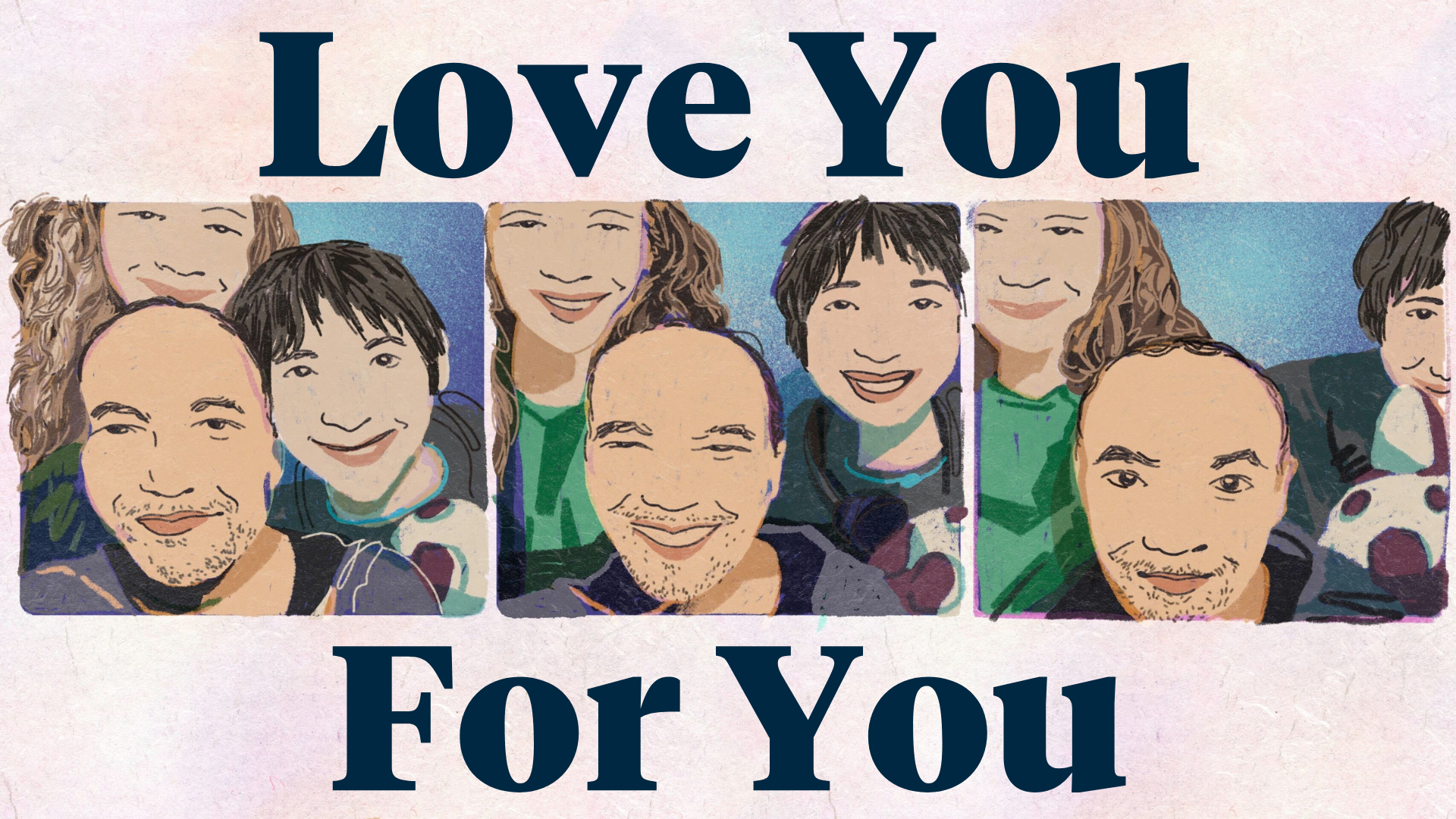
"caption": "Roberto Santiago and his two kids, Ryu (15) and Eloui (14). The California Report Magazine is featuring conversations between gender-expansive youth and adults in their lives who love, support and mentor them.",
"credit": "Anna Vignet/KQED",
"altTag": null,
"description": null,
"imgSizes": {
"thumbnail": {
"file": "https://cdn.kqed.org/wp-content/uploads/sites/10/2025/11/LYFY_WEB_Ep3_A-160x90.png",
"width": 160,
"height": 90,
"mimeType": "image/png"
},
"1536x1536": {
"file": "https://cdn.kqed.org/wp-content/uploads/sites/10/2025/11/LYFY_WEB_Ep3_A-1536x864.png",
"width": 1536,
"height": 864,
"mimeType": "image/png"
},
"post-thumbnail": {
"file": "https://cdn.kqed.org/wp-content/uploads/sites/10/2025/11/LYFY_WEB_Ep3_A-672x372.png",
"width": 672,
"height": 372,
"mimeType": "image/png"
},
"twentyfourteen-full-width": {
"file": "https://cdn.kqed.org/wp-content/uploads/sites/10/2025/11/LYFY_WEB_Ep3_A-1038x576.png",
"width": 1038,
"height": 576,
"mimeType": "image/png"
},
"npr-cds-wide": {
"file": "https://cdn.kqed.org/wp-content/uploads/sites/10/2025/11/LYFY_WEB_Ep3_A-1200x675.png",
"width": 1200,
"height": 675,
"mimeType": "image/png"
},
"kqedFullSize": {
"file": "https://cdn.kqed.org/wp-content/uploads/sites/10/2025/11/LYFY_WEB_Ep3_A.png",
"width": 1920,
"height": 1080
}
},
"isLoading": false,
"fetchFailed": false
},
"news_12063629": {
"type": "attachments",
"id": "news_12063629",
"meta": {
"index": "attachments_1716263798",
"site": "news",
"id": "12063629",
"found": true
},
"title": "231029_OAKDiadelosMuertosFestival_EG-38",
"publishDate": 1762806227,
"status": "inherit",
"parent": 12062734,
"modified": 1762974661,
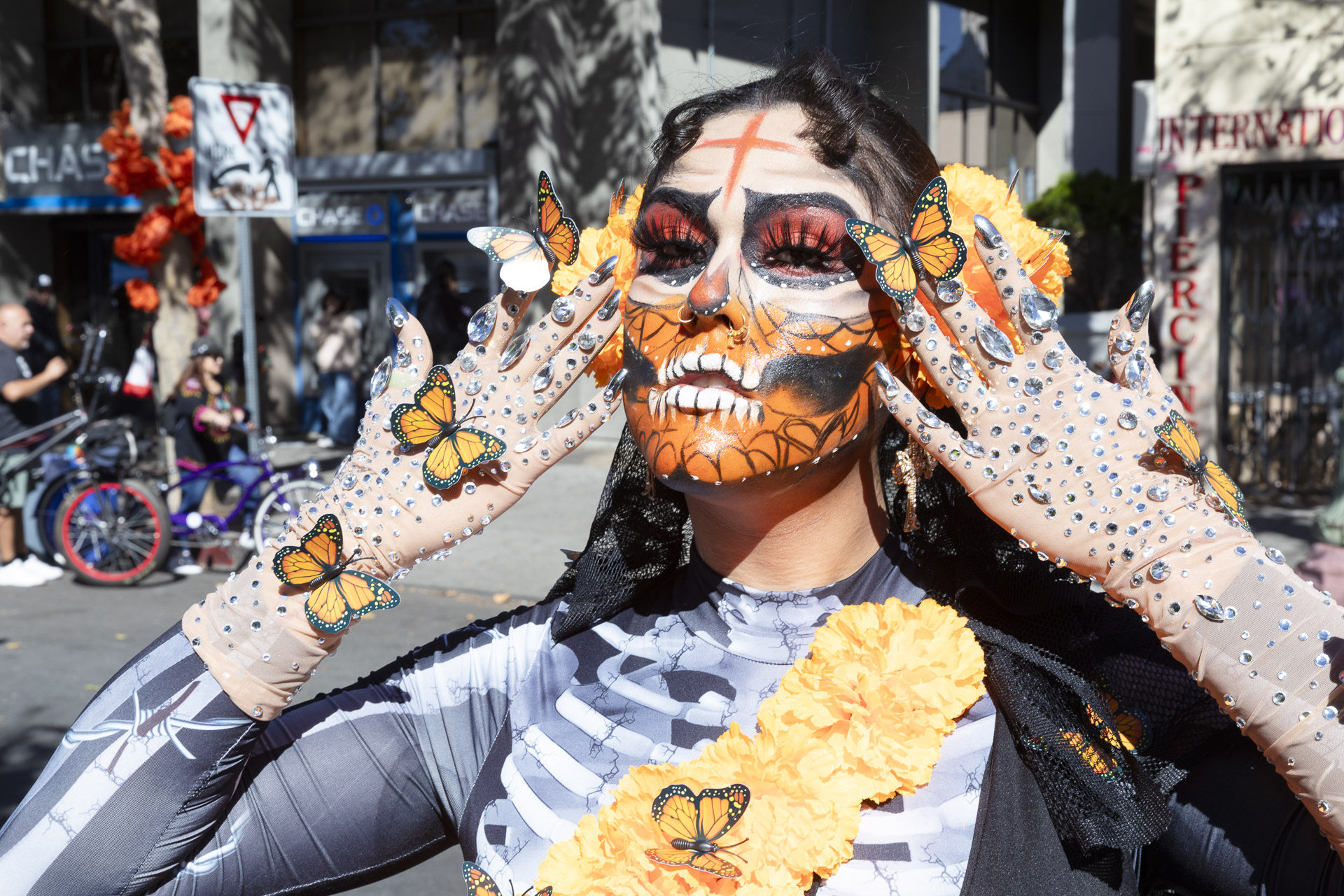
"caption": "Xol Venegas wears handmade butterfly gloves to the Oakland Día de los Muertos Festival in Fruitvale on Sunday, Oct. 29, 2023. Día de los Muertos is her favorite holiday. \"It's about that nobody gets forgotten in the end. That everybody feels a sense of community,\" she said.",
"credit": "Estefany Gonzalez for KQED",
"altTag": null,
"description": null,
"imgSizes": {
"thumbnail": {
"file": "https://cdn.kqed.org/wp-content/uploads/sites/10/2025/11/231029_OAKDiadelosMuertosFestival_EG-38-160x107.jpg",
"width": 160,
"height": 107,
"mimeType": "image/jpeg"
},
"1536x1536": {
"file": "https://cdn.kqed.org/wp-content/uploads/sites/10/2025/11/231029_OAKDiadelosMuertosFestival_EG-38-1536x1024.jpg",
"width": 1536,
"height": 1024,
"mimeType": "image/jpeg"
},
"post-thumbnail": {
"file": "https://cdn.kqed.org/wp-content/uploads/sites/10/2025/11/231029_OAKDiadelosMuertosFestival_EG-38-672x372.jpg",
"width": 672,
"height": 372,
"mimeType": "image/jpeg"
},
"twentyfourteen-full-width": {
"file": "https://cdn.kqed.org/wp-content/uploads/sites/10/2025/11/231029_OAKDiadelosMuertosFestival_EG-38-1038x576.jpg",
"width": 1038,
"height": 576,
"mimeType": "image/jpeg"
},
"npr-cds-wide": {
"file": "https://cdn.kqed.org/wp-content/uploads/sites/10/2025/11/231029_OAKDiadelosMuertosFestival_EG-38-1200x675.jpg",
"width": 1200,
"height": 675,
"mimeType": "image/jpeg"
},
"kqedFullSize": {
"file": "https://cdn.kqed.org/wp-content/uploads/sites/10/2025/11/231029_OAKDiadelosMuertosFestival_EG-38.jpg",
"width": 1920,
"height": 1280
}
},
"isLoading": false,
"fetchFailed": false
},
"news_12063583": {
"type": "attachments",
"id": "news_12063583",
"meta": {
"index": "attachments_1716263798",
"site": "news",
"id": "12063583",
"found": true
},
"title": "Sunday Music Drop Photo Collages-24",
"publishDate": 1762710704,
"status": "inherit",
"parent": 12063578,
"modified": 1762710776,
"caption": null,
"credit": "Photo courtesy of Gianpaolo Pabros/Collage by Spencer Whitney of KQED",
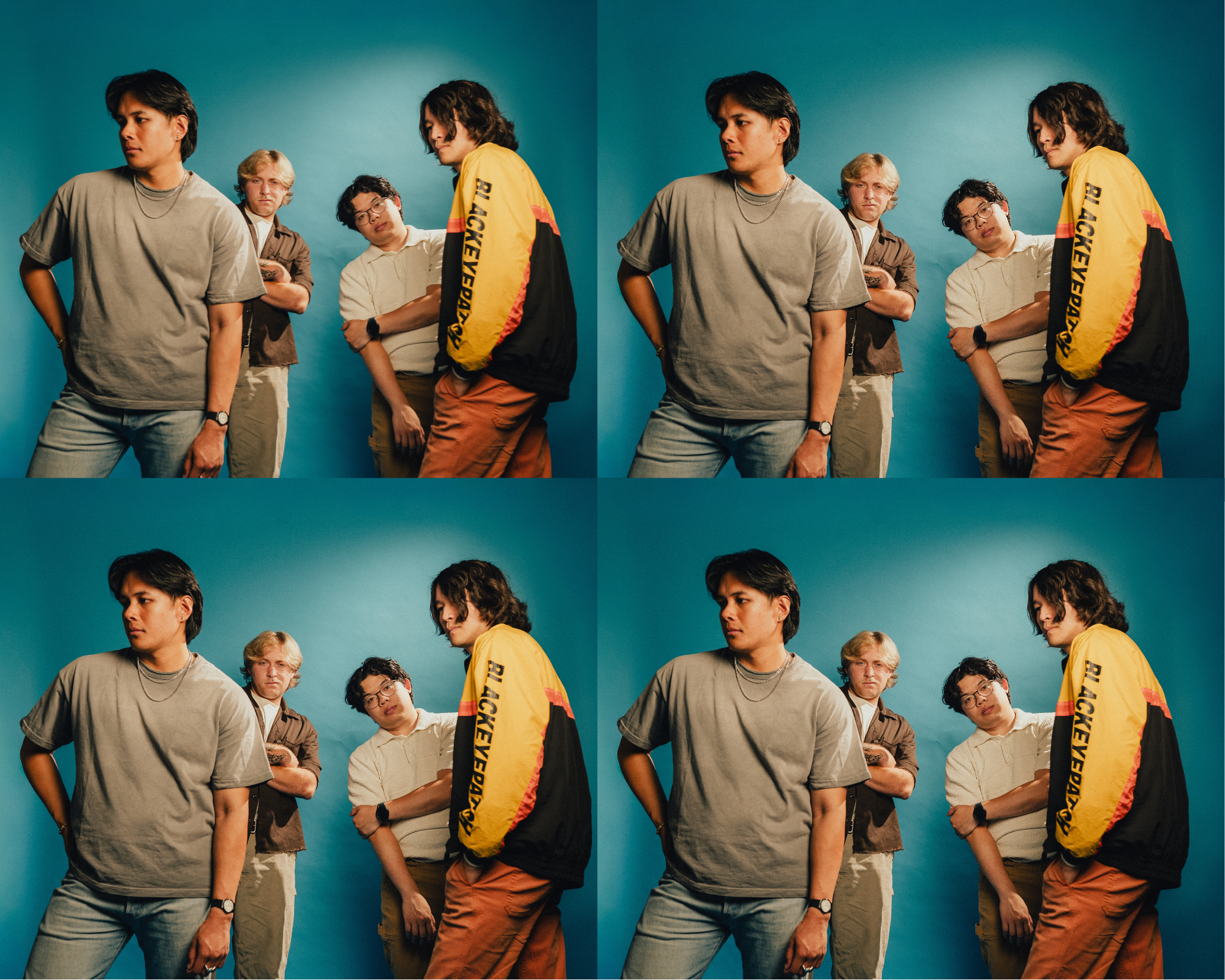
"altTag": "A collage of four images showing four people standing near each other striking different poses.",
"description": null,
"imgSizes": {
"thumbnail": {
"file": "https://cdn.kqed.org/wp-content/uploads/sites/10/2025/11/Sunday-Music-Drop-Photo-Collages-24-160x128.png",
"width": 160,
"height": 128,
"mimeType": "image/png"
},
"1536x1536": {
"file": "https://cdn.kqed.org/wp-content/uploads/sites/10/2025/11/Sunday-Music-Drop-Photo-Collages-24-1536x1229.png",
"width": 1536,
"height": 1229,
"mimeType": "image/png"
},
"post-thumbnail": {
"file": "https://cdn.kqed.org/wp-content/uploads/sites/10/2025/11/Sunday-Music-Drop-Photo-Collages-24-672x372.png",
"width": 672,
"height": 372,
"mimeType": "image/png"
},
"twentyfourteen-full-width": {
"file": "https://cdn.kqed.org/wp-content/uploads/sites/10/2025/11/Sunday-Music-Drop-Photo-Collages-24-1038x576.png",
"width": 1038,
"height": 576,
"mimeType": "image/png"
},
"npr-cds-wide": {
"file": "https://cdn.kqed.org/wp-content/uploads/sites/10/2025/11/Sunday-Music-Drop-Photo-Collages-24-1200x675.png",
"width": 1200,
"height": 675,
"mimeType": "image/png"
},
"kqedFullSize": {
"file": "https://cdn.kqed.org/wp-content/uploads/sites/10/2025/11/Sunday-Music-Drop-Photo-Collages-24.png",
"width": 2000,
"height": 1600
}
},
"isLoading": false,
"fetchFailed": false
},
"news_12063358": {
"type": "attachments",
"id": "news_12063358",
"meta": {
"index": "attachments_1716263798",
"site": "news",
"id": "12063358",
"found": true
},
"title": "4",
"publishDate": 1762475166,
"status": "inherit",
"parent": 12062744,
"modified": 1762476065,
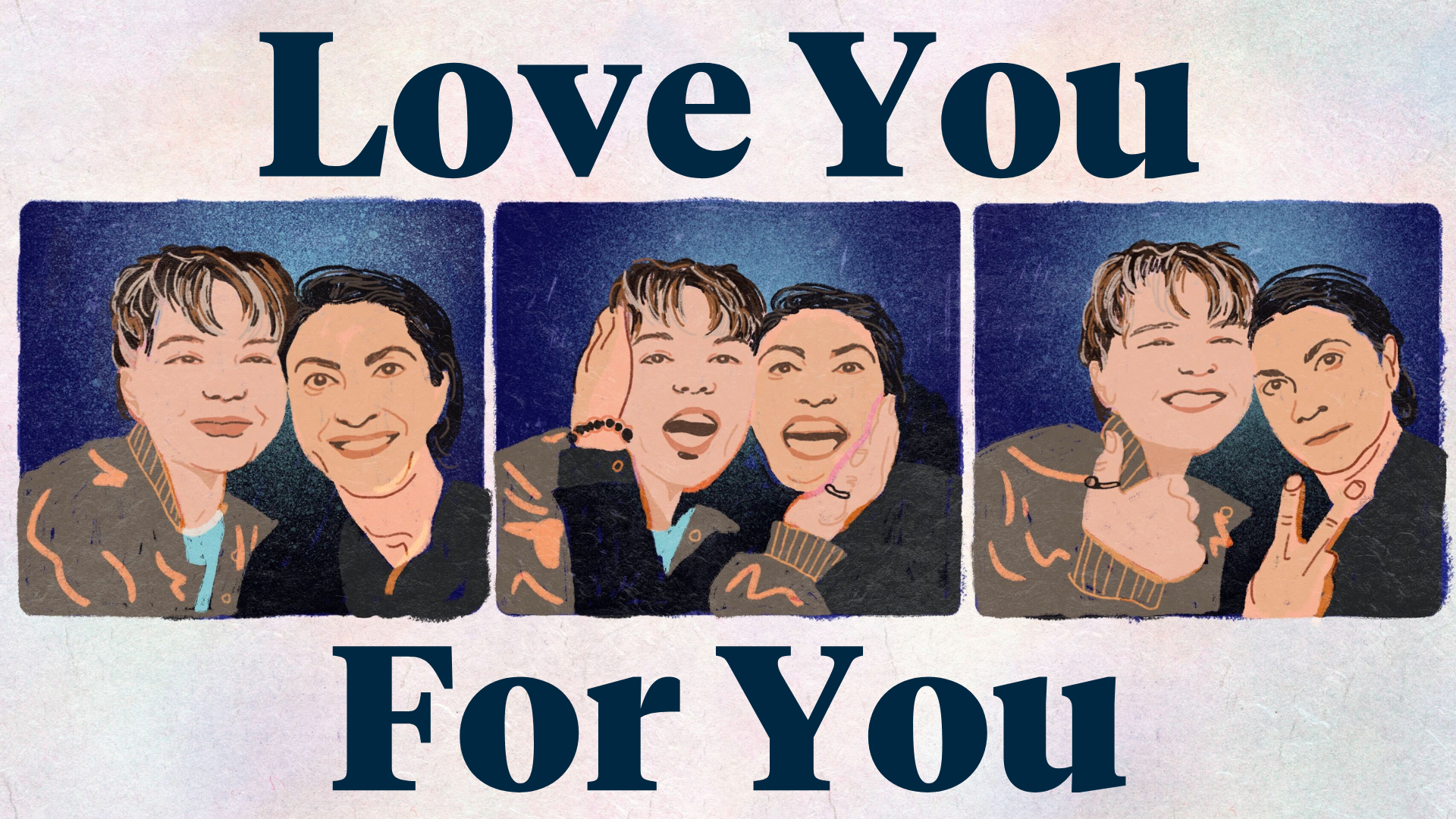
"caption": "An illustration of a 14-year-old nonbinary kid, their mom and their grandmother, who lives in India. There, she’s become a fierce advocate for transgender and nonbinary youth. The California Report Magazine is featuring conversations between gender-expansive youth and adults in their lives who love, support and mentor them.",
"credit": "Anna Vignet/KQED",
"altTag": null,
"description": null,
"imgSizes": {
"thumbnail": {
"file": "https://cdn.kqed.org/wp-content/uploads/sites/10/2025/11/4-160x90.png",
"width": 160,
"height": 90,
"mimeType": "image/png"
},
"1536x1536": {
"file": "https://cdn.kqed.org/wp-content/uploads/sites/10/2025/11/4-1536x864.png",
"width": 1536,
"height": 864,
"mimeType": "image/png"
},
"post-thumbnail": {
"file": "https://cdn.kqed.org/wp-content/uploads/sites/10/2025/11/4-672x372.png",
"width": 672,
"height": 372,
"mimeType": "image/png"
},
"twentyfourteen-full-width": {
"file": "https://cdn.kqed.org/wp-content/uploads/sites/10/2025/11/4-1038x576.png",
"width": 1038,
"height": 576,
"mimeType": "image/png"
},
"npr-cds-wide": {
"file": "https://cdn.kqed.org/wp-content/uploads/sites/10/2025/11/4-1200x675.png",
"width": 1200,
"height": 675,
"mimeType": "image/png"
},
"kqedFullSize": {
"file": "https://cdn.kqed.org/wp-content/uploads/sites/10/2025/11/4.png",
"width": 1920,
"height": 1080
}
},
"isLoading": false,
"fetchFailed": false
},
"news_12062832": {
"type": "attachments",
"id": "news_12062832",
"meta": {
"index": "attachments_1716263798",
"site": "news",
"id": "12062832",
"found": true
},
"title": "23_Middleton20240211_KQEDSuperBowl_00461_qed",
"publishDate": 1762287356,
"status": "inherit",
"parent": 0,
"modified": 1762287386,
"caption": "A crowd cheers during the San Francisco 49ers vs. the Kansas City Chiefs NFL Super Bowl LVIII game inside Connecticut Yankee in San Francisco, California, on Sunday, Feb. 11, 2024.",
"credit": "Florence Middleton for KQED",
"altTag": null,
"description": null,
"imgSizes": {
"thumbnail": {
"file": "https://cdn.kqed.org/wp-content/uploads/sites/10/2025/11/23_Middleton20240211_KQEDSuperBowl_00461_qed-160x107.jpg",
"width": 160,
"height": 107,
"mimeType": "image/jpeg"
},
"1536x1536": {
"file": "https://cdn.kqed.org/wp-content/uploads/sites/10/2025/11/23_Middleton20240211_KQEDSuperBowl_00461_qed-1536x1025.jpg",
"width": 1536,
"height": 1025,
"mimeType": "image/jpeg"
},
"post-thumbnail": {
"file": "https://cdn.kqed.org/wp-content/uploads/sites/10/2025/11/23_Middleton20240211_KQEDSuperBowl_00461_qed-672x372.jpg",
"width": 672,
"height": 372,
"mimeType": "image/jpeg"
},
"twentyfourteen-full-width": {
"file": "https://cdn.kqed.org/wp-content/uploads/sites/10/2025/11/23_Middleton20240211_KQEDSuperBowl_00461_qed-1038x576.jpg",
"width": 1038,
"height": 576,
"mimeType": "image/jpeg"
},
"npr-cds-wide": {
"file": "https://cdn.kqed.org/wp-content/uploads/sites/10/2025/11/23_Middleton20240211_KQEDSuperBowl_00461_qed-1200x675.jpg",
"width": 1200,
"height": 675,
"mimeType": "image/jpeg"
},
"kqedFullSize": {
"file": "https://cdn.kqed.org/wp-content/uploads/sites/10/2025/11/23_Middleton20240211_KQEDSuperBowl_00461_qed.jpg",
"width": 1998,
"height": 1333
}
},
"isLoading": false,
"fetchFailed": false
},
"news_12062277": {
"type": "attachments",
"id": "news_12062277",
"meta": {
"index": "attachments_1716263798",
"site": "news",
"id": "12062277",
"found": true
},
"title": "1",
"publishDate": 1761848556,
"status": "inherit",
"parent": 12061805,
"modified": 1761855757,
"caption": "An illustration of Hunter Stoval and his \"aunt\" Shirin Amini taking silly pictures in a photobooth. Stoval talks about his coming out story as a transgender boy, and Amini shares the challenges of coming out as a lesbian at his age in the 1990s. The California Report Magazine is featuring conversations between gender-expansive youth and adults in their lives who love, support and mentor them. ",
"credit": "Anna Vignet/KQED",
"altTag": null,
"description": null,
"imgSizes": {
"thumbnail": {
"file": "https://cdn.kqed.org/wp-content/uploads/sites/10/2025/10/1-160x90.png",
"width": 160,
"height": 90,
"mimeType": "image/png"
},
"1536x1536": {
"file": "https://cdn.kqed.org/wp-content/uploads/sites/10/2025/10/1-1536x864.png",
"width": 1536,
"height": 864,
"mimeType": "image/png"
},
"post-thumbnail": {
"file": "https://cdn.kqed.org/wp-content/uploads/sites/10/2025/10/1-672x372.png",
"width": 672,
"height": 372,
"mimeType": "image/png"
},
"twentyfourteen-full-width": {
"file": "https://cdn.kqed.org/wp-content/uploads/sites/10/2025/10/1-1038x576.png",
"width": 1038,
"height": 576,
"mimeType": "image/png"
},
"npr-cds-wide": {
"file": "https://cdn.kqed.org/wp-content/uploads/sites/10/2025/10/1-1600x900.png",
"width": 1600,
"height": 900,
"mimeType": "image/png"
},
"kqedFullSize": {
"file": "https://cdn.kqed.org/wp-content/uploads/sites/10/2025/10/1.png",
"width": 1920,
"height": 1080
}
},
"isLoading": false,
"fetchFailed": false
},
"news_12062624": {
"type": "attachments",
"id": "news_12062624",
"meta": {
"index": "attachments_1716263798",
"site": "news",
"id": "12062624",
"found": true
},
"title": "Sunday Music Drop Photo Collages-21",
"publishDate": 1762114580,
"status": "inherit",
"parent": 12062620,
"modified": 1762114629,
"caption": null,
"credit": "Photo courtesy of Julie Juarez/Collage by Spencer Whitney of KQED",
"altTag": null,
"description": null,
"imgSizes": {
"thumbnail": {
"file": "https://cdn.kqed.org/wp-content/uploads/sites/10/2025/11/Sunday-Music-Drop-Photo-Collages-21-160x128.png",
"width": 160,
"height": 128,
"mimeType": "image/png"
},
"1536x1536": {
"file": "https://cdn.kqed.org/wp-content/uploads/sites/10/2025/11/Sunday-Music-Drop-Photo-Collages-21-1536x1229.png",
"width": 1536,
"height": 1229,
"mimeType": "image/png"
},
"post-thumbnail": {
"file": "https://cdn.kqed.org/wp-content/uploads/sites/10/2025/11/Sunday-Music-Drop-Photo-Collages-21-672x372.png",
"width": 672,
"height": 372,
"mimeType": "image/png"
},
"twentyfourteen-full-width": {
"file": "https://cdn.kqed.org/wp-content/uploads/sites/10/2025/11/Sunday-Music-Drop-Photo-Collages-21-1038x576.png",
"width": 1038,
"height": 576,
"mimeType": "image/png"
},
"npr-cds-wide": {
"file": "https://cdn.kqed.org/wp-content/uploads/sites/10/2025/11/Sunday-Music-Drop-Photo-Collages-21-1200x675.png",
"width": 1200,
"height": 675,
"mimeType": "image/png"
},
"kqedFullSize": {
"file": "https://cdn.kqed.org/wp-content/uploads/sites/10/2025/11/Sunday-Music-Drop-Photo-Collages-21.png",
"width": 2000,
"height": 1600
}
},
"isLoading": false,
"fetchFailed": false
},
"news_12058754": {
"type": "attachments",
"id": "news_12058754",
"meta": {
"index": "attachments_1716263798",
"site": "news",
"id": "12058754",
"found": true
},
"title": "251003_ORBIT_ROOM-_-19-KQED",
"publishDate": 1759765403,
"status": "inherit",
"parent": 0,
"modified": 1759765584,
"caption": "Noni Session stands near the front doors of Esther’s Orbit Room as daylight streams into the building under renovation in Oakland on Oct. 2, 2025.",
"credit": "Gustavo Hernandez/KQED",
"altTag": null,
"description": null,
"imgSizes": {
"thumbnail": {
"file": "https://cdn.kqed.org/wp-content/uploads/sites/10/2025/10/251003_ORBIT_ROOM-_-19-KQED-160x107.jpg",
"width": 160,
"height": 107,
"mimeType": "image/jpeg"
},
"1536x1536": {
"file": "https://cdn.kqed.org/wp-content/uploads/sites/10/2025/10/251003_ORBIT_ROOM-_-19-KQED-1536x1024.jpg",
"width": 1536,
"height": 1024,
"mimeType": "image/jpeg"
},
"post-thumbnail": {
"file": "https://cdn.kqed.org/wp-content/uploads/sites/10/2025/10/251003_ORBIT_ROOM-_-19-KQED-672x372.jpg",
"width": 672,
"height": 372,
"mimeType": "image/jpeg"
},
"twentyfourteen-full-width": {
"file": "https://cdn.kqed.org/wp-content/uploads/sites/10/2025/10/251003_ORBIT_ROOM-_-19-KQED-1038x576.jpg",
"width": 1038,
"height": 576,
"mimeType": "image/jpeg"
},
"kqedFullSize": {
"file": "https://cdn.kqed.org/wp-content/uploads/sites/10/2025/10/251003_ORBIT_ROOM-_-19-KQED.jpg",
"width": 2000,
"height": 1333
}
},
"isLoading": false,
"fetchFailed": false
},
"news_12061668": {
"type": "attachments",
"id": "news_12061668",
"meta": {
"index": "attachments_1716263798",
"site": "news",
"id": "12061668",
"found": true
},
"title": "Top Secret Robot Alliance",
"publishDate": 1761506052,
"status": "inherit",
"parent": 12061666,
"modified": 1761506243,
"caption": null,
"credit": "Photos courtesy of Top Secret Robot Alliance/Collage by Spencer Whitney of KQED",
"altTag": "A collage of five images. The image in the middle features two people dressed in white (Left) and black (Right) clothing while holding a leash for a dog. The images on the top left and bottom right show the same people sitting on a couch and holding guitars.",
"description": null,
"imgSizes": {
"thumbnail": {
"file": "https://cdn.kqed.org/wp-content/uploads/sites/10/2025/10/Sunday-Music-Drop-Photo-Collages-20-160x128.png",
"width": 160,
"height": 128,
"mimeType": "image/png"
},
"1536x1536": {
"file": "https://cdn.kqed.org/wp-content/uploads/sites/10/2025/10/Sunday-Music-Drop-Photo-Collages-20-1536x1229.png",
"width": 1536,
"height": 1229,
"mimeType": "image/png"
},
"post-thumbnail": {
"file": "https://cdn.kqed.org/wp-content/uploads/sites/10/2025/10/Sunday-Music-Drop-Photo-Collages-20-672x372.png",
"width": 672,
"height": 372,
"mimeType": "image/png"
},
"twentyfourteen-full-width": {
"file": "https://cdn.kqed.org/wp-content/uploads/sites/10/2025/10/Sunday-Music-Drop-Photo-Collages-20-1038x576.png",
"width": 1038,
"height": 576,
"mimeType": "image/png"
},
"npr-cds-wide": {
"file": "https://cdn.kqed.org/wp-content/uploads/sites/10/2025/10/Sunday-Music-Drop-Photo-Collages-20-1600x900.png",
"width": 1600,
"height": 900,
"mimeType": "image/png"
},
"kqedFullSize": {
"file": "https://cdn.kqed.org/wp-content/uploads/sites/10/2025/10/Sunday-Music-Drop-Photo-Collages-20.png",
"width": 2000,
"height": 1600
}
},
"isLoading": false,
"fetchFailed": false
},
"news_12061345": {
"type": "attachments",
"id": "news_12061345",
"meta": {
"index": "attachments_1716263798",
"site": "news",
"id": "12061345",
"found": true
},
"title": "251022-DUDUKWHISPERER00384_TV-KQED",
"publishDate": 1761261008,
"status": "inherit",
"parent": 0,
"modified": 1761261495,
"caption": "Khatchadour Khatchadourian poses for a portrait with his duduk in his backyard in Santa Rosa on October 22, 2025.",
"credit": "Tâm Vũ/KQED",
"altTag": null,
"description": null,
"imgSizes": {
"thumbnail": {
"file": "https://cdn.kqed.org/wp-content/uploads/sites/10/2025/10/251022-DUDUKWHISPERER00384_TV-KQED-160x107.jpg",
"width": 160,
"height": 107,
"mimeType": "image/jpeg"
},
"1536x1536": {
"file": "https://cdn.kqed.org/wp-content/uploads/sites/10/2025/10/251022-DUDUKWHISPERER00384_TV-KQED-1536x1024.jpg",
"width": 1536,
"height": 1024,
"mimeType": "image/jpeg"
},
"post-thumbnail": {
"file": "https://cdn.kqed.org/wp-content/uploads/sites/10/2025/10/251022-DUDUKWHISPERER00384_TV-KQED-672x372.jpg",
"width": 672,
"height": 372,
"mimeType": "image/jpeg"
},
"twentyfourteen-full-width": {
"file": "https://cdn.kqed.org/wp-content/uploads/sites/10/2025/10/251022-DUDUKWHISPERER00384_TV-KQED-1038x576.jpg",
"width": 1038,
"height": 576,
"mimeType": "image/jpeg"
},
"npr-cds-wide": {
"file": "https://cdn.kqed.org/wp-content/uploads/sites/10/2025/10/251022-DUDUKWHISPERER00384_TV-KQED-1600x900.jpg",
"width": 1600,
"height": 900,
"mimeType": "image/jpeg"
},
"kqedFullSize": {
"file": "https://cdn.kqed.org/wp-content/uploads/sites/10/2025/10/251022-DUDUKWHISPERER00384_TV-KQED.jpg",
"width": 2000,
"height": 1333
}
},
"isLoading": false,
"fetchFailed": false
},
"news_12061161": {
"type": "attachments",
"id": "news_12061161",
"meta": {
"index": "attachments_1716263798",
"site": "news",
"id": "12061161",
"found": true
},
"title": "aztec dancers",
"publishDate": 1761187398,
"status": "inherit",
"parent": 12061160,
"modified": 1761187473,
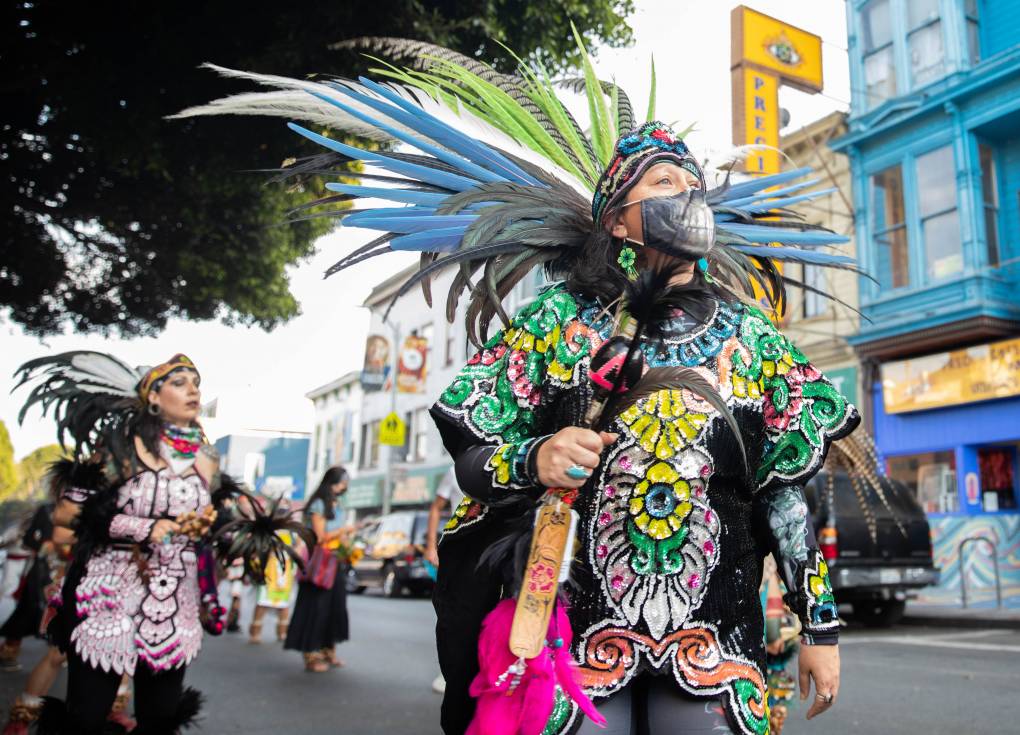
"caption": "Una bailarina azteca se asoma por encima de los árboles de la calle 24 durante la bendición de los altares en las calles 24 y Folsom para dar inicio al Día de los Muertos en el distrito Mission de San Francisco, el domingo 1 de noviembre de 2020. El Área de la Bahía se prepara para el Día de los Muertos de este año, que caerá en fin de semana.",
"credit": "Sebastian Miño-Bucheli/KQED",
"altTag": null,
"description": null,
"imgSizes": {
"thumbnail": {
"file": "https://cdn.kqed.org/wp-content/uploads/sites/10/2025/10/aztec-dancers-160x115.jpg",
"width": 160,
"height": 115,
"mimeType": "image/jpeg"
},
"post-thumbnail": {
"file": "https://cdn.kqed.org/wp-content/uploads/sites/10/2025/10/aztec-dancers-672x372.jpg",
"width": 672,
"height": 372,
"mimeType": "image/jpeg"
},
"twentyfourteen-full-width": {
"file": "https://cdn.kqed.org/wp-content/uploads/sites/10/2025/10/aztec-dancers-1020x576.jpg",
"width": 1020,
"height": 576,
"mimeType": "image/jpeg"
},
"kqedFullSize": {
"file": "https://cdn.kqed.org/wp-content/uploads/sites/10/2025/10/aztec-dancers.jpg",
"width": 1020,
"height": 735
}
},
"isLoading": false,
"fetchFailed": false
},
"news_12060313": {
"type": "attachments",
"id": "news_12060313",
"meta": {
"index": "attachments_1716263798",
"site": "news",
"id": "12060313",
"found": true
},
"title": "251016-DUBAICHOCOLATES-09-BL-KQED",
"publishDate": 1760723984,
"status": "inherit",
"parent": 12060700,
"modified": 1760985460,
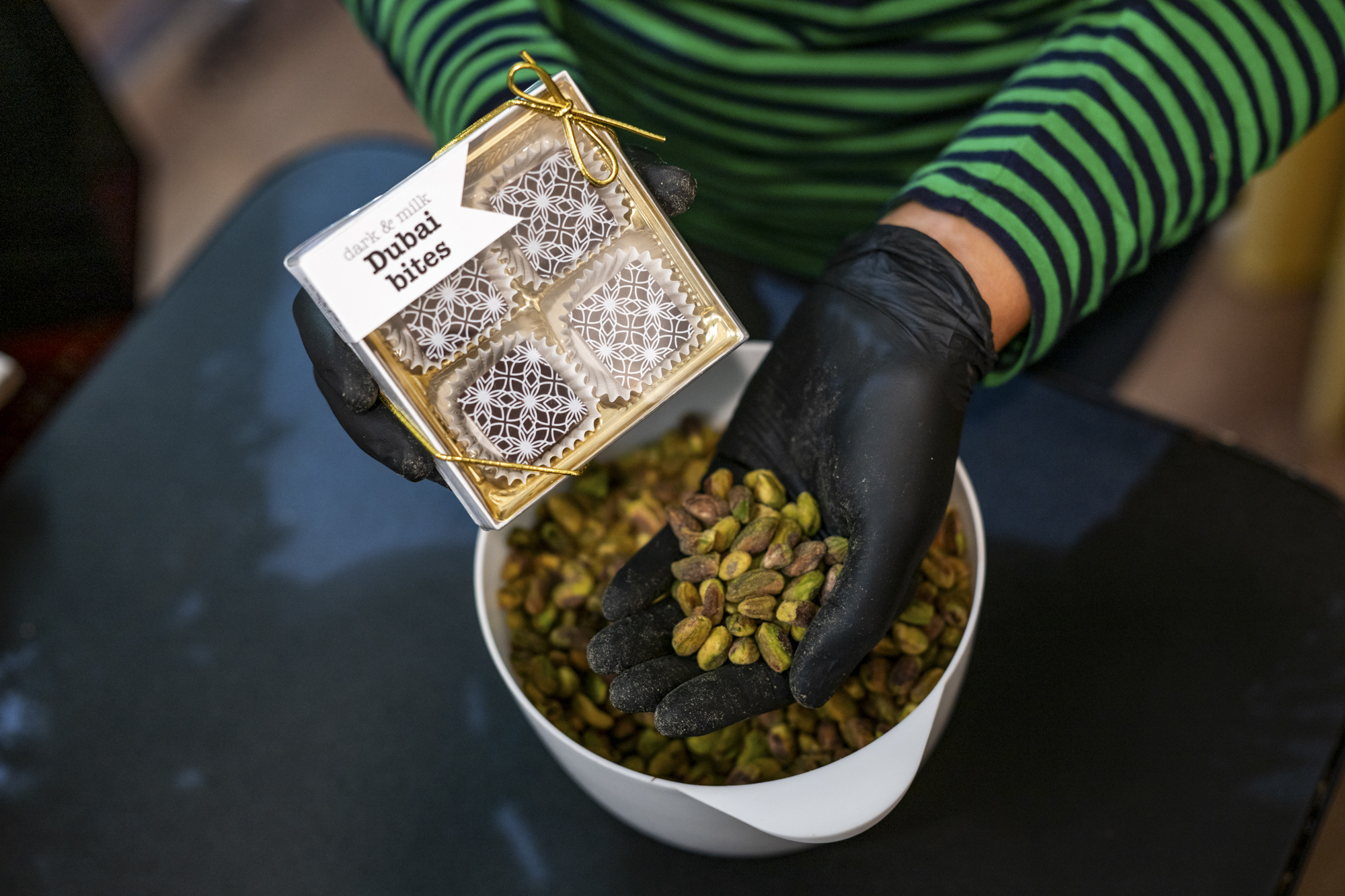
"caption": "Malena Lopez-Maggi, owner and chocolatier, holds a box of Dubai chocolates and a handful of pistachios at The Xocolate Bar in Berkeley on Oct. 16, 2025.",
"credit": "Beth LaBerge/KQED",
"altTag": null,
"description": null,
"imgSizes": {
"thumbnail": {
"file": "https://cdn.kqed.org/wp-content/uploads/sites/10/2025/10/251016-DUBAICHOCOLATES-09-BL-KQED-160x107.jpg",
"width": 160,
"height": 107,
"mimeType": "image/jpeg"
},
"1536x1536": {
"file": "https://cdn.kqed.org/wp-content/uploads/sites/10/2025/10/251016-DUBAICHOCOLATES-09-BL-KQED-1536x1024.jpg",
"width": 1536,
"height": 1024,
"mimeType": "image/jpeg"
},
"post-thumbnail": {
"file": "https://cdn.kqed.org/wp-content/uploads/sites/10/2025/10/251016-DUBAICHOCOLATES-09-BL-KQED-672x372.jpg",
"width": 672,
"height": 372,
"mimeType": "image/jpeg"
},
"twentyfourteen-full-width": {
"file": "https://cdn.kqed.org/wp-content/uploads/sites/10/2025/10/251016-DUBAICHOCOLATES-09-BL-KQED-1038x576.jpg",
"width": 1038,
"height": 576,
"mimeType": "image/jpeg"
},
"kqedFullSize": {
"file": "https://cdn.kqed.org/wp-content/uploads/sites/10/2025/10/251016-DUBAICHOCOLATES-09-BL-KQED.jpg",
"width": 2000,
"height": 1333
}
},
"isLoading": false,
"fetchFailed": false
}
},
"audioPlayerReducer": {
"postId": "stream_live",
"isPaused": true,
"isPlaying": false,
"pfsActive": false,
"pledgeModalIsOpen": true,
"playerDrawerIsOpen": false,
"liveAudioPlayStartedAt": 0,
"liveAudioPlayContext": ""
},
"authorsReducer": {
"sasha-khokha": {
"type": "authors",
"id": "254",
"meta": {
"index": "authors_1716337520",
"id": "254",
"found": true
},
"name": "Sasha Khokha",
"firstName": "Sasha",
"lastName": "Khokha",
"slug": "sasha-khokha",
"email": "skhokha@kqed.org",
"display_author_email": true,
"staff_mastheads": [
"news"
],
"title": "Host, The California Report Magazine",
"bio": "Sasha Khokha is the host of \u003cem>The California Report's \u003c/em> weekly magazine program, which takes listeners on sound-rich excursions to meet the people that make the Golden State unique -- through audio documentaries and long-form stories. As \u003cem>The California Report's\u003c/em> Central Valley Bureau Chief based in Fresno for nearly a dozen years, Sasha brought the lives and concerns of rural Californians to listeners around the state. Her reporting helped expose the hidden price immigrant women janitors and farmworkers may pay to keep their jobs: sexual assault at work. It inspired two new California laws to protect them from sexual harassment. She was a key member of the reporting team for the Frontline film \u003cem>Rape on the Night Shift, \u003c/em>which was nominated for two national Emmys. Sasha has also won a national Edward R. Murrow and a national PRNDI award for investigative reporting, as well as multiple prizes from the Society for Professional Journalists. Sasha is a proud alum of the UC Berkeley Graduate School of Journalism and Brown University and a member of the South Asian Journalists Association.",
"avatar": "https://secure.gravatar.com/avatar/e4b5e1541aaeea2aa356aa1fb2a68950?s=600&d=blank&r=g",
"twitter": "KQEDSashaKhokha",
"facebook": null,
"instagram": null,
"linkedin": null,
"sites": [
{
"site": "news",
"roles": [
"editor"
]
},
{
"site": "stateofhealth",
"roles": [
"author"
]
},
{
"site": "science",
"roles": [
"author"
]
},
{
"site": "quest",
"roles": [
"subscriber"
]
}
],
"headData": {
"title": "Sasha Khokha | KQED",
"description": "Host, The California Report Magazine",
"ogImgSrc": "https://secure.gravatar.com/avatar/e4b5e1541aaeea2aa356aa1fb2a68950?s=600&d=blank&r=g",
"twImgSrc": "https://secure.gravatar.com/avatar/e4b5e1541aaeea2aa356aa1fb2a68950?s=600&d=blank&r=g"
},
"isLoading": false,
"link": "/author/sasha-khokha"
},
"jasminegarnett": {
"type": "authors",
"id": "11530",
"meta": {
"index": "authors_1716337520",
"id": "11530",
"found": true
},
"name": "Jasmine Garnett",
"firstName": "Jasmine",
"lastName": "Garnett",
"slug": "jasminegarnett",
"email": "JGarnett@KQED.org",
"display_author_email": false,
"staff_mastheads": [
"news"
],
"title": "Senior Engagement Platforms Producer",
"bio": "Jasmine is a Senior Engagement Platforms Producer on the KQED News team. She is also a freelance writer, with work appearing in KQED, Bitch Media, and Kotaku among others. Jasmine graduated from UC Berkeley with a degree in Media Studies, where she was also an Arts and Entertainment reporter at the Daily Californian.",
"avatar": "https://secure.gravatar.com/avatar/a6ea8b0641874311533b7401bee15c8e?s=600&d=blank&r=g",
"twitter": "JFLGarnett",
"facebook": null,
"instagram": null,
"linkedin": null,
"sites": [
{
"site": "arts",
"roles": [
"author"
]
},
{
"site": "news",
"roles": [
"editor"
]
},
{
"site": "about",
"roles": [
"editor"
]
},
{
"site": "science",
"roles": [
"editor"
]
},
{
"site": "forum",
"roles": [
"editor"
]
},
{
"site": "pressroom",
"roles": [
"editor"
]
}
],
"headData": {
"title": "Jasmine Garnett | KQED",
"description": "Senior Engagement Platforms Producer",
"ogImgSrc": "https://secure.gravatar.com/avatar/a6ea8b0641874311533b7401bee15c8e?s=600&d=blank&r=g",
"twImgSrc": "https://secure.gravatar.com/avatar/a6ea8b0641874311533b7401bee15c8e?s=600&d=blank&r=g"
},
"isLoading": false,
"link": "/author/jasminegarnett"
},
"ebaldassari": {
"type": "authors",
"id": "11652",
"meta": {
"index": "authors_1716337520",
"id": "11652",
"found": true
},
"name": "Erin Baldassari",
"firstName": "Erin",
"lastName": "Baldassari",
"slug": "ebaldassari",
"email": "ebaldassari@KQED.org",
"display_author_email": true,
"staff_mastheads": [
"news"
],
"title": "Staff Writer",
"bio": "Erin Baldassari covers housing for KQED. She's a former print journalist and most recently worked as the transportation reporter for the \u003cem>Mercury News\u003c/em> and \u003cem>East Bay Times. \u003c/em>There, she focused on how the Bay Area’s housing shortage has changed the way people move around the region. She also served on the \u003cem>East Bay Times\u003c/em>’ 2017 Pulitzer Prize-winning team for coverage of the Ghost Ship Fire in Oakland. Prior to that, Erin worked as a breaking news and general assignment reporter for a variety of outlets in the Bay Area and the greater Boston area. A Tufts University alumna, Erin grew up in the foothills of the Sierra Nevada mountains and in Sonoma County. She is a life-long KQED listener.",
"avatar": "https://secure.gravatar.com/avatar/5e95cad64a8ca08288082212e199d2b0cbeb4fd8e8ef5339395f361032bbe005?s=600&d=blank&r=g",
"twitter": "e_baldi",
"bluesky": null,
"facebook": null,
"instagram": null,
"linkedin": null,
"sites": [
{
"site": "news",
"roles": [
"edit_others_posts",
"editor"
]
},
{
"site": "science",
"roles": [
"editor"
]
},
{
"site": "liveblog",
"roles": [
"editor"
]
}
],
"headData": {
"title": "Erin Baldassari | KQED",
"description": "Staff Writer",
"ogImgSrc": "https://secure.gravatar.com/avatar/5e95cad64a8ca08288082212e199d2b0cbeb4fd8e8ef5339395f361032bbe005?s=600&d=blank&r=g",
"twImgSrc": "https://secure.gravatar.com/avatar/5e95cad64a8ca08288082212e199d2b0cbeb4fd8e8ef5339395f361032bbe005?s=600&d=blank&r=g"
},
"isLoading": false,
"link": "/author/ebaldassari"
},
"btorres": {
"type": "authors",
"id": "11666",
"meta": {
"index": "authors_1716337520",
"id": "11666",
"found": true
},
"name": "Blanca Torres",
"firstName": "Blanca",
"lastName": "Torres",
"slug": "btorres",
"email": "btorres@kqed.org",
"display_author_email": true,
"staff_mastheads": [
"news"
],
"title": "Producer, Forum",
"bio": "Blanca Torres brings sharp news judgement and keen sense of lively conversation to her work as producer for Forum. She loves producing shows that leave listeners feeling like they heard distinctive voices, learned something new and gained a fresh perspective.\r\n\r\nShe joined KQED in January of 2020 after 16 years of working as a newspaper reporter most recently at the \u003cem>San Francisco Business Times,\u003c/em> where she wrote about real estate and economic development. Before that, she covered a variety of beats including crime, education, retail, workplace, the economy, consumer issues, and small business for the \u003cem>Contra Costa Times, Baltimore Sun\u003c/em> and\u003cem> The Seattle Times\u003c/em>. In addition to reporting, she worked as an editorial writer and columnist for the \u003cem>Seattle Times\u003c/em>. From 2017 to 2020, Blanca won a total of ten awards from the National Association of Real Estate Editors and won first place for land use reporting from the California News Publishers Association two years in a row. She is also a member and former board member for the National Association of Hispanic Journalists.\r\n\r\nA native of the Pacific Northwest, Blanca earned her bachelor's degree from Vanderbilt University in Nashville and a master's in fine arts in creative writing at Mills College. She lives in the East Bay with her family.",
"avatar": "https://secure.gravatar.com/avatar/50b49d19b14a1eed34f26ebf4681152cdd81574ed21851100871ccd29e578cdc?s=600&d=blank&r=g",
"twitter": "@blancawrites",
"bluesky": null,
"facebook": null,
"instagram": null,
"linkedin": null,
"sites": [
{
"site": "arts",
"roles": [
"editor"
]
},
{
"site": "news",
"roles": [
"editor"
]
},
{
"site": "forum",
"roles": [
"editor"
]
}
],
"headData": {
"title": "Blanca Torres | KQED",
"description": "Producer, Forum",
"ogImgSrc": "https://secure.gravatar.com/avatar/50b49d19b14a1eed34f26ebf4681152cdd81574ed21851100871ccd29e578cdc?s=600&d=blank&r=g",
"twImgSrc": "https://secure.gravatar.com/avatar/50b49d19b14a1eed34f26ebf4681152cdd81574ed21851100871ccd29e578cdc?s=600&d=blank&r=g"
},
"isLoading": false,
"link": "/author/btorres"
},
"ccabreralomeli": {
"type": "authors",
"id": "11708",
"meta": {
"index": "authors_1716337520",
"id": "11708",
"found": true
},
"name": "Carlos Cabrera-Lomelí",
"firstName": "Carlos",
"lastName": "Cabrera-Lomelí",
"slug": "ccabreralomeli",
"email": "ccabreralomeli@KQED.org",
"display_author_email": true,
"staff_mastheads": [
"news"
],
"title": "Community Reporter",
"bio": "Carlos Cabrera-Lomelí is a community reporter with KQED's digital engagement team. He also reports and co-produces for KQED's bilingual news hub KQED en Español. He grew up in San Francisco's Mission District and has previously worked with Univision, 48 Hills and REFORMA in Mexico City.",
"avatar": "https://secure.gravatar.com/avatar/c309be9665e484f887b818c89e273ecc673004f426f36b24d00a4d813a2e0518?s=600&d=blank&r=g",
"twitter": "@LomeliCabrera",
"bluesky": null,
"facebook": null,
"instagram": null,
"linkedin": null,
"sites": [
{
"site": "arts",
"roles": [
"editor"
]
},
{
"site": "news",
"roles": [
"editor"
]
},
{
"site": "about",
"roles": [
"editor"
]
},
{
"site": "science",
"roles": [
"editor"
]
},
{
"site": "perspectives",
"roles": [
"editor"
]
},
{
"site": "elections",
"roles": [
"editor"
]
},
{
"site": "liveblog",
"roles": [
"contributor"
]
}
],
"headData": {
"title": "Carlos Cabrera-Lomelí | KQED",
"description": "Community Reporter",
"ogImgSrc": "https://secure.gravatar.com/avatar/c309be9665e484f887b818c89e273ecc673004f426f36b24d00a4d813a2e0518?s=600&d=blank&r=g",
"twImgSrc": "https://secure.gravatar.com/avatar/c309be9665e484f887b818c89e273ecc673004f426f36b24d00a4d813a2e0518?s=600&d=blank&r=g"
},
"isLoading": false,
"link": "/author/ccabreralomeli"
},
"udursun": {
"type": "authors",
"id": "11883",
"meta": {
"index": "authors_1716337520",
"id": "11883",
"found": true
},
"name": "Ugur Dursun",
"firstName": "Ugur",
"lastName": "Dursun",
"slug": "udursun",
"email": "udursun@kqed.org",
"display_author_email": true,
"staff_mastheads": [
"arts"
],
"title": "Engagement Producer, KQED Arts & Culture",
"bio": "Ugur Dursun is a reporter and audience engagement producer for KQED Arts. Previously, her reporting has appeared on SFGate, East Bay Times, The Mercury News, KTVU, NBC Bay Area, The Stanford Daily, and other Bay Area local news outlets. In 2023, she was a recipient of Online News Association's \u003ca href=\"https://journalists.org/programs/mj-bear-fellowship/\">MJ Bear Fellowship\u003c/a>, which honors six standout journalists under the age of 30 who are pushing innovation in digital news.",
"avatar": "https://secure.gravatar.com/avatar/9c5fe6a93389635670fe02d7fa44666938055adfbfc2cfd7fffc1de9e29072a2?s=600&d=blank&r=g",
"twitter": null,
"bluesky": null,
"facebook": null,
"instagram": null,
"linkedin": null,
"sites": [
{
"site": "arts",
"roles": [
"administrator"
]
},
{
"site": "news",
"roles": [
"editor"
]
}
],
"headData": {
"title": "Ugur Dursun | KQED",
"description": "Engagement Producer, KQED Arts & Culture",
"ogImgSrc": "https://secure.gravatar.com/avatar/9c5fe6a93389635670fe02d7fa44666938055adfbfc2cfd7fffc1de9e29072a2?s=600&d=blank&r=g",
"twImgSrc": "https://secure.gravatar.com/avatar/9c5fe6a93389635670fe02d7fa44666938055adfbfc2cfd7fffc1de9e29072a2?s=600&d=blank&r=g"
},
"isLoading": false,
"link": "/author/udursun"
},
"adriennelee": {
"type": "authors",
"id": "11891",
"meta": {
"index": "authors_1716337520",
"id": "11891",
"found": true
},
"name": "Adrienne Lee",
"firstName": "Adrienne",
"lastName": "Lee",
"slug": "adriennelee",
"email": "adriennelee@kqed.org",
"display_author_email": false,
"staff_mastheads": [],
"title": "Newsletter & Platforms Engagement Producer",
"bio": null,
"avatar": "https://secure.gravatar.com/avatar/0018404b206c585a6c82d45b82eb20704b6514a19ac246e3c63591b378656d29?s=600&d=blank&r=g",
"twitter": null,
"bluesky": null,
"facebook": null,
"instagram": null,
"linkedin": null,
"sites": [
{
"site": "news",
"roles": []
}
],
"headData": {
"title": "Adrienne Lee | KQED",
"description": "Newsletter & Platforms Engagement Producer",
"ogImgSrc": "https://secure.gravatar.com/avatar/0018404b206c585a6c82d45b82eb20704b6514a19ac246e3c63591b378656d29?s=600&d=blank&r=g",
"twImgSrc": "https://secure.gravatar.com/avatar/0018404b206c585a6c82d45b82eb20704b6514a19ac246e3c63591b378656d29?s=600&d=blank&r=g"
},
"isLoading": false,
"link": "/author/adriennelee"
},
"emanoukian": {
"type": "authors",
"id": "11925",
"meta": {
"index": "authors_1716337520",
"id": "11925",
"found": true
},
"name": "Elize Manoukian",
"firstName": "Elize",
"lastName": "Manoukian",
"slug": "emanoukian",
"email": "emanoukian@KQED.org",
"display_author_email": false,
"staff_mastheads": [
"news"
],
"title": "Digital News Editor",
"bio": "Elize Manoukian is an award-winning audio producer and Senior Editor on the Express Desk, KQED's digital news platform. Her work has appeared on KPFA, Interlochen Public Radio, Oregon Public Broadcast, the New York Daily News, LA Times and the San Diego Union-Tribune.",
"avatar": "https://secure.gravatar.com/avatar/4525f1a8e46ccb30933b32653d9772064cfefe3fa655eb45b3b3a80341f6bdad?s=600&d=blank&r=g",
"twitter": null,
"bluesky": null,
"facebook": null,
"instagram": null,
"linkedin": null,
"sites": [
{
"site": "arts",
"roles": [
"editor"
]
},
{
"site": "news",
"roles": [
"editor"
]
},
{
"site": "science",
"roles": [
"editor"
]
}
],
"headData": {
"title": "Elize Manoukian | KQED",
"description": "Digital News Editor",
"ogImgSrc": "https://secure.gravatar.com/avatar/4525f1a8e46ccb30933b32653d9772064cfefe3fa655eb45b3b3a80341f6bdad?s=600&d=blank&r=g",
"twImgSrc": "https://secure.gravatar.com/avatar/4525f1a8e46ccb30933b32653d9772064cfefe3fa655eb45b3b3a80341f6bdad?s=600&d=blank&r=g"
},
"isLoading": false,
"link": "/author/emanoukian"
},
"aaliahmad": {
"type": "authors",
"id": "11986",
"meta": {
"index": "authors_1716337520",
"id": "11986",
"found": true
},
"name": "Ayah Ali-Ahmad",
"firstName": "Ayah",
"lastName": "Ali-Ahmad",
"slug": "aaliahmad",
"email": "aaliahmad@KQED.org",
"display_author_email": false,
"staff_mastheads": [],
"title": "KQED Contributor",
"bio": null,
"avatar": "https://secure.gravatar.com/avatar/1cf54f187a5e1064b2cfef3f3d2f1e4f93e453395d56912aca6382a6071ec3ed?s=600&d=blank&r=g",
"twitter": "ayahaliahmad",
"bluesky": null,
"facebook": null,
"instagram": null,
"linkedin": null,
"sites": [
{
"site": "news",
"roles": [
"subscriber"
]
}
],
"headData": {
"title": "Ayah Ali-Ahmad | KQED",
"description": "KQED Contributor",
"ogImgSrc": "https://secure.gravatar.com/avatar/1cf54f187a5e1064b2cfef3f3d2f1e4f93e453395d56912aca6382a6071ec3ed?s=600&d=blank&r=g",
"twImgSrc": "https://secure.gravatar.com/avatar/1cf54f187a5e1064b2cfef3f3d2f1e4f93e453395d56912aca6382a6071ec3ed?s=600&d=blank&r=g"
},
"isLoading": false,
"link": "/author/aaliahmad"
}
},
"pagesReducer": {
"news_category_arts-and-culture": {
"type": "terms",
"id": "news_223",
"meta": {
"index": "terms_1716263798",
"site": "news",
"id": "223",
"score": 11.241917
},
"featImg": null,
"name": "Arts and Culture",
"description": null,
"taxonomy": "category",
"headData": {
"twImgId": null,
"twTitle": null,
"ogTitle": null,
"ogImgId": null,
"twDescription": null,
"description": null,
"title": "Arts and Culture Archives | KQED News",
"ogDescription": null
},
"ttid": 231,
"slug": "arts-and-culture",
"isLoading": false,
"title": "Arts and Culture",
"pageMeta": {
"site": "news",
"WpPageTemplate": "page-topic-editorial",
"currentPage": 7
},
"blocks": [
{
"blockName": "kqed/post-list",
"attrs": {
"layout": "cardArticle2",
"query": "posts/news?category=arts-and-culture",
"seeMore": false,
"paginated": true,
"page": 7
}
},
{
"blockName": "kqed/ad"
}
]
}
},
"pfsSessionReducer": {},
"postsReducer": {
"stream_live": {
"type": "live",
"id": "stream_live",
"audioUrl": "https://streams.kqed.org/kqedradio",
"title": "Live Stream",
"excerpt": "Live Stream information currently unavailable.",
"link": "/radio",
"featImg": "",
"label": {
"name": "KQED Live",
"link": "/"
}
},
"stream_kqedNewscast": {
"type": "posts",
"id": "stream_kqedNewscast",
"audioUrl": "https://www.kqed.org/.stream/anon/radio/RDnews/newscast.mp3?_=1",
"title": "KQED Newscast",
"featImg": "",
"label": {
"name": "88.5 FM",
"link": "/"
}
},
"news_12063601": {
"type": "posts",
"id": "news_12063601",
"meta": {
"index": "posts_1716263798",
"site": "news",
"id": "12063601",
"score": null,
"sort": [
1763139634000
]
},
"guestAuthors": [],
"slug": "love-you-for-you-what-parents-can-learn-about-love-and-support-from-their-trans-kids",
"title": "‘Love You for You:’ What Parents Can Learn About Love and Support from their Trans Kids",
"publishDate": 1763139634,
"format": "standard",
"headTitle": "‘Love You for You:’ What Parents Can Learn About Love and Support from their Trans Kids | KQED",
"labelTerm": {
"term": 26731,
"site": "news"
},
"content": "\u003cp>\u003ca href=\"#episode-transcript\">\u003ci>View the full episode transcript.\u003c/i>\u003c/a>\u003c/p>\n\u003cp>Our \u003ca href=\"https://www.kqed.org/news/tag/loveyouforyou\">\u003cem>Love You for You\u003c/em>\u003c/a> series features conversations between trans and nonbinary youth from across California and the people in their lives who love and mentor them: parents, grandparents, siblings and others.\u003c/p>\n\u003cp>This week, we’ll explore how parents stretch, adapt and grow alongside their children, learning in real time what it means to support their trans and gender-expansive kids.\u003c/p>\n\u003cp>We’ll hear a conversation between a 12-year-old transgender girl and her mom, which ranges from the joys of dancing and shopping to confronting the current anti-trans climate. We’ll also meet two gender-expansive siblings, who talk to their dad about what it’s been like to support one another, and reflect on how well their parents navigated their identities.\u003c/p>\n\u003cp>Guests:\u003c/p>\n\u003cul>\n\u003cli>A 12-year-old transgender girl (she/her) and her mom\u003c/li>\n\u003cli>Roberto Santiago, a father and his gender expansive kids, Eloui, 14 (xe/xyr) and Ryu, 15 (they/them)\u003c/li>\n\u003c/ul>\n\u003cp>[ad fullwidth]\u003c/p>\n\u003cp>\u003c!-- iframe plugin v.4.3 wordpress.org/plugins/iframe/ -->\u003cbr>\n\u003ciframe loading=\"lazy\" frameborder=\"0\" height=\"200\" scrolling=\"no\" src=\"https://playlist.megaphone.fm?e=KQINC1846671904\" width=\"100%\" class=\"iframe-class\">\u003c/iframe>\u003c/p>\n\u003ch2 id=\"episode-transcript\">Episode Transcript\u003c/h2>\n\u003cp>\u003cem>Music fades in\u003c/em>\u003c/p>\n\u003cp>\u003cstrong>Sasha Khokha: \u003c/strong>I’m Sasha Khokha, and it’s The California Report Magazine. We’re continuing our series this week about transgender and gender-expansive kids across California, talking to people in their lives who love, support and mentor them so they can thrive.\u003c/p>\n\u003cfigure id=\"attachment_12063881\" class=\"wp-caption aligncenter\" style=\"max-width: 1920px\">\u003ca href=\"https://cdn.kqed.org/wp-content/uploads/sites/10/2025/11/LYFY_WEB_Ep3_B.png\">\u003cimg loading=\"lazy\" decoding=\"async\" class=\"size-full wp-image-12063881\" src=\"https://cdn.kqed.org/wp-content/uploads/sites/10/2025/11/LYFY_WEB_Ep3_B.png\" alt=\"\" width=\"1920\" height=\"1080\" srcset=\"https://cdn.kqed.org/wp-content/uploads/sites/10/2025/11/LYFY_WEB_Ep3_B.png 1920w, https://cdn.kqed.org/wp-content/uploads/sites/10/2025/11/LYFY_WEB_Ep3_B-160x90.png 160w, https://cdn.kqed.org/wp-content/uploads/sites/10/2025/11/LYFY_WEB_Ep3_B-1536x864.png 1536w, https://cdn.kqed.org/wp-content/uploads/sites/10/2025/11/LYFY_WEB_Ep3_B-1200x675.png 1200w\" sizes=\"auto, (max-width: 1920px) 100vw, 1920px\">\u003c/a>\u003cfigcaption class=\"wp-caption-text\">An illustration of a 12-year-old transgender girl in a photo booth with her mom. Many families in this series have chosen to remain anonymous and not use their names or show their faces out of fear that they could face harm in this current climate. \u003ccite>(Anna Vignet/KQED)\u003c/cite>\u003c/figcaption>\u003c/figure>\n\u003cp>\u003cem>Montage of voices\u003c/em>\u003c/p>\n\u003cp>\u003cem>Being trans, of course, it’s a big deal, but I wish it didn’t feel like such a big deal. I wish I just felt like, you now, another fun thing about me instead of my whole identity? \u003c/em>\u003c/p>\n\u003cp>\u003cem>What do you want people who are targeting trans kids right now to know about your grandkid? \u003c/em>\u003c/p>\n\u003cp>\u003cem>Just about how special she is. That you gotta know the person. \u003c/em>\u003c/p>\n\u003cp>\u003cem>Thanks for letting me be who I am. \u003c/em>\u003c/p>\n\u003cp>\u003cem>And thank you for letting me be your parent and for letting me love you. \u003c/em>\u003c/p>\n\u003cp>\u003cem> \u003c/em>\u003cem>Music fades out\u003c/em>\u003c/p>\n\u003cp>We’re calling the series \u003cem>Love You for You\u003c/em>, and this week we’re going to hear two conversations between kids and their parents about the parents’ journey to fully understand and support their child’s gender identity.\u003c/p>\n\u003cp>\u003cstrong>Roberto Santiago:\u003c/strong> Me and mom tried to really approach this like in the best way that we’ve thought that we could but there have to have been missteps along the way. Like, what did we do right, what do we do wrong?\u003c/p>\n\u003cp>\u003cstrong>Eloui:\u003c/strong> You kind of fight my battles for me in some ways? I liked it when you gave me a minute to stand up for myself.\u003c/p>\n\u003cp>\u003cstrong>Sasha Khokha: \u003c/strong>We’ll hear from this dad and his kids later in the show, but we’re going to start this episode with a 12-year-old girl in conversation with her mom. And just a note, this family, like many in this series, are not using their names because of fear that they could face harm in this current climate.\u003c/p>\n\u003cp>\u003cstrong>Kid: \u003c/strong>So me first? OK. So I am in seventh grade. I live in the Bay Area. My pronouns are she, her. And this is my mom!\u003c/p>\n\u003cp>\u003cstrong>Mom: \u003c/strong>All right. And I’m her mom. My pronouns are also she, her. And I also live in the Bay Area, because we live together.\u003c/p>\n\u003cp>\u003cstrong>Kid: \u003c/strong>What grade are you in?\u003c/p>\n\u003cp>\u003cstrong>Mom: \u003c/strong>Oh, I’m, I graduated from um a really big grade, and now I’m not in school anymore.\u003c/p>\n\u003cp>\u003cstrong>Kid: \u003c/strong>A really big grade. OK. So yeah, I’m 12 right now, almost 13. And when I started, like, really transitioning from a boy to a girl, I was like, how old was I? I was like six, right?\u003c/p>\n\u003cp>\u003cstrong>Mom: \u003c/strong>Well\u003cstrong>, \u003c/strong>I mean, we can talk about going back to when you were three years old.\u003c/p>\n\u003cp>\u003cstrong>Kid: \u003c/strong>Yeah, I was just about to say that.\u003c/p>\n\u003cp>\u003cstrong>Mom: \u003c/strong>And we were …\u003c/p>\n\u003cp>\u003cstrong>Kid: \u003c/strong>No, wait, I want to talk about this.\u003c/p>\n\u003cp>\u003cstrong>Mom: \u003c/strong>OK, tell me.\u003c/p>\n\u003cp>\u003cstrong>Kid:\u003c/strong> So, when I was 3 years old, I had like developed a obsession with wearing dresses and sometimes I wore dresses to preschool and it was like so fun because I was so fancy. Also, I like danced around in dresses with my brother a bunch like just like go crazy.\u003c/p>\n\u003cp>\u003cstrong>Mom: \u003c/strong>But of course, we didn’t have dresses for you. That wasn’t part of your wardrobe.\u003c/p>\n\u003cp>\u003cstrong>Kid: \u003c/strong>For me, yeah. Yeah, that wasn’t a part of my wardrobe.\u003c/p>\n\u003cp>\u003cstrong>Mom:\u003c/strong> So it was towels or it was…\u003c/p>\n\u003cp>\u003cstrong>Kid: \u003c/strong>Or it was yeah, or was your old dresses.\u003c/p>\n\u003cp>\u003cstrong>Mom: \u003c/strong>My old dresses.\u003c/p>\n\u003cp>\u003cstrong>Kid:\u003c/strong> And I was like so fancy, and I pranced around the house.\u003c/p>\n\u003cp>\u003cstrong>Mom: \u003c/strong>And we were trying in vain to get you to get in a beautiful Christmas suit to go to a Christmas party.\u003c/p>\n\u003cp>\u003cstrong>Kid: \u003c/strong>And I was like, “No! I, I don’t want to be handsome. I want to be beautiful.”\u003c/p>\n\u003cp>\u003cstrong>Mom: \u003c/strong>Hmm-mm. Yeah, there was no coming out. It was always just was.\u003c/p>\n\u003cp>\u003cstrong>Kid: \u003c/strong>Always like that.\u003c/p>\n\u003cp>\u003cstrong>Kid: \u003c/strong>I was never one of those, like manly boys, masculine boys. When I was, like, tiny, I would kind of describe myself as that one little gay boy with, like, my pink ruffles.\u003c/p>\n\u003cp>\u003cstrong>Mom: \u003c/strong>How do you, how did you decide, or how is it clear to you that you’re not the little gay boy, but you’re a girl?\u003c/p>\n\u003cp>\u003cstrong>Kid: \u003c/strong>I think one day there’s like this bus with the mad ladies on it, just like models like looking, like glaring at the screen like they always do, and I was like ‘Oh, that looks fun, I want to do that,’ and also I’ve always had an obsession with dresses and never suits or anything like that. So I think it just like gradually happened. It was like meant to be. ‘Cause I started feeling like that at a really young age. I followed my gut.\u003c/p>\n\u003cp>\u003cstrong>Mom: \u003c/strong>Mm-hmm.\u003c/p>\n\u003cp>\u003cstrong>Kid: \u003c/strong>I was never ever doubtful that I wanted to be a girl. I never had doubt in that. I was always sure that this is what I was going to be when I grew up.\u003c/p>\n\u003cp>\u003cstrong>Mom: \u003c/strong>I think we spent a lot of time kind of considering that and, and making sure it’s the right path and talking you and me and talking to therapists.\u003c/p>\n\u003cp>\u003cstrong>Kid: \u003c/strong>Yeah.\u003c/p>\n\u003cp>\u003cstrong>Mom: \u003c/strong>And how are you doing now?\u003c/p>\n\u003cp>\u003cstrong>Kid: \u003c/strong>I am doing good. I’m doing pretty fine. I am kind of like antsy to get on, like to finally start estrogen because we put in the puberty blocker implant a while ago. I’m feeling pretty content.\u003c/p>\n\u003cp>\u003cstrong>Mom:\u003c/strong> Good.\u003c/p>\n\u003cp>\u003cstrong>Kid: \u003c/strong>Um, how has your view changed on the LGBTQ+ community because I’m your kid?\u003c/p>\n\u003cp>\u003cstrong>Mom: \u003c/strong>OK. Good question.\u003c/p>\n\u003cp>\u003cstrong>Kid: \u003c/strong>Yes.\u003c/p>\n\u003cp>\u003cstrong>Mom: \u003c/strong>I think I’ve learned a lot. I guess what I didn’t know was the breadth of people’s experience and how much range there is in what someone feels in terms of their own gender but also their sexuality, and how there are lots of different combinations and ways that that’s expressed, and it’s all cool and it…you can be happy anywhere on that spectrum, you know?\u003c/p>\n\u003cp>I definitely didn’t know how a transition is managed and how you know there’s a whole field of doctors and therapists and people who are there to care for us and make sure that it’s safe and healthy and that we’re happy. I’m like really happy to know that community now.\u003c/p>\n\u003cp>\u003cstrong>Kid: \u003c/strong>Yeah, I mean, I’ve like caught you reading a few books about this, And that’s nice.\u003c/p>\n\u003cp>\u003cem>Music fades in\u003c/em>\u003c/p>\n\u003cp>\u003cstrong>Mom: \u003c/strong>What makes you happy?\u003c/p>\n\u003cp>\u003cstrong>Kid: \u003c/strong>I would have to say friends and mall shopping trips. Because friends, they’re my friends and they make me happy. And the reason why they’re my friends is that they make me happy. And the mall trip, it’s because I have a bit of a shopping addiction.\u003c/p>\n\u003cp>\u003cstrong>Mom:\u003c/strong> I know. What is it that you love to buy?\u003c/p>\n\u003cp>\u003cstrong>Kid: \u003c/strong>Mostly beauty products, like makeup and skincare and hair care.\u003c/p>\n\u003cp>\u003cstrong>Mom: \u003c/strong>Have you been coaching me a little bit on all of that?\u003c/p>\n\u003cp>\u003cstrong>Kid: \u003c/strong>Yeah, I have, I have, what product are you wearing right now on your lips?\u003c/p>\n\u003cp>\u003cstrong>Mom: \u003c/strong>I mean, I don’t know. I think it’s called lippy.\u003c/p>\n\u003cp>\u003cstrong>Kid: \u003c/strong>You’re not serious, right? You know what product it is, right?\u003c/p>\n\u003cp>\u003cstrong>Mom: \u003c/strong>Tell me. How do you know?\u003c/p>\n\u003cp>\u003cstrong>Kid: \u003c/strong>Yeah, I guided you to the exact place in store. Like told you, the directions like because I know that store by heart.\u003c/p>\n\u003cp>\u003cstrong>Mom: \u003c/strong>I’m in good hands.\u003c/p>\n\u003cp>\u003cem>Music fades in\u003c/em>\u003c/p>\n\u003cp>\u003cstrong>Mom: \u003c/strong>OK. Tell me about your friends a little more.\u003c/p>\n\u003cp>\u003cstrong>Kid: \u003c/strong>My friends, most of them are from school. We have like a huge friend group. But I’m especially friends with like, I have two like really close friends, and we’re kind of like a trio and we like do everything together.\u003c/p>\n\u003cp>\u003cstrong>Mom: \u003c/strong>I love that for you.\u003c/p>\n\u003cp>\u003cstrong>Kid: \u003c/strong>We’re like a bit too close of friends because we were not allowed to sit together anymore because we talked too much to each other. You didn’t hear that, well, no, it’s just a little thing, like if we’re working together on a group project, we get to sit together, but anything else, no.\u003c/p>\n\u003cp>\u003cstrong>Mom: \u003c/strong>OK, so tell me about life outside of school. What are you, what’s your greatest accomplishment and what are you most proud of?\u003c/p>\n\u003cp>\u003cstrong>Kid: \u003c/strong>Outside of school, I would say I’m most proud of dance, um, and that’s because I’m on my ninth year of dance.\u003c/p>\n\u003cp>\u003cstrong>Mom: \u003c/strong>What’s the gift that dance has given you?\u003c/p>\n\u003cp>\u003cstrong>Kid:\u003c/strong> I don’t know, maybe uh, the gift that dance has given me is confidence.\u003c/p>\n\u003cp>\u003cstrong>Mom: \u003c/strong>Do you remember what you said after the first time you did get up on stage? Do you remember your reaction?\u003c/p>\n\u003cp>\u003cstrong>Kid:\u003c/strong> I don’t remember exactly what I said, but my reaction was like, oh my god, that’s so, that’s easy, like that’s not scary at all, right?\u003c/p>\n\u003cp>\u003cstrong>Mom:\u003c/strong> And you said, the words that you said were, “I was born to be on that stage.”\u003c/p>\n\u003cp>\u003cstrong>Kid: \u003c/strong>Actually, yeah. Oh my god, I don’t remember that at all.\u003c/p>\n\u003cp>\u003cem>Music fades in\u003c/em>\u003c/p>\n\u003cp>\u003cstrong>Mom: \u003c/strong>Do you feel like being trans makes you different from other kids at school or at dance?\u003c/p>\n\u003cp>\u003cstrong>Kid: \u003c/strong>I do not feel that way because none of my personal friends knows, I haven’t like opened up to them yet, so like, they just treat me like another girl at our school who just happens to be their friend, so then we just do all the normal stuff together\u003c/p>\n\u003cp>\u003cstrong>Mom:\u003c/strong> Do you think anything would change if you did share with them?\u003c/p>\n\u003cp>\u003cstrong>Kid: \u003c/strong>I’m really not sure. Because I have a bunch of friends at school, and I’m not sure, like, how they view, like, trans people or the LGBTQ+ community, so like ‘cause we don’t really talk about that stuff, um, so I’m not sure.\u003c/p>\n\u003cp>\u003cstrong>Mom: \u003c/strong>It’s hard to know without bringing it up.\u003c/p>\n\u003cp>\u003cstrong>Kid: \u003c/strong>Yeah. If one of your friends found out, or like, if you told one of your friends that you had a trans kid, would that affect the way they viewed you?\u003c/p>\n\u003cp>\u003cstrong>Mom: \u003c/strong>Well, I’ve had some experience with that. I think I have told lots of friends. Their reaction has been overwhelmingly wonderful. And then it becomes a non-issue.\u003c/p>\n\u003cp>\u003cstrong>Kid: \u003c/strong>Yeah.\u003c/p>\n\u003cp>\u003cstrong>Mom: \u003c/strong>That’s what happens. I’m only friends with good people. Do you feel like anything about being trans has made you feel, has made your experience different, like has made you grow up faster, made you think about things more deeply?\u003c/p>\n\u003cp>\u003cstrong>Kid: \u003c/strong>Uh\u003cstrong>, \u003c/strong>I do think so in some ways because you have to like, I had to like snap back into the real world sometimes to see what’s going on with like politics and stuff like that. And like sometimes there’s bad news about that. So I feel like I’ve had to mature faster than normal, to like, I guess, process that. And also you’ve told me to think to the future, like how would this transition like affect me in the future a bunch. So, yeah, I do think so.\u003c/p>\n\u003cp>\u003cstrong>Mom: \u003c/strong>Yeah.\u003c/p>\n\u003cp>\u003cstrong>Kid: \u003c/strong>Yeah.\u003c/p>\n\u003cp>\u003cstrong>Mom: \u003c/strong>Do you try to stay educated about what’s happening in politics?\u003c/p>\n\u003cp>\u003cstrong>Kid: \u003c/strong>Yes, definitely.\u003c/p>\n\u003cp>\u003cstrong>Mom: \u003c/strong>How does it make you feel when you hear about something that is negative about LGBTQ people in the news?\u003c/p>\n\u003cp>\u003cstrong>Kid: \u003c/strong>I mean, I don’t really feel offended. Like, it’s kind of weird, because I’ve like started to view myself as just another girl, like a normal, like a normal person, I guess.\u003c/p>\n\u003cp>\u003cstrong>Mom: \u003c/strong>Just let it roll off you?\u003c/p>\n\u003cp>\u003cstrong>Kid: \u003c/strong>Yeah, I mostly just laugh at it because it’s so ridiculous.\u003c/p>\n\u003cp>\u003cstrong>Mom: \u003c/strong>That’s a good attitude\u003c/p>\n\u003cp>\u003cstrong>Kid: \u003c/strong>Why are you looking at me like that?\u003c/p>\n\u003cp>\u003cstrong>Mom: \u003c/strong>I just love you.\u003c/p>\n\u003cp>\u003cstrong>Kid:\u003c/strong> OK.\u003c/p>\n\u003cp>\u003cstrong>Mom:\u003c/strong> OK.\u003c/p>\n\u003cp>\u003cem>Music fades in\u003c/em>\u003c/p>\n\u003cp>\u003cstrong>Mom: \u003c/strong>Um, what do you most proud of about your mom?\u003c/p>\n\u003cp>\u003cstrong>Kid: \u003c/strong>I am proud how you have completely accepted me and like adapted or like learned everything you can about me and people like me, and I think that’s just really sweet, and I’m also proud how you’ve also accepted that you are not walking out of this world without a full encyclopedia of skincare and makeup in your head.\u003c/p>\n\u003cp>\u003cstrong>Mom:\u003c/strong> I knew this was going to go back to the mall. Yeah, I’ve started my journey.\u003c/p>\n\u003cp>\u003cstrong>Kid: \u003c/strong>You’ve started your journey. You’ve started your retinol peptide.\u003c/p>\n\u003cp>\u003cstrong>Mom: \u003c/strong>I’m trying to be open to that journey.\u003c/p>\n\u003cp>\u003cstrong>Kid: \u003c/strong>Yes, you are. I dunno, I’m glad I’m on this journey with you, I guess.\u003c/p>\n\u003cp>\u003cstrong>Mom: \u003c/strong>Aww.\u003c/p>\n\u003cp>\u003cstrong>Kid: \u003c/strong>Stop, no, don’t make a big deal about that. No, don’t get all mushy.\u003c/p>\n\u003cp>\u003cstrong>Mom: \u003c/strong>OK, I’m very happy to be your partner in this journey as well.\u003c/p>\n\u003cp>\u003cstrong>Kid: \u003c/strong>Yay.\u003c/p>\n\u003cp>\u003cem>Music fades in\u003c/em>\u003c/p>\n\u003cp>Sasha Khokha: Several of the conversations we’ve brought you in our\u003cem> Love You for You series\u003c/em> — like the one you just heard — have been between transgender kids and their moms. Now we’re going to hear from a dad — Roberto Santiago — talking with his two gender-expansive kids. Ryu is 15 and uses they/them pronouns, and Eloui, who’s 14 and uses neopronouns.\u003c/p>\n\u003cp>\u003cstrong>Roberto Santiago: \u003c/strong>Eloui, just for people who may not know, I don’t think everyone knows about neopronouns, so could you just talk a little bit about that?\u003c/p>\n\u003cp>\u003cstrong>Eloui: \u003c/strong>Um, so, uh, neopronoun is any pronoun outside of he, him, she, her, they, them. Any pronoun other than that is a neopronoun. So my pronouns, xe/xyr, are spelled X-E-X-Y-R.\u003c/p>\n\u003cp>\u003cstrong>Sasha Khokha: \u003c/strong>Ryu and Eloui talk with their dad about what they think their parents have done right on their gender journey and what they could do better. And also what it’s been like having a sibling who’s also gender-expansive.\u003c/p>\n\u003cp>\u003cstrong>Roberto Santiago: \u003c/strong>You guys have been like so supportive of each other. Ryu got your pronouns before I did, much more consistently, and what has it been like, I mean, who’s having a similar journey, you know, how, what has that done for you in terms of like your ability to explore your gender or whatever?\u003c/p>\n\u003cp>\u003cstrong>Eloui: \u003c/strong>Well, Ryu, my entire life has been like the person I talk to, the person who gets me. Like, I don’t know, so if it was really good to have like the person who’s always understood me more than most other people, like understand this as well. That’s been really great, and it’s nice to have someone to rely on to talk about the issues of a genderqueer child in America, because like they don’t get all of it. We don’t experience gender dysphoria the same way, but like it is, it’s still nice.\u003c/p>\n\u003cp>\u003cstrong>Ryu: \u003c/strong>I don’t even experience gender dysphoria at all, really, and thank goodness for that.\u003c/p>\n\u003cp>\u003cstrong>Eloui:\u003c/strong> Lucky you.\u003c/p>\n\u003cp>\u003cstrong>Ryu: \u003c/strong>I cannot imagine. Um, Eloui was also, you know, huge in terms of my, my initial just coming out, right? Just like having that person essentially test the waters for me, right? And see how everyone in my community and everyone in my family was so wonderful and loving and accepting. And so like, I, you know, really just got my, got to do my transition almost entirely risk-free. Thanks to Eloui.\u003c/p>\n\u003cp>\u003cstrong>Eloui: \u003c/strong>And I remember being very overjoyed when Ryu came out. I was like, someone who gets it, right here, who lives in my house, across the hallway, in my same room, whatever, it was great.\u003c/p>\n\u003cp>\u003cem>Music fades in\u003c/em>\u003c/p>\n\u003cp>\u003cstrong>Roberto Santiago: \u003c/strong>And so I’m curious from you guys, like what what about gender expression, like you’re for yourself, like what has that been like, and then what do you think the world should know? Like what’s misunderstood about gender expression?\u003c/p>\n\u003cp>\u003cstrong>Eloui:\u003c/strong> I really like to wear skirts and dresses, but I also hate to be perceived as female. So something that’s been hard for me, especially recently, is like I want to be pretty and girlie without being seen as female. I want, I’ve always said that if people are going to assume my gender as binary, male or female, I would rather them see me as male.\u003c/p>\n\u003cp>\u003cstrong>Ryu: \u003c/strong>I’ve always just worn the clothing that like feels most comfortable on my body. Which is 90% of the time just gonna be you know like, a T-shirt and some sweatpants. Uh, for me, the biggest part of gender expression in my life has always been my hair. I throughout my life have have gone through having very short and very long hair, and I currently have long hair. Um, and I, I like both because, and you know, I generally style it in a way that is perceived as androgynous because I like the way that that looks on me. And two, it’s literally just like convenient, right?\u003c/p>\n\u003cp>\u003cstrong>Eloui:\u003c/strong> Yeah, I guess I do a lot of things, mostly that are typically perceived as female. Um, I like to bake. I like cook.\u003c/p>\n\u003cp>\u003cstrong>Roberto Santiago: \u003c/strong>You also play rugby and hit people.\u003c/p>\n\u003cp>Eloui: I also play rugby and hit people, and I like to get dirty, and I like to play video games so like I’m, I feel like I am kind of pretty in the middle.\u003c/p>\n\u003cp>\u003cstrong>Roberto Santiago: \u003c/strong>I mean, I’ll be honest, I think that just makes both of you like typical kids for me, right? Like what I take from that, from what you all are saying is, that you know, there’s a gender binary, but also we know that there’s a gender, you know, spectrum, right? And some people lean hard into the binary, whether they’re cis or transgender, right. And, and some people, you know, who are transgender will make that completely binary flip, right. Whereas there’s also all these people out there who are living their lives somewhere in between, and their gender expression is coming somewhere in between. And I think that that’s really important for people like me who are still learning to not make assumptions, right? And to just, again, it goes back to like, I’m gonna wait for you to tell me who you are and not make assumptions about people.\u003c/p>\n\u003cp>\u003cem>Music fades in\u003c/em>\u003c/p>\n\u003cp>\u003cstrong>Roberto Santiago: \u003c/strong>I’m curious. So what’s been your experience like with your classmates and your peers and maybe your teammates at rugby?\u003c/p>\n\u003cp>\u003cstrong>Ryu: \u003c/strong>I mean, I was expecting, you know, honestly, more of a kind of positive response. Like I wasn’t really expecting like a whole party or anything, right? But I was expecting people to at least make an effort. I told everyone that I use they/them and they continue using he/him. And I would, you, I corrected them for about, you know, three or four months, which, always ‘sorry’ and then nothing would change. Uh, and I just, I kind of got tired of it and I just, you know, was, was a boy at rugby essentially for another couple of years before I quit. And I think that’s part of the reason why I quit was just like, nothing malicious was happening, but nobody was making an effort.\u003c/p>\n\u003cp>\u003cstrong>Eloui: \u003c/strong>I went back to rugby in January, and I am playing on a girls’ team. And like, there has been some weirdness because I didn’t actually like, I told, I didn’t make a big announcement when I joined the team. I kinda told people one by one, starting with the people that I thought would be chill with it. And then I kinda accidentally told like all of the like low-key, kinda mean girls on the team that I was trans. And ever since then, you know, I could feel them like kinda giving me weird looks and being weird and like trying to be extra nice. And I get that a lot with like people trying to be nice. And I know a lot of the time it comes from a place of sincerity. And they’re not always trying to be mean?\u003c/p>\n\u003cp>\u003cstrong>Ryu: \u003c/strong>It just feels patronizing.\u003c/p>\n\u003cp>\u003cstrong>Eloui: \u003c/strong>Yeah, I am a person like you and I am just here to play rugby and now I will tackle you, please stop being patronizing.\u003c/p>\n\u003cp>\u003cstrong>Roberto Santiago: \u003c/strong>So Eloui, at a certain point, a couple years ago, you had been playing rugby, and then you stopped for a couple of years, and you still sort of held on to being a rugby player as part of your identity.\u003c/p>\n\u003cp>\u003cstrong>Eloui: \u003c/strong>It’s a really important part of me, it’s something that I take a lot of pride in, it makes me feel tough, and I wannabe tough, you know?\u003c/p>\n\u003cp>\u003cstrong>Roberto Santiago: \u003c/strong>But then this year you went back, and I think one of the big differences that people probably don’t know about youth rugby or maybe youth sports in general is that when you play up until about middle school, the teams are co-ed, right? So you played on a co-ed team when you were little. Then you stopped. Did you stop because it was becoming gendered? What was it like going back to a gendered team?\u003c/p>\n\u003cp>\u003cstrong>Eloui: \u003c/strong>There were two big reasons I stopped, and the first one was I quit rugby the same day I found out Ryu quit rugby, because Ryu was such an important part of my rugby experience, I didn’t want to do rugby without them, but yeah, the other thing was definitely, I am so scared of having to play on a gendered team.\u003c/p>\n\u003cp>\u003cstrong>Roberto Santiago: \u003c/strong>And then you did for a season?\u003c/p>\n\u003cp>\u003cstrong>Eloui: \u003c/strong>And honestly, most of it was actually a really good experience for me. All the girls that I immediately made friends with were like super sweet about it and so understanding. And like my favorite coach got it immediately and the other kids, it took a minute, but they’re getting there. Um there’s a part of me that is femme and is a girl and helped me connect to that in a way that’s not associated with femininity because it’s a tough, tackle you into the mud sport. So it was a really like almost healing experience for all the parts of me. It was also hard because people would say, OK, for the photo, everyone say, ‘girls rugby.’ Or like, ‘OK, girls’ like to go to do this, and I tried to correct them every time, but like they didn’t always listen to me. And that was a struggle because like, you have to find the middle ground between sticking up for yourself and just accepting that like, I signed up to be on a girl’s team and I’m just gonna have to let it go sometimes.\u003c/p>\n\u003cp>\u003cstrong>Roberto Santiago: \u003c/strong>But also, we could provide maybe a list of like group pronouns that are not gendered, right? Hey y’all, hey folks, hey team, hey players, hey, you know, that can help counteract that.\u003c/p>\n\u003cp>\u003cem>Music fades in\u003c/em>\u003c/p>\n\u003cp>\u003cstrong>Roberto Santiago: \u003c/strong>But I am curious, like, you know, me and mom tried to really approach this like in the best way that we’ve thought that we could, right? And we’re pretty open-minded. There have to have been missteps along the way. Like, what did we do right, what do we do wrong? What would you tell parents or kids or whatever in the world about your experience being parented?\u003c/p>\n\u003cp>\u003cstrong>Eloui: \u003c/strong>Well, less so these days, but like when I was younger, one thing that you, and especially mom, would do a lot of the time, is you kind of fight my battles for me in some ways? And I really appreciate it, and I really did appreciate it. But like someone would misgender me, and I would start to correct them. And like one of you, mom or you, would often, I don’t even think without realizing it, just kind of jump in and correct them for me. And I appreciate that a lot. And I know it’s like parent protectiveness, but one thing I would say is let the kid figure it out for themself. And if they don’t say anything, to make sure that the kid knows that you’re supporting them, correct the person. But like give, I liked it when you gave me a minute to stand up for myself.\u003c/p>\n\u003cp>\u003cstrong>Roberto Santiago: \u003c/strong>Yeah, and I think something that I started to do with both of you is going into a situation or like if we had like a little moment as an aside, being able to just ask you, like, do, do you wanna say anything? Do you want me to say anything, or do you just wanna let it go? And letting you guys lead from that perspective. Once I learned how to do that, I think that was helpful.\u003c/p>\n\u003cp>\u003cstrong>Eloui: \u003c/strong>Yeah, that was a big upgrade.\u003c/p>\n\u003cp>\u003cstrong>Ryu: \u003c/strong>But the main thing that you got right, and the most important thing, is to just say yes to your kid and listen to what they’re asking of you, right? Like, at the end of the day, if they want to change their name or change their pronouns, the very least you can do is just respect that because it costs nothing to be kind to them and to validate them. And the alternative can be some really scary stuff that your kid has to go through, right? They can feel unloved, they can feel like nobody wants them, right, because if your parents, the people that society and your instincts and everything tells you should be the people that love and care for you the most. And you have this huge facet of your being that you feel and they just won’t accept that. And in some cases, they won’t even accept any of you just because of that part of you. Um, that can feel awful.\u003c/p>\n\u003cp>And I’m wondering, like, do you have any misgivings? Do you feel like there’s anything that like you could have really done better, because I know for me personally, I feel like my trans experience in relation to you two at least has has been wonderful.\u003c/p>\n\u003cp>\u003cstrong>Roberto Santiago: \u003c/strong>Oh, thanks. Yeah. I mean, I think some of my missteps came even before either of you came out. So like Ryu, I think about that time, you know, you wanted to wear your hair in a ponytail and a scrunchie to day care. And I was like, “That’s fine. You can do that, but you have to understand some kids aren’t going to get it and they might tease you.” And you, the look on your face, when I said that, like, I thought I was trying to be supportive, right? Because I wasn’t saying don’t do it. I was just wanting to prepare you for the fact that other people might not be as accepting. And even that kind of crushed you a little bit. And I felt so bad, because I was getting out of the car to go to school, and I was like, I didn’t have a chance to fix it. I learned so much from that. I think a lot of the things that I regret or that I feel bad about are things that you, you all never saw. You know, like conversations I may have had early on with people that you weren’t privy to, but that’s where I was probably expressing my, my doubts and my misgivings and my fears and, you know, just how new it was. And I think that that’s something that it’s important for parents to know, and I think I’ve said this, but it’s OK to not be there yet. Right? Like, don’t show your kid that. Right. But if you internally feel like, “Oh, no, like, I don’t know about this, like I dunno how I feel about this,” as long as you’re kind of working through that yourself and not putting that on your kid, I work through it. Right. And the goal I hope is to get to a place of acceptance, but, you know, don’t totally beat yourself up either if you’re like, ‘I’m freaking out.’\u003c/p>\n\u003cp>\u003cstrong>Eloui: \u003c/strong>I think what you did right is like all the things. Everything\u003c/p>\n\u003cp>\u003cstrong>Roberto Santiago:\u003c/strong> Right on. Thank you.\u003c/p>\n\u003cp>\u003cem>Music fades in\u003c/em>\u003c/p>\n\u003cp>\u003cstrong>Roberto Santiago: \u003c/strong>Yeah, so, you know, you’ve been living this life for a little while, and there’s a lot going on in the world right now. What are you hopeful for for the future for trans kids?\u003c/p>\n\u003cp>\u003cstrong>Ryu: \u003c/strong>All the trans people I know have one vision, and it is just a society where being trans isn’t this whole like thing, right? Where I can just say, “Hey, I’m trans.” And everyone’s like, “OK, cool.” And trans people can get access to their gender-affirming care the same way cis people can get access to their gender-affirming care. I would just like to see trans people become more integrated, accepted, normalized members of society instead of sort of being ostracized and feeling othered and having to create our own safe spaces. I think the world should just be a safe space.\u003c/p>\n\u003cp>\u003cstrong>Roberto Santiago: \u003c/strong>Right. You want to be mundane. You don’t want to be a topic of conversation anymore.\u003c/p>\n\u003cp>\u003cstrong>Eloui: \u003c/strong>Like I want to be a person. I wanna be all kinds of things, and also trans. I don’t wanna be trans and all kinds of things because I feel like how a lot of people see me. I’m just me, I’m like you. You know, I’m not an exhibit, I am not an alien. I’m, I’m just a person. I want to be seen as that. Like, “Oh, I’m Eloui and I like purple. Oh, I am Eloui, also I’m trans.”\u003c/p>\n\u003cp>\u003cstrong>Roberto Santiago: \u003c/strong>This has been really great, and I’m looking forward to seeing what the next bit of time brings us.\u003c/p>\n\u003cp>\u003cem>Music fades in\u003c/em>\u003c/p>\n\u003cp>\u003cstrong>Eloui: \u003c/strong>Thanks for supporting us.\u003c/p>\n\u003cp>\u003cstrong>Ryu: \u003c/strong>I’m glad that there are spaces for like stories like this to be told.\u003c/p>\n\u003cp>\u003cstrong>Roberto Santiago:\u003c/strong> Love you, bud.\u003c/p>\n\u003cp>\u003cstrong>Eloui\u003c/strong>: Love you, Dad.\u003c/p>\n\u003cp>\u003cem>Music fades out\u003c/em>\u003c/p>\n\u003cp>\u003cstrong>Sasha Khokha: \u003c/strong>Roberto Santiago and his two kids, 14-year-old Eloui and 15-year-old Ryu, as part of our series \u003cem>Love You For You, \u003c/em>where transgender kids talk about what it means to thrive with support from the adults in their lives.\u003c/p>\n\u003cp>The interviews in our \u003cem>Love You for You\u003c/em> series were produced by me, Sasha Khokha, Tessa Paoli and Suzie Racho with help from Gabriela Glueck. Our senior editor is Victoria Mauleon. Our engineer is Brendan Willard. Srishti Prabha is our intern.\u003c/p>\n\u003cp>Special thanks to Tuck Woodstock, host of the\u003ca href=\"https://www.genderpodcast.com/\"> Gender Reveal podcast\u003c/a> for all his help on the series. And to KQED’s Jen Chien, Katie Sprenger, Ana de Almeida Amaral and Anna Vignet. You can find all the interviews in our \u003cem>Love You for You \u003c/em>series on our podcast. The California Report Magazine.\u003c/p>\n\u003cp>Next week on the show, we’ll meet some transgender elders who’ve got some words of wisdom for a younger generation.\u003c/p>\n\u003cp>\u003cstrong>Quetzali: \u003c/strong>Do you have any advice for trans and gender expansive people of my generation about resilience?\u003c/p>\n\u003cp>\u003cstrong>Donna Persona: \u003c/strong>I’m thriving. I am loved. I get to do the mightiest things in life. And I would say to my younger transgender community, don’t identify as a victim, identify as a warrior, a fighter.\u003c/p>\n\u003cp>\u003cstrong>Sasha Khokha: \u003c/strong>That’s next week on the California Report Magazine. Your state, your stories.\u003c/p>\n\u003cp>[ad floatright]\u003c/p>\n",
"blocks": [],
"excerpt": "Episode 3 of KQED's new series, \"Love You for You,\" features trans and nonbinary youth from across California in conversation with their parents. ",
"status": "publish",
"parent": 0,
"modified": 1763075848,
"stats": {
"hasAudio": true,
"hasVideo": false,
"hasChartOrMap": false,
"iframeSrcs": [],
"hasGoogleForm": false,
"hasGallery": false,
"hasHearkenModule": false,
"hasPolis": false,
"paragraphCount": 178,
"wordCount": 5828
},
"headData": {
"title": "‘Love You for You:’ What Parents Can Learn About Love and Support from their Trans Kids | KQED",
"description": "Episode 3 of KQED's new series, "Love You for You," features trans and nonbinary youth from across California in conversation with their parents. ",
"ogTitle": "",
"ogDescription": "",
"ogImgId": "",
"twTitle": "",
"twDescription": "",
"twImgId": "",
"schema": {
"@context": "https://schema.org",
"@type": "NewsArticle",
"headline": "‘Love You for You:’ What Parents Can Learn About Love and Support from their Trans Kids",
"datePublished": "2025-11-14T09:00:34-08:00",
"dateModified": "2025-11-13T15:17:28-08:00",
"image": "https://cdn.kqed.org/wp-content/uploads/2020/02/KQED-OG-Image@1x.png",
"isAccessibleForFree": "True",
"publisher": {
"@type": "NewsMediaOrganization",
"@id": "https://www.kqed.org/#organization",
"name": "KQED",
"logo": "https://cdn.kqed.org/wp-content/uploads/2020/02/KQED-OG-Image@1x.png",
"url": "https://www.kqed.org",
"sameAs": [
"https://www.facebook.com/KQED",
"https://twitter.com/KQED",
"https://www.instagram.com/kqed/",
"https://www.tiktok.com/@kqedofficial",
"https://www.linkedin.com/company/kqed",
"https://www.youtube.com/channel/UCeC0IOo7i1P_61zVUWbJ4nw"
]
}
}
},
"primaryCategory": {
"termId": 33520,
"slug": "podcast",
"name": "Podcast"
},
"audioUrl": "https://www.podtrac.com/pts/redirect.mp3/chrt.fm/track/G6C7C3/traffic.megaphone.fm/KQINC1846671904.mp3",
"sticky": false,
"nprStoryId": "kqed-12061805",
"templateType": "standard",
"featuredImageType": "standard",
"excludeFromSiteSearch": "Include",
"showOnAuthorArchivePages": "No",
"articleAge": "0",
"path": "/news/12063601/love-you-for-you-what-parents-can-learn-about-love-and-support-from-their-trans-kids",
"audioTrackLength": null,
"parsedContent": [
{
"type": "contentString",
"content": "\u003cdiv class=\"post-body\">\u003cp>\u003cp>\u003ca href=\"#episode-transcript\">\u003ci>View the full episode transcript.\u003c/i>\u003c/a>\u003c/p>\n\u003cp>Our \u003ca href=\"https://www.kqed.org/news/tag/loveyouforyou\">\u003cem>Love You for You\u003c/em>\u003c/a> series features conversations between trans and nonbinary youth from across California and the people in their lives who love and mentor them: parents, grandparents, siblings and others.\u003c/p>\n\u003cp>This week, we’ll explore how parents stretch, adapt and grow alongside their children, learning in real time what it means to support their trans and gender-expansive kids.\u003c/p>\n\u003cp>We’ll hear a conversation between a 12-year-old transgender girl and her mom, which ranges from the joys of dancing and shopping to confronting the current anti-trans climate. We’ll also meet two gender-expansive siblings, who talk to their dad about what it’s been like to support one another, and reflect on how well their parents navigated their identities.\u003c/p>\n\u003cp>Guests:\u003c/p>\n\u003cul>\n\u003cli>A 12-year-old transgender girl (she/her) and her mom\u003c/li>\n\u003cli>Roberto Santiago, a father and his gender expansive kids, Eloui, 14 (xe/xyr) and Ryu, 15 (they/them)\u003c/li>\n\u003c/ul>\n\u003cp>\u003c/p>\u003c/div>",
"attributes": {
"named": {},
"numeric": []
}
},
{
"type": "component",
"content": "",
"name": "ad",
"attributes": {
"named": {
"label": "fullwidth"
},
"numeric": [
"fullwidth"
]
}
},
{
"type": "contentString",
"content": "\u003cdiv class=\"post-body\">\u003cp>\u003c/p>\n\u003cp>\u003c!-- iframe plugin v.4.3 wordpress.org/plugins/iframe/ -->\u003cbr>\n\u003ciframe loading=\"lazy\" frameborder=\"0\" height=\"200\" scrolling=\"no\" src=\"https://playlist.megaphone.fm?e=KQINC1846671904\" width=\"100%\" class=\"iframe-class\">\u003c/iframe>\u003c/div>",
"attributes": {
"named": {},
"numeric": []
}
},
{
"type": "contentString",
"content": "\u003cdiv class=\"post-content post-body\">\u003ch2 id=\"episode-transcript\">Episode Transcript\u003c/h2>\n\u003cp>\u003cem>Music fades in\u003c/em>\u003c/p>\n\u003cp>\u003cstrong>Sasha Khokha: \u003c/strong>I’m Sasha Khokha, and it’s The California Report Magazine. We’re continuing our series this week about transgender and gender-expansive kids across California, talking to people in their lives who love, support and mentor them so they can thrive.\u003c/p>\n\u003cfigure id=\"attachment_12063881\" class=\"wp-caption aligncenter\" style=\"max-width: 1920px\">\u003ca href=\"https://cdn.kqed.org/wp-content/uploads/sites/10/2025/11/LYFY_WEB_Ep3_B.png\">\u003cimg loading=\"lazy\" decoding=\"async\" class=\"size-full wp-image-12063881\" src=\"https://cdn.kqed.org/wp-content/uploads/sites/10/2025/11/LYFY_WEB_Ep3_B.png\" alt=\"\" width=\"1920\" height=\"1080\" srcset=\"https://cdn.kqed.org/wp-content/uploads/sites/10/2025/11/LYFY_WEB_Ep3_B.png 1920w, https://cdn.kqed.org/wp-content/uploads/sites/10/2025/11/LYFY_WEB_Ep3_B-160x90.png 160w, https://cdn.kqed.org/wp-content/uploads/sites/10/2025/11/LYFY_WEB_Ep3_B-1536x864.png 1536w, https://cdn.kqed.org/wp-content/uploads/sites/10/2025/11/LYFY_WEB_Ep3_B-1200x675.png 1200w\" sizes=\"auto, (max-width: 1920px) 100vw, 1920px\">\u003c/a>\u003cfigcaption class=\"wp-caption-text\">An illustration of a 12-year-old transgender girl in a photo booth with her mom. Many families in this series have chosen to remain anonymous and not use their names or show their faces out of fear that they could face harm in this current climate. \u003ccite>(Anna Vignet/KQED)\u003c/cite>\u003c/figcaption>\u003c/figure>\n\u003cp>\u003cem>Montage of voices\u003c/em>\u003c/p>\n\u003cp>\u003cem>Being trans, of course, it’s a big deal, but I wish it didn’t feel like such a big deal. I wish I just felt like, you now, another fun thing about me instead of my whole identity? \u003c/em>\u003c/p>\n\u003cp>\u003cem>What do you want people who are targeting trans kids right now to know about your grandkid? \u003c/em>\u003c/p>\n\u003cp>\u003cem>Just about how special she is. That you gotta know the person. \u003c/em>\u003c/p>\n\u003cp>\u003cem>Thanks for letting me be who I am. \u003c/em>\u003c/p>\n\u003cp>\u003cem>And thank you for letting me be your parent and for letting me love you. \u003c/em>\u003c/p>\n\u003cp>\u003cem> \u003c/em>\u003cem>Music fades out\u003c/em>\u003c/p>\n\u003cp>We’re calling the series \u003cem>Love You for You\u003c/em>, and this week we’re going to hear two conversations between kids and their parents about the parents’ journey to fully understand and support their child’s gender identity.\u003c/p>\n\u003cp>\u003cstrong>Roberto Santiago:\u003c/strong> Me and mom tried to really approach this like in the best way that we’ve thought that we could but there have to have been missteps along the way. Like, what did we do right, what do we do wrong?\u003c/p>\n\u003cp>\u003cstrong>Eloui:\u003c/strong> You kind of fight my battles for me in some ways? I liked it when you gave me a minute to stand up for myself.\u003c/p>\n\u003cp>\u003cstrong>Sasha Khokha: \u003c/strong>We’ll hear from this dad and his kids later in the show, but we’re going to start this episode with a 12-year-old girl in conversation with her mom. And just a note, this family, like many in this series, are not using their names because of fear that they could face harm in this current climate.\u003c/p>\n\u003cp>\u003cstrong>Kid: \u003c/strong>So me first? OK. So I am in seventh grade. I live in the Bay Area. My pronouns are she, her. And this is my mom!\u003c/p>\n\u003cp>\u003cstrong>Mom: \u003c/strong>All right. And I’m her mom. My pronouns are also she, her. And I also live in the Bay Area, because we live together.\u003c/p>\n\u003cp>\u003cstrong>Kid: \u003c/strong>What grade are you in?\u003c/p>\n\u003cp>\u003cstrong>Mom: \u003c/strong>Oh, I’m, I graduated from um a really big grade, and now I’m not in school anymore.\u003c/p>\n\u003cp>\u003cstrong>Kid: \u003c/strong>A really big grade. OK. So yeah, I’m 12 right now, almost 13. And when I started, like, really transitioning from a boy to a girl, I was like, how old was I? I was like six, right?\u003c/p>\n\u003cp>\u003cstrong>Mom: \u003c/strong>Well\u003cstrong>, \u003c/strong>I mean, we can talk about going back to when you were three years old.\u003c/p>\n\u003cp>\u003cstrong>Kid: \u003c/strong>Yeah, I was just about to say that.\u003c/p>\n\u003cp>\u003cstrong>Mom: \u003c/strong>And we were …\u003c/p>\n\u003cp>\u003cstrong>Kid: \u003c/strong>No, wait, I want to talk about this.\u003c/p>\n\u003cp>\u003cstrong>Mom: \u003c/strong>OK, tell me.\u003c/p>\n\u003cp>\u003cstrong>Kid:\u003c/strong> So, when I was 3 years old, I had like developed a obsession with wearing dresses and sometimes I wore dresses to preschool and it was like so fun because I was so fancy. Also, I like danced around in dresses with my brother a bunch like just like go crazy.\u003c/p>\n\u003cp>\u003cstrong>Mom: \u003c/strong>But of course, we didn’t have dresses for you. That wasn’t part of your wardrobe.\u003c/p>\n\u003cp>\u003cstrong>Kid: \u003c/strong>For me, yeah. Yeah, that wasn’t a part of my wardrobe.\u003c/p>\n\u003cp>\u003cstrong>Mom:\u003c/strong> So it was towels or it was…\u003c/p>\n\u003cp>\u003cstrong>Kid: \u003c/strong>Or it was yeah, or was your old dresses.\u003c/p>\n\u003cp>\u003cstrong>Mom: \u003c/strong>My old dresses.\u003c/p>\n\u003cp>\u003cstrong>Kid:\u003c/strong> And I was like so fancy, and I pranced around the house.\u003c/p>\n\u003cp>\u003cstrong>Mom: \u003c/strong>And we were trying in vain to get you to get in a beautiful Christmas suit to go to a Christmas party.\u003c/p>\n\u003cp>\u003cstrong>Kid: \u003c/strong>And I was like, “No! I, I don’t want to be handsome. I want to be beautiful.”\u003c/p>\n\u003cp>\u003cstrong>Mom: \u003c/strong>Hmm-mm. Yeah, there was no coming out. It was always just was.\u003c/p>\n\u003cp>\u003cstrong>Kid: \u003c/strong>Always like that.\u003c/p>\n\u003cp>\u003cstrong>Kid: \u003c/strong>I was never one of those, like manly boys, masculine boys. When I was, like, tiny, I would kind of describe myself as that one little gay boy with, like, my pink ruffles.\u003c/p>\n\u003cp>\u003cstrong>Mom: \u003c/strong>How do you, how did you decide, or how is it clear to you that you’re not the little gay boy, but you’re a girl?\u003c/p>\n\u003cp>\u003cstrong>Kid: \u003c/strong>I think one day there’s like this bus with the mad ladies on it, just like models like looking, like glaring at the screen like they always do, and I was like ‘Oh, that looks fun, I want to do that,’ and also I’ve always had an obsession with dresses and never suits or anything like that. So I think it just like gradually happened. It was like meant to be. ‘Cause I started feeling like that at a really young age. I followed my gut.\u003c/p>\n\u003cp>\u003cstrong>Mom: \u003c/strong>Mm-hmm.\u003c/p>\n\u003cp>\u003cstrong>Kid: \u003c/strong>I was never ever doubtful that I wanted to be a girl. I never had doubt in that. I was always sure that this is what I was going to be when I grew up.\u003c/p>\n\u003cp>\u003cstrong>Mom: \u003c/strong>I think we spent a lot of time kind of considering that and, and making sure it’s the right path and talking you and me and talking to therapists.\u003c/p>\n\u003cp>\u003cstrong>Kid: \u003c/strong>Yeah.\u003c/p>\n\u003cp>\u003cstrong>Mom: \u003c/strong>And how are you doing now?\u003c/p>\n\u003cp>\u003cstrong>Kid: \u003c/strong>I am doing good. I’m doing pretty fine. I am kind of like antsy to get on, like to finally start estrogen because we put in the puberty blocker implant a while ago. I’m feeling pretty content.\u003c/p>\n\u003cp>\u003cstrong>Mom:\u003c/strong> Good.\u003c/p>\n\u003cp>\u003cstrong>Kid: \u003c/strong>Um, how has your view changed on the LGBTQ+ community because I’m your kid?\u003c/p>\n\u003cp>\u003cstrong>Mom: \u003c/strong>OK. Good question.\u003c/p>\n\u003cp>\u003cstrong>Kid: \u003c/strong>Yes.\u003c/p>\n\u003cp>\u003cstrong>Mom: \u003c/strong>I think I’ve learned a lot. I guess what I didn’t know was the breadth of people’s experience and how much range there is in what someone feels in terms of their own gender but also their sexuality, and how there are lots of different combinations and ways that that’s expressed, and it’s all cool and it…you can be happy anywhere on that spectrum, you know?\u003c/p>\n\u003cp>I definitely didn’t know how a transition is managed and how you know there’s a whole field of doctors and therapists and people who are there to care for us and make sure that it’s safe and healthy and that we’re happy. I’m like really happy to know that community now.\u003c/p>\n\u003cp>\u003cstrong>Kid: \u003c/strong>Yeah, I mean, I’ve like caught you reading a few books about this, And that’s nice.\u003c/p>\n\u003cp>\u003cem>Music fades in\u003c/em>\u003c/p>\n\u003cp>\u003cstrong>Mom: \u003c/strong>What makes you happy?\u003c/p>\n\u003cp>\u003cstrong>Kid: \u003c/strong>I would have to say friends and mall shopping trips. Because friends, they’re my friends and they make me happy. And the reason why they’re my friends is that they make me happy. And the mall trip, it’s because I have a bit of a shopping addiction.\u003c/p>\n\u003cp>\u003cstrong>Mom:\u003c/strong> I know. What is it that you love to buy?\u003c/p>\n\u003cp>\u003cstrong>Kid: \u003c/strong>Mostly beauty products, like makeup and skincare and hair care.\u003c/p>\n\u003cp>\u003cstrong>Mom: \u003c/strong>Have you been coaching me a little bit on all of that?\u003c/p>\n\u003cp>\u003cstrong>Kid: \u003c/strong>Yeah, I have, I have, what product are you wearing right now on your lips?\u003c/p>\n\u003cp>\u003cstrong>Mom: \u003c/strong>I mean, I don’t know. I think it’s called lippy.\u003c/p>\n\u003cp>\u003cstrong>Kid: \u003c/strong>You’re not serious, right? You know what product it is, right?\u003c/p>\n\u003cp>\u003cstrong>Mom: \u003c/strong>Tell me. How do you know?\u003c/p>\n\u003cp>\u003cstrong>Kid: \u003c/strong>Yeah, I guided you to the exact place in store. Like told you, the directions like because I know that store by heart.\u003c/p>\n\u003cp>\u003cstrong>Mom: \u003c/strong>I’m in good hands.\u003c/p>\n\u003cp>\u003cem>Music fades in\u003c/em>\u003c/p>\n\u003cp>\u003cstrong>Mom: \u003c/strong>OK. Tell me about your friends a little more.\u003c/p>\n\u003cp>\u003cstrong>Kid: \u003c/strong>My friends, most of them are from school. We have like a huge friend group. But I’m especially friends with like, I have two like really close friends, and we’re kind of like a trio and we like do everything together.\u003c/p>\n\u003cp>\u003cstrong>Mom: \u003c/strong>I love that for you.\u003c/p>\n\u003cp>\u003cstrong>Kid: \u003c/strong>We’re like a bit too close of friends because we were not allowed to sit together anymore because we talked too much to each other. You didn’t hear that, well, no, it’s just a little thing, like if we’re working together on a group project, we get to sit together, but anything else, no.\u003c/p>\n\u003cp>\u003cstrong>Mom: \u003c/strong>OK, so tell me about life outside of school. What are you, what’s your greatest accomplishment and what are you most proud of?\u003c/p>\n\u003cp>\u003cstrong>Kid: \u003c/strong>Outside of school, I would say I’m most proud of dance, um, and that’s because I’m on my ninth year of dance.\u003c/p>\n\u003cp>\u003cstrong>Mom: \u003c/strong>What’s the gift that dance has given you?\u003c/p>\n\u003cp>\u003cstrong>Kid:\u003c/strong> I don’t know, maybe uh, the gift that dance has given me is confidence.\u003c/p>\n\u003cp>\u003cstrong>Mom: \u003c/strong>Do you remember what you said after the first time you did get up on stage? Do you remember your reaction?\u003c/p>\n\u003cp>\u003cstrong>Kid:\u003c/strong> I don’t remember exactly what I said, but my reaction was like, oh my god, that’s so, that’s easy, like that’s not scary at all, right?\u003c/p>\n\u003cp>\u003cstrong>Mom:\u003c/strong> And you said, the words that you said were, “I was born to be on that stage.”\u003c/p>\n\u003cp>\u003cstrong>Kid: \u003c/strong>Actually, yeah. Oh my god, I don’t remember that at all.\u003c/p>\n\u003cp>\u003cem>Music fades in\u003c/em>\u003c/p>\n\u003cp>\u003cstrong>Mom: \u003c/strong>Do you feel like being trans makes you different from other kids at school or at dance?\u003c/p>\n\u003cp>\u003cstrong>Kid: \u003c/strong>I do not feel that way because none of my personal friends knows, I haven’t like opened up to them yet, so like, they just treat me like another girl at our school who just happens to be their friend, so then we just do all the normal stuff together\u003c/p>\n\u003cp>\u003cstrong>Mom:\u003c/strong> Do you think anything would change if you did share with them?\u003c/p>\n\u003cp>\u003cstrong>Kid: \u003c/strong>I’m really not sure. Because I have a bunch of friends at school, and I’m not sure, like, how they view, like, trans people or the LGBTQ+ community, so like ‘cause we don’t really talk about that stuff, um, so I’m not sure.\u003c/p>\n\u003cp>\u003cstrong>Mom: \u003c/strong>It’s hard to know without bringing it up.\u003c/p>\n\u003cp>\u003cstrong>Kid: \u003c/strong>Yeah. If one of your friends found out, or like, if you told one of your friends that you had a trans kid, would that affect the way they viewed you?\u003c/p>\n\u003cp>\u003cstrong>Mom: \u003c/strong>Well, I’ve had some experience with that. I think I have told lots of friends. Their reaction has been overwhelmingly wonderful. And then it becomes a non-issue.\u003c/p>\n\u003cp>\u003cstrong>Kid: \u003c/strong>Yeah.\u003c/p>\n\u003cp>\u003cstrong>Mom: \u003c/strong>That’s what happens. I’m only friends with good people. Do you feel like anything about being trans has made you feel, has made your experience different, like has made you grow up faster, made you think about things more deeply?\u003c/p>\n\u003cp>\u003cstrong>Kid: \u003c/strong>Uh\u003cstrong>, \u003c/strong>I do think so in some ways because you have to like, I had to like snap back into the real world sometimes to see what’s going on with like politics and stuff like that. And like sometimes there’s bad news about that. So I feel like I’ve had to mature faster than normal, to like, I guess, process that. And also you’ve told me to think to the future, like how would this transition like affect me in the future a bunch. So, yeah, I do think so.\u003c/p>\n\u003cp>\u003cstrong>Mom: \u003c/strong>Yeah.\u003c/p>\n\u003cp>\u003cstrong>Kid: \u003c/strong>Yeah.\u003c/p>\n\u003cp>\u003cstrong>Mom: \u003c/strong>Do you try to stay educated about what’s happening in politics?\u003c/p>\n\u003cp>\u003cstrong>Kid: \u003c/strong>Yes, definitely.\u003c/p>\n\u003cp>\u003cstrong>Mom: \u003c/strong>How does it make you feel when you hear about something that is negative about LGBTQ people in the news?\u003c/p>\n\u003cp>\u003cstrong>Kid: \u003c/strong>I mean, I don’t really feel offended. Like, it’s kind of weird, because I’ve like started to view myself as just another girl, like a normal, like a normal person, I guess.\u003c/p>\n\u003cp>\u003cstrong>Mom: \u003c/strong>Just let it roll off you?\u003c/p>\n\u003cp>\u003cstrong>Kid: \u003c/strong>Yeah, I mostly just laugh at it because it’s so ridiculous.\u003c/p>\n\u003cp>\u003cstrong>Mom: \u003c/strong>That’s a good attitude\u003c/p>\n\u003cp>\u003cstrong>Kid: \u003c/strong>Why are you looking at me like that?\u003c/p>\n\u003cp>\u003cstrong>Mom: \u003c/strong>I just love you.\u003c/p>\n\u003cp>\u003cstrong>Kid:\u003c/strong> OK.\u003c/p>\n\u003cp>\u003cstrong>Mom:\u003c/strong> OK.\u003c/p>\n\u003cp>\u003cem>Music fades in\u003c/em>\u003c/p>\n\u003cp>\u003cstrong>Mom: \u003c/strong>Um, what do you most proud of about your mom?\u003c/p>\n\u003cp>\u003cstrong>Kid: \u003c/strong>I am proud how you have completely accepted me and like adapted or like learned everything you can about me and people like me, and I think that’s just really sweet, and I’m also proud how you’ve also accepted that you are not walking out of this world without a full encyclopedia of skincare and makeup in your head.\u003c/p>\n\u003cp>\u003cstrong>Mom:\u003c/strong> I knew this was going to go back to the mall. Yeah, I’ve started my journey.\u003c/p>\n\u003cp>\u003cstrong>Kid: \u003c/strong>You’ve started your journey. You’ve started your retinol peptide.\u003c/p>\n\u003cp>\u003cstrong>Mom: \u003c/strong>I’m trying to be open to that journey.\u003c/p>\n\u003cp>\u003cstrong>Kid: \u003c/strong>Yes, you are. I dunno, I’m glad I’m on this journey with you, I guess.\u003c/p>\n\u003cp>\u003cstrong>Mom: \u003c/strong>Aww.\u003c/p>\n\u003cp>\u003cstrong>Kid: \u003c/strong>Stop, no, don’t make a big deal about that. No, don’t get all mushy.\u003c/p>\n\u003cp>\u003cstrong>Mom: \u003c/strong>OK, I’m very happy to be your partner in this journey as well.\u003c/p>\n\u003cp>\u003cstrong>Kid: \u003c/strong>Yay.\u003c/p>\n\u003cp>\u003cem>Music fades in\u003c/em>\u003c/p>\n\u003cp>Sasha Khokha: Several of the conversations we’ve brought you in our\u003cem> Love You for You series\u003c/em> — like the one you just heard — have been between transgender kids and their moms. Now we’re going to hear from a dad — Roberto Santiago — talking with his two gender-expansive kids. Ryu is 15 and uses they/them pronouns, and Eloui, who’s 14 and uses neopronouns.\u003c/p>\n\u003cp>\u003cstrong>Roberto Santiago: \u003c/strong>Eloui, just for people who may not know, I don’t think everyone knows about neopronouns, so could you just talk a little bit about that?\u003c/p>\n\u003cp>\u003cstrong>Eloui: \u003c/strong>Um, so, uh, neopronoun is any pronoun outside of he, him, she, her, they, them. Any pronoun other than that is a neopronoun. So my pronouns, xe/xyr, are spelled X-E-X-Y-R.\u003c/p>\n\u003cp>\u003cstrong>Sasha Khokha: \u003c/strong>Ryu and Eloui talk with their dad about what they think their parents have done right on their gender journey and what they could do better. And also what it’s been like having a sibling who’s also gender-expansive.\u003c/p>\n\u003cp>\u003cstrong>Roberto Santiago: \u003c/strong>You guys have been like so supportive of each other. Ryu got your pronouns before I did, much more consistently, and what has it been like, I mean, who’s having a similar journey, you know, how, what has that done for you in terms of like your ability to explore your gender or whatever?\u003c/p>\n\u003cp>\u003cstrong>Eloui: \u003c/strong>Well, Ryu, my entire life has been like the person I talk to, the person who gets me. Like, I don’t know, so if it was really good to have like the person who’s always understood me more than most other people, like understand this as well. That’s been really great, and it’s nice to have someone to rely on to talk about the issues of a genderqueer child in America, because like they don’t get all of it. We don’t experience gender dysphoria the same way, but like it is, it’s still nice.\u003c/p>\n\u003cp>\u003cstrong>Ryu: \u003c/strong>I don’t even experience gender dysphoria at all, really, and thank goodness for that.\u003c/p>\n\u003cp>\u003cstrong>Eloui:\u003c/strong> Lucky you.\u003c/p>\n\u003cp>\u003cstrong>Ryu: \u003c/strong>I cannot imagine. Um, Eloui was also, you know, huge in terms of my, my initial just coming out, right? Just like having that person essentially test the waters for me, right? And see how everyone in my community and everyone in my family was so wonderful and loving and accepting. And so like, I, you know, really just got my, got to do my transition almost entirely risk-free. Thanks to Eloui.\u003c/p>\n\u003cp>\u003cstrong>Eloui: \u003c/strong>And I remember being very overjoyed when Ryu came out. I was like, someone who gets it, right here, who lives in my house, across the hallway, in my same room, whatever, it was great.\u003c/p>\n\u003cp>\u003cem>Music fades in\u003c/em>\u003c/p>\n\u003cp>\u003cstrong>Roberto Santiago: \u003c/strong>And so I’m curious from you guys, like what what about gender expression, like you’re for yourself, like what has that been like, and then what do you think the world should know? Like what’s misunderstood about gender expression?\u003c/p>\n\u003cp>\u003cstrong>Eloui:\u003c/strong> I really like to wear skirts and dresses, but I also hate to be perceived as female. So something that’s been hard for me, especially recently, is like I want to be pretty and girlie without being seen as female. I want, I’ve always said that if people are going to assume my gender as binary, male or female, I would rather them see me as male.\u003c/p>\n\u003cp>\u003cstrong>Ryu: \u003c/strong>I’ve always just worn the clothing that like feels most comfortable on my body. Which is 90% of the time just gonna be you know like, a T-shirt and some sweatpants. Uh, for me, the biggest part of gender expression in my life has always been my hair. I throughout my life have have gone through having very short and very long hair, and I currently have long hair. Um, and I, I like both because, and you know, I generally style it in a way that is perceived as androgynous because I like the way that that looks on me. And two, it’s literally just like convenient, right?\u003c/p>\n\u003cp>\u003cstrong>Eloui:\u003c/strong> Yeah, I guess I do a lot of things, mostly that are typically perceived as female. Um, I like to bake. I like cook.\u003c/p>\n\u003cp>\u003cstrong>Roberto Santiago: \u003c/strong>You also play rugby and hit people.\u003c/p>\n\u003cp>Eloui: I also play rugby and hit people, and I like to get dirty, and I like to play video games so like I’m, I feel like I am kind of pretty in the middle.\u003c/p>\n\u003cp>\u003cstrong>Roberto Santiago: \u003c/strong>I mean, I’ll be honest, I think that just makes both of you like typical kids for me, right? Like what I take from that, from what you all are saying is, that you know, there’s a gender binary, but also we know that there’s a gender, you know, spectrum, right? And some people lean hard into the binary, whether they’re cis or transgender, right. And, and some people, you know, who are transgender will make that completely binary flip, right. Whereas there’s also all these people out there who are living their lives somewhere in between, and their gender expression is coming somewhere in between. And I think that that’s really important for people like me who are still learning to not make assumptions, right? And to just, again, it goes back to like, I’m gonna wait for you to tell me who you are and not make assumptions about people.\u003c/p>\n\u003cp>\u003cem>Music fades in\u003c/em>\u003c/p>\n\u003cp>\u003cstrong>Roberto Santiago: \u003c/strong>I’m curious. So what’s been your experience like with your classmates and your peers and maybe your teammates at rugby?\u003c/p>\n\u003cp>\u003cstrong>Ryu: \u003c/strong>I mean, I was expecting, you know, honestly, more of a kind of positive response. Like I wasn’t really expecting like a whole party or anything, right? But I was expecting people to at least make an effort. I told everyone that I use they/them and they continue using he/him. And I would, you, I corrected them for about, you know, three or four months, which, always ‘sorry’ and then nothing would change. Uh, and I just, I kind of got tired of it and I just, you know, was, was a boy at rugby essentially for another couple of years before I quit. And I think that’s part of the reason why I quit was just like, nothing malicious was happening, but nobody was making an effort.\u003c/p>\n\u003cp>\u003cstrong>Eloui: \u003c/strong>I went back to rugby in January, and I am playing on a girls’ team. And like, there has been some weirdness because I didn’t actually like, I told, I didn’t make a big announcement when I joined the team. I kinda told people one by one, starting with the people that I thought would be chill with it. And then I kinda accidentally told like all of the like low-key, kinda mean girls on the team that I was trans. And ever since then, you know, I could feel them like kinda giving me weird looks and being weird and like trying to be extra nice. And I get that a lot with like people trying to be nice. And I know a lot of the time it comes from a place of sincerity. And they’re not always trying to be mean?\u003c/p>\n\u003cp>\u003cstrong>Ryu: \u003c/strong>It just feels patronizing.\u003c/p>\n\u003cp>\u003cstrong>Eloui: \u003c/strong>Yeah, I am a person like you and I am just here to play rugby and now I will tackle you, please stop being patronizing.\u003c/p>\n\u003cp>\u003cstrong>Roberto Santiago: \u003c/strong>So Eloui, at a certain point, a couple years ago, you had been playing rugby, and then you stopped for a couple of years, and you still sort of held on to being a rugby player as part of your identity.\u003c/p>\n\u003cp>\u003cstrong>Eloui: \u003c/strong>It’s a really important part of me, it’s something that I take a lot of pride in, it makes me feel tough, and I wannabe tough, you know?\u003c/p>\n\u003cp>\u003cstrong>Roberto Santiago: \u003c/strong>But then this year you went back, and I think one of the big differences that people probably don’t know about youth rugby or maybe youth sports in general is that when you play up until about middle school, the teams are co-ed, right? So you played on a co-ed team when you were little. Then you stopped. Did you stop because it was becoming gendered? What was it like going back to a gendered team?\u003c/p>\n\u003cp>\u003cstrong>Eloui: \u003c/strong>There were two big reasons I stopped, and the first one was I quit rugby the same day I found out Ryu quit rugby, because Ryu was such an important part of my rugby experience, I didn’t want to do rugby without them, but yeah, the other thing was definitely, I am so scared of having to play on a gendered team.\u003c/p>\n\u003cp>\u003cstrong>Roberto Santiago: \u003c/strong>And then you did for a season?\u003c/p>\n\u003cp>\u003cstrong>Eloui: \u003c/strong>And honestly, most of it was actually a really good experience for me. All the girls that I immediately made friends with were like super sweet about it and so understanding. And like my favorite coach got it immediately and the other kids, it took a minute, but they’re getting there. Um there’s a part of me that is femme and is a girl and helped me connect to that in a way that’s not associated with femininity because it’s a tough, tackle you into the mud sport. So it was a really like almost healing experience for all the parts of me. It was also hard because people would say, OK, for the photo, everyone say, ‘girls rugby.’ Or like, ‘OK, girls’ like to go to do this, and I tried to correct them every time, but like they didn’t always listen to me. And that was a struggle because like, you have to find the middle ground between sticking up for yourself and just accepting that like, I signed up to be on a girl’s team and I’m just gonna have to let it go sometimes.\u003c/p>\n\u003cp>\u003cstrong>Roberto Santiago: \u003c/strong>But also, we could provide maybe a list of like group pronouns that are not gendered, right? Hey y’all, hey folks, hey team, hey players, hey, you know, that can help counteract that.\u003c/p>\n\u003cp>\u003cem>Music fades in\u003c/em>\u003c/p>\n\u003cp>\u003cstrong>Roberto Santiago: \u003c/strong>But I am curious, like, you know, me and mom tried to really approach this like in the best way that we’ve thought that we could, right? And we’re pretty open-minded. There have to have been missteps along the way. Like, what did we do right, what do we do wrong? What would you tell parents or kids or whatever in the world about your experience being parented?\u003c/p>\n\u003cp>\u003cstrong>Eloui: \u003c/strong>Well, less so these days, but like when I was younger, one thing that you, and especially mom, would do a lot of the time, is you kind of fight my battles for me in some ways? And I really appreciate it, and I really did appreciate it. But like someone would misgender me, and I would start to correct them. And like one of you, mom or you, would often, I don’t even think without realizing it, just kind of jump in and correct them for me. And I appreciate that a lot. And I know it’s like parent protectiveness, but one thing I would say is let the kid figure it out for themself. And if they don’t say anything, to make sure that the kid knows that you’re supporting them, correct the person. But like give, I liked it when you gave me a minute to stand up for myself.\u003c/p>\n\u003cp>\u003cstrong>Roberto Santiago: \u003c/strong>Yeah, and I think something that I started to do with both of you is going into a situation or like if we had like a little moment as an aside, being able to just ask you, like, do, do you wanna say anything? Do you want me to say anything, or do you just wanna let it go? And letting you guys lead from that perspective. Once I learned how to do that, I think that was helpful.\u003c/p>\n\u003cp>\u003cstrong>Eloui: \u003c/strong>Yeah, that was a big upgrade.\u003c/p>\n\u003cp>\u003cstrong>Ryu: \u003c/strong>But the main thing that you got right, and the most important thing, is to just say yes to your kid and listen to what they’re asking of you, right? Like, at the end of the day, if they want to change their name or change their pronouns, the very least you can do is just respect that because it costs nothing to be kind to them and to validate them. And the alternative can be some really scary stuff that your kid has to go through, right? They can feel unloved, they can feel like nobody wants them, right, because if your parents, the people that society and your instincts and everything tells you should be the people that love and care for you the most. And you have this huge facet of your being that you feel and they just won’t accept that. And in some cases, they won’t even accept any of you just because of that part of you. Um, that can feel awful.\u003c/p>\n\u003cp>And I’m wondering, like, do you have any misgivings? Do you feel like there’s anything that like you could have really done better, because I know for me personally, I feel like my trans experience in relation to you two at least has has been wonderful.\u003c/p>\n\u003cp>\u003cstrong>Roberto Santiago: \u003c/strong>Oh, thanks. Yeah. I mean, I think some of my missteps came even before either of you came out. So like Ryu, I think about that time, you know, you wanted to wear your hair in a ponytail and a scrunchie to day care. And I was like, “That’s fine. You can do that, but you have to understand some kids aren’t going to get it and they might tease you.” And you, the look on your face, when I said that, like, I thought I was trying to be supportive, right? Because I wasn’t saying don’t do it. I was just wanting to prepare you for the fact that other people might not be as accepting. And even that kind of crushed you a little bit. And I felt so bad, because I was getting out of the car to go to school, and I was like, I didn’t have a chance to fix it. I learned so much from that. I think a lot of the things that I regret or that I feel bad about are things that you, you all never saw. You know, like conversations I may have had early on with people that you weren’t privy to, but that’s where I was probably expressing my, my doubts and my misgivings and my fears and, you know, just how new it was. And I think that that’s something that it’s important for parents to know, and I think I’ve said this, but it’s OK to not be there yet. Right? Like, don’t show your kid that. Right. But if you internally feel like, “Oh, no, like, I don’t know about this, like I dunno how I feel about this,” as long as you’re kind of working through that yourself and not putting that on your kid, I work through it. Right. And the goal I hope is to get to a place of acceptance, but, you know, don’t totally beat yourself up either if you’re like, ‘I’m freaking out.’\u003c/p>\n\u003cp>\u003cstrong>Eloui: \u003c/strong>I think what you did right is like all the things. Everything\u003c/p>\n\u003cp>\u003cstrong>Roberto Santiago:\u003c/strong> Right on. Thank you.\u003c/p>\n\u003cp>\u003cem>Music fades in\u003c/em>\u003c/p>\n\u003cp>\u003cstrong>Roberto Santiago: \u003c/strong>Yeah, so, you know, you’ve been living this life for a little while, and there’s a lot going on in the world right now. What are you hopeful for for the future for trans kids?\u003c/p>\n\u003cp>\u003cstrong>Ryu: \u003c/strong>All the trans people I know have one vision, and it is just a society where being trans isn’t this whole like thing, right? Where I can just say, “Hey, I’m trans.” And everyone’s like, “OK, cool.” And trans people can get access to their gender-affirming care the same way cis people can get access to their gender-affirming care. I would just like to see trans people become more integrated, accepted, normalized members of society instead of sort of being ostracized and feeling othered and having to create our own safe spaces. I think the world should just be a safe space.\u003c/p>\n\u003cp>\u003cstrong>Roberto Santiago: \u003c/strong>Right. You want to be mundane. You don’t want to be a topic of conversation anymore.\u003c/p>\n\u003cp>\u003cstrong>Eloui: \u003c/strong>Like I want to be a person. I wanna be all kinds of things, and also trans. I don’t wanna be trans and all kinds of things because I feel like how a lot of people see me. I’m just me, I’m like you. You know, I’m not an exhibit, I am not an alien. I’m, I’m just a person. I want to be seen as that. Like, “Oh, I’m Eloui and I like purple. Oh, I am Eloui, also I’m trans.”\u003c/p>\n\u003cp>\u003cstrong>Roberto Santiago: \u003c/strong>This has been really great, and I’m looking forward to seeing what the next bit of time brings us.\u003c/p>\n\u003cp>\u003cem>Music fades in\u003c/em>\u003c/p>\n\u003cp>\u003cstrong>Eloui: \u003c/strong>Thanks for supporting us.\u003c/p>\n\u003cp>\u003cstrong>Ryu: \u003c/strong>I’m glad that there are spaces for like stories like this to be told.\u003c/p>\n\u003cp>\u003cstrong>Roberto Santiago:\u003c/strong> Love you, bud.\u003c/p>\n\u003cp>\u003cstrong>Eloui\u003c/strong>: Love you, Dad.\u003c/p>\n\u003cp>\u003cem>Music fades out\u003c/em>\u003c/p>\n\u003cp>\u003cstrong>Sasha Khokha: \u003c/strong>Roberto Santiago and his two kids, 14-year-old Eloui and 15-year-old Ryu, as part of our series \u003cem>Love You For You, \u003c/em>where transgender kids talk about what it means to thrive with support from the adults in their lives.\u003c/p>\n\u003cp>The interviews in our \u003cem>Love You for You\u003c/em> series were produced by me, Sasha Khokha, Tessa Paoli and Suzie Racho with help from Gabriela Glueck. Our senior editor is Victoria Mauleon. Our engineer is Brendan Willard. Srishti Prabha is our intern.\u003c/p>\n\u003cp>Special thanks to Tuck Woodstock, host of the\u003ca href=\"https://www.genderpodcast.com/\"> Gender Reveal podcast\u003c/a> for all his help on the series. And to KQED’s Jen Chien, Katie Sprenger, Ana de Almeida Amaral and Anna Vignet. You can find all the interviews in our \u003cem>Love You for You \u003c/em>series on our podcast. The California Report Magazine.\u003c/p>\n\u003cp>Next week on the show, we’ll meet some transgender elders who’ve got some words of wisdom for a younger generation.\u003c/p>\n\u003cp>\u003cstrong>Quetzali: \u003c/strong>Do you have any advice for trans and gender expansive people of my generation about resilience?\u003c/p>\n\u003cp>\u003cstrong>Donna Persona: \u003c/strong>I’m thriving. I am loved. I get to do the mightiest things in life. And I would say to my younger transgender community, don’t identify as a victim, identify as a warrior, a fighter.\u003c/p>\n\u003cp>\u003cstrong>Sasha Khokha: \u003c/strong>That’s next week on the California Report Magazine. Your state, your stories.\u003c/p>\n\u003cp>\u003c/p>\n\u003c/div>"
}
],
"link": "/news/12063601/love-you-for-you-what-parents-can-learn-about-love-and-support-from-their-trans-kids",
"authors": [
"254"
],
"programs": [
"news_26731"
],
"categories": [
"news_223",
"news_31795",
"news_8",
"news_33520"
],
"tags": [
"news_18538",
"news_2043",
"news_22960",
"news_27626",
"news_17762",
"news_36093",
"news_2486",
"news_35628"
],
"featImg": "news_12063882",
"label": "news_26731"
},
"news_12062734": {
"type": "posts",
"id": "news_12062734",
"meta": {
"index": "posts_1716263798",
"site": "news",
"id": "12062734",
"score": null,
"sort": [
1762957857000
]
},
"guestAuthors": [],
"slug": "how-californians-are-reclaiming-dia-de-los-muertos-as-an-act-of-cultural-resistance",
"title": "How Californians Are Reclaiming Día De Los Muertos as an Act of Cultural Resistance",
"publishDate": 1762957857,
"format": "standard",
"headTitle": "How Californians Are Reclaiming Día De Los Muertos as an Act of Cultural Resistance | KQED",
"labelTerm": {},
"content": "\u003cp>\u003cem>This story was reported for K Onda KQED, a monthly newsletter focused on the Bay Area’s Latinx community. \u003ca href=\"https://www.kqed.org/newsletters/k-onda\">Click here to subscribe\u003c/a>.\u003c/em>\u003c/p>\n\u003cp>I had planned to spend Nov. 1, a Saturday, cleaning and organizing my house. Then my friend Susie Sanchez-Young, owner of The Designing Chica, texted me to suggest I come to a Día de los Muertos event in Lafayette, a mere 15 minutes from my home.\u003c/p>\n\u003cp>That afternoon, my kids and I drove up a windy hill to find parking in Oakmont Cemetery, which sits on a serene and picturesque hill offering amazing views of the north Interstate 680 corridor. We were there not to visit a particular departed loved one, but all of them — the dead.\u003c/p>\n\u003cp>The event featured some elements I’ve come to expect from a Mexican-themed lineup: performances by a mariachi, a folkloric dance company and traditional Aztec dancers.\u003cbr>\nIt was lively without feeling overly cheery, which I appreciated because it provided a sense of community among everyone who wanted to soak in culture, tradition and sacred rituals of mourning.\u003c/p>\n\u003cp>[ad fullwidth]\u003c/p>\n\u003cp>I did not grow up observing Día de los Muertos as anything more than the Mexican version of All Saints Day, a holy day of obligation for Catholics. I don’t build an elaborate altar. But this year, I found myself leaning into Día de los Muertos as an act of honoring loved ones as well as resisting assimilation, embracing artistic expression and reclaiming my Indigenous heritage.\u003c/p>\n\u003cp>The practice of honoring the deceased stretches back thousands of years to the Indigenous peoples of Mexico. Yet the rituals and iconography associated with this observation have modern roots in California.\u003c/p>\n\u003cp>San Francisco artist and curator \u003ca href=\"https://rioyanez.com/\">Rio Yañez\u003c/a> grew up immersed in Día de los Muertos. His father, the late Rene Yañez, co-founded the altar exhibits and procession in San Francisco’s Mission District in the 1970s and ‘80s that are credited with starting the Día de los Muertos celebrations on the West Coast.\u003c/p>\n\u003cfigure id=\"attachment_12063630\" class=\"wp-caption aligncenter\" style=\"max-width: 1920px\">\u003cimg loading=\"lazy\" decoding=\"async\" class=\"size-full wp-image-12063630\" src=\"https://cdn.kqed.org/wp-content/uploads/sites/10/2025/11/231029_OAKDiadelosMuertosFestival_EG-2.jpg\" alt=\"\" width=\"1920\" height=\"1280\" srcset=\"https://cdn.kqed.org/wp-content/uploads/sites/10/2025/11/231029_OAKDiadelosMuertosFestival_EG-2.jpg 1920w, https://cdn.kqed.org/wp-content/uploads/sites/10/2025/11/231029_OAKDiadelosMuertosFestival_EG-2-160x107.jpg 160w, https://cdn.kqed.org/wp-content/uploads/sites/10/2025/11/231029_OAKDiadelosMuertosFestival_EG-2-1536x1024.jpg 1536w\" sizes=\"auto, (max-width: 1920px) 100vw, 1920px\">\u003cfigcaption class=\"wp-caption-text\">Yobani Nava Chavez made an altar for her son, Eduardo Yobani Nava Chavez, a former teacher, at the Oakland Día de los Muertos Festival in Fruitvale in 2023. The altar is decorated with masks that his former students made by hand. \u003ccite>(Estefany Gonzalez for KQED)\u003c/cite>\u003c/figcaption>\u003c/figure>\n\u003cp>The holiday became a touchstone for the Chicano movement as a way to assert cultural identity and resistance. Still, Rio Yañez said his father, who was born in Mexico, was called out for not being Chicano enough and for reimagining traditions.\u003c/p>\n\u003cp>“I grew up with my dad being constantly reminded that he was failing a purity test for Day of the Dead,” he said during \u003ca href=\"https://www.kqed.org/forum/2010101911846/how-dia-de-los-muertos-continues-to-evolve\">a show I produced for KQED’s Forum\u003c/a>. “As a Chicano, as a Mexican American, adaptation, reinvention, reinterpretation — that is always what (Día de los Muertos) has been about.”\u003c/p>\n\u003cp>Yañez co-curated an exhibit at SOMArts called Día de Los Muertos 2025: We Love You that featured female and nonbinary artists presenting different interpretations of an altar. He noted that altars for public view often include political statements, call attention to issues and challenge the status quo.[aside postID=news_12059504 hero='https://cdn.kqed.org/wp-content/uploads/sites/10/2025/10/20250930_HISPANICSERVINGINSTITUTIONS_GC-7-KQED.jpg']I’m now used to seeing jack-o’-lanterns next to Catrinas in many American homes, signaling the holiday’s place in mainstream America. The irony is that while many non-Latinos now embrace Día de los Muertos, they often focus more on the aesthetics and festive aspects instead of seeing it as a channel for grief, remembrance and connection.\u003c/p>\n\u003cp>“We can stop Mattel from making Catrina Barbies,” Yañez told me. “Where we can make a difference and have some control is in what we can do as a community and for each other and how we engage with each other.”\u003c/p>\n\u003cp>Día de los Muertos has turned into a cultural phenomenon because it’s a rare opportunity to talk about the dead outside of a funeral context, said Luisa Navarro, a Texas native who runs a blog and gift shop in Brooklyn called \u003ca href=\"https://mexicoinmypocket.com/\">Mexico in My Pocket\u003c/a> and recently released a book titled Mexico’s Day of the Dead.\u003c/p>\n\u003cp>“We are a very inviting culture. We have room at the table for everyone, but it’s important to educate yourself and understand the holiday,” she told me. “I try to avoid shaming people and policing people who don’t understand. Instead, I tell stories and educate people about the meaning and origin.”\u003c/p>\n\u003cp>The essence of the holiday remains remembering deceased loved ones, but observing this practice has also served as an act of resistance and resilience since the time Spanish colonizers failed to stamp it out.\u003c/p>\n\u003cp>“I’m on this mission to share our stories, to spread awareness because there’s so many misconceptions and stereotypes about our culture,” Navarro said. “It is so, so, so beautiful how the Chicano movement and how our community has continued to amplify our stories, to keep our traditions alive and to keep our duality alive. And I’m so so proud of that.”\u003c/p>\n\u003cfigure id=\"attachment_12063326\" class=\"wp-caption aligncenter\" style=\"max-width: 2000px\">\u003cimg loading=\"lazy\" decoding=\"async\" class=\"size-full wp-image-12063326\" src=\"https://cdn.kqed.org/wp-content/uploads/sites/10/2025/11/20251106_ICE-VIGIL_GH-15-KQED.jpg\" alt=\"\" width=\"2000\" height=\"1333\" srcset=\"https://cdn.kqed.org/wp-content/uploads/sites/10/2025/11/20251106_ICE-VIGIL_GH-15-KQED.jpg 2000w, https://cdn.kqed.org/wp-content/uploads/sites/10/2025/11/20251106_ICE-VIGIL_GH-15-KQED-160x107.jpg 160w, https://cdn.kqed.org/wp-content/uploads/sites/10/2025/11/20251106_ICE-VIGIL_GH-15-KQED-1536x1024.jpg 1536w\" sizes=\"auto, (max-width: 2000px) 100vw, 2000px\">\u003cfigcaption class=\"wp-caption-text\">A demonstrator holds a sign reading “Santuario: Manteniendo Familias Unidas” (“Sanctuary: Keeping Families United”) during the Faith in Action “Walking Our Faith” vigil outside the San Francisco Immigration Court on Nov. 6, 2025. \u003ccite>(Gustavo Hernandez/KQED)\u003c/cite>\u003c/figcaption>\u003c/figure>\n\u003cp>This year has been a psychologically difficult year for immigrant communities that are under attack by the Trump administration, which has used brutal tactics to detain immigrants.\u003c/p>\n\u003cp>As I reflected on this, I thought of how Belinda Hernandez-Arriaga, founder and CEO of Ayudando Latinos A Soñar, a nonprofit that \u003ca href=\"https://www.kqed.org/news/12021877/california-nonprofit-empowers-half-moon-bay-farmworkers-healing-resources\">serves the immigrant community\u003c/a> in Half Moon Bay, uses culture as a cure.\u003c/p>\n\u003cp>“It’s been especially important during the last couple of years of COVID, where there was a lot of loss. And with our recent, two years ago, the mass shooting of our seven farm workers, the Día de los Muertos and the altar gave us a place to come together as a community to grieve and to remember and to not forget,” she said during the Forum show. “It’s a portal for mental health. It’s also a portal for well-being and resistance and community.”\u003c/p>\n\u003cp>Back at Oakmont Cemetery, I stood in a long line with my 6-year-old daughter, who waited patiently for close to an hour to have her face painted in the Catrina style.\u003c/p>\n\u003cp>We watched the Aztec dancers light copal, a tree resin that has been used for rituals for thousands of years, and perform a ceremonial dance. I explained that the Indigenous people have populated Mexico for centuries and started the very practice we took part in that day. I then explained that after the Spanish arrived, the cultures mixed, and continue evolving into the version we have today.\u003c/p>\n\u003cp>Later that evening, we lit a candle in front of a display of photographs of deceased loved ones and talked about who they were. Among the collection are \u003ca href=\"https://ww2.kqed.org/arts/2021/12/15/how-vicente-fernandez-earned-appreciation-for-rancheros-like-my-dad/\">photos of my dad\u003c/a>, the only grandparent my children have not met because he passed away before they were born.\u003c/p>\n\u003cp>They asked me about his favorite foods and what he was like. It was a simple observation of Día de los Muertos, and one small way to keep his memory alive for the next generation.\u003c/p>\n\u003cp>[ad floatright]\u003c/p>\n",
"blocks": [],
"excerpt": "Across California, Día de los Muertos events unite families in honoring the dead through art, tradition and the enduring strength of Mexican and Chicano culture.",
"status": "publish",
"parent": 0,
"modified": 1762982187,
"stats": {
"hasAudio": false,
"hasVideo": false,
"hasChartOrMap": false,
"iframeSrcs": [],
"hasGoogleForm": false,
"hasGallery": false,
"hasHearkenModule": false,
"hasPolis": false,
"paragraphCount": 24,
"wordCount": 1304
},
"headData": {
"title": "How Californians Are Reclaiming Día De Los Muertos as an Act of Cultural Resistance | KQED",
"description": "Across California, Día de los Muertos events unite families in honoring the dead through art, tradition and the enduring strength of Mexican and Chicano culture.",
"ogTitle": "",
"ogDescription": "",
"ogImgId": "",
"twTitle": "",
"twDescription": "",
"twImgId": "",
"schema": {
"@context": "https://schema.org",
"@type": "NewsArticle",
"headline": "How Californians Are Reclaiming Día De Los Muertos as an Act of Cultural Resistance",
"datePublished": "2025-11-12T06:30:57-08:00",
"dateModified": "2025-11-12T13:16:27-08:00",
"image": "https://cdn.kqed.org/wp-content/uploads/2020/02/KQED-OG-Image@1x.png",
"isAccessibleForFree": "True",
"publisher": {
"@type": "NewsMediaOrganization",
"@id": "https://www.kqed.org/#organization",
"name": "KQED",
"logo": "https://cdn.kqed.org/wp-content/uploads/2020/02/KQED-OG-Image@1x.png",
"url": "https://www.kqed.org",
"sameAs": [
"https://www.facebook.com/KQED",
"https://twitter.com/KQED",
"https://www.instagram.com/kqed/",
"https://www.tiktok.com/@kqedofficial",
"https://www.linkedin.com/company/kqed",
"https://www.youtube.com/channel/UCeC0IOo7i1P_61zVUWbJ4nw"
]
}
}
},
"primaryCategory": {
"termId": 34169,
"slug": "cultural-commentary",
"name": "Cultural Commentary"
},
"source": "COMMENTARY",
"sticky": false,
"nprStoryId": "kqed-12062734",
"templateType": "standard",
"featuredImageType": "standard",
"excludeFromSiteSearch": "Include",
"articleAge": "0",
"path": "/news/12062734/how-californians-are-reclaiming-dia-de-los-muertos-as-an-act-of-cultural-resistance",
"audioTrackLength": null,
"parsedContent": [
{
"type": "contentString",
"content": "\u003cdiv class=\"post-body\">\u003cp>\u003cp>\u003cem>This story was reported for K Onda KQED, a monthly newsletter focused on the Bay Area’s Latinx community. \u003ca href=\"https://www.kqed.org/newsletters/k-onda\">Click here to subscribe\u003c/a>.\u003c/em>\u003c/p>\n\u003cp>I had planned to spend Nov. 1, a Saturday, cleaning and organizing my house. Then my friend Susie Sanchez-Young, owner of The Designing Chica, texted me to suggest I come to a Día de los Muertos event in Lafayette, a mere 15 minutes from my home.\u003c/p>\n\u003cp>That afternoon, my kids and I drove up a windy hill to find parking in Oakmont Cemetery, which sits on a serene and picturesque hill offering amazing views of the north Interstate 680 corridor. We were there not to visit a particular departed loved one, but all of them — the dead.\u003c/p>\n\u003cp>The event featured some elements I’ve come to expect from a Mexican-themed lineup: performances by a mariachi, a folkloric dance company and traditional Aztec dancers.\u003cbr>\nIt was lively without feeling overly cheery, which I appreciated because it provided a sense of community among everyone who wanted to soak in culture, tradition and sacred rituals of mourning.\u003c/p>\n\u003cp>\u003c/p>\u003c/div>",
"attributes": {
"named": {},
"numeric": []
}
},
{
"type": "component",
"content": "",
"name": "ad",
"attributes": {
"named": {
"label": "fullwidth"
},
"numeric": [
"fullwidth"
]
}
},
{
"type": "contentString",
"content": "\u003cdiv class=\"post-body\">\u003cp>\u003c/p>\n\u003cp>I did not grow up observing Día de los Muertos as anything more than the Mexican version of All Saints Day, a holy day of obligation for Catholics. I don’t build an elaborate altar. But this year, I found myself leaning into Día de los Muertos as an act of honoring loved ones as well as resisting assimilation, embracing artistic expression and reclaiming my Indigenous heritage.\u003c/p>\n\u003cp>The practice of honoring the deceased stretches back thousands of years to the Indigenous peoples of Mexico. Yet the rituals and iconography associated with this observation have modern roots in California.\u003c/p>\n\u003cp>San Francisco artist and curator \u003ca href=\"https://rioyanez.com/\">Rio Yañez\u003c/a> grew up immersed in Día de los Muertos. His father, the late Rene Yañez, co-founded the altar exhibits and procession in San Francisco’s Mission District in the 1970s and ‘80s that are credited with starting the Día de los Muertos celebrations on the West Coast.\u003c/p>\n\u003cfigure id=\"attachment_12063630\" class=\"wp-caption aligncenter\" style=\"max-width: 1920px\">\u003cimg loading=\"lazy\" decoding=\"async\" class=\"size-full wp-image-12063630\" src=\"https://cdn.kqed.org/wp-content/uploads/sites/10/2025/11/231029_OAKDiadelosMuertosFestival_EG-2.jpg\" alt=\"\" width=\"1920\" height=\"1280\" srcset=\"https://cdn.kqed.org/wp-content/uploads/sites/10/2025/11/231029_OAKDiadelosMuertosFestival_EG-2.jpg 1920w, https://cdn.kqed.org/wp-content/uploads/sites/10/2025/11/231029_OAKDiadelosMuertosFestival_EG-2-160x107.jpg 160w, https://cdn.kqed.org/wp-content/uploads/sites/10/2025/11/231029_OAKDiadelosMuertosFestival_EG-2-1536x1024.jpg 1536w\" sizes=\"auto, (max-width: 1920px) 100vw, 1920px\">\u003cfigcaption class=\"wp-caption-text\">Yobani Nava Chavez made an altar for her son, Eduardo Yobani Nava Chavez, a former teacher, at the Oakland Día de los Muertos Festival in Fruitvale in 2023. The altar is decorated with masks that his former students made by hand. \u003ccite>(Estefany Gonzalez for KQED)\u003c/cite>\u003c/figcaption>\u003c/figure>\n\u003cp>The holiday became a touchstone for the Chicano movement as a way to assert cultural identity and resistance. Still, Rio Yañez said his father, who was born in Mexico, was called out for not being Chicano enough and for reimagining traditions.\u003c/p>\n\u003cp>“I grew up with my dad being constantly reminded that he was failing a purity test for Day of the Dead,” he said during \u003ca href=\"https://www.kqed.org/forum/2010101911846/how-dia-de-los-muertos-continues-to-evolve\">a show I produced for KQED’s Forum\u003c/a>. “As a Chicano, as a Mexican American, adaptation, reinvention, reinterpretation — that is always what (Día de los Muertos) has been about.”\u003c/p>\n\u003cp>Yañez co-curated an exhibit at SOMArts called Día de Los Muertos 2025: We Love You that featured female and nonbinary artists presenting different interpretations of an altar. He noted that altars for public view often include political statements, call attention to issues and challenge the status quo.\u003c/p>\u003c/div>",
"attributes": {
"named": {},
"numeric": []
}
},
{
"type": "component",
"content": "",
"name": "aside",
"attributes": {
"named": {
"postid": "news_12059504",
"hero": "https://cdn.kqed.org/wp-content/uploads/sites/10/2025/10/20250930_HISPANICSERVINGINSTITUTIONS_GC-7-KQED.jpg",
"label": ""
},
"numeric": []
}
},
{
"type": "contentString",
"content": "\u003cdiv class=\"post-body\">\u003cp>I’m now used to seeing jack-o’-lanterns next to Catrinas in many American homes, signaling the holiday’s place in mainstream America. The irony is that while many non-Latinos now embrace Día de los Muertos, they often focus more on the aesthetics and festive aspects instead of seeing it as a channel for grief, remembrance and connection.\u003c/p>\n\u003cp>“We can stop Mattel from making Catrina Barbies,” Yañez told me. “Where we can make a difference and have some control is in what we can do as a community and for each other and how we engage with each other.”\u003c/p>\n\u003cp>Día de los Muertos has turned into a cultural phenomenon because it’s a rare opportunity to talk about the dead outside of a funeral context, said Luisa Navarro, a Texas native who runs a blog and gift shop in Brooklyn called \u003ca href=\"https://mexicoinmypocket.com/\">Mexico in My Pocket\u003c/a> and recently released a book titled Mexico’s Day of the Dead.\u003c/p>\n\u003cp>“We are a very inviting culture. We have room at the table for everyone, but it’s important to educate yourself and understand the holiday,” she told me. “I try to avoid shaming people and policing people who don’t understand. Instead, I tell stories and educate people about the meaning and origin.”\u003c/p>\n\u003cp>The essence of the holiday remains remembering deceased loved ones, but observing this practice has also served as an act of resistance and resilience since the time Spanish colonizers failed to stamp it out.\u003c/p>\n\u003cp>“I’m on this mission to share our stories, to spread awareness because there’s so many misconceptions and stereotypes about our culture,” Navarro said. “It is so, so, so beautiful how the Chicano movement and how our community has continued to amplify our stories, to keep our traditions alive and to keep our duality alive. And I’m so so proud of that.”\u003c/p>\n\u003cfigure id=\"attachment_12063326\" class=\"wp-caption aligncenter\" style=\"max-width: 2000px\">\u003cimg loading=\"lazy\" decoding=\"async\" class=\"size-full wp-image-12063326\" src=\"https://cdn.kqed.org/wp-content/uploads/sites/10/2025/11/20251106_ICE-VIGIL_GH-15-KQED.jpg\" alt=\"\" width=\"2000\" height=\"1333\" srcset=\"https://cdn.kqed.org/wp-content/uploads/sites/10/2025/11/20251106_ICE-VIGIL_GH-15-KQED.jpg 2000w, https://cdn.kqed.org/wp-content/uploads/sites/10/2025/11/20251106_ICE-VIGIL_GH-15-KQED-160x107.jpg 160w, https://cdn.kqed.org/wp-content/uploads/sites/10/2025/11/20251106_ICE-VIGIL_GH-15-KQED-1536x1024.jpg 1536w\" sizes=\"auto, (max-width: 2000px) 100vw, 2000px\">\u003cfigcaption class=\"wp-caption-text\">A demonstrator holds a sign reading “Santuario: Manteniendo Familias Unidas” (“Sanctuary: Keeping Families United”) during the Faith in Action “Walking Our Faith” vigil outside the San Francisco Immigration Court on Nov. 6, 2025. \u003ccite>(Gustavo Hernandez/KQED)\u003c/cite>\u003c/figcaption>\u003c/figure>\n\u003cp>This year has been a psychologically difficult year for immigrant communities that are under attack by the Trump administration, which has used brutal tactics to detain immigrants.\u003c/p>\n\u003cp>As I reflected on this, I thought of how Belinda Hernandez-Arriaga, founder and CEO of Ayudando Latinos A Soñar, a nonprofit that \u003ca href=\"https://www.kqed.org/news/12021877/california-nonprofit-empowers-half-moon-bay-farmworkers-healing-resources\">serves the immigrant community\u003c/a> in Half Moon Bay, uses culture as a cure.\u003c/p>\n\u003cp>“It’s been especially important during the last couple of years of COVID, where there was a lot of loss. And with our recent, two years ago, the mass shooting of our seven farm workers, the Día de los Muertos and the altar gave us a place to come together as a community to grieve and to remember and to not forget,” she said during the Forum show. “It’s a portal for mental health. It’s also a portal for well-being and resistance and community.”\u003c/p>\n\u003cp>Back at Oakmont Cemetery, I stood in a long line with my 6-year-old daughter, who waited patiently for close to an hour to have her face painted in the Catrina style.\u003c/p>\n\u003cp>We watched the Aztec dancers light copal, a tree resin that has been used for rituals for thousands of years, and perform a ceremonial dance. I explained that the Indigenous people have populated Mexico for centuries and started the very practice we took part in that day. I then explained that after the Spanish arrived, the cultures mixed, and continue evolving into the version we have today.\u003c/p>\n\u003cp>Later that evening, we lit a candle in front of a display of photographs of deceased loved ones and talked about who they were. Among the collection are \u003ca href=\"https://ww2.kqed.org/arts/2021/12/15/how-vicente-fernandez-earned-appreciation-for-rancheros-like-my-dad/\">photos of my dad\u003c/a>, the only grandparent my children have not met because he passed away before they were born.\u003c/p>\n\u003cp>They asked me about his favorite foods and what he was like. It was a simple observation of Día de los Muertos, and one small way to keep his memory alive for the next generation.\u003c/p>\n\u003cp>\u003c/p>\u003c/div>",
"attributes": {
"named": {},
"numeric": []
}
},
{
"type": "component",
"content": "",
"name": "ad",
"attributes": {
"named": {
"label": "floatright"
},
"numeric": [
"floatright"
]
}
},
{
"type": "contentString",
"content": "\u003cdiv class=\"post-body\">\u003cp>\u003c/p>\n\u003c/div>\u003c/p>",
"attributes": {
"named": {},
"numeric": []
}
}
],
"link": "/news/12062734/how-californians-are-reclaiming-dia-de-los-muertos-as-an-act-of-cultural-resistance",
"authors": [
"11666"
],
"categories": [
"news_223",
"news_31795",
"news_34169",
"news_1169",
"news_8"
],
"tags": [
"news_19133",
"news_32662",
"news_18538",
"news_20132",
"news_27626",
"news_20605",
"news_25409"
],
"featImg": "news_12063629",
"label": "source_news_12062734"
},
"news_12063578": {
"type": "posts",
"id": "news_12063578",
"meta": {
"index": "posts_1716263798",
"site": "news",
"id": "12063578",
"score": null,
"sort": [
1762734604000
]
},
"guestAuthors": [],
"slug": "indigo-elephant-marble-statue",
"title": "Indigo Elephant: 'Marble Statue'",
"publishDate": 1762734604,
"format": "standard",
"headTitle": "Indigo Elephant: ‘Marble Statue’ | KQED",
"labelTerm": {},
"content": "\u003cp>\u003cem>\u003ca href=\"https://www.kqed.org/sundaymusicdrop\">The Sunday Music Drop is a weekly radio series hosted by the KQED weekend news team.\u003c/a> In each segment, we feature a song from a local musician or band with an upcoming show and hear about what inspires their music.\u003c/em>\u003c/p>\n\u003cp>On a summer day last year, Julius Pasion was feeling particularly demoralized.\u003c/p>\n\u003cp>The drummer and co-vocalist of Indigo Elephant was practicing on his kit, ruminating on the Bay Area indie pop band’s show the night before.\u003c/p>\n\u003cp>“The turnout was not great,” he said. “I was feeling down with the band as a whole… what was I doing in the studio practicing when I feel so low about the band right now?”\u003c/p>\n\u003cp>Pasion then decided to bike over to a nearby brewery and pen down his emotions over a beer. These pangs of self-doubt and inadequacy eventually found their home in “Marble Statue,” one of the singles from Indigo Elephant’s new album \u003cem>The Art of Erosion\u003c/em>.\u003c/p>\n\u003cp>[ad fullwidth]\u003c/p>\n\u003cp>“Marble Statue” is swirling and melancholic, a cocoon embracing listeners with a gentle reminder to let go of perfection. It starts off with a dreamy trumpet line (video game fans might be able to hear a layered trumpet sample from Disco Elysium) that intentionally echoes Pasion’s vulnerable lyrics.\u003c/p>\n\u003cp>“When we thought of the melody and the chords, the trumpet part came to try to symbolize that longing, spiraling feeling,” said guitarist and co-vocalist Brenden Phung. “Blending that was a way to bring our sound forward while also continuing to experiment.”\u003c/p>\n\u003cp>Another new direction the band took was recording in a professional studio for the first time. Armed with demos they first ideated in their practice space, the group recorded at Tiny Telephone in Oakland to bring their material to life.\u003c/p>\n\u003cp>“[With] ‘Marble Statue,’ having all of us play in the same room really helped us practice for that studio session,” said guitarist and bassist Cliff Yang. “We were so laser focused on all the different tiny sections in songs where things have to be locked in.”\u003c/p>\n\u003cp>Working with the producers at Tiny Telephone also helped achieve a sense of cohesion for \u003cem>The Art of Erosion\u003c/em> as a whole.\u003c/p>\n\u003cp>“[Tiny Telephone] really helped tie these 11 separate songs into, I think, a really solid album that is trying to take the listener on a journey of what it’s like when you feel a relationship slowly starting to wear away and all its nuances and different situations,” said Phung. “I hope that for anyone checking out \u003cem>The Art of Erosion\u003c/em>, they can really feel this sense of universalness about these tough situations.”\u003c/p>\n\u003cp>\u003c/p>\n\u003cp>Indigo Elephant’s new album \u003cem>The Art of Erosion\u003c/em> is out now. The band is performing at \u003ca href=\"https://dice.fm/event/92gmk7-saturday-matinee-show-featuring-indigo-elephant-kiroshi-downbydawn-granny-nix-15th-nov-the-knockout-san-francisco-tickets?pid=YUCBDJYJ&_branch_match_id=1482798793074668333&utm_medium=partners_api&_branch_referrer=H4sIAAAAAAAAA8soKSkottLXz8nMy9ZLyUxO1UvL1U9PMrFIMrcwNUxJSrIvyEyxjQx1dnLxivRSqytKTUstKsrMS49PKsovL04tsnXOKMrPTQUAxxeRAUgAAAA%3D\">The Knockout\u003c/a> in San Francisco on Nov. 15.\u003c/p>\n\n",
"blocks": [],
"excerpt": "In this episode of the Sunday Music Drop, the Bay Area indie pop band Indigo Elephant shares the song 'Marble Statue' from their new album \"The Art of Erosion.\"",
"status": "publish",
"parent": 0,
"modified": 1762819769,
"stats": {
"hasAudio": false,
"hasVideo": false,
"hasChartOrMap": false,
"iframeSrcs": [],
"hasGoogleForm": false,
"hasGallery": false,
"hasHearkenModule": false,
"hasPolis": false,
"paragraphCount": 14,
"wordCount": 487
},
"headData": {
"title": "Indigo Elephant: 'Marble Statue' | KQED",
"description": "In this episode of the Sunday Music Drop, the Bay Area indie pop band Indigo Elephant shares the song 'Marble Statue' from their new album "The Art of Erosion."",
"ogTitle": "",
"ogDescription": "",
"ogImgId": "",
"twTitle": "",
"twDescription": "",
"twImgId": "",
"schema": {
"@context": "https://schema.org",
"@type": "NewsArticle",
"headline": "Indigo Elephant: 'Marble Statue'",
"datePublished": "2025-11-09T16:30:04-08:00",
"dateModified": "2025-11-10T16:09:29-08:00",
"image": "https://cdn.kqed.org/wp-content/uploads/2020/02/KQED-OG-Image@1x.png",
"isAccessibleForFree": "True",
"publisher": {
"@type": "NewsMediaOrganization",
"@id": "https://www.kqed.org/#organization",
"name": "KQED",
"logo": "https://cdn.kqed.org/wp-content/uploads/2020/02/KQED-OG-Image@1x.png",
"url": "https://www.kqed.org",
"sameAs": [
"https://www.facebook.com/KQED",
"https://twitter.com/KQED",
"https://www.instagram.com/kqed/",
"https://www.tiktok.com/@kqedofficial",
"https://www.linkedin.com/company/kqed",
"https://www.youtube.com/channel/UCeC0IOo7i1P_61zVUWbJ4nw"
]
}
}
},
"primaryCategory": {
"termId": 29992,
"slug": "arts",
"name": "Arts"
},
"source": "Sunday Music Drop",
"sourceUrl": "https://www.kqed.org/news/program/sunday-music-drop",
"audioUrl": "https://cdn.kqed.org/wp-content/uploads/sites/10/2025/11/SMD_Indigo-Elephant_CJBv1.mp3",
"sticky": false,
"nprStoryId": "kqed-12063578",
"templateType": "standard",
"featuredImageType": "standard",
"excludeFromSiteSearch": "Include",
"articleAge": "0",
"path": "/news/12063578/indigo-elephant-marble-statue",
"audioTrackLength": null,
"parsedContent": [
{
"type": "contentString",
"content": "\u003cdiv class=\"post-body\">\u003cp>\u003cp>\u003cem>\u003ca href=\"https://www.kqed.org/sundaymusicdrop\">The Sunday Music Drop is a weekly radio series hosted by the KQED weekend news team.\u003c/a> In each segment, we feature a song from a local musician or band with an upcoming show and hear about what inspires their music.\u003c/em>\u003c/p>\n\u003cp>On a summer day last year, Julius Pasion was feeling particularly demoralized.\u003c/p>\n\u003cp>The drummer and co-vocalist of Indigo Elephant was practicing on his kit, ruminating on the Bay Area indie pop band’s show the night before.\u003c/p>\n\u003cp>“The turnout was not great,” he said. “I was feeling down with the band as a whole… what was I doing in the studio practicing when I feel so low about the band right now?”\u003c/p>\n\u003cp>Pasion then decided to bike over to a nearby brewery and pen down his emotions over a beer. These pangs of self-doubt and inadequacy eventually found their home in “Marble Statue,” one of the singles from Indigo Elephant’s new album \u003cem>The Art of Erosion\u003c/em>.\u003c/p>\n\u003cp>\u003c/p>\u003c/div>",
"attributes": {
"named": {},
"numeric": []
}
},
{
"type": "component",
"content": "",
"name": "ad",
"attributes": {
"named": {
"label": "fullwidth"
},
"numeric": [
"fullwidth"
]
}
},
{
"type": "contentString",
"content": "\u003cdiv class=\"post-body\">\u003cp>\u003c/p>\n\u003cp>“Marble Statue” is swirling and melancholic, a cocoon embracing listeners with a gentle reminder to let go of perfection. It starts off with a dreamy trumpet line (video game fans might be able to hear a layered trumpet sample from Disco Elysium) that intentionally echoes Pasion’s vulnerable lyrics.\u003c/p>\n\u003cp>“When we thought of the melody and the chords, the trumpet part came to try to symbolize that longing, spiraling feeling,” said guitarist and co-vocalist Brenden Phung. “Blending that was a way to bring our sound forward while also continuing to experiment.”\u003c/p>\n\u003cp>Another new direction the band took was recording in a professional studio for the first time. Armed with demos they first ideated in their practice space, the group recorded at Tiny Telephone in Oakland to bring their material to life.\u003c/p>\n\u003cp>“[With] ‘Marble Statue,’ having all of us play in the same room really helped us practice for that studio session,” said guitarist and bassist Cliff Yang. “We were so laser focused on all the different tiny sections in songs where things have to be locked in.”\u003c/p>\n\u003cp>Working with the producers at Tiny Telephone also helped achieve a sense of cohesion for \u003cem>The Art of Erosion\u003c/em> as a whole.\u003c/p>\n\u003cp>“[Tiny Telephone] really helped tie these 11 separate songs into, I think, a really solid album that is trying to take the listener on a journey of what it’s like when you feel a relationship slowly starting to wear away and all its nuances and different situations,” said Phung. “I hope that for anyone checking out \u003cem>The Art of Erosion\u003c/em>, they can really feel this sense of universalness about these tough situations.”\u003c/p>\n\u003cp>\u003c/p>\n\u003cp>Indigo Elephant’s new album \u003cem>The Art of Erosion\u003c/em> is out now. The band is performing at \u003ca href=\"https://dice.fm/event/92gmk7-saturday-matinee-show-featuring-indigo-elephant-kiroshi-downbydawn-granny-nix-15th-nov-the-knockout-san-francisco-tickets?pid=YUCBDJYJ&_branch_match_id=1482798793074668333&utm_medium=partners_api&_branch_referrer=H4sIAAAAAAAAA8soKSkottLXz8nMy9ZLyUxO1UvL1U9PMrFIMrcwNUxJSrIvyEyxjQx1dnLxivRSqytKTUstKsrMS49PKsovL04tsnXOKMrPTQUAxxeRAUgAAAA%3D\">The Knockout\u003c/a> in San Francisco on Nov. 15.\u003c/p>\n\n\u003c/div>\u003c/p>",
"attributes": {
"named": {},
"numeric": []
}
}
],
"link": "/news/12063578/indigo-elephant-marble-statue",
"authors": [
"11891",
"11530"
],
"programs": [
"news_34370"
],
"categories": [
"news_29992",
"news_223",
"news_8"
],
"tags": [
"news_31662",
"news_31663"
],
"featImg": "news_12063583",
"label": "source_news_12063578"
},
"news_12062744": {
"type": "posts",
"id": "news_12062744",
"meta": {
"index": "posts_1716263798",
"site": "news",
"id": "12062744",
"score": null,
"sort": [
1762534807000
]
},
"guestAuthors": [],
"slug": "love-you-for-you-trans-kids-talk-to-their-grandparents",
"title": "'Love You for You:' Trans Kids Talk to Their Grandparents",
"publishDate": 1762534807,
"format": "standard",
"headTitle": "‘Love You for You:’ Trans Kids Talk to Their Grandparents | KQED",
"labelTerm": {
"term": 26731,
"site": "news"
},
"content": "\u003cp>\u003ca href=\"#episode-transcript\">\u003ci>View the full episode transcript.\u003c/i>\u003c/a>\u003c/p>\n\u003cp>Our \u003cem>\u003ca href=\"https://ww2.kqed.org/news/2025/11/03/introducing-love-you-for-you-conversations-between-trans-kids-and-their-loved-ones/\">Love You for You\u003c/a>\u003c/em> series features conversations between trans and nonbinary youth from across California and the people in their lives who love and mentor them: parents, grandparents, siblings and others.\u003c/p>\n\u003cp>This week, we’ll hear how grandparents’ hearts can be moved by having a transgender grandchild, and how that can expand the worldview of someone who may not be connected to the LGBTQ+ community.\u003c/p>\n\u003cp>We’ll hear from a 10-year-old transgender girl in conversation with her older sister and their grandfather. He lives in a rural California county, where many of his neighbors and hunting buddies don’t have much exposure to the transgender community.\u003c/p>\n\u003cp>[ad fullwidth]\u003c/p>\n\u003cp>We’ll also meet a 14-year-old nonbinary kid whose grandmother lives in India, where she’s become a fierce advocate for transgender and nonbinary youth. She’s taken on the challenge of explaining her grandchild’s gender to her relatives, some of whom are 90 or older.\u003c/p>\n\u003cp>\u003c!-- iframe plugin v.4.3 wordpress.org/plugins/iframe/ -->\u003cbr>\n\u003ciframe loading=\"lazy\" frameborder=\"0\" height=\"200\" scrolling=\"no\" src=\"https://playlist.megaphone.fm?e=KQINC3553005698\" width=\"100%\" class=\"iframe-class\">\u003c/iframe>\u003c/p>\n\u003ch2 id=\"episode-transcript\">Episode Transcript\u003c/h2>\n\u003cp>\u003cstrong>Love You for You Episode 2: A Grandparent’s Love\u003c/strong>\u003c/p>\n\u003cp>\u003cstrong>Sasha Khokha: \u003c/strong>I’m Sasha Khokha, and this is The California Report Magazine. We’re continuing our series this week about transgender and gender-expansive kids across California and the people in their lives who love, support and mentor them so they can thrive.\u003c/p>\n\u003cfigure id=\"attachment_12063357\" class=\"wp-caption aligncenter\" style=\"max-width: 1920px\">\u003ca href=\"https://cdn.kqed.org/wp-content/uploads/sites/10/2025/11/3.png\">\u003cimg loading=\"lazy\" decoding=\"async\" class=\"size-full wp-image-12063357\" src=\"https://cdn.kqed.org/wp-content/uploads/sites/10/2025/11/3.png\" alt=\"\" width=\"1920\" height=\"1080\" srcset=\"https://cdn.kqed.org/wp-content/uploads/sites/10/2025/11/3.png 1920w, https://cdn.kqed.org/wp-content/uploads/sites/10/2025/11/3-160x90.png 160w, https://cdn.kqed.org/wp-content/uploads/sites/10/2025/11/3-1536x864.png 1536w, https://cdn.kqed.org/wp-content/uploads/sites/10/2025/11/3-1200x675.png 1200w\" sizes=\"auto, (max-width: 1920px) 100vw, 1920px\">\u003c/a>\u003cfigcaption class=\"wp-caption-text\">An illustration of a 10-year-old transgender girl in a photo booth with her older sister and their grandfather. Many families in this series have chosen to remain anonymous and not use their names or show their faces out of fear that they could face harm in this current climate. \u003ccite>(Anna Vignet/KQED)\u003c/cite>\u003c/figcaption>\u003c/figure>\n\u003cp>\u003cem>Montage of voices\u003c/em>\u003c/p>\n\u003cp>\u003cem>Being trans, of course, it’s a big deal, but I wish it didn’t feel like such a big deal. I wish I just felt like, you now, another fun thing about me instead of my whole identity? \u003c/em>\u003c/p>\n\u003cp>\u003cem>What do you want people who are targeting trans kids right now to know about your grandkid? \u003c/em>\u003c/p>\n\u003cp>\u003cem>Just about how special she is. That you gotta know the person. \u003c/em>\u003c/p>\n\u003cp>\u003cem>Thanks for letting me be who I am. \u003c/em>\u003c/p>\n\u003cp>\u003cem>And thank you for letting me be your parent and for letting me love you. \u003c/em>\u003c/p>\n\u003cp>\u003cem>What are you hopeful for the future will look like for trans kids?\u003c/em>\u003c/p>\n\u003cp>\u003cem>All the trans people I know have one vision, and it is just a society where being trans isn’t this whole like thing, right? Where I can just say, ‘Hey, I’m trans,’ and everyone’s like, ‘OK, cool.’\u003c/em>\u003c/p>\n\u003cp>\u003cem>Music fades out\u003c/em>\u003c/p>\n\u003cp>\u003cstrong>Sasha Khokha: \u003c/strong>We’re calling the series \u003cem>Love You for You\u003c/em>, and this week we’re going to hear two conversations between kids and their grandparents.\u003c/p>\n\u003cp>\u003cstrong>Older sister: \u003c/strong>I’m 16. I’m a sophomore in high school. Uh, my pronouns are she, her, and this is my sister.\u003c/p>\n\u003cp>\u003cstrong>Younger sister: \u003c/strong>Hi, I’m 10. In two days, I’m about to be 11. Um, my pronouns are she, her, and this is my Grandpa.\u003c/p>\n\u003cp>\u003cstrong>Grandpa:\u003c/strong> Um. I’m old, I’m their Grandparent, and I’m very proud of being their Grandparent.\u003c/p>\n\u003cp>\u003cstrong>Sasha Khokha: \u003c/strong>This family — an older sister, a younger sister who is trans, and their grandfather — sat down to talk together to talk about their relationship. And just a note, this family, like many in this series, has chosen to stay anonymous and not use their names out of fear that they could face harm in this current climate.\u003c/p>\n\u003cp>\u003cem>Music fades out\u003c/em>\u003c/p>\n\u003cp>\u003cstrong>Older sister:\u003c/strong> When you first came out, what was that experience like for you?\u003c/p>\n\u003cp>\u003cstrong>Younger sister: \u003c/strong>I think I was like nine or eight, and it was like during the summertime, like it was right, it was kind of like in the beginning of the summer. I kind of just realized, like, yeah, that’s who I am. I’m trans, like I’m not a boy. I’m a girl. And I remember I texted my mom, “Hey, you know how I’m a boy, I think I’m actually a girl.” And she called me and she was like, “What do you mean?” And I was just like, “I’m a girl.” It was like, kind of scary because I didn’t know what anyone would think. It was kinda like awkward because like when my grandma, like I go to my grandma’s house every Friday and she used to hug me and say “Oh my little boy,” and I would look to my mom like in like disgust and like it was like kinda like weird and it was still like when I was like figuring out who I was and stuff.\u003c/p>\n\u003cp>\u003cstrong>Older sister: \u003c/strong>Papa, how did it feel when my sister came out to you?\u003c/p>\n\u003cp>\u003cstrong>Grandpa: \u003c/strong>We always knew, so it was not a big surprise. When you were just three years old, we were putting on your dress. I think it was your…\u003c/p>\n\u003cp>\u003cstrong>Younger sister: \u003c/strong>Which one?\u003c/p>\n\u003cp>\u003cstrong>Grandpa: \u003c/strong>When you’re going through, I think, the Dorothy years.\u003c/p>\n\u003cp>\u003cstrong>Older sister: \u003c/strong>Oh, \u003cem>Wizard of Oz\u003c/em> phase?\u003c/p>\n\u003cp>\u003cstrong>Grandpa: \u003c/strong>I was helping you with your dress, and we were having a hard time. And I said, it’d be a lot easier if you just dressed up like a boy, and you just turned to me at the age of three and said, “I wish I was a girl.” And from then on, we knew. I knew. There’s no doubt about it. And that was it.\u003c/p>\n\u003cp>\u003cstrong>Older sister: \u003c/strong>Yeah. Like, I feel like a lot of people don’t understand how little of a change it really was.\u003c/p>\n\u003cp>\u003cstrong>Grandpa: \u003c/strong>It was not a…\u003c/p>\n\u003cp>\u003cstrong>Older sister\u003c/strong>: Yeah, and like I’m sure it was a bigger change for you, obviously.\u003c/p>\n\u003cp>\u003cstrong>Younger sister\u003c/strong>: Yes.\u003c/p>\n\u003cp>\u003cstrong>Older sister\u003c/strong>: But like for us, it was like nothing, it was like nothing had changed. Same old you. You know? I was proud of you.\u003c/p>\n\u003cp>\u003cstrong>Younger sister:\u003c/strong> Thank you.\u003c/p>\n\u003cp>\u003cstrong>Older sister:\u003c/strong> You’re welcome. So do you feel that you’ve never really identified with, like, male?\u003c/p>\n\u003cp>\u003cstrong>Younger sister: \u003c/strong>No, I feel like I never did that, I always wore wigs, I’ve always loved doing makeup and stuff. I remember one day where I was like, I’m just going to do like a classic glam. Two minutes later, I had polka dots on my face looking like I was Minnie Mouse’s dress because I thought it was so funny and that I looked amazing and yeah.\u003c/p>\n\u003cp>\u003cstrong>Older sister:\u003c/strong> Uh, do you wish you would have transitioned sooner?\u003c/p>\n\u003cp>\u003cstrong>Younger sister: \u003c/strong>Yes, everyone kind of like already knew, like I said, I loved costumes, I love dressing up, but not like when I was like a baby. Not when I, yep. But I feel maybe like, I feel like a good age I wanted to was probably like seven.\u003c/p>\n\u003cp>\u003cstrong>Older sister: \u003c/strong>Yeah. What’s something that you do that makes you feel most like yourself?\u003c/p>\n\u003cp>\u003cstrong>Younger Sister: \u003c/strong>I love expressing myself in different ways that aren’t talking. Like I love dance, I do ballet.\u003c/p>\n\u003cp>\u003cem>Music fades in\u003c/em>\u003c/p>\n\u003cp>\u003cstrong>Younger Sister:\u003c/strong> And I think it’s such a fun way to express myself because you can like jump up in the air and like you can show your expressions, like when you’re doing ballet, you can like spin and doing a jump, that you’re sad or you’re happy. Like I love expressing myself in dance and in music and stuff like that.\u003c/p>\n\u003cp>\u003cstrong>Older sister: \u003c/strong>Yeah, you are definitely one of the most creative people I know.\u003c/p>\n\u003cp>\u003cstrong>Younger sister: \u003c/strong>Thank you.\u003c/p>\n\u003cp>\u003cem>Music fades out\u003c/em>\u003c/p>\n\u003cp>\u003cstrong>Older Sister: \u003c/strong>How does it feel when somebody uses your old name?\u003c/p>\n\u003cp>\u003cstrong>Younger sister: \u003c/strong>Um on like on purpose, like to be mean, I feel like like it annoys me, but also like I don’t get it because if you are trying to do this on purpose, it just fades through to, it’s like you should just stop. It’s not funny, it’s not cute, it’s just annoying, and if you do this, I’m calling you out right now.\u003c/p>\n\u003cp>\u003cstrong>Older sister: \u003c/strong>You just don’t let it affect you?\u003c/p>\n\u003cp>\u003cstrong>Younger sister: \u003c/strong>Yeah, I don’t.\u003c/p>\n\u003cp>\u003cstrong>Grandpa: \u003c/strong>Are there any other trans kids at your school?\u003c/p>\n\u003cp>\u003cstrong>Younger sister: \u003c/strong>Uh. I don’t think so, I don’t know.\u003c/p>\n\u003cp>\u003cstrong>Grandpa: \u003c/strong>What would you say if a new kid came to school and was trans? What would you say to make the school easier?\u003c/p>\n\u003cp>\u003cstrong>Younger sister: \u003c/strong>Um, stay away from certain people.\u003c/p>\n\u003cp>\u003cstrong>Grandpa:\u003c/strong> OK.\u003c/p>\n\u003cp>\u003cstrong>Older sister: \u003c/strong>Would you like give them any advice on how to stand up to bullies, or, like …\u003c/p>\n\u003cp>\u003cstrong>Younger sister: \u003c/strong>Oh yeah, don’t let it fade to you. They are just doing that because they are insecure about yourself. They just want to tear you down, even though you’re a confident, amazing person and they’re not. So just walk away and say, “I’m better than you,” and sing your way out. That’s what I do.\u003c/p>\n\u003cp>\u003cstrong>Older sister: \u003c/strong>OK.\u003c/p>\n\u003cp>\u003cstrong>Younger sister: \u003c/strong>Yes, like this has been going on for a long time. You guys are so unoriginal. Be like, stop.\u003c/p>\n\u003cp>\u003cstrong>Older sister: \u003c/strong>It must be exhausting being so strong all the time, and like standing up and not letting it bother you.\u003c/p>\n\u003cp>\u003cstrong>Younger sister: \u003c/strong>Um, not really.\u003c/p>\n\u003cp>\u003cstrong>Older sister: \u003c/strong>It’s just your norm.\u003c/p>\n\u003cp>\u003cstrong>Younger sister: \u003c/strong>Yeah.\u003c/p>\n\u003cp>\u003cem>Music fades in\u003c/em>\u003c/p>\n\u003cp>\u003cstrong>Older sister: \u003c/strong>Do you guys think that, like, younger kids are better at learning new pronouns and new names than older people are? Because the older people have been calling you by your old name for so long.\u003c/p>\n\u003cp>\u003cstrong>Grandpa: \u003c/strong>I think the older people have a hard time.\u003c/p>\n\u003cp>\u003cstrong>Older sister: \u003c/strong>Yeah, I would agree.\u003c/p>\n\u003cp>\u003cstrong>Grandpa: \u003c/strong>Isn’t that right?\u003c/p>\n\u003cp>\u003cstrong>Younger sister: \u003c/strong>Yeah, also because, like I said, our whole family is very supportive, so once they found out, I feel like I heard that some of them bought their kids gender books. I’m very glad that there’s authors and stuff and people that, oh, let’s write about this stuff, so the younger kids and younger generations can know about it.\u003c/p>\n\u003cp>\u003cstrong>Older sister: \u003c/strong>Yeah, just like teaching younger kids, just educating them more about everything that goes into it. I definitely think that younger kids have an easier time with like switching names and pronouns.\u003c/p>\n\u003cp>\u003cstrong>Grandpa: \u003c/strong>Does it hurt your feelings when Papa accidentally calls you by your old name?\u003c/p>\n\u003cp>\u003cstrong>Younger sister: \u003c/strong>No, because I’m not that surprised at it, like yeah. Well, not in like a mean way. I’m just like, like I’ve been used to like everyone calling me it like for so long on accident, that I’m just like, yeah, OK, like, it’s fine.\u003c/p>\n\u003cp>\u003cstrong>Older sister: \u003c/strong>It’s to be expected.\u003c/p>\n\u003cp>\u003cstrong>Younger sister: \u003c/strong>Yeah, like there’s like it’s kind of like they’re forgetting.\u003c/p>\n\u003cp>\u003cem>Music fades in\u003c/em>\u003c/p>\n\u003cp>\u003cstrong>Older sister: \u003c/strong>Papa, have you like told any of your friends or people around you, like people that don’t include our close family, about my sister being trans?\u003c/p>\n\u003cp>\u003cstrong>Grandpa: \u003c/strong>Yes, yes, all my close friends. They all know. I have not told my neighbors. But my friends that I go hunting with and fishing with, they were all Trump supporters, but I told them, and they’ve never said, I don’t know really how they feel about it, but they’ve said anything bad about it, or you know, saying that’s a terrible thing or…\u003c/p>\n\u003cp>\u003cstrong>Older sister:\u003c/strong> Yeah. Do you think that like people around you would have a reaction?\u003c/p>\n\u003cp>\u003cstrong>Grandpa: \u003c/strong>Some, yes, I do, yes. A lot of them would not understand at all. So they’re, what you don’t know they’re afraid of, kind of.\u003c/p>\n\u003cp>\u003cstrong>Older sister: \u003c/strong>Yeah. For people that you don’t think would be supportive or people that would have a negative reaction, what would you want to tell them to try and change their mind or redirect their thinking?\u003c/p>\n\u003cp>\u003cstrong>Grandpa: \u003c/strong>It’s hard to tell someone to change their mind without knowing somebody or, you know, I just can’t say she’s a beautiful person; she does, she has a great heart. Um, I don’t think that’d change their mind. I think over time, if they actually met somebody and were closer to them, that’s how I think that they’d lose their opinion.\u003c/p>\n\u003cp>\u003cstrong>Older sister: \u003c/strong>Yeah, you think that they would need to have personal experience with someone.\u003c/p>\n\u003cp>\u003cstrong>Grandpa: \u003c/strong>Personal experience, exactly.\u003c/p>\n\u003cp>\u003cstrong>Older sister: \u003c/strong>What do you want people who are targeting trans kids right now to know about your grandkid?\u003c/p>\n\u003cp>\u003cstrong>Grandpa: \u003c/strong>Just about how special she is. That you gotta know the person.\u003c/p>\n\u003cp>\u003cstrong>Older sister: \u003c/strong>Yeah, that’s a good answer.\u003c/p>\n\u003cp>\u003cstrong>Younger sister:\u003c/strong> Yeah!\u003c/p>\n\u003cp>\u003cstrong>Older sister: \u003c/strong>Like, I don’t, it just doesn’t make sense, people who just are homophobic for no good reason. Like, for things that don’t affect them, people that they don’t know. Doesn’t make sense to me.\u003c/p>\n\u003cp>\u003cstrong>Younger sister: \u003c/strong>Yeah, like cyberbullying, like when people cyberbully people like you don’t know this person personally, but like, why do you want to be mean to them for no reason? Like you actually like the person, like if you’re taking time every day to, be rude like…\u003c/p>\n\u003cp>\u003cstrong>Older sister: \u003c/strong>Yeah. Like, if you don’t have anything nice to say, don’t say it at all.\u003c/p>\n\u003cp>\u003cstrong>Younger sister:\u003c/strong> Yes.\u003c/p>\n\u003cp>\u003cstrong>Older sister: \u003c/strong>What do you want the future to look like for trans kids?\u003c/p>\n\u003cp>\u003cstrong>Younger sister: \u003c/strong>Uh, I hope that in the future everyone’s really supportive of them and that homophobia kind of disappears. It’s probably not, but like…\u003c/p>\n\u003cp>\u003cstrong>Older sister: \u003c/strong>That would be wonderful.\u003c/p>\n\u003cp>\u003cstrong>Younger sister: \u003c/strong>Honestly, like, there’s nothing we can really do about people having their own opinions, but like, I feel like sometimes we can just keep our opinions to ourselves, you know, just like, shush.\u003c/p>\n\u003cp>\u003cem>Music fades in\u003c/em>\u003cstrong>\u003cbr>\n\u003c/strong>\u003c/p>\n\u003cp>\u003cstrong>Older sister: \u003c/strong>What are you most excited about for your future?\u003c/p>\n\u003cp>\u003cstrong>Younger sister \u003c/strong>Well, there’s two things, one, becoming an actor, like, I really want to be a child actor if there’s any agents listening. Hello, I’m here! Hi. But another thing is I would love to, like this, I love how I get to like share knowledge to other people that might not know about being trans or stuff. So I love to…\u003c/p>\n\u003cp>\u003cstrong>Older Sister:\u003c/strong> To educate.\u003c/p>\n\u003cp>\u003cstrong>Younger sister: \u003c/strong>Yeah, to educate.\u003c/p>\n\u003cp>\u003cstrong>Older sister: \u003c/strong>Good answer. Papa, what do you hope that the future is like for trans kids, and what do you plan on doing to support trans kids?\u003c/p>\n\u003cp>\u003cstrong>Grandpa: \u003c/strong>Oh, I support this one all the time. Uh, I’d do anything for her, and she knows that. I just, I don’t want the hurt that people give to trans people for there’s no reason. That’s uh, that’s what really gets me and your grandma the most. We just hate to see you hurt.\u003c/p>\n\u003cp>\u003cem>Music fades in\u003c/em>\u003c/p>\n\u003cp>\u003cstrong>Grandpa: \u003c/strong>Well, I got a question for you. Have you ever talked so much to your sister before? Actually sat and chatted with your sister?\u003c/p>\n\u003cp>\u003cstrong>Older sister: \u003c/strong>I don’t think that a conversation like this has ever really come up. I regret not asking you more about being trans, but I’m glad that we have this opportunity.\u003c/p>\n\u003cp>\u003cstrong>Younger sister: \u003c/strong>Yeah, like we never really have time, like you have a bunch of school and homework, and I have like Monday I have singing, Tuesday I have ballet…\u003c/p>\n\u003cp>\u003cstrong>Older sister: \u003c/strong>You have lots of commitments.\u003c/p>\n\u003cp>\u003cstrong>Younger Sister: \u003c/strong>Yes.\u003c/p>\n\u003cp>\u003cstrong>Older sister: \u003c/strong>I think that this has been very, very helpful, educational for me.\u003c/p>\n\u003cp>\u003cstrong>Younger Sister: \u003c/strong>Mm-hmm.\u003c/p>\n\u003cp>\u003cstrong>Older sister \u003c/strong>And I think that having this conversation and just learning more about you and like who you are as a person will help me to better explain it to other people, you know, like to my friends and the rest of my family.\u003cbr>\n\u003cstrong>\u003cbr>\nYounger sister: \u003c/strong>And I hope for all the other trans kids and other trans people that this is very educational for them. Really, people that are not, like people that still trying to figure out who they are. I hope this helps people.\u003c/p>\n\u003cp>\u003cstrong>Older sister: \u003c/strong>I’m excited to see what you do in the future. I know that you’ll achieve your dreams of being an actress.\u003c/p>\n\u003cp>\u003cstrong>Grandpa: \u003c/strong>I can’t tell you how proud I am of you two doing this. This is amazing to me. I could never ever do this at your age, especially.\u003c/p>\n\u003cp>\u003cstrong>Older sister: \u003c/strong>Thank you.\u003c/p>\n\u003cp>\u003cstrong>Grandpa:\u003c/strong> And you guys are doing a great job. Just very special, both of you guys are.\u003c/p>\n\u003cp>\u003cem>Music fades in\u003c/em>\u003c/p>\n\u003cp>\u003cstrong>Sasha Khokha: \u003c/strong>In our next conversation, we’re gonna hear a kid talking with their mom and their grandmother.\u003c/p>\n\u003cp>\u003cem>Music fades out\u003c/em>\u003c/p>\n\u003cp>\u003cstrong>Ba: \u003c/strong>It’s important in these times, you know, with all the misconceptions that are there, that we make our voice be heard.\u003c/p>\n\u003cp>\u003cstrong>Sasha Khokha: \u003c/strong>They discuss what it’s meant to have their family’s support across generations. And by the way, we’re just using this kid’s first name to protect their privacy.\u003c/p>\n\u003cp>\u003cstrong>Rohan \u003c/strong>Hi, my name is Rohan, I’m 14 years old, non-binary, and my pronouns are they, them. I’m here with my mom.\u003c/p>\n\u003cp>\u003cstrong>Ma\u003c/strong>: Hi.\u003c/p>\n\u003cp>\u003cstrong>Rohan\u003c/strong>: And my grandma, who I call Ba.\u003c/p>\n\u003cp>\u003cstrong>Ba\u003c/strong>: Hello.\u003c/p>\n\u003cp>\u003cstrong>Rohan:\u003c/strong> She’s visiting from India.\u003c/p>\n\u003cp>\u003cstrong>Mom: \u003c/strong>It’s not really our family culture to speak very publicly about you being trans, and in general, we’re very open about it, actually, in our community and our family. And so it’s not something secret at all, but we’re not used to talking about it publicly.\u003c/p>\n\u003cp>\u003cem>Music fades in\u003c/em>\u003c/p>\n\u003cp>\u003cstrong>Rohan: \u003c/strong>There’s not really a moment I can think of when I like found out I was trans or something, I’ve always felt like I didn’t fit into either of the main gender categories.\u003c/p>\n\u003cp>\u003cem>Music fades out\u003c/em>\u003c/p>\n\u003cp>\u003cstrong>Mom:\u003c/strong> Yeah, and as your mom, I can say that. You’ve always been you. Even when you were one years old, two years old, three years old, you know, really very young.\u003c/p>\n\u003cp>\u003cstrong>Ba: \u003c/strong>When they actually came out with it, I was very glad because I just never liked the fact of anyone having to hide something because I feel that it affects their personality, and all, whereas Rohan came out with it, we all were happy to share it with friends, you know, and that’s been good. And if I can go further, actually, for me, what has been very important is to see the child thrive. And I’ve seen Rohan thriving. I mean, I’ve seen them playing football, doing those miniature paintings, being good at school, and just more than anything else, being a very sensitive, loving child. And that for me has been most important.\u003c/p>\n\u003cp>\u003cstrong>Mom: \u003c/strong>There were a few things in your childhood that were very distinctive, like you never wore conventional like the short swimsuit, you know, you always wanted to wear the top as well, otherwise you would refuse to, even when you were very small, two, three years old.\u003c/p>\n\u003cp>\u003cstrong>Ba: \u003c/strong>You know, for me, there’s just that one memory where we were at the dining table and a friend was visiting and Rohan whispered to you to say that share, and I said it is such a good moment for me that you know not only was there a coming out but there was such a confidence about it.\u003c/p>\n\u003cp>\u003cstrong>Mom: \u003c/strong>Oh my gosh, I had forgotten that moment. That was a really precious moment. You were such a little one. And when you were excited, I also remember when we were discussing with the counselor, you know, she was advising that you could come out. Actually, we didn’t know about non-binary and they/them pronouns. So when we were talking about your gender fluidity and she asked you what’s your coming out plan. You were a little kid, Rohan of seven, eight years old. And she asked, “Who would you like to come out to?” And you said, “Everybody.” And I remember that was really one of my favorite moments.\u003c/p>\n\u003cp>\u003cstrong>Rohan: \u003c/strong>I feel like one of the things was it really like, somehow I feel like I was opened up to an even bigger community, like, and that was really special, I think, like of all the different, you know, like LGBTQ kids and…\u003c/p>\n\u003cp>\u003cstrong>Mom: \u003c/strong>So yeah, that’s one of the unexpected boons, isn’t it, Rohan, finding that community.\u003c/p>\n\u003cp>\u003cstrong>Rohan: \u003c/strong>Yeah, there’s so many nice moments like going to Pride and going to like groups where there’s like so many other like trans and non-binary or anyone who’s LGBTQ kids, and I just feel like I can connect with people so well there.\u003c/p>\n\u003cp>\u003cem>Music fades in\u003c/em>\u003c/p>\n\u003cp>\u003cstrong>Mom: \u003c/strong>Yeah, do you want to talk about some of the challenges on the other side, the challenges of being trans in this world?\u003c/p>\n\u003cp>\u003cem>Music fades out\u003c/em>\u003c/p>\n\u003cp>\u003cstrong>Rohan: \u003c/strong>For me, one of the biggest things is bathroom dysphoria, like especially being non-binary, I never know, I don’t want to go in either of the like male or female bathrooms and like especially in like big public spaces. Even if it’s like in a like area that’s very supportive, I feel really uncomfortable.\u003c/p>\n\u003cp>\u003cstrong>Mom\u003c/strong>: If there’s a non-binary, if there’s an all-gender bathroom available, does that make it?\u003c/p>\n\u003cp>\u003cstrong>Rohan: \u003c/strong>Yeah, definitely.\u003c/p>\n\u003cp>\u003cstrong>Mom: \u003c/strong>That addresses it, huh? So that’s the solution.\u003c/p>\n\u003cp>\u003cstrong>Rohan: \u003c/strong>Yeah.\u003c/p>\n\u003cp>\u003cstrong>Mom: \u003c/strong>Any other challenges you’ve experienced or difficulties?\u003c/p>\n\u003cp>\u003cstrong>Rohan: \u003c/strong>So, also, another thing is immigration when we’re going to see my grandparents in India, sometimes it’s tough explaining to the immigration agent like what non-binary is and sometimes like the, they’re like trying to talk to me in Hindi or like, and that’s sometimes a language barrier and like what it says on the passport may not match how they perceive me. I feel like worried. If we get into the country or not is based on their decisions. So it’s always a very stressful time.\u003c/p>\n\u003cp>\u003cstrong>Mom: \u003c/strong>I think my mom and I have talked about this, that as parents, as grandparents, we just want to protect our child and protect their right to be a child and dealing with these types of things with how to use the bathroom and navigating immigration. These are things which I know I, as a child, never had to think about. The adults in the world took care of it and made it easy and safe for me. I think that’s the toughest as an adult to not be able to control that I can make a world that children can be carefree and safe in.\u003c/p>\n\u003cp>\u003cstrong>Ba:\u003c/strong> This is such an important part of caring for our own children and, by extension, our grandchildren, and what it would mean not just for our grandchildren but for communities at large to see. We all feel it, and we all are together in it.\u003c/p>\n\u003cp>\u003cstrong>Mom:\u003c/strong> The safety of children is a community sport. It’s a team sport. Putting flags, rainbow flags and trans flags everywhere. Whenever I see a rainbow flag anywhere, I feel that it’s a signal that I am safe to be myself there. I know it makes difference to me as the parent of a trans child. I’ll be biking through the neighborhood, and in a way, it’s such a small cosmetic thing, putting a flag up outside your house, but it makes big difference.\u003c/p>\n\u003cp>\u003cstrong>Rohan: \u003c/strong>Yeah, I really feel like that.\u003c/p>\n\u003cp>\u003cstrong>Mom: \u003c/strong>Do you feel that too?\u003c/p>\n\u003cp>\u003cstrong>Rohan: \u003c/strong>Yeah.\u003c/p>\n\u003cp>\u003cstrong>Mom: \u003c/strong>Buy some flags.\u003c/p>\n\u003cp>\u003cem>Music fades in\u003c/em>\u003c/p>\n\u003cp>\u003cstrong>Ba: \u003c/strong>I think we are able to have conversations and just feel more open, more close to each other as family. And then I realized that it opened up another horizon for me. Like one day, I walked into an LGBTQ meeting in Bombay. I’d never done that before. And there were only two of us who were not in that category. Maybe we all are a bit in that category, but strikingly so. So it was a universe which I entered in because of you. And then one time, during a literary festival, I went to listen to transgender poetry. And I had not been aware of that whole scene in Bombay, and so my college, where I had studied, has an LGBTQ club. And I’ve got connected to that. And I’m looking forward to an opportunity to talk to grandparents through that.\u003c/p>\n\u003cp>\u003cstrong>Rohan:\u003c/strong> I mean, Ba, you saw this firsthand, but like, where the family in India, especially like the family that was like 90 or more years older, like still really tries and understands.\u003c/p>\n\u003cp>\u003cstrong>Mom\u003c/strong>: The way that she explained, the way you explained, mama and helped people understand how Rohan is, you know what it’s like because for many of them they had no exposure whatsoever to, maybe not even to LGBTQ, for some of our really elderly, forget trans. Just to have you know my 80 plus, 90 plus relative unanimously, not had one relative who when we go back home Rohan can’t be themselves with that even and so by extension I can’t be myself with. And that, even though it’s around this topic of being trans, I think in a way made me feel more safe about being myself, myself, in general. Because I realize that people are more capable than I might have guessed.\u003c/p>\n\u003cp>\u003cstrong>Rohan: \u003c/strong>India has been such like a happy memory in general for me, like, and I’m always excited to go now because it’s like there’s so much support and love there in that family.\u003c/p>\n\u003cp>\u003cstrong>Ba: \u003c/strong>And I just want to give the context that the family that my husband comes from is really a Marwadi, conservative family, and my own family, maybe a little forward, but otherwise a bit right-wing, you get the picture. And yet, before Rohan came to India, last time especially, because now they had grown up, I wanted them all to know before they met them, you know, so that there would really be no quizzical looks or anything, there’d just be a joyful feeling of a grandchild visiting. We’ve got a large family, so I would tell one person from the family to inform everybody else. If one talks in a certain way, then awareness does increase and something does shift.\u003c/p>\n\u003cp>\u003cstrong>Mom: \u003c/strong>Yeah, Ba, thanks for sharing that. Can you reflect on whether there was something about the way that you introduced people to the topic that got the reaction that you got?\u003c/p>\n\u003cp>\u003cstrong>Ba: \u003c/strong>I realized that there’s no sense in being forceful or angry, you know. I just, it’s important to reach, not to confront anyone. People always love it when somebody wants to share something. I didn’t say, I want to tell you, or I want you to know. Get into a conversation in some form, like encourage them to ask if a question popped up in their mind. I remember that there was an 83-year-old woman who was like you know, I’ve never heard of this do you mind if I ask more questions? I said no, I want you to ask more questions, and if you can talk to others about it.\u003c/p>\n\u003cp>\u003cstrong>Mom: \u003c/strong>You know, Ba, you’re a real leader, you are held in high respect in our family. And I think also you drew on that in the sense on the trust and respect people have for you. So you were sharing very much about how you feel. They could feel your comfort with it, your not just comfort, but joy about who Rohan is, your pride in Rohan, and then I think that people follow suit a little bit with someone they respect and trust.\u003c/p>\n\u003cp>\u003cstrong>Ba: \u003c/strong>One thing was my own intrinsic love for Rohan. That’s the first, but also, I think my own experience as having grown up in India at a time when there was so much gender discrimination and bias against women. So I somehow know in my bones how it feels, you know, so that the combined effect of that, think, gave me a certain energy.\u003c/p>\n\u003cp>\u003cem>Music fades in and out\u003c/em>\u003c/p>\n\u003cp>\u003cstrong>Mom: \u003c/strong>Rohan, you also have family in Wyoming from your dad’s side. And so how has that story played out?\u003c/p>\n\u003cp>\u003cstrong>Rohan: \u003c/strong>Yeah, I mean, I feel like it’s kind of like a bit of an unfinished story. Like we haven’t yet told them, but like in Wyoming, like that community, it is a bit of a conservative community. But I mean I’m still hopeful that maybe, you know, it could be the same situation as what happened in India. Like, we kind of expected the worst, but then it was so amazing to see all these like, people understanding.\u003c/p>\n\u003cp>\u003cstrong>Mom: \u003c/strong>Yeah. And so though it’s unfinished, do you feel sad about that? Or kind of a sense of anything negative, dread or uncertainty or?\u003c/p>\n\u003cp>\u003cstrong>Rohan\u003c/strong>: Not really. I feel like I’m kind of hopeful.\u003c/p>\n\u003cp>\u003cem>Music fades in\u003c/em>\u003c/p>\n\u003cp>\u003cstrong>Mom:\u003c/strong> Rohan, have you ever imagined or thought about not being trans or wished you were cisgender?\u003c/p>\n\u003cp>\u003cstrong>Rohan: \u003c/strong>Um, I feel like sometimes, yeah, maybe I think about what it might have been like if I wasn’t trans, but it’s never like a, like it’s almost like thinking about what would it be like for a different person who’s not trans. It’s not like, what if I was not trans? I mean, it’s who I am, I’d be a different person if I wasn’t trans. Like it’s almost like saying like, oh, what if I had chosen to be a different height? Or what if I had chosen for my skin color to be different? Like, it’s kind of who you are, and I’m happy to be who I am.\u003c/p>\n\u003cp>\u003cstrong>Ba: \u003c/strong>I very, very strongly feel that everyone has a right to be what they are. I think change happens. It happens slowly, but it does happen. So we keep our faith alive.\u003c/p>\n\u003cp>\u003cstrong>Mom:\u003c/strong> Great. And now the most important question, which family member has supported you best? Who gets the award?\u003c/p>\n\u003cp>\u003cstrong>Rohan\u003c/strong>: Everyone!\u003c/p>\n\u003cp>\u003cstrong>Mom:\u003c/strong> Rohan, I know that you were very hesitant to do this, so thanks for doing it. Thanks for taking a chance on it.\u003c/p>\n\u003cp>\u003cstrong>Rohan: \u003c/strong>I mean, I feel like in the end, all the stress when we did this fully went away.\u003c/p>\n\u003cp>\u003cstrong>Ba: \u003c/strong>I have to say that I felt teary in between. Just we’ve talked about these things, it’s not new, but talking like this, I think I feel very heartened.\u003c/p>\n\u003cp>\u003cem>Music fades in\u003c/em>\u003c/p>\n\u003cp>\u003cstrong>Mom: \u003c/strong>Yeah, that’s how I feel. My heart feels very full.\u003c/p>\n\u003cp>\u003cstrong>Rohan: \u003c/strong>I’m really happy we did this. You know, I feel like we’re giving a message out to people.\u003c/p>\n\u003cp>\u003cstrong>Sasha Khokha: \u003c/strong>Next week in the \u003cem>Love You for You\u003c/em> series, we’ll hear a dad talking with his two gender-expansive teenagers. Both rugby players who’ve faced different kinds of challenges on the field.\u003c/p>\n\u003cp>\u003cstrong>Kid: \u003c/strong>I am a person like you, and I am just here to play rugby and now I will tackle you, please stop being patronizing.\u003c/p>\n\u003cp>\u003cstrong>Sasha Khokha: \u003c/strong>That’s next week on \u003cem>The California Report Magazine\u003c/em>.\u003c/p>\n\u003cp>The interviews in our \u003cem>Love You for You\u003c/em> series were produced by me, Sasha Khokha, Tessa Paoli, Srishti Prabha and Suzie Racho with help this week from Gabriela Glueck. Our senior editor is Victoria Mauleon. Our engineer is Brendan Willard, with additional mixing from Katherine Monahan. Srishti Prabha is our intern. Special thanks to Tuck Woodstock, host of the \u003ca href=\"https://www.genderpodcast.com/\">Gender Reveal podcast\u003c/a>, for his help on the series. And to KQED’s Jen Chien, Katie Sprenger, Ana de Almeida Amaral and Anna Vignet. We’ll be releasing all of the stories in our \u003cem>Love You for You\u003c/em> series on our podcast.\u003c/p>\n\u003cp>The California Report Magazine, Your State, Your stories.\u003c/p>\n\u003cp>\u003cem>Music fades out\u003c/em>\u003c/p>\n\u003cp>[ad floatright]\u003c/p>\n",
"blocks": [],
"excerpt": "Episode 2 of KQED's new series, \"Love You for You,\" features trans and nonbinary youth from across California in conversation with their grandparents. ",
"status": "publish",
"parent": 0,
"modified": 1762983355,
"stats": {
"hasAudio": true,
"hasVideo": false,
"hasChartOrMap": false,
"iframeSrcs": [],
"hasGoogleForm": false,
"hasGallery": false,
"hasHearkenModule": false,
"hasPolis": false,
"paragraphCount": 191,
"wordCount": 5634
},
"headData": {
"title": "'Love You for You:' Trans Kids Talk to Their Grandparents | KQED",
"description": "Episode 2 of KQED's new series, "Love You for You," features trans and nonbinary youth from across California in conversation with their grandparents. ",
"ogTitle": "",
"ogDescription": "",
"ogImgId": "",
"twTitle": "",
"twDescription": "",
"twImgId": "",
"schema": {
"@context": "https://schema.org",
"@type": "NewsArticle",
"headline": "'Love You for You:' Trans Kids Talk to Their Grandparents",
"datePublished": "2025-11-07T09:00:07-08:00",
"dateModified": "2025-11-12T13:35:55-08:00",
"image": "https://cdn.kqed.org/wp-content/uploads/2020/02/KQED-OG-Image@1x.png",
"isAccessibleForFree": "True",
"publisher": {
"@type": "NewsMediaOrganization",
"@id": "https://www.kqed.org/#organization",
"name": "KQED",
"logo": "https://cdn.kqed.org/wp-content/uploads/2020/02/KQED-OG-Image@1x.png",
"url": "https://www.kqed.org",
"sameAs": [
"https://www.facebook.com/KQED",
"https://twitter.com/KQED",
"https://www.instagram.com/kqed/",
"https://www.tiktok.com/@kqedofficial",
"https://www.linkedin.com/company/kqed",
"https://www.youtube.com/channel/UCeC0IOo7i1P_61zVUWbJ4nw"
]
}
}
},
"primaryCategory": {
"termId": 33520,
"slug": "podcast",
"name": "Podcast"
},
"audioUrl": "https://www.podtrac.com/pts/redirect.mp3/chrt.fm/track/G6C7C3/traffic.megaphone.fm/KQINC3553005698.mp3",
"sticky": false,
"nprStoryId": "kqed-12062744",
"templateType": "standard",
"featuredImageType": "standard",
"excludeFromSiteSearch": "Include",
"showOnAuthorArchivePages": "No",
"articleAge": "0",
"path": "/news/12062744/love-you-for-you-trans-kids-talk-to-their-grandparents",
"audioTrackLength": null,
"parsedContent": [
{
"type": "contentString",
"content": "\u003cdiv class=\"post-body\">\u003cp>\u003cp>\u003ca href=\"#episode-transcript\">\u003ci>View the full episode transcript.\u003c/i>\u003c/a>\u003c/p>\n\u003cp>Our \u003cem>\u003ca href=\"https://ww2.kqed.org/news/2025/11/03/introducing-love-you-for-you-conversations-between-trans-kids-and-their-loved-ones/\">Love You for You\u003c/a>\u003c/em> series features conversations between trans and nonbinary youth from across California and the people in their lives who love and mentor them: parents, grandparents, siblings and others.\u003c/p>\n\u003cp>This week, we’ll hear how grandparents’ hearts can be moved by having a transgender grandchild, and how that can expand the worldview of someone who may not be connected to the LGBTQ+ community.\u003c/p>\n\u003cp>We’ll hear from a 10-year-old transgender girl in conversation with her older sister and their grandfather. He lives in a rural California county, where many of his neighbors and hunting buddies don’t have much exposure to the transgender community.\u003c/p>\n\u003cp>\u003c/p>\u003c/div>",
"attributes": {
"named": {},
"numeric": []
}
},
{
"type": "component",
"content": "",
"name": "ad",
"attributes": {
"named": {
"label": "fullwidth"
},
"numeric": [
"fullwidth"
]
}
},
{
"type": "contentString",
"content": "\u003cdiv class=\"post-body\">\u003cp>\u003c/p>\n\u003cp>We’ll also meet a 14-year-old nonbinary kid whose grandmother lives in India, where she’s become a fierce advocate for transgender and nonbinary youth. She’s taken on the challenge of explaining her grandchild’s gender to her relatives, some of whom are 90 or older.\u003c/p>\n\u003cp>\u003c!-- iframe plugin v.4.3 wordpress.org/plugins/iframe/ -->\u003cbr>\n\u003ciframe loading=\"lazy\" frameborder=\"0\" height=\"200\" scrolling=\"no\" src=\"https://playlist.megaphone.fm?e=KQINC3553005698\" width=\"100%\" class=\"iframe-class\">\u003c/iframe>\u003c/div>",
"attributes": {
"named": {},
"numeric": []
}
},
{
"type": "contentString",
"content": "\u003cdiv class=\"post-content post-body\">\u003ch2 id=\"episode-transcript\">Episode Transcript\u003c/h2>\n\u003cp>\u003cstrong>Love You for You Episode 2: A Grandparent’s Love\u003c/strong>\u003c/p>\n\u003cp>\u003cstrong>Sasha Khokha: \u003c/strong>I’m Sasha Khokha, and this is The California Report Magazine. We’re continuing our series this week about transgender and gender-expansive kids across California and the people in their lives who love, support and mentor them so they can thrive.\u003c/p>\n\u003cfigure id=\"attachment_12063357\" class=\"wp-caption aligncenter\" style=\"max-width: 1920px\">\u003ca href=\"https://cdn.kqed.org/wp-content/uploads/sites/10/2025/11/3.png\">\u003cimg loading=\"lazy\" decoding=\"async\" class=\"size-full wp-image-12063357\" src=\"https://cdn.kqed.org/wp-content/uploads/sites/10/2025/11/3.png\" alt=\"\" width=\"1920\" height=\"1080\" srcset=\"https://cdn.kqed.org/wp-content/uploads/sites/10/2025/11/3.png 1920w, https://cdn.kqed.org/wp-content/uploads/sites/10/2025/11/3-160x90.png 160w, https://cdn.kqed.org/wp-content/uploads/sites/10/2025/11/3-1536x864.png 1536w, https://cdn.kqed.org/wp-content/uploads/sites/10/2025/11/3-1200x675.png 1200w\" sizes=\"auto, (max-width: 1920px) 100vw, 1920px\">\u003c/a>\u003cfigcaption class=\"wp-caption-text\">An illustration of a 10-year-old transgender girl in a photo booth with her older sister and their grandfather. Many families in this series have chosen to remain anonymous and not use their names or show their faces out of fear that they could face harm in this current climate. \u003ccite>(Anna Vignet/KQED)\u003c/cite>\u003c/figcaption>\u003c/figure>\n\u003cp>\u003cem>Montage of voices\u003c/em>\u003c/p>\n\u003cp>\u003cem>Being trans, of course, it’s a big deal, but I wish it didn’t feel like such a big deal. I wish I just felt like, you now, another fun thing about me instead of my whole identity? \u003c/em>\u003c/p>\n\u003cp>\u003cem>What do you want people who are targeting trans kids right now to know about your grandkid? \u003c/em>\u003c/p>\n\u003cp>\u003cem>Just about how special she is. That you gotta know the person. \u003c/em>\u003c/p>\n\u003cp>\u003cem>Thanks for letting me be who I am. \u003c/em>\u003c/p>\n\u003cp>\u003cem>And thank you for letting me be your parent and for letting me love you. \u003c/em>\u003c/p>\n\u003cp>\u003cem>What are you hopeful for the future will look like for trans kids?\u003c/em>\u003c/p>\n\u003cp>\u003cem>All the trans people I know have one vision, and it is just a society where being trans isn’t this whole like thing, right? Where I can just say, ‘Hey, I’m trans,’ and everyone’s like, ‘OK, cool.’\u003c/em>\u003c/p>\n\u003cp>\u003cem>Music fades out\u003c/em>\u003c/p>\n\u003cp>\u003cstrong>Sasha Khokha: \u003c/strong>We’re calling the series \u003cem>Love You for You\u003c/em>, and this week we’re going to hear two conversations between kids and their grandparents.\u003c/p>\n\u003cp>\u003cstrong>Older sister: \u003c/strong>I’m 16. I’m a sophomore in high school. Uh, my pronouns are she, her, and this is my sister.\u003c/p>\n\u003cp>\u003cstrong>Younger sister: \u003c/strong>Hi, I’m 10. In two days, I’m about to be 11. Um, my pronouns are she, her, and this is my Grandpa.\u003c/p>\n\u003cp>\u003cstrong>Grandpa:\u003c/strong> Um. I’m old, I’m their Grandparent, and I’m very proud of being their Grandparent.\u003c/p>\n\u003cp>\u003cstrong>Sasha Khokha: \u003c/strong>This family — an older sister, a younger sister who is trans, and their grandfather — sat down to talk together to talk about their relationship. And just a note, this family, like many in this series, has chosen to stay anonymous and not use their names out of fear that they could face harm in this current climate.\u003c/p>\n\u003cp>\u003cem>Music fades out\u003c/em>\u003c/p>\n\u003cp>\u003cstrong>Older sister:\u003c/strong> When you first came out, what was that experience like for you?\u003c/p>\n\u003cp>\u003cstrong>Younger sister: \u003c/strong>I think I was like nine or eight, and it was like during the summertime, like it was right, it was kind of like in the beginning of the summer. I kind of just realized, like, yeah, that’s who I am. I’m trans, like I’m not a boy. I’m a girl. And I remember I texted my mom, “Hey, you know how I’m a boy, I think I’m actually a girl.” And she called me and she was like, “What do you mean?” And I was just like, “I’m a girl.” It was like, kind of scary because I didn’t know what anyone would think. It was kinda like awkward because like when my grandma, like I go to my grandma’s house every Friday and she used to hug me and say “Oh my little boy,” and I would look to my mom like in like disgust and like it was like kinda like weird and it was still like when I was like figuring out who I was and stuff.\u003c/p>\n\u003cp>\u003cstrong>Older sister: \u003c/strong>Papa, how did it feel when my sister came out to you?\u003c/p>\n\u003cp>\u003cstrong>Grandpa: \u003c/strong>We always knew, so it was not a big surprise. When you were just three years old, we were putting on your dress. I think it was your…\u003c/p>\n\u003cp>\u003cstrong>Younger sister: \u003c/strong>Which one?\u003c/p>\n\u003cp>\u003cstrong>Grandpa: \u003c/strong>When you’re going through, I think, the Dorothy years.\u003c/p>\n\u003cp>\u003cstrong>Older sister: \u003c/strong>Oh, \u003cem>Wizard of Oz\u003c/em> phase?\u003c/p>\n\u003cp>\u003cstrong>Grandpa: \u003c/strong>I was helping you with your dress, and we were having a hard time. And I said, it’d be a lot easier if you just dressed up like a boy, and you just turned to me at the age of three and said, “I wish I was a girl.” And from then on, we knew. I knew. There’s no doubt about it. And that was it.\u003c/p>\n\u003cp>\u003cstrong>Older sister: \u003c/strong>Yeah. Like, I feel like a lot of people don’t understand how little of a change it really was.\u003c/p>\n\u003cp>\u003cstrong>Grandpa: \u003c/strong>It was not a…\u003c/p>\n\u003cp>\u003cstrong>Older sister\u003c/strong>: Yeah, and like I’m sure it was a bigger change for you, obviously.\u003c/p>\n\u003cp>\u003cstrong>Younger sister\u003c/strong>: Yes.\u003c/p>\n\u003cp>\u003cstrong>Older sister\u003c/strong>: But like for us, it was like nothing, it was like nothing had changed. Same old you. You know? I was proud of you.\u003c/p>\n\u003cp>\u003cstrong>Younger sister:\u003c/strong> Thank you.\u003c/p>\n\u003cp>\u003cstrong>Older sister:\u003c/strong> You’re welcome. So do you feel that you’ve never really identified with, like, male?\u003c/p>\n\u003cp>\u003cstrong>Younger sister: \u003c/strong>No, I feel like I never did that, I always wore wigs, I’ve always loved doing makeup and stuff. I remember one day where I was like, I’m just going to do like a classic glam. Two minutes later, I had polka dots on my face looking like I was Minnie Mouse’s dress because I thought it was so funny and that I looked amazing and yeah.\u003c/p>\n\u003cp>\u003cstrong>Older sister:\u003c/strong> Uh, do you wish you would have transitioned sooner?\u003c/p>\n\u003cp>\u003cstrong>Younger sister: \u003c/strong>Yes, everyone kind of like already knew, like I said, I loved costumes, I love dressing up, but not like when I was like a baby. Not when I, yep. But I feel maybe like, I feel like a good age I wanted to was probably like seven.\u003c/p>\n\u003cp>\u003cstrong>Older sister: \u003c/strong>Yeah. What’s something that you do that makes you feel most like yourself?\u003c/p>\n\u003cp>\u003cstrong>Younger Sister: \u003c/strong>I love expressing myself in different ways that aren’t talking. Like I love dance, I do ballet.\u003c/p>\n\u003cp>\u003cem>Music fades in\u003c/em>\u003c/p>\n\u003cp>\u003cstrong>Younger Sister:\u003c/strong> And I think it’s such a fun way to express myself because you can like jump up in the air and like you can show your expressions, like when you’re doing ballet, you can like spin and doing a jump, that you’re sad or you’re happy. Like I love expressing myself in dance and in music and stuff like that.\u003c/p>\n\u003cp>\u003cstrong>Older sister: \u003c/strong>Yeah, you are definitely one of the most creative people I know.\u003c/p>\n\u003cp>\u003cstrong>Younger sister: \u003c/strong>Thank you.\u003c/p>\n\u003cp>\u003cem>Music fades out\u003c/em>\u003c/p>\n\u003cp>\u003cstrong>Older Sister: \u003c/strong>How does it feel when somebody uses your old name?\u003c/p>\n\u003cp>\u003cstrong>Younger sister: \u003c/strong>Um on like on purpose, like to be mean, I feel like like it annoys me, but also like I don’t get it because if you are trying to do this on purpose, it just fades through to, it’s like you should just stop. It’s not funny, it’s not cute, it’s just annoying, and if you do this, I’m calling you out right now.\u003c/p>\n\u003cp>\u003cstrong>Older sister: \u003c/strong>You just don’t let it affect you?\u003c/p>\n\u003cp>\u003cstrong>Younger sister: \u003c/strong>Yeah, I don’t.\u003c/p>\n\u003cp>\u003cstrong>Grandpa: \u003c/strong>Are there any other trans kids at your school?\u003c/p>\n\u003cp>\u003cstrong>Younger sister: \u003c/strong>Uh. I don’t think so, I don’t know.\u003c/p>\n\u003cp>\u003cstrong>Grandpa: \u003c/strong>What would you say if a new kid came to school and was trans? What would you say to make the school easier?\u003c/p>\n\u003cp>\u003cstrong>Younger sister: \u003c/strong>Um, stay away from certain people.\u003c/p>\n\u003cp>\u003cstrong>Grandpa:\u003c/strong> OK.\u003c/p>\n\u003cp>\u003cstrong>Older sister: \u003c/strong>Would you like give them any advice on how to stand up to bullies, or, like …\u003c/p>\n\u003cp>\u003cstrong>Younger sister: \u003c/strong>Oh yeah, don’t let it fade to you. They are just doing that because they are insecure about yourself. They just want to tear you down, even though you’re a confident, amazing person and they’re not. So just walk away and say, “I’m better than you,” and sing your way out. That’s what I do.\u003c/p>\n\u003cp>\u003cstrong>Older sister: \u003c/strong>OK.\u003c/p>\n\u003cp>\u003cstrong>Younger sister: \u003c/strong>Yes, like this has been going on for a long time. You guys are so unoriginal. Be like, stop.\u003c/p>\n\u003cp>\u003cstrong>Older sister: \u003c/strong>It must be exhausting being so strong all the time, and like standing up and not letting it bother you.\u003c/p>\n\u003cp>\u003cstrong>Younger sister: \u003c/strong>Um, not really.\u003c/p>\n\u003cp>\u003cstrong>Older sister: \u003c/strong>It’s just your norm.\u003c/p>\n\u003cp>\u003cstrong>Younger sister: \u003c/strong>Yeah.\u003c/p>\n\u003cp>\u003cem>Music fades in\u003c/em>\u003c/p>\n\u003cp>\u003cstrong>Older sister: \u003c/strong>Do you guys think that, like, younger kids are better at learning new pronouns and new names than older people are? Because the older people have been calling you by your old name for so long.\u003c/p>\n\u003cp>\u003cstrong>Grandpa: \u003c/strong>I think the older people have a hard time.\u003c/p>\n\u003cp>\u003cstrong>Older sister: \u003c/strong>Yeah, I would agree.\u003c/p>\n\u003cp>\u003cstrong>Grandpa: \u003c/strong>Isn’t that right?\u003c/p>\n\u003cp>\u003cstrong>Younger sister: \u003c/strong>Yeah, also because, like I said, our whole family is very supportive, so once they found out, I feel like I heard that some of them bought their kids gender books. I’m very glad that there’s authors and stuff and people that, oh, let’s write about this stuff, so the younger kids and younger generations can know about it.\u003c/p>\n\u003cp>\u003cstrong>Older sister: \u003c/strong>Yeah, just like teaching younger kids, just educating them more about everything that goes into it. I definitely think that younger kids have an easier time with like switching names and pronouns.\u003c/p>\n\u003cp>\u003cstrong>Grandpa: \u003c/strong>Does it hurt your feelings when Papa accidentally calls you by your old name?\u003c/p>\n\u003cp>\u003cstrong>Younger sister: \u003c/strong>No, because I’m not that surprised at it, like yeah. Well, not in like a mean way. I’m just like, like I’ve been used to like everyone calling me it like for so long on accident, that I’m just like, yeah, OK, like, it’s fine.\u003c/p>\n\u003cp>\u003cstrong>Older sister: \u003c/strong>It’s to be expected.\u003c/p>\n\u003cp>\u003cstrong>Younger sister: \u003c/strong>Yeah, like there’s like it’s kind of like they’re forgetting.\u003c/p>\n\u003cp>\u003cem>Music fades in\u003c/em>\u003c/p>\n\u003cp>\u003cstrong>Older sister: \u003c/strong>Papa, have you like told any of your friends or people around you, like people that don’t include our close family, about my sister being trans?\u003c/p>\n\u003cp>\u003cstrong>Grandpa: \u003c/strong>Yes, yes, all my close friends. They all know. I have not told my neighbors. But my friends that I go hunting with and fishing with, they were all Trump supporters, but I told them, and they’ve never said, I don’t know really how they feel about it, but they’ve said anything bad about it, or you know, saying that’s a terrible thing or…\u003c/p>\n\u003cp>\u003cstrong>Older sister:\u003c/strong> Yeah. Do you think that like people around you would have a reaction?\u003c/p>\n\u003cp>\u003cstrong>Grandpa: \u003c/strong>Some, yes, I do, yes. A lot of them would not understand at all. So they’re, what you don’t know they’re afraid of, kind of.\u003c/p>\n\u003cp>\u003cstrong>Older sister: \u003c/strong>Yeah. For people that you don’t think would be supportive or people that would have a negative reaction, what would you want to tell them to try and change their mind or redirect their thinking?\u003c/p>\n\u003cp>\u003cstrong>Grandpa: \u003c/strong>It’s hard to tell someone to change their mind without knowing somebody or, you know, I just can’t say she’s a beautiful person; she does, she has a great heart. Um, I don’t think that’d change their mind. I think over time, if they actually met somebody and were closer to them, that’s how I think that they’d lose their opinion.\u003c/p>\n\u003cp>\u003cstrong>Older sister: \u003c/strong>Yeah, you think that they would need to have personal experience with someone.\u003c/p>\n\u003cp>\u003cstrong>Grandpa: \u003c/strong>Personal experience, exactly.\u003c/p>\n\u003cp>\u003cstrong>Older sister: \u003c/strong>What do you want people who are targeting trans kids right now to know about your grandkid?\u003c/p>\n\u003cp>\u003cstrong>Grandpa: \u003c/strong>Just about how special she is. That you gotta know the person.\u003c/p>\n\u003cp>\u003cstrong>Older sister: \u003c/strong>Yeah, that’s a good answer.\u003c/p>\n\u003cp>\u003cstrong>Younger sister:\u003c/strong> Yeah!\u003c/p>\n\u003cp>\u003cstrong>Older sister: \u003c/strong>Like, I don’t, it just doesn’t make sense, people who just are homophobic for no good reason. Like, for things that don’t affect them, people that they don’t know. Doesn’t make sense to me.\u003c/p>\n\u003cp>\u003cstrong>Younger sister: \u003c/strong>Yeah, like cyberbullying, like when people cyberbully people like you don’t know this person personally, but like, why do you want to be mean to them for no reason? Like you actually like the person, like if you’re taking time every day to, be rude like…\u003c/p>\n\u003cp>\u003cstrong>Older sister: \u003c/strong>Yeah. Like, if you don’t have anything nice to say, don’t say it at all.\u003c/p>\n\u003cp>\u003cstrong>Younger sister:\u003c/strong> Yes.\u003c/p>\n\u003cp>\u003cstrong>Older sister: \u003c/strong>What do you want the future to look like for trans kids?\u003c/p>\n\u003cp>\u003cstrong>Younger sister: \u003c/strong>Uh, I hope that in the future everyone’s really supportive of them and that homophobia kind of disappears. It’s probably not, but like…\u003c/p>\n\u003cp>\u003cstrong>Older sister: \u003c/strong>That would be wonderful.\u003c/p>\n\u003cp>\u003cstrong>Younger sister: \u003c/strong>Honestly, like, there’s nothing we can really do about people having their own opinions, but like, I feel like sometimes we can just keep our opinions to ourselves, you know, just like, shush.\u003c/p>\n\u003cp>\u003cem>Music fades in\u003c/em>\u003cstrong>\u003cbr>\n\u003c/strong>\u003c/p>\n\u003cp>\u003cstrong>Older sister: \u003c/strong>What are you most excited about for your future?\u003c/p>\n\u003cp>\u003cstrong>Younger sister \u003c/strong>Well, there’s two things, one, becoming an actor, like, I really want to be a child actor if there’s any agents listening. Hello, I’m here! Hi. But another thing is I would love to, like this, I love how I get to like share knowledge to other people that might not know about being trans or stuff. So I love to…\u003c/p>\n\u003cp>\u003cstrong>Older Sister:\u003c/strong> To educate.\u003c/p>\n\u003cp>\u003cstrong>Younger sister: \u003c/strong>Yeah, to educate.\u003c/p>\n\u003cp>\u003cstrong>Older sister: \u003c/strong>Good answer. Papa, what do you hope that the future is like for trans kids, and what do you plan on doing to support trans kids?\u003c/p>\n\u003cp>\u003cstrong>Grandpa: \u003c/strong>Oh, I support this one all the time. Uh, I’d do anything for her, and she knows that. I just, I don’t want the hurt that people give to trans people for there’s no reason. That’s uh, that’s what really gets me and your grandma the most. We just hate to see you hurt.\u003c/p>\n\u003cp>\u003cem>Music fades in\u003c/em>\u003c/p>\n\u003cp>\u003cstrong>Grandpa: \u003c/strong>Well, I got a question for you. Have you ever talked so much to your sister before? Actually sat and chatted with your sister?\u003c/p>\n\u003cp>\u003cstrong>Older sister: \u003c/strong>I don’t think that a conversation like this has ever really come up. I regret not asking you more about being trans, but I’m glad that we have this opportunity.\u003c/p>\n\u003cp>\u003cstrong>Younger sister: \u003c/strong>Yeah, like we never really have time, like you have a bunch of school and homework, and I have like Monday I have singing, Tuesday I have ballet…\u003c/p>\n\u003cp>\u003cstrong>Older sister: \u003c/strong>You have lots of commitments.\u003c/p>\n\u003cp>\u003cstrong>Younger Sister: \u003c/strong>Yes.\u003c/p>\n\u003cp>\u003cstrong>Older sister: \u003c/strong>I think that this has been very, very helpful, educational for me.\u003c/p>\n\u003cp>\u003cstrong>Younger Sister: \u003c/strong>Mm-hmm.\u003c/p>\n\u003cp>\u003cstrong>Older sister \u003c/strong>And I think that having this conversation and just learning more about you and like who you are as a person will help me to better explain it to other people, you know, like to my friends and the rest of my family.\u003cbr>\n\u003cstrong>\u003cbr>\nYounger sister: \u003c/strong>And I hope for all the other trans kids and other trans people that this is very educational for them. Really, people that are not, like people that still trying to figure out who they are. I hope this helps people.\u003c/p>\n\u003cp>\u003cstrong>Older sister: \u003c/strong>I’m excited to see what you do in the future. I know that you’ll achieve your dreams of being an actress.\u003c/p>\n\u003cp>\u003cstrong>Grandpa: \u003c/strong>I can’t tell you how proud I am of you two doing this. This is amazing to me. I could never ever do this at your age, especially.\u003c/p>\n\u003cp>\u003cstrong>Older sister: \u003c/strong>Thank you.\u003c/p>\n\u003cp>\u003cstrong>Grandpa:\u003c/strong> And you guys are doing a great job. Just very special, both of you guys are.\u003c/p>\n\u003cp>\u003cem>Music fades in\u003c/em>\u003c/p>\n\u003cp>\u003cstrong>Sasha Khokha: \u003c/strong>In our next conversation, we’re gonna hear a kid talking with their mom and their grandmother.\u003c/p>\n\u003cp>\u003cem>Music fades out\u003c/em>\u003c/p>\n\u003cp>\u003cstrong>Ba: \u003c/strong>It’s important in these times, you know, with all the misconceptions that are there, that we make our voice be heard.\u003c/p>\n\u003cp>\u003cstrong>Sasha Khokha: \u003c/strong>They discuss what it’s meant to have their family’s support across generations. And by the way, we’re just using this kid’s first name to protect their privacy.\u003c/p>\n\u003cp>\u003cstrong>Rohan \u003c/strong>Hi, my name is Rohan, I’m 14 years old, non-binary, and my pronouns are they, them. I’m here with my mom.\u003c/p>\n\u003cp>\u003cstrong>Ma\u003c/strong>: Hi.\u003c/p>\n\u003cp>\u003cstrong>Rohan\u003c/strong>: And my grandma, who I call Ba.\u003c/p>\n\u003cp>\u003cstrong>Ba\u003c/strong>: Hello.\u003c/p>\n\u003cp>\u003cstrong>Rohan:\u003c/strong> She’s visiting from India.\u003c/p>\n\u003cp>\u003cstrong>Mom: \u003c/strong>It’s not really our family culture to speak very publicly about you being trans, and in general, we’re very open about it, actually, in our community and our family. And so it’s not something secret at all, but we’re not used to talking about it publicly.\u003c/p>\n\u003cp>\u003cem>Music fades in\u003c/em>\u003c/p>\n\u003cp>\u003cstrong>Rohan: \u003c/strong>There’s not really a moment I can think of when I like found out I was trans or something, I’ve always felt like I didn’t fit into either of the main gender categories.\u003c/p>\n\u003cp>\u003cem>Music fades out\u003c/em>\u003c/p>\n\u003cp>\u003cstrong>Mom:\u003c/strong> Yeah, and as your mom, I can say that. You’ve always been you. Even when you were one years old, two years old, three years old, you know, really very young.\u003c/p>\n\u003cp>\u003cstrong>Ba: \u003c/strong>When they actually came out with it, I was very glad because I just never liked the fact of anyone having to hide something because I feel that it affects their personality, and all, whereas Rohan came out with it, we all were happy to share it with friends, you know, and that’s been good. And if I can go further, actually, for me, what has been very important is to see the child thrive. And I’ve seen Rohan thriving. I mean, I’ve seen them playing football, doing those miniature paintings, being good at school, and just more than anything else, being a very sensitive, loving child. And that for me has been most important.\u003c/p>\n\u003cp>\u003cstrong>Mom: \u003c/strong>There were a few things in your childhood that were very distinctive, like you never wore conventional like the short swimsuit, you know, you always wanted to wear the top as well, otherwise you would refuse to, even when you were very small, two, three years old.\u003c/p>\n\u003cp>\u003cstrong>Ba: \u003c/strong>You know, for me, there’s just that one memory where we were at the dining table and a friend was visiting and Rohan whispered to you to say that share, and I said it is such a good moment for me that you know not only was there a coming out but there was such a confidence about it.\u003c/p>\n\u003cp>\u003cstrong>Mom: \u003c/strong>Oh my gosh, I had forgotten that moment. That was a really precious moment. You were such a little one. And when you were excited, I also remember when we were discussing with the counselor, you know, she was advising that you could come out. Actually, we didn’t know about non-binary and they/them pronouns. So when we were talking about your gender fluidity and she asked you what’s your coming out plan. You were a little kid, Rohan of seven, eight years old. And she asked, “Who would you like to come out to?” And you said, “Everybody.” And I remember that was really one of my favorite moments.\u003c/p>\n\u003cp>\u003cstrong>Rohan: \u003c/strong>I feel like one of the things was it really like, somehow I feel like I was opened up to an even bigger community, like, and that was really special, I think, like of all the different, you know, like LGBTQ kids and…\u003c/p>\n\u003cp>\u003cstrong>Mom: \u003c/strong>So yeah, that’s one of the unexpected boons, isn’t it, Rohan, finding that community.\u003c/p>\n\u003cp>\u003cstrong>Rohan: \u003c/strong>Yeah, there’s so many nice moments like going to Pride and going to like groups where there’s like so many other like trans and non-binary or anyone who’s LGBTQ kids, and I just feel like I can connect with people so well there.\u003c/p>\n\u003cp>\u003cem>Music fades in\u003c/em>\u003c/p>\n\u003cp>\u003cstrong>Mom: \u003c/strong>Yeah, do you want to talk about some of the challenges on the other side, the challenges of being trans in this world?\u003c/p>\n\u003cp>\u003cem>Music fades out\u003c/em>\u003c/p>\n\u003cp>\u003cstrong>Rohan: \u003c/strong>For me, one of the biggest things is bathroom dysphoria, like especially being non-binary, I never know, I don’t want to go in either of the like male or female bathrooms and like especially in like big public spaces. Even if it’s like in a like area that’s very supportive, I feel really uncomfortable.\u003c/p>\n\u003cp>\u003cstrong>Mom\u003c/strong>: If there’s a non-binary, if there’s an all-gender bathroom available, does that make it?\u003c/p>\n\u003cp>\u003cstrong>Rohan: \u003c/strong>Yeah, definitely.\u003c/p>\n\u003cp>\u003cstrong>Mom: \u003c/strong>That addresses it, huh? So that’s the solution.\u003c/p>\n\u003cp>\u003cstrong>Rohan: \u003c/strong>Yeah.\u003c/p>\n\u003cp>\u003cstrong>Mom: \u003c/strong>Any other challenges you’ve experienced or difficulties?\u003c/p>\n\u003cp>\u003cstrong>Rohan: \u003c/strong>So, also, another thing is immigration when we’re going to see my grandparents in India, sometimes it’s tough explaining to the immigration agent like what non-binary is and sometimes like the, they’re like trying to talk to me in Hindi or like, and that’s sometimes a language barrier and like what it says on the passport may not match how they perceive me. I feel like worried. If we get into the country or not is based on their decisions. So it’s always a very stressful time.\u003c/p>\n\u003cp>\u003cstrong>Mom: \u003c/strong>I think my mom and I have talked about this, that as parents, as grandparents, we just want to protect our child and protect their right to be a child and dealing with these types of things with how to use the bathroom and navigating immigration. These are things which I know I, as a child, never had to think about. The adults in the world took care of it and made it easy and safe for me. I think that’s the toughest as an adult to not be able to control that I can make a world that children can be carefree and safe in.\u003c/p>\n\u003cp>\u003cstrong>Ba:\u003c/strong> This is such an important part of caring for our own children and, by extension, our grandchildren, and what it would mean not just for our grandchildren but for communities at large to see. We all feel it, and we all are together in it.\u003c/p>\n\u003cp>\u003cstrong>Mom:\u003c/strong> The safety of children is a community sport. It’s a team sport. Putting flags, rainbow flags and trans flags everywhere. Whenever I see a rainbow flag anywhere, I feel that it’s a signal that I am safe to be myself there. I know it makes difference to me as the parent of a trans child. I’ll be biking through the neighborhood, and in a way, it’s such a small cosmetic thing, putting a flag up outside your house, but it makes big difference.\u003c/p>\n\u003cp>\u003cstrong>Rohan: \u003c/strong>Yeah, I really feel like that.\u003c/p>\n\u003cp>\u003cstrong>Mom: \u003c/strong>Do you feel that too?\u003c/p>\n\u003cp>\u003cstrong>Rohan: \u003c/strong>Yeah.\u003c/p>\n\u003cp>\u003cstrong>Mom: \u003c/strong>Buy some flags.\u003c/p>\n\u003cp>\u003cem>Music fades in\u003c/em>\u003c/p>\n\u003cp>\u003cstrong>Ba: \u003c/strong>I think we are able to have conversations and just feel more open, more close to each other as family. And then I realized that it opened up another horizon for me. Like one day, I walked into an LGBTQ meeting in Bombay. I’d never done that before. And there were only two of us who were not in that category. Maybe we all are a bit in that category, but strikingly so. So it was a universe which I entered in because of you. And then one time, during a literary festival, I went to listen to transgender poetry. And I had not been aware of that whole scene in Bombay, and so my college, where I had studied, has an LGBTQ club. And I’ve got connected to that. And I’m looking forward to an opportunity to talk to grandparents through that.\u003c/p>\n\u003cp>\u003cstrong>Rohan:\u003c/strong> I mean, Ba, you saw this firsthand, but like, where the family in India, especially like the family that was like 90 or more years older, like still really tries and understands.\u003c/p>\n\u003cp>\u003cstrong>Mom\u003c/strong>: The way that she explained, the way you explained, mama and helped people understand how Rohan is, you know what it’s like because for many of them they had no exposure whatsoever to, maybe not even to LGBTQ, for some of our really elderly, forget trans. Just to have you know my 80 plus, 90 plus relative unanimously, not had one relative who when we go back home Rohan can’t be themselves with that even and so by extension I can’t be myself with. And that, even though it’s around this topic of being trans, I think in a way made me feel more safe about being myself, myself, in general. Because I realize that people are more capable than I might have guessed.\u003c/p>\n\u003cp>\u003cstrong>Rohan: \u003c/strong>India has been such like a happy memory in general for me, like, and I’m always excited to go now because it’s like there’s so much support and love there in that family.\u003c/p>\n\u003cp>\u003cstrong>Ba: \u003c/strong>And I just want to give the context that the family that my husband comes from is really a Marwadi, conservative family, and my own family, maybe a little forward, but otherwise a bit right-wing, you get the picture. And yet, before Rohan came to India, last time especially, because now they had grown up, I wanted them all to know before they met them, you know, so that there would really be no quizzical looks or anything, there’d just be a joyful feeling of a grandchild visiting. We’ve got a large family, so I would tell one person from the family to inform everybody else. If one talks in a certain way, then awareness does increase and something does shift.\u003c/p>\n\u003cp>\u003cstrong>Mom: \u003c/strong>Yeah, Ba, thanks for sharing that. Can you reflect on whether there was something about the way that you introduced people to the topic that got the reaction that you got?\u003c/p>\n\u003cp>\u003cstrong>Ba: \u003c/strong>I realized that there’s no sense in being forceful or angry, you know. I just, it’s important to reach, not to confront anyone. People always love it when somebody wants to share something. I didn’t say, I want to tell you, or I want you to know. Get into a conversation in some form, like encourage them to ask if a question popped up in their mind. I remember that there was an 83-year-old woman who was like you know, I’ve never heard of this do you mind if I ask more questions? I said no, I want you to ask more questions, and if you can talk to others about it.\u003c/p>\n\u003cp>\u003cstrong>Mom: \u003c/strong>You know, Ba, you’re a real leader, you are held in high respect in our family. And I think also you drew on that in the sense on the trust and respect people have for you. So you were sharing very much about how you feel. They could feel your comfort with it, your not just comfort, but joy about who Rohan is, your pride in Rohan, and then I think that people follow suit a little bit with someone they respect and trust.\u003c/p>\n\u003cp>\u003cstrong>Ba: \u003c/strong>One thing was my own intrinsic love for Rohan. That’s the first, but also, I think my own experience as having grown up in India at a time when there was so much gender discrimination and bias against women. So I somehow know in my bones how it feels, you know, so that the combined effect of that, think, gave me a certain energy.\u003c/p>\n\u003cp>\u003cem>Music fades in and out\u003c/em>\u003c/p>\n\u003cp>\u003cstrong>Mom: \u003c/strong>Rohan, you also have family in Wyoming from your dad’s side. And so how has that story played out?\u003c/p>\n\u003cp>\u003cstrong>Rohan: \u003c/strong>Yeah, I mean, I feel like it’s kind of like a bit of an unfinished story. Like we haven’t yet told them, but like in Wyoming, like that community, it is a bit of a conservative community. But I mean I’m still hopeful that maybe, you know, it could be the same situation as what happened in India. Like, we kind of expected the worst, but then it was so amazing to see all these like, people understanding.\u003c/p>\n\u003cp>\u003cstrong>Mom: \u003c/strong>Yeah. And so though it’s unfinished, do you feel sad about that? Or kind of a sense of anything negative, dread or uncertainty or?\u003c/p>\n\u003cp>\u003cstrong>Rohan\u003c/strong>: Not really. I feel like I’m kind of hopeful.\u003c/p>\n\u003cp>\u003cem>Music fades in\u003c/em>\u003c/p>\n\u003cp>\u003cstrong>Mom:\u003c/strong> Rohan, have you ever imagined or thought about not being trans or wished you were cisgender?\u003c/p>\n\u003cp>\u003cstrong>Rohan: \u003c/strong>Um, I feel like sometimes, yeah, maybe I think about what it might have been like if I wasn’t trans, but it’s never like a, like it’s almost like thinking about what would it be like for a different person who’s not trans. It’s not like, what if I was not trans? I mean, it’s who I am, I’d be a different person if I wasn’t trans. Like it’s almost like saying like, oh, what if I had chosen to be a different height? Or what if I had chosen for my skin color to be different? Like, it’s kind of who you are, and I’m happy to be who I am.\u003c/p>\n\u003cp>\u003cstrong>Ba: \u003c/strong>I very, very strongly feel that everyone has a right to be what they are. I think change happens. It happens slowly, but it does happen. So we keep our faith alive.\u003c/p>\n\u003cp>\u003cstrong>Mom:\u003c/strong> Great. And now the most important question, which family member has supported you best? Who gets the award?\u003c/p>\n\u003cp>\u003cstrong>Rohan\u003c/strong>: Everyone!\u003c/p>\n\u003cp>\u003cstrong>Mom:\u003c/strong> Rohan, I know that you were very hesitant to do this, so thanks for doing it. Thanks for taking a chance on it.\u003c/p>\n\u003cp>\u003cstrong>Rohan: \u003c/strong>I mean, I feel like in the end, all the stress when we did this fully went away.\u003c/p>\n\u003cp>\u003cstrong>Ba: \u003c/strong>I have to say that I felt teary in between. Just we’ve talked about these things, it’s not new, but talking like this, I think I feel very heartened.\u003c/p>\n\u003cp>\u003cem>Music fades in\u003c/em>\u003c/p>\n\u003cp>\u003cstrong>Mom: \u003c/strong>Yeah, that’s how I feel. My heart feels very full.\u003c/p>\n\u003cp>\u003cstrong>Rohan: \u003c/strong>I’m really happy we did this. You know, I feel like we’re giving a message out to people.\u003c/p>\n\u003cp>\u003cstrong>Sasha Khokha: \u003c/strong>Next week in the \u003cem>Love You for You\u003c/em> series, we’ll hear a dad talking with his two gender-expansive teenagers. Both rugby players who’ve faced different kinds of challenges on the field.\u003c/p>\n\u003cp>\u003cstrong>Kid: \u003c/strong>I am a person like you, and I am just here to play rugby and now I will tackle you, please stop being patronizing.\u003c/p>\n\u003cp>\u003cstrong>Sasha Khokha: \u003c/strong>That’s next week on \u003cem>The California Report Magazine\u003c/em>.\u003c/p>\n\u003cp>The interviews in our \u003cem>Love You for You\u003c/em> series were produced by me, Sasha Khokha, Tessa Paoli, Srishti Prabha and Suzie Racho with help this week from Gabriela Glueck. Our senior editor is Victoria Mauleon. Our engineer is Brendan Willard, with additional mixing from Katherine Monahan. Srishti Prabha is our intern. Special thanks to Tuck Woodstock, host of the \u003ca href=\"https://www.genderpodcast.com/\">Gender Reveal podcast\u003c/a>, for his help on the series. And to KQED’s Jen Chien, Katie Sprenger, Ana de Almeida Amaral and Anna Vignet. We’ll be releasing all of the stories in our \u003cem>Love You for You\u003c/em> series on our podcast.\u003c/p>\n\u003cp>The California Report Magazine, Your State, Your stories.\u003c/p>\n\u003cp>\u003cem>Music fades out\u003c/em>\u003c/p>\n\u003cp>\u003c/p>\n\u003c/div>"
}
],
"link": "/news/12062744/love-you-for-you-trans-kids-talk-to-their-grandparents",
"authors": [
"254"
],
"programs": [
"news_26731"
],
"categories": [
"news_223",
"news_31795",
"news_8",
"news_33520"
],
"tags": [
"news_18538",
"news_2043",
"news_22960",
"news_27626",
"news_17762",
"news_36093",
"news_2486",
"news_35628"
],
"featImg": "news_12063358",
"label": "news_26731"
},
"news_12062767": {
"type": "posts",
"id": "news_12062767",
"meta": {
"index": "posts_1716263798",
"site": "news",
"id": "12062767",
"score": null,
"sort": [
1762290993000
]
},
"guestAuthors": [],
"slug": "nfl-unveils-super-bowl-lx-events-spanning-san-francisco-san-jose-and-east-bay",
"title": "NFL Unveils Super Bowl LX Events Spanning San Francisco, San José and East Bay",
"publishDate": 1762290993,
"format": "standard",
"headTitle": "NFL Unveils Super Bowl LX Events Spanning San Francisco, San José and East Bay | KQED",
"labelTerm": {
"site": "news"
},
"content": "\u003cp>The NFL and the Bay Area Host Committee, or BAHC, announced the official \u003ca href=\"https://bayareahostcommittee.com/newsroom/official-lineup-of-super-bowl-lx-events-and-venues-revealed\">lineup of events \u003c/a>for Super Bowl LX on Monday, detailing a weeklong celebration centered in both San Francisco and San José, with partnerships extending into the East Bay.\u003c/p>\n\u003cp>The week, which kicks off Feb. 2, will feature several new activations. For the first time, the 2026 Pro Bowl Games will be relocated to Super Bowl week, taking place at San Francisco’s Moscone Center. A new Super Bowl LX Innovation Summit focused on technology will also be held at SFMOMA during the week.\u003c/p>\n\u003cp>“As we return to the Bay Area for Super Bowl LX, a decade after Super Bowl 50, we’re fully embracing the region’s unique energy and building something that feels true to the Bay,” said Peter O’Reilly, the NFL’s executive vice president of club business, major events and international, in a statement.\u003c/p>\n\u003cp>[ad fullwidth]\u003c/p>\n\u003cp>That energy, according to BAHC President and CEO Zaileen Janmohamed, comes from the region’s distinct character.\u003c/p>\n\u003cp>“The Bay Area is made up of nine counties … All counties have their own vibe, culture, and way that they behave every single day,” Janmohamed said at a virtual press conference on Monday. “And our job is to showcase that out to the world and then to bring the Super Bowl in to unite the region through that event.”\u003c/p>\n\u003cfigure id=\"attachment_12062834\" class=\"wp-caption aligncenter\" style=\"max-width: 1999px\">\u003cimg loading=\"lazy\" decoding=\"async\" class=\"size-full wp-image-12062834\" src=\"https://cdn.kqed.org/wp-content/uploads/sites/10/2025/11/006_KQED_SuperBowl_AlabamaSt_02022020_1255_qed.jpg\" alt=\"\" width=\"1999\" height=\"1333\" srcset=\"https://cdn.kqed.org/wp-content/uploads/sites/10/2025/11/006_KQED_SuperBowl_AlabamaSt_02022020_1255_qed.jpg 1999w, https://cdn.kqed.org/wp-content/uploads/sites/10/2025/11/006_KQED_SuperBowl_AlabamaSt_02022020_1255_qed-160x107.jpg 160w, https://cdn.kqed.org/wp-content/uploads/sites/10/2025/11/006_KQED_SuperBowl_AlabamaSt_02022020_1255_qed-1536x1024.jpg 1536w\" sizes=\"auto, (max-width: 1999px) 100vw, 1999px\">\u003cfigcaption class=\"wp-caption-text\">49ers fans at Pops Bar during the Super Bowl on Sunday in San Francisco’s Mission District. \u003ccite>(Beth LaBerge/KQED)\u003c/cite>\u003c/figcaption>\u003c/figure>\n\u003cp>O’Reilly called the Pro Bowl Games at Moscone a “significant deal” that serves as a major community engagement opportunity. The event will bring 88 of the NFL’s top players to the region to participate in a multi-day skills competition and a 7-on-7 flag football game, rather than a traditional tackle game.\u003c/p>\n\u003cp>O’Reilly emphasized the value of having that level of “star power” concentrated in the Bay, actively engaging in both fan activities and community events.\u003c/p>\n\u003cp>“At the heart of that Pro Bowl Games decision is all the momentum that exists around flag football,” he said.\u003c/p>\n\u003cp>That focus on broad fan access extends to the week’s other main events. The Super Bowl Experience at the Moscone Center from Feb. 3–7, which O’Reilly called an “NFL theme park,” will be free for kids 12 and under. The week will also feature multiple music events, including the BAHC Live! Concert Series at the Bill Graham Civic Auditorium and On Location’s Studio 60 Concert Series at the Palace of Fine Arts.[aside postID=news_11975357 hero='https://cdn.kqed.org/wp-content/uploads/sites/10/2024/02/240210-NANCY-PELOSI-SEATMATE-MD-01-KQED-1020x680.jpg']While San Francisco will host the main fan festival, the week’s festivities will officially begin in the South Bay. Super Bowl Opening Night is set for the San José Convention Center on Feb. 2. Janmohamed called this a deliberate “decision of inclusivity across the region.”\u003c/p>\n\u003cp>The decision was also logistical. John Poch, executive director of the San José Sports Authority, confirmed that both participating teams will be practicing in the South Bay.\u003c/p>\n\u003cp>“By having it here in San José makes it very accessible for both teams,” Poch said, adding it’s a “five-minute walk” for one team. He said the goal is to “create a Super Bowl experience for those that can’t go to the game.”\u003c/p>\n\u003cp>Beyond fan events, Janmohamed said the committee is leaning into the region’s identity as the “innovation capital of the world.” She noted that the Innovation Summit at SFMOMA was a foundational idea for the bid. “You can’t come into the Bay Area and not talk about technology innovation,” she said.\u003c/p>\n\u003cp>Though primary events are concentrated in San José and San Francisco, the BAHC has partnered with Visit Oakland and an East Bay Coalition representing Berkeley, Pleasant Hill, the Tri-Valley and Walnut Creek. Organizers confirmed that specific East Bay events are still being finalized and will be announced later.\u003c/p>\n\u003cfigure id=\"attachment_12015107\" class=\"wp-caption aligncenter\" style=\"max-width: 2000px\">\u003cimg loading=\"lazy\" decoding=\"async\" class=\"wp-image-12015107 size-full\" src=\"https://cdn.kqed.org/wp-content/uploads/sites/10/2024/11/OaklandGetty.jpg\" alt=\"\" width=\"2000\" height=\"1123\" srcset=\"https://cdn.kqed.org/wp-content/uploads/sites/10/2024/11/OaklandGetty.jpg 2000w, https://cdn.kqed.org/wp-content/uploads/sites/10/2024/11/OaklandGetty-800x449.jpg 800w, https://cdn.kqed.org/wp-content/uploads/sites/10/2024/11/OaklandGetty-1020x573.jpg 1020w, https://cdn.kqed.org/wp-content/uploads/sites/10/2024/11/OaklandGetty-160x90.jpg 160w, https://cdn.kqed.org/wp-content/uploads/sites/10/2024/11/OaklandGetty-1536x862.jpg 1536w, https://cdn.kqed.org/wp-content/uploads/sites/10/2024/11/OaklandGetty-1920x1078.jpg 1920w\" sizes=\"auto, (max-width: 2000px) 100vw, 2000px\">\u003cfigcaption class=\"wp-caption-text\">While most primary events will take place in San José and San Francisco, the BAHC is also collaborating with Visit Oakland and an East Bay coalition representing Berkeley, Pleasant Hill, the Tri-Valley and Walnut Creek. Details on East Bay events will be announced soon. \u003ccite>(Joe Sohm/Visions of America/Universal Images Group via Getty Images)\u003c/cite>\u003c/figcaption>\u003c/figure>\n\u003cp>Peter Gamez, president and CEO of Visit Oakland, said he anticipates a 20% increase in hotel occupancy for the city.\u003c/p>\n\u003cp>“Our city knows that when one section of the Bay Area is host to these major sporting events — we all rise because of it,” Gamez said in a statement.\u003c/p>\n\u003cp>The host committee also highlighted its community legacy projects, including the Bridge to Work workforce equity program and the Sports for All initiative. The latter is currently refurbishing a field in East Palo Alto, which Janmohamed described as “very much outdated” and in an area that “desperately needs support.”\u003c/p>\n\u003cp>The full schedule, including the NFL Culture Club and Taste of the NFL, will be available on the NFL OnePass app.\u003c/p>\n\u003cp>“When you touch down at San Jose Mineta International Airport, you’ll be just ten minutes from Levi’s Stadium and the NFL’s Opening Night,” San José Mayor Matt Mahan said in a statement. “We’re also organizing world-class concerts, drone shows and culinary experiences walking distance from Downtown so residents and visitors alike have an unforgettable Super Bowl experience right here in San Jose.”\u003c/p>\n\u003cp>\u003c/p>\n",
"blocks": [],
"excerpt": "Super Bowl LX organizers revealed new events for 2026, from Pro Bowl Games in San Francisco to concerts and community programs throughout the Bay Area. ",
"status": "publish",
"parent": 0,
"modified": 1763421630,
"stats": {
"hasAudio": false,
"hasVideo": false,
"hasChartOrMap": false,
"iframeSrcs": [],
"hasGoogleForm": false,
"hasGallery": false,
"hasHearkenModule": false,
"hasPolis": false,
"paragraphCount": 20,
"wordCount": 980
},
"headData": {
"title": "NFL Unveils Super Bowl LX Events Spanning San Francisco, San José and East Bay | KQED",
"description": "Super Bowl LX organizers revealed new events for 2026, from Pro Bowl Games in San Francisco to concerts and community programs throughout the Bay Area. ",
"ogTitle": "",
"ogDescription": "",
"ogImgId": "",
"twTitle": "",
"twDescription": "",
"twImgId": "",
"schema": {
"@context": "https://schema.org",
"@type": "NewsArticle",
"headline": "NFL Unveils Super Bowl LX Events Spanning San Francisco, San José and East Bay",
"datePublished": "2025-11-04T13:16:33-08:00",
"dateModified": "2025-11-17T15:20:30-08:00",
"image": "https://cdn.kqed.org/wp-content/uploads/2020/02/KQED-OG-Image@1x.png",
"isAccessibleForFree": "True",
"publisher": {
"@type": "NewsMediaOrganization",
"@id": "https://www.kqed.org/#organization",
"name": "KQED",
"logo": "https://cdn.kqed.org/wp-content/uploads/2020/02/KQED-OG-Image@1x.png",
"url": "https://www.kqed.org",
"sameAs": [
"https://www.facebook.com/KQED",
"https://twitter.com/KQED",
"https://www.instagram.com/kqed/",
"https://www.tiktok.com/@kqedofficial",
"https://www.linkedin.com/company/kqed",
"https://www.youtube.com/channel/UCeC0IOo7i1P_61zVUWbJ4nw"
]
}
}
},
"primaryCategory": {
"termId": 10,
"slug": "sports",
"name": "Sports"
},
"sticky": false,
"nprStoryId": "kqed-12062767",
"templateType": "standard",
"featuredImageType": "standard",
"excludeFromSiteSearch": "Include",
"showOnAuthorArchivePages": "No",
"articleAge": "0",
"path": "/news/12062767/nfl-unveils-super-bowl-lx-events-spanning-san-francisco-san-jose-and-east-bay",
"audioTrackLength": null,
"parsedContent": [
{
"type": "contentString",
"content": "\u003cdiv class=\"post-body\">\u003cp>\u003cp>The NFL and the Bay Area Host Committee, or BAHC, announced the official \u003ca href=\"https://bayareahostcommittee.com/newsroom/official-lineup-of-super-bowl-lx-events-and-venues-revealed\">lineup of events \u003c/a>for Super Bowl LX on Monday, detailing a weeklong celebration centered in both San Francisco and San José, with partnerships extending into the East Bay.\u003c/p>\n\u003cp>The week, which kicks off Feb. 2, will feature several new activations. For the first time, the 2026 Pro Bowl Games will be relocated to Super Bowl week, taking place at San Francisco’s Moscone Center. A new Super Bowl LX Innovation Summit focused on technology will also be held at SFMOMA during the week.\u003c/p>\n\u003cp>“As we return to the Bay Area for Super Bowl LX, a decade after Super Bowl 50, we’re fully embracing the region’s unique energy and building something that feels true to the Bay,” said Peter O’Reilly, the NFL’s executive vice president of club business, major events and international, in a statement.\u003c/p>\n\u003cp>\u003c/p>\u003c/div>",
"attributes": {
"named": {},
"numeric": []
}
},
{
"type": "component",
"content": "",
"name": "ad",
"attributes": {
"named": {
"label": "fullwidth"
},
"numeric": [
"fullwidth"
]
}
},
{
"type": "contentString",
"content": "\u003cdiv class=\"post-body\">\u003cp>\u003c/p>\n\u003cp>That energy, according to BAHC President and CEO Zaileen Janmohamed, comes from the region’s distinct character.\u003c/p>\n\u003cp>“The Bay Area is made up of nine counties … All counties have their own vibe, culture, and way that they behave every single day,” Janmohamed said at a virtual press conference on Monday. “And our job is to showcase that out to the world and then to bring the Super Bowl in to unite the region through that event.”\u003c/p>\n\u003cfigure id=\"attachment_12062834\" class=\"wp-caption aligncenter\" style=\"max-width: 1999px\">\u003cimg loading=\"lazy\" decoding=\"async\" class=\"size-full wp-image-12062834\" src=\"https://cdn.kqed.org/wp-content/uploads/sites/10/2025/11/006_KQED_SuperBowl_AlabamaSt_02022020_1255_qed.jpg\" alt=\"\" width=\"1999\" height=\"1333\" srcset=\"https://cdn.kqed.org/wp-content/uploads/sites/10/2025/11/006_KQED_SuperBowl_AlabamaSt_02022020_1255_qed.jpg 1999w, https://cdn.kqed.org/wp-content/uploads/sites/10/2025/11/006_KQED_SuperBowl_AlabamaSt_02022020_1255_qed-160x107.jpg 160w, https://cdn.kqed.org/wp-content/uploads/sites/10/2025/11/006_KQED_SuperBowl_AlabamaSt_02022020_1255_qed-1536x1024.jpg 1536w\" sizes=\"auto, (max-width: 1999px) 100vw, 1999px\">\u003cfigcaption class=\"wp-caption-text\">49ers fans at Pops Bar during the Super Bowl on Sunday in San Francisco’s Mission District. \u003ccite>(Beth LaBerge/KQED)\u003c/cite>\u003c/figcaption>\u003c/figure>\n\u003cp>O’Reilly called the Pro Bowl Games at Moscone a “significant deal” that serves as a major community engagement opportunity. The event will bring 88 of the NFL’s top players to the region to participate in a multi-day skills competition and a 7-on-7 flag football game, rather than a traditional tackle game.\u003c/p>\n\u003cp>O’Reilly emphasized the value of having that level of “star power” concentrated in the Bay, actively engaging in both fan activities and community events.\u003c/p>\n\u003cp>“At the heart of that Pro Bowl Games decision is all the momentum that exists around flag football,” he said.\u003c/p>\n\u003cp>That focus on broad fan access extends to the week’s other main events. The Super Bowl Experience at the Moscone Center from Feb. 3–7, which O’Reilly called an “NFL theme park,” will be free for kids 12 and under. The week will also feature multiple music events, including the BAHC Live! Concert Series at the Bill Graham Civic Auditorium and On Location’s Studio 60 Concert Series at the Palace of Fine Arts.\u003c/p>\u003c/div>",
"attributes": {
"named": {},
"numeric": []
}
},
{
"type": "component",
"content": "",
"name": "aside",
"attributes": {
"named": {
"postid": "news_11975357",
"hero": "https://cdn.kqed.org/wp-content/uploads/sites/10/2024/02/240210-NANCY-PELOSI-SEATMATE-MD-01-KQED-1020x680.jpg",
"label": ""
},
"numeric": []
}
},
{
"type": "contentString",
"content": "\u003cdiv class=\"post-body\">\u003cp>While San Francisco will host the main fan festival, the week’s festivities will officially begin in the South Bay. Super Bowl Opening Night is set for the San José Convention Center on Feb. 2. Janmohamed called this a deliberate “decision of inclusivity across the region.”\u003c/p>\n\u003cp>The decision was also logistical. John Poch, executive director of the San José Sports Authority, confirmed that both participating teams will be practicing in the South Bay.\u003c/p>\n\u003cp>“By having it here in San José makes it very accessible for both teams,” Poch said, adding it’s a “five-minute walk” for one team. He said the goal is to “create a Super Bowl experience for those that can’t go to the game.”\u003c/p>\n\u003cp>Beyond fan events, Janmohamed said the committee is leaning into the region’s identity as the “innovation capital of the world.” She noted that the Innovation Summit at SFMOMA was a foundational idea for the bid. “You can’t come into the Bay Area and not talk about technology innovation,” she said.\u003c/p>\n\u003cp>Though primary events are concentrated in San José and San Francisco, the BAHC has partnered with Visit Oakland and an East Bay Coalition representing Berkeley, Pleasant Hill, the Tri-Valley and Walnut Creek. Organizers confirmed that specific East Bay events are still being finalized and will be announced later.\u003c/p>\n\u003cfigure id=\"attachment_12015107\" class=\"wp-caption aligncenter\" style=\"max-width: 2000px\">\u003cimg loading=\"lazy\" decoding=\"async\" class=\"wp-image-12015107 size-full\" src=\"https://cdn.kqed.org/wp-content/uploads/sites/10/2024/11/OaklandGetty.jpg\" alt=\"\" width=\"2000\" height=\"1123\" srcset=\"https://cdn.kqed.org/wp-content/uploads/sites/10/2024/11/OaklandGetty.jpg 2000w, https://cdn.kqed.org/wp-content/uploads/sites/10/2024/11/OaklandGetty-800x449.jpg 800w, https://cdn.kqed.org/wp-content/uploads/sites/10/2024/11/OaklandGetty-1020x573.jpg 1020w, https://cdn.kqed.org/wp-content/uploads/sites/10/2024/11/OaklandGetty-160x90.jpg 160w, https://cdn.kqed.org/wp-content/uploads/sites/10/2024/11/OaklandGetty-1536x862.jpg 1536w, https://cdn.kqed.org/wp-content/uploads/sites/10/2024/11/OaklandGetty-1920x1078.jpg 1920w\" sizes=\"auto, (max-width: 2000px) 100vw, 2000px\">\u003cfigcaption class=\"wp-caption-text\">While most primary events will take place in San José and San Francisco, the BAHC is also collaborating with Visit Oakland and an East Bay coalition representing Berkeley, Pleasant Hill, the Tri-Valley and Walnut Creek. Details on East Bay events will be announced soon. \u003ccite>(Joe Sohm/Visions of America/Universal Images Group via Getty Images)\u003c/cite>\u003c/figcaption>\u003c/figure>\n\u003cp>Peter Gamez, president and CEO of Visit Oakland, said he anticipates a 20% increase in hotel occupancy for the city.\u003c/p>\n\u003cp>“Our city knows that when one section of the Bay Area is host to these major sporting events — we all rise because of it,” Gamez said in a statement.\u003c/p>\n\u003cp>The host committee also highlighted its community legacy projects, including the Bridge to Work workforce equity program and the Sports for All initiative. The latter is currently refurbishing a field in East Palo Alto, which Janmohamed described as “very much outdated” and in an area that “desperately needs support.”\u003c/p>\n\u003cp>The full schedule, including the NFL Culture Club and Taste of the NFL, will be available on the NFL OnePass app.\u003c/p>\n\u003cp>“When you touch down at San Jose Mineta International Airport, you’ll be just ten minutes from Levi’s Stadium and the NFL’s Opening Night,” San José Mayor Matt Mahan said in a statement. “We’re also organizing world-class concerts, drone shows and culinary experiences walking distance from Downtown so residents and visitors alike have an unforgettable Super Bowl experience right here in San Jose.”\u003c/p>\n\u003cp>\u003c/p>\n\u003c/div>\u003c/p>",
"attributes": {
"named": {},
"numeric": []
}
}
],
"link": "/news/12062767/nfl-unveils-super-bowl-lx-events-spanning-san-francisco-san-jose-and-east-bay",
"authors": [
"11986"
],
"categories": [
"news_29992",
"news_223",
"news_28250",
"news_8",
"news_10"
],
"tags": [
"news_1386",
"news_18538",
"news_18352",
"news_2231",
"news_499",
"news_1749",
"news_21285",
"news_783"
],
"featImg": "news_12062832",
"label": "news"
},
"news_12061805": {
"type": "posts",
"id": "news_12061805",
"meta": {
"index": "posts_1716263798",
"site": "news",
"id": "12061805",
"score": null,
"sort": [
1762177340000
]
},
"guestAuthors": [],
"slug": "introducing-love-you-for-you-conversations-between-trans-kids-and-their-loved-ones",
"title": "Introducing 'Love You for You:' Conversations Between Trans Kids and Their Loved Ones",
"publishDate": 1762177340,
"format": "standard",
"headTitle": "Introducing ‘Love You for You:’ Conversations Between Trans Kids and Their Loved Ones | KQED",
"labelTerm": {
"term": 26731,
"site": "news"
},
"content": "\u003cp>\u003ca href=\"#episode-transcript\">\u003ci>View the full episode transcript.\u003c/i>\u003c/a>\u003c/p>\n\u003cp>\u003ca href=\"https://www.kqed.org/news/tag/transgender\">Transgender\u003c/a> and nonbinary kids have been in the headlines a lot lately, and recent \u003ca href=\"https://www.kqed.org/news/tag/trump-administration\">Trump administration\u003c/a> policies have only intensified this focus. But we rarely hear these young people tell their own stories, about growing up with love and support from their families and communities, or about their complex, multifaceted identities that go beyond gender.\u003c/p>\n\u003cp>Our \u003ca href=\"https://www.kqed.org/news/tag/love-you-for-you\">\u003cem>Love You for You\u003c/em>\u003c/a> series takes a unique approach, featuring conversations between trans and nonbinary youth from across California and the people in their lives who love and mentor them: parents, grandparents, siblings and others.\u003c/p>\n\u003cp>This series features six conversations, packaged into three episodes. (Note that most families participating in the series have decided not to use their names to protect their identities).\u003c/p>\n\u003cp>[ad fullwidth]\u003c/p>\n\u003cp>This week, we’ll hear kids exploring identity and coming out to family. In the first conversation, a nonbinary 8-year-old talks with their mom about navigating school life and connecting with their Vietnamese and Taiwanese relatives. Then, 16-year-old Hunter Stoval sits down with his mom’s best friend, Shirin Amini, who came out as a lesbian at his age.\u003c/p>\n\u003cp>\u003c!-- iframe plugin v.4.3 wordpress.org/plugins/iframe/ -->\u003cbr>\n\u003ciframe loading=\"lazy\" frameborder=\"0\" height=\"200\" scrolling=\"no\" src=\"https://playlist.megaphone.fm?e=KQINC9033219123\" width=\"100%\" class=\"iframe-class\">\u003c/iframe>\u003c/p>\n\u003cp>Guests:\u003c/p>\n\u003cul>\n\u003cli>A mom and 8-year-old nonbinary kid (they/them)\u003c/li>\n\u003cli>Hunter Stoval, a 16-year-old trans boy (he/him) and Shirin Amini (she/her)\u003c/li>\n\u003c/ul>\n\u003cfigure id=\"attachment_12062276\" class=\"wp-caption aligncenter\" style=\"max-width: 1920px\">\u003ca href=\"https://cdn.kqed.org/wp-content/uploads/sites/10/2025/10/2.png\">\u003cimg loading=\"lazy\" decoding=\"async\" class=\"size-full wp-image-12062276\" src=\"https://cdn.kqed.org/wp-content/uploads/sites/10/2025/10/2.png\" alt=\"\" width=\"1920\" height=\"1080\" srcset=\"https://cdn.kqed.org/wp-content/uploads/sites/10/2025/10/2.png 1920w, https://cdn.kqed.org/wp-content/uploads/sites/10/2025/10/2-160x90.png 160w, https://cdn.kqed.org/wp-content/uploads/sites/10/2025/10/2-1536x864.png 1536w, https://cdn.kqed.org/wp-content/uploads/sites/10/2025/10/2-1600x900.png 1600w\" sizes=\"auto, (max-width: 1920px) 100vw, 1920px\">\u003c/a>\u003cfigcaption class=\"wp-caption-text\">An illustration of an 8-year-old and their mom (who wish to remain anonymous for safety) in a photo booth. As part of “Love You for You,” a new California Report Magazine series uplifting the voices of trans youth, the kid talks to their mom about navigating their gender identity at school and with their Vietnamese and Taiwanese relatives. \u003ccite>(Anna Vignet/KQED)\u003c/cite>\u003c/figcaption>\u003c/figure>\n\u003ch2 id=\"episode-transcript\">Episode Transcript\u003c/h2>\n\u003cp>\u003cstrong>\u003cstrong>Love You for You Episode 1: Coming Out to Love \u003c/strong>\u003c/strong>\u003cbr>\n\u003cstrong>Sasha Khokha: \u003c/strong>Hey, it’s Sasha Khokha. And here on the California Report’s weekly magazine show, we get to do something really special: take deep dives into issues that shape who we are as Californians. Spend time to really get to know the people whose stories and voices we bring you. So you can understand the complexity of their experience. The nuances, not just the headlines.\u003c/p>\n\u003cp>Well, over the next few weeks, we’re gonna do just that by introducing you to some transgender, nonbinary and other gender expansive youth and their families.[aside postID=news_12061591 hero='https://cdn.kqed.org/wp-content/uploads/sites/10/2025/03/250331-Trans-Newsom-Rally-AC-02-KQED-1020x680.jpg']Trans kids have been in the headlines a lot recently, especially since the Trump Administration has started targeting them through executive orders and policies.We’ve been hearing a lot of debates over whether they’re being harmed by the medical system or their schools.\u003c/p>\n\u003cp>But we’re not hearing much from those young people themselves about their lives. And most media coverage focuses on the hardships trans kids can face: suicide risk, depression, rejection from their families, lack of access to supportive care.\u003c/p>\n\u003cp>All of those factors are real. But I’ve got some amazing trans and nonbinary kids in my life, and it seems like we rarely hear stories about these young people are thriving with love and support from their families and communities. And how trans youth actually have complex, multifaceted identities that go beyond their gender. They’re scholars, siblings, artists, athletes and so much more.\u003c/p>\n\u003cp>So over the next few weeks, we’ll introduce you to some gender-expansive youth from across California and the people in their lives who love, support, and mentor them.\u003c/p>\n\u003cp>\u003cem>Montage of voices\u003c/em>\u003c/p>\n\u003cp>\u003cem>Being trans, of course it’s a big deal, but I wish it didn’t feel like such a big deal. I wish I just felt like, you now, another fun thing about me instead of my whole identity? \u003c/em>\u003c/p>\n\u003cp>\u003cem>What do you want people who are targeting trans kids right now to know about your grandkid? \u003c/em>\u003c/p>\n\u003cp>\u003cem>Just about how special she is. That you gotta know the person. \u003c/em>\u003c/p>\n\u003cp>\u003cem>Thanks for letting me be who I am. \u003c/em>\u003c/p>\n\u003cp>\u003cem>And thank you for letting me be your parent and for letting me love you. \u003c/em>\u003c/p>\n\u003cp>\u003cem>What are you hopeful for the future will look like for trans kids?\u003c/em>\u003c/p>\n\u003cp>\u003cem>All the trans people I know have one vision and it is just a society where being trans isn’t this whole like thing, right?Where I can just say, ‘Hey, I’m trans,’ and everyone’s like, ‘OK, cool.’\u003c/em>\u003c/p>\n\u003cp>\u003cstrong>Sasha Khokha: \u003c/strong>We’re gonna take a page from the long-running storytelling project “Storycorps” and listen in as these young people have conversations with their parents, their grandparents, or their mentors, about how they can thrive with love. We’re calling the series “Love You for You.”\u003c/p>\n\u003cp>This week, we’ll hear from two young people. An 8-year-old in conversation with their mom…and then, a 16-year-old talking to his “Aunty” – his mom’s best friend, who’s a lesbian. And just a note, many of the youth in this series have chosen to stay anonymous and not use their names out of fear that they and their families could face harm in this current climate.\u003c/p>\n\u003cp>Here’s our first conversation…\u003c/p>\n\u003cp>\u003cem>[Mother and child speak in Vietnamese: I will ask some questions so the answer is in American. OK.]\u003c/em>\u003c/p>\n\u003cp>\u003cstrong>Mother:\u003c/strong> Can you tell me a little bit about yourself?\u003c/p>\n\u003cp>\u003cstrong>Child\u003c/strong>: I like to play soccer and read, and my family is from Asia, like Vietnam and Taiwan, and my pronouns is they/them and I’m 8 years old.\u003c/p>\n\u003cp>What are you most proud of about me?\u003c/p>\n\u003cp>\u003cstrong>Mother:\u003c/strong> What am I most proud of about you? Um, I think in terms of being non-binary that you knew when you were very young. You were only about four years old and you just kind of told me that you weren’t sure that you fit being either a boy or a girl and you felt maybe like you were neither or both.\u003c/p>\n\u003cp>And so that was something for us to learn because we didn’t think kids that young knew that about themselves. And so we had to learn a lot about it and support you. And you’ve always just kind stuck with it, even though people ask a lot, like, ‘How do you know?’ Like you just know.\u003c/p>\n\u003cp>\u003cem>Music bridge \u003c/em>\u003c/p>\n\u003cp>\u003cstrong>Mother:\u003c/strong> What does it feel like to be non-binary?\u003c/p>\n\u003cp>\u003cstrong>Child: \u003c/strong>Um, Different\u003c/p>\n\u003cp>\u003cstrong>Mother:\u003c/strong> Different in what way?\u003c/p>\n\u003cp>\u003cstrong>Child:\u003c/strong> Just kids sometimes tease me.\u003c/p>\n\u003cp>\u003cstrong>Mother: \u003c/strong>Kids sometimes tease you?\u003c/p>\n\u003cp>\u003cstrong>Child \u003c/strong>Yeah.\u003c/p>\n\u003cp>\u003cstrong>Mother:\u003c/strong> What do they say?\u003c/p>\n\u003cp>\u003cstrong>Child: \u003c/strong>They’re just like, like ‘Why are you in here? You’re not allowed to.’\u003c/p>\n\u003cp>\u003cstrong>Mother:\u003c/strong> Oh, when you go to the bathrooms?\u003c/p>\n\u003cp>\u003cstrong>Child: \u003c/strong>Yeah.\u003c/p>\n\u003cp>\u003cstrong>Mother:\u003c/strong> And it sounds like that made you feel bad. I remember it made you feel really sad when you were little.\u003c/p>\n\u003cp>\u003cstrong>Child: \u003c/strong>I’m sad that, like, some people don’t like that I’m non-binary and they don’t want it to be allowed.\u003c/p>\n\u003cp>\u003cstrong>Mother:\u003c/strong> Oh, yeah, do you mean at school or just like in the world?\u003c/p>\n\u003cp>\u003cstrong>Child:\u003c/strong> In the world.\u003c/p>\n\u003cp>\u003cstrong>Mother:\u003c/strong> In the world. Yeah, it feels like you can’t be yourself?\u003c/p>\n\u003cp>\u003cstrong>Child:\u003c/strong> Yeah.\u003c/p>\n\u003cp>\u003cstrong>Mother:\u003c/strong> Does it feel like there’s, like, new rules about it?\u003c/p>\n\u003cp>\u003cstrong>Child:\u003c/strong> Yeah.\u003c/p>\n\u003cp>\u003cstrong>Mother:\u003c/strong> Yeah? And that makes you sad?\u003c/p>\n\u003cp>\u003cstrong>Child:\u003c/strong> Mm-hmm.\u003c/p>\n\u003cp>\u003cem>Music sneaks in\u003c/em>\u003c/p>\n\u003cp>\u003cstrong>Mother:\u003c/strong> And before it was hard, if people got your pronouns wrong, you wouldn’t say anything. And now you’ll correct people. And like at school, like sometimes you wear a bracelet that says what your pronouns are. You know, we found ways at school to find safe spaces for bathrooms, right? You’ll go to the principal’s office or in the library. Um, but sometimes if you want to use the restroom, you’re not letting other kids like bully you, um, out of the space anymore.\u003c/p>\n\u003cp>\u003cstrong>Child: \u003c/strong>If they say I can’t, I’m just like ‘Too bad. I’m gonna go anyway.’\u003c/p>\n\u003cp>\u003cstrong>Mother:\u003c/strong> Yeah.(laughs)\u003c/p>\n\u003cp>You have really good friends at school that use the buddy system and they’ll go with you, too, so it’s almost like you have an extra person there that’s an ally. And then how about at home? What about our family?\u003c/p>\n\u003cp>\u003cstrong>Child: \u003c/strong>You like use my correct pronouns, and if you say it wrong, then you correct yourself and say sorry.\u003c/p>\n\u003cp>\u003cstrong>Mother:\u003c/strong> Do you feel like the rest of our family and friends have been OK with your pronouns or do you think they understand it? Like grandma?\u003c/p>\n\u003cp>\u003cstrong>Child:\u003c/strong> Yeah, fifty-fifty\u003c/p>\n\u003cp>\u003cstrong>Mother:\u003c/strong> Fifty-fifty. Yeah, I think sometimes, like, aunties will understand it and then your uncles kind of forget sometimes, huh? (Child yeah) And then your grandma’s, it’s a little hard because in our languages, there are no pronouns. And so for them, it’s everybody’s a they, or they mix hes and shes a lot.\u003c/p>\n\u003cp>\u003cem>Music bridge\u003c/em>\u003c/p>\n\u003cp>\u003cstrong>Child:\u003c/strong> Maybe like the future could just be like people accept they/them or trans just as like would they accept she or he right now.\u003c/p>\n\u003cp>\u003cstrong>Mother:\u003c/strong> Yeah.\u003c/p>\n\u003cp>\u003cstrong>Child:\u003c/strong> Like the same.\u003c/p>\n\u003cp>\u003cstrong>Mother:\u003c/strong> What do you hope the future is going to be like for trans and non-binary kids like you?\u003c/p>\n\u003cp>\u003cstrong>Child:\u003c/strong> I hope that it’s like you can just be trans or non-binary and no one will like judge you.\u003c/p>\n\u003cp>\u003cstrong>Mother:\u003c/strong> Yeah.\u003c/p>\n\u003cp>\u003cem>Music fades \u003c/em>\u003c/p>\n\u003cp>\u003cstrong>Child:\u003c/strong> What are your dreams for me?\u003c/p>\n\u003cp>\u003cstrong>Mother:\u003c/strong> What are my dreams for you? Um, I hope in the future that it’s safe for you to be who you are and continue to be who you are. I feel like in the Bay Area, we’re pretty lucky and our family has been really supported in our community. And I hope that that can extend outside of, you know, where we live and kind of in the world. And I just hope that you can be happy, happy with who you are. And I don’t know, that you just get to be and do the things that you want to do and that people don’t put like limits on what you can do because of your gender identity. Yeah. And I hope that people can be as kind as you and as accepting as you.\u003c/p>\n\u003cp>\u003cstrong>Child:\u003c/strong> And thanks for letting me be who I am.\u003c/p>\n\u003cp>\u003cstrong>Mother:\u003c/strong> Yeah. And thank you for letting me be your parent and for letting me love you.\u003c/p>\n\u003cp>\u003cstrong>Child:\u003c/strong> You’re welcome.\u003c/p>\n\u003cp>\u003cem>Music\u003c/em>\u003c/p>\n\u003ch2>\u003cstrong>Hunter and Shirin \u003c/strong>\u003c/h2>\n\u003ch2>\u003cstrong style=\"font-size: 16px\">Sasha Khokha: \u003c/strong>\u003cspan style=\"font-size: 16px;font-weight: 400\">That kind of support – allowing gender-expansive kids to just be who they are – can come from many people in their lives…whether it’s a parent or someone else.\u003c/span>\u003c/h2>\n\u003cp>\u003cstrong>Hunter Stoval\u003cem>:\u003c/em>\u003c/strong> Hi, I’m Hunter. I’m 16 years old and I am a trans guy. And my pronouns are he, him. Now introduce yourself.\u003c/p>\n\u003cp>\u003cstrong>Shirin Amini:\u003c/strong> OK. My name is Shirin. I am 48 years old. I identify as a lesbian. I came out of the closet in 1993. That was another century ago. And my pronouns are she and her.\u003c/p>\n\u003cp>\u003cstrong>Sasha Khokha: \u003c/strong>Meet Hunter Stoval and Shirin Amini. Shirin is Hunter’s mom’s best friend. She’s known him his whole life. And she’s kind of Aunty to him. Let’s hear their conversation.\u003c/p>\n\u003cp>\u003cstrong>Hunter Stoval: \u003c/strong>I think both of us have been through a lot in the past few years, which has made us a lot closer. We text a lot, we call a lot. You know all of my gossip. And I think since I came out, that’s only made us closer since we have even more things in common now. And yeah, I would say beyond you being my aunt, you’re one of my closest friends.\u003c/p>\n\u003cp>\u003cstrong>Shirin Amini: \u003c/strong>Oh, I love that because I was just, as you were talking, I was like, you know, yeah, ‘You’re like my nephew, but actually I feel like more just a friend’. So tell me about being trans. Will you remind me of your like coming out story?\u003c/p>\n\u003cp>\u003cstrong>Hunter Stoval: \u003c/strong>Yeah, so I came out probably two and a half or three years ago when I was still in middle school. And I first came out to my friends who were super supportive. And then I came to my parents. And it was very scary. It was probably the hardest thing I’ve ever done. I had been planning what I was going to say for a very long time. I wrote my mom a letter and I read it to her. And she didn’t really know what was going on, I would say, but she was supportive of me.\u003c/p>\n\u003cp>I think I came out to my mom the night prior to coming out to you, but I do think I came out to you before I came out to my dad.\u003c/p>\n\u003cp>\u003cstrong>Shirin Amini:\u003c/strong> Yeah.\u003c/p>\n\u003cp>\u003cstrong>Hunter Stoval: \u003c/strong>And I think that was helpful for my mom as well so that she could have someone to talk to because she did tell me it was hard for her to keep secrets from my dad, So, I’m glad that she had you to rely on, and you to kind of almost help her through and um, because I know you understand, so….\u003c/p>\n\u003cp>\u003cstrong>Shirin Amini:\u003c/strong> I remember the night that you came out to me. We were in your room, and I was sitting on the floor, and you were on your bed, and we were talking. And I think maybe dating myself, my gaydar went off (laughs). And I had, like, this hunch, you know?\u003c/p>\n\u003cp>And I know I asked about your pronouns. And that was the first time you told me that they were he and they, at that time. And now, I don’t really think they is the pronoun you identify with, right?\u003c/p>\n\u003cp>\u003cstrong>Hunter Stoval: \u003c/strong>Yeah, I think part of my coming out … there’s definitely like a very common she/her, she/they, they/them, like a shift from, you know, one gender identity, like shifting from female to male. And I think at the time, I kind of included “they” in my pronouns because I was like, ‘Oh, I don’t want to make it difficult for other people. I wanna make this, you know, easy on everyone. If they don’t know my pronouns, like I won’t cry if they call me they,’ but that didn’t last very long, turns out.\u003c/p>\n\u003cp>\u003cstrong>Shirin Amini: \u003c/strong>I was so happy that you told me and I feel like there was a little bit of excitement, right? There is like this relief. And so then I felt like, OK, we all right. It like bonded us a little bit.\u003c/p>\n\u003cp>\u003cstrong>Hunter Stoval: \u003c/strong>Yeah. It might be because I’m older or it might be because of, you know, we’re both queer, a combination of the two, but I definitely think it made us closer because you felt like someone I could rely on as one of, as an older queer person, that I’m super, you now, close to and have known for the past 16 years of my life.\u003c/p>\n\u003cp>\u003cstrong>Hunter Stoval: \u003c/strong>So, can you tell me about your coming out story? How old were you when you came out?\u003c/p>\n\u003cp>\u003cstrong>Shirin Amini: \u003c/strong>I was exactly your age. I was 16, it was 1993. And so when I came out, I first came out to my mom, who is a very loving and supportive mother. But back then she didn’t have any friends who had other gay children. She didn’t have any gay friends and I was like the only one. Which might seem bizarre today because it seems like most people know people in the LGBTQ+ community.\u003c/p>\n\u003cp>The way I came out was my mom asked me, ‘Well, you’re not gay, are you?’ \u003cem>[Hunter laughs]\u003c/em> Which is always a great way to set up a question. And instead of confirming that I was not, I told her that, well, actually I was.\u003c/p>\n\u003cp>And for me, there was a ton of shame, because as supportive as my mom wanted to be, she was shocked and disappointed. And so I could feel that. And… It felt like immediately I was on this island by myself. And so I kind of carry that experience with me. And I think that it relates or I assume that a lot of trans kids and coming out kind of feel a little bit like that.\u003c/p>\n\u003cp>\u003cstrong>Hunter Stoval: \u003c/strong>Yeah, I think I felt a similar way with my dad, who now is such a big supporter of me, but he had a very different upbringing than me, and doesn’t know any other parents with trans kids, I think, which makes it a bit harder.\u003c/p>\n\u003cp>So there was definitely a lot of, you know, shock and how do I feel about this and, you know, what are the next steps? But I think you were really helpful with that because my parents did know queer people, mostly, like, gay people or lesbian people, but regardless queer, so it really could have been worse. I’m very grateful for, you know, my community. I have a lot of family that lives locally who I’m really close to.\u003c/p>\n\u003cp>\u003cstrong>Shirin Amini:\u003c/strong> Awesome. I will say one thing that’s been really exciting, I guess, to see and watch is how you have come out and I’ve learned so much from you and I actually feel like you’ve been so inspirational to me even and I kind of look back and I think, ‘Oh my gosh, I wish I had the courage that you had when I came out,’ because you’re so authentic and you’re so yourself and you don’t feel that you have to fit a certain mold which I think is extremely powerful, to say that you’re trans this is how you feel, this is who you are And I think that that has been something that’s been really powerful for me to watch and learn and actually even help me be more authentic person even at this age.\u003c/p>\n\u003cp>\u003cstrong>Hunter Stoval: \u003c/strong>Thank you so much.\u003c/p>\n\u003cp>\u003cem>Music\u003c/em>\u003c/p>\n\u003cp>\u003cstrong>Shirin Amini:\u003c/strong> So I think about like what an amazing human you are and all of your interests and things that you do. What would you say your superpower is?\u003c/p>\n\u003cp>\u003cstrong>Hunter Stoval: \u003c/strong>I would say my superpower is being creative. I’m really into art, I’m into fashion, and I think that helps me express my identity in creative ways. I am not super worried about being the most masculine person on earth. I love just wearing what I think is cute. I love fashion, I love creating art and writing about who I am, and I wouldn’t have it any way.\u003c/p>\n\u003cp>\u003cstrong>Shirin Amini:\u003c/strong> I totally agree, especially with your fits. You are a little bit of a fashionista, so I can always get some tips from you.\u003c/p>\n\u003cp>\u003cstrong>Hunter Stoval: \u003c/strong>So, one of the other things I want to talk about is what has someone in your life done to make you feel supported in your identity?\u003c/p>\n\u003cp>\u003cstrong>Shirin Amini:\u003c/strong> I think, honestly, that your mom was the most supportive person in my life, that was kind of a rock, like my rock of Gibraltar.\u003c/p>\n\u003cp>And I remember when I came out to your mom. We were parked out in front of her house in my 1979 baby blue Monte Carlo. I was dropping her off at night and I was so nervous. And back in that day, you kind of prefaced it with like, ‘Well, I think I’m bisexual. I don’t know, you know, I don’t really know if I’m totally gay.’ And your mom was like, ‘Yeah, I know, I’m not surprised,’ and I think I was more shocked. And then after that was in high school.\u003c/p>\n\u003cp>And I think just having one person in your life that was just not embarrassed, like would be by my side. It was kind of like having this confidence kick by you. And that made actually a really significant difference. Somebody that was like open and go to gay pride parades with me and go out to places. I think that was the most helpful thing to have in my life especially at the beginning when I was younger.\u003c/p>\n\u003cp>Do you have somebody in your life? I mean, I’m curious what somebody has done to make you feel really supported through all this.\u003c/p>\n\u003cp>\u003cstrong>Hunter Stoval: \u003c/strong>When I came out to my grandmother, instead of questioning anything, she’s a very solution-oriented person, and she was immediately like, ‘OK, so what does that mean? Like, what should we do?’ And there was no shock or whatever. She was just immediately so supportive of me.\u003c/p>\n\u003cp>And then another thing that someone has done is my dad. I had to get my passport renewed, and there was a little option to change your gender marker, and he was like, ‘OK, do you want to change it to male?’ So now my passport says male on it, which you know feels so great and it feels really affirming, especially coming from my dad when our relationship was a little bit rocky when I first came out. He’s definitely grown a lot and I’m super proud of him in that way.\u003c/p>\n\u003cp>\u003cstrong>Shirin Amini:\u003c/strong> Just to clarify, Hunter, this all happened before the election, right? That you did this?\u003c/p>\n\u003cp>\u003cstrong>Hunter Stoval: \u003c/strong>This was before the election, but this was when we kind of knew that Donald Trump was going to run for president and that with him possibly in office at the time, that that could affect a lot of things related to transgender rights and stuff like that. So…\u003c/p>\n\u003cp>\u003cstrong>Shirin Amini:\u003c/strong> I’m happy you did it. It’s like you got in and like that window almost. I’ve been married more than once, but the first time I got married, there was a window right before Prop. 8 came out in California. They were allowing same-sex marriage and there was this window of opportunity that my partner and I seized at the time and went and got married during that window.\u003c/p>\n\u003cp>\u003cstrong>Hunter Stoval: \u003c/strong>Can you explain what Prop. 8 is?\u003c/p>\n\u003cp>\u003cstrong>Shirin Amini: \u003c/strong>Yeah, Prop. 8, which the LGBTQ community called “Prop Hate,” was a proposition that was very controversial to ban gay marriage in California. And they did ban gay marriage. And it was several years that gay people were banned from being married. However, those of us who got married in that window where it was legal for a short time were still considered married. I think that a lot of younger people can’t even imagine that could have been illegal and kind of the anti-gay sentiment\u003c/p>\n\u003cp>\u003cem>Music\u003c/em>\u003c/p>\n\u003cp>In the ’90s, when I came out, and there was a big incident that you’re probably not aware of, there was a big incident with a young guy named Matthew Shepard, who was gay, and he was killed in a homophobic gay hate crime. And that really rocked the gay community at that time. And I think ultimately, hopefully, we now feel safer; however, I think that the trans community may still be in a similar position today, and that I don’t want.\u003c/p>\n\u003cp>\u003cstrong>Hunter Stoval:\u003c/strong> I still feel a sense of community with all the trans people in this country and in the world, and it’s really sad to see, in my opinion.\u003c/p>\n\u003cp>\u003cem>Music\u003c/em>\u003c/p>\n\u003cp>\u003cstrong>Shirin Amini: \u003c/strong>What do you feel is the most difficult thing about where you are being trans youth at like your age or if you could change one thing or one thing that you struggle with, if you’re willing to share.\u003c/p>\n\u003cp>\u003cstrong>Hunter Stoval: \u003c/strong>I think for me, my biggest issue is in gender dysphoria. So, like, feeling, you know, insecure about my voice, feeling insecure about my body. Luckily, I’ve been gifted with height, so…\u003c/p>\n\u003cp>\u003cstrong>Shirin Amini:\u003c/strong> Mm-hmm.\u003c/p>\n\u003cp>\u003cstrong>Hunter Stoval:\u003c/strong> I know that’s an issue for a lot of, especially trans men. I love feeling confident in myself, but there are days where I do not feel confident. So yeah, it is hard, but it has gotten easier. And I hope that all trans people, especially the ones who are planning on coming out or just came out. I hope they know it does, it does get easier. And you know, I used to hate being trans, but now I love it. I have made so many friends and so many connections this way and gotten so much closer to my family too, which is really amazing.\u003c/p>\n\u003cp>\u003cstrong>Shirin Amini:\u003c/strong> That’s awesome.\u003c/p>\n\u003cp>\u003cstrong>Hunter Stoval: \u003c/strong>What do you hope the future looks like for trans people or queer people in general?\u003c/p>\n\u003cp>\u003cstrong>Shirin Amini:\u003c/strong> In my perfect world, I hope that it’s NBD, it’s like no big deal, that people have parents who are trans, children who are trans, everybody knows somebody. And it’s just become pretty much mainstream and acceptable. That coming out isn’t a big deal, that trans people have all the same rights that non-trans people have. The other thing is I want the future to be safe for trans and non-binary kids. And I think that it’s still unfortunately not.\u003c/p>\n\u003cp>What do you want your future to look like?\u003c/p>\n\u003cp>\u003cstrong>Hunter Stoval:\u003c/strong> Um, I feel the same way. I think, you know, being trans has, of course it’s a big deal, but I wish it didn’t feel like such a big deal. I wish I just felt like, you now, another fun thing about me instead of my whole identity? I’m so much more than being trans and being trans is really hard and it could be so much easier, you know?\u003c/p>\n\u003cp>One thing that I really wish people would understand is that it’s OK to be confused when someone comes out, but it’s not an excuse to invalidate them. It’s OK for things to change. It’s OK that things weren’t like how they were when you were a kid and you know, the least you can do when someone comes out is just say, OK, I’m here for you, and I promise you the person coming out to you is having a harder time than you receiving the news.\u003c/p>\n\u003cp>\u003cstrong>Shirin Amini:\u003c/strong> That is so true, Hunter. I actually was thinking that. I was like, well, for as much as it makes some people uncomfortable, it’s so much more uncomfortable being on the coming out side. It’s really difficult. I do think that you are a bit of a pioneer. Whether you want to be or not.\u003c/p>\n\u003cp>And I look back, and I kind of think, maybe I was a little bit of a pioneer. And there were a lot of people who were not accepting of gays, lesbians, let alone trans back then. And I think that I was able to change a lot of people’s minds as they got to know me. And it’s really important to come out because once people actually know that the people that they love and care about are LGBTQ, that’s when you change minds. And I’m really proud of you. It does take a lot of courage and I really hope that by you coming out now, I really believe that you’re changing a lot of people’s minds.\u003c/p>\n\u003cp>\u003cstrong>Hunter Stoval: \u003c/strong>Thank you so much. And I really agree with that. I think a lot of the people who have come out too, like that I’m not super close to, but people still in my life, like my parents’ friends or whatever, I might be one of the first trans people that they’ve met and it feels really good to just be around them and be myself and help them understand, I’m still the same person as I was before I came out. It’s just you know, a slight shift in what pronoun you use for me, but besides that, I’m still me, you know?\u003c/p>\n\u003cp>\u003cstrong>Shirin Amini: \u003c/strong>Yep.\u003c/p>\n\u003cp>\u003cstrong>Hunter Stovall: \u003c/strong>I think everyone should have a Shirin in their life. Like an older role model who’s also your friend, who you can tell anything and you know they won’t tell your parents unless you ask them to and they’re there to advocate for you and call you when you need anything. Just having that mentor-friend combination is just, you know, so perfect, so.\u003c/p>\n\u003cp>\u003cem>Music bridge\u003c/em>\u003c/p>\n\u003cp>\u003cstrong>Shirin Amini:\u003c/strong> Well, I love you with all my heart, always will, no matter what. And I wish everyone had a Hunter in their life.\u003c/p>\n\u003cp>\u003cstrong>Hunter Stoval: \u003c/strong>You’re so sweet. (laughs)\u003c/p>\n\u003cp>\u003cem>Music comes out\u003c/em>\u003c/p>\n\u003cp>\u003cstrong>Sasha Khokha: \u003c/strong>16-year-old Hunter Stoval in conversation with his special Aunty, Shirin Amini as part of our series \u003cem>Love You for You\u003c/em> where transgender and nonbinary kids are talking with people who love and support them and help them to thrive.\u003c/p>\n\u003cp>Next week a conversation between kids and their grandparents…\u003c/p>\n\u003cp>\u003cem>Older sister: What do you want people who are targeting trans kids right now to know about your grandkid? \u003c/em>\u003c/p>\n\u003cp>\u003cem>Grandpa: \u003c/em>\u003cem>Just about how special she is. That you gotta know the person.\u003c/em>\u003c/p>\n\u003cp>\u003cem>Upbeat music in\u003c/em>\u003cstrong>\u003cem>\u003cbr>\n\u003c/em>\u003c/strong>\u003cstrong>\u003cbr>\nSasha Khokha: \u003c/strong>That’s next week on the California Report Magazine.\u003cbr>\nThe interviews in our Love You for You series were produced by Tessa Paoli and Suzie Racho. Our senior editor is Victoria Mauleon. Our engineer is Brendan Willard. Srishti Prabha is our intern. Special thanks to Tuck Woodstock, host of the \u003ca href=\"https://www.genderpodcast.com/\">Gender Reveal podcas\u003c/a>\u003ca href=\"https://www.genderpodcast.com/\">t,\u003c/a> for all his help on the series.\u003c/p>\n\u003cp>Special thanks to KQED’s Jen Chien, Katie Sprenger, Ana de Almeida Amaral and Anna Vignet for their help on the series.\u003c/p>\n\u003cp>I’m Sasha Khokha of the California Report Magazine, Your State, Your stories.\u003c/p>\n\u003cp>[ad floatright]\u003c/p>\n",
"blocks": [],
"excerpt": "KQED's new series, \"Love You for You,\" features trans and nonbinary youth from across California in conversation with people in their lives who love, support and mentor them so they can thrive.",
"status": "publish",
"parent": 0,
"modified": 1763406742,
"stats": {
"hasAudio": true,
"hasVideo": false,
"hasChartOrMap": false,
"iframeSrcs": [],
"hasGoogleForm": false,
"hasGallery": false,
"hasHearkenModule": false,
"hasPolis": false,
"paragraphCount": 143,
"wordCount": 5212
},
"headData": {
"title": "Introducing 'Love You for You:' Conversations Between Trans Kids and Their Loved Ones | KQED",
"description": "KQED's new series, "Love You for You," features trans and nonbinary youth from across California in conversation with people in their lives who love, support and mentor them so they can thrive.",
"ogTitle": "",
"ogDescription": "",
"ogImgId": "",
"twTitle": "",
"twDescription": "",
"twImgId": "",
"schema": {
"@context": "https://schema.org",
"@type": "NewsArticle",
"headline": "Introducing 'Love You for You:' Conversations Between Trans Kids and Their Loved Ones",
"datePublished": "2025-11-03T05:42:20-08:00",
"dateModified": "2025-11-17T11:12:22-08:00",
"image": "https://cdn.kqed.org/wp-content/uploads/2020/02/KQED-OG-Image@1x.png",
"isAccessibleForFree": "True",
"publisher": {
"@type": "NewsMediaOrganization",
"@id": "https://www.kqed.org/#organization",
"name": "KQED",
"logo": "https://cdn.kqed.org/wp-content/uploads/2020/02/KQED-OG-Image@1x.png",
"url": "https://www.kqed.org",
"sameAs": [
"https://www.facebook.com/KQED",
"https://twitter.com/KQED",
"https://www.instagram.com/kqed/",
"https://www.tiktok.com/@kqedofficial",
"https://www.linkedin.com/company/kqed",
"https://www.youtube.com/channel/UCeC0IOo7i1P_61zVUWbJ4nw"
]
}
}
},
"primaryCategory": {
"termId": 33520,
"slug": "podcast",
"name": "Podcast"
},
"audioUrl": "https://dcs-spotify.megaphone.fm/KQINC9033219123.mp3?key=df6119e40b2279779f06f0b09b3bd4a6&request_event_id=c5a3e8b0-09fb-4fb1-b06a-b4d02aaf6a33&session_id=c5a3e8b0-09fb-4fb1-b06a-b4d02aaf6a33&timetoken=1761867759_A631519C5881782E5438700FDD2097D0",
"sticky": false,
"nprStoryId": "kqed-12061805",
"templateType": "standard",
"featuredImageType": "standard",
"excludeFromSiteSearch": "Include",
"showOnAuthorArchivePages": "No",
"articleAge": "0",
"path": "/news/12061805/introducing-love-you-for-you-conversations-between-trans-kids-and-their-loved-ones",
"audioTrackLength": null,
"parsedContent": [
{
"type": "contentString",
"content": "\u003cdiv class=\"post-body\">\u003cp>\u003cp>\u003ca href=\"#episode-transcript\">\u003ci>View the full episode transcript.\u003c/i>\u003c/a>\u003c/p>\n\u003cp>\u003ca href=\"https://www.kqed.org/news/tag/transgender\">Transgender\u003c/a> and nonbinary kids have been in the headlines a lot lately, and recent \u003ca href=\"https://www.kqed.org/news/tag/trump-administration\">Trump administration\u003c/a> policies have only intensified this focus. But we rarely hear these young people tell their own stories, about growing up with love and support from their families and communities, or about their complex, multifaceted identities that go beyond gender.\u003c/p>\n\u003cp>Our \u003ca href=\"https://www.kqed.org/news/tag/love-you-for-you\">\u003cem>Love You for You\u003c/em>\u003c/a> series takes a unique approach, featuring conversations between trans and nonbinary youth from across California and the people in their lives who love and mentor them: parents, grandparents, siblings and others.\u003c/p>\n\u003cp>This series features six conversations, packaged into three episodes. (Note that most families participating in the series have decided not to use their names to protect their identities).\u003c/p>\n\u003cp>\u003c/p>\u003c/div>",
"attributes": {
"named": {},
"numeric": []
}
},
{
"type": "component",
"content": "",
"name": "ad",
"attributes": {
"named": {
"label": "fullwidth"
},
"numeric": [
"fullwidth"
]
}
},
{
"type": "contentString",
"content": "\u003cdiv class=\"post-body\">\u003cp>\u003c/p>\n\u003cp>This week, we’ll hear kids exploring identity and coming out to family. In the first conversation, a nonbinary 8-year-old talks with their mom about navigating school life and connecting with their Vietnamese and Taiwanese relatives. Then, 16-year-old Hunter Stoval sits down with his mom’s best friend, Shirin Amini, who came out as a lesbian at his age.\u003c/p>\n\u003cp>\u003c!-- iframe plugin v.4.3 wordpress.org/plugins/iframe/ -->\u003cbr>\n\u003ciframe loading=\"lazy\" frameborder=\"0\" height=\"200\" scrolling=\"no\" src=\"https://playlist.megaphone.fm?e=KQINC9033219123\" width=\"100%\" class=\"iframe-class\">\u003c/iframe>\u003c/p>\n\u003cp>Guests:\u003c/p>\n\u003cul>\n\u003cli>A mom and 8-year-old nonbinary kid (they/them)\u003c/li>\n\u003cli>Hunter Stoval, a 16-year-old trans boy (he/him) and Shirin Amini (she/her)\u003c/li>\n\u003c/ul>\n\u003cfigure id=\"attachment_12062276\" class=\"wp-caption aligncenter\" style=\"max-width: 1920px\">\u003ca href=\"https://cdn.kqed.org/wp-content/uploads/sites/10/2025/10/2.png\">\u003cimg loading=\"lazy\" decoding=\"async\" class=\"size-full wp-image-12062276\" src=\"https://cdn.kqed.org/wp-content/uploads/sites/10/2025/10/2.png\" alt=\"\" width=\"1920\" height=\"1080\" srcset=\"https://cdn.kqed.org/wp-content/uploads/sites/10/2025/10/2.png 1920w, https://cdn.kqed.org/wp-content/uploads/sites/10/2025/10/2-160x90.png 160w, https://cdn.kqed.org/wp-content/uploads/sites/10/2025/10/2-1536x864.png 1536w, https://cdn.kqed.org/wp-content/uploads/sites/10/2025/10/2-1600x900.png 1600w\" sizes=\"auto, (max-width: 1920px) 100vw, 1920px\">\u003c/a>\u003cfigcaption class=\"wp-caption-text\">An illustration of an 8-year-old and their mom (who wish to remain anonymous for safety) in a photo booth. As part of “Love You for You,” a new California Report Magazine series uplifting the voices of trans youth, the kid talks to their mom about navigating their gender identity at school and with their Vietnamese and Taiwanese relatives. \u003ccite>(Anna Vignet/KQED)\u003c/cite>\u003c/figcaption>\u003c/figure>\u003c/div>",
"attributes": {
"named": {},
"numeric": []
}
},
{
"type": "contentString",
"content": "\u003cdiv class=\"post-content post-body\">\u003ch2 id=\"episode-transcript\">Episode Transcript\u003c/h2>\n\u003cp>\u003cstrong>\u003cstrong>Love You for You Episode 1: Coming Out to Love \u003c/strong>\u003c/strong>\u003cbr>\n\u003cstrong>Sasha Khokha: \u003c/strong>Hey, it’s Sasha Khokha. And here on the California Report’s weekly magazine show, we get to do something really special: take deep dives into issues that shape who we are as Californians. Spend time to really get to know the people whose stories and voices we bring you. So you can understand the complexity of their experience. The nuances, not just the headlines.\u003c/p>\n\u003cp>Well, over the next few weeks, we’re gonna do just that by introducing you to some transgender, nonbinary and other gender expansive youth and their families.Trans kids have been in the headlines a lot recently, especially since the Trump Administration has started targeting them through executive orders and policies.We’ve been hearing a lot of debates over whether they’re being harmed by the medical system or their schools.\u003c/p>\n\u003cp>But we’re not hearing much from those young people themselves about their lives. And most media coverage focuses on the hardships trans kids can face: suicide risk, depression, rejection from their families, lack of access to supportive care.\u003c/p>\n\u003cp>All of those factors are real. But I’ve got some amazing trans and nonbinary kids in my life, and it seems like we rarely hear stories about these young people are thriving with love and support from their families and communities. And how trans youth actually have complex, multifaceted identities that go beyond their gender. They’re scholars, siblings, artists, athletes and so much more.\u003c/p>\n\u003cp>So over the next few weeks, we’ll introduce you to some gender-expansive youth from across California and the people in their lives who love, support, and mentor them.\u003c/p>\n\u003cp>\u003cem>Montage of voices\u003c/em>\u003c/p>\n\u003cp>\u003cem>Being trans, of course it’s a big deal, but I wish it didn’t feel like such a big deal. I wish I just felt like, you now, another fun thing about me instead of my whole identity? \u003c/em>\u003c/p>\n\u003cp>\u003cem>What do you want people who are targeting trans kids right now to know about your grandkid? \u003c/em>\u003c/p>\n\u003cp>\u003cem>Just about how special she is. That you gotta know the person. \u003c/em>\u003c/p>\n\u003cp>\u003cem>Thanks for letting me be who I am. \u003c/em>\u003c/p>\n\u003cp>\u003cem>And thank you for letting me be your parent and for letting me love you. \u003c/em>\u003c/p>\n\u003cp>\u003cem>What are you hopeful for the future will look like for trans kids?\u003c/em>\u003c/p>\n\u003cp>\u003cem>All the trans people I know have one vision and it is just a society where being trans isn’t this whole like thing, right?Where I can just say, ‘Hey, I’m trans,’ and everyone’s like, ‘OK, cool.’\u003c/em>\u003c/p>\n\u003cp>\u003cstrong>Sasha Khokha: \u003c/strong>We’re gonna take a page from the long-running storytelling project “Storycorps” and listen in as these young people have conversations with their parents, their grandparents, or their mentors, about how they can thrive with love. We’re calling the series “Love You for You.”\u003c/p>\n\u003cp>This week, we’ll hear from two young people. An 8-year-old in conversation with their mom…and then, a 16-year-old talking to his “Aunty” – his mom’s best friend, who’s a lesbian. And just a note, many of the youth in this series have chosen to stay anonymous and not use their names out of fear that they and their families could face harm in this current climate.\u003c/p>\n\u003cp>Here’s our first conversation…\u003c/p>\n\u003cp>\u003cem>[Mother and child speak in Vietnamese: I will ask some questions so the answer is in American. OK.]\u003c/em>\u003c/p>\n\u003cp>\u003cstrong>Mother:\u003c/strong> Can you tell me a little bit about yourself?\u003c/p>\n\u003cp>\u003cstrong>Child\u003c/strong>: I like to play soccer and read, and my family is from Asia, like Vietnam and Taiwan, and my pronouns is they/them and I’m 8 years old.\u003c/p>\n\u003cp>What are you most proud of about me?\u003c/p>\n\u003cp>\u003cstrong>Mother:\u003c/strong> What am I most proud of about you? Um, I think in terms of being non-binary that you knew when you were very young. You were only about four years old and you just kind of told me that you weren’t sure that you fit being either a boy or a girl and you felt maybe like you were neither or both.\u003c/p>\n\u003cp>And so that was something for us to learn because we didn’t think kids that young knew that about themselves. And so we had to learn a lot about it and support you. And you’ve always just kind stuck with it, even though people ask a lot, like, ‘How do you know?’ Like you just know.\u003c/p>\n\u003cp>\u003cem>Music bridge \u003c/em>\u003c/p>\n\u003cp>\u003cstrong>Mother:\u003c/strong> What does it feel like to be non-binary?\u003c/p>\n\u003cp>\u003cstrong>Child: \u003c/strong>Um, Different\u003c/p>\n\u003cp>\u003cstrong>Mother:\u003c/strong> Different in what way?\u003c/p>\n\u003cp>\u003cstrong>Child:\u003c/strong> Just kids sometimes tease me.\u003c/p>\n\u003cp>\u003cstrong>Mother: \u003c/strong>Kids sometimes tease you?\u003c/p>\n\u003cp>\u003cstrong>Child \u003c/strong>Yeah.\u003c/p>\n\u003cp>\u003cstrong>Mother:\u003c/strong> What do they say?\u003c/p>\n\u003cp>\u003cstrong>Child: \u003c/strong>They’re just like, like ‘Why are you in here? You’re not allowed to.’\u003c/p>\n\u003cp>\u003cstrong>Mother:\u003c/strong> Oh, when you go to the bathrooms?\u003c/p>\n\u003cp>\u003cstrong>Child: \u003c/strong>Yeah.\u003c/p>\n\u003cp>\u003cstrong>Mother:\u003c/strong> And it sounds like that made you feel bad. I remember it made you feel really sad when you were little.\u003c/p>\n\u003cp>\u003cstrong>Child: \u003c/strong>I’m sad that, like, some people don’t like that I’m non-binary and they don’t want it to be allowed.\u003c/p>\n\u003cp>\u003cstrong>Mother:\u003c/strong> Oh, yeah, do you mean at school or just like in the world?\u003c/p>\n\u003cp>\u003cstrong>Child:\u003c/strong> In the world.\u003c/p>\n\u003cp>\u003cstrong>Mother:\u003c/strong> In the world. Yeah, it feels like you can’t be yourself?\u003c/p>\n\u003cp>\u003cstrong>Child:\u003c/strong> Yeah.\u003c/p>\n\u003cp>\u003cstrong>Mother:\u003c/strong> Does it feel like there’s, like, new rules about it?\u003c/p>\n\u003cp>\u003cstrong>Child:\u003c/strong> Yeah.\u003c/p>\n\u003cp>\u003cstrong>Mother:\u003c/strong> Yeah? And that makes you sad?\u003c/p>\n\u003cp>\u003cstrong>Child:\u003c/strong> Mm-hmm.\u003c/p>\n\u003cp>\u003cem>Music sneaks in\u003c/em>\u003c/p>\n\u003cp>\u003cstrong>Mother:\u003c/strong> And before it was hard, if people got your pronouns wrong, you wouldn’t say anything. And now you’ll correct people. And like at school, like sometimes you wear a bracelet that says what your pronouns are. You know, we found ways at school to find safe spaces for bathrooms, right? You’ll go to the principal’s office or in the library. Um, but sometimes if you want to use the restroom, you’re not letting other kids like bully you, um, out of the space anymore.\u003c/p>\n\u003cp>\u003cstrong>Child: \u003c/strong>If they say I can’t, I’m just like ‘Too bad. I’m gonna go anyway.’\u003c/p>\n\u003cp>\u003cstrong>Mother:\u003c/strong> Yeah.(laughs)\u003c/p>\n\u003cp>You have really good friends at school that use the buddy system and they’ll go with you, too, so it’s almost like you have an extra person there that’s an ally. And then how about at home? What about our family?\u003c/p>\n\u003cp>\u003cstrong>Child: \u003c/strong>You like use my correct pronouns, and if you say it wrong, then you correct yourself and say sorry.\u003c/p>\n\u003cp>\u003cstrong>Mother:\u003c/strong> Do you feel like the rest of our family and friends have been OK with your pronouns or do you think they understand it? Like grandma?\u003c/p>\n\u003cp>\u003cstrong>Child:\u003c/strong> Yeah, fifty-fifty\u003c/p>\n\u003cp>\u003cstrong>Mother:\u003c/strong> Fifty-fifty. Yeah, I think sometimes, like, aunties will understand it and then your uncles kind of forget sometimes, huh? (Child yeah) And then your grandma’s, it’s a little hard because in our languages, there are no pronouns. And so for them, it’s everybody’s a they, or they mix hes and shes a lot.\u003c/p>\n\u003cp>\u003cem>Music bridge\u003c/em>\u003c/p>\n\u003cp>\u003cstrong>Child:\u003c/strong> Maybe like the future could just be like people accept they/them or trans just as like would they accept she or he right now.\u003c/p>\n\u003cp>\u003cstrong>Mother:\u003c/strong> Yeah.\u003c/p>\n\u003cp>\u003cstrong>Child:\u003c/strong> Like the same.\u003c/p>\n\u003cp>\u003cstrong>Mother:\u003c/strong> What do you hope the future is going to be like for trans and non-binary kids like you?\u003c/p>\n\u003cp>\u003cstrong>Child:\u003c/strong> I hope that it’s like you can just be trans or non-binary and no one will like judge you.\u003c/p>\n\u003cp>\u003cstrong>Mother:\u003c/strong> Yeah.\u003c/p>\n\u003cp>\u003cem>Music fades \u003c/em>\u003c/p>\n\u003cp>\u003cstrong>Child:\u003c/strong> What are your dreams for me?\u003c/p>\n\u003cp>\u003cstrong>Mother:\u003c/strong> What are my dreams for you? Um, I hope in the future that it’s safe for you to be who you are and continue to be who you are. I feel like in the Bay Area, we’re pretty lucky and our family has been really supported in our community. And I hope that that can extend outside of, you know, where we live and kind of in the world. And I just hope that you can be happy, happy with who you are. And I don’t know, that you just get to be and do the things that you want to do and that people don’t put like limits on what you can do because of your gender identity. Yeah. And I hope that people can be as kind as you and as accepting as you.\u003c/p>\n\u003cp>\u003cstrong>Child:\u003c/strong> And thanks for letting me be who I am.\u003c/p>\n\u003cp>\u003cstrong>Mother:\u003c/strong> Yeah. And thank you for letting me be your parent and for letting me love you.\u003c/p>\n\u003cp>\u003cstrong>Child:\u003c/strong> You’re welcome.\u003c/p>\n\u003cp>\u003cem>Music\u003c/em>\u003c/p>\n\u003ch2>\u003cstrong>Hunter and Shirin \u003c/strong>\u003c/h2>\n\u003ch2>\u003cstrong style=\"font-size: 16px\">Sasha Khokha: \u003c/strong>\u003cspan style=\"font-size: 16px;font-weight: 400\">That kind of support – allowing gender-expansive kids to just be who they are – can come from many people in their lives…whether it’s a parent or someone else.\u003c/span>\u003c/h2>\n\u003cp>\u003cstrong>Hunter Stoval\u003cem>:\u003c/em>\u003c/strong> Hi, I’m Hunter. I’m 16 years old and I am a trans guy. And my pronouns are he, him. Now introduce yourself.\u003c/p>\n\u003cp>\u003cstrong>Shirin Amini:\u003c/strong> OK. My name is Shirin. I am 48 years old. I identify as a lesbian. I came out of the closet in 1993. That was another century ago. And my pronouns are she and her.\u003c/p>\n\u003cp>\u003cstrong>Sasha Khokha: \u003c/strong>Meet Hunter Stoval and Shirin Amini. Shirin is Hunter’s mom’s best friend. She’s known him his whole life. And she’s kind of Aunty to him. Let’s hear their conversation.\u003c/p>\n\u003cp>\u003cstrong>Hunter Stoval: \u003c/strong>I think both of us have been through a lot in the past few years, which has made us a lot closer. We text a lot, we call a lot. You know all of my gossip. And I think since I came out, that’s only made us closer since we have even more things in common now. And yeah, I would say beyond you being my aunt, you’re one of my closest friends.\u003c/p>\n\u003cp>\u003cstrong>Shirin Amini: \u003c/strong>Oh, I love that because I was just, as you were talking, I was like, you know, yeah, ‘You’re like my nephew, but actually I feel like more just a friend’. So tell me about being trans. Will you remind me of your like coming out story?\u003c/p>\n\u003cp>\u003cstrong>Hunter Stoval: \u003c/strong>Yeah, so I came out probably two and a half or three years ago when I was still in middle school. And I first came out to my friends who were super supportive. And then I came to my parents. And it was very scary. It was probably the hardest thing I’ve ever done. I had been planning what I was going to say for a very long time. I wrote my mom a letter and I read it to her. And she didn’t really know what was going on, I would say, but she was supportive of me.\u003c/p>\n\u003cp>I think I came out to my mom the night prior to coming out to you, but I do think I came out to you before I came out to my dad.\u003c/p>\n\u003cp>\u003cstrong>Shirin Amini:\u003c/strong> Yeah.\u003c/p>\n\u003cp>\u003cstrong>Hunter Stoval: \u003c/strong>And I think that was helpful for my mom as well so that she could have someone to talk to because she did tell me it was hard for her to keep secrets from my dad, So, I’m glad that she had you to rely on, and you to kind of almost help her through and um, because I know you understand, so….\u003c/p>\n\u003cp>\u003cstrong>Shirin Amini:\u003c/strong> I remember the night that you came out to me. We were in your room, and I was sitting on the floor, and you were on your bed, and we were talking. And I think maybe dating myself, my gaydar went off (laughs). And I had, like, this hunch, you know?\u003c/p>\n\u003cp>And I know I asked about your pronouns. And that was the first time you told me that they were he and they, at that time. And now, I don’t really think they is the pronoun you identify with, right?\u003c/p>\n\u003cp>\u003cstrong>Hunter Stoval: \u003c/strong>Yeah, I think part of my coming out … there’s definitely like a very common she/her, she/they, they/them, like a shift from, you know, one gender identity, like shifting from female to male. And I think at the time, I kind of included “they” in my pronouns because I was like, ‘Oh, I don’t want to make it difficult for other people. I wanna make this, you know, easy on everyone. If they don’t know my pronouns, like I won’t cry if they call me they,’ but that didn’t last very long, turns out.\u003c/p>\n\u003cp>\u003cstrong>Shirin Amini: \u003c/strong>I was so happy that you told me and I feel like there was a little bit of excitement, right? There is like this relief. And so then I felt like, OK, we all right. It like bonded us a little bit.\u003c/p>\n\u003cp>\u003cstrong>Hunter Stoval: \u003c/strong>Yeah. It might be because I’m older or it might be because of, you know, we’re both queer, a combination of the two, but I definitely think it made us closer because you felt like someone I could rely on as one of, as an older queer person, that I’m super, you now, close to and have known for the past 16 years of my life.\u003c/p>\n\u003cp>\u003cstrong>Hunter Stoval: \u003c/strong>So, can you tell me about your coming out story? How old were you when you came out?\u003c/p>\n\u003cp>\u003cstrong>Shirin Amini: \u003c/strong>I was exactly your age. I was 16, it was 1993. And so when I came out, I first came out to my mom, who is a very loving and supportive mother. But back then she didn’t have any friends who had other gay children. She didn’t have any gay friends and I was like the only one. Which might seem bizarre today because it seems like most people know people in the LGBTQ+ community.\u003c/p>\n\u003cp>The way I came out was my mom asked me, ‘Well, you’re not gay, are you?’ \u003cem>[Hunter laughs]\u003c/em> Which is always a great way to set up a question. And instead of confirming that I was not, I told her that, well, actually I was.\u003c/p>\n\u003cp>And for me, there was a ton of shame, because as supportive as my mom wanted to be, she was shocked and disappointed. And so I could feel that. And… It felt like immediately I was on this island by myself. And so I kind of carry that experience with me. And I think that it relates or I assume that a lot of trans kids and coming out kind of feel a little bit like that.\u003c/p>\n\u003cp>\u003cstrong>Hunter Stoval: \u003c/strong>Yeah, I think I felt a similar way with my dad, who now is such a big supporter of me, but he had a very different upbringing than me, and doesn’t know any other parents with trans kids, I think, which makes it a bit harder.\u003c/p>\n\u003cp>So there was definitely a lot of, you know, shock and how do I feel about this and, you know, what are the next steps? But I think you were really helpful with that because my parents did know queer people, mostly, like, gay people or lesbian people, but regardless queer, so it really could have been worse. I’m very grateful for, you know, my community. I have a lot of family that lives locally who I’m really close to.\u003c/p>\n\u003cp>\u003cstrong>Shirin Amini:\u003c/strong> Awesome. I will say one thing that’s been really exciting, I guess, to see and watch is how you have come out and I’ve learned so much from you and I actually feel like you’ve been so inspirational to me even and I kind of look back and I think, ‘Oh my gosh, I wish I had the courage that you had when I came out,’ because you’re so authentic and you’re so yourself and you don’t feel that you have to fit a certain mold which I think is extremely powerful, to say that you’re trans this is how you feel, this is who you are And I think that that has been something that’s been really powerful for me to watch and learn and actually even help me be more authentic person even at this age.\u003c/p>\n\u003cp>\u003cstrong>Hunter Stoval: \u003c/strong>Thank you so much.\u003c/p>\n\u003cp>\u003cem>Music\u003c/em>\u003c/p>\n\u003cp>\u003cstrong>Shirin Amini:\u003c/strong> So I think about like what an amazing human you are and all of your interests and things that you do. What would you say your superpower is?\u003c/p>\n\u003cp>\u003cstrong>Hunter Stoval: \u003c/strong>I would say my superpower is being creative. I’m really into art, I’m into fashion, and I think that helps me express my identity in creative ways. I am not super worried about being the most masculine person on earth. I love just wearing what I think is cute. I love fashion, I love creating art and writing about who I am, and I wouldn’t have it any way.\u003c/p>\n\u003cp>\u003cstrong>Shirin Amini:\u003c/strong> I totally agree, especially with your fits. You are a little bit of a fashionista, so I can always get some tips from you.\u003c/p>\n\u003cp>\u003cstrong>Hunter Stoval: \u003c/strong>So, one of the other things I want to talk about is what has someone in your life done to make you feel supported in your identity?\u003c/p>\n\u003cp>\u003cstrong>Shirin Amini:\u003c/strong> I think, honestly, that your mom was the most supportive person in my life, that was kind of a rock, like my rock of Gibraltar.\u003c/p>\n\u003cp>And I remember when I came out to your mom. We were parked out in front of her house in my 1979 baby blue Monte Carlo. I was dropping her off at night and I was so nervous. And back in that day, you kind of prefaced it with like, ‘Well, I think I’m bisexual. I don’t know, you know, I don’t really know if I’m totally gay.’ And your mom was like, ‘Yeah, I know, I’m not surprised,’ and I think I was more shocked. And then after that was in high school.\u003c/p>\n\u003cp>And I think just having one person in your life that was just not embarrassed, like would be by my side. It was kind of like having this confidence kick by you. And that made actually a really significant difference. Somebody that was like open and go to gay pride parades with me and go out to places. I think that was the most helpful thing to have in my life especially at the beginning when I was younger.\u003c/p>\n\u003cp>Do you have somebody in your life? I mean, I’m curious what somebody has done to make you feel really supported through all this.\u003c/p>\n\u003cp>\u003cstrong>Hunter Stoval: \u003c/strong>When I came out to my grandmother, instead of questioning anything, she’s a very solution-oriented person, and she was immediately like, ‘OK, so what does that mean? Like, what should we do?’ And there was no shock or whatever. She was just immediately so supportive of me.\u003c/p>\n\u003cp>And then another thing that someone has done is my dad. I had to get my passport renewed, and there was a little option to change your gender marker, and he was like, ‘OK, do you want to change it to male?’ So now my passport says male on it, which you know feels so great and it feels really affirming, especially coming from my dad when our relationship was a little bit rocky when I first came out. He’s definitely grown a lot and I’m super proud of him in that way.\u003c/p>\n\u003cp>\u003cstrong>Shirin Amini:\u003c/strong> Just to clarify, Hunter, this all happened before the election, right? That you did this?\u003c/p>\n\u003cp>\u003cstrong>Hunter Stoval: \u003c/strong>This was before the election, but this was when we kind of knew that Donald Trump was going to run for president and that with him possibly in office at the time, that that could affect a lot of things related to transgender rights and stuff like that. So…\u003c/p>\n\u003cp>\u003cstrong>Shirin Amini:\u003c/strong> I’m happy you did it. It’s like you got in and like that window almost. I’ve been married more than once, but the first time I got married, there was a window right before Prop. 8 came out in California. They were allowing same-sex marriage and there was this window of opportunity that my partner and I seized at the time and went and got married during that window.\u003c/p>\n\u003cp>\u003cstrong>Hunter Stoval: \u003c/strong>Can you explain what Prop. 8 is?\u003c/p>\n\u003cp>\u003cstrong>Shirin Amini: \u003c/strong>Yeah, Prop. 8, which the LGBTQ community called “Prop Hate,” was a proposition that was very controversial to ban gay marriage in California. And they did ban gay marriage. And it was several years that gay people were banned from being married. However, those of us who got married in that window where it was legal for a short time were still considered married. I think that a lot of younger people can’t even imagine that could have been illegal and kind of the anti-gay sentiment\u003c/p>\n\u003cp>\u003cem>Music\u003c/em>\u003c/p>\n\u003cp>In the ’90s, when I came out, and there was a big incident that you’re probably not aware of, there was a big incident with a young guy named Matthew Shepard, who was gay, and he was killed in a homophobic gay hate crime. And that really rocked the gay community at that time. And I think ultimately, hopefully, we now feel safer; however, I think that the trans community may still be in a similar position today, and that I don’t want.\u003c/p>\n\u003cp>\u003cstrong>Hunter Stoval:\u003c/strong> I still feel a sense of community with all the trans people in this country and in the world, and it’s really sad to see, in my opinion.\u003c/p>\n\u003cp>\u003cem>Music\u003c/em>\u003c/p>\n\u003cp>\u003cstrong>Shirin Amini: \u003c/strong>What do you feel is the most difficult thing about where you are being trans youth at like your age or if you could change one thing or one thing that you struggle with, if you’re willing to share.\u003c/p>\n\u003cp>\u003cstrong>Hunter Stoval: \u003c/strong>I think for me, my biggest issue is in gender dysphoria. So, like, feeling, you know, insecure about my voice, feeling insecure about my body. Luckily, I’ve been gifted with height, so…\u003c/p>\n\u003cp>\u003cstrong>Shirin Amini:\u003c/strong> Mm-hmm.\u003c/p>\n\u003cp>\u003cstrong>Hunter Stoval:\u003c/strong> I know that’s an issue for a lot of, especially trans men. I love feeling confident in myself, but there are days where I do not feel confident. So yeah, it is hard, but it has gotten easier. And I hope that all trans people, especially the ones who are planning on coming out or just came out. I hope they know it does, it does get easier. And you know, I used to hate being trans, but now I love it. I have made so many friends and so many connections this way and gotten so much closer to my family too, which is really amazing.\u003c/p>\n\u003cp>\u003cstrong>Shirin Amini:\u003c/strong> That’s awesome.\u003c/p>\n\u003cp>\u003cstrong>Hunter Stoval: \u003c/strong>What do you hope the future looks like for trans people or queer people in general?\u003c/p>\n\u003cp>\u003cstrong>Shirin Amini:\u003c/strong> In my perfect world, I hope that it’s NBD, it’s like no big deal, that people have parents who are trans, children who are trans, everybody knows somebody. And it’s just become pretty much mainstream and acceptable. That coming out isn’t a big deal, that trans people have all the same rights that non-trans people have. The other thing is I want the future to be safe for trans and non-binary kids. And I think that it’s still unfortunately not.\u003c/p>\n\u003cp>What do you want your future to look like?\u003c/p>\n\u003cp>\u003cstrong>Hunter Stoval:\u003c/strong> Um, I feel the same way. I think, you know, being trans has, of course it’s a big deal, but I wish it didn’t feel like such a big deal. I wish I just felt like, you now, another fun thing about me instead of my whole identity? I’m so much more than being trans and being trans is really hard and it could be so much easier, you know?\u003c/p>\n\u003cp>One thing that I really wish people would understand is that it’s OK to be confused when someone comes out, but it’s not an excuse to invalidate them. It’s OK for things to change. It’s OK that things weren’t like how they were when you were a kid and you know, the least you can do when someone comes out is just say, OK, I’m here for you, and I promise you the person coming out to you is having a harder time than you receiving the news.\u003c/p>\n\u003cp>\u003cstrong>Shirin Amini:\u003c/strong> That is so true, Hunter. I actually was thinking that. I was like, well, for as much as it makes some people uncomfortable, it’s so much more uncomfortable being on the coming out side. It’s really difficult. I do think that you are a bit of a pioneer. Whether you want to be or not.\u003c/p>\n\u003cp>And I look back, and I kind of think, maybe I was a little bit of a pioneer. And there were a lot of people who were not accepting of gays, lesbians, let alone trans back then. And I think that I was able to change a lot of people’s minds as they got to know me. And it’s really important to come out because once people actually know that the people that they love and care about are LGBTQ, that’s when you change minds. And I’m really proud of you. It does take a lot of courage and I really hope that by you coming out now, I really believe that you’re changing a lot of people’s minds.\u003c/p>\n\u003cp>\u003cstrong>Hunter Stoval: \u003c/strong>Thank you so much. And I really agree with that. I think a lot of the people who have come out too, like that I’m not super close to, but people still in my life, like my parents’ friends or whatever, I might be one of the first trans people that they’ve met and it feels really good to just be around them and be myself and help them understand, I’m still the same person as I was before I came out. It’s just you know, a slight shift in what pronoun you use for me, but besides that, I’m still me, you know?\u003c/p>\n\u003cp>\u003cstrong>Shirin Amini: \u003c/strong>Yep.\u003c/p>\n\u003cp>\u003cstrong>Hunter Stovall: \u003c/strong>I think everyone should have a Shirin in their life. Like an older role model who’s also your friend, who you can tell anything and you know they won’t tell your parents unless you ask them to and they’re there to advocate for you and call you when you need anything. Just having that mentor-friend combination is just, you know, so perfect, so.\u003c/p>\n\u003cp>\u003cem>Music bridge\u003c/em>\u003c/p>\n\u003cp>\u003cstrong>Shirin Amini:\u003c/strong> Well, I love you with all my heart, always will, no matter what. And I wish everyone had a Hunter in their life.\u003c/p>\n\u003cp>\u003cstrong>Hunter Stoval: \u003c/strong>You’re so sweet. (laughs)\u003c/p>\n\u003cp>\u003cem>Music comes out\u003c/em>\u003c/p>\n\u003cp>\u003cstrong>Sasha Khokha: \u003c/strong>16-year-old Hunter Stoval in conversation with his special Aunty, Shirin Amini as part of our series \u003cem>Love You for You\u003c/em> where transgender and nonbinary kids are talking with people who love and support them and help them to thrive.\u003c/p>\n\u003cp>Next week a conversation between kids and their grandparents…\u003c/p>\n\u003cp>\u003cem>Older sister: What do you want people who are targeting trans kids right now to know about your grandkid? \u003c/em>\u003c/p>\n\u003cp>\u003cem>Grandpa: \u003c/em>\u003cem>Just about how special she is. That you gotta know the person.\u003c/em>\u003c/p>\n\u003cp>\u003cem>Upbeat music in\u003c/em>\u003cstrong>\u003cem>\u003cbr>\n\u003c/em>\u003c/strong>\u003cstrong>\u003cbr>\nSasha Khokha: \u003c/strong>That’s next week on the California Report Magazine.\u003cbr>\nThe interviews in our Love You for You series were produced by Tessa Paoli and Suzie Racho. Our senior editor is Victoria Mauleon. Our engineer is Brendan Willard. Srishti Prabha is our intern. Special thanks to Tuck Woodstock, host of the \u003ca href=\"https://www.genderpodcast.com/\">Gender Reveal podcas\u003c/a>\u003ca href=\"https://www.genderpodcast.com/\">t,\u003c/a> for all his help on the series.\u003c/p>\n\u003cp>Special thanks to KQED’s Jen Chien, Katie Sprenger, Ana de Almeida Amaral and Anna Vignet for their help on the series.\u003c/p>\n\u003cp>I’m Sasha Khokha of the California Report Magazine, Your State, Your stories.\u003c/p>\n\u003cp>\u003c/p>\n\u003c/div>\u003c/div>"
},
{
"type": "component",
"content": "",
"name": "aside",
"attributes": {
"named": {
"postid": "news_12061591",
"hero": "https://cdn.kqed.org/wp-content/uploads/sites/10/2025/03/250331-Trans-Newsom-Rally-AC-02-KQED-1020x680.jpg",
"label": ""
},
"numeric": []
}
}
],
"link": "/news/12061805/introducing-love-you-for-you-conversations-between-trans-kids-and-their-loved-ones",
"authors": [
"254"
],
"programs": [
"news_26731"
],
"categories": [
"news_223",
"news_31795",
"news_8",
"news_33520"
],
"tags": [
"news_18538",
"news_2043",
"news_22960",
"news_27626",
"news_17762",
"news_36093",
"news_2486",
"news_35628"
],
"featImg": "news_12062277",
"label": "news_26731"
},
"news_12062620": {
"type": "posts",
"id": "news_12062620",
"meta": {
"index": "posts_1716263798",
"site": "news",
"id": "12062620",
"score": null,
"sort": [
1762123711000
]
},
"guestAuthors": [],
"slug": "half-stack-diamond-dancer",
"title": "Half Stack: 'Diamond Dancer'",
"publishDate": 1762123711,
"format": "standard",
"headTitle": "Half Stack: ‘Diamond Dancer’ | KQED",
"labelTerm": {},
"content": "\u003cp>\u003cem>\u003ca href=\"https://www.kqed.org/sundaymusicdrop\">The Sunday Music Drop is a weekly radio series hosted by the KQED weekend news team.\u003c/a> In each segment, we feature a song from a local musician or band with an upcoming show and hear about what inspires their music.\u003c/em>\u003c/p>\n\u003cp>The core members of Half Stack originally met at UC Santa Cruz.\u003c/p>\n\u003cp>“We’re all banana slugs,” the band’s singer and guitarist, Peter Kegler, says.\u003c/p>\n\u003cp>But it wasn’t until they moved to the Bay Area that Half Stack was born.\u003c/p>\n\u003cp>In the eight years since it started to release music, Half Stack recruited many Bay Area musicians to play with the band.\u003c/p>\n\u003cp>[ad fullwidth]\u003c/p>\n\u003cp>“Half of the Bay Area music scene has played in Half Stack at one point or another,” Kegler says.\u003c/p>\n\u003cp>Kegler works as a scientist during the day, doing biology research. Making music as a full-time job is “a difficult thing to pull off in the Bay Area,” he says. “Music is not how I make my living, but it’s my life.”\u003c/p>\n\u003cp>“Diamond Dancer,” one of the tracks off the band’s new LP titled \u003ca href=\"https://halfstack.bandcamp.com/album/sitting-pretty\">Sitting Pretty\u003c/a>, was written during the COVID-19 pandemic while Kegler and his wife were driving around the Northern California coast. “It’s about hitting the road to figure out some stuff during a time of uncertainty,” he says.\u003c/p>\n\u003cp>It’s one of the band’s more upbeat songs, with an instrumental outro. “It’s a lot of fun every time we play it, because the band can really open up and get into jamming and rocking,” Kegler says.\u003c/p>\n\u003cp>\u003c/p>\n\u003cp>Half Stack will perform live at 8 p.m. on Tuesday, Nov. 4, at Bottom of the Hill in San Francisco, opening for East Coast country band Florry. For details and tickets, \u003ca href=\"https://www.bottomofthehill.com/20251104.html\">click here\u003c/a>.\u003c/p>\n\n",
"blocks": [],
"excerpt": "In this episode of the Sunday Music Drop, Oakland-based band Half Stack shares their single \"Diamond Dancer\" from their new LP called 'Sitting Pretty.' ",
"status": "publish",
"parent": 0,
"modified": 1762195660,
"stats": {
"hasAudio": false,
"hasVideo": false,
"hasChartOrMap": false,
"iframeSrcs": [],
"hasGoogleForm": false,
"hasGallery": false,
"hasHearkenModule": false,
"hasPolis": false,
"paragraphCount": 12,
"wordCount": 318
},
"headData": {
"title": "Half Stack: 'Diamond Dancer' | KQED",
"description": "In this episode of the Sunday Music Drop, Oakland-based band Half Stack shares their single "Diamond Dancer" from their new LP called 'Sitting Pretty.' ",
"ogTitle": "",
"ogDescription": "",
"ogImgId": "",
"twTitle": "",
"twDescription": "",
"twImgId": "",
"schema": {
"@context": "https://schema.org",
"@type": "NewsArticle",
"headline": "Half Stack: 'Diamond Dancer'",
"datePublished": "2025-11-02T14:48:31-08:00",
"dateModified": "2025-11-03T10:47:40-08:00",
"image": "https://cdn.kqed.org/wp-content/uploads/2020/02/KQED-OG-Image@1x.png",
"isAccessibleForFree": "True",
"publisher": {
"@type": "NewsMediaOrganization",
"@id": "https://www.kqed.org/#organization",
"name": "KQED",
"logo": "https://cdn.kqed.org/wp-content/uploads/2020/02/KQED-OG-Image@1x.png",
"url": "https://www.kqed.org",
"sameAs": [
"https://www.facebook.com/KQED",
"https://twitter.com/KQED",
"https://www.instagram.com/kqed/",
"https://www.tiktok.com/@kqedofficial",
"https://www.linkedin.com/company/kqed",
"https://www.youtube.com/channel/UCeC0IOo7i1P_61zVUWbJ4nw"
]
}
}
},
"primaryCategory": {
"termId": 8,
"slug": "news",
"name": "News"
},
"source": "Sunday Music Drop",
"sourceUrl": "https://www.kqed.org/news/program/sunday-music-drop",
"audioUrl": "https://cdn.kqed.org/wp-content/uploads/sites/10/2025/11/Sunday-Music-Drop-Half-Stack-POD.mp3",
"sticky": false,
"nprStoryId": "kqed-12062620",
"templateType": "standard",
"featuredImageType": "standard",
"excludeFromSiteSearch": "Include",
"articleAge": "0",
"path": "/news/12062620/half-stack-diamond-dancer",
"audioTrackLength": null,
"parsedContent": [
{
"type": "contentString",
"content": "\u003cdiv class=\"post-body\">\u003cp>\u003cp>\u003cem>\u003ca href=\"https://www.kqed.org/sundaymusicdrop\">The Sunday Music Drop is a weekly radio series hosted by the KQED weekend news team.\u003c/a> In each segment, we feature a song from a local musician or band with an upcoming show and hear about what inspires their music.\u003c/em>\u003c/p>\n\u003cp>The core members of Half Stack originally met at UC Santa Cruz.\u003c/p>\n\u003cp>“We’re all banana slugs,” the band’s singer and guitarist, Peter Kegler, says.\u003c/p>\n\u003cp>But it wasn’t until they moved to the Bay Area that Half Stack was born.\u003c/p>\n\u003cp>In the eight years since it started to release music, Half Stack recruited many Bay Area musicians to play with the band.\u003c/p>\n\u003cp>\u003c/p>\u003c/div>",
"attributes": {
"named": {},
"numeric": []
}
},
{
"type": "component",
"content": "",
"name": "ad",
"attributes": {
"named": {
"label": "fullwidth"
},
"numeric": [
"fullwidth"
]
}
},
{
"type": "contentString",
"content": "\u003cdiv class=\"post-body\">\u003cp>\u003c/p>\n\u003cp>“Half of the Bay Area music scene has played in Half Stack at one point or another,” Kegler says.\u003c/p>\n\u003cp>Kegler works as a scientist during the day, doing biology research. Making music as a full-time job is “a difficult thing to pull off in the Bay Area,” he says. “Music is not how I make my living, but it’s my life.”\u003c/p>\n\u003cp>“Diamond Dancer,” one of the tracks off the band’s new LP titled \u003ca href=\"https://halfstack.bandcamp.com/album/sitting-pretty\">Sitting Pretty\u003c/a>, was written during the COVID-19 pandemic while Kegler and his wife were driving around the Northern California coast. “It’s about hitting the road to figure out some stuff during a time of uncertainty,” he says.\u003c/p>\n\u003cp>It’s one of the band’s more upbeat songs, with an instrumental outro. “It’s a lot of fun every time we play it, because the band can really open up and get into jamming and rocking,” Kegler says.\u003c/p>\n\u003cp>\u003c/p>\n\u003cp>Half Stack will perform live at 8 p.m. on Tuesday, Nov. 4, at Bottom of the Hill in San Francisco, opening for East Coast country band Florry. For details and tickets, \u003ca href=\"https://www.bottomofthehill.com/20251104.html\">click here\u003c/a>.\u003c/p>\n\n\u003c/div>\u003c/p>",
"attributes": {
"named": {},
"numeric": []
}
}
],
"link": "/news/12062620/half-stack-diamond-dancer",
"authors": [
"11883"
],
"programs": [
"news_34370"
],
"categories": [
"news_29992",
"news_223",
"news_8"
],
"tags": [
"news_31662",
"news_31663"
],
"featImg": "news_12062624",
"label": "source_news_12062620"
},
"news_12062057": {
"type": "posts",
"id": "news_12062057",
"meta": {
"index": "posts_1716263798",
"site": "news",
"id": "12062057",
"score": null,
"sort": [
1761832838000
]
},
"guestAuthors": [],
"slug": "historic-west-oakland-blues-clubs-restoration-reveals-layers-of-hidden-history",
"title": "Historic West Oakland Blues Club’s Restoration Reveals Layers of Hidden History",
"publishDate": 1761832838,
"format": "standard",
"headTitle": "Historic West Oakland Blues Club’s Restoration Reveals Layers of Hidden History | KQED",
"labelTerm": {
"site": "news"
},
"content": "\u003cp>When Noni Session first imagined reopening Esther’s Orbit Room, she saw a gleaming new building that would serve as an anchor for a reinvigorated cultural and commercial corridor.\u003c/p>\n\u003cp>For Session, who was born and raised in \u003ca href=\"https://www.kqed.org/news/tag/west-oakland\">West Oakland\u003c/a> and is the executive director of the \u003ca href=\"https://ebprec.org/\">East Bay Permanent Real Estate Cooperative\u003c/a>, or EBPREC, renovating Esther’s was a chance at a fresh start.\u003c/p>\n\u003cp>The former blues club had been a staple of the historic Seventh Street district, called the “Harlem of the West,” serving as the center of Black life in West Oakland for roughly half a century. While a series of policy decisions decimated the strip, with dozens of businesses and thousands of homes razed, Esther’s had remained the lone holdout, keeping its \u003ca href=\"https://www.kqed.org/arts/13809453/evolutionary-blues-resurrects-west-oaklands-musical-legacy\">doors open until 2011\u003c/a>.\u003c/p>\n\u003cp>[ad fullwidth]\u003c/p>\n\u003cp>The building had sat vacant for around a decade by the time it came to EBPREC’s attention. But the decision to reopen it as a performance venue, bar and eatery seemed self-evident, Session said. She and her team at the developer co-op purchased the building and planned contemporary additions, including a wellness studio, working and living spaces for artists and an outdoor patio.\u003c/p>\n\u003cp>They released renderings of the proposed upgrades: new balconies, murals, and a bold new sign replacing the rough faux-stone facade in favor of a fresh, modern aesthetic.\u003c/p>\n\u003cp>“We thought we were doing West Oakland a favor by getting rid of the sniff of the trauma and the lack of resources, right? You know, new facade, new bar, new vibe, new day,” Session said.\u003c/p>\n\u003cfigure id=\"attachment_12062061\" class=\"wp-caption aligncenter\" style=\"max-width: 2000px\">\u003cimg loading=\"lazy\" decoding=\"async\" class=\"wp-image-12062061 size-full\" src=\"https://cdn.kqed.org/wp-content/uploads/sites/10/2025/10/Esthers-Orbit-Room-1.jpg\" alt=\"\" width=\"2000\" height=\"1514\" srcset=\"https://cdn.kqed.org/wp-content/uploads/sites/10/2025/10/Esthers-Orbit-Room-1.jpg 2000w, https://cdn.kqed.org/wp-content/uploads/sites/10/2025/10/Esthers-Orbit-Room-1-160x121.jpg 160w, https://cdn.kqed.org/wp-content/uploads/sites/10/2025/10/Esthers-Orbit-Room-1-1536x1163.jpg 1536w\" sizes=\"auto, (max-width: 2000px) 100vw, 2000px\">\u003cfigcaption class=\"wp-caption-text\">Esther’s Orbit Room photographed in 1987. \u003ccite>(Courtesy of the African American Museum & Library at Oakland)\u003c/cite>\u003c/figcaption>\u003c/figure>\n\u003cp>And then came the outcry.\u003c/p>\n\u003cp>“Some of the old men in the neighborhood — on public record — were like, ‘That’s cultural genocide,’” Session recalled.\u003c/p>\n\u003cp>She and her colleagues at EBPREC were already having some misgivings about the proposed design and had resolved to change it. But the criticism still threw Session for a loop.\u003c/p>\n\u003cp>“And then after some time sitting with it, looking at it, we realized you couldn’t really see West Oakland in that rendering,” she said. “It was only really then that I understood what they meant by cultural genocide, that they could not see their story on the surfaces of these buildings that we were calling assets, but not treating like assets.”[aside postID=forum_2010101895065 hero='https://ww2.kqed.org/app/uploads/sites/43/2023/11/010_KQED_AlamedaAffordableHousing_01122023-qut-1020x680.jpg']Now, instead of a ground-breaking ceremony, planned for later this year, there will be a rock-breaking ceremony. With help from professional masons, volunteers will painstakingly remove the building’s original fabricated stones from the exterior so \u003ca href=\"https://www.instagram.com/p/DLa2PyfBllH/?utm_source=ig_web_copy_link&igsh=MzRlODBiNWFlZA==\">they can be reconstructed\u003c/a> when the restoration is complete.\u003c/p>\n\u003cp>For some of West Oakland’s older generation, who experienced Seventh Street in its heyday, the decision to restore — rather than remodel — is one step toward repairing what was lost.\u003c/p>\n\u003cp>“It is sort of a love letter to a legacy,” said Cheryl Fabio, whose documentary film, \u003cem>Evolutionary Blues: West Oakland’s Music Legacy\u003c/em>, recounts the area’s musical history. “It is some repair — not enough repair — but some repair for what was stolen in places like Seventh Street.”\u003c/p>\n\u003cp>Inside, Session said EBPREC plans to repurpose the building’s original wooden walls, painted yellow and orange and long hidden beneath a layer of sheetrock, to use as a decorative backing for the bar and stage. The bar’s antique safe, rolltop desks and other furniture will feature prominently. “So that everywhere you turn, you see the authentic textures of this historical space.”\u003c/p>\n\u003cp>In a true act of serendipity, Session said, they uncovered Esther’s original stage lights, hidden behind an artificial wall and perfectly positioned where a new stage had already been planned. Standing inside the blackened room with only a headlamp to see by, Session pointed to the conical spotlight covers, their bulbs removed, nestled into the ceiling.\u003c/p>\n\u003cp>“We were just dumbfounded,” she said. “What we’ve realized we need to do is, in some ways — this is a made-up word — but that we need to museumize the whole space.”\u003c/p>\n\u003ch2>‘The place to be’\u003c/h2>\n\u003cp>At its height in the middle of the 20th Century, Seventh Street was not only a prime entertainment district drawing national acts — such as B.B. King, Al Green, Aretha Franklin, Big Mama Thornton and other blues greats — but the locus of civic and community life. There were banks and lawyers’ offices, barber shops and grocery stores, a record store and recording studio, pharmacies, clothing stores, a bowling alley, theaters, and plenty of eateries.\u003c/p>\n\u003cp>Esther Mabry, the Orbit Room’s namesake, founder and operator for more than a half-century, first came to Seventh Street during WWII, drawn from her hometown of Palestine, Texas, by the promise of good pay, she said in a \u003ca href=\"https://californiarevealed.org/do/97295ae0-188e-425d-96ca-264375d3b633\">2002 interview\u003c/a> with the African American Museum and Library at Oakland, or AAMLO.\u003c/p>\n\u003cfigure id=\"attachment_12062065\" class=\"wp-caption aligncenter\" style=\"max-width: 2000px\">\u003cimg loading=\"lazy\" decoding=\"async\" class=\"size-full wp-image-12062065\" src=\"https://cdn.kqed.org/wp-content/uploads/sites/10/2025/10/Esthers-Orbit-Room-3.jpg\" alt=\"\" width=\"2000\" height=\"2471\" srcset=\"https://cdn.kqed.org/wp-content/uploads/sites/10/2025/10/Esthers-Orbit-Room-3.jpg 2000w, https://cdn.kqed.org/wp-content/uploads/sites/10/2025/10/Esthers-Orbit-Room-3-160x198.jpg 160w, https://cdn.kqed.org/wp-content/uploads/sites/10/2025/10/Esthers-Orbit-Room-3-1243x1536.jpg 1243w, https://cdn.kqed.org/wp-content/uploads/sites/10/2025/10/Esthers-Orbit-Room-3-1658x2048.jpg 1658w\" sizes=\"auto, (max-width: 2000px) 100vw, 2000px\">\u003cfigcaption class=\"wp-caption-text\">Two men stand shaking hands on the sidewalk underneath Elsie’s neon sign on Seventh Street, circa the 1950s. \u003ccite>(Courtesy of the African American Museum & Library at Oakland)\u003c/cite>\u003c/figcaption>\u003c/figure>\n\u003cp>“Everybody was making good money, and they were talking about how much money they were making,” she said.\u003c/p>\n\u003cp>By that time, West Oakland, the terminus of the transcontinental railroad, had already become a magnet for working-class people of all ethnicities, said Mitchell Schwarzer, an architectural historian and author of the book, \u003ca href=\"https://www.ucpress.edu/books/hella-town/paper\">\u003cem>Hella Town: Oakland’s History of Development and Disruption\u003c/em>\u003c/a>. But, he said, it had a particular pull for Black transplants as the West Coast headquarters of the \u003ca href=\"https://oaklandlibrary.org/content/oaklands-pullman-porters/\">Brotherhood of Sleeping Car Porters\u003c/a>, a large and influential union representing Black workers.\u003c/p>\n\u003cp>“The Porters became the genesis of a larger black community. They were kind of the foundation because they had decent-paying jobs at the time,” Schwarzer said. “And for Black people, this was probably one of the best jobs you could get until the war industries.”\u003c/p>\n\u003cp>Mabry herself worked for the Southern Pacific Railroad when she first arrived in West Oakland, she told AAMLO.\u003c/p>\n\u003cp>“I sold tickets and made sandwiches — they had boxed lunches — and just did it all,” she said. “It was the place to be.”\u003c/p>\n\u003cfigure id=\"attachment_12058750\" class=\"wp-caption aligncenter\" style=\"max-width: 2000px\">\u003cimg loading=\"lazy\" decoding=\"async\" class=\"size-full wp-image-12058750\" src=\"https://cdn.kqed.org/wp-content/uploads/sites/10/2025/10/251003_ORBIT_ROOM-_-3-KQED.jpg\" alt=\"\" width=\"2000\" height=\"1333\" srcset=\"https://cdn.kqed.org/wp-content/uploads/sites/10/2025/10/251003_ORBIT_ROOM-_-3-KQED.jpg 2000w, https://cdn.kqed.org/wp-content/uploads/sites/10/2025/10/251003_ORBIT_ROOM-_-3-KQED-160x107.jpg 160w, https://cdn.kqed.org/wp-content/uploads/sites/10/2025/10/251003_ORBIT_ROOM-_-3-KQED-1536x1024.jpg 1536w\" sizes=\"auto, (max-width: 2000px) 100vw, 2000px\">\u003cfigcaption class=\"wp-caption-text\">The exterior of Esther’s Orbit Room, a historic former jazz club on Seventh Street in Oakland, on Oct. 2, 2025. Once a hub for music legends such as BB King and Etta James, the building is being renovated by the East Bay Permanent Real Estate Cooperative. \u003ccite>(Gustavo Hernandez/KQED)\u003c/cite>\u003c/figcaption>\u003c/figure>\n\u003cp>And Mabry was at the center of it. She told AAMLO she first opened Esther’s Breakfast Club, located across the street from the Orbit Room’s current location, in 1950.\u003c/p>\n\u003cp>By then, Schwarzer said West Oakland was well on its way to becoming a majority Black neighborhood, in part because racial covenants prevented Black residents from owning property in other parts of the city, and the \u003ca href=\"https://dsl.richmond.edu/panorama/redlining/map/CA/Oakland/context#loc=11/37.8099/-122.2263\">federal government’s policy\u003c/a> of redlining made buying and improving properties in most Black neighborhoods very difficult. So, working-class residents mingled with their wealthier neighbors in West Oakland, providing a diverse economic base that allowed businesses to thrive.\u003c/p>\n\u003cp>And they all frequented Esther’s. “The pimps and prostitutes, they’d be up all night, and they would be ready to come in and eat and drink,” Mabry told AAMLO, adding that Sunday dinners were a different crowd, “All the attorneys and the judges and doctors, they all came.”\u003c/p>\n\u003cp>“All walks of life,” she said.\u003c/p>\n\u003cp>She and her husband, William Mabry, bought the building in 1959 and expanded it to include cocktails and live music in 1961, according to the \u003ca href=\"https://www.eastbaytimes.com/2010/06/01/esther-mabry-owner-of-esthers-orbit-room-in-west-oakland-dies-at-90/\">East Bay Times.\u003c/a> In 1963, the couple opened Esther’s Orbit Room, at 1753 Seventh St., with a dance hall that could \u003ca href=\"https://cdnc.ucr.edu/?a=d&d=OT19850729.1.7&srpos=8&e=-------en--20--1-byDA-txt-txIN-%22Esther+Mabry%22-------\">host some 300 guests\u003c/a> and Harry “Daddy O” Gibson and Jay Payton headlining, according to a \u003ca href=\"https://cdnc.ucr.edu/?a=d&d=OT19631105.1.40&srpos=6&e=-------en--20--1--txt-txIN-%22Esther%27s+Orbit+Room%22-------\">notice\u003c/a> in the Oakland Tribune.\u003c/p>\n\u003cfigure id=\"attachment_12058753\" class=\"wp-caption aligncenter\" style=\"max-width: 2000px\">\u003cimg loading=\"lazy\" decoding=\"async\" class=\"wp-image-12058753 size-full\" src=\"https://cdn.kqed.org/wp-content/uploads/sites/10/2025/10/251003_ORBIT_ROOM-_-17-KQED.jpg\" alt=\"\" width=\"2000\" height=\"1333\" srcset=\"https://cdn.kqed.org/wp-content/uploads/sites/10/2025/10/251003_ORBIT_ROOM-_-17-KQED.jpg 2000w, https://cdn.kqed.org/wp-content/uploads/sites/10/2025/10/251003_ORBIT_ROOM-_-17-KQED-160x107.jpg 160w, https://cdn.kqed.org/wp-content/uploads/sites/10/2025/10/251003_ORBIT_ROOM-_-17-KQED-1536x1024.jpg 1536w\" sizes=\"auto, (max-width: 2000px) 100vw, 2000px\">\u003cfigcaption class=\"wp-caption-text\">An old safe was discovered inside Esther’s Orbit Room with plans to be made into a liquor cabinet during renovations in Oakland on Oct. 2, 2025. \u003ccite>(Gustavo Hernandez/KQED)\u003c/cite>\u003c/figcaption>\u003c/figure>\n\u003cp>Patrons came as much for the performers as for her down-home Southern food.\u003c/p>\n\u003cp>“Chitlins,” Mabry told AAMLO. “That was my thing that kept me in business was chitlins. Nobody had chitlins but me; I started everybody having chitlins.”\u003c/p>\n\u003cp>But Mabry did more than serve food. She often connected her patrons in need of work with available jobs or served as the conduit between employers and their employees.\u003c/p>\n\u003cp>She told AAMLO, “They’d come there to look for somebody, and I’d find them for them. I knew just about where to get in contact with somebody, where they’d be playing cards or something, and go and tell them that they’ve got a job for them this evening. That would work out real good.”\u003c/p>\n\u003cp>And Esther’s served a civic function, hosting meetings for the East Bay Democratic Club, \u003ca href=\"https://cdnc.ucr.edu/?a=d&d=OT19660603.1.5&srpos=4&e=-------en--20--1--txt-txIN-%22Esther%27s+Orbit+Room%22-------\">political forums\u003c/a> and city council \u003ca href=\"https://cdnc.ucr.edu/?a=d&d=OT19670405.1.31&srpos=5&e=-------en--20--1--txt-txIN-%22Esther%27s+Orbit+Room%22-------\">candidates’ fundraisers\u003c/a>; it was even visited \u003ca href=\"https://cdnc.ucr.edu/?a=d&d=OT19701208.1.19&srpos=1&e=-------en--20--1--txt-txIN-%22Esther%27s+Breakfast+Club%22-------\">by Ethel Kennedy\u003c/a>, the widow of Robert F. Kennedy, on a tour of West Oakland in 1970.\u003c/p>\n\u003ch2>‘We always come back’\u003c/h2>\n\u003cp>By then, massive developments were well underway, Schwarzer said. And a series of governmental policy decisions had, over several decades, hastened the hollowing out of Seventh Street.\u003c/p>\n\u003cp>The first was the construction, during the mid-1950s, of the Cypress Street Viaduct, a freeway that tore through the middle of West Oakland, along with the city’s Chinatown, Japantown and Mexican communities, \u003ca href=\"https://archive.ph/20250111235351/https:/www.fhwa.dot.gov/environment/environmental_justice/case_studies/case5.cfm\">uprooting some 600 families\u003c/a> and dozens of businesses.\u003c/p>\n\u003cp>“So you have a freeway that takes its route through the primary minority communities in Oakland, and disrupts them dramatically,” he said. “That’s the first big change. This was called the Cypress Viaduct, and it went right through the middle of West Oakland — a two-level concrete structure.”\u003c/p>\n\u003cfigure id=\"attachment_12062064\" class=\"wp-caption aligncenter\" style=\"max-width: 2000px\">\u003cimg loading=\"lazy\" decoding=\"async\" class=\"size-full wp-image-12062064\" src=\"https://cdn.kqed.org/wp-content/uploads/sites/10/2025/10/Esthers-Orbit-Room-2.jpg\" alt=\"\" width=\"2000\" height=\"1416\" srcset=\"https://cdn.kqed.org/wp-content/uploads/sites/10/2025/10/Esthers-Orbit-Room-2.jpg 2000w, https://cdn.kqed.org/wp-content/uploads/sites/10/2025/10/Esthers-Orbit-Room-2-160x113.jpg 160w, https://cdn.kqed.org/wp-content/uploads/sites/10/2025/10/Esthers-Orbit-Room-2-1536x1087.jpg 1536w\" sizes=\"auto, (max-width: 2000px) 100vw, 2000px\">\u003cfigcaption class=\"wp-caption-text\">In an Oakland Post story from Sept. 25, 1963, the newspaper reports on the status of the new Oakland Main Post Office development: “Weeds are over nine feet high. This is an insult to the Negro community. In the background are businesses on Seventh St. This area was sold to the federal government for an alleged Post Office. Over 500 homes were destroyed, to create this blight.” \u003ccite>(Courtesy of the African American Museum & Library at Oakland)\u003c/cite>\u003c/figcaption>\u003c/figure>\n\u003cp>Then came what politicians called “slum clearing” for the \u003ca href=\"https://www.oaklandca.gov/files/assets/city/v/1/city-administrator/documents/archive-oakland-redevelopment-agency/redevelopment-plan.pdf\">Acorn Urban Renewal Plan\u003c/a>, Schwarzer said, and a new Oakland Main Post Office and distribution center. Demolition for that began in 1960, when a contractor used a \u003ca href=\"https://cdnc.ucr.edu/?a=d&d=OT19600816.1.13&srpos=4&e=------196-en--20-OT-1--txt-txIN-%22sherman+tank%22-------\">surplus WWII Sherman Tank\u003c/a> to plow through hundreds of homes. “The elapsed time from the first resounding snap to the last dusty roar was 10 minutes,” an Oakland Tribune article from the time stated. But despite the expediency of demolition, construction was slow, and the new post office didn’t open \u003ca href=\"https://cdnc.ucr.edu/?a=d&d=OT19691017.1.17&srpos=1&e=01-01-1969-01-12-1970--en--20-OT-1--txt-txIN-Oakland+post+office-------\">until 1969\u003c/a>.\u003c/p>\n\u003cp>Esther’s Orbit Room, which was located next to the new post office, eventually had to move to make way for its parking lot, and Mabry relocated across the street to its current location.[aside postID=news_11823182 hero='https://cdn.kqed.org/wp-content/uploads/sites/10/2020/06/002_KQED_Oakland_GeorgeFloydProtest_06032020-672x372.jpg']But the real death knell for Seventh Street, said Ronnie Stewart, executive director of the Bay Area Blues Society, was the construction of the West Oakland BART Station, with its elevated tracks running down the middle of the street. To accommodate them, businesses along one side of the street were leveled. For those that remained, there were years of construction to contend with, Stewart said.\u003c/p>\n\u003cp>“During the process … they parked bulldozers and tractors and earth-moving equipment. They put that in front of all the different clubs. Cars couldn’t park. You couldn’t even hardly go down Seventh Street,” Stewart said. “And so consequently, that destroyed it.”\u003c/p>\n\u003cp>Esther’s and a neighboring restaurant, The Barn, which also served Southern cuisine, continued operating in large part because they received patrons from the post office, Stewart said. But many of the other businesses “just died on the vine.” And while Esther’s still had live music, the rumble of passing BART trains would interrupt it, shaking the walls, rattling glassware and setting lights to flicker, he said.\u003c/p>\n\u003cp>Residents displaced by the redevelopment or who left voluntarily moved to North Oakland and West Berkeley, to the Oakland hills if they could afford it, and to East Oakland, Schwarzer said.\u003c/p>\n\u003cfigure id=\"attachment_12058749\" class=\"wp-caption aligncenter\" style=\"max-width: 2000px\">\u003cimg loading=\"lazy\" decoding=\"async\" class=\"size-full wp-image-12058749\" src=\"https://cdn.kqed.org/wp-content/uploads/sites/10/2025/10/251003_ORBIT_ROOM-_-2-KQED.jpg\" alt=\"\" width=\"2000\" height=\"1333\" srcset=\"https://cdn.kqed.org/wp-content/uploads/sites/10/2025/10/251003_ORBIT_ROOM-_-2-KQED.jpg 2000w, https://cdn.kqed.org/wp-content/uploads/sites/10/2025/10/251003_ORBIT_ROOM-_-2-KQED-160x107.jpg 160w, https://cdn.kqed.org/wp-content/uploads/sites/10/2025/10/251003_ORBIT_ROOM-_-2-KQED-1536x1024.jpg 1536w\" sizes=\"auto, (max-width: 2000px) 100vw, 2000px\">\u003cfigcaption class=\"wp-caption-text\">Noni Session, executive director of the East Bay Permanent Real Estate Cooperative, stands in front of the Barn next to Esther’s Orbit Room on Seventh Street in Oakland, part of plans to revive the corridor with a community café, meeting, and maker space, on Oct. 2, 2025. \u003ccite>(Gustavo Hernandez/KQED)\u003c/cite>\u003c/figcaption>\u003c/figure>\n\u003cp>“So there’s a segmentation which hadn’t been present as much before 1960 because the community was so jammed into West Oakland,” he said. “Dispersal of the Black community into segmental class groups starts to weaken the older commercial districts.”\u003c/p>\n\u003cp>But Fabio said that mass displacement had a deeper, psychological impact on the people who lived it.\u003c/p>\n\u003cp>“So all of those homes they took out also removed all of those voices, right?” she said. “The impact is devastating.”\u003c/p>\n\u003cp>By 1985, when the Oakland Tribune \u003ca href=\"https://cdnc.ucr.edu/?a=d&d=OT19850729.1.7&srpos=8&e=-------en--20--1-byDA-txt-txIN-%22Esther+Mabry%22-------\">profiled Esther and her Orbit Room\u003c/a>, West Oakland featured “mostly boarded-up shops, liquor stores, vacant lots and a fried chicken outlet.” Still, Mabry remained, serving as “a sort of neighborhood update service, a place where people who used to live around Seventh Street go to look up old pals who are still there.”\u003c/p>\n\u003cp>Customer Betty Johnson commented to the Tribune, “It seems like, regardless of where we go, we always come back to Esther’s.”\u003c/p>\n\u003ch2>‘Back like it was before’\u003c/h2>\n\u003cp>Mabry’s business persisted past the turn of the century as the “Grand Lady of Seventh Street” and the last remaining testament to the storied strip. When Mabry’s health began to fail, her nephew took over operations. Mabry \u003ca href=\"https://www.eastbaytimes.com/2010/06/01/esther-mabry-owner-of-esthers-orbit-room-in-west-oakland-dies-at-90/\">died in 2010\u003c/a>, and the bar closed the following year.\u003c/p>\n\u003cp>To Stewart, it’s vital the building — and Mabry’s legacy — is preserved, and he’s grateful EBPREC listened to his and other community members’ feedback, urging them to keep that history alive.\u003c/p>\n\u003cfigure id=\"attachment_12058748\" class=\"wp-caption aligncenter\" style=\"max-width: 2000px\">\u003cimg loading=\"lazy\" decoding=\"async\" class=\"wp-image-12058748 size-full\" src=\"https://cdn.kqed.org/wp-content/uploads/sites/10/2025/10/251003_ORBIT_ROOM-_-1-KQED.jpg\" alt=\"\" width=\"2000\" height=\"1333\" srcset=\"https://cdn.kqed.org/wp-content/uploads/sites/10/2025/10/251003_ORBIT_ROOM-_-1-KQED.jpg 2000w, https://cdn.kqed.org/wp-content/uploads/sites/10/2025/10/251003_ORBIT_ROOM-_-1-KQED-160x107.jpg 160w, https://cdn.kqed.org/wp-content/uploads/sites/10/2025/10/251003_ORBIT_ROOM-_-1-KQED-1536x1024.jpg 1536w\" sizes=\"auto, (max-width: 2000px) 100vw, 2000px\">\u003cfigcaption class=\"wp-caption-text\">The Barn, next to Esther’s Orbit Room on Seventh Street in West Oakland, is part of efforts to revive the corridor as a community café, meeting and maker space in Oakland on Oct. 2, 2025. \u003ccite>(Gustavo Hernandez/KQED)\u003c/cite>\u003c/figcaption>\u003c/figure>\n\u003cp>“[Seventh Street] was the center of Black life. And we think it’s very important to have that remembrance,” Stewart said, “And we feel that the community should have some sort of an iconic symbol of where it used to be.”\u003c/p>\n\u003cp>The building next to Esther’s, which held The Barn and where EBPREC now has its headquarters, will house a new museum to recount the story of Seventh Street, complete with oral histories, archival photos and other memorabilia, Session said. Some of Esther’s original furniture, gambling gear, signage, a clock — even one of Mabry’s hats — will be housed inside the Orbit Room.\u003c/p>\n\u003cp>EBPREC hopes the roughly $9 million restoration will become the cornerstone of a plan to revitalize the entire 13 blocks of the historic stretch in an initiative called \u003ca href=\"https://www.7thstreetoakland.com/\">7th Street Thrives\u003c/a>, which includes a coalition of other area residents, business and property owners and city officials.\u003c/p>\n\u003cp>The vision is to have “every commercial space leased up, the lights turned back on, the trash picked up regularly, and foot traffic and business at increasing levels,” Session said.\u003c/p>\n\u003cfigure id=\"attachment_12058751\" class=\"wp-caption aligncenter\" style=\"max-width: 2000px\">\u003cimg loading=\"lazy\" decoding=\"async\" class=\"size-full wp-image-12058751\" src=\"https://cdn.kqed.org/wp-content/uploads/sites/10/2025/10/251003_ORBIT_ROOM-_-5-KQED.jpg\" alt=\"\" width=\"2000\" height=\"1333\" srcset=\"https://cdn.kqed.org/wp-content/uploads/sites/10/2025/10/251003_ORBIT_ROOM-_-5-KQED.jpg 2000w, https://cdn.kqed.org/wp-content/uploads/sites/10/2025/10/251003_ORBIT_ROOM-_-5-KQED-160x107.jpg 160w, https://cdn.kqed.org/wp-content/uploads/sites/10/2025/10/251003_ORBIT_ROOM-_-5-KQED-1536x1024.jpg 1536w\" sizes=\"auto, (max-width: 2000px) 100vw, 2000px\">\u003cfigcaption class=\"wp-caption-text\">Noni Session points to the spot where the first brick was removed from Esther’s Orbit Room during renovations on Seventh Street in Oakland on Oct. 2, 2025. The cooperative is seeking skilled masons to help preserve its original stone facade. \u003ccite>(Gustavo Hernandez/KQED)\u003c/cite>\u003c/figcaption>\u003c/figure>\n\u003cp>But more than that, she said it’s also about retaining community control of the corridor’s future and ensuring existing and returning residents can benefit from it.\u003c/p>\n\u003cp>“People don’t want something new,” Session said. “They want to recover what was lost.”\u003c/p>\n\u003cp>To her dying day, that’s what Mabry wanted, too, Stewart said. In her 2002 conversation with AAMLO, Mabry told her interviewers it was her “greatest ambition” to see Seventh Street, and all of West Oakland, revitalized.\u003c/p>\n\u003cp>After all, she told the Tribune in 1985, “This is where people’s roots are. We just try to take care of ‘em.”\u003c/p>\n\u003cp>[ad floatright]\u003c/p>\n",
"blocks": [],
"excerpt": "The restoration of Esther’s Orbit Room, a historic blues club in West Oakland, will include a performance venue and bar, artist spaces, food and more.",
"status": "publish",
"parent": 0,
"modified": 1763754059,
"stats": {
"hasAudio": false,
"hasVideo": false,
"hasChartOrMap": false,
"iframeSrcs": [],
"hasGoogleForm": false,
"hasGallery": false,
"hasHearkenModule": false,
"hasPolis": false,
"paragraphCount": 57,
"wordCount": 2905
},
"headData": {
"title": "Historic West Oakland Blues Club’s Restoration Reveals Layers of Hidden History | KQED",
"description": "The restoration of Esther’s Orbit Room, a historic blues club in West Oakland, will include a performance venue and bar, artist spaces, food and more.",
"ogTitle": "",
"ogDescription": "",
"ogImgId": "",
"twTitle": "",
"twDescription": "",
"twImgId": "",
"schema": {
"@context": "https://schema.org",
"@type": "NewsArticle",
"headline": "Historic West Oakland Blues Club’s Restoration Reveals Layers of Hidden History",
"datePublished": "2025-10-30T07:00:38-07:00",
"dateModified": "2025-11-21T11:40:59-08:00",
"image": "https://cdn.kqed.org/wp-content/uploads/2020/02/KQED-OG-Image@1x.png",
"isAccessibleForFree": "True",
"publisher": {
"@type": "NewsMediaOrganization",
"@id": "https://www.kqed.org/#organization",
"name": "KQED",
"logo": "https://cdn.kqed.org/wp-content/uploads/2020/02/KQED-OG-Image@1x.png",
"url": "https://www.kqed.org",
"sameAs": [
"https://www.facebook.com/KQED",
"https://twitter.com/KQED",
"https://www.instagram.com/kqed/",
"https://www.tiktok.com/@kqedofficial",
"https://www.linkedin.com/company/kqed",
"https://www.youtube.com/channel/UCeC0IOo7i1P_61zVUWbJ4nw"
]
}
}
},
"primaryCategory": {
"termId": 28250,
"slug": "local",
"name": "Local"
},
"audioUrl": "https://traffic.omny.fm/d/clips/0af137ef-751e-4b19-a055-aaef00d2d578/ffca7e9f-6831-41c5-bcaf-aaef00f5a073/45f49640-59fd-4083-ba66-b39c01260b74/audio.mp3",
"sticky": false,
"nprStoryId": "kqed-12062057",
"templateType": "standard",
"featuredImageType": "standard",
"excludeFromSiteSearch": "Include",
"articleAge": "0",
"path": "/news/12062057/historic-west-oakland-blues-clubs-restoration-reveals-layers-of-hidden-history",
"audioTrackLength": null,
"parsedContent": [
{
"type": "contentString",
"content": "\u003cdiv class=\"post-body\">\u003cp>\u003cp>When Noni Session first imagined reopening Esther’s Orbit Room, she saw a gleaming new building that would serve as an anchor for a reinvigorated cultural and commercial corridor.\u003c/p>\n\u003cp>For Session, who was born and raised in \u003ca href=\"https://www.kqed.org/news/tag/west-oakland\">West Oakland\u003c/a> and is the executive director of the \u003ca href=\"https://ebprec.org/\">East Bay Permanent Real Estate Cooperative\u003c/a>, or EBPREC, renovating Esther’s was a chance at a fresh start.\u003c/p>\n\u003cp>The former blues club had been a staple of the historic Seventh Street district, called the “Harlem of the West,” serving as the center of Black life in West Oakland for roughly half a century. While a series of policy decisions decimated the strip, with dozens of businesses and thousands of homes razed, Esther’s had remained the lone holdout, keeping its \u003ca href=\"https://www.kqed.org/arts/13809453/evolutionary-blues-resurrects-west-oaklands-musical-legacy\">doors open until 2011\u003c/a>.\u003c/p>\n\u003cp>\u003c/p>\u003c/div>",
"attributes": {
"named": {},
"numeric": []
}
},
{
"type": "component",
"content": "",
"name": "ad",
"attributes": {
"named": {
"label": "fullwidth"
},
"numeric": [
"fullwidth"
]
}
},
{
"type": "contentString",
"content": "\u003cdiv class=\"post-body\">\u003cp>\u003c/p>\n\u003cp>The building had sat vacant for around a decade by the time it came to EBPREC’s attention. But the decision to reopen it as a performance venue, bar and eatery seemed self-evident, Session said. She and her team at the developer co-op purchased the building and planned contemporary additions, including a wellness studio, working and living spaces for artists and an outdoor patio.\u003c/p>\n\u003cp>They released renderings of the proposed upgrades: new balconies, murals, and a bold new sign replacing the rough faux-stone facade in favor of a fresh, modern aesthetic.\u003c/p>\n\u003cp>“We thought we were doing West Oakland a favor by getting rid of the sniff of the trauma and the lack of resources, right? You know, new facade, new bar, new vibe, new day,” Session said.\u003c/p>\n\u003cfigure id=\"attachment_12062061\" class=\"wp-caption aligncenter\" style=\"max-width: 2000px\">\u003cimg loading=\"lazy\" decoding=\"async\" class=\"wp-image-12062061 size-full\" src=\"https://cdn.kqed.org/wp-content/uploads/sites/10/2025/10/Esthers-Orbit-Room-1.jpg\" alt=\"\" width=\"2000\" height=\"1514\" srcset=\"https://cdn.kqed.org/wp-content/uploads/sites/10/2025/10/Esthers-Orbit-Room-1.jpg 2000w, https://cdn.kqed.org/wp-content/uploads/sites/10/2025/10/Esthers-Orbit-Room-1-160x121.jpg 160w, https://cdn.kqed.org/wp-content/uploads/sites/10/2025/10/Esthers-Orbit-Room-1-1536x1163.jpg 1536w\" sizes=\"auto, (max-width: 2000px) 100vw, 2000px\">\u003cfigcaption class=\"wp-caption-text\">Esther’s Orbit Room photographed in 1987. \u003ccite>(Courtesy of the African American Museum & Library at Oakland)\u003c/cite>\u003c/figcaption>\u003c/figure>\n\u003cp>And then came the outcry.\u003c/p>\n\u003cp>“Some of the old men in the neighborhood — on public record — were like, ‘That’s cultural genocide,’” Session recalled.\u003c/p>\n\u003cp>She and her colleagues at EBPREC were already having some misgivings about the proposed design and had resolved to change it. But the criticism still threw Session for a loop.\u003c/p>\n\u003cp>“And then after some time sitting with it, looking at it, we realized you couldn’t really see West Oakland in that rendering,” she said. “It was only really then that I understood what they meant by cultural genocide, that they could not see their story on the surfaces of these buildings that we were calling assets, but not treating like assets.”\u003c/p>\u003c/div>",
"attributes": {
"named": {},
"numeric": []
}
},
{
"type": "component",
"content": "",
"name": "aside",
"attributes": {
"named": {
"postid": "forum_2010101895065",
"hero": "https://ww2.kqed.org/app/uploads/sites/43/2023/11/010_KQED_AlamedaAffordableHousing_01122023-qut-1020x680.jpg",
"label": ""
},
"numeric": []
}
},
{
"type": "contentString",
"content": "\u003cdiv class=\"post-body\">\u003cp>Now, instead of a ground-breaking ceremony, planned for later this year, there will be a rock-breaking ceremony. With help from professional masons, volunteers will painstakingly remove the building’s original fabricated stones from the exterior so \u003ca href=\"https://www.instagram.com/p/DLa2PyfBllH/?utm_source=ig_web_copy_link&igsh=MzRlODBiNWFlZA==\">they can be reconstructed\u003c/a> when the restoration is complete.\u003c/p>\n\u003cp>For some of West Oakland’s older generation, who experienced Seventh Street in its heyday, the decision to restore — rather than remodel — is one step toward repairing what was lost.\u003c/p>\n\u003cp>“It is sort of a love letter to a legacy,” said Cheryl Fabio, whose documentary film, \u003cem>Evolutionary Blues: West Oakland’s Music Legacy\u003c/em>, recounts the area’s musical history. “It is some repair — not enough repair — but some repair for what was stolen in places like Seventh Street.”\u003c/p>\n\u003cp>Inside, Session said EBPREC plans to repurpose the building’s original wooden walls, painted yellow and orange and long hidden beneath a layer of sheetrock, to use as a decorative backing for the bar and stage. The bar’s antique safe, rolltop desks and other furniture will feature prominently. “So that everywhere you turn, you see the authentic textures of this historical space.”\u003c/p>\n\u003cp>In a true act of serendipity, Session said, they uncovered Esther’s original stage lights, hidden behind an artificial wall and perfectly positioned where a new stage had already been planned. Standing inside the blackened room with only a headlamp to see by, Session pointed to the conical spotlight covers, their bulbs removed, nestled into the ceiling.\u003c/p>\n\u003cp>“We were just dumbfounded,” she said. “What we’ve realized we need to do is, in some ways — this is a made-up word — but that we need to museumize the whole space.”\u003c/p>\n\u003ch2>‘The place to be’\u003c/h2>\n\u003cp>At its height in the middle of the 20th Century, Seventh Street was not only a prime entertainment district drawing national acts — such as B.B. King, Al Green, Aretha Franklin, Big Mama Thornton and other blues greats — but the locus of civic and community life. There were banks and lawyers’ offices, barber shops and grocery stores, a record store and recording studio, pharmacies, clothing stores, a bowling alley, theaters, and plenty of eateries.\u003c/p>\n\u003cp>Esther Mabry, the Orbit Room’s namesake, founder and operator for more than a half-century, first came to Seventh Street during WWII, drawn from her hometown of Palestine, Texas, by the promise of good pay, she said in a \u003ca href=\"https://californiarevealed.org/do/97295ae0-188e-425d-96ca-264375d3b633\">2002 interview\u003c/a> with the African American Museum and Library at Oakland, or AAMLO.\u003c/p>\n\u003cfigure id=\"attachment_12062065\" class=\"wp-caption aligncenter\" style=\"max-width: 2000px\">\u003cimg loading=\"lazy\" decoding=\"async\" class=\"size-full wp-image-12062065\" src=\"https://cdn.kqed.org/wp-content/uploads/sites/10/2025/10/Esthers-Orbit-Room-3.jpg\" alt=\"\" width=\"2000\" height=\"2471\" srcset=\"https://cdn.kqed.org/wp-content/uploads/sites/10/2025/10/Esthers-Orbit-Room-3.jpg 2000w, https://cdn.kqed.org/wp-content/uploads/sites/10/2025/10/Esthers-Orbit-Room-3-160x198.jpg 160w, https://cdn.kqed.org/wp-content/uploads/sites/10/2025/10/Esthers-Orbit-Room-3-1243x1536.jpg 1243w, https://cdn.kqed.org/wp-content/uploads/sites/10/2025/10/Esthers-Orbit-Room-3-1658x2048.jpg 1658w\" sizes=\"auto, (max-width: 2000px) 100vw, 2000px\">\u003cfigcaption class=\"wp-caption-text\">Two men stand shaking hands on the sidewalk underneath Elsie’s neon sign on Seventh Street, circa the 1950s. \u003ccite>(Courtesy of the African American Museum & Library at Oakland)\u003c/cite>\u003c/figcaption>\u003c/figure>\n\u003cp>“Everybody was making good money, and they were talking about how much money they were making,” she said.\u003c/p>\n\u003cp>By that time, West Oakland, the terminus of the transcontinental railroad, had already become a magnet for working-class people of all ethnicities, said Mitchell Schwarzer, an architectural historian and author of the book, \u003ca href=\"https://www.ucpress.edu/books/hella-town/paper\">\u003cem>Hella Town: Oakland’s History of Development and Disruption\u003c/em>\u003c/a>. But, he said, it had a particular pull for Black transplants as the West Coast headquarters of the \u003ca href=\"https://oaklandlibrary.org/content/oaklands-pullman-porters/\">Brotherhood of Sleeping Car Porters\u003c/a>, a large and influential union representing Black workers.\u003c/p>\n\u003cp>“The Porters became the genesis of a larger black community. They were kind of the foundation because they had decent-paying jobs at the time,” Schwarzer said. “And for Black people, this was probably one of the best jobs you could get until the war industries.”\u003c/p>\n\u003cp>Mabry herself worked for the Southern Pacific Railroad when she first arrived in West Oakland, she told AAMLO.\u003c/p>\n\u003cp>“I sold tickets and made sandwiches — they had boxed lunches — and just did it all,” she said. “It was the place to be.”\u003c/p>\n\u003cfigure id=\"attachment_12058750\" class=\"wp-caption aligncenter\" style=\"max-width: 2000px\">\u003cimg loading=\"lazy\" decoding=\"async\" class=\"size-full wp-image-12058750\" src=\"https://cdn.kqed.org/wp-content/uploads/sites/10/2025/10/251003_ORBIT_ROOM-_-3-KQED.jpg\" alt=\"\" width=\"2000\" height=\"1333\" srcset=\"https://cdn.kqed.org/wp-content/uploads/sites/10/2025/10/251003_ORBIT_ROOM-_-3-KQED.jpg 2000w, https://cdn.kqed.org/wp-content/uploads/sites/10/2025/10/251003_ORBIT_ROOM-_-3-KQED-160x107.jpg 160w, https://cdn.kqed.org/wp-content/uploads/sites/10/2025/10/251003_ORBIT_ROOM-_-3-KQED-1536x1024.jpg 1536w\" sizes=\"auto, (max-width: 2000px) 100vw, 2000px\">\u003cfigcaption class=\"wp-caption-text\">The exterior of Esther’s Orbit Room, a historic former jazz club on Seventh Street in Oakland, on Oct. 2, 2025. Once a hub for music legends such as BB King and Etta James, the building is being renovated by the East Bay Permanent Real Estate Cooperative. \u003ccite>(Gustavo Hernandez/KQED)\u003c/cite>\u003c/figcaption>\u003c/figure>\n\u003cp>And Mabry was at the center of it. She told AAMLO she first opened Esther’s Breakfast Club, located across the street from the Orbit Room’s current location, in 1950.\u003c/p>\n\u003cp>By then, Schwarzer said West Oakland was well on its way to becoming a majority Black neighborhood, in part because racial covenants prevented Black residents from owning property in other parts of the city, and the \u003ca href=\"https://dsl.richmond.edu/panorama/redlining/map/CA/Oakland/context#loc=11/37.8099/-122.2263\">federal government’s policy\u003c/a> of redlining made buying and improving properties in most Black neighborhoods very difficult. So, working-class residents mingled with their wealthier neighbors in West Oakland, providing a diverse economic base that allowed businesses to thrive.\u003c/p>\n\u003cp>And they all frequented Esther’s. “The pimps and prostitutes, they’d be up all night, and they would be ready to come in and eat and drink,” Mabry told AAMLO, adding that Sunday dinners were a different crowd, “All the attorneys and the judges and doctors, they all came.”\u003c/p>\n\u003cp>“All walks of life,” she said.\u003c/p>\n\u003cp>She and her husband, William Mabry, bought the building in 1959 and expanded it to include cocktails and live music in 1961, according to the \u003ca href=\"https://www.eastbaytimes.com/2010/06/01/esther-mabry-owner-of-esthers-orbit-room-in-west-oakland-dies-at-90/\">East Bay Times.\u003c/a> In 1963, the couple opened Esther’s Orbit Room, at 1753 Seventh St., with a dance hall that could \u003ca href=\"https://cdnc.ucr.edu/?a=d&d=OT19850729.1.7&srpos=8&e=-------en--20--1-byDA-txt-txIN-%22Esther+Mabry%22-------\">host some 300 guests\u003c/a> and Harry “Daddy O” Gibson and Jay Payton headlining, according to a \u003ca href=\"https://cdnc.ucr.edu/?a=d&d=OT19631105.1.40&srpos=6&e=-------en--20--1--txt-txIN-%22Esther%27s+Orbit+Room%22-------\">notice\u003c/a> in the Oakland Tribune.\u003c/p>\n\u003cfigure id=\"attachment_12058753\" class=\"wp-caption aligncenter\" style=\"max-width: 2000px\">\u003cimg loading=\"lazy\" decoding=\"async\" class=\"wp-image-12058753 size-full\" src=\"https://cdn.kqed.org/wp-content/uploads/sites/10/2025/10/251003_ORBIT_ROOM-_-17-KQED.jpg\" alt=\"\" width=\"2000\" height=\"1333\" srcset=\"https://cdn.kqed.org/wp-content/uploads/sites/10/2025/10/251003_ORBIT_ROOM-_-17-KQED.jpg 2000w, https://cdn.kqed.org/wp-content/uploads/sites/10/2025/10/251003_ORBIT_ROOM-_-17-KQED-160x107.jpg 160w, https://cdn.kqed.org/wp-content/uploads/sites/10/2025/10/251003_ORBIT_ROOM-_-17-KQED-1536x1024.jpg 1536w\" sizes=\"auto, (max-width: 2000px) 100vw, 2000px\">\u003cfigcaption class=\"wp-caption-text\">An old safe was discovered inside Esther’s Orbit Room with plans to be made into a liquor cabinet during renovations in Oakland on Oct. 2, 2025. \u003ccite>(Gustavo Hernandez/KQED)\u003c/cite>\u003c/figcaption>\u003c/figure>\n\u003cp>Patrons came as much for the performers as for her down-home Southern food.\u003c/p>\n\u003cp>“Chitlins,” Mabry told AAMLO. “That was my thing that kept me in business was chitlins. Nobody had chitlins but me; I started everybody having chitlins.”\u003c/p>\n\u003cp>But Mabry did more than serve food. She often connected her patrons in need of work with available jobs or served as the conduit between employers and their employees.\u003c/p>\n\u003cp>She told AAMLO, “They’d come there to look for somebody, and I’d find them for them. I knew just about where to get in contact with somebody, where they’d be playing cards or something, and go and tell them that they’ve got a job for them this evening. That would work out real good.”\u003c/p>\n\u003cp>And Esther’s served a civic function, hosting meetings for the East Bay Democratic Club, \u003ca href=\"https://cdnc.ucr.edu/?a=d&d=OT19660603.1.5&srpos=4&e=-------en--20--1--txt-txIN-%22Esther%27s+Orbit+Room%22-------\">political forums\u003c/a> and city council \u003ca href=\"https://cdnc.ucr.edu/?a=d&d=OT19670405.1.31&srpos=5&e=-------en--20--1--txt-txIN-%22Esther%27s+Orbit+Room%22-------\">candidates’ fundraisers\u003c/a>; it was even visited \u003ca href=\"https://cdnc.ucr.edu/?a=d&d=OT19701208.1.19&srpos=1&e=-------en--20--1--txt-txIN-%22Esther%27s+Breakfast+Club%22-------\">by Ethel Kennedy\u003c/a>, the widow of Robert F. Kennedy, on a tour of West Oakland in 1970.\u003c/p>\n\u003ch2>‘We always come back’\u003c/h2>\n\u003cp>By then, massive developments were well underway, Schwarzer said. And a series of governmental policy decisions had, over several decades, hastened the hollowing out of Seventh Street.\u003c/p>\n\u003cp>The first was the construction, during the mid-1950s, of the Cypress Street Viaduct, a freeway that tore through the middle of West Oakland, along with the city’s Chinatown, Japantown and Mexican communities, \u003ca href=\"https://archive.ph/20250111235351/https:/www.fhwa.dot.gov/environment/environmental_justice/case_studies/case5.cfm\">uprooting some 600 families\u003c/a> and dozens of businesses.\u003c/p>\n\u003cp>“So you have a freeway that takes its route through the primary minority communities in Oakland, and disrupts them dramatically,” he said. “That’s the first big change. This was called the Cypress Viaduct, and it went right through the middle of West Oakland — a two-level concrete structure.”\u003c/p>\n\u003cfigure id=\"attachment_12062064\" class=\"wp-caption aligncenter\" style=\"max-width: 2000px\">\u003cimg loading=\"lazy\" decoding=\"async\" class=\"size-full wp-image-12062064\" src=\"https://cdn.kqed.org/wp-content/uploads/sites/10/2025/10/Esthers-Orbit-Room-2.jpg\" alt=\"\" width=\"2000\" height=\"1416\" srcset=\"https://cdn.kqed.org/wp-content/uploads/sites/10/2025/10/Esthers-Orbit-Room-2.jpg 2000w, https://cdn.kqed.org/wp-content/uploads/sites/10/2025/10/Esthers-Orbit-Room-2-160x113.jpg 160w, https://cdn.kqed.org/wp-content/uploads/sites/10/2025/10/Esthers-Orbit-Room-2-1536x1087.jpg 1536w\" sizes=\"auto, (max-width: 2000px) 100vw, 2000px\">\u003cfigcaption class=\"wp-caption-text\">In an Oakland Post story from Sept. 25, 1963, the newspaper reports on the status of the new Oakland Main Post Office development: “Weeds are over nine feet high. This is an insult to the Negro community. In the background are businesses on Seventh St. This area was sold to the federal government for an alleged Post Office. Over 500 homes were destroyed, to create this blight.” \u003ccite>(Courtesy of the African American Museum & Library at Oakland)\u003c/cite>\u003c/figcaption>\u003c/figure>\n\u003cp>Then came what politicians called “slum clearing” for the \u003ca href=\"https://www.oaklandca.gov/files/assets/city/v/1/city-administrator/documents/archive-oakland-redevelopment-agency/redevelopment-plan.pdf\">Acorn Urban Renewal Plan\u003c/a>, Schwarzer said, and a new Oakland Main Post Office and distribution center. Demolition for that began in 1960, when a contractor used a \u003ca href=\"https://cdnc.ucr.edu/?a=d&d=OT19600816.1.13&srpos=4&e=------196-en--20-OT-1--txt-txIN-%22sherman+tank%22-------\">surplus WWII Sherman Tank\u003c/a> to plow through hundreds of homes. “The elapsed time from the first resounding snap to the last dusty roar was 10 minutes,” an Oakland Tribune article from the time stated. But despite the expediency of demolition, construction was slow, and the new post office didn’t open \u003ca href=\"https://cdnc.ucr.edu/?a=d&d=OT19691017.1.17&srpos=1&e=01-01-1969-01-12-1970--en--20-OT-1--txt-txIN-Oakland+post+office-------\">until 1969\u003c/a>.\u003c/p>\n\u003cp>Esther’s Orbit Room, which was located next to the new post office, eventually had to move to make way for its parking lot, and Mabry relocated across the street to its current location.\u003c/p>\u003c/div>",
"attributes": {
"named": {},
"numeric": []
}
},
{
"type": "component",
"content": "",
"name": "aside",
"attributes": {
"named": {
"postid": "news_11823182",
"hero": "https://cdn.kqed.org/wp-content/uploads/sites/10/2020/06/002_KQED_Oakland_GeorgeFloydProtest_06032020-672x372.jpg",
"label": ""
},
"numeric": []
}
},
{
"type": "contentString",
"content": "\u003cdiv class=\"post-body\">\u003cp>But the real death knell for Seventh Street, said Ronnie Stewart, executive director of the Bay Area Blues Society, was the construction of the West Oakland BART Station, with its elevated tracks running down the middle of the street. To accommodate them, businesses along one side of the street were leveled. For those that remained, there were years of construction to contend with, Stewart said.\u003c/p>\n\u003cp>“During the process … they parked bulldozers and tractors and earth-moving equipment. They put that in front of all the different clubs. Cars couldn’t park. You couldn’t even hardly go down Seventh Street,” Stewart said. “And so consequently, that destroyed it.”\u003c/p>\n\u003cp>Esther’s and a neighboring restaurant, The Barn, which also served Southern cuisine, continued operating in large part because they received patrons from the post office, Stewart said. But many of the other businesses “just died on the vine.” And while Esther’s still had live music, the rumble of passing BART trains would interrupt it, shaking the walls, rattling glassware and setting lights to flicker, he said.\u003c/p>\n\u003cp>Residents displaced by the redevelopment or who left voluntarily moved to North Oakland and West Berkeley, to the Oakland hills if they could afford it, and to East Oakland, Schwarzer said.\u003c/p>\n\u003cfigure id=\"attachment_12058749\" class=\"wp-caption aligncenter\" style=\"max-width: 2000px\">\u003cimg loading=\"lazy\" decoding=\"async\" class=\"size-full wp-image-12058749\" src=\"https://cdn.kqed.org/wp-content/uploads/sites/10/2025/10/251003_ORBIT_ROOM-_-2-KQED.jpg\" alt=\"\" width=\"2000\" height=\"1333\" srcset=\"https://cdn.kqed.org/wp-content/uploads/sites/10/2025/10/251003_ORBIT_ROOM-_-2-KQED.jpg 2000w, https://cdn.kqed.org/wp-content/uploads/sites/10/2025/10/251003_ORBIT_ROOM-_-2-KQED-160x107.jpg 160w, https://cdn.kqed.org/wp-content/uploads/sites/10/2025/10/251003_ORBIT_ROOM-_-2-KQED-1536x1024.jpg 1536w\" sizes=\"auto, (max-width: 2000px) 100vw, 2000px\">\u003cfigcaption class=\"wp-caption-text\">Noni Session, executive director of the East Bay Permanent Real Estate Cooperative, stands in front of the Barn next to Esther’s Orbit Room on Seventh Street in Oakland, part of plans to revive the corridor with a community café, meeting, and maker space, on Oct. 2, 2025. \u003ccite>(Gustavo Hernandez/KQED)\u003c/cite>\u003c/figcaption>\u003c/figure>\n\u003cp>“So there’s a segmentation which hadn’t been present as much before 1960 because the community was so jammed into West Oakland,” he said. “Dispersal of the Black community into segmental class groups starts to weaken the older commercial districts.”\u003c/p>\n\u003cp>But Fabio said that mass displacement had a deeper, psychological impact on the people who lived it.\u003c/p>\n\u003cp>“So all of those homes they took out also removed all of those voices, right?” she said. “The impact is devastating.”\u003c/p>\n\u003cp>By 1985, when the Oakland Tribune \u003ca href=\"https://cdnc.ucr.edu/?a=d&d=OT19850729.1.7&srpos=8&e=-------en--20--1-byDA-txt-txIN-%22Esther+Mabry%22-------\">profiled Esther and her Orbit Room\u003c/a>, West Oakland featured “mostly boarded-up shops, liquor stores, vacant lots and a fried chicken outlet.” Still, Mabry remained, serving as “a sort of neighborhood update service, a place where people who used to live around Seventh Street go to look up old pals who are still there.”\u003c/p>\n\u003cp>Customer Betty Johnson commented to the Tribune, “It seems like, regardless of where we go, we always come back to Esther’s.”\u003c/p>\n\u003ch2>‘Back like it was before’\u003c/h2>\n\u003cp>Mabry’s business persisted past the turn of the century as the “Grand Lady of Seventh Street” and the last remaining testament to the storied strip. When Mabry’s health began to fail, her nephew took over operations. Mabry \u003ca href=\"https://www.eastbaytimes.com/2010/06/01/esther-mabry-owner-of-esthers-orbit-room-in-west-oakland-dies-at-90/\">died in 2010\u003c/a>, and the bar closed the following year.\u003c/p>\n\u003cp>To Stewart, it’s vital the building — and Mabry’s legacy — is preserved, and he’s grateful EBPREC listened to his and other community members’ feedback, urging them to keep that history alive.\u003c/p>\n\u003cfigure id=\"attachment_12058748\" class=\"wp-caption aligncenter\" style=\"max-width: 2000px\">\u003cimg loading=\"lazy\" decoding=\"async\" class=\"wp-image-12058748 size-full\" src=\"https://cdn.kqed.org/wp-content/uploads/sites/10/2025/10/251003_ORBIT_ROOM-_-1-KQED.jpg\" alt=\"\" width=\"2000\" height=\"1333\" srcset=\"https://cdn.kqed.org/wp-content/uploads/sites/10/2025/10/251003_ORBIT_ROOM-_-1-KQED.jpg 2000w, https://cdn.kqed.org/wp-content/uploads/sites/10/2025/10/251003_ORBIT_ROOM-_-1-KQED-160x107.jpg 160w, https://cdn.kqed.org/wp-content/uploads/sites/10/2025/10/251003_ORBIT_ROOM-_-1-KQED-1536x1024.jpg 1536w\" sizes=\"auto, (max-width: 2000px) 100vw, 2000px\">\u003cfigcaption class=\"wp-caption-text\">The Barn, next to Esther’s Orbit Room on Seventh Street in West Oakland, is part of efforts to revive the corridor as a community café, meeting and maker space in Oakland on Oct. 2, 2025. \u003ccite>(Gustavo Hernandez/KQED)\u003c/cite>\u003c/figcaption>\u003c/figure>\n\u003cp>“[Seventh Street] was the center of Black life. And we think it’s very important to have that remembrance,” Stewart said, “And we feel that the community should have some sort of an iconic symbol of where it used to be.”\u003c/p>\n\u003cp>The building next to Esther’s, which held The Barn and where EBPREC now has its headquarters, will house a new museum to recount the story of Seventh Street, complete with oral histories, archival photos and other memorabilia, Session said. Some of Esther’s original furniture, gambling gear, signage, a clock — even one of Mabry’s hats — will be housed inside the Orbit Room.\u003c/p>\n\u003cp>EBPREC hopes the roughly $9 million restoration will become the cornerstone of a plan to revitalize the entire 13 blocks of the historic stretch in an initiative called \u003ca href=\"https://www.7thstreetoakland.com/\">7th Street Thrives\u003c/a>, which includes a coalition of other area residents, business and property owners and city officials.\u003c/p>\n\u003cp>The vision is to have “every commercial space leased up, the lights turned back on, the trash picked up regularly, and foot traffic and business at increasing levels,” Session said.\u003c/p>\n\u003cfigure id=\"attachment_12058751\" class=\"wp-caption aligncenter\" style=\"max-width: 2000px\">\u003cimg loading=\"lazy\" decoding=\"async\" class=\"size-full wp-image-12058751\" src=\"https://cdn.kqed.org/wp-content/uploads/sites/10/2025/10/251003_ORBIT_ROOM-_-5-KQED.jpg\" alt=\"\" width=\"2000\" height=\"1333\" srcset=\"https://cdn.kqed.org/wp-content/uploads/sites/10/2025/10/251003_ORBIT_ROOM-_-5-KQED.jpg 2000w, https://cdn.kqed.org/wp-content/uploads/sites/10/2025/10/251003_ORBIT_ROOM-_-5-KQED-160x107.jpg 160w, https://cdn.kqed.org/wp-content/uploads/sites/10/2025/10/251003_ORBIT_ROOM-_-5-KQED-1536x1024.jpg 1536w\" sizes=\"auto, (max-width: 2000px) 100vw, 2000px\">\u003cfigcaption class=\"wp-caption-text\">Noni Session points to the spot where the first brick was removed from Esther’s Orbit Room during renovations on Seventh Street in Oakland on Oct. 2, 2025. The cooperative is seeking skilled masons to help preserve its original stone facade. \u003ccite>(Gustavo Hernandez/KQED)\u003c/cite>\u003c/figcaption>\u003c/figure>\n\u003cp>But more than that, she said it’s also about retaining community control of the corridor’s future and ensuring existing and returning residents can benefit from it.\u003c/p>\n\u003cp>“People don’t want something new,” Session said. “They want to recover what was lost.”\u003c/p>\n\u003cp>To her dying day, that’s what Mabry wanted, too, Stewart said. In her 2002 conversation with AAMLO, Mabry told her interviewers it was her “greatest ambition” to see Seventh Street, and all of West Oakland, revitalized.\u003c/p>\n\u003cp>After all, she told the Tribune in 1985, “This is where people’s roots are. We just try to take care of ‘em.”\u003c/p>\n\u003cp>\u003c/p>\u003c/div>",
"attributes": {
"named": {},
"numeric": []
}
},
{
"type": "component",
"content": "",
"name": "ad",
"attributes": {
"named": {
"label": "floatright"
},
"numeric": [
"floatright"
]
}
},
{
"type": "contentString",
"content": "\u003cdiv class=\"post-body\">\u003cp>\u003c/p>\n\u003c/div>\u003c/p>",
"attributes": {
"named": {},
"numeric": []
}
}
],
"link": "/news/12062057/historic-west-oakland-blues-clubs-restoration-reveals-layers-of-hidden-history",
"authors": [
"11652"
],
"categories": [
"news_29992",
"news_223",
"news_6266",
"news_28250",
"news_8"
],
"tags": [
"news_3921",
"news_5241",
"news_19133",
"news_29600",
"news_22960",
"news_22973",
"news_18352",
"news_27626",
"news_1775",
"news_1425",
"news_34054",
"news_2266",
"news_2318"
],
"featImg": "news_12058754",
"label": "news"
},
"news_12061666": {
"type": "posts",
"id": "news_12061666",
"meta": {
"index": "posts_1716263798",
"site": "news",
"id": "12061666",
"score": null,
"sort": [
1761519613000
]
},
"guestAuthors": [],
"slug": "top-secret-robot-alliance-dance-friends-2-the-end",
"title": "Top Secret Robot Alliance: 'Dance Friends 2 the End'",
"publishDate": 1761519613,
"format": "standard",
"headTitle": "Top Secret Robot Alliance: ‘Dance Friends 2 the End’ | KQED",
"labelTerm": {},
"content": "\u003cp>\u003cem>\u003ca href=\"https://www.kqed.org/sundaymusicdrop\">The Sunday Music Drop is a weekly radio series hosted by the KQED weekend news team.\u003c/a> In each segment, we feature a song from a local musician or band with an upcoming show and hear about what inspires their music.\u003c/em>\u003c/p>\n\u003cp>Dion Thünder and Lucious Sandstone are the stage monikers for the two San Francisco artists that make up the dance music duo Top Secret Robot Alliance.\u003c/p>\n\u003cp>Formed in 2006 as the two members were at school in Michigan, at a time when the idea of a “secret robot alliance” sounded more playful and less evil than it does today, the band “united for the sole purpose of creating dance songs about dancing.” That mission is still alive and present in their music and performances.\u003c/p>\n\u003cp>[ad fullwidth]\u003c/p>\n\u003cp>With “Dance Friends 2 the End,” their latest single from a two-volume EP they released earlier this month, the duo want listeners to do the most rebellious thing against the unease and tension that has taken over the world: “to dance on the dance floor with your dance pals.”\u003c/p>\n\u003cp>“What would \u003ca href=\"https://www.youtube.com/watch?v=CcNo07Xp8aQ\">Robyn\u003c/a> do?” is a guiding question for Top Secret Robot Alliance’s writing sessions. “That solves a lot of the disagreements we might have based on our personal tastes … that’s the one common place we can always meet,” Sandstone says.\u003c/p>\n\u003cp>Even though they identify as “full-time dancers,” the duo work regular full-time jobs in addition to pursuing their passion for dance music. “We wrote this record while our kids are sleeping, between 10 p.m. and midnight,” Thünder highlights, “while we’re exhausted, and it’s impossible to afford anything.” Still, living in San Francisco has fueled their creativity more than anything.\u003c/p>\n\u003cp>Top Secret Robot Alliance will co-headline a show at \u003ca href=\"https://www.bottomofthehill.com/20251101.html\">Bottom of the Hill\u003c/a> in San Francisco alongside Vancouver pop-rock band Fionn on Saturday, Nov. 1. Their latest EPs, \u003ca href=\"https://topsecretrobotalliance.bandcamp.com/album/gods-gift-iv-dance-book-i\">\u003ci>God’s Gift IV Dance — Books I & II\u003c/i>\u003c/a> are available to buy and stream on Bandcamp.\u003c/p>\n\u003cp>\u003c/p>\n",
"blocks": [],
"excerpt": "In this week's Sunday Music Drop, San Francisco music duo Top Secret Robot Alliance shares their latest single \"Dance Friends 2 the End.\"",
"status": "publish",
"parent": 0,
"modified": 1761584353,
"stats": {
"hasAudio": false,
"hasVideo": false,
"hasChartOrMap": false,
"iframeSrcs": [],
"hasGoogleForm": false,
"hasGallery": false,
"hasHearkenModule": false,
"hasPolis": false,
"paragraphCount": 9,
"wordCount": 359
},
"headData": {
"title": "Top Secret Robot Alliance: 'Dance Friends 2 the End' | KQED",
"description": "In this week's Sunday Music Drop, San Francisco music duo Top Secret Robot Alliance shares their latest single "Dance Friends 2 the End."",
"ogTitle": "",
"ogDescription": "",
"ogImgId": "",
"twTitle": "",
"twDescription": "",
"twImgId": "",
"schema": {
"@context": "https://schema.org",
"@type": "NewsArticle",
"headline": "Top Secret Robot Alliance: 'Dance Friends 2 the End'",
"datePublished": "2025-10-26T16:00:13-07:00",
"dateModified": "2025-10-27T09:59:13-07:00",
"image": "https://cdn.kqed.org/wp-content/uploads/2020/02/KQED-OG-Image@1x.png",
"isAccessibleForFree": "True",
"publisher": {
"@type": "NewsMediaOrganization",
"@id": "https://www.kqed.org/#organization",
"name": "KQED",
"logo": "https://cdn.kqed.org/wp-content/uploads/2020/02/KQED-OG-Image@1x.png",
"url": "https://www.kqed.org",
"sameAs": [
"https://www.facebook.com/KQED",
"https://twitter.com/KQED",
"https://www.instagram.com/kqed/",
"https://www.tiktok.com/@kqedofficial",
"https://www.linkedin.com/company/kqed",
"https://www.youtube.com/channel/UCeC0IOo7i1P_61zVUWbJ4nw"
]
}
}
},
"primaryCategory": {
"termId": 8,
"slug": "news",
"name": "News"
},
"source": "Sunday Music Drop",
"sourceUrl": "https://www.kqed.org/news/program/sunday-music-drop",
"audioUrl": "https://cdn.kqed.org/wp-content/uploads/sites/10/2025/10/TSRA-x-Ugur-Dursun-SMD-10-26-25_BD_mixdown.mp3",
"sticky": false,
"nprStoryId": "kqed-12061666",
"templateType": "standard",
"featuredImageType": "standard",
"excludeFromSiteSearch": "Include",
"articleAge": "0",
"path": "/news/12061666/top-secret-robot-alliance-dance-friends-2-the-end",
"audioTrackLength": null,
"parsedContent": [
{
"type": "contentString",
"content": "\u003cdiv class=\"post-body\">\u003cp>\u003cp>\u003cem>\u003ca href=\"https://www.kqed.org/sundaymusicdrop\">The Sunday Music Drop is a weekly radio series hosted by the KQED weekend news team.\u003c/a> In each segment, we feature a song from a local musician or band with an upcoming show and hear about what inspires their music.\u003c/em>\u003c/p>\n\u003cp>Dion Thünder and Lucious Sandstone are the stage monikers for the two San Francisco artists that make up the dance music duo Top Secret Robot Alliance.\u003c/p>\n\u003cp>Formed in 2006 as the two members were at school in Michigan, at a time when the idea of a “secret robot alliance” sounded more playful and less evil than it does today, the band “united for the sole purpose of creating dance songs about dancing.” That mission is still alive and present in their music and performances.\u003c/p>\n\u003cp>\u003c/p>\u003c/div>",
"attributes": {
"named": {},
"numeric": []
}
},
{
"type": "component",
"content": "",
"name": "ad",
"attributes": {
"named": {
"label": "fullwidth"
},
"numeric": [
"fullwidth"
]
}
},
{
"type": "contentString",
"content": "\u003cdiv class=\"post-body\">\u003cp>\u003c/p>\n\u003cp>With “Dance Friends 2 the End,” their latest single from a two-volume EP they released earlier this month, the duo want listeners to do the most rebellious thing against the unease and tension that has taken over the world: “to dance on the dance floor with your dance pals.”\u003c/p>\n\u003cp>“What would \u003ca href=\"https://www.youtube.com/watch?v=CcNo07Xp8aQ\">Robyn\u003c/a> do?” is a guiding question for Top Secret Robot Alliance’s writing sessions. “That solves a lot of the disagreements we might have based on our personal tastes … that’s the one common place we can always meet,” Sandstone says.\u003c/p>\n\u003cp>Even though they identify as “full-time dancers,” the duo work regular full-time jobs in addition to pursuing their passion for dance music. “We wrote this record while our kids are sleeping, between 10 p.m. and midnight,” Thünder highlights, “while we’re exhausted, and it’s impossible to afford anything.” Still, living in San Francisco has fueled their creativity more than anything.\u003c/p>\n\u003cp>Top Secret Robot Alliance will co-headline a show at \u003ca href=\"https://www.bottomofthehill.com/20251101.html\">Bottom of the Hill\u003c/a> in San Francisco alongside Vancouver pop-rock band Fionn on Saturday, Nov. 1. Their latest EPs, \u003ca href=\"https://topsecretrobotalliance.bandcamp.com/album/gods-gift-iv-dance-book-i\">\u003ci>God’s Gift IV Dance — Books I & II\u003c/i>\u003c/a> are available to buy and stream on Bandcamp.\u003c/p>\n\u003cp>\u003c/p>\n\u003c/div>\u003c/p>",
"attributes": {
"named": {},
"numeric": []
}
}
],
"link": "/news/12061666/top-secret-robot-alliance-dance-friends-2-the-end",
"authors": [
"11883",
"11530"
],
"programs": [
"news_34370"
],
"categories": [
"news_29992",
"news_223",
"news_8"
],
"tags": [
"news_31662",
"news_31663"
],
"featImg": "news_12061668",
"label": "source_news_12061666"
},
"news_12060906": {
"type": "posts",
"id": "news_12060906",
"meta": {
"index": "posts_1716263798",
"site": "news",
"id": "12060906",
"score": null,
"sort": [
1761321618000
]
},
"guestAuthors": [],
"slug": "meet-the-duduk-whisperer-a-bay-area-armenian-folk-musician-revives-centuries-of-soul",
"title": "Meet the Duduk Whisperer: A Bay Area Armenian Folk Musician Revives Centuries of Soul",
"publishDate": 1761321618,
"format": "standard",
"headTitle": "Meet the Duduk Whisperer: A Bay Area Armenian Folk Musician Revives Centuries of Soul | KQED",
"labelTerm": {
"term": 26731,
"site": "news"
},
"content": "\u003cp>Khatchadour Khatchadourian’s voice is a troubadour’s voice. Round and gentle, the \u003ca href=\"https://www.kqed.org/news/tag/music\">sound\u003c/a> seems to emanate from his soul rather than from his chest, filling any room he’s in with warmth.\u003c/p>\n\u003cp>But even with his mesmerizing voice, the Bay Area musician may be better known for playing an instrument than using his God-given pipes.\u003c/p>\n\u003cp>To be fair, it’s a really cool instrument: the \u003cem>duduk\u003c/em>, an ancient Armenian double reed woodwind carved from apricot wood. The duduk’s melancholy voice is an enduring \u003ca href=\"http://archive.org/details/roughguidetoworl00simo/page/334/mode/2up\">symbol\u003c/a> of Armenia, its plaintive tone said to express the \u003ca href=\"https://archive.org/details/roughguidetoworl00simo/page/334/mode/2up\">soul\u003c/a> and tragedy of the country’s history.\u003c/p>\n\u003cp>[ad fullwidth]\u003c/p>\n\u003cp>While you might not recognize the name, there’s a good chance you’ve heard the haunting, almost otherworldly sound the duduk makes. This humble shepherd’s flute wandered out of the Armenian countryside and into Hollywood, making cameos on the scores of movies and shows like \u003ca href=\"https://www.youtube.com/watch?v=_nxEDN3909M&list=RD_nxEDN3909M&start_radio=1\">\u003cem>The Gladiator\u003c/em>\u003c/a> and\u003ca href=\"https://www.youtube.com/watch?v=JrpVgVOYEgc&list=RDJrpVgVOYEgc&start_radio=1\"> \u003cem>The Last Temptation of Christ.\u003c/em>\u003c/a> The duduk was even recently synthesized on both \u003ca href=\"https://www.youtube.com/watch?v=wOVzpJQTNhk&list=RDwOVzpJQTNhk&start_radio=1\">\u003cem>Dune\u003c/em> \u003c/a>soundtracks.\u003c/p>\n\u003cp>Audiences in the Bay Area don’t get many chances to hear the instrument live — unless they’re able to catch Khatchadourian. Those who follow him know him by his Instagram handle: “\u003ca href=\"https://www.instagram.com/dudukwhisperer/\">The Duduk Whisperer.\u003c/a>”\u003c/p>\n\u003cp>\u003c!-- iframe plugin v.4.3 wordpress.org/plugins/iframe/ -->\u003cbr>\n\u003ciframe loading=\"lazy\" frameborder=\"0\" height=\"200\" scrolling=\"no\" src=\"https://playlist.megaphone.fm?e=KQINC3756810110\" width=\"100%\" class=\"iframe-class\">\u003c/iframe>\u003c/p>\n\u003cp>“It’s a good marketing gimmick,” he joked, on a recent phone call.\u003c/p>\n\u003cp>Hollywood reaches for the instrument, time and time again, for many of the same reasons Khatchadourian does. The sounds of the duduk transport you somewhere beyond yourself. “When it hits you, it hits you,” he told KQED. “The duduk takes you to where it wants to go.”\u003c/p>\n\u003cfigure id=\"attachment_12061347\" class=\"wp-caption aligncenter\" style=\"max-width: 2000px\">\u003ca href=\"https://cdn.kqed.org/wp-content/uploads/sites/10/2025/10/251022-DUDUKWHISPERER00463_TV-KQED.jpg\">\u003cimg loading=\"lazy\" decoding=\"async\" class=\"size-full wp-image-12061347\" src=\"https://cdn.kqed.org/wp-content/uploads/sites/10/2025/10/251022-DUDUKWHISPERER00463_TV-KQED.jpg\" alt=\"\" width=\"2000\" height=\"1333\" srcset=\"https://cdn.kqed.org/wp-content/uploads/sites/10/2025/10/251022-DUDUKWHISPERER00463_TV-KQED.jpg 2000w, https://cdn.kqed.org/wp-content/uploads/sites/10/2025/10/251022-DUDUKWHISPERER00463_TV-KQED-160x107.jpg 160w, https://cdn.kqed.org/wp-content/uploads/sites/10/2025/10/251022-DUDUKWHISPERER00463_TV-KQED-1536x1024.jpg 1536w\" sizes=\"auto, (max-width: 2000px) 100vw, 2000px\">\u003c/a>\u003cfigcaption class=\"wp-caption-text\">Khatchadourian displays two of his duduks, Armenian folk instruments, in his backyard in Santa Rosa on Oct. 22, 2025. \u003ccite>(Tâm Vũ/KQED)\u003c/cite>\u003c/figcaption>\u003c/figure>\n\u003cp>You’ll have to catch him while you can. Save \u003ca href=\"https://www.sfbayecalendar.com/?p=2613\">one performance \u003c/a>this weekend, Khatchadourian, 39, is taking a break from performing publicly for the time being to focus on crafting his sixth studio album, which he’s calling \u003cem>Breath\u003c/em> — a fitting title for a performer whose ability to sing and produce tones with the physically-demanding double reed depends on his lung strength.\u003c/p>\n\u003cp>The title is also a nod to the technique of breathing to move forward through pain. In his newly-built home studio in Santa Rosa, Khatchadourian is working out how an artist can create in the face of personal and collective hardship — which these days, he said, feels like is all around him.\u003c/p>\n\u003cp>The album concept took shape in 2023, following the shock and anguish Khatchadourian and Armenians around the world experienced witnessing Azerbaijan’s forced displacement of more than \u003ca href=\"https://www.kqed.org/news/11954142/more-california-armenians-are-moving-back-to-their-parents-native-land\">100,000 Armenians in Nagorno-Karabakh\u003c/a>, an enclave within the country that Armenians call “Artsakh.” That dispersal followed a \u003ca href=\"https://www.kqed.org/news/11841878/this-one-feels-different-bay-area-armenians-call-for-solidarity-as-homeland-faces-attacks\">pattern of war, starvation and violence \u003c/a>that led Luis Moreno Ocampo, an Argentinian lawyer and former prosecutor for the International Criminal Court, to \u003ca href=\"https://www.washingtonpost.com/opinions/2023/09/22/nagorno-karabakh-genocide-armenia/\">call\u003c/a> the crisis “the Armenian genocide of 2023.”[aside postID=news_12058796 hero='https://cdn.kqed.org/wp-content/uploads/sites/10/2025/09/250913-NIMISHAAUNTY00688_TV-KQED.jpg']The events “left a wound in the collective Armenian psyche,” Khatchadourian said. The world’s silence made it all the more painful. That, in relation to the “ethnic cleansing and the ongoing genocide happening to Palestinians in Gaza,” left Khatchadourian temporarily frozen, he said, weighed down by the “heartbreak, the disappointment” of the politics of the moment.\u003c/p>\n\u003cp>But the musician learned a long time ago how to channel and transmute his pain into music. “My early years on this planet,” he said, “have given me enough psychological material to process through my 30s.”\u003c/p>\n\u003cp>Khatchadourian was born in Beirut, a Middle Eastern city of myth. While older generations remember a cultural metropolis, known as the Paris of the Middle East, Khatchadourian’s earliest memories are of the Lebanese Civil War.\u003c/p>\n\u003cp>The brutal conflict, which racked the country from 1975–1991, separated his family. His dad fled to Los Angeles in search of work opportunities, while his mother took then-3-year-old Khatchadour and his sister to Aleppo to live with his paternal grandparents. As a child in Syria, Khatchadourian caught his first glimpse of the duduk in the hands of a young musician who was part of a traveling folk music troupe from Armenia. For the most part, his musical education came in the form of a children’s choir, singing Armenian, Arabic and some English-language music.\u003c/p>\n\u003cfigure id=\"attachment_12061346\" class=\"wp-caption aligncenter\" style=\"max-width: 2000px\">\u003ca href=\"https://cdn.kqed.org/wp-content/uploads/sites/10/2025/10/251022-DUDUKWHISPERER00444_TV-KQED.jpg\">\u003cimg loading=\"lazy\" decoding=\"async\" class=\"size-full wp-image-12061346\" src=\"https://cdn.kqed.org/wp-content/uploads/sites/10/2025/10/251022-DUDUKWHISPERER00444_TV-KQED.jpg\" alt=\"\" width=\"2000\" height=\"1333\" srcset=\"https://cdn.kqed.org/wp-content/uploads/sites/10/2025/10/251022-DUDUKWHISPERER00444_TV-KQED.jpg 2000w, https://cdn.kqed.org/wp-content/uploads/sites/10/2025/10/251022-DUDUKWHISPERER00444_TV-KQED-160x107.jpg 160w, https://cdn.kqed.org/wp-content/uploads/sites/10/2025/10/251022-DUDUKWHISPERER00444_TV-KQED-1536x1024.jpg 1536w\" sizes=\"auto, (max-width: 2000px) 100vw, 2000px\">\u003c/a>\u003cfigcaption class=\"wp-caption-text\">Khatchadour Khatchadourian plays the duduk in his backyard in Santa Rosa on Oct. 22, 2025. \u003ccite>(Tâm Vũ/KQED)\u003c/cite>\u003c/figcaption>\u003c/figure>\n\u003cp>Twelve years later, the family reunited in California. The transition to life in a new country was rough, Khatchadourian said, especially for a teenager who had lived through so much turmoil.\u003c/p>\n\u003cp>During this chapter, he didn’t do “any music for about 10 years, just total silence,” he said.\u003c/p>\n\u003cp>Hoping to leave the nest and strike out on his own, Khatchadourian moved to the Bay Area to study political science at UC Berkeley. He almost became an academic, researching the Armenian community of Lebanon, which had formed after the \u003ca href=\"https://www.kqed.org/news/tag/armenian-genocide\">1915 Armenian genocide\u003c/a>, and had been fractured by the civil war. But studying his own experience only brought Khatchadourian more darkness.\u003c/p>\n\u003cp>It was at that point that he discovered the duduk.[aside postID=news_12058091 hero='https://cdn.kqed.org/wp-content/uploads/sites/10/2025/09/250831-CREATIVEMUTUALAID00140_TV-KQED.jpg']“I was suffering … tremendously isolated, and trying to find kind of a meaning within myself, and the duduk spoke to that,” he reflected, before adding, “I wouldn’t say it’s cheaper than therapy.”\u003c/p>\n\u003cp>This forthcoming album has been the most challenging to produce to date, he said. He’s composed more than 250 hours of original or arranged pieces so far, some formed out of the folk music and other sonic relics from Artsakh and written in the region’s unique Armenian dialect.\u003c/p>\n\u003cp>Recording the foundations of the album left him feeling raw and emotional, he said. “I was processing the war, and at the same time processing the shifting nature of Armenian identity,” he said. “It shakes quite a bit inside of me every time I hear it.”\u003c/p>\n\u003cp>One of Khatchadourian’s guides in this wilderness is the 19th century Armenian composer and ethnomusicologist, Komitas Vardapet. Born Soghomon Soghomonian, in what is now western Turkey, Komitas went from village to village collecting Armenian and Kurdish folk songs and traditions and transcribing them into western musical notation. He also composed his own songs, many of which received \u003ca href=\"https://www.theguardian.com/music/2011/apr/21/komitas-vardapet-folk-music-armenia\">acclaim\u003c/a> beyond his lifetime.\u003c/p>\n\u003cp>Komitas was said to be on the verge of deciphering \u003ca href=\"https://penelope.uchicago.edu/Thayer/E/Gazetteer/Places/Asia/Armenia/_Texts/KURARM/45*.html\">\u003cem>khaz\u003c/em>\u003c/a>, an Armenian musical notation system, when on April 24, 1915, he was rounded up with nearly 300 other Armenian intellectuals to be slaughtered by the Ottoman government, although Turkey continues to deny that a genocide occurred.\u003c/p>\n\u003cp>While Komitas survived the genocide, thanks in part to intervention from the U.S. Ambassador to the Ottoman Empire \u003ca href=\"https://aurorahumanitarian.org/en/henry-morgenthau\">Henry Morgenthau\u003c/a>, he suffered a mental breakdown, and spent his final years in an asylum. The key to \u003cem>khaz\u003c/em>, as well as a vast archive of folk music, was lost. The handful of songs that survived, however, would go on to become the foundation of contemporary Armenian classical music.\u003c/p>\n\u003cfigure id=\"attachment_12061343\" class=\"wp-caption aligncenter\" style=\"max-width: 2000px\">\u003ca href=\"https://cdn.kqed.org/wp-content/uploads/sites/10/2025/10/251022-DUDUKWHISPERER00169_TV-KQED.jpg\">\u003cimg loading=\"lazy\" decoding=\"async\" class=\"size-full wp-image-12061343\" src=\"https://cdn.kqed.org/wp-content/uploads/sites/10/2025/10/251022-DUDUKWHISPERER00169_TV-KQED.jpg\" alt=\"\" width=\"2000\" height=\"1333\" srcset=\"https://cdn.kqed.org/wp-content/uploads/sites/10/2025/10/251022-DUDUKWHISPERER00169_TV-KQED.jpg 2000w, https://cdn.kqed.org/wp-content/uploads/sites/10/2025/10/251022-DUDUKWHISPERER00169_TV-KQED-160x107.jpg 160w, https://cdn.kqed.org/wp-content/uploads/sites/10/2025/10/251022-DUDUKWHISPERER00169_TV-KQED-1536x1024.jpg 1536w\" sizes=\"auto, (max-width: 2000px) 100vw, 2000px\">\u003c/a>\u003cfigcaption class=\"wp-caption-text\">Khatchadour Khatchadourian’s duduk collection rests on a desk in his home studio in Santa Rosa on Oct. 22, 2025. \u003ccite>(Tâm Vũ/KQED)\u003c/cite>\u003c/figcaption>\u003c/figure>\n\u003cp>Last spring, Khatchadourian performed and sang the Komitas song, \u003cem>Make a Breeze,\u003c/em> at an art gallery in Berkeley. The singer begs the mountains, clouds and rivers to send a gust of air that will soothe the singer’s pain. As Khatchadourian played, a handful of audience members sighed audibly in peaceful relief. The performance seemed to capture the audience’s collective heartache, and transform it, even for a moment.\u003c/p>\n\u003cp>“Whether it’s a song from the 1700s or the 1800s, there is a continuity of wisdom,” Khatchadourian told the crowd. “Maybe that will be an invitation to healing, or letting it be, or letting it live within you.”\u003c/p>\n\u003cp>\u003cem>Want to hear the duduk yourself? \u003c/em>\u003ca href=\"https://www.sfbayecalendar.com/?p=2613\">\u003cem>Khatchadour Khatchadourian \u003c/em>\u003c/a>\u003cem>will play at St. John Armenian Apostolic Church on Oct. 25, at 275 Olympic Way in San Francisco. \u003c/em>\u003c/p>\n\u003cp>\u003cem>Thanks to Barbar Band for providing some of the music in the piece, performed and arranged by Khatchadour Khatchadourian and Karine Vann.\u003c/em>\u003c/p>\n\u003cp>[ad floatright]\u003c/p>\n",
"blocks": [],
"excerpt": "Bay Area musician Khatchadour Khatchadourian's soulful voice and breath bring the ancient Armenian duduk to life, blending grief and beauty in every note. \r\n",
"status": "publish",
"parent": 0,
"modified": 1764005094,
"stats": {
"hasAudio": true,
"hasVideo": false,
"hasChartOrMap": false,
"iframeSrcs": [],
"hasGoogleForm": false,
"hasGallery": false,
"hasHearkenModule": false,
"hasPolis": false,
"paragraphCount": 29,
"wordCount": 1453
},
"headData": {
"title": "Meet the Duduk Whisperer: A Bay Area Armenian Folk Musician Revives Centuries of Soul | KQED",
"description": "Bay Area musician Khatchadour Khatchadourian's soulful voice and breath bring the ancient Armenian duduk to life, blending grief and beauty in every note. \r\n",
"ogTitle": "",
"ogDescription": "",
"ogImgId": "",
"twTitle": "",
"twDescription": "",
"twImgId": "",
"schema": {
"@context": "https://schema.org",
"@type": "NewsArticle",
"headline": "Meet the Duduk Whisperer: A Bay Area Armenian Folk Musician Revives Centuries of Soul",
"datePublished": "2025-10-24T09:00:18-07:00",
"dateModified": "2025-11-24T09:24:54-08:00",
"image": "https://cdn.kqed.org/wp-content/uploads/2020/02/KQED-OG-Image@1x.png",
"isAccessibleForFree": "True",
"publisher": {
"@type": "NewsMediaOrganization",
"@id": "https://www.kqed.org/#organization",
"name": "KQED",
"logo": "https://cdn.kqed.org/wp-content/uploads/2020/02/KQED-OG-Image@1x.png",
"url": "https://www.kqed.org",
"sameAs": [
"https://www.facebook.com/KQED",
"https://twitter.com/KQED",
"https://www.instagram.com/kqed/",
"https://www.tiktok.com/@kqedofficial",
"https://www.linkedin.com/company/kqed",
"https://www.youtube.com/channel/UCeC0IOo7i1P_61zVUWbJ4nw"
]
}
}
},
"primaryCategory": {
"termId": 33520,
"slug": "podcast",
"name": "Podcast"
},
"audioUrl": "https://traffic.omny.fm/d/clips/0af137ef-751e-4b19-a055-aaef00d2d578/ffca7e9f-6831-41c5-bcaf-aaef00f5a073/87cb9149-472d-4912-8adf-b37c010e854c/audio.mp3",
"sticky": false,
"nprStoryId": "kqed-12060906",
"templateType": "standard",
"featuredImageType": "standard",
"excludeFromSiteSearch": "Include",
"showOnAuthorArchivePages": "No",
"articleAge": "0",
"path": "/news/12060906/meet-the-duduk-whisperer-a-bay-area-armenian-folk-musician-revives-centuries-of-soul",
"audioTrackLength": null,
"parsedContent": [
{
"type": "contentString",
"content": "\u003cdiv class=\"post-body\">\u003cp>\u003cp>Khatchadour Khatchadourian’s voice is a troubadour’s voice. Round and gentle, the \u003ca href=\"https://www.kqed.org/news/tag/music\">sound\u003c/a> seems to emanate from his soul rather than from his chest, filling any room he’s in with warmth.\u003c/p>\n\u003cp>But even with his mesmerizing voice, the Bay Area musician may be better known for playing an instrument than using his God-given pipes.\u003c/p>\n\u003cp>To be fair, it’s a really cool instrument: the \u003cem>duduk\u003c/em>, an ancient Armenian double reed woodwind carved from apricot wood. The duduk’s melancholy voice is an enduring \u003ca href=\"http://archive.org/details/roughguidetoworl00simo/page/334/mode/2up\">symbol\u003c/a> of Armenia, its plaintive tone said to express the \u003ca href=\"https://archive.org/details/roughguidetoworl00simo/page/334/mode/2up\">soul\u003c/a> and tragedy of the country’s history.\u003c/p>\n\u003cp>\u003c/p>\u003c/div>",
"attributes": {
"named": {},
"numeric": []
}
},
{
"type": "component",
"content": "",
"name": "ad",
"attributes": {
"named": {
"label": "fullwidth"
},
"numeric": [
"fullwidth"
]
}
},
{
"type": "contentString",
"content": "\u003cdiv class=\"post-body\">\u003cp>\u003c/p>\n\u003cp>While you might not recognize the name, there’s a good chance you’ve heard the haunting, almost otherworldly sound the duduk makes. This humble shepherd’s flute wandered out of the Armenian countryside and into Hollywood, making cameos on the scores of movies and shows like \u003ca href=\"https://www.youtube.com/watch?v=_nxEDN3909M&list=RD_nxEDN3909M&start_radio=1\">\u003cem>The Gladiator\u003c/em>\u003c/a> and\u003ca href=\"https://www.youtube.com/watch?v=JrpVgVOYEgc&list=RDJrpVgVOYEgc&start_radio=1\"> \u003cem>The Last Temptation of Christ.\u003c/em>\u003c/a> The duduk was even recently synthesized on both \u003ca href=\"https://www.youtube.com/watch?v=wOVzpJQTNhk&list=RDwOVzpJQTNhk&start_radio=1\">\u003cem>Dune\u003c/em> \u003c/a>soundtracks.\u003c/p>\n\u003cp>Audiences in the Bay Area don’t get many chances to hear the instrument live — unless they’re able to catch Khatchadourian. Those who follow him know him by his Instagram handle: “\u003ca href=\"https://www.instagram.com/dudukwhisperer/\">The Duduk Whisperer.\u003c/a>”\u003c/p>\n\u003cp>\u003c!-- iframe plugin v.4.3 wordpress.org/plugins/iframe/ -->\u003cbr>\n\u003ciframe loading=\"lazy\" frameborder=\"0\" height=\"200\" scrolling=\"no\" src=\"https://playlist.megaphone.fm?e=KQINC3756810110\" width=\"100%\" class=\"iframe-class\">\u003c/iframe>\u003c/p>\n\u003cp>“It’s a good marketing gimmick,” he joked, on a recent phone call.\u003c/p>\n\u003cp>Hollywood reaches for the instrument, time and time again, for many of the same reasons Khatchadourian does. The sounds of the duduk transport you somewhere beyond yourself. “When it hits you, it hits you,” he told KQED. “The duduk takes you to where it wants to go.”\u003c/p>\n\u003cfigure id=\"attachment_12061347\" class=\"wp-caption aligncenter\" style=\"max-width: 2000px\">\u003ca href=\"https://cdn.kqed.org/wp-content/uploads/sites/10/2025/10/251022-DUDUKWHISPERER00463_TV-KQED.jpg\">\u003cimg loading=\"lazy\" decoding=\"async\" class=\"size-full wp-image-12061347\" src=\"https://cdn.kqed.org/wp-content/uploads/sites/10/2025/10/251022-DUDUKWHISPERER00463_TV-KQED.jpg\" alt=\"\" width=\"2000\" height=\"1333\" srcset=\"https://cdn.kqed.org/wp-content/uploads/sites/10/2025/10/251022-DUDUKWHISPERER00463_TV-KQED.jpg 2000w, https://cdn.kqed.org/wp-content/uploads/sites/10/2025/10/251022-DUDUKWHISPERER00463_TV-KQED-160x107.jpg 160w, https://cdn.kqed.org/wp-content/uploads/sites/10/2025/10/251022-DUDUKWHISPERER00463_TV-KQED-1536x1024.jpg 1536w\" sizes=\"auto, (max-width: 2000px) 100vw, 2000px\">\u003c/a>\u003cfigcaption class=\"wp-caption-text\">Khatchadourian displays two of his duduks, Armenian folk instruments, in his backyard in Santa Rosa on Oct. 22, 2025. \u003ccite>(Tâm Vũ/KQED)\u003c/cite>\u003c/figcaption>\u003c/figure>\n\u003cp>You’ll have to catch him while you can. Save \u003ca href=\"https://www.sfbayecalendar.com/?p=2613\">one performance \u003c/a>this weekend, Khatchadourian, 39, is taking a break from performing publicly for the time being to focus on crafting his sixth studio album, which he’s calling \u003cem>Breath\u003c/em> — a fitting title for a performer whose ability to sing and produce tones with the physically-demanding double reed depends on his lung strength.\u003c/p>\n\u003cp>The title is also a nod to the technique of breathing to move forward through pain. In his newly-built home studio in Santa Rosa, Khatchadourian is working out how an artist can create in the face of personal and collective hardship — which these days, he said, feels like is all around him.\u003c/p>\n\u003cp>The album concept took shape in 2023, following the shock and anguish Khatchadourian and Armenians around the world experienced witnessing Azerbaijan’s forced displacement of more than \u003ca href=\"https://www.kqed.org/news/11954142/more-california-armenians-are-moving-back-to-their-parents-native-land\">100,000 Armenians in Nagorno-Karabakh\u003c/a>, an enclave within the country that Armenians call “Artsakh.” That dispersal followed a \u003ca href=\"https://www.kqed.org/news/11841878/this-one-feels-different-bay-area-armenians-call-for-solidarity-as-homeland-faces-attacks\">pattern of war, starvation and violence \u003c/a>that led Luis Moreno Ocampo, an Argentinian lawyer and former prosecutor for the International Criminal Court, to \u003ca href=\"https://www.washingtonpost.com/opinions/2023/09/22/nagorno-karabakh-genocide-armenia/\">call\u003c/a> the crisis “the Armenian genocide of 2023.”\u003c/p>\u003c/div>",
"attributes": {
"named": {},
"numeric": []
}
},
{
"type": "component",
"content": "",
"name": "aside",
"attributes": {
"named": {
"postid": "news_12058796",
"hero": "https://cdn.kqed.org/wp-content/uploads/sites/10/2025/09/250913-NIMISHAAUNTY00688_TV-KQED.jpg",
"label": ""
},
"numeric": []
}
},
{
"type": "contentString",
"content": "\u003cdiv class=\"post-body\">\u003cp>The events “left a wound in the collective Armenian psyche,” Khatchadourian said. The world’s silence made it all the more painful. That, in relation to the “ethnic cleansing and the ongoing genocide happening to Palestinians in Gaza,” left Khatchadourian temporarily frozen, he said, weighed down by the “heartbreak, the disappointment” of the politics of the moment.\u003c/p>\n\u003cp>But the musician learned a long time ago how to channel and transmute his pain into music. “My early years on this planet,” he said, “have given me enough psychological material to process through my 30s.”\u003c/p>\n\u003cp>Khatchadourian was born in Beirut, a Middle Eastern city of myth. While older generations remember a cultural metropolis, known as the Paris of the Middle East, Khatchadourian’s earliest memories are of the Lebanese Civil War.\u003c/p>\n\u003cp>The brutal conflict, which racked the country from 1975–1991, separated his family. His dad fled to Los Angeles in search of work opportunities, while his mother took then-3-year-old Khatchadour and his sister to Aleppo to live with his paternal grandparents. As a child in Syria, Khatchadourian caught his first glimpse of the duduk in the hands of a young musician who was part of a traveling folk music troupe from Armenia. For the most part, his musical education came in the form of a children’s choir, singing Armenian, Arabic and some English-language music.\u003c/p>\n\u003cfigure id=\"attachment_12061346\" class=\"wp-caption aligncenter\" style=\"max-width: 2000px\">\u003ca href=\"https://cdn.kqed.org/wp-content/uploads/sites/10/2025/10/251022-DUDUKWHISPERER00444_TV-KQED.jpg\">\u003cimg loading=\"lazy\" decoding=\"async\" class=\"size-full wp-image-12061346\" src=\"https://cdn.kqed.org/wp-content/uploads/sites/10/2025/10/251022-DUDUKWHISPERER00444_TV-KQED.jpg\" alt=\"\" width=\"2000\" height=\"1333\" srcset=\"https://cdn.kqed.org/wp-content/uploads/sites/10/2025/10/251022-DUDUKWHISPERER00444_TV-KQED.jpg 2000w, https://cdn.kqed.org/wp-content/uploads/sites/10/2025/10/251022-DUDUKWHISPERER00444_TV-KQED-160x107.jpg 160w, https://cdn.kqed.org/wp-content/uploads/sites/10/2025/10/251022-DUDUKWHISPERER00444_TV-KQED-1536x1024.jpg 1536w\" sizes=\"auto, (max-width: 2000px) 100vw, 2000px\">\u003c/a>\u003cfigcaption class=\"wp-caption-text\">Khatchadour Khatchadourian plays the duduk in his backyard in Santa Rosa on Oct. 22, 2025. \u003ccite>(Tâm Vũ/KQED)\u003c/cite>\u003c/figcaption>\u003c/figure>\n\u003cp>Twelve years later, the family reunited in California. The transition to life in a new country was rough, Khatchadourian said, especially for a teenager who had lived through so much turmoil.\u003c/p>\n\u003cp>During this chapter, he didn’t do “any music for about 10 years, just total silence,” he said.\u003c/p>\n\u003cp>Hoping to leave the nest and strike out on his own, Khatchadourian moved to the Bay Area to study political science at UC Berkeley. He almost became an academic, researching the Armenian community of Lebanon, which had formed after the \u003ca href=\"https://www.kqed.org/news/tag/armenian-genocide\">1915 Armenian genocide\u003c/a>, and had been fractured by the civil war. But studying his own experience only brought Khatchadourian more darkness.\u003c/p>\n\u003cp>It was at that point that he discovered the duduk.\u003c/p>\u003c/div>",
"attributes": {
"named": {},
"numeric": []
}
},
{
"type": "component",
"content": "",
"name": "aside",
"attributes": {
"named": {
"postid": "news_12058091",
"hero": "https://cdn.kqed.org/wp-content/uploads/sites/10/2025/09/250831-CREATIVEMUTUALAID00140_TV-KQED.jpg",
"label": ""
},
"numeric": []
}
},
{
"type": "contentString",
"content": "\u003cdiv class=\"post-body\">\u003cp>“I was suffering … tremendously isolated, and trying to find kind of a meaning within myself, and the duduk spoke to that,” he reflected, before adding, “I wouldn’t say it’s cheaper than therapy.”\u003c/p>\n\u003cp>This forthcoming album has been the most challenging to produce to date, he said. He’s composed more than 250 hours of original or arranged pieces so far, some formed out of the folk music and other sonic relics from Artsakh and written in the region’s unique Armenian dialect.\u003c/p>\n\u003cp>Recording the foundations of the album left him feeling raw and emotional, he said. “I was processing the war, and at the same time processing the shifting nature of Armenian identity,” he said. “It shakes quite a bit inside of me every time I hear it.”\u003c/p>\n\u003cp>One of Khatchadourian’s guides in this wilderness is the 19th century Armenian composer and ethnomusicologist, Komitas Vardapet. Born Soghomon Soghomonian, in what is now western Turkey, Komitas went from village to village collecting Armenian and Kurdish folk songs and traditions and transcribing them into western musical notation. He also composed his own songs, many of which received \u003ca href=\"https://www.theguardian.com/music/2011/apr/21/komitas-vardapet-folk-music-armenia\">acclaim\u003c/a> beyond his lifetime.\u003c/p>\n\u003cp>Komitas was said to be on the verge of deciphering \u003ca href=\"https://penelope.uchicago.edu/Thayer/E/Gazetteer/Places/Asia/Armenia/_Texts/KURARM/45*.html\">\u003cem>khaz\u003c/em>\u003c/a>, an Armenian musical notation system, when on April 24, 1915, he was rounded up with nearly 300 other Armenian intellectuals to be slaughtered by the Ottoman government, although Turkey continues to deny that a genocide occurred.\u003c/p>\n\u003cp>While Komitas survived the genocide, thanks in part to intervention from the U.S. Ambassador to the Ottoman Empire \u003ca href=\"https://aurorahumanitarian.org/en/henry-morgenthau\">Henry Morgenthau\u003c/a>, he suffered a mental breakdown, and spent his final years in an asylum. The key to \u003cem>khaz\u003c/em>, as well as a vast archive of folk music, was lost. The handful of songs that survived, however, would go on to become the foundation of contemporary Armenian classical music.\u003c/p>\n\u003cfigure id=\"attachment_12061343\" class=\"wp-caption aligncenter\" style=\"max-width: 2000px\">\u003ca href=\"https://cdn.kqed.org/wp-content/uploads/sites/10/2025/10/251022-DUDUKWHISPERER00169_TV-KQED.jpg\">\u003cimg loading=\"lazy\" decoding=\"async\" class=\"size-full wp-image-12061343\" src=\"https://cdn.kqed.org/wp-content/uploads/sites/10/2025/10/251022-DUDUKWHISPERER00169_TV-KQED.jpg\" alt=\"\" width=\"2000\" height=\"1333\" srcset=\"https://cdn.kqed.org/wp-content/uploads/sites/10/2025/10/251022-DUDUKWHISPERER00169_TV-KQED.jpg 2000w, https://cdn.kqed.org/wp-content/uploads/sites/10/2025/10/251022-DUDUKWHISPERER00169_TV-KQED-160x107.jpg 160w, https://cdn.kqed.org/wp-content/uploads/sites/10/2025/10/251022-DUDUKWHISPERER00169_TV-KQED-1536x1024.jpg 1536w\" sizes=\"auto, (max-width: 2000px) 100vw, 2000px\">\u003c/a>\u003cfigcaption class=\"wp-caption-text\">Khatchadour Khatchadourian’s duduk collection rests on a desk in his home studio in Santa Rosa on Oct. 22, 2025. \u003ccite>(Tâm Vũ/KQED)\u003c/cite>\u003c/figcaption>\u003c/figure>\n\u003cp>Last spring, Khatchadourian performed and sang the Komitas song, \u003cem>Make a Breeze,\u003c/em> at an art gallery in Berkeley. The singer begs the mountains, clouds and rivers to send a gust of air that will soothe the singer’s pain. As Khatchadourian played, a handful of audience members sighed audibly in peaceful relief. The performance seemed to capture the audience’s collective heartache, and transform it, even for a moment.\u003c/p>\n\u003cp>“Whether it’s a song from the 1700s or the 1800s, there is a continuity of wisdom,” Khatchadourian told the crowd. “Maybe that will be an invitation to healing, or letting it be, or letting it live within you.”\u003c/p>\n\u003cp>\u003cem>Want to hear the duduk yourself? \u003c/em>\u003ca href=\"https://www.sfbayecalendar.com/?p=2613\">\u003cem>Khatchadour Khatchadourian \u003c/em>\u003c/a>\u003cem>will play at St. John Armenian Apostolic Church on Oct. 25, at 275 Olympic Way in San Francisco. \u003c/em>\u003c/p>\n\u003cp>\u003cem>Thanks to Barbar Band for providing some of the music in the piece, performed and arranged by Khatchadour Khatchadourian and Karine Vann.\u003c/em>\u003c/p>\n\u003cp>\u003c/p>\u003c/div>",
"attributes": {
"named": {},
"numeric": []
}
},
{
"type": "component",
"content": "",
"name": "ad",
"attributes": {
"named": {
"label": "floatright"
},
"numeric": [
"floatright"
]
}
},
{
"type": "contentString",
"content": "\u003cdiv class=\"post-body\">\u003cp>\u003c/p>\n\u003c/div>\u003c/p>",
"attributes": {
"named": {},
"numeric": []
}
}
],
"link": "/news/12060906/meet-the-duduk-whisperer-a-bay-area-armenian-folk-musician-revives-centuries-of-soul",
"authors": [
"11925"
],
"programs": [
"news_26731"
],
"categories": [
"news_223",
"news_31795",
"news_1169",
"news_8",
"news_33520"
],
"tags": [
"news_28659",
"news_17909",
"news_18538",
"news_22960",
"news_27626",
"news_20202",
"news_1425"
],
"featImg": "news_12061345",
"label": "news_26731"
},
"news_12061160": {
"type": "posts",
"id": "news_12061160",
"meta": {
"index": "posts_1716263798",
"site": "news",
"id": "12061160",
"score": null,
"sort": [
1761249646000
]
},
"guestAuthors": [],
"slug": "celebraciones-del-dia-de-muertos-2025-en-el-area-de-la-bahia",
"title": "Celebraciones del Día de Muertos 2025 en el Área de la Bahía",
"publishDate": 1761249646,
"format": "standard",
"headTitle": "Celebraciones del Día de Muertos 2025 en el Área de la Bahía | KQED",
"labelTerm": {
"site": "news"
},
"content": "\u003cp>\u003ca href=\"https://www.kqed.org/news/12060264/2025-dia-de-los-muertos-events-around-the-bay-area\">Read in English\u003c/a>\u003c/p>\n\u003cp>Los pétalos brillantes del \u003ca href=\"https://www.npr.org/2021/10/30/1050726374/why-marigolds-or-cempasuchil-are-the-iconic-flower-of-dia-de-los-muertos\">cempasúchil\u003c/a>. Las velas que iluminan las fotografías de los seres queridos que ya no están. Y la calidez que se siente al comer deliciosos tamales.\u003c/p>\n\u003cp>En los hogares y en los espacios comunitarios, el Área de la Bahía se prepara para el Día de los Muertos, que se celebra tradicionalmente el 1 y el 2 de noviembre, y que este año cae en fin de semana.\u003c/p>\n\u003cp>Durante siglos, las familias de México y otros países latinoamericanos se han reunido en esta época para honrar a los difuntos, desde las pasadas generaciones hasta los que han fallecido recientemente.\u003c/p>\n\u003cp>Se colocan fotografías en las ofrendas: coloridos altares hechos a mano que albergan la comida o bebida favorita de un ser querido fallecido, junto con calaveras de azúcar minuciosamente detalladas y una gran cantidad de cempasúchil.\u003c/p>\n\u003cp>[ad fullwidth]\u003c/p>\n\u003cp>\u003cstrong>Ir directamente a los detalles de los eventos principales:\u003c/strong>\u003c/p>\n\u003cul>\n\u003cli>\u003ca href=\"#Oakland\">\u003cstrong>Festival del Día de los Muertos de Oakland\u003c/strong>\u003c/a>\u003c/li>\n\u003cli>\u003ca href=\"#Francisco\">\u003cstrong>Festival de Altares del Día de los Muertos en San Francisco\u003c/strong>\u003c/a>\u003c/li>\n\u003cli>\u003ca href=\"#ceremonial\">\u003cstrong>Procesión ceremonial del Día de los Muertos en San Francisco\u003c/strong>\u003c/a>\u003c/li>\n\u003c/ul>\n\u003cp>Gracias a la gran diáspora latina del Área de la Bahía, hay múltiples celebraciones comunitarias del Día de los Muertos en toda la región que son aptas para toda la familia y abiertas a todos, incluso a aquellos que están descubriendo esta tradición.\u003c/p>\n\u003cp>Tenga en cuenta que algunos eventos son celebraciones muy animadas con espacios para bailar y socializar, mientras que otros son ocasiones más solemnes que incluyen bendiciones tradicionales y expresiones orales.\u003c/p>\n\u003ch3>\u003ca id=\"Oakland\">\u003c/a>Festival del Día de los Muertos de Oakland\u003c/h3>\n\u003cp>\u003cstrong>Domingo, 2 de noviembre\u003c/strong>\u003c/p>\n\u003cp>En términos de asistencia y magnitud de la producción, esta celebración es, con diferencia, la más grande del Día de los Muertos en el Área de la Bahía. El domingo 2 de noviembre, nueve manzanas a lo largo de International Boulevard, en el distrito Fruitvale de la ciudad, se llenarán de ofrendas gigantes creadas por artistas locales, \u003ca href=\"https://www.kqed.org/news/12001199/the-provocative-and-flamboyant-origins-of-lowriding\">lowriders\u003c/a>, escenarios con música en vivo y decenas de puestos de grupos comunitarios y agencias gubernamentales locales.\u003c/p>\n\u003cp>El \u003ca href=\"https://diaoakland.com/\">Festival del Día de los Muertos de Oakland\u003c/a>, que celebra este año su trigésimo aniversario, es conocido por ser un espacio donde se puede bailar durante horas al son de bandas en vivo y reunirse con amigos que no se han visto en años, además de ser un evento que defiende firmemente los espacios públicos para las familias inmigrantes. El tema de este año es “Aquí Estamos y No Nos Vamos”\u003c/p>\n\u003cfigure id=\"attachment_12060282\" class=\"wp-caption aligncenter\" style=\"max-width: 1995px\">\u003cimg loading=\"lazy\" decoding=\"async\" class=\"size-full wp-image-12060282\" src=\"https://cdn.kqed.org/wp-content/uploads/sites/10/2025/10/Dia_photo.jpg\" alt=\"\" width=\"1995\" height=\"998\" srcset=\"https://cdn.kqed.org/wp-content/uploads/sites/10/2025/10/Dia_photo.jpg 1995w, https://cdn.kqed.org/wp-content/uploads/sites/10/2025/10/Dia_photo-160x80.jpg 160w, https://cdn.kqed.org/wp-content/uploads/sites/10/2025/10/Dia_photo-1536x768.jpg 1536w\" sizes=\"auto, (max-width: 1995px) 100vw, 1995px\">\u003cfigcaption class=\"wp-caption-text\">A map of Oakland’s Día de los Muertos Festival on International Blvd.\u003c/figcaption>\u003c/figure>\n\u003ch3>\u003ca id=\"Francisco\">\u003c/a>Festival de Altares del Día de los Muertos en San Francisco\u003c/h3>\n\u003cp>\u003cstrong>Domingo, 2 de noviembre\u003c/strong>\u003c/p>\n\u003cfigure id=\"attachment_12061162\" class=\"wp-caption aligncenter\" style=\"max-width: 1920px\">\u003cimg loading=\"lazy\" decoding=\"async\" class=\"size-full wp-image-12061162\" src=\"https://cdn.kqed.org/wp-content/uploads/sites/10/2025/10/altar.jpg\" alt=\"\" width=\"1920\" height=\"1280\" srcset=\"https://cdn.kqed.org/wp-content/uploads/sites/10/2025/10/altar.jpg 1920w, https://cdn.kqed.org/wp-content/uploads/sites/10/2025/10/altar-160x107.jpg 160w, https://cdn.kqed.org/wp-content/uploads/sites/10/2025/10/altar-1536x1024.jpg 1536w\" sizes=\"auto, (max-width: 1920px) 100vw, 1920px\">\u003cfigcaption class=\"wp-caption-text\">Un altar creado por el Young Women’s Freedom Center (Centro para la Libertad de las Mujeres Jóvenes) en memoria de las personas fallecidas a causa de la brutalidad policial y la violencia de género, así como de las personas que pasaron por el programa, en una celebración del Día de los Muertos en el distrito Mission de San Francisco el 2 de noviembre de 2021. \u003ccite>(Beth LaBerge/KQED)\u003c/cite>\u003c/figcaption>\u003c/figure>\n\u003cp>Las instalaciones se llevarán a cabo el 2 de noviembre, de 8:00 a. m. a 9:00 p. m. Se puede ingresar al parque por cualquier entrada y recorrer el espacio para observar las ofrendas.\u003c/p>\n\u003cp>Al mediodía habrá una ceremonia y, a las 5:00 p. m., comenzarán las presentaciones musicales y las lecturas de poesía.\u003c/p>\n\u003cp>\u003ca href=\"https://www.dayofthedeadsf.org/festival-of-altars/#honorsection\">También se puede registrar para hacer su propia ofrenda\u003c/a>.\u003c/p>\n\u003ch3>\u003ca id=\"ceremonial\">\u003c/a>Procesión ceremonial del Día de los Muertos en San Francisco\u003c/h3>\n\u003cp>\u003cstrong>Domingo, 2 de noviembre\u003c/strong>\u003c/p>\n\u003cp>A solo una cuadra de las ofrendas en el parque Potrero del Sol, músicos, artistas y conservadores de la cultura desfilarán por la calle 24, con miles de familias reunidas en la acera para verlos.\u003c/p>\n\u003cp>Organizado por el grupo comunitario El Colectivo del Rescate Cultural de La Misión, las ofrendas, el cempasúchil y los vendedores de artesanías llenan casi todas las cuadras en este evento.\u003c/p>\n\u003cfigure id=\"attachment_12061163\" class=\"wp-caption aligncenter\" style=\"max-width: 1920px\">\u003cimg loading=\"lazy\" decoding=\"async\" class=\"size-full wp-image-12061163\" src=\"https://cdn.kqed.org/wp-content/uploads/sites/10/2025/10/girls-as-catrinas.jpg\" alt=\"\" width=\"1920\" height=\"1280\" srcset=\"https://cdn.kqed.org/wp-content/uploads/sites/10/2025/10/girls-as-catrinas.jpg 1920w, https://cdn.kqed.org/wp-content/uploads/sites/10/2025/10/girls-as-catrinas-160x107.jpg 160w, https://cdn.kqed.org/wp-content/uploads/sites/10/2025/10/girls-as-catrinas-1536x1024.jpg 1536w\" sizes=\"auto, (max-width: 1920px) 100vw, 1920px\">\u003cfigcaption class=\"wp-caption-text\">Mariah Cativo (izquierda) y Lucy Molina posan para una foto mientras caminan por la calle 24 en el distrito Mission de San Francisco durante la celebración del Día de los Muertos el 2 de noviembre de 2021. \u003ccite>(Beth LaBerge/KQED)\u003c/cite>\u003c/figcaption>\u003c/figure>\n\u003cp>Y aunque algunas partes de la procesión son más tranquilas y solemnes, también habrá bandas en vivo, grupos de baile y lowriders, con presentaciones en todo el distrito de la Misión a lo largo de la noche.\u003c/p>\n\u003cp>La procesión comienza a las 7 p. m. del 2 de noviembre en la esquina de la calle 22 con Bryant Street, y luego se trasladará a la calle 24, donde los participantes permanecerán hasta llegar a la calle de la Misión. En cada intersección principal, los bailarines aztecas que encabezan la procesión se detendrán para realizar una danza ceremonial.\u003c/p>\n\u003ch3>Día de los Muertos en el Children’s Discovery Museum de San José\u003c/h3>\n\u003cp>\u003cstrong>Sábado, 1 de noviembre\u003c/strong>\u003c/p>\n\u003cp>El 1 de noviembre, el Children’s Discovery Museum, situado en el centro de San José, acogerá un evento familiar con motivo del Día de los Muertos, de 9:30 a. m. a 4:30 p. m.\u003c/p>\n\u003cp>Habrá cuentacuentos para niños, pintura con arena, actuaciones de marionetas gigantes con forma de esqueleto y una procesión que interactuará con las instalaciones del museo, incluido su esqueleto de mamut.\u003c/p>\n\u003cp>\u003ca href=\"https://14945.blackbaudhosting.com/14945/page.aspx?pid=196&tab=2&txobjid=196b56dd-e8aa-4160-bb0e-66cae3f3ed91\">Las entradas cuestan 18 dólares tanto para adultos como para niños\u003c/a>.\u003c/p>\n\u003ch3>Celebración del Día de Muertos al aire libre en el Distrito Tenderloin, San Francisco\u003c/h3>\n\u003cp>\u003cstrong>Sábado, 1 de noviembre\u003c/strong>\u003c/p>\n\u003cp>El distrito Tenderloin de San Francisco celebrará \u003ca href=\"https://www.eventbrite.com/e/tenderloin-street-fair-presents-dia-de-muertos-celebration-2025-tickets-1712459505479?aff=oddtdtcreator\">una feria al aire libre gratuita para toda la familia el 1 de noviembre, de 2 p. m. a 8 p. m.\u003c/a>, con motivo del Día de los Muertos, en la que habrá ofrendas, pintura facial, danza azteca, música en vivo y vendedores locales.\u003c/p>\n\u003cp>También habrá una “zona infantil” con lucha libre, castillos inflables y un zoológico interactivo.\u003c/p>\n\u003cp>Las entradas son gratuitas, pero \u003ca href=\"https://www.eventbrite.com/e/tenderloin-street-fair-presents-dia-de-muertos-celebration-2025-tickets-1712459505479?aff=oddtdtcreator\">puede registrarse para recibir una impresión sobre serigrafía gratuita de Evolved SF\u003c/a> cuando llegue (hasta agotar existencias).\u003c/p>\n\u003ch3>Baile de los Muertos en el Centro Cultural de la Misión para las Artes Latinas, San Francisco\u003c/h3>\n\u003cp>\u003cstrong>Viernes, 31 de octubre\u003c/strong>\u003c/p>\n\u003cp>Conocido por su exposición anual de ofrendas que se celebra durante la mayor parte de noviembre, el MCCLA (por sus siglas en inglés) \u003ca href=\"https://www.instagram.com/p/DP3z59YgdAD/\">también organiza una fiesta de baile en el distrito Mission\u003c/a> de San Francisco, a una cuadra de la estación de BART de la calle 24th en la Misión, el 31 de octubre de 7 p. m. a 11 p. m.\u003c/p>\n\u003cp>Este “festival del perreo” también incluirá diferentes concursos, entre ellos los de mejor disfraz y mejor catrina. La entrada cuesta 5 dólares para los mayores de 16 años.\u003c/p>\n\u003cp>\u003ca href=\"https://static1.squarespace.com/static/63cb3cd8c3f4173105d0917a/t/68f179aa46ba0625b4da642f/1760655789718/DOTD+-+All+Events+-+IG.jpg\">MCCLA organizará otros programas relacionados con el Día de los Muerto\u003c/a>s a lo largo de octubre y noviembre.\u003c/p>\n\u003ch3>Celebración del Día de los Muertos en Redwood City\u003c/h3>\n\u003cp>\u003cstrong>Domingo, 2 de noviembre\u003c/strong>\u003c/p>\n\u003cp>\u003ca href=\"https://casacirculocultural.org/es/adult-initiative/dia-de-los-muertos/\">La mayor celebración del Día de los Muertos en el condado de San Mateo\u003c/a> tendrá lugar este año en la plaza del juzgado de Redwood City el 2 de noviembre, de 15:00 a 20:30.\u003c/p>\n\u003cp>La plaza se llenará de bailes y actuaciones musicales, con un énfasis especial este año en las tradiciones del estado mexicano de Puebla. Los voluntarios del puesto de pintar caras pintarán diseños tradicionales de calaveras a los asistentes.\u003c/p>\n\u003cp>El Museo de Historia del Condado de San Mateo también estará abierto en ese y las familias podrán entrar para decorar calaveras de azúcar y realizar sus propias decoraciones de papel picado.\u003c/p>\n\u003ch3>Celebración del Día de los Muertos en Healdsburg\u003c/h3>\n\u003cp>\u003cstrong>Domingo, 26 de octubre\u003c/strong>\u003c/p>\n\u003cp>El grupo comunitario Corazón Healdsburg organizará una \u003ca href=\"https://www.facebook.com/events/974029314866436\">celebración del Día de los Muertos\u003c/a> en la plaza principal de la ciudad el 26 de octubre, desde el mediodía hasta las 6 p. m.\u003c/p>\n\u003cp>Las familias pueden traer fotos de sus seres queridos para añadirlas a la ofrenda comunitaria. Habrá mucha música en vivo, espectáculos de danza y pintarán caras durante todo el día.\u003c/p>\n\u003chr>\n\u003cp>[ad floatright]\u003c/p>\n\u003cp>\u003cem>Este artículo fue traducido por la periodista, \u003ca href=\"https://twitter.com/soytapatia\">María Peña\u003c/a>\u003c/em>\u003c/p>\n\n",
"blocks": [],
"excerpt": null,
"status": "publish",
"parent": 0,
"modified": 1761244736,
"stats": {
"hasAudio": false,
"hasVideo": false,
"hasChartOrMap": false,
"iframeSrcs": [],
"hasGoogleForm": false,
"hasGallery": false,
"hasHearkenModule": false,
"hasPolis": false,
"paragraphCount": 42,
"wordCount": 1601
},
"headData": {
"title": "Celebraciones del Día de Muertos 2025 en el Área de la Bahía | KQED",
"description": "Read in English Los pétalos brillantes del cempasúchil. Las velas que iluminan las fotografías de los seres queridos que ya no están. Y la calidez que se siente al comer deliciosos tamales. En los hogares y en los espacios comunitarios, el Área de la Bahía se prepara para el Día de los Muertos, que se",
"ogTitle": "",
"ogDescription": "",
"ogImgId": "",
"twTitle": "",
"twDescription": "",
"twImgId": "",
"schema": {
"@context": "https://schema.org",
"@type": "NewsArticle",
"headline": "Celebraciones del Día de Muertos 2025 en el Área de la Bahía",
"datePublished": "2025-10-23T13:00:46-07:00",
"dateModified": "2025-10-23T11:38:56-07:00",
"image": "https://cdn.kqed.org/wp-content/uploads/2020/02/KQED-OG-Image@1x.png",
"isAccessibleForFree": "True",
"publisher": {
"@type": "NewsMediaOrganization",
"@id": "https://www.kqed.org/#organization",
"name": "KQED",
"logo": "https://cdn.kqed.org/wp-content/uploads/2020/02/KQED-OG-Image@1x.png",
"url": "https://www.kqed.org",
"sameAs": [
"https://www.facebook.com/KQED",
"https://twitter.com/KQED",
"https://www.instagram.com/kqed/",
"https://www.tiktok.com/@kqedofficial",
"https://www.linkedin.com/company/kqed",
"https://www.youtube.com/channel/UCeC0IOo7i1P_61zVUWbJ4nw"
]
}
}
},
"primaryCategory": {
"termId": 28523,
"slug": "kqed-en-espanol",
"name": "KQED en Español"
},
"sticky": false,
"templateType": "standard",
"featuredImageType": "standard",
"excludeFromSiteSearch": "Include",
"articleAge": "0",
"path": "/news/12061160/celebraciones-del-dia-de-muertos-2025-en-el-area-de-la-bahia",
"audioTrackLength": null,
"parsedContent": [
{
"type": "contentString",
"content": "\u003cdiv class=\"post-body\">\u003cp>\u003cp>\u003ca href=\"https://www.kqed.org/news/12060264/2025-dia-de-los-muertos-events-around-the-bay-area\">Read in English\u003c/a>\u003c/p>\n\u003cp>Los pétalos brillantes del \u003ca href=\"https://www.npr.org/2021/10/30/1050726374/why-marigolds-or-cempasuchil-are-the-iconic-flower-of-dia-de-los-muertos\">cempasúchil\u003c/a>. Las velas que iluminan las fotografías de los seres queridos que ya no están. Y la calidez que se siente al comer deliciosos tamales.\u003c/p>\n\u003cp>En los hogares y en los espacios comunitarios, el Área de la Bahía se prepara para el Día de los Muertos, que se celebra tradicionalmente el 1 y el 2 de noviembre, y que este año cae en fin de semana.\u003c/p>\n\u003cp>Durante siglos, las familias de México y otros países latinoamericanos se han reunido en esta época para honrar a los difuntos, desde las pasadas generaciones hasta los que han fallecido recientemente.\u003c/p>\n\u003cp>Se colocan fotografías en las ofrendas: coloridos altares hechos a mano que albergan la comida o bebida favorita de un ser querido fallecido, junto con calaveras de azúcar minuciosamente detalladas y una gran cantidad de cempasúchil.\u003c/p>\n\u003cp>\u003c/p>\u003c/div>",
"attributes": {
"named": {},
"numeric": []
}
},
{
"type": "component",
"content": "",
"name": "ad",
"attributes": {
"named": {
"label": "fullwidth"
},
"numeric": [
"fullwidth"
]
}
},
{
"type": "contentString",
"content": "\u003cdiv class=\"post-body\">\u003cp>\u003c/p>\n\u003cp>\u003cstrong>Ir directamente a los detalles de los eventos principales:\u003c/strong>\u003c/p>\n\u003cul>\n\u003cli>\u003ca href=\"#Oakland\">\u003cstrong>Festival del Día de los Muertos de Oakland\u003c/strong>\u003c/a>\u003c/li>\n\u003cli>\u003ca href=\"#Francisco\">\u003cstrong>Festival de Altares del Día de los Muertos en San Francisco\u003c/strong>\u003c/a>\u003c/li>\n\u003cli>\u003ca href=\"#ceremonial\">\u003cstrong>Procesión ceremonial del Día de los Muertos en San Francisco\u003c/strong>\u003c/a>\u003c/li>\n\u003c/ul>\n\u003cp>Gracias a la gran diáspora latina del Área de la Bahía, hay múltiples celebraciones comunitarias del Día de los Muertos en toda la región que son aptas para toda la familia y abiertas a todos, incluso a aquellos que están descubriendo esta tradición.\u003c/p>\n\u003cp>Tenga en cuenta que algunos eventos son celebraciones muy animadas con espacios para bailar y socializar, mientras que otros son ocasiones más solemnes que incluyen bendiciones tradicionales y expresiones orales.\u003c/p>\n\u003ch3>\u003ca id=\"Oakland\">\u003c/a>Festival del Día de los Muertos de Oakland\u003c/h3>\n\u003cp>\u003cstrong>Domingo, 2 de noviembre\u003c/strong>\u003c/p>\n\u003cp>En términos de asistencia y magnitud de la producción, esta celebración es, con diferencia, la más grande del Día de los Muertos en el Área de la Bahía. El domingo 2 de noviembre, nueve manzanas a lo largo de International Boulevard, en el distrito Fruitvale de la ciudad, se llenarán de ofrendas gigantes creadas por artistas locales, \u003ca href=\"https://www.kqed.org/news/12001199/the-provocative-and-flamboyant-origins-of-lowriding\">lowriders\u003c/a>, escenarios con música en vivo y decenas de puestos de grupos comunitarios y agencias gubernamentales locales.\u003c/p>\n\u003cp>El \u003ca href=\"https://diaoakland.com/\">Festival del Día de los Muertos de Oakland\u003c/a>, que celebra este año su trigésimo aniversario, es conocido por ser un espacio donde se puede bailar durante horas al son de bandas en vivo y reunirse con amigos que no se han visto en años, además de ser un evento que defiende firmemente los espacios públicos para las familias inmigrantes. El tema de este año es “Aquí Estamos y No Nos Vamos”\u003c/p>\n\u003cfigure id=\"attachment_12060282\" class=\"wp-caption aligncenter\" style=\"max-width: 1995px\">\u003cimg loading=\"lazy\" decoding=\"async\" class=\"size-full wp-image-12060282\" src=\"https://cdn.kqed.org/wp-content/uploads/sites/10/2025/10/Dia_photo.jpg\" alt=\"\" width=\"1995\" height=\"998\" srcset=\"https://cdn.kqed.org/wp-content/uploads/sites/10/2025/10/Dia_photo.jpg 1995w, https://cdn.kqed.org/wp-content/uploads/sites/10/2025/10/Dia_photo-160x80.jpg 160w, https://cdn.kqed.org/wp-content/uploads/sites/10/2025/10/Dia_photo-1536x768.jpg 1536w\" sizes=\"auto, (max-width: 1995px) 100vw, 1995px\">\u003cfigcaption class=\"wp-caption-text\">A map of Oakland’s Día de los Muertos Festival on International Blvd.\u003c/figcaption>\u003c/figure>\n\u003ch3>\u003ca id=\"Francisco\">\u003c/a>Festival de Altares del Día de los Muertos en San Francisco\u003c/h3>\n\u003cp>\u003cstrong>Domingo, 2 de noviembre\u003c/strong>\u003c/p>\n\u003cfigure id=\"attachment_12061162\" class=\"wp-caption aligncenter\" style=\"max-width: 1920px\">\u003cimg loading=\"lazy\" decoding=\"async\" class=\"size-full wp-image-12061162\" src=\"https://cdn.kqed.org/wp-content/uploads/sites/10/2025/10/altar.jpg\" alt=\"\" width=\"1920\" height=\"1280\" srcset=\"https://cdn.kqed.org/wp-content/uploads/sites/10/2025/10/altar.jpg 1920w, https://cdn.kqed.org/wp-content/uploads/sites/10/2025/10/altar-160x107.jpg 160w, https://cdn.kqed.org/wp-content/uploads/sites/10/2025/10/altar-1536x1024.jpg 1536w\" sizes=\"auto, (max-width: 1920px) 100vw, 1920px\">\u003cfigcaption class=\"wp-caption-text\">Un altar creado por el Young Women’s Freedom Center (Centro para la Libertad de las Mujeres Jóvenes) en memoria de las personas fallecidas a causa de la brutalidad policial y la violencia de género, así como de las personas que pasaron por el programa, en una celebración del Día de los Muertos en el distrito Mission de San Francisco el 2 de noviembre de 2021. \u003ccite>(Beth LaBerge/KQED)\u003c/cite>\u003c/figcaption>\u003c/figure>\n\u003cp>Las instalaciones se llevarán a cabo el 2 de noviembre, de 8:00 a. m. a 9:00 p. m. Se puede ingresar al parque por cualquier entrada y recorrer el espacio para observar las ofrendas.\u003c/p>\n\u003cp>Al mediodía habrá una ceremonia y, a las 5:00 p. m., comenzarán las presentaciones musicales y las lecturas de poesía.\u003c/p>\n\u003cp>\u003ca href=\"https://www.dayofthedeadsf.org/festival-of-altars/#honorsection\">También se puede registrar para hacer su propia ofrenda\u003c/a>.\u003c/p>\n\u003ch3>\u003ca id=\"ceremonial\">\u003c/a>Procesión ceremonial del Día de los Muertos en San Francisco\u003c/h3>\n\u003cp>\u003cstrong>Domingo, 2 de noviembre\u003c/strong>\u003c/p>\n\u003cp>A solo una cuadra de las ofrendas en el parque Potrero del Sol, músicos, artistas y conservadores de la cultura desfilarán por la calle 24, con miles de familias reunidas en la acera para verlos.\u003c/p>\n\u003cp>Organizado por el grupo comunitario El Colectivo del Rescate Cultural de La Misión, las ofrendas, el cempasúchil y los vendedores de artesanías llenan casi todas las cuadras en este evento.\u003c/p>\n\u003cfigure id=\"attachment_12061163\" class=\"wp-caption aligncenter\" style=\"max-width: 1920px\">\u003cimg loading=\"lazy\" decoding=\"async\" class=\"size-full wp-image-12061163\" src=\"https://cdn.kqed.org/wp-content/uploads/sites/10/2025/10/girls-as-catrinas.jpg\" alt=\"\" width=\"1920\" height=\"1280\" srcset=\"https://cdn.kqed.org/wp-content/uploads/sites/10/2025/10/girls-as-catrinas.jpg 1920w, https://cdn.kqed.org/wp-content/uploads/sites/10/2025/10/girls-as-catrinas-160x107.jpg 160w, https://cdn.kqed.org/wp-content/uploads/sites/10/2025/10/girls-as-catrinas-1536x1024.jpg 1536w\" sizes=\"auto, (max-width: 1920px) 100vw, 1920px\">\u003cfigcaption class=\"wp-caption-text\">Mariah Cativo (izquierda) y Lucy Molina posan para una foto mientras caminan por la calle 24 en el distrito Mission de San Francisco durante la celebración del Día de los Muertos el 2 de noviembre de 2021. \u003ccite>(Beth LaBerge/KQED)\u003c/cite>\u003c/figcaption>\u003c/figure>\n\u003cp>Y aunque algunas partes de la procesión son más tranquilas y solemnes, también habrá bandas en vivo, grupos de baile y lowriders, con presentaciones en todo el distrito de la Misión a lo largo de la noche.\u003c/p>\n\u003cp>La procesión comienza a las 7 p. m. del 2 de noviembre en la esquina de la calle 22 con Bryant Street, y luego se trasladará a la calle 24, donde los participantes permanecerán hasta llegar a la calle de la Misión. En cada intersección principal, los bailarines aztecas que encabezan la procesión se detendrán para realizar una danza ceremonial.\u003c/p>\n\u003ch3>Día de los Muertos en el Children’s Discovery Museum de San José\u003c/h3>\n\u003cp>\u003cstrong>Sábado, 1 de noviembre\u003c/strong>\u003c/p>\n\u003cp>El 1 de noviembre, el Children’s Discovery Museum, situado en el centro de San José, acogerá un evento familiar con motivo del Día de los Muertos, de 9:30 a. m. a 4:30 p. m.\u003c/p>\n\u003cp>Habrá cuentacuentos para niños, pintura con arena, actuaciones de marionetas gigantes con forma de esqueleto y una procesión que interactuará con las instalaciones del museo, incluido su esqueleto de mamut.\u003c/p>\n\u003cp>\u003ca href=\"https://14945.blackbaudhosting.com/14945/page.aspx?pid=196&tab=2&txobjid=196b56dd-e8aa-4160-bb0e-66cae3f3ed91\">Las entradas cuestan 18 dólares tanto para adultos como para niños\u003c/a>.\u003c/p>\n\u003ch3>Celebración del Día de Muertos al aire libre en el Distrito Tenderloin, San Francisco\u003c/h3>\n\u003cp>\u003cstrong>Sábado, 1 de noviembre\u003c/strong>\u003c/p>\n\u003cp>El distrito Tenderloin de San Francisco celebrará \u003ca href=\"https://www.eventbrite.com/e/tenderloin-street-fair-presents-dia-de-muertos-celebration-2025-tickets-1712459505479?aff=oddtdtcreator\">una feria al aire libre gratuita para toda la familia el 1 de noviembre, de 2 p. m. a 8 p. m.\u003c/a>, con motivo del Día de los Muertos, en la que habrá ofrendas, pintura facial, danza azteca, música en vivo y vendedores locales.\u003c/p>\n\u003cp>También habrá una “zona infantil” con lucha libre, castillos inflables y un zoológico interactivo.\u003c/p>\n\u003cp>Las entradas son gratuitas, pero \u003ca href=\"https://www.eventbrite.com/e/tenderloin-street-fair-presents-dia-de-muertos-celebration-2025-tickets-1712459505479?aff=oddtdtcreator\">puede registrarse para recibir una impresión sobre serigrafía gratuita de Evolved SF\u003c/a> cuando llegue (hasta agotar existencias).\u003c/p>\n\u003ch3>Baile de los Muertos en el Centro Cultural de la Misión para las Artes Latinas, San Francisco\u003c/h3>\n\u003cp>\u003cstrong>Viernes, 31 de octubre\u003c/strong>\u003c/p>\n\u003cp>Conocido por su exposición anual de ofrendas que se celebra durante la mayor parte de noviembre, el MCCLA (por sus siglas en inglés) \u003ca href=\"https://www.instagram.com/p/DP3z59YgdAD/\">también organiza una fiesta de baile en el distrito Mission\u003c/a> de San Francisco, a una cuadra de la estación de BART de la calle 24th en la Misión, el 31 de octubre de 7 p. m. a 11 p. m.\u003c/p>\n\u003cp>Este “festival del perreo” también incluirá diferentes concursos, entre ellos los de mejor disfraz y mejor catrina. La entrada cuesta 5 dólares para los mayores de 16 años.\u003c/p>\n\u003cp>\u003ca href=\"https://static1.squarespace.com/static/63cb3cd8c3f4173105d0917a/t/68f179aa46ba0625b4da642f/1760655789718/DOTD+-+All+Events+-+IG.jpg\">MCCLA organizará otros programas relacionados con el Día de los Muerto\u003c/a>s a lo largo de octubre y noviembre.\u003c/p>\n\u003ch3>Celebración del Día de los Muertos en Redwood City\u003c/h3>\n\u003cp>\u003cstrong>Domingo, 2 de noviembre\u003c/strong>\u003c/p>\n\u003cp>\u003ca href=\"https://casacirculocultural.org/es/adult-initiative/dia-de-los-muertos/\">La mayor celebración del Día de los Muertos en el condado de San Mateo\u003c/a> tendrá lugar este año en la plaza del juzgado de Redwood City el 2 de noviembre, de 15:00 a 20:30.\u003c/p>\n\u003cp>La plaza se llenará de bailes y actuaciones musicales, con un énfasis especial este año en las tradiciones del estado mexicano de Puebla. Los voluntarios del puesto de pintar caras pintarán diseños tradicionales de calaveras a los asistentes.\u003c/p>\n\u003cp>El Museo de Historia del Condado de San Mateo también estará abierto en ese y las familias podrán entrar para decorar calaveras de azúcar y realizar sus propias decoraciones de papel picado.\u003c/p>\n\u003ch3>Celebración del Día de los Muertos en Healdsburg\u003c/h3>\n\u003cp>\u003cstrong>Domingo, 26 de octubre\u003c/strong>\u003c/p>\n\u003cp>El grupo comunitario Corazón Healdsburg organizará una \u003ca href=\"https://www.facebook.com/events/974029314866436\">celebración del Día de los Muertos\u003c/a> en la plaza principal de la ciudad el 26 de octubre, desde el mediodía hasta las 6 p. m.\u003c/p>\n\u003cp>Las familias pueden traer fotos de sus seres queridos para añadirlas a la ofrenda comunitaria. Habrá mucha música en vivo, espectáculos de danza y pintarán caras durante todo el día.\u003c/p>\n\u003chr>\n\u003cp>\u003c/p>\u003c/div>",
"attributes": {
"named": {},
"numeric": []
}
},
{
"type": "component",
"content": "",
"name": "ad",
"attributes": {
"named": {
"label": "floatright"
},
"numeric": [
"floatright"
]
}
},
{
"type": "contentString",
"content": "\u003cdiv class=\"post-body\">\u003cp>\u003c/p>\n\u003cp>\u003cem>Este artículo fue traducido por la periodista, \u003ca href=\"https://twitter.com/soytapatia\">María Peña\u003c/a>\u003c/em>\u003c/p>\n\n\u003c/div>\u003c/p>",
"attributes": {
"named": {},
"numeric": []
}
}
],
"link": "/news/12061160/celebraciones-del-dia-de-muertos-2025-en-el-area-de-la-bahia",
"authors": [
"11708"
],
"categories": [
"news_29992",
"news_223",
"news_31795",
"news_28523",
"news_28250"
],
"tags": [
"news_32707",
"news_28586",
"news_30152",
"news_27775"
],
"featImg": "news_12061161",
"label": "news"
},
"news_12060700": {
"type": "posts",
"id": "news_12060700",
"meta": {
"index": "posts_1716263798",
"site": "news",
"id": "12060700",
"score": null,
"sort": [
1761141652000
]
},
"guestAuthors": [],
"slug": "dubai-chocolate-recipe-pistachios-climate-change-california",
"title": "Pistachios and Climate Change: Inside Dubai Chocolate Is a Very California Story",
"publishDate": 1761141652,
"format": "standard",
"headTitle": "Pistachios and Climate Change: Inside Dubai Chocolate Is a Very California Story | KQED",
"labelTerm": {
"site": "news"
},
"content": "\u003cp>The warm and velvety smell of cacao permeates every corner of The Xocolate Bar, an independent chocolate shop in \u003ca href=\"https://www.kqed.org/news/tag/berkeley\">Berkeley.\u003c/a>\u003c/p>\n\u003cp>In the kitchen, you’ll also detect the aroma of freshly ground pistachios, as owner Malena López-Maggi blends these crunchy green gems down to a rich and silky butter — all in pursuit of the tastiest “Dubai chocolate” bar she can conjure.\u003c/p>\n\u003cp>This crunchy, gooey and savory combination of chocolate, pistachio cream, tahini and \u003ca href=\"https://en.wikipedia.org/wiki/Kadayif\">kataifi\u003c/a> — has become \u003ca href=\"https://www.bbc.com/travel/article/20250502-how-dubai-chocolate-conquered-the-world\">a worldwide culinary phenomenon\u003c/a> since United Arab Emirates-based chocolatier Sarah Hamouda \u003ca href=\"https://www.falstaff.com/en/news/falstaff-exclusive-an-interview-with-sarah-hamouda-creator-of-dubai-chocolate\">first crafted the recipe\u003c/a> in 2021. In the years since, influencers from \u003ca href=\"https://www.tiktok.com/@huda/video/7397490808200482078\">all over the world\u003c/a> have posted videos of themselves \u003ca href=\"https://www.tiktok.com/@mariavehera257/video/7313986849104481538\">savoring Dubai chocolate\u003c/a>, which has now become synonymous with a certain feeling of epicurean luxury.\u003c/p>\n\u003cp>[ad fullwidth]\u003c/p>\n\u003cp>You have to \u003cem>taste \u003c/em>Dubai chocolate to understand why it’s become such a social media phenomenon, López-Maggi says. “The kataifi is nice and toasty, then you mix it with really creamy pistachio butter and shove it into a thick chocolate shell. When you bite it, it’s audibly crunchy — an \u003ca href=\"https://www.youtube.com/watch?v=ZCDtnBewXHM\">ASMR-type of sound\u003c/a>.”\u003c/p>\n\u003cp>As demand for Hamoud’s creation has skyrocketed — 1.2 million bars were sold \u003ca href=\"https://www.cnbc.com/2025/05/31/walmart-shake-shack-trader-joes-dubai-chocolate.html\">at Dubai’s airport alone in April\u003c/a> — the concoction has been used in everything from \u003ca href=\"https://www.ghirardelli.com/stores/sf-original\">sundaes\u003c/a> at San Francisco’s Ghirardelli Square to \u003ca href=\"https://secretlosangeles.com/matcha-labubu-dubai-chocolate-la/\">edible Labubus\u003c/a>.\u003c/p>\n\u003cfigure id=\"attachment_12060312\" class=\"wp-caption aligncenter\" style=\"max-width: 2000px\">\u003ca href=\"https://cdn.kqed.org/wp-content/uploads/sites/10/2025/10/251016-DUBAICHOCOLATES-05-BL-KQED.jpg\">\u003cimg loading=\"lazy\" decoding=\"async\" class=\"size-full wp-image-12060312\" src=\"https://cdn.kqed.org/wp-content/uploads/sites/10/2025/10/251016-DUBAICHOCOLATES-05-BL-KQED.jpg\" alt=\"\" width=\"2000\" height=\"1333\" srcset=\"https://cdn.kqed.org/wp-content/uploads/sites/10/2025/10/251016-DUBAICHOCOLATES-05-BL-KQED.jpg 2000w, https://cdn.kqed.org/wp-content/uploads/sites/10/2025/10/251016-DUBAICHOCOLATES-05-BL-KQED-160x107.jpg 160w, https://cdn.kqed.org/wp-content/uploads/sites/10/2025/10/251016-DUBAICHOCOLATES-05-BL-KQED-1536x1024.jpg 1536w\" sizes=\"auto, (max-width: 2000px) 100vw, 2000px\">\u003c/a>\u003cfigcaption class=\"wp-caption-text\">Malena Lopez-Maggi, owner and chocolatier, at The Xocolate Bar in Berkeley on Oct. 16, 2025. She co-founded the chocolate business in 2006 and is known for crafting artisanal, plant-based chocolates. \u003ccite>(Beth LaBerge/KQED)\u003c/cite>\u003c/figcaption>\u003c/figure>\n\u003cp>López-Maggi says she didn’t jump on the Dubai chocolate craze when she first saw it on her social media feed last year. “We thought this was going to blow over quickly — ‘it’s a TikTok trend,’” she recalls.\u003c/p>\n\u003cp>But unlike other online fads of the 2020s, the allure of this sweet treat has far from faded. With customers coming into her stores every week looking for Dubai chocolate, López-Maggi crafted her own recipe earlier this year. And for one key ingredient — the pistachios that give the chocolate bar its bright-green accents — she turned not to her previous Italian suppliers but to California’s Central Valley.\u003c/p>\n\u003cp>When you savor a chocolate treat mixed with pistachio in the United States, while you may just see Dubai’s name on the label it’s actually rural California towns — Mendota, Coalinga, Wasco, Chowchilla, to name a few — that harvest \u003ca href=\"https://acpistachios.wpenginepowered.com/wp-content/uploads/2025/01/2024-Pistachio-Statistics.pdf\">over 98% of pistachios\u003c/a> grown nationally. And sourcing her pistachios so close to home helped López-Maggi cut costs when the \u003ca href=\"https://tradingeconomics.com/commodity/cocoa\">price of cocoa quadrupled\u003c/a> in just a few years due to ongoing \u003ca href=\"https://www.reuters.com/markets/commodities/ivory-coasts-mid-crop-cocoa-output-expected-drop-around-40-due-long-drought-2025-03-18/\">drought conditions in West Africa\u003c/a>.\u003c/p>\n\u003cp>As Dubai chocolate’s popularity soars, so has \u003ca href=\"https://acpistachios.wpenginepowered.com/wp-content/uploads/2024/09/08-2024-Inventory-Shipment-Tons.pdf\">the demand\u003c/a> for this unassuming nut that for decades has quietly thrived in the heat of the Central Valley and provided a livelihood to generations of rural and immigrant communities. But while the state’s pistachio growers and chocolatiers have big dreams of what could come from this culinary phenomenon, California faces a dryer, hotter future that could soon put all of that to the test.\u003c/p>\n\u003ch2>The view from pistachio country\u003c/h2>\n\u003cp>Walking between the rows of pistachio trees in a Fresno County orchard, dressed in a black cowboy hat and boots, William Bordeau points out the large machine moving from tree to tree — clamping onto each’s trunk and vigorously shaking thousands of ripe nuts from its branches.\u003c/p>\n\u003cp>Standing in this orchard, the long-tailed machine — known as a tree shaker — feels like it’s conjuring earthquakes with each jolt. Ripe pistachios rain down into large containers and within hours, the tree shaker can collect up to 3,000 pounds of nuts.[aside postID=news_12050185 hero='https://cdn.kqed.org/wp-content/uploads/sites/10/2025/07/CAT-%E2%80%94-Save-or-Scroll-with-Daysia-Tolentino-and-Moises-Mendez-II.png']Bordeau has been a U.S. Marine, a casino manager and a schoolteacher, but says that pistachio grower is one of the most satisfying jobs he’s had. There may be more money in other industries, he adds, “but you don’t feel like you’re giving back to society like you do when you’re providing safe, affordable, nutritious food.”\u003c/p>\n\u003cp>Born in the small town of Coalinga to a family that’s lived in the Central Valley for four generations, Bordeau has worked with all kinds of crops. “This is some of the most productive land in the world,” he says.\u003c/p>\n\u003cp>But pistachios are tricky. A tree must first grow for about seven years until it’s ready to yield nuts that can be sold on the market.\u003c/p>\n\u003cp>For many farmers, that’s too long. But those who do wait get to reap the rewards: a crop that can live on significantly less water than its more popular cousin, almonds. “This is a hardy plant,” Bordeau says. “Pistachios are very drought tolerant.”\u003c/p>\n\u003cp>Pistachios are native to the deserts of Central Asia, and the long, dry Central Valley summers pack enough heat, comparatively, for them to grow. Only Iran — where farmers have been growing them for millennia — rivals how much California can produce: Just last year, the Golden State harvested \u003ca href=\"https://acpistachios.wpenginepowered.com/wp-content/uploads/2025/01/2024-Pistachio-Statistics.pdf\">over a billion pounds\u003c/a> of this little green nut.\u003c/p>\n\u003cp>“Historically, pistachios have been seen more as a snack,” Bordeau says. “But we also want it to be something you can have in all these wonderful dishes, like Dubai chocolate.”\u003c/p>\n\u003ch2>No water, no pistachios\u003c/h2>\n\u003cp>How much water a California farmer can use is determined by \u003ca href=\"https://sgma.water.ca.gov/portal/gsa/all\">a local water district\u003c/a> that keeps track of available groundwater and distributes it accordingly. But those agencies have limits — and \u003ca href=\"https://water.ca.gov/programs/groundwater-management/sgma-groundwater-management\">state law\u003c/a> requires them to hand out only as much water as underground aquifers can handle without running dry over time.\u003c/p>\n\u003cp>So if California has a dry year when aquifers are running low, farmers like Bordeau receive a much smaller allocation, regardless of market demand for the crop they’re growing. And water from the Sacramento-San Joaquin Delta — the only other source of water for many pistachio farms — is controlled by \u003ca href=\"https://www.congress.gov/crs-product/R45342\">federal regulators\u003c/a> that cut water deliveries if they threaten \u003ca href=\"https://www.opb.org/article/2022/12/15/some-of-america-s-biggest-vegetable-growers-fought-for-water-then-the-water-ran-out/\">the survival of wildlife in the Delta\u003c/a>.\u003c/p>\n\u003cfigure id=\"attachment_12059863\" class=\"wp-caption aligncenter\" style=\"max-width: 2000px\">\u003ca href=\"https://cdn.kqed.org/wp-content/uploads/sites/10/2025/10/251007-PISTACHIOS-05-BL-KQED.jpg\">\u003cimg loading=\"lazy\" decoding=\"async\" class=\"size-full wp-image-12059863\" src=\"https://cdn.kqed.org/wp-content/uploads/sites/10/2025/10/251007-PISTACHIOS-05-BL-KQED.jpg\" alt=\"\" width=\"2000\" height=\"1333\" srcset=\"https://cdn.kqed.org/wp-content/uploads/sites/10/2025/10/251007-PISTACHIOS-05-BL-KQED.jpg 2000w, https://cdn.kqed.org/wp-content/uploads/sites/10/2025/10/251007-PISTACHIOS-05-BL-KQED-160x107.jpg 160w, https://cdn.kqed.org/wp-content/uploads/sites/10/2025/10/251007-PISTACHIOS-05-BL-KQED-1536x1024.jpg 1536w\" sizes=\"auto, (max-width: 2000px) 100vw, 2000px\">\u003c/a>\u003cfigcaption class=\"wp-caption-text\">Workers run a machine that shakes pistachio trees during harvest at Joe Coelho’s family orchard in Coalinga, Calif., on Oct. 7, 2025. \u003ccite>(Beth LaBerge/KQED)\u003c/cite>\u003c/figcaption>\u003c/figure>\n\u003cp>While pistachios may be less water-dependent than other crops, “if we’re not allocated any water, we can’t farm,” says Bordeau, who also sits on the board of directors of the Westlands Water District, the largest agricultural water agency in the U.S.. “We need to invest in our water infrastructure: reservoirs, conveyance mechanisms and canals.”\u003c/p>\n\u003cp>It’s a paradox wrapped in gold foil: the key ingredients of Dubai chocolate — \u003ca href=\"https://www.cbsnews.com/news/climate-change-cacao-crops-west-africa/\">cacao\u003c/a> and pistachios — are both highly vulnerable to climate change, a crisis partly fueled by greenhouse gas emissions. And the United Arab Emirates, home to Dubai, ranks among the \u003ca href=\"https://edgar.jrc.ec.europa.eu/report_2023#emissions_table\">world’s top emitters\u003c/a> on a per capita basis. On a warmer planet, farmers will need more water to keep growing these crops.\u003c/p>\n\u003cp>At the state level, Gov. Gavin Newsom \u003ca href=\"https://www.gov.ca.gov/2025/05/14/governor-newsoms-budget-calls-for-fast-track-of-critical-water-infrastructure-project/?utm_source=chatgpt.com\">is betting big\u003c/a> on the controversial $20 billion Delta Conveyance Project, which would move more water from the state’s northern half through a tunnel to then distribute to other regions. And even President Donald Trump has stepped into California’s water woes, \u003ca href=\"https://www.whitehouse.gov/presidential-actions/2025/01/putting-people-over-fish-stopping-radical-environmentalism-to-provide-water-to-southern-california/\">ordering his administration\u003c/a> on his first day back in the White House to “route more water” from reservoirs in the Delta to the Central Valley — an action many state officials \u003ca href=\"https://washingtonpost.com/climate-environment/2025/03/07/trump-water-release-california-fires/\">labeled as a publicity stunt\u003c/a>.[aside postID=news_12050185 hero='https://cdn.kqed.org/wp-content/uploads/sites/10/2025/07/CAT-%E2%80%94-Save-or-Scroll-with-Daysia-Tolentino-and-Moises-Mendez-II.png']But researchers warn that due to climate change, California faces a future where droughts will become \u003ca href=\"https://climateresilience.ca.gov/overview/impacts.html/\">more frequent and longer\u003c/a>. Warmer temperatures could \u003ca href=\"https://www.ars.usda.gov/research/publications/publication/?seqNo115=396645\">also increase soil salinity\u003c/a> — how much salt is in the ground — and push farmers to use more water to counteract it.\u003c/p>\n\u003cp>In order to make every single drop of water count, growers have teamed up with environmentalists to design \u003ca href=\"https://www.youtube.com/watch?v=2wVcVLxMZHg&list=UU7g5TlGMzbT59xGXfyUciVQ&index=5\">more efficient irrigation methods\u003c/a> and in some instances, abandoning more water-intensive crops. But a drought that lasts multiple years could strain even pistachios, which can normally weather more saline conditions, says Phoebe Gordon, orchard systems advisor at the UC Agriculture and Natural Resources unit.\u003c/p>\n\u003cp>“How long can you keep on irrigating these trees under limited water conditions and have them continue to perform, to be able to pay the bills?” asks Gordon.\u003c/p>\n\u003cp>“Yield will decline — that is absolutely not a question,” she says.\u003c/p>\n\u003ch2>The melting point\u003c/h2>\n\u003cp>Outside of the Central Valley, climate change is coming for the other parts of your Dubai chocolate bar, too.\u003c/p>\n\u003cp>When droughts in West Africa caused cocoa prices to skyrocket earlier this year, Bay Area chocolatier López-Maggi had to let go half of her staff and shut down her wholesale business, which supplied over 400 retail stores.\u003c/p>\n\u003cfigure id=\"attachment_12060311\" class=\"wp-caption aligncenter\" style=\"max-width: 2000px\">\u003ca href=\"https://cdn.kqed.org/wp-content/uploads/sites/10/2025/10/251016-DUBAICHOCOLATES-02-BL-KQED.jpg\">\u003cimg loading=\"lazy\" decoding=\"async\" class=\"size-full wp-image-12060311\" src=\"https://cdn.kqed.org/wp-content/uploads/sites/10/2025/10/251016-DUBAICHOCOLATES-02-BL-KQED.jpg\" alt=\"\" width=\"2000\" height=\"1333\" srcset=\"https://cdn.kqed.org/wp-content/uploads/sites/10/2025/10/251016-DUBAICHOCOLATES-02-BL-KQED.jpg 2000w, https://cdn.kqed.org/wp-content/uploads/sites/10/2025/10/251016-DUBAICHOCOLATES-02-BL-KQED-160x107.jpg 160w, https://cdn.kqed.org/wp-content/uploads/sites/10/2025/10/251016-DUBAICHOCOLATES-02-BL-KQED-1536x1024.jpg 1536w\" sizes=\"auto, (max-width: 2000px) 100vw, 2000px\">\u003c/a>\u003cfigcaption class=\"wp-caption-text\">Boxes of Dubai chocolates sit on the shelf at The Xocolate Bar in Berkeley on Oct. 16, 2025. \u003ccite>(Beth LaBerge/KQED)\u003c/cite>\u003c/figcaption>\u003c/figure>\n\u003cp>“Wholesale margins are already so thin that when your ingredient prices more than double — I mean, people are only willing to pay a certain amount for food,” she says. “So many of my colleagues went out of business.”\u003c/p>\n\u003cp>Cocoa prices are slowly coming back down to Earth, but López-Maggi is preparing for a future where climate change permanently alters the chocolate supply chain. In response to these fluctuating costs, big brands like Hershey’s and Mars are already marketing products \u003ca href=\"https://www.bloomberg.com/news/articles/2024-02-29/rising-cocoa-prices-drive-mars-hersey-to-use-less-chocolate\">with less chocolate content\u003c/a>, or substituting it with cheaper alternatives like palm oil.\u003c/p>\n\u003cp>But nothing can replace the best ingredients, López-Maggi says. “Chocolate, it’s \u003ca href=\"https://exhibits.library.cornell.edu/chocolate-food-of-the-gods/feature/theobroma-cacao-food-of-the-gods\">called \u003cem>theobroma cacao\u003c/em>\u003c/a> for a reason: food of the gods,” she says. “There’s all these special magic things about chocolate you just can’t fake.”\u003c/p>\n\u003cp>Back in the Central Valley, it’s farmworkers who are the first to feel the consequences when there’s not enough water here.\u003c/p>\n\u003cfigure id=\"attachment_12059868\" class=\"wp-caption aligncenter\" style=\"max-width: 2000px\">\u003ca href=\"https://cdn.kqed.org/wp-content/uploads/sites/10/2025/10/251007-PISTACHIOS-23-BL-KQED.jpg\">\u003cimg loading=\"lazy\" decoding=\"async\" class=\"size-full wp-image-12059868\" src=\"https://cdn.kqed.org/wp-content/uploads/sites/10/2025/10/251007-PISTACHIOS-23-BL-KQED.jpg\" alt=\"\" width=\"2000\" height=\"1333\" srcset=\"https://cdn.kqed.org/wp-content/uploads/sites/10/2025/10/251007-PISTACHIOS-23-BL-KQED.jpg 2000w, https://cdn.kqed.org/wp-content/uploads/sites/10/2025/10/251007-PISTACHIOS-23-BL-KQED-160x107.jpg 160w, https://cdn.kqed.org/wp-content/uploads/sites/10/2025/10/251007-PISTACHIOS-23-BL-KQED-1536x1024.jpg 1536w\" sizes=\"auto, (max-width: 2000px) 100vw, 2000px\">\u003c/a>\u003cfigcaption class=\"wp-caption-text\">Pistachio trees line the road at Joe Coelho’s family orchard in Coalinga, Calif., on Oct. 7, 2025. \u003ccite>(Beth LaBerge/KQED)\u003c/cite>\u003c/figcaption>\u003c/figure>\n\u003cp>“When we plant less, that equals less jobs for people,” says Joe Coelho, a Fresno County farmer and director of sustainability and member outreach for the industry group American Pistachio Growers. Many people who work his fields are from the small town of Mendota, a community where over 90% of residents are Latino. A large proportion of residents have recently arrived from El Salvador and about a third live below the federal poverty line.\u003c/p>\n\u003cp>According to the \u003ca href=\"https://data.census.gov/profile/Mendota_city,_California?g=160XX00US0646828\">latest Census data\u003c/a>, around half of Mendota residents are unemployed — a number that can spike dramatically during drought years.\u003c/p>\n\u003cp>“These are our friends, our family. I’ve spent years of my life bleeding in the fields with these people,” says Coelho, who grew up on a farm in nearby Riverdale. “Agriculture is the backbone of life out here in the Central Valley.”\u003c/p>\n\u003cp>Coelho first met fellow pistachio grower Bordeau when they were both in their teens. Decades later, the two have their own families and farms. They can talk about almost anything for hours: pistachios, new irrigation technologies and the heat from the Central Valley sun, which quickly evaporates any drop of water that falls on the soil here.\u003c/p>\n\u003cp>“We’re trying to find a way that we can still succeed,” Bordeau says. “Solutions exist, man.”\u003c/p>\n\u003cp>[ad floatright]\u003c/p>\n",
"blocks": [],
"excerpt": "Pistachios, a key ingredient in Dubai chocolate, thrives in California’s Central Valley. But climate change could change it all.",
"status": "publish",
"parent": 0,
"modified": 1761171247,
"stats": {
"hasAudio": false,
"hasVideo": false,
"hasChartOrMap": false,
"iframeSrcs": [],
"hasGoogleForm": false,
"hasGallery": false,
"hasHearkenModule": false,
"hasPolis": false,
"paragraphCount": 37,
"wordCount": 2040
},
"headData": {
"title": "Pistachios and Climate Change: Inside Dubai Chocolate Is a Very California Story | KQED",
"description": "Pistachios, a key ingredient in Dubai chocolate, thrives in California’s Central Valley. But climate change could change it all.",
"ogTitle": "",
"ogDescription": "",
"ogImgId": "",
"twTitle": "",
"twDescription": "",
"twImgId": "",
"schema": {
"@context": "https://schema.org",
"@type": "NewsArticle",
"headline": "Pistachios and Climate Change: Inside Dubai Chocolate Is a Very California Story",
"datePublished": "2025-10-22T07:00:52-07:00",
"dateModified": "2025-10-22T15:14:07-07:00",
"image": "https://cdn.kqed.org/wp-content/uploads/2020/02/KQED-OG-Image@1x.png",
"isAccessibleForFree": "True",
"publisher": {
"@type": "NewsMediaOrganization",
"@id": "https://www.kqed.org/#organization",
"name": "KQED",
"logo": "https://cdn.kqed.org/wp-content/uploads/2020/02/KQED-OG-Image@1x.png",
"url": "https://www.kqed.org",
"sameAs": [
"https://www.facebook.com/KQED",
"https://twitter.com/KQED",
"https://www.instagram.com/kqed/",
"https://www.tiktok.com/@kqedofficial",
"https://www.linkedin.com/company/kqed",
"https://www.youtube.com/channel/UCeC0IOo7i1P_61zVUWbJ4nw"
]
}
}
},
"primaryCategory": {
"termId": 34165,
"slug": "climate",
"name": "Climate"
},
"sticky": false,
"nprStoryId": "kqed-12060700",
"templateType": "standard",
"featuredImageType": "standard",
"excludeFromSiteSearch": "Include",
"articleAge": "0",
"path": "/news/12060700/dubai-chocolate-recipe-pistachios-climate-change-california",
"audioTrackLength": null,
"parsedContent": [
{
"type": "contentString",
"content": "\u003cdiv class=\"post-body\">\u003cp>\u003cp>The warm and velvety smell of cacao permeates every corner of The Xocolate Bar, an independent chocolate shop in \u003ca href=\"https://www.kqed.org/news/tag/berkeley\">Berkeley.\u003c/a>\u003c/p>\n\u003cp>In the kitchen, you’ll also detect the aroma of freshly ground pistachios, as owner Malena López-Maggi blends these crunchy green gems down to a rich and silky butter — all in pursuit of the tastiest “Dubai chocolate” bar she can conjure.\u003c/p>\n\u003cp>This crunchy, gooey and savory combination of chocolate, pistachio cream, tahini and \u003ca href=\"https://en.wikipedia.org/wiki/Kadayif\">kataifi\u003c/a> — has become \u003ca href=\"https://www.bbc.com/travel/article/20250502-how-dubai-chocolate-conquered-the-world\">a worldwide culinary phenomenon\u003c/a> since United Arab Emirates-based chocolatier Sarah Hamouda \u003ca href=\"https://www.falstaff.com/en/news/falstaff-exclusive-an-interview-with-sarah-hamouda-creator-of-dubai-chocolate\">first crafted the recipe\u003c/a> in 2021. In the years since, influencers from \u003ca href=\"https://www.tiktok.com/@huda/video/7397490808200482078\">all over the world\u003c/a> have posted videos of themselves \u003ca href=\"https://www.tiktok.com/@mariavehera257/video/7313986849104481538\">savoring Dubai chocolate\u003c/a>, which has now become synonymous with a certain feeling of epicurean luxury.\u003c/p>\n\u003cp>\u003c/p>\u003c/div>",
"attributes": {
"named": {},
"numeric": []
}
},
{
"type": "component",
"content": "",
"name": "ad",
"attributes": {
"named": {
"label": "fullwidth"
},
"numeric": [
"fullwidth"
]
}
},
{
"type": "contentString",
"content": "\u003cdiv class=\"post-body\">\u003cp>\u003c/p>\n\u003cp>You have to \u003cem>taste \u003c/em>Dubai chocolate to understand why it’s become such a social media phenomenon, López-Maggi says. “The kataifi is nice and toasty, then you mix it with really creamy pistachio butter and shove it into a thick chocolate shell. When you bite it, it’s audibly crunchy — an \u003ca href=\"https://www.youtube.com/watch?v=ZCDtnBewXHM\">ASMR-type of sound\u003c/a>.”\u003c/p>\n\u003cp>As demand for Hamoud’s creation has skyrocketed — 1.2 million bars were sold \u003ca href=\"https://www.cnbc.com/2025/05/31/walmart-shake-shack-trader-joes-dubai-chocolate.html\">at Dubai’s airport alone in April\u003c/a> — the concoction has been used in everything from \u003ca href=\"https://www.ghirardelli.com/stores/sf-original\">sundaes\u003c/a> at San Francisco’s Ghirardelli Square to \u003ca href=\"https://secretlosangeles.com/matcha-labubu-dubai-chocolate-la/\">edible Labubus\u003c/a>.\u003c/p>\n\u003cfigure id=\"attachment_12060312\" class=\"wp-caption aligncenter\" style=\"max-width: 2000px\">\u003ca href=\"https://cdn.kqed.org/wp-content/uploads/sites/10/2025/10/251016-DUBAICHOCOLATES-05-BL-KQED.jpg\">\u003cimg loading=\"lazy\" decoding=\"async\" class=\"size-full wp-image-12060312\" src=\"https://cdn.kqed.org/wp-content/uploads/sites/10/2025/10/251016-DUBAICHOCOLATES-05-BL-KQED.jpg\" alt=\"\" width=\"2000\" height=\"1333\" srcset=\"https://cdn.kqed.org/wp-content/uploads/sites/10/2025/10/251016-DUBAICHOCOLATES-05-BL-KQED.jpg 2000w, https://cdn.kqed.org/wp-content/uploads/sites/10/2025/10/251016-DUBAICHOCOLATES-05-BL-KQED-160x107.jpg 160w, https://cdn.kqed.org/wp-content/uploads/sites/10/2025/10/251016-DUBAICHOCOLATES-05-BL-KQED-1536x1024.jpg 1536w\" sizes=\"auto, (max-width: 2000px) 100vw, 2000px\">\u003c/a>\u003cfigcaption class=\"wp-caption-text\">Malena Lopez-Maggi, owner and chocolatier, at The Xocolate Bar in Berkeley on Oct. 16, 2025. She co-founded the chocolate business in 2006 and is known for crafting artisanal, plant-based chocolates. \u003ccite>(Beth LaBerge/KQED)\u003c/cite>\u003c/figcaption>\u003c/figure>\n\u003cp>López-Maggi says she didn’t jump on the Dubai chocolate craze when she first saw it on her social media feed last year. “We thought this was going to blow over quickly — ‘it’s a TikTok trend,’” she recalls.\u003c/p>\n\u003cp>But unlike other online fads of the 2020s, the allure of this sweet treat has far from faded. With customers coming into her stores every week looking for Dubai chocolate, López-Maggi crafted her own recipe earlier this year. And for one key ingredient — the pistachios that give the chocolate bar its bright-green accents — she turned not to her previous Italian suppliers but to California’s Central Valley.\u003c/p>\n\u003cp>When you savor a chocolate treat mixed with pistachio in the United States, while you may just see Dubai’s name on the label it’s actually rural California towns — Mendota, Coalinga, Wasco, Chowchilla, to name a few — that harvest \u003ca href=\"https://acpistachios.wpenginepowered.com/wp-content/uploads/2025/01/2024-Pistachio-Statistics.pdf\">over 98% of pistachios\u003c/a> grown nationally. And sourcing her pistachios so close to home helped López-Maggi cut costs when the \u003ca href=\"https://tradingeconomics.com/commodity/cocoa\">price of cocoa quadrupled\u003c/a> in just a few years due to ongoing \u003ca href=\"https://www.reuters.com/markets/commodities/ivory-coasts-mid-crop-cocoa-output-expected-drop-around-40-due-long-drought-2025-03-18/\">drought conditions in West Africa\u003c/a>.\u003c/p>\n\u003cp>As Dubai chocolate’s popularity soars, so has \u003ca href=\"https://acpistachios.wpenginepowered.com/wp-content/uploads/2024/09/08-2024-Inventory-Shipment-Tons.pdf\">the demand\u003c/a> for this unassuming nut that for decades has quietly thrived in the heat of the Central Valley and provided a livelihood to generations of rural and immigrant communities. But while the state’s pistachio growers and chocolatiers have big dreams of what could come from this culinary phenomenon, California faces a dryer, hotter future that could soon put all of that to the test.\u003c/p>\n\u003ch2>The view from pistachio country\u003c/h2>\n\u003cp>Walking between the rows of pistachio trees in a Fresno County orchard, dressed in a black cowboy hat and boots, William Bordeau points out the large machine moving from tree to tree — clamping onto each’s trunk and vigorously shaking thousands of ripe nuts from its branches.\u003c/p>\n\u003cp>Standing in this orchard, the long-tailed machine — known as a tree shaker — feels like it’s conjuring earthquakes with each jolt. Ripe pistachios rain down into large containers and within hours, the tree shaker can collect up to 3,000 pounds of nuts.\u003c/p>\u003c/div>",
"attributes": {
"named": {},
"numeric": []
}
},
{
"type": "component",
"content": "",
"name": "aside",
"attributes": {
"named": {
"postid": "news_12050185",
"hero": "https://cdn.kqed.org/wp-content/uploads/sites/10/2025/07/CAT-%E2%80%94-Save-or-Scroll-with-Daysia-Tolentino-and-Moises-Mendez-II.png",
"label": ""
},
"numeric": []
}
},
{
"type": "contentString",
"content": "\u003cdiv class=\"post-body\">\u003cp>Bordeau has been a U.S. Marine, a casino manager and a schoolteacher, but says that pistachio grower is one of the most satisfying jobs he’s had. There may be more money in other industries, he adds, “but you don’t feel like you’re giving back to society like you do when you’re providing safe, affordable, nutritious food.”\u003c/p>\n\u003cp>Born in the small town of Coalinga to a family that’s lived in the Central Valley for four generations, Bordeau has worked with all kinds of crops. “This is some of the most productive land in the world,” he says.\u003c/p>\n\u003cp>But pistachios are tricky. A tree must first grow for about seven years until it’s ready to yield nuts that can be sold on the market.\u003c/p>\n\u003cp>For many farmers, that’s too long. But those who do wait get to reap the rewards: a crop that can live on significantly less water than its more popular cousin, almonds. “This is a hardy plant,” Bordeau says. “Pistachios are very drought tolerant.”\u003c/p>\n\u003cp>Pistachios are native to the deserts of Central Asia, and the long, dry Central Valley summers pack enough heat, comparatively, for them to grow. Only Iran — where farmers have been growing them for millennia — rivals how much California can produce: Just last year, the Golden State harvested \u003ca href=\"https://acpistachios.wpenginepowered.com/wp-content/uploads/2025/01/2024-Pistachio-Statistics.pdf\">over a billion pounds\u003c/a> of this little green nut.\u003c/p>\n\u003cp>“Historically, pistachios have been seen more as a snack,” Bordeau says. “But we also want it to be something you can have in all these wonderful dishes, like Dubai chocolate.”\u003c/p>\n\u003ch2>No water, no pistachios\u003c/h2>\n\u003cp>How much water a California farmer can use is determined by \u003ca href=\"https://sgma.water.ca.gov/portal/gsa/all\">a local water district\u003c/a> that keeps track of available groundwater and distributes it accordingly. But those agencies have limits — and \u003ca href=\"https://water.ca.gov/programs/groundwater-management/sgma-groundwater-management\">state law\u003c/a> requires them to hand out only as much water as underground aquifers can handle without running dry over time.\u003c/p>\n\u003cp>So if California has a dry year when aquifers are running low, farmers like Bordeau receive a much smaller allocation, regardless of market demand for the crop they’re growing. And water from the Sacramento-San Joaquin Delta — the only other source of water for many pistachio farms — is controlled by \u003ca href=\"https://www.congress.gov/crs-product/R45342\">federal regulators\u003c/a> that cut water deliveries if they threaten \u003ca href=\"https://www.opb.org/article/2022/12/15/some-of-america-s-biggest-vegetable-growers-fought-for-water-then-the-water-ran-out/\">the survival of wildlife in the Delta\u003c/a>.\u003c/p>\n\u003cfigure id=\"attachment_12059863\" class=\"wp-caption aligncenter\" style=\"max-width: 2000px\">\u003ca href=\"https://cdn.kqed.org/wp-content/uploads/sites/10/2025/10/251007-PISTACHIOS-05-BL-KQED.jpg\">\u003cimg loading=\"lazy\" decoding=\"async\" class=\"size-full wp-image-12059863\" src=\"https://cdn.kqed.org/wp-content/uploads/sites/10/2025/10/251007-PISTACHIOS-05-BL-KQED.jpg\" alt=\"\" width=\"2000\" height=\"1333\" srcset=\"https://cdn.kqed.org/wp-content/uploads/sites/10/2025/10/251007-PISTACHIOS-05-BL-KQED.jpg 2000w, https://cdn.kqed.org/wp-content/uploads/sites/10/2025/10/251007-PISTACHIOS-05-BL-KQED-160x107.jpg 160w, https://cdn.kqed.org/wp-content/uploads/sites/10/2025/10/251007-PISTACHIOS-05-BL-KQED-1536x1024.jpg 1536w\" sizes=\"auto, (max-width: 2000px) 100vw, 2000px\">\u003c/a>\u003cfigcaption class=\"wp-caption-text\">Workers run a machine that shakes pistachio trees during harvest at Joe Coelho’s family orchard in Coalinga, Calif., on Oct. 7, 2025. \u003ccite>(Beth LaBerge/KQED)\u003c/cite>\u003c/figcaption>\u003c/figure>\n\u003cp>While pistachios may be less water-dependent than other crops, “if we’re not allocated any water, we can’t farm,” says Bordeau, who also sits on the board of directors of the Westlands Water District, the largest agricultural water agency in the U.S.. “We need to invest in our water infrastructure: reservoirs, conveyance mechanisms and canals.”\u003c/p>\n\u003cp>It’s a paradox wrapped in gold foil: the key ingredients of Dubai chocolate — \u003ca href=\"https://www.cbsnews.com/news/climate-change-cacao-crops-west-africa/\">cacao\u003c/a> and pistachios — are both highly vulnerable to climate change, a crisis partly fueled by greenhouse gas emissions. And the United Arab Emirates, home to Dubai, ranks among the \u003ca href=\"https://edgar.jrc.ec.europa.eu/report_2023#emissions_table\">world’s top emitters\u003c/a> on a per capita basis. On a warmer planet, farmers will need more water to keep growing these crops.\u003c/p>\n\u003cp>At the state level, Gov. Gavin Newsom \u003ca href=\"https://www.gov.ca.gov/2025/05/14/governor-newsoms-budget-calls-for-fast-track-of-critical-water-infrastructure-project/?utm_source=chatgpt.com\">is betting big\u003c/a> on the controversial $20 billion Delta Conveyance Project, which would move more water from the state’s northern half through a tunnel to then distribute to other regions. And even President Donald Trump has stepped into California’s water woes, \u003ca href=\"https://www.whitehouse.gov/presidential-actions/2025/01/putting-people-over-fish-stopping-radical-environmentalism-to-provide-water-to-southern-california/\">ordering his administration\u003c/a> on his first day back in the White House to “route more water” from reservoirs in the Delta to the Central Valley — an action many state officials \u003ca href=\"https://washingtonpost.com/climate-environment/2025/03/07/trump-water-release-california-fires/\">labeled as a publicity stunt\u003c/a>.\u003c/p>\u003c/div>",
"attributes": {
"named": {},
"numeric": []
}
},
{
"type": "component",
"content": "",
"name": "aside",
"attributes": {
"named": {
"postid": "news_12050185",
"hero": "https://cdn.kqed.org/wp-content/uploads/sites/10/2025/07/CAT-%E2%80%94-Save-or-Scroll-with-Daysia-Tolentino-and-Moises-Mendez-II.png",
"label": ""
},
"numeric": []
}
},
{
"type": "contentString",
"content": "\u003cdiv class=\"post-body\">\u003cp>But researchers warn that due to climate change, California faces a future where droughts will become \u003ca href=\"https://climateresilience.ca.gov/overview/impacts.html/\">more frequent and longer\u003c/a>. Warmer temperatures could \u003ca href=\"https://www.ars.usda.gov/research/publications/publication/?seqNo115=396645\">also increase soil salinity\u003c/a> — how much salt is in the ground — and push farmers to use more water to counteract it.\u003c/p>\n\u003cp>In order to make every single drop of water count, growers have teamed up with environmentalists to design \u003ca href=\"https://www.youtube.com/watch?v=2wVcVLxMZHg&list=UU7g5TlGMzbT59xGXfyUciVQ&index=5\">more efficient irrigation methods\u003c/a> and in some instances, abandoning more water-intensive crops. But a drought that lasts multiple years could strain even pistachios, which can normally weather more saline conditions, says Phoebe Gordon, orchard systems advisor at the UC Agriculture and Natural Resources unit.\u003c/p>\n\u003cp>“How long can you keep on irrigating these trees under limited water conditions and have them continue to perform, to be able to pay the bills?” asks Gordon.\u003c/p>\n\u003cp>“Yield will decline — that is absolutely not a question,” she says.\u003c/p>\n\u003ch2>The melting point\u003c/h2>\n\u003cp>Outside of the Central Valley, climate change is coming for the other parts of your Dubai chocolate bar, too.\u003c/p>\n\u003cp>When droughts in West Africa caused cocoa prices to skyrocket earlier this year, Bay Area chocolatier López-Maggi had to let go half of her staff and shut down her wholesale business, which supplied over 400 retail stores.\u003c/p>\n\u003cfigure id=\"attachment_12060311\" class=\"wp-caption aligncenter\" style=\"max-width: 2000px\">\u003ca href=\"https://cdn.kqed.org/wp-content/uploads/sites/10/2025/10/251016-DUBAICHOCOLATES-02-BL-KQED.jpg\">\u003cimg loading=\"lazy\" decoding=\"async\" class=\"size-full wp-image-12060311\" src=\"https://cdn.kqed.org/wp-content/uploads/sites/10/2025/10/251016-DUBAICHOCOLATES-02-BL-KQED.jpg\" alt=\"\" width=\"2000\" height=\"1333\" srcset=\"https://cdn.kqed.org/wp-content/uploads/sites/10/2025/10/251016-DUBAICHOCOLATES-02-BL-KQED.jpg 2000w, https://cdn.kqed.org/wp-content/uploads/sites/10/2025/10/251016-DUBAICHOCOLATES-02-BL-KQED-160x107.jpg 160w, https://cdn.kqed.org/wp-content/uploads/sites/10/2025/10/251016-DUBAICHOCOLATES-02-BL-KQED-1536x1024.jpg 1536w\" sizes=\"auto, (max-width: 2000px) 100vw, 2000px\">\u003c/a>\u003cfigcaption class=\"wp-caption-text\">Boxes of Dubai chocolates sit on the shelf at The Xocolate Bar in Berkeley on Oct. 16, 2025. \u003ccite>(Beth LaBerge/KQED)\u003c/cite>\u003c/figcaption>\u003c/figure>\n\u003cp>“Wholesale margins are already so thin that when your ingredient prices more than double — I mean, people are only willing to pay a certain amount for food,” she says. “So many of my colleagues went out of business.”\u003c/p>\n\u003cp>Cocoa prices are slowly coming back down to Earth, but López-Maggi is preparing for a future where climate change permanently alters the chocolate supply chain. In response to these fluctuating costs, big brands like Hershey’s and Mars are already marketing products \u003ca href=\"https://www.bloomberg.com/news/articles/2024-02-29/rising-cocoa-prices-drive-mars-hersey-to-use-less-chocolate\">with less chocolate content\u003c/a>, or substituting it with cheaper alternatives like palm oil.\u003c/p>\n\u003cp>But nothing can replace the best ingredients, López-Maggi says. “Chocolate, it’s \u003ca href=\"https://exhibits.library.cornell.edu/chocolate-food-of-the-gods/feature/theobroma-cacao-food-of-the-gods\">called \u003cem>theobroma cacao\u003c/em>\u003c/a> for a reason: food of the gods,” she says. “There’s all these special magic things about chocolate you just can’t fake.”\u003c/p>\n\u003cp>Back in the Central Valley, it’s farmworkers who are the first to feel the consequences when there’s not enough water here.\u003c/p>\n\u003cfigure id=\"attachment_12059868\" class=\"wp-caption aligncenter\" style=\"max-width: 2000px\">\u003ca href=\"https://cdn.kqed.org/wp-content/uploads/sites/10/2025/10/251007-PISTACHIOS-23-BL-KQED.jpg\">\u003cimg loading=\"lazy\" decoding=\"async\" class=\"size-full wp-image-12059868\" src=\"https://cdn.kqed.org/wp-content/uploads/sites/10/2025/10/251007-PISTACHIOS-23-BL-KQED.jpg\" alt=\"\" width=\"2000\" height=\"1333\" srcset=\"https://cdn.kqed.org/wp-content/uploads/sites/10/2025/10/251007-PISTACHIOS-23-BL-KQED.jpg 2000w, https://cdn.kqed.org/wp-content/uploads/sites/10/2025/10/251007-PISTACHIOS-23-BL-KQED-160x107.jpg 160w, https://cdn.kqed.org/wp-content/uploads/sites/10/2025/10/251007-PISTACHIOS-23-BL-KQED-1536x1024.jpg 1536w\" sizes=\"auto, (max-width: 2000px) 100vw, 2000px\">\u003c/a>\u003cfigcaption class=\"wp-caption-text\">Pistachio trees line the road at Joe Coelho’s family orchard in Coalinga, Calif., on Oct. 7, 2025. \u003ccite>(Beth LaBerge/KQED)\u003c/cite>\u003c/figcaption>\u003c/figure>\n\u003cp>“When we plant less, that equals less jobs for people,” says Joe Coelho, a Fresno County farmer and director of sustainability and member outreach for the industry group American Pistachio Growers. Many people who work his fields are from the small town of Mendota, a community where over 90% of residents are Latino. A large proportion of residents have recently arrived from El Salvador and about a third live below the federal poverty line.\u003c/p>\n\u003cp>According to the \u003ca href=\"https://data.census.gov/profile/Mendota_city,_California?g=160XX00US0646828\">latest Census data\u003c/a>, around half of Mendota residents are unemployed — a number that can spike dramatically during drought years.\u003c/p>\n\u003cp>“These are our friends, our family. I’ve spent years of my life bleeding in the fields with these people,” says Coelho, who grew up on a farm in nearby Riverdale. “Agriculture is the backbone of life out here in the Central Valley.”\u003c/p>\n\u003cp>Coelho first met fellow pistachio grower Bordeau when they were both in their teens. Decades later, the two have their own families and farms. They can talk about almost anything for hours: pistachios, new irrigation technologies and the heat from the Central Valley sun, which quickly evaporates any drop of water that falls on the soil here.\u003c/p>\n\u003cp>“We’re trying to find a way that we can still succeed,” Bordeau says. “Solutions exist, man.”\u003c/p>\n\u003cp>\u003c/p>\u003c/div>",
"attributes": {
"named": {},
"numeric": []
}
},
{
"type": "component",
"content": "",
"name": "ad",
"attributes": {
"named": {
"label": "floatright"
},
"numeric": [
"floatright"
]
}
},
{
"type": "contentString",
"content": "\u003cdiv class=\"post-body\">\u003cp>\u003c/p>\n\u003c/div>\u003c/p>",
"attributes": {
"named": {},
"numeric": []
}
}
],
"link": "/news/12060700/dubai-chocolate-recipe-pistachios-climate-change-california",
"authors": [
"11708"
],
"categories": [
"news_223",
"news_31795",
"news_34165",
"news_24114",
"news_34168",
"news_28250",
"news_8"
],
"tags": [
"news_32707",
"news_1386",
"news_24312",
"news_255",
"news_35888",
"news_27626"
],
"featImg": "news_12060313",
"label": "news"
}
},
"podcastsReducer": {
"isFetching": false,
"fetchFailed": false,
"hasFetched": false,
"podcasts": {}
},
"radioProgramsReducer": {
"isFetching": false,
"fetchFailed": false,
"hasFetched": false,
"radioPrograms": {}
},
"radioSearchSegmentsReducer": {},
"programsReducer": {
"all-things-considered": {
"id": "all-things-considered",
"title": "All Things Considered",
"info": "Every weekday, \u003cem>All Things Considered\u003c/em> hosts Robert Siegel, Audie Cornish, Ari Shapiro, and Kelly McEvers present the program's trademark mix of news, interviews, commentaries, reviews, and offbeat features. Michel Martin hosts on the weekends.",
"airtime": "MON-FRI 1pm-2pm, 4:30pm-6:30pm\u003cbr />SAT-SUN 5pm-6pm",
"imageSrc": "https://cdn.kqed.org/wp-content/uploads/2024/04/All-Things-Considered-Podcast-Tile-360x360-1.jpg",
"officialWebsiteLink": "https://www.npr.org/programs/all-things-considered/",
"meta": {
"site": "news",
"source": "npr"
},
"link": "/radio/program/all-things-considered"
},
"american-suburb-podcast": {
"id": "american-suburb-podcast",
"title": "American Suburb: The Podcast",
"tagline": "The flip side of gentrification, told through one town",
"info": "Gentrification is changing cities across America, forcing people from neighborhoods they have long called home. Call them the displaced. Now those priced out of the Bay Area are looking for a better life in an unlikely place. American Suburb follows this migration to one California town along the Delta, 45 miles from San Francisco. But is this once sleepy suburb ready for them?",
"imageSrc": "https://cdn.kqed.org/wp-content/uploads/2024/04/American-Suburb-Podcast-Tile-703x703-1.jpg",
"officialWebsiteLink": "/news/series/american-suburb-podcast",
"meta": {
"site": "news",
"source": "kqed",
"order": 19
},
"link": "/news/series/american-suburb-podcast/",
"subscribe": {
"npr": "https://rpb3r.app.goo.gl/RBrW",
"apple": "https://itunes.apple.com/WebObjects/MZStore.woa/wa/viewPodcast?mt=2&id=1287748328",
"tuneIn": "https://tunein.com/radio/American-Suburb-p1086805/",
"rss": "https://ww2.kqed.org/news/series/american-suburb-podcast/feed/podcast",
"google": "https://podcasts.google.com/feed/aHR0cHM6Ly9mZWVkcy5tZWdhcGhvbmUuZm0vS1FJTkMzMDExODgxNjA5"
}
},
"baycurious": {
"id": "baycurious",
"title": "Bay Curious",
"tagline": "Exploring the Bay Area, one question at a time",
"info": "KQED’s new podcast, Bay Curious, gets to the bottom of the mysteries — both profound and peculiar — that give the Bay Area its unique identity. And we’ll do it with your help! You ask the questions. You decide what Bay Curious investigates. And you join us on the journey to find the answers.",
"imageSrc": "https://cdn.kqed.org/wp-content/uploads/2024/04/Bay-Curious-Podcast-Tile-703x703-1.jpg",
"imageAlt": "KQED Bay Curious",
"officialWebsiteLink": "/news/series/baycurious",
"meta": {
"site": "news",
"source": "kqed",
"order": 3
},
"link": "/podcasts/baycurious",
"subscribe": {
"apple": "https://podcasts.apple.com/us/podcast/bay-curious/id1172473406",
"npr": "https://www.npr.org/podcasts/500557090/bay-curious",
"rss": "https://ww2.kqed.org/news/category/bay-curious-podcast/feed/podcast",
"amazon": "https://music.amazon.com/podcasts/9a90d476-aa04-455d-9a4c-0871ed6216d4/bay-curious",
"stitcher": "https://www.stitcher.com/podcast/kqed/bay-curious",
"spotify": "https://open.spotify.com/show/6O76IdmhixfijmhTZLIJ8k"
}
},
"bbc-world-service": {
"id": "bbc-world-service",
"title": "BBC World Service",
"info": "The day's top stories from BBC News compiled twice daily in the week, once at weekends.",
"airtime": "MON-FRI 9pm-10pm, TUE-FRI 1am-2am",
"imageSrc": "https://cdn.kqed.org/wp-content/uploads/2024/04/BBC-World-Service-Podcast-Tile-360x360-1.jpg",
"officialWebsiteLink": "https://www.bbc.co.uk/sounds/play/live:bbc_world_service",
"meta": {
"site": "news",
"source": "BBC World Service"
},
"link": "/radio/program/bbc-world-service",
"subscribe": {
"apple": "https://itunes.apple.com/us/podcast/global-news-podcast/id135067274?mt=2",
"tuneIn": "https://tunein.com/radio/BBC-World-Service-p455581/",
"rss": "https://podcasts.files.bbci.co.uk/p02nq0gn.rss"
}
},
"californiareport": {
"id": "californiareport",
"title": "The California Report",
"tagline": "California, day by day",
"info": "KQED’s statewide radio news program providing daily coverage of issues, trends and public policy decisions.",
"imageSrc": "https://cdn.kqed.org/wp-content/uploads/2024/04/The-California-Report-Podcast-Tile-703x703-1.jpg",
"imageAlt": "KQED The California Report",
"officialWebsiteLink": "/californiareport",
"meta": {
"site": "news",
"source": "kqed",
"order": 8
},
"link": "/californiareport",
"subscribe": {
"apple": "https://podcasts.apple.com/us/podcast/kqeds-the-california-report/id79681292",
"amazon": "https://music.amazon.com/podcasts/26099305-72af-4542-9dde-ac1807fe36d5/kqed-s-the-california-report",
"npr": "https://www.npr.org/podcasts/432285393/the-california-report",
"stitcher": "https://www.stitcher.com/podcast/kqedfm-kqeds-the-california-report-podcast-8838",
"rss": "https://ww2.kqed.org/news/tag/tcram/feed/podcast"
}
},
"californiareportmagazine": {
"id": "californiareportmagazine",
"title": "The California Report Magazine",
"tagline": "Your state, your stories",
"info": "Every week, The California Report Magazine takes you on a road trip for the ears: to visit the places and meet the people who make California unique. The in-depth storytelling podcast from the California Report.",
"airtime": "FRI 4:30pm-5pm, 6:30pm-7pm, 11pm-11:30pm",
"imageSrc": "https://cdn.kqed.org/wp-content/uploads/2024/04/The-California-Report-Magazine-Podcast-Tile-703x703-1.jpg",
"imageAlt": "KQED The California Report Magazine",
"officialWebsiteLink": "/californiareportmagazine",
"meta": {
"site": "news",
"source": "kqed",
"order": 10
},
"link": "/californiareportmagazine",
"subscribe": {
"apple": "https://podcasts.apple.com/us/podcast/the-california-report-magazine/id1314750545",
"google": "https://podcasts.google.com/feed/aHR0cHM6Ly9mZWVkcy5tZWdhcGhvbmUuZm0vS1FJTkM3NjkwNjk1OTAz",
"npr": "https://www.npr.org/podcasts/564733126/the-california-report-magazine",
"stitcher": "https://www.stitcher.com/podcast/kqed/the-california-report-magazine",
"rss": "https://ww2.kqed.org/news/tag/tcrmag/feed/podcast"
}
},
"city-arts": {
"id": "city-arts",
"title": "City Arts & Lectures",
"info": "A one-hour radio program to hear celebrated writers, artists and thinkers address contemporary ideas and values, often discussing the creative process. Please note: tapes or transcripts are not available",
"imageSrc": "https://ww2.kqed.org/radio/wp-content/uploads/sites/50/2018/05/cityartsandlecture-300x300.jpg",
"officialWebsiteLink": "https://www.cityarts.net/",
"airtime": "SUN 1pm-2pm, TUE 10pm, WED 1am",
"meta": {
"site": "news",
"source": "City Arts & Lectures"
},
"link": "https://www.cityarts.net",
"subscribe": {
"tuneIn": "https://tunein.com/radio/City-Arts-and-Lectures-p692/",
"rss": "https://www.cityarts.net/feed/"
}
},
"closealltabs": {
"id": "closealltabs",
"title": "Close All Tabs",
"tagline": "Your irreverent guide to the trends redefining our world",
"info": "Close All Tabs breaks down how digital culture shapes our world through thoughtful insights and irreverent humor.",
"imageSrc": "https://cdn.kqed.org/wp-content/uploads/2025/02/CAT_2_Tile-scaled.jpg",
"imageAlt": "KQED Close All Tabs",
"officialWebsiteLink": "/podcasts/closealltabs",
"meta": {
"site": "news",
"source": "kqed",
"order": 1
},
"link": "/podcasts/closealltabs",
"subscribe": {
"apple": "https://podcasts.apple.com/us/podcast/close-all-tabs/id214663465",
"rss": "https://feeds.megaphone.fm/KQINC6993880386",
"amazon": "https://music.amazon.com/podcasts/92d9d4ac-67a3-4eed-b10a-fb45d45b1ef2/close-all-tabs",
"spotify": "https://open.spotify.com/show/6LAJFHnGK1pYXYzv6SIol6?si=deb0cae19813417c"
}
},
"code-switch-life-kit": {
"id": "code-switch-life-kit",
"title": "Code Switch / Life Kit",
"info": "\u003cem>Code Switch\u003c/em>, which listeners will hear in the first part of the hour, has fearless and much-needed conversations about race. Hosted by journalists of color, the show tackles the subject of race head-on, exploring how it impacts every part of society — from politics and pop culture to history, sports and more.\u003cbr />\u003cbr />\u003cem>Life Kit\u003c/em>, which will be in the second part of the hour, guides you through spaces and feelings no one prepares you for — from finances to mental health, from workplace microaggressions to imposter syndrome, from relationships to parenting. The show features experts with real world experience and shares their knowledge. Because everyone needs a little help being human.\u003cbr />\u003cbr />\u003ca href=\"https://www.npr.org/podcasts/510312/codeswitch\">\u003cem>Code Switch\u003c/em> offical site and podcast\u003c/a>\u003cbr />\u003ca href=\"https://www.npr.org/lifekit\">\u003cem>Life Kit\u003c/em> offical site and podcast\u003c/a>\u003cbr />",
"airtime": "SUN 9pm-10pm",
"imageSrc": "https://cdn.kqed.org/wp-content/uploads/2024/04/Code-Switch-Life-Kit-Podcast-Tile-360x360-1.jpg",
"meta": {
"site": "radio",
"source": "npr"
},
"link": "/radio/program/code-switch-life-kit",
"subscribe": {
"apple": "https://podcasts.apple.com/podcast/1112190608?mt=2&at=11l79Y&ct=nprdirectory",
"google": "https://podcasts.google.com/feed/aHR0cHM6Ly93d3cubnByLm9yZy9yc3MvcG9kY2FzdC5waHA_aWQ9NTEwMzEy",
"spotify": "https://open.spotify.com/show/3bExJ9JQpkwNhoHvaIIuyV",
"rss": "https://feeds.npr.org/510312/podcast.xml"
}
},
"commonwealth-club": {
"id": "commonwealth-club",
"title": "Commonwealth Club of California Podcast",
"info": "The Commonwealth Club of California is the nation's oldest and largest public affairs forum. As a non-partisan forum, The Club brings to the public airwaves diverse viewpoints on important topics. The Club's weekly radio broadcast - the oldest in the U.S., dating back to 1924 - is carried across the nation on public radio stations and is now podcasting. Our website archive features audio of our recent programs, as well as selected speeches from our long and distinguished history. This podcast feed is usually updated twice a week and is always un-edited.",
"airtime": "THU 10pm, FRI 1am",
"imageSrc": "https://cdn.kqed.org/wp-content/uploads/2024/04/Commonwealth-Club-Podcast-Tile-360x360-1.jpg",
"officialWebsiteLink": "https://www.commonwealthclub.org/podcasts",
"meta": {
"site": "news",
"source": "Commonwealth Club of California"
},
"link": "/radio/program/commonwealth-club",
"subscribe": {
"apple": "https://itunes.apple.com/us/podcast/commonwealth-club-of-california-podcast/id976334034?mt=2",
"google": "https://podcasts.google.com/feed/aHR0cDovL3d3dy5jb21tb253ZWFsdGhjbHViLm9yZy9hdWRpby9wb2RjYXN0L3dlZWtseS54bWw",
"tuneIn": "https://tunein.com/radio/Commonwealth-Club-of-California-p1060/"
}
},
"forum": {
"id": "forum",
"title": "Forum",
"tagline": "The conversation starts here",
"info": "KQED’s live call-in program discussing local, state, national and international issues, as well as in-depth interviews.",
"airtime": "MON-FRI 9am-11am, 10pm-11pm",
"imageSrc": "https://cdn.kqed.org/wp-content/uploads/2024/04/Forum-Podcast-Tile-703x703-1.jpg",
"imageAlt": "KQED Forum with Mina Kim and Alexis Madrigal",
"officialWebsiteLink": "/forum",
"meta": {
"site": "news",
"source": "kqed",
"order": 9
},
"link": "/forum",
"subscribe": {
"apple": "https://podcasts.apple.com/us/podcast/kqeds-forum/id73329719",
"google": "https://podcasts.google.com/feed/aHR0cHM6Ly9mZWVkcy5tZWdhcGhvbmUuZm0vS1FJTkM5NTU3MzgxNjMz",
"npr": "https://www.npr.org/podcasts/432307980/forum",
"stitcher": "https://www.stitcher.com/podcast/kqedfm-kqeds-forum-podcast",
"rss": "https://feeds.megaphone.fm/KQINC9557381633"
}
},
"freakonomics-radio": {
"id": "freakonomics-radio",
"title": "Freakonomics Radio",
"info": "Freakonomics Radio is a one-hour award-winning podcast and public-radio project hosted by Stephen Dubner, with co-author Steve Levitt as a regular guest. It is produced in partnership with WNYC.",
"imageSrc": "https://ww2.kqed.org/news/wp-content/uploads/sites/10/2018/05/freakonomicsRadio.png",
"officialWebsiteLink": "http://freakonomics.com/",
"airtime": "SUN 1am-2am, SAT 3pm-4pm",
"meta": {
"site": "radio",
"source": "WNYC"
},
"link": "/radio/program/freakonomics-radio",
"subscribe": {
"npr": "https://rpb3r.app.goo.gl/4s8b",
"apple": "https://itunes.apple.com/us/podcast/freakonomics-radio/id354668519",
"tuneIn": "https://tunein.com/podcasts/WNYC-Podcasts/Freakonomics-Radio-p272293/",
"rss": "https://feeds.feedburner.com/freakonomicsradio"
}
},
"fresh-air": {
"id": "fresh-air",
"title": "Fresh Air",
"info": "Hosted by Terry Gross, \u003cem>Fresh Air from WHYY\u003c/em> is the Peabody Award-winning weekday magazine of contemporary arts and issues. One of public radio's most popular programs, Fresh Air features intimate conversations with today's biggest luminaries.",
"airtime": "MON-FRI 7pm-8pm",
"imageSrc": "https://cdn.kqed.org/wp-content/uploads/2024/04/Fresh-Air-Podcast-Tile-360x360-1.jpg",
"officialWebsiteLink": "https://www.npr.org/programs/fresh-air/",
"meta": {
"site": "radio",
"source": "npr"
},
"link": "/radio/program/fresh-air",
"subscribe": {
"npr": "https://rpb3r.app.goo.gl/4s8b",
"apple": "https://itunes.apple.com/WebObjects/MZStore.woa/wa/viewPodcast?s=143441&mt=2&id=214089682&at=11l79Y&ct=nprdirectory",
"tuneIn": "https://tunein.com/radio/Fresh-Air-p17/",
"rss": "https://feeds.npr.org/381444908/podcast.xml"
}
},
"here-and-now": {
"id": "here-and-now",
"title": "Here & Now",
"info": "A live production of NPR and WBUR Boston, in collaboration with stations across the country, Here & Now reflects the fluid world of news as it's happening in the middle of the day, with timely, in-depth news, interviews and conversation. Hosted by Robin Young, Jeremy Hobson and Tonya Mosley.",
"airtime": "MON-THU 11am-12pm",
"imageSrc": "https://cdn.kqed.org/wp-content/uploads/2024/04/Here-And-Now-Podcast-Tile-360x360-1.jpg",
"officialWebsiteLink": "http://www.wbur.org/hereandnow",
"meta": {
"site": "news",
"source": "npr"
},
"link": "/radio/program/here-and-now",
"subsdcribe": {
"apple": "https://itunes.apple.com/WebObjects/MZStore.woa/wa/viewPodcast?mt=2&id=426698661",
"tuneIn": "https://tunein.com/radio/Here--Now-p211/",
"rss": "https://feeds.npr.org/510051/podcast.xml"
}
},
"hidden-brain": {
"id": "hidden-brain",
"title": "Hidden Brain",
"info": "Shankar Vedantam uses science and storytelling to reveal the unconscious patterns that drive human behavior, shape our choices and direct our relationships.",
"imageSrc": "https://ww2.kqed.org/radio/wp-content/uploads/sites/50/2018/05/hiddenbrain.jpg",
"officialWebsiteLink": "https://www.npr.org/series/423302056/hidden-brain",
"airtime": "SUN 7pm-8pm",
"meta": {
"site": "news",
"source": "NPR"
},
"link": "/radio/program/hidden-brain",
"subscribe": {
"apple": "https://itunes.apple.com/us/podcast/hidden-brain/id1028908750?mt=2",
"tuneIn": "https://tunein.com/podcasts/Science-Podcasts/Hidden-Brain-p787503/",
"rss": "https://feeds.npr.org/510308/podcast.xml"
}
},
"how-i-built-this": {
"id": "how-i-built-this",
"title": "How I Built This with Guy Raz",
"info": "Guy Raz dives into the stories behind some of the world's best known companies. How I Built This weaves a narrative journey about innovators, entrepreneurs and idealists—and the movements they built.",
"imageSrc": "https://ww2.kqed.org/news/wp-content/uploads/sites/10/2018/05/howIBuiltThis.png",
"officialWebsiteLink": "https://www.npr.org/podcasts/510313/how-i-built-this",
"airtime": "SUN 7:30pm-8pm",
"meta": {
"site": "news",
"source": "npr"
},
"link": "/radio/program/how-i-built-this",
"subscribe": {
"npr": "https://rpb3r.app.goo.gl/3zxy",
"apple": "https://itunes.apple.com/us/podcast/how-i-built-this-with-guy-raz/id1150510297?mt=2",
"tuneIn": "https://tunein.com/podcasts/Arts--Culture-Podcasts/How-I-Built-This-p910896/",
"rss": "https://feeds.npr.org/510313/podcast.xml"
}
},
"hyphenacion": {
"id": "hyphenacion",
"title": "Hyphenación",
"tagline": "Where conversation and cultura meet",
"info": "What kind of no sabo word is Hyphenación? For us, it’s about living within a hyphenation. Like being a third-gen Mexican-American from the Texas border now living that Bay Area Chicano life. Like Xorje! Each week we bring together a couple of hyphenated Latinos to talk all about personal life choices: family, careers, relationships, belonging … everything is on the table. ",
"imageSrc": "https://cdn.kqed.org/wp-content/uploads/2025/03/Hyphenacion_FinalAssets_PodcastTile.png",
"imageAlt": "KQED Hyphenación",
"officialWebsiteLink": "/podcasts/hyphenacion",
"meta": {
"site": "news",
"source": "kqed",
"order": 15
},
"link": "/podcasts/hyphenacion",
"subscribe": {
"apple": "https://podcasts.apple.com/us/podcast/hyphenaci%C3%B3n/id1191591838",
"spotify": "https://open.spotify.com/show/2p3Fifq96nw9BPcmFdIq0o?si=39209f7b25774f38",
"youtube": "https://www.youtube.com/c/kqedarts",
"amazon": "https://music.amazon.com/podcasts/6c3dd23c-93fb-4aab-97ba-1725fa6315f1/hyphenaci%C3%B3n",
"rss": "https://feeds.megaphone.fm/KQINC2275451163"
}
},
"jerrybrown": {
"id": "jerrybrown",
"title": "The Political Mind of Jerry Brown",
"tagline": "Lessons from a lifetime in politics",
"info": "The Political Mind of Jerry Brown brings listeners the wisdom of the former Governor, Mayor, and presidential candidate. Scott Shafer interviewed Brown for more than 40 hours, covering the former governor's life and half-century in the political game – and Brown has some lessons he'd like to share. ",
"imageSrc": "https://cdn.kqed.org/wp-content/uploads/2024/04/The-Political-Mind-of-Jerry-Brown-Podcast-Tile-703x703-1.jpg",
"imageAlt": "KQED The Political Mind of Jerry Brown",
"officialWebsiteLink": "/podcasts/jerrybrown",
"meta": {
"site": "news",
"source": "kqed",
"order": 18
},
"link": "/podcasts/jerrybrown",
"subscribe": {
"npr": "https://www.npr.org/podcasts/790253322/the-political-mind-of-jerry-brown",
"apple": "https://itunes.apple.com/us/podcast/id1492194549",
"rss": "https://ww2.kqed.org/news/series/jerrybrown/feed/podcast/",
"tuneIn": "http://tun.in/pjGcK",
"stitcher": "https://www.stitcher.com/podcast/kqed/the-political-mind-of-jerry-brown",
"spotify": "https://open.spotify.com/show/54C1dmuyFyKMFttY6X2j6r?si=K8SgRCoISNK6ZbjpXrX5-w",
"amazon": "https://music.amazon.com/podcasts/44420f75-3b0e-4301-ab3b-16da6b09e543/the-political-mind-of-jerry-brown"
}
},
"latino-usa": {
"id": "latino-usa",
"title": "Latino USA",
"airtime": "MON 1am-2am, SUN 6pm-7pm",
"info": "Latino USA, the radio journal of news and culture, is the only national, English-language radio program produced from a Latino perspective.",
"imageSrc": "https://ww2.kqed.org/radio/wp-content/uploads/sites/50/2018/04/latinoUsa.jpg",
"officialWebsiteLink": "http://latinousa.org/",
"meta": {
"site": "news",
"source": "npr"
},
"link": "/radio/program/latino-usa",
"subscribe": {
"npr": "https://rpb3r.app.goo.gl/xtTd",
"apple": "https://itunes.apple.com/WebObjects/MZStore.woa/wa/viewPodcast?s=143441&mt=2&id=79681317&at=11l79Y&ct=nprdirectory",
"tuneIn": "https://tunein.com/radio/Latino-USA-p621/",
"rss": "https://feeds.npr.org/510016/podcast.xml"
}
},
"marketplace": {
"id": "marketplace",
"title": "Marketplace",
"info": "Our flagship program, helmed by Kai Ryssdal, examines what the day in money delivered, through stories, conversations, newsworthy numbers and more. Updated Monday through Friday at about 3:30 p.m. PT.",
"airtime": "MON-FRI 4pm-4:30pm, MON-WED 6:30pm-7pm",
"imageSrc": "https://cdn.kqed.org/wp-content/uploads/2024/04/Marketplace-Podcast-Tile-360x360-1.jpg",
"officialWebsiteLink": "https://www.marketplace.org/",
"meta": {
"site": "news",
"source": "American Public Media"
},
"link": "/radio/program/marketplace",
"subscribe": {
"apple": "https://itunes.apple.com/WebObjects/MZStore.woa/wa/viewPodcast?s=143441&mt=2&id=201853034&at=11l79Y&ct=nprdirectory",
"tuneIn": "https://tunein.com/radio/APM-Marketplace-p88/",
"rss": "https://feeds.publicradio.org/public_feeds/marketplace-pm/rss/rss"
}
},
"masters-of-scale": {
"id": "masters-of-scale",
"title": "Masters of Scale",
"info": "Masters of Scale is an original podcast in which LinkedIn co-founder and Greylock Partner Reid Hoffman sets out to describe and prove theories that explain how great entrepreneurs take their companies from zero to a gazillion in ingenious fashion.",
"airtime": "Every other Wednesday June 12 through October 16 at 8pm (repeats Thursdays at 2am)",
"imageSrc": "https://cdn.kqed.org/wp-content/uploads/2024/04/Masters-of-Scale-Podcast-Tile-360x360-1.jpg",
"officialWebsiteLink": "https://mastersofscale.com/",
"meta": {
"site": "radio",
"source": "WaitWhat"
},
"link": "/radio/program/masters-of-scale",
"subscribe": {
"apple": "http://mastersofscale.app.link/",
"rss": "https://rss.art19.com/masters-of-scale"
}
},
"mindshift": {
"id": "mindshift",
"title": "MindShift",
"tagline": "A podcast about the future of learning and how we raise our kids",
"info": "The MindShift podcast explores the innovations in education that are shaping how kids learn. Hosts Ki Sung and Katrina Schwartz introduce listeners to educators, researchers, parents and students who are developing effective ways to improve how kids learn. We cover topics like how fed-up administrators are developing surprising tactics to deal with classroom disruptions; how listening to podcasts are helping kids develop reading skills; the consequences of overparenting; and why interdisciplinary learning can engage students on all ends of the traditional achievement spectrum. This podcast is part of the MindShift education site, a division of KQED News. KQED is an NPR/PBS member station based in San Francisco. You can also visit the MindShift website for episodes and supplemental blog posts or tweet us \u003ca href=\"https://twitter.com/MindShiftKQED\">@MindShiftKQED\u003c/a> or visit us at \u003ca href=\"/mindshift\">MindShift.KQED.org\u003c/a>",
"imageSrc": "https://cdn.kqed.org/wp-content/uploads/2024/04/Mindshift-Podcast-Tile-703x703-1.jpg",
"imageAlt": "KQED MindShift: How We Will Learn",
"officialWebsiteLink": "/mindshift/",
"meta": {
"site": "news",
"source": "kqed",
"order": 12
},
"link": "/podcasts/mindshift",
"subscribe": {
"apple": "https://podcasts.apple.com/us/podcast/mindshift-podcast/id1078765985",
"google": "https://podcasts.google.com/feed/aHR0cHM6Ly9mZWVkcy5tZWdhcGhvbmUuZm0vS1FJTkM1NzY0NjAwNDI5",
"npr": "https://www.npr.org/podcasts/464615685/mind-shift-podcast",
"stitcher": "https://www.stitcher.com/podcast/kqed/stories-teachers-share",
"spotify": "https://open.spotify.com/show/0MxSpNYZKNprFLCl7eEtyx"
}
},
"morning-edition": {
"id": "morning-edition",
"title": "Morning Edition",
"info": "\u003cem>Morning Edition\u003c/em> takes listeners around the country and the world with multi-faceted stories and commentaries every weekday. Hosts Steve Inskeep, David Greene and Rachel Martin bring you the latest breaking news and features to prepare you for the day.",
"airtime": "MON-FRI 3am-9am",
"imageSrc": "https://cdn.kqed.org/wp-content/uploads/2024/04/Morning-Edition-Podcast-Tile-360x360-1.jpg",
"officialWebsiteLink": "https://www.npr.org/programs/morning-edition/",
"meta": {
"site": "news",
"source": "npr"
},
"link": "/radio/program/morning-edition"
},
"onourwatch": {
"id": "onourwatch",
"title": "On Our Watch",
"tagline": "Deeply-reported investigative journalism",
"info": "For decades, the process for how police police themselves has been inconsistent – if not opaque. In some states, like California, these proceedings were completely hidden. After a new police transparency law unsealed scores of internal affairs files, our reporters set out to examine these cases and the shadow world of police discipline. On Our Watch brings listeners into the rooms where officers are questioned and witnesses are interrogated to find out who this system is really protecting. Is it the officers, or the public they've sworn to serve?",
"imageSrc": "https://cdn.kqed.org/wp-content/uploads/2024/04/On-Our-Watch-Podcast-Tile-703x703-1.jpg",
"imageAlt": "On Our Watch from NPR and KQED",
"officialWebsiteLink": "/podcasts/onourwatch",
"meta": {
"site": "news",
"source": "kqed",
"order": 11
},
"link": "/podcasts/onourwatch",
"subscribe": {
"apple": "https://podcasts.apple.com/podcast/id1567098962",
"google": "https://podcasts.google.com/feed/aHR0cHM6Ly9mZWVkcy5ucHIub3JnLzUxMDM2MC9wb2RjYXN0LnhtbD9zYz1nb29nbGVwb2RjYXN0cw",
"npr": "https://rpb3r.app.goo.gl/onourwatch",
"spotify": "https://open.spotify.com/show/0OLWoyizopu6tY1XiuX70x",
"tuneIn": "https://tunein.com/radio/On-Our-Watch-p1436229/",
"stitcher": "https://www.stitcher.com/show/on-our-watch",
"rss": "https://feeds.npr.org/510360/podcast.xml"
}
},
"on-the-media": {
"id": "on-the-media",
"title": "On The Media",
"info": "Our weekly podcast explores how the media 'sausage' is made, casts an incisive eye on fluctuations in the marketplace of ideas, and examines threats to the freedom of information and expression in America and abroad. For one hour a week, the show tries to lift the veil from the process of \"making media,\" especially news media, because it's through that lens that we see the world and the world sees us",
"airtime": "SUN 2pm-3pm, MON 12am-1am",
"imageSrc": "https://ww2.kqed.org/radio/wp-content/uploads/sites/50/2018/04/onTheMedia.png",
"officialWebsiteLink": "https://www.wnycstudios.org/shows/otm",
"meta": {
"site": "news",
"source": "wnyc"
},
"link": "/radio/program/on-the-media",
"subscribe": {
"apple": "https://itunes.apple.com/us/podcast/on-the-media/id73330715?mt=2",
"tuneIn": "https://tunein.com/radio/On-the-Media-p69/",
"rss": "http://feeds.wnyc.org/onthemedia"
}
},
"pbs-newshour": {
"id": "pbs-newshour",
"title": "PBS NewsHour",
"info": "Analysis, background reports and updates from the PBS NewsHour putting today's news in context.",
"airtime": "MON-FRI 3pm-4pm",
"imageSrc": "https://cdn.kqed.org/wp-content/uploads/2024/04/PBS-News-Hour-Podcast-Tile-360x360-1.jpg",
"officialWebsiteLink": "https://www.pbs.org/newshour/",
"meta": {
"site": "news",
"source": "pbs"
},
"link": "/radio/program/pbs-newshour",
"subscribe": {
"apple": "https://itunes.apple.com/us/podcast/pbs-newshour-full-show/id394432287?mt=2",
"tuneIn": "https://tunein.com/radio/PBS-NewsHour---Full-Show-p425698/",
"rss": "https://www.pbs.org/newshour/feeds/rss/podcasts/show"
}
},
"perspectives": {
"id": "perspectives",
"title": "Perspectives",
"tagline": "KQED's series of daily listener commentaries since 1991",
"info": "KQED's series of daily listener commentaries since 1991.",
"imageSrc": "https://cdn.kqed.org/wp-content/uploads/2025/01/Perspectives_Tile_Final.jpg",
"imageAlt": "KQED Perspectives",
"officialWebsiteLink": "/perspectives/",
"meta": {
"site": "radio",
"source": "kqed",
"order": 14
},
"link": "/perspectives",
"subscribe": {
"apple": "https://podcasts.apple.com/us/podcast/id73801135",
"npr": "https://www.npr.org/podcasts/432309616/perspectives",
"rss": "https://ww2.kqed.org/perspectives/category/perspectives/feed/",
"google": "https://podcasts.google.com/feed/aHR0cHM6Ly93dzIua3FlZC5vcmcvcGVyc3BlY3RpdmVzL2NhdGVnb3J5L3BlcnNwZWN0aXZlcy9mZWVkLw"
}
},
"planet-money": {
"id": "planet-money",
"title": "Planet Money",
"info": "The economy explained. Imagine you could call up a friend and say, Meet me at the bar and tell me what's going on with the economy. Now imagine that's actually a fun evening.",
"airtime": "SUN 3pm-4pm",
"imageSrc": "https://ww2.kqed.org/radio/wp-content/uploads/sites/50/2018/04/planetmoney.jpg",
"officialWebsiteLink": "https://www.npr.org/sections/money/",
"meta": {
"site": "news",
"source": "npr"
},
"link": "/radio/program/planet-money",
"subscribe": {
"npr": "https://rpb3r.app.goo.gl/M4f5",
"apple": "https://itunes.apple.com/us/podcast/planet-money/id290783428?mt=2",
"tuneIn": "https://tunein.com/podcasts/Business--Economics-Podcasts/Planet-Money-p164680/",
"rss": "https://feeds.npr.org/510289/podcast.xml"
}
},
"politicalbreakdown": {
"id": "politicalbreakdown",
"title": "Political Breakdown",
"tagline": "Politics from a personal perspective",
"info": "Political Breakdown is a new series that explores the political intersection of California and the nation. Each week hosts Scott Shafer and Marisa Lagos are joined with a new special guest to unpack politics -- with personality — and offer an insider’s glimpse at how politics happens.",
"airtime": "THU 6:30pm-7pm",
"imageSrc": "https://cdn.kqed.org/wp-content/uploads/2024/04/Political-Breakdown-2024-Podcast-Tile-703x703-1.jpg",
"imageAlt": "KQED Political Breakdown",
"officialWebsiteLink": "/podcasts/politicalbreakdown",
"meta": {
"site": "radio",
"source": "kqed",
"order": 5
},
"link": "/podcasts/politicalbreakdown",
"subscribe": {
"apple": "https://podcasts.apple.com/us/podcast/political-breakdown/id1327641087",
"amazon": "https://music.amazon.com/podcasts/e0c2d153-ad36-4c8d-901d-f1da6a724824/political-breakdown",
"npr": "https://www.npr.org/podcasts/572155894/political-breakdown",
"stitcher": "https://www.stitcher.com/podcast/kqed/political-breakdown",
"spotify": "https://open.spotify.com/show/07RVyIjIdk2WDuVehvBMoN",
"rss": "https://ww2.kqed.org/news/tag/political-breakdown/feed/podcast"
}
},
"possible": {
"id": "possible",
"title": "Possible",
"info": "Possible is hosted by entrepreneur Reid Hoffman and writer Aria Finger. Together in Possible, Hoffman and Finger lead enlightening discussions about building a brighter collective future. The show features interviews with visionary guests like Trevor Noah, Sam Altman and Janette Sadik-Khan. Possible paints an optimistic portrait of the world we can create through science, policy, business, art and our shared humanity. It asks: What if everything goes right for once? How can we get there? Each episode also includes a short fiction story generated by advanced AI GPT-4, serving as a thought-provoking springboard to speculate how humanity could leverage technology for good.",
"airtime": "SUN 2pm",
"imageSrc": "https://cdn.kqed.org/wp-content/uploads/2024/04/Possible-Podcast-Tile-360x360-1.jpg",
"officialWebsiteLink": "https://www.possible.fm/",
"meta": {
"site": "news",
"source": "Possible"
},
"link": "/radio/program/possible",
"subscribe": {
"apple": "https://podcasts.apple.com/us/podcast/possible/id1677184070",
"spotify": "https://open.spotify.com/show/730YpdUSNlMyPQwNnyjp4k"
}
},
"pri-the-world": {
"id": "pri-the-world",
"title": "PRI's The World: Latest Edition",
"info": "Each weekday, host Marco Werman and his team of producers bring you the world's most interesting stories in an hour of radio that reminds us just how small our planet really is.",
"airtime": "MON-FRI 2pm-3pm",
"imageSrc": "https://cdn.kqed.org/wp-content/uploads/2024/04/The-World-Podcast-Tile-360x360-1.jpg",
"officialWebsiteLink": "https://www.pri.org/programs/the-world",
"meta": {
"site": "news",
"source": "PRI"
},
"link": "/radio/program/pri-the-world",
"subscribe": {
"apple": "https://itunes.apple.com/us/podcast/pris-the-world-latest-edition/id278196007?mt=2",
"tuneIn": "https://tunein.com/podcasts/News--Politics-Podcasts/PRIs-The-World-p24/",
"rss": "http://feeds.feedburner.com/pri/theworld"
}
},
"radiolab": {
"id": "radiolab",
"title": "Radiolab",
"info": "A two-time Peabody Award-winner, Radiolab is an investigation told through sounds and stories, and centered around one big idea. In the Radiolab world, information sounds like music and science and culture collide. Hosted by Jad Abumrad and Robert Krulwich, the show is designed for listeners who demand skepticism, but appreciate wonder. WNYC Studios is the producer of other leading podcasts including Freakonomics Radio, Death, Sex & Money, On the Media and many more.",
"airtime": "SUN 12am-1am, SAT 2pm-3pm",
"imageSrc": "https://ww2.kqed.org/radio/wp-content/uploads/sites/50/2018/04/radiolab1400.png",
"officialWebsiteLink": "https://www.wnycstudios.org/shows/radiolab/",
"meta": {
"site": "science",
"source": "WNYC"
},
"link": "/radio/program/radiolab",
"subscribe": {
"apple": "https://itunes.apple.com/us/podcast/radiolab/id152249110?mt=2",
"tuneIn": "https://tunein.com/radio/RadioLab-p68032/",
"rss": "https://feeds.wnyc.org/radiolab"
}
},
"reveal": {
"id": "reveal",
"title": "Reveal",
"info": "Created by The Center for Investigative Reporting and PRX, Reveal is public radios first one-hour weekly radio show and podcast dedicated to investigative reporting. Credible, fact based and without a partisan agenda, Reveal combines the power and artistry of driveway moment storytelling with data-rich reporting on critically important issues. The result is stories that inform and inspire, arming our listeners with information to right injustices, hold the powerful accountable and improve lives.Reveal is hosted by Al Letson and showcases the award-winning work of CIR and newsrooms large and small across the nation. In a radio and podcast market crowded with choices, Reveal focuses on important and often surprising stories that illuminate the world for our listeners.",
"airtime": "SAT 4pm-5pm",
"imageSrc": "https://ww2.kqed.org/radio/wp-content/uploads/sites/50/2018/04/reveal300px.png",
"officialWebsiteLink": "https://www.revealnews.org/episodes/",
"meta": {
"site": "news",
"source": "npr"
},
"link": "/radio/program/reveal",
"subscribe": {
"apple": "https://itunes.apple.com/us/podcast/reveal/id886009669",
"tuneIn": "https://tunein.com/radio/Reveal-p679597/",
"rss": "http://feeds.revealradio.org/revealpodcast"
}
},
"rightnowish": {
"id": "rightnowish",
"title": "Rightnowish",
"tagline": "Art is where you find it",
"info": "Rightnowish digs into life in the Bay Area right now… ish. Journalist Pendarvis Harshaw takes us to galleries painted on the sides of liquor stores in West Oakland. We'll dance in warehouses in the Bayview, make smoothies with kids in South Berkeley, and listen to classical music in a 1984 Cutlass Supreme in Richmond. Every week, Pen talks to movers and shakers about how the Bay Area shapes what they create, and how they shape the place we call home.",
"imageSrc": "https://cdn.kqed.org/wp-content/uploads/2024/04/Rightnowish-Podcast-Tile-500x500-1.jpg",
"imageAlt": "KQED Rightnowish with Pendarvis Harshaw",
"officialWebsiteLink": "/podcasts/rightnowish",
"meta": {
"site": "arts",
"source": "kqed",
"order": 16
},
"link": "/podcasts/rightnowish",
"subscribe": {
"npr": "https://www.npr.org/podcasts/721590300/rightnowish",
"rss": "https://ww2.kqed.org/arts/programs/rightnowish/feed/podcast",
"apple": "https://podcasts.apple.com/us/podcast/rightnowish/id1482187648",
"stitcher": "https://www.stitcher.com/podcast/kqed/rightnowish",
"google": "https://podcasts.google.com/feed/aHR0cHM6Ly9mZWVkcy5tZWdhcGhvbmUuZm0vS1FJTkMxMjU5MTY3NDc4",
"spotify": "https://open.spotify.com/show/7kEJuafTzTVan7B78ttz1I"
}
},
"science-friday": {
"id": "science-friday",
"title": "Science Friday",
"info": "Science Friday is a weekly science talk show, broadcast live over public radio stations nationwide. Each week, the show focuses on science topics that are in the news and tries to bring an educated, balanced discussion to bear on the scientific issues at hand. Panels of expert guests join host Ira Flatow, a veteran science journalist, to discuss science and to take questions from listeners during the call-in portion of the program.",
"airtime": "FRI 11am-1pm",
"imageSrc": "https://cdn.kqed.org/wp-content/uploads/2024/04/Science-Friday-Podcast-Tile-360x360-1.jpg",
"officialWebsiteLink": "https://www.wnycstudios.org/shows/science-friday",
"meta": {
"site": "news",
"source": "npr"
},
"link": "/radio/program/science-friday",
"subscribe": {
"apple": "https://itunes.apple.com/WebObjects/MZStore.woa/wa/viewPodcast?s=143441&mt=2&id=73329284&at=11l79Y&ct=nprdirectory",
"tuneIn": "https://tunein.com/radio/Science-Friday-p394/",
"rss": "http://feeds.wnyc.org/science-friday"
}
},
"snap-judgment": {
"id": "snap-judgment",
"title": "Snap Judgment",
"tagline": "Real stories with killer beats",
"info": "The Snap Judgment radio show and podcast mixes real stories with killer beats to produce cinematic, dramatic radio. Snap's musical brand of storytelling dares listeners to see the world through the eyes of another. This is storytelling... with a BEAT!! Snap first aired on public radio stations nationwide in July 2010. Today, Snap Judgment airs on over 450 public radio stations and is brought to the airwaves by KQED & PRX.",
"airtime": "SAT 1pm-2pm, 9pm-10pm",
"imageSrc": "https://cdn.kqed.org/wp-content/uploads/2024/05/Snap-Judgment-Podcast-Tile-703x703-1.jpg",
"imageAlt": "KQED Snap Judgment",
"officialWebsiteLink": "https://snapjudgment.org",
"meta": {
"site": "arts",
"source": "kqed",
"order": 4
},
"link": "https://snapjudgment.org",
"subscribe": {
"apple": "https://podcasts.apple.com/us/podcast/snap-judgment/id283657561",
"npr": "https://www.npr.org/podcasts/449018144/snap-judgment",
"stitcher": "https://www.pandora.com/podcast/snap-judgment/PC:241?source=stitcher-sunset",
"spotify": "https://open.spotify.com/show/3Cct7ZWmxHNAtLgBTqjC5v",
"rss": "https://snap.feed.snapjudgment.org/"
}
},
"soldout": {
"id": "soldout",
"title": "SOLD OUT: Rethinking Housing in America",
"tagline": "A new future for housing",
"info": "Sold Out: Rethinking Housing in America",
"imageSrc": "https://cdn.kqed.org/wp-content/uploads/2024/04/Sold-Out-Podcast-Tile-703x703-1.jpg",
"imageAlt": "KQED Sold Out: Rethinking Housing in America",
"officialWebsiteLink": "/podcasts/soldout",
"meta": {
"site": "news",
"source": "kqed",
"order": 13
},
"link": "/podcasts/soldout",
"subscribe": {
"npr": "https://www.npr.org/podcasts/911586047/s-o-l-d-o-u-t-a-new-future-for-housing",
"apple": "https://podcasts.apple.com/us/podcast/introducing-sold-out-rethinking-housing-in-america/id1531354937",
"rss": "https://feeds.megaphone.fm/soldout",
"spotify": "https://open.spotify.com/show/38dTBSk2ISFoPiyYNoKn1X",
"stitcher": "https://www.stitcher.com/podcast/kqed/sold-out-rethinking-housing-in-america",
"tunein": "https://tunein.com/radio/SOLD-OUT-Rethinking-Housing-in-America-p1365871/"
}
},
"spooked": {
"id": "spooked",
"title": "Spooked",
"tagline": "True-life supernatural stories",
"info": "",
"imageSrc": "https://cdn.kqed.org/wp-content/uploads/2024/10/Spooked-Podcast-Tile-703x703-1.jpg",
"imageAlt": "KQED Spooked",
"officialWebsiteLink": "https://spookedpodcast.org/",
"meta": {
"site": "news",
"source": "kqed",
"order": 7
},
"link": "https://spookedpodcast.org/",
"subscribe": {
"apple": "https://podcasts.apple.com/us/podcast/spooked/id1279361017",
"npr": "https://www.npr.org/podcasts/549547848/snap-judgment-presents-spooked",
"spotify": "https://open.spotify.com/show/76571Rfl3m7PLJQZKQIGCT",
"rss": "https://feeds.simplecast.com/TBotaapn"
}
},
"tech-nation": {
"id": "tech-nation",
"title": "Tech Nation Radio Podcast",
"info": "Tech Nation is a weekly public radio program, hosted by Dr. Moira Gunn. Founded in 1993, it has grown from a simple interview show to a multi-faceted production, featuring conversations with noted technology and science leaders, and a weekly science and technology-related commentary.",
"airtime": "FRI 10pm",
"imageSrc": "https://cdn.kqed.org/wp-content/uploads/2024/04/Tech-Nation-Radio-Podcast-Tile-360x360-1.jpg",
"officialWebsiteLink": "http://technation.podomatic.com/",
"meta": {
"site": "science",
"source": "Tech Nation Media"
},
"link": "/radio/program/tech-nation",
"subscribe": {
"rss": "https://technation.podomatic.com/rss2.xml"
}
},
"ted-radio-hour": {
"id": "ted-radio-hour",
"title": "TED Radio Hour",
"info": "The TED Radio Hour is a journey through fascinating ideas, astonishing inventions, fresh approaches to old problems, and new ways to think and create.",
"airtime": "SUN 3pm-4pm, SAT 10pm-11pm",
"imageSrc": "https://ww2.kqed.org/radio/wp-content/uploads/sites/50/2018/04/tedRadioHour.jpg",
"officialWebsiteLink": "https://www.npr.org/programs/ted-radio-hour/?showDate=2018-06-22",
"meta": {
"site": "news",
"source": "npr"
},
"link": "/radio/program/ted-radio-hour",
"subscribe": {
"npr": "https://rpb3r.app.goo.gl/8vsS",
"apple": "https://itunes.apple.com/WebObjects/MZStore.woa/wa/viewPodcast?s=143441&mt=2&id=523121474&at=11l79Y&ct=nprdirectory",
"tuneIn": "https://tunein.com/radio/TED-Radio-Hour-p418021/",
"rss": "https://feeds.npr.org/510298/podcast.xml"
}
},
"thebay": {
"id": "thebay",
"title": "The Bay",
"tagline": "Local news to keep you rooted",
"info": "Host Devin Katayama walks you through the biggest story of the day with reporters and newsmakers.",
"imageSrc": "https://cdn.kqed.org/wp-content/uploads/2024/04/The-Bay-Podcast-Tile-703x703-1.jpg",
"imageAlt": "KQED The Bay",
"officialWebsiteLink": "/podcasts/thebay",
"meta": {
"site": "radio",
"source": "kqed",
"order": 2
},
"link": "/podcasts/thebay",
"subscribe": {
"apple": "https://podcasts.apple.com/us/podcast/the-bay/id1350043452",
"amazon": "https://music.amazon.com/podcasts/d800ea4c-7a2c-42f2-b861-edaf78a5db0b/the-bay",
"npr": "https://www.npr.org/podcasts/586725995/the-bay",
"stitcher": "https://www.stitcher.com/podcast/kqed/the-bay",
"spotify": "https://open.spotify.com/show/4BIKBKIujizLHlIlBNaAqQ",
"rss": "https://feeds.megaphone.fm/KQINC8259786327"
}
},
"thelatest": {
"id": "thelatest",
"title": "The Latest",
"tagline": "Trusted local news in real time",
"info": "",
"imageSrc": "https://cdn.kqed.org/wp-content/uploads/2025/05/The-Latest-2025-Podcast-Tile-703x703-1.jpg",
"imageAlt": "KQED The Latest",
"officialWebsiteLink": "/thelatest",
"meta": {
"site": "news",
"source": "kqed",
"order": 6
},
"link": "/thelatest",
"subscribe": {
"apple": "https://podcasts.apple.com/us/podcast/the-latest-from-kqed/id1197721799",
"npr": "https://www.npr.org/podcasts/1257949365/the-latest-from-k-q-e-d",
"spotify": "https://open.spotify.com/show/5KIIXMgM9GTi5AepwOYvIZ?si=bd3053fec7244dba",
"rss": "https://feeds.megaphone.fm/KQINC9137121918"
}
},
"theleap": {
"id": "theleap",
"title": "The Leap",
"tagline": "What if you closed your eyes, and jumped?",
"info": "Stories about people making dramatic, risky changes, told by award-winning public radio reporter Judy Campbell.",
"imageSrc": "https://cdn.kqed.org/wp-content/uploads/2024/04/The-Leap-Podcast-Tile-703x703-1.jpg",
"imageAlt": "KQED The Leap",
"officialWebsiteLink": "/podcasts/theleap",
"meta": {
"site": "news",
"source": "kqed",
"order": 17
},
"link": "/podcasts/theleap",
"subscribe": {
"apple": "https://podcasts.apple.com/us/podcast/the-leap/id1046668171",
"npr": "https://www.npr.org/podcasts/447248267/the-leap",
"stitcher": "https://www.stitcher.com/podcast/kqed/the-leap",
"spotify": "https://open.spotify.com/show/3sSlVHHzU0ytLwuGs1SD1U",
"rss": "https://ww2.kqed.org/news/programs/the-leap/feed/podcast"
}
},
"the-moth-radio-hour": {
"id": "the-moth-radio-hour",
"title": "The Moth Radio Hour",
"info": "Since its launch in 1997, The Moth has presented thousands of true stories, told live and without notes, to standing-room-only crowds worldwide. Moth storytellers stand alone, under a spotlight, with only a microphone and a roomful of strangers. The storyteller and the audience embark on a high-wire act of shared experience which is both terrifying and exhilarating. Since 2008, The Moth podcast has featured many of our favorite stories told live on Moth stages around the country. For information on all of our programs and live events, visit themoth.org.",
"airtime": "SAT 8pm-9pm and SUN 11am-12pm",
"imageSrc": "https://ww2.kqed.org/radio/wp-content/uploads/sites/50/2018/04/theMoth.jpg",
"officialWebsiteLink": "https://themoth.org/",
"meta": {
"site": "arts",
"source": "prx"
},
"link": "/radio/program/the-moth-radio-hour",
"subscribe": {
"apple": "https://itunes.apple.com/us/podcast/the-moth-podcast/id275699983?mt=2",
"tuneIn": "https://tunein.com/radio/The-Moth-p273888/",
"rss": "http://feeds.themoth.org/themothpodcast"
}
},
"the-new-yorker-radio-hour": {
"id": "the-new-yorker-radio-hour",
"title": "The New Yorker Radio Hour",
"info": "The New Yorker Radio Hour is a weekly program presented by the magazine's editor, David Remnick, and produced by WNYC Studios and The New Yorker. Each episode features a diverse mix of interviews, profiles, storytelling, and an occasional burst of humor inspired by the magazine, and shaped by its writers, artists, and editors. This isn't a radio version of a magazine, but something all its own, reflecting the rich possibilities of audio storytelling and conversation. Theme music for the show was composed and performed by Merrill Garbus of tUnE-YArDs.",
"airtime": "SAT 10am-11am",
"imageSrc": "https://cdn.kqed.org/wp-content/uploads/2024/04/The-New-Yorker-Podcast-Tile-360x360-1.jpg",
"officialWebsiteLink": "https://www.wnycstudios.org/shows/tnyradiohour",
"meta": {
"site": "arts",
"source": "WNYC"
},
"link": "/radio/program/the-new-yorker-radio-hour",
"subscribe": {
"apple": "https://itunes.apple.com/us/podcast/id1050430296",
"tuneIn": "https://tunein.com/podcasts/WNYC-Podcasts/New-Yorker-Radio-Hour-p803804/",
"rss": "https://feeds.feedburner.com/newyorkerradiohour"
}
},
"the-sam-sanders-show": {
"id": "the-sam-sanders-show",
"title": "The Sam Sanders Show",
"info": "One of public radio's most dynamic voices, Sam Sanders helped launch The NPR Politics Podcast and hosted NPR's hit show It's Been A Minute. Now, the award-winning host returns with something brand new, The Sam Sanders Show. Every week, Sam Sanders and friends dig into the culture that shapes our lives: what's driving the biggest trends, how artists really think, and even the memes you can't stop scrolling past. Sam is beloved for his way of unpacking the world and bringing you up close to fresh currents and engaging conversations. The Sam Sanders Show is smart, funny and always a good time.",
"airtime": "FRI 12-1pm AND SAT 11am-12pm",
"imageSrc": "https://cdn.kqed.org/wp-content/uploads/2025/11/The-Sam-Sanders-Show-Podcast-Tile-400x400-1.jpg",
"officialWebsiteLink": "https://www.kcrw.com/shows/the-sam-sanders-show/latest",
"meta": {
"site": "arts",
"source": "KCRW"
},
"link": "https://www.kcrw.com/shows/the-sam-sanders-show/latest",
"subscribe": {
"rss": "https://feed.cdnstream1.com/zjb/feed/download/ac/28/59/ac28594c-e1d0-4231-8728-61865cdc80e8.xml"
}
},
"the-splendid-table": {
"id": "the-splendid-table",
"title": "The Splendid Table",
"info": "\u003cem>The Splendid Table\u003c/em> hosts our nation's conversations about cooking, sustainability and food culture.",
"imageSrc": "https://cdn.kqed.org/wp-content/uploads/2024/04/The-Splendid-Table-Podcast-Tile-360x360-1.jpg",
"officialWebsiteLink": "https://www.splendidtable.org/",
"airtime": "SUN 10-11 pm",
"meta": {
"site": "radio",
"source": "npr"
},
"link": "/radio/program/the-splendid-table"
},
"this-american-life": {
"id": "this-american-life",
"title": "This American Life",
"info": "This American Life is a weekly public radio show, heard by 2.2 million people on more than 500 stations. Another 2.5 million people download the weekly podcast. It is hosted by Ira Glass, produced in collaboration with Chicago Public Media, delivered to stations by PRX The Public Radio Exchange, and has won all of the major broadcasting awards.",
"airtime": "SAT 12pm-1pm, 7pm-8pm",
"imageSrc": "https://ww2.kqed.org/radio/wp-content/uploads/sites/50/2018/04/thisAmericanLife.png",
"officialWebsiteLink": "https://www.thisamericanlife.org/",
"meta": {
"site": "news",
"source": "wbez"
},
"link": "/radio/program/this-american-life",
"subscribe": {
"apple": "https://itunes.apple.com/WebObjects/MZStore.woa/wa/viewPodcast?s=143441&mt=2&id=201671138&at=11l79Y&ct=nprdirectory",
"rss": "https://www.thisamericanlife.org/podcast/rss.xml"
}
},
"tinydeskradio": {
"id": "tinydeskradio",
"title": "Tiny Desk Radio",
"info": "We're bringing the best of Tiny Desk to the airwaves, only on public radio.",
"airtime": "SUN 8pm and SAT 9pm",
"imageSrc": "https://cdn.kqed.org/wp-content/uploads/2025/04/300x300-For-Member-Station-Logo-Tiny-Desk-Radio-@2x.png",
"officialWebsiteLink": "https://www.npr.org/series/g-s1-52030/tiny-desk-radio",
"meta": {
"site": "news",
"source": "npr"
},
"link": "/radio/program/tinydeskradio",
"subscribe": {
"rss": "https://feeds.npr.org/g-s1-52030/rss.xml"
}
},
"wait-wait-dont-tell-me": {
"id": "wait-wait-dont-tell-me",
"title": "Wait Wait... Don't Tell Me!",
"info": "Peter Sagal and Bill Kurtis host the weekly NPR News quiz show alongside some of the best and brightest news and entertainment personalities.",
"airtime": "SUN 10am-11am, SAT 11am-12pm, SAT 6pm-7pm",
"imageSrc": "https://cdn.kqed.org/wp-content/uploads/2024/04/Wait-Wait-Podcast-Tile-300x300-1.jpg",
"officialWebsiteLink": "https://www.npr.org/programs/wait-wait-dont-tell-me/",
"meta": {
"site": "news",
"source": "npr"
},
"link": "/radio/program/wait-wait-dont-tell-me",
"subscribe": {
"npr": "https://rpb3r.app.goo.gl/Xogv",
"apple": "https://itunes.apple.com/WebObjects/MZStore.woa/wa/viewPodcast?s=143441&mt=2&id=121493804&at=11l79Y&ct=nprdirectory",
"tuneIn": "https://tunein.com/radio/Wait-Wait-Dont-Tell-Me-p46/",
"rss": "https://feeds.npr.org/344098539/podcast.xml"
}
},
"weekend-edition-saturday": {
"id": "weekend-edition-saturday",
"title": "Weekend Edition Saturday",
"info": "Weekend Edition Saturday wraps up the week's news and offers a mix of analysis and features on a wide range of topics, including arts, sports, entertainment, and human interest stories. The two-hour program is hosted by NPR's Peabody Award-winning Scott Simon.",
"airtime": "SAT 5am-10am",
"imageSrc": "https://cdn.kqed.org/wp-content/uploads/2024/04/Weekend-Edition-Podcast-Tile-360x360-1.jpg",
"officialWebsiteLink": "https://www.npr.org/programs/weekend-edition-saturday/",
"meta": {
"site": "news",
"source": "npr"
},
"link": "/radio/program/weekend-edition-saturday"
},
"weekend-edition-sunday": {
"id": "weekend-edition-sunday",
"title": "Weekend Edition Sunday",
"info": "Weekend Edition Sunday features interviews with newsmakers, artists, scientists, politicians, musicians, writers, theologians and historians. The program has covered news events from Nelson Mandela's 1990 release from a South African prison to the capture of Saddam Hussein.",
"airtime": "SUN 5am-10am",
"imageSrc": "https://cdn.kqed.org/wp-content/uploads/2024/04/Weekend-Edition-Podcast-Tile-360x360-1.jpg",
"officialWebsiteLink": "https://www.npr.org/programs/weekend-edition-sunday/",
"meta": {
"site": "news",
"source": "npr"
},
"link": "/radio/program/weekend-edition-sunday"
}
},
"racesReducer": {},
"racesGenElectionReducer": {},
"racesGenElection2026Reducer": {},
"radioSchedulesReducer": {},
"listsReducer": {
"posts/news?category=arts-and-culture": {
"isFetching": false,
"latestQuery": {
"from": 72,
"size": 12
},
"vitalsOnly": false,
"totalRequested": 12,
"isLoading": false,
"isLoadingMore": true,
"total": {
"value": 2196,
"relation": "eq"
},
"items": [
"news_12063601",
"news_12062734",
"news_12063578",
"news_12062744",
"news_12062767",
"news_12061805",
"news_12062620",
"news_12062057",
"news_12061666",
"news_12060906",
"news_12061160",
"news_12060700"
],
"complete": true
}
},
"recallGuideReducer": {
"intros": {},
"policy": {},
"candidates": {}
},
"savedArticleReducer": {
"articles": [],
"status": {}
},
"newslettersReducer": {
"isFetching": false,
"fetchFailed": false,
"hasFetched": false,
"newsletters": {},
"isSubscribing": false,
"isUnsubscribing": false,
"subscribedNewsletters": {}
},
"termsReducer": {
"about": {
"name": "About",
"type": "terms",
"id": "about",
"slug": "about",
"link": "/about",
"taxonomy": "site"
},
"arts": {
"name": "Arts & Culture",
"grouping": [
"arts",
"pop",
"trulyca"
],
"description": "KQED Arts provides daily in-depth coverage of the Bay Area's music, art, film, performing arts, literature and arts news, as well as cultural commentary and criticism.",
"type": "terms",
"id": "arts",
"slug": "arts",
"link": "/arts",
"taxonomy": "site"
},
"artschool": {
"name": "Art School",
"parent": "arts",
"type": "terms",
"id": "artschool",
"slug": "artschool",
"link": "/artschool",
"taxonomy": "site"
},
"bayareabites": {
"name": "KQED food",
"grouping": [
"food",
"bayareabites",
"checkplease"
],
"parent": "food",
"type": "terms",
"id": "bayareabites",
"slug": "bayareabites",
"link": "/food",
"taxonomy": "site"
},
"bayareahiphop": {
"name": "Bay Area Hiphop",
"type": "terms",
"id": "bayareahiphop",
"slug": "bayareahiphop",
"link": "/bayareahiphop",
"taxonomy": "site"
},
"campaign21": {
"name": "Campaign 21",
"type": "terms",
"id": "campaign21",
"slug": "campaign21",
"link": "/campaign21",
"taxonomy": "site"
},
"careers": {
"name": "Careers",
"type": "terms",
"id": "careers",
"slug": "careers",
"link": "/careers",
"taxonomy": "site"
},
"checkplease": {
"name": "KQED food",
"grouping": [
"food",
"bayareabites",
"checkplease"
],
"parent": "food",
"type": "terms",
"id": "checkplease",
"slug": "checkplease",
"link": "/food",
"taxonomy": "site"
},
"education": {
"name": "Education",
"grouping": [
"education"
],
"type": "terms",
"id": "education",
"slug": "education",
"link": "/education",
"taxonomy": "site"
},
"elections": {
"name": "Elections",
"type": "terms",
"id": "elections",
"slug": "elections",
"link": "/elections",
"taxonomy": "site"
},
"events": {
"name": "Events",
"type": "terms",
"id": "events",
"slug": "events",
"link": "/events",
"taxonomy": "site"
},
"event": {
"name": "Event",
"alias": "events",
"type": "terms",
"id": "event",
"slug": "event",
"link": "/event",
"taxonomy": "site"
},
"filmschoolshorts": {
"name": "Film School Shorts",
"type": "terms",
"id": "filmschoolshorts",
"slug": "filmschoolshorts",
"link": "/filmschoolshorts",
"taxonomy": "site"
},
"food": {
"name": "KQED food",
"grouping": [
"food",
"bayareabites",
"checkplease"
],
"type": "terms",
"id": "food",
"slug": "food",
"link": "/food",
"taxonomy": "site"
},
"forum": {
"name": "Forum",
"relatedContentQuery": "posts/forum?",
"parent": "news",
"type": "terms",
"id": "forum",
"slug": "forum",
"link": "/forum",
"taxonomy": "site"
},
"futureofyou": {
"name": "Future of You",
"grouping": [
"science",
"futureofyou"
],
"parent": "science",
"type": "terms",
"id": "futureofyou",
"slug": "futureofyou",
"link": "/futureofyou",
"taxonomy": "site"
},
"jpepinheart": {
"name": "KQED food",
"relatedContentQuery": "posts/food,bayareabites,checkplease",
"parent": "food",
"type": "terms",
"id": "jpepinheart",
"slug": "jpepinheart",
"link": "/food",
"taxonomy": "site"
},
"liveblog": {
"name": "Live Blog",
"type": "terms",
"id": "liveblog",
"slug": "liveblog",
"link": "/liveblog",
"taxonomy": "site"
},
"livetv": {
"name": "Live TV",
"parent": "tv",
"type": "terms",
"id": "livetv",
"slug": "livetv",
"link": "/livetv",
"taxonomy": "site"
},
"lowdown": {
"name": "The Lowdown",
"relatedContentQuery": "posts/lowdown?",
"parent": "news",
"type": "terms",
"id": "lowdown",
"slug": "lowdown",
"link": "/lowdown",
"taxonomy": "site"
},
"mindshift": {
"name": "Mindshift",
"parent": "news",
"description": "MindShift explores the future of education by highlighting the innovative – and sometimes counterintuitive – ways educators and parents are helping all children succeed.",
"type": "terms",
"id": "mindshift",
"slug": "mindshift",
"link": "/mindshift",
"taxonomy": "site"
},
"news": {
"name": "News",
"grouping": [
"news",
"forum"
],
"type": "terms",
"id": "news",
"slug": "news",
"link": "/news",
"taxonomy": "site"
},
"newsletters": {
"name": "newsletters",
"type": "terms",
"id": "newsletters",
"slug": "newsletters",
"link": "/newsletters",
"taxonomy": "site"
},
"perspectives": {
"name": "Perspectives",
"parent": "radio",
"type": "terms",
"id": "perspectives",
"slug": "perspectives",
"link": "/perspectives",
"taxonomy": "site"
},
"podcasts": {
"name": "Podcasts",
"type": "terms",
"id": "podcasts",
"slug": "podcasts",
"link": "/podcasts",
"taxonomy": "site"
},
"pop": {
"name": "Pop",
"parent": "arts",
"type": "terms",
"id": "pop",
"slug": "pop",
"link": "/pop",
"taxonomy": "site"
},
"pressroom": {
"name": "Pressroom",
"type": "terms",
"id": "pressroom",
"slug": "pressroom",
"link": "/pressroom",
"taxonomy": "site"
},
"quest": {
"name": "Quest",
"parent": "science",
"type": "terms",
"id": "quest",
"slug": "quest",
"link": "/quest",
"taxonomy": "site"
},
"radio": {
"name": "Radio",
"grouping": [
"forum",
"perspectives"
],
"description": "Listen to KQED Public Radio – home of Forum and The California Report – on 88.5 FM in San Francisco, 89.3 FM in Sacramento, 88.3 FM in Santa Rosa and 88.1 FM in Martinez.",
"type": "terms",
"id": "radio",
"slug": "radio",
"link": "/radio",
"taxonomy": "site"
},
"root": {
"name": "KQED",
"image": "https://ww2.kqed.org/app/uploads/2020/02/KQED-OG-Image@1x.png",
"imageWidth": 1200,
"imageHeight": 630,
"headData": {
"title": "KQED | News, Radio, Podcasts, TV | Public Media for Northern California",
"description": "KQED provides public radio, television, and independent reporting on issues that matter to the Bay Area. We’re the NPR and PBS member station for Northern California."
},
"type": "terms",
"id": "root",
"slug": "root",
"link": "/root",
"taxonomy": "site"
},
"science": {
"name": "Science",
"grouping": [
"science",
"futureofyou"
],
"description": "KQED Science brings you award-winning science and environment coverage from the Bay Area and beyond.",
"type": "terms",
"id": "science",
"slug": "science",
"link": "/science",
"taxonomy": "site"
},
"stateofhealth": {
"name": "State of Health",
"parent": "science",
"type": "terms",
"id": "stateofhealth",
"slug": "stateofhealth",
"link": "/stateofhealth",
"taxonomy": "site"
},
"support": {
"name": "Support",
"type": "terms",
"id": "support",
"slug": "support",
"link": "/support",
"taxonomy": "site"
},
"thedolist": {
"name": "The Do List",
"parent": "arts",
"type": "terms",
"id": "thedolist",
"slug": "thedolist",
"link": "/thedolist",
"taxonomy": "site"
},
"trulyca": {
"name": "Truly CA",
"grouping": [
"arts",
"pop",
"trulyca"
],
"parent": "arts",
"type": "terms",
"id": "trulyca",
"slug": "trulyca",
"link": "/trulyca",
"taxonomy": "site"
},
"tv": {
"name": "TV",
"type": "terms",
"id": "tv",
"slug": "tv",
"link": "/tv",
"taxonomy": "site"
},
"voterguide": {
"name": "Voter Guide",
"parent": "elections",
"alias": "elections",
"type": "terms",
"id": "voterguide",
"slug": "voterguide",
"link": "/voterguide",
"taxonomy": "site"
},
"guiaelectoral": {
"name": "Guia Electoral",
"parent": "elections",
"alias": "elections",
"type": "terms",
"id": "guiaelectoral",
"slug": "guiaelectoral",
"link": "/guiaelectoral",
"taxonomy": "site"
},
"news_category_arts-and-culture": {
"isLoading": true
},
"news_223": {
"type": "terms",
"id": "news_223",
"meta": {
"index": "terms_1716263798",
"site": "news",
"id": "223",
"found": true
},
"relationships": {},
"featImg": null,
"name": "Arts and Culture",
"description": null,
"taxonomy": "category",
"headData": {
"twImgId": null,
"twTitle": null,
"ogTitle": null,
"ogImgId": null,
"twDescription": null,
"description": null,
"title": "Arts and Culture Archives | KQED News",
"ogDescription": null
},
"ttid": 231,
"slug": "arts-and-culture",
"isLoading": false,
"link": "/news/category/arts-and-culture"
},
"source_news_12062734": {
"type": "terms",
"id": "source_news_12062734",
"meta": {
"override": true
},
"name": "COMMENTARY",
"isLoading": false
},
"source_news_12063578": {
"type": "terms",
"id": "source_news_12063578",
"meta": {
"override": true
},
"name": "Sunday Music Drop",
"link": "https://www.kqed.org/news/program/sunday-music-drop",
"isLoading": false
},
"source_news_12062620": {
"type": "terms",
"id": "source_news_12062620",
"meta": {
"override": true
},
"name": "Sunday Music Drop",
"link": "https://www.kqed.org/news/program/sunday-music-drop",
"isLoading": false
},
"source_news_12061666": {
"type": "terms",
"id": "source_news_12061666",
"meta": {
"override": true
},
"name": "Sunday Music Drop",
"link": "https://www.kqed.org/news/program/sunday-music-drop",
"isLoading": false
},
"news_26731": {
"type": "terms",
"id": "news_26731",
"meta": {
"index": "terms_1716263798",
"site": "news",
"id": "26731",
"found": true
},
"relationships": {},
"featImg": null,
"name": "The California Report Magazine",
"description": null,
"taxonomy": "program",
"headData": {
"twImgId": null,
"twTitle": null,
"ogTitle": null,
"ogImgId": null,
"twDescription": null,
"description": null,
"title": "The California Report Magazine Archives | KQED News",
"ogDescription": null
},
"ttid": 26748,
"slug": "the-california-report-magazine",
"isLoading": false,
"link": "/news/program/the-california-report-magazine"
},
"news_31795": {
"type": "terms",
"id": "news_31795",
"meta": {
"index": "terms_1716263798",
"site": "news",
"id": "31795",
"found": true
},
"relationships": {},
"featImg": null,
"name": "California",
"description": null,
"taxonomy": "category",
"headData": {
"twImgId": null,
"twTitle": null,
"ogTitle": null,
"ogImgId": null,
"twDescription": null,
"description": null,
"title": "California Archives | KQED News",
"ogDescription": null
},
"ttid": 31812,
"slug": "california",
"isLoading": false,
"link": "/news/category/california"
},
"news_8": {
"type": "terms",
"id": "news_8",
"meta": {
"index": "terms_1716263798",
"site": "news",
"id": "8",
"found": true
},
"relationships": {},
"featImg": null,
"name": "News",
"description": null,
"taxonomy": "category",
"headData": {
"twImgId": null,
"twTitle": null,
"ogTitle": null,
"ogImgId": null,
"twDescription": null,
"description": null,
"title": "News Archives | KQED News",
"ogDescription": null
},
"ttid": 8,
"slug": "news",
"isLoading": false,
"link": "/news/category/news"
},
"news_33520": {
"type": "terms",
"id": "news_33520",
"meta": {
"index": "terms_1716263798",
"site": "news",
"id": "33520",
"found": true
},
"relationships": {},
"featImg": null,
"name": "Podcast",
"description": null,
"taxonomy": "category",
"headData": {
"twImgId": null,
"twTitle": null,
"ogTitle": null,
"ogImgId": null,
"twDescription": null,
"description": null,
"title": "Podcast Archives | KQED News",
"ogDescription": null
},
"ttid": 33537,
"slug": "podcast",
"isLoading": false,
"link": "/news/category/podcast"
},
"news_18538": {
"type": "terms",
"id": "news_18538",
"meta": {
"index": "terms_1716263798",
"site": "news",
"id": "18538",
"found": true
},
"relationships": {},
"featImg": null,
"name": "California",
"description": null,
"taxonomy": "tag",
"headData": {
"twImgId": null,
"twTitle": null,
"ogTitle": null,
"ogImgId": null,
"twDescription": null,
"description": null,
"title": "California Archives | KQED News",
"ogDescription": null
},
"ttid": 31,
"slug": "california",
"isLoading": false,
"link": "/news/tag/california"
},
"news_2043": {
"type": "terms",
"id": "news_2043",
"meta": {
"index": "terms_1716263798",
"site": "news",
"id": "2043",
"found": true
},
"relationships": {},
"featImg": null,
"name": "children",
"description": null,
"taxonomy": "tag",
"headData": {
"twImgId": null,
"twTitle": null,
"ogTitle": null,
"ogImgId": null,
"twDescription": null,
"description": null,
"title": "children Archives | KQED News",
"ogDescription": null
},
"ttid": 2058,
"slug": "children",
"isLoading": false,
"link": "/news/tag/children"
},
"news_22960": {
"type": "terms",
"id": "news_22960",
"meta": {
"index": "terms_1716263798",
"site": "news",
"id": "22960",
"found": true
},
"relationships": {},
"featImg": null,
"name": "community",
"description": null,
"taxonomy": "tag",
"headData": {
"twImgId": null,
"twTitle": null,
"ogTitle": null,
"ogImgId": null,
"twDescription": null,
"description": null,
"title": "community Archives | KQED News",
"ogDescription": null
},
"ttid": 22977,
"slug": "community",
"isLoading": false,
"link": "/news/tag/community"
},
"news_27626": {
"type": "terms",
"id": "news_27626",
"meta": {
"index": "terms_1716263798",
"site": "news",
"id": "27626",
"found": true
},
"relationships": {},
"featImg": null,
"name": "featured-news",
"description": null,
"taxonomy": "tag",
"headData": {
"twImgId": null,
"twTitle": null,
"ogTitle": null,
"ogImgId": null,
"twDescription": null,
"description": null,
"title": "featured-news Archives | KQED News",
"ogDescription": null
},
"ttid": 27643,
"slug": "featured-news",
"isLoading": false,
"link": "/news/tag/featured-news"
},
"news_17762": {
"type": "terms",
"id": "news_17762",
"meta": {
"index": "terms_1716263798",
"site": "news",
"id": "17762",
"found": true
},
"relationships": {},
"featImg": null,
"name": "kids",
"description": null,
"taxonomy": "tag",
"headData": {
"twImgId": null,
"twTitle": null,
"ogTitle": null,
"ogImgId": null,
"twDescription": null,
"description": null,
"title": "kids Archives | KQED News",
"ogDescription": null
},
"ttid": 17796,
"slug": "kids",
"isLoading": false,
"link": "/news/tag/kids"
},
"news_36093": {
"type": "terms",
"id": "news_36093",
"meta": {
"index": "terms_1716263798",
"site": "news",
"id": "36093",
"found": true
},
"relationships": {},
"name": "Love You for You",
"slug": "love-you-for-you",
"taxonomy": "tag",
"description": "The California Report Magazine's series \"\u003cem>Love You for You\u003c/em>,\" features trans and nonbinary youth from across California in conversation with people in their lives who love, support and mentor them so they can thrive.",
"featImg": null,
"headData": {
"title": "Love You for You | KQED News",
"description": "The California Report Magazine's series \"Love You for You,\" features trans and nonbinary youth from across California in conversation with people in their lives who love, support and mentor them so they can thrive.",
"ogTitle": null,
"ogDescription": null,
"ogImgId": null,
"twTitle": null,
"twDescription": null,
"twImgId": null
},
"ttid": 36110,
"isLoading": false,
"link": "/news/tag/love-you-for-you"
},
"news_2486": {
"type": "terms",
"id": "news_2486",
"meta": {
"index": "terms_1716263798",
"site": "news",
"id": "2486",
"found": true
},
"relationships": {},
"featImg": null,
"name": "transgender",
"description": null,
"taxonomy": "tag",
"headData": {
"twImgId": null,
"twTitle": null,
"ogTitle": null,
"ogImgId": null,
"twDescription": null,
"description": null,
"title": "transgender Archives | KQED News",
"ogDescription": null
},
"ttid": 2501,
"slug": "transgender",
"isLoading": false,
"link": "/news/tag/transgender"
},
"news_35628": {
"type": "terms",
"id": "news_35628",
"meta": {
"index": "terms_1716263798",
"site": "news",
"id": "35628",
"found": true
},
"relationships": {},
"name": "transgender rights",
"slug": "transgender-rights",
"taxonomy": "tag",
"description": null,
"featImg": null,
"headData": {
"title": "transgender rights | KQED News",
"description": null,
"ogTitle": null,
"ogDescription": null,
"ogImgId": null,
"twTitle": null,
"twDescription": null,
"twImgId": null
},
"ttid": 35645,
"isLoading": false,
"link": "/news/tag/transgender-rights"
},
"news_33736": {
"type": "terms",
"id": "news_33736",
"meta": {
"index": "terms_1716263798",
"site": "news",
"id": "33736",
"found": true
},
"relationships": {},
"featImg": null,
"name": "Arts and Culture",
"description": null,
"taxonomy": "interest",
"headData": {
"twImgId": null,
"twTitle": null,
"ogTitle": null,
"ogImgId": null,
"twDescription": null,
"description": null,
"title": "Arts and Culture Archives | KQED News",
"ogDescription": null
},
"ttid": 33753,
"slug": "arts-and-culture",
"isLoading": false,
"link": "/news/interest/arts-and-culture"
},
"news_33738": {
"type": "terms",
"id": "news_33738",
"meta": {
"index": "terms_1716263798",
"site": "news",
"id": "33738",
"found": true
},
"relationships": {},
"featImg": null,
"name": "California",
"description": null,
"taxonomy": "interest",
"headData": {
"twImgId": null,
"twTitle": null,
"ogTitle": null,
"ogImgId": null,
"twDescription": null,
"description": null,
"title": "California Archives | KQED News",
"ogDescription": null
},
"ttid": 33755,
"slug": "california",
"isLoading": false,
"link": "/news/interest/california"
},
"news_33733": {
"type": "terms",
"id": "news_33733",
"meta": {
"index": "terms_1716263798",
"site": "news",
"id": "33733",
"found": true
},
"relationships": {},
"featImg": null,
"name": "News",
"description": null,
"taxonomy": "interest",
"headData": {
"twImgId": null,
"twTitle": null,
"ogTitle": null,
"ogImgId": null,
"twDescription": null,
"description": null,
"title": "News Archives | KQED News",
"ogDescription": null
},
"ttid": 33750,
"slug": "news",
"isLoading": false,
"link": "/news/interest/news"
},
"news_34169": {
"type": "terms",
"id": "news_34169",
"meta": {
"index": "terms_1716263798",
"site": "news",
"id": "34169",
"found": true
},
"relationships": {},
"name": "Cultural Commentary",
"slug": "cultural-commentary",
"taxonomy": "category",
"description": null,
"featImg": null,
"headData": {
"title": "Cultural Commentary Archives | KQED News",
"description": null,
"ogTitle": null,
"ogDescription": null,
"ogImgId": null,
"twTitle": null,
"twDescription": null,
"twImgId": null
},
"ttid": 34186,
"isLoading": false,
"link": "/news/category/cultural-commentary"
},
"news_1169": {
"type": "terms",
"id": "news_1169",
"meta": {
"index": "terms_1716263798",
"site": "news",
"id": "1169",
"found": true
},
"relationships": {},
"featImg": null,
"name": "Immigration",
"description": null,
"taxonomy": "category",
"headData": {
"twImgId": null,
"twTitle": null,
"ogTitle": null,
"ogImgId": null,
"twDescription": null,
"description": null,
"title": "Immigration Archives | KQED News",
"ogDescription": null
},
"ttid": 1180,
"slug": "immigration",
"isLoading": false,
"link": "/news/category/immigration"
},
"news_19133": {
"type": "terms",
"id": "news_19133",
"meta": {
"index": "terms_1716263798",
"site": "news",
"id": "19133",
"found": true
},
"relationships": {},
"featImg": null,
"name": "Arts",
"description": null,
"taxonomy": "tag",
"headData": {
"twImgId": null,
"twTitle": null,
"ogTitle": null,
"ogImgId": null,
"twDescription": null,
"description": null,
"title": "Arts Archives | KQED News",
"ogDescription": null
},
"ttid": 19150,
"slug": "arts",
"isLoading": false,
"link": "/news/tag/arts"
},
"news_32662": {
"type": "terms",
"id": "news_32662",
"meta": {
"index": "terms_1716263798",
"site": "news",
"id": "32662",
"found": true
},
"relationships": {},
"featImg": null,
"name": "arts and culture",
"description": null,
"taxonomy": "tag",
"headData": {
"twImgId": null,
"twTitle": null,
"ogTitle": null,
"ogImgId": null,
"twDescription": null,
"description": null,
"title": "arts and culture Archives | KQED News",
"ogDescription": null
},
"ttid": 32679,
"slug": "arts-and-culture",
"isLoading": false,
"link": "/news/tag/arts-and-culture"
},
"news_20132": {
"type": "terms",
"id": "news_20132",
"meta": {
"index": "terms_1716263798",
"site": "news",
"id": "20132",
"found": true
},
"relationships": {},
"featImg": null,
"name": "Dia de Los Muertos",
"description": null,
"taxonomy": "tag",
"headData": {
"twImgId": null,
"twTitle": null,
"ogTitle": null,
"ogImgId": null,
"twDescription": null,
"description": null,
"title": "Dia de Los Muertos Archives | KQED News",
"ogDescription": null
},
"ttid": 20149,
"slug": "dia-de-los-muertos",
"isLoading": false,
"link": "/news/tag/dia-de-los-muertos"
},
"news_20605": {
"type": "terms",
"id": "news_20605",
"meta": {
"index": "terms_1716263798",
"site": "news",
"id": "20605",
"found": true
},
"relationships": {},
"featImg": null,
"name": "Latino",
"description": null,
"taxonomy": "tag",
"headData": {
"twImgId": null,
"twTitle": null,
"ogTitle": null,
"ogImgId": null,
"twDescription": null,
"description": null,
"title": "Latino Archives | KQED News",
"ogDescription": null
},
"ttid": 20622,
"slug": "latino",
"isLoading": false,
"link": "/news/tag/latino"
},
"news_25409": {
"type": "terms",
"id": "news_25409",
"meta": {
"index": "terms_1716263798",
"site": "news",
"id": "25409",
"found": true
},
"relationships": {},
"featImg": null,
"name": "Latinx",
"description": null,
"taxonomy": "tag",
"headData": {
"twImgId": null,
"twTitle": null,
"ogTitle": null,
"ogImgId": null,
"twDescription": null,
"description": null,
"title": "Latinx Archives | KQED News",
"ogDescription": null
},
"ttid": 25426,
"slug": "latinx",
"isLoading": false,
"link": "/news/tag/latinx"
},
"news_33730": {
"type": "terms",
"id": "news_33730",
"meta": {
"index": "terms_1716263798",
"site": "news",
"id": "33730",
"found": true
},
"relationships": {},
"featImg": null,
"name": "Oakland",
"description": null,
"taxonomy": "interest",
"headData": {
"twImgId": null,
"twTitle": null,
"ogTitle": null,
"ogImgId": null,
"twDescription": null,
"description": null,
"title": "Oakland Archives | KQED News",
"ogDescription": null
},
"ttid": 33747,
"slug": "oakland",
"isLoading": false,
"link": "/news/interest/oakland"
},
"news_33729": {
"type": "terms",
"id": "news_33729",
"meta": {
"index": "terms_1716263798",
"site": "news",
"id": "33729",
"found": true
},
"relationships": {},
"featImg": null,
"name": "San Francisco",
"description": null,
"taxonomy": "interest",
"headData": {
"twImgId": null,
"twTitle": null,
"ogTitle": null,
"ogImgId": null,
"twDescription": null,
"description": null,
"title": "San Francisco Archives | KQED News",
"ogDescription": null
},
"ttid": 33746,
"slug": "san-francisco",
"isLoading": false,
"link": "/news/interest/san-francisco"
},
"news_34370": {
"type": "terms",
"id": "news_34370",
"meta": {
"index": "terms_1716263798",
"site": "news",
"id": "34370",
"found": true
},
"relationships": {},
"name": "Sunday Music Drop",
"slug": "sunday-music-drop",
"taxonomy": "program",
"description": "\u003cdiv id=\"message-list_1746471329.235059\" class=\"c-virtual_list__item\" role=\"listitem\" data-qa=\"virtual-list-item\" data-item-key=\"1746471329.235059\">\r\n\u003cdiv class=\"c-message_kit__background c-message_kit__background--hovered p-message_pane_message__message c-message_kit__message\" role=\"presentation\" data-qa=\"message_container\" data-qa-unprocessed=\"false\" data-qa-placeholder=\"false\">\r\n\u003cdiv class=\"c-message_kit__hover c-message_kit__hover--hovered\" role=\"document\" data-qa-hover=\"true\">\r\n\u003cdiv class=\"c-message_kit__actions c-message_kit__actions--default\">\r\n\u003cdiv class=\"c-message_kit__gutter\">\r\n\u003cdiv class=\"c-message_kit__gutter__right\" role=\"presentation\" data-qa=\"message_content\">\r\n\u003cdiv class=\"c-message_kit__blocks c-message_kit__blocks--rich_text\">\r\n\u003cdiv class=\"c-message__message_blocks c-message__message_blocks--rich_text\" data-qa=\"message-text\">\r\n\u003cdiv class=\"p-block_kit_renderer\" data-qa=\"block-kit-renderer\">\r\n\u003cdiv class=\"p-block_kit_renderer__block_wrapper p-block_kit_renderer__block_wrapper--first\">\r\n\u003cdiv class=\"p-rich_text_block\" dir=\"auto\">\r\n\u003cdiv class=\"p-rich_text_section\">The Sunday Music Drop is a weekly radio series hosted by the KQED News team that airs on Sunday evenings. In each segment, we feature a song from a local musician with an upcoming show or new song and hear about what inspires their music. Do you or somebody you know want to be featured? Fill out \u003ca class=\"c-link\" href=\"https://docs.google.com/forms/d/e/1FAIpQLSeaF8UqQVzcPqHf1yTwFoWwdHjn59CJErrGf9KHQ_W3acjMfQ/viewform?usp=header\" target=\"_blank\" rel=\"noopener noreferrer\" data-stringify-link=\"https://docs.google.com/forms/d/e/1FAIpQLSeaF8UqQVzcPqHf1yTwFoWwdHjn59CJErrGf9KHQ_W3acjMfQ/viewform?usp=header\" data-sk=\"tooltip_parent\">this form\u003c/a> and our team will contact you if it’s a good fit!\u003c/div>\r\n\u003c/div>\r\n\u003c/div>\r\n\u003c/div>\r\n\u003c/div>\r\n\u003c/div>\r\n\u003c/div>\r\n\u003c/div>\r\n\u003c/div>\r\n\u003c/div>\r\n\u003c/div>\r\n\u003c/div>",
"featImg": null,
"headData": {
"title": "Sunday Music Drop | KQED News",
"description": "The Sunday Music Drop is a weekly radio series hosted by the KQED News team that airs on Sunday evenings. In each segment, we feature a song from a local musician with an upcoming show or new song and hear about what inspires their music. Do you or somebody you know want to be featured? Fill out this form and our team will contact you if it’s a good fit!",
"ogTitle": null,
"ogDescription": null,
"ogImgId": null,
"twTitle": null,
"twDescription": null,
"twImgId": null
},
"ttid": 34387,
"isLoading": false,
"link": "/news/program/sunday-music-drop"
},
"news_29992": {
"type": "terms",
"id": "news_29992",
"meta": {
"index": "terms_1716263798",
"site": "news",
"id": "29992",
"found": true
},
"relationships": {},
"featImg": null,
"name": "Arts",
"description": null,
"taxonomy": "category",
"headData": {
"twImgId": null,
"twTitle": null,
"ogTitle": null,
"ogImgId": null,
"twDescription": null,
"description": null,
"title": "Arts Archives | KQED News",
"ogDescription": null
},
"ttid": 30009,
"slug": "arts",
"isLoading": false,
"link": "/news/category/arts"
},
"news_31662": {
"type": "terms",
"id": "news_31662",
"meta": {
"index": "terms_1716263798",
"site": "news",
"id": "31662",
"found": true
},
"relationships": {},
"featImg": null,
"name": "Sunday Music Drop",
"description": null,
"taxonomy": "tag",
"headData": {
"twImgId": null,
"twTitle": null,
"ogTitle": null,
"ogImgId": null,
"twDescription": null,
"description": null,
"title": "Sunday Music Drop Archives | KQED News",
"ogDescription": null
},
"ttid": 31679,
"slug": "sunday-music-drop",
"isLoading": false,
"link": "/news/tag/sunday-music-drop"
},
"news_31663": {
"type": "terms",
"id": "news_31663",
"meta": {
"index": "terms_1716263798",
"site": "news",
"id": "31663",
"found": true
},
"relationships": {},
"featImg": null,
"name": "sundaymusicdrop",
"description": null,
"taxonomy": "tag",
"headData": {
"twImgId": null,
"twTitle": null,
"ogTitle": null,
"ogImgId": null,
"twDescription": null,
"description": null,
"title": "sundaymusicdrop Archives | KQED News",
"ogDescription": null
},
"ttid": 31680,
"slug": "sundaymusicdrop",
"isLoading": false,
"link": "/news/tag/sundaymusicdrop"
},
"news_33749": {
"type": "terms",
"id": "news_33749",
"meta": {
"index": "terms_1716263798",
"site": "news",
"id": "33749",
"found": true
},
"relationships": {},
"featImg": null,
"name": "Entertainment",
"description": null,
"taxonomy": "interest",
"headData": {
"twImgId": null,
"twTitle": null,
"ogTitle": null,
"ogImgId": null,
"twDescription": null,
"description": null,
"title": "Entertainment Archives | KQED News",
"ogDescription": null
},
"ttid": 33766,
"slug": "entertainment",
"isLoading": false,
"link": "/news/interest/entertainment"
},
"news_28250": {
"type": "terms",
"id": "news_28250",
"meta": {
"index": "terms_1716263798",
"site": "news",
"id": "28250",
"found": true
},
"relationships": {},
"featImg": null,
"name": "Local",
"description": null,
"taxonomy": "category",
"headData": {
"twImgId": null,
"twTitle": null,
"ogTitle": null,
"ogImgId": null,
"twDescription": null,
"description": null,
"title": "Local Archives | KQED News",
"ogDescription": null
},
"ttid": 28267,
"slug": "local",
"isLoading": false,
"link": "/news/category/local"
},
"news_10": {
"type": "terms",
"id": "news_10",
"meta": {
"index": "terms_1716263798",
"site": "news",
"id": "10",
"found": true
},
"relationships": {},
"featImg": null,
"name": "Sports",
"description": null,
"taxonomy": "category",
"headData": {
"twImgId": null,
"twTitle": null,
"ogTitle": null,
"ogImgId": null,
"twDescription": null,
"description": null,
"title": "Sports Archives | KQED News",
"ogDescription": null
},
"ttid": 10,
"slug": "sports",
"isLoading": false,
"link": "/news/category/sports"
},
"news_1386": {
"type": "terms",
"id": "news_1386",
"meta": {
"index": "terms_1716263798",
"site": "news",
"id": "1386",
"found": true
},
"relationships": {},
"featImg": null,
"name": "Bay Area",
"description": null,
"taxonomy": "tag",
"headData": {
"twImgId": null,
"twTitle": null,
"ogTitle": null,
"ogImgId": null,
"twDescription": null,
"description": null,
"title": "Bay Area Archives | KQED News",
"ogDescription": null
},
"ttid": 1398,
"slug": "bay-area",
"isLoading": false,
"link": "/news/tag/bay-area"
},
"news_18352": {
"type": "terms",
"id": "news_18352",
"meta": {
"index": "terms_1716263798",
"site": "news",
"id": "18352",
"found": true
},
"relationships": {},
"featImg": null,
"name": "East Bay",
"description": null,
"taxonomy": "tag",
"headData": {
"twImgId": null,
"twTitle": null,
"ogTitle": null,
"ogImgId": null,
"twDescription": null,
"description": null,
"title": "East Bay Archives | KQED News",
"ogDescription": null
},
"ttid": 18386,
"slug": "east-bay",
"isLoading": false,
"link": "/news/tag/east-bay"
},
"news_2231": {
"type": "terms",
"id": "news_2231",
"meta": {
"index": "terms_1716263798",
"site": "news",
"id": "2231",
"found": true
},
"relationships": {},
"featImg": null,
"name": "Football",
"description": null,
"taxonomy": "tag",
"headData": {
"twImgId": null,
"twTitle": null,
"ogTitle": null,
"ogImgId": null,
"twDescription": null,
"description": null,
"title": "Football Archives | KQED News",
"ogDescription": null
},
"ttid": 2246,
"slug": "football",
"isLoading": false,
"link": "/news/tag/football"
},
"news_499": {
"type": "terms",
"id": "news_499",
"meta": {
"index": "terms_1716263798",
"site": "news",
"id": "499",
"found": true
},
"relationships": {},
"featImg": null,
"name": "NFL",
"description": null,
"taxonomy": "tag",
"headData": {
"twImgId": null,
"twTitle": null,
"ogTitle": null,
"ogImgId": null,
"twDescription": null,
"description": null,
"title": "NFL Archives | KQED News",
"ogDescription": null
},
"ttid": 508,
"slug": "nfl",
"isLoading": false,
"link": "/news/tag/nfl"
},
"news_1749": {
"type": "terms",
"id": "news_1749",
"meta": {
"index": "terms_1716263798",
"site": "news",
"id": "1749",
"found": true
},
"relationships": {},
"featImg": null,
"name": "Santa Clara",
"description": null,
"taxonomy": "tag",
"headData": {
"twImgId": null,
"twTitle": null,
"ogTitle": null,
"ogImgId": null,
"twDescription": null,
"description": null,
"title": "Santa Clara Archives | KQED News",
"ogDescription": null
},
"ttid": 1761,
"slug": "santa-clara",
"isLoading": false,
"link": "/news/tag/santa-clara"
},
"news_21285": {
"type": "terms",
"id": "news_21285",
"meta": {
"index": "terms_1716263798",
"site": "news",
"id": "21285",
"found": true
},
"relationships": {},
"featImg": null,
"name": "South Bay",
"description": null,
"taxonomy": "tag",
"headData": {
"twImgId": null,
"twTitle": null,
"ogTitle": null,
"ogImgId": null,
"twDescription": null,
"description": null,
"title": "South Bay Archives | KQED News",
"ogDescription": null
},
"ttid": 21302,
"slug": "south-bay",
"isLoading": false,
"link": "/news/tag/south-bay"
},
"news_783": {
"type": "terms",
"id": "news_783",
"meta": {
"index": "terms_1716263798",
"site": "news",
"id": "783",
"found": true
},
"relationships": {},
"featImg": null,
"name": "Super Bowl",
"description": null,
"taxonomy": "tag",
"headData": {
"twImgId": null,
"twTitle": null,
"ogTitle": null,
"ogImgId": null,
"twDescription": null,
"description": null,
"title": "Super Bowl Archives | KQED News",
"ogDescription": null
},
"ttid": 792,
"slug": "super-bowl",
"isLoading": false,
"link": "/news/tag/super-bowl"
},
"news_33731": {
"type": "terms",
"id": "news_33731",
"meta": {
"index": "terms_1716263798",
"site": "news",
"id": "33731",
"found": true
},
"relationships": {},
"featImg": null,
"name": "South Bay",
"description": null,
"taxonomy": "interest",
"headData": {
"twImgId": null,
"twTitle": null,
"ogTitle": null,
"ogImgId": null,
"twDescription": null,
"description": null,
"title": "South Bay Archives | KQED News",
"ogDescription": null
},
"ttid": 33748,
"slug": "south-bay",
"isLoading": false,
"link": "/news/interest/south-bay"
},
"news_6266": {
"type": "terms",
"id": "news_6266",
"meta": {
"index": "terms_1716263798",
"site": "news",
"id": "6266",
"found": true
},
"relationships": {},
"featImg": null,
"name": "Housing",
"description": null,
"taxonomy": "category",
"headData": {
"twImgId": null,
"twTitle": null,
"ogTitle": null,
"ogImgId": null,
"twDescription": null,
"description": null,
"title": "Housing Archives | KQED News",
"ogDescription": null
},
"ttid": 6290,
"slug": "housing",
"isLoading": false,
"link": "/news/category/housing"
},
"news_3921": {
"type": "terms",
"id": "news_3921",
"meta": {
"index": "terms_1716263798",
"site": "news",
"id": "3921",
"found": true
},
"relationships": {},
"featImg": null,
"name": "affordable housing",
"description": null,
"taxonomy": "tag",
"headData": {
"twImgId": null,
"twTitle": null,
"ogTitle": null,
"ogImgId": null,
"twDescription": null,
"description": null,
"title": "affordable housing Archives | KQED News",
"ogDescription": null
},
"ttid": 3940,
"slug": "affordable-housing",
"isLoading": false,
"link": "/news/tag/affordable-housing"
},
"news_5241": {
"type": "terms",
"id": "news_5241",
"meta": {
"index": "terms_1716263798",
"site": "news",
"id": "5241",
"found": true
},
"relationships": {},
"featImg": null,
"name": "African-American history",
"description": null,
"taxonomy": "tag",
"headData": {
"twImgId": null,
"twTitle": null,
"ogTitle": null,
"ogImgId": null,
"twDescription": null,
"description": null,
"title": "African-American history Archives | KQED News",
"ogDescription": null
},
"ttid": 5263,
"slug": "african-american-history",
"isLoading": false,
"link": "/news/tag/african-american-history"
},
"news_29600": {
"type": "terms",
"id": "news_29600",
"meta": {
"index": "terms_1716263798",
"site": "news",
"id": "29600",
"found": true
},
"relationships": {},
"featImg": null,
"name": "black history",
"description": null,
"taxonomy": "tag",
"headData": {
"twImgId": null,
"twTitle": null,
"ogTitle": null,
"ogImgId": null,
"twDescription": null,
"description": null,
"title": "black history Archives | KQED News",
"ogDescription": null
},
"ttid": 29617,
"slug": "black-history",
"isLoading": false,
"link": "/news/tag/black-history"
},
"news_22973": {
"type": "terms",
"id": "news_22973",
"meta": {
"index": "terms_1716263798",
"site": "news",
"id": "22973",
"found": true
},
"relationships": {},
"featImg": null,
"name": "culture",
"description": null,
"taxonomy": "tag",
"headData": {
"twImgId": null,
"twTitle": null,
"ogTitle": null,
"ogImgId": null,
"twDescription": null,
"description": null,
"title": "culture Archives | KQED News",
"ogDescription": null
},
"ttid": 22990,
"slug": "culture",
"isLoading": false,
"link": "/news/tag/culture"
},
"news_1775": {
"type": "terms",
"id": "news_1775",
"meta": {
"index": "terms_1716263798",
"site": "news",
"id": "1775",
"found": true
},
"relationships": {},
"featImg": null,
"name": "housing",
"description": null,
"taxonomy": "tag",
"headData": {
"twImgId": null,
"twTitle": null,
"ogTitle": null,
"ogImgId": null,
"twDescription": null,
"description": null,
"title": "housing Archives | KQED News",
"ogDescription": null
},
"ttid": 1790,
"slug": "housing",
"isLoading": false,
"link": "/news/tag/housing"
},
"news_1425": {
"type": "terms",
"id": "news_1425",
"meta": {
"index": "terms_1716263798",
"site": "news",
"id": "1425",
"found": true
},
"relationships": {},
"featImg": null,
"name": "music",
"description": null,
"taxonomy": "tag",
"headData": {
"twImgId": null,
"twTitle": null,
"ogTitle": null,
"ogImgId": null,
"twDescription": null,
"description": null,
"title": "music Archives | KQED News",
"ogDescription": null
},
"ttid": 1437,
"slug": "music",
"isLoading": false,
"link": "/news/tag/music"
},
"news_34054": {
"type": "terms",
"id": "news_34054",
"meta": {
"index": "terms_1716263798",
"site": "news",
"id": "34054",
"found": true
},
"relationships": {},
"featImg": null,
"name": "oakland",
"description": null,
"taxonomy": "tag",
"headData": {
"twImgId": null,
"twTitle": null,
"ogTitle": null,
"ogImgId": null,
"twDescription": null,
"description": null,
"title": "oakland Archives | KQED News",
"ogDescription": null
},
"ttid": 34071,
"slug": "oakland",
"isLoading": false,
"link": "/news/tag/oakland"
},
"news_2266": {
"type": "terms",
"id": "news_2266",
"meta": {
"index": "terms_1716263798",
"site": "news",
"id": "2266",
"found": true
},
"relationships": {},
"featImg": null,
"name": "Oakland history",
"description": null,
"taxonomy": "tag",
"headData": {
"twImgId": null,
"twTitle": null,
"ogTitle": null,
"ogImgId": null,
"twDescription": null,
"description": null,
"title": "Oakland history Archives | KQED News",
"ogDescription": null
},
"ttid": 2281,
"slug": "oakland-history",
"isLoading": false,
"link": "/news/tag/oakland-history"
},
"news_2318": {
"type": "terms",
"id": "news_2318",
"meta": {
"index": "terms_1716263798",
"site": "news",
"id": "2318",
"found": true
},
"relationships": {},
"featImg": null,
"name": "West Oakland",
"description": null,
"taxonomy": "tag",
"headData": {
"twImgId": null,
"twTitle": null,
"ogTitle": null,
"ogImgId": null,
"twDescription": null,
"description": null,
"title": "West Oakland Archives | KQED News",
"ogDescription": null
},
"ttid": 2333,
"slug": "west-oakland",
"isLoading": false,
"link": "/news/tag/west-oakland"
},
"news_28659": {
"type": "terms",
"id": "news_28659",
"meta": {
"index": "terms_1716263798",
"site": "news",
"id": "28659",
"found": true
},
"relationships": {},
"name": "Armenia",
"slug": "armenia",
"taxonomy": "tag",
"description": null,
"featImg": null,
"headData": {
"title": "Armenia | KQED News",
"description": null,
"ogTitle": null,
"ogDescription": null,
"ogImgId": null,
"twTitle": null,
"twDescription": null,
"twImgId": null,
"metaRobotsNoIndex": "noindex"
},
"ttid": 28676,
"isLoading": false,
"link": "/news/tag/armenia"
},
"news_17909": {
"type": "terms",
"id": "news_17909",
"meta": {
"index": "terms_1716263798",
"site": "news",
"id": "17909",
"found": true
},
"relationships": {},
"featImg": null,
"name": "Armenian genocide",
"description": null,
"taxonomy": "tag",
"headData": {
"twImgId": null,
"twTitle": null,
"ogTitle": null,
"ogImgId": null,
"twDescription": null,
"description": null,
"title": "Armenian genocide Archives | KQED News",
"ogDescription": null
},
"ttid": 17943,
"slug": "armenian-genocide",
"isLoading": false,
"link": "/news/tag/armenian-genocide"
},
"news_20202": {
"type": "terms",
"id": "news_20202",
"meta": {
"index": "terms_1716263798",
"site": "news",
"id": "20202",
"found": true
},
"relationships": {},
"featImg": null,
"name": "immigration",
"description": null,
"taxonomy": "tag",
"headData": {
"twImgId": null,
"twTitle": null,
"ogTitle": null,
"ogImgId": null,
"twDescription": null,
"description": null,
"title": "immigration Archives | KQED News",
"ogDescription": null
},
"ttid": 20219,
"slug": "immigration",
"isLoading": false,
"link": "/news/tag/immigration"
},
"news_33748": {
"type": "terms",
"id": "news_33748",
"meta": {
"index": "terms_1716263798",
"site": "news",
"id": "33748",
"found": true
},
"relationships": {},
"featImg": null,
"name": "Immigration",
"description": null,
"taxonomy": "interest",
"headData": {
"twImgId": null,
"twTitle": null,
"ogTitle": null,
"ogImgId": null,
"twDescription": null,
"description": null,
"title": "Immigration Archives | KQED News",
"ogDescription": null
},
"ttid": 33765,
"slug": "immigration",
"isLoading": false,
"link": "/news/interest/immigration"
},
"news_28523": {
"type": "terms",
"id": "news_28523",
"meta": {
"index": "terms_1716263798",
"site": "news",
"id": "28523",
"found": true
},
"relationships": {},
"featImg": null,
"name": "KQED en Español",
"description": null,
"taxonomy": "category",
"headData": {
"twImgId": null,
"twTitle": null,
"ogTitle": null,
"ogImgId": null,
"twDescription": null,
"description": null,
"title": "KQED en Español Archives | KQED News",
"ogDescription": null
},
"ttid": 28540,
"slug": "kqed-en-espanol",
"isLoading": false,
"link": "/news/category/kqed-en-espanol"
},
"news_32707": {
"type": "terms",
"id": "news_32707",
"meta": {
"index": "terms_1716263798",
"site": "news",
"id": "32707",
"found": true
},
"relationships": {},
"featImg": null,
"name": "audience-news",
"description": null,
"taxonomy": "tag",
"headData": {
"twImgId": null,
"twTitle": null,
"ogTitle": null,
"ogImgId": null,
"twDescription": null,
"description": null,
"title": "audience-news Archives | KQED News",
"ogDescription": null
},
"ttid": 32724,
"slug": "audience-news",
"isLoading": false,
"link": "/news/tag/audience-news"
},
"news_28586": {
"type": "terms",
"id": "news_28586",
"meta": {
"index": "terms_1716263798",
"site": "news",
"id": "28586",
"found": true
},
"relationships": {},
"featImg": null,
"name": "en español",
"description": null,
"taxonomy": "tag",
"headData": {
"twImgId": null,
"twTitle": null,
"ogTitle": null,
"ogImgId": null,
"twDescription": null,
"description": null,
"title": "en español Archives | KQED News",
"ogDescription": null
},
"ttid": 28603,
"slug": "en-espanol",
"isLoading": false,
"link": "/news/tag/en-espanol"
},
"news_30152": {
"type": "terms",
"id": "news_30152",
"meta": {
"index": "terms_1716263798",
"site": "news",
"id": "30152",
"found": true
},
"relationships": {},
"featImg": null,
"name": "guías de KQED",
"description": null,
"taxonomy": "tag",
"headData": {
"twImgId": null,
"twTitle": null,
"ogTitle": null,
"ogImgId": null,
"twDescription": null,
"description": null,
"title": "guías de KQED Archives | KQED News",
"ogDescription": null
},
"ttid": 30169,
"slug": "guias-de-kqed",
"isLoading": false,
"link": "/news/tag/guias-de-kqed"
},
"news_27775": {
"type": "terms",
"id": "news_27775",
"meta": {
"index": "terms_1716263798",
"site": "news",
"id": "27775",
"found": true
},
"relationships": {},
"featImg": null,
"name": "kqed en español",
"description": null,
"taxonomy": "tag",
"headData": {
"twImgId": null,
"twTitle": null,
"ogTitle": null,
"ogImgId": null,
"twDescription": null,
"description": null,
"title": "kqed en español Archives | KQED News",
"ogDescription": null
},
"ttid": 27792,
"slug": "kqed-en-espanol",
"isLoading": false,
"link": "/news/tag/kqed-en-espanol"
},
"news_34165": {
"type": "terms",
"id": "news_34165",
"meta": {
"index": "terms_1716263798",
"site": "news",
"id": "34165",
"found": true
},
"relationships": {},
"name": "Climate",
"slug": "climate",
"taxonomy": "category",
"description": null,
"featImg": null,
"headData": {
"title": "Climate Archives | KQED News",
"description": null,
"ogTitle": null,
"ogDescription": null,
"ogImgId": null,
"twTitle": null,
"twDescription": null,
"twImgId": null
},
"ttid": 34182,
"isLoading": false,
"link": "/news/category/climate"
},
"news_24114": {
"type": "terms",
"id": "news_24114",
"meta": {
"index": "terms_1716263798",
"site": "news",
"id": "24114",
"found": true
},
"relationships": {},
"featImg": null,
"name": "Food",
"description": null,
"taxonomy": "category",
"headData": {
"twImgId": null,
"twTitle": null,
"ogTitle": null,
"ogImgId": null,
"twDescription": null,
"description": null,
"title": "Food Archives | KQED News",
"ogDescription": null
},
"ttid": 24131,
"slug": "food",
"isLoading": false,
"link": "/news/category/food"
},
"news_34168": {
"type": "terms",
"id": "news_34168",
"meta": {
"index": "terms_1716263798",
"site": "news",
"id": "34168",
"found": true
},
"relationships": {},
"name": "Guides and Explainers",
"slug": "guides-and-explainers",
"taxonomy": "category",
"description": null,
"featImg": null,
"headData": {
"title": "Guides and Explainers Archives | KQED News",
"description": null,
"ogTitle": null,
"ogDescription": null,
"ogImgId": null,
"twTitle": null,
"twDescription": null,
"twImgId": null
},
"ttid": 34185,
"isLoading": false,
"link": "/news/category/guides-and-explainers"
},
"news_24312": {
"type": "terms",
"id": "news_24312",
"meta": {
"index": "terms_1716263798",
"site": "news",
"id": "24312",
"found": true
},
"relationships": {},
"featImg": null,
"name": "Bay Area Food",
"description": null,
"taxonomy": "tag",
"headData": {
"twImgId": null,
"twTitle": null,
"ogTitle": null,
"ogImgId": null,
"twDescription": null,
"description": null,
"title": "Bay Area Food Archives | KQED News",
"ogDescription": null
},
"ttid": 24329,
"slug": "bay-area-food",
"isLoading": false,
"link": "/news/tag/bay-area-food"
},
"news_255": {
"type": "terms",
"id": "news_255",
"meta": {
"index": "terms_1716263798",
"site": "news",
"id": "255",
"found": true
},
"relationships": {},
"featImg": null,
"name": "climate change",
"description": null,
"taxonomy": "tag",
"headData": {
"twImgId": null,
"twTitle": null,
"ogTitle": null,
"ogImgId": null,
"twDescription": null,
"description": null,
"title": "climate change Archives | KQED News",
"ogDescription": null
},
"ttid": 263,
"slug": "climate-change",
"isLoading": false,
"link": "/news/tag/climate-change"
},
"news_35888": {
"type": "terms",
"id": "news_35888",
"meta": {
"index": "terms_1716263798",
"site": "news",
"id": "35888",
"found": true
},
"relationships": {},
"name": "featured-audience-news",
"slug": "featured-audience-news",
"taxonomy": "tag",
"description": null,
"featImg": null,
"headData": {
"title": "featured-audience-news | KQED News",
"description": null,
"ogTitle": null,
"ogDescription": null,
"ogImgId": null,
"twTitle": null,
"twDescription": null,
"twImgId": null
},
"ttid": 35905,
"isLoading": false,
"link": "/news/tag/featured-audience-news"
},
"news_33750": {
"type": "terms",
"id": "news_33750",
"meta": {
"index": "terms_1716263798",
"site": "news",
"id": "33750",
"found": true
},
"relationships": {},
"featImg": null,
"name": "Climate",
"description": null,
"taxonomy": "interest",
"headData": {
"twImgId": null,
"twTitle": null,
"ogTitle": null,
"ogImgId": null,
"twDescription": null,
"description": null,
"title": "Climate Archives | KQED News",
"ogDescription": null
},
"ttid": 33767,
"slug": "climate",
"isLoading": false,
"link": "/news/interest/climate"
},
"news_33735": {
"type": "terms",
"id": "news_33735",
"meta": {
"index": "terms_1716263798",
"site": "news",
"id": "33735",
"found": true
},
"relationships": {},
"featImg": null,
"name": "Food and Drink",
"description": null,
"taxonomy": "interest",
"headData": {
"twImgId": null,
"twTitle": null,
"ogTitle": null,
"ogImgId": null,
"twDescription": null,
"description": null,
"title": "Food and Drink Archives | KQED News",
"ogDescription": null
},
"ttid": 33752,
"slug": "food-and-drink",
"isLoading": false,
"link": "/news/interest/food-and-drink"
}
},
"userPermissionsReducer": {
"wpLoggedIn": false
},
"eventsReducer": {},
"fssReducer": {},
"tvDailyScheduleReducer": {},
"tvWeeklyScheduleReducer": {},
"tvPrimetimeScheduleReducer": {},
"tvMonthlyScheduleReducer": {},
"userAccountReducer": {
"user": {
"email": null,
"emailStatus": "EMAIL_UNVALIDATED",
"loggedStatus": "LOGGED_OUT",
"loggingChecked": false,
"articles": [],
"firstName": null,
"lastName": null,
"phoneNumber": null,
"fetchingMembership": false,
"membershipError": false,
"memberships": [
{
"id": null,
"startDate": null,
"firstName": null,
"lastName": null,
"familyNumber": null,
"memberNumber": null,
"memberSince": null,
"expirationDate": null,
"pfsEligible": false,
"isSustaining": false,
"membershipLevel": "Prospect",
"membershipStatus": "Non Member",
"lastGiftDate": null,
"renewalDate": null,
"lastDonationAmount": null
}
]
},
"authModal": {
"isOpen": false,
"view": "LANDING_VIEW"
},
"error": null
},
"youthMediaReducer": {},
"checkPleaseReducer": {
"filterData": {
"region": {
"key": "Restaurant Region",
"filters": [
"Any Region"
]
},
"cuisine": {
"key": "Restaurant Cuisine",
"filters": [
"Any Cuisine"
]
}
},
"restaurantDataById": {},
"restaurantIdsSorted": [],
"error": null
},
"userAgentReducer": {
"userAgent": "Mozilla/5.0 AppleWebKit/537.36 (KHTML, like Gecko; compatible; ClaudeBot/1.0; +claudebot@anthropic.com)",
"isBot": true
},
"requestOutcomesReducer": {
"notFound": []
}
}