window.__IS_SSR__=true
window.__INITIAL_STATE__={
"attachmentsReducer": {
"audio_0": {
"type": "attachments",
"id": "audio_0",
"imgSizes": {
"kqedFullSize": {
"file": "https://ww2.kqed.org/news/wp-content/themes/KQED-unified/img/audio_bgs/background0.jpg"
}
}
},
"audio_1": {
"type": "attachments",
"id": "audio_1",
"imgSizes": {
"kqedFullSize": {
"file": "https://ww2.kqed.org/news/wp-content/themes/KQED-unified/img/audio_bgs/background1.jpg"
}
}
},
"audio_2": {
"type": "attachments",
"id": "audio_2",
"imgSizes": {
"kqedFullSize": {
"file": "https://ww2.kqed.org/news/wp-content/themes/KQED-unified/img/audio_bgs/background2.jpg"
}
}
},
"audio_3": {
"type": "attachments",
"id": "audio_3",
"imgSizes": {
"kqedFullSize": {
"file": "https://ww2.kqed.org/news/wp-content/themes/KQED-unified/img/audio_bgs/background3.jpg"
}
}
},
"audio_4": {
"type": "attachments",
"id": "audio_4",
"imgSizes": {
"kqedFullSize": {
"file": "https://ww2.kqed.org/news/wp-content/themes/KQED-unified/img/audio_bgs/background4.jpg"
}
}
},
"placeholder": {
"type": "attachments",
"id": "placeholder",
"imgSizes": {
"thumbnail": {
"file": "https://cdn.kqed.org/wp-content/uploads/2024/12/KQED-Default-Image-816638274-2000x1333-1-160x107.jpg",
"width": 160,
"height": 107,
"mimeType": "image/jpeg"
},
"medium": {
"file": "https://cdn.kqed.org/wp-content/uploads/2024/12/KQED-Default-Image-816638274-2000x1333-1-800x533.jpg",
"width": 800,
"height": 533,
"mimeType": "image/jpeg"
},
"medium_large": {
"file": "https://cdn.kqed.org/wp-content/uploads/2024/12/KQED-Default-Image-816638274-2000x1333-1-768x512.jpg",
"width": 768,
"height": 512,
"mimeType": "image/jpeg"
},
"large": {
"file": "https://cdn.kqed.org/wp-content/uploads/2024/12/KQED-Default-Image-816638274-2000x1333-1-1020x680.jpg",
"width": 1020,
"height": 680,
"mimeType": "image/jpeg"
},
"1536x1536": {
"file": "https://cdn.kqed.org/wp-content/uploads/2024/12/KQED-Default-Image-816638274-2000x1333-1-1536x1024.jpg",
"width": 1536,
"height": 1024,
"mimeType": "image/jpeg"
},
"fd-lrg": {
"file": "https://cdn.kqed.org/wp-content/uploads/2024/12/KQED-Default-Image-816638274-2000x1333-1-1536x1024.jpg",
"width": 1536,
"height": 1024,
"mimeType": "image/jpeg"
},
"fd-med": {
"file": "https://cdn.kqed.org/wp-content/uploads/2024/12/KQED-Default-Image-816638274-2000x1333-1-1020x680.jpg",
"width": 1020,
"height": 680,
"mimeType": "image/jpeg"
},
"fd-sm": {
"file": "https://cdn.kqed.org/wp-content/uploads/2024/12/KQED-Default-Image-816638274-2000x1333-1-800x533.jpg",
"width": 800,
"height": 533,
"mimeType": "image/jpeg"
},
"post-thumbnail": {
"file": "https://cdn.kqed.org/wp-content/uploads/2024/12/KQED-Default-Image-816638274-2000x1333-1-672x372.jpg",
"width": 672,
"height": 372,
"mimeType": "image/jpeg"
},
"twentyfourteen-full-width": {
"file": "https://cdn.kqed.org/wp-content/uploads/2024/12/KQED-Default-Image-816638274-2000x1333-1-1038x576.jpg",
"width": 1038,
"height": 576,
"mimeType": "image/jpeg"
},
"xxsmall": {
"file": "https://cdn.kqed.org/wp-content/uploads/2024/12/KQED-Default-Image-816638274-2000x1333-1-160x107.jpg",
"width": 160,
"height": 107,
"mimeType": "image/jpeg"
},
"xsmall": {
"file": "https://cdn.kqed.org/wp-content/uploads/2024/12/KQED-Default-Image-816638274-2000x1333-1-672x372.jpg",
"width": 672,
"height": 372,
"mimeType": "image/jpeg"
},
"small": {
"file": "https://cdn.kqed.org/wp-content/uploads/2024/12/KQED-Default-Image-816638274-2000x1333-1-672x372.jpg",
"width": 672,
"height": 372,
"mimeType": "image/jpeg"
},
"xlarge": {
"file": "https://cdn.kqed.org/wp-content/uploads/2024/12/KQED-Default-Image-816638274-2000x1333-1-1020x680.jpg",
"width": 1020,
"height": 680,
"mimeType": "image/jpeg"
},
"full-width": {
"file": "https://cdn.kqed.org/wp-content/uploads/2024/12/KQED-Default-Image-816638274-2000x1333-1-1920x1280.jpg",
"width": 1920,
"height": 1280,
"mimeType": "image/jpeg"
},
"guest-author-32": {
"file": "https://cdn.kqed.org/wp-content/uploads/2025/01/KQED-Default-Image-816638274-1333x1333-1-160x160.jpg",
"width": 32,
"height": 32,
"mimeType": "image/jpeg"
},
"guest-author-50": {
"file": "https://cdn.kqed.org/wp-content/uploads/2025/01/KQED-Default-Image-816638274-1333x1333-1-160x160.jpg",
"width": 50,
"height": 50,
"mimeType": "image/jpeg"
},
"guest-author-64": {
"file": "https://cdn.kqed.org/wp-content/uploads/2025/01/KQED-Default-Image-816638274-1333x1333-1-160x160.jpg",
"width": 64,
"height": 64,
"mimeType": "image/jpeg"
},
"guest-author-96": {
"file": "https://cdn.kqed.org/wp-content/uploads/2025/01/KQED-Default-Image-816638274-1333x1333-1-160x160.jpg",
"width": 96,
"height": 96,
"mimeType": "image/jpeg"
},
"guest-author-128": {
"file": "https://cdn.kqed.org/wp-content/uploads/2025/01/KQED-Default-Image-816638274-1333x1333-1-160x160.jpg",
"width": 128,
"height": 128,
"mimeType": "image/jpeg"
},
"detail": {
"file": "https://cdn.kqed.org/wp-content/uploads/2025/01/KQED-Default-Image-816638274-1333x1333-1-160x160.jpg",
"width": 160,
"height": 160,
"mimeType": "image/jpeg"
},
"kqedFullSize": {
"file": "https://cdn.kqed.org/wp-content/uploads/2024/12/KQED-Default-Image-816638274-2000x1333-1.jpg",
"width": 2000,
"height": 1333
}
}
},
"news_11947885": {
"type": "attachments",
"id": "news_11947885",
"meta": {
"index": "attachments_1716263798",
"site": "news",
"id": "11947885",
"found": true
},
"parent": 11947876,
"imgSizes": {
"twentyfourteen-full-width": {
"file": "https://ww2.kqed.org/app/uploads/sites/10/2023/04/RS64575_022_KQED_AntiochPoliceRacistTextProtest_04182023-qut-1038x576.jpg",
"width": 1038,
"mimeType": "image/jpeg",
"height": 576
},
"thumbnail": {
"file": "https://ww2.kqed.org/app/uploads/sites/10/2023/04/RS64575_022_KQED_AntiochPoliceRacistTextProtest_04182023-qut-160x107.jpg",
"width": 160,
"mimeType": "image/jpeg",
"height": 107
},
"post-thumbnail": {
"file": "https://ww2.kqed.org/app/uploads/sites/10/2023/04/RS64575_022_KQED_AntiochPoliceRacistTextProtest_04182023-qut-672x372.jpg",
"width": 672,
"mimeType": "image/jpeg",
"height": 372
},
"kqedFullSize": {
"file": "https://ww2.kqed.org/app/uploads/sites/10/2023/04/RS64575_022_KQED_AntiochPoliceRacistTextProtest_04182023-qut.jpg",
"width": 1920,
"height": 1280
},
"large": {
"file": "https://ww2.kqed.org/app/uploads/sites/10/2023/04/RS64575_022_KQED_AntiochPoliceRacistTextProtest_04182023-qut-1020x680.jpg",
"width": 1020,
"mimeType": "image/jpeg",
"height": 680
},
"1536x1536": {
"file": "https://ww2.kqed.org/app/uploads/sites/10/2023/04/RS64575_022_KQED_AntiochPoliceRacistTextProtest_04182023-qut-1536x1024.jpg",
"width": 1536,
"mimeType": "image/jpeg",
"height": 1024
},
"medium": {
"file": "https://ww2.kqed.org/app/uploads/sites/10/2023/04/RS64575_022_KQED_AntiochPoliceRacistTextProtest_04182023-qut-800x533.jpg",
"width": 800,
"mimeType": "image/jpeg",
"height": 533
}
},
"publishDate": 1682624983,
"modified": 1682625772,
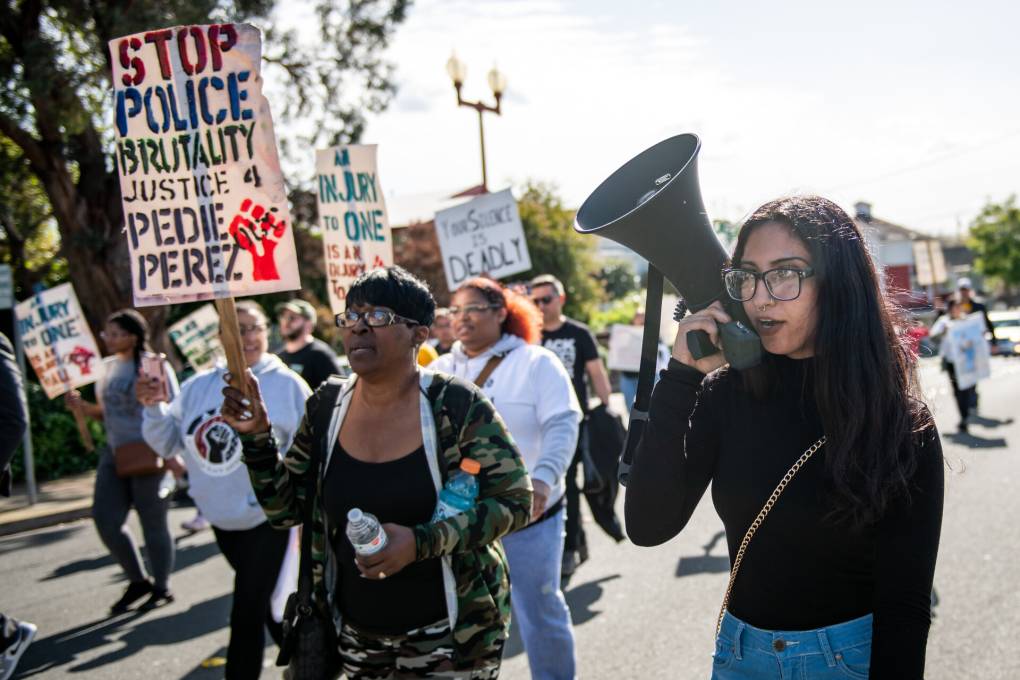
"caption": "Shagoofa Khan leads a rally from the Antioch Police Department to City Hall with dozens of community members on April 18, 2023, to protest the racist and homophobic text messages shared among the department.",
"description": null,
"title": "RS64575_022_KQED_AntiochPoliceRacistTextProtest_04182023-qut",
"credit": "Beth LaBerge/KQED",
"status": "inherit",
"altTag": "A young woman with a bullhorn leads protesters on the street holding signs.",
"isLoading": false,
"fetchFailed": false
},
"news_12064045": {
"type": "attachments",
"id": "news_12064045",
"meta": {
"index": "attachments_1716263798",
"site": "news",
"id": "12064045",
"found": true
},
"title": "251113-RAINFILE00237_TV-KQED",
"publishDate": 1763072580,
"status": "inherit",
"parent": 0,
"modified": 1766539451,
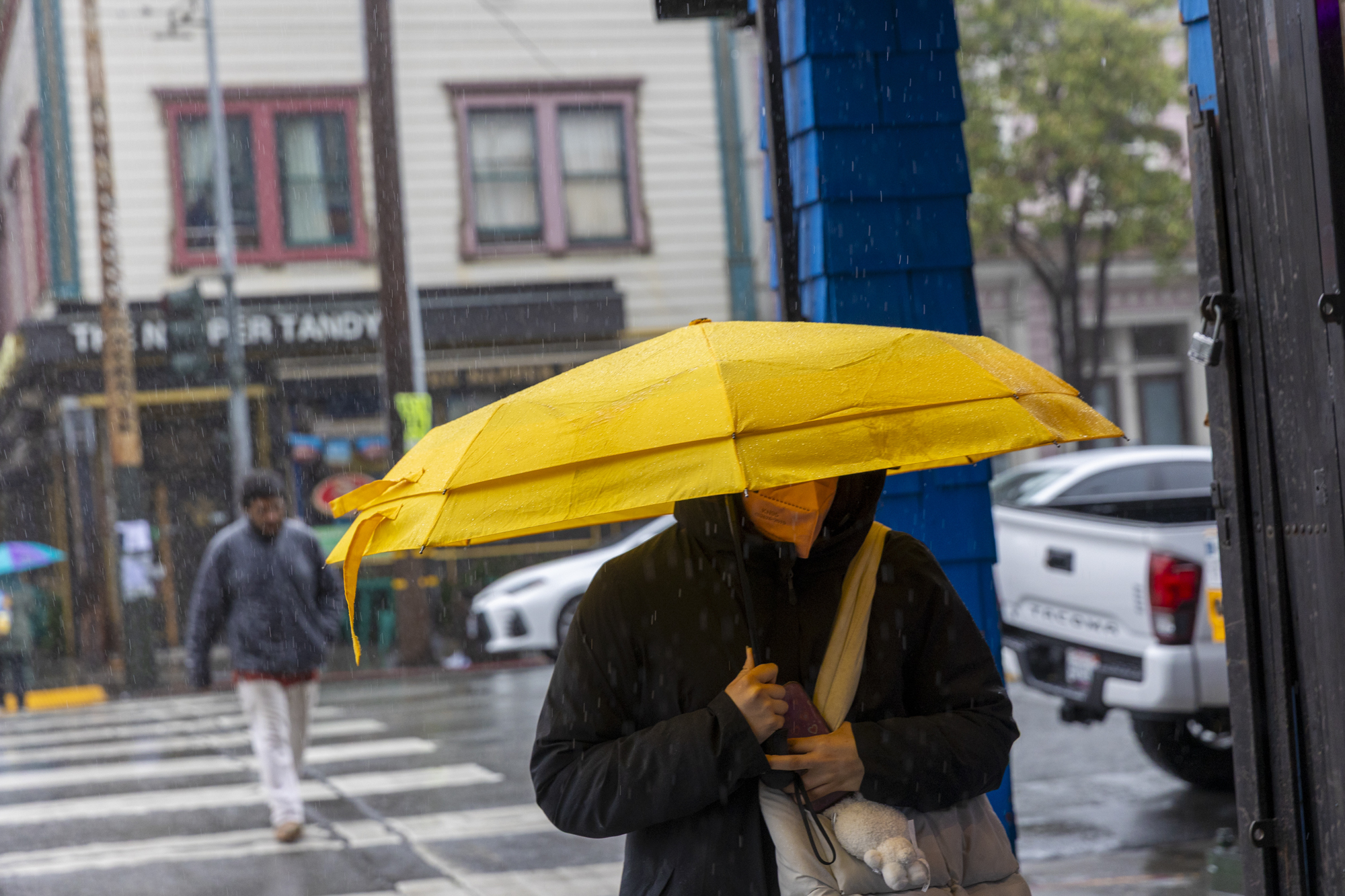
"caption": "For whatever reason, looking to keep it low-key this Christmas Day? There's still big community events happening on Dec. 25.",
"credit": "Tâm Vũ/KQED",
"altTag": "A person walks down the street towards the camera. Their umbrella covers their face.",
"description": null,
"imgSizes": {
"thumbnail": {
"file": "https://cdn.kqed.org/wp-content/uploads/sites/10/2025/11/251113-RAINFILE00237_TV-KQED-160x107.jpg",
"width": 160,
"height": 107,
"mimeType": "image/jpeg"
},
"1536x1536": {
"file": "https://cdn.kqed.org/wp-content/uploads/sites/10/2025/11/251113-RAINFILE00237_TV-KQED-1536x1024.jpg",
"width": 1536,
"height": 1024,
"mimeType": "image/jpeg"
},
"post-thumbnail": {
"file": "https://cdn.kqed.org/wp-content/uploads/sites/10/2025/11/251113-RAINFILE00237_TV-KQED-672x372.jpg",
"width": 672,
"height": 372,
"mimeType": "image/jpeg"
},
"twentyfourteen-full-width": {
"file": "https://cdn.kqed.org/wp-content/uploads/sites/10/2025/11/251113-RAINFILE00237_TV-KQED-1038x576.jpg",
"width": 1038,
"height": 576,
"mimeType": "image/jpeg"
},
"npr-cds-wide": {
"file": "https://cdn.kqed.org/wp-content/uploads/sites/10/2025/11/251113-RAINFILE00237_TV-KQED-1200x675.jpg",
"width": 1200,
"height": 675,
"mimeType": "image/jpeg"
},
"kqedFullSize": {
"file": "https://cdn.kqed.org/wp-content/uploads/sites/10/2025/11/251113-RAINFILE00237_TV-KQED.jpg",
"width": 2000,
"height": 1333
}
},
"isLoading": false,
"fetchFailed": false
},
"news_12067727": {
"type": "attachments",
"id": "news_12067727",
"meta": {
"index": "attachments_1716263798",
"site": "news",
"id": "12067727",
"found": true
},
"title": "251218-2025 in Photos Lede-KQED-5",
"publishDate": 1766077589,
"status": "inherit",
"parent": 0,
"modified": 1766149204,
"caption": "Moments from 2025 photographed by KQED's photo team and contributors.",
"credit": null,
"altTag": null,
"description": null,
"imgSizes": {
"thumbnail": {
"file": "https://cdn.kqed.org/wp-content/uploads/sites/10/2025/12/251218-2025-in-Photos-Lede-KQED-5-160x107.jpg",
"width": 160,
"height": 107,
"mimeType": "image/jpeg"
},
"1536x1536": {
"file": "https://cdn.kqed.org/wp-content/uploads/sites/10/2025/12/251218-2025-in-Photos-Lede-KQED-5-1536x1025.jpg",
"width": 1536,
"height": 1025,
"mimeType": "image/jpeg"
},
"post-thumbnail": {
"file": "https://cdn.kqed.org/wp-content/uploads/sites/10/2025/12/251218-2025-in-Photos-Lede-KQED-5-672x372.jpg",
"width": 672,
"height": 372,
"mimeType": "image/jpeg"
},
"twentyfourteen-full-width": {
"file": "https://cdn.kqed.org/wp-content/uploads/sites/10/2025/12/251218-2025-in-Photos-Lede-KQED-5-1038x576.jpg",
"width": 1038,
"height": 576,
"mimeType": "image/jpeg"
},
"npr-cds-wide": {
"file": "https://cdn.kqed.org/wp-content/uploads/sites/10/2025/12/251218-2025-in-Photos-Lede-KQED-5-1200x675.jpg",
"width": 1200,
"height": 675,
"mimeType": "image/jpeg"
},
"kqedFullSize": {
"file": "https://cdn.kqed.org/wp-content/uploads/sites/10/2025/12/251218-2025-in-Photos-Lede-KQED-5.jpg",
"width": 2000,
"height": 1334
}
},
"isLoading": false,
"fetchFailed": false
},
"news_119494": {
"type": "attachments",
"id": "news_119494",
"meta": {
"index": "attachments_1716263798",
"site": "news",
"id": "119494",
"found": true
},
"parent": 119491,
"imgSizes": {
"kqedFullSize": {
"file": "https://ww2.kqed.org/app/uploads/sites/10/2013/11/PhotoWeek131129BettySoskin.jpg",
"width": 640,
"height": 450
}
},
"publishDate": 1385578647,
"modified": 1449184560,
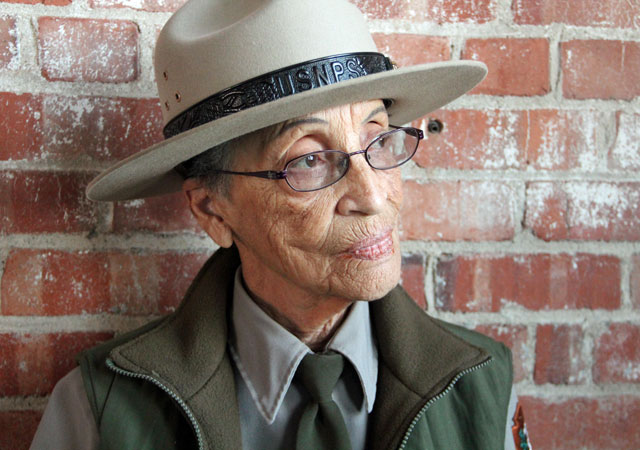
"caption": "National Park Service ranger Betty Reid Soskin poses for a portrait at the Rosie the Riveter/World War II Home Front National Historical Park in October 2013 in Richmond.",
"description": null,
"title": "PhotoWeek131129BettySoskin",
"credit": "Justin Sullivan/Getty Images",
"status": "inherit",
"isLoading": false,
"fetchFailed": false
},
"news_11851984": {
"type": "attachments",
"id": "news_11851984",
"meta": {
"index": "attachments_1716263798",
"site": "news",
"id": "11851984",
"found": true
},
"parent": 11851912,
"imgSizes": {
"apple_news_ca_landscape_5_5": {
"file": "https://ww2.kqed.org/app/uploads/sites/10/2020/12/The_Last_Black_Man_in_San_Francisco_029-1044x768.jpg",
"width": 1044,
"mimeType": "image/jpeg",
"height": 768
},
"apple_news_ca_square_4_0": {
"file": "https://ww2.kqed.org/app/uploads/sites/10/2020/12/The_Last_Black_Man_in_San_Francisco_029-470x470.jpg",
"width": 470,
"mimeType": "image/jpeg",
"height": 470
},
"twentyfourteen-full-width": {
"file": "https://ww2.kqed.org/app/uploads/sites/10/2020/12/The_Last_Black_Man_in_San_Francisco_029-1038x576.jpg",
"width": 1038,
"mimeType": "image/jpeg",
"height": 576
},
"thumbnail": {
"file": "https://ww2.kqed.org/app/uploads/sites/10/2020/12/The_Last_Black_Man_in_San_Francisco_029-160x96.jpg",
"width": 160,
"mimeType": "image/jpeg",
"height": 96
},
"post-thumbnail": {
"file": "https://ww2.kqed.org/app/uploads/sites/10/2020/12/The_Last_Black_Man_in_San_Francisco_029-672x372.jpg",
"width": 672,
"mimeType": "image/jpeg",
"height": 372
},
"kqedFullSize": {
"file": "https://ww2.kqed.org/app/uploads/sites/10/2020/12/The_Last_Black_Man_in_San_Francisco_029.jpg",
"width": 1280,
"height": 768
},
"apple_news_ca_landscape_4_7": {
"file": "https://ww2.kqed.org/app/uploads/sites/10/2020/12/The_Last_Black_Man_in_San_Francisco_029-632x474.jpg",
"width": 632,
"mimeType": "image/jpeg",
"height": 474
},
"large": {
"file": "https://ww2.kqed.org/app/uploads/sites/10/2020/12/The_Last_Black_Man_in_San_Francisco_029-1020x612.jpg",
"width": 1020,
"mimeType": "image/jpeg",
"height": 612
},
"apple_news_ca_landscape_4_0": {
"file": "https://ww2.kqed.org/app/uploads/sites/10/2020/12/The_Last_Black_Man_in_San_Francisco_029-536x402.jpg",
"width": 536,
"mimeType": "image/jpeg",
"height": 402
},
"apple_news_ca_portrait_12_9": {
"file": "https://ww2.kqed.org/app/uploads/sites/10/2020/12/The_Last_Black_Man_in_San_Francisco_029-1122x768.jpg",
"width": 1122,
"mimeType": "image/jpeg",
"height": 768
},
"medium": {
"file": "https://ww2.kqed.org/app/uploads/sites/10/2020/12/The_Last_Black_Man_in_San_Francisco_029-800x480.jpg",
"width": 800,
"mimeType": "image/jpeg",
"height": 480
},
"apple_news_ca_portrait_4_0": {
"file": "https://ww2.kqed.org/app/uploads/sites/10/2020/12/The_Last_Black_Man_in_San_Francisco_029-354x472.jpg",
"width": 354,
"mimeType": "image/jpeg",
"height": 472
},
"apple_news_ca_portrait_9_7": {
"file": "https://ww2.kqed.org/app/uploads/sites/10/2020/12/The_Last_Black_Man_in_San_Francisco_029-840x768.jpg",
"width": 840,
"mimeType": "image/jpeg",
"height": 768
},
"apple_news_ca_square_9_7": {
"file": "https://ww2.kqed.org/app/uploads/sites/10/2020/12/The_Last_Black_Man_in_San_Francisco_029-1104x768.jpg",
"width": 1104,
"mimeType": "image/jpeg",
"height": 768
},
"apple_news_ca_portrait_4_7": {
"file": "https://ww2.kqed.org/app/uploads/sites/10/2020/12/The_Last_Black_Man_in_San_Francisco_029-414x552.jpg",
"width": 414,
"mimeType": "image/jpeg",
"height": 552
},
"apple_news_ca_portrait_5_5": {
"file": "https://ww2.kqed.org/app/uploads/sites/10/2020/12/The_Last_Black_Man_in_San_Francisco_029-687x768.jpg",
"width": 687,
"mimeType": "image/jpeg",
"height": 768
},
"apple_news_ca_square_4_7": {
"file": "https://ww2.kqed.org/app/uploads/sites/10/2020/12/The_Last_Black_Man_in_San_Francisco_029-550x550.jpg",
"width": 550,
"mimeType": "image/jpeg",
"height": 550
},
"apple_news_ca_square_5_5": {
"file": "https://ww2.kqed.org/app/uploads/sites/10/2020/12/The_Last_Black_Man_in_San_Francisco_029-912x768.jpg",
"width": 912,
"mimeType": "image/jpeg",
"height": 768
}
},
"publishDate": 1608327258,
"modified": 1608327383,
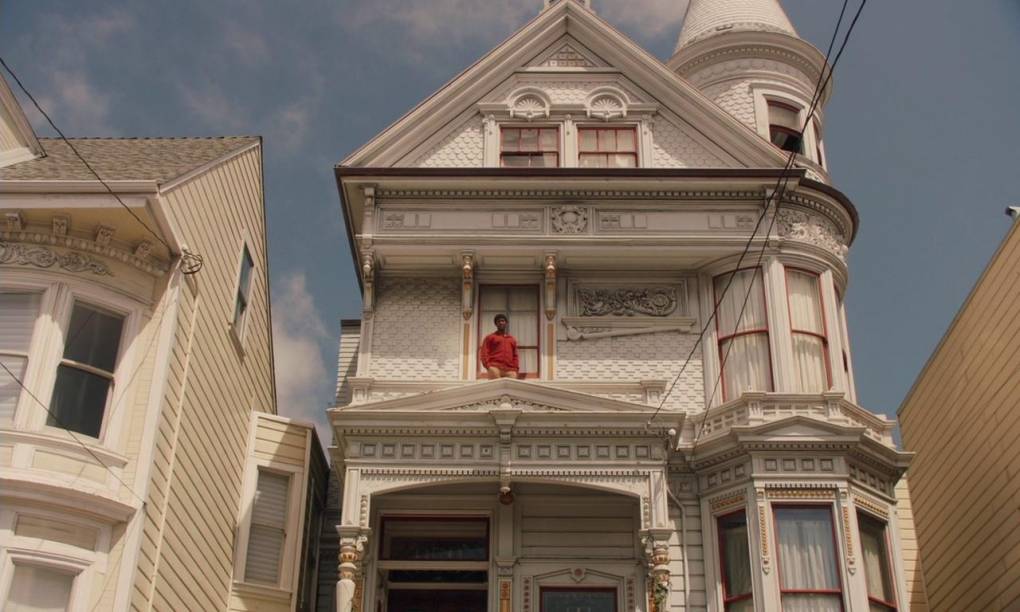
"caption": "Every single shot from The Last Black Man in San Francisco looks like it could live on an art gallery wall. ",
"description": "A man stands on the roof of a porch of a Victorian home in San Francisco. ",
"title": "The_Last_Black_Man_in_San_Francisco_029",
"credit": "Plan B Entertainment",
"status": "inherit",
"altTag": null,
"isLoading": false,
"fetchFailed": false
},
"news_12066798": {
"type": "attachments",
"id": "news_12066798",
"meta": {
"index": "attachments_1716263798",
"site": "news",
"id": "12066798",
"found": true
},
"title": "251210-HOLIDAYLIGHTS-26-BL-KQED",
"publishDate": 1765484750,
"status": "inherit",
"parent": 0,
"modified": 1765486229,
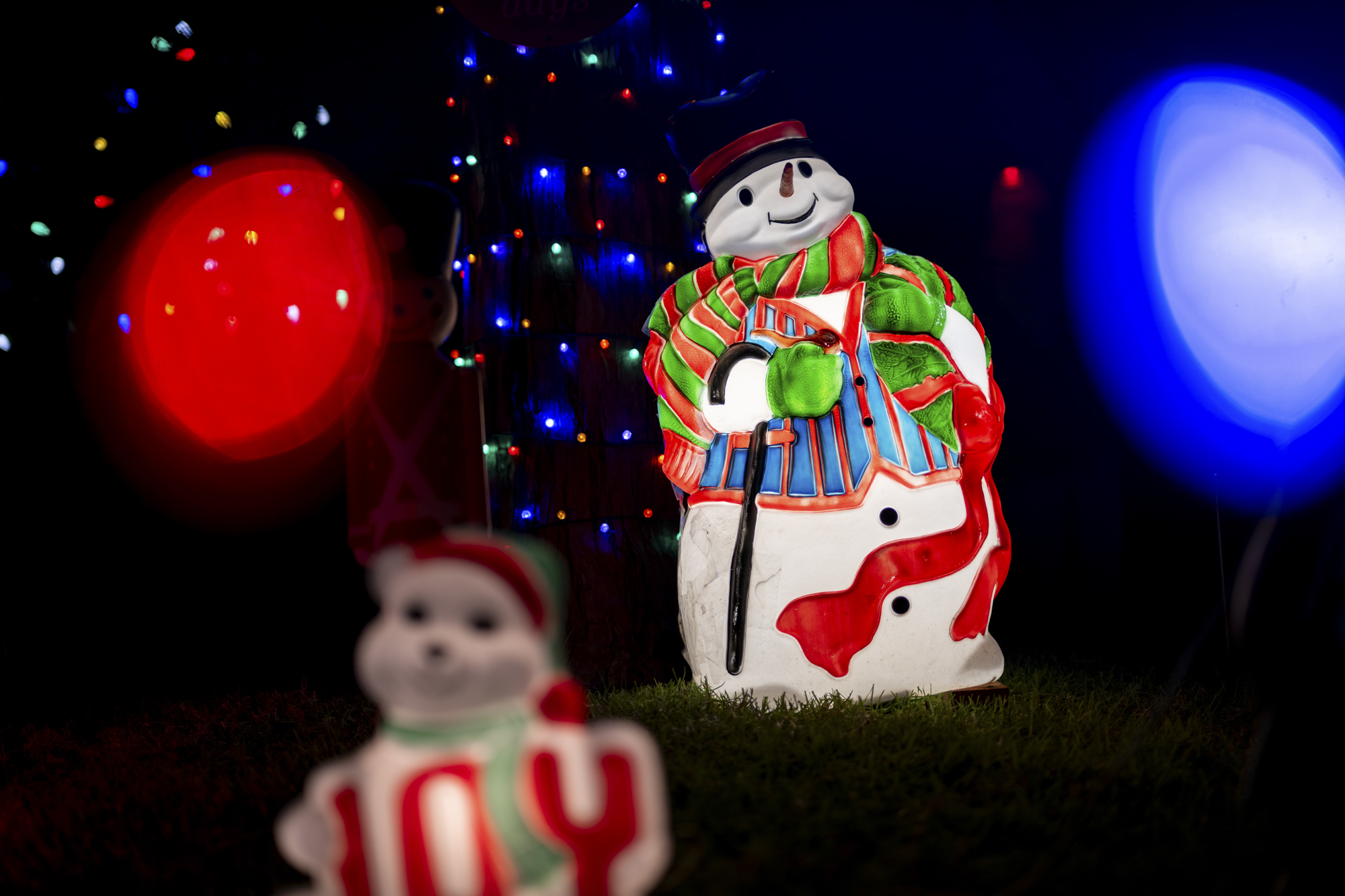
"caption": "A holiday display sits in front of a home on Christmas Tree Lane on the 3200 block of Thompson Avenue in Alameda on Dec. 10, 2025. The tradition of holiday displays here dates back to the early 1930s.",
"credit": "Beth LaBerge/KQED",
"altTag": null,
"description": null,
"imgSizes": {
"thumbnail": {
"file": "https://cdn.kqed.org/wp-content/uploads/sites/10/2025/12/251210-HOLIDAYLIGHTS-26-BL-KQED-160x107.jpg",
"width": 160,
"height": 107,
"mimeType": "image/jpeg"
},
"1536x1536": {
"file": "https://cdn.kqed.org/wp-content/uploads/sites/10/2025/12/251210-HOLIDAYLIGHTS-26-BL-KQED-1536x1024.jpg",
"width": 1536,
"height": 1024,
"mimeType": "image/jpeg"
},
"post-thumbnail": {
"file": "https://cdn.kqed.org/wp-content/uploads/sites/10/2025/12/251210-HOLIDAYLIGHTS-26-BL-KQED-672x372.jpg",
"width": 672,
"height": 372,
"mimeType": "image/jpeg"
},
"twentyfourteen-full-width": {
"file": "https://cdn.kqed.org/wp-content/uploads/sites/10/2025/12/251210-HOLIDAYLIGHTS-26-BL-KQED-1038x576.jpg",
"width": 1038,
"height": 576,
"mimeType": "image/jpeg"
},
"npr-cds-wide": {
"file": "https://cdn.kqed.org/wp-content/uploads/sites/10/2025/12/251210-HOLIDAYLIGHTS-26-BL-KQED-1200x675.jpg",
"width": 1200,
"height": 675,
"mimeType": "image/jpeg"
},
"kqedFullSize": {
"file": "https://cdn.kqed.org/wp-content/uploads/sites/10/2025/12/251210-HOLIDAYLIGHTS-26-BL-KQED.jpg",
"width": 2000,
"height": 1333
}
},
"isLoading": false,
"fetchFailed": false
},
"news_12066059": {
"type": "attachments",
"id": "news_12066059",
"meta": {
"index": "attachments_1716263798",
"site": "news",
"id": "12066059",
"found": true
},
"title": "20251203_K_ONDA_DECEMBER_GH-4-KQED",
"publishDate": 1764868944,
"status": "inherit",
"parent": 0,
"modified": 1764886578,
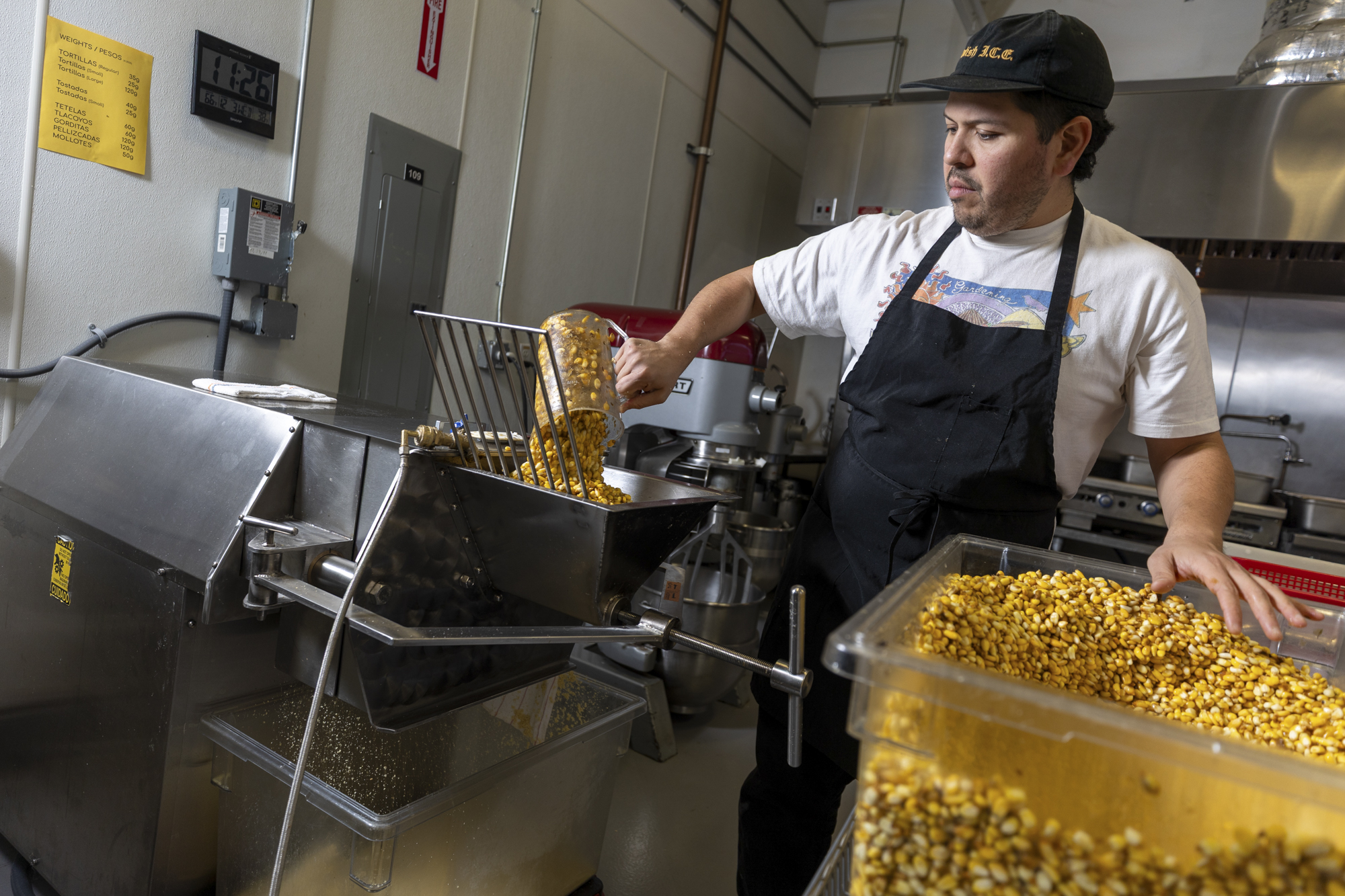
"caption": "Emmanuel Galvan, founder and owner of Bolita Masa, which makes and sells artisanal masa and other products, pours soaked heirloom corn into a grinder during masa production on Dec. 3, 2025, in Berkeley. Galvan expanded his team this month to meet holiday demand for tamales.",
"credit": "Gustavo Hernandez/KQED",
"altTag": null,
"description": null,
"imgSizes": {
"thumbnail": {
"file": "https://cdn.kqed.org/wp-content/uploads/sites/10/2025/12/20251203_K_ONDA_DECEMBER_GH-4-KQED-160x107.jpg",
"width": 160,
"height": 107,
"mimeType": "image/jpeg"
},
"1536x1536": {
"file": "https://cdn.kqed.org/wp-content/uploads/sites/10/2025/12/20251203_K_ONDA_DECEMBER_GH-4-KQED-1536x1024.jpg",
"width": 1536,
"height": 1024,
"mimeType": "image/jpeg"
},
"post-thumbnail": {
"file": "https://cdn.kqed.org/wp-content/uploads/sites/10/2025/12/20251203_K_ONDA_DECEMBER_GH-4-KQED-672x372.jpg",
"width": 672,
"height": 372,
"mimeType": "image/jpeg"
},
"twentyfourteen-full-width": {
"file": "https://cdn.kqed.org/wp-content/uploads/sites/10/2025/12/20251203_K_ONDA_DECEMBER_GH-4-KQED-1038x576.jpg",
"width": 1038,
"height": 576,
"mimeType": "image/jpeg"
},
"npr-cds-wide": {
"file": "https://cdn.kqed.org/wp-content/uploads/sites/10/2025/12/20251203_K_ONDA_DECEMBER_GH-4-KQED-1200x675.jpg",
"width": 1200,
"height": 675,
"mimeType": "image/jpeg"
},
"kqedFullSize": {
"file": "https://cdn.kqed.org/wp-content/uploads/sites/10/2025/12/20251203_K_ONDA_DECEMBER_GH-4-KQED.jpg",
"width": 2000,
"height": 1333
}
},
"isLoading": false,
"fetchFailed": false
},
"news_12058982": {
"type": "attachments",
"id": "news_12058982",
"meta": {
"index": "attachments_1716263798",
"site": "news",
"id": "12058982",
"found": true
},
"title": "251002-DRCOLOR_00168_TV-KQED",
"publishDate": 1759868987,
"status": "inherit",
"parent": 0,
"modified": 1760040948,
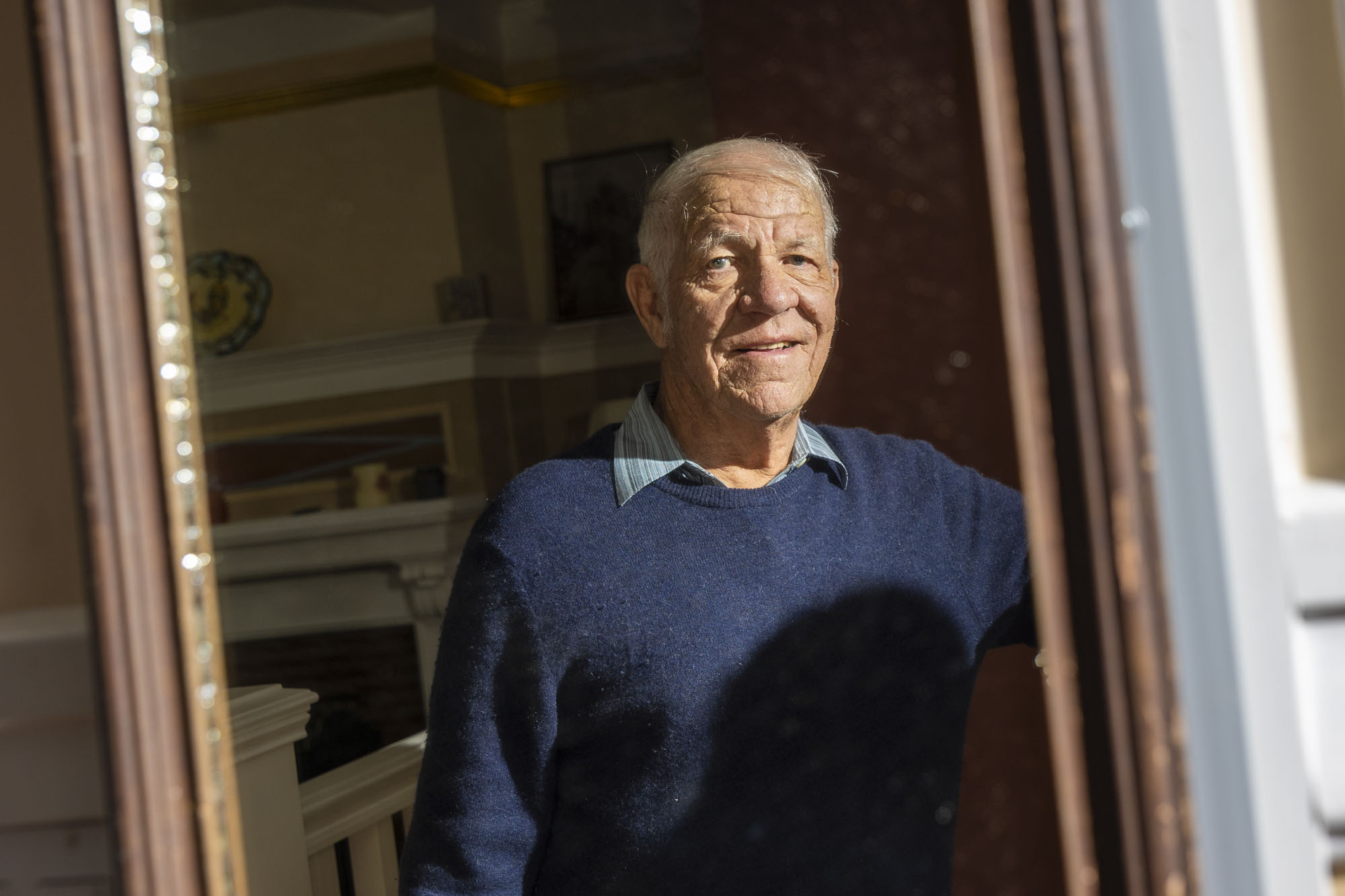
"caption": "Bob Buckter poses for a portrait in his home in the Mission district in San Francisco on Oct. 2, 2025. Buckter, aka Dr. Color, has designed and painted more than 23,000 homes in San Francisco and other projects in the city and beyond.",
"credit": "Tâm Vũ/KQED",
"altTag": null,
"description": null,
"imgSizes": {
"thumbnail": {
"file": "https://cdn.kqed.org/wp-content/uploads/sites/10/2025/10/251002-DRCOLOR_00168_TV-KQED-160x107.jpg",
"width": 160,
"height": 107,
"mimeType": "image/jpeg"
},
"1536x1536": {
"file": "https://cdn.kqed.org/wp-content/uploads/sites/10/2025/10/251002-DRCOLOR_00168_TV-KQED-1536x1024.jpg",
"width": 1536,
"height": 1024,
"mimeType": "image/jpeg"
},
"post-thumbnail": {
"file": "https://cdn.kqed.org/wp-content/uploads/sites/10/2025/10/251002-DRCOLOR_00168_TV-KQED-672x372.jpg",
"width": 672,
"height": 372,
"mimeType": "image/jpeg"
},
"twentyfourteen-full-width": {
"file": "https://cdn.kqed.org/wp-content/uploads/sites/10/2025/10/251002-DRCOLOR_00168_TV-KQED-1038x576.jpg",
"width": 1038,
"height": 576,
"mimeType": "image/jpeg"
},
"kqedFullSize": {
"file": "https://cdn.kqed.org/wp-content/uploads/sites/10/2025/10/251002-DRCOLOR_00168_TV-KQED.jpg",
"width": 2000,
"height": 1333
}
},
"isLoading": false,
"fetchFailed": false
},
"news_12065462": {
"type": "attachments",
"id": "news_12065462",
"meta": {
"index": "attachments_1716263798",
"site": "news",
"id": "12065462",
"found": true
},
"title": "Silicon Valley Turkey Trot 2022",
"publishDate": 1764182967,
"status": "inherit",
"parent": 12065460,
"modified": 1764185226,
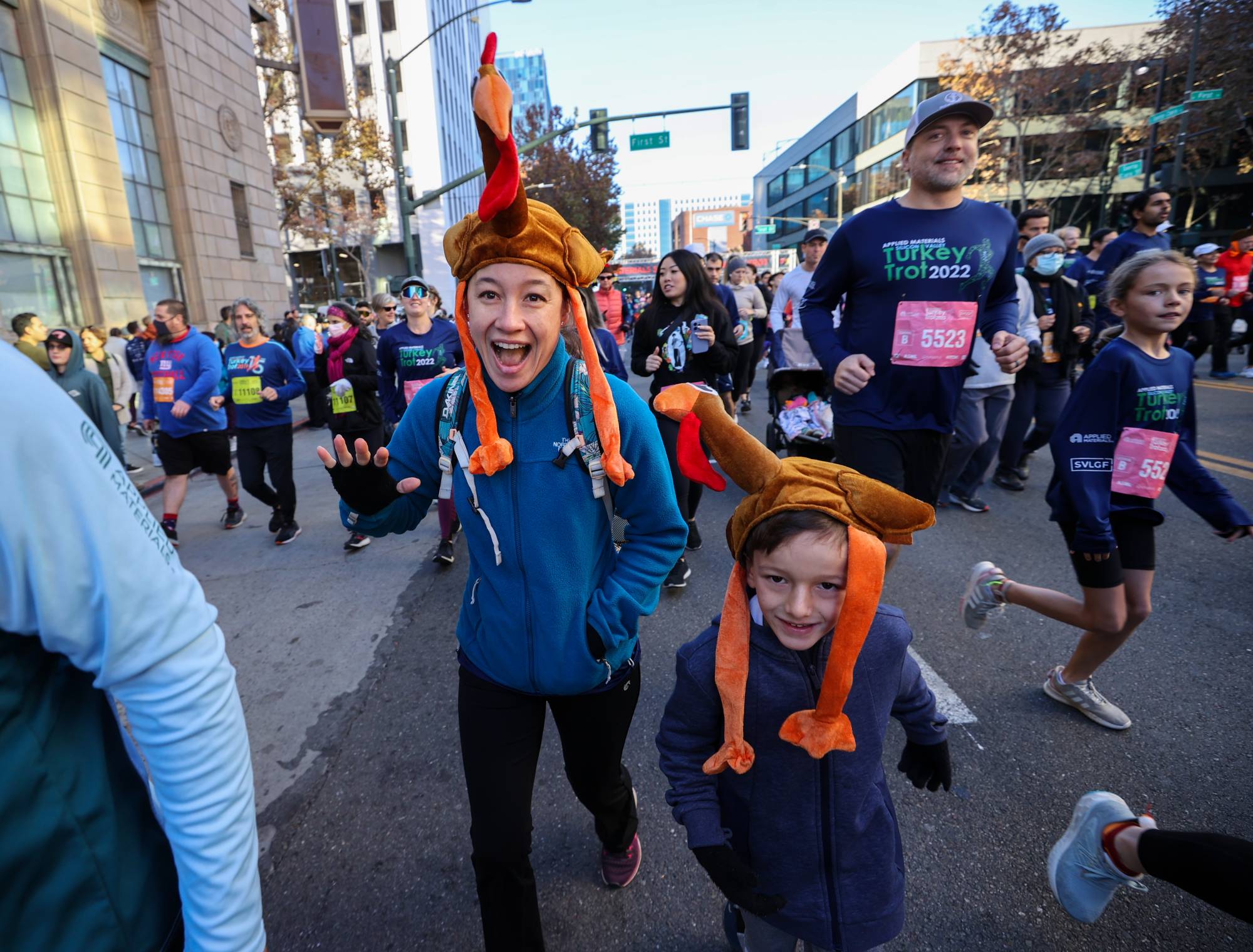
"caption": "Tens of thousands attend the largest Thanksgiving Day race in the U.S., the annual Silicon Valley Turkey Trot in San Jose, California, United States, on Nov. 24, 2022. ",
"credit": "Photo by Tayfun Coskun/Anadolu Agency via Getty Images",
"altTag": null,
"description": null,
"imgSizes": {
"medium": {
"file": "https://cdn.kqed.org/wp-content/uploads/sites/10/2025/11/GettyImages-1245060406-2000x1520.jpg",
"width": 2000,
"height": 1520,
"mimeType": "image/jpeg"
},
"large": {
"file": "https://cdn.kqed.org/wp-content/uploads/sites/10/2025/11/GettyImages-1245060406-2000x1520.jpg",
"width": 2000,
"height": 1520,
"mimeType": "image/jpeg"
},
"thumbnail": {
"file": "https://cdn.kqed.org/wp-content/uploads/sites/10/2025/11/GettyImages-1245060406-160x122.jpg",
"width": 160,
"height": 122,
"mimeType": "image/jpeg"
},
"1536x1536": {
"file": "https://cdn.kqed.org/wp-content/uploads/sites/10/2025/11/GettyImages-1245060406-1536x1167.jpg",
"width": 1536,
"height": 1167,
"mimeType": "image/jpeg"
},
"2048x2048": {
"file": "https://cdn.kqed.org/wp-content/uploads/sites/10/2025/11/GettyImages-1245060406-2048x1556.jpg",
"width": 2048,
"height": 1556,
"mimeType": "image/jpeg"
},
"post-thumbnail": {
"file": "https://cdn.kqed.org/wp-content/uploads/sites/10/2025/11/GettyImages-1245060406-672x372.jpg",
"width": 672,
"height": 372,
"mimeType": "image/jpeg"
},
"twentyfourteen-full-width": {
"file": "https://cdn.kqed.org/wp-content/uploads/sites/10/2025/11/GettyImages-1245060406-1038x576.jpg",
"width": 1038,
"height": 576,
"mimeType": "image/jpeg"
},
"full-width": {
"file": "https://cdn.kqed.org/wp-content/uploads/sites/10/2025/11/GettyImages-1245060406-2000x1520.jpg",
"width": 2000,
"height": 1520,
"mimeType": "image/jpeg"
},
"npr-cds-wide": {
"file": "https://cdn.kqed.org/wp-content/uploads/sites/10/2025/11/GettyImages-1245060406-1200x675.jpg",
"width": 1200,
"height": 675,
"mimeType": "image/jpeg"
},
"kqedFullSize": {
"file": "https://cdn.kqed.org/wp-content/uploads/sites/10/2025/11/GettyImages-1245060406-scaled-e1764183039186.jpg",
"width": 2000,
"height": 1520
}
},
"isLoading": false,
"fetchFailed": false
},
"news_12063826": {
"type": "attachments",
"id": "news_12063826",
"meta": {
"index": "attachments_1716263798",
"site": "news",
"id": "12063826",
"found": true
},
"title": "20251106_TRANSELDERSYOUTH_GC-40-KQED",
"publishDate": 1762973969,
"status": "inherit",
"parent": 0,
"modified": 1762974082,
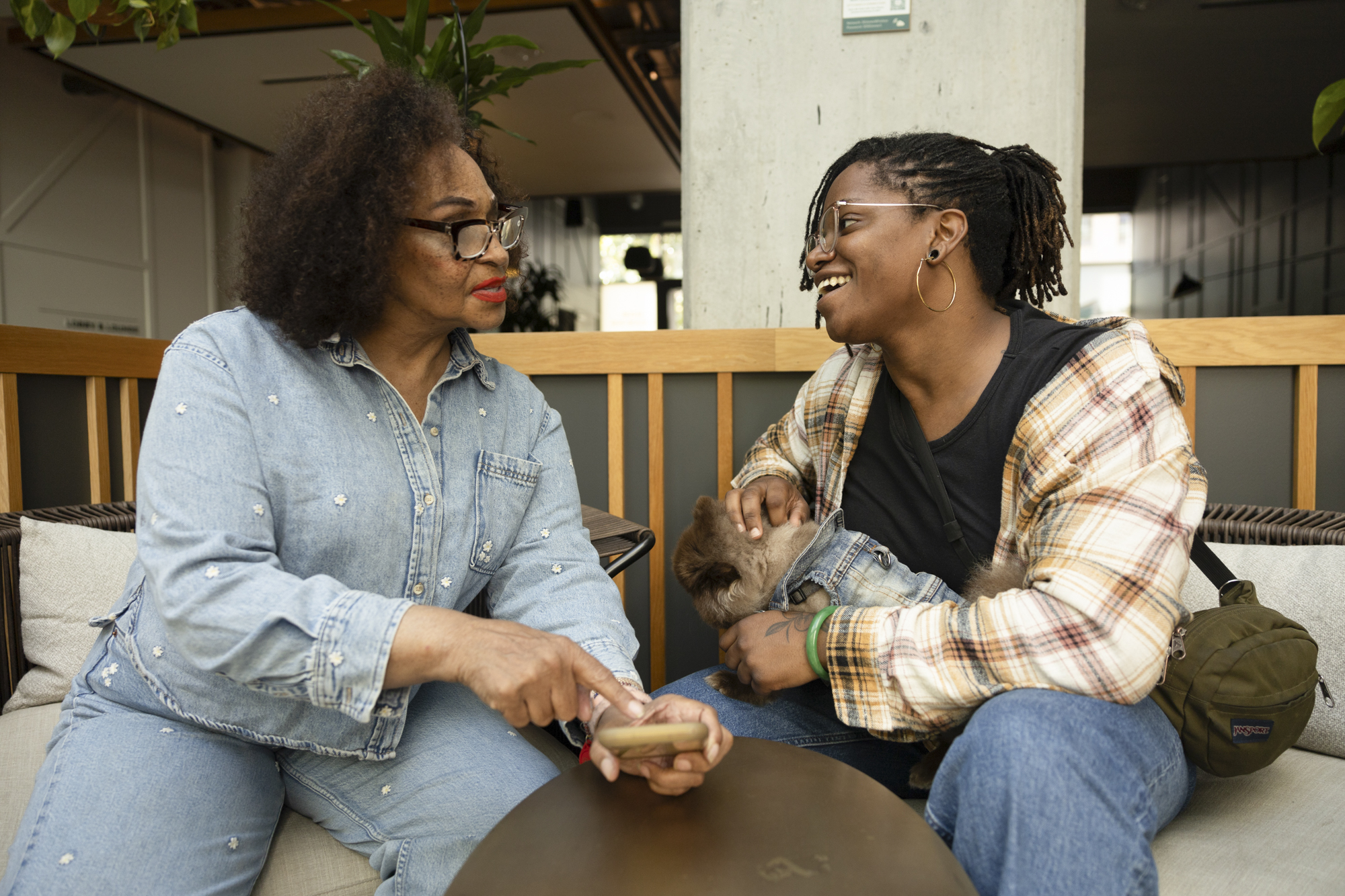
"caption": "Andrea Horne, left, speaks to Zen Blossom, right, about her life, at her home in San Francisco, on Nov. 7, 2025.",
"credit": "Gina Castro for KQED",
"altTag": null,
"description": null,
"imgSizes": {
"thumbnail": {
"file": "https://cdn.kqed.org/wp-content/uploads/sites/10/2025/11/20251106_TRANSELDERSYOUTH_GC-40-KQED-160x107.jpg",
"width": 160,
"height": 107,
"mimeType": "image/jpeg"
},
"1536x1536": {
"file": "https://cdn.kqed.org/wp-content/uploads/sites/10/2025/11/20251106_TRANSELDERSYOUTH_GC-40-KQED-1536x1024.jpg",
"width": 1536,
"height": 1024,
"mimeType": "image/jpeg"
},
"post-thumbnail": {
"file": "https://cdn.kqed.org/wp-content/uploads/sites/10/2025/11/20251106_TRANSELDERSYOUTH_GC-40-KQED-672x372.jpg",
"width": 672,
"height": 372,
"mimeType": "image/jpeg"
},
"twentyfourteen-full-width": {
"file": "https://cdn.kqed.org/wp-content/uploads/sites/10/2025/11/20251106_TRANSELDERSYOUTH_GC-40-KQED-1038x576.jpg",
"width": 1038,
"height": 576,
"mimeType": "image/jpeg"
},
"npr-cds-wide": {
"file": "https://cdn.kqed.org/wp-content/uploads/sites/10/2025/11/20251106_TRANSELDERSYOUTH_GC-40-KQED-1200x675.jpg",
"width": 1200,
"height": 675,
"mimeType": "image/jpeg"
},
"kqedFullSize": {
"file": "https://cdn.kqed.org/wp-content/uploads/sites/10/2025/11/20251106_TRANSELDERSYOUTH_GC-40-KQED.jpg",
"width": 2000,
"height": 1333
}
},
"isLoading": false,
"fetchFailed": false
},
"news_12064541": {
"type": "attachments",
"id": "news_12064541",
"meta": {
"index": "attachments_1716263798",
"site": "news",
"id": "12064541",
"found": true
},
"title": "Bar-Tipping_2",
"publishDate": 1763486635,
"status": "inherit",
"parent": 12064432,
"modified": 1763491305,
"caption": "We talked to bartenders — and looked at the data — to understand how a standard drink tip has shifted. ",
"credit": "Darren Tu/KQED",
"altTag": "An illustration of a bartender mixing a drink inside a martini glass. Below the glass are lots of different people enjoying each other's company.",
"description": null,
"imgSizes": {
"thumbnail": {
"file": "https://cdn.kqed.org/wp-content/uploads/sites/10/2025/11/Bar-Tipping_2-160x103.jpg",
"width": 160,
"height": 103,
"mimeType": "image/jpeg"
},
"1536x1536": {
"file": "https://cdn.kqed.org/wp-content/uploads/sites/10/2025/11/Bar-Tipping_2-1536x992.jpg",
"width": 1536,
"height": 992,
"mimeType": "image/jpeg"
},
"post-thumbnail": {
"file": "https://cdn.kqed.org/wp-content/uploads/sites/10/2025/11/Bar-Tipping_2-672x372.jpg",
"width": 672,
"height": 372,
"mimeType": "image/jpeg"
},
"twentyfourteen-full-width": {
"file": "https://cdn.kqed.org/wp-content/uploads/sites/10/2025/11/Bar-Tipping_2-1038x576.jpg",
"width": 1038,
"height": 576,
"mimeType": "image/jpeg"
},
"npr-cds-wide": {
"file": "https://cdn.kqed.org/wp-content/uploads/sites/10/2025/11/Bar-Tipping_2-1200x675.jpg",
"width": 1200,
"height": 675,
"mimeType": "image/jpeg"
},
"kqedFullSize": {
"file": "https://cdn.kqed.org/wp-content/uploads/sites/10/2025/11/Bar-Tipping_2.jpg",
"width": 1920,
"height": 1240
}
},
"isLoading": false,
"fetchFailed": false
},
"news_12063823": {
"type": "attachments",
"id": "news_12063823",
"meta": {
"index": "attachments_1716263798",
"site": "news",
"id": "12063823",
"found": true
},
"title": "20251106_TRANSELDERSYOUTH_GC-30-KQED",
"publishDate": 1762973957,
"status": "inherit",
"parent": 0,
"modified": 1763414686,
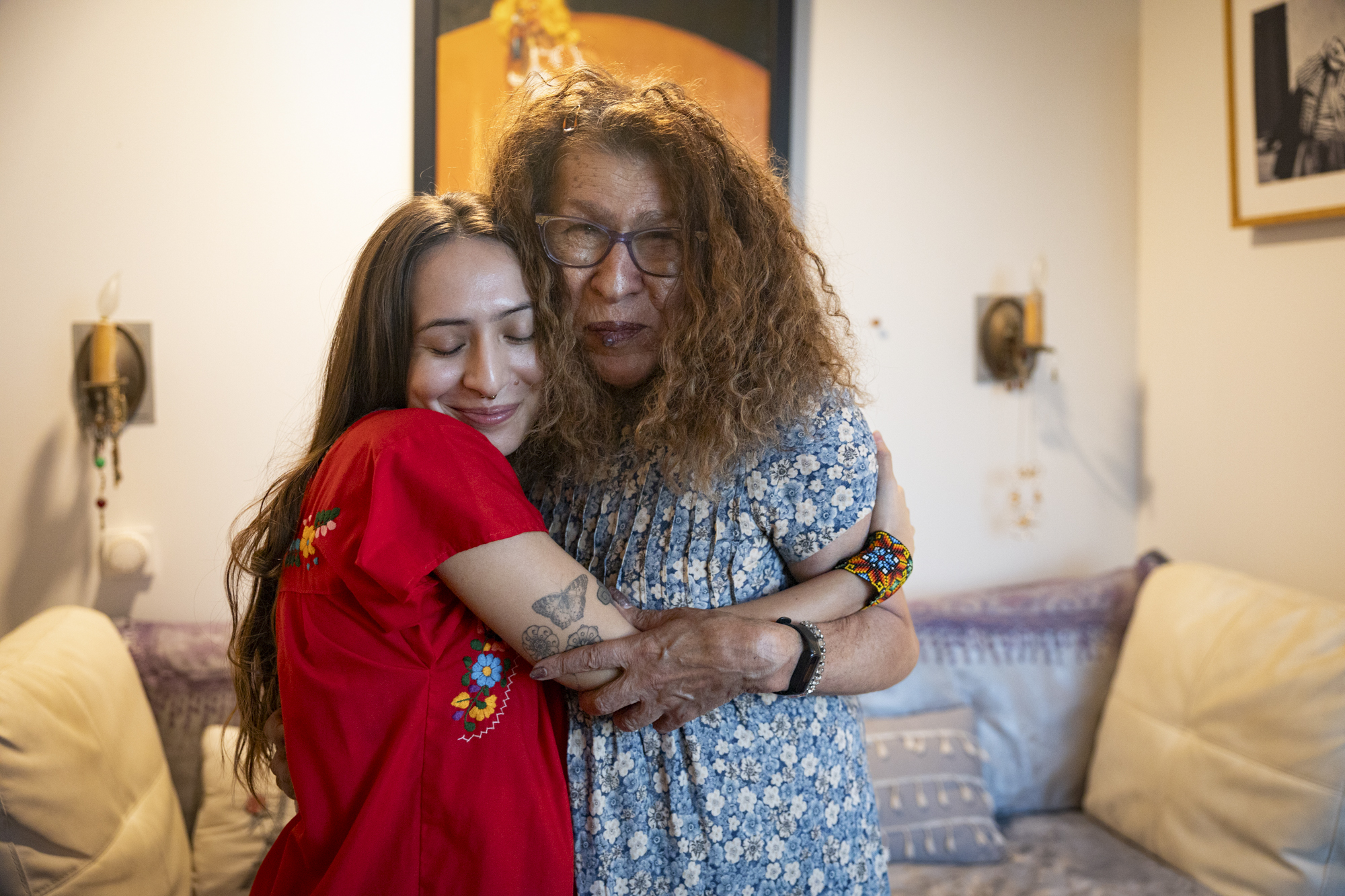
"caption": "Quetzali, left, gives Donna Personna a hug at Donna’s home in San Francisco on Nov. 6, 2025.",
"credit": "Gina Castro/KQED",
"altTag": null,
"description": null,
"imgSizes": {
"thumbnail": {
"file": "https://cdn.kqed.org/wp-content/uploads/sites/10/2025/11/20251106_TRANSELDERSYOUTH_GC-30-KQED-160x107.jpg",
"width": 160,
"height": 107,
"mimeType": "image/jpeg"
},
"1536x1536": {
"file": "https://cdn.kqed.org/wp-content/uploads/sites/10/2025/11/20251106_TRANSELDERSYOUTH_GC-30-KQED-1536x1024.jpg",
"width": 1536,
"height": 1024,
"mimeType": "image/jpeg"
},
"post-thumbnail": {
"file": "https://cdn.kqed.org/wp-content/uploads/sites/10/2025/11/20251106_TRANSELDERSYOUTH_GC-30-KQED-672x372.jpg",
"width": 672,
"height": 372,
"mimeType": "image/jpeg"
},
"twentyfourteen-full-width": {
"file": "https://cdn.kqed.org/wp-content/uploads/sites/10/2025/11/20251106_TRANSELDERSYOUTH_GC-30-KQED-1038x576.jpg",
"width": 1038,
"height": 576,
"mimeType": "image/jpeg"
},
"npr-cds-wide": {
"file": "https://cdn.kqed.org/wp-content/uploads/sites/10/2025/11/20251106_TRANSELDERSYOUTH_GC-30-KQED-1200x675.jpg",
"width": 1200,
"height": 675,
"mimeType": "image/jpeg"
},
"kqedFullSize": {
"file": "https://cdn.kqed.org/wp-content/uploads/sites/10/2025/11/20251106_TRANSELDERSYOUTH_GC-30-KQED.jpg",
"width": 2000,
"height": 1333
}
},
"isLoading": false,
"fetchFailed": false
}
},
"audioPlayerReducer": {
"postId": "stream_live",
"isPaused": true,
"isPlaying": false,
"pfsActive": false,
"pledgeModalIsOpen": true,
"playerDrawerIsOpen": false,
"liveAudioPlayStartedAt": 0,
"liveAudioPlayContext": ""
},
"authorsReducer": {
"ohubertallen": {
"type": "authors",
"id": "102",
"meta": {
"index": "authors_1716337520",
"id": "102",
"found": true
},
"name": "Olivia Allen-Price",
"firstName": "Olivia",
"lastName": "Allen-Price",
"slug": "ohubertallen",
"email": "oallenprice@kqed.org",
"display_author_email": false,
"staff_mastheads": [
"news"
],
"title": "Senior Editor",
"bio": "Olivia Allen-Price is senior editor and host of the award-winning Bay Curious podcast. Prior to joining KQED in 2013, Olivia worked at The Baltimore Sun and The Virginian-Pilot in Norfolk, Va. She holds degrees in journalism and political science from Elon University. Her work has earned awards from the Society of Professional Journalists, the Hearst Foundation and Hearken. She loves to talk about running and curly hair.\r\n\r\nFollow: \u003ca href=\"https://twitter.com/oallenprice\">@oallenprice\u003c/a>\r\nEmail: \u003ca href=\"mailto:oallenprice@kqed.org\">oallenprice@kqed.org\u003c/a>",
"avatar": "https://secure.gravatar.com/avatar/07f7803c1f6be56f3be58ef276dfa64dce898502e0554408ef4858451a8294f7?s=600&d=blank&r=g",
"twitter": "oallenprice",
"bluesky": null,
"facebook": null,
"instagram": null,
"linkedin": null,
"sites": [
{
"site": "",
"roles": [
"editor"
]
},
{
"site": "arts",
"roles": [
"subscriber"
]
},
{
"site": "news",
"roles": [
"administrator"
]
},
{
"site": "pop",
"roles": [
"administrator"
]
},
{
"site": "bayareabites",
"roles": [
"contributor"
]
},
{
"site": "stateofhealth",
"roles": [
"administrator"
]
},
{
"site": "science",
"roles": [
"editor"
]
}
],
"headData": {
"title": "Olivia Allen-Price | KQED",
"description": "Senior Editor",
"ogImgSrc": "https://secure.gravatar.com/avatar/07f7803c1f6be56f3be58ef276dfa64dce898502e0554408ef4858451a8294f7?s=600&d=blank&r=g",
"twImgSrc": "https://secure.gravatar.com/avatar/07f7803c1f6be56f3be58ef276dfa64dce898502e0554408ef4858451a8294f7?s=600&d=blank&r=g"
},
"isLoading": false,
"link": "/author/ohubertallen"
},
"kqed": {
"type": "authors",
"id": "236",
"meta": {
"index": "authors_1716337520",
"id": "236",
"found": true
},
"name": "KQED News Staff",
"firstName": "KQED News Staff",
"lastName": null,
"slug": "kqed",
"email": "faq@kqed.org",
"display_author_email": false,
"staff_mastheads": [],
"title": null,
"bio": null,
"avatar": "https://secure.gravatar.com/avatar/ef0e801a68c4c54afa9180db14084167?s=600&d=blank&r=g",
"twitter": null,
"facebook": null,
"instagram": null,
"linkedin": null,
"sites": [
{
"site": "arts",
"roles": [
"contributor"
]
},
{
"site": "news",
"roles": [
"editor"
]
},
{
"site": "futureofyou",
"roles": [
"author"
]
}
],
"headData": {
"title": "KQED News Staff | KQED",
"description": null,
"ogImgSrc": "https://secure.gravatar.com/avatar/ef0e801a68c4c54afa9180db14084167?s=600&d=blank&r=g",
"twImgSrc": "https://secure.gravatar.com/avatar/ef0e801a68c4c54afa9180db14084167?s=600&d=blank&r=g"
},
"isLoading": false,
"link": "/author/kqed"
},
"sasha-khokha": {
"type": "authors",
"id": "254",
"meta": {
"index": "authors_1716337520",
"id": "254",
"found": true
},
"name": "Sasha Khokha",
"firstName": "Sasha",
"lastName": "Khokha",
"slug": "sasha-khokha",
"email": "skhokha@kqed.org",
"display_author_email": true,
"staff_mastheads": [
"news"
],
"title": "Host, The California Report Magazine",
"bio": "Sasha Khokha is the host of \u003cem>The California Report's \u003c/em> weekly magazine program, which takes listeners on sound-rich excursions to meet the people that make the Golden State unique -- through audio documentaries and long-form stories. As \u003cem>The California Report's\u003c/em> Central Valley Bureau Chief based in Fresno for nearly a dozen years, Sasha brought the lives and concerns of rural Californians to listeners around the state. Her reporting helped expose the hidden price immigrant women janitors and farmworkers may pay to keep their jobs: sexual assault at work. It inspired two new California laws to protect them from sexual harassment. She was a key member of the reporting team for the Frontline film \u003cem>Rape on the Night Shift, \u003c/em>which was nominated for two national Emmys. Sasha has also won a national Edward R. Murrow and a national PRNDI award for investigative reporting, as well as multiple prizes from the Society for Professional Journalists. Sasha is a proud alum of the UC Berkeley Graduate School of Journalism and Brown University and a member of the South Asian Journalists Association.",
"avatar": "https://secure.gravatar.com/avatar/e4b5e1541aaeea2aa356aa1fb2a68950?s=600&d=blank&r=g",
"twitter": "KQEDSashaKhokha",
"facebook": null,
"instagram": null,
"linkedin": null,
"sites": [
{
"site": "news",
"roles": [
"editor"
]
},
{
"site": "stateofhealth",
"roles": [
"author"
]
},
{
"site": "science",
"roles": [
"author"
]
},
{
"site": "quest",
"roles": [
"subscriber"
]
}
],
"headData": {
"title": "Sasha Khokha | KQED",
"description": "Host, The California Report Magazine",
"ogImgSrc": "https://secure.gravatar.com/avatar/e4b5e1541aaeea2aa356aa1fb2a68950?s=600&d=blank&r=g",
"twImgSrc": "https://secure.gravatar.com/avatar/e4b5e1541aaeea2aa356aa1fb2a68950?s=600&d=blank&r=g"
},
"isLoading": false,
"link": "/author/sasha-khokha"
},
"btorres": {
"type": "authors",
"id": "11666",
"meta": {
"index": "authors_1716337520",
"id": "11666",
"found": true
},
"name": "Blanca Torres",
"firstName": "Blanca",
"lastName": "Torres",
"slug": "btorres",
"email": "btorres@kqed.org",
"display_author_email": true,
"staff_mastheads": [
"news"
],
"title": "Producer, Forum",
"bio": "Blanca Torres brings sharp news judgement and keen sense of lively conversation to her work as producer for Forum. She loves producing shows that leave listeners feeling like they heard distinctive voices, learned something new and gained a fresh perspective.\r\n\r\nShe joined KQED in January of 2020 after 16 years of working as a newspaper reporter most recently at the \u003cem>San Francisco Business Times,\u003c/em> where she wrote about real estate and economic development. Before that, she covered a variety of beats including crime, education, retail, workplace, the economy, consumer issues, and small business for the \u003cem>Contra Costa Times, Baltimore Sun\u003c/em> and\u003cem> The Seattle Times\u003c/em>. In addition to reporting, she worked as an editorial writer and columnist for the \u003cem>Seattle Times\u003c/em>. From 2017 to 2020, Blanca won a total of ten awards from the National Association of Real Estate Editors and won first place for land use reporting from the California News Publishers Association two years in a row. She is also a member and former board member for the National Association of Hispanic Journalists.\r\n\r\nA native of the Pacific Northwest, Blanca earned her bachelor's degree from Vanderbilt University in Nashville and a master's in fine arts in creative writing at Mills College. She lives in the East Bay with her family.",
"avatar": "https://secure.gravatar.com/avatar/50b49d19b14a1eed34f26ebf4681152cdd81574ed21851100871ccd29e578cdc?s=600&d=blank&r=g",
"twitter": "@blancawrites",
"bluesky": null,
"facebook": null,
"instagram": null,
"linkedin": null,
"sites": [
{
"site": "arts",
"roles": [
"editor"
]
},
{
"site": "news",
"roles": [
"editor"
]
},
{
"site": "forum",
"roles": [
"editor"
]
}
],
"headData": {
"title": "Blanca Torres | KQED",
"description": "Producer, Forum",
"ogImgSrc": "https://secure.gravatar.com/avatar/50b49d19b14a1eed34f26ebf4681152cdd81574ed21851100871ccd29e578cdc?s=600&d=blank&r=g",
"twImgSrc": "https://secure.gravatar.com/avatar/50b49d19b14a1eed34f26ebf4681152cdd81574ed21851100871ccd29e578cdc?s=600&d=blank&r=g"
},
"isLoading": false,
"link": "/author/btorres"
},
"ccabreralomeli": {
"type": "authors",
"id": "11708",
"meta": {
"index": "authors_1716337520",
"id": "11708",
"found": true
},
"name": "Carlos Cabrera-Lomelí",
"firstName": "Carlos",
"lastName": "Cabrera-Lomelí",
"slug": "ccabreralomeli",
"email": "ccabreralomeli@KQED.org",
"display_author_email": true,
"staff_mastheads": [
"news"
],
"title": "Community Reporter",
"bio": "Carlos Cabrera-Lomelí is a community reporter with KQED's digital engagement team. He also reports and co-produces for KQED's bilingual news hub KQED en Español. He grew up in San Francisco's Mission District and has previously worked with Univision, 48 Hills and REFORMA in Mexico City.",
"avatar": "https://secure.gravatar.com/avatar/c309be9665e484f887b818c89e273ecc673004f426f36b24d00a4d813a2e0518?s=600&d=blank&r=g",
"twitter": "@LomeliCabrera",
"bluesky": null,
"facebook": null,
"instagram": null,
"linkedin": null,
"sites": [
{
"site": "arts",
"roles": [
"editor"
]
},
{
"site": "news",
"roles": [
"editor"
]
},
{
"site": "about",
"roles": [
"editor"
]
},
{
"site": "science",
"roles": [
"editor"
]
},
{
"site": "perspectives",
"roles": [
"editor"
]
},
{
"site": "elections",
"roles": [
"editor"
]
},
{
"site": "liveblog",
"roles": [
"contributor"
]
}
],
"headData": {
"title": "Carlos Cabrera-Lomelí | KQED",
"description": "Community Reporter",
"ogImgSrc": "https://secure.gravatar.com/avatar/c309be9665e484f887b818c89e273ecc673004f426f36b24d00a4d813a2e0518?s=600&d=blank&r=g",
"twImgSrc": "https://secure.gravatar.com/avatar/c309be9665e484f887b818c89e273ecc673004f426f36b24d00a4d813a2e0518?s=600&d=blank&r=g"
},
"isLoading": false,
"link": "/author/ccabreralomeli"
},
"otaylor": {
"type": "authors",
"id": "11770",
"meta": {
"index": "authors_1716337520",
"id": "11770",
"found": true
},
"name": "Otis R. Taylor Jr.",
"firstName": "Otis R.",
"lastName": "Taylor Jr.",
"slug": "otaylor",
"email": "otaylor@kqed.org",
"display_author_email": false,
"staff_mastheads": [
"news"
],
"title": "KQED Editor",
"bio": null,
"avatar": "https://secure.gravatar.com/avatar/fe73e14d4842ac8e1c03d57def2530f57f1c5b0ca7d4a987ccc5bd90956cb7c6?s=600&d=blank&r=g",
"twitter": "otisrtaylorjr",
"bluesky": null,
"facebook": null,
"instagram": null,
"linkedin": null,
"sites": [
{
"site": "arts",
"roles": [
"subscriber"
]
},
{
"site": "news",
"roles": [
"subscriber"
]
},
{
"site": "science",
"roles": [
"subscriber"
]
},
{
"site": "liveblog",
"roles": [
"subscriber"
]
}
],
"headData": {
"title": "Otis R. Taylor Jr. | KQED",
"description": "KQED Editor",
"ogImgSrc": "https://secure.gravatar.com/avatar/fe73e14d4842ac8e1c03d57def2530f57f1c5b0ca7d4a987ccc5bd90956cb7c6?s=600&d=blank&r=g",
"twImgSrc": "https://secure.gravatar.com/avatar/fe73e14d4842ac8e1c03d57def2530f57f1c5b0ca7d4a987ccc5bd90956cb7c6?s=600&d=blank&r=g"
},
"isLoading": false,
"link": "/author/otaylor"
},
"sjohnson": {
"type": "authors",
"id": "11840",
"meta": {
"index": "authors_1716337520",
"id": "11840",
"found": true
},
"name": "Sydney Johnson",
"firstName": "Sydney",
"lastName": "Johnson",
"slug": "sjohnson",
"email": "sjohnson@kqed.org",
"display_author_email": false,
"staff_mastheads": [
"news"
],
"title": "KQED Reporter",
"bio": "Sydney Johnson is a general assignment reporter at KQED. She previously reported on public health and city government at the San Francisco Examiner, and before that, she covered statewide education policy for EdSource. Her reporting has won multiple local, state and national awards. Sydney is a graduate of the University of California, Berkeley and lives in San Francisco.",
"avatar": "https://secure.gravatar.com/avatar/97855f2719b72ad6190b7c535fe642c8?s=600&d=blank&r=g",
"twitter": "sydneyfjohnson",
"facebook": null,
"instagram": null,
"linkedin": null,
"sites": [
{
"site": "news",
"roles": [
"editor"
]
}
],
"headData": {
"title": "Sydney Johnson | KQED",
"description": "KQED Reporter",
"ogImgSrc": "https://secure.gravatar.com/avatar/97855f2719b72ad6190b7c535fe642c8?s=600&d=blank&r=g",
"twImgSrc": "https://secure.gravatar.com/avatar/97855f2719b72ad6190b7c535fe642c8?s=600&d=blank&r=g"
},
"isLoading": false,
"link": "/author/sjohnson"
},
"sarahwright": {
"type": "authors",
"id": "11956",
"meta": {
"index": "authors_1716337520",
"id": "11956",
"found": true
},
"name": "Sarah Wright",
"firstName": "Sarah",
"lastName": "Wright",
"slug": "sarahwright",
"email": "swright@kqed.org",
"display_author_email": true,
"staff_mastheads": [],
"title": "Outdoors Engagement Reporter",
"bio": "Sarah Wright is KQED's Outdoors Engagement Reporter. Originally from Lake Tahoe, she completed a thru-hike of the Pacific Crest Trail in 2019 and was a U.S. Fulbright Program grantee to Argentina in 2023. Her journalism has appeared in The Guardian, The San Francisco Standard, The Palo Alto Weekly and the Half Moon Bay Review.",
"avatar": "https://secure.gravatar.com/avatar/c161a3d6441865cba25e6db4fa561099ad665799e9432e34da2b84d7e371524c?s=600&d=blank&r=g",
"twitter": null,
"bluesky": null,
"facebook": null,
"instagram": null,
"linkedin": null,
"sites": [
{
"site": "arts",
"roles": [
"editor"
]
},
{
"site": "news",
"roles": [
"editor"
]
},
{
"site": "science",
"roles": [
"contributor",
"author"
]
},
{
"site": "forum",
"roles": [
"editor"
]
}
],
"headData": {
"title": "Sarah Wright | KQED",
"description": "Outdoors Engagement Reporter",
"ogImgSrc": "https://secure.gravatar.com/avatar/c161a3d6441865cba25e6db4fa561099ad665799e9432e34da2b84d7e371524c?s=600&d=blank&r=g",
"twImgSrc": "https://secure.gravatar.com/avatar/c161a3d6441865cba25e6db4fa561099ad665799e9432e34da2b84d7e371524c?s=600&d=blank&r=g"
},
"isLoading": false,
"link": "/author/sarahwright"
}
},
"pagesReducer": {
"news_category_arts-and-culture": {
"type": "terms",
"id": "news_223",
"meta": {
"index": "terms_1716263798",
"site": "news",
"id": "223",
"score": 11.241875
},
"featImg": null,
"name": "Arts and Culture",
"description": null,
"taxonomy": "category",
"headData": {
"twImgId": null,
"twTitle": null,
"ogTitle": null,
"ogImgId": null,
"twDescription": null,
"description": null,
"title": "Arts and Culture Archives | KQED News",
"ogDescription": null
},
"ttid": 231,
"slug": "arts-and-culture",
"isLoading": false,
"title": "Arts and Culture",
"pageMeta": {
"site": "news",
"WpPageTemplate": "page-topic-editorial",
"currentPage": 6
},
"blocks": [
{
"blockName": "kqed/post-list",
"attrs": {
"layout": "cardArticle2",
"query": "posts/news?category=arts-and-culture",
"seeMore": false,
"paginated": true,
"page": 6
}
},
{
"blockName": "kqed/ad"
}
]
}
},
"pfsSessionReducer": {},
"postsReducer": {
"stream_live": {
"type": "live",
"id": "stream_live",
"audioUrl": "https://streams.kqed.org/kqedradio",
"title": "Live Stream",
"excerpt": "Live Stream information currently unavailable.",
"link": "/radio",
"featImg": "",
"label": {
"name": "KQED Live",
"link": "/"
}
},
"stream_kqedNewscast": {
"type": "posts",
"id": "stream_kqedNewscast",
"audioUrl": "https://www.kqed.org/.stream/anon/radio/RDnews/newscast.mp3?_=1",
"title": "KQED Newscast",
"featImg": "",
"label": {
"name": "88.5 FM",
"link": "/"
}
},
"news_11821950": {
"type": "posts",
"id": "news_11821950",
"meta": {
"index": "posts_1716263798",
"site": "news",
"id": "11821950",
"score": null,
"sort": [
1768000259000
]
},
"guestAuthors": [],
"slug": "how-to-safely-attend-a-protest-in-the-bay-area",
"title": "How to Stay Safe at a Rally in the Bay Area: Know Your Rights",
"publishDate": 1768000259,
"format": "standard",
"headTitle": "How to Stay Safe at a Rally in the Bay Area: Know Your Rights | KQED",
"labelTerm": {},
"content": "\u003cp>The San Francisco Bay Area has a long history of protest.\u003c/p>\n\u003cp>But if you plan on attending a rally yourself, on any cause, how can you stay safe? What \u003cem>are\u003c/em> your rights as a protester?\u003c/p>\n\u003cul>\n\u003cli>\u003cstrong>Jump straight to: \u003ca href=\"#start\">Tips on what to have ready before going to a protest.\u003c/a>\u003c/strong>\u003c/li>\n\u003c/ul>\n\u003cp>If this is the first time you or your friends have gone to a protest, make sure to bookmark this guide, as our team frequently updates it with new information. We also have a \u003ca href=\"#immigrantrights\">new section on what your rights are if you are a not a U.S. citizen and plan to attend to a protest.\u003c/a>\u003c/p>\n\u003cp>And remember: If you’re unable to join a rally or protest in person for whatever reason but want to make your stance on an issue known, you always have the option to \u003ca href=\"https://www.kqed.org/news/11967439/how-can-i-call-my-representative-a-step-by-step-guide-to-the-process\">contact your elected officials to express your opinions\u003c/a>. For more information on what “call your reps” actually means, how to do it, and what to expect as a result, read our explainer: \u003ca href=\"https://www.kqed.org/news/11967439/how-can-i-call-my-representative-a-step-by-step-guide-to-the-process\">How Can I Call My Representative? A Step-by-Step Guide to the Process\u003c/a>.\u003c/p>\n\u003cfigure id=\"attachment_12013354\" class=\"wp-caption alignnone\" style=\"max-width: 2000px\">\u003cimg loading=\"lazy\" decoding=\"async\" class=\"size-full wp-image-12013354\" src=\"https://cdn.kqed.org/wp-content/uploads/sites/10/2024/11/241106-HarveyMilkElectionVigil-16-BL.jpg\" alt=\"\" width=\"2000\" height=\"1333\" srcset=\"https://cdn.kqed.org/wp-content/uploads/sites/10/2024/11/241106-HarveyMilkElectionVigil-16-BL.jpg 2000w, https://cdn.kqed.org/wp-content/uploads/sites/10/2024/11/241106-HarveyMilkElectionVigil-16-BL-800x533.jpg 800w, https://cdn.kqed.org/wp-content/uploads/sites/10/2024/11/241106-HarveyMilkElectionVigil-16-BL-1020x680.jpg 1020w, https://cdn.kqed.org/wp-content/uploads/sites/10/2024/11/241106-HarveyMilkElectionVigil-16-BL-160x107.jpg 160w, https://cdn.kqed.org/wp-content/uploads/sites/10/2024/11/241106-HarveyMilkElectionVigil-16-BL-1536x1024.jpg 1536w, https://cdn.kqed.org/wp-content/uploads/sites/10/2024/11/241106-HarveyMilkElectionVigil-16-BL-1920x1280.jpg 1920w\" sizes=\"auto, (max-width: 2000px) 100vw, 2000px\">\u003cfigcaption class=\"wp-caption-text\">A crowd gathers for a candlelight vigil at Harvey Milk Plaza in San Francisco on Nov. 6, 2024, organized by the Harvey Milk LGBTQ Democratic Club for the community to come together post-election. \u003ccite>(Beth LaBerge/KQED)\u003c/cite>\u003c/figcaption>\u003c/figure>\n\u003ch2>\u003ca id=\"start\">\u003c/a>Have a plan — and then a backup plan\u003c/h2>\n\u003cp>There’s a lot you can do before a protest in terms of logistics and planning:\u003c/p>\n\u003cp>\u003cstrong>Travel with friends\u003c/strong>\u003c/p>\n\u003cp>Choose a meeting place beforehand in the event you get separated. You may also want to designate a friend who is not at the protest as someone you can check in with.\u003c/p>\n\u003cp>Charge your phone. However, some activist groups also recommend taking digital security measures, such as disabling the fingerprint unlock feature to prevent a police officer from forcing you to unlock the phone. Others also recommend turning off text preview on messages and using a more secure messaging app, such as Signal.\u003c/p>\n\u003cp>Also, make sure that you can function without a phone. Consider writing down important phone numbers and keeping them with you.\u003c/p>\n\u003cp>\u003cstrong>Research the intended protest route if possible\u003c/strong>\u003c/p>\n\u003cp>This may be confusing since there’s not always a clearly stated route (a protest is, of course, not a parade), but some rallies do have preplanned routes.\u003c/p>\n\u003cp>By knowing where the protest is headed, you will be able to plan how you might \u003ca href=\"https://netpol.org/guide-to-kettles/\">avoid being caught in a “kettle”\u003c/a> or other containment method — and be able to leave when you are ready.\u003c/p>\n\u003cfigure id=\"attachment_11965032\" class=\"wp-caption aligncenter\" style=\"max-width: 1920px\">\u003cimg loading=\"lazy\" decoding=\"async\" class=\"wp-image-11965032 size-full\" src=\"https://ww2.kqed.org/app/uploads/sites/10/2022/06/231018-StudentWalkoutGaza-011-BL-qut.jpg\" alt=\"A young woman stands in front of a high school building. She looks away from the camera and has the Palestinian flag painted on her rigth cheek.\" width=\"1920\" height=\"1280\" srcset=\"https://cdn.kqed.org/wp-content/uploads/sites/10/2022/06/231018-StudentWalkoutGaza-011-BL-qut.jpg 1920w, https://cdn.kqed.org/wp-content/uploads/sites/10/2022/06/231018-StudentWalkoutGaza-011-BL-qut-800x533.jpg 800w, https://cdn.kqed.org/wp-content/uploads/sites/10/2022/06/231018-StudentWalkoutGaza-011-BL-qut-1020x680.jpg 1020w, https://cdn.kqed.org/wp-content/uploads/sites/10/2022/06/231018-StudentWalkoutGaza-011-BL-qut-160x107.jpg 160w, https://cdn.kqed.org/wp-content/uploads/sites/10/2022/06/231018-StudentWalkoutGaza-011-BL-qut-1536x1024.jpg 1536w\" sizes=\"auto, (max-width: 1920px) 100vw, 1920px\">\u003cfigcaption class=\"wp-caption-text\">Deena, a high school student, participates in a walkout to demand a cease-fire in the Israel-Hamas war in San Francisco on Oct. 18, 2023. \u003ccite>(Beth LaBerge/KQED)\u003c/cite>\u003c/figcaption>\u003c/figure>\n\u003cp>\u003cstrong>Know who is organizing the protest\u003c/strong>\u003c/p>\n\u003cp>It’s worth doing some research on the people and groups behind any protest you plan to attend to make sure it’s in alignment with your values and objectives. During certain Black Lives Matter protests in San Diego in June 2020, for instance, organizers warned demonstrators to avoid specific events they said likely had been surreptitiously coordinated by white nationalist groups.\u003c/p>\n\u003cp>\u003cstrong>Pack a small bag\u003c/strong>\u003c/p>\n\u003cp>Bring only essentials such as water, snacks, hand sanitizer and an extra phone charger.\u003c/p>\n\u003cp>The active component in tear gas adheres to moisture on your face. So it’s also a good idea to pack an extra N95, surgical mask or face covering in case you are exposed to tear gas.\u003c/p>\n\u003cp>Some people \u003ca href=\"https://lifehacker.com/how-to-protest-safely-and-legally-5859590\">recommend bringing basic medical supplies and a bandana soaked in vinegar\u003c/a> or \u003ca href=\"https://www.popsci.com/story/diy/tear-gas-guide/\">in water in a sealed plastic bag\u003c/a> in case there is tear gas. Others recommend a small bottle of water — or even better, a squirt bottle — to pour on your face and eyes.\u003c/p>\n\u003cp>If you get tear-gassed, it is often recommended to:\u003c/p>\n\u003cul>\n\u003cli>Close your eyes.\u003c/li>\n\u003cli>Hold your breath.\u003c/li>\n\u003cli>Get out of the area as soon as possible.\u003c/li>\n\u003cli>Rinse your eyes when possible (ideally using what you have packed with you).\u003c/li>\n\u003c/ul>\n\u003ch2>\u003cstrong>Know your rights\u003c/strong>\u003c/h2>\n\u003cp>You are entitled to free speech and freedom of assembly. However, your rights can be unclear during curfews and shelter-in-place orders. The American Civil Liberties Union has a \u003ca href=\"https://www.aclu.org/know-your-rights/protesters-rights/#i-want-to-take-pictures-or-shoot-video-at-a-protest\">detailed guide to your rights as a protester or a protest organizer\u003c/a>. Notably, when police issue an order to disperse, it is meant to be the last resort for law enforcement.\u003c/p>\n\u003cp>“If officers issue a dispersal order, they must provide a reasonable opportunity to comply, including sufficient time and a clear, unobstructed exit path,” \u003ca href=\"https://www.aclu.org/know-your-rights/protesters-rights/#i-want-to-take-pictures-or-shoot-video-at-a-protest\">according to the ACLU\u003c/a>. \u003ca href=\"https://www.kqed.org/news/11955465/dolores-hill-bomb-legal-rights-spectator-onlooker\">Read our guide to your rights as a spectator.\u003c/a>\u003c/p>\n\u003cp>If you are photographing others, it is recommended to respect privacy, as some may not want to have videos or photos taken. This may also depend on context, location and time of day. In some cases journalists, or those documenting events, have been the target of tear gas and rubber bullets.\u003c/p>\n\u003cul>\n\u003cli>\u003cstrong>\u003ca href=\"#tellus\">Tell us: What else do you need information about right now?\u003c/a>\u003c/strong>\u003c/li>\n\u003c/ul>\n\u003cp>The First Amendment gives you the right to film police who are actively performing their duties, and bystander videos can provide important counternarratives to official accounts. Read our \u003ca href=\"https://www.kqed.org/news/11871364/recording-the-police-what-to-know-and-how-to-stay-safe-doing-it\">guide to filming encounters with the police safely and ethically\u003c/a> and where to share your footage.\u003c/p>\n\u003cp>Additional information can be found from the ACLU and the National Lawyers Guild — the NLG has \u003ca href=\"https://www.nlg.org/know-your-rights/\">pocket-sized know-your-rights guides\u003c/a> in multiple languages. Writing the number for the NLG hotline (and other important numbers such as emergency contacts) on your arm in case you lose your phone or have it confiscated is another suggested way to ensure you have it — should you need it.\u003c/p>\n\u003cfigure id=\"attachment_11958935\" class=\"wp-caption aligncenter\" style=\"max-width: 2000px\">\u003cimg loading=\"lazy\" decoding=\"async\" class=\"size-full wp-image-11958935\" src=\"https://ww2.kqed.org/app/uploads/sites/10/2023/08/RS68263_20230822-HomelessLawsuit-17-JY-KQED.jpg\" alt=\"A large crowd with signs gathers in front of a large stone building. A line of police officers stands nearby.\" width=\"2000\" height=\"1333\" srcset=\"https://cdn.kqed.org/wp-content/uploads/sites/10/2023/08/RS68263_20230822-HomelessLawsuit-17-JY-KQED.jpg 2000w, https://cdn.kqed.org/wp-content/uploads/sites/10/2023/08/RS68263_20230822-HomelessLawsuit-17-JY-KQED-800x533.jpg 800w, https://cdn.kqed.org/wp-content/uploads/sites/10/2023/08/RS68263_20230822-HomelessLawsuit-17-JY-KQED-1020x680.jpg 1020w, https://cdn.kqed.org/wp-content/uploads/sites/10/2023/08/RS68263_20230822-HomelessLawsuit-17-JY-KQED-160x107.jpg 160w, https://cdn.kqed.org/wp-content/uploads/sites/10/2023/08/RS68263_20230822-HomelessLawsuit-17-JY-KQED-1536x1024.jpg 1536w, https://cdn.kqed.org/wp-content/uploads/sites/10/2023/08/RS68263_20230822-HomelessLawsuit-17-JY-KQED-1920x1280.jpg 1920w\" sizes=\"auto, (max-width: 2000px) 100vw, 2000px\">\u003cfigcaption class=\"wp-caption-text\">Protesters, counter-protesters, and SFPD are seen at a rally in front of the Ninth Circuit Court of Appeals in San Francisco on Wednesday, Aug. 23, 2023. The court is hearing arguments for the city’s appeal of an injunction filed by the Coalition on Homelessness, which has temporarily kept city workers from removing encampments on the streets. \u003ccite>(Juliana Yamada/KQED)\u003c/cite>\u003c/figcaption>\u003c/figure>\n\u003cp>\u003cstrong>Be aware of your surroundings\u003c/strong>\u003c/p>\n\u003cp>During the first few days of George Floyd protests in the Bay Area in June 2020, there were fireworks, fires, rubber bullets, tear gas, flash-bangs and even some gunshots. Being aware of your surroundings includes having an understanding of what possible actions may occur around you.\u003c/p>\n\u003ch2>Know the possible law enforcement ramifications of attending a protest\u003c/h2>\n\u003cp>In April 2024, San Francisco District Attorney Brooke Jenkins announced that \u003ca href=\"https://www.kqed.org/news/11983413/could-protesters-who-shut-down-golden-gate-bridge-be-charged-with-false-imprisonment\">she was considering charging a group of pro-Palestinian protesters\u003c/a> with a felony for \u003ca href=\"https://www.kqed.org/news/11982940/protesters-shut-down-880-freeway-in-oakland-as-part-of-economic-blockade-for-gaza\">blocking Bay Area freeways\u003c/a>. People who were stuck in traffic on the bridge, Jenkins \u003ca href=\"https://www.kqed.org/news/11983413/could-protesters-who-shut-down-golden-gate-bridge-be-charged-with-false-imprisonment\">wrote on X\u003c/a>, “may be entitled to restitution + have other victim rights guaranteed under Marsy’s law.”\u003c/p>\n\u003cp>While \u003ca href=\"https://abc7news.com/post/sf-judge-dismisses-majority-charges-pro-palestinian-protesters-shut-down-golden-gate-bridge-back-april/15582777/\">a judge dismissed most of the charges later that year\u003c/a>, and the agency that operates the Golden Gate Bridge \u003ca href=\"https://www.kqed.org/news/12063531/golden-gate-bridge-agency-drops-163k-restitution-claim-against-pro-palestinian-protesters\">withdrew its nearly $163,000 restitution claim\u003c/a> against the activists in November 2025, several of them still face more serious charges including felony conspiracy.[aside postID=news_11984807 hero='https://cdn.kqed.org/wp-content/uploads/sites/10/2024/04/240425-STANFORDGAZAPROTEST-011-BL-KQED-1020x680.jpg']\u003c/p>\n\u003cp>ACLU Northern California’s legal director, Shilpi Agarwal said she found the move by Jenkins had the potential to cast a “chilling effect” on speech in the Bay Area.\u003c/p>\n\u003cp>“Lawful protests are, by design, meant to be visible and inconvenient,” Agarwal said. And while the government can place “reasonable limits on protest” in what is called \u003ca href=\"https://firstamendment.mtsu.edu/article/time-place-and-manner-restrictions/\">a “time, place, and manner restriction\u003c/a>” — meaning authorities can call for certain parameters of protest for safety or other people using the space — the government may \u003ci>not \u003c/i>tell people they cannot protest. And in public spaces, Agarwal said, “people are allowed to protest.”\u003c/p>\n\u003cp>What kinds of law enforcement charges could protesters face, however? Agarwal said while \u003ca href=\"https://www.aclunc.org/our-work/know-your-rights\">charges for protests can be nuanced\u003c/a>, at a basic level, if you are engaged in a protest and encounter police officers who then determine for “some reason” you have violated the “parameters” of the protest, there are usually three charging options available to officers:\u003c/p>\n\u003cul>\n\u003cli>An infraction: typically a ticket where you show your ID, get a citation and may have to appear in court. Usually, an infraction is just a fine to pay.\u003c/li>\n\u003cli>A misdemeanor: for which “you rarely serve” jail time for low-level offenses, Agarwal said.\u003c/li>\n\u003cli>A felony: A more serious criminal charge that usually brings jail time.\u003c/li>\n\u003c/ul>\n\u003cp>Agarwal said the “vast majority of offenses that are commonly charged at protests, when the police do get involved, are typically infractions or misdemeanors.” Common provisions for protesters have been something like resisting arrest, disrupting a public meeting, and failing to disperse.\u003c/p>\n\u003cp>The Center for Protest Law and Litigation’s senior counsel, Rachel Lederman, said restitution is common in criminal cases, adding that \u003ca href=\"https://www.kqed.org/news/11967536/protesters-calling-for-gaza-ceasefire-block-bay-bridges-westbound-lanes\">pro-Palestinian protesters who previously blocked the Bay Bridge\u003c/a> in November 2023 are currently paying “a very small amount of restitution to one person who had a specific medical bill, that they attributed to the traffic blockage.”\u003c/p>\n\u003cp>In April 2024, California State Assemblymember Kate Sanchez introduced \u003ca href=\"https://www.courthousenews.com/california-bill-would-create-new-infraction-for-protesters-who-block-highways/\">a bill before the Assembly Transportation Committee\u003c/a> that would create a new infraction for those who obstruct a highway during a protest that affects an emergency vehicle. AB 2742 proposed a fine of between $200 and $500 for the first offense, $300 and $1000 for the second offense and $500 to $1000 for additional offenses, but\u003ca href=\"https://calmatters.digitaldemocracy.org/bills/ca_202320240ab2742\"> ultimately stalled in the California legislature.\u003c/a>\u003c/p>\n\u003cp>\u003cb>Reminder: Your rights are at their highest in a public forum\u003c/b>\u003c/p>\n\u003cp>When considering your rights, take into account the location where a protest may take place — it could be a campus, a city council meeting, or a usually busy road. And Agarwal said that while the law is complicated and can vary in different situations, First Amendment rights are generally “at their highest when something is a public forum” — that is, a place like a sidewalk or a public plaza.[aside postID='news_11984807,news_11967439,news_11955465,news_11871364,news_11827832' label='Related Guides From KQED']Aside from the \u003ca href=\"https://firstamendment.mtsu.edu/article/time-place-and-manner-restrictions/\">time, place, and manner restriction\u003c/a>, “when you have a public forum, there is very, very little that the government can do to regulate your speech,” she said.\u003c/p>\n\u003cp>Conversely, First Amendment rights are at their lowest at places like private homes, Agarwal said.\u003c/p>\n\u003cp>“It doesn’t mean that you have no rights, but it does mean that whenever and wherever you are on something that is not a public forum, the strength of your First Amendment rights starts to wane,” she said. “And the government can do more to regulate what you can and cannot say.”\u003c/p>\n\u003cp>\u003ca href=\"https://www.kqed.org/news/11984807/know-your-rights-california-protesters-legal-standing-under-the-first-amendment\">Read more about your First Amendment rights at a protest.\u003c/a>\u003c/p>\n\u003ch2>\u003ca id=\"immigrantrights\">\u003c/a>Attending a protest when you’re not a U.S. citizen\u003c/h2>\n\u003cp>One question that KQED has gotten over the years is: “I’m not a U.S. citizen. Can I even be part of a protest?”\u003c/p>\n\u003cp>It’s a question that’s only become more pressing against the backdrop of \u003ca href=\"https://www.kqed.org/news/12025647/what-to-do-if-you-encounter-ice\">high profile activity by U.S. Immigration and Customs Enforcement (ICE) agents\u003c/a> in the last year, spurred by President Trump’s promises to conduct mass deportations in his second term.\u003c/p>\n\u003cp>The \u003cem>technical\u003c/em> answer is: yes, you can attend a protest as a non-citizen. “As a general rule, people who are not citizens have the same First Amendment rights as citizens,” said attorney Carl Takei, the community safety program director at the \u003ca href=\"https://www.asianlawcaucus.org/get-help\">Asian Law Caucus\u003c/a>: a civil rights organization based in San Francisco that offers services to low-income, immigrant, and underserved Asian Americans and Pacific Islander communities.\u003c/p>\n\u003cp>The First Amendment of the United States Constitution is meant to \u003ca href=\"https://www.kqed.org/news/11984807/know-your-rights-california-protesters-legal-standing-under-the-first-amendment\">protect five basic rights\u003c/a>: freedom of religion, freedom of speech, freedom of the press, peaceful assembly and petitioning the government. Whether you have a green card or no permanent legal status, you are still protected by the Constitution, and that includes your right to be part of a peaceful assembly, like a march or rally.\u003c/p>\n\u003cp>However, \u003ca href=\"https://www.kqed.org/news/12028351/what-happens-if-the-president-disobeys-the-courts-a-constitutional-crisis-experts-say\">judges have argued that many of the Trump administrations plans and actions right now flatly go against the Constitution\u003c/a>. And legal scholars and immigration advocates have warned that \u003ca href=\"https://www.kqed.org/news/12042492/what-is-due-process-habeas-corpus-definition-courts-push-back-trump-moves-limit-this-right\">the president is testing his ability to challenge due process in the area of immigration particularly.\u003c/a>\u003c/p>\n\u003cp>Bear in mind also that there are limitations to First Amendment protections. For example, they do not protect speech that can be considered true threats, incitement, fighting words or harassment. The First Amendment also does not protect against “violent or unlawful conduct, even if the person engaging in it intends to express an idea.” \u003ca href=\"https://www.kqed.org/news/11984807/know-your-rights-california-protesters-legal-standing-under-the-first-amendment\">KQED has a complete guide on how First Amendment protections apply in protests.\u003c/a>\u003c/p>\n\u003cp>But what if you’re a non-citizen who’s determined to attend a protest right now? \u003ca href=\"https://www.kqed.org/news/12014436/undocumented-what-to-know-before-a-second-trump-term\">Undocumented people and green card holders have always faced additional risks\u003c/a> at a protest that citizens don’t, warned Takei — especially when law enforcement gets involved.\u003c/p>\n\u003cp>“\u003ca href=\"https://www.kqed.org/news/12065885/ice-immigration-us-citizens-detained-carry-passports-documentation-green-card\">A green card holder is required under federal law to carry\u003c/a> evidence of their permanent resident status,” he explained. He adds that carrying a fake green card or identification and presenting that to law enforcement could make the situation a lot more difficult.\u003c/p>\n\u003cp>“If you’re stopped by the police, \u003ca href=\"https://www.aclu.org/know-your-rights/protesters-rights#:~:text=If%20you%20are%20under%20arrest,are%20not%20allowed%20to%20listen.\">you have the same rights as anyone else\u003c/a>,” Takei said. “You don’t need to consent to a search, answer questions or sign anything.” Even if the situation seems intimidating, Takei explains,\u003ca href=\"https://www.kqed.org/news/12025647/what-to-do-if-you-encounter-ice\"> you have the right to remain silent and not share personal information with law enforcement.\u003c/a>\u003c/p>\n\u003cp>And if you’re asked a question about your immigration status and debating whether to share false information or remain silent, “it’s better to remain silent,” said Takei.\u003c/p>\n\u003cp>But ultimately, if you’re set on protesting as a non-citizen, the most important thing you can do to protect yourself is to make a safety plan for yourself before going to a protest, he recommended. “Write out the contact information for resources, including an attorney or legal organization, and make sure that you’ve talked with friends or family about what to do if you are arrested or if anything goes wrong,” he explained.\u003c/p>\n\u003ch2>Remember there are many ways to protest\u003c/h2>\n\u003cp>As the disability community continues to remind others, there are many ways to show up.\u003c/p>\n\u003cp>You can participate in many meaningful ways that don’t include attending an in-person protest or rally. This could include educating yourself, voting, talking to your community and supporting grassroots organizations, as outlined in \u003ca href=\"https://www.kqed.org/arts/13881199/5-ways-to-show-up-for-racial-justice-today\">this 2020 guide from KQED’s Nastia Voynovskaya\u003c/a>.\u003c/p>\n\u003cp>You can also \u003ca href=\"https://www.kqed.org/news/11967439/how-can-i-call-my-representative-a-step-by-step-guide-to-the-process\">contact your elected officials to express your opinions\u003c/a>. For more information on what “call your reps” actually means, read our explainer, \u003ca href=\"https://www.kqed.org/news/11967439/how-can-i-call-my-representative-a-step-by-step-guide-to-the-process\">How Can I Call My Representative? A Step-by-Step Guide to the Process\u003c/a>.\u003c/p>\n\u003ch2>COVID is still with us: What to know about your possible risks attending a protest\u003c/h2>\n\u003cp>The good news: Your risks of getting COVID-19 outdoors remain far lower than your risks indoors — about 20 times less, said Dr. Peter Chin-Hong, professor of medicine and infectious disease specialist at UCSF.\u003c/p>\n\u003cp>Also, being vaccinated and boosted will greatly reduce your risks of getting very sick, being hospitalized or dying from COVID-19.\u003c/p>\n\u003cp>But you should still think about your risks of getting (or spreading) COVID-19 at a big event full of people, even when you’re outdoors. As with so many decisions against the backdrop of COVID-19, a lot comes down to your personal risks and circumstances — not just to protect yourself but others, too. “I think it requires people to be thoughtful about who they are, who they live with, and what happens when they leave the protest and go back home,” Chin-Hong said.\u003c/p>\n\u003cp>[ad fullwidth]\u003c/p>\n\u003cp>\u003cstrong>Consider bringing a mask along regardless\u003c/strong>\u003c/p>\n\u003cp>It’s not only the number of people you’ll encounter at a protest — it’s what they might be \u003cem>doing\u003c/em>. Even outside, screaming, chanting, coughing and singing all expel more of the particles that can spread COVID-19 than regular activity does, and you may decide to keep your mask on during a protest if it’s a super-crowded space.\u003c/p>\n\u003cp>You might also find that some protest organizers explicitly request you wear a mask and maintain social distancing at the event, especially if the event is being attended by groups or communities at higher risk for severe illness from COVID-19.\u003c/p>\n\u003cp>There’s also the possibility that you might not \u003cem>stay\u003c/em> outside the whole time. “Whenever you have a protest, nobody just stays necessarily outdoors,” Chin-Hong said, giving pre-protest gatherings and meetings or post-protest dinners as examples.\u003c/p>\n\u003cp>“These may be done in people’s homes. I think it’s the stuff that goes around the actual outdoor protest that I’m more worried about,” Chin-Hong said. He recommends that people “think about carrying a mask with them, like they carry an umbrella. So that they just bring out the ‘umbrella’ when it’s potentially ‘raining with COVID\u003ci>.\u003c/i>‘”\u003c/p>\n\u003cfigure id=\"attachment_11965077\" class=\"wp-caption aligncenter\" style=\"max-width: 1020px\">\u003cimg loading=\"lazy\" decoding=\"async\" class=\"size-full wp-image-11965077\" src=\"https://ww2.kqed.org/app/uploads/sites/10/2022/06/RS43804_GettyImages-1244191840-1-qut-1020x680-1.jpg\" alt=\"A large crowed with signs crowds around a building that has been fenced off. Many are pushing against the fence and others are carrying signs. Almost all are wearing facemasks.\" width=\"1020\" height=\"680\" srcset=\"https://cdn.kqed.org/wp-content/uploads/sites/10/2022/06/RS43804_GettyImages-1244191840-1-qut-1020x680-1.jpg 1020w, https://cdn.kqed.org/wp-content/uploads/sites/10/2022/06/RS43804_GettyImages-1244191840-1-qut-1020x680-1-800x533.jpg 800w, https://cdn.kqed.org/wp-content/uploads/sites/10/2022/06/RS43804_GettyImages-1244191840-1-qut-1020x680-1-160x107.jpg 160w\" sizes=\"auto, (max-width: 1020px) 100vw, 1020px\">\u003cfigcaption class=\"wp-caption-text\">Protesters take a knee during a demonstration outside of Mission Police Station to honor of George Floyd on June 3, 2020, in San Francisco. Three years since the onset of the COVID-19 pandemic, it is still common to see people wearing facemasks at protests to protect themselves from a possible coronavirus infection.\u003c/figcaption>\u003c/figure>\n\u003cp>Back in 2021, Chin-Hong told KQED that protests against racist violence and the killing of Black people by police were themselves “a response to a public health threat, if you think about the impact of structural racism and stress on health care.”\u003c/p>\n\u003cp>Now, when it comes to weighing the desire to protest a cause with the risks of getting or spreading COVID-19, “I think the benefits of protesting are even more in favor of protesting now,” Chin-Hong told KQED in 2022. That “risk/benefit calculus,” as he puts it, is even more in favor of attending a rally — “because we have so many tools to keep people safer,” from vaccines and boosters to improved COVID-19 treatment if someone \u003cem>is\u003c/em> hospitalized.\u003c/p>\n\u003cp>\u003cem>This story includes reporting from KQED’s Lakshmi Sarah, Lisa Pickoff-White, Carly Severn, Nisa Khan and Carlos Cabrera-Lomelí. Beth LaBerge and \u003c/em>\u003cem>Peter Arcuni also contributed. A version of this story originally published on April 23, 2021. \u003c/em>\u003c/p>\n\u003cp>[ad floatright]\u003c/p>\n",
"blocks": [],
"excerpt": "Here are some tips on safety and preparation, should you choose to participate in a protest about a cause you care about.",
"status": "publish",
"parent": 0,
"modified": 1768003486,
"stats": {
"hasAudio": false,
"hasVideo": false,
"hasChartOrMap": false,
"iframeSrcs": [],
"hasGoogleForm": false,
"hasGallery": false,
"hasHearkenModule": false,
"hasPolis": false,
"paragraphCount": 66,
"wordCount": 3152
},
"headData": {
"title": "Protecting Your Rights at Bay Area Rallies | KQED",
"description": "Protect yourself at Bay Area protests. Get the latest tips on your rights, preparation, and safety precautions for attending rallies.",
"ogTitle": "",
"ogDescription": "",
"ogImgId": "",
"twTitle": "",
"twDescription": "",
"twImgId": "",
"socialTitle": "Protecting Your Rights at Bay Area Rallies | KQED",
"socialDescription": "Protect yourself at Bay Area protests. Get the latest tips on your rights, preparation, and safety precautions for attending rallies.",
"schema": {
"@context": "https://schema.org",
"@type": "NewsArticle",
"headline": "How to Stay Safe at a Rally in the Bay Area: Know Your Rights",
"datePublished": "2026-01-09T15:10:59-08:00",
"dateModified": "2026-01-09T16:04:46-08:00",
"image": "https://cdn.kqed.org/wp-content/uploads/2020/02/KQED-OG-Image@1x.png",
"isAccessibleForFree": "True",
"publisher": {
"@type": "NewsMediaOrganization",
"@id": "https://www.kqed.org/#organization",
"name": "KQED",
"logo": "https://cdn.kqed.org/wp-content/uploads/2020/02/KQED-OG-Image@1x.png",
"url": "https://www.kqed.org",
"sameAs": [
"https://www.facebook.com/KQED",
"https://twitter.com/KQED",
"https://www.instagram.com/kqed/",
"https://www.tiktok.com/@kqedofficial",
"https://www.linkedin.com/company/kqed",
"https://www.youtube.com/channel/UCeC0IOo7i1P_61zVUWbJ4nw"
]
}
}
},
"primaryCategory": {
"termId": 34168,
"slug": "guides-and-explainers",
"name": "Guides and Explainers"
},
"source": "News",
"sourceUrl": "http://kqed.org/news",
"sticky": false,
"templateType": "standard",
"featuredImageType": "standard",
"excludeFromSiteSearch": "Include",
"articleAge": "0",
"path": "/news/11821950/how-to-safely-attend-a-protest-in-the-bay-area",
"audioTrackLength": null,
"parsedContent": [
{
"type": "contentString",
"content": "\u003cdiv class=\"post-body\">\u003cp>\u003cp>The San Francisco Bay Area has a long history of protest.\u003c/p>\n\u003cp>But if you plan on attending a rally yourself, on any cause, how can you stay safe? What \u003cem>are\u003c/em> your rights as a protester?\u003c/p>\n\u003cul>\n\u003cli>\u003cstrong>Jump straight to: \u003ca href=\"#start\">Tips on what to have ready before going to a protest.\u003c/a>\u003c/strong>\u003c/li>\n\u003c/ul>\n\u003cp>If this is the first time you or your friends have gone to a protest, make sure to bookmark this guide, as our team frequently updates it with new information. We also have a \u003ca href=\"#immigrantrights\">new section on what your rights are if you are a not a U.S. citizen and plan to attend to a protest.\u003c/a>\u003c/p>\n\u003cp>And remember: If you’re unable to join a rally or protest in person for whatever reason but want to make your stance on an issue known, you always have the option to \u003ca href=\"https://www.kqed.org/news/11967439/how-can-i-call-my-representative-a-step-by-step-guide-to-the-process\">contact your elected officials to express your opinions\u003c/a>. For more information on what “call your reps” actually means, how to do it, and what to expect as a result, read our explainer: \u003ca href=\"https://www.kqed.org/news/11967439/how-can-i-call-my-representative-a-step-by-step-guide-to-the-process\">How Can I Call My Representative? A Step-by-Step Guide to the Process\u003c/a>.\u003c/p>\n\u003cfigure id=\"attachment_12013354\" class=\"wp-caption alignnone\" style=\"max-width: 2000px\">\u003cimg loading=\"lazy\" decoding=\"async\" class=\"size-full wp-image-12013354\" src=\"https://cdn.kqed.org/wp-content/uploads/sites/10/2024/11/241106-HarveyMilkElectionVigil-16-BL.jpg\" alt=\"\" width=\"2000\" height=\"1333\" srcset=\"https://cdn.kqed.org/wp-content/uploads/sites/10/2024/11/241106-HarveyMilkElectionVigil-16-BL.jpg 2000w, https://cdn.kqed.org/wp-content/uploads/sites/10/2024/11/241106-HarveyMilkElectionVigil-16-BL-800x533.jpg 800w, https://cdn.kqed.org/wp-content/uploads/sites/10/2024/11/241106-HarveyMilkElectionVigil-16-BL-1020x680.jpg 1020w, https://cdn.kqed.org/wp-content/uploads/sites/10/2024/11/241106-HarveyMilkElectionVigil-16-BL-160x107.jpg 160w, https://cdn.kqed.org/wp-content/uploads/sites/10/2024/11/241106-HarveyMilkElectionVigil-16-BL-1536x1024.jpg 1536w, https://cdn.kqed.org/wp-content/uploads/sites/10/2024/11/241106-HarveyMilkElectionVigil-16-BL-1920x1280.jpg 1920w\" sizes=\"auto, (max-width: 2000px) 100vw, 2000px\">\u003cfigcaption class=\"wp-caption-text\">A crowd gathers for a candlelight vigil at Harvey Milk Plaza in San Francisco on Nov. 6, 2024, organized by the Harvey Milk LGBTQ Democratic Club for the community to come together post-election. \u003ccite>(Beth LaBerge/KQED)\u003c/cite>\u003c/figcaption>\u003c/figure>\n\u003ch2>\u003ca id=\"start\">\u003c/a>Have a plan — and then a backup plan\u003c/h2>\n\u003cp>There’s a lot you can do before a protest in terms of logistics and planning:\u003c/p>\n\u003cp>\u003cstrong>Travel with friends\u003c/strong>\u003c/p>\n\u003cp>Choose a meeting place beforehand in the event you get separated. You may also want to designate a friend who is not at the protest as someone you can check in with.\u003c/p>\n\u003cp>Charge your phone. However, some activist groups also recommend taking digital security measures, such as disabling the fingerprint unlock feature to prevent a police officer from forcing you to unlock the phone. Others also recommend turning off text preview on messages and using a more secure messaging app, such as Signal.\u003c/p>\n\u003cp>Also, make sure that you can function without a phone. Consider writing down important phone numbers and keeping them with you.\u003c/p>\n\u003cp>\u003cstrong>Research the intended protest route if possible\u003c/strong>\u003c/p>\n\u003cp>This may be confusing since there’s not always a clearly stated route (a protest is, of course, not a parade), but some rallies do have preplanned routes.\u003c/p>\n\u003cp>By knowing where the protest is headed, you will be able to plan how you might \u003ca href=\"https://netpol.org/guide-to-kettles/\">avoid being caught in a “kettle”\u003c/a> or other containment method — and be able to leave when you are ready.\u003c/p>\n\u003cfigure id=\"attachment_11965032\" class=\"wp-caption aligncenter\" style=\"max-width: 1920px\">\u003cimg loading=\"lazy\" decoding=\"async\" class=\"wp-image-11965032 size-full\" src=\"https://ww2.kqed.org/app/uploads/sites/10/2022/06/231018-StudentWalkoutGaza-011-BL-qut.jpg\" alt=\"A young woman stands in front of a high school building. She looks away from the camera and has the Palestinian flag painted on her rigth cheek.\" width=\"1920\" height=\"1280\" srcset=\"https://cdn.kqed.org/wp-content/uploads/sites/10/2022/06/231018-StudentWalkoutGaza-011-BL-qut.jpg 1920w, https://cdn.kqed.org/wp-content/uploads/sites/10/2022/06/231018-StudentWalkoutGaza-011-BL-qut-800x533.jpg 800w, https://cdn.kqed.org/wp-content/uploads/sites/10/2022/06/231018-StudentWalkoutGaza-011-BL-qut-1020x680.jpg 1020w, https://cdn.kqed.org/wp-content/uploads/sites/10/2022/06/231018-StudentWalkoutGaza-011-BL-qut-160x107.jpg 160w, https://cdn.kqed.org/wp-content/uploads/sites/10/2022/06/231018-StudentWalkoutGaza-011-BL-qut-1536x1024.jpg 1536w\" sizes=\"auto, (max-width: 1920px) 100vw, 1920px\">\u003cfigcaption class=\"wp-caption-text\">Deena, a high school student, participates in a walkout to demand a cease-fire in the Israel-Hamas war in San Francisco on Oct. 18, 2023. \u003ccite>(Beth LaBerge/KQED)\u003c/cite>\u003c/figcaption>\u003c/figure>\n\u003cp>\u003cstrong>Know who is organizing the protest\u003c/strong>\u003c/p>\n\u003cp>It’s worth doing some research on the people and groups behind any protest you plan to attend to make sure it’s in alignment with your values and objectives. During certain Black Lives Matter protests in San Diego in June 2020, for instance, organizers warned demonstrators to avoid specific events they said likely had been surreptitiously coordinated by white nationalist groups.\u003c/p>\n\u003cp>\u003cstrong>Pack a small bag\u003c/strong>\u003c/p>\n\u003cp>Bring only essentials such as water, snacks, hand sanitizer and an extra phone charger.\u003c/p>\n\u003cp>The active component in tear gas adheres to moisture on your face. So it’s also a good idea to pack an extra N95, surgical mask or face covering in case you are exposed to tear gas.\u003c/p>\n\u003cp>Some people \u003ca href=\"https://lifehacker.com/how-to-protest-safely-and-legally-5859590\">recommend bringing basic medical supplies and a bandana soaked in vinegar\u003c/a> or \u003ca href=\"https://www.popsci.com/story/diy/tear-gas-guide/\">in water in a sealed plastic bag\u003c/a> in case there is tear gas. Others recommend a small bottle of water — or even better, a squirt bottle — to pour on your face and eyes.\u003c/p>\n\u003cp>If you get tear-gassed, it is often recommended to:\u003c/p>\n\u003cul>\n\u003cli>Close your eyes.\u003c/li>\n\u003cli>Hold your breath.\u003c/li>\n\u003cli>Get out of the area as soon as possible.\u003c/li>\n\u003cli>Rinse your eyes when possible (ideally using what you have packed with you).\u003c/li>\n\u003c/ul>\n\u003ch2>\u003cstrong>Know your rights\u003c/strong>\u003c/h2>\n\u003cp>You are entitled to free speech and freedom of assembly. However, your rights can be unclear during curfews and shelter-in-place orders. The American Civil Liberties Union has a \u003ca href=\"https://www.aclu.org/know-your-rights/protesters-rights/#i-want-to-take-pictures-or-shoot-video-at-a-protest\">detailed guide to your rights as a protester or a protest organizer\u003c/a>. Notably, when police issue an order to disperse, it is meant to be the last resort for law enforcement.\u003c/p>\n\u003cp>“If officers issue a dispersal order, they must provide a reasonable opportunity to comply, including sufficient time and a clear, unobstructed exit path,” \u003ca href=\"https://www.aclu.org/know-your-rights/protesters-rights/#i-want-to-take-pictures-or-shoot-video-at-a-protest\">according to the ACLU\u003c/a>. \u003ca href=\"https://www.kqed.org/news/11955465/dolores-hill-bomb-legal-rights-spectator-onlooker\">Read our guide to your rights as a spectator.\u003c/a>\u003c/p>\n\u003cp>If you are photographing others, it is recommended to respect privacy, as some may not want to have videos or photos taken. This may also depend on context, location and time of day. In some cases journalists, or those documenting events, have been the target of tear gas and rubber bullets.\u003c/p>\n\u003cul>\n\u003cli>\u003cstrong>\u003ca href=\"#tellus\">Tell us: What else do you need information about right now?\u003c/a>\u003c/strong>\u003c/li>\n\u003c/ul>\n\u003cp>The First Amendment gives you the right to film police who are actively performing their duties, and bystander videos can provide important counternarratives to official accounts. Read our \u003ca href=\"https://www.kqed.org/news/11871364/recording-the-police-what-to-know-and-how-to-stay-safe-doing-it\">guide to filming encounters with the police safely and ethically\u003c/a> and where to share your footage.\u003c/p>\n\u003cp>Additional information can be found from the ACLU and the National Lawyers Guild — the NLG has \u003ca href=\"https://www.nlg.org/know-your-rights/\">pocket-sized know-your-rights guides\u003c/a> in multiple languages. Writing the number for the NLG hotline (and other important numbers such as emergency contacts) on your arm in case you lose your phone or have it confiscated is another suggested way to ensure you have it — should you need it.\u003c/p>\n\u003cfigure id=\"attachment_11958935\" class=\"wp-caption aligncenter\" style=\"max-width: 2000px\">\u003cimg loading=\"lazy\" decoding=\"async\" class=\"size-full wp-image-11958935\" src=\"https://ww2.kqed.org/app/uploads/sites/10/2023/08/RS68263_20230822-HomelessLawsuit-17-JY-KQED.jpg\" alt=\"A large crowd with signs gathers in front of a large stone building. A line of police officers stands nearby.\" width=\"2000\" height=\"1333\" srcset=\"https://cdn.kqed.org/wp-content/uploads/sites/10/2023/08/RS68263_20230822-HomelessLawsuit-17-JY-KQED.jpg 2000w, https://cdn.kqed.org/wp-content/uploads/sites/10/2023/08/RS68263_20230822-HomelessLawsuit-17-JY-KQED-800x533.jpg 800w, https://cdn.kqed.org/wp-content/uploads/sites/10/2023/08/RS68263_20230822-HomelessLawsuit-17-JY-KQED-1020x680.jpg 1020w, https://cdn.kqed.org/wp-content/uploads/sites/10/2023/08/RS68263_20230822-HomelessLawsuit-17-JY-KQED-160x107.jpg 160w, https://cdn.kqed.org/wp-content/uploads/sites/10/2023/08/RS68263_20230822-HomelessLawsuit-17-JY-KQED-1536x1024.jpg 1536w, https://cdn.kqed.org/wp-content/uploads/sites/10/2023/08/RS68263_20230822-HomelessLawsuit-17-JY-KQED-1920x1280.jpg 1920w\" sizes=\"auto, (max-width: 2000px) 100vw, 2000px\">\u003cfigcaption class=\"wp-caption-text\">Protesters, counter-protesters, and SFPD are seen at a rally in front of the Ninth Circuit Court of Appeals in San Francisco on Wednesday, Aug. 23, 2023. The court is hearing arguments for the city’s appeal of an injunction filed by the Coalition on Homelessness, which has temporarily kept city workers from removing encampments on the streets. \u003ccite>(Juliana Yamada/KQED)\u003c/cite>\u003c/figcaption>\u003c/figure>\n\u003cp>\u003cstrong>Be aware of your surroundings\u003c/strong>\u003c/p>\n\u003cp>During the first few days of George Floyd protests in the Bay Area in June 2020, there were fireworks, fires, rubber bullets, tear gas, flash-bangs and even some gunshots. Being aware of your surroundings includes having an understanding of what possible actions may occur around you.\u003c/p>\n\u003ch2>Know the possible law enforcement ramifications of attending a protest\u003c/h2>\n\u003cp>In April 2024, San Francisco District Attorney Brooke Jenkins announced that \u003ca href=\"https://www.kqed.org/news/11983413/could-protesters-who-shut-down-golden-gate-bridge-be-charged-with-false-imprisonment\">she was considering charging a group of pro-Palestinian protesters\u003c/a> with a felony for \u003ca href=\"https://www.kqed.org/news/11982940/protesters-shut-down-880-freeway-in-oakland-as-part-of-economic-blockade-for-gaza\">blocking Bay Area freeways\u003c/a>. People who were stuck in traffic on the bridge, Jenkins \u003ca href=\"https://www.kqed.org/news/11983413/could-protesters-who-shut-down-golden-gate-bridge-be-charged-with-false-imprisonment\">wrote on X\u003c/a>, “may be entitled to restitution + have other victim rights guaranteed under Marsy’s law.”\u003c/p>\n\u003cp>While \u003ca href=\"https://abc7news.com/post/sf-judge-dismisses-majority-charges-pro-palestinian-protesters-shut-down-golden-gate-bridge-back-april/15582777/\">a judge dismissed most of the charges later that year\u003c/a>, and the agency that operates the Golden Gate Bridge \u003ca href=\"https://www.kqed.org/news/12063531/golden-gate-bridge-agency-drops-163k-restitution-claim-against-pro-palestinian-protesters\">withdrew its nearly $163,000 restitution claim\u003c/a> against the activists in November 2025, several of them still face more serious charges including felony conspiracy.\u003c/p>\u003c/div>",
"attributes": {
"named": {},
"numeric": []
}
},
{
"type": "component",
"content": "",
"name": "aside",
"attributes": {
"named": {
"postid": "news_11984807",
"hero": "https://cdn.kqed.org/wp-content/uploads/sites/10/2024/04/240425-STANFORDGAZAPROTEST-011-BL-KQED-1020x680.jpg",
"label": ""
},
"numeric": []
}
},
{
"type": "contentString",
"content": "\u003cdiv class=\"post-body\">\u003cp>\u003c/p>\n\u003cp>ACLU Northern California’s legal director, Shilpi Agarwal said she found the move by Jenkins had the potential to cast a “chilling effect” on speech in the Bay Area.\u003c/p>\n\u003cp>“Lawful protests are, by design, meant to be visible and inconvenient,” Agarwal said. And while the government can place “reasonable limits on protest” in what is called \u003ca href=\"https://firstamendment.mtsu.edu/article/time-place-and-manner-restrictions/\">a “time, place, and manner restriction\u003c/a>” — meaning authorities can call for certain parameters of protest for safety or other people using the space — the government may \u003ci>not \u003c/i>tell people they cannot protest. And in public spaces, Agarwal said, “people are allowed to protest.”\u003c/p>\n\u003cp>What kinds of law enforcement charges could protesters face, however? Agarwal said while \u003ca href=\"https://www.aclunc.org/our-work/know-your-rights\">charges for protests can be nuanced\u003c/a>, at a basic level, if you are engaged in a protest and encounter police officers who then determine for “some reason” you have violated the “parameters” of the protest, there are usually three charging options available to officers:\u003c/p>\n\u003cul>\n\u003cli>An infraction: typically a ticket where you show your ID, get a citation and may have to appear in court. Usually, an infraction is just a fine to pay.\u003c/li>\n\u003cli>A misdemeanor: for which “you rarely serve” jail time for low-level offenses, Agarwal said.\u003c/li>\n\u003cli>A felony: A more serious criminal charge that usually brings jail time.\u003c/li>\n\u003c/ul>\n\u003cp>Agarwal said the “vast majority of offenses that are commonly charged at protests, when the police do get involved, are typically infractions or misdemeanors.” Common provisions for protesters have been something like resisting arrest, disrupting a public meeting, and failing to disperse.\u003c/p>\n\u003cp>The Center for Protest Law and Litigation’s senior counsel, Rachel Lederman, said restitution is common in criminal cases, adding that \u003ca href=\"https://www.kqed.org/news/11967536/protesters-calling-for-gaza-ceasefire-block-bay-bridges-westbound-lanes\">pro-Palestinian protesters who previously blocked the Bay Bridge\u003c/a> in November 2023 are currently paying “a very small amount of restitution to one person who had a specific medical bill, that they attributed to the traffic blockage.”\u003c/p>\n\u003cp>In April 2024, California State Assemblymember Kate Sanchez introduced \u003ca href=\"https://www.courthousenews.com/california-bill-would-create-new-infraction-for-protesters-who-block-highways/\">a bill before the Assembly Transportation Committee\u003c/a> that would create a new infraction for those who obstruct a highway during a protest that affects an emergency vehicle. AB 2742 proposed a fine of between $200 and $500 for the first offense, $300 and $1000 for the second offense and $500 to $1000 for additional offenses, but\u003ca href=\"https://calmatters.digitaldemocracy.org/bills/ca_202320240ab2742\"> ultimately stalled in the California legislature.\u003c/a>\u003c/p>\n\u003cp>\u003cb>Reminder: Your rights are at their highest in a public forum\u003c/b>\u003c/p>\n\u003cp>When considering your rights, take into account the location where a protest may take place — it could be a campus, a city council meeting, or a usually busy road. And Agarwal said that while the law is complicated and can vary in different situations, First Amendment rights are generally “at their highest when something is a public forum” — that is, a place like a sidewalk or a public plaza.\u003c/p>\u003c/div>",
"attributes": {
"named": {},
"numeric": []
}
},
{
"type": "component",
"content": "",
"name": "aside",
"attributes": {
"named": {
"postid": "news_11984807,news_11967439,news_11955465,news_11871364,news_11827832",
"label": "Related Guides From KQED "
},
"numeric": []
}
},
{
"type": "contentString",
"content": "\u003cdiv class=\"post-body\">\u003cp>Aside from the \u003ca href=\"https://firstamendment.mtsu.edu/article/time-place-and-manner-restrictions/\">time, place, and manner restriction\u003c/a>, “when you have a public forum, there is very, very little that the government can do to regulate your speech,” she said.\u003c/p>\n\u003cp>Conversely, First Amendment rights are at their lowest at places like private homes, Agarwal said.\u003c/p>\n\u003cp>“It doesn’t mean that you have no rights, but it does mean that whenever and wherever you are on something that is not a public forum, the strength of your First Amendment rights starts to wane,” she said. “And the government can do more to regulate what you can and cannot say.”\u003c/p>\n\u003cp>\u003ca href=\"https://www.kqed.org/news/11984807/know-your-rights-california-protesters-legal-standing-under-the-first-amendment\">Read more about your First Amendment rights at a protest.\u003c/a>\u003c/p>\n\u003ch2>\u003ca id=\"immigrantrights\">\u003c/a>Attending a protest when you’re not a U.S. citizen\u003c/h2>\n\u003cp>One question that KQED has gotten over the years is: “I’m not a U.S. citizen. Can I even be part of a protest?”\u003c/p>\n\u003cp>It’s a question that’s only become more pressing against the backdrop of \u003ca href=\"https://www.kqed.org/news/12025647/what-to-do-if-you-encounter-ice\">high profile activity by U.S. Immigration and Customs Enforcement (ICE) agents\u003c/a> in the last year, spurred by President Trump’s promises to conduct mass deportations in his second term.\u003c/p>\n\u003cp>The \u003cem>technical\u003c/em> answer is: yes, you can attend a protest as a non-citizen. “As a general rule, people who are not citizens have the same First Amendment rights as citizens,” said attorney Carl Takei, the community safety program director at the \u003ca href=\"https://www.asianlawcaucus.org/get-help\">Asian Law Caucus\u003c/a>: a civil rights organization based in San Francisco that offers services to low-income, immigrant, and underserved Asian Americans and Pacific Islander communities.\u003c/p>\n\u003cp>The First Amendment of the United States Constitution is meant to \u003ca href=\"https://www.kqed.org/news/11984807/know-your-rights-california-protesters-legal-standing-under-the-first-amendment\">protect five basic rights\u003c/a>: freedom of religion, freedom of speech, freedom of the press, peaceful assembly and petitioning the government. Whether you have a green card or no permanent legal status, you are still protected by the Constitution, and that includes your right to be part of a peaceful assembly, like a march or rally.\u003c/p>\n\u003cp>However, \u003ca href=\"https://www.kqed.org/news/12028351/what-happens-if-the-president-disobeys-the-courts-a-constitutional-crisis-experts-say\">judges have argued that many of the Trump administrations plans and actions right now flatly go against the Constitution\u003c/a>. And legal scholars and immigration advocates have warned that \u003ca href=\"https://www.kqed.org/news/12042492/what-is-due-process-habeas-corpus-definition-courts-push-back-trump-moves-limit-this-right\">the president is testing his ability to challenge due process in the area of immigration particularly.\u003c/a>\u003c/p>\n\u003cp>Bear in mind also that there are limitations to First Amendment protections. For example, they do not protect speech that can be considered true threats, incitement, fighting words or harassment. The First Amendment also does not protect against “violent or unlawful conduct, even if the person engaging in it intends to express an idea.” \u003ca href=\"https://www.kqed.org/news/11984807/know-your-rights-california-protesters-legal-standing-under-the-first-amendment\">KQED has a complete guide on how First Amendment protections apply in protests.\u003c/a>\u003c/p>\n\u003cp>But what if you’re a non-citizen who’s determined to attend a protest right now? \u003ca href=\"https://www.kqed.org/news/12014436/undocumented-what-to-know-before-a-second-trump-term\">Undocumented people and green card holders have always faced additional risks\u003c/a> at a protest that citizens don’t, warned Takei — especially when law enforcement gets involved.\u003c/p>\n\u003cp>“\u003ca href=\"https://www.kqed.org/news/12065885/ice-immigration-us-citizens-detained-carry-passports-documentation-green-card\">A green card holder is required under federal law to carry\u003c/a> evidence of their permanent resident status,” he explained. He adds that carrying a fake green card or identification and presenting that to law enforcement could make the situation a lot more difficult.\u003c/p>\n\u003cp>“If you’re stopped by the police, \u003ca href=\"https://www.aclu.org/know-your-rights/protesters-rights#:~:text=If%20you%20are%20under%20arrest,are%20not%20allowed%20to%20listen.\">you have the same rights as anyone else\u003c/a>,” Takei said. “You don’t need to consent to a search, answer questions or sign anything.” Even if the situation seems intimidating, Takei explains,\u003ca href=\"https://www.kqed.org/news/12025647/what-to-do-if-you-encounter-ice\"> you have the right to remain silent and not share personal information with law enforcement.\u003c/a>\u003c/p>\n\u003cp>And if you’re asked a question about your immigration status and debating whether to share false information or remain silent, “it’s better to remain silent,” said Takei.\u003c/p>\n\u003cp>But ultimately, if you’re set on protesting as a non-citizen, the most important thing you can do to protect yourself is to make a safety plan for yourself before going to a protest, he recommended. “Write out the contact information for resources, including an attorney or legal organization, and make sure that you’ve talked with friends or family about what to do if you are arrested or if anything goes wrong,” he explained.\u003c/p>\n\u003ch2>Remember there are many ways to protest\u003c/h2>\n\u003cp>As the disability community continues to remind others, there are many ways to show up.\u003c/p>\n\u003cp>You can participate in many meaningful ways that don’t include attending an in-person protest or rally. This could include educating yourself, voting, talking to your community and supporting grassroots organizations, as outlined in \u003ca href=\"https://www.kqed.org/arts/13881199/5-ways-to-show-up-for-racial-justice-today\">this 2020 guide from KQED’s Nastia Voynovskaya\u003c/a>.\u003c/p>\n\u003cp>You can also \u003ca href=\"https://www.kqed.org/news/11967439/how-can-i-call-my-representative-a-step-by-step-guide-to-the-process\">contact your elected officials to express your opinions\u003c/a>. For more information on what “call your reps” actually means, read our explainer, \u003ca href=\"https://www.kqed.org/news/11967439/how-can-i-call-my-representative-a-step-by-step-guide-to-the-process\">How Can I Call My Representative? A Step-by-Step Guide to the Process\u003c/a>.\u003c/p>\n\u003ch2>COVID is still with us: What to know about your possible risks attending a protest\u003c/h2>\n\u003cp>The good news: Your risks of getting COVID-19 outdoors remain far lower than your risks indoors — about 20 times less, said Dr. Peter Chin-Hong, professor of medicine and infectious disease specialist at UCSF.\u003c/p>\n\u003cp>Also, being vaccinated and boosted will greatly reduce your risks of getting very sick, being hospitalized or dying from COVID-19.\u003c/p>\n\u003cp>But you should still think about your risks of getting (or spreading) COVID-19 at a big event full of people, even when you’re outdoors. As with so many decisions against the backdrop of COVID-19, a lot comes down to your personal risks and circumstances — not just to protect yourself but others, too. “I think it requires people to be thoughtful about who they are, who they live with, and what happens when they leave the protest and go back home,” Chin-Hong said.\u003c/p>\n\u003cp>\u003c/p>\u003c/div>",
"attributes": {
"named": {},
"numeric": []
}
},
{
"type": "component",
"content": "",
"name": "ad",
"attributes": {
"named": {
"label": "fullwidth"
},
"numeric": [
"fullwidth"
]
}
},
{
"type": "contentString",
"content": "\u003cdiv class=\"post-body\">\u003cp>\u003c/p>\n\u003cp>\u003cstrong>Consider bringing a mask along regardless\u003c/strong>\u003c/p>\n\u003cp>It’s not only the number of people you’ll encounter at a protest — it’s what they might be \u003cem>doing\u003c/em>. Even outside, screaming, chanting, coughing and singing all expel more of the particles that can spread COVID-19 than regular activity does, and you may decide to keep your mask on during a protest if it’s a super-crowded space.\u003c/p>\n\u003cp>You might also find that some protest organizers explicitly request you wear a mask and maintain social distancing at the event, especially if the event is being attended by groups or communities at higher risk for severe illness from COVID-19.\u003c/p>\n\u003cp>There’s also the possibility that you might not \u003cem>stay\u003c/em> outside the whole time. “Whenever you have a protest, nobody just stays necessarily outdoors,” Chin-Hong said, giving pre-protest gatherings and meetings or post-protest dinners as examples.\u003c/p>\n\u003cp>“These may be done in people’s homes. I think it’s the stuff that goes around the actual outdoor protest that I’m more worried about,” Chin-Hong said. He recommends that people “think about carrying a mask with them, like they carry an umbrella. So that they just bring out the ‘umbrella’ when it’s potentially ‘raining with COVID\u003ci>.\u003c/i>‘”\u003c/p>\n\u003cfigure id=\"attachment_11965077\" class=\"wp-caption aligncenter\" style=\"max-width: 1020px\">\u003cimg loading=\"lazy\" decoding=\"async\" class=\"size-full wp-image-11965077\" src=\"https://ww2.kqed.org/app/uploads/sites/10/2022/06/RS43804_GettyImages-1244191840-1-qut-1020x680-1.jpg\" alt=\"A large crowed with signs crowds around a building that has been fenced off. Many are pushing against the fence and others are carrying signs. Almost all are wearing facemasks.\" width=\"1020\" height=\"680\" srcset=\"https://cdn.kqed.org/wp-content/uploads/sites/10/2022/06/RS43804_GettyImages-1244191840-1-qut-1020x680-1.jpg 1020w, https://cdn.kqed.org/wp-content/uploads/sites/10/2022/06/RS43804_GettyImages-1244191840-1-qut-1020x680-1-800x533.jpg 800w, https://cdn.kqed.org/wp-content/uploads/sites/10/2022/06/RS43804_GettyImages-1244191840-1-qut-1020x680-1-160x107.jpg 160w\" sizes=\"auto, (max-width: 1020px) 100vw, 1020px\">\u003cfigcaption class=\"wp-caption-text\">Protesters take a knee during a demonstration outside of Mission Police Station to honor of George Floyd on June 3, 2020, in San Francisco. Three years since the onset of the COVID-19 pandemic, it is still common to see people wearing facemasks at protests to protect themselves from a possible coronavirus infection.\u003c/figcaption>\u003c/figure>\n\u003cp>Back in 2021, Chin-Hong told KQED that protests against racist violence and the killing of Black people by police were themselves “a response to a public health threat, if you think about the impact of structural racism and stress on health care.”\u003c/p>\n\u003cp>Now, when it comes to weighing the desire to protest a cause with the risks of getting or spreading COVID-19, “I think the benefits of protesting are even more in favor of protesting now,” Chin-Hong told KQED in 2022. That “risk/benefit calculus,” as he puts it, is even more in favor of attending a rally — “because we have so many tools to keep people safer,” from vaccines and boosters to improved COVID-19 treatment if someone \u003cem>is\u003c/em> hospitalized.\u003c/p>\n\u003cp>\u003cem>This story includes reporting from KQED’s Lakshmi Sarah, Lisa Pickoff-White, Carly Severn, Nisa Khan and Carlos Cabrera-Lomelí. Beth LaBerge and \u003c/em>\u003cem>Peter Arcuni also contributed. A version of this story originally published on April 23, 2021. \u003c/em>\u003c/p>\n\u003cp>\u003c/p>\u003c/div>",
"attributes": {
"named": {},
"numeric": []
}
},
{
"type": "component",
"content": "",
"name": "ad",
"attributes": {
"named": {
"label": "floatright"
},
"numeric": [
"floatright"
]
}
},
{
"type": "contentString",
"content": "\u003cdiv class=\"post-body\">\u003cp>\u003c/p>\n\u003c/div>\u003c/p>",
"attributes": {
"named": {},
"numeric": []
}
}
],
"link": "/news/11821950/how-to-safely-attend-a-protest-in-the-bay-area",
"authors": [
"236"
],
"categories": [
"news_223",
"news_18540",
"news_34168",
"news_8",
"news_13"
],
"tags": [
"news_21077",
"news_32707",
"news_1386",
"news_19971",
"news_28067",
"news_18538",
"news_4750",
"news_29029",
"news_20013",
"news_35888",
"news_6631",
"news_28031",
"news_20202",
"news_29198",
"news_745"
],
"featImg": "news_11947885",
"label": "source_news_11821950"
},
"news_12068365": {
"type": "posts",
"id": "news_12068365",
"meta": {
"index": "posts_1716263798",
"site": "news",
"id": "12068365",
"score": null,
"sort": [
1766577609000
]
},
"guestAuthors": [],
"slug": "plans-christmas-bay-area-events-happening",
"title": "No Plans for Christmas This Year? What Bay Area Events Are Still Happening",
"publishDate": 1766577609,
"format": "standard",
"headTitle": "No Plans for Christmas This Year? What Bay Area Events Are Still Happening | KQED",
"labelTerm": {
"site": "news"
},
"content": "\u003cp>The rainstorms \u003ca href=\"https://www.kqed.org/news/12068281/bay-area-braces-for-storm-that-could-become-a-rare-bomb-cyclone-ahead-of-holiday-travel\">this week\u003c/a> have you feeling a little less joyous about the holidays this year? While thousands flock to San Francisco’s Union Square to ice skate under the Christmas tree or catch a glimpse of the \u003ca href=\"https://sfist.com/2025/11/17/those-puppies-and-kittens-return-to-the-macys-union-square-windows-for-the-holiday-season-this-friday/\">puppies in the Macy’s window displays\u003c/a>, you may be looking to do something completely different — and that’s okay.\u003c/p>\n\u003cp>You’re not the Grinch if you’re not “doing” Christmas this year. Maybe you grew up not celebrating Christmas, are processing a tough year or just want to try something completely new. The good news is that you have plenty of options if you want to get away from Santa for a bit.\u003c/p>\n\u003cp>While many businesses and public spaces have closed down for the week, some places in the Bay Area are still open and available to offer you distraction, solace or just a different experience from the more traditional Christmas gatherings.\u003c/p>\n\u003cfigure id=\"attachment_12029413\" class=\"wp-caption aligncenter\" style=\"max-width: 2560px\">\u003cimg loading=\"lazy\" decoding=\"async\" class=\"size-full wp-image-12029413\" src=\"https://cdn.kqed.org/wp-content/uploads/sites/10/2025/03/AP25061168611400-scaled.jpg\" alt=\"Man wearing blue is about to dunk a basketball.\" width=\"2560\" height=\"1707\" srcset=\"https://cdn.kqed.org/wp-content/uploads/sites/10/2025/03/AP25061168611400-scaled.jpg 2560w, https://cdn.kqed.org/wp-content/uploads/sites/10/2025/03/AP25061168611400-800x533.jpg 800w, https://cdn.kqed.org/wp-content/uploads/sites/10/2025/03/AP25061168611400-1020x680.jpg 1020w, https://cdn.kqed.org/wp-content/uploads/sites/10/2025/03/AP25061168611400-160x107.jpg 160w, https://cdn.kqed.org/wp-content/uploads/sites/10/2025/03/AP25061168611400-1536x1024.jpg 1536w, https://cdn.kqed.org/wp-content/uploads/sites/10/2025/03/AP25061168611400-2048x1365.jpg 2048w, https://cdn.kqed.org/wp-content/uploads/sites/10/2025/03/AP25061168611400-1920x1280.jpg 1920w\" sizes=\"auto, (max-width: 2560px) 100vw, 2560px\">\u003cfigcaption class=\"wp-caption-text\">The Golden State Warriors will play the Dallas Mavericks on Dec. 25, 2026 at 2 p.m. in San Francisco. \u003ccite>(Matt Slocum/AP Photo)\u003c/cite>\u003c/figcaption>\u003c/figure>\n\u003ch2>Watch the Warriors take on the Dallas Mavericks\u003c/h2>\n\u003cp>This is the last chance fans have to see Steph Curry and the rest of the team play at home in 2025. After a sluggish start to the season, the Golden State Warriors are coming fresh off a 120-97 win against the Orlando Magic, an opponent they have yet to play this season.[ad fullwidth]Chase Center will be already decked out in holiday regalia and guests will receive a complimentary holiday scarf before the game, but expect the thrill of the game to pull you straight into the dimension of basketball. \u003cstrong>The Golden State Warriors play against the Dallas Mavericks in San Francisco on Dec. 25 at 2 p.m. \u003ca href=\"https://www.ticketmaster.com/event/1C00630BB0966619\">Tickets available\u003c/a>\u003c/strong>\u003ca href=\"https://www.ticketmaster.com/event/1C00630BB0966619\"> here.\u003c/a>\u003c/p>\n\u003cfigure id=\"attachment_12067436\" class=\"wp-caption aligncenter\" style=\"max-width: 2000px\">\u003cimg loading=\"lazy\" decoding=\"async\" class=\"size-full wp-image-12067436\" src=\"https://cdn.kqed.org/wp-content/uploads/sites/10/2025/12/GlideChurchSFGetty.jpg\" alt=\"\" width=\"2000\" height=\"1376\" srcset=\"https://cdn.kqed.org/wp-content/uploads/sites/10/2025/12/GlideChurchSFGetty.jpg 2000w, https://cdn.kqed.org/wp-content/uploads/sites/10/2025/12/GlideChurchSFGetty-160x110.jpg 160w, https://cdn.kqed.org/wp-content/uploads/sites/10/2025/12/GlideChurchSFGetty-1536x1057.jpg 1536w\" sizes=\"auto, (max-width: 2000px) 100vw, 2000px\">\u003cfigcaption class=\"wp-caption-text\">A resident eats a holiday meal at Glide Memorial Church in San Francisco, California, on Sunday, Dec. 25, 2022. \u003ccite>(Jane Tyska/Digital First Media/East Bay Times via Getty Images)\u003c/cite>\u003c/figcaption>\u003c/figure>\n\u003ch2>Share a meal with folks at Glide Memorial Church\u003c/h2>\n\u003cp>It may sound a bit counterintuitive to say you’re getting away from Christmas and then spend Dec. 25 at a church. But each year, thousands of different folks from different faiths and life experiences go to \u003ca href=\"https://www.glide.org/holidays-at-glide/\">Glide\u003c/a> — in San Francisco’s Tenderloin District — for a warm meal and a chance to meet new people, many who are far away from loved ones during the holidays. All volunteer slots for Christmas Day have already been taken up, but Glide invites anyone who is hungry to come in from 11 a.m. to 1 p.m.\u003c/p>\n\u003ch2>A ‘Queersada’ in San Francisco’s Castro District\u003c/h2>\n\u003cp>In many Spanish-speaking countries, it’s common for families during the December holidays to come together and host a \u003ca href=\"https://www.npr.org/2019/12/15/788261154/a-latin-american-christmas-tradition-takes-on-new-meaning-along-the-border\">“posada”\u003c/a> — a reenactment of the Virgin Mary and St. Joseph’s search through Bethlehem for a safe haven where Mary could give birth to Jesus Christ. While many families actually embark on a whole reenactment through their neighborhood, others opt to honor the experiences of the Nativity with a large dinner, featuring songs, gift exchanges and dancing.\u003c/p>\n\u003cp>The nonprofit BOSS Idea House has partnered up with the nightclub Beaux to host a free dinner on Thursday night for LGBTQ+ folks and allies who want to come together, either with their chosen family or to make new friends — and have named the event “Queersada,” or a queer posada. A dinner, which will include chicken pozole and pan con pavo, will be provided for free to all guests, who can also bring a dessert to share. \u003cstrong>Queersada will take place at Beaux in San Francisco on Dec. 25 from 2 p.m. to 5 p.m. and requires an \u003ca href=\"https://www.eventbrite.com/e/queersada-tickets-1971504787892\">RSVP ahead of time\u003c/a> (21+ event).\u003c/strong>\u003c/p>\n\u003cfigure id=\"attachment_12056799\" class=\"wp-caption aligncenter\" style=\"max-width: 2000px\">\u003cimg loading=\"lazy\" decoding=\"async\" class=\"size-full wp-image-12056799\" src=\"https://cdn.kqed.org/wp-content/uploads/sites/10/2025/09/Moon-View-e1758300999218.jpg\" alt=\"\" width=\"2000\" height=\"1265\">\u003cfigcaption class=\"wp-caption-text\">Platform viewing deck over pond in Moon Viewing Garden in San Francisco Botanical Garden with fall foliage color in Japanese Maple trees. \u003ccite>(Courtesy of Saxon Holt)\u003c/cite>\u003c/figcaption>\u003c/figure>\n\u003ch2>Wander the San Francisco Botanical Garden for free — and stay for a light show\u003c/h2>\n\u003cp>Many museums, like the Oakland Museum of California or SFMOMA, are closed on Thursday. But not only does one of San Francisco’s most popular outdoor museums stay open on Christmas, it’s also free that day. The San Francisco Botanical Garden in Golden Gate Park confirmed that it’ll be offering free admission to everyone on Thursday, regardless of where you live (free admission is usually based on San Francisco residency). \u003cstrong>The garden opens on Dec. 25 from 7 a.m. to 4 p.m.\u003c/strong>[aside postID=news_12068281 hero='https://cdn.kqed.org/wp-content/uploads/sites/10/2025/12/GettyImages-2252559644-2000x1334.jpg']However, it’s also important to mention that the Bay Area is expecting strong storms \u003ca href=\"https://www.kqed.org/science/1999678/bay-area-you-just-might-have-yourself-a-soggy-rainy-christmas\">on Thursday\u003c/a>. If the rain ends up spoiling your idea of a day in the gardens, another option nearby starting at 7 p.m. is “Lightscape,” a mile-long trail starting at the Conservatory of Flowers, which features larger-than-life light installations and sculptures — if weather permits, of course (Monday’s showing was canceled due to strong winds). Keep in mind that \u003ca href=\"https://gggp.my.salesforce-sites.com/ticket/#/instances/a0FWP00000KwIAj2AN\">tickets for Lightscape\u003c/a> start at $32 for adults and $20 for kids.\u003c/p>\n\u003ch2>Watch the ultimate holiday movie on the big screen — and then debate if it’s actually a holiday movie\u003c/h2>\n\u003cp>Should Bruce Willis jumping off a skyscraper in order to escape an explosion (while tied to a firehose) be part of our collective Christmas film canon? Debatable, perhaps. But no matter how you see it, 1988’s Die Hard is quite popular this time of year, despite the movie not really being about anything \u003ca href=\"https://www.npr.org/2025/12/20/nx-s1-5647738/is-die-hard-a-christmas-movie\">very “Christmas-y.”\u003c/a> Several movie theaters in the region — including San Francisco’s 4 Star Theater — will be showing the film on Thursday evening, so you can decide for yourself.[aside postID=news_12054079 hero='https://cdn.kqed.org/wp-content/uploads/sites/10/2025/09/250904-PRESIDIOHIKES-11-BL-KQED.jpg']And movie theaters will still be open to show the last big releases of the year. Will Timothée Chalamet reach ping-pong greatness in \u003ca href=\"https://www.npr.org/2025/12/20/nx-s1-5313842/why-marty-supreme-marks-a-new-chapter-for-josh-safdie\">\u003cem>Marty Supreme\u003c/em>\u003c/a>? What was James Cameron able to do with a $400 million budget for \u003ca href=\"https://www.npr.org/2025/12/19/nx-s1-5648236/avatar-fire-and-ash-is-one-battle-after-another\">the latest movie in the \u003cem>Avatar\u003c/em> franchise\u003c/a>? And if you want to escape the Christmas vibes \u003cem>completely\u003c/em> and would rather be transported to a haunted pizza restaurant, perhaps \u003ca href=\"https://www.npr.org/2025/12/05/nx-s1-5628410/five-nights-at-freddys-2-doubles-down-on-robots-but-forgoes-a-plot\">\u003cem>Five Nights at Freddy’s 2\u003c/em>\u003c/a> could be a good match?\u003c/p>\n\u003cp>All AMC and Cinemark theaters in the Bay Area are open Thursday and through the holiday weekend. Several independent theaters, like Alamo Drafthouse in San Francisco, Mountain View and Santa Clara, Oakland’s Grand Lake Theatre and El Cerrito’s Rialto Cinemas will also have showings on Thanksgiving.\u003c/p>\n\u003cp>[ad fullwidth]\u003c/p>\n\u003cp>[ad floatright]\u003c/p>\n",
"blocks": [],
"excerpt": "You’re not the Grinch if you skip on Christmas this year. Check out Bay Area events on Dec. 25 are still happening that promise something different from the traditional.",
"status": "publish",
"parent": 0,
"modified": 1766541855,
"stats": {
"hasAudio": false,
"hasVideo": false,
"hasChartOrMap": false,
"iframeSrcs": [],
"hasGoogleForm": false,
"hasGallery": false,
"hasHearkenModule": false,
"hasPolis": false,
"paragraphCount": 12,
"wordCount": 1158
},
"headData": {
"title": "No Plans for Christmas This Year? What Bay Area Events Are Still Happening | KQED",
"description": "You’re not the Grinch if you skip on Christmas this year. Check out Bay Area events on Dec. 25 are still happening that promise something different from the traditional.",
"ogTitle": "",
"ogDescription": "",
"ogImgId": "",
"twTitle": "",
"twDescription": "",
"twImgId": "",
"schema": {
"@context": "https://schema.org",
"@type": "NewsArticle",
"headline": "No Plans for Christmas This Year? What Bay Area Events Are Still Happening",
"datePublished": "2025-12-24T04:00:09-08:00",
"dateModified": "2025-12-23T18:04:15-08:00",
"image": "https://cdn.kqed.org/wp-content/uploads/2020/02/KQED-OG-Image@1x.png",
"isAccessibleForFree": "True",
"publisher": {
"@type": "NewsMediaOrganization",
"@id": "https://www.kqed.org/#organization",
"name": "KQED",
"logo": "https://cdn.kqed.org/wp-content/uploads/2020/02/KQED-OG-Image@1x.png",
"url": "https://www.kqed.org",
"sameAs": [
"https://www.facebook.com/KQED",
"https://twitter.com/KQED",
"https://www.instagram.com/kqed/",
"https://www.tiktok.com/@kqedofficial",
"https://www.linkedin.com/company/kqed",
"https://www.youtube.com/channel/UCeC0IOo7i1P_61zVUWbJ4nw"
]
}
}
},
"primaryCategory": {
"termId": 223,
"slug": "arts-and-culture",
"name": "Arts and Culture"
},
"sticky": false,
"templateType": "standard",
"featuredImageType": "standard",
"excludeFromSiteSearch": "Include",
"articleAge": "0",
"path": "/news/12068365/plans-christmas-bay-area-events-happening",
"audioTrackLength": null,
"parsedContent": [
{
"type": "contentString",
"content": "\u003cdiv class=\"post-body\">\u003cp>\u003cp>The rainstorms \u003ca href=\"https://www.kqed.org/news/12068281/bay-area-braces-for-storm-that-could-become-a-rare-bomb-cyclone-ahead-of-holiday-travel\">this week\u003c/a> have you feeling a little less joyous about the holidays this year? While thousands flock to San Francisco’s Union Square to ice skate under the Christmas tree or catch a glimpse of the \u003ca href=\"https://sfist.com/2025/11/17/those-puppies-and-kittens-return-to-the-macys-union-square-windows-for-the-holiday-season-this-friday/\">puppies in the Macy’s window displays\u003c/a>, you may be looking to do something completely different — and that’s okay.\u003c/p>\n\u003cp>You’re not the Grinch if you’re not “doing” Christmas this year. Maybe you grew up not celebrating Christmas, are processing a tough year or just want to try something completely new. The good news is that you have plenty of options if you want to get away from Santa for a bit.\u003c/p>\n\u003cp>While many businesses and public spaces have closed down for the week, some places in the Bay Area are still open and available to offer you distraction, solace or just a different experience from the more traditional Christmas gatherings.\u003c/p>\n\u003cfigure id=\"attachment_12029413\" class=\"wp-caption aligncenter\" style=\"max-width: 2560px\">\u003cimg loading=\"lazy\" decoding=\"async\" class=\"size-full wp-image-12029413\" src=\"https://cdn.kqed.org/wp-content/uploads/sites/10/2025/03/AP25061168611400-scaled.jpg\" alt=\"Man wearing blue is about to dunk a basketball.\" width=\"2560\" height=\"1707\" srcset=\"https://cdn.kqed.org/wp-content/uploads/sites/10/2025/03/AP25061168611400-scaled.jpg 2560w, https://cdn.kqed.org/wp-content/uploads/sites/10/2025/03/AP25061168611400-800x533.jpg 800w, https://cdn.kqed.org/wp-content/uploads/sites/10/2025/03/AP25061168611400-1020x680.jpg 1020w, https://cdn.kqed.org/wp-content/uploads/sites/10/2025/03/AP25061168611400-160x107.jpg 160w, https://cdn.kqed.org/wp-content/uploads/sites/10/2025/03/AP25061168611400-1536x1024.jpg 1536w, https://cdn.kqed.org/wp-content/uploads/sites/10/2025/03/AP25061168611400-2048x1365.jpg 2048w, https://cdn.kqed.org/wp-content/uploads/sites/10/2025/03/AP25061168611400-1920x1280.jpg 1920w\" sizes=\"auto, (max-width: 2560px) 100vw, 2560px\">\u003cfigcaption class=\"wp-caption-text\">The Golden State Warriors will play the Dallas Mavericks on Dec. 25, 2026 at 2 p.m. in San Francisco. \u003ccite>(Matt Slocum/AP Photo)\u003c/cite>\u003c/figcaption>\u003c/figure>\n\u003ch2>Watch the Warriors take on the Dallas Mavericks\u003c/h2>\n\u003cp>This is the last chance fans have to see Steph Curry and the rest of the team play at home in 2025. After a sluggish start to the season, the Golden State Warriors are coming fresh off a 120-97 win against the Orlando Magic, an opponent they have yet to play this season.\u003c/p>\u003c/div>",
"attributes": {
"named": {},
"numeric": []
}
},
{
"type": "component",
"content": "",
"name": "ad",
"attributes": {
"named": {
"label": "fullwidth"
},
"numeric": [
"fullwidth"
]
}
},
{
"type": "contentString",
"content": "\u003cdiv class=\"post-body\">\u003cp>Chase Center will be already decked out in holiday regalia and guests will receive a complimentary holiday scarf before the game, but expect the thrill of the game to pull you straight into the dimension of basketball. \u003cstrong>The Golden State Warriors play against the Dallas Mavericks in San Francisco on Dec. 25 at 2 p.m. \u003ca href=\"https://www.ticketmaster.com/event/1C00630BB0966619\">Tickets available\u003c/a>\u003c/strong>\u003ca href=\"https://www.ticketmaster.com/event/1C00630BB0966619\"> here.\u003c/a>\u003c/p>\n\u003cfigure id=\"attachment_12067436\" class=\"wp-caption aligncenter\" style=\"max-width: 2000px\">\u003cimg loading=\"lazy\" decoding=\"async\" class=\"size-full wp-image-12067436\" src=\"https://cdn.kqed.org/wp-content/uploads/sites/10/2025/12/GlideChurchSFGetty.jpg\" alt=\"\" width=\"2000\" height=\"1376\" srcset=\"https://cdn.kqed.org/wp-content/uploads/sites/10/2025/12/GlideChurchSFGetty.jpg 2000w, https://cdn.kqed.org/wp-content/uploads/sites/10/2025/12/GlideChurchSFGetty-160x110.jpg 160w, https://cdn.kqed.org/wp-content/uploads/sites/10/2025/12/GlideChurchSFGetty-1536x1057.jpg 1536w\" sizes=\"auto, (max-width: 2000px) 100vw, 2000px\">\u003cfigcaption class=\"wp-caption-text\">A resident eats a holiday meal at Glide Memorial Church in San Francisco, California, on Sunday, Dec. 25, 2022. \u003ccite>(Jane Tyska/Digital First Media/East Bay Times via Getty Images)\u003c/cite>\u003c/figcaption>\u003c/figure>\n\u003ch2>Share a meal with folks at Glide Memorial Church\u003c/h2>\n\u003cp>It may sound a bit counterintuitive to say you’re getting away from Christmas and then spend Dec. 25 at a church. But each year, thousands of different folks from different faiths and life experiences go to \u003ca href=\"https://www.glide.org/holidays-at-glide/\">Glide\u003c/a> — in San Francisco’s Tenderloin District — for a warm meal and a chance to meet new people, many who are far away from loved ones during the holidays. All volunteer slots for Christmas Day have already been taken up, but Glide invites anyone who is hungry to come in from 11 a.m. to 1 p.m.\u003c/p>\n\u003ch2>A ‘Queersada’ in San Francisco’s Castro District\u003c/h2>\n\u003cp>In many Spanish-speaking countries, it’s common for families during the December holidays to come together and host a \u003ca href=\"https://www.npr.org/2019/12/15/788261154/a-latin-american-christmas-tradition-takes-on-new-meaning-along-the-border\">“posada”\u003c/a> — a reenactment of the Virgin Mary and St. Joseph’s search through Bethlehem for a safe haven where Mary could give birth to Jesus Christ. While many families actually embark on a whole reenactment through their neighborhood, others opt to honor the experiences of the Nativity with a large dinner, featuring songs, gift exchanges and dancing.\u003c/p>\n\u003cp>The nonprofit BOSS Idea House has partnered up with the nightclub Beaux to host a free dinner on Thursday night for LGBTQ+ folks and allies who want to come together, either with their chosen family or to make new friends — and have named the event “Queersada,” or a queer posada. A dinner, which will include chicken pozole and pan con pavo, will be provided for free to all guests, who can also bring a dessert to share. \u003cstrong>Queersada will take place at Beaux in San Francisco on Dec. 25 from 2 p.m. to 5 p.m. and requires an \u003ca href=\"https://www.eventbrite.com/e/queersada-tickets-1971504787892\">RSVP ahead of time\u003c/a> (21+ event).\u003c/strong>\u003c/p>\n\u003cfigure id=\"attachment_12056799\" class=\"wp-caption aligncenter\" style=\"max-width: 2000px\">\u003cimg loading=\"lazy\" decoding=\"async\" class=\"size-full wp-image-12056799\" src=\"https://cdn.kqed.org/wp-content/uploads/sites/10/2025/09/Moon-View-e1758300999218.jpg\" alt=\"\" width=\"2000\" height=\"1265\">\u003cfigcaption class=\"wp-caption-text\">Platform viewing deck over pond in Moon Viewing Garden in San Francisco Botanical Garden with fall foliage color in Japanese Maple trees. \u003ccite>(Courtesy of Saxon Holt)\u003c/cite>\u003c/figcaption>\u003c/figure>\n\u003ch2>Wander the San Francisco Botanical Garden for free — and stay for a light show\u003c/h2>\n\u003cp>Many museums, like the Oakland Museum of California or SFMOMA, are closed on Thursday. But not only does one of San Francisco’s most popular outdoor museums stay open on Christmas, it’s also free that day. The San Francisco Botanical Garden in Golden Gate Park confirmed that it’ll be offering free admission to everyone on Thursday, regardless of where you live (free admission is usually based on San Francisco residency). \u003cstrong>The garden opens on Dec. 25 from 7 a.m. to 4 p.m.\u003c/strong>\u003c/p>\u003c/div>",
"attributes": {
"named": {},
"numeric": []
}
},
{
"type": "component",
"content": "",
"name": "aside",
"attributes": {
"named": {
"postid": "news_12068281",
"hero": "https://cdn.kqed.org/wp-content/uploads/sites/10/2025/12/GettyImages-2252559644-2000x1334.jpg",
"label": ""
},
"numeric": []
}
},
{
"type": "contentString",
"content": "\u003cdiv class=\"post-body\">\u003cp>However, it’s also important to mention that the Bay Area is expecting strong storms \u003ca href=\"https://www.kqed.org/science/1999678/bay-area-you-just-might-have-yourself-a-soggy-rainy-christmas\">on Thursday\u003c/a>. If the rain ends up spoiling your idea of a day in the gardens, another option nearby starting at 7 p.m. is “Lightscape,” a mile-long trail starting at the Conservatory of Flowers, which features larger-than-life light installations and sculptures — if weather permits, of course (Monday’s showing was canceled due to strong winds). Keep in mind that \u003ca href=\"https://gggp.my.salesforce-sites.com/ticket/#/instances/a0FWP00000KwIAj2AN\">tickets for Lightscape\u003c/a> start at $32 for adults and $20 for kids.\u003c/p>\n\u003ch2>Watch the ultimate holiday movie on the big screen — and then debate if it’s actually a holiday movie\u003c/h2>\n\u003cp>Should Bruce Willis jumping off a skyscraper in order to escape an explosion (while tied to a firehose) be part of our collective Christmas film canon? Debatable, perhaps. But no matter how you see it, 1988’s Die Hard is quite popular this time of year, despite the movie not really being about anything \u003ca href=\"https://www.npr.org/2025/12/20/nx-s1-5647738/is-die-hard-a-christmas-movie\">very “Christmas-y.”\u003c/a> Several movie theaters in the region — including San Francisco’s 4 Star Theater — will be showing the film on Thursday evening, so you can decide for yourself.\u003c/p>\u003c/div>",
"attributes": {
"named": {},
"numeric": []
}
},
{
"type": "component",
"content": "",
"name": "aside",
"attributes": {
"named": {
"postid": "news_12054079",
"hero": "https://cdn.kqed.org/wp-content/uploads/sites/10/2025/09/250904-PRESIDIOHIKES-11-BL-KQED.jpg",
"label": ""
},
"numeric": []
}
},
{
"type": "contentString",
"content": "\u003cdiv class=\"post-body\">\u003cp>And movie theaters will still be open to show the last big releases of the year. Will Timothée Chalamet reach ping-pong greatness in \u003ca href=\"https://www.npr.org/2025/12/20/nx-s1-5313842/why-marty-supreme-marks-a-new-chapter-for-josh-safdie\">\u003cem>Marty Supreme\u003c/em>\u003c/a>? What was James Cameron able to do with a $400 million budget for \u003ca href=\"https://www.npr.org/2025/12/19/nx-s1-5648236/avatar-fire-and-ash-is-one-battle-after-another\">the latest movie in the \u003cem>Avatar\u003c/em> franchise\u003c/a>? And if you want to escape the Christmas vibes \u003cem>completely\u003c/em> and would rather be transported to a haunted pizza restaurant, perhaps \u003ca href=\"https://www.npr.org/2025/12/05/nx-s1-5628410/five-nights-at-freddys-2-doubles-down-on-robots-but-forgoes-a-plot\">\u003cem>Five Nights at Freddy’s 2\u003c/em>\u003c/a> could be a good match?\u003c/p>\n\u003cp>All AMC and Cinemark theaters in the Bay Area are open Thursday and through the holiday weekend. Several independent theaters, like Alamo Drafthouse in San Francisco, Mountain View and Santa Clara, Oakland’s Grand Lake Theatre and El Cerrito’s Rialto Cinemas will also have showings on Thanksgiving.\u003c/p>\n\u003cp>\u003c/p>\u003c/div>",
"attributes": {
"named": {},
"numeric": []
}
},
{
"type": "component",
"content": "",
"name": "ad",
"attributes": {
"named": {
"label": "fullwidth"
},
"numeric": [
"fullwidth"
]
}
},
{
"type": "contentString",
"content": "\u003cdiv class=\"post-body\">\u003cp>\u003c/p>\n\u003cp>\u003c/p>\u003c/div>",
"attributes": {
"named": {},
"numeric": []
}
},
{
"type": "component",
"content": "",
"name": "ad",
"attributes": {
"named": {
"label": "floatright"
},
"numeric": [
"floatright"
]
}
},
{
"type": "contentString",
"content": "\u003cdiv class=\"post-body\">\u003cp>\u003c/p>\n\u003c/div>\u003c/p>",
"attributes": {
"named": {},
"numeric": []
}
}
],
"link": "/news/12068365/plans-christmas-bay-area-events-happening",
"authors": [
"11708"
],
"categories": [
"news_223",
"news_34168",
"news_28250",
"news_8"
],
"tags": [
"news_32707",
"news_18909",
"news_33981",
"news_823",
"news_18185"
],
"featImg": "news_12064045",
"label": "news"
},
"news_12067662": {
"type": "posts",
"id": "news_12067662",
"meta": {
"index": "posts_1716263798",
"site": "news",
"id": "12067662",
"score": null,
"sort": [
1766415603000
]
},
"guestAuthors": [],
"slug": "the-bay-areas-year-in-photos-protests-political-upheaval-and-joyous-resistance",
"title": "The Bay Area’s Year in Photos: Protests, Political Upheaval and Joyous Resistance",
"publishDate": 1766415603,
"format": "standard",
"headTitle": "The Bay Area’s Year in Photos: Protests, Political Upheaval and Joyous Resistance | KQED",
"labelTerm": {
"site": "news"
},
"content": "\u003cp>From civil unrest and joyful resistance in the face of national political attacks, to major natural disasters and consequential local elections, \u003ca href=\"https://www.kqed.org/photography\">KQED photographers\u003c/a> spent the year capturing the biggest stories affecting the Bay Area and California.\u003c/p>\n\u003cp>The year started with \u003ca href=\"https://www.kqed.org/news/12026093/they-want-to-rebuild-after-the-eaton-fire-but-first-comes-the-struggle-to-survive\">deadly fires\u003c/a> ripping through parts of Los Angeles and neighboring Altadena in January, burning 16,000 structures and killing 30 people, and sending hundreds of Northern California fire crews to the southern part of the state.\u003c/p>\n\u003cp>Back in the Bay, political winds shifted as Mayor Daniel Lurie \u003ca href=\"https://www.kqed.org/news/12020425/sf-mayor-daniel-lurie-celebrates-new-administration-chinatown-party\">took the helm of San Francisco\u003c/a>, making big changes to the city’s strategy on homelessness and the fentanyl crisis, and ushering a new class of moderate politicians into City Hall. Across the Bay, Oakland \u003ca href=\"https://www.kqed.org/news/12036919/barbara-lee-pledges-to-unite-oakland-in-first-remarks-as-mayor-elect\">elected former Rep. Barbara Lee\u003c/a> to lead the city in the wake of former Mayor Sheng Thao’s recall, with goals to bring stability and trust back to a city shaken by an ongoing federal corruption probe.\u003c/p>\n\u003cp>[ad fullwidth]\u003c/p>\n\u003cp>President Donald Trump’s second inauguration also drew thousands of Bay Area residents \u003ca href=\"https://www.kqed.org/news/12023056/thousands-rally-in-sf-to-protest-trump-ahead-of-inauguration-day\">out in protest\u003c/a> in January, kicking off a year of political unrest. Trump’s immediate focus on expanding and intensifying immigration enforcement has been met \u003ca href=\"https://www.kqed.org/news/12067398/interfaith-activists-block-entrances-to-san-francisco-ice-office-risking-arrest\">with consistent opposition\u003c/a> — from faith leaders bearing witness at San Francisco’s immigration office, to protesters interrupting arrests on the streets of downtown.\u003c/p>\n\u003cp>In June, people flooded streets across the Bay Area, \u003ca href=\"https://www.kqed.org/news/12044426/no-kings-protests-draw-thousands-across-the-bay-area-to-rally-against-president-trump\">crying “No Kings”\u003c/a> in response to Trump’s military parade, and months later, \u003ca href=\"https://www.kqed.org/news/12060511/massive-no-kings-crowds-return-to-bay-area-streets-rebuking-trump\">crowds took to city centers\u003c/a> again as Californians prepared to vote on special redistricting maps favoring Democrats and endured the effects of the longest government shutdown in U.S. history.\u003c/p>\n\u003cp>Federal parks \u003ca href=\"https://www.kqed.org/news/12058298/at-muir-woods-tourists-heartbroken-over-national-park-closure-during-shutdown\">shut down\u003c/a> for weeks, hundreds of flights were canceled and delayed, and even Fleet Week fell victim to disruptions as legislators in Washington remained at a standstill. Cities across the Bay Area stepped up to fill \u003ca href=\"https://www.kqed.org/news/12064126/snap-benefits-hung-in-limbo-for-weeks-it-was-a-peek-at-life-under-long-term-cuts\">gaps in food stamp spending\u003c/a>, as thousands of people who rely on federal food assistance went weeks without electronic benefit transfers.\u003c/p>\n\u003cp>And, through a difficult year, the Bay Area found ways to come together: cheering on the inaugural season for \u003ca href=\"https://www.kqed.org/arts/13984639/valkyries-wnba-2025-in-review\">the Golden State Valkyries\u003c/a>, honoring the queer community with drag shows from August Hall in San Francisco to Calvin Simmons Theatre in Oakland, and celebrating the diverse cultures deeply rooted here.\u003c/p>\n\u003cp>\u003cem>Text by KQED’s \u003c/em>\u003ca href=\"https://www.kqed.org/author/kdebenedetti\">\u003cem>Katie DeBenedetti\u003c/em>\u003c/a>\u003cem>; photo editing by KQED’s \u003c/em>\u003ca href=\"https://www.kqed.org/author/mdonascimento\">\u003cem>Martin do Nascimento\u003c/em>\u003c/a>\u003cem>.\u003c/em>\u003c/p>\n\u003ch2>January\u003c/h2>\n\u003cfigure id=\"attachment_12067187\" class=\"wp-caption aligncenter\" style=\"max-width: 2000px\">\u003cimg loading=\"lazy\" decoding=\"async\" class=\"wp-image-12067187 size-full\" src=\"https://cdn.kqed.org/wp-content/uploads/sites/10/2025/12/20250102_ALEMANYSHOOTING_GC-9-KQED.jpg\" alt=\"\" width=\"2000\" height=\"1333\" srcset=\"https://cdn.kqed.org/wp-content/uploads/sites/10/2025/12/20250102_ALEMANYSHOOTING_GC-9-KQED.jpg 2000w, https://cdn.kqed.org/wp-content/uploads/sites/10/2025/12/20250102_ALEMANYSHOOTING_GC-9-KQED-160x107.jpg 160w, https://cdn.kqed.org/wp-content/uploads/sites/10/2025/12/20250102_ALEMANYSHOOTING_GC-9-KQED-1536x1024.jpg 1536w\" sizes=\"auto, (max-width: 2000px) 100vw, 2000px\">\u003cfigcaption class=\"wp-caption-text\">Anthony Thomas, father of \u003ca href=\"https://www.kqed.org/news/12020128/shooting-san-francisco-home-leaves-man-dead-woman-seriously-injured\">Antoine Thomas, who died in an early morning shooting\u003c/a>, hugs his 4-year-old grandson Adon in San Francisco on Jan. 2, 2025. The shooting, at the 1000 block of Tompkins Avenue, left one victim pronounced dead at the scene and another transported to a hospital with life-threatening injuries. \u003ccite>(Gina Castro/KQED)\u003c/cite>\u003c/figcaption>\u003c/figure>\n\u003cfigure id=\"attachment_12067185\" class=\"wp-caption aligncenter\" style=\"max-width: 2000px\">\u003cimg loading=\"lazy\" decoding=\"async\" class=\"size-full wp-image-12067185\" src=\"https://cdn.kqed.org/wp-content/uploads/sites/10/2025/12/250107-LURIEINTERFAITHCEREMONY-25-KQED.jpg\" alt=\"\" width=\"2000\" height=\"1333\" srcset=\"https://cdn.kqed.org/wp-content/uploads/sites/10/2025/12/250107-LURIEINTERFAITHCEREMONY-25-KQED.jpg 2000w, https://cdn.kqed.org/wp-content/uploads/sites/10/2025/12/250107-LURIEINTERFAITHCEREMONY-25-KQED-160x107.jpg 160w, https://cdn.kqed.org/wp-content/uploads/sites/10/2025/12/250107-LURIEINTERFAITHCEREMONY-25-KQED-1536x1024.jpg 1536w\" sizes=\"auto, (max-width: 2000px) 100vw, 2000px\">\u003cfigcaption class=\"wp-caption-text\">San Francisco Mayor-elect \u003ca href=\"https://www.kqed.org/news/12020422/san-francisco-mayor-elect-daniel-lurie-launches-political-career-cable-cars-chinatown-market-prayer\">Daniel Lurie receives a communal blessing\u003c/a> during an Interfaith Ceremony at Congregation Emanu-El in San Francisco on Jan. 7, 2025, the evening before his inauguration. \u003ccite>(Beth LaBerge/KQED)\u003c/cite>\u003c/figcaption>\u003c/figure>\n\u003cfigure id=\"attachment_12067184\" class=\"wp-caption aligncenter\" style=\"max-width: 2000px\">\u003cimg loading=\"lazy\" decoding=\"async\" class=\"size-full wp-image-12067184\" src=\"https://cdn.kqed.org/wp-content/uploads/sites/10/2025/12/240109-CAWINDSTORM-069-KQED.jpg\" alt=\"\" width=\"2000\" height=\"1333\" srcset=\"https://cdn.kqed.org/wp-content/uploads/sites/10/2025/12/240109-CAWINDSTORM-069-KQED.jpg 2000w, https://cdn.kqed.org/wp-content/uploads/sites/10/2025/12/240109-CAWINDSTORM-069-KQED-160x107.jpg 160w, https://cdn.kqed.org/wp-content/uploads/sites/10/2025/12/240109-CAWINDSTORM-069-KQED-1536x1024.jpg 1536w\" sizes=\"auto, (max-width: 2000px) 100vw, 2000px\">\u003cfigcaption class=\"wp-caption-text\">\u003ca href=\"https://www.kqed.org/news/12021777/reporters-notebook\">Destruction in downtown Altadena\u003c/a>, after the Eaton Fire swept through the area northeast of Los Angeles, on Jan. 9, 2025. \u003ccite>(Beth LaBerge/KQED)\u003c/cite>\u003c/figcaption>\u003c/figure>\n\u003cfigure id=\"attachment_12067192\" class=\"wp-caption aligncenter\" style=\"max-width: 2500px\">\u003cimg loading=\"lazy\" decoding=\"async\" class=\"size-full wp-image-12067192\" src=\"https://cdn.kqed.org/wp-content/uploads/sites/10/2025/12/251215-2025-in-Photos-Dip-01.jpg\" alt=\"\" width=\"2500\" height=\"835\" srcset=\"https://cdn.kqed.org/wp-content/uploads/sites/10/2025/12/251215-2025-in-Photos-Dip-01.jpg 2500w, https://cdn.kqed.org/wp-content/uploads/sites/10/2025/12/251215-2025-in-Photos-Dip-01-2000x668.jpg 2000w, https://cdn.kqed.org/wp-content/uploads/sites/10/2025/12/251215-2025-in-Photos-Dip-01-160x53.jpg 160w, https://cdn.kqed.org/wp-content/uploads/sites/10/2025/12/251215-2025-in-Photos-Dip-01-1536x513.jpg 1536w, https://cdn.kqed.org/wp-content/uploads/sites/10/2025/12/251215-2025-in-Photos-Dip-01-2048x684.jpg 2048w\" sizes=\"auto, (max-width: 2500px) 100vw, 2500px\">\u003cfigcaption class=\"wp-caption-text\">Altadena resident Taylor Williams, 17, goes through pieces of her teacup collection from the home she shared with her family after it was destroyed in the Eaton Fire northeast of Los Angeles on Jan. 9, 2025. \u003ccite>(Beth LaBerge/KQED)\u003c/cite>\u003c/figcaption>\u003c/figure>\n\u003cfigure id=\"attachment_12067188\" class=\"wp-caption aligncenter\" style=\"max-width: 2000px\">\u003cimg loading=\"lazy\" decoding=\"async\" class=\"size-full wp-image-12067188\" src=\"https://cdn.kqed.org/wp-content/uploads/sites/10/2025/12/20250115_JAPANESEAMERICANACTIVISM_GC-47-KQED.jpg\" alt=\"\" width=\"2000\" height=\"1333\" srcset=\"https://cdn.kqed.org/wp-content/uploads/sites/10/2025/12/20250115_JAPANESEAMERICANACTIVISM_GC-47-KQED.jpg 2000w, https://cdn.kqed.org/wp-content/uploads/sites/10/2025/12/20250115_JAPANESEAMERICANACTIVISM_GC-47-KQED-160x107.jpg 160w, https://cdn.kqed.org/wp-content/uploads/sites/10/2025/12/20250115_JAPANESEAMERICANACTIVISM_GC-47-KQED-1536x1024.jpg 1536w\" sizes=\"auto, (max-width: 2000px) 100vw, 2000px\">\u003cfigcaption class=\"wp-caption-text\">Sadako Nimura Kashiwagi, 91, holds a photo of her parents, Juninhi Nimura and Shizuko Nimura, at her home in Berkeley on Jan. 15, 2025. \u003ca href=\"https://www.kqed.org/news/12021919/bay-area-japanese-americans-draw-on-wwii-trauma-resist-deportation-threats\">Kashiwagi was incarcerated at Tule Lake concentration camp\u003c/a> at the age of 9, where she lived with her family for four years. \u003ccite>(Gina Castro/KQED)\u003c/cite>\u003c/figcaption>\u003c/figure>\n\u003cfigure id=\"attachment_12067189\" class=\"wp-caption aligncenter\" style=\"max-width: 2000px\">\u003cimg loading=\"lazy\" decoding=\"async\" class=\"wp-image-12067189 size-full\" src=\"https://cdn.kqed.org/wp-content/uploads/sites/10/2025/12/20250116_SNOW-SCHOOL_DMB_02943-KQED.jpg\" alt=\"\" width=\"2000\" height=\"1333\" srcset=\"https://cdn.kqed.org/wp-content/uploads/sites/10/2025/12/20250116_SNOW-SCHOOL_DMB_02943-KQED.jpg 2000w, https://cdn.kqed.org/wp-content/uploads/sites/10/2025/12/20250116_SNOW-SCHOOL_DMB_02943-KQED-160x107.jpg 160w, https://cdn.kqed.org/wp-content/uploads/sites/10/2025/12/20250116_SNOW-SCHOOL_DMB_02943-KQED-1536x1024.jpg 1536w\" sizes=\"auto, (max-width: 2000px) 100vw, 2000px\">\u003cfigcaption class=\"wp-caption-text\">Chris Northart, with the Department of Water Resources’ Statewide Monitoring Network Unit, and a participant of the \u003ca href=\"https://www.kqed.org/science/1995954/at-hidden-tahoe-lab-scientists-learn-the-art-of-measuring-snow\">Snow Science School\u003c/a>, uses a magnification lens to measure the size of snow granules from the snowpack in a field outing near Soda Springs on Jan. 16, 2025. \u003ccite>(David M. Barreda/KQED)\u003c/cite>\u003c/figcaption>\u003c/figure>\n\u003cfigure id=\"attachment_12067186\" class=\"wp-caption aligncenter\" style=\"max-width: 2000px\">\u003cimg loading=\"lazy\" decoding=\"async\" class=\"size-full wp-image-12067186\" src=\"https://cdn.kqed.org/wp-content/uploads/sites/10/2025/12/250128-WILDSIDEWEST-15-BL-KQED.jpg\" alt=\"\" width=\"2000\" height=\"1333\" srcset=\"https://cdn.kqed.org/wp-content/uploads/sites/10/2025/12/250128-WILDSIDEWEST-15-BL-KQED.jpg 2000w, https://cdn.kqed.org/wp-content/uploads/sites/10/2025/12/250128-WILDSIDEWEST-15-BL-KQED-160x107.jpg 160w, https://cdn.kqed.org/wp-content/uploads/sites/10/2025/12/250128-WILDSIDEWEST-15-BL-KQED-1536x1024.jpg 1536w\" sizes=\"auto, (max-width: 2000px) 100vw, 2000px\">\u003cfigcaption class=\"wp-caption-text\">Regular Timotha Doane sits at a table at Wild Side West in San Francisco’s Bernal Heights neighborhood on Jan. 28, 2025. Founded in 1962, \u003ca href=\"https://www.kqed.org/news/12029551/san-franciscos-oldest-lesbian-bar-has-been-a-safe-space-for-more-than-60-years\">Wild Side West is a historic lesbian bar\u003c/a> that began in Oakland before relocating to San Francisco, where it became a gathering space known for its eclectic decor, lush garden, and deep roots in the LGBTQ+ community. \u003ccite>(Beth LaBerge/KQED)\u003c/cite>\u003c/figcaption>\u003c/figure>\n\u003cfigure id=\"attachment_12067195\" class=\"wp-caption aligncenter\" style=\"max-width: 2500px\">\u003cimg loading=\"lazy\" decoding=\"async\" class=\"size-full wp-image-12067195\" src=\"https://cdn.kqed.org/wp-content/uploads/sites/10/2025/12/251215-2025-in-Photos-Dip-02.jpg\" alt=\"\" width=\"2500\" height=\"835\" srcset=\"https://cdn.kqed.org/wp-content/uploads/sites/10/2025/12/251215-2025-in-Photos-Dip-02.jpg 2500w, https://cdn.kqed.org/wp-content/uploads/sites/10/2025/12/251215-2025-in-Photos-Dip-02-2000x668.jpg 2000w, https://cdn.kqed.org/wp-content/uploads/sites/10/2025/12/251215-2025-in-Photos-Dip-02-160x53.jpg 160w, https://cdn.kqed.org/wp-content/uploads/sites/10/2025/12/251215-2025-in-Photos-Dip-02-1536x513.jpg 1536w, https://cdn.kqed.org/wp-content/uploads/sites/10/2025/12/251215-2025-in-Photos-Dip-02-2048x684.jpg 2048w\" sizes=\"auto, (max-width: 2500px) 100vw, 2500px\">\u003cfigcaption class=\"wp-caption-text\">Left: Kimberly Lopez, a senior at UC Berkeley, speaks to hundreds of students and supporters \u003ca href=\"https://www.kqed.org/news/12024593/uc-berkeley-students-march-for-undocumented-classmates-say-school-isnt-doing-enough\">rallying in solidarity with their undocumented classmates\u003c/a> as the Trump administration begins to carry out nation-wide mass deportations, at Sproul Plaza at UC Berkeley in Berkeley on Jan. 29, 2025. Right: Maya Gill, center, holds up a sign that reads, “Jesus told us to love our neighbor not to deport them.” \u003ccite>(Gina Castro/KQED)\u003c/cite>\u003c/figcaption>\u003c/figure>\n\u003cfigure id=\"attachment_12067190\" class=\"wp-caption aligncenter\" style=\"max-width: 2000px\">\u003cimg loading=\"lazy\" decoding=\"async\" class=\"size-full wp-image-12067190\" src=\"https://cdn.kqed.org/wp-content/uploads/sites/10/2025/12/20250129_UCBERKELEYRALLY_GC-44-KQED.jpg\" alt=\"\" width=\"2000\" height=\"1333\" srcset=\"https://cdn.kqed.org/wp-content/uploads/sites/10/2025/12/20250129_UCBERKELEYRALLY_GC-44-KQED.jpg 2000w, https://cdn.kqed.org/wp-content/uploads/sites/10/2025/12/20250129_UCBERKELEYRALLY_GC-44-KQED-160x107.jpg 160w, https://cdn.kqed.org/wp-content/uploads/sites/10/2025/12/20250129_UCBERKELEYRALLY_GC-44-KQED-1536x1024.jpg 1536w\" sizes=\"auto, (max-width: 2000px) 100vw, 2000px\">\u003cfigcaption class=\"wp-caption-text\">(left) Student Nicole Nuñez Rivera gets emotional and hugs DACA recipient Ana Rivera, right, during a rally against the Trump administration’s promises to carry out mass deportations, at UC Berkeley in Berkeley on Jan. 29, 2025. \u003ccite>(Gina Castro/KQED)\u003c/cite>\u003c/figcaption>\u003c/figure>\n\u003ch2>February\u003c/h2>\n\u003cfigure id=\"attachment_12067198\" class=\"wp-caption aligncenter\" style=\"max-width: 2000px\">\u003cimg loading=\"lazy\" decoding=\"async\" class=\"size-full wp-image-12067198\" src=\"https://cdn.kqed.org/wp-content/uploads/sites/10/2025/12/250215-CHINESENEWYEAR-01-BL-KQED.jpg\" alt=\"\" width=\"2000\" height=\"1333\" srcset=\"https://cdn.kqed.org/wp-content/uploads/sites/10/2025/12/250215-CHINESENEWYEAR-01-BL-KQED.jpg 2000w, https://cdn.kqed.org/wp-content/uploads/sites/10/2025/12/250215-CHINESENEWYEAR-01-BL-KQED-160x107.jpg 160w, https://cdn.kqed.org/wp-content/uploads/sites/10/2025/12/250215-CHINESENEWYEAR-01-BL-KQED-1536x1024.jpg 1536w\" sizes=\"auto, (max-width: 2000px) 100vw, 2000px\">\u003cfigcaption class=\"wp-caption-text\">Katherine (left), 9, and Nikki, 9, sit together at the start of the \u003ca href=\"https://www.kqed.org/news/12027348/san-francisco-celebrates-the-lunar-new-year-with-iconic-chinatown-parade\">Chinese New Year Parade\u003c/a> in San Francisco on Feb. 15, 2025. \u003ccite>(Beth LaBerge/KQED)\u003c/cite>\u003c/figcaption>\u003c/figure>\n\u003cfigure id=\"attachment_12067199\" class=\"wp-caption aligncenter\" style=\"max-width: 2000px\">\u003cimg loading=\"lazy\" decoding=\"async\" class=\"size-full wp-image-12067199\" src=\"https://cdn.kqed.org/wp-content/uploads/sites/10/2025/12/250215-CHINESENEWYEAR-14-BL-KQED.jpg\" alt=\"\" width=\"2000\" height=\"1333\" srcset=\"https://cdn.kqed.org/wp-content/uploads/sites/10/2025/12/250215-CHINESENEWYEAR-14-BL-KQED.jpg 2000w, https://cdn.kqed.org/wp-content/uploads/sites/10/2025/12/250215-CHINESENEWYEAR-14-BL-KQED-160x107.jpg 160w, https://cdn.kqed.org/wp-content/uploads/sites/10/2025/12/250215-CHINESENEWYEAR-14-BL-KQED-1536x1024.jpg 1536w\" sizes=\"auto, (max-width: 2000px) 100vw, 2000px\">\u003cfigcaption class=\"wp-caption-text\">Fireworks go off in Chinatown during the Chinese New Year Parade in San Francisco on Feb. 15, 2025. \u003ccite>(Beth LaBerge/KQED)\u003c/cite>\u003c/figcaption>\u003c/figure>\n\u003cfigure id=\"attachment_12067205\" class=\"wp-caption aligncenter\" style=\"max-width: 2500px\">\u003cimg loading=\"lazy\" decoding=\"async\" class=\"size-full wp-image-12067205\" src=\"https://cdn.kqed.org/wp-content/uploads/sites/10/2025/12/251215-2025-in-Photos-Dip-03.jpg\" alt=\"\" width=\"2500\" height=\"835\" srcset=\"https://cdn.kqed.org/wp-content/uploads/sites/10/2025/12/251215-2025-in-Photos-Dip-03.jpg 2500w, https://cdn.kqed.org/wp-content/uploads/sites/10/2025/12/251215-2025-in-Photos-Dip-03-2000x668.jpg 2000w, https://cdn.kqed.org/wp-content/uploads/sites/10/2025/12/251215-2025-in-Photos-Dip-03-160x53.jpg 160w, https://cdn.kqed.org/wp-content/uploads/sites/10/2025/12/251215-2025-in-Photos-Dip-03-1536x513.jpg 1536w, https://cdn.kqed.org/wp-content/uploads/sites/10/2025/12/251215-2025-in-Photos-Dip-03-2048x684.jpg 2048w\" sizes=\"auto, (max-width: 2500px) 100vw, 2500px\">\u003cfigcaption class=\"wp-caption-text\">Left: Artist Miko Lee looks out the window at the Walking Stories exhibit at the Edge on the Square gallery in San Francisco’s Chinatown neighborhood on Feb. 19, 2025. Right: Alistair Monroe stands outside the Oakland Cannery building, where his studio is located in Oakland, on Feb. 20, 2025. \u003ccite>(Beth LaBerge/KQED; Martin do Nascimento/KQED)\u003c/cite>\u003c/figcaption>\u003c/figure>\n\u003cfigure id=\"attachment_12067200\" class=\"wp-caption aligncenter\" style=\"max-width: 2000px\">\u003cimg loading=\"lazy\" decoding=\"async\" class=\"size-full wp-image-12067200\" src=\"https://cdn.kqed.org/wp-content/uploads/sites/10/2025/12/250220-OAKLAND-CANNERY-MD-05-KQED.jpg\" alt=\"\" width=\"2000\" height=\"1333\" srcset=\"https://cdn.kqed.org/wp-content/uploads/sites/10/2025/12/250220-OAKLAND-CANNERY-MD-05-KQED.jpg 2000w, https://cdn.kqed.org/wp-content/uploads/sites/10/2025/12/250220-OAKLAND-CANNERY-MD-05-KQED-160x107.jpg 160w, https://cdn.kqed.org/wp-content/uploads/sites/10/2025/12/250220-OAKLAND-CANNERY-MD-05-KQED-1536x1024.jpg 1536w\" sizes=\"auto, (max-width: 2000px) 100vw, 2000px\">\u003cfigcaption class=\"wp-caption-text\">Arthur Monroe’s art is on display in his son Alistair Monroe’s studio and home at the Oakland Cannery building in Oakland on Feb. 20, 2025. The Oakland Cannery is a historic live-work space in East Oakland where Arthur Monroe lived and produced art for decades. The building’s owners are seeking to turn the building into a pot-growing facility. \u003ccite>(Martin do Nascimento/KQED)\u003c/cite>\u003c/figcaption>\u003c/figure>\n\u003cfigure id=\"attachment_12067202\" class=\"wp-caption aligncenter\" style=\"max-width: 2000px\">\u003cimg loading=\"lazy\" decoding=\"async\" class=\"size-full wp-image-12067202\" src=\"https://cdn.kqed.org/wp-content/uploads/sites/10/2025/12/250222-NOISEPOPFLAMINGROOVIES-01-BL-KQED.jpg\" alt=\"\" width=\"2000\" height=\"1333\" srcset=\"https://cdn.kqed.org/wp-content/uploads/sites/10/2025/12/250222-NOISEPOPFLAMINGROOVIES-01-BL-KQED.jpg 2000w, https://cdn.kqed.org/wp-content/uploads/sites/10/2025/12/250222-NOISEPOPFLAMINGROOVIES-01-BL-KQED-160x107.jpg 160w, https://cdn.kqed.org/wp-content/uploads/sites/10/2025/12/250222-NOISEPOPFLAMINGROOVIES-01-BL-KQED-1536x1024.jpg 1536w\" sizes=\"auto, (max-width: 2000px) 100vw, 2000px\">\u003cfigcaption class=\"wp-caption-text\">The band Th’ Losin Streaks play at the 4 Star Theater in San Francisco’s Richmond District on Feb. 22, 2025, during the \u003ca href=\"https://www.kqed.org/arts/13972528/noise-pop-festival-san-francisco-2025-review\">Noise Pop Festival\u003c/a>. \u003ccite>(Beth LaBerge/KQED)\u003c/cite>\u003c/figcaption>\u003c/figure>\n\u003cfigure id=\"attachment_12067209\" class=\"wp-caption aligncenter\" style=\"max-width: 2500px\">\u003cimg loading=\"lazy\" decoding=\"async\" class=\"size-full wp-image-12067209\" src=\"https://cdn.kqed.org/wp-content/uploads/sites/10/2025/12/251215-2025-in-Photos-Dip-04-1.jpg\" alt=\"\" width=\"2500\" height=\"835\" srcset=\"https://cdn.kqed.org/wp-content/uploads/sites/10/2025/12/251215-2025-in-Photos-Dip-04-1.jpg 2500w, https://cdn.kqed.org/wp-content/uploads/sites/10/2025/12/251215-2025-in-Photos-Dip-04-1-2000x668.jpg 2000w, https://cdn.kqed.org/wp-content/uploads/sites/10/2025/12/251215-2025-in-Photos-Dip-04-1-160x53.jpg 160w, https://cdn.kqed.org/wp-content/uploads/sites/10/2025/12/251215-2025-in-Photos-Dip-04-1-1536x513.jpg 1536w, https://cdn.kqed.org/wp-content/uploads/sites/10/2025/12/251215-2025-in-Photos-Dip-04-1-2048x684.jpg 2048w\" sizes=\"auto, (max-width: 2500px) 100vw, 2500px\">\u003cfigcaption class=\"wp-caption-text\">Left: Dawn Richard performs at the Independent, as part of the Noise Pop festival, in San Francisco on Feb. 26, 2025. Right: Dam-Funk performs at the Noise Pop opening night party at the California Academy of Sciences on Feb. 20, 2025. \u003ccite>(Gina Castro/KQED)\u003c/cite>\u003c/figcaption>\u003c/figure>\n\u003cfigure id=\"attachment_12067201\" class=\"wp-caption aligncenter\" style=\"max-width: 2000px\">\u003cimg loading=\"lazy\" decoding=\"async\" class=\"size-full wp-image-12067201\" src=\"https://cdn.kqed.org/wp-content/uploads/sites/10/2025/12/250221-GEOGRAPHER-_-VIDEO-AGE-MD-02-KQED.jpg\" alt=\"\" width=\"2000\" height=\"1333\" srcset=\"https://cdn.kqed.org/wp-content/uploads/sites/10/2025/12/250221-GEOGRAPHER-_-VIDEO-AGE-MD-02-KQED.jpg 2000w, https://cdn.kqed.org/wp-content/uploads/sites/10/2025/12/250221-GEOGRAPHER-_-VIDEO-AGE-MD-02-KQED-160x107.jpg 160w, https://cdn.kqed.org/wp-content/uploads/sites/10/2025/12/250221-GEOGRAPHER-_-VIDEO-AGE-MD-02-KQED-1536x1024.jpg 1536w\" sizes=\"auto, (max-width: 2000px) 100vw, 2000px\">\u003cfigcaption class=\"wp-caption-text\">Geographer performs at August Hall in San Francisco as part of Noise Pop on Feb. 21, 2025. \u003ccite>(Martin do Nascimento/KQED)\u003c/cite>\u003c/figcaption>\u003c/figure>\n\u003cfigure id=\"attachment_12067204\" class=\"wp-caption aligncenter\" style=\"max-width: 2000px\">\u003cimg loading=\"lazy\" decoding=\"async\" class=\"wp-image-12067204 size-full\" src=\"https://cdn.kqed.org/wp-content/uploads/sites/10/2025/12/250226-UC-STRIKE-MD-06-KQED.jpg\" alt=\"\" width=\"2000\" height=\"1333\" srcset=\"https://cdn.kqed.org/wp-content/uploads/sites/10/2025/12/250226-UC-STRIKE-MD-06-KQED.jpg 2000w, https://cdn.kqed.org/wp-content/uploads/sites/10/2025/12/250226-UC-STRIKE-MD-06-KQED-160x107.jpg 160w, https://cdn.kqed.org/wp-content/uploads/sites/10/2025/12/250226-UC-STRIKE-MD-06-KQED-1536x1024.jpg 1536w\" sizes=\"auto, (max-width: 2000px) 100vw, 2000px\">\u003cfigcaption class=\"wp-caption-text\">Members of the University Professional and Technical Employees Local 9119 and the American Federation of State County and Municipal Employees Local 3299 \u003ca href=\"https://www.kqed.org/news/12028446/tens-of-thousands-uc-workers-strike-disrupting-campuses-hospitals-labs\">strike at the UC Mission Bay Campus in San Francisco\u003c/a> on Feb. 26, 2025. \u003ccite>(Martin do Nascimento/KQED)\u003c/cite>\u003c/figcaption>\u003c/figure>\n\u003cfigure id=\"attachment_12067207\" class=\"wp-caption aligncenter\" style=\"max-width: 2000px\">\u003cimg loading=\"lazy\" decoding=\"async\" class=\"size-full wp-image-12067207\" src=\"https://cdn.kqed.org/wp-content/uploads/sites/10/2025/12/20250226_ROBERTMOSES_GC-16-KQED.jpg\" alt=\"\" width=\"2000\" height=\"1333\" srcset=\"https://cdn.kqed.org/wp-content/uploads/sites/10/2025/12/20250226_ROBERTMOSES_GC-16-KQED.jpg 2000w, https://cdn.kqed.org/wp-content/uploads/sites/10/2025/12/20250226_ROBERTMOSES_GC-16-KQED-160x107.jpg 160w, https://cdn.kqed.org/wp-content/uploads/sites/10/2025/12/20250226_ROBERTMOSES_GC-16-KQED-1536x1024.jpg 1536w\" sizes=\"auto, (max-width: 2000px) 100vw, 2000px\">\u003cfigcaption class=\"wp-caption-text\">Dancers place their hands on Giovanna Sales’ head during a rehearsal for \u003ca href=\"https://www.kqed.org/arts/13972949/robert-moses-kin-30th-anniversary-the-kennings\">Robert Moses’ latest work, The Kennings\u003c/a>, at ODC Dance Commons in San Francisco on Feb. 26, 2025. The show explores themes of race, gender, war and human rights, while blending dance, theatre and music. \u003ccite>(Gina Castro/KQED)\u003c/cite>\u003c/figcaption>\u003c/figure>\n\u003cfigure id=\"attachment_12067203\" class=\"wp-caption aligncenter\" style=\"max-width: 2000px\">\u003cimg loading=\"lazy\" decoding=\"async\" class=\"size-full wp-image-12067203\" src=\"https://cdn.kqed.org/wp-content/uploads/sites/10/2025/12/250226-NAMEGENDERMARKERS-12-BL-KQED.jpg\" alt=\"\" width=\"2000\" height=\"1333\" srcset=\"https://cdn.kqed.org/wp-content/uploads/sites/10/2025/12/250226-NAMEGENDERMARKERS-12-BL-KQED.jpg 2000w, https://cdn.kqed.org/wp-content/uploads/sites/10/2025/12/250226-NAMEGENDERMARKERS-12-BL-KQED-160x107.jpg 160w, https://cdn.kqed.org/wp-content/uploads/sites/10/2025/12/250226-NAMEGENDERMARKERS-12-BL-KQED-1536x1024.jpg 1536w\" sizes=\"auto, (max-width: 2000px) 100vw, 2000px\">\u003cfigcaption class=\"wp-caption-text\">Andrea and Milo Ronquillo stand outside the Civic Center Courthouse in San Francisco on Feb. 26, 2025. The Ronquillos attended a workshop hosted by Alexis Levy about \u003ca href=\"https://www.kqed.org/news/12029428/how-californians-can-start-changing-names-and-gender-markers-on-government-ids\">changing the name and gender marker on official government documents\u003c/a>. \u003ccite>(Beth LaBerge/KQED)\u003c/cite>\u003c/figcaption>\u003c/figure>\n\u003ch2>March\u003c/h2>\n\u003cfigure id=\"attachment_12067254\" class=\"wp-caption aligncenter\" style=\"max-width: 2000px\">\u003cimg loading=\"lazy\" decoding=\"async\" class=\"size-full wp-image-12067254\" src=\"https://cdn.kqed.org/wp-content/uploads/sites/10/2025/12/250307-BERKELEY-SCIENCE-PROTEST-MD-08-KQED.jpg\" alt=\"\" width=\"2000\" height=\"1333\" srcset=\"https://cdn.kqed.org/wp-content/uploads/sites/10/2025/12/250307-BERKELEY-SCIENCE-PROTEST-MD-08-KQED.jpg 2000w, https://cdn.kqed.org/wp-content/uploads/sites/10/2025/12/250307-BERKELEY-SCIENCE-PROTEST-MD-08-KQED-160x107.jpg 160w, https://cdn.kqed.org/wp-content/uploads/sites/10/2025/12/250307-BERKELEY-SCIENCE-PROTEST-MD-08-KQED-1536x1024.jpg 1536w\" sizes=\"auto, (max-width: 2000px) 100vw, 2000px\">\u003cfigcaption class=\"wp-caption-text\">A march through the UC Berkeley campus in association with the \u003ca href=\"https://www.kqed.org/news/12030313/uc-berkeley-scientists-protest-trump-administrations-cuts-to-research-funding\">national Stand Up for Science day of action\u003c/a> in Berkeley on March 7, 2025. \u003ccite>(Martin do Nascimento/KQED)\u003c/cite>\u003c/figcaption>\u003c/figure>\n\u003cfigure id=\"attachment_12067259\" class=\"wp-caption aligncenter\" style=\"max-width: 2500px\">\u003cimg loading=\"lazy\" decoding=\"async\" class=\"size-full wp-image-12067259\" src=\"https://cdn.kqed.org/wp-content/uploads/sites/10/2025/12/251215-2025-in-Photos-Dip-05.jpg\" alt=\"\" width=\"2500\" height=\"835\" srcset=\"https://cdn.kqed.org/wp-content/uploads/sites/10/2025/12/251215-2025-in-Photos-Dip-05.jpg 2500w, https://cdn.kqed.org/wp-content/uploads/sites/10/2025/12/251215-2025-in-Photos-Dip-05-2000x668.jpg 2000w, https://cdn.kqed.org/wp-content/uploads/sites/10/2025/12/251215-2025-in-Photos-Dip-05-160x53.jpg 160w, https://cdn.kqed.org/wp-content/uploads/sites/10/2025/12/251215-2025-in-Photos-Dip-05-1536x513.jpg 1536w, https://cdn.kqed.org/wp-content/uploads/sites/10/2025/12/251215-2025-in-Photos-Dip-05-2048x684.jpg 2048w\" sizes=\"auto, (max-width: 2500px) 100vw, 2500px\">\u003cfigcaption class=\"wp-caption-text\">Marchers hold up signs including one that reads “Science is political” and march through the UC Berkeley campus in Berkeley on March 7, 2025. \u003ccite>(Martin do Nascimento/KQED)\u003c/cite>\u003c/figcaption>\u003c/figure>\n\u003cfigure id=\"attachment_12067262\" class=\"wp-caption aligncenter\" style=\"max-width: 2000px\">\u003cimg loading=\"lazy\" decoding=\"async\" class=\"wp-image-12067262 size-full\" src=\"https://cdn.kqed.org/wp-content/uploads/sites/10/2025/12/20250308_BESANS-MARKET_DMB_03247-KQED.jpg\" alt=\"\" width=\"2000\" height=\"1334\" srcset=\"https://cdn.kqed.org/wp-content/uploads/sites/10/2025/12/20250308_BESANS-MARKET_DMB_03247-KQED.jpg 2000w, https://cdn.kqed.org/wp-content/uploads/sites/10/2025/12/20250308_BESANS-MARKET_DMB_03247-KQED-160x107.jpg 160w, https://cdn.kqed.org/wp-content/uploads/sites/10/2025/12/20250308_BESANS-MARKET_DMB_03247-KQED-1536x1025.jpg 1536w\" sizes=\"auto, (max-width: 2000px) 100vw, 2000px\">\u003cfigcaption class=\"wp-caption-text\">\u003ca href=\"https://www.kqed.org/news/12029568/in-san-mateo-county-this-market-is-a-community-destination-for-food-faith-and-ramadan-staples\">Besan’s International Market is a halal butcher, deli, and Middle Eastern market\u003c/a> in San Bruno. Year-round, it’s a go-to spot for the Arab, North African and Middle Eastern folks in this community. During Ramadan, customers come in and out for their groceries for iftar meals when they break fast during Ramadan. \u003ccite>(David M. Barreda/KQED)\u003c/cite>\u003c/figcaption>\u003c/figure>\n\u003cfigure id=\"attachment_12067253\" class=\"wp-caption aligncenter\" style=\"max-width: 2000px\">\u003cimg loading=\"lazy\" decoding=\"async\" class=\"size-full wp-image-12067253\" src=\"https://cdn.kqed.org/wp-content/uploads/sites/10/2025/12/240312-RICHMOND-WALKOUT-MD-01-KQED.jpg\" alt=\"\" width=\"2000\" height=\"1333\" srcset=\"https://cdn.kqed.org/wp-content/uploads/sites/10/2025/12/240312-RICHMOND-WALKOUT-MD-01-KQED.jpg 2000w, https://cdn.kqed.org/wp-content/uploads/sites/10/2025/12/240312-RICHMOND-WALKOUT-MD-01-KQED-160x107.jpg 160w, https://cdn.kqed.org/wp-content/uploads/sites/10/2025/12/240312-RICHMOND-WALKOUT-MD-01-KQED-1536x1024.jpg 1536w\" sizes=\"auto, (max-width: 2000px) 100vw, 2000px\">\u003cfigcaption class=\"wp-caption-text\">Valerie Aquino and other \u003ca href=\"https://www.kqed.org/news/12030935/our-education-matters-richmond-high-schoolers-rally-against-teacher-layoffs\">students from Richmond’s John F. Kennedy High School stage a walkout and march\u003c/a> to the West Contra Costa Unified School District Offices to protest impending layoffs as part of cuts to the district’s budget in Richmond on March 12, 2025. \u003ccite>(Martin do Nascimento/KQED)\u003c/cite>\u003c/figcaption>\u003c/figure>\n\u003cfigure id=\"attachment_12067255\" class=\"wp-caption aligncenter\" style=\"max-width: 2000px\">\u003cimg loading=\"lazy\" decoding=\"async\" class=\"size-full wp-image-12067255\" src=\"https://cdn.kqed.org/wp-content/uploads/sites/10/2025/12/250317-EUGENETSSUI-24-BL-KQED.jpg\" alt=\"\" width=\"2000\" height=\"1333\" srcset=\"https://cdn.kqed.org/wp-content/uploads/sites/10/2025/12/250317-EUGENETSSUI-24-BL-KQED.jpg 2000w, https://cdn.kqed.org/wp-content/uploads/sites/10/2025/12/250317-EUGENETSSUI-24-BL-KQED-160x107.jpg 160w, https://cdn.kqed.org/wp-content/uploads/sites/10/2025/12/250317-EUGENETSSUI-24-BL-KQED-1536x1024.jpg 1536w\" sizes=\"auto, (max-width: 2000px) 100vw, 2000px\">\u003cfigcaption class=\"wp-caption-text\">Eugene Tssui sketches in a notebook at his exhibition at the Rotten City Cultural District in Emeryville on March 17, 2025. The gallery featured his \u003ca href=\"https://www.kqed.org/arts/13973365/eugene-tssui-emeryville-residency-bay-street-architecture-fashion\">nature-inspired architectural designs, including photos of the renowned “Fish House,” along with his clothing designs and art.\u003c/a> \u003ccite>(Beth LaBerge/KQED)\u003c/cite>\u003c/figcaption>\u003c/figure>\n\u003cfigure id=\"attachment_12067256\" class=\"wp-caption aligncenter\" style=\"max-width: 2000px\">\u003cimg loading=\"lazy\" decoding=\"async\" class=\"size-full wp-image-12067256\" src=\"https://cdn.kqed.org/wp-content/uploads/sites/10/2025/12/250323-DEM-TOWN-HALLS-MD-67-KQED.jpg\" alt=\"\" width=\"2000\" height=\"1333\" srcset=\"https://cdn.kqed.org/wp-content/uploads/sites/10/2025/12/250323-DEM-TOWN-HALLS-MD-67-KQED.jpg 2000w, https://cdn.kqed.org/wp-content/uploads/sites/10/2025/12/250323-DEM-TOWN-HALLS-MD-67-KQED-160x107.jpg 160w, https://cdn.kqed.org/wp-content/uploads/sites/10/2025/12/250323-DEM-TOWN-HALLS-MD-67-KQED-1536x1024.jpg 1536w\" sizes=\"auto, (max-width: 2000px) 100vw, 2000px\">\u003cfigcaption class=\"wp-caption-text\">Rep. Ro Khanna holds a town hall meeting at the MLK Community Center in Bakersfield on March 23, 2025. In three such events, \u003ca href=\"https://www.kqed.org/news/12032718/frustrated-democrats-push-wartime-leaders-bakersfield-town-hall\">Khanna urged residents of Republican-held congressional districts in California to organize\u003c/a> against the Trump administration’s proposed cuts to programs like Medicaid and the wider social safety net. \u003ccite>(Martin do Nascimento/KQED)\u003c/cite>\u003c/figcaption>\u003c/figure>\n\u003cfigure id=\"attachment_12067260\" class=\"wp-caption aligncenter\" style=\"max-width: 2500px\">\u003cimg loading=\"lazy\" decoding=\"async\" class=\"size-full wp-image-12067260\" src=\"https://cdn.kqed.org/wp-content/uploads/sites/10/2025/12/251215-2025-in-Photos-Dip-06.jpg\" alt=\"\" width=\"2500\" height=\"835\" srcset=\"https://cdn.kqed.org/wp-content/uploads/sites/10/2025/12/251215-2025-in-Photos-Dip-06.jpg 2500w, https://cdn.kqed.org/wp-content/uploads/sites/10/2025/12/251215-2025-in-Photos-Dip-06-2000x668.jpg 2000w, https://cdn.kqed.org/wp-content/uploads/sites/10/2025/12/251215-2025-in-Photos-Dip-06-160x53.jpg 160w, https://cdn.kqed.org/wp-content/uploads/sites/10/2025/12/251215-2025-in-Photos-Dip-06-1536x513.jpg 1536w, https://cdn.kqed.org/wp-content/uploads/sites/10/2025/12/251215-2025-in-Photos-Dip-06-2048x684.jpg 2048w\" sizes=\"auto, (max-width: 2500px) 100vw, 2500px\">\u003cfigcaption class=\"wp-caption-text\">Left: A line of people waiting to enter the town hall meeting with Rep. Ro Khanna. Right: Audrey Chavez and others listen at as Rep. Ro Khanna speaks. \u003ccite>(Martin do Nascimento/KQED)\u003c/cite>\u003c/figcaption>\u003c/figure>\n\u003cfigure id=\"attachment_12067263\" class=\"wp-caption aligncenter\" style=\"max-width: 2000px\">\u003cimg loading=\"lazy\" decoding=\"async\" class=\"size-full wp-image-12067263\" src=\"https://cdn.kqed.org/wp-content/uploads/sites/10/2025/12/20250326_SFBARBER_GC-20-KQED.jpg\" alt=\"\" width=\"2000\" height=\"1333\" srcset=\"https://cdn.kqed.org/wp-content/uploads/sites/10/2025/12/20250326_SFBARBER_GC-20-KQED.jpg 2000w, https://cdn.kqed.org/wp-content/uploads/sites/10/2025/12/20250326_SFBARBER_GC-20-KQED-160x107.jpg 160w, https://cdn.kqed.org/wp-content/uploads/sites/10/2025/12/20250326_SFBARBER_GC-20-KQED-1536x1024.jpg 1536w\" sizes=\"auto, (max-width: 2000px) 100vw, 2000px\">\u003cfigcaption class=\"wp-caption-text\">Santana “Twinks” Vasquez cuts Angel Filimoehala’s hair at Steel and Strand barbershop in San Francisco on March 26, 2025. Twinks offered \u003ca href=\"https://www.kqed.org/news/12033501/the-sf-barber-that-welcomes-all-trans-people-into-his-shop\">free haircuts for the month of March to honor trans visibility\u003c/a>. \u003ccite>(Gina Castro/KQED)\u003c/cite>\u003c/figcaption>\u003c/figure>\n\u003cfigure id=\"attachment_12067264\" class=\"wp-caption aligncenter\" style=\"max-width: 2000px\">\u003cimg loading=\"lazy\" decoding=\"async\" class=\"size-full wp-image-12067264\" src=\"https://cdn.kqed.org/wp-content/uploads/sites/10/2025/12/20250328_ZORTHIAN-RANCH_SK_26-KQED.jpg\" alt=\"\" width=\"2000\" height=\"1334\" srcset=\"https://cdn.kqed.org/wp-content/uploads/sites/10/2025/12/20250328_ZORTHIAN-RANCH_SK_26-KQED.jpg 2000w, https://cdn.kqed.org/wp-content/uploads/sites/10/2025/12/20250328_ZORTHIAN-RANCH_SK_26-KQED-160x107.jpg 160w, https://cdn.kqed.org/wp-content/uploads/sites/10/2025/12/20250328_ZORTHIAN-RANCH_SK_26-KQED-1536x1025.jpg 1536w\" sizes=\"auto, (max-width: 2000px) 100vw, 2000px\">\u003cfigcaption class=\"wp-caption-text\">Aslan Scardina lies in a patch of stinging nettle at \u003ca href=\"https://www.kqed.org/news/12034277/stories-of-las-zorthian-ranch-a-portal-to-a-different-way-of-life-damaged-in-eaton-fire\">Zorthian Ranch\u003c/a> on March 28 in Altadena. Scardina was living on the Ranch before it was destroyed in the Eaton fire. “I didn’t love plants until I met nettle,” she says. \u003ccite>(Stella Kalinina for KQED)\u003c/cite>\u003c/figcaption>\u003c/figure>\n\u003cfigure id=\"attachment_12067258\" class=\"wp-caption aligncenter\" style=\"max-width: 2000px\">\u003cimg loading=\"lazy\" decoding=\"async\" class=\"size-full wp-image-12067258\" src=\"https://cdn.kqed.org/wp-content/uploads/sites/10/2025/12/250331-TRANS-NEWSOM-RALLY-AC-67-KQED.jpg\" alt=\"\" width=\"2000\" height=\"1334\" srcset=\"https://cdn.kqed.org/wp-content/uploads/sites/10/2025/12/250331-TRANS-NEWSOM-RALLY-AC-67-KQED.jpg 2000w, https://cdn.kqed.org/wp-content/uploads/sites/10/2025/12/250331-TRANS-NEWSOM-RALLY-AC-67-KQED-160x107.jpg 160w, https://cdn.kqed.org/wp-content/uploads/sites/10/2025/12/250331-TRANS-NEWSOM-RALLY-AC-67-KQED-1536x1025.jpg 1536w\" sizes=\"auto, (max-width: 2000px) 100vw, 2000px\">\u003cfigcaption class=\"wp-caption-text\">Will Lohf waves an LGBTQ+ flag during a march for trans youth in Kentfield on March 31, 2025. \u003ca href=\"https://www.kqed.org/news/12033818/lgbtq-activists-rally-at-newsoms-home-demand-stronger-trans-rights-commitment\">Activists and community members marched\u003c/a> in the Marin County community where Gov. Gavin Newsom recently purchased a home as part of International Transgender Day of Visibility, which highlights discrimination faced by trans people worldwide. \u003ccite>(Aryk Copley for KQED)\u003c/cite>\u003c/figcaption>\u003c/figure>\n\u003ch2>April\u003c/h2>\n\u003cfigure id=\"attachment_12067272\" class=\"wp-caption aligncenter\" style=\"max-width: 2000px\">\u003cimg loading=\"lazy\" decoding=\"async\" class=\"wp-image-12067272 size-full\" src=\"https://cdn.kqed.org/wp-content/uploads/sites/10/2025/12/250409-LIVERMORE-BLACK-LAND-MD-10-KQED.jpg\" alt=\"\" width=\"2000\" height=\"1333\" srcset=\"https://cdn.kqed.org/wp-content/uploads/sites/10/2025/12/250409-LIVERMORE-BLACK-LAND-MD-10-KQED.jpg 2000w, https://cdn.kqed.org/wp-content/uploads/sites/10/2025/12/250409-LIVERMORE-BLACK-LAND-MD-10-KQED-160x107.jpg 160w, https://cdn.kqed.org/wp-content/uploads/sites/10/2025/12/250409-LIVERMORE-BLACK-LAND-MD-10-KQED-1536x1024.jpg 1536w\" sizes=\"auto, (max-width: 2000px) 100vw, 2000px\">\u003cfigcaption class=\"wp-caption-text\">Tashenia Pearson stands beside \u003ca href=\"https://www.kqed.org/news/12036599/wall-war-vet-fight-land-one-familys-50-year-battle-livermore\">the wall separating her property from her neighbors’\u003c/a> in Livermore on April 9, 2025. Pearson’s parents bought the property in Livermore in 1971, only to discover the illegally built wall, which effectively gives 740 square feet of Pearson’s property to their neighbor. \u003ccite>(Martin do Nascimento/KQED)\u003c/cite>\u003c/figcaption>\u003c/figure>\n\u003cfigure id=\"attachment_12067277\" class=\"wp-caption aligncenter\" style=\"max-width: 2000px\">\u003cimg loading=\"lazy\" decoding=\"async\" class=\"size-full wp-image-12067277\" src=\"https://cdn.kqed.org/wp-content/uploads/sites/10/2025/12/20240410_GIANTNAKEDLADYEMBARCADERO_GC-36-KQED.jpg\" alt=\"\" width=\"2000\" height=\"1333\" srcset=\"https://cdn.kqed.org/wp-content/uploads/sites/10/2025/12/20240410_GIANTNAKEDLADYEMBARCADERO_GC-36-KQED.jpg 2000w, https://cdn.kqed.org/wp-content/uploads/sites/10/2025/12/20240410_GIANTNAKEDLADYEMBARCADERO_GC-36-KQED-160x107.jpg 160w, https://cdn.kqed.org/wp-content/uploads/sites/10/2025/12/20240410_GIANTNAKEDLADYEMBARCADERO_GC-36-KQED-1536x1024.jpg 1536w\" sizes=\"auto, (max-width: 2000px) 100vw, 2000px\">\u003cfigcaption class=\"wp-caption-text\">R-Evolution, \u003ca href=\"https://www.kqed.org/arts/13974401/r-evolution-marco-cochrane-embarcadero-plaza-nude-woman-sculpture\">a 45-foot metal sculpture of a giant naked woman\u003c/a> that is meant to symbolize feminine strength and liberation, by artist Marco Cochrane, at the Embarcadero Plaza on April 10, 2025. \u003ccite>(Gina Castro/KQED)\u003c/cite>\u003c/figcaption>\u003c/figure>\n\u003cfigure id=\"attachment_12067271\" class=\"wp-caption aligncenter\" style=\"max-width: 2000px\">\u003cimg loading=\"lazy\" decoding=\"async\" class=\"size-full wp-image-12067271\" src=\"https://cdn.kqed.org/wp-content/uploads/sites/10/2025/12/2025.04.14_MIDDLETON_SANDYSTONE_15-KQED.jpg\" alt=\"\" width=\"2000\" height=\"1333\" srcset=\"https://cdn.kqed.org/wp-content/uploads/sites/10/2025/12/2025.04.14_MIDDLETON_SANDYSTONE_15-KQED.jpg 2000w, https://cdn.kqed.org/wp-content/uploads/sites/10/2025/12/2025.04.14_MIDDLETON_SANDYSTONE_15-KQED-160x107.jpg 160w, https://cdn.kqed.org/wp-content/uploads/sites/10/2025/12/2025.04.14_MIDDLETON_SANDYSTONE_15-KQED-1536x1024.jpg 1536w\" sizes=\"auto, (max-width: 2000px) 100vw, 2000px\">\u003cfigcaption class=\"wp-caption-text\">Sandy Stone, \u003ca href=\"https://www.kqed.org/arts/13977595/sandy-stone-olivia-records-jimi-hendrix-girl-island-documentary\">88-year-old legendary audio engineer and trans woman\u003c/a> who worked with rock ’n’ roll greats and was the in-house engineer at feminist label Olivia Records in the 1970s, in her home in Aptos on April 14, 2025. \u003ccite>(Florence Middleton for KQED)\u003c/cite>\u003c/figcaption>\u003c/figure>\n\u003cfigure id=\"attachment_12067273\" class=\"wp-caption aligncenter\" style=\"max-width: 2000px\">\u003cimg loading=\"lazy\" decoding=\"async\" class=\"size-full wp-image-12067273\" src=\"https://cdn.kqed.org/wp-content/uploads/sites/10/2025/12/250415-OAKLAND-MAYORAL-ELECTION-NIGHT-AC-67-KQED.jpg\" alt=\"\" width=\"2000\" height=\"1333\" srcset=\"https://cdn.kqed.org/wp-content/uploads/sites/10/2025/12/250415-OAKLAND-MAYORAL-ELECTION-NIGHT-AC-67-KQED.jpg 2000w, https://cdn.kqed.org/wp-content/uploads/sites/10/2025/12/250415-OAKLAND-MAYORAL-ELECTION-NIGHT-AC-67-KQED-160x107.jpg 160w, https://cdn.kqed.org/wp-content/uploads/sites/10/2025/12/250415-OAKLAND-MAYORAL-ELECTION-NIGHT-AC-67-KQED-1536x1024.jpg 1536w\" sizes=\"auto, (max-width: 2000px) 100vw, 2000px\">\u003cfigcaption class=\"wp-caption-text\">\u003ca href=\"https://www.kqed.org/news/12036555/barbara-lee-takes-decisive-lead-over-loren-taylor-in-oakland-mayoral-election\">Supporters of Oakland mayoral candidate Barbara Lee dance\u003c/a> to a live band on election night in Oakland on April 15, 2025. \u003ccite>(Aryk Copley for KQED)\u003c/cite>\u003c/figcaption>\u003c/figure>\n\u003cfigure id=\"attachment_12067275\" class=\"wp-caption aligncenter\" style=\"max-width: 2500px\">\u003cimg loading=\"lazy\" decoding=\"async\" class=\"size-full wp-image-12067275\" src=\"https://cdn.kqed.org/wp-content/uploads/sites/10/2025/12/251215-2025-in-Photos-Dip-07.jpg\" alt=\"\" width=\"2500\" height=\"835\" srcset=\"https://cdn.kqed.org/wp-content/uploads/sites/10/2025/12/251215-2025-in-Photos-Dip-07.jpg 2500w, https://cdn.kqed.org/wp-content/uploads/sites/10/2025/12/251215-2025-in-Photos-Dip-07-2000x668.jpg 2000w, https://cdn.kqed.org/wp-content/uploads/sites/10/2025/12/251215-2025-in-Photos-Dip-07-160x53.jpg 160w, https://cdn.kqed.org/wp-content/uploads/sites/10/2025/12/251215-2025-in-Photos-Dip-07-1536x513.jpg 1536w, https://cdn.kqed.org/wp-content/uploads/sites/10/2025/12/251215-2025-in-Photos-Dip-07-2048x684.jpg 2048w\" sizes=\"auto, (max-width: 2500px) 100vw, 2500px\">\u003cfigcaption class=\"wp-caption-text\">Birders Daniela Sanchez (left) and Christopher Henry \u003ca href=\"https://www.kqed.org/arts/13974906/teen-birders-bird-watching-ebird\">look for birds\u003c/a> at Crissy Field in San Francisco and the Baylands Nature Preserve in Palo Alto, respectively, on April 16, 2025. \u003ccite>(Gina Castro/KQED)\u003c/cite>\u003c/figcaption>\u003c/figure>\n\u003cfigure id=\"attachment_12067278\" class=\"wp-caption aligncenter\" style=\"max-width: 2000px\">\u003cimg loading=\"lazy\" decoding=\"async\" class=\"size-full wp-image-12067278\" src=\"https://cdn.kqed.org/wp-content/uploads/sites/10/2025/12/20250416_BIRDWATCHINGTEENS_GC-51-KQED.jpg\" alt=\"\" width=\"2000\" height=\"1333\" srcset=\"https://cdn.kqed.org/wp-content/uploads/sites/10/2025/12/20250416_BIRDWATCHINGTEENS_GC-51-KQED.jpg 2000w, https://cdn.kqed.org/wp-content/uploads/sites/10/2025/12/20250416_BIRDWATCHINGTEENS_GC-51-KQED-160x107.jpg 160w, https://cdn.kqed.org/wp-content/uploads/sites/10/2025/12/20250416_BIRDWATCHINGTEENS_GC-51-KQED-1536x1024.jpg 1536w\" sizes=\"auto, (max-width: 2000px) 100vw, 2000px\">\u003cfigcaption class=\"wp-caption-text\">Sadie Cosby examines a pigeon walking with a limp at the Miller/Knox Regional Shoreline in Richmond on April 16, 2025. Cosby has been birding for 4 years and is a member of the California Young Birders’ Club. \u003ccite>(Gina Castro/KQED)\u003c/cite>\u003c/figcaption>\u003c/figure>\n\u003cfigure id=\"attachment_12067274\" class=\"wp-caption aligncenter\" style=\"max-width: 2000px\">\u003cimg loading=\"lazy\" decoding=\"async\" class=\"size-full wp-image-12067274\" src=\"https://cdn.kqed.org/wp-content/uploads/sites/10/2025/12/250421-CHINATOWNTARIFFS-06-BL-KQED.jpg\" alt=\"\" width=\"2000\" height=\"1333\" srcset=\"https://cdn.kqed.org/wp-content/uploads/sites/10/2025/12/250421-CHINATOWNTARIFFS-06-BL-KQED.jpg 2000w, https://cdn.kqed.org/wp-content/uploads/sites/10/2025/12/250421-CHINATOWNTARIFFS-06-BL-KQED-160x107.jpg 160w, https://cdn.kqed.org/wp-content/uploads/sites/10/2025/12/250421-CHINATOWNTARIFFS-06-BL-KQED-1536x1024.jpg 1536w\" sizes=\"auto, (max-width: 2000px) 100vw, 2000px\">\u003cfigcaption class=\"wp-caption-text\">Sam Liang weighs medical herbs at his shop, Run Feng Hai Wei Chinese Herbal Inc., in San Francisco’s Chinatown neighborhood on April 21, 2025. Business owners in San Francisco’s Chinatown said they were \u003ca href=\"https://www.kqed.org/news/12036939/san-francisco-chinatown-businesses-survival-mode-trade-war\">struggling to stay afloat, facing declining sales and an uncertain future\u003c/a>, in the face of the U.S.-China trade war. \u003ccite>(Beth LaBerge/KQED)\u003c/cite>\u003c/figcaption>\u003c/figure>\n\u003cfigure id=\"attachment_12067276\" class=\"wp-caption aligncenter\" style=\"max-width: 2500px\">\u003cimg loading=\"lazy\" decoding=\"async\" class=\"size-full wp-image-12067276\" src=\"https://cdn.kqed.org/wp-content/uploads/sites/10/2025/12/251215-2025-in-Photos-Dip-08.jpg\" alt=\"\" width=\"2500\" height=\"835\" srcset=\"https://cdn.kqed.org/wp-content/uploads/sites/10/2025/12/251215-2025-in-Photos-Dip-08.jpg 2500w, https://cdn.kqed.org/wp-content/uploads/sites/10/2025/12/251215-2025-in-Photos-Dip-08-2000x668.jpg 2000w, https://cdn.kqed.org/wp-content/uploads/sites/10/2025/12/251215-2025-in-Photos-Dip-08-160x53.jpg 160w, https://cdn.kqed.org/wp-content/uploads/sites/10/2025/12/251215-2025-in-Photos-Dip-08-1536x513.jpg 1536w, https://cdn.kqed.org/wp-content/uploads/sites/10/2025/12/251215-2025-in-Photos-Dip-08-2048x684.jpg 2048w\" sizes=\"auto, (max-width: 2500px) 100vw, 2500px\">\u003cfigcaption class=\"wp-caption-text\">Left: Imported items fill the wall at Beijing Shopping Center in San Francisco’s Chinatown neighborhood on April 21, 2025. Right: Kiki Krunch, left, and Kalypso pose for a photo at the Portsmouth Square pedestrian bridge in San Francisco’s Chinatown on April 30, 2025. The 2024 and ’23 winners of the GLBTQ+ Asian Pacific Alliance drag pageant led the \u003ca href=\"https://www.kqed.org/arts/13976447/chinatown-pride-san-francisco-lgbtq-chinese-culture-center\">2025 Chinatown Pride\u003c/a> procession, visiting landmarks such as the Grant Street nightlife district, home in the 1930s and ’40s to underground queer speakeasies and tourist-y Chinese American nightclubs that featured “female impersonation” shows. \u003ccite>(Beth LaBerge/KQED; Gina Castro/KQED)\u003c/cite>\u003c/figcaption>\u003c/figure>\n\u003cfigure id=\"attachment_12067279\" class=\"wp-caption aligncenter\" style=\"max-width: 2000px\">\u003cimg loading=\"lazy\" decoding=\"async\" class=\"size-full wp-image-12067279\" src=\"https://cdn.kqed.org/wp-content/uploads/sites/10/2025/12/20250430_CHINATOWNPRIDE_GC-21-KQED.jpg\" alt=\"\" width=\"2000\" height=\"1288\" srcset=\"https://cdn.kqed.org/wp-content/uploads/sites/10/2025/12/20250430_CHINATOWNPRIDE_GC-21-KQED.jpg 2000w, https://cdn.kqed.org/wp-content/uploads/sites/10/2025/12/20250430_CHINATOWNPRIDE_GC-21-KQED-160x103.jpg 160w, https://cdn.kqed.org/wp-content/uploads/sites/10/2025/12/20250430_CHINATOWNPRIDE_GC-21-KQED-1536x989.jpg 1536w\" sizes=\"auto, (max-width: 2000px) 100vw, 2000px\">\u003cfigcaption class=\"wp-caption-text\">Kiki Krunch (left) takes a photo with Fontaine Hu, 81, in San Francisco’s Chinatown on April 30, 2025. \u003ccite>(Gina Castro/KQED)\u003c/cite>\u003c/figcaption>\u003c/figure>\n\u003ch2>May\u003c/h2>\n\u003cfigure id=\"attachment_12067284\" class=\"wp-caption aligncenter\" style=\"max-width: 2000px\">\u003cimg loading=\"lazy\" decoding=\"async\" class=\"size-full wp-image-12067284\" src=\"https://cdn.kqed.org/wp-content/uploads/sites/10/2025/12/250501-MAY-DAY-MARCH-OAKLAND-MD-12-KQED.jpg\" alt=\"\" width=\"2000\" height=\"1334\" srcset=\"https://cdn.kqed.org/wp-content/uploads/sites/10/2025/12/250501-MAY-DAY-MARCH-OAKLAND-MD-12-KQED.jpg 2000w, https://cdn.kqed.org/wp-content/uploads/sites/10/2025/12/250501-MAY-DAY-MARCH-OAKLAND-MD-12-KQED-160x107.jpg 160w, https://cdn.kqed.org/wp-content/uploads/sites/10/2025/12/250501-MAY-DAY-MARCH-OAKLAND-MD-12-KQED-1536x1025.jpg 1536w\" sizes=\"auto, (max-width: 2000px) 100vw, 2000px\">\u003cfigcaption class=\"wp-caption-text\">Horetencia M. (left) and Maria E. chant and play buckets as drums as part of the \u003ca href=\"https://www.kqed.org/news/12038481/may-day-thousands-bay-area-take-streets-immigrant-worker-rights\">Oakland Sin Fronteras May Day March\u003c/a> for Labor & Immigrants in the Fruitvale neighborhood of Oakland on May 1, 2025. \u003ccite>(Martin do Nascimento/KQED)\u003c/cite>\u003c/figcaption>\u003c/figure>\n\u003cfigure id=\"attachment_12067285\" class=\"wp-caption aligncenter\" style=\"max-width: 2000px\">\u003cimg loading=\"lazy\" decoding=\"async\" class=\"size-full wp-image-12067285\" src=\"https://cdn.kqed.org/wp-content/uploads/sites/10/2025/12/250501-VALKYRIESOPENERTEAMPROFILE-22-BL-KQED.jpg\" alt=\"\" width=\"2000\" height=\"1333\" srcset=\"https://cdn.kqed.org/wp-content/uploads/sites/10/2025/12/250501-VALKYRIESOPENERTEAMPROFILE-22-BL-KQED.jpg 2000w, https://cdn.kqed.org/wp-content/uploads/sites/10/2025/12/250501-VALKYRIESOPENERTEAMPROFILE-22-BL-KQED-160x107.jpg 160w, https://cdn.kqed.org/wp-content/uploads/sites/10/2025/12/250501-VALKYRIESOPENERTEAMPROFILE-22-BL-KQED-1536x1024.jpg 1536w\" sizes=\"auto, (max-width: 2000px) 100vw, 2000px\">\u003cfigcaption class=\"wp-caption-text\">\u003ca href=\"https://www.kqed.org/news/12039501/wnbas-newest-team-golden-state-valkyries-kick-off-first-season\">Golden State Valkyries\u003c/a>’ Monique Billings practices during training camp held at the Sephora Performance Center in Oakland on May 1, 2025. \u003ccite>(Beth LaBerge/KQED)\u003c/cite>\u003c/figcaption>\u003c/figure>\n\u003cfigure id=\"attachment_12067292\" class=\"wp-caption aligncenter\" style=\"max-width: 2500px\">\u003cimg loading=\"lazy\" decoding=\"async\" class=\"wp-image-12067292 size-full\" src=\"https://cdn.kqed.org/wp-content/uploads/sites/10/2025/12/251215-2025-in-Photos-Dip-11.jpg\" alt=\"\" width=\"2500\" height=\"835\" srcset=\"https://cdn.kqed.org/wp-content/uploads/sites/10/2025/12/251215-2025-in-Photos-Dip-11.jpg 2500w, https://cdn.kqed.org/wp-content/uploads/sites/10/2025/12/251215-2025-in-Photos-Dip-11-2000x668.jpg 2000w, https://cdn.kqed.org/wp-content/uploads/sites/10/2025/12/251215-2025-in-Photos-Dip-11-160x53.jpg 160w, https://cdn.kqed.org/wp-content/uploads/sites/10/2025/12/251215-2025-in-Photos-Dip-11-1536x513.jpg 1536w, https://cdn.kqed.org/wp-content/uploads/sites/10/2025/12/251215-2025-in-Photos-Dip-11-2048x684.jpg 2048w\" sizes=\"auto, (max-width: 2500px) 100vw, 2500px\">\u003cfigcaption class=\"wp-caption-text\">Left: The Golden State Valkyries take to the court for their \u003ca href=\"https://www.kqed.org/news/12040665/the-bay-areas-newest-basketball-team-makes-history\">first-ever home opener\u003c/a> against the Los Angeles Sparks at Chase Center on May 16, 2025. Right: Golden State Valkyries guard Tiffany Hayes (15) drives to the hoop against the Los Angeles Sparks. \u003ccite>(Beth LaBerge/KQED)\u003c/cite>\u003c/figcaption>\u003c/figure>\n\u003cfigure id=\"attachment_12067286\" class=\"wp-caption aligncenter\" style=\"max-width: 2000px\">\u003cimg loading=\"lazy\" decoding=\"async\" class=\"size-full wp-image-12067286\" src=\"https://cdn.kqed.org/wp-content/uploads/sites/10/2025/12/250509-BENICIAREFINERY-52-BL-KQED.jpg\" alt=\"\" width=\"2000\" height=\"1333\" srcset=\"https://cdn.kqed.org/wp-content/uploads/sites/10/2025/12/250509-BENICIAREFINERY-52-BL-KQED.jpg 2000w, https://cdn.kqed.org/wp-content/uploads/sites/10/2025/12/250509-BENICIAREFINERY-52-BL-KQED-160x107.jpg 160w, https://cdn.kqed.org/wp-content/uploads/sites/10/2025/12/250509-BENICIAREFINERY-52-BL-KQED-1536x1024.jpg 1536w\" sizes=\"auto, (max-width: 2000px) 100vw, 2000px\">\u003cfigcaption class=\"wp-caption-text\">Benicia mayor Steve Young drives by the Valero Benicia Refinery in Benicia on May 8, 2025, which processes up to 170,000 barrels of oil a day, making gasoline, diesel, and other fuels for California. \u003ca href=\"https://www.kqed.org/news/12039505/a-bay-area-refinery-town-contemplates-future-without-big-oil\">Valero planned to shut down the Benicia refinery\u003c/a> by April 2026, citing high costs and strict environmental rules. \u003ccite>(Beth LaBerge/KQED)\u003c/cite>\u003c/figcaption>\u003c/figure>\n\u003cfigure id=\"attachment_12067290\" class=\"wp-caption aligncenter\" style=\"max-width: 2500px\">\u003cimg loading=\"lazy\" decoding=\"async\" class=\"size-full wp-image-12067290\" src=\"https://cdn.kqed.org/wp-content/uploads/sites/10/2025/12/251215-2025-in-Photos-Dip-09.jpg\" alt=\"\" width=\"2500\" height=\"835\" srcset=\"https://cdn.kqed.org/wp-content/uploads/sites/10/2025/12/251215-2025-in-Photos-Dip-09.jpg 2500w, https://cdn.kqed.org/wp-content/uploads/sites/10/2025/12/251215-2025-in-Photos-Dip-09-2000x668.jpg 2000w, https://cdn.kqed.org/wp-content/uploads/sites/10/2025/12/251215-2025-in-Photos-Dip-09-160x53.jpg 160w, https://cdn.kqed.org/wp-content/uploads/sites/10/2025/12/251215-2025-in-Photos-Dip-09-1536x513.jpg 1536w, https://cdn.kqed.org/wp-content/uploads/sites/10/2025/12/251215-2025-in-Photos-Dip-09-2048x684.jpg 2048w\" sizes=\"auto, (max-width: 2500px) 100vw, 2500px\">\u003cfigcaption class=\"wp-caption-text\">Left: Nests of California gull eggs are tucked in the grass near the Dumbarton Bridge in Fremont on May 12, 2025. Right: A team led by Nathan Van Schmidt (right), science director at the San Francisco Bay Bird Observatory, and Amy Parsons, lead biologist, conducts a \u003ca href=\"https://www.kqed.org/news/12051964/are-seagulls-native-or-invasive-to-the-bay-area-maybe-both\">California gull nest survey\u003c/a>. \u003ccite>(Beth LaBerge/KQED)\u003c/cite>\u003c/figcaption>\u003c/figure>\n\u003cfigure id=\"attachment_12067287\" class=\"wp-caption aligncenter\" style=\"max-width: 2000px\">\u003cimg loading=\"lazy\" decoding=\"async\" class=\"size-full wp-image-12067287\" src=\"https://cdn.kqed.org/wp-content/uploads/sites/10/2025/12/250512-SEAGULLCOUNTY-20-BL-KQED.jpg\" alt=\"\" width=\"2000\" height=\"1333\" srcset=\"https://cdn.kqed.org/wp-content/uploads/sites/10/2025/12/250512-SEAGULLCOUNTY-20-BL-KQED.jpg 2000w, https://cdn.kqed.org/wp-content/uploads/sites/10/2025/12/250512-SEAGULLCOUNTY-20-BL-KQED-160x107.jpg 160w, https://cdn.kqed.org/wp-content/uploads/sites/10/2025/12/250512-SEAGULLCOUNTY-20-BL-KQED-1536x1024.jpg 1536w\" sizes=\"auto, (max-width: 2000px) 100vw, 2000px\">\u003cfigcaption class=\"wp-caption-text\">Nesting California gulls circle overhead during a nest survey conducted by the San Francisco Bay Bird Observatory near the Dumbarton Bridge in Fremont on May 12, 2025. \u003ccite>(Beth LaBerge/KQED)\u003c/cite>\u003c/figcaption>\u003c/figure>\n\u003cfigure id=\"attachment_12067288\" class=\"wp-caption aligncenter\" style=\"max-width: 2000px\">\u003cimg loading=\"lazy\" decoding=\"async\" class=\"size-full wp-image-12067288\" src=\"https://cdn.kqed.org/wp-content/uploads/sites/10/2025/12/250513-CALIFORNIAFOREVERANNEXEXPLAINER-17-BL-KQED.jpg\" alt=\"\" width=\"2000\" height=\"1333\" srcset=\"https://cdn.kqed.org/wp-content/uploads/sites/10/2025/12/250513-CALIFORNIAFOREVERANNEXEXPLAINER-17-BL-KQED.jpg 2000w, https://cdn.kqed.org/wp-content/uploads/sites/10/2025/12/250513-CALIFORNIAFOREVERANNEXEXPLAINER-17-BL-KQED-160x107.jpg 160w, https://cdn.kqed.org/wp-content/uploads/sites/10/2025/12/250513-CALIFORNIAFOREVERANNEXEXPLAINER-17-BL-KQED-1536x1024.jpg 1536w\" sizes=\"auto, (max-width: 2000px) 100vw, 2000px\">\u003cfigcaption class=\"wp-caption-text\">The intersection of Highway 12 and Highway 113 in Solano County outside of Suisun City on May 13, 2025. The California Forever project is seeking to have Suisun City \u003ca href=\"https://www.kqed.org/news/12059985/california-forever-clears-first-hurdle-in-suisun-city-annexation\">annex the land where the company has proposed building a new city\u003c/a> in order to move forward with its plans, nearly a year after pulling an initiative seeking voter approval for the project. \u003ccite>(Beth LaBerge/KQED)\u003c/cite>\u003c/figcaption>\u003c/figure>\n\u003cfigure id=\"attachment_12067291\" class=\"wp-caption aligncenter\" style=\"max-width: 2500px\">\u003cimg loading=\"lazy\" decoding=\"async\" class=\"size-full wp-image-12067291\" src=\"https://cdn.kqed.org/wp-content/uploads/sites/10/2025/12/251215-2025-in-Photos-Dip-10.jpg\" alt=\"\" width=\"2500\" height=\"835\" srcset=\"https://cdn.kqed.org/wp-content/uploads/sites/10/2025/12/251215-2025-in-Photos-Dip-10.jpg 2500w, https://cdn.kqed.org/wp-content/uploads/sites/10/2025/12/251215-2025-in-Photos-Dip-10-2000x668.jpg 2000w, https://cdn.kqed.org/wp-content/uploads/sites/10/2025/12/251215-2025-in-Photos-Dip-10-160x53.jpg 160w, https://cdn.kqed.org/wp-content/uploads/sites/10/2025/12/251215-2025-in-Photos-Dip-10-1536x513.jpg 1536w, https://cdn.kqed.org/wp-content/uploads/sites/10/2025/12/251215-2025-in-Photos-Dip-10-2048x684.jpg 2048w\" sizes=\"auto, (max-width: 2500px) 100vw, 2500px\">\u003cfigcaption class=\"wp-caption-text\">Left: Resident Letty Guzman sits on her bed with her dog Pappa in her room at Horizon Community Village at the Capri Motel on University Avenue in Berkeley on May 20, 2025. The site, operated by Dorothy Day House, provides \u003ca href=\"https://www.kqed.org/news/12043516/rv-encampments-are-notoriously-hard-to-close-this-city-found-something-that-works\">transitional housing and supportive services for unhoused individuals\u003c/a> in Berkeley. Right: Maximo Hernandez Perez stands in front of his home in Stockton on May 22, 2025. Perez and his daughter, Celina, then 14 years old, were \u003ca href=\"https://www.kqed.org/news/12040537/some-families-separated-at-the-border-got-free-legal-aid-the-us-just-cut-that-contract\">detained and separated after crossing the border\u003c/a> in 2017. \u003ccite>(Beth LaBerge/KQED; Martin do Nascimento/KQED)\u003c/cite>\u003c/figcaption>\u003c/figure>\n\u003cfigure id=\"attachment_12067289\" class=\"wp-caption aligncenter\" style=\"max-width: 2000px\">\u003cimg loading=\"lazy\" decoding=\"async\" class=\"size-full wp-image-12067289\" src=\"https://cdn.kqed.org/wp-content/uploads/sites/10/2025/12/250530-DUBLINEMPLOYEES-17-BL-KQED.jpg\" alt=\"\" width=\"2000\" height=\"1333\" srcset=\"https://cdn.kqed.org/wp-content/uploads/sites/10/2025/12/250530-DUBLINEMPLOYEES-17-BL-KQED.jpg 2000w, https://cdn.kqed.org/wp-content/uploads/sites/10/2025/12/250530-DUBLINEMPLOYEES-17-BL-KQED-160x107.jpg 160w, https://cdn.kqed.org/wp-content/uploads/sites/10/2025/12/250530-DUBLINEMPLOYEES-17-BL-KQED-1536x1024.jpg 1536w\" sizes=\"auto, (max-width: 2000px) 100vw, 2000px\">\u003cfigcaption class=\"wp-caption-text\">Valentina Stone, 14, gets ready for a school dance with the help of her mother, a correctional officer, at their home in the mobile home community next to the now-closed Federal Correctional Institution, Dublin, on May 30, 2025. When FCI Dublin abruptly shut down after years of turmoil, \u003ca href=\"https://www.kqed.org/news/12043352/fci-dublin-staff-bought-homes-on-site-then-the-prison-shut-down\">residents of the community were given eviction notices\u003c/a> and were ordered to remove their homes from the government’s land by September, according to a union representative. \u003ccite>(Beth LaBerge/KQED)\u003c/cite>\u003c/figcaption>\u003c/figure>\n\u003cfigure id=\"attachment_12067293\" class=\"wp-caption aligncenter\" style=\"max-width: 2000px\">\u003cimg loading=\"lazy\" decoding=\"async\" class=\"wp-image-12067293 size-full\" src=\"https://cdn.kqed.org/wp-content/uploads/sites/10/2025/12/20250529_OHLONEPARKENCAMPMENT_GC-3-1-KQED.jpg\" alt=\"\" width=\"2000\" height=\"1352\" srcset=\"https://cdn.kqed.org/wp-content/uploads/sites/10/2025/12/20250529_OHLONEPARKENCAMPMENT_GC-3-1-KQED.jpg 2000w, https://cdn.kqed.org/wp-content/uploads/sites/10/2025/12/20250529_OHLONEPARKENCAMPMENT_GC-3-1-KQED-160x108.jpg 160w, https://cdn.kqed.org/wp-content/uploads/sites/10/2025/12/20250529_OHLONEPARKENCAMPMENT_GC-3-1-KQED-1536x1038.jpg 1536w\" sizes=\"auto, (max-width: 2000px) 100vw, 2000px\">\u003cfigcaption class=\"wp-caption-text\">Fearful of what he’d face if forced to leave the encampment, Travis Smith gets emotional at the \u003ca href=\"https://www.kqed.org/news/12041966/berkeley-residents-homeless-advocates-battle-over-fate-of-ohlone-park-encampment\">homeless encampment at Ohlone Park\u003c/a> in Berkeley on May 29, 2025. \u003ccite>(Gina Castro/KQED)\u003c/cite>\u003c/figcaption>\u003c/figure>\n\u003ch2>June\u003c/h2>\n\u003cfigure id=\"attachment_12067301\" class=\"wp-caption aligncenter\" style=\"max-width: 2000px\">\u003cimg loading=\"lazy\" decoding=\"async\" class=\"size-full wp-image-12067301\" src=\"https://cdn.kqed.org/wp-content/uploads/sites/10/2025/12/250605-TREASUREISLANDJOBCORPS-24-BL-KQED.jpg\" alt=\"\" width=\"2000\" height=\"1333\" srcset=\"https://cdn.kqed.org/wp-content/uploads/sites/10/2025/12/250605-TREASUREISLANDJOBCORPS-24-BL-KQED.jpg 2000w, https://cdn.kqed.org/wp-content/uploads/sites/10/2025/12/250605-TREASUREISLANDJOBCORPS-24-BL-KQED-160x107.jpg 160w, https://cdn.kqed.org/wp-content/uploads/sites/10/2025/12/250605-TREASUREISLANDJOBCORPS-24-BL-KQED-1536x1024.jpg 1536w\" sizes=\"auto, (max-width: 2000px) 100vw, 2000px\">\u003cfigcaption class=\"wp-caption-text\">Jayvon Wilson (center) rallies alongside students, staff, and supporters outside the \u003ca href=\"https://www.kqed.org/news/12042895/san-francisco-job-corps-students-face-uncertain-future\">Treasure Island Job Corps Center\u003c/a> in San Francisco on June 5, 2025, protesting the facility’s closure, which they say could leave at-risk youth homeless. \u003ccite>(Beth LaBerge/KQED)\u003c/cite>\u003c/figcaption>\u003c/figure>\n\u003cfigure id=\"attachment_12067302\" class=\"wp-caption aligncenter\" style=\"max-width: 2000px\">\u003cimg loading=\"lazy\" decoding=\"async\" class=\"size-full wp-image-12067302\" src=\"https://cdn.kqed.org/wp-content/uploads/sites/10/2025/12/250606-DEIANDARTS-03-BL-KQED.jpg\" alt=\"\" width=\"2000\" height=\"1333\" srcset=\"https://cdn.kqed.org/wp-content/uploads/sites/10/2025/12/250606-DEIANDARTS-03-BL-KQED.jpg 2000w, https://cdn.kqed.org/wp-content/uploads/sites/10/2025/12/250606-DEIANDARTS-03-BL-KQED-160x107.jpg 160w, https://cdn.kqed.org/wp-content/uploads/sites/10/2025/12/250606-DEIANDARTS-03-BL-KQED-1536x1024.jpg 1536w\" sizes=\"auto, (max-width: 2000px) 100vw, 2000px\">\u003cfigcaption class=\"wp-caption-text\">Eric Garcia, who performs as Churro Nomi, co-director of Detour Productions and producer of the monthly queer cabaret Clutch The Pearls, poses for a photo at the Make Out Room in San Francisco on June 6, 2025. “This isn’t just about money, it’s about controlling narrative, visibility and power,” says Garcia, about \u003ca href=\"https://www.kqed.org/arts/13977200/the-great-quiet-quitting-of-dei-in-bay-area-arts\">arts organizations that have abandoned their DEI programming\u003c/a> and reconfigured or erased their websites’ DEI commitments. “We’re witnessing a deliberate effort to police not only what stories are told, but who is allowed to tell them.” \u003ccite>(Beth LaBerge/KQED)\u003c/cite>\u003c/figcaption>\u003c/figure>\n\u003cfigure id=\"attachment_12067303\" class=\"wp-caption aligncenter\" style=\"max-width: 2000px\">\u003cimg loading=\"lazy\" decoding=\"async\" class=\"size-full wp-image-12067303\" src=\"https://cdn.kqed.org/wp-content/uploads/sites/10/2025/12/250609-SF-IMMIGRATION-PROTESTS-MD-67-KQED.jpg\" alt=\"\" width=\"2000\" height=\"1334\" srcset=\"https://cdn.kqed.org/wp-content/uploads/sites/10/2025/12/250609-SF-IMMIGRATION-PROTESTS-MD-67-KQED.jpg 2000w, https://cdn.kqed.org/wp-content/uploads/sites/10/2025/12/250609-SF-IMMIGRATION-PROTESTS-MD-67-KQED-160x107.jpg 160w, https://cdn.kqed.org/wp-content/uploads/sites/10/2025/12/250609-SF-IMMIGRATION-PROTESTS-MD-67-KQED-1536x1025.jpg 1536w\" sizes=\"auto, (max-width: 2000px) 100vw, 2000px\">\u003cfigcaption class=\"wp-caption-text\">Protestors march in the Mission District in San Francisco i\u003ca href=\"https://www.kqed.org/news/12043445/a-moment-people-have-been-waiting-for-ice-arrests-fuel-sf-protests\">n opposition to the Trump Administration’s immigration policy\u003c/a> and enforcement on June 9, 2025. \u003ccite>(Martin do Nascimento/KQED)\u003c/cite>\u003c/figcaption>\u003c/figure>\n\u003cfigure id=\"attachment_12067306\" class=\"wp-caption aligncenter\" style=\"max-width: 2500px\">\u003cimg loading=\"lazy\" decoding=\"async\" class=\"size-full wp-image-12067306\" src=\"https://cdn.kqed.org/wp-content/uploads/sites/10/2025/12/251215-2025-in-Photos-Dip-12.jpg\" alt=\"\" width=\"2500\" height=\"835\" srcset=\"https://cdn.kqed.org/wp-content/uploads/sites/10/2025/12/251215-2025-in-Photos-Dip-12.jpg 2500w, https://cdn.kqed.org/wp-content/uploads/sites/10/2025/12/251215-2025-in-Photos-Dip-12-2000x668.jpg 2000w, https://cdn.kqed.org/wp-content/uploads/sites/10/2025/12/251215-2025-in-Photos-Dip-12-160x53.jpg 160w, https://cdn.kqed.org/wp-content/uploads/sites/10/2025/12/251215-2025-in-Photos-Dip-12-1536x513.jpg 1536w, https://cdn.kqed.org/wp-content/uploads/sites/10/2025/12/251215-2025-in-Photos-Dip-12-2048x684.jpg 2048w\" sizes=\"auto, (max-width: 2500px) 100vw, 2500px\">\u003cfigcaption class=\"wp-caption-text\">Left: Daniella holds up a Mexican flag during a \u003ca href=\"https://www.kqed.org/news/12044426/no-kings-protests-draw-thousands-across-the-bay-area-to-rally-against-president-trump\">No Kings Day protest\u003c/a> in San José on June 14, 2025. Right: Thousands of protesters march at the No Kings protest in Oakland on June 14, 2025. \u003ccite>(Aryk Copley for KQED; Gina Castro/KQED)\u003c/cite>\u003c/figcaption>\u003c/figure>\n\u003cfigure id=\"attachment_12067304\" class=\"wp-caption aligncenter\" style=\"max-width: 2000px\">\u003cimg loading=\"lazy\" decoding=\"async\" class=\"size-full wp-image-12067304\" src=\"https://cdn.kqed.org/wp-content/uploads/sites/10/2025/12/250614-NO-KINGS-SF-MD-13-KQED-KQED.jpg\" alt=\"\" width=\"2000\" height=\"1334\" srcset=\"https://cdn.kqed.org/wp-content/uploads/sites/10/2025/12/250614-NO-KINGS-SF-MD-13-KQED-KQED.jpg 2000w, https://cdn.kqed.org/wp-content/uploads/sites/10/2025/12/250614-NO-KINGS-SF-MD-13-KQED-KQED-160x107.jpg 160w, https://cdn.kqed.org/wp-content/uploads/sites/10/2025/12/250614-NO-KINGS-SF-MD-13-KQED-KQED-1536x1025.jpg 1536w\" sizes=\"auto, (max-width: 2000px) 100vw, 2000px\">\u003cfigcaption class=\"wp-caption-text\">Supporters cheer from their cars as protesters march down Van Ness Ave. in San Francisco as part of the No Kings protest on June 14, 2025. \u003ccite>(Martin do Nascimento/KQED)\u003c/cite>\u003c/figcaption>\u003c/figure>\n\u003cfigure id=\"attachment_12067308\" class=\"wp-caption aligncenter\" style=\"max-width: 2000px\">\u003cimg loading=\"lazy\" decoding=\"async\" class=\"size-full wp-image-12067308\" src=\"https://cdn.kqed.org/wp-content/uploads/sites/10/2025/12/20250614_NOKINGSOAKLAND_GC-44-KQED.jpg\" alt=\"\" width=\"2000\" height=\"1333\" srcset=\"https://cdn.kqed.org/wp-content/uploads/sites/10/2025/12/20250614_NOKINGSOAKLAND_GC-44-KQED.jpg 2000w, https://cdn.kqed.org/wp-content/uploads/sites/10/2025/12/20250614_NOKINGSOAKLAND_GC-44-KQED-160x107.jpg 160w, https://cdn.kqed.org/wp-content/uploads/sites/10/2025/12/20250614_NOKINGSOAKLAND_GC-44-KQED-1536x1024.jpg 1536w\" sizes=\"auto, (max-width: 2000px) 100vw, 2000px\">\u003cfigcaption class=\"wp-caption-text\">Congresswoman Lateefah Simon addresses hundreds of protesters at Frank H. Ogawa Plaza during the No Kings protest in Oakland on June 14, 2025. \u003ccite>(Gina Castro/KQED)\u003c/cite>\u003c/figcaption>\u003c/figure>\n\u003cfigure id=\"attachment_12067307\" class=\"wp-caption aligncenter\" style=\"max-width: 2500px\">\u003cimg loading=\"lazy\" decoding=\"async\" class=\"size-full wp-image-12067307\" src=\"https://cdn.kqed.org/wp-content/uploads/sites/10/2025/12/251215-2025-in-Photos-Dip-13.jpg\" alt=\"\" width=\"2500\" height=\"835\" srcset=\"https://cdn.kqed.org/wp-content/uploads/sites/10/2025/12/251215-2025-in-Photos-Dip-13.jpg 2500w, https://cdn.kqed.org/wp-content/uploads/sites/10/2025/12/251215-2025-in-Photos-Dip-13-2000x668.jpg 2000w, https://cdn.kqed.org/wp-content/uploads/sites/10/2025/12/251215-2025-in-Photos-Dip-13-160x53.jpg 160w, https://cdn.kqed.org/wp-content/uploads/sites/10/2025/12/251215-2025-in-Photos-Dip-13-1536x513.jpg 1536w, https://cdn.kqed.org/wp-content/uploads/sites/10/2025/12/251215-2025-in-Photos-Dip-13-2048x684.jpg 2048w\" sizes=\"auto, (max-width: 2500px) 100vw, 2500px\">\u003cfigcaption class=\"wp-caption-text\">Left: People fill the courtyard at the Oakland Museum of California in Oakland for the \u003ca href=\"https://www.kqed.org/news/12044959/hella-juneteenth-in-photos-black-joy-and-community-in-oakland\">Hella Juneteenth festival\u003c/a> on June 19, 2025. Right: Festivalgoers dance at the Hella Juneteenth festival at the Oakland Museum of California on June 19, 2025. \u003ccite>(Gina Castro/KQED)\u003c/cite>\u003c/figcaption>\u003c/figure>\n\u003cfigure id=\"attachment_12067309\" class=\"wp-caption aligncenter\" style=\"max-width: 2000px\">\u003cimg loading=\"lazy\" decoding=\"async\" class=\"wp-image-12067309 size-full\" src=\"https://cdn.kqed.org/wp-content/uploads/sites/10/2025/12/20250619_HELLAJUNETEENTH_GC-11-KQED.jpg\" alt=\"\" width=\"2000\" height=\"1333\" srcset=\"https://cdn.kqed.org/wp-content/uploads/sites/10/2025/12/20250619_HELLAJUNETEENTH_GC-11-KQED.jpg 2000w, https://cdn.kqed.org/wp-content/uploads/sites/10/2025/12/20250619_HELLAJUNETEENTH_GC-11-KQED-160x107.jpg 160w, https://cdn.kqed.org/wp-content/uploads/sites/10/2025/12/20250619_HELLAJUNETEENTH_GC-11-KQED-1536x1024.jpg 1536w\" sizes=\"auto, (max-width: 2000px) 100vw, 2000px\">\u003cfigcaption class=\"wp-caption-text\">Jordyn Johnson, 9, gets the continent of Africa painted on her face at the Hella Juneteenth festival at the Oakland Museum of California on June 19, 2025. \u003ccite>(Gina Castro/KQED)\u003c/cite>\u003c/figcaption>\u003c/figure>\n\u003ch2>July\u003c/h2>\n\u003cfigure id=\"attachment_12067311\" class=\"wp-caption aligncenter\" style=\"max-width: 2000px\">\u003cimg loading=\"lazy\" decoding=\"async\" class=\"wp-image-12067311 size-full\" src=\"https://cdn.kqed.org/wp-content/uploads/sites/10/2025/12/250701-K-ONDA-JULY-MD-01-KQED.jpg\" alt=\"\" width=\"2000\" height=\"1334\" srcset=\"https://cdn.kqed.org/wp-content/uploads/sites/10/2025/12/250701-K-ONDA-JULY-MD-01-KQED.jpg 2000w, https://cdn.kqed.org/wp-content/uploads/sites/10/2025/12/250701-K-ONDA-JULY-MD-01-KQED-160x107.jpg 160w, https://cdn.kqed.org/wp-content/uploads/sites/10/2025/12/250701-K-ONDA-JULY-MD-01-KQED-1536x1025.jpg 1536w\" sizes=\"auto, (max-width: 2000px) 100vw, 2000px\">\u003cfigcaption class=\"wp-caption-text\">Designer Marisela Ginestra at the Levi’s offices in San Francisco on July 1, 2025. \u003ca href=\"https://www.kqed.org/news/12045274/levis-denim-gets-a-fresh-look-thanks-to-a-latinx-designer\">Ginestra takes inspiration from her grandparents\u003c/a> who worked harvesting fruits and vegetables in the Central Valley in the 1960s and who would dry their jeans in the sun, giving them a distinctive faded look. \u003ccite>(Martin do Nascimento/KQED)\u003c/cite>\u003c/figcaption>\u003c/figure>\n\u003cfigure id=\"attachment_12067312\" class=\"wp-caption aligncenter\" style=\"max-width: 2000px\">\u003cimg loading=\"lazy\" decoding=\"async\" class=\"size-full wp-image-12067312\" src=\"https://cdn.kqed.org/wp-content/uploads/sites/10/2025/12/250716-SFFIXITCLINIC-25-BL-KQED.jpg\" alt=\"\" width=\"2000\" height=\"1333\" srcset=\"https://cdn.kqed.org/wp-content/uploads/sites/10/2025/12/250716-SFFIXITCLINIC-25-BL-KQED.jpg 2000w, https://cdn.kqed.org/wp-content/uploads/sites/10/2025/12/250716-SFFIXITCLINIC-25-BL-KQED-160x107.jpg 160w, https://cdn.kqed.org/wp-content/uploads/sites/10/2025/12/250716-SFFIXITCLINIC-25-BL-KQED-1536x1024.jpg 1536w\" sizes=\"auto, (max-width: 2000px) 100vw, 2000px\">\u003cfigcaption class=\"wp-caption-text\">Radha Weaver repairs a tutu dress for a mother and daughter during a \u003ca href=\"https://www.kqed.org/news/12052092/fix-a-zipper-and-save-the-planet-at-san-franciscos-free-clothing-repair-clinics\">Fix-It Clinic Clothing Repair workshop\u003c/a> at the Glen Park Branch Library in San Francisco on July 16, 2025. During the workshop, teachers offer hands-on fixes and mending tips. \u003ccite>(Beth LaBerge/KQED)\u003c/cite>\u003c/figcaption>\u003c/figure>\n\u003cfigure id=\"attachment_12067318\" class=\"wp-caption aligncenter\" style=\"max-width: 2500px\">\u003cimg loading=\"lazy\" decoding=\"async\" class=\"size-full wp-image-12067318\" src=\"https://cdn.kqed.org/wp-content/uploads/sites/10/2025/12/251215-2025-in-Photos-Dip-14.jpg\" alt=\"\" width=\"2500\" height=\"835\" srcset=\"https://cdn.kqed.org/wp-content/uploads/sites/10/2025/12/251215-2025-in-Photos-Dip-14.jpg 2500w, https://cdn.kqed.org/wp-content/uploads/sites/10/2025/12/251215-2025-in-Photos-Dip-14-2000x668.jpg 2000w, https://cdn.kqed.org/wp-content/uploads/sites/10/2025/12/251215-2025-in-Photos-Dip-14-160x53.jpg 160w, https://cdn.kqed.org/wp-content/uploads/sites/10/2025/12/251215-2025-in-Photos-Dip-14-1536x513.jpg 1536w, https://cdn.kqed.org/wp-content/uploads/sites/10/2025/12/251215-2025-in-Photos-Dip-14-2048x684.jpg 2048w\" sizes=\"auto, (max-width: 2500px) 100vw, 2500px\">\u003cfigcaption class=\"wp-caption-text\">Left: Sewing supplies sit in bins at the Fix-It Clinic Clothing Repair workshop. Right: Mira Musank works with a clinic participant to repair her sweater. \u003ccite>(Beth LaBerge/KQED)\u003c/cite>\u003c/figcaption>\u003c/figure>\n\u003cfigure id=\"attachment_12067305\" class=\"wp-caption aligncenter\" style=\"max-width: 2000px\">\u003cimg loading=\"lazy\" decoding=\"async\" class=\"size-full wp-image-12067305\" src=\"https://cdn.kqed.org/wp-content/uploads/sites/10/2025/12/250718_CLIMATEPUNK_012_BF_KQED-KQED.jpg\" alt=\"\" width=\"2000\" height=\"1333\" srcset=\"https://cdn.kqed.org/wp-content/uploads/sites/10/2025/12/250718_CLIMATEPUNK_012_BF_KQED-KQED.jpg 2000w, https://cdn.kqed.org/wp-content/uploads/sites/10/2025/12/250718_CLIMATEPUNK_012_BF_KQED-KQED-160x107.jpg 160w, https://cdn.kqed.org/wp-content/uploads/sites/10/2025/12/250718_CLIMATEPUNK_012_BF_KQED-KQED-1536x1024.jpg 1536w\" sizes=\"auto, (max-width: 2000px) 100vw, 2000px\">\u003cfigcaption class=\"wp-caption-text\">\u003ca href=\"https://www.kqed.org/arts/13979195/the-furious-tits-queer-climate-punk-band-san-francisco-oakland\">The Furious Tits\u003c/a> perform live in San Francisco at the Castro Night Market on Friday, July 18, 2025. The band says they see punk as a perfect place to mouth off about human-caused climate change. \u003ccite>(Brian Frank/KQED)\u003c/cite>\u003c/figcaption>\u003c/figure>\n\u003cfigure id=\"attachment_12067313\" class=\"wp-caption aligncenter\" style=\"max-width: 2000px\">\u003cimg loading=\"lazy\" decoding=\"async\" class=\"wp-image-12067313 size-full\" src=\"https://cdn.kqed.org/wp-content/uploads/sites/10/2025/12/250720-DEAFDANCEFESTIVAL_01323_TV-KQED.jpg\" alt=\"\" width=\"2000\" height=\"1333\" srcset=\"https://cdn.kqed.org/wp-content/uploads/sites/10/2025/12/250720-DEAFDANCEFESTIVAL_01323_TV-KQED.jpg 2000w, https://cdn.kqed.org/wp-content/uploads/sites/10/2025/12/250720-DEAFDANCEFESTIVAL_01323_TV-KQED-160x107.jpg 160w, https://cdn.kqed.org/wp-content/uploads/sites/10/2025/12/250720-DEAFDANCEFESTIVAL_01323_TV-KQED-1536x1024.jpg 1536w\" sizes=\"auto, (max-width: 2000px) 100vw, 2000px\">\u003cfigcaption class=\"wp-caption-text\">Founder and leader of Urban Jazz Dance Company, Antoine Hunter (center), watches dancers practice choreography at a rehearsal at Shawl-Anderson Dance Center in Berkeley on July 20, 2025. The \u003ca href=\"https://www.kqed.org/arts/13979516/international-deaf-dance-festival-antoine-hunter-urban-jazz-dance\">Urban Jazz Dance Company performed at the International Deaf Dance Festival\u003c/a>, from Aug. 8–10 in San Francisco. \u003ccite>(Tâm Vũ/KQED)\u003c/cite>\u003c/figcaption>\u003c/figure>\n\u003cfigure id=\"attachment_12067314\" class=\"wp-caption aligncenter\" style=\"max-width: 2000px\">\u003cimg loading=\"lazy\" decoding=\"async\" class=\"size-full wp-image-12067314\" src=\"https://cdn.kqed.org/wp-content/uploads/sites/10/2025/12/250721-AFGHANSINFREMONT-11-BL-KQED.jpg\" alt=\"\" width=\"2000\" height=\"1333\" srcset=\"https://cdn.kqed.org/wp-content/uploads/sites/10/2025/12/250721-AFGHANSINFREMONT-11-BL-KQED.jpg 2000w, https://cdn.kqed.org/wp-content/uploads/sites/10/2025/12/250721-AFGHANSINFREMONT-11-BL-KQED-160x107.jpg 160w, https://cdn.kqed.org/wp-content/uploads/sites/10/2025/12/250721-AFGHANSINFREMONT-11-BL-KQED-1536x1024.jpg 1536w\" sizes=\"auto, (max-width: 2000px) 100vw, 2000px\">\u003cfigcaption class=\"wp-caption-text\">\u003ca href=\"https://www.kqed.org/news/12050357/how-did-fremont-come-to-be-known-as-little-kabul\">Hasib Sepand plays the sitar at Sepand Studios\u003c/a> in Fremont on July 21, 2025, where his music academy offers instruction in sitar, tabla, harmonium, and other instruments, and he composes and produces music. \u003ccite>(Beth LaBerge/KQED)\u003c/cite>\u003c/figcaption>\u003c/figure>\n\u003cfigure id=\"attachment_12067315\" class=\"wp-caption aligncenter\" style=\"max-width: 2000px\">\u003cimg loading=\"lazy\" decoding=\"async\" class=\"size-full wp-image-12067315\" src=\"https://cdn.kqed.org/wp-content/uploads/sites/10/2025/12/250725-PLANNED-PARENTHOOD-CLOSURES-MD-09-KQED.jpg\" alt=\"\" width=\"2000\" height=\"1334\" srcset=\"https://cdn.kqed.org/wp-content/uploads/sites/10/2025/12/250725-PLANNED-PARENTHOOD-CLOSURES-MD-09-KQED.jpg 2000w, https://cdn.kqed.org/wp-content/uploads/sites/10/2025/12/250725-PLANNED-PARENTHOOD-CLOSURES-MD-09-KQED-160x107.jpg 160w, https://cdn.kqed.org/wp-content/uploads/sites/10/2025/12/250725-PLANNED-PARENTHOOD-CLOSURES-MD-09-KQED-1536x1025.jpg 1536w\" sizes=\"auto, (max-width: 2000px) 100vw, 2000px\">\u003cfigcaption class=\"wp-caption-text\">Jagbir Kang looks out of a window at her home in Fremont on July 25, 2025. \u003ca href=\"https://www.kqed.org/news/12053210/in-the-face-of-abuse-she-chose-survival-and-now-helps-others-do-the-same\">Kang is a survivor of domestic violence\u003c/a> who now advocates on behalf of other survivors. \u003ccite>(Martin do Nascimento/KQED)\u003c/cite>\u003c/figcaption>\u003c/figure>\n\u003cfigure id=\"attachment_12067316\" class=\"wp-caption aligncenter\" style=\"max-width: 2000px\">\u003cimg loading=\"lazy\" decoding=\"async\" class=\"size-full wp-image-12067316\" src=\"https://cdn.kqed.org/wp-content/uploads/sites/10/2025/12/250729-YICKWOCIVILRIGHTS-01-KQED.jpg\" alt=\"\" width=\"2000\" height=\"1333\" srcset=\"https://cdn.kqed.org/wp-content/uploads/sites/10/2025/12/250729-YICKWOCIVILRIGHTS-01-KQED.jpg 2000w, https://cdn.kqed.org/wp-content/uploads/sites/10/2025/12/250729-YICKWOCIVILRIGHTS-01-KQED-160x107.jpg 160w, https://cdn.kqed.org/wp-content/uploads/sites/10/2025/12/250729-YICKWOCIVILRIGHTS-01-KQED-1536x1024.jpg 1536w\" sizes=\"auto, (max-width: 2000px) 100vw, 2000px\">\u003cfigcaption class=\"wp-caption-text\">David Lei stands on Spofford Street in San Francisco’s Chinatown on July 29, 2025, at \u003ca href=\"https://www.kqed.org/news/12050233/how-a-chinese-laundryman-shaped-us-civil-rights-from-san-francisco\">the historical site of the Chinese Laundry Association\u003c/a>, once located at 33 Spofford Street. A longtime resident and community historian, Lei has worked to preserve Chinatown’s cultural and educational legacy. \u003ccite>(Beth LaBerge/KQED)\u003c/cite>\u003c/figcaption>\u003c/figure>\n\u003cfigure id=\"attachment_12067319\" class=\"wp-caption aligncenter\" style=\"max-width: 2500px\">\u003cimg loading=\"lazy\" decoding=\"async\" class=\"size-full wp-image-12067319\" src=\"https://cdn.kqed.org/wp-content/uploads/sites/10/2025/12/251215-2025-in-Photos-Dip-15.jpg\" alt=\"\" width=\"2500\" height=\"835\" srcset=\"https://cdn.kqed.org/wp-content/uploads/sites/10/2025/12/251215-2025-in-Photos-Dip-15.jpg 2500w, https://cdn.kqed.org/wp-content/uploads/sites/10/2025/12/251215-2025-in-Photos-Dip-15-2000x668.jpg 2000w, https://cdn.kqed.org/wp-content/uploads/sites/10/2025/12/251215-2025-in-Photos-Dip-15-160x53.jpg 160w, https://cdn.kqed.org/wp-content/uploads/sites/10/2025/12/251215-2025-in-Photos-Dip-15-1536x513.jpg 1536w, https://cdn.kqed.org/wp-content/uploads/sites/10/2025/12/251215-2025-in-Photos-Dip-15-2048x684.jpg 2048w\" sizes=\"auto, (max-width: 2500px) 100vw, 2500px\">\u003cfigcaption class=\"wp-caption-text\">Left: \u003ca href=\"https://www.kqed.org/news/12050105/sf-kindness-crawl-spreads-joy-on-market-street-ahead-of-grateful-dead-weekend\">Kindness Crawl\u003c/a> organizer Scott Keneally (left) shares an embrace with a passerby near City Hall in San Francisco on July 31, 2025. Right: A Kindness Crawl volunteer beams while handing roses and flowers to two people inside a van in a moment of street-side joy. \u003ccite>(Gustavo Hernandez/KQED)\u003c/cite>\u003c/figcaption>\u003c/figure>\n\u003cfigure id=\"attachment_12067317\" class=\"wp-caption aligncenter\" style=\"max-width: 2000px\">\u003cimg loading=\"lazy\" decoding=\"async\" class=\"size-full wp-image-12067317\" src=\"https://cdn.kqed.org/wp-content/uploads/sites/10/2025/12/250731_KINDNESSCRAWL_-0010_GH-KQED.jpg\" alt=\"\" width=\"2000\" height=\"1333\" srcset=\"https://cdn.kqed.org/wp-content/uploads/sites/10/2025/12/250731_KINDNESSCRAWL_-0010_GH-KQED.jpg 2000w, https://cdn.kqed.org/wp-content/uploads/sites/10/2025/12/250731_KINDNESSCRAWL_-0010_GH-KQED-160x107.jpg 160w, https://cdn.kqed.org/wp-content/uploads/sites/10/2025/12/250731_KINDNESSCRAWL_-0010_GH-KQED-1536x1024.jpg 1536w\" sizes=\"auto, (max-width: 2000px) 100vw, 2000px\">\u003cfigcaption class=\"wp-caption-text\">A vintage VW bus filled with Kindness Crawl flower recipients drives past Alamo Square Park in San Francisco. \u003ccite>(Gustavo Hernandez/KQED)\u003c/cite>\u003c/figcaption>\u003c/figure>\n\u003ch2>August\u003c/h2>\n\u003cfigure id=\"attachment_12067320\" class=\"wp-caption aligncenter\" style=\"max-width: 2000px\">\u003cimg loading=\"lazy\" decoding=\"async\" class=\"wp-image-12067320 size-full\" src=\"https://cdn.kqed.org/wp-content/uploads/sites/10/2025/12/250802-AFROFUTURES_01096_TV-KQED.jpg\" alt=\"\" width=\"2000\" height=\"1333\" srcset=\"https://cdn.kqed.org/wp-content/uploads/sites/10/2025/12/250802-AFROFUTURES_01096_TV-KQED.jpg 2000w, https://cdn.kqed.org/wp-content/uploads/sites/10/2025/12/250802-AFROFUTURES_01096_TV-KQED-160x107.jpg 160w, https://cdn.kqed.org/wp-content/uploads/sites/10/2025/12/250802-AFROFUTURES_01096_TV-KQED-1536x1024.jpg 1536w\" sizes=\"auto, (max-width: 2000px) 100vw, 2000px\">\u003cfigcaption class=\"wp-caption-text\">Attendees dance at the \u003ca href=\"https://www.kqed.org/news/12050844/where-past-meets-possible-black-futures-ball-illuminates-dreams-in-oakland\">Black Futures Ball\u003c/a> hosted by The East Oakland Youth Development Center at the Chabot Space and Science Center in Oakland on Aug. 2, 2025. \u003ccite>(Tâm Vũ/KQED)\u003c/cite>\u003c/figcaption>\u003c/figure>\n\u003cfigure id=\"attachment_12067328\" class=\"wp-caption aligncenter\" style=\"max-width: 2500px\">\u003cimg loading=\"lazy\" decoding=\"async\" class=\"size-full wp-image-12067328\" src=\"https://cdn.kqed.org/wp-content/uploads/sites/10/2025/12/251215-2025-in-Photos-Dip-16.jpg\" alt=\"\" width=\"2500\" height=\"835\" srcset=\"https://cdn.kqed.org/wp-content/uploads/sites/10/2025/12/251215-2025-in-Photos-Dip-16.jpg 2500w, https://cdn.kqed.org/wp-content/uploads/sites/10/2025/12/251215-2025-in-Photos-Dip-16-2000x668.jpg 2000w, https://cdn.kqed.org/wp-content/uploads/sites/10/2025/12/251215-2025-in-Photos-Dip-16-160x53.jpg 160w, https://cdn.kqed.org/wp-content/uploads/sites/10/2025/12/251215-2025-in-Photos-Dip-16-1536x513.jpg 1536w, https://cdn.kqed.org/wp-content/uploads/sites/10/2025/12/251215-2025-in-Photos-Dip-16-2048x684.jpg 2048w\" sizes=\"auto, (max-width: 2500px) 100vw, 2500px\">\u003cfigcaption class=\"wp-caption-text\">Left: Charlene Richardson (left) and Charlette Richardson, also known as The LoveLove Twins, pose for a photo at the Black Futures Ball. Right: Selena Wilson, CEO of the EOYDC, speaks at the Black Futures Ball. \u003ccite>(Tâm Vũ/KQED)\u003c/cite>\u003c/figcaption>\u003c/figure>\n\u003cfigure id=\"attachment_12067322\" class=\"wp-caption aligncenter\" style=\"max-width: 2000px\">\u003cimg loading=\"lazy\" decoding=\"async\" class=\"size-full wp-image-12067322\" src=\"https://cdn.kqed.org/wp-content/uploads/sites/10/2025/12/250806-HOLOCAUSTREPARATIONS-04-KQED.jpg\" alt=\"\" width=\"2000\" height=\"1333\" srcset=\"https://cdn.kqed.org/wp-content/uploads/sites/10/2025/12/250806-HOLOCAUSTREPARATIONS-04-KQED.jpg 2000w, https://cdn.kqed.org/wp-content/uploads/sites/10/2025/12/250806-HOLOCAUSTREPARATIONS-04-KQED-160x107.jpg 160w, https://cdn.kqed.org/wp-content/uploads/sites/10/2025/12/250806-HOLOCAUSTREPARATIONS-04-KQED-1536x1024.jpg 1536w\" sizes=\"auto, (max-width: 2000px) 100vw, 2000px\">\u003cfigcaption class=\"wp-caption-text\">Francesca Thomas, a Hayward native and great-granddaughter of Leona Alves, owner of Ideal Dining and Miss Alves, a restaurant and nightclub in Russell City, holds a photograph of five generations of her family, from her mother to great-great-great-grandmother, in Hayward on Aug. 6, 2025. Thomas is involved in\u003ca href=\"https://www.google.com/search?q=KQED+Francesca+Thomas&newwindow=1&sca_esv=2719a2d50b2c4d54&rlz=1C5GCEM_enUS1182US1182&udm=2&biw=1870&bih=1054&ei=49BFacPCObzC0PEPwJq_EA&ved=0ahUKEwiDwKj12MqRAxU8ITQIHUDNDwIQ4dUDCBI&uact=5&oq=KQED+Francesca+Thomas&gs_lp=Egtnd3Mtd2l6LWltZyIVS1FFRCBGcmFuY2VzY2EgVGhvbWFzSKoUUM0SWM0ScAJ4AJABAJgBhQGgAYUBqgEDMC4xuAEDyAEA-AEC-AEBmAIAoAIAmAMAiAYBkgcAoActsgcAuAcAwgcAyAcAgAgA&sclient=gws-wiz-img#sv=CAMSVhoyKhBlLXAxQlFTSHREUFo2d3hNMg5wMUJRU0h0RFBaNnd4TToOR25xa3o5aWNXdTA5eE0gBCocCgZtb3NhaWMSEGUtcDFCUVNIdERQWjZ3eE0YADABGAcggZS_5QQwAkoKCAIQAhgCIAIoAg\"> efforts to preserve the community’s history\u003c/a> through the Russell City Reparative Justice Project. \u003ccite>(Beth LaBerge/KQED)\u003c/cite>\u003c/figcaption>\u003c/figure>\n\u003cfigure id=\"attachment_12067321\" class=\"wp-caption aligncenter\" style=\"max-width: 2000px\">\u003cimg loading=\"lazy\" decoding=\"async\" class=\"wp-image-12067321 size-full\" src=\"https://cdn.kqed.org/wp-content/uploads/sites/10/2025/12/250806_SCALEAI_-0001_GH-KQED.jpg\" alt=\"\" width=\"2000\" height=\"1333\" srcset=\"https://cdn.kqed.org/wp-content/uploads/sites/10/2025/12/250806_SCALEAI_-0001_GH-KQED.jpg 2000w, https://cdn.kqed.org/wp-content/uploads/sites/10/2025/12/250806_SCALEAI_-0001_GH-KQED-160x107.jpg 160w, https://cdn.kqed.org/wp-content/uploads/sites/10/2025/12/250806_SCALEAI_-0001_GH-KQED-1536x1024.jpg 1536w\" sizes=\"auto, (max-width: 2000px) 100vw, 2000px\">\u003cfigcaption class=\"wp-caption-text\">Protestors hold a banner reading “Stop AI” outside of Scale AI’s San Francisco headquarters on Aug. 6, 2025. \u003ca href=\"https://www.kqed.org/news/12051183/protesters-against-ai-militarization-rally-at-scale-ai-in-san-francisco\">Demonstrators oppose the company’s involvement in AI-driven warfare and surveillance\u003c/a>. \u003ccite>(Gustavo Hernandez/KQED)\u003c/cite>\u003c/figcaption>\u003c/figure>\n\u003cfigure id=\"attachment_12067323\" class=\"wp-caption aligncenter\" style=\"max-width: 2000px\">\u003cimg loading=\"lazy\" decoding=\"async\" class=\"size-full wp-image-12067323\" src=\"https://cdn.kqed.org/wp-content/uploads/sites/10/2025/12/250808-WILDPIGS_00144_TV-KQED.jpg\" alt=\"\" width=\"2000\" height=\"1333\" srcset=\"https://cdn.kqed.org/wp-content/uploads/sites/10/2025/12/250808-WILDPIGS_00144_TV-KQED.jpg 2000w, https://cdn.kqed.org/wp-content/uploads/sites/10/2025/12/250808-WILDPIGS_00144_TV-KQED-160x107.jpg 160w, https://cdn.kqed.org/wp-content/uploads/sites/10/2025/12/250808-WILDPIGS_00144_TV-KQED-1536x1024.jpg 1536w\" sizes=\"auto, (max-width: 2000px) 100vw, 2000px\">\u003cfigcaption class=\"wp-caption-text\">Cows graze on the hills of Máyyan ‘Ooyákma, Coyote Ridge, a preserve owned by Open Space Authority, in Morgan Hill on Aug. 8, 2025.\u003ca href=\"https://www.kqed.org/news/12055329/invasion-of-the-grub-snatchers-how-one-rich-guys-russian-boars-colonized-california\"> Wild Boars are an invasive species\u003c/a> that endanger native plants, water sources and agriculture in the area. \u003ccite>(Tâm Vũ/KQED)\u003c/cite>\u003c/figcaption>\u003c/figure>\n\u003cfigure id=\"attachment_12067324\" class=\"wp-caption aligncenter\" style=\"max-width: 2000px\">\u003cimg loading=\"lazy\" decoding=\"async\" class=\"size-full wp-image-12067324\" src=\"https://cdn.kqed.org/wp-content/uploads/sites/10/2025/12/250812_RESCUING-FRUIT-IN-CONTRA-COSTA-COUNTY-_GH-15-KQED.jpg\" alt=\"\" width=\"2000\" height=\"1333\" srcset=\"https://cdn.kqed.org/wp-content/uploads/sites/10/2025/12/250812_RESCUING-FRUIT-IN-CONTRA-COSTA-COUNTY-_GH-15-KQED.jpg 2000w, https://cdn.kqed.org/wp-content/uploads/sites/10/2025/12/250812_RESCUING-FRUIT-IN-CONTRA-COSTA-COUNTY-_GH-15-KQED-160x107.jpg 160w, https://cdn.kqed.org/wp-content/uploads/sites/10/2025/12/250812_RESCUING-FRUIT-IN-CONTRA-COSTA-COUNTY-_GH-15-KQED-1536x1024.jpg 1536w\" sizes=\"auto, (max-width: 2000px) 100vw, 2000px\">\u003cfigcaption class=\"wp-caption-text\">A Forestr volunteer picks apples from a Honeycrisp orchard on private property in Martinez on Aug. 12, 2025. \u003ca href=\"https://www.kqed.org/arts/13980694/contra-costa-county-fruit-rescue-gleaning-picking-pears-apples-peaches-volunteer\">The volunteers harvest surplus cherries, peaches, apples and pears\u003c/a> — whatever’s in season — from backyard orchards throughout Contra Costa County, donating the rescued fruit to local food pantries and soup kitchens. \u003ccite>(Gustavo Hernandez/KQED)\u003c/cite>\u003c/figcaption>\u003c/figure>\n\u003cfigure id=\"attachment_12067325\" class=\"wp-caption aligncenter\" style=\"max-width: 2000px\">\u003cimg loading=\"lazy\" decoding=\"async\" class=\"size-full wp-image-12067325\" src=\"https://cdn.kqed.org/wp-content/uploads/sites/10/2025/12/250818-COLUMBUS-PARK-MD-07-KQED-KQED.jpg\" alt=\"\" width=\"2000\" height=\"1334\" srcset=\"https://cdn.kqed.org/wp-content/uploads/sites/10/2025/12/250818-COLUMBUS-PARK-MD-07-KQED-KQED.jpg 2000w, https://cdn.kqed.org/wp-content/uploads/sites/10/2025/12/250818-COLUMBUS-PARK-MD-07-KQED-KQED-160x107.jpg 160w, https://cdn.kqed.org/wp-content/uploads/sites/10/2025/12/250818-COLUMBUS-PARK-MD-07-KQED-KQED-1536x1025.jpg 1536w\" sizes=\"auto, (max-width: 2000px) 100vw, 2000px\">\u003cfigcaption class=\"wp-caption-text\">Rob Lowe watches as workers clear RVs from Irene Street at Columbus Park in San José on Aug. 18, 2025. \u003ca href=\"https://www.kqed.org/news/12052645/san-jose-begins-clearing-columbus-park-the-citys-biggest-homeless-encampment\">The city removed RVs and tents from Columbus Park\u003c/a> in North San José, where hundreds of unhoused people have lived for years. \u003ccite>(Martin do Nascimento/KQED)\u003c/cite>\u003c/figcaption>\u003c/figure>\n\u003cfigure id=\"attachment_12067329\" class=\"wp-caption aligncenter\" style=\"max-width: 2500px\">\u003cimg loading=\"lazy\" decoding=\"async\" class=\"size-full wp-image-12067329\" src=\"https://cdn.kqed.org/wp-content/uploads/sites/10/2025/12/251215-2025-in-Photos-Dip-17.jpg\" alt=\"\" width=\"2500\" height=\"835\" srcset=\"https://cdn.kqed.org/wp-content/uploads/sites/10/2025/12/251215-2025-in-Photos-Dip-17.jpg 2500w, https://cdn.kqed.org/wp-content/uploads/sites/10/2025/12/251215-2025-in-Photos-Dip-17-2000x668.jpg 2000w, https://cdn.kqed.org/wp-content/uploads/sites/10/2025/12/251215-2025-in-Photos-Dip-17-160x53.jpg 160w, https://cdn.kqed.org/wp-content/uploads/sites/10/2025/12/251215-2025-in-Photos-Dip-17-1536x513.jpg 1536w, https://cdn.kqed.org/wp-content/uploads/sites/10/2025/12/251215-2025-in-Photos-Dip-17-2048x684.jpg 2048w\" sizes=\"auto, (max-width: 2500px) 100vw, 2500px\">\u003cfigcaption class=\"wp-caption-text\">Left: Shawn Spencer relocates his belongings from the Columbus Park encampment. Right: Fernando Alcantara watches as his RV is towed at Columbus Park in San José. \u003ccite>(Martin do Nascimento/KQED)\u003c/cite>\u003c/figcaption>\u003c/figure>\n\u003cfigure id=\"attachment_12067326\" class=\"wp-caption aligncenter\" style=\"max-width: 2000px\">\u003cimg loading=\"lazy\" decoding=\"async\" class=\"size-full wp-image-12067326\" src=\"https://cdn.kqed.org/wp-content/uploads/sites/10/2025/12/250820-HOUSINGFIRST_02100_TV-KQED.jpg\" alt=\"\" width=\"2000\" height=\"1333\" srcset=\"https://cdn.kqed.org/wp-content/uploads/sites/10/2025/12/250820-HOUSINGFIRST_02100_TV-KQED.jpg 2000w, https://cdn.kqed.org/wp-content/uploads/sites/10/2025/12/250820-HOUSINGFIRST_02100_TV-KQED-160x107.jpg 160w, https://cdn.kqed.org/wp-content/uploads/sites/10/2025/12/250820-HOUSINGFIRST_02100_TV-KQED-1536x1024.jpg 1536w\" sizes=\"auto, (max-width: 2000px) 100vw, 2000px\">\u003cfigcaption class=\"wp-caption-text\">William Wade, a formerly homeless veteran who was housed through the HUD-Veterans Affairs Supportive Housing program, poses for a portrait at the Laguna Commons supportive housing in Fremont on Aug. 20, 2025. \u003ca href=\"https://www.kqed.org/news/12054270/trumps-tectonic-shift-on-homelessness-could-have-dire-impacts-in-california\">California’s embrace of Housing First principles has become a liability\u003c/a> after the president directed federal agencies to stop funding that approach to homelessness. \u003ccite>(Tâm Vũ/KQED)\u003c/cite>\u003c/figcaption>\u003c/figure>\n\u003cfigure id=\"attachment_12067327\" class=\"wp-caption aligncenter\" style=\"max-width: 2000px\">\u003cimg loading=\"lazy\" decoding=\"async\" class=\"size-full wp-image-12067327\" src=\"https://cdn.kqed.org/wp-content/uploads/sites/10/2025/12/250822-ECONOMICINSTABILITYIMPACTONKIDS-08-BL-KQED.jpg\" alt=\"\" width=\"2000\" height=\"1333\" srcset=\"https://cdn.kqed.org/wp-content/uploads/sites/10/2025/12/250822-ECONOMICINSTABILITYIMPACTONKIDS-08-BL-KQED.jpg 2000w, https://cdn.kqed.org/wp-content/uploads/sites/10/2025/12/250822-ECONOMICINSTABILITYIMPACTONKIDS-08-BL-KQED-160x107.jpg 160w, https://cdn.kqed.org/wp-content/uploads/sites/10/2025/12/250822-ECONOMICINSTABILITYIMPACTONKIDS-08-BL-KQED-1536x1024.jpg 1536w\" sizes=\"auto, (max-width: 2000px) 100vw, 2000px\">\u003cfigcaption class=\"wp-caption-text\">Harnesha Burks walks with her son Zyon, 2, near their home in Antioch on Aug. 22, 2025. Burks is among one in three California parents of young kids who \u003ca href=\"https://www.kqed.org/news/12051850/as-californias-electricity-rates-rise-parents-struggle-to-pay-their-bills\">struggle to afford their utility bills\u003c/a>, according to a statewide survey, which found that when parents have trouble making ends meet, their children’s well-being and development suffer. \u003ccite>(Beth LaBerge/KQED)\u003c/cite>\u003c/figcaption>\u003c/figure>\n\u003ch2>September\u003c/h2>\n\u003cfigure id=\"attachment_12067330\" class=\"wp-caption aligncenter\" style=\"max-width: 2000px\">\u003cimg loading=\"lazy\" decoding=\"async\" class=\"size-full wp-image-12067330\" src=\"https://cdn.kqed.org/wp-content/uploads/sites/10/2025/12/250904_FULLQUEER_GH-28-KQED.jpg\" alt=\"\" width=\"2000\" height=\"1333\" srcset=\"https://cdn.kqed.org/wp-content/uploads/sites/10/2025/12/250904_FULLQUEER_GH-28-KQED.jpg 2000w, https://cdn.kqed.org/wp-content/uploads/sites/10/2025/12/250904_FULLQUEER_GH-28-KQED-160x107.jpg 160w, https://cdn.kqed.org/wp-content/uploads/sites/10/2025/12/250904_FULLQUEER_GH-28-KQED-1536x1024.jpg 1536w\" sizes=\"auto, (max-width: 2000px) 100vw, 2000px\">\u003cfigcaption class=\"wp-caption-text\">‘The Stray Dog’ Oak Holden delivers a high knee to Sancho Dimera during the \u003ca href=\"https://www.kqed.org/arts/13981646/full-queer-pro-wrestling-oakland\">Full Queer Wrestling showcase\u003c/a> at Fluid510 in Oakland on Sept. 4, 2025. \u003ccite>(Gustavo Hernandez/KQED)\u003c/cite>\u003c/figcaption>\u003c/figure>\n\u003cfigure id=\"attachment_12067331\" class=\"wp-caption aligncenter\" style=\"max-width: 2000px\">\u003cimg loading=\"lazy\" decoding=\"async\" class=\"size-full wp-image-12067331\" src=\"https://cdn.kqed.org/wp-content/uploads/sites/10/2025/12/250905-ADOPTACORNER_00647_TV-KQED.jpg\" alt=\"\" width=\"2000\" height=\"1333\" srcset=\"https://cdn.kqed.org/wp-content/uploads/sites/10/2025/12/250905-ADOPTACORNER_00647_TV-KQED.jpg 2000w, https://cdn.kqed.org/wp-content/uploads/sites/10/2025/12/250905-ADOPTACORNER_00647_TV-KQED-160x107.jpg 160w, https://cdn.kqed.org/wp-content/uploads/sites/10/2025/12/250905-ADOPTACORNER_00647_TV-KQED-1536x1024.jpg 1536w\" sizes=\"auto, (max-width: 2000px) 100vw, 2000px\">\u003cfigcaption class=\"wp-caption-text\">Wendy, a volunteer who monitors ICE activity on busy streets near day laborer corners, patrols International Boulevard in front of a U-Haul in Oakland on Sept. 5, 2025. A nonprofit called “Adopt a Day Laborer Corner” has \u003ca href=\"https://www.kqed.org/news/12055084/california-volunteers-stand-guard-at-day-laborer-corners-amid-ice-sweeps\">inspired Californians to volunteer their time to accompany day laborers\u003c/a> who are at risk of deportation at highly visible intersections and monitor for immigration sweeps. \u003ccite>(Tâm Vũ/KQED)\u003c/cite>\u003c/figcaption>\u003c/figure>\n\u003cfigure id=\"attachment_12067337\" class=\"wp-caption aligncenter\" style=\"max-width: 2500px\">\u003cimg loading=\"lazy\" decoding=\"async\" class=\"size-full wp-image-12067337\" src=\"https://cdn.kqed.org/wp-content/uploads/sites/10/2025/12/251215-2025-in-Photos-Dip-18.jpg\" alt=\"\" width=\"2500\" height=\"835\" srcset=\"https://cdn.kqed.org/wp-content/uploads/sites/10/2025/12/251215-2025-in-Photos-Dip-18.jpg 2500w, https://cdn.kqed.org/wp-content/uploads/sites/10/2025/12/251215-2025-in-Photos-Dip-18-2000x668.jpg 2000w, https://cdn.kqed.org/wp-content/uploads/sites/10/2025/12/251215-2025-in-Photos-Dip-18-160x53.jpg 160w, https://cdn.kqed.org/wp-content/uploads/sites/10/2025/12/251215-2025-in-Photos-Dip-18-1536x513.jpg 1536w, https://cdn.kqed.org/wp-content/uploads/sites/10/2025/12/251215-2025-in-Photos-Dip-18-2048x684.jpg 2048w\" sizes=\"auto, (max-width: 2500px) 100vw, 2500px\">\u003cfigcaption class=\"wp-caption-text\">Left: Alexander Ybarra, an 11th grader at Coliseum College Prep Academy, leads classmates in a \u003ca href=\"https://www.kqed.org/news/12054838/oakland-walkout\">walkout against gun violence\u003c/a> in Oakland on Sept. 5, 2025. Right: Posters made by students at Coliseum College Prep Academy read “Students Are Not Targets” and “Protect Students, Protect the Future” among others. \u003ccite>(Gustavo Hernandez/KQED)\u003c/cite>\u003c/figcaption>\u003c/figure>\n\u003cfigure id=\"attachment_12067332\" class=\"wp-caption aligncenter\" style=\"max-width: 2000px\">\u003cimg loading=\"lazy\" decoding=\"async\" class=\"size-full wp-image-12067332\" src=\"https://cdn.kqed.org/wp-content/uploads/sites/10/2025/12/250913-NIMISHAAUNTY00685_TV-KQED.jpg\" alt=\"\" width=\"2000\" height=\"1333\" srcset=\"https://cdn.kqed.org/wp-content/uploads/sites/10/2025/12/250913-NIMISHAAUNTY00685_TV-KQED.jpg 2000w, https://cdn.kqed.org/wp-content/uploads/sites/10/2025/12/250913-NIMISHAAUNTY00685_TV-KQED-160x107.jpg 160w, https://cdn.kqed.org/wp-content/uploads/sites/10/2025/12/250913-NIMISHAAUNTY00685_TV-KQED-1536x1024.jpg 1536w\" sizes=\"auto, (max-width: 2000px) 100vw, 2000px\">\u003cfigcaption class=\"wp-caption-text\">Nimisha Jadav demonstrates to a customer how to wear a garment at her home-based clothing business, Nivy’s Nook, in Morgan Hill on Sept. 13, 2025. Jadav, known as Nimisha Aunty, runs an Indian clothing shop from her home in Morgan Hill, \u003ca href=\"https://www.kqed.org/news/12058796/need-a-gorgeous-diwali-outfit-nimisha-aunty-will-take-care-of-you\">creating a vibrant hub for South Asians\u003c/a> in the South Bay. \u003ccite>(Tâm Vũ/KQED)\u003c/cite>\u003c/figcaption>\u003c/figure>\n\u003cfigure id=\"attachment_12067333\" class=\"wp-caption aligncenter\" style=\"max-width: 2000px\">\u003cimg loading=\"lazy\" decoding=\"async\" class=\"size-full wp-image-12067333\" src=\"https://cdn.kqed.org/wp-content/uploads/sites/10/2025/12/250917-FAST-FOOD-WORKERS-MD-04-KQED.jpg\" alt=\"\" width=\"2000\" height=\"1334\" srcset=\"https://cdn.kqed.org/wp-content/uploads/sites/10/2025/12/250917-FAST-FOOD-WORKERS-MD-04-KQED.jpg 2000w, https://cdn.kqed.org/wp-content/uploads/sites/10/2025/12/250917-FAST-FOOD-WORKERS-MD-04-KQED-160x107.jpg 160w, https://cdn.kqed.org/wp-content/uploads/sites/10/2025/12/250917-FAST-FOOD-WORKERS-MD-04-KQED-1536x1025.jpg 1536w\" sizes=\"auto, (max-width: 2000px) 100vw, 2000px\">\u003cfigcaption class=\"wp-caption-text\">Delia Vargas and other\u003ca href=\"https://www.kqed.org/news/12056337/fast-food-workers-protest-alleged-wage-theft-and-poor-work-conditions-at-san-jose-chain\"> fast food workers protest in front of an El Pollo Loco\u003c/a> restaurant in San José on Sept. 17, 2025. \u003cspan class=\"\" title=\"\">The California Fast Food Workers Union filed complaints on behalf of a mother and daughter who said they were fired from the restaurant for speaking up about working conditions there.\u003c/span> \u003ccite>(Martin do Nascimento/KQED)\u003c/cite>\u003c/figcaption>\u003c/figure>\n\u003cfigure id=\"attachment_12067334\" class=\"wp-caption aligncenter\" style=\"max-width: 2000px\">\u003cimg loading=\"lazy\" decoding=\"async\" class=\"size-full wp-image-12067334\" src=\"https://cdn.kqed.org/wp-content/uploads/sites/10/2025/12/250917-VALKYRIESPLAYOFFS-38-BL-KQED.jpg\" alt=\"\" width=\"2000\" height=\"1333\" srcset=\"https://cdn.kqed.org/wp-content/uploads/sites/10/2025/12/250917-VALKYRIESPLAYOFFS-38-BL-KQED.jpg 2000w, https://cdn.kqed.org/wp-content/uploads/sites/10/2025/12/250917-VALKYRIESPLAYOFFS-38-BL-KQED-160x107.jpg 160w, https://cdn.kqed.org/wp-content/uploads/sites/10/2025/12/250917-VALKYRIESPLAYOFFS-38-BL-KQED-1536x1024.jpg 1536w\" sizes=\"auto, (max-width: 2000px) 100vw, 2000px\">\u003cfigcaption class=\"wp-caption-text\">The \u003ca href=\"https://www.kqed.org/news/12056563/better-than-i-ever-dreamed-valkyries-fans-reflect-on-historic-first-season\">Golden State Valkyries play the Minnesota Lynx\u003c/a> during Game 2 of the WNBA playoffs at the SAP Center in San José on Sept. 17, 2025. \u003ccite>(Beth LaBerge/KQED)\u003c/cite>\u003c/figcaption>\u003c/figure>\n\u003cfigure id=\"attachment_12067338\" class=\"wp-caption aligncenter\" style=\"max-width: 2500px\">\u003cimg loading=\"lazy\" decoding=\"async\" class=\"size-full wp-image-12067338\" src=\"https://cdn.kqed.org/wp-content/uploads/sites/10/2025/12/251215-2025-in-Photos-Dip-19.jpg\" alt=\"\" width=\"2500\" height=\"835\" srcset=\"https://cdn.kqed.org/wp-content/uploads/sites/10/2025/12/251215-2025-in-Photos-Dip-19.jpg 2500w, https://cdn.kqed.org/wp-content/uploads/sites/10/2025/12/251215-2025-in-Photos-Dip-19-2000x668.jpg 2000w, https://cdn.kqed.org/wp-content/uploads/sites/10/2025/12/251215-2025-in-Photos-Dip-19-160x53.jpg 160w, https://cdn.kqed.org/wp-content/uploads/sites/10/2025/12/251215-2025-in-Photos-Dip-19-1536x513.jpg 1536w, https://cdn.kqed.org/wp-content/uploads/sites/10/2025/12/251215-2025-in-Photos-Dip-19-2048x684.jpg 2048w\" sizes=\"auto, (max-width: 2500px) 100vw, 2500px\">\u003cfigcaption class=\"wp-caption-text\">Left: Golden State Valkyries fans cheer during Game 2 of the Valkyries vs. Minnesota Lynx WNBA playoff game. Right: Golden State Valkyries team member Monique Billings applauds the crowd after losing to the Minnesota Lynx. \u003ccite>(Beth LaBerge/KQED)\u003c/cite>\u003c/figcaption>\u003c/figure>\n\u003cfigure id=\"attachment_12067335\" class=\"wp-caption aligncenter\" style=\"max-width: 2000px\">\u003cimg loading=\"lazy\" decoding=\"async\" class=\"size-full wp-image-12067335\" src=\"https://cdn.kqed.org/wp-content/uploads/sites/10/2025/12/250920_PORTOLA_DAY1_GH-7-KQED.jpg\" alt=\"\" width=\"2000\" height=\"1333\" srcset=\"https://cdn.kqed.org/wp-content/uploads/sites/10/2025/12/250920_PORTOLA_DAY1_GH-7-KQED.jpg 2000w, https://cdn.kqed.org/wp-content/uploads/sites/10/2025/12/250920_PORTOLA_DAY1_GH-7-KQED-160x107.jpg 160w, https://cdn.kqed.org/wp-content/uploads/sites/10/2025/12/250920_PORTOLA_DAY1_GH-7-KQED-1536x1024.jpg 1536w\" sizes=\"auto, (max-width: 2000px) 100vw, 2000px\">\u003cfigcaption class=\"wp-caption-text\">Festival-goers dance inside the Despacio Tent on the first day of \u003ca href=\"https://www.kqed.org/arts/13981607/portola-festival-2025-pier-80-san-francisco-review-photos\">Portola Festival at Pier 80\u003c/a> in San Francisco, on Sept. 20, 2025. \u003ccite>(Gustavo Hernandez/KQED)\u003c/cite>\u003c/figcaption>\u003c/figure>\n\u003cfigure id=\"attachment_12067339\" class=\"wp-caption aligncenter\" style=\"max-width: 2500px\">\u003cimg loading=\"lazy\" decoding=\"async\" class=\"size-full wp-image-12067339\" src=\"https://cdn.kqed.org/wp-content/uploads/sites/10/2025/12/251215-2025-in-Photos-Dip-20.jpg\" alt=\"\" width=\"2500\" height=\"835\" srcset=\"https://cdn.kqed.org/wp-content/uploads/sites/10/2025/12/251215-2025-in-Photos-Dip-20.jpg 2500w, https://cdn.kqed.org/wp-content/uploads/sites/10/2025/12/251215-2025-in-Photos-Dip-20-2000x668.jpg 2000w, https://cdn.kqed.org/wp-content/uploads/sites/10/2025/12/251215-2025-in-Photos-Dip-20-160x53.jpg 160w, https://cdn.kqed.org/wp-content/uploads/sites/10/2025/12/251215-2025-in-Photos-Dip-20-1536x513.jpg 1536w, https://cdn.kqed.org/wp-content/uploads/sites/10/2025/12/251215-2025-in-Photos-Dip-20-2048x684.jpg 2048w\" sizes=\"auto, (max-width: 2500px) 100vw, 2500px\">\u003cfigcaption class=\"wp-caption-text\">Left: Christina Aguilera performs on the Pier Stage at Portola Festival in San Francisco on Sept. 20, 2025. Right: Ty Dowe (left) and Matt Lebowitz pose for a photo at the Pier Stage during the second day of Portola Festival in San Francisco on Sept. 21, 2025. \u003ccite>(Gustavo Hernandez/KQED)\u003c/cite>\u003c/figcaption>\u003c/figure>\n\u003cfigure id=\"attachment_12067340\" class=\"wp-caption aligncenter\" style=\"max-width: 2000px\">\u003cimg loading=\"lazy\" decoding=\"async\" class=\"size-full wp-image-12067340\" src=\"https://cdn.kqed.org/wp-content/uploads/sites/10/2025/12/20250922_BETTYREIDSOSKIN104TH_GC-7-KQED.jpg\" alt=\"\" width=\"2000\" height=\"1333\" srcset=\"https://cdn.kqed.org/wp-content/uploads/sites/10/2025/12/20250922_BETTYREIDSOSKIN104TH_GC-7-KQED.jpg 2000w, https://cdn.kqed.org/wp-content/uploads/sites/10/2025/12/20250922_BETTYREIDSOSKIN104TH_GC-7-KQED-160x107.jpg 160w, https://cdn.kqed.org/wp-content/uploads/sites/10/2025/12/20250922_BETTYREIDSOSKIN104TH_GC-7-KQED-1536x1024.jpg 1536w\" sizes=\"auto, (max-width: 2000px) 100vw, 2000px\">\u003cfigcaption class=\"wp-caption-text\">Betty Reid Soskin is interviewed by the media during a \u003ca href=\"https://www.kqed.org/news/12057180/middle-school-students-celebrate-betty-reid-soskin-the-nations-oldest-park-ranger-at-104\">104th birthday celebration\u003c/a> at Betty Reid Soskin Middle School in El Sobrante on Sept. 22, 2025. \u003ccite>(Gina Castro for KQED)\u003c/cite>\u003c/figcaption>\u003c/figure>\n\u003cfigure id=\"attachment_12067336\" class=\"wp-caption aligncenter\" style=\"max-width: 2000px\">\u003cimg loading=\"lazy\" decoding=\"async\" class=\"wp-image-12067336 size-full\" src=\"https://cdn.kqed.org/wp-content/uploads/sites/10/2025/12/250922-KIRKVIGIL00438_TV-KQED.jpg\" alt=\"\" width=\"2000\" height=\"1333\" srcset=\"https://cdn.kqed.org/wp-content/uploads/sites/10/2025/12/250922-KIRKVIGIL00438_TV-KQED.jpg 2000w, https://cdn.kqed.org/wp-content/uploads/sites/10/2025/12/250922-KIRKVIGIL00438_TV-KQED-160x107.jpg 160w, https://cdn.kqed.org/wp-content/uploads/sites/10/2025/12/250922-KIRKVIGIL00438_TV-KQED-1536x1024.jpg 1536w\" sizes=\"auto, (max-width: 2000px) 100vw, 2000px\">\u003cfigcaption class=\"wp-caption-text\">Luis Viramontes, a Santa Rosa Junior College student, holds a candle at \u003ca href=\"https://www.kqed.org/news/12055641/after-kirks-death-trump-targets-critics-in-expanding-free-speech-fight\">a candlelight at a vigil for Charlie Kirk \u003c/a>hosted by the San Francisco State University chapter of Turning Point USA at Fort Funston in San Francisco on Sept. 22, 2025. \u003ccite>(Tâm Vũ/KQED)\u003c/cite>\u003c/figcaption>\u003c/figure>\n\u003ch2>October\u003c/h2>\n\u003cfigure id=\"attachment_12067342\" class=\"wp-caption aligncenter\" style=\"max-width: 2000px\">\u003cimg loading=\"lazy\" decoding=\"async\" class=\"size-full wp-image-12067342\" src=\"https://cdn.kqed.org/wp-content/uploads/sites/10/2025/12/251001-NATIONAL-PARKS-SHUTDOWN-MD-04-KQED.jpg\" alt=\"\" width=\"2000\" height=\"1333\" srcset=\"https://cdn.kqed.org/wp-content/uploads/sites/10/2025/12/251001-NATIONAL-PARKS-SHUTDOWN-MD-04-KQED.jpg 2000w, https://cdn.kqed.org/wp-content/uploads/sites/10/2025/12/251001-NATIONAL-PARKS-SHUTDOWN-MD-04-KQED-160x107.jpg 160w, https://cdn.kqed.org/wp-content/uploads/sites/10/2025/12/251001-NATIONAL-PARKS-SHUTDOWN-MD-04-KQED-1536x1024.jpg 1536w\" sizes=\"auto, (max-width: 2000px) 100vw, 2000px\">\u003cfigcaption class=\"wp-caption-text\">A visitor looks past a barrier at the entrance of Muir Woods National Monument in Marin County, which was temporarily\u003ca href=\"https://www.kqed.org/news/12058298/at-muir-woods-tourists-heartbroken-over-national-park-closure-during-shutdown\"> closed as a consequence of the government shutdown\u003c/a> on Oct. 1, 2025. \u003ccite>(Martin do Nascimento/KQED)\u003c/cite>\u003c/figcaption>\u003c/figure>\n\u003cfigure id=\"attachment_12067353\" class=\"wp-caption aligncenter\" style=\"max-width: 2500px\">\u003cimg loading=\"lazy\" decoding=\"async\" class=\"size-full wp-image-12067353\" src=\"https://cdn.kqed.org/wp-content/uploads/sites/10/2025/12/251215-2025-in-Photos-Dip-21.jpg\" alt=\"\" width=\"2500\" height=\"835\" srcset=\"https://cdn.kqed.org/wp-content/uploads/sites/10/2025/12/251215-2025-in-Photos-Dip-21.jpg 2500w, https://cdn.kqed.org/wp-content/uploads/sites/10/2025/12/251215-2025-in-Photos-Dip-21-2000x668.jpg 2000w, https://cdn.kqed.org/wp-content/uploads/sites/10/2025/12/251215-2025-in-Photos-Dip-21-160x53.jpg 160w, https://cdn.kqed.org/wp-content/uploads/sites/10/2025/12/251215-2025-in-Photos-Dip-21-1536x513.jpg 1536w, https://cdn.kqed.org/wp-content/uploads/sites/10/2025/12/251215-2025-in-Photos-Dip-21-2048x684.jpg 2048w\" sizes=\"auto, (max-width: 2500px) 100vw, 2500px\">\u003cfigcaption class=\"wp-caption-text\">Left: Sarah Spillane stands outside the entrance to the \u003ca href=\"https://www.kqed.org/news/12059460/bay-area-cities-expand-homeless-shelters-winning-over-neighbors-is-the-hard-part\">DignityMoves tiny home cabins\u003c/a> in the SoMa neighborhood of San Francisco on Oct. 1, 2025. Right: Noni Session, executive director of the East Bay Permanent Real Estate Cooperative, stands in front of the Barn next to \u003ca href=\"https://www.kqed.org/news/12062057/historic-west-oakland-blues-clubs-restoration-reveals-layers-of-hidden-history\">Esther’s Orbit Room\u003c/a> on 7th Street in West Oakland on Oct. 2, 2023. \u003ccite>(Gustavo Hernandez/KQED)\u003c/cite>\u003c/figcaption>\u003c/figure>\n\u003cfigure id=\"attachment_12067346\" class=\"wp-caption aligncenter\" style=\"max-width: 2000px\">\u003cimg loading=\"lazy\" decoding=\"async\" class=\"wp-image-12067346 size-full\" src=\"https://cdn.kqed.org/wp-content/uploads/sites/10/2025/12/251008-GIRLINTHEFISHBOWL-01-BL-KQED.jpg\" alt=\"\" width=\"2000\" height=\"1333\" srcset=\"https://cdn.kqed.org/wp-content/uploads/sites/10/2025/12/251008-GIRLINTHEFISHBOWL-01-BL-KQED.jpg 2000w, https://cdn.kqed.org/wp-content/uploads/sites/10/2025/12/251008-GIRLINTHEFISHBOWL-01-BL-KQED-160x107.jpg 160w, https://cdn.kqed.org/wp-content/uploads/sites/10/2025/12/251008-GIRLINTHEFISHBOWL-01-BL-KQED-1536x1024.jpg 1536w\" sizes=\"auto, (max-width: 2000px) 100vw, 2000px\">\u003cfigcaption class=\"wp-caption-text\">Hanna Longwell sits in the vanity room at Bimbo’s 365 Club in San Francisco’s North Beach neighborhood on Oct. 8, 2025. She performs as the club’s current “\u003ca href=\"https://www.kqed.org/news/12063643/the-girl-in-the-fishbowl-the-secret-behind-san-franciscos-quirkiest-nightclub-act\">Girl in the Fishbowl\u003c/a>,” an act that has been a distinctive part of the venue since it opened in 1931. \u003ccite>(Beth LaBerge/KQED)\u003c/cite>\u003c/figcaption>\u003c/figure>\n\u003cfigure id=\"attachment_12067344\" class=\"wp-caption aligncenter\" style=\"max-width: 2000px\">\u003cimg loading=\"lazy\" decoding=\"async\" class=\"size-full wp-image-12067344\" src=\"https://cdn.kqed.org/wp-content/uploads/sites/10/2025/12/251008-BIMBOSGIRLINTHEFISHBOWL-01-BL-KQED.jpg\" alt=\"\" width=\"2000\" height=\"1333\" srcset=\"https://cdn.kqed.org/wp-content/uploads/sites/10/2025/12/251008-BIMBOSGIRLINTHEFISHBOWL-01-BL-KQED.jpg 2000w, https://cdn.kqed.org/wp-content/uploads/sites/10/2025/12/251008-BIMBOSGIRLINTHEFISHBOWL-01-BL-KQED-160x107.jpg 160w, https://cdn.kqed.org/wp-content/uploads/sites/10/2025/12/251008-BIMBOSGIRLINTHEFISHBOWL-01-BL-KQED-1536x1024.jpg 1536w\" sizes=\"auto, (max-width: 2000px) 100vw, 2000px\">\u003cfigcaption class=\"wp-caption-text\">Hanna Longwell performs as the “Girl in the Fishbowl” at Bimbo’s 365 Club on Oct. 8, 2025. \u003ccite>(Beth LaBerge/KQED)\u003c/cite>\u003c/figcaption>\u003c/figure>\n\u003cfigure id=\"attachment_12067347\" class=\"wp-caption aligncenter\" style=\"max-width: 2000px\">\u003cimg loading=\"lazy\" decoding=\"async\" class=\"size-full wp-image-12067347\" src=\"https://cdn.kqed.org/wp-content/uploads/sites/10/2025/12/251009-WETLANDWIN_00474_TV-KQED.jpg\" alt=\"\" width=\"2000\" height=\"1333\" srcset=\"https://cdn.kqed.org/wp-content/uploads/sites/10/2025/12/251009-WETLANDWIN_00474_TV-KQED.jpg 2000w, https://cdn.kqed.org/wp-content/uploads/sites/10/2025/12/251009-WETLANDWIN_00474_TV-KQED-160x107.jpg 160w, https://cdn.kqed.org/wp-content/uploads/sites/10/2025/12/251009-WETLANDWIN_00474_TV-KQED-1536x1024.jpg 1536w\" sizes=\"auto, (max-width: 2000px) 100vw, 2000px\">\u003cfigcaption class=\"wp-caption-text\">San Francisco Estuary Institute members Sarah Pearce (left) and Emma Sevier conduct an assessment at a new wetland restoration site at Point Pinole Regional Park in Pinole on Oct. 9, 2025. A recent report found that restored \u003ca href=\"https://www.kqed.org/science/1998966/rising-tides-drive-a-bay-area-push-to-bring-back-vanished-marshlands\">tidal wetlands in San Francisco Bay nearly quadrupled\u003c/a> from 2000 to 2025, going against the global trend of wetland loss. \u003ccite>(Tâm Vũ/KQED)\u003c/cite>\u003c/figcaption>\u003c/figure>\n\u003cfigure id=\"attachment_12067348\" class=\"wp-caption aligncenter\" style=\"max-width: 2000px\">\u003cimg loading=\"lazy\" decoding=\"async\" class=\"size-full wp-image-12067348\" src=\"https://cdn.kqed.org/wp-content/uploads/sites/10/2025/12/251016-NIMITZHOUSE-25-BL-KQED.jpg\" alt=\"\" width=\"2000\" height=\"1333\" srcset=\"https://cdn.kqed.org/wp-content/uploads/sites/10/2025/12/251016-NIMITZHOUSE-25-BL-KQED.jpg 2000w, https://cdn.kqed.org/wp-content/uploads/sites/10/2025/12/251016-NIMITZHOUSE-25-BL-KQED-160x107.jpg 160w, https://cdn.kqed.org/wp-content/uploads/sites/10/2025/12/251016-NIMITZHOUSE-25-BL-KQED-1536x1024.jpg 1536w\" sizes=\"auto, (max-width: 2000px) 100vw, 2000px\">\u003cfigcaption class=\"wp-caption-text\">Windows look out onto the Bay Bridge from \u003ca href=\"https://www.kqed.org/news/12065901/theres-a-grand-historic-house-hiding-under-the-bay-bridge\">the Nimitz House on Yerba Buena Island\u003c/a> in San Francisco on Oct. 16, 2025. Built around 1900 as part of the Naval Training Station, the home later served as the residence of Fleet Admiral Chester Nimitz during the final years of his life. \u003ccite>(Beth LaBerge/KQED)\u003c/cite>\u003c/figcaption>\u003c/figure>\n\u003cfigure id=\"attachment_12067354\" class=\"wp-caption aligncenter\" style=\"max-width: 2500px\">\u003cimg loading=\"lazy\" decoding=\"async\" class=\"size-full wp-image-12067354\" src=\"https://cdn.kqed.org/wp-content/uploads/sites/10/2025/12/251215-2025-in-Photos-Dip-22.jpg\" alt=\"\" width=\"2500\" height=\"835\" srcset=\"https://cdn.kqed.org/wp-content/uploads/sites/10/2025/12/251215-2025-in-Photos-Dip-22.jpg 2500w, https://cdn.kqed.org/wp-content/uploads/sites/10/2025/12/251215-2025-in-Photos-Dip-22-2000x668.jpg 2000w, https://cdn.kqed.org/wp-content/uploads/sites/10/2025/12/251215-2025-in-Photos-Dip-22-160x53.jpg 160w, https://cdn.kqed.org/wp-content/uploads/sites/10/2025/12/251215-2025-in-Photos-Dip-22-1536x513.jpg 1536w, https://cdn.kqed.org/wp-content/uploads/sites/10/2025/12/251215-2025-in-Photos-Dip-22-2048x684.jpg 2048w\" sizes=\"auto, (max-width: 2500px) 100vw, 2500px\">\u003cfigcaption class=\"wp-caption-text\">Left: A demonstrator carries an American flag during the \u003ca href=\"https://www.kqed.org/news/12060511/massive-no-kings-crowds-return-to-bay-area-streets-rebuking-trump\">No Kings National Day of Action\u003c/a> in Oakland on Oct. 18, 2025. Right: Protestors at the No Kings National Day of Action burn an American flag in Oakland. \u003ccite>(Gustavo Hernandez/KQED)\u003c/cite>\u003c/figcaption>\u003c/figure>\n\u003cfigure id=\"attachment_12067966\" class=\"wp-caption aligncenter\" style=\"max-width: 2000px\">\u003cimg loading=\"lazy\" decoding=\"async\" class=\"size-full wp-image-12067966\" src=\"https://cdn.kqed.org/wp-content/uploads/sites/10/2025/12/251018-NoKingsSF-32-BL_qed.jpg\" alt=\"\" width=\"2000\" height=\"1333\" srcset=\"https://cdn.kqed.org/wp-content/uploads/sites/10/2025/12/251018-NoKingsSF-32-BL_qed.jpg 2000w, https://cdn.kqed.org/wp-content/uploads/sites/10/2025/12/251018-NoKingsSF-32-BL_qed-160x107.jpg 160w, https://cdn.kqed.org/wp-content/uploads/sites/10/2025/12/251018-NoKingsSF-32-BL_qed-1536x1024.jpg 1536w\" sizes=\"auto, (max-width: 2000px) 100vw, 2000px\">\u003cfigcaption class=\"wp-caption-text\">The McDonald family sits on their car at a No Kings Day of Action rally in San Francisco. \u003ccite>(Beth LaBerge/KQED)\u003c/cite>\u003c/figcaption>\u003c/figure>\n\u003cfigure id=\"attachment_12067349\" class=\"wp-caption aligncenter\" style=\"max-width: 2000px\">\u003cimg loading=\"lazy\" decoding=\"async\" class=\"wp-image-12067349 size-full\" src=\"https://cdn.kqed.org/wp-content/uploads/sites/10/2025/12/251018-FILIPINODANCEPARTY00040_TV-KQED.jpg\" alt=\"\" width=\"2000\" height=\"1333\" srcset=\"https://cdn.kqed.org/wp-content/uploads/sites/10/2025/12/251018-FILIPINODANCEPARTY00040_TV-KQED.jpg 2000w, https://cdn.kqed.org/wp-content/uploads/sites/10/2025/12/251018-FILIPINODANCEPARTY00040_TV-KQED-160x107.jpg 160w, https://cdn.kqed.org/wp-content/uploads/sites/10/2025/12/251018-FILIPINODANCEPARTY00040_TV-KQED-1536x1024.jpg 1536w\" sizes=\"auto, (max-width: 2000px) 100vw, 2000px\">\u003cfigcaption class=\"wp-caption-text\">A family enjoys Filipino street food during the celebratory Late Night DJ party for Filipino American heritage month hosted at Seafood City in Daly City on Oct. 18, 2025. Seafood City, a Filipino chain night market, celebrated Filipino American heritage month by throwing\u003ca href=\"https://www.kqed.org/arts/13983119/seafood-city-filipino-supermarket-dj-dance-party-daly-city\"> late-night DJ parties\u003c/a> across American chains. \u003ccite>(Tâm Vũ/KQED)\u003c/cite>\u003c/figcaption>\u003c/figure>\n\u003cfigure id=\"attachment_12067350\" class=\"wp-caption aligncenter\" style=\"max-width: 2000px\">\u003cimg loading=\"lazy\" decoding=\"async\" class=\"wp-image-12067350 size-full\" src=\"https://cdn.kqed.org/wp-content/uploads/sites/10/2025/12/251022-DUDUKWHISPERER00384_TV-KQED.jpg\" alt=\"\" width=\"2000\" height=\"1333\" srcset=\"https://cdn.kqed.org/wp-content/uploads/sites/10/2025/12/251022-DUDUKWHISPERER00384_TV-KQED.jpg 2000w, https://cdn.kqed.org/wp-content/uploads/sites/10/2025/12/251022-DUDUKWHISPERER00384_TV-KQED-160x107.jpg 160w, https://cdn.kqed.org/wp-content/uploads/sites/10/2025/12/251022-DUDUKWHISPERER00384_TV-KQED-1536x1024.jpg 1536w\" sizes=\"auto, (max-width: 2000px) 100vw, 2000px\">\u003cfigcaption class=\"wp-caption-text\">Khatchadour Khatchadourian, an Armenian musician, stands in his backyard in Santa Rosa on Oct. 22, 2025. \u003ca href=\"https://www.kqed.org/news/12060906/meet-the-duduk-whisperer-a-bay-area-armenian-folk-musician-revives-centuries-of-soul\">Khatchadourian, plays the Duduk\u003c/a>, and uses his music to work through hardships and is coming out with his sixth album titled, “Breath.” \u003ccite>(Tâm Vũ/KQED)\u003c/cite>\u003c/figcaption>\u003c/figure>\n\u003cfigure id=\"attachment_12067351\" class=\"wp-caption aligncenter\" style=\"max-width: 2000px\">\u003cimg loading=\"lazy\" decoding=\"async\" class=\"size-full wp-image-12067351\" src=\"https://cdn.kqed.org/wp-content/uploads/sites/10/2025/12/251028-YOSEMITESHUTDOWN-95-BL-KQED.jpg\" alt=\"\" width=\"2000\" height=\"1333\" srcset=\"https://cdn.kqed.org/wp-content/uploads/sites/10/2025/12/251028-YOSEMITESHUTDOWN-95-BL-KQED.jpg 2000w, https://cdn.kqed.org/wp-content/uploads/sites/10/2025/12/251028-YOSEMITESHUTDOWN-95-BL-KQED-160x107.jpg 160w, https://cdn.kqed.org/wp-content/uploads/sites/10/2025/12/251028-YOSEMITESHUTDOWN-95-BL-KQED-1536x1024.jpg 1536w\" sizes=\"auto, (max-width: 2000px) 100vw, 2000px\">\u003cfigcaption class=\"wp-caption-text\">Tour guide William Fontana points visitors to climbers on El Capitan during \u003ca href=\"https://www.kqed.org/news/12062476/at-yosemite-youd-barely-know-a-shutdown-was-happening-why-advocates-say-that-matters\">a tour of the Yosemite Valley in Yosemite National Park\u003c/a> in the Sierra Nevada Mountains on Oct. 28, 2025. During the month-long government shutdown, Yosemite remained open, but with a drastically reduced federal workforce. \u003ccite>(Beth LaBerge/KQED)\u003c/cite>\u003c/figcaption>\u003c/figure>\n\u003cfigure id=\"attachment_12067352\" class=\"wp-caption aligncenter\" style=\"max-width: 2000px\">\u003cimg loading=\"lazy\" decoding=\"async\" class=\"size-full wp-image-12067352\" src=\"https://cdn.kqed.org/wp-content/uploads/sites/10/2025/12/251031-SFMARINFOODBANK-24-BL-KQED.jpg\" alt=\"\" width=\"2000\" height=\"1333\" srcset=\"https://cdn.kqed.org/wp-content/uploads/sites/10/2025/12/251031-SFMARINFOODBANK-24-BL-KQED.jpg 2000w, https://cdn.kqed.org/wp-content/uploads/sites/10/2025/12/251031-SFMARINFOODBANK-24-BL-KQED-160x107.jpg 160w, https://cdn.kqed.org/wp-content/uploads/sites/10/2025/12/251031-SFMARINFOODBANK-24-BL-KQED-1536x1024.jpg 1536w\" sizes=\"auto, (max-width: 2000px) 100vw, 2000px\">\u003cfigcaption class=\"wp-caption-text\">Workers sort fresh produce into boxes at the \u003ca href=\"https://www.kqed.org/news/12062577/bay-area-counties-pour-millions-into-food-aid-assistance-as-clock-runs-out-on-snap\">San Francisco‑Marin Food Bank warehouse\u003c/a> in San Francisco on Oct. 31, 2025. With the federal government shutdown, Bay Area officials anticipated surges in demand at food banks as thousands stood to loose CalFresh benefits. \u003ccite>(Beth LaBerge/KQED)\u003c/cite>\u003c/figcaption>\u003c/figure>\n\u003ch2>November\u003c/h2>\n\u003cfigure id=\"attachment_12067355\" class=\"wp-caption aligncenter\" style=\"max-width: 2000px\">\u003cimg loading=\"lazy\" decoding=\"async\" class=\"size-full wp-image-12067355\" src=\"https://cdn.kqed.org/wp-content/uploads/sites/10/2025/12/251103-NEWSOMPROP50RALLY-66-BL-KQED.jpg\" alt=\"\" width=\"2000\" height=\"1333\" srcset=\"https://cdn.kqed.org/wp-content/uploads/sites/10/2025/12/251103-NEWSOMPROP50RALLY-66-BL-KQED.jpg 2000w, https://cdn.kqed.org/wp-content/uploads/sites/10/2025/12/251103-NEWSOMPROP50RALLY-66-BL-KQED-160x107.jpg 160w, https://cdn.kqed.org/wp-content/uploads/sites/10/2025/12/251103-NEWSOMPROP50RALLY-66-BL-KQED-1536x1024.jpg 1536w\" sizes=\"auto, (max-width: 2000px) 100vw, 2000px\">\u003cfigcaption class=\"wp-caption-text\">Speaker Emerita Nancy Pelosi speaks at a press conference in support of Proposition 50 at the IBEW Local 6 offices in San Francisco on Nov. 3, 2025. The former House Speaker, who has represented San Francisco in Congress for 38 years, \u003ca href=\"https://www.kqed.org/news/12062796/nancy-pelosi-leaves-congress-after-38-years-defining-generations-of-democratic-power\">announced on Nov. 6 that she will not seek reelection\u003c/a>. \u003ccite>(Beth LaBerge/KQED)\u003c/cite>\u003c/figcaption>\u003c/figure>\n\u003cfigure id=\"attachment_12067366\" class=\"wp-caption aligncenter\" style=\"max-width: 2000px\">\u003cimg loading=\"lazy\" decoding=\"async\" class=\"wp-image-12067366 size-full\" src=\"https://cdn.kqed.org/wp-content/uploads/sites/10/2025/12/KQED_PRESCRIBED-BURN_AT_257-KQED.jpg\" alt=\"\" width=\"2000\" height=\"1333\" srcset=\"https://cdn.kqed.org/wp-content/uploads/sites/10/2025/12/KQED_PRESCRIBED-BURN_AT_257-KQED.jpg 2000w, https://cdn.kqed.org/wp-content/uploads/sites/10/2025/12/KQED_PRESCRIBED-BURN_AT_257-KQED-160x107.jpg 160w, https://cdn.kqed.org/wp-content/uploads/sites/10/2025/12/KQED_PRESCRIBED-BURN_AT_257-KQED-1536x1024.jpg 1536w\" sizes=\"auto, (max-width: 2000px) 100vw, 2000px\">\u003cfigcaption class=\"wp-caption-text\">Members of the Maidu tribe of Butte County, Berry Creek, Mechoopda, Mooretown, Enterprise and Konkow Valley, take part in a CAL-TREX prescribed burn, training in the application of fire to their native lands that have been devastated by recent catastrophic wildfires. \u003ccite>(Andri Tambunan for KQED)\u003c/cite>\u003c/figcaption>\u003c/figure>\n\u003cfigure id=\"attachment_12067356\" class=\"wp-caption aligncenter\" style=\"max-width: 2000px\">\u003cimg loading=\"lazy\" decoding=\"async\" class=\"wp-image-12067356 size-full\" src=\"https://cdn.kqed.org/wp-content/uploads/sites/10/2025/12/251107-ESMERALDA-WANTS-TO-LEARN-MD-05-KQED.jpg\" alt=\"\" width=\"2000\" height=\"1334\" srcset=\"https://cdn.kqed.org/wp-content/uploads/sites/10/2025/12/251107-ESMERALDA-WANTS-TO-LEARN-MD-05-KQED.jpg 2000w, https://cdn.kqed.org/wp-content/uploads/sites/10/2025/12/251107-ESMERALDA-WANTS-TO-LEARN-MD-05-KQED-160x107.jpg 160w, https://cdn.kqed.org/wp-content/uploads/sites/10/2025/12/251107-ESMERALDA-WANTS-TO-LEARN-MD-05-KQED-1536x1025.jpg 1536w\" sizes=\"auto, (max-width: 2000px) 100vw, 2000px\">\u003cfigcaption class=\"wp-caption-text\">Oak trees stand on the plot of land in Cloverdale that the \u003ca href=\"https://www.kqed.org/news/12059557/esmeralda-courts-locals-as-it-tries-to-learn-from-california-forevers-mistakes\">Esmeralda Land Company is proposing to develop\u003c/a> in Sonoma County on Nov. 7, 2025. \u003ccite>(Martin do Nascimento/KQED)\u003c/cite>\u003c/figcaption>\u003c/figure>\n\u003cfigure id=\"attachment_12067364\" class=\"wp-caption aligncenter\" style=\"max-width: 2000px\">\u003cimg loading=\"lazy\" decoding=\"async\" class=\"size-full wp-image-12067364\" src=\"https://cdn.kqed.org/wp-content/uploads/sites/10/2025/12/20251110_UCBTURNINGPOINT_GC-14-KQED.jpg\" alt=\"\" width=\"2000\" height=\"1333\" srcset=\"https://cdn.kqed.org/wp-content/uploads/sites/10/2025/12/20251110_UCBTURNINGPOINT_GC-14-KQED.jpg 2000w, https://cdn.kqed.org/wp-content/uploads/sites/10/2025/12/20251110_UCBTURNINGPOINT_GC-14-KQED-160x107.jpg 160w, https://cdn.kqed.org/wp-content/uploads/sites/10/2025/12/20251110_UCBTURNINGPOINT_GC-14-KQED-1536x1024.jpg 1536w\" sizes=\"auto, (max-width: 2000px) 100vw, 2000px\">\u003cfigcaption class=\"wp-caption-text\">Berkeley Police arrest a Turning Point USA supporter who engaged in a fight ahead of \u003ca href=\"https://www.kqed.org/news/12063406/uc-berkeley-turning-point-usa-event-draws-protests-after-charlie-kirks-death\">Turning Point USA’s last college stop\u003c/a> of the “American Comeback Tour” in Zellerbach Hall at UC Berkeley in Berkeley on Nov. 10, 2025. \u003ccite>(Gina Castro for KQED)\u003c/cite>\u003c/figcaption>\u003c/figure>\n\u003cfigure id=\"attachment_12067359\" class=\"wp-caption aligncenter\" style=\"max-width: 2000px\">\u003cimg loading=\"lazy\" decoding=\"async\" class=\"size-full wp-image-12067359\" src=\"https://cdn.kqed.org/wp-content/uploads/sites/10/2025/12/251115-DEADLY-LUNG-DISEASE-MD-01-KQED.jpg\" alt=\"\" width=\"2000\" height=\"1334\" srcset=\"https://cdn.kqed.org/wp-content/uploads/sites/10/2025/12/251115-DEADLY-LUNG-DISEASE-MD-01-KQED.jpg 2000w, https://cdn.kqed.org/wp-content/uploads/sites/10/2025/12/251115-DEADLY-LUNG-DISEASE-MD-01-KQED-160x107.jpg 160w, https://cdn.kqed.org/wp-content/uploads/sites/10/2025/12/251115-DEADLY-LUNG-DISEASE-MD-01-KQED-1536x1025.jpg 1536w\" sizes=\"auto, (max-width: 2000px) 100vw, 2000px\">\u003cfigcaption class=\"wp-caption-text\">Mr. Lopez sits on his bed in his home in Pittsburg on Nov. 15, 2025. \u003ca href=\"https://www.kqed.org/news/12064693/california-doctors-urge-ban-on-engineered-stone-as-silicosis-cases-surge\">California stoneworkers like Lopez are becoming severely ill\u003c/a> from silica dust exposure from cutting engineered stone, prompting urgent warnings from doctors and workplace safety experts. \u003ccite>(Martin do Nascimento/KQED)\u003c/cite>\u003c/figcaption>\u003c/figure>\n\u003cfigure id=\"attachment_12067362\" class=\"wp-caption aligncenter\" style=\"max-width: 2500px\">\u003cimg loading=\"lazy\" decoding=\"async\" class=\"size-full wp-image-12067362\" src=\"https://cdn.kqed.org/wp-content/uploads/sites/10/2025/12/251215-2025-in-Photos-Dip-23.jpg\" alt=\"\" width=\"2500\" height=\"835\" srcset=\"https://cdn.kqed.org/wp-content/uploads/sites/10/2025/12/251215-2025-in-Photos-Dip-23.jpg 2500w, https://cdn.kqed.org/wp-content/uploads/sites/10/2025/12/251215-2025-in-Photos-Dip-23-2000x668.jpg 2000w, https://cdn.kqed.org/wp-content/uploads/sites/10/2025/12/251215-2025-in-Photos-Dip-23-160x53.jpg 160w, https://cdn.kqed.org/wp-content/uploads/sites/10/2025/12/251215-2025-in-Photos-Dip-23-1536x513.jpg 1536w, https://cdn.kqed.org/wp-content/uploads/sites/10/2025/12/251215-2025-in-Photos-Dip-23-2048x684.jpg 2048w\" sizes=\"auto, (max-width: 2500px) 100vw, 2500px\">\u003cfigcaption class=\"wp-caption-text\">Left: Trozalla Smith looks out the window of a BART train as she travels to the Alameda Food Bank on Nov. 14, 2025. \u003ca href=\"https://www.kqed.org/news/12064126/snap-benefits-hung-in-limbo-for-weeks-it-was-a-peek-at-life-under-long-term-cuts\">The government shutdown has delayed the distribution of SNAP benefits\u003c/a> to recipients such as Smith, who have had to turn to food pantries as an alternative. Right: Trozalla Smith rides the 96 bus while holding a loaf of bread in Alameda. \u003ccite>(Tâm Vũ/KQED)\u003c/cite>\u003c/figcaption>\u003c/figure>\n\u003cfigure id=\"attachment_12067357\" class=\"wp-caption aligncenter\" style=\"max-width: 2000px\">\u003cimg loading=\"lazy\" decoding=\"async\" class=\"size-full wp-image-12067357\" src=\"https://cdn.kqed.org/wp-content/uploads/sites/10/2025/12/251113-SNAPDELAYSFEATURE01284_TV-KQED_1.jpg\" alt=\"\" width=\"2000\" height=\"1333\" srcset=\"https://cdn.kqed.org/wp-content/uploads/sites/10/2025/12/251113-SNAPDELAYSFEATURE01284_TV-KQED_1.jpg 2000w, https://cdn.kqed.org/wp-content/uploads/sites/10/2025/12/251113-SNAPDELAYSFEATURE01284_TV-KQED_1-160x107.jpg 160w, https://cdn.kqed.org/wp-content/uploads/sites/10/2025/12/251113-SNAPDELAYSFEATURE01284_TV-KQED_1-1536x1024.jpg 1536w\" sizes=\"auto, (max-width: 2000px) 100vw, 2000px\">\u003cfigcaption class=\"wp-caption-text\">Trozalla Smith looks at advertisements for CalFresh as she holds her groceries from the Alameda Food Bank while waiting for her train at the 12th Street BART Station in Oakland on Nov. 14, 2025. \u003ccite>(Tâm Vũ/KQED)\u003c/cite>\u003c/figcaption>\u003c/figure>\n\u003cfigure id=\"attachment_12068070\" class=\"wp-caption aligncenter\" style=\"max-width: 2000px\">\u003cimg loading=\"lazy\" decoding=\"async\" class=\"size-full wp-image-12068070\" src=\"https://cdn.kqed.org/wp-content/uploads/sites/10/2025/12/251118-ACA00113_TV_qed.jpg\" alt=\"\" width=\"2000\" height=\"1333\" srcset=\"https://cdn.kqed.org/wp-content/uploads/sites/10/2025/12/251118-ACA00113_TV_qed.jpg 2000w, https://cdn.kqed.org/wp-content/uploads/sites/10/2025/12/251118-ACA00113_TV_qed-160x107.jpg 160w, https://cdn.kqed.org/wp-content/uploads/sites/10/2025/12/251118-ACA00113_TV_qed-1536x1024.jpg 1536w\" sizes=\"auto, (max-width: 2000px) 100vw, 2000px\">\u003cfigcaption class=\"wp-caption-text\">Carin Lenk-Sloan, a licensed marriage and family therapist who is \u003ca href=\"https://www.kqed.org/science/1999325/we-cant-afford-to-stay-californians-weigh-drastic-moves-as-health-premiums-rise\">facing a hike in her family’s health insurance\u003c/a>, sits outside her practice in Davis on Tuesday 18, 2025. As the lapsing of federal subsidies are poised to cause health insurance premiums to increase, some Californians like Lenk-Sloan are having to decide on whether to forgo coverage or move. \u003ccite>(Tâm Vũ/KQED)\u003c/cite>\u003c/figcaption>\u003c/figure>\n\u003cfigure id=\"attachment_12067365\" class=\"wp-caption aligncenter\" style=\"max-width: 2000px\">\u003cimg loading=\"lazy\" decoding=\"async\" class=\"size-full wp-image-12067365\" src=\"https://cdn.kqed.org/wp-content/uploads/sites/10/2025/12/20251118_SKYLINE_WALKOUT_GH-18-KQED.jpg\" alt=\"\" width=\"2000\" height=\"1333\" srcset=\"https://cdn.kqed.org/wp-content/uploads/sites/10/2025/12/20251118_SKYLINE_WALKOUT_GH-18-KQED.jpg 2000w, https://cdn.kqed.org/wp-content/uploads/sites/10/2025/12/20251118_SKYLINE_WALKOUT_GH-18-KQED-160x107.jpg 160w, https://cdn.kqed.org/wp-content/uploads/sites/10/2025/12/20251118_SKYLINE_WALKOUT_GH-18-KQED-1536x1024.jpg 1536w\" sizes=\"auto, (max-width: 2000px) 100vw, 2000px\">\u003cfigcaption class=\"wp-caption-text\">Students stage \u003ca href=\"https://www.kqed.org/news/12064511/after-back-to-back-school-shootings-in-oakland-skyline-high-students-walk-out-of-class\">a walkout at Skyline High School\u003c/a> calling for the school and district to do more to counter gun violence in on Nov. 18, 2025. The walkout came less than a week after a student was injured in a shooting on the Oakland campus. \u003ccite>(Gustavo Hernandez/KQED)\u003c/cite>\u003c/figcaption>\u003c/figure>\n\u003cfigure id=\"attachment_12067361\" class=\"wp-caption aligncenter\" style=\"max-width: 2000px\">\u003cimg loading=\"lazy\" decoding=\"async\" class=\"size-full wp-image-12067361\" src=\"https://cdn.kqed.org/wp-content/uploads/sites/10/2025/12/251119-CJSBBQANDFISH-42-BL-KQED.jpg\" alt=\"\" width=\"2000\" height=\"1333\" srcset=\"https://cdn.kqed.org/wp-content/uploads/sites/10/2025/12/251119-CJSBBQANDFISH-42-BL-KQED.jpg 2000w, https://cdn.kqed.org/wp-content/uploads/sites/10/2025/12/251119-CJSBBQANDFISH-42-BL-KQED-160x107.jpg 160w, https://cdn.kqed.org/wp-content/uploads/sites/10/2025/12/251119-CJSBBQANDFISH-42-BL-KQED-1536x1024.jpg 1536w\" sizes=\"auto, (max-width: 2000px) 100vw, 2000px\">\u003cfigcaption class=\"wp-caption-text\">Charles “CJ” Evans prepares an order at \u003ca href=\"https://www.kqed.org/news/12065744/richmonds-minister-of-food-serves-the-bay-area-southern-bbq-california-style\">CJ’s BBQ and Fish\u003c/a>, which serves barbecue, seafood and Southern-style comfort food, in Richmond on Nov. 19, 2025. \u003ccite>(Beth LaBerge/KQED)\u003c/cite>\u003c/figcaption>\u003c/figure>\n\u003ch2>December\u003c/h2>\n\u003cfigure id=\"attachment_12067858\" class=\"wp-caption aligncenter\" style=\"max-width: 2000px\">\u003cimg loading=\"lazy\" decoding=\"async\" class=\"size-full wp-image-12067858\" src=\"https://cdn.kqed.org/wp-content/uploads/sites/10/2025/12/251205-WCCUSDSTRIKERALLY01085_TV-KQED-1.jpg\" alt=\"\" width=\"2000\" height=\"1333\" srcset=\"https://cdn.kqed.org/wp-content/uploads/sites/10/2025/12/251205-WCCUSDSTRIKERALLY01085_TV-KQED-1.jpg 2000w, https://cdn.kqed.org/wp-content/uploads/sites/10/2025/12/251205-WCCUSDSTRIKERALLY01085_TV-KQED-1-160x107.jpg 160w, https://cdn.kqed.org/wp-content/uploads/sites/10/2025/12/251205-WCCUSDSTRIKERALLY01085_TV-KQED-1-1536x1024.jpg 1536w\" sizes=\"auto, (max-width: 2000px) 100vw, 2000px\">\u003cfigcaption class=\"wp-caption-text\">West Contra Costa Unified School District teachers \u003ca href=\"https://www.kqed.org/news/12066054/after-west-contra-costa-teachers-launch-strike-both-sides-will-return-to-the-table\">strike at Marina Bay Park\u003c/a> in Richmond on Dec. 5, 2025. \u003ccite>(Tâm Vũ/KQED)\u003c/cite>\u003c/figcaption>\u003c/figure>\n\u003cfigure id=\"attachment_12067865\" class=\"wp-caption aligncenter\" style=\"max-width: 2000px\">\u003cimg loading=\"lazy\" decoding=\"async\" class=\"size-full wp-image-12067865\" src=\"https://cdn.kqed.org/wp-content/uploads/sites/10/2025/12/20251210_JERRYNAGANO_DECEMBER_GH-12-KQED.jpg\" alt=\"\" width=\"2000\" height=\"1333\" srcset=\"https://cdn.kqed.org/wp-content/uploads/sites/10/2025/12/20251210_JERRYNAGANO_DECEMBER_GH-12-KQED.jpg 2000w, https://cdn.kqed.org/wp-content/uploads/sites/10/2025/12/20251210_JERRYNAGANO_DECEMBER_GH-12-KQED-160x107.jpg 160w, https://cdn.kqed.org/wp-content/uploads/sites/10/2025/12/20251210_JERRYNAGANO_DECEMBER_GH-12-KQED-1536x1024.jpg 1536w\" sizes=\"auto, (max-width: 2000px) 100vw, 2000px\">\u003cfigcaption class=\"wp-caption-text\">Jerry Nagano poses with the California Theatre’s 1928 Wurlitzer lobby organ in San José on Dec. 10, 2025. \u003ca href=\"https://www.kqed.org/arts/13984931/jerry-nagano-great-theater-organist-stanford-california-pizza-joynt\">Nagano, a veteran theatre-organ performer\u003c/a> and retired Stanford systems engineer, has been a fixture in California’s organ community for decades. \u003ccite>(Gustavo Hernandez/KQED)\u003c/cite>\u003c/figcaption>\u003c/figure>\n\u003cfigure id=\"attachment_12067859\" class=\"wp-caption aligncenter\" style=\"max-width: 2000px\">\u003cimg loading=\"lazy\" decoding=\"async\" class=\"size-full wp-image-12067859\" src=\"https://cdn.kqed.org/wp-content/uploads/sites/10/2025/12/251210-HOLIDAYLIGHTS-26-BL-KQED-1.jpg\" alt=\"\" width=\"2000\" height=\"1333\" srcset=\"https://cdn.kqed.org/wp-content/uploads/sites/10/2025/12/251210-HOLIDAYLIGHTS-26-BL-KQED-1.jpg 2000w, https://cdn.kqed.org/wp-content/uploads/sites/10/2025/12/251210-HOLIDAYLIGHTS-26-BL-KQED-1-160x107.jpg 160w, https://cdn.kqed.org/wp-content/uploads/sites/10/2025/12/251210-HOLIDAYLIGHTS-26-BL-KQED-1-1536x1024.jpg 1536w\" sizes=\"auto, (max-width: 2000px) 100vw, 2000px\">\u003cfigcaption class=\"wp-caption-text\">A holiday display sits in front of a home on Christmas Tree Lane on the 3200 block of Thompson Avenue in Alameda on Dec. 10, 2025. \u003ca href=\"https://www.kqed.org/news/12067283/get-in-the-holiday-spirit-by-visiting-these-bay-area-christmas-tree-lanes\">The tradition of holiday displays here\u003c/a> dates back to the early 1930s. \u003ccite>(Beth LaBerge/KQED)\u003c/cite>\u003c/figcaption>\u003c/figure>\n\u003cfigure id=\"attachment_12067867\" class=\"wp-caption aligncenter\" style=\"max-width: 2500px\">\u003cimg loading=\"lazy\" decoding=\"async\" class=\"size-full wp-image-12067867\" src=\"https://cdn.kqed.org/wp-content/uploads/sites/10/2025/12/251215-2025-in-Photos-Dip-25.jpg\" alt=\"\" width=\"2500\" height=\"835\" srcset=\"https://cdn.kqed.org/wp-content/uploads/sites/10/2025/12/251215-2025-in-Photos-Dip-25.jpg 2500w, https://cdn.kqed.org/wp-content/uploads/sites/10/2025/12/251215-2025-in-Photos-Dip-25-2000x668.jpg 2000w, https://cdn.kqed.org/wp-content/uploads/sites/10/2025/12/251215-2025-in-Photos-Dip-25-160x53.jpg 160w, https://cdn.kqed.org/wp-content/uploads/sites/10/2025/12/251215-2025-in-Photos-Dip-25-1536x513.jpg 1536w, https://cdn.kqed.org/wp-content/uploads/sites/10/2025/12/251215-2025-in-Photos-Dip-25-2048x684.jpg 2048w\" sizes=\"auto, (max-width: 2500px) 100vw, 2500px\">\u003cfigcaption class=\"wp-caption-text\">Left: Holiday lights cover a home on Christmas Tree Lane. Right: Michael Martin sits with his handmade Wrap-o-Matic holiday display in front of his home on Christmas Tree Lane. \u003ccite>(Beth LaBerge/KQED)\u003c/cite>\u003c/figcaption>\u003c/figure>\n\u003cfigure id=\"attachment_12067869\" class=\"wp-caption aligncenter\" style=\"max-width: 2500px\">\u003cimg loading=\"lazy\" decoding=\"async\" class=\"size-full wp-image-12067869\" src=\"https://cdn.kqed.org/wp-content/uploads/sites/10/2025/12/251215-2025-in-Photos-Dip-26.jpg\" alt=\"\" width=\"2500\" height=\"835\" srcset=\"https://cdn.kqed.org/wp-content/uploads/sites/10/2025/12/251215-2025-in-Photos-Dip-26.jpg 2500w, https://cdn.kqed.org/wp-content/uploads/sites/10/2025/12/251215-2025-in-Photos-Dip-26-2000x668.jpg 2000w, https://cdn.kqed.org/wp-content/uploads/sites/10/2025/12/251215-2025-in-Photos-Dip-26-160x53.jpg 160w, https://cdn.kqed.org/wp-content/uploads/sites/10/2025/12/251215-2025-in-Photos-Dip-26-1536x513.jpg 1536w, https://cdn.kqed.org/wp-content/uploads/sites/10/2025/12/251215-2025-in-Photos-Dip-26-2048x684.jpg 2048w\" sizes=\"auto, (max-width: 2500px) 100vw, 2500px\">\u003cfigcaption class=\"wp-caption-text\">Left: An assortment of dishes at Chef Chu’s in Los Altos on Dec. 11, 2025. \u003ca href=\"https://www.kqed.org/news/12067747/chef-chus-the-family-owned-chinese-restaurant-that-grew-up-with-silicon-valley\">Chef Chu’s is a family-run business\u003c/a>, owned by Lawrence Chu, which has been operating since 1970 and is known not only for its food but also as a favorite for celebrities and tech innovators. Right: Jzhuang Qingqiang (left) and Kevin Ho prepare meals in the kitchen at Chef Chu’s. \u003ccite>(Tâm Vũ/KQED)\u003c/cite>\u003c/figcaption>\u003c/figure>\n\u003cfigure id=\"attachment_12067860\" class=\"wp-caption aligncenter\" style=\"max-width: 2000px\">\u003cimg loading=\"lazy\" decoding=\"async\" class=\"wp-image-12067860 size-full\" src=\"https://cdn.kqed.org/wp-content/uploads/sites/10/2025/12/251211-CHEFCHU00432_TV-KQED-1.jpg\" alt=\"\" width=\"2000\" height=\"1333\" srcset=\"https://cdn.kqed.org/wp-content/uploads/sites/10/2025/12/251211-CHEFCHU00432_TV-KQED-1.jpg 2000w, https://cdn.kqed.org/wp-content/uploads/sites/10/2025/12/251211-CHEFCHU00432_TV-KQED-1-160x107.jpg 160w, https://cdn.kqed.org/wp-content/uploads/sites/10/2025/12/251211-CHEFCHU00432_TV-KQED-1-1536x1024.jpg 1536w\" sizes=\"auto, (max-width: 2000px) 100vw, 2000px\">\u003cfigcaption class=\"wp-caption-text\">Lawrence Chu, also known as Chef Chu, garnishes a plate of sweet and sour pork at Chef Chu’s. \u003ccite>(Tâm Vũ/KQED)\u003c/cite>\u003c/figcaption>\u003c/figure>\n\u003cfigure id=\"attachment_12067861\" class=\"wp-caption aligncenter\" style=\"max-width: 2000px\">\u003cimg loading=\"lazy\" decoding=\"async\" class=\"wp-image-12067861 size-full\" src=\"https://cdn.kqed.org/wp-content/uploads/sites/10/2025/12/251215-KEVINEPPS00239SEQN_TV-KQED.jpg\" alt=\"\" width=\"2000\" height=\"1333\" srcset=\"https://cdn.kqed.org/wp-content/uploads/sites/10/2025/12/251215-KEVINEPPS00239SEQN_TV-KQED.jpg 2000w, https://cdn.kqed.org/wp-content/uploads/sites/10/2025/12/251215-KEVINEPPS00239SEQN_TV-KQED-160x107.jpg 160w, https://cdn.kqed.org/wp-content/uploads/sites/10/2025/12/251215-KEVINEPPS00239SEQN_TV-KQED-1536x1024.jpg 1536w\" sizes=\"auto, (max-width: 2000px) 100vw, 2000px\">\u003cfigcaption class=\"wp-caption-text\">Filmmaker and journalist Kevin Epps (center) embraces his children Kamia (left) and Kamari at the Superior Court of San Francisco after \u003ca href=\"https://www.kqed.org/news/12066917/sf-filmmaker-kevin-epps-convicted-of-manslaughter-not-murder-in-2016-shooting\">a jury found him not guilty of the murder of his former brother-in-law\u003c/a>, Marcus Polk, in San Francisco on Dec. 15, 2025. The jury found Epps not guilty of the murder but did find him guilty of voluntary manslaughter. \u003ccite>(Tâm Vũ/KQED)\u003c/cite>\u003c/figcaption>\u003c/figure>\n\u003cfigure id=\"attachment_12067862\" class=\"wp-caption aligncenter\" style=\"max-width: 2000px\">\u003cimg loading=\"lazy\" decoding=\"async\" class=\"size-full wp-image-12067862\" src=\"https://cdn.kqed.org/wp-content/uploads/sites/10/2025/12/251216-SANSOMEICE-18-BL-KQED.jpg\" alt=\"\" width=\"2000\" height=\"1333\" srcset=\"https://cdn.kqed.org/wp-content/uploads/sites/10/2025/12/251216-SANSOMEICE-18-BL-KQED.jpg 2000w, https://cdn.kqed.org/wp-content/uploads/sites/10/2025/12/251216-SANSOMEICE-18-BL-KQED-160x107.jpg 160w, https://cdn.kqed.org/wp-content/uploads/sites/10/2025/12/251216-SANSOMEICE-18-BL-KQED-1536x1024.jpg 1536w\" sizes=\"auto, (max-width: 2000px) 100vw, 2000px\">\u003cfigcaption class=\"wp-caption-text\">Faith leaders and immigrant advocates block the entrance to the ICE field offices in San Francisco on Dec. 16, 2025. \u003ca href=\"https://www.kqed.org/news/12067398/interfaith-activists-block-entrances-to-san-francisco-ice-office-risking-arrest\">Demonstrators chained themselves to the ICE office’s doors\u003c/a>, blocked intersections and vehicle access, and sang hymns. \u003ccite>(Tâm Vũ/KQED)\u003c/cite>\u003c/figcaption>\u003c/figure>\n\u003cfigure id=\"attachment_12067870\" class=\"wp-caption aligncenter\" style=\"max-width: 2500px\">\u003cimg loading=\"lazy\" decoding=\"async\" class=\"size-full wp-image-12067870\" src=\"https://cdn.kqed.org/wp-content/uploads/sites/10/2025/12/251215-2025-in-Photos-Dip-27.jpg\" alt=\"\" width=\"2500\" height=\"835\" srcset=\"https://cdn.kqed.org/wp-content/uploads/sites/10/2025/12/251215-2025-in-Photos-Dip-27.jpg 2500w, https://cdn.kqed.org/wp-content/uploads/sites/10/2025/12/251215-2025-in-Photos-Dip-27-2000x668.jpg 2000w, https://cdn.kqed.org/wp-content/uploads/sites/10/2025/12/251215-2025-in-Photos-Dip-27-160x53.jpg 160w, https://cdn.kqed.org/wp-content/uploads/sites/10/2025/12/251215-2025-in-Photos-Dip-27-1536x513.jpg 1536w, https://cdn.kqed.org/wp-content/uploads/sites/10/2025/12/251215-2025-in-Photos-Dip-27-2048x684.jpg 2048w\" sizes=\"auto, (max-width: 2500px) 100vw, 2500px\">\u003cfigcaption class=\"wp-caption-text\">Department of Homeland Security officers detain demonstrators outside of the ICE field offices in San Francisco. At least 20 people were handcuffed. \u003ccite>(Beth LaBerge/KQED)\u003c/cite>\u003c/figcaption>\u003c/figure>\n\u003cfigure id=\"attachment_12067863\" class=\"wp-caption aligncenter\" style=\"max-width: 2000px\">\u003cimg loading=\"lazy\" decoding=\"async\" class=\"size-full wp-image-12067863\" src=\"https://cdn.kqed.org/wp-content/uploads/sites/10/2025/12/251217-CLIPPER-EQUITY-MD-02-KQED-1-1.jpg\" alt=\"\" width=\"2000\" height=\"1334\" srcset=\"https://cdn.kqed.org/wp-content/uploads/sites/10/2025/12/251217-CLIPPER-EQUITY-MD-02-KQED-1-1.jpg 2000w, https://cdn.kqed.org/wp-content/uploads/sites/10/2025/12/251217-CLIPPER-EQUITY-MD-02-KQED-1-1-160x107.jpg 160w, https://cdn.kqed.org/wp-content/uploads/sites/10/2025/12/251217-CLIPPER-EQUITY-MD-02-KQED-1-1-1536x1025.jpg 1536w\" sizes=\"auto, (max-width: 2000px) 100vw, 2000px\">\u003cfigcaption class=\"wp-caption-text\">Silvia Matias and her daughter Maria wait for their bus at the Eastmont Transit Center in Oakland on Dec. 17, 2025. \u003ca href=\"https://www.kqed.org/news/12067737/clipper-2-0-leaves-ac-transit-cash-riders-behind\">Transit advocates are calling attention to recent updates to Clipper\u003c/a> that fail to extend savings to people who pay with cash to ride AC Transit. \u003ccite>(Martin do Nascimento/KQED)\u003c/cite>\u003c/figcaption>\u003c/figure>\n\u003cp>[ad floatright]\u003c/p>\n",
"blocks": [],
"excerpt": "KQED photographers spent the year capturing the biggest stories affecting the Bay Area and California. Here’s a collection of some of the highlights.",
"status": "publish",
"parent": 0,
"modified": 1766423918,
"stats": {
"hasAudio": false,
"hasVideo": false,
"hasChartOrMap": false,
"iframeSrcs": [],
"hasGoogleForm": false,
"hasGallery": false,
"hasHearkenModule": false,
"hasPolis": false,
"paragraphCount": 10,
"wordCount": 5901
},
"headData": {
"title": "The Bay Area’s Year in Photos: Protests, Political Upheaval and Joyous Resistance | KQED",
"description": "KQED photographers spent the year capturing the biggest stories affecting the Bay Area and California. Here’s a collection of some of the highlights.",
"ogTitle": "",
"ogDescription": "",
"ogImgId": "",
"twTitle": "",
"twDescription": "",
"twImgId": "",
"schema": {
"@context": "https://schema.org",
"@type": "NewsArticle",
"headline": "The Bay Area’s Year in Photos: Protests, Political Upheaval and Joyous Resistance",
"datePublished": "2025-12-22T07:00:03-08:00",
"dateModified": "2025-12-22T09:18:38-08:00",
"image": "https://cdn.kqed.org/wp-content/uploads/2020/02/KQED-OG-Image@1x.png",
"isAccessibleForFree": "True",
"publisher": {
"@type": "NewsMediaOrganization",
"@id": "https://www.kqed.org/#organization",
"name": "KQED",
"logo": "https://cdn.kqed.org/wp-content/uploads/2020/02/KQED-OG-Image@1x.png",
"url": "https://www.kqed.org",
"sameAs": [
"https://www.facebook.com/KQED",
"https://twitter.com/KQED",
"https://www.instagram.com/kqed/",
"https://www.tiktok.com/@kqedofficial",
"https://www.linkedin.com/company/kqed",
"https://www.youtube.com/channel/UCeC0IOo7i1P_61zVUWbJ4nw"
]
}
}
},
"primaryCategory": {
"termId": 28250,
"slug": "local",
"name": "Local"
},
"sticky": false,
"nprStoryId": "kqed-12067662",
"templateType": "standard",
"featuredImageType": "standard",
"excludeFromSiteSearch": "Include",
"articleAge": "0",
"path": "/news/12067662/the-bay-areas-year-in-photos-protests-political-upheaval-and-joyous-resistance",
"audioTrackLength": null,
"parsedContent": [
{
"type": "contentString",
"content": "\u003cdiv class=\"post-body\">\u003cp>\u003cp>From civil unrest and joyful resistance in the face of national political attacks, to major natural disasters and consequential local elections, \u003ca href=\"https://www.kqed.org/photography\">KQED photographers\u003c/a> spent the year capturing the biggest stories affecting the Bay Area and California.\u003c/p>\n\u003cp>The year started with \u003ca href=\"https://www.kqed.org/news/12026093/they-want-to-rebuild-after-the-eaton-fire-but-first-comes-the-struggle-to-survive\">deadly fires\u003c/a> ripping through parts of Los Angeles and neighboring Altadena in January, burning 16,000 structures and killing 30 people, and sending hundreds of Northern California fire crews to the southern part of the state.\u003c/p>\n\u003cp>Back in the Bay, political winds shifted as Mayor Daniel Lurie \u003ca href=\"https://www.kqed.org/news/12020425/sf-mayor-daniel-lurie-celebrates-new-administration-chinatown-party\">took the helm of San Francisco\u003c/a>, making big changes to the city’s strategy on homelessness and the fentanyl crisis, and ushering a new class of moderate politicians into City Hall. Across the Bay, Oakland \u003ca href=\"https://www.kqed.org/news/12036919/barbara-lee-pledges-to-unite-oakland-in-first-remarks-as-mayor-elect\">elected former Rep. Barbara Lee\u003c/a> to lead the city in the wake of former Mayor Sheng Thao’s recall, with goals to bring stability and trust back to a city shaken by an ongoing federal corruption probe.\u003c/p>\n\u003cp>\u003c/p>\u003c/div>",
"attributes": {
"named": {},
"numeric": []
}
},
{
"type": "component",
"content": "",
"name": "ad",
"attributes": {
"named": {
"label": "fullwidth"
},
"numeric": [
"fullwidth"
]
}
},
{
"type": "contentString",
"content": "\u003cdiv class=\"post-body\">\u003cp>\u003c/p>\n\u003cp>President Donald Trump’s second inauguration also drew thousands of Bay Area residents \u003ca href=\"https://www.kqed.org/news/12023056/thousands-rally-in-sf-to-protest-trump-ahead-of-inauguration-day\">out in protest\u003c/a> in January, kicking off a year of political unrest. Trump’s immediate focus on expanding and intensifying immigration enforcement has been met \u003ca href=\"https://www.kqed.org/news/12067398/interfaith-activists-block-entrances-to-san-francisco-ice-office-risking-arrest\">with consistent opposition\u003c/a> — from faith leaders bearing witness at San Francisco’s immigration office, to protesters interrupting arrests on the streets of downtown.\u003c/p>\n\u003cp>In June, people flooded streets across the Bay Area, \u003ca href=\"https://www.kqed.org/news/12044426/no-kings-protests-draw-thousands-across-the-bay-area-to-rally-against-president-trump\">crying “No Kings”\u003c/a> in response to Trump’s military parade, and months later, \u003ca href=\"https://www.kqed.org/news/12060511/massive-no-kings-crowds-return-to-bay-area-streets-rebuking-trump\">crowds took to city centers\u003c/a> again as Californians prepared to vote on special redistricting maps favoring Democrats and endured the effects of the longest government shutdown in U.S. history.\u003c/p>\n\u003cp>Federal parks \u003ca href=\"https://www.kqed.org/news/12058298/at-muir-woods-tourists-heartbroken-over-national-park-closure-during-shutdown\">shut down\u003c/a> for weeks, hundreds of flights were canceled and delayed, and even Fleet Week fell victim to disruptions as legislators in Washington remained at a standstill. Cities across the Bay Area stepped up to fill \u003ca href=\"https://www.kqed.org/news/12064126/snap-benefits-hung-in-limbo-for-weeks-it-was-a-peek-at-life-under-long-term-cuts\">gaps in food stamp spending\u003c/a>, as thousands of people who rely on federal food assistance went weeks without electronic benefit transfers.\u003c/p>\n\u003cp>And, through a difficult year, the Bay Area found ways to come together: cheering on the inaugural season for \u003ca href=\"https://www.kqed.org/arts/13984639/valkyries-wnba-2025-in-review\">the Golden State Valkyries\u003c/a>, honoring the queer community with drag shows from August Hall in San Francisco to Calvin Simmons Theatre in Oakland, and celebrating the diverse cultures deeply rooted here.\u003c/p>\n\u003cp>\u003cem>Text by KQED’s \u003c/em>\u003ca href=\"https://www.kqed.org/author/kdebenedetti\">\u003cem>Katie DeBenedetti\u003c/em>\u003c/a>\u003cem>; photo editing by KQED’s \u003c/em>\u003ca href=\"https://www.kqed.org/author/mdonascimento\">\u003cem>Martin do Nascimento\u003c/em>\u003c/a>\u003cem>.\u003c/em>\u003c/p>\n\u003ch2>January\u003c/h2>\n\u003cfigure id=\"attachment_12067187\" class=\"wp-caption aligncenter\" style=\"max-width: 2000px\">\u003cimg loading=\"lazy\" decoding=\"async\" class=\"wp-image-12067187 size-full\" src=\"https://cdn.kqed.org/wp-content/uploads/sites/10/2025/12/20250102_ALEMANYSHOOTING_GC-9-KQED.jpg\" alt=\"\" width=\"2000\" height=\"1333\" srcset=\"https://cdn.kqed.org/wp-content/uploads/sites/10/2025/12/20250102_ALEMANYSHOOTING_GC-9-KQED.jpg 2000w, https://cdn.kqed.org/wp-content/uploads/sites/10/2025/12/20250102_ALEMANYSHOOTING_GC-9-KQED-160x107.jpg 160w, https://cdn.kqed.org/wp-content/uploads/sites/10/2025/12/20250102_ALEMANYSHOOTING_GC-9-KQED-1536x1024.jpg 1536w\" sizes=\"auto, (max-width: 2000px) 100vw, 2000px\">\u003cfigcaption class=\"wp-caption-text\">Anthony Thomas, father of \u003ca href=\"https://www.kqed.org/news/12020128/shooting-san-francisco-home-leaves-man-dead-woman-seriously-injured\">Antoine Thomas, who died in an early morning shooting\u003c/a>, hugs his 4-year-old grandson Adon in San Francisco on Jan. 2, 2025. The shooting, at the 1000 block of Tompkins Avenue, left one victim pronounced dead at the scene and another transported to a hospital with life-threatening injuries. \u003ccite>(Gina Castro/KQED)\u003c/cite>\u003c/figcaption>\u003c/figure>\n\u003cfigure id=\"attachment_12067185\" class=\"wp-caption aligncenter\" style=\"max-width: 2000px\">\u003cimg loading=\"lazy\" decoding=\"async\" class=\"size-full wp-image-12067185\" src=\"https://cdn.kqed.org/wp-content/uploads/sites/10/2025/12/250107-LURIEINTERFAITHCEREMONY-25-KQED.jpg\" alt=\"\" width=\"2000\" height=\"1333\" srcset=\"https://cdn.kqed.org/wp-content/uploads/sites/10/2025/12/250107-LURIEINTERFAITHCEREMONY-25-KQED.jpg 2000w, https://cdn.kqed.org/wp-content/uploads/sites/10/2025/12/250107-LURIEINTERFAITHCEREMONY-25-KQED-160x107.jpg 160w, https://cdn.kqed.org/wp-content/uploads/sites/10/2025/12/250107-LURIEINTERFAITHCEREMONY-25-KQED-1536x1024.jpg 1536w\" sizes=\"auto, (max-width: 2000px) 100vw, 2000px\">\u003cfigcaption class=\"wp-caption-text\">San Francisco Mayor-elect \u003ca href=\"https://www.kqed.org/news/12020422/san-francisco-mayor-elect-daniel-lurie-launches-political-career-cable-cars-chinatown-market-prayer\">Daniel Lurie receives a communal blessing\u003c/a> during an Interfaith Ceremony at Congregation Emanu-El in San Francisco on Jan. 7, 2025, the evening before his inauguration. \u003ccite>(Beth LaBerge/KQED)\u003c/cite>\u003c/figcaption>\u003c/figure>\n\u003cfigure id=\"attachment_12067184\" class=\"wp-caption aligncenter\" style=\"max-width: 2000px\">\u003cimg loading=\"lazy\" decoding=\"async\" class=\"size-full wp-image-12067184\" src=\"https://cdn.kqed.org/wp-content/uploads/sites/10/2025/12/240109-CAWINDSTORM-069-KQED.jpg\" alt=\"\" width=\"2000\" height=\"1333\" srcset=\"https://cdn.kqed.org/wp-content/uploads/sites/10/2025/12/240109-CAWINDSTORM-069-KQED.jpg 2000w, https://cdn.kqed.org/wp-content/uploads/sites/10/2025/12/240109-CAWINDSTORM-069-KQED-160x107.jpg 160w, https://cdn.kqed.org/wp-content/uploads/sites/10/2025/12/240109-CAWINDSTORM-069-KQED-1536x1024.jpg 1536w\" sizes=\"auto, (max-width: 2000px) 100vw, 2000px\">\u003cfigcaption class=\"wp-caption-text\">\u003ca href=\"https://www.kqed.org/news/12021777/reporters-notebook\">Destruction in downtown Altadena\u003c/a>, after the Eaton Fire swept through the area northeast of Los Angeles, on Jan. 9, 2025. \u003ccite>(Beth LaBerge/KQED)\u003c/cite>\u003c/figcaption>\u003c/figure>\n\u003cfigure id=\"attachment_12067192\" class=\"wp-caption aligncenter\" style=\"max-width: 2500px\">\u003cimg loading=\"lazy\" decoding=\"async\" class=\"size-full wp-image-12067192\" src=\"https://cdn.kqed.org/wp-content/uploads/sites/10/2025/12/251215-2025-in-Photos-Dip-01.jpg\" alt=\"\" width=\"2500\" height=\"835\" srcset=\"https://cdn.kqed.org/wp-content/uploads/sites/10/2025/12/251215-2025-in-Photos-Dip-01.jpg 2500w, https://cdn.kqed.org/wp-content/uploads/sites/10/2025/12/251215-2025-in-Photos-Dip-01-2000x668.jpg 2000w, https://cdn.kqed.org/wp-content/uploads/sites/10/2025/12/251215-2025-in-Photos-Dip-01-160x53.jpg 160w, https://cdn.kqed.org/wp-content/uploads/sites/10/2025/12/251215-2025-in-Photos-Dip-01-1536x513.jpg 1536w, https://cdn.kqed.org/wp-content/uploads/sites/10/2025/12/251215-2025-in-Photos-Dip-01-2048x684.jpg 2048w\" sizes=\"auto, (max-width: 2500px) 100vw, 2500px\">\u003cfigcaption class=\"wp-caption-text\">Altadena resident Taylor Williams, 17, goes through pieces of her teacup collection from the home she shared with her family after it was destroyed in the Eaton Fire northeast of Los Angeles on Jan. 9, 2025. \u003ccite>(Beth LaBerge/KQED)\u003c/cite>\u003c/figcaption>\u003c/figure>\n\u003cfigure id=\"attachment_12067188\" class=\"wp-caption aligncenter\" style=\"max-width: 2000px\">\u003cimg loading=\"lazy\" decoding=\"async\" class=\"size-full wp-image-12067188\" src=\"https://cdn.kqed.org/wp-content/uploads/sites/10/2025/12/20250115_JAPANESEAMERICANACTIVISM_GC-47-KQED.jpg\" alt=\"\" width=\"2000\" height=\"1333\" srcset=\"https://cdn.kqed.org/wp-content/uploads/sites/10/2025/12/20250115_JAPANESEAMERICANACTIVISM_GC-47-KQED.jpg 2000w, https://cdn.kqed.org/wp-content/uploads/sites/10/2025/12/20250115_JAPANESEAMERICANACTIVISM_GC-47-KQED-160x107.jpg 160w, https://cdn.kqed.org/wp-content/uploads/sites/10/2025/12/20250115_JAPANESEAMERICANACTIVISM_GC-47-KQED-1536x1024.jpg 1536w\" sizes=\"auto, (max-width: 2000px) 100vw, 2000px\">\u003cfigcaption class=\"wp-caption-text\">Sadako Nimura Kashiwagi, 91, holds a photo of her parents, Juninhi Nimura and Shizuko Nimura, at her home in Berkeley on Jan. 15, 2025. \u003ca href=\"https://www.kqed.org/news/12021919/bay-area-japanese-americans-draw-on-wwii-trauma-resist-deportation-threats\">Kashiwagi was incarcerated at Tule Lake concentration camp\u003c/a> at the age of 9, where she lived with her family for four years. \u003ccite>(Gina Castro/KQED)\u003c/cite>\u003c/figcaption>\u003c/figure>\n\u003cfigure id=\"attachment_12067189\" class=\"wp-caption aligncenter\" style=\"max-width: 2000px\">\u003cimg loading=\"lazy\" decoding=\"async\" class=\"wp-image-12067189 size-full\" src=\"https://cdn.kqed.org/wp-content/uploads/sites/10/2025/12/20250116_SNOW-SCHOOL_DMB_02943-KQED.jpg\" alt=\"\" width=\"2000\" height=\"1333\" srcset=\"https://cdn.kqed.org/wp-content/uploads/sites/10/2025/12/20250116_SNOW-SCHOOL_DMB_02943-KQED.jpg 2000w, https://cdn.kqed.org/wp-content/uploads/sites/10/2025/12/20250116_SNOW-SCHOOL_DMB_02943-KQED-160x107.jpg 160w, https://cdn.kqed.org/wp-content/uploads/sites/10/2025/12/20250116_SNOW-SCHOOL_DMB_02943-KQED-1536x1024.jpg 1536w\" sizes=\"auto, (max-width: 2000px) 100vw, 2000px\">\u003cfigcaption class=\"wp-caption-text\">Chris Northart, with the Department of Water Resources’ Statewide Monitoring Network Unit, and a participant of the \u003ca href=\"https://www.kqed.org/science/1995954/at-hidden-tahoe-lab-scientists-learn-the-art-of-measuring-snow\">Snow Science School\u003c/a>, uses a magnification lens to measure the size of snow granules from the snowpack in a field outing near Soda Springs on Jan. 16, 2025. \u003ccite>(David M. Barreda/KQED)\u003c/cite>\u003c/figcaption>\u003c/figure>\n\u003cfigure id=\"attachment_12067186\" class=\"wp-caption aligncenter\" style=\"max-width: 2000px\">\u003cimg loading=\"lazy\" decoding=\"async\" class=\"size-full wp-image-12067186\" src=\"https://cdn.kqed.org/wp-content/uploads/sites/10/2025/12/250128-WILDSIDEWEST-15-BL-KQED.jpg\" alt=\"\" width=\"2000\" height=\"1333\" srcset=\"https://cdn.kqed.org/wp-content/uploads/sites/10/2025/12/250128-WILDSIDEWEST-15-BL-KQED.jpg 2000w, https://cdn.kqed.org/wp-content/uploads/sites/10/2025/12/250128-WILDSIDEWEST-15-BL-KQED-160x107.jpg 160w, https://cdn.kqed.org/wp-content/uploads/sites/10/2025/12/250128-WILDSIDEWEST-15-BL-KQED-1536x1024.jpg 1536w\" sizes=\"auto, (max-width: 2000px) 100vw, 2000px\">\u003cfigcaption class=\"wp-caption-text\">Regular Timotha Doane sits at a table at Wild Side West in San Francisco’s Bernal Heights neighborhood on Jan. 28, 2025. Founded in 1962, \u003ca href=\"https://www.kqed.org/news/12029551/san-franciscos-oldest-lesbian-bar-has-been-a-safe-space-for-more-than-60-years\">Wild Side West is a historic lesbian bar\u003c/a> that began in Oakland before relocating to San Francisco, where it became a gathering space known for its eclectic decor, lush garden, and deep roots in the LGBTQ+ community. \u003ccite>(Beth LaBerge/KQED)\u003c/cite>\u003c/figcaption>\u003c/figure>\n\u003cfigure id=\"attachment_12067195\" class=\"wp-caption aligncenter\" style=\"max-width: 2500px\">\u003cimg loading=\"lazy\" decoding=\"async\" class=\"size-full wp-image-12067195\" src=\"https://cdn.kqed.org/wp-content/uploads/sites/10/2025/12/251215-2025-in-Photos-Dip-02.jpg\" alt=\"\" width=\"2500\" height=\"835\" srcset=\"https://cdn.kqed.org/wp-content/uploads/sites/10/2025/12/251215-2025-in-Photos-Dip-02.jpg 2500w, https://cdn.kqed.org/wp-content/uploads/sites/10/2025/12/251215-2025-in-Photos-Dip-02-2000x668.jpg 2000w, https://cdn.kqed.org/wp-content/uploads/sites/10/2025/12/251215-2025-in-Photos-Dip-02-160x53.jpg 160w, https://cdn.kqed.org/wp-content/uploads/sites/10/2025/12/251215-2025-in-Photos-Dip-02-1536x513.jpg 1536w, https://cdn.kqed.org/wp-content/uploads/sites/10/2025/12/251215-2025-in-Photos-Dip-02-2048x684.jpg 2048w\" sizes=\"auto, (max-width: 2500px) 100vw, 2500px\">\u003cfigcaption class=\"wp-caption-text\">Left: Kimberly Lopez, a senior at UC Berkeley, speaks to hundreds of students and supporters \u003ca href=\"https://www.kqed.org/news/12024593/uc-berkeley-students-march-for-undocumented-classmates-say-school-isnt-doing-enough\">rallying in solidarity with their undocumented classmates\u003c/a> as the Trump administration begins to carry out nation-wide mass deportations, at Sproul Plaza at UC Berkeley in Berkeley on Jan. 29, 2025. Right: Maya Gill, center, holds up a sign that reads, “Jesus told us to love our neighbor not to deport them.” \u003ccite>(Gina Castro/KQED)\u003c/cite>\u003c/figcaption>\u003c/figure>\n\u003cfigure id=\"attachment_12067190\" class=\"wp-caption aligncenter\" style=\"max-width: 2000px\">\u003cimg loading=\"lazy\" decoding=\"async\" class=\"size-full wp-image-12067190\" src=\"https://cdn.kqed.org/wp-content/uploads/sites/10/2025/12/20250129_UCBERKELEYRALLY_GC-44-KQED.jpg\" alt=\"\" width=\"2000\" height=\"1333\" srcset=\"https://cdn.kqed.org/wp-content/uploads/sites/10/2025/12/20250129_UCBERKELEYRALLY_GC-44-KQED.jpg 2000w, https://cdn.kqed.org/wp-content/uploads/sites/10/2025/12/20250129_UCBERKELEYRALLY_GC-44-KQED-160x107.jpg 160w, https://cdn.kqed.org/wp-content/uploads/sites/10/2025/12/20250129_UCBERKELEYRALLY_GC-44-KQED-1536x1024.jpg 1536w\" sizes=\"auto, (max-width: 2000px) 100vw, 2000px\">\u003cfigcaption class=\"wp-caption-text\">(left) Student Nicole Nuñez Rivera gets emotional and hugs DACA recipient Ana Rivera, right, during a rally against the Trump administration’s promises to carry out mass deportations, at UC Berkeley in Berkeley on Jan. 29, 2025. \u003ccite>(Gina Castro/KQED)\u003c/cite>\u003c/figcaption>\u003c/figure>\n\u003ch2>February\u003c/h2>\n\u003cfigure id=\"attachment_12067198\" class=\"wp-caption aligncenter\" style=\"max-width: 2000px\">\u003cimg loading=\"lazy\" decoding=\"async\" class=\"size-full wp-image-12067198\" src=\"https://cdn.kqed.org/wp-content/uploads/sites/10/2025/12/250215-CHINESENEWYEAR-01-BL-KQED.jpg\" alt=\"\" width=\"2000\" height=\"1333\" srcset=\"https://cdn.kqed.org/wp-content/uploads/sites/10/2025/12/250215-CHINESENEWYEAR-01-BL-KQED.jpg 2000w, https://cdn.kqed.org/wp-content/uploads/sites/10/2025/12/250215-CHINESENEWYEAR-01-BL-KQED-160x107.jpg 160w, https://cdn.kqed.org/wp-content/uploads/sites/10/2025/12/250215-CHINESENEWYEAR-01-BL-KQED-1536x1024.jpg 1536w\" sizes=\"auto, (max-width: 2000px) 100vw, 2000px\">\u003cfigcaption class=\"wp-caption-text\">Katherine (left), 9, and Nikki, 9, sit together at the start of the \u003ca href=\"https://www.kqed.org/news/12027348/san-francisco-celebrates-the-lunar-new-year-with-iconic-chinatown-parade\">Chinese New Year Parade\u003c/a> in San Francisco on Feb. 15, 2025. \u003ccite>(Beth LaBerge/KQED)\u003c/cite>\u003c/figcaption>\u003c/figure>\n\u003cfigure id=\"attachment_12067199\" class=\"wp-caption aligncenter\" style=\"max-width: 2000px\">\u003cimg loading=\"lazy\" decoding=\"async\" class=\"size-full wp-image-12067199\" src=\"https://cdn.kqed.org/wp-content/uploads/sites/10/2025/12/250215-CHINESENEWYEAR-14-BL-KQED.jpg\" alt=\"\" width=\"2000\" height=\"1333\" srcset=\"https://cdn.kqed.org/wp-content/uploads/sites/10/2025/12/250215-CHINESENEWYEAR-14-BL-KQED.jpg 2000w, https://cdn.kqed.org/wp-content/uploads/sites/10/2025/12/250215-CHINESENEWYEAR-14-BL-KQED-160x107.jpg 160w, https://cdn.kqed.org/wp-content/uploads/sites/10/2025/12/250215-CHINESENEWYEAR-14-BL-KQED-1536x1024.jpg 1536w\" sizes=\"auto, (max-width: 2000px) 100vw, 2000px\">\u003cfigcaption class=\"wp-caption-text\">Fireworks go off in Chinatown during the Chinese New Year Parade in San Francisco on Feb. 15, 2025. \u003ccite>(Beth LaBerge/KQED)\u003c/cite>\u003c/figcaption>\u003c/figure>\n\u003cfigure id=\"attachment_12067205\" class=\"wp-caption aligncenter\" style=\"max-width: 2500px\">\u003cimg loading=\"lazy\" decoding=\"async\" class=\"size-full wp-image-12067205\" src=\"https://cdn.kqed.org/wp-content/uploads/sites/10/2025/12/251215-2025-in-Photos-Dip-03.jpg\" alt=\"\" width=\"2500\" height=\"835\" srcset=\"https://cdn.kqed.org/wp-content/uploads/sites/10/2025/12/251215-2025-in-Photos-Dip-03.jpg 2500w, https://cdn.kqed.org/wp-content/uploads/sites/10/2025/12/251215-2025-in-Photos-Dip-03-2000x668.jpg 2000w, https://cdn.kqed.org/wp-content/uploads/sites/10/2025/12/251215-2025-in-Photos-Dip-03-160x53.jpg 160w, https://cdn.kqed.org/wp-content/uploads/sites/10/2025/12/251215-2025-in-Photos-Dip-03-1536x513.jpg 1536w, https://cdn.kqed.org/wp-content/uploads/sites/10/2025/12/251215-2025-in-Photos-Dip-03-2048x684.jpg 2048w\" sizes=\"auto, (max-width: 2500px) 100vw, 2500px\">\u003cfigcaption class=\"wp-caption-text\">Left: Artist Miko Lee looks out the window at the Walking Stories exhibit at the Edge on the Square gallery in San Francisco’s Chinatown neighborhood on Feb. 19, 2025. Right: Alistair Monroe stands outside the Oakland Cannery building, where his studio is located in Oakland, on Feb. 20, 2025. \u003ccite>(Beth LaBerge/KQED; Martin do Nascimento/KQED)\u003c/cite>\u003c/figcaption>\u003c/figure>\n\u003cfigure id=\"attachment_12067200\" class=\"wp-caption aligncenter\" style=\"max-width: 2000px\">\u003cimg loading=\"lazy\" decoding=\"async\" class=\"size-full wp-image-12067200\" src=\"https://cdn.kqed.org/wp-content/uploads/sites/10/2025/12/250220-OAKLAND-CANNERY-MD-05-KQED.jpg\" alt=\"\" width=\"2000\" height=\"1333\" srcset=\"https://cdn.kqed.org/wp-content/uploads/sites/10/2025/12/250220-OAKLAND-CANNERY-MD-05-KQED.jpg 2000w, https://cdn.kqed.org/wp-content/uploads/sites/10/2025/12/250220-OAKLAND-CANNERY-MD-05-KQED-160x107.jpg 160w, https://cdn.kqed.org/wp-content/uploads/sites/10/2025/12/250220-OAKLAND-CANNERY-MD-05-KQED-1536x1024.jpg 1536w\" sizes=\"auto, (max-width: 2000px) 100vw, 2000px\">\u003cfigcaption class=\"wp-caption-text\">Arthur Monroe’s art is on display in his son Alistair Monroe’s studio and home at the Oakland Cannery building in Oakland on Feb. 20, 2025. The Oakland Cannery is a historic live-work space in East Oakland where Arthur Monroe lived and produced art for decades. The building’s owners are seeking to turn the building into a pot-growing facility. \u003ccite>(Martin do Nascimento/KQED)\u003c/cite>\u003c/figcaption>\u003c/figure>\n\u003cfigure id=\"attachment_12067202\" class=\"wp-caption aligncenter\" style=\"max-width: 2000px\">\u003cimg loading=\"lazy\" decoding=\"async\" class=\"size-full wp-image-12067202\" src=\"https://cdn.kqed.org/wp-content/uploads/sites/10/2025/12/250222-NOISEPOPFLAMINGROOVIES-01-BL-KQED.jpg\" alt=\"\" width=\"2000\" height=\"1333\" srcset=\"https://cdn.kqed.org/wp-content/uploads/sites/10/2025/12/250222-NOISEPOPFLAMINGROOVIES-01-BL-KQED.jpg 2000w, https://cdn.kqed.org/wp-content/uploads/sites/10/2025/12/250222-NOISEPOPFLAMINGROOVIES-01-BL-KQED-160x107.jpg 160w, https://cdn.kqed.org/wp-content/uploads/sites/10/2025/12/250222-NOISEPOPFLAMINGROOVIES-01-BL-KQED-1536x1024.jpg 1536w\" sizes=\"auto, (max-width: 2000px) 100vw, 2000px\">\u003cfigcaption class=\"wp-caption-text\">The band Th’ Losin Streaks play at the 4 Star Theater in San Francisco’s Richmond District on Feb. 22, 2025, during the \u003ca href=\"https://www.kqed.org/arts/13972528/noise-pop-festival-san-francisco-2025-review\">Noise Pop Festival\u003c/a>. \u003ccite>(Beth LaBerge/KQED)\u003c/cite>\u003c/figcaption>\u003c/figure>\n\u003cfigure id=\"attachment_12067209\" class=\"wp-caption aligncenter\" style=\"max-width: 2500px\">\u003cimg loading=\"lazy\" decoding=\"async\" class=\"size-full wp-image-12067209\" src=\"https://cdn.kqed.org/wp-content/uploads/sites/10/2025/12/251215-2025-in-Photos-Dip-04-1.jpg\" alt=\"\" width=\"2500\" height=\"835\" srcset=\"https://cdn.kqed.org/wp-content/uploads/sites/10/2025/12/251215-2025-in-Photos-Dip-04-1.jpg 2500w, https://cdn.kqed.org/wp-content/uploads/sites/10/2025/12/251215-2025-in-Photos-Dip-04-1-2000x668.jpg 2000w, https://cdn.kqed.org/wp-content/uploads/sites/10/2025/12/251215-2025-in-Photos-Dip-04-1-160x53.jpg 160w, https://cdn.kqed.org/wp-content/uploads/sites/10/2025/12/251215-2025-in-Photos-Dip-04-1-1536x513.jpg 1536w, https://cdn.kqed.org/wp-content/uploads/sites/10/2025/12/251215-2025-in-Photos-Dip-04-1-2048x684.jpg 2048w\" sizes=\"auto, (max-width: 2500px) 100vw, 2500px\">\u003cfigcaption class=\"wp-caption-text\">Left: Dawn Richard performs at the Independent, as part of the Noise Pop festival, in San Francisco on Feb. 26, 2025. Right: Dam-Funk performs at the Noise Pop opening night party at the California Academy of Sciences on Feb. 20, 2025. \u003ccite>(Gina Castro/KQED)\u003c/cite>\u003c/figcaption>\u003c/figure>\n\u003cfigure id=\"attachment_12067201\" class=\"wp-caption aligncenter\" style=\"max-width: 2000px\">\u003cimg loading=\"lazy\" decoding=\"async\" class=\"size-full wp-image-12067201\" src=\"https://cdn.kqed.org/wp-content/uploads/sites/10/2025/12/250221-GEOGRAPHER-_-VIDEO-AGE-MD-02-KQED.jpg\" alt=\"\" width=\"2000\" height=\"1333\" srcset=\"https://cdn.kqed.org/wp-content/uploads/sites/10/2025/12/250221-GEOGRAPHER-_-VIDEO-AGE-MD-02-KQED.jpg 2000w, https://cdn.kqed.org/wp-content/uploads/sites/10/2025/12/250221-GEOGRAPHER-_-VIDEO-AGE-MD-02-KQED-160x107.jpg 160w, https://cdn.kqed.org/wp-content/uploads/sites/10/2025/12/250221-GEOGRAPHER-_-VIDEO-AGE-MD-02-KQED-1536x1024.jpg 1536w\" sizes=\"auto, (max-width: 2000px) 100vw, 2000px\">\u003cfigcaption class=\"wp-caption-text\">Geographer performs at August Hall in San Francisco as part of Noise Pop on Feb. 21, 2025. \u003ccite>(Martin do Nascimento/KQED)\u003c/cite>\u003c/figcaption>\u003c/figure>\n\u003cfigure id=\"attachment_12067204\" class=\"wp-caption aligncenter\" style=\"max-width: 2000px\">\u003cimg loading=\"lazy\" decoding=\"async\" class=\"wp-image-12067204 size-full\" src=\"https://cdn.kqed.org/wp-content/uploads/sites/10/2025/12/250226-UC-STRIKE-MD-06-KQED.jpg\" alt=\"\" width=\"2000\" height=\"1333\" srcset=\"https://cdn.kqed.org/wp-content/uploads/sites/10/2025/12/250226-UC-STRIKE-MD-06-KQED.jpg 2000w, https://cdn.kqed.org/wp-content/uploads/sites/10/2025/12/250226-UC-STRIKE-MD-06-KQED-160x107.jpg 160w, https://cdn.kqed.org/wp-content/uploads/sites/10/2025/12/250226-UC-STRIKE-MD-06-KQED-1536x1024.jpg 1536w\" sizes=\"auto, (max-width: 2000px) 100vw, 2000px\">\u003cfigcaption class=\"wp-caption-text\">Members of the University Professional and Technical Employees Local 9119 and the American Federation of State County and Municipal Employees Local 3299 \u003ca href=\"https://www.kqed.org/news/12028446/tens-of-thousands-uc-workers-strike-disrupting-campuses-hospitals-labs\">strike at the UC Mission Bay Campus in San Francisco\u003c/a> on Feb. 26, 2025. \u003ccite>(Martin do Nascimento/KQED)\u003c/cite>\u003c/figcaption>\u003c/figure>\n\u003cfigure id=\"attachment_12067207\" class=\"wp-caption aligncenter\" style=\"max-width: 2000px\">\u003cimg loading=\"lazy\" decoding=\"async\" class=\"size-full wp-image-12067207\" src=\"https://cdn.kqed.org/wp-content/uploads/sites/10/2025/12/20250226_ROBERTMOSES_GC-16-KQED.jpg\" alt=\"\" width=\"2000\" height=\"1333\" srcset=\"https://cdn.kqed.org/wp-content/uploads/sites/10/2025/12/20250226_ROBERTMOSES_GC-16-KQED.jpg 2000w, https://cdn.kqed.org/wp-content/uploads/sites/10/2025/12/20250226_ROBERTMOSES_GC-16-KQED-160x107.jpg 160w, https://cdn.kqed.org/wp-content/uploads/sites/10/2025/12/20250226_ROBERTMOSES_GC-16-KQED-1536x1024.jpg 1536w\" sizes=\"auto, (max-width: 2000px) 100vw, 2000px\">\u003cfigcaption class=\"wp-caption-text\">Dancers place their hands on Giovanna Sales’ head during a rehearsal for \u003ca href=\"https://www.kqed.org/arts/13972949/robert-moses-kin-30th-anniversary-the-kennings\">Robert Moses’ latest work, The Kennings\u003c/a>, at ODC Dance Commons in San Francisco on Feb. 26, 2025. The show explores themes of race, gender, war and human rights, while blending dance, theatre and music. \u003ccite>(Gina Castro/KQED)\u003c/cite>\u003c/figcaption>\u003c/figure>\n\u003cfigure id=\"attachment_12067203\" class=\"wp-caption aligncenter\" style=\"max-width: 2000px\">\u003cimg loading=\"lazy\" decoding=\"async\" class=\"size-full wp-image-12067203\" src=\"https://cdn.kqed.org/wp-content/uploads/sites/10/2025/12/250226-NAMEGENDERMARKERS-12-BL-KQED.jpg\" alt=\"\" width=\"2000\" height=\"1333\" srcset=\"https://cdn.kqed.org/wp-content/uploads/sites/10/2025/12/250226-NAMEGENDERMARKERS-12-BL-KQED.jpg 2000w, https://cdn.kqed.org/wp-content/uploads/sites/10/2025/12/250226-NAMEGENDERMARKERS-12-BL-KQED-160x107.jpg 160w, https://cdn.kqed.org/wp-content/uploads/sites/10/2025/12/250226-NAMEGENDERMARKERS-12-BL-KQED-1536x1024.jpg 1536w\" sizes=\"auto, (max-width: 2000px) 100vw, 2000px\">\u003cfigcaption class=\"wp-caption-text\">Andrea and Milo Ronquillo stand outside the Civic Center Courthouse in San Francisco on Feb. 26, 2025. The Ronquillos attended a workshop hosted by Alexis Levy about \u003ca href=\"https://www.kqed.org/news/12029428/how-californians-can-start-changing-names-and-gender-markers-on-government-ids\">changing the name and gender marker on official government documents\u003c/a>. \u003ccite>(Beth LaBerge/KQED)\u003c/cite>\u003c/figcaption>\u003c/figure>\n\u003ch2>March\u003c/h2>\n\u003cfigure id=\"attachment_12067254\" class=\"wp-caption aligncenter\" style=\"max-width: 2000px\">\u003cimg loading=\"lazy\" decoding=\"async\" class=\"size-full wp-image-12067254\" src=\"https://cdn.kqed.org/wp-content/uploads/sites/10/2025/12/250307-BERKELEY-SCIENCE-PROTEST-MD-08-KQED.jpg\" alt=\"\" width=\"2000\" height=\"1333\" srcset=\"https://cdn.kqed.org/wp-content/uploads/sites/10/2025/12/250307-BERKELEY-SCIENCE-PROTEST-MD-08-KQED.jpg 2000w, https://cdn.kqed.org/wp-content/uploads/sites/10/2025/12/250307-BERKELEY-SCIENCE-PROTEST-MD-08-KQED-160x107.jpg 160w, https://cdn.kqed.org/wp-content/uploads/sites/10/2025/12/250307-BERKELEY-SCIENCE-PROTEST-MD-08-KQED-1536x1024.jpg 1536w\" sizes=\"auto, (max-width: 2000px) 100vw, 2000px\">\u003cfigcaption class=\"wp-caption-text\">A march through the UC Berkeley campus in association with the \u003ca href=\"https://www.kqed.org/news/12030313/uc-berkeley-scientists-protest-trump-administrations-cuts-to-research-funding\">national Stand Up for Science day of action\u003c/a> in Berkeley on March 7, 2025. \u003ccite>(Martin do Nascimento/KQED)\u003c/cite>\u003c/figcaption>\u003c/figure>\n\u003cfigure id=\"attachment_12067259\" class=\"wp-caption aligncenter\" style=\"max-width: 2500px\">\u003cimg loading=\"lazy\" decoding=\"async\" class=\"size-full wp-image-12067259\" src=\"https://cdn.kqed.org/wp-content/uploads/sites/10/2025/12/251215-2025-in-Photos-Dip-05.jpg\" alt=\"\" width=\"2500\" height=\"835\" srcset=\"https://cdn.kqed.org/wp-content/uploads/sites/10/2025/12/251215-2025-in-Photos-Dip-05.jpg 2500w, https://cdn.kqed.org/wp-content/uploads/sites/10/2025/12/251215-2025-in-Photos-Dip-05-2000x668.jpg 2000w, https://cdn.kqed.org/wp-content/uploads/sites/10/2025/12/251215-2025-in-Photos-Dip-05-160x53.jpg 160w, https://cdn.kqed.org/wp-content/uploads/sites/10/2025/12/251215-2025-in-Photos-Dip-05-1536x513.jpg 1536w, https://cdn.kqed.org/wp-content/uploads/sites/10/2025/12/251215-2025-in-Photos-Dip-05-2048x684.jpg 2048w\" sizes=\"auto, (max-width: 2500px) 100vw, 2500px\">\u003cfigcaption class=\"wp-caption-text\">Marchers hold up signs including one that reads “Science is political” and march through the UC Berkeley campus in Berkeley on March 7, 2025. \u003ccite>(Martin do Nascimento/KQED)\u003c/cite>\u003c/figcaption>\u003c/figure>\n\u003cfigure id=\"attachment_12067262\" class=\"wp-caption aligncenter\" style=\"max-width: 2000px\">\u003cimg loading=\"lazy\" decoding=\"async\" class=\"wp-image-12067262 size-full\" src=\"https://cdn.kqed.org/wp-content/uploads/sites/10/2025/12/20250308_BESANS-MARKET_DMB_03247-KQED.jpg\" alt=\"\" width=\"2000\" height=\"1334\" srcset=\"https://cdn.kqed.org/wp-content/uploads/sites/10/2025/12/20250308_BESANS-MARKET_DMB_03247-KQED.jpg 2000w, https://cdn.kqed.org/wp-content/uploads/sites/10/2025/12/20250308_BESANS-MARKET_DMB_03247-KQED-160x107.jpg 160w, https://cdn.kqed.org/wp-content/uploads/sites/10/2025/12/20250308_BESANS-MARKET_DMB_03247-KQED-1536x1025.jpg 1536w\" sizes=\"auto, (max-width: 2000px) 100vw, 2000px\">\u003cfigcaption class=\"wp-caption-text\">\u003ca href=\"https://www.kqed.org/news/12029568/in-san-mateo-county-this-market-is-a-community-destination-for-food-faith-and-ramadan-staples\">Besan’s International Market is a halal butcher, deli, and Middle Eastern market\u003c/a> in San Bruno. Year-round, it’s a go-to spot for the Arab, North African and Middle Eastern folks in this community. During Ramadan, customers come in and out for their groceries for iftar meals when they break fast during Ramadan. \u003ccite>(David M. Barreda/KQED)\u003c/cite>\u003c/figcaption>\u003c/figure>\n\u003cfigure id=\"attachment_12067253\" class=\"wp-caption aligncenter\" style=\"max-width: 2000px\">\u003cimg loading=\"lazy\" decoding=\"async\" class=\"size-full wp-image-12067253\" src=\"https://cdn.kqed.org/wp-content/uploads/sites/10/2025/12/240312-RICHMOND-WALKOUT-MD-01-KQED.jpg\" alt=\"\" width=\"2000\" height=\"1333\" srcset=\"https://cdn.kqed.org/wp-content/uploads/sites/10/2025/12/240312-RICHMOND-WALKOUT-MD-01-KQED.jpg 2000w, https://cdn.kqed.org/wp-content/uploads/sites/10/2025/12/240312-RICHMOND-WALKOUT-MD-01-KQED-160x107.jpg 160w, https://cdn.kqed.org/wp-content/uploads/sites/10/2025/12/240312-RICHMOND-WALKOUT-MD-01-KQED-1536x1024.jpg 1536w\" sizes=\"auto, (max-width: 2000px) 100vw, 2000px\">\u003cfigcaption class=\"wp-caption-text\">Valerie Aquino and other \u003ca href=\"https://www.kqed.org/news/12030935/our-education-matters-richmond-high-schoolers-rally-against-teacher-layoffs\">students from Richmond’s John F. Kennedy High School stage a walkout and march\u003c/a> to the West Contra Costa Unified School District Offices to protest impending layoffs as part of cuts to the district’s budget in Richmond on March 12, 2025. \u003ccite>(Martin do Nascimento/KQED)\u003c/cite>\u003c/figcaption>\u003c/figure>\n\u003cfigure id=\"attachment_12067255\" class=\"wp-caption aligncenter\" style=\"max-width: 2000px\">\u003cimg loading=\"lazy\" decoding=\"async\" class=\"size-full wp-image-12067255\" src=\"https://cdn.kqed.org/wp-content/uploads/sites/10/2025/12/250317-EUGENETSSUI-24-BL-KQED.jpg\" alt=\"\" width=\"2000\" height=\"1333\" srcset=\"https://cdn.kqed.org/wp-content/uploads/sites/10/2025/12/250317-EUGENETSSUI-24-BL-KQED.jpg 2000w, https://cdn.kqed.org/wp-content/uploads/sites/10/2025/12/250317-EUGENETSSUI-24-BL-KQED-160x107.jpg 160w, https://cdn.kqed.org/wp-content/uploads/sites/10/2025/12/250317-EUGENETSSUI-24-BL-KQED-1536x1024.jpg 1536w\" sizes=\"auto, (max-width: 2000px) 100vw, 2000px\">\u003cfigcaption class=\"wp-caption-text\">Eugene Tssui sketches in a notebook at his exhibition at the Rotten City Cultural District in Emeryville on March 17, 2025. The gallery featured his \u003ca href=\"https://www.kqed.org/arts/13973365/eugene-tssui-emeryville-residency-bay-street-architecture-fashion\">nature-inspired architectural designs, including photos of the renowned “Fish House,” along with his clothing designs and art.\u003c/a> \u003ccite>(Beth LaBerge/KQED)\u003c/cite>\u003c/figcaption>\u003c/figure>\n\u003cfigure id=\"attachment_12067256\" class=\"wp-caption aligncenter\" style=\"max-width: 2000px\">\u003cimg loading=\"lazy\" decoding=\"async\" class=\"size-full wp-image-12067256\" src=\"https://cdn.kqed.org/wp-content/uploads/sites/10/2025/12/250323-DEM-TOWN-HALLS-MD-67-KQED.jpg\" alt=\"\" width=\"2000\" height=\"1333\" srcset=\"https://cdn.kqed.org/wp-content/uploads/sites/10/2025/12/250323-DEM-TOWN-HALLS-MD-67-KQED.jpg 2000w, https://cdn.kqed.org/wp-content/uploads/sites/10/2025/12/250323-DEM-TOWN-HALLS-MD-67-KQED-160x107.jpg 160w, https://cdn.kqed.org/wp-content/uploads/sites/10/2025/12/250323-DEM-TOWN-HALLS-MD-67-KQED-1536x1024.jpg 1536w\" sizes=\"auto, (max-width: 2000px) 100vw, 2000px\">\u003cfigcaption class=\"wp-caption-text\">Rep. Ro Khanna holds a town hall meeting at the MLK Community Center in Bakersfield on March 23, 2025. In three such events, \u003ca href=\"https://www.kqed.org/news/12032718/frustrated-democrats-push-wartime-leaders-bakersfield-town-hall\">Khanna urged residents of Republican-held congressional districts in California to organize\u003c/a> against the Trump administration’s proposed cuts to programs like Medicaid and the wider social safety net. \u003ccite>(Martin do Nascimento/KQED)\u003c/cite>\u003c/figcaption>\u003c/figure>\n\u003cfigure id=\"attachment_12067260\" class=\"wp-caption aligncenter\" style=\"max-width: 2500px\">\u003cimg loading=\"lazy\" decoding=\"async\" class=\"size-full wp-image-12067260\" src=\"https://cdn.kqed.org/wp-content/uploads/sites/10/2025/12/251215-2025-in-Photos-Dip-06.jpg\" alt=\"\" width=\"2500\" height=\"835\" srcset=\"https://cdn.kqed.org/wp-content/uploads/sites/10/2025/12/251215-2025-in-Photos-Dip-06.jpg 2500w, https://cdn.kqed.org/wp-content/uploads/sites/10/2025/12/251215-2025-in-Photos-Dip-06-2000x668.jpg 2000w, https://cdn.kqed.org/wp-content/uploads/sites/10/2025/12/251215-2025-in-Photos-Dip-06-160x53.jpg 160w, https://cdn.kqed.org/wp-content/uploads/sites/10/2025/12/251215-2025-in-Photos-Dip-06-1536x513.jpg 1536w, https://cdn.kqed.org/wp-content/uploads/sites/10/2025/12/251215-2025-in-Photos-Dip-06-2048x684.jpg 2048w\" sizes=\"auto, (max-width: 2500px) 100vw, 2500px\">\u003cfigcaption class=\"wp-caption-text\">Left: A line of people waiting to enter the town hall meeting with Rep. Ro Khanna. Right: Audrey Chavez and others listen at as Rep. Ro Khanna speaks. \u003ccite>(Martin do Nascimento/KQED)\u003c/cite>\u003c/figcaption>\u003c/figure>\n\u003cfigure id=\"attachment_12067263\" class=\"wp-caption aligncenter\" style=\"max-width: 2000px\">\u003cimg loading=\"lazy\" decoding=\"async\" class=\"size-full wp-image-12067263\" src=\"https://cdn.kqed.org/wp-content/uploads/sites/10/2025/12/20250326_SFBARBER_GC-20-KQED.jpg\" alt=\"\" width=\"2000\" height=\"1333\" srcset=\"https://cdn.kqed.org/wp-content/uploads/sites/10/2025/12/20250326_SFBARBER_GC-20-KQED.jpg 2000w, https://cdn.kqed.org/wp-content/uploads/sites/10/2025/12/20250326_SFBARBER_GC-20-KQED-160x107.jpg 160w, https://cdn.kqed.org/wp-content/uploads/sites/10/2025/12/20250326_SFBARBER_GC-20-KQED-1536x1024.jpg 1536w\" sizes=\"auto, (max-width: 2000px) 100vw, 2000px\">\u003cfigcaption class=\"wp-caption-text\">Santana “Twinks” Vasquez cuts Angel Filimoehala’s hair at Steel and Strand barbershop in San Francisco on March 26, 2025. Twinks offered \u003ca href=\"https://www.kqed.org/news/12033501/the-sf-barber-that-welcomes-all-trans-people-into-his-shop\">free haircuts for the month of March to honor trans visibility\u003c/a>. \u003ccite>(Gina Castro/KQED)\u003c/cite>\u003c/figcaption>\u003c/figure>\n\u003cfigure id=\"attachment_12067264\" class=\"wp-caption aligncenter\" style=\"max-width: 2000px\">\u003cimg loading=\"lazy\" decoding=\"async\" class=\"size-full wp-image-12067264\" src=\"https://cdn.kqed.org/wp-content/uploads/sites/10/2025/12/20250328_ZORTHIAN-RANCH_SK_26-KQED.jpg\" alt=\"\" width=\"2000\" height=\"1334\" srcset=\"https://cdn.kqed.org/wp-content/uploads/sites/10/2025/12/20250328_ZORTHIAN-RANCH_SK_26-KQED.jpg 2000w, https://cdn.kqed.org/wp-content/uploads/sites/10/2025/12/20250328_ZORTHIAN-RANCH_SK_26-KQED-160x107.jpg 160w, https://cdn.kqed.org/wp-content/uploads/sites/10/2025/12/20250328_ZORTHIAN-RANCH_SK_26-KQED-1536x1025.jpg 1536w\" sizes=\"auto, (max-width: 2000px) 100vw, 2000px\">\u003cfigcaption class=\"wp-caption-text\">Aslan Scardina lies in a patch of stinging nettle at \u003ca href=\"https://www.kqed.org/news/12034277/stories-of-las-zorthian-ranch-a-portal-to-a-different-way-of-life-damaged-in-eaton-fire\">Zorthian Ranch\u003c/a> on March 28 in Altadena. Scardina was living on the Ranch before it was destroyed in the Eaton fire. “I didn’t love plants until I met nettle,” she says. \u003ccite>(Stella Kalinina for KQED)\u003c/cite>\u003c/figcaption>\u003c/figure>\n\u003cfigure id=\"attachment_12067258\" class=\"wp-caption aligncenter\" style=\"max-width: 2000px\">\u003cimg loading=\"lazy\" decoding=\"async\" class=\"size-full wp-image-12067258\" src=\"https://cdn.kqed.org/wp-content/uploads/sites/10/2025/12/250331-TRANS-NEWSOM-RALLY-AC-67-KQED.jpg\" alt=\"\" width=\"2000\" height=\"1334\" srcset=\"https://cdn.kqed.org/wp-content/uploads/sites/10/2025/12/250331-TRANS-NEWSOM-RALLY-AC-67-KQED.jpg 2000w, https://cdn.kqed.org/wp-content/uploads/sites/10/2025/12/250331-TRANS-NEWSOM-RALLY-AC-67-KQED-160x107.jpg 160w, https://cdn.kqed.org/wp-content/uploads/sites/10/2025/12/250331-TRANS-NEWSOM-RALLY-AC-67-KQED-1536x1025.jpg 1536w\" sizes=\"auto, (max-width: 2000px) 100vw, 2000px\">\u003cfigcaption class=\"wp-caption-text\">Will Lohf waves an LGBTQ+ flag during a march for trans youth in Kentfield on March 31, 2025. \u003ca href=\"https://www.kqed.org/news/12033818/lgbtq-activists-rally-at-newsoms-home-demand-stronger-trans-rights-commitment\">Activists and community members marched\u003c/a> in the Marin County community where Gov. Gavin Newsom recently purchased a home as part of International Transgender Day of Visibility, which highlights discrimination faced by trans people worldwide. \u003ccite>(Aryk Copley for KQED)\u003c/cite>\u003c/figcaption>\u003c/figure>\n\u003ch2>April\u003c/h2>\n\u003cfigure id=\"attachment_12067272\" class=\"wp-caption aligncenter\" style=\"max-width: 2000px\">\u003cimg loading=\"lazy\" decoding=\"async\" class=\"wp-image-12067272 size-full\" src=\"https://cdn.kqed.org/wp-content/uploads/sites/10/2025/12/250409-LIVERMORE-BLACK-LAND-MD-10-KQED.jpg\" alt=\"\" width=\"2000\" height=\"1333\" srcset=\"https://cdn.kqed.org/wp-content/uploads/sites/10/2025/12/250409-LIVERMORE-BLACK-LAND-MD-10-KQED.jpg 2000w, https://cdn.kqed.org/wp-content/uploads/sites/10/2025/12/250409-LIVERMORE-BLACK-LAND-MD-10-KQED-160x107.jpg 160w, https://cdn.kqed.org/wp-content/uploads/sites/10/2025/12/250409-LIVERMORE-BLACK-LAND-MD-10-KQED-1536x1024.jpg 1536w\" sizes=\"auto, (max-width: 2000px) 100vw, 2000px\">\u003cfigcaption class=\"wp-caption-text\">Tashenia Pearson stands beside \u003ca href=\"https://www.kqed.org/news/12036599/wall-war-vet-fight-land-one-familys-50-year-battle-livermore\">the wall separating her property from her neighbors’\u003c/a> in Livermore on April 9, 2025. Pearson’s parents bought the property in Livermore in 1971, only to discover the illegally built wall, which effectively gives 740 square feet of Pearson’s property to their neighbor. \u003ccite>(Martin do Nascimento/KQED)\u003c/cite>\u003c/figcaption>\u003c/figure>\n\u003cfigure id=\"attachment_12067277\" class=\"wp-caption aligncenter\" style=\"max-width: 2000px\">\u003cimg loading=\"lazy\" decoding=\"async\" class=\"size-full wp-image-12067277\" src=\"https://cdn.kqed.org/wp-content/uploads/sites/10/2025/12/20240410_GIANTNAKEDLADYEMBARCADERO_GC-36-KQED.jpg\" alt=\"\" width=\"2000\" height=\"1333\" srcset=\"https://cdn.kqed.org/wp-content/uploads/sites/10/2025/12/20240410_GIANTNAKEDLADYEMBARCADERO_GC-36-KQED.jpg 2000w, https://cdn.kqed.org/wp-content/uploads/sites/10/2025/12/20240410_GIANTNAKEDLADYEMBARCADERO_GC-36-KQED-160x107.jpg 160w, https://cdn.kqed.org/wp-content/uploads/sites/10/2025/12/20240410_GIANTNAKEDLADYEMBARCADERO_GC-36-KQED-1536x1024.jpg 1536w\" sizes=\"auto, (max-width: 2000px) 100vw, 2000px\">\u003cfigcaption class=\"wp-caption-text\">R-Evolution, \u003ca href=\"https://www.kqed.org/arts/13974401/r-evolution-marco-cochrane-embarcadero-plaza-nude-woman-sculpture\">a 45-foot metal sculpture of a giant naked woman\u003c/a> that is meant to symbolize feminine strength and liberation, by artist Marco Cochrane, at the Embarcadero Plaza on April 10, 2025. \u003ccite>(Gina Castro/KQED)\u003c/cite>\u003c/figcaption>\u003c/figure>\n\u003cfigure id=\"attachment_12067271\" class=\"wp-caption aligncenter\" style=\"max-width: 2000px\">\u003cimg loading=\"lazy\" decoding=\"async\" class=\"size-full wp-image-12067271\" src=\"https://cdn.kqed.org/wp-content/uploads/sites/10/2025/12/2025.04.14_MIDDLETON_SANDYSTONE_15-KQED.jpg\" alt=\"\" width=\"2000\" height=\"1333\" srcset=\"https://cdn.kqed.org/wp-content/uploads/sites/10/2025/12/2025.04.14_MIDDLETON_SANDYSTONE_15-KQED.jpg 2000w, https://cdn.kqed.org/wp-content/uploads/sites/10/2025/12/2025.04.14_MIDDLETON_SANDYSTONE_15-KQED-160x107.jpg 160w, https://cdn.kqed.org/wp-content/uploads/sites/10/2025/12/2025.04.14_MIDDLETON_SANDYSTONE_15-KQED-1536x1024.jpg 1536w\" sizes=\"auto, (max-width: 2000px) 100vw, 2000px\">\u003cfigcaption class=\"wp-caption-text\">Sandy Stone, \u003ca href=\"https://www.kqed.org/arts/13977595/sandy-stone-olivia-records-jimi-hendrix-girl-island-documentary\">88-year-old legendary audio engineer and trans woman\u003c/a> who worked with rock ’n’ roll greats and was the in-house engineer at feminist label Olivia Records in the 1970s, in her home in Aptos on April 14, 2025. \u003ccite>(Florence Middleton for KQED)\u003c/cite>\u003c/figcaption>\u003c/figure>\n\u003cfigure id=\"attachment_12067273\" class=\"wp-caption aligncenter\" style=\"max-width: 2000px\">\u003cimg loading=\"lazy\" decoding=\"async\" class=\"size-full wp-image-12067273\" src=\"https://cdn.kqed.org/wp-content/uploads/sites/10/2025/12/250415-OAKLAND-MAYORAL-ELECTION-NIGHT-AC-67-KQED.jpg\" alt=\"\" width=\"2000\" height=\"1333\" srcset=\"https://cdn.kqed.org/wp-content/uploads/sites/10/2025/12/250415-OAKLAND-MAYORAL-ELECTION-NIGHT-AC-67-KQED.jpg 2000w, https://cdn.kqed.org/wp-content/uploads/sites/10/2025/12/250415-OAKLAND-MAYORAL-ELECTION-NIGHT-AC-67-KQED-160x107.jpg 160w, https://cdn.kqed.org/wp-content/uploads/sites/10/2025/12/250415-OAKLAND-MAYORAL-ELECTION-NIGHT-AC-67-KQED-1536x1024.jpg 1536w\" sizes=\"auto, (max-width: 2000px) 100vw, 2000px\">\u003cfigcaption class=\"wp-caption-text\">\u003ca href=\"https://www.kqed.org/news/12036555/barbara-lee-takes-decisive-lead-over-loren-taylor-in-oakland-mayoral-election\">Supporters of Oakland mayoral candidate Barbara Lee dance\u003c/a> to a live band on election night in Oakland on April 15, 2025. \u003ccite>(Aryk Copley for KQED)\u003c/cite>\u003c/figcaption>\u003c/figure>\n\u003cfigure id=\"attachment_12067275\" class=\"wp-caption aligncenter\" style=\"max-width: 2500px\">\u003cimg loading=\"lazy\" decoding=\"async\" class=\"size-full wp-image-12067275\" src=\"https://cdn.kqed.org/wp-content/uploads/sites/10/2025/12/251215-2025-in-Photos-Dip-07.jpg\" alt=\"\" width=\"2500\" height=\"835\" srcset=\"https://cdn.kqed.org/wp-content/uploads/sites/10/2025/12/251215-2025-in-Photos-Dip-07.jpg 2500w, https://cdn.kqed.org/wp-content/uploads/sites/10/2025/12/251215-2025-in-Photos-Dip-07-2000x668.jpg 2000w, https://cdn.kqed.org/wp-content/uploads/sites/10/2025/12/251215-2025-in-Photos-Dip-07-160x53.jpg 160w, https://cdn.kqed.org/wp-content/uploads/sites/10/2025/12/251215-2025-in-Photos-Dip-07-1536x513.jpg 1536w, https://cdn.kqed.org/wp-content/uploads/sites/10/2025/12/251215-2025-in-Photos-Dip-07-2048x684.jpg 2048w\" sizes=\"auto, (max-width: 2500px) 100vw, 2500px\">\u003cfigcaption class=\"wp-caption-text\">Birders Daniela Sanchez (left) and Christopher Henry \u003ca href=\"https://www.kqed.org/arts/13974906/teen-birders-bird-watching-ebird\">look for birds\u003c/a> at Crissy Field in San Francisco and the Baylands Nature Preserve in Palo Alto, respectively, on April 16, 2025. \u003ccite>(Gina Castro/KQED)\u003c/cite>\u003c/figcaption>\u003c/figure>\n\u003cfigure id=\"attachment_12067278\" class=\"wp-caption aligncenter\" style=\"max-width: 2000px\">\u003cimg loading=\"lazy\" decoding=\"async\" class=\"size-full wp-image-12067278\" src=\"https://cdn.kqed.org/wp-content/uploads/sites/10/2025/12/20250416_BIRDWATCHINGTEENS_GC-51-KQED.jpg\" alt=\"\" width=\"2000\" height=\"1333\" srcset=\"https://cdn.kqed.org/wp-content/uploads/sites/10/2025/12/20250416_BIRDWATCHINGTEENS_GC-51-KQED.jpg 2000w, https://cdn.kqed.org/wp-content/uploads/sites/10/2025/12/20250416_BIRDWATCHINGTEENS_GC-51-KQED-160x107.jpg 160w, https://cdn.kqed.org/wp-content/uploads/sites/10/2025/12/20250416_BIRDWATCHINGTEENS_GC-51-KQED-1536x1024.jpg 1536w\" sizes=\"auto, (max-width: 2000px) 100vw, 2000px\">\u003cfigcaption class=\"wp-caption-text\">Sadie Cosby examines a pigeon walking with a limp at the Miller/Knox Regional Shoreline in Richmond on April 16, 2025. Cosby has been birding for 4 years and is a member of the California Young Birders’ Club. \u003ccite>(Gina Castro/KQED)\u003c/cite>\u003c/figcaption>\u003c/figure>\n\u003cfigure id=\"attachment_12067274\" class=\"wp-caption aligncenter\" style=\"max-width: 2000px\">\u003cimg loading=\"lazy\" decoding=\"async\" class=\"size-full wp-image-12067274\" src=\"https://cdn.kqed.org/wp-content/uploads/sites/10/2025/12/250421-CHINATOWNTARIFFS-06-BL-KQED.jpg\" alt=\"\" width=\"2000\" height=\"1333\" srcset=\"https://cdn.kqed.org/wp-content/uploads/sites/10/2025/12/250421-CHINATOWNTARIFFS-06-BL-KQED.jpg 2000w, https://cdn.kqed.org/wp-content/uploads/sites/10/2025/12/250421-CHINATOWNTARIFFS-06-BL-KQED-160x107.jpg 160w, https://cdn.kqed.org/wp-content/uploads/sites/10/2025/12/250421-CHINATOWNTARIFFS-06-BL-KQED-1536x1024.jpg 1536w\" sizes=\"auto, (max-width: 2000px) 100vw, 2000px\">\u003cfigcaption class=\"wp-caption-text\">Sam Liang weighs medical herbs at his shop, Run Feng Hai Wei Chinese Herbal Inc., in San Francisco’s Chinatown neighborhood on April 21, 2025. Business owners in San Francisco’s Chinatown said they were \u003ca href=\"https://www.kqed.org/news/12036939/san-francisco-chinatown-businesses-survival-mode-trade-war\">struggling to stay afloat, facing declining sales and an uncertain future\u003c/a>, in the face of the U.S.-China trade war. \u003ccite>(Beth LaBerge/KQED)\u003c/cite>\u003c/figcaption>\u003c/figure>\n\u003cfigure id=\"attachment_12067276\" class=\"wp-caption aligncenter\" style=\"max-width: 2500px\">\u003cimg loading=\"lazy\" decoding=\"async\" class=\"size-full wp-image-12067276\" src=\"https://cdn.kqed.org/wp-content/uploads/sites/10/2025/12/251215-2025-in-Photos-Dip-08.jpg\" alt=\"\" width=\"2500\" height=\"835\" srcset=\"https://cdn.kqed.org/wp-content/uploads/sites/10/2025/12/251215-2025-in-Photos-Dip-08.jpg 2500w, https://cdn.kqed.org/wp-content/uploads/sites/10/2025/12/251215-2025-in-Photos-Dip-08-2000x668.jpg 2000w, https://cdn.kqed.org/wp-content/uploads/sites/10/2025/12/251215-2025-in-Photos-Dip-08-160x53.jpg 160w, https://cdn.kqed.org/wp-content/uploads/sites/10/2025/12/251215-2025-in-Photos-Dip-08-1536x513.jpg 1536w, https://cdn.kqed.org/wp-content/uploads/sites/10/2025/12/251215-2025-in-Photos-Dip-08-2048x684.jpg 2048w\" sizes=\"auto, (max-width: 2500px) 100vw, 2500px\">\u003cfigcaption class=\"wp-caption-text\">Left: Imported items fill the wall at Beijing Shopping Center in San Francisco’s Chinatown neighborhood on April 21, 2025. Right: Kiki Krunch, left, and Kalypso pose for a photo at the Portsmouth Square pedestrian bridge in San Francisco’s Chinatown on April 30, 2025. The 2024 and ’23 winners of the GLBTQ+ Asian Pacific Alliance drag pageant led the \u003ca href=\"https://www.kqed.org/arts/13976447/chinatown-pride-san-francisco-lgbtq-chinese-culture-center\">2025 Chinatown Pride\u003c/a> procession, visiting landmarks such as the Grant Street nightlife district, home in the 1930s and ’40s to underground queer speakeasies and tourist-y Chinese American nightclubs that featured “female impersonation” shows. \u003ccite>(Beth LaBerge/KQED; Gina Castro/KQED)\u003c/cite>\u003c/figcaption>\u003c/figure>\n\u003cfigure id=\"attachment_12067279\" class=\"wp-caption aligncenter\" style=\"max-width: 2000px\">\u003cimg loading=\"lazy\" decoding=\"async\" class=\"size-full wp-image-12067279\" src=\"https://cdn.kqed.org/wp-content/uploads/sites/10/2025/12/20250430_CHINATOWNPRIDE_GC-21-KQED.jpg\" alt=\"\" width=\"2000\" height=\"1288\" srcset=\"https://cdn.kqed.org/wp-content/uploads/sites/10/2025/12/20250430_CHINATOWNPRIDE_GC-21-KQED.jpg 2000w, https://cdn.kqed.org/wp-content/uploads/sites/10/2025/12/20250430_CHINATOWNPRIDE_GC-21-KQED-160x103.jpg 160w, https://cdn.kqed.org/wp-content/uploads/sites/10/2025/12/20250430_CHINATOWNPRIDE_GC-21-KQED-1536x989.jpg 1536w\" sizes=\"auto, (max-width: 2000px) 100vw, 2000px\">\u003cfigcaption class=\"wp-caption-text\">Kiki Krunch (left) takes a photo with Fontaine Hu, 81, in San Francisco’s Chinatown on April 30, 2025. \u003ccite>(Gina Castro/KQED)\u003c/cite>\u003c/figcaption>\u003c/figure>\n\u003ch2>May\u003c/h2>\n\u003cfigure id=\"attachment_12067284\" class=\"wp-caption aligncenter\" style=\"max-width: 2000px\">\u003cimg loading=\"lazy\" decoding=\"async\" class=\"size-full wp-image-12067284\" src=\"https://cdn.kqed.org/wp-content/uploads/sites/10/2025/12/250501-MAY-DAY-MARCH-OAKLAND-MD-12-KQED.jpg\" alt=\"\" width=\"2000\" height=\"1334\" srcset=\"https://cdn.kqed.org/wp-content/uploads/sites/10/2025/12/250501-MAY-DAY-MARCH-OAKLAND-MD-12-KQED.jpg 2000w, https://cdn.kqed.org/wp-content/uploads/sites/10/2025/12/250501-MAY-DAY-MARCH-OAKLAND-MD-12-KQED-160x107.jpg 160w, https://cdn.kqed.org/wp-content/uploads/sites/10/2025/12/250501-MAY-DAY-MARCH-OAKLAND-MD-12-KQED-1536x1025.jpg 1536w\" sizes=\"auto, (max-width: 2000px) 100vw, 2000px\">\u003cfigcaption class=\"wp-caption-text\">Horetencia M. (left) and Maria E. chant and play buckets as drums as part of the \u003ca href=\"https://www.kqed.org/news/12038481/may-day-thousands-bay-area-take-streets-immigrant-worker-rights\">Oakland Sin Fronteras May Day March\u003c/a> for Labor & Immigrants in the Fruitvale neighborhood of Oakland on May 1, 2025. \u003ccite>(Martin do Nascimento/KQED)\u003c/cite>\u003c/figcaption>\u003c/figure>\n\u003cfigure id=\"attachment_12067285\" class=\"wp-caption aligncenter\" style=\"max-width: 2000px\">\u003cimg loading=\"lazy\" decoding=\"async\" class=\"size-full wp-image-12067285\" src=\"https://cdn.kqed.org/wp-content/uploads/sites/10/2025/12/250501-VALKYRIESOPENERTEAMPROFILE-22-BL-KQED.jpg\" alt=\"\" width=\"2000\" height=\"1333\" srcset=\"https://cdn.kqed.org/wp-content/uploads/sites/10/2025/12/250501-VALKYRIESOPENERTEAMPROFILE-22-BL-KQED.jpg 2000w, https://cdn.kqed.org/wp-content/uploads/sites/10/2025/12/250501-VALKYRIESOPENERTEAMPROFILE-22-BL-KQED-160x107.jpg 160w, https://cdn.kqed.org/wp-content/uploads/sites/10/2025/12/250501-VALKYRIESOPENERTEAMPROFILE-22-BL-KQED-1536x1024.jpg 1536w\" sizes=\"auto, (max-width: 2000px) 100vw, 2000px\">\u003cfigcaption class=\"wp-caption-text\">\u003ca href=\"https://www.kqed.org/news/12039501/wnbas-newest-team-golden-state-valkyries-kick-off-first-season\">Golden State Valkyries\u003c/a>’ Monique Billings practices during training camp held at the Sephora Performance Center in Oakland on May 1, 2025. \u003ccite>(Beth LaBerge/KQED)\u003c/cite>\u003c/figcaption>\u003c/figure>\n\u003cfigure id=\"attachment_12067292\" class=\"wp-caption aligncenter\" style=\"max-width: 2500px\">\u003cimg loading=\"lazy\" decoding=\"async\" class=\"wp-image-12067292 size-full\" src=\"https://cdn.kqed.org/wp-content/uploads/sites/10/2025/12/251215-2025-in-Photos-Dip-11.jpg\" alt=\"\" width=\"2500\" height=\"835\" srcset=\"https://cdn.kqed.org/wp-content/uploads/sites/10/2025/12/251215-2025-in-Photos-Dip-11.jpg 2500w, https://cdn.kqed.org/wp-content/uploads/sites/10/2025/12/251215-2025-in-Photos-Dip-11-2000x668.jpg 2000w, https://cdn.kqed.org/wp-content/uploads/sites/10/2025/12/251215-2025-in-Photos-Dip-11-160x53.jpg 160w, https://cdn.kqed.org/wp-content/uploads/sites/10/2025/12/251215-2025-in-Photos-Dip-11-1536x513.jpg 1536w, https://cdn.kqed.org/wp-content/uploads/sites/10/2025/12/251215-2025-in-Photos-Dip-11-2048x684.jpg 2048w\" sizes=\"auto, (max-width: 2500px) 100vw, 2500px\">\u003cfigcaption class=\"wp-caption-text\">Left: The Golden State Valkyries take to the court for their \u003ca href=\"https://www.kqed.org/news/12040665/the-bay-areas-newest-basketball-team-makes-history\">first-ever home opener\u003c/a> against the Los Angeles Sparks at Chase Center on May 16, 2025. Right: Golden State Valkyries guard Tiffany Hayes (15) drives to the hoop against the Los Angeles Sparks. \u003ccite>(Beth LaBerge/KQED)\u003c/cite>\u003c/figcaption>\u003c/figure>\n\u003cfigure id=\"attachment_12067286\" class=\"wp-caption aligncenter\" style=\"max-width: 2000px\">\u003cimg loading=\"lazy\" decoding=\"async\" class=\"size-full wp-image-12067286\" src=\"https://cdn.kqed.org/wp-content/uploads/sites/10/2025/12/250509-BENICIAREFINERY-52-BL-KQED.jpg\" alt=\"\" width=\"2000\" height=\"1333\" srcset=\"https://cdn.kqed.org/wp-content/uploads/sites/10/2025/12/250509-BENICIAREFINERY-52-BL-KQED.jpg 2000w, https://cdn.kqed.org/wp-content/uploads/sites/10/2025/12/250509-BENICIAREFINERY-52-BL-KQED-160x107.jpg 160w, https://cdn.kqed.org/wp-content/uploads/sites/10/2025/12/250509-BENICIAREFINERY-52-BL-KQED-1536x1024.jpg 1536w\" sizes=\"auto, (max-width: 2000px) 100vw, 2000px\">\u003cfigcaption class=\"wp-caption-text\">Benicia mayor Steve Young drives by the Valero Benicia Refinery in Benicia on May 8, 2025, which processes up to 170,000 barrels of oil a day, making gasoline, diesel, and other fuels for California. \u003ca href=\"https://www.kqed.org/news/12039505/a-bay-area-refinery-town-contemplates-future-without-big-oil\">Valero planned to shut down the Benicia refinery\u003c/a> by April 2026, citing high costs and strict environmental rules. \u003ccite>(Beth LaBerge/KQED)\u003c/cite>\u003c/figcaption>\u003c/figure>\n\u003cfigure id=\"attachment_12067290\" class=\"wp-caption aligncenter\" style=\"max-width: 2500px\">\u003cimg loading=\"lazy\" decoding=\"async\" class=\"size-full wp-image-12067290\" src=\"https://cdn.kqed.org/wp-content/uploads/sites/10/2025/12/251215-2025-in-Photos-Dip-09.jpg\" alt=\"\" width=\"2500\" height=\"835\" srcset=\"https://cdn.kqed.org/wp-content/uploads/sites/10/2025/12/251215-2025-in-Photos-Dip-09.jpg 2500w, https://cdn.kqed.org/wp-content/uploads/sites/10/2025/12/251215-2025-in-Photos-Dip-09-2000x668.jpg 2000w, https://cdn.kqed.org/wp-content/uploads/sites/10/2025/12/251215-2025-in-Photos-Dip-09-160x53.jpg 160w, https://cdn.kqed.org/wp-content/uploads/sites/10/2025/12/251215-2025-in-Photos-Dip-09-1536x513.jpg 1536w, https://cdn.kqed.org/wp-content/uploads/sites/10/2025/12/251215-2025-in-Photos-Dip-09-2048x684.jpg 2048w\" sizes=\"auto, (max-width: 2500px) 100vw, 2500px\">\u003cfigcaption class=\"wp-caption-text\">Left: Nests of California gull eggs are tucked in the grass near the Dumbarton Bridge in Fremont on May 12, 2025. Right: A team led by Nathan Van Schmidt (right), science director at the San Francisco Bay Bird Observatory, and Amy Parsons, lead biologist, conducts a \u003ca href=\"https://www.kqed.org/news/12051964/are-seagulls-native-or-invasive-to-the-bay-area-maybe-both\">California gull nest survey\u003c/a>. \u003ccite>(Beth LaBerge/KQED)\u003c/cite>\u003c/figcaption>\u003c/figure>\n\u003cfigure id=\"attachment_12067287\" class=\"wp-caption aligncenter\" style=\"max-width: 2000px\">\u003cimg loading=\"lazy\" decoding=\"async\" class=\"size-full wp-image-12067287\" src=\"https://cdn.kqed.org/wp-content/uploads/sites/10/2025/12/250512-SEAGULLCOUNTY-20-BL-KQED.jpg\" alt=\"\" width=\"2000\" height=\"1333\" srcset=\"https://cdn.kqed.org/wp-content/uploads/sites/10/2025/12/250512-SEAGULLCOUNTY-20-BL-KQED.jpg 2000w, https://cdn.kqed.org/wp-content/uploads/sites/10/2025/12/250512-SEAGULLCOUNTY-20-BL-KQED-160x107.jpg 160w, https://cdn.kqed.org/wp-content/uploads/sites/10/2025/12/250512-SEAGULLCOUNTY-20-BL-KQED-1536x1024.jpg 1536w\" sizes=\"auto, (max-width: 2000px) 100vw, 2000px\">\u003cfigcaption class=\"wp-caption-text\">Nesting California gulls circle overhead during a nest survey conducted by the San Francisco Bay Bird Observatory near the Dumbarton Bridge in Fremont on May 12, 2025. \u003ccite>(Beth LaBerge/KQED)\u003c/cite>\u003c/figcaption>\u003c/figure>\n\u003cfigure id=\"attachment_12067288\" class=\"wp-caption aligncenter\" style=\"max-width: 2000px\">\u003cimg loading=\"lazy\" decoding=\"async\" class=\"size-full wp-image-12067288\" src=\"https://cdn.kqed.org/wp-content/uploads/sites/10/2025/12/250513-CALIFORNIAFOREVERANNEXEXPLAINER-17-BL-KQED.jpg\" alt=\"\" width=\"2000\" height=\"1333\" srcset=\"https://cdn.kqed.org/wp-content/uploads/sites/10/2025/12/250513-CALIFORNIAFOREVERANNEXEXPLAINER-17-BL-KQED.jpg 2000w, https://cdn.kqed.org/wp-content/uploads/sites/10/2025/12/250513-CALIFORNIAFOREVERANNEXEXPLAINER-17-BL-KQED-160x107.jpg 160w, https://cdn.kqed.org/wp-content/uploads/sites/10/2025/12/250513-CALIFORNIAFOREVERANNEXEXPLAINER-17-BL-KQED-1536x1024.jpg 1536w\" sizes=\"auto, (max-width: 2000px) 100vw, 2000px\">\u003cfigcaption class=\"wp-caption-text\">The intersection of Highway 12 and Highway 113 in Solano County outside of Suisun City on May 13, 2025. The California Forever project is seeking to have Suisun City \u003ca href=\"https://www.kqed.org/news/12059985/california-forever-clears-first-hurdle-in-suisun-city-annexation\">annex the land where the company has proposed building a new city\u003c/a> in order to move forward with its plans, nearly a year after pulling an initiative seeking voter approval for the project. \u003ccite>(Beth LaBerge/KQED)\u003c/cite>\u003c/figcaption>\u003c/figure>\n\u003cfigure id=\"attachment_12067291\" class=\"wp-caption aligncenter\" style=\"max-width: 2500px\">\u003cimg loading=\"lazy\" decoding=\"async\" class=\"size-full wp-image-12067291\" src=\"https://cdn.kqed.org/wp-content/uploads/sites/10/2025/12/251215-2025-in-Photos-Dip-10.jpg\" alt=\"\" width=\"2500\" height=\"835\" srcset=\"https://cdn.kqed.org/wp-content/uploads/sites/10/2025/12/251215-2025-in-Photos-Dip-10.jpg 2500w, https://cdn.kqed.org/wp-content/uploads/sites/10/2025/12/251215-2025-in-Photos-Dip-10-2000x668.jpg 2000w, https://cdn.kqed.org/wp-content/uploads/sites/10/2025/12/251215-2025-in-Photos-Dip-10-160x53.jpg 160w, https://cdn.kqed.org/wp-content/uploads/sites/10/2025/12/251215-2025-in-Photos-Dip-10-1536x513.jpg 1536w, https://cdn.kqed.org/wp-content/uploads/sites/10/2025/12/251215-2025-in-Photos-Dip-10-2048x684.jpg 2048w\" sizes=\"auto, (max-width: 2500px) 100vw, 2500px\">\u003cfigcaption class=\"wp-caption-text\">Left: Resident Letty Guzman sits on her bed with her dog Pappa in her room at Horizon Community Village at the Capri Motel on University Avenue in Berkeley on May 20, 2025. The site, operated by Dorothy Day House, provides \u003ca href=\"https://www.kqed.org/news/12043516/rv-encampments-are-notoriously-hard-to-close-this-city-found-something-that-works\">transitional housing and supportive services for unhoused individuals\u003c/a> in Berkeley. Right: Maximo Hernandez Perez stands in front of his home in Stockton on May 22, 2025. Perez and his daughter, Celina, then 14 years old, were \u003ca href=\"https://www.kqed.org/news/12040537/some-families-separated-at-the-border-got-free-legal-aid-the-us-just-cut-that-contract\">detained and separated after crossing the border\u003c/a> in 2017. \u003ccite>(Beth LaBerge/KQED; Martin do Nascimento/KQED)\u003c/cite>\u003c/figcaption>\u003c/figure>\n\u003cfigure id=\"attachment_12067289\" class=\"wp-caption aligncenter\" style=\"max-width: 2000px\">\u003cimg loading=\"lazy\" decoding=\"async\" class=\"size-full wp-image-12067289\" src=\"https://cdn.kqed.org/wp-content/uploads/sites/10/2025/12/250530-DUBLINEMPLOYEES-17-BL-KQED.jpg\" alt=\"\" width=\"2000\" height=\"1333\" srcset=\"https://cdn.kqed.org/wp-content/uploads/sites/10/2025/12/250530-DUBLINEMPLOYEES-17-BL-KQED.jpg 2000w, https://cdn.kqed.org/wp-content/uploads/sites/10/2025/12/250530-DUBLINEMPLOYEES-17-BL-KQED-160x107.jpg 160w, https://cdn.kqed.org/wp-content/uploads/sites/10/2025/12/250530-DUBLINEMPLOYEES-17-BL-KQED-1536x1024.jpg 1536w\" sizes=\"auto, (max-width: 2000px) 100vw, 2000px\">\u003cfigcaption class=\"wp-caption-text\">Valentina Stone, 14, gets ready for a school dance with the help of her mother, a correctional officer, at their home in the mobile home community next to the now-closed Federal Correctional Institution, Dublin, on May 30, 2025. When FCI Dublin abruptly shut down after years of turmoil, \u003ca href=\"https://www.kqed.org/news/12043352/fci-dublin-staff-bought-homes-on-site-then-the-prison-shut-down\">residents of the community were given eviction notices\u003c/a> and were ordered to remove their homes from the government’s land by September, according to a union representative. \u003ccite>(Beth LaBerge/KQED)\u003c/cite>\u003c/figcaption>\u003c/figure>\n\u003cfigure id=\"attachment_12067293\" class=\"wp-caption aligncenter\" style=\"max-width: 2000px\">\u003cimg loading=\"lazy\" decoding=\"async\" class=\"wp-image-12067293 size-full\" src=\"https://cdn.kqed.org/wp-content/uploads/sites/10/2025/12/20250529_OHLONEPARKENCAMPMENT_GC-3-1-KQED.jpg\" alt=\"\" width=\"2000\" height=\"1352\" srcset=\"https://cdn.kqed.org/wp-content/uploads/sites/10/2025/12/20250529_OHLONEPARKENCAMPMENT_GC-3-1-KQED.jpg 2000w, https://cdn.kqed.org/wp-content/uploads/sites/10/2025/12/20250529_OHLONEPARKENCAMPMENT_GC-3-1-KQED-160x108.jpg 160w, https://cdn.kqed.org/wp-content/uploads/sites/10/2025/12/20250529_OHLONEPARKENCAMPMENT_GC-3-1-KQED-1536x1038.jpg 1536w\" sizes=\"auto, (max-width: 2000px) 100vw, 2000px\">\u003cfigcaption class=\"wp-caption-text\">Fearful of what he’d face if forced to leave the encampment, Travis Smith gets emotional at the \u003ca href=\"https://www.kqed.org/news/12041966/berkeley-residents-homeless-advocates-battle-over-fate-of-ohlone-park-encampment\">homeless encampment at Ohlone Park\u003c/a> in Berkeley on May 29, 2025. \u003ccite>(Gina Castro/KQED)\u003c/cite>\u003c/figcaption>\u003c/figure>\n\u003ch2>June\u003c/h2>\n\u003cfigure id=\"attachment_12067301\" class=\"wp-caption aligncenter\" style=\"max-width: 2000px\">\u003cimg loading=\"lazy\" decoding=\"async\" class=\"size-full wp-image-12067301\" src=\"https://cdn.kqed.org/wp-content/uploads/sites/10/2025/12/250605-TREASUREISLANDJOBCORPS-24-BL-KQED.jpg\" alt=\"\" width=\"2000\" height=\"1333\" srcset=\"https://cdn.kqed.org/wp-content/uploads/sites/10/2025/12/250605-TREASUREISLANDJOBCORPS-24-BL-KQED.jpg 2000w, https://cdn.kqed.org/wp-content/uploads/sites/10/2025/12/250605-TREASUREISLANDJOBCORPS-24-BL-KQED-160x107.jpg 160w, https://cdn.kqed.org/wp-content/uploads/sites/10/2025/12/250605-TREASUREISLANDJOBCORPS-24-BL-KQED-1536x1024.jpg 1536w\" sizes=\"auto, (max-width: 2000px) 100vw, 2000px\">\u003cfigcaption class=\"wp-caption-text\">Jayvon Wilson (center) rallies alongside students, staff, and supporters outside the \u003ca href=\"https://www.kqed.org/news/12042895/san-francisco-job-corps-students-face-uncertain-future\">Treasure Island Job Corps Center\u003c/a> in San Francisco on June 5, 2025, protesting the facility’s closure, which they say could leave at-risk youth homeless. \u003ccite>(Beth LaBerge/KQED)\u003c/cite>\u003c/figcaption>\u003c/figure>\n\u003cfigure id=\"attachment_12067302\" class=\"wp-caption aligncenter\" style=\"max-width: 2000px\">\u003cimg loading=\"lazy\" decoding=\"async\" class=\"size-full wp-image-12067302\" src=\"https://cdn.kqed.org/wp-content/uploads/sites/10/2025/12/250606-DEIANDARTS-03-BL-KQED.jpg\" alt=\"\" width=\"2000\" height=\"1333\" srcset=\"https://cdn.kqed.org/wp-content/uploads/sites/10/2025/12/250606-DEIANDARTS-03-BL-KQED.jpg 2000w, https://cdn.kqed.org/wp-content/uploads/sites/10/2025/12/250606-DEIANDARTS-03-BL-KQED-160x107.jpg 160w, https://cdn.kqed.org/wp-content/uploads/sites/10/2025/12/250606-DEIANDARTS-03-BL-KQED-1536x1024.jpg 1536w\" sizes=\"auto, (max-width: 2000px) 100vw, 2000px\">\u003cfigcaption class=\"wp-caption-text\">Eric Garcia, who performs as Churro Nomi, co-director of Detour Productions and producer of the monthly queer cabaret Clutch The Pearls, poses for a photo at the Make Out Room in San Francisco on June 6, 2025. “This isn’t just about money, it’s about controlling narrative, visibility and power,” says Garcia, about \u003ca href=\"https://www.kqed.org/arts/13977200/the-great-quiet-quitting-of-dei-in-bay-area-arts\">arts organizations that have abandoned their DEI programming\u003c/a> and reconfigured or erased their websites’ DEI commitments. “We’re witnessing a deliberate effort to police not only what stories are told, but who is allowed to tell them.” \u003ccite>(Beth LaBerge/KQED)\u003c/cite>\u003c/figcaption>\u003c/figure>\n\u003cfigure id=\"attachment_12067303\" class=\"wp-caption aligncenter\" style=\"max-width: 2000px\">\u003cimg loading=\"lazy\" decoding=\"async\" class=\"size-full wp-image-12067303\" src=\"https://cdn.kqed.org/wp-content/uploads/sites/10/2025/12/250609-SF-IMMIGRATION-PROTESTS-MD-67-KQED.jpg\" alt=\"\" width=\"2000\" height=\"1334\" srcset=\"https://cdn.kqed.org/wp-content/uploads/sites/10/2025/12/250609-SF-IMMIGRATION-PROTESTS-MD-67-KQED.jpg 2000w, https://cdn.kqed.org/wp-content/uploads/sites/10/2025/12/250609-SF-IMMIGRATION-PROTESTS-MD-67-KQED-160x107.jpg 160w, https://cdn.kqed.org/wp-content/uploads/sites/10/2025/12/250609-SF-IMMIGRATION-PROTESTS-MD-67-KQED-1536x1025.jpg 1536w\" sizes=\"auto, (max-width: 2000px) 100vw, 2000px\">\u003cfigcaption class=\"wp-caption-text\">Protestors march in the Mission District in San Francisco i\u003ca href=\"https://www.kqed.org/news/12043445/a-moment-people-have-been-waiting-for-ice-arrests-fuel-sf-protests\">n opposition to the Trump Administration’s immigration policy\u003c/a> and enforcement on June 9, 2025. \u003ccite>(Martin do Nascimento/KQED)\u003c/cite>\u003c/figcaption>\u003c/figure>\n\u003cfigure id=\"attachment_12067306\" class=\"wp-caption aligncenter\" style=\"max-width: 2500px\">\u003cimg loading=\"lazy\" decoding=\"async\" class=\"size-full wp-image-12067306\" src=\"https://cdn.kqed.org/wp-content/uploads/sites/10/2025/12/251215-2025-in-Photos-Dip-12.jpg\" alt=\"\" width=\"2500\" height=\"835\" srcset=\"https://cdn.kqed.org/wp-content/uploads/sites/10/2025/12/251215-2025-in-Photos-Dip-12.jpg 2500w, https://cdn.kqed.org/wp-content/uploads/sites/10/2025/12/251215-2025-in-Photos-Dip-12-2000x668.jpg 2000w, https://cdn.kqed.org/wp-content/uploads/sites/10/2025/12/251215-2025-in-Photos-Dip-12-160x53.jpg 160w, https://cdn.kqed.org/wp-content/uploads/sites/10/2025/12/251215-2025-in-Photos-Dip-12-1536x513.jpg 1536w, https://cdn.kqed.org/wp-content/uploads/sites/10/2025/12/251215-2025-in-Photos-Dip-12-2048x684.jpg 2048w\" sizes=\"auto, (max-width: 2500px) 100vw, 2500px\">\u003cfigcaption class=\"wp-caption-text\">Left: Daniella holds up a Mexican flag during a \u003ca href=\"https://www.kqed.org/news/12044426/no-kings-protests-draw-thousands-across-the-bay-area-to-rally-against-president-trump\">No Kings Day protest\u003c/a> in San José on June 14, 2025. Right: Thousands of protesters march at the No Kings protest in Oakland on June 14, 2025. \u003ccite>(Aryk Copley for KQED; Gina Castro/KQED)\u003c/cite>\u003c/figcaption>\u003c/figure>\n\u003cfigure id=\"attachment_12067304\" class=\"wp-caption aligncenter\" style=\"max-width: 2000px\">\u003cimg loading=\"lazy\" decoding=\"async\" class=\"size-full wp-image-12067304\" src=\"https://cdn.kqed.org/wp-content/uploads/sites/10/2025/12/250614-NO-KINGS-SF-MD-13-KQED-KQED.jpg\" alt=\"\" width=\"2000\" height=\"1334\" srcset=\"https://cdn.kqed.org/wp-content/uploads/sites/10/2025/12/250614-NO-KINGS-SF-MD-13-KQED-KQED.jpg 2000w, https://cdn.kqed.org/wp-content/uploads/sites/10/2025/12/250614-NO-KINGS-SF-MD-13-KQED-KQED-160x107.jpg 160w, https://cdn.kqed.org/wp-content/uploads/sites/10/2025/12/250614-NO-KINGS-SF-MD-13-KQED-KQED-1536x1025.jpg 1536w\" sizes=\"auto, (max-width: 2000px) 100vw, 2000px\">\u003cfigcaption class=\"wp-caption-text\">Supporters cheer from their cars as protesters march down Van Ness Ave. in San Francisco as part of the No Kings protest on June 14, 2025. \u003ccite>(Martin do Nascimento/KQED)\u003c/cite>\u003c/figcaption>\u003c/figure>\n\u003cfigure id=\"attachment_12067308\" class=\"wp-caption aligncenter\" style=\"max-width: 2000px\">\u003cimg loading=\"lazy\" decoding=\"async\" class=\"size-full wp-image-12067308\" src=\"https://cdn.kqed.org/wp-content/uploads/sites/10/2025/12/20250614_NOKINGSOAKLAND_GC-44-KQED.jpg\" alt=\"\" width=\"2000\" height=\"1333\" srcset=\"https://cdn.kqed.org/wp-content/uploads/sites/10/2025/12/20250614_NOKINGSOAKLAND_GC-44-KQED.jpg 2000w, https://cdn.kqed.org/wp-content/uploads/sites/10/2025/12/20250614_NOKINGSOAKLAND_GC-44-KQED-160x107.jpg 160w, https://cdn.kqed.org/wp-content/uploads/sites/10/2025/12/20250614_NOKINGSOAKLAND_GC-44-KQED-1536x1024.jpg 1536w\" sizes=\"auto, (max-width: 2000px) 100vw, 2000px\">\u003cfigcaption class=\"wp-caption-text\">Congresswoman Lateefah Simon addresses hundreds of protesters at Frank H. Ogawa Plaza during the No Kings protest in Oakland on June 14, 2025. \u003ccite>(Gina Castro/KQED)\u003c/cite>\u003c/figcaption>\u003c/figure>\n\u003cfigure id=\"attachment_12067307\" class=\"wp-caption aligncenter\" style=\"max-width: 2500px\">\u003cimg loading=\"lazy\" decoding=\"async\" class=\"size-full wp-image-12067307\" src=\"https://cdn.kqed.org/wp-content/uploads/sites/10/2025/12/251215-2025-in-Photos-Dip-13.jpg\" alt=\"\" width=\"2500\" height=\"835\" srcset=\"https://cdn.kqed.org/wp-content/uploads/sites/10/2025/12/251215-2025-in-Photos-Dip-13.jpg 2500w, https://cdn.kqed.org/wp-content/uploads/sites/10/2025/12/251215-2025-in-Photos-Dip-13-2000x668.jpg 2000w, https://cdn.kqed.org/wp-content/uploads/sites/10/2025/12/251215-2025-in-Photos-Dip-13-160x53.jpg 160w, https://cdn.kqed.org/wp-content/uploads/sites/10/2025/12/251215-2025-in-Photos-Dip-13-1536x513.jpg 1536w, https://cdn.kqed.org/wp-content/uploads/sites/10/2025/12/251215-2025-in-Photos-Dip-13-2048x684.jpg 2048w\" sizes=\"auto, (max-width: 2500px) 100vw, 2500px\">\u003cfigcaption class=\"wp-caption-text\">Left: People fill the courtyard at the Oakland Museum of California in Oakland for the \u003ca href=\"https://www.kqed.org/news/12044959/hella-juneteenth-in-photos-black-joy-and-community-in-oakland\">Hella Juneteenth festival\u003c/a> on June 19, 2025. Right: Festivalgoers dance at the Hella Juneteenth festival at the Oakland Museum of California on June 19, 2025. \u003ccite>(Gina Castro/KQED)\u003c/cite>\u003c/figcaption>\u003c/figure>\n\u003cfigure id=\"attachment_12067309\" class=\"wp-caption aligncenter\" style=\"max-width: 2000px\">\u003cimg loading=\"lazy\" decoding=\"async\" class=\"wp-image-12067309 size-full\" src=\"https://cdn.kqed.org/wp-content/uploads/sites/10/2025/12/20250619_HELLAJUNETEENTH_GC-11-KQED.jpg\" alt=\"\" width=\"2000\" height=\"1333\" srcset=\"https://cdn.kqed.org/wp-content/uploads/sites/10/2025/12/20250619_HELLAJUNETEENTH_GC-11-KQED.jpg 2000w, https://cdn.kqed.org/wp-content/uploads/sites/10/2025/12/20250619_HELLAJUNETEENTH_GC-11-KQED-160x107.jpg 160w, https://cdn.kqed.org/wp-content/uploads/sites/10/2025/12/20250619_HELLAJUNETEENTH_GC-11-KQED-1536x1024.jpg 1536w\" sizes=\"auto, (max-width: 2000px) 100vw, 2000px\">\u003cfigcaption class=\"wp-caption-text\">Jordyn Johnson, 9, gets the continent of Africa painted on her face at the Hella Juneteenth festival at the Oakland Museum of California on June 19, 2025. \u003ccite>(Gina Castro/KQED)\u003c/cite>\u003c/figcaption>\u003c/figure>\n\u003ch2>July\u003c/h2>\n\u003cfigure id=\"attachment_12067311\" class=\"wp-caption aligncenter\" style=\"max-width: 2000px\">\u003cimg loading=\"lazy\" decoding=\"async\" class=\"wp-image-12067311 size-full\" src=\"https://cdn.kqed.org/wp-content/uploads/sites/10/2025/12/250701-K-ONDA-JULY-MD-01-KQED.jpg\" alt=\"\" width=\"2000\" height=\"1334\" srcset=\"https://cdn.kqed.org/wp-content/uploads/sites/10/2025/12/250701-K-ONDA-JULY-MD-01-KQED.jpg 2000w, https://cdn.kqed.org/wp-content/uploads/sites/10/2025/12/250701-K-ONDA-JULY-MD-01-KQED-160x107.jpg 160w, https://cdn.kqed.org/wp-content/uploads/sites/10/2025/12/250701-K-ONDA-JULY-MD-01-KQED-1536x1025.jpg 1536w\" sizes=\"auto, (max-width: 2000px) 100vw, 2000px\">\u003cfigcaption class=\"wp-caption-text\">Designer Marisela Ginestra at the Levi’s offices in San Francisco on July 1, 2025. \u003ca href=\"https://www.kqed.org/news/12045274/levis-denim-gets-a-fresh-look-thanks-to-a-latinx-designer\">Ginestra takes inspiration from her grandparents\u003c/a> who worked harvesting fruits and vegetables in the Central Valley in the 1960s and who would dry their jeans in the sun, giving them a distinctive faded look. \u003ccite>(Martin do Nascimento/KQED)\u003c/cite>\u003c/figcaption>\u003c/figure>\n\u003cfigure id=\"attachment_12067312\" class=\"wp-caption aligncenter\" style=\"max-width: 2000px\">\u003cimg loading=\"lazy\" decoding=\"async\" class=\"size-full wp-image-12067312\" src=\"https://cdn.kqed.org/wp-content/uploads/sites/10/2025/12/250716-SFFIXITCLINIC-25-BL-KQED.jpg\" alt=\"\" width=\"2000\" height=\"1333\" srcset=\"https://cdn.kqed.org/wp-content/uploads/sites/10/2025/12/250716-SFFIXITCLINIC-25-BL-KQED.jpg 2000w, https://cdn.kqed.org/wp-content/uploads/sites/10/2025/12/250716-SFFIXITCLINIC-25-BL-KQED-160x107.jpg 160w, https://cdn.kqed.org/wp-content/uploads/sites/10/2025/12/250716-SFFIXITCLINIC-25-BL-KQED-1536x1024.jpg 1536w\" sizes=\"auto, (max-width: 2000px) 100vw, 2000px\">\u003cfigcaption class=\"wp-caption-text\">Radha Weaver repairs a tutu dress for a mother and daughter during a \u003ca href=\"https://www.kqed.org/news/12052092/fix-a-zipper-and-save-the-planet-at-san-franciscos-free-clothing-repair-clinics\">Fix-It Clinic Clothing Repair workshop\u003c/a> at the Glen Park Branch Library in San Francisco on July 16, 2025. During the workshop, teachers offer hands-on fixes and mending tips. \u003ccite>(Beth LaBerge/KQED)\u003c/cite>\u003c/figcaption>\u003c/figure>\n\u003cfigure id=\"attachment_12067318\" class=\"wp-caption aligncenter\" style=\"max-width: 2500px\">\u003cimg loading=\"lazy\" decoding=\"async\" class=\"size-full wp-image-12067318\" src=\"https://cdn.kqed.org/wp-content/uploads/sites/10/2025/12/251215-2025-in-Photos-Dip-14.jpg\" alt=\"\" width=\"2500\" height=\"835\" srcset=\"https://cdn.kqed.org/wp-content/uploads/sites/10/2025/12/251215-2025-in-Photos-Dip-14.jpg 2500w, https://cdn.kqed.org/wp-content/uploads/sites/10/2025/12/251215-2025-in-Photos-Dip-14-2000x668.jpg 2000w, https://cdn.kqed.org/wp-content/uploads/sites/10/2025/12/251215-2025-in-Photos-Dip-14-160x53.jpg 160w, https://cdn.kqed.org/wp-content/uploads/sites/10/2025/12/251215-2025-in-Photos-Dip-14-1536x513.jpg 1536w, https://cdn.kqed.org/wp-content/uploads/sites/10/2025/12/251215-2025-in-Photos-Dip-14-2048x684.jpg 2048w\" sizes=\"auto, (max-width: 2500px) 100vw, 2500px\">\u003cfigcaption class=\"wp-caption-text\">Left: Sewing supplies sit in bins at the Fix-It Clinic Clothing Repair workshop. Right: Mira Musank works with a clinic participant to repair her sweater. \u003ccite>(Beth LaBerge/KQED)\u003c/cite>\u003c/figcaption>\u003c/figure>\n\u003cfigure id=\"attachment_12067305\" class=\"wp-caption aligncenter\" style=\"max-width: 2000px\">\u003cimg loading=\"lazy\" decoding=\"async\" class=\"size-full wp-image-12067305\" src=\"https://cdn.kqed.org/wp-content/uploads/sites/10/2025/12/250718_CLIMATEPUNK_012_BF_KQED-KQED.jpg\" alt=\"\" width=\"2000\" height=\"1333\" srcset=\"https://cdn.kqed.org/wp-content/uploads/sites/10/2025/12/250718_CLIMATEPUNK_012_BF_KQED-KQED.jpg 2000w, https://cdn.kqed.org/wp-content/uploads/sites/10/2025/12/250718_CLIMATEPUNK_012_BF_KQED-KQED-160x107.jpg 160w, https://cdn.kqed.org/wp-content/uploads/sites/10/2025/12/250718_CLIMATEPUNK_012_BF_KQED-KQED-1536x1024.jpg 1536w\" sizes=\"auto, (max-width: 2000px) 100vw, 2000px\">\u003cfigcaption class=\"wp-caption-text\">\u003ca href=\"https://www.kqed.org/arts/13979195/the-furious-tits-queer-climate-punk-band-san-francisco-oakland\">The Furious Tits\u003c/a> perform live in San Francisco at the Castro Night Market on Friday, July 18, 2025. The band says they see punk as a perfect place to mouth off about human-caused climate change. \u003ccite>(Brian Frank/KQED)\u003c/cite>\u003c/figcaption>\u003c/figure>\n\u003cfigure id=\"attachment_12067313\" class=\"wp-caption aligncenter\" style=\"max-width: 2000px\">\u003cimg loading=\"lazy\" decoding=\"async\" class=\"wp-image-12067313 size-full\" src=\"https://cdn.kqed.org/wp-content/uploads/sites/10/2025/12/250720-DEAFDANCEFESTIVAL_01323_TV-KQED.jpg\" alt=\"\" width=\"2000\" height=\"1333\" srcset=\"https://cdn.kqed.org/wp-content/uploads/sites/10/2025/12/250720-DEAFDANCEFESTIVAL_01323_TV-KQED.jpg 2000w, https://cdn.kqed.org/wp-content/uploads/sites/10/2025/12/250720-DEAFDANCEFESTIVAL_01323_TV-KQED-160x107.jpg 160w, https://cdn.kqed.org/wp-content/uploads/sites/10/2025/12/250720-DEAFDANCEFESTIVAL_01323_TV-KQED-1536x1024.jpg 1536w\" sizes=\"auto, (max-width: 2000px) 100vw, 2000px\">\u003cfigcaption class=\"wp-caption-text\">Founder and leader of Urban Jazz Dance Company, Antoine Hunter (center), watches dancers practice choreography at a rehearsal at Shawl-Anderson Dance Center in Berkeley on July 20, 2025. The \u003ca href=\"https://www.kqed.org/arts/13979516/international-deaf-dance-festival-antoine-hunter-urban-jazz-dance\">Urban Jazz Dance Company performed at the International Deaf Dance Festival\u003c/a>, from Aug. 8–10 in San Francisco. \u003ccite>(Tâm Vũ/KQED)\u003c/cite>\u003c/figcaption>\u003c/figure>\n\u003cfigure id=\"attachment_12067314\" class=\"wp-caption aligncenter\" style=\"max-width: 2000px\">\u003cimg loading=\"lazy\" decoding=\"async\" class=\"size-full wp-image-12067314\" src=\"https://cdn.kqed.org/wp-content/uploads/sites/10/2025/12/250721-AFGHANSINFREMONT-11-BL-KQED.jpg\" alt=\"\" width=\"2000\" height=\"1333\" srcset=\"https://cdn.kqed.org/wp-content/uploads/sites/10/2025/12/250721-AFGHANSINFREMONT-11-BL-KQED.jpg 2000w, https://cdn.kqed.org/wp-content/uploads/sites/10/2025/12/250721-AFGHANSINFREMONT-11-BL-KQED-160x107.jpg 160w, https://cdn.kqed.org/wp-content/uploads/sites/10/2025/12/250721-AFGHANSINFREMONT-11-BL-KQED-1536x1024.jpg 1536w\" sizes=\"auto, (max-width: 2000px) 100vw, 2000px\">\u003cfigcaption class=\"wp-caption-text\">\u003ca href=\"https://www.kqed.org/news/12050357/how-did-fremont-come-to-be-known-as-little-kabul\">Hasib Sepand plays the sitar at Sepand Studios\u003c/a> in Fremont on July 21, 2025, where his music academy offers instruction in sitar, tabla, harmonium, and other instruments, and he composes and produces music. \u003ccite>(Beth LaBerge/KQED)\u003c/cite>\u003c/figcaption>\u003c/figure>\n\u003cfigure id=\"attachment_12067315\" class=\"wp-caption aligncenter\" style=\"max-width: 2000px\">\u003cimg loading=\"lazy\" decoding=\"async\" class=\"size-full wp-image-12067315\" src=\"https://cdn.kqed.org/wp-content/uploads/sites/10/2025/12/250725-PLANNED-PARENTHOOD-CLOSURES-MD-09-KQED.jpg\" alt=\"\" width=\"2000\" height=\"1334\" srcset=\"https://cdn.kqed.org/wp-content/uploads/sites/10/2025/12/250725-PLANNED-PARENTHOOD-CLOSURES-MD-09-KQED.jpg 2000w, https://cdn.kqed.org/wp-content/uploads/sites/10/2025/12/250725-PLANNED-PARENTHOOD-CLOSURES-MD-09-KQED-160x107.jpg 160w, https://cdn.kqed.org/wp-content/uploads/sites/10/2025/12/250725-PLANNED-PARENTHOOD-CLOSURES-MD-09-KQED-1536x1025.jpg 1536w\" sizes=\"auto, (max-width: 2000px) 100vw, 2000px\">\u003cfigcaption class=\"wp-caption-text\">Jagbir Kang looks out of a window at her home in Fremont on July 25, 2025. \u003ca href=\"https://www.kqed.org/news/12053210/in-the-face-of-abuse-she-chose-survival-and-now-helps-others-do-the-same\">Kang is a survivor of domestic violence\u003c/a> who now advocates on behalf of other survivors. \u003ccite>(Martin do Nascimento/KQED)\u003c/cite>\u003c/figcaption>\u003c/figure>\n\u003cfigure id=\"attachment_12067316\" class=\"wp-caption aligncenter\" style=\"max-width: 2000px\">\u003cimg loading=\"lazy\" decoding=\"async\" class=\"size-full wp-image-12067316\" src=\"https://cdn.kqed.org/wp-content/uploads/sites/10/2025/12/250729-YICKWOCIVILRIGHTS-01-KQED.jpg\" alt=\"\" width=\"2000\" height=\"1333\" srcset=\"https://cdn.kqed.org/wp-content/uploads/sites/10/2025/12/250729-YICKWOCIVILRIGHTS-01-KQED.jpg 2000w, https://cdn.kqed.org/wp-content/uploads/sites/10/2025/12/250729-YICKWOCIVILRIGHTS-01-KQED-160x107.jpg 160w, https://cdn.kqed.org/wp-content/uploads/sites/10/2025/12/250729-YICKWOCIVILRIGHTS-01-KQED-1536x1024.jpg 1536w\" sizes=\"auto, (max-width: 2000px) 100vw, 2000px\">\u003cfigcaption class=\"wp-caption-text\">David Lei stands on Spofford Street in San Francisco’s Chinatown on July 29, 2025, at \u003ca href=\"https://www.kqed.org/news/12050233/how-a-chinese-laundryman-shaped-us-civil-rights-from-san-francisco\">the historical site of the Chinese Laundry Association\u003c/a>, once located at 33 Spofford Street. A longtime resident and community historian, Lei has worked to preserve Chinatown’s cultural and educational legacy. \u003ccite>(Beth LaBerge/KQED)\u003c/cite>\u003c/figcaption>\u003c/figure>\n\u003cfigure id=\"attachment_12067319\" class=\"wp-caption aligncenter\" style=\"max-width: 2500px\">\u003cimg loading=\"lazy\" decoding=\"async\" class=\"size-full wp-image-12067319\" src=\"https://cdn.kqed.org/wp-content/uploads/sites/10/2025/12/251215-2025-in-Photos-Dip-15.jpg\" alt=\"\" width=\"2500\" height=\"835\" srcset=\"https://cdn.kqed.org/wp-content/uploads/sites/10/2025/12/251215-2025-in-Photos-Dip-15.jpg 2500w, https://cdn.kqed.org/wp-content/uploads/sites/10/2025/12/251215-2025-in-Photos-Dip-15-2000x668.jpg 2000w, https://cdn.kqed.org/wp-content/uploads/sites/10/2025/12/251215-2025-in-Photos-Dip-15-160x53.jpg 160w, https://cdn.kqed.org/wp-content/uploads/sites/10/2025/12/251215-2025-in-Photos-Dip-15-1536x513.jpg 1536w, https://cdn.kqed.org/wp-content/uploads/sites/10/2025/12/251215-2025-in-Photos-Dip-15-2048x684.jpg 2048w\" sizes=\"auto, (max-width: 2500px) 100vw, 2500px\">\u003cfigcaption class=\"wp-caption-text\">Left: \u003ca href=\"https://www.kqed.org/news/12050105/sf-kindness-crawl-spreads-joy-on-market-street-ahead-of-grateful-dead-weekend\">Kindness Crawl\u003c/a> organizer Scott Keneally (left) shares an embrace with a passerby near City Hall in San Francisco on July 31, 2025. Right: A Kindness Crawl volunteer beams while handing roses and flowers to two people inside a van in a moment of street-side joy. \u003ccite>(Gustavo Hernandez/KQED)\u003c/cite>\u003c/figcaption>\u003c/figure>\n\u003cfigure id=\"attachment_12067317\" class=\"wp-caption aligncenter\" style=\"max-width: 2000px\">\u003cimg loading=\"lazy\" decoding=\"async\" class=\"size-full wp-image-12067317\" src=\"https://cdn.kqed.org/wp-content/uploads/sites/10/2025/12/250731_KINDNESSCRAWL_-0010_GH-KQED.jpg\" alt=\"\" width=\"2000\" height=\"1333\" srcset=\"https://cdn.kqed.org/wp-content/uploads/sites/10/2025/12/250731_KINDNESSCRAWL_-0010_GH-KQED.jpg 2000w, https://cdn.kqed.org/wp-content/uploads/sites/10/2025/12/250731_KINDNESSCRAWL_-0010_GH-KQED-160x107.jpg 160w, https://cdn.kqed.org/wp-content/uploads/sites/10/2025/12/250731_KINDNESSCRAWL_-0010_GH-KQED-1536x1024.jpg 1536w\" sizes=\"auto, (max-width: 2000px) 100vw, 2000px\">\u003cfigcaption class=\"wp-caption-text\">A vintage VW bus filled with Kindness Crawl flower recipients drives past Alamo Square Park in San Francisco. \u003ccite>(Gustavo Hernandez/KQED)\u003c/cite>\u003c/figcaption>\u003c/figure>\n\u003ch2>August\u003c/h2>\n\u003cfigure id=\"attachment_12067320\" class=\"wp-caption aligncenter\" style=\"max-width: 2000px\">\u003cimg loading=\"lazy\" decoding=\"async\" class=\"wp-image-12067320 size-full\" src=\"https://cdn.kqed.org/wp-content/uploads/sites/10/2025/12/250802-AFROFUTURES_01096_TV-KQED.jpg\" alt=\"\" width=\"2000\" height=\"1333\" srcset=\"https://cdn.kqed.org/wp-content/uploads/sites/10/2025/12/250802-AFROFUTURES_01096_TV-KQED.jpg 2000w, https://cdn.kqed.org/wp-content/uploads/sites/10/2025/12/250802-AFROFUTURES_01096_TV-KQED-160x107.jpg 160w, https://cdn.kqed.org/wp-content/uploads/sites/10/2025/12/250802-AFROFUTURES_01096_TV-KQED-1536x1024.jpg 1536w\" sizes=\"auto, (max-width: 2000px) 100vw, 2000px\">\u003cfigcaption class=\"wp-caption-text\">Attendees dance at the \u003ca href=\"https://www.kqed.org/news/12050844/where-past-meets-possible-black-futures-ball-illuminates-dreams-in-oakland\">Black Futures Ball\u003c/a> hosted by The East Oakland Youth Development Center at the Chabot Space and Science Center in Oakland on Aug. 2, 2025. \u003ccite>(Tâm Vũ/KQED)\u003c/cite>\u003c/figcaption>\u003c/figure>\n\u003cfigure id=\"attachment_12067328\" class=\"wp-caption aligncenter\" style=\"max-width: 2500px\">\u003cimg loading=\"lazy\" decoding=\"async\" class=\"size-full wp-image-12067328\" src=\"https://cdn.kqed.org/wp-content/uploads/sites/10/2025/12/251215-2025-in-Photos-Dip-16.jpg\" alt=\"\" width=\"2500\" height=\"835\" srcset=\"https://cdn.kqed.org/wp-content/uploads/sites/10/2025/12/251215-2025-in-Photos-Dip-16.jpg 2500w, https://cdn.kqed.org/wp-content/uploads/sites/10/2025/12/251215-2025-in-Photos-Dip-16-2000x668.jpg 2000w, https://cdn.kqed.org/wp-content/uploads/sites/10/2025/12/251215-2025-in-Photos-Dip-16-160x53.jpg 160w, https://cdn.kqed.org/wp-content/uploads/sites/10/2025/12/251215-2025-in-Photos-Dip-16-1536x513.jpg 1536w, https://cdn.kqed.org/wp-content/uploads/sites/10/2025/12/251215-2025-in-Photos-Dip-16-2048x684.jpg 2048w\" sizes=\"auto, (max-width: 2500px) 100vw, 2500px\">\u003cfigcaption class=\"wp-caption-text\">Left: Charlene Richardson (left) and Charlette Richardson, also known as The LoveLove Twins, pose for a photo at the Black Futures Ball. Right: Selena Wilson, CEO of the EOYDC, speaks at the Black Futures Ball. \u003ccite>(Tâm Vũ/KQED)\u003c/cite>\u003c/figcaption>\u003c/figure>\n\u003cfigure id=\"attachment_12067322\" class=\"wp-caption aligncenter\" style=\"max-width: 2000px\">\u003cimg loading=\"lazy\" decoding=\"async\" class=\"size-full wp-image-12067322\" src=\"https://cdn.kqed.org/wp-content/uploads/sites/10/2025/12/250806-HOLOCAUSTREPARATIONS-04-KQED.jpg\" alt=\"\" width=\"2000\" height=\"1333\" srcset=\"https://cdn.kqed.org/wp-content/uploads/sites/10/2025/12/250806-HOLOCAUSTREPARATIONS-04-KQED.jpg 2000w, https://cdn.kqed.org/wp-content/uploads/sites/10/2025/12/250806-HOLOCAUSTREPARATIONS-04-KQED-160x107.jpg 160w, https://cdn.kqed.org/wp-content/uploads/sites/10/2025/12/250806-HOLOCAUSTREPARATIONS-04-KQED-1536x1024.jpg 1536w\" sizes=\"auto, (max-width: 2000px) 100vw, 2000px\">\u003cfigcaption class=\"wp-caption-text\">Francesca Thomas, a Hayward native and great-granddaughter of Leona Alves, owner of Ideal Dining and Miss Alves, a restaurant and nightclub in Russell City, holds a photograph of five generations of her family, from her mother to great-great-great-grandmother, in Hayward on Aug. 6, 2025. Thomas is involved in\u003ca href=\"https://www.google.com/search?q=KQED+Francesca+Thomas&newwindow=1&sca_esv=2719a2d50b2c4d54&rlz=1C5GCEM_enUS1182US1182&udm=2&biw=1870&bih=1054&ei=49BFacPCObzC0PEPwJq_EA&ved=0ahUKEwiDwKj12MqRAxU8ITQIHUDNDwIQ4dUDCBI&uact=5&oq=KQED+Francesca+Thomas&gs_lp=Egtnd3Mtd2l6LWltZyIVS1FFRCBGcmFuY2VzY2EgVGhvbWFzSKoUUM0SWM0ScAJ4AJABAJgBhQGgAYUBqgEDMC4xuAEDyAEA-AEC-AEBmAIAoAIAmAMAiAYBkgcAoActsgcAuAcAwgcAyAcAgAgA&sclient=gws-wiz-img#sv=CAMSVhoyKhBlLXAxQlFTSHREUFo2d3hNMg5wMUJRU0h0RFBaNnd4TToOR25xa3o5aWNXdTA5eE0gBCocCgZtb3NhaWMSEGUtcDFCUVNIdERQWjZ3eE0YADABGAcggZS_5QQwAkoKCAIQAhgCIAIoAg\"> efforts to preserve the community’s history\u003c/a> through the Russell City Reparative Justice Project. \u003ccite>(Beth LaBerge/KQED)\u003c/cite>\u003c/figcaption>\u003c/figure>\n\u003cfigure id=\"attachment_12067321\" class=\"wp-caption aligncenter\" style=\"max-width: 2000px\">\u003cimg loading=\"lazy\" decoding=\"async\" class=\"wp-image-12067321 size-full\" src=\"https://cdn.kqed.org/wp-content/uploads/sites/10/2025/12/250806_SCALEAI_-0001_GH-KQED.jpg\" alt=\"\" width=\"2000\" height=\"1333\" srcset=\"https://cdn.kqed.org/wp-content/uploads/sites/10/2025/12/250806_SCALEAI_-0001_GH-KQED.jpg 2000w, https://cdn.kqed.org/wp-content/uploads/sites/10/2025/12/250806_SCALEAI_-0001_GH-KQED-160x107.jpg 160w, https://cdn.kqed.org/wp-content/uploads/sites/10/2025/12/250806_SCALEAI_-0001_GH-KQED-1536x1024.jpg 1536w\" sizes=\"auto, (max-width: 2000px) 100vw, 2000px\">\u003cfigcaption class=\"wp-caption-text\">Protestors hold a banner reading “Stop AI” outside of Scale AI’s San Francisco headquarters on Aug. 6, 2025. \u003ca href=\"https://www.kqed.org/news/12051183/protesters-against-ai-militarization-rally-at-scale-ai-in-san-francisco\">Demonstrators oppose the company’s involvement in AI-driven warfare and surveillance\u003c/a>. \u003ccite>(Gustavo Hernandez/KQED)\u003c/cite>\u003c/figcaption>\u003c/figure>\n\u003cfigure id=\"attachment_12067323\" class=\"wp-caption aligncenter\" style=\"max-width: 2000px\">\u003cimg loading=\"lazy\" decoding=\"async\" class=\"size-full wp-image-12067323\" src=\"https://cdn.kqed.org/wp-content/uploads/sites/10/2025/12/250808-WILDPIGS_00144_TV-KQED.jpg\" alt=\"\" width=\"2000\" height=\"1333\" srcset=\"https://cdn.kqed.org/wp-content/uploads/sites/10/2025/12/250808-WILDPIGS_00144_TV-KQED.jpg 2000w, https://cdn.kqed.org/wp-content/uploads/sites/10/2025/12/250808-WILDPIGS_00144_TV-KQED-160x107.jpg 160w, https://cdn.kqed.org/wp-content/uploads/sites/10/2025/12/250808-WILDPIGS_00144_TV-KQED-1536x1024.jpg 1536w\" sizes=\"auto, (max-width: 2000px) 100vw, 2000px\">\u003cfigcaption class=\"wp-caption-text\">Cows graze on the hills of Máyyan ‘Ooyákma, Coyote Ridge, a preserve owned by Open Space Authority, in Morgan Hill on Aug. 8, 2025.\u003ca href=\"https://www.kqed.org/news/12055329/invasion-of-the-grub-snatchers-how-one-rich-guys-russian-boars-colonized-california\"> Wild Boars are an invasive species\u003c/a> that endanger native plants, water sources and agriculture in the area. \u003ccite>(Tâm Vũ/KQED)\u003c/cite>\u003c/figcaption>\u003c/figure>\n\u003cfigure id=\"attachment_12067324\" class=\"wp-caption aligncenter\" style=\"max-width: 2000px\">\u003cimg loading=\"lazy\" decoding=\"async\" class=\"size-full wp-image-12067324\" src=\"https://cdn.kqed.org/wp-content/uploads/sites/10/2025/12/250812_RESCUING-FRUIT-IN-CONTRA-COSTA-COUNTY-_GH-15-KQED.jpg\" alt=\"\" width=\"2000\" height=\"1333\" srcset=\"https://cdn.kqed.org/wp-content/uploads/sites/10/2025/12/250812_RESCUING-FRUIT-IN-CONTRA-COSTA-COUNTY-_GH-15-KQED.jpg 2000w, https://cdn.kqed.org/wp-content/uploads/sites/10/2025/12/250812_RESCUING-FRUIT-IN-CONTRA-COSTA-COUNTY-_GH-15-KQED-160x107.jpg 160w, https://cdn.kqed.org/wp-content/uploads/sites/10/2025/12/250812_RESCUING-FRUIT-IN-CONTRA-COSTA-COUNTY-_GH-15-KQED-1536x1024.jpg 1536w\" sizes=\"auto, (max-width: 2000px) 100vw, 2000px\">\u003cfigcaption class=\"wp-caption-text\">A Forestr volunteer picks apples from a Honeycrisp orchard on private property in Martinez on Aug. 12, 2025. \u003ca href=\"https://www.kqed.org/arts/13980694/contra-costa-county-fruit-rescue-gleaning-picking-pears-apples-peaches-volunteer\">The volunteers harvest surplus cherries, peaches, apples and pears\u003c/a> — whatever’s in season — from backyard orchards throughout Contra Costa County, donating the rescued fruit to local food pantries and soup kitchens. \u003ccite>(Gustavo Hernandez/KQED)\u003c/cite>\u003c/figcaption>\u003c/figure>\n\u003cfigure id=\"attachment_12067325\" class=\"wp-caption aligncenter\" style=\"max-width: 2000px\">\u003cimg loading=\"lazy\" decoding=\"async\" class=\"size-full wp-image-12067325\" src=\"https://cdn.kqed.org/wp-content/uploads/sites/10/2025/12/250818-COLUMBUS-PARK-MD-07-KQED-KQED.jpg\" alt=\"\" width=\"2000\" height=\"1334\" srcset=\"https://cdn.kqed.org/wp-content/uploads/sites/10/2025/12/250818-COLUMBUS-PARK-MD-07-KQED-KQED.jpg 2000w, https://cdn.kqed.org/wp-content/uploads/sites/10/2025/12/250818-COLUMBUS-PARK-MD-07-KQED-KQED-160x107.jpg 160w, https://cdn.kqed.org/wp-content/uploads/sites/10/2025/12/250818-COLUMBUS-PARK-MD-07-KQED-KQED-1536x1025.jpg 1536w\" sizes=\"auto, (max-width: 2000px) 100vw, 2000px\">\u003cfigcaption class=\"wp-caption-text\">Rob Lowe watches as workers clear RVs from Irene Street at Columbus Park in San José on Aug. 18, 2025. \u003ca href=\"https://www.kqed.org/news/12052645/san-jose-begins-clearing-columbus-park-the-citys-biggest-homeless-encampment\">The city removed RVs and tents from Columbus Park\u003c/a> in North San José, where hundreds of unhoused people have lived for years. \u003ccite>(Martin do Nascimento/KQED)\u003c/cite>\u003c/figcaption>\u003c/figure>\n\u003cfigure id=\"attachment_12067329\" class=\"wp-caption aligncenter\" style=\"max-width: 2500px\">\u003cimg loading=\"lazy\" decoding=\"async\" class=\"size-full wp-image-12067329\" src=\"https://cdn.kqed.org/wp-content/uploads/sites/10/2025/12/251215-2025-in-Photos-Dip-17.jpg\" alt=\"\" width=\"2500\" height=\"835\" srcset=\"https://cdn.kqed.org/wp-content/uploads/sites/10/2025/12/251215-2025-in-Photos-Dip-17.jpg 2500w, https://cdn.kqed.org/wp-content/uploads/sites/10/2025/12/251215-2025-in-Photos-Dip-17-2000x668.jpg 2000w, https://cdn.kqed.org/wp-content/uploads/sites/10/2025/12/251215-2025-in-Photos-Dip-17-160x53.jpg 160w, https://cdn.kqed.org/wp-content/uploads/sites/10/2025/12/251215-2025-in-Photos-Dip-17-1536x513.jpg 1536w, https://cdn.kqed.org/wp-content/uploads/sites/10/2025/12/251215-2025-in-Photos-Dip-17-2048x684.jpg 2048w\" sizes=\"auto, (max-width: 2500px) 100vw, 2500px\">\u003cfigcaption class=\"wp-caption-text\">Left: Shawn Spencer relocates his belongings from the Columbus Park encampment. Right: Fernando Alcantara watches as his RV is towed at Columbus Park in San José. \u003ccite>(Martin do Nascimento/KQED)\u003c/cite>\u003c/figcaption>\u003c/figure>\n\u003cfigure id=\"attachment_12067326\" class=\"wp-caption aligncenter\" style=\"max-width: 2000px\">\u003cimg loading=\"lazy\" decoding=\"async\" class=\"size-full wp-image-12067326\" src=\"https://cdn.kqed.org/wp-content/uploads/sites/10/2025/12/250820-HOUSINGFIRST_02100_TV-KQED.jpg\" alt=\"\" width=\"2000\" height=\"1333\" srcset=\"https://cdn.kqed.org/wp-content/uploads/sites/10/2025/12/250820-HOUSINGFIRST_02100_TV-KQED.jpg 2000w, https://cdn.kqed.org/wp-content/uploads/sites/10/2025/12/250820-HOUSINGFIRST_02100_TV-KQED-160x107.jpg 160w, https://cdn.kqed.org/wp-content/uploads/sites/10/2025/12/250820-HOUSINGFIRST_02100_TV-KQED-1536x1024.jpg 1536w\" sizes=\"auto, (max-width: 2000px) 100vw, 2000px\">\u003cfigcaption class=\"wp-caption-text\">William Wade, a formerly homeless veteran who was housed through the HUD-Veterans Affairs Supportive Housing program, poses for a portrait at the Laguna Commons supportive housing in Fremont on Aug. 20, 2025. \u003ca href=\"https://www.kqed.org/news/12054270/trumps-tectonic-shift-on-homelessness-could-have-dire-impacts-in-california\">California’s embrace of Housing First principles has become a liability\u003c/a> after the president directed federal agencies to stop funding that approach to homelessness. \u003ccite>(Tâm Vũ/KQED)\u003c/cite>\u003c/figcaption>\u003c/figure>\n\u003cfigure id=\"attachment_12067327\" class=\"wp-caption aligncenter\" style=\"max-width: 2000px\">\u003cimg loading=\"lazy\" decoding=\"async\" class=\"size-full wp-image-12067327\" src=\"https://cdn.kqed.org/wp-content/uploads/sites/10/2025/12/250822-ECONOMICINSTABILITYIMPACTONKIDS-08-BL-KQED.jpg\" alt=\"\" width=\"2000\" height=\"1333\" srcset=\"https://cdn.kqed.org/wp-content/uploads/sites/10/2025/12/250822-ECONOMICINSTABILITYIMPACTONKIDS-08-BL-KQED.jpg 2000w, https://cdn.kqed.org/wp-content/uploads/sites/10/2025/12/250822-ECONOMICINSTABILITYIMPACTONKIDS-08-BL-KQED-160x107.jpg 160w, https://cdn.kqed.org/wp-content/uploads/sites/10/2025/12/250822-ECONOMICINSTABILITYIMPACTONKIDS-08-BL-KQED-1536x1024.jpg 1536w\" sizes=\"auto, (max-width: 2000px) 100vw, 2000px\">\u003cfigcaption class=\"wp-caption-text\">Harnesha Burks walks with her son Zyon, 2, near their home in Antioch on Aug. 22, 2025. Burks is among one in three California parents of young kids who \u003ca href=\"https://www.kqed.org/news/12051850/as-californias-electricity-rates-rise-parents-struggle-to-pay-their-bills\">struggle to afford their utility bills\u003c/a>, according to a statewide survey, which found that when parents have trouble making ends meet, their children’s well-being and development suffer. \u003ccite>(Beth LaBerge/KQED)\u003c/cite>\u003c/figcaption>\u003c/figure>\n\u003ch2>September\u003c/h2>\n\u003cfigure id=\"attachment_12067330\" class=\"wp-caption aligncenter\" style=\"max-width: 2000px\">\u003cimg loading=\"lazy\" decoding=\"async\" class=\"size-full wp-image-12067330\" src=\"https://cdn.kqed.org/wp-content/uploads/sites/10/2025/12/250904_FULLQUEER_GH-28-KQED.jpg\" alt=\"\" width=\"2000\" height=\"1333\" srcset=\"https://cdn.kqed.org/wp-content/uploads/sites/10/2025/12/250904_FULLQUEER_GH-28-KQED.jpg 2000w, https://cdn.kqed.org/wp-content/uploads/sites/10/2025/12/250904_FULLQUEER_GH-28-KQED-160x107.jpg 160w, https://cdn.kqed.org/wp-content/uploads/sites/10/2025/12/250904_FULLQUEER_GH-28-KQED-1536x1024.jpg 1536w\" sizes=\"auto, (max-width: 2000px) 100vw, 2000px\">\u003cfigcaption class=\"wp-caption-text\">‘The Stray Dog’ Oak Holden delivers a high knee to Sancho Dimera during the \u003ca href=\"https://www.kqed.org/arts/13981646/full-queer-pro-wrestling-oakland\">Full Queer Wrestling showcase\u003c/a> at Fluid510 in Oakland on Sept. 4, 2025. \u003ccite>(Gustavo Hernandez/KQED)\u003c/cite>\u003c/figcaption>\u003c/figure>\n\u003cfigure id=\"attachment_12067331\" class=\"wp-caption aligncenter\" style=\"max-width: 2000px\">\u003cimg loading=\"lazy\" decoding=\"async\" class=\"size-full wp-image-12067331\" src=\"https://cdn.kqed.org/wp-content/uploads/sites/10/2025/12/250905-ADOPTACORNER_00647_TV-KQED.jpg\" alt=\"\" width=\"2000\" height=\"1333\" srcset=\"https://cdn.kqed.org/wp-content/uploads/sites/10/2025/12/250905-ADOPTACORNER_00647_TV-KQED.jpg 2000w, https://cdn.kqed.org/wp-content/uploads/sites/10/2025/12/250905-ADOPTACORNER_00647_TV-KQED-160x107.jpg 160w, https://cdn.kqed.org/wp-content/uploads/sites/10/2025/12/250905-ADOPTACORNER_00647_TV-KQED-1536x1024.jpg 1536w\" sizes=\"auto, (max-width: 2000px) 100vw, 2000px\">\u003cfigcaption class=\"wp-caption-text\">Wendy, a volunteer who monitors ICE activity on busy streets near day laborer corners, patrols International Boulevard in front of a U-Haul in Oakland on Sept. 5, 2025. A nonprofit called “Adopt a Day Laborer Corner” has \u003ca href=\"https://www.kqed.org/news/12055084/california-volunteers-stand-guard-at-day-laborer-corners-amid-ice-sweeps\">inspired Californians to volunteer their time to accompany day laborers\u003c/a> who are at risk of deportation at highly visible intersections and monitor for immigration sweeps. \u003ccite>(Tâm Vũ/KQED)\u003c/cite>\u003c/figcaption>\u003c/figure>\n\u003cfigure id=\"attachment_12067337\" class=\"wp-caption aligncenter\" style=\"max-width: 2500px\">\u003cimg loading=\"lazy\" decoding=\"async\" class=\"size-full wp-image-12067337\" src=\"https://cdn.kqed.org/wp-content/uploads/sites/10/2025/12/251215-2025-in-Photos-Dip-18.jpg\" alt=\"\" width=\"2500\" height=\"835\" srcset=\"https://cdn.kqed.org/wp-content/uploads/sites/10/2025/12/251215-2025-in-Photos-Dip-18.jpg 2500w, https://cdn.kqed.org/wp-content/uploads/sites/10/2025/12/251215-2025-in-Photos-Dip-18-2000x668.jpg 2000w, https://cdn.kqed.org/wp-content/uploads/sites/10/2025/12/251215-2025-in-Photos-Dip-18-160x53.jpg 160w, https://cdn.kqed.org/wp-content/uploads/sites/10/2025/12/251215-2025-in-Photos-Dip-18-1536x513.jpg 1536w, https://cdn.kqed.org/wp-content/uploads/sites/10/2025/12/251215-2025-in-Photos-Dip-18-2048x684.jpg 2048w\" sizes=\"auto, (max-width: 2500px) 100vw, 2500px\">\u003cfigcaption class=\"wp-caption-text\">Left: Alexander Ybarra, an 11th grader at Coliseum College Prep Academy, leads classmates in a \u003ca href=\"https://www.kqed.org/news/12054838/oakland-walkout\">walkout against gun violence\u003c/a> in Oakland on Sept. 5, 2025. Right: Posters made by students at Coliseum College Prep Academy read “Students Are Not Targets” and “Protect Students, Protect the Future” among others. \u003ccite>(Gustavo Hernandez/KQED)\u003c/cite>\u003c/figcaption>\u003c/figure>\n\u003cfigure id=\"attachment_12067332\" class=\"wp-caption aligncenter\" style=\"max-width: 2000px\">\u003cimg loading=\"lazy\" decoding=\"async\" class=\"size-full wp-image-12067332\" src=\"https://cdn.kqed.org/wp-content/uploads/sites/10/2025/12/250913-NIMISHAAUNTY00685_TV-KQED.jpg\" alt=\"\" width=\"2000\" height=\"1333\" srcset=\"https://cdn.kqed.org/wp-content/uploads/sites/10/2025/12/250913-NIMISHAAUNTY00685_TV-KQED.jpg 2000w, https://cdn.kqed.org/wp-content/uploads/sites/10/2025/12/250913-NIMISHAAUNTY00685_TV-KQED-160x107.jpg 160w, https://cdn.kqed.org/wp-content/uploads/sites/10/2025/12/250913-NIMISHAAUNTY00685_TV-KQED-1536x1024.jpg 1536w\" sizes=\"auto, (max-width: 2000px) 100vw, 2000px\">\u003cfigcaption class=\"wp-caption-text\">Nimisha Jadav demonstrates to a customer how to wear a garment at her home-based clothing business, Nivy’s Nook, in Morgan Hill on Sept. 13, 2025. Jadav, known as Nimisha Aunty, runs an Indian clothing shop from her home in Morgan Hill, \u003ca href=\"https://www.kqed.org/news/12058796/need-a-gorgeous-diwali-outfit-nimisha-aunty-will-take-care-of-you\">creating a vibrant hub for South Asians\u003c/a> in the South Bay. \u003ccite>(Tâm Vũ/KQED)\u003c/cite>\u003c/figcaption>\u003c/figure>\n\u003cfigure id=\"attachment_12067333\" class=\"wp-caption aligncenter\" style=\"max-width: 2000px\">\u003cimg loading=\"lazy\" decoding=\"async\" class=\"size-full wp-image-12067333\" src=\"https://cdn.kqed.org/wp-content/uploads/sites/10/2025/12/250917-FAST-FOOD-WORKERS-MD-04-KQED.jpg\" alt=\"\" width=\"2000\" height=\"1334\" srcset=\"https://cdn.kqed.org/wp-content/uploads/sites/10/2025/12/250917-FAST-FOOD-WORKERS-MD-04-KQED.jpg 2000w, https://cdn.kqed.org/wp-content/uploads/sites/10/2025/12/250917-FAST-FOOD-WORKERS-MD-04-KQED-160x107.jpg 160w, https://cdn.kqed.org/wp-content/uploads/sites/10/2025/12/250917-FAST-FOOD-WORKERS-MD-04-KQED-1536x1025.jpg 1536w\" sizes=\"auto, (max-width: 2000px) 100vw, 2000px\">\u003cfigcaption class=\"wp-caption-text\">Delia Vargas and other\u003ca href=\"https://www.kqed.org/news/12056337/fast-food-workers-protest-alleged-wage-theft-and-poor-work-conditions-at-san-jose-chain\"> fast food workers protest in front of an El Pollo Loco\u003c/a> restaurant in San José on Sept. 17, 2025. \u003cspan class=\"\" title=\"\">The California Fast Food Workers Union filed complaints on behalf of a mother and daughter who said they were fired from the restaurant for speaking up about working conditions there.\u003c/span> \u003ccite>(Martin do Nascimento/KQED)\u003c/cite>\u003c/figcaption>\u003c/figure>\n\u003cfigure id=\"attachment_12067334\" class=\"wp-caption aligncenter\" style=\"max-width: 2000px\">\u003cimg loading=\"lazy\" decoding=\"async\" class=\"size-full wp-image-12067334\" src=\"https://cdn.kqed.org/wp-content/uploads/sites/10/2025/12/250917-VALKYRIESPLAYOFFS-38-BL-KQED.jpg\" alt=\"\" width=\"2000\" height=\"1333\" srcset=\"https://cdn.kqed.org/wp-content/uploads/sites/10/2025/12/250917-VALKYRIESPLAYOFFS-38-BL-KQED.jpg 2000w, https://cdn.kqed.org/wp-content/uploads/sites/10/2025/12/250917-VALKYRIESPLAYOFFS-38-BL-KQED-160x107.jpg 160w, https://cdn.kqed.org/wp-content/uploads/sites/10/2025/12/250917-VALKYRIESPLAYOFFS-38-BL-KQED-1536x1024.jpg 1536w\" sizes=\"auto, (max-width: 2000px) 100vw, 2000px\">\u003cfigcaption class=\"wp-caption-text\">The \u003ca href=\"https://www.kqed.org/news/12056563/better-than-i-ever-dreamed-valkyries-fans-reflect-on-historic-first-season\">Golden State Valkyries play the Minnesota Lynx\u003c/a> during Game 2 of the WNBA playoffs at the SAP Center in San José on Sept. 17, 2025. \u003ccite>(Beth LaBerge/KQED)\u003c/cite>\u003c/figcaption>\u003c/figure>\n\u003cfigure id=\"attachment_12067338\" class=\"wp-caption aligncenter\" style=\"max-width: 2500px\">\u003cimg loading=\"lazy\" decoding=\"async\" class=\"size-full wp-image-12067338\" src=\"https://cdn.kqed.org/wp-content/uploads/sites/10/2025/12/251215-2025-in-Photos-Dip-19.jpg\" alt=\"\" width=\"2500\" height=\"835\" srcset=\"https://cdn.kqed.org/wp-content/uploads/sites/10/2025/12/251215-2025-in-Photos-Dip-19.jpg 2500w, https://cdn.kqed.org/wp-content/uploads/sites/10/2025/12/251215-2025-in-Photos-Dip-19-2000x668.jpg 2000w, https://cdn.kqed.org/wp-content/uploads/sites/10/2025/12/251215-2025-in-Photos-Dip-19-160x53.jpg 160w, https://cdn.kqed.org/wp-content/uploads/sites/10/2025/12/251215-2025-in-Photos-Dip-19-1536x513.jpg 1536w, https://cdn.kqed.org/wp-content/uploads/sites/10/2025/12/251215-2025-in-Photos-Dip-19-2048x684.jpg 2048w\" sizes=\"auto, (max-width: 2500px) 100vw, 2500px\">\u003cfigcaption class=\"wp-caption-text\">Left: Golden State Valkyries fans cheer during Game 2 of the Valkyries vs. Minnesota Lynx WNBA playoff game. Right: Golden State Valkyries team member Monique Billings applauds the crowd after losing to the Minnesota Lynx. \u003ccite>(Beth LaBerge/KQED)\u003c/cite>\u003c/figcaption>\u003c/figure>\n\u003cfigure id=\"attachment_12067335\" class=\"wp-caption aligncenter\" style=\"max-width: 2000px\">\u003cimg loading=\"lazy\" decoding=\"async\" class=\"size-full wp-image-12067335\" src=\"https://cdn.kqed.org/wp-content/uploads/sites/10/2025/12/250920_PORTOLA_DAY1_GH-7-KQED.jpg\" alt=\"\" width=\"2000\" height=\"1333\" srcset=\"https://cdn.kqed.org/wp-content/uploads/sites/10/2025/12/250920_PORTOLA_DAY1_GH-7-KQED.jpg 2000w, https://cdn.kqed.org/wp-content/uploads/sites/10/2025/12/250920_PORTOLA_DAY1_GH-7-KQED-160x107.jpg 160w, https://cdn.kqed.org/wp-content/uploads/sites/10/2025/12/250920_PORTOLA_DAY1_GH-7-KQED-1536x1024.jpg 1536w\" sizes=\"auto, (max-width: 2000px) 100vw, 2000px\">\u003cfigcaption class=\"wp-caption-text\">Festival-goers dance inside the Despacio Tent on the first day of \u003ca href=\"https://www.kqed.org/arts/13981607/portola-festival-2025-pier-80-san-francisco-review-photos\">Portola Festival at Pier 80\u003c/a> in San Francisco, on Sept. 20, 2025. \u003ccite>(Gustavo Hernandez/KQED)\u003c/cite>\u003c/figcaption>\u003c/figure>\n\u003cfigure id=\"attachment_12067339\" class=\"wp-caption aligncenter\" style=\"max-width: 2500px\">\u003cimg loading=\"lazy\" decoding=\"async\" class=\"size-full wp-image-12067339\" src=\"https://cdn.kqed.org/wp-content/uploads/sites/10/2025/12/251215-2025-in-Photos-Dip-20.jpg\" alt=\"\" width=\"2500\" height=\"835\" srcset=\"https://cdn.kqed.org/wp-content/uploads/sites/10/2025/12/251215-2025-in-Photos-Dip-20.jpg 2500w, https://cdn.kqed.org/wp-content/uploads/sites/10/2025/12/251215-2025-in-Photos-Dip-20-2000x668.jpg 2000w, https://cdn.kqed.org/wp-content/uploads/sites/10/2025/12/251215-2025-in-Photos-Dip-20-160x53.jpg 160w, https://cdn.kqed.org/wp-content/uploads/sites/10/2025/12/251215-2025-in-Photos-Dip-20-1536x513.jpg 1536w, https://cdn.kqed.org/wp-content/uploads/sites/10/2025/12/251215-2025-in-Photos-Dip-20-2048x684.jpg 2048w\" sizes=\"auto, (max-width: 2500px) 100vw, 2500px\">\u003cfigcaption class=\"wp-caption-text\">Left: Christina Aguilera performs on the Pier Stage at Portola Festival in San Francisco on Sept. 20, 2025. Right: Ty Dowe (left) and Matt Lebowitz pose for a photo at the Pier Stage during the second day of Portola Festival in San Francisco on Sept. 21, 2025. \u003ccite>(Gustavo Hernandez/KQED)\u003c/cite>\u003c/figcaption>\u003c/figure>\n\u003cfigure id=\"attachment_12067340\" class=\"wp-caption aligncenter\" style=\"max-width: 2000px\">\u003cimg loading=\"lazy\" decoding=\"async\" class=\"size-full wp-image-12067340\" src=\"https://cdn.kqed.org/wp-content/uploads/sites/10/2025/12/20250922_BETTYREIDSOSKIN104TH_GC-7-KQED.jpg\" alt=\"\" width=\"2000\" height=\"1333\" srcset=\"https://cdn.kqed.org/wp-content/uploads/sites/10/2025/12/20250922_BETTYREIDSOSKIN104TH_GC-7-KQED.jpg 2000w, https://cdn.kqed.org/wp-content/uploads/sites/10/2025/12/20250922_BETTYREIDSOSKIN104TH_GC-7-KQED-160x107.jpg 160w, https://cdn.kqed.org/wp-content/uploads/sites/10/2025/12/20250922_BETTYREIDSOSKIN104TH_GC-7-KQED-1536x1024.jpg 1536w\" sizes=\"auto, (max-width: 2000px) 100vw, 2000px\">\u003cfigcaption class=\"wp-caption-text\">Betty Reid Soskin is interviewed by the media during a \u003ca href=\"https://www.kqed.org/news/12057180/middle-school-students-celebrate-betty-reid-soskin-the-nations-oldest-park-ranger-at-104\">104th birthday celebration\u003c/a> at Betty Reid Soskin Middle School in El Sobrante on Sept. 22, 2025. \u003ccite>(Gina Castro for KQED)\u003c/cite>\u003c/figcaption>\u003c/figure>\n\u003cfigure id=\"attachment_12067336\" class=\"wp-caption aligncenter\" style=\"max-width: 2000px\">\u003cimg loading=\"lazy\" decoding=\"async\" class=\"wp-image-12067336 size-full\" src=\"https://cdn.kqed.org/wp-content/uploads/sites/10/2025/12/250922-KIRKVIGIL00438_TV-KQED.jpg\" alt=\"\" width=\"2000\" height=\"1333\" srcset=\"https://cdn.kqed.org/wp-content/uploads/sites/10/2025/12/250922-KIRKVIGIL00438_TV-KQED.jpg 2000w, https://cdn.kqed.org/wp-content/uploads/sites/10/2025/12/250922-KIRKVIGIL00438_TV-KQED-160x107.jpg 160w, https://cdn.kqed.org/wp-content/uploads/sites/10/2025/12/250922-KIRKVIGIL00438_TV-KQED-1536x1024.jpg 1536w\" sizes=\"auto, (max-width: 2000px) 100vw, 2000px\">\u003cfigcaption class=\"wp-caption-text\">Luis Viramontes, a Santa Rosa Junior College student, holds a candle at \u003ca href=\"https://www.kqed.org/news/12055641/after-kirks-death-trump-targets-critics-in-expanding-free-speech-fight\">a candlelight at a vigil for Charlie Kirk \u003c/a>hosted by the San Francisco State University chapter of Turning Point USA at Fort Funston in San Francisco on Sept. 22, 2025. \u003ccite>(Tâm Vũ/KQED)\u003c/cite>\u003c/figcaption>\u003c/figure>\n\u003ch2>October\u003c/h2>\n\u003cfigure id=\"attachment_12067342\" class=\"wp-caption aligncenter\" style=\"max-width: 2000px\">\u003cimg loading=\"lazy\" decoding=\"async\" class=\"size-full wp-image-12067342\" src=\"https://cdn.kqed.org/wp-content/uploads/sites/10/2025/12/251001-NATIONAL-PARKS-SHUTDOWN-MD-04-KQED.jpg\" alt=\"\" width=\"2000\" height=\"1333\" srcset=\"https://cdn.kqed.org/wp-content/uploads/sites/10/2025/12/251001-NATIONAL-PARKS-SHUTDOWN-MD-04-KQED.jpg 2000w, https://cdn.kqed.org/wp-content/uploads/sites/10/2025/12/251001-NATIONAL-PARKS-SHUTDOWN-MD-04-KQED-160x107.jpg 160w, https://cdn.kqed.org/wp-content/uploads/sites/10/2025/12/251001-NATIONAL-PARKS-SHUTDOWN-MD-04-KQED-1536x1024.jpg 1536w\" sizes=\"auto, (max-width: 2000px) 100vw, 2000px\">\u003cfigcaption class=\"wp-caption-text\">A visitor looks past a barrier at the entrance of Muir Woods National Monument in Marin County, which was temporarily\u003ca href=\"https://www.kqed.org/news/12058298/at-muir-woods-tourists-heartbroken-over-national-park-closure-during-shutdown\"> closed as a consequence of the government shutdown\u003c/a> on Oct. 1, 2025. \u003ccite>(Martin do Nascimento/KQED)\u003c/cite>\u003c/figcaption>\u003c/figure>\n\u003cfigure id=\"attachment_12067353\" class=\"wp-caption aligncenter\" style=\"max-width: 2500px\">\u003cimg loading=\"lazy\" decoding=\"async\" class=\"size-full wp-image-12067353\" src=\"https://cdn.kqed.org/wp-content/uploads/sites/10/2025/12/251215-2025-in-Photos-Dip-21.jpg\" alt=\"\" width=\"2500\" height=\"835\" srcset=\"https://cdn.kqed.org/wp-content/uploads/sites/10/2025/12/251215-2025-in-Photos-Dip-21.jpg 2500w, https://cdn.kqed.org/wp-content/uploads/sites/10/2025/12/251215-2025-in-Photos-Dip-21-2000x668.jpg 2000w, https://cdn.kqed.org/wp-content/uploads/sites/10/2025/12/251215-2025-in-Photos-Dip-21-160x53.jpg 160w, https://cdn.kqed.org/wp-content/uploads/sites/10/2025/12/251215-2025-in-Photos-Dip-21-1536x513.jpg 1536w, https://cdn.kqed.org/wp-content/uploads/sites/10/2025/12/251215-2025-in-Photos-Dip-21-2048x684.jpg 2048w\" sizes=\"auto, (max-width: 2500px) 100vw, 2500px\">\u003cfigcaption class=\"wp-caption-text\">Left: Sarah Spillane stands outside the entrance to the \u003ca href=\"https://www.kqed.org/news/12059460/bay-area-cities-expand-homeless-shelters-winning-over-neighbors-is-the-hard-part\">DignityMoves tiny home cabins\u003c/a> in the SoMa neighborhood of San Francisco on Oct. 1, 2025. Right: Noni Session, executive director of the East Bay Permanent Real Estate Cooperative, stands in front of the Barn next to \u003ca href=\"https://www.kqed.org/news/12062057/historic-west-oakland-blues-clubs-restoration-reveals-layers-of-hidden-history\">Esther’s Orbit Room\u003c/a> on 7th Street in West Oakland on Oct. 2, 2023. \u003ccite>(Gustavo Hernandez/KQED)\u003c/cite>\u003c/figcaption>\u003c/figure>\n\u003cfigure id=\"attachment_12067346\" class=\"wp-caption aligncenter\" style=\"max-width: 2000px\">\u003cimg loading=\"lazy\" decoding=\"async\" class=\"wp-image-12067346 size-full\" src=\"https://cdn.kqed.org/wp-content/uploads/sites/10/2025/12/251008-GIRLINTHEFISHBOWL-01-BL-KQED.jpg\" alt=\"\" width=\"2000\" height=\"1333\" srcset=\"https://cdn.kqed.org/wp-content/uploads/sites/10/2025/12/251008-GIRLINTHEFISHBOWL-01-BL-KQED.jpg 2000w, https://cdn.kqed.org/wp-content/uploads/sites/10/2025/12/251008-GIRLINTHEFISHBOWL-01-BL-KQED-160x107.jpg 160w, https://cdn.kqed.org/wp-content/uploads/sites/10/2025/12/251008-GIRLINTHEFISHBOWL-01-BL-KQED-1536x1024.jpg 1536w\" sizes=\"auto, (max-width: 2000px) 100vw, 2000px\">\u003cfigcaption class=\"wp-caption-text\">Hanna Longwell sits in the vanity room at Bimbo’s 365 Club in San Francisco’s North Beach neighborhood on Oct. 8, 2025. She performs as the club’s current “\u003ca href=\"https://www.kqed.org/news/12063643/the-girl-in-the-fishbowl-the-secret-behind-san-franciscos-quirkiest-nightclub-act\">Girl in the Fishbowl\u003c/a>,” an act that has been a distinctive part of the venue since it opened in 1931. \u003ccite>(Beth LaBerge/KQED)\u003c/cite>\u003c/figcaption>\u003c/figure>\n\u003cfigure id=\"attachment_12067344\" class=\"wp-caption aligncenter\" style=\"max-width: 2000px\">\u003cimg loading=\"lazy\" decoding=\"async\" class=\"size-full wp-image-12067344\" src=\"https://cdn.kqed.org/wp-content/uploads/sites/10/2025/12/251008-BIMBOSGIRLINTHEFISHBOWL-01-BL-KQED.jpg\" alt=\"\" width=\"2000\" height=\"1333\" srcset=\"https://cdn.kqed.org/wp-content/uploads/sites/10/2025/12/251008-BIMBOSGIRLINTHEFISHBOWL-01-BL-KQED.jpg 2000w, https://cdn.kqed.org/wp-content/uploads/sites/10/2025/12/251008-BIMBOSGIRLINTHEFISHBOWL-01-BL-KQED-160x107.jpg 160w, https://cdn.kqed.org/wp-content/uploads/sites/10/2025/12/251008-BIMBOSGIRLINTHEFISHBOWL-01-BL-KQED-1536x1024.jpg 1536w\" sizes=\"auto, (max-width: 2000px) 100vw, 2000px\">\u003cfigcaption class=\"wp-caption-text\">Hanna Longwell performs as the “Girl in the Fishbowl” at Bimbo’s 365 Club on Oct. 8, 2025. \u003ccite>(Beth LaBerge/KQED)\u003c/cite>\u003c/figcaption>\u003c/figure>\n\u003cfigure id=\"attachment_12067347\" class=\"wp-caption aligncenter\" style=\"max-width: 2000px\">\u003cimg loading=\"lazy\" decoding=\"async\" class=\"size-full wp-image-12067347\" src=\"https://cdn.kqed.org/wp-content/uploads/sites/10/2025/12/251009-WETLANDWIN_00474_TV-KQED.jpg\" alt=\"\" width=\"2000\" height=\"1333\" srcset=\"https://cdn.kqed.org/wp-content/uploads/sites/10/2025/12/251009-WETLANDWIN_00474_TV-KQED.jpg 2000w, https://cdn.kqed.org/wp-content/uploads/sites/10/2025/12/251009-WETLANDWIN_00474_TV-KQED-160x107.jpg 160w, https://cdn.kqed.org/wp-content/uploads/sites/10/2025/12/251009-WETLANDWIN_00474_TV-KQED-1536x1024.jpg 1536w\" sizes=\"auto, (max-width: 2000px) 100vw, 2000px\">\u003cfigcaption class=\"wp-caption-text\">San Francisco Estuary Institute members Sarah Pearce (left) and Emma Sevier conduct an assessment at a new wetland restoration site at Point Pinole Regional Park in Pinole on Oct. 9, 2025. A recent report found that restored \u003ca href=\"https://www.kqed.org/science/1998966/rising-tides-drive-a-bay-area-push-to-bring-back-vanished-marshlands\">tidal wetlands in San Francisco Bay nearly quadrupled\u003c/a> from 2000 to 2025, going against the global trend of wetland loss. \u003ccite>(Tâm Vũ/KQED)\u003c/cite>\u003c/figcaption>\u003c/figure>\n\u003cfigure id=\"attachment_12067348\" class=\"wp-caption aligncenter\" style=\"max-width: 2000px\">\u003cimg loading=\"lazy\" decoding=\"async\" class=\"size-full wp-image-12067348\" src=\"https://cdn.kqed.org/wp-content/uploads/sites/10/2025/12/251016-NIMITZHOUSE-25-BL-KQED.jpg\" alt=\"\" width=\"2000\" height=\"1333\" srcset=\"https://cdn.kqed.org/wp-content/uploads/sites/10/2025/12/251016-NIMITZHOUSE-25-BL-KQED.jpg 2000w, https://cdn.kqed.org/wp-content/uploads/sites/10/2025/12/251016-NIMITZHOUSE-25-BL-KQED-160x107.jpg 160w, https://cdn.kqed.org/wp-content/uploads/sites/10/2025/12/251016-NIMITZHOUSE-25-BL-KQED-1536x1024.jpg 1536w\" sizes=\"auto, (max-width: 2000px) 100vw, 2000px\">\u003cfigcaption class=\"wp-caption-text\">Windows look out onto the Bay Bridge from \u003ca href=\"https://www.kqed.org/news/12065901/theres-a-grand-historic-house-hiding-under-the-bay-bridge\">the Nimitz House on Yerba Buena Island\u003c/a> in San Francisco on Oct. 16, 2025. Built around 1900 as part of the Naval Training Station, the home later served as the residence of Fleet Admiral Chester Nimitz during the final years of his life. \u003ccite>(Beth LaBerge/KQED)\u003c/cite>\u003c/figcaption>\u003c/figure>\n\u003cfigure id=\"attachment_12067354\" class=\"wp-caption aligncenter\" style=\"max-width: 2500px\">\u003cimg loading=\"lazy\" decoding=\"async\" class=\"size-full wp-image-12067354\" src=\"https://cdn.kqed.org/wp-content/uploads/sites/10/2025/12/251215-2025-in-Photos-Dip-22.jpg\" alt=\"\" width=\"2500\" height=\"835\" srcset=\"https://cdn.kqed.org/wp-content/uploads/sites/10/2025/12/251215-2025-in-Photos-Dip-22.jpg 2500w, https://cdn.kqed.org/wp-content/uploads/sites/10/2025/12/251215-2025-in-Photos-Dip-22-2000x668.jpg 2000w, https://cdn.kqed.org/wp-content/uploads/sites/10/2025/12/251215-2025-in-Photos-Dip-22-160x53.jpg 160w, https://cdn.kqed.org/wp-content/uploads/sites/10/2025/12/251215-2025-in-Photos-Dip-22-1536x513.jpg 1536w, https://cdn.kqed.org/wp-content/uploads/sites/10/2025/12/251215-2025-in-Photos-Dip-22-2048x684.jpg 2048w\" sizes=\"auto, (max-width: 2500px) 100vw, 2500px\">\u003cfigcaption class=\"wp-caption-text\">Left: A demonstrator carries an American flag during the \u003ca href=\"https://www.kqed.org/news/12060511/massive-no-kings-crowds-return-to-bay-area-streets-rebuking-trump\">No Kings National Day of Action\u003c/a> in Oakland on Oct. 18, 2025. Right: Protestors at the No Kings National Day of Action burn an American flag in Oakland. \u003ccite>(Gustavo Hernandez/KQED)\u003c/cite>\u003c/figcaption>\u003c/figure>\n\u003cfigure id=\"attachment_12067966\" class=\"wp-caption aligncenter\" style=\"max-width: 2000px\">\u003cimg loading=\"lazy\" decoding=\"async\" class=\"size-full wp-image-12067966\" src=\"https://cdn.kqed.org/wp-content/uploads/sites/10/2025/12/251018-NoKingsSF-32-BL_qed.jpg\" alt=\"\" width=\"2000\" height=\"1333\" srcset=\"https://cdn.kqed.org/wp-content/uploads/sites/10/2025/12/251018-NoKingsSF-32-BL_qed.jpg 2000w, https://cdn.kqed.org/wp-content/uploads/sites/10/2025/12/251018-NoKingsSF-32-BL_qed-160x107.jpg 160w, https://cdn.kqed.org/wp-content/uploads/sites/10/2025/12/251018-NoKingsSF-32-BL_qed-1536x1024.jpg 1536w\" sizes=\"auto, (max-width: 2000px) 100vw, 2000px\">\u003cfigcaption class=\"wp-caption-text\">The McDonald family sits on their car at a No Kings Day of Action rally in San Francisco. \u003ccite>(Beth LaBerge/KQED)\u003c/cite>\u003c/figcaption>\u003c/figure>\n\u003cfigure id=\"attachment_12067349\" class=\"wp-caption aligncenter\" style=\"max-width: 2000px\">\u003cimg loading=\"lazy\" decoding=\"async\" class=\"wp-image-12067349 size-full\" src=\"https://cdn.kqed.org/wp-content/uploads/sites/10/2025/12/251018-FILIPINODANCEPARTY00040_TV-KQED.jpg\" alt=\"\" width=\"2000\" height=\"1333\" srcset=\"https://cdn.kqed.org/wp-content/uploads/sites/10/2025/12/251018-FILIPINODANCEPARTY00040_TV-KQED.jpg 2000w, https://cdn.kqed.org/wp-content/uploads/sites/10/2025/12/251018-FILIPINODANCEPARTY00040_TV-KQED-160x107.jpg 160w, https://cdn.kqed.org/wp-content/uploads/sites/10/2025/12/251018-FILIPINODANCEPARTY00040_TV-KQED-1536x1024.jpg 1536w\" sizes=\"auto, (max-width: 2000px) 100vw, 2000px\">\u003cfigcaption class=\"wp-caption-text\">A family enjoys Filipino street food during the celebratory Late Night DJ party for Filipino American heritage month hosted at Seafood City in Daly City on Oct. 18, 2025. Seafood City, a Filipino chain night market, celebrated Filipino American heritage month by throwing\u003ca href=\"https://www.kqed.org/arts/13983119/seafood-city-filipino-supermarket-dj-dance-party-daly-city\"> late-night DJ parties\u003c/a> across American chains. \u003ccite>(Tâm Vũ/KQED)\u003c/cite>\u003c/figcaption>\u003c/figure>\n\u003cfigure id=\"attachment_12067350\" class=\"wp-caption aligncenter\" style=\"max-width: 2000px\">\u003cimg loading=\"lazy\" decoding=\"async\" class=\"wp-image-12067350 size-full\" src=\"https://cdn.kqed.org/wp-content/uploads/sites/10/2025/12/251022-DUDUKWHISPERER00384_TV-KQED.jpg\" alt=\"\" width=\"2000\" height=\"1333\" srcset=\"https://cdn.kqed.org/wp-content/uploads/sites/10/2025/12/251022-DUDUKWHISPERER00384_TV-KQED.jpg 2000w, https://cdn.kqed.org/wp-content/uploads/sites/10/2025/12/251022-DUDUKWHISPERER00384_TV-KQED-160x107.jpg 160w, https://cdn.kqed.org/wp-content/uploads/sites/10/2025/12/251022-DUDUKWHISPERER00384_TV-KQED-1536x1024.jpg 1536w\" sizes=\"auto, (max-width: 2000px) 100vw, 2000px\">\u003cfigcaption class=\"wp-caption-text\">Khatchadour Khatchadourian, an Armenian musician, stands in his backyard in Santa Rosa on Oct. 22, 2025. \u003ca href=\"https://www.kqed.org/news/12060906/meet-the-duduk-whisperer-a-bay-area-armenian-folk-musician-revives-centuries-of-soul\">Khatchadourian, plays the Duduk\u003c/a>, and uses his music to work through hardships and is coming out with his sixth album titled, “Breath.” \u003ccite>(Tâm Vũ/KQED)\u003c/cite>\u003c/figcaption>\u003c/figure>\n\u003cfigure id=\"attachment_12067351\" class=\"wp-caption aligncenter\" style=\"max-width: 2000px\">\u003cimg loading=\"lazy\" decoding=\"async\" class=\"size-full wp-image-12067351\" src=\"https://cdn.kqed.org/wp-content/uploads/sites/10/2025/12/251028-YOSEMITESHUTDOWN-95-BL-KQED.jpg\" alt=\"\" width=\"2000\" height=\"1333\" srcset=\"https://cdn.kqed.org/wp-content/uploads/sites/10/2025/12/251028-YOSEMITESHUTDOWN-95-BL-KQED.jpg 2000w, https://cdn.kqed.org/wp-content/uploads/sites/10/2025/12/251028-YOSEMITESHUTDOWN-95-BL-KQED-160x107.jpg 160w, https://cdn.kqed.org/wp-content/uploads/sites/10/2025/12/251028-YOSEMITESHUTDOWN-95-BL-KQED-1536x1024.jpg 1536w\" sizes=\"auto, (max-width: 2000px) 100vw, 2000px\">\u003cfigcaption class=\"wp-caption-text\">Tour guide William Fontana points visitors to climbers on El Capitan during \u003ca href=\"https://www.kqed.org/news/12062476/at-yosemite-youd-barely-know-a-shutdown-was-happening-why-advocates-say-that-matters\">a tour of the Yosemite Valley in Yosemite National Park\u003c/a> in the Sierra Nevada Mountains on Oct. 28, 2025. During the month-long government shutdown, Yosemite remained open, but with a drastically reduced federal workforce. \u003ccite>(Beth LaBerge/KQED)\u003c/cite>\u003c/figcaption>\u003c/figure>\n\u003cfigure id=\"attachment_12067352\" class=\"wp-caption aligncenter\" style=\"max-width: 2000px\">\u003cimg loading=\"lazy\" decoding=\"async\" class=\"size-full wp-image-12067352\" src=\"https://cdn.kqed.org/wp-content/uploads/sites/10/2025/12/251031-SFMARINFOODBANK-24-BL-KQED.jpg\" alt=\"\" width=\"2000\" height=\"1333\" srcset=\"https://cdn.kqed.org/wp-content/uploads/sites/10/2025/12/251031-SFMARINFOODBANK-24-BL-KQED.jpg 2000w, https://cdn.kqed.org/wp-content/uploads/sites/10/2025/12/251031-SFMARINFOODBANK-24-BL-KQED-160x107.jpg 160w, https://cdn.kqed.org/wp-content/uploads/sites/10/2025/12/251031-SFMARINFOODBANK-24-BL-KQED-1536x1024.jpg 1536w\" sizes=\"auto, (max-width: 2000px) 100vw, 2000px\">\u003cfigcaption class=\"wp-caption-text\">Workers sort fresh produce into boxes at the \u003ca href=\"https://www.kqed.org/news/12062577/bay-area-counties-pour-millions-into-food-aid-assistance-as-clock-runs-out-on-snap\">San Francisco‑Marin Food Bank warehouse\u003c/a> in San Francisco on Oct. 31, 2025. With the federal government shutdown, Bay Area officials anticipated surges in demand at food banks as thousands stood to loose CalFresh benefits. \u003ccite>(Beth LaBerge/KQED)\u003c/cite>\u003c/figcaption>\u003c/figure>\n\u003ch2>November\u003c/h2>\n\u003cfigure id=\"attachment_12067355\" class=\"wp-caption aligncenter\" style=\"max-width: 2000px\">\u003cimg loading=\"lazy\" decoding=\"async\" class=\"size-full wp-image-12067355\" src=\"https://cdn.kqed.org/wp-content/uploads/sites/10/2025/12/251103-NEWSOMPROP50RALLY-66-BL-KQED.jpg\" alt=\"\" width=\"2000\" height=\"1333\" srcset=\"https://cdn.kqed.org/wp-content/uploads/sites/10/2025/12/251103-NEWSOMPROP50RALLY-66-BL-KQED.jpg 2000w, https://cdn.kqed.org/wp-content/uploads/sites/10/2025/12/251103-NEWSOMPROP50RALLY-66-BL-KQED-160x107.jpg 160w, https://cdn.kqed.org/wp-content/uploads/sites/10/2025/12/251103-NEWSOMPROP50RALLY-66-BL-KQED-1536x1024.jpg 1536w\" sizes=\"auto, (max-width: 2000px) 100vw, 2000px\">\u003cfigcaption class=\"wp-caption-text\">Speaker Emerita Nancy Pelosi speaks at a press conference in support of Proposition 50 at the IBEW Local 6 offices in San Francisco on Nov. 3, 2025. The former House Speaker, who has represented San Francisco in Congress for 38 years, \u003ca href=\"https://www.kqed.org/news/12062796/nancy-pelosi-leaves-congress-after-38-years-defining-generations-of-democratic-power\">announced on Nov. 6 that she will not seek reelection\u003c/a>. \u003ccite>(Beth LaBerge/KQED)\u003c/cite>\u003c/figcaption>\u003c/figure>\n\u003cfigure id=\"attachment_12067366\" class=\"wp-caption aligncenter\" style=\"max-width: 2000px\">\u003cimg loading=\"lazy\" decoding=\"async\" class=\"wp-image-12067366 size-full\" src=\"https://cdn.kqed.org/wp-content/uploads/sites/10/2025/12/KQED_PRESCRIBED-BURN_AT_257-KQED.jpg\" alt=\"\" width=\"2000\" height=\"1333\" srcset=\"https://cdn.kqed.org/wp-content/uploads/sites/10/2025/12/KQED_PRESCRIBED-BURN_AT_257-KQED.jpg 2000w, https://cdn.kqed.org/wp-content/uploads/sites/10/2025/12/KQED_PRESCRIBED-BURN_AT_257-KQED-160x107.jpg 160w, https://cdn.kqed.org/wp-content/uploads/sites/10/2025/12/KQED_PRESCRIBED-BURN_AT_257-KQED-1536x1024.jpg 1536w\" sizes=\"auto, (max-width: 2000px) 100vw, 2000px\">\u003cfigcaption class=\"wp-caption-text\">Members of the Maidu tribe of Butte County, Berry Creek, Mechoopda, Mooretown, Enterprise and Konkow Valley, take part in a CAL-TREX prescribed burn, training in the application of fire to their native lands that have been devastated by recent catastrophic wildfires. \u003ccite>(Andri Tambunan for KQED)\u003c/cite>\u003c/figcaption>\u003c/figure>\n\u003cfigure id=\"attachment_12067356\" class=\"wp-caption aligncenter\" style=\"max-width: 2000px\">\u003cimg loading=\"lazy\" decoding=\"async\" class=\"wp-image-12067356 size-full\" src=\"https://cdn.kqed.org/wp-content/uploads/sites/10/2025/12/251107-ESMERALDA-WANTS-TO-LEARN-MD-05-KQED.jpg\" alt=\"\" width=\"2000\" height=\"1334\" srcset=\"https://cdn.kqed.org/wp-content/uploads/sites/10/2025/12/251107-ESMERALDA-WANTS-TO-LEARN-MD-05-KQED.jpg 2000w, https://cdn.kqed.org/wp-content/uploads/sites/10/2025/12/251107-ESMERALDA-WANTS-TO-LEARN-MD-05-KQED-160x107.jpg 160w, https://cdn.kqed.org/wp-content/uploads/sites/10/2025/12/251107-ESMERALDA-WANTS-TO-LEARN-MD-05-KQED-1536x1025.jpg 1536w\" sizes=\"auto, (max-width: 2000px) 100vw, 2000px\">\u003cfigcaption class=\"wp-caption-text\">Oak trees stand on the plot of land in Cloverdale that the \u003ca href=\"https://www.kqed.org/news/12059557/esmeralda-courts-locals-as-it-tries-to-learn-from-california-forevers-mistakes\">Esmeralda Land Company is proposing to develop\u003c/a> in Sonoma County on Nov. 7, 2025. \u003ccite>(Martin do Nascimento/KQED)\u003c/cite>\u003c/figcaption>\u003c/figure>\n\u003cfigure id=\"attachment_12067364\" class=\"wp-caption aligncenter\" style=\"max-width: 2000px\">\u003cimg loading=\"lazy\" decoding=\"async\" class=\"size-full wp-image-12067364\" src=\"https://cdn.kqed.org/wp-content/uploads/sites/10/2025/12/20251110_UCBTURNINGPOINT_GC-14-KQED.jpg\" alt=\"\" width=\"2000\" height=\"1333\" srcset=\"https://cdn.kqed.org/wp-content/uploads/sites/10/2025/12/20251110_UCBTURNINGPOINT_GC-14-KQED.jpg 2000w, https://cdn.kqed.org/wp-content/uploads/sites/10/2025/12/20251110_UCBTURNINGPOINT_GC-14-KQED-160x107.jpg 160w, https://cdn.kqed.org/wp-content/uploads/sites/10/2025/12/20251110_UCBTURNINGPOINT_GC-14-KQED-1536x1024.jpg 1536w\" sizes=\"auto, (max-width: 2000px) 100vw, 2000px\">\u003cfigcaption class=\"wp-caption-text\">Berkeley Police arrest a Turning Point USA supporter who engaged in a fight ahead of \u003ca href=\"https://www.kqed.org/news/12063406/uc-berkeley-turning-point-usa-event-draws-protests-after-charlie-kirks-death\">Turning Point USA’s last college stop\u003c/a> of the “American Comeback Tour” in Zellerbach Hall at UC Berkeley in Berkeley on Nov. 10, 2025. \u003ccite>(Gina Castro for KQED)\u003c/cite>\u003c/figcaption>\u003c/figure>\n\u003cfigure id=\"attachment_12067359\" class=\"wp-caption aligncenter\" style=\"max-width: 2000px\">\u003cimg loading=\"lazy\" decoding=\"async\" class=\"size-full wp-image-12067359\" src=\"https://cdn.kqed.org/wp-content/uploads/sites/10/2025/12/251115-DEADLY-LUNG-DISEASE-MD-01-KQED.jpg\" alt=\"\" width=\"2000\" height=\"1334\" srcset=\"https://cdn.kqed.org/wp-content/uploads/sites/10/2025/12/251115-DEADLY-LUNG-DISEASE-MD-01-KQED.jpg 2000w, https://cdn.kqed.org/wp-content/uploads/sites/10/2025/12/251115-DEADLY-LUNG-DISEASE-MD-01-KQED-160x107.jpg 160w, https://cdn.kqed.org/wp-content/uploads/sites/10/2025/12/251115-DEADLY-LUNG-DISEASE-MD-01-KQED-1536x1025.jpg 1536w\" sizes=\"auto, (max-width: 2000px) 100vw, 2000px\">\u003cfigcaption class=\"wp-caption-text\">Mr. Lopez sits on his bed in his home in Pittsburg on Nov. 15, 2025. \u003ca href=\"https://www.kqed.org/news/12064693/california-doctors-urge-ban-on-engineered-stone-as-silicosis-cases-surge\">California stoneworkers like Lopez are becoming severely ill\u003c/a> from silica dust exposure from cutting engineered stone, prompting urgent warnings from doctors and workplace safety experts. \u003ccite>(Martin do Nascimento/KQED)\u003c/cite>\u003c/figcaption>\u003c/figure>\n\u003cfigure id=\"attachment_12067362\" class=\"wp-caption aligncenter\" style=\"max-width: 2500px\">\u003cimg loading=\"lazy\" decoding=\"async\" class=\"size-full wp-image-12067362\" src=\"https://cdn.kqed.org/wp-content/uploads/sites/10/2025/12/251215-2025-in-Photos-Dip-23.jpg\" alt=\"\" width=\"2500\" height=\"835\" srcset=\"https://cdn.kqed.org/wp-content/uploads/sites/10/2025/12/251215-2025-in-Photos-Dip-23.jpg 2500w, https://cdn.kqed.org/wp-content/uploads/sites/10/2025/12/251215-2025-in-Photos-Dip-23-2000x668.jpg 2000w, https://cdn.kqed.org/wp-content/uploads/sites/10/2025/12/251215-2025-in-Photos-Dip-23-160x53.jpg 160w, https://cdn.kqed.org/wp-content/uploads/sites/10/2025/12/251215-2025-in-Photos-Dip-23-1536x513.jpg 1536w, https://cdn.kqed.org/wp-content/uploads/sites/10/2025/12/251215-2025-in-Photos-Dip-23-2048x684.jpg 2048w\" sizes=\"auto, (max-width: 2500px) 100vw, 2500px\">\u003cfigcaption class=\"wp-caption-text\">Left: Trozalla Smith looks out the window of a BART train as she travels to the Alameda Food Bank on Nov. 14, 2025. \u003ca href=\"https://www.kqed.org/news/12064126/snap-benefits-hung-in-limbo-for-weeks-it-was-a-peek-at-life-under-long-term-cuts\">The government shutdown has delayed the distribution of SNAP benefits\u003c/a> to recipients such as Smith, who have had to turn to food pantries as an alternative. Right: Trozalla Smith rides the 96 bus while holding a loaf of bread in Alameda. \u003ccite>(Tâm Vũ/KQED)\u003c/cite>\u003c/figcaption>\u003c/figure>\n\u003cfigure id=\"attachment_12067357\" class=\"wp-caption aligncenter\" style=\"max-width: 2000px\">\u003cimg loading=\"lazy\" decoding=\"async\" class=\"size-full wp-image-12067357\" src=\"https://cdn.kqed.org/wp-content/uploads/sites/10/2025/12/251113-SNAPDELAYSFEATURE01284_TV-KQED_1.jpg\" alt=\"\" width=\"2000\" height=\"1333\" srcset=\"https://cdn.kqed.org/wp-content/uploads/sites/10/2025/12/251113-SNAPDELAYSFEATURE01284_TV-KQED_1.jpg 2000w, https://cdn.kqed.org/wp-content/uploads/sites/10/2025/12/251113-SNAPDELAYSFEATURE01284_TV-KQED_1-160x107.jpg 160w, https://cdn.kqed.org/wp-content/uploads/sites/10/2025/12/251113-SNAPDELAYSFEATURE01284_TV-KQED_1-1536x1024.jpg 1536w\" sizes=\"auto, (max-width: 2000px) 100vw, 2000px\">\u003cfigcaption class=\"wp-caption-text\">Trozalla Smith looks at advertisements for CalFresh as she holds her groceries from the Alameda Food Bank while waiting for her train at the 12th Street BART Station in Oakland on Nov. 14, 2025. \u003ccite>(Tâm Vũ/KQED)\u003c/cite>\u003c/figcaption>\u003c/figure>\n\u003cfigure id=\"attachment_12068070\" class=\"wp-caption aligncenter\" style=\"max-width: 2000px\">\u003cimg loading=\"lazy\" decoding=\"async\" class=\"size-full wp-image-12068070\" src=\"https://cdn.kqed.org/wp-content/uploads/sites/10/2025/12/251118-ACA00113_TV_qed.jpg\" alt=\"\" width=\"2000\" height=\"1333\" srcset=\"https://cdn.kqed.org/wp-content/uploads/sites/10/2025/12/251118-ACA00113_TV_qed.jpg 2000w, https://cdn.kqed.org/wp-content/uploads/sites/10/2025/12/251118-ACA00113_TV_qed-160x107.jpg 160w, https://cdn.kqed.org/wp-content/uploads/sites/10/2025/12/251118-ACA00113_TV_qed-1536x1024.jpg 1536w\" sizes=\"auto, (max-width: 2000px) 100vw, 2000px\">\u003cfigcaption class=\"wp-caption-text\">Carin Lenk-Sloan, a licensed marriage and family therapist who is \u003ca href=\"https://www.kqed.org/science/1999325/we-cant-afford-to-stay-californians-weigh-drastic-moves-as-health-premiums-rise\">facing a hike in her family’s health insurance\u003c/a>, sits outside her practice in Davis on Tuesday 18, 2025. As the lapsing of federal subsidies are poised to cause health insurance premiums to increase, some Californians like Lenk-Sloan are having to decide on whether to forgo coverage or move. \u003ccite>(Tâm Vũ/KQED)\u003c/cite>\u003c/figcaption>\u003c/figure>\n\u003cfigure id=\"attachment_12067365\" class=\"wp-caption aligncenter\" style=\"max-width: 2000px\">\u003cimg loading=\"lazy\" decoding=\"async\" class=\"size-full wp-image-12067365\" src=\"https://cdn.kqed.org/wp-content/uploads/sites/10/2025/12/20251118_SKYLINE_WALKOUT_GH-18-KQED.jpg\" alt=\"\" width=\"2000\" height=\"1333\" srcset=\"https://cdn.kqed.org/wp-content/uploads/sites/10/2025/12/20251118_SKYLINE_WALKOUT_GH-18-KQED.jpg 2000w, https://cdn.kqed.org/wp-content/uploads/sites/10/2025/12/20251118_SKYLINE_WALKOUT_GH-18-KQED-160x107.jpg 160w, https://cdn.kqed.org/wp-content/uploads/sites/10/2025/12/20251118_SKYLINE_WALKOUT_GH-18-KQED-1536x1024.jpg 1536w\" sizes=\"auto, (max-width: 2000px) 100vw, 2000px\">\u003cfigcaption class=\"wp-caption-text\">Students stage \u003ca href=\"https://www.kqed.org/news/12064511/after-back-to-back-school-shootings-in-oakland-skyline-high-students-walk-out-of-class\">a walkout at Skyline High School\u003c/a> calling for the school and district to do more to counter gun violence in on Nov. 18, 2025. The walkout came less than a week after a student was injured in a shooting on the Oakland campus. \u003ccite>(Gustavo Hernandez/KQED)\u003c/cite>\u003c/figcaption>\u003c/figure>\n\u003cfigure id=\"attachment_12067361\" class=\"wp-caption aligncenter\" style=\"max-width: 2000px\">\u003cimg loading=\"lazy\" decoding=\"async\" class=\"size-full wp-image-12067361\" src=\"https://cdn.kqed.org/wp-content/uploads/sites/10/2025/12/251119-CJSBBQANDFISH-42-BL-KQED.jpg\" alt=\"\" width=\"2000\" height=\"1333\" srcset=\"https://cdn.kqed.org/wp-content/uploads/sites/10/2025/12/251119-CJSBBQANDFISH-42-BL-KQED.jpg 2000w, https://cdn.kqed.org/wp-content/uploads/sites/10/2025/12/251119-CJSBBQANDFISH-42-BL-KQED-160x107.jpg 160w, https://cdn.kqed.org/wp-content/uploads/sites/10/2025/12/251119-CJSBBQANDFISH-42-BL-KQED-1536x1024.jpg 1536w\" sizes=\"auto, (max-width: 2000px) 100vw, 2000px\">\u003cfigcaption class=\"wp-caption-text\">Charles “CJ” Evans prepares an order at \u003ca href=\"https://www.kqed.org/news/12065744/richmonds-minister-of-food-serves-the-bay-area-southern-bbq-california-style\">CJ’s BBQ and Fish\u003c/a>, which serves barbecue, seafood and Southern-style comfort food, in Richmond on Nov. 19, 2025. \u003ccite>(Beth LaBerge/KQED)\u003c/cite>\u003c/figcaption>\u003c/figure>\n\u003ch2>December\u003c/h2>\n\u003cfigure id=\"attachment_12067858\" class=\"wp-caption aligncenter\" style=\"max-width: 2000px\">\u003cimg loading=\"lazy\" decoding=\"async\" class=\"size-full wp-image-12067858\" src=\"https://cdn.kqed.org/wp-content/uploads/sites/10/2025/12/251205-WCCUSDSTRIKERALLY01085_TV-KQED-1.jpg\" alt=\"\" width=\"2000\" height=\"1333\" srcset=\"https://cdn.kqed.org/wp-content/uploads/sites/10/2025/12/251205-WCCUSDSTRIKERALLY01085_TV-KQED-1.jpg 2000w, https://cdn.kqed.org/wp-content/uploads/sites/10/2025/12/251205-WCCUSDSTRIKERALLY01085_TV-KQED-1-160x107.jpg 160w, https://cdn.kqed.org/wp-content/uploads/sites/10/2025/12/251205-WCCUSDSTRIKERALLY01085_TV-KQED-1-1536x1024.jpg 1536w\" sizes=\"auto, (max-width: 2000px) 100vw, 2000px\">\u003cfigcaption class=\"wp-caption-text\">West Contra Costa Unified School District teachers \u003ca href=\"https://www.kqed.org/news/12066054/after-west-contra-costa-teachers-launch-strike-both-sides-will-return-to-the-table\">strike at Marina Bay Park\u003c/a> in Richmond on Dec. 5, 2025. \u003ccite>(Tâm Vũ/KQED)\u003c/cite>\u003c/figcaption>\u003c/figure>\n\u003cfigure id=\"attachment_12067865\" class=\"wp-caption aligncenter\" style=\"max-width: 2000px\">\u003cimg loading=\"lazy\" decoding=\"async\" class=\"size-full wp-image-12067865\" src=\"https://cdn.kqed.org/wp-content/uploads/sites/10/2025/12/20251210_JERRYNAGANO_DECEMBER_GH-12-KQED.jpg\" alt=\"\" width=\"2000\" height=\"1333\" srcset=\"https://cdn.kqed.org/wp-content/uploads/sites/10/2025/12/20251210_JERRYNAGANO_DECEMBER_GH-12-KQED.jpg 2000w, https://cdn.kqed.org/wp-content/uploads/sites/10/2025/12/20251210_JERRYNAGANO_DECEMBER_GH-12-KQED-160x107.jpg 160w, https://cdn.kqed.org/wp-content/uploads/sites/10/2025/12/20251210_JERRYNAGANO_DECEMBER_GH-12-KQED-1536x1024.jpg 1536w\" sizes=\"auto, (max-width: 2000px) 100vw, 2000px\">\u003cfigcaption class=\"wp-caption-text\">Jerry Nagano poses with the California Theatre’s 1928 Wurlitzer lobby organ in San José on Dec. 10, 2025. \u003ca href=\"https://www.kqed.org/arts/13984931/jerry-nagano-great-theater-organist-stanford-california-pizza-joynt\">Nagano, a veteran theatre-organ performer\u003c/a> and retired Stanford systems engineer, has been a fixture in California’s organ community for decades. \u003ccite>(Gustavo Hernandez/KQED)\u003c/cite>\u003c/figcaption>\u003c/figure>\n\u003cfigure id=\"attachment_12067859\" class=\"wp-caption aligncenter\" style=\"max-width: 2000px\">\u003cimg loading=\"lazy\" decoding=\"async\" class=\"size-full wp-image-12067859\" src=\"https://cdn.kqed.org/wp-content/uploads/sites/10/2025/12/251210-HOLIDAYLIGHTS-26-BL-KQED-1.jpg\" alt=\"\" width=\"2000\" height=\"1333\" srcset=\"https://cdn.kqed.org/wp-content/uploads/sites/10/2025/12/251210-HOLIDAYLIGHTS-26-BL-KQED-1.jpg 2000w, https://cdn.kqed.org/wp-content/uploads/sites/10/2025/12/251210-HOLIDAYLIGHTS-26-BL-KQED-1-160x107.jpg 160w, https://cdn.kqed.org/wp-content/uploads/sites/10/2025/12/251210-HOLIDAYLIGHTS-26-BL-KQED-1-1536x1024.jpg 1536w\" sizes=\"auto, (max-width: 2000px) 100vw, 2000px\">\u003cfigcaption class=\"wp-caption-text\">A holiday display sits in front of a home on Christmas Tree Lane on the 3200 block of Thompson Avenue in Alameda on Dec. 10, 2025. \u003ca href=\"https://www.kqed.org/news/12067283/get-in-the-holiday-spirit-by-visiting-these-bay-area-christmas-tree-lanes\">The tradition of holiday displays here\u003c/a> dates back to the early 1930s. \u003ccite>(Beth LaBerge/KQED)\u003c/cite>\u003c/figcaption>\u003c/figure>\n\u003cfigure id=\"attachment_12067867\" class=\"wp-caption aligncenter\" style=\"max-width: 2500px\">\u003cimg loading=\"lazy\" decoding=\"async\" class=\"size-full wp-image-12067867\" src=\"https://cdn.kqed.org/wp-content/uploads/sites/10/2025/12/251215-2025-in-Photos-Dip-25.jpg\" alt=\"\" width=\"2500\" height=\"835\" srcset=\"https://cdn.kqed.org/wp-content/uploads/sites/10/2025/12/251215-2025-in-Photos-Dip-25.jpg 2500w, https://cdn.kqed.org/wp-content/uploads/sites/10/2025/12/251215-2025-in-Photos-Dip-25-2000x668.jpg 2000w, https://cdn.kqed.org/wp-content/uploads/sites/10/2025/12/251215-2025-in-Photos-Dip-25-160x53.jpg 160w, https://cdn.kqed.org/wp-content/uploads/sites/10/2025/12/251215-2025-in-Photos-Dip-25-1536x513.jpg 1536w, https://cdn.kqed.org/wp-content/uploads/sites/10/2025/12/251215-2025-in-Photos-Dip-25-2048x684.jpg 2048w\" sizes=\"auto, (max-width: 2500px) 100vw, 2500px\">\u003cfigcaption class=\"wp-caption-text\">Left: Holiday lights cover a home on Christmas Tree Lane. Right: Michael Martin sits with his handmade Wrap-o-Matic holiday display in front of his home on Christmas Tree Lane. \u003ccite>(Beth LaBerge/KQED)\u003c/cite>\u003c/figcaption>\u003c/figure>\n\u003cfigure id=\"attachment_12067869\" class=\"wp-caption aligncenter\" style=\"max-width: 2500px\">\u003cimg loading=\"lazy\" decoding=\"async\" class=\"size-full wp-image-12067869\" src=\"https://cdn.kqed.org/wp-content/uploads/sites/10/2025/12/251215-2025-in-Photos-Dip-26.jpg\" alt=\"\" width=\"2500\" height=\"835\" srcset=\"https://cdn.kqed.org/wp-content/uploads/sites/10/2025/12/251215-2025-in-Photos-Dip-26.jpg 2500w, https://cdn.kqed.org/wp-content/uploads/sites/10/2025/12/251215-2025-in-Photos-Dip-26-2000x668.jpg 2000w, https://cdn.kqed.org/wp-content/uploads/sites/10/2025/12/251215-2025-in-Photos-Dip-26-160x53.jpg 160w, https://cdn.kqed.org/wp-content/uploads/sites/10/2025/12/251215-2025-in-Photos-Dip-26-1536x513.jpg 1536w, https://cdn.kqed.org/wp-content/uploads/sites/10/2025/12/251215-2025-in-Photos-Dip-26-2048x684.jpg 2048w\" sizes=\"auto, (max-width: 2500px) 100vw, 2500px\">\u003cfigcaption class=\"wp-caption-text\">Left: An assortment of dishes at Chef Chu’s in Los Altos on Dec. 11, 2025. \u003ca href=\"https://www.kqed.org/news/12067747/chef-chus-the-family-owned-chinese-restaurant-that-grew-up-with-silicon-valley\">Chef Chu’s is a family-run business\u003c/a>, owned by Lawrence Chu, which has been operating since 1970 and is known not only for its food but also as a favorite for celebrities and tech innovators. Right: Jzhuang Qingqiang (left) and Kevin Ho prepare meals in the kitchen at Chef Chu’s. \u003ccite>(Tâm Vũ/KQED)\u003c/cite>\u003c/figcaption>\u003c/figure>\n\u003cfigure id=\"attachment_12067860\" class=\"wp-caption aligncenter\" style=\"max-width: 2000px\">\u003cimg loading=\"lazy\" decoding=\"async\" class=\"wp-image-12067860 size-full\" src=\"https://cdn.kqed.org/wp-content/uploads/sites/10/2025/12/251211-CHEFCHU00432_TV-KQED-1.jpg\" alt=\"\" width=\"2000\" height=\"1333\" srcset=\"https://cdn.kqed.org/wp-content/uploads/sites/10/2025/12/251211-CHEFCHU00432_TV-KQED-1.jpg 2000w, https://cdn.kqed.org/wp-content/uploads/sites/10/2025/12/251211-CHEFCHU00432_TV-KQED-1-160x107.jpg 160w, https://cdn.kqed.org/wp-content/uploads/sites/10/2025/12/251211-CHEFCHU00432_TV-KQED-1-1536x1024.jpg 1536w\" sizes=\"auto, (max-width: 2000px) 100vw, 2000px\">\u003cfigcaption class=\"wp-caption-text\">Lawrence Chu, also known as Chef Chu, garnishes a plate of sweet and sour pork at Chef Chu’s. \u003ccite>(Tâm Vũ/KQED)\u003c/cite>\u003c/figcaption>\u003c/figure>\n\u003cfigure id=\"attachment_12067861\" class=\"wp-caption aligncenter\" style=\"max-width: 2000px\">\u003cimg loading=\"lazy\" decoding=\"async\" class=\"wp-image-12067861 size-full\" src=\"https://cdn.kqed.org/wp-content/uploads/sites/10/2025/12/251215-KEVINEPPS00239SEQN_TV-KQED.jpg\" alt=\"\" width=\"2000\" height=\"1333\" srcset=\"https://cdn.kqed.org/wp-content/uploads/sites/10/2025/12/251215-KEVINEPPS00239SEQN_TV-KQED.jpg 2000w, https://cdn.kqed.org/wp-content/uploads/sites/10/2025/12/251215-KEVINEPPS00239SEQN_TV-KQED-160x107.jpg 160w, https://cdn.kqed.org/wp-content/uploads/sites/10/2025/12/251215-KEVINEPPS00239SEQN_TV-KQED-1536x1024.jpg 1536w\" sizes=\"auto, (max-width: 2000px) 100vw, 2000px\">\u003cfigcaption class=\"wp-caption-text\">Filmmaker and journalist Kevin Epps (center) embraces his children Kamia (left) and Kamari at the Superior Court of San Francisco after \u003ca href=\"https://www.kqed.org/news/12066917/sf-filmmaker-kevin-epps-convicted-of-manslaughter-not-murder-in-2016-shooting\">a jury found him not guilty of the murder of his former brother-in-law\u003c/a>, Marcus Polk, in San Francisco on Dec. 15, 2025. The jury found Epps not guilty of the murder but did find him guilty of voluntary manslaughter. \u003ccite>(Tâm Vũ/KQED)\u003c/cite>\u003c/figcaption>\u003c/figure>\n\u003cfigure id=\"attachment_12067862\" class=\"wp-caption aligncenter\" style=\"max-width: 2000px\">\u003cimg loading=\"lazy\" decoding=\"async\" class=\"size-full wp-image-12067862\" src=\"https://cdn.kqed.org/wp-content/uploads/sites/10/2025/12/251216-SANSOMEICE-18-BL-KQED.jpg\" alt=\"\" width=\"2000\" height=\"1333\" srcset=\"https://cdn.kqed.org/wp-content/uploads/sites/10/2025/12/251216-SANSOMEICE-18-BL-KQED.jpg 2000w, https://cdn.kqed.org/wp-content/uploads/sites/10/2025/12/251216-SANSOMEICE-18-BL-KQED-160x107.jpg 160w, https://cdn.kqed.org/wp-content/uploads/sites/10/2025/12/251216-SANSOMEICE-18-BL-KQED-1536x1024.jpg 1536w\" sizes=\"auto, (max-width: 2000px) 100vw, 2000px\">\u003cfigcaption class=\"wp-caption-text\">Faith leaders and immigrant advocates block the entrance to the ICE field offices in San Francisco on Dec. 16, 2025. \u003ca href=\"https://www.kqed.org/news/12067398/interfaith-activists-block-entrances-to-san-francisco-ice-office-risking-arrest\">Demonstrators chained themselves to the ICE office’s doors\u003c/a>, blocked intersections and vehicle access, and sang hymns. \u003ccite>(Tâm Vũ/KQED)\u003c/cite>\u003c/figcaption>\u003c/figure>\n\u003cfigure id=\"attachment_12067870\" class=\"wp-caption aligncenter\" style=\"max-width: 2500px\">\u003cimg loading=\"lazy\" decoding=\"async\" class=\"size-full wp-image-12067870\" src=\"https://cdn.kqed.org/wp-content/uploads/sites/10/2025/12/251215-2025-in-Photos-Dip-27.jpg\" alt=\"\" width=\"2500\" height=\"835\" srcset=\"https://cdn.kqed.org/wp-content/uploads/sites/10/2025/12/251215-2025-in-Photos-Dip-27.jpg 2500w, https://cdn.kqed.org/wp-content/uploads/sites/10/2025/12/251215-2025-in-Photos-Dip-27-2000x668.jpg 2000w, https://cdn.kqed.org/wp-content/uploads/sites/10/2025/12/251215-2025-in-Photos-Dip-27-160x53.jpg 160w, https://cdn.kqed.org/wp-content/uploads/sites/10/2025/12/251215-2025-in-Photos-Dip-27-1536x513.jpg 1536w, https://cdn.kqed.org/wp-content/uploads/sites/10/2025/12/251215-2025-in-Photos-Dip-27-2048x684.jpg 2048w\" sizes=\"auto, (max-width: 2500px) 100vw, 2500px\">\u003cfigcaption class=\"wp-caption-text\">Department of Homeland Security officers detain demonstrators outside of the ICE field offices in San Francisco. At least 20 people were handcuffed. \u003ccite>(Beth LaBerge/KQED)\u003c/cite>\u003c/figcaption>\u003c/figure>\n\u003cfigure id=\"attachment_12067863\" class=\"wp-caption aligncenter\" style=\"max-width: 2000px\">\u003cimg loading=\"lazy\" decoding=\"async\" class=\"size-full wp-image-12067863\" src=\"https://cdn.kqed.org/wp-content/uploads/sites/10/2025/12/251217-CLIPPER-EQUITY-MD-02-KQED-1-1.jpg\" alt=\"\" width=\"2000\" height=\"1334\" srcset=\"https://cdn.kqed.org/wp-content/uploads/sites/10/2025/12/251217-CLIPPER-EQUITY-MD-02-KQED-1-1.jpg 2000w, https://cdn.kqed.org/wp-content/uploads/sites/10/2025/12/251217-CLIPPER-EQUITY-MD-02-KQED-1-1-160x107.jpg 160w, https://cdn.kqed.org/wp-content/uploads/sites/10/2025/12/251217-CLIPPER-EQUITY-MD-02-KQED-1-1-1536x1025.jpg 1536w\" sizes=\"auto, (max-width: 2000px) 100vw, 2000px\">\u003cfigcaption class=\"wp-caption-text\">Silvia Matias and her daughter Maria wait for their bus at the Eastmont Transit Center in Oakland on Dec. 17, 2025. \u003ca href=\"https://www.kqed.org/news/12067737/clipper-2-0-leaves-ac-transit-cash-riders-behind\">Transit advocates are calling attention to recent updates to Clipper\u003c/a> that fail to extend savings to people who pay with cash to ride AC Transit. \u003ccite>(Martin do Nascimento/KQED)\u003c/cite>\u003c/figcaption>\u003c/figure>\n\u003cp>\u003c/p>\u003c/div>",
"attributes": {
"named": {},
"numeric": []
}
},
{
"type": "component",
"content": "",
"name": "ad",
"attributes": {
"named": {
"label": "floatright"
},
"numeric": [
"floatright"
]
}
},
{
"type": "contentString",
"content": "\u003cdiv class=\"post-body\">\u003cp>\u003c/p>\n\u003c/div>\u003c/p>",
"attributes": {
"named": {},
"numeric": []
}
}
],
"link": "/news/12067662/the-bay-areas-year-in-photos-protests-political-upheaval-and-joyous-resistance",
"authors": [
"236"
],
"categories": [
"news_29992",
"news_223",
"news_31795",
"news_28250",
"news_8"
],
"tags": [
"news_1386",
"news_18538",
"news_27626",
"news_34054",
"news_2672",
"news_34025",
"news_38"
],
"featImg": "news_12067727",
"label": "news"
},
"news_12068214": {
"type": "posts",
"id": "news_12068214",
"meta": {
"index": "posts_1716263798",
"site": "news",
"id": "12068214",
"score": null,
"sort": [
1766366465000
]
},
"guestAuthors": [],
"slug": "betty-reid-soskin-oldest-u-s-park-ranger-and-trailblazing-historian-dies-at-104",
"title": "Betty Reid Soskin, Oldest U.S. Park Ranger and Trailblazing Historian, Dies at 104",
"publishDate": 1766366465,
"format": "standard",
"headTitle": "Betty Reid Soskin, Oldest U.S. Park Ranger and Trailblazing Historian, Dies at 104 | KQED",
"labelTerm": {
"site": "news"
},
"content": "\u003cp>Betty Reid Soskin, the nation’s oldest park ranger when she \u003ca href=\"https://www.kqed.org/news/11910061/betty-reid-soskin-americas-oldest-park-ranger-retires-at-100\">retired in 2022 at age 100\u003c/a>, and a trailblazer in preserving the history of Black Americans and women, died Dec. 21. She was 104.\u003c/p>\n\u003cp>Soskin devoted her life to telling stories that might otherwise have gone untold, highlighting the contributions of marginalized communities and ensuring that forgotten voices were brought to the forefront of American history.\u003c/p>\n\u003cp>[ad fullwidth]\u003c/p>\n\u003cp>Born Betty Charbonnet in Detroit on Sept. 22, 1921, Soskin spent her early years in New Orleans with her Creole family. She survived the devastating Great Mississippi Flood of 1927, an event that displaced her family and prompted their move to Oakland. Her childhood experiences shaped her understanding of race, resilience and community, laying the foundation for her lifelong commitment to advocacy and justice.\u003c/p>\n\u003cfigure id=\"attachment_12068222\" class=\"wp-caption aligncenter\" style=\"max-width: 1086px\">\u003cimg loading=\"lazy\" decoding=\"async\" class=\"size-full wp-image-12068222\" src=\"https://cdn.kqed.org/wp-content/uploads/sites/10/2025/12/BettyYoungWomanPortrait1-1-scaled_qed.jpg\" alt=\"\" width=\"1086\" height=\"1333\" srcset=\"https://cdn.kqed.org/wp-content/uploads/sites/10/2025/12/BettyYoungWomanPortrait1-1-scaled_qed.jpg 1086w, https://cdn.kqed.org/wp-content/uploads/sites/10/2025/12/BettyYoungWomanPortrait1-1-scaled_qed-160x196.jpg 160w\" sizes=\"auto, (max-width: 1086px) 100vw, 1086px\">\u003cfigcaption class=\"wp-caption-text\">Betty Reid Soskin poses for a photograph in the 1940s. \u003ccite>(Courtesy of Betty Reid Soskin)\u003c/cite>\u003c/figcaption>\u003c/figure>\n\u003cp>During World War II, Soskin worked as a file clerk for the U.S. Air Force but resigned after discovering that her employers had hired her under the assumption that she was white. This pivotal moment illuminated the systemic racism of the era and fueled her passion for equity and truth-telling. She later worked in a segregated unit of the Boilermakers union, where she witnessed firsthand the discrimination faced by Black workers in the wartime industry.\u003c/p>\n\u003cfigure id=\"attachment_12068221\" class=\"wp-caption aligncenter\" style=\"max-width: 1101px\">\u003cimg loading=\"lazy\" decoding=\"async\" class=\"size-full wp-image-12068221\" src=\"https://cdn.kqed.org/wp-content/uploads/sites/10/2025/12/Betty-in-60s-Asilomar-in-music-circle-1_qed.jpg\" alt=\"\" width=\"1101\" height=\"1333\" srcset=\"https://cdn.kqed.org/wp-content/uploads/sites/10/2025/12/Betty-in-60s-Asilomar-in-music-circle-1_qed.jpg 1101w, https://cdn.kqed.org/wp-content/uploads/sites/10/2025/12/Betty-in-60s-Asilomar-in-music-circle-1_qed-160x194.jpg 160w\" sizes=\"auto, (max-width: 1101px) 100vw, 1101px\">\u003cfigcaption class=\"wp-caption-text\">Betty Reid Soskin sits in a music circle in the Asilomar area of Monterey Bay in the 1960s, reflecting her lifelong connection to music, community and cultural activism. \u003ccite>(Courtesy of Betty Reid Soskin)\u003c/cite>\u003c/figcaption>\u003c/figure>\n\u003cp>In 1945, she and her first husband, Mel Reid, \u003ca href=\"https://www.berkeleyside.org/2019/02/05/reids-records-californias-oldest-record-shop-to-close-in-the-fall\">founded Reid’s Records\u003c/a> in Berkeley, one of the first Black-owned record stores in the Bay Area. For nearly 75 years, the store served as a community hub, providing music and resources to South Berkeley’s Black community. It was also a space for activism and cultural exchange, reflecting Soskin’s enduring dedication to uplifting marginalized voices.[aside postID=news_11914312 hero='https://cdn.kqed.org/wp-content/uploads/sites/10/2021/06/BETTYREIDSOSKIN.jpg']Soskin’s advocacy took on new dimensions later in life when she became a prominent voice at the Rosie the Riveter/WWII Home Front National Historical Park in Richmond. Starting as a temporary employee at the age of 84, she became a permanent National Park Service ranger in 2011.\u003c/p>\n\u003cp>Over the next 15 years, she shared her personal experiences and those of African American workers during the war, shedding light on the racial segregation and systemic challenges of the era. Her storytelling drew large audiences, captivated by her firsthand accounts and her insistence on an inclusive historical narrative.\u003c/p>\n\u003cp>“What gets remembered is a function of who’s in the room doing the remembering,” Soskin often said.\u003c/p>\n\u003cp>She worked tirelessly to ensure that the contributions of women and Black Americans during World War II were not overshadowed in the broader historical narrative. Her efforts were instrumental in shaping the park’s mission and its dedication to uncovering overlooked histories.\u003c/p>\n\u003cp>Soskin’s impact extended far beyond the park. She was honored as California Woman of the Year in 1995 and received numerous accolades throughout her life, including a presidential coin from President Barack Obama in 2015 after she lit the National Christmas Tree at the White House.\u003c/p>\n\u003cfigure id=\"attachment_11889541\" class=\"wp-caption aligncenter\" style=\"max-width: 1920px\">\u003cimg loading=\"lazy\" decoding=\"async\" class=\"size-full wp-image-11889541\" src=\"https://cdn.kqed.org/wp-content/uploads/sites/10/2021/09/RS51635_081_ElSobrante_BettyReidSoskinMiddleSchool_09222021-qut.jpg\" alt=\"Betty Reid Soskin, smiling, sits in a wheelchair and holds a bright bouquet of flowers.\" width=\"1920\" height=\"1280\" srcset=\"https://cdn.kqed.org/wp-content/uploads/sites/10/2021/09/RS51635_081_ElSobrante_BettyReidSoskinMiddleSchool_09222021-qut.jpg 1920w, https://cdn.kqed.org/wp-content/uploads/sites/10/2021/09/RS51635_081_ElSobrante_BettyReidSoskinMiddleSchool_09222021-qut-800x533.jpg 800w, https://cdn.kqed.org/wp-content/uploads/sites/10/2021/09/RS51635_081_ElSobrante_BettyReidSoskinMiddleSchool_09222021-qut-1020x680.jpg 1020w, https://cdn.kqed.org/wp-content/uploads/sites/10/2021/09/RS51635_081_ElSobrante_BettyReidSoskinMiddleSchool_09222021-qut-160x107.jpg 160w, https://cdn.kqed.org/wp-content/uploads/sites/10/2021/09/RS51635_081_ElSobrante_BettyReidSoskinMiddleSchool_09222021-qut-1536x1024.jpg 1536w\" sizes=\"auto, (max-width: 1920px) 100vw, 1920px\">\u003cfigcaption class=\"wp-caption-text\">Betty Reid Soskin poses beneath a sign for the newly renamed Betty Reid Soskin Middle School in El Sobrante during a student-led renaming ceremony on her 100th birthday, Sept. 22, 2021. \u003ccite>(Beth LaBerge/KQED)\u003c/cite>\u003c/figcaption>\u003c/figure>\n\u003cp>In 2022, on the day of her 100th birthday, the West Contra Costa Unified School District \u003ca href=\"https://www.kqed.org/news/11889493/east-bay-middle-school-renamed-for-pioneering-park-ranger-betty-reid-soskin-on-her-100th-birthday\">renamed Juan Crespi Middle School in El Sobrante\u003c/a> in her honor, celebrating her legacy with a ribbon-cutting ceremony attended by local leaders, students and her family. The renaming process was driven by students and teachers who sought to honor a local figure dedicated to equity and justice.\u003c/p>\n\u003cp>At the ceremony, Soskin was showered with flowers and presented with a birthday cake.\u003c/p>\n\u003cp>“I don’t know what one might do to justify a long life,” she said. “I think that you have pretty much got it made.”\u003c/p>\n\u003cp>The \u003ca href=\"https://www.kqed.org/news/11889493/east-bay-middle-school-renamed-for-pioneering-park-ranger-betty-reid-soskin-on-her-100th-birthday\">renaming of Betty Reid Soskin Middle School\u003c/a> was the culmination of a student-led movement to honor a local figure whose legacy stood for truth and justice. The students researched their former namesake, Juan Crespi, a Spanish Franciscan missionary, and learned about the mission system’s exploitation of Indigenous peoples.\u003c/p>\n\u003cfigure id=\"attachment_11889544\" class=\"wp-caption aligncenter\" style=\"max-width: 1920px\">\u003cimg loading=\"lazy\" decoding=\"async\" class=\"size-full wp-image-11889544\" src=\"https://cdn.kqed.org/wp-content/uploads/sites/10/2021/09/028_ElSobrante_BettyReidSoskinMiddleSchool_09222021.jpg\" alt=\"Masked students hold up signs thanking Betty Reid Soskin.\" width=\"1920\" height=\"1280\" srcset=\"https://cdn.kqed.org/wp-content/uploads/sites/10/2021/09/028_ElSobrante_BettyReidSoskinMiddleSchool_09222021.jpg 1920w, https://cdn.kqed.org/wp-content/uploads/sites/10/2021/09/028_ElSobrante_BettyReidSoskinMiddleSchool_09222021-800x533.jpg 800w, https://cdn.kqed.org/wp-content/uploads/sites/10/2021/09/028_ElSobrante_BettyReidSoskinMiddleSchool_09222021-1020x680.jpg 1020w, https://cdn.kqed.org/wp-content/uploads/sites/10/2021/09/028_ElSobrante_BettyReidSoskinMiddleSchool_09222021-160x107.jpg 160w, https://cdn.kqed.org/wp-content/uploads/sites/10/2021/09/028_ElSobrante_BettyReidSoskinMiddleSchool_09222021-1536x1024.jpg 1536w\" sizes=\"auto, (max-width: 1920px) 100vw, 1920px\">\u003cfigcaption class=\"wp-caption-text\">Students wait to present gifts to Betty Reid Soskin during a school renaming ceremony on her 100th birthday at the renamed Betty Reid Soskin Middle School in El Sobrante. Students and teachers led the effort to rename the school in her honor, citing her lifelong advocacy for racial justice, equity and inclusive history. \u003ccite>(Beth LaBerge/KQED)\u003c/cite>\u003c/figcaption>\u003c/figure>\n\u003cp>Inspired by the social justice movements of the COVID-19 pandemic, they sought to rename the school for someone who embodied resilience and advocacy.[aside postID=news_11889493 hero='https://cdn.kqed.org/wp-content/uploads/sites/10/2021/09/RS51596_041_ElSobrante_BettyReidSoskinMiddleSchool_09222021-qut.jpg']“I learned a lot these past couple of months, being on the naming committee and doing the project in general,” said Anaya Zenad, a former student who helped lead the renaming effort.\u003c/p>\n\u003cp>California Superintendent of Public Instruction Tony Thurmond, who attended the renaming ceremony, grew emotional as he spoke about Soskin’s impact.\u003c/p>\n\u003cp>“We have someone who has fought for civil rights, for women’s rights, for racial justice, and our children deserve to have someone to look up to,” he said at the ceremony.\u003c/p>\n\u003cp>Her personal resilience was as remarkable as her professional achievements. In 2016, at the age of 94, she survived a violent home invasion, during which she was assaulted and robbed. Despite the trauma, Soskin returned to work weeks later, demonstrating her unyielding strength and dedication to her mission.\u003c/p>\n\u003cfigure id=\"attachment_12068219\" class=\"wp-caption aligncenter\" style=\"max-width: 1920px\">\u003cimg loading=\"lazy\" decoding=\"async\" class=\"size-full wp-image-12068219\" src=\"https://cdn.kqed.org/wp-content/uploads/sites/10/2025/12/SMNTF-LexMexArt-28.jpg\" alt=\"\" width=\"1920\" height=\"1280\" srcset=\"https://cdn.kqed.org/wp-content/uploads/sites/10/2025/12/SMNTF-LexMexArt-28.jpg 1920w, https://cdn.kqed.org/wp-content/uploads/sites/10/2025/12/SMNTF-LexMexArt-28-160x107.jpg 160w, https://cdn.kqed.org/wp-content/uploads/sites/10/2025/12/SMNTF-LexMexArt-28-1536x1024.jpg 1536w\" sizes=\"auto, (max-width: 1920px) 100vw, 1920px\">\u003cfigcaption class=\"wp-caption-text\">The four performers portraying Betty Reid Soskin in the stage play Sign My Name to Freedom — from left, Cathleen Riddley, Aidaa Peerzada, Lucca Troutman and Tierra Allen — each represent a different period of Soskin’s life, drawn from her memoir and lifelong work documenting Black history, music and activism. \u003ccite>(Photo by Alexa 'LexMex' Treviño)\u003c/cite>\u003c/figcaption>\u003c/figure>\n\u003cp>Soskin’s life and work were chronicled in her memoir, \u003cem>Sign My Name to Freedom\u003c/em>, which \u003ca href=\"https://www.kqed.org/arts/13955108/betty-reid-soskin-stage-play-z-space-sign-my-name-to-freedom-review\">inspired both a stage play\u003c/a> and a documentary.\u003c/p>\n\u003cp>The documentary, \u003ca href=\"https://www.kqed.org/arts/13952570/betty-reid-soskin-music-documentary-sign-my-name-to-freedom\">\u003cem>Sign My Name to Freedom: The Lost Music of Betty Reid Soskin\u003c/em>\u003c/a>, directed by Bryan Gibel, explores her life through the lens of her music, activism, and reflections on systemic racism.\u003c/p>\n\u003cp>“Betty’s life story is a testament to the resilience and strength of those who face systemic challenges yet refuse to be defined by them,” Gibel said.\u003c/p>\n\u003cfigure id=\"attachment_12068220\" class=\"wp-caption aligncenter\" style=\"max-width: 1008px\">\u003cimg loading=\"lazy\" decoding=\"async\" class=\"size-full wp-image-12068220\" src=\"https://cdn.kqed.org/wp-content/uploads/sites/10/2025/12/SMNTF_STILL2.jpg\" alt=\"\" width=\"1008\" height=\"630\" srcset=\"https://cdn.kqed.org/wp-content/uploads/sites/10/2025/12/SMNTF_STILL2.jpg 1008w, https://cdn.kqed.org/wp-content/uploads/sites/10/2025/12/SMNTF_STILL2-160x100.jpg 160w\" sizes=\"auto, (max-width: 1008px) 100vw, 1008px\">\u003cfigcaption class=\"wp-caption-text\">Betty Reid Soskin listens to recordings of her own music as film director Bryan Gibel watches during the making of the documentary Sign My Name to Freedom: The Lost Music of Betty Reid Soskin. \u003ccite>(Courtesy of Bryan Gibel)\u003c/cite>\u003c/figcaption>\u003c/figure>\n\u003cp>The film captures intimate moments from her life, including her rediscovery of old recordings and her performance at Oakland’s Paramount Theatre with the Oakland Symphony and a 200-person choir.\u003c/p>\n\u003cp>Soskin’s dedication to justice and education was evident in her involvement with the civil rights movement and her work for former state Assemblymembers Dion Aroner and Loni Hancock. She fought for fair housing and educational opportunities for marginalized communities, emphasizing the need for systemic change in policies that disproportionately affected Black and low-income families.\u003c/p>\n\u003cp>Her tireless advocacy and presence at legislative meetings ensured that equity remained a focus in California politics.\u003c/p>\n\u003cp>Even after retiring at age 100, Soskin continued to inspire through public appearances and reflections on her life, a powerful reminder of the importance of storytelling and preserving the full scope of history.\u003c/p>\n\u003ch2>Betty Reid Soskin: A Life of Advocacy and Storytelling\u003c/h2>\n\u003cul>\n\u003cli>1921 : Born Betty Charbonnet in Detroit, Michigan.\u003c/li>\n\u003cli>1927: Survives the Great Mississippi Flood, prompting her family’s move to Oakland, California.\u003c/li>\n\u003cli>1942: Works for the U.S. Air Force as a file clerk but resigns after discovering she was hired under the assumption that she was white.\u003c/li>\n\u003cli>1945: Co-founds Reid’s Records in Berkeley with her first husband, Mel Reid, making it one of the first Black-owned record stores in the Bay Area. The store remains a community hub for nearly 75 years.\u003c/li>\n\u003cli>1960s-1970s: Becomes active in the civil rights movement and fights for fair housing and educational opportunities.\u003c/li>\n\u003cli>1995: Named California Woman of the Year for her contributions to advocacy and community empowerment.\u003c/li>\n\u003cli>2000: Plays a key role in planning the Rosie the Riveter/WWII Home Front National Historical Park in Richmond, ensuring the inclusion of Black workers’ experiences in its historical narrative.\u003c/li>\n\u003cli>2004: Begins working with the National Park Service as a temporary interpretive ranger at the age of 84.\u003c/li>\n\u003cli>2011: Becomes a permanent National Park Service ranger at the age of 89.\u003c/li>\n\u003cli>2015: Lights the National Christmas Tree at the White House and receives a presidential coin from President Barack Obama.\u003c/li>\n\u003cli>2016: Survives a violent home invasion at 94 but returns to work just weeks later.\u003c/li>\n\u003cli>2018: Performs at Oakland’s Paramount Theatre with the Oakland Symphony and a 200-person choir, showcasing her musical activism.\u003c/li>\n\u003cli>2019: Her memoir, \u003cem>Sign My Name to Freedom\u003c/em>, is published, chronicling her life and advocacy.\u003c/li>\n\u003cli>2021: Documentary \u003cem>Sign My Name to Freedom: The Lost Music of Betty Reid Soskin\u003c/em> begins production.\u003c/li>\n\u003cli>2022: Retires at age 100 from the National Park Service. On the same day, the West Contra Costa Unified School District renamed Juan Crespi Middle School in El Sobrante as Betty Reid Soskin Middle School.\u003c/li>\n\u003c/ul>\n\u003cp>[ad floatright]\u003c/p>\n",
"blocks": [],
"excerpt": "Betty Reid Soskin, the nation’s oldest National Park Service ranger and a pioneering historian at Rosie the Riveter WWII Home Front National Historical Park, devoted her life to preserving Black history, women’s stories and overlooked voices in the Bay Area and beyond.",
"status": "publish",
"parent": 0,
"modified": 1766366465,
"stats": {
"hasAudio": false,
"hasVideo": false,
"hasChartOrMap": false,
"iframeSrcs": [],
"hasGoogleForm": false,
"hasGallery": false,
"hasHearkenModule": false,
"hasPolis": false,
"paragraphCount": 26,
"wordCount": 1626
},
"headData": {
"title": "Betty Reid Soskin, Oldest U.S. Park Ranger and Trailblazing Historian, Dies at 104 | KQED",
"description": "Betty Reid Soskin, the nation’s oldest National Park Service ranger and a pioneering historian at Rosie the Riveter WWII Home Front National Historical Park, devoted her life to preserving Black history, women’s stories and overlooked voices in the Bay Area and beyond.",
"ogTitle": "",
"ogDescription": "",
"ogImgId": "",
"twTitle": "",
"twDescription": "",
"twImgId": "",
"schema": {
"@context": "https://schema.org",
"@type": "NewsArticle",
"headline": "Betty Reid Soskin, Oldest U.S. Park Ranger and Trailblazing Historian, Dies at 104",
"datePublished": "2025-12-21T17:21:05-08:00",
"dateModified": "2025-12-21T17:21:05-08:00",
"image": "https://cdn.kqed.org/wp-content/uploads/2020/02/KQED-OG-Image@1x.png",
"isAccessibleForFree": "True",
"publisher": {
"@type": "NewsMediaOrganization",
"@id": "https://www.kqed.org/#organization",
"name": "KQED",
"logo": "https://cdn.kqed.org/wp-content/uploads/2020/02/KQED-OG-Image@1x.png",
"url": "https://www.kqed.org",
"sameAs": [
"https://www.facebook.com/KQED",
"https://twitter.com/KQED",
"https://www.instagram.com/kqed/",
"https://www.tiktok.com/@kqedofficial",
"https://www.linkedin.com/company/kqed",
"https://www.youtube.com/channel/UCeC0IOo7i1P_61zVUWbJ4nw"
]
}
}
},
"primaryCategory": {
"termId": 8,
"slug": "news",
"name": "News"
},
"sticky": false,
"nprStoryId": "kqed-12068214",
"templateType": "standard",
"featuredImageType": "standard",
"excludeFromSiteSearch": "Include",
"articleAge": "0",
"path": "/news/12068214/betty-reid-soskin-oldest-u-s-park-ranger-and-trailblazing-historian-dies-at-104",
"audioTrackLength": null,
"parsedContent": [
{
"type": "contentString",
"content": "\u003cdiv class=\"post-body\">\u003cp>\u003cp>Betty Reid Soskin, the nation’s oldest park ranger when she \u003ca href=\"https://www.kqed.org/news/11910061/betty-reid-soskin-americas-oldest-park-ranger-retires-at-100\">retired in 2022 at age 100\u003c/a>, and a trailblazer in preserving the history of Black Americans and women, died Dec. 21. She was 104.\u003c/p>\n\u003cp>Soskin devoted her life to telling stories that might otherwise have gone untold, highlighting the contributions of marginalized communities and ensuring that forgotten voices were brought to the forefront of American history.\u003c/p>\n\u003cp>\u003c/p>\u003c/div>",
"attributes": {
"named": {},
"numeric": []
}
},
{
"type": "component",
"content": "",
"name": "ad",
"attributes": {
"named": {
"label": "fullwidth"
},
"numeric": [
"fullwidth"
]
}
},
{
"type": "contentString",
"content": "\u003cdiv class=\"post-body\">\u003cp>\u003c/p>\n\u003cp>Born Betty Charbonnet in Detroit on Sept. 22, 1921, Soskin spent her early years in New Orleans with her Creole family. She survived the devastating Great Mississippi Flood of 1927, an event that displaced her family and prompted their move to Oakland. Her childhood experiences shaped her understanding of race, resilience and community, laying the foundation for her lifelong commitment to advocacy and justice.\u003c/p>\n\u003cfigure id=\"attachment_12068222\" class=\"wp-caption aligncenter\" style=\"max-width: 1086px\">\u003cimg loading=\"lazy\" decoding=\"async\" class=\"size-full wp-image-12068222\" src=\"https://cdn.kqed.org/wp-content/uploads/sites/10/2025/12/BettyYoungWomanPortrait1-1-scaled_qed.jpg\" alt=\"\" width=\"1086\" height=\"1333\" srcset=\"https://cdn.kqed.org/wp-content/uploads/sites/10/2025/12/BettyYoungWomanPortrait1-1-scaled_qed.jpg 1086w, https://cdn.kqed.org/wp-content/uploads/sites/10/2025/12/BettyYoungWomanPortrait1-1-scaled_qed-160x196.jpg 160w\" sizes=\"auto, (max-width: 1086px) 100vw, 1086px\">\u003cfigcaption class=\"wp-caption-text\">Betty Reid Soskin poses for a photograph in the 1940s. \u003ccite>(Courtesy of Betty Reid Soskin)\u003c/cite>\u003c/figcaption>\u003c/figure>\n\u003cp>During World War II, Soskin worked as a file clerk for the U.S. Air Force but resigned after discovering that her employers had hired her under the assumption that she was white. This pivotal moment illuminated the systemic racism of the era and fueled her passion for equity and truth-telling. She later worked in a segregated unit of the Boilermakers union, where she witnessed firsthand the discrimination faced by Black workers in the wartime industry.\u003c/p>\n\u003cfigure id=\"attachment_12068221\" class=\"wp-caption aligncenter\" style=\"max-width: 1101px\">\u003cimg loading=\"lazy\" decoding=\"async\" class=\"size-full wp-image-12068221\" src=\"https://cdn.kqed.org/wp-content/uploads/sites/10/2025/12/Betty-in-60s-Asilomar-in-music-circle-1_qed.jpg\" alt=\"\" width=\"1101\" height=\"1333\" srcset=\"https://cdn.kqed.org/wp-content/uploads/sites/10/2025/12/Betty-in-60s-Asilomar-in-music-circle-1_qed.jpg 1101w, https://cdn.kqed.org/wp-content/uploads/sites/10/2025/12/Betty-in-60s-Asilomar-in-music-circle-1_qed-160x194.jpg 160w\" sizes=\"auto, (max-width: 1101px) 100vw, 1101px\">\u003cfigcaption class=\"wp-caption-text\">Betty Reid Soskin sits in a music circle in the Asilomar area of Monterey Bay in the 1960s, reflecting her lifelong connection to music, community and cultural activism. \u003ccite>(Courtesy of Betty Reid Soskin)\u003c/cite>\u003c/figcaption>\u003c/figure>\n\u003cp>In 1945, she and her first husband, Mel Reid, \u003ca href=\"https://www.berkeleyside.org/2019/02/05/reids-records-californias-oldest-record-shop-to-close-in-the-fall\">founded Reid’s Records\u003c/a> in Berkeley, one of the first Black-owned record stores in the Bay Area. For nearly 75 years, the store served as a community hub, providing music and resources to South Berkeley’s Black community. It was also a space for activism and cultural exchange, reflecting Soskin’s enduring dedication to uplifting marginalized voices.\u003c/p>\u003c/div>",
"attributes": {
"named": {},
"numeric": []
}
},
{
"type": "component",
"content": "",
"name": "aside",
"attributes": {
"named": {
"postid": "news_11914312",
"hero": "https://cdn.kqed.org/wp-content/uploads/sites/10/2021/06/BETTYREIDSOSKIN.jpg",
"label": ""
},
"numeric": []
}
},
{
"type": "contentString",
"content": "\u003cdiv class=\"post-body\">\u003cp>Soskin’s advocacy took on new dimensions later in life when she became a prominent voice at the Rosie the Riveter/WWII Home Front National Historical Park in Richmond. Starting as a temporary employee at the age of 84, she became a permanent National Park Service ranger in 2011.\u003c/p>\n\u003cp>Over the next 15 years, she shared her personal experiences and those of African American workers during the war, shedding light on the racial segregation and systemic challenges of the era. Her storytelling drew large audiences, captivated by her firsthand accounts and her insistence on an inclusive historical narrative.\u003c/p>\n\u003cp>“What gets remembered is a function of who’s in the room doing the remembering,” Soskin often said.\u003c/p>\n\u003cp>She worked tirelessly to ensure that the contributions of women and Black Americans during World War II were not overshadowed in the broader historical narrative. Her efforts were instrumental in shaping the park’s mission and its dedication to uncovering overlooked histories.\u003c/p>\n\u003cp>Soskin’s impact extended far beyond the park. She was honored as California Woman of the Year in 1995 and received numerous accolades throughout her life, including a presidential coin from President Barack Obama in 2015 after she lit the National Christmas Tree at the White House.\u003c/p>\n\u003cfigure id=\"attachment_11889541\" class=\"wp-caption aligncenter\" style=\"max-width: 1920px\">\u003cimg loading=\"lazy\" decoding=\"async\" class=\"size-full wp-image-11889541\" src=\"https://cdn.kqed.org/wp-content/uploads/sites/10/2021/09/RS51635_081_ElSobrante_BettyReidSoskinMiddleSchool_09222021-qut.jpg\" alt=\"Betty Reid Soskin, smiling, sits in a wheelchair and holds a bright bouquet of flowers.\" width=\"1920\" height=\"1280\" srcset=\"https://cdn.kqed.org/wp-content/uploads/sites/10/2021/09/RS51635_081_ElSobrante_BettyReidSoskinMiddleSchool_09222021-qut.jpg 1920w, https://cdn.kqed.org/wp-content/uploads/sites/10/2021/09/RS51635_081_ElSobrante_BettyReidSoskinMiddleSchool_09222021-qut-800x533.jpg 800w, https://cdn.kqed.org/wp-content/uploads/sites/10/2021/09/RS51635_081_ElSobrante_BettyReidSoskinMiddleSchool_09222021-qut-1020x680.jpg 1020w, https://cdn.kqed.org/wp-content/uploads/sites/10/2021/09/RS51635_081_ElSobrante_BettyReidSoskinMiddleSchool_09222021-qut-160x107.jpg 160w, https://cdn.kqed.org/wp-content/uploads/sites/10/2021/09/RS51635_081_ElSobrante_BettyReidSoskinMiddleSchool_09222021-qut-1536x1024.jpg 1536w\" sizes=\"auto, (max-width: 1920px) 100vw, 1920px\">\u003cfigcaption class=\"wp-caption-text\">Betty Reid Soskin poses beneath a sign for the newly renamed Betty Reid Soskin Middle School in El Sobrante during a student-led renaming ceremony on her 100th birthday, Sept. 22, 2021. \u003ccite>(Beth LaBerge/KQED)\u003c/cite>\u003c/figcaption>\u003c/figure>\n\u003cp>In 2022, on the day of her 100th birthday, the West Contra Costa Unified School District \u003ca href=\"https://www.kqed.org/news/11889493/east-bay-middle-school-renamed-for-pioneering-park-ranger-betty-reid-soskin-on-her-100th-birthday\">renamed Juan Crespi Middle School in El Sobrante\u003c/a> in her honor, celebrating her legacy with a ribbon-cutting ceremony attended by local leaders, students and her family. The renaming process was driven by students and teachers who sought to honor a local figure dedicated to equity and justice.\u003c/p>\n\u003cp>At the ceremony, Soskin was showered with flowers and presented with a birthday cake.\u003c/p>\n\u003cp>“I don’t know what one might do to justify a long life,” she said. “I think that you have pretty much got it made.”\u003c/p>\n\u003cp>The \u003ca href=\"https://www.kqed.org/news/11889493/east-bay-middle-school-renamed-for-pioneering-park-ranger-betty-reid-soskin-on-her-100th-birthday\">renaming of Betty Reid Soskin Middle School\u003c/a> was the culmination of a student-led movement to honor a local figure whose legacy stood for truth and justice. The students researched their former namesake, Juan Crespi, a Spanish Franciscan missionary, and learned about the mission system’s exploitation of Indigenous peoples.\u003c/p>\n\u003cfigure id=\"attachment_11889544\" class=\"wp-caption aligncenter\" style=\"max-width: 1920px\">\u003cimg loading=\"lazy\" decoding=\"async\" class=\"size-full wp-image-11889544\" src=\"https://cdn.kqed.org/wp-content/uploads/sites/10/2021/09/028_ElSobrante_BettyReidSoskinMiddleSchool_09222021.jpg\" alt=\"Masked students hold up signs thanking Betty Reid Soskin.\" width=\"1920\" height=\"1280\" srcset=\"https://cdn.kqed.org/wp-content/uploads/sites/10/2021/09/028_ElSobrante_BettyReidSoskinMiddleSchool_09222021.jpg 1920w, https://cdn.kqed.org/wp-content/uploads/sites/10/2021/09/028_ElSobrante_BettyReidSoskinMiddleSchool_09222021-800x533.jpg 800w, https://cdn.kqed.org/wp-content/uploads/sites/10/2021/09/028_ElSobrante_BettyReidSoskinMiddleSchool_09222021-1020x680.jpg 1020w, https://cdn.kqed.org/wp-content/uploads/sites/10/2021/09/028_ElSobrante_BettyReidSoskinMiddleSchool_09222021-160x107.jpg 160w, https://cdn.kqed.org/wp-content/uploads/sites/10/2021/09/028_ElSobrante_BettyReidSoskinMiddleSchool_09222021-1536x1024.jpg 1536w\" sizes=\"auto, (max-width: 1920px) 100vw, 1920px\">\u003cfigcaption class=\"wp-caption-text\">Students wait to present gifts to Betty Reid Soskin during a school renaming ceremony on her 100th birthday at the renamed Betty Reid Soskin Middle School in El Sobrante. Students and teachers led the effort to rename the school in her honor, citing her lifelong advocacy for racial justice, equity and inclusive history. \u003ccite>(Beth LaBerge/KQED)\u003c/cite>\u003c/figcaption>\u003c/figure>\n\u003cp>Inspired by the social justice movements of the COVID-19 pandemic, they sought to rename the school for someone who embodied resilience and advocacy.\u003c/p>\u003c/div>",
"attributes": {
"named": {},
"numeric": []
}
},
{
"type": "component",
"content": "",
"name": "aside",
"attributes": {
"named": {
"postid": "news_11889493",
"hero": "https://cdn.kqed.org/wp-content/uploads/sites/10/2021/09/RS51596_041_ElSobrante_BettyReidSoskinMiddleSchool_09222021-qut.jpg",
"label": ""
},
"numeric": []
}
},
{
"type": "contentString",
"content": "\u003cdiv class=\"post-body\">\u003cp>“I learned a lot these past couple of months, being on the naming committee and doing the project in general,” said Anaya Zenad, a former student who helped lead the renaming effort.\u003c/p>\n\u003cp>California Superintendent of Public Instruction Tony Thurmond, who attended the renaming ceremony, grew emotional as he spoke about Soskin’s impact.\u003c/p>\n\u003cp>“We have someone who has fought for civil rights, for women’s rights, for racial justice, and our children deserve to have someone to look up to,” he said at the ceremony.\u003c/p>\n\u003cp>Her personal resilience was as remarkable as her professional achievements. In 2016, at the age of 94, she survived a violent home invasion, during which she was assaulted and robbed. Despite the trauma, Soskin returned to work weeks later, demonstrating her unyielding strength and dedication to her mission.\u003c/p>\n\u003cfigure id=\"attachment_12068219\" class=\"wp-caption aligncenter\" style=\"max-width: 1920px\">\u003cimg loading=\"lazy\" decoding=\"async\" class=\"size-full wp-image-12068219\" src=\"https://cdn.kqed.org/wp-content/uploads/sites/10/2025/12/SMNTF-LexMexArt-28.jpg\" alt=\"\" width=\"1920\" height=\"1280\" srcset=\"https://cdn.kqed.org/wp-content/uploads/sites/10/2025/12/SMNTF-LexMexArt-28.jpg 1920w, https://cdn.kqed.org/wp-content/uploads/sites/10/2025/12/SMNTF-LexMexArt-28-160x107.jpg 160w, https://cdn.kqed.org/wp-content/uploads/sites/10/2025/12/SMNTF-LexMexArt-28-1536x1024.jpg 1536w\" sizes=\"auto, (max-width: 1920px) 100vw, 1920px\">\u003cfigcaption class=\"wp-caption-text\">The four performers portraying Betty Reid Soskin in the stage play Sign My Name to Freedom — from left, Cathleen Riddley, Aidaa Peerzada, Lucca Troutman and Tierra Allen — each represent a different period of Soskin’s life, drawn from her memoir and lifelong work documenting Black history, music and activism. \u003ccite>(Photo by Alexa 'LexMex' Treviño)\u003c/cite>\u003c/figcaption>\u003c/figure>\n\u003cp>Soskin’s life and work were chronicled in her memoir, \u003cem>Sign My Name to Freedom\u003c/em>, which \u003ca href=\"https://www.kqed.org/arts/13955108/betty-reid-soskin-stage-play-z-space-sign-my-name-to-freedom-review\">inspired both a stage play\u003c/a> and a documentary.\u003c/p>\n\u003cp>The documentary, \u003ca href=\"https://www.kqed.org/arts/13952570/betty-reid-soskin-music-documentary-sign-my-name-to-freedom\">\u003cem>Sign My Name to Freedom: The Lost Music of Betty Reid Soskin\u003c/em>\u003c/a>, directed by Bryan Gibel, explores her life through the lens of her music, activism, and reflections on systemic racism.\u003c/p>\n\u003cp>“Betty’s life story is a testament to the resilience and strength of those who face systemic challenges yet refuse to be defined by them,” Gibel said.\u003c/p>\n\u003cfigure id=\"attachment_12068220\" class=\"wp-caption aligncenter\" style=\"max-width: 1008px\">\u003cimg loading=\"lazy\" decoding=\"async\" class=\"size-full wp-image-12068220\" src=\"https://cdn.kqed.org/wp-content/uploads/sites/10/2025/12/SMNTF_STILL2.jpg\" alt=\"\" width=\"1008\" height=\"630\" srcset=\"https://cdn.kqed.org/wp-content/uploads/sites/10/2025/12/SMNTF_STILL2.jpg 1008w, https://cdn.kqed.org/wp-content/uploads/sites/10/2025/12/SMNTF_STILL2-160x100.jpg 160w\" sizes=\"auto, (max-width: 1008px) 100vw, 1008px\">\u003cfigcaption class=\"wp-caption-text\">Betty Reid Soskin listens to recordings of her own music as film director Bryan Gibel watches during the making of the documentary Sign My Name to Freedom: The Lost Music of Betty Reid Soskin. \u003ccite>(Courtesy of Bryan Gibel)\u003c/cite>\u003c/figcaption>\u003c/figure>\n\u003cp>The film captures intimate moments from her life, including her rediscovery of old recordings and her performance at Oakland’s Paramount Theatre with the Oakland Symphony and a 200-person choir.\u003c/p>\n\u003cp>Soskin’s dedication to justice and education was evident in her involvement with the civil rights movement and her work for former state Assemblymembers Dion Aroner and Loni Hancock. She fought for fair housing and educational opportunities for marginalized communities, emphasizing the need for systemic change in policies that disproportionately affected Black and low-income families.\u003c/p>\n\u003cp>Her tireless advocacy and presence at legislative meetings ensured that equity remained a focus in California politics.\u003c/p>\n\u003cp>Even after retiring at age 100, Soskin continued to inspire through public appearances and reflections on her life, a powerful reminder of the importance of storytelling and preserving the full scope of history.\u003c/p>\n\u003ch2>Betty Reid Soskin: A Life of Advocacy and Storytelling\u003c/h2>\n\u003cul>\n\u003cli>1921 : Born Betty Charbonnet in Detroit, Michigan.\u003c/li>\n\u003cli>1927: Survives the Great Mississippi Flood, prompting her family’s move to Oakland, California.\u003c/li>\n\u003cli>1942: Works for the U.S. Air Force as a file clerk but resigns after discovering she was hired under the assumption that she was white.\u003c/li>\n\u003cli>1945: Co-founds Reid’s Records in Berkeley with her first husband, Mel Reid, making it one of the first Black-owned record stores in the Bay Area. The store remains a community hub for nearly 75 years.\u003c/li>\n\u003cli>1960s-1970s: Becomes active in the civil rights movement and fights for fair housing and educational opportunities.\u003c/li>\n\u003cli>1995: Named California Woman of the Year for her contributions to advocacy and community empowerment.\u003c/li>\n\u003cli>2000: Plays a key role in planning the Rosie the Riveter/WWII Home Front National Historical Park in Richmond, ensuring the inclusion of Black workers’ experiences in its historical narrative.\u003c/li>\n\u003cli>2004: Begins working with the National Park Service as a temporary interpretive ranger at the age of 84.\u003c/li>\n\u003cli>2011: Becomes a permanent National Park Service ranger at the age of 89.\u003c/li>\n\u003cli>2015: Lights the National Christmas Tree at the White House and receives a presidential coin from President Barack Obama.\u003c/li>\n\u003cli>2016: Survives a violent home invasion at 94 but returns to work just weeks later.\u003c/li>\n\u003cli>2018: Performs at Oakland’s Paramount Theatre with the Oakland Symphony and a 200-person choir, showcasing her musical activism.\u003c/li>\n\u003cli>2019: Her memoir, \u003cem>Sign My Name to Freedom\u003c/em>, is published, chronicling her life and advocacy.\u003c/li>\n\u003cli>2021: Documentary \u003cem>Sign My Name to Freedom: The Lost Music of Betty Reid Soskin\u003c/em> begins production.\u003c/li>\n\u003cli>2022: Retires at age 100 from the National Park Service. On the same day, the West Contra Costa Unified School District renamed Juan Crespi Middle School in El Sobrante as Betty Reid Soskin Middle School.\u003c/li>\n\u003c/ul>\n\u003cp>\u003c/p>\u003c/div>",
"attributes": {
"named": {},
"numeric": []
}
},
{
"type": "component",
"content": "",
"name": "ad",
"attributes": {
"named": {
"label": "floatright"
},
"numeric": [
"floatright"
]
}
},
{
"type": "contentString",
"content": "\u003cdiv class=\"post-body\">\u003cp>\u003c/p>\n\u003c/div>\u003c/p>",
"attributes": {
"named": {},
"numeric": []
}
}
],
"link": "/news/12068214/betty-reid-soskin-oldest-u-s-park-ranger-and-trailblazing-historian-dies-at-104",
"authors": [
"11770"
],
"categories": [
"news_223",
"news_31795",
"news_8"
],
"tags": [
"news_22600",
"news_29600",
"news_18538",
"news_33935",
"news_27626",
"news_579"
],
"featImg": "news_119494",
"label": "news"
},
"news_11851912": {
"type": "posts",
"id": "news_11851912",
"meta": {
"index": "posts_1716263798",
"site": "news",
"id": "11851912",
"score": null,
"sort": [
1766055635000
]
},
"guestAuthors": [],
"slug": "the-best-san-francisco-movies-to-stream-this-holiday-season",
"title": "The Best San Francisco Movies to Stream This Holiday Season",
"publishDate": 1766055635,
"format": "image",
"headTitle": "The Best San Francisco Movies to Stream This Holiday Season | KQED",
"labelTerm": {},
"content": "\u003cp>\u003cem>This article originally published in 2020. It has been lightly updated.\u003c/em>\u003c/p>\n\u003cp>\u003ca href=\"#episode-transcript\">\u003ci>View the full episode transcript.\u003c/i>\u003c/a>\u003c/p>\n\u003cp>Bay Curious listener Ben Kaiser asked for our favorite movies that are filmed and set in San Francisco. While we don’t normally take on subjective questions, we figured with cozy season upon us, it was a great time to cuddle up on the sofa with some classics.\u003c/p>\n\u003cp>\u003ciframe loading=\"lazy\" frameborder=\"0\" height=\"200\" scrolling=\"no\" src=\"https://playlist.megaphone.fm?e=KQINC4565381532&light=true\" width=\"100%\" we asked peter hartlaub san francisco chronicle culture critic and host carly severn kqed senior editor of audience news resident movie obsessive to share their top picks on a recent bay curious podcast episode. they shared the movies would be most likely sit down watch over holidays not necessarily critically acclaimed films. our some favorites too>Star Trek IV: The Voyage Home (1986)\n\u003cp>https://www.youtube.com/watch?v=QOhoIBkOYf0\u003c/p>\n\u003cp>\u003cstrong>Plot summary from \u003ca href=\"https://www.imdb.com/title/tt0092007/\">IMDB\u003c/a>:\u003c/strong> “To save Earth from an alien probe, Admiral James T. Kirk and his fugitive crew go back in time to San Francisco in 1986 to retrieve the only beings who can communicate with it: humpback whales.”\u003c/p>\n\u003cp>\u003cstrong>Why we love it:\u003c/strong> This charming, lighthearted movie makes the Bay Area look undeniably fun. One KQED fan said the film was “influential in shaping how I think about the environment and is the Star Trek movie with the most heart in it.”\u003c/p>\n\u003cp>[ad fullwidth]\u003c/p>\n\u003ch1>Inside Out (2015)\u003c/h1>\n\u003cp>https://www.youtube.com/watch?v=yRUAzGQ3nSY\u003c/p>\n\u003cp>\u003cstrong>Plot summary from \u003ca href=\"https://www.imdb.com/title/tt2096673/\">IMDB\u003c/a>:\u003c/strong> “After young Riley is uprooted from her Midwest life and moved to San Francisco, her emotions — Joy, Fear, Anger, Disgust and Sadness — conflict on how best to navigate a new city, house, and school.”\u003c/p>\n\u003cp>\u003cstrong>Why we love it:\u003c/strong> Pixar has dropped Bay Area references in several animated films over the years, but “Inside Out” takes it to the next level. The film takes place in the Bay Area, and features rich and detailed imagery from around the region.\u003c/p>\n\u003ch1>Zodiac (2007)\u003c/h1>\n\u003cp>https://www.youtube.com/watch?v=yNncHPl1UXg\u003c/p>\n\u003cp>\u003cstrong>Plot summary from \u003ca href=\"https://www.imdb.com/title/tt0443706/\">IMDB\u003c/a>:\u003c/strong> “In the late 1960s/early 1970s, a San Francisco cartoonist becomes an amateur detective obsessed with tracking down the Zodiac Killer, an unidentified individual who terrorizes Northern California with a killing spree.”\u003c/p>\n\u003cp>\u003cstrong>Why we love it:\u003c/strong> “Second only to Alfred Hitchcock, director David Fincher has a great sensibility for San Francisco,” says Peter Hartlaub. “This film absolutely captures a place in time. The music choices, the visual cues, the production design. Nothing’s wasted. I was a little kid, and I remember hearing about the Zodiac killer, and this movie brought that back so well.”\u003c/p>\n\u003ch1>The Last Black Man in San Francisco (2019)\u003c/h1>\n\u003cp>https://www.youtube.com/watch?v=C0FnJDhY9-0\u003c/p>\n\u003cp>\u003cstrong>Plot summary from \u003ca href=\"https://www.imdb.com/title/tt4353250/?ref_=fn_al_tt_1\">IMDB\u003c/a>:\u003c/strong> A young man searches for home in the changing city that seems to have left him behind.\u003c/p>\n\u003cp>\u003cstrong>Why we love it:\u003c/strong> One of the few films on our list that is a commentary on the Bay Area, and how gentrification has decimated once vibrant Black neighborhoods. The cinematography will absolutely take your breath away. Pause the movie at any point and you might be inspired to hang the still image on your wall.\u003c/p>\n\u003ch1>Basic Instinct (1992)\u003c/h1>\n\u003cp>https://www.youtube.com/watch?v=4f96x3UpoaQ\u003c/p>\n\u003cp>\u003cstrong>Plot summary from \u003ca href=\"https://www.imdb.com/title/tt0103772/?ref_=fn_al_tt_1\">IMDB\u003c/a>:\u003c/strong> A violent police detective investigates a brutal murder that might involve a manipulative and seductive novelist.\u003c/p>\n\u003cp>\u003cstrong>Why we love it:\u003c/strong> “The plot is ludicrous … but it’s a romp. It’s a riot. It also looks way better than it needs to, and it sounds way better than it needs to,” says Carly Severn. “I love the way it uses San Francisco. It goes for all the classic shots — there’s North Beach, there’s Telegraph Hill.” You’ll also find lots of gorgeous helicopter shots in this one.\u003c/p>\n\u003ch1>Always Be My Maybe (2019)\u003c/h1>\n\u003cp>https://www.youtube.com/watch?v=iHBcWHY9lN4\u003c/p>\n\u003cp>\u003cstrong>Plot summary from \u003ca href=\"https://www.imdb.com/title/tt7374948/?ref_=fn_al_tt_1\">IMDB\u003c/a>:\u003c/strong> Everyone assumed Sasha and Marcus would wind up together except for Sasha and Marcus. Reconnecting after 15 years, the two start to wonder — maybe?\u003c/p>\n\u003cp>\u003cstrong>Why we love it:\u003c/strong> “It makes San Francisco look really cool, but it also makes San Francisco look normal. A lot of it is set in the Outer Richmond,” says Carly Severn. “As a resident of the Bay Area there’s such a pleasure in looking at the screen and saying, ‘Oh, I know that! That’s cool!”\u003c/p>\n\u003ch1>Invasion of the Body Snatchers (1978)\u003c/h1>\n\u003cp>https://www.youtube.com/watch?v=vc_0dlmSq7I\u003c/p>\n\u003cp>\u003cstrong>Plot summary from \u003ca href=\"https://www.imdb.com/title/tt0077745/?ref_=fn_al_tt_1\">IMDB\u003c/a>: \u003c/strong>When strange seeds drift to earth from space, mysterious pods begin to grow and invade San Francisco, where they replicate the residents into emotionless automatons one body at a time.\u003c/p>\n\u003cp>\u003cstrong>Why we love it:\u003c/strong> “I think this is the most underrated San Francisco movie,” says Peter Hartlaub. “A lot of directors come in and they love San Francisco, but they shoot from the same seven places — Telegraph Hill, the Golden Gate Bridge, The Palace of Fine Arts. Director Philip Kaufman shot in places I think he always wanted to shoot — the Tenderloin is a huge character in the movie. Civic Center. Obscure places like Pier 70.”\u003c/p>\n\u003ch1>Vertigo (1958)\u003c/h1>\n\u003cp>https://www.youtube.com/watch?v=Z5jvQwwHQNY\u003c/p>\n\u003cp>\u003cstrong>Plot summary from \u003ca href=\"https://www.imdb.com/title/tt0052357/?ref_=fn_al_tt_1\">IMDB\u003c/a>:\u003c/strong> A former police detective juggles wrestling with his personal demons and becoming obsessed with a hauntingly beautiful woman.\u003c/p>\n\u003cp>\u003cstrong>Why we love it:\u003c/strong> If you’re going to watch one movie set in San Francisco, a lot of critics would argue it should be this Alfred Hitchcock classic. The plot is woven into the location in a way that few movies can rival. And if you’re wanting to really *see* the city — this film is a hit parade of gorgeous locations.\u003c/p>\n\u003ch1>So I Married an Axe Murderer! (1993)\u003c/h1>\n\u003cp>https://www.youtube.com/watch?v=yto08I_IiAg\u003c/p>\n\u003cp>\u003cstrong>Plot summary from \u003ca href=\"https://www.imdb.com/title/tt0108174/?ref_=nv_sr_srsg_0\">IMDB\u003c/a>:\u003c/strong> A San Francisco poet who fears commitment suspects his girlfriend may have a knack for killing off her significant others.\u003c/p>\n\u003cp>\u003cstrong>Why we love it:\u003c/strong> One KQED fan says it “captures something of the SF that I grew up in” and another calls this film “a love letter to SF.” It highlights many of the city’s most famous sights — like the Golden Gate Bridge to the Palace of Fine Arts and Alcatraz.\u003c/p>\n\u003ch1>Bullitt (1968)\u003c/h1>\n\u003cp>https://www.youtube.com/watch?v=BsvD806qNM8\u003c/p>\n\u003cp>\u003cstrong>Plot summary from \u003ca href=\"https://www.imdb.com/title/tt0062765/?ref_=fn_al_tt_1\">IMDB:\u003c/a>\u003c/strong> An all guts, no glory San Francisco cop becomes determined to find the underworld kingpin that killed the witness in his protection.\u003c/p>\n\u003cp>\u003cstrong>Why we love it:\u003c/strong> Do we need to say much more than “epic car chase scenes on San Francisco hills?” This film features tons of on-location filming, so you’ll get a big taste of the city.\u003c/p>\n\u003ch1>Mrs. Doubtfire (1993)\u003c/h1>\n\u003cp>https://www.youtube.com/watch?v=3euGQ7-brs4\u003c/p>\n\u003cp>\u003cstrong>Plot summary from \u003ca href=\"https://www.imdb.com/title/tt0107614/?ref_=fn_al_tt_1\">IMDB\u003c/a>: \u003c/strong>After a bitter divorce, an actor disguises himself as a female housekeeper to spend time with his children held in custody by his former wife.\u003c/p>\n\u003cp>\u003cstrong>Why we love it:\u003c/strong> We couldn’t leave this film off the list. After all, it features one of the Bay Area’s most beloved celebrities, Robin Williams. After his death, the house featured in this film at 2640 Steiner St. became a pop-up memorial. You’ll spot everything from ordinary streets to iconic San Francisco locations throughout the film.\u003c/p>\n\u003ch1>The Rock (1996)\u003c/h1>\n\u003cp>https://www.youtube.com/watch?v=6DWu_dT0Phc\u003c/p>\n\u003cp>\u003cstrong>Plot summary from \u003ca href=\"https://www.imdb.com/title/tt0117500/?ref_=fn_al_tt_1\">IMDB\u003c/a>:\u003c/strong> A mild-mannered chemist and an ex-con must lead the counterstrike when a rogue group of military men, led by a renegade general, threaten a nerve gas attack from Alcatraz against San Francisco.\u003c/p>\n\u003cp>\u003cstrong>Why we love it:\u003c/strong> Much of the film was shot on in and around Alcatraz, a tall order given the production crew had to do it all while tour groups milled around the site of the former federal penitentiary. Other locations in the film include the Fairmont Hotel, San Francisco City Hall and Pier 39.\u003c/p>\n\u003cp>These 12 films are still just the tip of the iceberg when it comes to great movies filmed in the Bay Area. Other audience favorites include: Chan Is Missing, The Conversation, Blindspotting, Sorry to Bother You, The Princess Diaries, Parrots of Telegraph Hill and La Mission. Find even more suggestions on \u003ca href=\"https://x.com/KQED/status/1336822068541734912\">this X thread\u003c/a>, and on \u003ca href=\"https://www.facebook.com/KQED/posts/10157640695916191\">KQED’s Facebook page. \u003c/a>\u003c/p>\n\u003cp>[baycuriousquestion]\u003c/p>\n\u003ch2 id=\"episode-transcript\">Episode Transcript\u003c/h2>\n\u003cp>\u003cb>Olivia Allen-Price: \u003c/b>\u003cspan style=\"font-weight: 400;\">Hey everyone, I’m Olivia Allen Price and this is Bay Curious. Let’s go!\u003c/span>\u003cspan style=\"font-weight: 400;\"> \u003c/span>\u003c/p>\n\u003cp>\u003cb>Ben Kaiser:\u003c/b> \u003cspan style=\"font-weight: 400;\">My name is Ben Kaiser and believe it or not I live in Atlanta, Georgia.\u003c/span>\u003c/p>\n\u003cp>\u003cb>Olivia Allen-Price: \u003c/b>\u003cspan style=\"font-weight: 400;\">Ben visited San Francisco for the first time four years ago. And as soon as he got here, he felt a connection.\u003c/span>\u003c/p>\n\u003cp>\u003cb>Ben Kaiser:\u003c/b> \u003cspan style=\"font-weight: 400;\">It sort of seemed like I had been there before or that I belonged there. And I just absolutely fell in love with it. And I’ve been back in four years, probably nine or ten times.\u003c/span>\u003c/p>\n\u003cp>\u003cb>Olivia Allen-Price: \u003c/b>\u003cspan style=\"font-weight: 400;\">That’s a lot of flights between Atlanta and SFO. Now, when Ben can’t be here, he’s found a way to visit without leaving his living room.\u003c/span>\u003c/p>\n\u003cp>\u003cb>Ben Kaiser:\u003c/b> \u003cspan style=\"font-weight: 400;\">Because I don’t live in San Francisco, I want to be connected to it as much as I possibly can. And one of the ways is watching movies shot there.\u003c/span>\u003c/p>\n\u003cp>\u003cb>Olivia Allen-Price:\u003c/b> \u003cspan style=\"font-weight: 400;\">Anything that can transport him here, even if only for a few hours. Ben’s seen a lot already, but he wants more, so he came to Bay Curious.\u003c/span>\u003cspan style=\"font-weight: 400;\"> \u003c/span>\u003c/p>\n\u003cp>\u003cb>Ben Kaiser:\u003c/b> \u003cspan style=\"font-weight: 400;\">I asked what were some of the movies set in San Francisco that were actually shot in San Francisco, and which ones are your favorites or your recommendations?\u003c/span>\u003c/p>\n\u003cp>\u003cb>Olivia Allen-Price: \u003c/b>\u003cspan style=\"font-weight: 400;\">Now we don’t often delve into subjective matters here on the show, but hey, it’s the holidays, cozy season is here, and we thought maybe we could all use some solid movie recommendations. Today’s episode will sound a little bit different from what you usually hear on Bay Curious. We’ve got a panel of local cultural experts here to convince Ben and you how you should spend some time devouring the Bay Area in all its cinematic glory. This episode first aired in 2020 and has been lightly revised for you today. So throw some popcorn in the microwave, cozy up on your couch, and press play. All right, I have to start out this episode with a confession. I, Olivia Allen Price, am really bad at movies, like possibly the last person that you would want on your trivia team during the movie round. So I called in some much needed backup on this one. Here to help me out today is Peter Hartlaub. He was born and raised in the Bay Area. He’s a cultural critic with the San Francisco Chronicle, and he writes the total SF newsletter. Welcome, Peter.\u003c/span>\u003c/p>\n\u003cp>\u003cb>Peter Hartlaub:\u003c/b> \u003cspan style=\"font-weight: 400;\">Thank you so much for having me.\u003c/span>\u003c/p>\n\u003cp>\u003cb>Olivia Allen-Price:\u003c/b> \u003cspan style=\"font-weight: 400;\">Yeah. Also, I’ve got Carly Severn here. She’s a senior editor here at KQED and a Bay Curious Reporter, who you are probably familiar with. She’s also a former co-host of The Cooler Podcast and one of KQED’s resident movie obsessives. Hey Carly.\u003c/span>\u003c/p>\n\u003cp>\u003cb>Carly Severn:\u003c/b> \u003cspan style=\"font-weight: 400;\">Hey, Olivia. Hey, Peter. Lovely to be here.\u003c/span>\u003c/p>\n\u003cp>\u003cb>Olivia Allen-Price:\u003c/b> \u003cspan style=\"font-weight: 400;\">So before we get into recommendations, I’m curious, what do you guys think makes San Francisco a good spot to shoot a film?\u003c/span>\u003cspan style=\"font-weight: 400;\"> \u003c/span>\u003c/p>\n\u003cp>\u003cb>Peter Hartlaub:\u003c/b> \u003cspan style=\"font-weight: 400;\">Internationally recognizable landmarks, Golden Gate Bridge, Alcatraz, the topography. You can get up on a hill and see those landmarks. You can have a chase scene and get a little air. But I think the biggest thing is the weather. And it’s sort of the secret ingredient because it allows a director to convey mood. And then the city sort of becomes the mood of the director. You have the fog coming in, you have the sun coming in, subtle shifts. You can’t do that in Atlanta. You can’t do it in Houston. You can’t even really do that in LA. And I think that’s a big reason why San Francisco ends up being, you know, a top pick if you’re a director and you want to shoot like a thriller or an action film, something like that.\u003c/span>\u003c/p>\n\u003cp>\u003cb>Carly Severn:\u003c/b> \u003cspan style=\"font-weight: 400;\">I would agree with all of that and I must kind of confess I do have a similar cinematic relationship with San Francisco as listener Ben does. I grew up watching San Francisco on screen as a kid in the middle of nowhere in England and it just seemed like the coolest place in the world to me. So I get it. I get his quest.\u003c/span>\u003c/p>\n\u003cp>\u003cb>Olivia Allen-Price:\u003c/b> \u003cspan style=\"font-weight: 400;\">Now, despite all these things, all these sort of great attributes that make, you know, San Francisco a great place to shoot, you still don’t see it in films as often as, you know, in New York or in LA or maybe even in Atlanta, even though you don’t necessarily know you’re in Atlanta when you are in Atlanta. A lot of sh movies are shot there. Why do you all think that is?\u003c/span>\u003c/p>\n\u003cp>\u003cb>Peter Hartlaub:\u003c/b> \u003cspan style=\"font-weight: 400;\">It’s expensive to get a hotel here, much less a bunch of hotels if you’ve got a lot of people coming. People are all crammed in together. And if you’re gonna shoot Sister Act in Noe Valley, or if you’re gonna shoot a car chase scene going through Russian Hill, the neighbors are gonna notice. And I think San Francisco, more than some of those other cities, because it’s sort of compact like that, makes it harder to film. Expensive and compact.\u003c/span>\u003c/p>\n\u003cp>\u003cb>Carly Severn:\u003c/b> \u003cspan style=\"font-weight: 400;\">Yeah, I think logistically you have all of these issues, but I do think there’s this thematic problem with San Francisco, it’s so in your face. It is it does end up being a character. If you want to just have like any town USA to set your story in, like San Francisco is not the place to come. It really isn’t, because you’ll end up having to do all of this narrative work bending over backwards to kind of explain why it’s a San Francisco story. That’s my take anyway.\u003c/span>\u003cspan style=\"font-weight: 400;\"> \u003c/span>\u003c/p>\n\u003cp>\u003cb>Olivia Allen-Price: \u003c/b>\u003cspan style=\"font-weight: 400;\">Well, I do want to get on to answering Ben’s question and get to some of your San Francisco movie recommendations, but I thought we’d actually start with his because he has seen a lot of movies and he has his own thoughts.\u003c/span>\u003c/p>\n\u003cp>\u003cb>Ben Kaiser:\u003c/b> \u003cspan style=\"font-weight: 400;\">Vertigo’s probably my all time favorite movie in the fact that it’s shot in San Francisco. But, you know, a lot of the real common ones, you know, I I’m not embarrassed to say the other night I watched The Rock and enjoyed The Rock. But you know, Mrs. Doubtfire, Milk, The Room, those are just, you know, some of the ones that I enjoy.\u003c/span>\u003c/p>\n\u003cp>\u003cb>Olivia Allen-Price: \u003c/b>\u003cspan style=\"font-weight: 400;\">So it sounds like he’s definitely seen some of the classics, which I know we aren’t necessarily gonna talk as much about today in your lists, right?\u003c/span>\u003cspan style=\"font-weight: 400;\"> \u003c/span>\u003c/p>\n\u003cp>\u003cb>Peter Hartlaub:\u003c/b> \u003cspan style=\"font-weight: 400;\">Vertigo, The Conversation, the Hitchcock films, the Coppola films. If I’m teaching a film class about San Francisco, they’re gonna be right in there. If I’m turning on my TV right now ’cause I just need to chill and escape a little bit, I’ve got a whole different set of films that I’m gonna pick, my favorite films, and that’s what I’m gonna pick today.\u003c/span>\u003c/p>\n\u003cp>\u003cb>Carly Severn:\u003c/b> \u003cspan style=\"font-weight: 400;\">A hundred percent cosign. And may I just say to Ben that he never has to be embarrassed about watching the rock. There is nothing to be embarrassed about there.\u003c/span>\u003cspan style=\"font-weight: 400;\"> \u003c/span>\u003c/p>\n\u003cp>\u003cb>Peter Hartlaub:\u003c/b> \u003cspan style=\"font-weight: 400;\">It’s totally cool to just love the rock and shout it from the rooftops.\u003c/span>\u003c/p>\n\u003cp>\u003cb>Olivia Allen-Price: \u003c/b>\u003cspan style=\"font-weight: 400;\">All right, so I asked each of you guys to bring your top three recommendations. And what we’re gonna do is go through all of those and then let Ben decide who has been the most convincing and which movie he is going to watch next. So let’s dive in, Carly. \u003c/span>\u003cspan style=\"font-weight: 400;\"> \u003c/span>\u003cspan style=\"font-weight: 400;\">Let us know what is your number three pick and why.\u003c/span>\u003c/p>\n\u003cp>\u003cspan style=\"font-weight: 400;\">Carly Severn: First of all, I want to kind of set up my thinking here. I wanted to pay homage to the classic TLC album Crazy Sexy Cool with three picks that make San Francisco look either crazy, sexy, or cool. And so I’m gonna start with cool. It is Always Be My Maybe. It is the 2019 Netflix movie directed by Nahnatchka Khan . It’s got Ali Wong as a celebrity chef, and she returns home to San Francisco, where she grew up, and she reconnects with her childhood boyfriend, Randall Park.\u003c/span>\u003c/p>\n\u003cp>\u003ci>\u003cspan style=\"font-weight: 400;\">Clip from Always Be My Maybe\u003c/span>\u003c/i>\u003c/p>\n\u003cp>\u003cb>Carly Severn \u003c/b>\u003cspan style=\"font-weight: 400;\">[00:07:18] \u003c/span>\u003cspan style=\"font-weight: 400;\"> I love this movie so much. It makes San Francisco look really cool, but it also makes it look really normal. And it’s not the kind of parade of Golden Gate Bridge, Golden Gate Park Ad nauseum. Like a lot of it’s set in the outer Richmond, like the farmers market that they go to. It’s not some bougie little farmer’s market. It’s the like the civic center farmers market. So as a resident of the Bay Area, there’s such a pleasure in in kind of doing that thing where you’re looking at the screen going like, Oh, I know that. That’s really cool. I should admit that so much of it is filmed in San Francisco at these amazing locations that are like super normal and super lived in. But Vancouver, of course it’s always Vancouver. Vancouver actually doubles for a lot of the San Francisco locations. Particularly Goodluck Dim sum, which is where Ali Wong it’s one of her favorite restaurants in San Francisco. She’s it’s on Clements Street. She says it’s where she grew up eating. She really wanted that set there, but they had to double the interior in Vancouver. \u003c/span>\u003c/p>\n\u003cp>\u003ci>\u003cspan style=\"font-weight: 400;\">Clip from Always Be My Maybe \u003c/span>\u003c/i>\u003c/p>\n\u003cp>\u003cb>Carly Severn: \u003c/b>\u003cspan style=\"font-weight: 400;\">She thought that the restaurant would really love the fact that she had given them the shout-out, and it turns out they they kind of didn’t care. She put on Instagram that she had gone to the restaurant, and this is her caption. So the picture is of her waiting in line at this place that she’s just made super famous in a movie. And she’s like, Me, hello, I’m Ali Wong. The dim sum scene in my movie Always Be My Maybe is based on this very place where I grew up eating. Good luck, dim sum staff. We don’t give a bleep. We have no idea who you are. Get in line.\u003c/span>\u003c/p>\n\u003cp>\u003cspan style=\"font-weight: 400;\"> \u003c/span>\u003c/p>\n\u003cp>\u003cb>Olivia Allen-Price: \u003c/b>\u003cspan style=\"font-weight: 400;\">Oh I love that. Tough being famous in San Francisco.\u003c/span>\u003c/p>\n\u003cp>\u003cspan style=\"font-weight: 400;\"> \u003c/span>\u003cb>Peter Hartlaub: \u003c/b>\u003cspan style=\"font-weight: 400;\">There’s a lot of little things in there that are San Francisco too. Ali Wong got Dan the Automator to do the score and also write the music for the greatest San Francisco band in a movie, Hello Peril, which do three songs in the movie, including the closing credits. My only complaint, and Carly mentioned it, and I don’t want to start like negative ad campaigns here, but we’re winning Ben’s vote, and there’s only one vote. They did the exterior on Clement Street, and they’re walking down what’s supposed to be Clement Street, and it is so not Clements Street. It is so Vancouver. I love the movie, but as a location, San Francisco location movie, I find it to be kind of hit and miss.\u003c/span>\u003c/p>\n\u003cp>\u003cb>Olivia Allen-Price: \u003c/b>\u003cspan style=\"font-weight: 400;\">All right, well let’s get on to your number three then, mister Hartlob. What do you got?\u003c/span>\u003c/p>\n\u003cp>\u003cb>Peter Hartlaub: \u003c/b>\u003cspan style=\"font-weight: 400;\">Mine is \u003c/span>\u003ci>\u003cspan style=\"font-weight: 400;\">Invasion of the Body Snatchers\u003c/span>\u003c/i>\u003cspan style=\"font-weight: 400;\">. I think it’s the most underrated San Francisco movie. Shot, it came out in 1978, a Philip Kaufman movie. He’s a San Francisco resident to this day. And it was a remake of a 1950s movie about alien pods that come in, they’re replacing the human race slowly, and you can’t fall asleep. And it’s there’s just a lot of intrigue and it’s a thriller and it’s horror. I love it as a San Francisco movie because a lot of directors come in and they love San Francisco, but they shoot from the same seven places. You know, Telegraph Hill, Golden Gate Bridge, Palace of Fine Arts. Philip Kaufman shot in places that I think he always wanted to shoot, that that really add to the movie. The tenderloin is a huge, huge character in the movie. Civic Center. There’s a couple of really cool shots there. Obscure places like Pier 70. Right here, we have Donald Sutherland in a very famous scene where he is revealing himself to be one of the pod people by screeching. The screech is a pig squeal, I believe played backwards. And he’s pointing, he’s pointing at you on the other side of the screen. He’s in the civic center, pointing at you. Great San Francisco movie, great horror movie, \u003c/span>\u003ci>\u003cspan style=\"font-weight: 400;\">Invasion of the Body Snatchers\u003c/span>\u003c/i>\u003cspan style=\"font-weight: 400;\">.\u003c/span>\u003c/p>\n\u003cp>\u003cb>Carly Severn: \u003c/b>\u003cspan style=\"font-weight: 400;\">I loved this movie. I actually was ashamed to say that I hadn’t seen it before I started prepping to have this conversation with you guys. And it starts off, you know, like a little bit cheesy, and I was like, oh god, what has Peter chosen? I couldn’t have been more wrong. It is such a great movie. I I could not agree ever with more with everything he said about the way it uses San Francisco, and particularly like a lot of like civic buildings around Civic Center, and just like a lot of it set at the the Department of Public Health, which I always like it when those guys are the good guys in the movie.\u003c/span>\u003c/p>\n\u003cp>\u003cb>Olivia Allen-Price: \u003c/b>\u003cspan style=\"font-weight: 400;\">You know, I haven’t seen this movie yet. It’s now gonna be on my list, I will say, but I am I love the idea that there’s a movie that that really highlights some of the lesser used locations around San Francisco. Because I think there is, you know, a divide between how tourists experience the city and how people who live in the city experience the city. Let’s move on to your number two picks, making our way up the list. Carly, what do you have?\u003c/span>\u003cspan style=\"font-weight: 400;\"> \u003c/span>\u003c/p>\n\u003cp>\u003cb>Carly Severn: \u003c/b>\u003cspan style=\"font-weight: 400;\">Well, I did say I was gonna do Crazy Sexy Cool, and we’re now into the sexy phase of this pick. It is 1992’s \u003c/span>\u003ci>\u003cspan style=\"font-weight: 400;\">Basic Instinct\u003c/span>\u003c/i>\u003cspan style=\"font-weight: 400;\">. And I thought long and hard before choosing this one because, you know, many parts of it haven’t aged well, let’s be honest. But it is a prime example of the 90s erotic thriller. It is made by Paul Verhoven, and the plot is ludicrous. Michael Douglas is the shady San Francisco detective. He’s investigating this bombshell crime novelist, Sharon Stone, who definitely, maybe almost certainly, killed one of her boyfriends. It’s a romp, it’s a riot, it wants to be a Hitchcock noir very, very badly. So it looks way better than it needs to, and it sounds way better than it needs to. I tried long and hard to find a safe for Bay Curious clip from this movie and failed miserably. So let’s just listen to a little bit of the trailer.\u003c/span>\u003c/p>\n\u003cp>\u003ci>\u003cspan style=\"font-weight: 400;\">Clip from Basic Instinct \u003c/span>\u003c/i>\u003c/p>\n\u003cp>\u003cb>Carly Severn: \u003c/b>\u003cspan style=\"font-weight: 400;\">I love the way it uses San Francisco. It goes for all the classic shots, like, you know, there’s North Beach, there’s Telegraph Hill. One thing I should note is that San Francisco wasn’t always thrilled about being the kind of poster child for this movie. Sharon Stone’s character is bisexual and setting a movie with an LGBTQ woman who has a lot of sex and kills the people that she sleeps with in San Francisco in 1992 at a time when AIDS was still so prevalent and claiming so many lives. Like that’s a definite choice. And this isn’t just like 2020 hindsight. The movie was picketed at the time by LGBTQ groups for being kind of prejudice in its representation of that community. So I do feel like I should flag that. A lot of that animosity, I feel like, has gone away over time, but it’s definitely something to note. Also, I think the reason people don’t like this movie is that they take it quite seriously. And I think if you look at Paul Behoven’s back catalog, like Starship Troopers, like Total Recall, like Showgirls, I think he has a sense of humor about what he’s doing. So I think that this movie should be taken as a time capsule and with a hefty fistful of salt.\u003c/span>\u003cspan style=\"font-weight: 400;\"> \u003c/span>\u003c/p>\n\u003cp>\u003cb>Peter Hartlaub:\u003c/b> \u003cspan style=\"font-weight: 400;\">I love this film. I think it’s a great pick. I think it’s underrated. There are more helicopter shots in this movie of San Francisco, of someone driving a car around a windy road. His embracing San Francisco, making love to San Francisco with his camera budget was off the charts. So I think it’s a great pick. I really like this movie a lot.\u003c/span>\u003c/p>\n\u003cp>\u003cb>Olivia Allen-Price:\u003c/b> \u003cspan style=\"font-weight: 400;\">Definitely one that makes San Francisco look sexy, Carly. Don’t you agree?\u003c/span>\u003c/p>\n\u003cp>\u003cb>Carly Severn:\u003c/b> \u003cspan style=\"font-weight: 400;\">Well, okay, so this is where I genuinely want you guys’ opinion, because I have spent the best part of a week thinking about this question. Is San Francisco a sexy city? And I was trying to think of cities that are like off the charts sexy, you’re right. New Orleans sprang to mind. But then I’m thinking, is it just about like sweating? Is it just like the weather? Is is is that all sexiness is to me.\u003c/span>\u003cspan style=\"font-weight: 400;\"> \u003c/span>\u003c/p>\n\u003cp>\u003cb>Peter Hartlaub:\u003c/b>\u003cspan style=\"font-weight: 400;\"> I gotta say, the the weather is it. You don’t sweat in San Francisco. LA sexy city. New Orleans sexy city. Miami. Miami Vice sexy city. Streets of San Francisco is not a sexy TV show.\u003c/span>\u003cspan style=\"font-weight: 400;\"> \u003c/span>\u003c/p>\n\u003cp>\u003cb>Olivia Allen-Price:\u003c/b> \u003cspan style=\"font-weight: 400;\">I’m gonna have to disagree with you guys and you are the cultural critics here, so your your opinion has more weight than mine, but I don’t know, I see fog and I wanna cuddle. That’s my take.\u003c/span>\u003c/p>\n\u003cp>\u003cb>Peter Hartlaub:\u003c/b> \u003cspan style=\"font-weight: 400;\">Yeah, I don’t know.\u003c/span>\u003c/p>\n\u003cp>\u003cspan style=\"font-weight: 400;\"> \u003c/span>\u003cb>Carly Severn:\u003c/b> \u003cspan style=\"font-weight: 400;\">I think Peter and I are of the same mind here where we’re just like It’s step one, guys.\u003c/span>\u003c/p>\n\u003cp>\u003cb>Peter Hartlaub:\u003c/b> \u003cspan style=\"font-weight: 400;\">It’s a cuddly city. I don’t know if it’s a sexy city.\u003c/span>\u003cspan style=\"font-weight: 400;\"> \u003c/span>\u003c/p>\n\u003cp>\u003cb>Carly Severn:\u003c/b> \u003cspan style=\"font-weight: 400;\">I cuddle my dog. All right.\u003c/span>\u003c/p>\n\u003cp>\u003cb>Olivia Allen-Price:\u003c/b> \u003cspan style=\"font-weight: 400;\">All right. Well let’s get into Peter, what’s your number two pick?\u003c/span>\u003c/p>\n\u003cp>\u003cb>Peter Hartlaub:\u003c/b> \u003cspan style=\"font-weight: 400;\">My number two is\u003c/span>\u003ci>\u003cspan style=\"font-weight: 400;\"> Zodiac\u003c/span>\u003c/i>\u003cspan style=\"font-weight: 400;\">. It is a David Fincher film. He shot \u003c/span>\u003ci>\u003cspan style=\"font-weight: 400;\">The Game\u003c/span>\u003c/i>\u003cspan style=\"font-weight: 400;\"> first and then \u003c/span>\u003ci>\u003cspan style=\"font-weight: 400;\">Zodiac\u003c/span>\u003c/i>\u003cspan style=\"font-weight: 400;\"> in San Francisco. And second to Hitchcock, I think he’s the one who really is a great sensibility for San Francisco. It is shot also in the San Francisco Chronicle Newsroom. They shot in our publisher’s office, I believe, outside, and they used our lobby and elevator. The story goes that David Fincher came up to our newsroom, walked inside, said an expletive and said this is too much of a mess, walked outside and they recreated our newsroom pillar for pillar. You cannot tell the difference in Los Angeles. But absolutely, absolutely captures a place in time. The music choices, the visual cues, the production design, nothing’s wasted. And honestly, even though they didn’t shoot in the Chronicle Newsroom, the newsroom banter is pitch perfect. Here’s a little bit of it right now.\u003c/span>\u003c/p>\n\u003cp>\u003ci>\u003cspan style=\"font-weight: 400;\">Clip from Vertigo \u003c/span>\u003c/i>\u003c/p>\n\u003cp>\u003cb>Peter Hartlaub: \u003c/b>\u003cspan style=\"font-weight: 400;\">So that’s the way we talk. That’s the way we talk to each other. It’s all like a David Fincher or Aaron Sorkin drama.\u003c/span>\u003c/p>\n\u003cp>\u003ci>\u003cspan style=\"font-weight: 400;\">Clip from Vertigo\u003c/span>\u003c/i>\u003c/p>\n\u003cp>\u003cb>Peter Hartlaub: \u003c/b>\u003cspan style=\"font-weight: 400;\">No, this is this is a great film, and the plot is almost secondary in this film, a killer from the 70s and 80s who they never caught, and I’m giving away the ending, but the ending isn’t the important thing. The important thing is the mood, the city, what it felt like to be in the 1970s and be scared. I was a little kid. I remember hearing about the Zodiac Killer, and this movie brought that back so well. My favorite shot in the film, it is a visual effects shot of them in sped up time building the Transamerica Pyramid, and again, just David Fincher using every little arrow in his quiver to capture that mood of San Francisco at a particular time. It’s a fantastic location movie.\u003c/span>\u003c/p>\n\u003cp>\u003cb>Olivia Allen-Price:\u003c/b> \u003cspan style=\"font-weight: 400;\">And I think it’s the only one on this list that is based on a true story unless there’s something I need to know about \u003c/span>\u003ci>\u003cspan style=\"font-weight: 400;\">Invasion of the Body Snatchers\u003c/span>\u003c/i>\u003cspan style=\"font-weight: 400;\">.\u003c/span>\u003c/p>\n\u003cp>\u003cb>Peter Hartlaub:\u003c/b> \u003cspan style=\"font-weight: 400;\">I think that’s true. And and and you know, there there’s a little bit of myth in there, but he he’s stuck a lot closer than a lot of other people do to the facts.\u003c/span>\u003c/p>\n\u003cp>\u003cb>Olivia Allen-Price:\u003c/b> \u003cspan style=\"font-weight: 400;\">I will say as somebody who was not living in the Bay Area at the time of Zodiac, I found \u003c/span>\u003ci>\u003cspan style=\"font-weight: 400;\">Zodiac\u003c/span>\u003c/i>\u003cspan style=\"font-weight: 400;\"> to be really helpful just to kind of I guess get a sense of what it was like to be here during that time, like you experienced, Peter.\u003c/span>\u003c/p>\n\u003cp>\u003cb>Peter Hartlaub:\u003c/b> \u003cspan style=\"font-weight: 400;\">Yeah, and people remember and if people weren’t around, they know the myth. When when people come to the chronicle and ask for a tour, the two things they want to see are Herb Kane’s typewriter and the Zodiac Files. Can you show us the Zodiac files?\u003c/span>\u003c/p>\n\u003cp>\u003cb>Olivia Allen-Price:\u003c/b> \u003cspan style=\"font-weight: 400;\">All right, let’s get on to your top choices. These are top of your list. Let’s let’s hear it, Carly. What do you got?\u003c/span>\u003c/p>\n\u003cp>\u003cb>Carly Severn: \u003c/b>\u003cspan style=\"font-weight: 400;\">Okay, guys, I’m reaching the climax of my crazy sexy cool plan, which I think paid off. My number one pick, it’s Crazy San Francisco. It’s \u003c/span>\u003ci>\u003cspan style=\"font-weight: 400;\">Star Trek 4\u003c/span>\u003c/i>\u003cspan style=\"font-weight: 400;\">. 1986. It is directed by Mr. Spark himself, Leonard Nimoy. I almost find it hard to talk about this film kind of critically because I love it so much. Just to quickly tell you about the plot, it picks up where 1984’s Search for Spark, Star Trek III left off. So the Earth of the Future is being menaced by a big alien probe. Only Kirk and the crew of the Enterprise can save the planet by time traveling back to 1980s San Francisco to bring back two Wales to talk to the alien probe and get it to leave Earth alone. You have to go with it. That’s the plot, and I can’t change that, okay? It’s not the best Star Trek movie. That’s The Wrath of Khan. That’s just undisputable. But it is the best Star Trek movie set in San Francisco with Wales, which is to say, it is the only one of that. Where do I start with how wonderful this movie is? People think I’m joking when I say that it’s the reason I moved to San Francisco, and I’m like 5% joking about that. But the other 95% is really serious. Growing up with this movie and watching San Francisco just look so fun, so warm, so crazy, so inviting. Like I wanted to be a part of that. It is totally joyous. Ben, if you’re listening and you haven’t seen Star Trek 4, don’t worry. You don’t need to watch any of the other Star Trek movies. It stands alone, it’s kind of perfect in that sense. The pleasures of watching like the quite serious crew of the Enterprise traverse San Francisco and just have a ball doing it. It’s just great. So I really wanted to play you one of the most iconic scenes, which is Kirk and Spock on a Muni bus that is traveling over the Golden Gate Bridge. Mr. Spock has to take out a young punk on the bus and get him to stop playing his music. And then this happens.\u003c/span>\u003c/p>\n\u003cp>\u003ci>\u003cspan style=\"font-weight: 400;\">Clip from Star Trek 4\u003c/span>\u003c/i>\u003c/p>\n\u003cp>\u003cb>Carly Severn: \u003c/b>\u003cspan style=\"font-weight: 400;\">The gag there, of course, being that Jacqueline Cezanne and Harold Robbins. Oh, I had to look up Harold Robbins, by the way. Like, they are not the giants of literature, but it’s just hilarious to think that the people of the future have deemed them to be so. I know of no movie that is like warmer and and sweeter than Star Trek Four. So, Ben, pick me, pick Star Trek Four. The choice is easy. Come on.\u003c/span>\u003c/p>\n\u003cp>\u003cb>Peter Hartlaub: \u003c/b>\u003cspan style=\"font-weight: 400;\">You know, I don’t even wanna argue against you, and I’m gonna pick a number one, but I love this film so much. It is just a lovely movie, funny movie, finds all kinds of different ways to explore San Francisco and make it part of the gag, but in a in a funny, warm way. It’s one of the greats, one of the classics.\u003c/span>\u003c/p>\n\u003cp>\u003cb>Olivia Allen-Price:\u003c/b> \u003cspan style=\"font-weight: 400;\">All right, and up there with one of the greats must be your number one choice, Peter. What do you have for your number one?\u003c/span>\u003c/p>\n\u003cp>\u003cb>Peter Hartlaub:\u003c/b> \u003cspan style=\"font-weight: 400;\">2015 Pixar film Inside Out. It takes place inside the brain of tween girl coming of age, Riley. And then also outside in San Francisco, Riley has moved from I believe Minnesota to San Francisco, and she’s horrified. And what the Pixar people did with animation is so fantastic. They take San Francisco and make it like 10 to 15% more. The streets are a little narrower, parking’s a little harder, street signs are a little more incomprehensible. Fantastic, fantastic use of San Francisco. It’s more of a character in the movie than any of their other movies. They had always kind of flirted around with the Bay Area and maybe dropped San Pablo Avenue and the Incredibles. This one, they really talk about San Francisco. And you don’t see that often. You see a lot of mainstream films set in San Francisco, and San Francisco is a backdrop and it’s almost like a prop. Very few films are a commentary on the city. Last black man in San Francisco, Medicine for Melancholy, and Inside Out. Inside Out is poking fun of the city. It is completely honest. If you live here, you totally get it. If you’re not from here, you’re gonna get some of the humor, including taking just an absolute, absolute dagger stab at our Pizza.\u003c/span>\u003c/p>\n\u003cp>\u003cspan style=\"font-weight: 400;\"> \u003c/span>\u003ci>\u003cspan style=\"font-weight: 400;\">Clip from Inside Out\u003c/span>\u003c/i>\u003c/p>\n\u003cp>\u003cb>Peter Hartlaub:\u003c/b> \u003cspan style=\"font-weight: 400;\">Honestly, the first time I saw this film, I didn’t love it. I liked it a lot. I’m glad I didn’t review it because I think I would have given it less than the highest rating. Upon rewatch, there’s so many little things that come out. You learn more things, and the San Francisco parts become clearer and clearer. I just think it’s a fantastic film, and it’s a fantastic San Francisco location film.\u003c/span>\u003c/p>\n\u003cp>\u003cb>Olivia Allen-Price:\u003c/b> \u003cspan style=\"font-weight: 400;\">Well I think Ben is gonna have a really hard time deciding between all of those very compelling pitches for for movies he should be watching this weekend. Peter Hartlob, Bay Area native, culture critic with the SF Chronicle, co-host of Total SF podcast. Thank you so much. Is there anywhere that listeners can connect with you further?\u003c/span>\u003c/p>\n\u003cp>\u003cb>Peter Hartlaub:\u003c/b> \u003cspan style=\"font-weight: 400;\">Subscribe to the Total SF newsletter, that’s where I explore the Bay Area and pass on all my favorite finds, the best hikes to take, the best tourist traps to visit, where I’m finding the best papusas to eat, and read my work at sfchronicle.com.\u003c/span>\u003c/p>\n\u003cp>\u003cb>Olivia Allen-Price: \u003c/b>\u003cspan style=\"font-weight: 400;\">Awesome. And Carly, you are my longtime pop culture, I don’t know, guru. You’ve you’ve really helped me with questions over the years. So thank you for coming on the show. Where can people connect with you?\u003c/span>\u003c/p>\n\u003cp>\u003cb>Carly Severn:\u003c/b> \u003cspan style=\"font-weight: 400;\">Well, you can find my work for Bay Curious in the podcast feed, including my two part series on the Donner Party in the archives, since we’re now feeling the wintry vibes here in the bay. You can also visit kqbd.org slash explainers to see what me and my team are up to every day in the KQED newsroom.\u003c/span>\u003c/p>\n\u003cp>\u003cb>Olivia Allen-Price:\u003c/b> \u003cspan style=\"font-weight: 400;\">Alright, well thanks to you both. Big thanks to Ben for asking this week’s question.\u003c/span>\u003c/p>\n\u003cp>\u003cb>Ben Kaiser:\u003c/b> \u003cspan style=\"font-weight: 400;\">Carly and Peter, I appreciate your suggestions for which San Francisco movie I should watch next. Full disclosure, three of them I’ve already seen. Those are: Always Be My Maybe, Basic Instinct and Zodiac, which is one of my all-time favorite movies. So it comes down to the other three, but I’m torn between Inside Out and Star Trek Four. But in the end, my vote is going to go to Star Trek Four. I’ve never seen a Star Trek movie, but it seems to be such a beloved film, and Carly campaigned it very, very well. So tonight, that’s what I’ll be watching.\u003c/span>\u003c/p>\n\u003cp>\u003cb>Olivia Allen-Price: \u003c/b>\u003cspan style=\"font-weight: 400;\">This is our last episode of the year, and I wanted to offer a warm thanks to you, our listeners, for your inspiring questions and your steadfast support. If you’re not yet a member of KQED, join us now by making a year-end donation. Details at kqed.org/slash donate. \u003c/span>\u003c/p>\n\u003cp>\u003cspan style=\"font-weight: 400;\">Bay Curious is made at KQED in San Francisco by Katrina Schwartz, Christopher Beale and me, Olivia Allen Price. Additional Engineering by Jim Bennett. We get extra support from Maha Sanad, Katie Springer, Jen Chien,\u003c/span> \u003cspan style=\"font-weight: 400;\">Ethan Tovin Lindsay and everyone on Team KQED. \u003c/span>\u003c/p>\n\u003cp>\u003cspan style=\"font-weight: 400;\">Some members of the KQED podcast team are represented by the Screen Actors Guild American Federation of Television and Radio Artists, San Francisco, Northern California local. I hope you have a wonderful holiday. I’ll see ya in twenty twenty six.\u003c/span>\u003c/p>\n\u003c/iframe>\u003c/p>\u003cp>\u003c/p>\n",
"blocks": [],
"excerpt": "A list of favorite films that show off the beauty and complexity of the Bay Area. ",
"status": "publish",
"parent": 0,
"modified": 1764895356,
"stats": {
"hasAudio": true,
"hasVideo": true,
"hasChartOrMap": false,
"iframeSrcs": [],
"hasGoogleForm": false,
"hasGallery": false,
"hasHearkenModule": true,
"hasPolis": false,
"paragraphCount": 105,
"wordCount": 6660
},
"headData": {
"title": "The Best San Francisco Movies to Stream This Holiday Season | KQED",
"description": "A list of favorite films that show off the beauty and complexity of the Bay Area. ",
"ogTitle": "",
"ogDescription": "",
"ogImgId": "",
"twTitle": "",
"twDescription": "",
"twImgId": "",
"schema": {
"@context": "https://schema.org",
"@type": "NewsArticle",
"headline": "The Best San Francisco Movies to Stream This Holiday Season",
"datePublished": "2025-12-18T03:00:35-08:00",
"dateModified": "2025-12-04T16:42:36-08:00",
"image": "https://cdn.kqed.org/wp-content/uploads/2020/02/KQED-OG-Image@1x.png",
"isAccessibleForFree": "True",
"publisher": {
"@type": "NewsMediaOrganization",
"@id": "https://www.kqed.org/#organization",
"name": "KQED",
"logo": "https://cdn.kqed.org/wp-content/uploads/2020/02/KQED-OG-Image@1x.png",
"url": "https://www.kqed.org",
"sameAs": [
"https://www.facebook.com/KQED",
"https://twitter.com/KQED",
"https://www.instagram.com/kqed/",
"https://www.tiktok.com/@kqedofficial",
"https://www.linkedin.com/company/kqed",
"https://www.youtube.com/channel/UCeC0IOo7i1P_61zVUWbJ4nw"
]
}
}
},
"primaryCategory": {
"termId": 8,
"slug": "news",
"name": "News"
},
"source": "Bay Curious",
"sourceUrl": "https://www.kqed.org/podcasts/baycurious",
"audioUrl": "https://dcs-spotify.megaphone.fm/KQINC4565381532.mp3?key=5debd209e7d547fcc96346fdac6d28bc&request_event_id=f978d892-c41a-4b7b-a45c-feed01a506d6&session_id=f978d892-c41a-4b7b-a45c-feed01a506d6&timetoken=1764888413_CE7997D15B316ACF2A6B499441233E5B",
"sticky": false,
"templateType": "standard",
"featuredImageType": "standard",
"excludeFromSiteSearch": "Include",
"articleAge": "0",
"path": "/news/11851912/the-best-san-francisco-movies-to-stream-this-holiday-season",
"audioTrackLength": null,
"parsedContent": [
{
"type": "contentString",
"content": "\u003cdiv class=\"post-body\">\u003cp>\u003cp>\u003cem>This article originally published in 2020. It has been lightly updated.\u003c/em>\u003c/p>\n\u003cp>\u003ca href=\"#episode-transcript\">\u003ci>View the full episode transcript.\u003c/i>\u003c/a>\u003c/p>\n\u003cp>Bay Curious listener Ben Kaiser asked for our favorite movies that are filmed and set in San Francisco. While we don’t normally take on subjective questions, we figured with cozy season upon us, it was a great time to cuddle up on the sofa with some classics.\u003c/p>\n\u003cp>\u003ciframe loading=\"lazy\" frameborder=\"0\" height=\"200\" scrolling=\"no\" src=\"https://playlist.megaphone.fm?e=KQINC4565381532&light=true\" width=\"100%\" we asked peter hartlaub san francisco chronicle culture critic and host carly severn kqed senior editor of audience news resident movie obsessive to share their top picks on a recent bay curious podcast episode. they shared the movies would be most likely sit down watch over holidays not necessarily critically acclaimed films. our some favorites too>Star Trek IV: The Voyage Home (1986)\u003c/p>\u003cp>\u003cspan class='utils-parseShortcode-shortcodes-__youtubeShortcode__embedYoutube'>\n \u003cspan class='utils-parseShortcode-shortcodes-__youtubeShortcode__embedYoutubeInside'>\n \u003ciframe\n loading='lazy'\n class='utils-parseShortcode-shortcodes-__youtubeShortcode__youtubePlayer'\n type='text/html'\n src='//www.youtube.com/embed/QOhoIBkOYf0'\n title='//www.youtube.com/embed/QOhoIBkOYf0'\n allowfullscreen='true'\n style='border:0;'>\u003c/iframe>\n \u003c/span>\n \u003c/span>\u003c/p>\u003cp>\u003cp>\u003cstrong>Plot summary from \u003ca href=\"https://www.imdb.com/title/tt0092007/\">IMDB\u003c/a>:\u003c/strong> “To save Earth from an alien probe, Admiral James T. Kirk and his fugitive crew go back in time to San Francisco in 1986 to retrieve the only beings who can communicate with it: humpback whales.”\u003c/p>\n\u003cp>\u003cstrong>Why we love it:\u003c/strong> This charming, lighthearted movie makes the Bay Area look undeniably fun. One KQED fan said the film was “influential in shaping how I think about the environment and is the Star Trek movie with the most heart in it.”\u003c/p>\n\u003cp>\u003c/p>\u003c/div>",
"attributes": {
"named": {},
"numeric": []
}
},
{
"type": "component",
"content": "",
"name": "ad",
"attributes": {
"named": {
"label": "fullwidth"
},
"numeric": [
"fullwidth"
]
}
},
{
"type": "contentString",
"content": "\u003cdiv class=\"post-body\">\u003cp>\u003c/p>\n\u003ch1>Inside Out (2015)\u003c/h1>\u003c/p>\u003cp>\u003cspan class='utils-parseShortcode-shortcodes-__youtubeShortcode__embedYoutube'>\n \u003cspan class='utils-parseShortcode-shortcodes-__youtubeShortcode__embedYoutubeInside'>\n \u003ciframe\n loading='lazy'\n class='utils-parseShortcode-shortcodes-__youtubeShortcode__youtubePlayer'\n type='text/html'\n src='//www.youtube.com/embed/yRUAzGQ3nSY'\n title='//www.youtube.com/embed/yRUAzGQ3nSY'\n allowfullscreen='true'\n style='border:0;'>\u003c/iframe>\n \u003c/span>\n \u003c/span>\u003c/p>\u003cp>\u003cp>\u003cstrong>Plot summary from \u003ca href=\"https://www.imdb.com/title/tt2096673/\">IMDB\u003c/a>:\u003c/strong> “After young Riley is uprooted from her Midwest life and moved to San Francisco, her emotions — Joy, Fear, Anger, Disgust and Sadness — conflict on how best to navigate a new city, house, and school.”\u003c/p>\n\u003cp>\u003cstrong>Why we love it:\u003c/strong> Pixar has dropped Bay Area references in several animated films over the years, but “Inside Out” takes it to the next level. The film takes place in the Bay Area, and features rich and detailed imagery from around the region.\u003c/p>\n\u003ch1>Zodiac (2007)\u003c/h1>\u003c/p>\u003cp>\u003cspan class='utils-parseShortcode-shortcodes-__youtubeShortcode__embedYoutube'>\n \u003cspan class='utils-parseShortcode-shortcodes-__youtubeShortcode__embedYoutubeInside'>\n \u003ciframe\n loading='lazy'\n class='utils-parseShortcode-shortcodes-__youtubeShortcode__youtubePlayer'\n type='text/html'\n src='//www.youtube.com/embed/yNncHPl1UXg'\n title='//www.youtube.com/embed/yNncHPl1UXg'\n allowfullscreen='true'\n style='border:0;'>\u003c/iframe>\n \u003c/span>\n \u003c/span>\u003c/p>\u003cp>\u003cp>\u003cstrong>Plot summary from \u003ca href=\"https://www.imdb.com/title/tt0443706/\">IMDB\u003c/a>:\u003c/strong> “In the late 1960s/early 1970s, a San Francisco cartoonist becomes an amateur detective obsessed with tracking down the Zodiac Killer, an unidentified individual who terrorizes Northern California with a killing spree.”\u003c/p>\n\u003cp>\u003cstrong>Why we love it:\u003c/strong> “Second only to Alfred Hitchcock, director David Fincher has a great sensibility for San Francisco,” says Peter Hartlaub. “This film absolutely captures a place in time. The music choices, the visual cues, the production design. Nothing’s wasted. I was a little kid, and I remember hearing about the Zodiac killer, and this movie brought that back so well.”\u003c/p>\n\u003ch1>The Last Black Man in San Francisco (2019)\u003c/h1>\u003c/p>\u003cp>\u003cspan class='utils-parseShortcode-shortcodes-__youtubeShortcode__embedYoutube'>\n \u003cspan class='utils-parseShortcode-shortcodes-__youtubeShortcode__embedYoutubeInside'>\n \u003ciframe\n loading='lazy'\n class='utils-parseShortcode-shortcodes-__youtubeShortcode__youtubePlayer'\n type='text/html'\n src='//www.youtube.com/embed/C0FnJDhY9-0'\n title='//www.youtube.com/embed/C0FnJDhY9-0'\n allowfullscreen='true'\n style='border:0;'>\u003c/iframe>\n \u003c/span>\n \u003c/span>\u003c/p>\u003cp>\u003cp>\u003cstrong>Plot summary from \u003ca href=\"https://www.imdb.com/title/tt4353250/?ref_=fn_al_tt_1\">IMDB\u003c/a>:\u003c/strong> A young man searches for home in the changing city that seems to have left him behind.\u003c/p>\n\u003cp>\u003cstrong>Why we love it:\u003c/strong> One of the few films on our list that is a commentary on the Bay Area, and how gentrification has decimated once vibrant Black neighborhoods. The cinematography will absolutely take your breath away. Pause the movie at any point and you might be inspired to hang the still image on your wall.\u003c/p>\n\u003ch1>Basic Instinct (1992)\u003c/h1>\u003c/p>\u003cp>\u003cspan class='utils-parseShortcode-shortcodes-__youtubeShortcode__embedYoutube'>\n \u003cspan class='utils-parseShortcode-shortcodes-__youtubeShortcode__embedYoutubeInside'>\n \u003ciframe\n loading='lazy'\n class='utils-parseShortcode-shortcodes-__youtubeShortcode__youtubePlayer'\n type='text/html'\n src='//www.youtube.com/embed/4f96x3UpoaQ'\n title='//www.youtube.com/embed/4f96x3UpoaQ'\n allowfullscreen='true'\n style='border:0;'>\u003c/iframe>\n \u003c/span>\n \u003c/span>\u003c/p>\u003cp>\u003cp>\u003cstrong>Plot summary from \u003ca href=\"https://www.imdb.com/title/tt0103772/?ref_=fn_al_tt_1\">IMDB\u003c/a>:\u003c/strong> A violent police detective investigates a brutal murder that might involve a manipulative and seductive novelist.\u003c/p>\n\u003cp>\u003cstrong>Why we love it:\u003c/strong> “The plot is ludicrous … but it’s a romp. It’s a riot. It also looks way better than it needs to, and it sounds way better than it needs to,” says Carly Severn. “I love the way it uses San Francisco. It goes for all the classic shots — there’s North Beach, there’s Telegraph Hill.” You’ll also find lots of gorgeous helicopter shots in this one.\u003c/p>\n\u003ch1>Always Be My Maybe (2019)\u003c/h1>\u003c/p>\u003cp>\u003cspan class='utils-parseShortcode-shortcodes-__youtubeShortcode__embedYoutube'>\n \u003cspan class='utils-parseShortcode-shortcodes-__youtubeShortcode__embedYoutubeInside'>\n \u003ciframe\n loading='lazy'\n class='utils-parseShortcode-shortcodes-__youtubeShortcode__youtubePlayer'\n type='text/html'\n src='//www.youtube.com/embed/iHBcWHY9lN4'\n title='//www.youtube.com/embed/iHBcWHY9lN4'\n allowfullscreen='true'\n style='border:0;'>\u003c/iframe>\n \u003c/span>\n \u003c/span>\u003c/p>\u003cp>\u003cp>\u003cstrong>Plot summary from \u003ca href=\"https://www.imdb.com/title/tt7374948/?ref_=fn_al_tt_1\">IMDB\u003c/a>:\u003c/strong> Everyone assumed Sasha and Marcus would wind up together except for Sasha and Marcus. Reconnecting after 15 years, the two start to wonder — maybe?\u003c/p>\n\u003cp>\u003cstrong>Why we love it:\u003c/strong> “It makes San Francisco look really cool, but it also makes San Francisco look normal. A lot of it is set in the Outer Richmond,” says Carly Severn. “As a resident of the Bay Area there’s such a pleasure in looking at the screen and saying, ‘Oh, I know that! That’s cool!”\u003c/p>\n\u003ch1>Invasion of the Body Snatchers (1978)\u003c/h1>\u003c/p>\u003cp>\u003cspan class='utils-parseShortcode-shortcodes-__youtubeShortcode__embedYoutube'>\n \u003cspan class='utils-parseShortcode-shortcodes-__youtubeShortcode__embedYoutubeInside'>\n \u003ciframe\n loading='lazy'\n class='utils-parseShortcode-shortcodes-__youtubeShortcode__youtubePlayer'\n type='text/html'\n src='//www.youtube.com/embed/vc_0dlmSq7I'\n title='//www.youtube.com/embed/vc_0dlmSq7I'\n allowfullscreen='true'\n style='border:0;'>\u003c/iframe>\n \u003c/span>\n \u003c/span>\u003c/p>\u003cp>\u003cp>\u003cstrong>Plot summary from \u003ca href=\"https://www.imdb.com/title/tt0077745/?ref_=fn_al_tt_1\">IMDB\u003c/a>: \u003c/strong>When strange seeds drift to earth from space, mysterious pods begin to grow and invade San Francisco, where they replicate the residents into emotionless automatons one body at a time.\u003c/p>\n\u003cp>\u003cstrong>Why we love it:\u003c/strong> “I think this is the most underrated San Francisco movie,” says Peter Hartlaub. “A lot of directors come in and they love San Francisco, but they shoot from the same seven places — Telegraph Hill, the Golden Gate Bridge, The Palace of Fine Arts. Director Philip Kaufman shot in places I think he always wanted to shoot — the Tenderloin is a huge character in the movie. Civic Center. Obscure places like Pier 70.”\u003c/p>\n\u003ch1>Vertigo (1958)\u003c/h1>\u003c/p>\u003cp>\u003cspan class='utils-parseShortcode-shortcodes-__youtubeShortcode__embedYoutube'>\n \u003cspan class='utils-parseShortcode-shortcodes-__youtubeShortcode__embedYoutubeInside'>\n \u003ciframe\n loading='lazy'\n class='utils-parseShortcode-shortcodes-__youtubeShortcode__youtubePlayer'\n type='text/html'\n src='//www.youtube.com/embed/Z5jvQwwHQNY'\n title='//www.youtube.com/embed/Z5jvQwwHQNY'\n allowfullscreen='true'\n style='border:0;'>\u003c/iframe>\n \u003c/span>\n \u003c/span>\u003c/p>\u003cp>\u003cp>\u003cstrong>Plot summary from \u003ca href=\"https://www.imdb.com/title/tt0052357/?ref_=fn_al_tt_1\">IMDB\u003c/a>:\u003c/strong> A former police detective juggles wrestling with his personal demons and becoming obsessed with a hauntingly beautiful woman.\u003c/p>\n\u003cp>\u003cstrong>Why we love it:\u003c/strong> If you’re going to watch one movie set in San Francisco, a lot of critics would argue it should be this Alfred Hitchcock classic. The plot is woven into the location in a way that few movies can rival. And if you’re wanting to really *see* the city — this film is a hit parade of gorgeous locations.\u003c/p>\n\u003ch1>So I Married an Axe Murderer! (1993)\u003c/h1>\u003c/p>\u003cp>\u003cspan class='utils-parseShortcode-shortcodes-__youtubeShortcode__embedYoutube'>\n \u003cspan class='utils-parseShortcode-shortcodes-__youtubeShortcode__embedYoutubeInside'>\n \u003ciframe\n loading='lazy'\n class='utils-parseShortcode-shortcodes-__youtubeShortcode__youtubePlayer'\n type='text/html'\n src='//www.youtube.com/embed/yto08I_IiAg'\n title='//www.youtube.com/embed/yto08I_IiAg'\n allowfullscreen='true'\n style='border:0;'>\u003c/iframe>\n \u003c/span>\n \u003c/span>\u003c/p>\u003cp>\u003cp>\u003cstrong>Plot summary from \u003ca href=\"https://www.imdb.com/title/tt0108174/?ref_=nv_sr_srsg_0\">IMDB\u003c/a>:\u003c/strong> A San Francisco poet who fears commitment suspects his girlfriend may have a knack for killing off her significant others.\u003c/p>\n\u003cp>\u003cstrong>Why we love it:\u003c/strong> One KQED fan says it “captures something of the SF that I grew up in” and another calls this film “a love letter to SF.” It highlights many of the city’s most famous sights — like the Golden Gate Bridge to the Palace of Fine Arts and Alcatraz.\u003c/p>\n\u003ch1>Bullitt (1968)\u003c/h1>\u003c/p>\u003cp>\u003cspan class='utils-parseShortcode-shortcodes-__youtubeShortcode__embedYoutube'>\n \u003cspan class='utils-parseShortcode-shortcodes-__youtubeShortcode__embedYoutubeInside'>\n \u003ciframe\n loading='lazy'\n class='utils-parseShortcode-shortcodes-__youtubeShortcode__youtubePlayer'\n type='text/html'\n src='//www.youtube.com/embed/BsvD806qNM8'\n title='//www.youtube.com/embed/BsvD806qNM8'\n allowfullscreen='true'\n style='border:0;'>\u003c/iframe>\n \u003c/span>\n \u003c/span>\u003c/p>\u003cp>\u003cp>\u003cstrong>Plot summary from \u003ca href=\"https://www.imdb.com/title/tt0062765/?ref_=fn_al_tt_1\">IMDB:\u003c/a>\u003c/strong> An all guts, no glory San Francisco cop becomes determined to find the underworld kingpin that killed the witness in his protection.\u003c/p>\n\u003cp>\u003cstrong>Why we love it:\u003c/strong> Do we need to say much more than “epic car chase scenes on San Francisco hills?” This film features tons of on-location filming, so you’ll get a big taste of the city.\u003c/p>\n\u003ch1>Mrs. Doubtfire (1993)\u003c/h1>\u003c/p>\u003cp>\u003cspan class='utils-parseShortcode-shortcodes-__youtubeShortcode__embedYoutube'>\n \u003cspan class='utils-parseShortcode-shortcodes-__youtubeShortcode__embedYoutubeInside'>\n \u003ciframe\n loading='lazy'\n class='utils-parseShortcode-shortcodes-__youtubeShortcode__youtubePlayer'\n type='text/html'\n src='//www.youtube.com/embed/3euGQ7-brs4'\n title='//www.youtube.com/embed/3euGQ7-brs4'\n allowfullscreen='true'\n style='border:0;'>\u003c/iframe>\n \u003c/span>\n \u003c/span>\u003c/p>\u003cp>\u003cp>\u003cstrong>Plot summary from \u003ca href=\"https://www.imdb.com/title/tt0107614/?ref_=fn_al_tt_1\">IMDB\u003c/a>: \u003c/strong>After a bitter divorce, an actor disguises himself as a female housekeeper to spend time with his children held in custody by his former wife.\u003c/p>\n\u003cp>\u003cstrong>Why we love it:\u003c/strong> We couldn’t leave this film off the list. After all, it features one of the Bay Area’s most beloved celebrities, Robin Williams. After his death, the house featured in this film at 2640 Steiner St. became a pop-up memorial. You’ll spot everything from ordinary streets to iconic San Francisco locations throughout the film.\u003c/p>\n\u003ch1>The Rock (1996)\u003c/h1>\u003c/p>\u003cp>\u003cspan class='utils-parseShortcode-shortcodes-__youtubeShortcode__embedYoutube'>\n \u003cspan class='utils-parseShortcode-shortcodes-__youtubeShortcode__embedYoutubeInside'>\n \u003ciframe\n loading='lazy'\n class='utils-parseShortcode-shortcodes-__youtubeShortcode__youtubePlayer'\n type='text/html'\n src='//www.youtube.com/embed/6DWu_dT0Phc'\n title='//www.youtube.com/embed/6DWu_dT0Phc'\n allowfullscreen='true'\n style='border:0;'>\u003c/iframe>\n \u003c/span>\n \u003c/span>\u003c/p>\u003cp>\u003cp>\u003cstrong>Plot summary from \u003ca href=\"https://www.imdb.com/title/tt0117500/?ref_=fn_al_tt_1\">IMDB\u003c/a>:\u003c/strong> A mild-mannered chemist and an ex-con must lead the counterstrike when a rogue group of military men, led by a renegade general, threaten a nerve gas attack from Alcatraz against San Francisco.\u003c/p>\n\u003cp>\u003cstrong>Why we love it:\u003c/strong> Much of the film was shot on in and around Alcatraz, a tall order given the production crew had to do it all while tour groups milled around the site of the former federal penitentiary. Other locations in the film include the Fairmont Hotel, San Francisco City Hall and Pier 39.\u003c/p>\n\u003cp>These 12 films are still just the tip of the iceberg when it comes to great movies filmed in the Bay Area. Other audience favorites include: Chan Is Missing, The Conversation, Blindspotting, Sorry to Bother You, The Princess Diaries, Parrots of Telegraph Hill and La Mission. Find even more suggestions on \u003ca href=\"https://x.com/KQED/status/1336822068541734912\">this X thread\u003c/a>, and on \u003ca href=\"https://www.facebook.com/KQED/posts/10157640695916191\">KQED’s Facebook page. \u003c/a>\u003c/p>\n\u003cp>\u003c/p>\u003c/div>",
"attributes": {
"named": {},
"numeric": []
}
},
{
"type": "component",
"content": "",
"name": "baycuriousquestion",
"attributes": {
"named": {
"label": ""
},
"numeric": []
}
},
{
"type": "contentString",
"content": "\u003cdiv class=\"post-body\">\u003c/div>",
"attributes": {
"named": {},
"numeric": []
}
},
{
"type": "contentString",
"content": "\u003cdiv class=\"post-content post-body\">\u003ch2 id=\"episode-transcript\">Episode Transcript\u003c/h2>\n\u003cp>\u003cb>Olivia Allen-Price: \u003c/b>\u003cspan style=\"font-weight: 400;\">Hey everyone, I’m Olivia Allen Price and this is Bay Curious. Let’s go!\u003c/span>\u003cspan style=\"font-weight: 400;\"> \u003c/span>\u003c/p>\n\u003cp>\u003cb>Ben Kaiser:\u003c/b> \u003cspan style=\"font-weight: 400;\">My name is Ben Kaiser and believe it or not I live in Atlanta, Georgia.\u003c/span>\u003c/p>\n\u003cp>\u003cb>Olivia Allen-Price: \u003c/b>\u003cspan style=\"font-weight: 400;\">Ben visited San Francisco for the first time four years ago. And as soon as he got here, he felt a connection.\u003c/span>\u003c/p>\n\u003cp>\u003cb>Ben Kaiser:\u003c/b> \u003cspan style=\"font-weight: 400;\">It sort of seemed like I had been there before or that I belonged there. And I just absolutely fell in love with it. And I’ve been back in four years, probably nine or ten times.\u003c/span>\u003c/p>\n\u003cp>\u003cb>Olivia Allen-Price: \u003c/b>\u003cspan style=\"font-weight: 400;\">That’s a lot of flights between Atlanta and SFO. Now, when Ben can’t be here, he’s found a way to visit without leaving his living room.\u003c/span>\u003c/p>\n\u003cp>\u003cb>Ben Kaiser:\u003c/b> \u003cspan style=\"font-weight: 400;\">Because I don’t live in San Francisco, I want to be connected to it as much as I possibly can. And one of the ways is watching movies shot there.\u003c/span>\u003c/p>\n\u003cp>\u003cb>Olivia Allen-Price:\u003c/b> \u003cspan style=\"font-weight: 400;\">Anything that can transport him here, even if only for a few hours. Ben’s seen a lot already, but he wants more, so he came to Bay Curious.\u003c/span>\u003cspan style=\"font-weight: 400;\"> \u003c/span>\u003c/p>\n\u003cp>\u003cb>Ben Kaiser:\u003c/b> \u003cspan style=\"font-weight: 400;\">I asked what were some of the movies set in San Francisco that were actually shot in San Francisco, and which ones are your favorites or your recommendations?\u003c/span>\u003c/p>\n\u003cp>\u003cb>Olivia Allen-Price: \u003c/b>\u003cspan style=\"font-weight: 400;\">Now we don’t often delve into subjective matters here on the show, but hey, it’s the holidays, cozy season is here, and we thought maybe we could all use some solid movie recommendations. Today’s episode will sound a little bit different from what you usually hear on Bay Curious. We’ve got a panel of local cultural experts here to convince Ben and you how you should spend some time devouring the Bay Area in all its cinematic glory. This episode first aired in 2020 and has been lightly revised for you today. So throw some popcorn in the microwave, cozy up on your couch, and press play. All right, I have to start out this episode with a confession. I, Olivia Allen Price, am really bad at movies, like possibly the last person that you would want on your trivia team during the movie round. So I called in some much needed backup on this one. Here to help me out today is Peter Hartlaub. He was born and raised in the Bay Area. He’s a cultural critic with the San Francisco Chronicle, and he writes the total SF newsletter. Welcome, Peter.\u003c/span>\u003c/p>\n\u003cp>\u003cb>Peter Hartlaub:\u003c/b> \u003cspan style=\"font-weight: 400;\">Thank you so much for having me.\u003c/span>\u003c/p>\n\u003cp>\u003cb>Olivia Allen-Price:\u003c/b> \u003cspan style=\"font-weight: 400;\">Yeah. Also, I’ve got Carly Severn here. She’s a senior editor here at KQED and a Bay Curious Reporter, who you are probably familiar with. She’s also a former co-host of The Cooler Podcast and one of KQED’s resident movie obsessives. Hey Carly.\u003c/span>\u003c/p>\n\u003cp>\u003cb>Carly Severn:\u003c/b> \u003cspan style=\"font-weight: 400;\">Hey, Olivia. Hey, Peter. Lovely to be here.\u003c/span>\u003c/p>\n\u003cp>\u003cb>Olivia Allen-Price:\u003c/b> \u003cspan style=\"font-weight: 400;\">So before we get into recommendations, I’m curious, what do you guys think makes San Francisco a good spot to shoot a film?\u003c/span>\u003cspan style=\"font-weight: 400;\"> \u003c/span>\u003c/p>\n\u003cp>\u003cb>Peter Hartlaub:\u003c/b> \u003cspan style=\"font-weight: 400;\">Internationally recognizable landmarks, Golden Gate Bridge, Alcatraz, the topography. You can get up on a hill and see those landmarks. You can have a chase scene and get a little air. But I think the biggest thing is the weather. And it’s sort of the secret ingredient because it allows a director to convey mood. And then the city sort of becomes the mood of the director. You have the fog coming in, you have the sun coming in, subtle shifts. You can’t do that in Atlanta. You can’t do it in Houston. You can’t even really do that in LA. And I think that’s a big reason why San Francisco ends up being, you know, a top pick if you’re a director and you want to shoot like a thriller or an action film, something like that.\u003c/span>\u003c/p>\n\u003cp>\u003cb>Carly Severn:\u003c/b> \u003cspan style=\"font-weight: 400;\">I would agree with all of that and I must kind of confess I do have a similar cinematic relationship with San Francisco as listener Ben does. I grew up watching San Francisco on screen as a kid in the middle of nowhere in England and it just seemed like the coolest place in the world to me. So I get it. I get his quest.\u003c/span>\u003c/p>\n\u003cp>\u003cb>Olivia Allen-Price:\u003c/b> \u003cspan style=\"font-weight: 400;\">Now, despite all these things, all these sort of great attributes that make, you know, San Francisco a great place to shoot, you still don’t see it in films as often as, you know, in New York or in LA or maybe even in Atlanta, even though you don’t necessarily know you’re in Atlanta when you are in Atlanta. A lot of sh movies are shot there. Why do you all think that is?\u003c/span>\u003c/p>\n\u003cp>\u003cb>Peter Hartlaub:\u003c/b> \u003cspan style=\"font-weight: 400;\">It’s expensive to get a hotel here, much less a bunch of hotels if you’ve got a lot of people coming. People are all crammed in together. And if you’re gonna shoot Sister Act in Noe Valley, or if you’re gonna shoot a car chase scene going through Russian Hill, the neighbors are gonna notice. And I think San Francisco, more than some of those other cities, because it’s sort of compact like that, makes it harder to film. Expensive and compact.\u003c/span>\u003c/p>\n\u003cp>\u003cb>Carly Severn:\u003c/b> \u003cspan style=\"font-weight: 400;\">Yeah, I think logistically you have all of these issues, but I do think there’s this thematic problem with San Francisco, it’s so in your face. It is it does end up being a character. If you want to just have like any town USA to set your story in, like San Francisco is not the place to come. It really isn’t, because you’ll end up having to do all of this narrative work bending over backwards to kind of explain why it’s a San Francisco story. That’s my take anyway.\u003c/span>\u003cspan style=\"font-weight: 400;\"> \u003c/span>\u003c/p>\n\u003cp>\u003cb>Olivia Allen-Price: \u003c/b>\u003cspan style=\"font-weight: 400;\">Well, I do want to get on to answering Ben’s question and get to some of your San Francisco movie recommendations, but I thought we’d actually start with his because he has seen a lot of movies and he has his own thoughts.\u003c/span>\u003c/p>\n\u003cp>\u003cb>Ben Kaiser:\u003c/b> \u003cspan style=\"font-weight: 400;\">Vertigo’s probably my all time favorite movie in the fact that it’s shot in San Francisco. But, you know, a lot of the real common ones, you know, I I’m not embarrassed to say the other night I watched The Rock and enjoyed The Rock. But you know, Mrs. Doubtfire, Milk, The Room, those are just, you know, some of the ones that I enjoy.\u003c/span>\u003c/p>\n\u003cp>\u003cb>Olivia Allen-Price: \u003c/b>\u003cspan style=\"font-weight: 400;\">So it sounds like he’s definitely seen some of the classics, which I know we aren’t necessarily gonna talk as much about today in your lists, right?\u003c/span>\u003cspan style=\"font-weight: 400;\"> \u003c/span>\u003c/p>\n\u003cp>\u003cb>Peter Hartlaub:\u003c/b> \u003cspan style=\"font-weight: 400;\">Vertigo, The Conversation, the Hitchcock films, the Coppola films. If I’m teaching a film class about San Francisco, they’re gonna be right in there. If I’m turning on my TV right now ’cause I just need to chill and escape a little bit, I’ve got a whole different set of films that I’m gonna pick, my favorite films, and that’s what I’m gonna pick today.\u003c/span>\u003c/p>\n\u003cp>\u003cb>Carly Severn:\u003c/b> \u003cspan style=\"font-weight: 400;\">A hundred percent cosign. And may I just say to Ben that he never has to be embarrassed about watching the rock. There is nothing to be embarrassed about there.\u003c/span>\u003cspan style=\"font-weight: 400;\"> \u003c/span>\u003c/p>\n\u003cp>\u003cb>Peter Hartlaub:\u003c/b> \u003cspan style=\"font-weight: 400;\">It’s totally cool to just love the rock and shout it from the rooftops.\u003c/span>\u003c/p>\n\u003cp>\u003cb>Olivia Allen-Price: \u003c/b>\u003cspan style=\"font-weight: 400;\">All right, so I asked each of you guys to bring your top three recommendations. And what we’re gonna do is go through all of those and then let Ben decide who has been the most convincing and which movie he is going to watch next. So let’s dive in, Carly. \u003c/span>\u003cspan style=\"font-weight: 400;\"> \u003c/span>\u003cspan style=\"font-weight: 400;\">Let us know what is your number three pick and why.\u003c/span>\u003c/p>\n\u003cp>\u003cspan style=\"font-weight: 400;\">Carly Severn: First of all, I want to kind of set up my thinking here. I wanted to pay homage to the classic TLC album Crazy Sexy Cool with three picks that make San Francisco look either crazy, sexy, or cool. And so I’m gonna start with cool. It is Always Be My Maybe. It is the 2019 Netflix movie directed by Nahnatchka Khan . It’s got Ali Wong as a celebrity chef, and she returns home to San Francisco, where she grew up, and she reconnects with her childhood boyfriend, Randall Park.\u003c/span>\u003c/p>\n\u003cp>\u003ci>\u003cspan style=\"font-weight: 400;\">Clip from Always Be My Maybe\u003c/span>\u003c/i>\u003c/p>\n\u003cp>\u003cb>Carly Severn \u003c/b>\u003cspan style=\"font-weight: 400;\">[00:07:18] \u003c/span>\u003cspan style=\"font-weight: 400;\"> I love this movie so much. It makes San Francisco look really cool, but it also makes it look really normal. And it’s not the kind of parade of Golden Gate Bridge, Golden Gate Park Ad nauseum. Like a lot of it’s set in the outer Richmond, like the farmers market that they go to. It’s not some bougie little farmer’s market. It’s the like the civic center farmers market. So as a resident of the Bay Area, there’s such a pleasure in in kind of doing that thing where you’re looking at the screen going like, Oh, I know that. That’s really cool. I should admit that so much of it is filmed in San Francisco at these amazing locations that are like super normal and super lived in. But Vancouver, of course it’s always Vancouver. Vancouver actually doubles for a lot of the San Francisco locations. Particularly Goodluck Dim sum, which is where Ali Wong it’s one of her favorite restaurants in San Francisco. She’s it’s on Clements Street. She says it’s where she grew up eating. She really wanted that set there, but they had to double the interior in Vancouver. \u003c/span>\u003c/p>\n\u003cp>\u003ci>\u003cspan style=\"font-weight: 400;\">Clip from Always Be My Maybe \u003c/span>\u003c/i>\u003c/p>\n\u003cp>\u003cb>Carly Severn: \u003c/b>\u003cspan style=\"font-weight: 400;\">She thought that the restaurant would really love the fact that she had given them the shout-out, and it turns out they they kind of didn’t care. She put on Instagram that she had gone to the restaurant, and this is her caption. So the picture is of her waiting in line at this place that she’s just made super famous in a movie. And she’s like, Me, hello, I’m Ali Wong. The dim sum scene in my movie Always Be My Maybe is based on this very place where I grew up eating. Good luck, dim sum staff. We don’t give a bleep. We have no idea who you are. Get in line.\u003c/span>\u003c/p>\n\u003cp>\u003cspan style=\"font-weight: 400;\"> \u003c/span>\u003c/p>\n\u003cp>\u003cb>Olivia Allen-Price: \u003c/b>\u003cspan style=\"font-weight: 400;\">Oh I love that. Tough being famous in San Francisco.\u003c/span>\u003c/p>\n\u003cp>\u003cspan style=\"font-weight: 400;\"> \u003c/span>\u003cb>Peter Hartlaub: \u003c/b>\u003cspan style=\"font-weight: 400;\">There’s a lot of little things in there that are San Francisco too. Ali Wong got Dan the Automator to do the score and also write the music for the greatest San Francisco band in a movie, Hello Peril, which do three songs in the movie, including the closing credits. My only complaint, and Carly mentioned it, and I don’t want to start like negative ad campaigns here, but we’re winning Ben’s vote, and there’s only one vote. They did the exterior on Clement Street, and they’re walking down what’s supposed to be Clement Street, and it is so not Clements Street. It is so Vancouver. I love the movie, but as a location, San Francisco location movie, I find it to be kind of hit and miss.\u003c/span>\u003c/p>\n\u003cp>\u003cb>Olivia Allen-Price: \u003c/b>\u003cspan style=\"font-weight: 400;\">All right, well let’s get on to your number three then, mister Hartlob. What do you got?\u003c/span>\u003c/p>\n\u003cp>\u003cb>Peter Hartlaub: \u003c/b>\u003cspan style=\"font-weight: 400;\">Mine is \u003c/span>\u003ci>\u003cspan style=\"font-weight: 400;\">Invasion of the Body Snatchers\u003c/span>\u003c/i>\u003cspan style=\"font-weight: 400;\">. I think it’s the most underrated San Francisco movie. Shot, it came out in 1978, a Philip Kaufman movie. He’s a San Francisco resident to this day. And it was a remake of a 1950s movie about alien pods that come in, they’re replacing the human race slowly, and you can’t fall asleep. And it’s there’s just a lot of intrigue and it’s a thriller and it’s horror. I love it as a San Francisco movie because a lot of directors come in and they love San Francisco, but they shoot from the same seven places. You know, Telegraph Hill, Golden Gate Bridge, Palace of Fine Arts. Philip Kaufman shot in places that I think he always wanted to shoot, that that really add to the movie. The tenderloin is a huge, huge character in the movie. Civic Center. There’s a couple of really cool shots there. Obscure places like Pier 70. Right here, we have Donald Sutherland in a very famous scene where he is revealing himself to be one of the pod people by screeching. The screech is a pig squeal, I believe played backwards. And he’s pointing, he’s pointing at you on the other side of the screen. He’s in the civic center, pointing at you. Great San Francisco movie, great horror movie, \u003c/span>\u003ci>\u003cspan style=\"font-weight: 400;\">Invasion of the Body Snatchers\u003c/span>\u003c/i>\u003cspan style=\"font-weight: 400;\">.\u003c/span>\u003c/p>\n\u003cp>\u003cb>Carly Severn: \u003c/b>\u003cspan style=\"font-weight: 400;\">I loved this movie. I actually was ashamed to say that I hadn’t seen it before I started prepping to have this conversation with you guys. And it starts off, you know, like a little bit cheesy, and I was like, oh god, what has Peter chosen? I couldn’t have been more wrong. It is such a great movie. I I could not agree ever with more with everything he said about the way it uses San Francisco, and particularly like a lot of like civic buildings around Civic Center, and just like a lot of it set at the the Department of Public Health, which I always like it when those guys are the good guys in the movie.\u003c/span>\u003c/p>\n\u003cp>\u003cb>Olivia Allen-Price: \u003c/b>\u003cspan style=\"font-weight: 400;\">You know, I haven’t seen this movie yet. It’s now gonna be on my list, I will say, but I am I love the idea that there’s a movie that that really highlights some of the lesser used locations around San Francisco. Because I think there is, you know, a divide between how tourists experience the city and how people who live in the city experience the city. Let’s move on to your number two picks, making our way up the list. Carly, what do you have?\u003c/span>\u003cspan style=\"font-weight: 400;\"> \u003c/span>\u003c/p>\n\u003cp>\u003cb>Carly Severn: \u003c/b>\u003cspan style=\"font-weight: 400;\">Well, I did say I was gonna do Crazy Sexy Cool, and we’re now into the sexy phase of this pick. It is 1992’s \u003c/span>\u003ci>\u003cspan style=\"font-weight: 400;\">Basic Instinct\u003c/span>\u003c/i>\u003cspan style=\"font-weight: 400;\">. And I thought long and hard before choosing this one because, you know, many parts of it haven’t aged well, let’s be honest. But it is a prime example of the 90s erotic thriller. It is made by Paul Verhoven, and the plot is ludicrous. Michael Douglas is the shady San Francisco detective. He’s investigating this bombshell crime novelist, Sharon Stone, who definitely, maybe almost certainly, killed one of her boyfriends. It’s a romp, it’s a riot, it wants to be a Hitchcock noir very, very badly. So it looks way better than it needs to, and it sounds way better than it needs to. I tried long and hard to find a safe for Bay Curious clip from this movie and failed miserably. So let’s just listen to a little bit of the trailer.\u003c/span>\u003c/p>\n\u003cp>\u003ci>\u003cspan style=\"font-weight: 400;\">Clip from Basic Instinct \u003c/span>\u003c/i>\u003c/p>\n\u003cp>\u003cb>Carly Severn: \u003c/b>\u003cspan style=\"font-weight: 400;\">I love the way it uses San Francisco. It goes for all the classic shots, like, you know, there’s North Beach, there’s Telegraph Hill. One thing I should note is that San Francisco wasn’t always thrilled about being the kind of poster child for this movie. Sharon Stone’s character is bisexual and setting a movie with an LGBTQ woman who has a lot of sex and kills the people that she sleeps with in San Francisco in 1992 at a time when AIDS was still so prevalent and claiming so many lives. Like that’s a definite choice. And this isn’t just like 2020 hindsight. The movie was picketed at the time by LGBTQ groups for being kind of prejudice in its representation of that community. So I do feel like I should flag that. A lot of that animosity, I feel like, has gone away over time, but it’s definitely something to note. Also, I think the reason people don’t like this movie is that they take it quite seriously. And I think if you look at Paul Behoven’s back catalog, like Starship Troopers, like Total Recall, like Showgirls, I think he has a sense of humor about what he’s doing. So I think that this movie should be taken as a time capsule and with a hefty fistful of salt.\u003c/span>\u003cspan style=\"font-weight: 400;\"> \u003c/span>\u003c/p>\n\u003cp>\u003cb>Peter Hartlaub:\u003c/b> \u003cspan style=\"font-weight: 400;\">I love this film. I think it’s a great pick. I think it’s underrated. There are more helicopter shots in this movie of San Francisco, of someone driving a car around a windy road. His embracing San Francisco, making love to San Francisco with his camera budget was off the charts. So I think it’s a great pick. I really like this movie a lot.\u003c/span>\u003c/p>\n\u003cp>\u003cb>Olivia Allen-Price:\u003c/b> \u003cspan style=\"font-weight: 400;\">Definitely one that makes San Francisco look sexy, Carly. Don’t you agree?\u003c/span>\u003c/p>\n\u003cp>\u003cb>Carly Severn:\u003c/b> \u003cspan style=\"font-weight: 400;\">Well, okay, so this is where I genuinely want you guys’ opinion, because I have spent the best part of a week thinking about this question. Is San Francisco a sexy city? And I was trying to think of cities that are like off the charts sexy, you’re right. New Orleans sprang to mind. But then I’m thinking, is it just about like sweating? Is it just like the weather? Is is is that all sexiness is to me.\u003c/span>\u003cspan style=\"font-weight: 400;\"> \u003c/span>\u003c/p>\n\u003cp>\u003cb>Peter Hartlaub:\u003c/b>\u003cspan style=\"font-weight: 400;\"> I gotta say, the the weather is it. You don’t sweat in San Francisco. LA sexy city. New Orleans sexy city. Miami. Miami Vice sexy city. Streets of San Francisco is not a sexy TV show.\u003c/span>\u003cspan style=\"font-weight: 400;\"> \u003c/span>\u003c/p>\n\u003cp>\u003cb>Olivia Allen-Price:\u003c/b> \u003cspan style=\"font-weight: 400;\">I’m gonna have to disagree with you guys and you are the cultural critics here, so your your opinion has more weight than mine, but I don’t know, I see fog and I wanna cuddle. That’s my take.\u003c/span>\u003c/p>\n\u003cp>\u003cb>Peter Hartlaub:\u003c/b> \u003cspan style=\"font-weight: 400;\">Yeah, I don’t know.\u003c/span>\u003c/p>\n\u003cp>\u003cspan style=\"font-weight: 400;\"> \u003c/span>\u003cb>Carly Severn:\u003c/b> \u003cspan style=\"font-weight: 400;\">I think Peter and I are of the same mind here where we’re just like It’s step one, guys.\u003c/span>\u003c/p>\n\u003cp>\u003cb>Peter Hartlaub:\u003c/b> \u003cspan style=\"font-weight: 400;\">It’s a cuddly city. I don’t know if it’s a sexy city.\u003c/span>\u003cspan style=\"font-weight: 400;\"> \u003c/span>\u003c/p>\n\u003cp>\u003cb>Carly Severn:\u003c/b> \u003cspan style=\"font-weight: 400;\">I cuddle my dog. All right.\u003c/span>\u003c/p>\n\u003cp>\u003cb>Olivia Allen-Price:\u003c/b> \u003cspan style=\"font-weight: 400;\">All right. Well let’s get into Peter, what’s your number two pick?\u003c/span>\u003c/p>\n\u003cp>\u003cb>Peter Hartlaub:\u003c/b> \u003cspan style=\"font-weight: 400;\">My number two is\u003c/span>\u003ci>\u003cspan style=\"font-weight: 400;\"> Zodiac\u003c/span>\u003c/i>\u003cspan style=\"font-weight: 400;\">. It is a David Fincher film. He shot \u003c/span>\u003ci>\u003cspan style=\"font-weight: 400;\">The Game\u003c/span>\u003c/i>\u003cspan style=\"font-weight: 400;\"> first and then \u003c/span>\u003ci>\u003cspan style=\"font-weight: 400;\">Zodiac\u003c/span>\u003c/i>\u003cspan style=\"font-weight: 400;\"> in San Francisco. And second to Hitchcock, I think he’s the one who really is a great sensibility for San Francisco. It is shot also in the San Francisco Chronicle Newsroom. They shot in our publisher’s office, I believe, outside, and they used our lobby and elevator. The story goes that David Fincher came up to our newsroom, walked inside, said an expletive and said this is too much of a mess, walked outside and they recreated our newsroom pillar for pillar. You cannot tell the difference in Los Angeles. But absolutely, absolutely captures a place in time. The music choices, the visual cues, the production design, nothing’s wasted. And honestly, even though they didn’t shoot in the Chronicle Newsroom, the newsroom banter is pitch perfect. Here’s a little bit of it right now.\u003c/span>\u003c/p>\n\u003cp>\u003ci>\u003cspan style=\"font-weight: 400;\">Clip from Vertigo \u003c/span>\u003c/i>\u003c/p>\n\u003cp>\u003cb>Peter Hartlaub: \u003c/b>\u003cspan style=\"font-weight: 400;\">So that’s the way we talk. That’s the way we talk to each other. It’s all like a David Fincher or Aaron Sorkin drama.\u003c/span>\u003c/p>\n\u003cp>\u003ci>\u003cspan style=\"font-weight: 400;\">Clip from Vertigo\u003c/span>\u003c/i>\u003c/p>\n\u003cp>\u003cb>Peter Hartlaub: \u003c/b>\u003cspan style=\"font-weight: 400;\">No, this is this is a great film, and the plot is almost secondary in this film, a killer from the 70s and 80s who they never caught, and I’m giving away the ending, but the ending isn’t the important thing. The important thing is the mood, the city, what it felt like to be in the 1970s and be scared. I was a little kid. I remember hearing about the Zodiac Killer, and this movie brought that back so well. My favorite shot in the film, it is a visual effects shot of them in sped up time building the Transamerica Pyramid, and again, just David Fincher using every little arrow in his quiver to capture that mood of San Francisco at a particular time. It’s a fantastic location movie.\u003c/span>\u003c/p>\n\u003cp>\u003cb>Olivia Allen-Price:\u003c/b> \u003cspan style=\"font-weight: 400;\">And I think it’s the only one on this list that is based on a true story unless there’s something I need to know about \u003c/span>\u003ci>\u003cspan style=\"font-weight: 400;\">Invasion of the Body Snatchers\u003c/span>\u003c/i>\u003cspan style=\"font-weight: 400;\">.\u003c/span>\u003c/p>\n\u003cp>\u003cb>Peter Hartlaub:\u003c/b> \u003cspan style=\"font-weight: 400;\">I think that’s true. And and and you know, there there’s a little bit of myth in there, but he he’s stuck a lot closer than a lot of other people do to the facts.\u003c/span>\u003c/p>\n\u003cp>\u003cb>Olivia Allen-Price:\u003c/b> \u003cspan style=\"font-weight: 400;\">I will say as somebody who was not living in the Bay Area at the time of Zodiac, I found \u003c/span>\u003ci>\u003cspan style=\"font-weight: 400;\">Zodiac\u003c/span>\u003c/i>\u003cspan style=\"font-weight: 400;\"> to be really helpful just to kind of I guess get a sense of what it was like to be here during that time, like you experienced, Peter.\u003c/span>\u003c/p>\n\u003cp>\u003cb>Peter Hartlaub:\u003c/b> \u003cspan style=\"font-weight: 400;\">Yeah, and people remember and if people weren’t around, they know the myth. When when people come to the chronicle and ask for a tour, the two things they want to see are Herb Kane’s typewriter and the Zodiac Files. Can you show us the Zodiac files?\u003c/span>\u003c/p>\n\u003cp>\u003cb>Olivia Allen-Price:\u003c/b> \u003cspan style=\"font-weight: 400;\">All right, let’s get on to your top choices. These are top of your list. Let’s let’s hear it, Carly. What do you got?\u003c/span>\u003c/p>\n\u003cp>\u003cb>Carly Severn: \u003c/b>\u003cspan style=\"font-weight: 400;\">Okay, guys, I’m reaching the climax of my crazy sexy cool plan, which I think paid off. My number one pick, it’s Crazy San Francisco. It’s \u003c/span>\u003ci>\u003cspan style=\"font-weight: 400;\">Star Trek 4\u003c/span>\u003c/i>\u003cspan style=\"font-weight: 400;\">. 1986. It is directed by Mr. Spark himself, Leonard Nimoy. I almost find it hard to talk about this film kind of critically because I love it so much. Just to quickly tell you about the plot, it picks up where 1984’s Search for Spark, Star Trek III left off. So the Earth of the Future is being menaced by a big alien probe. Only Kirk and the crew of the Enterprise can save the planet by time traveling back to 1980s San Francisco to bring back two Wales to talk to the alien probe and get it to leave Earth alone. You have to go with it. That’s the plot, and I can’t change that, okay? It’s not the best Star Trek movie. That’s The Wrath of Khan. That’s just undisputable. But it is the best Star Trek movie set in San Francisco with Wales, which is to say, it is the only one of that. Where do I start with how wonderful this movie is? People think I’m joking when I say that it’s the reason I moved to San Francisco, and I’m like 5% joking about that. But the other 95% is really serious. Growing up with this movie and watching San Francisco just look so fun, so warm, so crazy, so inviting. Like I wanted to be a part of that. It is totally joyous. Ben, if you’re listening and you haven’t seen Star Trek 4, don’t worry. You don’t need to watch any of the other Star Trek movies. It stands alone, it’s kind of perfect in that sense. The pleasures of watching like the quite serious crew of the Enterprise traverse San Francisco and just have a ball doing it. It’s just great. So I really wanted to play you one of the most iconic scenes, which is Kirk and Spock on a Muni bus that is traveling over the Golden Gate Bridge. Mr. Spock has to take out a young punk on the bus and get him to stop playing his music. And then this happens.\u003c/span>\u003c/p>\n\u003cp>\u003ci>\u003cspan style=\"font-weight: 400;\">Clip from Star Trek 4\u003c/span>\u003c/i>\u003c/p>\n\u003cp>\u003cb>Carly Severn: \u003c/b>\u003cspan style=\"font-weight: 400;\">The gag there, of course, being that Jacqueline Cezanne and Harold Robbins. Oh, I had to look up Harold Robbins, by the way. Like, they are not the giants of literature, but it’s just hilarious to think that the people of the future have deemed them to be so. I know of no movie that is like warmer and and sweeter than Star Trek Four. So, Ben, pick me, pick Star Trek Four. The choice is easy. Come on.\u003c/span>\u003c/p>\n\u003cp>\u003cb>Peter Hartlaub: \u003c/b>\u003cspan style=\"font-weight: 400;\">You know, I don’t even wanna argue against you, and I’m gonna pick a number one, but I love this film so much. It is just a lovely movie, funny movie, finds all kinds of different ways to explore San Francisco and make it part of the gag, but in a in a funny, warm way. It’s one of the greats, one of the classics.\u003c/span>\u003c/p>\n\u003cp>\u003cb>Olivia Allen-Price:\u003c/b> \u003cspan style=\"font-weight: 400;\">All right, and up there with one of the greats must be your number one choice, Peter. What do you have for your number one?\u003c/span>\u003c/p>\n\u003cp>\u003cb>Peter Hartlaub:\u003c/b> \u003cspan style=\"font-weight: 400;\">2015 Pixar film Inside Out. It takes place inside the brain of tween girl coming of age, Riley. And then also outside in San Francisco, Riley has moved from I believe Minnesota to San Francisco, and she’s horrified. And what the Pixar people did with animation is so fantastic. They take San Francisco and make it like 10 to 15% more. The streets are a little narrower, parking’s a little harder, street signs are a little more incomprehensible. Fantastic, fantastic use of San Francisco. It’s more of a character in the movie than any of their other movies. They had always kind of flirted around with the Bay Area and maybe dropped San Pablo Avenue and the Incredibles. This one, they really talk about San Francisco. And you don’t see that often. You see a lot of mainstream films set in San Francisco, and San Francisco is a backdrop and it’s almost like a prop. Very few films are a commentary on the city. Last black man in San Francisco, Medicine for Melancholy, and Inside Out. Inside Out is poking fun of the city. It is completely honest. If you live here, you totally get it. If you’re not from here, you’re gonna get some of the humor, including taking just an absolute, absolute dagger stab at our Pizza.\u003c/span>\u003c/p>\n\u003cp>\u003cspan style=\"font-weight: 400;\"> \u003c/span>\u003ci>\u003cspan style=\"font-weight: 400;\">Clip from Inside Out\u003c/span>\u003c/i>\u003c/p>\n\u003cp>\u003cb>Peter Hartlaub:\u003c/b> \u003cspan style=\"font-weight: 400;\">Honestly, the first time I saw this film, I didn’t love it. I liked it a lot. I’m glad I didn’t review it because I think I would have given it less than the highest rating. Upon rewatch, there’s so many little things that come out. You learn more things, and the San Francisco parts become clearer and clearer. I just think it’s a fantastic film, and it’s a fantastic San Francisco location film.\u003c/span>\u003c/p>\n\u003cp>\u003cb>Olivia Allen-Price:\u003c/b> \u003cspan style=\"font-weight: 400;\">Well I think Ben is gonna have a really hard time deciding between all of those very compelling pitches for for movies he should be watching this weekend. Peter Hartlob, Bay Area native, culture critic with the SF Chronicle, co-host of Total SF podcast. Thank you so much. Is there anywhere that listeners can connect with you further?\u003c/span>\u003c/p>\n\u003cp>\u003cb>Peter Hartlaub:\u003c/b> \u003cspan style=\"font-weight: 400;\">Subscribe to the Total SF newsletter, that’s where I explore the Bay Area and pass on all my favorite finds, the best hikes to take, the best tourist traps to visit, where I’m finding the best papusas to eat, and read my work at sfchronicle.com.\u003c/span>\u003c/p>\n\u003cp>\u003cb>Olivia Allen-Price: \u003c/b>\u003cspan style=\"font-weight: 400;\">Awesome. And Carly, you are my longtime pop culture, I don’t know, guru. You’ve you’ve really helped me with questions over the years. So thank you for coming on the show. Where can people connect with you?\u003c/span>\u003c/p>\n\u003cp>\u003cb>Carly Severn:\u003c/b> \u003cspan style=\"font-weight: 400;\">Well, you can find my work for Bay Curious in the podcast feed, including my two part series on the Donner Party in the archives, since we’re now feeling the wintry vibes here in the bay. You can also visit kqbd.org slash explainers to see what me and my team are up to every day in the KQED newsroom.\u003c/span>\u003c/p>\n\u003cp>\u003cb>Olivia Allen-Price:\u003c/b> \u003cspan style=\"font-weight: 400;\">Alright, well thanks to you both. Big thanks to Ben for asking this week’s question.\u003c/span>\u003c/p>\n\u003cp>\u003cb>Ben Kaiser:\u003c/b> \u003cspan style=\"font-weight: 400;\">Carly and Peter, I appreciate your suggestions for which San Francisco movie I should watch next. Full disclosure, three of them I’ve already seen. Those are: Always Be My Maybe, Basic Instinct and Zodiac, which is one of my all-time favorite movies. So it comes down to the other three, but I’m torn between Inside Out and Star Trek Four. But in the end, my vote is going to go to Star Trek Four. I’ve never seen a Star Trek movie, but it seems to be such a beloved film, and Carly campaigned it very, very well. So tonight, that’s what I’ll be watching.\u003c/span>\u003c/p>\n\u003cp>\u003cb>Olivia Allen-Price: \u003c/b>\u003cspan style=\"font-weight: 400;\">This is our last episode of the year, and I wanted to offer a warm thanks to you, our listeners, for your inspiring questions and your steadfast support. If you’re not yet a member of KQED, join us now by making a year-end donation. Details at kqed.org/slash donate. \u003c/span>\u003c/p>\n\u003cp>\u003cspan style=\"font-weight: 400;\">Bay Curious is made at KQED in San Francisco by Katrina Schwartz, Christopher Beale and me, Olivia Allen Price. Additional Engineering by Jim Bennett. We get extra support from Maha Sanad, Katie Springer, Jen Chien,\u003c/span> \u003cspan style=\"font-weight: 400;\">Ethan Tovin Lindsay and everyone on Team KQED. \u003c/span>\u003c/p>\n\u003cp>\u003cspan style=\"font-weight: 400;\">Some members of the KQED podcast team are represented by the Screen Actors Guild American Federation of Television and Radio Artists, San Francisco, Northern California local. I hope you have a wonderful holiday. I’ll see ya in twenty twenty six.\u003c/span>\u003c/p>\n\u003c/iframe>\u003c/p>\u003cp>\u003c/p>\n\u003c/div>"
}
],
"link": "/news/11851912/the-best-san-francisco-movies-to-stream-this-holiday-season",
"authors": [
"102"
],
"programs": [
"news_33523",
"news_34552"
],
"series": [
"news_17986"
],
"categories": [
"news_223",
"news_8",
"news_33520"
],
"tags": [
"news_17719",
"news_26702",
"news_701"
],
"featImg": "news_11851984",
"label": "source_news_11851912"
},
"news_12067283": {
"type": "posts",
"id": "news_12067283",
"meta": {
"index": "posts_1716263798",
"site": "news",
"id": "12067283",
"score": null,
"sort": [
1765897221000
]
},
"guestAuthors": [],
"slug": "get-in-the-holiday-spirit-by-visiting-these-bay-area-christmas-tree-lanes",
"title": "Get in the Holiday Spirit by Visiting These Bay Area Christmas Tree Lanes",
"publishDate": 1765897221,
"format": "standard",
"headTitle": "Get in the Holiday Spirit by Visiting These Bay Area Christmas Tree Lanes | KQED",
"labelTerm": {
"site": "news"
},
"content": "\u003cp>Mike Martin and his family were looking for their next home in the \u003ca href=\"https://www.kqed.org/news/tag/east-bay\">East Bay\u003c/a> when a listing came open on Thompson Avenue, \u003ca href=\"https://www.kqed.org/news/tag/alameda\">Alameda\u003c/a>’s “Christmas Tree Lane.”\u003c/p>\n\u003cp>Martin had long been taking his kids to the residential street, which has been going all-out on Christmas decorations since 1938.\u003c/p>\n\u003cp>“We were like, ‘Oh my goodness, are we up for this?’” he said.\u003c/p>\n\u003cp>As it turns out, they were.\u003c/p>\n\u003cp>[ad fullwidth]\u003c/p>\n\u003cp>Twenty years later, Martin’s decorative toy factory — the “Wrap-O-Matic,” which shuttles toy parts to be assembled and then wrapped in a magic box and ready for Santa’s delivery — is an Alameda Christmas Tree Lane staple.\u003c/p>\n\u003cp>This neighborhood is among a handful in the Bay Area that will be lit up all month long for the holiday season, welcoming those looking to get into the Christmas spirit to come on by.\u003c/p>\n\u003cfigure id=\"attachment_12066791\" class=\"wp-caption aligncenter\" style=\"max-width: 2000px\">\u003cimg loading=\"lazy\" decoding=\"async\" class=\"size-full wp-image-12066791\" src=\"https://cdn.kqed.org/wp-content/uploads/sites/10/2025/12/251210-HOLIDAYLIGHTS-05-BL-KQED.jpg\" alt=\"\" width=\"2000\" height=\"1333\" srcset=\"https://cdn.kqed.org/wp-content/uploads/sites/10/2025/12/251210-HOLIDAYLIGHTS-05-BL-KQED.jpg 2000w, https://cdn.kqed.org/wp-content/uploads/sites/10/2025/12/251210-HOLIDAYLIGHTS-05-BL-KQED-160x107.jpg 160w, https://cdn.kqed.org/wp-content/uploads/sites/10/2025/12/251210-HOLIDAYLIGHTS-05-BL-KQED-1536x1024.jpg 1536w\" sizes=\"auto, (max-width: 2000px) 100vw, 2000px\">\u003cfigcaption class=\"wp-caption-text\">Michael Martin sits with his handmade Wrap-o-Matic holiday display in front of his home on Christmas Tree Lane on the 3200 block of Thompson Avenue in Alameda on Dec. 10, 2025. \u003ccite>(Beth LaBerge/KQED)\u003c/cite>\u003c/figcaption>\u003c/figure>\n\u003cp>“Being able to share this with thousands of people that come through the street is really special,” Martin said.\u003c/p>\n\u003cp>It takes a village to keep the Christmas spirit alive on these festive streets, and that includes those who visit to enjoy the experience. Read on for some helpful suggestions, and depending on the night you drop by, you may even get to meet Santa Claus.\u003c/p>\n\u003cp>Just remember: Drive slowly and expect traffic along the holiday-themed streets.\u003c/p>\n\u003ch2>Christmas Tree Lane in Alameda\u003c/h2>\n\u003cp>\u003cem>Thompson Avenue\u003c/em>\u003c/p>\n\u003cp>Martin and his neighbors decorate their houses independently, but he said they do get together to make sure they all turn on their lights on the same day.\u003c/p>\n\u003cp>He said they also coordinate with Santa, who sits in his red sleigh in the road’s median every night from 6:30 to 8:30 p.m. until Dec. 23.\u003c/p>\n\u003cfigure id=\"attachment_12066790\" class=\"wp-caption aligncenter\" style=\"max-width: 2000px\">\u003cimg loading=\"lazy\" decoding=\"async\" class=\"size-full wp-image-12066790\" src=\"https://cdn.kqed.org/wp-content/uploads/sites/10/2025/12/251210-HOLIDAYLIGHTS-04-BL-KQED.jpg\" alt=\"\" width=\"2000\" height=\"1333\" srcset=\"https://cdn.kqed.org/wp-content/uploads/sites/10/2025/12/251210-HOLIDAYLIGHTS-04-BL-KQED.jpg 2000w, https://cdn.kqed.org/wp-content/uploads/sites/10/2025/12/251210-HOLIDAYLIGHTS-04-BL-KQED-160x107.jpg 160w, https://cdn.kqed.org/wp-content/uploads/sites/10/2025/12/251210-HOLIDAYLIGHTS-04-BL-KQED-1536x1024.jpg 1536w\" sizes=\"auto, (max-width: 2000px) 100vw, 2000px\">\u003cfigcaption class=\"wp-caption-text\">Holiday lights cover a home on Christmas Tree Lane on the 3200 block of Thompson Avenue in Alameda on Dec. 10, 2025. \u003ccite>(Beth LaBerge/KQED)\u003c/cite>\u003c/figcaption>\u003c/figure>\n\u003cp>While greeting families and handing out candy canes, Santa said his elves are “hard at work” at the North Pole.\u003c/p>\n\u003cp>“Those elves pulled together,” he said. “We’ve got Christmas in the bag.”\u003c/p>\n\u003cfigure id=\"attachment_12066793\" class=\"wp-caption aligncenter\" style=\"max-width: 2000px\">\u003cimg loading=\"lazy\" decoding=\"async\" class=\"size-full wp-image-12066793\" src=\"https://cdn.kqed.org/wp-content/uploads/sites/10/2025/12/251210-HOLIDAYLIGHTS-14-BL-KQED.jpg\" alt=\"\" width=\"2000\" height=\"1333\" srcset=\"https://cdn.kqed.org/wp-content/uploads/sites/10/2025/12/251210-HOLIDAYLIGHTS-14-BL-KQED.jpg 2000w, https://cdn.kqed.org/wp-content/uploads/sites/10/2025/12/251210-HOLIDAYLIGHTS-14-BL-KQED-160x107.jpg 160w, https://cdn.kqed.org/wp-content/uploads/sites/10/2025/12/251210-HOLIDAYLIGHTS-14-BL-KQED-1536x1024.jpg 1536w\" sizes=\"auto, (max-width: 2000px) 100vw, 2000px\">\u003cfigcaption class=\"wp-caption-text\">A holiday display sits in front of a home on Christmas Tree Lane on the 3200 block of Thompson Avenue in Alameda on Dec. 10, 2025. \u003ccite>(Beth LaBerge/KQED)\u003c/cite>\u003c/figcaption>\u003c/figure>\n\u003cp>But he won’t be there to hand out candy canes on Christmas Eve. “Of course, the 24th, he is too busy,” Martin said.\u003c/p>\n\u003cp>Martin said the street’s business ramps up significantly as Christmas Day nears, so come soon if you’re hoping for a quieter visit — or delay until the week before the holiday to join in on the busiest, most festive time of year.\u003c/p>\n\u003ch2>Christmas Tree Lane in Santa Rosa\u003c/h2>\n\u003cp>\u003cem>Hermit Way and Hartley Drive\u003c/em>\u003c/p>\n\u003cp>As far as Mark Gibbons knows, the two streets that comprise Santa Rosa’s Christmas Tree Lane have been in the holiday spirit since they were first built in the ’50s.\u003c/p>\n\u003cp>“When you purchase a house on these two streets here, you’ll typically find the previous person’s decorations for outside,” Gibbons said.\u003c/p>\n\u003cfigure id=\"attachment_12066792\" class=\"wp-caption aligncenter\" style=\"max-width: 2000px\">\u003cimg loading=\"lazy\" decoding=\"async\" class=\"size-full wp-image-12066792\" src=\"https://cdn.kqed.org/wp-content/uploads/sites/10/2025/12/251210-HOLIDAYLIGHTS-08-BL-KQED.jpg\" alt=\"\" width=\"2000\" height=\"1333\" srcset=\"https://cdn.kqed.org/wp-content/uploads/sites/10/2025/12/251210-HOLIDAYLIGHTS-08-BL-KQED.jpg 2000w, https://cdn.kqed.org/wp-content/uploads/sites/10/2025/12/251210-HOLIDAYLIGHTS-08-BL-KQED-160x107.jpg 160w, https://cdn.kqed.org/wp-content/uploads/sites/10/2025/12/251210-HOLIDAYLIGHTS-08-BL-KQED-1536x1024.jpg 1536w\" sizes=\"auto, (max-width: 2000px) 100vw, 2000px\">\u003cfigcaption class=\"wp-caption-text\">Members of the Tagle Family meet Santa Claus on Christmas Tree Lane on the 3200 block of Thompson Avenue in Alameda on Dec. 10, 2025. \u003ccite>(Beth LaBerge/KQED)\u003c/cite>\u003c/figcaption>\u003c/figure>\n\u003cp>When he moved in, he found a bunch of deer and a large Santa wooden cutout, the former of which they still have and display today.\u003c/p>\n\u003cp>But the real event is Gibbons’ commitment to playing Santa — after he moved to the area and realized that the former Santa had moved on to other commitments.\u003c/p>\n\u003cfigure id=\"attachment_12066794\" class=\"wp-caption aligncenter\" style=\"max-width: 2000px\">\u003cimg loading=\"lazy\" decoding=\"async\" class=\"size-full wp-image-12066794\" src=\"https://cdn.kqed.org/wp-content/uploads/sites/10/2025/12/251210-HOLIDAYLIGHTS-15-BL-KQED.jpg\" alt=\"\" width=\"2000\" height=\"1333\" srcset=\"https://cdn.kqed.org/wp-content/uploads/sites/10/2025/12/251210-HOLIDAYLIGHTS-15-BL-KQED.jpg 2000w, https://cdn.kqed.org/wp-content/uploads/sites/10/2025/12/251210-HOLIDAYLIGHTS-15-BL-KQED-160x107.jpg 160w, https://cdn.kqed.org/wp-content/uploads/sites/10/2025/12/251210-HOLIDAYLIGHTS-15-BL-KQED-1536x1024.jpg 1536w\" sizes=\"auto, (max-width: 2000px) 100vw, 2000px\">\u003cfigcaption class=\"wp-caption-text\">A Menorah sits inside a gingerbread house on Christmas Tree Lane on the 3200 block of Thompson Avenue in Alameda on Dec. 10, 2025. \u003ccite>(Beth LaBerge/KQED)\u003c/cite>\u003c/figcaption>\u003c/figure>\n\u003cp>“My father in the UK has for many, many years portrayed Santa at Christmastime, and so I just thought: ‘Why not take on the mantle of doing it and bring it back?’” he said.\u003c/p>\n\u003cp>This year, Gibbons said he’ll be out as Santa on Dec. 19 and 20.\u003c/p>\n\u003ch2>More festive neighborhoods in the Bay Area\u003c/h2>\n\u003cp>\u003ca href=\"http://crippsmasplace.org/\">\u003cstrong>Crippsmas Place\u003c/strong>\u003c/a>\u003cstrong> in Fremont\u003c/strong>\u003c/p>\n\u003cp>Candy canes will be handed out nightly from 6 to 10 p.m. until Dec. 27. A full schedule of events, including appearances from Santa and Mrs. Claus, is available \u003ca href=\"https://www.crippsmasplace.org/vip-visitors-to-crippsmas-place/\">here\u003c/a>. Carolers are welcome.\u003c/p>\n\u003cfigure id=\"attachment_12066799\" class=\"wp-caption aligncenter\" style=\"max-width: 2000px\">\u003cimg loading=\"lazy\" decoding=\"async\" class=\"size-full wp-image-12066799\" src=\"https://cdn.kqed.org/wp-content/uploads/sites/10/2025/12/251210-HOLIDAYLIGHTS-29-BL-KQED.jpg\" alt=\"\" width=\"2000\" height=\"1333\" srcset=\"https://cdn.kqed.org/wp-content/uploads/sites/10/2025/12/251210-HOLIDAYLIGHTS-29-BL-KQED.jpg 2000w, https://cdn.kqed.org/wp-content/uploads/sites/10/2025/12/251210-HOLIDAYLIGHTS-29-BL-KQED-160x107.jpg 160w, https://cdn.kqed.org/wp-content/uploads/sites/10/2025/12/251210-HOLIDAYLIGHTS-29-BL-KQED-1536x1024.jpg 1536w\" sizes=\"auto, (max-width: 2000px) 100vw, 2000px\">\u003cfigcaption class=\"wp-caption-text\">A holiday Charlie Brown display sits in front of a home on Christmas Tree Lane on the 3200 block of Thompson Avenue in Alameda on Dec. 10, 2025. \u003ccite>(Beth LaBerge/KQED)\u003c/cite>\u003c/figcaption>\u003c/figure>\n\u003cp>\u003ca href=\"https://casadelpomba.com/\">\u003cstrong>Deacon Dave’s\u003c/strong>\u003c/a>\u003cstrong> in Livermore\u003c/strong>\u003c/p>\n\u003cp>This year’s theme is “Storyland Christmas.” The display is open weeknights 6 to 9 p.m. and weekends 6 to 10 p.m. There are no public restrooms.\u003c/p>\n\u003cp>\u003ca href=\"https://www.cityofsancarlos.org/community/eucalyptus_ave_holiday_lights.php\">\u003cstrong>Christmas Tree Lane\u003c/strong>\u003c/a>\u003cstrong> in San Carlos\u003c/strong>\u003c/p>\n\u003cp>One-way traffic is in place on Eucalyptus Avenue between Dec. 2 and Dec. 26.\u003c/p>\n\u003cp>Overflow parking is available every weekend in December at Arroyo School at 1710 Arroyo Ave. Security will be present on the street.\u003c/p>\n\u003cp>\u003c/p>\n",
"blocks": [],
"excerpt": "Swing by any evening this month, and you may even catch a glimpse of Santa Claus himself.\r\n",
"status": "publish",
"parent": 0,
"modified": 1765905548,
"stats": {
"hasAudio": false,
"hasVideo": false,
"hasChartOrMap": false,
"iframeSrcs": [],
"hasGoogleForm": false,
"hasGallery": false,
"hasHearkenModule": false,
"hasPolis": false,
"paragraphCount": 32,
"wordCount": 900
},
"headData": {
"title": "Get in the Holiday Spirit by Visiting These Bay Area Christmas Tree Lanes | KQED",
"description": "Swing by any evening this month, and you may even catch a glimpse of Santa Claus himself.\r\n",
"ogTitle": "",
"ogDescription": "",
"ogImgId": "",
"twTitle": "",
"twDescription": "",
"twImgId": "",
"schema": {
"@context": "https://schema.org",
"@type": "NewsArticle",
"headline": "Get in the Holiday Spirit by Visiting These Bay Area Christmas Tree Lanes",
"datePublished": "2025-12-16T07:00:21-08:00",
"dateModified": "2025-12-16T09:19:08-08:00",
"image": "https://cdn.kqed.org/wp-content/uploads/2020/02/KQED-OG-Image@1x.png",
"isAccessibleForFree": "True",
"publisher": {
"@type": "NewsMediaOrganization",
"@id": "https://www.kqed.org/#organization",
"name": "KQED",
"logo": "https://cdn.kqed.org/wp-content/uploads/2020/02/KQED-OG-Image@1x.png",
"url": "https://www.kqed.org",
"sameAs": [
"https://www.facebook.com/KQED",
"https://twitter.com/KQED",
"https://www.instagram.com/kqed/",
"https://www.tiktok.com/@kqedofficial",
"https://www.linkedin.com/company/kqed",
"https://www.youtube.com/channel/UCeC0IOo7i1P_61zVUWbJ4nw"
]
}
}
},
"primaryCategory": {
"termId": 34168,
"slug": "guides-and-explainers",
"name": "Guides and Explainers"
},
"sticky": false,
"nprStoryId": "kqed-12067283",
"templateType": "standard",
"featuredImageType": "standard",
"excludeFromSiteSearch": "Include",
"articleAge": "0",
"path": "/news/12067283/get-in-the-holiday-spirit-by-visiting-these-bay-area-christmas-tree-lanes",
"audioTrackLength": null,
"parsedContent": [
{
"type": "contentString",
"content": "\u003cdiv class=\"post-body\">\u003cp>\u003cp>Mike Martin and his family were looking for their next home in the \u003ca href=\"https://www.kqed.org/news/tag/east-bay\">East Bay\u003c/a> when a listing came open on Thompson Avenue, \u003ca href=\"https://www.kqed.org/news/tag/alameda\">Alameda\u003c/a>’s “Christmas Tree Lane.”\u003c/p>\n\u003cp>Martin had long been taking his kids to the residential street, which has been going all-out on Christmas decorations since 1938.\u003c/p>\n\u003cp>“We were like, ‘Oh my goodness, are we up for this?’” he said.\u003c/p>\n\u003cp>As it turns out, they were.\u003c/p>\n\u003cp>\u003c/p>\u003c/div>",
"attributes": {
"named": {},
"numeric": []
}
},
{
"type": "component",
"content": "",
"name": "ad",
"attributes": {
"named": {
"label": "fullwidth"
},
"numeric": [
"fullwidth"
]
}
},
{
"type": "contentString",
"content": "\u003cdiv class=\"post-body\">\u003cp>\u003c/p>\n\u003cp>Twenty years later, Martin’s decorative toy factory — the “Wrap-O-Matic,” which shuttles toy parts to be assembled and then wrapped in a magic box and ready for Santa’s delivery — is an Alameda Christmas Tree Lane staple.\u003c/p>\n\u003cp>This neighborhood is among a handful in the Bay Area that will be lit up all month long for the holiday season, welcoming those looking to get into the Christmas spirit to come on by.\u003c/p>\n\u003cfigure id=\"attachment_12066791\" class=\"wp-caption aligncenter\" style=\"max-width: 2000px\">\u003cimg loading=\"lazy\" decoding=\"async\" class=\"size-full wp-image-12066791\" src=\"https://cdn.kqed.org/wp-content/uploads/sites/10/2025/12/251210-HOLIDAYLIGHTS-05-BL-KQED.jpg\" alt=\"\" width=\"2000\" height=\"1333\" srcset=\"https://cdn.kqed.org/wp-content/uploads/sites/10/2025/12/251210-HOLIDAYLIGHTS-05-BL-KQED.jpg 2000w, https://cdn.kqed.org/wp-content/uploads/sites/10/2025/12/251210-HOLIDAYLIGHTS-05-BL-KQED-160x107.jpg 160w, https://cdn.kqed.org/wp-content/uploads/sites/10/2025/12/251210-HOLIDAYLIGHTS-05-BL-KQED-1536x1024.jpg 1536w\" sizes=\"auto, (max-width: 2000px) 100vw, 2000px\">\u003cfigcaption class=\"wp-caption-text\">Michael Martin sits with his handmade Wrap-o-Matic holiday display in front of his home on Christmas Tree Lane on the 3200 block of Thompson Avenue in Alameda on Dec. 10, 2025. \u003ccite>(Beth LaBerge/KQED)\u003c/cite>\u003c/figcaption>\u003c/figure>\n\u003cp>“Being able to share this with thousands of people that come through the street is really special,” Martin said.\u003c/p>\n\u003cp>It takes a village to keep the Christmas spirit alive on these festive streets, and that includes those who visit to enjoy the experience. Read on for some helpful suggestions, and depending on the night you drop by, you may even get to meet Santa Claus.\u003c/p>\n\u003cp>Just remember: Drive slowly and expect traffic along the holiday-themed streets.\u003c/p>\n\u003ch2>Christmas Tree Lane in Alameda\u003c/h2>\n\u003cp>\u003cem>Thompson Avenue\u003c/em>\u003c/p>\n\u003cp>Martin and his neighbors decorate their houses independently, but he said they do get together to make sure they all turn on their lights on the same day.\u003c/p>\n\u003cp>He said they also coordinate with Santa, who sits in his red sleigh in the road’s median every night from 6:30 to 8:30 p.m. until Dec. 23.\u003c/p>\n\u003cfigure id=\"attachment_12066790\" class=\"wp-caption aligncenter\" style=\"max-width: 2000px\">\u003cimg loading=\"lazy\" decoding=\"async\" class=\"size-full wp-image-12066790\" src=\"https://cdn.kqed.org/wp-content/uploads/sites/10/2025/12/251210-HOLIDAYLIGHTS-04-BL-KQED.jpg\" alt=\"\" width=\"2000\" height=\"1333\" srcset=\"https://cdn.kqed.org/wp-content/uploads/sites/10/2025/12/251210-HOLIDAYLIGHTS-04-BL-KQED.jpg 2000w, https://cdn.kqed.org/wp-content/uploads/sites/10/2025/12/251210-HOLIDAYLIGHTS-04-BL-KQED-160x107.jpg 160w, https://cdn.kqed.org/wp-content/uploads/sites/10/2025/12/251210-HOLIDAYLIGHTS-04-BL-KQED-1536x1024.jpg 1536w\" sizes=\"auto, (max-width: 2000px) 100vw, 2000px\">\u003cfigcaption class=\"wp-caption-text\">Holiday lights cover a home on Christmas Tree Lane on the 3200 block of Thompson Avenue in Alameda on Dec. 10, 2025. \u003ccite>(Beth LaBerge/KQED)\u003c/cite>\u003c/figcaption>\u003c/figure>\n\u003cp>While greeting families and handing out candy canes, Santa said his elves are “hard at work” at the North Pole.\u003c/p>\n\u003cp>“Those elves pulled together,” he said. “We’ve got Christmas in the bag.”\u003c/p>\n\u003cfigure id=\"attachment_12066793\" class=\"wp-caption aligncenter\" style=\"max-width: 2000px\">\u003cimg loading=\"lazy\" decoding=\"async\" class=\"size-full wp-image-12066793\" src=\"https://cdn.kqed.org/wp-content/uploads/sites/10/2025/12/251210-HOLIDAYLIGHTS-14-BL-KQED.jpg\" alt=\"\" width=\"2000\" height=\"1333\" srcset=\"https://cdn.kqed.org/wp-content/uploads/sites/10/2025/12/251210-HOLIDAYLIGHTS-14-BL-KQED.jpg 2000w, https://cdn.kqed.org/wp-content/uploads/sites/10/2025/12/251210-HOLIDAYLIGHTS-14-BL-KQED-160x107.jpg 160w, https://cdn.kqed.org/wp-content/uploads/sites/10/2025/12/251210-HOLIDAYLIGHTS-14-BL-KQED-1536x1024.jpg 1536w\" sizes=\"auto, (max-width: 2000px) 100vw, 2000px\">\u003cfigcaption class=\"wp-caption-text\">A holiday display sits in front of a home on Christmas Tree Lane on the 3200 block of Thompson Avenue in Alameda on Dec. 10, 2025. \u003ccite>(Beth LaBerge/KQED)\u003c/cite>\u003c/figcaption>\u003c/figure>\n\u003cp>But he won’t be there to hand out candy canes on Christmas Eve. “Of course, the 24th, he is too busy,” Martin said.\u003c/p>\n\u003cp>Martin said the street’s business ramps up significantly as Christmas Day nears, so come soon if you’re hoping for a quieter visit — or delay until the week before the holiday to join in on the busiest, most festive time of year.\u003c/p>\n\u003ch2>Christmas Tree Lane in Santa Rosa\u003c/h2>\n\u003cp>\u003cem>Hermit Way and Hartley Drive\u003c/em>\u003c/p>\n\u003cp>As far as Mark Gibbons knows, the two streets that comprise Santa Rosa’s Christmas Tree Lane have been in the holiday spirit since they were first built in the ’50s.\u003c/p>\n\u003cp>“When you purchase a house on these two streets here, you’ll typically find the previous person’s decorations for outside,” Gibbons said.\u003c/p>\n\u003cfigure id=\"attachment_12066792\" class=\"wp-caption aligncenter\" style=\"max-width: 2000px\">\u003cimg loading=\"lazy\" decoding=\"async\" class=\"size-full wp-image-12066792\" src=\"https://cdn.kqed.org/wp-content/uploads/sites/10/2025/12/251210-HOLIDAYLIGHTS-08-BL-KQED.jpg\" alt=\"\" width=\"2000\" height=\"1333\" srcset=\"https://cdn.kqed.org/wp-content/uploads/sites/10/2025/12/251210-HOLIDAYLIGHTS-08-BL-KQED.jpg 2000w, https://cdn.kqed.org/wp-content/uploads/sites/10/2025/12/251210-HOLIDAYLIGHTS-08-BL-KQED-160x107.jpg 160w, https://cdn.kqed.org/wp-content/uploads/sites/10/2025/12/251210-HOLIDAYLIGHTS-08-BL-KQED-1536x1024.jpg 1536w\" sizes=\"auto, (max-width: 2000px) 100vw, 2000px\">\u003cfigcaption class=\"wp-caption-text\">Members of the Tagle Family meet Santa Claus on Christmas Tree Lane on the 3200 block of Thompson Avenue in Alameda on Dec. 10, 2025. \u003ccite>(Beth LaBerge/KQED)\u003c/cite>\u003c/figcaption>\u003c/figure>\n\u003cp>When he moved in, he found a bunch of deer and a large Santa wooden cutout, the former of which they still have and display today.\u003c/p>\n\u003cp>But the real event is Gibbons’ commitment to playing Santa — after he moved to the area and realized that the former Santa had moved on to other commitments.\u003c/p>\n\u003cfigure id=\"attachment_12066794\" class=\"wp-caption aligncenter\" style=\"max-width: 2000px\">\u003cimg loading=\"lazy\" decoding=\"async\" class=\"size-full wp-image-12066794\" src=\"https://cdn.kqed.org/wp-content/uploads/sites/10/2025/12/251210-HOLIDAYLIGHTS-15-BL-KQED.jpg\" alt=\"\" width=\"2000\" height=\"1333\" srcset=\"https://cdn.kqed.org/wp-content/uploads/sites/10/2025/12/251210-HOLIDAYLIGHTS-15-BL-KQED.jpg 2000w, https://cdn.kqed.org/wp-content/uploads/sites/10/2025/12/251210-HOLIDAYLIGHTS-15-BL-KQED-160x107.jpg 160w, https://cdn.kqed.org/wp-content/uploads/sites/10/2025/12/251210-HOLIDAYLIGHTS-15-BL-KQED-1536x1024.jpg 1536w\" sizes=\"auto, (max-width: 2000px) 100vw, 2000px\">\u003cfigcaption class=\"wp-caption-text\">A Menorah sits inside a gingerbread house on Christmas Tree Lane on the 3200 block of Thompson Avenue in Alameda on Dec. 10, 2025. \u003ccite>(Beth LaBerge/KQED)\u003c/cite>\u003c/figcaption>\u003c/figure>\n\u003cp>“My father in the UK has for many, many years portrayed Santa at Christmastime, and so I just thought: ‘Why not take on the mantle of doing it and bring it back?’” he said.\u003c/p>\n\u003cp>This year, Gibbons said he’ll be out as Santa on Dec. 19 and 20.\u003c/p>\n\u003ch2>More festive neighborhoods in the Bay Area\u003c/h2>\n\u003cp>\u003ca href=\"http://crippsmasplace.org/\">\u003cstrong>Crippsmas Place\u003c/strong>\u003c/a>\u003cstrong> in Fremont\u003c/strong>\u003c/p>\n\u003cp>Candy canes will be handed out nightly from 6 to 10 p.m. until Dec. 27. A full schedule of events, including appearances from Santa and Mrs. Claus, is available \u003ca href=\"https://www.crippsmasplace.org/vip-visitors-to-crippsmas-place/\">here\u003c/a>. Carolers are welcome.\u003c/p>\n\u003cfigure id=\"attachment_12066799\" class=\"wp-caption aligncenter\" style=\"max-width: 2000px\">\u003cimg loading=\"lazy\" decoding=\"async\" class=\"size-full wp-image-12066799\" src=\"https://cdn.kqed.org/wp-content/uploads/sites/10/2025/12/251210-HOLIDAYLIGHTS-29-BL-KQED.jpg\" alt=\"\" width=\"2000\" height=\"1333\" srcset=\"https://cdn.kqed.org/wp-content/uploads/sites/10/2025/12/251210-HOLIDAYLIGHTS-29-BL-KQED.jpg 2000w, https://cdn.kqed.org/wp-content/uploads/sites/10/2025/12/251210-HOLIDAYLIGHTS-29-BL-KQED-160x107.jpg 160w, https://cdn.kqed.org/wp-content/uploads/sites/10/2025/12/251210-HOLIDAYLIGHTS-29-BL-KQED-1536x1024.jpg 1536w\" sizes=\"auto, (max-width: 2000px) 100vw, 2000px\">\u003cfigcaption class=\"wp-caption-text\">A holiday Charlie Brown display sits in front of a home on Christmas Tree Lane on the 3200 block of Thompson Avenue in Alameda on Dec. 10, 2025. \u003ccite>(Beth LaBerge/KQED)\u003c/cite>\u003c/figcaption>\u003c/figure>\n\u003cp>\u003ca href=\"https://casadelpomba.com/\">\u003cstrong>Deacon Dave’s\u003c/strong>\u003c/a>\u003cstrong> in Livermore\u003c/strong>\u003c/p>\n\u003cp>This year’s theme is “Storyland Christmas.” The display is open weeknights 6 to 9 p.m. and weekends 6 to 10 p.m. There are no public restrooms.\u003c/p>\n\u003cp>\u003ca href=\"https://www.cityofsancarlos.org/community/eucalyptus_ave_holiday_lights.php\">\u003cstrong>Christmas Tree Lane\u003c/strong>\u003c/a>\u003cstrong> in San Carlos\u003c/strong>\u003c/p>\n\u003cp>One-way traffic is in place on Eucalyptus Avenue between Dec. 2 and Dec. 26.\u003c/p>\n\u003cp>Overflow parking is available every weekend in December at Arroyo School at 1710 Arroyo Ave. Security will be present on the street.\u003c/p>\n\u003cp>\u003c/p>\n\u003c/div>\u003c/p>",
"attributes": {
"named": {},
"numeric": []
}
}
],
"link": "/news/12067283/get-in-the-holiday-spirit-by-visiting-these-bay-area-christmas-tree-lanes",
"authors": [
"11956"
],
"categories": [
"news_29992",
"news_223",
"news_31795",
"news_34168",
"news_28250",
"news_8"
],
"tags": [
"news_18848",
"news_32707",
"news_1386",
"news_129",
"news_18909",
"news_18352",
"news_35888",
"news_27626",
"news_66",
"news_20138",
"news_804",
"news_34054",
"news_2672",
"news_1269",
"news_38",
"news_474"
],
"featImg": "news_12066798",
"label": "news"
},
"news_12065867": {
"type": "posts",
"id": "news_12065867",
"meta": {
"index": "posts_1716263798",
"site": "news",
"id": "12065867",
"score": null,
"sort": [
1765288846000
]
},
"guestAuthors": [],
"slug": "handmade-tamales-from-bolita-masa-highlight-culture-and-family-this-season",
"title": "Handmade Tamales From Bolita Masa Highlight Culture and Family This Season",
"publishDate": 1765288846,
"format": "standard",
"headTitle": "Handmade Tamales From Bolita Masa Highlight Culture and Family This Season | KQED",
"labelTerm": {},
"content": "\u003cp>\u003cem>This story was reported for K Onda KQED, a monthly newsletter focused on the Bay Area’s Latinx community. \u003ca href=\"https://www.kqed.org/newsletters/k-onda\">Click here to subscribe\u003c/a>.\u003c/em>\u003c/p>\n\u003cp>When I catch up with Bay Area masa mogul Emmanuel Galvan, he is about to enter his busiest time of year: the December tamalada.\u003c/p>\n\u003cp>Tamales are available year-round, but they hold special meaning and significance during the holiday season for many Latine families.\u003c/p>\n\u003cp>Galvan, \u003ca href=\"https://www.kqed.org/arts/13933138/bolita-masa-berkeley-pop-up-farmers-market-tetelas-tamales\">founder of Berkeley-based Bolita Masa\u003c/a>, sells pre-mixed masa — dough for making tamales — and ready-made tamales in both savory and sweet varieties made with his company’s \u003ca href=\"https://www.youtube.com/watch?v=Ht1NVEHLgCs&list=TLGGjvIt_pyBuwsxMDEyMjAyNQ&index=7\" target=\"_blank\" rel=\"noopener\">signature heirloom corn masa from Mexico.\u003c/a>\u003c/p>\n\u003cp>[ad fullwidth]\u003c/p>\n\u003cp>For December, Bolita expanded its workforce from three people, including Galvan, to nine workers who will make close to 6,000 tamales by hand. The term tamalada refers to making tamales as a group and turning it into a festive occasion.\u003c/p>\n\u003cp>“I always found it so important to make food with your parents, your grandparents, your cousins,” Galvan said. “That’s how you kind of share information, and you retain kind of a familial culture. And it’s also how you develop family traditions.”\u003c/p>\n\u003cfigure id=\"attachment_12066063\" class=\"wp-caption aligncenter\" style=\"max-width: 2000px\">\u003cimg loading=\"lazy\" decoding=\"async\" class=\"size-full wp-image-12066063\" src=\"https://cdn.kqed.org/wp-content/uploads/sites/10/2025/12/20251203_K_ONDA_DECEMBER_GH-13-KQED.jpg\" alt=\"\" width=\"2000\" height=\"1333\" srcset=\"https://cdn.kqed.org/wp-content/uploads/sites/10/2025/12/20251203_K_ONDA_DECEMBER_GH-13-KQED.jpg 2000w, https://cdn.kqed.org/wp-content/uploads/sites/10/2025/12/20251203_K_ONDA_DECEMBER_GH-13-KQED-160x107.jpg 160w, https://cdn.kqed.org/wp-content/uploads/sites/10/2025/12/20251203_K_ONDA_DECEMBER_GH-13-KQED-1536x1024.jpg 1536w\" sizes=\"auto, (max-width: 2000px) 100vw, 2000px\">\u003cfigcaption class=\"wp-caption-text\">A tortilla cooks on a comal at Bolita Masa on Dec. 3, 2025, in Berkeley. The company tests masa texture and hydration throughout the day to ensure dough consistency. \u003ccite>(Gustavo Hernandez/KQED)\u003c/cite>\u003c/figcaption>\u003c/figure>\n\u003cp>On the surface, tamales are rather simple: corn dough stuffed with a filling — or not — placed in a wrapper of some kind and then steamed. They date back thousands of years in Mesoamerica and appear in a multitude of varieties throughout Latin America.\u003c/p>\n\u003cp>When I searched for tamale vendors in the Bay Area, I found options from Mexico, Colombia, Peru, Nicaragua and El Salvador that vary in fillings, size and toppings.\u003c/p>\n\u003cp>The concept may be simple, but the execution is not. As Galvan pointed out, tamales require a lot of work to prepare all the ingredients and assemble them, which is where the tamalada comes in.[aside postID=news_12062734 hero='https://cdn.kqed.org/wp-content/uploads/sites/10/2025/11/231029_OAKDiadelosMuertosFestival_EG-38.jpg']“The association with the holidays has to do with the fact that tamales require so much labor,” Galvan said. “You have your whole family together around the holidays or a big celebration, so you get everyone together and then you use as many people as possible to help you make all these tamales. You’re doing something that takes time and you’re chatting and catching up.”\u003c/p>\n\u003cp>I have spent many Christmas Eves on masa duty, donning one of my mom’s plaid aprons, slathering a pre-soaked corn leaf in masa and handing it to the next person to fill and fold. Sometimes I’ve used a spoon or spatula, but my favorite hack involves lugging out my mom’s wooden tortilla press to spread a ball of masa into an even surface area.\u003c/p>\n\u003cp>For several years, my older sister hosted a tamalada at her home in Seattle, where dozens of friends and family would join in assembling hundreds of tamales and then taking home their own stash, because it’s fair to expect some compensation for hard work.\u003c/p>\n\u003cp>The party became my sister’s signature annual event, one that friends would plan for months in advance to attend. Many invitees weren’t of Mexican descent, but they loved partaking in the tradition.\u003c/p>\n\u003cfigure id=\"attachment_12066060\" class=\"wp-caption aligncenter\" style=\"max-width: 2000px\">\u003cimg loading=\"lazy\" decoding=\"async\" class=\"size-full wp-image-12066060\" src=\"https://cdn.kqed.org/wp-content/uploads/sites/10/2025/12/20251203_K_ONDA_DECEMBER_GH-9-KQED.jpg\" alt=\"\" width=\"2000\" height=\"1333\" srcset=\"https://cdn.kqed.org/wp-content/uploads/sites/10/2025/12/20251203_K_ONDA_DECEMBER_GH-9-KQED.jpg 2000w, https://cdn.kqed.org/wp-content/uploads/sites/10/2025/12/20251203_K_ONDA_DECEMBER_GH-9-KQED-160x107.jpg 160w, https://cdn.kqed.org/wp-content/uploads/sites/10/2025/12/20251203_K_ONDA_DECEMBER_GH-9-KQED-1536x1024.jpg 1536w\" sizes=\"auto, (max-width: 2000px) 100vw, 2000px\">\u003cfigcaption class=\"wp-caption-text\">J. Embry pours heirloom corn into a large pot for cooking before it is ground into masa on Dec. 3, 2025, in Berkeley. Bolita Masa prepares dough from scratch using traditional ingredients and methods. \u003ccite>(Gustavo Hernandez/KQED)\u003c/cite>\u003c/figcaption>\u003c/figure>\n\u003cp>The most important thing about tamaladas, my sister told me recently, is to pass on recipes, techniques and knowledge to younger generations. Many young people balk at the amount of work it takes to make a pot of tamales, but the tias and abuelitas families rely on to make tamales and pozole won’t be around forever, she said.\u003c/p>\n\u003cp>Bolita starts taking orders for tamales the day before Thanksgiving and typically sells out within a week, Galvan said. Customers will pick up orders at various pop-up sales held at different locations throughout the month.\u003c/p>\n\u003cp>This year’s menu includes savory options such as pork en salsa verde, turkey in mole negro, braised beef shoulder barbacoa with potato, and squash with black beans. The sweet versions — which Galvan says pair well with coffee on winter mornings — include chocolate and quince. Bolita sells a half dozen for $30 to $48, or about $5.50 to $8 each.\u003c/p>\n\u003cp>“People get a little bit of a sticker shock initially,” Galvan said of his prices. “Our tamales are made of the best possible maize in the world. And I’m not saying that lightly. It’s always a little bit of a conversation when people ask how much they are, but then once they try them, you know they’re worth it.”\u003c/p>\n\u003cfigure id=\"attachment_12066062\" class=\"wp-caption aligncenter\" style=\"max-width: 2000px\">\u003cimg loading=\"lazy\" decoding=\"async\" class=\"wp-image-12066062 size-full\" src=\"https://cdn.kqed.org/wp-content/uploads/sites/10/2025/12/20251203_K_ONDA_DECEMBER_GH-12-KQED.jpg\" alt=\"\" width=\"2000\" height=\"1333\" srcset=\"https://cdn.kqed.org/wp-content/uploads/sites/10/2025/12/20251203_K_ONDA_DECEMBER_GH-12-KQED.jpg 2000w, https://cdn.kqed.org/wp-content/uploads/sites/10/2025/12/20251203_K_ONDA_DECEMBER_GH-12-KQED-160x107.jpg 160w, https://cdn.kqed.org/wp-content/uploads/sites/10/2025/12/20251203_K_ONDA_DECEMBER_GH-12-KQED-1536x1024.jpg 1536w\" sizes=\"auto, (max-width: 2000px) 100vw, 2000px\">\u003cfigcaption class=\"wp-caption-text\">A Bolita Masa employee mixes freshly ground masa by hand on Dec. 3, 2025, in Berkeley. The dough is made from heirloom corn and prepared daily during the December rush. \u003ccite>(Gustavo Hernandez/KQED)\u003c/cite>\u003c/figcaption>\u003c/figure>\n\u003cp>I recently saw a meme on social media that said, “Instead of Black Friday deals, could tamales be $10 a dozen again?” That price was normal about 20 years ago — and ignores the skyrocketing cost of ingredients and labor in recent years.\u003c/p>\n\u003cp>Many people expect tamales, like many other types of Mexican dishes or street food, to be cheap, Galvan said. But that’s not possible if you are paying your workers a living wage and using top-quality ingredients.\u003c/p>\n\u003cp>“A lot of it is people’s internalized racism of what a thing should cost because they’ve seen it made cheaply before. But they should really be asking themselves, is that person able to pay themselves?” Galvan said. “I’m not trying to shame people into paying more or something, but it’s really thinking about the whole system — like the labor at every level.”\u003c/p>\n\u003cp>Bolita’s mission is less about charging as much as possible and more about working with vendors and family farms in Mexico that are preserving heirloom varieties of corn that might otherwise disappear. Hosting your own tamalada offers a great — and more economical — alternative if you have the time.\u003c/p>\n\u003cfigure id=\"attachment_12066061\" class=\"wp-caption aligncenter\" style=\"max-width: 2000px\">\u003cimg loading=\"lazy\" decoding=\"async\" class=\"size-full wp-image-12066061\" src=\"https://cdn.kqed.org/wp-content/uploads/sites/10/2025/12/20251203_K_ONDA_DECEMBER_GH-11-KQED.jpg\" alt=\"\" width=\"2000\" height=\"1333\" srcset=\"https://cdn.kqed.org/wp-content/uploads/sites/10/2025/12/20251203_K_ONDA_DECEMBER_GH-11-KQED.jpg 2000w, https://cdn.kqed.org/wp-content/uploads/sites/10/2025/12/20251203_K_ONDA_DECEMBER_GH-11-KQED-160x107.jpg 160w, https://cdn.kqed.org/wp-content/uploads/sites/10/2025/12/20251203_K_ONDA_DECEMBER_GH-11-KQED-1536x1024.jpg 1536w\" sizes=\"auto, (max-width: 2000px) 100vw, 2000px\">\u003cfigcaption class=\"wp-caption-text\">Dried chiles, labeled and stacked in clear bins, line a shelf at Bolita Masa on Dec. 3, 2025, in Berkeley. The chiles are used to flavor tamales and masa-based dishes produced during the holiday season. \u003ccite>(Gustavo Hernandez/KQED)\u003c/cite>\u003c/figcaption>\u003c/figure>\n\u003cp>After talking with Galvan, I felt more inspired to embrace the comfort of tamales this holiday season, whether that means holding my own tamalada while my mother is in town or supporting local makers.\u003c/p>\n\u003cp>Months of harsh immigration enforcement have taken an economic and psychological toll on many Latino businesses and community members this past year.\u003c/p>\n\u003cp>Our indigenous ancestors created tamales millennia ago, leaving us a gift that encapsulates culture, tradition, love, family and connection. That’s what I — and I’m sure many others — am craving more than anything else.\u003c/p>\n\u003ch2>Here are some tips for hosting your own tamalada:\u003c/h2>\n\u003cul>\n\u003cli>\u003cstrong>Consult experts:\u003c/strong> Sit down with the tamale maker in your family ahead of time and collect all the tips and information you can. You can also find countless tamale tutorials online.\u003c/li>\n\u003cli>\u003cstrong>Preparation is key:\u003c/strong> Assembling and prepping ingredients takes time. Stores sell many of the main ingredients ready for cooking, including pre-mixed dough.\u003c/li>\n\u003cli>\u003cstrong>Involve as much help as you can:\u003c/strong> The purpose of a tamalada is to build a connection with your family and community. The more hands available, the easier it will be to make tamales. Just make sure everyone has a clear task.\u003c/li>\n\u003cli>\u003cstrong>Galvan’s tips:\u003c/strong> Keep your masa cold while making tamales, or it won’t stick to the wrapper. Don’t overstuff each tamale — make sure the dough fully encloses the filling to avoid spills during cooking.\u003c/li>\n\u003cli>\u003cstrong>Make it fun:\u003c/strong> Enjoy holiday-inspired drinks like ponche, a Mexican-style punch made with fresh and dried fruits and cinnamon. Play music. Reminisce. Ask questions. Make the type of memories you’ll want to remember years from now.\u003c/li>\n\u003c/ul>\n\u003cp>[ad floatright]\u003c/p>\n",
"blocks": [],
"excerpt": "Bay Area masa maker Emmanuel Galvan of Bolita Masa in Berkeley prepares thousands of handmade tamales for the holiday season, offering savory and sweet options and sharing tips for hosting a festive tamalada.",
"status": "publish",
"parent": 0,
"modified": 1766515348,
"stats": {
"hasAudio": false,
"hasVideo": false,
"hasChartOrMap": false,
"iframeSrcs": [],
"hasGoogleForm": false,
"hasGallery": false,
"hasHearkenModule": false,
"hasPolis": false,
"paragraphCount": 25,
"wordCount": 1414
},
"headData": {
"title": "Handmade Tamales From Bolita Masa Highlight Culture and Family This Season | KQED",
"description": "Bay Area masa maker Emmanuel Galvan of Bolita Masa in Berkeley prepares thousands of handmade tamales for the holiday season, offering savory and sweet options and sharing tips for hosting a festive tamalada.",
"ogTitle": "",
"ogDescription": "",
"ogImgId": "",
"twTitle": "",
"twDescription": "",
"twImgId": "",
"schema": {
"@context": "https://schema.org",
"@type": "NewsArticle",
"headline": "Handmade Tamales From Bolita Masa Highlight Culture and Family This Season",
"datePublished": "2025-12-09T06:00:46-08:00",
"dateModified": "2025-12-23T10:42:28-08:00",
"image": "https://cdn.kqed.org/wp-content/uploads/2020/02/KQED-OG-Image@1x.png",
"isAccessibleForFree": "True",
"publisher": {
"@type": "NewsMediaOrganization",
"@id": "https://www.kqed.org/#organization",
"name": "KQED",
"logo": "https://cdn.kqed.org/wp-content/uploads/2020/02/KQED-OG-Image@1x.png",
"url": "https://www.kqed.org",
"sameAs": [
"https://www.facebook.com/KQED",
"https://twitter.com/KQED",
"https://www.instagram.com/kqed/",
"https://www.tiktok.com/@kqedofficial",
"https://www.linkedin.com/company/kqed",
"https://www.youtube.com/channel/UCeC0IOo7i1P_61zVUWbJ4nw"
]
}
}
},
"primaryCategory": {
"termId": 223,
"slug": "arts-and-culture",
"name": "Arts and Culture"
},
"source": "COMMENTARY",
"audioUrl": "https://traffic.omny.fm/d/clips/0af137ef-751e-4b19-a055-aaef00d2d578/ffca7e9f-6831-41c5-bcaf-aaef00f5a073/d238dfc5-6d3f-45cc-b2f7-b3bc011e94ee/audio.mp3",
"sticky": false,
"nprStoryId": "kqed-12065867",
"templateType": "standard",
"featuredImageType": "standard",
"excludeFromSiteSearch": "Include",
"articleAge": "0",
"path": "/news/12065867/handmade-tamales-from-bolita-masa-highlight-culture-and-family-this-season",
"audioTrackLength": null,
"parsedContent": [
{
"type": "contentString",
"content": "\u003cdiv class=\"post-body\">\u003cp>\u003cp>\u003cem>This story was reported for K Onda KQED, a monthly newsletter focused on the Bay Area’s Latinx community. \u003ca href=\"https://www.kqed.org/newsletters/k-onda\">Click here to subscribe\u003c/a>.\u003c/em>\u003c/p>\n\u003cp>When I catch up with Bay Area masa mogul Emmanuel Galvan, he is about to enter his busiest time of year: the December tamalada.\u003c/p>\n\u003cp>Tamales are available year-round, but they hold special meaning and significance during the holiday season for many Latine families.\u003c/p>\n\u003cp>Galvan, \u003ca href=\"https://www.kqed.org/arts/13933138/bolita-masa-berkeley-pop-up-farmers-market-tetelas-tamales\">founder of Berkeley-based Bolita Masa\u003c/a>, sells pre-mixed masa — dough for making tamales — and ready-made tamales in both savory and sweet varieties made with his company’s \u003ca href=\"https://www.youtube.com/watch?v=Ht1NVEHLgCs&list=TLGGjvIt_pyBuwsxMDEyMjAyNQ&index=7\" target=\"_blank\" rel=\"noopener\">signature heirloom corn masa from Mexico.\u003c/a>\u003c/p>\n\u003cp>\u003c/p>\u003c/div>",
"attributes": {
"named": {},
"numeric": []
}
},
{
"type": "component",
"content": "",
"name": "ad",
"attributes": {
"named": {
"label": "fullwidth"
},
"numeric": [
"fullwidth"
]
}
},
{
"type": "contentString",
"content": "\u003cdiv class=\"post-body\">\u003cp>\u003c/p>\n\u003cp>For December, Bolita expanded its workforce from three people, including Galvan, to nine workers who will make close to 6,000 tamales by hand. The term tamalada refers to making tamales as a group and turning it into a festive occasion.\u003c/p>\n\u003cp>“I always found it so important to make food with your parents, your grandparents, your cousins,” Galvan said. “That’s how you kind of share information, and you retain kind of a familial culture. And it’s also how you develop family traditions.”\u003c/p>\n\u003cfigure id=\"attachment_12066063\" class=\"wp-caption aligncenter\" style=\"max-width: 2000px\">\u003cimg loading=\"lazy\" decoding=\"async\" class=\"size-full wp-image-12066063\" src=\"https://cdn.kqed.org/wp-content/uploads/sites/10/2025/12/20251203_K_ONDA_DECEMBER_GH-13-KQED.jpg\" alt=\"\" width=\"2000\" height=\"1333\" srcset=\"https://cdn.kqed.org/wp-content/uploads/sites/10/2025/12/20251203_K_ONDA_DECEMBER_GH-13-KQED.jpg 2000w, https://cdn.kqed.org/wp-content/uploads/sites/10/2025/12/20251203_K_ONDA_DECEMBER_GH-13-KQED-160x107.jpg 160w, https://cdn.kqed.org/wp-content/uploads/sites/10/2025/12/20251203_K_ONDA_DECEMBER_GH-13-KQED-1536x1024.jpg 1536w\" sizes=\"auto, (max-width: 2000px) 100vw, 2000px\">\u003cfigcaption class=\"wp-caption-text\">A tortilla cooks on a comal at Bolita Masa on Dec. 3, 2025, in Berkeley. The company tests masa texture and hydration throughout the day to ensure dough consistency. \u003ccite>(Gustavo Hernandez/KQED)\u003c/cite>\u003c/figcaption>\u003c/figure>\n\u003cp>On the surface, tamales are rather simple: corn dough stuffed with a filling — or not — placed in a wrapper of some kind and then steamed. They date back thousands of years in Mesoamerica and appear in a multitude of varieties throughout Latin America.\u003c/p>\n\u003cp>When I searched for tamale vendors in the Bay Area, I found options from Mexico, Colombia, Peru, Nicaragua and El Salvador that vary in fillings, size and toppings.\u003c/p>\n\u003cp>The concept may be simple, but the execution is not. As Galvan pointed out, tamales require a lot of work to prepare all the ingredients and assemble them, which is where the tamalada comes in.\u003c/p>\u003c/div>",
"attributes": {
"named": {},
"numeric": []
}
},
{
"type": "component",
"content": "",
"name": "aside",
"attributes": {
"named": {
"postid": "news_12062734",
"hero": "https://cdn.kqed.org/wp-content/uploads/sites/10/2025/11/231029_OAKDiadelosMuertosFestival_EG-38.jpg",
"label": ""
},
"numeric": []
}
},
{
"type": "contentString",
"content": "\u003cdiv class=\"post-body\">\u003cp>“The association with the holidays has to do with the fact that tamales require so much labor,” Galvan said. “You have your whole family together around the holidays or a big celebration, so you get everyone together and then you use as many people as possible to help you make all these tamales. You’re doing something that takes time and you’re chatting and catching up.”\u003c/p>\n\u003cp>I have spent many Christmas Eves on masa duty, donning one of my mom’s plaid aprons, slathering a pre-soaked corn leaf in masa and handing it to the next person to fill and fold. Sometimes I’ve used a spoon or spatula, but my favorite hack involves lugging out my mom’s wooden tortilla press to spread a ball of masa into an even surface area.\u003c/p>\n\u003cp>For several years, my older sister hosted a tamalada at her home in Seattle, where dozens of friends and family would join in assembling hundreds of tamales and then taking home their own stash, because it’s fair to expect some compensation for hard work.\u003c/p>\n\u003cp>The party became my sister’s signature annual event, one that friends would plan for months in advance to attend. Many invitees weren’t of Mexican descent, but they loved partaking in the tradition.\u003c/p>\n\u003cfigure id=\"attachment_12066060\" class=\"wp-caption aligncenter\" style=\"max-width: 2000px\">\u003cimg loading=\"lazy\" decoding=\"async\" class=\"size-full wp-image-12066060\" src=\"https://cdn.kqed.org/wp-content/uploads/sites/10/2025/12/20251203_K_ONDA_DECEMBER_GH-9-KQED.jpg\" alt=\"\" width=\"2000\" height=\"1333\" srcset=\"https://cdn.kqed.org/wp-content/uploads/sites/10/2025/12/20251203_K_ONDA_DECEMBER_GH-9-KQED.jpg 2000w, https://cdn.kqed.org/wp-content/uploads/sites/10/2025/12/20251203_K_ONDA_DECEMBER_GH-9-KQED-160x107.jpg 160w, https://cdn.kqed.org/wp-content/uploads/sites/10/2025/12/20251203_K_ONDA_DECEMBER_GH-9-KQED-1536x1024.jpg 1536w\" sizes=\"auto, (max-width: 2000px) 100vw, 2000px\">\u003cfigcaption class=\"wp-caption-text\">J. Embry pours heirloom corn into a large pot for cooking before it is ground into masa on Dec. 3, 2025, in Berkeley. Bolita Masa prepares dough from scratch using traditional ingredients and methods. \u003ccite>(Gustavo Hernandez/KQED)\u003c/cite>\u003c/figcaption>\u003c/figure>\n\u003cp>The most important thing about tamaladas, my sister told me recently, is to pass on recipes, techniques and knowledge to younger generations. Many young people balk at the amount of work it takes to make a pot of tamales, but the tias and abuelitas families rely on to make tamales and pozole won’t be around forever, she said.\u003c/p>\n\u003cp>Bolita starts taking orders for tamales the day before Thanksgiving and typically sells out within a week, Galvan said. Customers will pick up orders at various pop-up sales held at different locations throughout the month.\u003c/p>\n\u003cp>This year’s menu includes savory options such as pork en salsa verde, turkey in mole negro, braised beef shoulder barbacoa with potato, and squash with black beans. The sweet versions — which Galvan says pair well with coffee on winter mornings — include chocolate and quince. Bolita sells a half dozen for $30 to $48, or about $5.50 to $8 each.\u003c/p>\n\u003cp>“People get a little bit of a sticker shock initially,” Galvan said of his prices. “Our tamales are made of the best possible maize in the world. And I’m not saying that lightly. It’s always a little bit of a conversation when people ask how much they are, but then once they try them, you know they’re worth it.”\u003c/p>\n\u003cfigure id=\"attachment_12066062\" class=\"wp-caption aligncenter\" style=\"max-width: 2000px\">\u003cimg loading=\"lazy\" decoding=\"async\" class=\"wp-image-12066062 size-full\" src=\"https://cdn.kqed.org/wp-content/uploads/sites/10/2025/12/20251203_K_ONDA_DECEMBER_GH-12-KQED.jpg\" alt=\"\" width=\"2000\" height=\"1333\" srcset=\"https://cdn.kqed.org/wp-content/uploads/sites/10/2025/12/20251203_K_ONDA_DECEMBER_GH-12-KQED.jpg 2000w, https://cdn.kqed.org/wp-content/uploads/sites/10/2025/12/20251203_K_ONDA_DECEMBER_GH-12-KQED-160x107.jpg 160w, https://cdn.kqed.org/wp-content/uploads/sites/10/2025/12/20251203_K_ONDA_DECEMBER_GH-12-KQED-1536x1024.jpg 1536w\" sizes=\"auto, (max-width: 2000px) 100vw, 2000px\">\u003cfigcaption class=\"wp-caption-text\">A Bolita Masa employee mixes freshly ground masa by hand on Dec. 3, 2025, in Berkeley. The dough is made from heirloom corn and prepared daily during the December rush. \u003ccite>(Gustavo Hernandez/KQED)\u003c/cite>\u003c/figcaption>\u003c/figure>\n\u003cp>I recently saw a meme on social media that said, “Instead of Black Friday deals, could tamales be $10 a dozen again?” That price was normal about 20 years ago — and ignores the skyrocketing cost of ingredients and labor in recent years.\u003c/p>\n\u003cp>Many people expect tamales, like many other types of Mexican dishes or street food, to be cheap, Galvan said. But that’s not possible if you are paying your workers a living wage and using top-quality ingredients.\u003c/p>\n\u003cp>“A lot of it is people’s internalized racism of what a thing should cost because they’ve seen it made cheaply before. But they should really be asking themselves, is that person able to pay themselves?” Galvan said. “I’m not trying to shame people into paying more or something, but it’s really thinking about the whole system — like the labor at every level.”\u003c/p>\n\u003cp>Bolita’s mission is less about charging as much as possible and more about working with vendors and family farms in Mexico that are preserving heirloom varieties of corn that might otherwise disappear. Hosting your own tamalada offers a great — and more economical — alternative if you have the time.\u003c/p>\n\u003cfigure id=\"attachment_12066061\" class=\"wp-caption aligncenter\" style=\"max-width: 2000px\">\u003cimg loading=\"lazy\" decoding=\"async\" class=\"size-full wp-image-12066061\" src=\"https://cdn.kqed.org/wp-content/uploads/sites/10/2025/12/20251203_K_ONDA_DECEMBER_GH-11-KQED.jpg\" alt=\"\" width=\"2000\" height=\"1333\" srcset=\"https://cdn.kqed.org/wp-content/uploads/sites/10/2025/12/20251203_K_ONDA_DECEMBER_GH-11-KQED.jpg 2000w, https://cdn.kqed.org/wp-content/uploads/sites/10/2025/12/20251203_K_ONDA_DECEMBER_GH-11-KQED-160x107.jpg 160w, https://cdn.kqed.org/wp-content/uploads/sites/10/2025/12/20251203_K_ONDA_DECEMBER_GH-11-KQED-1536x1024.jpg 1536w\" sizes=\"auto, (max-width: 2000px) 100vw, 2000px\">\u003cfigcaption class=\"wp-caption-text\">Dried chiles, labeled and stacked in clear bins, line a shelf at Bolita Masa on Dec. 3, 2025, in Berkeley. The chiles are used to flavor tamales and masa-based dishes produced during the holiday season. \u003ccite>(Gustavo Hernandez/KQED)\u003c/cite>\u003c/figcaption>\u003c/figure>\n\u003cp>After talking with Galvan, I felt more inspired to embrace the comfort of tamales this holiday season, whether that means holding my own tamalada while my mother is in town or supporting local makers.\u003c/p>\n\u003cp>Months of harsh immigration enforcement have taken an economic and psychological toll on many Latino businesses and community members this past year.\u003c/p>\n\u003cp>Our indigenous ancestors created tamales millennia ago, leaving us a gift that encapsulates culture, tradition, love, family and connection. That’s what I — and I’m sure many others — am craving more than anything else.\u003c/p>\n\u003ch2>Here are some tips for hosting your own tamalada:\u003c/h2>\n\u003cul>\n\u003cli>\u003cstrong>Consult experts:\u003c/strong> Sit down with the tamale maker in your family ahead of time and collect all the tips and information you can. You can also find countless tamale tutorials online.\u003c/li>\n\u003cli>\u003cstrong>Preparation is key:\u003c/strong> Assembling and prepping ingredients takes time. Stores sell many of the main ingredients ready for cooking, including pre-mixed dough.\u003c/li>\n\u003cli>\u003cstrong>Involve as much help as you can:\u003c/strong> The purpose of a tamalada is to build a connection with your family and community. The more hands available, the easier it will be to make tamales. Just make sure everyone has a clear task.\u003c/li>\n\u003cli>\u003cstrong>Galvan’s tips:\u003c/strong> Keep your masa cold while making tamales, or it won’t stick to the wrapper. Don’t overstuff each tamale — make sure the dough fully encloses the filling to avoid spills during cooking.\u003c/li>\n\u003cli>\u003cstrong>Make it fun:\u003c/strong> Enjoy holiday-inspired drinks like ponche, a Mexican-style punch made with fresh and dried fruits and cinnamon. Play music. Reminisce. Ask questions. Make the type of memories you’ll want to remember years from now.\u003c/li>\n\u003c/ul>\n\u003cp>\u003c/p>\u003c/div>",
"attributes": {
"named": {},
"numeric": []
}
},
{
"type": "component",
"content": "",
"name": "ad",
"attributes": {
"named": {
"label": "floatright"
},
"numeric": [
"floatright"
]
}
},
{
"type": "contentString",
"content": "\u003cdiv class=\"post-body\">\u003cp>\u003c/p>\n\u003c/div>\u003c/p>",
"attributes": {
"named": {},
"numeric": []
}
}
],
"link": "/news/12065867/handmade-tamales-from-bolita-masa-highlight-culture-and-family-this-season",
"authors": [
"11666"
],
"categories": [
"news_223",
"news_24114",
"news_8"
],
"tags": [
"news_1386",
"news_22973",
"news_27626",
"news_333",
"news_20605",
"news_18142",
"news_25409",
"news_23121"
],
"featImg": "news_12066059",
"label": "source_news_12065867"
},
"news_12059299": {
"type": "posts",
"id": "news_12059299",
"meta": {
"index": "posts_1716263798",
"site": "news",
"id": "12059299",
"score": null,
"sort": [
1764791431000
]
},
"guestAuthors": [],
"slug": "hes-painted-thousands-of-san-franciscos-iconic-victorian-homes-meet-dr-color",
"title": "He’s Painted Thousands of San Francisco’s Iconic Victorian Homes. Meet Dr. Color",
"publishDate": 1764791431,
"format": "standard",
"headTitle": "He’s Painted Thousands of San Francisco’s Iconic Victorian Homes. Meet Dr. Color | KQED",
"labelTerm": {
"site": "news"
},
"content": "\u003cp>A hot pink nail salon. A yellow taqueria. A periwinkle Edwardian with red trim.\u003c/p>\n\u003cp>Block after block along \u003ca href=\"https://www.kqed.org/news/tag/san-francisco\">San Francisco\u003c/a>’s bustling 24th Street, architectural gems mimic the vibrant papel picado strung up in windowfronts across the historic \u003ca href=\"https://www.kqed.org/news/tag/mission-district\">Mission District\u003c/a> corridor.\u003c/p>\n\u003cp>Less eye-catching, however, are the small signs affixed to the sides of these buildings, an understated acknowledgment of the man who painted thousands of technicolor buildings and helped shape the city’s iconic skyline in the process: Bob Buckter, better known as Dr. Color.\u003c/p>\n\u003cp>[ad fullwidth]\u003c/p>\n\u003cp>San Francisco is widely known for its colorful architectural landscape, particularly the rainbow of Victorians dotting its hillsides. Much of it can be attributed to Buckter, who has painted and consulted on color design for tens of thousands of Victorian homes, churches, commercial buildings and more for nearly 60 years.\u003c/p>\n\u003cp>“There’s another job with my sign on it,” Buckter said on a recent fall afternoon, gesturing to the left as he drove down 24th Street in his royal blue pickup truck, a license plate that reads “DRCOLOR” on the back bumper.\u003c/p>\n\u003cp>“The guy wanted the wildest pink I could come up with, and there it is,” Buckter said.\u003c/p>\n\u003cfigure id=\"attachment_12059298\" class=\"wp-caption aligncenter\" style=\"max-width: 2000px\">\u003cimg loading=\"lazy\" decoding=\"async\" class=\"size-full wp-image-12059298\" src=\"https://cdn.kqed.org/wp-content/uploads/sites/10/2025/10/251008-drcolor_01283_TV_qed.jpg\" alt=\"\" width=\"2000\" height=\"1333\" srcset=\"https://cdn.kqed.org/wp-content/uploads/sites/10/2025/10/251008-drcolor_01283_TV_qed.jpg 2000w, https://cdn.kqed.org/wp-content/uploads/sites/10/2025/10/251008-drcolor_01283_TV_qed-160x107.jpg 160w, https://cdn.kqed.org/wp-content/uploads/sites/10/2025/10/251008-drcolor_01283_TV_qed-1536x1024.jpg 1536w\" sizes=\"auto, (max-width: 2000px) 100vw, 2000px\">\u003cfigcaption class=\"wp-caption-text\">A building painted by Bob Buckter, also known as Dr. Color, is seen at 1102 Treat Ave., in San Francisco’s Mission District on Oct. 8, 2025. Buckter has designed and painted more than 23,000 homes, along with other projects in San Francisco and beyond. \u003ccite>(Tâm Vũ/KQED)\u003c/cite>\u003c/figcaption>\u003c/figure>\n\u003cp>The 78-year-old’s work uses different colors to highlight the ornate details of a building’s facade, generating the polychromatic architectural backdrop that draws so many people to the City by the Bay.\u003c/p>\n\u003cp>“San Francisco is the leader of the identity of Victorian architecture across the West Coast. I would probably venture to say even across the nation,” said Clark Thenhaus, associate professor of architecture at California College of the Arts in San Francisco.\u003c/p>\n\u003cp>Victorian-style architecture in the United States was first popularized on the East Coast, where these homes were constructed with natural materials like stone and brick, giving them more neutral earth-tone colors, like softer grays and browns.[aside postID=news_12057037 hero='https://cdn.kqed.org/wp-content/uploads/sites/10/2025/09/250904_K-ONDA-SEPTEMBER-NAIL-ARTIST-_GH-2-KQED.jpg']As the style moved toward the West Coast, timber became the primary building material for Victorians. Wood exterior made a better canvas for paint, and soon the multicolored facades could be found across California, from Santa Cruz to Nevada City in the Sierra foothills and Eureka along the coast in Humboldt County.\u003c/p>\n\u003cp>“What you find is actually a whole new way of thinking about color, because now it’s not derivative of a specific material. It’s actually applied to something,” Thenhaus said. “That’s when you start to see the Victorians kind of change their clothing from this earthen material to something that’s much more vibrant and bright.”\u003c/p>\n\u003cp>Buckter started painting houses in the 1970s after graduating from San Francisco State University with a degree in social sciences and a minor in business, cultivating his passion at the cusp of the city’s psychedelic era. After doing a couple of paint jobs for a friend, he placed an ad in a local newspaper offering house painting services to earn some extra cash while pursuing a career in real estate.\u003c/p>\n\u003cp>He never completed any formal art or color theory training, but after he landed his first home painting gig, clients kept coming. After retiring from painting homes himself in his thirties, color consulting became his full-time work.\u003c/p>\n\u003cfigure id=\"attachment_12058967\" class=\"wp-caption aligncenter\" style=\"max-width: 2500px\">\u003cimg loading=\"lazy\" decoding=\"async\" class=\"size-full wp-image-12058967\" src=\"https://cdn.kqed.org/wp-content/uploads/sites/10/2025/10/251002-drcolor_DIPTYCH-01_TV.jpg\" alt=\"\" width=\"2500\" height=\"840\" srcset=\"https://cdn.kqed.org/wp-content/uploads/sites/10/2025/10/251002-drcolor_DIPTYCH-01_TV.jpg 2500w, https://cdn.kqed.org/wp-content/uploads/sites/10/2025/10/251002-drcolor_DIPTYCH-01_TV-2000x672.jpg 2000w, https://cdn.kqed.org/wp-content/uploads/sites/10/2025/10/251002-drcolor_DIPTYCH-01_TV-160x54.jpg 160w, https://cdn.kqed.org/wp-content/uploads/sites/10/2025/10/251002-drcolor_DIPTYCH-01_TV-1536x516.jpg 1536w, https://cdn.kqed.org/wp-content/uploads/sites/10/2025/10/251002-drcolor_DIPTYCH-01_TV-2048x688.jpg 2048w\" sizes=\"auto, (max-width: 2500px) 100vw, 2500px\">\u003cfigcaption class=\"wp-caption-text\">A home Bob Buckler painted is located in the Dolores Heights neighborhood in San Francisco on Oct. 2, 2025. \u003ccite>(Tâm Vũ/KQED)\u003c/cite>\u003c/figcaption>\u003c/figure>\n\u003cp>“I just learned everything the hard way,” Buckter said. “I made sure people would be happy, even when I was trying new things, and I learned a lot doing that.”\u003c/p>\n\u003cp>Maria Diaz Bobillo, who lives in a yellow accessory dwelling unit that Buckter designed across from Dolores Park, chose the unit specifically for its sunny hues.\u003c/p>\n\u003cp>“A friend sent me the Craigslist ad, and she was like, ‘It speaks to you, it has your colors,” she said. “It has this deep yellow, and I had friends who used to call me Yellow Maria because my whole wardrobe was yellow. It was meant to be, you know? And it’s very beautiful.”\u003c/p>\n\u003cp>In front of her cottage stands another one of Buckter’s jewels, a three-story Victorian that features 11 colors in total. A yellow and gold face with blue, green and purple trimmings, plus a stained glass feature next to the front staircase.\u003c/p>\n\u003cfigure id=\"attachment_12059318\" class=\"wp-caption aligncenter\" style=\"max-width: 2000px\">\u003cimg loading=\"lazy\" decoding=\"async\" class=\"size-full wp-image-12059318\" src=\"https://cdn.kqed.org/wp-content/uploads/sites/10/2025/10/251002-drcolor_00466_TV_qed.jpg\" alt=\"\" width=\"2000\" height=\"1333\" srcset=\"https://cdn.kqed.org/wp-content/uploads/sites/10/2025/10/251002-drcolor_00466_TV_qed.jpg 2000w, https://cdn.kqed.org/wp-content/uploads/sites/10/2025/10/251002-drcolor_00466_TV_qed-160x107.jpg 160w, https://cdn.kqed.org/wp-content/uploads/sites/10/2025/10/251002-drcolor_00466_TV_qed-1536x1024.jpg 1536w\" sizes=\"auto, (max-width: 2000px) 100vw, 2000px\">\u003cfigcaption class=\"wp-caption-text\">A molding design adorned with gold leaf, a decorative style specialized by Bob Buckter, stands in the Dolores Heights neighborhood on Oct. 2, 2025. \u003ccite>(Tâm Vũ/KQED)\u003c/cite>\u003c/figcaption>\u003c/figure>\n\u003cp>“This is a big part of my life, this building,” Buckter said, using a green laser pointer to identify elements of the design.\u003c/p>\n\u003cp>Dr. Color himself lived in the building before moving to his current residence, a periwinkle Edwardian with gold leaf finish on Vermont Street. And he remembers every detail that went into both homes.\u003c/p>\n\u003cp>“I rigged this whole thing with my own scaffolding, you know, a plank that goes all the way across with hooks and ropes, and I did all the work up there myself,” he said, pointing to a hand-stenciled ribbon feature lining the top of his yellow building at Dolores Park.\u003c/p>\n\u003cp>Buckter rattled off memories of living there, like hot tub ragers on the roof overlooking the city’s skyline. “Lots of parties, and before all those buildings were built, this had a view of the Bay Bridge,” he said, pointing to Salesforce Tower in the distance. “Now you can’t see it, but what am I going to do? Just enjoy it, I guess.”\u003c/p>\n\u003cfigure id=\"attachment_12058968\" class=\"wp-caption aligncenter\" style=\"max-width: 2500px\">\u003cimg loading=\"lazy\" decoding=\"async\" class=\"size-full wp-image-12058968\" src=\"https://cdn.kqed.org/wp-content/uploads/sites/10/2025/10/251002-drcolor_DIPTYCH-02_TV.jpg\" alt=\"\" width=\"2500\" height=\"840\" srcset=\"https://cdn.kqed.org/wp-content/uploads/sites/10/2025/10/251002-drcolor_DIPTYCH-02_TV.jpg 2500w, https://cdn.kqed.org/wp-content/uploads/sites/10/2025/10/251002-drcolor_DIPTYCH-02_TV-2000x672.jpg 2000w, https://cdn.kqed.org/wp-content/uploads/sites/10/2025/10/251002-drcolor_DIPTYCH-02_TV-160x54.jpg 160w, https://cdn.kqed.org/wp-content/uploads/sites/10/2025/10/251002-drcolor_DIPTYCH-02_TV-1536x516.jpg 1536w, https://cdn.kqed.org/wp-content/uploads/sites/10/2025/10/251002-drcolor_DIPTYCH-02_TV-2048x688.jpg 2048w\" sizes=\"auto, (max-width: 2500px) 100vw, 2500px\">\u003cfigcaption class=\"wp-caption-text\">Bob Buckler’s home is located in the Mission District in San Francisco on Oct. 2, 2025. \u003ccite>(Tâm Vũ/KQED)\u003c/cite>\u003c/figcaption>\u003c/figure>\n\u003cp>For many years, Buckter, a second-generation San Franciscan who was born in the Mission District and grew up in the Sunset District, worked right alongside the painting crew on scaffolds, highlighting all the nooks and crannies with multiple colors that make it impossible not to stop and stare.\u003c/p>\n\u003cp>They never had a major accident, but they did take a few chances.\u003c/p>\n\u003cp>“One day, one of the guys that put the hooks up on the building for the plants said, ‘Hey, there’s a bunch of marijuana on this roof drying out. Send me up a brown paper bag.’ So I sent that up, we smoked it and this stuff was out of this world,” he laughed. “In retrospect, it might’ve been mixed with some bad stuff, but the good thing is everyone is still alive and healthy. So we had a lot of fun.”\u003c/p>\n\u003cp>Several artists and other “colorists” began experimenting with home exterior colors in the 1960s, inspiring one another’s work. Buckter himself did the color for two of the best-known Victorians on Steiner Street overlooking Alamo Square Park, called the “Painted Ladies,” but those have since been repainted. His work is mentioned throughout the 1978 book, \u003cem>Painted Ladies – San Francisco’s Resplendent Victorians\u003c/em>, which coined the term.\u003c/p>\n\u003cfigure id=\"attachment_12058963\" class=\"wp-caption aligncenter\" style=\"max-width: 2000px\">\u003cimg loading=\"lazy\" decoding=\"async\" class=\"wp-image-12058963 size-full\" src=\"https://cdn.kqed.org/wp-content/uploads/sites/10/2025/10/251002-DRCOLOR_00228_TV-KQED.jpg\" alt=\"\" width=\"2000\" height=\"1333\" srcset=\"https://cdn.kqed.org/wp-content/uploads/sites/10/2025/10/251002-DRCOLOR_00228_TV-KQED.jpg 2000w, https://cdn.kqed.org/wp-content/uploads/sites/10/2025/10/251002-DRCOLOR_00228_TV-KQED-160x107.jpg 160w, https://cdn.kqed.org/wp-content/uploads/sites/10/2025/10/251002-DRCOLOR_00228_TV-KQED-1536x1024.jpg 1536w\" sizes=\"auto, (max-width: 2000px) 100vw, 2000px\">\u003cfigcaption class=\"wp-caption-text\">Bob Buckter’s color swatches for a new project sit on his desk in his home in the Mission District in San Francisco on Oct. 2, 2025. \u003ccite>(Tâm Vũ/KQED)\u003c/cite>\u003c/figcaption>\u003c/figure>\n\u003cp>These days, Buckter primarily provides color consulting services where he’ll advise clients on palettes and types of paint for homes and businesses across the country.\u003c/p>\n\u003cp>He recently released his own book, which he said is his first and last, on all of the signature work he’s done in the city and beyond.\u003c/p>\n\u003cp>“I’m still doing commercial and industrial work; however, my labor of love and what I really enjoy best is historic homes,” Buckter said.\u003c/p>\n\u003cp>Victorians are more than just a pretty sidewalk attraction, though, Thenhaus said. They represent eras of history, social movements and changes across the city at large.\u003c/p>\n\u003cp>In the 1960s and ’70s, “most of the Victorians were more like a commune back in the day. These were like sex, drug and rock ‘n’ roll places. There were a lot of people living there, and they were inexpensive at that time,” Thenhaus said.\u003c/p>\n\u003cfigure id=\"attachment_12059296\" class=\"wp-caption aligncenter\" style=\"max-width: 2000px\">\u003cimg loading=\"lazy\" decoding=\"async\" class=\"size-full wp-image-12059296\" src=\"https://cdn.kqed.org/wp-content/uploads/sites/10/2025/10/251008-drcolor_01126_TV_qed.jpg\" alt=\"\" width=\"2000\" height=\"1333\" srcset=\"https://cdn.kqed.org/wp-content/uploads/sites/10/2025/10/251008-drcolor_01126_TV_qed.jpg 2000w, https://cdn.kqed.org/wp-content/uploads/sites/10/2025/10/251008-drcolor_01126_TV_qed-160x107.jpg 160w, https://cdn.kqed.org/wp-content/uploads/sites/10/2025/10/251008-drcolor_01126_TV_qed-1536x1024.jpg 1536w\" sizes=\"auto, (max-width: 2000px) 100vw, 2000px\">\u003cfigcaption class=\"wp-caption-text\">A building Bob Buckter painted is located in the Mission District at 3033 24th Street in San Francisco on Oct. 8, 2025. \u003ccite>(Tâm Vũ/KQED)\u003c/cite>\u003c/figcaption>\u003c/figure>\n\u003cp>Former homes of groups like the Cockettes, an avant-garde theater and drag group, or the Grateful Dead, still draw crowds of tourists to this day. The groovy ethos of those eras inspired their colors, but they were also a visual tool of the counter-cultural and civil rights movements of their time.\u003c/p>\n\u003cp>Brightly colored Victorians in the Castro, for example, signaled safe spaces for thousands of gay men who moved to San Francisco during World War II, after being discharged and denied G.I. benefits from the U.S. military due to their sexuality.\u003c/p>\n\u003cp>These homes also serve as a marker of some of the city’s darker histories, like the numerous Victorian homes that were placed on trucks and physically moved out of the historically African American Fillmore District and into other neighborhoods like Pacific Heights around the 1970s, displacing thousands of Black residents.\u003c/p>\n\u003cp>Today, efforts to preserve the city’s Victorian image in some ways belie the history that made them so culturally significant.\u003c/p>\n\u003cp>“They’re often now the most expensive real estate in the city, and often they are single-family homes or carved up into apartments,” Thenhaus said. “In a way, it is just preserving an image of them, but not necessarily with the kind of counter-cultural revolution that came with what led to them being so brightly painted and ornate.”\u003c/p>\n\u003cfigure id=\"attachment_12058966\" class=\"wp-caption aligncenter\" style=\"max-width: 2000px\">\u003cimg loading=\"lazy\" decoding=\"async\" class=\"size-full wp-image-12058966\" src=\"https://cdn.kqed.org/wp-content/uploads/sites/10/2025/10/251002-DRCOLOR_00383_TV-KQED.jpg\" alt=\"\" width=\"2000\" height=\"1333\" srcset=\"https://cdn.kqed.org/wp-content/uploads/sites/10/2025/10/251002-DRCOLOR_00383_TV-KQED.jpg 2000w, https://cdn.kqed.org/wp-content/uploads/sites/10/2025/10/251002-DRCOLOR_00383_TV-KQED-160x107.jpg 160w, https://cdn.kqed.org/wp-content/uploads/sites/10/2025/10/251002-DRCOLOR_00383_TV-KQED-1536x1024.jpg 1536w\" sizes=\"auto, (max-width: 2000px) 100vw, 2000px\">\u003cfigcaption class=\"wp-caption-text\">A home Bob Buckler painted is located in the Dolores Heights neighborhood in San Francisco on Oct. 2, 2025. \u003ccite>(Tâm Vũ/KQED)\u003c/cite>\u003c/figcaption>\u003c/figure>\n\u003cp>As the city faces a pressing housing crisis, pouring money, time and effort into preserving Victorians strikes some as out of line with residents’ more utilitarian need for shelter.\u003c/p>\n\u003cp>“You have this real conflict of what is the priority from a city planning standpoint: the imageability of the city and its popular appeal for tourism to see these houses juxtaposed by the growing need for more housing, probably better housing, and ways of thinking about the kind of equitable structure of the housing market,” Thenhaus said.\u003c/p>\n\u003cp>Nevertheless, Victorians have stood tall throughout the city’s many boom and bust cycles. Clients still come to Dr. Color with their own ideas and preferences, and he steers people toward combinations he thinks will bring out the best of the building’s architecture, drawing on elements of the surrounding area and environment.\u003c/p>\n\u003cp>Color fads also come and go. One trend you won’t see Buckter getting enthusiastic over is monochrome, such as the all-black or all-white Victorians some homeowners are going with these days.\u003c/p>\n\u003cfigure id=\"attachment_12059320\" class=\"wp-caption aligncenter\" style=\"max-width: 2000px\">\u003cimg loading=\"lazy\" decoding=\"async\" class=\"size-full wp-image-12059320\" src=\"https://cdn.kqed.org/wp-content/uploads/sites/10/2025/10/251008-drcolor_01180_TV_qed.jpg\" alt=\"\" width=\"2000\" height=\"1333\" srcset=\"https://cdn.kqed.org/wp-content/uploads/sites/10/2025/10/251008-drcolor_01180_TV_qed.jpg 2000w, https://cdn.kqed.org/wp-content/uploads/sites/10/2025/10/251008-drcolor_01180_TV_qed-160x107.jpg 160w, https://cdn.kqed.org/wp-content/uploads/sites/10/2025/10/251008-drcolor_01180_TV_qed-1536x1024.jpg 1536w\" sizes=\"auto, (max-width: 2000px) 100vw, 2000px\">\u003cfigcaption class=\"wp-caption-text\">A building Bob Buckter painted is located in the Mission District at 3033 24th St., in San Francisco, on Oct. 8, 2025. \u003ccite>(Tâm Vũ/KQED)\u003c/cite>\u003c/figcaption>\u003c/figure>\n\u003cp>“In my opinion, that is an ignorant approach to decorating your facade, because the owners are ignoring the architecture. They aren’t paying attention to what the building has. I do,” he said.\u003c/p>\n\u003cp>Thenhaus said the single-color approach is part of a wider trend in fashion, a sort of “clean girl” aesthetic that’s crept into architecture and design. But it also harkens back to some of the city’s earliest Victorian homes, like the Queen Annes erected in San Francisco after the Gold Rush, which were often painted all white to cover up their wooden exterior.\u003c/p>\n\u003cp>“We’ve seen it where a lot of fashion went to a kind of monochrome. I don’t know that I read it at this point anyway as being a political statement or reaction or anything like that,” the architecture professor said. “My take on it is it’s actually a way of differentiating from the plethora of colors out there, like, here’s an all-black, here’s an all-white.”\u003c/p>\n\u003cp>Buckter has had more freedom to be creative in San Francisco than he would in many other places. City officials say they rarely step in to regulate a building’s color. Some exceptions include if a building is a designated landmark or located in certain areas like the Jackson Square Historic District, downtown’s conservation district or the Northeast Waterfront Historic District.\u003c/p>\n\u003cfigure id=\"attachment_12058964\" class=\"wp-caption aligncenter\" style=\"max-width: 2000px\">\u003cimg loading=\"lazy\" decoding=\"async\" class=\"size-full wp-image-12058964\" src=\"https://cdn.kqed.org/wp-content/uploads/sites/10/2025/10/251002-DRCOLOR_00257_TV-KQED.jpg\" alt=\"\" width=\"2000\" height=\"1333\" srcset=\"https://cdn.kqed.org/wp-content/uploads/sites/10/2025/10/251002-DRCOLOR_00257_TV-KQED.jpg 2000w, https://cdn.kqed.org/wp-content/uploads/sites/10/2025/10/251002-DRCOLOR_00257_TV-KQED-160x107.jpg 160w, https://cdn.kqed.org/wp-content/uploads/sites/10/2025/10/251002-DRCOLOR_00257_TV-KQED-1536x1024.jpg 1536w\" sizes=\"auto, (max-width: 2000px) 100vw, 2000px\">\u003cfigcaption class=\"wp-caption-text\">Bob Buckter poses for a portrait at his home in the Mission District in San Francisco on Oct. 2, 2025. \u003ccite>(Tâm Vũ/KQED)\u003c/cite>\u003c/figcaption>\u003c/figure>\n\u003cp>Buckter is well known around town. When this reporter contacted the Planning Department for information on color regulations, the response was immediate.\u003c/p>\n\u003cp>“You wouldn’t be talking about Bob Buckter by any chance, would you? Only asking because his name is the one that came to mind,” Daniel Sider, chief of staff for San Francisco Planning, wrote in an email to KQED. “I’m familiar with him because — to be totally honest — my HOA hired him when we repainted my building.”\u003c/p>\n\u003cp>Sider’s building went with a sky blue face with white, beige and navy blue details — Dr. Color’s personal favorites.\u003c/p>\n\u003cp>“I like blue,” Buckter said. “My truck is blue and I’ve got a couple old Mercedes-Benz collector cars that are also blue and gray.”\u003c/p>\n\u003cp>But most anything goes for Dr. Color, if it’s what the client wants. His approach and inspiration, he said, “is to have people happy about what I’m doing, something they personally like, and that will appeal to the widest range of people so they can look up and see something that is in very good taste.”\u003c/p>\n\u003cp>[ad floatright]\u003c/p>\n",
"blocks": [],
"excerpt": "Bob Buckter has contributed to the city’s colorful architectural backdrop for decades, and continues to draw people to the City by the Bay.",
"status": "publish",
"parent": 0,
"modified": 1764791416,
"stats": {
"hasAudio": false,
"hasVideo": false,
"hasChartOrMap": false,
"iframeSrcs": [],
"hasGoogleForm": false,
"hasGallery": false,
"hasHearkenModule": false,
"hasPolis": false,
"paragraphCount": 49,
"wordCount": 2453
},
"headData": {
"title": "He’s Painted Thousands of San Francisco’s Iconic Victorian Homes. Meet Dr. Color | KQED",
"description": "Bob Buckter has contributed to the city’s colorful architectural backdrop for decades, and continues to draw people to the City by the Bay.",
"ogTitle": "",
"ogDescription": "",
"ogImgId": "",
"twTitle": "",
"twDescription": "",
"twImgId": "",
"schema": {
"@context": "https://schema.org",
"@type": "NewsArticle",
"headline": "He’s Painted Thousands of San Francisco’s Iconic Victorian Homes. Meet Dr. Color",
"datePublished": "2025-12-03T11:50:31-08:00",
"dateModified": "2025-12-03T11:50:16-08:00",
"image": "https://cdn.kqed.org/wp-content/uploads/2020/02/KQED-OG-Image@1x.png",
"isAccessibleForFree": "True",
"publisher": {
"@type": "NewsMediaOrganization",
"@id": "https://www.kqed.org/#organization",
"name": "KQED",
"logo": "https://cdn.kqed.org/wp-content/uploads/2020/02/KQED-OG-Image@1x.png",
"url": "https://www.kqed.org",
"sameAs": [
"https://www.facebook.com/KQED",
"https://twitter.com/KQED",
"https://www.instagram.com/kqed/",
"https://www.tiktok.com/@kqedofficial",
"https://www.linkedin.com/company/kqed",
"https://www.youtube.com/channel/UCeC0IOo7i1P_61zVUWbJ4nw"
]
}
}
},
"primaryCategory": {
"termId": 29992,
"slug": "arts",
"name": "Arts"
},
"audioUrl": "https://traffic.omny.fm/d/clips/0af137ef-751e-4b19-a055-aaef00d2d578/ffca7e9f-6831-41c5-bcaf-aaef00f5a073/ab4b7e37-1928-4489-959d-b3a8011e6c89/audio.mp3",
"sticky": false,
"nprStoryId": "kqed-12059299",
"templateType": "standard",
"featuredImageType": "standard",
"excludeFromSiteSearch": "Include",
"articleAge": "0",
"path": "/news/12059299/hes-painted-thousands-of-san-franciscos-iconic-victorian-homes-meet-dr-color",
"audioTrackLength": null,
"parsedContent": [
{
"type": "contentString",
"content": "\u003cdiv class=\"post-body\">\u003cp>\u003cp>A hot pink nail salon. A yellow taqueria. A periwinkle Edwardian with red trim.\u003c/p>\n\u003cp>Block after block along \u003ca href=\"https://www.kqed.org/news/tag/san-francisco\">San Francisco\u003c/a>’s bustling 24th Street, architectural gems mimic the vibrant papel picado strung up in windowfronts across the historic \u003ca href=\"https://www.kqed.org/news/tag/mission-district\">Mission District\u003c/a> corridor.\u003c/p>\n\u003cp>Less eye-catching, however, are the small signs affixed to the sides of these buildings, an understated acknowledgment of the man who painted thousands of technicolor buildings and helped shape the city’s iconic skyline in the process: Bob Buckter, better known as Dr. Color.\u003c/p>\n\u003cp>\u003c/p>\u003c/div>",
"attributes": {
"named": {},
"numeric": []
}
},
{
"type": "component",
"content": "",
"name": "ad",
"attributes": {
"named": {
"label": "fullwidth"
},
"numeric": [
"fullwidth"
]
}
},
{
"type": "contentString",
"content": "\u003cdiv class=\"post-body\">\u003cp>\u003c/p>\n\u003cp>San Francisco is widely known for its colorful architectural landscape, particularly the rainbow of Victorians dotting its hillsides. Much of it can be attributed to Buckter, who has painted and consulted on color design for tens of thousands of Victorian homes, churches, commercial buildings and more for nearly 60 years.\u003c/p>\n\u003cp>“There’s another job with my sign on it,” Buckter said on a recent fall afternoon, gesturing to the left as he drove down 24th Street in his royal blue pickup truck, a license plate that reads “DRCOLOR” on the back bumper.\u003c/p>\n\u003cp>“The guy wanted the wildest pink I could come up with, and there it is,” Buckter said.\u003c/p>\n\u003cfigure id=\"attachment_12059298\" class=\"wp-caption aligncenter\" style=\"max-width: 2000px\">\u003cimg loading=\"lazy\" decoding=\"async\" class=\"size-full wp-image-12059298\" src=\"https://cdn.kqed.org/wp-content/uploads/sites/10/2025/10/251008-drcolor_01283_TV_qed.jpg\" alt=\"\" width=\"2000\" height=\"1333\" srcset=\"https://cdn.kqed.org/wp-content/uploads/sites/10/2025/10/251008-drcolor_01283_TV_qed.jpg 2000w, https://cdn.kqed.org/wp-content/uploads/sites/10/2025/10/251008-drcolor_01283_TV_qed-160x107.jpg 160w, https://cdn.kqed.org/wp-content/uploads/sites/10/2025/10/251008-drcolor_01283_TV_qed-1536x1024.jpg 1536w\" sizes=\"auto, (max-width: 2000px) 100vw, 2000px\">\u003cfigcaption class=\"wp-caption-text\">A building painted by Bob Buckter, also known as Dr. Color, is seen at 1102 Treat Ave., in San Francisco’s Mission District on Oct. 8, 2025. Buckter has designed and painted more than 23,000 homes, along with other projects in San Francisco and beyond. \u003ccite>(Tâm Vũ/KQED)\u003c/cite>\u003c/figcaption>\u003c/figure>\n\u003cp>The 78-year-old’s work uses different colors to highlight the ornate details of a building’s facade, generating the polychromatic architectural backdrop that draws so many people to the City by the Bay.\u003c/p>\n\u003cp>“San Francisco is the leader of the identity of Victorian architecture across the West Coast. I would probably venture to say even across the nation,” said Clark Thenhaus, associate professor of architecture at California College of the Arts in San Francisco.\u003c/p>\n\u003cp>Victorian-style architecture in the United States was first popularized on the East Coast, where these homes were constructed with natural materials like stone and brick, giving them more neutral earth-tone colors, like softer grays and browns.\u003c/p>\u003c/div>",
"attributes": {
"named": {},
"numeric": []
}
},
{
"type": "component",
"content": "",
"name": "aside",
"attributes": {
"named": {
"postid": "news_12057037",
"hero": "https://cdn.kqed.org/wp-content/uploads/sites/10/2025/09/250904_K-ONDA-SEPTEMBER-NAIL-ARTIST-_GH-2-KQED.jpg",
"label": ""
},
"numeric": []
}
},
{
"type": "contentString",
"content": "\u003cdiv class=\"post-body\">\u003cp>As the style moved toward the West Coast, timber became the primary building material for Victorians. Wood exterior made a better canvas for paint, and soon the multicolored facades could be found across California, from Santa Cruz to Nevada City in the Sierra foothills and Eureka along the coast in Humboldt County.\u003c/p>\n\u003cp>“What you find is actually a whole new way of thinking about color, because now it’s not derivative of a specific material. It’s actually applied to something,” Thenhaus said. “That’s when you start to see the Victorians kind of change their clothing from this earthen material to something that’s much more vibrant and bright.”\u003c/p>\n\u003cp>Buckter started painting houses in the 1970s after graduating from San Francisco State University with a degree in social sciences and a minor in business, cultivating his passion at the cusp of the city’s psychedelic era. After doing a couple of paint jobs for a friend, he placed an ad in a local newspaper offering house painting services to earn some extra cash while pursuing a career in real estate.\u003c/p>\n\u003cp>He never completed any formal art or color theory training, but after he landed his first home painting gig, clients kept coming. After retiring from painting homes himself in his thirties, color consulting became his full-time work.\u003c/p>\n\u003cfigure id=\"attachment_12058967\" class=\"wp-caption aligncenter\" style=\"max-width: 2500px\">\u003cimg loading=\"lazy\" decoding=\"async\" class=\"size-full wp-image-12058967\" src=\"https://cdn.kqed.org/wp-content/uploads/sites/10/2025/10/251002-drcolor_DIPTYCH-01_TV.jpg\" alt=\"\" width=\"2500\" height=\"840\" srcset=\"https://cdn.kqed.org/wp-content/uploads/sites/10/2025/10/251002-drcolor_DIPTYCH-01_TV.jpg 2500w, https://cdn.kqed.org/wp-content/uploads/sites/10/2025/10/251002-drcolor_DIPTYCH-01_TV-2000x672.jpg 2000w, https://cdn.kqed.org/wp-content/uploads/sites/10/2025/10/251002-drcolor_DIPTYCH-01_TV-160x54.jpg 160w, https://cdn.kqed.org/wp-content/uploads/sites/10/2025/10/251002-drcolor_DIPTYCH-01_TV-1536x516.jpg 1536w, https://cdn.kqed.org/wp-content/uploads/sites/10/2025/10/251002-drcolor_DIPTYCH-01_TV-2048x688.jpg 2048w\" sizes=\"auto, (max-width: 2500px) 100vw, 2500px\">\u003cfigcaption class=\"wp-caption-text\">A home Bob Buckler painted is located in the Dolores Heights neighborhood in San Francisco on Oct. 2, 2025. \u003ccite>(Tâm Vũ/KQED)\u003c/cite>\u003c/figcaption>\u003c/figure>\n\u003cp>“I just learned everything the hard way,” Buckter said. “I made sure people would be happy, even when I was trying new things, and I learned a lot doing that.”\u003c/p>\n\u003cp>Maria Diaz Bobillo, who lives in a yellow accessory dwelling unit that Buckter designed across from Dolores Park, chose the unit specifically for its sunny hues.\u003c/p>\n\u003cp>“A friend sent me the Craigslist ad, and she was like, ‘It speaks to you, it has your colors,” she said. “It has this deep yellow, and I had friends who used to call me Yellow Maria because my whole wardrobe was yellow. It was meant to be, you know? And it’s very beautiful.”\u003c/p>\n\u003cp>In front of her cottage stands another one of Buckter’s jewels, a three-story Victorian that features 11 colors in total. A yellow and gold face with blue, green and purple trimmings, plus a stained glass feature next to the front staircase.\u003c/p>\n\u003cfigure id=\"attachment_12059318\" class=\"wp-caption aligncenter\" style=\"max-width: 2000px\">\u003cimg loading=\"lazy\" decoding=\"async\" class=\"size-full wp-image-12059318\" src=\"https://cdn.kqed.org/wp-content/uploads/sites/10/2025/10/251002-drcolor_00466_TV_qed.jpg\" alt=\"\" width=\"2000\" height=\"1333\" srcset=\"https://cdn.kqed.org/wp-content/uploads/sites/10/2025/10/251002-drcolor_00466_TV_qed.jpg 2000w, https://cdn.kqed.org/wp-content/uploads/sites/10/2025/10/251002-drcolor_00466_TV_qed-160x107.jpg 160w, https://cdn.kqed.org/wp-content/uploads/sites/10/2025/10/251002-drcolor_00466_TV_qed-1536x1024.jpg 1536w\" sizes=\"auto, (max-width: 2000px) 100vw, 2000px\">\u003cfigcaption class=\"wp-caption-text\">A molding design adorned with gold leaf, a decorative style specialized by Bob Buckter, stands in the Dolores Heights neighborhood on Oct. 2, 2025. \u003ccite>(Tâm Vũ/KQED)\u003c/cite>\u003c/figcaption>\u003c/figure>\n\u003cp>“This is a big part of my life, this building,” Buckter said, using a green laser pointer to identify elements of the design.\u003c/p>\n\u003cp>Dr. Color himself lived in the building before moving to his current residence, a periwinkle Edwardian with gold leaf finish on Vermont Street. And he remembers every detail that went into both homes.\u003c/p>\n\u003cp>“I rigged this whole thing with my own scaffolding, you know, a plank that goes all the way across with hooks and ropes, and I did all the work up there myself,” he said, pointing to a hand-stenciled ribbon feature lining the top of his yellow building at Dolores Park.\u003c/p>\n\u003cp>Buckter rattled off memories of living there, like hot tub ragers on the roof overlooking the city’s skyline. “Lots of parties, and before all those buildings were built, this had a view of the Bay Bridge,” he said, pointing to Salesforce Tower in the distance. “Now you can’t see it, but what am I going to do? Just enjoy it, I guess.”\u003c/p>\n\u003cfigure id=\"attachment_12058968\" class=\"wp-caption aligncenter\" style=\"max-width: 2500px\">\u003cimg loading=\"lazy\" decoding=\"async\" class=\"size-full wp-image-12058968\" src=\"https://cdn.kqed.org/wp-content/uploads/sites/10/2025/10/251002-drcolor_DIPTYCH-02_TV.jpg\" alt=\"\" width=\"2500\" height=\"840\" srcset=\"https://cdn.kqed.org/wp-content/uploads/sites/10/2025/10/251002-drcolor_DIPTYCH-02_TV.jpg 2500w, https://cdn.kqed.org/wp-content/uploads/sites/10/2025/10/251002-drcolor_DIPTYCH-02_TV-2000x672.jpg 2000w, https://cdn.kqed.org/wp-content/uploads/sites/10/2025/10/251002-drcolor_DIPTYCH-02_TV-160x54.jpg 160w, https://cdn.kqed.org/wp-content/uploads/sites/10/2025/10/251002-drcolor_DIPTYCH-02_TV-1536x516.jpg 1536w, https://cdn.kqed.org/wp-content/uploads/sites/10/2025/10/251002-drcolor_DIPTYCH-02_TV-2048x688.jpg 2048w\" sizes=\"auto, (max-width: 2500px) 100vw, 2500px\">\u003cfigcaption class=\"wp-caption-text\">Bob Buckler’s home is located in the Mission District in San Francisco on Oct. 2, 2025. \u003ccite>(Tâm Vũ/KQED)\u003c/cite>\u003c/figcaption>\u003c/figure>\n\u003cp>For many years, Buckter, a second-generation San Franciscan who was born in the Mission District and grew up in the Sunset District, worked right alongside the painting crew on scaffolds, highlighting all the nooks and crannies with multiple colors that make it impossible not to stop and stare.\u003c/p>\n\u003cp>They never had a major accident, but they did take a few chances.\u003c/p>\n\u003cp>“One day, one of the guys that put the hooks up on the building for the plants said, ‘Hey, there’s a bunch of marijuana on this roof drying out. Send me up a brown paper bag.’ So I sent that up, we smoked it and this stuff was out of this world,” he laughed. “In retrospect, it might’ve been mixed with some bad stuff, but the good thing is everyone is still alive and healthy. So we had a lot of fun.”\u003c/p>\n\u003cp>Several artists and other “colorists” began experimenting with home exterior colors in the 1960s, inspiring one another’s work. Buckter himself did the color for two of the best-known Victorians on Steiner Street overlooking Alamo Square Park, called the “Painted Ladies,” but those have since been repainted. His work is mentioned throughout the 1978 book, \u003cem>Painted Ladies – San Francisco’s Resplendent Victorians\u003c/em>, which coined the term.\u003c/p>\n\u003cfigure id=\"attachment_12058963\" class=\"wp-caption aligncenter\" style=\"max-width: 2000px\">\u003cimg loading=\"lazy\" decoding=\"async\" class=\"wp-image-12058963 size-full\" src=\"https://cdn.kqed.org/wp-content/uploads/sites/10/2025/10/251002-DRCOLOR_00228_TV-KQED.jpg\" alt=\"\" width=\"2000\" height=\"1333\" srcset=\"https://cdn.kqed.org/wp-content/uploads/sites/10/2025/10/251002-DRCOLOR_00228_TV-KQED.jpg 2000w, https://cdn.kqed.org/wp-content/uploads/sites/10/2025/10/251002-DRCOLOR_00228_TV-KQED-160x107.jpg 160w, https://cdn.kqed.org/wp-content/uploads/sites/10/2025/10/251002-DRCOLOR_00228_TV-KQED-1536x1024.jpg 1536w\" sizes=\"auto, (max-width: 2000px) 100vw, 2000px\">\u003cfigcaption class=\"wp-caption-text\">Bob Buckter’s color swatches for a new project sit on his desk in his home in the Mission District in San Francisco on Oct. 2, 2025. \u003ccite>(Tâm Vũ/KQED)\u003c/cite>\u003c/figcaption>\u003c/figure>\n\u003cp>These days, Buckter primarily provides color consulting services where he’ll advise clients on palettes and types of paint for homes and businesses across the country.\u003c/p>\n\u003cp>He recently released his own book, which he said is his first and last, on all of the signature work he’s done in the city and beyond.\u003c/p>\n\u003cp>“I’m still doing commercial and industrial work; however, my labor of love and what I really enjoy best is historic homes,” Buckter said.\u003c/p>\n\u003cp>Victorians are more than just a pretty sidewalk attraction, though, Thenhaus said. They represent eras of history, social movements and changes across the city at large.\u003c/p>\n\u003cp>In the 1960s and ’70s, “most of the Victorians were more like a commune back in the day. These were like sex, drug and rock ‘n’ roll places. There were a lot of people living there, and they were inexpensive at that time,” Thenhaus said.\u003c/p>\n\u003cfigure id=\"attachment_12059296\" class=\"wp-caption aligncenter\" style=\"max-width: 2000px\">\u003cimg loading=\"lazy\" decoding=\"async\" class=\"size-full wp-image-12059296\" src=\"https://cdn.kqed.org/wp-content/uploads/sites/10/2025/10/251008-drcolor_01126_TV_qed.jpg\" alt=\"\" width=\"2000\" height=\"1333\" srcset=\"https://cdn.kqed.org/wp-content/uploads/sites/10/2025/10/251008-drcolor_01126_TV_qed.jpg 2000w, https://cdn.kqed.org/wp-content/uploads/sites/10/2025/10/251008-drcolor_01126_TV_qed-160x107.jpg 160w, https://cdn.kqed.org/wp-content/uploads/sites/10/2025/10/251008-drcolor_01126_TV_qed-1536x1024.jpg 1536w\" sizes=\"auto, (max-width: 2000px) 100vw, 2000px\">\u003cfigcaption class=\"wp-caption-text\">A building Bob Buckter painted is located in the Mission District at 3033 24th Street in San Francisco on Oct. 8, 2025. \u003ccite>(Tâm Vũ/KQED)\u003c/cite>\u003c/figcaption>\u003c/figure>\n\u003cp>Former homes of groups like the Cockettes, an avant-garde theater and drag group, or the Grateful Dead, still draw crowds of tourists to this day. The groovy ethos of those eras inspired their colors, but they were also a visual tool of the counter-cultural and civil rights movements of their time.\u003c/p>\n\u003cp>Brightly colored Victorians in the Castro, for example, signaled safe spaces for thousands of gay men who moved to San Francisco during World War II, after being discharged and denied G.I. benefits from the U.S. military due to their sexuality.\u003c/p>\n\u003cp>These homes also serve as a marker of some of the city’s darker histories, like the numerous Victorian homes that were placed on trucks and physically moved out of the historically African American Fillmore District and into other neighborhoods like Pacific Heights around the 1970s, displacing thousands of Black residents.\u003c/p>\n\u003cp>Today, efforts to preserve the city’s Victorian image in some ways belie the history that made them so culturally significant.\u003c/p>\n\u003cp>“They’re often now the most expensive real estate in the city, and often they are single-family homes or carved up into apartments,” Thenhaus said. “In a way, it is just preserving an image of them, but not necessarily with the kind of counter-cultural revolution that came with what led to them being so brightly painted and ornate.”\u003c/p>\n\u003cfigure id=\"attachment_12058966\" class=\"wp-caption aligncenter\" style=\"max-width: 2000px\">\u003cimg loading=\"lazy\" decoding=\"async\" class=\"size-full wp-image-12058966\" src=\"https://cdn.kqed.org/wp-content/uploads/sites/10/2025/10/251002-DRCOLOR_00383_TV-KQED.jpg\" alt=\"\" width=\"2000\" height=\"1333\" srcset=\"https://cdn.kqed.org/wp-content/uploads/sites/10/2025/10/251002-DRCOLOR_00383_TV-KQED.jpg 2000w, https://cdn.kqed.org/wp-content/uploads/sites/10/2025/10/251002-DRCOLOR_00383_TV-KQED-160x107.jpg 160w, https://cdn.kqed.org/wp-content/uploads/sites/10/2025/10/251002-DRCOLOR_00383_TV-KQED-1536x1024.jpg 1536w\" sizes=\"auto, (max-width: 2000px) 100vw, 2000px\">\u003cfigcaption class=\"wp-caption-text\">A home Bob Buckler painted is located in the Dolores Heights neighborhood in San Francisco on Oct. 2, 2025. \u003ccite>(Tâm Vũ/KQED)\u003c/cite>\u003c/figcaption>\u003c/figure>\n\u003cp>As the city faces a pressing housing crisis, pouring money, time and effort into preserving Victorians strikes some as out of line with residents’ more utilitarian need for shelter.\u003c/p>\n\u003cp>“You have this real conflict of what is the priority from a city planning standpoint: the imageability of the city and its popular appeal for tourism to see these houses juxtaposed by the growing need for more housing, probably better housing, and ways of thinking about the kind of equitable structure of the housing market,” Thenhaus said.\u003c/p>\n\u003cp>Nevertheless, Victorians have stood tall throughout the city’s many boom and bust cycles. Clients still come to Dr. Color with their own ideas and preferences, and he steers people toward combinations he thinks will bring out the best of the building’s architecture, drawing on elements of the surrounding area and environment.\u003c/p>\n\u003cp>Color fads also come and go. One trend you won’t see Buckter getting enthusiastic over is monochrome, such as the all-black or all-white Victorians some homeowners are going with these days.\u003c/p>\n\u003cfigure id=\"attachment_12059320\" class=\"wp-caption aligncenter\" style=\"max-width: 2000px\">\u003cimg loading=\"lazy\" decoding=\"async\" class=\"size-full wp-image-12059320\" src=\"https://cdn.kqed.org/wp-content/uploads/sites/10/2025/10/251008-drcolor_01180_TV_qed.jpg\" alt=\"\" width=\"2000\" height=\"1333\" srcset=\"https://cdn.kqed.org/wp-content/uploads/sites/10/2025/10/251008-drcolor_01180_TV_qed.jpg 2000w, https://cdn.kqed.org/wp-content/uploads/sites/10/2025/10/251008-drcolor_01180_TV_qed-160x107.jpg 160w, https://cdn.kqed.org/wp-content/uploads/sites/10/2025/10/251008-drcolor_01180_TV_qed-1536x1024.jpg 1536w\" sizes=\"auto, (max-width: 2000px) 100vw, 2000px\">\u003cfigcaption class=\"wp-caption-text\">A building Bob Buckter painted is located in the Mission District at 3033 24th St., in San Francisco, on Oct. 8, 2025. \u003ccite>(Tâm Vũ/KQED)\u003c/cite>\u003c/figcaption>\u003c/figure>\n\u003cp>“In my opinion, that is an ignorant approach to decorating your facade, because the owners are ignoring the architecture. They aren’t paying attention to what the building has. I do,” he said.\u003c/p>\n\u003cp>Thenhaus said the single-color approach is part of a wider trend in fashion, a sort of “clean girl” aesthetic that’s crept into architecture and design. But it also harkens back to some of the city’s earliest Victorian homes, like the Queen Annes erected in San Francisco after the Gold Rush, which were often painted all white to cover up their wooden exterior.\u003c/p>\n\u003cp>“We’ve seen it where a lot of fashion went to a kind of monochrome. I don’t know that I read it at this point anyway as being a political statement or reaction or anything like that,” the architecture professor said. “My take on it is it’s actually a way of differentiating from the plethora of colors out there, like, here’s an all-black, here’s an all-white.”\u003c/p>\n\u003cp>Buckter has had more freedom to be creative in San Francisco than he would in many other places. City officials say they rarely step in to regulate a building’s color. Some exceptions include if a building is a designated landmark or located in certain areas like the Jackson Square Historic District, downtown’s conservation district or the Northeast Waterfront Historic District.\u003c/p>\n\u003cfigure id=\"attachment_12058964\" class=\"wp-caption aligncenter\" style=\"max-width: 2000px\">\u003cimg loading=\"lazy\" decoding=\"async\" class=\"size-full wp-image-12058964\" src=\"https://cdn.kqed.org/wp-content/uploads/sites/10/2025/10/251002-DRCOLOR_00257_TV-KQED.jpg\" alt=\"\" width=\"2000\" height=\"1333\" srcset=\"https://cdn.kqed.org/wp-content/uploads/sites/10/2025/10/251002-DRCOLOR_00257_TV-KQED.jpg 2000w, https://cdn.kqed.org/wp-content/uploads/sites/10/2025/10/251002-DRCOLOR_00257_TV-KQED-160x107.jpg 160w, https://cdn.kqed.org/wp-content/uploads/sites/10/2025/10/251002-DRCOLOR_00257_TV-KQED-1536x1024.jpg 1536w\" sizes=\"auto, (max-width: 2000px) 100vw, 2000px\">\u003cfigcaption class=\"wp-caption-text\">Bob Buckter poses for a portrait at his home in the Mission District in San Francisco on Oct. 2, 2025. \u003ccite>(Tâm Vũ/KQED)\u003c/cite>\u003c/figcaption>\u003c/figure>\n\u003cp>Buckter is well known around town. When this reporter contacted the Planning Department for information on color regulations, the response was immediate.\u003c/p>\n\u003cp>“You wouldn’t be talking about Bob Buckter by any chance, would you? Only asking because his name is the one that came to mind,” Daniel Sider, chief of staff for San Francisco Planning, wrote in an email to KQED. “I’m familiar with him because — to be totally honest — my HOA hired him when we repainted my building.”\u003c/p>\n\u003cp>Sider’s building went with a sky blue face with white, beige and navy blue details — Dr. Color’s personal favorites.\u003c/p>\n\u003cp>“I like blue,” Buckter said. “My truck is blue and I’ve got a couple old Mercedes-Benz collector cars that are also blue and gray.”\u003c/p>\n\u003cp>But most anything goes for Dr. Color, if it’s what the client wants. His approach and inspiration, he said, “is to have people happy about what I’m doing, something they personally like, and that will appeal to the widest range of people so they can look up and see something that is in very good taste.”\u003c/p>\n\u003cp>\u003c/p>\u003c/div>",
"attributes": {
"named": {},
"numeric": []
}
},
{
"type": "component",
"content": "",
"name": "ad",
"attributes": {
"named": {
"label": "floatright"
},
"numeric": [
"floatright"
]
}
},
{
"type": "contentString",
"content": "\u003cdiv class=\"post-body\">\u003cp>\u003c/p>\n\u003c/div>\u003c/p>",
"attributes": {
"named": {},
"numeric": []
}
}
],
"link": "/news/12059299/hes-painted-thousands-of-san-franciscos-iconic-victorian-homes-meet-dr-color",
"authors": [
"11840"
],
"categories": [
"news_29992",
"news_223",
"news_31795",
"news_6266",
"news_28250",
"news_8"
],
"tags": [
"news_17657",
"news_19133",
"news_32662",
"news_1386",
"news_27626",
"news_1775",
"news_5270",
"news_2672",
"news_38",
"news_6627"
],
"featImg": "news_12058982",
"label": "news"
},
"news_12065460": {
"type": "posts",
"id": "news_12065460",
"meta": {
"index": "posts_1716263798",
"site": "news",
"id": "12065460",
"score": null,
"sort": [
1764184915000
]
},
"guestAuthors": [],
"slug": "skipping-thanksgiving-where-to-escape-the-holiday-in-the-bay-area",
"title": "Skipping Thanksgiving? Where to Escape the Holiday in the Bay Area",
"publishDate": 1764184915,
"format": "standard",
"headTitle": "Skipping Thanksgiving? Where to Escape the Holiday in the Bay Area | KQED",
"labelTerm": {
"site": "news"
},
"content": "\u003cp>Maybe you \u003cem>really\u003c/em> don’t like cranberry sauce. Perhaps you just moved to the \u003ca href=\"https://www.kqed.org/news/tag/bay-area\">Bay Area\u003c/a> and still haven’t \u003ca href=\"https://www.kqed.org/arts/13983952/best-ways-to-do-friendsgiving-101-holiday-history-thanksgiving-with-friends\">found your people yet\u003c/a>, or “going home” — for whatever reason — is difficult this year.\u003c/p>\n\u003cp>Maybe you just didn’t really celebrate \u003ca href=\"https://www.kqed.org/news/tag/thanksgiving\">Thanksgiving\u003c/a> growing up and still haven’t connected with it. (Or maybe you really, \u003cem>really\u003c/em> don’t like cranberry sauce.)\u003c/p>\n\u003cp>Whatever your situation, if you aren’t “doing” Thanksgiving this year and want to escape the holiday on Thursday, the good news is: You have options.\u003c/p>\n\u003cp>[ad fullwidth]\u003c/p>\n\u003cp>While many businesses and public spaces close down for the week, some places in the Bay Area are still open and available to offer you distraction, solace or just a different experience from the more traditional Thanksgiving gatherings.\u003c/p>\n\u003ch2>Attend the Thanksgiving Sunrise Ceremony\u003c/h2>\n\u003cp>Every year, Indigenous families from across the country — and their allies — \u003ca href=\"https://www.iitc.org/event/indigenous-peoples-thanksgiving-sunrise-gathering-november-27-2025/\">head to Alcatraz Island on Thursday before sunrise\u003c/a> to commemorate \u003ca href=\"https://www.kqed.org/news/11788540/a-look-back-at-the-occupation-of-alcatraz-50-years-later\">the historic 1969 Occupation\u003c/a>, sparked when a group of Native American students landed on the island, with the aim of returning this land to Indigenous ownership.\u003c/p>\n\u003cfigure id=\"attachment_11894291\" class=\"wp-caption aligncenter\" style=\"max-width: 1920px\">\u003ca href=\"https://cdn.kqed.org/wp-content/uploads/sites/10/2021/10/RS52216_063_Alcatraz_IncarcerationExhibit_10282021-qut.jpg\">\u003cimg loading=\"lazy\" decoding=\"async\" class=\"size-full wp-image-11894291\" src=\"https://cdn.kqed.org/wp-content/uploads/sites/10/2021/10/RS52216_063_Alcatraz_IncarcerationExhibit_10282021-qut.jpg\" alt=\"\" width=\"1920\" height=\"1280\" srcset=\"https://cdn.kqed.org/wp-content/uploads/sites/10/2021/10/RS52216_063_Alcatraz_IncarcerationExhibit_10282021-qut.jpg 1920w, https://cdn.kqed.org/wp-content/uploads/sites/10/2021/10/RS52216_063_Alcatraz_IncarcerationExhibit_10282021-qut-800x533.jpg 800w, https://cdn.kqed.org/wp-content/uploads/sites/10/2021/10/RS52216_063_Alcatraz_IncarcerationExhibit_10282021-qut-1020x680.jpg 1020w, https://cdn.kqed.org/wp-content/uploads/sites/10/2021/10/RS52216_063_Alcatraz_IncarcerationExhibit_10282021-qut-160x107.jpg 160w, https://cdn.kqed.org/wp-content/uploads/sites/10/2021/10/RS52216_063_Alcatraz_IncarcerationExhibit_10282021-qut-1536x1024.jpg 1536w\" sizes=\"auto, (max-width: 1920px) 100vw, 1920px\">\u003c/a>\u003cfigcaption class=\"wp-caption-text\">Hundreds of Native American families and allies ferry to Alcatraz Island each Thanksgiving before sunrise to commemorate the historic 1969 Occupation. \u003ccite>(Beth LaBerge/KQED)\u003c/cite>\u003c/figcaption>\u003c/figure>\n\u003cp>The event includes several ceremonies traditional to different Native American nations, live music and some remarks from speakers. The event is family-friendly and wheelchair accessible. Boats depart from Pier 33 in San Francisco starting at 4:15 a.m. until 6 a.m., and all boats return to the city by 9 a.m. While limited tickets are available on the day, you can also \u003ca href=\"https://www.cityexperiences.com/san-francisco/city-cruises/alcatraz/programs-and-events/annual-events/indigenous-peoples-sunrise-gathering/\">buy an advance ticket online\u003c/a>.\u003c/p>\n\u003ch2>Wander the San Francisco Botanical Garden for free\u003c/h2>\n\u003cp>Many museums, like the Oakland Museum of California or SFMOMA, are closed on Thursday. But not only does one of San Francisco’s most popular outdoor museums \u003ca href=\"https://gggp.org/visit/admissions-hours/\">stay open on Thanksgiving Day\u003c/a>, it’s also \u003cem>free \u003c/em>that day.\u003c/p>\n\u003cp>The San Francisco Botanical Garden in Golden Gate Park confirmed that it’ll be offering free admission to everyone on Thursday, regardless of where you live (\u003ca href=\"https://gggp.org/tickets/\">free admission is usually based on San Francisco residency\u003c/a>). The garden opens from 7 a.m. to 4 p.m.\u003c/p>\n\u003cfigure id=\"attachment_12056799\" class=\"wp-caption aligncenter\" style=\"max-width: 2000px\">\u003ca href=\"https://cdn.kqed.org/wp-content/uploads/sites/10/2025/09/Moon-View-e1758300999218.jpg\">\u003cimg loading=\"lazy\" decoding=\"async\" class=\"size-full wp-image-12056799\" src=\"https://cdn.kqed.org/wp-content/uploads/sites/10/2025/09/Moon-View-e1758300999218.jpg\" alt=\"\" width=\"2000\" height=\"1265\">\u003c/a>\u003cfigcaption class=\"wp-caption-text\">Platform viewing deck over pond in Moon Viewing Garden in San Francisco Botanical Garden with fall foliage color in Japanese Maple trees. \u003ccite>(Courtesy of Saxon Holt)\u003c/cite>\u003c/figcaption>\u003c/figure>\n\u003cp>And if you want to make a day of it, the nearby Conservatory of Flowers and Japanese Tea Garden will also be open on Thanksgiving. Free admission here, however, will only be on offer to members, San Francisco residents, veterans and \u003ca href=\"https://museums4all.org/\">visitors with an EBT card as part of the Museums For All program\u003c/a>.\u003c/p>\n\u003cp>Can’t attend in person? The event will also be streamed online via the \u003ca href=\"https://www.facebook.com/treatycouncil/\">International Indian Treaty Council’s Facebook page\u003c/a> starting at 6 a.m.\u003c/p>\n\u003ch2>Take a hike (we have suggestions)\u003c/h2>\n\u003cp>The Bay Area is full of outdoor recreation opportunities, and \u003ca href=\"https://forecast.weather.gov/MapClick.php?lat=37.7800771&lon=-122.4201615\">the weather is forecast to be cool and mostly sunny on Thursday\u003c/a>.[aside postID=news_12064296 hero='https://cdn.kqed.org/wp-content/uploads/sites/10/2025/09/AngelIslandGGBridgeGetty.jpg']If you’re in need of inspiration, take a look at our recommendations for \u003ca href=\"https://www.kqed.org/news/12064296/san-francisco-bay-area-holiday-hikes-things-to-do-thanksgiving-where-take-guests-holidays\">iconic Bay Area sightseeing spots\u003c/a>, \u003ca href=\"https://www.kqed.org/news/12054079/best-hikes-san-francisco-presidio-views-trails-hiking\">the best hikes in San Francisco’s Presidio\u003c/a> and \u003ca href=\"https://www.kqed.org/science/1985496/best-bay-area-hikes-wildlife-near-me\">the trails where you’re most likely to catch a glimpse of wildlife here\u003c/a>.\u003c/p>\n\u003cp>One idea for getting outdoors in the San José area:\u003c/p>\n\u003cp>Check out \u003ca href=\"https://www.atlasobscura.com/places/communications-hill-stairs\">Communications Hill\u003c/a> in the city’s southern half, and head over to Cassellino Drive, where you’ll find several easy street parking options nearby. From here, tackle the Grand Staircase, with 252 steps that lead up to one of the best views of San José.\u003c/p>\n\u003cp>If you’re looking for an East Bay adventure instead, head to South Fremont to climb \u003ca href=\"https://www.ebparks.org/parks/mission-peak\">Mission Peak\u003c/a>.\u003c/p>\n\u003cp>On Thanksgiving Day, you can access the trail through Stanford Avenue (6:30 a.m. to 9 p.m.). Roughly three miles at a steep incline, it takes \u003ca href=\"https://www.ebparks.org/parks/mission-peak\">most visitors about five hours\u003c/a> to hike all the way to the peak’s top and come back down. If you’re looking for a physical challenge to fill the holiday, this might be it.\u003c/p>\n\u003ch2>Join a Turkey Trot around the Bay (or just watch one)\u003c/h2>\n\u003cp>Not into hiking? What about dressing up as a turkey and running a 5K?[aside postID=news_12054079 hero='https://cdn.kqed.org/wp-content/uploads/sites/10/2025/09/250904-PRESIDIOHIKES-11-BL-KQED.jpg']While San Francisco’s \u003ca href=\"https://sfturkeytrot.wixsite.com/sftt\">23rd Annual Thanksgiving Run and Walk\u003c/a> (more commonly known as the Turkey Trot) is no longer accepting sign-ups, you can still register for other Turkey Trots around the Bay Area, including \u003ca href=\"https://oaklandturkeytrot.org/event-details\">Oakland\u003c/a>, \u003ca href=\"https://www.svturkeytrot.com/\">San José\u003c/a>, \u003ca href=\"https://www.marinturkeytrot.com/\">Novato\u003c/a>, \u003ca href=\"https://madarc.com/turkeytrot/\">Petaluma\u003c/a>, \u003ca href=\"https://runsignup.com/Race/CA/Concord/ConcordTurkeyTrot5k\">Concord\u003c/a> and \u003ca href=\"https://raceroster.com/events/2025/107698/walnut-creek-turkey-trot\">Walnut Creek\u003c/a>.\u003c/p>\n\u003cp>While runners are timed, these races are pretty low-pressure and are mostly about getting folks moving at whatever speed works best for them. While you’ll have to pay a registration fee to race —with most proceeds going to local charities — you’ll be rewarded with either a medal or jersey for your efforts, on top of the sheer fun of the race.\u003c/p>\n\u003cp>And if you don’t want to do any running yourself, a fun alternative is hanging out near the finish line and cheering runners on as they come in.\u003c/p>\n\u003ch2>Be transported by drinks at a themed bar\u003c/h2>\n\u003cp>If you’re wondering “but why a \u003cem>themed \u003c/em>bar?”, let us explain: You may not always be a fan of say, tiki torches — or Harry Potter — but the commitment of themed bars to their bit comes in pretty clutch when you want to be transported to a whole different vibe, far away from Thanksgiving.\u003c/p>\n\u003cp>Two such suggestions for San Francisco alone: Enjoy a piña colada next to the indoor lagoon of \u003ca href=\"https://www.fairmont-san-francisco.com/dine/tonga-room-hurricane-bar/\">The Tonga Room & Hurricane Room\u003c/a> at the Fairmont Hotel, or watch a Harry Potter-themed drag show at \u003ca href=\"https://www.instagram.com/wizards.wands/\">Wizards & Wands\u003c/a> (and yes, they have Butter Beer) in the Marina District.\u003c/p>\n\u003cp>And if you can wait a day, a host of pop-up \u003ca href=\"https://sf.eater.com/maps/best-holiday-cocktails-bars-san-francisco-bay-area\">holiday-themed bars are also coming to the Bay Area\u003c/a>, to fast-forward you far beyond Thanksgiving and into the festive season — although several of them are only open on Friday.\u003c/p>\n\u003ch2>And finally … escape to the movies\u003c/h2>\n\u003cp>Ready to \u003ca href=\"https://www.youtube.com/watch?v=qeqj5GnoFUY\">defy gravity\u003c/a> with Cynthia Erivo and Ariana Grande in \u003ca href=\"https://www.npr.org/2025/11/20/nx-s1-5612585/wicked-for-good-review-ariana-grande-cynthia-erivo\">\u003cem>Wicked For Good\u003c/em>\u003c/a>?\u003c/p>\n\u003cp>How about Berkeley’s own Andy Samberg voicing an awkward teenage lynx \u003ca href=\"https://apnews.com/article/zootopia-2-movie-review-292761226b0b7bee0ba470281b6832d8\">in Zootopia 2\u003c/a>?\u003c/p>\n\u003cfigure id=\"attachment_12065470\" class=\"wp-caption aligncenter\" style=\"max-width: 2000px\">\u003ca href=\"https://cdn.kqed.org/wp-content/uploads/sites/10/2025/11/20250319_FreakyTales_GC-118_qed.jpg\">\u003cimg loading=\"lazy\" decoding=\"async\" class=\"size-full wp-image-12065470\" src=\"https://cdn.kqed.org/wp-content/uploads/sites/10/2025/11/20250319_FreakyTales_GC-118_qed.jpg\" alt=\"\" width=\"2000\" height=\"1333\" srcset=\"https://cdn.kqed.org/wp-content/uploads/sites/10/2025/11/20250319_FreakyTales_GC-118_qed.jpg 2000w, https://cdn.kqed.org/wp-content/uploads/sites/10/2025/11/20250319_FreakyTales_GC-118_qed-160x107.jpg 160w, https://cdn.kqed.org/wp-content/uploads/sites/10/2025/11/20250319_FreakyTales_GC-118_qed-1536x1024.jpg 1536w\" sizes=\"auto, (max-width: 2000px) 100vw, 2000px\">\u003c/a>\u003cfigcaption class=\"wp-caption-text\">\u003cspan style=\"font-weight: 400\">Oakland’s Grand Lake Theatre will be one of several independent cinemas in the Bay Area that will stay open through the holiday week.\u003c/span> \u003ccite>(Gina Castro/KQED)\u003c/cite>\u003c/figcaption>\u003c/figure>\n\u003cp>Or perhaps you’d rather see Brendan Fraser \u003ca href=\"https://apnews.com/article/brendan-fraser-rental-family-interview-1d3895901593b28eccd6547be8ffbfcc\">playing\u003c/a> an American living in Japan, acting out multiple roles in Rental Family?\u003c/p>\n\u003cp>All AMC and Cinemark theaters in the Bay Area are open Thursday and through the holiday weekend. Several independent theaters, like Alamo Drafthouse in San Francisco, Mountain View and Santa Clara, Oakland’s Grand Lake Theatre and El Cerrito’s Rialto Cinemas will also have showings on Thanksgiving.\u003c/p>\n\u003cp>\u003cem>KQED’s \u003c/em>\u003ca href=\"https://www.kqed.org/author/nkhan\">\u003cem>Nisa Khan\u003c/em>\u003c/a>\u003cem> contributed to this report.\u003c/em>\u003c/p>\n\u003cp>[ad floatright]\u003c/p>\n",
"blocks": [],
"excerpt": "Not everything’s closed on Turkey Day. Whether you want distraction, solace or just a break from tradition, here’s where to escape Thanksgiving.\r\n",
"status": "publish",
"parent": 0,
"modified": 1764185575,
"stats": {
"hasAudio": false,
"hasVideo": false,
"hasChartOrMap": false,
"iframeSrcs": [],
"hasGoogleForm": false,
"hasGallery": false,
"hasHearkenModule": false,
"hasPolis": false,
"paragraphCount": 28,
"wordCount": 1227
},
"headData": {
"title": "Skipping Thanksgiving? Where to Escape the Holiday in the Bay Area | KQED",
"description": "Not everything’s closed on Turkey Day. Whether you want distraction, solace or just a break from tradition, here’s where to escape Thanksgiving.\r\n",
"ogTitle": "",
"ogDescription": "",
"ogImgId": "",
"twTitle": "",
"twDescription": "",
"twImgId": "",
"schema": {
"@context": "https://schema.org",
"@type": "NewsArticle",
"headline": "Skipping Thanksgiving? Where to Escape the Holiday in the Bay Area",
"datePublished": "2025-11-26T11:21:55-08:00",
"dateModified": "2025-11-26T11:32:55-08:00",
"image": "https://cdn.kqed.org/wp-content/uploads/2020/02/KQED-OG-Image@1x.png",
"isAccessibleForFree": "True",
"publisher": {
"@type": "NewsMediaOrganization",
"@id": "https://www.kqed.org/#organization",
"name": "KQED",
"logo": "https://cdn.kqed.org/wp-content/uploads/2020/02/KQED-OG-Image@1x.png",
"url": "https://www.kqed.org",
"sameAs": [
"https://www.facebook.com/KQED",
"https://twitter.com/KQED",
"https://www.instagram.com/kqed/",
"https://www.tiktok.com/@kqedofficial",
"https://www.linkedin.com/company/kqed",
"https://www.youtube.com/channel/UCeC0IOo7i1P_61zVUWbJ4nw"
]
}
}
},
"primaryCategory": {
"termId": 28250,
"slug": "local",
"name": "Local"
},
"sticky": false,
"nprStoryId": "kqed-12065460",
"templateType": "standard",
"featuredImageType": "standard",
"excludeFromSiteSearch": "Include",
"articleAge": "0",
"path": "/news/12065460/skipping-thanksgiving-where-to-escape-the-holiday-in-the-bay-area",
"audioTrackLength": null,
"parsedContent": [
{
"type": "contentString",
"content": "\u003cdiv class=\"post-body\">\u003cp>\u003cp>Maybe you \u003cem>really\u003c/em> don’t like cranberry sauce. Perhaps you just moved to the \u003ca href=\"https://www.kqed.org/news/tag/bay-area\">Bay Area\u003c/a> and still haven’t \u003ca href=\"https://www.kqed.org/arts/13983952/best-ways-to-do-friendsgiving-101-holiday-history-thanksgiving-with-friends\">found your people yet\u003c/a>, or “going home” — for whatever reason — is difficult this year.\u003c/p>\n\u003cp>Maybe you just didn’t really celebrate \u003ca href=\"https://www.kqed.org/news/tag/thanksgiving\">Thanksgiving\u003c/a> growing up and still haven’t connected with it. (Or maybe you really, \u003cem>really\u003c/em> don’t like cranberry sauce.)\u003c/p>\n\u003cp>Whatever your situation, if you aren’t “doing” Thanksgiving this year and want to escape the holiday on Thursday, the good news is: You have options.\u003c/p>\n\u003cp>\u003c/p>\u003c/div>",
"attributes": {
"named": {},
"numeric": []
}
},
{
"type": "component",
"content": "",
"name": "ad",
"attributes": {
"named": {
"label": "fullwidth"
},
"numeric": [
"fullwidth"
]
}
},
{
"type": "contentString",
"content": "\u003cdiv class=\"post-body\">\u003cp>\u003c/p>\n\u003cp>While many businesses and public spaces close down for the week, some places in the Bay Area are still open and available to offer you distraction, solace or just a different experience from the more traditional Thanksgiving gatherings.\u003c/p>\n\u003ch2>Attend the Thanksgiving Sunrise Ceremony\u003c/h2>\n\u003cp>Every year, Indigenous families from across the country — and their allies — \u003ca href=\"https://www.iitc.org/event/indigenous-peoples-thanksgiving-sunrise-gathering-november-27-2025/\">head to Alcatraz Island on Thursday before sunrise\u003c/a> to commemorate \u003ca href=\"https://www.kqed.org/news/11788540/a-look-back-at-the-occupation-of-alcatraz-50-years-later\">the historic 1969 Occupation\u003c/a>, sparked when a group of Native American students landed on the island, with the aim of returning this land to Indigenous ownership.\u003c/p>\n\u003cfigure id=\"attachment_11894291\" class=\"wp-caption aligncenter\" style=\"max-width: 1920px\">\u003ca href=\"https://cdn.kqed.org/wp-content/uploads/sites/10/2021/10/RS52216_063_Alcatraz_IncarcerationExhibit_10282021-qut.jpg\">\u003cimg loading=\"lazy\" decoding=\"async\" class=\"size-full wp-image-11894291\" src=\"https://cdn.kqed.org/wp-content/uploads/sites/10/2021/10/RS52216_063_Alcatraz_IncarcerationExhibit_10282021-qut.jpg\" alt=\"\" width=\"1920\" height=\"1280\" srcset=\"https://cdn.kqed.org/wp-content/uploads/sites/10/2021/10/RS52216_063_Alcatraz_IncarcerationExhibit_10282021-qut.jpg 1920w, https://cdn.kqed.org/wp-content/uploads/sites/10/2021/10/RS52216_063_Alcatraz_IncarcerationExhibit_10282021-qut-800x533.jpg 800w, https://cdn.kqed.org/wp-content/uploads/sites/10/2021/10/RS52216_063_Alcatraz_IncarcerationExhibit_10282021-qut-1020x680.jpg 1020w, https://cdn.kqed.org/wp-content/uploads/sites/10/2021/10/RS52216_063_Alcatraz_IncarcerationExhibit_10282021-qut-160x107.jpg 160w, https://cdn.kqed.org/wp-content/uploads/sites/10/2021/10/RS52216_063_Alcatraz_IncarcerationExhibit_10282021-qut-1536x1024.jpg 1536w\" sizes=\"auto, (max-width: 1920px) 100vw, 1920px\">\u003c/a>\u003cfigcaption class=\"wp-caption-text\">Hundreds of Native American families and allies ferry to Alcatraz Island each Thanksgiving before sunrise to commemorate the historic 1969 Occupation. \u003ccite>(Beth LaBerge/KQED)\u003c/cite>\u003c/figcaption>\u003c/figure>\n\u003cp>The event includes several ceremonies traditional to different Native American nations, live music and some remarks from speakers. The event is family-friendly and wheelchair accessible. Boats depart from Pier 33 in San Francisco starting at 4:15 a.m. until 6 a.m., and all boats return to the city by 9 a.m. While limited tickets are available on the day, you can also \u003ca href=\"https://www.cityexperiences.com/san-francisco/city-cruises/alcatraz/programs-and-events/annual-events/indigenous-peoples-sunrise-gathering/\">buy an advance ticket online\u003c/a>.\u003c/p>\n\u003ch2>Wander the San Francisco Botanical Garden for free\u003c/h2>\n\u003cp>Many museums, like the Oakland Museum of California or SFMOMA, are closed on Thursday. But not only does one of San Francisco’s most popular outdoor museums \u003ca href=\"https://gggp.org/visit/admissions-hours/\">stay open on Thanksgiving Day\u003c/a>, it’s also \u003cem>free \u003c/em>that day.\u003c/p>\n\u003cp>The San Francisco Botanical Garden in Golden Gate Park confirmed that it’ll be offering free admission to everyone on Thursday, regardless of where you live (\u003ca href=\"https://gggp.org/tickets/\">free admission is usually based on San Francisco residency\u003c/a>). The garden opens from 7 a.m. to 4 p.m.\u003c/p>\n\u003cfigure id=\"attachment_12056799\" class=\"wp-caption aligncenter\" style=\"max-width: 2000px\">\u003ca href=\"https://cdn.kqed.org/wp-content/uploads/sites/10/2025/09/Moon-View-e1758300999218.jpg\">\u003cimg loading=\"lazy\" decoding=\"async\" class=\"size-full wp-image-12056799\" src=\"https://cdn.kqed.org/wp-content/uploads/sites/10/2025/09/Moon-View-e1758300999218.jpg\" alt=\"\" width=\"2000\" height=\"1265\">\u003c/a>\u003cfigcaption class=\"wp-caption-text\">Platform viewing deck over pond in Moon Viewing Garden in San Francisco Botanical Garden with fall foliage color in Japanese Maple trees. \u003ccite>(Courtesy of Saxon Holt)\u003c/cite>\u003c/figcaption>\u003c/figure>\n\u003cp>And if you want to make a day of it, the nearby Conservatory of Flowers and Japanese Tea Garden will also be open on Thanksgiving. Free admission here, however, will only be on offer to members, San Francisco residents, veterans and \u003ca href=\"https://museums4all.org/\">visitors with an EBT card as part of the Museums For All program\u003c/a>.\u003c/p>\n\u003cp>Can’t attend in person? The event will also be streamed online via the \u003ca href=\"https://www.facebook.com/treatycouncil/\">International Indian Treaty Council’s Facebook page\u003c/a> starting at 6 a.m.\u003c/p>\n\u003ch2>Take a hike (we have suggestions)\u003c/h2>\n\u003cp>The Bay Area is full of outdoor recreation opportunities, and \u003ca href=\"https://forecast.weather.gov/MapClick.php?lat=37.7800771&lon=-122.4201615\">the weather is forecast to be cool and mostly sunny on Thursday\u003c/a>.\u003c/p>\u003c/div>",
"attributes": {
"named": {},
"numeric": []
}
},
{
"type": "component",
"content": "",
"name": "aside",
"attributes": {
"named": {
"postid": "news_12064296",
"hero": "https://cdn.kqed.org/wp-content/uploads/sites/10/2025/09/AngelIslandGGBridgeGetty.jpg",
"label": ""
},
"numeric": []
}
},
{
"type": "contentString",
"content": "\u003cdiv class=\"post-body\">\u003cp>If you’re in need of inspiration, take a look at our recommendations for \u003ca href=\"https://www.kqed.org/news/12064296/san-francisco-bay-area-holiday-hikes-things-to-do-thanksgiving-where-take-guests-holidays\">iconic Bay Area sightseeing spots\u003c/a>, \u003ca href=\"https://www.kqed.org/news/12054079/best-hikes-san-francisco-presidio-views-trails-hiking\">the best hikes in San Francisco’s Presidio\u003c/a> and \u003ca href=\"https://www.kqed.org/science/1985496/best-bay-area-hikes-wildlife-near-me\">the trails where you’re most likely to catch a glimpse of wildlife here\u003c/a>.\u003c/p>\n\u003cp>One idea for getting outdoors in the San José area:\u003c/p>\n\u003cp>Check out \u003ca href=\"https://www.atlasobscura.com/places/communications-hill-stairs\">Communications Hill\u003c/a> in the city’s southern half, and head over to Cassellino Drive, where you’ll find several easy street parking options nearby. From here, tackle the Grand Staircase, with 252 steps that lead up to one of the best views of San José.\u003c/p>\n\u003cp>If you’re looking for an East Bay adventure instead, head to South Fremont to climb \u003ca href=\"https://www.ebparks.org/parks/mission-peak\">Mission Peak\u003c/a>.\u003c/p>\n\u003cp>On Thanksgiving Day, you can access the trail through Stanford Avenue (6:30 a.m. to 9 p.m.). Roughly three miles at a steep incline, it takes \u003ca href=\"https://www.ebparks.org/parks/mission-peak\">most visitors about five hours\u003c/a> to hike all the way to the peak’s top and come back down. If you’re looking for a physical challenge to fill the holiday, this might be it.\u003c/p>\n\u003ch2>Join a Turkey Trot around the Bay (or just watch one)\u003c/h2>\n\u003cp>Not into hiking? What about dressing up as a turkey and running a 5K?\u003c/p>\u003c/div>",
"attributes": {
"named": {},
"numeric": []
}
},
{
"type": "component",
"content": "",
"name": "aside",
"attributes": {
"named": {
"postid": "news_12054079",
"hero": "https://cdn.kqed.org/wp-content/uploads/sites/10/2025/09/250904-PRESIDIOHIKES-11-BL-KQED.jpg",
"label": ""
},
"numeric": []
}
},
{
"type": "contentString",
"content": "\u003cdiv class=\"post-body\">\u003cp>While San Francisco’s \u003ca href=\"https://sfturkeytrot.wixsite.com/sftt\">23rd Annual Thanksgiving Run and Walk\u003c/a> (more commonly known as the Turkey Trot) is no longer accepting sign-ups, you can still register for other Turkey Trots around the Bay Area, including \u003ca href=\"https://oaklandturkeytrot.org/event-details\">Oakland\u003c/a>, \u003ca href=\"https://www.svturkeytrot.com/\">San José\u003c/a>, \u003ca href=\"https://www.marinturkeytrot.com/\">Novato\u003c/a>, \u003ca href=\"https://madarc.com/turkeytrot/\">Petaluma\u003c/a>, \u003ca href=\"https://runsignup.com/Race/CA/Concord/ConcordTurkeyTrot5k\">Concord\u003c/a> and \u003ca href=\"https://raceroster.com/events/2025/107698/walnut-creek-turkey-trot\">Walnut Creek\u003c/a>.\u003c/p>\n\u003cp>While runners are timed, these races are pretty low-pressure and are mostly about getting folks moving at whatever speed works best for them. While you’ll have to pay a registration fee to race —with most proceeds going to local charities — you’ll be rewarded with either a medal or jersey for your efforts, on top of the sheer fun of the race.\u003c/p>\n\u003cp>And if you don’t want to do any running yourself, a fun alternative is hanging out near the finish line and cheering runners on as they come in.\u003c/p>\n\u003ch2>Be transported by drinks at a themed bar\u003c/h2>\n\u003cp>If you’re wondering “but why a \u003cem>themed \u003c/em>bar?”, let us explain: You may not always be a fan of say, tiki torches — or Harry Potter — but the commitment of themed bars to their bit comes in pretty clutch when you want to be transported to a whole different vibe, far away from Thanksgiving.\u003c/p>\n\u003cp>Two such suggestions for San Francisco alone: Enjoy a piña colada next to the indoor lagoon of \u003ca href=\"https://www.fairmont-san-francisco.com/dine/tonga-room-hurricane-bar/\">The Tonga Room & Hurricane Room\u003c/a> at the Fairmont Hotel, or watch a Harry Potter-themed drag show at \u003ca href=\"https://www.instagram.com/wizards.wands/\">Wizards & Wands\u003c/a> (and yes, they have Butter Beer) in the Marina District.\u003c/p>\n\u003cp>And if you can wait a day, a host of pop-up \u003ca href=\"https://sf.eater.com/maps/best-holiday-cocktails-bars-san-francisco-bay-area\">holiday-themed bars are also coming to the Bay Area\u003c/a>, to fast-forward you far beyond Thanksgiving and into the festive season — although several of them are only open on Friday.\u003c/p>\n\u003ch2>And finally … escape to the movies\u003c/h2>\n\u003cp>Ready to \u003ca href=\"https://www.youtube.com/watch?v=qeqj5GnoFUY\">defy gravity\u003c/a> with Cynthia Erivo and Ariana Grande in \u003ca href=\"https://www.npr.org/2025/11/20/nx-s1-5612585/wicked-for-good-review-ariana-grande-cynthia-erivo\">\u003cem>Wicked For Good\u003c/em>\u003c/a>?\u003c/p>\n\u003cp>How about Berkeley’s own Andy Samberg voicing an awkward teenage lynx \u003ca href=\"https://apnews.com/article/zootopia-2-movie-review-292761226b0b7bee0ba470281b6832d8\">in Zootopia 2\u003c/a>?\u003c/p>\n\u003cfigure id=\"attachment_12065470\" class=\"wp-caption aligncenter\" style=\"max-width: 2000px\">\u003ca href=\"https://cdn.kqed.org/wp-content/uploads/sites/10/2025/11/20250319_FreakyTales_GC-118_qed.jpg\">\u003cimg loading=\"lazy\" decoding=\"async\" class=\"size-full wp-image-12065470\" src=\"https://cdn.kqed.org/wp-content/uploads/sites/10/2025/11/20250319_FreakyTales_GC-118_qed.jpg\" alt=\"\" width=\"2000\" height=\"1333\" srcset=\"https://cdn.kqed.org/wp-content/uploads/sites/10/2025/11/20250319_FreakyTales_GC-118_qed.jpg 2000w, https://cdn.kqed.org/wp-content/uploads/sites/10/2025/11/20250319_FreakyTales_GC-118_qed-160x107.jpg 160w, https://cdn.kqed.org/wp-content/uploads/sites/10/2025/11/20250319_FreakyTales_GC-118_qed-1536x1024.jpg 1536w\" sizes=\"auto, (max-width: 2000px) 100vw, 2000px\">\u003c/a>\u003cfigcaption class=\"wp-caption-text\">\u003cspan style=\"font-weight: 400\">Oakland’s Grand Lake Theatre will be one of several independent cinemas in the Bay Area that will stay open through the holiday week.\u003c/span> \u003ccite>(Gina Castro/KQED)\u003c/cite>\u003c/figcaption>\u003c/figure>\n\u003cp>Or perhaps you’d rather see Brendan Fraser \u003ca href=\"https://apnews.com/article/brendan-fraser-rental-family-interview-1d3895901593b28eccd6547be8ffbfcc\">playing\u003c/a> an American living in Japan, acting out multiple roles in Rental Family?\u003c/p>\n\u003cp>All AMC and Cinemark theaters in the Bay Area are open Thursday and through the holiday weekend. Several independent theaters, like Alamo Drafthouse in San Francisco, Mountain View and Santa Clara, Oakland’s Grand Lake Theatre and El Cerrito’s Rialto Cinemas will also have showings on Thanksgiving.\u003c/p>\n\u003cp>\u003cem>KQED’s \u003c/em>\u003ca href=\"https://www.kqed.org/author/nkhan\">\u003cem>Nisa Khan\u003c/em>\u003c/a>\u003cem> contributed to this report.\u003c/em>\u003c/p>\n\u003cp>\u003c/p>\u003c/div>",
"attributes": {
"named": {},
"numeric": []
}
},
{
"type": "component",
"content": "",
"name": "ad",
"attributes": {
"named": {
"label": "floatright"
},
"numeric": [
"floatright"
]
}
},
{
"type": "contentString",
"content": "\u003cdiv class=\"post-body\">\u003cp>\u003c/p>\n\u003c/div>\u003c/p>",
"attributes": {
"named": {},
"numeric": []
}
}
],
"link": "/news/12065460/skipping-thanksgiving-where-to-escape-the-holiday-in-the-bay-area",
"authors": [
"11708"
],
"categories": [
"news_223",
"news_1758",
"news_34168",
"news_28250",
"news_8"
],
"tags": [
"news_25738",
"news_1386",
"news_34054",
"news_38",
"news_293"
],
"featImg": "news_12065462",
"label": "news"
},
"news_12064690": {
"type": "posts",
"id": "news_12064690",
"meta": {
"index": "posts_1716263798",
"site": "news",
"id": "12064690",
"score": null,
"sort": [
1763744451000
]
},
"guestAuthors": [],
"slug": "celebrating-a-long-lost-history-of-californias-black-trans-trailblazers",
"title": "Celebrating a ‘Long Lost History’ of California’s Black Trans Trailblazers",
"publishDate": 1763744451,
"format": "standard",
"headTitle": "Celebrating a ‘Long Lost History’ of California’s Black Trans Trailblazers | KQED",
"labelTerm": {
"term": 26731,
"site": "news"
},
"content": "\u003cp>\u003ca href=\"#episode-transcript\">\u003ci>View the full episode transcript.\u003c/i>\u003c/a>\u003c/p>\n\u003cp>For the last few weeks, \u003ca href=\"https://www.kqed.org/californiareportmagazine\">\u003cem>The California Report Magazine\u003c/em>\u003c/a> has been sharing conversations between transgender and nonbinary kids and the people in their lives who love and support them — a series called \u003ca href=\"https://www.kqed.org/news/12061805/introducing-love-you-for-you-conversations-between-trans-kids-and-their-loved-ones\">\u003cem>Love You for You.\u003c/em>\u003c/a>\u003c/p>\n\u003cp>Now, we’re shifting the lens toward intergenerational stories — young people in their twenties\u003ca href=\"https://www.kqed.org/news/12063889/californias-trans-elders-share-decades-of-wisdom-and-advice-with-younger-generations\"> in conversation with transgender elders\u003c/a> whose lives trace the long arc of LGBTQ+ activism in California.\u003c/p>\n\u003cp>These bonus episodes carry heavier histories and more mature themes than the family conversations featured earlier in the series. They offer deeper context to the ongoing fight for safety, dignity and self-expression.\u003c/p>\n\u003cp>[ad fullwidth]\u003c/p>\n\u003cp>\u003c!-- iframe plugin v.4.3 wordpress.org/plugins/iframe/ -->\u003cbr>\n\u003ciframe loading=\"lazy\" frameborder=\"0\" height=\"200\" scrolling=\"no\" src=\"https://playlist.megaphone.fm?e=KQINC1577896821\" width=\"100%\" class=\"iframe-class\">\u003c/iframe>\u003c/p>\n\u003cp>This week’s story brings together Zen Blossom, a 26-year-old Black transgender rights activist at TGIJP, or the Miss Major Alexander E. Lee \u003ca href=\"https://tgijp.org/\">Transgender Gender-Variant & Intersex Justice Project\u003c/a> in San Francisco, and \u003ca href=\"https://www.sf.gov/profile--andrea-horne\">Andrea Horne\u003c/a>, a San Francisco-based actress, model and jazz singer who was a part of legendary disco artist Sylvester’s entourage in the 1970s.\u003c/p>\n\u003cp>Now a historian working on her forthcoming book, \u003cem>How Black Trans Women Changed the World,\u003c/em> Andrea reflects with Zen on those who came before them and those who will come after.\u003c/p>\n\u003cfigure id=\"attachment_12063827\" class=\"wp-caption aligncenter\" style=\"max-width: 2000px\">\u003ca href=\"https://cdn.kqed.org/wp-content/uploads/sites/10/2025/11/20251106_TRANSELDERSYOUTH_GC-41-KQED.jpg\">\u003cimg loading=\"lazy\" decoding=\"async\" class=\"size-full wp-image-12063827\" src=\"https://cdn.kqed.org/wp-content/uploads/sites/10/2025/11/20251106_TRANSELDERSYOUTH_GC-41-KQED.jpg\" alt=\"\" width=\"2000\" height=\"1333\" srcset=\"https://cdn.kqed.org/wp-content/uploads/sites/10/2025/11/20251106_TRANSELDERSYOUTH_GC-41-KQED.jpg 2000w, https://cdn.kqed.org/wp-content/uploads/sites/10/2025/11/20251106_TRANSELDERSYOUTH_GC-41-KQED-160x107.jpg 160w, https://cdn.kqed.org/wp-content/uploads/sites/10/2025/11/20251106_TRANSELDERSYOUTH_GC-41-KQED-1536x1024.jpg 1536w\" sizes=\"auto, (max-width: 2000px) 100vw, 2000px\">\u003c/a>\u003cfigcaption class=\"wp-caption-text\">Andrea Horne shows Zen Blossom a photo of Crystal LaBeija in San Francisco on Nov. 7, 2025. LaBeija was a drag queen and trans woman born in the 1930s who helped influence ball culture and became a mother figure for homeless LGBTQ+ youth. \u003ccite>(Gina Castro for KQED)\u003c/cite>\u003c/figcaption>\u003c/figure>\n\u003ch2 id=\"episode-transcript\">Episode Transcript\u003c/h2>\n\u003cp>\u003cem>Music fades in\u003c/em>\u003c/p>\n\u003cp>\u003cstrong>Sasha Khokha: \u003c/strong>Hey, you’re listening to the California Report Magazine. I’m Sasha Khokha. And as you may know, it’s Transgender Awareness Month. For the last few weeks, we’ve been bringing you conversations between gender-expansive kids and the people in their lives who love and support them so they can thrive. We called the series called, “Love You for You.”[aside postID=news_12063889 hero='https://cdn.kqed.org/wp-content/uploads/sites/10/2025/11/20251106_TRANSELDERSYOUTH_GC-30-KQED.jpg']And now we’re bringing you two bonus episodes of young people in their 20s interviewing transgender elders who are trailblazers when it comes to LGBTQ+ activism here in California.\u003c/p>\n\u003cp>Just a heads up, these intergenerational conversations carry heavier histories and more mature themes than the ones we’ve been diving into with the family conversations in \u003cem>Love You for You\u003c/em>. So parents, you might want to listen before deciding whether to share with your kids.\u003c/p>\n\u003cp>This episode, we’re gonna meet Andrea Horne, an actress, model and singer who also spent decades as a social worker. And Zen Blossom, who works at TGIJP, a Black trans cultural center and services organization in San Francisco.\u003c/p>\n\u003cp>\u003cstrong>Zen Blossom: \u003c/strong>Peace, everyone. My name is Zen. I use she-her pronouns. I am currently 26 and I reside in Oakland. I am born and raised in Los Angeles, six generations my family’s been in California.\u003cbr>\n\u003cstrong>\u003cbr>\nAndrea Horne: \u003c/strong>Well, my name is Andrea, and my pronouns are Her/she, like the chocolate candy bar.\u003cstrong>\u003cbr>\n\u003c/strong>\u003c/p>\n\u003cp>\u003cstrong>Zen Blossom: \u003c/strong>Love that.\u003c/p>\n\u003cp>\u003cstrong>Andrea Horne: \u003c/strong>I’m a woman of a certain age.\u003c/p>\n\u003cp>\u003cstrong>Zen Blossom: \u003c/strong>Period.\u003c/p>\n\u003cp>\u003cstrong>Andrea Horne: \u003c/strong>Period. And I’m originally from L.A. myself, but I lived in San Francisco longer than I lived in L.A. But I still feel like I’m from L.A., even though I’ve lived here over 40 years in San Francisco.\u003c/p>\n\u003cp>\u003cem>Music Fades in\u003c/em>\u003c/p>\n\u003cfigure id=\"attachment_12063828\" class=\"wp-caption aligncenter\" style=\"max-width: 2000px\">\u003ca href=\"https://cdn.kqed.org/wp-content/uploads/sites/10/2025/11/20251106_TRANSELDERSYOUTH_GC-49-KQED.jpg\">\u003cimg loading=\"lazy\" decoding=\"async\" class=\"size-full wp-image-12063828\" src=\"https://cdn.kqed.org/wp-content/uploads/sites/10/2025/11/20251106_TRANSELDERSYOUTH_GC-49-KQED.jpg\" alt=\"\" width=\"2000\" height=\"1412\" srcset=\"https://cdn.kqed.org/wp-content/uploads/sites/10/2025/11/20251106_TRANSELDERSYOUTH_GC-49-KQED.jpg 2000w, https://cdn.kqed.org/wp-content/uploads/sites/10/2025/11/20251106_TRANSELDERSYOUTH_GC-49-KQED-160x113.jpg 160w, https://cdn.kqed.org/wp-content/uploads/sites/10/2025/11/20251106_TRANSELDERSYOUTH_GC-49-KQED-1536x1084.jpg 1536w\" sizes=\"auto, (max-width: 2000px) 100vw, 2000px\">\u003c/a>\u003cfigcaption class=\"wp-caption-text\">Andrea Horne points to a photo of Sweet Evening Breeze, center, a Black trans woman born in 1982, on her laptop at her home in San Francisco on Nov. 7, 2025. Andrea is working on a book called “How Black Trans Women Changed the World.” \u003ccite>(Gina Castro for KQED)\u003c/cite>\u003c/figcaption>\u003c/figure>\n\u003cp>\u003cstrong>Sasha Khokha: \u003c/strong>Andrea moved to San Francisco in part because she was friends with Sylvester, the disco artist and singer who’s become a queer icon. These days, Andrea’s a historian, working on a book called \u003cem>How Black Trans Women Changed the World\u003c/em> — focused on women who lived from 1836–1936. Andrea shares some of that history and her own history in this conversation with Zen.\u003c/p>\n\u003cp>They start by talking about how they both left Los Angeles because they had unsupportive families. Andrea was only 15 when she ran away from home.\u003c/p>\n\u003cp>\u003cem>Music Fades \u003c/em>\u003c/p>\n\u003cp>\u003cstrong>Zen Blossom: \u003c/strong>I felt like there has been a long-lost history in a sense of the connections between Los Angeles, San Francisco and trans people migrating up and down. I just love hearing about your story, you being from L.A. and self-determining for yourself that you need to get out and figure out some other things for yourself at such a young age, 15.\u003c/p>\n\u003cp>\u003cstrong>Andrea Horne: \u003c/strong>Well, I was just following behind the girls that came before me, and I feel, since I’ve been working in the social work field with trans people for the last 25 years, I realized that I was lucky to have what we call a drag mother, someone to help me see my way through. I love your lips, by the way. (Laughs)\u003c/p>\n\u003cp>\u003cstrong>Zen Blossom: \u003c/strong>Thank you.\u003c/p>\n\u003cfigure id=\"attachment_12063825\" class=\"wp-caption aligncenter\" style=\"max-width: 2000px\">\u003ca href=\"https://cdn.kqed.org/wp-content/uploads/sites/10/2025/11/20251106_TRANSELDERSYOUTH_GC-37-KQED.jpg\">\u003cimg loading=\"lazy\" decoding=\"async\" class=\"size-full wp-image-12063825\" src=\"https://cdn.kqed.org/wp-content/uploads/sites/10/2025/11/20251106_TRANSELDERSYOUTH_GC-37-KQED.jpg\" alt=\"\" width=\"2000\" height=\"1333\" srcset=\"https://cdn.kqed.org/wp-content/uploads/sites/10/2025/11/20251106_TRANSELDERSYOUTH_GC-37-KQED.jpg 2000w, https://cdn.kqed.org/wp-content/uploads/sites/10/2025/11/20251106_TRANSELDERSYOUTH_GC-37-KQED-160x107.jpg 160w, https://cdn.kqed.org/wp-content/uploads/sites/10/2025/11/20251106_TRANSELDERSYOUTH_GC-37-KQED-1536x1024.jpg 1536w\" sizes=\"auto, (max-width: 2000px) 100vw, 2000px\">\u003c/a>\u003cfigcaption class=\"wp-caption-text\">Andrea Horne shows a photo of a Black trans woman named Kate, parading in front of a group of San Quentin prisoners in 1925, on her phone in San Francisco on Nov. 7, 2025. \u003ccite>(Gina Castro for KQED)\u003c/cite>\u003c/figcaption>\u003c/figure>\n\u003cp>\u003cstrong>Andrea Horne: \u003c/strong>Yeah, so I could tell you a little bit about my background, I guess. My mother’s people are from Louisiana and my father’s people are from Texas. And they moved to California during World War II. And my mother’s father was a Pullman porter. I don’t know if you know about the histories of the Pullman porters in America, but the Pullman porters created the black middle class.\u003c/p>\n\u003cp>\u003cstrong>Zen Blossom: \u003c/strong>What was their role for people who don’t know?\u003c/p>\n\u003cp>\u003cstrong>Andrea Horne: \u003c/strong>Pullman porters were like flight attendants on trains.\u003c/p>\n\u003cp>\u003cstrong>Zen Blossom: \u003c/strong>Yes.\u003c/p>\n\u003cp>\u003cstrong>Andrea Horne: \u003c/strong>And it was all handsome black men. I know that was some probably gay guy during the hiring or something, because they were all handsome, educated black men.\u003c/p>\n\u003cfigure id=\"attachment_12063824\" class=\"wp-caption aligncenter\" style=\"max-width: 2000px\">\u003ca href=\"https://cdn.kqed.org/wp-content/uploads/sites/10/2025/11/20251106_TRANSELDERSYOUTH_GC-32-KQED.jpg\">\u003cimg loading=\"lazy\" decoding=\"async\" class=\"size-full wp-image-12063824\" src=\"https://cdn.kqed.org/wp-content/uploads/sites/10/2025/11/20251106_TRANSELDERSYOUTH_GC-32-KQED.jpg\" alt=\"\" width=\"2000\" height=\"1333\" srcset=\"https://cdn.kqed.org/wp-content/uploads/sites/10/2025/11/20251106_TRANSELDERSYOUTH_GC-32-KQED.jpg 2000w, https://cdn.kqed.org/wp-content/uploads/sites/10/2025/11/20251106_TRANSELDERSYOUTH_GC-32-KQED-160x107.jpg 160w, https://cdn.kqed.org/wp-content/uploads/sites/10/2025/11/20251106_TRANSELDERSYOUTH_GC-32-KQED-1536x1024.jpg 1536w\" sizes=\"auto, (max-width: 2000px) 100vw, 2000px\">\u003c/a>\u003cfigcaption class=\"wp-caption-text\">Andrea Horne, a performer, historian and activist poses for a photo with her 4-year-old Pomeranian Mei-Mei, outside of her home in San Francisco on Nov. 7, 2025. \u003ccite>(Gina Castro for KQED)\u003c/cite>\u003c/figcaption>\u003c/figure>\n\u003cp>\u003cstrong>Zen Blossom: \u003c/strong>My family is from Texas, too. My grandma got here in the ‘20s with her mom and her grandma. They took the 66 all the way up to like the northern middle part of California and then came down to Los Angeles. But they stopped in Delano for a second. But a lot of the folks that she worked with were like in the factories and things and doing the canning and the industries, especially during the world wars and stuff, she was doing the canning and stuff. So it’s just interesting to see, like, how, regardless of different class backgrounds, too, that the migration affected like black people as a whole still. There’s a type of racism that happens that doesn’t allow people to escape.\u003c/p>\n\u003cp>\u003cstrong>Andrea Horne: \u003c/strong>Interestingly, the Black people that stayed in the South are like runnin’ it. You know, they’re in every office, everything, which I find amusing. They stayed there. My mother’s from New Orleans, and she went to Xavier College, which is a black Catholic, HBCU Catholic. My whole family went to those. My father, too.\u003c/p>\n\u003cp>\u003cstrong>Zen Blossom: \u003c/strong>OK. I was gonna ask my next question was like, what was that process trying to invite them into your life, as you, or maybe not invite them into your life?\u003c/p>\n\u003cp>\u003cstrong>Andrea Horne: \u003c/strong>They’ve never been in my life since I transitioned.\u003c/p>\n\u003cp>\u003cstrong>Zen Blossom: \u003c/strong>I think that’s why it’s really important to speak to like, chosen family too. And like why it important that you had your drag mom there around you to support you in these really difficult times. What was the name of your chosen mom?\u003c/p>\n\u003cp>\u003cstrong>Andrea Horne: \u003c/strong>Her name is Duchess.\u003c/p>\n\u003cp>\u003cstrong>Zen Blossom: \u003c/strong>Duchess? OK.\u003c/p>\n\u003cp>\u003cstrong>Andrea Horne: \u003c/strong>And then there was Eva, her best friend, my kind of drag auntie.\u003c/p>\n\u003cp>\u003cstrong>Zen Blossom: \u003c/strong>And how old were you when you met them?\u003c/p>\n\u003cp>\u003cstrong>Andrea Horne:\u003c/strong> I was 15. And Duchess was in her 20s. And Eva was in her twenties as well. And they kind of took me in.\u003c/p>\n\u003cp>\u003cstrong>Zen Blossom: \u003c/strong>How did y’all meet?\u003c/p>\n\u003cp>\u003cstrong>Andrea Horne:\u003c/strong> Well, it’s an interesting story. It was summer vacation. I was 15. And my mother had become kind of a psycho about my transgenderism. It drove her mad. I was with my friends from high school, and my friends are like saying you don’t have to take that from her. You know, you’re be your own person.\u003c/p>\n\u003cp>So we were at Venice Beach and when it got dark, they all went home for dinner and left me sitting at Venice Beach. And so that empty feeling of having nowhere to go had stayed with me. So anyway, I sat there an hour not knowing what to do. I just had on. I didn’t even have a jacket. It was summer in L.A. One of my friends came back. Thank God. And. Said, let me take you to my cousin. And so my trans girlfriend from high school brought me to her cousin, named Duchess, who ended up being my drag mother. And we looked similar, so we could say we were sisters. And the moment I met her and she looked me up and down and she said, “Do you want titties?” I said, “Yes, ma’am.” And she reached in her pocket and she pulled out this hormone pill, a premarin pill, purple. It was like bitten in two, and it had lint and dust and grease and tobacco all clinging to it, and I didn’t care. I just inhaled it. And in the morning, I thought I was gonna be Dolly Parton. But I wasn’t. (Laughs) Dolly Parton takes years, but I didn’t know that at the time. However, my drag mother, we’ll just call her Duchess. She did sex work, survival sex work. That’s all she knew. She got kicked out of her house when she was my age. And after I met her, I think probably within an hour, I was doing sex work. But not real sex work because Duchess’ thing was to not turn the trick, to get the money and run or something like that.\u003c/p>\n\u003cp>\u003cstrong>Zen Blossom: \u003c/strong>Right.\u003c/p>\n\u003cp>\u003cstrong>Andrea Horne: \u003c/strong>And so we did a lot of times that I learned how to run in five-inch heels from the tricks, from the police, jumping over back fences.\u003c/p>\n\u003cp>\u003cstrong>Zen Blossom: \u003c/strong>Changing outfits.\u003c/p>\n\u003cp>\u003cstrong>Andrea Horne: \u003c/strong>Changing outfits. It wasn’t it was it was quite wild. It’s a miracle I survived it. However, duchess like me, during the quiet moments, we just sat around and read. And she liked to read, I liked to read. From 1987 to 2007, I read a book a week. That’s 30 years. I read a book a week. You know, I mostly read biographies and autobiographies from people that I admired to see how they did it. Not how they did stardom, but how they got from where they started to becoming a star. That fascinates me. But as soon as I got my first laptop in 2007, I stopped reading a book a week, so.\u003c/p>\n\u003cp>\u003cstrong>Zen Blossom: \u003c/strong>Thank you to the internet.\u003c/p>\n\u003cp>\u003cstrong>Andrea Horne: \u003c/strong>Yes, thanks to the internet. So you asked me about my family, what about yours? How did they support your transition?\u003c/p>\n\u003cp>\u003cstrong>Zen Blossom: \u003c/strong>Oh my goodness. Absolutely not.\u003c/p>\n\u003cp>\u003cstrong>Andrea Horne: \u003c/strong>Are they church people?\u003c/p>\n\u003cp>\u003cstrong>Zen Blossom: \u003c/strong>Yes, very much so. Grew up in the church. Grew with a lot of that, a lot of reading the Bible. I read the Bible multiple times. I still hold it dear to me in certain ways, aspects. And in other ways, I push it very, very far away. I definitely identify with growing up with my grandmas a lot more than my immediate parents. I felt like my grandmas kept me safe a lot better and they knew what was happening. And so I was with them until they both passed away, unfortunately, when I was 10. And then it was pretty rough, and then I ended up leaving and going to college away from family at 18, and that’s when I was able to like really be myself, explore myself. Do those things, and that was my way out.\u003c/p>\n\u003cp>\u003cstrong>Andrea Horne: \u003c/strong>Where’d you go to school?\u003c/p>\n\u003cp>\u003cstrong>Zen Blossom: \u003c/strong>I went to school on the East Coast. I wanted to get as far as possible. I was very fortunate that I got a full ride because I also got a full ride for high school to also get away from my family and went to a private school.\u003c/p>\n\u003cp>\u003cstrong>Andrea Horne: \u003c/strong>So, do you talk to your family?\u003c/p>\n\u003cp>\u003cstrong>Zen Blossom: \u003c/strong>I’m not in connection with them, besides my great-grandma. And that was a really cool thing for me because during the pandemic, when I stayed with her for a little bit, we were discussing and talking about, like just all the things. And she was teaching me how to sew. And when we were sewing, she was like, “Oh, do you want,” um, it was a dress that you would match. It was a robe, essentially, so you would either put the buttons on the left side or the right side. And she was like, ‘Which side are you gonna put it on?’ And for her, you know, depending on which side you have it on, that’s cross-dressing, you know, against the law. So she was trying to ask me what my tea was, essentially.\u003c/p>\n\u003cp>\u003cstrong>Andrea Horne: \u003c/strong>Yeah.\u003c/p>\n\u003cp>\u003cstrong>Zen Blossom: \u003c/strong>Because she did my measurements and it said, like, you know, 40-36-42, you know, so I had the, I had a figure. And so she was already like, no, clocking certain things here and there with me. She was like, “OK, so you have breasts. OK. So which side is this supposed to go on?” And then when we were sewing it together, she was just like, “You know what, this reminds me. Of when I was growing up, off of Central, and there’s someone that you remind me of,” and it was Lady Java.\u003c/p>\n\u003cp>And so that was a really powerful moment for me to know that we’ve always been here, and that there’s also points for people, especially the older generations, to still connect with us, because people think … That, oh, just because you’re older, that means you don’t have exposure to it. And it’s just very interesting for me that the older people in my life actually had more experience with transness than the people who were closer to me in age.\u003c/p>\n\u003cp>\u003cem>Music Bridge\u003cbr>\n\u003c/em>\u003c/p>\n\u003cp>\u003cstrong>Zen Blossom: \u003c/strong>I thought it was really cool that my great grandma had an understanding of what could be read as transness with Lady Java without having the exact words for it. And so I would love for you to share more about the prolific work of Lady Java.\u003c/p>\n\u003cp>\u003cstrong>Andrea Horne: \u003c/strong>Well, her stage name was Sir Lady Java, and she was incredibly important to me, and incredibly important to all the other sort of black trans women in Los Angeles, because she was the queen. And why was she the queen? Well, she was a glamour girl associated with celebrities. And I know in L.A., that’s important. But she’s really famous for her activist work that kind of goes unrecognized.\u003c/p>\n\u003cp>But she was performer, a showgirl. And she kept getting arrested as a female impersonator because that was illegal. And it gave the police the right to arrest you if they perceived that you may be trans in quotation marks. And so you had to, one had to wear three clothes, if you were a trans woman, you had wear three pieces of men’s clothing. And I remember Java told me that she wore a man’s wristwatch and a T-shirt under her mini dress and men’s socks, but she had them rolled down like Mary Jane’s. And so that’s how she could not get arrested. But she did get arrested whenever she appeared at Black clubs. Yeah.\u003c/p>\n\u003cp>\u003cstrong>Zen Blossom: \u003c/strong>Off of Central.\u003c/p>\n\u003cp>\u003cstrong>Andrea Horne: \u003c/strong>Yeah, off Central. And so, but she fought in the courts with the ACLU, so that cross-dressing quote was not illegal any longer. And she fought, and it took years, and I think she lost the first couple of times, but they kept at it. And the law was changed, and it made an incredible difference for trans people everywhere.\u003c/p>\n\u003cp>It set a precedent, a nationwide precedent, that cross-dressing or drag was OK. The police, when it became legal, they had to kind of back up off black trans women who they normally harassed on a regular basis. And so her activist work changed the lives of all queer people.\u003c/p>\n\u003cp>Now, a white gay man might not know that it was Sir Lady Java that did that, but it’s always been black trans woman leading the call. I guess that’s just our karma. and now we can be who we want to be. But as a little trans child growing up in L.A., I would see her name, Sir Lady Java, up in marquees, theater marquees. And so I knew what she was.\u003c/p>\n\u003cp>Yeah, so Java passed away this year, actually \u003ca href=\"https://www.nytimes.com/2024/12/18/arts/sir-lady-java-dead.html\">late last year\u003c/a>. And I went to her memorial service in Los Angeles, but she was important. I realized that’s another privilege I had. I didn’t realize I didn’t grow up in isolation in a small country town where I had no point of reference. I grew up in the city and I saw her name in marquees, so.\u003c/p>\n\u003cp>\u003cstrong>Zen Blossom: \u003c/strong>Even like growing up in a rural town or something. ‘Cause for me, I like, I grew up in Los Angeles and I still didn’t have access to Lady Java until after the fact, you know, after. And so it was just like, that’s also a really big thing that is like, that I feel like people need to understand about California that it’s like a golden state. Like it’s this progressive place, but also it can be very unsafe. For trans kids at homes that are unsupportive. I wish I knew about Lady Java and everything growing up because if I did, I probably would have invited more people into my life a lot earlier on. But you know. (Dog barks) But that’s not how life goes.\u003c/p>\n\u003cp>\u003cstrong>Andrea Horne: \u003c/strong>And Mei Mei, sitting here, my little five-pound mocha chocolate little Pomeranian, she’s sitting in my lap, she just barked a little bit.\u003c/p>\n\u003cp>\u003cstrong>Zen Blossom:\u003c/strong> She’s really cute, y’all.\u003c/p>\n\u003cp>\u003cstrong>Andrea Horne: \u003c/strong>Yeah, she is really cute. It’s been five minutes since someone told her she was cute, so just like her mother. Right, right.\u003c/p>\n\u003cp>\u003cem>Music Bridge\u003c/em>\u003c/p>\n\u003cp>\u003cstrong>Andrea Horne: \u003c/strong>I find that since I’ve been doing the research for a book I’m working on about black trans women called, the working title is \u003cem>How Black Trans Women Changed the World\u003c/em>, I’ve found that people were so much more tolerant about queer issues before World War II. Right, and it changed after World War II with the sort of the conservatism of the 50s and the civil rights movement. I think really kind of turned the tide for trans people, we’ll just use that word.\u003c/p>\n\u003cp>\u003cstrong>Zen Blossom:\u003c/strong> In quotations.\u003c/p>\n\u003cp>\u003cstrong>Andrea Horne: \u003c/strong>In quotations because there was no such thing as trans people a few years ago. My drag mother and auntie still don’t let me refer to them as that. They just live their lives as women. But yeah, it flipped, the script flipped from tolerance to being really intolerant and even violent towards us. But before World War II, we were considered just part of the community. As long as you stay in your lane.\u003c/p>\n\u003cp>\u003cstrong>Zen Blossom: \u003c/strong>And what were those lanes?\u003c/p>\n\u003cp>\u003cstrong>Andrea Horne: \u003c/strong>The lanes were a hairdresser.\u003c/p>\n\u003cp>\u003cstrong>Zen Blossom:\u003c/strong> OK.\u003c/p>\n\u003cp>\u003cstrong>Andrea Horne:\u003c/strong> Sex work.\u003c/p>\n\u003cp>\u003cstrong>Zen Blossom:\u003c/strong> OK.\u003c/p>\n\u003cp>\u003cstrong>Andrea Horne:\u003c/strong> Work in a bar of some sort, a show girl and housewife. You know, that’s kind of, that’s it. That was all available to us. I remember a girl from my crowd. She got a job at the phone company. I was astounded. I didn’t know that.\u003c/p>\n\u003cp>\u003cstrong>Zen Blossom: \u003c/strong>The girls could do that.\u003c/p>\n\u003cp>\u003cstrong>Andrea Horne: \u003c/strong>The girls could get jobs.\u003c/p>\n\u003cp>\u003cem>Music Bridge\u003c/em>\u003c/p>\n\u003cp>\u003cstrong>Andrea Horne: \u003c/strong>So you were asking me about my book and I’m kind of focusing on three black trans women that were born before 1900.\u003c/p>\n\u003cp>\u003cstrong>Zen Blossom: \u003c/strong>Mm-hmm.\u003c/p>\n\u003cp>\u003cstrong>Andrea Horne: \u003c/strong>But I’ll talk about Lucy Hicks Anderson the most, because she’s my favorite. And she was accomplished. And her story is super unique, I think. She was born in 18, circa 1890. She told her family that her name was no longer Tobias, that her name was Lucy and to call her Lucy. And remarkably, her parents brought her to the doctor, two doctors, and both doctors said, “Just call her Lucy.”\u003c/p>\n\u003cp>\u003cstrong>Zen Blossom: \u003c/strong>Right. And this speaks back to what you were saying earlier, how there was a lot more tolerance for us back in the day and awareness around us possibly.\u003c/p>\n\u003cp>\u003cstrong>Andrea Horne: \u003c/strong>Well, people seem to understand that trans is part of the human condition. But now they’re trying to sell it as something weird that just kind of happened in the 21st century.\u003c/p>\n\u003cp>\u003cstrong>Zen Blossom: \u003c/strong>Yeah, the trans turning point with Laverne (Cox).\u003c/p>\n\u003cp>\u003cstrong>Andrea Horne: \u003c/strong>Well, now they’re trying to sell the public that transgenderism is something new. It wasn’t called that before. So when I was growing up, the girls called themselves drag queens. But now drag queens is the domain of gay men.\u003c/p>\n\u003cp>\u003cem>Music Bridge\u003c/em>\u003c/p>\n\u003cp>\u003cstrong>Andrea Horne: \u003c/strong>And so Lucy, getting back to Lucy, love her. She was a gourmet chef and a madam, and then she met her husband, her second husband, and they moved to Oxnard because she always wanted to move to California.\u003c/p>\n\u003cp>\u003cstrong>Zen Blossom:\u003c/strong> Makes sense.\u003c/p>\n\u003cp>\u003cstrong>Andrea Horne: \u003c/strong>So she decided on Oxnard, which is about midways between Santa Monica and Santa Barbara, coastal. And she stayed there for 35 years and she ran a catering business and a brothel. And she was a bootlegger during the ‘20s. And she was a fashion plate and so she became the darling of the wives of the heads of studios.\u003c/p>\n\u003cp>Someone knew her from her past and told that she wasn’t assigned female at birth. They ran her out of Oxnard. But she was smart with her money and she’d bought a couple of houses over by Central Avenue in Los Angeles. And that’s where she moved to and she spent her last days there quietly. But she did so much that she changed people’s minds.\u003c/p>\n\u003cp>And that is why I admire her so much, that she had the wherewithal to sort of just live her authentic life. In retrospect, it takes courage to live your authentic life, which is why I think a lot of non-trans people hate trans people, because we have the courage to live our authentic lives. And a lot of people are envious of that ability.\u003c/p>\n\u003cp>\u003cstrong>Zen Blossom:\u003c/strong> She was a philanthropist too, right?\u003c/p>\n\u003cp>\u003cstrong>Andrea Horne: \u003c/strong>During World War II, she gave $50,000 in war bonds, which is a couple million dollars today. So she loved America and she loved her life, but they wouldn’t let her just live her life out. So I wanna tell her story because it needs to be told.\u003c/p>\n\u003cp>\u003cstrong>Zen Blossom:\u003c/strong> It does. She was stealth. What does that mean?\u003c/p>\n\u003cp>\u003cstrong>Andrea Horne: \u003c/strong>Stealth is a relatively new term. And I think it’s a white term, but it means being a trans person living in your true gender without people knowing about it. Passing, as they call it. That’s what stealth is. And I myself lived stealth from age 15, from that first hormone pill I told you about, until I was 50. I never denied my transness, but it just wasn’t on display. It wasn’t open for discussion. Yeah, it just wasn’t opened for discussion and I just had a regular little job and a husband and so I was just living my life like that.\u003c/p>\n\u003cp>Something happened like that to me in San Francisco in the ‘90s. I was working in an office downtown. And someone I know, I saw in the building. I don’t know who he told, but he told my tea. And when I came back from lunch, the police and the building security guards were standing at my desk. And they handed me my paycheck and escorted me out. No words were spoken, and they escorted me out.\u003c/p>\n\u003cp>And the girl I had just had lunch with, she was screaming at the top of her lungs, “I just had lunch with it. Arrrh!”\u003c/p>\n\u003cp>\u003cstrong>Zen Blossom: \u003c/strong>Hmmm.\u003c/p>\n\u003cp>\u003cstrong>Andrea Horne:\u003c/strong> Now, that was over 30 years ago, and that wouldn’t happen today.\u003c/p>\n\u003cp>\u003cem>Music Bridge\u003c/em>\u003c/p>\n\u003cp>\u003cstrong>Andrea Horne: \u003c/strong>So when I first met Sylvester.\u003c/p>\n\u003cp>\u003cstrong>Zen Blossom:\u003c/strong> Right. How old were you?\u003c/p>\n\u003cp>\u003cstrong>Andrea Horne:\u003c/strong> I was 15. Sylvester was in his early 20s. And I went to my first kind of queer party and there were lots of trans women and men there.\u003c/p>\n\u003cp>\u003cstrong>Zen Blossom: \u003c/strong>OK, yeah.\u003c/p>\n\u003cp>\u003cstrong>Andrea Horne: \u003c/strong>And I thought that Sylvester, or Dooney, was a real woman, which is so fascinating, because years later, you would think it’s impossible. But I’ll show you a picture on my phone, he was flawless. But I moved here partly because of Sylvester, because I knew him in L.A. And I just kept coming up to visit and I got a modeling job through Sylvester. So I had to get an apartment, and that was in 1979. I got my first apartment in San Francisco.\u003c/p>\n\u003cp>\u003cstrong>Zen Blossom: \u003c/strong>How much was rent?\u003c/p>\n\u003cp>\u003cstrong>Andrea Horne: \u003c/strong>My rent was $200.\u003c/p>\n\u003cp>\u003cstrong>Zen Blossom: \u003c/strong>A month?\u003c/p>\n\u003cp>\u003cstrong>Andrea Horne: \u003c/strong>Hmm-mm. But yeah, Sylvester kind of changed the world. Sylvester sort of invented this sort of non-binary genderqueer thing that’s very popular right now. But Sylvester was the first one sort of publicly doing that. You know, he was a boy one day and a girl the next and a mustache the next and smooth shaving the next. And, you know, eventually became a star, really.\u003c/p>\n\u003cp>\u003cstrong>Zen Blossom: \u003c/strong>No it’s so cool hearing about your story, especially with Sylvester at such a young age, holding you down, because really Sylvester is prolific here in San Francisco: huge musician, queer icon and a lot of folks don’t know this history about their gender queerness, possibly like non-binaryness and we can’t erase that and be simple in how we see gender or our community.\u003c/p>\n\u003cp>\u003cstrong>Andrea Horne: \u003c/strong>You know, I agree with you on that. It’s just that gay men have claimed Sylvester. But he also started as a trans woman, and I think that should be part of his story also, because that’s what really happened.\u003c/p>\n\u003cp>\u003cstrong>Zen Blossom: \u003c/strong>Right. You talked a bit about the conversation around just having to be stealth and not wanting to disclose because it’s honestly not people’s business, so.\u003c/p>\n\u003cp>\u003cstrong>Andrea Horne:\u003c/strong> True.\u003c/p>\n\u003cp>\u003cstrong>Zen Blossom: \u003c/strong>How do you think that’s similar to now? Versus then.\u003c/p>\n\u003cp>\u003cstrong>Andrea Horne: \u003c/strong>I think that for all the trans people that are out professing their transness, there’s just as equally as many trans people who are still living stealth. And I don’t think they have any plans on coming out, especially now, with the political climate the way it is. I want to go back stealth.\u003c/p>\n\u003cp>\u003cstrong>Zen Blossom:\u003c/strong> You would, or would not?\u003c/p>\n\u003cp>\u003cstrong>Andrea Horne:\u003c/strong> I want to, but I’m on the internet now, so I can’t, but, you know, it’s scary times for us now, and things have gotten better for trans folks, but black trans women are still getting (beep) over.\u003c/p>\n\u003cp>\u003cstrong>Zen Blossom: \u003c/strong>Mm-hmm.\u003c/p>\n\u003cp>\u003cstrong>Andrea Horne: \u003c/strong>And are restricted and precluded from resources.\u003c/p>\n\u003cp>\u003cstrong>Zen Blossom: \u003c/strong>Even here in San Francisco.\u003c/p>\n\u003cp>\u003cstrong>Zen Blossom: \u003c/strong>Even here in San Francisco, yes. San Francisco is fabulous if you’re a white gay man. It is Disneyland with the A-ticket and the Matterhorn and all of that, but for the rest of us, it’s just America. M-E-R-K-K-K-A. Oh, I forgot an I in there somewhere.\u003c/p>\n\u003cp>And so just know that as many trans people that you see on TV and Pose and everyone’s twerking and all that, there’s just as many people that are living stealth lives in the suburbs married. So when you hear people say, “I’ve never used the bathroom with somebody trans!” You probably have. They probably have, but.\u003c/p>\n\u003cp>\u003cstrong>Zen Blossom: \u003c/strong>Many a times.\u003c/p>\n\u003cp>\u003cstrong>Andrea Horne: \u003c/strong>Many a times. Yeah.\u003c/p>\n\u003cp>\u003cem>Music Bridge\u003c/em>\u003c/p>\n\u003cp>\u003cstrong>Zen Blossom: \u003c/strong>What advice do you have for Black trans girls today, especially for like building sisterhood?\u003c/p>\n\u003cp>\u003cstrong>Andrea Horne: \u003c/strong>Stay in school, that’s that’s your way out.\u003c/p>\n\u003cp>\u003cstrong>Zen Blossom: Blossom:\u003c/strong> Mmm-hmm.\u003c/p>\n\u003cp>\u003cstrong>Andrea Horne: \u003c/strong>Yeah, that’s my message to young Black trans women, stay at school. And if you’re a teenager and they’re bullying you at school because you’re trans, you’re not gonna remember those (beep) in five years. You won’t even remember their names or their faces or anything. The people that bullied me when I was in high school, I wish somebody had told me, you’re not even going to remember them. But when you’re a teen, the present is everything.\u003c/p>\n\u003cp>\u003cstrong>Zen Blossom: Blossom:\u003c/strong> Yes, yes.\u003c/p>\n\u003cp>\u003cstrong>Andrea Horne:\u003c/strong> And you haven’t yet developed the ability to kind of foresee in the future. And so it’s all immediate. And the message is it will pass, you’ll survive it, and you won’t even remember them. Just stay in school, educate yourself. That’s undeniable. Stay in school.\u003c/p>\n\u003cp>Go as far as you can in school and my dream, my lottery-winning dream is to have a scholarship fund for black trans women. I had a dear friend named Dana Turner, who was a Black trans woman who went to Georgetown Law School, which is pretty impressive. I want to have it in, in her name.\u003c/p>\n\u003cp>\u003cstrong>Zen Blossom:\u003c/strong> Dana Turner.\u003c/p>\n\u003cp>\u003cstrong>Andrea Horne:\u003c/strong> Dana Turner.\u003c/p>\n\u003cp>\u003cem>Music Bridge\u003c/em>\u003c/p>\n\u003cp>\u003cstrong>Zen Blossom: \u003c/strong>Well, it’s been rewarding at the very least to get immersed in the history and the knowledge and the lineage of the work. And also that we have so many different folks to look to and different possibility models there’s ones as philanthropists, we have people who are cooks. We have people who are going to law school. We have who read books every week for 30 years. We have our different miniature worlds that we can create for ourselves and curate. It takes a lot of investment, but in the long term, it’s worth it.\u003c/p>\n\u003cp>\u003cstrong>Andrea Horne: \u003c/strong>Well, I think, Zen, it’s important that we have conversations like this, because America teaches us not to really care about our old folks. As trans folks, we want to start a new model, an intergenerational model, an interaction where we really support and help each other. I want to see us moving in that direction.\u003c/p>\n\u003cp>\u003cstrong>Zen Blossom: \u003c/strong>For the culture.\u003c/p>\n\u003cp>\u003cstrong>Andrea Horne: \u003c/strong>For the culture.\u003c/p>\n\u003cp>\u003cstrong>Zen Blossom: \u003c/strong>For us.\u003c/p>\n\u003cp>\u003cstrong>Andrea Horne:\u003c/strong> Yeah, for the girls. We’re saving lives here. Yeah. Yeah. We’ve got to save lives, and we got to let people know that transgender is nothing new. It’s always been part of the human condition.\u003c/p>\n\u003cp>\u003cstrong>Zen Blossom: \u003c/strong>All the way back to Africa.\u003c/p>\n\u003cp>\u003cstrong>Andrea Horne: \u003c/strong>All the way back to Africa, all the way to Africa. It’s interesting how contemporary Africans say that there’s no queers, there’s no African queers. But of course that’s not true. But Europeans brought, they didn’t bring queerness, they brought …\u003c/p>\n\u003cp>\u003cstrong>Zen Blossom: and Andrea Horne together:\u003c/strong> homophobia and transphobia.\u003c/p>\n\u003cp>\u003cem>Music Bridge\u003c/em>\u003c/p>\n\u003cp>\u003cstrong>Zen Blossom: \u003c/strong>It was good continuing to build with you, Andrea, and you, Mei Mei. I will never forget. Don’t worry.\u003c/p>\n\u003cp>\u003cstrong>Andrea Horne: \u003c/strong>Well, I hope this is just the first conversation of many, because we really just scratched the surface.\u003c/p>\n\u003cp>\u003cstrong>Zen Blossom:\u003c/strong> We really did.\u003c/p>\n\u003cp>\u003cem>Music Continues\u003c/em>\u003c/p>\n\u003cp>\u003cstrong>Sasha Khokha: \u003c/strong>Transgender elder Andrea Horne, in conversation with Zen Blossom, a 26-year-old transgender activist from Oakland who works with the TGIJP Black Trans Cultural Center. The center was founded by Miss Major, a trailblazing Black trans activist and who passed away this fall.\u003c/p>\n\u003cp>And that’s it for TCR Mag for this week. This interview was produced by me, Sasha Khokha with Srishti Prabha and Suzie Racho with help this week from Gabriela Glueck. Our senior editor is Victoria Mauleon. Our engineer is Brendan Willard. Special thanks to Tuck Woodstock, host of the \u003ca href=\"https://www.genderpodcast.com/\">Gender Reveal\u003c/a> podcast for his help on this episode. And to KQED’s Jen Chien, Katie Sprenger, Ana de Almeida Amaral and Anna Vignet.\u003c/p>\n\u003cp>And by the way, if you didn’t catch our series on trans and nonbinary youth and people who love them, check out our \u003ca href=\"https://www.kqed.org/news/tag/love-you-for-you\">Love You for You\u003c/a> series on our podcast.\u003c/p>\n\u003cp>\u003ca href=\"https://www.kqed.org/californiareportmagazine\">The California Report Magazine\u003c/a>. Your State, Your Stories.\u003c/p>\n\u003cp>\u003cem>Music Fades Out\u003c/em>\u003c/p>\n\u003cp>[ad floatright]\u003c/p>\n",
"blocks": [],
"excerpt": "This week’s special episode of The California Report Magazine features a conversation about honoring trans trailblazers and creating a new, intergenerational model of activism.\r\n\r\n",
"status": "publish",
"parent": 0,
"modified": 1763672995,
"stats": {
"hasAudio": true,
"hasVideo": false,
"hasChartOrMap": false,
"iframeSrcs": [],
"hasGoogleForm": false,
"hasGallery": false,
"hasHearkenModule": false,
"hasPolis": false,
"paragraphCount": 161,
"wordCount": 5829
},
"headData": {
"title": "Celebrating a ‘Long Lost History’ of California’s Black Trans Trailblazers | KQED",
"description": "This week’s special episode of The California Report Magazine features a conversation about honoring trans trailblazers and creating a new, intergenerational model of activism.\r\n\r\n",
"ogTitle": "",
"ogDescription": "",
"ogImgId": "",
"twTitle": "",
"twDescription": "",
"twImgId": "",
"schema": {
"@context": "https://schema.org",
"@type": "NewsArticle",
"headline": "Celebrating a ‘Long Lost History’ of California’s Black Trans Trailblazers",
"datePublished": "2025-11-21T09:00:51-08:00",
"dateModified": "2025-11-20T13:09:55-08:00",
"image": "https://cdn.kqed.org/wp-content/uploads/2020/02/KQED-OG-Image@1x.png",
"isAccessibleForFree": "True",
"publisher": {
"@type": "NewsMediaOrganization",
"@id": "https://www.kqed.org/#organization",
"name": "KQED",
"logo": "https://cdn.kqed.org/wp-content/uploads/2020/02/KQED-OG-Image@1x.png",
"url": "https://www.kqed.org",
"sameAs": [
"https://www.facebook.com/KQED",
"https://twitter.com/KQED",
"https://www.instagram.com/kqed/",
"https://www.tiktok.com/@kqedofficial",
"https://www.linkedin.com/company/kqed",
"https://www.youtube.com/channel/UCeC0IOo7i1P_61zVUWbJ4nw"
]
}
}
},
"primaryCategory": {
"termId": 33520,
"slug": "podcast",
"name": "Podcast"
},
"audioUrl": "https://www.podtrac.com/pts/redirect.mp3/chrt.fm/track/G6C7C3/traffic.megaphone.fm/KQINC1577896821.mp3",
"sticky": false,
"nprStoryId": "kqed-12062744",
"templateType": "standard",
"featuredImageType": "standard",
"excludeFromSiteSearch": "Include",
"showOnAuthorArchivePages": "No",
"articleAge": "0",
"path": "/news/12064690/celebrating-a-long-lost-history-of-californias-black-trans-trailblazers",
"audioTrackLength": null,
"parsedContent": [
{
"type": "contentString",
"content": "\u003cdiv class=\"post-body\">\u003cp>\u003cp>\u003ca href=\"#episode-transcript\">\u003ci>View the full episode transcript.\u003c/i>\u003c/a>\u003c/p>\n\u003cp>For the last few weeks, \u003ca href=\"https://www.kqed.org/californiareportmagazine\">\u003cem>The California Report Magazine\u003c/em>\u003c/a> has been sharing conversations between transgender and nonbinary kids and the people in their lives who love and support them — a series called \u003ca href=\"https://www.kqed.org/news/12061805/introducing-love-you-for-you-conversations-between-trans-kids-and-their-loved-ones\">\u003cem>Love You for You.\u003c/em>\u003c/a>\u003c/p>\n\u003cp>Now, we’re shifting the lens toward intergenerational stories — young people in their twenties\u003ca href=\"https://www.kqed.org/news/12063889/californias-trans-elders-share-decades-of-wisdom-and-advice-with-younger-generations\"> in conversation with transgender elders\u003c/a> whose lives trace the long arc of LGBTQ+ activism in California.\u003c/p>\n\u003cp>These bonus episodes carry heavier histories and more mature themes than the family conversations featured earlier in the series. They offer deeper context to the ongoing fight for safety, dignity and self-expression.\u003c/p>\n\u003cp>\u003c/p>\u003c/div>",
"attributes": {
"named": {},
"numeric": []
}
},
{
"type": "component",
"content": "",
"name": "ad",
"attributes": {
"named": {
"label": "fullwidth"
},
"numeric": [
"fullwidth"
]
}
},
{
"type": "contentString",
"content": "\u003cdiv class=\"post-body\">\u003cp>\u003c/p>\n\u003cp>\u003c!-- iframe plugin v.4.3 wordpress.org/plugins/iframe/ -->\u003cbr>\n\u003ciframe loading=\"lazy\" frameborder=\"0\" height=\"200\" scrolling=\"no\" src=\"https://playlist.megaphone.fm?e=KQINC1577896821\" width=\"100%\" class=\"iframe-class\">\u003c/iframe>\u003c/p>\n\u003cp>This week’s story brings together Zen Blossom, a 26-year-old Black transgender rights activist at TGIJP, or the Miss Major Alexander E. Lee \u003ca href=\"https://tgijp.org/\">Transgender Gender-Variant & Intersex Justice Project\u003c/a> in San Francisco, and \u003ca href=\"https://www.sf.gov/profile--andrea-horne\">Andrea Horne\u003c/a>, a San Francisco-based actress, model and jazz singer who was a part of legendary disco artist Sylvester’s entourage in the 1970s.\u003c/p>\n\u003cp>Now a historian working on her forthcoming book, \u003cem>How Black Trans Women Changed the World,\u003c/em> Andrea reflects with Zen on those who came before them and those who will come after.\u003c/p>\n\u003cfigure id=\"attachment_12063827\" class=\"wp-caption aligncenter\" style=\"max-width: 2000px\">\u003ca href=\"https://cdn.kqed.org/wp-content/uploads/sites/10/2025/11/20251106_TRANSELDERSYOUTH_GC-41-KQED.jpg\">\u003cimg loading=\"lazy\" decoding=\"async\" class=\"size-full wp-image-12063827\" src=\"https://cdn.kqed.org/wp-content/uploads/sites/10/2025/11/20251106_TRANSELDERSYOUTH_GC-41-KQED.jpg\" alt=\"\" width=\"2000\" height=\"1333\" srcset=\"https://cdn.kqed.org/wp-content/uploads/sites/10/2025/11/20251106_TRANSELDERSYOUTH_GC-41-KQED.jpg 2000w, https://cdn.kqed.org/wp-content/uploads/sites/10/2025/11/20251106_TRANSELDERSYOUTH_GC-41-KQED-160x107.jpg 160w, https://cdn.kqed.org/wp-content/uploads/sites/10/2025/11/20251106_TRANSELDERSYOUTH_GC-41-KQED-1536x1024.jpg 1536w\" sizes=\"auto, (max-width: 2000px) 100vw, 2000px\">\u003c/a>\u003cfigcaption class=\"wp-caption-text\">Andrea Horne shows Zen Blossom a photo of Crystal LaBeija in San Francisco on Nov. 7, 2025. LaBeija was a drag queen and trans woman born in the 1930s who helped influence ball culture and became a mother figure for homeless LGBTQ+ youth. \u003ccite>(Gina Castro for KQED)\u003c/cite>\u003c/figcaption>\u003c/figure>\u003c/div>",
"attributes": {
"named": {},
"numeric": []
}
},
{
"type": "contentString",
"content": "\u003cdiv class=\"post-content post-body\">\u003ch2 id=\"episode-transcript\">Episode Transcript\u003c/h2>\n\u003cp>\u003cem>Music fades in\u003c/em>\u003c/p>\n\u003cp>\u003cstrong>Sasha Khokha: \u003c/strong>Hey, you’re listening to the California Report Magazine. I’m Sasha Khokha. And as you may know, it’s Transgender Awareness Month. For the last few weeks, we’ve been bringing you conversations between gender-expansive kids and the people in their lives who love and support them so they can thrive. We called the series called, “Love You for You.”And now we’re bringing you two bonus episodes of young people in their 20s interviewing transgender elders who are trailblazers when it comes to LGBTQ+ activism here in California.\u003c/p>\n\u003cp>Just a heads up, these intergenerational conversations carry heavier histories and more mature themes than the ones we’ve been diving into with the family conversations in \u003cem>Love You for You\u003c/em>. So parents, you might want to listen before deciding whether to share with your kids.\u003c/p>\n\u003cp>This episode, we’re gonna meet Andrea Horne, an actress, model and singer who also spent decades as a social worker. And Zen Blossom, who works at TGIJP, a Black trans cultural center and services organization in San Francisco.\u003c/p>\n\u003cp>\u003cstrong>Zen Blossom: \u003c/strong>Peace, everyone. My name is Zen. I use she-her pronouns. I am currently 26 and I reside in Oakland. I am born and raised in Los Angeles, six generations my family’s been in California.\u003cbr>\n\u003cstrong>\u003cbr>\nAndrea Horne: \u003c/strong>Well, my name is Andrea, and my pronouns are Her/she, like the chocolate candy bar.\u003cstrong>\u003cbr>\n\u003c/strong>\u003c/p>\n\u003cp>\u003cstrong>Zen Blossom: \u003c/strong>Love that.\u003c/p>\n\u003cp>\u003cstrong>Andrea Horne: \u003c/strong>I’m a woman of a certain age.\u003c/p>\n\u003cp>\u003cstrong>Zen Blossom: \u003c/strong>Period.\u003c/p>\n\u003cp>\u003cstrong>Andrea Horne: \u003c/strong>Period. And I’m originally from L.A. myself, but I lived in San Francisco longer than I lived in L.A. But I still feel like I’m from L.A., even though I’ve lived here over 40 years in San Francisco.\u003c/p>\n\u003cp>\u003cem>Music Fades in\u003c/em>\u003c/p>\n\u003cfigure id=\"attachment_12063828\" class=\"wp-caption aligncenter\" style=\"max-width: 2000px\">\u003ca href=\"https://cdn.kqed.org/wp-content/uploads/sites/10/2025/11/20251106_TRANSELDERSYOUTH_GC-49-KQED.jpg\">\u003cimg loading=\"lazy\" decoding=\"async\" class=\"size-full wp-image-12063828\" src=\"https://cdn.kqed.org/wp-content/uploads/sites/10/2025/11/20251106_TRANSELDERSYOUTH_GC-49-KQED.jpg\" alt=\"\" width=\"2000\" height=\"1412\" srcset=\"https://cdn.kqed.org/wp-content/uploads/sites/10/2025/11/20251106_TRANSELDERSYOUTH_GC-49-KQED.jpg 2000w, https://cdn.kqed.org/wp-content/uploads/sites/10/2025/11/20251106_TRANSELDERSYOUTH_GC-49-KQED-160x113.jpg 160w, https://cdn.kqed.org/wp-content/uploads/sites/10/2025/11/20251106_TRANSELDERSYOUTH_GC-49-KQED-1536x1084.jpg 1536w\" sizes=\"auto, (max-width: 2000px) 100vw, 2000px\">\u003c/a>\u003cfigcaption class=\"wp-caption-text\">Andrea Horne points to a photo of Sweet Evening Breeze, center, a Black trans woman born in 1982, on her laptop at her home in San Francisco on Nov. 7, 2025. Andrea is working on a book called “How Black Trans Women Changed the World.” \u003ccite>(Gina Castro for KQED)\u003c/cite>\u003c/figcaption>\u003c/figure>\n\u003cp>\u003cstrong>Sasha Khokha: \u003c/strong>Andrea moved to San Francisco in part because she was friends with Sylvester, the disco artist and singer who’s become a queer icon. These days, Andrea’s a historian, working on a book called \u003cem>How Black Trans Women Changed the World\u003c/em> — focused on women who lived from 1836–1936. Andrea shares some of that history and her own history in this conversation with Zen.\u003c/p>\n\u003cp>They start by talking about how they both left Los Angeles because they had unsupportive families. Andrea was only 15 when she ran away from home.\u003c/p>\n\u003cp>\u003cem>Music Fades \u003c/em>\u003c/p>\n\u003cp>\u003cstrong>Zen Blossom: \u003c/strong>I felt like there has been a long-lost history in a sense of the connections between Los Angeles, San Francisco and trans people migrating up and down. I just love hearing about your story, you being from L.A. and self-determining for yourself that you need to get out and figure out some other things for yourself at such a young age, 15.\u003c/p>\n\u003cp>\u003cstrong>Andrea Horne: \u003c/strong>Well, I was just following behind the girls that came before me, and I feel, since I’ve been working in the social work field with trans people for the last 25 years, I realized that I was lucky to have what we call a drag mother, someone to help me see my way through. I love your lips, by the way. (Laughs)\u003c/p>\n\u003cp>\u003cstrong>Zen Blossom: \u003c/strong>Thank you.\u003c/p>\n\u003cfigure id=\"attachment_12063825\" class=\"wp-caption aligncenter\" style=\"max-width: 2000px\">\u003ca href=\"https://cdn.kqed.org/wp-content/uploads/sites/10/2025/11/20251106_TRANSELDERSYOUTH_GC-37-KQED.jpg\">\u003cimg loading=\"lazy\" decoding=\"async\" class=\"size-full wp-image-12063825\" src=\"https://cdn.kqed.org/wp-content/uploads/sites/10/2025/11/20251106_TRANSELDERSYOUTH_GC-37-KQED.jpg\" alt=\"\" width=\"2000\" height=\"1333\" srcset=\"https://cdn.kqed.org/wp-content/uploads/sites/10/2025/11/20251106_TRANSELDERSYOUTH_GC-37-KQED.jpg 2000w, https://cdn.kqed.org/wp-content/uploads/sites/10/2025/11/20251106_TRANSELDERSYOUTH_GC-37-KQED-160x107.jpg 160w, https://cdn.kqed.org/wp-content/uploads/sites/10/2025/11/20251106_TRANSELDERSYOUTH_GC-37-KQED-1536x1024.jpg 1536w\" sizes=\"auto, (max-width: 2000px) 100vw, 2000px\">\u003c/a>\u003cfigcaption class=\"wp-caption-text\">Andrea Horne shows a photo of a Black trans woman named Kate, parading in front of a group of San Quentin prisoners in 1925, on her phone in San Francisco on Nov. 7, 2025. \u003ccite>(Gina Castro for KQED)\u003c/cite>\u003c/figcaption>\u003c/figure>\n\u003cp>\u003cstrong>Andrea Horne: \u003c/strong>Yeah, so I could tell you a little bit about my background, I guess. My mother’s people are from Louisiana and my father’s people are from Texas. And they moved to California during World War II. And my mother’s father was a Pullman porter. I don’t know if you know about the histories of the Pullman porters in America, but the Pullman porters created the black middle class.\u003c/p>\n\u003cp>\u003cstrong>Zen Blossom: \u003c/strong>What was their role for people who don’t know?\u003c/p>\n\u003cp>\u003cstrong>Andrea Horne: \u003c/strong>Pullman porters were like flight attendants on trains.\u003c/p>\n\u003cp>\u003cstrong>Zen Blossom: \u003c/strong>Yes.\u003c/p>\n\u003cp>\u003cstrong>Andrea Horne: \u003c/strong>And it was all handsome black men. I know that was some probably gay guy during the hiring or something, because they were all handsome, educated black men.\u003c/p>\n\u003cfigure id=\"attachment_12063824\" class=\"wp-caption aligncenter\" style=\"max-width: 2000px\">\u003ca href=\"https://cdn.kqed.org/wp-content/uploads/sites/10/2025/11/20251106_TRANSELDERSYOUTH_GC-32-KQED.jpg\">\u003cimg loading=\"lazy\" decoding=\"async\" class=\"size-full wp-image-12063824\" src=\"https://cdn.kqed.org/wp-content/uploads/sites/10/2025/11/20251106_TRANSELDERSYOUTH_GC-32-KQED.jpg\" alt=\"\" width=\"2000\" height=\"1333\" srcset=\"https://cdn.kqed.org/wp-content/uploads/sites/10/2025/11/20251106_TRANSELDERSYOUTH_GC-32-KQED.jpg 2000w, https://cdn.kqed.org/wp-content/uploads/sites/10/2025/11/20251106_TRANSELDERSYOUTH_GC-32-KQED-160x107.jpg 160w, https://cdn.kqed.org/wp-content/uploads/sites/10/2025/11/20251106_TRANSELDERSYOUTH_GC-32-KQED-1536x1024.jpg 1536w\" sizes=\"auto, (max-width: 2000px) 100vw, 2000px\">\u003c/a>\u003cfigcaption class=\"wp-caption-text\">Andrea Horne, a performer, historian and activist poses for a photo with her 4-year-old Pomeranian Mei-Mei, outside of her home in San Francisco on Nov. 7, 2025. \u003ccite>(Gina Castro for KQED)\u003c/cite>\u003c/figcaption>\u003c/figure>\n\u003cp>\u003cstrong>Zen Blossom: \u003c/strong>My family is from Texas, too. My grandma got here in the ‘20s with her mom and her grandma. They took the 66 all the way up to like the northern middle part of California and then came down to Los Angeles. But they stopped in Delano for a second. But a lot of the folks that she worked with were like in the factories and things and doing the canning and the industries, especially during the world wars and stuff, she was doing the canning and stuff. So it’s just interesting to see, like, how, regardless of different class backgrounds, too, that the migration affected like black people as a whole still. There’s a type of racism that happens that doesn’t allow people to escape.\u003c/p>\n\u003cp>\u003cstrong>Andrea Horne: \u003c/strong>Interestingly, the Black people that stayed in the South are like runnin’ it. You know, they’re in every office, everything, which I find amusing. They stayed there. My mother’s from New Orleans, and she went to Xavier College, which is a black Catholic, HBCU Catholic. My whole family went to those. My father, too.\u003c/p>\n\u003cp>\u003cstrong>Zen Blossom: \u003c/strong>OK. I was gonna ask my next question was like, what was that process trying to invite them into your life, as you, or maybe not invite them into your life?\u003c/p>\n\u003cp>\u003cstrong>Andrea Horne: \u003c/strong>They’ve never been in my life since I transitioned.\u003c/p>\n\u003cp>\u003cstrong>Zen Blossom: \u003c/strong>I think that’s why it’s really important to speak to like, chosen family too. And like why it important that you had your drag mom there around you to support you in these really difficult times. What was the name of your chosen mom?\u003c/p>\n\u003cp>\u003cstrong>Andrea Horne: \u003c/strong>Her name is Duchess.\u003c/p>\n\u003cp>\u003cstrong>Zen Blossom: \u003c/strong>Duchess? OK.\u003c/p>\n\u003cp>\u003cstrong>Andrea Horne: \u003c/strong>And then there was Eva, her best friend, my kind of drag auntie.\u003c/p>\n\u003cp>\u003cstrong>Zen Blossom: \u003c/strong>And how old were you when you met them?\u003c/p>\n\u003cp>\u003cstrong>Andrea Horne:\u003c/strong> I was 15. And Duchess was in her 20s. And Eva was in her twenties as well. And they kind of took me in.\u003c/p>\n\u003cp>\u003cstrong>Zen Blossom: \u003c/strong>How did y’all meet?\u003c/p>\n\u003cp>\u003cstrong>Andrea Horne:\u003c/strong> Well, it’s an interesting story. It was summer vacation. I was 15. And my mother had become kind of a psycho about my transgenderism. It drove her mad. I was with my friends from high school, and my friends are like saying you don’t have to take that from her. You know, you’re be your own person.\u003c/p>\n\u003cp>So we were at Venice Beach and when it got dark, they all went home for dinner and left me sitting at Venice Beach. And so that empty feeling of having nowhere to go had stayed with me. So anyway, I sat there an hour not knowing what to do. I just had on. I didn’t even have a jacket. It was summer in L.A. One of my friends came back. Thank God. And. Said, let me take you to my cousin. And so my trans girlfriend from high school brought me to her cousin, named Duchess, who ended up being my drag mother. And we looked similar, so we could say we were sisters. And the moment I met her and she looked me up and down and she said, “Do you want titties?” I said, “Yes, ma’am.” And she reached in her pocket and she pulled out this hormone pill, a premarin pill, purple. It was like bitten in two, and it had lint and dust and grease and tobacco all clinging to it, and I didn’t care. I just inhaled it. And in the morning, I thought I was gonna be Dolly Parton. But I wasn’t. (Laughs) Dolly Parton takes years, but I didn’t know that at the time. However, my drag mother, we’ll just call her Duchess. She did sex work, survival sex work. That’s all she knew. She got kicked out of her house when she was my age. And after I met her, I think probably within an hour, I was doing sex work. But not real sex work because Duchess’ thing was to not turn the trick, to get the money and run or something like that.\u003c/p>\n\u003cp>\u003cstrong>Zen Blossom: \u003c/strong>Right.\u003c/p>\n\u003cp>\u003cstrong>Andrea Horne: \u003c/strong>And so we did a lot of times that I learned how to run in five-inch heels from the tricks, from the police, jumping over back fences.\u003c/p>\n\u003cp>\u003cstrong>Zen Blossom: \u003c/strong>Changing outfits.\u003c/p>\n\u003cp>\u003cstrong>Andrea Horne: \u003c/strong>Changing outfits. It wasn’t it was it was quite wild. It’s a miracle I survived it. However, duchess like me, during the quiet moments, we just sat around and read. And she liked to read, I liked to read. From 1987 to 2007, I read a book a week. That’s 30 years. I read a book a week. You know, I mostly read biographies and autobiographies from people that I admired to see how they did it. Not how they did stardom, but how they got from where they started to becoming a star. That fascinates me. But as soon as I got my first laptop in 2007, I stopped reading a book a week, so.\u003c/p>\n\u003cp>\u003cstrong>Zen Blossom: \u003c/strong>Thank you to the internet.\u003c/p>\n\u003cp>\u003cstrong>Andrea Horne: \u003c/strong>Yes, thanks to the internet. So you asked me about my family, what about yours? How did they support your transition?\u003c/p>\n\u003cp>\u003cstrong>Zen Blossom: \u003c/strong>Oh my goodness. Absolutely not.\u003c/p>\n\u003cp>\u003cstrong>Andrea Horne: \u003c/strong>Are they church people?\u003c/p>\n\u003cp>\u003cstrong>Zen Blossom: \u003c/strong>Yes, very much so. Grew up in the church. Grew with a lot of that, a lot of reading the Bible. I read the Bible multiple times. I still hold it dear to me in certain ways, aspects. And in other ways, I push it very, very far away. I definitely identify with growing up with my grandmas a lot more than my immediate parents. I felt like my grandmas kept me safe a lot better and they knew what was happening. And so I was with them until they both passed away, unfortunately, when I was 10. And then it was pretty rough, and then I ended up leaving and going to college away from family at 18, and that’s when I was able to like really be myself, explore myself. Do those things, and that was my way out.\u003c/p>\n\u003cp>\u003cstrong>Andrea Horne: \u003c/strong>Where’d you go to school?\u003c/p>\n\u003cp>\u003cstrong>Zen Blossom: \u003c/strong>I went to school on the East Coast. I wanted to get as far as possible. I was very fortunate that I got a full ride because I also got a full ride for high school to also get away from my family and went to a private school.\u003c/p>\n\u003cp>\u003cstrong>Andrea Horne: \u003c/strong>So, do you talk to your family?\u003c/p>\n\u003cp>\u003cstrong>Zen Blossom: \u003c/strong>I’m not in connection with them, besides my great-grandma. And that was a really cool thing for me because during the pandemic, when I stayed with her for a little bit, we were discussing and talking about, like just all the things. And she was teaching me how to sew. And when we were sewing, she was like, “Oh, do you want,” um, it was a dress that you would match. It was a robe, essentially, so you would either put the buttons on the left side or the right side. And she was like, ‘Which side are you gonna put it on?’ And for her, you know, depending on which side you have it on, that’s cross-dressing, you know, against the law. So she was trying to ask me what my tea was, essentially.\u003c/p>\n\u003cp>\u003cstrong>Andrea Horne: \u003c/strong>Yeah.\u003c/p>\n\u003cp>\u003cstrong>Zen Blossom: \u003c/strong>Because she did my measurements and it said, like, you know, 40-36-42, you know, so I had the, I had a figure. And so she was already like, no, clocking certain things here and there with me. She was like, “OK, so you have breasts. OK. So which side is this supposed to go on?” And then when we were sewing it together, she was just like, “You know what, this reminds me. Of when I was growing up, off of Central, and there’s someone that you remind me of,” and it was Lady Java.\u003c/p>\n\u003cp>And so that was a really powerful moment for me to know that we’ve always been here, and that there’s also points for people, especially the older generations, to still connect with us, because people think … That, oh, just because you’re older, that means you don’t have exposure to it. And it’s just very interesting for me that the older people in my life actually had more experience with transness than the people who were closer to me in age.\u003c/p>\n\u003cp>\u003cem>Music Bridge\u003cbr>\n\u003c/em>\u003c/p>\n\u003cp>\u003cstrong>Zen Blossom: \u003c/strong>I thought it was really cool that my great grandma had an understanding of what could be read as transness with Lady Java without having the exact words for it. And so I would love for you to share more about the prolific work of Lady Java.\u003c/p>\n\u003cp>\u003cstrong>Andrea Horne: \u003c/strong>Well, her stage name was Sir Lady Java, and she was incredibly important to me, and incredibly important to all the other sort of black trans women in Los Angeles, because she was the queen. And why was she the queen? Well, she was a glamour girl associated with celebrities. And I know in L.A., that’s important. But she’s really famous for her activist work that kind of goes unrecognized.\u003c/p>\n\u003cp>But she was performer, a showgirl. And she kept getting arrested as a female impersonator because that was illegal. And it gave the police the right to arrest you if they perceived that you may be trans in quotation marks. And so you had to, one had to wear three clothes, if you were a trans woman, you had wear three pieces of men’s clothing. And I remember Java told me that she wore a man’s wristwatch and a T-shirt under her mini dress and men’s socks, but she had them rolled down like Mary Jane’s. And so that’s how she could not get arrested. But she did get arrested whenever she appeared at Black clubs. Yeah.\u003c/p>\n\u003cp>\u003cstrong>Zen Blossom: \u003c/strong>Off of Central.\u003c/p>\n\u003cp>\u003cstrong>Andrea Horne: \u003c/strong>Yeah, off Central. And so, but she fought in the courts with the ACLU, so that cross-dressing quote was not illegal any longer. And she fought, and it took years, and I think she lost the first couple of times, but they kept at it. And the law was changed, and it made an incredible difference for trans people everywhere.\u003c/p>\n\u003cp>It set a precedent, a nationwide precedent, that cross-dressing or drag was OK. The police, when it became legal, they had to kind of back up off black trans women who they normally harassed on a regular basis. And so her activist work changed the lives of all queer people.\u003c/p>\n\u003cp>Now, a white gay man might not know that it was Sir Lady Java that did that, but it’s always been black trans woman leading the call. I guess that’s just our karma. and now we can be who we want to be. But as a little trans child growing up in L.A., I would see her name, Sir Lady Java, up in marquees, theater marquees. And so I knew what she was.\u003c/p>\n\u003cp>Yeah, so Java passed away this year, actually \u003ca href=\"https://www.nytimes.com/2024/12/18/arts/sir-lady-java-dead.html\">late last year\u003c/a>. And I went to her memorial service in Los Angeles, but she was important. I realized that’s another privilege I had. I didn’t realize I didn’t grow up in isolation in a small country town where I had no point of reference. I grew up in the city and I saw her name in marquees, so.\u003c/p>\n\u003cp>\u003cstrong>Zen Blossom: \u003c/strong>Even like growing up in a rural town or something. ‘Cause for me, I like, I grew up in Los Angeles and I still didn’t have access to Lady Java until after the fact, you know, after. And so it was just like, that’s also a really big thing that is like, that I feel like people need to understand about California that it’s like a golden state. Like it’s this progressive place, but also it can be very unsafe. For trans kids at homes that are unsupportive. I wish I knew about Lady Java and everything growing up because if I did, I probably would have invited more people into my life a lot earlier on. But you know. (Dog barks) But that’s not how life goes.\u003c/p>\n\u003cp>\u003cstrong>Andrea Horne: \u003c/strong>And Mei Mei, sitting here, my little five-pound mocha chocolate little Pomeranian, she’s sitting in my lap, she just barked a little bit.\u003c/p>\n\u003cp>\u003cstrong>Zen Blossom:\u003c/strong> She’s really cute, y’all.\u003c/p>\n\u003cp>\u003cstrong>Andrea Horne: \u003c/strong>Yeah, she is really cute. It’s been five minutes since someone told her she was cute, so just like her mother. Right, right.\u003c/p>\n\u003cp>\u003cem>Music Bridge\u003c/em>\u003c/p>\n\u003cp>\u003cstrong>Andrea Horne: \u003c/strong>I find that since I’ve been doing the research for a book I’m working on about black trans women called, the working title is \u003cem>How Black Trans Women Changed the World\u003c/em>, I’ve found that people were so much more tolerant about queer issues before World War II. Right, and it changed after World War II with the sort of the conservatism of the 50s and the civil rights movement. I think really kind of turned the tide for trans people, we’ll just use that word.\u003c/p>\n\u003cp>\u003cstrong>Zen Blossom:\u003c/strong> In quotations.\u003c/p>\n\u003cp>\u003cstrong>Andrea Horne: \u003c/strong>In quotations because there was no such thing as trans people a few years ago. My drag mother and auntie still don’t let me refer to them as that. They just live their lives as women. But yeah, it flipped, the script flipped from tolerance to being really intolerant and even violent towards us. But before World War II, we were considered just part of the community. As long as you stay in your lane.\u003c/p>\n\u003cp>\u003cstrong>Zen Blossom: \u003c/strong>And what were those lanes?\u003c/p>\n\u003cp>\u003cstrong>Andrea Horne: \u003c/strong>The lanes were a hairdresser.\u003c/p>\n\u003cp>\u003cstrong>Zen Blossom:\u003c/strong> OK.\u003c/p>\n\u003cp>\u003cstrong>Andrea Horne:\u003c/strong> Sex work.\u003c/p>\n\u003cp>\u003cstrong>Zen Blossom:\u003c/strong> OK.\u003c/p>\n\u003cp>\u003cstrong>Andrea Horne:\u003c/strong> Work in a bar of some sort, a show girl and housewife. You know, that’s kind of, that’s it. That was all available to us. I remember a girl from my crowd. She got a job at the phone company. I was astounded. I didn’t know that.\u003c/p>\n\u003cp>\u003cstrong>Zen Blossom: \u003c/strong>The girls could do that.\u003c/p>\n\u003cp>\u003cstrong>Andrea Horne: \u003c/strong>The girls could get jobs.\u003c/p>\n\u003cp>\u003cem>Music Bridge\u003c/em>\u003c/p>\n\u003cp>\u003cstrong>Andrea Horne: \u003c/strong>So you were asking me about my book and I’m kind of focusing on three black trans women that were born before 1900.\u003c/p>\n\u003cp>\u003cstrong>Zen Blossom: \u003c/strong>Mm-hmm.\u003c/p>\n\u003cp>\u003cstrong>Andrea Horne: \u003c/strong>But I’ll talk about Lucy Hicks Anderson the most, because she’s my favorite. And she was accomplished. And her story is super unique, I think. She was born in 18, circa 1890. She told her family that her name was no longer Tobias, that her name was Lucy and to call her Lucy. And remarkably, her parents brought her to the doctor, two doctors, and both doctors said, “Just call her Lucy.”\u003c/p>\n\u003cp>\u003cstrong>Zen Blossom: \u003c/strong>Right. And this speaks back to what you were saying earlier, how there was a lot more tolerance for us back in the day and awareness around us possibly.\u003c/p>\n\u003cp>\u003cstrong>Andrea Horne: \u003c/strong>Well, people seem to understand that trans is part of the human condition. But now they’re trying to sell it as something weird that just kind of happened in the 21st century.\u003c/p>\n\u003cp>\u003cstrong>Zen Blossom: \u003c/strong>Yeah, the trans turning point with Laverne (Cox).\u003c/p>\n\u003cp>\u003cstrong>Andrea Horne: \u003c/strong>Well, now they’re trying to sell the public that transgenderism is something new. It wasn’t called that before. So when I was growing up, the girls called themselves drag queens. But now drag queens is the domain of gay men.\u003c/p>\n\u003cp>\u003cem>Music Bridge\u003c/em>\u003c/p>\n\u003cp>\u003cstrong>Andrea Horne: \u003c/strong>And so Lucy, getting back to Lucy, love her. She was a gourmet chef and a madam, and then she met her husband, her second husband, and they moved to Oxnard because she always wanted to move to California.\u003c/p>\n\u003cp>\u003cstrong>Zen Blossom:\u003c/strong> Makes sense.\u003c/p>\n\u003cp>\u003cstrong>Andrea Horne: \u003c/strong>So she decided on Oxnard, which is about midways between Santa Monica and Santa Barbara, coastal. And she stayed there for 35 years and she ran a catering business and a brothel. And she was a bootlegger during the ‘20s. And she was a fashion plate and so she became the darling of the wives of the heads of studios.\u003c/p>\n\u003cp>Someone knew her from her past and told that she wasn’t assigned female at birth. They ran her out of Oxnard. But she was smart with her money and she’d bought a couple of houses over by Central Avenue in Los Angeles. And that’s where she moved to and she spent her last days there quietly. But she did so much that she changed people’s minds.\u003c/p>\n\u003cp>And that is why I admire her so much, that she had the wherewithal to sort of just live her authentic life. In retrospect, it takes courage to live your authentic life, which is why I think a lot of non-trans people hate trans people, because we have the courage to live our authentic lives. And a lot of people are envious of that ability.\u003c/p>\n\u003cp>\u003cstrong>Zen Blossom:\u003c/strong> She was a philanthropist too, right?\u003c/p>\n\u003cp>\u003cstrong>Andrea Horne: \u003c/strong>During World War II, she gave $50,000 in war bonds, which is a couple million dollars today. So she loved America and she loved her life, but they wouldn’t let her just live her life out. So I wanna tell her story because it needs to be told.\u003c/p>\n\u003cp>\u003cstrong>Zen Blossom:\u003c/strong> It does. She was stealth. What does that mean?\u003c/p>\n\u003cp>\u003cstrong>Andrea Horne: \u003c/strong>Stealth is a relatively new term. And I think it’s a white term, but it means being a trans person living in your true gender without people knowing about it. Passing, as they call it. That’s what stealth is. And I myself lived stealth from age 15, from that first hormone pill I told you about, until I was 50. I never denied my transness, but it just wasn’t on display. It wasn’t open for discussion. Yeah, it just wasn’t opened for discussion and I just had a regular little job and a husband and so I was just living my life like that.\u003c/p>\n\u003cp>Something happened like that to me in San Francisco in the ‘90s. I was working in an office downtown. And someone I know, I saw in the building. I don’t know who he told, but he told my tea. And when I came back from lunch, the police and the building security guards were standing at my desk. And they handed me my paycheck and escorted me out. No words were spoken, and they escorted me out.\u003c/p>\n\u003cp>And the girl I had just had lunch with, she was screaming at the top of her lungs, “I just had lunch with it. Arrrh!”\u003c/p>\n\u003cp>\u003cstrong>Zen Blossom: \u003c/strong>Hmmm.\u003c/p>\n\u003cp>\u003cstrong>Andrea Horne:\u003c/strong> Now, that was over 30 years ago, and that wouldn’t happen today.\u003c/p>\n\u003cp>\u003cem>Music Bridge\u003c/em>\u003c/p>\n\u003cp>\u003cstrong>Andrea Horne: \u003c/strong>So when I first met Sylvester.\u003c/p>\n\u003cp>\u003cstrong>Zen Blossom:\u003c/strong> Right. How old were you?\u003c/p>\n\u003cp>\u003cstrong>Andrea Horne:\u003c/strong> I was 15. Sylvester was in his early 20s. And I went to my first kind of queer party and there were lots of trans women and men there.\u003c/p>\n\u003cp>\u003cstrong>Zen Blossom: \u003c/strong>OK, yeah.\u003c/p>\n\u003cp>\u003cstrong>Andrea Horne: \u003c/strong>And I thought that Sylvester, or Dooney, was a real woman, which is so fascinating, because years later, you would think it’s impossible. But I’ll show you a picture on my phone, he was flawless. But I moved here partly because of Sylvester, because I knew him in L.A. And I just kept coming up to visit and I got a modeling job through Sylvester. So I had to get an apartment, and that was in 1979. I got my first apartment in San Francisco.\u003c/p>\n\u003cp>\u003cstrong>Zen Blossom: \u003c/strong>How much was rent?\u003c/p>\n\u003cp>\u003cstrong>Andrea Horne: \u003c/strong>My rent was $200.\u003c/p>\n\u003cp>\u003cstrong>Zen Blossom: \u003c/strong>A month?\u003c/p>\n\u003cp>\u003cstrong>Andrea Horne: \u003c/strong>Hmm-mm. But yeah, Sylvester kind of changed the world. Sylvester sort of invented this sort of non-binary genderqueer thing that’s very popular right now. But Sylvester was the first one sort of publicly doing that. You know, he was a boy one day and a girl the next and a mustache the next and smooth shaving the next. And, you know, eventually became a star, really.\u003c/p>\n\u003cp>\u003cstrong>Zen Blossom: \u003c/strong>No it’s so cool hearing about your story, especially with Sylvester at such a young age, holding you down, because really Sylvester is prolific here in San Francisco: huge musician, queer icon and a lot of folks don’t know this history about their gender queerness, possibly like non-binaryness and we can’t erase that and be simple in how we see gender or our community.\u003c/p>\n\u003cp>\u003cstrong>Andrea Horne: \u003c/strong>You know, I agree with you on that. It’s just that gay men have claimed Sylvester. But he also started as a trans woman, and I think that should be part of his story also, because that’s what really happened.\u003c/p>\n\u003cp>\u003cstrong>Zen Blossom: \u003c/strong>Right. You talked a bit about the conversation around just having to be stealth and not wanting to disclose because it’s honestly not people’s business, so.\u003c/p>\n\u003cp>\u003cstrong>Andrea Horne:\u003c/strong> True.\u003c/p>\n\u003cp>\u003cstrong>Zen Blossom: \u003c/strong>How do you think that’s similar to now? Versus then.\u003c/p>\n\u003cp>\u003cstrong>Andrea Horne: \u003c/strong>I think that for all the trans people that are out professing their transness, there’s just as equally as many trans people who are still living stealth. And I don’t think they have any plans on coming out, especially now, with the political climate the way it is. I want to go back stealth.\u003c/p>\n\u003cp>\u003cstrong>Zen Blossom:\u003c/strong> You would, or would not?\u003c/p>\n\u003cp>\u003cstrong>Andrea Horne:\u003c/strong> I want to, but I’m on the internet now, so I can’t, but, you know, it’s scary times for us now, and things have gotten better for trans folks, but black trans women are still getting (beep) over.\u003c/p>\n\u003cp>\u003cstrong>Zen Blossom: \u003c/strong>Mm-hmm.\u003c/p>\n\u003cp>\u003cstrong>Andrea Horne: \u003c/strong>And are restricted and precluded from resources.\u003c/p>\n\u003cp>\u003cstrong>Zen Blossom: \u003c/strong>Even here in San Francisco.\u003c/p>\n\u003cp>\u003cstrong>Zen Blossom: \u003c/strong>Even here in San Francisco, yes. San Francisco is fabulous if you’re a white gay man. It is Disneyland with the A-ticket and the Matterhorn and all of that, but for the rest of us, it’s just America. M-E-R-K-K-K-A. Oh, I forgot an I in there somewhere.\u003c/p>\n\u003cp>And so just know that as many trans people that you see on TV and Pose and everyone’s twerking and all that, there’s just as many people that are living stealth lives in the suburbs married. So when you hear people say, “I’ve never used the bathroom with somebody trans!” You probably have. They probably have, but.\u003c/p>\n\u003cp>\u003cstrong>Zen Blossom: \u003c/strong>Many a times.\u003c/p>\n\u003cp>\u003cstrong>Andrea Horne: \u003c/strong>Many a times. Yeah.\u003c/p>\n\u003cp>\u003cem>Music Bridge\u003c/em>\u003c/p>\n\u003cp>\u003cstrong>Zen Blossom: \u003c/strong>What advice do you have for Black trans girls today, especially for like building sisterhood?\u003c/p>\n\u003cp>\u003cstrong>Andrea Horne: \u003c/strong>Stay in school, that’s that’s your way out.\u003c/p>\n\u003cp>\u003cstrong>Zen Blossom: Blossom:\u003c/strong> Mmm-hmm.\u003c/p>\n\u003cp>\u003cstrong>Andrea Horne: \u003c/strong>Yeah, that’s my message to young Black trans women, stay at school. And if you’re a teenager and they’re bullying you at school because you’re trans, you’re not gonna remember those (beep) in five years. You won’t even remember their names or their faces or anything. The people that bullied me when I was in high school, I wish somebody had told me, you’re not even going to remember them. But when you’re a teen, the present is everything.\u003c/p>\n\u003cp>\u003cstrong>Zen Blossom: Blossom:\u003c/strong> Yes, yes.\u003c/p>\n\u003cp>\u003cstrong>Andrea Horne:\u003c/strong> And you haven’t yet developed the ability to kind of foresee in the future. And so it’s all immediate. And the message is it will pass, you’ll survive it, and you won’t even remember them. Just stay in school, educate yourself. That’s undeniable. Stay in school.\u003c/p>\n\u003cp>Go as far as you can in school and my dream, my lottery-winning dream is to have a scholarship fund for black trans women. I had a dear friend named Dana Turner, who was a Black trans woman who went to Georgetown Law School, which is pretty impressive. I want to have it in, in her name.\u003c/p>\n\u003cp>\u003cstrong>Zen Blossom:\u003c/strong> Dana Turner.\u003c/p>\n\u003cp>\u003cstrong>Andrea Horne:\u003c/strong> Dana Turner.\u003c/p>\n\u003cp>\u003cem>Music Bridge\u003c/em>\u003c/p>\n\u003cp>\u003cstrong>Zen Blossom: \u003c/strong>Well, it’s been rewarding at the very least to get immersed in the history and the knowledge and the lineage of the work. And also that we have so many different folks to look to and different possibility models there’s ones as philanthropists, we have people who are cooks. We have people who are going to law school. We have who read books every week for 30 years. We have our different miniature worlds that we can create for ourselves and curate. It takes a lot of investment, but in the long term, it’s worth it.\u003c/p>\n\u003cp>\u003cstrong>Andrea Horne: \u003c/strong>Well, I think, Zen, it’s important that we have conversations like this, because America teaches us not to really care about our old folks. As trans folks, we want to start a new model, an intergenerational model, an interaction where we really support and help each other. I want to see us moving in that direction.\u003c/p>\n\u003cp>\u003cstrong>Zen Blossom: \u003c/strong>For the culture.\u003c/p>\n\u003cp>\u003cstrong>Andrea Horne: \u003c/strong>For the culture.\u003c/p>\n\u003cp>\u003cstrong>Zen Blossom: \u003c/strong>For us.\u003c/p>\n\u003cp>\u003cstrong>Andrea Horne:\u003c/strong> Yeah, for the girls. We’re saving lives here. Yeah. Yeah. We’ve got to save lives, and we got to let people know that transgender is nothing new. It’s always been part of the human condition.\u003c/p>\n\u003cp>\u003cstrong>Zen Blossom: \u003c/strong>All the way back to Africa.\u003c/p>\n\u003cp>\u003cstrong>Andrea Horne: \u003c/strong>All the way back to Africa, all the way to Africa. It’s interesting how contemporary Africans say that there’s no queers, there’s no African queers. But of course that’s not true. But Europeans brought, they didn’t bring queerness, they brought …\u003c/p>\n\u003cp>\u003cstrong>Zen Blossom: and Andrea Horne together:\u003c/strong> homophobia and transphobia.\u003c/p>\n\u003cp>\u003cem>Music Bridge\u003c/em>\u003c/p>\n\u003cp>\u003cstrong>Zen Blossom: \u003c/strong>It was good continuing to build with you, Andrea, and you, Mei Mei. I will never forget. Don’t worry.\u003c/p>\n\u003cp>\u003cstrong>Andrea Horne: \u003c/strong>Well, I hope this is just the first conversation of many, because we really just scratched the surface.\u003c/p>\n\u003cp>\u003cstrong>Zen Blossom:\u003c/strong> We really did.\u003c/p>\n\u003cp>\u003cem>Music Continues\u003c/em>\u003c/p>\n\u003cp>\u003cstrong>Sasha Khokha: \u003c/strong>Transgender elder Andrea Horne, in conversation with Zen Blossom, a 26-year-old transgender activist from Oakland who works with the TGIJP Black Trans Cultural Center. The center was founded by Miss Major, a trailblazing Black trans activist and who passed away this fall.\u003c/p>\n\u003cp>And that’s it for TCR Mag for this week. This interview was produced by me, Sasha Khokha with Srishti Prabha and Suzie Racho with help this week from Gabriela Glueck. Our senior editor is Victoria Mauleon. Our engineer is Brendan Willard. Special thanks to Tuck Woodstock, host of the \u003ca href=\"https://www.genderpodcast.com/\">Gender Reveal\u003c/a> podcast for his help on this episode. And to KQED’s Jen Chien, Katie Sprenger, Ana de Almeida Amaral and Anna Vignet.\u003c/p>\n\u003cp>And by the way, if you didn’t catch our series on trans and nonbinary youth and people who love them, check out our \u003ca href=\"https://www.kqed.org/news/tag/love-you-for-you\">Love You for You\u003c/a> series on our podcast.\u003c/p>\n\u003cp>\u003ca href=\"https://www.kqed.org/californiareportmagazine\">The California Report Magazine\u003c/a>. Your State, Your Stories.\u003c/p>\n\u003cp>\u003cem>Music Fades Out\u003c/em>\u003c/p>\n\u003cp>\u003c/p>\n\u003c/div>\u003c/div>"
},
{
"type": "component",
"content": "",
"name": "aside",
"attributes": {
"named": {
"postid": "news_12063889",
"hero": "https://cdn.kqed.org/wp-content/uploads/sites/10/2025/11/20251106_TRANSELDERSYOUTH_GC-30-KQED.jpg",
"label": ""
},
"numeric": []
}
}
],
"link": "/news/12064690/celebrating-a-long-lost-history-of-californias-black-trans-trailblazers",
"authors": [
"254"
],
"programs": [
"news_26731"
],
"categories": [
"news_223",
"news_31795",
"news_8",
"news_33520"
],
"tags": [
"news_30678",
"news_18538",
"news_2043",
"news_22960",
"news_27626",
"news_20004",
"news_36093",
"news_2486",
"news_35628"
],
"featImg": "news_12063826",
"label": "news_26731"
},
"news_12064432": {
"type": "posts",
"id": "news_12064432",
"meta": {
"index": "posts_1716263798",
"site": "news",
"id": "12064432",
"score": null,
"sort": [
1763578813000
]
},
"guestAuthors": [],
"slug": "how-much-should-you-tip-for-a-drink-at-a-bar-in-the-bay-area",
"title": "How Much Should You Tip for a Drink at a Bar in the Bay Area?",
"publishDate": 1763578813,
"format": "standard",
"headTitle": "How Much Should You Tip for a Drink at a Bar in the Bay Area? | KQED",
"labelTerm": {
"site": "news"
},
"content": "\u003cp>You had dinner at a \u003ca href=\"https://www.kqed.org/food\">restaurant\u003c/a> and the check has just landed on your table. How much you’ll tip probably seems intuitive: between \u003ca href=\"https://www.foodandwine.com/the-only-tipping-guide-you-will-ever-need-6825830\">18% to 25% \u003c/a>of your final bill, depending on the quality of service you received.\u003c/p>\n\u003cp>But when it comes to a night out at a bar, how much should you tip for drinks in 2025?\u003c/p>\n\u003cp>Putting a dollar down for each drink you ordered probably sounds familiar to folks who’ve been going out for a while.\u003c/p>\n\u003cp>[ad fullwidth]\u003c/p>\n\u003cp>And yes, “usually at a dive bar, it’s normal to leave a dollar or two if you order a beer or a well shot,” said Marissa Maldonado, a bartender in San Francisco’s Castro District who’s worked in the service industry for decades.\u003c/p>\n\u003cp>But in most other situations, Maldonado said, what’s considered a baseline tip at bars has changed since the outbreak of the COVID-19 pandemic. And the bar professionals across the Bay Area that KQED spoke to — with experience across dive, cocktail and sports bars — confirmed that 20% of the total bill has become the standard bar tip in the region.\u003c/p>\n\u003cfigure id=\"attachment_12064542\" class=\"wp-caption aligncenter\" style=\"max-width: 1920px\">\u003ca href=\"https://cdn.kqed.org/wp-content/uploads/sites/10/2025/11/Bart-Tipping_Body_2.jpg\">\u003cimg loading=\"lazy\" decoding=\"async\" class=\"size-full wp-image-12064542\" src=\"https://cdn.kqed.org/wp-content/uploads/sites/10/2025/11/Bart-Tipping_Body_2.jpg\" alt=\"\" width=\"1920\" height=\"1240\" srcset=\"https://cdn.kqed.org/wp-content/uploads/sites/10/2025/11/Bart-Tipping_Body_2.jpg 1920w, https://cdn.kqed.org/wp-content/uploads/sites/10/2025/11/Bart-Tipping_Body_2-160x103.jpg 160w, https://cdn.kqed.org/wp-content/uploads/sites/10/2025/11/Bart-Tipping_Body_2-1536x992.jpg 1536w\" sizes=\"auto, (max-width: 1920px) 100vw, 1920px\">\u003c/a>\u003cfigcaption class=\"wp-caption-text\">Even if there’s still some debate among customers about what kind of tips should be expected at the bar, there are a few core principles bartenders say you can apply to determine what kind of tip is expected. \u003ccite>(Darren Tu/KQED)\u003c/cite>\u003c/figcaption>\u003c/figure>\n\u003cp>The transition from “a dollar or two per drink” to a percentage tip has gained momentum in the last five years. More businesses have \u003ca href=\"https://www.bbc.com/worklife/article/20231016-the-dark-side-of-touch-screen-tipping\">adopted point of sale technology\u003c/a> that lets patrons pay a percentage on their card before heading out, leaving behind the days when you \u003cem>needed\u003c/em> to have a cash tip ready.\u003c/p>\n\u003cp>How we tip has changed, but for folks on the other side of the bar, the value of tipping has not. We looked at the history and data of tipping in the Bay Area — along with the experiences of bartenders — to better understand what’s changed in how and why we compensate service when going out for drinks.\u003c/p>\n\u003ch2>How tipping habits have shifted\u003c/h2>\n\u003cp>The online consumer discourse around \u003ca href=\"https://www.cnbc.com/2023/04/01/how-tipping-in-the-united-states-got-out-of-control.html\">“tipflation”\u003c/a> — the idea that customers feel more pressure to tip higher and more often — often points the finger at the widespread adoption of POS technology. But data shows that tipping has actually \u003cem>slumped \u003c/em>in recent years.\u003c/p>\n\u003cp>Before the pandemic, the monthly average tip at food and beverage establishments — known in the industry as F&B — across the region hovered slightly above 14%, at Bay Area businesses that use POS technology from the company Square (data below). This average also includes restaurant workers, who usually receive \u003ca href=\"https://squareup.com/us/en/press/summer-restaurant-report-2025\">fewer tips than bartenders\u003c/a>, according to Square’s own data.\u003c/p>\n\u003cp>\u003ca href=\"https://cdn.kqed.org/wp-content/uploads/sites/10/2025/11/tippingsquare20192025-1.png\">\u003cimg loading=\"lazy\" decoding=\"async\" class=\"aligncenter size-full wp-image-12065041\" src=\"https://cdn.kqed.org/wp-content/uploads/sites/10/2025/11/tippingsquare20192025-1.png\" alt=\"\" width=\"1130\" height=\"636\" srcset=\"https://cdn.kqed.org/wp-content/uploads/sites/10/2025/11/tippingsquare20192025-1.png 1130w, https://cdn.kqed.org/wp-content/uploads/sites/10/2025/11/tippingsquare20192025-1-160x90.png 160w\" sizes=\"auto, (max-width: 1130px) 100vw, 1130px\">\u003c/a>\u003c/p>\n\u003cp>When COVID-19 restrictions forced bars and restaurants to limit operations in 2020, patrons started tipping more. By April 2020, the average tip at F&B businesses in San Francisco had increased to roughly 16.5%: up more than two percentage points from the previous year.\u003c/p>\n\u003cp>But after that peak, F&B tipping has slowly decreased. Data from Square shows that the monthly average for the Bay Area in June 2025 was 14.22% — lower than it was at any time in 2019. Nationally, tipping across all F&B establishments has not grown in the past year.\u003c/p>\n\u003cp>This trend coincides with \u003ca href=\"https://www.kqed.org/news/12036654/2025-recession-indicator-meme-us-economy\">a decline in consumer confidence\u003c/a> — how individual consumers feel about the overall direction of the economy. Tips make about a quarter of what F&B workers make in income, a Square spokesperson said, so lower tips “can signal deeper labor market challenges.” And as tips have declined since the pandemic, grocery prices have gone up \u003ca href=\"https://www.kqed.org/news/12056768/grocery-prices-have-jumped-up-and-theres-no-relief-in-sight\">by almost 30%\u003c/a> and Bay Area rent prices \u003ca href=\"https://www.sfchronicle.com/realestate/article/rent-cost-burden-bay-area-21067582.php\">have rebounded\u003c/a>.\u003c/p>\n\u003cp>“Once people felt things were going back to normal [after the height of the pandemic]l, tips started to go down across the board,” said Erika Carig, a bar professional in Santa Clara County for the last decade. “But we are still doing this work.”\u003c/p>\n\u003cp>“The quality of our service has not gone down,” she said.\u003c/p>\n\u003ch2>A brief history of tipping\u003c/h2>\n\u003cp>For over a century, service industry workers in the United States have depended on voluntary tips from customers to make a living.\u003c/p>\n\u003cp>After the Civil War, formerly enslaved Black Americans \u003ca href=\"https://time.com/5404475/history-tipping-american-restaurants-civil-war/\">sought jobs across different industries\u003c/a>, including restaurants and the growing railroad network. But many employers, knowing that they could easily exploit Black workers, \u003ca href=\"https://www.cnbc.com/2023/11/30/how-tipping-came-to-the-us.html\">offered a cruel bargain\u003c/a>: a job, but with little to no pay. Some businesses even formally built tips \u003ca href=\"https://www.history.com/articles/pullman-porters\">into their payment structure\u003c/a>.[aside postID=news_12060700 hero='https://cdn.kqed.org/wp-content/uploads/sites/10/2025/10/251016-DUBAICHOCOLATES-09-BL-KQED.jpg']“Tipping is rooted in a lot of racism,” said Aleka Ross, a San Francisco-based bar professional with service experience on both the West and East Coasts. “Employers didn’t want to pay Black Americans what they were owed … how they got around that was tipping.”\u003c/p>\n\u003cp>By 1966, it became \u003ca href=\"https://www.congress.gov/committee-report/116th-congress/house-report/150/1\">federal policy\u003c/a> to pay service workers less than the minimum wage, as long as tips made up the difference. Businesses could now pay their employees less and customers, in turn, would now be partly responsible for ensuring fair compensation.\u003c/p>\n\u003cp>And like any other form of income, Uncle Sam wanted his share. For decades, the Internal Revenue Service has expected service workers to report tips in their annual tax returns — and \u003ca href=\"https://www.irs.gov/pub/irs-prior/f4070--2005.pdf\">submit extra paperwork\u003c/a>.\u003c/p>\n\u003cp>But big changes could be coming: after Congress passed the One Big Beautiful Bill Act earlier this year, the IRS \u003ca href=\"https://www.irs.gov/newsroom/treasury-irs-issue-guidance-listing-occupations-where-workers-customarily-and-regularly-receive-tips-under-the-one-big-beautiful-bill\">is now considering\u003c/a> allowing workers making less than $150,000 to deduct up to $25,000 in tips per year on federal taxes.\u003c/p>\n\u003ch2>Making a living at the bar\u003c/h2>\n\u003cp>In most of the country, the federal minimum wage for tipped workers is \u003ca href=\"https://www.dol.gov/agencies/whd/state/minimum-wage/tipped\">$2.13 an hour\u003c/a>, compared to $7.25 an hour in almost all other industries — and employers can even deduct meals and lodging from that amount.\u003c/p>\n\u003cp>California, however, has its own state-mandated minimum wage of \u003ca href=\"https://www.dir.ca.gov/dlse/minimum_wage.htm\">$16.50 an hour\u003c/a>. Individual cities like San Francisco — which mandates an hourly rate of $19.18 — go even higher.\u003c/p>\n\u003cfigure id=\"attachment_12064544\" class=\"wp-caption aligncenter\" style=\"max-width: 1920px\">\u003ca href=\"https://cdn.kqed.org/wp-content/uploads/sites/10/2025/11/Bar-Tipping_Body_3.jpg\">\u003cimg loading=\"lazy\" decoding=\"async\" class=\"size-full wp-image-12064544\" src=\"https://cdn.kqed.org/wp-content/uploads/sites/10/2025/11/Bar-Tipping_Body_3.jpg\" alt=\"\" width=\"1920\" height=\"1240\" srcset=\"https://cdn.kqed.org/wp-content/uploads/sites/10/2025/11/Bar-Tipping_Body_3.jpg 1920w, https://cdn.kqed.org/wp-content/uploads/sites/10/2025/11/Bar-Tipping_Body_3-160x103.jpg 160w, https://cdn.kqed.org/wp-content/uploads/sites/10/2025/11/Bar-Tipping_Body_3-1536x992.jpg 1536w\" sizes=\"auto, (max-width: 1920px) 100vw, 1920px\">\u003c/a>\u003cfigcaption class=\"wp-caption-text\">For over a century, service industry workers in the United States have depended on voluntary tips from customers to make a living. \u003ccite>(Darren Tu/KQED)\u003c/cite>\u003c/figcaption>\u003c/figure>\n\u003cp>“But we still rely on tips to make a livable wage,” said Ila Sangupta, an independent bar professional living in San Francisco. Without tips, Sangupta said, she would not be able to afford to live in the city where she works.\u003c/p>\n\u003cp>Other bartenders KQED spoke with shared that despite qualifying for minimum-wage rates, they still have to work multiple jobs to cover essential needs, like healthcare coverage or child care. San Francisco requires employers with at least 20 employees to spend \u003ca href=\"https://www.sf.gov/information--health-care-security-ordinance\">a certain amount on workers’ healthcare\u003c/a>, but almost everywhere else in California, businesses are only required to provide health insurance benefits \u003ca href=\"https://legalaidatwork.org/factsheet/health-insurance-employment/\">when they have 50 or more full-time employees\u003c/a>.\u003c/p>\n\u003cp>And \u003ca href=\"https://www.cbpp.org/research/food-assistance/snap-helps-millions-of-workers-in-low-paying-jobs\">recent data\u003c/a> shows that 27.6% of workers nationwide receiving SNAP benefits (also known as food stamps) are employed in the service industry — by far the largest group with this support. And when the recent federal government shutdown \u003ca href=\"https://www.kqed.org/news/12060770/snap-calfresh-food-stamps-government-shutdown-november-payments-ebt\">affected SNAP funds\u003c/a> at the start of November, that also impacted thousands of bar and restaurant workers.\u003c/p>\n\u003cp>“It’s hard to work in this industry,” said Carig from Santa Clara County, “and not get paid a livable wage.”\u003c/p>\n\u003ch2>What bartenders want you to know about tipping\u003c/h2>\n\u003cp>Even if there’s still some debate among customers about what kind of tips should be expected at the bar, there are a few core principles bartenders say you can apply to determine what kind of tip is expected — and is fairest.\u003c/p>\n\u003cp>\u003cstrong>How fancy are your drinks?\u003c/strong>\u003c/p>\n\u003cp>Bartenders KQED spoke with suggested you could first consider how elaborate your drinks were, as this usually tracks with how much time and attention your bartender gave you.\u003c/p>\n\u003cp>“Does the drink have at least two or more touches? Does it have a garnish? Am I cooling a glass?” Ross said. “I hope the client can understand the service and time I’m dedicating to making a great cocktail.”\u003c/p>\n\u003cp>\u003cstrong>How big — and demanding — is your party?\u003c/strong>\u003c/p>\n\u003cp>Serving bigger parties also requires more of the bartender’s service.\u003c/p>\n\u003cp>“A bigger tip sounds great in a situation where you see that we’re taking extra care of you or you have a larger party that has a bunch of different requests,” Sangupta said. “If you’re making 15 espresso martinis, it’s a lot of work for a bartender to do versus 15 vodka sodas.”\u003c/p>\n\u003cp>If you or your friends were a bit \u003cem>too \u003c/em>rowdy, it’s also a good idea to take that into account, say professionals — especially if your bartender had to work extra to accommodate you.\u003c/p>\n\u003cfigure id=\"attachment_12064546\" class=\"wp-caption aligncenter\" style=\"max-width: 1920px\">\u003ca href=\"https://cdn.kqed.org/wp-content/uploads/sites/10/2025/11/Bar-Tipping_Body_1.jpg\">\u003cimg loading=\"lazy\" decoding=\"async\" class=\"size-full wp-image-12064546\" src=\"https://cdn.kqed.org/wp-content/uploads/sites/10/2025/11/Bar-Tipping_Body_1.jpg\" alt=\"\" width=\"1920\" height=\"1240\" srcset=\"https://cdn.kqed.org/wp-content/uploads/sites/10/2025/11/Bar-Tipping_Body_1.jpg 1920w, https://cdn.kqed.org/wp-content/uploads/sites/10/2025/11/Bar-Tipping_Body_1-160x103.jpg 160w, https://cdn.kqed.org/wp-content/uploads/sites/10/2025/11/Bar-Tipping_Body_1-1536x992.jpg 1536w\" sizes=\"auto, (max-width: 1920px) 100vw, 1920px\">\u003c/a>\u003cfigcaption class=\"wp-caption-text\">The transition from “a dollar or two per drink” to a percentage tip has gained momentum in the last five years. \u003ccite>(Darren Tu/KQED)\u003c/cite>\u003c/figcaption>\u003c/figure>\n\u003cp>“If you come in drunk with your friends during last call, I don’t mind making you a drink,” said Carig from Santa Clara County. “But people need to be mindful about the way that they’re treating workers and the energy they’re giving to workers.”\u003c/p>\n\u003cp>“And that shows all the way through to when you sign off on your check,” she said.\u003c/p>\n\u003cp>\u003cstrong>What kind of service did you receive?\u003c/strong>\u003c/p>\n\u003cp>“Tipping doesn’t go from your pocket to the owner of the establishment,” Maldonado said. “It’s thanking that person who has a smile on their face and giving great service and doing it quickly.”\u003c/p>\n\u003cp>In this vein, it’s still helpful to think about bar tipping as you do in restaurants — and also factoring in that, like servers, bartenders still deal with unique situations. If you’re at a busy dive bar and your drink is taking a while, keep in mind there may only be one bartender working that night.\u003c/p>\n\u003cp>\u003cstrong>… and cash is king.\u003c/strong>\u003c/p>\n\u003cp>And while they acknowledged that it’s not always available, most bartenders KQED spoke with mentioned that cash is more convenient for tipping because tips on a card usually are passed on by employers later in the pay period.\u003c/p>\n\u003cp>[ad floatright]\u003c/p>\n",
"blocks": [],
"excerpt": "We talked to bartenders — and looked at the data — to understand how a standard drink tip has shifted. \r\n",
"status": "publish",
"parent": 0,
"modified": 1767830377,
"stats": {
"hasAudio": false,
"hasVideo": false,
"hasChartOrMap": false,
"iframeSrcs": [],
"hasGoogleForm": false,
"hasGallery": false,
"hasHearkenModule": false,
"hasPolis": false,
"paragraphCount": 43,
"wordCount": 1787
},
"headData": {
"title": "How Much Should You Tip for a Drink at a Bar in the Bay Area? | KQED",
"description": "We talked to bartenders — and looked at the data — to understand how a standard drink tip has shifted. \r\n",
"ogTitle": "",
"ogDescription": "",
"ogImgId": "",
"twTitle": "",
"twDescription": "",
"twImgId": "",
"schema": {
"@context": "https://schema.org",
"@type": "NewsArticle",
"headline": "How Much Should You Tip for a Drink at a Bar in the Bay Area?",
"datePublished": "2025-11-19T11:00:13-08:00",
"dateModified": "2026-01-07T15:59:37-08:00",
"image": "https://cdn.kqed.org/wp-content/uploads/2020/02/KQED-OG-Image@1x.png",
"isAccessibleForFree": "True",
"publisher": {
"@type": "NewsMediaOrganization",
"@id": "https://www.kqed.org/#organization",
"name": "KQED",
"logo": "https://cdn.kqed.org/wp-content/uploads/2020/02/KQED-OG-Image@1x.png",
"url": "https://www.kqed.org",
"sameAs": [
"https://www.facebook.com/KQED",
"https://twitter.com/KQED",
"https://www.instagram.com/kqed/",
"https://www.tiktok.com/@kqedofficial",
"https://www.linkedin.com/company/kqed",
"https://www.youtube.com/channel/UCeC0IOo7i1P_61zVUWbJ4nw"
]
}
}
},
"primaryCategory": {
"termId": 24114,
"slug": "food",
"name": "Food"
},
"sticky": false,
"nprStoryId": "kqed-12064432",
"templateType": "standard",
"featuredImageType": "standard",
"excludeFromSiteSearch": "Include",
"articleAge": "0",
"path": "/news/12064432/how-much-should-you-tip-for-a-drink-at-a-bar-in-the-bay-area",
"audioTrackLength": null,
"parsedContent": [
{
"type": "contentString",
"content": "\u003cdiv class=\"post-body\">\u003cp>\u003cp>You had dinner at a \u003ca href=\"https://www.kqed.org/food\">restaurant\u003c/a> and the check has just landed on your table. How much you’ll tip probably seems intuitive: between \u003ca href=\"https://www.foodandwine.com/the-only-tipping-guide-you-will-ever-need-6825830\">18% to 25% \u003c/a>of your final bill, depending on the quality of service you received.\u003c/p>\n\u003cp>But when it comes to a night out at a bar, how much should you tip for drinks in 2025?\u003c/p>\n\u003cp>Putting a dollar down for each drink you ordered probably sounds familiar to folks who’ve been going out for a while.\u003c/p>\n\u003cp>\u003c/p>\u003c/div>",
"attributes": {
"named": {},
"numeric": []
}
},
{
"type": "component",
"content": "",
"name": "ad",
"attributes": {
"named": {
"label": "fullwidth"
},
"numeric": [
"fullwidth"
]
}
},
{
"type": "contentString",
"content": "\u003cdiv class=\"post-body\">\u003cp>\u003c/p>\n\u003cp>And yes, “usually at a dive bar, it’s normal to leave a dollar or two if you order a beer or a well shot,” said Marissa Maldonado, a bartender in San Francisco’s Castro District who’s worked in the service industry for decades.\u003c/p>\n\u003cp>But in most other situations, Maldonado said, what’s considered a baseline tip at bars has changed since the outbreak of the COVID-19 pandemic. And the bar professionals across the Bay Area that KQED spoke to — with experience across dive, cocktail and sports bars — confirmed that 20% of the total bill has become the standard bar tip in the region.\u003c/p>\n\u003cfigure id=\"attachment_12064542\" class=\"wp-caption aligncenter\" style=\"max-width: 1920px\">\u003ca href=\"https://cdn.kqed.org/wp-content/uploads/sites/10/2025/11/Bart-Tipping_Body_2.jpg\">\u003cimg loading=\"lazy\" decoding=\"async\" class=\"size-full wp-image-12064542\" src=\"https://cdn.kqed.org/wp-content/uploads/sites/10/2025/11/Bart-Tipping_Body_2.jpg\" alt=\"\" width=\"1920\" height=\"1240\" srcset=\"https://cdn.kqed.org/wp-content/uploads/sites/10/2025/11/Bart-Tipping_Body_2.jpg 1920w, https://cdn.kqed.org/wp-content/uploads/sites/10/2025/11/Bart-Tipping_Body_2-160x103.jpg 160w, https://cdn.kqed.org/wp-content/uploads/sites/10/2025/11/Bart-Tipping_Body_2-1536x992.jpg 1536w\" sizes=\"auto, (max-width: 1920px) 100vw, 1920px\">\u003c/a>\u003cfigcaption class=\"wp-caption-text\">Even if there’s still some debate among customers about what kind of tips should be expected at the bar, there are a few core principles bartenders say you can apply to determine what kind of tip is expected. \u003ccite>(Darren Tu/KQED)\u003c/cite>\u003c/figcaption>\u003c/figure>\n\u003cp>The transition from “a dollar or two per drink” to a percentage tip has gained momentum in the last five years. More businesses have \u003ca href=\"https://www.bbc.com/worklife/article/20231016-the-dark-side-of-touch-screen-tipping\">adopted point of sale technology\u003c/a> that lets patrons pay a percentage on their card before heading out, leaving behind the days when you \u003cem>needed\u003c/em> to have a cash tip ready.\u003c/p>\n\u003cp>How we tip has changed, but for folks on the other side of the bar, the value of tipping has not. We looked at the history and data of tipping in the Bay Area — along with the experiences of bartenders — to better understand what’s changed in how and why we compensate service when going out for drinks.\u003c/p>\n\u003ch2>How tipping habits have shifted\u003c/h2>\n\u003cp>The online consumer discourse around \u003ca href=\"https://www.cnbc.com/2023/04/01/how-tipping-in-the-united-states-got-out-of-control.html\">“tipflation”\u003c/a> — the idea that customers feel more pressure to tip higher and more often — often points the finger at the widespread adoption of POS technology. But data shows that tipping has actually \u003cem>slumped \u003c/em>in recent years.\u003c/p>\n\u003cp>Before the pandemic, the monthly average tip at food and beverage establishments — known in the industry as F&B — across the region hovered slightly above 14%, at Bay Area businesses that use POS technology from the company Square (data below). This average also includes restaurant workers, who usually receive \u003ca href=\"https://squareup.com/us/en/press/summer-restaurant-report-2025\">fewer tips than bartenders\u003c/a>, according to Square’s own data.\u003c/p>\n\u003cp>\u003ca href=\"https://cdn.kqed.org/wp-content/uploads/sites/10/2025/11/tippingsquare20192025-1.png\">\u003cimg loading=\"lazy\" decoding=\"async\" class=\"aligncenter size-full wp-image-12065041\" src=\"https://cdn.kqed.org/wp-content/uploads/sites/10/2025/11/tippingsquare20192025-1.png\" alt=\"\" width=\"1130\" height=\"636\" srcset=\"https://cdn.kqed.org/wp-content/uploads/sites/10/2025/11/tippingsquare20192025-1.png 1130w, https://cdn.kqed.org/wp-content/uploads/sites/10/2025/11/tippingsquare20192025-1-160x90.png 160w\" sizes=\"auto, (max-width: 1130px) 100vw, 1130px\">\u003c/a>\u003c/p>\n\u003cp>When COVID-19 restrictions forced bars and restaurants to limit operations in 2020, patrons started tipping more. By April 2020, the average tip at F&B businesses in San Francisco had increased to roughly 16.5%: up more than two percentage points from the previous year.\u003c/p>\n\u003cp>But after that peak, F&B tipping has slowly decreased. Data from Square shows that the monthly average for the Bay Area in June 2025 was 14.22% — lower than it was at any time in 2019. Nationally, tipping across all F&B establishments has not grown in the past year.\u003c/p>\n\u003cp>This trend coincides with \u003ca href=\"https://www.kqed.org/news/12036654/2025-recession-indicator-meme-us-economy\">a decline in consumer confidence\u003c/a> — how individual consumers feel about the overall direction of the economy. Tips make about a quarter of what F&B workers make in income, a Square spokesperson said, so lower tips “can signal deeper labor market challenges.” And as tips have declined since the pandemic, grocery prices have gone up \u003ca href=\"https://www.kqed.org/news/12056768/grocery-prices-have-jumped-up-and-theres-no-relief-in-sight\">by almost 30%\u003c/a> and Bay Area rent prices \u003ca href=\"https://www.sfchronicle.com/realestate/article/rent-cost-burden-bay-area-21067582.php\">have rebounded\u003c/a>.\u003c/p>\n\u003cp>“Once people felt things were going back to normal [after the height of the pandemic]l, tips started to go down across the board,” said Erika Carig, a bar professional in Santa Clara County for the last decade. “But we are still doing this work.”\u003c/p>\n\u003cp>“The quality of our service has not gone down,” she said.\u003c/p>\n\u003ch2>A brief history of tipping\u003c/h2>\n\u003cp>For over a century, service industry workers in the United States have depended on voluntary tips from customers to make a living.\u003c/p>\n\u003cp>After the Civil War, formerly enslaved Black Americans \u003ca href=\"https://time.com/5404475/history-tipping-american-restaurants-civil-war/\">sought jobs across different industries\u003c/a>, including restaurants and the growing railroad network. But many employers, knowing that they could easily exploit Black workers, \u003ca href=\"https://www.cnbc.com/2023/11/30/how-tipping-came-to-the-us.html\">offered a cruel bargain\u003c/a>: a job, but with little to no pay. Some businesses even formally built tips \u003ca href=\"https://www.history.com/articles/pullman-porters\">into their payment structure\u003c/a>.\u003c/p>\u003c/div>",
"attributes": {
"named": {},
"numeric": []
}
},
{
"type": "component",
"content": "",
"name": "aside",
"attributes": {
"named": {
"postid": "news_12060700",
"hero": "https://cdn.kqed.org/wp-content/uploads/sites/10/2025/10/251016-DUBAICHOCOLATES-09-BL-KQED.jpg",
"label": ""
},
"numeric": []
}
},
{
"type": "contentString",
"content": "\u003cdiv class=\"post-body\">\u003cp>“Tipping is rooted in a lot of racism,” said Aleka Ross, a San Francisco-based bar professional with service experience on both the West and East Coasts. “Employers didn’t want to pay Black Americans what they were owed … how they got around that was tipping.”\u003c/p>\n\u003cp>By 1966, it became \u003ca href=\"https://www.congress.gov/committee-report/116th-congress/house-report/150/1\">federal policy\u003c/a> to pay service workers less than the minimum wage, as long as tips made up the difference. Businesses could now pay their employees less and customers, in turn, would now be partly responsible for ensuring fair compensation.\u003c/p>\n\u003cp>And like any other form of income, Uncle Sam wanted his share. For decades, the Internal Revenue Service has expected service workers to report tips in their annual tax returns — and \u003ca href=\"https://www.irs.gov/pub/irs-prior/f4070--2005.pdf\">submit extra paperwork\u003c/a>.\u003c/p>\n\u003cp>But big changes could be coming: after Congress passed the One Big Beautiful Bill Act earlier this year, the IRS \u003ca href=\"https://www.irs.gov/newsroom/treasury-irs-issue-guidance-listing-occupations-where-workers-customarily-and-regularly-receive-tips-under-the-one-big-beautiful-bill\">is now considering\u003c/a> allowing workers making less than $150,000 to deduct up to $25,000 in tips per year on federal taxes.\u003c/p>\n\u003ch2>Making a living at the bar\u003c/h2>\n\u003cp>In most of the country, the federal minimum wage for tipped workers is \u003ca href=\"https://www.dol.gov/agencies/whd/state/minimum-wage/tipped\">$2.13 an hour\u003c/a>, compared to $7.25 an hour in almost all other industries — and employers can even deduct meals and lodging from that amount.\u003c/p>\n\u003cp>California, however, has its own state-mandated minimum wage of \u003ca href=\"https://www.dir.ca.gov/dlse/minimum_wage.htm\">$16.50 an hour\u003c/a>. Individual cities like San Francisco — which mandates an hourly rate of $19.18 — go even higher.\u003c/p>\n\u003cfigure id=\"attachment_12064544\" class=\"wp-caption aligncenter\" style=\"max-width: 1920px\">\u003ca href=\"https://cdn.kqed.org/wp-content/uploads/sites/10/2025/11/Bar-Tipping_Body_3.jpg\">\u003cimg loading=\"lazy\" decoding=\"async\" class=\"size-full wp-image-12064544\" src=\"https://cdn.kqed.org/wp-content/uploads/sites/10/2025/11/Bar-Tipping_Body_3.jpg\" alt=\"\" width=\"1920\" height=\"1240\" srcset=\"https://cdn.kqed.org/wp-content/uploads/sites/10/2025/11/Bar-Tipping_Body_3.jpg 1920w, https://cdn.kqed.org/wp-content/uploads/sites/10/2025/11/Bar-Tipping_Body_3-160x103.jpg 160w, https://cdn.kqed.org/wp-content/uploads/sites/10/2025/11/Bar-Tipping_Body_3-1536x992.jpg 1536w\" sizes=\"auto, (max-width: 1920px) 100vw, 1920px\">\u003c/a>\u003cfigcaption class=\"wp-caption-text\">For over a century, service industry workers in the United States have depended on voluntary tips from customers to make a living. \u003ccite>(Darren Tu/KQED)\u003c/cite>\u003c/figcaption>\u003c/figure>\n\u003cp>“But we still rely on tips to make a livable wage,” said Ila Sangupta, an independent bar professional living in San Francisco. Without tips, Sangupta said, she would not be able to afford to live in the city where she works.\u003c/p>\n\u003cp>Other bartenders KQED spoke with shared that despite qualifying for minimum-wage rates, they still have to work multiple jobs to cover essential needs, like healthcare coverage or child care. San Francisco requires employers with at least 20 employees to spend \u003ca href=\"https://www.sf.gov/information--health-care-security-ordinance\">a certain amount on workers’ healthcare\u003c/a>, but almost everywhere else in California, businesses are only required to provide health insurance benefits \u003ca href=\"https://legalaidatwork.org/factsheet/health-insurance-employment/\">when they have 50 or more full-time employees\u003c/a>.\u003c/p>\n\u003cp>And \u003ca href=\"https://www.cbpp.org/research/food-assistance/snap-helps-millions-of-workers-in-low-paying-jobs\">recent data\u003c/a> shows that 27.6% of workers nationwide receiving SNAP benefits (also known as food stamps) are employed in the service industry — by far the largest group with this support. And when the recent federal government shutdown \u003ca href=\"https://www.kqed.org/news/12060770/snap-calfresh-food-stamps-government-shutdown-november-payments-ebt\">affected SNAP funds\u003c/a> at the start of November, that also impacted thousands of bar and restaurant workers.\u003c/p>\n\u003cp>“It’s hard to work in this industry,” said Carig from Santa Clara County, “and not get paid a livable wage.”\u003c/p>\n\u003ch2>What bartenders want you to know about tipping\u003c/h2>\n\u003cp>Even if there’s still some debate among customers about what kind of tips should be expected at the bar, there are a few core principles bartenders say you can apply to determine what kind of tip is expected — and is fairest.\u003c/p>\n\u003cp>\u003cstrong>How fancy are your drinks?\u003c/strong>\u003c/p>\n\u003cp>Bartenders KQED spoke with suggested you could first consider how elaborate your drinks were, as this usually tracks with how much time and attention your bartender gave you.\u003c/p>\n\u003cp>“Does the drink have at least two or more touches? Does it have a garnish? Am I cooling a glass?” Ross said. “I hope the client can understand the service and time I’m dedicating to making a great cocktail.”\u003c/p>\n\u003cp>\u003cstrong>How big — and demanding — is your party?\u003c/strong>\u003c/p>\n\u003cp>Serving bigger parties also requires more of the bartender’s service.\u003c/p>\n\u003cp>“A bigger tip sounds great in a situation where you see that we’re taking extra care of you or you have a larger party that has a bunch of different requests,” Sangupta said. “If you’re making 15 espresso martinis, it’s a lot of work for a bartender to do versus 15 vodka sodas.”\u003c/p>\n\u003cp>If you or your friends were a bit \u003cem>too \u003c/em>rowdy, it’s also a good idea to take that into account, say professionals — especially if your bartender had to work extra to accommodate you.\u003c/p>\n\u003cfigure id=\"attachment_12064546\" class=\"wp-caption aligncenter\" style=\"max-width: 1920px\">\u003ca href=\"https://cdn.kqed.org/wp-content/uploads/sites/10/2025/11/Bar-Tipping_Body_1.jpg\">\u003cimg loading=\"lazy\" decoding=\"async\" class=\"size-full wp-image-12064546\" src=\"https://cdn.kqed.org/wp-content/uploads/sites/10/2025/11/Bar-Tipping_Body_1.jpg\" alt=\"\" width=\"1920\" height=\"1240\" srcset=\"https://cdn.kqed.org/wp-content/uploads/sites/10/2025/11/Bar-Tipping_Body_1.jpg 1920w, https://cdn.kqed.org/wp-content/uploads/sites/10/2025/11/Bar-Tipping_Body_1-160x103.jpg 160w, https://cdn.kqed.org/wp-content/uploads/sites/10/2025/11/Bar-Tipping_Body_1-1536x992.jpg 1536w\" sizes=\"auto, (max-width: 1920px) 100vw, 1920px\">\u003c/a>\u003cfigcaption class=\"wp-caption-text\">The transition from “a dollar or two per drink” to a percentage tip has gained momentum in the last five years. \u003ccite>(Darren Tu/KQED)\u003c/cite>\u003c/figcaption>\u003c/figure>\n\u003cp>“If you come in drunk with your friends during last call, I don’t mind making you a drink,” said Carig from Santa Clara County. “But people need to be mindful about the way that they’re treating workers and the energy they’re giving to workers.”\u003c/p>\n\u003cp>“And that shows all the way through to when you sign off on your check,” she said.\u003c/p>\n\u003cp>\u003cstrong>What kind of service did you receive?\u003c/strong>\u003c/p>\n\u003cp>“Tipping doesn’t go from your pocket to the owner of the establishment,” Maldonado said. “It’s thanking that person who has a smile on their face and giving great service and doing it quickly.”\u003c/p>\n\u003cp>In this vein, it’s still helpful to think about bar tipping as you do in restaurants — and also factoring in that, like servers, bartenders still deal with unique situations. If you’re at a busy dive bar and your drink is taking a while, keep in mind there may only be one bartender working that night.\u003c/p>\n\u003cp>\u003cstrong>… and cash is king.\u003c/strong>\u003c/p>\n\u003cp>And while they acknowledged that it’s not always available, most bartenders KQED spoke with mentioned that cash is more convenient for tipping because tips on a card usually are passed on by employers later in the pay period.\u003c/p>\n\u003cp>\u003c/p>\u003c/div>",
"attributes": {
"named": {},
"numeric": []
}
},
{
"type": "component",
"content": "",
"name": "ad",
"attributes": {
"named": {
"label": "floatright"
},
"numeric": [
"floatright"
]
}
},
{
"type": "contentString",
"content": "\u003cdiv class=\"post-body\">\u003cp>\u003c/p>\n\u003c/div>\u003c/p>",
"attributes": {
"named": {},
"numeric": []
}
}
],
"link": "/news/12064432/how-much-should-you-tip-for-a-drink-at-a-bar-in-the-bay-area",
"authors": [
"11708"
],
"categories": [
"news_223",
"news_1758",
"news_24114",
"news_34168",
"news_28250",
"news_8"
],
"tags": [
"news_26598",
"news_20353",
"news_24312",
"news_34283",
"news_59",
"news_38"
],
"featImg": "news_12064541",
"label": "news"
},
"news_12063889": {
"type": "posts",
"id": "news_12063889",
"meta": {
"index": "posts_1716263798",
"site": "news",
"id": "12063889",
"score": null,
"sort": [
1763485255000
]
},
"guestAuthors": [],
"slug": "californias-trans-elders-share-decades-of-wisdom-and-advice-with-younger-generations",
"title": "'It's Self-Love': Trans Elder Donna Personna Shares Advice With a Younger Generation",
"publishDate": 1763485255,
"format": "standard",
"headTitle": "‘It’s Self-Love’: Trans Elder Donna Personna Shares Advice With a Younger Generation | KQED",
"labelTerm": {
"term": 26731,
"site": "news"
},
"content": "\u003cp>\u003ca href=\"#episode-transcript\">\u003ci>View the full episode transcript.\u003c/i>\u003c/a>\u003c/p>\n\u003cp>For the last few weeks, we’ve been sharing conversations between transgender and nonbinary kids and the people in their lives who love and support them — a series called \u003ca href=\"https://www.kqed.org/news/tag/love-you-for-you\">\u003cem>Love You for You.\u003c/em>\u003c/a>\u003c/p>\n\u003cp>As we enter \u003ca href=\"https://www.kqed.org/arts/13977169/transgender-history-bay-area-san-francisco-lgbtq-trans-bay\">Transgender Awareness Month\u003c/a>, we shift the lens toward intergenerational stories — young people in their twenties in conversation with transgender elders whose lives trace the long arc of LGBTQ+ activism in California.\u003c/p>\n\u003cp>These bonus episodes carry heavier histories and more mature themes than the family conversations featured earlier in the series. They offer deeper context to the ongoing fight for safety, dignity and self-expression.\u003c/p>\n\u003cp>[ad fullwidth]\u003c/p>\n\u003cp>This week, we meet \u003ca href=\"https://www.kqed.org/arts/13960471/donna-personna-interview-lgbtq-history\">Donna Personna\u003c/a>, a 79-year-old transgender Chicana artist, activist and playwright who grew up in San José and now lives in San Francisco. A longtime drag performer and advocate, Donna has devoted decades to uplifting the LGBTQ+ community. In 2019, she was named \u003ca href=\"https://cdn.sfpride.org/press/RELEASE-Community-Grand-Marshal-Announcement-SF-Pride-2019-FINAL.pdf\">Lifetime Achievement Grand Marshal of the San Francisco Pride Parade\u003c/a>.\u003c/p>\n\u003cp>She also co-wrote \u003ca href=\"https://www.comptonscafeteriariot.com/\">Compton’s Cafeteria Riot\u003c/a>, an immersive play that brings to life a \u003ca href=\"https://www.kqed.org/arts/11838357/in-66-on-one-hot-august-night-trans-women-fought-for-their-rights\">1966 uprising in San Francisco’s Tenderloin District\u003c/a> — when trans women and drag queens stood up to police harassment, three years before Stonewall.\u003c/p>\n\u003cfigure id=\"attachment_12063818\" class=\"wp-caption aligncenter\" style=\"max-width: 2000px\">\u003ca href=\"https://cdn.kqed.org/wp-content/uploads/sites/10/2025/11/20251106_TRANSELDERSYOUTH_GC-2-KQED.jpg\">\u003cimg loading=\"lazy\" decoding=\"async\" class=\"size-full wp-image-12063818\" src=\"https://cdn.kqed.org/wp-content/uploads/sites/10/2025/11/20251106_TRANSELDERSYOUTH_GC-2-KQED.jpg\" alt=\"\" width=\"2000\" height=\"1333\" srcset=\"https://cdn.kqed.org/wp-content/uploads/sites/10/2025/11/20251106_TRANSELDERSYOUTH_GC-2-KQED.jpg 2000w, https://cdn.kqed.org/wp-content/uploads/sites/10/2025/11/20251106_TRANSELDERSYOUTH_GC-2-KQED-160x107.jpg 160w, https://cdn.kqed.org/wp-content/uploads/sites/10/2025/11/20251106_TRANSELDERSYOUTH_GC-2-KQED-1536x1024.jpg 1536w\" sizes=\"auto, (max-width: 2000px) 100vw, 2000px\">\u003c/a>\u003cfigcaption class=\"wp-caption-text\">A photo of Donna Personna from 2014 is displayed at her home in San Francisco on Nov. 6, 2025. \u003ccite>(Gina Castro/KQED)\u003c/cite>\u003c/figcaption>\u003c/figure>\n\u003cp>In this episode, Donna speaks with Quetzali (who also goes by “Q”), a 23-year-old Latinx nonbinary organizer from Sacramento who uses they/them/elle pronouns and who is using only their first name to protect their identity.\u003c/p>\n\u003cp>Together, they reflect on how Latinx gender-expansive identities have evolved across generations, from quiet survival in the shadows to living freely. Donna also shares how she continues to cultivate self-love and resilience in a world that still tests both — grounding today’s struggles in a lifetime of resistance, care and optimism.\u003c/p>\n\u003cp>Guests:\u003c/p>\n\u003cul>\n\u003cli>79-year-old Donna Personna (she/her)\u003c/li>\n\u003cli>23-year-old Quetzali (they/them)\u003c/li>\n\u003c/ul>\n\u003cp>\u003c!-- iframe plugin v.4.3 wordpress.org/plugins/iframe/ -->\u003cbr>\n\u003ciframe loading=\"lazy\" frameborder=\"0\" height=\"200\" scrolling=\"no\" src=\"https://playlist.megaphone.fm/?e=KQINC8007728606\" width=\"100%\" class=\"iframe-class\">\u003c/iframe>\u003c/p>\n\u003ch2 id=\"episode-transcript\">Episode Transcript\u003c/h2>\n\u003cp>\u003ci>Music fades in\u003c/i>\u003c/p>\n\u003cp>\u003cb>Sasha Khokha:\u003c/b> I’m Sasha Khokha, this is \u003ca href=\"https://www.kqed.org/californiareportmagazine\">The California Report Magazine.\u003c/a>\u003c/p>\n\u003cp>For the last few weeks, we’ve been bringing you conversations between transgender and nonbinary kids and the people in their lives who love and support them so they can thrive. The series is called “Love You for You.”\u003c/p>\n\u003cp>This week, as we continue to mark Transgender Awareness month, we’re going to hear young people in their 20s in conversation with transgender elders. Their lives reflect the long arc of transgender and LGBTQ+ activism here in California.[aside postID=news_12061805 hero='https://cdn.kqed.org/wp-content/uploads/sites/10/2025/10/1.png']And a heads up, these intergenerational conversations carry heavier histories and more mature themes than the ones we’ve been diving into with the family conversations in “Love You for You.” So parents, you might want to listen before deciding whether to share with kids. This week, we hear from Donna Personna, a 79-year-old transgender Chicana activist who grew up in San José and now lives in San Francisco.\u003c/p>\n\u003cp>She’s a celebrated drag performer, artist, and playwright and she’s devoted decades of her life to activism for the LGBTQ+ community. In 2019, she was named Lifetime Achievement Grand Marshall of the San Francisco Pride Parade. She also co-wrote the immersive play Compton’s Cafeteria Riot. It’s about a 1966 uprising when transgender women in San Francisco’s Tenderloin District stood up to police brutality.\u003c/p>\n\u003cp>\u003ci>Film clip fades in “I’d hammer out justice, I’d hammer out freedom, I’d hammer out love.” (singing)\u003cbr>\n\u003c/i>\u003cbr>\nOften called the “Stonewall of the West,” the Compton’s Cafeteria riot marked a turning point for transgender visibility and rights.\u003c/p>\n\u003cp>\u003ci>Film clip fades in “I’d hammer out justice…” (singing)]\u003c/i>\u003c/p>\n\u003cp>\u003ci>\u003c/i>We’re going to hear Donna in conversation with Quetzali, a 23-year-old Latinx, nonbinary activist from Sacramento, who also goes by Q and uses the pronouns they/them/elle. Just a note, we’re only using Quetzali’s first name to protect their identity. Donna and Quetzali reflect on cultivating self-love and resilience in a world that continues to test both.\u003c/p>\n\u003cfigure id=\"attachment_12063821\" class=\"wp-caption aligncenter\" style=\"max-width: 2000px\">\u003ca href=\"https://cdn.kqed.org/wp-content/uploads/sites/10/2025/11/20251106_TRANSELDERSYOUTH_GC-23-KQED.jpg\">\u003cimg loading=\"lazy\" decoding=\"async\" class=\"size-full wp-image-12063821\" src=\"https://cdn.kqed.org/wp-content/uploads/sites/10/2025/11/20251106_TRANSELDERSYOUTH_GC-23-KQED.jpg\" alt=\"\" width=\"2000\" height=\"1333\" srcset=\"https://cdn.kqed.org/wp-content/uploads/sites/10/2025/11/20251106_TRANSELDERSYOUTH_GC-23-KQED.jpg 2000w, https://cdn.kqed.org/wp-content/uploads/sites/10/2025/11/20251106_TRANSELDERSYOUTH_GC-23-KQED-160x107.jpg 160w, https://cdn.kqed.org/wp-content/uploads/sites/10/2025/11/20251106_TRANSELDERSYOUTH_GC-23-KQED-1536x1024.jpg 1536w\" sizes=\"auto, (max-width: 2000px) 100vw, 2000px\">\u003c/a>\u003cfigcaption class=\"wp-caption-text\">Quetzali, left, places their hand on Donna Personna’s hand as Donna speaks about her life, at her home in San Francisco on Nov. 6, 2025. \u003ccite>(Gina Castro/KQED)\u003c/cite>\u003c/figcaption>\u003c/figure>\n\u003cp>\u003cb>Quetzali: \u003c/b>Donna, you’re an amazing artist, a prominent transgender rights activist. You’ve used many different mediums of art to share important messages about civil rights, equity, inclusion. And I do hope that I can learn a lot from, you know, everything that you’ve been through and all of your wisdom and guidance and teachings. And so, I would like to start off by asking you how old you were when you came out and what was it like for you?\u003c/p>\n\u003cp>\u003cb>Donna Personna: \u003c/b>Okay, well, I was born in 1946, and at that time, there was no community. In fact, it was not a thing to be homosexual or gay. And when it was brought up, it was an aberration. It was rebellious. And what I read was that a child that shows these signs should be separated from the family.\u003c/p>\n\u003cp>\u003cb>Quetzali: \u003c/b>Where did you read that?\u003c/p>\n\u003cp>\u003cb>Donna Personna: \u003c/b>In a book in our home, we had a library and there was a medical book in there and I love to read. I mean, my father was a Baptist minister, and as a 10-year-old boy at that time, when I read that maybe this child should be separated from the family, I thought that I could ruin my family. That was on my shoulders. So I never breathed a word about that. And there was no one to talk to anyway.\u003c/p>\n\u003cfigure id=\"attachment_12063820\" class=\"wp-caption aligncenter\" style=\"max-width: 2000px\">\u003ca href=\"https://cdn.kqed.org/wp-content/uploads/sites/10/2025/11/20251106_TRANSELDERSYOUTH_GC-22-KQED.jpg\">\u003cimg loading=\"lazy\" decoding=\"async\" class=\"size-full wp-image-12063820\" src=\"https://cdn.kqed.org/wp-content/uploads/sites/10/2025/11/20251106_TRANSELDERSYOUTH_GC-22-KQED.jpg\" alt=\"\" width=\"2000\" height=\"1270\" srcset=\"https://cdn.kqed.org/wp-content/uploads/sites/10/2025/11/20251106_TRANSELDERSYOUTH_GC-22-KQED.jpg 2000w, https://cdn.kqed.org/wp-content/uploads/sites/10/2025/11/20251106_TRANSELDERSYOUTH_GC-22-KQED-160x102.jpg 160w, https://cdn.kqed.org/wp-content/uploads/sites/10/2025/11/20251106_TRANSELDERSYOUTH_GC-22-KQED-1536x975.jpg 1536w\" sizes=\"auto, (max-width: 2000px) 100vw, 2000px\">\u003c/a>\u003cfigcaption class=\"wp-caption-text\">Quetzali, left, places their hand on Donna Personna’s hand as Donna speaks about her life, at her home in San Francisco on Nov. 6, 2025. \u003ccite>(Gina Castro/KQED)\u003c/cite>\u003c/figcaption>\u003c/figure>\n\u003cp>So it took me 59, at the age of 59, I came out. If you want to call it that, but I resent that, you know, coming out. Where was I to come out of? But so to answer your question. Now I’ll ask you, when did you come out?\u003c/p>\n\u003cp>\u003cb>Quetzali: \u003c/b>From a very young age, my parents have always been very supportive in a way in which I express myself, and so I feel like I’ve always been me. You know, there was really never that sort of time where I’m like, okay, I’m not myself or I have to be somebody else.\u003c/p>\n\u003cp>\u003cb>Donna Personna:\u003c/b> Q, you use the pronouns they, them. Can you tell me more about your gender identity?\u003c/p>\n\u003cp>\u003cb>Quetzali: \u003c/b>So as someone who is trying to get in deeper touch with their roots and practice sort of like more like indigenous native ways. I feel like I don’t align very much with Western gender binary. And so before the Spanish colonization, gender in many Mexican Indigenous cultures was not strictly binary, right, similarly to how here in North America, Indigenous tribes have, right, like the two-spirit gender identity.\u003c/p>\n\u003cp>As I learn more from my elders in my community, I found that I deeply resonated with the idea of not being seen as a man or a woman and this sort of unique cultural identity that embodies both the masculine and the feminine and is sort of like a bridge between the two.\u003c/p>\n\u003cp>\u003cb>Donna Personna: \u003c/b>That makes sense to me.\u003c/p>\n\u003cp>\u003cb>Quetzali: \u003c/b>I feel like part of the reason why I didn’t formally come out, especially to the older generation of my family, is because I do worry, right, about their reactions, right? Like my parents, my sister, my inner circle of friends and close family, my chosen family all accept me as I am, but because our culture, right, is rooted in machismo. And violent patriarchal ideology, I worry about coming out to the rest of my family.\u003c/p>\n\u003cp>\u003cb>Donna Personna: \u003c/b>Yeah, well, I want to say that when the coming out, I’m old, I’m saying at 79, I was always this way and you know, the way that I wanna teach people if they need to, and I’ll say that I’m invited to, institutions that are now accepting transgender, gay people into their old folks’ homes, I’ll say. l, I teach the staff, don’t ask somebody about their preference, sexual preference because you know that that implies a choice see who I am was not a choice. It’s who I was born.\u003c/p>\n\u003cp>\u003cb>Quetzali: \u003c/b>I resonate with that.\u003c/p>\n\u003cp>\u003cb>Donna Personna: \u003c/b>So, like I heard you say, accepted, I am not here to be accepted. I come for approval. I don’t care about approval. I come pre-approved. So that’s an aggression too. Like, oh, when did you want acceptance? No, not from you. I’m rebellious in that sense. Like the thing is, whether or not I accept you, you know. Who gave you the power to accept me?\u003c/p>\n\u003cp>\u003ci>Music fades in\u003c/i>\u003c/p>\n\u003cp>\u003cb>Donna Personna: \u003c/b>My father was a Baptist minister, my mother was a preacher’s wife. But also in my home, as it sounds like what happened to you, I got total, unconditional love. Yeah, unconditional love. And, you know, my brothers, my brothers were football players, amateur boxers, wrestlers. Never did any one of them ever say to me, “We wish you would act another way.”\u003c/p>\n\u003cp>That’s where I learned that this is where I belong. And so what’s happening outside, in a way, doesn’t matter, but I wanna stay safe. I wanna to stay safe.\u003c/p>\n\u003cp>\u003cb>Quetzali: \u003c/b>Did you ever talk to your family about your gender or sexual identity with them?\u003c/p>\n\u003cp>\u003cb>Donna Personna: \u003c/b>No, I didn’t. I was in my own universe. There was nobody else in this universe. I had stories, you now, I’m gonna say they were secrets, kind of, that I did not give life to. And so, no, I didn’t tell my brothers and sisters and my mother and my father. But I do say this, my mother was my best friend. And I feel that she knew something that she wasn’t saying. Like, she was very protective of me. And I used to, I like to say, I was my mother’s favorite. But I had 14 brothers and sisters say, no, I was the favorite.\u003c/p>\n\u003cp>\u003cb>Quetzali: \u003c/b>And I can relate with you on being very close to my mother, my mother and my sister [are] also my best friends and I also didn’t formally come out to anybody but when I took a human sexuality class in university, I actually feel like I got to understand both of my parents better, right? We had an assignment and I offhandedly asked my parents a question about, you know, their own sexual identities their own…\u003c/p>\n\u003cp>\u003cb>Donna: \u003c/b>You did?\u003c/p>\n\u003cp>\u003cb>Quetzali: \u003c/b>Yes, and we actually had a great conversation, a very long conversation right at the dinner table and I feel like I’m very grateful for that time and for that class because I feel like otherwise I wouldn’t have got to know my parents, especially my mother, on a deeper level like that.\u003c/p>\n\u003cp>\u003cb>Donna Personna: \u003c/b>Well, I’m happy that that happened for you. In my case, my parents, nobody in my family ever talked about anything about sex. I didn’t have that, I’m going to teach you about the birds and the bees and tamales. No, there was no conversation like that. And that’s just the way it was. I’m glad for you that you had that.\u003c/p>\n\u003cp>\u003cb>Quetzali\u003c/b>: So do you think that you being Latina, you being Mexicana has impacted your sexual identity or your gender identity in a way that, or in any way, I guess.\u003c/p>\n\u003cp>\u003cb>Donna Personna: \u003c/b>I learned gentility, you know, and being kind and respecting each other. And the other thing that one of the things learned the most was do for other people. Nothing that you do is for yourself. Bring other people with you. Make this a better world. And you know, my father is a Baptist minister. Every week that I heard that, and you know I used to resent it as a child because, like my father, and I’m so proud of this, he founded nine churches in his lifetime, nine. Some of them are still operating.\u003c/p>\n\u003cp>\u003cb>Quetzali: \u003c/b>Fantastic.\u003c/p>\n\u003cp>\u003cb>Donna Personna: \u003c/b>Yes. People go to that place for shelter, for comfort, for help and to feel good about themselves. And I saw it over and over and again. Like a young woman would come to the church and her husband left her or something, she comes with her kids, her children. They found her a place to live. They connected her to a job, things like that. So, you know, without anybody, and my mother and father never told me, ever, did they say, ‘This is what we want you to do.’ They never did. It was modeling, they call modeling.\u003c/p>\n\u003cp>\u003cb>Quetzali: \u003c/b>Okay, so Donna, are you religious and does religion play a role in how you navigate your life then?\u003c/p>\n\u003cp>\u003cb>Donna Personna: \u003c/b>I’m not religious, but I’m a saint. No, that’s a joke. I’m not religious because, and you know, I was a rebel. See, like, that’s another thing about me. I’m never anything but me, and that’s been all my life. And that gets me in trouble sometimes. The Sunday school teacher one day was talking about, saying dancing is bad. They said dancing leads to sex, basically. That’s what they said.\u003c/p>\n\u003cp>I was a teenager. I liked to dance, and I didn’t want to think that’s a bad thing. At that time, we were planning a ski trip, our class, Sunday school class. The Sunday school teacher said, “What would you think if you saw Jesus dancing at one of your teen club dances?” And I said, “Well, how would it look if Jesus was skiing, going down a slope, ski slope, with his long hair and a long dress?” (Laughs) So they kicked me out of that church.\u003c/p>\n\u003cp>\u003ci>Music fades in\u003c/i>\u003c/p>\n\u003cp>\u003cb>Quetzali: \u003c/b>Donna, you moved to San Francisco in the early ’60s as a teenager and found community at a diner called Compton’s Cafeteria in the Tenderloin. I didn’t really know much about that, the Stonewall of California, until I saw the play that you co-wrote about the violent and constant police brutality and harassment of trans people.\u003c/p>\n\u003cp>\u003ci>Clip from the play fades in\u003cbr>\n“Why, why do you have to be like this? What did we do to you? somebody must have loved you at some point in your life. Are you finished, little girl? \u003c/i>\u003c/p>\n\u003cp>\u003cb>Quetzali: \u003c/b>It was amazingly produced. It evoked a lot of strong emotions about complex topics that, unfortunately, still persist today. The character Rusty is based on your life.\u003c/p>\n\u003cp>\u003cb>Donna Persona: \u003c/b>Yes, yes, it is.\u003c/p>\n\u003cp>\u003ci>Clip from Compton’s Cafeteria Riot fades in\u003c/i>\u003cbr>\n\u003ci>“I’m not supposed to be here. My parents they would be out of their minds, my father is a preacher for God’s sake.” \u003c/i>\u003c/p>\n\u003cp>\u003cb>Quetzali: \u003c/b>Could you talk a little bit more about what it was like to be out during the 60s and what it was [like] at Compton’s?\u003c/p>\n\u003cp>\u003cb>Donna Personna: \u003c/b>I wanted to get away from San José and my mother and father and my brothers and sisters. And I wanted to explore what was going on. I was a little girl inside. And I want to explore that, but I didn’t want to do that in front of my family.\u003c/p>\n\u003cp>So I took a Greyhound bus when I was 16, 17 years old. I’ll make a joke about it. I’ll say, Mom, I’m going to go to a young men’s group, a church, okay? I’ll be gone for a while. Then I got on a Greyhound bus and I came to San Francisco.\u003c/p>\n\u003cp>So I walked around and I didn’t know what to do, and I came upon Compton’s, and Compton was an all-night diner in the Tenderloin. I walked in there, and I’ll say it like this, this is not kosher these days or culturally appropriate, but I was deceived. I saw these beautiful women and it turned out they were born males. Well, I became friends with them. I kept going there week after week after week. And I heard their stories. We would sit at the table drinking coffee and [eating] toast, staying there for hours, and I heard their stories.\u003c/p>\n\u003cp>\u003ci>Clip from Compton’s Cafeteria Riot fades in\u003cbr>\n“If my family ever found out anything about this, they’d get an exorcist. I wish I were kidding.”\u003c/i>\u003c/p>\n\u003cp>\u003cb>Quetzali:\u003c/b> Donna, in the play, the character based on you, Rusty, is much younger and innocent. Being taught by other elders in the community about the hardships and the realities that trans women face.\u003c/p>\n\u003cp>\u003ci>Clip from Compton’s Cafeteria Riot fades in\u003c/i>\u003c/p>\n\u003cp>“I feel like I’m leading a double life. Maybe I should just go home, something bad is gonna happen, I can feel it.”\u003c/p>\n\u003cp>\u003cb>Quetzali:\u003c/b> How do you feel about seeing yourself portrayed as that younger version [of] you today?\u003c/p>\n\u003cp>\u003cb>Donna Personna: \u003c/b>I still relate to the Rusty character. That’s someone who doesn’t know the ropes and who doesn’t want to hurt their family, don’t want to bring danger to their family. I want the world to know that people like me and you are throwaways, or the world doesn’t care about us.\u003c/p>\n\u003cp>\u003cb>Quetzali: \u003c/b>Mm-hmm.\u003c/p>\n\u003cp>\u003cb>Donna Personna: \u003c/b>And so people can exploit us, they can harm us, and nobody is gonna care too much about it. And so I wanted that to be told. Our story is really not a story about transgender people in my mind. It’s a story about humans, people being human. I really want the world to know that transgender people are wonderful people. They’re ordinary people. They’re like everybody else, and they want only those things that everybody else gets invited to have.\u003c/p>\n\u003cp>\u003cb>Quetzali: \u003c/b>Definitely.\u003c/p>\n\u003cp>\u003cb>Donna Personna: \u003c/b>So, I’m gonna guess that you don’t know a lot of these experiences at your age and where you come from and how you’ve lived, but that’s where I came from, and so down deep inside me I’m still that little Rusty.\u003c/p>\n\u003cp>\u003cb>Quetzali: \u003c/b>How were you able to create a safe space for yourself in the community and foster that sense of camaraderie and safety among by other queer individuals?\u003c/p>\n\u003cp>\u003cb>Donna Personna: \u003c/b>Well, I, this is gonna sound conceited, because I am, I guess, I was always popular. I was the popular one. As a teenager, everybody liked me, and everybody wanted to be my friends, boys and girls and men and women. And I used to get invited to all these parties. It’s not unlike today. I had my choice of parties on Saturday night because when I went to a party, I would go up to the girls and say, “Let’s dance.” I started the dancing, I broke the ice for everybody. And so I always liked myself. It’s self-love. And that’s not a bad thing, and not on my block. But, and I used to have to suffer the slings and arrows of outrageous fortune, but I made it light.\u003c/p>\n\u003cp>So, Q, you asked me about community and how it was for me. I’d like to know where you found community and like-minded people for you when you were younger than you are now.\u003c/p>\n\u003cp>\u003cb>Quetzali: \u003c/b>And so, you know, thankfully, because of my upbringing, both of my parents are human rights activists, and so I was exposed to a diverse group of people from many different walks of life, and I was fortunate to be able to find mentors and elders that would give me love and guidance. But unfortunately, I haven’t really participated a lot in the queer community or queer activism due to the predominantly white nature of these spaces.\u003c/p>\n\u003cp>\u003ci>Music fades in\u003c/i>\u003c/p>\n\u003cp>\u003cb>Quetzali:\u003c/b> Do you have any advice, or what other advice do you have for trans and gender expansive people of my generation about resilience, about getting through these tough times, about being smarter, right? What sort of tidbits of wisdom do you give in this regard?\u003c/p>\n\u003cp>\u003cb>Donna Personna: \u003c/b>The basic thing I would say is, first and foremost, love yourself. Love yourself. And I promise you, people will love you. Know that you have a right. You’re not asking for something, ‘maybe someday people will let me do this or let me do that or let me be this.’ No. You’re a human being and you deserve it all. I’ve had a cab driver told me, a transgender woman told me I don’t expect to live over 35. I said, I said, you know, I’m in my seventies. I’m not, they don’t just let me live. I’m thriving. I am loved. I get to do the mightiest things in life. And that’s because, and I would say, don’t be a victim. And I compare it to the animal kingdom. Like, I’m sorry to say that, but that’s the way it is. They look for the weakest one. And they say, let’s gnaw on this one. So I’m not a victim.\u003c/p>\n\u003cp>And I would say to my younger transgender community, don’t identify as a victim. Identify as a warrior, a fighter. And also, I would say, bring other people with you. Don’t do anything alone. You’re gonna be stronger.\u003c/p>\n\u003cp>\u003cb>Quetzali: \u003c/b>Right?\u003c/p>\n\u003cp>\u003cb>Donna Personna: \u003c/b>So find community and do things not for you. You know that sounds strong, but like really and truly. I don’t do anything. I don’t think I do anything for myself. I have it all, but I’m doing it for you. And I think that that’s lovely. I think it’s lovely.\u003c/p>\n\u003cp>\u003cb>Quetzali: \u003c/b>Sometimes it’s very easy to fall into the disappointment to only focus on the negativity and so it is really important to find your community, to find resilience, to find hope. And speaking of hope, do you feel more or less hopeful about the future of trans and gender expansive people now than before, especially considering our current administration?\u003c/p>\n\u003cp>\u003cb>Donna Personna: \u003c/b>Well, I want to ask you the same question. How do you feel about that for yourself in 2025?\u003c/p>\n\u003cp>\u003cb>Quetzali: \u003c/b>You, for me, are one of the giants of the movement, the human rights movement focusing on queer transgender individuals. And so it is really important to acknowledge and validate all of the work that our elders have done for us. There are definitely still things that we need to work on to improve together, right? Mobilize to unify, and you know to continue to protest and to fight for these rights that everybody deserves. Everybody deserves dignity and respect, regardless of how they choose to identify themselves, because we’re human.\u003c/p>\n\u003cp>But I do feel hopeful. The play actually gave me a sort of boost of radical optimism. It’s important, you know, to continue to fight because there are other Rustys out there, you know, trying to figure out how to navigate the world being who they are. And so I do feel hopeful, and I feel that things can still continue to change for the better at the same time.\u003c/p>\n\u003cp>\u003cb>Donna Personna:\u003c/b> Harvey Milk, you know, was famous for saying, “You gotta give them hope.” Hope is essential, and you know, I, neither I nor you, I can’t see tomorrow, I can see next week. But I can fill it with, and I got to get up in the morning and go do something. We need it now more than ever. That’s how I feel. Because I would say something that’s different today than 50 years ago. I heard this somewhere, like the shy, I think they called it the shy Republican. Like, people weren’t telling me what they were thinking of me. Well, now they’re not shy.\u003c/p>\n\u003cp>\u003cb>Quetzali: \u003c/b>Right.\u003c/p>\n\u003cp>\u003cb>Donna Personna: \u003c/b>And you know, that’s good and bad. I know my enemy, whereas I didn’t before. Right, so I take hope and this knowledge and like, yes, I need to know where I stand with you. But I, you know, on a very personal level, I am very terrified for myself. Because it’s out there. In a way, nothing has changed. We’ve come back, and I’ll say this, that man that just got killed, Charlie Kirk, I saw on the news the first moments after it happened. A news reporter talked to a student, a white young, white woman with bleached, blonde hair. And she said, oh, he was talking about how transgender people are the most violent, among the most violent people and do the most crimes in this country. What? You know, like I would have said, “Give me the names. Name some of these transgender people that are the most violent.” Me, Donna Personna, I’ve never slapped anyone in my life. I never have. Anyway, that, like, wow, and we have to push against that. So I’m hopeful, but I’m frightened out of my mind, and I have to keep going.\u003c/p>\n\u003cp>\u003ci>Music fades in\u003c/i>\u003c/p>\n\u003cp>\u003cb>Quetzali: \u003c/b>Donna, I’d like to give you a really heartfelt thank you for speaking with me, for sharing your knowledge and your wisdom with me for continuing to be a fearless advocate for our community and I feel very empowered by you. I feel very hopeful. I feel very optimistic.\u003c/p>\n\u003cp>\u003cb>Donna Personna: \u003c/b>You’re welcome for that, Q, and I want to say, encouraged by you just being here. You know, I’ve done a lot. I’ve had many, many adventures where I was nervous, scared, and thinking, am I gonna come through? And to see you here right now, I understand that you are out of your comfort zone and you’re willing to go there for the greater good. And I’m also recognized that I’m going to get tired at some point. I only want to live to be 105 or something. I look at you and I think, I can see that they are going to be doing this for the next 50, 60 years. And that really encourages me, makes me feel good. And I appreciate that, and I want to thank you for that right now. You’re very intelligent, or I don’t need to say that, but I like your intelligence and you know what’s what and how to reach out to other people and have them hear you. So I’m grateful for that.\u003c/p>\n\u003cp>\u003cb>Quetzali: \u003c/b>And thank you so much, that really means so much to me, Donna.\u003c/p>\n\u003cp>\u003ci>Music in\u003c/i>\u003c/p>\n\u003cp>\u003cb>Donna Personna: \u003c/b>Did that feel good?\u003c/p>\n\u003cp>\u003cb>Quetzali: \u003c/b>Yes. Yes. How does it feel to you? I was going to cry at some point.\u003c/p>\n\u003cp>\u003cb>Donna Personna: \u003c/b>I feel, you know, like we’re friends.\u003c/p>\n\u003cp>\u003cb>Quetzali: \u003c/b>No, thank you.\u003c/p>\n\u003cp>\u003cb>Donna Personna: \u003c/b>I feel like we are friends.\u003c/p>\n\u003cp>\u003cb>Sasha Khokha: \u003c/b>Celebrated transgender elder Donna Personna, in conversation with Quetzali, a youth activist from Sacramento. \u003cb>\u003c/b>\u003c/p>\n\u003cp>And thats it for TCR Mag for this week. This interview was produced by me, Sasha Khokha, Srishti Prabha and Suzie Racho with help this week from Gabriela Glueck. Our senior editor is Victoria Mauleon. Our engineer is Brendan Willard. Special thanks to Tuck Woodstock, host of the \u003ca href=\"https://www.genderpodcast.com/\">Gender Reveal podcast,\u003c/a> for his help on this episode. And to KQED’s Robert Chehoski, Jen Chien, Katie Sprenger, Ana de Almeida Amaral and Anna Vignet.\u003c/p>\n\u003cp>And if you didn’t catch our series on trans and nonbinary youth and people who love them, check out our \u003ca href=\"https://www.kqed.org/news/tag/love-you-for-you\">Love You for You\u003c/a> series in our podcast feed. The California Report Magazine.\u003c/p>\n\u003cp>Your State, Your Stories.\u003c/p>\n\u003cp>[ad floatright]\u003c/p>\n",
"blocks": [],
"excerpt": "This week’s special episode of The California Report Magazine features a conversation between a 79-year-old transgender Chicana activist from the Bay Area and a Gen Z nonbinary Latinx organizer from Sacramento about resilience, dignity and self-expression. ",
"status": "publish",
"parent": 0,
"modified": 1763422769,
"stats": {
"hasAudio": true,
"hasVideo": false,
"hasChartOrMap": false,
"iframeSrcs": [],
"hasGoogleForm": false,
"hasGallery": false,
"hasHearkenModule": false,
"hasPolis": false,
"paragraphCount": 101,
"wordCount": 4903
},
"headData": {
"title": "'It's Self-Love': Trans Elder Donna Personna Shares Advice With a Younger Generation | KQED",
"description": "This week’s special episode of The California Report Magazine features a conversation between a 79-year-old transgender Chicana activist from the Bay Area and a Gen Z nonbinary Latinx organizer from Sacramento about resilience, dignity and self-expression. ",
"ogTitle": "",
"ogDescription": "",
"ogImgId": "",
"twTitle": "",
"twDescription": "",
"twImgId": "",
"schema": {
"@context": "https://schema.org",
"@type": "NewsArticle",
"headline": "'It's Self-Love': Trans Elder Donna Personna Shares Advice With a Younger Generation",
"datePublished": "2025-11-18T09:00:55-08:00",
"dateModified": "2025-11-17T15:39:29-08:00",
"image": "https://cdn.kqed.org/wp-content/uploads/2020/02/KQED-OG-Image@1x.png",
"isAccessibleForFree": "True",
"publisher": {
"@type": "NewsMediaOrganization",
"@id": "https://www.kqed.org/#organization",
"name": "KQED",
"logo": "https://cdn.kqed.org/wp-content/uploads/2020/02/KQED-OG-Image@1x.png",
"url": "https://www.kqed.org",
"sameAs": [
"https://www.facebook.com/KQED",
"https://twitter.com/KQED",
"https://www.instagram.com/kqed/",
"https://www.tiktok.com/@kqedofficial",
"https://www.linkedin.com/company/kqed",
"https://www.youtube.com/channel/UCeC0IOo7i1P_61zVUWbJ4nw"
]
}
}
},
"primaryCategory": {
"termId": 33520,
"slug": "podcast",
"name": "Podcast"
},
"audioUrl": "https://www.podtrac.com/pts/redirect.mp3/chrt.fm/track/G6C7C3/traffic.megaphone.fm/KQINC8007728606.mp3",
"sticky": false,
"nprStoryId": "kqed-12062744",
"templateType": "standard",
"featuredImageType": "standard",
"excludeFromSiteSearch": "Include",
"showOnAuthorArchivePages": "No",
"articleAge": "0",
"path": "/news/12063889/californias-trans-elders-share-decades-of-wisdom-and-advice-with-younger-generations",
"audioTrackLength": null,
"parsedContent": [
{
"type": "contentString",
"content": "\u003cdiv class=\"post-body\">\u003cp>\u003cp>\u003ca href=\"#episode-transcript\">\u003ci>View the full episode transcript.\u003c/i>\u003c/a>\u003c/p>\n\u003cp>For the last few weeks, we’ve been sharing conversations between transgender and nonbinary kids and the people in their lives who love and support them — a series called \u003ca href=\"https://www.kqed.org/news/tag/love-you-for-you\">\u003cem>Love You for You.\u003c/em>\u003c/a>\u003c/p>\n\u003cp>As we enter \u003ca href=\"https://www.kqed.org/arts/13977169/transgender-history-bay-area-san-francisco-lgbtq-trans-bay\">Transgender Awareness Month\u003c/a>, we shift the lens toward intergenerational stories — young people in their twenties in conversation with transgender elders whose lives trace the long arc of LGBTQ+ activism in California.\u003c/p>\n\u003cp>These bonus episodes carry heavier histories and more mature themes than the family conversations featured earlier in the series. They offer deeper context to the ongoing fight for safety, dignity and self-expression.\u003c/p>\n\u003cp>\u003c/p>\u003c/div>",
"attributes": {
"named": {},
"numeric": []
}
},
{
"type": "component",
"content": "",
"name": "ad",
"attributes": {
"named": {
"label": "fullwidth"
},
"numeric": [
"fullwidth"
]
}
},
{
"type": "contentString",
"content": "\u003cdiv class=\"post-body\">\u003cp>\u003c/p>\n\u003cp>This week, we meet \u003ca href=\"https://www.kqed.org/arts/13960471/donna-personna-interview-lgbtq-history\">Donna Personna\u003c/a>, a 79-year-old transgender Chicana artist, activist and playwright who grew up in San José and now lives in San Francisco. A longtime drag performer and advocate, Donna has devoted decades to uplifting the LGBTQ+ community. In 2019, she was named \u003ca href=\"https://cdn.sfpride.org/press/RELEASE-Community-Grand-Marshal-Announcement-SF-Pride-2019-FINAL.pdf\">Lifetime Achievement Grand Marshal of the San Francisco Pride Parade\u003c/a>.\u003c/p>\n\u003cp>She also co-wrote \u003ca href=\"https://www.comptonscafeteriariot.com/\">Compton’s Cafeteria Riot\u003c/a>, an immersive play that brings to life a \u003ca href=\"https://www.kqed.org/arts/11838357/in-66-on-one-hot-august-night-trans-women-fought-for-their-rights\">1966 uprising in San Francisco’s Tenderloin District\u003c/a> — when trans women and drag queens stood up to police harassment, three years before Stonewall.\u003c/p>\n\u003cfigure id=\"attachment_12063818\" class=\"wp-caption aligncenter\" style=\"max-width: 2000px\">\u003ca href=\"https://cdn.kqed.org/wp-content/uploads/sites/10/2025/11/20251106_TRANSELDERSYOUTH_GC-2-KQED.jpg\">\u003cimg loading=\"lazy\" decoding=\"async\" class=\"size-full wp-image-12063818\" src=\"https://cdn.kqed.org/wp-content/uploads/sites/10/2025/11/20251106_TRANSELDERSYOUTH_GC-2-KQED.jpg\" alt=\"\" width=\"2000\" height=\"1333\" srcset=\"https://cdn.kqed.org/wp-content/uploads/sites/10/2025/11/20251106_TRANSELDERSYOUTH_GC-2-KQED.jpg 2000w, https://cdn.kqed.org/wp-content/uploads/sites/10/2025/11/20251106_TRANSELDERSYOUTH_GC-2-KQED-160x107.jpg 160w, https://cdn.kqed.org/wp-content/uploads/sites/10/2025/11/20251106_TRANSELDERSYOUTH_GC-2-KQED-1536x1024.jpg 1536w\" sizes=\"auto, (max-width: 2000px) 100vw, 2000px\">\u003c/a>\u003cfigcaption class=\"wp-caption-text\">A photo of Donna Personna from 2014 is displayed at her home in San Francisco on Nov. 6, 2025. \u003ccite>(Gina Castro/KQED)\u003c/cite>\u003c/figcaption>\u003c/figure>\n\u003cp>In this episode, Donna speaks with Quetzali (who also goes by “Q”), a 23-year-old Latinx nonbinary organizer from Sacramento who uses they/them/elle pronouns and who is using only their first name to protect their identity.\u003c/p>\n\u003cp>Together, they reflect on how Latinx gender-expansive identities have evolved across generations, from quiet survival in the shadows to living freely. Donna also shares how she continues to cultivate self-love and resilience in a world that still tests both — grounding today’s struggles in a lifetime of resistance, care and optimism.\u003c/p>\n\u003cp>Guests:\u003c/p>\n\u003cul>\n\u003cli>79-year-old Donna Personna (she/her)\u003c/li>\n\u003cli>23-year-old Quetzali (they/them)\u003c/li>\n\u003c/ul>\n\u003cp>\u003c!-- iframe plugin v.4.3 wordpress.org/plugins/iframe/ -->\u003cbr>\n\u003ciframe loading=\"lazy\" frameborder=\"0\" height=\"200\" scrolling=\"no\" src=\"https://playlist.megaphone.fm/?e=KQINC8007728606\" width=\"100%\" class=\"iframe-class\">\u003c/iframe>\u003c/div>",
"attributes": {
"named": {},
"numeric": []
}
},
{
"type": "contentString",
"content": "\u003cdiv class=\"post-content post-body\">\u003ch2 id=\"episode-transcript\">Episode Transcript\u003c/h2>\n\u003cp>\u003ci>Music fades in\u003c/i>\u003c/p>\n\u003cp>\u003cb>Sasha Khokha:\u003c/b> I’m Sasha Khokha, this is \u003ca href=\"https://www.kqed.org/californiareportmagazine\">The California Report Magazine.\u003c/a>\u003c/p>\n\u003cp>For the last few weeks, we’ve been bringing you conversations between transgender and nonbinary kids and the people in their lives who love and support them so they can thrive. The series is called “Love You for You.”\u003c/p>\n\u003cp>This week, as we continue to mark Transgender Awareness month, we’re going to hear young people in their 20s in conversation with transgender elders. Their lives reflect the long arc of transgender and LGBTQ+ activism here in California.And a heads up, these intergenerational conversations carry heavier histories and more mature themes than the ones we’ve been diving into with the family conversations in “Love You for You.” So parents, you might want to listen before deciding whether to share with kids. This week, we hear from Donna Personna, a 79-year-old transgender Chicana activist who grew up in San José and now lives in San Francisco.\u003c/p>\n\u003cp>She’s a celebrated drag performer, artist, and playwright and she’s devoted decades of her life to activism for the LGBTQ+ community. In 2019, she was named Lifetime Achievement Grand Marshall of the San Francisco Pride Parade. She also co-wrote the immersive play Compton’s Cafeteria Riot. It’s about a 1966 uprising when transgender women in San Francisco’s Tenderloin District stood up to police brutality.\u003c/p>\n\u003cp>\u003ci>Film clip fades in “I’d hammer out justice, I’d hammer out freedom, I’d hammer out love.” (singing)\u003cbr>\n\u003c/i>\u003cbr>\nOften called the “Stonewall of the West,” the Compton’s Cafeteria riot marked a turning point for transgender visibility and rights.\u003c/p>\n\u003cp>\u003ci>Film clip fades in “I’d hammer out justice…” (singing)]\u003c/i>\u003c/p>\n\u003cp>\u003ci>\u003c/i>We’re going to hear Donna in conversation with Quetzali, a 23-year-old Latinx, nonbinary activist from Sacramento, who also goes by Q and uses the pronouns they/them/elle. Just a note, we’re only using Quetzali’s first name to protect their identity. Donna and Quetzali reflect on cultivating self-love and resilience in a world that continues to test both.\u003c/p>\n\u003cfigure id=\"attachment_12063821\" class=\"wp-caption aligncenter\" style=\"max-width: 2000px\">\u003ca href=\"https://cdn.kqed.org/wp-content/uploads/sites/10/2025/11/20251106_TRANSELDERSYOUTH_GC-23-KQED.jpg\">\u003cimg loading=\"lazy\" decoding=\"async\" class=\"size-full wp-image-12063821\" src=\"https://cdn.kqed.org/wp-content/uploads/sites/10/2025/11/20251106_TRANSELDERSYOUTH_GC-23-KQED.jpg\" alt=\"\" width=\"2000\" height=\"1333\" srcset=\"https://cdn.kqed.org/wp-content/uploads/sites/10/2025/11/20251106_TRANSELDERSYOUTH_GC-23-KQED.jpg 2000w, https://cdn.kqed.org/wp-content/uploads/sites/10/2025/11/20251106_TRANSELDERSYOUTH_GC-23-KQED-160x107.jpg 160w, https://cdn.kqed.org/wp-content/uploads/sites/10/2025/11/20251106_TRANSELDERSYOUTH_GC-23-KQED-1536x1024.jpg 1536w\" sizes=\"auto, (max-width: 2000px) 100vw, 2000px\">\u003c/a>\u003cfigcaption class=\"wp-caption-text\">Quetzali, left, places their hand on Donna Personna’s hand as Donna speaks about her life, at her home in San Francisco on Nov. 6, 2025. \u003ccite>(Gina Castro/KQED)\u003c/cite>\u003c/figcaption>\u003c/figure>\n\u003cp>\u003cb>Quetzali: \u003c/b>Donna, you’re an amazing artist, a prominent transgender rights activist. You’ve used many different mediums of art to share important messages about civil rights, equity, inclusion. And I do hope that I can learn a lot from, you know, everything that you’ve been through and all of your wisdom and guidance and teachings. And so, I would like to start off by asking you how old you were when you came out and what was it like for you?\u003c/p>\n\u003cp>\u003cb>Donna Personna: \u003c/b>Okay, well, I was born in 1946, and at that time, there was no community. In fact, it was not a thing to be homosexual or gay. And when it was brought up, it was an aberration. It was rebellious. And what I read was that a child that shows these signs should be separated from the family.\u003c/p>\n\u003cp>\u003cb>Quetzali: \u003c/b>Where did you read that?\u003c/p>\n\u003cp>\u003cb>Donna Personna: \u003c/b>In a book in our home, we had a library and there was a medical book in there and I love to read. I mean, my father was a Baptist minister, and as a 10-year-old boy at that time, when I read that maybe this child should be separated from the family, I thought that I could ruin my family. That was on my shoulders. So I never breathed a word about that. And there was no one to talk to anyway.\u003c/p>\n\u003cfigure id=\"attachment_12063820\" class=\"wp-caption aligncenter\" style=\"max-width: 2000px\">\u003ca href=\"https://cdn.kqed.org/wp-content/uploads/sites/10/2025/11/20251106_TRANSELDERSYOUTH_GC-22-KQED.jpg\">\u003cimg loading=\"lazy\" decoding=\"async\" class=\"size-full wp-image-12063820\" src=\"https://cdn.kqed.org/wp-content/uploads/sites/10/2025/11/20251106_TRANSELDERSYOUTH_GC-22-KQED.jpg\" alt=\"\" width=\"2000\" height=\"1270\" srcset=\"https://cdn.kqed.org/wp-content/uploads/sites/10/2025/11/20251106_TRANSELDERSYOUTH_GC-22-KQED.jpg 2000w, https://cdn.kqed.org/wp-content/uploads/sites/10/2025/11/20251106_TRANSELDERSYOUTH_GC-22-KQED-160x102.jpg 160w, https://cdn.kqed.org/wp-content/uploads/sites/10/2025/11/20251106_TRANSELDERSYOUTH_GC-22-KQED-1536x975.jpg 1536w\" sizes=\"auto, (max-width: 2000px) 100vw, 2000px\">\u003c/a>\u003cfigcaption class=\"wp-caption-text\">Quetzali, left, places their hand on Donna Personna’s hand as Donna speaks about her life, at her home in San Francisco on Nov. 6, 2025. \u003ccite>(Gina Castro/KQED)\u003c/cite>\u003c/figcaption>\u003c/figure>\n\u003cp>So it took me 59, at the age of 59, I came out. If you want to call it that, but I resent that, you know, coming out. Where was I to come out of? But so to answer your question. Now I’ll ask you, when did you come out?\u003c/p>\n\u003cp>\u003cb>Quetzali: \u003c/b>From a very young age, my parents have always been very supportive in a way in which I express myself, and so I feel like I’ve always been me. You know, there was really never that sort of time where I’m like, okay, I’m not myself or I have to be somebody else.\u003c/p>\n\u003cp>\u003cb>Donna Personna:\u003c/b> Q, you use the pronouns they, them. Can you tell me more about your gender identity?\u003c/p>\n\u003cp>\u003cb>Quetzali: \u003c/b>So as someone who is trying to get in deeper touch with their roots and practice sort of like more like indigenous native ways. I feel like I don’t align very much with Western gender binary. And so before the Spanish colonization, gender in many Mexican Indigenous cultures was not strictly binary, right, similarly to how here in North America, Indigenous tribes have, right, like the two-spirit gender identity.\u003c/p>\n\u003cp>As I learn more from my elders in my community, I found that I deeply resonated with the idea of not being seen as a man or a woman and this sort of unique cultural identity that embodies both the masculine and the feminine and is sort of like a bridge between the two.\u003c/p>\n\u003cp>\u003cb>Donna Personna: \u003c/b>That makes sense to me.\u003c/p>\n\u003cp>\u003cb>Quetzali: \u003c/b>I feel like part of the reason why I didn’t formally come out, especially to the older generation of my family, is because I do worry, right, about their reactions, right? Like my parents, my sister, my inner circle of friends and close family, my chosen family all accept me as I am, but because our culture, right, is rooted in machismo. And violent patriarchal ideology, I worry about coming out to the rest of my family.\u003c/p>\n\u003cp>\u003cb>Donna Personna: \u003c/b>Yeah, well, I want to say that when the coming out, I’m old, I’m saying at 79, I was always this way and you know, the way that I wanna teach people if they need to, and I’ll say that I’m invited to, institutions that are now accepting transgender, gay people into their old folks’ homes, I’ll say. l, I teach the staff, don’t ask somebody about their preference, sexual preference because you know that that implies a choice see who I am was not a choice. It’s who I was born.\u003c/p>\n\u003cp>\u003cb>Quetzali: \u003c/b>I resonate with that.\u003c/p>\n\u003cp>\u003cb>Donna Personna: \u003c/b>So, like I heard you say, accepted, I am not here to be accepted. I come for approval. I don’t care about approval. I come pre-approved. So that’s an aggression too. Like, oh, when did you want acceptance? No, not from you. I’m rebellious in that sense. Like the thing is, whether or not I accept you, you know. Who gave you the power to accept me?\u003c/p>\n\u003cp>\u003ci>Music fades in\u003c/i>\u003c/p>\n\u003cp>\u003cb>Donna Personna: \u003c/b>My father was a Baptist minister, my mother was a preacher’s wife. But also in my home, as it sounds like what happened to you, I got total, unconditional love. Yeah, unconditional love. And, you know, my brothers, my brothers were football players, amateur boxers, wrestlers. Never did any one of them ever say to me, “We wish you would act another way.”\u003c/p>\n\u003cp>That’s where I learned that this is where I belong. And so what’s happening outside, in a way, doesn’t matter, but I wanna stay safe. I wanna to stay safe.\u003c/p>\n\u003cp>\u003cb>Quetzali: \u003c/b>Did you ever talk to your family about your gender or sexual identity with them?\u003c/p>\n\u003cp>\u003cb>Donna Personna: \u003c/b>No, I didn’t. I was in my own universe. There was nobody else in this universe. I had stories, you now, I’m gonna say they were secrets, kind of, that I did not give life to. And so, no, I didn’t tell my brothers and sisters and my mother and my father. But I do say this, my mother was my best friend. And I feel that she knew something that she wasn’t saying. Like, she was very protective of me. And I used to, I like to say, I was my mother’s favorite. But I had 14 brothers and sisters say, no, I was the favorite.\u003c/p>\n\u003cp>\u003cb>Quetzali: \u003c/b>And I can relate with you on being very close to my mother, my mother and my sister [are] also my best friends and I also didn’t formally come out to anybody but when I took a human sexuality class in university, I actually feel like I got to understand both of my parents better, right? We had an assignment and I offhandedly asked my parents a question about, you know, their own sexual identities their own…\u003c/p>\n\u003cp>\u003cb>Donna: \u003c/b>You did?\u003c/p>\n\u003cp>\u003cb>Quetzali: \u003c/b>Yes, and we actually had a great conversation, a very long conversation right at the dinner table and I feel like I’m very grateful for that time and for that class because I feel like otherwise I wouldn’t have got to know my parents, especially my mother, on a deeper level like that.\u003c/p>\n\u003cp>\u003cb>Donna Personna: \u003c/b>Well, I’m happy that that happened for you. In my case, my parents, nobody in my family ever talked about anything about sex. I didn’t have that, I’m going to teach you about the birds and the bees and tamales. No, there was no conversation like that. And that’s just the way it was. I’m glad for you that you had that.\u003c/p>\n\u003cp>\u003cb>Quetzali\u003c/b>: So do you think that you being Latina, you being Mexicana has impacted your sexual identity or your gender identity in a way that, or in any way, I guess.\u003c/p>\n\u003cp>\u003cb>Donna Personna: \u003c/b>I learned gentility, you know, and being kind and respecting each other. And the other thing that one of the things learned the most was do for other people. Nothing that you do is for yourself. Bring other people with you. Make this a better world. And you know, my father is a Baptist minister. Every week that I heard that, and you know I used to resent it as a child because, like my father, and I’m so proud of this, he founded nine churches in his lifetime, nine. Some of them are still operating.\u003c/p>\n\u003cp>\u003cb>Quetzali: \u003c/b>Fantastic.\u003c/p>\n\u003cp>\u003cb>Donna Personna: \u003c/b>Yes. People go to that place for shelter, for comfort, for help and to feel good about themselves. And I saw it over and over and again. Like a young woman would come to the church and her husband left her or something, she comes with her kids, her children. They found her a place to live. They connected her to a job, things like that. So, you know, without anybody, and my mother and father never told me, ever, did they say, ‘This is what we want you to do.’ They never did. It was modeling, they call modeling.\u003c/p>\n\u003cp>\u003cb>Quetzali: \u003c/b>Okay, so Donna, are you religious and does religion play a role in how you navigate your life then?\u003c/p>\n\u003cp>\u003cb>Donna Personna: \u003c/b>I’m not religious, but I’m a saint. No, that’s a joke. I’m not religious because, and you know, I was a rebel. See, like, that’s another thing about me. I’m never anything but me, and that’s been all my life. And that gets me in trouble sometimes. The Sunday school teacher one day was talking about, saying dancing is bad. They said dancing leads to sex, basically. That’s what they said.\u003c/p>\n\u003cp>I was a teenager. I liked to dance, and I didn’t want to think that’s a bad thing. At that time, we were planning a ski trip, our class, Sunday school class. The Sunday school teacher said, “What would you think if you saw Jesus dancing at one of your teen club dances?” And I said, “Well, how would it look if Jesus was skiing, going down a slope, ski slope, with his long hair and a long dress?” (Laughs) So they kicked me out of that church.\u003c/p>\n\u003cp>\u003ci>Music fades in\u003c/i>\u003c/p>\n\u003cp>\u003cb>Quetzali: \u003c/b>Donna, you moved to San Francisco in the early ’60s as a teenager and found community at a diner called Compton’s Cafeteria in the Tenderloin. I didn’t really know much about that, the Stonewall of California, until I saw the play that you co-wrote about the violent and constant police brutality and harassment of trans people.\u003c/p>\n\u003cp>\u003ci>Clip from the play fades in\u003cbr>\n“Why, why do you have to be like this? What did we do to you? somebody must have loved you at some point in your life. Are you finished, little girl? \u003c/i>\u003c/p>\n\u003cp>\u003cb>Quetzali: \u003c/b>It was amazingly produced. It evoked a lot of strong emotions about complex topics that, unfortunately, still persist today. The character Rusty is based on your life.\u003c/p>\n\u003cp>\u003cb>Donna Persona: \u003c/b>Yes, yes, it is.\u003c/p>\n\u003cp>\u003ci>Clip from Compton’s Cafeteria Riot fades in\u003c/i>\u003cbr>\n\u003ci>“I’m not supposed to be here. My parents they would be out of their minds, my father is a preacher for God’s sake.” \u003c/i>\u003c/p>\n\u003cp>\u003cb>Quetzali: \u003c/b>Could you talk a little bit more about what it was like to be out during the 60s and what it was [like] at Compton’s?\u003c/p>\n\u003cp>\u003cb>Donna Personna: \u003c/b>I wanted to get away from San José and my mother and father and my brothers and sisters. And I wanted to explore what was going on. I was a little girl inside. And I want to explore that, but I didn’t want to do that in front of my family.\u003c/p>\n\u003cp>So I took a Greyhound bus when I was 16, 17 years old. I’ll make a joke about it. I’ll say, Mom, I’m going to go to a young men’s group, a church, okay? I’ll be gone for a while. Then I got on a Greyhound bus and I came to San Francisco.\u003c/p>\n\u003cp>So I walked around and I didn’t know what to do, and I came upon Compton’s, and Compton was an all-night diner in the Tenderloin. I walked in there, and I’ll say it like this, this is not kosher these days or culturally appropriate, but I was deceived. I saw these beautiful women and it turned out they were born males. Well, I became friends with them. I kept going there week after week after week. And I heard their stories. We would sit at the table drinking coffee and [eating] toast, staying there for hours, and I heard their stories.\u003c/p>\n\u003cp>\u003ci>Clip from Compton’s Cafeteria Riot fades in\u003cbr>\n“If my family ever found out anything about this, they’d get an exorcist. I wish I were kidding.”\u003c/i>\u003c/p>\n\u003cp>\u003cb>Quetzali:\u003c/b> Donna, in the play, the character based on you, Rusty, is much younger and innocent. Being taught by other elders in the community about the hardships and the realities that trans women face.\u003c/p>\n\u003cp>\u003ci>Clip from Compton’s Cafeteria Riot fades in\u003c/i>\u003c/p>\n\u003cp>“I feel like I’m leading a double life. Maybe I should just go home, something bad is gonna happen, I can feel it.”\u003c/p>\n\u003cp>\u003cb>Quetzali:\u003c/b> How do you feel about seeing yourself portrayed as that younger version [of] you today?\u003c/p>\n\u003cp>\u003cb>Donna Personna: \u003c/b>I still relate to the Rusty character. That’s someone who doesn’t know the ropes and who doesn’t want to hurt their family, don’t want to bring danger to their family. I want the world to know that people like me and you are throwaways, or the world doesn’t care about us.\u003c/p>\n\u003cp>\u003cb>Quetzali: \u003c/b>Mm-hmm.\u003c/p>\n\u003cp>\u003cb>Donna Personna: \u003c/b>And so people can exploit us, they can harm us, and nobody is gonna care too much about it. And so I wanted that to be told. Our story is really not a story about transgender people in my mind. It’s a story about humans, people being human. I really want the world to know that transgender people are wonderful people. They’re ordinary people. They’re like everybody else, and they want only those things that everybody else gets invited to have.\u003c/p>\n\u003cp>\u003cb>Quetzali: \u003c/b>Definitely.\u003c/p>\n\u003cp>\u003cb>Donna Personna: \u003c/b>So, I’m gonna guess that you don’t know a lot of these experiences at your age and where you come from and how you’ve lived, but that’s where I came from, and so down deep inside me I’m still that little Rusty.\u003c/p>\n\u003cp>\u003cb>Quetzali: \u003c/b>How were you able to create a safe space for yourself in the community and foster that sense of camaraderie and safety among by other queer individuals?\u003c/p>\n\u003cp>\u003cb>Donna Personna: \u003c/b>Well, I, this is gonna sound conceited, because I am, I guess, I was always popular. I was the popular one. As a teenager, everybody liked me, and everybody wanted to be my friends, boys and girls and men and women. And I used to get invited to all these parties. It’s not unlike today. I had my choice of parties on Saturday night because when I went to a party, I would go up to the girls and say, “Let’s dance.” I started the dancing, I broke the ice for everybody. And so I always liked myself. It’s self-love. And that’s not a bad thing, and not on my block. But, and I used to have to suffer the slings and arrows of outrageous fortune, but I made it light.\u003c/p>\n\u003cp>So, Q, you asked me about community and how it was for me. I’d like to know where you found community and like-minded people for you when you were younger than you are now.\u003c/p>\n\u003cp>\u003cb>Quetzali: \u003c/b>And so, you know, thankfully, because of my upbringing, both of my parents are human rights activists, and so I was exposed to a diverse group of people from many different walks of life, and I was fortunate to be able to find mentors and elders that would give me love and guidance. But unfortunately, I haven’t really participated a lot in the queer community or queer activism due to the predominantly white nature of these spaces.\u003c/p>\n\u003cp>\u003ci>Music fades in\u003c/i>\u003c/p>\n\u003cp>\u003cb>Quetzali:\u003c/b> Do you have any advice, or what other advice do you have for trans and gender expansive people of my generation about resilience, about getting through these tough times, about being smarter, right? What sort of tidbits of wisdom do you give in this regard?\u003c/p>\n\u003cp>\u003cb>Donna Personna: \u003c/b>The basic thing I would say is, first and foremost, love yourself. Love yourself. And I promise you, people will love you. Know that you have a right. You’re not asking for something, ‘maybe someday people will let me do this or let me do that or let me be this.’ No. You’re a human being and you deserve it all. I’ve had a cab driver told me, a transgender woman told me I don’t expect to live over 35. I said, I said, you know, I’m in my seventies. I’m not, they don’t just let me live. I’m thriving. I am loved. I get to do the mightiest things in life. And that’s because, and I would say, don’t be a victim. And I compare it to the animal kingdom. Like, I’m sorry to say that, but that’s the way it is. They look for the weakest one. And they say, let’s gnaw on this one. So I’m not a victim.\u003c/p>\n\u003cp>And I would say to my younger transgender community, don’t identify as a victim. Identify as a warrior, a fighter. And also, I would say, bring other people with you. Don’t do anything alone. You’re gonna be stronger.\u003c/p>\n\u003cp>\u003cb>Quetzali: \u003c/b>Right?\u003c/p>\n\u003cp>\u003cb>Donna Personna: \u003c/b>So find community and do things not for you. You know that sounds strong, but like really and truly. I don’t do anything. I don’t think I do anything for myself. I have it all, but I’m doing it for you. And I think that that’s lovely. I think it’s lovely.\u003c/p>\n\u003cp>\u003cb>Quetzali: \u003c/b>Sometimes it’s very easy to fall into the disappointment to only focus on the negativity and so it is really important to find your community, to find resilience, to find hope. And speaking of hope, do you feel more or less hopeful about the future of trans and gender expansive people now than before, especially considering our current administration?\u003c/p>\n\u003cp>\u003cb>Donna Personna: \u003c/b>Well, I want to ask you the same question. How do you feel about that for yourself in 2025?\u003c/p>\n\u003cp>\u003cb>Quetzali: \u003c/b>You, for me, are one of the giants of the movement, the human rights movement focusing on queer transgender individuals. And so it is really important to acknowledge and validate all of the work that our elders have done for us. There are definitely still things that we need to work on to improve together, right? Mobilize to unify, and you know to continue to protest and to fight for these rights that everybody deserves. Everybody deserves dignity and respect, regardless of how they choose to identify themselves, because we’re human.\u003c/p>\n\u003cp>But I do feel hopeful. The play actually gave me a sort of boost of radical optimism. It’s important, you know, to continue to fight because there are other Rustys out there, you know, trying to figure out how to navigate the world being who they are. And so I do feel hopeful, and I feel that things can still continue to change for the better at the same time.\u003c/p>\n\u003cp>\u003cb>Donna Personna:\u003c/b> Harvey Milk, you know, was famous for saying, “You gotta give them hope.” Hope is essential, and you know, I, neither I nor you, I can’t see tomorrow, I can see next week. But I can fill it with, and I got to get up in the morning and go do something. We need it now more than ever. That’s how I feel. Because I would say something that’s different today than 50 years ago. I heard this somewhere, like the shy, I think they called it the shy Republican. Like, people weren’t telling me what they were thinking of me. Well, now they’re not shy.\u003c/p>\n\u003cp>\u003cb>Quetzali: \u003c/b>Right.\u003c/p>\n\u003cp>\u003cb>Donna Personna: \u003c/b>And you know, that’s good and bad. I know my enemy, whereas I didn’t before. Right, so I take hope and this knowledge and like, yes, I need to know where I stand with you. But I, you know, on a very personal level, I am very terrified for myself. Because it’s out there. In a way, nothing has changed. We’ve come back, and I’ll say this, that man that just got killed, Charlie Kirk, I saw on the news the first moments after it happened. A news reporter talked to a student, a white young, white woman with bleached, blonde hair. And she said, oh, he was talking about how transgender people are the most violent, among the most violent people and do the most crimes in this country. What? You know, like I would have said, “Give me the names. Name some of these transgender people that are the most violent.” Me, Donna Personna, I’ve never slapped anyone in my life. I never have. Anyway, that, like, wow, and we have to push against that. So I’m hopeful, but I’m frightened out of my mind, and I have to keep going.\u003c/p>\n\u003cp>\u003ci>Music fades in\u003c/i>\u003c/p>\n\u003cp>\u003cb>Quetzali: \u003c/b>Donna, I’d like to give you a really heartfelt thank you for speaking with me, for sharing your knowledge and your wisdom with me for continuing to be a fearless advocate for our community and I feel very empowered by you. I feel very hopeful. I feel very optimistic.\u003c/p>\n\u003cp>\u003cb>Donna Personna: \u003c/b>You’re welcome for that, Q, and I want to say, encouraged by you just being here. You know, I’ve done a lot. I’ve had many, many adventures where I was nervous, scared, and thinking, am I gonna come through? And to see you here right now, I understand that you are out of your comfort zone and you’re willing to go there for the greater good. And I’m also recognized that I’m going to get tired at some point. I only want to live to be 105 or something. I look at you and I think, I can see that they are going to be doing this for the next 50, 60 years. And that really encourages me, makes me feel good. And I appreciate that, and I want to thank you for that right now. You’re very intelligent, or I don’t need to say that, but I like your intelligence and you know what’s what and how to reach out to other people and have them hear you. So I’m grateful for that.\u003c/p>\n\u003cp>\u003cb>Quetzali: \u003c/b>And thank you so much, that really means so much to me, Donna.\u003c/p>\n\u003cp>\u003ci>Music in\u003c/i>\u003c/p>\n\u003cp>\u003cb>Donna Personna: \u003c/b>Did that feel good?\u003c/p>\n\u003cp>\u003cb>Quetzali: \u003c/b>Yes. Yes. How does it feel to you? I was going to cry at some point.\u003c/p>\n\u003cp>\u003cb>Donna Personna: \u003c/b>I feel, you know, like we’re friends.\u003c/p>\n\u003cp>\u003cb>Quetzali: \u003c/b>No, thank you.\u003c/p>\n\u003cp>\u003cb>Donna Personna: \u003c/b>I feel like we are friends.\u003c/p>\n\u003cp>\u003cb>Sasha Khokha: \u003c/b>Celebrated transgender elder Donna Personna, in conversation with Quetzali, a youth activist from Sacramento. \u003cb>\u003c/b>\u003c/p>\n\u003cp>And thats it for TCR Mag for this week. This interview was produced by me, Sasha Khokha, Srishti Prabha and Suzie Racho with help this week from Gabriela Glueck. Our senior editor is Victoria Mauleon. Our engineer is Brendan Willard. Special thanks to Tuck Woodstock, host of the \u003ca href=\"https://www.genderpodcast.com/\">Gender Reveal podcast,\u003c/a> for his help on this episode. And to KQED’s Robert Chehoski, Jen Chien, Katie Sprenger, Ana de Almeida Amaral and Anna Vignet.\u003c/p>\n\u003cp>And if you didn’t catch our series on trans and nonbinary youth and people who love them, check out our \u003ca href=\"https://www.kqed.org/news/tag/love-you-for-you\">Love You for You\u003c/a> series in our podcast feed. The California Report Magazine.\u003c/p>\n\u003cp>Your State, Your Stories.\u003c/p>\n\u003cp>\u003c/p>\n\u003c/div>\u003c/div>"
},
{
"type": "component",
"content": "",
"name": "aside",
"attributes": {
"named": {
"postid": "news_12061805",
"hero": "https://cdn.kqed.org/wp-content/uploads/sites/10/2025/10/1.png",
"label": ""
},
"numeric": []
}
}
],
"link": "/news/12063889/californias-trans-elders-share-decades-of-wisdom-and-advice-with-younger-generations",
"authors": [
"254"
],
"programs": [
"news_26731"
],
"categories": [
"news_223",
"news_31795",
"news_8",
"news_33520"
],
"tags": [
"news_18538",
"news_2043",
"news_22960",
"news_27626",
"news_17762",
"news_36093",
"news_2486",
"news_35628"
],
"featImg": "news_12063823",
"label": "news_26731"
}
},
"podcastsReducer": {
"isFetching": false,
"fetchFailed": false,
"hasFetched": false,
"podcasts": {}
},
"radioProgramsReducer": {
"isFetching": false,
"fetchFailed": false,
"hasFetched": false,
"radioPrograms": {}
},
"radioSearchSegmentsReducer": {},
"programsReducer": {
"all-things-considered": {
"id": "all-things-considered",
"title": "All Things Considered",
"info": "Every weekday, \u003cem>All Things Considered\u003c/em> hosts Robert Siegel, Audie Cornish, Ari Shapiro, and Kelly McEvers present the program's trademark mix of news, interviews, commentaries, reviews, and offbeat features. Michel Martin hosts on the weekends.",
"airtime": "MON-FRI 1pm-2pm, 4:30pm-6:30pm\u003cbr />SAT-SUN 5pm-6pm",
"imageSrc": "https://cdn.kqed.org/wp-content/uploads/2024/04/All-Things-Considered-Podcast-Tile-360x360-1.jpg",
"officialWebsiteLink": "https://www.npr.org/programs/all-things-considered/",
"meta": {
"site": "news",
"source": "npr"
},
"link": "/radio/program/all-things-considered"
},
"american-suburb-podcast": {
"id": "american-suburb-podcast",
"title": "American Suburb: The Podcast",
"tagline": "The flip side of gentrification, told through one town",
"info": "Gentrification is changing cities across America, forcing people from neighborhoods they have long called home. Call them the displaced. Now those priced out of the Bay Area are looking for a better life in an unlikely place. American Suburb follows this migration to one California town along the Delta, 45 miles from San Francisco. But is this once sleepy suburb ready for them?",
"imageSrc": "https://cdn.kqed.org/wp-content/uploads/2024/04/American-Suburb-Podcast-Tile-703x703-1.jpg",
"officialWebsiteLink": "/news/series/american-suburb-podcast",
"meta": {
"site": "news",
"source": "kqed",
"order": 19
},
"link": "/news/series/american-suburb-podcast/",
"subscribe": {
"npr": "https://rpb3r.app.goo.gl/RBrW",
"apple": "https://itunes.apple.com/WebObjects/MZStore.woa/wa/viewPodcast?mt=2&id=1287748328",
"tuneIn": "https://tunein.com/radio/American-Suburb-p1086805/",
"rss": "https://ww2.kqed.org/news/series/american-suburb-podcast/feed/podcast",
"google": "https://podcasts.google.com/feed/aHR0cHM6Ly9mZWVkcy5tZWdhcGhvbmUuZm0vS1FJTkMzMDExODgxNjA5"
}
},
"baycurious": {
"id": "baycurious",
"title": "Bay Curious",
"tagline": "Exploring the Bay Area, one question at a time",
"info": "KQED’s new podcast, Bay Curious, gets to the bottom of the mysteries — both profound and peculiar — that give the Bay Area its unique identity. And we’ll do it with your help! You ask the questions. You decide what Bay Curious investigates. And you join us on the journey to find the answers.",
"imageSrc": "https://cdn.kqed.org/wp-content/uploads/2024/04/Bay-Curious-Podcast-Tile-703x703-1.jpg",
"imageAlt": "KQED Bay Curious",
"officialWebsiteLink": "/news/series/baycurious",
"meta": {
"site": "news",
"source": "kqed",
"order": 3
},
"link": "/podcasts/baycurious",
"subscribe": {
"apple": "https://podcasts.apple.com/us/podcast/bay-curious/id1172473406",
"npr": "https://www.npr.org/podcasts/500557090/bay-curious",
"rss": "https://ww2.kqed.org/news/category/bay-curious-podcast/feed/podcast",
"amazon": "https://music.amazon.com/podcasts/9a90d476-aa04-455d-9a4c-0871ed6216d4/bay-curious",
"stitcher": "https://www.stitcher.com/podcast/kqed/bay-curious",
"spotify": "https://open.spotify.com/show/6O76IdmhixfijmhTZLIJ8k"
}
},
"bbc-world-service": {
"id": "bbc-world-service",
"title": "BBC World Service",
"info": "The day's top stories from BBC News compiled twice daily in the week, once at weekends.",
"airtime": "MON-FRI 9pm-10pm, TUE-FRI 1am-2am",
"imageSrc": "https://cdn.kqed.org/wp-content/uploads/2024/04/BBC-World-Service-Podcast-Tile-360x360-1.jpg",
"officialWebsiteLink": "https://www.bbc.co.uk/sounds/play/live:bbc_world_service",
"meta": {
"site": "news",
"source": "BBC World Service"
},
"link": "/radio/program/bbc-world-service",
"subscribe": {
"apple": "https://itunes.apple.com/us/podcast/global-news-podcast/id135067274?mt=2",
"tuneIn": "https://tunein.com/radio/BBC-World-Service-p455581/",
"rss": "https://podcasts.files.bbci.co.uk/p02nq0gn.rss"
}
},
"californiareport": {
"id": "californiareport",
"title": "The California Report",
"tagline": "California, day by day",
"info": "KQED’s statewide radio news program providing daily coverage of issues, trends and public policy decisions.",
"imageSrc": "https://cdn.kqed.org/wp-content/uploads/2024/04/The-California-Report-Podcast-Tile-703x703-1.jpg",
"imageAlt": "KQED The California Report",
"officialWebsiteLink": "/californiareport",
"meta": {
"site": "news",
"source": "kqed",
"order": 8
},
"link": "/californiareport",
"subscribe": {
"apple": "https://podcasts.apple.com/us/podcast/kqeds-the-california-report/id79681292",
"amazon": "https://music.amazon.com/podcasts/26099305-72af-4542-9dde-ac1807fe36d5/kqed-s-the-california-report",
"npr": "https://www.npr.org/podcasts/432285393/the-california-report",
"stitcher": "https://www.stitcher.com/podcast/kqedfm-kqeds-the-california-report-podcast-8838",
"rss": "https://ww2.kqed.org/news/tag/tcram/feed/podcast"
}
},
"californiareportmagazine": {
"id": "californiareportmagazine",
"title": "The California Report Magazine",
"tagline": "Your state, your stories",
"info": "Every week, The California Report Magazine takes you on a road trip for the ears: to visit the places and meet the people who make California unique. The in-depth storytelling podcast from the California Report.",
"airtime": "FRI 4:30pm-5pm, 6:30pm-7pm, 11pm-11:30pm",
"imageSrc": "https://cdn.kqed.org/wp-content/uploads/2024/04/The-California-Report-Magazine-Podcast-Tile-703x703-1.jpg",
"imageAlt": "KQED The California Report Magazine",
"officialWebsiteLink": "/californiareportmagazine",
"meta": {
"site": "news",
"source": "kqed",
"order": 10
},
"link": "/californiareportmagazine",
"subscribe": {
"apple": "https://podcasts.apple.com/us/podcast/the-california-report-magazine/id1314750545",
"google": "https://podcasts.google.com/feed/aHR0cHM6Ly9mZWVkcy5tZWdhcGhvbmUuZm0vS1FJTkM3NjkwNjk1OTAz",
"npr": "https://www.npr.org/podcasts/564733126/the-california-report-magazine",
"stitcher": "https://www.stitcher.com/podcast/kqed/the-california-report-magazine",
"rss": "https://ww2.kqed.org/news/tag/tcrmag/feed/podcast"
}
},
"city-arts": {
"id": "city-arts",
"title": "City Arts & Lectures",
"info": "A one-hour radio program to hear celebrated writers, artists and thinkers address contemporary ideas and values, often discussing the creative process. Please note: tapes or transcripts are not available",
"imageSrc": "https://ww2.kqed.org/radio/wp-content/uploads/sites/50/2018/05/cityartsandlecture-300x300.jpg",
"officialWebsiteLink": "https://www.cityarts.net/",
"airtime": "SUN 1pm-2pm, TUE 10pm, WED 1am",
"meta": {
"site": "news",
"source": "City Arts & Lectures"
},
"link": "https://www.cityarts.net",
"subscribe": {
"tuneIn": "https://tunein.com/radio/City-Arts-and-Lectures-p692/",
"rss": "https://www.cityarts.net/feed/"
}
},
"closealltabs": {
"id": "closealltabs",
"title": "Close All Tabs",
"tagline": "Your irreverent guide to the trends redefining our world",
"info": "Close All Tabs breaks down how digital culture shapes our world through thoughtful insights and irreverent humor.",
"imageSrc": "https://cdn.kqed.org/wp-content/uploads/2025/02/CAT_2_Tile-scaled.jpg",
"imageAlt": "KQED Close All Tabs",
"officialWebsiteLink": "/podcasts/closealltabs",
"meta": {
"site": "news",
"source": "kqed",
"order": 1
},
"link": "/podcasts/closealltabs",
"subscribe": {
"apple": "https://podcasts.apple.com/us/podcast/close-all-tabs/id214663465",
"rss": "https://feeds.megaphone.fm/KQINC6993880386",
"amazon": "https://music.amazon.com/podcasts/92d9d4ac-67a3-4eed-b10a-fb45d45b1ef2/close-all-tabs",
"spotify": "https://open.spotify.com/show/6LAJFHnGK1pYXYzv6SIol6?si=deb0cae19813417c"
}
},
"code-switch-life-kit": {
"id": "code-switch-life-kit",
"title": "Code Switch / Life Kit",
"info": "\u003cem>Code Switch\u003c/em>, which listeners will hear in the first part of the hour, has fearless and much-needed conversations about race. Hosted by journalists of color, the show tackles the subject of race head-on, exploring how it impacts every part of society — from politics and pop culture to history, sports and more.\u003cbr />\u003cbr />\u003cem>Life Kit\u003c/em>, which will be in the second part of the hour, guides you through spaces and feelings no one prepares you for — from finances to mental health, from workplace microaggressions to imposter syndrome, from relationships to parenting. The show features experts with real world experience and shares their knowledge. Because everyone needs a little help being human.\u003cbr />\u003cbr />\u003ca href=\"https://www.npr.org/podcasts/510312/codeswitch\">\u003cem>Code Switch\u003c/em> offical site and podcast\u003c/a>\u003cbr />\u003ca href=\"https://www.npr.org/lifekit\">\u003cem>Life Kit\u003c/em> offical site and podcast\u003c/a>\u003cbr />",
"airtime": "SUN 9pm-10pm",
"imageSrc": "https://cdn.kqed.org/wp-content/uploads/2024/04/Code-Switch-Life-Kit-Podcast-Tile-360x360-1.jpg",
"meta": {
"site": "radio",
"source": "npr"
},
"link": "/radio/program/code-switch-life-kit",
"subscribe": {
"apple": "https://podcasts.apple.com/podcast/1112190608?mt=2&at=11l79Y&ct=nprdirectory",
"google": "https://podcasts.google.com/feed/aHR0cHM6Ly93d3cubnByLm9yZy9yc3MvcG9kY2FzdC5waHA_aWQ9NTEwMzEy",
"spotify": "https://open.spotify.com/show/3bExJ9JQpkwNhoHvaIIuyV",
"rss": "https://feeds.npr.org/510312/podcast.xml"
}
},
"commonwealth-club": {
"id": "commonwealth-club",
"title": "Commonwealth Club of California Podcast",
"info": "The Commonwealth Club of California is the nation's oldest and largest public affairs forum. As a non-partisan forum, The Club brings to the public airwaves diverse viewpoints on important topics. The Club's weekly radio broadcast - the oldest in the U.S., dating back to 1924 - is carried across the nation on public radio stations and is now podcasting. Our website archive features audio of our recent programs, as well as selected speeches from our long and distinguished history. This podcast feed is usually updated twice a week and is always un-edited.",
"airtime": "THU 10pm, FRI 1am",
"imageSrc": "https://cdn.kqed.org/wp-content/uploads/2024/04/Commonwealth-Club-Podcast-Tile-360x360-1.jpg",
"officialWebsiteLink": "https://www.commonwealthclub.org/podcasts",
"meta": {
"site": "news",
"source": "Commonwealth Club of California"
},
"link": "/radio/program/commonwealth-club",
"subscribe": {
"apple": "https://itunes.apple.com/us/podcast/commonwealth-club-of-california-podcast/id976334034?mt=2",
"google": "https://podcasts.google.com/feed/aHR0cDovL3d3dy5jb21tb253ZWFsdGhjbHViLm9yZy9hdWRpby9wb2RjYXN0L3dlZWtseS54bWw",
"tuneIn": "https://tunein.com/radio/Commonwealth-Club-of-California-p1060/"
}
},
"forum": {
"id": "forum",
"title": "Forum",
"tagline": "The conversation starts here",
"info": "KQED’s live call-in program discussing local, state, national and international issues, as well as in-depth interviews.",
"airtime": "MON-FRI 9am-11am, 10pm-11pm",
"imageSrc": "https://cdn.kqed.org/wp-content/uploads/2024/04/Forum-Podcast-Tile-703x703-1.jpg",
"imageAlt": "KQED Forum with Mina Kim and Alexis Madrigal",
"officialWebsiteLink": "/forum",
"meta": {
"site": "news",
"source": "kqed",
"order": 9
},
"link": "/forum",
"subscribe": {
"apple": "https://podcasts.apple.com/us/podcast/kqeds-forum/id73329719",
"google": "https://podcasts.google.com/feed/aHR0cHM6Ly9mZWVkcy5tZWdhcGhvbmUuZm0vS1FJTkM5NTU3MzgxNjMz",
"npr": "https://www.npr.org/podcasts/432307980/forum",
"stitcher": "https://www.stitcher.com/podcast/kqedfm-kqeds-forum-podcast",
"rss": "https://feeds.megaphone.fm/KQINC9557381633"
}
},
"freakonomics-radio": {
"id": "freakonomics-radio",
"title": "Freakonomics Radio",
"info": "Freakonomics Radio is a one-hour award-winning podcast and public-radio project hosted by Stephen Dubner, with co-author Steve Levitt as a regular guest. It is produced in partnership with WNYC.",
"imageSrc": "https://ww2.kqed.org/news/wp-content/uploads/sites/10/2018/05/freakonomicsRadio.png",
"officialWebsiteLink": "http://freakonomics.com/",
"airtime": "SUN 1am-2am, SAT 3pm-4pm",
"meta": {
"site": "radio",
"source": "WNYC"
},
"link": "/radio/program/freakonomics-radio",
"subscribe": {
"npr": "https://rpb3r.app.goo.gl/4s8b",
"apple": "https://itunes.apple.com/us/podcast/freakonomics-radio/id354668519",
"tuneIn": "https://tunein.com/podcasts/WNYC-Podcasts/Freakonomics-Radio-p272293/",
"rss": "https://feeds.feedburner.com/freakonomicsradio"
}
},
"fresh-air": {
"id": "fresh-air",
"title": "Fresh Air",
"info": "Hosted by Terry Gross, \u003cem>Fresh Air from WHYY\u003c/em> is the Peabody Award-winning weekday magazine of contemporary arts and issues. One of public radio's most popular programs, Fresh Air features intimate conversations with today's biggest luminaries.",
"airtime": "MON-FRI 7pm-8pm",
"imageSrc": "https://cdn.kqed.org/wp-content/uploads/2024/04/Fresh-Air-Podcast-Tile-360x360-1.jpg",
"officialWebsiteLink": "https://www.npr.org/programs/fresh-air/",
"meta": {
"site": "radio",
"source": "npr"
},
"link": "/radio/program/fresh-air",
"subscribe": {
"npr": "https://rpb3r.app.goo.gl/4s8b",
"apple": "https://itunes.apple.com/WebObjects/MZStore.woa/wa/viewPodcast?s=143441&mt=2&id=214089682&at=11l79Y&ct=nprdirectory",
"tuneIn": "https://tunein.com/radio/Fresh-Air-p17/",
"rss": "https://feeds.npr.org/381444908/podcast.xml"
}
},
"here-and-now": {
"id": "here-and-now",
"title": "Here & Now",
"info": "A live production of NPR and WBUR Boston, in collaboration with stations across the country, Here & Now reflects the fluid world of news as it's happening in the middle of the day, with timely, in-depth news, interviews and conversation. Hosted by Robin Young, Jeremy Hobson and Tonya Mosley.",
"airtime": "MON-THU 11am-12pm",
"imageSrc": "https://cdn.kqed.org/wp-content/uploads/2024/04/Here-And-Now-Podcast-Tile-360x360-1.jpg",
"officialWebsiteLink": "http://www.wbur.org/hereandnow",
"meta": {
"site": "news",
"source": "npr"
},
"link": "/radio/program/here-and-now",
"subsdcribe": {
"apple": "https://itunes.apple.com/WebObjects/MZStore.woa/wa/viewPodcast?mt=2&id=426698661",
"tuneIn": "https://tunein.com/radio/Here--Now-p211/",
"rss": "https://feeds.npr.org/510051/podcast.xml"
}
},
"hidden-brain": {
"id": "hidden-brain",
"title": "Hidden Brain",
"info": "Shankar Vedantam uses science and storytelling to reveal the unconscious patterns that drive human behavior, shape our choices and direct our relationships.",
"imageSrc": "https://ww2.kqed.org/radio/wp-content/uploads/sites/50/2018/05/hiddenbrain.jpg",
"officialWebsiteLink": "https://www.npr.org/series/423302056/hidden-brain",
"airtime": "SUN 7pm-8pm",
"meta": {
"site": "news",
"source": "NPR"
},
"link": "/radio/program/hidden-brain",
"subscribe": {
"apple": "https://itunes.apple.com/us/podcast/hidden-brain/id1028908750?mt=2",
"tuneIn": "https://tunein.com/podcasts/Science-Podcasts/Hidden-Brain-p787503/",
"rss": "https://feeds.npr.org/510308/podcast.xml"
}
},
"how-i-built-this": {
"id": "how-i-built-this",
"title": "How I Built This with Guy Raz",
"info": "Guy Raz dives into the stories behind some of the world's best known companies. How I Built This weaves a narrative journey about innovators, entrepreneurs and idealists—and the movements they built.",
"imageSrc": "https://ww2.kqed.org/news/wp-content/uploads/sites/10/2018/05/howIBuiltThis.png",
"officialWebsiteLink": "https://www.npr.org/podcasts/510313/how-i-built-this",
"airtime": "SUN 7:30pm-8pm",
"meta": {
"site": "news",
"source": "npr"
},
"link": "/radio/program/how-i-built-this",
"subscribe": {
"npr": "https://rpb3r.app.goo.gl/3zxy",
"apple": "https://itunes.apple.com/us/podcast/how-i-built-this-with-guy-raz/id1150510297?mt=2",
"tuneIn": "https://tunein.com/podcasts/Arts--Culture-Podcasts/How-I-Built-This-p910896/",
"rss": "https://feeds.npr.org/510313/podcast.xml"
}
},
"hyphenacion": {
"id": "hyphenacion",
"title": "Hyphenación",
"tagline": "Where conversation and cultura meet",
"info": "What kind of no sabo word is Hyphenación? For us, it’s about living within a hyphenation. Like being a third-gen Mexican-American from the Texas border now living that Bay Area Chicano life. Like Xorje! Each week we bring together a couple of hyphenated Latinos to talk all about personal life choices: family, careers, relationships, belonging … everything is on the table. ",
"imageSrc": "https://cdn.kqed.org/wp-content/uploads/2025/03/Hyphenacion_FinalAssets_PodcastTile.png",
"imageAlt": "KQED Hyphenación",
"officialWebsiteLink": "/podcasts/hyphenacion",
"meta": {
"site": "news",
"source": "kqed",
"order": 15
},
"link": "/podcasts/hyphenacion",
"subscribe": {
"apple": "https://podcasts.apple.com/us/podcast/hyphenaci%C3%B3n/id1191591838",
"spotify": "https://open.spotify.com/show/2p3Fifq96nw9BPcmFdIq0o?si=39209f7b25774f38",
"youtube": "https://www.youtube.com/c/kqedarts",
"amazon": "https://music.amazon.com/podcasts/6c3dd23c-93fb-4aab-97ba-1725fa6315f1/hyphenaci%C3%B3n",
"rss": "https://feeds.megaphone.fm/KQINC2275451163"
}
},
"jerrybrown": {
"id": "jerrybrown",
"title": "The Political Mind of Jerry Brown",
"tagline": "Lessons from a lifetime in politics",
"info": "The Political Mind of Jerry Brown brings listeners the wisdom of the former Governor, Mayor, and presidential candidate. Scott Shafer interviewed Brown for more than 40 hours, covering the former governor's life and half-century in the political game – and Brown has some lessons he'd like to share. ",
"imageSrc": "https://cdn.kqed.org/wp-content/uploads/2024/04/The-Political-Mind-of-Jerry-Brown-Podcast-Tile-703x703-1.jpg",
"imageAlt": "KQED The Political Mind of Jerry Brown",
"officialWebsiteLink": "/podcasts/jerrybrown",
"meta": {
"site": "news",
"source": "kqed",
"order": 18
},
"link": "/podcasts/jerrybrown",
"subscribe": {
"npr": "https://www.npr.org/podcasts/790253322/the-political-mind-of-jerry-brown",
"apple": "https://itunes.apple.com/us/podcast/id1492194549",
"rss": "https://ww2.kqed.org/news/series/jerrybrown/feed/podcast/",
"tuneIn": "http://tun.in/pjGcK",
"stitcher": "https://www.stitcher.com/podcast/kqed/the-political-mind-of-jerry-brown",
"spotify": "https://open.spotify.com/show/54C1dmuyFyKMFttY6X2j6r?si=K8SgRCoISNK6ZbjpXrX5-w",
"amazon": "https://music.amazon.com/podcasts/44420f75-3b0e-4301-ab3b-16da6b09e543/the-political-mind-of-jerry-brown"
}
},
"latino-usa": {
"id": "latino-usa",
"title": "Latino USA",
"airtime": "MON 1am-2am, SUN 6pm-7pm",
"info": "Latino USA, the radio journal of news and culture, is the only national, English-language radio program produced from a Latino perspective.",
"imageSrc": "https://ww2.kqed.org/radio/wp-content/uploads/sites/50/2018/04/latinoUsa.jpg",
"officialWebsiteLink": "http://latinousa.org/",
"meta": {
"site": "news",
"source": "npr"
},
"link": "/radio/program/latino-usa",
"subscribe": {
"npr": "https://rpb3r.app.goo.gl/xtTd",
"apple": "https://itunes.apple.com/WebObjects/MZStore.woa/wa/viewPodcast?s=143441&mt=2&id=79681317&at=11l79Y&ct=nprdirectory",
"tuneIn": "https://tunein.com/radio/Latino-USA-p621/",
"rss": "https://feeds.npr.org/510016/podcast.xml"
}
},
"marketplace": {
"id": "marketplace",
"title": "Marketplace",
"info": "Our flagship program, helmed by Kai Ryssdal, examines what the day in money delivered, through stories, conversations, newsworthy numbers and more. Updated Monday through Friday at about 3:30 p.m. PT.",
"airtime": "MON-FRI 4pm-4:30pm, MON-WED 6:30pm-7pm",
"imageSrc": "https://cdn.kqed.org/wp-content/uploads/2024/04/Marketplace-Podcast-Tile-360x360-1.jpg",
"officialWebsiteLink": "https://www.marketplace.org/",
"meta": {
"site": "news",
"source": "American Public Media"
},
"link": "/radio/program/marketplace",
"subscribe": {
"apple": "https://itunes.apple.com/WebObjects/MZStore.woa/wa/viewPodcast?s=143441&mt=2&id=201853034&at=11l79Y&ct=nprdirectory",
"tuneIn": "https://tunein.com/radio/APM-Marketplace-p88/",
"rss": "https://feeds.publicradio.org/public_feeds/marketplace-pm/rss/rss"
}
},
"masters-of-scale": {
"id": "masters-of-scale",
"title": "Masters of Scale",
"info": "Masters of Scale is an original podcast in which LinkedIn co-founder and Greylock Partner Reid Hoffman sets out to describe and prove theories that explain how great entrepreneurs take their companies from zero to a gazillion in ingenious fashion.",
"airtime": "Every other Wednesday June 12 through October 16 at 8pm (repeats Thursdays at 2am)",
"imageSrc": "https://cdn.kqed.org/wp-content/uploads/2024/04/Masters-of-Scale-Podcast-Tile-360x360-1.jpg",
"officialWebsiteLink": "https://mastersofscale.com/",
"meta": {
"site": "radio",
"source": "WaitWhat"
},
"link": "/radio/program/masters-of-scale",
"subscribe": {
"apple": "http://mastersofscale.app.link/",
"rss": "https://rss.art19.com/masters-of-scale"
}
},
"mindshift": {
"id": "mindshift",
"title": "MindShift",
"tagline": "A podcast about the future of learning and how we raise our kids",
"info": "The MindShift podcast explores the innovations in education that are shaping how kids learn. Hosts Ki Sung and Katrina Schwartz introduce listeners to educators, researchers, parents and students who are developing effective ways to improve how kids learn. We cover topics like how fed-up administrators are developing surprising tactics to deal with classroom disruptions; how listening to podcasts are helping kids develop reading skills; the consequences of overparenting; and why interdisciplinary learning can engage students on all ends of the traditional achievement spectrum. This podcast is part of the MindShift education site, a division of KQED News. KQED is an NPR/PBS member station based in San Francisco. You can also visit the MindShift website for episodes and supplemental blog posts or tweet us \u003ca href=\"https://twitter.com/MindShiftKQED\">@MindShiftKQED\u003c/a> or visit us at \u003ca href=\"/mindshift\">MindShift.KQED.org\u003c/a>",
"imageSrc": "https://cdn.kqed.org/wp-content/uploads/2024/04/Mindshift-Podcast-Tile-703x703-1.jpg",
"imageAlt": "KQED MindShift: How We Will Learn",
"officialWebsiteLink": "/mindshift/",
"meta": {
"site": "news",
"source": "kqed",
"order": 12
},
"link": "/podcasts/mindshift",
"subscribe": {
"apple": "https://podcasts.apple.com/us/podcast/mindshift-podcast/id1078765985",
"google": "https://podcasts.google.com/feed/aHR0cHM6Ly9mZWVkcy5tZWdhcGhvbmUuZm0vS1FJTkM1NzY0NjAwNDI5",
"npr": "https://www.npr.org/podcasts/464615685/mind-shift-podcast",
"stitcher": "https://www.stitcher.com/podcast/kqed/stories-teachers-share",
"spotify": "https://open.spotify.com/show/0MxSpNYZKNprFLCl7eEtyx"
}
},
"morning-edition": {
"id": "morning-edition",
"title": "Morning Edition",
"info": "\u003cem>Morning Edition\u003c/em> takes listeners around the country and the world with multi-faceted stories and commentaries every weekday. Hosts Steve Inskeep, David Greene and Rachel Martin bring you the latest breaking news and features to prepare you for the day.",
"airtime": "MON-FRI 3am-9am",
"imageSrc": "https://cdn.kqed.org/wp-content/uploads/2024/04/Morning-Edition-Podcast-Tile-360x360-1.jpg",
"officialWebsiteLink": "https://www.npr.org/programs/morning-edition/",
"meta": {
"site": "news",
"source": "npr"
},
"link": "/radio/program/morning-edition"
},
"onourwatch": {
"id": "onourwatch",
"title": "On Our Watch",
"tagline": "Deeply-reported investigative journalism",
"info": "For decades, the process for how police police themselves has been inconsistent – if not opaque. In some states, like California, these proceedings were completely hidden. After a new police transparency law unsealed scores of internal affairs files, our reporters set out to examine these cases and the shadow world of police discipline. On Our Watch brings listeners into the rooms where officers are questioned and witnesses are interrogated to find out who this system is really protecting. Is it the officers, or the public they've sworn to serve?",
"imageSrc": "https://cdn.kqed.org/wp-content/uploads/2024/04/On-Our-Watch-Podcast-Tile-703x703-1.jpg",
"imageAlt": "On Our Watch from NPR and KQED",
"officialWebsiteLink": "/podcasts/onourwatch",
"meta": {
"site": "news",
"source": "kqed",
"order": 11
},
"link": "/podcasts/onourwatch",
"subscribe": {
"apple": "https://podcasts.apple.com/podcast/id1567098962",
"google": "https://podcasts.google.com/feed/aHR0cHM6Ly9mZWVkcy5ucHIub3JnLzUxMDM2MC9wb2RjYXN0LnhtbD9zYz1nb29nbGVwb2RjYXN0cw",
"npr": "https://rpb3r.app.goo.gl/onourwatch",
"spotify": "https://open.spotify.com/show/0OLWoyizopu6tY1XiuX70x",
"tuneIn": "https://tunein.com/radio/On-Our-Watch-p1436229/",
"stitcher": "https://www.stitcher.com/show/on-our-watch",
"rss": "https://feeds.npr.org/510360/podcast.xml"
}
},
"on-the-media": {
"id": "on-the-media",
"title": "On The Media",
"info": "Our weekly podcast explores how the media 'sausage' is made, casts an incisive eye on fluctuations in the marketplace of ideas, and examines threats to the freedom of information and expression in America and abroad. For one hour a week, the show tries to lift the veil from the process of \"making media,\" especially news media, because it's through that lens that we see the world and the world sees us",
"airtime": "SUN 2pm-3pm, MON 12am-1am",
"imageSrc": "https://ww2.kqed.org/radio/wp-content/uploads/sites/50/2018/04/onTheMedia.png",
"officialWebsiteLink": "https://www.wnycstudios.org/shows/otm",
"meta": {
"site": "news",
"source": "wnyc"
},
"link": "/radio/program/on-the-media",
"subscribe": {
"apple": "https://itunes.apple.com/us/podcast/on-the-media/id73330715?mt=2",
"tuneIn": "https://tunein.com/radio/On-the-Media-p69/",
"rss": "http://feeds.wnyc.org/onthemedia"
}
},
"pbs-newshour": {
"id": "pbs-newshour",
"title": "PBS NewsHour",
"info": "Analysis, background reports and updates from the PBS NewsHour putting today's news in context.",
"airtime": "MON-FRI 3pm-4pm",
"imageSrc": "https://cdn.kqed.org/wp-content/uploads/2024/04/PBS-News-Hour-Podcast-Tile-360x360-1.jpg",
"officialWebsiteLink": "https://www.pbs.org/newshour/",
"meta": {
"site": "news",
"source": "pbs"
},
"link": "/radio/program/pbs-newshour",
"subscribe": {
"apple": "https://itunes.apple.com/us/podcast/pbs-newshour-full-show/id394432287?mt=2",
"tuneIn": "https://tunein.com/radio/PBS-NewsHour---Full-Show-p425698/",
"rss": "https://www.pbs.org/newshour/feeds/rss/podcasts/show"
}
},
"perspectives": {
"id": "perspectives",
"title": "Perspectives",
"tagline": "KQED's series of daily listener commentaries since 1991",
"info": "KQED's series of daily listener commentaries since 1991.",
"imageSrc": "https://cdn.kqed.org/wp-content/uploads/2025/01/Perspectives_Tile_Final.jpg",
"imageAlt": "KQED Perspectives",
"officialWebsiteLink": "/perspectives/",
"meta": {
"site": "radio",
"source": "kqed",
"order": 14
},
"link": "/perspectives",
"subscribe": {
"apple": "https://podcasts.apple.com/us/podcast/id73801135",
"npr": "https://www.npr.org/podcasts/432309616/perspectives",
"rss": "https://ww2.kqed.org/perspectives/category/perspectives/feed/",
"google": "https://podcasts.google.com/feed/aHR0cHM6Ly93dzIua3FlZC5vcmcvcGVyc3BlY3RpdmVzL2NhdGVnb3J5L3BlcnNwZWN0aXZlcy9mZWVkLw"
}
},
"planet-money": {
"id": "planet-money",
"title": "Planet Money",
"info": "The economy explained. Imagine you could call up a friend and say, Meet me at the bar and tell me what's going on with the economy. Now imagine that's actually a fun evening.",
"airtime": "SUN 3pm-4pm",
"imageSrc": "https://ww2.kqed.org/radio/wp-content/uploads/sites/50/2018/04/planetmoney.jpg",
"officialWebsiteLink": "https://www.npr.org/sections/money/",
"meta": {
"site": "news",
"source": "npr"
},
"link": "/radio/program/planet-money",
"subscribe": {
"npr": "https://rpb3r.app.goo.gl/M4f5",
"apple": "https://itunes.apple.com/us/podcast/planet-money/id290783428?mt=2",
"tuneIn": "https://tunein.com/podcasts/Business--Economics-Podcasts/Planet-Money-p164680/",
"rss": "https://feeds.npr.org/510289/podcast.xml"
}
},
"politicalbreakdown": {
"id": "politicalbreakdown",
"title": "Political Breakdown",
"tagline": "Politics from a personal perspective",
"info": "Political Breakdown is a new series that explores the political intersection of California and the nation. Each week hosts Scott Shafer and Marisa Lagos are joined with a new special guest to unpack politics -- with personality — and offer an insider’s glimpse at how politics happens.",
"airtime": "THU 6:30pm-7pm",
"imageSrc": "https://cdn.kqed.org/wp-content/uploads/2024/04/Political-Breakdown-2024-Podcast-Tile-703x703-1.jpg",
"imageAlt": "KQED Political Breakdown",
"officialWebsiteLink": "/podcasts/politicalbreakdown",
"meta": {
"site": "radio",
"source": "kqed",
"order": 5
},
"link": "/podcasts/politicalbreakdown",
"subscribe": {
"apple": "https://podcasts.apple.com/us/podcast/political-breakdown/id1327641087",
"amazon": "https://music.amazon.com/podcasts/e0c2d153-ad36-4c8d-901d-f1da6a724824/political-breakdown",
"npr": "https://www.npr.org/podcasts/572155894/political-breakdown",
"stitcher": "https://www.stitcher.com/podcast/kqed/political-breakdown",
"spotify": "https://open.spotify.com/show/07RVyIjIdk2WDuVehvBMoN",
"rss": "https://ww2.kqed.org/news/tag/political-breakdown/feed/podcast"
}
},
"possible": {
"id": "possible",
"title": "Possible",
"info": "Possible is hosted by entrepreneur Reid Hoffman and writer Aria Finger. Together in Possible, Hoffman and Finger lead enlightening discussions about building a brighter collective future. The show features interviews with visionary guests like Trevor Noah, Sam Altman and Janette Sadik-Khan. Possible paints an optimistic portrait of the world we can create through science, policy, business, art and our shared humanity. It asks: What if everything goes right for once? How can we get there? Each episode also includes a short fiction story generated by advanced AI GPT-4, serving as a thought-provoking springboard to speculate how humanity could leverage technology for good.",
"airtime": "SUN 2pm",
"imageSrc": "https://cdn.kqed.org/wp-content/uploads/2024/04/Possible-Podcast-Tile-360x360-1.jpg",
"officialWebsiteLink": "https://www.possible.fm/",
"meta": {
"site": "news",
"source": "Possible"
},
"link": "/radio/program/possible",
"subscribe": {
"apple": "https://podcasts.apple.com/us/podcast/possible/id1677184070",
"spotify": "https://open.spotify.com/show/730YpdUSNlMyPQwNnyjp4k"
}
},
"pri-the-world": {
"id": "pri-the-world",
"title": "PRI's The World: Latest Edition",
"info": "Each weekday, host Marco Werman and his team of producers bring you the world's most interesting stories in an hour of radio that reminds us just how small our planet really is.",
"airtime": "MON-FRI 2pm-3pm",
"imageSrc": "https://cdn.kqed.org/wp-content/uploads/2024/04/The-World-Podcast-Tile-360x360-1.jpg",
"officialWebsiteLink": "https://www.pri.org/programs/the-world",
"meta": {
"site": "news",
"source": "PRI"
},
"link": "/radio/program/pri-the-world",
"subscribe": {
"apple": "https://itunes.apple.com/us/podcast/pris-the-world-latest-edition/id278196007?mt=2",
"tuneIn": "https://tunein.com/podcasts/News--Politics-Podcasts/PRIs-The-World-p24/",
"rss": "http://feeds.feedburner.com/pri/theworld"
}
},
"radiolab": {
"id": "radiolab",
"title": "Radiolab",
"info": "A two-time Peabody Award-winner, Radiolab is an investigation told through sounds and stories, and centered around one big idea. In the Radiolab world, information sounds like music and science and culture collide. Hosted by Jad Abumrad and Robert Krulwich, the show is designed for listeners who demand skepticism, but appreciate wonder. WNYC Studios is the producer of other leading podcasts including Freakonomics Radio, Death, Sex & Money, On the Media and many more.",
"airtime": "SUN 12am-1am, SAT 2pm-3pm",
"imageSrc": "https://ww2.kqed.org/radio/wp-content/uploads/sites/50/2018/04/radiolab1400.png",
"officialWebsiteLink": "https://www.wnycstudios.org/shows/radiolab/",
"meta": {
"site": "science",
"source": "WNYC"
},
"link": "/radio/program/radiolab",
"subscribe": {
"apple": "https://itunes.apple.com/us/podcast/radiolab/id152249110?mt=2",
"tuneIn": "https://tunein.com/radio/RadioLab-p68032/",
"rss": "https://feeds.wnyc.org/radiolab"
}
},
"reveal": {
"id": "reveal",
"title": "Reveal",
"info": "Created by The Center for Investigative Reporting and PRX, Reveal is public radios first one-hour weekly radio show and podcast dedicated to investigative reporting. Credible, fact based and without a partisan agenda, Reveal combines the power and artistry of driveway moment storytelling with data-rich reporting on critically important issues. The result is stories that inform and inspire, arming our listeners with information to right injustices, hold the powerful accountable and improve lives.Reveal is hosted by Al Letson and showcases the award-winning work of CIR and newsrooms large and small across the nation. In a radio and podcast market crowded with choices, Reveal focuses on important and often surprising stories that illuminate the world for our listeners.",
"airtime": "SAT 4pm-5pm",
"imageSrc": "https://ww2.kqed.org/radio/wp-content/uploads/sites/50/2018/04/reveal300px.png",
"officialWebsiteLink": "https://www.revealnews.org/episodes/",
"meta": {
"site": "news",
"source": "npr"
},
"link": "/radio/program/reveal",
"subscribe": {
"apple": "https://itunes.apple.com/us/podcast/reveal/id886009669",
"tuneIn": "https://tunein.com/radio/Reveal-p679597/",
"rss": "http://feeds.revealradio.org/revealpodcast"
}
},
"rightnowish": {
"id": "rightnowish",
"title": "Rightnowish",
"tagline": "Art is where you find it",
"info": "Rightnowish digs into life in the Bay Area right now… ish. Journalist Pendarvis Harshaw takes us to galleries painted on the sides of liquor stores in West Oakland. We'll dance in warehouses in the Bayview, make smoothies with kids in South Berkeley, and listen to classical music in a 1984 Cutlass Supreme in Richmond. Every week, Pen talks to movers and shakers about how the Bay Area shapes what they create, and how they shape the place we call home.",
"imageSrc": "https://cdn.kqed.org/wp-content/uploads/2024/04/Rightnowish-Podcast-Tile-500x500-1.jpg",
"imageAlt": "KQED Rightnowish with Pendarvis Harshaw",
"officialWebsiteLink": "/podcasts/rightnowish",
"meta": {
"site": "arts",
"source": "kqed",
"order": 16
},
"link": "/podcasts/rightnowish",
"subscribe": {
"npr": "https://www.npr.org/podcasts/721590300/rightnowish",
"rss": "https://ww2.kqed.org/arts/programs/rightnowish/feed/podcast",
"apple": "https://podcasts.apple.com/us/podcast/rightnowish/id1482187648",
"stitcher": "https://www.stitcher.com/podcast/kqed/rightnowish",
"google": "https://podcasts.google.com/feed/aHR0cHM6Ly9mZWVkcy5tZWdhcGhvbmUuZm0vS1FJTkMxMjU5MTY3NDc4",
"spotify": "https://open.spotify.com/show/7kEJuafTzTVan7B78ttz1I"
}
},
"science-friday": {
"id": "science-friday",
"title": "Science Friday",
"info": "Science Friday is a weekly science talk show, broadcast live over public radio stations nationwide. Each week, the show focuses on science topics that are in the news and tries to bring an educated, balanced discussion to bear on the scientific issues at hand. Panels of expert guests join host Ira Flatow, a veteran science journalist, to discuss science and to take questions from listeners during the call-in portion of the program.",
"airtime": "FRI 11am-1pm",
"imageSrc": "https://cdn.kqed.org/wp-content/uploads/2024/04/Science-Friday-Podcast-Tile-360x360-1.jpg",
"officialWebsiteLink": "https://www.wnycstudios.org/shows/science-friday",
"meta": {
"site": "news",
"source": "npr"
},
"link": "/radio/program/science-friday",
"subscribe": {
"apple": "https://itunes.apple.com/WebObjects/MZStore.woa/wa/viewPodcast?s=143441&mt=2&id=73329284&at=11l79Y&ct=nprdirectory",
"tuneIn": "https://tunein.com/radio/Science-Friday-p394/",
"rss": "http://feeds.wnyc.org/science-friday"
}
},
"snap-judgment": {
"id": "snap-judgment",
"title": "Snap Judgment",
"tagline": "Real stories with killer beats",
"info": "The Snap Judgment radio show and podcast mixes real stories with killer beats to produce cinematic, dramatic radio. Snap's musical brand of storytelling dares listeners to see the world through the eyes of another. This is storytelling... with a BEAT!! Snap first aired on public radio stations nationwide in July 2010. Today, Snap Judgment airs on over 450 public radio stations and is brought to the airwaves by KQED & PRX.",
"airtime": "SAT 1pm-2pm, 9pm-10pm",
"imageSrc": "https://cdn.kqed.org/wp-content/uploads/2024/05/Snap-Judgment-Podcast-Tile-703x703-1.jpg",
"imageAlt": "KQED Snap Judgment",
"officialWebsiteLink": "https://snapjudgment.org",
"meta": {
"site": "arts",
"source": "kqed",
"order": 4
},
"link": "https://snapjudgment.org",
"subscribe": {
"apple": "https://podcasts.apple.com/us/podcast/snap-judgment/id283657561",
"npr": "https://www.npr.org/podcasts/449018144/snap-judgment",
"stitcher": "https://www.pandora.com/podcast/snap-judgment/PC:241?source=stitcher-sunset",
"spotify": "https://open.spotify.com/show/3Cct7ZWmxHNAtLgBTqjC5v",
"rss": "https://snap.feed.snapjudgment.org/"
}
},
"soldout": {
"id": "soldout",
"title": "SOLD OUT: Rethinking Housing in America",
"tagline": "A new future for housing",
"info": "Sold Out: Rethinking Housing in America",
"imageSrc": "https://cdn.kqed.org/wp-content/uploads/2024/04/Sold-Out-Podcast-Tile-703x703-1.jpg",
"imageAlt": "KQED Sold Out: Rethinking Housing in America",
"officialWebsiteLink": "/podcasts/soldout",
"meta": {
"site": "news",
"source": "kqed",
"order": 13
},
"link": "/podcasts/soldout",
"subscribe": {
"npr": "https://www.npr.org/podcasts/911586047/s-o-l-d-o-u-t-a-new-future-for-housing",
"apple": "https://podcasts.apple.com/us/podcast/introducing-sold-out-rethinking-housing-in-america/id1531354937",
"rss": "https://feeds.megaphone.fm/soldout",
"spotify": "https://open.spotify.com/show/38dTBSk2ISFoPiyYNoKn1X",
"stitcher": "https://www.stitcher.com/podcast/kqed/sold-out-rethinking-housing-in-america",
"tunein": "https://tunein.com/radio/SOLD-OUT-Rethinking-Housing-in-America-p1365871/"
}
},
"spooked": {
"id": "spooked",
"title": "Spooked",
"tagline": "True-life supernatural stories",
"info": "",
"imageSrc": "https://cdn.kqed.org/wp-content/uploads/2024/10/Spooked-Podcast-Tile-703x703-1.jpg",
"imageAlt": "KQED Spooked",
"officialWebsiteLink": "https://spookedpodcast.org/",
"meta": {
"site": "news",
"source": "kqed",
"order": 7
},
"link": "https://spookedpodcast.org/",
"subscribe": {
"apple": "https://podcasts.apple.com/us/podcast/spooked/id1279361017",
"npr": "https://www.npr.org/podcasts/549547848/snap-judgment-presents-spooked",
"spotify": "https://open.spotify.com/show/76571Rfl3m7PLJQZKQIGCT",
"rss": "https://feeds.simplecast.com/TBotaapn"
}
},
"tech-nation": {
"id": "tech-nation",
"title": "Tech Nation Radio Podcast",
"info": "Tech Nation is a weekly public radio program, hosted by Dr. Moira Gunn. Founded in 1993, it has grown from a simple interview show to a multi-faceted production, featuring conversations with noted technology and science leaders, and a weekly science and technology-related commentary.",
"airtime": "FRI 10pm",
"imageSrc": "https://cdn.kqed.org/wp-content/uploads/2024/04/Tech-Nation-Radio-Podcast-Tile-360x360-1.jpg",
"officialWebsiteLink": "http://technation.podomatic.com/",
"meta": {
"site": "science",
"source": "Tech Nation Media"
},
"link": "/radio/program/tech-nation",
"subscribe": {
"rss": "https://technation.podomatic.com/rss2.xml"
}
},
"ted-radio-hour": {
"id": "ted-radio-hour",
"title": "TED Radio Hour",
"info": "The TED Radio Hour is a journey through fascinating ideas, astonishing inventions, fresh approaches to old problems, and new ways to think and create.",
"airtime": "SUN 3pm-4pm, SAT 10pm-11pm",
"imageSrc": "https://ww2.kqed.org/radio/wp-content/uploads/sites/50/2018/04/tedRadioHour.jpg",
"officialWebsiteLink": "https://www.npr.org/programs/ted-radio-hour/?showDate=2018-06-22",
"meta": {
"site": "news",
"source": "npr"
},
"link": "/radio/program/ted-radio-hour",
"subscribe": {
"npr": "https://rpb3r.app.goo.gl/8vsS",
"apple": "https://itunes.apple.com/WebObjects/MZStore.woa/wa/viewPodcast?s=143441&mt=2&id=523121474&at=11l79Y&ct=nprdirectory",
"tuneIn": "https://tunein.com/radio/TED-Radio-Hour-p418021/",
"rss": "https://feeds.npr.org/510298/podcast.xml"
}
},
"thebay": {
"id": "thebay",
"title": "The Bay",
"tagline": "Local news to keep you rooted",
"info": "Host Devin Katayama walks you through the biggest story of the day with reporters and newsmakers.",
"imageSrc": "https://cdn.kqed.org/wp-content/uploads/2024/04/The-Bay-Podcast-Tile-703x703-1.jpg",
"imageAlt": "KQED The Bay",
"officialWebsiteLink": "/podcasts/thebay",
"meta": {
"site": "radio",
"source": "kqed",
"order": 2
},
"link": "/podcasts/thebay",
"subscribe": {
"apple": "https://podcasts.apple.com/us/podcast/the-bay/id1350043452",
"amazon": "https://music.amazon.com/podcasts/d800ea4c-7a2c-42f2-b861-edaf78a5db0b/the-bay",
"npr": "https://www.npr.org/podcasts/586725995/the-bay",
"stitcher": "https://www.stitcher.com/podcast/kqed/the-bay",
"spotify": "https://open.spotify.com/show/4BIKBKIujizLHlIlBNaAqQ",
"rss": "https://feeds.megaphone.fm/KQINC8259786327"
}
},
"thelatest": {
"id": "thelatest",
"title": "The Latest",
"tagline": "Trusted local news in real time",
"info": "",
"imageSrc": "https://cdn.kqed.org/wp-content/uploads/2025/05/The-Latest-2025-Podcast-Tile-703x703-1.jpg",
"imageAlt": "KQED The Latest",
"officialWebsiteLink": "/thelatest",
"meta": {
"site": "news",
"source": "kqed",
"order": 6
},
"link": "/thelatest",
"subscribe": {
"apple": "https://podcasts.apple.com/us/podcast/the-latest-from-kqed/id1197721799",
"npr": "https://www.npr.org/podcasts/1257949365/the-latest-from-k-q-e-d",
"spotify": "https://open.spotify.com/show/5KIIXMgM9GTi5AepwOYvIZ?si=bd3053fec7244dba",
"rss": "https://feeds.megaphone.fm/KQINC9137121918"
}
},
"theleap": {
"id": "theleap",
"title": "The Leap",
"tagline": "What if you closed your eyes, and jumped?",
"info": "Stories about people making dramatic, risky changes, told by award-winning public radio reporter Judy Campbell.",
"imageSrc": "https://cdn.kqed.org/wp-content/uploads/2024/04/The-Leap-Podcast-Tile-703x703-1.jpg",
"imageAlt": "KQED The Leap",
"officialWebsiteLink": "/podcasts/theleap",
"meta": {
"site": "news",
"source": "kqed",
"order": 17
},
"link": "/podcasts/theleap",
"subscribe": {
"apple": "https://podcasts.apple.com/us/podcast/the-leap/id1046668171",
"npr": "https://www.npr.org/podcasts/447248267/the-leap",
"stitcher": "https://www.stitcher.com/podcast/kqed/the-leap",
"spotify": "https://open.spotify.com/show/3sSlVHHzU0ytLwuGs1SD1U",
"rss": "https://ww2.kqed.org/news/programs/the-leap/feed/podcast"
}
},
"the-moth-radio-hour": {
"id": "the-moth-radio-hour",
"title": "The Moth Radio Hour",
"info": "Since its launch in 1997, The Moth has presented thousands of true stories, told live and without notes, to standing-room-only crowds worldwide. Moth storytellers stand alone, under a spotlight, with only a microphone and a roomful of strangers. The storyteller and the audience embark on a high-wire act of shared experience which is both terrifying and exhilarating. Since 2008, The Moth podcast has featured many of our favorite stories told live on Moth stages around the country. For information on all of our programs and live events, visit themoth.org.",
"airtime": "SAT 8pm-9pm and SUN 11am-12pm",
"imageSrc": "https://ww2.kqed.org/radio/wp-content/uploads/sites/50/2018/04/theMoth.jpg",
"officialWebsiteLink": "https://themoth.org/",
"meta": {
"site": "arts",
"source": "prx"
},
"link": "/radio/program/the-moth-radio-hour",
"subscribe": {
"apple": "https://itunes.apple.com/us/podcast/the-moth-podcast/id275699983?mt=2",
"tuneIn": "https://tunein.com/radio/The-Moth-p273888/",
"rss": "http://feeds.themoth.org/themothpodcast"
}
},
"the-new-yorker-radio-hour": {
"id": "the-new-yorker-radio-hour",
"title": "The New Yorker Radio Hour",
"info": "The New Yorker Radio Hour is a weekly program presented by the magazine's editor, David Remnick, and produced by WNYC Studios and The New Yorker. Each episode features a diverse mix of interviews, profiles, storytelling, and an occasional burst of humor inspired by the magazine, and shaped by its writers, artists, and editors. This isn't a radio version of a magazine, but something all its own, reflecting the rich possibilities of audio storytelling and conversation. Theme music for the show was composed and performed by Merrill Garbus of tUnE-YArDs.",
"airtime": "SAT 10am-11am",
"imageSrc": "https://cdn.kqed.org/wp-content/uploads/2024/04/The-New-Yorker-Podcast-Tile-360x360-1.jpg",
"officialWebsiteLink": "https://www.wnycstudios.org/shows/tnyradiohour",
"meta": {
"site": "arts",
"source": "WNYC"
},
"link": "/radio/program/the-new-yorker-radio-hour",
"subscribe": {
"apple": "https://itunes.apple.com/us/podcast/id1050430296",
"tuneIn": "https://tunein.com/podcasts/WNYC-Podcasts/New-Yorker-Radio-Hour-p803804/",
"rss": "https://feeds.feedburner.com/newyorkerradiohour"
}
},
"the-sam-sanders-show": {
"id": "the-sam-sanders-show",
"title": "The Sam Sanders Show",
"info": "One of public radio's most dynamic voices, Sam Sanders helped launch The NPR Politics Podcast and hosted NPR's hit show It's Been A Minute. Now, the award-winning host returns with something brand new, The Sam Sanders Show. Every week, Sam Sanders and friends dig into the culture that shapes our lives: what's driving the biggest trends, how artists really think, and even the memes you can't stop scrolling past. Sam is beloved for his way of unpacking the world and bringing you up close to fresh currents and engaging conversations. The Sam Sanders Show is smart, funny and always a good time.",
"airtime": "FRI 12-1pm AND SAT 11am-12pm",
"imageSrc": "https://cdn.kqed.org/wp-content/uploads/2025/11/The-Sam-Sanders-Show-Podcast-Tile-400x400-1.jpg",
"officialWebsiteLink": "https://www.kcrw.com/shows/the-sam-sanders-show/latest",
"meta": {
"site": "arts",
"source": "KCRW"
},
"link": "https://www.kcrw.com/shows/the-sam-sanders-show/latest",
"subscribe": {
"rss": "https://feed.cdnstream1.com/zjb/feed/download/ac/28/59/ac28594c-e1d0-4231-8728-61865cdc80e8.xml"
}
},
"the-splendid-table": {
"id": "the-splendid-table",
"title": "The Splendid Table",
"info": "\u003cem>The Splendid Table\u003c/em> hosts our nation's conversations about cooking, sustainability and food culture.",
"imageSrc": "https://cdn.kqed.org/wp-content/uploads/2024/04/The-Splendid-Table-Podcast-Tile-360x360-1.jpg",
"officialWebsiteLink": "https://www.splendidtable.org/",
"airtime": "SUN 10-11 pm",
"meta": {
"site": "radio",
"source": "npr"
},
"link": "/radio/program/the-splendid-table"
},
"this-american-life": {
"id": "this-american-life",
"title": "This American Life",
"info": "This American Life is a weekly public radio show, heard by 2.2 million people on more than 500 stations. Another 2.5 million people download the weekly podcast. It is hosted by Ira Glass, produced in collaboration with Chicago Public Media, delivered to stations by PRX The Public Radio Exchange, and has won all of the major broadcasting awards.",
"airtime": "SAT 12pm-1pm, 7pm-8pm",
"imageSrc": "https://ww2.kqed.org/radio/wp-content/uploads/sites/50/2018/04/thisAmericanLife.png",
"officialWebsiteLink": "https://www.thisamericanlife.org/",
"meta": {
"site": "news",
"source": "wbez"
},
"link": "/radio/program/this-american-life",
"subscribe": {
"apple": "https://itunes.apple.com/WebObjects/MZStore.woa/wa/viewPodcast?s=143441&mt=2&id=201671138&at=11l79Y&ct=nprdirectory",
"rss": "https://www.thisamericanlife.org/podcast/rss.xml"
}
},
"tinydeskradio": {
"id": "tinydeskradio",
"title": "Tiny Desk Radio",
"info": "We're bringing the best of Tiny Desk to the airwaves, only on public radio.",
"airtime": "SUN 8pm and SAT 9pm",
"imageSrc": "https://cdn.kqed.org/wp-content/uploads/2025/04/300x300-For-Member-Station-Logo-Tiny-Desk-Radio-@2x.png",
"officialWebsiteLink": "https://www.npr.org/series/g-s1-52030/tiny-desk-radio",
"meta": {
"site": "news",
"source": "npr"
},
"link": "/radio/program/tinydeskradio",
"subscribe": {
"rss": "https://feeds.npr.org/g-s1-52030/rss.xml"
}
},
"wait-wait-dont-tell-me": {
"id": "wait-wait-dont-tell-me",
"title": "Wait Wait... Don't Tell Me!",
"info": "Peter Sagal and Bill Kurtis host the weekly NPR News quiz show alongside some of the best and brightest news and entertainment personalities.",
"airtime": "SUN 10am-11am, SAT 11am-12pm, SAT 6pm-7pm",
"imageSrc": "https://cdn.kqed.org/wp-content/uploads/2024/04/Wait-Wait-Podcast-Tile-300x300-1.jpg",
"officialWebsiteLink": "https://www.npr.org/programs/wait-wait-dont-tell-me/",
"meta": {
"site": "news",
"source": "npr"
},
"link": "/radio/program/wait-wait-dont-tell-me",
"subscribe": {
"npr": "https://rpb3r.app.goo.gl/Xogv",
"apple": "https://itunes.apple.com/WebObjects/MZStore.woa/wa/viewPodcast?s=143441&mt=2&id=121493804&at=11l79Y&ct=nprdirectory",
"tuneIn": "https://tunein.com/radio/Wait-Wait-Dont-Tell-Me-p46/",
"rss": "https://feeds.npr.org/344098539/podcast.xml"
}
},
"weekend-edition-saturday": {
"id": "weekend-edition-saturday",
"title": "Weekend Edition Saturday",
"info": "Weekend Edition Saturday wraps up the week's news and offers a mix of analysis and features on a wide range of topics, including arts, sports, entertainment, and human interest stories. The two-hour program is hosted by NPR's Peabody Award-winning Scott Simon.",
"airtime": "SAT 5am-10am",
"imageSrc": "https://cdn.kqed.org/wp-content/uploads/2024/04/Weekend-Edition-Podcast-Tile-360x360-1.jpg",
"officialWebsiteLink": "https://www.npr.org/programs/weekend-edition-saturday/",
"meta": {
"site": "news",
"source": "npr"
},
"link": "/radio/program/weekend-edition-saturday"
},
"weekend-edition-sunday": {
"id": "weekend-edition-sunday",
"title": "Weekend Edition Sunday",
"info": "Weekend Edition Sunday features interviews with newsmakers, artists, scientists, politicians, musicians, writers, theologians and historians. The program has covered news events from Nelson Mandela's 1990 release from a South African prison to the capture of Saddam Hussein.",
"airtime": "SUN 5am-10am",
"imageSrc": "https://cdn.kqed.org/wp-content/uploads/2024/04/Weekend-Edition-Podcast-Tile-360x360-1.jpg",
"officialWebsiteLink": "https://www.npr.org/programs/weekend-edition-sunday/",
"meta": {
"site": "news",
"source": "npr"
},
"link": "/radio/program/weekend-edition-sunday"
}
},
"racesReducer": {},
"racesGenElectionReducer": {},
"racesGenElection2026Reducer": {},
"radioSchedulesReducer": {},
"listsReducer": {
"posts/news?category=arts-and-culture": {
"isFetching": false,
"latestQuery": {
"from": 60,
"size": 12
},
"vitalsOnly": false,
"totalRequested": 12,
"isLoading": false,
"isLoadingMore": true,
"total": {
"value": 2196,
"relation": "eq"
},
"items": [
"news_11821950",
"news_12068365",
"news_12067662",
"news_12068214",
"news_11851912",
"news_12067283",
"news_12065867",
"news_12059299",
"news_12065460",
"news_12064690",
"news_12064432",
"news_12063889"
],
"complete": true
}
},
"recallGuideReducer": {
"intros": {},
"policy": {},
"candidates": {}
},
"savedArticleReducer": {
"articles": [],
"status": {}
},
"newslettersReducer": {
"isFetching": false,
"fetchFailed": false,
"hasFetched": false,
"newsletters": {},
"isSubscribing": false,
"isUnsubscribing": false,
"subscribedNewsletters": {}
},
"termsReducer": {
"about": {
"name": "About",
"type": "terms",
"id": "about",
"slug": "about",
"link": "/about",
"taxonomy": "site"
},
"arts": {
"name": "Arts & Culture",
"grouping": [
"arts",
"pop",
"trulyca"
],
"description": "KQED Arts provides daily in-depth coverage of the Bay Area's music, art, film, performing arts, literature and arts news, as well as cultural commentary and criticism.",
"type": "terms",
"id": "arts",
"slug": "arts",
"link": "/arts",
"taxonomy": "site"
},
"artschool": {
"name": "Art School",
"parent": "arts",
"type": "terms",
"id": "artschool",
"slug": "artschool",
"link": "/artschool",
"taxonomy": "site"
},
"bayareabites": {
"name": "KQED food",
"grouping": [
"food",
"bayareabites",
"checkplease"
],
"parent": "food",
"type": "terms",
"id": "bayareabites",
"slug": "bayareabites",
"link": "/food",
"taxonomy": "site"
},
"bayareahiphop": {
"name": "Bay Area Hiphop",
"type": "terms",
"id": "bayareahiphop",
"slug": "bayareahiphop",
"link": "/bayareahiphop",
"taxonomy": "site"
},
"campaign21": {
"name": "Campaign 21",
"type": "terms",
"id": "campaign21",
"slug": "campaign21",
"link": "/campaign21",
"taxonomy": "site"
},
"careers": {
"name": "Careers",
"type": "terms",
"id": "careers",
"slug": "careers",
"link": "/careers",
"taxonomy": "site"
},
"checkplease": {
"name": "KQED food",
"grouping": [
"food",
"bayareabites",
"checkplease"
],
"parent": "food",
"type": "terms",
"id": "checkplease",
"slug": "checkplease",
"link": "/food",
"taxonomy": "site"
},
"education": {
"name": "Education",
"grouping": [
"education"
],
"type": "terms",
"id": "education",
"slug": "education",
"link": "/education",
"taxonomy": "site"
},
"elections": {
"name": "Elections",
"type": "terms",
"id": "elections",
"slug": "elections",
"link": "/elections",
"taxonomy": "site"
},
"events": {
"name": "Events",
"type": "terms",
"id": "events",
"slug": "events",
"link": "/events",
"taxonomy": "site"
},
"event": {
"name": "Event",
"alias": "events",
"type": "terms",
"id": "event",
"slug": "event",
"link": "/event",
"taxonomy": "site"
},
"filmschoolshorts": {
"name": "Film School Shorts",
"type": "terms",
"id": "filmschoolshorts",
"slug": "filmschoolshorts",
"link": "/filmschoolshorts",
"taxonomy": "site"
},
"food": {
"name": "KQED food",
"grouping": [
"food",
"bayareabites",
"checkplease"
],
"type": "terms",
"id": "food",
"slug": "food",
"link": "/food",
"taxonomy": "site"
},
"forum": {
"name": "Forum",
"relatedContentQuery": "posts/forum?",
"parent": "news",
"type": "terms",
"id": "forum",
"slug": "forum",
"link": "/forum",
"taxonomy": "site"
},
"futureofyou": {
"name": "Future of You",
"grouping": [
"science",
"futureofyou"
],
"parent": "science",
"type": "terms",
"id": "futureofyou",
"slug": "futureofyou",
"link": "/futureofyou",
"taxonomy": "site"
},
"jpepinheart": {
"name": "KQED food",
"relatedContentQuery": "posts/food,bayareabites,checkplease",
"parent": "food",
"type": "terms",
"id": "jpepinheart",
"slug": "jpepinheart",
"link": "/food",
"taxonomy": "site"
},
"liveblog": {
"name": "Live Blog",
"type": "terms",
"id": "liveblog",
"slug": "liveblog",
"link": "/liveblog",
"taxonomy": "site"
},
"livetv": {
"name": "Live TV",
"parent": "tv",
"type": "terms",
"id": "livetv",
"slug": "livetv",
"link": "/livetv",
"taxonomy": "site"
},
"lowdown": {
"name": "The Lowdown",
"relatedContentQuery": "posts/lowdown?",
"parent": "news",
"type": "terms",
"id": "lowdown",
"slug": "lowdown",
"link": "/lowdown",
"taxonomy": "site"
},
"mindshift": {
"name": "Mindshift",
"parent": "news",
"description": "MindShift explores the future of education by highlighting the innovative – and sometimes counterintuitive – ways educators and parents are helping all children succeed.",
"type": "terms",
"id": "mindshift",
"slug": "mindshift",
"link": "/mindshift",
"taxonomy": "site"
},
"news": {
"name": "News",
"grouping": [
"news",
"forum"
],
"type": "terms",
"id": "news",
"slug": "news",
"link": "/news",
"taxonomy": "site"
},
"newsletters": {
"name": "newsletters",
"type": "terms",
"id": "newsletters",
"slug": "newsletters",
"link": "/newsletters",
"taxonomy": "site"
},
"perspectives": {
"name": "Perspectives",
"parent": "radio",
"type": "terms",
"id": "perspectives",
"slug": "perspectives",
"link": "/perspectives",
"taxonomy": "site"
},
"podcasts": {
"name": "Podcasts",
"type": "terms",
"id": "podcasts",
"slug": "podcasts",
"link": "/podcasts",
"taxonomy": "site"
},
"pop": {
"name": "Pop",
"parent": "arts",
"type": "terms",
"id": "pop",
"slug": "pop",
"link": "/pop",
"taxonomy": "site"
},
"pressroom": {
"name": "Pressroom",
"type": "terms",
"id": "pressroom",
"slug": "pressroom",
"link": "/pressroom",
"taxonomy": "site"
},
"quest": {
"name": "Quest",
"parent": "science",
"type": "terms",
"id": "quest",
"slug": "quest",
"link": "/quest",
"taxonomy": "site"
},
"radio": {
"name": "Radio",
"grouping": [
"forum",
"perspectives"
],
"description": "Listen to KQED Public Radio – home of Forum and The California Report – on 88.5 FM in San Francisco, 89.3 FM in Sacramento, 88.3 FM in Santa Rosa and 88.1 FM in Martinez.",
"type": "terms",
"id": "radio",
"slug": "radio",
"link": "/radio",
"taxonomy": "site"
},
"root": {
"name": "KQED",
"image": "https://ww2.kqed.org/app/uploads/2020/02/KQED-OG-Image@1x.png",
"imageWidth": 1200,
"imageHeight": 630,
"headData": {
"title": "KQED | News, Radio, Podcasts, TV | Public Media for Northern California",
"description": "KQED provides public radio, television, and independent reporting on issues that matter to the Bay Area. We’re the NPR and PBS member station for Northern California."
},
"type": "terms",
"id": "root",
"slug": "root",
"link": "/root",
"taxonomy": "site"
},
"science": {
"name": "Science",
"grouping": [
"science",
"futureofyou"
],
"description": "KQED Science brings you award-winning science and environment coverage from the Bay Area and beyond.",
"type": "terms",
"id": "science",
"slug": "science",
"link": "/science",
"taxonomy": "site"
},
"stateofhealth": {
"name": "State of Health",
"parent": "science",
"type": "terms",
"id": "stateofhealth",
"slug": "stateofhealth",
"link": "/stateofhealth",
"taxonomy": "site"
},
"support": {
"name": "Support",
"type": "terms",
"id": "support",
"slug": "support",
"link": "/support",
"taxonomy": "site"
},
"thedolist": {
"name": "The Do List",
"parent": "arts",
"type": "terms",
"id": "thedolist",
"slug": "thedolist",
"link": "/thedolist",
"taxonomy": "site"
},
"trulyca": {
"name": "Truly CA",
"grouping": [
"arts",
"pop",
"trulyca"
],
"parent": "arts",
"type": "terms",
"id": "trulyca",
"slug": "trulyca",
"link": "/trulyca",
"taxonomy": "site"
},
"tv": {
"name": "TV",
"type": "terms",
"id": "tv",
"slug": "tv",
"link": "/tv",
"taxonomy": "site"
},
"voterguide": {
"name": "Voter Guide",
"parent": "elections",
"alias": "elections",
"type": "terms",
"id": "voterguide",
"slug": "voterguide",
"link": "/voterguide",
"taxonomy": "site"
},
"guiaelectoral": {
"name": "Guia Electoral",
"parent": "elections",
"alias": "elections",
"type": "terms",
"id": "guiaelectoral",
"slug": "guiaelectoral",
"link": "/guiaelectoral",
"taxonomy": "site"
},
"news_category_arts-and-culture": {
"isLoading": true
},
"news_223": {
"type": "terms",
"id": "news_223",
"meta": {
"index": "terms_1716263798",
"site": "news",
"id": "223",
"found": true
},
"relationships": {},
"featImg": null,
"name": "Arts and Culture",
"description": null,
"taxonomy": "category",
"headData": {
"twImgId": null,
"twTitle": null,
"ogTitle": null,
"ogImgId": null,
"twDescription": null,
"description": null,
"title": "Arts and Culture Archives | KQED News",
"ogDescription": null
},
"ttid": 231,
"slug": "arts-and-culture",
"isLoading": false,
"link": "/news/category/arts-and-culture"
},
"source_news_11821950": {
"type": "terms",
"id": "source_news_11821950",
"meta": {
"override": true
},
"name": "News",
"link": "http://kqed.org/news",
"isLoading": false
},
"source_news_11851912": {
"type": "terms",
"id": "source_news_11851912",
"meta": {
"override": true
},
"name": "Bay Curious",
"link": "https://www.kqed.org/podcasts/baycurious",
"isLoading": false
},
"source_news_12065867": {
"type": "terms",
"id": "source_news_12065867",
"meta": {
"override": true
},
"name": "COMMENTARY",
"isLoading": false
},
"news_18540": {
"type": "terms",
"id": "news_18540",
"meta": {
"index": "terms_1716263798",
"site": "news",
"id": "18540",
"found": true
},
"relationships": {},
"featImg": null,
"name": "Education",
"description": null,
"taxonomy": "category",
"headData": {
"twImgId": null,
"twTitle": null,
"ogTitle": null,
"ogImgId": null,
"twDescription": null,
"description": null,
"title": "Education Archives | KQED News",
"ogDescription": null
},
"ttid": 2595,
"slug": "education",
"isLoading": false,
"link": "/news/category/education"
},
"news_34168": {
"type": "terms",
"id": "news_34168",
"meta": {
"index": "terms_1716263798",
"site": "news",
"id": "34168",
"found": true
},
"relationships": {},
"name": "Guides and Explainers",
"slug": "guides-and-explainers",
"taxonomy": "category",
"description": null,
"featImg": null,
"headData": {
"title": "Guides and Explainers Archives | KQED News",
"description": null,
"ogTitle": null,
"ogDescription": null,
"ogImgId": null,
"twTitle": null,
"twDescription": null,
"twImgId": null
},
"ttid": 34185,
"isLoading": false,
"link": "/news/category/guides-and-explainers"
},
"news_8": {
"type": "terms",
"id": "news_8",
"meta": {
"index": "terms_1716263798",
"site": "news",
"id": "8",
"found": true
},
"relationships": {},
"featImg": null,
"name": "News",
"description": null,
"taxonomy": "category",
"headData": {
"twImgId": null,
"twTitle": null,
"ogTitle": null,
"ogImgId": null,
"twDescription": null,
"description": null,
"title": "News Archives | KQED News",
"ogDescription": null
},
"ttid": 8,
"slug": "news",
"isLoading": false,
"link": "/news/category/news"
},
"news_13": {
"type": "terms",
"id": "news_13",
"meta": {
"index": "terms_1716263798",
"site": "news",
"id": "13",
"found": true
},
"relationships": {},
"name": "Politics",
"slug": "politics",
"taxonomy": "category",
"description": null,
"featImg": null,
"headData": {
"title": "Politics | KQED News",
"description": null,
"ogTitle": null,
"ogDescription": null,
"ogImgId": null,
"twTitle": null,
"twDescription": null,
"twImgId": null
},
"ttid": 13,
"isLoading": false,
"link": "/news/category/politics"
},
"news_21077": {
"type": "terms",
"id": "news_21077",
"meta": {
"index": "terms_1716263798",
"site": "news",
"id": "21077",
"found": true
},
"relationships": {},
"featImg": null,
"name": "activism",
"description": null,
"taxonomy": "tag",
"headData": {
"twImgId": null,
"twTitle": null,
"ogTitle": null,
"ogImgId": null,
"twDescription": null,
"description": null,
"title": "activism Archives | KQED News",
"ogDescription": null
},
"ttid": 21094,
"slug": "activism",
"isLoading": false,
"link": "/news/tag/activism"
},
"news_32707": {
"type": "terms",
"id": "news_32707",
"meta": {
"index": "terms_1716263798",
"site": "news",
"id": "32707",
"found": true
},
"relationships": {},
"featImg": null,
"name": "audience-news",
"description": null,
"taxonomy": "tag",
"headData": {
"twImgId": null,
"twTitle": null,
"ogTitle": null,
"ogImgId": null,
"twDescription": null,
"description": null,
"title": "audience-news Archives | KQED News",
"ogDescription": null
},
"ttid": 32724,
"slug": "audience-news",
"isLoading": false,
"link": "/news/tag/audience-news"
},
"news_1386": {
"type": "terms",
"id": "news_1386",
"meta": {
"index": "terms_1716263798",
"site": "news",
"id": "1386",
"found": true
},
"relationships": {},
"featImg": null,
"name": "Bay Area",
"description": null,
"taxonomy": "tag",
"headData": {
"twImgId": null,
"twTitle": null,
"ogTitle": null,
"ogImgId": null,
"twDescription": null,
"description": null,
"title": "Bay Area Archives | KQED News",
"ogDescription": null
},
"ttid": 1398,
"slug": "bay-area",
"isLoading": false,
"link": "/news/tag/bay-area"
},
"news_19971": {
"type": "terms",
"id": "news_19971",
"meta": {
"index": "terms_1716263798",
"site": "news",
"id": "19971",
"found": true
},
"relationships": {},
"featImg": null,
"name": "black lives matter",
"description": null,
"taxonomy": "tag",
"headData": {
"twImgId": null,
"twTitle": null,
"ogTitle": null,
"ogImgId": null,
"twDescription": null,
"description": null,
"title": "black lives matter Archives | KQED News",
"ogDescription": null
},
"ttid": 19988,
"slug": "black-lives-matter",
"isLoading": false,
"link": "/news/tag/black-lives-matter"
},
"news_28067": {
"type": "terms",
"id": "news_28067",
"meta": {
"index": "terms_1716263798",
"site": "news",
"id": "28067",
"found": true
},
"relationships": {},
"featImg": null,
"name": "Breonna Taylor",
"description": null,
"taxonomy": "tag",
"headData": {
"twImgId": null,
"twTitle": null,
"ogTitle": null,
"ogImgId": null,
"twDescription": null,
"description": null,
"title": "Breonna Taylor Archives | KQED News",
"ogDescription": null
},
"ttid": 28084,
"slug": "breonna-taylor",
"isLoading": false,
"link": "/news/tag/breonna-taylor"
},
"news_18538": {
"type": "terms",
"id": "news_18538",
"meta": {
"index": "terms_1716263798",
"site": "news",
"id": "18538",
"found": true
},
"relationships": {},
"featImg": null,
"name": "California",
"description": null,
"taxonomy": "tag",
"headData": {
"twImgId": null,
"twTitle": null,
"ogTitle": null,
"ogImgId": null,
"twDescription": null,
"description": null,
"title": "California Archives | KQED News",
"ogDescription": null
},
"ttid": 31,
"slug": "california",
"isLoading": false,
"link": "/news/tag/california"
},
"news_4750": {
"type": "terms",
"id": "news_4750",
"meta": {
"index": "terms_1716263798",
"site": "news",
"id": "4750",
"found": true
},
"relationships": {},
"featImg": null,
"name": "civil rights",
"description": null,
"taxonomy": "tag",
"headData": {
"twImgId": null,
"twTitle": null,
"ogTitle": null,
"ogImgId": null,
"twDescription": null,
"description": null,
"title": "civil rights Archives | KQED News",
"ogDescription": null
},
"ttid": 4769,
"slug": "civil-rights",
"isLoading": false,
"link": "/news/tag/civil-rights"
},
"news_29029": {
"type": "terms",
"id": "news_29029",
"meta": {
"index": "terms_1716263798",
"site": "news",
"id": "29029",
"found": true
},
"relationships": {},
"featImg": null,
"name": "Coronavirus Resources and Explainers",
"description": null,
"taxonomy": "tag",
"headData": {
"twImgId": null,
"twTitle": null,
"ogTitle": null,
"ogImgId": null,
"twDescription": null,
"description": null,
"title": "Coronavirus Resources and Explainers Archives | KQED News",
"ogDescription": null
},
"ttid": 29046,
"slug": "coronavirus-resources-and-explainers",
"isLoading": false,
"link": "/news/tag/coronavirus-resources-and-explainers"
},
"news_20013": {
"type": "terms",
"id": "news_20013",
"meta": {
"index": "terms_1716263798",
"site": "news",
"id": "20013",
"found": true
},
"relationships": {},
"featImg": null,
"name": "education",
"description": null,
"taxonomy": "tag",
"headData": {
"twImgId": null,
"twTitle": null,
"ogTitle": null,
"ogImgId": null,
"twDescription": null,
"description": null,
"title": "education Archives | KQED News",
"ogDescription": null
},
"ttid": 20030,
"slug": "education",
"isLoading": false,
"link": "/news/tag/education"
},
"news_35888": {
"type": "terms",
"id": "news_35888",
"meta": {
"index": "terms_1716263798",
"site": "news",
"id": "35888",
"found": true
},
"relationships": {},
"name": "featured-audience-news",
"slug": "featured-audience-news",
"taxonomy": "tag",
"description": null,
"featImg": null,
"headData": {
"title": "featured-audience-news | KQED News",
"description": null,
"ogTitle": null,
"ogDescription": null,
"ogImgId": null,
"twTitle": null,
"twDescription": null,
"twImgId": null
},
"ttid": 35905,
"isLoading": false,
"link": "/news/tag/featured-audience-news"
},
"news_6631": {
"type": "terms",
"id": "news_6631",
"meta": {
"index": "terms_1716263798",
"site": "news",
"id": "6631",
"found": true
},
"relationships": {},
"featImg": null,
"name": "Gaza",
"description": null,
"taxonomy": "tag",
"headData": {
"twImgId": null,
"twTitle": null,
"ogTitle": null,
"ogImgId": null,
"twDescription": null,
"description": null,
"title": "Gaza Archives | KQED News",
"ogDescription": null
},
"ttid": 6655,
"slug": "gaza",
"isLoading": false,
"link": "/news/tag/gaza"
},
"news_28031": {
"type": "terms",
"id": "news_28031",
"meta": {
"index": "terms_1716263798",
"site": "news",
"id": "28031",
"found": true
},
"relationships": {},
"featImg": null,
"name": "George Floyd",
"description": null,
"taxonomy": "tag",
"headData": {
"twImgId": null,
"twTitle": null,
"ogTitle": null,
"ogImgId": null,
"twDescription": null,
"description": null,
"title": "George Floyd Archives | KQED News",
"ogDescription": null
},
"ttid": 28048,
"slug": "george-floyd",
"isLoading": false,
"link": "/news/tag/george-floyd"
},
"news_20202": {
"type": "terms",
"id": "news_20202",
"meta": {
"index": "terms_1716263798",
"site": "news",
"id": "20202",
"found": true
},
"relationships": {},
"featImg": null,
"name": "immigration",
"description": null,
"taxonomy": "tag",
"headData": {
"twImgId": null,
"twTitle": null,
"ogTitle": null,
"ogImgId": null,
"twDescription": null,
"description": null,
"title": "immigration Archives | KQED News",
"ogDescription": null
},
"ttid": 20219,
"slug": "immigration",
"isLoading": false,
"link": "/news/tag/immigration"
},
"news_29198": {
"type": "terms",
"id": "news_29198",
"meta": {
"index": "terms_1716263798",
"site": "news",
"id": "29198",
"found": true
},
"relationships": {},
"featImg": null,
"name": "people's park",
"description": null,
"taxonomy": "tag",
"headData": {
"twImgId": null,
"twTitle": null,
"ogTitle": null,
"ogImgId": null,
"twDescription": null,
"description": null,
"title": "people's park Archives | KQED News",
"ogDescription": null
},
"ttid": 29215,
"slug": "peoples-park",
"isLoading": false,
"link": "/news/tag/peoples-park"
},
"news_745": {
"type": "terms",
"id": "news_745",
"meta": {
"index": "terms_1716263798",
"site": "news",
"id": "745",
"found": true
},
"relationships": {},
"featImg": null,
"name": "protests",
"description": null,
"taxonomy": "tag",
"headData": {
"twImgId": null,
"twTitle": null,
"ogTitle": null,
"ogImgId": null,
"twDescription": null,
"description": null,
"title": "protests Archives | KQED News",
"ogDescription": null
},
"ttid": 754,
"slug": "protests",
"isLoading": false,
"link": "/news/tag/protests"
},
"news_33748": {
"type": "terms",
"id": "news_33748",
"meta": {
"index": "terms_1716263798",
"site": "news",
"id": "33748",
"found": true
},
"relationships": {},
"featImg": null,
"name": "Immigration",
"description": null,
"taxonomy": "interest",
"headData": {
"twImgId": null,
"twTitle": null,
"ogTitle": null,
"ogImgId": null,
"twDescription": null,
"description": null,
"title": "Immigration Archives | KQED News",
"ogDescription": null
},
"ttid": 33765,
"slug": "immigration",
"isLoading": false,
"link": "/news/interest/immigration"
},
"news_33733": {
"type": "terms",
"id": "news_33733",
"meta": {
"index": "terms_1716263798",
"site": "news",
"id": "33733",
"found": true
},
"relationships": {},
"featImg": null,
"name": "News",
"description": null,
"taxonomy": "interest",
"headData": {
"twImgId": null,
"twTitle": null,
"ogTitle": null,
"ogImgId": null,
"twDescription": null,
"description": null,
"title": "News Archives | KQED News",
"ogDescription": null
},
"ttid": 33750,
"slug": "news",
"isLoading": false,
"link": "/news/interest/news"
},
"news_33729": {
"type": "terms",
"id": "news_33729",
"meta": {
"index": "terms_1716263798",
"site": "news",
"id": "33729",
"found": true
},
"relationships": {},
"featImg": null,
"name": "San Francisco",
"description": null,
"taxonomy": "interest",
"headData": {
"twImgId": null,
"twTitle": null,
"ogTitle": null,
"ogImgId": null,
"twDescription": null,
"description": null,
"title": "San Francisco Archives | KQED News",
"ogDescription": null
},
"ttid": 33746,
"slug": "san-francisco",
"isLoading": false,
"link": "/news/interest/san-francisco"
},
"news_28250": {
"type": "terms",
"id": "news_28250",
"meta": {
"index": "terms_1716263798",
"site": "news",
"id": "28250",
"found": true
},
"relationships": {},
"featImg": null,
"name": "Local",
"description": null,
"taxonomy": "category",
"headData": {
"twImgId": null,
"twTitle": null,
"ogTitle": null,
"ogImgId": null,
"twDescription": null,
"description": null,
"title": "Local Archives | KQED News",
"ogDescription": null
},
"ttid": 28267,
"slug": "local",
"isLoading": false,
"link": "/news/category/local"
},
"news_18909": {
"type": "terms",
"id": "news_18909",
"meta": {
"index": "terms_1716263798",
"site": "news",
"id": "18909",
"found": true
},
"relationships": {},
"featImg": null,
"name": "Christmas",
"description": null,
"taxonomy": "tag",
"headData": {
"twImgId": null,
"twTitle": null,
"ogTitle": null,
"ogImgId": null,
"twDescription": null,
"description": null,
"title": "Christmas Archives | KQED News",
"ogDescription": null
},
"ttid": 18926,
"slug": "christmas",
"isLoading": false,
"link": "/news/tag/christmas"
},
"news_33981": {
"type": "terms",
"id": "news_33981",
"meta": {
"index": "terms_1716263798",
"site": "news",
"id": "33981",
"found": true
},
"relationships": {},
"name": "glide memorial church",
"slug": "glide-memorial-church",
"taxonomy": "tag",
"description": null,
"featImg": null,
"headData": {
"title": "glide memorial church | KQED News",
"description": null,
"ogTitle": null,
"ogDescription": null,
"ogImgId": null,
"twTitle": null,
"twDescription": null,
"twImgId": null,
"metaRobotsNoIndex": "noindex"
},
"ttid": 33998,
"isLoading": false,
"link": "/news/tag/glide-memorial-church"
},
"news_823": {
"type": "terms",
"id": "news_823",
"meta": {
"index": "terms_1716263798",
"site": "news",
"id": "823",
"found": true
},
"relationships": {},
"featImg": null,
"name": "Golden Gate Park",
"description": null,
"taxonomy": "tag",
"headData": {
"twImgId": null,
"twTitle": null,
"ogTitle": null,
"ogImgId": null,
"twDescription": null,
"description": null,
"title": "Golden Gate Park Archives | KQED News",
"ogDescription": null
},
"ttid": 833,
"slug": "golden-gate-park",
"isLoading": false,
"link": "/news/tag/golden-gate-park"
},
"news_18185": {
"type": "terms",
"id": "news_18185",
"meta": {
"index": "terms_1716263798",
"site": "news",
"id": "18185",
"found": true
},
"relationships": {},
"featImg": null,
"name": "Warriors",
"description": null,
"taxonomy": "tag",
"headData": {
"twImgId": null,
"twTitle": null,
"ogTitle": null,
"ogImgId": null,
"twDescription": null,
"description": null,
"title": "Warriors Archives | KQED News",
"ogDescription": null
},
"ttid": 18219,
"slug": "warriors",
"isLoading": false,
"link": "/news/tag/warriors"
},
"news_29992": {
"type": "terms",
"id": "news_29992",
"meta": {
"index": "terms_1716263798",
"site": "news",
"id": "29992",
"found": true
},
"relationships": {},
"featImg": null,
"name": "Arts",
"description": null,
"taxonomy": "category",
"headData": {
"twImgId": null,
"twTitle": null,
"ogTitle": null,
"ogImgId": null,
"twDescription": null,
"description": null,
"title": "Arts Archives | KQED News",
"ogDescription": null
},
"ttid": 30009,
"slug": "arts",
"isLoading": false,
"link": "/news/category/arts"
},
"news_31795": {
"type": "terms",
"id": "news_31795",
"meta": {
"index": "terms_1716263798",
"site": "news",
"id": "31795",
"found": true
},
"relationships": {},
"featImg": null,
"name": "California",
"description": null,
"taxonomy": "category",
"headData": {
"twImgId": null,
"twTitle": null,
"ogTitle": null,
"ogImgId": null,
"twDescription": null,
"description": null,
"title": "California Archives | KQED News",
"ogDescription": null
},
"ttid": 31812,
"slug": "california",
"isLoading": false,
"link": "/news/category/california"
},
"news_27626": {
"type": "terms",
"id": "news_27626",
"meta": {
"index": "terms_1716263798",
"site": "news",
"id": "27626",
"found": true
},
"relationships": {},
"featImg": null,
"name": "featured-news",
"description": null,
"taxonomy": "tag",
"headData": {
"twImgId": null,
"twTitle": null,
"ogTitle": null,
"ogImgId": null,
"twDescription": null,
"description": null,
"title": "featured-news Archives | KQED News",
"ogDescription": null
},
"ttid": 27643,
"slug": "featured-news",
"isLoading": false,
"link": "/news/tag/featured-news"
},
"news_34054": {
"type": "terms",
"id": "news_34054",
"meta": {
"index": "terms_1716263798",
"site": "news",
"id": "34054",
"found": true
},
"relationships": {},
"featImg": null,
"name": "oakland",
"description": null,
"taxonomy": "tag",
"headData": {
"twImgId": null,
"twTitle": null,
"ogTitle": null,
"ogImgId": null,
"twDescription": null,
"description": null,
"title": "oakland Archives | KQED News",
"ogDescription": null
},
"ttid": 34071,
"slug": "oakland",
"isLoading": false,
"link": "/news/tag/oakland"
},
"news_2672": {
"type": "terms",
"id": "news_2672",
"meta": {
"index": "terms_1716263798",
"site": "news",
"id": "2672",
"found": true
},
"relationships": {},
"featImg": null,
"name": "Photography",
"description": "Witness the Bay Area through captivating images and compelling narratives. Explore the latest visually-driven storytelling by KQED and immerse yourself in the heart of our community.",
"taxonomy": "tag",
"headData": {
"twImgId": null,
"twTitle": null,
"ogTitle": null,
"ogImgId": null,
"twDescription": null,
"description": "Witness the Bay Area through captivating images and compelling narratives. Explore the latest visually-driven storytelling by KQED and immerse yourself in the heart of our community.",
"title": "Photography Archives | KQED News",
"ogDescription": null
},
"ttid": 2689,
"slug": "photography",
"isLoading": false,
"link": "/news/tag/photography"
},
"news_34025": {
"type": "terms",
"id": "news_34025",
"meta": {
"index": "terms_1716263798",
"site": "news",
"id": "34025",
"found": true
},
"relationships": {},
"name": "photography-featured",
"slug": "photography-featured",
"taxonomy": "tag",
"description": null,
"featImg": null,
"headData": {
"title": "photography-featured | KQED News",
"description": null,
"ogTitle": null,
"ogDescription": null,
"ogImgId": null,
"twTitle": null,
"twDescription": null,
"twImgId": null,
"metaRobotsNoIndex": "noindex"
},
"ttid": 34042,
"isLoading": false,
"link": "/news/tag/photography-featured"
},
"news_38": {
"type": "terms",
"id": "news_38",
"meta": {
"index": "terms_1716263798",
"site": "news",
"id": "38",
"found": true
},
"relationships": {},
"featImg": null,
"name": "San Francisco",
"description": null,
"taxonomy": "tag",
"headData": {
"twImgId": null,
"twTitle": null,
"ogTitle": null,
"ogImgId": null,
"twDescription": null,
"description": null,
"title": "San Francisco Archives | KQED News",
"ogDescription": null
},
"ttid": 58,
"slug": "san-francisco",
"isLoading": false,
"link": "/news/tag/san-francisco"
},
"news_33736": {
"type": "terms",
"id": "news_33736",
"meta": {
"index": "terms_1716263798",
"site": "news",
"id": "33736",
"found": true
},
"relationships": {},
"featImg": null,
"name": "Arts and Culture",
"description": null,
"taxonomy": "interest",
"headData": {
"twImgId": null,
"twTitle": null,
"ogTitle": null,
"ogImgId": null,
"twDescription": null,
"description": null,
"title": "Arts and Culture Archives | KQED News",
"ogDescription": null
},
"ttid": 33753,
"slug": "arts-and-culture",
"isLoading": false,
"link": "/news/interest/arts-and-culture"
},
"news_33738": {
"type": "terms",
"id": "news_33738",
"meta": {
"index": "terms_1716263798",
"site": "news",
"id": "33738",
"found": true
},
"relationships": {},
"featImg": null,
"name": "California",
"description": null,
"taxonomy": "interest",
"headData": {
"twImgId": null,
"twTitle": null,
"ogTitle": null,
"ogImgId": null,
"twDescription": null,
"description": null,
"title": "California Archives | KQED News",
"ogDescription": null
},
"ttid": 33755,
"slug": "california",
"isLoading": false,
"link": "/news/interest/california"
},
"news_22600": {
"type": "terms",
"id": "news_22600",
"meta": {
"index": "terms_1716263798",
"site": "news",
"id": "22600",
"found": true
},
"relationships": {},
"featImg": null,
"name": "Betty Reid Soskin",
"description": null,
"taxonomy": "tag",
"headData": {
"twImgId": null,
"twTitle": null,
"ogTitle": null,
"ogImgId": null,
"twDescription": null,
"description": null,
"title": "Betty Reid Soskin Archives | KQED News",
"ogDescription": null
},
"ttid": 22617,
"slug": "betty-reid-soskin",
"isLoading": false,
"link": "/news/tag/betty-reid-soskin"
},
"news_29600": {
"type": "terms",
"id": "news_29600",
"meta": {
"index": "terms_1716263798",
"site": "news",
"id": "29600",
"found": true
},
"relationships": {},
"featImg": null,
"name": "black history",
"description": null,
"taxonomy": "tag",
"headData": {
"twImgId": null,
"twTitle": null,
"ogTitle": null,
"ogImgId": null,
"twDescription": null,
"description": null,
"title": "black history Archives | KQED News",
"ogDescription": null
},
"ttid": 29617,
"slug": "black-history",
"isLoading": false,
"link": "/news/tag/black-history"
},
"news_33935": {
"type": "terms",
"id": "news_33935",
"meta": {
"index": "terms_1716263798",
"site": "news",
"id": "33935",
"found": true
},
"relationships": {},
"featImg": null,
"name": "featured-california-reparations",
"description": null,
"taxonomy": "tag",
"headData": {
"twImgId": null,
"twTitle": null,
"ogTitle": null,
"ogImgId": null,
"twDescription": null,
"description": null,
"title": "featured-california-reparations Archives | KQED News",
"ogDescription": null
},
"ttid": 33952,
"slug": "featured-california-reparations",
"isLoading": false,
"link": "/news/tag/featured-california-reparations"
},
"news_579": {
"type": "terms",
"id": "news_579",
"meta": {
"index": "terms_1716263798",
"site": "news",
"id": "579",
"found": true
},
"relationships": {},
"featImg": null,
"name": "Richmond",
"description": null,
"taxonomy": "tag",
"headData": {
"twImgId": null,
"twTitle": null,
"ogTitle": null,
"ogImgId": null,
"twDescription": null,
"description": null,
"title": "Richmond Archives | KQED News",
"ogDescription": null
},
"ttid": 2717,
"slug": "richmond",
"isLoading": false,
"link": "/news/tag/richmond"
},
"news_33742": {
"type": "terms",
"id": "news_33742",
"meta": {
"index": "terms_1716263798",
"site": "news",
"id": "33742",
"found": true
},
"relationships": {},
"featImg": null,
"name": "Berkeley",
"description": null,
"taxonomy": "interest",
"headData": {
"twImgId": null,
"twTitle": null,
"ogTitle": null,
"ogImgId": null,
"twDescription": null,
"description": null,
"title": "Berkeley Archives | KQED News",
"ogDescription": null
},
"ttid": 33759,
"slug": "berkeley",
"isLoading": false,
"link": "/news/interest/berkeley"
},
"news_33743": {
"type": "terms",
"id": "news_33743",
"meta": {
"index": "terms_1716263798",
"site": "news",
"id": "33743",
"found": true
},
"relationships": {},
"featImg": null,
"name": "North Bay",
"description": null,
"taxonomy": "interest",
"headData": {
"twImgId": null,
"twTitle": null,
"ogTitle": null,
"ogImgId": null,
"twDescription": null,
"description": null,
"title": "North Bay Archives | KQED News",
"ogDescription": null
},
"ttid": 33760,
"slug": "north-bay",
"isLoading": false,
"link": "/news/interest/north-bay"
},
"news_33730": {
"type": "terms",
"id": "news_33730",
"meta": {
"index": "terms_1716263798",
"site": "news",
"id": "33730",
"found": true
},
"relationships": {},
"featImg": null,
"name": "Oakland",
"description": null,
"taxonomy": "interest",
"headData": {
"twImgId": null,
"twTitle": null,
"ogTitle": null,
"ogImgId": null,
"twDescription": null,
"description": null,
"title": "Oakland Archives | KQED News",
"ogDescription": null
},
"ttid": 33747,
"slug": "oakland",
"isLoading": false,
"link": "/news/interest/oakland"
},
"news_33523": {
"type": "terms",
"id": "news_33523",
"meta": {
"index": "terms_1716263798",
"site": "news",
"id": "33523",
"found": true
},
"relationships": {},
"featImg": null,
"name": "Bay Curious",
"description": null,
"taxonomy": "program",
"headData": {
"twImgId": null,
"twTitle": null,
"ogTitle": null,
"ogImgId": null,
"twDescription": null,
"description": null,
"title": "Bay Curious Archives | KQED News",
"ogDescription": null
},
"ttid": 33540,
"slug": "bay-curious",
"isLoading": false,
"link": "/news/program/bay-curious"
},
"news_34552": {
"type": "terms",
"id": "news_34552",
"meta": {
"index": "terms_1716263798",
"site": "news",
"id": "34552",
"found": true
},
"relationships": {},
"name": "baycurious",
"slug": "baycurious",
"taxonomy": "program",
"description": null,
"featImg": null,
"headData": {
"title": "baycurious | KQED News",
"description": null,
"ogTitle": null,
"ogDescription": null,
"ogImgId": null,
"twTitle": null,
"twDescription": null,
"twImgId": null
},
"ttid": 34569,
"isLoading": false,
"link": "/news/program/baycurious"
},
"news_17986": {
"type": "terms",
"id": "news_17986",
"meta": {
"index": "terms_1716263798",
"site": "news",
"id": "17986",
"found": true
},
"relationships": {},
"featImg": "https://ww2.kqed.org/app/uploads/sites/10/2016/11/BayCuriousLogoFinal01-e1493662037229.png",
"name": "Bay Curious",
"description": "\u003ch2>A podcast exploring the Bay Area one question at a time\u003c/h2>\r\n\r\n\u003caside>\r\n\u003cdiv style=\"width: 100%; padding-right: 20px;\">\r\n\r\nKQED’s \u003cstrong>Bay Curious\u003c/strong> gets to the bottom of the mysteries — both profound and peculiar — that give the Bay Area its unique identity. And we’ll do it with your help! You ask the questions. You decide what Bay Curious investigates. And you join us on the journey to find the answers.\r\n\u003cbr />\r\n\u003cspan class=\"alignleft\">\u003ca href=\"https://itunes.apple.com/us/podcast/id1172473406\">\u003cimg width=\"75px\" src=\"https://ww2.kqed.org/news/wp-content/uploads/sites/10/2016/11/DownloadOniTunes_100x100.png\">\u003c/a> \u003ca href=\"https://goo.gl/app/playmusic?ibi=com.google.PlayMusic&isi=691797987&ius=googleplaymusic&link=https://play.google.com/music/m/Ipi2mc5aqfen4nr2daayiziiyuy?t%3DBay_Curious\">\u003cimg width=\"75px\" src=\"https://ww2.kqed.org/news/wp-content/uploads/sites/10/2016/11/Google_Play_100x100.png\">\u003c/a>\u003c/span>\u003c/div>\r\n\u003c/aside> \r\n\u003ch2>What's your question?\u003c/h2>\r\n\u003cdiv id=\"huxq6\" class=\"curiosity-module\" data-pym-src=\"//modules.wearehearken.com/kqed/curiosity_modules/133\">\u003c/div>\r\n\u003cscript src=\"//assets.wearehearken.com/production/thirdparty/p.m.js\">\u003c/script>\r\n\u003ch2>Bay Curious monthly newsletter\u003c/h2>\r\nWe're launching it soon! \u003ca href=\"https://docs.google.com/forms/d/e/1FAIpQLSdEtzbyNbSQkRHCCAkKhoGiAl3Bd0zWxhk0ZseJ1KH_o_ZDjQ/viewform\" target=\"_blank\">Sign up\u003c/a> so you don't miss it when it drops.\r\n",
"taxonomy": "series",
"headData": {
"twImgId": null,
"twTitle": null,
"ogTitle": null,
"ogImgId": null,
"twDescription": null,
"description": "A podcast exploring the Bay Area one question at a time KQED’s Bay Curious gets to the bottom of the mysteries — both profound and peculiar — that give the Bay Area its unique identity. And we’ll do it with your help! You ask the questions. You decide what Bay Curious investigates. And you join us on the journey to find the answers. What's your question? Bay Curious monthly newsletter We're launching it soon! Sign up so you don't miss it when it drops.",
"title": "Bay Curious Archives | KQED News",
"ogDescription": null
},
"ttid": 18020,
"slug": "baycurious",
"isLoading": false,
"link": "/news/series/baycurious"
},
"news_33520": {
"type": "terms",
"id": "news_33520",
"meta": {
"index": "terms_1716263798",
"site": "news",
"id": "33520",
"found": true
},
"relationships": {},
"featImg": null,
"name": "Podcast",
"description": null,
"taxonomy": "category",
"headData": {
"twImgId": null,
"twTitle": null,
"ogTitle": null,
"ogImgId": null,
"twDescription": null,
"description": null,
"title": "Podcast Archives | KQED News",
"ogDescription": null
},
"ttid": 33537,
"slug": "podcast",
"isLoading": false,
"link": "/news/category/podcast"
},
"news_17719": {
"type": "terms",
"id": "news_17719",
"meta": {
"index": "terms_1716263798",
"site": "news",
"id": "17719",
"found": true
},
"relationships": {},
"featImg": null,
"name": "film",
"description": null,
"taxonomy": "tag",
"headData": {
"twImgId": null,
"twTitle": null,
"ogTitle": null,
"ogImgId": null,
"twDescription": null,
"description": null,
"title": "film Archives | KQED News",
"ogDescription": null
},
"ttid": 17753,
"slug": "film",
"isLoading": false,
"link": "/news/tag/film"
},
"news_26702": {
"type": "terms",
"id": "news_26702",
"meta": {
"index": "terms_1716263798",
"site": "news",
"id": "26702",
"found": true
},
"relationships": {},
"featImg": null,
"name": "KQED guides",
"description": null,
"taxonomy": "tag",
"headData": {
"twImgId": null,
"twTitle": null,
"ogTitle": null,
"ogImgId": null,
"twDescription": null,
"description": null,
"title": "KQED guides Archives | KQED News",
"ogDescription": null
},
"ttid": 26719,
"slug": "kqed-guides",
"isLoading": false,
"link": "/news/tag/kqed-guides"
},
"news_701": {
"type": "terms",
"id": "news_701",
"meta": {
"index": "terms_1716263798",
"site": "news",
"id": "701",
"found": true
},
"relationships": {},
"featImg": null,
"name": "movies",
"description": null,
"taxonomy": "tag",
"headData": {
"twImgId": null,
"twTitle": null,
"ogTitle": null,
"ogImgId": null,
"twDescription": null,
"description": null,
"title": "movies Archives | KQED News",
"ogDescription": null
},
"ttid": 710,
"slug": "movies",
"isLoading": false,
"link": "/news/tag/movies"
},
"news_18848": {
"type": "terms",
"id": "news_18848",
"meta": {
"index": "terms_1716263798",
"site": "news",
"id": "18848",
"found": true
},
"relationships": {},
"featImg": null,
"name": "Alameda",
"description": null,
"taxonomy": "tag",
"headData": {
"twImgId": null,
"twTitle": null,
"ogTitle": null,
"ogImgId": null,
"twDescription": null,
"description": null,
"title": "Alameda Archives | KQED News",
"ogDescription": null
},
"ttid": 18865,
"slug": "alameda",
"isLoading": false,
"link": "/news/tag/alameda"
},
"news_129": {
"type": "terms",
"id": "news_129",
"meta": {
"index": "terms_1716263798",
"site": "news",
"id": "129",
"found": true
},
"relationships": {},
"featImg": null,
"name": "Berkeley",
"description": null,
"taxonomy": "tag",
"headData": {
"twImgId": null,
"twTitle": null,
"ogTitle": null,
"ogImgId": null,
"twDescription": null,
"description": null,
"title": "Berkeley Archives | KQED News",
"ogDescription": null
},
"ttid": 133,
"slug": "berkeley",
"isLoading": false,
"link": "/news/tag/berkeley"
},
"news_18352": {
"type": "terms",
"id": "news_18352",
"meta": {
"index": "terms_1716263798",
"site": "news",
"id": "18352",
"found": true
},
"relationships": {},
"featImg": null,
"name": "East Bay",
"description": null,
"taxonomy": "tag",
"headData": {
"twImgId": null,
"twTitle": null,
"ogTitle": null,
"ogImgId": null,
"twDescription": null,
"description": null,
"title": "East Bay Archives | KQED News",
"ogDescription": null
},
"ttid": 18386,
"slug": "east-bay",
"isLoading": false,
"link": "/news/tag/east-bay"
},
"news_66": {
"type": "terms",
"id": "news_66",
"meta": {
"index": "terms_1716263798",
"site": "news",
"id": "66",
"found": true
},
"relationships": {},
"featImg": null,
"name": "Fremont",
"description": null,
"taxonomy": "tag",
"headData": {
"twImgId": null,
"twTitle": null,
"ogTitle": null,
"ogImgId": null,
"twDescription": null,
"description": null,
"title": "Fremont Archives | KQED News",
"ogDescription": null
},
"ttid": 67,
"slug": "fremont",
"isLoading": false,
"link": "/news/tag/fremont"
},
"news_20138": {
"type": "terms",
"id": "news_20138",
"meta": {
"index": "terms_1716263798",
"site": "news",
"id": "20138",
"found": true
},
"relationships": {},
"featImg": null,
"name": "holidays",
"description": null,
"taxonomy": "tag",
"headData": {
"twImgId": null,
"twTitle": null,
"ogTitle": null,
"ogImgId": null,
"twDescription": null,
"description": null,
"title": "holidays Archives | KQED News",
"ogDescription": null
},
"ttid": 20155,
"slug": "holidays",
"isLoading": false,
"link": "/news/tag/holidays"
},
"news_804": {
"type": "terms",
"id": "news_804",
"meta": {
"index": "terms_1716263798",
"site": "news",
"id": "804",
"found": true
},
"relationships": {},
"featImg": null,
"name": "Livermore",
"description": null,
"taxonomy": "tag",
"headData": {
"twImgId": null,
"twTitle": null,
"ogTitle": null,
"ogImgId": null,
"twDescription": null,
"description": null,
"title": "Livermore Archives | KQED News",
"ogDescription": null
},
"ttid": 814,
"slug": "livermore",
"isLoading": false,
"link": "/news/tag/livermore"
},
"news_1269": {
"type": "terms",
"id": "news_1269",
"meta": {
"index": "terms_1716263798",
"site": "news",
"id": "1269",
"found": true
},
"relationships": {},
"name": "San Carlos",
"slug": "san-carlos",
"taxonomy": "tag",
"description": null,
"featImg": null,
"headData": {
"title": "San Carlos | KQED News",
"description": null,
"ogTitle": null,
"ogDescription": null,
"ogImgId": null,
"twTitle": null,
"twDescription": null,
"twImgId": null,
"metaRobotsNoIndex": "noindex"
},
"ttid": 1281,
"isLoading": false,
"link": "/news/tag/san-carlos"
},
"news_474": {
"type": "terms",
"id": "news_474",
"meta": {
"index": "terms_1716263798",
"site": "news",
"id": "474",
"found": true
},
"relationships": {},
"featImg": null,
"name": "Santa Rosa",
"description": null,
"taxonomy": "tag",
"headData": {
"twImgId": null,
"twTitle": null,
"ogTitle": null,
"ogImgId": null,
"twDescription": null,
"description": null,
"title": "Santa Rosa Archives | KQED News",
"ogDescription": null
},
"ttid": 483,
"slug": "santa-rosa",
"isLoading": false,
"link": "/news/tag/santa-rosa"
},
"news_33741": {
"type": "terms",
"id": "news_33741",
"meta": {
"index": "terms_1716263798",
"site": "news",
"id": "33741",
"found": true
},
"relationships": {},
"featImg": null,
"name": "East Bay",
"description": null,
"taxonomy": "interest",
"headData": {
"twImgId": null,
"twTitle": null,
"ogTitle": null,
"ogImgId": null,
"twDescription": null,
"description": null,
"title": "East Bay Archives | KQED News",
"ogDescription": null
},
"ttid": 33758,
"slug": "east-bay",
"isLoading": false,
"link": "/news/interest/east-bay"
},
"news_33749": {
"type": "terms",
"id": "news_33749",
"meta": {
"index": "terms_1716263798",
"site": "news",
"id": "33749",
"found": true
},
"relationships": {},
"featImg": null,
"name": "Entertainment",
"description": null,
"taxonomy": "interest",
"headData": {
"twImgId": null,
"twTitle": null,
"ogTitle": null,
"ogImgId": null,
"twDescription": null,
"description": null,
"title": "Entertainment Archives | KQED News",
"ogDescription": null
},
"ttid": 33766,
"slug": "entertainment",
"isLoading": false,
"link": "/news/interest/entertainment"
},
"news_24114": {
"type": "terms",
"id": "news_24114",
"meta": {
"index": "terms_1716263798",
"site": "news",
"id": "24114",
"found": true
},
"relationships": {},
"featImg": null,
"name": "Food",
"description": null,
"taxonomy": "category",
"headData": {
"twImgId": null,
"twTitle": null,
"ogTitle": null,
"ogImgId": null,
"twDescription": null,
"description": null,
"title": "Food Archives | KQED News",
"ogDescription": null
},
"ttid": 24131,
"slug": "food",
"isLoading": false,
"link": "/news/category/food"
},
"news_22973": {
"type": "terms",
"id": "news_22973",
"meta": {
"index": "terms_1716263798",
"site": "news",
"id": "22973",
"found": true
},
"relationships": {},
"featImg": null,
"name": "culture",
"description": null,
"taxonomy": "tag",
"headData": {
"twImgId": null,
"twTitle": null,
"ogTitle": null,
"ogImgId": null,
"twDescription": null,
"description": null,
"title": "culture Archives | KQED News",
"ogDescription": null
},
"ttid": 22990,
"slug": "culture",
"isLoading": false,
"link": "/news/tag/culture"
},
"news_333": {
"type": "terms",
"id": "news_333",
"meta": {
"index": "terms_1716263798",
"site": "news",
"id": "333",
"found": true
},
"relationships": {},
"featImg": null,
"name": "Food",
"description": null,
"taxonomy": "tag",
"headData": {
"twImgId": null,
"twTitle": null,
"ogTitle": null,
"ogImgId": null,
"twDescription": null,
"description": null,
"title": "Food Archives | KQED News",
"ogDescription": null
},
"ttid": 341,
"slug": "food",
"isLoading": false,
"link": "/news/tag/food"
},
"news_20605": {
"type": "terms",
"id": "news_20605",
"meta": {
"index": "terms_1716263798",
"site": "news",
"id": "20605",
"found": true
},
"relationships": {},
"featImg": null,
"name": "Latino",
"description": null,
"taxonomy": "tag",
"headData": {
"twImgId": null,
"twTitle": null,
"ogTitle": null,
"ogImgId": null,
"twDescription": null,
"description": null,
"title": "Latino Archives | KQED News",
"ogDescription": null
},
"ttid": 20622,
"slug": "latino",
"isLoading": false,
"link": "/news/tag/latino"
},
"news_18142": {
"type": "terms",
"id": "news_18142",
"meta": {
"index": "terms_1716263798",
"site": "news",
"id": "18142",
"found": true
},
"relationships": {},
"featImg": null,
"name": "Latinos",
"description": null,
"taxonomy": "tag",
"headData": {
"twImgId": null,
"twTitle": null,
"ogTitle": null,
"ogImgId": null,
"twDescription": null,
"description": null,
"title": "Latinos Archives | KQED News",
"ogDescription": null
},
"ttid": 18176,
"slug": "latinos",
"isLoading": false,
"link": "/news/tag/latinos"
},
"news_25409": {
"type": "terms",
"id": "news_25409",
"meta": {
"index": "terms_1716263798",
"site": "news",
"id": "25409",
"found": true
},
"relationships": {},
"featImg": null,
"name": "Latinx",
"description": null,
"taxonomy": "tag",
"headData": {
"twImgId": null,
"twTitle": null,
"ogTitle": null,
"ogImgId": null,
"twDescription": null,
"description": null,
"title": "Latinx Archives | KQED News",
"ogDescription": null
},
"ttid": 25426,
"slug": "latinx",
"isLoading": false,
"link": "/news/tag/latinx"
},
"news_23121": {
"type": "terms",
"id": "news_23121",
"meta": {
"index": "terms_1716263798",
"site": "news",
"id": "23121",
"found": true
},
"relationships": {},
"featImg": null,
"name": "Mexican Americans",
"description": null,
"taxonomy": "tag",
"headData": {
"twImgId": null,
"twTitle": null,
"ogTitle": null,
"ogImgId": null,
"twDescription": null,
"description": null,
"title": "Mexican Americans Archives | KQED News",
"ogDescription": null
},
"ttid": 23138,
"slug": "mexican-americans",
"isLoading": false,
"link": "/news/tag/mexican-americans"
},
"news_6266": {
"type": "terms",
"id": "news_6266",
"meta": {
"index": "terms_1716263798",
"site": "news",
"id": "6266",
"found": true
},
"relationships": {},
"featImg": null,
"name": "Housing",
"description": null,
"taxonomy": "category",
"headData": {
"twImgId": null,
"twTitle": null,
"ogTitle": null,
"ogImgId": null,
"twDescription": null,
"description": null,
"title": "Housing Archives | KQED News",
"ogDescription": null
},
"ttid": 6290,
"slug": "housing",
"isLoading": false,
"link": "/news/category/housing"
},
"news_17657": {
"type": "terms",
"id": "news_17657",
"meta": {
"index": "terms_1716263798",
"site": "news",
"id": "17657",
"found": true
},
"relationships": {},
"featImg": null,
"name": "architecture",
"description": null,
"taxonomy": "tag",
"headData": {
"twImgId": null,
"twTitle": null,
"ogTitle": null,
"ogImgId": null,
"twDescription": null,
"description": null,
"title": "architecture Archives | KQED News",
"ogDescription": null
},
"ttid": 17691,
"slug": "architecture",
"isLoading": false,
"link": "/news/tag/architecture"
},
"news_19133": {
"type": "terms",
"id": "news_19133",
"meta": {
"index": "terms_1716263798",
"site": "news",
"id": "19133",
"found": true
},
"relationships": {},
"featImg": null,
"name": "Arts",
"description": null,
"taxonomy": "tag",
"headData": {
"twImgId": null,
"twTitle": null,
"ogTitle": null,
"ogImgId": null,
"twDescription": null,
"description": null,
"title": "Arts Archives | KQED News",
"ogDescription": null
},
"ttid": 19150,
"slug": "arts",
"isLoading": false,
"link": "/news/tag/arts"
},
"news_32662": {
"type": "terms",
"id": "news_32662",
"meta": {
"index": "terms_1716263798",
"site": "news",
"id": "32662",
"found": true
},
"relationships": {},
"featImg": null,
"name": "arts and culture",
"description": null,
"taxonomy": "tag",
"headData": {
"twImgId": null,
"twTitle": null,
"ogTitle": null,
"ogImgId": null,
"twDescription": null,
"description": null,
"title": "arts and culture Archives | KQED News",
"ogDescription": null
},
"ttid": 32679,
"slug": "arts-and-culture",
"isLoading": false,
"link": "/news/tag/arts-and-culture"
},
"news_1775": {
"type": "terms",
"id": "news_1775",
"meta": {
"index": "terms_1716263798",
"site": "news",
"id": "1775",
"found": true
},
"relationships": {},
"featImg": null,
"name": "housing",
"description": null,
"taxonomy": "tag",
"headData": {
"twImgId": null,
"twTitle": null,
"ogTitle": null,
"ogImgId": null,
"twDescription": null,
"description": null,
"title": "housing Archives | KQED News",
"ogDescription": null
},
"ttid": 1790,
"slug": "housing",
"isLoading": false,
"link": "/news/tag/housing"
},
"news_5270": {
"type": "terms",
"id": "news_5270",
"meta": {
"index": "terms_1716263798",
"site": "news",
"id": "5270",
"found": true
},
"relationships": {},
"featImg": null,
"name": "Mission District",
"description": null,
"taxonomy": "tag",
"headData": {
"twImgId": null,
"twTitle": null,
"ogTitle": null,
"ogImgId": null,
"twDescription": null,
"description": null,
"title": "Mission District Archives | KQED News",
"ogDescription": null
},
"ttid": 5292,
"slug": "mission-district",
"isLoading": false,
"link": "/news/tag/mission-district"
},
"news_6627": {
"type": "terms",
"id": "news_6627",
"meta": {
"index": "terms_1716263798",
"site": "news",
"id": "6627",
"found": true
},
"relationships": {},
"featImg": null,
"name": "San Francisco history",
"description": null,
"taxonomy": "tag",
"headData": {
"twImgId": null,
"twTitle": null,
"ogTitle": null,
"ogImgId": null,
"twDescription": null,
"description": null,
"title": "San Francisco history Archives | KQED News",
"ogDescription": null
},
"ttid": 6651,
"slug": "san-francisco-history",
"isLoading": false,
"link": "/news/tag/san-francisco-history"
},
"news_1758": {
"type": "terms",
"id": "news_1758",
"meta": {
"index": "terms_1716263798",
"site": "news",
"id": "1758",
"found": true
},
"relationships": {},
"featImg": null,
"name": "Economy",
"description": null,
"taxonomy": "category",
"headData": {
"twImgId": null,
"twTitle": null,
"ogTitle": null,
"ogImgId": null,
"twDescription": null,
"description": "Full coverage of the economy",
"title": "Economy Archives | KQED News",
"ogDescription": null
},
"ttid": 2648,
"slug": "economy",
"isLoading": false,
"link": "/news/category/economy"
},
"news_25738": {
"type": "terms",
"id": "news_25738",
"meta": {
"index": "terms_1716263798",
"site": "news",
"id": "25738",
"found": true
},
"relationships": {},
"featImg": null,
"name": "Alcatraz Island",
"description": null,
"taxonomy": "tag",
"headData": {
"twImgId": null,
"twTitle": null,
"ogTitle": null,
"ogImgId": null,
"twDescription": null,
"description": null,
"title": "Alcatraz Island Archives | KQED News",
"ogDescription": null
},
"ttid": 25755,
"slug": "alcatraz-island",
"isLoading": false,
"link": "/news/tag/alcatraz-island"
},
"news_293": {
"type": "terms",
"id": "news_293",
"meta": {
"index": "terms_1716263798",
"site": "news",
"id": "293",
"found": true
},
"relationships": {},
"featImg": null,
"name": "Thanksgiving",
"description": null,
"taxonomy": "tag",
"headData": {
"twImgId": null,
"twTitle": null,
"ogTitle": null,
"ogImgId": null,
"twDescription": null,
"description": null,
"title": "Thanksgiving Archives | KQED News",
"ogDescription": null
},
"ttid": 301,
"slug": "thanksgiving",
"isLoading": false,
"link": "/news/tag/thanksgiving"
},
"news_26731": {
"type": "terms",
"id": "news_26731",
"meta": {
"index": "terms_1716263798",
"site": "news",
"id": "26731",
"found": true
},
"relationships": {},
"featImg": null,
"name": "The California Report Magazine",
"description": null,
"taxonomy": "program",
"headData": {
"twImgId": null,
"twTitle": null,
"ogTitle": null,
"ogImgId": null,
"twDescription": null,
"description": null,
"title": "The California Report Magazine Archives | KQED News",
"ogDescription": null
},
"ttid": 26748,
"slug": "the-california-report-magazine",
"isLoading": false,
"link": "/news/program/the-california-report-magazine"
},
"news_30678": {
"type": "terms",
"id": "news_30678",
"meta": {
"index": "terms_1716263798",
"site": "news",
"id": "30678",
"found": true
},
"relationships": {},
"featImg": null,
"name": "Black women",
"description": null,
"taxonomy": "tag",
"headData": {
"twImgId": null,
"twTitle": null,
"ogTitle": null,
"ogImgId": null,
"twDescription": null,
"description": null,
"title": "Black women Archives | KQED News",
"ogDescription": null
},
"ttid": 30695,
"slug": "black-women",
"isLoading": false,
"link": "/news/tag/black-women"
},
"news_2043": {
"type": "terms",
"id": "news_2043",
"meta": {
"index": "terms_1716263798",
"site": "news",
"id": "2043",
"found": true
},
"relationships": {},
"featImg": null,
"name": "children",
"description": null,
"taxonomy": "tag",
"headData": {
"twImgId": null,
"twTitle": null,
"ogTitle": null,
"ogImgId": null,
"twDescription": null,
"description": null,
"title": "children Archives | KQED News",
"ogDescription": null
},
"ttid": 2058,
"slug": "children",
"isLoading": false,
"link": "/news/tag/children"
},
"news_22960": {
"type": "terms",
"id": "news_22960",
"meta": {
"index": "terms_1716263798",
"site": "news",
"id": "22960",
"found": true
},
"relationships": {},
"featImg": null,
"name": "community",
"description": null,
"taxonomy": "tag",
"headData": {
"twImgId": null,
"twTitle": null,
"ogTitle": null,
"ogImgId": null,
"twDescription": null,
"description": null,
"title": "community Archives | KQED News",
"ogDescription": null
},
"ttid": 22977,
"slug": "community",
"isLoading": false,
"link": "/news/tag/community"
},
"news_20004": {
"type": "terms",
"id": "news_20004",
"meta": {
"index": "terms_1716263798",
"site": "news",
"id": "20004",
"found": true
},
"relationships": {},
"featImg": null,
"name": "LGBTQ",
"description": null,
"taxonomy": "tag",
"headData": {
"twImgId": null,
"twTitle": null,
"ogTitle": null,
"ogImgId": null,
"twDescription": null,
"description": null,
"title": "LGBTQ Archives | KQED News",
"ogDescription": null
},
"ttid": 20021,
"slug": "lgbtq",
"isLoading": false,
"link": "/news/tag/lgbtq"
},
"news_36093": {
"type": "terms",
"id": "news_36093",
"meta": {
"index": "terms_1716263798",
"site": "news",
"id": "36093",
"found": true
},
"relationships": {},
"name": "Love You for You",
"slug": "love-you-for-you",
"taxonomy": "tag",
"description": "The California Report Magazine's series \"\u003cem>Love You for You\u003c/em>,\" features trans and nonbinary youth from across California in conversation with people in their lives who love, support and mentor them so they can thrive.",
"featImg": null,
"headData": {
"title": "Love You for You | KQED News",
"description": "The California Report Magazine's series \"Love You for You,\" features trans and nonbinary youth from across California in conversation with people in their lives who love, support and mentor them so they can thrive.",
"ogTitle": null,
"ogDescription": null,
"ogImgId": null,
"twTitle": null,
"twDescription": null,
"twImgId": null
},
"ttid": 36110,
"isLoading": false,
"link": "/news/tag/love-you-for-you"
},
"news_2486": {
"type": "terms",
"id": "news_2486",
"meta": {
"index": "terms_1716263798",
"site": "news",
"id": "2486",
"found": true
},
"relationships": {},
"featImg": null,
"name": "transgender",
"description": null,
"taxonomy": "tag",
"headData": {
"twImgId": null,
"twTitle": null,
"ogTitle": null,
"ogImgId": null,
"twDescription": null,
"description": null,
"title": "transgender Archives | KQED News",
"ogDescription": null
},
"ttid": 2501,
"slug": "transgender",
"isLoading": false,
"link": "/news/tag/transgender"
},
"news_35628": {
"type": "terms",
"id": "news_35628",
"meta": {
"index": "terms_1716263798",
"site": "news",
"id": "35628",
"found": true
},
"relationships": {},
"name": "transgender rights",
"slug": "transgender-rights",
"taxonomy": "tag",
"description": null,
"featImg": null,
"headData": {
"title": "transgender rights | KQED News",
"description": null,
"ogTitle": null,
"ogDescription": null,
"ogImgId": null,
"twTitle": null,
"twDescription": null,
"twImgId": null
},
"ttid": 35645,
"isLoading": false,
"link": "/news/tag/transgender-rights"
},
"news_26598": {
"type": "terms",
"id": "news_26598",
"meta": {
"index": "terms_1716263798",
"site": "news",
"id": "26598",
"found": true
},
"relationships": {},
"name": "affordability",
"slug": "affordability",
"taxonomy": "tag",
"description": null,
"featImg": null,
"headData": {
"title": "affordability | KQED News",
"description": null,
"ogTitle": null,
"ogDescription": null,
"ogImgId": null,
"twTitle": null,
"twDescription": null,
"twImgId": null,
"metaRobotsNoIndex": "noindex"
},
"ttid": 26615,
"isLoading": false,
"link": "/news/tag/affordability"
},
"news_20353": {
"type": "terms",
"id": "news_20353",
"meta": {
"index": "terms_1716263798",
"site": "news",
"id": "20353",
"found": true
},
"relationships": {},
"name": "alcohol",
"slug": "alcohol",
"taxonomy": "tag",
"description": null,
"featImg": null,
"headData": {
"title": "alcohol | KQED News",
"description": null,
"ogTitle": null,
"ogDescription": null,
"ogImgId": null,
"twTitle": null,
"twDescription": null,
"twImgId": null,
"metaRobotsNoIndex": "noindex"
},
"ttid": 20370,
"isLoading": false,
"link": "/news/tag/alcohol"
},
"news_24312": {
"type": "terms",
"id": "news_24312",
"meta": {
"index": "terms_1716263798",
"site": "news",
"id": "24312",
"found": true
},
"relationships": {},
"featImg": null,
"name": "Bay Area Food",
"description": null,
"taxonomy": "tag",
"headData": {
"twImgId": null,
"twTitle": null,
"ogTitle": null,
"ogImgId": null,
"twDescription": null,
"description": null,
"title": "Bay Area Food Archives | KQED News",
"ogDescription": null
},
"ttid": 24329,
"slug": "bay-area-food",
"isLoading": false,
"link": "/news/tag/bay-area-food"
},
"news_34283": {
"type": "terms",
"id": "news_34283",
"meta": {
"index": "terms_1716263798",
"site": "news",
"id": "34283",
"found": true
},
"relationships": {},
"name": "food prices",
"slug": "food-prices",
"taxonomy": "tag",
"description": null,
"featImg": null,
"headData": {
"title": "food prices Archives | KQED News",
"description": null,
"ogTitle": null,
"ogDescription": null,
"ogImgId": null,
"twTitle": null,
"twDescription": null,
"twImgId": null
},
"ttid": 34300,
"isLoading": false,
"link": "/news/tag/food-prices"
},
"news_59": {
"type": "terms",
"id": "news_59",
"meta": {
"index": "terms_1716263798",
"site": "news",
"id": "59",
"found": true
},
"relationships": {},
"featImg": null,
"name": "night life",
"description": null,
"taxonomy": "tag",
"headData": {
"twImgId": null,
"twTitle": null,
"ogTitle": null,
"ogImgId": null,
"twDescription": null,
"description": null,
"title": "night life Archives | KQED News",
"ogDescription": null
},
"ttid": 60,
"slug": "night-life",
"isLoading": false,
"link": "/news/tag/night-life"
},
"news_17762": {
"type": "terms",
"id": "news_17762",
"meta": {
"index": "terms_1716263798",
"site": "news",
"id": "17762",
"found": true
},
"relationships": {},
"featImg": null,
"name": "kids",
"description": null,
"taxonomy": "tag",
"headData": {
"twImgId": null,
"twTitle": null,
"ogTitle": null,
"ogImgId": null,
"twDescription": null,
"description": null,
"title": "kids Archives | KQED News",
"ogDescription": null
},
"ttid": 17796,
"slug": "kids",
"isLoading": false,
"link": "/news/tag/kids"
}
},
"userPermissionsReducer": {
"wpLoggedIn": false
},
"eventsReducer": {},
"fssReducer": {},
"tvDailyScheduleReducer": {},
"tvWeeklyScheduleReducer": {},
"tvPrimetimeScheduleReducer": {},
"tvMonthlyScheduleReducer": {},
"userAccountReducer": {
"user": {
"email": null,
"emailStatus": "EMAIL_UNVALIDATED",
"loggedStatus": "LOGGED_OUT",
"loggingChecked": false,
"articles": [],
"firstName": null,
"lastName": null,
"phoneNumber": null,
"fetchingMembership": false,
"membershipError": false,
"memberships": [
{
"id": null,
"startDate": null,
"firstName": null,
"lastName": null,
"familyNumber": null,
"memberNumber": null,
"memberSince": null,
"expirationDate": null,
"pfsEligible": false,
"isSustaining": false,
"membershipLevel": "Prospect",
"membershipStatus": "Non Member",
"lastGiftDate": null,
"renewalDate": null,
"lastDonationAmount": null
}
]
},
"authModal": {
"isOpen": false,
"view": "LANDING_VIEW"
},
"error": null
},
"youthMediaReducer": {},
"checkPleaseReducer": {
"filterData": {
"region": {
"key": "Restaurant Region",
"filters": [
"Any Region"
]
},
"cuisine": {
"key": "Restaurant Cuisine",
"filters": [
"Any Cuisine"
]
}
},
"restaurantDataById": {},
"restaurantIdsSorted": [],
"error": null
},
"userAgentReducer": {
"userAgent": "Mozilla/5.0 AppleWebKit/537.36 (KHTML, like Gecko; compatible; ClaudeBot/1.0; +claudebot@anthropic.com)",
"isBot": true
},
"requestOutcomesReducer": {
"notFound": []
}
}