window.__IS_SSR__=true
window.__INITIAL_STATE__={
"attachmentsReducer": {
"audio_0": {
"type": "attachments",
"id": "audio_0",
"imgSizes": {
"kqedFullSize": {
"file": "https://ww2.kqed.org/news/wp-content/themes/KQED-unified/img/audio_bgs/background0.jpg"
}
}
},
"audio_1": {
"type": "attachments",
"id": "audio_1",
"imgSizes": {
"kqedFullSize": {
"file": "https://ww2.kqed.org/news/wp-content/themes/KQED-unified/img/audio_bgs/background1.jpg"
}
}
},
"audio_2": {
"type": "attachments",
"id": "audio_2",
"imgSizes": {
"kqedFullSize": {
"file": "https://ww2.kqed.org/news/wp-content/themes/KQED-unified/img/audio_bgs/background2.jpg"
}
}
},
"audio_3": {
"type": "attachments",
"id": "audio_3",
"imgSizes": {
"kqedFullSize": {
"file": "https://ww2.kqed.org/news/wp-content/themes/KQED-unified/img/audio_bgs/background3.jpg"
}
}
},
"audio_4": {
"type": "attachments",
"id": "audio_4",
"imgSizes": {
"kqedFullSize": {
"file": "https://ww2.kqed.org/news/wp-content/themes/KQED-unified/img/audio_bgs/background4.jpg"
}
}
},
"placeholder": {
"type": "attachments",
"id": "placeholder",
"imgSizes": {
"thumbnail": {
"file": "https://cdn.kqed.org/wp-content/uploads/2024/12/KQED-Default-Image-816638274-2000x1333-1-160x107.jpg",
"width": 160,
"height": 107,
"mimeType": "image/jpeg"
},
"medium": {
"file": "https://cdn.kqed.org/wp-content/uploads/2024/12/KQED-Default-Image-816638274-2000x1333-1-800x533.jpg",
"width": 800,
"height": 533,
"mimeType": "image/jpeg"
},
"medium_large": {
"file": "https://cdn.kqed.org/wp-content/uploads/2024/12/KQED-Default-Image-816638274-2000x1333-1-768x512.jpg",
"width": 768,
"height": 512,
"mimeType": "image/jpeg"
},
"large": {
"file": "https://cdn.kqed.org/wp-content/uploads/2024/12/KQED-Default-Image-816638274-2000x1333-1-1020x680.jpg",
"width": 1020,
"height": 680,
"mimeType": "image/jpeg"
},
"1536x1536": {
"file": "https://cdn.kqed.org/wp-content/uploads/2024/12/KQED-Default-Image-816638274-2000x1333-1-1536x1024.jpg",
"width": 1536,
"height": 1024,
"mimeType": "image/jpeg"
},
"fd-lrg": {
"file": "https://cdn.kqed.org/wp-content/uploads/2024/12/KQED-Default-Image-816638274-2000x1333-1-1536x1024.jpg",
"width": 1536,
"height": 1024,
"mimeType": "image/jpeg"
},
"fd-med": {
"file": "https://cdn.kqed.org/wp-content/uploads/2024/12/KQED-Default-Image-816638274-2000x1333-1-1020x680.jpg",
"width": 1020,
"height": 680,
"mimeType": "image/jpeg"
},
"fd-sm": {
"file": "https://cdn.kqed.org/wp-content/uploads/2024/12/KQED-Default-Image-816638274-2000x1333-1-800x533.jpg",
"width": 800,
"height": 533,
"mimeType": "image/jpeg"
},
"post-thumbnail": {
"file": "https://cdn.kqed.org/wp-content/uploads/2024/12/KQED-Default-Image-816638274-2000x1333-1-672x372.jpg",
"width": 672,
"height": 372,
"mimeType": "image/jpeg"
},
"twentyfourteen-full-width": {
"file": "https://cdn.kqed.org/wp-content/uploads/2024/12/KQED-Default-Image-816638274-2000x1333-1-1038x576.jpg",
"width": 1038,
"height": 576,
"mimeType": "image/jpeg"
},
"xxsmall": {
"file": "https://cdn.kqed.org/wp-content/uploads/2024/12/KQED-Default-Image-816638274-2000x1333-1-160x107.jpg",
"width": 160,
"height": 107,
"mimeType": "image/jpeg"
},
"xsmall": {
"file": "https://cdn.kqed.org/wp-content/uploads/2024/12/KQED-Default-Image-816638274-2000x1333-1-672x372.jpg",
"width": 672,
"height": 372,
"mimeType": "image/jpeg"
},
"small": {
"file": "https://cdn.kqed.org/wp-content/uploads/2024/12/KQED-Default-Image-816638274-2000x1333-1-672x372.jpg",
"width": 672,
"height": 372,
"mimeType": "image/jpeg"
},
"xlarge": {
"file": "https://cdn.kqed.org/wp-content/uploads/2024/12/KQED-Default-Image-816638274-2000x1333-1-1020x680.jpg",
"width": 1020,
"height": 680,
"mimeType": "image/jpeg"
},
"full-width": {
"file": "https://cdn.kqed.org/wp-content/uploads/2024/12/KQED-Default-Image-816638274-2000x1333-1-1920x1280.jpg",
"width": 1920,
"height": 1280,
"mimeType": "image/jpeg"
},
"guest-author-32": {
"file": "https://cdn.kqed.org/wp-content/uploads/2025/01/KQED-Default-Image-816638274-1333x1333-1-160x160.jpg",
"width": 32,
"height": 32,
"mimeType": "image/jpeg"
},
"guest-author-50": {
"file": "https://cdn.kqed.org/wp-content/uploads/2025/01/KQED-Default-Image-816638274-1333x1333-1-160x160.jpg",
"width": 50,
"height": 50,
"mimeType": "image/jpeg"
},
"guest-author-64": {
"file": "https://cdn.kqed.org/wp-content/uploads/2025/01/KQED-Default-Image-816638274-1333x1333-1-160x160.jpg",
"width": 64,
"height": 64,
"mimeType": "image/jpeg"
},
"guest-author-96": {
"file": "https://cdn.kqed.org/wp-content/uploads/2025/01/KQED-Default-Image-816638274-1333x1333-1-160x160.jpg",
"width": 96,
"height": 96,
"mimeType": "image/jpeg"
},
"guest-author-128": {
"file": "https://cdn.kqed.org/wp-content/uploads/2025/01/KQED-Default-Image-816638274-1333x1333-1-160x160.jpg",
"width": 128,
"height": 128,
"mimeType": "image/jpeg"
},
"detail": {
"file": "https://cdn.kqed.org/wp-content/uploads/2025/01/KQED-Default-Image-816638274-1333x1333-1-160x160.jpg",
"width": 160,
"height": 160,
"mimeType": "image/jpeg"
},
"kqedFullSize": {
"file": "https://cdn.kqed.org/wp-content/uploads/2024/12/KQED-Default-Image-816638274-2000x1333-1.jpg",
"width": 2000,
"height": 1333
}
}
},
"news_11766566": {
"type": "attachments",
"id": "news_11766566",
"meta": {
"index": "attachments_1716263798",
"site": "news",
"id": "11766566",
"found": true
},
"parent": 11766545,
"imgSizes": {
"apple_news_ca_landscape_5_5": {
"file": "https://ww2.kqed.org/app/uploads/sites/10/2019/08/08082019_colin-diep_gilroy-shooting_paint-party-qut-1044x783.jpg",
"width": 1044,
"mimeType": "image/jpeg",
"height": 783
},
"apple_news_ca_square_4_0": {
"file": "https://ww2.kqed.org/app/uploads/sites/10/2019/08/08082019_colin-diep_gilroy-shooting_paint-party-qut-470x470.jpg",
"width": 470,
"mimeType": "image/jpeg",
"height": 470
},
"twentyfourteen-full-width": {
"file": "https://ww2.kqed.org/app/uploads/sites/10/2019/08/08082019_colin-diep_gilroy-shooting_paint-party-qut-1038x576.jpg",
"width": 1038,
"mimeType": "image/jpeg",
"height": 576
},
"thumbnail": {
"file": "https://ww2.kqed.org/app/uploads/sites/10/2019/08/08082019_colin-diep_gilroy-shooting_paint-party-qut-160x107.jpg",
"width": 160,
"mimeType": "image/jpeg",
"height": 107
},
"post-thumbnail": {
"file": "https://ww2.kqed.org/app/uploads/sites/10/2019/08/08082019_colin-diep_gilroy-shooting_paint-party-qut-672x372.jpg",
"width": 672,
"mimeType": "image/jpeg",
"height": 372
},
"kqedFullSize": {
"file": "https://ww2.kqed.org/app/uploads/sites/10/2019/08/08082019_colin-diep_gilroy-shooting_paint-party-qut.jpg",
"width": 1920,
"height": 1280
},
"apple_news_ca_landscape_4_7": {
"file": "https://ww2.kqed.org/app/uploads/sites/10/2019/08/08082019_colin-diep_gilroy-shooting_paint-party-qut-632x474.jpg",
"width": 632,
"mimeType": "image/jpeg",
"height": 474
},
"large": {
"file": "https://ww2.kqed.org/app/uploads/sites/10/2019/08/08082019_colin-diep_gilroy-shooting_paint-party-qut-1020x680.jpg",
"width": 1020,
"mimeType": "image/jpeg",
"height": 680
},
"complete_open_graph": {
"file": "https://ww2.kqed.org/app/uploads/sites/10/2019/08/08082019_colin-diep_gilroy-shooting_paint-party-qut-1200x800.jpg",
"width": 1200,
"mimeType": "image/jpeg",
"height": 800
},
"apple_news_ca_landscape_4_0": {
"file": "https://ww2.kqed.org/app/uploads/sites/10/2019/08/08082019_colin-diep_gilroy-shooting_paint-party-qut-536x402.jpg",
"width": 536,
"mimeType": "image/jpeg",
"height": 402
},
"apple_news_ca_portrait_12_9": {
"file": "https://ww2.kqed.org/app/uploads/sites/10/2019/08/08082019_colin-diep_gilroy-shooting_paint-party-qut-1122x1280.jpg",
"width": 1122,
"mimeType": "image/jpeg",
"height": 1280
},
"medium": {
"file": "https://ww2.kqed.org/app/uploads/sites/10/2019/08/08082019_colin-diep_gilroy-shooting_paint-party-qut-800x533.jpg",
"width": 800,
"mimeType": "image/jpeg",
"height": 533
},
"apple_news_ca_portrait_4_0": {
"file": "https://ww2.kqed.org/app/uploads/sites/10/2019/08/08082019_colin-diep_gilroy-shooting_paint-party-qut-354x472.jpg",
"width": 354,
"mimeType": "image/jpeg",
"height": 472
},
"apple_news_ca_portrait_9_7": {
"file": "https://ww2.kqed.org/app/uploads/sites/10/2019/08/08082019_colin-diep_gilroy-shooting_paint-party-qut-840x1120.jpg",
"width": 840,
"mimeType": "image/jpeg",
"height": 1120
},
"apple_news_ca_landscape_12_9": {
"file": "https://ww2.kqed.org/app/uploads/sites/10/2019/08/08082019_colin-diep_gilroy-shooting_paint-party-qut-1832x1280.jpg",
"width": 1832,
"mimeType": "image/jpeg",
"height": 1280
},
"apple_news_ca_square_9_7": {
"file": "https://ww2.kqed.org/app/uploads/sites/10/2019/08/08082019_colin-diep_gilroy-shooting_paint-party-qut-1104x1104.jpg",
"width": 1104,
"mimeType": "image/jpeg",
"height": 1104
},
"apple_news_ca_portrait_4_7": {
"file": "https://ww2.kqed.org/app/uploads/sites/10/2019/08/08082019_colin-diep_gilroy-shooting_paint-party-qut-414x552.jpg",
"width": 414,
"mimeType": "image/jpeg",
"height": 552
},
"apple_news_ca_square_12_9": {
"file": "https://ww2.kqed.org/app/uploads/sites/10/2019/08/08082019_colin-diep_gilroy-shooting_paint-party-qut-1472x1280.jpg",
"width": 1472,
"mimeType": "image/jpeg",
"height": 1280
},
"apple_news_ca_portrait_5_5": {
"file": "https://ww2.kqed.org/app/uploads/sites/10/2019/08/08082019_colin-diep_gilroy-shooting_paint-party-qut-687x916.jpg",
"width": 687,
"mimeType": "image/jpeg",
"height": 916
},
"full-width": {
"file": "https://ww2.kqed.org/app/uploads/sites/10/2019/08/08082019_colin-diep_gilroy-shooting_paint-party-qut-1920x1280.jpg",
"width": 1920,
"mimeType": "image/jpeg",
"height": 1280
},
"apple_news_ca_square_4_7": {
"file": "https://ww2.kqed.org/app/uploads/sites/10/2019/08/08082019_colin-diep_gilroy-shooting_paint-party-qut-550x550.jpg",
"width": 550,
"mimeType": "image/jpeg",
"height": 550
},
"apple_news_ca_landscape_9_7": {
"file": "https://ww2.kqed.org/app/uploads/sites/10/2019/08/08082019_colin-diep_gilroy-shooting_paint-party-qut-1376x1032.jpg",
"width": 1376,
"mimeType": "image/jpeg",
"height": 1032
},
"apple_news_ca_square_5_5": {
"file": "https://ww2.kqed.org/app/uploads/sites/10/2019/08/08082019_colin-diep_gilroy-shooting_paint-party-qut-912x912.jpg",
"width": 912,
"mimeType": "image/jpeg",
"height": 912
}
},
"publishDate": 1565316897,
"modified": 1565655519,
"caption": "Colin Diep, 8, paints at a fundraiser on Aug. 5, 2019, for survivors of the Garlic Festival shooting.",
"description": "Colin Diep, 8, paints at a fundraiser on Aug. 5, 2019, for survivors of the Garlic Festival shooting.",
"title": "08082019_colin diep_gilroy shooting_paint party-qut",
"credit": "Sruti Mamidanna/KQED",
"status": "inherit",
"isLoading": false,
"fetchFailed": false
},
"news_11766666": {
"type": "attachments",
"id": "news_11766666",
"meta": {
"index": "attachments_1716263798",
"site": "news",
"id": "11766666",
"found": true
},
"parent": 11764589,
"imgSizes": {
"apple_news_ca_square_4_0": {
"file": "https://ww2.kqed.org/app/uploads/sites/10/2019/08/railroad-470x470.jpg",
"width": 470,
"mimeType": "image/jpeg",
"height": 470
},
"thumbnail": {
"file": "https://ww2.kqed.org/app/uploads/sites/10/2019/08/railroad-160x104.jpg",
"width": 160,
"mimeType": "image/jpeg",
"height": 104
},
"post-thumbnail": {
"file": "https://ww2.kqed.org/app/uploads/sites/10/2019/08/railroad-672x372.jpg",
"width": 672,
"mimeType": "image/jpeg",
"height": 372
},
"kqedFullSize": {
"file": "https://ww2.kqed.org/app/uploads/sites/10/2019/08/railroad.jpg",
"width": 800,
"height": 522
},
"apple_news_ca_landscape_4_7": {
"file": "https://ww2.kqed.org/app/uploads/sites/10/2019/08/railroad-632x474.jpg",
"width": 632,
"mimeType": "image/jpeg",
"height": 474
},
"apple_news_ca_portrait_4_7": {
"file": "https://ww2.kqed.org/app/uploads/sites/10/2019/08/railroad-414x522.jpg",
"width": 414,
"mimeType": "image/jpeg",
"height": 522
},
"apple_news_ca_portrait_5_5": {
"file": "https://ww2.kqed.org/app/uploads/sites/10/2019/08/railroad-687x522.jpg",
"width": 687,
"mimeType": "image/jpeg",
"height": 522
},
"apple_news_ca_square_4_7": {
"file": "https://ww2.kqed.org/app/uploads/sites/10/2019/08/railroad-550x522.jpg",
"width": 550,
"mimeType": "image/jpeg",
"height": 522
},
"apple_news_ca_landscape_4_0": {
"file": "https://ww2.kqed.org/app/uploads/sites/10/2019/08/railroad-536x402.jpg",
"width": 536,
"mimeType": "image/jpeg",
"height": 402
},
"medium": {
"file": "https://ww2.kqed.org/app/uploads/sites/10/2019/08/railroad-800x522.jpg",
"width": 800,
"mimeType": "image/jpeg",
"height": 522
},
"apple_news_ca_portrait_4_0": {
"file": "https://ww2.kqed.org/app/uploads/sites/10/2019/08/railroad-354x472.jpg",
"width": 354,
"mimeType": "image/jpeg",
"height": 472
}
},
"publishDate": 1565375868,
"modified": 1565375885,
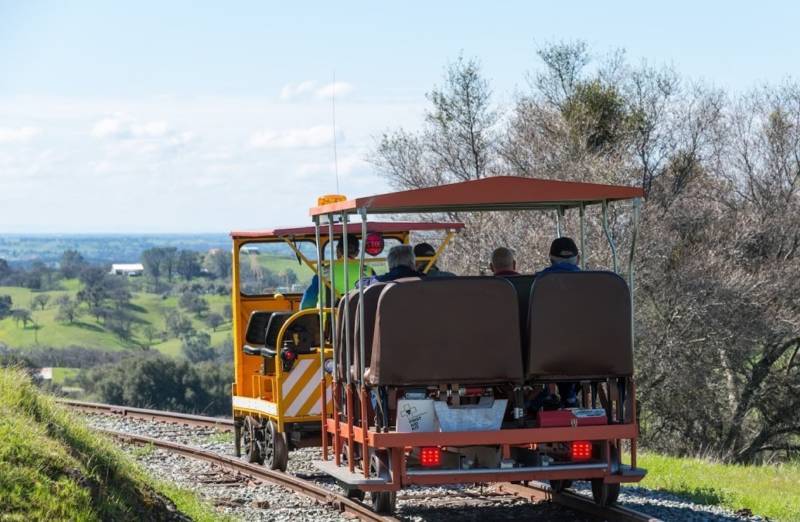
"caption": "\"This actually is one of the steepest rails incline railroads in America,\" says Mark Demler of the Amador Central Railroad. ",
"description": "\"This actually is one of the steepest rails incline railroads in America,\" says Mark Demler of the Amador Central Railroad. ",
"title": "railroad",
"credit": "Courtesy of Mike Cozad",
"status": "inherit",
"isLoading": false,
"fetchFailed": false
},
"news_11766806": {
"type": "attachments",
"id": "news_11766806",
"meta": {
"index": "attachments_1716263798",
"site": "news",
"id": "11766806",
"found": true
},
"parent": 11766803,
"imgSizes": {
"apple_news_ca_landscape_5_5": {
"file": "https://ww2.kqed.org/app/uploads/sites/10/2019/08/RS38477_Photo-Aug-08-11-36-06-AM-qut-1044x783.jpg",
"width": 1044,
"mimeType": "image/jpeg",
"height": 783
},
"apple_news_ca_square_4_0": {
"file": "https://ww2.kqed.org/app/uploads/sites/10/2019/08/RS38477_Photo-Aug-08-11-36-06-AM-qut-470x470.jpg",
"width": 470,
"mimeType": "image/jpeg",
"height": 470
},
"twentyfourteen-full-width": {
"file": "https://ww2.kqed.org/app/uploads/sites/10/2019/08/RS38477_Photo-Aug-08-11-36-06-AM-qut-1038x576.jpg",
"width": 1038,
"mimeType": "image/jpeg",
"height": 576
},
"thumbnail": {
"file": "https://ww2.kqed.org/app/uploads/sites/10/2019/08/RS38477_Photo-Aug-08-11-36-06-AM-qut-160x108.jpg",
"width": 160,
"mimeType": "image/jpeg",
"height": 108
},
"post-thumbnail": {
"file": "https://ww2.kqed.org/app/uploads/sites/10/2019/08/RS38477_Photo-Aug-08-11-36-06-AM-qut-672x372.jpg",
"width": 672,
"mimeType": "image/jpeg",
"height": 372
},
"kqedFullSize": {
"file": "https://ww2.kqed.org/app/uploads/sites/10/2019/08/RS38477_Photo-Aug-08-11-36-06-AM-qut.jpg",
"width": 1920,
"height": 1299
},
"apple_news_ca_landscape_4_7": {
"file": "https://ww2.kqed.org/app/uploads/sites/10/2019/08/RS38477_Photo-Aug-08-11-36-06-AM-qut-632x474.jpg",
"width": 632,
"mimeType": "image/jpeg",
"height": 474
},
"large": {
"file": "https://ww2.kqed.org/app/uploads/sites/10/2019/08/RS38477_Photo-Aug-08-11-36-06-AM-qut-1020x690.jpg",
"width": 1020,
"mimeType": "image/jpeg",
"height": 690
},
"complete_open_graph": {
"file": "https://ww2.kqed.org/app/uploads/sites/10/2019/08/RS38477_Photo-Aug-08-11-36-06-AM-qut-1200x812.jpg",
"width": 1200,
"mimeType": "image/jpeg",
"height": 812
},
"apple_news_ca_landscape_4_0": {
"file": "https://ww2.kqed.org/app/uploads/sites/10/2019/08/RS38477_Photo-Aug-08-11-36-06-AM-qut-536x402.jpg",
"width": 536,
"mimeType": "image/jpeg",
"height": 402
},
"apple_news_ca_portrait_12_9": {
"file": "https://ww2.kqed.org/app/uploads/sites/10/2019/08/RS38477_Photo-Aug-08-11-36-06-AM-qut-1122x1299.jpg",
"width": 1122,
"mimeType": "image/jpeg",
"height": 1299
},
"medium": {
"file": "https://ww2.kqed.org/app/uploads/sites/10/2019/08/RS38477_Photo-Aug-08-11-36-06-AM-qut-800x541.jpg",
"width": 800,
"mimeType": "image/jpeg",
"height": 541
},
"apple_news_ca_portrait_4_0": {
"file": "https://ww2.kqed.org/app/uploads/sites/10/2019/08/RS38477_Photo-Aug-08-11-36-06-AM-qut-354x472.jpg",
"width": 354,
"mimeType": "image/jpeg",
"height": 472
},
"apple_news_ca_portrait_9_7": {
"file": "https://ww2.kqed.org/app/uploads/sites/10/2019/08/RS38477_Photo-Aug-08-11-36-06-AM-qut-840x1120.jpg",
"width": 840,
"mimeType": "image/jpeg",
"height": 1120
},
"apple_news_ca_landscape_12_9": {
"file": "https://ww2.kqed.org/app/uploads/sites/10/2019/08/RS38477_Photo-Aug-08-11-36-06-AM-qut-1832x1299.jpg",
"width": 1832,
"mimeType": "image/jpeg",
"height": 1299
},
"apple_news_ca_square_9_7": {
"file": "https://ww2.kqed.org/app/uploads/sites/10/2019/08/RS38477_Photo-Aug-08-11-36-06-AM-qut-1104x1104.jpg",
"width": 1104,
"mimeType": "image/jpeg",
"height": 1104
},
"apple_news_ca_portrait_4_7": {
"file": "https://ww2.kqed.org/app/uploads/sites/10/2019/08/RS38477_Photo-Aug-08-11-36-06-AM-qut-414x552.jpg",
"width": 414,
"mimeType": "image/jpeg",
"height": 552
},
"apple_news_ca_square_12_9": {
"file": "https://ww2.kqed.org/app/uploads/sites/10/2019/08/RS38477_Photo-Aug-08-11-36-06-AM-qut-1472x1299.jpg",
"width": 1472,
"mimeType": "image/jpeg",
"height": 1299
},
"apple_news_ca_portrait_5_5": {
"file": "https://ww2.kqed.org/app/uploads/sites/10/2019/08/RS38477_Photo-Aug-08-11-36-06-AM-qut-687x916.jpg",
"width": 687,
"mimeType": "image/jpeg",
"height": 916
},
"full-width": {
"file": "https://ww2.kqed.org/app/uploads/sites/10/2019/08/RS38477_Photo-Aug-08-11-36-06-AM-qut-1920x1299.jpg",
"width": 1920,
"mimeType": "image/jpeg",
"height": 1299
},
"apple_news_ca_square_4_7": {
"file": "https://ww2.kqed.org/app/uploads/sites/10/2019/08/RS38477_Photo-Aug-08-11-36-06-AM-qut-550x550.jpg",
"width": 550,
"mimeType": "image/jpeg",
"height": 550
},
"apple_news_ca_landscape_9_7": {
"file": "https://ww2.kqed.org/app/uploads/sites/10/2019/08/RS38477_Photo-Aug-08-11-36-06-AM-qut-1376x1032.jpg",
"width": 1376,
"mimeType": "image/jpeg",
"height": 1032
},
"apple_news_ca_square_5_5": {
"file": "https://ww2.kqed.org/app/uploads/sites/10/2019/08/RS38477_Photo-Aug-08-11-36-06-AM-qut-912x912.jpg",
"width": 912,
"mimeType": "image/jpeg",
"height": 912
}
},
"publishDate": 1565449761,
"modified": 1565449822,
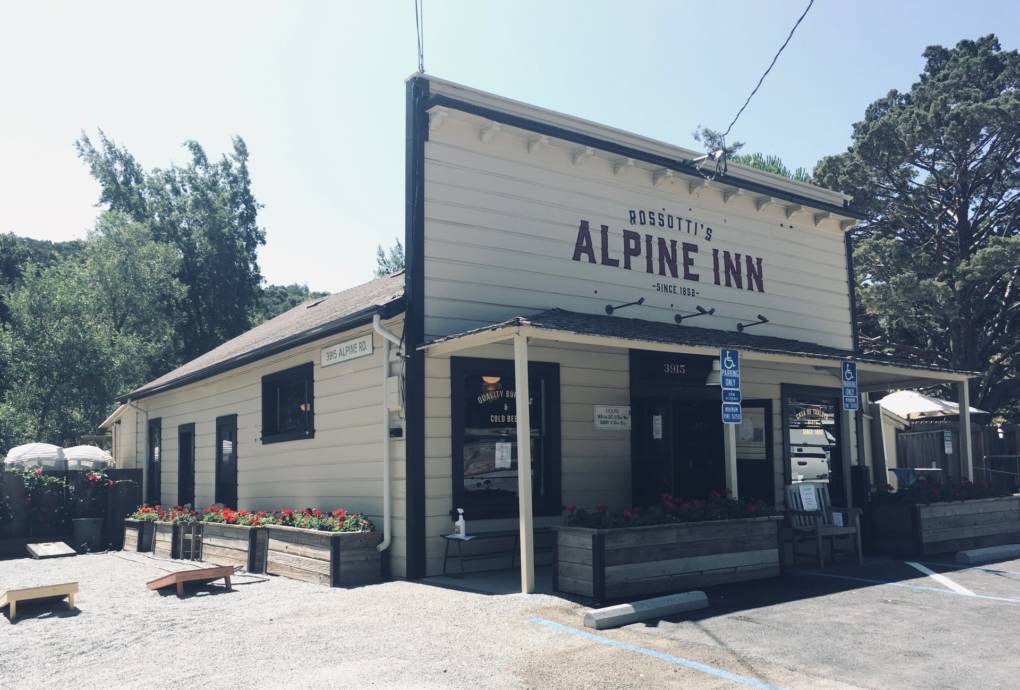
"caption": "\"What you do see is very similar. What you don’t see is very different,” says Lori Hunter of the newest ownership group to run Rossotti's Alpine Inn, the historic roadhouse in Portola Valley.",
"description": "\"What you do see is very similar. What you don’t see is very different,” says Lori Hunter of the newest ownership group to run Rossotti's Alpine Inn, the historic roadhouse in Portola Valley.",
"title": "RS38477_Photo Aug 08, 11 36 06 AM-qut",
"credit": "Rachael Myrow/KQED",
"status": "inherit",
"isLoading": false,
"fetchFailed": false
},
"news_11766797": {
"type": "attachments",
"id": "news_11766797",
"meta": {
"index": "attachments_1716263798",
"site": "news",
"id": "11766797",
"found": true
},
"parent": 11766672,
"imgSizes": {
"apple_news_ca_landscape_5_5": {
"file": "https://ww2.kqed.org/app/uploads/sites/10/2019/08/NR640-MARQUEE-1044x606.jpg",
"width": 1044,
"mimeType": "image/jpeg",
"height": 606
},
"apple_news_ca_square_4_0": {
"file": "https://ww2.kqed.org/app/uploads/sites/10/2019/08/NR640-MARQUEE-470x470.jpg",
"width": 470,
"mimeType": "image/jpeg",
"height": 470
},
"twentyfourteen-full-width": {
"file": "https://ww2.kqed.org/app/uploads/sites/10/2019/08/NR640-MARQUEE-1038x576.jpg",
"width": 1038,
"mimeType": "image/jpeg",
"height": 576
},
"thumbnail": {
"file": "https://ww2.kqed.org/app/uploads/sites/10/2019/08/NR640-MARQUEE-160x89.jpg",
"width": 160,
"mimeType": "image/jpeg",
"height": 89
},
"post-thumbnail": {
"file": "https://ww2.kqed.org/app/uploads/sites/10/2019/08/NR640-MARQUEE-672x372.jpg",
"width": 672,
"mimeType": "image/jpeg",
"height": 372
},
"kqedFullSize": {
"file": "https://ww2.kqed.org/app/uploads/sites/10/2019/08/NR640-MARQUEE.jpg",
"width": 1085,
"height": 606
},
"apple_news_ca_landscape_4_7": {
"file": "https://ww2.kqed.org/app/uploads/sites/10/2019/08/NR640-MARQUEE-632x474.jpg",
"width": 632,
"mimeType": "image/jpeg",
"height": 474
},
"large": {
"file": "https://ww2.kqed.org/app/uploads/sites/10/2019/08/NR640-MARQUEE-1020x570.jpg",
"width": 1020,
"mimeType": "image/jpeg",
"height": 570
},
"apple_news_ca_landscape_4_0": {
"file": "https://ww2.kqed.org/app/uploads/sites/10/2019/08/NR640-MARQUEE-536x402.jpg",
"width": 536,
"mimeType": "image/jpeg",
"height": 402
},
"medium": {
"file": "https://ww2.kqed.org/app/uploads/sites/10/2019/08/NR640-MARQUEE-800x447.jpg",
"width": 800,
"mimeType": "image/jpeg",
"height": 447
},
"apple_news_ca_portrait_4_0": {
"file": "https://ww2.kqed.org/app/uploads/sites/10/2019/08/NR640-MARQUEE-354x472.jpg",
"width": 354,
"mimeType": "image/jpeg",
"height": 472
},
"apple_news_ca_portrait_9_7": {
"file": "https://ww2.kqed.org/app/uploads/sites/10/2019/08/NR640-MARQUEE-840x606.jpg",
"width": 840,
"mimeType": "image/jpeg",
"height": 606
},
"apple_news_ca_portrait_4_7": {
"file": "https://ww2.kqed.org/app/uploads/sites/10/2019/08/NR640-MARQUEE-414x552.jpg",
"width": 414,
"mimeType": "image/jpeg",
"height": 552
},
"apple_news_ca_portrait_5_5": {
"file": "https://ww2.kqed.org/app/uploads/sites/10/2019/08/NR640-MARQUEE-687x606.jpg",
"width": 687,
"mimeType": "image/jpeg",
"height": 606
},
"apple_news_ca_square_4_7": {
"file": "https://ww2.kqed.org/app/uploads/sites/10/2019/08/NR640-MARQUEE-550x550.jpg",
"width": 550,
"mimeType": "image/jpeg",
"height": 550
},
"apple_news_ca_square_5_5": {
"file": "https://ww2.kqed.org/app/uploads/sites/10/2019/08/NR640-MARQUEE-912x606.jpg",
"width": 912,
"mimeType": "image/jpeg",
"height": 606
}
},
"publishDate": 1565397865,
"modified": 1565397865,
"caption": null,
"description": null,
"title": "NR640 MARQUEE",
"credit": null,
"status": "inherit",
"isLoading": false,
"fetchFailed": false
},
"news_11765901": {
"type": "attachments",
"id": "news_11765901",
"meta": {
"index": "attachments_1716263798",
"site": "news",
"id": "11765901",
"found": true
},
"parent": 11765805,
"imgSizes": {
"apple_news_ca_landscape_5_5": {
"file": "https://ww2.kqed.org/app/uploads/sites/10/2019/08/rainbow-carlos-1-1044x783.jpg",
"width": 1044,
"mimeType": "image/jpeg",
"height": 783
},
"apple_news_ca_square_4_0": {
"file": "https://ww2.kqed.org/app/uploads/sites/10/2019/08/rainbow-carlos-1-470x470.jpg",
"width": 470,
"mimeType": "image/jpeg",
"height": 470
},
"twentyfourteen-full-width": {
"file": "https://ww2.kqed.org/app/uploads/sites/10/2019/08/rainbow-carlos-1-1038x576.jpg",
"width": 1038,
"mimeType": "image/jpeg",
"height": 576
},
"thumbnail": {
"file": "https://ww2.kqed.org/app/uploads/sites/10/2019/08/rainbow-carlos-1-160x120.jpg",
"width": 160,
"mimeType": "image/jpeg",
"height": 120
},
"post-thumbnail": {
"file": "https://ww2.kqed.org/app/uploads/sites/10/2019/08/rainbow-carlos-1-672x372.jpg",
"width": 672,
"mimeType": "image/jpeg",
"height": 372
},
"kqedFullSize": {
"file": "https://ww2.kqed.org/app/uploads/sites/10/2019/08/rainbow-carlos-1.jpg",
"width": 2048,
"height": 1536
},
"apple_news_ca_landscape_4_7": {
"file": "https://ww2.kqed.org/app/uploads/sites/10/2019/08/rainbow-carlos-1-632x474.jpg",
"width": 632,
"mimeType": "image/jpeg",
"height": 474
},
"large": {
"file": "https://ww2.kqed.org/app/uploads/sites/10/2019/08/rainbow-carlos-1-1020x765.jpg",
"width": 1020,
"mimeType": "image/jpeg",
"height": 765
},
"complete_open_graph": {
"file": "https://ww2.kqed.org/app/uploads/sites/10/2019/08/rainbow-carlos-1-1200x900.jpg",
"width": 1200,
"mimeType": "image/jpeg",
"height": 900
},
"apple_news_ca_landscape_4_0": {
"file": "https://ww2.kqed.org/app/uploads/sites/10/2019/08/rainbow-carlos-1-536x402.jpg",
"width": 536,
"mimeType": "image/jpeg",
"height": 402
},
"apple_news_ca_portrait_12_9": {
"file": "https://ww2.kqed.org/app/uploads/sites/10/2019/08/rainbow-carlos-1-1122x1496.jpg",
"width": 1122,
"mimeType": "image/jpeg",
"height": 1496
},
"medium": {
"file": "https://ww2.kqed.org/app/uploads/sites/10/2019/08/rainbow-carlos-1-800x600.jpg",
"width": 800,
"mimeType": "image/jpeg",
"height": 600
},
"apple_news_ca_portrait_4_0": {
"file": "https://ww2.kqed.org/app/uploads/sites/10/2019/08/rainbow-carlos-1-354x472.jpg",
"width": 354,
"mimeType": "image/jpeg",
"height": 472
},
"apple_news_ca_portrait_9_7": {
"file": "https://ww2.kqed.org/app/uploads/sites/10/2019/08/rainbow-carlos-1-840x1120.jpg",
"width": 840,
"mimeType": "image/jpeg",
"height": 1120
},
"apple_news_ca_landscape_12_9": {
"file": "https://ww2.kqed.org/app/uploads/sites/10/2019/08/rainbow-carlos-1-1832x1374.jpg",
"width": 1832,
"mimeType": "image/jpeg",
"height": 1374
},
"apple_news_ca_square_9_7": {
"file": "https://ww2.kqed.org/app/uploads/sites/10/2019/08/rainbow-carlos-1-1104x1104.jpg",
"width": 1104,
"mimeType": "image/jpeg",
"height": 1104
},
"apple_news_ca_portrait_4_7": {
"file": "https://ww2.kqed.org/app/uploads/sites/10/2019/08/rainbow-carlos-1-414x552.jpg",
"width": 414,
"mimeType": "image/jpeg",
"height": 552
},
"apple_news_ca_square_12_9": {
"file": "https://ww2.kqed.org/app/uploads/sites/10/2019/08/rainbow-carlos-1-1472x1472.jpg",
"width": 1472,
"mimeType": "image/jpeg",
"height": 1472
},
"apple_news_ca_portrait_5_5": {
"file": "https://ww2.kqed.org/app/uploads/sites/10/2019/08/rainbow-carlos-1-687x916.jpg",
"width": 687,
"mimeType": "image/jpeg",
"height": 916
},
"full-width": {
"file": "https://ww2.kqed.org/app/uploads/sites/10/2019/08/rainbow-carlos-1-1920x1440.jpg",
"width": 1920,
"mimeType": "image/jpeg",
"height": 1440
},
"apple_news_ca_square_4_7": {
"file": "https://ww2.kqed.org/app/uploads/sites/10/2019/08/rainbow-carlos-1-550x550.jpg",
"width": 550,
"mimeType": "image/jpeg",
"height": 550
},
"apple_news_ca_landscape_9_7": {
"file": "https://ww2.kqed.org/app/uploads/sites/10/2019/08/rainbow-carlos-1-1376x1032.jpg",
"width": 1376,
"mimeType": "image/jpeg",
"height": 1032
},
"apple_news_ca_square_5_5": {
"file": "https://ww2.kqed.org/app/uploads/sites/10/2019/08/rainbow-carlos-1-912x912.jpg",
"width": 912,
"mimeType": "image/jpeg",
"height": 912
}
},
"publishDate": 1565118546,
"modified": 1565118892,
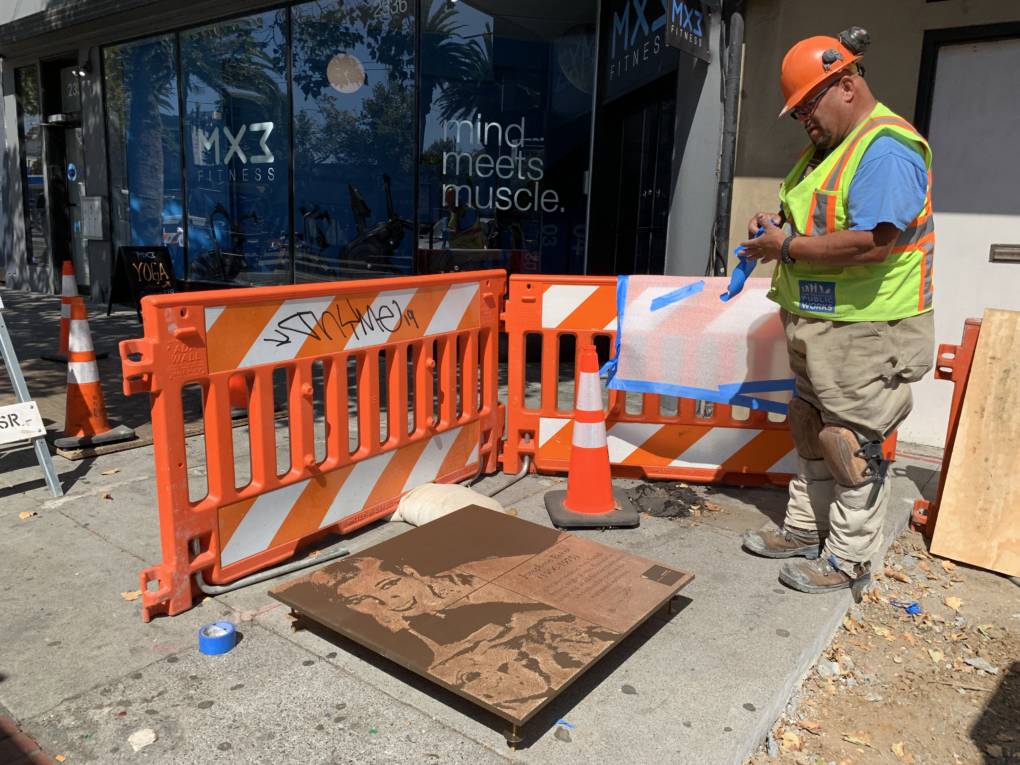
"caption": "Carlos Duharte, a mason with San Francisco Public Works, takes a good look at the plaque of entertainer Josephine Baker before putting on a protective cover for its installation on Market Street on Aug. 6, 2019, in the Castro District's Rainbow Honor Walk.",
"description": "Carlos Duharte, a mason with San Francisco Public Works, takes a good look at the plaque of entertainer Josephine Baker before putting on a protective cover for its installation on Market Street as part of the Castro District's Rainbow Honor Walk.",
"title": "rainbow honor walk",
"credit": "Patricia Yollin/KQED",
"status": "inherit",
"isLoading": false,
"fetchFailed": false
},
"news_11765243": {
"type": "attachments",
"id": "news_11765243",
"meta": {
"index": "attachments_1716263798",
"site": "news",
"id": "11765243",
"found": true
},
"parent": 11765240,
"imgSizes": {
"apple_news_ca_landscape_5_5": {
"file": "https://ww2.kqed.org/app/uploads/sites/10/2019/08/whitewash_080219_final-1044x783.jpg",
"width": 1044,
"mimeType": "image/jpeg",
"height": 783
},
"apple_news_ca_square_4_0": {
"file": "https://ww2.kqed.org/app/uploads/sites/10/2019/08/whitewash_080219_final-470x470.jpg",
"width": 470,
"mimeType": "image/jpeg",
"height": 470
},
"twentyfourteen-full-width": {
"file": "https://ww2.kqed.org/app/uploads/sites/10/2019/08/whitewash_080219_final-1038x576.jpg",
"width": 1038,
"mimeType": "image/jpeg",
"height": 576
},
"thumbnail": {
"file": "https://ww2.kqed.org/app/uploads/sites/10/2019/08/whitewash_080219_final-160x117.jpg",
"width": 160,
"mimeType": "image/jpeg",
"height": 117
},
"post-thumbnail": {
"file": "https://ww2.kqed.org/app/uploads/sites/10/2019/08/whitewash_080219_final-672x372.jpg",
"width": 672,
"mimeType": "image/jpeg",
"height": 372
},
"kqedFullSize": {
"file": "https://ww2.kqed.org/app/uploads/sites/10/2019/08/whitewash_080219_final.jpg",
"width": 1920,
"height": 1398
},
"apple_news_ca_landscape_4_7": {
"file": "https://ww2.kqed.org/app/uploads/sites/10/2019/08/whitewash_080219_final-632x474.jpg",
"width": 632,
"mimeType": "image/jpeg",
"height": 474
},
"large": {
"file": "https://ww2.kqed.org/app/uploads/sites/10/2019/08/whitewash_080219_final-1020x743.jpg",
"width": 1020,
"mimeType": "image/jpeg",
"height": 743
},
"complete_open_graph": {
"file": "https://ww2.kqed.org/app/uploads/sites/10/2019/08/whitewash_080219_final-1200x874.jpg",
"width": 1200,
"mimeType": "image/jpeg",
"height": 874
},
"apple_news_ca_landscape_4_0": {
"file": "https://ww2.kqed.org/app/uploads/sites/10/2019/08/whitewash_080219_final-536x402.jpg",
"width": 536,
"mimeType": "image/jpeg",
"height": 402
},
"apple_news_ca_portrait_12_9": {
"file": "https://ww2.kqed.org/app/uploads/sites/10/2019/08/whitewash_080219_final-1122x1398.jpg",
"width": 1122,
"mimeType": "image/jpeg",
"height": 1398
},
"medium": {
"file": "https://ww2.kqed.org/app/uploads/sites/10/2019/08/whitewash_080219_final-800x583.jpg",
"width": 800,
"mimeType": "image/jpeg",
"height": 583
},
"apple_news_ca_portrait_4_0": {
"file": "https://ww2.kqed.org/app/uploads/sites/10/2019/08/whitewash_080219_final-354x472.jpg",
"width": 354,
"mimeType": "image/jpeg",
"height": 472
},
"apple_news_ca_portrait_9_7": {
"file": "https://ww2.kqed.org/app/uploads/sites/10/2019/08/whitewash_080219_final-840x1120.jpg",
"width": 840,
"mimeType": "image/jpeg",
"height": 1120
},
"apple_news_ca_landscape_12_9": {
"file": "https://ww2.kqed.org/app/uploads/sites/10/2019/08/whitewash_080219_final-1832x1374.jpg",
"width": 1832,
"mimeType": "image/jpeg",
"height": 1374
},
"apple_news_ca_square_9_7": {
"file": "https://ww2.kqed.org/app/uploads/sites/10/2019/08/whitewash_080219_final-1104x1104.jpg",
"width": 1104,
"mimeType": "image/jpeg",
"height": 1104
},
"apple_news_ca_portrait_4_7": {
"file": "https://ww2.kqed.org/app/uploads/sites/10/2019/08/whitewash_080219_final-414x552.jpg",
"width": 414,
"mimeType": "image/jpeg",
"height": 552
},
"apple_news_ca_square_12_9": {
"file": "https://ww2.kqed.org/app/uploads/sites/10/2019/08/whitewash_080219_final-1472x1398.jpg",
"width": 1472,
"mimeType": "image/jpeg",
"height": 1398
},
"apple_news_ca_portrait_5_5": {
"file": "https://ww2.kqed.org/app/uploads/sites/10/2019/08/whitewash_080219_final-687x916.jpg",
"width": 687,
"mimeType": "image/jpeg",
"height": 916
},
"full-width": {
"file": "https://ww2.kqed.org/app/uploads/sites/10/2019/08/whitewash_080219_final-1920x1398.jpg",
"width": 1920,
"mimeType": "image/jpeg",
"height": 1398
},
"apple_news_ca_square_4_7": {
"file": "https://ww2.kqed.org/app/uploads/sites/10/2019/08/whitewash_080219_final-550x550.jpg",
"width": 550,
"mimeType": "image/jpeg",
"height": 550
},
"apple_news_ca_landscape_9_7": {
"file": "https://ww2.kqed.org/app/uploads/sites/10/2019/08/whitewash_080219_final-1376x1032.jpg",
"width": 1376,
"mimeType": "image/jpeg",
"height": 1032
},
"apple_news_ca_square_5_5": {
"file": "https://ww2.kqed.org/app/uploads/sites/10/2019/08/whitewash_080219_final-912x912.jpg",
"width": 912,
"mimeType": "image/jpeg",
"height": 912
}
},
"publishDate": 1564776553,
"modified": 1564776585,
"caption": null,
"description": null,
"title": "whitewash_080219_final",
"credit": null,
"status": "inherit",
"isLoading": false,
"fetchFailed": false
},
"news_11765101": {
"type": "attachments",
"id": "news_11765101",
"meta": {
"index": "attachments_1716263798",
"site": "news",
"id": "11765101",
"found": true
},
"parent": 11765093,
"imgSizes": {
"apple_news_ca_square_4_0": {
"file": "https://ww2.kqed.org/app/uploads/sites/10/2019/08/washignton-mural-photos-470x470.jpg",
"width": 470,
"mimeType": "image/jpeg",
"height": 470
},
"thumbnail": {
"file": "https://ww2.kqed.org/app/uploads/sites/10/2019/08/washignton-mural-photos-160x120.jpg",
"width": 160,
"mimeType": "image/jpeg",
"height": 120
},
"post-thumbnail": {
"file": "https://ww2.kqed.org/app/uploads/sites/10/2019/08/washignton-mural-photos-640x372.jpg",
"width": 640,
"mimeType": "image/jpeg",
"height": 372
},
"kqedFullSize": {
"file": "https://ww2.kqed.org/app/uploads/sites/10/2019/08/washignton-mural-photos.jpg",
"width": 640,
"height": 480
},
"apple_news_ca_landscape_4_7": {
"file": "https://ww2.kqed.org/app/uploads/sites/10/2019/08/washignton-mural-photos-632x474.jpg",
"width": 632,
"mimeType": "image/jpeg",
"height": 474
},
"apple_news_ca_portrait_4_7": {
"file": "https://ww2.kqed.org/app/uploads/sites/10/2019/08/washignton-mural-photos-414x480.jpg",
"width": 414,
"mimeType": "image/jpeg",
"height": 480
},
"apple_news_ca_square_4_7": {
"file": "https://ww2.kqed.org/app/uploads/sites/10/2019/08/washignton-mural-photos-550x480.jpg",
"width": 550,
"mimeType": "image/jpeg",
"height": 480
},
"apple_news_ca_landscape_4_0": {
"file": "https://ww2.kqed.org/app/uploads/sites/10/2019/08/washignton-mural-photos-536x402.jpg",
"width": 536,
"mimeType": "image/jpeg",
"height": 402
},
"apple_news_ca_portrait_4_0": {
"file": "https://ww2.kqed.org/app/uploads/sites/10/2019/08/washignton-mural-photos-354x472.jpg",
"width": 354,
"mimeType": "image/jpeg",
"height": 472
}
},
"publishDate": 1564706129,
"modified": 1641850764,
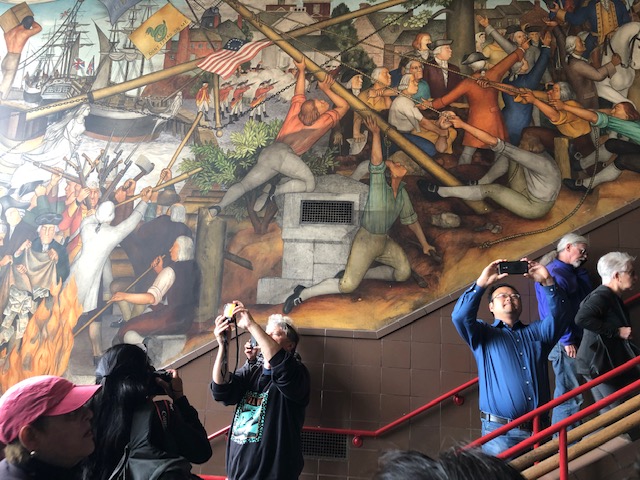
"caption": "Members of the public snap pictures of the controversial 'Life of Washington' mural during viewing hours at George Washington High School. ",
"description": "Members of the public snap pictures of the controversial 'Life of Washington' mural during viewing hours at George Washington High School. ",
"title": "washignton mural photos",
"credit": "Chloe Veltman/KQED",
"status": "inherit",
"altTag": "People take photos of a mural.",
"isLoading": false,
"fetchFailed": false
},
"news_11764628": {
"type": "attachments",
"id": "news_11764628",
"meta": {
"index": "attachments_1716263798",
"site": "news",
"id": "11764628",
"found": true
},
"parent": 11764513,
"imgSizes": {
"apple_news_ca_landscape_5_5": {
"file": "https://ww2.kqed.org/app/uploads/sites/10/2019/07/ghost-ship-20190731-1920-1044x783.jpg",
"width": 1044,
"mimeType": "image/jpeg",
"height": 783
},
"apple_news_ca_square_4_0": {
"file": "https://ww2.kqed.org/app/uploads/sites/10/2019/07/ghost-ship-20190731-1920-470x470.jpg",
"width": 470,
"mimeType": "image/jpeg",
"height": 470
},
"twentyfourteen-full-width": {
"file": "https://ww2.kqed.org/app/uploads/sites/10/2019/07/ghost-ship-20190731-1920-1038x576.jpg",
"width": 1038,
"mimeType": "image/jpeg",
"height": 576
},
"thumbnail": {
"file": "https://ww2.kqed.org/app/uploads/sites/10/2019/07/ghost-ship-20190731-1920-160x100.jpg",
"width": 160,
"mimeType": "image/jpeg",
"height": 100
},
"post-thumbnail": {
"file": "https://ww2.kqed.org/app/uploads/sites/10/2019/07/ghost-ship-20190731-1920-672x372.jpg",
"width": 672,
"mimeType": "image/jpeg",
"height": 372
},
"kqedFullSize": {
"file": "https://ww2.kqed.org/app/uploads/sites/10/2019/07/ghost-ship-20190731-1920.jpg",
"width": 1920,
"height": 1205
},
"apple_news_ca_landscape_4_7": {
"file": "https://ww2.kqed.org/app/uploads/sites/10/2019/07/ghost-ship-20190731-1920-632x474.jpg",
"width": 632,
"mimeType": "image/jpeg",
"height": 474
},
"large": {
"file": "https://ww2.kqed.org/app/uploads/sites/10/2019/07/ghost-ship-20190731-1920-1020x640.jpg",
"width": 1020,
"mimeType": "image/jpeg",
"height": 640
},
"complete_open_graph": {
"file": "https://ww2.kqed.org/app/uploads/sites/10/2019/07/ghost-ship-20190731-1920-1200x753.jpg",
"width": 1200,
"mimeType": "image/jpeg",
"height": 753
},
"apple_news_ca_landscape_4_0": {
"file": "https://ww2.kqed.org/app/uploads/sites/10/2019/07/ghost-ship-20190731-1920-536x402.jpg",
"width": 536,
"mimeType": "image/jpeg",
"height": 402
},
"apple_news_ca_portrait_12_9": {
"file": "https://ww2.kqed.org/app/uploads/sites/10/2019/07/ghost-ship-20190731-1920-1122x1205.jpg",
"width": 1122,
"mimeType": "image/jpeg",
"height": 1205
},
"medium": {
"file": "https://ww2.kqed.org/app/uploads/sites/10/2019/07/ghost-ship-20190731-1920-800x502.jpg",
"width": 800,
"mimeType": "image/jpeg",
"height": 502
},
"apple_news_ca_portrait_4_0": {
"file": "https://ww2.kqed.org/app/uploads/sites/10/2019/07/ghost-ship-20190731-1920-354x472.jpg",
"width": 354,
"mimeType": "image/jpeg",
"height": 472
},
"apple_news_ca_portrait_9_7": {
"file": "https://ww2.kqed.org/app/uploads/sites/10/2019/07/ghost-ship-20190731-1920-840x1120.jpg",
"width": 840,
"mimeType": "image/jpeg",
"height": 1120
},
"apple_news_ca_landscape_12_9": {
"file": "https://ww2.kqed.org/app/uploads/sites/10/2019/07/ghost-ship-20190731-1920-1832x1205.jpg",
"width": 1832,
"mimeType": "image/jpeg",
"height": 1205
},
"apple_news_ca_square_9_7": {
"file": "https://ww2.kqed.org/app/uploads/sites/10/2019/07/ghost-ship-20190731-1920-1104x1104.jpg",
"width": 1104,
"mimeType": "image/jpeg",
"height": 1104
},
"apple_news_ca_portrait_4_7": {
"file": "https://ww2.kqed.org/app/uploads/sites/10/2019/07/ghost-ship-20190731-1920-414x552.jpg",
"width": 414,
"mimeType": "image/jpeg",
"height": 552
},
"apple_news_ca_square_12_9": {
"file": "https://ww2.kqed.org/app/uploads/sites/10/2019/07/ghost-ship-20190731-1920-1472x1205.jpg",
"width": 1472,
"mimeType": "image/jpeg",
"height": 1205
},
"apple_news_ca_portrait_5_5": {
"file": "https://ww2.kqed.org/app/uploads/sites/10/2019/07/ghost-ship-20190731-1920-687x916.jpg",
"width": 687,
"mimeType": "image/jpeg",
"height": 916
},
"full-width": {
"file": "https://ww2.kqed.org/app/uploads/sites/10/2019/07/ghost-ship-20190731-1920-1920x1205.jpg",
"width": 1920,
"mimeType": "image/jpeg",
"height": 1205
},
"apple_news_ca_square_4_7": {
"file": "https://ww2.kqed.org/app/uploads/sites/10/2019/07/ghost-ship-20190731-1920-550x550.jpg",
"width": 550,
"mimeType": "image/jpeg",
"height": 550
},
"apple_news_ca_landscape_9_7": {
"file": "https://ww2.kqed.org/app/uploads/sites/10/2019/07/ghost-ship-20190731-1920-1376x1032.jpg",
"width": 1376,
"mimeType": "image/jpeg",
"height": 1032
},
"apple_news_ca_square_5_5": {
"file": "https://ww2.kqed.org/app/uploads/sites/10/2019/07/ghost-ship-20190731-1920-912x912.jpg",
"width": 912,
"mimeType": "image/jpeg",
"height": 912
}
},
"publishDate": 1564606349,
"modified": 1564613230,
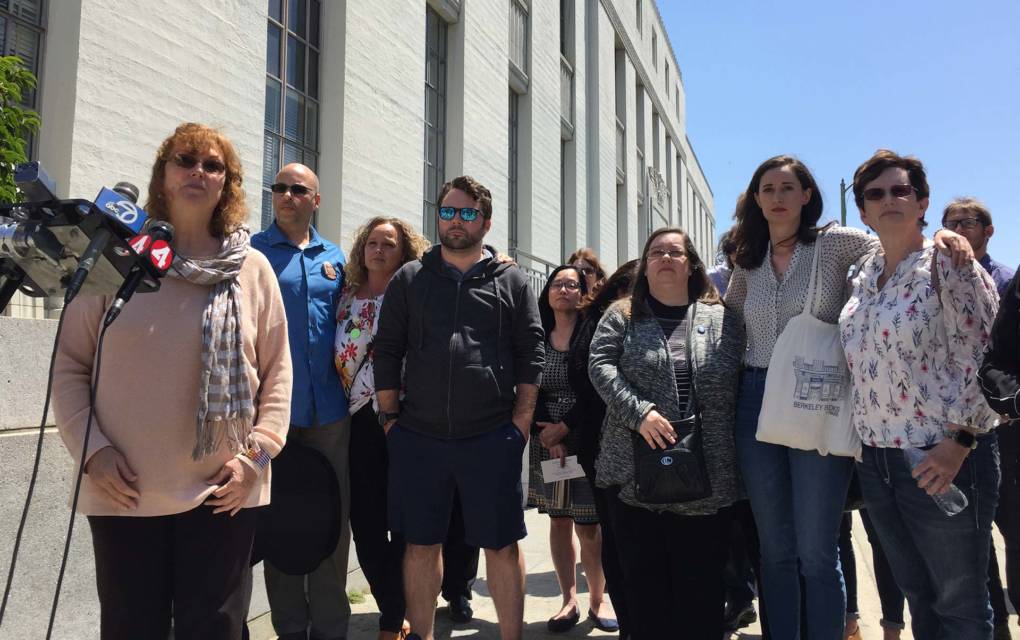
"caption": "Colleen Dolan (left), mother of Ghost Ship fire victim Chelsea Faith Dolan, speaks to the media outside Alameda County Superior Court on July 31, 2019. Approximately 20 relatives and friends of the victims gathered outside together.",
"description": "Colleen Dolan (left), mother of Ghost Ship fire victim Chelsea Faith Dolan, speaks to the media outside the Alameda Superior Court on July 31, 2019. Approximately 20 relatives and friends of the victims gathered outside together.",
"title": "ghost-ship-20190731-1920",
"credit": "Don Clyde/KQED",
"status": "inherit",
"isLoading": false,
"fetchFailed": false
},
"news_11764345": {
"type": "attachments",
"id": "news_11764345",
"meta": {
"index": "attachments_1716263798",
"site": "news",
"id": "11764345",
"found": true
},
"parent": 11764170,
"imgSizes": {
"apple_news_ca_landscape_5_5": {
"file": "https://ww2.kqed.org/app/uploads/sites/10/2019/07/Ghost-Ship-Exterior-1044x783.jpg",
"width": 1044,
"mimeType": "image/jpeg",
"height": 783
},
"apple_news_ca_square_4_0": {
"file": "https://ww2.kqed.org/app/uploads/sites/10/2019/07/Ghost-Ship-Exterior-470x470.jpg",
"width": 470,
"mimeType": "image/jpeg",
"height": 470
},
"twentyfourteen-full-width": {
"file": "https://ww2.kqed.org/app/uploads/sites/10/2019/07/Ghost-Ship-Exterior-1038x576.jpg",
"width": 1038,
"mimeType": "image/jpeg",
"height": 576
},
"thumbnail": {
"file": "https://ww2.kqed.org/app/uploads/sites/10/2019/07/Ghost-Ship-Exterior-160x109.jpg",
"width": 160,
"mimeType": "image/jpeg",
"height": 109
},
"post-thumbnail": {
"file": "https://ww2.kqed.org/app/uploads/sites/10/2019/07/Ghost-Ship-Exterior-672x372.jpg",
"width": 672,
"mimeType": "image/jpeg",
"height": 372
},
"kqedFullSize": {
"file": "https://ww2.kqed.org/app/uploads/sites/10/2019/07/Ghost-Ship-Exterior.jpg",
"width": 1920,
"height": 1304
},
"apple_news_ca_landscape_4_7": {
"file": "https://ww2.kqed.org/app/uploads/sites/10/2019/07/Ghost-Ship-Exterior-632x474.jpg",
"width": 632,
"mimeType": "image/jpeg",
"height": 474
},
"large": {
"file": "https://ww2.kqed.org/app/uploads/sites/10/2019/07/Ghost-Ship-Exterior-1020x693.jpg",
"width": 1020,
"mimeType": "image/jpeg",
"height": 693
},
"complete_open_graph": {
"file": "https://ww2.kqed.org/app/uploads/sites/10/2019/07/Ghost-Ship-Exterior-1200x815.jpg",
"width": 1200,
"mimeType": "image/jpeg",
"height": 815
},
"apple_news_ca_landscape_4_0": {
"file": "https://ww2.kqed.org/app/uploads/sites/10/2019/07/Ghost-Ship-Exterior-536x402.jpg",
"width": 536,
"mimeType": "image/jpeg",
"height": 402
},
"apple_news_ca_portrait_12_9": {
"file": "https://ww2.kqed.org/app/uploads/sites/10/2019/07/Ghost-Ship-Exterior-1122x1304.jpg",
"width": 1122,
"mimeType": "image/jpeg",
"height": 1304
},
"medium": {
"file": "https://ww2.kqed.org/app/uploads/sites/10/2019/07/Ghost-Ship-Exterior-800x543.jpg",
"width": 800,
"mimeType": "image/jpeg",
"height": 543
},
"apple_news_ca_portrait_4_0": {
"file": "https://ww2.kqed.org/app/uploads/sites/10/2019/07/Ghost-Ship-Exterior-354x472.jpg",
"width": 354,
"mimeType": "image/jpeg",
"height": 472
},
"apple_news_ca_portrait_9_7": {
"file": "https://ww2.kqed.org/app/uploads/sites/10/2019/07/Ghost-Ship-Exterior-840x1120.jpg",
"width": 840,
"mimeType": "image/jpeg",
"height": 1120
},
"apple_news_ca_landscape_12_9": {
"file": "https://ww2.kqed.org/app/uploads/sites/10/2019/07/Ghost-Ship-Exterior-1832x1304.jpg",
"width": 1832,
"mimeType": "image/jpeg",
"height": 1304
},
"apple_news_ca_square_9_7": {
"file": "https://ww2.kqed.org/app/uploads/sites/10/2019/07/Ghost-Ship-Exterior-1104x1104.jpg",
"width": 1104,
"mimeType": "image/jpeg",
"height": 1104
},
"apple_news_ca_portrait_4_7": {
"file": "https://ww2.kqed.org/app/uploads/sites/10/2019/07/Ghost-Ship-Exterior-414x552.jpg",
"width": 414,
"mimeType": "image/jpeg",
"height": 552
},
"apple_news_ca_square_12_9": {
"file": "https://ww2.kqed.org/app/uploads/sites/10/2019/07/Ghost-Ship-Exterior-1472x1304.jpg",
"width": 1472,
"mimeType": "image/jpeg",
"height": 1304
},
"apple_news_ca_portrait_5_5": {
"file": "https://ww2.kqed.org/app/uploads/sites/10/2019/07/Ghost-Ship-Exterior-687x916.jpg",
"width": 687,
"mimeType": "image/jpeg",
"height": 916
},
"full-width": {
"file": "https://ww2.kqed.org/app/uploads/sites/10/2019/07/Ghost-Ship-Exterior-1920x1304.jpg",
"width": 1920,
"mimeType": "image/jpeg",
"height": 1304
},
"apple_news_ca_square_4_7": {
"file": "https://ww2.kqed.org/app/uploads/sites/10/2019/07/Ghost-Ship-Exterior-550x550.jpg",
"width": 550,
"mimeType": "image/jpeg",
"height": 550
},
"apple_news_ca_landscape_9_7": {
"file": "https://ww2.kqed.org/app/uploads/sites/10/2019/07/Ghost-Ship-Exterior-1376x1032.jpg",
"width": 1376,
"mimeType": "image/jpeg",
"height": 1032
},
"apple_news_ca_square_5_5": {
"file": "https://ww2.kqed.org/app/uploads/sites/10/2019/07/Ghost-Ship-Exterior-912x912.jpg",
"width": 912,
"mimeType": "image/jpeg",
"height": 912
}
},
"publishDate": 1564523205,
"modified": 1564527514,
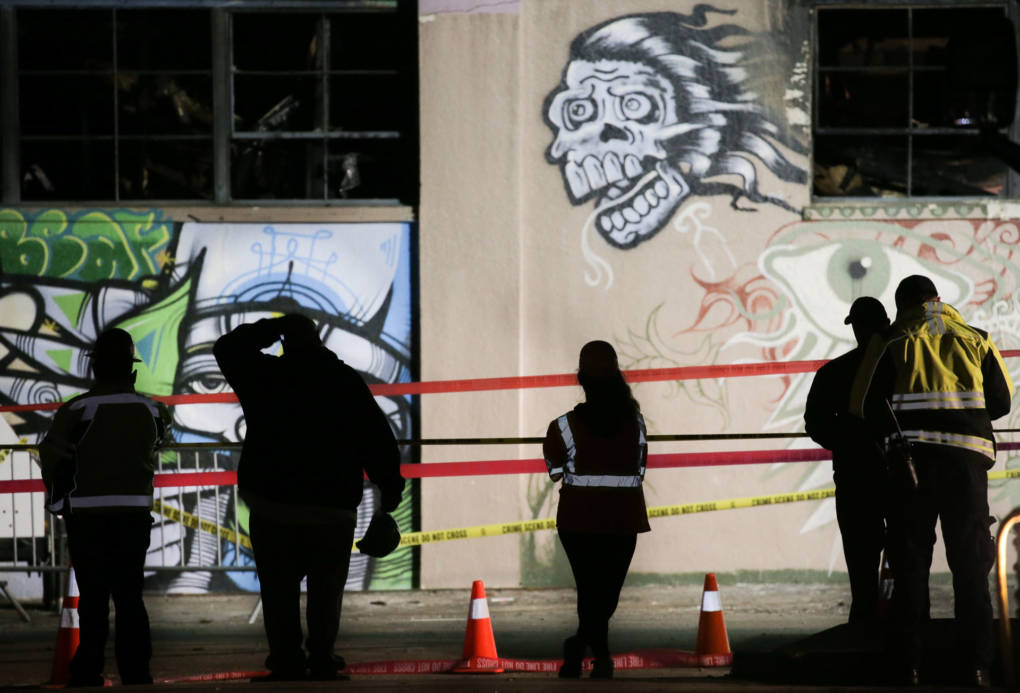
"caption": "Workers and emergency responders stand outside the Ghost Ship warehouse three nights after the Dec. 2, 2016, blaze that killed 36 people.",
"description": "Workers and emergency responders stand outside the Ghost Ship warehouse three nights after the Dec. 2, 2016 blaze that killed 36 people.",
"title": "Ghost-Ship-Exterior",
"credit": "Elijah Nouvelage/Getty Images",
"status": "inherit",
"isLoading": false,
"fetchFailed": false
},
"news_11764057": {
"type": "attachments",
"id": "news_11764057",
"meta": {
"index": "attachments_1716263798",
"site": "news",
"id": "11764057",
"found": true
},
"parent": 11763874,
"imgSizes": {
"apple_news_ca_landscape_5_5": {
"file": "https://ww2.kqed.org/app/uploads/sites/10/2019/07/Ghost-Ship-Memorial-1044x783.jpg",
"width": 1044,
"mimeType": "image/jpeg",
"height": 783
},
"apple_news_ca_square_4_0": {
"file": "https://ww2.kqed.org/app/uploads/sites/10/2019/07/Ghost-Ship-Memorial-470x470.jpg",
"width": 470,
"mimeType": "image/jpeg",
"height": 470
},
"twentyfourteen-full-width": {
"file": "https://ww2.kqed.org/app/uploads/sites/10/2019/07/Ghost-Ship-Memorial-1038x576.jpg",
"width": 1038,
"mimeType": "image/jpeg",
"height": 576
},
"thumbnail": {
"file": "https://ww2.kqed.org/app/uploads/sites/10/2019/07/Ghost-Ship-Memorial-160x109.jpg",
"width": 160,
"mimeType": "image/jpeg",
"height": 109
},
"post-thumbnail": {
"file": "https://ww2.kqed.org/app/uploads/sites/10/2019/07/Ghost-Ship-Memorial-672x372.jpg",
"width": 672,
"mimeType": "image/jpeg",
"height": 372
},
"kqedFullSize": {
"file": "https://ww2.kqed.org/app/uploads/sites/10/2019/07/Ghost-Ship-Memorial.jpg",
"width": 1920,
"height": 1304
},
"apple_news_ca_landscape_4_7": {
"file": "https://ww2.kqed.org/app/uploads/sites/10/2019/07/Ghost-Ship-Memorial-632x474.jpg",
"width": 632,
"mimeType": "image/jpeg",
"height": 474
},
"large": {
"file": "https://ww2.kqed.org/app/uploads/sites/10/2019/07/Ghost-Ship-Memorial-1020x693.jpg",
"width": 1020,
"mimeType": "image/jpeg",
"height": 693
},
"complete_open_graph": {
"file": "https://ww2.kqed.org/app/uploads/sites/10/2019/07/Ghost-Ship-Memorial-1200x815.jpg",
"width": 1200,
"mimeType": "image/jpeg",
"height": 815
},
"apple_news_ca_landscape_4_0": {
"file": "https://ww2.kqed.org/app/uploads/sites/10/2019/07/Ghost-Ship-Memorial-536x402.jpg",
"width": 536,
"mimeType": "image/jpeg",
"height": 402
},
"apple_news_ca_portrait_12_9": {
"file": "https://ww2.kqed.org/app/uploads/sites/10/2019/07/Ghost-Ship-Memorial-1122x1304.jpg",
"width": 1122,
"mimeType": "image/jpeg",
"height": 1304
},
"medium": {
"file": "https://ww2.kqed.org/app/uploads/sites/10/2019/07/Ghost-Ship-Memorial-800x543.jpg",
"width": 800,
"mimeType": "image/jpeg",
"height": 543
},
"apple_news_ca_portrait_4_0": {
"file": "https://ww2.kqed.org/app/uploads/sites/10/2019/07/Ghost-Ship-Memorial-354x472.jpg",
"width": 354,
"mimeType": "image/jpeg",
"height": 472
},
"apple_news_ca_portrait_9_7": {
"file": "https://ww2.kqed.org/app/uploads/sites/10/2019/07/Ghost-Ship-Memorial-840x1120.jpg",
"width": 840,
"mimeType": "image/jpeg",
"height": 1120
},
"apple_news_ca_landscape_12_9": {
"file": "https://ww2.kqed.org/app/uploads/sites/10/2019/07/Ghost-Ship-Memorial-1832x1304.jpg",
"width": 1832,
"mimeType": "image/jpeg",
"height": 1304
},
"apple_news_ca_square_9_7": {
"file": "https://ww2.kqed.org/app/uploads/sites/10/2019/07/Ghost-Ship-Memorial-1104x1104.jpg",
"width": 1104,
"mimeType": "image/jpeg",
"height": 1104
},
"apple_news_ca_portrait_4_7": {
"file": "https://ww2.kqed.org/app/uploads/sites/10/2019/07/Ghost-Ship-Memorial-414x552.jpg",
"width": 414,
"mimeType": "image/jpeg",
"height": 552
},
"apple_news_ca_square_12_9": {
"file": "https://ww2.kqed.org/app/uploads/sites/10/2019/07/Ghost-Ship-Memorial-1472x1304.jpg",
"width": 1472,
"mimeType": "image/jpeg",
"height": 1304
},
"apple_news_ca_portrait_5_5": {
"file": "https://ww2.kqed.org/app/uploads/sites/10/2019/07/Ghost-Ship-Memorial-687x916.jpg",
"width": 687,
"mimeType": "image/jpeg",
"height": 916
},
"full-width": {
"file": "https://ww2.kqed.org/app/uploads/sites/10/2019/07/Ghost-Ship-Memorial-1920x1304.jpg",
"width": 1920,
"mimeType": "image/jpeg",
"height": 1304
},
"apple_news_ca_square_4_7": {
"file": "https://ww2.kqed.org/app/uploads/sites/10/2019/07/Ghost-Ship-Memorial-550x550.jpg",
"width": 550,
"mimeType": "image/jpeg",
"height": 550
},
"apple_news_ca_landscape_9_7": {
"file": "https://ww2.kqed.org/app/uploads/sites/10/2019/07/Ghost-Ship-Memorial-1376x1032.jpg",
"width": 1376,
"mimeType": "image/jpeg",
"height": 1032
},
"apple_news_ca_square_5_5": {
"file": "https://ww2.kqed.org/app/uploads/sites/10/2019/07/Ghost-Ship-Memorial-912x912.jpg",
"width": 912,
"mimeType": "image/jpeg",
"height": 912
}
},
"publishDate": 1564440176,
"modified": 1564440245,
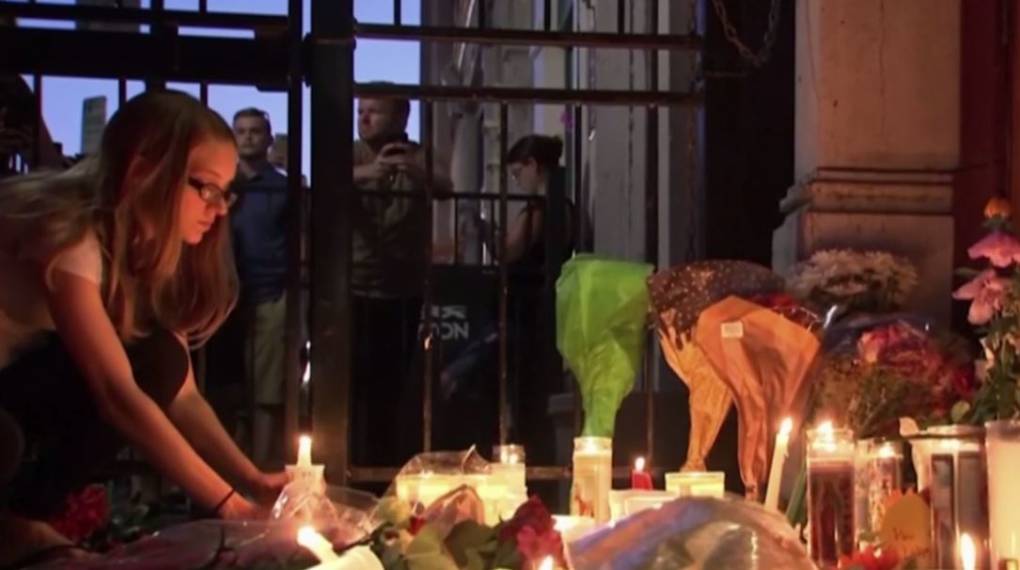
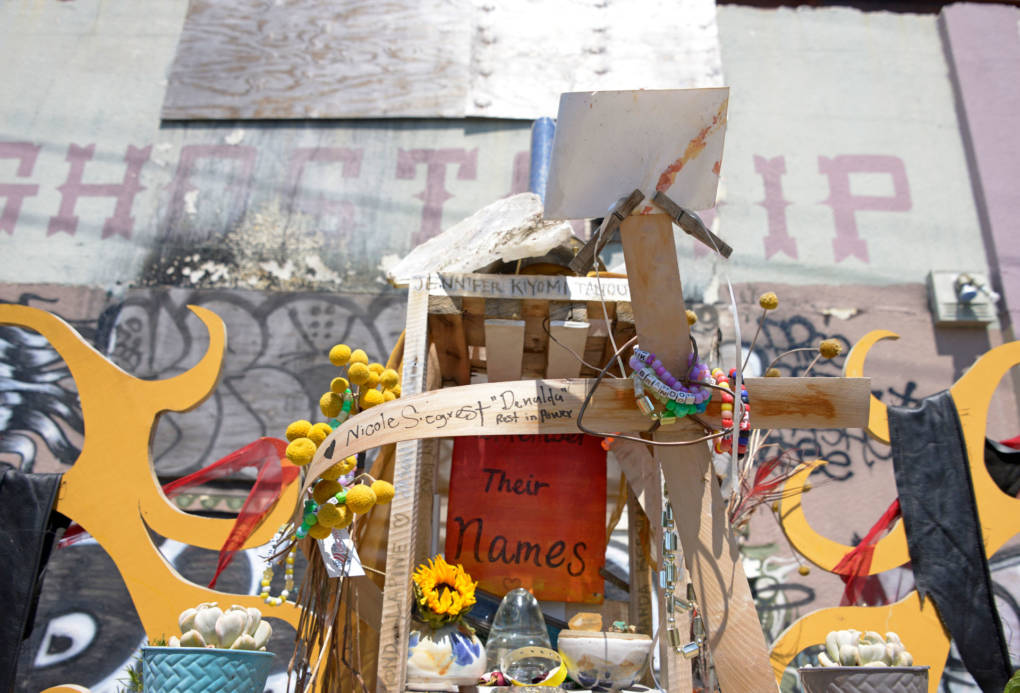
"caption": "A memorial stands in front of the Ghost Ship warehouse on June 17, 2019, containing flowers, names, totems and photos of those who lost their lives in the Dec. 2, 2016 fire.",
"description": "A memorial stands in front of the Ghost Ship warehouse on June 17, 2019, containing flowers, names, totems and photos of those who lost their lives in the Dec. 2, 2016 fire.",
"title": "Ghost-Ship-Memorial",
"credit": "Stephanie Lister/KQED",
"status": "inherit",
"isLoading": false,
"fetchFailed": false
},
"news_11763544": {
"type": "attachments",
"id": "news_11763544",
"meta": {
"index": "attachments_1716263798",
"site": "news",
"id": "11763544",
"found": true
},
"parent": 11763468,
"imgSizes": {
"apple_news_ca_landscape_5_5": {
"file": "https://ww2.kqed.org/app/uploads/sites/10/2019/07/apple-class-conference-7102-2-1044x783.jpg",
"width": 1044,
"mimeType": "image/jpeg",
"height": 783
},
"apple_news_ca_square_4_0": {
"file": "https://ww2.kqed.org/app/uploads/sites/10/2019/07/apple-class-conference-7102-2-470x470.jpg",
"width": 470,
"mimeType": "image/jpeg",
"height": 470
},
"twentyfourteen-full-width": {
"file": "https://ww2.kqed.org/app/uploads/sites/10/2019/07/apple-class-conference-7102-2-1038x576.jpg",
"width": 1038,
"mimeType": "image/jpeg",
"height": 576
},
"thumbnail": {
"file": "https://ww2.kqed.org/app/uploads/sites/10/2019/07/apple-class-conference-7102-2-160x107.jpg",
"width": 160,
"mimeType": "image/jpeg",
"height": 107
},
"post-thumbnail": {
"file": "https://ww2.kqed.org/app/uploads/sites/10/2019/07/apple-class-conference-7102-2-672x372.jpg",
"width": 672,
"mimeType": "image/jpeg",
"height": 372
},
"kqedFullSize": {
"file": "https://ww2.kqed.org/app/uploads/sites/10/2019/07/apple-class-conference-7102-2.jpg",
"width": 1920,
"height": 1280
},
"apple_news_ca_landscape_4_7": {
"file": "https://ww2.kqed.org/app/uploads/sites/10/2019/07/apple-class-conference-7102-2-632x474.jpg",
"width": 632,
"mimeType": "image/jpeg",
"height": 474
},
"large": {
"file": "https://ww2.kqed.org/app/uploads/sites/10/2019/07/apple-class-conference-7102-2-1020x680.jpg",
"width": 1020,
"mimeType": "image/jpeg",
"height": 680
},
"complete_open_graph": {
"file": "https://ww2.kqed.org/app/uploads/sites/10/2019/07/apple-class-conference-7102-2-1200x800.jpg",
"width": 1200,
"mimeType": "image/jpeg",
"height": 800
},
"apple_news_ca_landscape_4_0": {
"file": "https://ww2.kqed.org/app/uploads/sites/10/2019/07/apple-class-conference-7102-2-536x402.jpg",
"width": 536,
"mimeType": "image/jpeg",
"height": 402
},
"apple_news_ca_portrait_12_9": {
"file": "https://ww2.kqed.org/app/uploads/sites/10/2019/07/apple-class-conference-7102-2-1122x1280.jpg",
"width": 1122,
"mimeType": "image/jpeg",
"height": 1280
},
"medium": {
"file": "https://ww2.kqed.org/app/uploads/sites/10/2019/07/apple-class-conference-7102-2-800x533.jpg",
"width": 800,
"mimeType": "image/jpeg",
"height": 533
},
"apple_news_ca_portrait_4_0": {
"file": "https://ww2.kqed.org/app/uploads/sites/10/2019/07/apple-class-conference-7102-2-354x472.jpg",
"width": 354,
"mimeType": "image/jpeg",
"height": 472
},
"apple_news_ca_portrait_9_7": {
"file": "https://ww2.kqed.org/app/uploads/sites/10/2019/07/apple-class-conference-7102-2-840x1120.jpg",
"width": 840,
"mimeType": "image/jpeg",
"height": 1120
},
"apple_news_ca_landscape_12_9": {
"file": "https://ww2.kqed.org/app/uploads/sites/10/2019/07/apple-class-conference-7102-2-1832x1280.jpg",
"width": 1832,
"mimeType": "image/jpeg",
"height": 1280
},
"apple_news_ca_square_9_7": {
"file": "https://ww2.kqed.org/app/uploads/sites/10/2019/07/apple-class-conference-7102-2-1104x1104.jpg",
"width": 1104,
"mimeType": "image/jpeg",
"height": 1104
},
"apple_news_ca_portrait_4_7": {
"file": "https://ww2.kqed.org/app/uploads/sites/10/2019/07/apple-class-conference-7102-2-414x552.jpg",
"width": 414,
"mimeType": "image/jpeg",
"height": 552
},
"apple_news_ca_square_12_9": {
"file": "https://ww2.kqed.org/app/uploads/sites/10/2019/07/apple-class-conference-7102-2-1472x1280.jpg",
"width": 1472,
"mimeType": "image/jpeg",
"height": 1280
},
"apple_news_ca_portrait_5_5": {
"file": "https://ww2.kqed.org/app/uploads/sites/10/2019/07/apple-class-conference-7102-2-687x916.jpg",
"width": 687,
"mimeType": "image/jpeg",
"height": 916
},
"full-width": {
"file": "https://ww2.kqed.org/app/uploads/sites/10/2019/07/apple-class-conference-7102-2-1920x1280.jpg",
"width": 1920,
"mimeType": "image/jpeg",
"height": 1280
},
"apple_news_ca_square_4_7": {
"file": "https://ww2.kqed.org/app/uploads/sites/10/2019/07/apple-class-conference-7102-2-550x550.jpg",
"width": 550,
"mimeType": "image/jpeg",
"height": 550
},
"apple_news_ca_landscape_9_7": {
"file": "https://ww2.kqed.org/app/uploads/sites/10/2019/07/apple-class-conference-7102-2-1376x1032.jpg",
"width": 1376,
"mimeType": "image/jpeg",
"height": 1032
},
"apple_news_ca_square_5_5": {
"file": "https://ww2.kqed.org/app/uploads/sites/10/2019/07/apple-class-conference-7102-2-912x912.jpg",
"width": 912,
"mimeType": "image/jpeg",
"height": 912
}
},
"publishDate": 1564095129,
"modified": 1564096629,
"caption": "KQED offers internship opportunities in a wide variety of different departments, ranging from News to Science, from TV, Education, Marketing, Design and Arts to Corporate Sponsorship.",
"description": null,
"title": "apple-class-conference-7102-2",
"credit": "Courtesy of Pexels",
"status": "inherit",
"isLoading": false,
"fetchFailed": false
},
"news_11762615": {
"type": "attachments",
"id": "news_11762615",
"meta": {
"index": "attachments_1716263798",
"site": "news",
"id": "11762615",
"found": true
},
"parent": 11762614,
"imgSizes": {
"apple_news_ca_square_4_0": {
"file": "https://ww2.kqed.org/app/uploads/sites/10/2019/07/boomtour_custom-c7558544d223664b5ff4b1c776d0c2c78f92dcbf-470x470.jpg",
"width": 470,
"mimeType": "image/jpeg",
"height": 470
},
"twentyfourteen-full-width": {
"file": "https://ww2.kqed.org/app/uploads/sites/10/2019/07/boomtour_custom-c7558544d223664b5ff4b1c776d0c2c78f92dcbf-960x576.jpg",
"width": 960,
"mimeType": "image/jpeg",
"height": 576
},
"thumbnail": {
"file": "https://ww2.kqed.org/app/uploads/sites/10/2019/07/boomtour_custom-c7558544d223664b5ff4b1c776d0c2c78f92dcbf-160x115.jpg",
"width": 160,
"mimeType": "image/jpeg",
"height": 115
},
"post-thumbnail": {
"file": "https://ww2.kqed.org/app/uploads/sites/10/2019/07/boomtour_custom-c7558544d223664b5ff4b1c776d0c2c78f92dcbf-672x372.jpg",
"width": 672,
"mimeType": "image/jpeg",
"height": 372
},
"kqedFullSize": {
"file": "https://ww2.kqed.org/app/uploads/sites/10/2019/07/boomtour_custom-c7558544d223664b5ff4b1c776d0c2c78f92dcbf.jpg",
"width": 960,
"height": 692
},
"apple_news_ca_landscape_4_7": {
"file": "https://ww2.kqed.org/app/uploads/sites/10/2019/07/boomtour_custom-c7558544d223664b5ff4b1c776d0c2c78f92dcbf-632x474.jpg",
"width": 632,
"mimeType": "image/jpeg",
"height": 474
},
"apple_news_ca_landscape_4_0": {
"file": "https://ww2.kqed.org/app/uploads/sites/10/2019/07/boomtour_custom-c7558544d223664b5ff4b1c776d0c2c78f92dcbf-536x402.jpg",
"width": 536,
"mimeType": "image/jpeg",
"height": 402
},
"medium": {
"file": "https://ww2.kqed.org/app/uploads/sites/10/2019/07/boomtour_custom-c7558544d223664b5ff4b1c776d0c2c78f92dcbf-800x577.jpg",
"width": 800,
"mimeType": "image/jpeg",
"height": 577
},
"apple_news_ca_portrait_4_0": {
"file": "https://ww2.kqed.org/app/uploads/sites/10/2019/07/boomtour_custom-c7558544d223664b5ff4b1c776d0c2c78f92dcbf-354x472.jpg",
"width": 354,
"mimeType": "image/jpeg",
"height": 472
},
"apple_news_ca_portrait_9_7": {
"file": "https://ww2.kqed.org/app/uploads/sites/10/2019/07/boomtour_custom-c7558544d223664b5ff4b1c776d0c2c78f92dcbf-840x692.jpg",
"width": 840,
"mimeType": "image/jpeg",
"height": 692
},
"apple_news_ca_portrait_4_7": {
"file": "https://ww2.kqed.org/app/uploads/sites/10/2019/07/boomtour_custom-c7558544d223664b5ff4b1c776d0c2c78f92dcbf-414x552.jpg",
"width": 414,
"mimeType": "image/jpeg",
"height": 552
},
"apple_news_ca_portrait_5_5": {
"file": "https://ww2.kqed.org/app/uploads/sites/10/2019/07/boomtour_custom-c7558544d223664b5ff4b1c776d0c2c78f92dcbf-687x692.jpg",
"width": 687,
"mimeType": "image/jpeg",
"height": 692
},
"apple_news_ca_square_4_7": {
"file": "https://ww2.kqed.org/app/uploads/sites/10/2019/07/boomtour_custom-c7558544d223664b5ff4b1c776d0c2c78f92dcbf-550x550.jpg",
"width": 550,
"mimeType": "image/jpeg",
"height": 550
},
"apple_news_ca_square_5_5": {
"file": "https://ww2.kqed.org/app/uploads/sites/10/2019/07/boomtour_custom-c7558544d223664b5ff4b1c776d0c2c78f92dcbf-912x692.jpg",
"width": 912,
"mimeType": "image/jpeg",
"height": 692
}
},
"publishDate": 1563650258,
"modified": 1563650258,
"caption": null,
"description": "The original San Diego Comic-Con committee, as drawn by Scott Shaw! and inspired by Jack Kirby.",
"title": "The original San Diego Comic-Con committee, as drawn by Scott Shaw! and inspired by Jack Kirby.",
"credit": null,
"status": "inherit",
"isLoading": false,
"fetchFailed": false
}
},
"audioPlayerReducer": {
"postId": "stream_live",
"isPaused": true,
"isPlaying": false,
"pfsActive": false,
"pledgeModalIsOpen": true,
"playerDrawerIsOpen": false,
"liveAudioPlayStartedAt": 0,
"liveAudioPlayContext": ""
},
"authorsReducer": {
"byline_news_11762614": {
"type": "authors",
"id": "byline_news_11762614",
"meta": {
"override": true
},
"slug": "byline_news_11762614",
"name": "Petra Mayer \u003cbr> NPR",
"isLoading": false
},
"dclyde": {
"type": "authors",
"id": "104",
"meta": {
"index": "authors_1716337520",
"id": "104",
"found": true
},
"name": "Don Clyde",
"firstName": "Don",
"lastName": "Clyde",
"slug": "dclyde",
"email": "dclyde@kqed.org",
"display_author_email": false,
"staff_mastheads": [],
"title": "KQED Contributor",
"bio": "Don Clyde is an online producer, reporter and copy editor for KQED News. Before venturing into journalism, he worked as a medical device engineer and scientist for nearly a decade after earning a degree in physics from UC Berkeley. He loves travel, reading, living in Oakland, and most importantly, a good walk. Email him at dclyde@kqed.org or follow him @clydedon.",
"avatar": "https://secure.gravatar.com/avatar/decd3e640c3eedbd0a574275aebb2d19?s=600&d=blank&r=g",
"twitter": "clydedon",
"facebook": null,
"instagram": null,
"linkedin": null,
"sites": [
{
"site": "artschool",
"roles": [
"editor"
]
},
{
"site": "news",
"roles": [
"administrator"
]
},
{
"site": "futureofyou",
"roles": [
"editor"
]
},
{
"site": "about",
"roles": [
"editor"
]
},
{
"site": "mindshift",
"roles": [
"contributor"
]
},
{
"site": "bayareabites",
"roles": [
"contributor"
]
},
{
"site": "lowdown",
"roles": [
"editor"
]
},
{
"site": "stateofhealth",
"roles": [
"administrator"
]
},
{
"site": "spark",
"roles": [
"administrator"
]
},
{
"site": "trulyca",
"roles": [
"administrator"
]
},
{
"site": "imagemakers",
"roles": [
"administrator"
]
},
{
"site": "science",
"roles": []
},
{
"site": "education",
"roles": [
"editor"
]
},
{
"site": "quest",
"roles": [
"subscriber"
]
},
{
"site": "checkplease",
"roles": [
"subscriber"
]
},
{
"site": "forum",
"roles": [
"editor"
]
},
{
"site": "perspectives",
"roles": [
"editor"
]
}
],
"headData": {
"title": "Don Clyde | KQED",
"description": "KQED Contributor",
"ogImgSrc": "https://secure.gravatar.com/avatar/decd3e640c3eedbd0a574275aebb2d19?s=600&d=blank&r=g",
"twImgSrc": "https://secure.gravatar.com/avatar/decd3e640c3eedbd0a574275aebb2d19?s=600&d=blank&r=g"
},
"isLoading": false,
"link": "/author/dclyde"
},
"kqed": {
"type": "authors",
"id": "236",
"meta": {
"index": "authors_1716337520",
"id": "236",
"found": true
},
"name": "KQED News Staff",
"firstName": "KQED News Staff",
"lastName": null,
"slug": "kqed",
"email": "faq@kqed.org",
"display_author_email": false,
"staff_mastheads": [],
"title": null,
"bio": null,
"avatar": "https://secure.gravatar.com/avatar/ef0e801a68c4c54afa9180db14084167?s=600&d=blank&r=g",
"twitter": null,
"facebook": null,
"instagram": null,
"linkedin": null,
"sites": [
{
"site": "arts",
"roles": [
"contributor"
]
},
{
"site": "news",
"roles": [
"editor"
]
},
{
"site": "futureofyou",
"roles": [
"author"
]
}
],
"headData": {
"title": "KQED News Staff | KQED",
"description": null,
"ogImgSrc": "https://secure.gravatar.com/avatar/ef0e801a68c4c54afa9180db14084167?s=600&d=blank&r=g",
"twImgSrc": "https://secure.gravatar.com/avatar/ef0e801a68c4c54afa9180db14084167?s=600&d=blank&r=g"
},
"isLoading": false,
"link": "/author/kqed"
},
"patyollin": {
"type": "authors",
"id": "247",
"meta": {
"index": "authors_1716337520",
"id": "247",
"found": true
},
"name": "Patricia Yollin",
"firstName": "Patricia",
"lastName": "Yollin",
"slug": "patyollin",
"email": "pyollin@kqed.org",
"display_author_email": false,
"staff_mastheads": [],
"title": "KQED Contributor",
"bio": "Pat Yollin has written about lots of stuff, including organ transplants, wayward penguins at the San Francisco Zoo, the comeback of the cream puff, New York on the fifth anniversary of 9/11, a Slow Food gathering in Italy, and the microcredit movement in Northern California. Among her favorite stories: an interview with George Lucas at Skywalker Ranch that broke the story about his plan to build a cultural museum, and a pirate Trader Joe's operation in Vancouver that prompted the grocery chain to sue -- and lose. She joined KQED in 2013 and was previously a reporter and editor at the San Francisco Chronicle, the Hearst-owned San Francisco Examiner and the Hayward Daily Review.",
"avatar": "https://secure.gravatar.com/avatar/0a18ac41a263665c04b25b2c7d6b817c?s=600&d=blank&r=g",
"twitter": null,
"facebook": null,
"instagram": null,
"linkedin": null,
"sites": [
{
"site": "arts",
"roles": [
"subscriber"
]
},
{
"site": "news",
"roles": [
"subscriber"
]
},
{
"site": "futureofyou",
"roles": [
"editor"
]
},
{
"site": "lowdown",
"roles": [
"editor"
]
},
{
"site": "stateofhealth",
"roles": [
"editor"
]
}
],
"headData": {
"title": "Patricia Yollin | KQED",
"description": "KQED Contributor",
"ogImgSrc": "https://secure.gravatar.com/avatar/0a18ac41a263665c04b25b2c7d6b817c?s=600&d=blank&r=g",
"twImgSrc": "https://secure.gravatar.com/avatar/0a18ac41a263665c04b25b2c7d6b817c?s=600&d=blank&r=g"
},
"isLoading": false,
"link": "/author/patyollin"
},
"rachael-myrow": {
"type": "authors",
"id": "251",
"meta": {
"index": "authors_1716337520",
"id": "251",
"found": true
},
"name": "Rachael Myrow",
"firstName": "Rachael",
"lastName": "Myrow",
"slug": "rachael-myrow",
"email": "rmyrow@kqed.org",
"display_author_email": true,
"staff_mastheads": [
"news"
],
"title": "Senior Editor of KQED's Silicon Valley News Desk",
"bio": "• I write and edit stories about how Silicon Valley power and policies shape everyday life in California. I’m also passionate about making Bay Area history and culture more accessible to a broad public. • I’ve been a journalist for most of my life, starting in high school with The Franklin Press in Los Angeles, where I grew up. While earning my first degree in English at UC Berkeley, I got my start in public radio at KALX-FM. After completing a second degree in journalism at Cal, I landed my first professional job at Marketplace, then moved on to KPCC (now LAist), and then KQED, where I hosted The California Report for more than seven years. • My reporting has appeared on NPR, The World, WBUR’s \u003ci>Here & Now\u003c/i>, and the BBC. I also guest host for KQED’s \u003ci>Forum\u003c/i>, as well as the Commonwealth Club in San Francisco. • I speak periodically on media, democracy and technology issues, and do voiceover work for documentaries and educational video projects. • Outside of the studio, you'll find me hiking Bay Area trails and whipping up Insta-ready meals in my kitchen. • I do not accept gifts, money, or favors from anyone connected to my reporting, I don't pay people for information, and I do not support or donate to political causes. • I strive to treat the people I report on with fairness, honesty, and respect. I also recognize there are often multiple sides to a story and work to verify information through multiple sources and documentation. If I get something wrong, I correct it.",
"avatar": "https://secure.gravatar.com/avatar/3ed8a3c5f26025e4a805ba634cda8cd764906b97438a6d9ce216b044e340da4e?s=600&d=blank&r=g",
"twitter": "rachaelmyrow",
"bluesky": null,
"facebook": null,
"instagram": null,
"linkedin": "https://www.linkedin.com/in/rachaelmyrow/",
"sites": [
{
"site": "arts",
"roles": [
"administrator"
]
},
{
"site": "news",
"roles": [
"edit_others_posts",
"editor"
]
},
{
"site": "futureofyou",
"roles": [
"editor"
]
},
{
"site": "bayareabites",
"roles": [
"editor"
]
},
{
"site": "stateofhealth",
"roles": [
"editor"
]
},
{
"site": "science",
"roles": [
"editor"
]
},
{
"site": "food",
"roles": [
"editor"
]
},
{
"site": "forum",
"roles": [
"editor"
]
},
{
"site": "liveblog",
"roles": [
"author"
]
}
],
"headData": {
"title": "Rachael Myrow | KQED",
"description": "Senior Editor of KQED's Silicon Valley News Desk",
"ogImgSrc": "https://secure.gravatar.com/avatar/3ed8a3c5f26025e4a805ba634cda8cd764906b97438a6d9ce216b044e340da4e?s=600&d=blank&r=g",
"twImgSrc": "https://secure.gravatar.com/avatar/3ed8a3c5f26025e4a805ba634cda8cd764906b97438a6d9ce216b044e340da4e?s=600&d=blank&r=g"
},
"isLoading": false,
"link": "/author/rachael-myrow"
},
"markfiore": {
"type": "authors",
"id": "3236",
"meta": {
"index": "authors_1716337520",
"id": "3236",
"found": true
},
"name": "Mark Fiore",
"firstName": "Mark",
"lastName": "Fiore",
"slug": "markfiore",
"email": "mark@markfiore.com",
"display_author_email": false,
"staff_mastheads": [
"news"
],
"title": "KQED News Cartoonist",
"bio": "\u003ca href=\"http://www.MarkFiore.com\">MarkFiore.com\u003c/a> | \u003ca href=\"https://twitter.com/markfiore\">Follow on Twitter\u003c/a> | \u003ca href=\"https://www.facebook.com/pages/Mark-Fiore-Animated-Political-Cartoons/94451707396?ref=bookmarks\">Facebook\u003c/a> | \u003ca href=\"mailto:mark@markfiore.com\">email\u003c/a>\r\n\r\nPulitzer Prize-winner, Mark Fiore, who the Wall Street Journal has called “the undisputed guru of the form,” creates animated political cartoons in San Francisco, where his work has been featured regularly on the San Francisco Chronicle’s web site, SFGate.com. His work has appeared on Newsweek.com, Slate.com, CBSNews.com, MotherJones.com, DailyKos.com and NPR’s web site. Fiore’s political animation has appeared on CNN, Frontline, Bill Moyers Journal, Salon.com and cable and broadcast outlets across the globe.\r\n\r\nBeginning his professional life by drawing traditional political cartoons for newspapers, Fiore’s work appeared in publications ranging from the Washington Post to the Los Angeles Times. In the late 1990s, he began to experiment with animating political cartoons and, after a short stint at the San Jose Mercury News as their staff cartoonist, Fiore devoted all his energies to animation.\r\nGrowing up in California, Fiore also spent a good portion of his life in the backwoods of Idaho. It was this combination that shaped him politically. Mark majored in political science at Colorado College, where, in a perfect send-off for a cartoonist, he received his diploma in 1991 as commencement speaker Dick Cheney smiled approvingly.\r\nMark Fiore was awarded the Pulitzer Prize for political cartooning in 2010, a Robert F. Kennedy Journalism Award in 2004 and has twice received an Online Journalism Award for commentary from the Online News Association (2002, 2008). Fiore has received two awards for his work in new media from the National Cartoonists Society (2001, 2002), and in 2006 received The James Madison Freedom of Information Award from The Society of Professional Journalists.",
"avatar": "https://secure.gravatar.com/avatar/fc4e2a612b15b67bad0c6f0e1db4ca9b?s=600&d=blank&r=g",
"twitter": "MarkFiore",
"facebook": null,
"instagram": "https://www.instagram.com/markfiore/?hl=en",
"linkedin": null,
"sites": [
{
"site": "arts",
"roles": [
"contributor"
]
},
{
"site": "news",
"roles": [
"editor"
]
},
{
"site": "futureofyou",
"roles": [
"editor"
]
},
{
"site": "science",
"roles": [
"editor"
]
}
],
"headData": {
"title": "Mark Fiore | KQED",
"description": "KQED News Cartoonist",
"ogImgSrc": "https://secure.gravatar.com/avatar/fc4e2a612b15b67bad0c6f0e1db4ca9b?s=600&d=blank&r=g",
"twImgSrc": "https://secure.gravatar.com/avatar/fc4e2a612b15b67bad0c6f0e1db4ca9b?s=600&d=blank&r=g"
},
"isLoading": false,
"link": "/author/markfiore"
},
"carlysevern": {
"type": "authors",
"id": "3243",
"meta": {
"index": "authors_1716337520",
"id": "3243",
"found": true
},
"name": "Carly Severn",
"firstName": "Carly",
"lastName": "Severn",
"slug": "carlysevern",
"email": "csevern@kqed.org",
"display_author_email": false,
"staff_mastheads": [
"news"
],
"title": "Senior Editor, Audience News ",
"bio": "Carly is KQED's Senior Editor of Audience News on the Digital News team, and has reported for the California Report Magazine, Bay Curious and KQED Arts. She's formerly the host of \u003ca href=\"http://ww2.kqed.org/pop/category/the-cooler/\" rel=\"noopener noreferrer\">The Cooler\u003c/a> podcast.",
"avatar": "https://secure.gravatar.com/avatar/54037bf5c128fe678f0ef26cec97a93f2e7f220a22d7285703328f12c42c1b1d?s=600&d=blank&r=g",
"twitter": "teacupinthebay",
"bluesky": null,
"facebook": null,
"instagram": null,
"linkedin": null,
"sites": [
{
"site": "",
"roles": [
"editor"
]
},
{
"site": "arts",
"roles": [
"editor"
]
},
{
"site": "news",
"roles": [
"administrator"
]
},
{
"site": "pop",
"roles": [
"editor"
]
},
{
"site": "futureofyou",
"roles": [
"editor"
]
},
{
"site": "about",
"roles": [
"administrator"
]
},
{
"site": "mindshift",
"roles": [
"editor"
]
},
{
"site": "bayareabites",
"roles": [
"editor"
]
},
{
"site": "stateofhealth",
"roles": [
"editor"
]
},
{
"site": "science",
"roles": [
"editor"
]
},
{
"site": "food",
"roles": [
"contributor"
]
},
{
"site": "forum",
"roles": [
"editor"
]
},
{
"site": "perspectives",
"roles": [
"administrator"
]
},
{
"site": "liveblog",
"roles": [
"editor"
]
}
],
"headData": {
"title": "Carly Severn | KQED",
"description": "Senior Editor, Audience News ",
"ogImgSrc": "https://secure.gravatar.com/avatar/54037bf5c128fe678f0ef26cec97a93f2e7f220a22d7285703328f12c42c1b1d?s=600&d=blank&r=g",
"twImgSrc": "https://secure.gravatar.com/avatar/54037bf5c128fe678f0ef26cec97a93f2e7f220a22d7285703328f12c42c1b1d?s=600&d=blank&r=g"
},
"isLoading": false,
"link": "/author/carlysevern"
},
"cveltman": {
"type": "authors",
"id": "8608",
"meta": {
"index": "authors_1716337520",
"id": "8608",
"found": true
},
"name": "Chloe Veltman",
"firstName": "Chloe",
"lastName": "Veltman",
"slug": "cveltman",
"email": "cveltman@kqed.org",
"display_author_email": true,
"staff_mastheads": [],
"title": "Arts and Culture Reporter",
"bio": "Chloe Veltman is a former arts and culture reporter for KQED. Prior to joining the organization, she launched and led the arts bureau at Colorado Public Radio, served as the Bay Area's culture columnist for the New York Times, and was the founder, host and executive producer of VoiceBox, a national award-winning weekly podcast/radio show and live events series all about the human voice. Chloe is the recipient of numerous prizes, grants and fellowships including a Webby Award for her work on interactive storytelling, both the John S Knight Journalism Fellowship and Humanities Center Fellowship at Stanford University, the Sundance Arts Writing Fellowship and a Library of Congress Research Fellowship. She is the author of the book \"On Acting\" and has appeared as a guest lecturer at Yale University and the San Francisco Conservatory of Music among other institutions. She holds a BA in english literature from King's College, Cambridge, and a Masters in Dramaturgy from the Central School of Speech and Drama/Harvard Institute for Advanced Theater Training.\r\n\u003ca href=\"https://www.chloeveltman.com\">www.chloeveltman.com\u003c/a>",
"avatar": "https://secure.gravatar.com/avatar/55403394b00a1ddab683952c2eb2cf85?s=600&d=blank&r=g",
"twitter": "chloeveltman",
"facebook": null,
"instagram": null,
"linkedin": null,
"sites": [
{
"site": "arts",
"roles": []
},
{
"site": "news",
"roles": [
"author"
]
},
{
"site": "pop",
"roles": [
"editor"
]
},
{
"site": "science",
"roles": []
}
],
"headData": {
"title": "Chloe Veltman | KQED",
"description": "Arts and Culture Reporter",
"ogImgSrc": "https://secure.gravatar.com/avatar/55403394b00a1ddab683952c2eb2cf85?s=600&d=blank&r=g",
"twImgSrc": "https://secure.gravatar.com/avatar/55403394b00a1ddab683952c2eb2cf85?s=600&d=blank&r=g"
},
"isLoading": false,
"link": "/author/cveltman"
},
"mleitsinger": {
"type": "authors",
"id": "11310",
"meta": {
"index": "authors_1716337520",
"id": "11310",
"found": true
},
"name": "Miranda Leitsinger",
"firstName": "Miranda",
"lastName": "Leitsinger",
"slug": "mleitsinger",
"email": "mleitsinger@KQED.org",
"display_author_email": false,
"staff_mastheads": [
"news"
],
"title": "KQED Contributor",
"bio": "Miranda Leitsinger has worked in journalism as a reporter and editor since 2000, including seven years at The Associated Press in locales such as Cambodia and Puerto Rico, four years at NBC News Digital in New York and 2.5 years at CNN.com International in Hong Kong. Major stories she has covered included sexual abuse in the yoga community, the rise of women in local politics post-2016 election, the struggle over LGBTQ inclusion in the Boy Scouts, aftermath of the 2004 and 2011 tsunamis, the Aurora movie theater attack, the Newtown school shooting, Superstorm Sandy and the Boston Marathon bombing.",
"avatar": "https://secure.gravatar.com/avatar/cdd00de7be92aab3b7fd3d915e02033d?s=600&d=blank&r=g",
"twitter": "mimileitsinger",
"facebook": null,
"instagram": null,
"linkedin": null,
"sites": [
{
"site": "arts",
"roles": [
"author"
]
},
{
"site": "news",
"roles": [
"subscriber"
]
},
{
"site": "futureofyou",
"roles": [
"editor"
]
},
{
"site": "stateofhealth",
"roles": [
"editor"
]
}
],
"headData": {
"title": "Miranda Leitsinger | KQED",
"description": "KQED Contributor",
"ogImgSrc": "https://secure.gravatar.com/avatar/cdd00de7be92aab3b7fd3d915e02033d?s=600&d=blank&r=g",
"twImgSrc": "https://secure.gravatar.com/avatar/cdd00de7be92aab3b7fd3d915e02033d?s=600&d=blank&r=g"
},
"isLoading": false,
"link": "/author/mleitsinger"
},
"aehsanipour": {
"type": "authors",
"id": "11580",
"meta": {
"index": "authors_1716337520",
"id": "11580",
"found": true
},
"name": "Asal Ehsanipour",
"firstName": "Asal",
"lastName": "Ehsanipour",
"slug": "aehsanipour",
"email": "aehsanipour@kqed.org",
"display_author_email": false,
"staff_mastheads": [],
"title": "Reporter and Producer",
"bio": "Asal Ehsanipour is a producer and reporter for Rightnowish, Bay Curious and The California Report Magazine. She is also a producer for \u003ca href=\"https://www.thedoubleshift.com/\">The Double Shift\u003c/a>, a podcast about a new generation of working mothers. In 2018, Asal was named an Emerging Journalist Fellow by the Journalism and Women’s Symposium. Her work has appeared on KQED, KALW, PRI’s The World, and in several food and travel publications.",
"avatar": "https://secure.gravatar.com/avatar/c0e210438f5dca1b76921ff9f0eada52?s=600&d=blank&r=g",
"twitter": null,
"facebook": null,
"instagram": null,
"linkedin": null,
"sites": [
{
"site": "arts",
"roles": []
},
{
"site": "news",
"roles": [
"author",
"edit_others_posts"
]
}
],
"headData": {
"title": "Asal Ehsanipour | KQED",
"description": "Reporter and Producer",
"ogImgSrc": "https://secure.gravatar.com/avatar/c0e210438f5dca1b76921ff9f0eada52?s=600&d=blank&r=g",
"twImgSrc": "https://secure.gravatar.com/avatar/c0e210438f5dca1b76921ff9f0eada52?s=600&d=blank&r=g"
},
"isLoading": false,
"link": "/author/aehsanipour"
}
},
"pagesReducer": {
"news_category_arts-and-culture": {
"type": "terms",
"id": "news_223",
"meta": {
"index": "terms_1716263798",
"site": "news",
"id": "223",
"score": 11.241959
},
"featImg": null,
"name": "Arts and Culture",
"description": null,
"taxonomy": "category",
"headData": {
"twImgId": null,
"twTitle": null,
"ogTitle": null,
"ogImgId": null,
"twDescription": null,
"description": null,
"title": "Arts and Culture Archives | KQED News",
"ogDescription": null
},
"ttid": 231,
"slug": "arts-and-culture",
"isLoading": false,
"title": "Arts and Culture",
"pageMeta": {
"site": "news",
"WpPageTemplate": "page-topic-editorial",
"currentPage": 54
},
"blocks": [
{
"blockName": "kqed/post-list",
"attrs": {
"layout": "cardArticle2",
"query": "posts/news?category=arts-and-culture",
"seeMore": false,
"paginated": true,
"page": 54
}
},
{
"blockName": "kqed/ad"
}
]
}
},
"pfsSessionReducer": {},
"postsReducer": {
"stream_live": {
"type": "live",
"id": "stream_live",
"audioUrl": "https://streams.kqed.org/kqedradio",
"title": "Live Stream",
"excerpt": "Live Stream information currently unavailable.",
"link": "/radio",
"featImg": "",
"label": {
"name": "KQED Live",
"link": "/"
}
},
"stream_kqedNewscast": {
"type": "posts",
"id": "stream_kqedNewscast",
"audioUrl": "https://www.kqed.org/.stream/anon/radio/RDnews/newscast.mp3?_=1",
"title": "KQED Newscast",
"featImg": "",
"label": {
"name": "88.5 FM",
"link": "/"
}
},
"news_11766987": {
"type": "posts",
"id": "news_11766987",
"meta": {
"index": "posts_1716263798",
"site": "news",
"id": "11766987",
"score": null,
"sort": [
1565655535000
]
},
"parent": 0,
"labelTerm": {},
"blocks": [],
"publishDate": 1565655535,
"format": "standard",
"disqusTitle": "'Art Can Heal': After Garlic Festival Shooting, Gilroy Community Paints Through Its Grief",
"title": "'Art Can Heal': After Garlic Festival Shooting, Gilroy Community Paints Through Its Grief",
"headTitle": "The California Report | KQED News",
"content": "\u003cp>Paintbrushes in hand, blank canvases at the ready, and plates dotted with splashes of acrylic paint in hues of aqua, sea green, purple, yellow and more, a group of all ages gathered for an evening of art and healing a week after three people were killed in a mass shooting at the Gilroy Garlic Festival.\u003c/p>\n\u003cp>Organized by local artist and Gilroy native, Ignacio “Nacho” Moya, attendees tried their hand at replicating or interpreting his painting of a garlic bulb, an important crop and symbol to the community, wrapped in a ribbon reading, “Gilroy Strong.”\u003c/p>\n\u003cp>“This paint party is for you guys to have fun, relax and enjoy and stay very positive,” Moya, 37, told about 70 people who gathered at a local pizzeria last Monday for the sold-out fundraiser. “This is going to be very therapeutic for us. Art can heal, art can help you.”\u003c/p>\n\u003cp>Proceeds raised from the event will go to survivors, he said.\u003c/p>\n\u003cfigure id=\"attachment_11767003\" class=\"wp-caption aligncenter\" style=\"max-width: 800px\">\u003cimg class=\"wp-image-11767003 size-medium\" src=\"https://ww2.kqed.org/news/wp-content/uploads/sites/10/2019/08/08122019_Gilroy-shooting_Gilroy-Garlic-Festival-shooting_art_trauma_Ignacio-Moya-qut-800x533.jpg\" alt='Ignacio \"Nacho\" Moya in his Gilroy studio on Aug. 5, 2019. Moya said his Mexican heritage, the community of Gilroy, where he grew up, and world events influence his artwork. He is wearing a T-shirt bearing artwork he created for a banner at a vigil the day after the July 28 shooting at the Garlic Festival.' width=\"800\" height=\"533\" srcset=\"https://ww2.kqed.org/app/uploads/sites/10/2019/08/08122019_Gilroy-shooting_Gilroy-Garlic-Festival-shooting_art_trauma_Ignacio-Moya-qut-800x533.jpg 800w, https://ww2.kqed.org/app/uploads/sites/10/2019/08/08122019_Gilroy-shooting_Gilroy-Garlic-Festival-shooting_art_trauma_Ignacio-Moya-qut-160x107.jpg 160w, https://ww2.kqed.org/app/uploads/sites/10/2019/08/08122019_Gilroy-shooting_Gilroy-Garlic-Festival-shooting_art_trauma_Ignacio-Moya-qut-1020x680.jpg 1020w, https://ww2.kqed.org/app/uploads/sites/10/2019/08/08122019_Gilroy-shooting_Gilroy-Garlic-Festival-shooting_art_trauma_Ignacio-Moya-qut-1200x800.jpg 1200w, https://ww2.kqed.org/app/uploads/sites/10/2019/08/08122019_Gilroy-shooting_Gilroy-Garlic-Festival-shooting_art_trauma_Ignacio-Moya-qut.jpg 1920w\" sizes=\"(max-width: 800px) 100vw, 800px\">\u003cfigcaption class=\"wp-caption-text\">Ignacio \"Nacho\" Moya in his Gilroy studio on Aug. 5, 2019. Moya said his Mexican heritage, the community of Gilroy, where he grew up, and world events influence his artwork. He is wearing a T-shirt bearing artwork he created for a banner at a vigil the day after the July 28 shooting at the Garlic Festival. \u003ccite>(Sruti Mamidanna/KQED)\u003c/cite>\u003c/figcaption>\u003c/figure>\n\u003cp>Moya, who grew up in Gilroy and now owns a local art studio, said he got the idea for a fundraiser after painting a banner with two garlic bulbs — in the shape of a heart — for a vigil the day after the shooting, which left three people, including two children, dead.\u003c/p>\n\u003cp>The warm and emotional response he received to the artwork, including one person who Moya recalled saying, “you're healing the community through art,” showed him he had a part to play in the local recovery.\u003c/p>\n\u003cfigure id=\"attachment_11767015\" class=\"wp-caption aligncenter\" style=\"max-width: 800px\">\u003cimg class=\"size-medium wp-image-11767015\" src=\"https://ww2.kqed.org/news/wp-content/uploads/sites/10/2019/08/08122019_Gilroy-shooting_Gilroy-Garlic-Festival-shooting_Ignacio-Moya-qut-800x505.jpg\" alt=\"Ignacio Moya, a local Gilroy artist, hosted a paint party to raise money for survivors of the Garlic Festival shooting on Aug. 5, 2019, at a Gilroy pizzeria.\" width=\"800\" height=\"505\" srcset=\"https://ww2.kqed.org/app/uploads/sites/10/2019/08/08122019_Gilroy-shooting_Gilroy-Garlic-Festival-shooting_Ignacio-Moya-qut-800x505.jpg 800w, https://ww2.kqed.org/app/uploads/sites/10/2019/08/08122019_Gilroy-shooting_Gilroy-Garlic-Festival-shooting_Ignacio-Moya-qut-160x101.jpg 160w, https://ww2.kqed.org/app/uploads/sites/10/2019/08/08122019_Gilroy-shooting_Gilroy-Garlic-Festival-shooting_Ignacio-Moya-qut-1020x644.jpg 1020w, https://ww2.kqed.org/app/uploads/sites/10/2019/08/08122019_Gilroy-shooting_Gilroy-Garlic-Festival-shooting_Ignacio-Moya-qut-1200x758.jpg 1200w, https://ww2.kqed.org/app/uploads/sites/10/2019/08/08122019_Gilroy-shooting_Gilroy-Garlic-Festival-shooting_Ignacio-Moya-qut.jpg 1920w\" sizes=\"(max-width: 800px) 100vw, 800px\">\u003cfigcaption class=\"wp-caption-text\">Ignacio Moya, a Gilroy artist, hosted a painting party on Aug. 5, 2019, at a Gilroy pizzeria to raise money for survivors of the Garlic Festival shooting. \u003ccite>(Sruti Mamidanna/KQED)\u003c/cite>\u003c/figcaption>\u003c/figure>\n\u003cp>[aside tag='gilroy-shooting' label='Gilroy Garlic Festival Shooting']\u003c/p>\n\u003cp>Many of the party’s attendees said the activity was helping them.\u003c/p>\n\u003cp>Gilroy resident and combat veteran Jose Delgado, 72, created his own variation of Moya’s garlic bulb, adding in strokes of white paint, he said, to symbolize angels carrying children up to heaven, and blue, to represent water as life.\u003c/p>\n\u003cp>The garlic festival shooting triggered flashbacks to his service in the Vietnam War, said Delgado, who suffers from PTSD. Delgado said he experienced cold sweats and trouble sleeping shortly after the July 28 attack.\u003c/p>\n\u003cp>“I released a lot by doing that painting. I felt relieved and I felt sad also that people were lost,” he said after the painting party. “Every time I look at the picture, it's like a burst of release ... calmness.”\u003c/p>\n\u003cfigure id=\"attachment_11766570\" class=\"wp-caption aligncenter\" style=\"max-width: 800px\">\u003cimg class=\"size-medium wp-image-11766570\" src=\"https://ww2.kqed.org/news/wp-content/uploads/sites/10/2019/08/08082019_jose-delgado_paint-party_gilroy-shooting-qut-800x518.jpg\" alt=\"\" width=\"800\" height=\"518\" srcset=\"https://ww2.kqed.org/app/uploads/sites/10/2019/08/08082019_jose-delgado_paint-party_gilroy-shooting-qut-800x518.jpg 800w, https://ww2.kqed.org/app/uploads/sites/10/2019/08/08082019_jose-delgado_paint-party_gilroy-shooting-qut-160x104.jpg 160w, https://ww2.kqed.org/app/uploads/sites/10/2019/08/08082019_jose-delgado_paint-party_gilroy-shooting-qut-1020x660.jpg 1020w, https://ww2.kqed.org/app/uploads/sites/10/2019/08/08082019_jose-delgado_paint-party_gilroy-shooting-qut-1200x777.jpg 1200w, https://ww2.kqed.org/app/uploads/sites/10/2019/08/08082019_jose-delgado_paint-party_gilroy-shooting-qut.jpg 1920w\" sizes=\"(max-width: 800px) 100vw, 800px\">\u003cfigcaption class=\"wp-caption-text\">Jose Delgado, 71, paints at an Aug. 5, 2019, fundraiser for survivors of the Gilroy Garlic Festival shooting. \u003ccite>(Sruti Mamidanna/KQED)\u003c/cite>\u003c/figcaption>\u003c/figure>\n\u003cp>[aside tag='trauma' label='Related Coverage']Another attendee, Liz Pieterouiski, 61, said she has been thinking a lot about the shooting: Her backyard faces Christmas Hill Park, the site of the Garlic Festival. Friends attending the festival had camped in her yard during the three-day fest and her grandson was volunteering at the event when the gunman launched his attack.\u003c/p>\n\u003cp>“I’ve lived here for 25 years and never had any problems or anything,\" she said. \"Then something like this. It kind of takes a toll.”\u003c/p>\n\u003cp>The gunshots, which she first thought were fireworks, linger.\u003c/p>\n\u003cp>“The sounds of the bullets always ring through my ears,” she said. “I remember it vividly.”\u003c/p>\n\u003cp>The evening fundraiser, which she attended with her daughter, provided her some relaxation and therapy, she said.\u003c/p>\n\u003cp>Though it was hard to forget that the reason they were there was because a tragedy happened in their hometown, “we all had a great time, just the community coming together,” Pieterouiski said.\u003c/p>\n\u003cfigure id=\"attachment_11767000\" class=\"wp-caption aligncenter\" style=\"max-width: 800px\">\u003cimg class=\"size-medium wp-image-11767000\" src=\"https://ww2.kqed.org/news/wp-content/uploads/sites/10/2019/08/08122019_Colin-Diep_Ethan-Diep_Gilroy-shooting_Gilroy-Garlic-Festival-shooting_art_trauma_Ignacio-Moyaqut-800x543.jpg\" alt=\"Brothers Colin Diep, 8, and Ethan, 10, try their hand at painting the garlic bulb, an important symbol of Gilroy, at a fundraiser for survivors of the shooting on Aug. 5, 2019, in Gilroy.\" width=\"800\" height=\"543\" srcset=\"https://ww2.kqed.org/app/uploads/sites/10/2019/08/08122019_Colin-Diep_Ethan-Diep_Gilroy-shooting_Gilroy-Garlic-Festival-shooting_art_trauma_Ignacio-Moyaqut-800x543.jpg 800w, https://ww2.kqed.org/app/uploads/sites/10/2019/08/08122019_Colin-Diep_Ethan-Diep_Gilroy-shooting_Gilroy-Garlic-Festival-shooting_art_trauma_Ignacio-Moyaqut-160x109.jpg 160w, https://ww2.kqed.org/app/uploads/sites/10/2019/08/08122019_Colin-Diep_Ethan-Diep_Gilroy-shooting_Gilroy-Garlic-Festival-shooting_art_trauma_Ignacio-Moyaqut-1020x692.jpg 1020w, https://ww2.kqed.org/app/uploads/sites/10/2019/08/08122019_Colin-Diep_Ethan-Diep_Gilroy-shooting_Gilroy-Garlic-Festival-shooting_art_trauma_Ignacio-Moyaqut-1200x814.jpg 1200w, https://ww2.kqed.org/app/uploads/sites/10/2019/08/08122019_Colin-Diep_Ethan-Diep_Gilroy-shooting_Gilroy-Garlic-Festival-shooting_art_trauma_Ignacio-Moyaqut.jpg 1920w\" sizes=\"(max-width: 800px) 100vw, 800px\">\u003cfigcaption class=\"wp-caption-text\">Brothers Colin Diep (left), 8, and Ethan, 10, try their hand at painting the garlic bulb, an important symbol of Gilroy, at an Aug. 5, 2019, fundraiser for survivors of the shooting. \u003ccite>(Sruti Mamidanna/KQED)\u003c/cite>\u003c/figcaption>\u003c/figure>\n\u003cp>Two young brothers — Ethan and Colin Diep —were among the crowd of many long-time residents of the South Bay community who attended. Their mother Eloise Diep said both boys had been scared after the shooting. Eight-year-old Colin’s \u003ca href=\"https://www.kqed.org/news/11766545/gilroy-community-grapples-with-trauma-after-mass-shooting-sometimes-its-terror\" target=\"_blank\" rel=\"noopener\">fears had lingered longer\u003c/a>, she said, with him wanting to keep a baseball bat for protection.\u003c/p>\n\u003cp>The boys had been to Moya’s previous painting parties and liked them, said Eloise Diep. They seemed to be enjoying themselves at the fundraiser, too, getting high fives from Moya when he checked out their work.\u003c/p>\n\u003cp>“I think that my painting turned out good,” Ethan, 10, said. “I’m happy to be here because I love painting.”\u003c/p>\n\u003cfigure id=\"attachment_11767016\" class=\"wp-caption aligncenter\" style=\"max-width: 800px\">\u003cimg class=\"size-medium wp-image-11767016\" src=\"https://ww2.kqed.org/news/wp-content/uploads/sites/10/2019/08/08122019_Gilroy-shooting_Gilroy-Garlic-Festival-Shooting_Janet-Headley-Krulee-qut-800x533.jpg\" alt='\"We came out to support, because we want to give back to our community,\" said Janet Headley Krulee, whose family has been in the area since the 1900s.' width=\"800\" height=\"533\" srcset=\"https://ww2.kqed.org/app/uploads/sites/10/2019/08/08122019_Gilroy-shooting_Gilroy-Garlic-Festival-Shooting_Janet-Headley-Krulee-qut-800x533.jpg 800w, https://ww2.kqed.org/app/uploads/sites/10/2019/08/08122019_Gilroy-shooting_Gilroy-Garlic-Festival-Shooting_Janet-Headley-Krulee-qut-160x107.jpg 160w, https://ww2.kqed.org/app/uploads/sites/10/2019/08/08122019_Gilroy-shooting_Gilroy-Garlic-Festival-Shooting_Janet-Headley-Krulee-qut-1020x680.jpg 1020w, https://ww2.kqed.org/app/uploads/sites/10/2019/08/08122019_Gilroy-shooting_Gilroy-Garlic-Festival-Shooting_Janet-Headley-Krulee-qut-1200x800.jpg 1200w, https://ww2.kqed.org/app/uploads/sites/10/2019/08/08122019_Gilroy-shooting_Gilroy-Garlic-Festival-Shooting_Janet-Headley-Krulee-qut.jpg 1920w\" sizes=\"(max-width: 800px) 100vw, 800px\">\u003cfigcaption class=\"wp-caption-text\">\"We came out to support because we want to give back to our community,\" said Janet Headley Krulee, who joined the Aug. 5, 2019, fundraiser for survivors of the Garlic Festival shooting. \u003ccite>(Sruti Mamidanna/KQED)\u003c/cite>\u003c/figcaption>\u003c/figure>\n\u003cp>Community support was another big theme of the evening.\u003c/p>\n\u003cp>“Gilroy is more than a hometown to most of us. It's where our friends are, it's where our families are, it's where we have every single memory of our lives,” said Janet Headley Krulee, whose family has been in the area since the 1900s. “We want our community to know, and people that were there and affected by this to know, that we’re behind them.”\u003c/p>\n\u003cp>Moya, who has also donated proceeds from the sales of T-shirts bearing his \"Gilroy Strong\" design, said he is considering offering other classes around art and healing.\u003c/p>\n\u003cp>\u003cem>KQED News' Sruti Mamidanna contributed to this report. Have questions, comments, tips for the reporter? You can reach her at mleitsinger@kqed.org\u003c/em>\u003c/p>\n\u003cp>[ad fullwidth]\u003c/p>\n\u003cp>\u003c/p>\n",
"disqusIdentifier": "11766987 https://ww2.kqed.org/news/?p=11766987",
"disqusUrl": "https://ww2.kqed.org/news/2019/08/12/art-can-heal-after-garlic-festival-shooting-gilroy-community-paints-through-its-grief/",
"stats": {
"hasVideo": false,
"hasChartOrMap": false,
"hasAudio": false,
"hasPolis": false,
"wordCount": 1019,
"hasGoogleForm": false,
"hasGallery": false,
"hasHearkenModule": false,
"iframeSrcs": [],
"paragraphCount": 26
},
"modified": 1565747918,
"excerpt": "Ignacio Moya, who grew up in Gilroy, said he got the idea for a fundraiser after he painted a banner with two garlic bulbs — in the shape of a heart — and brought it to a vigil the day after the shooting.",
"headData": {
"twImgId": "",
"twTitle": "",
"ogTitle": "",
"ogImgId": "",
"twDescription": "",
"description": "Ignacio Moya, who grew up in Gilroy, said he got the idea for a fundraiser after he painted a banner with two garlic bulbs — in the shape of a heart — and brought it to a vigil the day after the shooting.",
"title": "'Art Can Heal': After Garlic Festival Shooting, Gilroy Community Paints Through Its Grief | KQED",
"ogDescription": "",
"schema": {
"@context": "https://schema.org",
"@type": "NewsArticle",
"headline": "'Art Can Heal': After Garlic Festival Shooting, Gilroy Community Paints Through Its Grief",
"datePublished": "2019-08-12T17:18:55-07:00",
"dateModified": "2019-08-13T18:58:38-07:00",
"image": "https://cdn.kqed.org/wp-content/uploads/2020/02/KQED-OG-Image@1x.png",
"isAccessibleForFree": "True",
"publisher": {
"@type": "NewsMediaOrganization",
"@id": "https://www.kqed.org/#organization",
"name": "KQED",
"logo": "https://cdn.kqed.org/wp-content/uploads/2020/02/KQED-OG-Image@1x.png",
"url": "https://www.kqed.org",
"sameAs": [
"https://www.facebook.com/KQED",
"https://twitter.com/KQED",
"https://www.instagram.com/kqed/",
"https://www.tiktok.com/@kqedofficial",
"https://www.linkedin.com/company/kqed",
"https://www.youtube.com/channel/UCeC0IOo7i1P_61zVUWbJ4nw"
]
}
}
},
"guestAuthors": [],
"slug": "art-can-heal-after-garlic-festival-shooting-gilroy-community-paints-through-its-grief",
"status": "publish",
"sourceUrl": "https://www.kqed.org/news/",
"source": "News",
"path": "/news/11766987/art-can-heal-after-garlic-festival-shooting-gilroy-community-paints-through-its-grief",
"audioTrackLength": null,
"parsedContent": [
{
"type": "contentString",
"content": "\u003cdiv class=\"post-body\">\u003cp>\u003cp>Paintbrushes in hand, blank canvases at the ready, and plates dotted with splashes of acrylic paint in hues of aqua, sea green, purple, yellow and more, a group of all ages gathered for an evening of art and healing a week after three people were killed in a mass shooting at the Gilroy Garlic Festival.\u003c/p>\n\u003cp>Organized by local artist and Gilroy native, Ignacio “Nacho” Moya, attendees tried their hand at replicating or interpreting his painting of a garlic bulb, an important crop and symbol to the community, wrapped in a ribbon reading, “Gilroy Strong.”\u003c/p>\n\u003cp>“This paint party is for you guys to have fun, relax and enjoy and stay very positive,” Moya, 37, told about 70 people who gathered at a local pizzeria last Monday for the sold-out fundraiser. “This is going to be very therapeutic for us. Art can heal, art can help you.”\u003c/p>\n\u003cp>Proceeds raised from the event will go to survivors, he said.\u003c/p>\n\u003cfigure id=\"attachment_11767003\" class=\"wp-caption aligncenter\" style=\"max-width: 800px\">\u003cimg class=\"wp-image-11767003 size-medium\" src=\"https://ww2.kqed.org/news/wp-content/uploads/sites/10/2019/08/08122019_Gilroy-shooting_Gilroy-Garlic-Festival-shooting_art_trauma_Ignacio-Moya-qut-800x533.jpg\" alt='Ignacio \"Nacho\" Moya in his Gilroy studio on Aug. 5, 2019. Moya said his Mexican heritage, the community of Gilroy, where he grew up, and world events influence his artwork. He is wearing a T-shirt bearing artwork he created for a banner at a vigil the day after the July 28 shooting at the Garlic Festival.' width=\"800\" height=\"533\" srcset=\"https://ww2.kqed.org/app/uploads/sites/10/2019/08/08122019_Gilroy-shooting_Gilroy-Garlic-Festival-shooting_art_trauma_Ignacio-Moya-qut-800x533.jpg 800w, https://ww2.kqed.org/app/uploads/sites/10/2019/08/08122019_Gilroy-shooting_Gilroy-Garlic-Festival-shooting_art_trauma_Ignacio-Moya-qut-160x107.jpg 160w, https://ww2.kqed.org/app/uploads/sites/10/2019/08/08122019_Gilroy-shooting_Gilroy-Garlic-Festival-shooting_art_trauma_Ignacio-Moya-qut-1020x680.jpg 1020w, https://ww2.kqed.org/app/uploads/sites/10/2019/08/08122019_Gilroy-shooting_Gilroy-Garlic-Festival-shooting_art_trauma_Ignacio-Moya-qut-1200x800.jpg 1200w, https://ww2.kqed.org/app/uploads/sites/10/2019/08/08122019_Gilroy-shooting_Gilroy-Garlic-Festival-shooting_art_trauma_Ignacio-Moya-qut.jpg 1920w\" sizes=\"(max-width: 800px) 100vw, 800px\">\u003cfigcaption class=\"wp-caption-text\">Ignacio \"Nacho\" Moya in his Gilroy studio on Aug. 5, 2019. Moya said his Mexican heritage, the community of Gilroy, where he grew up, and world events influence his artwork. He is wearing a T-shirt bearing artwork he created for a banner at a vigil the day after the July 28 shooting at the Garlic Festival. \u003ccite>(Sruti Mamidanna/KQED)\u003c/cite>\u003c/figcaption>\u003c/figure>\n\u003cp>Moya, who grew up in Gilroy and now owns a local art studio, said he got the idea for a fundraiser after painting a banner with two garlic bulbs — in the shape of a heart — for a vigil the day after the shooting, which left three people, including two children, dead.\u003c/p>\n\u003cp>The warm and emotional response he received to the artwork, including one person who Moya recalled saying, “you're healing the community through art,” showed him he had a part to play in the local recovery.\u003c/p>\n\u003cfigure id=\"attachment_11767015\" class=\"wp-caption aligncenter\" style=\"max-width: 800px\">\u003cimg class=\"size-medium wp-image-11767015\" src=\"https://ww2.kqed.org/news/wp-content/uploads/sites/10/2019/08/08122019_Gilroy-shooting_Gilroy-Garlic-Festival-shooting_Ignacio-Moya-qut-800x505.jpg\" alt=\"Ignacio Moya, a local Gilroy artist, hosted a paint party to raise money for survivors of the Garlic Festival shooting on Aug. 5, 2019, at a Gilroy pizzeria.\" width=\"800\" height=\"505\" srcset=\"https://ww2.kqed.org/app/uploads/sites/10/2019/08/08122019_Gilroy-shooting_Gilroy-Garlic-Festival-shooting_Ignacio-Moya-qut-800x505.jpg 800w, https://ww2.kqed.org/app/uploads/sites/10/2019/08/08122019_Gilroy-shooting_Gilroy-Garlic-Festival-shooting_Ignacio-Moya-qut-160x101.jpg 160w, https://ww2.kqed.org/app/uploads/sites/10/2019/08/08122019_Gilroy-shooting_Gilroy-Garlic-Festival-shooting_Ignacio-Moya-qut-1020x644.jpg 1020w, https://ww2.kqed.org/app/uploads/sites/10/2019/08/08122019_Gilroy-shooting_Gilroy-Garlic-Festival-shooting_Ignacio-Moya-qut-1200x758.jpg 1200w, https://ww2.kqed.org/app/uploads/sites/10/2019/08/08122019_Gilroy-shooting_Gilroy-Garlic-Festival-shooting_Ignacio-Moya-qut.jpg 1920w\" sizes=\"(max-width: 800px) 100vw, 800px\">\u003cfigcaption class=\"wp-caption-text\">Ignacio Moya, a Gilroy artist, hosted a painting party on Aug. 5, 2019, at a Gilroy pizzeria to raise money for survivors of the Garlic Festival shooting. \u003ccite>(Sruti Mamidanna/KQED)\u003c/cite>\u003c/figcaption>\u003c/figure>\n\u003cp>\u003c/p>\u003c/div>",
"attributes": {
"named": {},
"numeric": []
}
},
{
"type": "component",
"content": "",
"name": "aside",
"attributes": {
"named": {
"tag": "gilroy-shooting",
"label": "Gilroy Garlic Festival Shooting "
},
"numeric": []
}
},
{
"type": "contentString",
"content": "\u003cdiv class=\"post-body\">\u003cp>\u003c/p>\n\u003cp>Many of the party’s attendees said the activity was helping them.\u003c/p>\n\u003cp>Gilroy resident and combat veteran Jose Delgado, 72, created his own variation of Moya’s garlic bulb, adding in strokes of white paint, he said, to symbolize angels carrying children up to heaven, and blue, to represent water as life.\u003c/p>\n\u003cp>The garlic festival shooting triggered flashbacks to his service in the Vietnam War, said Delgado, who suffers from PTSD. Delgado said he experienced cold sweats and trouble sleeping shortly after the July 28 attack.\u003c/p>\n\u003cp>“I released a lot by doing that painting. I felt relieved and I felt sad also that people were lost,” he said after the painting party. “Every time I look at the picture, it's like a burst of release ... calmness.”\u003c/p>\n\u003cfigure id=\"attachment_11766570\" class=\"wp-caption aligncenter\" style=\"max-width: 800px\">\u003cimg class=\"size-medium wp-image-11766570\" src=\"https://ww2.kqed.org/news/wp-content/uploads/sites/10/2019/08/08082019_jose-delgado_paint-party_gilroy-shooting-qut-800x518.jpg\" alt=\"\" width=\"800\" height=\"518\" srcset=\"https://ww2.kqed.org/app/uploads/sites/10/2019/08/08082019_jose-delgado_paint-party_gilroy-shooting-qut-800x518.jpg 800w, https://ww2.kqed.org/app/uploads/sites/10/2019/08/08082019_jose-delgado_paint-party_gilroy-shooting-qut-160x104.jpg 160w, https://ww2.kqed.org/app/uploads/sites/10/2019/08/08082019_jose-delgado_paint-party_gilroy-shooting-qut-1020x660.jpg 1020w, https://ww2.kqed.org/app/uploads/sites/10/2019/08/08082019_jose-delgado_paint-party_gilroy-shooting-qut-1200x777.jpg 1200w, https://ww2.kqed.org/app/uploads/sites/10/2019/08/08082019_jose-delgado_paint-party_gilroy-shooting-qut.jpg 1920w\" sizes=\"(max-width: 800px) 100vw, 800px\">\u003cfigcaption class=\"wp-caption-text\">Jose Delgado, 71, paints at an Aug. 5, 2019, fundraiser for survivors of the Gilroy Garlic Festival shooting. \u003ccite>(Sruti Mamidanna/KQED)\u003c/cite>\u003c/figcaption>\u003c/figure>\n\u003cp>\u003c/p>\u003c/div>",
"attributes": {
"named": {},
"numeric": []
}
},
{
"type": "component",
"content": "",
"name": "aside",
"attributes": {
"named": {
"tag": "trauma",
"label": "Related Coverage "
},
"numeric": []
}
},
{
"type": "contentString",
"content": "\u003cdiv class=\"post-body\">\u003cp>Another attendee, Liz Pieterouiski, 61, said she has been thinking a lot about the shooting: Her backyard faces Christmas Hill Park, the site of the Garlic Festival. Friends attending the festival had camped in her yard during the three-day fest and her grandson was volunteering at the event when the gunman launched his attack.\u003c/p>\n\u003cp>“I’ve lived here for 25 years and never had any problems or anything,\" she said. \"Then something like this. It kind of takes a toll.”\u003c/p>\n\u003cp>The gunshots, which she first thought were fireworks, linger.\u003c/p>\n\u003cp>“The sounds of the bullets always ring through my ears,” she said. “I remember it vividly.”\u003c/p>\n\u003cp>The evening fundraiser, which she attended with her daughter, provided her some relaxation and therapy, she said.\u003c/p>\n\u003cp>Though it was hard to forget that the reason they were there was because a tragedy happened in their hometown, “we all had a great time, just the community coming together,” Pieterouiski said.\u003c/p>\n\u003cfigure id=\"attachment_11767000\" class=\"wp-caption aligncenter\" style=\"max-width: 800px\">\u003cimg class=\"size-medium wp-image-11767000\" src=\"https://ww2.kqed.org/news/wp-content/uploads/sites/10/2019/08/08122019_Colin-Diep_Ethan-Diep_Gilroy-shooting_Gilroy-Garlic-Festival-shooting_art_trauma_Ignacio-Moyaqut-800x543.jpg\" alt=\"Brothers Colin Diep, 8, and Ethan, 10, try their hand at painting the garlic bulb, an important symbol of Gilroy, at a fundraiser for survivors of the shooting on Aug. 5, 2019, in Gilroy.\" width=\"800\" height=\"543\" srcset=\"https://ww2.kqed.org/app/uploads/sites/10/2019/08/08122019_Colin-Diep_Ethan-Diep_Gilroy-shooting_Gilroy-Garlic-Festival-shooting_art_trauma_Ignacio-Moyaqut-800x543.jpg 800w, https://ww2.kqed.org/app/uploads/sites/10/2019/08/08122019_Colin-Diep_Ethan-Diep_Gilroy-shooting_Gilroy-Garlic-Festival-shooting_art_trauma_Ignacio-Moyaqut-160x109.jpg 160w, https://ww2.kqed.org/app/uploads/sites/10/2019/08/08122019_Colin-Diep_Ethan-Diep_Gilroy-shooting_Gilroy-Garlic-Festival-shooting_art_trauma_Ignacio-Moyaqut-1020x692.jpg 1020w, https://ww2.kqed.org/app/uploads/sites/10/2019/08/08122019_Colin-Diep_Ethan-Diep_Gilroy-shooting_Gilroy-Garlic-Festival-shooting_art_trauma_Ignacio-Moyaqut-1200x814.jpg 1200w, https://ww2.kqed.org/app/uploads/sites/10/2019/08/08122019_Colin-Diep_Ethan-Diep_Gilroy-shooting_Gilroy-Garlic-Festival-shooting_art_trauma_Ignacio-Moyaqut.jpg 1920w\" sizes=\"(max-width: 800px) 100vw, 800px\">\u003cfigcaption class=\"wp-caption-text\">Brothers Colin Diep (left), 8, and Ethan, 10, try their hand at painting the garlic bulb, an important symbol of Gilroy, at an Aug. 5, 2019, fundraiser for survivors of the shooting. \u003ccite>(Sruti Mamidanna/KQED)\u003c/cite>\u003c/figcaption>\u003c/figure>\n\u003cp>Two young brothers — Ethan and Colin Diep —were among the crowd of many long-time residents of the South Bay community who attended. Their mother Eloise Diep said both boys had been scared after the shooting. Eight-year-old Colin’s \u003ca href=\"https://www.kqed.org/news/11766545/gilroy-community-grapples-with-trauma-after-mass-shooting-sometimes-its-terror\" target=\"_blank\" rel=\"noopener\">fears had lingered longer\u003c/a>, she said, with him wanting to keep a baseball bat for protection.\u003c/p>\n\u003cp>The boys had been to Moya’s previous painting parties and liked them, said Eloise Diep. They seemed to be enjoying themselves at the fundraiser, too, getting high fives from Moya when he checked out their work.\u003c/p>\n\u003cp>“I think that my painting turned out good,” Ethan, 10, said. “I’m happy to be here because I love painting.”\u003c/p>\n\u003cfigure id=\"attachment_11767016\" class=\"wp-caption aligncenter\" style=\"max-width: 800px\">\u003cimg class=\"size-medium wp-image-11767016\" src=\"https://ww2.kqed.org/news/wp-content/uploads/sites/10/2019/08/08122019_Gilroy-shooting_Gilroy-Garlic-Festival-Shooting_Janet-Headley-Krulee-qut-800x533.jpg\" alt='\"We came out to support, because we want to give back to our community,\" said Janet Headley Krulee, whose family has been in the area since the 1900s.' width=\"800\" height=\"533\" srcset=\"https://ww2.kqed.org/app/uploads/sites/10/2019/08/08122019_Gilroy-shooting_Gilroy-Garlic-Festival-Shooting_Janet-Headley-Krulee-qut-800x533.jpg 800w, https://ww2.kqed.org/app/uploads/sites/10/2019/08/08122019_Gilroy-shooting_Gilroy-Garlic-Festival-Shooting_Janet-Headley-Krulee-qut-160x107.jpg 160w, https://ww2.kqed.org/app/uploads/sites/10/2019/08/08122019_Gilroy-shooting_Gilroy-Garlic-Festival-Shooting_Janet-Headley-Krulee-qut-1020x680.jpg 1020w, https://ww2.kqed.org/app/uploads/sites/10/2019/08/08122019_Gilroy-shooting_Gilroy-Garlic-Festival-Shooting_Janet-Headley-Krulee-qut-1200x800.jpg 1200w, https://ww2.kqed.org/app/uploads/sites/10/2019/08/08122019_Gilroy-shooting_Gilroy-Garlic-Festival-Shooting_Janet-Headley-Krulee-qut.jpg 1920w\" sizes=\"(max-width: 800px) 100vw, 800px\">\u003cfigcaption class=\"wp-caption-text\">\"We came out to support because we want to give back to our community,\" said Janet Headley Krulee, who joined the Aug. 5, 2019, fundraiser for survivors of the Garlic Festival shooting. \u003ccite>(Sruti Mamidanna/KQED)\u003c/cite>\u003c/figcaption>\u003c/figure>\n\u003cp>Community support was another big theme of the evening.\u003c/p>\n\u003cp>“Gilroy is more than a hometown to most of us. It's where our friends are, it's where our families are, it's where we have every single memory of our lives,” said Janet Headley Krulee, whose family has been in the area since the 1900s. “We want our community to know, and people that were there and affected by this to know, that we’re behind them.”\u003c/p>\n\u003cp>Moya, who has also donated proceeds from the sales of T-shirts bearing his \"Gilroy Strong\" design, said he is considering offering other classes around art and healing.\u003c/p>\n\u003cp>\u003cem>KQED News' Sruti Mamidanna contributed to this report. Have questions, comments, tips for the reporter? You can reach her at mleitsinger@kqed.org\u003c/em>\u003c/p>\n\u003cp>\u003c/p>\u003c/div>",
"attributes": {
"named": {},
"numeric": []
}
},
{
"type": "component",
"content": "",
"name": "ad",
"attributes": {
"named": {
"label": "fullwidth"
},
"numeric": [
"fullwidth"
]
}
},
{
"type": "contentString",
"content": "\u003cdiv class=\"post-body\">\u003cp>\u003c/p>\n\u003cp>\u003c/p>\n\u003c/div>\u003c/p>",
"attributes": {
"named": {},
"numeric": []
}
}
],
"link": "/news/11766987/art-can-heal-after-garlic-festival-shooting-gilroy-community-paints-through-its-grief",
"authors": [
"11310"
],
"programs": [
"news_72"
],
"categories": [
"news_223",
"news_6188",
"news_8"
],
"tags": [
"news_20257",
"news_19542",
"news_26309",
"news_26310",
"news_18939",
"news_2138"
],
"featImg": "news_11766566",
"label": "source_news_11766987"
},
"news_11764589": {
"type": "posts",
"id": "news_11764589",
"meta": {
"index": "posts_1716263798",
"site": "news",
"id": "11764589",
"score": null,
"sort": [
1565539215000
]
},
"parent": 0,
"labelTerm": {},
"blocks": [],
"publishDate": 1565539215,
"format": "audio",
"disqusTitle": "Take a Ride Through Gold Country Aboard The Amador Central Railroad",
"title": "Take a Ride Through Gold Country Aboard The Amador Central Railroad",
"headTitle": "The California Report | KQED News",
"content": "\u003cp>Ione is a small Gold Rush town in Amador County, 30 miles east of Sacramento. Tourists come here for the wineries and casinos, but on the \u003ca href=\"http://www.amadorcentralrailroad.com/Amador-Central-Railroad-events\" target=\"_blank\" rel=\"noopener\">second Saturday\u003c/a> of most months, you can take a trip back in time.\u003c/p>\n\u003cp>For $10, anyone can ride a 3-mile stretch of the \u003ca href=\"http://www.amadorcentralrailroad.com/\">Amador Central Railroad\u003c/a>. In 1904, the railroad was the only way to bring supplies up the hills of California’s Mother Lode. Today, a burly crew of railroad enthusiasts help keep it alive.\u003c/p>\n\u003cp>I meet some of the railroaders at 6:45 a.m. one Saturday at Ione's Rich Bryant Station, where the crew starts preparing for the day's excursion.\u003c/p>\n\u003cp>“They say, inside every man’s breast beats the heart of a steam locomotive,\" says Larry Bowler, Vice President of the Recreational Railroad Coalition Historical Society (RRCHS), which works to preserve the Amador Central Railroad for educational and recreational activities.\u003c/p>\n\u003cfigure id=\"attachment_11765019\" class=\"wp-caption alignnone\" style=\"max-width: 800px\">\u003cimg class=\"wp-image-11765019 size-medium\" src=\"https://ww2.kqed.org/news/wp-content/uploads/sites/10/2019/08/RS38313_AMC-Public-Run-3-11-2017-9415-qut-800x520.jpg\" alt=\"\" width=\"800\" height=\"520\" srcset=\"https://ww2.kqed.org/app/uploads/sites/10/2019/08/RS38313_AMC-Public-Run-3-11-2017-9415-qut-800x520.jpg 800w, https://ww2.kqed.org/app/uploads/sites/10/2019/08/RS38313_AMC-Public-Run-3-11-2017-9415-qut-160x104.jpg 160w, https://ww2.kqed.org/app/uploads/sites/10/2019/08/RS38313_AMC-Public-Run-3-11-2017-9415-qut-1020x663.jpg 1020w, https://ww2.kqed.org/app/uploads/sites/10/2019/08/RS38313_AMC-Public-Run-3-11-2017-9415-qut.jpg 1028w\" sizes=\"(max-width: 800px) 100vw, 800px\">\u003cfigcaption class=\"wp-caption-text\">Larry Bowler is the co-founder and former president of the Recreational Railroad Coalition Historical Society, which owns and aims to preserve the Amador Central Railroad. \u003ccite>(Courtesy of Mike Cozad)\u003c/cite>\u003c/figcaption>\u003c/figure>\n\u003cp>After retirement, Bowler was on the hunt for a new hobby and opted to join his family's lineage of railroaders. Bowler and RRCHS initially began leasing the railroad from Sierra Pacific Industries as a way to explore and preserve the tracks. But in 2010, RRCHS joined forces with the \u003ca href=\"https://amadorcountyhistoricalsociety.org/\">Amador County Historical Society\u003c/a> to buy a 10-mile stretch of tracks for $1.\u003c/p>\n\u003cp>[ad fullwidth]\u003c/p>\n\u003cp>\"Everybody that’s a member [of the RRCHS] becomes an owner of the railroad,\" says Bowler. \"That gives you bragging rights.\"\u003c/p>\n\u003cp>The group's members are also bonded by their love of restoring vintage motorcars, small rail cars that seat just four passengers during public rides.\u003c/p>\n\u003cp>\"The noble part of it is that we are preserving history,\" says Bowler. \"Not only the railroad tracks, but these cars are historical. They don’t make these anymore.\"\u003c/p>\n\u003cfigure id=\"attachment_11765484\" class=\"wp-caption alignnone\" style=\"max-width: 800px\">\u003cimg class=\"wp-image-11765484 size-medium\" src=\"https://ww2.kqed.org/news/wp-content/uploads/sites/10/2019/08/RS38333_End-of-Summer-Run-2016-8319-qut-1-800x514.jpg\" alt=\"\" width=\"800\" height=\"514\" srcset=\"https://ww2.kqed.org/app/uploads/sites/10/2019/08/RS38333_End-of-Summer-Run-2016-8319-qut-1-800x514.jpg 800w, https://ww2.kqed.org/app/uploads/sites/10/2019/08/RS38333_End-of-Summer-Run-2016-8319-qut-1-160x103.jpg 160w, https://ww2.kqed.org/app/uploads/sites/10/2019/08/RS38333_End-of-Summer-Run-2016-8319-qut-1-1020x655.jpg 1020w, https://ww2.kqed.org/app/uploads/sites/10/2019/08/RS38333_End-of-Summer-Run-2016-8319-qut-1.jpg 1053w\" sizes=\"(max-width: 800px) 100vw, 800px\">\u003cfigcaption class=\"wp-caption-text\">Railroad hobbyists come together to preserve the tracks and ride their restored motorcars, some of which date back to the 1930's. \u003ccite>(Courtesy of Mike Cozad)\u003c/cite>\u003c/figcaption>\u003c/figure>\n\u003cp>Many of the railroaders own their very own motorcars, which they've brought to the yard from their homes. They start the day's preparation by unloading their cars onto the tracks, manually aligning the older ones using giant metal turning skis, called a \"turntable.\"\u003c/p>\n\u003cp>“Little more, little more,\" they call out while working together to adjust the cars. \"That’s good.”\u003c/p>\n\u003cp>Then, the railroaders test the breaks, load the cars with fuel, and check the radios.\u003c/p>\n\u003cp>“Other than the radios this car is 100 percent original,\" says Mark Demler, the Amador Central's excursion coordinator.\u003c/p>\n\u003cfigure id=\"attachment_11765472\" class=\"wp-caption alignnone\" style=\"max-width: 800px\">\u003cimg class=\"wp-image-11765472 size-medium\" src=\"https://ww2.kqed.org/news/wp-content/uploads/sites/10/2019/08/RS38329_AMC-Test-Run-2-25-2017-8782-qut-800x606.jpg\" alt=\"\" width=\"800\" height=\"606\" srcset=\"https://ww2.kqed.org/app/uploads/sites/10/2019/08/RS38329_AMC-Test-Run-2-25-2017-8782-qut-800x606.jpg 800w, https://ww2.kqed.org/app/uploads/sites/10/2019/08/RS38329_AMC-Test-Run-2-25-2017-8782-qut-160x121.jpg 160w, https://ww2.kqed.org/app/uploads/sites/10/2019/08/RS38329_AMC-Test-Run-2-25-2017-8782-qut.jpg 896w\" sizes=\"(max-width: 800px) 100vw, 800px\">\u003cfigcaption class=\"wp-caption-text\">Mark Demler is the Amador Central Railroad's \"excursion coordinator.\" He wakes up at 4am and drives his motorcar two hours from his home in Martinez on days when the group hosts public rides. \u003ccite>(Courtesy of Mike Cozad)\u003c/cite>\u003c/figcaption>\u003c/figure>\n\u003cp>Once preparations are complete, I hop aboard Demler's motorcar — one of six he owns. Demler spent part of his college days living in a caboose during a railroad restoration program. A fan of anything that \"flies, floats or rolls,\" he ultimately calls the railroad his \"touchstone.\"\u003c/p>\n\u003cp>As we drive to pick up passengers at Lane's Station, Demler explains that we're surrounded by clay quarries, which the city of Ione mined to make bricks during the Gold Rush. He also points out patches of tracks that the group restored themselves, explaining how they even built railroad crossings with the support of the local community. He says the town sees the Amador Central as a piece of the town's local history worth preserving.\u003c/p>\n\u003cp>\"We’re not your normal railroad buffs,\" says Demler. \"We’re historians. Keepers of the history.\"\u003c/p>\n\u003cp>The sun is already blazing by the time we arrive at at Lane's Station, but that doesn’t stop the line of people snaking around a shaded tent to buy their tickets. Demler explains that regular passengers arrive an hourly early to reserve their seats, since it's common for rides to sell out.\u003c/p>\n\u003cfigure id=\"attachment_11765452\" class=\"wp-caption alignnone\" style=\"max-width: 800px\">\u003cimg class=\"wp-image-11765452 size-medium\" src=\"https://ww2.kqed.org/news/wp-content/uploads/sites/10/2019/08/RS38311_AMC-Public-Run-3-11-2017-9331-qut-1-800x580.jpg\" alt=\"\" width=\"800\" height=\"580\" srcset=\"https://ww2.kqed.org/app/uploads/sites/10/2019/08/RS38311_AMC-Public-Run-3-11-2017-9331-qut-1-800x580.jpg 800w, https://ww2.kqed.org/app/uploads/sites/10/2019/08/RS38311_AMC-Public-Run-3-11-2017-9331-qut-1-160x116.jpg 160w, https://ww2.kqed.org/app/uploads/sites/10/2019/08/RS38311_AMC-Public-Run-3-11-2017-9331-qut-1.jpg 912w\" sizes=\"(max-width: 800px) 100vw, 800px\">\u003cfigcaption class=\"wp-caption-text\">Excursions with the Amador Central Railroad run three times a day on the second Saturday of most months. \u003ccite>(Courtesy of Mike Cozad)\u003c/cite>\u003c/figcaption>\u003c/figure>\n\u003cp>\"Many of the views you see today can only be seen from the rails here,\" Demler explains. \"It’s the idea of doing something exclusive, seeing a little piece of history you can’t see any other way. It's a down in the weeds experience riding close to the rails with the smell, the sounds, the noise, the vibrations of a real working railroad.\"\u003c/p>\n\u003cp>After a quick safety demo, Demler welcomes the passengers with a brief history of the railroad.\u003c/p>\n\u003cp>\"We want to welcome you to the Amador Central Railroad,\" Demler announces. \"We are the owners, and operators, and volunteers that make this operation occur. And we do it solely for you.\"\u003c/p>\n\u003cp>The passengers hop aboard the the motorcars, riding at a steady 10 mph. Along the way, Demler explains our surroundings with boyish enthusiasm.\u003c/p>\n\u003cp>\"This is anything but a straight line railroad,\" says Demler. \"We're snaking through curves constantly. You don't like the view. Wait a minute we'll see something else.\"\u003c/p>\n\u003cfigure id=\"attachment_11765023\" class=\"wp-caption alignleft\" style=\"max-width: 859px\">\u003cimg class=\"size-full wp-image-11765023\" src=\"https://ww2.kqed.org/news/wp-content/uploads/sites/10/2019/08/RS38335_End-of-Summer-Run-2016-8480-qut.jpg\" alt=\"\" width=\"859\" height=\"608\" srcset=\"https://ww2.kqed.org/app/uploads/sites/10/2019/08/RS38335_End-of-Summer-Run-2016-8480-qut.jpg 859w, https://ww2.kqed.org/app/uploads/sites/10/2019/08/RS38335_End-of-Summer-Run-2016-8480-qut-160x113.jpg 160w, https://ww2.kqed.org/app/uploads/sites/10/2019/08/RS38335_End-of-Summer-Run-2016-8480-qut-800x566.jpg 800w\" sizes=\"(max-width: 859px) 100vw, 859px\">\u003cfigcaption class=\"wp-caption-text\">Cars wind their way along the tracks at about 10 mph. \u003ccite>(Courtesy of Mike Cozad)\u003c/cite>\u003c/figcaption>\u003c/figure>\n\u003cp>As we twist and turn upward, the landscape alternates sun-drenched open valleys and patches of shade where horses can lounge. Demler points out some sites that the 49ers would have seen.\u003c/p>\n\u003cp>\"That's the original water ditch [from the 1870s] bringing water down to the city of Ione from the lakes up in the mountains,\" he yells over the sound of the motorcar. \"Interesting old barn down there,\" he continues. \"That round top goes back to the 1920s. One of the older buildings left out here.\"\u003c/p>\n\u003cp>Then, we turn into Bovine Meadow, where cattle stare us down as they block our path.\u003c/p>\n\u003cp>\"And they don’t always clear, they just keep running,\" Demler says.\u003c/p>\n\u003cp>Red-tailed hawks fly above us and gold-speckled quartz, elderberry plants, and oak trees dot the terrain. In the spring, I’m told these meadows become a sea of red, yellow and purple flowers. But today, golden thistle plants wave around in the wind, which grows stronger as the train rides higher.\u003c/p>\n\u003cp>\"We're about twelve hundred feet up the hillside,\" explains Demler. \"We're about fourteen hundred feet above sea level. And as we snake around through these hills we occasionally get glimpses of the Sacramento Valley. We can see Lodi from here.\"\u003c/p>\n\u003cfigure id=\"attachment_11765029\" class=\"wp-caption alignnone\" style=\"max-width: 800px\">\u003cimg class=\"wp-image-11765029 size-medium\" src=\"https://ww2.kqed.org/news/wp-content/uploads/sites/10/2019/08/RS38314_AMC-Public-Run-3-11-2017-9424-qut-800x487.jpg\" alt=\"\" width=\"800\" height=\"487\" srcset=\"https://ww2.kqed.org/app/uploads/sites/10/2019/08/RS38314_AMC-Public-Run-3-11-2017-9424-qut-800x487.jpg 800w, https://ww2.kqed.org/app/uploads/sites/10/2019/08/RS38314_AMC-Public-Run-3-11-2017-9424-qut-160x97.jpg 160w, https://ww2.kqed.org/app/uploads/sites/10/2019/08/RS38314_AMC-Public-Run-3-11-2017-9424-qut-1020x621.jpg 1020w, https://ww2.kqed.org/app/uploads/sites/10/2019/08/RS38314_AMC-Public-Run-3-11-2017-9424-qut-1104x673.jpg 1104w, https://ww2.kqed.org/app/uploads/sites/10/2019/08/RS38314_AMC-Public-Run-3-11-2017-9424-qut.jpg 1106w\" sizes=\"(max-width: 800px) 100vw, 800px\">\u003cfigcaption class=\"wp-caption-text\">\"This is the only railroad in the United States — as far as we know — thats dedicated to recreation and preservation,\" says Larry Bowler. \"There are not a lot of abandoned railroad tracks that are available for this.\" \u003ccite>(Courtesy of Mike Cozad)\u003c/cite>\u003c/figcaption>\u003c/figure>\n\u003cp>Once we reach the top of the hill, we spot Mount Diablo, more than 100 miles away.\u003c/p>\n\u003cp>For Demler, it’s not just about the views or the history. It’s about the people he gets to share it with.\u003c/p>\n\u003cp>\"When the railroad was just us, it wasn’t nearly as fun as the last couple of years when we opened it up to the public,\" says Demler. \"To know you’re bringing an adventure to somebody’s day is really what it’s all about.\"\u003c/p>\n\u003cp>A half hour after the ride began, we hop off so the railroaders can turn the cars around, using the same turntables they used at the start of the day.\u003c/p>\n\u003cp>“Breaks on,\" they call out, aligning the cars once again. \"Clockwise.”\u003c/p>\n\u003cp>\"Guys, this is exactly the way it was done on the railroad,\" Demler explains to the crowd of passengers.\u003c/p>\n\u003cp>When the railroaders finish turning the cars, we begin our journey back to Lane’s Station, where operators will get ready for the next ride of the day.\u003c/p>\n\u003cp>[ad floatright]\u003c/p>\n\u003cp>\"All aboard!\" the conductors call out.\u003c/p>\n\n",
"disqusIdentifier": "11764589 https://ww2.kqed.org/news/?p=11764589",
"disqusUrl": "https://ww2.kqed.org/news/2019/08/11/take-a-ride-through-gold-country-aboard-the-amador-central-railroad/",
"stats": {
"hasVideo": false,
"hasChartOrMap": false,
"hasAudio": false,
"hasPolis": false,
"wordCount": 1345,
"hasGoogleForm": false,
"hasGallery": false,
"hasHearkenModule": false,
"iframeSrcs": [],
"paragraphCount": 37
},
"modified": 1565398464,
"excerpt": "Railroad hobbyists preserve this railroad through gold country, and offer monthly rides to the public.\r\n",
"headData": {
"twImgId": "",
"twTitle": "",
"ogTitle": "",
"ogImgId": "",
"twDescription": "",
"description": "Railroad hobbyists preserve this railroad through gold country, and offer monthly rides to the public.\r\n",
"title": "Take a Ride Through Gold Country Aboard The Amador Central Railroad | KQED",
"ogDescription": "",
"schema": {
"@context": "https://schema.org",
"@type": "NewsArticle",
"headline": "Take a Ride Through Gold Country Aboard The Amador Central Railroad",
"datePublished": "2019-08-11T09:00:15-07:00",
"dateModified": "2019-08-09T17:54:24-07:00",
"image": "https://cdn.kqed.org/wp-content/uploads/2020/02/KQED-OG-Image@1x.png",
"isAccessibleForFree": "True",
"publisher": {
"@type": "NewsMediaOrganization",
"@id": "https://www.kqed.org/#organization",
"name": "KQED",
"logo": "https://cdn.kqed.org/wp-content/uploads/2020/02/KQED-OG-Image@1x.png",
"url": "https://www.kqed.org",
"sameAs": [
"https://www.facebook.com/KQED",
"https://twitter.com/KQED",
"https://www.instagram.com/kqed/",
"https://www.tiktok.com/@kqedofficial",
"https://www.linkedin.com/company/kqed",
"https://www.youtube.com/channel/UCeC0IOo7i1P_61zVUWbJ4nw"
]
}
}
},
"guestAuthors": [],
"slug": "take-a-ride-through-gold-country-aboard-the-amador-central-railroad",
"status": "publish",
"sourceUrl": "https://www.kqed.org/news/tag/hidden-gems",
"audioUrl": "https://www.kqed.org/.stream/anon/radio/tcrmag/2019/08/tcrmag20190809e.mp3",
"audioTrackLength": 261,
"source": "Hidden Gems",
"path": "/news/11764589/take-a-ride-through-gold-country-aboard-the-amador-central-railroad",
"audioDuration": 261000,
"parsedContent": [
{
"type": "contentString",
"content": "\u003cdiv class=\"post-body\">\u003cp>\u003cp>Ione is a small Gold Rush town in Amador County, 30 miles east of Sacramento. Tourists come here for the wineries and casinos, but on the \u003ca href=\"http://www.amadorcentralrailroad.com/Amador-Central-Railroad-events\" target=\"_blank\" rel=\"noopener\">second Saturday\u003c/a> of most months, you can take a trip back in time.\u003c/p>\n\u003cp>For $10, anyone can ride a 3-mile stretch of the \u003ca href=\"http://www.amadorcentralrailroad.com/\">Amador Central Railroad\u003c/a>. In 1904, the railroad was the only way to bring supplies up the hills of California’s Mother Lode. Today, a burly crew of railroad enthusiasts help keep it alive.\u003c/p>\n\u003cp>I meet some of the railroaders at 6:45 a.m. one Saturday at Ione's Rich Bryant Station, where the crew starts preparing for the day's excursion.\u003c/p>\n\u003cp>“They say, inside every man’s breast beats the heart of a steam locomotive,\" says Larry Bowler, Vice President of the Recreational Railroad Coalition Historical Society (RRCHS), which works to preserve the Amador Central Railroad for educational and recreational activities.\u003c/p>\n\u003cfigure id=\"attachment_11765019\" class=\"wp-caption alignnone\" style=\"max-width: 800px\">\u003cimg class=\"wp-image-11765019 size-medium\" src=\"https://ww2.kqed.org/news/wp-content/uploads/sites/10/2019/08/RS38313_AMC-Public-Run-3-11-2017-9415-qut-800x520.jpg\" alt=\"\" width=\"800\" height=\"520\" srcset=\"https://ww2.kqed.org/app/uploads/sites/10/2019/08/RS38313_AMC-Public-Run-3-11-2017-9415-qut-800x520.jpg 800w, https://ww2.kqed.org/app/uploads/sites/10/2019/08/RS38313_AMC-Public-Run-3-11-2017-9415-qut-160x104.jpg 160w, https://ww2.kqed.org/app/uploads/sites/10/2019/08/RS38313_AMC-Public-Run-3-11-2017-9415-qut-1020x663.jpg 1020w, https://ww2.kqed.org/app/uploads/sites/10/2019/08/RS38313_AMC-Public-Run-3-11-2017-9415-qut.jpg 1028w\" sizes=\"(max-width: 800px) 100vw, 800px\">\u003cfigcaption class=\"wp-caption-text\">Larry Bowler is the co-founder and former president of the Recreational Railroad Coalition Historical Society, which owns and aims to preserve the Amador Central Railroad. \u003ccite>(Courtesy of Mike Cozad)\u003c/cite>\u003c/figcaption>\u003c/figure>\n\u003cp>After retirement, Bowler was on the hunt for a new hobby and opted to join his family's lineage of railroaders. Bowler and RRCHS initially began leasing the railroad from Sierra Pacific Industries as a way to explore and preserve the tracks. But in 2010, RRCHS joined forces with the \u003ca href=\"https://amadorcountyhistoricalsociety.org/\">Amador County Historical Society\u003c/a> to buy a 10-mile stretch of tracks for $1.\u003c/p>\n\u003cp>\u003c/p>\u003c/div>",
"attributes": {
"named": {},
"numeric": []
}
},
{
"type": "component",
"content": "",
"name": "ad",
"attributes": {
"named": {
"label": "fullwidth"
},
"numeric": [
"fullwidth"
]
}
},
{
"type": "contentString",
"content": "\u003cdiv class=\"post-body\">\u003cp>\u003c/p>\n\u003cp>\"Everybody that’s a member [of the RRCHS] becomes an owner of the railroad,\" says Bowler. \"That gives you bragging rights.\"\u003c/p>\n\u003cp>The group's members are also bonded by their love of restoring vintage motorcars, small rail cars that seat just four passengers during public rides.\u003c/p>\n\u003cp>\"The noble part of it is that we are preserving history,\" says Bowler. \"Not only the railroad tracks, but these cars are historical. They don’t make these anymore.\"\u003c/p>\n\u003cfigure id=\"attachment_11765484\" class=\"wp-caption alignnone\" style=\"max-width: 800px\">\u003cimg class=\"wp-image-11765484 size-medium\" src=\"https://ww2.kqed.org/news/wp-content/uploads/sites/10/2019/08/RS38333_End-of-Summer-Run-2016-8319-qut-1-800x514.jpg\" alt=\"\" width=\"800\" height=\"514\" srcset=\"https://ww2.kqed.org/app/uploads/sites/10/2019/08/RS38333_End-of-Summer-Run-2016-8319-qut-1-800x514.jpg 800w, https://ww2.kqed.org/app/uploads/sites/10/2019/08/RS38333_End-of-Summer-Run-2016-8319-qut-1-160x103.jpg 160w, https://ww2.kqed.org/app/uploads/sites/10/2019/08/RS38333_End-of-Summer-Run-2016-8319-qut-1-1020x655.jpg 1020w, https://ww2.kqed.org/app/uploads/sites/10/2019/08/RS38333_End-of-Summer-Run-2016-8319-qut-1.jpg 1053w\" sizes=\"(max-width: 800px) 100vw, 800px\">\u003cfigcaption class=\"wp-caption-text\">Railroad hobbyists come together to preserve the tracks and ride their restored motorcars, some of which date back to the 1930's. \u003ccite>(Courtesy of Mike Cozad)\u003c/cite>\u003c/figcaption>\u003c/figure>\n\u003cp>Many of the railroaders own their very own motorcars, which they've brought to the yard from their homes. They start the day's preparation by unloading their cars onto the tracks, manually aligning the older ones using giant metal turning skis, called a \"turntable.\"\u003c/p>\n\u003cp>“Little more, little more,\" they call out while working together to adjust the cars. \"That’s good.”\u003c/p>\n\u003cp>Then, the railroaders test the breaks, load the cars with fuel, and check the radios.\u003c/p>\n\u003cp>“Other than the radios this car is 100 percent original,\" says Mark Demler, the Amador Central's excursion coordinator.\u003c/p>\n\u003cfigure id=\"attachment_11765472\" class=\"wp-caption alignnone\" style=\"max-width: 800px\">\u003cimg class=\"wp-image-11765472 size-medium\" src=\"https://ww2.kqed.org/news/wp-content/uploads/sites/10/2019/08/RS38329_AMC-Test-Run-2-25-2017-8782-qut-800x606.jpg\" alt=\"\" width=\"800\" height=\"606\" srcset=\"https://ww2.kqed.org/app/uploads/sites/10/2019/08/RS38329_AMC-Test-Run-2-25-2017-8782-qut-800x606.jpg 800w, https://ww2.kqed.org/app/uploads/sites/10/2019/08/RS38329_AMC-Test-Run-2-25-2017-8782-qut-160x121.jpg 160w, https://ww2.kqed.org/app/uploads/sites/10/2019/08/RS38329_AMC-Test-Run-2-25-2017-8782-qut.jpg 896w\" sizes=\"(max-width: 800px) 100vw, 800px\">\u003cfigcaption class=\"wp-caption-text\">Mark Demler is the Amador Central Railroad's \"excursion coordinator.\" He wakes up at 4am and drives his motorcar two hours from his home in Martinez on days when the group hosts public rides. \u003ccite>(Courtesy of Mike Cozad)\u003c/cite>\u003c/figcaption>\u003c/figure>\n\u003cp>Once preparations are complete, I hop aboard Demler's motorcar — one of six he owns. Demler spent part of his college days living in a caboose during a railroad restoration program. A fan of anything that \"flies, floats or rolls,\" he ultimately calls the railroad his \"touchstone.\"\u003c/p>\n\u003cp>As we drive to pick up passengers at Lane's Station, Demler explains that we're surrounded by clay quarries, which the city of Ione mined to make bricks during the Gold Rush. He also points out patches of tracks that the group restored themselves, explaining how they even built railroad crossings with the support of the local community. He says the town sees the Amador Central as a piece of the town's local history worth preserving.\u003c/p>\n\u003cp>\"We’re not your normal railroad buffs,\" says Demler. \"We’re historians. Keepers of the history.\"\u003c/p>\n\u003cp>The sun is already blazing by the time we arrive at at Lane's Station, but that doesn’t stop the line of people snaking around a shaded tent to buy their tickets. Demler explains that regular passengers arrive an hourly early to reserve their seats, since it's common for rides to sell out.\u003c/p>\n\u003cfigure id=\"attachment_11765452\" class=\"wp-caption alignnone\" style=\"max-width: 800px\">\u003cimg class=\"wp-image-11765452 size-medium\" src=\"https://ww2.kqed.org/news/wp-content/uploads/sites/10/2019/08/RS38311_AMC-Public-Run-3-11-2017-9331-qut-1-800x580.jpg\" alt=\"\" width=\"800\" height=\"580\" srcset=\"https://ww2.kqed.org/app/uploads/sites/10/2019/08/RS38311_AMC-Public-Run-3-11-2017-9331-qut-1-800x580.jpg 800w, https://ww2.kqed.org/app/uploads/sites/10/2019/08/RS38311_AMC-Public-Run-3-11-2017-9331-qut-1-160x116.jpg 160w, https://ww2.kqed.org/app/uploads/sites/10/2019/08/RS38311_AMC-Public-Run-3-11-2017-9331-qut-1.jpg 912w\" sizes=\"(max-width: 800px) 100vw, 800px\">\u003cfigcaption class=\"wp-caption-text\">Excursions with the Amador Central Railroad run three times a day on the second Saturday of most months. \u003ccite>(Courtesy of Mike Cozad)\u003c/cite>\u003c/figcaption>\u003c/figure>\n\u003cp>\"Many of the views you see today can only be seen from the rails here,\" Demler explains. \"It’s the idea of doing something exclusive, seeing a little piece of history you can’t see any other way. It's a down in the weeds experience riding close to the rails with the smell, the sounds, the noise, the vibrations of a real working railroad.\"\u003c/p>\n\u003cp>After a quick safety demo, Demler welcomes the passengers with a brief history of the railroad.\u003c/p>\n\u003cp>\"We want to welcome you to the Amador Central Railroad,\" Demler announces. \"We are the owners, and operators, and volunteers that make this operation occur. And we do it solely for you.\"\u003c/p>\n\u003cp>The passengers hop aboard the the motorcars, riding at a steady 10 mph. Along the way, Demler explains our surroundings with boyish enthusiasm.\u003c/p>\n\u003cp>\"This is anything but a straight line railroad,\" says Demler. \"We're snaking through curves constantly. You don't like the view. Wait a minute we'll see something else.\"\u003c/p>\n\u003cfigure id=\"attachment_11765023\" class=\"wp-caption alignleft\" style=\"max-width: 859px\">\u003cimg class=\"size-full wp-image-11765023\" src=\"https://ww2.kqed.org/news/wp-content/uploads/sites/10/2019/08/RS38335_End-of-Summer-Run-2016-8480-qut.jpg\" alt=\"\" width=\"859\" height=\"608\" srcset=\"https://ww2.kqed.org/app/uploads/sites/10/2019/08/RS38335_End-of-Summer-Run-2016-8480-qut.jpg 859w, https://ww2.kqed.org/app/uploads/sites/10/2019/08/RS38335_End-of-Summer-Run-2016-8480-qut-160x113.jpg 160w, https://ww2.kqed.org/app/uploads/sites/10/2019/08/RS38335_End-of-Summer-Run-2016-8480-qut-800x566.jpg 800w\" sizes=\"(max-width: 859px) 100vw, 859px\">\u003cfigcaption class=\"wp-caption-text\">Cars wind their way along the tracks at about 10 mph. \u003ccite>(Courtesy of Mike Cozad)\u003c/cite>\u003c/figcaption>\u003c/figure>\n\u003cp>As we twist and turn upward, the landscape alternates sun-drenched open valleys and patches of shade where horses can lounge. Demler points out some sites that the 49ers would have seen.\u003c/p>\n\u003cp>\"That's the original water ditch [from the 1870s] bringing water down to the city of Ione from the lakes up in the mountains,\" he yells over the sound of the motorcar. \"Interesting old barn down there,\" he continues. \"That round top goes back to the 1920s. One of the older buildings left out here.\"\u003c/p>\n\u003cp>Then, we turn into Bovine Meadow, where cattle stare us down as they block our path.\u003c/p>\n\u003cp>\"And they don’t always clear, they just keep running,\" Demler says.\u003c/p>\n\u003cp>Red-tailed hawks fly above us and gold-speckled quartz, elderberry plants, and oak trees dot the terrain. In the spring, I’m told these meadows become a sea of red, yellow and purple flowers. But today, golden thistle plants wave around in the wind, which grows stronger as the train rides higher.\u003c/p>\n\u003cp>\"We're about twelve hundred feet up the hillside,\" explains Demler. \"We're about fourteen hundred feet above sea level. And as we snake around through these hills we occasionally get glimpses of the Sacramento Valley. We can see Lodi from here.\"\u003c/p>\n\u003cfigure id=\"attachment_11765029\" class=\"wp-caption alignnone\" style=\"max-width: 800px\">\u003cimg class=\"wp-image-11765029 size-medium\" src=\"https://ww2.kqed.org/news/wp-content/uploads/sites/10/2019/08/RS38314_AMC-Public-Run-3-11-2017-9424-qut-800x487.jpg\" alt=\"\" width=\"800\" height=\"487\" srcset=\"https://ww2.kqed.org/app/uploads/sites/10/2019/08/RS38314_AMC-Public-Run-3-11-2017-9424-qut-800x487.jpg 800w, https://ww2.kqed.org/app/uploads/sites/10/2019/08/RS38314_AMC-Public-Run-3-11-2017-9424-qut-160x97.jpg 160w, https://ww2.kqed.org/app/uploads/sites/10/2019/08/RS38314_AMC-Public-Run-3-11-2017-9424-qut-1020x621.jpg 1020w, https://ww2.kqed.org/app/uploads/sites/10/2019/08/RS38314_AMC-Public-Run-3-11-2017-9424-qut-1104x673.jpg 1104w, https://ww2.kqed.org/app/uploads/sites/10/2019/08/RS38314_AMC-Public-Run-3-11-2017-9424-qut.jpg 1106w\" sizes=\"(max-width: 800px) 100vw, 800px\">\u003cfigcaption class=\"wp-caption-text\">\"This is the only railroad in the United States — as far as we know — thats dedicated to recreation and preservation,\" says Larry Bowler. \"There are not a lot of abandoned railroad tracks that are available for this.\" \u003ccite>(Courtesy of Mike Cozad)\u003c/cite>\u003c/figcaption>\u003c/figure>\n\u003cp>Once we reach the top of the hill, we spot Mount Diablo, more than 100 miles away.\u003c/p>\n\u003cp>For Demler, it’s not just about the views or the history. It’s about the people he gets to share it with.\u003c/p>\n\u003cp>\"When the railroad was just us, it wasn’t nearly as fun as the last couple of years when we opened it up to the public,\" says Demler. \"To know you’re bringing an adventure to somebody’s day is really what it’s all about.\"\u003c/p>\n\u003cp>A half hour after the ride began, we hop off so the railroaders can turn the cars around, using the same turntables they used at the start of the day.\u003c/p>\n\u003cp>“Breaks on,\" they call out, aligning the cars once again. \"Clockwise.”\u003c/p>\n\u003cp>\"Guys, this is exactly the way it was done on the railroad,\" Demler explains to the crowd of passengers.\u003c/p>\n\u003cp>When the railroaders finish turning the cars, we begin our journey back to Lane’s Station, where operators will get ready for the next ride of the day.\u003c/p>\n\u003cp>\u003c/p>\u003c/div>",
"attributes": {
"named": {},
"numeric": []
}
},
{
"type": "component",
"content": "",
"name": "ad",
"attributes": {
"named": {
"label": "floatright"
},
"numeric": [
"floatright"
]
}
},
{
"type": "contentString",
"content": "\u003cdiv class=\"post-body\">\u003cp>\u003c/p>\n\u003cp>\"All aboard!\" the conductors call out.\u003c/p>\n\n\u003c/div>\u003c/p>",
"attributes": {
"named": {},
"numeric": []
}
}
],
"link": "/news/11764589/take-a-ride-through-gold-country-aboard-the-amador-central-railroad",
"authors": [
"11580"
],
"programs": [
"news_72"
],
"categories": [
"news_223",
"news_8",
"news_1397"
],
"tags": [
"news_23414",
"news_19623",
"news_22761"
],
"featImg": "news_11766666",
"label": "source_news_11764589"
},
"news_11766803": {
"type": "posts",
"id": "news_11766803",
"meta": {
"index": "posts_1716263798",
"site": "news",
"id": "11766803",
"score": null,
"sort": [
1565462216000
]
},
"guestAuthors": [],
"slug": "historic-portola-valley-watering-hole-reopens-refurbished-to-survive-next-167-years",
"title": "Historic Portola Valley Watering Hole Reopens, Refurbished to Survive Next 167 Years",
"publishDate": 1565462216,
"format": "audio",
"headTitle": "Historic Portola Valley Watering Hole Reopens, Refurbished to Survive Next 167 Years | KQED",
"labelTerm": {},
"content": "\u003cp>One of the oldest continually operating roadhouses in California reopened Friday under new management. \u003ca href=\"https://www.alpineinnpv.com/\" target=\"_blank\" rel=\"noopener\">Rossotti’s Alpine Inn\u003c/a>, or “Zot’s,” as it’s called today, faces the 21st century with a fresh coat of paint, new guts and an open view of Los Trancos Creek in the back garden.\u003c/p>\n\u003cp>Lori Hunter, leading the latest group of investors to own this joint, has lived in the neighborhood for 26 years. There’s no denying Portola Valley is today one of the \u003ca href=\"https://www.forbes.com/sites/andrewdepietro/2018/07/31/housing-1998-2018-most-expensive-zip-codes/#6bb0725a1aea\" target=\"_blank\" rel=\"noopener\">wealthiest \u003c/a>zip codes in the United States, but locals have historically patronized the Alpine Inn because of its appealing modesty.\u003c/p>\n\u003cp>Hunter insists she has no intention of ruining this establishment’s fine reputation by appealing to hipsters. She says she wants Alpine Inn to continue to be what it has been for her. “Just a casual place that you can sit around and talk as long as you want, and not be dressed up!”\u003c/p>\n\u003cp>That said, the new owners did have to bring the kitchen and other things up to code. “We ended up having to redo all the appliances, everything about where the food’s prepared and where the beer lives. What you do see is very similar. What you don’t see is very different.”\u003c/p>\n\u003cp>Helping her with the retrofit is Greg St. Claire, who runs the San Carlos-based \u003ca href=\"http://www.avenir-rg.com/ARG/\" target=\"_blank\" rel=\"noopener\">Avenir Restaurant Group\u003c/a>, which owns three Peninsula restaurants: Town in San Carlos, Milagros in Redwood City, and Nola in Palo Alto.\u003c/p>\n\u003cfigure id=\"attachment_11766808\" class=\"wp-caption aligncenter\" style=\"max-width: 1920px\">\u003cimg loading=\"lazy\" decoding=\"async\" class=\"size-full wp-image-11766808\" src=\"https://ww2.kqed.org/news/wp-content/uploads/sites/10/2019/08/RS38481_Photo-Aug-08-11-00-47-AM-3-qut.jpg\" alt=\"A fence and moldy shack behind the Alpine Inn were cleared to make way for a bucolic view of Los Trancos Creek. The new outdoor dining area, expands the restaurant's capacity to 300 people. \" width=\"1920\" height=\"1440\" srcset=\"https://cdn.kqed.org/wp-content/uploads/sites/10/2019/08/RS38481_Photo-Aug-08-11-00-47-AM-3-qut.jpg 1920w, https://cdn.kqed.org/wp-content/uploads/sites/10/2019/08/RS38481_Photo-Aug-08-11-00-47-AM-3-qut-160x120.jpg 160w, https://cdn.kqed.org/wp-content/uploads/sites/10/2019/08/RS38481_Photo-Aug-08-11-00-47-AM-3-qut-800x600.jpg 800w, https://cdn.kqed.org/wp-content/uploads/sites/10/2019/08/RS38481_Photo-Aug-08-11-00-47-AM-3-qut-1020x765.jpg 1020w, https://cdn.kqed.org/wp-content/uploads/sites/10/2019/08/RS38481_Photo-Aug-08-11-00-47-AM-3-qut-1200x900.jpg 1200w, https://cdn.kqed.org/wp-content/uploads/sites/10/2019/08/RS38481_Photo-Aug-08-11-00-47-AM-3-qut-1832x1374.jpg 1832w, https://cdn.kqed.org/wp-content/uploads/sites/10/2019/08/RS38481_Photo-Aug-08-11-00-47-AM-3-qut-1376x1032.jpg 1376w, https://cdn.kqed.org/wp-content/uploads/sites/10/2019/08/RS38481_Photo-Aug-08-11-00-47-AM-3-qut-1044x783.jpg 1044w, https://cdn.kqed.org/wp-content/uploads/sites/10/2019/08/RS38481_Photo-Aug-08-11-00-47-AM-3-qut-632x474.jpg 632w, https://cdn.kqed.org/wp-content/uploads/sites/10/2019/08/RS38481_Photo-Aug-08-11-00-47-AM-3-qut-536x402.jpg 536w\" sizes=\"(max-width: 1920px) 100vw, 1920px\">\u003cfigcaption class=\"wp-caption-text\">A fence and moldy shack behind the Alpine Inn were cleared to make way for a bucolic view of Los Trancos Creek. The new outdoor dining area, expands the restaurant’s capacity to 300 people. \u003ccite>(Rachael Myrow/KQED)\u003c/cite>\u003c/figcaption>\u003c/figure>\n\u003cp>St. Claire grew up in Portola Valley. “I’ve done a lot of restaurants before, but there is definitely something magical about this place. It’s generations and generations of people who’ve been coming here,” he said.\u003c/p>\n\u003cp>Hunter added, “My dad came here. Greg’s dad came here. We have people who brought pictures from their dad’s dad in 1917 that are up on the wall now. It just feels really good to keep it going.”\u003c/p>\n\u003cp>So they kept the drunken wood carvings and photos from previous owners, as well as photos from neighborhood regulars who’ve been stopping in during the remodel to make sure it doesn’t mess with the spirit of the place.\u003c/p>\n\u003ch2>A little history with your beer and burger\u003c/h2>\n\u003cp>Casa De Tableta, as it was first known, has drawn people looking for cheap booze and warm conversation since 1852, when Mexican Californios flocked here.\u003c/p>\n\u003cp>“As far as we know, it started with a gift or a wager,” says Portola Valley historian Nancy Lund. “Somehow (former San Jose Mayor) Felix Buelna got the land, and built the roadhouse, and kept it for awhile.” Buelna picked a good spot, at the intersection of the old Arrastradero leading to \u003ca href=\"https://www.kqed.org/news/11621122/el-camino-not-so-real-the-true-story-of-the-ancient-road\" target=\"_blank\" rel=\"noopener\">Mission Santa Clara\u003c/a> and the Old Spanish Trail (Alpine Road).\u003c/p>\n\u003cfigure id=\"attachment_11766809\" class=\"wp-caption aligncenter\" style=\"max-width: 1652px\">\u003cimg loading=\"lazy\" decoding=\"async\" class=\"size-full wp-image-11766809\" src=\"https://ww2.kqed.org/news/wp-content/uploads/sites/10/2019/08/RS38478_CAS-006c1p_TIF_MSTR-qut.jpg\" alt=\"The earliest known photo of Casa de Tableta, c. 1880 - 1890s. By 1868, Felix Buelna had sold the property to William Stanton. Buelna’s grandson believes that his grandfather lost all of his property in a rigged poker game at the Searsville Saloon. Pictured here is barkeeper Rodriguez “Jo” Crovello with Stanton in front of the inn, then called “Black Chapete’s.”\" width=\"1652\" height=\"2048\" srcset=\"https://cdn.kqed.org/wp-content/uploads/sites/10/2019/08/RS38478_CAS-006c1p_TIF_MSTR-qut.jpg 1652w, https://cdn.kqed.org/wp-content/uploads/sites/10/2019/08/RS38478_CAS-006c1p_TIF_MSTR-qut-160x198.jpg 160w, https://cdn.kqed.org/wp-content/uploads/sites/10/2019/08/RS38478_CAS-006c1p_TIF_MSTR-qut-800x992.jpg 800w, https://cdn.kqed.org/wp-content/uploads/sites/10/2019/08/RS38478_CAS-006c1p_TIF_MSTR-qut-1020x1264.jpg 1020w, https://cdn.kqed.org/wp-content/uploads/sites/10/2019/08/RS38478_CAS-006c1p_TIF_MSTR-qut-968x1200.jpg 968w, https://cdn.kqed.org/wp-content/uploads/sites/10/2019/08/RS38478_CAS-006c1p_TIF_MSTR-qut-1920x2380.jpg 1920w\" sizes=\"(max-width: 1652px) 100vw, 1652px\">\u003cfigcaption class=\"wp-caption-text\">The earliest known photo of Casa de Tableta, c. 1880 – 1890s. By 1868, Felix Buelna had sold the property to William Stanton. Buelna’s grandson believes that his grandfather lost all of his property in a rigged poker game at the Searsville Saloon. Pictured here is barkeeper Rodriguez “Jo” Crovello with Stanton in front of the inn, then called “Black Chapete’s.” \u003ccite>(Courtesy of the Portola Valley Historic Resources Committee)\u003c/cite>\u003c/figcaption>\u003c/figure>\n\u003cp>As the years passed, this spot proved advantageous in ways Buelna could never have foreseen. Stanford opened in 1891, and with it, efforts by the administration to shut down purveyors of alcohol in the near vicinity.\u003c/p>\n\u003cp>\u003ca href=\"https://www.kqed.org/news/11735298/how-stanfords-desire-for-a-booze-free-town-gave-birth-to-palo-alto\" target=\"_blank\" rel=\"noopener\">Mayfield\u003c/a>’s 23 saloons closed in 1905, and in 1909, a new law barred liquor sales within one and a half miles of the campus, closing 14 more saloons in Menlo Park. The Wunder, as the roadhouse was called by then, sat outside the law’s jurisdiction, much to the dismay of David Starr Jordan, the university’s first president, who described The Wunder as “unusually vile, even for a roadhouse … and a disgrace to San Mateo County.”\u003c/p>\n\u003cp>Naturally, the young students at Stanford loved the joint. Later, the young soldiers did, too, especially given a five mile dry zone imposed around Menlo Park’s \u003ca href=\"https://www.kqed.org/news/11705654/wwi-and-the-peninsulas-forgotten-contribution-to-the-war-effort\" target=\"_blank\" rel=\"noopener\">Camp Fremont\u003c/a> during World War I.\u003c/p>\n\u003cp>As local real estate agent Virginia Bacon Wrote for \u003ca href=\"http://www.pv.beaucamera.com/alpine-inn-zots-rossottis-casa-de-tableta/\" target=\"_blank\" rel=\"noopener\">\u003cem>Portola Valley, Past and Present\u003c/em>\u003c/a>, stories of the bar’s role in bootleg operations during Prohibition “are as varied as they are impossible to confirm.” However, today’s owners can confirm there was a basement under the tavern, accessed by a hatch, where period “product” was stored.\u003c/p>\n\u003cp>There were also apparently rooms for rent by the hour at some point in the past. “Somebody told us that was the story,” Hunter said.\u003c/p>\n\u003cfigure id=\"attachment_11766814\" class=\"wp-caption aligncenter\" style=\"max-width: 1920px\">\u003cimg loading=\"lazy\" decoding=\"async\" class=\"size-full wp-image-11766814\" src=\"https://ww2.kqed.org/news/wp-content/uploads/sites/10/2019/08/RS38483_Rossottis-Beer-Garden-qut.jpg\" alt=\"When Prohibition ended in 1933, Enrico Rossotti got the lease, then purchased the property and ran what was then called E. Rossotti's Beer Garden until 1956. With the addition of burgers and similar grill food, it became a local hotspot for Stanford fans year-round, but especially during football season.\" width=\"1920\" height=\"1395\" srcset=\"https://cdn.kqed.org/wp-content/uploads/sites/10/2019/08/RS38483_Rossottis-Beer-Garden-qut.jpg 1920w, https://cdn.kqed.org/wp-content/uploads/sites/10/2019/08/RS38483_Rossottis-Beer-Garden-qut-160x116.jpg 160w, https://cdn.kqed.org/wp-content/uploads/sites/10/2019/08/RS38483_Rossottis-Beer-Garden-qut-800x581.jpg 800w, https://cdn.kqed.org/wp-content/uploads/sites/10/2019/08/RS38483_Rossottis-Beer-Garden-qut-1020x741.jpg 1020w, https://cdn.kqed.org/wp-content/uploads/sites/10/2019/08/RS38483_Rossottis-Beer-Garden-qut-1200x872.jpg 1200w\" sizes=\"(max-width: 1920px) 100vw, 1920px\">\u003cfigcaption class=\"wp-caption-text\">When Prohibition ended in 1933, Enrico Rossotti got the lease, then purchased the property and ran what was then called E. Rossotti’s Beer Garden until 1956. With the addition of burgers and similar grill food, it became a local hotspot for Stanford fans year-round, but especially during football season. \u003ccite>(Courtesy of Courtesy of Rossotti's Alpine Inn)\u003c/cite>\u003c/figcaption>\u003c/figure>\n\u003cp>Over 167 years, there have been many names for the little building: Casa De Tableta, Fernando’s, Philpot’s, Stanton’s Saloon, Black Chapete’s, The Wunder, and Schenkel’s Picnic Park.\u003c/p>\n\u003cp>Enter Enrico Rossotti, who took over the lease and then purchased the property in 1940. Although he only owned his beer garden for eight years, the old place is still known by his name, or “Zot’s.” The owners who took it over from Rossotti in 1959 gave the place its current name, Alpine Inn.\u003c/p>\n\u003cp>So it was the rude little building that became a local institution, a \u003ca href=\"https://noehill.com/sanmateo/cal0825.asp\" target=\"_blank\" rel=\"noopener\">California Registered Landmark\u003c/a> also on the \u003ca href=\"https://npgallery.nps.gov/AssetDetail/NRIS/73000447\" target=\"_blank\" rel=\"noopener\">National Register of Historic Places\u003c/a>. Once a watering hole for thirsty horsemen passing through, the roadhouse has survived by welcoming changing demographics over multiple generations.\u003c/p>\n\u003cp>“Well, it’s everybody now,” said Lund. “Motorcyclists, kids, equestrians, soccer teams after games, everyone.”\u003c/p>\n\u003cp>[ad fullwidth]\u003c/p>\n\u003cp>\u003c/p>\n",
"blocks": [],
"excerpt": "It took the new owners of the Alpine Inn in Portola Valley six months to clean up, retrofit and reopen the historic beer garden.",
"status": "publish",
"parent": 0,
"modified": 1721154535,
"stats": {
"hasAudio": false,
"hasVideo": false,
"hasChartOrMap": false,
"iframeSrcs": [],
"hasGoogleForm": false,
"hasGallery": false,
"hasHearkenModule": false,
"hasPolis": false,
"paragraphCount": 21,
"wordCount": 1073
},
"headData": {
"title": "Historic Portola Valley Watering Hole Reopens, Refurbished to Survive Next 167 Years | KQED",
"description": "It took the new owners of the Alpine Inn in Portola Valley six months to clean up, retrofit and reopen the historic beer garden.",
"ogTitle": "",
"ogDescription": "",
"ogImgId": "",
"twTitle": "",
"twDescription": "",
"twImgId": "",
"schema": {
"@context": "https://schema.org",
"@type": "NewsArticle",
"headline": "Historic Portola Valley Watering Hole Reopens, Refurbished to Survive Next 167 Years",
"datePublished": "2019-08-10T11:36:56-07:00",
"dateModified": "2024-07-16T11:28:55-07:00",
"image": "https://cdn.kqed.org/wp-content/uploads/2020/02/KQED-OG-Image@1x.png",
"isAccessibleForFree": "True",
"publisher": {
"@type": "NewsMediaOrganization",
"@id": "https://www.kqed.org/#organization",
"name": "KQED",
"logo": "https://cdn.kqed.org/wp-content/uploads/2020/02/KQED-OG-Image@1x.png",
"url": "https://www.kqed.org",
"sameAs": [
"https://www.facebook.com/KQED",
"https://twitter.com/KQED",
"https://www.instagram.com/kqed/",
"https://www.tiktok.com/@kqedofficial",
"https://www.linkedin.com/company/kqed",
"https://www.youtube.com/channel/UCeC0IOo7i1P_61zVUWbJ4nw"
]
}
}
},
"source": "Food",
"sourceUrl": "https://www.kqed.org/food",
"audioUrl": "https://www.kqed.org/.stream/anon/radio/RDnews/2019/08/MyrowAlpineInn.mp3",
"sticky": false,
"audioTrackLength": 110,
"path": "/news/11766803/historic-portola-valley-watering-hole-reopens-refurbished-to-survive-next-167-years",
"parsedContent": [
{
"type": "contentString",
"content": "\u003cdiv class=\"post-body\">\u003cp>\u003cp>One of the oldest continually operating roadhouses in California reopened Friday under new management. \u003ca href=\"https://www.alpineinnpv.com/\" target=\"_blank\" rel=\"noopener\">Rossotti’s Alpine Inn\u003c/a>, or “Zot’s,” as it’s called today, faces the 21st century with a fresh coat of paint, new guts and an open view of Los Trancos Creek in the back garden.\u003c/p>\n\u003cp>Lori Hunter, leading the latest group of investors to own this joint, has lived in the neighborhood for 26 years. There’s no denying Portola Valley is today one of the \u003ca href=\"https://www.forbes.com/sites/andrewdepietro/2018/07/31/housing-1998-2018-most-expensive-zip-codes/#6bb0725a1aea\" target=\"_blank\" rel=\"noopener\">wealthiest \u003c/a>zip codes in the United States, but locals have historically patronized the Alpine Inn because of its appealing modesty.\u003c/p>\n\u003cp>Hunter insists she has no intention of ruining this establishment’s fine reputation by appealing to hipsters. She says she wants Alpine Inn to continue to be what it has been for her. “Just a casual place that you can sit around and talk as long as you want, and not be dressed up!”\u003c/p>\n\u003cp>That said, the new owners did have to bring the kitchen and other things up to code. “We ended up having to redo all the appliances, everything about where the food’s prepared and where the beer lives. What you do see is very similar. What you don’t see is very different.”\u003c/p>\n\u003cp>Helping her with the retrofit is Greg St. Claire, who runs the San Carlos-based \u003ca href=\"http://www.avenir-rg.com/ARG/\" target=\"_blank\" rel=\"noopener\">Avenir Restaurant Group\u003c/a>, which owns three Peninsula restaurants: Town in San Carlos, Milagros in Redwood City, and Nola in Palo Alto.\u003c/p>\n\u003cfigure id=\"attachment_11766808\" class=\"wp-caption aligncenter\" style=\"max-width: 1920px\">\u003cimg loading=\"lazy\" decoding=\"async\" class=\"size-full wp-image-11766808\" src=\"https://ww2.kqed.org/news/wp-content/uploads/sites/10/2019/08/RS38481_Photo-Aug-08-11-00-47-AM-3-qut.jpg\" alt=\"A fence and moldy shack behind the Alpine Inn were cleared to make way for a bucolic view of Los Trancos Creek. The new outdoor dining area, expands the restaurant's capacity to 300 people. \" width=\"1920\" height=\"1440\" srcset=\"https://cdn.kqed.org/wp-content/uploads/sites/10/2019/08/RS38481_Photo-Aug-08-11-00-47-AM-3-qut.jpg 1920w, https://cdn.kqed.org/wp-content/uploads/sites/10/2019/08/RS38481_Photo-Aug-08-11-00-47-AM-3-qut-160x120.jpg 160w, https://cdn.kqed.org/wp-content/uploads/sites/10/2019/08/RS38481_Photo-Aug-08-11-00-47-AM-3-qut-800x600.jpg 800w, https://cdn.kqed.org/wp-content/uploads/sites/10/2019/08/RS38481_Photo-Aug-08-11-00-47-AM-3-qut-1020x765.jpg 1020w, https://cdn.kqed.org/wp-content/uploads/sites/10/2019/08/RS38481_Photo-Aug-08-11-00-47-AM-3-qut-1200x900.jpg 1200w, https://cdn.kqed.org/wp-content/uploads/sites/10/2019/08/RS38481_Photo-Aug-08-11-00-47-AM-3-qut-1832x1374.jpg 1832w, https://cdn.kqed.org/wp-content/uploads/sites/10/2019/08/RS38481_Photo-Aug-08-11-00-47-AM-3-qut-1376x1032.jpg 1376w, https://cdn.kqed.org/wp-content/uploads/sites/10/2019/08/RS38481_Photo-Aug-08-11-00-47-AM-3-qut-1044x783.jpg 1044w, https://cdn.kqed.org/wp-content/uploads/sites/10/2019/08/RS38481_Photo-Aug-08-11-00-47-AM-3-qut-632x474.jpg 632w, https://cdn.kqed.org/wp-content/uploads/sites/10/2019/08/RS38481_Photo-Aug-08-11-00-47-AM-3-qut-536x402.jpg 536w\" sizes=\"(max-width: 1920px) 100vw, 1920px\">\u003cfigcaption class=\"wp-caption-text\">A fence and moldy shack behind the Alpine Inn were cleared to make way for a bucolic view of Los Trancos Creek. The new outdoor dining area, expands the restaurant’s capacity to 300 people. \u003ccite>(Rachael Myrow/KQED)\u003c/cite>\u003c/figcaption>\u003c/figure>\n\u003cp>St. Claire grew up in Portola Valley. “I’ve done a lot of restaurants before, but there is definitely something magical about this place. It’s generations and generations of people who’ve been coming here,” he said.\u003c/p>\n\u003cp>Hunter added, “My dad came here. Greg’s dad came here. We have people who brought pictures from their dad’s dad in 1917 that are up on the wall now. It just feels really good to keep it going.”\u003c/p>\n\u003cp>So they kept the drunken wood carvings and photos from previous owners, as well as photos from neighborhood regulars who’ve been stopping in during the remodel to make sure it doesn’t mess with the spirit of the place.\u003c/p>\n\u003ch2>A little history with your beer and burger\u003c/h2>\n\u003cp>Casa De Tableta, as it was first known, has drawn people looking for cheap booze and warm conversation since 1852, when Mexican Californios flocked here.\u003c/p>\n\u003cp>“As far as we know, it started with a gift or a wager,” says Portola Valley historian Nancy Lund. “Somehow (former San Jose Mayor) Felix Buelna got the land, and built the roadhouse, and kept it for awhile.” Buelna picked a good spot, at the intersection of the old Arrastradero leading to \u003ca href=\"https://www.kqed.org/news/11621122/el-camino-not-so-real-the-true-story-of-the-ancient-road\" target=\"_blank\" rel=\"noopener\">Mission Santa Clara\u003c/a> and the Old Spanish Trail (Alpine Road).\u003c/p>\n\u003cfigure id=\"attachment_11766809\" class=\"wp-caption aligncenter\" style=\"max-width: 1652px\">\u003cimg loading=\"lazy\" decoding=\"async\" class=\"size-full wp-image-11766809\" src=\"https://ww2.kqed.org/news/wp-content/uploads/sites/10/2019/08/RS38478_CAS-006c1p_TIF_MSTR-qut.jpg\" alt=\"The earliest known photo of Casa de Tableta, c. 1880 - 1890s. By 1868, Felix Buelna had sold the property to William Stanton. Buelna’s grandson believes that his grandfather lost all of his property in a rigged poker game at the Searsville Saloon. Pictured here is barkeeper Rodriguez “Jo” Crovello with Stanton in front of the inn, then called “Black Chapete’s.”\" width=\"1652\" height=\"2048\" srcset=\"https://cdn.kqed.org/wp-content/uploads/sites/10/2019/08/RS38478_CAS-006c1p_TIF_MSTR-qut.jpg 1652w, https://cdn.kqed.org/wp-content/uploads/sites/10/2019/08/RS38478_CAS-006c1p_TIF_MSTR-qut-160x198.jpg 160w, https://cdn.kqed.org/wp-content/uploads/sites/10/2019/08/RS38478_CAS-006c1p_TIF_MSTR-qut-800x992.jpg 800w, https://cdn.kqed.org/wp-content/uploads/sites/10/2019/08/RS38478_CAS-006c1p_TIF_MSTR-qut-1020x1264.jpg 1020w, https://cdn.kqed.org/wp-content/uploads/sites/10/2019/08/RS38478_CAS-006c1p_TIF_MSTR-qut-968x1200.jpg 968w, https://cdn.kqed.org/wp-content/uploads/sites/10/2019/08/RS38478_CAS-006c1p_TIF_MSTR-qut-1920x2380.jpg 1920w\" sizes=\"(max-width: 1652px) 100vw, 1652px\">\u003cfigcaption class=\"wp-caption-text\">The earliest known photo of Casa de Tableta, c. 1880 – 1890s. By 1868, Felix Buelna had sold the property to William Stanton. Buelna’s grandson believes that his grandfather lost all of his property in a rigged poker game at the Searsville Saloon. Pictured here is barkeeper Rodriguez “Jo” Crovello with Stanton in front of the inn, then called “Black Chapete’s.” \u003ccite>(Courtesy of the Portola Valley Historic Resources Committee)\u003c/cite>\u003c/figcaption>\u003c/figure>\n\u003cp>As the years passed, this spot proved advantageous in ways Buelna could never have foreseen. Stanford opened in 1891, and with it, efforts by the administration to shut down purveyors of alcohol in the near vicinity.\u003c/p>\n\u003cp>\u003ca href=\"https://www.kqed.org/news/11735298/how-stanfords-desire-for-a-booze-free-town-gave-birth-to-palo-alto\" target=\"_blank\" rel=\"noopener\">Mayfield\u003c/a>’s 23 saloons closed in 1905, and in 1909, a new law barred liquor sales within one and a half miles of the campus, closing 14 more saloons in Menlo Park. The Wunder, as the roadhouse was called by then, sat outside the law’s jurisdiction, much to the dismay of David Starr Jordan, the university’s first president, who described The Wunder as “unusually vile, even for a roadhouse … and a disgrace to San Mateo County.”\u003c/p>\n\u003cp>Naturally, the young students at Stanford loved the joint. Later, the young soldiers did, too, especially given a five mile dry zone imposed around Menlo Park’s \u003ca href=\"https://www.kqed.org/news/11705654/wwi-and-the-peninsulas-forgotten-contribution-to-the-war-effort\" target=\"_blank\" rel=\"noopener\">Camp Fremont\u003c/a> during World War I.\u003c/p>\n\u003cp>As local real estate agent Virginia Bacon Wrote for \u003ca href=\"http://www.pv.beaucamera.com/alpine-inn-zots-rossottis-casa-de-tableta/\" target=\"_blank\" rel=\"noopener\">\u003cem>Portola Valley, Past and Present\u003c/em>\u003c/a>, stories of the bar’s role in bootleg operations during Prohibition “are as varied as they are impossible to confirm.” However, today’s owners can confirm there was a basement under the tavern, accessed by a hatch, where period “product” was stored.\u003c/p>\n\u003cp>There were also apparently rooms for rent by the hour at some point in the past. “Somebody told us that was the story,” Hunter said.\u003c/p>\n\u003cfigure id=\"attachment_11766814\" class=\"wp-caption aligncenter\" style=\"max-width: 1920px\">\u003cimg loading=\"lazy\" decoding=\"async\" class=\"size-full wp-image-11766814\" src=\"https://ww2.kqed.org/news/wp-content/uploads/sites/10/2019/08/RS38483_Rossottis-Beer-Garden-qut.jpg\" alt=\"When Prohibition ended in 1933, Enrico Rossotti got the lease, then purchased the property and ran what was then called E. Rossotti's Beer Garden until 1956. With the addition of burgers and similar grill food, it became a local hotspot for Stanford fans year-round, but especially during football season.\" width=\"1920\" height=\"1395\" srcset=\"https://cdn.kqed.org/wp-content/uploads/sites/10/2019/08/RS38483_Rossottis-Beer-Garden-qut.jpg 1920w, https://cdn.kqed.org/wp-content/uploads/sites/10/2019/08/RS38483_Rossottis-Beer-Garden-qut-160x116.jpg 160w, https://cdn.kqed.org/wp-content/uploads/sites/10/2019/08/RS38483_Rossottis-Beer-Garden-qut-800x581.jpg 800w, https://cdn.kqed.org/wp-content/uploads/sites/10/2019/08/RS38483_Rossottis-Beer-Garden-qut-1020x741.jpg 1020w, https://cdn.kqed.org/wp-content/uploads/sites/10/2019/08/RS38483_Rossottis-Beer-Garden-qut-1200x872.jpg 1200w\" sizes=\"(max-width: 1920px) 100vw, 1920px\">\u003cfigcaption class=\"wp-caption-text\">When Prohibition ended in 1933, Enrico Rossotti got the lease, then purchased the property and ran what was then called E. Rossotti’s Beer Garden until 1956. With the addition of burgers and similar grill food, it became a local hotspot for Stanford fans year-round, but especially during football season. \u003ccite>(Courtesy of Courtesy of Rossotti's Alpine Inn)\u003c/cite>\u003c/figcaption>\u003c/figure>\n\u003cp>Over 167 years, there have been many names for the little building: Casa De Tableta, Fernando’s, Philpot’s, Stanton’s Saloon, Black Chapete’s, The Wunder, and Schenkel’s Picnic Park.\u003c/p>\n\u003cp>Enter Enrico Rossotti, who took over the lease and then purchased the property in 1940. Although he only owned his beer garden for eight years, the old place is still known by his name, or “Zot’s.” The owners who took it over from Rossotti in 1959 gave the place its current name, Alpine Inn.\u003c/p>\n\u003cp>So it was the rude little building that became a local institution, a \u003ca href=\"https://noehill.com/sanmateo/cal0825.asp\" target=\"_blank\" rel=\"noopener\">California Registered Landmark\u003c/a> also on the \u003ca href=\"https://npgallery.nps.gov/AssetDetail/NRIS/73000447\" target=\"_blank\" rel=\"noopener\">National Register of Historic Places\u003c/a>. Once a watering hole for thirsty horsemen passing through, the roadhouse has survived by welcoming changing demographics over multiple generations.\u003c/p>\n\u003cp>“Well, it’s everybody now,” said Lund. “Motorcyclists, kids, equestrians, soccer teams after games, everyone.”\u003c/p>\n\u003cp>\u003c/p>\u003c/div>",
"attributes": {
"named": {},
"numeric": []
}
},
{
"type": "component",
"content": "",
"name": "ad",
"attributes": {
"named": {
"label": "fullwidth"
},
"numeric": [
"fullwidth"
]
}
},
{
"type": "contentString",
"content": "\u003cdiv class=\"post-body\">\u003cp>\u003c/p>\n\u003cp>\u003c/p>\n\u003c/div>\u003c/p>",
"attributes": {
"named": {},
"numeric": []
}
}
],
"link": "/news/11766803/historic-portola-valley-watering-hole-reopens-refurbished-to-survive-next-167-years",
"authors": [
"251"
],
"categories": [
"news_223",
"news_24114",
"news_8"
],
"tags": [
"news_480",
"news_26051",
"news_2011",
"news_178"
],
"featImg": "news_11766806",
"label": "source_news_11766803"
},
"news_11766672": {
"type": "posts",
"id": "news_11766672",
"meta": {
"index": "posts_1716263798",
"site": "news",
"id": "11766672",
"score": null,
"sort": [
1565399143000
]
},
"guestAuthors": [],
"slug": "reflecting-on-mass-shootings-bike-sharing-bumps-san-jose-jazz-summer-fest",
"title": "Reflecting on Mass Shootings, Bike-Sharing Bumps, San Jose Jazz Summer Fest",
"publishDate": 1565399143,
"format": "video",
"headTitle": "Reflecting on Mass Shootings, Bike-Sharing Bumps, San Jose Jazz Summer Fest | KQED",
"labelTerm": {
"term": 7052,
"site": "news"
},
"content": "\u003cp>\u003cb>Reflecting on Mass Shootings\u003cbr>\n\u003c/b>\u003cspan style=\"font-weight: 400\">America has spent the week in mourning after mass shootings in El Paso and Dayton claimed 31 lives in less than a day’s time. The town of Gilroy was already reeling from a shooting at its Garlic Festival a week earlier that claimed three lives. The FBI has opened domestic terrorism investigations into the Dayton and Gilroy shootings, saying that the suspected gunmen had explored “violent ideologies.” In El Paso, minutes before the gunman there opened fire in a crowded Walmart, killing 22 people, he had posted online a manifesto railing against immigrants and Mexicans. \u003c/span>\u003c/p>\n\u003cp>\u003cspan style=\"font-weight: 400\">We hear from a retired military member who hails from Gilroy, one of the communities that is recovering from a deadly mass shooting. \u003c/span>\u003c/p>\n\u003cp>\u003cb>Guest:\u003c/b>\u003cspan style=\"font-weight: 400\"> \u003c/span>\u003c/p>\n\u003cul>\n\u003cli style=\"font-weight: 400\">\u003cspan style=\"font-weight: 400\"> Richard Ruiz, Major, USMC (Ret.)\u003c/span>\u003c/li>\n\u003c/ul>\n\u003cp>\u003cb>Bike-Sharing Program Hits Bumps\u003cbr>\n\u003c/b>\u003cspan style=\"font-weight: 400\">This week, the Metropolitan Transportation Commission said it will fine ride-hailing company Lyft $200,000 for not having enough of its shared bikes available to riders. Lyft is supposed to have a fleet of about 2,000 bikes at docking stations throughout San Francisco. But lately, riders have had a tough time getting their hands on the two-wheelers. In April, the company removed about half of its fleet after complaints over braking problems. And just last week, Lyft pulled its new electric-assist bikes off the streets after reports of some catching on fire. \u003c/span>\u003c/p>\n\u003cp>\u003cb>Guest:\u003c/b>\u003cspan style=\"font-weight: 400\"> \u003c/span>\u003c/p>\n\u003cul>\n\u003cli style=\"font-weight: 400\">\u003cspan style=\"font-weight: 400\"> Dan Brekke, reporter, KQED News\u003c/span>\u003c/li>\n\u003c/ul>\n\u003cp>\u003cspan style=\"font-weight: 400\"> \u003c/span>\u003cb>San Jose Jazz Summer Fest\u003cbr>\n\u003c/b>\u003cspan style=\"font-weight: 400\">This Friday, the San Jose Jazz Summer Fest kicks off performances by more than 100 acts spread over 14 stages. Headliners include R&B trio En Vogue and Grammy Award-winning vocalist Gregory Porter. Celebrating its 30th anniversary, the festival also highlights the global appeal of jazz, with artists hailing from Colombia, Japan and Sweden. And for the first time this year, festivalgoers can flock to a stage dedicated to up-and-coming artists redefining jazz with hip-hop, funk and soul rhythms and grooves. \u003c/span>\u003c/p>\n\u003cp>[ad fullwidth]\u003c/p>\n\u003cp>\u003c/p>\n\u003cp>\u003cspan style=\"font-weight: 400\"> \u003c/span>\u003cb>Guests:\u003c/b>\u003cspan style=\"font-weight: 400\"> \u003c/span>\u003c/p>\n\u003cul>\n\u003cli style=\"font-weight: 400\">\u003cspan style=\"font-weight: 400\">Brendan Rawson, executive director, San Jose Jazz \u003c/span>\u003c/li>\n\u003cli style=\"font-weight: 400\">\u003cspan style=\"font-weight: 400\">Marcus Shelby, bassist and composer \u003c/span>\u003c/li>\n\u003c/ul>\n\n",
"blocks": [],
"excerpt": "As deadly mass shootings grip the nation and spark calls for action, we hear from a military veteran whose community was attacked.",
"status": "publish",
"parent": 0,
"modified": 1721122454,
"stats": {
"hasAudio": false,
"hasVideo": false,
"hasChartOrMap": false,
"iframeSrcs": [],
"hasGoogleForm": false,
"hasGallery": false,
"hasHearkenModule": false,
"hasPolis": false,
"paragraphCount": 7,
"wordCount": 360
},
"headData": {
"title": "Reflecting on Mass Shootings, Bike-Sharing Bumps, San Jose Jazz Summer Fest | KQED",
"description": "As deadly mass shootings grip the nation and spark calls for action, we hear from a military veteran whose community was attacked.",
"ogTitle": "",
"ogDescription": "",
"ogImgId": "",
"twTitle": "",
"twDescription": "",
"twImgId": "",
"schema": {
"@context": "https://schema.org",
"@type": "NewsArticle",
"headline": "Reflecting on Mass Shootings, Bike-Sharing Bumps, San Jose Jazz Summer Fest",
"datePublished": "2019-08-09T18:05:43-07:00",
"dateModified": "2024-07-16T02:34:14-07:00",
"image": "https://cdn.kqed.org/wp-content/uploads/2020/02/KQED-OG-Image@1x.png",
"isAccessibleForFree": "True",
"publisher": {
"@type": "NewsMediaOrganization",
"@id": "https://www.kqed.org/#organization",
"name": "KQED",
"logo": "https://cdn.kqed.org/wp-content/uploads/2020/02/KQED-OG-Image@1x.png",
"url": "https://www.kqed.org",
"sameAs": [
"https://www.facebook.com/KQED",
"https://twitter.com/KQED",
"https://www.instagram.com/kqed/",
"https://www.tiktok.com/@kqedofficial",
"https://www.linkedin.com/company/kqed",
"https://www.youtube.com/channel/UCeC0IOo7i1P_61zVUWbJ4nw"
]
}
}
},
"videoEmbed": "https://youtu.be/j1_Cap5dOCw",
"sticky": false,
"path": "/news/11766672/reflecting-on-mass-shootings-bike-sharing-bumps-san-jose-jazz-summer-fest",
"audioTrackLength": null,
"parsedContent": [
{
"type": "contentString",
"content": "\u003cdiv class=\"post-body\">\u003cp>\u003cp>\u003cb>Reflecting on Mass Shootings\u003cbr>\n\u003c/b>\u003cspan style=\"font-weight: 400\">America has spent the week in mourning after mass shootings in El Paso and Dayton claimed 31 lives in less than a day’s time. The town of Gilroy was already reeling from a shooting at its Garlic Festival a week earlier that claimed three lives. The FBI has opened domestic terrorism investigations into the Dayton and Gilroy shootings, saying that the suspected gunmen had explored “violent ideologies.” In El Paso, minutes before the gunman there opened fire in a crowded Walmart, killing 22 people, he had posted online a manifesto railing against immigrants and Mexicans. \u003c/span>\u003c/p>\n\u003cp>\u003cspan style=\"font-weight: 400\">We hear from a retired military member who hails from Gilroy, one of the communities that is recovering from a deadly mass shooting. \u003c/span>\u003c/p>\n\u003cp>\u003cb>Guest:\u003c/b>\u003cspan style=\"font-weight: 400\"> \u003c/span>\u003c/p>\n\u003cul>\n\u003cli style=\"font-weight: 400\">\u003cspan style=\"font-weight: 400\"> Richard Ruiz, Major, USMC (Ret.)\u003c/span>\u003c/li>\n\u003c/ul>\n\u003cp>\u003cb>Bike-Sharing Program Hits Bumps\u003cbr>\n\u003c/b>\u003cspan style=\"font-weight: 400\">This week, the Metropolitan Transportation Commission said it will fine ride-hailing company Lyft $200,000 for not having enough of its shared bikes available to riders. Lyft is supposed to have a fleet of about 2,000 bikes at docking stations throughout San Francisco. But lately, riders have had a tough time getting their hands on the two-wheelers. In April, the company removed about half of its fleet after complaints over braking problems. And just last week, Lyft pulled its new electric-assist bikes off the streets after reports of some catching on fire. \u003c/span>\u003c/p>\n\u003cp>\u003cb>Guest:\u003c/b>\u003cspan style=\"font-weight: 400\"> \u003c/span>\u003c/p>\n\u003cul>\n\u003cli style=\"font-weight: 400\">\u003cspan style=\"font-weight: 400\"> Dan Brekke, reporter, KQED News\u003c/span>\u003c/li>\n\u003c/ul>\n\u003cp>\u003cspan style=\"font-weight: 400\"> \u003c/span>\u003cb>San Jose Jazz Summer Fest\u003cbr>\n\u003c/b>\u003cspan style=\"font-weight: 400\">This Friday, the San Jose Jazz Summer Fest kicks off performances by more than 100 acts spread over 14 stages. Headliners include R&B trio En Vogue and Grammy Award-winning vocalist Gregory Porter. Celebrating its 30th anniversary, the festival also highlights the global appeal of jazz, with artists hailing from Colombia, Japan and Sweden. And for the first time this year, festivalgoers can flock to a stage dedicated to up-and-coming artists redefining jazz with hip-hop, funk and soul rhythms and grooves. \u003c/span>\u003c/p>\n\u003cp>\u003c/p>\u003c/div>",
"attributes": {
"named": {},
"numeric": []
}
},
{
"type": "component",
"content": "",
"name": "ad",
"attributes": {
"named": {
"label": "fullwidth"
},
"numeric": [
"fullwidth"
]
}
},
{
"type": "contentString",
"content": "\u003cdiv class=\"post-body\">\u003cp>\u003c/p>\n\u003cp>\u003c/p>\n\u003cp>\u003cspan style=\"font-weight: 400\"> \u003c/span>\u003cb>Guests:\u003c/b>\u003cspan style=\"font-weight: 400\"> \u003c/span>\u003c/p>\n\u003cul>\n\u003cli style=\"font-weight: 400\">\u003cspan style=\"font-weight: 400\">Brendan Rawson, executive director, San Jose Jazz \u003c/span>\u003c/li>\n\u003cli style=\"font-weight: 400\">\u003cspan style=\"font-weight: 400\">Marcus Shelby, bassist and composer \u003c/span>\u003c/li>\n\u003c/ul>\n\n\u003c/div>\u003c/p>",
"attributes": {
"named": {},
"numeric": []
}
}
],
"link": "/news/11766672/reflecting-on-mass-shootings-bike-sharing-bumps-san-jose-jazz-summer-fest",
"authors": [
"236"
],
"programs": [
"news_7052"
],
"categories": [
"news_223",
"news_1169",
"news_6188",
"news_8",
"news_13",
"news_1397"
],
"tags": [
"news_24620",
"news_26362",
"news_26310",
"news_20297",
"news_19177",
"news_4524",
"news_18939",
"news_23074",
"news_20517"
],
"featImg": "news_11766797",
"label": "news_7052"
},
"news_11765805": {
"type": "posts",
"id": "news_11765805",
"meta": {
"index": "posts_1716263798",
"site": "news",
"id": "11765805",
"score": null,
"sort": [
1565121421000
]
},
"guestAuthors": [],
"slug": "tributes-in-bronze-8-more-lgbt-heroes-join-s-f-s-rainbow-honor-walk",
"title": "Tributes in Bronze: 8 More LGBT Heroes Join S.F.'s Rainbow Honor Walk",
"publishDate": 1565121421,
"format": "standard",
"headTitle": "Tributes in Bronze: 8 More LGBT Heroes Join S.F.’s Rainbow Honor Walk | KQED",
"labelTerm": {
"term": 72,
"site": "news"
},
"content": "\u003cp>The sidewalks of San Francisco’s Castro District are getting eight new residents this week. And they’ll be sticking around.\u003c/p>\n\u003cp>Choreographer Alvin Ailey, singer Freddie Mercury and entertainer Josephine Baker are among the fresh arrivals who will be joining 28 other LGBT heroes that the \u003ca href=\"http://rainbowhonorwalk.org/\">Rainbow Honor Walk\u003c/a> has recognized with large bronze plaques on Castro, Market and 19th streets.\u003c/p>\n\u003cp>“I can honestly say that this is one of the few things in my entire life that was my idea,” said \u003ca href=\"https://www.davidperry.com/\">David Perry,\u003c/a> who had an epiphany in the late 1980s as he was walking past the Castro Theatre.\u003c/p>\n\u003cp>“It was the depths of the AIDS years,” he said. “I was very cognizant of the fact we were losing a generation of people. And I was thinking: What happens if there’s no one here to tell our story? We need to memorialize our history, because if we don’t, nobody else will. Or they’ll tell it in the wrong way.”\u003c/p>\n\u003cfigure id=\"attachment_11765817\" class=\"wp-caption aligncenter\" style=\"max-width: 800px\">\u003cimg loading=\"lazy\" decoding=\"async\" class=\"wp-image-11765817 size-medium\" src=\"https://ww2.kqed.org/news/wp-content/uploads/sites/10/2019/08/rainbow-addams-800x600.jpg\" alt=\"A sidewalk plaque on Castro Street in San Francisco honors Jane Addams, a pioneering social worker who won the Nobel Peace Prize in 1931.\" width=\"800\" height=\"600\" srcset=\"https://cdn.kqed.org/wp-content/uploads/sites/10/2019/08/rainbow-addams-800x600.jpg 800w, https://cdn.kqed.org/wp-content/uploads/sites/10/2019/08/rainbow-addams-160x120.jpg 160w, https://cdn.kqed.org/wp-content/uploads/sites/10/2019/08/rainbow-addams-1020x765.jpg 1020w, https://cdn.kqed.org/wp-content/uploads/sites/10/2019/08/rainbow-addams-1200x900.jpg 1200w, https://cdn.kqed.org/wp-content/uploads/sites/10/2019/08/rainbow-addams-1920x1440.jpg 1920w, https://cdn.kqed.org/wp-content/uploads/sites/10/2019/08/rainbow-addams-1832x1374.jpg 1832w, https://cdn.kqed.org/wp-content/uploads/sites/10/2019/08/rainbow-addams-1376x1032.jpg 1376w, https://cdn.kqed.org/wp-content/uploads/sites/10/2019/08/rainbow-addams-1044x783.jpg 1044w, https://cdn.kqed.org/wp-content/uploads/sites/10/2019/08/rainbow-addams-632x474.jpg 632w, https://cdn.kqed.org/wp-content/uploads/sites/10/2019/08/rainbow-addams-536x402.jpg 536w, https://cdn.kqed.org/wp-content/uploads/sites/10/2019/08/rainbow-addams.jpg 2048w\" sizes=\"(max-width: 800px) 100vw, 800px\">\u003cfigcaption class=\"wp-caption-text\">A sidewalk plaque on Castro Street in San Francisco honors Jane Addams, a pioneering social worker who won the Nobel Peace Prize in 1931. \u003ccite>(Patricia Yollin/KQED)\u003c/cite>\u003c/figcaption>\u003c/figure>\n\u003cp>Perry envisioned something akin to the \u003ca href=\"https://www.walkoffame.com/\">Hollywood Walk of Fame.\u003c/a> But it took a long time, even by San Francisco’s glacial standards, to turn that concept into reality — including unending meetings, community input, appearances before city committees, the founding of the Rainbow Honor Walk nonprofit and an international design competition. Then there was the incessant fundraising, given that each plaque costs between $5,000 and $6,000.\u003c/p>\n\u003cp>[ad fullwidth]\u003c/p>\n\u003cp>“Every penny has been raised privately. I was pretty relentless. I was worse than Dede Wilsey,” Perry said, referring to the former president of the Fine Arts Museums of San Francisco. “And I mean that in a nice way. There’s a joke that when she was trying to raise money for the de Young, everyone would say, ‘Oh my God, it’s Dede on the phone. I’m going to have to write a check.’ I was just voted onto the board of the San Francisco Chamber of Commerce. And I’m hitting them all up.”\u003c/p>\n\u003cp>Most donations to the Rainbow Honor Walk are between $25 and $100. The smallest was $1 and the largest was $22,000. The biggest single donor is retired Teamster Allan Baird, who is straight and lives in the Castro. He has given $30,000, unsolicited, in $5,000 increments. In the late 1970s, when he was a local leader of a nationwide boycott of Coors beer, his friend \u003ca href=\"http://milkfoundation.org/about/harvey-milk-biography/\">Harvey Milk\u003c/a> persuaded gay bars in the city to stop serving it.\u003c/p>\n\u003cfigure id=\"attachment_11765814\" class=\"wp-caption aligncenter\" style=\"max-width: 800px\">\u003cimg loading=\"lazy\" decoding=\"async\" class=\"wp-image-11765814 size-medium\" src=\"https://ww2.kqed.org/news/wp-content/uploads/sites/10/2019/08/rainbow-baldwin-800x616.jpg\" alt=\"A plaque on the west side of Castro Street, between 18th and 19th streets, honors writer and social critic James Baldwin.\" width=\"800\" height=\"616\" srcset=\"https://cdn.kqed.org/wp-content/uploads/sites/10/2019/08/rainbow-baldwin-800x616.jpg 800w, https://cdn.kqed.org/wp-content/uploads/sites/10/2019/08/rainbow-baldwin-160x123.jpg 160w, https://cdn.kqed.org/wp-content/uploads/sites/10/2019/08/rainbow-baldwin-1020x786.jpg 1020w, https://cdn.kqed.org/wp-content/uploads/sites/10/2019/08/rainbow-baldwin-1200x925.jpg 1200w, https://cdn.kqed.org/wp-content/uploads/sites/10/2019/08/rainbow-baldwin-1920x1479.jpg 1920w, https://cdn.kqed.org/wp-content/uploads/sites/10/2019/08/rainbow-baldwin.jpg 2048w\" sizes=\"(max-width: 800px) 100vw, 800px\">\u003cfigcaption class=\"wp-caption-text\">A Rainbow Honor Walk plaque on the west side of San Francisco’s Castro Street, between 18th and 19th streets, commemorates writer and social critic James Baldwin. \u003ccite>(Patricia Yollin/KQED)\u003c/cite>\u003c/figcaption>\u003c/figure>\n\u003cp>It’s not easy to get a spot on the sidewalk and be immortalized in bronze. Milk, the late San Francisco supervisor, still hasn’t made the cut.\u003c/p>\n\u003cp>“One of our board’s most passionate debates was about Harvey,” said Perry, a longtime publicist. “When I originally had the idea, I thought that he’d be first. But now Harvey has a plaque and a painting where his store was on Castro Street. He has an airport terminal, a Muni stop, a school, a stamp and a special state day. One board member asked, ‘What would Harvey have done?’ Harvey would have said, ‘Everyone knows who I am. We need to elevate someone else.’ ”\u003c/p>\n\u003cp>In that particular board meeting, a young man named George Choy was selected instead. Anyone who stops by his plaque on the west side of Castro Street will learn that he was born in 1960, died in 1993, and was “a passionate activist for queer Asians and Pacific Islanders and AIDS awareness who was instrumental in bringing LGBT counseling programs into San Francisco public high schools.”\u003c/p>\n\u003cfigure id=\"attachment_11765815\" class=\"wp-caption alignright\" style=\"max-width: 800px\">\u003cimg loading=\"lazy\" decoding=\"async\" class=\"size-medium wp-image-11765815\" src=\"https://ww2.kqed.org/news/wp-content/uploads/sites/10/2019/08/rainbow-perry-800x600.jpg\" alt=\"David Perry had the idea for San Francisco's Rainbow Honor Walk in the late 1980s. On July 23, 2019, he visited some of the sidewalk plaques on Castro Street.\" width=\"800\" height=\"600\" srcset=\"https://cdn.kqed.org/wp-content/uploads/sites/10/2019/08/rainbow-perry-800x600.jpg 800w, https://cdn.kqed.org/wp-content/uploads/sites/10/2019/08/rainbow-perry-160x120.jpg 160w, https://cdn.kqed.org/wp-content/uploads/sites/10/2019/08/rainbow-perry-1020x765.jpg 1020w, https://cdn.kqed.org/wp-content/uploads/sites/10/2019/08/rainbow-perry-1200x900.jpg 1200w, https://cdn.kqed.org/wp-content/uploads/sites/10/2019/08/rainbow-perry-1920x1440.jpg 1920w, https://cdn.kqed.org/wp-content/uploads/sites/10/2019/08/rainbow-perry-1832x1374.jpg 1832w, https://cdn.kqed.org/wp-content/uploads/sites/10/2019/08/rainbow-perry-1376x1032.jpg 1376w, https://cdn.kqed.org/wp-content/uploads/sites/10/2019/08/rainbow-perry-1044x783.jpg 1044w, https://cdn.kqed.org/wp-content/uploads/sites/10/2019/08/rainbow-perry-632x474.jpg 632w, https://cdn.kqed.org/wp-content/uploads/sites/10/2019/08/rainbow-perry-536x402.jpg 536w, https://cdn.kqed.org/wp-content/uploads/sites/10/2019/08/rainbow-perry.jpg 2048w\" sizes=\"(max-width: 800px) 100vw, 800px\">\u003cfigcaption class=\"wp-caption-text\">David Perry had the idea for San Francisco’s Rainbow Honor Walk in the late 1980s. On July 23, 2019, he visited some of the sidewalk plaques on Castro Street. \u003ccite>(Patricia Yollin/KQED)\u003c/cite>\u003c/figcaption>\u003c/figure>\n\u003cp>The initial 20 honorees, whose plaques were installed in September 2014, included civil rights leader Bayard Rustin, social worker Jane Addams, journalist Randy Shilts, poet Allen Ginsberg, disco drag star Sylvester, painter Frida Kahlo, transgender pioneer Christine Jorgensen, scientist Alan Turing, athlete Tom Waddell and writer James Baldwin.\u003c/p>\n\u003cp>Anyone can submit a nomination to the 10-member Rainbow Honor Walk board, which Perry has chaired for a decade. There were more than 170 nominees for the latest round of 24 —eight installed in November 2017, another eight this week and eight more in October. Discussions are often fierce about who will and won’t get a plaque.\u003c/p>\n\u003cp>“It makes Miss America look like a walk in the park,” Perry said. “Every gray hair I have is from the Rainbow Honor Walk.”\u003c/p>\n\u003cp>In the early days, the all-volunteer board struggled to decide what criteria would be used to select honorees. “And then one board member said, ‘Look, I’m sorry, here’s what it is: All gay, all famous, all dead,’ ” Perry recalled.\u003c/p>\n\u003cp>But it’s actually a little more complicated than that. “We worked really hard on diversity, parity and making sure we’re representative of the community,” he said. “The thing that’s least important about the Rainbow Honor Walk is paying tribute to these people. It’s more about their stories inspiring other people and another generation.”\u003c/p>\n\u003cfigure id=\"attachment_11765818\" class=\"wp-caption aligncenter\" style=\"max-width: 800px\">\u003cimg loading=\"lazy\" decoding=\"async\" class=\"size-medium wp-image-11765818\" src=\"https://ww2.kqed.org/news/wp-content/uploads/sites/10/2019/08/rainbow-lorca-800x600.jpg\" alt=\"Federico García Lorca's Rainbow Honor Walk plaque on Castro Street in San Francisco is a popular stop and was even a Pokemon Go site at one point.\" width=\"800\" height=\"600\" srcset=\"https://cdn.kqed.org/wp-content/uploads/sites/10/2019/08/rainbow-lorca-800x600.jpg 800w, https://cdn.kqed.org/wp-content/uploads/sites/10/2019/08/rainbow-lorca-160x120.jpg 160w, https://cdn.kqed.org/wp-content/uploads/sites/10/2019/08/rainbow-lorca-1020x765.jpg 1020w, https://cdn.kqed.org/wp-content/uploads/sites/10/2019/08/rainbow-lorca-1200x900.jpg 1200w, https://cdn.kqed.org/wp-content/uploads/sites/10/2019/08/rainbow-lorca-1920x1440.jpg 1920w, https://cdn.kqed.org/wp-content/uploads/sites/10/2019/08/rainbow-lorca-1832x1374.jpg 1832w, https://cdn.kqed.org/wp-content/uploads/sites/10/2019/08/rainbow-lorca-1376x1032.jpg 1376w, https://cdn.kqed.org/wp-content/uploads/sites/10/2019/08/rainbow-lorca-1044x783.jpg 1044w, https://cdn.kqed.org/wp-content/uploads/sites/10/2019/08/rainbow-lorca-632x474.jpg 632w, https://cdn.kqed.org/wp-content/uploads/sites/10/2019/08/rainbow-lorca-536x402.jpg 536w, https://cdn.kqed.org/wp-content/uploads/sites/10/2019/08/rainbow-lorca.jpg 2048w\" sizes=\"(max-width: 800px) 100vw, 800px\">\u003cfigcaption class=\"wp-caption-text\">Federico García Lorca’s Rainbow Honor Walk plaque on Castro Street in San Francisco is a popular stop and was even a Pokemon Go site at one point. \u003ccite>(Patricia Yollin/KQED)\u003c/cite>\u003c/figcaption>\u003c/figure>\n\u003cp>The plaques honor deceased lesbian, gay, bisexual, transgender and queer individuals from all over the world who have all been leaders in their field and who made a difference to society.\u003c/p>\n\u003cp>On Tuesday morning, San Francisco Public Works installed three of the new plaques on Market Street; the other five will be done on Wednesday.\u003c/p>\n\u003cp>Entertainer \u003ca href=\"https://www.donnasachet.com/\">Donna Sachet,\u003c/a> a member of the Rainbow Honor Walk board who has been described as “the first lady of the Castro,” was on the scene to coordinate the project, along with her dog, Peanut. It was one of those rare moments when she was wearing ordinary street clothes.\u003c/p>\n\u003cp>“It’s too early for drag,” declared Sachet.\u003c/p>\n\u003cp>She’d arrived around 8 a.m., but that was fine because she’s a huge fan of the project. “It’s so easy to forget our past,” she said.\u003c/p>\n\u003cfigure id=\"attachment_11765912\" class=\"wp-caption aligncenter\" style=\"max-width: 800px\">\u003cimg loading=\"lazy\" decoding=\"async\" class=\"wp-image-11765912 size-medium\" src=\"https://ww2.kqed.org/news/wp-content/uploads/sites/10/2019/08/rainbow-donna-800x600.jpg\" alt=\"\" width=\"800\" height=\"600\" srcset=\"https://cdn.kqed.org/wp-content/uploads/sites/10/2019/08/rainbow-donna-800x600.jpg 800w, https://cdn.kqed.org/wp-content/uploads/sites/10/2019/08/rainbow-donna-160x120.jpg 160w, https://cdn.kqed.org/wp-content/uploads/sites/10/2019/08/rainbow-donna-1020x765.jpg 1020w, https://cdn.kqed.org/wp-content/uploads/sites/10/2019/08/rainbow-donna-1200x900.jpg 1200w, https://cdn.kqed.org/wp-content/uploads/sites/10/2019/08/rainbow-donna-1920x1440.jpg 1920w, https://cdn.kqed.org/wp-content/uploads/sites/10/2019/08/rainbow-donna-1832x1374.jpg 1832w, https://cdn.kqed.org/wp-content/uploads/sites/10/2019/08/rainbow-donna-1376x1032.jpg 1376w, https://cdn.kqed.org/wp-content/uploads/sites/10/2019/08/rainbow-donna-1044x783.jpg 1044w, https://cdn.kqed.org/wp-content/uploads/sites/10/2019/08/rainbow-donna-632x474.jpg 632w, https://cdn.kqed.org/wp-content/uploads/sites/10/2019/08/rainbow-donna-536x402.jpg 536w, https://cdn.kqed.org/wp-content/uploads/sites/10/2019/08/rainbow-donna.jpg 2048w\" sizes=\"(max-width: 800px) 100vw, 800px\">\u003cfigcaption class=\"wp-caption-text\">Rainbow Honor Walk board member Donna Sachet and her dog, Peanut, coordinated the installation of three sidewalk plaques on Market Street in San Francisco on Aug. 6, 2019. \u003ccite>(Patricia Yollin/KQED)\u003c/cite>\u003c/figcaption>\u003c/figure>\n\u003cp>The plaques, 3 feet by 3 feet and made by \u003ca href=\"https://www.artworksfoundry.com/\">Mussi Artworks Foundry\u003c/a> in Berkeley, will be officially unveiled Friday. On the south side of Market, \u003ca href=\"https://www.alvinailey.org/alvin-ailey-american-dance-theater/alvin-ailey\">Alvin Ailey\u003c/a> will be keeping company with congressman \u003ca href=\"https://www.nytimes.com/2006/10/15/us/15studds.html\">Gerry Studds\u003c/a> and Costa Rica-born Mexican singer \u003ca href=\"https://www.pri.org/stories/2019-03-08/chavela-vargas-was-revolutionary-who-ushered-new-ranchera-style\">Chavela Vargas.\u003c/a> On the opposite side of the street, \u003ca href=\"https://www.womenshistory.org/education-resources/biographies/josephine-baker\">Josephine Baker\u003c/a> and \u003ca href=\"http://www.freddiemercury.com/\">Freddie Mercury\u003c/a> will coexist with poet \u003ca href=\"https://www.neh.gov/humanities/2018/summer/feature/the-messy-genius-w-h-auden\">W.H. Auden,\u003c/a> trans activist and author \u003ca href=\"https://www.digitaltransgenderarchive.net/col/j6731380t\">Lou Sullivan\u003c/a> and physician \u003ca href=\"https://cfmedicine.nlm.nih.gov/physicians/biography_103.html\">Marie Equi.\u003c/a>\u003c/p>\n\u003cp>Since the Rainbow Honor Walk is believed to be the first of its kind in the world, the board routinely gets inquiries about how it was done. Perry has witnessed a group of journalism students visit the plaque of Randy Shilts and a gaggle of Irish tourists gush over Oscar Wilde. Members of the local Federico García Lorca fan club lit candles at his plaque on his birthday, and owners of a wine shop on 19th Street wash Del Martin’s nearby plaque with soap and water every week. And just last month Debbie Mesloh, president of the San Francisco Commission on the Status of Women, \u003ca href=\"https://www.sfchronicle.com/bayarea/heatherknight/article/Statue-of-Maya-Angelou-comes-into-sharp-relief-as-14110117.php\">told the Chronicle\u003c/a> she loves the honor walk and is hoping something similar could be created for women.\u003c/p>\n\u003cfigure id=\"attachment_11765828\" class=\"wp-caption aligncenter\" style=\"max-width: 800px\">\u003cimg loading=\"lazy\" decoding=\"async\" class=\"size-medium wp-image-11765828\" src=\"https://ww2.kqed.org/news/wp-content/uploads/sites/10/2019/08/rainbow-mishima-1-800x600.jpg\" alt=\"The sidewalk plaque of Yukio Mishima is situated on 19th Street in San Francisco, a quieter stretch of the Rainbow Honor Walk.\" width=\"800\" height=\"600\" srcset=\"https://cdn.kqed.org/wp-content/uploads/sites/10/2019/08/rainbow-mishima-1-800x600.jpg 800w, https://cdn.kqed.org/wp-content/uploads/sites/10/2019/08/rainbow-mishima-1-160x120.jpg 160w, https://cdn.kqed.org/wp-content/uploads/sites/10/2019/08/rainbow-mishima-1-1020x765.jpg 1020w, https://cdn.kqed.org/wp-content/uploads/sites/10/2019/08/rainbow-mishima-1-1200x900.jpg 1200w, https://cdn.kqed.org/wp-content/uploads/sites/10/2019/08/rainbow-mishima-1-1920x1440.jpg 1920w, https://cdn.kqed.org/wp-content/uploads/sites/10/2019/08/rainbow-mishima-1-1832x1374.jpg 1832w, https://cdn.kqed.org/wp-content/uploads/sites/10/2019/08/rainbow-mishima-1-1376x1032.jpg 1376w, https://cdn.kqed.org/wp-content/uploads/sites/10/2019/08/rainbow-mishima-1-1044x783.jpg 1044w, https://cdn.kqed.org/wp-content/uploads/sites/10/2019/08/rainbow-mishima-1-632x474.jpg 632w, https://cdn.kqed.org/wp-content/uploads/sites/10/2019/08/rainbow-mishima-1-536x402.jpg 536w, https://cdn.kqed.org/wp-content/uploads/sites/10/2019/08/rainbow-mishima-1.jpg 2048w\" sizes=\"(max-width: 800px) 100vw, 800px\">\u003cfigcaption class=\"wp-caption-text\">The sidewalk plaque of Yukio Mishima is situated on 19th Street in San Francisco, a quieter stretch of the Rainbow Honor Walk. \u003ccite>(Patricia Yollin/KQED)\u003c/cite>\u003c/figcaption>\u003c/figure>\n\u003cp>The only act of vandalism occurred early on and was not homophobic. “The biggest enemy of the Rainbow Honor Walk is chewing gum,” said Perry. He admitted, however, that his dog, the late Miss Drew, once relieved herself on a plaque before he could pull her away.\u003c/p>\n\u003cp>He is stepping down as board chair after this week’s installation. It’s time for new leadership, he said, though he’ll continue as an unpaid consultant. “It’s the most challenging and best work I’ve ever done,” said the 57-year-old Perry, whose public relations firm has handled everything from the \u003ca href=\"https://www.sfchronicle.com/news/article/Heartache-hope-fuel-Olympic-torchbearers-3219307.php?psid=doqRB\">Olympic Torch Relay\u003c/a> in 2008 and the 2016 Super Bowl 50 Committee to the \u003ca href=\"https://www.sfchronicle.com/art/article/George-Lucas-proposes-Presidio-museum-4331417.php\">quest by George Lucas\u003c/a> to build a cultural museum in San Francisco.\u003c/p>\n\u003cfigure id=\"attachment_11765913\" class=\"wp-caption aligncenter\" style=\"max-width: 2048px\">\u003cimg loading=\"lazy\" decoding=\"async\" class=\"wp-image-11765913 size-full\" src=\"https://ww2.kqed.org/news/wp-content/uploads/sites/10/2019/08/rainbow-lou.jpg\" alt=\"\" width=\"2048\" height=\"1536\" srcset=\"https://cdn.kqed.org/wp-content/uploads/sites/10/2019/08/rainbow-lou.jpg 2048w, https://cdn.kqed.org/wp-content/uploads/sites/10/2019/08/rainbow-lou-160x120.jpg 160w, https://cdn.kqed.org/wp-content/uploads/sites/10/2019/08/rainbow-lou-800x600.jpg 800w, https://cdn.kqed.org/wp-content/uploads/sites/10/2019/08/rainbow-lou-1020x765.jpg 1020w, https://cdn.kqed.org/wp-content/uploads/sites/10/2019/08/rainbow-lou-1200x900.jpg 1200w, https://cdn.kqed.org/wp-content/uploads/sites/10/2019/08/rainbow-lou-1920x1440.jpg 1920w, https://cdn.kqed.org/wp-content/uploads/sites/10/2019/08/rainbow-lou-1832x1374.jpg 1832w, https://cdn.kqed.org/wp-content/uploads/sites/10/2019/08/rainbow-lou-1376x1032.jpg 1376w, https://cdn.kqed.org/wp-content/uploads/sites/10/2019/08/rainbow-lou-1044x783.jpg 1044w, https://cdn.kqed.org/wp-content/uploads/sites/10/2019/08/rainbow-lou-632x474.jpg 632w, https://cdn.kqed.org/wp-content/uploads/sites/10/2019/08/rainbow-lou-536x402.jpg 536w\" sizes=\"(max-width: 2048px) 100vw, 2048px\">\u003cfigcaption class=\"wp-caption-text\">A crew from San Francisco Public Works places a bronze tribute to trans pioneer Lou Sullivan in the sidewalk on Market Street in San Francisco on Aug. 6, 2019, as part of the expanded Rainbow Honor Walk. \u003ccite>(Patricia Yollin/KQED)\u003c/cite>\u003c/figcaption>\u003c/figure>\n\u003cp>Perry said the walk will eventually extend from the Harvey Milk Civil Rights Academy on 19th Street at Diamond down to Castro, with another offshoot on 18th Street, and continue on Market to the LGBT Center on Octavia Boulevard.[pullquote size=\"medium\" citation=\"David Perry, chair of Rainbow Honor Walk board\"]‘What happens if there’s no one here to tell our story? We need to memorialize our history, because if we don’t, nobody else will.’[/pullquote]\u003c/p>\n\u003cp>The designs for the new plaques were displayed on June 3 at an event in the Google Community Space in San Francisco, at the beginning of pride month.\u003c/p>\n\u003cp>“I live in the Castro, and I worked in the Castro for a long time,” Rebecca Prozan, Google’s director of government relations, told the crowd. “And because I walk to Muni most mornings, I see the plaques on the street. I know what they mean to me, I know what they mean to the neighborhood, and I know what they will mean in the future.”\u003c/p>\n\u003cp>And in an age where so many people get most of their information through cellphones, laptops and other kinds of technology, she added, there’s something to be said for “going old school — looking down, looking up, looking around.”\u003c/p>\n\u003cp>That’s evident on the streets of the Castro every day. On the last Saturday in July, I revisited the Rainbow Honor Walk with my friend Mike Smith, a retired political scientist from Kansas who has lived and worked in Appalachia for more than 40 years. He recognized 15 names on the 28 plaques in the sidewalk. The others piqued his curiosity.\u003c/p>\n\u003cp>“This is an opportunity to celebrate people who folks might not recognize or want to talk about,” Smith said. “And it’s really wonderful that it’s being done. For people who haven’t been introduced to them or aren’t aware of them, if they walk by and look at what’s written there, that might stimulate some interest and some questions.”\u003c/p>\n\u003cfigure id=\"attachment_11765834\" class=\"wp-caption alignleft\" style=\"max-width: 800px\">\u003cimg loading=\"lazy\" decoding=\"async\" class=\"wp-image-11765834 size-medium\" src=\"https://ww2.kqed.org/news/wp-content/uploads/sites/10/2019/08/rainbow-mercury-800x600.jpg\" alt=\"The bronze plaques for the Rainbow Honor Walk were made at Mussi Artworks Foundry in Berkeley. Here's one of singer Freddie Mercury, still waiting in the foundry for its trip across the bay.\" width=\"800\" height=\"600\" srcset=\"https://cdn.kqed.org/wp-content/uploads/sites/10/2019/08/rainbow-mercury-800x600.jpg 800w, https://cdn.kqed.org/wp-content/uploads/sites/10/2019/08/rainbow-mercury-160x120.jpg 160w, https://cdn.kqed.org/wp-content/uploads/sites/10/2019/08/rainbow-mercury-1020x765.jpg 1020w, https://cdn.kqed.org/wp-content/uploads/sites/10/2019/08/rainbow-mercury-1200x900.jpg 1200w, https://cdn.kqed.org/wp-content/uploads/sites/10/2019/08/rainbow-mercury-1920x1440.jpg 1920w, https://cdn.kqed.org/wp-content/uploads/sites/10/2019/08/rainbow-mercury-1832x1374.jpg 1832w, https://cdn.kqed.org/wp-content/uploads/sites/10/2019/08/rainbow-mercury-1376x1032.jpg 1376w, https://cdn.kqed.org/wp-content/uploads/sites/10/2019/08/rainbow-mercury-1044x783.jpg 1044w, https://cdn.kqed.org/wp-content/uploads/sites/10/2019/08/rainbow-mercury-632x474.jpg 632w, https://cdn.kqed.org/wp-content/uploads/sites/10/2019/08/rainbow-mercury-536x402.jpg 536w, https://cdn.kqed.org/wp-content/uploads/sites/10/2019/08/rainbow-mercury.jpg 2048w\" sizes=\"(max-width: 800px) 100vw, 800px\">\u003cfigcaption class=\"wp-caption-text\">The bronze plaques for the Rainbow Honor Walk were made at Mussi Artworks Foundry in Berkeley. Here’s one of singer Freddie Mercury, waiting in the foundry for its trip across the bay. \u003ccite>(Courtesy of Mussi Artworks Foundry)\u003c/cite>\u003c/figcaption>\u003c/figure>\n\u003cp>Jacquie and Henry Davis, visiting from Sydney, Australia, stopped for a while to admire the plaque of García Lorca, a poet, playwright and political activist murdered in 1936 by fascists during the Spanish Civil War.\u003c/p>\n\u003cp>They’d become fans of the plaques while meandering around the Castro.\u003c/p>\n\u003cp>[ad floatright]\u003c/p>\n\u003cp>“I quite like them,” Jacquie said. “It’s a very good idea, preserving individuals and their history. And it’s not like something made of plastic.”\u003c/p>\n\u003cfigure id=\"attachment_11765917\" class=\"wp-caption aligncenter\" style=\"max-width: 800px\">\u003cimg loading=\"lazy\" decoding=\"async\" class=\"wp-image-11765917 size-medium\" src=\"https://ww2.kqed.org/news/wp-content/uploads/sites/10/2019/08/rainbow-concrete-800x600.jpg\" alt=\"\" width=\"800\" height=\"600\" srcset=\"https://cdn.kqed.org/wp-content/uploads/sites/10/2019/08/rainbow-concrete-800x600.jpg 800w, https://cdn.kqed.org/wp-content/uploads/sites/10/2019/08/rainbow-concrete-160x120.jpg 160w, https://cdn.kqed.org/wp-content/uploads/sites/10/2019/08/rainbow-concrete-1020x765.jpg 1020w, https://cdn.kqed.org/wp-content/uploads/sites/10/2019/08/rainbow-concrete-1200x900.jpg 1200w, https://cdn.kqed.org/wp-content/uploads/sites/10/2019/08/rainbow-concrete-1920x1440.jpg 1920w, https://cdn.kqed.org/wp-content/uploads/sites/10/2019/08/rainbow-concrete-1832x1374.jpg 1832w, https://cdn.kqed.org/wp-content/uploads/sites/10/2019/08/rainbow-concrete-1376x1032.jpg 1376w, https://cdn.kqed.org/wp-content/uploads/sites/10/2019/08/rainbow-concrete-1044x783.jpg 1044w, https://cdn.kqed.org/wp-content/uploads/sites/10/2019/08/rainbow-concrete-632x474.jpg 632w, https://cdn.kqed.org/wp-content/uploads/sites/10/2019/08/rainbow-concrete-536x402.jpg 536w, https://cdn.kqed.org/wp-content/uploads/sites/10/2019/08/rainbow-concrete.jpg 2048w\" sizes=\"(max-width: 800px) 100vw, 800px\">\u003cfigcaption class=\"wp-caption-text\">The installation of eight new plaques in the Rainbow Honor Walk is a three-day project for San Francisco Public Works, which began breaking up the sidewalk the day before the first three plaques went into the ground. As workers smoothed wet concrete around the tribute to Lou Sullivan on Aug. 6, 2019, local drag performer Donna Sachet said it reminded her of putting icing on a cake. \u003ccite>(Patricia Yollin/KQED)\u003c/cite>\u003c/figcaption>\u003c/figure>\n\n",
"blocks": [],
"excerpt": "Alvin Ailey, Freddie Mercury and Josephine Baker are among the newest recipients of sidewalk plaques in the city's Castro District.",
"status": "publish",
"parent": 0,
"modified": 1721147175,
"stats": {
"hasAudio": false,
"hasVideo": false,
"hasChartOrMap": false,
"iframeSrcs": [],
"hasGoogleForm": false,
"hasGallery": false,
"hasHearkenModule": false,
"hasPolis": false,
"paragraphCount": 35,
"wordCount": 2141
},
"headData": {
"title": "Tributes in Bronze: 8 More LGBT Heroes Join S.F.'s Rainbow Honor Walk | KQED",
"description": "Alvin Ailey, Freddie Mercury and Josephine Baker are among the newest recipients of sidewalk plaques in the city's Castro District.",
"ogTitle": "",
"ogDescription": "",
"ogImgId": "",
"twTitle": "",
"twDescription": "",
"twImgId": "",
"schema": {
"@context": "https://schema.org",
"@type": "NewsArticle",
"headline": "Tributes in Bronze: 8 More LGBT Heroes Join S.F.'s Rainbow Honor Walk",
"datePublished": "2019-08-06T12:57:01-07:00",
"dateModified": "2024-07-16T09:26:15-07:00",
"image": "https://cdn.kqed.org/wp-content/uploads/2020/02/KQED-OG-Image@1x.png",
"isAccessibleForFree": "True",
"publisher": {
"@type": "NewsMediaOrganization",
"@id": "https://www.kqed.org/#organization",
"name": "KQED",
"logo": "https://cdn.kqed.org/wp-content/uploads/2020/02/KQED-OG-Image@1x.png",
"url": "https://www.kqed.org",
"sameAs": [
"https://www.facebook.com/KQED",
"https://twitter.com/KQED",
"https://www.instagram.com/kqed/",
"https://www.tiktok.com/@kqedofficial",
"https://www.linkedin.com/company/kqed",
"https://www.youtube.com/channel/UCeC0IOo7i1P_61zVUWbJ4nw"
]
}
}
},
"sticky": false,
"path": "/news/11765805/tributes-in-bronze-8-more-lgbt-heroes-join-s-f-s-rainbow-honor-walk",
"audioTrackLength": null,
"parsedContent": [
{
"type": "contentString",
"content": "\u003cdiv class=\"post-body\">\u003cp>\u003cp>The sidewalks of San Francisco’s Castro District are getting eight new residents this week. And they’ll be sticking around.\u003c/p>\n\u003cp>Choreographer Alvin Ailey, singer Freddie Mercury and entertainer Josephine Baker are among the fresh arrivals who will be joining 28 other LGBT heroes that the \u003ca href=\"http://rainbowhonorwalk.org/\">Rainbow Honor Walk\u003c/a> has recognized with large bronze plaques on Castro, Market and 19th streets.\u003c/p>\n\u003cp>“I can honestly say that this is one of the few things in my entire life that was my idea,” said \u003ca href=\"https://www.davidperry.com/\">David Perry,\u003c/a> who had an epiphany in the late 1980s as he was walking past the Castro Theatre.\u003c/p>\n\u003cp>“It was the depths of the AIDS years,” he said. “I was very cognizant of the fact we were losing a generation of people. And I was thinking: What happens if there’s no one here to tell our story? We need to memorialize our history, because if we don’t, nobody else will. Or they’ll tell it in the wrong way.”\u003c/p>\n\u003cfigure id=\"attachment_11765817\" class=\"wp-caption aligncenter\" style=\"max-width: 800px\">\u003cimg loading=\"lazy\" decoding=\"async\" class=\"wp-image-11765817 size-medium\" src=\"https://ww2.kqed.org/news/wp-content/uploads/sites/10/2019/08/rainbow-addams-800x600.jpg\" alt=\"A sidewalk plaque on Castro Street in San Francisco honors Jane Addams, a pioneering social worker who won the Nobel Peace Prize in 1931.\" width=\"800\" height=\"600\" srcset=\"https://cdn.kqed.org/wp-content/uploads/sites/10/2019/08/rainbow-addams-800x600.jpg 800w, https://cdn.kqed.org/wp-content/uploads/sites/10/2019/08/rainbow-addams-160x120.jpg 160w, https://cdn.kqed.org/wp-content/uploads/sites/10/2019/08/rainbow-addams-1020x765.jpg 1020w, https://cdn.kqed.org/wp-content/uploads/sites/10/2019/08/rainbow-addams-1200x900.jpg 1200w, https://cdn.kqed.org/wp-content/uploads/sites/10/2019/08/rainbow-addams-1920x1440.jpg 1920w, https://cdn.kqed.org/wp-content/uploads/sites/10/2019/08/rainbow-addams-1832x1374.jpg 1832w, https://cdn.kqed.org/wp-content/uploads/sites/10/2019/08/rainbow-addams-1376x1032.jpg 1376w, https://cdn.kqed.org/wp-content/uploads/sites/10/2019/08/rainbow-addams-1044x783.jpg 1044w, https://cdn.kqed.org/wp-content/uploads/sites/10/2019/08/rainbow-addams-632x474.jpg 632w, https://cdn.kqed.org/wp-content/uploads/sites/10/2019/08/rainbow-addams-536x402.jpg 536w, https://cdn.kqed.org/wp-content/uploads/sites/10/2019/08/rainbow-addams.jpg 2048w\" sizes=\"(max-width: 800px) 100vw, 800px\">\u003cfigcaption class=\"wp-caption-text\">A sidewalk plaque on Castro Street in San Francisco honors Jane Addams, a pioneering social worker who won the Nobel Peace Prize in 1931. \u003ccite>(Patricia Yollin/KQED)\u003c/cite>\u003c/figcaption>\u003c/figure>\n\u003cp>Perry envisioned something akin to the \u003ca href=\"https://www.walkoffame.com/\">Hollywood Walk of Fame.\u003c/a> But it took a long time, even by San Francisco’s glacial standards, to turn that concept into reality — including unending meetings, community input, appearances before city committees, the founding of the Rainbow Honor Walk nonprofit and an international design competition. Then there was the incessant fundraising, given that each plaque costs between $5,000 and $6,000.\u003c/p>\n\u003cp>\u003c/p>\u003c/div>",
"attributes": {
"named": {},
"numeric": []
}
},
{
"type": "component",
"content": "",
"name": "ad",
"attributes": {
"named": {
"label": "fullwidth"
},
"numeric": [
"fullwidth"
]
}
},
{
"type": "contentString",
"content": "\u003cdiv class=\"post-body\">\u003cp>\u003c/p>\n\u003cp>“Every penny has been raised privately. I was pretty relentless. I was worse than Dede Wilsey,” Perry said, referring to the former president of the Fine Arts Museums of San Francisco. “And I mean that in a nice way. There’s a joke that when she was trying to raise money for the de Young, everyone would say, ‘Oh my God, it’s Dede on the phone. I’m going to have to write a check.’ I was just voted onto the board of the San Francisco Chamber of Commerce. And I’m hitting them all up.”\u003c/p>\n\u003cp>Most donations to the Rainbow Honor Walk are between $25 and $100. The smallest was $1 and the largest was $22,000. The biggest single donor is retired Teamster Allan Baird, who is straight and lives in the Castro. He has given $30,000, unsolicited, in $5,000 increments. In the late 1970s, when he was a local leader of a nationwide boycott of Coors beer, his friend \u003ca href=\"http://milkfoundation.org/about/harvey-milk-biography/\">Harvey Milk\u003c/a> persuaded gay bars in the city to stop serving it.\u003c/p>\n\u003cfigure id=\"attachment_11765814\" class=\"wp-caption aligncenter\" style=\"max-width: 800px\">\u003cimg loading=\"lazy\" decoding=\"async\" class=\"wp-image-11765814 size-medium\" src=\"https://ww2.kqed.org/news/wp-content/uploads/sites/10/2019/08/rainbow-baldwin-800x616.jpg\" alt=\"A plaque on the west side of Castro Street, between 18th and 19th streets, honors writer and social critic James Baldwin.\" width=\"800\" height=\"616\" srcset=\"https://cdn.kqed.org/wp-content/uploads/sites/10/2019/08/rainbow-baldwin-800x616.jpg 800w, https://cdn.kqed.org/wp-content/uploads/sites/10/2019/08/rainbow-baldwin-160x123.jpg 160w, https://cdn.kqed.org/wp-content/uploads/sites/10/2019/08/rainbow-baldwin-1020x786.jpg 1020w, https://cdn.kqed.org/wp-content/uploads/sites/10/2019/08/rainbow-baldwin-1200x925.jpg 1200w, https://cdn.kqed.org/wp-content/uploads/sites/10/2019/08/rainbow-baldwin-1920x1479.jpg 1920w, https://cdn.kqed.org/wp-content/uploads/sites/10/2019/08/rainbow-baldwin.jpg 2048w\" sizes=\"(max-width: 800px) 100vw, 800px\">\u003cfigcaption class=\"wp-caption-text\">A Rainbow Honor Walk plaque on the west side of San Francisco’s Castro Street, between 18th and 19th streets, commemorates writer and social critic James Baldwin. \u003ccite>(Patricia Yollin/KQED)\u003c/cite>\u003c/figcaption>\u003c/figure>\n\u003cp>It’s not easy to get a spot on the sidewalk and be immortalized in bronze. Milk, the late San Francisco supervisor, still hasn’t made the cut.\u003c/p>\n\u003cp>“One of our board’s most passionate debates was about Harvey,” said Perry, a longtime publicist. “When I originally had the idea, I thought that he’d be first. But now Harvey has a plaque and a painting where his store was on Castro Street. He has an airport terminal, a Muni stop, a school, a stamp and a special state day. One board member asked, ‘What would Harvey have done?’ Harvey would have said, ‘Everyone knows who I am. We need to elevate someone else.’ ”\u003c/p>\n\u003cp>In that particular board meeting, a young man named George Choy was selected instead. Anyone who stops by his plaque on the west side of Castro Street will learn that he was born in 1960, died in 1993, and was “a passionate activist for queer Asians and Pacific Islanders and AIDS awareness who was instrumental in bringing LGBT counseling programs into San Francisco public high schools.”\u003c/p>\n\u003cfigure id=\"attachment_11765815\" class=\"wp-caption alignright\" style=\"max-width: 800px\">\u003cimg loading=\"lazy\" decoding=\"async\" class=\"size-medium wp-image-11765815\" src=\"https://ww2.kqed.org/news/wp-content/uploads/sites/10/2019/08/rainbow-perry-800x600.jpg\" alt=\"David Perry had the idea for San Francisco's Rainbow Honor Walk in the late 1980s. On July 23, 2019, he visited some of the sidewalk plaques on Castro Street.\" width=\"800\" height=\"600\" srcset=\"https://cdn.kqed.org/wp-content/uploads/sites/10/2019/08/rainbow-perry-800x600.jpg 800w, https://cdn.kqed.org/wp-content/uploads/sites/10/2019/08/rainbow-perry-160x120.jpg 160w, https://cdn.kqed.org/wp-content/uploads/sites/10/2019/08/rainbow-perry-1020x765.jpg 1020w, https://cdn.kqed.org/wp-content/uploads/sites/10/2019/08/rainbow-perry-1200x900.jpg 1200w, https://cdn.kqed.org/wp-content/uploads/sites/10/2019/08/rainbow-perry-1920x1440.jpg 1920w, https://cdn.kqed.org/wp-content/uploads/sites/10/2019/08/rainbow-perry-1832x1374.jpg 1832w, https://cdn.kqed.org/wp-content/uploads/sites/10/2019/08/rainbow-perry-1376x1032.jpg 1376w, https://cdn.kqed.org/wp-content/uploads/sites/10/2019/08/rainbow-perry-1044x783.jpg 1044w, https://cdn.kqed.org/wp-content/uploads/sites/10/2019/08/rainbow-perry-632x474.jpg 632w, https://cdn.kqed.org/wp-content/uploads/sites/10/2019/08/rainbow-perry-536x402.jpg 536w, https://cdn.kqed.org/wp-content/uploads/sites/10/2019/08/rainbow-perry.jpg 2048w\" sizes=\"(max-width: 800px) 100vw, 800px\">\u003cfigcaption class=\"wp-caption-text\">David Perry had the idea for San Francisco’s Rainbow Honor Walk in the late 1980s. On July 23, 2019, he visited some of the sidewalk plaques on Castro Street. \u003ccite>(Patricia Yollin/KQED)\u003c/cite>\u003c/figcaption>\u003c/figure>\n\u003cp>The initial 20 honorees, whose plaques were installed in September 2014, included civil rights leader Bayard Rustin, social worker Jane Addams, journalist Randy Shilts, poet Allen Ginsberg, disco drag star Sylvester, painter Frida Kahlo, transgender pioneer Christine Jorgensen, scientist Alan Turing, athlete Tom Waddell and writer James Baldwin.\u003c/p>\n\u003cp>Anyone can submit a nomination to the 10-member Rainbow Honor Walk board, which Perry has chaired for a decade. There were more than 170 nominees for the latest round of 24 —eight installed in November 2017, another eight this week and eight more in October. Discussions are often fierce about who will and won’t get a plaque.\u003c/p>\n\u003cp>“It makes Miss America look like a walk in the park,” Perry said. “Every gray hair I have is from the Rainbow Honor Walk.”\u003c/p>\n\u003cp>In the early days, the all-volunteer board struggled to decide what criteria would be used to select honorees. “And then one board member said, ‘Look, I’m sorry, here’s what it is: All gay, all famous, all dead,’ ” Perry recalled.\u003c/p>\n\u003cp>But it’s actually a little more complicated than that. “We worked really hard on diversity, parity and making sure we’re representative of the community,” he said. “The thing that’s least important about the Rainbow Honor Walk is paying tribute to these people. It’s more about their stories inspiring other people and another generation.”\u003c/p>\n\u003cfigure id=\"attachment_11765818\" class=\"wp-caption aligncenter\" style=\"max-width: 800px\">\u003cimg loading=\"lazy\" decoding=\"async\" class=\"size-medium wp-image-11765818\" src=\"https://ww2.kqed.org/news/wp-content/uploads/sites/10/2019/08/rainbow-lorca-800x600.jpg\" alt=\"Federico García Lorca's Rainbow Honor Walk plaque on Castro Street in San Francisco is a popular stop and was even a Pokemon Go site at one point.\" width=\"800\" height=\"600\" srcset=\"https://cdn.kqed.org/wp-content/uploads/sites/10/2019/08/rainbow-lorca-800x600.jpg 800w, https://cdn.kqed.org/wp-content/uploads/sites/10/2019/08/rainbow-lorca-160x120.jpg 160w, https://cdn.kqed.org/wp-content/uploads/sites/10/2019/08/rainbow-lorca-1020x765.jpg 1020w, https://cdn.kqed.org/wp-content/uploads/sites/10/2019/08/rainbow-lorca-1200x900.jpg 1200w, https://cdn.kqed.org/wp-content/uploads/sites/10/2019/08/rainbow-lorca-1920x1440.jpg 1920w, https://cdn.kqed.org/wp-content/uploads/sites/10/2019/08/rainbow-lorca-1832x1374.jpg 1832w, https://cdn.kqed.org/wp-content/uploads/sites/10/2019/08/rainbow-lorca-1376x1032.jpg 1376w, https://cdn.kqed.org/wp-content/uploads/sites/10/2019/08/rainbow-lorca-1044x783.jpg 1044w, https://cdn.kqed.org/wp-content/uploads/sites/10/2019/08/rainbow-lorca-632x474.jpg 632w, https://cdn.kqed.org/wp-content/uploads/sites/10/2019/08/rainbow-lorca-536x402.jpg 536w, https://cdn.kqed.org/wp-content/uploads/sites/10/2019/08/rainbow-lorca.jpg 2048w\" sizes=\"(max-width: 800px) 100vw, 800px\">\u003cfigcaption class=\"wp-caption-text\">Federico García Lorca’s Rainbow Honor Walk plaque on Castro Street in San Francisco is a popular stop and was even a Pokemon Go site at one point. \u003ccite>(Patricia Yollin/KQED)\u003c/cite>\u003c/figcaption>\u003c/figure>\n\u003cp>The plaques honor deceased lesbian, gay, bisexual, transgender and queer individuals from all over the world who have all been leaders in their field and who made a difference to society.\u003c/p>\n\u003cp>On Tuesday morning, San Francisco Public Works installed three of the new plaques on Market Street; the other five will be done on Wednesday.\u003c/p>\n\u003cp>Entertainer \u003ca href=\"https://www.donnasachet.com/\">Donna Sachet,\u003c/a> a member of the Rainbow Honor Walk board who has been described as “the first lady of the Castro,” was on the scene to coordinate the project, along with her dog, Peanut. It was one of those rare moments when she was wearing ordinary street clothes.\u003c/p>\n\u003cp>“It’s too early for drag,” declared Sachet.\u003c/p>\n\u003cp>She’d arrived around 8 a.m., but that was fine because she’s a huge fan of the project. “It’s so easy to forget our past,” she said.\u003c/p>\n\u003cfigure id=\"attachment_11765912\" class=\"wp-caption aligncenter\" style=\"max-width: 800px\">\u003cimg loading=\"lazy\" decoding=\"async\" class=\"wp-image-11765912 size-medium\" src=\"https://ww2.kqed.org/news/wp-content/uploads/sites/10/2019/08/rainbow-donna-800x600.jpg\" alt=\"\" width=\"800\" height=\"600\" srcset=\"https://cdn.kqed.org/wp-content/uploads/sites/10/2019/08/rainbow-donna-800x600.jpg 800w, https://cdn.kqed.org/wp-content/uploads/sites/10/2019/08/rainbow-donna-160x120.jpg 160w, https://cdn.kqed.org/wp-content/uploads/sites/10/2019/08/rainbow-donna-1020x765.jpg 1020w, https://cdn.kqed.org/wp-content/uploads/sites/10/2019/08/rainbow-donna-1200x900.jpg 1200w, https://cdn.kqed.org/wp-content/uploads/sites/10/2019/08/rainbow-donna-1920x1440.jpg 1920w, https://cdn.kqed.org/wp-content/uploads/sites/10/2019/08/rainbow-donna-1832x1374.jpg 1832w, https://cdn.kqed.org/wp-content/uploads/sites/10/2019/08/rainbow-donna-1376x1032.jpg 1376w, https://cdn.kqed.org/wp-content/uploads/sites/10/2019/08/rainbow-donna-1044x783.jpg 1044w, https://cdn.kqed.org/wp-content/uploads/sites/10/2019/08/rainbow-donna-632x474.jpg 632w, https://cdn.kqed.org/wp-content/uploads/sites/10/2019/08/rainbow-donna-536x402.jpg 536w, https://cdn.kqed.org/wp-content/uploads/sites/10/2019/08/rainbow-donna.jpg 2048w\" sizes=\"(max-width: 800px) 100vw, 800px\">\u003cfigcaption class=\"wp-caption-text\">Rainbow Honor Walk board member Donna Sachet and her dog, Peanut, coordinated the installation of three sidewalk plaques on Market Street in San Francisco on Aug. 6, 2019. \u003ccite>(Patricia Yollin/KQED)\u003c/cite>\u003c/figcaption>\u003c/figure>\n\u003cp>The plaques, 3 feet by 3 feet and made by \u003ca href=\"https://www.artworksfoundry.com/\">Mussi Artworks Foundry\u003c/a> in Berkeley, will be officially unveiled Friday. On the south side of Market, \u003ca href=\"https://www.alvinailey.org/alvin-ailey-american-dance-theater/alvin-ailey\">Alvin Ailey\u003c/a> will be keeping company with congressman \u003ca href=\"https://www.nytimes.com/2006/10/15/us/15studds.html\">Gerry Studds\u003c/a> and Costa Rica-born Mexican singer \u003ca href=\"https://www.pri.org/stories/2019-03-08/chavela-vargas-was-revolutionary-who-ushered-new-ranchera-style\">Chavela Vargas.\u003c/a> On the opposite side of the street, \u003ca href=\"https://www.womenshistory.org/education-resources/biographies/josephine-baker\">Josephine Baker\u003c/a> and \u003ca href=\"http://www.freddiemercury.com/\">Freddie Mercury\u003c/a> will coexist with poet \u003ca href=\"https://www.neh.gov/humanities/2018/summer/feature/the-messy-genius-w-h-auden\">W.H. Auden,\u003c/a> trans activist and author \u003ca href=\"https://www.digitaltransgenderarchive.net/col/j6731380t\">Lou Sullivan\u003c/a> and physician \u003ca href=\"https://cfmedicine.nlm.nih.gov/physicians/biography_103.html\">Marie Equi.\u003c/a>\u003c/p>\n\u003cp>Since the Rainbow Honor Walk is believed to be the first of its kind in the world, the board routinely gets inquiries about how it was done. Perry has witnessed a group of journalism students visit the plaque of Randy Shilts and a gaggle of Irish tourists gush over Oscar Wilde. Members of the local Federico García Lorca fan club lit candles at his plaque on his birthday, and owners of a wine shop on 19th Street wash Del Martin’s nearby plaque with soap and water every week. And just last month Debbie Mesloh, president of the San Francisco Commission on the Status of Women, \u003ca href=\"https://www.sfchronicle.com/bayarea/heatherknight/article/Statue-of-Maya-Angelou-comes-into-sharp-relief-as-14110117.php\">told the Chronicle\u003c/a> she loves the honor walk and is hoping something similar could be created for women.\u003c/p>\n\u003cfigure id=\"attachment_11765828\" class=\"wp-caption aligncenter\" style=\"max-width: 800px\">\u003cimg loading=\"lazy\" decoding=\"async\" class=\"size-medium wp-image-11765828\" src=\"https://ww2.kqed.org/news/wp-content/uploads/sites/10/2019/08/rainbow-mishima-1-800x600.jpg\" alt=\"The sidewalk plaque of Yukio Mishima is situated on 19th Street in San Francisco, a quieter stretch of the Rainbow Honor Walk.\" width=\"800\" height=\"600\" srcset=\"https://cdn.kqed.org/wp-content/uploads/sites/10/2019/08/rainbow-mishima-1-800x600.jpg 800w, https://cdn.kqed.org/wp-content/uploads/sites/10/2019/08/rainbow-mishima-1-160x120.jpg 160w, https://cdn.kqed.org/wp-content/uploads/sites/10/2019/08/rainbow-mishima-1-1020x765.jpg 1020w, https://cdn.kqed.org/wp-content/uploads/sites/10/2019/08/rainbow-mishima-1-1200x900.jpg 1200w, https://cdn.kqed.org/wp-content/uploads/sites/10/2019/08/rainbow-mishima-1-1920x1440.jpg 1920w, https://cdn.kqed.org/wp-content/uploads/sites/10/2019/08/rainbow-mishima-1-1832x1374.jpg 1832w, https://cdn.kqed.org/wp-content/uploads/sites/10/2019/08/rainbow-mishima-1-1376x1032.jpg 1376w, https://cdn.kqed.org/wp-content/uploads/sites/10/2019/08/rainbow-mishima-1-1044x783.jpg 1044w, https://cdn.kqed.org/wp-content/uploads/sites/10/2019/08/rainbow-mishima-1-632x474.jpg 632w, https://cdn.kqed.org/wp-content/uploads/sites/10/2019/08/rainbow-mishima-1-536x402.jpg 536w, https://cdn.kqed.org/wp-content/uploads/sites/10/2019/08/rainbow-mishima-1.jpg 2048w\" sizes=\"(max-width: 800px) 100vw, 800px\">\u003cfigcaption class=\"wp-caption-text\">The sidewalk plaque of Yukio Mishima is situated on 19th Street in San Francisco, a quieter stretch of the Rainbow Honor Walk. \u003ccite>(Patricia Yollin/KQED)\u003c/cite>\u003c/figcaption>\u003c/figure>\n\u003cp>The only act of vandalism occurred early on and was not homophobic. “The biggest enemy of the Rainbow Honor Walk is chewing gum,” said Perry. He admitted, however, that his dog, the late Miss Drew, once relieved herself on a plaque before he could pull her away.\u003c/p>\n\u003cp>He is stepping down as board chair after this week’s installation. It’s time for new leadership, he said, though he’ll continue as an unpaid consultant. “It’s the most challenging and best work I’ve ever done,” said the 57-year-old Perry, whose public relations firm has handled everything from the \u003ca href=\"https://www.sfchronicle.com/news/article/Heartache-hope-fuel-Olympic-torchbearers-3219307.php?psid=doqRB\">Olympic Torch Relay\u003c/a> in 2008 and the 2016 Super Bowl 50 Committee to the \u003ca href=\"https://www.sfchronicle.com/art/article/George-Lucas-proposes-Presidio-museum-4331417.php\">quest by George Lucas\u003c/a> to build a cultural museum in San Francisco.\u003c/p>\n\u003cfigure id=\"attachment_11765913\" class=\"wp-caption aligncenter\" style=\"max-width: 2048px\">\u003cimg loading=\"lazy\" decoding=\"async\" class=\"wp-image-11765913 size-full\" src=\"https://ww2.kqed.org/news/wp-content/uploads/sites/10/2019/08/rainbow-lou.jpg\" alt=\"\" width=\"2048\" height=\"1536\" srcset=\"https://cdn.kqed.org/wp-content/uploads/sites/10/2019/08/rainbow-lou.jpg 2048w, https://cdn.kqed.org/wp-content/uploads/sites/10/2019/08/rainbow-lou-160x120.jpg 160w, https://cdn.kqed.org/wp-content/uploads/sites/10/2019/08/rainbow-lou-800x600.jpg 800w, https://cdn.kqed.org/wp-content/uploads/sites/10/2019/08/rainbow-lou-1020x765.jpg 1020w, https://cdn.kqed.org/wp-content/uploads/sites/10/2019/08/rainbow-lou-1200x900.jpg 1200w, https://cdn.kqed.org/wp-content/uploads/sites/10/2019/08/rainbow-lou-1920x1440.jpg 1920w, https://cdn.kqed.org/wp-content/uploads/sites/10/2019/08/rainbow-lou-1832x1374.jpg 1832w, https://cdn.kqed.org/wp-content/uploads/sites/10/2019/08/rainbow-lou-1376x1032.jpg 1376w, https://cdn.kqed.org/wp-content/uploads/sites/10/2019/08/rainbow-lou-1044x783.jpg 1044w, https://cdn.kqed.org/wp-content/uploads/sites/10/2019/08/rainbow-lou-632x474.jpg 632w, https://cdn.kqed.org/wp-content/uploads/sites/10/2019/08/rainbow-lou-536x402.jpg 536w\" sizes=\"(max-width: 2048px) 100vw, 2048px\">\u003cfigcaption class=\"wp-caption-text\">A crew from San Francisco Public Works places a bronze tribute to trans pioneer Lou Sullivan in the sidewalk on Market Street in San Francisco on Aug. 6, 2019, as part of the expanded Rainbow Honor Walk. \u003ccite>(Patricia Yollin/KQED)\u003c/cite>\u003c/figcaption>\u003c/figure>\n\u003cp>Perry said the walk will eventually extend from the Harvey Milk Civil Rights Academy on 19th Street at Diamond down to Castro, with another offshoot on 18th Street, and continue on Market to the LGBT Center on Octavia Boulevard.\u003c/p>\u003c/div>",
"attributes": {
"named": {},
"numeric": []
}
},
{
"type": "component",
"content": "‘What happens if there’s no one here to tell our story? We need to memorialize our history, because if we don’t, nobody else will.’",
"name": "pullquote",
"attributes": {
"named": {
"size": "medium",
"citation": "David Perry, chair of Rainbow Honor Walk board",
"label": ""
},
"numeric": []
}
},
{
"type": "contentString",
"content": "\u003cdiv class=\"post-body\">\u003cp>\u003c/p>\n\u003cp>The designs for the new plaques were displayed on June 3 at an event in the Google Community Space in San Francisco, at the beginning of pride month.\u003c/p>\n\u003cp>“I live in the Castro, and I worked in the Castro for a long time,” Rebecca Prozan, Google’s director of government relations, told the crowd. “And because I walk to Muni most mornings, I see the plaques on the street. I know what they mean to me, I know what they mean to the neighborhood, and I know what they will mean in the future.”\u003c/p>\n\u003cp>And in an age where so many people get most of their information through cellphones, laptops and other kinds of technology, she added, there’s something to be said for “going old school — looking down, looking up, looking around.”\u003c/p>\n\u003cp>That’s evident on the streets of the Castro every day. On the last Saturday in July, I revisited the Rainbow Honor Walk with my friend Mike Smith, a retired political scientist from Kansas who has lived and worked in Appalachia for more than 40 years. He recognized 15 names on the 28 plaques in the sidewalk. The others piqued his curiosity.\u003c/p>\n\u003cp>“This is an opportunity to celebrate people who folks might not recognize or want to talk about,” Smith said. “And it’s really wonderful that it’s being done. For people who haven’t been introduced to them or aren’t aware of them, if they walk by and look at what’s written there, that might stimulate some interest and some questions.”\u003c/p>\n\u003cfigure id=\"attachment_11765834\" class=\"wp-caption alignleft\" style=\"max-width: 800px\">\u003cimg loading=\"lazy\" decoding=\"async\" class=\"wp-image-11765834 size-medium\" src=\"https://ww2.kqed.org/news/wp-content/uploads/sites/10/2019/08/rainbow-mercury-800x600.jpg\" alt=\"The bronze plaques for the Rainbow Honor Walk were made at Mussi Artworks Foundry in Berkeley. Here's one of singer Freddie Mercury, still waiting in the foundry for its trip across the bay.\" width=\"800\" height=\"600\" srcset=\"https://cdn.kqed.org/wp-content/uploads/sites/10/2019/08/rainbow-mercury-800x600.jpg 800w, https://cdn.kqed.org/wp-content/uploads/sites/10/2019/08/rainbow-mercury-160x120.jpg 160w, https://cdn.kqed.org/wp-content/uploads/sites/10/2019/08/rainbow-mercury-1020x765.jpg 1020w, https://cdn.kqed.org/wp-content/uploads/sites/10/2019/08/rainbow-mercury-1200x900.jpg 1200w, https://cdn.kqed.org/wp-content/uploads/sites/10/2019/08/rainbow-mercury-1920x1440.jpg 1920w, https://cdn.kqed.org/wp-content/uploads/sites/10/2019/08/rainbow-mercury-1832x1374.jpg 1832w, https://cdn.kqed.org/wp-content/uploads/sites/10/2019/08/rainbow-mercury-1376x1032.jpg 1376w, https://cdn.kqed.org/wp-content/uploads/sites/10/2019/08/rainbow-mercury-1044x783.jpg 1044w, https://cdn.kqed.org/wp-content/uploads/sites/10/2019/08/rainbow-mercury-632x474.jpg 632w, https://cdn.kqed.org/wp-content/uploads/sites/10/2019/08/rainbow-mercury-536x402.jpg 536w, https://cdn.kqed.org/wp-content/uploads/sites/10/2019/08/rainbow-mercury.jpg 2048w\" sizes=\"(max-width: 800px) 100vw, 800px\">\u003cfigcaption class=\"wp-caption-text\">The bronze plaques for the Rainbow Honor Walk were made at Mussi Artworks Foundry in Berkeley. Here’s one of singer Freddie Mercury, waiting in the foundry for its trip across the bay. \u003ccite>(Courtesy of Mussi Artworks Foundry)\u003c/cite>\u003c/figcaption>\u003c/figure>\n\u003cp>Jacquie and Henry Davis, visiting from Sydney, Australia, stopped for a while to admire the plaque of García Lorca, a poet, playwright and political activist murdered in 1936 by fascists during the Spanish Civil War.\u003c/p>\n\u003cp>They’d become fans of the plaques while meandering around the Castro.\u003c/p>\n\u003cp>\u003c/p>\u003c/div>",
"attributes": {
"named": {},
"numeric": []
}
},
{
"type": "component",
"content": "",
"name": "ad",
"attributes": {
"named": {
"label": "floatright"
},
"numeric": [
"floatright"
]
}
},
{
"type": "contentString",
"content": "\u003cdiv class=\"post-body\">\u003cp>\u003c/p>\n\u003cp>“I quite like them,” Jacquie said. “It’s a very good idea, preserving individuals and their history. And it’s not like something made of plastic.”\u003c/p>\n\u003cfigure id=\"attachment_11765917\" class=\"wp-caption aligncenter\" style=\"max-width: 800px\">\u003cimg loading=\"lazy\" decoding=\"async\" class=\"wp-image-11765917 size-medium\" src=\"https://ww2.kqed.org/news/wp-content/uploads/sites/10/2019/08/rainbow-concrete-800x600.jpg\" alt=\"\" width=\"800\" height=\"600\" srcset=\"https://cdn.kqed.org/wp-content/uploads/sites/10/2019/08/rainbow-concrete-800x600.jpg 800w, https://cdn.kqed.org/wp-content/uploads/sites/10/2019/08/rainbow-concrete-160x120.jpg 160w, https://cdn.kqed.org/wp-content/uploads/sites/10/2019/08/rainbow-concrete-1020x765.jpg 1020w, https://cdn.kqed.org/wp-content/uploads/sites/10/2019/08/rainbow-concrete-1200x900.jpg 1200w, https://cdn.kqed.org/wp-content/uploads/sites/10/2019/08/rainbow-concrete-1920x1440.jpg 1920w, https://cdn.kqed.org/wp-content/uploads/sites/10/2019/08/rainbow-concrete-1832x1374.jpg 1832w, https://cdn.kqed.org/wp-content/uploads/sites/10/2019/08/rainbow-concrete-1376x1032.jpg 1376w, https://cdn.kqed.org/wp-content/uploads/sites/10/2019/08/rainbow-concrete-1044x783.jpg 1044w, https://cdn.kqed.org/wp-content/uploads/sites/10/2019/08/rainbow-concrete-632x474.jpg 632w, https://cdn.kqed.org/wp-content/uploads/sites/10/2019/08/rainbow-concrete-536x402.jpg 536w, https://cdn.kqed.org/wp-content/uploads/sites/10/2019/08/rainbow-concrete.jpg 2048w\" sizes=\"(max-width: 800px) 100vw, 800px\">\u003cfigcaption class=\"wp-caption-text\">The installation of eight new plaques in the Rainbow Honor Walk is a three-day project for San Francisco Public Works, which began breaking up the sidewalk the day before the first three plaques went into the ground. As workers smoothed wet concrete around the tribute to Lou Sullivan on Aug. 6, 2019, local drag performer Donna Sachet said it reminded her of putting icing on a cake. \u003ccite>(Patricia Yollin/KQED)\u003c/cite>\u003c/figcaption>\u003c/figure>\n\n\u003c/div>\u003c/p>",
"attributes": {
"named": {},
"numeric": []
}
}
],
"link": "/news/11765805/tributes-in-bronze-8-more-lgbt-heroes-join-s-f-s-rainbow-honor-walk",
"authors": [
"247"
],
"programs": [
"news_72"
],
"categories": [
"news_223",
"news_8"
],
"tags": [
"news_19133",
"news_20003",
"news_26379"
],
"featImg": "news_11765901",
"label": "news_72"
},
"news_11765240": {
"type": "posts",
"id": "news_11765240",
"meta": {
"index": "posts_1716263798",
"site": "news",
"id": "11765240",
"score": null,
"sort": [
1564779310000
]
},
"guestAuthors": [],
"slug": "whitewashing-a-painful-history",
"title": "Whitewashing a Painful History",
"publishDate": 1564779310,
"format": "standard",
"headTitle": "Whitewashing a Painful History | KQED",
"labelTerm": {
"term": 18515,
"site": "news"
},
"content": "\u003cp>The public got what may be a \u003ca href=\"http://bit.ly/fioresfmural\" target=\"_blank\" rel=\"noopener\">final look\u003c/a> at the controversial \u003cem>Life of Washington\u003c/em> mural at San Francisco’s George Washington High School this week.\u003c/p>\n\u003cp>In June, San Francisco’s Board of Education voted to \u003ca href=\"https://www.kqed.org/arts/13860237/this-is-reparations-s-f-school-board-votes-to-paint-over-controversial-high-school-mural\" target=\"_blank\" rel=\"noopener\">paint over\u003c/a> the WPA mural by Victor Arnautoff.\u003c/p>\n\u003cp>I don’t think the school board should be in the business of destroying art, no matter how it offends.\u003c/p>\n\u003cp>Thankfully, the high school already has murals and sculpture that show\u003ca href=\"https://www.nytimes.com/2019/07/26/arts/design/george-washington-san-francisco-murals.html\" target=\"_blank\" rel=\"noopener\"> positive uplifting elements\u003c/a> of people who were abused and killed as a modern-day United States emerged.\u003c/p>\n\u003cp>I recognize the pain that seeing depictions of a dead Native American or George Washington’s slaves may cause, but don’t think it’s worth literally whitewashing history.\u003c/p>\n\u003cp>If the \u003cem>Life of Washington\u003c/em> mural causes unbearable pain, cover it or move it – but don’t destroy an over 80-year-old work of art that depicts the flaws of our nation.\u003c/p>\n\u003cp>[ad fullwidth]\u003c/p>\n\u003cp>\u003c/p>\n",
"blocks": [],
"excerpt": "The public got what may be a final look at the controversial 'Life of Washington' mural this week. In June, San Francisco's Board of Education voted to paint over the WPA mural by Victor Arnautoff.",
"status": "publish",
"parent": 0,
"modified": 1721155099,
"stats": {
"hasAudio": false,
"hasVideo": false,
"hasChartOrMap": false,
"iframeSrcs": [],
"hasGoogleForm": false,
"hasGallery": false,
"hasHearkenModule": false,
"hasPolis": false,
"paragraphCount": 8,
"wordCount": 165
},
"headData": {
"title": "Whitewashing a Painful History | KQED",
"description": "The public got what may be a final look at the controversial 'Life of Washington' mural this week. In June, San Francisco's Board of Education voted to paint over the WPA mural by Victor Arnautoff.",
"ogTitle": "",
"ogDescription": "",
"ogImgId": "",
"twTitle": "",
"twDescription": "",
"twImgId": "",
"schema": {
"@context": "https://schema.org",
"@type": "NewsArticle",
"headline": "Whitewashing a Painful History",
"datePublished": "2019-08-02T13:55:10-07:00",
"dateModified": "2024-07-16T11:38:19-07:00",
"image": "https://cdn.kqed.org/wp-content/uploads/2020/02/KQED-OG-Image@1x.png",
"isAccessibleForFree": "True",
"publisher": {
"@type": "NewsMediaOrganization",
"@id": "https://www.kqed.org/#organization",
"name": "KQED",
"logo": "https://cdn.kqed.org/wp-content/uploads/2020/02/KQED-OG-Image@1x.png",
"url": "https://www.kqed.org",
"sameAs": [
"https://www.facebook.com/KQED",
"https://twitter.com/KQED",
"https://www.instagram.com/kqed/",
"https://www.tiktok.com/@kqedofficial",
"https://www.linkedin.com/company/kqed",
"https://www.youtube.com/channel/UCeC0IOo7i1P_61zVUWbJ4nw"
]
}
}
},
"sticky": false,
"path": "/news/11765240/whitewashing-a-painful-history",
"audioTrackLength": null,
"parsedContent": [
{
"type": "contentString",
"content": "\u003cdiv class=\"post-body\">\u003cp>\u003cp>The public got what may be a \u003ca href=\"http://bit.ly/fioresfmural\" target=\"_blank\" rel=\"noopener\">final look\u003c/a> at the controversial \u003cem>Life of Washington\u003c/em> mural at San Francisco’s George Washington High School this week.\u003c/p>\n\u003cp>In June, San Francisco’s Board of Education voted to \u003ca href=\"https://www.kqed.org/arts/13860237/this-is-reparations-s-f-school-board-votes-to-paint-over-controversial-high-school-mural\" target=\"_blank\" rel=\"noopener\">paint over\u003c/a> the WPA mural by Victor Arnautoff.\u003c/p>\n\u003cp>I don’t think the school board should be in the business of destroying art, no matter how it offends.\u003c/p>\n\u003cp>Thankfully, the high school already has murals and sculpture that show\u003ca href=\"https://www.nytimes.com/2019/07/26/arts/design/george-washington-san-francisco-murals.html\" target=\"_blank\" rel=\"noopener\"> positive uplifting elements\u003c/a> of people who were abused and killed as a modern-day United States emerged.\u003c/p>\n\u003cp>I recognize the pain that seeing depictions of a dead Native American or George Washington’s slaves may cause, but don’t think it’s worth literally whitewashing history.\u003c/p>\n\u003cp>If the \u003cem>Life of Washington\u003c/em> mural causes unbearable pain, cover it or move it – but don’t destroy an over 80-year-old work of art that depicts the flaws of our nation.\u003c/p>\n\u003cp>\u003c/p>\u003c/div>",
"attributes": {
"named": {},
"numeric": []
}
},
{
"type": "component",
"content": "",
"name": "ad",
"attributes": {
"named": {
"label": "fullwidth"
},
"numeric": [
"fullwidth"
]
}
},
{
"type": "contentString",
"content": "\u003cdiv class=\"post-body\">\u003cp>\u003c/p>\n\u003cp>\u003c/p>\n\u003c/div>\u003c/p>",
"attributes": {
"named": {},
"numeric": []
}
}
],
"link": "/news/11765240/whitewashing-a-painful-history",
"authors": [
"3236"
],
"series": [
"news_18515"
],
"categories": [
"news_223",
"news_18540",
"news_8",
"news_13"
],
"tags": [
"news_20759",
"news_26343",
"news_1247"
],
"featImg": "news_11765243",
"label": "news_18515"
},
"news_11765093": {
"type": "posts",
"id": "news_11765093",
"meta": {
"index": "posts_1716263798",
"site": "news",
"id": "11765093",
"score": null,
"sort": [
1564762511000
]
},
"guestAuthors": [],
"slug": "public-gets-final-glimpse-of-controversial-life-of-washington-mural",
"title": "Public Gets Final Glimpse of Controversial 'Life of Washington' Mural",
"publishDate": 1564762511,
"format": "standard",
"headTitle": "Public Gets Final Glimpse of Controversial ‘Life of Washington’ Mural | KQED",
"labelTerm": {
"site": "news"
},
"content": "\u003cp>A controversial mural at a San Francisco high school is getting increased attention just as it’s about to be covered up.\u003c/p>\n\u003cp>[aside postID=\"arts_13860237,arts_13854510,news_11756796\"]Hundreds of people squeezed into the main lobby of George Washington High School on Thursday afternoon to catch a final glimpse of San Francisco artist Victor Arnautoff’s \u003cem>Life of Washington\u003c/em> mural.\u003c/p>\n\u003cp>The vibrant fresco that has adorned the walls of the school since 1935 is rarely on public view. A spokeswoman for the San Francisco Unified School District said officials decided to allow the public to view the mural during a two-hour window in response to multiple requests from individuals.\u003c/p>\n\u003cp>Locals, like Myron Lee, were excited to finally see it. “I’m very interested to see what got the whole city in a tizzy,” he said.\u003c/p>\n\u003cp>The 1600-square-foot mural has been a topic of debate for decades. In the 1960s, the school’s Black Student Union campaigned to have the work removed, protesting its depiction of oppressed African- and Native Americans.\u003c/p>\n\u003cfigure id=\"attachment_11765102\" class=\"wp-caption aligncenter\" style=\"max-width: 640px\">\u003ca href=\"https://ww2.kqed.org/news/2019/08/02/public-gets-final-glimpse-of-controversial-life-of-washington-mural/francee-covington/\" rel=\"attachment wp-att-11765102\">\u003cimg loading=\"lazy\" decoding=\"async\" class=\"size-full wp-image-11765102\" src=\"https://ww2.kqed.org/news/wp-content/uploads/sites/10/2019/08/Francee-Covington.jpg\" alt=\"\" width=\"640\" height=\"480\" srcset=\"https://cdn.kqed.org/wp-content/uploads/sites/10/2019/08/Francee-Covington.jpg 640w, https://cdn.kqed.org/wp-content/uploads/sites/10/2019/08/Francee-Covington-160x120.jpg 160w, https://cdn.kqed.org/wp-content/uploads/sites/10/2019/08/Francee-Covington-632x474.jpg 632w, https://cdn.kqed.org/wp-content/uploads/sites/10/2019/08/Francee-Covington-536x402.jpg 536w\" sizes=\"(max-width: 640px) 100vw, 640px\">\u003c/a>\u003cfigcaption class=\"wp-caption-text\">San Francisco resident Francee Covington believes the mural should go. \u003ccite>(Chloe Veltman/KQED)\u003c/cite>\u003c/figcaption>\u003c/figure>\n\u003cp>But the outcry against the work has grown in recent months, leading to the Board of Education’s \u003ca href=\"https://www.kqed.org/arts/13860237/this-is-reparations-s-f-school-board-votes-to-paint-over-controversial-high-school-mural\" target=\"_blank\" rel=\"noopener\">unanimous decision\u003c/a> earlier this summer to remove it.\u003c/p>\n\u003cp>“We can’t pretend that the Founding Fathers included everyone in their vision of what liberty and justice looked like,” said San Francisco resident Francee Covington. “Because they did not.” She agreed that the mural should go.\u003c/p>\n\u003cp>Others argue the artwork should stay. Among them was 13-year-old Berkeley student Donatella Donovan. She said \u003cem>Life of Washington\u003c/em> depicts American history in a truthful way.\u003c/p>\n\u003cfigure id=\"attachment_11765103\" class=\"wp-caption aligncenter\" style=\"max-width: 640px\">\u003ca href=\"https://ww2.kqed.org/news/2019/08/02/public-gets-final-glimpse-of-controversial-life-of-washington-mural/donatella-donovan/\" rel=\"attachment wp-att-11765103\">\u003cimg loading=\"lazy\" decoding=\"async\" class=\"size-full wp-image-11765103\" src=\"https://ww2.kqed.org/news/wp-content/uploads/sites/10/2019/08/Donatella-Donovan.jpg\" alt=\"\" width=\"640\" height=\"480\" srcset=\"https://cdn.kqed.org/wp-content/uploads/sites/10/2019/08/Donatella-Donovan.jpg 640w, https://cdn.kqed.org/wp-content/uploads/sites/10/2019/08/Donatella-Donovan-160x120.jpg 160w, https://cdn.kqed.org/wp-content/uploads/sites/10/2019/08/Donatella-Donovan-632x474.jpg 632w, https://cdn.kqed.org/wp-content/uploads/sites/10/2019/08/Donatella-Donovan-536x402.jpg 536w\" sizes=\"(max-width: 640px) 100vw, 640px\">\u003c/a>\u003cfigcaption class=\"wp-caption-text\">Berkeley student Donatella Donovan thinks the mural should stay. \u003ccite>(Chloe Veltman/KQED)\u003c/cite>\u003c/figcaption>\u003c/figure>\n\u003cp>“It’s meant to show the history of our country that a lot of people don’t want to recognize is there, because they’re ashamed of it,” said Donovan, adding she also thought it should stay because it’s beautiful.\u003c/p>\n\u003cp>A San Francisco Unified School District spokeswoman said the Board of Education has not yet decided when to go ahead with the removal, or whether to use paint or solid panels to cover it up.\u003c/p>\n\u003cp>[ad fullwidth]\u003c/p>\n\u003cp>\u003c/p>\n",
"blocks": [],
"excerpt": "The public got a look this week at a controversial high school mural about to be covered up.\r\n\r\n",
"status": "publish",
"parent": 0,
"modified": 1721155084,
"stats": {
"hasAudio": false,
"hasVideo": false,
"hasChartOrMap": false,
"iframeSrcs": [],
"hasGoogleForm": false,
"hasGallery": false,
"hasHearkenModule": false,
"hasPolis": false,
"paragraphCount": 12,
"wordCount": 384
},
"headData": {
"title": "Public Gets Final Glimpse of Controversial 'Life of Washington' Mural | KQED",
"description": "The public got a look this week at a controversial high school mural about to be covered up.\r\n\r\n",
"ogTitle": "",
"ogDescription": "",
"ogImgId": "",
"twTitle": "",
"twDescription": "",
"twImgId": "",
"schema": {
"@context": "https://schema.org",
"@type": "NewsArticle",
"headline": "Public Gets Final Glimpse of Controversial 'Life of Washington' Mural",
"datePublished": "2019-08-02T09:15:11-07:00",
"dateModified": "2024-07-16T11:38:04-07:00",
"image": "https://cdn.kqed.org/wp-content/uploads/2020/02/KQED-OG-Image@1x.png",
"isAccessibleForFree": "True",
"publisher": {
"@type": "NewsMediaOrganization",
"@id": "https://www.kqed.org/#organization",
"name": "KQED",
"logo": "https://cdn.kqed.org/wp-content/uploads/2020/02/KQED-OG-Image@1x.png",
"url": "https://www.kqed.org",
"sameAs": [
"https://www.facebook.com/KQED",
"https://twitter.com/KQED",
"https://www.instagram.com/kqed/",
"https://www.tiktok.com/@kqedofficial",
"https://www.linkedin.com/company/kqed",
"https://www.youtube.com/channel/UCeC0IOo7i1P_61zVUWbJ4nw"
]
}
}
},
"audioUrl": "https://www.kqed.org/.stream/anon/radio/RDnews/2019/08/VeltmanWHSMural.mp3",
"sticky": false,
"audioTrackLength": 111,
"path": "/news/11765093/public-gets-final-glimpse-of-controversial-life-of-washington-mural",
"audioDuration": 111000,
"parsedContent": [
{
"type": "contentString",
"content": "\u003cdiv class=\"post-body\">\u003cp>\u003cp>A controversial mural at a San Francisco high school is getting increased attention just as it’s about to be covered up.\u003c/p>\n\u003cp>\u003c/p>\u003c/div>",
"attributes": {
"named": {},
"numeric": []
}
},
{
"type": "component",
"content": "",
"name": "aside",
"attributes": {
"named": {
"postid": "arts_13860237,arts_13854510,news_11756796",
"label": ""
},
"numeric": []
}
},
{
"type": "contentString",
"content": "\u003cdiv class=\"post-body\">\u003cp>Hundreds of people squeezed into the main lobby of George Washington High School on Thursday afternoon to catch a final glimpse of San Francisco artist Victor Arnautoff’s \u003cem>Life of Washington\u003c/em> mural.\u003c/p>\n\u003cp>The vibrant fresco that has adorned the walls of the school since 1935 is rarely on public view. A spokeswoman for the San Francisco Unified School District said officials decided to allow the public to view the mural during a two-hour window in response to multiple requests from individuals.\u003c/p>\n\u003cp>Locals, like Myron Lee, were excited to finally see it. “I’m very interested to see what got the whole city in a tizzy,” he said.\u003c/p>\n\u003cp>The 1600-square-foot mural has been a topic of debate for decades. In the 1960s, the school’s Black Student Union campaigned to have the work removed, protesting its depiction of oppressed African- and Native Americans.\u003c/p>\n\u003cfigure id=\"attachment_11765102\" class=\"wp-caption aligncenter\" style=\"max-width: 640px\">\u003ca href=\"https://ww2.kqed.org/news/2019/08/02/public-gets-final-glimpse-of-controversial-life-of-washington-mural/francee-covington/\" rel=\"attachment wp-att-11765102\">\u003cimg loading=\"lazy\" decoding=\"async\" class=\"size-full wp-image-11765102\" src=\"https://ww2.kqed.org/news/wp-content/uploads/sites/10/2019/08/Francee-Covington.jpg\" alt=\"\" width=\"640\" height=\"480\" srcset=\"https://cdn.kqed.org/wp-content/uploads/sites/10/2019/08/Francee-Covington.jpg 640w, https://cdn.kqed.org/wp-content/uploads/sites/10/2019/08/Francee-Covington-160x120.jpg 160w, https://cdn.kqed.org/wp-content/uploads/sites/10/2019/08/Francee-Covington-632x474.jpg 632w, https://cdn.kqed.org/wp-content/uploads/sites/10/2019/08/Francee-Covington-536x402.jpg 536w\" sizes=\"(max-width: 640px) 100vw, 640px\">\u003c/a>\u003cfigcaption class=\"wp-caption-text\">San Francisco resident Francee Covington believes the mural should go. \u003ccite>(Chloe Veltman/KQED)\u003c/cite>\u003c/figcaption>\u003c/figure>\n\u003cp>But the outcry against the work has grown in recent months, leading to the Board of Education’s \u003ca href=\"https://www.kqed.org/arts/13860237/this-is-reparations-s-f-school-board-votes-to-paint-over-controversial-high-school-mural\" target=\"_blank\" rel=\"noopener\">unanimous decision\u003c/a> earlier this summer to remove it.\u003c/p>\n\u003cp>“We can’t pretend that the Founding Fathers included everyone in their vision of what liberty and justice looked like,” said San Francisco resident Francee Covington. “Because they did not.” She agreed that the mural should go.\u003c/p>\n\u003cp>Others argue the artwork should stay. Among them was 13-year-old Berkeley student Donatella Donovan. She said \u003cem>Life of Washington\u003c/em> depicts American history in a truthful way.\u003c/p>\n\u003cfigure id=\"attachment_11765103\" class=\"wp-caption aligncenter\" style=\"max-width: 640px\">\u003ca href=\"https://ww2.kqed.org/news/2019/08/02/public-gets-final-glimpse-of-controversial-life-of-washington-mural/donatella-donovan/\" rel=\"attachment wp-att-11765103\">\u003cimg loading=\"lazy\" decoding=\"async\" class=\"size-full wp-image-11765103\" src=\"https://ww2.kqed.org/news/wp-content/uploads/sites/10/2019/08/Donatella-Donovan.jpg\" alt=\"\" width=\"640\" height=\"480\" srcset=\"https://cdn.kqed.org/wp-content/uploads/sites/10/2019/08/Donatella-Donovan.jpg 640w, https://cdn.kqed.org/wp-content/uploads/sites/10/2019/08/Donatella-Donovan-160x120.jpg 160w, https://cdn.kqed.org/wp-content/uploads/sites/10/2019/08/Donatella-Donovan-632x474.jpg 632w, https://cdn.kqed.org/wp-content/uploads/sites/10/2019/08/Donatella-Donovan-536x402.jpg 536w\" sizes=\"(max-width: 640px) 100vw, 640px\">\u003c/a>\u003cfigcaption class=\"wp-caption-text\">Berkeley student Donatella Donovan thinks the mural should stay. \u003ccite>(Chloe Veltman/KQED)\u003c/cite>\u003c/figcaption>\u003c/figure>\n\u003cp>“It’s meant to show the history of our country that a lot of people don’t want to recognize is there, because they’re ashamed of it,” said Donovan, adding she also thought it should stay because it’s beautiful.\u003c/p>\n\u003cp>A San Francisco Unified School District spokeswoman said the Board of Education has not yet decided when to go ahead with the removal, or whether to use paint or solid panels to cover it up.\u003c/p>\n\u003cp>\u003c/p>\u003c/div>",
"attributes": {
"named": {},
"numeric": []
}
},
{
"type": "component",
"content": "",
"name": "ad",
"attributes": {
"named": {
"label": "fullwidth"
},
"numeric": [
"fullwidth"
]
}
},
{
"type": "contentString",
"content": "\u003cdiv class=\"post-body\">\u003cp>\u003c/p>\n\u003cp>\u003c/p>\n\u003c/div>\u003c/p>",
"attributes": {
"named": {},
"numeric": []
}
}
],
"link": "/news/11765093/public-gets-final-glimpse-of-controversial-life-of-washington-mural",
"authors": [
"8608"
],
"categories": [
"news_223",
"news_8"
],
"tags": [
"news_26343",
"news_3946"
],
"featImg": "news_11765101",
"label": "news"
},
"news_11764513": {
"type": "posts",
"id": "news_11764513",
"meta": {
"index": "posts_1716263798",
"site": "news",
"id": "11764513",
"score": null,
"sort": [
1564613100000
]
},
"parent": 0,
"labelTerm": {
"site": "news"
},
"blocks": [],
"publishDate": 1564613100,
"format": "audio",
"disqusTitle": "Ghost Ship Trial Handed to Jury, Victims' Families Await Verdict",
"title": "Ghost Ship Trial Handed to Jury, Victims' Families Await Verdict",
"headTitle": "KQED News",
"content": "\u003cp>The jury began deliberations Wednesday afternoon in the trial of two men, each charged with 36 counts of involuntary manslaughter for the deadly 2016 Ghost Ship warehouse fire in Oakland.\u003c/p>\n\u003cp>The prosecution, \u003ca href=\"https://www.kqed.org/news/11763874/ghost-ship-victims-had-no-notice-and-no-exits-prosecutors-repeat-in-closing-arguments\" target=\"_blank\" rel=\"noopener\">in closing arguments Monday\u003c/a>, said the actions of master tenant Derick Almena and Max Harris, who has been referred to as creative director and second-in-command, amounted to criminal negligence. They argued the warehouse was illegally converted into an unsafe living space with complete disregard for safety, violating nine fire codes.\u003c/p>\n\u003cp>Alameda County Deputy District Attorney Autrey James argued Monday that the 35 concertgoers and one tenant who died the night of an electronic music party on Dec. 2, 2016, didn't have enough notice, time or the ability to exit, due to a lack of sprinklers, smoke detectors, alarms and adequate exit signage.\u003c/p>\n\u003cp>[aside tag=\"ghost-ship-trial\" label=\"More Ghost Ship Trial Coverage\"]\u003c/p>\n\u003cp>James also argued that Almena almost immediately violated the terms of the lease he signed in November 2013, by allowing people to live there.\u003c/p>\n\u003cp>The defense, \u003ca href=\"https://www.kqed.org/news/11764170/ghost-ship-defense-says-many-violations-pre-dated-max-harris-living-at-warehouse\" target=\"_blank\" rel=\"noopener\">in closing arguments Tuesday, \u003c/a>pointed to testimony by many former tenants and visitors who said they felt the Ghost Ship was safe.\u003c/p>\n\u003cp>The defense also argued that personnel from several agencies, including Oakland's police and fire departments, as well as Child Protective Services, had passed through the warehouse dozens of times in the years leading up to the fire and had never flagged the building, never red-tagged it or issued any eviction notices.\u003c/p>\n\u003cp>Both Curtis Briggs, who represents Harris, and Tony Serra, who represents Almena, also argued Tuesday that testimony by at least seven witnesses pointed to arson as the cause of the deadly conflagration, and that Almena and Harris couldn't have done anything to prevent it.\u003c/p>\n\u003ch2>Prosecution Rebuts Defense's Closing Arguments\u003c/h2>\n\u003cp>On Wednesday, Alameda County Deputy District Attorney Autrey James gave his rebuttal to the defense's closing arguments, disputing testimony that the Ghost Ship was safe.\u003c/p>\n\u003cp>\"If the place was safe, why aren't those 36 people here with us today?\" James asked, while showing an image of all 36 victims on a court TV. \"Because it was a death trap to 36 people.\"\u003c/p>\n\u003cp>He asked why Almena had suggested to Ghost Ship tenants that they buy fire extinguishers, and why there were rules against open flames in the warehouse.\u003c/p>\n\u003cp>James then went on to rebut a list of arguments posed by the defense on Tuesday.\u003c/p>\n\u003cp>Pointing to a blank black screen on an unused court display, James said it represented the amount of evidence supporting arson as the cause of the blaze.\u003c/p>\n\u003cp>\"There is no evidence of reasonable doubt because of arson,\" James said. \"What do reasonable people do in a fire? They run out. That's what reasonable people do.\"\u003c/p>\n\u003cp>In part, the jury's instructions say that if previous testimony regarding arson raises a reasonable doubt as to the defendants' guilt, then they must find the defendants not guilty.\u003c/p>\n\u003cp>[ad fullwidth]\u003c/p>\n\u003cp>James was specifically taking aim at previous testimony several witnesses gave about a group of unidentified individuals fleeing through a side exit following an argument just before the fire began. He also said testimony showed there was no evidence of Molotov cocktails being used the night of the fire, as Serra has conjectured.\u003c/p>\n\u003cp>He also disputed \u003ca href=\"https://www.kqed.org/news/11753779/ghost-ship-trial-defense-calls-key-witness-to-support-arson-claim\" target=\"_blank\" rel=\"noopener\">testimony from Sharon Evans\u003c/a>, who said she saw the fire between 9 p.m. and 9:30 p.m. Witness testimony puts the fire's ignition after 11 p.m. Official accounts put it closer to 11:20 p.m. James also said Evans' testimony about driving around the warehouse 20 times as it burned, noticing no fire engines or people outside, wasn't reasonable.\u003c/p>\n\u003cp>\"Ms. Evans' story was not believable,\" James said.\u003c/p>\n\u003cp>James also argued against statements made by Almena's defense attorney Serra, in which Serra called the whole prosecution a \"scam,\" and said Almena was a scapegoat for the city.\u003c/p>\n\u003cp>\"The only conspiracy in this case was by the occupants [to lie about occupancy],\" James said.\u003c/p>\n\u003cp>[pullquote size='medium' align='right' citation=\"Colleen Dolan, mother of Ghost Ship fire victim Chelsea Faith Dolan\"]'Our lost family members brought us together, because they loved and they respected each other and they were together for a reason. ... And we honor that by standing up for each other.'[/pullquote]\u003c/p>\n\u003cp>He also said the defendants were going to point fingers at anyone else, including landlords Kai and Eva Ng, Ben Cannon, who did electrical work at the warehouse, and the city of Oakland.\u003c/p>\n\u003cp>\"Not once have [the defendants] taken responsibility,\" James said, and then played video of Almena giving an interview to a local TV station in which he said the \"whole structure of my defense is pointing and blaming.\"\u003c/p>\n\u003cp>Almena \u003ca href=\"https://www.kqed.org/news/11760427/ghost-ship-defendant-says-he-wont-blame-anybody-for-deadly-warehouse-fire\" target=\"_blank\" rel=\"noopener\">testified previously\u003c/a> that he didn't blame anybody for the fire.\u003c/p>\n\u003cp>James also pointed to a law saying that it's not a defense if a defendant doesn't know the law. He argued that not knowing the law is thus not a defense to involuntary manslaughter, pointing to violations of fire code.\u003c/p>\n\u003cp>He also assailed the idea that since the fire and police departments, as well as Child Protective Services, had passed through the Ghost Ship and hadn't cited the building, that Almena and Harris should have concluded that everything they were doing was OK.\u003c/p>\n\u003cp>James said CPS are not building inspectors, that police have no training in building codes, and that while fire personnel are responsible for inspecting buildings, it is the role of building inspectors to shut a building down.\u003c/p>\n\u003ch2>Victims' Families and Friends Wait for Verdict\u003c/h2>\n\u003cp>Outside court, approximately 20 relatives and friends of the victims gathered to address the media.\u003c/p>\n\u003cp>Colleen Dolan, mother of fire victim Chelsea Faith Dolan, said the victims' relatives had become a family.\u003c/p>\n\u003cp>\"We were brought together by our loved ones,\" Dolan said.\u003c/p>\n\u003cp>\"Our lost family members brought us together, because they loved and they respected each other, and they were together for a reason. They were together because their relationships with each other were important to them. And we honor that by standing up for each other.\"\u003c/p>\n\u003cp>\u003cem>\u003ca href=\"https://www.kqed.org/news/tag/ghost-ship-trial\" target=\"_blank\" rel=\"noopener\">Read KQED's complete coverage of the Ghost Ship trial.\u003c/a>\u003c/em>\u003c/p>\n\u003cp>\u003c/p>\n",
"disqusIdentifier": "11764513 https://ww2.kqed.org/news/?p=11764513",
"disqusUrl": "https://ww2.kqed.org/news/2019/07/31/ghost-ship-trial-handed-to-jury-victims-families-await-verdict/",
"stats": {
"hasVideo": false,
"hasChartOrMap": false,
"hasAudio": false,
"hasPolis": false,
"wordCount": 1030,
"hasGoogleForm": false,
"hasGallery": false,
"hasHearkenModule": false,
"iframeSrcs": [],
"paragraphCount": 34
},
"modified": 1564620718,
"excerpt": "Nearly four months after it began, the Ghost Ship trial has been handed to the jury. Derick Almena and Max Harris each face 36 counts of involuntary manslaughter for the Dec. 2, 2016, Oakland fire.",
"headData": {
"twImgId": "",
"twTitle": "",
"ogTitle": "",
"ogImgId": "",
"twDescription": "",
"description": "Nearly four months after it began, the Ghost Ship trial has been handed to the jury. Derick Almena and Max Harris each face 36 counts of involuntary manslaughter for the Dec. 2, 2016, Oakland fire.",
"title": "Ghost Ship Trial Handed to Jury, Victims' Families Await Verdict | KQED",
"ogDescription": "",
"schema": {
"@context": "https://schema.org",
"@type": "NewsArticle",
"headline": "Ghost Ship Trial Handed to Jury, Victims' Families Await Verdict",
"datePublished": "2019-07-31T15:45:00-07:00",
"dateModified": "2019-07-31T17:51:58-07:00",
"image": "https://cdn.kqed.org/wp-content/uploads/2020/02/KQED-OG-Image@1x.png",
"isAccessibleForFree": "True",
"publisher": {
"@type": "NewsMediaOrganization",
"@id": "https://www.kqed.org/#organization",
"name": "KQED",
"logo": "https://cdn.kqed.org/wp-content/uploads/2020/02/KQED-OG-Image@1x.png",
"url": "https://www.kqed.org",
"sameAs": [
"https://www.facebook.com/KQED",
"https://twitter.com/KQED",
"https://www.instagram.com/kqed/",
"https://www.tiktok.com/@kqedofficial",
"https://www.linkedin.com/company/kqed",
"https://www.youtube.com/channel/UCeC0IOo7i1P_61zVUWbJ4nw"
]
}
}
},
"guestAuthors": [],
"slug": "ghost-ship-trial-handed-to-jury-victims-families-await-verdict",
"status": "publish",
"audioUrl": "https://www.kqed.org/.stream/anon/radio/RDnews/2019/07/Clyde2wayGhostShipTrialClosing.mp3",
"audioTrackLength": 245,
"path": "/news/11764513/ghost-ship-trial-handed-to-jury-victims-families-await-verdict",
"audioDuration": 245000,
"parsedContent": [
{
"type": "contentString",
"content": "\u003cdiv class=\"post-body\">\u003cp>\u003cp>The jury began deliberations Wednesday afternoon in the trial of two men, each charged with 36 counts of involuntary manslaughter for the deadly 2016 Ghost Ship warehouse fire in Oakland.\u003c/p>\n\u003cp>The prosecution, \u003ca href=\"https://www.kqed.org/news/11763874/ghost-ship-victims-had-no-notice-and-no-exits-prosecutors-repeat-in-closing-arguments\" target=\"_blank\" rel=\"noopener\">in closing arguments Monday\u003c/a>, said the actions of master tenant Derick Almena and Max Harris, who has been referred to as creative director and second-in-command, amounted to criminal negligence. They argued the warehouse was illegally converted into an unsafe living space with complete disregard for safety, violating nine fire codes.\u003c/p>\n\u003cp>Alameda County Deputy District Attorney Autrey James argued Monday that the 35 concertgoers and one tenant who died the night of an electronic music party on Dec. 2, 2016, didn't have enough notice, time or the ability to exit, due to a lack of sprinklers, smoke detectors, alarms and adequate exit signage.\u003c/p>\n\u003cp>\u003c/p>\u003c/div>",
"attributes": {
"named": {},
"numeric": []
}
},
{
"type": "component",
"content": "",
"name": "aside",
"attributes": {
"named": {
"tag": "ghost-ship-trial",
"label": "More Ghost Ship Trial Coverage "
},
"numeric": []
}
},
{
"type": "contentString",
"content": "\u003cdiv class=\"post-body\">\u003cp>\u003c/p>\n\u003cp>James also argued that Almena almost immediately violated the terms of the lease he signed in November 2013, by allowing people to live there.\u003c/p>\n\u003cp>The defense, \u003ca href=\"https://www.kqed.org/news/11764170/ghost-ship-defense-says-many-violations-pre-dated-max-harris-living-at-warehouse\" target=\"_blank\" rel=\"noopener\">in closing arguments Tuesday, \u003c/a>pointed to testimony by many former tenants and visitors who said they felt the Ghost Ship was safe.\u003c/p>\n\u003cp>The defense also argued that personnel from several agencies, including Oakland's police and fire departments, as well as Child Protective Services, had passed through the warehouse dozens of times in the years leading up to the fire and had never flagged the building, never red-tagged it or issued any eviction notices.\u003c/p>\n\u003cp>Both Curtis Briggs, who represents Harris, and Tony Serra, who represents Almena, also argued Tuesday that testimony by at least seven witnesses pointed to arson as the cause of the deadly conflagration, and that Almena and Harris couldn't have done anything to prevent it.\u003c/p>\n\u003ch2>Prosecution Rebuts Defense's Closing Arguments\u003c/h2>\n\u003cp>On Wednesday, Alameda County Deputy District Attorney Autrey James gave his rebuttal to the defense's closing arguments, disputing testimony that the Ghost Ship was safe.\u003c/p>\n\u003cp>\"If the place was safe, why aren't those 36 people here with us today?\" James asked, while showing an image of all 36 victims on a court TV. \"Because it was a death trap to 36 people.\"\u003c/p>\n\u003cp>He asked why Almena had suggested to Ghost Ship tenants that they buy fire extinguishers, and why there were rules against open flames in the warehouse.\u003c/p>\n\u003cp>James then went on to rebut a list of arguments posed by the defense on Tuesday.\u003c/p>\n\u003cp>Pointing to a blank black screen on an unused court display, James said it represented the amount of evidence supporting arson as the cause of the blaze.\u003c/p>\n\u003cp>\"There is no evidence of reasonable doubt because of arson,\" James said. \"What do reasonable people do in a fire? They run out. That's what reasonable people do.\"\u003c/p>\n\u003cp>In part, the jury's instructions say that if previous testimony regarding arson raises a reasonable doubt as to the defendants' guilt, then they must find the defendants not guilty.\u003c/p>\n\u003cp>\u003c/p>\u003c/div>",
"attributes": {
"named": {},
"numeric": []
}
},
{
"type": "component",
"content": "",
"name": "ad",
"attributes": {
"named": {
"label": "fullwidth"
},
"numeric": [
"fullwidth"
]
}
},
{
"type": "contentString",
"content": "\u003cdiv class=\"post-body\">\u003cp>\u003c/p>\n\u003cp>James was specifically taking aim at previous testimony several witnesses gave about a group of unidentified individuals fleeing through a side exit following an argument just before the fire began. He also said testimony showed there was no evidence of Molotov cocktails being used the night of the fire, as Serra has conjectured.\u003c/p>\n\u003cp>He also disputed \u003ca href=\"https://www.kqed.org/news/11753779/ghost-ship-trial-defense-calls-key-witness-to-support-arson-claim\" target=\"_blank\" rel=\"noopener\">testimony from Sharon Evans\u003c/a>, who said she saw the fire between 9 p.m. and 9:30 p.m. Witness testimony puts the fire's ignition after 11 p.m. Official accounts put it closer to 11:20 p.m. James also said Evans' testimony about driving around the warehouse 20 times as it burned, noticing no fire engines or people outside, wasn't reasonable.\u003c/p>\n\u003cp>\"Ms. Evans' story was not believable,\" James said.\u003c/p>\n\u003cp>James also argued against statements made by Almena's defense attorney Serra, in which Serra called the whole prosecution a \"scam,\" and said Almena was a scapegoat for the city.\u003c/p>\n\u003cp>\"The only conspiracy in this case was by the occupants [to lie about occupancy],\" James said.\u003c/p>\n\u003cp>\u003c/p>\u003c/div>",
"attributes": {
"named": {},
"numeric": []
}
},
{
"type": "component",
"content": "'Our lost family members brought us together, because they loved and they respected each other and they were together for a reason. ... And we honor that by standing up for each other.'",
"name": "pullquote",
"attributes": {
"named": {
"size": "medium",
"align": "right",
"citation": "Colleen Dolan, mother of Ghost Ship fire victim Chelsea Faith Dolan",
"label": ""
},
"numeric": []
}
},
{
"type": "contentString",
"content": "\u003cdiv class=\"post-body\">\u003cp>\u003c/p>\n\u003cp>He also said the defendants were going to point fingers at anyone else, including landlords Kai and Eva Ng, Ben Cannon, who did electrical work at the warehouse, and the city of Oakland.\u003c/p>\n\u003cp>\"Not once have [the defendants] taken responsibility,\" James said, and then played video of Almena giving an interview to a local TV station in which he said the \"whole structure of my defense is pointing and blaming.\"\u003c/p>\n\u003cp>Almena \u003ca href=\"https://www.kqed.org/news/11760427/ghost-ship-defendant-says-he-wont-blame-anybody-for-deadly-warehouse-fire\" target=\"_blank\" rel=\"noopener\">testified previously\u003c/a> that he didn't blame anybody for the fire.\u003c/p>\n\u003cp>James also pointed to a law saying that it's not a defense if a defendant doesn't know the law. He argued that not knowing the law is thus not a defense to involuntary manslaughter, pointing to violations of fire code.\u003c/p>\n\u003cp>He also assailed the idea that since the fire and police departments, as well as Child Protective Services, had passed through the Ghost Ship and hadn't cited the building, that Almena and Harris should have concluded that everything they were doing was OK.\u003c/p>\n\u003cp>James said CPS are not building inspectors, that police have no training in building codes, and that while fire personnel are responsible for inspecting buildings, it is the role of building inspectors to shut a building down.\u003c/p>\n\u003ch2>Victims' Families and Friends Wait for Verdict\u003c/h2>\n\u003cp>Outside court, approximately 20 relatives and friends of the victims gathered to address the media.\u003c/p>\n\u003cp>Colleen Dolan, mother of fire victim Chelsea Faith Dolan, said the victims' relatives had become a family.\u003c/p>\n\u003cp>\"We were brought together by our loved ones,\" Dolan said.\u003c/p>\n\u003cp>\"Our lost family members brought us together, because they loved and they respected each other, and they were together for a reason. They were together because their relationships with each other were important to them. And we honor that by standing up for each other.\"\u003c/p>\n\u003cp>\u003cem>\u003ca href=\"https://www.kqed.org/news/tag/ghost-ship-trial\" target=\"_blank\" rel=\"noopener\">Read KQED's complete coverage of the Ghost Ship trial.\u003c/a>\u003c/em>\u003c/p>\n\u003cp>\u003c/p>\n\u003c/div>\u003c/p>",
"attributes": {
"named": {},
"numeric": []
}
}
],
"link": "/news/11764513/ghost-ship-trial-handed-to-jury-victims-families-await-verdict",
"authors": [
"104"
],
"categories": [
"news_223",
"news_6188",
"news_8"
],
"tags": [
"news_21915",
"news_19542",
"news_20259",
"news_25388",
"news_21354"
],
"featImg": "news_11764628",
"label": "news"
},
"news_11764170": {
"type": "posts",
"id": "news_11764170",
"meta": {
"index": "posts_1716263798",
"site": "news",
"id": "11764170",
"score": null,
"sort": [
1564527631000
]
},
"guestAuthors": [],
"slug": "ghost-ship-defense-says-many-violations-pre-dated-max-harris-living-at-warehouse",
"title": "In Closing Arguments, Ghost Ship Defense Attorneys Say Arson Was Cause of Deadly Blaze",
"publishDate": 1564527631,
"format": "standard",
"headTitle": "In Closing Arguments, Ghost Ship Defense Attorneys Say Arson Was Cause of Deadly Blaze | KQED",
"labelTerm": {
"site": "news"
},
"content": "\u003cp>\u003cem>Updated 6:40 p.m.\u003c/em>\u003c/p>\n\u003cp>Defense attorneys representing two men each charged with 36 counts of involuntary manslaughter in the deadly 2016 Oakland Ghost Ship warehouse fire wrapped up their closing arguments Tuesday.\u003c/p>\n\u003cp>The prosecution, \u003ca href=\"https://www.kqed.org/news/11763874/ghost-ship-victims-had-no-notice-and-no-exits-prosecutors-repeat-in-closing-arguments\" rel=\"noopener\" target=\"_blank\">in their closing arguments Monday\u003c/a>, said that the actions of master tenant Derick Almena and Max Harris, who has been described as creative director or second-in-command of the Ghost Ship, amounted to criminal negligence. The prosecution argued they converted the warehouse into an unsafe living space with no concern for fire safety, violating nine fire codes including not installing sprinklers and other safety measures. The prosecution on Monday also said Almena had violated the terms of the lease almost immediately by allowing people to live there.\u003c/p>\n\u003cp>Rebuttal from the prosecution is expected Wednesday morning. The jury will begin deliberations afterward.\u003c/p>\n\u003cp>Read about closing arguments for each defendant below.\u003c/p>\n\u003cp>\u003cstrong>Closing Arguments on Behalf of Derick Almena\u003c/strong>\u003c/p>\n\u003cp>Tony Serra, who represents Almena, argued Tuesday that arson was the cause of the blaze that killed 35 concert-goers and one tenant the night of an electronic music party on Dec. 2, 2016.\u003c/p>\n\u003cp>[aside tag=\"ghost-ship-trial\" label=\"More Ghost Ship Trial Coverage\"]\u003c/p>\n\u003cp>He pointed back to \u003ca href=\"https://www.kqed.org/news/11753779/ghost-ship-trial-defense-calls-key-witness-to-support-arson-claim\" rel=\"noopener\" target=\"_blank\">testimony from Sharon Evans\u003c/a> who said she overheard a group of men in dark clothing boasting about the fire and how quickly it had spread. He also pointed \u003ca href=\"https://www.kqed.org/news/11759655/witness-says-he-heard-breaking-bottles-argument-on-night-of-deadly-ghost-ship-blaze\" rel=\"noopener\" target=\"_blank\">to testimony from former tenant Darold Leite\u003c/a>, who testified he heard an argument, bottles breaking and seven to eight men who left in a hurry. Serra also brought up other testimony by individuals who say they heard an argument the night of the blaze.\u003c/p>\n\u003cp>Serra also argued that Oakland fire personnel had perjured themselves during testimony. That included Maria Sabatini, an Oakland fire investigator who said she had not entered the Ghost Ship following an alleged arson fire outside the warehouse on Sept. 26, 2014. The testimony contradicts that of five others who said that Sabatini had entered the warehouse to inspect it then.\u003c/p>\n\u003cp>“The fire department has misled, misstated in some instances, in some instance lied and perjured themselves,” Serra said.\u003c/p>\n\u003cp>“Why would they perjure themselves?” Serra asked. He said it was because they knew people were living in the warehouse and it was their duty to red tag it if they found something wrong.\u003c/p>\n\u003cp>“If they admit they did nothing, Oakland would be liable,” Serra said. He called it a “conspiracy to protect Oakland,” and he said Almena was on the stand to create a scapegoat so civil liability could be deflected.\u003c/p>\n\u003cp>Serra argued that personnel from the Oakland Fire and Police departments, as well as from Child Protective Services, had been through the Ghost Ship dozens of times and never cited it. That gave Almena the impression that he was doing nothing wrong, Serra argued, adding that since officials gave the impression that nothing was wrong he could not have been acting in a reckless manner or with any disregard for life.\u003c/p>\n\u003cp>Serra also conceded there were violations to the fire code, but those did not amount to criminal negligence.\u003c/p>\n\u003cp>He said also reiterated that a number of former tenants testified they felt the building was safe and that it wasn’t a “death trap” or “tinderbox.”\u003c/p>\n\u003cp>Serra admitted his client had lied to police on a number of occasions about people living in the warehouse, but Serra argued that it was at the instruction of the landlords. He said landlord Eva Ng was responsible for obtaining permits for changes to the premises, and that’s why she instructed him to lie – to protect her and her brother Kai Ng’s interests.\u003c/p>\n\u003cp>Serra ended his closing arguments by putting up a large photo of Almena, his wife Micah Allison and their three children. \u003c/p>\n\u003cp>“Do you think he (Almena) would risk his children?” Serra asked. Was he reckless and indifferent? Absolutely not.”\u003c/p>\n\u003cp>\u003cstrong>Closing Arguments on Behalf of Max Harris\u003c/strong>\u003c/p>\n\u003cp>Defense attorney Curtis Briggs, who represents Max Harris, wrapped up his closing arguments Tuesday, arguing there is enough reasonable doubt to find his client not guilty in the deadly 2016 Oakland warehouse fire.\u003c/p>\n\u003cp>The prosecution \u003ca href=\"https://www.kqed.org/news/11763874/ghost-ship-victims-had-no-notice-and-no-exits-prosecutors-repeat-in-closing-arguments\" target=\"_blank\" rel=\"noopener\">concluded its closing arguments Monday\u003c/a>, arguing the defendants were criminally negligent in violating nine different fire codes, including not installing safety measures like sprinklers and fire alarms and holding unpermitted events like the one on Dec 2. The prosecution on Monday also said Almena had violated the terms of the lease almost immediately by allowing people to live there.\u003c/p>\n\u003cp>But Briggs pointed to the courtroom where the trial has been taking place since its preliminary rounds began in early April.\u003c/p>\n\u003cp>“There were no fire sprinklers inside (the warehouse). There are no fire extinguishers in here. Convict Max anyway,” Briggs told the jury. “There are no illuminated exit signs in this courtroom. There was one in the warehouse. Convict Max anyway.”\u003c/p>\n\u003cp>He also said that some of the fire codes that the prosecution argued were broken were actually the responsibility of the owners to implement.\u003c/p>\n\u003cp>Briggs argued Harris did not live in the Ghost Ship when the lease was signed, or when Almena began allowing people to live there. He also said Harris wasn’t there when a side fire door was installed or a set of stairs toward the front of the warehouse was built, both without the required permits.\u003c/p>\n\u003cp>Briggs laid out a list of people, saying they weren’t being convicted, including landlords Kai and Eva Ng, Ben Cannon, who did electrical work at the warehouse, and Jon Hrabko, who Briggs said organized the Dec. 2 event.\u003c/p>\n\u003cp>“They did not ask you to convict Kai or Eva Ng,” Briggs said, addressing the jury.\u003c/p>\n\u003cp>“They asked you to convict Max,” Briggs repeated after each person listed.\u003c/p>\n\u003cp>[ad fullwidth]\u003c/p>\n\u003cp>He pointed to a number of fire and police officials who had been to the warehouse a number of times and had never flagged the building as a hazard.\u003c/p>\n\u003cp>He argued that Harris had no managerial role in the warehouse and noted the testimony of at least seven individuals who said as much.\u003c/p>\n\u003cp>“Max cleaned toilets, swept floors, did the dishes. Convict him,” Briggs said.\u003c/p>\n\u003cp>The defense \u003ca href=\"https://www.kqed.org/news/11744136/defense-in-ghost-ship-trial-asserts-evidence-will-show-arson-as-cause-of-deadly-fire\" target=\"_blank\" rel=\"noopener\">has argued\u003c/a> that the cause of the blaze, which was never determined by fire investigators, was an act of arson, and that the defendants could not have done anything to prevent it.\u003c/p>\n\u003cp>Briggs returned to the arson theory Tuesday, saying that at least seven witnesses had testified to its possibility, including: a woman who testified she heard nine to 14 men boasting about the fire getting out of hand quickly, a former tenant who heard an argument and bottles breaking before the fire began, and testimony from a couple of others who also said they heard an argument the night of the fire.\u003c/p>\n\u003cp>Briggs reminded the jury of their instructions, which say that if previous testimony regarding arson raises a reasonable doubt as to the defendants’ guilt, then they must find the defendants not guilty.\u003c/p>\n\u003cp>Briggs asked why no fire investigator, including staff from the Bureau of Alcohol, Firearms, Tobacco and Explosives, had asked about any suspicious people the night of the fire. He also asked why fire investigators hadn’t swabbed the scene after the fire for accelerants.\u003c/p>\n\u003cp>“Don’t you think you deserve that before you check the box ‘guilty?’ ” Briggs asked the jury.\u003c/p>\n\u003cp>“They were so sure they had the cause … electrical,” Briggs said. “They didn’t test anything else.”\u003c/p>\n\u003cp>Earlier in the trial, Bureau of Alcohol, Tobacco, Firearms and Explosives \u003ca href=\"https://www.kqed.org/news/11751300/ghost-ship-trial-defense-cross-examines-fire-investigator-in-attempt-to-show-arson-possibility\" target=\"_blank\" rel=\"noopener\">agent Barbara Maxwell testified\u003c/a> that investigators didn’t test debris for the presence of accelerants because they already expected to find flammable substances such as gasoline in the recreational vehicles parked inside the warehouse and used as studios, and paint thinner belonging to artist tenants.\u003c/p>\n\u003cp>On Tuesday, Briggs also said at least seven witnesses testified they considered the Ghost Ship safe. But he did return to the \u003ca href=\"https://www.kqed.org/news/11745555/ghost-ship-trial-witness-testifies-about-explosive-spread-of-deadly-fire\" target=\"_blank\" rel=\"noopener\">testimony of Rodney Griffin\u003c/a>, a former friend of Almena’s who called the warehouse a “death trap.” Briggs argued those statements were made before Harris began living at the Ghost Ship.\u003c/p>\n\u003cp>“I wish someone would have told Max there was a problem, because he would have done something about it,” Briggs said.\u003c/p>\n\u003cp>[ad floatright]\u003c/p>\n",
"blocks": [],
"excerpt": "Defense attorneys made closing arguments Tuesday in the criminal trial of two men charged in the Dec. 2, 2016, Oakland blaze that killed 36 people.",
"status": "publish",
"parent": 0,
"modified": 1721121542,
"stats": {
"hasAudio": false,
"hasVideo": false,
"hasChartOrMap": false,
"iframeSrcs": [],
"hasGoogleForm": false,
"hasGallery": false,
"hasHearkenModule": false,
"hasPolis": false,
"paragraphCount": 43,
"wordCount": 1416
},
"headData": {
"title": "In Closing Arguments, Ghost Ship Defense Attorneys Say Arson Was Cause of Deadly Blaze | KQED",
"description": "Defense attorneys made closing arguments Tuesday in the criminal trial of two men charged in the Dec. 2, 2016, Oakland blaze that killed 36 people.",
"ogTitle": "",
"ogDescription": "",
"ogImgId": "",
"twTitle": "",
"twDescription": "",
"twImgId": "",
"schema": {
"@context": "https://schema.org",
"@type": "NewsArticle",
"headline": "In Closing Arguments, Ghost Ship Defense Attorneys Say Arson Was Cause of Deadly Blaze",
"datePublished": "2019-07-30T16:00:31-07:00",
"dateModified": "2024-07-16T02:19:02-07:00",
"image": "https://cdn.kqed.org/wp-content/uploads/2020/02/KQED-OG-Image@1x.png",
"isAccessibleForFree": "True",
"publisher": {
"@type": "NewsMediaOrganization",
"@id": "https://www.kqed.org/#organization",
"name": "KQED",
"logo": "https://cdn.kqed.org/wp-content/uploads/2020/02/KQED-OG-Image@1x.png",
"url": "https://www.kqed.org",
"sameAs": [
"https://www.facebook.com/KQED",
"https://twitter.com/KQED",
"https://www.instagram.com/kqed/",
"https://www.tiktok.com/@kqedofficial",
"https://www.linkedin.com/company/kqed",
"https://www.youtube.com/channel/UCeC0IOo7i1P_61zVUWbJ4nw"
]
}
}
},
"sticky": false,
"path": "/news/11764170/ghost-ship-defense-says-many-violations-pre-dated-max-harris-living-at-warehouse",
"audioTrackLength": null,
"parsedContent": [
{
"type": "contentString",
"content": "\u003cdiv class=\"post-body\">\u003cp>\u003cp>\u003cem>Updated 6:40 p.m.\u003c/em>\u003c/p>\n\u003cp>Defense attorneys representing two men each charged with 36 counts of involuntary manslaughter in the deadly 2016 Oakland Ghost Ship warehouse fire wrapped up their closing arguments Tuesday.\u003c/p>\n\u003cp>The prosecution, \u003ca href=\"https://www.kqed.org/news/11763874/ghost-ship-victims-had-no-notice-and-no-exits-prosecutors-repeat-in-closing-arguments\" rel=\"noopener\" target=\"_blank\">in their closing arguments Monday\u003c/a>, said that the actions of master tenant Derick Almena and Max Harris, who has been described as creative director or second-in-command of the Ghost Ship, amounted to criminal negligence. The prosecution argued they converted the warehouse into an unsafe living space with no concern for fire safety, violating nine fire codes including not installing sprinklers and other safety measures. The prosecution on Monday also said Almena had violated the terms of the lease almost immediately by allowing people to live there.\u003c/p>\n\u003cp>Rebuttal from the prosecution is expected Wednesday morning. The jury will begin deliberations afterward.\u003c/p>\n\u003cp>Read about closing arguments for each defendant below.\u003c/p>\n\u003cp>\u003cstrong>Closing Arguments on Behalf of Derick Almena\u003c/strong>\u003c/p>\n\u003cp>Tony Serra, who represents Almena, argued Tuesday that arson was the cause of the blaze that killed 35 concert-goers and one tenant the night of an electronic music party on Dec. 2, 2016.\u003c/p>\n\u003cp>\u003c/p>\u003c/div>",
"attributes": {
"named": {},
"numeric": []
}
},
{
"type": "component",
"content": "",
"name": "aside",
"attributes": {
"named": {
"tag": "ghost-ship-trial",
"label": "More Ghost Ship Trial Coverage "
},
"numeric": []
}
},
{
"type": "contentString",
"content": "\u003cdiv class=\"post-body\">\u003cp>\u003c/p>\n\u003cp>He pointed back to \u003ca href=\"https://www.kqed.org/news/11753779/ghost-ship-trial-defense-calls-key-witness-to-support-arson-claim\" rel=\"noopener\" target=\"_blank\">testimony from Sharon Evans\u003c/a> who said she overheard a group of men in dark clothing boasting about the fire and how quickly it had spread. He also pointed \u003ca href=\"https://www.kqed.org/news/11759655/witness-says-he-heard-breaking-bottles-argument-on-night-of-deadly-ghost-ship-blaze\" rel=\"noopener\" target=\"_blank\">to testimony from former tenant Darold Leite\u003c/a>, who testified he heard an argument, bottles breaking and seven to eight men who left in a hurry. Serra also brought up other testimony by individuals who say they heard an argument the night of the blaze.\u003c/p>\n\u003cp>Serra also argued that Oakland fire personnel had perjured themselves during testimony. That included Maria Sabatini, an Oakland fire investigator who said she had not entered the Ghost Ship following an alleged arson fire outside the warehouse on Sept. 26, 2014. The testimony contradicts that of five others who said that Sabatini had entered the warehouse to inspect it then.\u003c/p>\n\u003cp>“The fire department has misled, misstated in some instances, in some instance lied and perjured themselves,” Serra said.\u003c/p>\n\u003cp>“Why would they perjure themselves?” Serra asked. He said it was because they knew people were living in the warehouse and it was their duty to red tag it if they found something wrong.\u003c/p>\n\u003cp>“If they admit they did nothing, Oakland would be liable,” Serra said. He called it a “conspiracy to protect Oakland,” and he said Almena was on the stand to create a scapegoat so civil liability could be deflected.\u003c/p>\n\u003cp>Serra argued that personnel from the Oakland Fire and Police departments, as well as from Child Protective Services, had been through the Ghost Ship dozens of times and never cited it. That gave Almena the impression that he was doing nothing wrong, Serra argued, adding that since officials gave the impression that nothing was wrong he could not have been acting in a reckless manner or with any disregard for life.\u003c/p>\n\u003cp>Serra also conceded there were violations to the fire code, but those did not amount to criminal negligence.\u003c/p>\n\u003cp>He said also reiterated that a number of former tenants testified they felt the building was safe and that it wasn’t a “death trap” or “tinderbox.”\u003c/p>\n\u003cp>Serra admitted his client had lied to police on a number of occasions about people living in the warehouse, but Serra argued that it was at the instruction of the landlords. He said landlord Eva Ng was responsible for obtaining permits for changes to the premises, and that’s why she instructed him to lie – to protect her and her brother Kai Ng’s interests.\u003c/p>\n\u003cp>Serra ended his closing arguments by putting up a large photo of Almena, his wife Micah Allison and their three children. \u003c/p>\n\u003cp>“Do you think he (Almena) would risk his children?” Serra asked. Was he reckless and indifferent? Absolutely not.”\u003c/p>\n\u003cp>\u003cstrong>Closing Arguments on Behalf of Max Harris\u003c/strong>\u003c/p>\n\u003cp>Defense attorney Curtis Briggs, who represents Max Harris, wrapped up his closing arguments Tuesday, arguing there is enough reasonable doubt to find his client not guilty in the deadly 2016 Oakland warehouse fire.\u003c/p>\n\u003cp>The prosecution \u003ca href=\"https://www.kqed.org/news/11763874/ghost-ship-victims-had-no-notice-and-no-exits-prosecutors-repeat-in-closing-arguments\" target=\"_blank\" rel=\"noopener\">concluded its closing arguments Monday\u003c/a>, arguing the defendants were criminally negligent in violating nine different fire codes, including not installing safety measures like sprinklers and fire alarms and holding unpermitted events like the one on Dec 2. The prosecution on Monday also said Almena had violated the terms of the lease almost immediately by allowing people to live there.\u003c/p>\n\u003cp>But Briggs pointed to the courtroom where the trial has been taking place since its preliminary rounds began in early April.\u003c/p>\n\u003cp>“There were no fire sprinklers inside (the warehouse). There are no fire extinguishers in here. Convict Max anyway,” Briggs told the jury. “There are no illuminated exit signs in this courtroom. There was one in the warehouse. Convict Max anyway.”\u003c/p>\n\u003cp>He also said that some of the fire codes that the prosecution argued were broken were actually the responsibility of the owners to implement.\u003c/p>\n\u003cp>Briggs argued Harris did not live in the Ghost Ship when the lease was signed, or when Almena began allowing people to live there. He also said Harris wasn’t there when a side fire door was installed or a set of stairs toward the front of the warehouse was built, both without the required permits.\u003c/p>\n\u003cp>Briggs laid out a list of people, saying they weren’t being convicted, including landlords Kai and Eva Ng, Ben Cannon, who did electrical work at the warehouse, and Jon Hrabko, who Briggs said organized the Dec. 2 event.\u003c/p>\n\u003cp>“They did not ask you to convict Kai or Eva Ng,” Briggs said, addressing the jury.\u003c/p>\n\u003cp>“They asked you to convict Max,” Briggs repeated after each person listed.\u003c/p>\n\u003cp>\u003c/p>\u003c/div>",
"attributes": {
"named": {},
"numeric": []
}
},
{
"type": "component",
"content": "",
"name": "ad",
"attributes": {
"named": {
"label": "fullwidth"
},
"numeric": [
"fullwidth"
]
}
},
{
"type": "contentString",
"content": "\u003cdiv class=\"post-body\">\u003cp>\u003c/p>\n\u003cp>He pointed to a number of fire and police officials who had been to the warehouse a number of times and had never flagged the building as a hazard.\u003c/p>\n\u003cp>He argued that Harris had no managerial role in the warehouse and noted the testimony of at least seven individuals who said as much.\u003c/p>\n\u003cp>“Max cleaned toilets, swept floors, did the dishes. Convict him,” Briggs said.\u003c/p>\n\u003cp>The defense \u003ca href=\"https://www.kqed.org/news/11744136/defense-in-ghost-ship-trial-asserts-evidence-will-show-arson-as-cause-of-deadly-fire\" target=\"_blank\" rel=\"noopener\">has argued\u003c/a> that the cause of the blaze, which was never determined by fire investigators, was an act of arson, and that the defendants could not have done anything to prevent it.\u003c/p>\n\u003cp>Briggs returned to the arson theory Tuesday, saying that at least seven witnesses had testified to its possibility, including: a woman who testified she heard nine to 14 men boasting about the fire getting out of hand quickly, a former tenant who heard an argument and bottles breaking before the fire began, and testimony from a couple of others who also said they heard an argument the night of the fire.\u003c/p>\n\u003cp>Briggs reminded the jury of their instructions, which say that if previous testimony regarding arson raises a reasonable doubt as to the defendants’ guilt, then they must find the defendants not guilty.\u003c/p>\n\u003cp>Briggs asked why no fire investigator, including staff from the Bureau of Alcohol, Firearms, Tobacco and Explosives, had asked about any suspicious people the night of the fire. He also asked why fire investigators hadn’t swabbed the scene after the fire for accelerants.\u003c/p>\n\u003cp>“Don’t you think you deserve that before you check the box ‘guilty?’ ” Briggs asked the jury.\u003c/p>\n\u003cp>“They were so sure they had the cause … electrical,” Briggs said. “They didn’t test anything else.”\u003c/p>\n\u003cp>Earlier in the trial, Bureau of Alcohol, Tobacco, Firearms and Explosives \u003ca href=\"https://www.kqed.org/news/11751300/ghost-ship-trial-defense-cross-examines-fire-investigator-in-attempt-to-show-arson-possibility\" target=\"_blank\" rel=\"noopener\">agent Barbara Maxwell testified\u003c/a> that investigators didn’t test debris for the presence of accelerants because they already expected to find flammable substances such as gasoline in the recreational vehicles parked inside the warehouse and used as studios, and paint thinner belonging to artist tenants.\u003c/p>\n\u003cp>On Tuesday, Briggs also said at least seven witnesses testified they considered the Ghost Ship safe. But he did return to the \u003ca href=\"https://www.kqed.org/news/11745555/ghost-ship-trial-witness-testifies-about-explosive-spread-of-deadly-fire\" target=\"_blank\" rel=\"noopener\">testimony of Rodney Griffin\u003c/a>, a former friend of Almena’s who called the warehouse a “death trap.” Briggs argued those statements were made before Harris began living at the Ghost Ship.\u003c/p>\n\u003cp>“I wish someone would have told Max there was a problem, because he would have done something about it,” Briggs said.\u003c/p>\n\u003cp>\u003c/p>\u003c/div>",
"attributes": {
"named": {},
"numeric": []
}
},
{
"type": "component",
"content": "",
"name": "ad",
"attributes": {
"named": {
"label": "floatright"
},
"numeric": [
"floatright"
]
}
},
{
"type": "contentString",
"content": "\u003cdiv class=\"post-body\">\u003cp>\u003c/p>\n\u003c/div>\u003c/p>",
"attributes": {
"named": {},
"numeric": []
}
}
],
"link": "/news/11764170/ghost-ship-defense-says-many-violations-pre-dated-max-harris-living-at-warehouse",
"authors": [
"104"
],
"categories": [
"news_223",
"news_6188",
"news_8"
],
"tags": [
"news_21915",
"news_20259",
"news_20258",
"news_25388",
"news_21354",
"news_6107"
],
"featImg": "news_11764345",
"label": "news"
},
"news_11763874": {
"type": "posts",
"id": "news_11763874",
"meta": {
"index": "posts_1716263798",
"site": "news",
"id": "11763874",
"score": null,
"sort": [
1564448426000
]
},
"parent": 0,
"labelTerm": {
"site": "news"
},
"blocks": [],
"publishDate": 1564448426,
"format": "audio",
"disqusTitle": "Ghost Ship Victims Had No Notice and No Exits, Prosecutors Repeat in Closing Arguments",
"title": "Ghost Ship Victims Had No Notice and No Exits, Prosecutors Repeat in Closing Arguments",
"headTitle": "KQED News",
"content": "\u003cp>\u003cem>Updated 6 p.m.\u003c/em>\u003c/p>\n\u003cp>During closing arguments Monday in the trial of two men charged with 36 counts apiece of involuntary manslaughter in the 2016 Ghost Ship warehouse fire in Oakland, the prosecution reiterated \u003ca href=\"https://www.kqed.org/news/11743815/prosecutor-says-ghost-ship-victims-had-no-notice-no-time-and-no-exits\" rel=\"noopener\" target=\"_blank\">what was said in their opening statements\u003c/a>: that the victims had no notice, no time and no ability to exit.\u003c/p>\n\u003cp>Alameda County Deputy District Attorney Autrey James spoke of the people going to an electronic music party on the night of Dec. 2, 2016, and what they probably would have been thinking about when the event was over.\u003c/p>\n\u003cp>[aside tag=\"ghost-ship-trial\" label=\"More Ghost Ship Trial Coverage\"]\u003c/p>\n\u003cp>\"We're going back to loved ones, our families, our jobs,” he said. “For 36 people, that didn’t happen.”\u003c/p>\n\u003cp>James then slowly read aloud the names of the 36 victims who died that night, including 35 concertgoers and one tenant, as friends and relatives wept.\u003c/p>\n\u003cp>The prosecution has argued that master tenant Derick Almena and Max Harris, who has been described as creative director or second-in-command at the warehouse, illegally converted it into an unsafe living space without any consideration for safety.\u003c/p>\n\u003cp>The defense has argued the fire was started as an act of arson, and there would have been nothing that Almena or Harris could have done to prevent that. They also have argued that agencies, including personnel from Oakland's police and fire departments, had passed through the building dozens of times and had never flagged it, red-tagged it or issued eviction notices.\u003c/p>\n\u003cp>James said the defendants' acts “amount to a disregard for human life.”\u003c/p>\n\u003cp>“We’ve proven to you they were criminally negligent,” James said to the jury following nearly three months of testimony. He added the defendants had been criminally negligent from the time the lease was signed in November 2013 until the night of the fire.\u003c/p>\n\u003cp>He argued that the defendants violated nine elements of the fire code, including not procuring required fire safety permits.\u003c/p>\n\u003cp>“Was the failure to get permits criminally negligent?” James asked. “Absolutely.”\u003c/p>\n\u003cp>[ad fullwidth]\u003c/p>\n\u003cp>James said the defendants did not install the required fire sprinklers or alarms. He argued that when Almena began allowing people to live in the warehouse, he had to install proper safety measures.\u003c/p>\n\u003cp>“The City of Oakland will tell you, “You must, must put in fire sprinklers,’ \" James said, referring to when people began living in the warehouse after the lease was signed in November 2013.\u003c/p>\n\u003cp>He pointed to testimony by Cesar Avila, a former assistant fire marshal with the City of Oakland, who said sprinklers were 95% effective.\u003c/p>\n\u003cp>“These laws were created because events like the one on Dec. 2 had happened before,” James said.\u003c/p>\n\u003cp>He also noted other violations of the fire code, including storing recreational vehicles within the premises and not getting the proper operational permits required for events like the one on the night of Dec. 2.\u003c/p>\n\u003cp>[pullquote size='medium' align='right' citation=\"Chris Allen, brother of Ghost Ship fire victim Amanda Kershaw\"]'[Prosecutor Autrey James] talked about the disregard for human life, and indifference, which is such a cutting word in this case, because that's the case. And so many pieces of this is that indifference to life.'[/pullquote]\u003c/p>\n\u003cp>James described the building as not being designed to hold tenants or assemblies. He said the second floor, where the concert was being held, was the worst possible place for people to be during a fire. He said that with an unsealed floor, smoke came up through it and that the victims were “suspended in smoke.”\u003c/p>\n\u003cp>Earlier testimony by forensic pathologists indicated that all the victims died of smoke inhalation.\u003c/p>\n\u003cp>James pointed out there were no lit exit signs on the second floor and that a bottleneck was formed at the top of a narrow set of stairs at the front of the warehouse as people attempted to flee the fire.\u003c/p>\n\u003cp>James also pointed to the high fire loads presented under testimony by firefighters, including wood, tapestries, pianos delineating walkways and other materials “right up to the ceiling” surrounding RVs, creating an extreme hazard.\u003c/p>\n\u003cp>James mentioned the lease that Almena, former tenant Nico Bouchard and landlord Eva Ng signed on Nov. 10, 2013 — and the violations of it. James pointed to the purpose of leasing the building, which was to “design theatrical sets” and for community outreach, and that it was not to be used in any other way without the consent of the landlord, according to the lease.\u003c/p>\n\u003cp>James said that Bouchard testified that within days of signing the lease, people were moving in. Bouchard \u003ca href=\"https://www.kqed.org/news/11745338/lease-co-signer-mother-of-fire-victim-first-to-testify-in-ghost-ship-trial\" rel=\"noopener\" target=\"_blank\">testified\u003c/a> he tried to get out of the lease after seeing modifications to the building.\u003c/p>\n\u003cp>“It was obvious to him (Bouchard) it was a hazardous situation,” James said. He argued that Bouchard “understood the building was as-is.”\u003c/p>\n\u003cfigure id=\"attachment_11760296\" class=\"wp-caption aligncenter\" style=\"max-width: 800px\">\u003cimg src=\"https://ww2.kqed.org/news/wp-content/uploads/sites/10/2019/07/Derick-Almena-Ghost-Ship-Trial-800x463.jpg\" alt=\"Ghost Ship master tenant Derick Almena during his first day of testimony in the criminal trial in which he faces 36 counts of involuntary manslaughter.\" width=\"800\" height=\"463\" class=\"size-medium wp-image-11760296\" srcset=\"https://ww2.kqed.org/app/uploads/sites/10/2019/07/Derick-Almena-Ghost-Ship-Trial-800x463.jpg 800w, https://ww2.kqed.org/app/uploads/sites/10/2019/07/Derick-Almena-Ghost-Ship-Trial-160x93.jpg 160w, https://ww2.kqed.org/app/uploads/sites/10/2019/07/Derick-Almena-Ghost-Ship-Trial-1020x590.jpg 1020w, https://ww2.kqed.org/app/uploads/sites/10/2019/07/Derick-Almena-Ghost-Ship-Trial-1200x694.jpg 1200w, https://ww2.kqed.org/app/uploads/sites/10/2019/07/Derick-Almena-Ghost-Ship-Trial.jpg 1920w\" sizes=\"(max-width: 800px) 100vw, 800px\">\u003cfigcaption class=\"wp-caption-text\">Ghost Ship master tenant Derick Almena during his first day of testimony in the criminal trial in which he faces 36 counts of involuntary manslaughter. \u003ccite>(Vicki Behringer/KQED)\u003c/cite>\u003c/figcaption>\u003c/figure>\n\u003cp>Almena \u003ca href=\"https://www.kqed.org/news/11760153/ghost-ship-trial-defendant-testifies-he-believed-dwellings-could-be-built-in-warehouse\" rel=\"noopener\" target=\"_blank\">testified earlier\u003c/a> that he had both a verbal and email agreement with Eva Ng that people would live in the Ghost Ship.\u003c/p>\n\u003cp>James argued Almena knew he had to get permits for alterations to the building, because Eva Ng had told him to. Almena testified earlier that he had asked Eva Ng to get the required permits.\u003c/p>\n\u003cp>James also said Almena didn't take recommendations to get permits for the set of stairs at the front of the warehouse and the side fire door, ignoring cost estimates and saying he could install those better and cheaper. James called Almena a \"narcissist\" who only wanted to do things his way and said Harris was \"no innocent bystander.\"\u003c/p>\n\u003cp>James argued that Harris acted on behalf of Almena, collecting rent, issuing eviction notices and organizing events. He reiterated Harris' use of titles like executive director and creative director in emails.\u003c/p>\n\u003cp>Harris testified that those titles and roles didn't actually exist. Almena also testified those titles didn't exist.\u003c/p>\n\u003cp>James wrapped up his arguments with a retelling of the night of the night of the fire, including playing frantic 911 calls and reading the last texts of eventual victims to loved ones, which brought many in the packed court room to tears. He read Nicole Siegrist's text she had written to her mother Carol Cidlik, who was in the court room: \"I’m gonna die now.” Cidlik was also the first person to testify in the trial.\u003c/p>\n\u003cp>Curtis Briggs, who represents Harris, said outside of court that some of James’ closing arguments supported his client’s innocence. He said Harris had not been part of signing the lease or of any of the modifications to the building, including installing the set of stairs toward the front, or the fire door on the side of the building.\u003c/p>\n\u003cp>Chris Allen, brother of fire victim Amanda Kershaw, said outside court during lunch recess he felt pretty good about James’ arguments.\u003c/p>\n\u003cp>“I think Autrey (James) has done a really good job of defining what the jury is supposed to consider, and I think I speak for the rest of the families, these are the kinds of things that we’ve been thinking about,\" Allen said. \u003c/p>\n\u003cp>\"He (James) talked about the disregard for human life, and indifference, which is such a cutting word in this case, because that's the case. And so many pieces of this is that indifference to life.”\u003c/p>\n\u003cp>Prior to James’ closing arguments, Alameda County Judge Trina Thompson laid out instructions for the jury.\u003c/p>\n\u003cp>Curtis Briggs, who represents Harris, is expected to give his closing arguments on Tuesday morning. The jury is expected to begin deliberations following closing arguments.\u003c/p>\n\u003cp>[ad floatright]\u003c/p>\n",
"disqusIdentifier": "11763874 https://ww2.kqed.org/news/?p=11763874",
"disqusUrl": "https://ww2.kqed.org/news/2019/07/29/ghost-ship-victims-had-no-notice-and-no-exits-prosecutors-repeat-in-closing-arguments/",
"stats": {
"hasVideo": false,
"hasChartOrMap": false,
"hasAudio": false,
"hasPolis": false,
"wordCount": 1314,
"hasGoogleForm": false,
"hasGallery": false,
"hasHearkenModule": false,
"iframeSrcs": [],
"paragraphCount": 39
},
"modified": 1564450056,
"excerpt": "The months-long Ghost Ship warehouse fire criminal trial is entering its final phase as the prosecution began closing arguments in Oakland on Monday.",
"headData": {
"twImgId": "",
"twTitle": "",
"ogTitle": "",
"ogImgId": "",
"twDescription": "",
"description": "The months-long Ghost Ship warehouse fire criminal trial is entering its final phase as the prosecution began closing arguments in Oakland on Monday.",
"title": "Ghost Ship Victims Had No Notice and No Exits, Prosecutors Repeat in Closing Arguments | KQED",
"ogDescription": "",
"schema": {
"@context": "https://schema.org",
"@type": "NewsArticle",
"headline": "Ghost Ship Victims Had No Notice and No Exits, Prosecutors Repeat in Closing Arguments",
"datePublished": "2019-07-29T18:00:26-07:00",
"dateModified": "2019-07-29T18:27:36-07:00",
"image": "https://cdn.kqed.org/wp-content/uploads/2020/02/KQED-OG-Image@1x.png",
"isAccessibleForFree": "True",
"publisher": {
"@type": "NewsMediaOrganization",
"@id": "https://www.kqed.org/#organization",
"name": "KQED",
"logo": "https://cdn.kqed.org/wp-content/uploads/2020/02/KQED-OG-Image@1x.png",
"url": "https://www.kqed.org",
"sameAs": [
"https://www.facebook.com/KQED",
"https://twitter.com/KQED",
"https://www.instagram.com/kqed/",
"https://www.tiktok.com/@kqedofficial",
"https://www.linkedin.com/company/kqed",
"https://www.youtube.com/channel/UCeC0IOo7i1P_61zVUWbJ4nw"
]
}
}
},
"guestAuthors": [],
"slug": "ghost-ship-victims-had-no-notice-and-no-exits-prosecutors-repeat-in-closing-arguments",
"status": "publish",
"audioUrl": "https://www.kqed.org/.stream/anon/radio/RDnews/2019/07/ClydeGhostShipClosing.mp3",
"audioTrackLength": 59,
"path": "/news/11763874/ghost-ship-victims-had-no-notice-and-no-exits-prosecutors-repeat-in-closing-arguments",
"audioDuration": 59000,
"parsedContent": [
{
"type": "contentString",
"content": "\u003cdiv class=\"post-body\">\u003cp>\u003cp>\u003cem>Updated 6 p.m.\u003c/em>\u003c/p>\n\u003cp>During closing arguments Monday in the trial of two men charged with 36 counts apiece of involuntary manslaughter in the 2016 Ghost Ship warehouse fire in Oakland, the prosecution reiterated \u003ca href=\"https://www.kqed.org/news/11743815/prosecutor-says-ghost-ship-victims-had-no-notice-no-time-and-no-exits\" rel=\"noopener\" target=\"_blank\">what was said in their opening statements\u003c/a>: that the victims had no notice, no time and no ability to exit.\u003c/p>\n\u003cp>Alameda County Deputy District Attorney Autrey James spoke of the people going to an electronic music party on the night of Dec. 2, 2016, and what they probably would have been thinking about when the event was over.\u003c/p>\n\u003cp>\u003c/p>\u003c/div>",
"attributes": {
"named": {},
"numeric": []
}
},
{
"type": "component",
"content": "",
"name": "aside",
"attributes": {
"named": {
"tag": "ghost-ship-trial",
"label": "More Ghost Ship Trial Coverage "
},
"numeric": []
}
},
{
"type": "contentString",
"content": "\u003cdiv class=\"post-body\">\u003cp>\u003c/p>\n\u003cp>\"We're going back to loved ones, our families, our jobs,” he said. “For 36 people, that didn’t happen.”\u003c/p>\n\u003cp>James then slowly read aloud the names of the 36 victims who died that night, including 35 concertgoers and one tenant, as friends and relatives wept.\u003c/p>\n\u003cp>The prosecution has argued that master tenant Derick Almena and Max Harris, who has been described as creative director or second-in-command at the warehouse, illegally converted it into an unsafe living space without any consideration for safety.\u003c/p>\n\u003cp>The defense has argued the fire was started as an act of arson, and there would have been nothing that Almena or Harris could have done to prevent that. They also have argued that agencies, including personnel from Oakland's police and fire departments, had passed through the building dozens of times and had never flagged it, red-tagged it or issued eviction notices.\u003c/p>\n\u003cp>James said the defendants' acts “amount to a disregard for human life.”\u003c/p>\n\u003cp>“We’ve proven to you they were criminally negligent,” James said to the jury following nearly three months of testimony. He added the defendants had been criminally negligent from the time the lease was signed in November 2013 until the night of the fire.\u003c/p>\n\u003cp>He argued that the defendants violated nine elements of the fire code, including not procuring required fire safety permits.\u003c/p>\n\u003cp>“Was the failure to get permits criminally negligent?” James asked. “Absolutely.”\u003c/p>\n\u003cp>\u003c/p>\u003c/div>",
"attributes": {
"named": {},
"numeric": []
}
},
{
"type": "component",
"content": "",
"name": "ad",
"attributes": {
"named": {
"label": "fullwidth"
},
"numeric": [
"fullwidth"
]
}
},
{
"type": "contentString",
"content": "\u003cdiv class=\"post-body\">\u003cp>\u003c/p>\n\u003cp>James said the defendants did not install the required fire sprinklers or alarms. He argued that when Almena began allowing people to live in the warehouse, he had to install proper safety measures.\u003c/p>\n\u003cp>“The City of Oakland will tell you, “You must, must put in fire sprinklers,’ \" James said, referring to when people began living in the warehouse after the lease was signed in November 2013.\u003c/p>\n\u003cp>He pointed to testimony by Cesar Avila, a former assistant fire marshal with the City of Oakland, who said sprinklers were 95% effective.\u003c/p>\n\u003cp>“These laws were created because events like the one on Dec. 2 had happened before,” James said.\u003c/p>\n\u003cp>He also noted other violations of the fire code, including storing recreational vehicles within the premises and not getting the proper operational permits required for events like the one on the night of Dec. 2.\u003c/p>\n\u003cp>\u003c/p>\u003c/div>",
"attributes": {
"named": {},
"numeric": []
}
},
{
"type": "component",
"content": "'[Prosecutor Autrey James] talked about the disregard for human life, and indifference, which is such a cutting word in this case, because that's the case. And so many pieces of this is that indifference to life.'",
"name": "pullquote",
"attributes": {
"named": {
"size": "medium",
"align": "right",
"citation": "Chris Allen, brother of Ghost Ship fire victim Amanda Kershaw",
"label": ""
},
"numeric": []
}
},
{
"type": "contentString",
"content": "\u003cdiv class=\"post-body\">\u003cp>\u003c/p>\n\u003cp>James described the building as not being designed to hold tenants or assemblies. He said the second floor, where the concert was being held, was the worst possible place for people to be during a fire. He said that with an unsealed floor, smoke came up through it and that the victims were “suspended in smoke.”\u003c/p>\n\u003cp>Earlier testimony by forensic pathologists indicated that all the victims died of smoke inhalation.\u003c/p>\n\u003cp>James pointed out there were no lit exit signs on the second floor and that a bottleneck was formed at the top of a narrow set of stairs at the front of the warehouse as people attempted to flee the fire.\u003c/p>\n\u003cp>James also pointed to the high fire loads presented under testimony by firefighters, including wood, tapestries, pianos delineating walkways and other materials “right up to the ceiling” surrounding RVs, creating an extreme hazard.\u003c/p>\n\u003cp>James mentioned the lease that Almena, former tenant Nico Bouchard and landlord Eva Ng signed on Nov. 10, 2013 — and the violations of it. James pointed to the purpose of leasing the building, which was to “design theatrical sets” and for community outreach, and that it was not to be used in any other way without the consent of the landlord, according to the lease.\u003c/p>\n\u003cp>James said that Bouchard testified that within days of signing the lease, people were moving in. Bouchard \u003ca href=\"https://www.kqed.org/news/11745338/lease-co-signer-mother-of-fire-victim-first-to-testify-in-ghost-ship-trial\" rel=\"noopener\" target=\"_blank\">testified\u003c/a> he tried to get out of the lease after seeing modifications to the building.\u003c/p>\n\u003cp>“It was obvious to him (Bouchard) it was a hazardous situation,” James said. He argued that Bouchard “understood the building was as-is.”\u003c/p>\n\u003cfigure id=\"attachment_11760296\" class=\"wp-caption aligncenter\" style=\"max-width: 800px\">\u003cimg src=\"https://ww2.kqed.org/news/wp-content/uploads/sites/10/2019/07/Derick-Almena-Ghost-Ship-Trial-800x463.jpg\" alt=\"Ghost Ship master tenant Derick Almena during his first day of testimony in the criminal trial in which he faces 36 counts of involuntary manslaughter.\" width=\"800\" height=\"463\" class=\"size-medium wp-image-11760296\" srcset=\"https://ww2.kqed.org/app/uploads/sites/10/2019/07/Derick-Almena-Ghost-Ship-Trial-800x463.jpg 800w, https://ww2.kqed.org/app/uploads/sites/10/2019/07/Derick-Almena-Ghost-Ship-Trial-160x93.jpg 160w, https://ww2.kqed.org/app/uploads/sites/10/2019/07/Derick-Almena-Ghost-Ship-Trial-1020x590.jpg 1020w, https://ww2.kqed.org/app/uploads/sites/10/2019/07/Derick-Almena-Ghost-Ship-Trial-1200x694.jpg 1200w, https://ww2.kqed.org/app/uploads/sites/10/2019/07/Derick-Almena-Ghost-Ship-Trial.jpg 1920w\" sizes=\"(max-width: 800px) 100vw, 800px\">\u003cfigcaption class=\"wp-caption-text\">Ghost Ship master tenant Derick Almena during his first day of testimony in the criminal trial in which he faces 36 counts of involuntary manslaughter. \u003ccite>(Vicki Behringer/KQED)\u003c/cite>\u003c/figcaption>\u003c/figure>\n\u003cp>Almena \u003ca href=\"https://www.kqed.org/news/11760153/ghost-ship-trial-defendant-testifies-he-believed-dwellings-could-be-built-in-warehouse\" rel=\"noopener\" target=\"_blank\">testified earlier\u003c/a> that he had both a verbal and email agreement with Eva Ng that people would live in the Ghost Ship.\u003c/p>\n\u003cp>James argued Almena knew he had to get permits for alterations to the building, because Eva Ng had told him to. Almena testified earlier that he had asked Eva Ng to get the required permits.\u003c/p>\n\u003cp>James also said Almena didn't take recommendations to get permits for the set of stairs at the front of the warehouse and the side fire door, ignoring cost estimates and saying he could install those better and cheaper. James called Almena a \"narcissist\" who only wanted to do things his way and said Harris was \"no innocent bystander.\"\u003c/p>\n\u003cp>James argued that Harris acted on behalf of Almena, collecting rent, issuing eviction notices and organizing events. He reiterated Harris' use of titles like executive director and creative director in emails.\u003c/p>\n\u003cp>Harris testified that those titles and roles didn't actually exist. Almena also testified those titles didn't exist.\u003c/p>\n\u003cp>James wrapped up his arguments with a retelling of the night of the night of the fire, including playing frantic 911 calls and reading the last texts of eventual victims to loved ones, which brought many in the packed court room to tears. He read Nicole Siegrist's text she had written to her mother Carol Cidlik, who was in the court room: \"I’m gonna die now.” Cidlik was also the first person to testify in the trial.\u003c/p>\n\u003cp>Curtis Briggs, who represents Harris, said outside of court that some of James’ closing arguments supported his client’s innocence. He said Harris had not been part of signing the lease or of any of the modifications to the building, including installing the set of stairs toward the front, or the fire door on the side of the building.\u003c/p>\n\u003cp>Chris Allen, brother of fire victim Amanda Kershaw, said outside court during lunch recess he felt pretty good about James’ arguments.\u003c/p>\n\u003cp>“I think Autrey (James) has done a really good job of defining what the jury is supposed to consider, and I think I speak for the rest of the families, these are the kinds of things that we’ve been thinking about,\" Allen said. \u003c/p>\n\u003cp>\"He (James) talked about the disregard for human life, and indifference, which is such a cutting word in this case, because that's the case. And so many pieces of this is that indifference to life.”\u003c/p>\n\u003cp>Prior to James’ closing arguments, Alameda County Judge Trina Thompson laid out instructions for the jury.\u003c/p>\n\u003cp>Curtis Briggs, who represents Harris, is expected to give his closing arguments on Tuesday morning. The jury is expected to begin deliberations following closing arguments.\u003c/p>\n\u003cp>\u003c/p>\u003c/div>",
"attributes": {
"named": {},
"numeric": []
}
},
{
"type": "component",
"content": "",
"name": "ad",
"attributes": {
"named": {
"label": "floatright"
},
"numeric": [
"floatright"
]
}
},
{
"type": "contentString",
"content": "\u003cdiv class=\"post-body\">\u003cp>\u003c/p>\n\u003c/div>\u003c/p>",
"attributes": {
"named": {},
"numeric": []
}
}
],
"link": "/news/11763874/ghost-ship-victims-had-no-notice-and-no-exits-prosecutors-repeat-in-closing-arguments",
"authors": [
"104"
],
"categories": [
"news_223",
"news_6188",
"news_8"
],
"tags": [
"news_21915",
"news_20259",
"news_25388",
"news_21354"
],
"featImg": "news_11764057",
"label": "news"
},
"news_11763468": {
"type": "posts",
"id": "news_11763468",
"meta": {
"index": "posts_1716263798",
"site": "news",
"id": "11763468",
"score": null,
"sort": [
1564097063000
]
},
"guestAuthors": [],
"slug": "how-to-make-the-most-of-an-internship-from-those-whove-been-there",
"title": "How to Make the Most of an Internship (From Those Who've Been There)",
"publishDate": 1564097063,
"format": "standard",
"headTitle": "How to Make the Most of an Internship (From Those Who’ve Been There) | KQED",
"labelTerm": {
"site": "news"
},
"content": "\u003cp>Here at KQED, we’re big believers in the value of internships. \u003ca href=\"https://www.marketplace.org/\">\u003cem>Marketplace\u003c/em>‘\u003c/a>s Kai Ryssdal got his start in public radio with a KQED News internship. Holly Kernan, KQED’s own head of content, started as an intern on our daily \u003cem>Forum\u003c/em> show.\u003c/p>\n\u003cp>To mark \u003ca href=\"https://www.nationalinternday.com/\">National Intern Day\u003c/a> (which, we should note, was created in 2017 by recruiting company \u003ca href=\"https://www.wayup.com\" target=\"_blank\" rel=\"noopener\">WayUp\u003c/a>), we asked current KQED interns and staff who got their start here for tips on truly making the most of an internship — or any new professional opportunity, for that matter.\u003c/p>\n\u003cp>\u003cstrong>Nia Patrick, current KQED Arts intern\u003c/strong>\u003c/p>\n\u003cfigure id=\"attachment_11763506\" class=\"wp-caption alignnone\" style=\"max-width: 1900px\">\u003cimg loading=\"lazy\" decoding=\"async\" class=\"size-full wp-image-11763506\" src=\"https://ww2.kqed.org/news/wp-content/uploads/sites/10/2019/07/Nia.jpg\" alt=\"\" width=\"1900\" height=\"1340\" srcset=\"https://cdn.kqed.org/wp-content/uploads/sites/10/2019/07/Nia.jpg 1900w, https://cdn.kqed.org/wp-content/uploads/sites/10/2019/07/Nia-160x113.jpg 160w, https://cdn.kqed.org/wp-content/uploads/sites/10/2019/07/Nia-800x564.jpg 800w, https://cdn.kqed.org/wp-content/uploads/sites/10/2019/07/Nia-1020x719.jpg 1020w, https://cdn.kqed.org/wp-content/uploads/sites/10/2019/07/Nia-1200x846.jpg 1200w\" sizes=\"(max-width: 1900px) 100vw, 1900px\">\u003cfigcaption class=\"wp-caption-text\">KQED Arts intern Nia Patrick\u003c/figcaption>\u003c/figure>\n\u003cp>Tip: “Try to challenge yourself by taking on tasks you’ve never done before. Get out of your comfort zone!”\u003c/p>\n\u003cp>\u003cstrong>\u003ca href=\"https://www.kqed.org/author/aehsanipour\">Asal Ehsanipour\u003c/a>, current California Report Magazine intern\u003c/strong>\u003c/p>\n\u003cfigure id=\"attachment_11763525\" class=\"wp-caption alignnone\" style=\"max-width: 1900px\">\u003cimg loading=\"lazy\" decoding=\"async\" class=\"size-full wp-image-11763525\" src=\"https://ww2.kqed.org/news/wp-content/uploads/sites/10/2019/07/Asal.jpg\" alt=\"\" width=\"1900\" height=\"1425\" srcset=\"https://cdn.kqed.org/wp-content/uploads/sites/10/2019/07/Asal.jpg 1900w, https://cdn.kqed.org/wp-content/uploads/sites/10/2019/07/Asal-160x120.jpg 160w, https://cdn.kqed.org/wp-content/uploads/sites/10/2019/07/Asal-800x600.jpg 800w, https://cdn.kqed.org/wp-content/uploads/sites/10/2019/07/Asal-1020x765.jpg 1020w, https://cdn.kqed.org/wp-content/uploads/sites/10/2019/07/Asal-1200x900.jpg 1200w, https://cdn.kqed.org/wp-content/uploads/sites/10/2019/07/Asal-1832x1374.jpg 1832w, https://cdn.kqed.org/wp-content/uploads/sites/10/2019/07/Asal-1376x1032.jpg 1376w, https://cdn.kqed.org/wp-content/uploads/sites/10/2019/07/Asal-1044x783.jpg 1044w, https://cdn.kqed.org/wp-content/uploads/sites/10/2019/07/Asal-632x474.jpg 632w, https://cdn.kqed.org/wp-content/uploads/sites/10/2019/07/Asal-536x402.jpg 536w\" sizes=\"(max-width: 1900px) 100vw, 1900px\">\u003cfigcaption class=\"wp-caption-text\">Asal Ehsanipour, The California Report Magazine intern\u003c/figcaption>\u003c/figure>\n\u003cp>“Bring ideas to the table with confidence! You’re here to learn, but you were also hired for your relevant experience, story ideas, and, other contributions that’ll enhance the work.”\u003c/p>\n\u003cp>[ad fullwidth]\u003c/p>\n\u003cp>\u003cstrong>\u003ca href=\"https://www.kqed.org/author/dkatayama\">Devin Katayama\u003c/a>, host of KQED News’s podcast \u003cem>\u003ca href=\"https://www.kqed.org/news/tag/the-bay\">The Bay\u003c/a>\u003c/em> (interned here in 2010), pictured here with The Bay’s Erika Aguilar and Ericka Cruz Guevarra (interned here in 2015), and their intern, Theresa Wu\u003c/strong>\u003c/p>\n\u003cfigure id=\"attachment_11763507\" class=\"wp-caption alignnone\" style=\"max-width: 1920px\">\u003cimg loading=\"lazy\" decoding=\"async\" class=\"size-full wp-image-11763507\" src=\"https://ww2.kqed.org/news/wp-content/uploads/sites/10/2019/07/Bay.png\" alt=\"\" width=\"1920\" height=\"1585\" srcset=\"https://cdn.kqed.org/wp-content/uploads/sites/10/2019/07/Bay.png 1920w, https://cdn.kqed.org/wp-content/uploads/sites/10/2019/07/Bay-160x132.png 160w, https://cdn.kqed.org/wp-content/uploads/sites/10/2019/07/Bay-800x660.png 800w, https://cdn.kqed.org/wp-content/uploads/sites/10/2019/07/Bay-1020x842.png 1020w, https://cdn.kqed.org/wp-content/uploads/sites/10/2019/07/Bay-1200x991.png 1200w\" sizes=\"(max-width: 1920px) 100vw, 1920px\">\u003cfigcaption class=\"wp-caption-text\">The Bay’s Devin Katayama with Erika Aguilar, Ericka Cruz Guevarra and Theresa Wu\u003c/figcaption>\u003c/figure>\n\u003cp>Tip: “Assert yourself and go get what you want!”\u003c/p>\n\u003cp>\u003cstrong>\u003ca href=\"https://www.kqed.org/author/gmarzorati\">Guy Marzorati\u003c/a>, Politics and Government reporter/producer with KQED News (interned here in 2013)\u003c/strong>\u003c/p>\n\u003cfigure id=\"attachment_11763509\" class=\"wp-caption alignnone\" style=\"max-width: 1920px\">\u003cimg loading=\"lazy\" decoding=\"async\" class=\"size-full wp-image-11763509\" src=\"https://ww2.kqed.org/news/wp-content/uploads/sites/10/2019/07/Guy.png\" alt=\"\" width=\"1920\" height=\"1294\" srcset=\"https://cdn.kqed.org/wp-content/uploads/sites/10/2019/07/Guy.png 1920w, https://cdn.kqed.org/wp-content/uploads/sites/10/2019/07/Guy-160x108.png 160w, https://cdn.kqed.org/wp-content/uploads/sites/10/2019/07/Guy-800x539.png 800w, https://cdn.kqed.org/wp-content/uploads/sites/10/2019/07/Guy-1020x687.png 1020w, https://cdn.kqed.org/wp-content/uploads/sites/10/2019/07/Guy-1200x809.png 1200w\" sizes=\"(max-width: 1920px) 100vw, 1920px\">\u003cfigcaption class=\"wp-caption-text\">Guy Marzorati of KQED News\u003c/figcaption>\u003c/figure>\n\u003cp>Tip: “Become a go-to person for something — even something small.”\u003c/p>\n\u003cp>\u003cstrong>Oscar Tejada, current \u003ca href=\"https://ww2.kqed.org/education/\">KQED Education\u003c/a> intern\u003c/strong>\u003c/p>\n\u003cfigure id=\"attachment_11763516\" class=\"wp-caption alignnone\" style=\"max-width: 1900px\">\u003cimg loading=\"lazy\" decoding=\"async\" class=\"wp-image-11763516 size-full\" src=\"https://ww2.kqed.org/news/wp-content/uploads/sites/10/2019/07/Oscar.png\" alt=\"\" width=\"1900\" height=\"1242\" srcset=\"https://cdn.kqed.org/wp-content/uploads/sites/10/2019/07/Oscar.png 1900w, https://cdn.kqed.org/wp-content/uploads/sites/10/2019/07/Oscar-160x105.png 160w, https://cdn.kqed.org/wp-content/uploads/sites/10/2019/07/Oscar-800x523.png 800w, https://cdn.kqed.org/wp-content/uploads/sites/10/2019/07/Oscar-1020x667.png 1020w, https://cdn.kqed.org/wp-content/uploads/sites/10/2019/07/Oscar-1200x784.png 1200w\" sizes=\"(max-width: 1900px) 100vw, 1900px\">\u003cfigcaption class=\"wp-caption-text\">Oscar Tejada, KQED Education intern\u003c/figcaption>\u003c/figure>\n\u003cp>Tip: “Find a mentor and develop meaningful relationships with your coworkers. This will make a huge difference in the future! Also, try to take on projects that will challenge you. Even if they seem scary at first.”\u003c/p>\n\u003cp>\u003cstrong>\u003ca href=\"https://www.kqed.org/author/shutson\">Sonja Hutson\u003c/a>, reporter, producer and editor for KQED News and The California Report (interned here in 2016)\u003c/strong>\u003c/p>\n\u003cfigure id=\"attachment_11763513\" class=\"wp-caption alignnone\" style=\"max-width: 1900px\">\u003cimg loading=\"lazy\" decoding=\"async\" class=\"size-full wp-image-11763513\" src=\"https://ww2.kqed.org/news/wp-content/uploads/sites/10/2019/07/Sonja.jpg\" alt=\"\" width=\"1900\" height=\"1450\" srcset=\"https://cdn.kqed.org/wp-content/uploads/sites/10/2019/07/Sonja.jpg 1900w, https://cdn.kqed.org/wp-content/uploads/sites/10/2019/07/Sonja-160x122.jpg 160w, https://cdn.kqed.org/wp-content/uploads/sites/10/2019/07/Sonja-800x611.jpg 800w, https://cdn.kqed.org/wp-content/uploads/sites/10/2019/07/Sonja-1020x778.jpg 1020w, https://cdn.kqed.org/wp-content/uploads/sites/10/2019/07/Sonja-1200x916.jpg 1200w\" sizes=\"(max-width: 1900px) 100vw, 1900px\">\u003cfigcaption class=\"wp-caption-text\">Sonja Hutson of KQED News\u003c/figcaption>\u003c/figure>\n\u003cp>Tip: “Ask for work. You’ll be surprised what people will let you do!”\u003c/p>\n\u003cp>\u003cstrong>Olivia Won, current KQED Food intern\u003c/strong>\u003c/p>\n\u003cfigure id=\"attachment_11763515\" class=\"wp-caption alignnone\" style=\"max-width: 1900px\">\u003cimg loading=\"lazy\" decoding=\"async\" class=\"size-full wp-image-11763515\" src=\"https://ww2.kqed.org/news/wp-content/uploads/sites/10/2019/07/Olivia.jpg\" alt=\"\" width=\"1900\" height=\"1385\" srcset=\"https://cdn.kqed.org/wp-content/uploads/sites/10/2019/07/Olivia.jpg 1900w, https://cdn.kqed.org/wp-content/uploads/sites/10/2019/07/Olivia-160x117.jpg 160w, https://cdn.kqed.org/wp-content/uploads/sites/10/2019/07/Olivia-800x583.jpg 800w, https://cdn.kqed.org/wp-content/uploads/sites/10/2019/07/Olivia-1020x744.jpg 1020w, https://cdn.kqed.org/wp-content/uploads/sites/10/2019/07/Olivia-1200x875.jpg 1200w\" sizes=\"(max-width: 1900px) 100vw, 1900px\">\u003cfigcaption class=\"wp-caption-text\">Olivia Won, KQED Food intern\u003c/figcaption>\u003c/figure>\n\u003cp>Tip: “Bring your full, authentic self to the work that you do! Your story and experience matter and even as an intern, you deserve to be a part of the conversation.”\u003c/p>\n\u003cp>\u003cstrong>\u003ca href=\"https://www.kqed.org/author/jeremysiegel\">Jeremy Siegel\u003c/a>, weekend afternoon news anchor for KQED (interned here in 2015)\u003c/strong>\u003c/p>\n\u003cfigure id=\"attachment_11763526\" class=\"wp-caption alignnone\" style=\"max-width: 1900px\">\u003cimg loading=\"lazy\" decoding=\"async\" class=\"size-full wp-image-11763526\" src=\"https://ww2.kqed.org/news/wp-content/uploads/sites/10/2019/07/Jermey.jpg\" alt=\"\" width=\"1900\" height=\"1276\" srcset=\"https://cdn.kqed.org/wp-content/uploads/sites/10/2019/07/Jermey.jpg 1900w, https://cdn.kqed.org/wp-content/uploads/sites/10/2019/07/Jermey-160x107.jpg 160w, https://cdn.kqed.org/wp-content/uploads/sites/10/2019/07/Jermey-800x537.jpg 800w, https://cdn.kqed.org/wp-content/uploads/sites/10/2019/07/Jermey-1020x685.jpg 1020w, https://cdn.kqed.org/wp-content/uploads/sites/10/2019/07/Jermey-1200x806.jpg 1200w\" sizes=\"(max-width: 1900px) 100vw, 1900px\">\u003cfigcaption class=\"wp-caption-text\">Weekend news anchor Jeremy Siegel\u003c/figcaption>\u003c/figure>\n\u003cp>Tip: “Keep an open mind about what you’re interested in. I wanted to be a film critic — now I’m covering wildfires. You never know what you’re going to end up loving doing.”\u003c/p>\n\u003cp>\u003c/p>\n\u003cp>\u003cem>Interested in a paid internship at KQED? We offer intern opportunities twice a year for a period of about six months each in a wide variety of different departments, ranging from News to Science, from TV, Education, Marketing, Design and Arts to Corporate Sponsorship. Learn more \u003ca href=\"https://ww2.kqed.org/about/internships/\">here\u003c/a>.\u003c/em>\u003c/p>\n\n",
"blocks": [],
"excerpt": "To mark National Intern Day, we asked current KQED interns and staff who got their start here for tips on truly making the most of an internship — or any new professional opportunity, for that matter.",
"status": "publish",
"parent": 0,
"modified": 1721148857,
"stats": {
"hasAudio": false,
"hasVideo": false,
"hasChartOrMap": false,
"iframeSrcs": [],
"hasGoogleForm": false,
"hasGallery": false,
"hasHearkenModule": false,
"hasPolis": false,
"paragraphCount": 21,
"wordCount": 518
},
"headData": {
"title": "How to Make the Most of an Internship (From Those Who've Been There) | KQED",
"description": "To mark National Intern Day, we asked current KQED interns and staff who got their start here for tips on truly making the most of an internship — or any new professional opportunity, for that matter.",
"ogTitle": "",
"ogDescription": "",
"ogImgId": "",
"twTitle": "",
"twDescription": "",
"twImgId": "",
"schema": {
"@context": "https://schema.org",
"@type": "NewsArticle",
"headline": "How to Make the Most of an Internship (From Those Who've Been There)",
"datePublished": "2019-07-25T16:24:23-07:00",
"dateModified": "2024-07-16T09:54:17-07:00",
"image": "https://cdn.kqed.org/wp-content/uploads/2020/02/KQED-OG-Image@1x.png",
"isAccessibleForFree": "True",
"publisher": {
"@type": "NewsMediaOrganization",
"@id": "https://www.kqed.org/#organization",
"name": "KQED",
"logo": "https://cdn.kqed.org/wp-content/uploads/2020/02/KQED-OG-Image@1x.png",
"url": "https://www.kqed.org",
"sameAs": [
"https://www.facebook.com/KQED",
"https://twitter.com/KQED",
"https://www.instagram.com/kqed/",
"https://www.tiktok.com/@kqedofficial",
"https://www.linkedin.com/company/kqed",
"https://www.youtube.com/channel/UCeC0IOo7i1P_61zVUWbJ4nw"
]
}
}
},
"sticky": false,
"path": "/news/11763468/how-to-make-the-most-of-an-internship-from-those-whove-been-there",
"audioTrackLength": null,
"parsedContent": [
{
"type": "contentString",
"content": "\u003cdiv class=\"post-body\">\u003cp>\u003cp>Here at KQED, we’re big believers in the value of internships. \u003ca href=\"https://www.marketplace.org/\">\u003cem>Marketplace\u003c/em>‘\u003c/a>s Kai Ryssdal got his start in public radio with a KQED News internship. Holly Kernan, KQED’s own head of content, started as an intern on our daily \u003cem>Forum\u003c/em> show.\u003c/p>\n\u003cp>To mark \u003ca href=\"https://www.nationalinternday.com/\">National Intern Day\u003c/a> (which, we should note, was created in 2017 by recruiting company \u003ca href=\"https://www.wayup.com\" target=\"_blank\" rel=\"noopener\">WayUp\u003c/a>), we asked current KQED interns and staff who got their start here for tips on truly making the most of an internship — or any new professional opportunity, for that matter.\u003c/p>\n\u003cp>\u003cstrong>Nia Patrick, current KQED Arts intern\u003c/strong>\u003c/p>\n\u003cfigure id=\"attachment_11763506\" class=\"wp-caption alignnone\" style=\"max-width: 1900px\">\u003cimg loading=\"lazy\" decoding=\"async\" class=\"size-full wp-image-11763506\" src=\"https://ww2.kqed.org/news/wp-content/uploads/sites/10/2019/07/Nia.jpg\" alt=\"\" width=\"1900\" height=\"1340\" srcset=\"https://cdn.kqed.org/wp-content/uploads/sites/10/2019/07/Nia.jpg 1900w, https://cdn.kqed.org/wp-content/uploads/sites/10/2019/07/Nia-160x113.jpg 160w, https://cdn.kqed.org/wp-content/uploads/sites/10/2019/07/Nia-800x564.jpg 800w, https://cdn.kqed.org/wp-content/uploads/sites/10/2019/07/Nia-1020x719.jpg 1020w, https://cdn.kqed.org/wp-content/uploads/sites/10/2019/07/Nia-1200x846.jpg 1200w\" sizes=\"(max-width: 1900px) 100vw, 1900px\">\u003cfigcaption class=\"wp-caption-text\">KQED Arts intern Nia Patrick\u003c/figcaption>\u003c/figure>\n\u003cp>Tip: “Try to challenge yourself by taking on tasks you’ve never done before. Get out of your comfort zone!”\u003c/p>\n\u003cp>\u003cstrong>\u003ca href=\"https://www.kqed.org/author/aehsanipour\">Asal Ehsanipour\u003c/a>, current California Report Magazine intern\u003c/strong>\u003c/p>\n\u003cfigure id=\"attachment_11763525\" class=\"wp-caption alignnone\" style=\"max-width: 1900px\">\u003cimg loading=\"lazy\" decoding=\"async\" class=\"size-full wp-image-11763525\" src=\"https://ww2.kqed.org/news/wp-content/uploads/sites/10/2019/07/Asal.jpg\" alt=\"\" width=\"1900\" height=\"1425\" srcset=\"https://cdn.kqed.org/wp-content/uploads/sites/10/2019/07/Asal.jpg 1900w, https://cdn.kqed.org/wp-content/uploads/sites/10/2019/07/Asal-160x120.jpg 160w, https://cdn.kqed.org/wp-content/uploads/sites/10/2019/07/Asal-800x600.jpg 800w, https://cdn.kqed.org/wp-content/uploads/sites/10/2019/07/Asal-1020x765.jpg 1020w, https://cdn.kqed.org/wp-content/uploads/sites/10/2019/07/Asal-1200x900.jpg 1200w, https://cdn.kqed.org/wp-content/uploads/sites/10/2019/07/Asal-1832x1374.jpg 1832w, https://cdn.kqed.org/wp-content/uploads/sites/10/2019/07/Asal-1376x1032.jpg 1376w, https://cdn.kqed.org/wp-content/uploads/sites/10/2019/07/Asal-1044x783.jpg 1044w, https://cdn.kqed.org/wp-content/uploads/sites/10/2019/07/Asal-632x474.jpg 632w, https://cdn.kqed.org/wp-content/uploads/sites/10/2019/07/Asal-536x402.jpg 536w\" sizes=\"(max-width: 1900px) 100vw, 1900px\">\u003cfigcaption class=\"wp-caption-text\">Asal Ehsanipour, The California Report Magazine intern\u003c/figcaption>\u003c/figure>\n\u003cp>“Bring ideas to the table with confidence! You’re here to learn, but you were also hired for your relevant experience, story ideas, and, other contributions that’ll enhance the work.”\u003c/p>\n\u003cp>\u003c/p>\u003c/div>",
"attributes": {
"named": {},
"numeric": []
}
},
{
"type": "component",
"content": "",
"name": "ad",
"attributes": {
"named": {
"label": "fullwidth"
},
"numeric": [
"fullwidth"
]
}
},
{
"type": "contentString",
"content": "\u003cdiv class=\"post-body\">\u003cp>\u003c/p>\n\u003cp>\u003cstrong>\u003ca href=\"https://www.kqed.org/author/dkatayama\">Devin Katayama\u003c/a>, host of KQED News’s podcast \u003cem>\u003ca href=\"https://www.kqed.org/news/tag/the-bay\">The Bay\u003c/a>\u003c/em> (interned here in 2010), pictured here with The Bay’s Erika Aguilar and Ericka Cruz Guevarra (interned here in 2015), and their intern, Theresa Wu\u003c/strong>\u003c/p>\n\u003cfigure id=\"attachment_11763507\" class=\"wp-caption alignnone\" style=\"max-width: 1920px\">\u003cimg loading=\"lazy\" decoding=\"async\" class=\"size-full wp-image-11763507\" src=\"https://ww2.kqed.org/news/wp-content/uploads/sites/10/2019/07/Bay.png\" alt=\"\" width=\"1920\" height=\"1585\" srcset=\"https://cdn.kqed.org/wp-content/uploads/sites/10/2019/07/Bay.png 1920w, https://cdn.kqed.org/wp-content/uploads/sites/10/2019/07/Bay-160x132.png 160w, https://cdn.kqed.org/wp-content/uploads/sites/10/2019/07/Bay-800x660.png 800w, https://cdn.kqed.org/wp-content/uploads/sites/10/2019/07/Bay-1020x842.png 1020w, https://cdn.kqed.org/wp-content/uploads/sites/10/2019/07/Bay-1200x991.png 1200w\" sizes=\"(max-width: 1920px) 100vw, 1920px\">\u003cfigcaption class=\"wp-caption-text\">The Bay’s Devin Katayama with Erika Aguilar, Ericka Cruz Guevarra and Theresa Wu\u003c/figcaption>\u003c/figure>\n\u003cp>Tip: “Assert yourself and go get what you want!”\u003c/p>\n\u003cp>\u003cstrong>\u003ca href=\"https://www.kqed.org/author/gmarzorati\">Guy Marzorati\u003c/a>, Politics and Government reporter/producer with KQED News (interned here in 2013)\u003c/strong>\u003c/p>\n\u003cfigure id=\"attachment_11763509\" class=\"wp-caption alignnone\" style=\"max-width: 1920px\">\u003cimg loading=\"lazy\" decoding=\"async\" class=\"size-full wp-image-11763509\" src=\"https://ww2.kqed.org/news/wp-content/uploads/sites/10/2019/07/Guy.png\" alt=\"\" width=\"1920\" height=\"1294\" srcset=\"https://cdn.kqed.org/wp-content/uploads/sites/10/2019/07/Guy.png 1920w, https://cdn.kqed.org/wp-content/uploads/sites/10/2019/07/Guy-160x108.png 160w, https://cdn.kqed.org/wp-content/uploads/sites/10/2019/07/Guy-800x539.png 800w, https://cdn.kqed.org/wp-content/uploads/sites/10/2019/07/Guy-1020x687.png 1020w, https://cdn.kqed.org/wp-content/uploads/sites/10/2019/07/Guy-1200x809.png 1200w\" sizes=\"(max-width: 1920px) 100vw, 1920px\">\u003cfigcaption class=\"wp-caption-text\">Guy Marzorati of KQED News\u003c/figcaption>\u003c/figure>\n\u003cp>Tip: “Become a go-to person for something — even something small.”\u003c/p>\n\u003cp>\u003cstrong>Oscar Tejada, current \u003ca href=\"https://ww2.kqed.org/education/\">KQED Education\u003c/a> intern\u003c/strong>\u003c/p>\n\u003cfigure id=\"attachment_11763516\" class=\"wp-caption alignnone\" style=\"max-width: 1900px\">\u003cimg loading=\"lazy\" decoding=\"async\" class=\"wp-image-11763516 size-full\" src=\"https://ww2.kqed.org/news/wp-content/uploads/sites/10/2019/07/Oscar.png\" alt=\"\" width=\"1900\" height=\"1242\" srcset=\"https://cdn.kqed.org/wp-content/uploads/sites/10/2019/07/Oscar.png 1900w, https://cdn.kqed.org/wp-content/uploads/sites/10/2019/07/Oscar-160x105.png 160w, https://cdn.kqed.org/wp-content/uploads/sites/10/2019/07/Oscar-800x523.png 800w, https://cdn.kqed.org/wp-content/uploads/sites/10/2019/07/Oscar-1020x667.png 1020w, https://cdn.kqed.org/wp-content/uploads/sites/10/2019/07/Oscar-1200x784.png 1200w\" sizes=\"(max-width: 1900px) 100vw, 1900px\">\u003cfigcaption class=\"wp-caption-text\">Oscar Tejada, KQED Education intern\u003c/figcaption>\u003c/figure>\n\u003cp>Tip: “Find a mentor and develop meaningful relationships with your coworkers. This will make a huge difference in the future! Also, try to take on projects that will challenge you. Even if they seem scary at first.”\u003c/p>\n\u003cp>\u003cstrong>\u003ca href=\"https://www.kqed.org/author/shutson\">Sonja Hutson\u003c/a>, reporter, producer and editor for KQED News and The California Report (interned here in 2016)\u003c/strong>\u003c/p>\n\u003cfigure id=\"attachment_11763513\" class=\"wp-caption alignnone\" style=\"max-width: 1900px\">\u003cimg loading=\"lazy\" decoding=\"async\" class=\"size-full wp-image-11763513\" src=\"https://ww2.kqed.org/news/wp-content/uploads/sites/10/2019/07/Sonja.jpg\" alt=\"\" width=\"1900\" height=\"1450\" srcset=\"https://cdn.kqed.org/wp-content/uploads/sites/10/2019/07/Sonja.jpg 1900w, https://cdn.kqed.org/wp-content/uploads/sites/10/2019/07/Sonja-160x122.jpg 160w, https://cdn.kqed.org/wp-content/uploads/sites/10/2019/07/Sonja-800x611.jpg 800w, https://cdn.kqed.org/wp-content/uploads/sites/10/2019/07/Sonja-1020x778.jpg 1020w, https://cdn.kqed.org/wp-content/uploads/sites/10/2019/07/Sonja-1200x916.jpg 1200w\" sizes=\"(max-width: 1900px) 100vw, 1900px\">\u003cfigcaption class=\"wp-caption-text\">Sonja Hutson of KQED News\u003c/figcaption>\u003c/figure>\n\u003cp>Tip: “Ask for work. You’ll be surprised what people will let you do!”\u003c/p>\n\u003cp>\u003cstrong>Olivia Won, current KQED Food intern\u003c/strong>\u003c/p>\n\u003cfigure id=\"attachment_11763515\" class=\"wp-caption alignnone\" style=\"max-width: 1900px\">\u003cimg loading=\"lazy\" decoding=\"async\" class=\"size-full wp-image-11763515\" src=\"https://ww2.kqed.org/news/wp-content/uploads/sites/10/2019/07/Olivia.jpg\" alt=\"\" width=\"1900\" height=\"1385\" srcset=\"https://cdn.kqed.org/wp-content/uploads/sites/10/2019/07/Olivia.jpg 1900w, https://cdn.kqed.org/wp-content/uploads/sites/10/2019/07/Olivia-160x117.jpg 160w, https://cdn.kqed.org/wp-content/uploads/sites/10/2019/07/Olivia-800x583.jpg 800w, https://cdn.kqed.org/wp-content/uploads/sites/10/2019/07/Olivia-1020x744.jpg 1020w, https://cdn.kqed.org/wp-content/uploads/sites/10/2019/07/Olivia-1200x875.jpg 1200w\" sizes=\"(max-width: 1900px) 100vw, 1900px\">\u003cfigcaption class=\"wp-caption-text\">Olivia Won, KQED Food intern\u003c/figcaption>\u003c/figure>\n\u003cp>Tip: “Bring your full, authentic self to the work that you do! Your story and experience matter and even as an intern, you deserve to be a part of the conversation.”\u003c/p>\n\u003cp>\u003cstrong>\u003ca href=\"https://www.kqed.org/author/jeremysiegel\">Jeremy Siegel\u003c/a>, weekend afternoon news anchor for KQED (interned here in 2015)\u003c/strong>\u003c/p>\n\u003cfigure id=\"attachment_11763526\" class=\"wp-caption alignnone\" style=\"max-width: 1900px\">\u003cimg loading=\"lazy\" decoding=\"async\" class=\"size-full wp-image-11763526\" src=\"https://ww2.kqed.org/news/wp-content/uploads/sites/10/2019/07/Jermey.jpg\" alt=\"\" width=\"1900\" height=\"1276\" srcset=\"https://cdn.kqed.org/wp-content/uploads/sites/10/2019/07/Jermey.jpg 1900w, https://cdn.kqed.org/wp-content/uploads/sites/10/2019/07/Jermey-160x107.jpg 160w, https://cdn.kqed.org/wp-content/uploads/sites/10/2019/07/Jermey-800x537.jpg 800w, https://cdn.kqed.org/wp-content/uploads/sites/10/2019/07/Jermey-1020x685.jpg 1020w, https://cdn.kqed.org/wp-content/uploads/sites/10/2019/07/Jermey-1200x806.jpg 1200w\" sizes=\"(max-width: 1900px) 100vw, 1900px\">\u003cfigcaption class=\"wp-caption-text\">Weekend news anchor Jeremy Siegel\u003c/figcaption>\u003c/figure>\n\u003cp>Tip: “Keep an open mind about what you’re interested in. I wanted to be a film critic — now I’m covering wildfires. You never know what you’re going to end up loving doing.”\u003c/p>\n\u003cp>\u003c/p>\n\u003cp>\u003cem>Interested in a paid internship at KQED? We offer intern opportunities twice a year for a period of about six months each in a wide variety of different departments, ranging from News to Science, from TV, Education, Marketing, Design and Arts to Corporate Sponsorship. Learn more \u003ca href=\"https://ww2.kqed.org/about/internships/\">here\u003c/a>.\u003c/em>\u003c/p>\n\n\u003c/div>\u003c/p>",
"attributes": {
"named": {},
"numeric": []
}
}
],
"link": "/news/11763468/how-to-make-the-most-of-an-internship-from-those-whove-been-there",
"authors": [
"3243"
],
"categories": [
"news_223",
"news_18540",
"news_8"
],
"tags": [
"news_9"
],
"featImg": "news_11763544",
"label": "news"
},
"news_11762614": {
"type": "posts",
"id": "news_11762614",
"meta": {
"index": "posts_1716263798",
"site": "news",
"id": "11762614",
"score": null,
"sort": [
1563656993000
]
},
"guestAuthors": [],
"slug": "san-diego-comic-con-turns-50-heres-how-it-started",
"title": "San Diego Comic-Con Turns 50: Here's How It Started",
"publishDate": 1563656993,
"format": "standard",
"headTitle": "San Diego Comic-Con Turns 50: Here’s How It Started | KQED",
"labelTerm": {},
"content": "\u003cp>Fifty years ago, a bunch of comics fans in San Diego decided they wanted a way to meet other fans. They were mostly teenagers — okay, and two adults — but what they created became the pop culture phenomenon we know as San Diego Comic-Con.\u003c/p>\n\u003cp>Today, Roger Freedman is a physics professor, but in 1969 he was 17 years old — and he had no idea what he was about to get himself into. “I think it’s fair to say that if you had come to us and said how Comic-Con was going to evolve, we would have said A) what are you smoking, and B) where can we buy some?”\u003c/p>\n\u003cp>It all started with a guy named Shel Dorf — one of only two adults involved with that first convention. Dorf had some experience attending and planning conventions, and more importantly, he had connections. He knew Jack Kirby, the legendary co-creator of characters like the X-Men and the Fantastic Four. And Kirby was willing to talk to a bunch of kids.\u003c/p>\n\u003cp>“I think we thought comic creators lived on some comic book Mount Olympus and couldn’t be approached by normal mortals like us,” says Mike Towry, who was 14 when he got involved with the convention committee. “And then to find out that we could actually meet them and talk to them one on one, and then have a convention where they would come and we would get to hang out with them was just kind of mind-blowing.”\u003c/p>\n\u003cp>In fact, Kirby ended up drawing the original convention committee into one of his comics. “So Jack Kirby drew six of us San Diego comic fans as characters,” Towry says. “We were a futuristic rock band that were secretly the evil minions of Darkseid, and we went up against Superman and we trash talked him, and we took off in our Boom Tube.”\u003c/p>\n\u003cp>[ad fullwidth]\u003c/p>\n\u003cp>And it was Kirby who came closest to realizing what Comic-Con could be. Towry remembers the con crew’s \u003ca href=\"http://www.sheldorftribute.com/2009/11/09/40th-anniversary-of-the-first-time-shel-dorf-took-san-diego-fans-to-visit-jack-kirby/\" target=\"_blank\" rel=\"noopener\">visit\u003c/a>, and the advice he gave them: “Do it all,” Kirby said. “I know that comic fans have also been interested in the movie media, they’ve been interested in the pulp media, and all that has some value to them.\u003c/p>\n\u003cp>I think they want to see it. I don’t think they want to concentrate on comics alone. If you can widen the scope of the convention to include all these, I think you’ll have a larger crowd and a more interesting crowd. And I think you’ll have a great time.”\u003c/p>\n\u003cp>Standing on the packed show floor of the 50th Comic-Con, it seems like Kirby’s vision has been fulfilled. More than 130,000 people are expected to attend this year; they’re here for comics, yes, but also for their favorite movies, TV shows, books and toys.\u003c/p>\n\u003cp>It’s a far cry from the 300 people who gathered in the basement of San Diego’s U.S. Grant Hotel in the summer of 1970, to see Kirby and the equally legendary sci-fi author Ray Bradbury. Scott Shaw! — another member of the original convention committee — was an aspiring cartoonist then, and a professional now. (And yes, that exclamation point is part of his name.)\u003c/p>\n\u003cp>“It really was just kind of a bunch of tables like this with cardboard boxes with comics,” he says. “And I would say, I only know of one woman that showed up, that was a fan of comics. For the most part it was teenage boys.” That one woman, he says, was Jackie Estrada.\u003c/p>\n\u003cp>“I only went for three hours, and it was in the basement of a hotel,” she remembers, “and there was Jack Kirby and Ray Bradbury, so for a fan of both of those to go and just hear them talk, I mean, what more could you want?”\u003c/p>\n\u003cp>Yes, Jackie Estrada is here today. In fact, she’s been to every single Comic-Con. These days she even works for the convention, running the annual Will Eisner Comic Industry Awards. And of course, she’s far from the only woman at Comic-Con 2019.\u003c/p>\n\u003cp>“I think the biggest change and the best change is that women are here,” says Shaw! And not just women — people of all genders, ethnicities and ages are milling around the show floor today.\u003c/p>\n\u003cp>But not all the changes have been positive. When a convention gets as big as this one is, you lose something. Jim Lee is publisher and chief creative officer of DC Comics, but he started coming to the con as an artist back in the ’80s.\u003c/p>\n\u003cp>“For the first several years we just went to the con, met with fans, went back to the hotel room drew pictures and met with fans,” he says. “They would just kind of wander into the rooms all night long, and you’d draw till like 3:00 in the morning, get some sleep and go back to the convention.”\u003c/p>\n\u003cp>Lee says he began to notice things changing in the ’90s and early 2000s. “And now today you have like all of Hollywood here, so you just don’t have the stars, but you have agents and managers, and so there’s a whole stratification of of the show I think which wasn’t there early on.”\u003c/p>\n\u003cp>Mike Towry missed that easy, anything-goes feel of the early Comic-Cons so much, in fact, that he founded a new convention in 2012, \u003ca href=\"https://www.sdcomicfest.org/\" target=\"_blank\" rel=\"noopener\">San Diego Comic Fest\u003c/a>. (Roger Freedman runs the science programming) But he still loves coming to the big show. “Somebody likened it once to concerts,” he says.\u003c/p>\n\u003cp>“There’s the big stadium concerts with the pyrotechnics and the Jumbotron — and and that’s Comic-Con — and then there’s the small club date, where maybe you get to be right up to the stage, and after it the band comes down and mingles with the audience. And those are both great experiences. I can’t see anybody not liking liking both.”\u003c/p>\n\u003cp>No matter how big the big show gets, though, people still find fellowship here, and new things to get enthusiastic about. “The doors have been open for less than an hour and I’ve run into two people that I’ve known since the early 90s, people I’ve known since the 80s,” says Jackie Estrada.\u003c/p>\n\u003cp>“You just pick up that same conversation that you had a year ago and it’s like you’ve never been apart for that long a time.”\u003c/p>\n\u003cp>Shel Dorf died a few years ago, but most of his young proteges are still alive, still friends, and still here. “There’s a famous quotation from science fiction fandom from the 1940s and 50s … ‘it is a proud and lonely thing to be a fan,'” says Roger Freedman. But things have changed dramatically since then.\u003c/p>\n\u003cp>“I think you’d be hard put to find anyone in the United States today who does not know what Comic-Con is. And that’s really a complete transformation. And to feel that we had a small part in that transformation is a very remarkable feeling.”\u003c/p>\n\u003cp>[ad floatright]\u003c/p>\n\u003cp>\u003cem>This piece was edited for radio by Nina Gregory, and adapted for the Web by Petra Mayer.\u003c/em>\u003c/p>\n\u003cdiv class=\"fullattribution\">Copyright 2019 NPR. To see more, visit https://www.npr.org.\u003cimg decoding=\"async\" src=\"https://www.google-analytics.com/__utm.gif?utmac=UA-5828686-4&utmdt=San+Diego+Comic-Con+Is+Turning+50%3A+Here%27s+Its+Origin+Story&utme=8(APIKey)9(MDAxOTAwOTE4MDEyMTkxMDAzNjczZDljZA004)\">\u003c/div>\n\n",
"blocks": [],
"excerpt": "50 years ago, a bunch of teenaged comics fans got together to plan a convention, and what started with 300 people in a hotel basement became the pop culture juggernaut known as San Diego Comic Con.",
"status": "publish",
"parent": 0,
"modified": 1721153882,
"stats": {
"hasAudio": false,
"hasVideo": false,
"hasChartOrMap": false,
"iframeSrcs": [],
"hasGoogleForm": false,
"hasGallery": false,
"hasHearkenModule": false,
"hasPolis": false,
"paragraphCount": 25,
"wordCount": 1306
},
"headData": {
"title": "San Diego Comic-Con Turns 50: Here's How It Started | KQED",
"description": "50 years ago, a bunch of teenaged comics fans got together to plan a convention, and what started with 300 people in a hotel basement became the pop culture juggernaut known as San Diego Comic Con.",
"ogTitle": "",
"ogDescription": "",
"ogImgId": "",
"twTitle": "",
"twDescription": "",
"twImgId": "",
"schema": {
"@context": "https://schema.org",
"@type": "NewsArticle",
"headline": "San Diego Comic-Con Turns 50: Here's How It Started",
"datePublished": "2019-07-20T14:09:53-07:00",
"dateModified": "2024-07-16T11:18:02-07:00",
"image": "https://cdn.kqed.org/wp-content/uploads/2020/02/KQED-OG-Image@1x.png",
"isAccessibleForFree": "True",
"publisher": {
"@type": "NewsMediaOrganization",
"@id": "https://www.kqed.org/#organization",
"name": "KQED",
"logo": "https://cdn.kqed.org/wp-content/uploads/2020/02/KQED-OG-Image@1x.png",
"url": "https://www.kqed.org",
"sameAs": [
"https://www.facebook.com/KQED",
"https://twitter.com/KQED",
"https://www.instagram.com/kqed/",
"https://www.tiktok.com/@kqedofficial",
"https://www.linkedin.com/company/kqed",
"https://www.youtube.com/channel/UCeC0IOo7i1P_61zVUWbJ4nw"
]
}
}
},
"source": "NPR",
"sourceUrl": "www.npr.org",
"sticky": false,
"nprByline": "Petra Mayer \u003cbr> NPR",
"nprImageAgency": "Courtesy of Scott Shaw!",
"nprStoryId": "743341846",
"nprApiLink": "http://api.npr.org/query?id=743341846&apiKey=MDAxOTAwOTE4MDEyMTkxMDAzNjczZDljZA004",
"nprHtmlLink": "https://www.npr.org/2019/07/19/743341846/san-diego-comic-con-is-turning-50-heres-its-origin-story?ft=nprml&f=743341846",
"nprRetrievedStory": "1",
"nprPubDate": "Fri, 19 Jul 2019 17:48:00 -0400",
"nprStoryDate": "Fri, 19 Jul 2019 16:09:00 -0400",
"nprLastModifiedDate": "Fri, 19 Jul 2019 16:26:34 -0400",
"nprAudio": "https://ondemand.npr.org/anon.npr-mp3/npr/atc/2019/07/20190719_atc_san_diego_comic-con_is_turning_50_heres_its_origin_story.mp3?orgId=1&topicId=1008&d=238&p=2&story=743341846&ft=nprml&f=743341846",
"nprAudioM3u": "http://api.npr.org/m3u/1743599327-230f7a.m3u?orgId=1&topicId=1008&d=238&p=2&story=743341846&ft=nprml&f=743341846",
"audioTrackLength": 238,
"path": "/news/11762614/san-diego-comic-con-turns-50-heres-how-it-started",
"audioUrl": "https://ondemand.npr.org/anon.npr-mp3/npr/atc/2019/07/20190719_atc_san_diego_comic-con_is_turning_50_heres_its_origin_story.mp3?orgId=1&topicId=1008&d=238&p=2&story=743341846&ft=nprml&f=743341846",
"parsedContent": [
{
"type": "contentString",
"content": "\u003cdiv class=\"post-body\">\u003cp>\u003cp>Fifty years ago, a bunch of comics fans in San Diego decided they wanted a way to meet other fans. They were mostly teenagers — okay, and two adults — but what they created became the pop culture phenomenon we know as San Diego Comic-Con.\u003c/p>\n\u003cp>Today, Roger Freedman is a physics professor, but in 1969 he was 17 years old — and he had no idea what he was about to get himself into. “I think it’s fair to say that if you had come to us and said how Comic-Con was going to evolve, we would have said A) what are you smoking, and B) where can we buy some?”\u003c/p>\n\u003cp>It all started with a guy named Shel Dorf — one of only two adults involved with that first convention. Dorf had some experience attending and planning conventions, and more importantly, he had connections. He knew Jack Kirby, the legendary co-creator of characters like the X-Men and the Fantastic Four. And Kirby was willing to talk to a bunch of kids.\u003c/p>\n\u003cp>“I think we thought comic creators lived on some comic book Mount Olympus and couldn’t be approached by normal mortals like us,” says Mike Towry, who was 14 when he got involved with the convention committee. “And then to find out that we could actually meet them and talk to them one on one, and then have a convention where they would come and we would get to hang out with them was just kind of mind-blowing.”\u003c/p>\n\u003cp>In fact, Kirby ended up drawing the original convention committee into one of his comics. “So Jack Kirby drew six of us San Diego comic fans as characters,” Towry says. “We were a futuristic rock band that were secretly the evil minions of Darkseid, and we went up against Superman and we trash talked him, and we took off in our Boom Tube.”\u003c/p>\n\u003cp>\u003c/p>\u003c/div>",
"attributes": {
"named": {},
"numeric": []
}
},
{
"type": "component",
"content": "",
"name": "ad",
"attributes": {
"named": {
"label": "fullwidth"
},
"numeric": [
"fullwidth"
]
}
},
{
"type": "contentString",
"content": "\u003cdiv class=\"post-body\">\u003cp>\u003c/p>\n\u003cp>And it was Kirby who came closest to realizing what Comic-Con could be. Towry remembers the con crew’s \u003ca href=\"http://www.sheldorftribute.com/2009/11/09/40th-anniversary-of-the-first-time-shel-dorf-took-san-diego-fans-to-visit-jack-kirby/\" target=\"_blank\" rel=\"noopener\">visit\u003c/a>, and the advice he gave them: “Do it all,” Kirby said. “I know that comic fans have also been interested in the movie media, they’ve been interested in the pulp media, and all that has some value to them.\u003c/p>\n\u003cp>I think they want to see it. I don’t think they want to concentrate on comics alone. If you can widen the scope of the convention to include all these, I think you’ll have a larger crowd and a more interesting crowd. And I think you’ll have a great time.”\u003c/p>\n\u003cp>Standing on the packed show floor of the 50th Comic-Con, it seems like Kirby’s vision has been fulfilled. More than 130,000 people are expected to attend this year; they’re here for comics, yes, but also for their favorite movies, TV shows, books and toys.\u003c/p>\n\u003cp>It’s a far cry from the 300 people who gathered in the basement of San Diego’s U.S. Grant Hotel in the summer of 1970, to see Kirby and the equally legendary sci-fi author Ray Bradbury. Scott Shaw! — another member of the original convention committee — was an aspiring cartoonist then, and a professional now. (And yes, that exclamation point is part of his name.)\u003c/p>\n\u003cp>“It really was just kind of a bunch of tables like this with cardboard boxes with comics,” he says. “And I would say, I only know of one woman that showed up, that was a fan of comics. For the most part it was teenage boys.” That one woman, he says, was Jackie Estrada.\u003c/p>\n\u003cp>“I only went for three hours, and it was in the basement of a hotel,” she remembers, “and there was Jack Kirby and Ray Bradbury, so for a fan of both of those to go and just hear them talk, I mean, what more could you want?”\u003c/p>\n\u003cp>Yes, Jackie Estrada is here today. In fact, she’s been to every single Comic-Con. These days she even works for the convention, running the annual Will Eisner Comic Industry Awards. And of course, she’s far from the only woman at Comic-Con 2019.\u003c/p>\n\u003cp>“I think the biggest change and the best change is that women are here,” says Shaw! And not just women — people of all genders, ethnicities and ages are milling around the show floor today.\u003c/p>\n\u003cp>But not all the changes have been positive. When a convention gets as big as this one is, you lose something. Jim Lee is publisher and chief creative officer of DC Comics, but he started coming to the con as an artist back in the ’80s.\u003c/p>\n\u003cp>“For the first several years we just went to the con, met with fans, went back to the hotel room drew pictures and met with fans,” he says. “They would just kind of wander into the rooms all night long, and you’d draw till like 3:00 in the morning, get some sleep and go back to the convention.”\u003c/p>\n\u003cp>Lee says he began to notice things changing in the ’90s and early 2000s. “And now today you have like all of Hollywood here, so you just don’t have the stars, but you have agents and managers, and so there’s a whole stratification of of the show I think which wasn’t there early on.”\u003c/p>\n\u003cp>Mike Towry missed that easy, anything-goes feel of the early Comic-Cons so much, in fact, that he founded a new convention in 2012, \u003ca href=\"https://www.sdcomicfest.org/\" target=\"_blank\" rel=\"noopener\">San Diego Comic Fest\u003c/a>. (Roger Freedman runs the science programming) But he still loves coming to the big show. “Somebody likened it once to concerts,” he says.\u003c/p>\n\u003cp>“There’s the big stadium concerts with the pyrotechnics and the Jumbotron — and and that’s Comic-Con — and then there’s the small club date, where maybe you get to be right up to the stage, and after it the band comes down and mingles with the audience. And those are both great experiences. I can’t see anybody not liking liking both.”\u003c/p>\n\u003cp>No matter how big the big show gets, though, people still find fellowship here, and new things to get enthusiastic about. “The doors have been open for less than an hour and I’ve run into two people that I’ve known since the early 90s, people I’ve known since the 80s,” says Jackie Estrada.\u003c/p>\n\u003cp>“You just pick up that same conversation that you had a year ago and it’s like you’ve never been apart for that long a time.”\u003c/p>\n\u003cp>Shel Dorf died a few years ago, but most of his young proteges are still alive, still friends, and still here. “There’s a famous quotation from science fiction fandom from the 1940s and 50s … ‘it is a proud and lonely thing to be a fan,'” says Roger Freedman. But things have changed dramatically since then.\u003c/p>\n\u003cp>“I think you’d be hard put to find anyone in the United States today who does not know what Comic-Con is. And that’s really a complete transformation. And to feel that we had a small part in that transformation is a very remarkable feeling.”\u003c/p>\n\u003cp>\u003c/p>\u003c/div>",
"attributes": {
"named": {},
"numeric": []
}
},
{
"type": "component",
"content": "",
"name": "ad",
"attributes": {
"named": {
"label": "floatright"
},
"numeric": [
"floatright"
]
}
},
{
"type": "contentString",
"content": "\u003cdiv class=\"post-body\">\u003cp>\u003c/p>\n\u003cp>\u003cem>This piece was edited for radio by Nina Gregory, and adapted for the Web by Petra Mayer.\u003c/em>\u003c/p>\n\u003cdiv class=\"fullattribution\">Copyright 2019 NPR. To see more, visit https://www.npr.org.\u003cimg decoding=\"async\" src=\"https://www.google-analytics.com/__utm.gif?utmac=UA-5828686-4&utmdt=San+Diego+Comic-Con+Is+Turning+50%3A+Here%27s+Its+Origin+Story&utme=8(APIKey)9(MDAxOTAwOTE4MDEyMTkxMDAzNjczZDljZA004)\">\u003c/div>\n\n\u003c/div>\u003c/p>",
"attributes": {
"named": {},
"numeric": []
}
}
],
"link": "/news/11762614/san-diego-comic-con-turns-50-heres-how-it-started",
"authors": [
"byline_news_11762614"
],
"programs": [
"news_72"
],
"categories": [
"news_223",
"news_8"
],
"tags": [
"news_281"
],
"featImg": "news_11762615",
"label": "source_news_11762614"
}
},
"podcastsReducer": {
"isFetching": false,
"fetchFailed": false,
"hasFetched": false,
"podcasts": {}
},
"radioProgramsReducer": {
"isFetching": false,
"fetchFailed": false,
"hasFetched": false,
"radioPrograms": {}
},
"radioSearchSegmentsReducer": {},
"programsReducer": {
"all-things-considered": {
"id": "all-things-considered",
"title": "All Things Considered",
"info": "Every weekday, \u003cem>All Things Considered\u003c/em> hosts Robert Siegel, Audie Cornish, Ari Shapiro, and Kelly McEvers present the program's trademark mix of news, interviews, commentaries, reviews, and offbeat features. Michel Martin hosts on the weekends.",
"airtime": "MON-FRI 1pm-2pm, 4:30pm-6:30pm\u003cbr />SAT-SUN 5pm-6pm",
"imageSrc": "https://cdn.kqed.org/wp-content/uploads/2024/04/All-Things-Considered-Podcast-Tile-360x360-1.jpg",
"officialWebsiteLink": "https://www.npr.org/programs/all-things-considered/",
"meta": {
"site": "news",
"source": "npr"
},
"link": "/radio/program/all-things-considered"
},
"american-suburb-podcast": {
"id": "american-suburb-podcast",
"title": "American Suburb: The Podcast",
"tagline": "The flip side of gentrification, told through one town",
"info": "Gentrification is changing cities across America, forcing people from neighborhoods they have long called home. Call them the displaced. Now those priced out of the Bay Area are looking for a better life in an unlikely place. American Suburb follows this migration to one California town along the Delta, 45 miles from San Francisco. But is this once sleepy suburb ready for them?",
"imageSrc": "https://cdn.kqed.org/wp-content/uploads/2024/04/American-Suburb-Podcast-Tile-703x703-1.jpg",
"officialWebsiteLink": "/news/series/american-suburb-podcast",
"meta": {
"site": "news",
"source": "kqed",
"order": 19
},
"link": "/news/series/american-suburb-podcast/",
"subscribe": {
"npr": "https://rpb3r.app.goo.gl/RBrW",
"apple": "https://itunes.apple.com/WebObjects/MZStore.woa/wa/viewPodcast?mt=2&id=1287748328",
"tuneIn": "https://tunein.com/radio/American-Suburb-p1086805/",
"rss": "https://ww2.kqed.org/news/series/american-suburb-podcast/feed/podcast",
"google": "https://podcasts.google.com/feed/aHR0cHM6Ly9mZWVkcy5tZWdhcGhvbmUuZm0vS1FJTkMzMDExODgxNjA5"
}
},
"baycurious": {
"id": "baycurious",
"title": "Bay Curious",
"tagline": "Exploring the Bay Area, one question at a time",
"info": "KQED’s new podcast, Bay Curious, gets to the bottom of the mysteries — both profound and peculiar — that give the Bay Area its unique identity. And we’ll do it with your help! You ask the questions. You decide what Bay Curious investigates. And you join us on the journey to find the answers.",
"imageSrc": "https://cdn.kqed.org/wp-content/uploads/2024/04/Bay-Curious-Podcast-Tile-703x703-1.jpg",
"imageAlt": "KQED Bay Curious",
"officialWebsiteLink": "/news/series/baycurious",
"meta": {
"site": "news",
"source": "kqed",
"order": 3
},
"link": "/podcasts/baycurious",
"subscribe": {
"apple": "https://podcasts.apple.com/us/podcast/bay-curious/id1172473406",
"npr": "https://www.npr.org/podcasts/500557090/bay-curious",
"rss": "https://ww2.kqed.org/news/category/bay-curious-podcast/feed/podcast",
"amazon": "https://music.amazon.com/podcasts/9a90d476-aa04-455d-9a4c-0871ed6216d4/bay-curious",
"stitcher": "https://www.stitcher.com/podcast/kqed/bay-curious",
"spotify": "https://open.spotify.com/show/6O76IdmhixfijmhTZLIJ8k"
}
},
"bbc-world-service": {
"id": "bbc-world-service",
"title": "BBC World Service",
"info": "The day's top stories from BBC News compiled twice daily in the week, once at weekends.",
"airtime": "MON-FRI 9pm-10pm, TUE-FRI 1am-2am",
"imageSrc": "https://cdn.kqed.org/wp-content/uploads/2024/04/BBC-World-Service-Podcast-Tile-360x360-1.jpg",
"officialWebsiteLink": "https://www.bbc.co.uk/sounds/play/live:bbc_world_service",
"meta": {
"site": "news",
"source": "BBC World Service"
},
"link": "/radio/program/bbc-world-service",
"subscribe": {
"apple": "https://itunes.apple.com/us/podcast/global-news-podcast/id135067274?mt=2",
"tuneIn": "https://tunein.com/radio/BBC-World-Service-p455581/",
"rss": "https://podcasts.files.bbci.co.uk/p02nq0gn.rss"
}
},
"californiareport": {
"id": "californiareport",
"title": "The California Report",
"tagline": "California, day by day",
"info": "KQED’s statewide radio news program providing daily coverage of issues, trends and public policy decisions.",
"imageSrc": "https://cdn.kqed.org/wp-content/uploads/2024/04/The-California-Report-Podcast-Tile-703x703-1.jpg",
"imageAlt": "KQED The California Report",
"officialWebsiteLink": "/californiareport",
"meta": {
"site": "news",
"source": "kqed",
"order": 8
},
"link": "/californiareport",
"subscribe": {
"apple": "https://podcasts.apple.com/us/podcast/kqeds-the-california-report/id79681292",
"amazon": "https://music.amazon.com/podcasts/26099305-72af-4542-9dde-ac1807fe36d5/kqed-s-the-california-report",
"npr": "https://www.npr.org/podcasts/432285393/the-california-report",
"stitcher": "https://www.stitcher.com/podcast/kqedfm-kqeds-the-california-report-podcast-8838",
"rss": "https://ww2.kqed.org/news/tag/tcram/feed/podcast"
}
},
"californiareportmagazine": {
"id": "californiareportmagazine",
"title": "The California Report Magazine",
"tagline": "Your state, your stories",
"info": "Every week, The California Report Magazine takes you on a road trip for the ears: to visit the places and meet the people who make California unique. The in-depth storytelling podcast from the California Report.",
"airtime": "FRI 4:30pm-5pm, 6:30pm-7pm, 11pm-11:30pm",
"imageSrc": "https://cdn.kqed.org/wp-content/uploads/2024/04/The-California-Report-Magazine-Podcast-Tile-703x703-1.jpg",
"imageAlt": "KQED The California Report Magazine",
"officialWebsiteLink": "/californiareportmagazine",
"meta": {
"site": "news",
"source": "kqed",
"order": 10
},
"link": "/californiareportmagazine",
"subscribe": {
"apple": "https://podcasts.apple.com/us/podcast/the-california-report-magazine/id1314750545",
"google": "https://podcasts.google.com/feed/aHR0cHM6Ly9mZWVkcy5tZWdhcGhvbmUuZm0vS1FJTkM3NjkwNjk1OTAz",
"npr": "https://www.npr.org/podcasts/564733126/the-california-report-magazine",
"stitcher": "https://www.stitcher.com/podcast/kqed/the-california-report-magazine",
"rss": "https://ww2.kqed.org/news/tag/tcrmag/feed/podcast"
}
},
"city-arts": {
"id": "city-arts",
"title": "City Arts & Lectures",
"info": "A one-hour radio program to hear celebrated writers, artists and thinkers address contemporary ideas and values, often discussing the creative process. Please note: tapes or transcripts are not available",
"imageSrc": "https://ww2.kqed.org/radio/wp-content/uploads/sites/50/2018/05/cityartsandlecture-300x300.jpg",
"officialWebsiteLink": "https://www.cityarts.net/",
"airtime": "SUN 1pm-2pm, TUE 10pm, WED 1am",
"meta": {
"site": "news",
"source": "City Arts & Lectures"
},
"link": "https://www.cityarts.net",
"subscribe": {
"tuneIn": "https://tunein.com/radio/City-Arts-and-Lectures-p692/",
"rss": "https://www.cityarts.net/feed/"
}
},
"closealltabs": {
"id": "closealltabs",
"title": "Close All Tabs",
"tagline": "Your irreverent guide to the trends redefining our world",
"info": "Close All Tabs breaks down how digital culture shapes our world through thoughtful insights and irreverent humor.",
"imageSrc": "https://cdn.kqed.org/wp-content/uploads/2025/02/CAT_2_Tile-scaled.jpg",
"imageAlt": "KQED Close All Tabs",
"officialWebsiteLink": "/podcasts/closealltabs",
"meta": {
"site": "news",
"source": "kqed",
"order": 1
},
"link": "/podcasts/closealltabs",
"subscribe": {
"apple": "https://podcasts.apple.com/us/podcast/close-all-tabs/id214663465",
"rss": "https://feeds.megaphone.fm/KQINC6993880386",
"amazon": "https://music.amazon.com/podcasts/92d9d4ac-67a3-4eed-b10a-fb45d45b1ef2/close-all-tabs",
"spotify": "https://open.spotify.com/show/6LAJFHnGK1pYXYzv6SIol6?si=deb0cae19813417c"
}
},
"code-switch-life-kit": {
"id": "code-switch-life-kit",
"title": "Code Switch / Life Kit",
"info": "\u003cem>Code Switch\u003c/em>, which listeners will hear in the first part of the hour, has fearless and much-needed conversations about race. Hosted by journalists of color, the show tackles the subject of race head-on, exploring how it impacts every part of society — from politics and pop culture to history, sports and more.\u003cbr />\u003cbr />\u003cem>Life Kit\u003c/em>, which will be in the second part of the hour, guides you through spaces and feelings no one prepares you for — from finances to mental health, from workplace microaggressions to imposter syndrome, from relationships to parenting. The show features experts with real world experience and shares their knowledge. Because everyone needs a little help being human.\u003cbr />\u003cbr />\u003ca href=\"https://www.npr.org/podcasts/510312/codeswitch\">\u003cem>Code Switch\u003c/em> offical site and podcast\u003c/a>\u003cbr />\u003ca href=\"https://www.npr.org/lifekit\">\u003cem>Life Kit\u003c/em> offical site and podcast\u003c/a>\u003cbr />",
"airtime": "SUN 9pm-10pm",
"imageSrc": "https://cdn.kqed.org/wp-content/uploads/2024/04/Code-Switch-Life-Kit-Podcast-Tile-360x360-1.jpg",
"meta": {
"site": "radio",
"source": "npr"
},
"link": "/radio/program/code-switch-life-kit",
"subscribe": {
"apple": "https://podcasts.apple.com/podcast/1112190608?mt=2&at=11l79Y&ct=nprdirectory",
"google": "https://podcasts.google.com/feed/aHR0cHM6Ly93d3cubnByLm9yZy9yc3MvcG9kY2FzdC5waHA_aWQ9NTEwMzEy",
"spotify": "https://open.spotify.com/show/3bExJ9JQpkwNhoHvaIIuyV",
"rss": "https://feeds.npr.org/510312/podcast.xml"
}
},
"commonwealth-club": {
"id": "commonwealth-club",
"title": "Commonwealth Club of California Podcast",
"info": "The Commonwealth Club of California is the nation's oldest and largest public affairs forum. As a non-partisan forum, The Club brings to the public airwaves diverse viewpoints on important topics. The Club's weekly radio broadcast - the oldest in the U.S., dating back to 1924 - is carried across the nation on public radio stations and is now podcasting. Our website archive features audio of our recent programs, as well as selected speeches from our long and distinguished history. This podcast feed is usually updated twice a week and is always un-edited.",
"airtime": "THU 10pm, FRI 1am",
"imageSrc": "https://cdn.kqed.org/wp-content/uploads/2024/04/Commonwealth-Club-Podcast-Tile-360x360-1.jpg",
"officialWebsiteLink": "https://www.commonwealthclub.org/podcasts",
"meta": {
"site": "news",
"source": "Commonwealth Club of California"
},
"link": "/radio/program/commonwealth-club",
"subscribe": {
"apple": "https://itunes.apple.com/us/podcast/commonwealth-club-of-california-podcast/id976334034?mt=2",
"google": "https://podcasts.google.com/feed/aHR0cDovL3d3dy5jb21tb253ZWFsdGhjbHViLm9yZy9hdWRpby9wb2RjYXN0L3dlZWtseS54bWw",
"tuneIn": "https://tunein.com/radio/Commonwealth-Club-of-California-p1060/"
}
},
"forum": {
"id": "forum",
"title": "Forum",
"tagline": "The conversation starts here",
"info": "KQED’s live call-in program discussing local, state, national and international issues, as well as in-depth interviews.",
"airtime": "MON-FRI 9am-11am, 10pm-11pm",
"imageSrc": "https://cdn.kqed.org/wp-content/uploads/2024/04/Forum-Podcast-Tile-703x703-1.jpg",
"imageAlt": "KQED Forum with Mina Kim and Alexis Madrigal",
"officialWebsiteLink": "/forum",
"meta": {
"site": "news",
"source": "kqed",
"order": 9
},
"link": "/forum",
"subscribe": {
"apple": "https://podcasts.apple.com/us/podcast/kqeds-forum/id73329719",
"google": "https://podcasts.google.com/feed/aHR0cHM6Ly9mZWVkcy5tZWdhcGhvbmUuZm0vS1FJTkM5NTU3MzgxNjMz",
"npr": "https://www.npr.org/podcasts/432307980/forum",
"stitcher": "https://www.stitcher.com/podcast/kqedfm-kqeds-forum-podcast",
"rss": "https://feeds.megaphone.fm/KQINC9557381633"
}
},
"freakonomics-radio": {
"id": "freakonomics-radio",
"title": "Freakonomics Radio",
"info": "Freakonomics Radio is a one-hour award-winning podcast and public-radio project hosted by Stephen Dubner, with co-author Steve Levitt as a regular guest. It is produced in partnership with WNYC.",
"imageSrc": "https://ww2.kqed.org/news/wp-content/uploads/sites/10/2018/05/freakonomicsRadio.png",
"officialWebsiteLink": "http://freakonomics.com/",
"airtime": "SUN 1am-2am, SAT 3pm-4pm",
"meta": {
"site": "radio",
"source": "WNYC"
},
"link": "/radio/program/freakonomics-radio",
"subscribe": {
"npr": "https://rpb3r.app.goo.gl/4s8b",
"apple": "https://itunes.apple.com/us/podcast/freakonomics-radio/id354668519",
"tuneIn": "https://tunein.com/podcasts/WNYC-Podcasts/Freakonomics-Radio-p272293/",
"rss": "https://feeds.feedburner.com/freakonomicsradio"
}
},
"fresh-air": {
"id": "fresh-air",
"title": "Fresh Air",
"info": "Hosted by Terry Gross, \u003cem>Fresh Air from WHYY\u003c/em> is the Peabody Award-winning weekday magazine of contemporary arts and issues. One of public radio's most popular programs, Fresh Air features intimate conversations with today's biggest luminaries.",
"airtime": "MON-FRI 7pm-8pm",
"imageSrc": "https://cdn.kqed.org/wp-content/uploads/2024/04/Fresh-Air-Podcast-Tile-360x360-1.jpg",
"officialWebsiteLink": "https://www.npr.org/programs/fresh-air/",
"meta": {
"site": "radio",
"source": "npr"
},
"link": "/radio/program/fresh-air",
"subscribe": {
"npr": "https://rpb3r.app.goo.gl/4s8b",
"apple": "https://itunes.apple.com/WebObjects/MZStore.woa/wa/viewPodcast?s=143441&mt=2&id=214089682&at=11l79Y&ct=nprdirectory",
"tuneIn": "https://tunein.com/radio/Fresh-Air-p17/",
"rss": "https://feeds.npr.org/381444908/podcast.xml"
}
},
"here-and-now": {
"id": "here-and-now",
"title": "Here & Now",
"info": "A live production of NPR and WBUR Boston, in collaboration with stations across the country, Here & Now reflects the fluid world of news as it's happening in the middle of the day, with timely, in-depth news, interviews and conversation. Hosted by Robin Young, Jeremy Hobson and Tonya Mosley.",
"airtime": "MON-THU 11am-12pm",
"imageSrc": "https://cdn.kqed.org/wp-content/uploads/2024/04/Here-And-Now-Podcast-Tile-360x360-1.jpg",
"officialWebsiteLink": "http://www.wbur.org/hereandnow",
"meta": {
"site": "news",
"source": "npr"
},
"link": "/radio/program/here-and-now",
"subsdcribe": {
"apple": "https://itunes.apple.com/WebObjects/MZStore.woa/wa/viewPodcast?mt=2&id=426698661",
"tuneIn": "https://tunein.com/radio/Here--Now-p211/",
"rss": "https://feeds.npr.org/510051/podcast.xml"
}
},
"hidden-brain": {
"id": "hidden-brain",
"title": "Hidden Brain",
"info": "Shankar Vedantam uses science and storytelling to reveal the unconscious patterns that drive human behavior, shape our choices and direct our relationships.",
"imageSrc": "https://ww2.kqed.org/radio/wp-content/uploads/sites/50/2018/05/hiddenbrain.jpg",
"officialWebsiteLink": "https://www.npr.org/series/423302056/hidden-brain",
"airtime": "SUN 7pm-8pm",
"meta": {
"site": "news",
"source": "NPR"
},
"link": "/radio/program/hidden-brain",
"subscribe": {
"apple": "https://itunes.apple.com/us/podcast/hidden-brain/id1028908750?mt=2",
"tuneIn": "https://tunein.com/podcasts/Science-Podcasts/Hidden-Brain-p787503/",
"rss": "https://feeds.npr.org/510308/podcast.xml"
}
},
"how-i-built-this": {
"id": "how-i-built-this",
"title": "How I Built This with Guy Raz",
"info": "Guy Raz dives into the stories behind some of the world's best known companies. How I Built This weaves a narrative journey about innovators, entrepreneurs and idealists—and the movements they built.",
"imageSrc": "https://ww2.kqed.org/news/wp-content/uploads/sites/10/2018/05/howIBuiltThis.png",
"officialWebsiteLink": "https://www.npr.org/podcasts/510313/how-i-built-this",
"airtime": "SUN 7:30pm-8pm",
"meta": {
"site": "news",
"source": "npr"
},
"link": "/radio/program/how-i-built-this",
"subscribe": {
"npr": "https://rpb3r.app.goo.gl/3zxy",
"apple": "https://itunes.apple.com/us/podcast/how-i-built-this-with-guy-raz/id1150510297?mt=2",
"tuneIn": "https://tunein.com/podcasts/Arts--Culture-Podcasts/How-I-Built-This-p910896/",
"rss": "https://feeds.npr.org/510313/podcast.xml"
}
},
"hyphenacion": {
"id": "hyphenacion",
"title": "Hyphenación",
"tagline": "Where conversation and cultura meet",
"info": "What kind of no sabo word is Hyphenación? For us, it’s about living within a hyphenation. Like being a third-gen Mexican-American from the Texas border now living that Bay Area Chicano life. Like Xorje! Each week we bring together a couple of hyphenated Latinos to talk all about personal life choices: family, careers, relationships, belonging … everything is on the table. ",
"imageSrc": "https://cdn.kqed.org/wp-content/uploads/2025/03/Hyphenacion_FinalAssets_PodcastTile.png",
"imageAlt": "KQED Hyphenación",
"officialWebsiteLink": "/podcasts/hyphenacion",
"meta": {
"site": "news",
"source": "kqed",
"order": 15
},
"link": "/podcasts/hyphenacion",
"subscribe": {
"apple": "https://podcasts.apple.com/us/podcast/hyphenaci%C3%B3n/id1191591838",
"spotify": "https://open.spotify.com/show/2p3Fifq96nw9BPcmFdIq0o?si=39209f7b25774f38",
"youtube": "https://www.youtube.com/c/kqedarts",
"amazon": "https://music.amazon.com/podcasts/6c3dd23c-93fb-4aab-97ba-1725fa6315f1/hyphenaci%C3%B3n",
"rss": "https://feeds.megaphone.fm/KQINC2275451163"
}
},
"jerrybrown": {
"id": "jerrybrown",
"title": "The Political Mind of Jerry Brown",
"tagline": "Lessons from a lifetime in politics",
"info": "The Political Mind of Jerry Brown brings listeners the wisdom of the former Governor, Mayor, and presidential candidate. Scott Shafer interviewed Brown for more than 40 hours, covering the former governor's life and half-century in the political game – and Brown has some lessons he'd like to share. ",
"imageSrc": "https://cdn.kqed.org/wp-content/uploads/2024/04/The-Political-Mind-of-Jerry-Brown-Podcast-Tile-703x703-1.jpg",
"imageAlt": "KQED The Political Mind of Jerry Brown",
"officialWebsiteLink": "/podcasts/jerrybrown",
"meta": {
"site": "news",
"source": "kqed",
"order": 18
},
"link": "/podcasts/jerrybrown",
"subscribe": {
"npr": "https://www.npr.org/podcasts/790253322/the-political-mind-of-jerry-brown",
"apple": "https://itunes.apple.com/us/podcast/id1492194549",
"rss": "https://ww2.kqed.org/news/series/jerrybrown/feed/podcast/",
"tuneIn": "http://tun.in/pjGcK",
"stitcher": "https://www.stitcher.com/podcast/kqed/the-political-mind-of-jerry-brown",
"spotify": "https://open.spotify.com/show/54C1dmuyFyKMFttY6X2j6r?si=K8SgRCoISNK6ZbjpXrX5-w",
"amazon": "https://music.amazon.com/podcasts/44420f75-3b0e-4301-ab3b-16da6b09e543/the-political-mind-of-jerry-brown"
}
},
"latino-usa": {
"id": "latino-usa",
"title": "Latino USA",
"airtime": "MON 1am-2am, SUN 6pm-7pm",
"info": "Latino USA, the radio journal of news and culture, is the only national, English-language radio program produced from a Latino perspective.",
"imageSrc": "https://ww2.kqed.org/radio/wp-content/uploads/sites/50/2018/04/latinoUsa.jpg",
"officialWebsiteLink": "http://latinousa.org/",
"meta": {
"site": "news",
"source": "npr"
},
"link": "/radio/program/latino-usa",
"subscribe": {
"npr": "https://rpb3r.app.goo.gl/xtTd",
"apple": "https://itunes.apple.com/WebObjects/MZStore.woa/wa/viewPodcast?s=143441&mt=2&id=79681317&at=11l79Y&ct=nprdirectory",
"tuneIn": "https://tunein.com/radio/Latino-USA-p621/",
"rss": "https://feeds.npr.org/510016/podcast.xml"
}
},
"marketplace": {
"id": "marketplace",
"title": "Marketplace",
"info": "Our flagship program, helmed by Kai Ryssdal, examines what the day in money delivered, through stories, conversations, newsworthy numbers and more. Updated Monday through Friday at about 3:30 p.m. PT.",
"airtime": "MON-FRI 4pm-4:30pm, MON-WED 6:30pm-7pm",
"imageSrc": "https://cdn.kqed.org/wp-content/uploads/2024/04/Marketplace-Podcast-Tile-360x360-1.jpg",
"officialWebsiteLink": "https://www.marketplace.org/",
"meta": {
"site": "news",
"source": "American Public Media"
},
"link": "/radio/program/marketplace",
"subscribe": {
"apple": "https://itunes.apple.com/WebObjects/MZStore.woa/wa/viewPodcast?s=143441&mt=2&id=201853034&at=11l79Y&ct=nprdirectory",
"tuneIn": "https://tunein.com/radio/APM-Marketplace-p88/",
"rss": "https://feeds.publicradio.org/public_feeds/marketplace-pm/rss/rss"
}
},
"masters-of-scale": {
"id": "masters-of-scale",
"title": "Masters of Scale",
"info": "Masters of Scale is an original podcast in which LinkedIn co-founder and Greylock Partner Reid Hoffman sets out to describe and prove theories that explain how great entrepreneurs take their companies from zero to a gazillion in ingenious fashion.",
"airtime": "Every other Wednesday June 12 through October 16 at 8pm (repeats Thursdays at 2am)",
"imageSrc": "https://cdn.kqed.org/wp-content/uploads/2024/04/Masters-of-Scale-Podcast-Tile-360x360-1.jpg",
"officialWebsiteLink": "https://mastersofscale.com/",
"meta": {
"site": "radio",
"source": "WaitWhat"
},
"link": "/radio/program/masters-of-scale",
"subscribe": {
"apple": "http://mastersofscale.app.link/",
"rss": "https://rss.art19.com/masters-of-scale"
}
},
"mindshift": {
"id": "mindshift",
"title": "MindShift",
"tagline": "A podcast about the future of learning and how we raise our kids",
"info": "The MindShift podcast explores the innovations in education that are shaping how kids learn. Hosts Ki Sung and Katrina Schwartz introduce listeners to educators, researchers, parents and students who are developing effective ways to improve how kids learn. We cover topics like how fed-up administrators are developing surprising tactics to deal with classroom disruptions; how listening to podcasts are helping kids develop reading skills; the consequences of overparenting; and why interdisciplinary learning can engage students on all ends of the traditional achievement spectrum. This podcast is part of the MindShift education site, a division of KQED News. KQED is an NPR/PBS member station based in San Francisco. You can also visit the MindShift website for episodes and supplemental blog posts or tweet us \u003ca href=\"https://twitter.com/MindShiftKQED\">@MindShiftKQED\u003c/a> or visit us at \u003ca href=\"/mindshift\">MindShift.KQED.org\u003c/a>",
"imageSrc": "https://cdn.kqed.org/wp-content/uploads/2024/04/Mindshift-Podcast-Tile-703x703-1.jpg",
"imageAlt": "KQED MindShift: How We Will Learn",
"officialWebsiteLink": "/mindshift/",
"meta": {
"site": "news",
"source": "kqed",
"order": 12
},
"link": "/podcasts/mindshift",
"subscribe": {
"apple": "https://podcasts.apple.com/us/podcast/mindshift-podcast/id1078765985",
"google": "https://podcasts.google.com/feed/aHR0cHM6Ly9mZWVkcy5tZWdhcGhvbmUuZm0vS1FJTkM1NzY0NjAwNDI5",
"npr": "https://www.npr.org/podcasts/464615685/mind-shift-podcast",
"stitcher": "https://www.stitcher.com/podcast/kqed/stories-teachers-share",
"spotify": "https://open.spotify.com/show/0MxSpNYZKNprFLCl7eEtyx"
}
},
"morning-edition": {
"id": "morning-edition",
"title": "Morning Edition",
"info": "\u003cem>Morning Edition\u003c/em> takes listeners around the country and the world with multi-faceted stories and commentaries every weekday. Hosts Steve Inskeep, David Greene and Rachel Martin bring you the latest breaking news and features to prepare you for the day.",
"airtime": "MON-FRI 3am-9am",
"imageSrc": "https://cdn.kqed.org/wp-content/uploads/2024/04/Morning-Edition-Podcast-Tile-360x360-1.jpg",
"officialWebsiteLink": "https://www.npr.org/programs/morning-edition/",
"meta": {
"site": "news",
"source": "npr"
},
"link": "/radio/program/morning-edition"
},
"onourwatch": {
"id": "onourwatch",
"title": "On Our Watch",
"tagline": "Deeply-reported investigative journalism",
"info": "For decades, the process for how police police themselves has been inconsistent – if not opaque. In some states, like California, these proceedings were completely hidden. After a new police transparency law unsealed scores of internal affairs files, our reporters set out to examine these cases and the shadow world of police discipline. On Our Watch brings listeners into the rooms where officers are questioned and witnesses are interrogated to find out who this system is really protecting. Is it the officers, or the public they've sworn to serve?",
"imageSrc": "https://cdn.kqed.org/wp-content/uploads/2024/04/On-Our-Watch-Podcast-Tile-703x703-1.jpg",
"imageAlt": "On Our Watch from NPR and KQED",
"officialWebsiteLink": "/podcasts/onourwatch",
"meta": {
"site": "news",
"source": "kqed",
"order": 11
},
"link": "/podcasts/onourwatch",
"subscribe": {
"apple": "https://podcasts.apple.com/podcast/id1567098962",
"google": "https://podcasts.google.com/feed/aHR0cHM6Ly9mZWVkcy5ucHIub3JnLzUxMDM2MC9wb2RjYXN0LnhtbD9zYz1nb29nbGVwb2RjYXN0cw",
"npr": "https://rpb3r.app.goo.gl/onourwatch",
"spotify": "https://open.spotify.com/show/0OLWoyizopu6tY1XiuX70x",
"tuneIn": "https://tunein.com/radio/On-Our-Watch-p1436229/",
"stitcher": "https://www.stitcher.com/show/on-our-watch",
"rss": "https://feeds.npr.org/510360/podcast.xml"
}
},
"on-the-media": {
"id": "on-the-media",
"title": "On The Media",
"info": "Our weekly podcast explores how the media 'sausage' is made, casts an incisive eye on fluctuations in the marketplace of ideas, and examines threats to the freedom of information and expression in America and abroad. For one hour a week, the show tries to lift the veil from the process of \"making media,\" especially news media, because it's through that lens that we see the world and the world sees us",
"airtime": "SUN 2pm-3pm, MON 12am-1am",
"imageSrc": "https://ww2.kqed.org/radio/wp-content/uploads/sites/50/2018/04/onTheMedia.png",
"officialWebsiteLink": "https://www.wnycstudios.org/shows/otm",
"meta": {
"site": "news",
"source": "wnyc"
},
"link": "/radio/program/on-the-media",
"subscribe": {
"apple": "https://itunes.apple.com/us/podcast/on-the-media/id73330715?mt=2",
"tuneIn": "https://tunein.com/radio/On-the-Media-p69/",
"rss": "http://feeds.wnyc.org/onthemedia"
}
},
"pbs-newshour": {
"id": "pbs-newshour",
"title": "PBS NewsHour",
"info": "Analysis, background reports and updates from the PBS NewsHour putting today's news in context.",
"airtime": "MON-FRI 3pm-4pm",
"imageSrc": "https://cdn.kqed.org/wp-content/uploads/2024/04/PBS-News-Hour-Podcast-Tile-360x360-1.jpg",
"officialWebsiteLink": "https://www.pbs.org/newshour/",
"meta": {
"site": "news",
"source": "pbs"
},
"link": "/radio/program/pbs-newshour",
"subscribe": {
"apple": "https://itunes.apple.com/us/podcast/pbs-newshour-full-show/id394432287?mt=2",
"tuneIn": "https://tunein.com/radio/PBS-NewsHour---Full-Show-p425698/",
"rss": "https://www.pbs.org/newshour/feeds/rss/podcasts/show"
}
},
"perspectives": {
"id": "perspectives",
"title": "Perspectives",
"tagline": "KQED's series of daily listener commentaries since 1991",
"info": "KQED's series of daily listener commentaries since 1991.",
"imageSrc": "https://cdn.kqed.org/wp-content/uploads/2025/01/Perspectives_Tile_Final.jpg",
"imageAlt": "KQED Perspectives",
"officialWebsiteLink": "/perspectives/",
"meta": {
"site": "radio",
"source": "kqed",
"order": 14
},
"link": "/perspectives",
"subscribe": {
"apple": "https://podcasts.apple.com/us/podcast/id73801135",
"npr": "https://www.npr.org/podcasts/432309616/perspectives",
"rss": "https://ww2.kqed.org/perspectives/category/perspectives/feed/",
"google": "https://podcasts.google.com/feed/aHR0cHM6Ly93dzIua3FlZC5vcmcvcGVyc3BlY3RpdmVzL2NhdGVnb3J5L3BlcnNwZWN0aXZlcy9mZWVkLw"
}
},
"planet-money": {
"id": "planet-money",
"title": "Planet Money",
"info": "The economy explained. Imagine you could call up a friend and say, Meet me at the bar and tell me what's going on with the economy. Now imagine that's actually a fun evening.",
"airtime": "SUN 3pm-4pm",
"imageSrc": "https://ww2.kqed.org/radio/wp-content/uploads/sites/50/2018/04/planetmoney.jpg",
"officialWebsiteLink": "https://www.npr.org/sections/money/",
"meta": {
"site": "news",
"source": "npr"
},
"link": "/radio/program/planet-money",
"subscribe": {
"npr": "https://rpb3r.app.goo.gl/M4f5",
"apple": "https://itunes.apple.com/us/podcast/planet-money/id290783428?mt=2",
"tuneIn": "https://tunein.com/podcasts/Business--Economics-Podcasts/Planet-Money-p164680/",
"rss": "https://feeds.npr.org/510289/podcast.xml"
}
},
"politicalbreakdown": {
"id": "politicalbreakdown",
"title": "Political Breakdown",
"tagline": "Politics from a personal perspective",
"info": "Political Breakdown is a new series that explores the political intersection of California and the nation. Each week hosts Scott Shafer and Marisa Lagos are joined with a new special guest to unpack politics -- with personality — and offer an insider’s glimpse at how politics happens.",
"airtime": "THU 6:30pm-7pm",
"imageSrc": "https://cdn.kqed.org/wp-content/uploads/2024/04/Political-Breakdown-2024-Podcast-Tile-703x703-1.jpg",
"imageAlt": "KQED Political Breakdown",
"officialWebsiteLink": "/podcasts/politicalbreakdown",
"meta": {
"site": "radio",
"source": "kqed",
"order": 5
},
"link": "/podcasts/politicalbreakdown",
"subscribe": {
"apple": "https://podcasts.apple.com/us/podcast/political-breakdown/id1327641087",
"amazon": "https://music.amazon.com/podcasts/e0c2d153-ad36-4c8d-901d-f1da6a724824/political-breakdown",
"npr": "https://www.npr.org/podcasts/572155894/political-breakdown",
"stitcher": "https://www.stitcher.com/podcast/kqed/political-breakdown",
"spotify": "https://open.spotify.com/show/07RVyIjIdk2WDuVehvBMoN",
"rss": "https://ww2.kqed.org/news/tag/political-breakdown/feed/podcast"
}
},
"possible": {
"id": "possible",
"title": "Possible",
"info": "Possible is hosted by entrepreneur Reid Hoffman and writer Aria Finger. Together in Possible, Hoffman and Finger lead enlightening discussions about building a brighter collective future. The show features interviews with visionary guests like Trevor Noah, Sam Altman and Janette Sadik-Khan. Possible paints an optimistic portrait of the world we can create through science, policy, business, art and our shared humanity. It asks: What if everything goes right for once? How can we get there? Each episode also includes a short fiction story generated by advanced AI GPT-4, serving as a thought-provoking springboard to speculate how humanity could leverage technology for good.",
"airtime": "SUN 2pm",
"imageSrc": "https://cdn.kqed.org/wp-content/uploads/2024/04/Possible-Podcast-Tile-360x360-1.jpg",
"officialWebsiteLink": "https://www.possible.fm/",
"meta": {
"site": "news",
"source": "Possible"
},
"link": "/radio/program/possible",
"subscribe": {
"apple": "https://podcasts.apple.com/us/podcast/possible/id1677184070",
"spotify": "https://open.spotify.com/show/730YpdUSNlMyPQwNnyjp4k"
}
},
"pri-the-world": {
"id": "pri-the-world",
"title": "PRI's The World: Latest Edition",
"info": "Each weekday, host Marco Werman and his team of producers bring you the world's most interesting stories in an hour of radio that reminds us just how small our planet really is.",
"airtime": "MON-FRI 2pm-3pm",
"imageSrc": "https://cdn.kqed.org/wp-content/uploads/2024/04/The-World-Podcast-Tile-360x360-1.jpg",
"officialWebsiteLink": "https://www.pri.org/programs/the-world",
"meta": {
"site": "news",
"source": "PRI"
},
"link": "/radio/program/pri-the-world",
"subscribe": {
"apple": "https://itunes.apple.com/us/podcast/pris-the-world-latest-edition/id278196007?mt=2",
"tuneIn": "https://tunein.com/podcasts/News--Politics-Podcasts/PRIs-The-World-p24/",
"rss": "http://feeds.feedburner.com/pri/theworld"
}
},
"radiolab": {
"id": "radiolab",
"title": "Radiolab",
"info": "A two-time Peabody Award-winner, Radiolab is an investigation told through sounds and stories, and centered around one big idea. In the Radiolab world, information sounds like music and science and culture collide. Hosted by Jad Abumrad and Robert Krulwich, the show is designed for listeners who demand skepticism, but appreciate wonder. WNYC Studios is the producer of other leading podcasts including Freakonomics Radio, Death, Sex & Money, On the Media and many more.",
"airtime": "SUN 12am-1am, SAT 2pm-3pm",
"imageSrc": "https://ww2.kqed.org/radio/wp-content/uploads/sites/50/2018/04/radiolab1400.png",
"officialWebsiteLink": "https://www.wnycstudios.org/shows/radiolab/",
"meta": {
"site": "science",
"source": "WNYC"
},
"link": "/radio/program/radiolab",
"subscribe": {
"apple": "https://itunes.apple.com/us/podcast/radiolab/id152249110?mt=2",
"tuneIn": "https://tunein.com/radio/RadioLab-p68032/",
"rss": "https://feeds.wnyc.org/radiolab"
}
},
"reveal": {
"id": "reveal",
"title": "Reveal",
"info": "Created by The Center for Investigative Reporting and PRX, Reveal is public radios first one-hour weekly radio show and podcast dedicated to investigative reporting. Credible, fact based and without a partisan agenda, Reveal combines the power and artistry of driveway moment storytelling with data-rich reporting on critically important issues. The result is stories that inform and inspire, arming our listeners with information to right injustices, hold the powerful accountable and improve lives.Reveal is hosted by Al Letson and showcases the award-winning work of CIR and newsrooms large and small across the nation. In a radio and podcast market crowded with choices, Reveal focuses on important and often surprising stories that illuminate the world for our listeners.",
"airtime": "SAT 4pm-5pm",
"imageSrc": "https://ww2.kqed.org/radio/wp-content/uploads/sites/50/2018/04/reveal300px.png",
"officialWebsiteLink": "https://www.revealnews.org/episodes/",
"meta": {
"site": "news",
"source": "npr"
},
"link": "/radio/program/reveal",
"subscribe": {
"apple": "https://itunes.apple.com/us/podcast/reveal/id886009669",
"tuneIn": "https://tunein.com/radio/Reveal-p679597/",
"rss": "http://feeds.revealradio.org/revealpodcast"
}
},
"rightnowish": {
"id": "rightnowish",
"title": "Rightnowish",
"tagline": "Art is where you find it",
"info": "Rightnowish digs into life in the Bay Area right now… ish. Journalist Pendarvis Harshaw takes us to galleries painted on the sides of liquor stores in West Oakland. We'll dance in warehouses in the Bayview, make smoothies with kids in South Berkeley, and listen to classical music in a 1984 Cutlass Supreme in Richmond. Every week, Pen talks to movers and shakers about how the Bay Area shapes what they create, and how they shape the place we call home.",
"imageSrc": "https://cdn.kqed.org/wp-content/uploads/2024/04/Rightnowish-Podcast-Tile-500x500-1.jpg",
"imageAlt": "KQED Rightnowish with Pendarvis Harshaw",
"officialWebsiteLink": "/podcasts/rightnowish",
"meta": {
"site": "arts",
"source": "kqed",
"order": 16
},
"link": "/podcasts/rightnowish",
"subscribe": {
"npr": "https://www.npr.org/podcasts/721590300/rightnowish",
"rss": "https://ww2.kqed.org/arts/programs/rightnowish/feed/podcast",
"apple": "https://podcasts.apple.com/us/podcast/rightnowish/id1482187648",
"stitcher": "https://www.stitcher.com/podcast/kqed/rightnowish",
"google": "https://podcasts.google.com/feed/aHR0cHM6Ly9mZWVkcy5tZWdhcGhvbmUuZm0vS1FJTkMxMjU5MTY3NDc4",
"spotify": "https://open.spotify.com/show/7kEJuafTzTVan7B78ttz1I"
}
},
"science-friday": {
"id": "science-friday",
"title": "Science Friday",
"info": "Science Friday is a weekly science talk show, broadcast live over public radio stations nationwide. Each week, the show focuses on science topics that are in the news and tries to bring an educated, balanced discussion to bear on the scientific issues at hand. Panels of expert guests join host Ira Flatow, a veteran science journalist, to discuss science and to take questions from listeners during the call-in portion of the program.",
"airtime": "FRI 11am-1pm",
"imageSrc": "https://cdn.kqed.org/wp-content/uploads/2024/04/Science-Friday-Podcast-Tile-360x360-1.jpg",
"officialWebsiteLink": "https://www.wnycstudios.org/shows/science-friday",
"meta": {
"site": "news",
"source": "npr"
},
"link": "/radio/program/science-friday",
"subscribe": {
"apple": "https://itunes.apple.com/WebObjects/MZStore.woa/wa/viewPodcast?s=143441&mt=2&id=73329284&at=11l79Y&ct=nprdirectory",
"tuneIn": "https://tunein.com/radio/Science-Friday-p394/",
"rss": "http://feeds.wnyc.org/science-friday"
}
},
"snap-judgment": {
"id": "snap-judgment",
"title": "Snap Judgment",
"tagline": "Real stories with killer beats",
"info": "The Snap Judgment radio show and podcast mixes real stories with killer beats to produce cinematic, dramatic radio. Snap's musical brand of storytelling dares listeners to see the world through the eyes of another. This is storytelling... with a BEAT!! Snap first aired on public radio stations nationwide in July 2010. Today, Snap Judgment airs on over 450 public radio stations and is brought to the airwaves by KQED & PRX.",
"airtime": "SAT 1pm-2pm, 9pm-10pm",
"imageSrc": "https://cdn.kqed.org/wp-content/uploads/2024/05/Snap-Judgment-Podcast-Tile-703x703-1.jpg",
"imageAlt": "KQED Snap Judgment",
"officialWebsiteLink": "https://snapjudgment.org",
"meta": {
"site": "arts",
"source": "kqed",
"order": 4
},
"link": "https://snapjudgment.org",
"subscribe": {
"apple": "https://podcasts.apple.com/us/podcast/snap-judgment/id283657561",
"npr": "https://www.npr.org/podcasts/449018144/snap-judgment",
"stitcher": "https://www.pandora.com/podcast/snap-judgment/PC:241?source=stitcher-sunset",
"spotify": "https://open.spotify.com/show/3Cct7ZWmxHNAtLgBTqjC5v",
"rss": "https://snap.feed.snapjudgment.org/"
}
},
"soldout": {
"id": "soldout",
"title": "SOLD OUT: Rethinking Housing in America",
"tagline": "A new future for housing",
"info": "Sold Out: Rethinking Housing in America",
"imageSrc": "https://cdn.kqed.org/wp-content/uploads/2024/04/Sold-Out-Podcast-Tile-703x703-1.jpg",
"imageAlt": "KQED Sold Out: Rethinking Housing in America",
"officialWebsiteLink": "/podcasts/soldout",
"meta": {
"site": "news",
"source": "kqed",
"order": 13
},
"link": "/podcasts/soldout",
"subscribe": {
"npr": "https://www.npr.org/podcasts/911586047/s-o-l-d-o-u-t-a-new-future-for-housing",
"apple": "https://podcasts.apple.com/us/podcast/introducing-sold-out-rethinking-housing-in-america/id1531354937",
"rss": "https://feeds.megaphone.fm/soldout",
"spotify": "https://open.spotify.com/show/38dTBSk2ISFoPiyYNoKn1X",
"stitcher": "https://www.stitcher.com/podcast/kqed/sold-out-rethinking-housing-in-america",
"tunein": "https://tunein.com/radio/SOLD-OUT-Rethinking-Housing-in-America-p1365871/"
}
},
"spooked": {
"id": "spooked",
"title": "Spooked",
"tagline": "True-life supernatural stories",
"info": "",
"imageSrc": "https://cdn.kqed.org/wp-content/uploads/2024/10/Spooked-Podcast-Tile-703x703-1.jpg",
"imageAlt": "KQED Spooked",
"officialWebsiteLink": "https://spookedpodcast.org/",
"meta": {
"site": "news",
"source": "kqed",
"order": 7
},
"link": "https://spookedpodcast.org/",
"subscribe": {
"apple": "https://podcasts.apple.com/us/podcast/spooked/id1279361017",
"npr": "https://www.npr.org/podcasts/549547848/snap-judgment-presents-spooked",
"spotify": "https://open.spotify.com/show/76571Rfl3m7PLJQZKQIGCT",
"rss": "https://feeds.simplecast.com/TBotaapn"
}
},
"tech-nation": {
"id": "tech-nation",
"title": "Tech Nation Radio Podcast",
"info": "Tech Nation is a weekly public radio program, hosted by Dr. Moira Gunn. Founded in 1993, it has grown from a simple interview show to a multi-faceted production, featuring conversations with noted technology and science leaders, and a weekly science and technology-related commentary.",
"airtime": "FRI 10pm",
"imageSrc": "https://cdn.kqed.org/wp-content/uploads/2024/04/Tech-Nation-Radio-Podcast-Tile-360x360-1.jpg",
"officialWebsiteLink": "http://technation.podomatic.com/",
"meta": {
"site": "science",
"source": "Tech Nation Media"
},
"link": "/radio/program/tech-nation",
"subscribe": {
"rss": "https://technation.podomatic.com/rss2.xml"
}
},
"ted-radio-hour": {
"id": "ted-radio-hour",
"title": "TED Radio Hour",
"info": "The TED Radio Hour is a journey through fascinating ideas, astonishing inventions, fresh approaches to old problems, and new ways to think and create.",
"airtime": "SUN 3pm-4pm, SAT 10pm-11pm",
"imageSrc": "https://ww2.kqed.org/radio/wp-content/uploads/sites/50/2018/04/tedRadioHour.jpg",
"officialWebsiteLink": "https://www.npr.org/programs/ted-radio-hour/?showDate=2018-06-22",
"meta": {
"site": "news",
"source": "npr"
},
"link": "/radio/program/ted-radio-hour",
"subscribe": {
"npr": "https://rpb3r.app.goo.gl/8vsS",
"apple": "https://itunes.apple.com/WebObjects/MZStore.woa/wa/viewPodcast?s=143441&mt=2&id=523121474&at=11l79Y&ct=nprdirectory",
"tuneIn": "https://tunein.com/radio/TED-Radio-Hour-p418021/",
"rss": "https://feeds.npr.org/510298/podcast.xml"
}
},
"thebay": {
"id": "thebay",
"title": "The Bay",
"tagline": "Local news to keep you rooted",
"info": "Host Devin Katayama walks you through the biggest story of the day with reporters and newsmakers.",
"imageSrc": "https://cdn.kqed.org/wp-content/uploads/2024/04/The-Bay-Podcast-Tile-703x703-1.jpg",
"imageAlt": "KQED The Bay",
"officialWebsiteLink": "/podcasts/thebay",
"meta": {
"site": "radio",
"source": "kqed",
"order": 2
},
"link": "/podcasts/thebay",
"subscribe": {
"apple": "https://podcasts.apple.com/us/podcast/the-bay/id1350043452",
"amazon": "https://music.amazon.com/podcasts/d800ea4c-7a2c-42f2-b861-edaf78a5db0b/the-bay",
"npr": "https://www.npr.org/podcasts/586725995/the-bay",
"stitcher": "https://www.stitcher.com/podcast/kqed/the-bay",
"spotify": "https://open.spotify.com/show/4BIKBKIujizLHlIlBNaAqQ",
"rss": "https://feeds.megaphone.fm/KQINC8259786327"
}
},
"thelatest": {
"id": "thelatest",
"title": "The Latest",
"tagline": "Trusted local news in real time",
"info": "",
"imageSrc": "https://cdn.kqed.org/wp-content/uploads/2025/05/The-Latest-2025-Podcast-Tile-703x703-1.jpg",
"imageAlt": "KQED The Latest",
"officialWebsiteLink": "/thelatest",
"meta": {
"site": "news",
"source": "kqed",
"order": 6
},
"link": "/thelatest",
"subscribe": {
"apple": "https://podcasts.apple.com/us/podcast/the-latest-from-kqed/id1197721799",
"npr": "https://www.npr.org/podcasts/1257949365/the-latest-from-k-q-e-d",
"spotify": "https://open.spotify.com/show/5KIIXMgM9GTi5AepwOYvIZ?si=bd3053fec7244dba",
"rss": "https://feeds.megaphone.fm/KQINC9137121918"
}
},
"theleap": {
"id": "theleap",
"title": "The Leap",
"tagline": "What if you closed your eyes, and jumped?",
"info": "Stories about people making dramatic, risky changes, told by award-winning public radio reporter Judy Campbell.",
"imageSrc": "https://cdn.kqed.org/wp-content/uploads/2024/04/The-Leap-Podcast-Tile-703x703-1.jpg",
"imageAlt": "KQED The Leap",
"officialWebsiteLink": "/podcasts/theleap",
"meta": {
"site": "news",
"source": "kqed",
"order": 17
},
"link": "/podcasts/theleap",
"subscribe": {
"apple": "https://podcasts.apple.com/us/podcast/the-leap/id1046668171",
"npr": "https://www.npr.org/podcasts/447248267/the-leap",
"stitcher": "https://www.stitcher.com/podcast/kqed/the-leap",
"spotify": "https://open.spotify.com/show/3sSlVHHzU0ytLwuGs1SD1U",
"rss": "https://ww2.kqed.org/news/programs/the-leap/feed/podcast"
}
},
"the-moth-radio-hour": {
"id": "the-moth-radio-hour",
"title": "The Moth Radio Hour",
"info": "Since its launch in 1997, The Moth has presented thousands of true stories, told live and without notes, to standing-room-only crowds worldwide. Moth storytellers stand alone, under a spotlight, with only a microphone and a roomful of strangers. The storyteller and the audience embark on a high-wire act of shared experience which is both terrifying and exhilarating. Since 2008, The Moth podcast has featured many of our favorite stories told live on Moth stages around the country. For information on all of our programs and live events, visit themoth.org.",
"airtime": "SAT 8pm-9pm and SUN 11am-12pm",
"imageSrc": "https://ww2.kqed.org/radio/wp-content/uploads/sites/50/2018/04/theMoth.jpg",
"officialWebsiteLink": "https://themoth.org/",
"meta": {
"site": "arts",
"source": "prx"
},
"link": "/radio/program/the-moth-radio-hour",
"subscribe": {
"apple": "https://itunes.apple.com/us/podcast/the-moth-podcast/id275699983?mt=2",
"tuneIn": "https://tunein.com/radio/The-Moth-p273888/",
"rss": "http://feeds.themoth.org/themothpodcast"
}
},
"the-new-yorker-radio-hour": {
"id": "the-new-yorker-radio-hour",
"title": "The New Yorker Radio Hour",
"info": "The New Yorker Radio Hour is a weekly program presented by the magazine's editor, David Remnick, and produced by WNYC Studios and The New Yorker. Each episode features a diverse mix of interviews, profiles, storytelling, and an occasional burst of humor inspired by the magazine, and shaped by its writers, artists, and editors. This isn't a radio version of a magazine, but something all its own, reflecting the rich possibilities of audio storytelling and conversation. Theme music for the show was composed and performed by Merrill Garbus of tUnE-YArDs.",
"airtime": "SAT 10am-11am",
"imageSrc": "https://cdn.kqed.org/wp-content/uploads/2024/04/The-New-Yorker-Podcast-Tile-360x360-1.jpg",
"officialWebsiteLink": "https://www.wnycstudios.org/shows/tnyradiohour",
"meta": {
"site": "arts",
"source": "WNYC"
},
"link": "/radio/program/the-new-yorker-radio-hour",
"subscribe": {
"apple": "https://itunes.apple.com/us/podcast/id1050430296",
"tuneIn": "https://tunein.com/podcasts/WNYC-Podcasts/New-Yorker-Radio-Hour-p803804/",
"rss": "https://feeds.feedburner.com/newyorkerradiohour"
}
},
"the-sam-sanders-show": {
"id": "the-sam-sanders-show",
"title": "The Sam Sanders Show",
"info": "One of public radio's most dynamic voices, Sam Sanders helped launch The NPR Politics Podcast and hosted NPR's hit show It's Been A Minute. Now, the award-winning host returns with something brand new, The Sam Sanders Show. Every week, Sam Sanders and friends dig into the culture that shapes our lives: what's driving the biggest trends, how artists really think, and even the memes you can't stop scrolling past. Sam is beloved for his way of unpacking the world and bringing you up close to fresh currents and engaging conversations. The Sam Sanders Show is smart, funny and always a good time.",
"airtime": "FRI 12-1pm AND SAT 11am-12pm",
"imageSrc": "https://cdn.kqed.org/wp-content/uploads/2025/11/The-Sam-Sanders-Show-Podcast-Tile-400x400-1.jpg",
"officialWebsiteLink": "https://www.kcrw.com/shows/the-sam-sanders-show/latest",
"meta": {
"site": "arts",
"source": "KCRW"
},
"link": "https://www.kcrw.com/shows/the-sam-sanders-show/latest",
"subscribe": {
"rss": "https://feed.cdnstream1.com/zjb/feed/download/ac/28/59/ac28594c-e1d0-4231-8728-61865cdc80e8.xml"
}
},
"the-splendid-table": {
"id": "the-splendid-table",
"title": "The Splendid Table",
"info": "\u003cem>The Splendid Table\u003c/em> hosts our nation's conversations about cooking, sustainability and food culture.",
"imageSrc": "https://cdn.kqed.org/wp-content/uploads/2024/04/The-Splendid-Table-Podcast-Tile-360x360-1.jpg",
"officialWebsiteLink": "https://www.splendidtable.org/",
"airtime": "SUN 10-11 pm",
"meta": {
"site": "radio",
"source": "npr"
},
"link": "/radio/program/the-splendid-table"
},
"this-american-life": {
"id": "this-american-life",
"title": "This American Life",
"info": "This American Life is a weekly public radio show, heard by 2.2 million people on more than 500 stations. Another 2.5 million people download the weekly podcast. It is hosted by Ira Glass, produced in collaboration with Chicago Public Media, delivered to stations by PRX The Public Radio Exchange, and has won all of the major broadcasting awards.",
"airtime": "SAT 12pm-1pm, 7pm-8pm",
"imageSrc": "https://ww2.kqed.org/radio/wp-content/uploads/sites/50/2018/04/thisAmericanLife.png",
"officialWebsiteLink": "https://www.thisamericanlife.org/",
"meta": {
"site": "news",
"source": "wbez"
},
"link": "/radio/program/this-american-life",
"subscribe": {
"apple": "https://itunes.apple.com/WebObjects/MZStore.woa/wa/viewPodcast?s=143441&mt=2&id=201671138&at=11l79Y&ct=nprdirectory",
"rss": "https://www.thisamericanlife.org/podcast/rss.xml"
}
},
"tinydeskradio": {
"id": "tinydeskradio",
"title": "Tiny Desk Radio",
"info": "We're bringing the best of Tiny Desk to the airwaves, only on public radio.",
"airtime": "SUN 8pm and SAT 9pm",
"imageSrc": "https://cdn.kqed.org/wp-content/uploads/2025/04/300x300-For-Member-Station-Logo-Tiny-Desk-Radio-@2x.png",
"officialWebsiteLink": "https://www.npr.org/series/g-s1-52030/tiny-desk-radio",
"meta": {
"site": "news",
"source": "npr"
},
"link": "/radio/program/tinydeskradio",
"subscribe": {
"rss": "https://feeds.npr.org/g-s1-52030/rss.xml"
}
},
"wait-wait-dont-tell-me": {
"id": "wait-wait-dont-tell-me",
"title": "Wait Wait... Don't Tell Me!",
"info": "Peter Sagal and Bill Kurtis host the weekly NPR News quiz show alongside some of the best and brightest news and entertainment personalities.",
"airtime": "SUN 10am-11am, SAT 11am-12pm, SAT 6pm-7pm",
"imageSrc": "https://cdn.kqed.org/wp-content/uploads/2024/04/Wait-Wait-Podcast-Tile-300x300-1.jpg",
"officialWebsiteLink": "https://www.npr.org/programs/wait-wait-dont-tell-me/",
"meta": {
"site": "news",
"source": "npr"
},
"link": "/radio/program/wait-wait-dont-tell-me",
"subscribe": {
"npr": "https://rpb3r.app.goo.gl/Xogv",
"apple": "https://itunes.apple.com/WebObjects/MZStore.woa/wa/viewPodcast?s=143441&mt=2&id=121493804&at=11l79Y&ct=nprdirectory",
"tuneIn": "https://tunein.com/radio/Wait-Wait-Dont-Tell-Me-p46/",
"rss": "https://feeds.npr.org/344098539/podcast.xml"
}
},
"weekend-edition-saturday": {
"id": "weekend-edition-saturday",
"title": "Weekend Edition Saturday",
"info": "Weekend Edition Saturday wraps up the week's news and offers a mix of analysis and features on a wide range of topics, including arts, sports, entertainment, and human interest stories. The two-hour program is hosted by NPR's Peabody Award-winning Scott Simon.",
"airtime": "SAT 5am-10am",
"imageSrc": "https://cdn.kqed.org/wp-content/uploads/2024/04/Weekend-Edition-Podcast-Tile-360x360-1.jpg",
"officialWebsiteLink": "https://www.npr.org/programs/weekend-edition-saturday/",
"meta": {
"site": "news",
"source": "npr"
},
"link": "/radio/program/weekend-edition-saturday"
},
"weekend-edition-sunday": {
"id": "weekend-edition-sunday",
"title": "Weekend Edition Sunday",
"info": "Weekend Edition Sunday features interviews with newsmakers, artists, scientists, politicians, musicians, writers, theologians and historians. The program has covered news events from Nelson Mandela's 1990 release from a South African prison to the capture of Saddam Hussein.",
"airtime": "SUN 5am-10am",
"imageSrc": "https://cdn.kqed.org/wp-content/uploads/2024/04/Weekend-Edition-Podcast-Tile-360x360-1.jpg",
"officialWebsiteLink": "https://www.npr.org/programs/weekend-edition-sunday/",
"meta": {
"site": "news",
"source": "npr"
},
"link": "/radio/program/weekend-edition-sunday"
}
},
"racesReducer": {},
"racesGenElectionReducer": {},
"racesGenElection2026Reducer": {},
"radioSchedulesReducer": {},
"listsReducer": {
"posts/news?category=arts-and-culture": {
"isFetching": false,
"latestQuery": {
"from": 636,
"size": 12
},
"vitalsOnly": false,
"totalRequested": 12,
"isLoading": false,
"isLoadingMore": true,
"total": {
"value": 2196,
"relation": "eq"
},
"items": [
"news_11766987",
"news_11764589",
"news_11766803",
"news_11766672",
"news_11765805",
"news_11765240",
"news_11765093",
"news_11764513",
"news_11764170",
"news_11763874",
"news_11763468",
"news_11762614"
],
"complete": true
}
},
"recallGuideReducer": {
"intros": {},
"policy": {},
"candidates": {}
},
"savedArticleReducer": {
"articles": [],
"status": {}
},
"newslettersReducer": {
"isFetching": false,
"fetchFailed": false,
"hasFetched": false,
"newsletters": {},
"isSubscribing": false,
"isUnsubscribing": false,
"subscribedNewsletters": {}
},
"termsReducer": {
"about": {
"name": "About",
"type": "terms",
"id": "about",
"slug": "about",
"link": "/about",
"taxonomy": "site"
},
"arts": {
"name": "Arts & Culture",
"grouping": [
"arts",
"pop",
"trulyca"
],
"description": "KQED Arts provides daily in-depth coverage of the Bay Area's music, art, film, performing arts, literature and arts news, as well as cultural commentary and criticism.",
"type": "terms",
"id": "arts",
"slug": "arts",
"link": "/arts",
"taxonomy": "site"
},
"artschool": {
"name": "Art School",
"parent": "arts",
"type": "terms",
"id": "artschool",
"slug": "artschool",
"link": "/artschool",
"taxonomy": "site"
},
"bayareabites": {
"name": "KQED food",
"grouping": [
"food",
"bayareabites",
"checkplease"
],
"parent": "food",
"type": "terms",
"id": "bayareabites",
"slug": "bayareabites",
"link": "/food",
"taxonomy": "site"
},
"bayareahiphop": {
"name": "Bay Area Hiphop",
"type": "terms",
"id": "bayareahiphop",
"slug": "bayareahiphop",
"link": "/bayareahiphop",
"taxonomy": "site"
},
"campaign21": {
"name": "Campaign 21",
"type": "terms",
"id": "campaign21",
"slug": "campaign21",
"link": "/campaign21",
"taxonomy": "site"
},
"careers": {
"name": "Careers",
"type": "terms",
"id": "careers",
"slug": "careers",
"link": "/careers",
"taxonomy": "site"
},
"checkplease": {
"name": "KQED food",
"grouping": [
"food",
"bayareabites",
"checkplease"
],
"parent": "food",
"type": "terms",
"id": "checkplease",
"slug": "checkplease",
"link": "/food",
"taxonomy": "site"
},
"education": {
"name": "Education",
"grouping": [
"education"
],
"type": "terms",
"id": "education",
"slug": "education",
"link": "/education",
"taxonomy": "site"
},
"elections": {
"name": "Elections",
"type": "terms",
"id": "elections",
"slug": "elections",
"link": "/elections",
"taxonomy": "site"
},
"events": {
"name": "Events",
"type": "terms",
"id": "events",
"slug": "events",
"link": "/events",
"taxonomy": "site"
},
"event": {
"name": "Event",
"alias": "events",
"type": "terms",
"id": "event",
"slug": "event",
"link": "/event",
"taxonomy": "site"
},
"filmschoolshorts": {
"name": "Film School Shorts",
"type": "terms",
"id": "filmschoolshorts",
"slug": "filmschoolshorts",
"link": "/filmschoolshorts",
"taxonomy": "site"
},
"food": {
"name": "KQED food",
"grouping": [
"food",
"bayareabites",
"checkplease"
],
"type": "terms",
"id": "food",
"slug": "food",
"link": "/food",
"taxonomy": "site"
},
"forum": {
"name": "Forum",
"relatedContentQuery": "posts/forum?",
"parent": "news",
"type": "terms",
"id": "forum",
"slug": "forum",
"link": "/forum",
"taxonomy": "site"
},
"futureofyou": {
"name": "Future of You",
"grouping": [
"science",
"futureofyou"
],
"parent": "science",
"type": "terms",
"id": "futureofyou",
"slug": "futureofyou",
"link": "/futureofyou",
"taxonomy": "site"
},
"jpepinheart": {
"name": "KQED food",
"relatedContentQuery": "posts/food,bayareabites,checkplease",
"parent": "food",
"type": "terms",
"id": "jpepinheart",
"slug": "jpepinheart",
"link": "/food",
"taxonomy": "site"
},
"liveblog": {
"name": "Live Blog",
"type": "terms",
"id": "liveblog",
"slug": "liveblog",
"link": "/liveblog",
"taxonomy": "site"
},
"livetv": {
"name": "Live TV",
"parent": "tv",
"type": "terms",
"id": "livetv",
"slug": "livetv",
"link": "/livetv",
"taxonomy": "site"
},
"lowdown": {
"name": "The Lowdown",
"relatedContentQuery": "posts/lowdown?",
"parent": "news",
"type": "terms",
"id": "lowdown",
"slug": "lowdown",
"link": "/lowdown",
"taxonomy": "site"
},
"mindshift": {
"name": "Mindshift",
"parent": "news",
"description": "MindShift explores the future of education by highlighting the innovative – and sometimes counterintuitive – ways educators and parents are helping all children succeed.",
"type": "terms",
"id": "mindshift",
"slug": "mindshift",
"link": "/mindshift",
"taxonomy": "site"
},
"news": {
"name": "News",
"grouping": [
"news",
"forum"
],
"type": "terms",
"id": "news",
"slug": "news",
"link": "/news",
"taxonomy": "site"
},
"newsletters": {
"name": "newsletters",
"type": "terms",
"id": "newsletters",
"slug": "newsletters",
"link": "/newsletters",
"taxonomy": "site"
},
"perspectives": {
"name": "Perspectives",
"parent": "radio",
"type": "terms",
"id": "perspectives",
"slug": "perspectives",
"link": "/perspectives",
"taxonomy": "site"
},
"podcasts": {
"name": "Podcasts",
"type": "terms",
"id": "podcasts",
"slug": "podcasts",
"link": "/podcasts",
"taxonomy": "site"
},
"pop": {
"name": "Pop",
"parent": "arts",
"type": "terms",
"id": "pop",
"slug": "pop",
"link": "/pop",
"taxonomy": "site"
},
"pressroom": {
"name": "Pressroom",
"type": "terms",
"id": "pressroom",
"slug": "pressroom",
"link": "/pressroom",
"taxonomy": "site"
},
"quest": {
"name": "Quest",
"parent": "science",
"type": "terms",
"id": "quest",
"slug": "quest",
"link": "/quest",
"taxonomy": "site"
},
"radio": {
"name": "Radio",
"grouping": [
"forum",
"perspectives"
],
"description": "Listen to KQED Public Radio – home of Forum and The California Report – on 88.5 FM in San Francisco, 89.3 FM in Sacramento, 88.3 FM in Santa Rosa and 88.1 FM in Martinez.",
"type": "terms",
"id": "radio",
"slug": "radio",
"link": "/radio",
"taxonomy": "site"
},
"root": {
"name": "KQED",
"image": "https://ww2.kqed.org/app/uploads/2020/02/KQED-OG-Image@1x.png",
"imageWidth": 1200,
"imageHeight": 630,
"headData": {
"title": "KQED | News, Radio, Podcasts, TV | Public Media for Northern California",
"description": "KQED provides public radio, television, and independent reporting on issues that matter to the Bay Area. We’re the NPR and PBS member station for Northern California."
},
"type": "terms",
"id": "root",
"slug": "root",
"link": "/root",
"taxonomy": "site"
},
"science": {
"name": "Science",
"grouping": [
"science",
"futureofyou"
],
"description": "KQED Science brings you award-winning science and environment coverage from the Bay Area and beyond.",
"type": "terms",
"id": "science",
"slug": "science",
"link": "/science",
"taxonomy": "site"
},
"stateofhealth": {
"name": "State of Health",
"parent": "science",
"type": "terms",
"id": "stateofhealth",
"slug": "stateofhealth",
"link": "/stateofhealth",
"taxonomy": "site"
},
"support": {
"name": "Support",
"type": "terms",
"id": "support",
"slug": "support",
"link": "/support",
"taxonomy": "site"
},
"thedolist": {
"name": "The Do List",
"parent": "arts",
"type": "terms",
"id": "thedolist",
"slug": "thedolist",
"link": "/thedolist",
"taxonomy": "site"
},
"trulyca": {
"name": "Truly CA",
"grouping": [
"arts",
"pop",
"trulyca"
],
"parent": "arts",
"type": "terms",
"id": "trulyca",
"slug": "trulyca",
"link": "/trulyca",
"taxonomy": "site"
},
"tv": {
"name": "TV",
"type": "terms",
"id": "tv",
"slug": "tv",
"link": "/tv",
"taxonomy": "site"
},
"voterguide": {
"name": "Voter Guide",
"parent": "elections",
"alias": "elections",
"type": "terms",
"id": "voterguide",
"slug": "voterguide",
"link": "/voterguide",
"taxonomy": "site"
},
"guiaelectoral": {
"name": "Guia Electoral",
"parent": "elections",
"alias": "elections",
"type": "terms",
"id": "guiaelectoral",
"slug": "guiaelectoral",
"link": "/guiaelectoral",
"taxonomy": "site"
},
"news_category_arts-and-culture": {
"isLoading": true
},
"news_223": {
"type": "terms",
"id": "news_223",
"meta": {
"index": "terms_1716263798",
"site": "news",
"id": "223",
"found": true
},
"relationships": {},
"featImg": null,
"name": "Arts and Culture",
"description": null,
"taxonomy": "category",
"headData": {
"twImgId": null,
"twTitle": null,
"ogTitle": null,
"ogImgId": null,
"twDescription": null,
"description": null,
"title": "Arts and Culture Archives | KQED News",
"ogDescription": null
},
"ttid": 231,
"slug": "arts-and-culture",
"isLoading": false,
"link": "/news/category/arts-and-culture"
},
"source_news_11766987": {
"type": "terms",
"id": "source_news_11766987",
"meta": {
"override": true
},
"name": "News",
"link": "https://www.kqed.org/news/",
"isLoading": false
},
"source_news_11764589": {
"type": "terms",
"id": "source_news_11764589",
"meta": {
"override": true
},
"name": "Hidden Gems",
"link": "https://www.kqed.org/news/tag/hidden-gems",
"isLoading": false
},
"source_news_11766803": {
"type": "terms",
"id": "source_news_11766803",
"meta": {
"override": true
},
"name": "Food",
"link": "https://www.kqed.org/food",
"isLoading": false
},
"source_news_11762614": {
"type": "terms",
"id": "source_news_11762614",
"meta": {
"override": true
},
"name": "NPR",
"link": "www.npr.org",
"isLoading": false
},
"news_72": {
"type": "terms",
"id": "news_72",
"meta": {
"index": "terms_1716263798",
"site": "news",
"id": "72",
"found": true
},
"relationships": {},
"featImg": "https://ww2.kqed.org/app/uploads/sites/10/2014/10/TCR-2-Logo-Web-Banners-03.png",
"name": "The California Report",
"description": null,
"taxonomy": "program",
"headData": {
"twImgId": null,
"twTitle": null,
"ogTitle": null,
"ogImgId": null,
"twDescription": null,
"description": null,
"title": "The California Report Archives | KQED News",
"ogDescription": null
},
"ttid": 6969,
"slug": "the-california-report",
"isLoading": false,
"link": "/news/program/the-california-report"
},
"news_6188": {
"type": "terms",
"id": "news_6188",
"meta": {
"index": "terms_1716263798",
"site": "news",
"id": "6188",
"found": true
},
"relationships": {},
"featImg": null,
"name": "Law and Justice",
"description": null,
"taxonomy": "category",
"headData": {
"twImgId": null,
"twTitle": null,
"ogTitle": null,
"ogImgId": null,
"twDescription": null,
"description": null,
"title": "Law and Justice Archives | KQED News",
"ogDescription": null
},
"ttid": 6212,
"slug": "law-and-justice",
"isLoading": false,
"link": "/news/category/law-and-justice"
},
"news_8": {
"type": "terms",
"id": "news_8",
"meta": {
"index": "terms_1716263798",
"site": "news",
"id": "8",
"found": true
},
"relationships": {},
"featImg": null,
"name": "News",
"description": null,
"taxonomy": "category",
"headData": {
"twImgId": null,
"twTitle": null,
"ogTitle": null,
"ogImgId": null,
"twDescription": null,
"description": null,
"title": "News Archives | KQED News",
"ogDescription": null
},
"ttid": 8,
"slug": "news",
"isLoading": false,
"link": "/news/category/news"
},
"news_20257": {
"type": "terms",
"id": "news_20257",
"meta": {
"index": "terms_1716263798",
"site": "news",
"id": "20257",
"found": true
},
"relationships": {},
"featImg": null,
"name": "art",
"description": null,
"taxonomy": "tag",
"headData": {
"twImgId": null,
"twTitle": null,
"ogTitle": null,
"ogImgId": null,
"twDescription": null,
"description": null,
"title": "art Archives | KQED News",
"ogDescription": null
},
"ttid": 20274,
"slug": "art",
"isLoading": false,
"link": "/news/tag/art"
},
"news_19542": {
"type": "terms",
"id": "news_19542",
"meta": {
"index": "terms_1716263798",
"site": "news",
"id": "19542",
"found": true
},
"relationships": {},
"featImg": null,
"name": "featured",
"description": null,
"taxonomy": "tag",
"headData": {
"twImgId": null,
"twTitle": null,
"ogTitle": null,
"ogImgId": null,
"twDescription": null,
"description": null,
"title": "featured Archives | KQED News",
"ogDescription": null
},
"ttid": 19559,
"slug": "featured",
"isLoading": false,
"link": "/news/tag/featured"
},
"news_26309": {
"type": "terms",
"id": "news_26309",
"meta": {
"index": "terms_1716263798",
"site": "news",
"id": "26309",
"found": true
},
"relationships": {},
"featImg": null,
"name": "Gilroy Garlic Festival shooting",
"description": null,
"taxonomy": "tag",
"headData": {
"twImgId": null,
"twTitle": null,
"ogTitle": null,
"ogImgId": null,
"twDescription": null,
"description": null,
"title": "Gilroy Garlic Festival shooting Archives | KQED News",
"ogDescription": null
},
"ttid": 26326,
"slug": "gilroy-garlic-festival-shooting",
"isLoading": false,
"link": "/news/tag/gilroy-garlic-festival-shooting"
},
"news_26310": {
"type": "terms",
"id": "news_26310",
"meta": {
"index": "terms_1716263798",
"site": "news",
"id": "26310",
"found": true
},
"relationships": {},
"featImg": null,
"name": "Gilroy shooting",
"description": null,
"taxonomy": "tag",
"headData": {
"twImgId": null,
"twTitle": null,
"ogTitle": null,
"ogImgId": null,
"twDescription": null,
"description": null,
"title": "Gilroy shooting Archives | KQED News",
"ogDescription": null
},
"ttid": 26327,
"slug": "gilroy-shooting",
"isLoading": false,
"link": "/news/tag/gilroy-shooting"
},
"news_18939": {
"type": "terms",
"id": "news_18939",
"meta": {
"index": "terms_1716263798",
"site": "news",
"id": "18939",
"found": true
},
"relationships": {},
"featImg": null,
"name": "mass shootings",
"description": null,
"taxonomy": "tag",
"headData": {
"twImgId": null,
"twTitle": null,
"ogTitle": null,
"ogImgId": null,
"twDescription": null,
"description": null,
"title": "mass shootings Archives | KQED News",
"ogDescription": null
},
"ttid": 18956,
"slug": "mass-shootings",
"isLoading": false,
"link": "/news/tag/mass-shootings"
},
"news_2138": {
"type": "terms",
"id": "news_2138",
"meta": {
"index": "terms_1716263798",
"site": "news",
"id": "2138",
"found": true
},
"relationships": {},
"featImg": null,
"name": "trauma",
"description": null,
"taxonomy": "tag",
"headData": {
"twImgId": null,
"twTitle": null,
"ogTitle": null,
"ogImgId": null,
"twDescription": null,
"description": null,
"title": "trauma Archives | KQED News",
"ogDescription": null
},
"ttid": 2153,
"slug": "trauma",
"isLoading": false,
"link": "/news/tag/trauma"
},
"news_1397": {
"type": "terms",
"id": "news_1397",
"meta": {
"index": "terms_1716263798",
"site": "news",
"id": "1397",
"found": true
},
"relationships": {},
"featImg": null,
"name": "Transportation",
"description": null,
"taxonomy": "category",
"headData": {
"twImgId": null,
"twTitle": null,
"ogTitle": null,
"ogImgId": null,
"twDescription": null,
"description": null,
"title": "Transportation Archives | KQED News",
"ogDescription": null
},
"ttid": 1409,
"slug": "transportation",
"isLoading": false,
"link": "/news/category/transportation"
},
"news_23414": {
"type": "terms",
"id": "news_23414",
"meta": {
"index": "terms_1716263798",
"site": "news",
"id": "23414",
"found": true
},
"relationships": {},
"featImg": null,
"name": "Amador County",
"description": null,
"taxonomy": "tag",
"headData": {
"twImgId": null,
"twTitle": null,
"ogTitle": null,
"ogImgId": null,
"twDescription": null,
"description": null,
"title": "Amador County Archives | KQED News",
"ogDescription": null
},
"ttid": 23431,
"slug": "amador-county",
"isLoading": false,
"link": "/news/tag/amador-county"
},
"news_19623": {
"type": "terms",
"id": "news_19623",
"meta": {
"index": "terms_1716263798",
"site": "news",
"id": "19623",
"found": true
},
"relationships": {},
"featImg": "https://ww2.kqed.org/app/uploads/sites/10/2016/07/Ten-Commandments.jpg",
"name": "Hidden Gems",
"description": "A roller skating rink in a church, a Prohibition-era bowling alley, and a movie set tucked into dunes along the Central Coast. We’ve put together a list of hidden gems in California. ",
"taxonomy": "tag",
"headData": {
"twImgId": null,
"twTitle": null,
"ogTitle": null,
"ogImgId": null,
"twDescription": null,
"description": "A roller skating rink in a church, a Prohibition-era bowling alley, and a movie set tucked into dunes along the Central Coast. We’ve put together a list of hidden gems in California.",
"title": "Hidden Gems Archives | KQED News",
"ogDescription": null
},
"ttid": 19640,
"slug": "hidden-gems",
"isLoading": false,
"link": "/news/tag/hidden-gems"
},
"news_22761": {
"type": "terms",
"id": "news_22761",
"meta": {
"index": "terms_1716263798",
"site": "news",
"id": "22761",
"found": true
},
"relationships": {},
"featImg": null,
"name": "The Gold Rush",
"description": null,
"taxonomy": "tag",
"headData": {
"twImgId": null,
"twTitle": null,
"ogTitle": null,
"ogImgId": null,
"twDescription": null,
"description": null,
"title": "The Gold Rush Archives | KQED News",
"ogDescription": null
},
"ttid": 22778,
"slug": "the-gold-rush",
"isLoading": false,
"link": "/news/tag/the-gold-rush"
},
"news_24114": {
"type": "terms",
"id": "news_24114",
"meta": {
"index": "terms_1716263798",
"site": "news",
"id": "24114",
"found": true
},
"relationships": {},
"featImg": null,
"name": "Food",
"description": null,
"taxonomy": "category",
"headData": {
"twImgId": null,
"twTitle": null,
"ogTitle": null,
"ogImgId": null,
"twDescription": null,
"description": null,
"title": "Food Archives | KQED News",
"ogDescription": null
},
"ttid": 24131,
"slug": "food",
"isLoading": false,
"link": "/news/category/food"
},
"news_480": {
"type": "terms",
"id": "news_480",
"meta": {
"index": "terms_1716263798",
"site": "news",
"id": "480",
"found": true
},
"relationships": {},
"featImg": null,
"name": "Menlo Park",
"description": null,
"taxonomy": "tag",
"headData": {
"twImgId": null,
"twTitle": null,
"ogTitle": null,
"ogImgId": null,
"twDescription": null,
"description": null,
"title": "Menlo Park Archives | KQED News",
"ogDescription": null
},
"ttid": 489,
"slug": "menlo-park",
"isLoading": false,
"link": "/news/tag/menlo-park"
},
"news_26051": {
"type": "terms",
"id": "news_26051",
"meta": {
"index": "terms_1716263798",
"site": "news",
"id": "26051",
"found": true
},
"relationships": {},
"name": "Portola Valley",
"slug": "portola-valley",
"taxonomy": "tag",
"description": null,
"featImg": null,
"headData": {
"title": "Portola Valley | KQED News",
"description": null,
"ogTitle": null,
"ogDescription": null,
"ogImgId": null,
"twTitle": null,
"twDescription": null,
"twImgId": null,
"metaRobotsNoIndex": "noindex"
},
"ttid": 26068,
"isLoading": false,
"link": "/news/tag/portola-valley"
},
"news_2011": {
"type": "terms",
"id": "news_2011",
"meta": {
"index": "terms_1716263798",
"site": "news",
"id": "2011",
"found": true
},
"relationships": {},
"featImg": null,
"name": "Rachael Myrow",
"description": null,
"taxonomy": "tag",
"headData": {
"twImgId": null,
"twTitle": null,
"ogTitle": null,
"ogImgId": null,
"twDescription": null,
"description": null,
"title": "Rachael Myrow Archives | KQED News",
"ogDescription": null
},
"ttid": 2026,
"slug": "rachael-myrow-2",
"isLoading": false,
"link": "/news/tag/rachael-myrow-2"
},
"news_178": {
"type": "terms",
"id": "news_178",
"meta": {
"index": "terms_1716263798",
"site": "news",
"id": "178",
"found": true
},
"relationships": {},
"featImg": null,
"name": "Stanford",
"description": null,
"taxonomy": "tag",
"headData": {
"twImgId": null,
"twTitle": null,
"ogTitle": null,
"ogImgId": null,
"twDescription": null,
"description": null,
"title": "Stanford Archives | KQED News",
"ogDescription": null
},
"ttid": 185,
"slug": "stanford",
"isLoading": false,
"link": "/news/tag/stanford"
},
"news_7052": {
"type": "terms",
"id": "news_7052",
"meta": {
"index": "terms_1716263798",
"site": "news",
"id": "7052",
"found": true
},
"relationships": {
"ogImgId": {
"data": {
"type": "attachments",
"id": "news_117396"
}
}
},
"featImg": "https://ww2.kqed.org/app/uploads/sites/10/2014/10/KQED-Newsroom-Logo-Web-Banners-051.png",
"name": "KQED Newsroom",
"description": null,
"taxonomy": "program",
"headData": {
"twImgId": null,
"twTitle": null,
"ogTitle": "KQED Newsroom",
"ogImgId": "news_117396",
"twDescription": null,
"description": "KQED Newsroom airs every Friday on KQED-9",
"title": "KQED Newsroom | KQED Arts",
"ogDescription": "KQED Newsroom is our weekly show highlighting the issues that matter most to the people of Northern California."
},
"ttid": 7078,
"slug": "kqed-newsroom",
"isLoading": false,
"link": "/news/program/kqed-newsroom"
},
"news_1169": {
"type": "terms",
"id": "news_1169",
"meta": {
"index": "terms_1716263798",
"site": "news",
"id": "1169",
"found": true
},
"relationships": {},
"featImg": null,
"name": "Immigration",
"description": null,
"taxonomy": "category",
"headData": {
"twImgId": null,
"twTitle": null,
"ogTitle": null,
"ogImgId": null,
"twDescription": null,
"description": null,
"title": "Immigration Archives | KQED News",
"ogDescription": null
},
"ttid": 1180,
"slug": "immigration",
"isLoading": false,
"link": "/news/category/immigration"
},
"news_13": {
"type": "terms",
"id": "news_13",
"meta": {
"index": "terms_1716263798",
"site": "news",
"id": "13",
"found": true
},
"relationships": {},
"name": "Politics",
"slug": "politics",
"taxonomy": "category",
"description": null,
"featImg": null,
"headData": {
"title": "Politics | KQED News",
"description": null,
"ogTitle": null,
"ogDescription": null,
"ogImgId": null,
"twTitle": null,
"twDescription": null,
"twImgId": null
},
"ttid": 13,
"isLoading": false,
"link": "/news/category/politics"
},
"news_24620": {
"type": "terms",
"id": "news_24620",
"meta": {
"index": "terms_1716263798",
"site": "news",
"id": "24620",
"found": true
},
"relationships": {},
"featImg": null,
"name": "Dan Brekke",
"description": null,
"taxonomy": "tag",
"headData": {
"twImgId": null,
"twTitle": null,
"ogTitle": null,
"ogImgId": null,
"twDescription": null,
"description": null,
"title": "Dan Brekke Archives | KQED News",
"ogDescription": null
},
"ttid": 24637,
"slug": "dan-brekke",
"isLoading": false,
"link": "/news/tag/dan-brekke"
},
"news_26362": {
"type": "terms",
"id": "news_26362",
"meta": {
"index": "terms_1716263798",
"site": "news",
"id": "26362",
"found": true
},
"relationships": {},
"featImg": null,
"name": "El Paso shooting",
"description": null,
"taxonomy": "tag",
"headData": {
"twImgId": null,
"twTitle": null,
"ogTitle": null,
"ogImgId": null,
"twDescription": null,
"description": null,
"title": "El Paso shooting Archives | KQED News",
"ogDescription": null
},
"ttid": 26379,
"slug": "el-paso-shooting",
"isLoading": false,
"link": "/news/tag/el-paso-shooting"
},
"news_20297": {
"type": "terms",
"id": "news_20297",
"meta": {
"index": "terms_1716263798",
"site": "news",
"id": "20297",
"found": true
},
"relationships": {},
"featImg": "https://ww2.kqed.org/app/uploads/sites/10/2014/10/KQED-Newsroom-Logo-Web-Banners-051.png",
"name": "KQED Newsroom Full Episodes",
"description": null,
"taxonomy": "tag",
"headData": {
"twImgId": null,
"twTitle": null,
"ogTitle": null,
"ogImgId": null,
"twDescription": null,
"description": null,
"title": "KQED Newsroom Full Episodes Archives | KQED News",
"ogDescription": null
},
"ttid": 20314,
"slug": "kqed-newsroom-episode",
"isLoading": false,
"link": "/news/tag/kqed-newsroom-episode"
},
"news_19177": {
"type": "terms",
"id": "news_19177",
"meta": {
"index": "terms_1716263798",
"site": "news",
"id": "19177",
"found": true
},
"relationships": {},
"featImg": null,
"name": "kqed-newsroom-featured",
"description": null,
"taxonomy": "tag",
"headData": {
"twImgId": null,
"twTitle": null,
"ogTitle": null,
"ogImgId": null,
"twDescription": null,
"description": null,
"title": "kqed-newsroom-featured Archives | KQED News",
"ogDescription": null
},
"ttid": 19194,
"slug": "kqed-newsroom-featured",
"isLoading": false,
"link": "/news/tag/kqed-newsroom-featured"
},
"news_4524": {
"type": "terms",
"id": "news_4524",
"meta": {
"index": "terms_1716263798",
"site": "news",
"id": "4524",
"found": true
},
"relationships": {},
"featImg": null,
"name": "Lyft",
"description": null,
"taxonomy": "tag",
"headData": {
"twImgId": null,
"twTitle": null,
"ogTitle": null,
"ogImgId": null,
"twDescription": null,
"description": null,
"title": "Lyft Archives | KQED News",
"ogDescription": null
},
"ttid": 4543,
"slug": "lyft",
"isLoading": false,
"link": "/news/tag/lyft"
},
"news_23074": {
"type": "terms",
"id": "news_23074",
"meta": {
"index": "terms_1716263798",
"site": "news",
"id": "23074",
"found": true
},
"relationships": {},
"featImg": null,
"name": "shootings",
"description": null,
"taxonomy": "tag",
"headData": {
"twImgId": null,
"twTitle": null,
"ogTitle": null,
"ogImgId": null,
"twDescription": null,
"description": null,
"title": "shootings Archives | KQED News",
"ogDescription": null
},
"ttid": 23091,
"slug": "shootings",
"isLoading": false,
"link": "/news/tag/shootings"
},
"news_20517": {
"type": "terms",
"id": "news_20517",
"meta": {
"index": "terms_1716263798",
"site": "news",
"id": "20517",
"found": true
},
"relationships": {},
"featImg": null,
"name": "transportation",
"description": null,
"taxonomy": "tag",
"headData": {
"twImgId": null,
"twTitle": null,
"ogTitle": null,
"ogImgId": null,
"twDescription": null,
"description": null,
"title": "transportation Archives | KQED News",
"ogDescription": null
},
"ttid": 20534,
"slug": "transportation",
"isLoading": false,
"link": "/news/tag/transportation"
},
"news_19133": {
"type": "terms",
"id": "news_19133",
"meta": {
"index": "terms_1716263798",
"site": "news",
"id": "19133",
"found": true
},
"relationships": {},
"featImg": null,
"name": "Arts",
"description": null,
"taxonomy": "tag",
"headData": {
"twImgId": null,
"twTitle": null,
"ogTitle": null,
"ogImgId": null,
"twDescription": null,
"description": null,
"title": "Arts Archives | KQED News",
"ogDescription": null
},
"ttid": 19150,
"slug": "arts",
"isLoading": false,
"link": "/news/tag/arts"
},
"news_20003": {
"type": "terms",
"id": "news_20003",
"meta": {
"index": "terms_1716263798",
"site": "news",
"id": "20003",
"found": true
},
"relationships": {},
"featImg": null,
"name": "LGBTQ community",
"description": null,
"taxonomy": "tag",
"headData": {
"twImgId": null,
"twTitle": null,
"ogTitle": null,
"ogImgId": null,
"twDescription": null,
"description": null,
"title": "LGBTQ community Archives | KQED News",
"ogDescription": null
},
"ttid": 20020,
"slug": "lgbtq-community",
"isLoading": false,
"link": "/news/tag/lgbtq-community"
},
"news_26379": {
"type": "terms",
"id": "news_26379",
"meta": {
"index": "terms_1716263798",
"site": "news",
"id": "26379",
"found": true
},
"relationships": {},
"featImg": null,
"name": "San Francisco Public Works",
"description": null,
"taxonomy": "tag",
"headData": {
"twImgId": null,
"twTitle": null,
"ogTitle": null,
"ogImgId": null,
"twDescription": null,
"description": null,
"title": "San Francisco Public Works Archives | KQED News",
"ogDescription": null
},
"ttid": 26396,
"slug": "san-francisco-public-works",
"isLoading": false,
"link": "/news/tag/san-francisco-public-works"
},
"news_18515": {
"type": "terms",
"id": "news_18515",
"meta": {
"index": "terms_1716263798",
"site": "news",
"id": "18515",
"found": true
},
"relationships": {},
"featImg": "https://ww2.kqed.org/app/uploads/sites/10/2015/09/DrawnBayHeader.jpg",
"name": "Mark Fiore: Drawn to the Bay",
"description": "\"Mark Fiore: Drawn to the Bay\" is a look at the Bay Area through the eyes of a longtime local cartoonist. Sometimes current, sometimes quirky, always interesting and engaging, you can find Drawn to the Bay here and on KQED’s Facebook, Twitter and Instagram feeds Monday through Friday. Mark Fiore is a Pulitzer Prize-winning political animator and cartoonist who hatched in California before the Intertubes were even invented.\r\n",
"taxonomy": "series",
"headData": {
"twImgId": null,
"twTitle": null,
"ogTitle": null,
"ogImgId": null,
"twDescription": null,
"description": "\"Mark Fiore: Drawn to the Bay\" is a look at the Bay Area through the eyes of a longtime local cartoonist. Sometimes current, sometimes quirky, always interesting and engaging, you can find Drawn to the Bay here and on KQED’s Facebook, Twitter and Instagram feeds Monday through Friday. Mark Fiore is a Pulitzer Prize-winning political animator and cartoonist who hatched in California before the Intertubes were even invented.",
"title": "Mark Fiore: Drawn to the Bay Archives | KQED News",
"ogDescription": null
},
"ttid": 18549,
"slug": "mark-fiore-drawn-to-the-bay",
"isLoading": false,
"link": "/news/series/mark-fiore-drawn-to-the-bay"
},
"news_18540": {
"type": "terms",
"id": "news_18540",
"meta": {
"index": "terms_1716263798",
"site": "news",
"id": "18540",
"found": true
},
"relationships": {},
"featImg": null,
"name": "Education",
"description": null,
"taxonomy": "category",
"headData": {
"twImgId": null,
"twTitle": null,
"ogTitle": null,
"ogImgId": null,
"twDescription": null,
"description": null,
"title": "Education Archives | KQED News",
"ogDescription": null
},
"ttid": 2595,
"slug": "education",
"isLoading": false,
"link": "/news/category/education"
},
"news_20759": {
"type": "terms",
"id": "news_20759",
"meta": {
"index": "terms_1716263798",
"site": "news",
"id": "20759",
"found": true
},
"relationships": {},
"featImg": null,
"name": "censorship",
"description": null,
"taxonomy": "tag",
"headData": {
"twImgId": null,
"twTitle": null,
"ogTitle": null,
"ogImgId": null,
"twDescription": null,
"description": null,
"title": "censorship Archives | KQED News",
"ogDescription": null
},
"ttid": 20776,
"slug": "censorship",
"isLoading": false,
"link": "/news/tag/censorship"
},
"news_26343": {
"type": "terms",
"id": "news_26343",
"meta": {
"index": "terms_1716263798",
"site": "news",
"id": "26343",
"found": true
},
"relationships": {},
"featImg": null,
"name": "George Washington High School",
"description": null,
"taxonomy": "tag",
"headData": {
"twImgId": null,
"twTitle": null,
"ogTitle": null,
"ogImgId": null,
"twDescription": null,
"description": null,
"title": "George Washington High School Archives | KQED News",
"ogDescription": null
},
"ttid": 26360,
"slug": "george-washington-high-school",
"isLoading": false,
"link": "/news/tag/george-washington-high-school"
},
"news_1247": {
"type": "terms",
"id": "news_1247",
"meta": {
"index": "terms_1716263798",
"site": "news",
"id": "1247",
"found": true
},
"relationships": {},
"featImg": null,
"name": "mural",
"description": null,
"taxonomy": "tag",
"headData": {
"twImgId": null,
"twTitle": null,
"ogTitle": null,
"ogImgId": null,
"twDescription": null,
"description": null,
"title": "mural Archives | KQED News",
"ogDescription": null
},
"ttid": 1259,
"slug": "mural",
"isLoading": false,
"link": "/news/tag/mural"
},
"news_3946": {
"type": "terms",
"id": "news_3946",
"meta": {
"index": "terms_1716263798",
"site": "news",
"id": "3946",
"found": true
},
"relationships": {},
"featImg": null,
"name": "San Francisco Unified School District",
"description": null,
"taxonomy": "tag",
"headData": {
"twImgId": null,
"twTitle": null,
"ogTitle": null,
"ogImgId": null,
"twDescription": null,
"description": null,
"title": "San Francisco Unified School District Archives | KQED News",
"ogDescription": null
},
"ttid": 3965,
"slug": "san-francisco-unified-school-district",
"isLoading": false,
"link": "/news/tag/san-francisco-unified-school-district"
},
"news_21915": {
"type": "terms",
"id": "news_21915",
"meta": {
"index": "terms_1716263798",
"site": "news",
"id": "21915",
"found": true
},
"relationships": {},
"featImg": null,
"name": "Derick Almena",
"description": null,
"taxonomy": "tag",
"headData": {
"twImgId": null,
"twTitle": null,
"ogTitle": null,
"ogImgId": null,
"twDescription": null,
"description": null,
"title": "Derick Almena Archives | KQED News",
"ogDescription": null
},
"ttid": 21932,
"slug": "derick-almena",
"isLoading": false,
"link": "/news/tag/derick-almena"
},
"news_20259": {
"type": "terms",
"id": "news_20259",
"meta": {
"index": "terms_1716263798",
"site": "news",
"id": "20259",
"found": true
},
"relationships": {},
"featImg": null,
"name": "Ghost Ship",
"description": null,
"taxonomy": "tag",
"headData": {
"twImgId": null,
"twTitle": null,
"ogTitle": null,
"ogImgId": null,
"twDescription": null,
"description": null,
"title": "Ghost Ship Archives | KQED News",
"ogDescription": null
},
"ttid": 20276,
"slug": "ghost-ship",
"isLoading": false,
"link": "/news/tag/ghost-ship"
},
"news_25388": {
"type": "terms",
"id": "news_25388",
"meta": {
"index": "terms_1716263798",
"site": "news",
"id": "25388",
"found": true
},
"relationships": {},
"featImg": null,
"name": "Ghost Ship Trial",
"description": null,
"taxonomy": "tag",
"headData": {
"twImgId": null,
"twTitle": null,
"ogTitle": null,
"ogImgId": null,
"twDescription": null,
"description": null,
"title": "Ghost Ship Trial Archives | KQED News",
"ogDescription": null
},
"ttid": 25405,
"slug": "ghost-ship-trial",
"isLoading": false,
"link": "/news/tag/ghost-ship-trial"
},
"news_21354": {
"type": "terms",
"id": "news_21354",
"meta": {
"index": "terms_1716263798",
"site": "news",
"id": "21354",
"found": true
},
"relationships": {},
"featImg": null,
"name": "Max Harris",
"description": null,
"taxonomy": "tag",
"headData": {
"twImgId": null,
"twTitle": null,
"ogTitle": null,
"ogImgId": null,
"twDescription": null,
"description": null,
"title": "Max Harris Archives | KQED News",
"ogDescription": null
},
"ttid": 21371,
"slug": "max-harris",
"isLoading": false,
"link": "/news/tag/max-harris"
},
"news_20258": {
"type": "terms",
"id": "news_20258",
"meta": {
"index": "terms_1716263798",
"site": "news",
"id": "20258",
"found": true
},
"relationships": {},
"featImg": null,
"name": "Ghost Ship Fire",
"description": null,
"taxonomy": "tag",
"headData": {
"twImgId": null,
"twTitle": null,
"ogTitle": null,
"ogImgId": null,
"twDescription": null,
"description": null,
"title": "Ghost Ship Fire Archives | KQED News",
"ogDescription": null
},
"ttid": 20275,
"slug": "ghost-ship-fire",
"isLoading": false,
"link": "/news/tag/ghost-ship-fire"
},
"news_6107": {
"type": "terms",
"id": "news_6107",
"meta": {
"index": "terms_1716263798",
"site": "news",
"id": "6107",
"found": true
},
"relationships": {},
"featImg": null,
"name": "Tony Serra",
"description": null,
"taxonomy": "tag",
"headData": {
"twImgId": null,
"twTitle": null,
"ogTitle": null,
"ogImgId": null,
"twDescription": null,
"description": null,
"title": "Tony Serra Archives | KQED News",
"ogDescription": null
},
"ttid": 6131,
"slug": "tony-serra",
"isLoading": false,
"link": "/news/tag/tony-serra"
},
"news_9": {
"type": "terms",
"id": "news_9",
"meta": {
"index": "terms_1716263798",
"site": "news",
"id": "9",
"found": true
},
"relationships": {},
"featImg": null,
"name": "KQED",
"description": null,
"taxonomy": "tag",
"headData": {
"twImgId": null,
"twTitle": null,
"ogTitle": null,
"ogImgId": null,
"twDescription": null,
"description": null,
"title": "KQED Archives | KQED News",
"ogDescription": null
},
"ttid": 150,
"slug": "kqed",
"isLoading": false,
"link": "/news/tag/kqed"
},
"news_281": {
"type": "terms",
"id": "news_281",
"meta": {
"index": "terms_1716263798",
"site": "news",
"id": "281",
"found": true
},
"relationships": {},
"featImg": null,
"name": "Comic-Con",
"description": null,
"taxonomy": "tag",
"headData": {
"twImgId": null,
"twTitle": null,
"ogTitle": null,
"ogImgId": null,
"twDescription": null,
"description": null,
"title": "Comic-Con Archives | KQED News",
"ogDescription": null
},
"ttid": 289,
"slug": "comic-con",
"isLoading": false,
"link": "/news/tag/comic-con"
}
},
"userPermissionsReducer": {
"wpLoggedIn": false
},
"eventsReducer": {},
"fssReducer": {},
"tvDailyScheduleReducer": {},
"tvWeeklyScheduleReducer": {},
"tvPrimetimeScheduleReducer": {},
"tvMonthlyScheduleReducer": {},
"userAccountReducer": {
"user": {
"email": null,
"emailStatus": "EMAIL_UNVALIDATED",
"loggedStatus": "LOGGED_OUT",
"loggingChecked": false,
"articles": [],
"firstName": null,
"lastName": null,
"phoneNumber": null,
"fetchingMembership": false,
"membershipError": false,
"memberships": [
{
"id": null,
"startDate": null,
"firstName": null,
"lastName": null,
"familyNumber": null,
"memberNumber": null,
"memberSince": null,
"expirationDate": null,
"pfsEligible": false,
"isSustaining": false,
"membershipLevel": "Prospect",
"membershipStatus": "Non Member",
"lastGiftDate": null,
"renewalDate": null,
"lastDonationAmount": null
}
]
},
"authModal": {
"isOpen": false,
"view": "LANDING_VIEW"
},
"error": null
},
"youthMediaReducer": {},
"checkPleaseReducer": {
"filterData": {
"region": {
"key": "Restaurant Region",
"filters": [
"Any Region"
]
},
"cuisine": {
"key": "Restaurant Cuisine",
"filters": [
"Any Cuisine"
]
}
},
"restaurantDataById": {},
"restaurantIdsSorted": [],
"error": null
},
"userAgentReducer": {
"userAgent": "Mozilla/5.0 AppleWebKit/537.36 (KHTML, like Gecko; compatible; ClaudeBot/1.0; +claudebot@anthropic.com)",
"isBot": true
},
"requestOutcomesReducer": {
"notFound": []
}
}