window.__IS_SSR__=true
window.__INITIAL_STATE__={
"attachmentsReducer": {
"audio_0": {
"type": "attachments",
"id": "audio_0",
"imgSizes": {
"kqedFullSize": {
"file": "https://ww2.kqed.org/news/wp-content/themes/KQED-unified/img/audio_bgs/background0.jpg"
}
}
},
"audio_1": {
"type": "attachments",
"id": "audio_1",
"imgSizes": {
"kqedFullSize": {
"file": "https://ww2.kqed.org/news/wp-content/themes/KQED-unified/img/audio_bgs/background1.jpg"
}
}
},
"audio_2": {
"type": "attachments",
"id": "audio_2",
"imgSizes": {
"kqedFullSize": {
"file": "https://ww2.kqed.org/news/wp-content/themes/KQED-unified/img/audio_bgs/background2.jpg"
}
}
},
"audio_3": {
"type": "attachments",
"id": "audio_3",
"imgSizes": {
"kqedFullSize": {
"file": "https://ww2.kqed.org/news/wp-content/themes/KQED-unified/img/audio_bgs/background3.jpg"
}
}
},
"audio_4": {
"type": "attachments",
"id": "audio_4",
"imgSizes": {
"kqedFullSize": {
"file": "https://ww2.kqed.org/news/wp-content/themes/KQED-unified/img/audio_bgs/background4.jpg"
}
}
},
"placeholder": {
"type": "attachments",
"id": "placeholder",
"imgSizes": {
"thumbnail": {
"file": "https://cdn.kqed.org/wp-content/uploads/2024/12/KQED-Default-Image-816638274-2000x1333-1-160x107.jpg",
"width": 160,
"height": 107,
"mimeType": "image/jpeg"
},
"medium": {
"file": "https://cdn.kqed.org/wp-content/uploads/2024/12/KQED-Default-Image-816638274-2000x1333-1-800x533.jpg",
"width": 800,
"height": 533,
"mimeType": "image/jpeg"
},
"medium_large": {
"file": "https://cdn.kqed.org/wp-content/uploads/2024/12/KQED-Default-Image-816638274-2000x1333-1-768x512.jpg",
"width": 768,
"height": 512,
"mimeType": "image/jpeg"
},
"large": {
"file": "https://cdn.kqed.org/wp-content/uploads/2024/12/KQED-Default-Image-816638274-2000x1333-1-1020x680.jpg",
"width": 1020,
"height": 680,
"mimeType": "image/jpeg"
},
"1536x1536": {
"file": "https://cdn.kqed.org/wp-content/uploads/2024/12/KQED-Default-Image-816638274-2000x1333-1-1536x1024.jpg",
"width": 1536,
"height": 1024,
"mimeType": "image/jpeg"
},
"fd-lrg": {
"file": "https://cdn.kqed.org/wp-content/uploads/2024/12/KQED-Default-Image-816638274-2000x1333-1-1536x1024.jpg",
"width": 1536,
"height": 1024,
"mimeType": "image/jpeg"
},
"fd-med": {
"file": "https://cdn.kqed.org/wp-content/uploads/2024/12/KQED-Default-Image-816638274-2000x1333-1-1020x680.jpg",
"width": 1020,
"height": 680,
"mimeType": "image/jpeg"
},
"fd-sm": {
"file": "https://cdn.kqed.org/wp-content/uploads/2024/12/KQED-Default-Image-816638274-2000x1333-1-800x533.jpg",
"width": 800,
"height": 533,
"mimeType": "image/jpeg"
},
"post-thumbnail": {
"file": "https://cdn.kqed.org/wp-content/uploads/2024/12/KQED-Default-Image-816638274-2000x1333-1-672x372.jpg",
"width": 672,
"height": 372,
"mimeType": "image/jpeg"
},
"twentyfourteen-full-width": {
"file": "https://cdn.kqed.org/wp-content/uploads/2024/12/KQED-Default-Image-816638274-2000x1333-1-1038x576.jpg",
"width": 1038,
"height": 576,
"mimeType": "image/jpeg"
},
"xxsmall": {
"file": "https://cdn.kqed.org/wp-content/uploads/2024/12/KQED-Default-Image-816638274-2000x1333-1-160x107.jpg",
"width": 160,
"height": 107,
"mimeType": "image/jpeg"
},
"xsmall": {
"file": "https://cdn.kqed.org/wp-content/uploads/2024/12/KQED-Default-Image-816638274-2000x1333-1-672x372.jpg",
"width": 672,
"height": 372,
"mimeType": "image/jpeg"
},
"small": {
"file": "https://cdn.kqed.org/wp-content/uploads/2024/12/KQED-Default-Image-816638274-2000x1333-1-672x372.jpg",
"width": 672,
"height": 372,
"mimeType": "image/jpeg"
},
"xlarge": {
"file": "https://cdn.kqed.org/wp-content/uploads/2024/12/KQED-Default-Image-816638274-2000x1333-1-1020x680.jpg",
"width": 1020,
"height": 680,
"mimeType": "image/jpeg"
},
"full-width": {
"file": "https://cdn.kqed.org/wp-content/uploads/2024/12/KQED-Default-Image-816638274-2000x1333-1-1920x1280.jpg",
"width": 1920,
"height": 1280,
"mimeType": "image/jpeg"
},
"guest-author-32": {
"file": "https://cdn.kqed.org/wp-content/uploads/2025/01/KQED-Default-Image-816638274-1333x1333-1-160x160.jpg",
"width": 32,
"height": 32,
"mimeType": "image/jpeg"
},
"guest-author-50": {
"file": "https://cdn.kqed.org/wp-content/uploads/2025/01/KQED-Default-Image-816638274-1333x1333-1-160x160.jpg",
"width": 50,
"height": 50,
"mimeType": "image/jpeg"
},
"guest-author-64": {
"file": "https://cdn.kqed.org/wp-content/uploads/2025/01/KQED-Default-Image-816638274-1333x1333-1-160x160.jpg",
"width": 64,
"height": 64,
"mimeType": "image/jpeg"
},
"guest-author-96": {
"file": "https://cdn.kqed.org/wp-content/uploads/2025/01/KQED-Default-Image-816638274-1333x1333-1-160x160.jpg",
"width": 96,
"height": 96,
"mimeType": "image/jpeg"
},
"guest-author-128": {
"file": "https://cdn.kqed.org/wp-content/uploads/2025/01/KQED-Default-Image-816638274-1333x1333-1-160x160.jpg",
"width": 128,
"height": 128,
"mimeType": "image/jpeg"
},
"detail": {
"file": "https://cdn.kqed.org/wp-content/uploads/2025/01/KQED-Default-Image-816638274-1333x1333-1-160x160.jpg",
"width": 160,
"height": 160,
"mimeType": "image/jpeg"
},
"kqedFullSize": {
"file": "https://cdn.kqed.org/wp-content/uploads/2024/12/KQED-Default-Image-816638274-2000x1333-1.jpg",
"width": 2000,
"height": 1333
}
}
},
"news_11901168": {
"type": "attachments",
"id": "news_11901168",
"meta": {
"index": "attachments_1716263798",
"site": "news",
"id": "11901168",
"found": true
},
"parent": 11901159,
"imgSizes": {
"twentyfourteen-full-width": {
"file": "https://ww2.kqed.org/app/uploads/sites/10/2022/01/Michael-Tubbs_headshot-1038x576.jpg",
"width": 1038,
"mimeType": "image/jpeg",
"height": 576
},
"thumbnail": {
"file": "https://ww2.kqed.org/app/uploads/sites/10/2022/01/Michael-Tubbs_headshot-160x103.jpg",
"width": 160,
"mimeType": "image/jpeg",
"height": 103
},
"post-thumbnail": {
"file": "https://ww2.kqed.org/app/uploads/sites/10/2022/01/Michael-Tubbs_headshot-672x372.jpg",
"width": 672,
"mimeType": "image/jpeg",
"height": 372
},
"kqedFullSize": {
"file": "https://ww2.kqed.org/app/uploads/sites/10/2022/01/Michael-Tubbs_headshot.jpg",
"width": 1168,
"height": 751
},
"large": {
"file": "https://ww2.kqed.org/app/uploads/sites/10/2022/01/Michael-Tubbs_headshot-1020x656.jpg",
"width": 1020,
"mimeType": "image/jpeg",
"height": 656
},
"medium": {
"file": "https://ww2.kqed.org/app/uploads/sites/10/2022/01/Michael-Tubbs_headshot-800x514.jpg",
"width": 800,
"mimeType": "image/jpeg",
"height": 514
}
},
"publishDate": 1641601282,
"modified": 1641601282,
"caption": null,
"description": null,
"title": "Michael Tubbs_headshot",
"credit": null,
"status": "inherit",
"altTag": null,
"isLoading": false,
"fetchFailed": false
},
"news_11900443": {
"type": "attachments",
"id": "news_11900443",
"meta": {
"index": "attachments_1716263798",
"site": "news",
"id": "11900443",
"found": true
},
"parent": 11900423,
"imgSizes": {
"thumbnail": {
"file": "https://ww2.kqed.org/app/uploads/sites/10/2021/12/1318005-160x107.jpg",
"width": 160,
"mimeType": "image/jpeg",
"height": 107
},
"post-thumbnail": {
"file": "https://ww2.kqed.org/app/uploads/sites/10/2021/12/1318005-672x372.jpg",
"width": 672,
"mimeType": "image/jpeg",
"height": 372
},
"kqedFullSize": {
"file": "https://ww2.kqed.org/app/uploads/sites/10/2021/12/1318005.jpg",
"width": 767,
"height": 511
}
},
"publishDate": 1640806080,
"modified": 1640820159,
"caption": "bell hooks, who died on Dec. 15 at age 69, was foundational in shaping Black feminist thought and expanding a feminist worldview beyond white, middle-class identity — from her pointed critiques of the “imperialist white supremacist capitalist patriarchy” to her vulnerability and thoughts on love and healing.",
"description": "bell hooks, who passed away on Dec. 15 at age 69, has been foundational in shaping Black feminist thought.",
"title": "1318005",
"credit": "Courtesy of Wikimedia Commons",
"status": "inherit",
"altTag": "bell hooks looks at the camera straight on and rests her chin on her left palm.",
"isLoading": false,
"fetchFailed": false
},
"news_11898881": {
"type": "attachments",
"id": "news_11898881",
"meta": {
"index": "attachments_1716263798",
"site": "news",
"id": "11898881",
"found": true
},
"parent": 11898341,
"imgSizes": {
"twentyfourteen-full-width": {
"file": "https://ww2.kqed.org/app/uploads/sites/10/2021/12/Arnett-Holding-Photo-1020x673-1-1020x576.jpg",
"width": 1020,
"mimeType": "image/jpeg",
"height": 576
},
"thumbnail": {
"file": "https://ww2.kqed.org/app/uploads/sites/10/2021/12/Arnett-Holding-Photo-1020x673-1-160x106.jpg",
"width": 160,
"mimeType": "image/jpeg",
"height": 106
},
"post-thumbnail": {
"file": "https://ww2.kqed.org/app/uploads/sites/10/2021/12/Arnett-Holding-Photo-1020x673-1-672x372.jpg",
"width": 672,
"mimeType": "image/jpeg",
"height": 372
},
"kqedFullSize": {
"file": "https://ww2.kqed.org/app/uploads/sites/10/2021/12/Arnett-Holding-Photo-1020x673-1.jpg",
"width": 1020,
"height": 673
},
"medium": {
"file": "https://ww2.kqed.org/app/uploads/sites/10/2021/12/Arnett-Holding-Photo-1020x673-1-800x528.jpg",
"width": 800,
"mimeType": "image/jpeg",
"height": 528
}
},
"publishDate": 1639418275,
"modified": 1639418321,
"caption": "Arnett Moore holds of photo of his late aunt, actress Juanita Moore. He's determined to get Juanita a star on the Hollywood Walk of Fame. ",
"description": null,
"title": "Arnett-Holding-Photo-1020x673",
"credit": "Amanda Font/KQED",
"status": "inherit",
"altTag": null,
"isLoading": false,
"fetchFailed": false
},
"news_11899789": {
"type": "attachments",
"id": "news_11899789",
"meta": {
"index": "attachments_1716263798",
"site": "news",
"id": "11899789",
"found": true
},
"parent": 11899786,
"imgSizes": {
"twentyfourteen-full-width": {
"file": "https://ww2.kqed.org/app/uploads/sites/10/2021/12/Bellhooks-764x576.jpeg",
"width": 764,
"mimeType": "image/jpeg",
"height": 576
},
"thumbnail": {
"file": "https://ww2.kqed.org/app/uploads/sites/10/2021/12/Bellhooks-160x126.jpeg",
"width": 160,
"mimeType": "image/jpeg",
"height": 126
},
"post-thumbnail": {
"file": "https://ww2.kqed.org/app/uploads/sites/10/2021/12/Bellhooks-672x372.jpeg",
"width": 672,
"mimeType": "image/jpeg",
"height": 372
},
"kqedFullSize": {
"file": "https://ww2.kqed.org/app/uploads/sites/10/2021/12/Bellhooks.jpeg",
"width": 764,
"height": 600
}
},
"publishDate": 1639870579,
"modified": 1640017993,
"caption": "bell hooks in 2009. Author, poet, feminist, cultural critic and professor, hooks died on Dec. 15 at age 69.",
"description": null,
"title": "Bellhooks",
"credit": "Wikimedia Commons",
"status": "inherit",
"altTag": "bell hooks stands next to a podium wearing an orange long-sleeve shirt and scarf speaking with a mic in her right hand.",
"isLoading": false,
"fetchFailed": false
},
"news_11899594": {
"type": "attachments",
"id": "news_11899594",
"meta": {
"index": "attachments_1716263798",
"site": "news",
"id": "11899594",
"found": true
},
"parent": 11899593,
"imgSizes": {
"twentyfourteen-full-width": {
"file": "https://ww2.kqed.org/app/uploads/sites/10/2021/12/KNR_2021-_b-1038x576.png",
"width": 1038,
"mimeType": "image/png",
"height": 576
},
"thumbnail": {
"file": "https://ww2.kqed.org/app/uploads/sites/10/2021/12/KNR_2021-_b-160x90.png",
"width": 160,
"mimeType": "image/png",
"height": 90
},
"post-thumbnail": {
"file": "https://ww2.kqed.org/app/uploads/sites/10/2021/12/KNR_2021-_b-672x372.png",
"width": 672,
"mimeType": "image/png",
"height": 372
},
"kqedFullSize": {
"file": "https://ww2.kqed.org/app/uploads/sites/10/2021/12/KNR_2021-_b.png",
"width": 1920,
"height": 1080
},
"large": {
"file": "https://ww2.kqed.org/app/uploads/sites/10/2021/12/KNR_2021-_b-1020x574.png",
"width": 1020,
"mimeType": "image/png",
"height": 574
},
"1536x1536": {
"file": "https://ww2.kqed.org/app/uploads/sites/10/2021/12/KNR_2021-_b-1536x864.png",
"width": 1536,
"mimeType": "image/png",
"height": 864
},
"medium": {
"file": "https://ww2.kqed.org/app/uploads/sites/10/2021/12/KNR_2021-_b-800x450.png",
"width": 800,
"mimeType": "image/png",
"height": 450
}
},
"publishDate": 1639773438,
"modified": 1639773438,
"caption": null,
"description": null,
"title": "KNR_2021 _b",
"credit": null,
"status": "inherit",
"altTag": null,
"isLoading": false,
"fetchFailed": false
},
"news_11898062": {
"type": "attachments",
"id": "news_11898062",
"meta": {
"index": "attachments_1716263798",
"site": "news",
"id": "11898062",
"found": true
},
"parent": 11897843,
"imgSizes": {
"twentyfourteen-full-width": {
"file": "https://ww2.kqed.org/app/uploads/sites/10/2021/12/Hayward_RussellCity_Mural-1038x576.jpg",
"width": 1038,
"mimeType": "image/jpeg",
"height": 576
},
"thumbnail": {
"file": "https://ww2.kqed.org/app/uploads/sites/10/2021/12/Hayward_RussellCity_Mural-160x80.jpg",
"width": 160,
"mimeType": "image/jpeg",
"height": 80
},
"post-thumbnail": {
"file": "https://ww2.kqed.org/app/uploads/sites/10/2021/12/Hayward_RussellCity_Mural-672x372.jpg",
"width": 672,
"mimeType": "image/jpeg",
"height": 372
},
"kqedFullSize": {
"file": "https://ww2.kqed.org/app/uploads/sites/10/2021/12/Hayward_RussellCity_Mural.jpg",
"width": 1920,
"height": 965
},
"large": {
"file": "https://ww2.kqed.org/app/uploads/sites/10/2021/12/Hayward_RussellCity_Mural-1020x513.jpg",
"width": 1020,
"mimeType": "image/jpeg",
"height": 513
},
"1536x1536": {
"file": "https://ww2.kqed.org/app/uploads/sites/10/2021/12/Hayward_RussellCity_Mural-1536x772.jpg",
"width": 1536,
"mimeType": "image/jpeg",
"height": 772
},
"medium": {
"file": "https://ww2.kqed.org/app/uploads/sites/10/2021/12/Hayward_RussellCity_Mural-800x402.jpg",
"width": 800,
"mimeType": "image/jpeg",
"height": 402
}
},
"publishDate": 1638572923,
"modified": 1638839511,
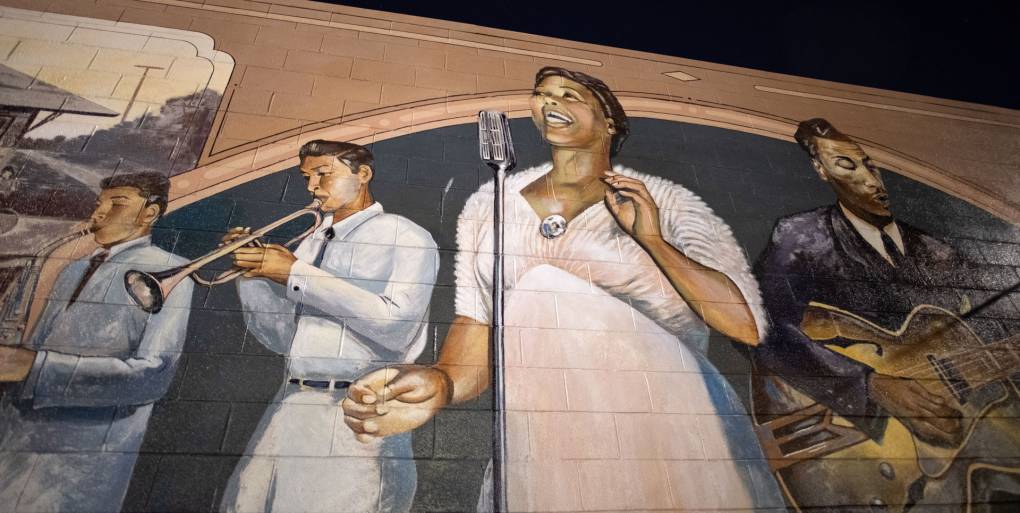
"caption": "A mural depicts scenes of Russell City, including blues singer Charlie Bell Sanders, at A Street and Maple Court in Hayward. Russell City's residents were forcibly relocated and the community bulldozed in 1963. Joshua Powell painted the mural, assisted by Wythe Bowart, Nicole Pierret and Brent McHugh.",
"description": "A mural depicts scenes of Russell City, including blues singer Charlie Bell Sanders, at A Street and Maple Court in Hayward. Russell City's residents were forcibly relocated and the community bulldozed in 1963. Joshua Powell painted the mural, assisted by Wythe Bowart, Nicole Pierret and Brent McHugh.",
"title": "Hayward_RussellCity_Mural",
"credit": "Beth LaBerge/KQED",
"status": "inherit",
"altTag": "large outdoor mural showing renowned blues singer and band",
"isLoading": false,
"fetchFailed": false
},
"news_11896909": {
"type": "attachments",
"id": "news_11896909",
"meta": {
"index": "attachments_1716263798",
"site": "news",
"id": "11896909",
"found": true
},
"parent": 11896864,
"imgSizes": {
"twentyfourteen-full-width": {
"file": "https://ww2.kqed.org/app/uploads/sites/10/2021/11/MARQUEE_4-1038x576.jpg",
"width": 1038,
"mimeType": "image/jpeg",
"height": 576
},
"thumbnail": {
"file": "https://ww2.kqed.org/app/uploads/sites/10/2021/11/MARQUEE_4-160x90.jpg",
"width": 160,
"mimeType": "image/jpeg",
"height": 90
},
"post-thumbnail": {
"file": "https://ww2.kqed.org/app/uploads/sites/10/2021/11/MARQUEE_4-672x372.jpg",
"width": 672,
"mimeType": "image/jpeg",
"height": 372
},
"kqedFullSize": {
"file": "https://ww2.kqed.org/app/uploads/sites/10/2021/11/MARQUEE_4.jpg",
"width": 1920,
"height": 1080
},
"large": {
"file": "https://ww2.kqed.org/app/uploads/sites/10/2021/11/MARQUEE_4-1020x574.jpg",
"width": 1020,
"mimeType": "image/jpeg",
"height": 574
},
"1536x1536": {
"file": "https://ww2.kqed.org/app/uploads/sites/10/2021/11/MARQUEE_4-1536x864.jpg",
"width": 1536,
"mimeType": "image/jpeg",
"height": 864
},
"medium": {
"file": "https://ww2.kqed.org/app/uploads/sites/10/2021/11/MARQUEE_4-800x450.jpg",
"width": 800,
"mimeType": "image/jpeg",
"height": 450
}
},
"publishDate": 1637360437,
"modified": 1637360457,
"caption": null,
"description": null,
"title": "MARQUEE_4",
"credit": null,
"status": "inherit",
"altTag": "Traditional SF cable car driving up a hill",
"isLoading": false,
"fetchFailed": false
},
"news_11895919": {
"type": "attachments",
"id": "news_11895919",
"meta": {
"index": "attachments_1716263798",
"site": "news",
"id": "11895919",
"found": true
},
"parent": 11895742,
"imgSizes": {
"thumbnail": {
"file": "https://ww2.kqed.org/app/uploads/sites/10/2021/11/GettyImages-1236188328-1-160x89.jpg",
"width": 160,
"mimeType": "image/jpeg",
"height": 89
},
"post-thumbnail": {
"file": "https://ww2.kqed.org/app/uploads/sites/10/2021/11/GettyImages-1236188328-1-672x372.jpg",
"width": 672,
"mimeType": "image/jpeg",
"height": 372
},
"kqedFullSize": {
"file": "https://ww2.kqed.org/app/uploads/sites/10/2021/11/GettyImages-1236188328-1.jpg",
"width": 1024,
"height": 570
},
"large": {
"file": "https://ww2.kqed.org/app/uploads/sites/10/2021/11/GettyImages-1236188328-1-1020x568.jpg",
"width": 1020,
"mimeType": "image/jpeg",
"height": 568
},
"medium": {
"file": "https://ww2.kqed.org/app/uploads/sites/10/2021/11/GettyImages-1236188328-1-800x445.jpg",
"width": 800,
"mimeType": "image/jpeg",
"height": 445
}
},
"publishDate": 1636591110,
"modified": 1636591314,
"caption": "Thousands of Facebook and Instagram users on Wednesday began a boycott — or 'logout' — of the two platforms, owned by parent company Meta.",
"description": null,
"title": "US-FACEBOOK-MEDIA-INTERNET-COMPUTERS-WIRELESS",
"credit": "Chris Delmas/AFP via Getty Images",
"status": "inherit",
"altTag": "The Facebook \"thumb's up\" logo on a smartphone, with the \"Meta\" logo in the background.",
"isLoading": false,
"fetchFailed": false
},
"news_11895326": {
"type": "attachments",
"id": "news_11895326",
"meta": {
"index": "attachments_1716263798",
"site": "news",
"id": "11895326",
"found": true
},
"parent": 11895325,
"imgSizes": {
"thumbnail": {
"file": "https://ww2.kqed.org/app/uploads/sites/10/2021/11/Frances-Moore-Lappe-and-Anna-Lappe-160x107.jpg",
"width": 160,
"mimeType": "image/jpeg",
"height": 107
},
"post-thumbnail": {
"file": "https://ww2.kqed.org/app/uploads/sites/10/2021/11/Frances-Moore-Lappe-and-Anna-Lappe-640x372.jpg",
"width": 640,
"mimeType": "image/jpeg",
"height": 372
},
"kqedFullSize": {
"file": "https://ww2.kqed.org/app/uploads/sites/10/2021/11/Frances-Moore-Lappe-and-Anna-Lappe.jpg",
"width": 640,
"height": 427
}
},
"publishDate": 1636143729,
"modified": 1636143729,
"caption": null,
"description": null,
"title": "Frances Moore Lappe and Anna Lappe",
"credit": null,
"status": "inherit",
"altTag": null,
"isLoading": false,
"fetchFailed": false
},
"news_11894840": {
"type": "attachments",
"id": "news_11894840",
"meta": {
"index": "attachments_1716263798",
"site": "news",
"id": "11894840",
"found": true
},
"parent": 11894797,
"imgSizes": {
"thumbnail": {
"file": "https://ww2.kqed.org/app/uploads/sites/10/2021/11/Katrina-and-family-160x128.jpeg",
"width": 160,
"mimeType": "image/jpeg",
"height": 128
},
"post-thumbnail": {
"file": "https://ww2.kqed.org/app/uploads/sites/10/2021/11/Katrina-and-family-512x372.jpeg",
"width": 512,
"mimeType": "image/jpeg",
"height": 372
},
"kqedFullSize": {
"file": "https://ww2.kqed.org/app/uploads/sites/10/2021/11/Katrina-and-family.jpeg",
"width": 512,
"height": 409
}
},
"publishDate": 1635893973,
"modified": 1636150237,
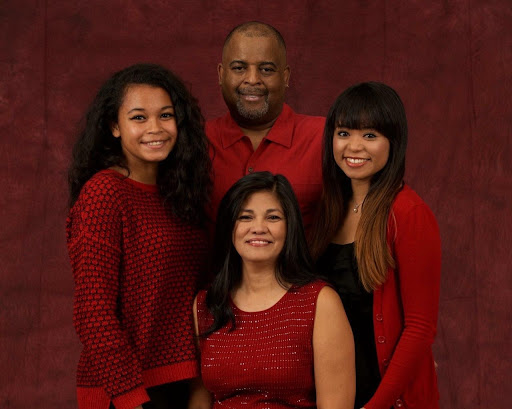
"caption": "Katrina Bullock says growing up with a Black father and Filipina mother in the 2000s was a very different experience from what it is for an older generation of mixed folks. ",
"description": null,
"title": "Katrina and family",
"credit": "Courtesy Katrina Bullock",
"status": "inherit",
"altTag": "A family portrait of two daughters, a mother and a father.",
"isLoading": false,
"fetchFailed": false
},
"news_11894603": {
"type": "attachments",
"id": "news_11894603",
"meta": {
"index": "attachments_1716263798",
"site": "news",
"id": "11894603",
"found": true
},
"parent": 11894597,
"imgSizes": {
"twentyfourteen-full-width": {
"file": "https://ww2.kqed.org/app/uploads/sites/10/2021/11/Fulbeck_7-1038x576.jpg",
"width": 1038,
"mimeType": "image/jpeg",
"height": 576
},
"thumbnail": {
"file": "https://ww2.kqed.org/app/uploads/sites/10/2021/11/Fulbeck_7-160x115.jpg",
"width": 160,
"mimeType": "image/jpeg",
"height": 115
},
"post-thumbnail": {
"file": "https://ww2.kqed.org/app/uploads/sites/10/2021/11/Fulbeck_7-672x372.jpg",
"width": 672,
"mimeType": "image/jpeg",
"height": 372
},
"kqedFullSize": {
"file": "https://ww2.kqed.org/app/uploads/sites/10/2021/11/Fulbeck_7.jpg",
"width": 1950,
"height": 1405
},
"large": {
"file": "https://ww2.kqed.org/app/uploads/sites/10/2021/11/Fulbeck_7-1020x735.jpg",
"width": 1020,
"mimeType": "image/jpeg",
"height": 735
},
"1536x1536": {
"file": "https://ww2.kqed.org/app/uploads/sites/10/2021/11/Fulbeck_7-1536x1107.jpg",
"width": 1536,
"mimeType": "image/jpeg",
"height": 1107
},
"full-width": {
"file": "https://ww2.kqed.org/app/uploads/sites/10/2021/11/Fulbeck_7-1920x1383.jpg",
"width": 1920,
"mimeType": "image/jpeg",
"height": 1383
},
"medium": {
"file": "https://ww2.kqed.org/app/uploads/sites/10/2021/11/Fulbeck_7-800x576.jpg",
"width": 800,
"mimeType": "image/jpeg",
"height": 576
}
},
"publishDate": 1635803632,
"modified": 1636145435,
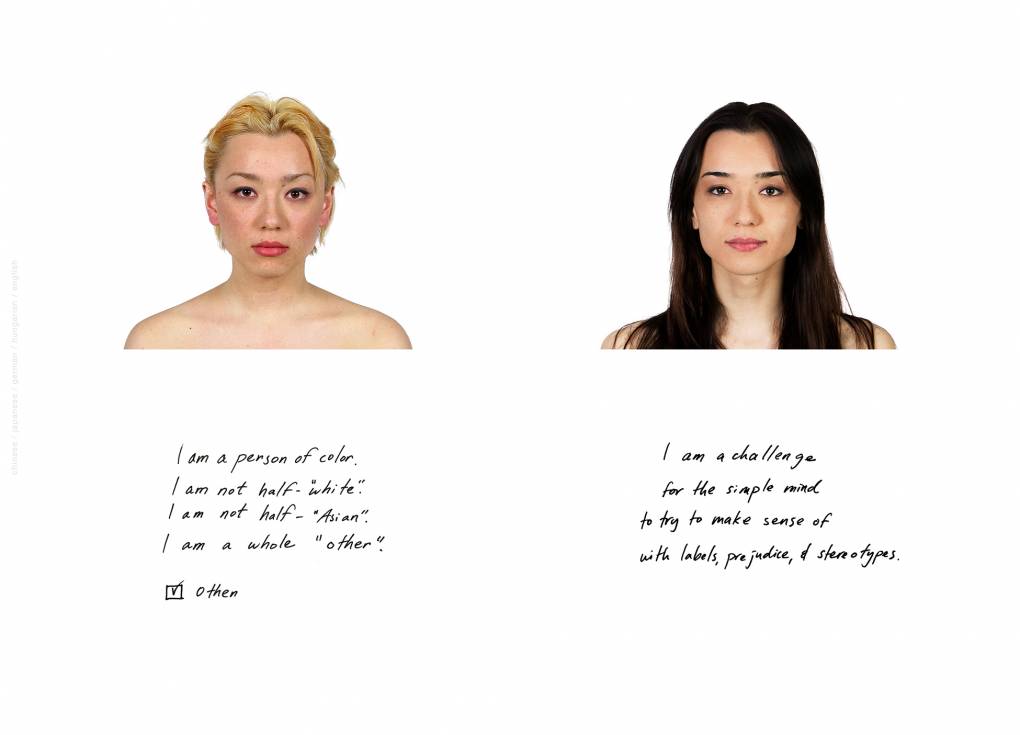
"caption": "Images from artist Kip Fulbeck's \"The Hapa Project,\" documenting mixed-race people's experiences over 15 years. ",
"description": null,
"title": "Fulbeck_7",
"credit": "Courtesy Kip Fulbeck",
"status": "inherit",
"altTag": null,
"isLoading": false,
"fetchFailed": false
},
"news_11894965": {
"type": "attachments",
"id": "news_11894965",
"meta": {
"index": "attachments_1716263798",
"site": "news",
"id": "11894965",
"found": true
},
"parent": 11894929,
"imgSizes": {
"twentyfourteen-full-width": {
"file": "https://ww2.kqed.org/app/uploads/sites/10/2021/11/RS52336_016_SanFrancisco_DiadelosMuertos_11022021-qut-1038x576.jpg",
"width": 1038,
"mimeType": "image/jpeg",
"height": 576
},
"thumbnail": {
"file": "https://ww2.kqed.org/app/uploads/sites/10/2021/11/RS52336_016_SanFrancisco_DiadelosMuertos_11022021-qut-160x107.jpg",
"width": 160,
"mimeType": "image/jpeg",
"height": 107
},
"post-thumbnail": {
"file": "https://ww2.kqed.org/app/uploads/sites/10/2021/11/RS52336_016_SanFrancisco_DiadelosMuertos_11022021-qut-672x372.jpg",
"width": 672,
"mimeType": "image/jpeg",
"height": 372
},
"kqedFullSize": {
"file": "https://ww2.kqed.org/app/uploads/sites/10/2021/11/RS52336_016_SanFrancisco_DiadelosMuertos_11022021-qut.jpg",
"width": 1920,
"height": 1280
},
"large": {
"file": "https://ww2.kqed.org/app/uploads/sites/10/2021/11/RS52336_016_SanFrancisco_DiadelosMuertos_11022021-qut-1020x680.jpg",
"width": 1020,
"mimeType": "image/jpeg",
"height": 680
},
"1536x1536": {
"file": "https://ww2.kqed.org/app/uploads/sites/10/2021/11/RS52336_016_SanFrancisco_DiadelosMuertos_11022021-qut-1536x1024.jpg",
"width": 1536,
"mimeType": "image/jpeg",
"height": 1024
},
"medium": {
"file": "https://ww2.kqed.org/app/uploads/sites/10/2021/11/RS52336_016_SanFrancisco_DiadelosMuertos_11022021-qut-800x533.jpg",
"width": 800,
"mimeType": "image/jpeg",
"height": 533
}
},
"publishDate": 1635970182,
"modified": 1635991546,
"caption": "A community healing vigil and living ofrenda celebration on 24th and Capp streets in San Francisco on Nov. 2, 2021, part of the neighborhood's Día de los Muertos festivities. The vigil honored the memory of womxn, QTPOC, and children lost to violence.",
"description": null,
"title": "RS52336_016_SanFrancisco_DiadelosMuertos_11022021-qut",
"credit": "Beth LaBerge/KQED",
"status": "inherit",
"altTag": "Women with yellow, blue, red, and green skirts move on the sidewalk beneath a brightly colored mural on the side of a building.",
"isLoading": false,
"fetchFailed": false
}
},
"audioPlayerReducer": {
"postId": "stream_live",
"isPaused": true,
"isPlaying": false,
"pfsActive": false,
"pledgeModalIsOpen": true,
"playerDrawerIsOpen": false,
"liveAudioPlayStartedAt": 0,
"liveAudioPlayContext": ""
},
"authorsReducer": {
"byline_news_11900423": {
"type": "authors",
"id": "byline_news_11900423",
"meta": {
"override": true
},
"slug": "byline_news_11900423",
"name": "\u003ca href=\"https://twitter.com/jireh_deng\">Jireh Deng\u003c/a>",
"isLoading": false
},
"byline_news_11894597": {
"type": "authors",
"id": "byline_news_11894597",
"meta": {
"override": true
},
"slug": "byline_news_11894597",
"name": "Marisa Lagos and Sasha Khokha ",
"isLoading": false
},
"kqed": {
"type": "authors",
"id": "236",
"meta": {
"index": "authors_1716337520",
"id": "236",
"found": true
},
"name": "KQED News Staff",
"firstName": "KQED News Staff",
"lastName": null,
"slug": "kqed",
"email": "faq@kqed.org",
"display_author_email": false,
"staff_mastheads": [],
"title": null,
"bio": null,
"avatar": "https://secure.gravatar.com/avatar/ef0e801a68c4c54afa9180db14084167?s=600&d=blank&r=g",
"twitter": null,
"facebook": null,
"instagram": null,
"linkedin": null,
"sites": [
{
"site": "arts",
"roles": [
"contributor"
]
},
{
"site": "news",
"roles": [
"editor"
]
},
{
"site": "futureofyou",
"roles": [
"author"
]
}
],
"headData": {
"title": "KQED News Staff | KQED",
"description": null,
"ogImgSrc": "https://secure.gravatar.com/avatar/ef0e801a68c4c54afa9180db14084167?s=600&d=blank&r=g",
"twImgSrc": "https://secure.gravatar.com/avatar/ef0e801a68c4c54afa9180db14084167?s=600&d=blank&r=g"
},
"isLoading": false,
"link": "/author/kqed"
},
"minakim": {
"type": "authors",
"id": "243",
"meta": {
"index": "authors_1716337520",
"id": "243",
"found": true
},
"name": "Mina Kim",
"firstName": "Mina",
"lastName": "Kim",
"slug": "minakim",
"email": "mkim@kqed.org",
"display_author_email": false,
"staff_mastheads": [
"news"
],
"title": "Host, Forum",
"bio": "Mina Kim is host of the 10 a.m. statewide hour of Forum; a live daily talk show for curious Californians on issues that matter to the state and nation, with a particular emphasis on race and equity.\r\n\r\nBefore joining the Forum team, Mina was KQED’s evening news anchor, and health reporter for The California Report. Her award-winning work has included natural disasters in Napa and gun violence in Oakland. Mina grew up in St. John’s, Newfoundland.",
"avatar": "https://secure.gravatar.com/avatar/145ce657a2d08cb86d93686beb958982?s=600&d=blank&r=g",
"twitter": "mkimreporter",
"facebook": null,
"instagram": null,
"linkedin": null,
"sites": [
{
"site": "news",
"roles": [
"contributor"
]
},
{
"site": "stateofhealth",
"roles": [
"author"
]
},
{
"site": "forum",
"roles": [
"editor"
]
}
],
"headData": {
"title": "Mina Kim | KQED",
"description": "Host, Forum",
"ogImgSrc": "https://secure.gravatar.com/avatar/145ce657a2d08cb86d93686beb958982?s=600&d=blank&r=g",
"twImgSrc": "https://secure.gravatar.com/avatar/145ce657a2d08cb86d93686beb958982?s=600&d=blank&r=g"
},
"isLoading": false,
"link": "/author/minakim"
},
"rachael-myrow": {
"type": "authors",
"id": "251",
"meta": {
"index": "authors_1716337520",
"id": "251",
"found": true
},
"name": "Rachael Myrow",
"firstName": "Rachael",
"lastName": "Myrow",
"slug": "rachael-myrow",
"email": "rmyrow@kqed.org",
"display_author_email": true,
"staff_mastheads": [
"news"
],
"title": "Senior Editor of KQED's Silicon Valley News Desk",
"bio": "• I write and edit stories about how Silicon Valley power and policies shape everyday life in California. I’m also passionate about making Bay Area history and culture more accessible to a broad public. • I’ve been a journalist for most of my life, starting in high school with The Franklin Press in Los Angeles, where I grew up. While earning my first degree in English at UC Berkeley, I got my start in public radio at KALX-FM. After completing a second degree in journalism at Cal, I landed my first professional job at Marketplace, then moved on to KPCC (now LAist), and then KQED, where I hosted The California Report for more than seven years. • My reporting has appeared on NPR, The World, WBUR’s \u003ci>Here & Now\u003c/i>, and the BBC. I also guest host for KQED’s \u003ci>Forum\u003c/i>, as well as the Commonwealth Club in San Francisco. • I speak periodically on media, democracy and technology issues, and do voiceover work for documentaries and educational video projects. • Outside of the studio, you'll find me hiking Bay Area trails and whipping up Insta-ready meals in my kitchen. • I do not accept gifts, money, or favors from anyone connected to my reporting, I don't pay people for information, and I do not support or donate to political causes. • I strive to treat the people I report on with fairness, honesty, and respect. I also recognize there are often multiple sides to a story and work to verify information through multiple sources and documentation. If I get something wrong, I correct it.",
"avatar": "https://secure.gravatar.com/avatar/3ed8a3c5f26025e4a805ba634cda8cd764906b97438a6d9ce216b044e340da4e?s=600&d=blank&r=g",
"twitter": "rachaelmyrow",
"bluesky": null,
"facebook": null,
"instagram": null,
"linkedin": "https://www.linkedin.com/in/rachaelmyrow/",
"sites": [
{
"site": "arts",
"roles": [
"administrator"
]
},
{
"site": "news",
"roles": [
"edit_others_posts",
"editor"
]
},
{
"site": "futureofyou",
"roles": [
"editor"
]
},
{
"site": "bayareabites",
"roles": [
"editor"
]
},
{
"site": "stateofhealth",
"roles": [
"editor"
]
},
{
"site": "science",
"roles": [
"editor"
]
},
{
"site": "food",
"roles": [
"editor"
]
},
{
"site": "forum",
"roles": [
"editor"
]
},
{
"site": "liveblog",
"roles": [
"author"
]
}
],
"headData": {
"title": "Rachael Myrow | KQED",
"description": "Senior Editor of KQED's Silicon Valley News Desk",
"ogImgSrc": "https://secure.gravatar.com/avatar/3ed8a3c5f26025e4a805ba634cda8cd764906b97438a6d9ce216b044e340da4e?s=600&d=blank&r=g",
"twImgSrc": "https://secure.gravatar.com/avatar/3ed8a3c5f26025e4a805ba634cda8cd764906b97438a6d9ce216b044e340da4e?s=600&d=blank&r=g"
},
"isLoading": false,
"link": "/author/rachael-myrow"
},
"sasha-khokha": {
"type": "authors",
"id": "254",
"meta": {
"index": "authors_1716337520",
"id": "254",
"found": true
},
"name": "Sasha Khokha",
"firstName": "Sasha",
"lastName": "Khokha",
"slug": "sasha-khokha",
"email": "skhokha@kqed.org",
"display_author_email": true,
"staff_mastheads": [
"news"
],
"title": "Host, The California Report Magazine",
"bio": "Sasha Khokha is the host of \u003cem>The California Report's \u003c/em> weekly magazine program, which takes listeners on sound-rich excursions to meet the people that make the Golden State unique -- through audio documentaries and long-form stories. As \u003cem>The California Report's\u003c/em> Central Valley Bureau Chief based in Fresno for nearly a dozen years, Sasha brought the lives and concerns of rural Californians to listeners around the state. Her reporting helped expose the hidden price immigrant women janitors and farmworkers may pay to keep their jobs: sexual assault at work. It inspired two new California laws to protect them from sexual harassment. She was a key member of the reporting team for the Frontline film \u003cem>Rape on the Night Shift, \u003c/em>which was nominated for two national Emmys. Sasha has also won a national Edward R. Murrow and a national PRNDI award for investigative reporting, as well as multiple prizes from the Society for Professional Journalists. Sasha is a proud alum of the UC Berkeley Graduate School of Journalism and Brown University and a member of the South Asian Journalists Association.",
"avatar": "https://secure.gravatar.com/avatar/e4b5e1541aaeea2aa356aa1fb2a68950?s=600&d=blank&r=g",
"twitter": "KQEDSashaKhokha",
"facebook": null,
"instagram": null,
"linkedin": null,
"sites": [
{
"site": "news",
"roles": [
"editor"
]
},
{
"site": "stateofhealth",
"roles": [
"author"
]
},
{
"site": "science",
"roles": [
"author"
]
},
{
"site": "quest",
"roles": [
"subscriber"
]
}
],
"headData": {
"title": "Sasha Khokha | KQED",
"description": "Host, The California Report Magazine",
"ogImgSrc": "https://secure.gravatar.com/avatar/e4b5e1541aaeea2aa356aa1fb2a68950?s=600&d=blank&r=g",
"twImgSrc": "https://secure.gravatar.com/avatar/e4b5e1541aaeea2aa356aa1fb2a68950?s=600&d=blank&r=g"
},
"isLoading": false,
"link": "/author/sasha-khokha"
},
"mlagos": {
"type": "authors",
"id": "3239",
"meta": {
"index": "authors_1716337520",
"id": "3239",
"found": true
},
"name": "Marisa Lagos",
"firstName": "Marisa",
"lastName": "Lagos",
"slug": "mlagos",
"email": "mlagos@kqed.org",
"display_author_email": false,
"staff_mastheads": [
"news"
],
"title": "KQED Contributor",
"bio": "Marisa Lagos is a correspondent for KQED’s California Politics and Government Desk and co-hosts the award-winning show and podcast, Political Breakdown. At KQED, Lagos also conducts reporting, analysis and investigations into state, local and national politics for radio, TV, online and onstage. In 2022, she and co-host, Scott Shafer, moderated the only gubernatorial debate in California. In 2020, the \u003ci>Washington Post\u003c/i> named her one of the top political journalists in California; she was nominated for a Peabody and won several other awards for her work investigating the 2017 California wildfires. She has worked at the \u003ci>San Francisco Chronicle\u003c/i>, \u003ci>San Francisco Examiner\u003c/i> and \u003ci>Los Angeles Times\u003c/i>. A UC Santa Barbara graduate, she lives in San Francisco with her two sons and husband.",
"avatar": "https://secure.gravatar.com/avatar/a261a0d3696fc066871ef96b85b5e7d2?s=600&d=blank&r=g",
"twitter": "@mlagos",
"facebook": null,
"instagram": null,
"linkedin": null,
"sites": [
{
"site": "arts",
"roles": [
"author"
]
},
{
"site": "news",
"roles": [
"editor"
]
},
{
"site": "science",
"roles": [
"editor"
]
},
{
"site": "forum",
"roles": [
"author"
]
},
{
"site": "liveblog",
"roles": [
"author"
]
}
],
"headData": {
"title": "Marisa Lagos | KQED",
"description": "KQED Contributor",
"ogImgSrc": "https://secure.gravatar.com/avatar/a261a0d3696fc066871ef96b85b5e7d2?s=600&d=blank&r=g",
"twImgSrc": "https://secure.gravatar.com/avatar/a261a0d3696fc066871ef96b85b5e7d2?s=600&d=blank&r=g"
},
"isLoading": false,
"link": "/author/mlagos"
},
"lsarah": {
"type": "authors",
"id": "11626",
"meta": {
"index": "authors_1716337520",
"id": "11626",
"found": true
},
"name": "Lakshmi Sarah",
"firstName": "Lakshmi",
"lastName": "Sarah",
"slug": "lsarah",
"email": "lsarah@kqed.org",
"display_author_email": false,
"staff_mastheads": [],
"title": "Digital Producer",
"bio": "Lakshmi Sarah is an educator, author and journalist with a focus on innovative storytelling. She has worked with newspapers, radio and magazines from Ahmedabad, India to Los Angeles, California. She has written and produced for Die Zeit, Global Voices, AJ+, KQED, Fusion Media Group and the New York Times.",
"avatar": "https://secure.gravatar.com/avatar/652dcaecd8b28826fc17a8b2d6bb4e93?s=600&d=blank&r=g",
"twitter": "lakitalki",
"facebook": null,
"instagram": "https://www.instagram.com/laki.talki/",
"linkedin": "https://www.linkedin.com/in/lakisarah/",
"sites": [
{
"site": "arts",
"roles": []
},
{
"site": "news",
"roles": []
},
{
"site": "bayareabites",
"roles": []
},
{
"site": "science",
"roles": []
}
],
"headData": {
"title": "Lakshmi Sarah | KQED",
"description": "Digital Producer",
"ogImgSrc": "https://secure.gravatar.com/avatar/652dcaecd8b28826fc17a8b2d6bb4e93?s=600&d=blank&r=g",
"twImgSrc": "https://secure.gravatar.com/avatar/652dcaecd8b28826fc17a8b2d6bb4e93?s=600&d=blank&r=g"
},
"isLoading": false,
"link": "/author/lsarah"
},
"blaberge": {
"type": "authors",
"id": "11667",
"meta": {
"index": "authors_1716337520",
"id": "11667",
"found": true
},
"name": "Beth LaBerge",
"firstName": "Beth",
"lastName": "LaBerge",
"slug": "blaberge",
"email": "blaberge@KQED.org",
"display_author_email": true,
"staff_mastheads": [
"news"
],
"title": "Photographer, News",
"bio": "Beth LaBerge is a visual journalist for \u003ca href=\"https://www.kqed.org/news\">KQED News\u003c/a>.",
"avatar": "https://secure.gravatar.com/avatar/ce49ecd7a1306685637b45a1f6f5dedfc4ae9481966eb596fea5160466dd6319?s=600&d=blank&r=g",
"twitter": null,
"bluesky": null,
"facebook": null,
"instagram": "https://www.instagram.com/bethlaberge/",
"linkedin": null,
"sites": [
{
"site": "arts",
"roles": [
"editor",
"manage_categories"
]
},
{
"site": "news",
"roles": [
"editor",
"edit_plugins",
"manage_categories"
]
},
{
"site": "science",
"roles": [
"editor",
"contributor",
"author",
"manage_categories"
]
},
{
"site": "perspectives",
"roles": [
"editor"
]
},
{
"site": "liveblog",
"roles": [
"editor"
]
}
],
"headData": {
"title": "Beth LaBerge | KQED",
"description": "Photographer, News",
"ogImgSrc": "https://secure.gravatar.com/avatar/ce49ecd7a1306685637b45a1f6f5dedfc4ae9481966eb596fea5160466dd6319?s=600&d=blank&r=g",
"twImgSrc": "https://secure.gravatar.com/avatar/ce49ecd7a1306685637b45a1f6f5dedfc4ae9481966eb596fea5160466dd6319?s=600&d=blank&r=g"
},
"isLoading": false,
"link": "/author/blaberge"
},
"ccabreralomeli": {
"type": "authors",
"id": "11708",
"meta": {
"index": "authors_1716337520",
"id": "11708",
"found": true
},
"name": "Carlos Cabrera-Lomelí",
"firstName": "Carlos",
"lastName": "Cabrera-Lomelí",
"slug": "ccabreralomeli",
"email": "ccabreralomeli@KQED.org",
"display_author_email": true,
"staff_mastheads": [
"news"
],
"title": "Community Reporter",
"bio": "Carlos Cabrera-Lomelí is a community reporter with KQED's digital engagement team. He also reports and co-produces for KQED's bilingual news hub KQED en Español. He grew up in San Francisco's Mission District and has previously worked with Univision, 48 Hills and REFORMA in Mexico City.",
"avatar": "https://secure.gravatar.com/avatar/c309be9665e484f887b818c89e273ecc673004f426f36b24d00a4d813a2e0518?s=600&d=blank&r=g",
"twitter": "@LomeliCabrera",
"bluesky": null,
"facebook": null,
"instagram": null,
"linkedin": null,
"sites": [
{
"site": "arts",
"roles": [
"editor"
]
},
{
"site": "news",
"roles": [
"editor"
]
},
{
"site": "about",
"roles": [
"editor"
]
},
{
"site": "science",
"roles": [
"editor"
]
},
{
"site": "perspectives",
"roles": [
"editor"
]
},
{
"site": "elections",
"roles": [
"editor"
]
},
{
"site": "liveblog",
"roles": [
"contributor"
]
}
],
"headData": {
"title": "Carlos Cabrera-Lomelí | KQED",
"description": "Community Reporter",
"ogImgSrc": "https://secure.gravatar.com/avatar/c309be9665e484f887b818c89e273ecc673004f426f36b24d00a4d813a2e0518?s=600&d=blank&r=g",
"twImgSrc": "https://secure.gravatar.com/avatar/c309be9665e484f887b818c89e273ecc673004f426f36b24d00a4d813a2e0518?s=600&d=blank&r=g"
},
"isLoading": false,
"link": "/author/ccabreralomeli"
},
"swhitney": {
"type": "authors",
"id": "11784",
"meta": {
"index": "authors_1716337520",
"id": "11784",
"found": true
},
"name": "Spencer Whitney",
"firstName": "Spencer",
"lastName": "Whitney",
"slug": "swhitney",
"email": "swhitney@kqed.org",
"display_author_email": false,
"staff_mastheads": [],
"title": "KQED Digital Editor",
"bio": "Spencer Whitney is currently a Digital Editor for KQED News. Prior to joining KQED News, Spencer worked as the Multimedia Editor at the Oakland Post and an Assistant Editor in the Editorial department at the San Francisco Chronicle. He attended Howard University as an undergraduate and interned with SiriusXM. He also attended UC Berkeley's Graduate School of Journalism and had the opportunity to write for the hyperlocal news sites Richmond Confidential and Oakland North.",
"avatar": "https://secure.gravatar.com/avatar/e33ff4fd8b8f0d2796f36472fb32607ca8fc46ef5e537dcfdbdee688d8ea5b80?s=600&d=mm&r=g",
"twitter": null,
"bluesky": null,
"facebook": null,
"instagram": null,
"linkedin": null,
"sites": [
{
"site": "arts",
"roles": [
"editor"
]
},
{
"site": "news",
"roles": [
"editor"
]
},
{
"site": "science",
"roles": [
"editor"
]
},
{
"site": "perspectives",
"roles": [
"editor"
]
}
],
"headData": {
"title": "Spencer Whitney | KQED",
"description": "KQED Digital Editor",
"ogImgSrc": "https://secure.gravatar.com/avatar/e33ff4fd8b8f0d2796f36472fb32607ca8fc46ef5e537dcfdbdee688d8ea5b80?s=600&d=mm&r=g",
"twImgSrc": "https://secure.gravatar.com/avatar/e33ff4fd8b8f0d2796f36472fb32607ca8fc46ef5e537dcfdbdee688d8ea5b80?s=600&d=mm&r=g"
},
"isLoading": false,
"link": "/author/swhitney"
}
},
"pagesReducer": {
"news_category_arts-and-culture": {
"type": "terms",
"id": "news_223",
"meta": {
"index": "terms_1716263798",
"site": "news",
"id": "223",
"score": 11.242002
},
"featImg": null,
"name": "Arts and Culture",
"description": null,
"taxonomy": "category",
"headData": {
"twImgId": null,
"twTitle": null,
"ogTitle": null,
"ogImgId": null,
"twDescription": null,
"description": null,
"title": "Arts and Culture Archives | KQED News",
"ogDescription": null
},
"ttid": 231,
"slug": "arts-and-culture",
"isLoading": false,
"title": "Arts and Culture",
"pageMeta": {
"site": "news",
"WpPageTemplate": "page-topic-editorial",
"currentPage": 33
},
"blocks": [
{
"blockName": "kqed/post-list",
"attrs": {
"layout": "cardArticle2",
"query": "posts/news?category=arts-and-culture",
"seeMore": false,
"paginated": true,
"page": 33
}
},
{
"blockName": "kqed/ad"
}
]
}
},
"pfsSessionReducer": {},
"postsReducer": {
"stream_live": {
"type": "live",
"id": "stream_live",
"audioUrl": "https://streams.kqed.org/kqedradio",
"title": "Live Stream",
"excerpt": "Live Stream information currently unavailable.",
"link": "/radio",
"featImg": "",
"label": {
"name": "KQED Live",
"link": "/"
}
},
"stream_kqedNewscast": {
"type": "posts",
"id": "stream_kqedNewscast",
"audioUrl": "https://www.kqed.org/.stream/anon/radio/RDnews/newscast.mp3?_=1",
"title": "KQED Newscast",
"featImg": "",
"label": {
"name": "88.5 FM",
"link": "/"
}
},
"news_11901159": {
"type": "posts",
"id": "news_11901159",
"meta": {
"index": "posts_1716263798",
"site": "news",
"id": "11901159",
"score": null,
"sort": [
1641601644000
]
},
"guestAuthors": [],
"slug": "omicron-update-michael-tubbs-this-week-in-california-politics",
"title": "Omicron Update | Michael Tubbs | This Week in California Politics",
"publishDate": 1641601644,
"format": "video",
"headTitle": "Omicron Update | Michael Tubbs | This Week in California Politics | KQED",
"labelTerm": {
"term": 7052,
"site": "news"
},
"content": "\u003cp>\u003cb>Omicron Update\u003cbr>\n\u003c/b>\u003cspan style=\"font-weight: 400\">The omicron variant has sent coronavirus case rates soaring across the state. More than 20% of all tests have come back positive over the past week, compared with a rate of just about 2% in early December. While space is still available, many hospitals are seeing a rise in the number of patients needing ICU beds, while at-home rapid tests have been selling out and lines for professional PCR testing have grown.\u003c/span>\u003c/p>\n\u003cp>\u003cspan style=\"font-weight: 400\">Guest:\u003c/span>\u003c/p>\n\u003cul>\n\u003cli style=\"font-weight: 400\">\u003cspan style=\"font-weight: 400\">Dr. Yvonne Maldonado, professor of pediatrics and infectious disease epidemiologist at Stanford University\u003c/span>\u003c/li>\n\u003c/ul>\n\u003cp>\u003cb>Michael Tubbs’ “The Deeper the Roots”\u003cbr>\n\u003c/b>\u003cspan style=\"font-weight: 400\">Michael Tubbs overcame a childhood of poverty to become the youngest mayor of Stockton at age 26 — and the youngest mayor of any major American city. He was the first to launch a controversial “guaranteed income” program in his hometown, which rapidly became a model for other cities around the nation. He is now working as a special advisor on poverty to Gov. Gavin Newsom.\u003c/span>\u003c/p>\n\u003cp>\u003cspan style=\"font-weight: 400\">Guest:\u003c/span>\u003c/p>\n\u003cul>\n\u003cli style=\"font-weight: 400\">\u003cspan style=\"font-weight: 400\">Michael Tubbs, author and former Stockton mayor\u003c/span>\u003c/li>\n\u003c/ul>\n\u003cp>\u003cb>This Week in California Politics\u003cbr>\n\u003c/b>\u003cspan style=\"font-weight: 400\">California lawmakers gear up for a new year and a new legislative session. They also reflect on the one-year anniversary of the Jan. 6 insurrection at the nation’s capitol.\u003c/span>\u003c/p>\n\u003cp>[ad fullwidth]\u003c/p>\n\u003cp>\u003cspan style=\"font-weight: 400\">Guests:\u003c/span>\u003c/p>\n\u003cul>\n\u003cli style=\"font-weight: 400\">\u003cspan style=\"font-weight: 400\">Marisa Lagos, KQED politics and government correspondent\u003c/span>\u003c/li>\n\u003cli style=\"font-weight: 400\">\u003cspan style=\"font-weight: 400\">Doug Sovern, KCBS political reporter\u003c/span>\u003c/li>\n\u003c/ul>\n\u003cp>\u003c/p>\n\u003cp>\u003cb>Something Beautiful: Barbara Boissevain’s Salt Ponds Photography\u003cbr>\n\u003c/b>\u003cspan style=\"font-weight: 400\">This week’s something beautiful are abstract, aerial views of salt ponds, shot by Bay Area photographer Barbara Boissevain. By blending urban and natural landscapes, Boissevain highlights an unusual organic beauty in the heart of Silicon Valley.\u003c/span>\u003c/p>\n\n",
"blocks": [],
"excerpt": null,
"status": "publish",
"parent": 0,
"modified": 1721158328,
"stats": {
"hasAudio": false,
"hasVideo": false,
"hasChartOrMap": false,
"iframeSrcs": [],
"hasGoogleForm": false,
"hasGallery": false,
"hasHearkenModule": false,
"hasPolis": false,
"paragraphCount": 9,
"wordCount": 273
},
"headData": {
"title": "Omicron Update | Michael Tubbs | This Week in California Politics | KQED",
"description": "Omicron Update The omicron variant has sent coronavirus case rates soaring across the state. More than 20% of all tests have come back positive over the past week, compared with a rate of just about 2% in early December. While space is still available, many hospitals are seeing a rise in the number of patients",
"ogTitle": "",
"ogDescription": "",
"ogImgId": "",
"twTitle": "",
"twDescription": "",
"twImgId": "",
"schema": {
"@context": "https://schema.org",
"@type": "NewsArticle",
"headline": "Omicron Update | Michael Tubbs | This Week in California Politics",
"datePublished": "2022-01-07T16:27:24-08:00",
"dateModified": "2024-07-16T12:32:08-07:00",
"image": "https://cdn.kqed.org/wp-content/uploads/2020/02/KQED-OG-Image@1x.png",
"isAccessibleForFree": "True",
"publisher": {
"@type": "NewsMediaOrganization",
"@id": "https://www.kqed.org/#organization",
"name": "KQED",
"logo": "https://cdn.kqed.org/wp-content/uploads/2020/02/KQED-OG-Image@1x.png",
"url": "https://www.kqed.org",
"sameAs": [
"https://www.facebook.com/KQED",
"https://twitter.com/KQED",
"https://www.instagram.com/kqed/",
"https://www.tiktok.com/@kqedofficial",
"https://www.linkedin.com/company/kqed",
"https://www.youtube.com/channel/UCeC0IOo7i1P_61zVUWbJ4nw"
]
}
}
},
"videoEmbed": "https://youtu.be/r016KUSrAzg",
"sticky": false,
"excludeFromSiteSearch": "Include",
"path": "/news/11901159/omicron-update-michael-tubbs-this-week-in-california-politics",
"audioTrackLength": null,
"parsedContent": [
{
"type": "contentString",
"content": "\u003cdiv class=\"post-body\">\u003cp>\u003cp>\u003cb>Omicron Update\u003cbr>\n\u003c/b>\u003cspan style=\"font-weight: 400\">The omicron variant has sent coronavirus case rates soaring across the state. More than 20% of all tests have come back positive over the past week, compared with a rate of just about 2% in early December. While space is still available, many hospitals are seeing a rise in the number of patients needing ICU beds, while at-home rapid tests have been selling out and lines for professional PCR testing have grown.\u003c/span>\u003c/p>\n\u003cp>\u003cspan style=\"font-weight: 400\">Guest:\u003c/span>\u003c/p>\n\u003cul>\n\u003cli style=\"font-weight: 400\">\u003cspan style=\"font-weight: 400\">Dr. Yvonne Maldonado, professor of pediatrics and infectious disease epidemiologist at Stanford University\u003c/span>\u003c/li>\n\u003c/ul>\n\u003cp>\u003cb>Michael Tubbs’ “The Deeper the Roots”\u003cbr>\n\u003c/b>\u003cspan style=\"font-weight: 400\">Michael Tubbs overcame a childhood of poverty to become the youngest mayor of Stockton at age 26 — and the youngest mayor of any major American city. He was the first to launch a controversial “guaranteed income” program in his hometown, which rapidly became a model for other cities around the nation. He is now working as a special advisor on poverty to Gov. Gavin Newsom.\u003c/span>\u003c/p>\n\u003cp>\u003cspan style=\"font-weight: 400\">Guest:\u003c/span>\u003c/p>\n\u003cul>\n\u003cli style=\"font-weight: 400\">\u003cspan style=\"font-weight: 400\">Michael Tubbs, author and former Stockton mayor\u003c/span>\u003c/li>\n\u003c/ul>\n\u003cp>\u003cb>This Week in California Politics\u003cbr>\n\u003c/b>\u003cspan style=\"font-weight: 400\">California lawmakers gear up for a new year and a new legislative session. They also reflect on the one-year anniversary of the Jan. 6 insurrection at the nation’s capitol.\u003c/span>\u003c/p>\n\u003cp>\u003c/p>\u003c/div>",
"attributes": {
"named": {},
"numeric": []
}
},
{
"type": "component",
"content": "",
"name": "ad",
"attributes": {
"named": {
"label": "fullwidth"
},
"numeric": [
"fullwidth"
]
}
},
{
"type": "contentString",
"content": "\u003cdiv class=\"post-body\">\u003cp>\u003c/p>\n\u003cp>\u003cspan style=\"font-weight: 400\">Guests:\u003c/span>\u003c/p>\n\u003cul>\n\u003cli style=\"font-weight: 400\">\u003cspan style=\"font-weight: 400\">Marisa Lagos, KQED politics and government correspondent\u003c/span>\u003c/li>\n\u003cli style=\"font-weight: 400\">\u003cspan style=\"font-weight: 400\">Doug Sovern, KCBS political reporter\u003c/span>\u003c/li>\n\u003c/ul>\n\u003cp>\u003c/p>\n\u003cp>\u003cb>Something Beautiful: Barbara Boissevain’s Salt Ponds Photography\u003cbr>\n\u003c/b>\u003cspan style=\"font-weight: 400\">This week’s something beautiful are abstract, aerial views of salt ponds, shot by Bay Area photographer Barbara Boissevain. By blending urban and natural landscapes, Boissevain highlights an unusual organic beauty in the heart of Silicon Valley.\u003c/span>\u003c/p>\n\n\u003c/div>\u003c/p>",
"attributes": {
"named": {},
"numeric": []
}
}
],
"link": "/news/11901159/omicron-update-michael-tubbs-this-week-in-california-politics",
"authors": [
"236"
],
"programs": [
"news_7052"
],
"categories": [
"news_223",
"news_28250",
"news_8",
"news_13"
],
"tags": [
"news_20297",
"news_20562",
"news_20903",
"news_30305"
],
"featImg": "news_11901168",
"label": "news_7052"
},
"news_11900423": {
"type": "posts",
"id": "news_11900423",
"meta": {
"index": "posts_1716263798",
"site": "news",
"id": "11900423",
"score": null,
"sort": [
1640806254000
]
},
"guestAuthors": [],
"slug": "unapologetic-in-the-prioritization-of-black-women-bell-hooks-remembered-by-loved-ones",
"title": "'Unapologetic in the Prioritization of Black Women': bell hooks Remembered by Loved Ones",
"publishDate": 1640806254,
"format": "standard",
"headTitle": "‘Unapologetic in the Prioritization of Black Women’: bell hooks Remembered by Loved Ones | KQED",
"labelTerm": {
"term": 253,
"site": "news"
},
"content": "\u003cp>M. Shadee Malaklou had just been hired as the new chair of the \u003ca href=\"https://www.berea.edu/wgs/\">Women’s and Gender Studies department at Berea College\u003c/a> in Kentucky when she was invited to have lunch with bell hooks. When she arrived, Malaklou remembers, hooks said with a nod and a wink, “‘I was against your hire.'”\u003c/p>\n\u003cp>Rather than being taken aback, Malaklou leaned into hooks’s irreverence and witty honesty — a trait of her writing, too.\u003c/p>\n\u003cp>“That was her way,” says Malaklou. hooks had assumed that Malaklou, a woman of Iranian descent from Southern California, wouldn’t like Berea’s lack of an Iranian American community and would leave. But three years later, hooks was writing a glowing commendation for Malaklou’s tenure.\u003c/p>\n\u003cp>[aside postID=\"news_11899786\" hero=\"https://ww2.kqed.org/app/uploads/sites/10/2021/12/Bellhooks.jpeg\"]Malaklou, now the inaugural director of Berea College’s recently opened \u003ca href=\"https://www.berea.edu/bhc/\">bell hooks center\u003c/a>, speaks about her friendship with hooks with gratitude, recognizing she had access to the private and mundane side of her, while others celebrated her public figure and academia.\u003c/p>\n\u003cp>Over the last three years of bell hooks’s life, she and Malaklou became close friends and confidants. Sometimes, she would call Malaklou to share McDonald’s cheeseburgers, even in the middle of class. It’s also well-known that hooks had an endless craving for Juicy Fruit gum: “She would ask me to order it for her in hordes from Amazon,” says Malaklou.\u003c/p>\n\u003cp>The rest of the world probably knows hooks best through her most popular books, “\u003ca href=\"https://www.routledge.com/Feminism-Is-for-Everybody-Passionate-Politics/hooks/p/book/9781138821620\">Feminism Is for Everybody\u003c/a>,” “\u003ca href=\"https://sites.utexas.edu/lsjcs/files/2018/02/Teaching-to-Transcend.pdf\">Teaching to Transgress\u003c/a>” and “\u003ca href=\"https://www.mahoganybooks.com/9780060959470\">All About Love: New Visions\u003c/a>,” which reemerged in the pandemic as a New York Times bestseller despite being published in 2000.\u003c/p>\n\u003cp>Since \u003ca href=\"https://www.kqed.org/news/11899786/she-was-prophetic-bay-area-remembers-groundbreaking-author-and-cultural-critic-bell-hooks\">hooks’s passing on Dec. 15\u003c/a>, social media has flooded with eulogies and poignant reflections on almost three decades of her work in feminism, teaching and theory. Many noted the accessibility of her language, as well as her willingness to write from life experience as a way to speak on spirituality and family.\u003c/p>\n\u003cp>Before she was bell hooks, though, she was Gloria Watkins, a rising scholar teaching at Yale University in the 1980s. At that time, Rachel Chapman, now a tenured professor of anthropology at the University of Washington, had the professor as her undergraduate thesis advisor. Chapman remembers that her classes were highly sought after, and that she led a support group of Black women, called “Sisters of the Yam,” who idolized her.\u003c/p>\n\u003cp>While working with hooks, Chapman recognized that much of her mentor’s work was concerned with the loss of Black life. “She was writing about what it means to be young and Black and angry and seeing clearly the thin line between being mad and madness, between radical action and personal self-destruction,” says Chapman.\u003c/p>\n\u003cp>[pullquote size='large' align='right']Before she was bell hooks, though, she was Gloria Watkins, a rising scholar teaching at Yale University in the 1980s.[/pullquote]What Chapman witnessed at the time was someone working through the pain and the hurt that would later lead to “All About Love.” Chapman would see hooks again in Los Angeles, while she was working toward her doctoral degree at UCLA in 1992. The \u003ca href=\"https://www.npr.org/2017/04/26/524744989/when-la-erupted-in-anger-a-look-back-at-the-rodney-king-riots\">Los Angeles riots were raging after the police beating of Rodney King\u003c/a>, and hooks was addressing a beleaguered crowd of the college’s student activists. She offered them advice that would stay with Chapman over the years.\u003c/p>\n\u003cp>“‘I don’t do social justice work with anyone who’s not in a movement with me for a lifetime. And that really reduces the number of people who I’m willing to interact with on that level,'” Chapman remembers hooks saying. “That gave me permission to not have to engage every person running their racism at me. I now do whatever gives me strength and move on.”\u003c/p>\n\u003cp>hooks’s work with students and approach to education has also become part of her legacy, says Jody Greene, founder of the \u003ca href=\"https://citl.ucsc.edu/\">Center for Innovations in Teaching and Learning\u003c/a> at UC Santa Cruz, where hooks received her doctoral degree. She says the writer’s books about the practice of teaching have been deeply influential to teachers like herself.\u003c/p>\n\u003cp>“hooks strongly believed in education as the cultivation of a human being and not just an instrument for creating good employees,” says Greene, who was a student at Yale during hooks’s time there.\u003c/p>\n\u003cp>[pullquote align=\"right\" size=\"medium\" citation=\"Professor Rachel Chapman, University of Washington\"]‘She was writing about what it means to be young and Black and angry.’[/pullquote]In her last decade of life, hooks wasn’t growing complacent in her ideas, friends say: She was actively learning and growing, giving talks and having conversations with other academics and public figures.\u003c/p>\n\u003cp>Shelby Chestnut, director of policy and programs at the Transgender Law Center, \u003ca href=\"https://www.youtube.com/watch?v=9oMmZIJijgY&t=1081s\">introduced hooks and Laverne Cox at their conversation at the New School\u003c/a> in 2014. Chestnut remembers meeting hooks for the first time, particularly her generosity and tenderness toward strangers.\u003c/p>\n\u003cp>“She was like, ‘Hold my hand.’ And so I held her hand and then Laverne held her other hand, and we just walked around the [West Village],” says Chestnut.\u003c/p>\n\u003cp>Chestnut saw hooks working to understand and include the trans community in her understandings about feminism, even at a time it wasn’t popular. Her foundational works on feminism, including “\u003ca href=\"https://www.routledge.com/Aint-I-a-Woman-Black-Women-and-Feminism/hooks/p/book/9781138821514\">Ain’t I a Woman\u003c/a>,” critiqued white feminism and began farsighted conversations around intersectionality even before \u003ca href=\"https://www.npr.org/2021/03/29/982357959/what-does-intersectionality-mean\">the term was created by Kimberlé Crenshaw\u003c/a>.\u003c/p>\n\u003cp>“Even her kindness to all, to feminism more broadly, she was really unapologetic in the prioritization of Black women,” says Chestnut.\u003c/p>\n\u003cp>Multiple people shared how hooks profoundly cared for young people and children, too. Linda Strong-Leek, former professor at Berea College and now provost at Haverford College, remembered hooks’s concern that “‘we had never seen a book with a Black boy just sitting and reading.'”\u003c/p>\n\u003cp>Many of her hooks’s books, such as “\u003ca href=\"https://www.lbyr.com/titles/bell-hooks/be-boy-buzz/9781484788400/\">Be Boy Buzz\u003c/a>,” were aimed at increasing literacy for children of color and providing meaningful representation.\u003c/p>\n\u003cp>[aside label ='Related Coverage' tag='education']hooks gave over 30 years of her life to groundbreaking scholarship, but she also identified as an Appalachian scholar and chose to return to her home state of Kentucky in the last years of her life.\u003c/p>\n\u003cp>In her book “\u003ca href=\"https://www.routledge.com/Belonging-A-Culture-of-Place/hooks/p/book/9780415968164\">Belonging: A Culture of Place\u003c/a>,” hooks wasn’t an abstract theorist, but someone grounded in the geography of her rural upbringing in contrast to city life. Her friends say her love for community was both political and personal. Strong-Leek recalls that, first and foremost, hooks was dedicated to the people around her.\u003c/p>\n\u003cp>“We would go out in Berea. Most people didn’t know who she was if they weren’t connected to the college or readers [of] feminist theory,” she says. “I want people to remember that she loved regular people.”\u003cbr>\n[ad fullwidth]\u003c/p>\n\u003cp>[ad floatright]\u003c/p>\n",
"blocks": [],
"excerpt": "\"She was writing about what it means to be young and Black and angry and seeing clearly the thin line … between radical action and personal self-destruction,\" says former student and now University of Washington professor Rachel Chapman.",
"status": "publish",
"parent": 0,
"modified": 1721131703,
"stats": {
"hasAudio": false,
"hasVideo": false,
"hasChartOrMap": false,
"iframeSrcs": [],
"hasGoogleForm": false,
"hasGallery": false,
"hasHearkenModule": false,
"hasPolis": false,
"paragraphCount": 24,
"wordCount": 1221
},
"headData": {
"title": "'Unapologetic in the Prioritization of Black Women': bell hooks Remembered by Loved Ones | KQED",
"description": ""She was writing about what it means to be young and Black and angry and seeing clearly the thin line … between radical action and personal self-destruction," says former student and now University of Washington professor Rachel Chapman.",
"ogTitle": "",
"ogDescription": "",
"ogImgId": "",
"twTitle": "",
"twDescription": "",
"twImgId": "",
"schema": {
"@context": "https://schema.org",
"@type": "NewsArticle",
"headline": "'Unapologetic in the Prioritization of Black Women': bell hooks Remembered by Loved Ones",
"datePublished": "2021-12-29T11:30:54-08:00",
"dateModified": "2024-07-16T05:08:23-07:00",
"image": "https://cdn.kqed.org/wp-content/uploads/2020/02/KQED-OG-Image@1x.png",
"isAccessibleForFree": "True",
"publisher": {
"@type": "NewsMediaOrganization",
"@id": "https://www.kqed.org/#organization",
"name": "KQED",
"logo": "https://cdn.kqed.org/wp-content/uploads/2020/02/KQED-OG-Image@1x.png",
"url": "https://www.kqed.org",
"sameAs": [
"https://www.facebook.com/KQED",
"https://twitter.com/KQED",
"https://www.instagram.com/kqed/",
"https://www.tiktok.com/@kqedofficial",
"https://www.linkedin.com/company/kqed",
"https://www.youtube.com/channel/UCeC0IOo7i1P_61zVUWbJ4nw"
]
}
}
},
"sticky": false,
"nprByline": "\u003ca href=\"https://twitter.com/jireh_deng\">Jireh Deng\u003c/a>",
"excludeFromSiteSearch": "Include",
"showOnAuthorArchivePages": "No",
"path": "/news/11900423/unapologetic-in-the-prioritization-of-black-women-bell-hooks-remembered-by-loved-ones",
"audioTrackLength": null,
"parsedContent": [
{
"type": "contentString",
"content": "\u003cdiv class=\"post-body\">\u003cp>\u003cp>M. Shadee Malaklou had just been hired as the new chair of the \u003ca href=\"https://www.berea.edu/wgs/\">Women’s and Gender Studies department at Berea College\u003c/a> in Kentucky when she was invited to have lunch with bell hooks. When she arrived, Malaklou remembers, hooks said with a nod and a wink, “‘I was against your hire.'”\u003c/p>\n\u003cp>Rather than being taken aback, Malaklou leaned into hooks’s irreverence and witty honesty — a trait of her writing, too.\u003c/p>\n\u003cp>“That was her way,” says Malaklou. hooks had assumed that Malaklou, a woman of Iranian descent from Southern California, wouldn’t like Berea’s lack of an Iranian American community and would leave. But three years later, hooks was writing a glowing commendation for Malaklou’s tenure.\u003c/p>\n\u003cp>\u003c/p>\u003c/div>",
"attributes": {
"named": {},
"numeric": []
}
},
{
"type": "component",
"content": "",
"name": "aside",
"attributes": {
"named": {
"postid": "news_11899786",
"hero": "https://ww2.kqed.org/app/uploads/sites/10/2021/12/Bellhooks.jpeg",
"label": ""
},
"numeric": []
}
},
{
"type": "contentString",
"content": "\u003cdiv class=\"post-body\">\u003cp>Malaklou, now the inaugural director of Berea College’s recently opened \u003ca href=\"https://www.berea.edu/bhc/\">bell hooks center\u003c/a>, speaks about her friendship with hooks with gratitude, recognizing she had access to the private and mundane side of her, while others celebrated her public figure and academia.\u003c/p>\n\u003cp>Over the last three years of bell hooks’s life, she and Malaklou became close friends and confidants. Sometimes, she would call Malaklou to share McDonald’s cheeseburgers, even in the middle of class. It’s also well-known that hooks had an endless craving for Juicy Fruit gum: “She would ask me to order it for her in hordes from Amazon,” says Malaklou.\u003c/p>\n\u003cp>The rest of the world probably knows hooks best through her most popular books, “\u003ca href=\"https://www.routledge.com/Feminism-Is-for-Everybody-Passionate-Politics/hooks/p/book/9781138821620\">Feminism Is for Everybody\u003c/a>,” “\u003ca href=\"https://sites.utexas.edu/lsjcs/files/2018/02/Teaching-to-Transcend.pdf\">Teaching to Transgress\u003c/a>” and “\u003ca href=\"https://www.mahoganybooks.com/9780060959470\">All About Love: New Visions\u003c/a>,” which reemerged in the pandemic as a New York Times bestseller despite being published in 2000.\u003c/p>\n\u003cp>Since \u003ca href=\"https://www.kqed.org/news/11899786/she-was-prophetic-bay-area-remembers-groundbreaking-author-and-cultural-critic-bell-hooks\">hooks’s passing on Dec. 15\u003c/a>, social media has flooded with eulogies and poignant reflections on almost three decades of her work in feminism, teaching and theory. Many noted the accessibility of her language, as well as her willingness to write from life experience as a way to speak on spirituality and family.\u003c/p>\n\u003cp>Before she was bell hooks, though, she was Gloria Watkins, a rising scholar teaching at Yale University in the 1980s. At that time, Rachel Chapman, now a tenured professor of anthropology at the University of Washington, had the professor as her undergraduate thesis advisor. Chapman remembers that her classes were highly sought after, and that she led a support group of Black women, called “Sisters of the Yam,” who idolized her.\u003c/p>\n\u003cp>While working with hooks, Chapman recognized that much of her mentor’s work was concerned with the loss of Black life. “She was writing about what it means to be young and Black and angry and seeing clearly the thin line between being mad and madness, between radical action and personal self-destruction,” says Chapman.\u003c/p>\n\u003cp>\u003c/p>\u003c/div>",
"attributes": {
"named": {},
"numeric": []
}
},
{
"type": "component",
"content": "Before she was bell hooks, though, she was Gloria Watkins, a rising scholar teaching at Yale University in the 1980s.",
"name": "pullquote",
"attributes": {
"named": {
"size": "large",
"align": "right",
"label": ""
},
"numeric": []
}
},
{
"type": "contentString",
"content": "\u003cdiv class=\"post-body\">\u003cp>What Chapman witnessed at the time was someone working through the pain and the hurt that would later lead to “All About Love.” Chapman would see hooks again in Los Angeles, while she was working toward her doctoral degree at UCLA in 1992. The \u003ca href=\"https://www.npr.org/2017/04/26/524744989/when-la-erupted-in-anger-a-look-back-at-the-rodney-king-riots\">Los Angeles riots were raging after the police beating of Rodney King\u003c/a>, and hooks was addressing a beleaguered crowd of the college’s student activists. She offered them advice that would stay with Chapman over the years.\u003c/p>\n\u003cp>“‘I don’t do social justice work with anyone who’s not in a movement with me for a lifetime. And that really reduces the number of people who I’m willing to interact with on that level,'” Chapman remembers hooks saying. “That gave me permission to not have to engage every person running their racism at me. I now do whatever gives me strength and move on.”\u003c/p>\n\u003cp>hooks’s work with students and approach to education has also become part of her legacy, says Jody Greene, founder of the \u003ca href=\"https://citl.ucsc.edu/\">Center for Innovations in Teaching and Learning\u003c/a> at UC Santa Cruz, where hooks received her doctoral degree. She says the writer’s books about the practice of teaching have been deeply influential to teachers like herself.\u003c/p>\n\u003cp>“hooks strongly believed in education as the cultivation of a human being and not just an instrument for creating good employees,” says Greene, who was a student at Yale during hooks’s time there.\u003c/p>\n\u003cp>\u003c/p>\u003c/div>",
"attributes": {
"named": {},
"numeric": []
}
},
{
"type": "component",
"content": "‘She was writing about what it means to be young and Black and angry.’",
"name": "pullquote",
"attributes": {
"named": {
"align": "right",
"size": "medium",
"citation": "Professor Rachel Chapman, University of Washington",
"label": ""
},
"numeric": []
}
},
{
"type": "contentString",
"content": "\u003cdiv class=\"post-body\">\u003cp>In her last decade of life, hooks wasn’t growing complacent in her ideas, friends say: She was actively learning and growing, giving talks and having conversations with other academics and public figures.\u003c/p>\n\u003cp>Shelby Chestnut, director of policy and programs at the Transgender Law Center, \u003ca href=\"https://www.youtube.com/watch?v=9oMmZIJijgY&t=1081s\">introduced hooks and Laverne Cox at their conversation at the New School\u003c/a> in 2014. Chestnut remembers meeting hooks for the first time, particularly her generosity and tenderness toward strangers.\u003c/p>\n\u003cp>“She was like, ‘Hold my hand.’ And so I held her hand and then Laverne held her other hand, and we just walked around the [West Village],” says Chestnut.\u003c/p>\n\u003cp>Chestnut saw hooks working to understand and include the trans community in her understandings about feminism, even at a time it wasn’t popular. Her foundational works on feminism, including “\u003ca href=\"https://www.routledge.com/Aint-I-a-Woman-Black-Women-and-Feminism/hooks/p/book/9781138821514\">Ain’t I a Woman\u003c/a>,” critiqued white feminism and began farsighted conversations around intersectionality even before \u003ca href=\"https://www.npr.org/2021/03/29/982357959/what-does-intersectionality-mean\">the term was created by Kimberlé Crenshaw\u003c/a>.\u003c/p>\n\u003cp>“Even her kindness to all, to feminism more broadly, she was really unapologetic in the prioritization of Black women,” says Chestnut.\u003c/p>\n\u003cp>Multiple people shared how hooks profoundly cared for young people and children, too. Linda Strong-Leek, former professor at Berea College and now provost at Haverford College, remembered hooks’s concern that “‘we had never seen a book with a Black boy just sitting and reading.'”\u003c/p>\n\u003cp>Many of her hooks’s books, such as “\u003ca href=\"https://www.lbyr.com/titles/bell-hooks/be-boy-buzz/9781484788400/\">Be Boy Buzz\u003c/a>,” were aimed at increasing literacy for children of color and providing meaningful representation.\u003c/p>\n\u003cp>\u003c/p>\u003c/div>",
"attributes": {
"named": {},
"numeric": []
}
},
{
"type": "component",
"content": "",
"name": "aside",
"attributes": {
"named": {
"label": "Related Coverage ",
"tag": "education"
},
"numeric": []
}
},
{
"type": "contentString",
"content": "\u003cdiv class=\"post-body\">\u003cp>hooks gave over 30 years of her life to groundbreaking scholarship, but she also identified as an Appalachian scholar and chose to return to her home state of Kentucky in the last years of her life.\u003c/p>\n\u003cp>In her book “\u003ca href=\"https://www.routledge.com/Belonging-A-Culture-of-Place/hooks/p/book/9780415968164\">Belonging: A Culture of Place\u003c/a>,” hooks wasn’t an abstract theorist, but someone grounded in the geography of her rural upbringing in contrast to city life. Her friends say her love for community was both political and personal. Strong-Leek recalls that, first and foremost, hooks was dedicated to the people around her.\u003c/p>\n\u003cp>“We would go out in Berea. Most people didn’t know who she was if they weren’t connected to the college or readers [of] feminist theory,” she says. “I want people to remember that she loved regular people.”\u003cbr>\n\u003c/p>\u003c/div>",
"attributes": {
"named": {},
"numeric": []
}
},
{
"type": "component",
"content": "",
"name": "ad",
"attributes": {
"named": {
"label": "fullwidth"
},
"numeric": [
"fullwidth"
]
}
},
{
"type": "contentString",
"content": "\u003cdiv class=\"post-body\">\u003cp>\u003c/p>\n\u003cp>\u003c/p>\u003c/div>",
"attributes": {
"named": {},
"numeric": []
}
},
{
"type": "component",
"content": "",
"name": "ad",
"attributes": {
"named": {
"label": "floatright"
},
"numeric": [
"floatright"
]
}
},
{
"type": "contentString",
"content": "\u003cdiv class=\"post-body\">\u003cp>\u003c/p>\n\u003c/div>\u003c/p>",
"attributes": {
"named": {},
"numeric": []
}
}
],
"link": "/news/11900423/unapologetic-in-the-prioritization-of-black-women-bell-hooks-remembered-by-loved-ones",
"authors": [
"byline_news_11900423"
],
"categories": [
"news_29992",
"news_223",
"news_8"
],
"tags": [
"news_19133",
"news_20013",
"news_27626",
"news_22557",
"news_1222",
"news_16988",
"news_178",
"news_1928",
"news_2792"
],
"affiliates": [
"news_253"
],
"featImg": "news_11900443",
"label": "news_253"
},
"news_11898341": {
"type": "posts",
"id": "news_11898341",
"meta": {
"index": "posts_1716263798",
"site": "news",
"id": "11898341",
"score": null,
"sort": [
1640379612000
]
},
"parent": 0,
"labelTerm": {},
"blocks": [],
"publishDate": 1640379612,
"format": "standard",
"disqusTitle": "Love, Loss and Song: Some of Our Favorite Stories From 2021",
"title": "Love, Loss and Song: Some of Our Favorite Stories From 2021",
"headTitle": "The California Report Magazine | KQED News",
"content": "\u003cp>\u003cem>\u003ca href=\"http://itunes.apple.com/us/podcast/the-california-report-magazine/id1314750545?mt=2\" target=\"_blank\" rel=\"noopener noreferrer\">Listen to this and more in-depth storytelling by subscribing to The California Report Magazine podcast.\u003c/a>\u003c/em>\u003c/p>\n\u003cp>\u003cem>As another turbulent year comes to a close, we share some of our team's favorite stories about loss, and grace.\u003c/em>\u003c/p>\n\u003ch2 class=\"routes-Site-routes-Post-components-Post-components-PostTitle-___PostTitle__title\">\u003ca href=\"https://www.kqed.org/news/11874704/a-star-without-a-star-an-oakland-mans-mission-to-get-his-aunt-on-the-hollywood-walk-of-fame\">‘A Star Without a Star’: An Oakland Man's Mission to Get his Aunt on the Hollywood Walk of Fame\u003c/a>\u003c/h2>\n\u003cp>Long before the current push for more diverse representation in media, Black actors in Hollywood's golden age paved the way in an industry that gave them few options and, often, no credit. In her seven-decade stage and screen career, Juanita Moore made more than 80 film and television appearances. Though she was nominated for an Academy Award for her performance in the 1959 film, \u003ca href=\"https://www.imdb.com/title/tt0052918/?ref_=tt_mv_close\">\"Imitation of Life,\" \u003c/a>she didn't reach the level of fame and recognition that might normally follow such a nomination. Her nephew, Arnett Moore, says her spotlight is long overdue, and he's launched a campaign to get her a star on the Hollywood Walk of Fame.\u003c/p>\n\u003ch2 class=\"routes-Site-routes-Post-components-Post-components-PostTitle-___PostTitle__title\">\u003ca href=\"https://www.kqed.org/news/11870867/mom-er-worker-and-mentor-to-native-youth-a-family-remembers-sylvia-morton\">Mom, ER Worker and Mentor to Native Youth: A Family Remembers Sylvia Morton\u003c/a>\u003c/h2>\n\u003cp>Some 75,000 Californians have died from COVID-19, and we launched a series this year inviting family and friends to honor some of them. Sylvia Morton worked in the emergency department at Riverside Community Hospital. She died on Jan. 8, 2021 at the age of 61, shortly after losing her son Carlos Jr. to the virus. She was a tribal elder of the Cahuilla Tribe, a beloved mom, and a memorable presence in the ER at her hospital.\u003c/p>\n\u003ch2>\u003ca href=\"https://www.kqed.org/news/11856396/the-enduring-power-of-amazing-grace-and-what-it-says-about-american-unity\">\u003cspan style=\"font-family: Arial, sans-serif\">The Enduring Power of ‘Amazing Grace’ and What It Says About American Unity\u003c/span>\u003c/a>\u003c/h2>\n\u003cp>Perhaps more than any other popular song in American culture, \"Amazing Grace\" has become a source of strength and solace for many of our country’s presidents, across the political spectrum, in times of struggle and hardship. As a variety of California artists with strong connections to the song point out, \"Amazing Grace\" has a transformative effect on people from all walks of life, and can be a powerful tool to help bring them together in these deeply divided times.\u003c/p>\n\u003cp>[ad fullwidth]\u003c/p>\n\u003cp>\u003c/p>\n",
"disqusIdentifier": "11898341 https://ww2.kqed.org/news/?p=11898341",
"disqusUrl": "https://ww2.kqed.org/news/2021/12/24/love-loss-and-song-some-of-our-favorite-stories-from-2021/",
"stats": {
"hasVideo": false,
"hasChartOrMap": false,
"hasAudio": false,
"hasPolis": false,
"wordCount": 363,
"hasGoogleForm": false,
"hasGallery": false,
"hasHearkenModule": false,
"iframeSrcs": [],
"paragraphCount": 7
},
"modified": 1641863783,
"excerpt": "2021 has been a year. Or maybe a thousand years. But along the way, we’ve tried to bring you stories about people who really inspired us. This week, some of our favorite stories including a quest to get a trailblazing actress a Hollywood Star to the power of \"Amazing Grace.\" ",
"headData": {
"twImgId": "",
"twTitle": "",
"ogTitle": "",
"ogImgId": "",
"twDescription": "",
"description": "2021 has been a year. Or maybe a thousand years. But along the way, we’ve tried to bring you stories about people who really inspired us. This week, some of our favorite stories including a quest to get a trailblazing actress a Hollywood Star to the power of "Amazing Grace." ",
"title": "Love, Loss and Song: Some of Our Favorite Stories From 2021 | KQED",
"ogDescription": "",
"schema": {
"@context": "https://schema.org",
"@type": "NewsArticle",
"headline": "Love, Loss and Song: Some of Our Favorite Stories From 2021",
"datePublished": "2021-12-24T13:00:12-08:00",
"dateModified": "2022-01-10T17:16:23-08:00",
"image": "https://cdn.kqed.org/wp-content/uploads/2020/02/KQED-OG-Image@1x.png",
"isAccessibleForFree": "True",
"publisher": {
"@type": "NewsMediaOrganization",
"@id": "https://www.kqed.org/#organization",
"name": "KQED",
"logo": "https://cdn.kqed.org/wp-content/uploads/2020/02/KQED-OG-Image@1x.png",
"url": "https://www.kqed.org",
"sameAs": [
"https://www.facebook.com/KQED",
"https://twitter.com/KQED",
"https://www.instagram.com/kqed/",
"https://www.tiktok.com/@kqedofficial",
"https://www.linkedin.com/company/kqed",
"https://www.youtube.com/channel/UCeC0IOo7i1P_61zVUWbJ4nw"
]
}
}
},
"guestAuthors": [],
"slug": "love-loss-and-song-some-of-our-favorite-stories-from-2021",
"status": "publish",
"sourceUrl": "https://www.kqed.org/news/tag/tcrmag/",
"audioUrl": "https://www.podtrac.com/pts/redirect.mp3/traffic.megaphone.fm/KQINC2168922128.mp3?updated=1639675054",
"excludeFromSiteSearch": "Include",
"source": "The California Report Magazine",
"path": "/news/11898341/love-loss-and-song-some-of-our-favorite-stories-from-2021",
"audioTrackLength": null,
"parsedContent": [
{
"type": "contentString",
"content": "\u003cdiv class=\"post-body\">\u003cp>\u003cp>\u003cem>\u003ca href=\"http://itunes.apple.com/us/podcast/the-california-report-magazine/id1314750545?mt=2\" target=\"_blank\" rel=\"noopener noreferrer\">Listen to this and more in-depth storytelling by subscribing to The California Report Magazine podcast.\u003c/a>\u003c/em>\u003c/p>\n\u003cp>\u003cem>As another turbulent year comes to a close, we share some of our team's favorite stories about loss, and grace.\u003c/em>\u003c/p>\n\u003ch2 class=\"routes-Site-routes-Post-components-Post-components-PostTitle-___PostTitle__title\">\u003ca href=\"https://www.kqed.org/news/11874704/a-star-without-a-star-an-oakland-mans-mission-to-get-his-aunt-on-the-hollywood-walk-of-fame\">‘A Star Without a Star’: An Oakland Man's Mission to Get his Aunt on the Hollywood Walk of Fame\u003c/a>\u003c/h2>\n\u003cp>Long before the current push for more diverse representation in media, Black actors in Hollywood's golden age paved the way in an industry that gave them few options and, often, no credit. In her seven-decade stage and screen career, Juanita Moore made more than 80 film and television appearances. Though she was nominated for an Academy Award for her performance in the 1959 film, \u003ca href=\"https://www.imdb.com/title/tt0052918/?ref_=tt_mv_close\">\"Imitation of Life,\" \u003c/a>she didn't reach the level of fame and recognition that might normally follow such a nomination. Her nephew, Arnett Moore, says her spotlight is long overdue, and he's launched a campaign to get her a star on the Hollywood Walk of Fame.\u003c/p>\n\u003ch2 class=\"routes-Site-routes-Post-components-Post-components-PostTitle-___PostTitle__title\">\u003ca href=\"https://www.kqed.org/news/11870867/mom-er-worker-and-mentor-to-native-youth-a-family-remembers-sylvia-morton\">Mom, ER Worker and Mentor to Native Youth: A Family Remembers Sylvia Morton\u003c/a>\u003c/h2>\n\u003cp>Some 75,000 Californians have died from COVID-19, and we launched a series this year inviting family and friends to honor some of them. Sylvia Morton worked in the emergency department at Riverside Community Hospital. She died on Jan. 8, 2021 at the age of 61, shortly after losing her son Carlos Jr. to the virus. She was a tribal elder of the Cahuilla Tribe, a beloved mom, and a memorable presence in the ER at her hospital.\u003c/p>\n\u003ch2>\u003ca href=\"https://www.kqed.org/news/11856396/the-enduring-power-of-amazing-grace-and-what-it-says-about-american-unity\">\u003cspan style=\"font-family: Arial, sans-serif\">The Enduring Power of ‘Amazing Grace’ and What It Says About American Unity\u003c/span>\u003c/a>\u003c/h2>\n\u003cp>Perhaps more than any other popular song in American culture, \"Amazing Grace\" has become a source of strength and solace for many of our country’s presidents, across the political spectrum, in times of struggle and hardship. As a variety of California artists with strong connections to the song point out, \"Amazing Grace\" has a transformative effect on people from all walks of life, and can be a powerful tool to help bring them together in these deeply divided times.\u003c/p>\n\u003cp>\u003c/p>\u003c/div>",
"attributes": {
"named": {},
"numeric": []
}
},
{
"type": "component",
"content": "",
"name": "ad",
"attributes": {
"named": {
"label": "fullwidth"
},
"numeric": [
"fullwidth"
]
}
},
{
"type": "contentString",
"content": "\u003cdiv class=\"post-body\">\u003cp>\u003c/p>\n\u003cp>\u003c/p>\n\u003c/div>\u003c/p>",
"attributes": {
"named": {},
"numeric": []
}
}
],
"link": "/news/11898341/love-loss-and-song-some-of-our-favorite-stories-from-2021",
"authors": [
"236"
],
"programs": [
"news_72",
"news_26731"
],
"categories": [
"news_223"
],
"featImg": "news_11898881",
"label": "source_news_11898341"
},
"news_11899786": {
"type": "posts",
"id": "news_11899786",
"meta": {
"index": "posts_1716263798",
"site": "news",
"id": "11899786",
"score": null,
"sort": [
1639951785000
]
},
"guestAuthors": [],
"slug": "she-was-prophetic-bay-area-remembers-groundbreaking-author-and-cultural-critic-bell-hooks",
"title": "'She Was Prophetic': Bay Area Remembers Groundbreaking Author and Cultural Critic bell hooks",
"publishDate": 1639951785,
"format": "standard",
"headTitle": "‘She Was Prophetic’: Bay Area Remembers Groundbreaking Author and Cultural Critic bell hooks | KQED",
"labelTerm": {
"site": "news"
},
"content": "\u003cp>Author, professor and cultural critic bell hooks had deep ties to the Bay Area. She went to Stanford and received her \u003ca href=\"https://www.worldcat.org/title/keeping-a-hold-on-life-reading-toni-morrisons-fiction/oclc/9514473\" target=\"_blank\" rel=\"noopener noreferrer\">Ph.D. from UC Santa Cruz\u003c/a>, but she also taught many through her writing, including over 30 books.\u003c/p>\n\u003cp>hooks, who passed away on Dec. 15 at age 69, has been foundational in shaping Black feminist thought and expanding a feminist worldview beyond white, middle-class identity — from her pointed critiques of the “imperialist white supremacist capitalist patriarchy” to her vulnerability and thoughts on love and healing.\u003c/p>\n\u003cp>In 1952, she was born with the name Gloria Jean Watkins in Hopkinsville, Kentucky. hooks rose to prominence in the 1970s and 1980s, during which she published multiple books including “All About Love: New Visions,” “Ain’t I a Woman? Black Women and Feminism,” “Feminist Theory: From Margin to Center” and “All About Love: New Visions.” Her works had a strong focus on community and examining the connections among racism, sexism and poverty.\u003c/p>\n\u003cp>She later decided on the pen name bell hooks to honor her maternal great-grandmother. In the 1980s and 1990s, hooks went on to teach at universities across the country including Stanford University, Yale University and The City College of New York, before creating the \u003ca href=\"https://www.bellhooksinstitute.com/\" target=\"_blank\" rel=\"noopener noreferrer\">bell hooks Institute\u003c/a> located at Berea College in Kentucky.\u003c/p>\n\u003cp>https://twitter.com/Enter_Ebony/status/1471151210438791168?\u003c/p>\n\u003cp>Many people in the Bay Area shared what hooks’s work has meant to them. Responding to the question: “What did bell hooks’s work mean to you?” one Instagram user shared, “For me, a beginning of understanding intersectionality—the overlapping of racism and misogyny, and how the political crept into personal spaces and relationships, and vice-versa.”[pullquote size=\"medium\" align=\"right\" citation=\"john a. powell, director of UC Berkeley's Othering and Belonging Institute and professor of law at UC Berkeley\"]‘She took love and … made it part of the public discourse.’[/pullquote]\u003c/p>\n\u003cp>San Francisco-based Gallery 16, which published a book with hooks, said, “We couldn’t believe how joyful, warm and brilliant she was. She’s a Northstar.”\u003c/p>\n\u003cp>Others cited specific books as part of their own personal journey. “Her book ‘Communion: The Female Search for Love’ introduced me to what love and womanhood are, it was transformative and served as a guiding light as I grew into an adult,” one person shared.\u003c/p>\n\u003cp>On Friday, KQED Forum’s Mina Kim spoke with \u003ca href=\"https://faculty.spelman.edu/beverlyguysheftall/bio-and-cv/bio/\" target=\"_blank\" rel=\"noopener noreferrer\">Beverly Guy-Sheftall\u003c/a>, professor at Spelman College, and \u003ca href=\"https://belonging.berkeley.edu/john-powell\" target=\"_blank\" rel=\"noopener noreferrer\">john a. powell\u003c/a>, director of UC Berkeley’s Othering and Belonging Institute and professor of law at UC Berkeley, about hooks’s life and legacy.\u003c/p>\n\u003cp>“She wasn’t just talking about liberation for Black people or people of color and women,” Guy-Sheftall said. “She also really focused on racial capitalism and the evils of economic hierarchies that position working class, everybody — even across color — at the bottom.”\u003c/p>\n\u003cp>Guy-Sheftall and hooks knew each other for over 40 years and first met at a National Women’s Studies Association conference in 1981. They bumped into each other, recalls Guy-Sheftall, and ended up sharing a dorm room. “We literally talked all night,” she said, adding that they have been talking ever since.\u003c/p>\n\u003cp>“One of the things I loved about bell is she critiqued these systems without confusing them with the people,” powell shared, adding that hooks talked about love as a way of getting to belonging. And she talked about accountability in the home and in community. In 2015, hooks spoke of life and death at an Othering and Belonging conference at UC Berkeley.\u003c/p>\n\u003cp>https://www.youtube.com/watch?v=0sX7fqIU4gQ\u003c/p>\n\u003cp>Both powell and Guy-Sheftall remarked on hooks’s ability to always be vulnerable, and comfortable with her own weaknesses. “She would cry in public,” powell said. This vulnerability, Guy-Sheftall said, and her willingness to talk about dysfunctionality, therapy and love, allowed people to connect to her, “like a sister or like an aunt.”\u003c/p>\n\u003cp>“She did this very, very comfortably and brought people in. And I think it was also her way of saying, ‘I love you,'” Guy-Sheftall said.\u003c/p>\n\u003cp>In one of her many notable quotes, hooks said in “Marginality As a Site of Resistance” (1990): “Marginality [is] much more than a site of deprivation. In fact I was saying just the opposite: that it is also the site of radical possibility, a space of resistance.”\u003c/p>\n\u003cp>Providing a close reading of this quote, powell shared how she took concepts like vulnerability and love from the margins. “She took love and … made it part of the public discourse,” he said.\u003c/p>\n\u003cp>During KQED’s Forum episode, one caller shared how important and relevant hooks’s 1994 book “\u003ca href=\"https://bookshop.org/books/teaching-to-transgress-education-as-the-practice-of-freedom/9780415908085\" target=\"_blank\" rel=\"noopener noreferrer\">Teaching to Transgress: Education as the Practice of Freedom\u003c/a>” is today.\u003c/p>\n\u003cp>Guy-Sheftall emphasized how much bell understood the power of teachers. “In some ways, she was prophetic — because think about the ways in which now professors and people who teach about race and capitalism are being literally thrown under the bus,” she said.\u003c/p>\n\u003cp>With schools all across the country banning books about slavery, Guy-Sheftall said, hooks really understood that teachers have power not just to transform their classrooms, but also to transform society.\u003c/p>\n\u003cp>[ad fullwidth]\u003c/p>\n\u003cp>\u003cem>Listen to the full episode of \u003ca href=\"https://www.kqed.org/forum/2010101886994/remembering-prolific-writer-feminist-bell-hooks\" target=\"_blank\" rel=\"noopener noreferrer\">KQED Forum here\u003c/a>. \u003c/em>\u003c/p>\n\u003cp>\u003c/p>\n",
"blocks": [],
"excerpt": "Beverly Guy-Sheftall, professor at Spelman College, and john a. powell, director of UC Berkeley's Othering and Belonging Institute, share what bell hooks's life and legacy has meant to them.",
"status": "publish",
"parent": 0,
"modified": 1721157075,
"stats": {
"hasAudio": false,
"hasVideo": true,
"hasChartOrMap": false,
"iframeSrcs": [],
"hasGoogleForm": false,
"hasGallery": false,
"hasHearkenModule": false,
"hasPolis": false,
"paragraphCount": 21,
"wordCount": 936
},
"headData": {
"title": "'She Was Prophetic': Bay Area Remembers Groundbreaking Author and Cultural Critic bell hooks | KQED",
"description": "Beverly Guy-Sheftall, professor at Spelman College, and john a. powell, director of UC Berkeley's Othering and Belonging Institute, share what bell hooks's life and legacy has meant to them.",
"ogTitle": "",
"ogDescription": "",
"ogImgId": "",
"twTitle": "",
"twDescription": "",
"twImgId": "",
"schema": {
"@context": "https://schema.org",
"@type": "NewsArticle",
"headline": "'She Was Prophetic': Bay Area Remembers Groundbreaking Author and Cultural Critic bell hooks",
"datePublished": "2021-12-19T14:09:45-08:00",
"dateModified": "2024-07-16T12:11:15-07:00",
"image": "https://cdn.kqed.org/wp-content/uploads/2020/02/KQED-OG-Image@1x.png",
"isAccessibleForFree": "True",
"publisher": {
"@type": "NewsMediaOrganization",
"@id": "https://www.kqed.org/#organization",
"name": "KQED",
"logo": "https://cdn.kqed.org/wp-content/uploads/2020/02/KQED-OG-Image@1x.png",
"url": "https://www.kqed.org",
"sameAs": [
"https://www.facebook.com/KQED",
"https://twitter.com/KQED",
"https://www.instagram.com/kqed/",
"https://www.tiktok.com/@kqedofficial",
"https://www.linkedin.com/company/kqed",
"https://www.youtube.com/channel/UCeC0IOo7i1P_61zVUWbJ4nw"
]
}
}
},
"sticky": false,
"excludeFromSiteSearch": "Include",
"path": "/news/11899786/she-was-prophetic-bay-area-remembers-groundbreaking-author-and-cultural-critic-bell-hooks",
"audioTrackLength": null,
"parsedContent": [
{
"type": "contentString",
"content": "\u003cdiv class=\"post-body\">\u003cp>\u003cp>Author, professor and cultural critic bell hooks had deep ties to the Bay Area. She went to Stanford and received her \u003ca href=\"https://www.worldcat.org/title/keeping-a-hold-on-life-reading-toni-morrisons-fiction/oclc/9514473\" target=\"_blank\" rel=\"noopener noreferrer\">Ph.D. from UC Santa Cruz\u003c/a>, but she also taught many through her writing, including over 30 books.\u003c/p>\n\u003cp>hooks, who passed away on Dec. 15 at age 69, has been foundational in shaping Black feminist thought and expanding a feminist worldview beyond white, middle-class identity — from her pointed critiques of the “imperialist white supremacist capitalist patriarchy” to her vulnerability and thoughts on love and healing.\u003c/p>\n\u003cp>In 1952, she was born with the name Gloria Jean Watkins in Hopkinsville, Kentucky. hooks rose to prominence in the 1970s and 1980s, during which she published multiple books including “All About Love: New Visions,” “Ain’t I a Woman? Black Women and Feminism,” “Feminist Theory: From Margin to Center” and “All About Love: New Visions.” Her works had a strong focus on community and examining the connections among racism, sexism and poverty.\u003c/p>\n\u003cp>She later decided on the pen name bell hooks to honor her maternal great-grandmother. In the 1980s and 1990s, hooks went on to teach at universities across the country including Stanford University, Yale University and The City College of New York, before creating the \u003ca href=\"https://www.bellhooksinstitute.com/\" target=\"_blank\" rel=\"noopener noreferrer\">bell hooks Institute\u003c/a> located at Berea College in Kentucky.\u003c/p>\u003c/p>\u003c/div>",
"attributes": {
"named": {},
"numeric": []
}
},
{
"type": "component",
"content": "",
"name": "singleTwitterStatus",
"attributes": {
"named": {
"id": "1471151210438791168"
},
"numeric": []
}
},
{
"type": "contentString",
"content": "\u003cdiv class=\"post-body\">\u003cp>\n\u003cp>Many people in the Bay Area shared what hooks’s work has meant to them. Responding to the question: “What did bell hooks’s work mean to you?” one Instagram user shared, “For me, a beginning of understanding intersectionality—the overlapping of racism and misogyny, and how the political crept into personal spaces and relationships, and vice-versa.”\u003c/p>\u003c/div>",
"attributes": {
"named": {},
"numeric": []
}
},
{
"type": "component",
"content": "‘She took love and … made it part of the public discourse.’",
"name": "pullquote",
"attributes": {
"named": {
"size": "medium",
"align": "right",
"citation": "john a. powell, director of UC Berkeley's Othering and Belonging Institute and professor of law at UC Berkeley",
"label": ""
},
"numeric": []
}
},
{
"type": "contentString",
"content": "\u003cdiv class=\"post-body\">\u003cp>\u003c/p>\n\u003cp>San Francisco-based Gallery 16, which published a book with hooks, said, “We couldn’t believe how joyful, warm and brilliant she was. She’s a Northstar.”\u003c/p>\n\u003cp>Others cited specific books as part of their own personal journey. “Her book ‘Communion: The Female Search for Love’ introduced me to what love and womanhood are, it was transformative and served as a guiding light as I grew into an adult,” one person shared.\u003c/p>\n\u003cp>On Friday, KQED Forum’s Mina Kim spoke with \u003ca href=\"https://faculty.spelman.edu/beverlyguysheftall/bio-and-cv/bio/\" target=\"_blank\" rel=\"noopener noreferrer\">Beverly Guy-Sheftall\u003c/a>, professor at Spelman College, and \u003ca href=\"https://belonging.berkeley.edu/john-powell\" target=\"_blank\" rel=\"noopener noreferrer\">john a. powell\u003c/a>, director of UC Berkeley’s Othering and Belonging Institute and professor of law at UC Berkeley, about hooks’s life and legacy.\u003c/p>\n\u003cp>“She wasn’t just talking about liberation for Black people or people of color and women,” Guy-Sheftall said. “She also really focused on racial capitalism and the evils of economic hierarchies that position working class, everybody — even across color — at the bottom.”\u003c/p>\n\u003cp>Guy-Sheftall and hooks knew each other for over 40 years and first met at a National Women’s Studies Association conference in 1981. They bumped into each other, recalls Guy-Sheftall, and ended up sharing a dorm room. “We literally talked all night,” she said, adding that they have been talking ever since.\u003c/p>\n\u003cp>“One of the things I loved about bell is she critiqued these systems without confusing them with the people,” powell shared, adding that hooks talked about love as a way of getting to belonging. And she talked about accountability in the home and in community. In 2015, hooks spoke of life and death at an Othering and Belonging conference at UC Berkeley.\u003c/p>\u003c/p>\u003cp>\u003cspan class='utils-parseShortcode-shortcodes-__youtubeShortcode__embedYoutube'>\n \u003cspan class='utils-parseShortcode-shortcodes-__youtubeShortcode__embedYoutubeInside'>\n \u003ciframe\n loading='lazy'\n class='utils-parseShortcode-shortcodes-__youtubeShortcode__youtubePlayer'\n type='text/html'\n src='//www.youtube.com/embed/0sX7fqIU4gQ'\n title='//www.youtube.com/embed/0sX7fqIU4gQ'\n allowfullscreen='true'\n style='border:0;'>\u003c/iframe>\n \u003c/span>\n \u003c/span>\u003c/p>\u003cp>\u003cp>Both powell and Guy-Sheftall remarked on hooks’s ability to always be vulnerable, and comfortable with her own weaknesses. “She would cry in public,” powell said. This vulnerability, Guy-Sheftall said, and her willingness to talk about dysfunctionality, therapy and love, allowed people to connect to her, “like a sister or like an aunt.”\u003c/p>\n\u003cp>“She did this very, very comfortably and brought people in. And I think it was also her way of saying, ‘I love you,'” Guy-Sheftall said.\u003c/p>\n\u003cp>In one of her many notable quotes, hooks said in “Marginality As a Site of Resistance” (1990): “Marginality [is] much more than a site of deprivation. In fact I was saying just the opposite: that it is also the site of radical possibility, a space of resistance.”\u003c/p>\n\u003cp>Providing a close reading of this quote, powell shared how she took concepts like vulnerability and love from the margins. “She took love and … made it part of the public discourse,” he said.\u003c/p>\n\u003cp>During KQED’s Forum episode, one caller shared how important and relevant hooks’s 1994 book “\u003ca href=\"https://bookshop.org/books/teaching-to-transgress-education-as-the-practice-of-freedom/9780415908085\" target=\"_blank\" rel=\"noopener noreferrer\">Teaching to Transgress: Education as the Practice of Freedom\u003c/a>” is today.\u003c/p>\n\u003cp>Guy-Sheftall emphasized how much bell understood the power of teachers. “In some ways, she was prophetic — because think about the ways in which now professors and people who teach about race and capitalism are being literally thrown under the bus,” she said.\u003c/p>\n\u003cp>With schools all across the country banning books about slavery, Guy-Sheftall said, hooks really understood that teachers have power not just to transform their classrooms, but also to transform society.\u003c/p>\n\u003cp>\u003c/p>\u003c/div>",
"attributes": {
"named": {},
"numeric": []
}
},
{
"type": "component",
"content": "",
"name": "ad",
"attributes": {
"named": {
"label": "fullwidth"
},
"numeric": [
"fullwidth"
]
}
},
{
"type": "contentString",
"content": "\u003cdiv class=\"post-body\">\u003cp>\u003c/p>\n\u003cp>\u003cem>Listen to the full episode of \u003ca href=\"https://www.kqed.org/forum/2010101886994/remembering-prolific-writer-feminist-bell-hooks\" target=\"_blank\" rel=\"noopener noreferrer\">KQED Forum here\u003c/a>. \u003c/em>\u003c/p>\n\u003cp>\u003c/p>\n\u003c/div>\u003c/p>",
"attributes": {
"named": {},
"numeric": []
}
}
],
"link": "/news/11899786/she-was-prophetic-bay-area-remembers-groundbreaking-author-and-cultural-critic-bell-hooks",
"authors": [
"11626",
"243"
],
"categories": [
"news_223",
"news_18540",
"news_8"
],
"tags": [
"news_19133",
"news_4398"
],
"featImg": "news_11899789",
"label": "news"
},
"news_11899593": {
"type": "posts",
"id": "news_11899593",
"meta": {
"index": "posts_1716263798",
"site": "news",
"id": "11899593",
"score": null,
"sort": [
1639786883000
]
},
"guestAuthors": [],
"slug": "james-webb-space-telescope-showgirl-magic-museum",
"title": "James Webb Space Telescope | Showgirl Magic Museum",
"publishDate": 1639786883,
"format": "video",
"headTitle": "James Webb Space Telescope | Showgirl Magic Museum | KQED",
"labelTerm": {
"term": 7052,
"site": "news"
},
"content": "\u003cp>\u003cb>James Webb Space Telescope: Exploring the Origins of the Universe\u003cbr>\n\u003c/b>\u003cspan style=\"font-weight: 400\">Over two decades, thousands of people across 14 countries have been working to build a massive new telescope. The James Webb Space Telescope will be the largest of its kind and will be put into space to explore distant parts of the universe that formed almost 14 billion years ago. The Webb is set to launch Dec. 22 from the Guiana Space Center in Kourou, French Guiana.\u003c/span>\u003c/p>\n\u003cp>\u003cspan style=\"font-weight: 400\">Guest:\u003c/span>\u003c/p>\n\u003cul>\n\u003cli style=\"font-weight: 400\">\u003cspan style=\"font-weight: 400\">Amy Lo, Northrop Grumman deputy space vehicle director\u003c/span>\u003c/li>\n\u003c/ul>\n\u003cp>\u003cb>This Year in California Politics\u003cbr>\n\u003c/b>\u003cspan style=\"font-weight: 400\">California’s political scene has been a wild ride this year, with one of the biggest stories the recall election of Gov. Gavin Newsom. While he remains in office, others are leaving the limelight, such as Congressmember Jackie Speier, who announced her retirement last month.\u003c/span>\u003c/p>\n\u003cp>\u003cspan style=\"font-weight: 400\">Guests:\u003c/span>\u003c/p>\n\u003cul>\n\u003cli style=\"font-weight: 400\">\u003cspan style=\"font-weight: 400\">Scott Shafer, KQED politics and government senior editor\u003c/span>\u003c/li>\n\u003cli style=\"font-weight: 400\">\u003cspan style=\"font-weight: 400\">Marisa Lagos, KQED politics and government correspondent\u003c/span>\u003c/li>\n\u003c/ul>\n\u003cp>\u003cb>SF Chinatown’s Showgirl Magic Museum\u003cbr>\n\u003c/b>\u003cspan style=\"font-weight: 400\">San Francisco’s Chinatown has long been a popular tourist destination, but back in the 1950s, it had a very different feel, with sidewalks bustling late into the night and an array of elegant supper clubs where celebrities rubbed shoulders with entertainers. KQED’s Chloe Veltman takes us back to that time with her visit to the Showgirl Magic Museum.\u003c/span>\u003c/p>\n\u003cp>[ad fullwidth]\u003c/p>\n\u003cp>\u003c/p>\n\u003cp>\u003cb>Something Beautiful: A Year in Photos by Beth LaBerge\u003cbr>\n\u003c/b>\u003cspan style=\"font-weight: 400\">We look back at 2021 through the lens of KQED photographer Beth LaBerge.\u003c/span>\u003c/p>\n\n",
"blocks": [],
"excerpt": null,
"status": "publish",
"parent": 0,
"modified": 1722644415,
"stats": {
"hasAudio": false,
"hasVideo": false,
"hasChartOrMap": false,
"iframeSrcs": [],
"hasGoogleForm": false,
"hasGallery": false,
"hasHearkenModule": false,
"hasPolis": false,
"paragraphCount": 8,
"wordCount": 246
},
"headData": {
"title": "James Webb Space Telescope | Showgirl Magic Museum | KQED",
"description": "California’s political scene has been a wild ride this year, with one of the biggest stories the recall election of Gov. Gavin Newsom.",
"ogTitle": "",
"ogDescription": "",
"ogImgId": "",
"twTitle": "",
"twDescription": "",
"twImgId": "",
"socialDescription": "California’s political scene has been a wild ride this year, with one of the biggest stories the recall election of Gov. Gavin Newsom.",
"schema": {
"@context": "https://schema.org",
"@type": "NewsArticle",
"headline": "James Webb Space Telescope | Showgirl Magic Museum",
"datePublished": "2021-12-17T16:21:23-08:00",
"dateModified": "2024-08-02T17:20:15-07:00",
"image": "https://cdn.kqed.org/wp-content/uploads/2020/02/KQED-OG-Image@1x.png",
"isAccessibleForFree": "True",
"publisher": {
"@type": "NewsMediaOrganization",
"@id": "https://www.kqed.org/#organization",
"name": "KQED",
"logo": "https://cdn.kqed.org/wp-content/uploads/2020/02/KQED-OG-Image@1x.png",
"url": "https://www.kqed.org",
"sameAs": [
"https://www.facebook.com/KQED",
"https://twitter.com/KQED",
"https://www.instagram.com/kqed/",
"https://www.tiktok.com/@kqedofficial",
"https://www.linkedin.com/company/kqed",
"https://www.youtube.com/channel/UCeC0IOo7i1P_61zVUWbJ4nw"
]
}
}
},
"videoEmbed": "https://youtu.be/gikOBz-DqQ4",
"sticky": false,
"excludeFromSiteSearch": "Include",
"path": "/news/11899593/james-webb-space-telescope-showgirl-magic-museum",
"audioTrackLength": null,
"parsedContent": [
{
"type": "contentString",
"content": "\u003cdiv class=\"post-body\">\u003cp>\u003cp>\u003cb>James Webb Space Telescope: Exploring the Origins of the Universe\u003cbr>\n\u003c/b>\u003cspan style=\"font-weight: 400\">Over two decades, thousands of people across 14 countries have been working to build a massive new telescope. The James Webb Space Telescope will be the largest of its kind and will be put into space to explore distant parts of the universe that formed almost 14 billion years ago. The Webb is set to launch Dec. 22 from the Guiana Space Center in Kourou, French Guiana.\u003c/span>\u003c/p>\n\u003cp>\u003cspan style=\"font-weight: 400\">Guest:\u003c/span>\u003c/p>\n\u003cul>\n\u003cli style=\"font-weight: 400\">\u003cspan style=\"font-weight: 400\">Amy Lo, Northrop Grumman deputy space vehicle director\u003c/span>\u003c/li>\n\u003c/ul>\n\u003cp>\u003cb>This Year in California Politics\u003cbr>\n\u003c/b>\u003cspan style=\"font-weight: 400\">California’s political scene has been a wild ride this year, with one of the biggest stories the recall election of Gov. Gavin Newsom. While he remains in office, others are leaving the limelight, such as Congressmember Jackie Speier, who announced her retirement last month.\u003c/span>\u003c/p>\n\u003cp>\u003cspan style=\"font-weight: 400\">Guests:\u003c/span>\u003c/p>\n\u003cul>\n\u003cli style=\"font-weight: 400\">\u003cspan style=\"font-weight: 400\">Scott Shafer, KQED politics and government senior editor\u003c/span>\u003c/li>\n\u003cli style=\"font-weight: 400\">\u003cspan style=\"font-weight: 400\">Marisa Lagos, KQED politics and government correspondent\u003c/span>\u003c/li>\n\u003c/ul>\n\u003cp>\u003cb>SF Chinatown’s Showgirl Magic Museum\u003cbr>\n\u003c/b>\u003cspan style=\"font-weight: 400\">San Francisco’s Chinatown has long been a popular tourist destination, but back in the 1950s, it had a very different feel, with sidewalks bustling late into the night and an array of elegant supper clubs where celebrities rubbed shoulders with entertainers. KQED’s Chloe Veltman takes us back to that time with her visit to the Showgirl Magic Museum.\u003c/span>\u003c/p>\n\u003cp>\u003c/p>\u003c/div>",
"attributes": {
"named": {},
"numeric": []
}
},
{
"type": "component",
"content": "",
"name": "ad",
"attributes": {
"named": {
"label": "fullwidth"
},
"numeric": [
"fullwidth"
]
}
},
{
"type": "contentString",
"content": "\u003cdiv class=\"post-body\">\u003cp>\u003c/p>\n\u003cp>\u003c/p>\n\u003cp>\u003cb>Something Beautiful: A Year in Photos by Beth LaBerge\u003cbr>\n\u003c/b>\u003cspan style=\"font-weight: 400\">We look back at 2021 through the lens of KQED photographer Beth LaBerge.\u003c/span>\u003c/p>\n\n\u003c/div>\u003c/p>",
"attributes": {
"named": {},
"numeric": []
}
}
],
"link": "/news/11899593/james-webb-space-telescope-showgirl-magic-museum",
"authors": [
"236"
],
"programs": [
"news_7052"
],
"categories": [
"news_223",
"news_8",
"news_13",
"news_356",
"news_248"
],
"tags": [
"news_16",
"news_602",
"news_20562",
"news_30076",
"news_163",
"news_1770"
],
"featImg": "news_11899594",
"label": "news_7052"
},
"news_11897843": {
"type": "posts",
"id": "news_11897843",
"meta": {
"index": "posts_1716263798",
"site": "news",
"id": "11897843",
"score": null,
"sort": [
1638752877000
]
},
"guestAuthors": [],
"slug": "decades-after-cultural-genocide-residents-of-a-bulldozed-community-get-apology-from-hayward",
"title": "Decades After 'Cultural Genocide,' Residents of a Bulldozed Community Get Apology from Hayward",
"publishDate": 1638752877,
"format": "image",
"headTitle": "Decades After ‘Cultural Genocide,’ Residents of a Bulldozed Community Get Apology from Hayward | KQED",
"labelTerm": {
"term": 34369,
"site": "news"
},
"content": "\u003cp>The descendants of a once vibrant, tight-knit community in the East Bay that was wiped off the map to make way for an industrial park in the early 1960s received some positive news recently, when the city of\u003ca href=\"https://www.hayward-ca.gov/discover/news/nov21/hayward-city-council-issues-formal-apology-city%E2%80%99s-role-racial-discrimination-0\"> Hayward issued a formal apology\u003c/a> on Nov. 16 for its past racist policies and the role it played in demolishing Russell City.\u003c/p>\n\u003cp>Once home to around 1,400 predominantly Black and Latino residents in an unincorporated 12-block area of Hayward, Russell City was a cultural hub for blues music, where legends like Ray Charles and Etta James performed in clubs when they toured the West Coast. The community saw much of its growth during and after World War II, in part because of African Americans migrating from southern states to work in shipyards and factories.\u003c/p>\n\u003cp>Established in 1853 and named after a teacher who moved to California during the Gold Rush, Russell City at its peak in the post-World War II years “was more of a community and not a city. It was kind of a town in a way,” said Diane Curry, executive director and curator at the Hayward Area Historical Society. “The title of ‘city’ is a misnomer.”\u003c/p>\n\u003cfigure id=\"attachment_11898131\" class=\"wp-caption aligncenter\" style=\"max-width: 850px\">\u003ca href=\"https://ww2.kqed.org/app/uploads/sites/10/2025/12/790337790.jpg\">\u003cimg loading=\"lazy\" decoding=\"async\" class=\"size-full wp-image-11898131\" src=\"https://ww2.kqed.org/app/uploads/sites/10/2025/12/790337790.jpg\" alt=\"A black and white photograph of an airport and town.\" width=\"850\" height=\"584\" srcset=\"https://cdn.kqed.org/wp-content/uploads/sites/10/2025/12/790337790.jpg 850w, https://cdn.kqed.org/wp-content/uploads/sites/10/2025/12/790337790-800x550.jpg 800w, https://cdn.kqed.org/wp-content/uploads/sites/10/2025/12/790337790-160x110.jpg 160w\" sizes=\"(max-width: 850px) 100vw, 850px\">\u003c/a>\u003cfigcaption class=\"wp-caption-text\">Black-and-white aerial photograph from 1948 of Hayward Airport and Russell City. \u003ccite>(Courtesy of the Hayward Area Historical Society)\u003c/cite>\u003c/figcaption>\u003c/figure>\n\u003cp>The community was home to numerous businesses, a hog ranch, sheep herders, nightclubs, a church, a library, a school and its own fire department. In the 1950s, however, all that changed when Alameda County and Hayward city officials declared Russell City a “blight” and decided to transform the area into an industrial business park.\u003c/p>\n\u003cp>[pullquote size=\"medium\" align=\"right\" citation=\"Sam Nava, former Russell City resident\"]‘People lived and worked together, and watched out for each other’s children. Russell City is a good example of showing that people, no matter their race or creed, could get along. Those people were down to earth. We all saw each other as equal.’[/pullquote]Despite pushback from residents who had unsuccessfully petitioned officials to provide sewage and electricity and to pave the dirt roads, local governments began forcibly relocating residents and bulldozed the entire community in 1963. Many families ended up in Kelly Hill, East Oakland and other neighboring communities.\u003c/p>\n\u003cp>“I call it cultural genocide. They took all the street names of Russell City and put in names like ‘Industrial Avenue,'” said Ronnie Stewart, executive director and founder of the West Coast Blues Society.\u003c/p>\n\u003cp>“The community had no understanding about lobbying,” Stewart said. “When redevelopment happened, they bought people’s property well below market rate. Homes were burned down. They didn’t want it tied up in court even if residents filed an injunction, which could take over 10 years. They wanted to make sure they didn’t have a place to live.”\u003c/p>\n\u003cp>[ad fullwidth]\u003c/p>\n\u003cp>According to a city report included with Hayward’s apology resolution, racist, discriminatory \u003ca href=\"https://hayward.legistar.com/View.ashx?M=F&ID=9957852&GUID=B5709B92-34CB-4807-BC70-49503D4BFD36\">housing practices such as redlining and “racial steering” were a big reason\u003c/a> so many Black and Latino residents wound up in Russell City in the first place.\u003c/p>\n\u003cp>Redlining, a government-sanctioned racist practice that started in the 1930s, encouraged segregation across the nation by applying stricter mortgage requirements for African American homebuyers and other communities of color. It pushed many families to seek refuge in unincorporated areas like Russell City. That discrimination went further with racial steering, where real estate agents and developers actively directed people of color away from white neighborhoods, with prohibitions against the sale of property to non-white homebuyers.\u003c/p>\n\u003cp>[aside postID=lowdown_18486 hero='https://ww2.kqed.org/app/uploads/sites/26/2015/07/OaklandBerkeleyHOLCmap-MED-1180x871.jpg']When homes and businesses in Russell City were demolished, residents lost more than just their property. An entire community was uprooted as families were scattered across the Bay Area. Some who were able to resettle relatively close made a concerted effort to keep the bonds forged alive through ongoing gatherings.\u003c/p>\n\u003cp>“People lived and worked together, and watched out for each other’s children that would play in the surrounding open fields,” said Sam Nava, a former Russell City resident. Nava, the grandson of Pancho Villa, moved to Russell City with his family in 1942, when he was 2 years old, and fondly remembers the strong sense of community and pride among residents, as well as the nightclub near his house where he would get ice cream during the day as a child.\u003c/p>\n\u003cp>Nava, now 82, remains in close contact with other former residents and their descendants through an annual picnic celebration at Kennedy Park in Hayward where families gather and reflect on the good times in Russell City. The annual picnic had been going on for over 20 years until 2018, when renovations began at the park. The park was scheduled to reopen in the spring of 2021 but was delayed.\u003c/p>\n\u003cp>Nava created a wall-size cardboard sign filled with photos submitted from former residents and a hand-drawn map of Russell City where descendants could write their names by the streets where they used to live.\u003c/p>\n\u003cp>“Russell City is a good example of showing that people, no matter their race or creed, could get along,” said Nava. “Those people were down to earth. We all saw each other as equal.”\u003c/p>\n\u003cfigure id=\"attachment_11898068\" class=\"wp-caption aligncenter\" style=\"max-width: 1930px\">\u003cimg loading=\"lazy\" decoding=\"async\" class=\"wp-image-11898068 size-full\" src=\"https://ww2.kqed.org/app/uploads/sites/10/2021/12/MapDetail.jpg\" alt=\"\" width=\"1930\" height=\"1709\" srcset=\"https://cdn.kqed.org/wp-content/uploads/sites/10/2021/12/MapDetail.jpg 1930w, https://cdn.kqed.org/wp-content/uploads/sites/10/2021/12/MapDetail-800x708.jpg 800w, https://cdn.kqed.org/wp-content/uploads/sites/10/2021/12/MapDetail-1020x903.jpg 1020w, https://cdn.kqed.org/wp-content/uploads/sites/10/2021/12/MapDetail-160x142.jpg 160w, https://cdn.kqed.org/wp-content/uploads/sites/10/2021/12/MapDetail-1536x1360.jpg 1536w, https://cdn.kqed.org/wp-content/uploads/sites/10/2021/12/MapDetail-1920x1700.jpg 1920w\" sizes=\"(max-width: 1930px) 100vw, 1930px\">\u003cfigcaption class=\"wp-caption-text\">Detail of a hand-drawn map from former Russell City resident Sam Nava displaying the neighborhood layout he made around 1970. Nava and other former residents marked where they lived at an annual picnic that year. \u003ccite>(Courtesy of Aisha Knowles)\u003c/cite>\u003c/figcaption>\u003c/figure>\n\u003cp>Aisha Knowles, 44, who was born and raised in Hayward and is a descendant of Russell City residents, remembers attending the annual picnic at Kennedy Park every year since she was a child and learning more about the history of the community. Her family owned an auto shop called Honest Abe and Sons, and her grandmother and great-uncle, Fannie Knowles and Bill Eastland, helped found the First Baptist Church of Russell City in 1943.\u003c/p>\n\u003cp>“I grew up hearing so many different stories and loved meeting other people from Russell City,” said Knowles. “I was pleased to see the commission’s work. It was one step and component that makes sure Russell City is never forgotten.”\u003c/p>\n\u003cfigure id=\"attachment_11898070\" class=\"wp-caption aligncenter\" style=\"max-width: 1920px\">\u003cimg loading=\"lazy\" decoding=\"async\" class=\"size-full wp-image-11898070\" src=\"https://ww2.kqed.org/app/uploads/sites/10/2021/12/KnowlesPicnic.jpg\" alt=\"\" width=\"1920\" height=\"1440\" srcset=\"https://cdn.kqed.org/wp-content/uploads/sites/10/2021/12/KnowlesPicnic.jpg 1920w, https://cdn.kqed.org/wp-content/uploads/sites/10/2021/12/KnowlesPicnic-800x600.jpg 800w, https://cdn.kqed.org/wp-content/uploads/sites/10/2021/12/KnowlesPicnic-1020x765.jpg 1020w, https://cdn.kqed.org/wp-content/uploads/sites/10/2021/12/KnowlesPicnic-160x120.jpg 160w, https://cdn.kqed.org/wp-content/uploads/sites/10/2021/12/KnowlesPicnic-1536x1152.jpg 1536w\" sizes=\"(max-width: 1920px) 100vw, 1920px\">\u003cfigcaption class=\"wp-caption-text\">From left, Frances Doyal, Winny Knowles and Aisha Knowles, former residents and descendants of families from Russell City, pose for a photo during the annual Russell City reunion picnic at Kennedy Park in Hayward on Sept. 3, 2017. \u003ccite>(Courtesy of Aisha Knowles)\u003c/cite>\u003c/figcaption>\u003c/figure>\n\u003cp>In the wake of the police murder of George Floyd in Minneapolis in 2020, other Bay Area cities have been grappling with their own discriminatory pasts, and in recent months have shown a willingness to acknowledge and apologize for damage done. On Sept. 29, the San Jos\u003cspan style=\"font-weight: 400;\">é\u003c/span> City Council held a ceremony at the Circle of Palms Plaza to \u003ca href=\"https://www.kqed.org/news/11890341/san-jose-to-apologize-for-the-1887-burning-of-the-citys-chinatown\">apologize to Chinese immigrants and their descendants\u003c/a> for deliberately setting fire to San Jos\u003cspan style=\"font-weight: 400;\">é\u003c/span>’s Chinatown in 1887, destroying businesses and displacing over 1,000 people. Over the summer, the \u003ca href=\"https://www.kqed.org/forum/2010101886267/california-cities-apologize-for-historical-wrongs-against-chinese-community\">Antioch City Council apologized to the Chinese community\u003c/a> for burning down its Chinatown in 1876.\u003c/p>\n\u003cp>[pullquote size=\"medium\" align=\"right\" citation=\"Artavia Berry, chair, Hayward Community Services Commission\"]‘We wanted the city to apologize, but we also want solutions.’[/pullquote]Hayward’s formal apology to Russell City residents and their descendants was spurred on by the actions of residents like Artavia Berry, chair of the Hayward Community Services Commission.\u003c/p>\n\u003cp>Berry, who helped draft Hayward’s apology, said the commission has been pushing the city to improve equity, add new training for the police department and talk about how governments and institutions can engage communities of color. Along with the formal apology is an 10-part plan to address the many concerns of Hayward’s Black community.\u003c/p>\n\u003cp>“Many other communities have received reparations and apologies, but I haven’t seen many institutions apologize to Black people for anything,” said Berry. “We wanted the city to apologize, but we also want solutions.”\u003c/p>\n\u003cfigure id=\"attachment_11898075\" class=\"wp-caption aligncenter\" style=\"max-width: 1920px\">\u003cimg loading=\"lazy\" decoding=\"async\" class=\"size-full wp-image-11898075\" src=\"https://ww2.kqed.org/app/uploads/sites/10/2021/12/RS52748_003_Hayward_RussellCity_12022021-qut.jpg\" alt=\"\" width=\"1920\" height=\"1280\" srcset=\"https://cdn.kqed.org/wp-content/uploads/sites/10/2021/12/RS52748_003_Hayward_RussellCity_12022021-qut.jpg 1920w, https://cdn.kqed.org/wp-content/uploads/sites/10/2021/12/RS52748_003_Hayward_RussellCity_12022021-qut-800x533.jpg 800w, https://cdn.kqed.org/wp-content/uploads/sites/10/2021/12/RS52748_003_Hayward_RussellCity_12022021-qut-1020x680.jpg 1020w, https://cdn.kqed.org/wp-content/uploads/sites/10/2021/12/RS52748_003_Hayward_RussellCity_12022021-qut-160x107.jpg 160w, https://cdn.kqed.org/wp-content/uploads/sites/10/2021/12/RS52748_003_Hayward_RussellCity_12022021-qut-1536x1024.jpg 1536w\" sizes=\"(max-width: 1920px) 100vw, 1920px\">\u003cfigcaption class=\"wp-caption-text\">Artavia Berry, chair of the Hayward Community Services Commission, near her home in Hayward on Dec. 2, 2021. \u003ccite>(Beth LaBerge/KQED)\u003c/cite>\u003c/figcaption>\u003c/figure>\n\u003cp>Proposed solutions include financial resources being allocated for a Black homeowner business fund, supporting an annual Juneteenth citywide celebration in Hayward, providing culturally relevant educational tools for Black students and developing Black businesses.\u003c/p>\n\u003cp>Two weeks ago, the commission made a presentation to Hayward’s city council on potential restitution and how to incorporate their recommendations into the city’s strategic plan. Berry is optimistic that the city will work with her commission and add their proposals into the city budget by next June.\u003c/p>\n\u003cfigure id=\"attachment_11898081\" class=\"wp-caption aligncenter\" style=\"max-width: 1920px\">\u003cimg loading=\"lazy\" decoding=\"async\" class=\"size-full wp-image-11898081\" src=\"https://ww2.kqed.org/app/uploads/sites/10/2021/12/RS52751_006_Hayward_RussellCity_12022021-qut.jpg\" alt=\"hand holds open a book with detail of historical black and white photos of Russell City\" width=\"1920\" height=\"1280\" srcset=\"https://cdn.kqed.org/wp-content/uploads/sites/10/2021/12/RS52751_006_Hayward_RussellCity_12022021-qut.jpg 1920w, https://cdn.kqed.org/wp-content/uploads/sites/10/2021/12/RS52751_006_Hayward_RussellCity_12022021-qut-800x533.jpg 800w, https://cdn.kqed.org/wp-content/uploads/sites/10/2021/12/RS52751_006_Hayward_RussellCity_12022021-qut-1020x680.jpg 1020w, https://cdn.kqed.org/wp-content/uploads/sites/10/2021/12/RS52751_006_Hayward_RussellCity_12022021-qut-160x107.jpg 160w, https://cdn.kqed.org/wp-content/uploads/sites/10/2021/12/RS52751_006_Hayward_RussellCity_12022021-qut-1536x1024.jpg 1536w\" sizes=\"(max-width: 1920px) 100vw, 1920px\">\u003cfigcaption class=\"wp-caption-text\">Artavia Berry, chair of the Hayward Community Services Commission, looks through the book ‘Images of America: Russell City.’ \u003ccite>(Beth LaBerge/KQED)\u003c/cite>\u003c/figcaption>\u003c/figure>\n\u003cp>Berry said despite her anger after learning about how poorly Russell City residents were treated, she admires their resilience to be able to work together and build a community on their own. She hopes the work being done in Hayward can serve as a blueprint for other cities across the nation on how to heal old wounds and move forward in an equitable way.\u003c/p>\n\u003cp>“This process really shows that you don’t have to be an elected official to make change and influence policy,” said Berry.\u003c/p>\n\u003cp>“Everyone on the commission are volunteers and residents of Hayward who care about the community. It doesn’t matter what your station is in life. If you’re willing to speak up, you can make change.”\u003c/p>\n\u003cp>[ad fullwidth]\u003c/p>\n\u003cp>[ad floatright]\u003c/p>\n",
"blocks": [],
"excerpt": "The descendants of the once vibrant, tight-knit East Bay community of Russell City, which was wiped off the map in 1963, got positive news recently, when the city of Hayward issued a formal apology for its past racist policies and the role it played in demolishing the town.",
"status": "publish",
"parent": 0,
"modified": 1725920400,
"stats": {
"hasAudio": false,
"hasVideo": false,
"hasChartOrMap": false,
"iframeSrcs": [],
"hasGoogleForm": false,
"hasGallery": false,
"hasHearkenModule": false,
"hasPolis": false,
"paragraphCount": 28,
"wordCount": 1638
},
"headData": {
"title": "Decades After 'Cultural Genocide,' Residents of a Bulldozed Community Get Apology from Hayward | KQED",
"description": "The descendants of the once vibrant, tight-knit East Bay community of Russell City, which was wiped off the map in 1963, got positive news recently, when the city of Hayward issued a formal apology for its past racist policies and the role it played in demolishing the town.",
"ogTitle": "",
"ogDescription": "",
"ogImgId": "",
"twTitle": "",
"twDescription": "",
"twImgId": "",
"schema": {
"@context": "https://schema.org",
"@type": "NewsArticle",
"headline": "Decades After 'Cultural Genocide,' Residents of a Bulldozed Community Get Apology from Hayward",
"datePublished": "2021-12-05T17:07:57-08:00",
"dateModified": "2024-09-09T15:20:00-07:00",
"image": "https://cdn.kqed.org/wp-content/uploads/2020/02/KQED-OG-Image@1x.png",
"isAccessibleForFree": "True",
"publisher": {
"@type": "NewsMediaOrganization",
"@id": "https://www.kqed.org/#organization",
"name": "KQED",
"logo": "https://cdn.kqed.org/wp-content/uploads/2020/02/KQED-OG-Image@1x.png",
"url": "https://www.kqed.org",
"sameAs": [
"https://www.facebook.com/KQED",
"https://twitter.com/KQED",
"https://www.instagram.com/kqed/",
"https://www.tiktok.com/@kqedofficial",
"https://www.linkedin.com/company/kqed",
"https://www.youtube.com/channel/UCeC0IOo7i1P_61zVUWbJ4nw"
]
}
}
},
"sticky": false,
"excludeFromSiteSearch": "Include",
"path": "/news/11897843/decades-after-cultural-genocide-residents-of-a-bulldozed-community-get-apology-from-hayward",
"audioTrackLength": null,
"parsedContent": [
{
"type": "contentString",
"content": "\u003cdiv class=\"post-body\">\u003cp>\u003cp>The descendants of a once vibrant, tight-knit community in the East Bay that was wiped off the map to make way for an industrial park in the early 1960s received some positive news recently, when the city of\u003ca href=\"https://www.hayward-ca.gov/discover/news/nov21/hayward-city-council-issues-formal-apology-city%E2%80%99s-role-racial-discrimination-0\"> Hayward issued a formal apology\u003c/a> on Nov. 16 for its past racist policies and the role it played in demolishing Russell City.\u003c/p>\n\u003cp>Once home to around 1,400 predominantly Black and Latino residents in an unincorporated 12-block area of Hayward, Russell City was a cultural hub for blues music, where legends like Ray Charles and Etta James performed in clubs when they toured the West Coast. The community saw much of its growth during and after World War II, in part because of African Americans migrating from southern states to work in shipyards and factories.\u003c/p>\n\u003cp>Established in 1853 and named after a teacher who moved to California during the Gold Rush, Russell City at its peak in the post-World War II years “was more of a community and not a city. It was kind of a town in a way,” said Diane Curry, executive director and curator at the Hayward Area Historical Society. “The title of ‘city’ is a misnomer.”\u003c/p>\n\u003cfigure id=\"attachment_11898131\" class=\"wp-caption aligncenter\" style=\"max-width: 850px\">\u003ca href=\"https://ww2.kqed.org/app/uploads/sites/10/2025/12/790337790.jpg\">\u003cimg loading=\"lazy\" decoding=\"async\" class=\"size-full wp-image-11898131\" src=\"https://ww2.kqed.org/app/uploads/sites/10/2025/12/790337790.jpg\" alt=\"A black and white photograph of an airport and town.\" width=\"850\" height=\"584\" srcset=\"https://cdn.kqed.org/wp-content/uploads/sites/10/2025/12/790337790.jpg 850w, https://cdn.kqed.org/wp-content/uploads/sites/10/2025/12/790337790-800x550.jpg 800w, https://cdn.kqed.org/wp-content/uploads/sites/10/2025/12/790337790-160x110.jpg 160w\" sizes=\"(max-width: 850px) 100vw, 850px\">\u003c/a>\u003cfigcaption class=\"wp-caption-text\">Black-and-white aerial photograph from 1948 of Hayward Airport and Russell City. \u003ccite>(Courtesy of the Hayward Area Historical Society)\u003c/cite>\u003c/figcaption>\u003c/figure>\n\u003cp>The community was home to numerous businesses, a hog ranch, sheep herders, nightclubs, a church, a library, a school and its own fire department. In the 1950s, however, all that changed when Alameda County and Hayward city officials declared Russell City a “blight” and decided to transform the area into an industrial business park.\u003c/p>\n\u003cp>\u003c/p>\u003c/div>",
"attributes": {
"named": {},
"numeric": []
}
},
{
"type": "component",
"content": "‘People lived and worked together, and watched out for each other’s children. Russell City is a good example of showing that people, no matter their race or creed, could get along. Those people were down to earth. We all saw each other as equal.’",
"name": "pullquote",
"attributes": {
"named": {
"size": "medium",
"align": "right",
"citation": "Sam Nava, former Russell City resident",
"label": ""
},
"numeric": []
}
},
{
"type": "contentString",
"content": "\u003cdiv class=\"post-body\">\u003cp>Despite pushback from residents who had unsuccessfully petitioned officials to provide sewage and electricity and to pave the dirt roads, local governments began forcibly relocating residents and bulldozed the entire community in 1963. Many families ended up in Kelly Hill, East Oakland and other neighboring communities.\u003c/p>\n\u003cp>“I call it cultural genocide. They took all the street names of Russell City and put in names like ‘Industrial Avenue,'” said Ronnie Stewart, executive director and founder of the West Coast Blues Society.\u003c/p>\n\u003cp>“The community had no understanding about lobbying,” Stewart said. “When redevelopment happened, they bought people’s property well below market rate. Homes were burned down. They didn’t want it tied up in court even if residents filed an injunction, which could take over 10 years. They wanted to make sure they didn’t have a place to live.”\u003c/p>\n\u003cp>\u003c/p>\u003c/div>",
"attributes": {
"named": {},
"numeric": []
}
},
{
"type": "component",
"content": "",
"name": "ad",
"attributes": {
"named": {
"label": "fullwidth"
},
"numeric": [
"fullwidth"
]
}
},
{
"type": "contentString",
"content": "\u003cdiv class=\"post-body\">\u003cp>\u003c/p>\n\u003cp>According to a city report included with Hayward’s apology resolution, racist, discriminatory \u003ca href=\"https://hayward.legistar.com/View.ashx?M=F&ID=9957852&GUID=B5709B92-34CB-4807-BC70-49503D4BFD36\">housing practices such as redlining and “racial steering” were a big reason\u003c/a> so many Black and Latino residents wound up in Russell City in the first place.\u003c/p>\n\u003cp>Redlining, a government-sanctioned racist practice that started in the 1930s, encouraged segregation across the nation by applying stricter mortgage requirements for African American homebuyers and other communities of color. It pushed many families to seek refuge in unincorporated areas like Russell City. That discrimination went further with racial steering, where real estate agents and developers actively directed people of color away from white neighborhoods, with prohibitions against the sale of property to non-white homebuyers.\u003c/p>\n\u003cp>\u003c/p>\u003c/div>",
"attributes": {
"named": {},
"numeric": []
}
},
{
"type": "component",
"content": "",
"name": "aside",
"attributes": {
"named": {
"postid": "lowdown_18486",
"hero": "https://ww2.kqed.org/app/uploads/sites/26/2015/07/OaklandBerkeleyHOLCmap-MED-1180x871.jpg",
"label": ""
},
"numeric": []
}
},
{
"type": "contentString",
"content": "\u003cdiv class=\"post-body\">\u003cp>When homes and businesses in Russell City were demolished, residents lost more than just their property. An entire community was uprooted as families were scattered across the Bay Area. Some who were able to resettle relatively close made a concerted effort to keep the bonds forged alive through ongoing gatherings.\u003c/p>\n\u003cp>“People lived and worked together, and watched out for each other’s children that would play in the surrounding open fields,” said Sam Nava, a former Russell City resident. Nava, the grandson of Pancho Villa, moved to Russell City with his family in 1942, when he was 2 years old, and fondly remembers the strong sense of community and pride among residents, as well as the nightclub near his house where he would get ice cream during the day as a child.\u003c/p>\n\u003cp>Nava, now 82, remains in close contact with other former residents and their descendants through an annual picnic celebration at Kennedy Park in Hayward where families gather and reflect on the good times in Russell City. The annual picnic had been going on for over 20 years until 2018, when renovations began at the park. The park was scheduled to reopen in the spring of 2021 but was delayed.\u003c/p>\n\u003cp>Nava created a wall-size cardboard sign filled with photos submitted from former residents and a hand-drawn map of Russell City where descendants could write their names by the streets where they used to live.\u003c/p>\n\u003cp>“Russell City is a good example of showing that people, no matter their race or creed, could get along,” said Nava. “Those people were down to earth. We all saw each other as equal.”\u003c/p>\n\u003cfigure id=\"attachment_11898068\" class=\"wp-caption aligncenter\" style=\"max-width: 1930px\">\u003cimg loading=\"lazy\" decoding=\"async\" class=\"wp-image-11898068 size-full\" src=\"https://ww2.kqed.org/app/uploads/sites/10/2021/12/MapDetail.jpg\" alt=\"\" width=\"1930\" height=\"1709\" srcset=\"https://cdn.kqed.org/wp-content/uploads/sites/10/2021/12/MapDetail.jpg 1930w, https://cdn.kqed.org/wp-content/uploads/sites/10/2021/12/MapDetail-800x708.jpg 800w, https://cdn.kqed.org/wp-content/uploads/sites/10/2021/12/MapDetail-1020x903.jpg 1020w, https://cdn.kqed.org/wp-content/uploads/sites/10/2021/12/MapDetail-160x142.jpg 160w, https://cdn.kqed.org/wp-content/uploads/sites/10/2021/12/MapDetail-1536x1360.jpg 1536w, https://cdn.kqed.org/wp-content/uploads/sites/10/2021/12/MapDetail-1920x1700.jpg 1920w\" sizes=\"(max-width: 1930px) 100vw, 1930px\">\u003cfigcaption class=\"wp-caption-text\">Detail of a hand-drawn map from former Russell City resident Sam Nava displaying the neighborhood layout he made around 1970. Nava and other former residents marked where they lived at an annual picnic that year. \u003ccite>(Courtesy of Aisha Knowles)\u003c/cite>\u003c/figcaption>\u003c/figure>\n\u003cp>Aisha Knowles, 44, who was born and raised in Hayward and is a descendant of Russell City residents, remembers attending the annual picnic at Kennedy Park every year since she was a child and learning more about the history of the community. Her family owned an auto shop called Honest Abe and Sons, and her grandmother and great-uncle, Fannie Knowles and Bill Eastland, helped found the First Baptist Church of Russell City in 1943.\u003c/p>\n\u003cp>“I grew up hearing so many different stories and loved meeting other people from Russell City,” said Knowles. “I was pleased to see the commission’s work. It was one step and component that makes sure Russell City is never forgotten.”\u003c/p>\n\u003cfigure id=\"attachment_11898070\" class=\"wp-caption aligncenter\" style=\"max-width: 1920px\">\u003cimg loading=\"lazy\" decoding=\"async\" class=\"size-full wp-image-11898070\" src=\"https://ww2.kqed.org/app/uploads/sites/10/2021/12/KnowlesPicnic.jpg\" alt=\"\" width=\"1920\" height=\"1440\" srcset=\"https://cdn.kqed.org/wp-content/uploads/sites/10/2021/12/KnowlesPicnic.jpg 1920w, https://cdn.kqed.org/wp-content/uploads/sites/10/2021/12/KnowlesPicnic-800x600.jpg 800w, https://cdn.kqed.org/wp-content/uploads/sites/10/2021/12/KnowlesPicnic-1020x765.jpg 1020w, https://cdn.kqed.org/wp-content/uploads/sites/10/2021/12/KnowlesPicnic-160x120.jpg 160w, https://cdn.kqed.org/wp-content/uploads/sites/10/2021/12/KnowlesPicnic-1536x1152.jpg 1536w\" sizes=\"(max-width: 1920px) 100vw, 1920px\">\u003cfigcaption class=\"wp-caption-text\">From left, Frances Doyal, Winny Knowles and Aisha Knowles, former residents and descendants of families from Russell City, pose for a photo during the annual Russell City reunion picnic at Kennedy Park in Hayward on Sept. 3, 2017. \u003ccite>(Courtesy of Aisha Knowles)\u003c/cite>\u003c/figcaption>\u003c/figure>\n\u003cp>In the wake of the police murder of George Floyd in Minneapolis in 2020, other Bay Area cities have been grappling with their own discriminatory pasts, and in recent months have shown a willingness to acknowledge and apologize for damage done. On Sept. 29, the San Jos\u003cspan style=\"font-weight: 400;\">é\u003c/span> City Council held a ceremony at the Circle of Palms Plaza to \u003ca href=\"https://www.kqed.org/news/11890341/san-jose-to-apologize-for-the-1887-burning-of-the-citys-chinatown\">apologize to Chinese immigrants and their descendants\u003c/a> for deliberately setting fire to San Jos\u003cspan style=\"font-weight: 400;\">é\u003c/span>’s Chinatown in 1887, destroying businesses and displacing over 1,000 people. Over the summer, the \u003ca href=\"https://www.kqed.org/forum/2010101886267/california-cities-apologize-for-historical-wrongs-against-chinese-community\">Antioch City Council apologized to the Chinese community\u003c/a> for burning down its Chinatown in 1876.\u003c/p>\n\u003cp>\u003c/p>\u003c/div>",
"attributes": {
"named": {},
"numeric": []
}
},
{
"type": "component",
"content": "‘We wanted the city to apologize, but we also want solutions.’",
"name": "pullquote",
"attributes": {
"named": {
"size": "medium",
"align": "right",
"citation": "Artavia Berry, chair, Hayward Community Services Commission",
"label": ""
},
"numeric": []
}
},
{
"type": "contentString",
"content": "\u003cdiv class=\"post-body\">\u003cp>Hayward’s formal apology to Russell City residents and their descendants was spurred on by the actions of residents like Artavia Berry, chair of the Hayward Community Services Commission.\u003c/p>\n\u003cp>Berry, who helped draft Hayward’s apology, said the commission has been pushing the city to improve equity, add new training for the police department and talk about how governments and institutions can engage communities of color. Along with the formal apology is an 10-part plan to address the many concerns of Hayward’s Black community.\u003c/p>\n\u003cp>“Many other communities have received reparations and apologies, but I haven’t seen many institutions apologize to Black people for anything,” said Berry. “We wanted the city to apologize, but we also want solutions.”\u003c/p>\n\u003cfigure id=\"attachment_11898075\" class=\"wp-caption aligncenter\" style=\"max-width: 1920px\">\u003cimg loading=\"lazy\" decoding=\"async\" class=\"size-full wp-image-11898075\" src=\"https://ww2.kqed.org/app/uploads/sites/10/2021/12/RS52748_003_Hayward_RussellCity_12022021-qut.jpg\" alt=\"\" width=\"1920\" height=\"1280\" srcset=\"https://cdn.kqed.org/wp-content/uploads/sites/10/2021/12/RS52748_003_Hayward_RussellCity_12022021-qut.jpg 1920w, https://cdn.kqed.org/wp-content/uploads/sites/10/2021/12/RS52748_003_Hayward_RussellCity_12022021-qut-800x533.jpg 800w, https://cdn.kqed.org/wp-content/uploads/sites/10/2021/12/RS52748_003_Hayward_RussellCity_12022021-qut-1020x680.jpg 1020w, https://cdn.kqed.org/wp-content/uploads/sites/10/2021/12/RS52748_003_Hayward_RussellCity_12022021-qut-160x107.jpg 160w, https://cdn.kqed.org/wp-content/uploads/sites/10/2021/12/RS52748_003_Hayward_RussellCity_12022021-qut-1536x1024.jpg 1536w\" sizes=\"(max-width: 1920px) 100vw, 1920px\">\u003cfigcaption class=\"wp-caption-text\">Artavia Berry, chair of the Hayward Community Services Commission, near her home in Hayward on Dec. 2, 2021. \u003ccite>(Beth LaBerge/KQED)\u003c/cite>\u003c/figcaption>\u003c/figure>\n\u003cp>Proposed solutions include financial resources being allocated for a Black homeowner business fund, supporting an annual Juneteenth citywide celebration in Hayward, providing culturally relevant educational tools for Black students and developing Black businesses.\u003c/p>\n\u003cp>Two weeks ago, the commission made a presentation to Hayward’s city council on potential restitution and how to incorporate their recommendations into the city’s strategic plan. Berry is optimistic that the city will work with her commission and add their proposals into the city budget by next June.\u003c/p>\n\u003cfigure id=\"attachment_11898081\" class=\"wp-caption aligncenter\" style=\"max-width: 1920px\">\u003cimg loading=\"lazy\" decoding=\"async\" class=\"size-full wp-image-11898081\" src=\"https://ww2.kqed.org/app/uploads/sites/10/2021/12/RS52751_006_Hayward_RussellCity_12022021-qut.jpg\" alt=\"hand holds open a book with detail of historical black and white photos of Russell City\" width=\"1920\" height=\"1280\" srcset=\"https://cdn.kqed.org/wp-content/uploads/sites/10/2021/12/RS52751_006_Hayward_RussellCity_12022021-qut.jpg 1920w, https://cdn.kqed.org/wp-content/uploads/sites/10/2021/12/RS52751_006_Hayward_RussellCity_12022021-qut-800x533.jpg 800w, https://cdn.kqed.org/wp-content/uploads/sites/10/2021/12/RS52751_006_Hayward_RussellCity_12022021-qut-1020x680.jpg 1020w, https://cdn.kqed.org/wp-content/uploads/sites/10/2021/12/RS52751_006_Hayward_RussellCity_12022021-qut-160x107.jpg 160w, https://cdn.kqed.org/wp-content/uploads/sites/10/2021/12/RS52751_006_Hayward_RussellCity_12022021-qut-1536x1024.jpg 1536w\" sizes=\"(max-width: 1920px) 100vw, 1920px\">\u003cfigcaption class=\"wp-caption-text\">Artavia Berry, chair of the Hayward Community Services Commission, looks through the book ‘Images of America: Russell City.’ \u003ccite>(Beth LaBerge/KQED)\u003c/cite>\u003c/figcaption>\u003c/figure>\n\u003cp>Berry said despite her anger after learning about how poorly Russell City residents were treated, she admires their resilience to be able to work together and build a community on their own. She hopes the work being done in Hayward can serve as a blueprint for other cities across the nation on how to heal old wounds and move forward in an equitable way.\u003c/p>\n\u003cp>“This process really shows that you don’t have to be an elected official to make change and influence policy,” said Berry.\u003c/p>\n\u003cp>“Everyone on the commission are volunteers and residents of Hayward who care about the community. It doesn’t matter what your station is in life. If you’re willing to speak up, you can make change.”\u003c/p>\n\u003cp>\u003c/p>\u003c/div>",
"attributes": {
"named": {},
"numeric": []
}
},
{
"type": "component",
"content": "",
"name": "ad",
"attributes": {
"named": {
"label": "fullwidth"
},
"numeric": [
"fullwidth"
]
}
},
{
"type": "contentString",
"content": "\u003cdiv class=\"post-body\">\u003cp>\u003c/p>\n\u003cp>\u003c/p>\u003c/div>",
"attributes": {
"named": {},
"numeric": []
}
},
{
"type": "component",
"content": "",
"name": "ad",
"attributes": {
"named": {
"label": "floatright"
},
"numeric": [
"floatright"
]
}
},
{
"type": "contentString",
"content": "\u003cdiv class=\"post-body\">\u003cp>\u003c/p>\n\u003c/div>\u003c/p>",
"attributes": {
"named": {},
"numeric": []
}
}
],
"link": "/news/11897843/decades-after-cultural-genocide-residents-of-a-bulldozed-community-get-apology-from-hayward",
"authors": [
"11784"
],
"series": [
"news_34369"
],
"categories": [
"news_223",
"news_6266",
"news_28250",
"news_8"
],
"tags": [
"news_30652",
"news_20228",
"news_27626",
"news_25329",
"news_19216",
"news_21028",
"news_2923",
"news_30320"
],
"featImg": "news_11898062",
"label": "news_34369"
},
"news_11896864": {
"type": "posts",
"id": "news_11896864",
"meta": {
"index": "posts_1716263798",
"site": "news",
"id": "11896864",
"score": null,
"sort": [
1637371524000
]
},
"guestAuthors": [],
"slug": "moving-san-francisco-this-week-in-california-politics",
"title": "\"Moving San Francisco\" | This Week in California Politics",
"publishDate": 1637371524,
"format": "video",
"headTitle": "“Moving San Francisco” | This Week in California Politics | KQED",
"labelTerm": {
"term": 7052,
"site": "news"
},
"content": "\u003cp>\u003cb>The History of Transit in San Francisco\u003cbr>\n\u003c/b>\u003cspan style=\"font-weight: 400\">A new documentary, “Moving San Francisco,” chronicles the history of San Francisco’s iconic cable cars and the creation of a first-in-the-nation transit agency. It also explores the impact of the latest wave of innovation in moving people around the city through gig economy services and driverless car technologies. \u003c/span>\u003c/p>\n\u003cp>\u003cspan style=\"font-weight: 400\">“Moving San Francisco” airs on KQED-9 on Nov. 22 at 9:00 p.m.\u003c/span>\u003c/p>\n\u003cp>\u003cspan style=\"font-weight: 400\">Guest:\u003c/span>\u003c/p>\n\u003cul>\n\u003cli style=\"font-weight: 400\">\u003cspan style=\"font-weight: 400\">Gary Kamiya, “Moving San Francisco” host\u003c/span>\u003c/li>\n\u003c/ul>\n\u003cp>\u003cb>This Week in California Politics\u003cbr>\n\u003c/b>\u003cspan style=\"font-weight: 400\">This week, Congressmember Jackie Speier, D-San Mateo, announced she would not seek another term in office. Speier has worked in politics for over 40 years and has represented San Francisco and San Mateo residents in Congress since 2008. Also, Vice President Kamala Harris is finding herself on the defensive after a poll found her approval ratings at a dismal 28% earlier this month. Plus, we discuss California politicians’ response to the not-guilty verdict in the trial of Kyle Rittenhouse. \u003c/span>\u003c/p>\n\u003cp>\u003cspan style=\"font-weight: 400\">Guests:\u003c/span>\u003c/p>\n\u003cul>\n\u003cli style=\"font-weight: 400\">\u003cspan style=\"font-weight: 400\">Mark Z. Barabak, Los Angeles Times columnist\u003c/span>\u003c/li>\n\u003cli style=\"font-weight: 400\">\u003cspan style=\"font-weight: 400\">Marisa Lagos, KQED politics and government correspondent\u003c/span>\u003c/li>\n\u003c/ul>\n\u003cp>\u003cb>Something Beautiful: The Golden Skate\u003cbr>\n\u003c/b>\u003cspan style=\"font-weight: 400\">This week’s look at Something Beautiful features spinning lights and disco music at the San Ramon roller rink Golden Skate. After nearly 50 years in business, management has announced it will close the rink — but not before the holidays, so skaters still have a few weeks to get in a few more laps.\u003c/span>\u003c/p>\n\u003cp>[ad fullwidth]\u003c/p>\u003cp>\u003c/p>\n",
"blocks": [],
"excerpt": null,
"status": "publish",
"parent": 0,
"modified": 1721156960,
"stats": {
"hasAudio": false,
"hasVideo": false,
"hasChartOrMap": false,
"iframeSrcs": [],
"hasGoogleForm": false,
"hasGallery": false,
"hasHearkenModule": false,
"hasPolis": false,
"paragraphCount": 8,
"wordCount": 256
},
"headData": {
"title": "\"Moving San Francisco\" | This Week in California Politics | KQED",
"description": "The History of Transit in San Francisco A new documentary, “Moving San Francisco,” chronicles the history of San Francisco’s iconic cable cars and the creation of a first-in-the-nation transit agency. It also explores the impact of the latest wave of innovation in moving people around the city through gig economy services and driverless car technologies. ",
"ogTitle": "",
"ogDescription": "",
"ogImgId": "",
"twTitle": "",
"twDescription": "",
"twImgId": "",
"schema": {
"@context": "https://schema.org",
"@type": "NewsArticle",
"headline": "\"Moving San Francisco\" | This Week in California Politics",
"datePublished": "2021-11-19T17:25:24-08:00",
"dateModified": "2024-07-16T12:09:20-07:00",
"image": "https://cdn.kqed.org/wp-content/uploads/2020/02/KQED-OG-Image@1x.png",
"isAccessibleForFree": "True",
"publisher": {
"@type": "NewsMediaOrganization",
"@id": "https://www.kqed.org/#organization",
"name": "KQED",
"logo": "https://cdn.kqed.org/wp-content/uploads/2020/02/KQED-OG-Image@1x.png",
"url": "https://www.kqed.org",
"sameAs": [
"https://www.facebook.com/KQED",
"https://twitter.com/KQED",
"https://www.instagram.com/kqed/",
"https://www.tiktok.com/@kqedofficial",
"https://www.linkedin.com/company/kqed",
"https://www.youtube.com/channel/UCeC0IOo7i1P_61zVUWbJ4nw"
]
}
}
},
"videoEmbed": "https://youtu.be/tMWcyW-1yUY",
"sticky": false,
"excludeFromSiteSearch": "Include",
"path": "/news/11896864/moving-san-francisco-this-week-in-california-politics",
"audioTrackLength": null,
"parsedContent": [
{
"type": "contentString",
"content": "\u003cdiv class=\"post-body\">\u003cp>\u003cp>\u003cb>The History of Transit in San Francisco\u003cbr>\n\u003c/b>\u003cspan style=\"font-weight: 400\">A new documentary, “Moving San Francisco,” chronicles the history of San Francisco’s iconic cable cars and the creation of a first-in-the-nation transit agency. It also explores the impact of the latest wave of innovation in moving people around the city through gig economy services and driverless car technologies. \u003c/span>\u003c/p>\n\u003cp>\u003cspan style=\"font-weight: 400\">“Moving San Francisco” airs on KQED-9 on Nov. 22 at 9:00 p.m.\u003c/span>\u003c/p>\n\u003cp>\u003cspan style=\"font-weight: 400\">Guest:\u003c/span>\u003c/p>\n\u003cul>\n\u003cli style=\"font-weight: 400\">\u003cspan style=\"font-weight: 400\">Gary Kamiya, “Moving San Francisco” host\u003c/span>\u003c/li>\n\u003c/ul>\n\u003cp>\u003cb>This Week in California Politics\u003cbr>\n\u003c/b>\u003cspan style=\"font-weight: 400\">This week, Congressmember Jackie Speier, D-San Mateo, announced she would not seek another term in office. Speier has worked in politics for over 40 years and has represented San Francisco and San Mateo residents in Congress since 2008. Also, Vice President Kamala Harris is finding herself on the defensive after a poll found her approval ratings at a dismal 28% earlier this month. Plus, we discuss California politicians’ response to the not-guilty verdict in the trial of Kyle Rittenhouse. \u003c/span>\u003c/p>\n\u003cp>\u003cspan style=\"font-weight: 400\">Guests:\u003c/span>\u003c/p>\n\u003cul>\n\u003cli style=\"font-weight: 400\">\u003cspan style=\"font-weight: 400\">Mark Z. Barabak, Los Angeles Times columnist\u003c/span>\u003c/li>\n\u003cli style=\"font-weight: 400\">\u003cspan style=\"font-weight: 400\">Marisa Lagos, KQED politics and government correspondent\u003c/span>\u003c/li>\n\u003c/ul>\n\u003cp>\u003cb>Something Beautiful: The Golden Skate\u003cbr>\n\u003c/b>\u003cspan style=\"font-weight: 400\">This week’s look at Something Beautiful features spinning lights and disco music at the San Ramon roller rink Golden Skate. After nearly 50 years in business, management has announced it will close the rink — but not before the holidays, so skaters still have a few weeks to get in a few more laps.\u003c/span>\u003c/p>\n\u003cp>\u003c/p>\u003c/div>",
"attributes": {
"named": {},
"numeric": []
}
},
{
"type": "component",
"content": "",
"name": "ad",
"attributes": {
"named": {
"label": "fullwidth"
},
"numeric": [
"fullwidth"
]
}
},
{
"type": "contentString",
"content": "\u003cdiv class=\"post-body\">\u003cp>\u003c/p>\u003cp>\u003c/p>\n\u003c/div>\u003c/p>",
"attributes": {
"named": {},
"numeric": []
}
}
],
"link": "/news/11896864/moving-san-francisco-this-week-in-california-politics",
"authors": [
"236"
],
"programs": [
"news_7052"
],
"categories": [
"news_223",
"news_1758",
"news_8",
"news_13",
"news_1397"
],
"tags": [
"news_602",
"news_61",
"news_20562",
"news_19192"
],
"featImg": "news_11896909",
"label": "news_7052"
},
"news_11895742": {
"type": "posts",
"id": "news_11895742",
"meta": {
"index": "posts_1716263798",
"site": "news",
"id": "11895742",
"score": null,
"sort": [
1636592996000
]
},
"guestAuthors": [],
"slug": "accountability-groups-stage-4-day-facebook-logout-over-networks-content-moderation-practices",
"title": "Accountability Groups Stage 4-Day Facebook 'Logout' Over Network's Content-Moderation Practices",
"publishDate": 1636592996,
"format": "standard",
"headTitle": "Accountability Groups Stage 4-Day Facebook ‘Logout’ Over Network’s Content-Moderation Practices | KQED",
"labelTerm": {
"site": "news"
},
"content": "\u003cp>A coalition of more than 30 tech accountability groups and national political organizations, upset with what they say has been Facebook’s ham-handed approach to content moderation, has organized a four-day \u003ca href=\"https://thefacebooklogout.com/demands/\" target=\"_blank\" rel=\"noopener noreferrer\">boycott of the social media behemoth\u003c/a> (now known as Meta), beginning Wednesday.\u003c/p>\n\u003cp>“Facebook spends more energy trying to mend their broken public image than fixing what’s happening on their platform and at the company,” the Kairos Fellowship, a nonprofit focused on advancing racial and economic justice through tech accountability, said in a statement.\u003c/p>\n\u003cp>The group, which organized the boycott in partnership with a wide swath of mostly progressive organizations — including NARAL Pro-Choice America and MoveOn — is urging users to stay away from Facebook and Instagram through Saturday.\u003c/p>\n\u003cp>More than 51,000 people have pledged to log out, “amplifying our demands for Facebook to curb disinformation, increase transparency on content moderation decisions and halt surveillance advertising,” Kairos’s executive director, Mariana Ruiz Firmat, said.\u003c/p>\n\u003cp>Last year, following George Floyd’s murder by a Minneapolis police offer, a number of big tech and communications companies, including Microsoft, Verizon and HP, stopped advertising on Facebook and Instagram, in some cases for a month, in an effort to show solidarity with protesters who said Facebook wasn’t doing enough to counter hate speech on its platform.\u003c/p>\n\u003cp>But there’s been no significant repeat pullout, even as Facebook has recently come under fire for a spate of potentially major transgressions — from allegations of “\u003ca href=\"https://www.nbcnews.com/pop-culture/pop-culture-news/months-after-tiktok-apologized-black-creators-many-say-little-has-n1256726\" target=\"_blank\" rel=\"noopener noreferrer\">shadow-banning\u003c/a>” of BIPOC activists, to evidence the company knowingly promoted platforms that harm children and incite political violence, to reports detailing the \u003ca href=\"https://www.wsj.com/articles/facebook-files-xcheck-zuckerberg-elite-rules-11631541353\">more lenient approach it has taken to misinformation and disinformation disseminated by its “VIP” users\u003c/a>.\u003c/p>\n\u003cfigure id=\"attachment_11895723\" class=\"wp-caption aligncenter\" style=\"max-width: 1620px\">\u003ca href=\"https://ww2.kqed.org/app/uploads/sites/10/2021/11/1.jpg\">\u003cimg loading=\"lazy\" decoding=\"async\" class=\"wp-image-11895723 size-full\" src=\"https://ww2.kqed.org/app/uploads/sites/10/2021/11/1.jpg\" alt=\"A coalition of more than 30 national organizations like The Women’s March, MoveOn, NARAL Pro-Choice America, United We Dream and more have endorsed the campaign to log off Facebook and Instagram temporarily in a bid to pressure Meta to reform its economic model built on attracting advertisers by algorithmically encouraging users to spend more time on the sites viewing politically and culturally divisive content.\" width=\"1620\" height=\"911\" srcset=\"https://cdn.kqed.org/wp-content/uploads/sites/10/2021/11/1.jpg 1620w, https://cdn.kqed.org/wp-content/uploads/sites/10/2021/11/1-800x450.jpg 800w, https://cdn.kqed.org/wp-content/uploads/sites/10/2021/11/1-1020x574.jpg 1020w, https://cdn.kqed.org/wp-content/uploads/sites/10/2021/11/1-160x90.jpg 160w, https://cdn.kqed.org/wp-content/uploads/sites/10/2021/11/1-1536x864.jpg 1536w\" sizes=\"(max-width: 1620px) 100vw, 1620px\">\u003c/a>\u003cfigcaption class=\"wp-caption-text\">A coalition of more than 30 national organizations, including The Women’s March, MoveOn, NARAL Pro-Choice America and United We Dream, has endorsed the campaign to log off Facebook and Instagram temporarily in a bid to pressure its parent company, Meta, to reform its economic model, which is built on attracting advertisers by algorithmically encouraging users to spend more time viewing politically and culturally divisive content on its sites. \u003ccite>(Courtesy of Kairos)\u003c/cite>\u003c/figcaption>\u003c/figure>\n\u003cp>A number of users taking part in the boycott, however, say they are doing so out of frustration, after their groups on the platform were removed, with no explanation or recourse from the company. The company, they insist, needs to start treating its nonpaying users like valued customers.\u003c/p>\n\u003cp>Algorithms paired with virtually no human customer service have made life difficult for people like Nick Wright of San José. An engineer by day, at night he runs \u003ca href=\"https://www.facebook.com/HistoryAlliance/\" target=\"_blank\" rel=\"noopener noreferrer\">History Alliance\u003c/a>, a collection of roughly 30 Facebook history groups that collectively have more than 1 million members.\u003c/p>\n\u003cp>Wright says he understands why Facebook uses artificial intelligence to screen for an onslaught of offensive content like racist slurs or calls to violence, material CEO Mark Zuckerberg has repeatedly pledged to control over the years. But Wright says the software often functions like a “sledgehammer.”\u003c/p>\n\u003cp>“They start deleting your member comments. They start deleting threads. We’ve even had our groups deleted by Facebook without comment, without notice,” he said.\u003c/p>\n\u003cp>Wright says Facebook deleted his alliance’s \u003ca href=\"https://www.facebook.com/groups/WWIIHistory/\" target=\"_blank\" rel=\"noopener noreferrer\">WWII & Military History\u003c/a> group. In retrospect, he says, he presumes there were too many instances when a post or comment included a slur that was common in the 1930s and 1940s.\u003c/p>\n\u003cp>[aside postID=\"news_11813372,news_11827831,news_11866331\" label=\"Related Coverage\"]But there was no communication or warning from the company before the group was deleted, he said. Other groups he’s been involved in have also been suspended because, he thinks, its members have posted or shared too frequently, leading Facebook bots to identify them as spammers.\u003c/p>\n\u003cp>“They wouldn’t tell us why, and there was no escalation path to recovery. We had 50,000 members and we had no way to engage,” Wright said.\u003c/p>\n\u003cp>Wright ended up posting a notice to another group in his alliance focused on San Francisco history. He hoped one of the group’s 130,000 members might be a Facebook employee.\u003c/p>\n\u003cp>Sure enough, he said, a Facebook engineer in the group, based in Greece, responded and advocated for his WWII group to be restored.\u003c/p>\n\u003cp>“It’s U.S. history, right?” Wright said. “It’s not, you know, some right-edge, you know, cis-theory group. It’s simply things that happened.”\u003c/p>\n\u003cp>He later learned Facebook’s AI triggered on a swastika on a German uniform.\u003c/p>\n\u003cp>Without finding an advocate on the inside, Wright said, there’s no recourse for exasperated group administrators who feel they’ve been unfairly targeted — unless, however, that person or organization is an advertiser, and has a direct line to customer service.\u003c/p>\n\u003cp>This week, Meta published \u003ca href=\"https://transparency.fb.com/data/community-standards-enforcement\" target=\"_blank\" rel=\"noopener noreferrer\">yet another report\u003c/a> celebrating the recent strides it’s made to counter hate speech and other violations of its community standards. The company, for instance, claims that “prevalence of hate speech content was about 0.03% in the third 2021, which was a decrease from Q2 2021.”\u003c/p>\n\u003cp>“We want Facebook and Instagram to be places where people have a voice,” the company said in the report. “To create conditions where everyone feels comfortable expressing themselves, we must also protect their safety, privacy, dignity and authenticity.”\u003c/p>\n\u003cp>Meta did not respond to a request for comment on the boycott, and Kairos on Wednesday said it had still not received a response from the company either.\u003c/p>\n\u003cp>“Our campaign demonstrates the urgency for the company to take accountability for the real world dangers it poses to our communities not just in the United States, but globally,” the group said in its statement. “Users are taking back their power by coming together, and we will keep speaking out until Facebook implements the sweeping changes we’re demanding.”\u003cbr>\n[ad fullwidth]\u003c/p>\n\u003cp>\u003c/p>\n",
"blocks": [],
"excerpt": "Meta, the social media network formerly known as Facebook, faces a boycott from a coalition of tech accountability groups upset with the platform's approach to content moderation.",
"status": "publish",
"parent": 0,
"modified": 1729027795,
"stats": {
"hasAudio": false,
"hasVideo": false,
"hasChartOrMap": false,
"iframeSrcs": [],
"hasGoogleForm": false,
"hasGallery": false,
"hasHearkenModule": false,
"hasPolis": false,
"paragraphCount": 23,
"wordCount": 1008
},
"headData": {
"title": "Accountability Groups Stage 4-Day Facebook 'Logout' Over Network's Content-Moderation Practices | KQED",
"description": "Meta, the social media network formerly known as Facebook, faces a boycott from a coalition of tech accountability groups upset with the platform's approach to content moderation.",
"ogTitle": "",
"ogDescription": "",
"ogImgId": "",
"twTitle": "",
"twDescription": "",
"twImgId": "",
"schema": {
"@context": "https://schema.org",
"@type": "NewsArticle",
"headline": "Accountability Groups Stage 4-Day Facebook 'Logout' Over Network's Content-Moderation Practices",
"datePublished": "2021-11-10T17:09:56-08:00",
"dateModified": "2024-10-15T14:29:55-07:00",
"image": "https://cdn.kqed.org/wp-content/uploads/2020/02/KQED-OG-Image@1x.png",
"isAccessibleForFree": "True",
"publisher": {
"@type": "NewsMediaOrganization",
"@id": "https://www.kqed.org/#organization",
"name": "KQED",
"logo": "https://cdn.kqed.org/wp-content/uploads/2020/02/KQED-OG-Image@1x.png",
"url": "https://www.kqed.org",
"sameAs": [
"https://www.facebook.com/KQED",
"https://twitter.com/KQED",
"https://www.instagram.com/kqed/",
"https://www.tiktok.com/@kqedofficial",
"https://www.linkedin.com/company/kqed",
"https://www.youtube.com/channel/UCeC0IOo7i1P_61zVUWbJ4nw"
]
}
}
},
"audioUrl": "https://www.kqed.org/.stream/anon/radio/RDnews/2021/11/MyrowFacebookBoycott20211110.mp3",
"sticky": false,
"excludeFromSiteSearch": "Include",
"path": "/news/11895742/accountability-groups-stage-4-day-facebook-logout-over-networks-content-moderation-practices",
"audioTrackLength": null,
"parsedContent": [
{
"type": "contentString",
"content": "\u003cdiv class=\"post-body\">\u003cp>\u003cp>A coalition of more than 30 tech accountability groups and national political organizations, upset with what they say has been Facebook’s ham-handed approach to content moderation, has organized a four-day \u003ca href=\"https://thefacebooklogout.com/demands/\" target=\"_blank\" rel=\"noopener noreferrer\">boycott of the social media behemoth\u003c/a> (now known as Meta), beginning Wednesday.\u003c/p>\n\u003cp>“Facebook spends more energy trying to mend their broken public image than fixing what’s happening on their platform and at the company,” the Kairos Fellowship, a nonprofit focused on advancing racial and economic justice through tech accountability, said in a statement.\u003c/p>\n\u003cp>The group, which organized the boycott in partnership with a wide swath of mostly progressive organizations — including NARAL Pro-Choice America and MoveOn — is urging users to stay away from Facebook and Instagram through Saturday.\u003c/p>\n\u003cp>More than 51,000 people have pledged to log out, “amplifying our demands for Facebook to curb disinformation, increase transparency on content moderation decisions and halt surveillance advertising,” Kairos’s executive director, Mariana Ruiz Firmat, said.\u003c/p>\n\u003cp>Last year, following George Floyd’s murder by a Minneapolis police offer, a number of big tech and communications companies, including Microsoft, Verizon and HP, stopped advertising on Facebook and Instagram, in some cases for a month, in an effort to show solidarity with protesters who said Facebook wasn’t doing enough to counter hate speech on its platform.\u003c/p>\n\u003cp>But there’s been no significant repeat pullout, even as Facebook has recently come under fire for a spate of potentially major transgressions — from allegations of “\u003ca href=\"https://www.nbcnews.com/pop-culture/pop-culture-news/months-after-tiktok-apologized-black-creators-many-say-little-has-n1256726\" target=\"_blank\" rel=\"noopener noreferrer\">shadow-banning\u003c/a>” of BIPOC activists, to evidence the company knowingly promoted platforms that harm children and incite political violence, to reports detailing the \u003ca href=\"https://www.wsj.com/articles/facebook-files-xcheck-zuckerberg-elite-rules-11631541353\">more lenient approach it has taken to misinformation and disinformation disseminated by its “VIP” users\u003c/a>.\u003c/p>\n\u003cfigure id=\"attachment_11895723\" class=\"wp-caption aligncenter\" style=\"max-width: 1620px\">\u003ca href=\"https://ww2.kqed.org/app/uploads/sites/10/2021/11/1.jpg\">\u003cimg loading=\"lazy\" decoding=\"async\" class=\"wp-image-11895723 size-full\" src=\"https://ww2.kqed.org/app/uploads/sites/10/2021/11/1.jpg\" alt=\"A coalition of more than 30 national organizations like The Women’s March, MoveOn, NARAL Pro-Choice America, United We Dream and more have endorsed the campaign to log off Facebook and Instagram temporarily in a bid to pressure Meta to reform its economic model built on attracting advertisers by algorithmically encouraging users to spend more time on the sites viewing politically and culturally divisive content.\" width=\"1620\" height=\"911\" srcset=\"https://cdn.kqed.org/wp-content/uploads/sites/10/2021/11/1.jpg 1620w, https://cdn.kqed.org/wp-content/uploads/sites/10/2021/11/1-800x450.jpg 800w, https://cdn.kqed.org/wp-content/uploads/sites/10/2021/11/1-1020x574.jpg 1020w, https://cdn.kqed.org/wp-content/uploads/sites/10/2021/11/1-160x90.jpg 160w, https://cdn.kqed.org/wp-content/uploads/sites/10/2021/11/1-1536x864.jpg 1536w\" sizes=\"(max-width: 1620px) 100vw, 1620px\">\u003c/a>\u003cfigcaption class=\"wp-caption-text\">A coalition of more than 30 national organizations, including The Women’s March, MoveOn, NARAL Pro-Choice America and United We Dream, has endorsed the campaign to log off Facebook and Instagram temporarily in a bid to pressure its parent company, Meta, to reform its economic model, which is built on attracting advertisers by algorithmically encouraging users to spend more time viewing politically and culturally divisive content on its sites. \u003ccite>(Courtesy of Kairos)\u003c/cite>\u003c/figcaption>\u003c/figure>\n\u003cp>A number of users taking part in the boycott, however, say they are doing so out of frustration, after their groups on the platform were removed, with no explanation or recourse from the company. The company, they insist, needs to start treating its nonpaying users like valued customers.\u003c/p>\n\u003cp>Algorithms paired with virtually no human customer service have made life difficult for people like Nick Wright of San José. An engineer by day, at night he runs \u003ca href=\"https://www.facebook.com/HistoryAlliance/\" target=\"_blank\" rel=\"noopener noreferrer\">History Alliance\u003c/a>, a collection of roughly 30 Facebook history groups that collectively have more than 1 million members.\u003c/p>\n\u003cp>Wright says he understands why Facebook uses artificial intelligence to screen for an onslaught of offensive content like racist slurs or calls to violence, material CEO Mark Zuckerberg has repeatedly pledged to control over the years. But Wright says the software often functions like a “sledgehammer.”\u003c/p>\n\u003cp>“They start deleting your member comments. They start deleting threads. We’ve even had our groups deleted by Facebook without comment, without notice,” he said.\u003c/p>\n\u003cp>Wright says Facebook deleted his alliance’s \u003ca href=\"https://www.facebook.com/groups/WWIIHistory/\" target=\"_blank\" rel=\"noopener noreferrer\">WWII & Military History\u003c/a> group. In retrospect, he says, he presumes there were too many instances when a post or comment included a slur that was common in the 1930s and 1940s.\u003c/p>\n\u003cp>\u003c/p>\u003c/div>",
"attributes": {
"named": {},
"numeric": []
}
},
{
"type": "component",
"content": "",
"name": "aside",
"attributes": {
"named": {
"postid": "news_11813372,news_11827831,news_11866331",
"label": "Related Coverage "
},
"numeric": []
}
},
{
"type": "contentString",
"content": "\u003cdiv class=\"post-body\">\u003cp>But there was no communication or warning from the company before the group was deleted, he said. Other groups he’s been involved in have also been suspended because, he thinks, its members have posted or shared too frequently, leading Facebook bots to identify them as spammers.\u003c/p>\n\u003cp>“They wouldn’t tell us why, and there was no escalation path to recovery. We had 50,000 members and we had no way to engage,” Wright said.\u003c/p>\n\u003cp>Wright ended up posting a notice to another group in his alliance focused on San Francisco history. He hoped one of the group’s 130,000 members might be a Facebook employee.\u003c/p>\n\u003cp>Sure enough, he said, a Facebook engineer in the group, based in Greece, responded and advocated for his WWII group to be restored.\u003c/p>\n\u003cp>“It’s U.S. history, right?” Wright said. “It’s not, you know, some right-edge, you know, cis-theory group. It’s simply things that happened.”\u003c/p>\n\u003cp>He later learned Facebook’s AI triggered on a swastika on a German uniform.\u003c/p>\n\u003cp>Without finding an advocate on the inside, Wright said, there’s no recourse for exasperated group administrators who feel they’ve been unfairly targeted — unless, however, that person or organization is an advertiser, and has a direct line to customer service.\u003c/p>\n\u003cp>This week, Meta published \u003ca href=\"https://transparency.fb.com/data/community-standards-enforcement\" target=\"_blank\" rel=\"noopener noreferrer\">yet another report\u003c/a> celebrating the recent strides it’s made to counter hate speech and other violations of its community standards. The company, for instance, claims that “prevalence of hate speech content was about 0.03% in the third 2021, which was a decrease from Q2 2021.”\u003c/p>\n\u003cp>“We want Facebook and Instagram to be places where people have a voice,” the company said in the report. “To create conditions where everyone feels comfortable expressing themselves, we must also protect their safety, privacy, dignity and authenticity.”\u003c/p>\n\u003cp>Meta did not respond to a request for comment on the boycott, and Kairos on Wednesday said it had still not received a response from the company either.\u003c/p>\n\u003cp>“Our campaign demonstrates the urgency for the company to take accountability for the real world dangers it poses to our communities not just in the United States, but globally,” the group said in its statement. “Users are taking back their power by coming together, and we will keep speaking out until Facebook implements the sweeping changes we’re demanding.”\u003cbr>\n\u003c/p>\u003c/div>",
"attributes": {
"named": {},
"numeric": []
}
},
{
"type": "component",
"content": "",
"name": "ad",
"attributes": {
"named": {
"label": "fullwidth"
},
"numeric": [
"fullwidth"
]
}
},
{
"type": "contentString",
"content": "\u003cdiv class=\"post-body\">\u003cp>\u003c/p>\n\u003cp>\u003c/p>\n\u003c/div>\u003c/p>",
"attributes": {
"named": {},
"numeric": []
}
}
],
"link": "/news/11895742/accountability-groups-stage-4-day-facebook-logout-over-networks-content-moderation-practices",
"authors": [
"251"
],
"categories": [
"news_223",
"news_1758",
"news_8",
"news_248"
],
"tags": [
"news_249",
"news_21319",
"news_2451",
"news_30214",
"news_2011",
"news_1631"
],
"featImg": "news_11895919",
"label": "news"
},
"news_11895325": {
"type": "posts",
"id": "news_11895325",
"meta": {
"index": "posts_1716263798",
"site": "news",
"id": "11895325",
"score": null,
"sort": [
1636157512000
]
},
"guestAuthors": [],
"slug": "food-and-climate-change-this-week-in-california-politics",
"title": "Food and Climate Change | This Week in California Politics",
"publishDate": 1636157512,
"format": "video",
"headTitle": "Food and Climate Change | This Week in California Politics | KQED",
"labelTerm": {},
"content": "\u003cp>\u003cb>Food and Climate Change\u003cbr>\n\u003c/b>\u003cspan style=\"font-weight: 400\">Fifty years ago, “Diet for a Small Planet” by Frances Moore Lapp\u003c/span>\u003cspan style=\"font-weight: 400\">é \u003c/span>\u003cspan style=\"font-weight: 400\">drew a connection between what we eat and greenhouse gas emissions. Now Lapp\u003c/span>\u003cspan style=\"font-weight: 400\">é’s daughter, \u003c/span>\u003cspan style=\"font-weight: 400\">Anna Lapp\u003c/span>\u003cspan style=\"font-weight: 400\">é,\u003c/span>\u003cspan style=\"font-weight: 400\"> has helped to update that book and its increasingly urgent call to action. She sits down with us to talk about sustainable agriculture, climate-friendly food policies, and her take on COP26, the United Nations Climate Change Conference. \u003c/span>\u003c/p>\n\u003cp>\u003cspan style=\"font-weight: 400\">Guest:\u003c/span>\u003c/p>\n\u003cul>\n\u003cli style=\"font-weight: 400\">\u003cspan style=\"font-weight: 400\">Anna Lappé, “\u003c/span>\u003cspan style=\"font-weight: 400\">Diet for a Small Planet: 50th Anniversary” co-author\u003c/span>\u003c/li>\n\u003c/ul>\n\u003cp>\u003cb>This Week in California Politics\u003cbr>\n\u003c/b>\u003cspan style=\"font-weight: 400\">Republicans did a victory lap this week as they took the governor’s office in Virginia and came unexpectedly close to winning the governor’s race in New Jersey — both states that had carried President Joe Biden by double digit margins. Now, House Minority Leader Kevin McCarthy, R-Bakersfield, says dozens of Congressional seats could be flipped in Republicans’ favor in the next election. We also talk about ongoing redistricting efforts, a new housing “strike force” and conflict within the Democratic party over accepting funds from fossil fuel groups. \u003c/span>\u003c/p>\n\u003cp>\u003cspan style=\"font-weight: 400\">Guests:\u003c/span>\u003c/p>\n\u003cul>\n\u003cli style=\"font-weight: 400\">\u003cspan style=\"font-weight: 400\">Marisa Lagos, KQED politics and government correspondent\u003c/span>\u003c/li>\n\u003cli style=\"font-weight: 400\">\u003cspan style=\"font-weight: 400\">Jeremy B. White, POLITICO California politics reporter\u003c/span>\u003c/li>\n\u003c/ul>\n\u003cp>\u003cb>Something Beautiful: Holiday Ice Rink\u003cbr>\n\u003c/b>\u003cspan style=\"font-weight: 400\">This week’s look at Something Beautiful is the festive re-opening of the Holiday Ice Rink at Union Square in San Francisco. \u003c/span>\u003c/p>\n\u003cp>[ad fullwidth]\u003c/p>\u003cp>\u003c/p>\n",
"blocks": [],
"excerpt": null,
"status": "publish",
"parent": 0,
"modified": 1721158189,
"stats": {
"hasAudio": false,
"hasVideo": false,
"hasChartOrMap": false,
"iframeSrcs": [],
"hasGoogleForm": false,
"hasGallery": false,
"hasHearkenModule": false,
"hasPolis": false,
"paragraphCount": 7,
"wordCount": 240
},
"headData": {
"title": "Food and Climate Change | This Week in California Politics | KQED",
"description": "Food and Climate Change Fifty years ago, “Diet for a Small Planet” by Frances Moore Lappé drew a connection between what we eat and greenhouse gas emissions. Now Lappé’s daughter, Anna Lappé, has helped to update that book and its increasingly urgent call to action. She sits down with us to talk about sustainable agriculture,",
"ogTitle": "",
"ogDescription": "",
"ogImgId": "",
"twTitle": "",
"twDescription": "",
"twImgId": "",
"schema": {
"@context": "https://schema.org",
"@type": "NewsArticle",
"headline": "Food and Climate Change | This Week in California Politics",
"datePublished": "2021-11-05T17:11:52-07:00",
"dateModified": "2024-07-16T12:29:49-07:00",
"image": "https://cdn.kqed.org/wp-content/uploads/2020/02/KQED-OG-Image@1x.png",
"isAccessibleForFree": "True",
"publisher": {
"@type": "NewsMediaOrganization",
"@id": "https://www.kqed.org/#organization",
"name": "KQED",
"logo": "https://cdn.kqed.org/wp-content/uploads/2020/02/KQED-OG-Image@1x.png",
"url": "https://www.kqed.org",
"sameAs": [
"https://www.facebook.com/KQED",
"https://twitter.com/KQED",
"https://www.instagram.com/kqed/",
"https://www.tiktok.com/@kqedofficial",
"https://www.linkedin.com/company/kqed",
"https://www.youtube.com/channel/UCeC0IOo7i1P_61zVUWbJ4nw"
]
}
}
},
"videoEmbed": "https://youtu.be/ILAFIHlQRB8",
"source": "Food",
"sourceUrl": "/food/",
"sticky": false,
"excludeFromSiteSearch": "Include",
"path": "/news/11895325/food-and-climate-change-this-week-in-california-politics",
"audioTrackLength": null,
"parsedContent": [
{
"type": "contentString",
"content": "\u003cdiv class=\"post-body\">\u003cp>\u003cp>\u003cb>Food and Climate Change\u003cbr>\n\u003c/b>\u003cspan style=\"font-weight: 400\">Fifty years ago, “Diet for a Small Planet” by Frances Moore Lapp\u003c/span>\u003cspan style=\"font-weight: 400\">é \u003c/span>\u003cspan style=\"font-weight: 400\">drew a connection between what we eat and greenhouse gas emissions. Now Lapp\u003c/span>\u003cspan style=\"font-weight: 400\">é’s daughter, \u003c/span>\u003cspan style=\"font-weight: 400\">Anna Lapp\u003c/span>\u003cspan style=\"font-weight: 400\">é,\u003c/span>\u003cspan style=\"font-weight: 400\"> has helped to update that book and its increasingly urgent call to action. She sits down with us to talk about sustainable agriculture, climate-friendly food policies, and her take on COP26, the United Nations Climate Change Conference. \u003c/span>\u003c/p>\n\u003cp>\u003cspan style=\"font-weight: 400\">Guest:\u003c/span>\u003c/p>\n\u003cul>\n\u003cli style=\"font-weight: 400\">\u003cspan style=\"font-weight: 400\">Anna Lappé, “\u003c/span>\u003cspan style=\"font-weight: 400\">Diet for a Small Planet: 50th Anniversary” co-author\u003c/span>\u003c/li>\n\u003c/ul>\n\u003cp>\u003cb>This Week in California Politics\u003cbr>\n\u003c/b>\u003cspan style=\"font-weight: 400\">Republicans did a victory lap this week as they took the governor’s office in Virginia and came unexpectedly close to winning the governor’s race in New Jersey — both states that had carried President Joe Biden by double digit margins. Now, House Minority Leader Kevin McCarthy, R-Bakersfield, says dozens of Congressional seats could be flipped in Republicans’ favor in the next election. We also talk about ongoing redistricting efforts, a new housing “strike force” and conflict within the Democratic party over accepting funds from fossil fuel groups. \u003c/span>\u003c/p>\n\u003cp>\u003cspan style=\"font-weight: 400\">Guests:\u003c/span>\u003c/p>\n\u003cul>\n\u003cli style=\"font-weight: 400\">\u003cspan style=\"font-weight: 400\">Marisa Lagos, KQED politics and government correspondent\u003c/span>\u003c/li>\n\u003cli style=\"font-weight: 400\">\u003cspan style=\"font-weight: 400\">Jeremy B. White, POLITICO California politics reporter\u003c/span>\u003c/li>\n\u003c/ul>\n\u003cp>\u003cb>Something Beautiful: Holiday Ice Rink\u003cbr>\n\u003c/b>\u003cspan style=\"font-weight: 400\">This week’s look at Something Beautiful is the festive re-opening of the Holiday Ice Rink at Union Square in San Francisco. \u003c/span>\u003c/p>\n\u003cp>\u003c/p>\u003c/div>",
"attributes": {
"named": {},
"numeric": []
}
},
{
"type": "component",
"content": "",
"name": "ad",
"attributes": {
"named": {
"label": "fullwidth"
},
"numeric": [
"fullwidth"
]
}
},
{
"type": "contentString",
"content": "\u003cdiv class=\"post-body\">\u003cp>\u003c/p>\u003cp>\u003c/p>\n\u003c/div>\u003c/p>",
"attributes": {
"named": {},
"numeric": []
}
}
],
"link": "/news/11895325/food-and-climate-change-this-week-in-california-politics",
"authors": [
"236"
],
"programs": [
"news_7052"
],
"categories": [
"news_223",
"news_19906",
"news_24114",
"news_8",
"news_13"
],
"tags": [
"news_20297",
"news_19177",
"news_20562",
"news_18881"
],
"featImg": "news_11895326",
"label": "source_news_11895325"
},
"news_11894797": {
"type": "posts",
"id": "news_11894797",
"meta": {
"index": "posts_1716263798",
"site": "news",
"id": "11894797",
"score": null,
"sort": [
1636150309000
]
},
"guestAuthors": [],
"slug": "what-does-it-mean-to-be-mixed-a-conversation-between-generations",
"title": "What Does It Mean to Be Mixed? A Conversation Between Generations",
"publishDate": 1636150309,
"format": "standard",
"headTitle": "What Does It Mean to Be Mixed? A Conversation Between Generations | KQED",
"labelTerm": {
"term": 26731,
"site": "news"
},
"content": "\u003cp>\u003ca href=\"https://www.kqed.org/news/tag/mixed-race\">\u003ci>This post is part of a series of stories featured on this week’s episode of The California Report Magazine about the experience of being mixed race.\u003c/i>\u003c/a>\u003c/p>\n\u003chr>\n\u003cp>For some mixed-race people, finding a sense of belonging can feel like a balancing act. One common experience is the feeling of being an outsider. But it can create a type of kinship that’s held together by loneliness.\u003c/p>\n\u003cp>\u003cem>Two California Report Magazine listeners who share a common background — their mothers are Filipina, their fathers are Black — sat down to have a conversation about identity and growing up mixed in different eras and different parts of the Golden State.\u003c/em>\u003c/p>\n\u003cfigure id=\"attachment_11895300\" class=\"wp-caption aligncenter\" style=\"max-width: 1367px\">\u003ca href=\"https://ww2.kqed.org/app/uploads/sites/10/2021/11/mixed2.png\">\u003cimg loading=\"lazy\" decoding=\"async\" class=\"wp-image-11895300 size-full\" src=\"https://ww2.kqed.org/app/uploads/sites/10/2021/11/mixed2.png\" alt=\"Two women side by side.\" width=\"1367\" height=\"609\" srcset=\"https://cdn.kqed.org/wp-content/uploads/sites/10/2021/11/mixed2.png 1367w, https://cdn.kqed.org/wp-content/uploads/sites/10/2021/11/mixed2-800x356.png 800w, https://cdn.kqed.org/wp-content/uploads/sites/10/2021/11/mixed2-1020x454.png 1020w, https://cdn.kqed.org/wp-content/uploads/sites/10/2021/11/mixed2-160x71.png 160w\" sizes=\"(max-width: 1367px) 100vw, 1367px\">\u003c/a>\u003cfigcaption class=\"wp-caption-text\">Camille Seiberling, 48, (left) is a business owner in her hometown of San Francisco, and mother of two sons. Katrina Bullock, 21, is a student at UC Berkeley, where she’s involved with the Mixed at Berkeley club. \u003ccite>(Courtesy of Sieberling and Bullock)\u003c/cite>\u003c/figcaption>\u003c/figure>\n\u003cp>\u003cem>Camille Seiberling, 48, is a business owner in her hometown of San Francisco, where she grew up. She has two sons.\u003c/em>\u003c/p>\n\u003cp>\u003cem>Katrina Bullock, 21, a student at UC Berkeley, grew up in Santa Clarita, just outside Los Angeles. She helps run a program called \u003ca href=\"http://mixedatberkeley.com\">Mixed at Berkeley\u003c/a>, which aims to support mixed-race students who are the first in their families to go to college.\u003c/em>\u003c/p>\n\u003cp>\u003cem>The conversation has been edited for brevity and clarity.\u003c/em>\u003c/p>\n\u003ch3>\u003cstrong>The question all mixed people get: “What are you?”\u003c/strong>\u003c/h3>\n\u003cp>KB: I’m an Aries. I am Black and Filipino. I’m a woman. I identify as a lot of things, [I’m] a multifaceted person. The question is definitely interesting. When I get asked it, I like to kind of give people a little bit more of my personality. I’m like, “Oh, I’m funny” or “I’m cool” or things like that. Just so they have to really explicitly ask, “What is your ethnic or racial background?”\u003c/p>\n\u003cp>CS: I’m 48, and I’ve been asked that same question for a long time. When I was younger, it was awkward. Sometimes it depended on who was asking the question. If it was somebody who was white, I would be a little bit curious about why they’re asking that question. If [it was] someone who is Filipino, too, or African American or mixed themselves, I would get what they’re trying to figure out and it wouldn’t bother me as much.\u003c/p>\n\u003cfigure id=\"attachment_11894920\" class=\"wp-caption alignnone\" style=\"max-width: 512px\">\u003cimg loading=\"lazy\" decoding=\"async\" class=\"size-full wp-image-11894920\" src=\"https://ww2.kqed.org/app/uploads/sites/10/2021/11/Camille-and-family.jpeg\" alt=\"\" width=\"512\" height=\"375\" srcset=\"https://cdn.kqed.org/wp-content/uploads/sites/10/2021/11/Camille-and-family.jpeg 512w, https://cdn.kqed.org/wp-content/uploads/sites/10/2021/11/Camille-and-family-160x117.jpeg 160w\" sizes=\"(max-width: 512px) 100vw, 512px\">\u003cfigcaption class=\"wp-caption-text\">Camille Seiberling and her husband and two kids. \u003ccite>(Courtesy Camille Seiberling)\u003c/cite>\u003c/figcaption>\u003c/figure>\n\u003cp>KB: Yeah, it really depends on who I’m interacting with and like how they construct race by their experiences. In Santa Clarita, which is a predominantly white community, the people there have a very narrow perception of Blackness. So when they see me, it’s very much like I am the tokenized Black person, like I’m the representative of the Black community. Whereas when I interact with people who are in more multicultural spaces, or have a broadened view of the Black community, they will identify that I am mixed and treat me differently.\u003c/p>\n\u003cp>[aside label=\"More From the California Report's 'Mixed' Series\" postID=\"news_11894632,news_11894597\"]CS: I know there are Black and Filipino girls like Katrina, but I didn’t have that growing up. There were mostly Black and white mixed women that I grew up around. I was really unique, and I still am, actually, in my group of friends.\u003c/p>\n\u003cp>KB: I think that we really all find like a collective identity in this feeling of never fitting in or never feeling like you’re fully anything. And then when you find a space with other mixed people who feel the same way, then you kind of take a step back and realize, “Oh, I am a full person. I can be fully Black and fully Filipino. I can just be truly me without having to deal with other people’s opinions on what my racial makeup is and like what that says about me. It’s just truly who I am.”\u003c/p>\n\u003ch3>\u003cstrong>Race is a lot about how you’re perceived\u003c/strong>\u003c/h3>\n\u003cp>CS: Being mixed, I never really felt that people thought I was African American. I was an actress for a while, [and when] I was going out for parts, they always wanted me to be Latina. When I went to Vietnam, they thought I was Vietnamese. When I went to Morocco, they thought I was Moroccan.\u003c/p>\n\u003cp>KB: Racially I think I present as Black. But culturally, I feel like I still hold Filipino traditions and practices. So growing up in a suburban community that’s majority white, a lot of people have these racial assumptions like [from] the get-go. They see one Black person — because there’s not that many Black people in my suburban city — and so they see me and they’re like, “OK, she knows everything. I bet she can rap all the Drake songs.”\u003c/p>\n\u003cfigure id=\"attachment_11894918\" class=\"wp-caption alignnone\" style=\"max-width: 800px\">\u003cimg loading=\"lazy\" decoding=\"async\" class=\"size-medium wp-image-11894918\" src=\"https://ww2.kqed.org/app/uploads/sites/10/2021/11/IMG_4645-e1635961139131-800x600.jpg\" alt=\"\" width=\"800\" height=\"600\" srcset=\"https://cdn.kqed.org/wp-content/uploads/sites/10/2021/11/IMG_4645-e1635961139131-800x600.jpg 800w, https://cdn.kqed.org/wp-content/uploads/sites/10/2021/11/IMG_4645-e1635961139131-1020x765.jpg 1020w, https://cdn.kqed.org/wp-content/uploads/sites/10/2021/11/IMG_4645-e1635961139131-160x120.jpg 160w, https://cdn.kqed.org/wp-content/uploads/sites/10/2021/11/IMG_4645-e1635961139131.jpg 1280w\" sizes=\"(max-width: 800px) 100vw, 800px\">\u003cfigcaption class=\"wp-caption-text\">Katrina Bullock (far left) and her parents and sister. \u003ccite>(Courtesy Katrina Bullock)\u003c/cite>\u003c/figcaption>\u003c/figure>\n\u003ch3>\u003cstrong>Anti-blackness within mixed families\u003c/strong>\u003c/h3>\n\u003cp>KB: One of the first racialized experiences I remember having was in my elementary school. I went to a school where there was a large Filipino population, and I had a classmate who was Filipino and our moms were friends. We were on the playground playing tag, and I tagged him. I’m sure I said something a little bit arrogant, like, “I got you,” and he turned around, and said, “Well, at least I’m not Black.”\u003c/p>\n\u003cp>[Later] [m]y dad [told my mom], “Well, she is Black. That’s just something that she’s going to learn.” That was just my first experience, understanding the aggression that I would face because I’m Black. From that moment forward, I think my dad made it a really strong point in our household for me to know my Black history. We watched a lot of movies and documentaries about Black history.\u003c/p>\n\u003cfigure id=\"attachment_11894919\" class=\"wp-caption aligncenter\" style=\"max-width: 512px\">\u003ca href=\"https://ww2.kqed.org/app/uploads/sites/10/2021/11/Camille-and-family-transamerica-pyramid.jpeg\">\u003cimg loading=\"lazy\" decoding=\"async\" class=\"size-full wp-image-11894919\" src=\"https://ww2.kqed.org/app/uploads/sites/10/2021/11/Camille-and-family-transamerica-pyramid.jpeg\" alt=\"A family photo of eight people in front of the TransAmerica Pyramid building in San Francisco.\" width=\"512\" height=\"322\" srcset=\"https://cdn.kqed.org/wp-content/uploads/sites/10/2021/11/Camille-and-family-transamerica-pyramid.jpeg 512w, https://cdn.kqed.org/wp-content/uploads/sites/10/2021/11/Camille-and-family-transamerica-pyramid-160x101.jpeg 160w\" sizes=\"(max-width: 512px) 100vw, 512px\">\u003c/a>\u003cfigcaption class=\"wp-caption-text\">Camille Seiberling, second from right, and the Filipino side of her family pose in front of San Francisco’s Transamerica Pyramid. \u003ccite>(Courtesy Camille Seiberling)\u003c/cite>\u003c/figcaption>\u003c/figure>\n\u003cp>CS: I didn’t have that, not only because my parents separated, [but] because they didn’t talk about our history or what they felt about it. I think it has a lot to do with coming out of the ’60s and civil rights and my dad struggling. I feel like if he was there more, then I could talk to him about my feelings and get more information about how he was feeling about things. But I just had my mom’s perspective, really. So I had to navigate these things myself.\u003c/p>\n\u003cfigure id=\"attachment_11894921\" class=\"wp-caption alignnone\" style=\"max-width: 502px\">\u003cimg loading=\"lazy\" decoding=\"async\" class=\"size-full wp-image-11894921\" src=\"https://ww2.kqed.org/app/uploads/sites/10/2021/11/Camille-and-her-dad.jpeg\" alt=\"\" width=\"502\" height=\"512\" srcset=\"https://cdn.kqed.org/wp-content/uploads/sites/10/2021/11/Camille-and-her-dad.jpeg 502w, https://cdn.kqed.org/wp-content/uploads/sites/10/2021/11/Camille-and-her-dad-160x163.jpeg 160w\" sizes=\"(max-width: 502px) 100vw, 502px\">\u003cfigcaption class=\"wp-caption-text\">Camille Seiberling, hugging her father in an undated photo. \u003ccite>(Courtesy Camille Seiberling)\u003c/cite>\u003c/figcaption>\u003c/figure>\n\u003cp>When my mom first decided to be with my dad, there were racist comments. I think [for] my grandmother, my dad not always being there [meant] her stereotypes came true and so were reinforced in some way. I remember the store down the street was owned by a Chinese couple. I remember, they used to always kind of be afraid of my dad coming in [to the store], like he was going to do something. I grew up with those things. They felt very familiar to me.\u003c/p>\n\u003ch3>\u003cstrong>The curly hair chronicles\u003c/strong>\u003c/h3>\n\u003cp>KB: Once I hit middle school, I think that’s when my mom gave me control over my hair. I had a lot of white peers who were straightening their hair. And so, I just adopted that and straightened my hair until probably like the middle of high school. Once I got to Berkeley — actually [in] my club \u003ca href=\"https://www.instagram.com/mixedatberkeley/\">Mixed at Berkeley\u003c/a> — they have a program called The Curly Hair Chronicles, where people talk about their curly hair experiences and how to properly deal with curly and textured hair.\u003c/p>\n\u003cfigure id=\"attachment_11894817\" class=\"wp-caption alignnone\" style=\"max-width: 800px\">\u003cimg loading=\"lazy\" decoding=\"async\" class=\"size-medium wp-image-11894817\" src=\"https://ww2.kqed.org/app/uploads/sites/10/2021/11/IMG_4019-800x533.jpg\" alt=\"\" width=\"800\" height=\"533\" srcset=\"https://cdn.kqed.org/wp-content/uploads/sites/10/2021/11/IMG_4019-800x533.jpg 800w, https://cdn.kqed.org/wp-content/uploads/sites/10/2021/11/IMG_4019-1020x680.jpg 1020w, https://cdn.kqed.org/wp-content/uploads/sites/10/2021/11/IMG_4019-160x107.jpg 160w, https://cdn.kqed.org/wp-content/uploads/sites/10/2021/11/IMG_4019-1536x1024.jpg 1536w, https://cdn.kqed.org/wp-content/uploads/sites/10/2021/11/IMG_4019-2048x1365.jpg 2048w, https://cdn.kqed.org/wp-content/uploads/sites/10/2021/11/IMG_4019-1920x1280.jpg 1920w\" sizes=\"(max-width: 800px) 100vw, 800px\">\u003cfigcaption class=\"wp-caption-text\">Katrina Bullock and friends who are part of Mixed at Berkeley, a club for mixed-race students. \u003ccite>(Courtesy Katrina Bullock)\u003c/cite>\u003c/figcaption>\u003c/figure>\n\u003cp>CS: I wish I had that. One thing that’s good is that my mom didn’t chemically straighten [my or] my sister’s hair. I always say how it looks like ‘Chaka Khan hair’ when it’s down. But I always wear it up, back from my face. I think it’s because of the attention I got, not wanting that attention. When I went to private schools, I was objectified. I got a lot of attention for being mixed or not white.\u003c/p>\n\u003cp>[ad fullwidth]\u003c/p>\n\u003cp>KB: Mixed people are obviously fetishized. I believe that’s a tool of like white supremacy to keep us kind of subjugated and not thinking about the racial hierarchy. Why has our idea of beauty been shaped around being ethnically ambiguous?\u003c/p>\n\u003cp>My mom actually doesn’t talk about race as much as my dad did. Just recently, we had a conversation about colorism. I was just telling her [that] in Black communities, I benefit from colorism. But in Filipino communities, I’m more like the victim of colorism.\u003c/p>\n\u003cp>Growing up [in] Filipino communities, it was like, “You need to have whitening lotion,” and “You need to pin your nose together so it doesn’t look so wide.”\u003c/p>\n\u003cp>CS: I think that right now the next generation is looking at this stuff and talking about it more, because there are more of us. When I hear Katrina, I feel that.\u003c/p>\n\u003cp>KB: Camille, thank you so much for sharing your story. I absolutely love talking to people who are of the same mix because I think it just showcases how diverse the mixed community is. We come from the same racial background, her parents are of the same race [as my parents], but we have such different experiences growing up in different parts of the states during a different era.\u003c/p>\n\u003cp>[hearken id=\"7528\" src=\"https://modules.wearehearken.com/kqed/embed/7528.js\"]\u003c/p>\n\u003cp>[ad floatright]\u003c/p>\n",
"blocks": [],
"excerpt": "These two California Report Magazine listeners both have Filipina moms and Black dads, but navigate their mixed identities in different ways. ",
"status": "publish",
"parent": 0,
"modified": 1729712892,
"stats": {
"hasAudio": false,
"hasVideo": false,
"hasChartOrMap": false,
"iframeSrcs": [],
"hasGoogleForm": false,
"hasGallery": false,
"hasHearkenModule": true,
"hasPolis": false,
"paragraphCount": 27,
"wordCount": 1704
},
"headData": {
"title": "What Does It Mean to Be Mixed? A Conversation Between Generations | KQED",
"description": "These two California Report Magazine listeners both have Filipina moms and Black dads, but navigate their mixed identities in different ways. ",
"ogTitle": "",
"ogDescription": "",
"ogImgId": "",
"twTitle": "",
"twDescription": "",
"twImgId": "",
"schema": {
"@context": "https://schema.org",
"@type": "NewsArticle",
"headline": "What Does It Mean to Be Mixed? A Conversation Between Generations",
"datePublished": "2021-11-05T15:11:49-07:00",
"dateModified": "2024-10-23T12:48:12-07:00",
"image": "https://cdn.kqed.org/wp-content/uploads/2020/02/KQED-OG-Image@1x.png",
"isAccessibleForFree": "True",
"publisher": {
"@type": "NewsMediaOrganization",
"@id": "https://www.kqed.org/#organization",
"name": "KQED",
"logo": "https://cdn.kqed.org/wp-content/uploads/2020/02/KQED-OG-Image@1x.png",
"url": "https://www.kqed.org",
"sameAs": [
"https://www.facebook.com/KQED",
"https://twitter.com/KQED",
"https://www.instagram.com/kqed/",
"https://www.tiktok.com/@kqedofficial",
"https://www.linkedin.com/company/kqed",
"https://www.youtube.com/channel/UCeC0IOo7i1P_61zVUWbJ4nw"
]
}
}
},
"audioUrl": "https://traffic.omny.fm/d/clips/0af137ef-751e-4b19-a055-aaef00d2d578/ffca7e9f-6831-41c5-bcaf-aaef00f5a073/d7f7d74b-a2da-4f47-9994-add6017259fe/audio.mp3",
"sticky": false,
"excludeFromSiteSearch": "Include",
"articleAge": "0",
"path": "/news/11894797/what-does-it-mean-to-be-mixed-a-conversation-between-generations",
"audioTrackLength": null,
"parsedContent": [
{
"type": "contentString",
"content": "\u003cdiv class=\"post-body\">\u003cp>\u003cp>\u003ca href=\"https://www.kqed.org/news/tag/mixed-race\">\u003ci>This post is part of a series of stories featured on this week’s episode of The California Report Magazine about the experience of being mixed race.\u003c/i>\u003c/a>\u003c/p>\n\u003chr>\n\u003cp>For some mixed-race people, finding a sense of belonging can feel like a balancing act. One common experience is the feeling of being an outsider. But it can create a type of kinship that’s held together by loneliness.\u003c/p>\n\u003cp>\u003cem>Two California Report Magazine listeners who share a common background — their mothers are Filipina, their fathers are Black — sat down to have a conversation about identity and growing up mixed in different eras and different parts of the Golden State.\u003c/em>\u003c/p>\n\u003cfigure id=\"attachment_11895300\" class=\"wp-caption aligncenter\" style=\"max-width: 1367px\">\u003ca href=\"https://ww2.kqed.org/app/uploads/sites/10/2021/11/mixed2.png\">\u003cimg loading=\"lazy\" decoding=\"async\" class=\"wp-image-11895300 size-full\" src=\"https://ww2.kqed.org/app/uploads/sites/10/2021/11/mixed2.png\" alt=\"Two women side by side.\" width=\"1367\" height=\"609\" srcset=\"https://cdn.kqed.org/wp-content/uploads/sites/10/2021/11/mixed2.png 1367w, https://cdn.kqed.org/wp-content/uploads/sites/10/2021/11/mixed2-800x356.png 800w, https://cdn.kqed.org/wp-content/uploads/sites/10/2021/11/mixed2-1020x454.png 1020w, https://cdn.kqed.org/wp-content/uploads/sites/10/2021/11/mixed2-160x71.png 160w\" sizes=\"(max-width: 1367px) 100vw, 1367px\">\u003c/a>\u003cfigcaption class=\"wp-caption-text\">Camille Seiberling, 48, (left) is a business owner in her hometown of San Francisco, and mother of two sons. Katrina Bullock, 21, is a student at UC Berkeley, where she’s involved with the Mixed at Berkeley club. \u003ccite>(Courtesy of Sieberling and Bullock)\u003c/cite>\u003c/figcaption>\u003c/figure>\n\u003cp>\u003cem>Camille Seiberling, 48, is a business owner in her hometown of San Francisco, where she grew up. She has two sons.\u003c/em>\u003c/p>\n\u003cp>\u003cem>Katrina Bullock, 21, a student at UC Berkeley, grew up in Santa Clarita, just outside Los Angeles. She helps run a program called \u003ca href=\"http://mixedatberkeley.com\">Mixed at Berkeley\u003c/a>, which aims to support mixed-race students who are the first in their families to go to college.\u003c/em>\u003c/p>\n\u003cp>\u003cem>The conversation has been edited for brevity and clarity.\u003c/em>\u003c/p>\n\u003ch3>\u003cstrong>The question all mixed people get: “What are you?”\u003c/strong>\u003c/h3>\n\u003cp>KB: I’m an Aries. I am Black and Filipino. I’m a woman. I identify as a lot of things, [I’m] a multifaceted person. The question is definitely interesting. When I get asked it, I like to kind of give people a little bit more of my personality. I’m like, “Oh, I’m funny” or “I’m cool” or things like that. Just so they have to really explicitly ask, “What is your ethnic or racial background?”\u003c/p>\n\u003cp>CS: I’m 48, and I’ve been asked that same question for a long time. When I was younger, it was awkward. Sometimes it depended on who was asking the question. If it was somebody who was white, I would be a little bit curious about why they’re asking that question. If [it was] someone who is Filipino, too, or African American or mixed themselves, I would get what they’re trying to figure out and it wouldn’t bother me as much.\u003c/p>\n\u003cfigure id=\"attachment_11894920\" class=\"wp-caption alignnone\" style=\"max-width: 512px\">\u003cimg loading=\"lazy\" decoding=\"async\" class=\"size-full wp-image-11894920\" src=\"https://ww2.kqed.org/app/uploads/sites/10/2021/11/Camille-and-family.jpeg\" alt=\"\" width=\"512\" height=\"375\" srcset=\"https://cdn.kqed.org/wp-content/uploads/sites/10/2021/11/Camille-and-family.jpeg 512w, https://cdn.kqed.org/wp-content/uploads/sites/10/2021/11/Camille-and-family-160x117.jpeg 160w\" sizes=\"(max-width: 512px) 100vw, 512px\">\u003cfigcaption class=\"wp-caption-text\">Camille Seiberling and her husband and two kids. \u003ccite>(Courtesy Camille Seiberling)\u003c/cite>\u003c/figcaption>\u003c/figure>\n\u003cp>KB: Yeah, it really depends on who I’m interacting with and like how they construct race by their experiences. In Santa Clarita, which is a predominantly white community, the people there have a very narrow perception of Blackness. So when they see me, it’s very much like I am the tokenized Black person, like I’m the representative of the Black community. Whereas when I interact with people who are in more multicultural spaces, or have a broadened view of the Black community, they will identify that I am mixed and treat me differently.\u003c/p>\n\u003cp>\u003c/p>\u003c/div>",
"attributes": {
"named": {},
"numeric": []
}
},
{
"type": "component",
"content": "",
"name": "aside",
"attributes": {
"named": {
"label": "More From the California Report's 'Mixed' Series ",
"postid": "news_11894632,news_11894597"
},
"numeric": []
}
},
{
"type": "contentString",
"content": "\u003cdiv class=\"post-body\">\u003cp>CS: I know there are Black and Filipino girls like Katrina, but I didn’t have that growing up. There were mostly Black and white mixed women that I grew up around. I was really unique, and I still am, actually, in my group of friends.\u003c/p>\n\u003cp>KB: I think that we really all find like a collective identity in this feeling of never fitting in or never feeling like you’re fully anything. And then when you find a space with other mixed people who feel the same way, then you kind of take a step back and realize, “Oh, I am a full person. I can be fully Black and fully Filipino. I can just be truly me without having to deal with other people’s opinions on what my racial makeup is and like what that says about me. It’s just truly who I am.”\u003c/p>\n\u003ch3>\u003cstrong>Race is a lot about how you’re perceived\u003c/strong>\u003c/h3>\n\u003cp>CS: Being mixed, I never really felt that people thought I was African American. I was an actress for a while, [and when] I was going out for parts, they always wanted me to be Latina. When I went to Vietnam, they thought I was Vietnamese. When I went to Morocco, they thought I was Moroccan.\u003c/p>\n\u003cp>KB: Racially I think I present as Black. But culturally, I feel like I still hold Filipino traditions and practices. So growing up in a suburban community that’s majority white, a lot of people have these racial assumptions like [from] the get-go. They see one Black person — because there’s not that many Black people in my suburban city — and so they see me and they’re like, “OK, she knows everything. I bet she can rap all the Drake songs.”\u003c/p>\n\u003cfigure id=\"attachment_11894918\" class=\"wp-caption alignnone\" style=\"max-width: 800px\">\u003cimg loading=\"lazy\" decoding=\"async\" class=\"size-medium wp-image-11894918\" src=\"https://ww2.kqed.org/app/uploads/sites/10/2021/11/IMG_4645-e1635961139131-800x600.jpg\" alt=\"\" width=\"800\" height=\"600\" srcset=\"https://cdn.kqed.org/wp-content/uploads/sites/10/2021/11/IMG_4645-e1635961139131-800x600.jpg 800w, https://cdn.kqed.org/wp-content/uploads/sites/10/2021/11/IMG_4645-e1635961139131-1020x765.jpg 1020w, https://cdn.kqed.org/wp-content/uploads/sites/10/2021/11/IMG_4645-e1635961139131-160x120.jpg 160w, https://cdn.kqed.org/wp-content/uploads/sites/10/2021/11/IMG_4645-e1635961139131.jpg 1280w\" sizes=\"(max-width: 800px) 100vw, 800px\">\u003cfigcaption class=\"wp-caption-text\">Katrina Bullock (far left) and her parents and sister. \u003ccite>(Courtesy Katrina Bullock)\u003c/cite>\u003c/figcaption>\u003c/figure>\n\u003ch3>\u003cstrong>Anti-blackness within mixed families\u003c/strong>\u003c/h3>\n\u003cp>KB: One of the first racialized experiences I remember having was in my elementary school. I went to a school where there was a large Filipino population, and I had a classmate who was Filipino and our moms were friends. We were on the playground playing tag, and I tagged him. I’m sure I said something a little bit arrogant, like, “I got you,” and he turned around, and said, “Well, at least I’m not Black.”\u003c/p>\n\u003cp>[Later] [m]y dad [told my mom], “Well, she is Black. That’s just something that she’s going to learn.” That was just my first experience, understanding the aggression that I would face because I’m Black. From that moment forward, I think my dad made it a really strong point in our household for me to know my Black history. We watched a lot of movies and documentaries about Black history.\u003c/p>\n\u003cfigure id=\"attachment_11894919\" class=\"wp-caption aligncenter\" style=\"max-width: 512px\">\u003ca href=\"https://ww2.kqed.org/app/uploads/sites/10/2021/11/Camille-and-family-transamerica-pyramid.jpeg\">\u003cimg loading=\"lazy\" decoding=\"async\" class=\"size-full wp-image-11894919\" src=\"https://ww2.kqed.org/app/uploads/sites/10/2021/11/Camille-and-family-transamerica-pyramid.jpeg\" alt=\"A family photo of eight people in front of the TransAmerica Pyramid building in San Francisco.\" width=\"512\" height=\"322\" srcset=\"https://cdn.kqed.org/wp-content/uploads/sites/10/2021/11/Camille-and-family-transamerica-pyramid.jpeg 512w, https://cdn.kqed.org/wp-content/uploads/sites/10/2021/11/Camille-and-family-transamerica-pyramid-160x101.jpeg 160w\" sizes=\"(max-width: 512px) 100vw, 512px\">\u003c/a>\u003cfigcaption class=\"wp-caption-text\">Camille Seiberling, second from right, and the Filipino side of her family pose in front of San Francisco’s Transamerica Pyramid. \u003ccite>(Courtesy Camille Seiberling)\u003c/cite>\u003c/figcaption>\u003c/figure>\n\u003cp>CS: I didn’t have that, not only because my parents separated, [but] because they didn’t talk about our history or what they felt about it. I think it has a lot to do with coming out of the ’60s and civil rights and my dad struggling. I feel like if he was there more, then I could talk to him about my feelings and get more information about how he was feeling about things. But I just had my mom’s perspective, really. So I had to navigate these things myself.\u003c/p>\n\u003cfigure id=\"attachment_11894921\" class=\"wp-caption alignnone\" style=\"max-width: 502px\">\u003cimg loading=\"lazy\" decoding=\"async\" class=\"size-full wp-image-11894921\" src=\"https://ww2.kqed.org/app/uploads/sites/10/2021/11/Camille-and-her-dad.jpeg\" alt=\"\" width=\"502\" height=\"512\" srcset=\"https://cdn.kqed.org/wp-content/uploads/sites/10/2021/11/Camille-and-her-dad.jpeg 502w, https://cdn.kqed.org/wp-content/uploads/sites/10/2021/11/Camille-and-her-dad-160x163.jpeg 160w\" sizes=\"(max-width: 502px) 100vw, 502px\">\u003cfigcaption class=\"wp-caption-text\">Camille Seiberling, hugging her father in an undated photo. \u003ccite>(Courtesy Camille Seiberling)\u003c/cite>\u003c/figcaption>\u003c/figure>\n\u003cp>When my mom first decided to be with my dad, there were racist comments. I think [for] my grandmother, my dad not always being there [meant] her stereotypes came true and so were reinforced in some way. I remember the store down the street was owned by a Chinese couple. I remember, they used to always kind of be afraid of my dad coming in [to the store], like he was going to do something. I grew up with those things. They felt very familiar to me.\u003c/p>\n\u003ch3>\u003cstrong>The curly hair chronicles\u003c/strong>\u003c/h3>\n\u003cp>KB: Once I hit middle school, I think that’s when my mom gave me control over my hair. I had a lot of white peers who were straightening their hair. And so, I just adopted that and straightened my hair until probably like the middle of high school. Once I got to Berkeley — actually [in] my club \u003ca href=\"https://www.instagram.com/mixedatberkeley/\">Mixed at Berkeley\u003c/a> — they have a program called The Curly Hair Chronicles, where people talk about their curly hair experiences and how to properly deal with curly and textured hair.\u003c/p>\n\u003cfigure id=\"attachment_11894817\" class=\"wp-caption alignnone\" style=\"max-width: 800px\">\u003cimg loading=\"lazy\" decoding=\"async\" class=\"size-medium wp-image-11894817\" src=\"https://ww2.kqed.org/app/uploads/sites/10/2021/11/IMG_4019-800x533.jpg\" alt=\"\" width=\"800\" height=\"533\" srcset=\"https://cdn.kqed.org/wp-content/uploads/sites/10/2021/11/IMG_4019-800x533.jpg 800w, https://cdn.kqed.org/wp-content/uploads/sites/10/2021/11/IMG_4019-1020x680.jpg 1020w, https://cdn.kqed.org/wp-content/uploads/sites/10/2021/11/IMG_4019-160x107.jpg 160w, https://cdn.kqed.org/wp-content/uploads/sites/10/2021/11/IMG_4019-1536x1024.jpg 1536w, https://cdn.kqed.org/wp-content/uploads/sites/10/2021/11/IMG_4019-2048x1365.jpg 2048w, https://cdn.kqed.org/wp-content/uploads/sites/10/2021/11/IMG_4019-1920x1280.jpg 1920w\" sizes=\"(max-width: 800px) 100vw, 800px\">\u003cfigcaption class=\"wp-caption-text\">Katrina Bullock and friends who are part of Mixed at Berkeley, a club for mixed-race students. \u003ccite>(Courtesy Katrina Bullock)\u003c/cite>\u003c/figcaption>\u003c/figure>\n\u003cp>CS: I wish I had that. One thing that’s good is that my mom didn’t chemically straighten [my or] my sister’s hair. I always say how it looks like ‘Chaka Khan hair’ when it’s down. But I always wear it up, back from my face. I think it’s because of the attention I got, not wanting that attention. When I went to private schools, I was objectified. I got a lot of attention for being mixed or not white.\u003c/p>\n\u003cp>\u003c/p>\u003c/div>",
"attributes": {
"named": {},
"numeric": []
}
},
{
"type": "component",
"content": "",
"name": "ad",
"attributes": {
"named": {
"label": "fullwidth"
},
"numeric": [
"fullwidth"
]
}
},
{
"type": "contentString",
"content": "\u003cdiv class=\"post-body\">\u003cp>\u003c/p>\n\u003cp>KB: Mixed people are obviously fetishized. I believe that’s a tool of like white supremacy to keep us kind of subjugated and not thinking about the racial hierarchy. Why has our idea of beauty been shaped around being ethnically ambiguous?\u003c/p>\n\u003cp>My mom actually doesn’t talk about race as much as my dad did. Just recently, we had a conversation about colorism. I was just telling her [that] in Black communities, I benefit from colorism. But in Filipino communities, I’m more like the victim of colorism.\u003c/p>\n\u003cp>Growing up [in] Filipino communities, it was like, “You need to have whitening lotion,” and “You need to pin your nose together so it doesn’t look so wide.”\u003c/p>\n\u003cp>CS: I think that right now the next generation is looking at this stuff and talking about it more, because there are more of us. When I hear Katrina, I feel that.\u003c/p>\n\u003cp>KB: Camille, thank you so much for sharing your story. I absolutely love talking to people who are of the same mix because I think it just showcases how diverse the mixed community is. We come from the same racial background, her parents are of the same race [as my parents], but we have such different experiences growing up in different parts of the states during a different era.\u003c/p>\n\u003cp>\u003c/p>\u003c/div>",
"attributes": {
"named": {},
"numeric": []
}
},
{
"type": "component",
"content": "",
"name": "hearken",
"attributes": {
"named": {
"id": "7528",
"src": "https://modules.wearehearken.com/kqed/embed/7528.js",
"label": ""
},
"numeric": []
}
},
{
"type": "contentString",
"content": "\u003cdiv class=\"post-body\">\u003cp>\u003c/p>\n\u003cp>\u003c/p>\u003c/div>",
"attributes": {
"named": {},
"numeric": []
}
},
{
"type": "component",
"content": "",
"name": "ad",
"attributes": {
"named": {
"label": "floatright"
},
"numeric": [
"floatright"
]
}
},
{
"type": "contentString",
"content": "\u003cdiv class=\"post-body\">\u003cp>\u003c/p>\n\u003c/div>\u003c/p>",
"attributes": {
"named": {},
"numeric": []
}
}
],
"link": "/news/11894797/what-does-it-mean-to-be-mixed-a-conversation-between-generations",
"authors": [
"254",
"3239"
],
"programs": [
"news_72",
"news_26731"
],
"categories": [
"news_223",
"news_8",
"news_33520"
],
"tags": [
"news_20855",
"news_5056",
"news_32533",
"news_28093",
"news_20219",
"news_38",
"news_17597"
],
"featImg": "news_11894840",
"label": "news_26731"
},
"news_11894597": {
"type": "posts",
"id": "news_11894597",
"meta": {
"index": "posts_1716263798",
"site": "news",
"id": "11894597",
"score": null,
"sort": [
1636149085000
]
},
"guestAuthors": [],
"slug": "what-are-you-artist-kip-fulbeck-gives-mixed-race-people-a-chance-to-answer-in-their-own-words",
"title": "'What Are You?' Artist Kip Fulbeck Gives Mixed-Race People a Chance to Answer in Their Own Words",
"publishDate": 1636149085,
"format": "standard",
"headTitle": "‘What Are You?’ Artist Kip Fulbeck Gives Mixed-Race People a Chance to Answer in Their Own Words | KQED",
"labelTerm": {
"term": 26731,
"site": "news"
},
"content": "\u003cp>\u003ca href=\"https://www.kqed.org/news/tag/mixed-race\">\u003ci data-stringify-type=\"italic\">This post is part of a \u003c/i>\u003ci data-stringify-type=\"italic\">series of stories\u003c/i>\u003ci data-stringify-type=\"italic\"> featured on this week’s episode of The California Report Magazine about the experience of being mixed race.\u003c/i>\u003c/a>\u003c/p>\n\u003chr>\n\u003cp>\u003cem>What are you?\u003c/em>\u003c/p>\n\u003cp>[aside label=\"More From the California Report's 'Mixed' Series\" postID=\"news_11894632,news_11894797\"]It’s a question that artist \u003ca href=\"https://kipfulbeck.com/\">Kip Fulbeck\u003c/a> has heard since childhood. He’s not alone: Most mixed-race people get asked that question all the time. The answer can be complicated, and for multiracial folks who straddle many identities, just being asked the question can feel isolating.\u003c/p>\n\u003cp>But, as Fulbeck has explored throughout his career, it can also feel invigorating and rich to belong to multiple communities, and to celebrate that complexity.\u003c/p>\n\u003cp>For more than two decades, Fulbeck, a filmmaker and a professor of art at UC Santa Barbara, has traveled around the country to photograph other mixed-race people and let them answer the question “What are you?” in their own words. His two most famous exhibits, “\u003ca href=\"https://hapa.me/\">The Hapa Project\u003c/a>” and “Mixed: Portraits of Multiracial Kids,” both were both featured exhibitions at the Japanese American National Museum in Los Angeles.\u003c/p>\n\u003cp>https://www.youtube.com/watch?v=K3_WmP5zEPI&t=2s\u003c/p>\n\u003cp>The Hapa Project featured hundreds of identically composed portraits, all shot from the collarbone up, of mixed-race people. Accompanying captions, written in the photo subjects’ own handwriting, featured answers to the question “What are you?” in their own words. Fifteen years later, he followed up and photographed 130 of those participants, to show not only their physical changes over time, but also their differences in perspective and outlook on a rapidly changing world.\u003c/p>\n\u003cp>Fulbeck also published a book, “\u003ca href=\"https://janmstore.com/products/hapa-me-catalog\">hapa.me\u003c/a>,” to capture these responses. His book “Mixed: Portraits of Multiracial Kids,” featured a forward by Barack Obama’s sister, Maya Soetero-Ng, and an afterward by Cher, known for her famous song “Half-Breed.”\u003c/p>\n\u003cfigure id=\"attachment_11894610\" class=\"wp-caption alignnone\" style=\"max-width: 800px\">\u003cimg loading=\"lazy\" decoding=\"async\" class=\"wp-image-11894610 size-medium\" src=\"https://ww2.kqed.org/app/uploads/sites/10/2021/11/Fulbeck_3-800x576.jpg\" alt=\"Two portraits, side-by-side, of a shirtless man from the collarbone up. The man describes his ethnicity as Black and Japanese. On the left, his hair is black, and his face is bare. On the right, 15 years later, his hair is streaked with white and he sports a salt-and-pepper goatee. \" width=\"800\" height=\"576\" srcset=\"https://cdn.kqed.org/wp-content/uploads/sites/10/2021/11/Fulbeck_3-800x576.jpg 800w, https://cdn.kqed.org/wp-content/uploads/sites/10/2021/11/Fulbeck_3-1020x735.jpg 1020w, https://cdn.kqed.org/wp-content/uploads/sites/10/2021/11/Fulbeck_3-160x115.jpg 160w, https://cdn.kqed.org/wp-content/uploads/sites/10/2021/11/Fulbeck_3-1536x1107.jpg 1536w, https://cdn.kqed.org/wp-content/uploads/sites/10/2021/11/Fulbeck_3-1920x1383.jpg 1920w, https://cdn.kqed.org/wp-content/uploads/sites/10/2021/11/Fulbeck_3.jpg 1950w\" sizes=\"(max-width: 800px) 100vw, 800px\">\u003cfigcaption class=\"wp-caption-text\">Selections from Kip Fulbeck’s “The Hapa Project,” which has exhibited at the Japanese American National Museum in Los Angeles. \u003ccite>(Courtesy Kip Fulbeck)\u003c/cite>\u003c/figcaption>\u003c/figure>\n\u003cp>Fulbeck sat down with The California Report Magazine to reflect on his work as part of our project probing the mixed-race experience.\u003c/p>\n\u003cp>He said that growing up with a Chinese mom and white American dad, he often felt out of place. At home, he was the only one of his siblings who was mixed race.\u003c/p>\n\u003cp>“I grew up in a very Chinese household where Cantonese was spoken. And we spent every weekend in Chinatown, in LA,” he said. “I grew up as the … ‘white kid.’ I didn’t speak [the] language, didn’t like the food, didn’t get the culture.”\u003c/p>\n\u003cfigure id=\"attachment_11894750\" class=\"wp-caption alignnone\" style=\"max-width: 800px\">\u003cimg loading=\"lazy\" decoding=\"async\" class=\"wp-image-11894750 size-medium\" src=\"https://ww2.kqed.org/app/uploads/sites/10/2021/11/Kip-Fulbeck-800x1200.jpg\" alt=\"A man who describes himself as mixed race poses for a studio-style photo against a light gray background. He's got shoulder-length black hair and is smiling wide, in a blue collared shirt with his arms crossed, holding a microphone. He has "sleeve" tattoos visible because his shirt cuffs are rolled up just a bit. He holds a microphone in one hand.\" width=\"800\" height=\"1200\" srcset=\"https://cdn.kqed.org/wp-content/uploads/sites/10/2021/11/Kip-Fulbeck-800x1200.jpg 800w, https://cdn.kqed.org/wp-content/uploads/sites/10/2021/11/Kip-Fulbeck-1020x1530.jpg 1020w, https://cdn.kqed.org/wp-content/uploads/sites/10/2021/11/Kip-Fulbeck-160x240.jpg 160w, https://cdn.kqed.org/wp-content/uploads/sites/10/2021/11/Kip-Fulbeck-1024x1536.jpg 1024w, https://cdn.kqed.org/wp-content/uploads/sites/10/2021/11/Kip-Fulbeck-1365x2048.jpg 1365w, https://cdn.kqed.org/wp-content/uploads/sites/10/2021/11/Kip-Fulbeck-1920x2880.jpg 1920w, https://cdn.kqed.org/wp-content/uploads/sites/10/2021/11/Kip-Fulbeck-scaled.jpg 1707w\" sizes=\"(max-width: 800px) 100vw, 800px\">\u003cfigcaption class=\"wp-caption-text\">Photographer and filmmaker Kip Fulbeck. \u003ccite>(Courtesy Kip Fulbeck)\u003c/cite>\u003c/figcaption>\u003c/figure>\n\u003cp>And then in school, Fulbeck said, “I was the only Asian kid. And so I had no real cultural footing.” He remembers being bullied for being Chinese, when the Chinese community didn’t seem to accept him either.\u003c/p>\n\u003cp>That created a sense of isolation, and for Fulbeck, not even his family could relate to his experience.\u003c/p>\n\u003cp>“When you’re mixed, your parents don’t get to tell you what it was like. They don’t get to say, ‘When I was a kid, it was like this,’ because they don’t know,” he said.\u003c/p>\n\u003cp>Fulbeck said he struggled as a kid whenever he was asked to fill out a form detailing his race. Back then, those forms didn’t let you choose more than one racial background.\u003c/p>\n\u003cp>“You get that questionnaire, the ‘check one box,’ which is ridiculous,” said Fulbeck. “[For] a 7-year-old to have to pick Mom or Dad is not a fair question. I remember being a little kid thinking like, ‘Well, do I love my dad today or my mom?’”\u003c/p>\n\u003cp>That isolation helped spark his portrait series, “The Hapa Project,” where Fulbeck photographed mixed-race people and let them define who they are with a handwritten caption authored by each photo subject. Hapa is a Hawaiian word for “part.” It’s used in Hawaii to describe people who are part Asian or Pacific Islander, though since Fulbeck first debuted his project in 2001, there’s been heated debate over whether the term should be used more generally to define mixed-race people.\u003c/p>\n\u003cfigure id=\"attachment_11894608\" class=\"wp-caption alignnone\" style=\"max-width: 800px\">\u003cimg loading=\"lazy\" decoding=\"async\" class=\"wp-image-11894608 size-medium\" src=\"https://ww2.kqed.org/app/uploads/sites/10/2021/11/Fulbeck_5-800x576.jpg\" alt=\"Two portraits of the same shirtless woman taken from the collarbone up. On the left, her hair is long and black, reaching past her shoulders. On the right, 15 years later, her hair is shorter and just below her ears. Her hair is wavy in both. \" width=\"800\" height=\"576\" srcset=\"https://cdn.kqed.org/wp-content/uploads/sites/10/2021/11/Fulbeck_5-800x576.jpg 800w, https://cdn.kqed.org/wp-content/uploads/sites/10/2021/11/Fulbeck_5-1020x735.jpg 1020w, https://cdn.kqed.org/wp-content/uploads/sites/10/2021/11/Fulbeck_5-160x115.jpg 160w, https://cdn.kqed.org/wp-content/uploads/sites/10/2021/11/Fulbeck_5-1536x1107.jpg 1536w, https://cdn.kqed.org/wp-content/uploads/sites/10/2021/11/Fulbeck_5-1920x1383.jpg 1920w, https://cdn.kqed.org/wp-content/uploads/sites/10/2021/11/Fulbeck_5.jpg 1950w\" sizes=\"(max-width: 800px) 100vw, 800px\">\u003cfigcaption class=\"wp-caption-text\">Each participant in “The Hapa Project” could write a caption about themselves in their own handwriting, in response to the question “What are you?” Artist Kip Fulbeck revisited those same subjects 15 years later for an update on how their perspectives on their identities had changed. \u003ccite>(Courtesy Kip Fulbeck)\u003c/cite>\u003c/figcaption>\u003c/figure>\n\u003cp>Traveling around the U.S. for The Hapa Project, Fulbeck found that mixed-race people were eager to write their own stories.\u003c/p>\n\u003cp>“No one gets to tell you who you are,” Fulbeck said. “And people, if you don’t define yourself, people define you and they don’t do a good job of it and it doesn’t really work. So I always say it’s kind of your responsibility.”\u003c/p>\n\u003cp>[ad fullwidth]\u003c/p>\n\u003cp>In the years Fulbeck has undertaken this work, mixed-race people — and the idea of mixed-race identity — have become more visible in America.\u003c/p>\n\u003cp>In January, Kamala Harris became the first Black person and first Asian American to be sworn in as vice president. And according to data from the latest U.S. Census, California saw a 217.3% increase in people who identify with two or more races from 2010 to 2020.\u003c/p>\n\u003cp>But as a kid in the 1970s, Fulbeck had to turn to fictional characters to see himself reflected.\u003c/p>\n\u003cp>“The funny one that sticks out to me as a child was ‘Star Trek,’ the original series,” said Fulbeck. “They always took Spock and would say, ‘Are you human or Vulcan?’\u003ca href=\"https://www.npr.org/sections/codeswitch/2015/02/27/389589676/leonard-nimoys-advice-to-a-biracial-girl-in-1968#:~:text=In%20a%20letter%20addressed%20to,the%20girl%20named%20F.C.%20wrote.\"> and he would say, ‘I’m both.’\u003c/a> I remember being a kid going, ‘I get that.’”\u003c/p>\n\u003cp>\u003cimg loading=\"lazy\" decoding=\"async\" class=\"alignnone wp-image-11894606 size-medium\" src=\"https://ww2.kqed.org/app/uploads/sites/10/2021/11/Fulbeck_4-1-800x576.jpg\" alt=\"Two portraits of a shirtless woman from her collarbone up. On the left she sports frizzy dark brown hair that has volume. In the right photo, taken 15 years later, her hair is white and close-cropped. She's smiling in both photos.\" width=\"800\" height=\"576\" srcset=\"https://cdn.kqed.org/wp-content/uploads/sites/10/2021/11/Fulbeck_4-1-800x576.jpg 800w, https://cdn.kqed.org/wp-content/uploads/sites/10/2021/11/Fulbeck_4-1-1020x735.jpg 1020w, https://cdn.kqed.org/wp-content/uploads/sites/10/2021/11/Fulbeck_4-1-160x115.jpg 160w, https://cdn.kqed.org/wp-content/uploads/sites/10/2021/11/Fulbeck_4-1-1536x1107.jpg 1536w, https://cdn.kqed.org/wp-content/uploads/sites/10/2021/11/Fulbeck_4-1-1920x1383.jpg 1920w, https://cdn.kqed.org/wp-content/uploads/sites/10/2021/11/Fulbeck_4-1.jpg 1950w\" sizes=\"(max-width: 800px) 100vw, 800px\">\u003c/p>\n\u003cp>Fulbeck said mixed-race people are often left out of — or not fully let into — their own communities.\u003c/p>\n\u003cp>“People are defining you according to this boundary, that you have to be ‘this much’ this,” said Fulbeck. “You have to speak this language. You have to take off your shoes, whatever it is. It’s like if you’re going to go off those definitions, then you’re going to be in a world of hurt. You have to find your own way to define yourself.”\u003c/p>\n\u003cp>[hearken id=\"7528\" src=\"https://modules.wearehearken.com/kqed/embed/7528.js\"]\u003c/p>\n\u003cp>[ad floatright]\u003c/p>\n",
"blocks": [],
"excerpt": "Perceptions of mixed-race people have changed over the years, which Fulbeck explores in his decade-spanning work.",
"status": "publish",
"parent": 0,
"modified": 1721158067,
"stats": {
"hasAudio": false,
"hasVideo": true,
"hasChartOrMap": false,
"iframeSrcs": [],
"hasGoogleForm": false,
"hasGallery": false,
"hasHearkenModule": true,
"hasPolis": false,
"paragraphCount": 28,
"wordCount": 1155
},
"headData": {
"title": "'What Are You?' Artist Kip Fulbeck Gives Mixed-Race People a Chance to Answer in Their Own Words | KQED",
"description": "Perceptions of mixed-race people have changed over the years, which Fulbeck explores in his decade-spanning work.",
"ogTitle": "",
"ogDescription": "",
"ogImgId": "",
"twTitle": "",
"twDescription": "",
"twImgId": "",
"schema": {
"@context": "https://schema.org",
"@type": "NewsArticle",
"headline": "'What Are You?' Artist Kip Fulbeck Gives Mixed-Race People a Chance to Answer in Their Own Words",
"datePublished": "2021-11-05T14:51:25-07:00",
"dateModified": "2024-07-16T12:27:47-07:00",
"image": "https://cdn.kqed.org/wp-content/uploads/2020/02/KQED-OG-Image@1x.png",
"isAccessibleForFree": "True",
"publisher": {
"@type": "NewsMediaOrganization",
"@id": "https://www.kqed.org/#organization",
"name": "KQED",
"logo": "https://cdn.kqed.org/wp-content/uploads/2020/02/KQED-OG-Image@1x.png",
"url": "https://www.kqed.org",
"sameAs": [
"https://www.facebook.com/KQED",
"https://twitter.com/KQED",
"https://www.instagram.com/kqed/",
"https://www.tiktok.com/@kqedofficial",
"https://www.linkedin.com/company/kqed",
"https://www.youtube.com/channel/UCeC0IOo7i1P_61zVUWbJ4nw"
]
}
}
},
"audioUrl": "https://traffic.omny.fm/d/clips/0af137ef-751e-4b19-a055-aaef00d2d578/ffca7e9f-6831-41c5-bcaf-aaef00f5a073/04b4fc2a-cc58-45f3-b538-add60171dbbb/audio.mp3",
"sticky": false,
"nprByline": "Marisa Lagos and Sasha Khokha ",
"nprStoryId": "kqed-11894597",
"excludeFromSiteSearch": "Include",
"showOnAuthorArchivePages": "No",
"articleAge": "0",
"path": "/news/11894597/what-are-you-artist-kip-fulbeck-gives-mixed-race-people-a-chance-to-answer-in-their-own-words",
"audioTrackLength": null,
"parsedContent": [
{
"type": "contentString",
"content": "\u003cdiv class=\"post-body\">\u003cp>\u003cp>\u003ca href=\"https://www.kqed.org/news/tag/mixed-race\">\u003ci data-stringify-type=\"italic\">This post is part of a \u003c/i>\u003ci data-stringify-type=\"italic\">series of stories\u003c/i>\u003ci data-stringify-type=\"italic\"> featured on this week’s episode of The California Report Magazine about the experience of being mixed race.\u003c/i>\u003c/a>\u003c/p>\n\u003chr>\n\u003cp>\u003cem>What are you?\u003c/em>\u003c/p>\n\u003cp>\u003c/p>\u003c/div>",
"attributes": {
"named": {},
"numeric": []
}
},
{
"type": "component",
"content": "",
"name": "aside",
"attributes": {
"named": {
"label": "More From the California Report's 'Mixed' Series ",
"postid": "news_11894632,news_11894797"
},
"numeric": []
}
},
{
"type": "contentString",
"content": "\u003cdiv class=\"post-body\">\u003cp>It’s a question that artist \u003ca href=\"https://kipfulbeck.com/\">Kip Fulbeck\u003c/a> has heard since childhood. He’s not alone: Most mixed-race people get asked that question all the time. The answer can be complicated, and for multiracial folks who straddle many identities, just being asked the question can feel isolating.\u003c/p>\n\u003cp>But, as Fulbeck has explored throughout his career, it can also feel invigorating and rich to belong to multiple communities, and to celebrate that complexity.\u003c/p>\n\u003cp>For more than two decades, Fulbeck, a filmmaker and a professor of art at UC Santa Barbara, has traveled around the country to photograph other mixed-race people and let them answer the question “What are you?” in their own words. His two most famous exhibits, “\u003ca href=\"https://hapa.me/\">The Hapa Project\u003c/a>” and “Mixed: Portraits of Multiracial Kids,” both were both featured exhibitions at the Japanese American National Museum in Los Angeles.\u003c/p>\u003c/p>\u003cp>\u003cspan class='utils-parseShortcode-shortcodes-__youtubeShortcode__embedYoutube'>\n \u003cspan class='utils-parseShortcode-shortcodes-__youtubeShortcode__embedYoutubeInside'>\n \u003ciframe\n loading='lazy'\n class='utils-parseShortcode-shortcodes-__youtubeShortcode__youtubePlayer'\n type='text/html'\n src='//www.youtube.com/embed/K3_WmP5zEPI'\n title='//www.youtube.com/embed/K3_WmP5zEPI'\n allowfullscreen='true'\n style='border:0;'>\u003c/iframe>\n \u003c/span>\n \u003c/span>\u003c/p>\u003cp>\u003cp>The Hapa Project featured hundreds of identically composed portraits, all shot from the collarbone up, of mixed-race people. Accompanying captions, written in the photo subjects’ own handwriting, featured answers to the question “What are you?” in their own words. Fifteen years later, he followed up and photographed 130 of those participants, to show not only their physical changes over time, but also their differences in perspective and outlook on a rapidly changing world.\u003c/p>\n\u003cp>Fulbeck also published a book, “\u003ca href=\"https://janmstore.com/products/hapa-me-catalog\">hapa.me\u003c/a>,” to capture these responses. His book “Mixed: Portraits of Multiracial Kids,” featured a forward by Barack Obama’s sister, Maya Soetero-Ng, and an afterward by Cher, known for her famous song “Half-Breed.”\u003c/p>\n\u003cfigure id=\"attachment_11894610\" class=\"wp-caption alignnone\" style=\"max-width: 800px\">\u003cimg loading=\"lazy\" decoding=\"async\" class=\"wp-image-11894610 size-medium\" src=\"https://ww2.kqed.org/app/uploads/sites/10/2021/11/Fulbeck_3-800x576.jpg\" alt=\"Two portraits, side-by-side, of a shirtless man from the collarbone up. The man describes his ethnicity as Black and Japanese. On the left, his hair is black, and his face is bare. On the right, 15 years later, his hair is streaked with white and he sports a salt-and-pepper goatee. \" width=\"800\" height=\"576\" srcset=\"https://cdn.kqed.org/wp-content/uploads/sites/10/2021/11/Fulbeck_3-800x576.jpg 800w, https://cdn.kqed.org/wp-content/uploads/sites/10/2021/11/Fulbeck_3-1020x735.jpg 1020w, https://cdn.kqed.org/wp-content/uploads/sites/10/2021/11/Fulbeck_3-160x115.jpg 160w, https://cdn.kqed.org/wp-content/uploads/sites/10/2021/11/Fulbeck_3-1536x1107.jpg 1536w, https://cdn.kqed.org/wp-content/uploads/sites/10/2021/11/Fulbeck_3-1920x1383.jpg 1920w, https://cdn.kqed.org/wp-content/uploads/sites/10/2021/11/Fulbeck_3.jpg 1950w\" sizes=\"(max-width: 800px) 100vw, 800px\">\u003cfigcaption class=\"wp-caption-text\">Selections from Kip Fulbeck’s “The Hapa Project,” which has exhibited at the Japanese American National Museum in Los Angeles. \u003ccite>(Courtesy Kip Fulbeck)\u003c/cite>\u003c/figcaption>\u003c/figure>\n\u003cp>Fulbeck sat down with The California Report Magazine to reflect on his work as part of our project probing the mixed-race experience.\u003c/p>\n\u003cp>He said that growing up with a Chinese mom and white American dad, he often felt out of place. At home, he was the only one of his siblings who was mixed race.\u003c/p>\n\u003cp>“I grew up in a very Chinese household where Cantonese was spoken. And we spent every weekend in Chinatown, in LA,” he said. “I grew up as the … ‘white kid.’ I didn’t speak [the] language, didn’t like the food, didn’t get the culture.”\u003c/p>\n\u003cfigure id=\"attachment_11894750\" class=\"wp-caption alignnone\" style=\"max-width: 800px\">\u003cimg loading=\"lazy\" decoding=\"async\" class=\"wp-image-11894750 size-medium\" src=\"https://ww2.kqed.org/app/uploads/sites/10/2021/11/Kip-Fulbeck-800x1200.jpg\" alt=\"A man who describes himself as mixed race poses for a studio-style photo against a light gray background. He's got shoulder-length black hair and is smiling wide, in a blue collared shirt with his arms crossed, holding a microphone. He has "sleeve" tattoos visible because his shirt cuffs are rolled up just a bit. He holds a microphone in one hand.\" width=\"800\" height=\"1200\" srcset=\"https://cdn.kqed.org/wp-content/uploads/sites/10/2021/11/Kip-Fulbeck-800x1200.jpg 800w, https://cdn.kqed.org/wp-content/uploads/sites/10/2021/11/Kip-Fulbeck-1020x1530.jpg 1020w, https://cdn.kqed.org/wp-content/uploads/sites/10/2021/11/Kip-Fulbeck-160x240.jpg 160w, https://cdn.kqed.org/wp-content/uploads/sites/10/2021/11/Kip-Fulbeck-1024x1536.jpg 1024w, https://cdn.kqed.org/wp-content/uploads/sites/10/2021/11/Kip-Fulbeck-1365x2048.jpg 1365w, https://cdn.kqed.org/wp-content/uploads/sites/10/2021/11/Kip-Fulbeck-1920x2880.jpg 1920w, https://cdn.kqed.org/wp-content/uploads/sites/10/2021/11/Kip-Fulbeck-scaled.jpg 1707w\" sizes=\"(max-width: 800px) 100vw, 800px\">\u003cfigcaption class=\"wp-caption-text\">Photographer and filmmaker Kip Fulbeck. \u003ccite>(Courtesy Kip Fulbeck)\u003c/cite>\u003c/figcaption>\u003c/figure>\n\u003cp>And then in school, Fulbeck said, “I was the only Asian kid. And so I had no real cultural footing.” He remembers being bullied for being Chinese, when the Chinese community didn’t seem to accept him either.\u003c/p>\n\u003cp>That created a sense of isolation, and for Fulbeck, not even his family could relate to his experience.\u003c/p>\n\u003cp>“When you’re mixed, your parents don’t get to tell you what it was like. They don’t get to say, ‘When I was a kid, it was like this,’ because they don’t know,” he said.\u003c/p>\n\u003cp>Fulbeck said he struggled as a kid whenever he was asked to fill out a form detailing his race. Back then, those forms didn’t let you choose more than one racial background.\u003c/p>\n\u003cp>“You get that questionnaire, the ‘check one box,’ which is ridiculous,” said Fulbeck. “[For] a 7-year-old to have to pick Mom or Dad is not a fair question. I remember being a little kid thinking like, ‘Well, do I love my dad today or my mom?’”\u003c/p>\n\u003cp>That isolation helped spark his portrait series, “The Hapa Project,” where Fulbeck photographed mixed-race people and let them define who they are with a handwritten caption authored by each photo subject. Hapa is a Hawaiian word for “part.” It’s used in Hawaii to describe people who are part Asian or Pacific Islander, though since Fulbeck first debuted his project in 2001, there’s been heated debate over whether the term should be used more generally to define mixed-race people.\u003c/p>\n\u003cfigure id=\"attachment_11894608\" class=\"wp-caption alignnone\" style=\"max-width: 800px\">\u003cimg loading=\"lazy\" decoding=\"async\" class=\"wp-image-11894608 size-medium\" src=\"https://ww2.kqed.org/app/uploads/sites/10/2021/11/Fulbeck_5-800x576.jpg\" alt=\"Two portraits of the same shirtless woman taken from the collarbone up. On the left, her hair is long and black, reaching past her shoulders. On the right, 15 years later, her hair is shorter and just below her ears. Her hair is wavy in both. \" width=\"800\" height=\"576\" srcset=\"https://cdn.kqed.org/wp-content/uploads/sites/10/2021/11/Fulbeck_5-800x576.jpg 800w, https://cdn.kqed.org/wp-content/uploads/sites/10/2021/11/Fulbeck_5-1020x735.jpg 1020w, https://cdn.kqed.org/wp-content/uploads/sites/10/2021/11/Fulbeck_5-160x115.jpg 160w, https://cdn.kqed.org/wp-content/uploads/sites/10/2021/11/Fulbeck_5-1536x1107.jpg 1536w, https://cdn.kqed.org/wp-content/uploads/sites/10/2021/11/Fulbeck_5-1920x1383.jpg 1920w, https://cdn.kqed.org/wp-content/uploads/sites/10/2021/11/Fulbeck_5.jpg 1950w\" sizes=\"(max-width: 800px) 100vw, 800px\">\u003cfigcaption class=\"wp-caption-text\">Each participant in “The Hapa Project” could write a caption about themselves in their own handwriting, in response to the question “What are you?” Artist Kip Fulbeck revisited those same subjects 15 years later for an update on how their perspectives on their identities had changed. \u003ccite>(Courtesy Kip Fulbeck)\u003c/cite>\u003c/figcaption>\u003c/figure>\n\u003cp>Traveling around the U.S. for The Hapa Project, Fulbeck found that mixed-race people were eager to write their own stories.\u003c/p>\n\u003cp>“No one gets to tell you who you are,” Fulbeck said. “And people, if you don’t define yourself, people define you and they don’t do a good job of it and it doesn’t really work. So I always say it’s kind of your responsibility.”\u003c/p>\n\u003cp>\u003c/p>\u003c/div>",
"attributes": {
"named": {},
"numeric": []
}
},
{
"type": "component",
"content": "",
"name": "ad",
"attributes": {
"named": {
"label": "fullwidth"
},
"numeric": [
"fullwidth"
]
}
},
{
"type": "contentString",
"content": "\u003cdiv class=\"post-body\">\u003cp>\u003c/p>\n\u003cp>In the years Fulbeck has undertaken this work, mixed-race people — and the idea of mixed-race identity — have become more visible in America.\u003c/p>\n\u003cp>In January, Kamala Harris became the first Black person and first Asian American to be sworn in as vice president. And according to data from the latest U.S. Census, California saw a 217.3% increase in people who identify with two or more races from 2010 to 2020.\u003c/p>\n\u003cp>But as a kid in the 1970s, Fulbeck had to turn to fictional characters to see himself reflected.\u003c/p>\n\u003cp>“The funny one that sticks out to me as a child was ‘Star Trek,’ the original series,” said Fulbeck. “They always took Spock and would say, ‘Are you human or Vulcan?’\u003ca href=\"https://www.npr.org/sections/codeswitch/2015/02/27/389589676/leonard-nimoys-advice-to-a-biracial-girl-in-1968#:~:text=In%20a%20letter%20addressed%20to,the%20girl%20named%20F.C.%20wrote.\"> and he would say, ‘I’m both.’\u003c/a> I remember being a kid going, ‘I get that.’”\u003c/p>\n\u003cp>\u003cimg loading=\"lazy\" decoding=\"async\" class=\"alignnone wp-image-11894606 size-medium\" src=\"https://ww2.kqed.org/app/uploads/sites/10/2021/11/Fulbeck_4-1-800x576.jpg\" alt=\"Two portraits of a shirtless woman from her collarbone up. On the left she sports frizzy dark brown hair that has volume. In the right photo, taken 15 years later, her hair is white and close-cropped. She's smiling in both photos.\" width=\"800\" height=\"576\" srcset=\"https://cdn.kqed.org/wp-content/uploads/sites/10/2021/11/Fulbeck_4-1-800x576.jpg 800w, https://cdn.kqed.org/wp-content/uploads/sites/10/2021/11/Fulbeck_4-1-1020x735.jpg 1020w, https://cdn.kqed.org/wp-content/uploads/sites/10/2021/11/Fulbeck_4-1-160x115.jpg 160w, https://cdn.kqed.org/wp-content/uploads/sites/10/2021/11/Fulbeck_4-1-1536x1107.jpg 1536w, https://cdn.kqed.org/wp-content/uploads/sites/10/2021/11/Fulbeck_4-1-1920x1383.jpg 1920w, https://cdn.kqed.org/wp-content/uploads/sites/10/2021/11/Fulbeck_4-1.jpg 1950w\" sizes=\"(max-width: 800px) 100vw, 800px\">\u003c/p>\n\u003cp>Fulbeck said mixed-race people are often left out of — or not fully let into — their own communities.\u003c/p>\n\u003cp>“People are defining you according to this boundary, that you have to be ‘this much’ this,” said Fulbeck. “You have to speak this language. You have to take off your shoes, whatever it is. It’s like if you’re going to go off those definitions, then you’re going to be in a world of hurt. You have to find your own way to define yourself.”\u003c/p>\n\u003cp>\u003c/p>\u003c/div>",
"attributes": {
"named": {},
"numeric": []
}
},
{
"type": "component",
"content": "",
"name": "hearken",
"attributes": {
"named": {
"id": "7528",
"src": "https://modules.wearehearken.com/kqed/embed/7528.js",
"label": ""
},
"numeric": []
}
},
{
"type": "contentString",
"content": "\u003cdiv class=\"post-body\">\u003cp>\u003c/p>\n\u003cp>\u003c/p>\u003c/div>",
"attributes": {
"named": {},
"numeric": []
}
},
{
"type": "component",
"content": "",
"name": "ad",
"attributes": {
"named": {
"label": "floatright"
},
"numeric": [
"floatright"
]
}
},
{
"type": "contentString",
"content": "\u003cdiv class=\"post-body\">\u003cp>\u003c/p>\n\u003c/div>\u003c/p>",
"attributes": {
"named": {},
"numeric": []
}
}
],
"link": "/news/11894597/what-are-you-artist-kip-fulbeck-gives-mixed-race-people-a-chance-to-answer-in-their-own-words",
"authors": [
"byline_news_11894597"
],
"programs": [
"news_72",
"news_26731"
],
"categories": [
"news_223",
"news_8"
],
"tags": [
"news_482",
"news_28093",
"news_20219"
],
"featImg": "news_11894603",
"label": "news_26731"
},
"news_11894929": {
"type": "posts",
"id": "news_11894929",
"meta": {
"index": "posts_1716263798",
"site": "news",
"id": "11894929",
"score": null,
"sort": [
1635985352000
]
},
"guestAuthors": [],
"slug": "to-also-celebrate-the-living-dia-de-los-muertos-returns-to-the-mission",
"title": "'To Also Celebrate the Living': Día de los Muertos Returns to the Mission",
"publishDate": 1635985352,
"format": "standard",
"headTitle": "‘To Also Celebrate the Living’: Día de los Muertos Returns to the Mission | KQED",
"labelTerm": {
"site": "news"
},
"content": "\u003cp>Hundreds of residents filled the streets of the Mission District in San Francisco on Tuesday evening to honor and celebrate the dead on Día de los Muertos. The sidewalks of 24th Street, from Mission Street to Potrero Avenue, were packed with families, some holding candles, others wearing delicately crafted dresses, face paint and hair arrangements made out of cempasúchil, or marigolds.\u003c/p>\n\u003cfigure id=\"attachment_11894971\" class=\"wp-caption alignnone\" style=\"max-width: 1920px\">\u003cimg loading=\"lazy\" decoding=\"async\" class=\"wp-image-11894971 size-full\" src=\"https://ww2.kqed.org/app/uploads/sites/10/2021/11/RS52348_030_SanFrancisco_DiadelosMuertos_11022021-qut.jpg\" alt=\"A person wears an elaborate head garment, face paint and purple, ribboned dress as they dance in the streets.\" width=\"1920\" height=\"1280\" srcset=\"https://cdn.kqed.org/wp-content/uploads/sites/10/2021/11/RS52348_030_SanFrancisco_DiadelosMuertos_11022021-qut.jpg 1920w, https://cdn.kqed.org/wp-content/uploads/sites/10/2021/11/RS52348_030_SanFrancisco_DiadelosMuertos_11022021-qut-800x533.jpg 800w, https://cdn.kqed.org/wp-content/uploads/sites/10/2021/11/RS52348_030_SanFrancisco_DiadelosMuertos_11022021-qut-1020x680.jpg 1020w, https://cdn.kqed.org/wp-content/uploads/sites/10/2021/11/RS52348_030_SanFrancisco_DiadelosMuertos_11022021-qut-160x107.jpg 160w, https://cdn.kqed.org/wp-content/uploads/sites/10/2021/11/RS52348_030_SanFrancisco_DiadelosMuertos_11022021-qut-1536x1024.jpg 1536w\" sizes=\"(max-width: 1920px) 100vw, 1920px\">\u003cfigcaption class=\"wp-caption-text\">Daniela Zurita walks during Dia de los Muertos in San Francisco on Nov. 2, 2021, in memory of her mother who passed away in August due to COVID-19. \u003ccite>(Beth LaBerge/KQED)\u003c/cite>\u003c/figcaption>\u003c/figure>\n\u003cp>Photos and paintings of loved ones who had died were placed on tables or pinned on trees, surrounded by food, water, sage and cempasúchil.\u003c/p>\n\u003cp>On the corner of 24th and Capp streets, outside the Calle 24 Latino Cultural District building, a celebration honoring the lives of deceased womxn, queer and trans people of color, or QTPOC, and youth included dance performances by the the Mission-based Danza Azteca Mixcoatl Anahuac and readings by members of the Young Women’s Freedom Center.\u003c/p>\n\u003cp>(“\u003ca href=\"https://thebutlercollegian.com/2021/03/women-womxn-womyn/\">Womxn\u003c/a>” is an alternative spelling used to include those who feel excluded by the spellings “women” or “womyn,” particularly trans and nonbinary women.)\u003c/p>\n\u003cfigure id=\"attachment_11894963\" class=\"wp-caption alignnone\" style=\"max-width: 1920px\">\u003cimg loading=\"lazy\" decoding=\"async\" class=\"wp-image-11894963 size-full\" src=\"https://ww2.kqed.org/app/uploads/sites/10/2021/11/RS52324_004_SanFrancisco_DiadelosMuertos_11022021-qut.jpg\" alt=\"A person wearing traditional Aztec dance regalia lifts their hands up in prayer in front of a poster that shares some of the statistics on violence committed against women and queer and trans people of color.\" width=\"1920\" height=\"1278\" srcset=\"https://cdn.kqed.org/wp-content/uploads/sites/10/2021/11/RS52324_004_SanFrancisco_DiadelosMuertos_11022021-qut.jpg 1920w, https://cdn.kqed.org/wp-content/uploads/sites/10/2021/11/RS52324_004_SanFrancisco_DiadelosMuertos_11022021-qut-800x533.jpg 800w, https://cdn.kqed.org/wp-content/uploads/sites/10/2021/11/RS52324_004_SanFrancisco_DiadelosMuertos_11022021-qut-1020x679.jpg 1020w, https://cdn.kqed.org/wp-content/uploads/sites/10/2021/11/RS52324_004_SanFrancisco_DiadelosMuertos_11022021-qut-160x107.jpg 160w, https://cdn.kqed.org/wp-content/uploads/sites/10/2021/11/RS52324_004_SanFrancisco_DiadelosMuertos_11022021-qut-1536x1022.jpg 1536w\" sizes=\"(max-width: 1920px) 100vw, 1920px\">\u003cfigcaption class=\"wp-caption-text\">A member of the group Danza Azteca Mixcoatl Anahuac opens a community healing vigil and living ofrenda celebration with a blessing outside Calle 24 on 24th and Capp streets in San Francisco on Nov. 2, 2021. The event honored the memory of womxn, QTPOC, and children lost to violence. \u003ccite>(Beth LaBerge/KQED)\u003c/cite>\u003c/figcaption>\u003c/figure>\n\u003cp>As has become tradition over the decades, musicians, artists and vendors gathered at intersections, parking lots and other available open space, transforming 24th Street into a living ofrenda — or place of offering — a powerful reminder that honoring the dead need not always be somber ritual, but also can be one of joy and creative expression.\u003c/p>\n\u003cfigure id=\"attachment_11894962\" class=\"wp-caption alignnone\" style=\"max-width: 1920px\">\u003cimg loading=\"lazy\" decoding=\"async\" class=\"wp-image-11894962 size-full\" src=\"https://ww2.kqed.org/app/uploads/sites/10/2021/11/RS52321_001_SanFrancisco_DiadelosMuertos_11022021-qut.jpg\" alt=\"A group of people carries a bright orange banner down the middle of a street.\" width=\"1920\" height=\"1278\" srcset=\"https://cdn.kqed.org/wp-content/uploads/sites/10/2021/11/RS52321_001_SanFrancisco_DiadelosMuertos_11022021-qut.jpg 1920w, https://cdn.kqed.org/wp-content/uploads/sites/10/2021/11/RS52321_001_SanFrancisco_DiadelosMuertos_11022021-qut-800x533.jpg 800w, https://cdn.kqed.org/wp-content/uploads/sites/10/2021/11/RS52321_001_SanFrancisco_DiadelosMuertos_11022021-qut-1020x679.jpg 1020w, https://cdn.kqed.org/wp-content/uploads/sites/10/2021/11/RS52321_001_SanFrancisco_DiadelosMuertos_11022021-qut-160x107.jpg 160w, https://cdn.kqed.org/wp-content/uploads/sites/10/2021/11/RS52321_001_SanFrancisco_DiadelosMuertos_11022021-qut-1536x1022.jpg 1536w\" sizes=\"(max-width: 1920px) 100vw, 1920px\">\u003cfigcaption class=\"wp-caption-text\">A group walks along 24th Street under colorful rows of papel picado while carrying a sign that says “38th Annual Dia de los Muertos San Francisco Mission District,” during a Day of the Dead celebration in San Francisco on Nov. 2, 2021. \u003ccite>(Beth LaBerge/KQED)\u003c/cite>\u003c/figcaption>\u003c/figure>\n\u003cp>“Día de los Muertos is not just about celebrating the dead, but to also celebrate the living,” Jorge Molina, a bearer of Indigenous knowledge and self-described “journeyman,” said after performing a blessing at the new Mission Cultural Center for Latino Arts exhibit, “Ni Tanto Ni Tan Muertos, En Nuestra Memoria — Neither So Many, Nor So Dead, in Our Memories.”\u003c/p>\n\u003cfigure id=\"attachment_11894964\" class=\"wp-caption alignnone\" style=\"max-width: 1920px\">\u003cimg loading=\"lazy\" decoding=\"async\" class=\"wp-image-11894964 size-full\" src=\"https://ww2.kqed.org/app/uploads/sites/10/2021/11/RS52331_011_SanFrancisco_DiadelosMuertos_11022021-qut.jpg\" alt=\"A woman wearing face paint and cemaspúchil in her hair sings to a crowd on the sidewalk.\" width=\"1920\" height=\"1278\" srcset=\"https://cdn.kqed.org/wp-content/uploads/sites/10/2021/11/RS52331_011_SanFrancisco_DiadelosMuertos_11022021-qut.jpg 1920w, https://cdn.kqed.org/wp-content/uploads/sites/10/2021/11/RS52331_011_SanFrancisco_DiadelosMuertos_11022021-qut-800x533.jpg 800w, https://cdn.kqed.org/wp-content/uploads/sites/10/2021/11/RS52331_011_SanFrancisco_DiadelosMuertos_11022021-qut-1020x679.jpg 1020w, https://cdn.kqed.org/wp-content/uploads/sites/10/2021/11/RS52331_011_SanFrancisco_DiadelosMuertos_11022021-qut-160x107.jpg 160w, https://cdn.kqed.org/wp-content/uploads/sites/10/2021/11/RS52331_011_SanFrancisco_DiadelosMuertos_11022021-qut-1536x1022.jpg 1536w\" sizes=\"(max-width: 1920px) 100vw, 1920px\">\u003cfigcaption class=\"wp-caption-text\">Berta Hernández speaks during a community healing vigil and living ofrenda celebration on 24th and Capp streets in San Francisco on Nov. 2, 2021. The event honored the memory of womxn, QTPOC, and children lost to violence. \u003ccite>(Beth LaBerge/KQED)\u003c/cite>\u003c/figcaption>\u003c/figure>\n\u003cp>At the vigil organized by Calle 24, Berta Hernández, a community health worker and educator, performed a spoken-word piece as part of a larger tribute to Evelyn Hernández, a San Francisco resident whose body was found floating in the Bay in 2002. Her young son, Alex, is still missing, \u003ca href=\"https://www.sanfranciscopolice.org/stay-safe/ongoing-investigations/homicides-and-cold-cases\">according to the San Francisco Police Department\u003c/a>.\u003c/p>\n\u003cp>Hernández first met Evelyn when the latter was a student in a youth theater group at the Mission Recreation Center in the mid-1990s. Evelyn was then 14 and had recently migrated from El Salvador. Over the years, Berta and her family grew very close with Evelyn, and were deeply affected by her death.\u003c/p>\n\u003cfigure id=\"attachment_11894972\" class=\"wp-caption alignnone\" style=\"max-width: 1920px\">\u003cimg loading=\"lazy\" decoding=\"async\" class=\"wp-image-11894972 size-full\" src=\"https://ww2.kqed.org/app/uploads/sites/10/2021/11/RS52357_037_SanFrancisco_DiadelosMuertos_11022021-qut.jpg\" alt=\"Two people wear face paint and flowers in their hair and look at the camera.\" width=\"1920\" height=\"1280\" srcset=\"https://cdn.kqed.org/wp-content/uploads/sites/10/2021/11/RS52357_037_SanFrancisco_DiadelosMuertos_11022021-qut.jpg 1920w, https://cdn.kqed.org/wp-content/uploads/sites/10/2021/11/RS52357_037_SanFrancisco_DiadelosMuertos_11022021-qut-800x533.jpg 800w, https://cdn.kqed.org/wp-content/uploads/sites/10/2021/11/RS52357_037_SanFrancisco_DiadelosMuertos_11022021-qut-1020x680.jpg 1020w, https://cdn.kqed.org/wp-content/uploads/sites/10/2021/11/RS52357_037_SanFrancisco_DiadelosMuertos_11022021-qut-160x107.jpg 160w, https://cdn.kqed.org/wp-content/uploads/sites/10/2021/11/RS52357_037_SanFrancisco_DiadelosMuertos_11022021-qut-1536x1024.jpg 1536w\" sizes=\"(max-width: 1920px) 100vw, 1920px\">\u003cfigcaption class=\"wp-caption-text\">Mariah Cativo (left) and Lucy Molina pause for a portrait as they walk along 24th Street in San Francisco’s Mission District during a Dia de los Muertos celebration on Nov. 2, 2021. \u003ccite>(Beth LaBerge/KQED)\u003c/cite>\u003c/figcaption>\u003c/figure>\n\u003cp>“That loss still hurts,” Hernández said in Spanish, noting that it has taken her 19 years to feel comfortable enough to “offer this small tribute.” She, along with others who knew Evelyn, performed a rendition of “Canción Sin Miedo,” an anthem that denounces gender-based violence and demands justice for femicides.\u003c/p>\n\u003cp>“Cantamos sin miedo, pedimos justicia. Gritamos por cada desaparecida. Que resuene fuerte ‘¡nos queremos vivas!’ Que caiga con fuerza el feminicida,” they sang. \u003cem>We sing without fear, we ask for justice. We yell for each woman that has dissappeared. Let it be heard that we want each of us alive and that there be an end to femicide.\u003c/em>\u003c/p>\n\u003cfigure id=\"attachment_11894973\" class=\"wp-caption alignnone\" style=\"max-width: 1920px\">\u003cimg loading=\"lazy\" decoding=\"async\" class=\"wp-image-11894973 size-full\" src=\"https://ww2.kqed.org/app/uploads/sites/10/2021/11/RS52341_022_SanFrancisco_DiadelosMuertos_11022021-qut.jpg\" alt=\"A collage of photos with pink, green, and yellow paper flowers stands next a small mortar that carries burning sage. A few candles are nearby.\" width=\"1920\" height=\"1280\" srcset=\"https://cdn.kqed.org/wp-content/uploads/sites/10/2021/11/RS52341_022_SanFrancisco_DiadelosMuertos_11022021-qut.jpg 1920w, https://cdn.kqed.org/wp-content/uploads/sites/10/2021/11/RS52341_022_SanFrancisco_DiadelosMuertos_11022021-qut-800x533.jpg 800w, https://cdn.kqed.org/wp-content/uploads/sites/10/2021/11/RS52341_022_SanFrancisco_DiadelosMuertos_11022021-qut-1020x680.jpg 1020w, https://cdn.kqed.org/wp-content/uploads/sites/10/2021/11/RS52341_022_SanFrancisco_DiadelosMuertos_11022021-qut-160x107.jpg 160w, https://cdn.kqed.org/wp-content/uploads/sites/10/2021/11/RS52341_022_SanFrancisco_DiadelosMuertos_11022021-qut-1536x1024.jpg 1536w\" sizes=\"(max-width: 1920px) 100vw, 1920px\">\u003cfigcaption class=\"wp-caption-text\">An altar made by the Young Women’s Freedom Center for people lost to police brutality and gender violence, as well as people who passed through the program, at a Dia de los Muertos celebration in San Francisco on Nov. 2, 2021. \u003ccite>(Beth LaBerge/KQED)\u003c/cite>\u003c/figcaption>\u003c/figure>\n\u003cp>Hernández pointed to the increase in cases of gender-based violence in the U.S. and Latin America during the pandemic, \u003ca href=\"https://apnews.com/article/pandemics-health-violence-coronavirus-cfb40ca690c9f556b742bd39e1e8e9b6\">especially against Indigenous and migrant women\u003c/a>, as one of the key reasons Evelyn’s death is especially relevant now. The vigil also honored the lives of multiple other Bay Area women who were victims of violence.\u003c/p>\n\u003cp>“Dia de Muertos is about the dead, yes,” Hernández said. “But at the same time, it always is a denuncia social — an act of resistance.”\u003c/p>\n\u003cfigure id=\"attachment_11894967\" class=\"wp-caption alignnone\" style=\"max-width: 1920px\">\u003cimg loading=\"lazy\" decoding=\"async\" class=\"wp-image-11894967 size-full\" src=\"https://ww2.kqed.org/app/uploads/sites/10/2021/11/RS52344_025_SanFrancisco_DiadelosMuertos_11022021-qut.jpg\" alt=\"A man wearing a hat and a pink jacket holds a box that includes many photos of a woman, candles and lights.\" width=\"1920\" height=\"1280\" srcset=\"https://cdn.kqed.org/wp-content/uploads/sites/10/2021/11/RS52344_025_SanFrancisco_DiadelosMuertos_11022021-qut.jpg 1920w, https://cdn.kqed.org/wp-content/uploads/sites/10/2021/11/RS52344_025_SanFrancisco_DiadelosMuertos_11022021-qut-800x533.jpg 800w, https://cdn.kqed.org/wp-content/uploads/sites/10/2021/11/RS52344_025_SanFrancisco_DiadelosMuertos_11022021-qut-1020x680.jpg 1020w, https://cdn.kqed.org/wp-content/uploads/sites/10/2021/11/RS52344_025_SanFrancisco_DiadelosMuertos_11022021-qut-160x107.jpg 160w, https://cdn.kqed.org/wp-content/uploads/sites/10/2021/11/RS52344_025_SanFrancisco_DiadelosMuertos_11022021-qut-1536x1024.jpg 1536w\" sizes=\"(max-width: 1920px) 100vw, 1920px\">\u003cfigcaption class=\"wp-caption-text\">Alfonso Ochoa Salas wears an altar for artist Yolanda López at the Mission Cultural Center for Latino Arts exhibit ‘Ni Tanto Ni Tan Muertos, En Nuestra Memoria — Neither So Many, Nor So Dead, in Our Memories,’ on the 35th annual Day of the Dead celebration at the center in San Francisco on Nov. 2, 2021. \u003ccite>(Beth LaBerge/KQED)\u003c/cite>\u003c/figcaption>\u003c/figure>\n\u003cp>[ad fullwidth]\u003c/p>\n\u003cp>\u003c/p>\n",
"blocks": [],
"excerpt": "The 38th Día de los Muertos celebration in San Francisco drew hundreds of residents, artists and vendors to the streets, where many sought to honor those both dead and living.",
"status": "publish",
"parent": 0,
"modified": 1726006133,
"stats": {
"hasAudio": false,
"hasVideo": false,
"hasChartOrMap": false,
"iframeSrcs": [],
"hasGoogleForm": false,
"hasGallery": false,
"hasHearkenModule": false,
"hasPolis": false,
"paragraphCount": 14,
"wordCount": 960
},
"headData": {
"title": "'To Also Celebrate the Living': Día de los Muertos Returns to the Mission | KQED",
"description": "The 38th Día de los Muertos celebration in San Francisco drew hundreds of residents, artists and vendors to the streets, where many sought to honor those both dead and living.",
"ogTitle": "",
"ogDescription": "",
"ogImgId": "",
"twTitle": "",
"twDescription": "",
"twImgId": "",
"schema": {
"@context": "https://schema.org",
"@type": "NewsArticle",
"headline": "'To Also Celebrate the Living': Día de los Muertos Returns to the Mission",
"datePublished": "2021-11-03T17:22:32-07:00",
"dateModified": "2024-09-10T15:08:53-07:00",
"image": "https://cdn.kqed.org/wp-content/uploads/2020/02/KQED-OG-Image@1x.png",
"isAccessibleForFree": "True",
"publisher": {
"@type": "NewsMediaOrganization",
"@id": "https://www.kqed.org/#organization",
"name": "KQED",
"logo": "https://cdn.kqed.org/wp-content/uploads/2020/02/KQED-OG-Image@1x.png",
"url": "https://www.kqed.org",
"sameAs": [
"https://www.facebook.com/KQED",
"https://twitter.com/KQED",
"https://www.instagram.com/kqed/",
"https://www.tiktok.com/@kqedofficial",
"https://www.linkedin.com/company/kqed",
"https://www.youtube.com/channel/UCeC0IOo7i1P_61zVUWbJ4nw"
]
}
}
},
"sticky": false,
"excludeFromSiteSearch": "Include",
"articleAge": "0",
"path": "/news/11894929/to-also-celebrate-the-living-dia-de-los-muertos-returns-to-the-mission",
"audioTrackLength": null,
"parsedContent": [
{
"type": "contentString",
"content": "\u003cdiv class=\"post-body\">\u003cp>\u003cp>Hundreds of residents filled the streets of the Mission District in San Francisco on Tuesday evening to honor and celebrate the dead on Día de los Muertos. The sidewalks of 24th Street, from Mission Street to Potrero Avenue, were packed with families, some holding candles, others wearing delicately crafted dresses, face paint and hair arrangements made out of cempasúchil, or marigolds.\u003c/p>\n\u003cfigure id=\"attachment_11894971\" class=\"wp-caption alignnone\" style=\"max-width: 1920px\">\u003cimg loading=\"lazy\" decoding=\"async\" class=\"wp-image-11894971 size-full\" src=\"https://ww2.kqed.org/app/uploads/sites/10/2021/11/RS52348_030_SanFrancisco_DiadelosMuertos_11022021-qut.jpg\" alt=\"A person wears an elaborate head garment, face paint and purple, ribboned dress as they dance in the streets.\" width=\"1920\" height=\"1280\" srcset=\"https://cdn.kqed.org/wp-content/uploads/sites/10/2021/11/RS52348_030_SanFrancisco_DiadelosMuertos_11022021-qut.jpg 1920w, https://cdn.kqed.org/wp-content/uploads/sites/10/2021/11/RS52348_030_SanFrancisco_DiadelosMuertos_11022021-qut-800x533.jpg 800w, https://cdn.kqed.org/wp-content/uploads/sites/10/2021/11/RS52348_030_SanFrancisco_DiadelosMuertos_11022021-qut-1020x680.jpg 1020w, https://cdn.kqed.org/wp-content/uploads/sites/10/2021/11/RS52348_030_SanFrancisco_DiadelosMuertos_11022021-qut-160x107.jpg 160w, https://cdn.kqed.org/wp-content/uploads/sites/10/2021/11/RS52348_030_SanFrancisco_DiadelosMuertos_11022021-qut-1536x1024.jpg 1536w\" sizes=\"(max-width: 1920px) 100vw, 1920px\">\u003cfigcaption class=\"wp-caption-text\">Daniela Zurita walks during Dia de los Muertos in San Francisco on Nov. 2, 2021, in memory of her mother who passed away in August due to COVID-19. \u003ccite>(Beth LaBerge/KQED)\u003c/cite>\u003c/figcaption>\u003c/figure>\n\u003cp>Photos and paintings of loved ones who had died were placed on tables or pinned on trees, surrounded by food, water, sage and cempasúchil.\u003c/p>\n\u003cp>On the corner of 24th and Capp streets, outside the Calle 24 Latino Cultural District building, a celebration honoring the lives of deceased womxn, queer and trans people of color, or QTPOC, and youth included dance performances by the the Mission-based Danza Azteca Mixcoatl Anahuac and readings by members of the Young Women’s Freedom Center.\u003c/p>\n\u003cp>(“\u003ca href=\"https://thebutlercollegian.com/2021/03/women-womxn-womyn/\">Womxn\u003c/a>” is an alternative spelling used to include those who feel excluded by the spellings “women” or “womyn,” particularly trans and nonbinary women.)\u003c/p>\n\u003cfigure id=\"attachment_11894963\" class=\"wp-caption alignnone\" style=\"max-width: 1920px\">\u003cimg loading=\"lazy\" decoding=\"async\" class=\"wp-image-11894963 size-full\" src=\"https://ww2.kqed.org/app/uploads/sites/10/2021/11/RS52324_004_SanFrancisco_DiadelosMuertos_11022021-qut.jpg\" alt=\"A person wearing traditional Aztec dance regalia lifts their hands up in prayer in front of a poster that shares some of the statistics on violence committed against women and queer and trans people of color.\" width=\"1920\" height=\"1278\" srcset=\"https://cdn.kqed.org/wp-content/uploads/sites/10/2021/11/RS52324_004_SanFrancisco_DiadelosMuertos_11022021-qut.jpg 1920w, https://cdn.kqed.org/wp-content/uploads/sites/10/2021/11/RS52324_004_SanFrancisco_DiadelosMuertos_11022021-qut-800x533.jpg 800w, https://cdn.kqed.org/wp-content/uploads/sites/10/2021/11/RS52324_004_SanFrancisco_DiadelosMuertos_11022021-qut-1020x679.jpg 1020w, https://cdn.kqed.org/wp-content/uploads/sites/10/2021/11/RS52324_004_SanFrancisco_DiadelosMuertos_11022021-qut-160x107.jpg 160w, https://cdn.kqed.org/wp-content/uploads/sites/10/2021/11/RS52324_004_SanFrancisco_DiadelosMuertos_11022021-qut-1536x1022.jpg 1536w\" sizes=\"(max-width: 1920px) 100vw, 1920px\">\u003cfigcaption class=\"wp-caption-text\">A member of the group Danza Azteca Mixcoatl Anahuac opens a community healing vigil and living ofrenda celebration with a blessing outside Calle 24 on 24th and Capp streets in San Francisco on Nov. 2, 2021. The event honored the memory of womxn, QTPOC, and children lost to violence. \u003ccite>(Beth LaBerge/KQED)\u003c/cite>\u003c/figcaption>\u003c/figure>\n\u003cp>As has become tradition over the decades, musicians, artists and vendors gathered at intersections, parking lots and other available open space, transforming 24th Street into a living ofrenda — or place of offering — a powerful reminder that honoring the dead need not always be somber ritual, but also can be one of joy and creative expression.\u003c/p>\n\u003cfigure id=\"attachment_11894962\" class=\"wp-caption alignnone\" style=\"max-width: 1920px\">\u003cimg loading=\"lazy\" decoding=\"async\" class=\"wp-image-11894962 size-full\" src=\"https://ww2.kqed.org/app/uploads/sites/10/2021/11/RS52321_001_SanFrancisco_DiadelosMuertos_11022021-qut.jpg\" alt=\"A group of people carries a bright orange banner down the middle of a street.\" width=\"1920\" height=\"1278\" srcset=\"https://cdn.kqed.org/wp-content/uploads/sites/10/2021/11/RS52321_001_SanFrancisco_DiadelosMuertos_11022021-qut.jpg 1920w, https://cdn.kqed.org/wp-content/uploads/sites/10/2021/11/RS52321_001_SanFrancisco_DiadelosMuertos_11022021-qut-800x533.jpg 800w, https://cdn.kqed.org/wp-content/uploads/sites/10/2021/11/RS52321_001_SanFrancisco_DiadelosMuertos_11022021-qut-1020x679.jpg 1020w, https://cdn.kqed.org/wp-content/uploads/sites/10/2021/11/RS52321_001_SanFrancisco_DiadelosMuertos_11022021-qut-160x107.jpg 160w, https://cdn.kqed.org/wp-content/uploads/sites/10/2021/11/RS52321_001_SanFrancisco_DiadelosMuertos_11022021-qut-1536x1022.jpg 1536w\" sizes=\"(max-width: 1920px) 100vw, 1920px\">\u003cfigcaption class=\"wp-caption-text\">A group walks along 24th Street under colorful rows of papel picado while carrying a sign that says “38th Annual Dia de los Muertos San Francisco Mission District,” during a Day of the Dead celebration in San Francisco on Nov. 2, 2021. \u003ccite>(Beth LaBerge/KQED)\u003c/cite>\u003c/figcaption>\u003c/figure>\n\u003cp>“Día de los Muertos is not just about celebrating the dead, but to also celebrate the living,” Jorge Molina, a bearer of Indigenous knowledge and self-described “journeyman,” said after performing a blessing at the new Mission Cultural Center for Latino Arts exhibit, “Ni Tanto Ni Tan Muertos, En Nuestra Memoria — Neither So Many, Nor So Dead, in Our Memories.”\u003c/p>\n\u003cfigure id=\"attachment_11894964\" class=\"wp-caption alignnone\" style=\"max-width: 1920px\">\u003cimg loading=\"lazy\" decoding=\"async\" class=\"wp-image-11894964 size-full\" src=\"https://ww2.kqed.org/app/uploads/sites/10/2021/11/RS52331_011_SanFrancisco_DiadelosMuertos_11022021-qut.jpg\" alt=\"A woman wearing face paint and cemaspúchil in her hair sings to a crowd on the sidewalk.\" width=\"1920\" height=\"1278\" srcset=\"https://cdn.kqed.org/wp-content/uploads/sites/10/2021/11/RS52331_011_SanFrancisco_DiadelosMuertos_11022021-qut.jpg 1920w, https://cdn.kqed.org/wp-content/uploads/sites/10/2021/11/RS52331_011_SanFrancisco_DiadelosMuertos_11022021-qut-800x533.jpg 800w, https://cdn.kqed.org/wp-content/uploads/sites/10/2021/11/RS52331_011_SanFrancisco_DiadelosMuertos_11022021-qut-1020x679.jpg 1020w, https://cdn.kqed.org/wp-content/uploads/sites/10/2021/11/RS52331_011_SanFrancisco_DiadelosMuertos_11022021-qut-160x107.jpg 160w, https://cdn.kqed.org/wp-content/uploads/sites/10/2021/11/RS52331_011_SanFrancisco_DiadelosMuertos_11022021-qut-1536x1022.jpg 1536w\" sizes=\"(max-width: 1920px) 100vw, 1920px\">\u003cfigcaption class=\"wp-caption-text\">Berta Hernández speaks during a community healing vigil and living ofrenda celebration on 24th and Capp streets in San Francisco on Nov. 2, 2021. The event honored the memory of womxn, QTPOC, and children lost to violence. \u003ccite>(Beth LaBerge/KQED)\u003c/cite>\u003c/figcaption>\u003c/figure>\n\u003cp>At the vigil organized by Calle 24, Berta Hernández, a community health worker and educator, performed a spoken-word piece as part of a larger tribute to Evelyn Hernández, a San Francisco resident whose body was found floating in the Bay in 2002. Her young son, Alex, is still missing, \u003ca href=\"https://www.sanfranciscopolice.org/stay-safe/ongoing-investigations/homicides-and-cold-cases\">according to the San Francisco Police Department\u003c/a>.\u003c/p>\n\u003cp>Hernández first met Evelyn when the latter was a student in a youth theater group at the Mission Recreation Center in the mid-1990s. Evelyn was then 14 and had recently migrated from El Salvador. Over the years, Berta and her family grew very close with Evelyn, and were deeply affected by her death.\u003c/p>\n\u003cfigure id=\"attachment_11894972\" class=\"wp-caption alignnone\" style=\"max-width: 1920px\">\u003cimg loading=\"lazy\" decoding=\"async\" class=\"wp-image-11894972 size-full\" src=\"https://ww2.kqed.org/app/uploads/sites/10/2021/11/RS52357_037_SanFrancisco_DiadelosMuertos_11022021-qut.jpg\" alt=\"Two people wear face paint and flowers in their hair and look at the camera.\" width=\"1920\" height=\"1280\" srcset=\"https://cdn.kqed.org/wp-content/uploads/sites/10/2021/11/RS52357_037_SanFrancisco_DiadelosMuertos_11022021-qut.jpg 1920w, https://cdn.kqed.org/wp-content/uploads/sites/10/2021/11/RS52357_037_SanFrancisco_DiadelosMuertos_11022021-qut-800x533.jpg 800w, https://cdn.kqed.org/wp-content/uploads/sites/10/2021/11/RS52357_037_SanFrancisco_DiadelosMuertos_11022021-qut-1020x680.jpg 1020w, https://cdn.kqed.org/wp-content/uploads/sites/10/2021/11/RS52357_037_SanFrancisco_DiadelosMuertos_11022021-qut-160x107.jpg 160w, https://cdn.kqed.org/wp-content/uploads/sites/10/2021/11/RS52357_037_SanFrancisco_DiadelosMuertos_11022021-qut-1536x1024.jpg 1536w\" sizes=\"(max-width: 1920px) 100vw, 1920px\">\u003cfigcaption class=\"wp-caption-text\">Mariah Cativo (left) and Lucy Molina pause for a portrait as they walk along 24th Street in San Francisco’s Mission District during a Dia de los Muertos celebration on Nov. 2, 2021. \u003ccite>(Beth LaBerge/KQED)\u003c/cite>\u003c/figcaption>\u003c/figure>\n\u003cp>“That loss still hurts,” Hernández said in Spanish, noting that it has taken her 19 years to feel comfortable enough to “offer this small tribute.” She, along with others who knew Evelyn, performed a rendition of “Canción Sin Miedo,” an anthem that denounces gender-based violence and demands justice for femicides.\u003c/p>\n\u003cp>“Cantamos sin miedo, pedimos justicia. Gritamos por cada desaparecida. Que resuene fuerte ‘¡nos queremos vivas!’ Que caiga con fuerza el feminicida,” they sang. \u003cem>We sing without fear, we ask for justice. We yell for each woman that has dissappeared. Let it be heard that we want each of us alive and that there be an end to femicide.\u003c/em>\u003c/p>\n\u003cfigure id=\"attachment_11894973\" class=\"wp-caption alignnone\" style=\"max-width: 1920px\">\u003cimg loading=\"lazy\" decoding=\"async\" class=\"wp-image-11894973 size-full\" src=\"https://ww2.kqed.org/app/uploads/sites/10/2021/11/RS52341_022_SanFrancisco_DiadelosMuertos_11022021-qut.jpg\" alt=\"A collage of photos with pink, green, and yellow paper flowers stands next a small mortar that carries burning sage. A few candles are nearby.\" width=\"1920\" height=\"1280\" srcset=\"https://cdn.kqed.org/wp-content/uploads/sites/10/2021/11/RS52341_022_SanFrancisco_DiadelosMuertos_11022021-qut.jpg 1920w, https://cdn.kqed.org/wp-content/uploads/sites/10/2021/11/RS52341_022_SanFrancisco_DiadelosMuertos_11022021-qut-800x533.jpg 800w, https://cdn.kqed.org/wp-content/uploads/sites/10/2021/11/RS52341_022_SanFrancisco_DiadelosMuertos_11022021-qut-1020x680.jpg 1020w, https://cdn.kqed.org/wp-content/uploads/sites/10/2021/11/RS52341_022_SanFrancisco_DiadelosMuertos_11022021-qut-160x107.jpg 160w, https://cdn.kqed.org/wp-content/uploads/sites/10/2021/11/RS52341_022_SanFrancisco_DiadelosMuertos_11022021-qut-1536x1024.jpg 1536w\" sizes=\"(max-width: 1920px) 100vw, 1920px\">\u003cfigcaption class=\"wp-caption-text\">An altar made by the Young Women’s Freedom Center for people lost to police brutality and gender violence, as well as people who passed through the program, at a Dia de los Muertos celebration in San Francisco on Nov. 2, 2021. \u003ccite>(Beth LaBerge/KQED)\u003c/cite>\u003c/figcaption>\u003c/figure>\n\u003cp>Hernández pointed to the increase in cases of gender-based violence in the U.S. and Latin America during the pandemic, \u003ca href=\"https://apnews.com/article/pandemics-health-violence-coronavirus-cfb40ca690c9f556b742bd39e1e8e9b6\">especially against Indigenous and migrant women\u003c/a>, as one of the key reasons Evelyn’s death is especially relevant now. The vigil also honored the lives of multiple other Bay Area women who were victims of violence.\u003c/p>\n\u003cp>“Dia de Muertos is about the dead, yes,” Hernández said. “But at the same time, it always is a denuncia social — an act of resistance.”\u003c/p>\n\u003cfigure id=\"attachment_11894967\" class=\"wp-caption alignnone\" style=\"max-width: 1920px\">\u003cimg loading=\"lazy\" decoding=\"async\" class=\"wp-image-11894967 size-full\" src=\"https://ww2.kqed.org/app/uploads/sites/10/2021/11/RS52344_025_SanFrancisco_DiadelosMuertos_11022021-qut.jpg\" alt=\"A man wearing a hat and a pink jacket holds a box that includes many photos of a woman, candles and lights.\" width=\"1920\" height=\"1280\" srcset=\"https://cdn.kqed.org/wp-content/uploads/sites/10/2021/11/RS52344_025_SanFrancisco_DiadelosMuertos_11022021-qut.jpg 1920w, https://cdn.kqed.org/wp-content/uploads/sites/10/2021/11/RS52344_025_SanFrancisco_DiadelosMuertos_11022021-qut-800x533.jpg 800w, https://cdn.kqed.org/wp-content/uploads/sites/10/2021/11/RS52344_025_SanFrancisco_DiadelosMuertos_11022021-qut-1020x680.jpg 1020w, https://cdn.kqed.org/wp-content/uploads/sites/10/2021/11/RS52344_025_SanFrancisco_DiadelosMuertos_11022021-qut-160x107.jpg 160w, https://cdn.kqed.org/wp-content/uploads/sites/10/2021/11/RS52344_025_SanFrancisco_DiadelosMuertos_11022021-qut-1536x1024.jpg 1536w\" sizes=\"(max-width: 1920px) 100vw, 1920px\">\u003cfigcaption class=\"wp-caption-text\">Alfonso Ochoa Salas wears an altar for artist Yolanda López at the Mission Cultural Center for Latino Arts exhibit ‘Ni Tanto Ni Tan Muertos, En Nuestra Memoria — Neither So Many, Nor So Dead, in Our Memories,’ on the 35th annual Day of the Dead celebration at the center in San Francisco on Nov. 2, 2021. \u003ccite>(Beth LaBerge/KQED)\u003c/cite>\u003c/figcaption>\u003c/figure>\n\u003cp>\u003c/p>\u003c/div>",
"attributes": {
"named": {},
"numeric": []
}
},
{
"type": "component",
"content": "",
"name": "ad",
"attributes": {
"named": {
"label": "fullwidth"
},
"numeric": [
"fullwidth"
]
}
},
{
"type": "contentString",
"content": "\u003cdiv class=\"post-body\">\u003cp>\u003c/p>\n\u003cp>\u003c/p>\n\u003c/div>\u003c/p>",
"attributes": {
"named": {},
"numeric": []
}
}
],
"link": "/news/11894929/to-also-celebrate-the-living-dia-de-los-muertos-returns-to-the-mission",
"authors": [
"11667",
"11708"
],
"categories": [
"news_29992",
"news_223",
"news_457",
"news_8"
],
"tags": [
"news_19133",
"news_20132",
"news_18543",
"news_27966",
"news_25409",
"news_27660",
"news_2672"
],
"featImg": "news_11894965",
"label": "news"
}
},
"podcastsReducer": {
"isFetching": false,
"fetchFailed": false,
"hasFetched": false,
"podcasts": {}
},
"radioProgramsReducer": {
"isFetching": false,
"fetchFailed": false,
"hasFetched": false,
"radioPrograms": {}
},
"radioSearchSegmentsReducer": {},
"programsReducer": {
"all-things-considered": {
"id": "all-things-considered",
"title": "All Things Considered",
"info": "Every weekday, \u003cem>All Things Considered\u003c/em> hosts Robert Siegel, Audie Cornish, Ari Shapiro, and Kelly McEvers present the program's trademark mix of news, interviews, commentaries, reviews, and offbeat features. Michel Martin hosts on the weekends.",
"airtime": "MON-FRI 1pm-2pm, 4:30pm-6:30pm\u003cbr />SAT-SUN 5pm-6pm",
"imageSrc": "https://cdn.kqed.org/wp-content/uploads/2024/04/All-Things-Considered-Podcast-Tile-360x360-1.jpg",
"officialWebsiteLink": "https://www.npr.org/programs/all-things-considered/",
"meta": {
"site": "news",
"source": "npr"
},
"link": "/radio/program/all-things-considered"
},
"american-suburb-podcast": {
"id": "american-suburb-podcast",
"title": "American Suburb: The Podcast",
"tagline": "The flip side of gentrification, told through one town",
"info": "Gentrification is changing cities across America, forcing people from neighborhoods they have long called home. Call them the displaced. Now those priced out of the Bay Area are looking for a better life in an unlikely place. American Suburb follows this migration to one California town along the Delta, 45 miles from San Francisco. But is this once sleepy suburb ready for them?",
"imageSrc": "https://cdn.kqed.org/wp-content/uploads/2024/04/American-Suburb-Podcast-Tile-703x703-1.jpg",
"officialWebsiteLink": "/news/series/american-suburb-podcast",
"meta": {
"site": "news",
"source": "kqed",
"order": 19
},
"link": "/news/series/american-suburb-podcast/",
"subscribe": {
"npr": "https://rpb3r.app.goo.gl/RBrW",
"apple": "https://itunes.apple.com/WebObjects/MZStore.woa/wa/viewPodcast?mt=2&id=1287748328",
"tuneIn": "https://tunein.com/radio/American-Suburb-p1086805/",
"rss": "https://ww2.kqed.org/news/series/american-suburb-podcast/feed/podcast",
"google": "https://podcasts.google.com/feed/aHR0cHM6Ly9mZWVkcy5tZWdhcGhvbmUuZm0vS1FJTkMzMDExODgxNjA5"
}
},
"baycurious": {
"id": "baycurious",
"title": "Bay Curious",
"tagline": "Exploring the Bay Area, one question at a time",
"info": "KQED’s new podcast, Bay Curious, gets to the bottom of the mysteries — both profound and peculiar — that give the Bay Area its unique identity. And we’ll do it with your help! You ask the questions. You decide what Bay Curious investigates. And you join us on the journey to find the answers.",
"imageSrc": "https://cdn.kqed.org/wp-content/uploads/2024/04/Bay-Curious-Podcast-Tile-703x703-1.jpg",
"imageAlt": "KQED Bay Curious",
"officialWebsiteLink": "/news/series/baycurious",
"meta": {
"site": "news",
"source": "kqed",
"order": 3
},
"link": "/podcasts/baycurious",
"subscribe": {
"apple": "https://podcasts.apple.com/us/podcast/bay-curious/id1172473406",
"npr": "https://www.npr.org/podcasts/500557090/bay-curious",
"rss": "https://ww2.kqed.org/news/category/bay-curious-podcast/feed/podcast",
"amazon": "https://music.amazon.com/podcasts/9a90d476-aa04-455d-9a4c-0871ed6216d4/bay-curious",
"stitcher": "https://www.stitcher.com/podcast/kqed/bay-curious",
"spotify": "https://open.spotify.com/show/6O76IdmhixfijmhTZLIJ8k"
}
},
"bbc-world-service": {
"id": "bbc-world-service",
"title": "BBC World Service",
"info": "The day's top stories from BBC News compiled twice daily in the week, once at weekends.",
"airtime": "MON-FRI 9pm-10pm, TUE-FRI 1am-2am",
"imageSrc": "https://cdn.kqed.org/wp-content/uploads/2024/04/BBC-World-Service-Podcast-Tile-360x360-1.jpg",
"officialWebsiteLink": "https://www.bbc.co.uk/sounds/play/live:bbc_world_service",
"meta": {
"site": "news",
"source": "BBC World Service"
},
"link": "/radio/program/bbc-world-service",
"subscribe": {
"apple": "https://itunes.apple.com/us/podcast/global-news-podcast/id135067274?mt=2",
"tuneIn": "https://tunein.com/radio/BBC-World-Service-p455581/",
"rss": "https://podcasts.files.bbci.co.uk/p02nq0gn.rss"
}
},
"californiareport": {
"id": "californiareport",
"title": "The California Report",
"tagline": "California, day by day",
"info": "KQED’s statewide radio news program providing daily coverage of issues, trends and public policy decisions.",
"imageSrc": "https://cdn.kqed.org/wp-content/uploads/2024/04/The-California-Report-Podcast-Tile-703x703-1.jpg",
"imageAlt": "KQED The California Report",
"officialWebsiteLink": "/californiareport",
"meta": {
"site": "news",
"source": "kqed",
"order": 8
},
"link": "/californiareport",
"subscribe": {
"apple": "https://podcasts.apple.com/us/podcast/kqeds-the-california-report/id79681292",
"amazon": "https://music.amazon.com/podcasts/26099305-72af-4542-9dde-ac1807fe36d5/kqed-s-the-california-report",
"npr": "https://www.npr.org/podcasts/432285393/the-california-report",
"stitcher": "https://www.stitcher.com/podcast/kqedfm-kqeds-the-california-report-podcast-8838",
"rss": "https://ww2.kqed.org/news/tag/tcram/feed/podcast"
}
},
"californiareportmagazine": {
"id": "californiareportmagazine",
"title": "The California Report Magazine",
"tagline": "Your state, your stories",
"info": "Every week, The California Report Magazine takes you on a road trip for the ears: to visit the places and meet the people who make California unique. The in-depth storytelling podcast from the California Report.",
"airtime": "FRI 4:30pm-5pm, 6:30pm-7pm, 11pm-11:30pm",
"imageSrc": "https://cdn.kqed.org/wp-content/uploads/2024/04/The-California-Report-Magazine-Podcast-Tile-703x703-1.jpg",
"imageAlt": "KQED The California Report Magazine",
"officialWebsiteLink": "/californiareportmagazine",
"meta": {
"site": "news",
"source": "kqed",
"order": 10
},
"link": "/californiareportmagazine",
"subscribe": {
"apple": "https://podcasts.apple.com/us/podcast/the-california-report-magazine/id1314750545",
"google": "https://podcasts.google.com/feed/aHR0cHM6Ly9mZWVkcy5tZWdhcGhvbmUuZm0vS1FJTkM3NjkwNjk1OTAz",
"npr": "https://www.npr.org/podcasts/564733126/the-california-report-magazine",
"stitcher": "https://www.stitcher.com/podcast/kqed/the-california-report-magazine",
"rss": "https://ww2.kqed.org/news/tag/tcrmag/feed/podcast"
}
},
"city-arts": {
"id": "city-arts",
"title": "City Arts & Lectures",
"info": "A one-hour radio program to hear celebrated writers, artists and thinkers address contemporary ideas and values, often discussing the creative process. Please note: tapes or transcripts are not available",
"imageSrc": "https://ww2.kqed.org/radio/wp-content/uploads/sites/50/2018/05/cityartsandlecture-300x300.jpg",
"officialWebsiteLink": "https://www.cityarts.net/",
"airtime": "SUN 1pm-2pm, TUE 10pm, WED 1am",
"meta": {
"site": "news",
"source": "City Arts & Lectures"
},
"link": "https://www.cityarts.net",
"subscribe": {
"tuneIn": "https://tunein.com/radio/City-Arts-and-Lectures-p692/",
"rss": "https://www.cityarts.net/feed/"
}
},
"closealltabs": {
"id": "closealltabs",
"title": "Close All Tabs",
"tagline": "Your irreverent guide to the trends redefining our world",
"info": "Close All Tabs breaks down how digital culture shapes our world through thoughtful insights and irreverent humor.",
"imageSrc": "https://cdn.kqed.org/wp-content/uploads/2025/02/CAT_2_Tile-scaled.jpg",
"imageAlt": "KQED Close All Tabs",
"officialWebsiteLink": "/podcasts/closealltabs",
"meta": {
"site": "news",
"source": "kqed",
"order": 1
},
"link": "/podcasts/closealltabs",
"subscribe": {
"apple": "https://podcasts.apple.com/us/podcast/close-all-tabs/id214663465",
"rss": "https://feeds.megaphone.fm/KQINC6993880386",
"amazon": "https://music.amazon.com/podcasts/92d9d4ac-67a3-4eed-b10a-fb45d45b1ef2/close-all-tabs",
"spotify": "https://open.spotify.com/show/6LAJFHnGK1pYXYzv6SIol6?si=deb0cae19813417c"
}
},
"code-switch-life-kit": {
"id": "code-switch-life-kit",
"title": "Code Switch / Life Kit",
"info": "\u003cem>Code Switch\u003c/em>, which listeners will hear in the first part of the hour, has fearless and much-needed conversations about race. Hosted by journalists of color, the show tackles the subject of race head-on, exploring how it impacts every part of society — from politics and pop culture to history, sports and more.\u003cbr />\u003cbr />\u003cem>Life Kit\u003c/em>, which will be in the second part of the hour, guides you through spaces and feelings no one prepares you for — from finances to mental health, from workplace microaggressions to imposter syndrome, from relationships to parenting. The show features experts with real world experience and shares their knowledge. Because everyone needs a little help being human.\u003cbr />\u003cbr />\u003ca href=\"https://www.npr.org/podcasts/510312/codeswitch\">\u003cem>Code Switch\u003c/em> offical site and podcast\u003c/a>\u003cbr />\u003ca href=\"https://www.npr.org/lifekit\">\u003cem>Life Kit\u003c/em> offical site and podcast\u003c/a>\u003cbr />",
"airtime": "SUN 9pm-10pm",
"imageSrc": "https://cdn.kqed.org/wp-content/uploads/2024/04/Code-Switch-Life-Kit-Podcast-Tile-360x360-1.jpg",
"meta": {
"site": "radio",
"source": "npr"
},
"link": "/radio/program/code-switch-life-kit",
"subscribe": {
"apple": "https://podcasts.apple.com/podcast/1112190608?mt=2&at=11l79Y&ct=nprdirectory",
"google": "https://podcasts.google.com/feed/aHR0cHM6Ly93d3cubnByLm9yZy9yc3MvcG9kY2FzdC5waHA_aWQ9NTEwMzEy",
"spotify": "https://open.spotify.com/show/3bExJ9JQpkwNhoHvaIIuyV",
"rss": "https://feeds.npr.org/510312/podcast.xml"
}
},
"commonwealth-club": {
"id": "commonwealth-club",
"title": "Commonwealth Club of California Podcast",
"info": "The Commonwealth Club of California is the nation's oldest and largest public affairs forum. As a non-partisan forum, The Club brings to the public airwaves diverse viewpoints on important topics. The Club's weekly radio broadcast - the oldest in the U.S., dating back to 1924 - is carried across the nation on public radio stations and is now podcasting. Our website archive features audio of our recent programs, as well as selected speeches from our long and distinguished history. This podcast feed is usually updated twice a week and is always un-edited.",
"airtime": "THU 10pm, FRI 1am",
"imageSrc": "https://cdn.kqed.org/wp-content/uploads/2024/04/Commonwealth-Club-Podcast-Tile-360x360-1.jpg",
"officialWebsiteLink": "https://www.commonwealthclub.org/podcasts",
"meta": {
"site": "news",
"source": "Commonwealth Club of California"
},
"link": "/radio/program/commonwealth-club",
"subscribe": {
"apple": "https://itunes.apple.com/us/podcast/commonwealth-club-of-california-podcast/id976334034?mt=2",
"google": "https://podcasts.google.com/feed/aHR0cDovL3d3dy5jb21tb253ZWFsdGhjbHViLm9yZy9hdWRpby9wb2RjYXN0L3dlZWtseS54bWw",
"tuneIn": "https://tunein.com/radio/Commonwealth-Club-of-California-p1060/"
}
},
"forum": {
"id": "forum",
"title": "Forum",
"tagline": "The conversation starts here",
"info": "KQED’s live call-in program discussing local, state, national and international issues, as well as in-depth interviews.",
"airtime": "MON-FRI 9am-11am, 10pm-11pm",
"imageSrc": "https://cdn.kqed.org/wp-content/uploads/2024/04/Forum-Podcast-Tile-703x703-1.jpg",
"imageAlt": "KQED Forum with Mina Kim and Alexis Madrigal",
"officialWebsiteLink": "/forum",
"meta": {
"site": "news",
"source": "kqed",
"order": 9
},
"link": "/forum",
"subscribe": {
"apple": "https://podcasts.apple.com/us/podcast/kqeds-forum/id73329719",
"google": "https://podcasts.google.com/feed/aHR0cHM6Ly9mZWVkcy5tZWdhcGhvbmUuZm0vS1FJTkM5NTU3MzgxNjMz",
"npr": "https://www.npr.org/podcasts/432307980/forum",
"stitcher": "https://www.stitcher.com/podcast/kqedfm-kqeds-forum-podcast",
"rss": "https://feeds.megaphone.fm/KQINC9557381633"
}
},
"freakonomics-radio": {
"id": "freakonomics-radio",
"title": "Freakonomics Radio",
"info": "Freakonomics Radio is a one-hour award-winning podcast and public-radio project hosted by Stephen Dubner, with co-author Steve Levitt as a regular guest. It is produced in partnership with WNYC.",
"imageSrc": "https://ww2.kqed.org/news/wp-content/uploads/sites/10/2018/05/freakonomicsRadio.png",
"officialWebsiteLink": "http://freakonomics.com/",
"airtime": "SUN 1am-2am, SAT 3pm-4pm",
"meta": {
"site": "radio",
"source": "WNYC"
},
"link": "/radio/program/freakonomics-radio",
"subscribe": {
"npr": "https://rpb3r.app.goo.gl/4s8b",
"apple": "https://itunes.apple.com/us/podcast/freakonomics-radio/id354668519",
"tuneIn": "https://tunein.com/podcasts/WNYC-Podcasts/Freakonomics-Radio-p272293/",
"rss": "https://feeds.feedburner.com/freakonomicsradio"
}
},
"fresh-air": {
"id": "fresh-air",
"title": "Fresh Air",
"info": "Hosted by Terry Gross, \u003cem>Fresh Air from WHYY\u003c/em> is the Peabody Award-winning weekday magazine of contemporary arts and issues. One of public radio's most popular programs, Fresh Air features intimate conversations with today's biggest luminaries.",
"airtime": "MON-FRI 7pm-8pm",
"imageSrc": "https://cdn.kqed.org/wp-content/uploads/2024/04/Fresh-Air-Podcast-Tile-360x360-1.jpg",
"officialWebsiteLink": "https://www.npr.org/programs/fresh-air/",
"meta": {
"site": "radio",
"source": "npr"
},
"link": "/radio/program/fresh-air",
"subscribe": {
"npr": "https://rpb3r.app.goo.gl/4s8b",
"apple": "https://itunes.apple.com/WebObjects/MZStore.woa/wa/viewPodcast?s=143441&mt=2&id=214089682&at=11l79Y&ct=nprdirectory",
"tuneIn": "https://tunein.com/radio/Fresh-Air-p17/",
"rss": "https://feeds.npr.org/381444908/podcast.xml"
}
},
"here-and-now": {
"id": "here-and-now",
"title": "Here & Now",
"info": "A live production of NPR and WBUR Boston, in collaboration with stations across the country, Here & Now reflects the fluid world of news as it's happening in the middle of the day, with timely, in-depth news, interviews and conversation. Hosted by Robin Young, Jeremy Hobson and Tonya Mosley.",
"airtime": "MON-THU 11am-12pm",
"imageSrc": "https://cdn.kqed.org/wp-content/uploads/2024/04/Here-And-Now-Podcast-Tile-360x360-1.jpg",
"officialWebsiteLink": "http://www.wbur.org/hereandnow",
"meta": {
"site": "news",
"source": "npr"
},
"link": "/radio/program/here-and-now",
"subsdcribe": {
"apple": "https://itunes.apple.com/WebObjects/MZStore.woa/wa/viewPodcast?mt=2&id=426698661",
"tuneIn": "https://tunein.com/radio/Here--Now-p211/",
"rss": "https://feeds.npr.org/510051/podcast.xml"
}
},
"hidden-brain": {
"id": "hidden-brain",
"title": "Hidden Brain",
"info": "Shankar Vedantam uses science and storytelling to reveal the unconscious patterns that drive human behavior, shape our choices and direct our relationships.",
"imageSrc": "https://ww2.kqed.org/radio/wp-content/uploads/sites/50/2018/05/hiddenbrain.jpg",
"officialWebsiteLink": "https://www.npr.org/series/423302056/hidden-brain",
"airtime": "SUN 7pm-8pm",
"meta": {
"site": "news",
"source": "NPR"
},
"link": "/radio/program/hidden-brain",
"subscribe": {
"apple": "https://itunes.apple.com/us/podcast/hidden-brain/id1028908750?mt=2",
"tuneIn": "https://tunein.com/podcasts/Science-Podcasts/Hidden-Brain-p787503/",
"rss": "https://feeds.npr.org/510308/podcast.xml"
}
},
"how-i-built-this": {
"id": "how-i-built-this",
"title": "How I Built This with Guy Raz",
"info": "Guy Raz dives into the stories behind some of the world's best known companies. How I Built This weaves a narrative journey about innovators, entrepreneurs and idealists—and the movements they built.",
"imageSrc": "https://ww2.kqed.org/news/wp-content/uploads/sites/10/2018/05/howIBuiltThis.png",
"officialWebsiteLink": "https://www.npr.org/podcasts/510313/how-i-built-this",
"airtime": "SUN 7:30pm-8pm",
"meta": {
"site": "news",
"source": "npr"
},
"link": "/radio/program/how-i-built-this",
"subscribe": {
"npr": "https://rpb3r.app.goo.gl/3zxy",
"apple": "https://itunes.apple.com/us/podcast/how-i-built-this-with-guy-raz/id1150510297?mt=2",
"tuneIn": "https://tunein.com/podcasts/Arts--Culture-Podcasts/How-I-Built-This-p910896/",
"rss": "https://feeds.npr.org/510313/podcast.xml"
}
},
"hyphenacion": {
"id": "hyphenacion",
"title": "Hyphenación",
"tagline": "Where conversation and cultura meet",
"info": "What kind of no sabo word is Hyphenación? For us, it’s about living within a hyphenation. Like being a third-gen Mexican-American from the Texas border now living that Bay Area Chicano life. Like Xorje! Each week we bring together a couple of hyphenated Latinos to talk all about personal life choices: family, careers, relationships, belonging … everything is on the table. ",
"imageSrc": "https://cdn.kqed.org/wp-content/uploads/2025/03/Hyphenacion_FinalAssets_PodcastTile.png",
"imageAlt": "KQED Hyphenación",
"officialWebsiteLink": "/podcasts/hyphenacion",
"meta": {
"site": "news",
"source": "kqed",
"order": 15
},
"link": "/podcasts/hyphenacion",
"subscribe": {
"apple": "https://podcasts.apple.com/us/podcast/hyphenaci%C3%B3n/id1191591838",
"spotify": "https://open.spotify.com/show/2p3Fifq96nw9BPcmFdIq0o?si=39209f7b25774f38",
"youtube": "https://www.youtube.com/c/kqedarts",
"amazon": "https://music.amazon.com/podcasts/6c3dd23c-93fb-4aab-97ba-1725fa6315f1/hyphenaci%C3%B3n",
"rss": "https://feeds.megaphone.fm/KQINC2275451163"
}
},
"jerrybrown": {
"id": "jerrybrown",
"title": "The Political Mind of Jerry Brown",
"tagline": "Lessons from a lifetime in politics",
"info": "The Political Mind of Jerry Brown brings listeners the wisdom of the former Governor, Mayor, and presidential candidate. Scott Shafer interviewed Brown for more than 40 hours, covering the former governor's life and half-century in the political game – and Brown has some lessons he'd like to share. ",
"imageSrc": "https://cdn.kqed.org/wp-content/uploads/2024/04/The-Political-Mind-of-Jerry-Brown-Podcast-Tile-703x703-1.jpg",
"imageAlt": "KQED The Political Mind of Jerry Brown",
"officialWebsiteLink": "/podcasts/jerrybrown",
"meta": {
"site": "news",
"source": "kqed",
"order": 18
},
"link": "/podcasts/jerrybrown",
"subscribe": {
"npr": "https://www.npr.org/podcasts/790253322/the-political-mind-of-jerry-brown",
"apple": "https://itunes.apple.com/us/podcast/id1492194549",
"rss": "https://ww2.kqed.org/news/series/jerrybrown/feed/podcast/",
"tuneIn": "http://tun.in/pjGcK",
"stitcher": "https://www.stitcher.com/podcast/kqed/the-political-mind-of-jerry-brown",
"spotify": "https://open.spotify.com/show/54C1dmuyFyKMFttY6X2j6r?si=K8SgRCoISNK6ZbjpXrX5-w",
"amazon": "https://music.amazon.com/podcasts/44420f75-3b0e-4301-ab3b-16da6b09e543/the-political-mind-of-jerry-brown"
}
},
"latino-usa": {
"id": "latino-usa",
"title": "Latino USA",
"airtime": "MON 1am-2am, SUN 6pm-7pm",
"info": "Latino USA, the radio journal of news and culture, is the only national, English-language radio program produced from a Latino perspective.",
"imageSrc": "https://ww2.kqed.org/radio/wp-content/uploads/sites/50/2018/04/latinoUsa.jpg",
"officialWebsiteLink": "http://latinousa.org/",
"meta": {
"site": "news",
"source": "npr"
},
"link": "/radio/program/latino-usa",
"subscribe": {
"npr": "https://rpb3r.app.goo.gl/xtTd",
"apple": "https://itunes.apple.com/WebObjects/MZStore.woa/wa/viewPodcast?s=143441&mt=2&id=79681317&at=11l79Y&ct=nprdirectory",
"tuneIn": "https://tunein.com/radio/Latino-USA-p621/",
"rss": "https://feeds.npr.org/510016/podcast.xml"
}
},
"marketplace": {
"id": "marketplace",
"title": "Marketplace",
"info": "Our flagship program, helmed by Kai Ryssdal, examines what the day in money delivered, through stories, conversations, newsworthy numbers and more. Updated Monday through Friday at about 3:30 p.m. PT.",
"airtime": "MON-FRI 4pm-4:30pm, MON-WED 6:30pm-7pm",
"imageSrc": "https://cdn.kqed.org/wp-content/uploads/2024/04/Marketplace-Podcast-Tile-360x360-1.jpg",
"officialWebsiteLink": "https://www.marketplace.org/",
"meta": {
"site": "news",
"source": "American Public Media"
},
"link": "/radio/program/marketplace",
"subscribe": {
"apple": "https://itunes.apple.com/WebObjects/MZStore.woa/wa/viewPodcast?s=143441&mt=2&id=201853034&at=11l79Y&ct=nprdirectory",
"tuneIn": "https://tunein.com/radio/APM-Marketplace-p88/",
"rss": "https://feeds.publicradio.org/public_feeds/marketplace-pm/rss/rss"
}
},
"masters-of-scale": {
"id": "masters-of-scale",
"title": "Masters of Scale",
"info": "Masters of Scale is an original podcast in which LinkedIn co-founder and Greylock Partner Reid Hoffman sets out to describe and prove theories that explain how great entrepreneurs take their companies from zero to a gazillion in ingenious fashion.",
"airtime": "Every other Wednesday June 12 through October 16 at 8pm (repeats Thursdays at 2am)",
"imageSrc": "https://cdn.kqed.org/wp-content/uploads/2024/04/Masters-of-Scale-Podcast-Tile-360x360-1.jpg",
"officialWebsiteLink": "https://mastersofscale.com/",
"meta": {
"site": "radio",
"source": "WaitWhat"
},
"link": "/radio/program/masters-of-scale",
"subscribe": {
"apple": "http://mastersofscale.app.link/",
"rss": "https://rss.art19.com/masters-of-scale"
}
},
"mindshift": {
"id": "mindshift",
"title": "MindShift",
"tagline": "A podcast about the future of learning and how we raise our kids",
"info": "The MindShift podcast explores the innovations in education that are shaping how kids learn. Hosts Ki Sung and Katrina Schwartz introduce listeners to educators, researchers, parents and students who are developing effective ways to improve how kids learn. We cover topics like how fed-up administrators are developing surprising tactics to deal with classroom disruptions; how listening to podcasts are helping kids develop reading skills; the consequences of overparenting; and why interdisciplinary learning can engage students on all ends of the traditional achievement spectrum. This podcast is part of the MindShift education site, a division of KQED News. KQED is an NPR/PBS member station based in San Francisco. You can also visit the MindShift website for episodes and supplemental blog posts or tweet us \u003ca href=\"https://twitter.com/MindShiftKQED\">@MindShiftKQED\u003c/a> or visit us at \u003ca href=\"/mindshift\">MindShift.KQED.org\u003c/a>",
"imageSrc": "https://cdn.kqed.org/wp-content/uploads/2024/04/Mindshift-Podcast-Tile-703x703-1.jpg",
"imageAlt": "KQED MindShift: How We Will Learn",
"officialWebsiteLink": "/mindshift/",
"meta": {
"site": "news",
"source": "kqed",
"order": 12
},
"link": "/podcasts/mindshift",
"subscribe": {
"apple": "https://podcasts.apple.com/us/podcast/mindshift-podcast/id1078765985",
"google": "https://podcasts.google.com/feed/aHR0cHM6Ly9mZWVkcy5tZWdhcGhvbmUuZm0vS1FJTkM1NzY0NjAwNDI5",
"npr": "https://www.npr.org/podcasts/464615685/mind-shift-podcast",
"stitcher": "https://www.stitcher.com/podcast/kqed/stories-teachers-share",
"spotify": "https://open.spotify.com/show/0MxSpNYZKNprFLCl7eEtyx"
}
},
"morning-edition": {
"id": "morning-edition",
"title": "Morning Edition",
"info": "\u003cem>Morning Edition\u003c/em> takes listeners around the country and the world with multi-faceted stories and commentaries every weekday. Hosts Steve Inskeep, David Greene and Rachel Martin bring you the latest breaking news and features to prepare you for the day.",
"airtime": "MON-FRI 3am-9am",
"imageSrc": "https://cdn.kqed.org/wp-content/uploads/2024/04/Morning-Edition-Podcast-Tile-360x360-1.jpg",
"officialWebsiteLink": "https://www.npr.org/programs/morning-edition/",
"meta": {
"site": "news",
"source": "npr"
},
"link": "/radio/program/morning-edition"
},
"onourwatch": {
"id": "onourwatch",
"title": "On Our Watch",
"tagline": "Deeply-reported investigative journalism",
"info": "For decades, the process for how police police themselves has been inconsistent – if not opaque. In some states, like California, these proceedings were completely hidden. After a new police transparency law unsealed scores of internal affairs files, our reporters set out to examine these cases and the shadow world of police discipline. On Our Watch brings listeners into the rooms where officers are questioned and witnesses are interrogated to find out who this system is really protecting. Is it the officers, or the public they've sworn to serve?",
"imageSrc": "https://cdn.kqed.org/wp-content/uploads/2024/04/On-Our-Watch-Podcast-Tile-703x703-1.jpg",
"imageAlt": "On Our Watch from NPR and KQED",
"officialWebsiteLink": "/podcasts/onourwatch",
"meta": {
"site": "news",
"source": "kqed",
"order": 11
},
"link": "/podcasts/onourwatch",
"subscribe": {
"apple": "https://podcasts.apple.com/podcast/id1567098962",
"google": "https://podcasts.google.com/feed/aHR0cHM6Ly9mZWVkcy5ucHIub3JnLzUxMDM2MC9wb2RjYXN0LnhtbD9zYz1nb29nbGVwb2RjYXN0cw",
"npr": "https://rpb3r.app.goo.gl/onourwatch",
"spotify": "https://open.spotify.com/show/0OLWoyizopu6tY1XiuX70x",
"tuneIn": "https://tunein.com/radio/On-Our-Watch-p1436229/",
"stitcher": "https://www.stitcher.com/show/on-our-watch",
"rss": "https://feeds.npr.org/510360/podcast.xml"
}
},
"on-the-media": {
"id": "on-the-media",
"title": "On The Media",
"info": "Our weekly podcast explores how the media 'sausage' is made, casts an incisive eye on fluctuations in the marketplace of ideas, and examines threats to the freedom of information and expression in America and abroad. For one hour a week, the show tries to lift the veil from the process of \"making media,\" especially news media, because it's through that lens that we see the world and the world sees us",
"airtime": "SUN 2pm-3pm, MON 12am-1am",
"imageSrc": "https://ww2.kqed.org/radio/wp-content/uploads/sites/50/2018/04/onTheMedia.png",
"officialWebsiteLink": "https://www.wnycstudios.org/shows/otm",
"meta": {
"site": "news",
"source": "wnyc"
},
"link": "/radio/program/on-the-media",
"subscribe": {
"apple": "https://itunes.apple.com/us/podcast/on-the-media/id73330715?mt=2",
"tuneIn": "https://tunein.com/radio/On-the-Media-p69/",
"rss": "http://feeds.wnyc.org/onthemedia"
}
},
"pbs-newshour": {
"id": "pbs-newshour",
"title": "PBS NewsHour",
"info": "Analysis, background reports and updates from the PBS NewsHour putting today's news in context.",
"airtime": "MON-FRI 3pm-4pm",
"imageSrc": "https://cdn.kqed.org/wp-content/uploads/2024/04/PBS-News-Hour-Podcast-Tile-360x360-1.jpg",
"officialWebsiteLink": "https://www.pbs.org/newshour/",
"meta": {
"site": "news",
"source": "pbs"
},
"link": "/radio/program/pbs-newshour",
"subscribe": {
"apple": "https://itunes.apple.com/us/podcast/pbs-newshour-full-show/id394432287?mt=2",
"tuneIn": "https://tunein.com/radio/PBS-NewsHour---Full-Show-p425698/",
"rss": "https://www.pbs.org/newshour/feeds/rss/podcasts/show"
}
},
"perspectives": {
"id": "perspectives",
"title": "Perspectives",
"tagline": "KQED's series of daily listener commentaries since 1991",
"info": "KQED's series of daily listener commentaries since 1991.",
"imageSrc": "https://cdn.kqed.org/wp-content/uploads/2025/01/Perspectives_Tile_Final.jpg",
"imageAlt": "KQED Perspectives",
"officialWebsiteLink": "/perspectives/",
"meta": {
"site": "radio",
"source": "kqed",
"order": 14
},
"link": "/perspectives",
"subscribe": {
"apple": "https://podcasts.apple.com/us/podcast/id73801135",
"npr": "https://www.npr.org/podcasts/432309616/perspectives",
"rss": "https://ww2.kqed.org/perspectives/category/perspectives/feed/",
"google": "https://podcasts.google.com/feed/aHR0cHM6Ly93dzIua3FlZC5vcmcvcGVyc3BlY3RpdmVzL2NhdGVnb3J5L3BlcnNwZWN0aXZlcy9mZWVkLw"
}
},
"planet-money": {
"id": "planet-money",
"title": "Planet Money",
"info": "The economy explained. Imagine you could call up a friend and say, Meet me at the bar and tell me what's going on with the economy. Now imagine that's actually a fun evening.",
"airtime": "SUN 3pm-4pm",
"imageSrc": "https://ww2.kqed.org/radio/wp-content/uploads/sites/50/2018/04/planetmoney.jpg",
"officialWebsiteLink": "https://www.npr.org/sections/money/",
"meta": {
"site": "news",
"source": "npr"
},
"link": "/radio/program/planet-money",
"subscribe": {
"npr": "https://rpb3r.app.goo.gl/M4f5",
"apple": "https://itunes.apple.com/us/podcast/planet-money/id290783428?mt=2",
"tuneIn": "https://tunein.com/podcasts/Business--Economics-Podcasts/Planet-Money-p164680/",
"rss": "https://feeds.npr.org/510289/podcast.xml"
}
},
"politicalbreakdown": {
"id": "politicalbreakdown",
"title": "Political Breakdown",
"tagline": "Politics from a personal perspective",
"info": "Political Breakdown is a new series that explores the political intersection of California and the nation. Each week hosts Scott Shafer and Marisa Lagos are joined with a new special guest to unpack politics -- with personality — and offer an insider’s glimpse at how politics happens.",
"airtime": "THU 6:30pm-7pm",
"imageSrc": "https://cdn.kqed.org/wp-content/uploads/2024/04/Political-Breakdown-2024-Podcast-Tile-703x703-1.jpg",
"imageAlt": "KQED Political Breakdown",
"officialWebsiteLink": "/podcasts/politicalbreakdown",
"meta": {
"site": "radio",
"source": "kqed",
"order": 5
},
"link": "/podcasts/politicalbreakdown",
"subscribe": {
"apple": "https://podcasts.apple.com/us/podcast/political-breakdown/id1327641087",
"amazon": "https://music.amazon.com/podcasts/e0c2d153-ad36-4c8d-901d-f1da6a724824/political-breakdown",
"npr": "https://www.npr.org/podcasts/572155894/political-breakdown",
"stitcher": "https://www.stitcher.com/podcast/kqed/political-breakdown",
"spotify": "https://open.spotify.com/show/07RVyIjIdk2WDuVehvBMoN",
"rss": "https://ww2.kqed.org/news/tag/political-breakdown/feed/podcast"
}
},
"possible": {
"id": "possible",
"title": "Possible",
"info": "Possible is hosted by entrepreneur Reid Hoffman and writer Aria Finger. Together in Possible, Hoffman and Finger lead enlightening discussions about building a brighter collective future. The show features interviews with visionary guests like Trevor Noah, Sam Altman and Janette Sadik-Khan. Possible paints an optimistic portrait of the world we can create through science, policy, business, art and our shared humanity. It asks: What if everything goes right for once? How can we get there? Each episode also includes a short fiction story generated by advanced AI GPT-4, serving as a thought-provoking springboard to speculate how humanity could leverage technology for good.",
"airtime": "SUN 2pm",
"imageSrc": "https://cdn.kqed.org/wp-content/uploads/2024/04/Possible-Podcast-Tile-360x360-1.jpg",
"officialWebsiteLink": "https://www.possible.fm/",
"meta": {
"site": "news",
"source": "Possible"
},
"link": "/radio/program/possible",
"subscribe": {
"apple": "https://podcasts.apple.com/us/podcast/possible/id1677184070",
"spotify": "https://open.spotify.com/show/730YpdUSNlMyPQwNnyjp4k"
}
},
"pri-the-world": {
"id": "pri-the-world",
"title": "PRI's The World: Latest Edition",
"info": "Each weekday, host Marco Werman and his team of producers bring you the world's most interesting stories in an hour of radio that reminds us just how small our planet really is.",
"airtime": "MON-FRI 2pm-3pm",
"imageSrc": "https://cdn.kqed.org/wp-content/uploads/2024/04/The-World-Podcast-Tile-360x360-1.jpg",
"officialWebsiteLink": "https://www.pri.org/programs/the-world",
"meta": {
"site": "news",
"source": "PRI"
},
"link": "/radio/program/pri-the-world",
"subscribe": {
"apple": "https://itunes.apple.com/us/podcast/pris-the-world-latest-edition/id278196007?mt=2",
"tuneIn": "https://tunein.com/podcasts/News--Politics-Podcasts/PRIs-The-World-p24/",
"rss": "http://feeds.feedburner.com/pri/theworld"
}
},
"radiolab": {
"id": "radiolab",
"title": "Radiolab",
"info": "A two-time Peabody Award-winner, Radiolab is an investigation told through sounds and stories, and centered around one big idea. In the Radiolab world, information sounds like music and science and culture collide. Hosted by Jad Abumrad and Robert Krulwich, the show is designed for listeners who demand skepticism, but appreciate wonder. WNYC Studios is the producer of other leading podcasts including Freakonomics Radio, Death, Sex & Money, On the Media and many more.",
"airtime": "SUN 12am-1am, SAT 2pm-3pm",
"imageSrc": "https://ww2.kqed.org/radio/wp-content/uploads/sites/50/2018/04/radiolab1400.png",
"officialWebsiteLink": "https://www.wnycstudios.org/shows/radiolab/",
"meta": {
"site": "science",
"source": "WNYC"
},
"link": "/radio/program/radiolab",
"subscribe": {
"apple": "https://itunes.apple.com/us/podcast/radiolab/id152249110?mt=2",
"tuneIn": "https://tunein.com/radio/RadioLab-p68032/",
"rss": "https://feeds.wnyc.org/radiolab"
}
},
"reveal": {
"id": "reveal",
"title": "Reveal",
"info": "Created by The Center for Investigative Reporting and PRX, Reveal is public radios first one-hour weekly radio show and podcast dedicated to investigative reporting. Credible, fact based and without a partisan agenda, Reveal combines the power and artistry of driveway moment storytelling with data-rich reporting on critically important issues. The result is stories that inform and inspire, arming our listeners with information to right injustices, hold the powerful accountable and improve lives.Reveal is hosted by Al Letson and showcases the award-winning work of CIR and newsrooms large and small across the nation. In a radio and podcast market crowded with choices, Reveal focuses on important and often surprising stories that illuminate the world for our listeners.",
"airtime": "SAT 4pm-5pm",
"imageSrc": "https://ww2.kqed.org/radio/wp-content/uploads/sites/50/2018/04/reveal300px.png",
"officialWebsiteLink": "https://www.revealnews.org/episodes/",
"meta": {
"site": "news",
"source": "npr"
},
"link": "/radio/program/reveal",
"subscribe": {
"apple": "https://itunes.apple.com/us/podcast/reveal/id886009669",
"tuneIn": "https://tunein.com/radio/Reveal-p679597/",
"rss": "http://feeds.revealradio.org/revealpodcast"
}
},
"rightnowish": {
"id": "rightnowish",
"title": "Rightnowish",
"tagline": "Art is where you find it",
"info": "Rightnowish digs into life in the Bay Area right now… ish. Journalist Pendarvis Harshaw takes us to galleries painted on the sides of liquor stores in West Oakland. We'll dance in warehouses in the Bayview, make smoothies with kids in South Berkeley, and listen to classical music in a 1984 Cutlass Supreme in Richmond. Every week, Pen talks to movers and shakers about how the Bay Area shapes what they create, and how they shape the place we call home.",
"imageSrc": "https://cdn.kqed.org/wp-content/uploads/2024/04/Rightnowish-Podcast-Tile-500x500-1.jpg",
"imageAlt": "KQED Rightnowish with Pendarvis Harshaw",
"officialWebsiteLink": "/podcasts/rightnowish",
"meta": {
"site": "arts",
"source": "kqed",
"order": 16
},
"link": "/podcasts/rightnowish",
"subscribe": {
"npr": "https://www.npr.org/podcasts/721590300/rightnowish",
"rss": "https://ww2.kqed.org/arts/programs/rightnowish/feed/podcast",
"apple": "https://podcasts.apple.com/us/podcast/rightnowish/id1482187648",
"stitcher": "https://www.stitcher.com/podcast/kqed/rightnowish",
"google": "https://podcasts.google.com/feed/aHR0cHM6Ly9mZWVkcy5tZWdhcGhvbmUuZm0vS1FJTkMxMjU5MTY3NDc4",
"spotify": "https://open.spotify.com/show/7kEJuafTzTVan7B78ttz1I"
}
},
"science-friday": {
"id": "science-friday",
"title": "Science Friday",
"info": "Science Friday is a weekly science talk show, broadcast live over public radio stations nationwide. Each week, the show focuses on science topics that are in the news and tries to bring an educated, balanced discussion to bear on the scientific issues at hand. Panels of expert guests join host Ira Flatow, a veteran science journalist, to discuss science and to take questions from listeners during the call-in portion of the program.",
"airtime": "FRI 11am-1pm",
"imageSrc": "https://cdn.kqed.org/wp-content/uploads/2024/04/Science-Friday-Podcast-Tile-360x360-1.jpg",
"officialWebsiteLink": "https://www.wnycstudios.org/shows/science-friday",
"meta": {
"site": "news",
"source": "npr"
},
"link": "/radio/program/science-friday",
"subscribe": {
"apple": "https://itunes.apple.com/WebObjects/MZStore.woa/wa/viewPodcast?s=143441&mt=2&id=73329284&at=11l79Y&ct=nprdirectory",
"tuneIn": "https://tunein.com/radio/Science-Friday-p394/",
"rss": "http://feeds.wnyc.org/science-friday"
}
},
"snap-judgment": {
"id": "snap-judgment",
"title": "Snap Judgment",
"tagline": "Real stories with killer beats",
"info": "The Snap Judgment radio show and podcast mixes real stories with killer beats to produce cinematic, dramatic radio. Snap's musical brand of storytelling dares listeners to see the world through the eyes of another. This is storytelling... with a BEAT!! Snap first aired on public radio stations nationwide in July 2010. Today, Snap Judgment airs on over 450 public radio stations and is brought to the airwaves by KQED & PRX.",
"airtime": "SAT 1pm-2pm, 9pm-10pm",
"imageSrc": "https://cdn.kqed.org/wp-content/uploads/2024/05/Snap-Judgment-Podcast-Tile-703x703-1.jpg",
"imageAlt": "KQED Snap Judgment",
"officialWebsiteLink": "https://snapjudgment.org",
"meta": {
"site": "arts",
"source": "kqed",
"order": 4
},
"link": "https://snapjudgment.org",
"subscribe": {
"apple": "https://podcasts.apple.com/us/podcast/snap-judgment/id283657561",
"npr": "https://www.npr.org/podcasts/449018144/snap-judgment",
"stitcher": "https://www.pandora.com/podcast/snap-judgment/PC:241?source=stitcher-sunset",
"spotify": "https://open.spotify.com/show/3Cct7ZWmxHNAtLgBTqjC5v",
"rss": "https://snap.feed.snapjudgment.org/"
}
},
"soldout": {
"id": "soldout",
"title": "SOLD OUT: Rethinking Housing in America",
"tagline": "A new future for housing",
"info": "Sold Out: Rethinking Housing in America",
"imageSrc": "https://cdn.kqed.org/wp-content/uploads/2024/04/Sold-Out-Podcast-Tile-703x703-1.jpg",
"imageAlt": "KQED Sold Out: Rethinking Housing in America",
"officialWebsiteLink": "/podcasts/soldout",
"meta": {
"site": "news",
"source": "kqed",
"order": 13
},
"link": "/podcasts/soldout",
"subscribe": {
"npr": "https://www.npr.org/podcasts/911586047/s-o-l-d-o-u-t-a-new-future-for-housing",
"apple": "https://podcasts.apple.com/us/podcast/introducing-sold-out-rethinking-housing-in-america/id1531354937",
"rss": "https://feeds.megaphone.fm/soldout",
"spotify": "https://open.spotify.com/show/38dTBSk2ISFoPiyYNoKn1X",
"stitcher": "https://www.stitcher.com/podcast/kqed/sold-out-rethinking-housing-in-america",
"tunein": "https://tunein.com/radio/SOLD-OUT-Rethinking-Housing-in-America-p1365871/"
}
},
"spooked": {
"id": "spooked",
"title": "Spooked",
"tagline": "True-life supernatural stories",
"info": "",
"imageSrc": "https://cdn.kqed.org/wp-content/uploads/2024/10/Spooked-Podcast-Tile-703x703-1.jpg",
"imageAlt": "KQED Spooked",
"officialWebsiteLink": "https://spookedpodcast.org/",
"meta": {
"site": "news",
"source": "kqed",
"order": 7
},
"link": "https://spookedpodcast.org/",
"subscribe": {
"apple": "https://podcasts.apple.com/us/podcast/spooked/id1279361017",
"npr": "https://www.npr.org/podcasts/549547848/snap-judgment-presents-spooked",
"spotify": "https://open.spotify.com/show/76571Rfl3m7PLJQZKQIGCT",
"rss": "https://feeds.simplecast.com/TBotaapn"
}
},
"tech-nation": {
"id": "tech-nation",
"title": "Tech Nation Radio Podcast",
"info": "Tech Nation is a weekly public radio program, hosted by Dr. Moira Gunn. Founded in 1993, it has grown from a simple interview show to a multi-faceted production, featuring conversations with noted technology and science leaders, and a weekly science and technology-related commentary.",
"airtime": "FRI 10pm",
"imageSrc": "https://cdn.kqed.org/wp-content/uploads/2024/04/Tech-Nation-Radio-Podcast-Tile-360x360-1.jpg",
"officialWebsiteLink": "http://technation.podomatic.com/",
"meta": {
"site": "science",
"source": "Tech Nation Media"
},
"link": "/radio/program/tech-nation",
"subscribe": {
"rss": "https://technation.podomatic.com/rss2.xml"
}
},
"ted-radio-hour": {
"id": "ted-radio-hour",
"title": "TED Radio Hour",
"info": "The TED Radio Hour is a journey through fascinating ideas, astonishing inventions, fresh approaches to old problems, and new ways to think and create.",
"airtime": "SUN 3pm-4pm, SAT 10pm-11pm",
"imageSrc": "https://ww2.kqed.org/radio/wp-content/uploads/sites/50/2018/04/tedRadioHour.jpg",
"officialWebsiteLink": "https://www.npr.org/programs/ted-radio-hour/?showDate=2018-06-22",
"meta": {
"site": "news",
"source": "npr"
},
"link": "/radio/program/ted-radio-hour",
"subscribe": {
"npr": "https://rpb3r.app.goo.gl/8vsS",
"apple": "https://itunes.apple.com/WebObjects/MZStore.woa/wa/viewPodcast?s=143441&mt=2&id=523121474&at=11l79Y&ct=nprdirectory",
"tuneIn": "https://tunein.com/radio/TED-Radio-Hour-p418021/",
"rss": "https://feeds.npr.org/510298/podcast.xml"
}
},
"thebay": {
"id": "thebay",
"title": "The Bay",
"tagline": "Local news to keep you rooted",
"info": "Host Devin Katayama walks you through the biggest story of the day with reporters and newsmakers.",
"imageSrc": "https://cdn.kqed.org/wp-content/uploads/2024/04/The-Bay-Podcast-Tile-703x703-1.jpg",
"imageAlt": "KQED The Bay",
"officialWebsiteLink": "/podcasts/thebay",
"meta": {
"site": "radio",
"source": "kqed",
"order": 2
},
"link": "/podcasts/thebay",
"subscribe": {
"apple": "https://podcasts.apple.com/us/podcast/the-bay/id1350043452",
"amazon": "https://music.amazon.com/podcasts/d800ea4c-7a2c-42f2-b861-edaf78a5db0b/the-bay",
"npr": "https://www.npr.org/podcasts/586725995/the-bay",
"stitcher": "https://www.stitcher.com/podcast/kqed/the-bay",
"spotify": "https://open.spotify.com/show/4BIKBKIujizLHlIlBNaAqQ",
"rss": "https://feeds.megaphone.fm/KQINC8259786327"
}
},
"thelatest": {
"id": "thelatest",
"title": "The Latest",
"tagline": "Trusted local news in real time",
"info": "",
"imageSrc": "https://cdn.kqed.org/wp-content/uploads/2025/05/The-Latest-2025-Podcast-Tile-703x703-1.jpg",
"imageAlt": "KQED The Latest",
"officialWebsiteLink": "/thelatest",
"meta": {
"site": "news",
"source": "kqed",
"order": 6
},
"link": "/thelatest",
"subscribe": {
"apple": "https://podcasts.apple.com/us/podcast/the-latest-from-kqed/id1197721799",
"npr": "https://www.npr.org/podcasts/1257949365/the-latest-from-k-q-e-d",
"spotify": "https://open.spotify.com/show/5KIIXMgM9GTi5AepwOYvIZ?si=bd3053fec7244dba",
"rss": "https://feeds.megaphone.fm/KQINC9137121918"
}
},
"theleap": {
"id": "theleap",
"title": "The Leap",
"tagline": "What if you closed your eyes, and jumped?",
"info": "Stories about people making dramatic, risky changes, told by award-winning public radio reporter Judy Campbell.",
"imageSrc": "https://cdn.kqed.org/wp-content/uploads/2024/04/The-Leap-Podcast-Tile-703x703-1.jpg",
"imageAlt": "KQED The Leap",
"officialWebsiteLink": "/podcasts/theleap",
"meta": {
"site": "news",
"source": "kqed",
"order": 17
},
"link": "/podcasts/theleap",
"subscribe": {
"apple": "https://podcasts.apple.com/us/podcast/the-leap/id1046668171",
"npr": "https://www.npr.org/podcasts/447248267/the-leap",
"stitcher": "https://www.stitcher.com/podcast/kqed/the-leap",
"spotify": "https://open.spotify.com/show/3sSlVHHzU0ytLwuGs1SD1U",
"rss": "https://ww2.kqed.org/news/programs/the-leap/feed/podcast"
}
},
"the-moth-radio-hour": {
"id": "the-moth-radio-hour",
"title": "The Moth Radio Hour",
"info": "Since its launch in 1997, The Moth has presented thousands of true stories, told live and without notes, to standing-room-only crowds worldwide. Moth storytellers stand alone, under a spotlight, with only a microphone and a roomful of strangers. The storyteller and the audience embark on a high-wire act of shared experience which is both terrifying and exhilarating. Since 2008, The Moth podcast has featured many of our favorite stories told live on Moth stages around the country. For information on all of our programs and live events, visit themoth.org.",
"airtime": "SAT 8pm-9pm and SUN 11am-12pm",
"imageSrc": "https://ww2.kqed.org/radio/wp-content/uploads/sites/50/2018/04/theMoth.jpg",
"officialWebsiteLink": "https://themoth.org/",
"meta": {
"site": "arts",
"source": "prx"
},
"link": "/radio/program/the-moth-radio-hour",
"subscribe": {
"apple": "https://itunes.apple.com/us/podcast/the-moth-podcast/id275699983?mt=2",
"tuneIn": "https://tunein.com/radio/The-Moth-p273888/",
"rss": "http://feeds.themoth.org/themothpodcast"
}
},
"the-new-yorker-radio-hour": {
"id": "the-new-yorker-radio-hour",
"title": "The New Yorker Radio Hour",
"info": "The New Yorker Radio Hour is a weekly program presented by the magazine's editor, David Remnick, and produced by WNYC Studios and The New Yorker. Each episode features a diverse mix of interviews, profiles, storytelling, and an occasional burst of humor inspired by the magazine, and shaped by its writers, artists, and editors. This isn't a radio version of a magazine, but something all its own, reflecting the rich possibilities of audio storytelling and conversation. Theme music for the show was composed and performed by Merrill Garbus of tUnE-YArDs.",
"airtime": "SAT 10am-11am",
"imageSrc": "https://cdn.kqed.org/wp-content/uploads/2024/04/The-New-Yorker-Podcast-Tile-360x360-1.jpg",
"officialWebsiteLink": "https://www.wnycstudios.org/shows/tnyradiohour",
"meta": {
"site": "arts",
"source": "WNYC"
},
"link": "/radio/program/the-new-yorker-radio-hour",
"subscribe": {
"apple": "https://itunes.apple.com/us/podcast/id1050430296",
"tuneIn": "https://tunein.com/podcasts/WNYC-Podcasts/New-Yorker-Radio-Hour-p803804/",
"rss": "https://feeds.feedburner.com/newyorkerradiohour"
}
},
"the-sam-sanders-show": {
"id": "the-sam-sanders-show",
"title": "The Sam Sanders Show",
"info": "One of public radio's most dynamic voices, Sam Sanders helped launch The NPR Politics Podcast and hosted NPR's hit show It's Been A Minute. Now, the award-winning host returns with something brand new, The Sam Sanders Show. Every week, Sam Sanders and friends dig into the culture that shapes our lives: what's driving the biggest trends, how artists really think, and even the memes you can't stop scrolling past. Sam is beloved for his way of unpacking the world and bringing you up close to fresh currents and engaging conversations. The Sam Sanders Show is smart, funny and always a good time.",
"airtime": "FRI 12-1pm AND SAT 11am-12pm",
"imageSrc": "https://cdn.kqed.org/wp-content/uploads/2025/11/The-Sam-Sanders-Show-Podcast-Tile-400x400-1.jpg",
"officialWebsiteLink": "https://www.kcrw.com/shows/the-sam-sanders-show/latest",
"meta": {
"site": "arts",
"source": "KCRW"
},
"link": "https://www.kcrw.com/shows/the-sam-sanders-show/latest",
"subscribe": {
"rss": "https://feed.cdnstream1.com/zjb/feed/download/ac/28/59/ac28594c-e1d0-4231-8728-61865cdc80e8.xml"
}
},
"the-splendid-table": {
"id": "the-splendid-table",
"title": "The Splendid Table",
"info": "\u003cem>The Splendid Table\u003c/em> hosts our nation's conversations about cooking, sustainability and food culture.",
"imageSrc": "https://cdn.kqed.org/wp-content/uploads/2024/04/The-Splendid-Table-Podcast-Tile-360x360-1.jpg",
"officialWebsiteLink": "https://www.splendidtable.org/",
"airtime": "SUN 10-11 pm",
"meta": {
"site": "radio",
"source": "npr"
},
"link": "/radio/program/the-splendid-table"
},
"this-american-life": {
"id": "this-american-life",
"title": "This American Life",
"info": "This American Life is a weekly public radio show, heard by 2.2 million people on more than 500 stations. Another 2.5 million people download the weekly podcast. It is hosted by Ira Glass, produced in collaboration with Chicago Public Media, delivered to stations by PRX The Public Radio Exchange, and has won all of the major broadcasting awards.",
"airtime": "SAT 12pm-1pm, 7pm-8pm",
"imageSrc": "https://ww2.kqed.org/radio/wp-content/uploads/sites/50/2018/04/thisAmericanLife.png",
"officialWebsiteLink": "https://www.thisamericanlife.org/",
"meta": {
"site": "news",
"source": "wbez"
},
"link": "/radio/program/this-american-life",
"subscribe": {
"apple": "https://itunes.apple.com/WebObjects/MZStore.woa/wa/viewPodcast?s=143441&mt=2&id=201671138&at=11l79Y&ct=nprdirectory",
"rss": "https://www.thisamericanlife.org/podcast/rss.xml"
}
},
"tinydeskradio": {
"id": "tinydeskradio",
"title": "Tiny Desk Radio",
"info": "We're bringing the best of Tiny Desk to the airwaves, only on public radio.",
"airtime": "SUN 8pm and SAT 9pm",
"imageSrc": "https://cdn.kqed.org/wp-content/uploads/2025/04/300x300-For-Member-Station-Logo-Tiny-Desk-Radio-@2x.png",
"officialWebsiteLink": "https://www.npr.org/series/g-s1-52030/tiny-desk-radio",
"meta": {
"site": "news",
"source": "npr"
},
"link": "/radio/program/tinydeskradio",
"subscribe": {
"rss": "https://feeds.npr.org/g-s1-52030/rss.xml"
}
},
"wait-wait-dont-tell-me": {
"id": "wait-wait-dont-tell-me",
"title": "Wait Wait... Don't Tell Me!",
"info": "Peter Sagal and Bill Kurtis host the weekly NPR News quiz show alongside some of the best and brightest news and entertainment personalities.",
"airtime": "SUN 10am-11am, SAT 11am-12pm, SAT 6pm-7pm",
"imageSrc": "https://cdn.kqed.org/wp-content/uploads/2024/04/Wait-Wait-Podcast-Tile-300x300-1.jpg",
"officialWebsiteLink": "https://www.npr.org/programs/wait-wait-dont-tell-me/",
"meta": {
"site": "news",
"source": "npr"
},
"link": "/radio/program/wait-wait-dont-tell-me",
"subscribe": {
"npr": "https://rpb3r.app.goo.gl/Xogv",
"apple": "https://itunes.apple.com/WebObjects/MZStore.woa/wa/viewPodcast?s=143441&mt=2&id=121493804&at=11l79Y&ct=nprdirectory",
"tuneIn": "https://tunein.com/radio/Wait-Wait-Dont-Tell-Me-p46/",
"rss": "https://feeds.npr.org/344098539/podcast.xml"
}
},
"weekend-edition-saturday": {
"id": "weekend-edition-saturday",
"title": "Weekend Edition Saturday",
"info": "Weekend Edition Saturday wraps up the week's news and offers a mix of analysis and features on a wide range of topics, including arts, sports, entertainment, and human interest stories. The two-hour program is hosted by NPR's Peabody Award-winning Scott Simon.",
"airtime": "SAT 5am-10am",
"imageSrc": "https://cdn.kqed.org/wp-content/uploads/2024/04/Weekend-Edition-Podcast-Tile-360x360-1.jpg",
"officialWebsiteLink": "https://www.npr.org/programs/weekend-edition-saturday/",
"meta": {
"site": "news",
"source": "npr"
},
"link": "/radio/program/weekend-edition-saturday"
},
"weekend-edition-sunday": {
"id": "weekend-edition-sunday",
"title": "Weekend Edition Sunday",
"info": "Weekend Edition Sunday features interviews with newsmakers, artists, scientists, politicians, musicians, writers, theologians and historians. The program has covered news events from Nelson Mandela's 1990 release from a South African prison to the capture of Saddam Hussein.",
"airtime": "SUN 5am-10am",
"imageSrc": "https://cdn.kqed.org/wp-content/uploads/2024/04/Weekend-Edition-Podcast-Tile-360x360-1.jpg",
"officialWebsiteLink": "https://www.npr.org/programs/weekend-edition-sunday/",
"meta": {
"site": "news",
"source": "npr"
},
"link": "/radio/program/weekend-edition-sunday"
}
},
"racesReducer": {},
"racesGenElectionReducer": {},
"racesGenElection2026Reducer": {},
"radioSchedulesReducer": {},
"listsReducer": {
"posts/news?category=arts-and-culture": {
"isFetching": false,
"latestQuery": {
"from": 384,
"size": 12
},
"vitalsOnly": false,
"totalRequested": 12,
"isLoading": false,
"isLoadingMore": true,
"total": {
"value": 2196,
"relation": "eq"
},
"items": [
"news_11901159",
"news_11900423",
"news_11898341",
"news_11899786",
"news_11899593",
"news_11897843",
"news_11896864",
"news_11895742",
"news_11895325",
"news_11894797",
"news_11894597",
"news_11894929"
],
"complete": true
}
},
"recallGuideReducer": {
"intros": {},
"policy": {},
"candidates": {}
},
"savedArticleReducer": {
"articles": [],
"status": {}
},
"newslettersReducer": {
"isFetching": false,
"fetchFailed": false,
"hasFetched": false,
"newsletters": {},
"isSubscribing": false,
"isUnsubscribing": false,
"subscribedNewsletters": {}
},
"termsReducer": {
"about": {
"name": "About",
"type": "terms",
"id": "about",
"slug": "about",
"link": "/about",
"taxonomy": "site"
},
"arts": {
"name": "Arts & Culture",
"grouping": [
"arts",
"pop",
"trulyca"
],
"description": "KQED Arts provides daily in-depth coverage of the Bay Area's music, art, film, performing arts, literature and arts news, as well as cultural commentary and criticism.",
"type": "terms",
"id": "arts",
"slug": "arts",
"link": "/arts",
"taxonomy": "site"
},
"artschool": {
"name": "Art School",
"parent": "arts",
"type": "terms",
"id": "artschool",
"slug": "artschool",
"link": "/artschool",
"taxonomy": "site"
},
"bayareabites": {
"name": "KQED food",
"grouping": [
"food",
"bayareabites",
"checkplease"
],
"parent": "food",
"type": "terms",
"id": "bayareabites",
"slug": "bayareabites",
"link": "/food",
"taxonomy": "site"
},
"bayareahiphop": {
"name": "Bay Area Hiphop",
"type": "terms",
"id": "bayareahiphop",
"slug": "bayareahiphop",
"link": "/bayareahiphop",
"taxonomy": "site"
},
"campaign21": {
"name": "Campaign 21",
"type": "terms",
"id": "campaign21",
"slug": "campaign21",
"link": "/campaign21",
"taxonomy": "site"
},
"careers": {
"name": "Careers",
"type": "terms",
"id": "careers",
"slug": "careers",
"link": "/careers",
"taxonomy": "site"
},
"checkplease": {
"name": "KQED food",
"grouping": [
"food",
"bayareabites",
"checkplease"
],
"parent": "food",
"type": "terms",
"id": "checkplease",
"slug": "checkplease",
"link": "/food",
"taxonomy": "site"
},
"education": {
"name": "Education",
"grouping": [
"education"
],
"type": "terms",
"id": "education",
"slug": "education",
"link": "/education",
"taxonomy": "site"
},
"elections": {
"name": "Elections",
"type": "terms",
"id": "elections",
"slug": "elections",
"link": "/elections",
"taxonomy": "site"
},
"events": {
"name": "Events",
"type": "terms",
"id": "events",
"slug": "events",
"link": "/events",
"taxonomy": "site"
},
"event": {
"name": "Event",
"alias": "events",
"type": "terms",
"id": "event",
"slug": "event",
"link": "/event",
"taxonomy": "site"
},
"filmschoolshorts": {
"name": "Film School Shorts",
"type": "terms",
"id": "filmschoolshorts",
"slug": "filmschoolshorts",
"link": "/filmschoolshorts",
"taxonomy": "site"
},
"food": {
"name": "KQED food",
"grouping": [
"food",
"bayareabites",
"checkplease"
],
"type": "terms",
"id": "food",
"slug": "food",
"link": "/food",
"taxonomy": "site"
},
"forum": {
"name": "Forum",
"relatedContentQuery": "posts/forum?",
"parent": "news",
"type": "terms",
"id": "forum",
"slug": "forum",
"link": "/forum",
"taxonomy": "site"
},
"futureofyou": {
"name": "Future of You",
"grouping": [
"science",
"futureofyou"
],
"parent": "science",
"type": "terms",
"id": "futureofyou",
"slug": "futureofyou",
"link": "/futureofyou",
"taxonomy": "site"
},
"jpepinheart": {
"name": "KQED food",
"relatedContentQuery": "posts/food,bayareabites,checkplease",
"parent": "food",
"type": "terms",
"id": "jpepinheart",
"slug": "jpepinheart",
"link": "/food",
"taxonomy": "site"
},
"liveblog": {
"name": "Live Blog",
"type": "terms",
"id": "liveblog",
"slug": "liveblog",
"link": "/liveblog",
"taxonomy": "site"
},
"livetv": {
"name": "Live TV",
"parent": "tv",
"type": "terms",
"id": "livetv",
"slug": "livetv",
"link": "/livetv",
"taxonomy": "site"
},
"lowdown": {
"name": "The Lowdown",
"relatedContentQuery": "posts/lowdown?",
"parent": "news",
"type": "terms",
"id": "lowdown",
"slug": "lowdown",
"link": "/lowdown",
"taxonomy": "site"
},
"mindshift": {
"name": "Mindshift",
"parent": "news",
"description": "MindShift explores the future of education by highlighting the innovative – and sometimes counterintuitive – ways educators and parents are helping all children succeed.",
"type": "terms",
"id": "mindshift",
"slug": "mindshift",
"link": "/mindshift",
"taxonomy": "site"
},
"news": {
"name": "News",
"grouping": [
"news",
"forum"
],
"type": "terms",
"id": "news",
"slug": "news",
"link": "/news",
"taxonomy": "site"
},
"newsletters": {
"name": "newsletters",
"type": "terms",
"id": "newsletters",
"slug": "newsletters",
"link": "/newsletters",
"taxonomy": "site"
},
"perspectives": {
"name": "Perspectives",
"parent": "radio",
"type": "terms",
"id": "perspectives",
"slug": "perspectives",
"link": "/perspectives",
"taxonomy": "site"
},
"podcasts": {
"name": "Podcasts",
"type": "terms",
"id": "podcasts",
"slug": "podcasts",
"link": "/podcasts",
"taxonomy": "site"
},
"pop": {
"name": "Pop",
"parent": "arts",
"type": "terms",
"id": "pop",
"slug": "pop",
"link": "/pop",
"taxonomy": "site"
},
"pressroom": {
"name": "Pressroom",
"type": "terms",
"id": "pressroom",
"slug": "pressroom",
"link": "/pressroom",
"taxonomy": "site"
},
"quest": {
"name": "Quest",
"parent": "science",
"type": "terms",
"id": "quest",
"slug": "quest",
"link": "/quest",
"taxonomy": "site"
},
"radio": {
"name": "Radio",
"grouping": [
"forum",
"perspectives"
],
"description": "Listen to KQED Public Radio – home of Forum and The California Report – on 88.5 FM in San Francisco, 89.3 FM in Sacramento, 88.3 FM in Santa Rosa and 88.1 FM in Martinez.",
"type": "terms",
"id": "radio",
"slug": "radio",
"link": "/radio",
"taxonomy": "site"
},
"root": {
"name": "KQED",
"image": "https://ww2.kqed.org/app/uploads/2020/02/KQED-OG-Image@1x.png",
"imageWidth": 1200,
"imageHeight": 630,
"headData": {
"title": "KQED | News, Radio, Podcasts, TV | Public Media for Northern California",
"description": "KQED provides public radio, television, and independent reporting on issues that matter to the Bay Area. We’re the NPR and PBS member station for Northern California."
},
"type": "terms",
"id": "root",
"slug": "root",
"link": "/root",
"taxonomy": "site"
},
"science": {
"name": "Science",
"grouping": [
"science",
"futureofyou"
],
"description": "KQED Science brings you award-winning science and environment coverage from the Bay Area and beyond.",
"type": "terms",
"id": "science",
"slug": "science",
"link": "/science",
"taxonomy": "site"
},
"stateofhealth": {
"name": "State of Health",
"parent": "science",
"type": "terms",
"id": "stateofhealth",
"slug": "stateofhealth",
"link": "/stateofhealth",
"taxonomy": "site"
},
"support": {
"name": "Support",
"type": "terms",
"id": "support",
"slug": "support",
"link": "/support",
"taxonomy": "site"
},
"thedolist": {
"name": "The Do List",
"parent": "arts",
"type": "terms",
"id": "thedolist",
"slug": "thedolist",
"link": "/thedolist",
"taxonomy": "site"
},
"trulyca": {
"name": "Truly CA",
"grouping": [
"arts",
"pop",
"trulyca"
],
"parent": "arts",
"type": "terms",
"id": "trulyca",
"slug": "trulyca",
"link": "/trulyca",
"taxonomy": "site"
},
"tv": {
"name": "TV",
"type": "terms",
"id": "tv",
"slug": "tv",
"link": "/tv",
"taxonomy": "site"
},
"voterguide": {
"name": "Voter Guide",
"parent": "elections",
"alias": "elections",
"type": "terms",
"id": "voterguide",
"slug": "voterguide",
"link": "/voterguide",
"taxonomy": "site"
},
"guiaelectoral": {
"name": "Guia Electoral",
"parent": "elections",
"alias": "elections",
"type": "terms",
"id": "guiaelectoral",
"slug": "guiaelectoral",
"link": "/guiaelectoral",
"taxonomy": "site"
},
"news_category_arts-and-culture": {
"isLoading": true
},
"news_223": {
"type": "terms",
"id": "news_223",
"meta": {
"index": "terms_1716263798",
"site": "news",
"id": "223",
"found": true
},
"relationships": {},
"featImg": null,
"name": "Arts and Culture",
"description": null,
"taxonomy": "category",
"headData": {
"twImgId": null,
"twTitle": null,
"ogTitle": null,
"ogImgId": null,
"twDescription": null,
"description": null,
"title": "Arts and Culture Archives | KQED News",
"ogDescription": null
},
"ttid": 231,
"slug": "arts-and-culture",
"isLoading": false,
"link": "/news/category/arts-and-culture"
},
"source_news_11898341": {
"type": "terms",
"id": "source_news_11898341",
"meta": {
"override": true
},
"name": "The California Report Magazine",
"link": "https://www.kqed.org/news/tag/tcrmag/",
"isLoading": false
},
"source_news_11895325": {
"type": "terms",
"id": "source_news_11895325",
"meta": {
"override": true
},
"name": "Food",
"link": "/food/",
"isLoading": false
},
"news_7052": {
"type": "terms",
"id": "news_7052",
"meta": {
"index": "terms_1716263798",
"site": "news",
"id": "7052",
"found": true
},
"relationships": {
"ogImgId": {
"data": {
"type": "attachments",
"id": "news_117396"
}
}
},
"featImg": "https://ww2.kqed.org/app/uploads/sites/10/2014/10/KQED-Newsroom-Logo-Web-Banners-051.png",
"name": "KQED Newsroom",
"description": null,
"taxonomy": "program",
"headData": {
"twImgId": null,
"twTitle": null,
"ogTitle": "KQED Newsroom",
"ogImgId": "news_117396",
"twDescription": null,
"description": "KQED Newsroom airs every Friday on KQED-9",
"title": "KQED Newsroom | KQED Arts",
"ogDescription": "KQED Newsroom is our weekly show highlighting the issues that matter most to the people of Northern California."
},
"ttid": 7078,
"slug": "kqed-newsroom",
"isLoading": false,
"link": "/news/program/kqed-newsroom"
},
"news_28250": {
"type": "terms",
"id": "news_28250",
"meta": {
"index": "terms_1716263798",
"site": "news",
"id": "28250",
"found": true
},
"relationships": {},
"featImg": null,
"name": "Local",
"description": null,
"taxonomy": "category",
"headData": {
"twImgId": null,
"twTitle": null,
"ogTitle": null,
"ogImgId": null,
"twDescription": null,
"description": null,
"title": "Local Archives | KQED News",
"ogDescription": null
},
"ttid": 28267,
"slug": "local",
"isLoading": false,
"link": "/news/category/local"
},
"news_8": {
"type": "terms",
"id": "news_8",
"meta": {
"index": "terms_1716263798",
"site": "news",
"id": "8",
"found": true
},
"relationships": {},
"featImg": null,
"name": "News",
"description": null,
"taxonomy": "category",
"headData": {
"twImgId": null,
"twTitle": null,
"ogTitle": null,
"ogImgId": null,
"twDescription": null,
"description": null,
"title": "News Archives | KQED News",
"ogDescription": null
},
"ttid": 8,
"slug": "news",
"isLoading": false,
"link": "/news/category/news"
},
"news_13": {
"type": "terms",
"id": "news_13",
"meta": {
"index": "terms_1716263798",
"site": "news",
"id": "13",
"found": true
},
"relationships": {},
"name": "Politics",
"slug": "politics",
"taxonomy": "category",
"description": null,
"featImg": null,
"headData": {
"title": "Politics | KQED News",
"description": null,
"ogTitle": null,
"ogDescription": null,
"ogImgId": null,
"twTitle": null,
"twDescription": null,
"twImgId": null
},
"ttid": 13,
"isLoading": false,
"link": "/news/category/politics"
},
"news_20297": {
"type": "terms",
"id": "news_20297",
"meta": {
"index": "terms_1716263798",
"site": "news",
"id": "20297",
"found": true
},
"relationships": {},
"featImg": "https://ww2.kqed.org/app/uploads/sites/10/2014/10/KQED-Newsroom-Logo-Web-Banners-051.png",
"name": "KQED Newsroom Full Episodes",
"description": null,
"taxonomy": "tag",
"headData": {
"twImgId": null,
"twTitle": null,
"ogTitle": null,
"ogImgId": null,
"twDescription": null,
"description": null,
"title": "KQED Newsroom Full Episodes Archives | KQED News",
"ogDescription": null
},
"ttid": 20314,
"slug": "kqed-newsroom-episode",
"isLoading": false,
"link": "/news/tag/kqed-newsroom-episode"
},
"news_20562": {
"type": "terms",
"id": "news_20562",
"meta": {
"index": "terms_1716263798",
"site": "news",
"id": "20562",
"found": true
},
"relationships": {},
"featImg": null,
"name": "Marisa Lagos",
"description": null,
"taxonomy": "tag",
"headData": {
"twImgId": null,
"twTitle": null,
"ogTitle": null,
"ogImgId": null,
"twDescription": null,
"description": null,
"title": "Marisa Lagos Archives | KQED News",
"ogDescription": null
},
"ttid": 20579,
"slug": "marisa-lagos",
"isLoading": false,
"link": "/news/tag/marisa-lagos"
},
"news_20903": {
"type": "terms",
"id": "news_20903",
"meta": {
"index": "terms_1716263798",
"site": "news",
"id": "20903",
"found": true
},
"relationships": {},
"featImg": null,
"name": "Michael Tubbs",
"description": null,
"taxonomy": "tag",
"headData": {
"twImgId": null,
"twTitle": null,
"ogTitle": null,
"ogImgId": null,
"twDescription": null,
"description": null,
"title": "Michael Tubbs Archives | KQED News",
"ogDescription": null
},
"ttid": 20920,
"slug": "michael-tubbs",
"isLoading": false,
"link": "/news/tag/michael-tubbs"
},
"news_30305": {
"type": "terms",
"id": "news_30305",
"meta": {
"index": "terms_1716263798",
"site": "news",
"id": "30305",
"found": true
},
"relationships": {},
"featImg": null,
"name": "omicron",
"description": null,
"taxonomy": "tag",
"headData": {
"twImgId": null,
"twTitle": null,
"ogTitle": null,
"ogImgId": null,
"twDescription": null,
"description": null,
"title": "omicron Archives | KQED News",
"ogDescription": null
},
"ttid": 30322,
"slug": "omicron",
"isLoading": false,
"link": "/news/tag/omicron"
},
"news_29992": {
"type": "terms",
"id": "news_29992",
"meta": {
"index": "terms_1716263798",
"site": "news",
"id": "29992",
"found": true
},
"relationships": {},
"featImg": null,
"name": "Arts",
"description": null,
"taxonomy": "category",
"headData": {
"twImgId": null,
"twTitle": null,
"ogTitle": null,
"ogImgId": null,
"twDescription": null,
"description": null,
"title": "Arts Archives | KQED News",
"ogDescription": null
},
"ttid": 30009,
"slug": "arts",
"isLoading": false,
"link": "/news/category/arts"
},
"news_19133": {
"type": "terms",
"id": "news_19133",
"meta": {
"index": "terms_1716263798",
"site": "news",
"id": "19133",
"found": true
},
"relationships": {},
"featImg": null,
"name": "Arts",
"description": null,
"taxonomy": "tag",
"headData": {
"twImgId": null,
"twTitle": null,
"ogTitle": null,
"ogImgId": null,
"twDescription": null,
"description": null,
"title": "Arts Archives | KQED News",
"ogDescription": null
},
"ttid": 19150,
"slug": "arts",
"isLoading": false,
"link": "/news/tag/arts"
},
"news_20013": {
"type": "terms",
"id": "news_20013",
"meta": {
"index": "terms_1716263798",
"site": "news",
"id": "20013",
"found": true
},
"relationships": {},
"featImg": null,
"name": "education",
"description": null,
"taxonomy": "tag",
"headData": {
"twImgId": null,
"twTitle": null,
"ogTitle": null,
"ogImgId": null,
"twDescription": null,
"description": null,
"title": "education Archives | KQED News",
"ogDescription": null
},
"ttid": 20030,
"slug": "education",
"isLoading": false,
"link": "/news/tag/education"
},
"news_27626": {
"type": "terms",
"id": "news_27626",
"meta": {
"index": "terms_1716263798",
"site": "news",
"id": "27626",
"found": true
},
"relationships": {},
"featImg": null,
"name": "featured-news",
"description": null,
"taxonomy": "tag",
"headData": {
"twImgId": null,
"twTitle": null,
"ogTitle": null,
"ogImgId": null,
"twDescription": null,
"description": null,
"title": "featured-news Archives | KQED News",
"ogDescription": null
},
"ttid": 27643,
"slug": "featured-news",
"isLoading": false,
"link": "/news/tag/featured-news"
},
"news_22557": {
"type": "terms",
"id": "news_22557",
"meta": {
"index": "terms_1716263798",
"site": "news",
"id": "22557",
"found": true
},
"relationships": {},
"featImg": null,
"name": "Literature",
"description": null,
"taxonomy": "tag",
"headData": {
"twImgId": null,
"twTitle": null,
"ogTitle": null,
"ogImgId": null,
"twDescription": null,
"description": null,
"title": "Literature Archives | KQED News",
"ogDescription": null
},
"ttid": 22574,
"slug": "literature",
"isLoading": false,
"link": "/news/tag/literature"
},
"news_1222": {
"type": "terms",
"id": "news_1222",
"meta": {
"index": "terms_1716263798",
"site": "news",
"id": "1222",
"found": true
},
"relationships": {},
"featImg": null,
"name": "poetry",
"description": null,
"taxonomy": "tag",
"headData": {
"twImgId": null,
"twTitle": null,
"ogTitle": null,
"ogImgId": null,
"twDescription": null,
"description": null,
"title": "poetry Archives | KQED News",
"ogDescription": null
},
"ttid": 1234,
"slug": "poetry",
"isLoading": false,
"link": "/news/tag/poetry"
},
"news_16988": {
"type": "terms",
"id": "news_16988",
"meta": {
"index": "terms_1716263798",
"site": "news",
"id": "16988",
"found": true
},
"relationships": {},
"featImg": null,
"name": "social justice",
"description": null,
"taxonomy": "tag",
"headData": {
"twImgId": null,
"twTitle": null,
"ogTitle": null,
"ogImgId": null,
"twDescription": null,
"description": null,
"title": "social justice Archives | KQED News",
"ogDescription": null
},
"ttid": 17014,
"slug": "social-justice",
"isLoading": false,
"link": "/news/tag/social-justice"
},
"news_178": {
"type": "terms",
"id": "news_178",
"meta": {
"index": "terms_1716263798",
"site": "news",
"id": "178",
"found": true
},
"relationships": {},
"featImg": null,
"name": "Stanford",
"description": null,
"taxonomy": "tag",
"headData": {
"twImgId": null,
"twTitle": null,
"ogTitle": null,
"ogImgId": null,
"twDescription": null,
"description": null,
"title": "Stanford Archives | KQED News",
"ogDescription": null
},
"ttid": 185,
"slug": "stanford",
"isLoading": false,
"link": "/news/tag/stanford"
},
"news_1928": {
"type": "terms",
"id": "news_1928",
"meta": {
"index": "terms_1716263798",
"site": "news",
"id": "1928",
"found": true
},
"relationships": {},
"featImg": null,
"name": "Stanford University",
"description": null,
"taxonomy": "tag",
"headData": {
"twImgId": null,
"twTitle": null,
"ogTitle": null,
"ogImgId": null,
"twDescription": null,
"description": null,
"title": "Stanford University Archives | KQED News",
"ogDescription": null
},
"ttid": 1943,
"slug": "stanford-university",
"isLoading": false,
"link": "/news/tag/stanford-university"
},
"news_2792": {
"type": "terms",
"id": "news_2792",
"meta": {
"index": "terms_1716263798",
"site": "news",
"id": "2792",
"found": true
},
"relationships": {},
"featImg": null,
"name": "UCLA",
"description": null,
"taxonomy": "tag",
"headData": {
"twImgId": null,
"twTitle": null,
"ogTitle": null,
"ogImgId": null,
"twDescription": null,
"description": null,
"title": "UCLA Archives | KQED News",
"ogDescription": null
},
"ttid": 2810,
"slug": "ucla",
"isLoading": false,
"link": "/news/tag/ucla"
},
"news_253": {
"type": "terms",
"id": "news_253",
"meta": {
"index": "terms_1716263798",
"site": "news",
"id": "253",
"found": true
},
"relationships": {},
"featImg": null,
"name": "NPR",
"description": null,
"taxonomy": "affiliate",
"headData": {
"twImgId": null,
"twTitle": null,
"ogTitle": null,
"ogImgId": null,
"twDescription": null,
"description": "KQED is the NPR station for the Bay Area, providing award-winning news, programming, and community engagement.",
"title": "NPR Archives - Get the Latest News and Reports from California | KQED",
"ogDescription": null
},
"ttid": 7083,
"slug": "npr",
"isLoading": false,
"link": "/news/affiliate/npr"
},
"news_72": {
"type": "terms",
"id": "news_72",
"meta": {
"index": "terms_1716263798",
"site": "news",
"id": "72",
"found": true
},
"relationships": {},
"featImg": "https://ww2.kqed.org/app/uploads/sites/10/2014/10/TCR-2-Logo-Web-Banners-03.png",
"name": "The California Report",
"description": null,
"taxonomy": "program",
"headData": {
"twImgId": null,
"twTitle": null,
"ogTitle": null,
"ogImgId": null,
"twDescription": null,
"description": null,
"title": "The California Report Archives | KQED News",
"ogDescription": null
},
"ttid": 6969,
"slug": "the-california-report",
"isLoading": false,
"link": "/news/program/the-california-report"
},
"news_26731": {
"type": "terms",
"id": "news_26731",
"meta": {
"index": "terms_1716263798",
"site": "news",
"id": "26731",
"found": true
},
"relationships": {},
"featImg": null,
"name": "The California Report Magazine",
"description": null,
"taxonomy": "program",
"headData": {
"twImgId": null,
"twTitle": null,
"ogTitle": null,
"ogImgId": null,
"twDescription": null,
"description": null,
"title": "The California Report Magazine Archives | KQED News",
"ogDescription": null
},
"ttid": 26748,
"slug": "the-california-report-magazine",
"isLoading": false,
"link": "/news/program/the-california-report-magazine"
},
"news_18540": {
"type": "terms",
"id": "news_18540",
"meta": {
"index": "terms_1716263798",
"site": "news",
"id": "18540",
"found": true
},
"relationships": {},
"featImg": null,
"name": "Education",
"description": null,
"taxonomy": "category",
"headData": {
"twImgId": null,
"twTitle": null,
"ogTitle": null,
"ogImgId": null,
"twDescription": null,
"description": null,
"title": "Education Archives | KQED News",
"ogDescription": null
},
"ttid": 2595,
"slug": "education",
"isLoading": false,
"link": "/news/category/education"
},
"news_4398": {
"type": "terms",
"id": "news_4398",
"meta": {
"index": "terms_1716263798",
"site": "news",
"id": "4398",
"found": true
},
"relationships": {},
"featImg": null,
"name": "Teaching",
"description": null,
"taxonomy": "tag",
"headData": {
"twImgId": null,
"twTitle": null,
"ogTitle": null,
"ogImgId": null,
"twDescription": null,
"description": null,
"title": "Teaching Archives | KQED News",
"ogDescription": null
},
"ttid": 4417,
"slug": "teaching",
"isLoading": false,
"link": "/news/tag/teaching"
},
"news_356": {
"type": "terms",
"id": "news_356",
"meta": {
"index": "terms_1716263798",
"site": "news",
"id": "356",
"found": true
},
"relationships": {},
"featImg": null,
"name": "Science",
"description": null,
"taxonomy": "category",
"headData": {
"twImgId": null,
"twTitle": null,
"ogTitle": null,
"ogImgId": null,
"twDescription": null,
"description": null,
"title": "Science Archives | KQED News",
"ogDescription": null
},
"ttid": 364,
"slug": "science",
"isLoading": false,
"link": "/news/category/science"
},
"news_248": {
"type": "terms",
"id": "news_248",
"meta": {
"index": "terms_1716263798",
"site": "news",
"id": "248",
"found": true
},
"relationships": {},
"featImg": null,
"name": "Technology",
"description": null,
"taxonomy": "category",
"headData": {
"twImgId": null,
"twTitle": null,
"ogTitle": null,
"ogImgId": null,
"twDescription": null,
"description": null,
"title": "Technology Archives | KQED News",
"ogDescription": null
},
"ttid": 256,
"slug": "technology",
"isLoading": false,
"link": "/news/category/technology"
},
"news_16": {
"type": "terms",
"id": "news_16",
"meta": {
"index": "terms_1716263798",
"site": "news",
"id": "16",
"found": true
},
"relationships": {},
"featImg": null,
"name": "Gavin Newsom",
"description": null,
"taxonomy": "tag",
"headData": {
"twImgId": null,
"twTitle": null,
"ogTitle": null,
"ogImgId": null,
"twDescription": null,
"description": null,
"title": "Gavin Newsom Archives | KQED News",
"ogDescription": null
},
"ttid": 16,
"slug": "gavin-newsom",
"isLoading": false,
"link": "/news/tag/gavin-newsom"
},
"news_602": {
"type": "terms",
"id": "news_602",
"meta": {
"index": "terms_1716263798",
"site": "news",
"id": "602",
"found": true
},
"relationships": {},
"featImg": null,
"name": "Jackie Speier",
"description": null,
"taxonomy": "tag",
"headData": {
"twImgId": null,
"twTitle": null,
"ogTitle": null,
"ogImgId": null,
"twDescription": null,
"description": null,
"title": "Jackie Speier Archives | KQED News",
"ogDescription": null
},
"ttid": 611,
"slug": "jackie-speier",
"isLoading": false,
"link": "/news/tag/jackie-speier"
},
"news_30076": {
"type": "terms",
"id": "news_30076",
"meta": {
"index": "terms_1716263798",
"site": "news",
"id": "30076",
"found": true
},
"relationships": {},
"featImg": null,
"name": "San Francisco Chinatown",
"description": null,
"taxonomy": "tag",
"headData": {
"twImgId": null,
"twTitle": null,
"ogTitle": null,
"ogImgId": null,
"twDescription": null,
"description": null,
"title": "San Francisco Chinatown Archives | KQED News",
"ogDescription": null
},
"ttid": 30093,
"slug": "san-francisco-chinatown",
"isLoading": false,
"link": "/news/tag/san-francisco-chinatown"
},
"news_163": {
"type": "terms",
"id": "news_163",
"meta": {
"index": "terms_1716263798",
"site": "news",
"id": "163",
"found": true
},
"relationships": {},
"featImg": null,
"name": "Scott Shafer",
"description": null,
"taxonomy": "tag",
"headData": {
"twImgId": null,
"twTitle": null,
"ogTitle": null,
"ogImgId": null,
"twDescription": null,
"description": null,
"title": "Scott Shafer Archives | KQED News",
"ogDescription": null
},
"ttid": 170,
"slug": "scott-shafer",
"isLoading": false,
"link": "/news/tag/scott-shafer"
},
"news_1770": {
"type": "terms",
"id": "news_1770",
"meta": {
"index": "terms_1716263798",
"site": "news",
"id": "1770",
"found": true
},
"relationships": {},
"featImg": null,
"name": "space",
"description": null,
"taxonomy": "tag",
"headData": {
"twImgId": null,
"twTitle": null,
"ogTitle": null,
"ogImgId": null,
"twDescription": null,
"description": null,
"title": "space Archives | KQED News",
"ogDescription": null
},
"ttid": 1785,
"slug": "space",
"isLoading": false,
"link": "/news/tag/space"
},
"news_34369": {
"type": "terms",
"id": "news_34369",
"meta": {
"index": "terms_1716263798",
"site": "news",
"id": "34369",
"found": true
},
"relationships": {},
"name": "Reparations",
"slug": "reparations",
"taxonomy": "series",
"description": null,
"featImg": null,
"headData": {
"title": "Reparations Archives | KQED News",
"description": null,
"ogTitle": null,
"ogDescription": null,
"ogImgId": null,
"twTitle": null,
"twDescription": null,
"twImgId": null
},
"ttid": 34386,
"isLoading": false,
"link": "/news/series/reparations"
},
"news_6266": {
"type": "terms",
"id": "news_6266",
"meta": {
"index": "terms_1716263798",
"site": "news",
"id": "6266",
"found": true
},
"relationships": {},
"featImg": null,
"name": "Housing",
"description": null,
"taxonomy": "category",
"headData": {
"twImgId": null,
"twTitle": null,
"ogTitle": null,
"ogImgId": null,
"twDescription": null,
"description": null,
"title": "Housing Archives | KQED News",
"ogDescription": null
},
"ttid": 6290,
"slug": "housing",
"isLoading": false,
"link": "/news/category/housing"
},
"news_30652": {
"type": "terms",
"id": "news_30652",
"meta": {
"index": "terms_1716263798",
"site": "news",
"id": "30652",
"found": true
},
"relationships": {},
"featImg": null,
"name": "california-reparations",
"description": null,
"taxonomy": "tag",
"headData": {
"twImgId": null,
"twTitle": null,
"ogTitle": null,
"ogImgId": null,
"twDescription": null,
"description": null,
"title": "california-reparations Archives | KQED News",
"ogDescription": null
},
"ttid": 30669,
"slug": "california-reparations",
"isLoading": false,
"link": "/news/tag/california-reparations"
},
"news_20228": {
"type": "terms",
"id": "news_20228",
"meta": {
"index": "terms_1716263798",
"site": "news",
"id": "20228",
"found": true
},
"relationships": {},
"featImg": null,
"name": "discrimination",
"description": null,
"taxonomy": "tag",
"headData": {
"twImgId": null,
"twTitle": null,
"ogTitle": null,
"ogImgId": null,
"twDescription": null,
"description": null,
"title": "discrimination Archives | KQED News",
"ogDescription": null
},
"ttid": 20245,
"slug": "discrimination",
"isLoading": false,
"link": "/news/tag/discrimination"
},
"news_25329": {
"type": "terms",
"id": "news_25329",
"meta": {
"index": "terms_1716263798",
"site": "news",
"id": "25329",
"found": true
},
"relationships": {},
"featImg": null,
"name": "housing discrimination",
"description": null,
"taxonomy": "tag",
"headData": {
"twImgId": null,
"twTitle": null,
"ogTitle": null,
"ogImgId": null,
"twDescription": null,
"description": null,
"title": "housing discrimination Archives | KQED News",
"ogDescription": null
},
"ttid": 25346,
"slug": "housing-discrimination",
"isLoading": false,
"link": "/news/tag/housing-discrimination"
},
"news_19216": {
"type": "terms",
"id": "news_19216",
"meta": {
"index": "terms_1716263798",
"site": "news",
"id": "19216",
"found": true
},
"relationships": {},
"featImg": null,
"name": "racism",
"description": null,
"taxonomy": "tag",
"headData": {
"twImgId": null,
"twTitle": null,
"ogTitle": null,
"ogImgId": null,
"twDescription": null,
"description": null,
"title": "racism Archives | KQED News",
"ogDescription": null
},
"ttid": 19233,
"slug": "racism",
"isLoading": false,
"link": "/news/tag/racism"
},
"news_21028": {
"type": "terms",
"id": "news_21028",
"meta": {
"index": "terms_1716263798",
"site": "news",
"id": "21028",
"found": true
},
"relationships": {},
"featImg": null,
"name": "redlining",
"description": null,
"taxonomy": "tag",
"headData": {
"twImgId": null,
"twTitle": null,
"ogTitle": null,
"ogImgId": null,
"twDescription": null,
"description": null,
"title": "redlining Archives | KQED News",
"ogDescription": null
},
"ttid": 21045,
"slug": "redlining",
"isLoading": false,
"link": "/news/tag/redlining"
},
"news_2923": {
"type": "terms",
"id": "news_2923",
"meta": {
"index": "terms_1716263798",
"site": "news",
"id": "2923",
"found": true
},
"relationships": {},
"featImg": null,
"name": "reparations",
"description": null,
"taxonomy": "tag",
"headData": {
"twImgId": null,
"twTitle": null,
"ogTitle": null,
"ogImgId": null,
"twDescription": null,
"description": null,
"title": "reparations Archives | KQED News",
"ogDescription": null
},
"ttid": 2941,
"slug": "reparations",
"isLoading": false,
"link": "/news/tag/reparations"
},
"news_30320": {
"type": "terms",
"id": "news_30320",
"meta": {
"index": "terms_1716263798",
"site": "news",
"id": "30320",
"found": true
},
"relationships": {},
"featImg": null,
"name": "Russell City",
"description": null,
"taxonomy": "tag",
"headData": {
"twImgId": null,
"twTitle": null,
"ogTitle": null,
"ogImgId": null,
"twDescription": null,
"description": null,
"title": "Russell City Archives | KQED News",
"ogDescription": null
},
"ttid": 30337,
"slug": "russell-city",
"isLoading": false,
"link": "/news/tag/russell-city"
},
"news_1758": {
"type": "terms",
"id": "news_1758",
"meta": {
"index": "terms_1716263798",
"site": "news",
"id": "1758",
"found": true
},
"relationships": {},
"featImg": null,
"name": "Economy",
"description": null,
"taxonomy": "category",
"headData": {
"twImgId": null,
"twTitle": null,
"ogTitle": null,
"ogImgId": null,
"twDescription": null,
"description": "Full coverage of the economy",
"title": "Economy Archives | KQED News",
"ogDescription": null
},
"ttid": 2648,
"slug": "economy",
"isLoading": false,
"link": "/news/category/economy"
},
"news_1397": {
"type": "terms",
"id": "news_1397",
"meta": {
"index": "terms_1716263798",
"site": "news",
"id": "1397",
"found": true
},
"relationships": {},
"featImg": null,
"name": "Transportation",
"description": null,
"taxonomy": "category",
"headData": {
"twImgId": null,
"twTitle": null,
"ogTitle": null,
"ogImgId": null,
"twDescription": null,
"description": null,
"title": "Transportation Archives | KQED News",
"ogDescription": null
},
"ttid": 1409,
"slug": "transportation",
"isLoading": false,
"link": "/news/category/transportation"
},
"news_61": {
"type": "terms",
"id": "news_61",
"meta": {
"index": "terms_1716263798",
"site": "news",
"id": "61",
"found": true
},
"relationships": {},
"name": "Kamala Harris",
"slug": "kamala-harris",
"taxonomy": "tag",
"description": "Browse all our stories on Vice President Kamala Harris, including archive coverage of her accomplishments — and controversies — during her time in Bay Area and California politics before 2020.\r\n\r\nThe Oakland-born, Berkeley-raised Harris was San Francisco district attorney from 2004–10, California attorney general from 2011–17 and United States senator for California from 2017–21. In 2020, she became the first woman, the first Black woman and the first South Asian woman to be elected to vice president.",
"featImg": null,
"headData": {
"title": "Kamala Harris Archives | KQED News",
"description": "Browse all our stories on Vice President Kamala Harris, including archive coverage of her accomplishments — and controversies — during her time in Bay Area and California politics before 2020. The Oakland-born, Berkeley-raised Harris was San Francisco district attorney from 2004–10, California attorney general from 2011–17 and United States senator for California from 2017–21. In 2020, she became the first woman, the first Black woman and the first South Asian woman to be elected to vice president.",
"ogTitle": null,
"ogDescription": null,
"ogImgId": null,
"twTitle": null,
"twDescription": null,
"twImgId": null
},
"ttid": 62,
"isLoading": false,
"link": "/news/tag/kamala-harris"
},
"news_19192": {
"type": "terms",
"id": "news_19192",
"meta": {
"index": "terms_1716263798",
"site": "news",
"id": "19192",
"found": true
},
"relationships": {},
"featImg": null,
"name": "San Mateo",
"description": null,
"taxonomy": "tag",
"headData": {
"twImgId": null,
"twTitle": null,
"ogTitle": null,
"ogImgId": null,
"twDescription": null,
"description": null,
"title": "San Mateo Archives | KQED News",
"ogDescription": null
},
"ttid": 19209,
"slug": "san-mateo",
"isLoading": false,
"link": "/news/tag/san-mateo"
},
"news_249": {
"type": "terms",
"id": "news_249",
"meta": {
"index": "terms_1716263798",
"site": "news",
"id": "249",
"found": true
},
"relationships": {},
"featImg": null,
"name": "Facebook",
"description": null,
"taxonomy": "tag",
"headData": {
"twImgId": null,
"twTitle": null,
"ogTitle": null,
"ogImgId": null,
"twDescription": null,
"description": null,
"title": "Facebook Archives | KQED News",
"ogDescription": null
},
"ttid": 257,
"slug": "facebook",
"isLoading": false,
"link": "/news/tag/facebook"
},
"news_21319": {
"type": "terms",
"id": "news_21319",
"meta": {
"index": "terms_1716263798",
"site": "news",
"id": "21319",
"found": true
},
"relationships": {},
"featImg": null,
"name": "hate speech",
"description": null,
"taxonomy": "tag",
"headData": {
"twImgId": null,
"twTitle": null,
"ogTitle": null,
"ogImgId": null,
"twDescription": null,
"description": null,
"title": "hate speech Archives | KQED News",
"ogDescription": null
},
"ttid": 21336,
"slug": "hate-speech",
"isLoading": false,
"link": "/news/tag/hate-speech"
},
"news_2451": {
"type": "terms",
"id": "news_2451",
"meta": {
"index": "terms_1716263798",
"site": "news",
"id": "2451",
"found": true
},
"relationships": {},
"featImg": null,
"name": "Instagram",
"description": null,
"taxonomy": "tag",
"headData": {
"twImgId": null,
"twTitle": null,
"ogTitle": null,
"ogImgId": null,
"twDescription": null,
"description": null,
"title": "Instagram Archives | KQED News",
"ogDescription": null
},
"ttid": 2466,
"slug": "instagram",
"isLoading": false,
"link": "/news/tag/instagram"
},
"news_30214": {
"type": "terms",
"id": "news_30214",
"meta": {
"index": "terms_1716263798",
"site": "news",
"id": "30214",
"found": true
},
"relationships": {},
"featImg": null,
"name": "Meta",
"description": null,
"taxonomy": "tag",
"headData": {
"twImgId": null,
"twTitle": null,
"ogTitle": null,
"ogImgId": null,
"twDescription": null,
"description": null,
"title": "Meta Archives | KQED News",
"ogDescription": null
},
"ttid": 30231,
"slug": "meta",
"isLoading": false,
"link": "/news/tag/meta"
},
"news_2011": {
"type": "terms",
"id": "news_2011",
"meta": {
"index": "terms_1716263798",
"site": "news",
"id": "2011",
"found": true
},
"relationships": {},
"featImg": null,
"name": "Rachael Myrow",
"description": null,
"taxonomy": "tag",
"headData": {
"twImgId": null,
"twTitle": null,
"ogTitle": null,
"ogImgId": null,
"twDescription": null,
"description": null,
"title": "Rachael Myrow Archives | KQED News",
"ogDescription": null
},
"ttid": 2026,
"slug": "rachael-myrow-2",
"isLoading": false,
"link": "/news/tag/rachael-myrow-2"
},
"news_1631": {
"type": "terms",
"id": "news_1631",
"meta": {
"index": "terms_1716263798",
"site": "news",
"id": "1631",
"found": true
},
"relationships": {},
"name": "Technology",
"slug": "technology",
"taxonomy": "tag",
"description": null,
"featImg": null,
"headData": {
"title": "Technology | KQED News",
"description": null,
"ogTitle": null,
"ogDescription": null,
"ogImgId": null,
"twTitle": null,
"twDescription": null,
"twImgId": null
},
"ttid": 1643,
"isLoading": false,
"link": "/news/tag/technology"
},
"news_19906": {
"type": "terms",
"id": "news_19906",
"meta": {
"index": "terms_1716263798",
"site": "news",
"id": "19906",
"found": true
},
"relationships": {},
"featImg": null,
"name": "Environment",
"description": null,
"taxonomy": "category",
"headData": {
"twImgId": null,
"twTitle": null,
"ogTitle": null,
"ogImgId": null,
"twDescription": null,
"description": null,
"title": "Environment Archives | KQED News",
"ogDescription": null
},
"ttid": 19923,
"slug": "environment",
"isLoading": false,
"link": "/news/category/environment"
},
"news_24114": {
"type": "terms",
"id": "news_24114",
"meta": {
"index": "terms_1716263798",
"site": "news",
"id": "24114",
"found": true
},
"relationships": {},
"featImg": null,
"name": "Food",
"description": null,
"taxonomy": "category",
"headData": {
"twImgId": null,
"twTitle": null,
"ogTitle": null,
"ogImgId": null,
"twDescription": null,
"description": null,
"title": "Food Archives | KQED News",
"ogDescription": null
},
"ttid": 24131,
"slug": "food",
"isLoading": false,
"link": "/news/category/food"
},
"news_19177": {
"type": "terms",
"id": "news_19177",
"meta": {
"index": "terms_1716263798",
"site": "news",
"id": "19177",
"found": true
},
"relationships": {},
"featImg": null,
"name": "kqed-newsroom-featured",
"description": null,
"taxonomy": "tag",
"headData": {
"twImgId": null,
"twTitle": null,
"ogTitle": null,
"ogImgId": null,
"twDescription": null,
"description": null,
"title": "kqed-newsroom-featured Archives | KQED News",
"ogDescription": null
},
"ttid": 19194,
"slug": "kqed-newsroom-featured",
"isLoading": false,
"link": "/news/tag/kqed-newsroom-featured"
},
"news_18881": {
"type": "terms",
"id": "news_18881",
"meta": {
"index": "terms_1716263798",
"site": "news",
"id": "18881",
"found": true
},
"relationships": {},
"featImg": null,
"name": "Union Square",
"description": null,
"taxonomy": "tag",
"headData": {
"twImgId": null,
"twTitle": null,
"ogTitle": null,
"ogImgId": null,
"twDescription": null,
"description": null,
"title": "Union Square Archives | KQED News",
"ogDescription": null
},
"ttid": 18898,
"slug": "union-square",
"isLoading": false,
"link": "/news/tag/union-square"
},
"news_33520": {
"type": "terms",
"id": "news_33520",
"meta": {
"index": "terms_1716263798",
"site": "news",
"id": "33520",
"found": true
},
"relationships": {},
"featImg": null,
"name": "Podcast",
"description": null,
"taxonomy": "category",
"headData": {
"twImgId": null,
"twTitle": null,
"ogTitle": null,
"ogImgId": null,
"twDescription": null,
"description": null,
"title": "Podcast Archives | KQED News",
"ogDescription": null
},
"ttid": 33537,
"slug": "podcast",
"isLoading": false,
"link": "/news/category/podcast"
},
"news_20855": {
"type": "terms",
"id": "news_20855",
"meta": {
"index": "terms_1716263798",
"site": "news",
"id": "20855",
"found": true
},
"relationships": {},
"featImg": null,
"name": "Filipino",
"description": null,
"taxonomy": "tag",
"headData": {
"twImgId": null,
"twTitle": null,
"ogTitle": null,
"ogImgId": null,
"twDescription": null,
"description": null,
"title": "Filipino Archives | KQED News",
"ogDescription": null
},
"ttid": 20872,
"slug": "filipino",
"isLoading": false,
"link": "/news/tag/filipino"
},
"news_5056": {
"type": "terms",
"id": "news_5056",
"meta": {
"index": "terms_1716263798",
"site": "news",
"id": "5056",
"found": true
},
"relationships": {},
"featImg": null,
"name": "Filipino Americans",
"description": null,
"taxonomy": "tag",
"headData": {
"twImgId": null,
"twTitle": null,
"ogTitle": null,
"ogImgId": null,
"twDescription": null,
"description": null,
"title": "Filipino Americans Archives | KQED News",
"ogDescription": null
},
"ttid": 5077,
"slug": "filipino-americans",
"isLoading": false,
"link": "/news/tag/filipino-americans"
},
"news_32533": {
"type": "terms",
"id": "news_32533",
"meta": {
"index": "terms_1716263798",
"site": "news",
"id": "32533",
"found": true
},
"relationships": {},
"featImg": null,
"name": "Mixed",
"description": null,
"taxonomy": "tag",
"headData": {
"twImgId": null,
"twTitle": null,
"ogTitle": null,
"ogImgId": null,
"twDescription": null,
"description": null,
"title": "Mixed Archives | KQED News",
"ogDescription": null
},
"ttid": 32550,
"slug": "mixed",
"isLoading": false,
"link": "/news/tag/mixed"
},
"news_28093": {
"type": "terms",
"id": "news_28093",
"meta": {
"index": "terms_1716263798",
"site": "news",
"id": "28093",
"found": true
},
"relationships": {},
"featImg": null,
"name": "mixed race",
"description": null,
"taxonomy": "tag",
"headData": {
"twImgId": null,
"twTitle": null,
"ogTitle": null,
"ogImgId": null,
"twDescription": null,
"description": null,
"title": "mixed race Archives | KQED News",
"ogDescription": null
},
"ttid": 28110,
"slug": "mixed-race",
"isLoading": false,
"link": "/news/tag/mixed-race"
},
"news_20219": {
"type": "terms",
"id": "news_20219",
"meta": {
"index": "terms_1716263798",
"site": "news",
"id": "20219",
"found": true
},
"relationships": {},
"featImg": null,
"name": "race",
"description": null,
"taxonomy": "tag",
"headData": {
"twImgId": null,
"twTitle": null,
"ogTitle": null,
"ogImgId": null,
"twDescription": null,
"description": null,
"title": "race Archives | KQED News",
"ogDescription": null
},
"ttid": 20236,
"slug": "race",
"isLoading": false,
"link": "/news/tag/race"
},
"news_38": {
"type": "terms",
"id": "news_38",
"meta": {
"index": "terms_1716263798",
"site": "news",
"id": "38",
"found": true
},
"relationships": {},
"featImg": null,
"name": "San Francisco",
"description": null,
"taxonomy": "tag",
"headData": {
"twImgId": null,
"twTitle": null,
"ogTitle": null,
"ogImgId": null,
"twDescription": null,
"description": null,
"title": "San Francisco Archives | KQED News",
"ogDescription": null
},
"ttid": 58,
"slug": "san-francisco",
"isLoading": false,
"link": "/news/tag/san-francisco"
},
"news_17597": {
"type": "terms",
"id": "news_17597",
"meta": {
"index": "terms_1716263798",
"site": "news",
"id": "17597",
"found": true
},
"relationships": {},
"featImg": null,
"name": "UC Berkeley",
"description": null,
"taxonomy": "tag",
"headData": {
"twImgId": null,
"twTitle": null,
"ogTitle": null,
"ogImgId": null,
"twDescription": null,
"description": null,
"title": "UC Berkeley Archives | KQED News",
"ogDescription": null
},
"ttid": 17631,
"slug": "uc-berkeley",
"isLoading": false,
"link": "/news/tag/uc-berkeley"
},
"news_482": {
"type": "terms",
"id": "news_482",
"meta": {
"index": "terms_1716263798",
"site": "news",
"id": "482",
"found": true
},
"relationships": {},
"featImg": null,
"name": "census",
"description": null,
"taxonomy": "tag",
"headData": {
"twImgId": null,
"twTitle": null,
"ogTitle": null,
"ogImgId": null,
"twDescription": null,
"description": null,
"title": "census Archives | KQED News",
"ogDescription": null
},
"ttid": 491,
"slug": "census",
"isLoading": false,
"link": "/news/tag/census"
},
"news_457": {
"type": "terms",
"id": "news_457",
"meta": {
"index": "terms_1716263798",
"site": "news",
"id": "457",
"found": true
},
"relationships": {},
"featImg": null,
"name": "Health",
"description": null,
"taxonomy": "category",
"headData": {
"twImgId": null,
"twTitle": null,
"ogTitle": null,
"ogImgId": null,
"twDescription": null,
"description": null,
"title": "Health Archives | KQED News",
"ogDescription": null
},
"ttid": 16998,
"slug": "health",
"isLoading": false,
"link": "/news/category/health"
},
"news_20132": {
"type": "terms",
"id": "news_20132",
"meta": {
"index": "terms_1716263798",
"site": "news",
"id": "20132",
"found": true
},
"relationships": {},
"featImg": null,
"name": "Dia de Los Muertos",
"description": null,
"taxonomy": "tag",
"headData": {
"twImgId": null,
"twTitle": null,
"ogTitle": null,
"ogImgId": null,
"twDescription": null,
"description": null,
"title": "Dia de Los Muertos Archives | KQED News",
"ogDescription": null
},
"ttid": 20149,
"slug": "dia-de-los-muertos",
"isLoading": false,
"link": "/news/tag/dia-de-los-muertos"
},
"news_18543": {
"type": "terms",
"id": "news_18543",
"meta": {
"index": "terms_1716263798",
"site": "news",
"id": "18543",
"found": true
},
"relationships": {},
"featImg": null,
"name": "Health",
"description": null,
"taxonomy": "tag",
"headData": {
"twImgId": null,
"twTitle": null,
"ogTitle": null,
"ogImgId": null,
"twDescription": null,
"description": null,
"title": "Health Archives | KQED News",
"ogDescription": null
},
"ttid": 466,
"slug": "health",
"isLoading": false,
"link": "/news/tag/health"
},
"news_27966": {
"type": "terms",
"id": "news_27966",
"meta": {
"index": "terms_1716263798",
"site": "news",
"id": "27966",
"found": true
},
"relationships": {},
"featImg": null,
"name": "indigenous",
"description": null,
"taxonomy": "tag",
"headData": {
"twImgId": null,
"twTitle": null,
"ogTitle": null,
"ogImgId": null,
"twDescription": null,
"description": null,
"title": "indigenous Archives | KQED News",
"ogDescription": null
},
"ttid": 27983,
"slug": "indigenous",
"isLoading": false,
"link": "/news/tag/indigenous"
},
"news_25409": {
"type": "terms",
"id": "news_25409",
"meta": {
"index": "terms_1716263798",
"site": "news",
"id": "25409",
"found": true
},
"relationships": {},
"featImg": null,
"name": "Latinx",
"description": null,
"taxonomy": "tag",
"headData": {
"twImgId": null,
"twTitle": null,
"ogTitle": null,
"ogImgId": null,
"twDescription": null,
"description": null,
"title": "Latinx Archives | KQED News",
"ogDescription": null
},
"ttid": 25426,
"slug": "latinx",
"isLoading": false,
"link": "/news/tag/latinx"
},
"news_27660": {
"type": "terms",
"id": "news_27660",
"meta": {
"index": "terms_1716263798",
"site": "news",
"id": "27660",
"found": true
},
"relationships": {},
"featImg": null,
"name": "pandemic",
"description": null,
"taxonomy": "tag",
"headData": {
"twImgId": null,
"twTitle": null,
"ogTitle": null,
"ogImgId": null,
"twDescription": null,
"description": null,
"title": "pandemic Archives | KQED News",
"ogDescription": null
},
"ttid": 27677,
"slug": "pandemic",
"isLoading": false,
"link": "/news/tag/pandemic"
},
"news_2672": {
"type": "terms",
"id": "news_2672",
"meta": {
"index": "terms_1716263798",
"site": "news",
"id": "2672",
"found": true
},
"relationships": {},
"featImg": null,
"name": "Photography",
"description": "Witness the Bay Area through captivating images and compelling narratives. Explore the latest visually-driven storytelling by KQED and immerse yourself in the heart of our community.",
"taxonomy": "tag",
"headData": {
"twImgId": null,
"twTitle": null,
"ogTitle": null,
"ogImgId": null,
"twDescription": null,
"description": "Witness the Bay Area through captivating images and compelling narratives. Explore the latest visually-driven storytelling by KQED and immerse yourself in the heart of our community.",
"title": "Photography Archives | KQED News",
"ogDescription": null
},
"ttid": 2689,
"slug": "photography",
"isLoading": false,
"link": "/news/tag/photography"
}
},
"userPermissionsReducer": {
"wpLoggedIn": false
},
"eventsReducer": {},
"fssReducer": {},
"tvDailyScheduleReducer": {},
"tvWeeklyScheduleReducer": {},
"tvPrimetimeScheduleReducer": {},
"tvMonthlyScheduleReducer": {},
"userAccountReducer": {
"user": {
"email": null,
"emailStatus": "EMAIL_UNVALIDATED",
"loggedStatus": "LOGGED_OUT",
"loggingChecked": false,
"articles": [],
"firstName": null,
"lastName": null,
"phoneNumber": null,
"fetchingMembership": false,
"membershipError": false,
"memberships": [
{
"id": null,
"startDate": null,
"firstName": null,
"lastName": null,
"familyNumber": null,
"memberNumber": null,
"memberSince": null,
"expirationDate": null,
"pfsEligible": false,
"isSustaining": false,
"membershipLevel": "Prospect",
"membershipStatus": "Non Member",
"lastGiftDate": null,
"renewalDate": null,
"lastDonationAmount": null
}
]
},
"authModal": {
"isOpen": false,
"view": "LANDING_VIEW"
},
"error": null
},
"youthMediaReducer": {},
"checkPleaseReducer": {
"filterData": {
"region": {
"key": "Restaurant Region",
"filters": [
"Any Region"
]
},
"cuisine": {
"key": "Restaurant Cuisine",
"filters": [
"Any Cuisine"
]
}
},
"restaurantDataById": {},
"restaurantIdsSorted": [],
"error": null
},
"userAgentReducer": {
"userAgent": "Mozilla/5.0 AppleWebKit/537.36 (KHTML, like Gecko; compatible; ClaudeBot/1.0; +claudebot@anthropic.com)",
"isBot": true
},
"requestOutcomesReducer": {
"notFound": []
}
}