Berkeley’s School Reparations Coalition Sets Its Sights on 2028 Election
On election night this year, while many voters had their eyes trained on national congressional races, Joshua Daniels was focused elsewhere. The city of Berkeley had five new taxes on the ballot, and Daniels was watching them closely. Four of the five passed, and that made Daniels, a Berkeley resident and father of two Berkeley Unified School District students, excited.
That’s because he is part of the Berkeley Reparations Coalition, a group of residents who see direct cash payment to students whose ancestors were enslaved in the U.S. as a critical part of closing the gap between white and Black student outcomes in the Berkeley Unified School District.
In 2028, the Berkeley Reparations Coalition aims to put a property tax on the ballot to fund direct cash payments restricted to spending on education-related costs. Daniels, a former member of BUSD’s school board, was worried the rising cost of living in the Bay Area might hurt support for new taxes. November’s results, he said, reveal something different.
“What we saw from this election was that if Berkeley voters support the purpose of the new taxes, they are willing to support them,” Daniels said.
Berkeley’s spending per student is among the highest in the state, yet the gap between Black and white students’ test scores is nearly twice the state average, according to state data. During the 2025-26 academic year, just 30% of Black BUSD students district-wide scored at grade level on state literacy tests, compared to 86% of their white peers — a disparity also echoed in math scores.
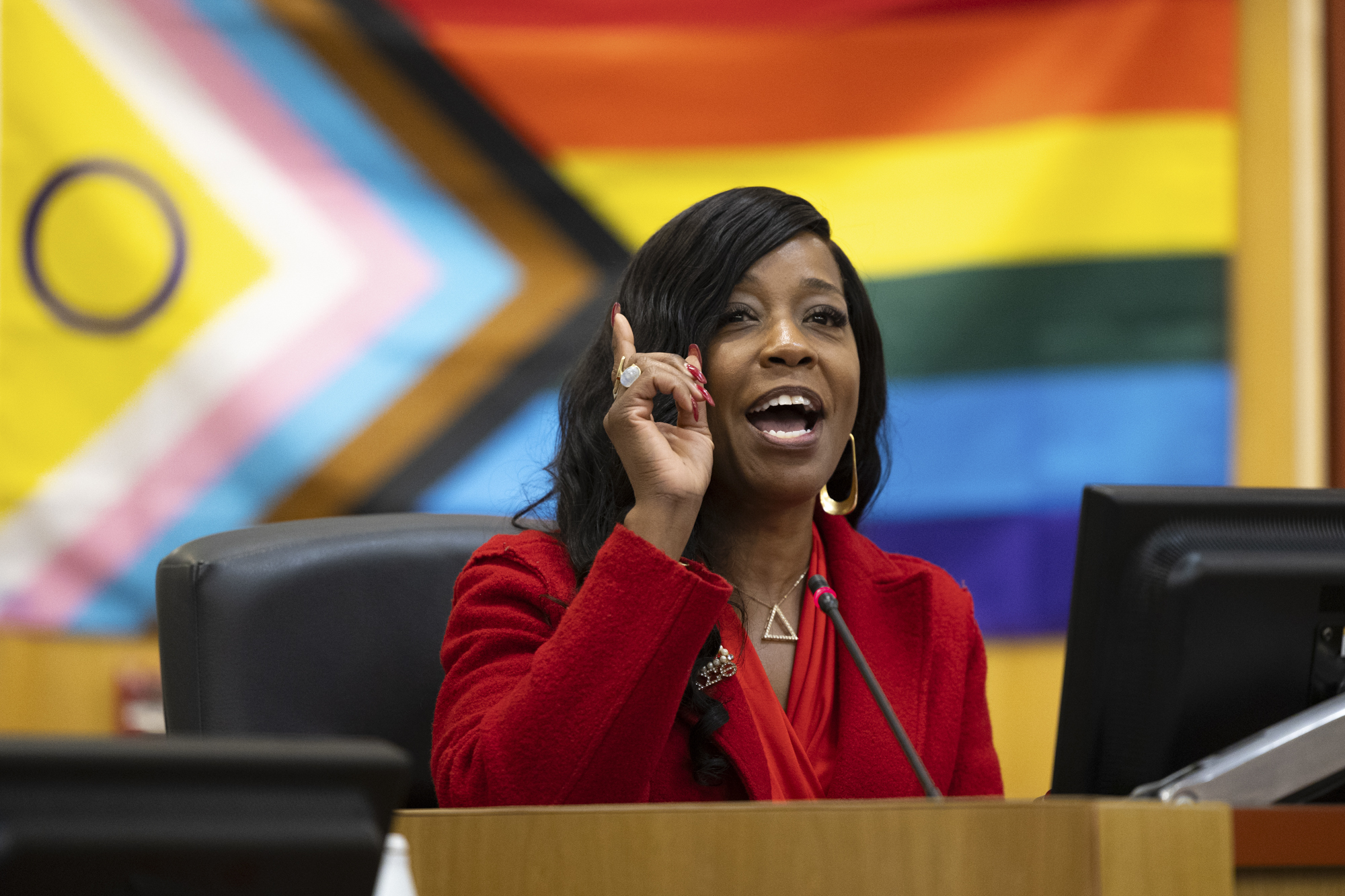
Direct cash payments for education — which the group calls educational opportunity grants — are a central recommendation of BUSD’s own Reparations Task Force.
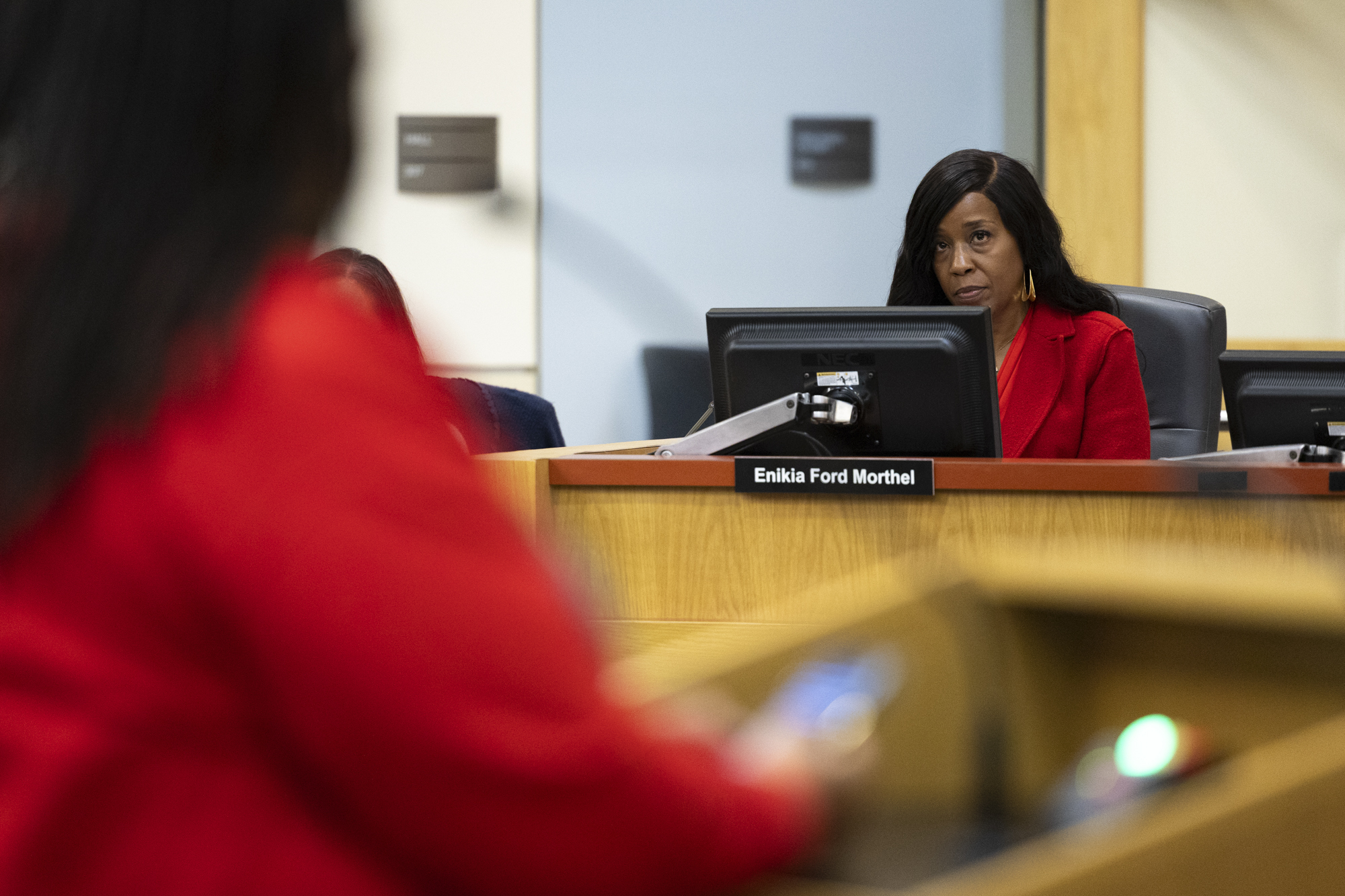
BUSD Superintendent Enikia Ford Morthel convened the task force in 2023 at the request of community members inspired to push for reparations after the murder of George Floyd in 2020. The task force’s final recommendations, presented to the school board in 2024, include the creation of a historical study documenting the district’s treatment of Black students and a revamped curriculum for BUSD students on chattel slavery and anti-Black policies throughout state and district history, in addition to educational opportunity grants. This past November, the district committed $25,000 to the historical study. It’s now underway and due to the district on Nov. 30.
The Berkeley Reparations Coalition is a volunteer group of former task force members, Berkeley faith leaders, community organizers and BUSD parents and staff formed in 2024.
While the state and various counties and municipalities have explored providing direct payments to those harmed by the legacy of slavery since 2020, BUSD is the first school district in California to do so. And while most local reparations efforts are being carried out by lawmakers, coalition members say the BUSD’s effort is the first with a plan to put the issue of direct cash payments to voters.
On Dec. 17, the coalition is holding a public event at Classroom Matters, a Berkeley tutoring center, to gear up for the ballot initiative campaign and to recruit new supporters.
This past October, Ka’Dijah Brown found a 1990s invitation to a gathering about reparations while sorting through old papers in her grandparents’ Berkeley home. Brown, the president of the Berkeley Unified School District Board of Education, smiled.
“A lot of people, you know, especially in younger generations, think about reparations as a newer idea. And it’s not,” Brown told KQED.
As a kid, Brown remembers sitting on the floor of her grandparents’ living room and listening to the adults in the room talk about what reparations might look like.
“My grandparents thought it really important that we know our history, and that this history is shared through the generations, so they talked to me about it,” Brown said. She learned about slavery as a student at BUSD’s Washington Elementary and Longfellow Middle schools, but her grandparents talked about the displacement and discrimination that followed. They also talked about the promises of repair, like General Sherman’s Field Order 15 with the promise of 40 acres to formerly enslaved families, that were never kept.
In 2020, as the Bay Area’s Black Lives Matter movement resurged, Brown began talking with Daniels and other community members about how a reparations program in the school district might look. In 2022, the group sent a letter to the school board requesting that the district begin a study of reparations for African American students.
At the time, Brown, now 35, was one of the youngest members of Berkeley’s school board. When asked why she thought the district was the right place to start a reparations program, she responded, “Why not?”
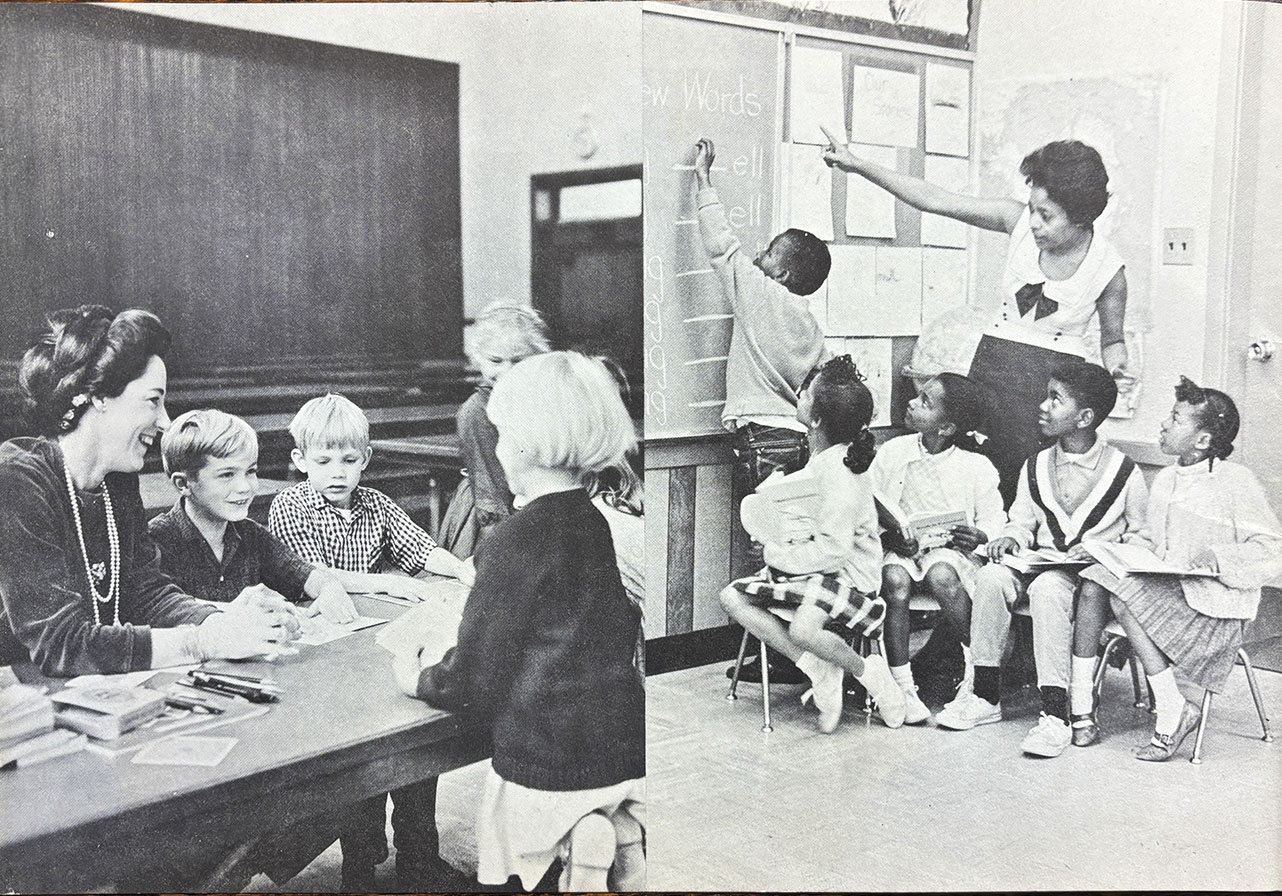
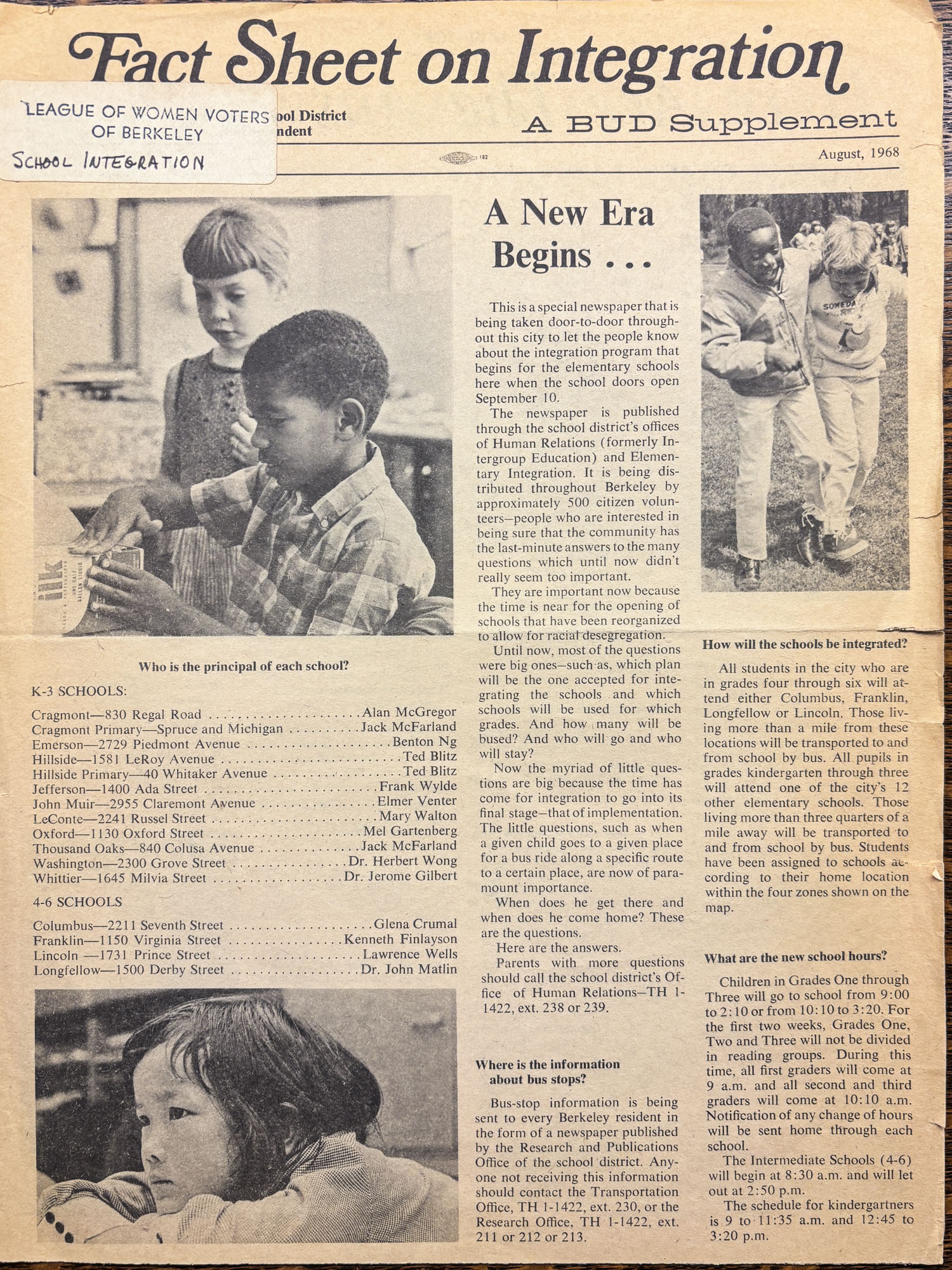
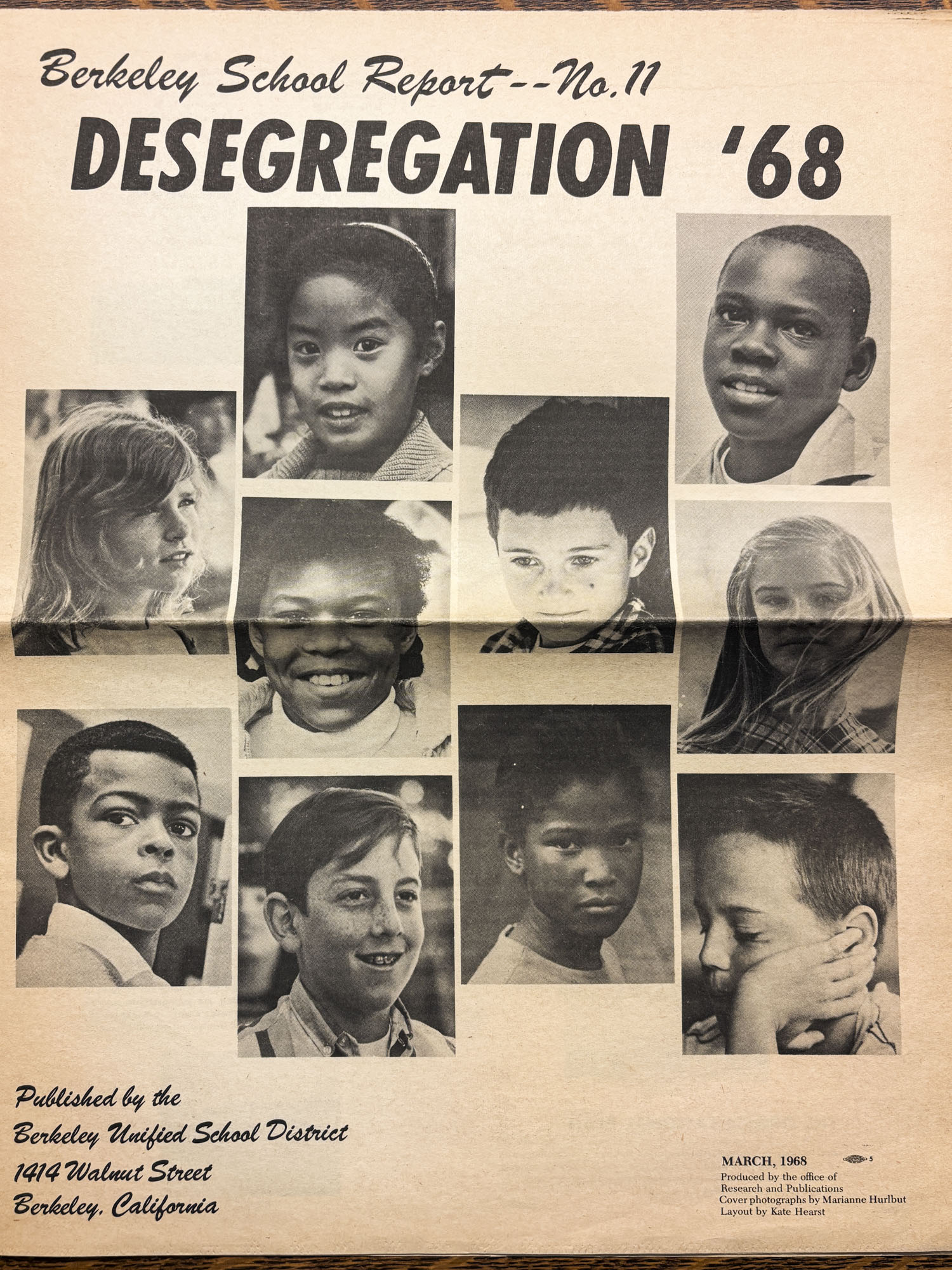
Berkeley schools have a long history of being first, she said. In 1968, BUSD was one of the first major American school districts to voluntarily desegregate its schools; former Vice President Kamala Harris spoke of being part of Berkeley’s groundbreaking student busing integration program on the campaign trail. That same year, Berkeley High School started the nation’s first high school African American Studies Department. And in 2016, Berkeley became the first city in the state to give 16- and 17-year-olds the right to vote in school board elections. Now she said, it’s time to be first again.
“I’m proud to serve on a board where every single one of my board colleagues at the time voted yes to take the first steps towards carrying out recommendations we received from the task force,” Brown said.
School districts have a unique responsibility for entrenched inequality, said Laura Faer, senior program manager at UC Berkeley’s Edley Center on Law and Democracy.
Leading up to the 1940s, the state allowed for and enforced housing segregation through redlining, racially restrictive covenants and exclusionary zoning laws. In the early 1900s, Berkeley pioneered the use of single-family zoning regulations, a move the California Real Estate magazine later celebrated in 1926 as “protection against invasion of Negroes and Asiatics.”
“We then saw decisions by school districts to reinforce that segregation through school siting decisions or school attendance and enrollment boundaries,” said Faer, the former director of the U. S. Department of Education’s San Francisco Office for Civil Rights. “Many times, those were very intentional decisions, at least historically, to reinforce and create separate and unequal schools.”
Public schools are essential to democracy and upward mobilization, Faer said, the former director of the U. S. Department of Education’s San Francisco Office for Civil Rights, adding that, “School districts have been a part of the problem and they should be a part of the solution.”
Reparations advocates acknowledge Berkeley’s school district has worked to upend this legacy of racism. After its first efforts at desegregation failed to generate equitable improvement in student test scores, district officials launched a volley of programs meant to close the gaps between the district’s white and Black students by reducing tracking, offering culturally affirming programs, redesigning schools to generate supportive communities and campaigning to raise attendance, among other efforts.
But the persistent gap in student outcomes proved nearly as consistent as the district’s efforts to address it.
“Unfortunately, equitable outcomes for BUSD students with ancestors who were enslaved in the U.S. have not followed,” the district wrote on its website announcing the Reparations Task Force in 2023. “It is time to explore enacting and implementing a program of reparations for such students.”
Erika Weissinger, a BUSD parent and professor of public policy at UC Berkeley’s Goldman School, pointed to the concept of “educational debt” to explain this movement toward reparations. Popularized in 2006 by Gloria Ladson-Billings, former president of the American Educational Research Association, the idea reframes the gap in educational outcomes between students of different races as the result of accumulated consequences of generations of unequal opportunity.
Or, as Weissinger, also a member of the Berkeley Reparations Coalition, put it: “I see it as a reflection of a much larger societal failure — intergenerational consequences of never having remedied the harms of slavery in the first place.”
The BUSD Reparations Task Force recommendation to provide educational opportunity grants is designed to empower students and their families to decide for themselves what would improve student learning — and to tie that extra support to an acknowledgment of historical injustice. The task force specified that the money should be used for educational purposes broadly, including a wide range of things that support student learning, like paying for private tutoring, college tuition, consistent high-quality Wi-Fi at home and more reliable transportation to and from school.
“This is a different approach that the task force felt would recognize the history and the present situation and remedy, address it in a way that past efforts have been unable to,” said Daniels, also a former task force member.
According to the state Department of Education, there are approximately 1,000 African American students in BUSD. Only those who are the descendants of people enslaved in the United States would be eligible for the educational opportunity grants. The process for proving that lineage, how much the grants would be worth and when in a student’s career they would be awarded is still to be determined.
Berkeley’s efforts coincide with a growing national movement for reparations for Americans who descended from enslaved Africans. According to a map compiled by the African-American Redress Network, there are now 463 efforts nationwide for reparations and redress to descendants of people formerly enslaved.
In 2022, the city of Berkeley began its own reparations effort. According to city councilmember Ben Bartlett, that effort collapsed after city staff failed to use funding for the effort before the end of the fiscal year. Bartlett, who led the city’s efforts, said he doesn’t plan to reintroduce the idea because he believes “the political moment has passed,” and the city’s budget deficit makes funding the project again unlikely. This year Berkeley laid off staff and cut services in order to fill a $30 million budget deficit.
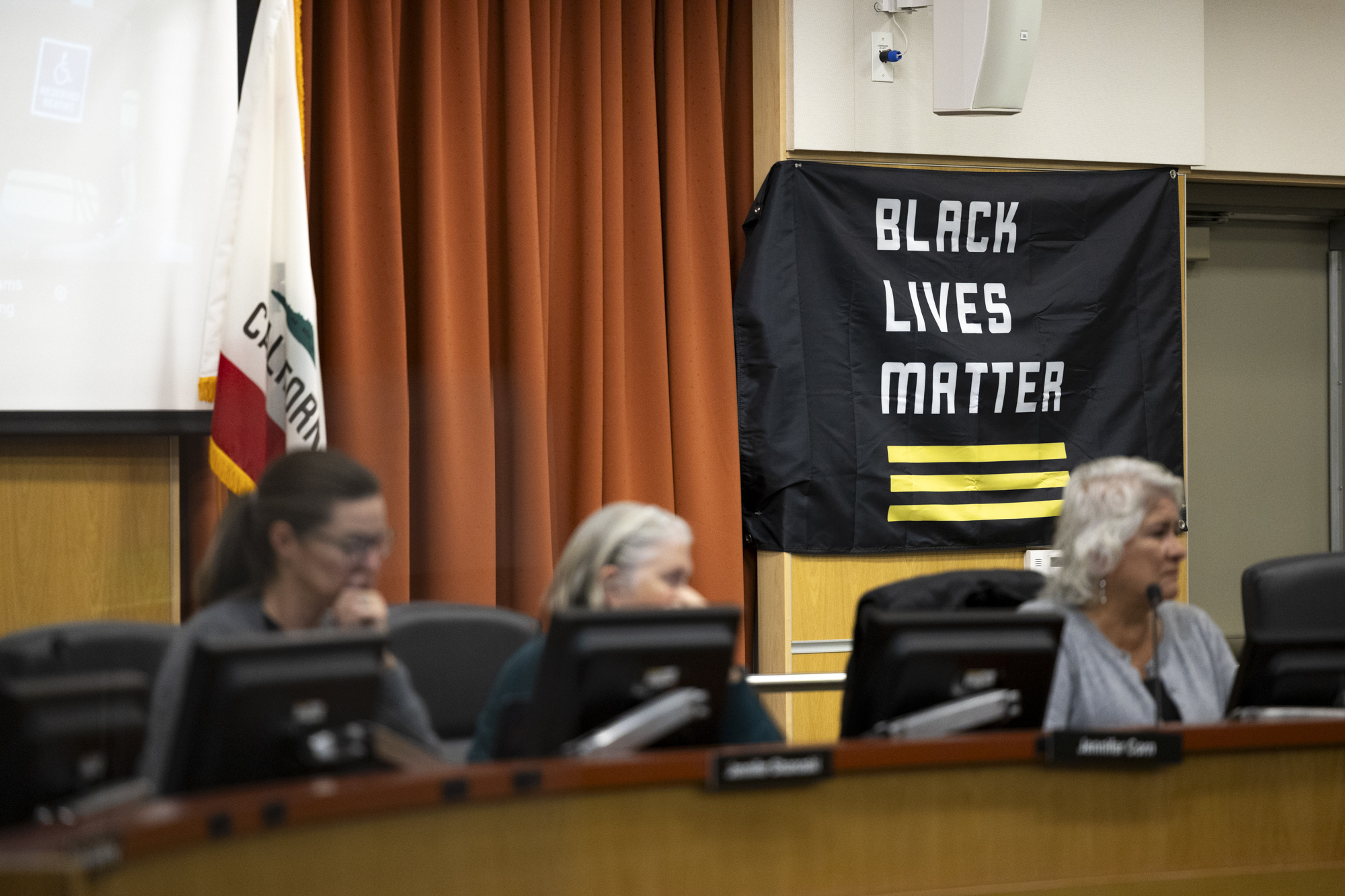
Those involved with the school district’s effort see the issue differently. After the task force presented its recommendations, some of its members and early supporters, including Daniels and Brown, founded the Berkeley Reparations Coalition in 2024.
Their goal is to build and maintain community support for reparations that they say is essential to maintaining the momentum of the district’s reparations work. A 10-person steering committee leads the coalition and has an email list of around 800 supporters and volunteers. Much of their work is done in coordination with the district.
“As much as the district seemed committed to what the Task Force had recommended, we operate in the real world,” Daniels said. “And it was pretty clear that even with the best intentions of the district, there needed to be some additional support to move these efforts forward.”
In 2025, the coalition raised $25,000 to double the district’s funding for the historical study of the district’s treatment of Black students. Task forces recommended that education opportunity grants be funded through property taxes or two other funding methods.
New taxes require voter approval, and school districts can’t use public money to support ballot initiative campaigns. Now the coalition is gearing up to run the campaign to put a property tax measure on the ballot in 2028 to fund educational opportunity grants. Exactly what kind of property tax the measure will include has not been determined yet.
Brown said the coalition’s effort will include signature gatherers outside of Berkeley Bowl Marketplace, teach-ins, educational dinners in supporters’ homes and community events. In short: “It is going to continue to be the realest of the realest grassroots campaigns,” Brown said.
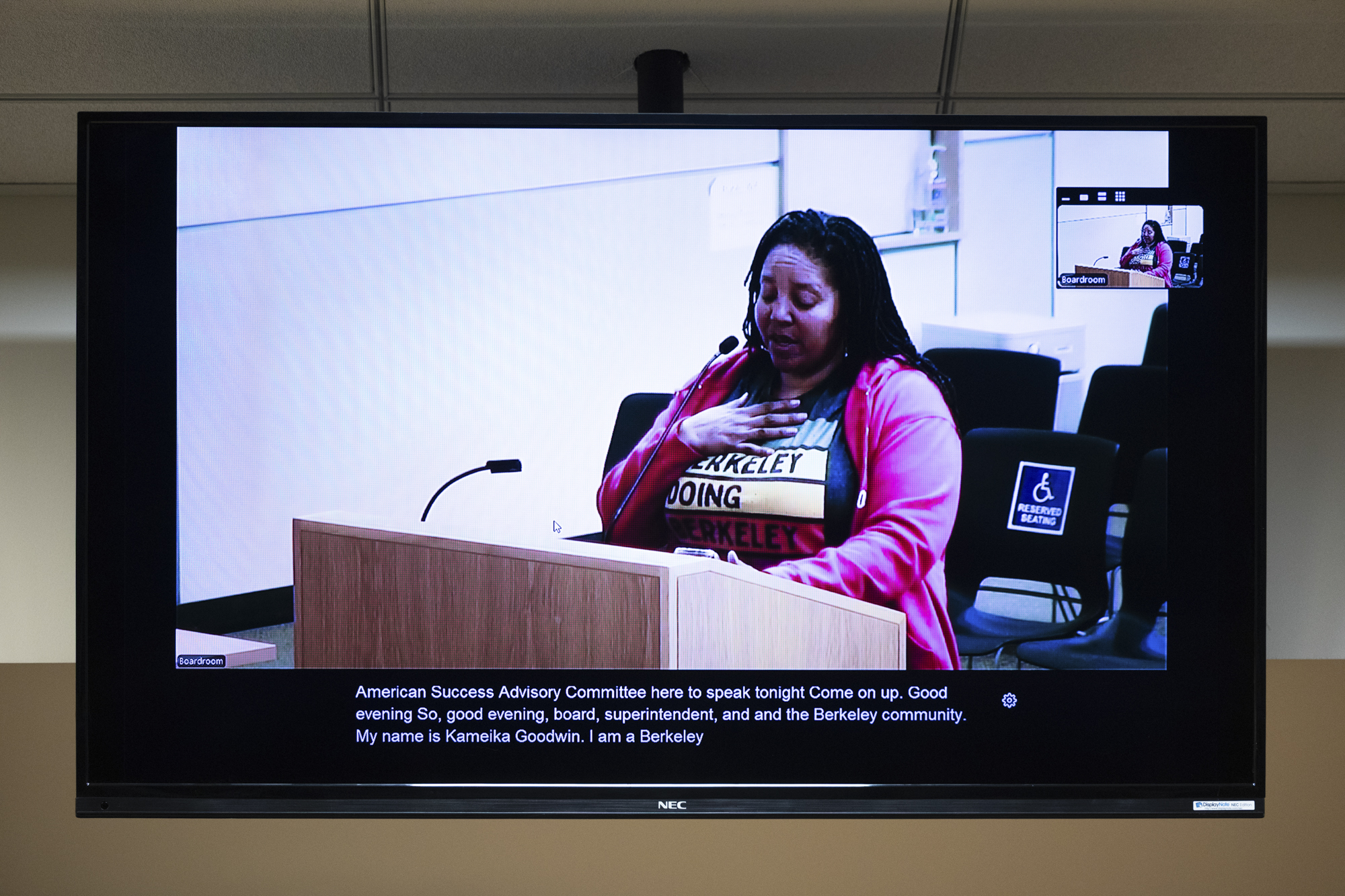
Right now, Brown said she is feeling hopeful. A poll of Berkeley residents, funded by the coalition in 2025 and carried out by the polling company Evitaus, found that 69% of respondents support reparations to African Americans for slavery and historic discrimination.
Adena Ishii, Berkeley’s mayor, served on the district task force and is a supporter of the district’s reparations work.
Brown said opposition, mostly voiced via emails to the board, has been focused on clarifying the technical aspects of how grants would be administered, fears of costly lawsuits against the district and concerns that reparations work might distract the district and school board from work on other priorities.
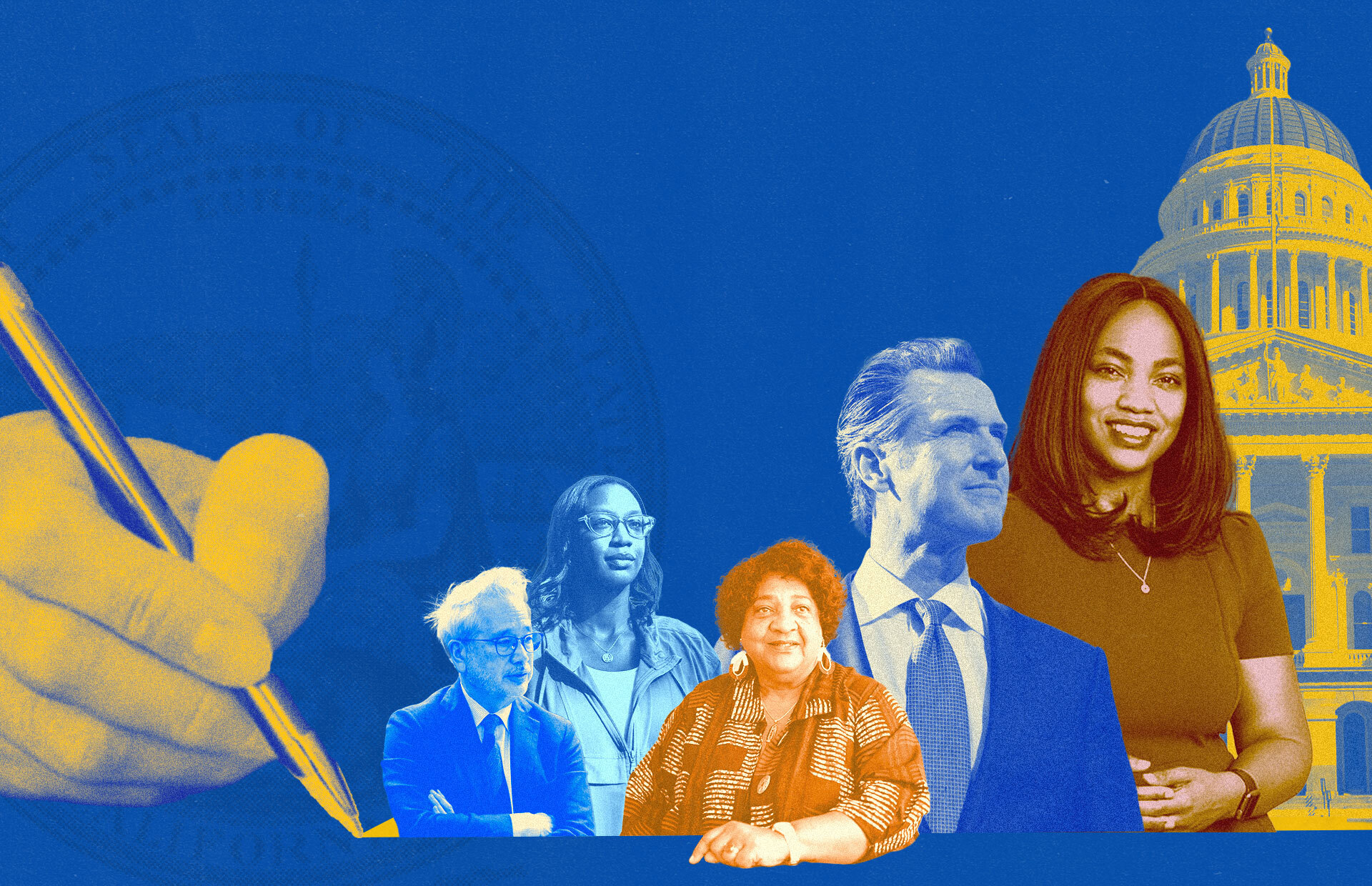
During board meetings in the fall of 2024, Superintendent Morthel assured board members the district is working closely with lawyers as it develops its reparations programs.
“Our commitment to Berkeley Unified School District and our commitment to ensuring the four E’s in our school district remains the same regardless of what additional efforts we’re trying to do,” said Brown, speaking as president of the School Board and referring to the district’s pillars of excellence, equity, engagements and enrichment.
The coalition needs to collect 2,625 signatures before spring 2028 to put a measure on the 2028 November ballot. Members plan to start gathering signatures in 2027.
“There is a bite out there from the community to move forward with reparations,” Brown said. “Now is really our time to strike while the iron is hot.”