Is a Memorial Enough? Piedmont’s Dearing Family Lawsuit Garners Local Support
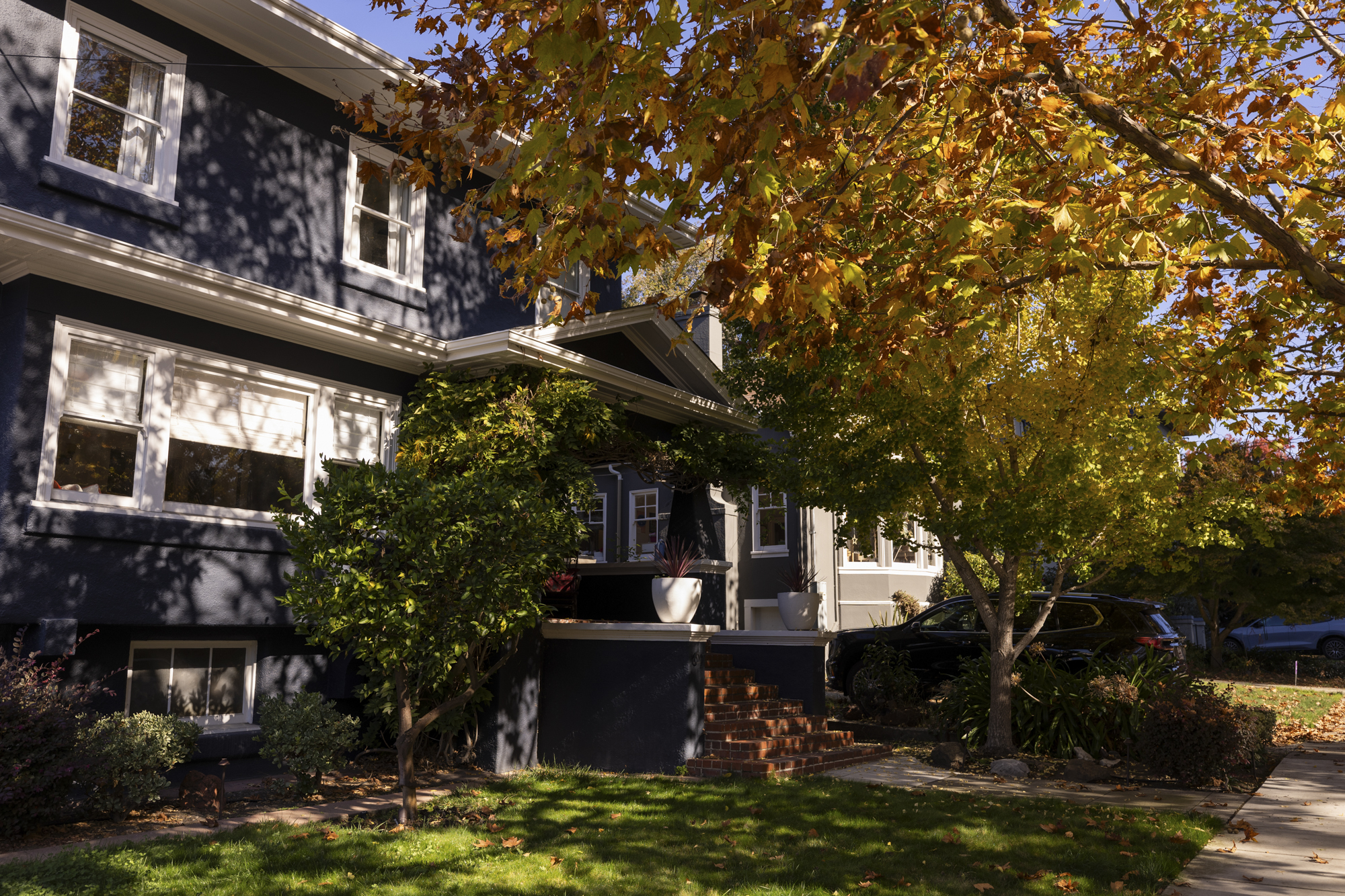
At 67 Wildwood Ave. in Piedmont, a two-story home sits across from a small triangular park. The four-bedroom house and the Tesla in the driveway blend in in this quiet, affluent East Bay town where the median home value sits around $2.5 million.
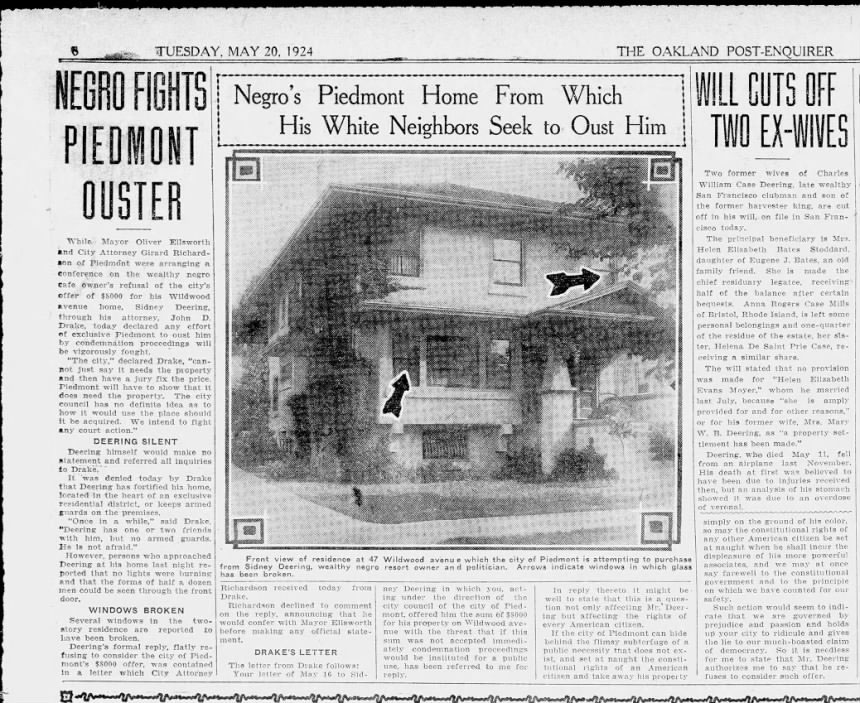
But just over a century ago, this house and its then-owners were front-page news. In 1924, a local businessman named Sidney Dearing moved with his family into 67 Wildwood, becoming the city’s first Black homeowner.
In response to the family’s arrival, Piedmont residents — then almost entirely white — launched a campaign of terror and harassment designed to drive them from the city. When Dearing held firm and defended his right to live in Piedmont, the City Council condemned Dearing’s home and forced the family out, paying them the $10,000 they had paid for the property plus $500 more. The city then resold the property to a white buyer.
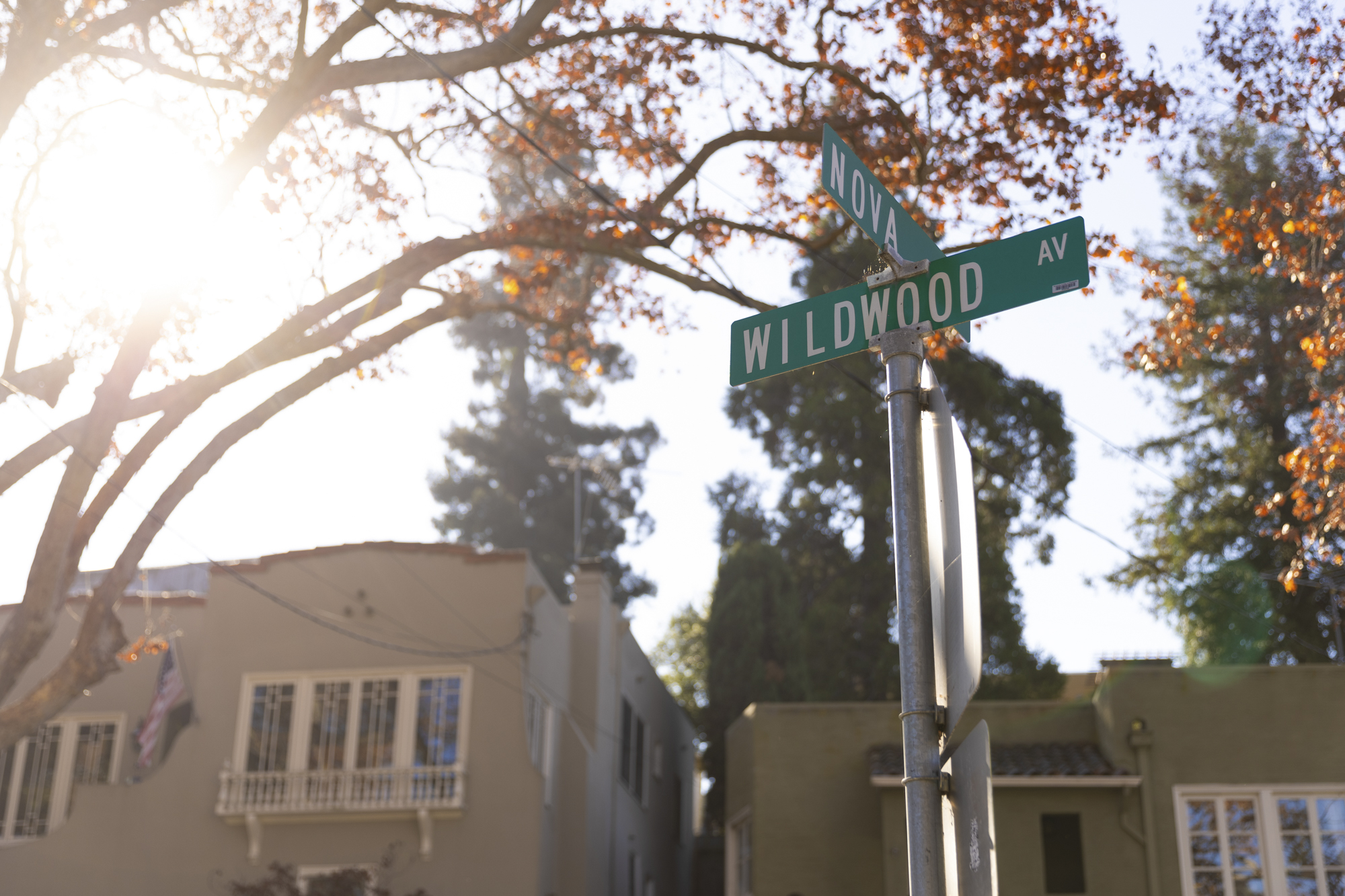
In June 2020, as protests over George Floyd’s killing sparked a nationwide racial reckoning, Piedmont resident and local historian Meghan Bennett published a website detailing the city’s treatment of the Dearing family, which had for decades gone mostly unrecognized. Piedmont is still a white enclave today — according to census data, white residents make up 69% of Piedmont, compared to 28% of surrounding Oakland.
“I was just embarrassed that I lived here and didn’t know this story,” Bennett, who was raised in Piedmont, told the San Francisco Chronicle in 2021. “Most people don’t, and it’s something we all should be talking about.”
The website took off. Faced with a stark reminder of racism in Piedmont’s past, the City Council, on the advice of City Administrator Sarah Lillivand, decided to build a public memorial to the Dearing family. This year the city approved a nearly half-million-dollar budget for the project.
But at least one member of the Dearing family thinks the city owes something more. Earlier this year, Jordana Ackerman, the great-granddaughter of Sidney Dearing, filed a lawsuit against Piedmont seeking compensation for the generational wealth the city denied her family. She argues the city committed fraud when it condemned her family’s home in order to build a road it never actually built.
The property today is valued at around $3 million dollars, according to an estimate from Redfin.
A group of Piedmont residents is backing Ackerman, arguing that doing right by the Dearing family will take more than a memorial alone.
“When the government devises a remedy, it’s not just what the government wants,” said Donald Tamaki, Piedmont resident and co-founder of the Justice for the Dearing Family Committee. “It’s basically what is satisfactory to the people harmed by this. And I think that’s the part that’s missing here.”
He and his organization say Piedmont should become the next in a growing number of California cities and counties — including Manhattan Beach, Palm Springs, and Alameda County — paying compensation to families displaced by racist uses of the state’s eminent domain laws.

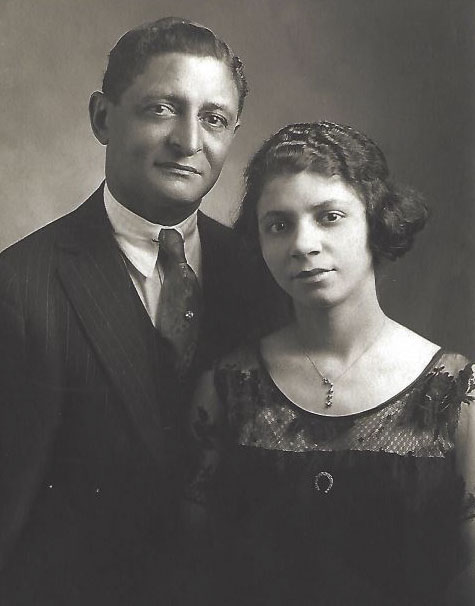
A photo of Sidney Dearing published in the Fresno Bee the year he moved to Piedmont shows him in a suit with slicked-back hair and a worried look in his eyes.
At the time, he owned a popular West Oakland restaurant called the Creole Cafe on Seventh Street, then one of the city’s main arteries of Black commercial and cultural life.
Just up the hill, Piedmont was known as ‘The City of Millionaires’ because, according to a now-deleted page on Piedmont’s website, the city was home to “more millionaires per square mile than in any city in the United States.”
In this respect, Dearing blended in — he, too, was a wealthy businessman. But he was Black, and according to census data from 1920, Piedmont’s approximately 4,000-person population was 98% white. Japanese, Chinese and Black domestic workers made up most of the remaining 2%.
City residents had taken measures to make it that way: Property ads in the Oakland Tribune from the time describe Piedmont neighborhoods as “the most exclusive, highly restricted of all subdivisions in the bay region,” with “b[u]ild backs and race restrictions.” Indeed, a racial covenant in the deed for 67 Wildwood barred sale of the property to non-white buyers. By the time Dearing sought to buy the home, the covenant had expired. Still, Dearing gave his mother-in-law, who was white, money to purchase the home. She then transferred the property to him.

But a legal deed to the home wasn’t enough to ensure the Dearings a peaceful life there. Soon after Dearing and his wife, Irene, and their two young daughters arrived on Wildwood Avenue, white residents began organizing to force them out. Neighbors protested the family’s presence at City Council meetings, and the Dearings began receiving threatening mail.
On an early May evening five months after their arrival, a crowd gathered in front of the Dearings’ home, according to newspaper reports. The Oakland Tribune quoted Dearing saying that the group of around 500 people demanded he and his family “move because Piedmont property holders did not wish to have a colored resident in their district.”
At the time, the Ku Klux Klan was in the midst of a nationwide resurgence in response to rising immigration and the rapid loss of agriculture jobs to manufacturing. The organization opened an office in downtown Oakland in 1921. Piedmont Police Chief Burton Becker, a member, refused to provide protection for the Dearing family.
Little more than a week later, Piedmont’s City Attorney offered Dearing $8,000, 20% less than he had paid for his property, and demanded his family leave the city, threatening to condemn his property if they did not. Dearing refused.
According to reporting by the Piedmont Extra, Dearing responded that he would not sell under “peaceful conditions for less than $15,000, and that under the present harsh conditions for nothing less than $25,000. [$10,000 extra is the price for] the surrender of constitutional rights.”
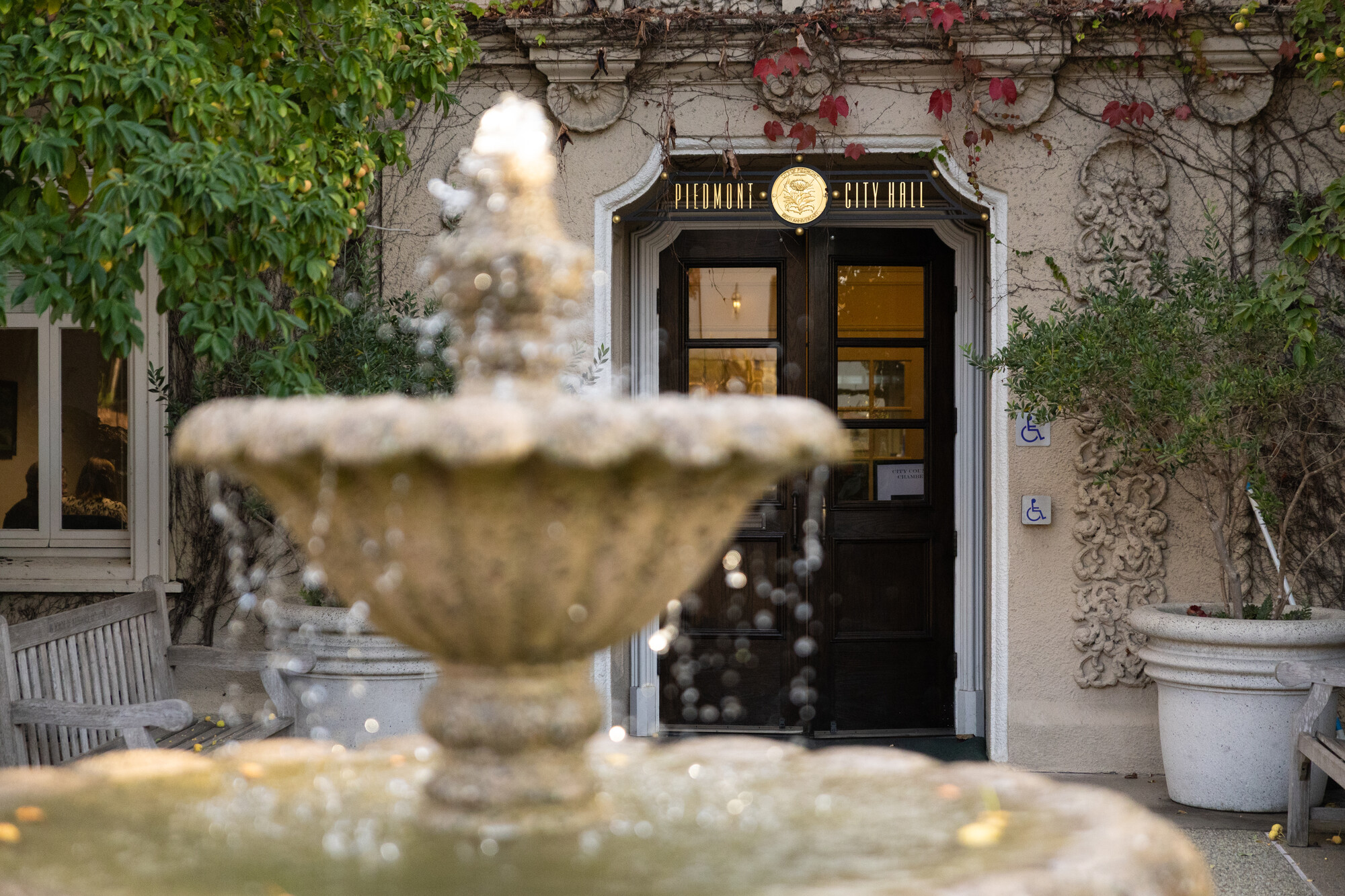
In response, the Piedmont City Council passed a resolution condemning the home for the purpose of building a road. The Oakland Tribune reported that the then-mayor of Piedmont, Oliver Ellsworth, said, “The matter of condemning the Dearing [P]roperty and building this street will be for the improvement of the city as well as to make the negro move from Piedmont.”
Dearing hired two prominent Oakland lawyers, John D. Drake and Lawrence Sledge, to represent him and fought back in court against the city’s condemnation action. They argued that the city sought to remove Dearing and his family because of his race. In response, the court barred any mention of racial discrimination in court, writing that such claims were “sham and irrelevant.”
During this time, local reporting detailed three attempted bombings of the Dearings’ home — including one instance in which Dearing ran to a sputtering fuse on his front lawn and snuffed it out with his foot. That summer, the KKK held its annual state convention in Oakland. According to the San Francisco Chronicle, 3,000 members marched through the city’s streets in white hoods and robes.
A year to the month after moving to Piedmont, Dearing — facing threats to his family’s safety and a court unwilling to hear evidence of discrimination — settled with the city for $10,500 and left Piedmont. He and his wife divorced. Dearing died in Oakland at the age of 83, in 1953.
Sixty-seven years later, Bennett’s website pulled this history back to the present.
“There was just a lot of discussion about it,” Sachin Adarkar, a former board member of the resident group Piedmont Anti-Racism and Diversity Committee, told KQED. “My kids were interested in it.”
According to census data, 36% of Piedmont residents today identify as Asian, Pacific Islander, Hispanic, mixed race or Native American. Only 1% identify as Black.
Adarkar, whose parents immigrated to California from India, said his friends in the Bay Area rolled their eyes when he and his wife began looking for a home in Piedmont in the 1990s. He said the city brought with it “the very negative connotations of it being a very exclusionary place. Being very un-diverse in the midst of one of the most diverse areas in the world.”
But he said the city is different now than it was when Sidney Dearing lived there. When his committee, known by the acronym PADC, formed in the 2000s, its goal was to celebrate and encourage the city’s growing racial diversity. After the murder of George Floyd, the group turned its attention to anti-racism and reckoning with past wrongs.
Two months after the publication of Bennett’s website, the Piedmont City Council, with the support of PADC, formally apologized for “racially motivated, discriminatory or exclusionary aspects of the city’s history,” and began a review of city policies through an anti-racist lens.
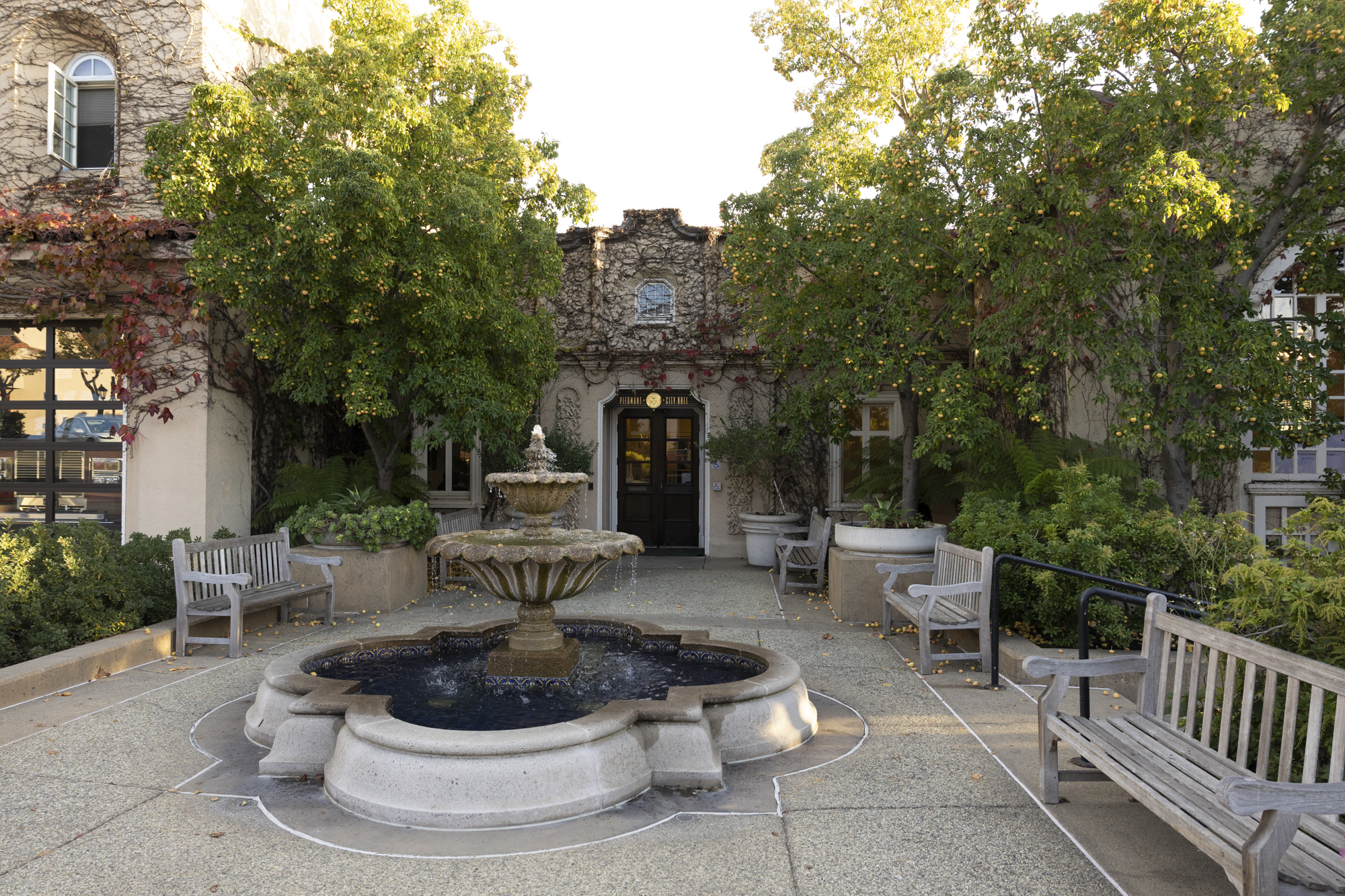
The city hired a DEI consultant to help envision a city that was “safe, welcoming and equitable for all people”. Grappling with the treatment of the Dearing family became a central part of that work.
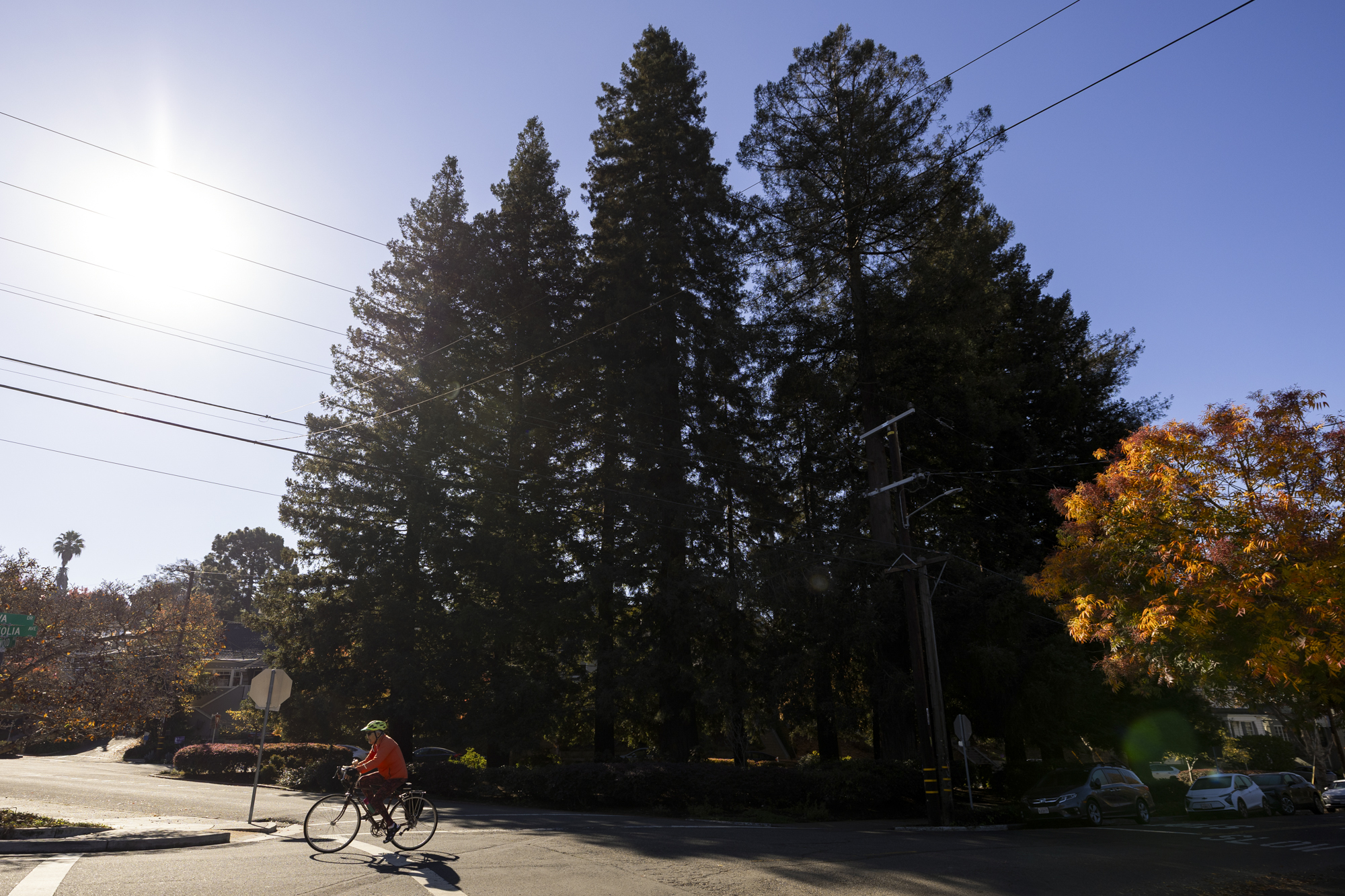
In 2022, the City Council, at the request of the city administrator, directed the Parks Commission to develop a commemoration for the Dearing family in the triangular park across from the family’s former home. Leading up to this moment, the city consulted with members of PADC and another group, the Piedmont Racial Equity Campaign. At a meeting, City Council members noted that a former council member originally suggested the idea for a memorial.
“Staff believe that honoring and commemorating the Dearing Family in this piece of public land, adjacent to the Dearing home, would be a meaningful gesture that would generate healthy community conversations and awareness as well as provide a foundation for the city’s commitment to examining and owning the city’s history,” said Sara Lillevand, then city administrator. She emphasized the memorial would be just one part of a broader effort to achieve the city’s anti-racist goals.
During public comment, one caller reminded the council that though Dearing was dead, other members of the family were alive and well.
“Have the Dearings been contacted?” asked Piedmont resident Rob Lautt. “Do we really understand the harm the family suffered both financially, as well as pain and suffering, which of course has compounded over nearly a century? Do we know what, to the family, a meaningful action and substantive plan going forward would look like?”
Lillevand assured the council and assembled public that the Parks Commission’s first step would be to reach out to descendants of Dearing. They did so with the help of Bennett, who, through her historical research, had already come to know a few of Dearing’s descendants. A handful of them agreed to work with the commission.
They included Dearing’s great-granddaughter, Ackerman, who lives in the Bay Area. According to Ackerman’s attorneys, the call she received from Piedmont that year was the first time she learned about her great-grandparents’ home in Piedmont and their forced removal. Through her lawyers, she said learning about her great-grandparents’ ordeal was a shock.
“It’s hard to understand how your great-grandparents were terrorized in this way,” said Leah Aden, an Attorney for the NAACP Legal Defense Fund who now represents Ackerman. “And then you also learn that your life maybe could have been different if you had been born and reared in this community.”
As a student in Piedmont, Ackerman would have had access to some of the top-rated public schools in the state.
Over the next year, the commission designed a plan for the memorial in collaboration with family members, resident groups and neighbors living directly around the park. Dearing’s family members laid out guiding principles for the memorial design, including that the memorial should teach something about Sidney and Irene Dearing’s lives and accomplishments beyond the tragedy of their time in Piedmont. They also requested that if physical art were to be incorporated into the park, that local Black designers make it.

During public comment at the City Council meeting in April 2023, Tiffany McCoy and her mother Roberta Price — Dearing’s niece and grand-niece, respectively — called in from their home in Texas.
“Things like this in this country have been closeted and washed over for too long,” McCoy said. “So to the City Council members, to the committee people, to the parks people, I wholeheartedly want to say thank you.”
This year, the city approved a $417,250 budget for the project. According to Echa Schneider, a spokesperson for the city, the memorial, designed by Walter Hood, a world-renowned Black landscape architect based in Oakland, will be installed in 2027.

“What happened to Sidney and Irene Dearing 100 years ago was abhorrent,” Piedmont said in a statement to KQED. “It is a shameful chapter in the community’s history and does not reflect the values of the Piedmont community today.
With the support of Sidney and Irene Dearing’s grandchildren, the city is creating a permanent memorial to ensure the Dearing family’s experience is never forgotten. The memorial is an important part of the community’s commitment to honest reckoning with the past as we work together to build a more welcoming, inclusive future.”
But for Ackerman, Piedmont’s memorial alone is not enough.
During the memorial design process, Ackerman’s lawyers say she asked the city about paying family members compensation for the harm done by the city. At an April 2023 City Council meeting, Lillivand acknowledged that the scope of the memorial project was “quite narrow.” She said she would submit a document to the City Council with suggestions for additional actions that arose from discussion with Dearing descendants and other stakeholders. In response to a request from KQED for this document, the city clerk said they had no such thing.

Nothing came of Ackerman’s restitution request as part of the memorial process. So in March 2025, Ackerman sent a letter to the city with a more formalized claim for compensation. According to her court filings, the city “delayed and failed to make any effort to negotiate.”
Piedmont declined to comment on the litigation, which is ongoing.
In February 2026, Ackerman filed suit against the city in Alameda County Superior Court, the same place where Piedmont filed its condemnation action against Dearing. Her legal team includes Arnold Brown III, the great-nephew of one of the attorneys who represented Dearing in 1925. For the legal team, the case is personal, but also straightforward.
“It’s a classic case of someone being defrauded out of their property,” said Aden, Brown’s co-counsel. “What the government should do in that circumstance is to try to restore the person back to what their life would have been like absent the fraud.”
Ackerman’s lawyers are clear that their goal isn’t to take the house back from its current residents. The current residents are aware of the history and supportive of efforts to commemorate the Dearings, according to Bennett and reporting by CBS. Instead, the lawyers are asking the city to compensate Ackerman and her family for the value of wealth that was lost when the family was prevented from living at 67 Wildwood Ave. and passing the home from generation to generation.
While a memorial might help Piedmont feel like it’s atoned for the city’s past, Ackerman said it offers little to her family.
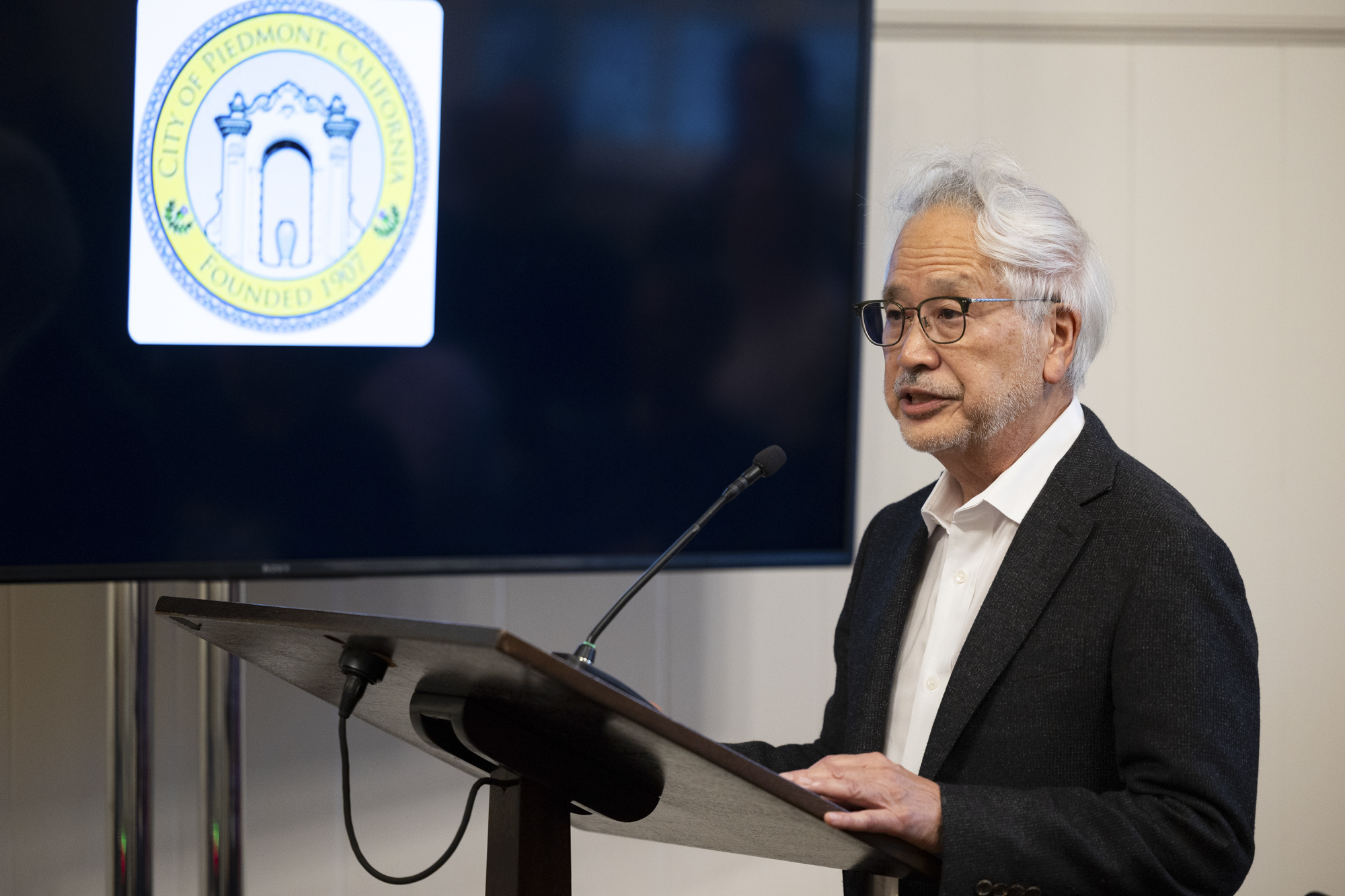
“The decision to commission an artist to create a costly monument in a residential neighborhood, where a simple plaque may be more appropriate, appears to be more about the city receiving recognition for doing a good thing than about meaningfully acknowledging the injustices it committed upon my family,” Ackerman said in a statement to KQED. “I believe the city owes descendants like me more than a memorial park, especially since members of our family will not or cannot regularly visit it because they are either not interested or do not live in California.”
In response to the lawsuit, Piedmont hired attorneys from the California law firm Burke, Williams & Sorensen. In court filings, the city and its attorneys don’t dispute Ackerman’s allegations that city officials forced the Dearings from the city through fraudulent means because of their race. They write that the events “represent a painful chapter in the history of the Dearing Family and the City of Piedmont.”
Instead, they make two technical arguments.
First, they argue that Ackerman’s claim is simply too late. The California statute of limitations is three years. Dearing, they argue, should have filed a fraud claim before 1928.
Second, the city said that the statements that Ackerman uses to show fraud were made during the legal fight over the city’s use of eminent laws to condemn Dearing’s property. Statements made during legal battles are not allowed to later be used in civil lawsuits — a legal rule known as “litigation privilege.” Without these statements, the city said Ackerman can’t prove fraud was committed.
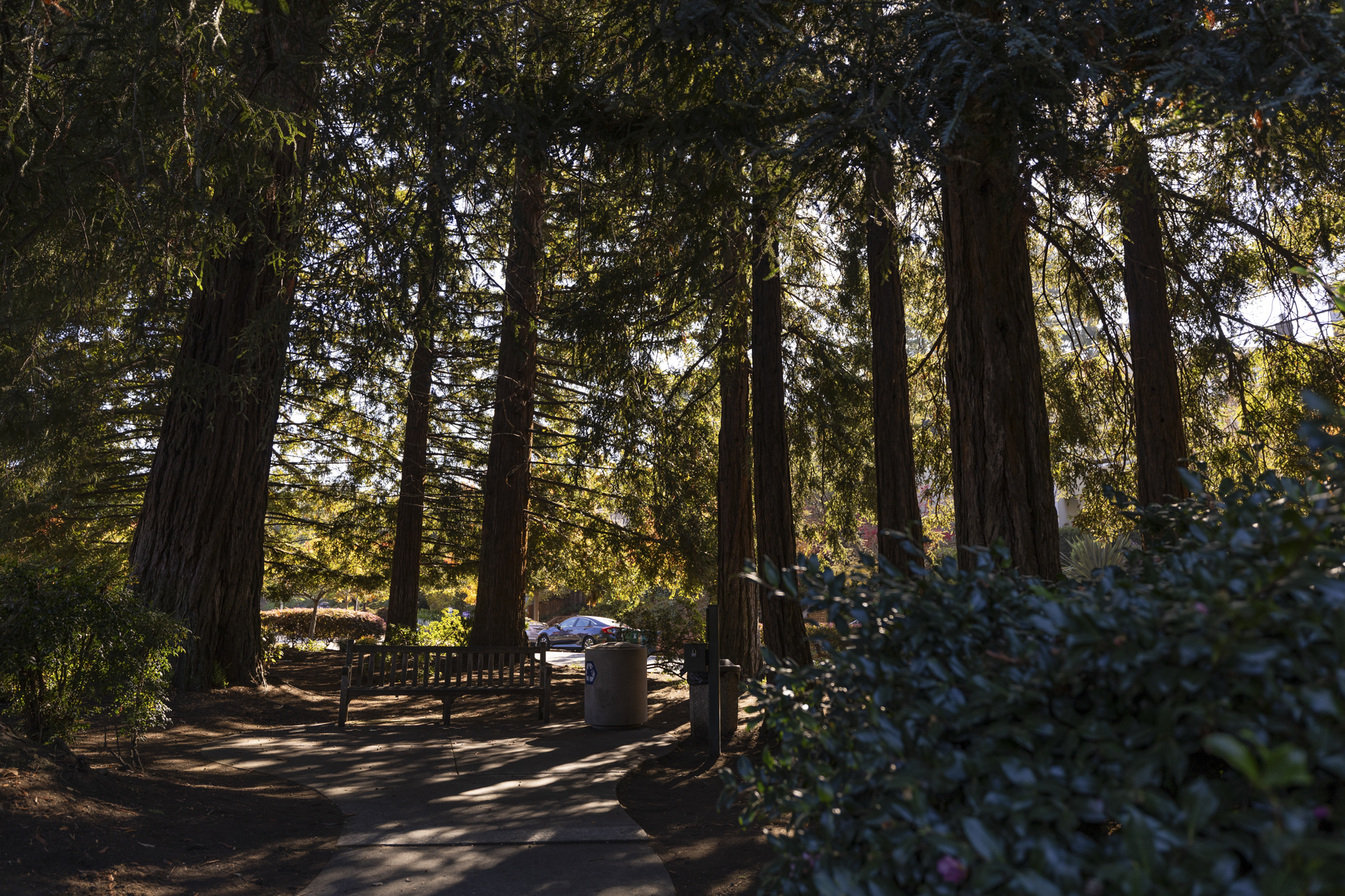
Ackerman said in court filings that her ancestors didn’t know the city never built the road through their property. After settling with the city, it’s not clear Dearing ever returned to Piedmont. Ackerman said her great-grandparents did not pass on the story of what happened to them to their descendants.
The three-year time period in which fraud claims can be filed begins when the victim learns they’ve been defrauded. In court filings, Ackerman said she learned her great-grandparents lived in Piedmont in 2022, when she was contacted by the city to participate in the memorial. She said she didn’t learn the full extent of the city’s actions to remove her great-grandparents until her lawyers looked into the city’s actions in 2025.
An Alameda County Superior Court judge is expected to hear arguments in the case early next year.
In the meantime, a growing group of Piedmont residents is pressuring the city to negotiate with Ackerman.
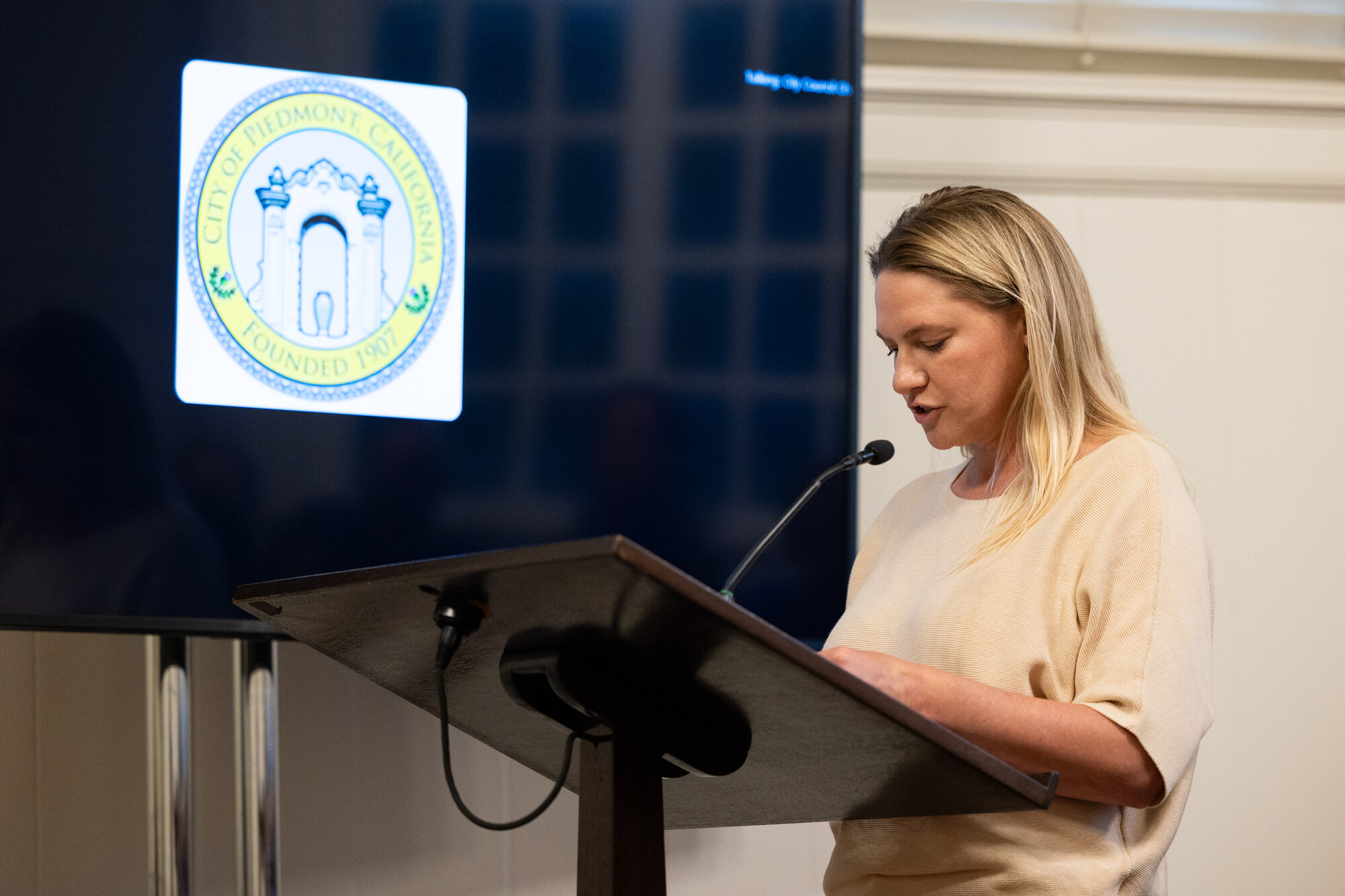
At a City Council meeting on Oct. 19, nine members of the newly formed Justice for the Dearing Family Committee called on the council to reconsider its response to Ackerman’s lawsuit.
“We owe this family money,” said Jessica Burke, a Piedmont mother of two. “Piedmont can be among the leaders in addressing this injustice, just like Manhattan Beach, Palm Springs and Cambridge have done recently.”
As of October, the group had approximately 30 members. At its helm is Tamaki, the Piedmont resident who also happens to be a former member of the California Black Reparations Task Force.
“We’re not the first group to confront this issue about how to repair a racial wrong or horrific acts of government,” said Tamaki, whose Japanese American parents received compensation from the federal government for their wartime incarceration during World War II. “That issue has been studied and dealt with by nations, by states and by cities, and standards have been developed for that.”
Restitution and the satisfaction of victims are key to standards for addressing historical injustice, according to the leading reparations framework developed by the United Nations.
The state task force — the first of its kind in the nation to develop a statewide plan to redress African American residents for anti-Black government policy — includes among its recommendations the creation of a state claims process that would compensate residents who were the victims of racially discriminatory uses of eminent domain laws.
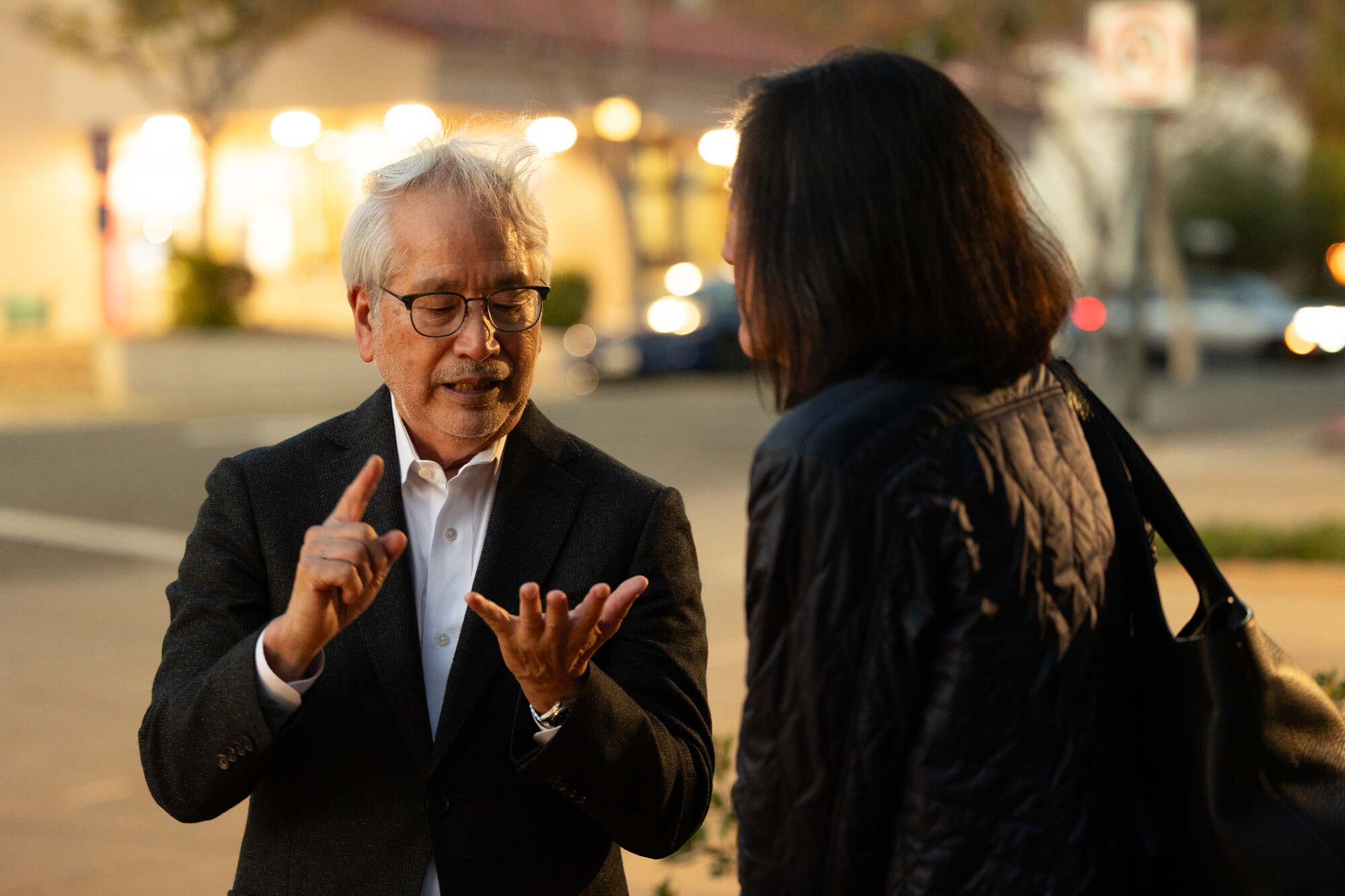
In 2024, a legislative effort to create such a process was vetoed by Gov. Gavin Newsom.
In Ackerman’s case, her attorneys are hopeful public pressure might encourage the city to negotiate compensation for the Dearing family.
“The people who are meeting today are giving life to that sentiment that has been around for several years, which is that the memorial is just a start to what the city should be doing,” Aden said.
In a letter to the Piedmont City Council in October, Alfio Levy, a committee member and Piedmont resident, told city leaders what he and other committee members believe is at stake in the city’s resistance to Ackerman’s stake.
Even if the city ultimately wins in court, he wrote, “Piedmont will have lost. The lasting record will say that our city, faced with clear evidence of what its government did to a Black family, avoided accountability on a technicality.”