Alameda County Approves $1.3 Million in Reparations for Displaced Black Hayward Families
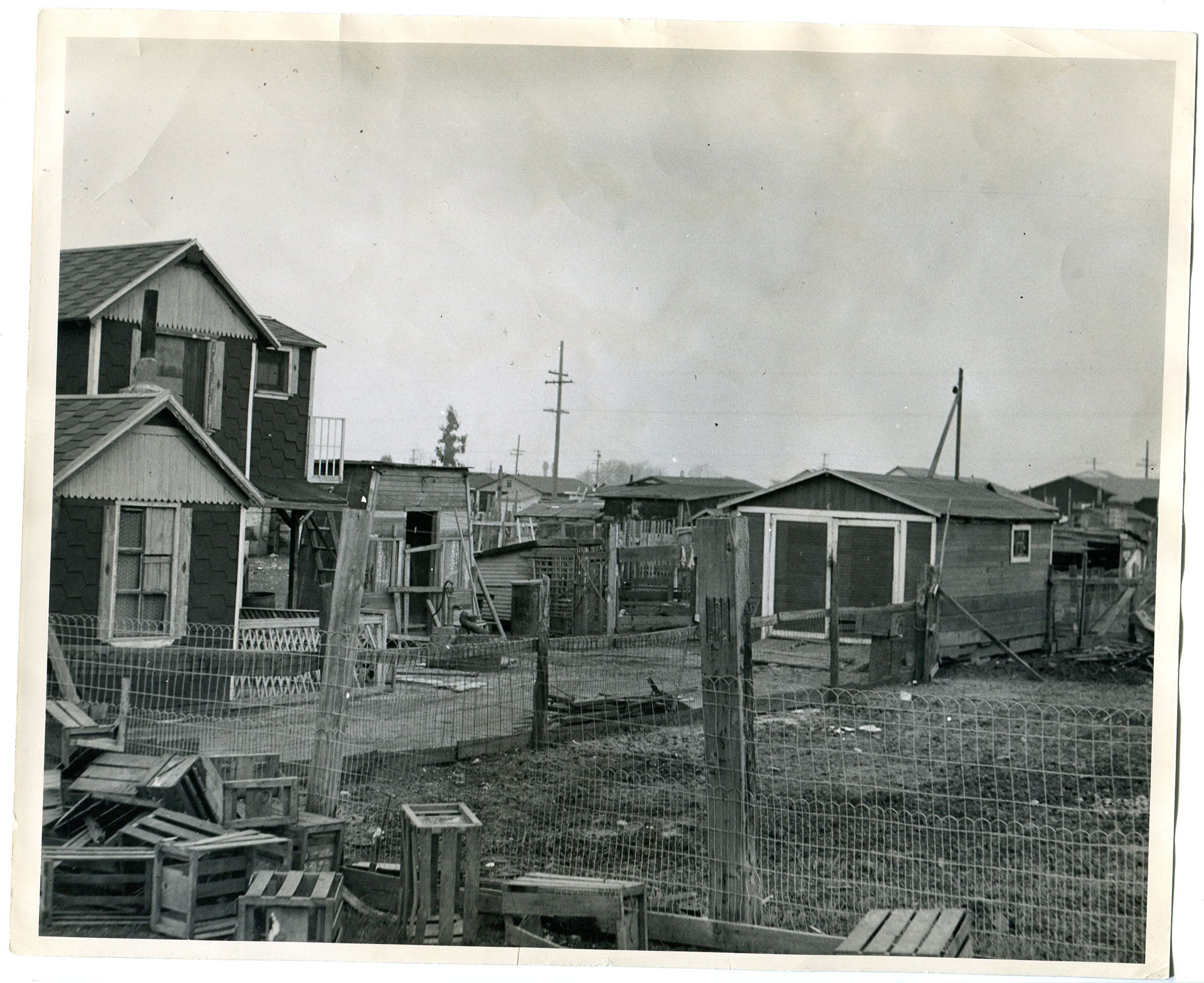
Alameda County supervisors unanimously voted Tuesday to begin sending cash payments to the last surviving homeowners forced out of Russell City, the unincorporated community dismantled by the county and the city of Hayward six decades ago.
The vote approved a memorandum of understanding with Hayward that sets up shared governance of a $1.3 million redress fund, seeded by all five supervisors, the city and the Alameda County Office of Education, to make amends to residents who had property seized during the 1960s.
Supervisors also authorized the county to issue a first round of payments of up to $25,000 per household. Russell City once stood on the Hayward shoreline, south of the modern Hayward Regional Shoreline Park.
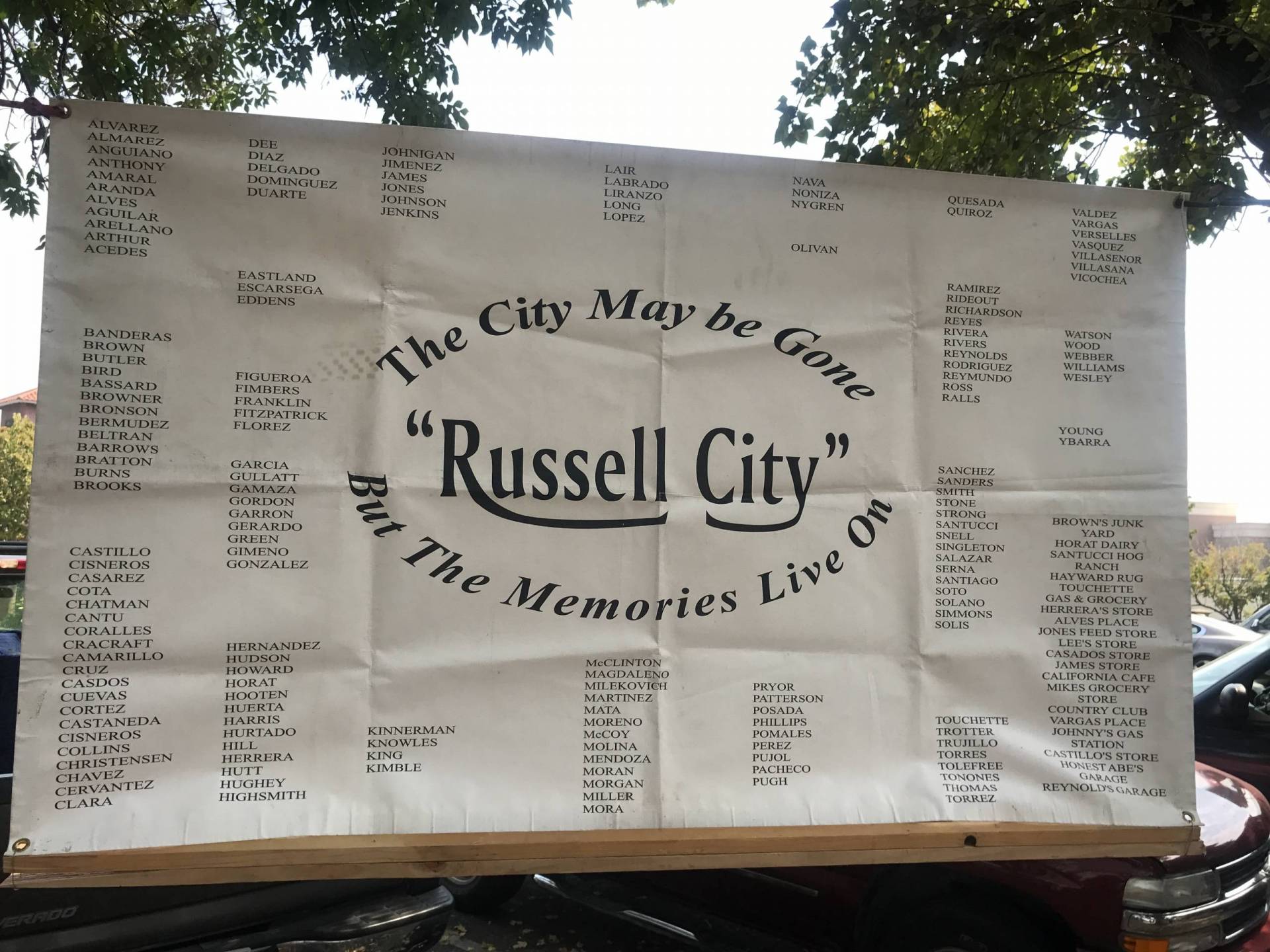
In the 1960s, county authorities declared Russell City blighted and used eminent domain to acquire close to 700 parcels, displacing roughly 1,400 residents and converting the land into an industrial park annexed by Hayward in 1964. Today, nothing of the historic Black and Latino community survives, except the name of the Calpine Russell City Energy Center, a natural gas power plant.
The Fifth Amendment allows the government to seize private property for public use and requires it to pay “just compensation” in return. Research by the city of Hayward found some Russell City homeowners received around $2,000 for their homes, and some as little as $250.
Founded in 1853, Russell City was named for a Gold Rush-era schoolteacher, Joel Russell. The neighborhood filled in as World War II drew workers to nearby factories.
At a time when racial covenants and redlining shut Black and Latino families out elsewhere, unincorporated Russell City became one of the few places in the East Bay where they could buy property and build. Families kept sheep, chickens, pigs and rabbits, and tended gardens big enough to feed neighbors.
Decades later, Hayward and Alameda County issued formal apologies to community members in 2021 and 2023, respectively.
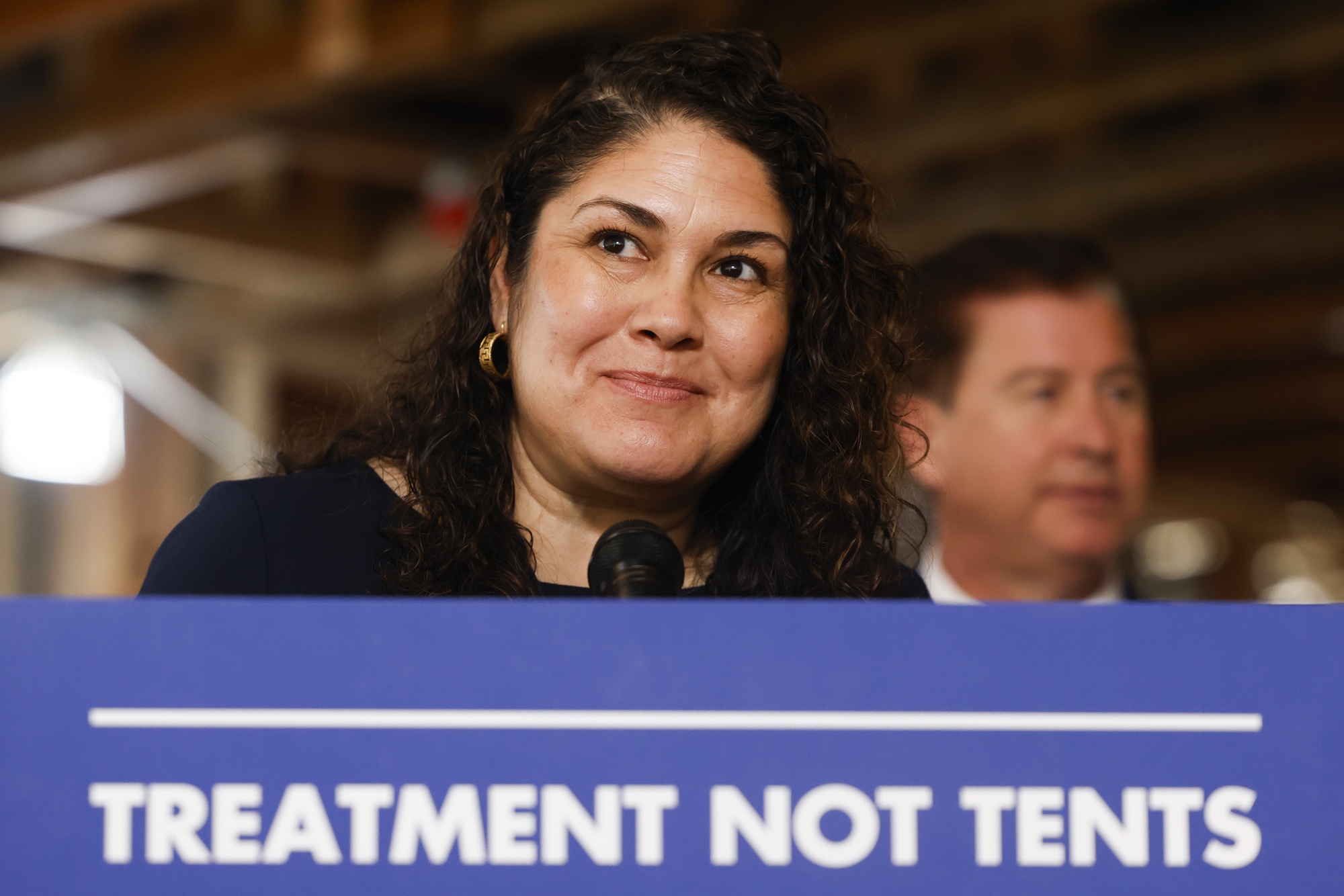
Alameda County Supervisor Elisa Márquez, who represents Hayward, Newark, Union City and parts of Fremont, and who supported the reparations plan, said the vote moves the county toward action.
“No payment can fully repair the harm caused by the destruction of Russell City,” she said. “But these first redress payments represent an important step toward acknowledging that harm, honoring the resilience of former residents and advancing justice for their families.”
Márquez’s voice broke as she explained why the first round goes only to the oldest survivors.
“When families come together, we don’t ask elders to get in line,” she said. “They are served first.”
The first phase of reparations is deliberately narrow. To qualify, an applicant must have both lived in and personally owned a home in Russell City between Jan. 1, 1961, and Dec. 31, 1964, and had that property taken by eminent domain during those years. Money is allocated by household rather than by person, and split evenly among qualifying residents of the same home.
Márquez said the county is “not anticipating a large number this first round” because applicants must still be living and must have owned their home. Once those payments go out, she said, the working group will release criteria for a second phase that includes descendants, though that will require another board vote.
Several speakers pressed the board on how the money will be divided. Priscilla Figueroa, a Hayward resident whose late husband’s family lived in Russell City, noted that $1.3 million divided by $25,000 covers only 52 households, and questioned how the county would determine who receives the full amount.
Deborah Harris, who grew up in Russell City with her parents, asked how the county will handle households where the original landowner has died, adding that “probably all of the original landowners are deceased at this point.”
Hayward Councilmember Angela Andrews, who spoke at the meeting on Hayward’s behalf, said the city’s 2021 apology was not enough on its own.
“An apology is nothing without action,” she said. She urged philanthropic partners, the real estate industry and the business community to contribute to the fund, saying they benefited from the displacement.
Supervisor Nate Miley committed another $250,000, and Márquez said she would match it, which would bring the fund to $1.8 million. Both stressed the pledges are not binding yet and will have to return to the board, likely in the fall.
Aisha Knowles, a Russell City descendant who chaired Hayward’s steering committee — and who produced a documentary on the community’s displacement, The Apology — asked the county to aim higher, arguing the fund should eventually match what Russell City land sold for.
She told supervisors her grandfather never recovered from the loss.
“My grandfather did not live to be 50,” she said. “I am a year older than he was able to live and enjoy his life after Russell City.”
She urged the board not to stop at phase one. “For those who are needing something to interrupt the trauma that they’ve held onto for the past 70 to 80 years, I encourage you to continue this work, and I thank you for staying in the fight.”