Scott Wiener Leads in San Francisco Congressional Race to Succeed Nancy Pelosi
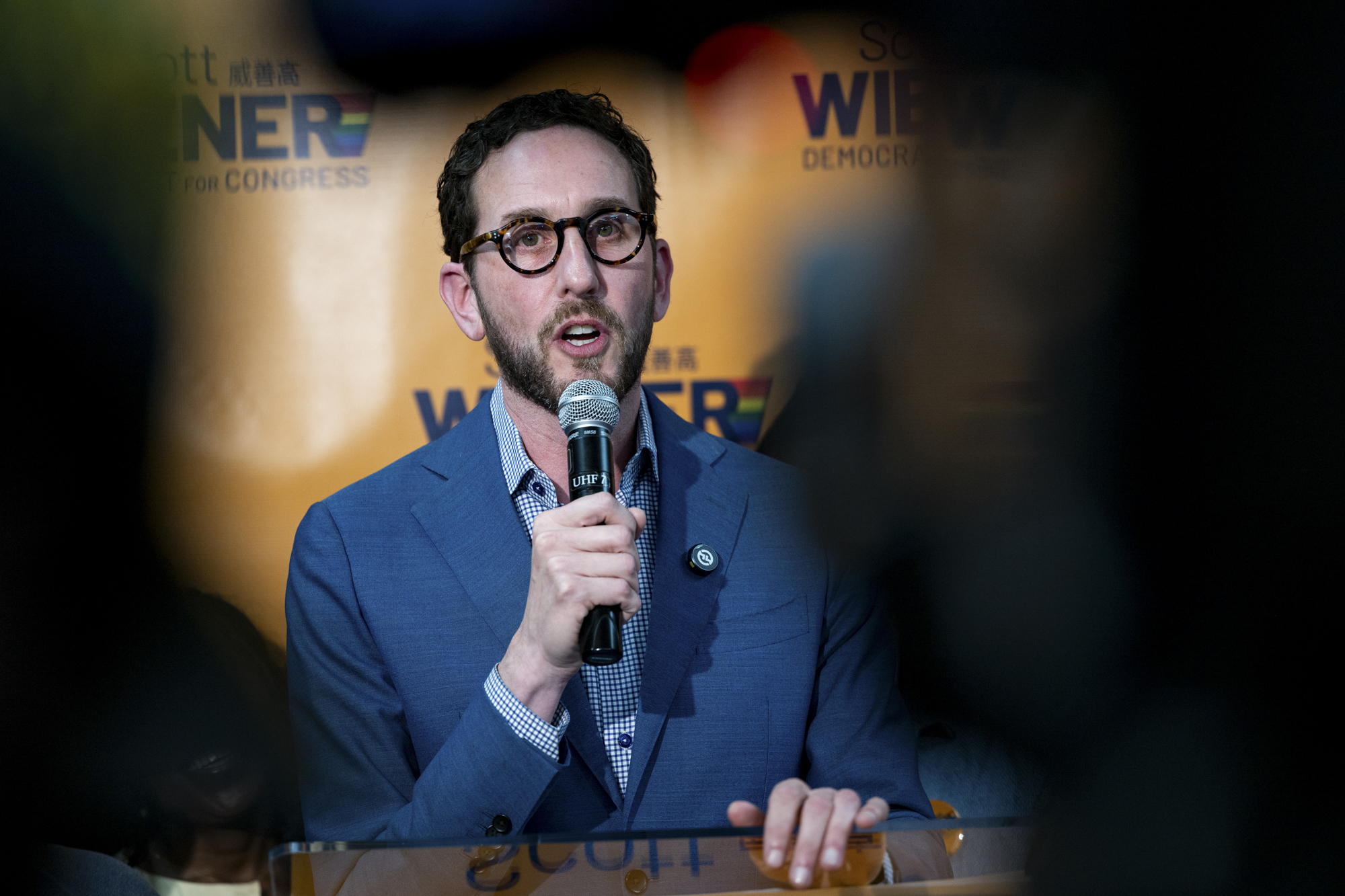
State Sen. Scott Wiener was ahead of San Francisco Supervisor Connie Chan by a significant margin on Tuesday night in the race to represent the city in Congress, a seat held by Nancy Pelosi for nearly 40 years.
“Tonight San Francisco voted for results,” Wiener said at a crowded election night party to boisterous cheers.
Acknowledging Pelosi’s trailblazing tenure, he called the longtime San Francisco representative “the greatest speaker in modern American history.”
Wiener also called the night “a milestone for my journey” and recalled arriving in the city as an awkward nerd.
That young man, he said, “saw people like him everywhere and he knew he was home…I have dedicated my life to this city and to this community.”
Wiener held a steady lead in the polls throughout the race, even after big boosts for Chan along the campaign trail, including an endorsement from Pelosi, who is retiring. It’s a historic turn for an election that will have lasting repercussions, as the city and nation grapple with issues like artificial intelligence, affordability and war overseas.
Wiener would become the first openly gay man to represent San Francisco in Congress.
Wiener was born in New Jersey and moved to San Francisco after attending Harvard Law School. He started his political journey at the local level, serving as a San Francisco supervisor before moving to the state Senate, where he built a reputation as a bulldog for passing legislation to spur more housing development and supporting LGBTQ+ rights.
Wiener’s outspoken comments against President Donald Trump have made him the target of MAGA Republicans. But the state senator has also made enemies in Democratic circles, particularly those on the left who have criticized his approach to housing policy as deregulation that has primarily benefitted real estate interests and private developers as the city’s housing costs have skyrocketed.
His position on Israel also became a lightning rod in the race, starting back before the June primary during a live debate when Wiener failed to answer a “yes” or “no” question about whether Israel is committing genocide in Gaza.
Wiener’s opponents at the time, including Chan, both said “yes,” but Wiener didn’t respond.
He later publicly changed his position and said he does believe that Israel is committing genocide in Gaza. Wiener, who is Jewish, had publicly criticized Israel before and has continued to maintain that the U.S. should reevaluate its relationship with Israel and its leader Benjamin Netanyahu. While he said he supports cutting off the sending of offensive weapons to Israel, Wiener said he still supports helping Israel defend itself and supports defensive weapons like the Iron Dome and David’s Sling.
Chan, who was born in Hong Kong but moved to San Francisco’s Chinatown as a young person, carved her lane in the race as a working mom who sought to represent tenants, small businesses and working families, while touting her experience as budget chair for the Board of Supervisors.
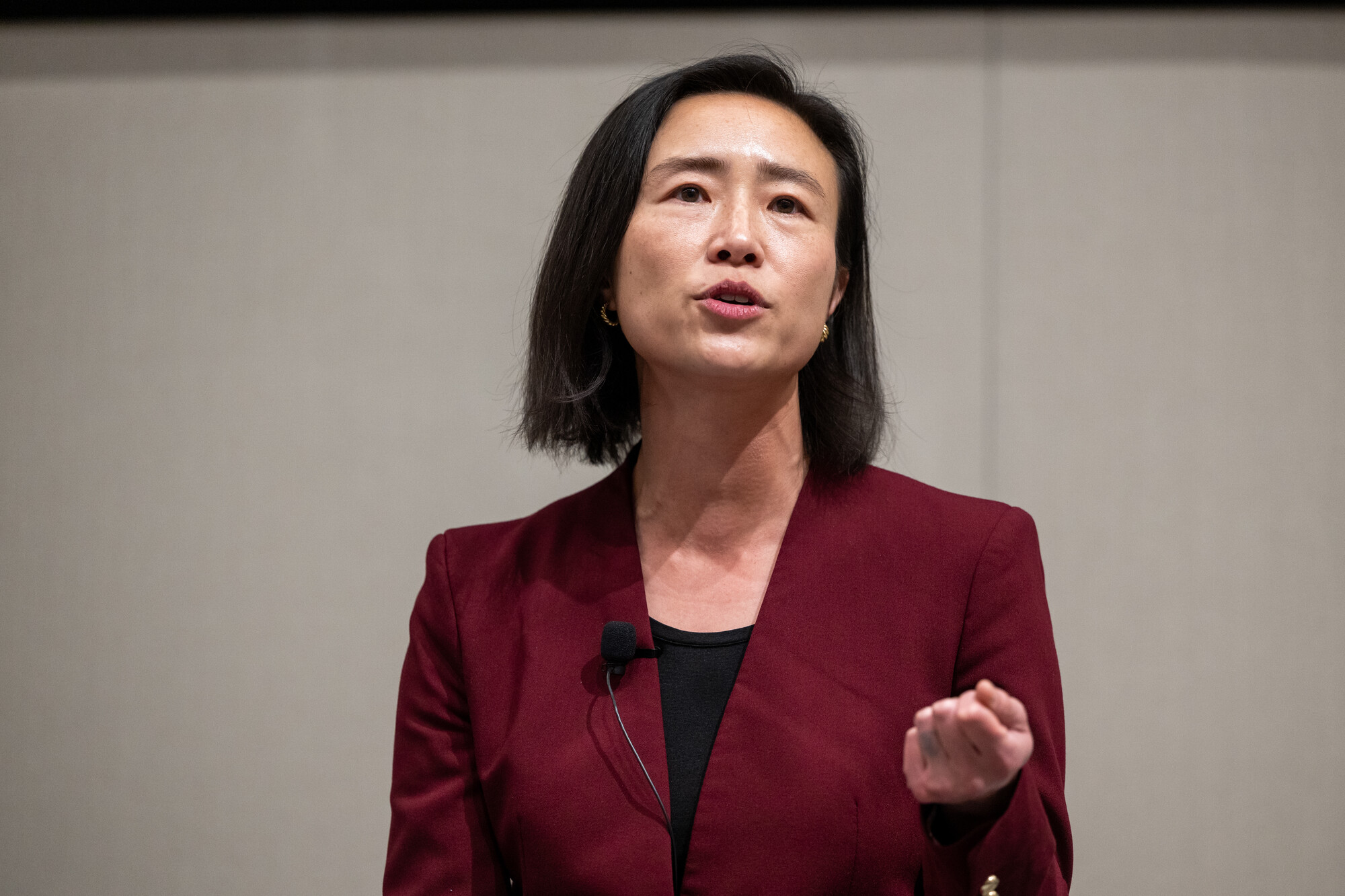
But her campaign struggled to match the funding that Wiener’s campaign amassed.
Chan’s most powerful endorsement came from a moderate, Pelosi herself, and she dominated the city’s progressive camps and labor unions, along with some quieter communities, as well, like conservative Chinese neighborhoods on the Westside, which she has shown support for on hyper-local issues like reopening the Great Highway.
Early on, Chan staked out a position critical of Israel, saying it was committing genocide in Gaza and later clarifying that she supports a full arms embargo on the country.
On Tuesday, her supporters said they were disappointed in the prospect of Wiener heading to Congress.
“I don’t think Scott Wiener’s done anything for the city, really,” said Tom Ladd.
Artificial intelligence also became one of the defining issues of the race, as protests over data centers and doomsday warnings from AI company CEOs made national headlines this year.
Wiener passed the first AI transparency bill, which other states have since adapted. In debates, mailers and campaign videos, Wiener told voters he would seek to ramp up AI regulation at the national level, including pushing for a “kill switch” in case of a catastrophic scenario.
Chan criticized Wiener’s track record on AI regulation, calling the bill he authored “watered down” and influenced by companies in the industry. Wiener’s campaign received $3 million from a PAC that Anthropic funded, and a handful of other tech moguls also donated to his campaign. In her messages to voters, Chan said that someone who is “bankrolled” by billionaires and AI leaders themselves could not be trusted to regulate such a powerful industry.
AI got personal in the race, too. Wiener’s team released an AI chatbot mimicking Chan earlier this year, attempting to poke fun at the supervisor’s record on housing and transit. But the campaign stunt flopped, with Chan calling it mockery and her supporters, including Pelosi, saying the move was racist and sexist. Wiener apologized, and his team took the website down.