Berkeley Voters To Decide Whether to Double City’s Soda Tax
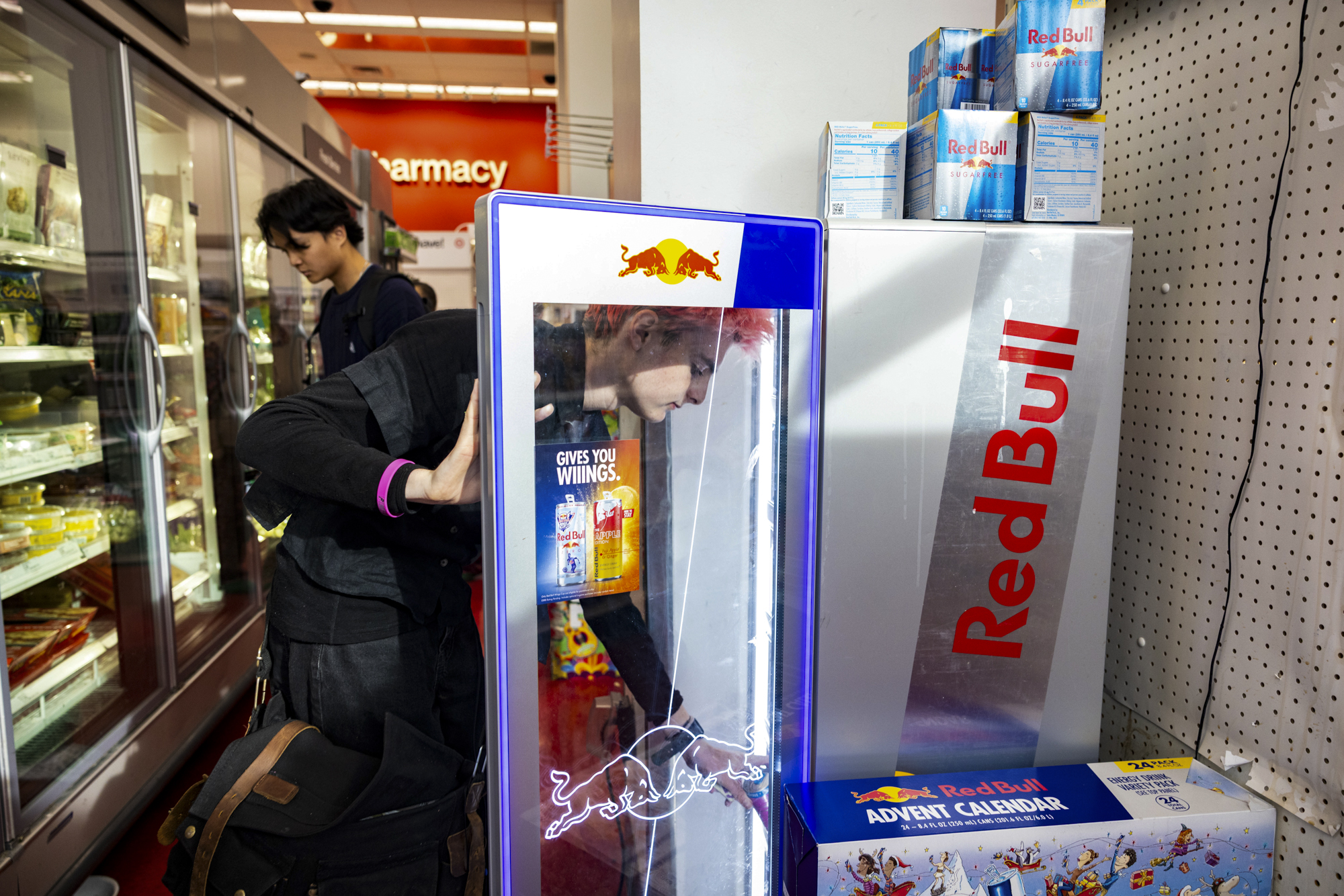
Classes let out at Berkeley High School at 3:33 pm on a recent weekday, and within minutes, scores of teenagers streamed into the Target a few blocks away on Shattuck Avenue for their afternoon soda fix.
Sophomore Kiko Kopman stood in the check-out line clutching a wild-berry-flavored Red Bull, a near-daily purchase to keep him going through his early mornings and long days.
“I usually try to match the Red Bull to the outfit, and if there’s no good match, then to the hair,” he said, pointing toward his spiky hot pink do. “So, gotta go with the hot pink Red Bull.”

Kopman said the caffeine content drove his purchase, but he was hit with some sticker shock when he looked at how much sugar was in it — 38 grams — and learned that the tax on his 12-ounce sugary drink could double in the near future, from 12 cents to 24 cents. That’s if Berkeley voters pass Measure AA this November, raising the soda tax from 1 cent per fluid ounce to 2 cents.
The city was the first in the nation to pass a tax on sugar-sweetened beverages in 2014 and, since then, seven other cities have followed suit, including Philadelphia, Seattle and most recently, Santa Cruz. But as these measures have succeeded as intended — persuading people to drink less soda — the tax revenues they bring in have dropped in kind, forcing Berkeley to propose doubling its tax in order to maintain the health and education programs that have come to depend on those revenues.
Staring at the can in his hands, Kopman and several other teens said the price hike would definitely make them think twice before buying in the future.
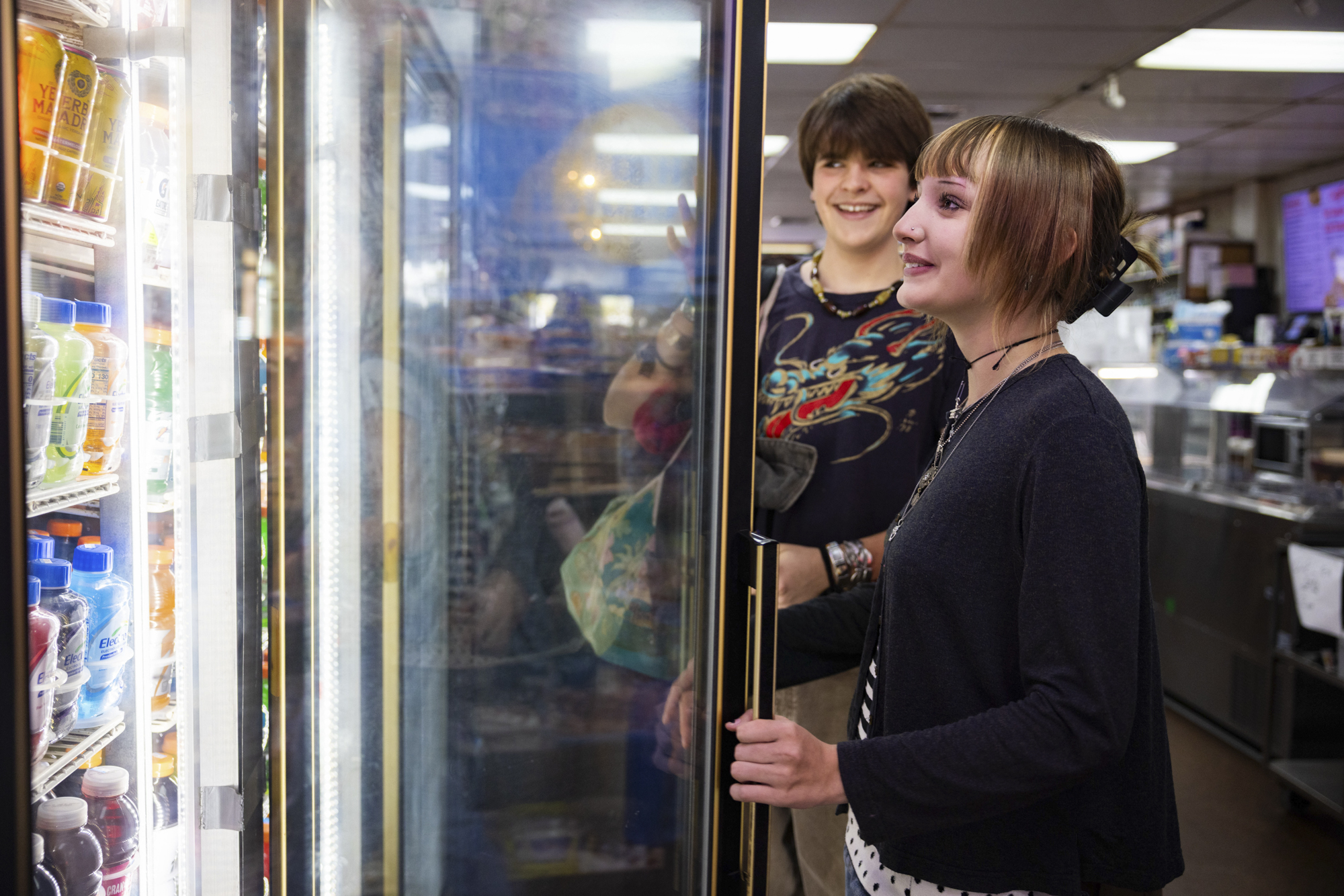
“I’m on a budget right now,” said junior William Huff, who partakes in an occasional root beer at 7-Eleven, where the new tax on a Big Gulp could run between 64 cents and $1.28. “Prices have definitely been on my mind, like the price of college, price of housing for college. So being put into a situation where I have to be wise with my money will definitely change my spending habits.”
This kind of behavior change is exactly the outcome hoped for by proponents of soda taxes: to get people to reduce their consumption of sugary drinks as a means of improving health. Research from the past decade indicates that such taxes have worked.
“They’ve reduced intake of sugar, they’ve improved weight status,” said Sara Bleich, public health policy professor at Harvard. “They’ve also improved oral health; they’ve improved pregnancy and birth outcomes.”
Early on, critics hypothesized that people would simply travel to neighboring cities without the tax to buy their soda and sports drinks. Studies show this did happen, but it only accounted for a fraction of the decline in sugar-sweetened beverage sales — when controlling for cross-border shopping, sugary drink purchases still plummeted 33% across five cities: Philadelphia, Seattle, San Francisco, Oakland and Boulder.
The health benefits of reducing sugar followed. Studies find an association between cities with soda taxes and reduced body mass index among children and high school students, as well as a decrease in obesity among adolescent girls. In Philadelphia, tooth decay among low-income children fell 30% in the two years after the soda tax was implemented.
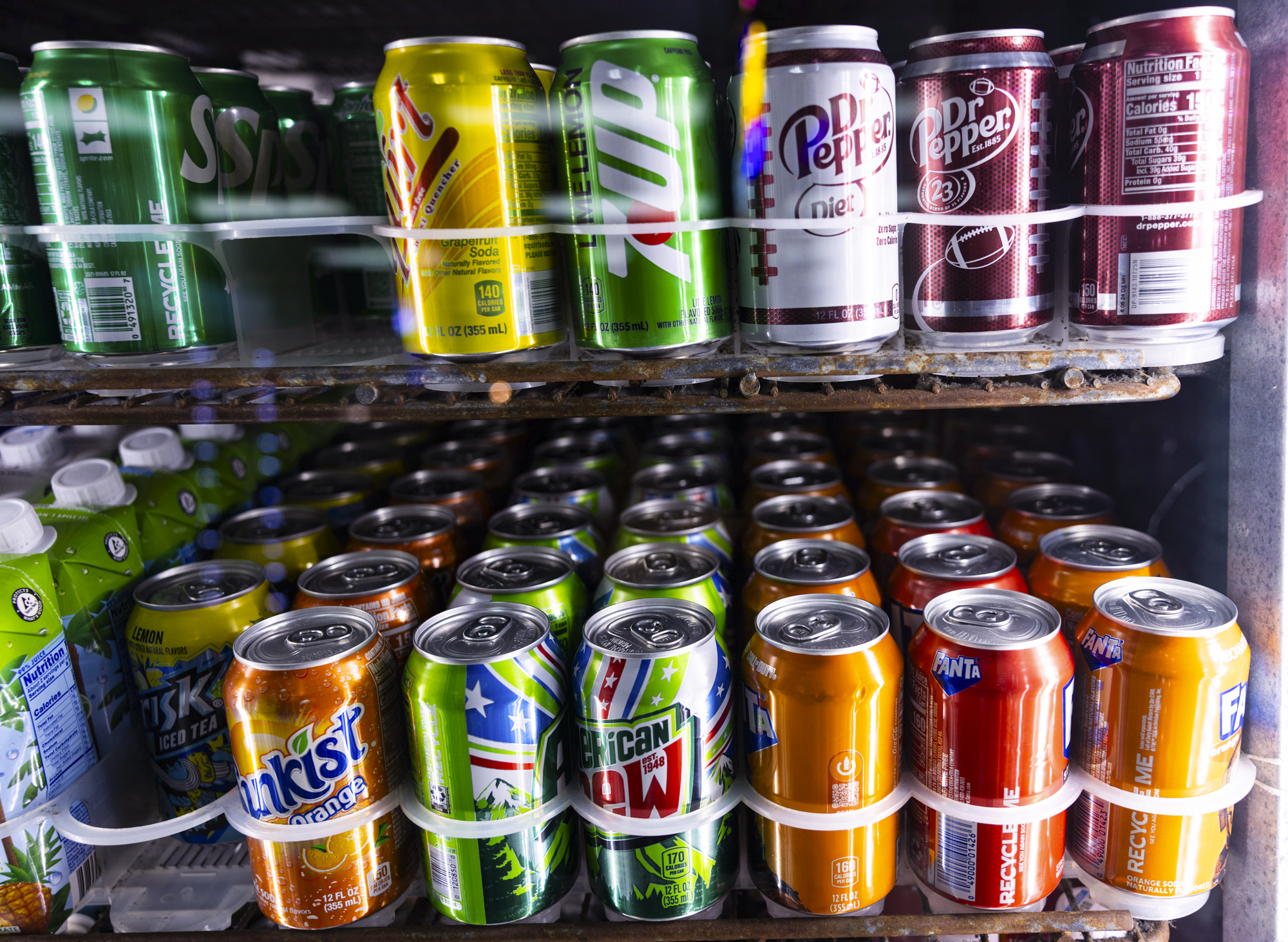
“I have been in the health policy world for 20 years, and there are very, very few things that provide those sorts of outcomes,” Bleich said. “It’s the largest behavioral impact I’ve ever seen.”
In Berkeley, the soda tax worked so well, it started to work against itself. As people bought less soda, tax revenues slumped, from $1.5 million a year to $1 million. In Philadelphia, tax revenues fell from $77 million to $68 million over seven years. This is the curse of so-called vice taxes: as they become more successful at curbing bad habits, the programs that depend on the tax revenues begin to suffer.
This is the reasoning behind Berkeley’s attempt to double its soda tax: to raise more money for the health services and education programs funded by the tax. Martin Bourque, executive director of the Ecology Center, one of the backers of the soda tax, said almost a full generation of kids have been educated through soda-tax funded healthy eating programs, from the preschool level to elementary school and into the teenage years.
“We’re hitting susceptible, vulnerable young people at multiple points as they come through these organizations and educational institutions,” he said. “We need to keep doing that. We need to do more of it.”
The beverage industry has fought vociferously to defeat soda taxes. Before Berkeley, 30 other cities had attempted to pass one and failed. The industry spent $2.3 million opposing Berkeley’s initial campaign in 2014, and though it’s spent nothing this time around, it contends the increased tax will only do harm.
“Doubling taxes on groceries when family budgets are already stretched thin will hurt Berkeley families, small businesses and their employees,” said Steven Maviglio of the American Beverage Association of California. “They disproportionately burden those who can least afford it.”
At the E-Z Stop Deli on Shattuck, owner Ali Ereikat said he is not a fan of raising the soda tax. He thinks teaching kids about the harms of sugar is the better way to go.
“Education is more important than penalizing,” he said. “Educate them. Don’t charge them more.”
Indeed, education is a key focus of the Berkeley tax revenue. About half the funds are used to provide health services to low-income communities, including primary and dental care, while the other half funds nutrition classes and gardening programs at Berkeley public schools — classes that Kopman took in middle school.
“The image that popped into my head was like a pile of sugar,” he said.
He said he remembers a demonstration where the teacher lined up a can of Coke, iced tea, fruit punch and water. Then, to illustrate the sugar content of each one, spooned an actual pile of sugar onto the table.
“Some of those were crazy,” Kopman said, adding, if the tax money goes to a good cause like that, “then I think there’s no reason not to have it.”