Midterms 2026: Read This Before You Fill Out Your California Ballot (or Need to Correct a Mistake)
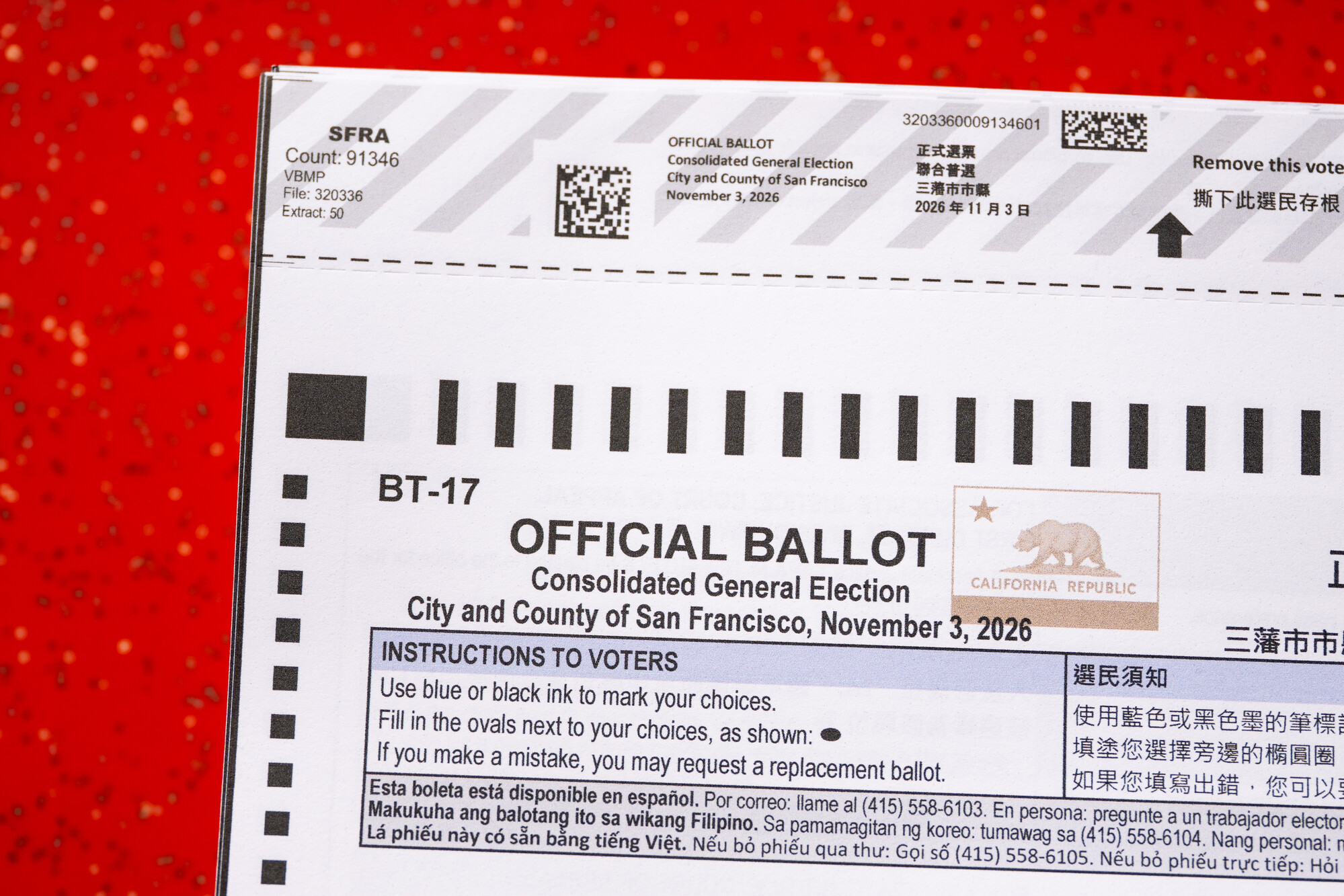
It’s time to vote in the California 2026 midterm election — which includes your chance to decide who’ll be the state’s next governor.
If you’re a registered California voter, your ballot is on its way in the next few days, if it hasn’t already arrived. Your last day to vote will be Election Day itself, Nov. 3.
But what if you’re unsure of how to fill that ballot out according to how you want to vote? Or what to do if you’ve made a mistake on it?
Read on to learn how to fill out your ballot when it arrives, how important your signature is, and your options if you need to start again with a fresh ballot.
First of all: Am I registered to vote?
The official deadline to register online to vote is Monday, Oct. 19.
So if you’re unsure whether you’re already registered to vote or can’t remember which party preference you already have, check your voter registration details ASAP.
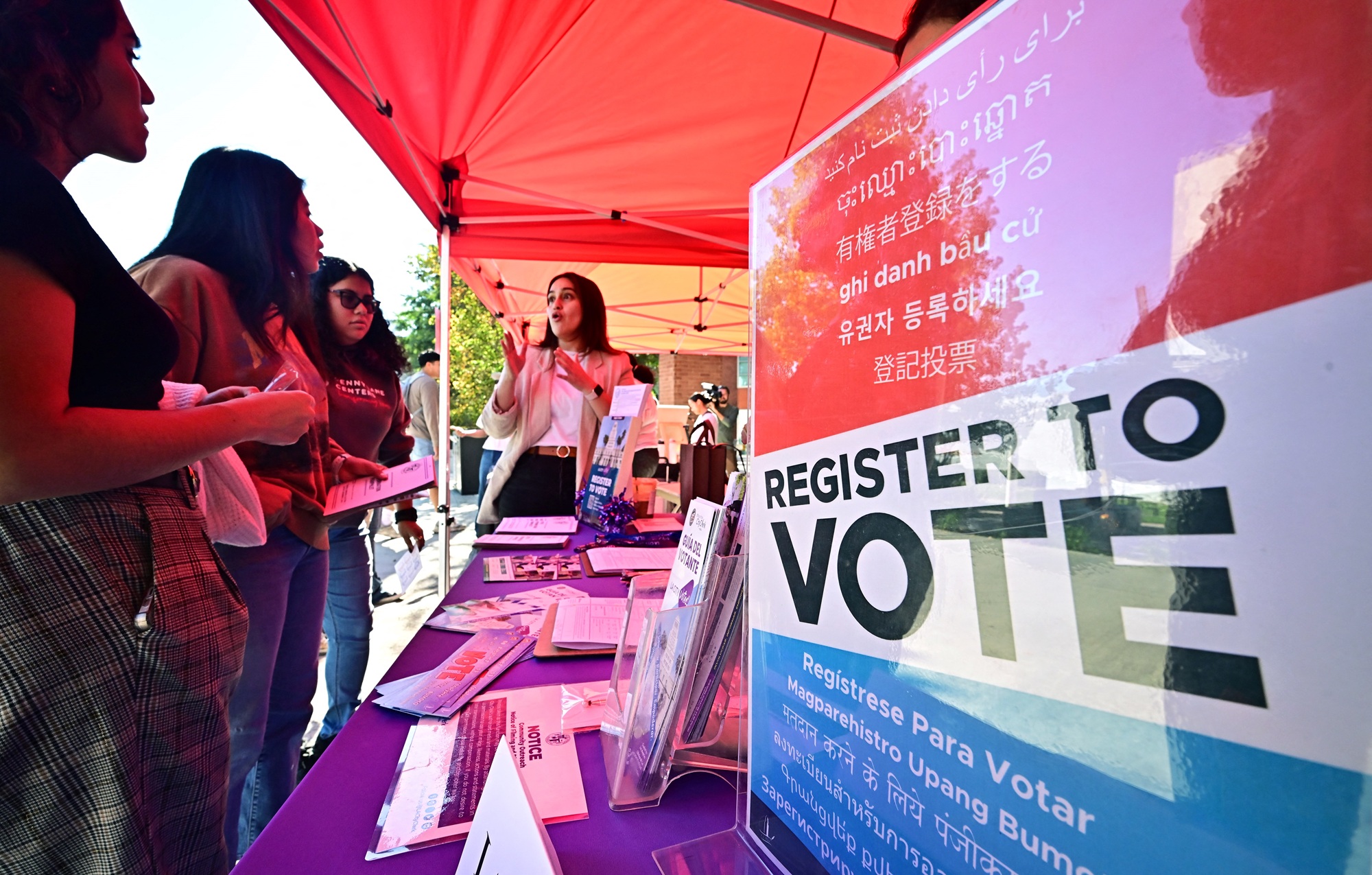
Remember, if you’ve changed your name or want to change the political party choice you previously registered to vote with, or you’ve moved address, you’ll need to re-register.
Making sure you’re registered — and to the right address — is crucial for getting your ballot on time.
And if you miss the deadline to register, don’t panic: That’s the last day to do it online. After Oct. 19, you can still complete the same-day voter registration process (also known as “conditional voting”) and receive your ballot in person at your county elections office or polling location, all the way up to 8 p.m. on Election Day itself.
What’s on my 2026 midterm elections ballot?
Depending on which county you live in, your California ballot will present you with a mix of races to vote on.
The races for statewide offices include:
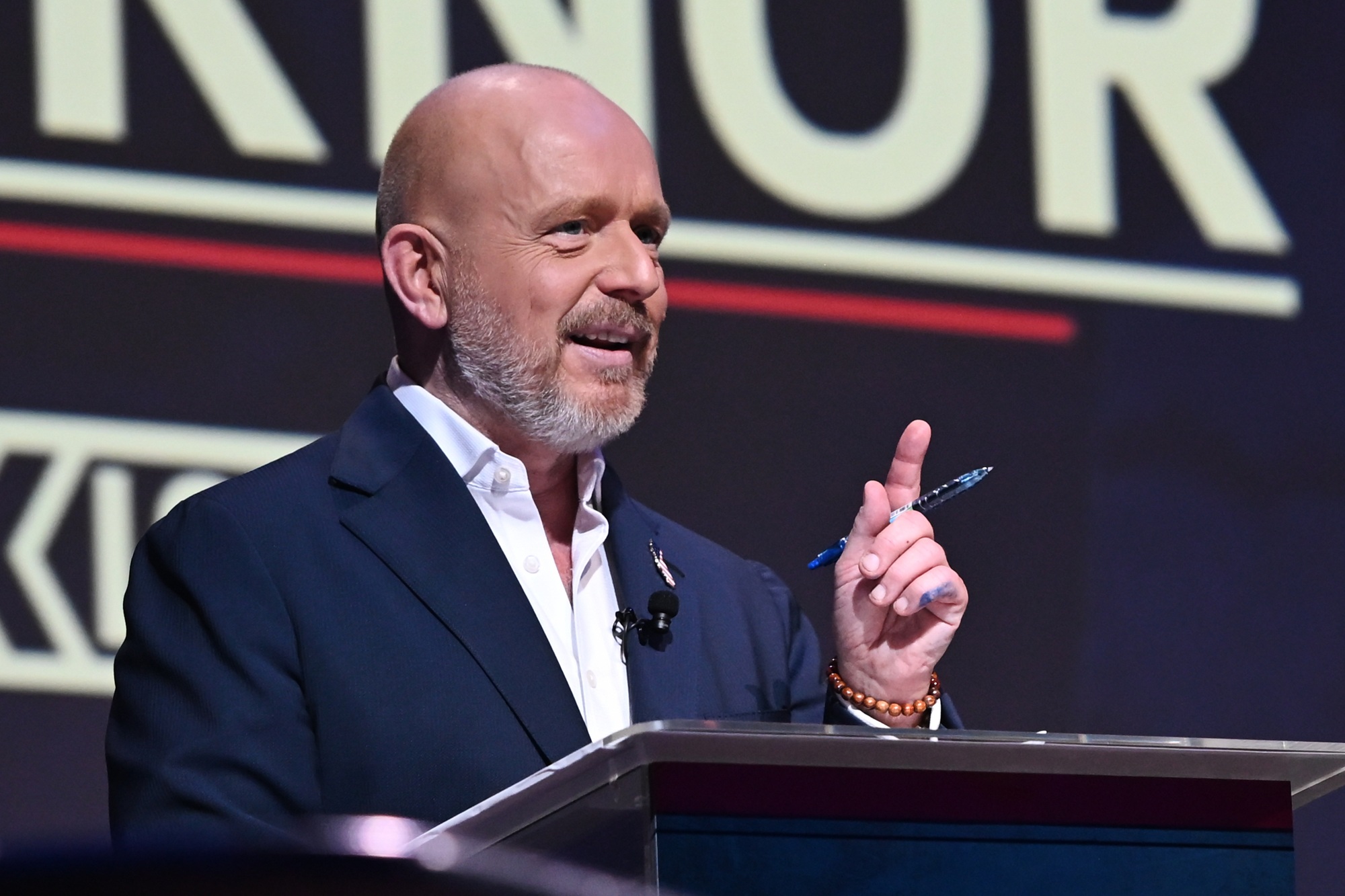
- Governor: Democrat Xavier Becerra and Republican Steve Hilton face off in a race to succeed Governor Gavin Newsom.
- Insurance commissioner: Wildfires and inflation have thrown California into an insurance crisis. Two Democrats, Ben Allen and Jane Kim, are running to become the insurance industry’s chief regulator.

A number of statewide propositions, including:
- Prop. 1: Should California issue $11.25 billion in general obligation bonds for affordable housing, homebuying opportunities and veterans and homelessness programs?
- Prop 39: Should Californians be required to show ID for in-person and mail-in voting?
- Prop 40: Should California tax the wealth of billionaires to fund health care services?
Local measures and races
These will depend on your Bay Area county or district. See the KQED Voter Guide for more information on what’s on your ballot this election season.
How do I return my ballot when I’ve completed it?
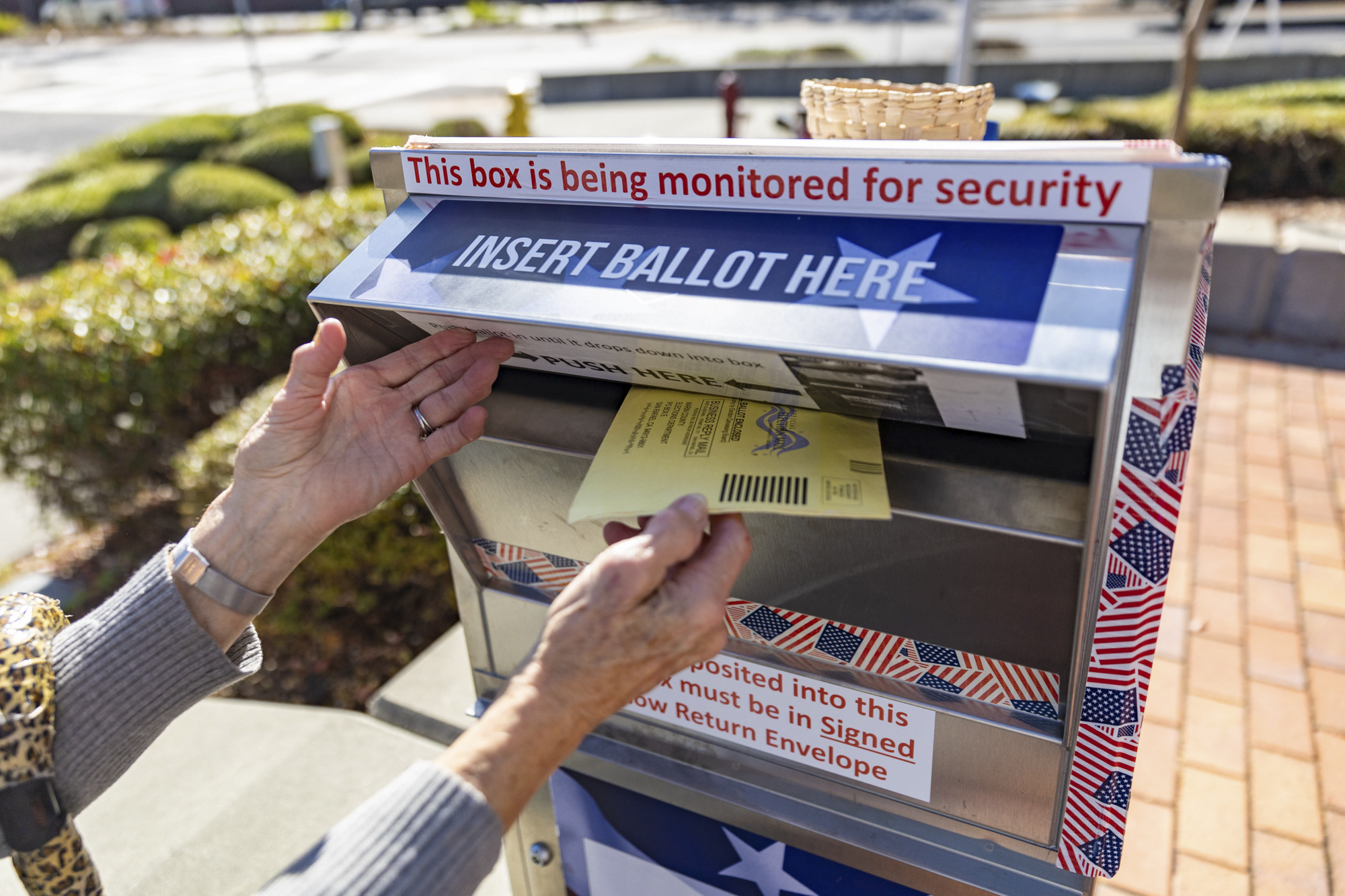
Drop off your ballot in a secure ballot drop box
These drop boxes open by Oct. 5, and once submitted, your ballot will be taken straight to your local county elections office.
Some elections officials strongly recommend using these drop boxes over using USPS. “We’re not really encouraging people to use the USPS to get their ballot here,” said Evelyn Mendez, Sonoma County’s registrar of voters.
Instead, Mendez tells voters to use county collection boxes because they skip the Postal Service altogether.
Return your ballot through the Postal Service
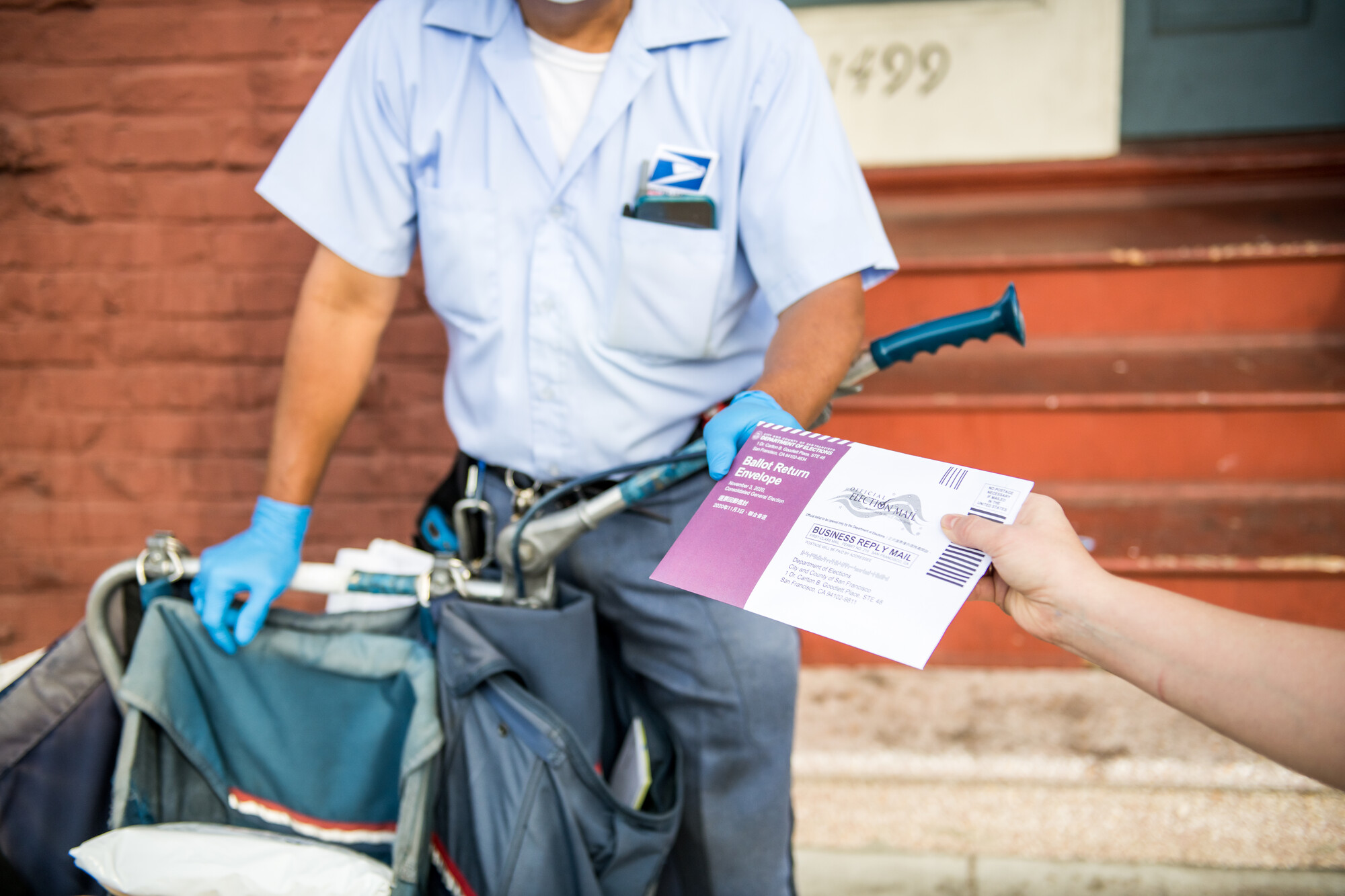
The return postage is already paid for you. Keep in mind that the Postal Service must postmark your ballot envelope by the end of Election Day for your vote to count — and the last collection at many mailboxes is 5 p.m.
However, in the last two statewide elections, Secretary of State Shirley Weber and Attorney General Rob Bonta urged any voters planning to use USPS to mail in their ballots at least a week before Election Day — to account for changes in the way USPS is collected and postmarked in many areas.
And if you’re mailing your midterm ballot on Election Day itself, Weber’s office is recommending you “get a hand-stamped postmark from a postal employee inside a United States Post Office” rather than simply dropping it in a USPS collection box.
Drop off your ballot in an open voting location
The first vote centers open Oct. 24 in certain counties, with more early voting locations opening Oct. 31.
This method is the top recommendation of Kim Alexander, president and founder of the nonpartisan California Voter Foundation. The option, known as “Sign, Scan and Go” voting, allows voters to bring their mail ballot to a vote center and sign a roster under penalty of perjury — just as you would for in-person voting.
Alexander said this approach sidesteps time-intensive signature verification — since your signature only goes on your ballot’s envelope, and the envelope isn’t necessary with Sign, Scan and Go — and late-arrival ballot rejections.
Do I have to vote by mail?
No. If you’re registered to vote, you’ll be receiving a mail-in ballot by default for the 2026 midterms, without requesting it. But voting by mail is still just one option that’s open to you.
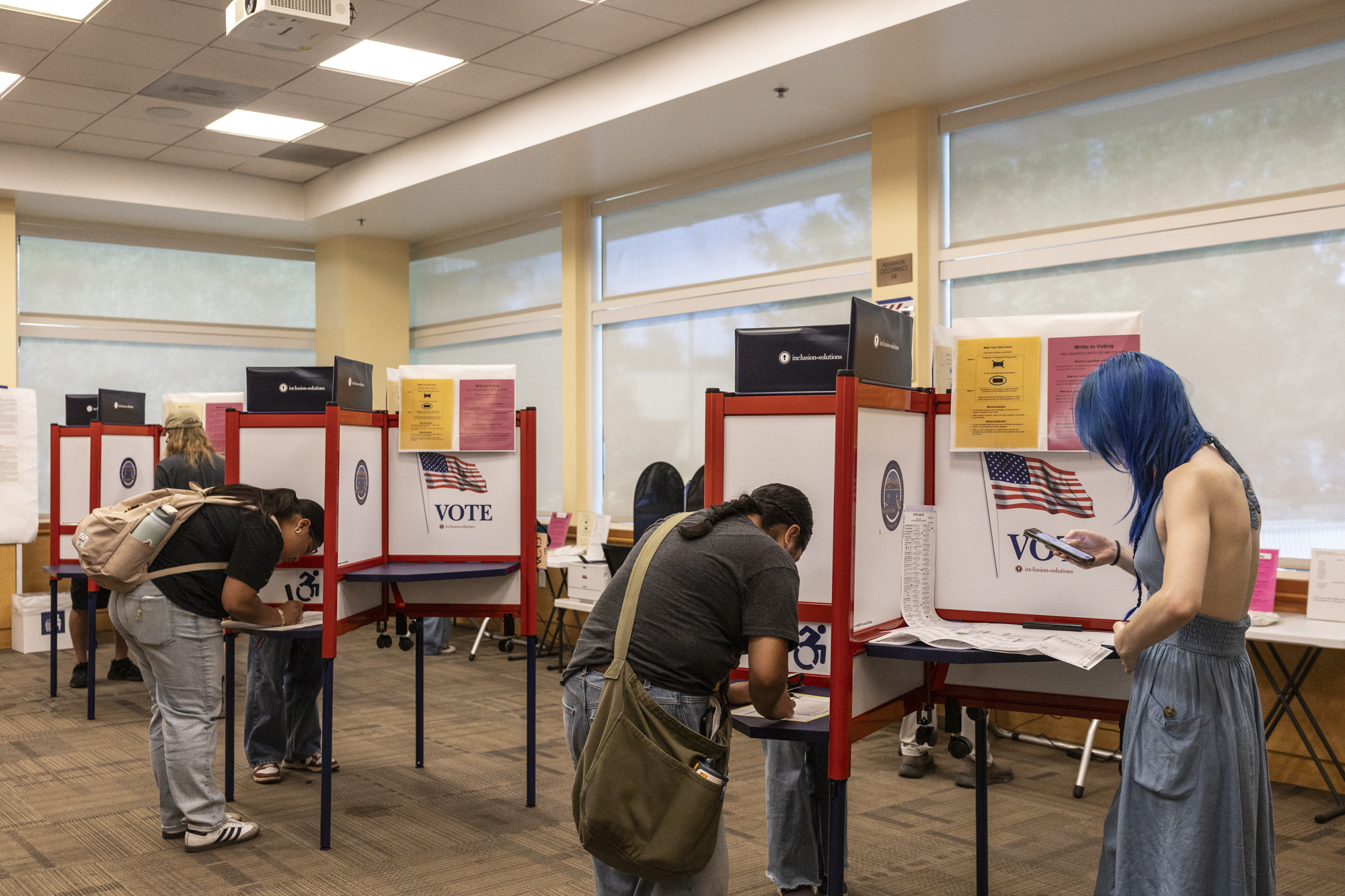
You can still vote in person, either at an early voting location before Election Day or on Election Day, Nov. 3, itself. Early voting locations will open starting Oct. 24.
How do I fix a mistake on my ballot?
It’s important to note that each county is slightly different in how they’d prefer you to address a mistake on your ballot, and will often provide specific details about corrections on the ballot itself. If you have a specific question about your ballot that isn’t answered here, you can always contact your local registrar of voters for advice and instructions.
What if I have problems with my signature?
When you’re done filling out your ballot, you must sign the envelope. But two big mistakes people make with their signatures are:
- Forgetting to sign their ballot entirely.
- Making a signature that doesn’t match the signature they made when they registered to vote.
Why wouldn’t your signature match the one on file? If you registered to vote at a young age, maybe your signature has changed over time. Or perhaps you registered to vote at the DMV and provided your signature on a screen with a stylus, which doesn’t quite replicate how you’d make your signature with a pen on paper.
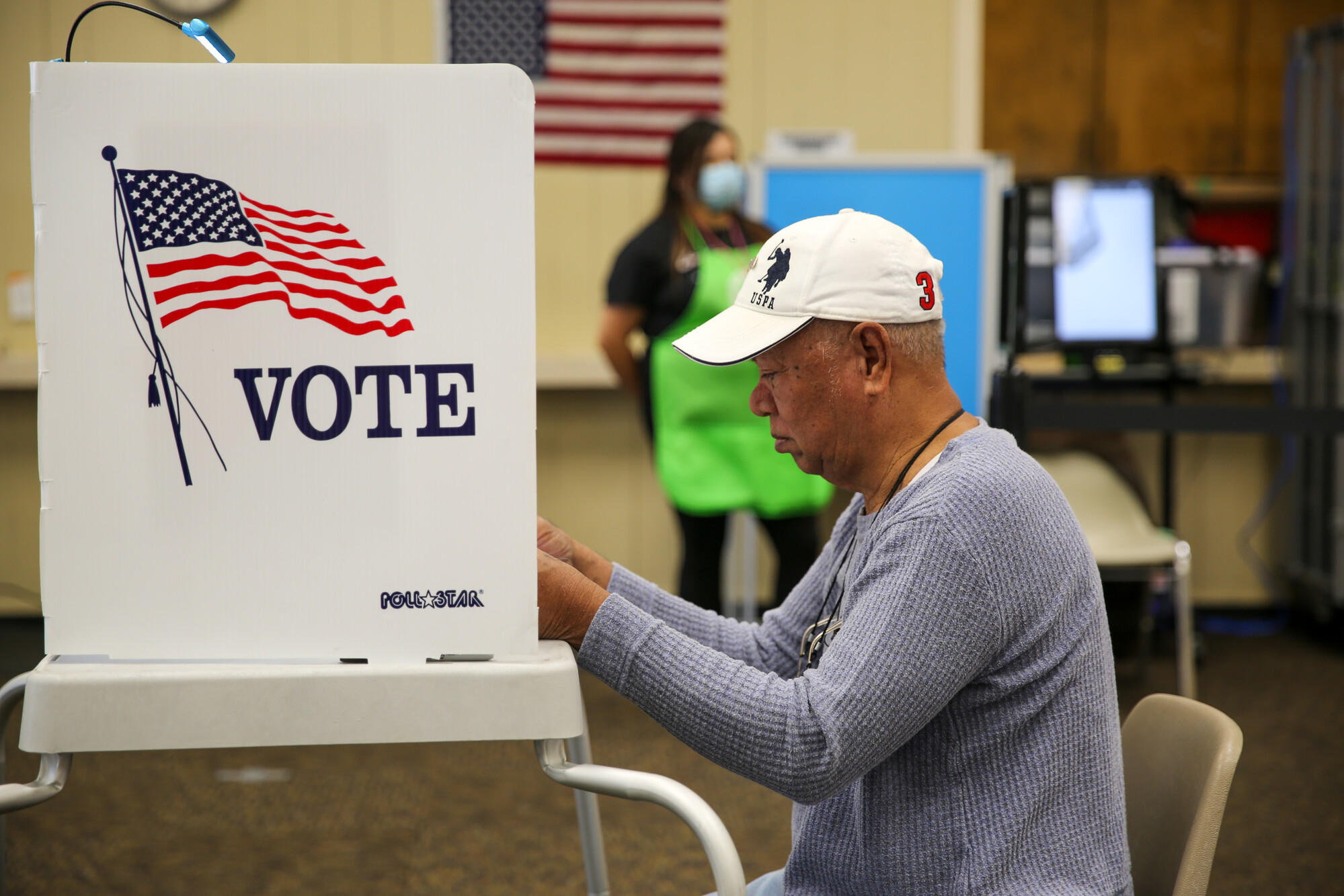
If you registered this way, one simple way to avoid any signature problems is to take a quick glance at the signature that’s on your driver’s license or state ID — because that’s the one you want your ballot signature to match.
Even if you didn’t register at the DMV, that signature on your most recent license or state ID is still very likely the one to emulate. That’s because when you register to vote online, your county elections office electronically requests a copy of the signature the DMV currently has for you, and this information is regularly updated.
To further set your mind at rest, know that California isn’t an “exact match” state, and doesn’t demand voters’ signatures 100% replicate the signature that’s on file.
What if I just don’t know my ‘correct’ signature I’m registered to vote with?
If you’re really worried about the signature on your envelope not matching the signature you’re registered to vote with, there are two good solutions.
One: If it’s on or before Oct. 19, you can re-register to vote with your current signature, to be sure that the state now has your most recent one on file. If you are re-registering after Oct. 19, you’d need to complete thesame-day voter registration process (also known as “conditional voting”) and request your ballot in person at your county elections office or polling location.
In 2021, Kim Alexander, president of the nonpartisan California Voter Foundation, told us there’s another solution if you’re worried about your signature: Go vote in person, if you’re able.
That’s because the signature goes only on your ballot’s envelope — and if you’re voting in person, there’s no envelope, because that ballot then goes straight into the ballot box without needing that envelope at all.
“So if you want that satisfaction of seeing your ballot drop in the box and know that it’s not going to get held up because of some signature issue, you can go and vote in person,” said Alexander.
I already mailed my ballot, but now I’m paranoid about my signature. What if I messed it up?
Rest assured: There’s a whole system in place to help you correct your mistake.
If your county’s election office detects a signature mismatch on your ballot, they’ll reach out to you via mail to verify and work with you to correct it, so that your ballot can be counted after all. It’s called “curing” a ballot.
This system is also applied when it looks like a member of a voter’s family might have signed their ballot, instead of the voter. This happens a surprising amount when one household has several voters who all receive a ballot in the mail.
One way to get peace of mind: Sign up to track your ballot, and you’ll find out about any issues with your ballot or your signature quickly.
I made a mistake on my ballot. How do I fix it?
First, don’t panic. People make mistakes on ballots and find good ways to correct them.
Counties give different directions to voters about what to do if they make a mistake (remember: Read the instructions!), but you can usually simply X out the choice you didn’t intend.
The job of county elections officials — once they’ve verified your signature — is to make sure your ballot can be read correctly. If that means that your corrections on your ballot have resulted in readability issues, officials working in teams of two will actually remake it for you according to the intent you’ve signaled with your corrections.
Some counties, like Alameda, ask that you actually contact them first if you make a serious mistake — including voting for the wrong candidate — so they can send you a replacement ballot. So, wherever you live, it’s a good idea to check with your local elections office first to see what they recommend if you made a mistake.
And remember, there’s always this option …
What if I just want a new ballot?
If you’ve made a big mistake on your ballot — too big to fix — your best plan of action may be to focus on getting a new one. And that’s totally OK. You can:
- Call your county elections office and ask them to cancel that ballot and issue a new one to you.
- Go to your county elections office with your spoiled ballot during business hours and vote right there at the counter.
- Take advantage of the early voting options available in many counties.
- Go to a voting site on Election Day, Nov. 3, turn in your spoiled ballot there and get a new ballot.
You can also do this if you’ve accidentally damaged your ballot in some way (coffee spills happen).
I think I put the wrong date on my envelope
First off, that date should be the date you signed your envelope — not your date of birth.
But if you’re worried you messed up the date, don’t worry. Elections officials say that the date they’re really looking for is the date that the ballot is postmarked, to make sure it was submitted on time.
Election officials will only truly scrutinize the date you’ve written if they receive your ballot after Election Day.
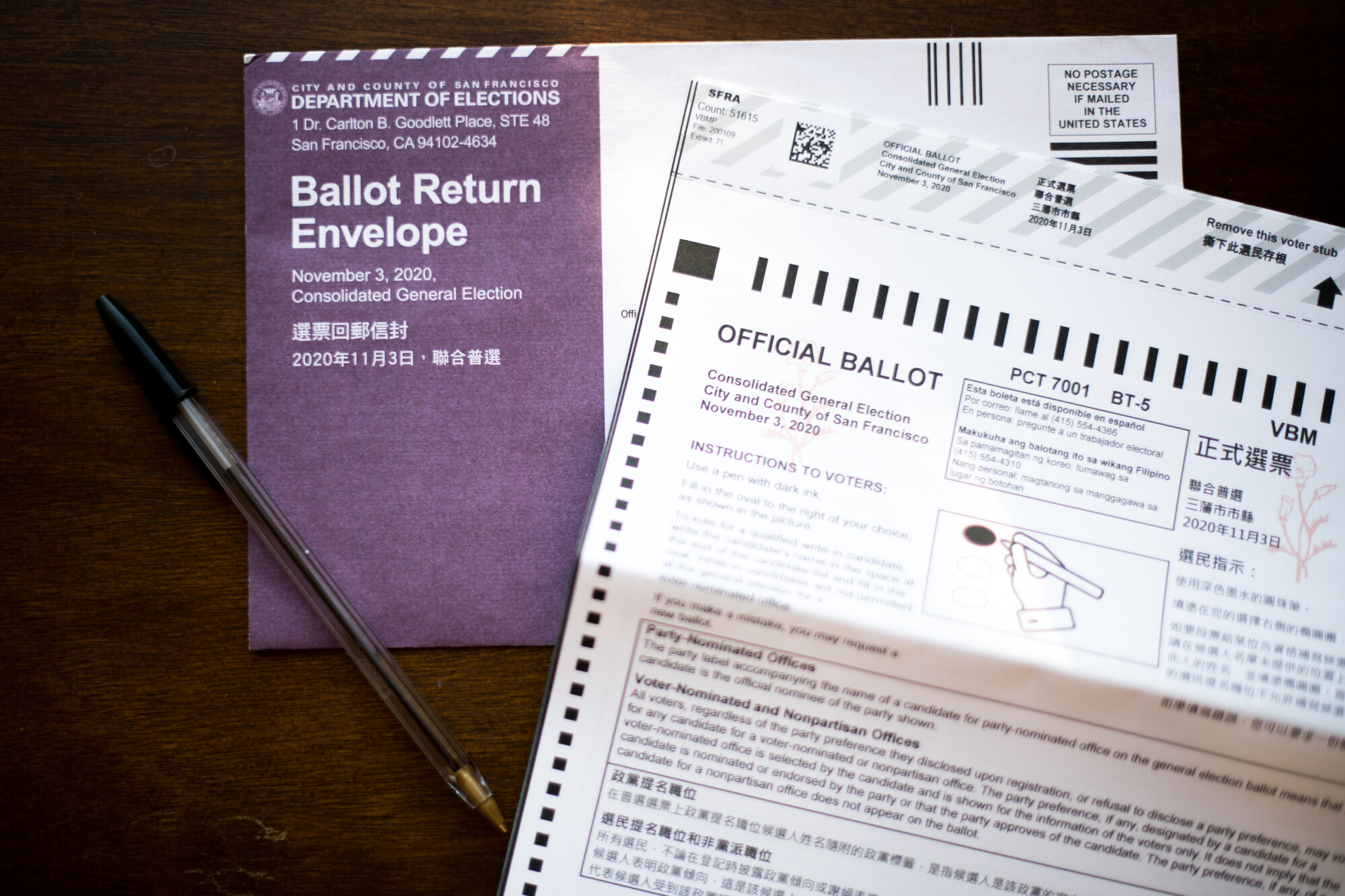
“Like maybe you mailed it Monday before Election Day,” John Gardner, assistant registrar of voters for Solano County, told us in 2020. “That’s when we have to start looking at postmarks on the ballot, or date that the voter signed the envelope, to determine if we can count the ballot or not.”
And if you haven’t mailed your envelope yet, it’s an easy fix: Just clearly cross out the incorrect date on the envelope and write in the correct one above it.
What if I use assistive technology to complete forms?
Getting physical assistance with filling out your ballot from someone you trust is always fine, whether you’re voting at home or at a voting site.
You just need to make sure your signature is your own and matches the one you’re registered to vote with.
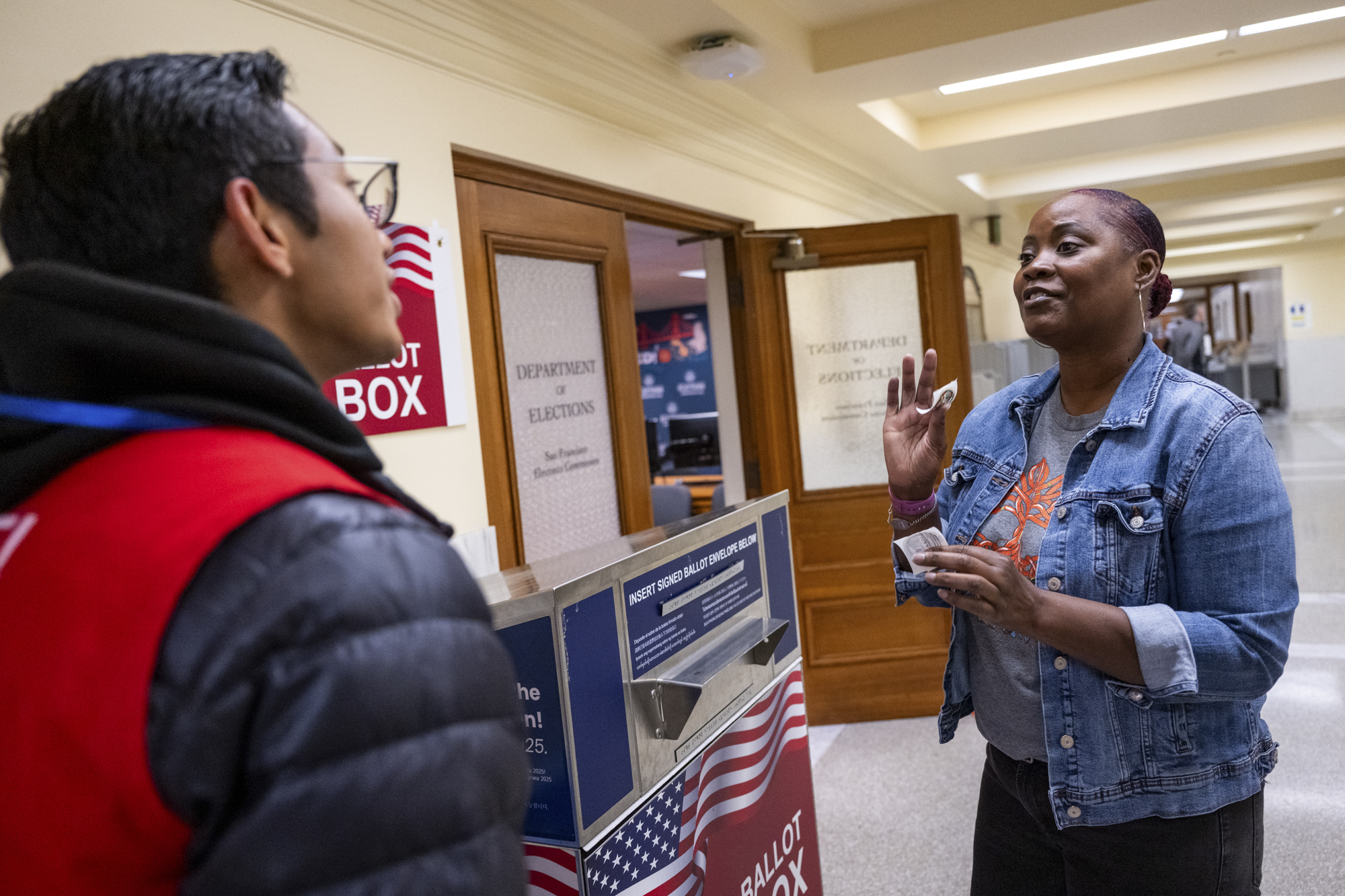
Disabled voters can also choose to use the Remote Accessible Vote-by-Mail system to vote privately and independently at home, using their usual assistive device on their home computer to fill out the ballot on their screen and then print and mail it.
Every voting location in California is also equipped with an accessible voting unit. Here, voters with blindness or low vision or who have a disability that limits their dexterity, will be able to use the assistive device of their choice that allows them to vote privately and independently.
How can I make sure my mail-in ballot gets there on time?
Remember, one big reason that ballots get disqualified in elections is that voters mail them too late: either too late on Election Day itself (after U.S. Postal Service mailboxes have already been collected), or after Election Day.
To be counted in this election, your ballot must be postmarked on Election Day, Nov. 3, at the latest. Your ballot has seven days to reach your county elections office.
So in this election, it’s as crucial as ever to make sure you have a plan for voting on time. And if you’re not voting in person, that means making sure you get your ballot into a USPS mailbox or into a secure voting drop box, at a polling location or your county elections office, by the time polls close on Nov. 3.
Read more about why California election officials are urging voters to make sure their ballot arrives on time – and why they’re urging caution around using USPS too close to Election Day.
A few other common ballot mistakes to watch out for …
Make sure you’re filling out and signing the ballot and envelope with your name on it:
It’s common to see partners or roommates accidentally mix up their ballots. So make sure you’re signing the document that bears your name.
Make sure you use a black or blue pen:
It reads better, and it doesn’t slow workers down when they have to check to see what voter intent was. (Don’t use a felt-tip or a Sharpie that bleeds through the paper and marks other pages on your ballot.)
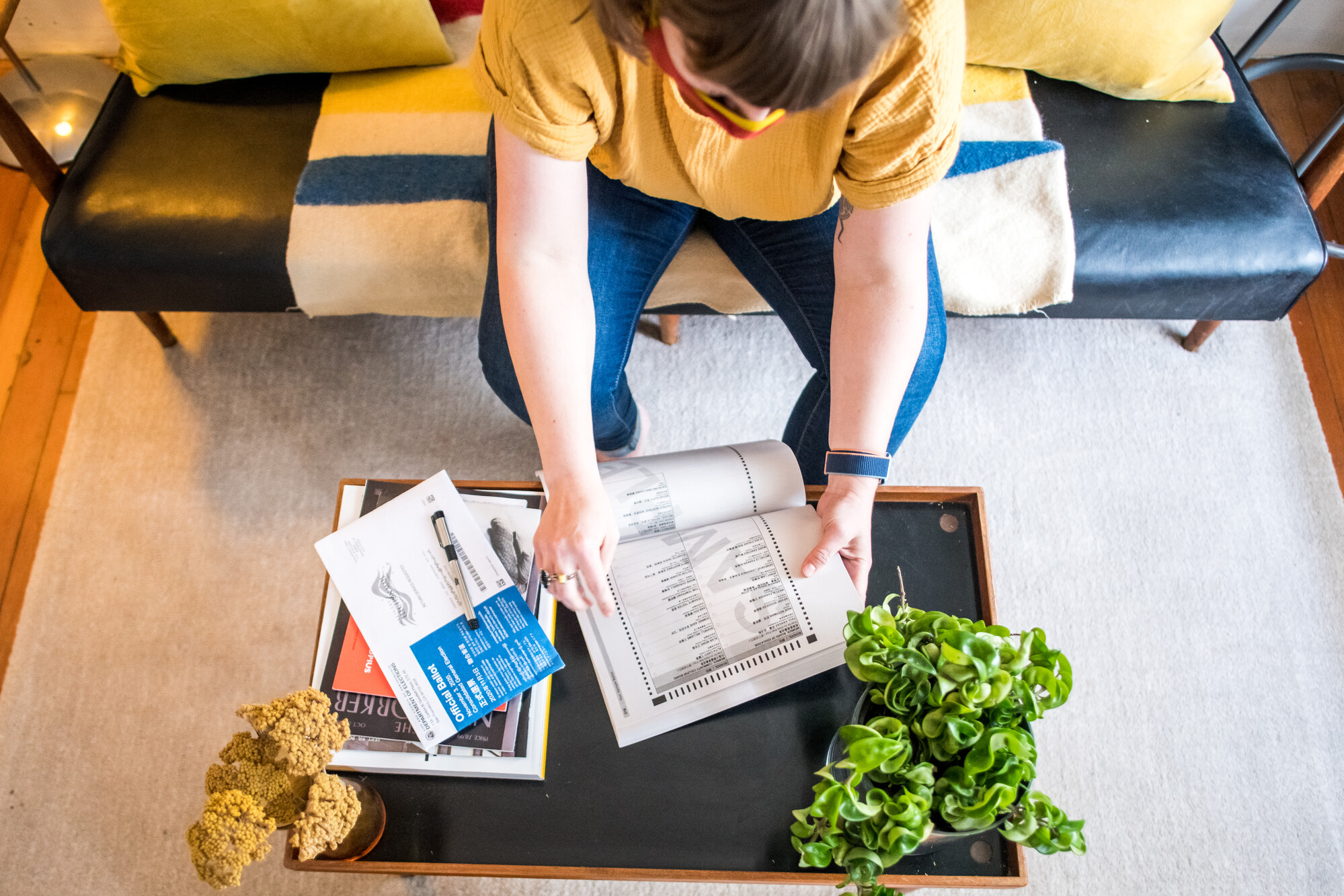
Don’t mail an empty envelope:
It does happen. Keeping your envelope and your ballot together in your home might be a helpful way of avoiding this problem. And of course, when you’re ready to mail your ballot, make sure it’s actually inside the envelope before you seal it.
Don’t bother with a stamp:
Your ballot envelope is postage-paid. You don’t need it.
My ballot is missing or hasn’t arrived. What should I do?
If you’re reading this and you’re worried that your ballot hasn’t arrived yet, make sure you’re not worrying too early, as the deadline for counties to start sending out ballots is only Oct. 5.
But if it gets to late October and your ballot still hasn’t materialized, don’t panic: You have options. Here’s what to do:
Check that you’re actually registered to vote — and to the right address
Input your details on the secretary of state’s voter status page to check your registration status. This will show whether you’re actually registered to vote, and to which address. It should also show whether your ballot was mailed out.
You can also use the Where’s My Ballot? tool to check whether your ballot has been sent.
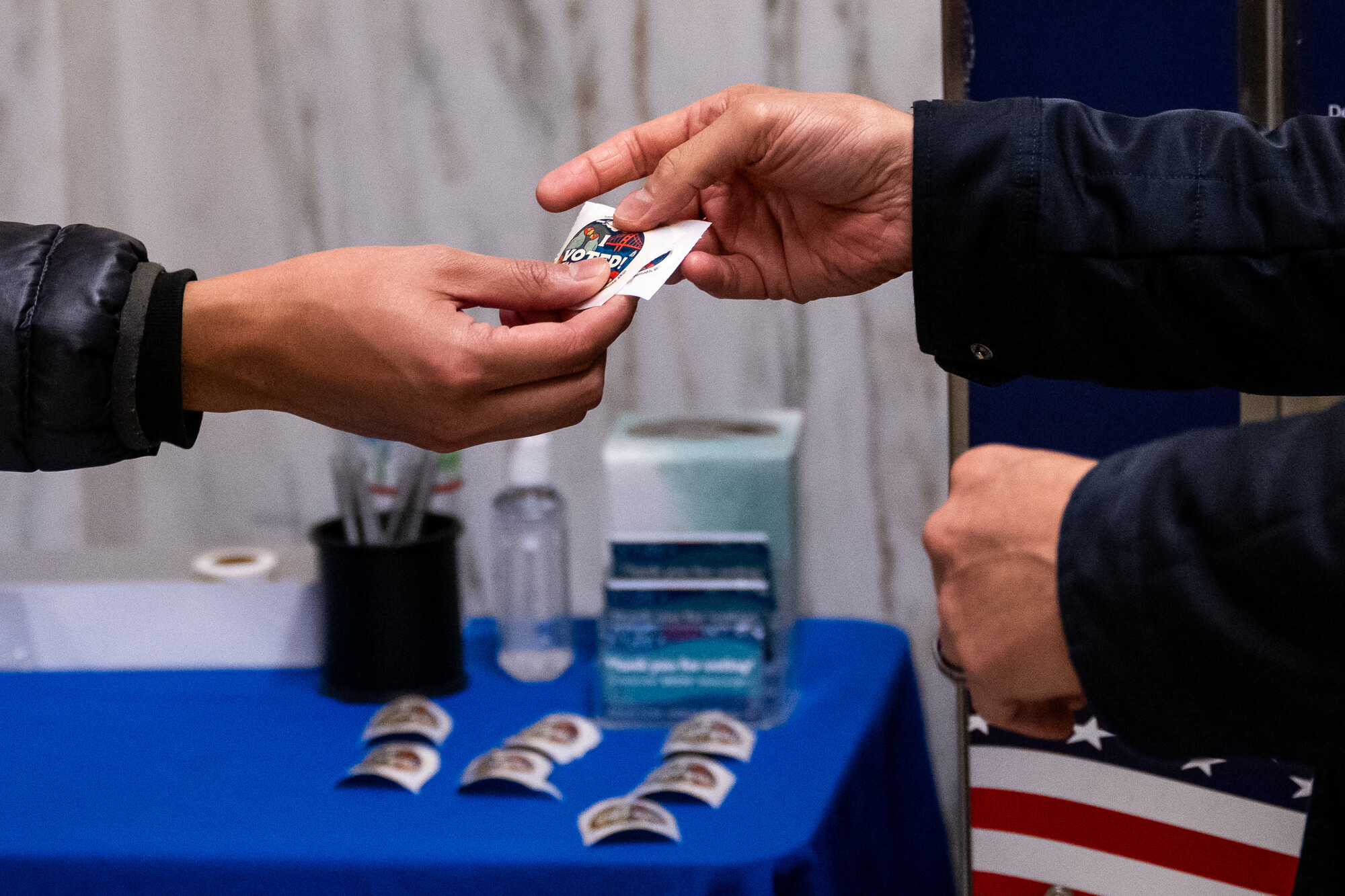
If you’re registered to the wrong address, you can update it before Oct. 19
If you update your voter registration and address using the secretary of state’s voter status page before the Oct. 19 deadline to register online, your county will cancel the ballot that went to your old address and send you a new one.
And if it turns out your ballot was missing because your voter registration wasn’t updated, don’t feel bad — people move all the time and forget to update their registrations accordingly.
The California Voter Foundation’s Alexander confirmed to KQED in 2021 that updating your address at the post office doesn’t, in fact, update your voter registration. The DMV, on the other hand, will update your voter registration details if you update your address with them.
If your voter registration address was correct but your ballot never showed up, you still have options
If it’s more than six days before Election Day, you can call your county elections office and ask them to send a new ballot. Find your county elections office in our contact list (below).
Your county elections office won’t mail you a ballot six days or less before Election Day, because it can’t be sure it’ll reach you in time. So if you’re trying to get a ballot in the immediate run-up to Election Day, go to your county elections office in person and request one at the counter.
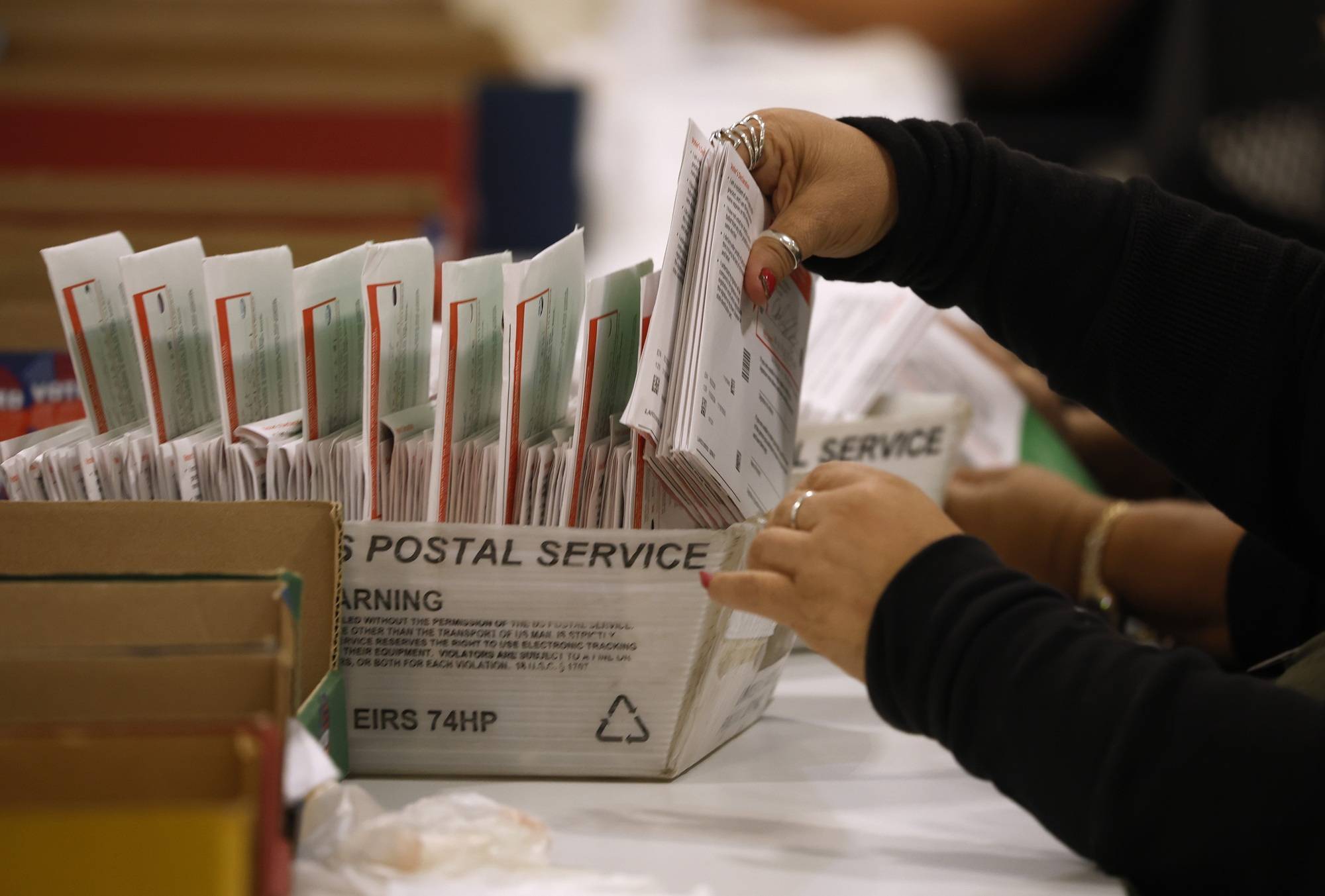
From Oct. 5, your county elections office will be open for early voting through Nov. 3, so you could also go there in person during opening hours and vote right there at the counter. More early voting locations will be opening throughout October.
And remember, if you’re not actually registered to vote, you always have the option of same-day voter registration, also known as conditional voter registration, at a voting location, where you can then fill out and submit your ballot, too.
Contact your county directly
Across the Bay Area, elections officials are encouraging voters to reach out — early — with any questions or concerns. Here’s the contact information for your county:
- Alameda: For information about voting by mail, registration and polling place lookup, call 510-267-8683
- Contra Costa: Call 925-335-7800 or email [email protected]
- Marin: Call 415-473-6456 or go to the Marin County elections webpage to send a form email
- Napa: Call 707-253-4321 or email the elections office at [email protected]
- San Francisco: Call 415-554-4375 or email [email protected]
- San Mateo: Call 888- 762-8683 or email [email protected]
- Santa Clara: Call toll-free at 866-430-VOTE (8683) or email [email protected]
- Solano: Call 707-784-6675 or (888) 933-VOTE (8683). You can also email [email protected]
- Sonoma: Call 707-565-6800 or toll-free at 800-750-8683
The state also has a full list of every county elections office in California.