window.__IS_SSR__=true
window.__INITIAL_STATE__={
"attachmentsReducer": {
"audio_0": {
"type": "attachments",
"id": "audio_0",
"imgSizes": {
"kqedFullSize": {
"file": "https://ww2.kqed.org/news/wp-content/themes/KQED-unified/img/audio_bgs/background0.jpg"
}
}
},
"audio_1": {
"type": "attachments",
"id": "audio_1",
"imgSizes": {
"kqedFullSize": {
"file": "https://ww2.kqed.org/news/wp-content/themes/KQED-unified/img/audio_bgs/background1.jpg"
}
}
},
"audio_2": {
"type": "attachments",
"id": "audio_2",
"imgSizes": {
"kqedFullSize": {
"file": "https://ww2.kqed.org/news/wp-content/themes/KQED-unified/img/audio_bgs/background2.jpg"
}
}
},
"audio_3": {
"type": "attachments",
"id": "audio_3",
"imgSizes": {
"kqedFullSize": {
"file": "https://ww2.kqed.org/news/wp-content/themes/KQED-unified/img/audio_bgs/background3.jpg"
}
}
},
"audio_4": {
"type": "attachments",
"id": "audio_4",
"imgSizes": {
"kqedFullSize": {
"file": "https://ww2.kqed.org/news/wp-content/themes/KQED-unified/img/audio_bgs/background4.jpg"
}
}
},
"placeholder": {
"type": "attachments",
"id": "placeholder",
"imgSizes": {
"thumbnail": {
"file": "https://cdn.kqed.org/wp-content/uploads/2024/12/KQED-Default-Image-816638274-2000x1333-1-160x107.jpg",
"width": 160,
"height": 107,
"mimeType": "image/jpeg"
},
"medium": {
"file": "https://cdn.kqed.org/wp-content/uploads/2024/12/KQED-Default-Image-816638274-2000x1333-1-800x533.jpg",
"width": 800,
"height": 533,
"mimeType": "image/jpeg"
},
"medium_large": {
"file": "https://cdn.kqed.org/wp-content/uploads/2024/12/KQED-Default-Image-816638274-2000x1333-1-768x512.jpg",
"width": 768,
"height": 512,
"mimeType": "image/jpeg"
},
"large": {
"file": "https://cdn.kqed.org/wp-content/uploads/2024/12/KQED-Default-Image-816638274-2000x1333-1-1020x680.jpg",
"width": 1020,
"height": 680,
"mimeType": "image/jpeg"
},
"1536x1536": {
"file": "https://cdn.kqed.org/wp-content/uploads/2024/12/KQED-Default-Image-816638274-2000x1333-1-1536x1024.jpg",
"width": 1536,
"height": 1024,
"mimeType": "image/jpeg"
},
"fd-lrg": {
"file": "https://cdn.kqed.org/wp-content/uploads/2024/12/KQED-Default-Image-816638274-2000x1333-1-1536x1024.jpg",
"width": 1536,
"height": 1024,
"mimeType": "image/jpeg"
},
"fd-med": {
"file": "https://cdn.kqed.org/wp-content/uploads/2024/12/KQED-Default-Image-816638274-2000x1333-1-1020x680.jpg",
"width": 1020,
"height": 680,
"mimeType": "image/jpeg"
},
"fd-sm": {
"file": "https://cdn.kqed.org/wp-content/uploads/2024/12/KQED-Default-Image-816638274-2000x1333-1-800x533.jpg",
"width": 800,
"height": 533,
"mimeType": "image/jpeg"
},
"post-thumbnail": {
"file": "https://cdn.kqed.org/wp-content/uploads/2024/12/KQED-Default-Image-816638274-2000x1333-1-672x372.jpg",
"width": 672,
"height": 372,
"mimeType": "image/jpeg"
},
"twentyfourteen-full-width": {
"file": "https://cdn.kqed.org/wp-content/uploads/2024/12/KQED-Default-Image-816638274-2000x1333-1-1038x576.jpg",
"width": 1038,
"height": 576,
"mimeType": "image/jpeg"
},
"xxsmall": {
"file": "https://cdn.kqed.org/wp-content/uploads/2024/12/KQED-Default-Image-816638274-2000x1333-1-160x107.jpg",
"width": 160,
"height": 107,
"mimeType": "image/jpeg"
},
"xsmall": {
"file": "https://cdn.kqed.org/wp-content/uploads/2024/12/KQED-Default-Image-816638274-2000x1333-1-672x372.jpg",
"width": 672,
"height": 372,
"mimeType": "image/jpeg"
},
"small": {
"file": "https://cdn.kqed.org/wp-content/uploads/2024/12/KQED-Default-Image-816638274-2000x1333-1-672x372.jpg",
"width": 672,
"height": 372,
"mimeType": "image/jpeg"
},
"xlarge": {
"file": "https://cdn.kqed.org/wp-content/uploads/2024/12/KQED-Default-Image-816638274-2000x1333-1-1020x680.jpg",
"width": 1020,
"height": 680,
"mimeType": "image/jpeg"
},
"full-width": {
"file": "https://cdn.kqed.org/wp-content/uploads/2024/12/KQED-Default-Image-816638274-2000x1333-1-1920x1280.jpg",
"width": 1920,
"height": 1280,
"mimeType": "image/jpeg"
},
"guest-author-32": {
"file": "https://cdn.kqed.org/wp-content/uploads/2025/01/KQED-Default-Image-816638274-1333x1333-1-160x160.jpg",
"width": 32,
"height": 32,
"mimeType": "image/jpeg"
},
"guest-author-50": {
"file": "https://cdn.kqed.org/wp-content/uploads/2025/01/KQED-Default-Image-816638274-1333x1333-1-160x160.jpg",
"width": 50,
"height": 50,
"mimeType": "image/jpeg"
},
"guest-author-64": {
"file": "https://cdn.kqed.org/wp-content/uploads/2025/01/KQED-Default-Image-816638274-1333x1333-1-160x160.jpg",
"width": 64,
"height": 64,
"mimeType": "image/jpeg"
},
"guest-author-96": {
"file": "https://cdn.kqed.org/wp-content/uploads/2025/01/KQED-Default-Image-816638274-1333x1333-1-160x160.jpg",
"width": 96,
"height": 96,
"mimeType": "image/jpeg"
},
"guest-author-128": {
"file": "https://cdn.kqed.org/wp-content/uploads/2025/01/KQED-Default-Image-816638274-1333x1333-1-160x160.jpg",
"width": 128,
"height": 128,
"mimeType": "image/jpeg"
},
"detail": {
"file": "https://cdn.kqed.org/wp-content/uploads/2025/01/KQED-Default-Image-816638274-1333x1333-1-160x160.jpg",
"width": 160,
"height": 160,
"mimeType": "image/jpeg"
},
"kqedFullSize": {
"file": "https://cdn.kqed.org/wp-content/uploads/2024/12/KQED-Default-Image-816638274-2000x1333-1.jpg",
"width": 2000,
"height": 1333
}
}
},
"education_535487": {
"type": "attachments",
"id": "education_535487",
"meta": {
"index": "attachments_1716263798",
"site": "education",
"id": "535487",
"found": true
},
"parent": 535485,
"imgSizes": {
"twentyfourteen-full-width": {
"file": "https://ww2.kqed.org/app/uploads/sites/38/2021/10/Cloud-though-1038x576.jpg",
"width": 1038,
"mimeType": "image/jpeg",
"height": 576
},
"thumbnail": {
"file": "https://ww2.kqed.org/app/uploads/sites/38/2021/10/Cloud-though-160x90.jpg",
"width": 160,
"mimeType": "image/jpeg",
"height": 90
},
"post-thumbnail": {
"file": "https://ww2.kqed.org/app/uploads/sites/38/2021/10/Cloud-though-672x372.jpg",
"width": 672,
"mimeType": "image/jpeg",
"height": 372
},
"kqedFullSize": {
"file": "https://ww2.kqed.org/app/uploads/sites/38/2021/10/Cloud-though.jpg",
"width": 1920,
"height": 1080
},
"large": {
"file": "https://ww2.kqed.org/app/uploads/sites/38/2021/10/Cloud-though-1020x574.jpg",
"width": 1020,
"mimeType": "image/jpeg",
"height": 574
},
"1536x1536": {
"file": "https://ww2.kqed.org/app/uploads/sites/38/2021/10/Cloud-though-1536x864.jpg",
"width": 1536,
"mimeType": "image/jpeg",
"height": 864
},
"medium": {
"file": "https://ww2.kqed.org/app/uploads/sites/38/2021/10/Cloud-though-800x450.jpg",
"width": 800,
"mimeType": "image/jpeg",
"height": 450
},
"medium_large": {
"file": "https://ww2.kqed.org/app/uploads/sites/38/2021/10/Cloud-though-768x432.jpg",
"width": 768,
"mimeType": "image/jpeg",
"height": 432
}
},
"publishDate": 1635201236,
"modified": 1635201436,
"caption": null,
"description": null,
"title": "Cloud thought",
"credit": null,
"status": "inherit",
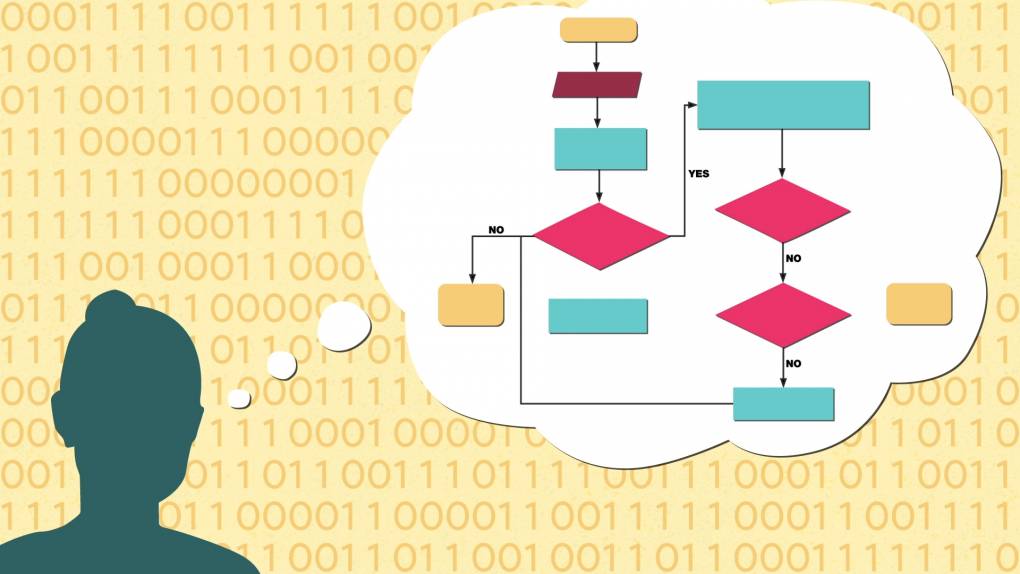
"altTag": "Silhouette of student with a thought bubble picturing a decision tree. Binary code is in the background.",
"isLoading": false,
"fetchFailed": false
},
"education_535478": {
"type": "attachments",
"id": "education_535478",
"meta": {
"index": "attachments_1716263798",
"site": "education",
"id": "535478",
"found": true
},
"parent": 535453,
"imgSizes": {
"thumbnail": {
"file": "https://ww2.kqed.org/app/uploads/sites/38/2021/10/DigCitWk-MediaLitWk-Blog-160x90.png",
"width": 160,
"mimeType": "image/png",
"height": 90
},
"post-thumbnail": {
"file": "https://ww2.kqed.org/app/uploads/sites/38/2021/10/DigCitWk-MediaLitWk-Blog-672x372.png",
"width": 672,
"mimeType": "image/png",
"height": 372
},
"kqedFullSize": {
"file": "https://ww2.kqed.org/app/uploads/sites/38/2021/10/DigCitWk-MediaLitWk-Blog.png",
"width": 960,
"height": 540
},
"medium": {
"file": "https://ww2.kqed.org/app/uploads/sites/38/2021/10/DigCitWk-MediaLitWk-Blog-800x450.png",
"width": 800,
"mimeType": "image/png",
"height": 450
},
"medium_large": {
"file": "https://ww2.kqed.org/app/uploads/sites/38/2021/10/DigCitWk-MediaLitWk-Blog-768x432.png",
"width": 768,
"mimeType": "image/png",
"height": 432
}
},
"publishDate": 1634689812,
"modified": 1634689842,
"caption": null,
"description": null,
"title": "DigCitWk_MediaLitWk Blog",
"credit": null,
"status": "inherit",
"altTag": "#DigCitWeek (October 18-22, 2021) #MediaLitWk (October 25-29, 2021)",
"isLoading": false,
"fetchFailed": false
},
"education_535448": {
"type": "attachments",
"id": "education_535448",
"meta": {
"index": "attachments_1716263798",
"site": "education",
"id": "535448",
"found": true
},
"parent": 535447,
"imgSizes": {
"twentyfourteen-full-width": {
"file": "https://ww2.kqed.org/app/uploads/sites/38/2021/10/Loneliness_TN_maxresdefault-1038x576.jpeg",
"width": 1038,
"mimeType": "image/jpeg",
"height": 576
},
"thumbnail": {
"file": "https://ww2.kqed.org/app/uploads/sites/38/2021/10/Loneliness_TN_maxresdefault-160x90.jpeg",
"width": 160,
"mimeType": "image/jpeg",
"height": 90
},
"post-thumbnail": {
"file": "https://ww2.kqed.org/app/uploads/sites/38/2021/10/Loneliness_TN_maxresdefault-672x372.jpeg",
"width": 672,
"mimeType": "image/jpeg",
"height": 372
},
"kqedFullSize": {
"file": "https://ww2.kqed.org/app/uploads/sites/38/2021/10/Loneliness_TN_maxresdefault.jpeg",
"width": 1280,
"height": 720
},
"large": {
"file": "https://ww2.kqed.org/app/uploads/sites/38/2021/10/Loneliness_TN_maxresdefault-1020x574.jpeg",
"width": 1020,
"mimeType": "image/jpeg",
"height": 574
},
"medium": {
"file": "https://ww2.kqed.org/app/uploads/sites/38/2021/10/Loneliness_TN_maxresdefault-800x450.jpeg",
"width": 800,
"mimeType": "image/jpeg",
"height": 450
},
"medium_large": {
"file": "https://ww2.kqed.org/app/uploads/sites/38/2021/10/Loneliness_TN_maxresdefault-768x432.jpeg",
"width": 768,
"mimeType": "image/jpeg",
"height": 432
}
},
"publishDate": 1634084086,
"modified": 1634138867,
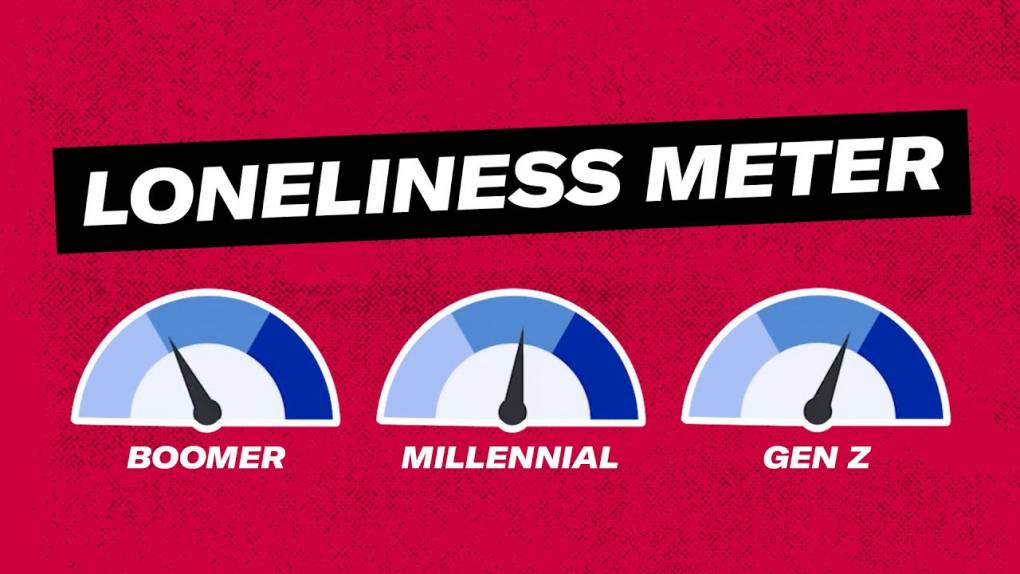
"caption": "Gen Z is credited as the loneliest generation ever. ",
"description": "Text says \"Loneliness Meter\" with three small meters that are measuring the loneliness levels for Boomers, Millennials, and Gen Z. ",
"title": "Loneliness_TN_maxresdefault",
"credit": "Megan Badilla",
"status": "inherit",
"altTag": "Thumbnail image to illustrate what an episode of Above the Noise series is about",
"isLoading": false,
"fetchFailed": false
},
"education_535432": {
"type": "attachments",
"id": "education_535432",
"meta": {
"index": "attachments_1716263798",
"site": "education",
"id": "535432",
"found": true
},
"parent": 535420,
"imgSizes": {
"twentyfourteen-full-width": {
"file": "https://ww2.kqed.org/app/uploads/sites/38/2021/10/womenintech-chat-group-meeting-1038x576.jpg",
"width": 1038,
"mimeType": "image/jpeg",
"height": 576
},
"thumbnail": {
"file": "https://ww2.kqed.org/app/uploads/sites/38/2021/10/womenintech-chat-group-meeting-160x107.jpg",
"width": 160,
"mimeType": "image/jpeg",
"height": 107
},
"post-thumbnail": {
"file": "https://ww2.kqed.org/app/uploads/sites/38/2021/10/womenintech-chat-group-meeting-672x372.jpg",
"width": 672,
"mimeType": "image/jpeg",
"height": 372
},
"kqedFullSize": {
"file": "https://ww2.kqed.org/app/uploads/sites/38/2021/10/womenintech-chat-group-meeting.jpg",
"width": 2048,
"height": 1367
},
"large": {
"file": "https://ww2.kqed.org/app/uploads/sites/38/2021/10/womenintech-chat-group-meeting-1020x681.jpg",
"width": 1020,
"mimeType": "image/jpeg",
"height": 681
},
"1536x1536": {
"file": "https://ww2.kqed.org/app/uploads/sites/38/2021/10/womenintech-chat-group-meeting-1536x1025.jpg",
"width": 1536,
"mimeType": "image/jpeg",
"height": 1025
},
"full-width": {
"file": "https://ww2.kqed.org/app/uploads/sites/38/2021/10/womenintech-chat-group-meeting-1920x1282.jpg",
"width": 1920,
"mimeType": "image/jpeg",
"height": 1282
},
"medium": {
"file": "https://ww2.kqed.org/app/uploads/sites/38/2021/10/womenintech-chat-group-meeting-800x534.jpg",
"width": 800,
"mimeType": "image/jpeg",
"height": 534
},
"medium_large": {
"file": "https://ww2.kqed.org/app/uploads/sites/38/2021/10/womenintech-chat-group-meeting-768x513.jpg",
"width": 768,
"mimeType": "image/jpeg",
"height": 513
}
},
"publishDate": 1634067695,
"modified": 1634080953,
"caption": "Photo credt: CC BY-2.0 Image by WomenInTech Chat",
"description": null,
"title": "womenintech chat group meeting",
"credit": null,
"status": "inherit",
"altTag": "Smiling men and women sitting around a conference room table with laptops",
"isLoading": false,
"fetchFailed": false
},
"education_535426": {
"type": "attachments",
"id": "education_535426",
"meta": {
"index": "attachments_1716263798",
"site": "education",
"id": "535426",
"found": true
},
"parent": 535422,
"imgSizes": {
"twentyfourteen-full-width": {
"file": "https://ww2.kqed.org/app/uploads/sites/38/2021/10/STEAMblogheader_MarieKondo-1038x576.png",
"width": 1038,
"mimeType": "image/png",
"height": 576
},
"thumbnail": {
"file": "https://ww2.kqed.org/app/uploads/sites/38/2021/10/STEAMblogheader_MarieKondo-160x103.png",
"width": 160,
"mimeType": "image/png",
"height": 103
},
"post-thumbnail": {
"file": "https://ww2.kqed.org/app/uploads/sites/38/2021/10/STEAMblogheader_MarieKondo-672x372.png",
"width": 672,
"mimeType": "image/png",
"height": 372
},
"kqedFullSize": {
"file": "https://ww2.kqed.org/app/uploads/sites/38/2021/10/STEAMblogheader_MarieKondo.png",
"width": 2000,
"height": 1286
},
"large": {
"file": "https://ww2.kqed.org/app/uploads/sites/38/2021/10/STEAMblogheader_MarieKondo-1020x656.png",
"width": 1020,
"mimeType": "image/png",
"height": 656
},
"1536x1536": {
"file": "https://ww2.kqed.org/app/uploads/sites/38/2021/10/STEAMblogheader_MarieKondo-1536x988.png",
"width": 1536,
"mimeType": "image/png",
"height": 988
},
"full-width": {
"file": "https://ww2.kqed.org/app/uploads/sites/38/2021/10/STEAMblogheader_MarieKondo-1920x1235.png",
"width": 1920,
"mimeType": "image/png",
"height": 1235
},
"medium": {
"file": "https://ww2.kqed.org/app/uploads/sites/38/2021/10/STEAMblogheader_MarieKondo-800x514.png",
"width": 800,
"mimeType": "image/png",
"height": 514
},
"medium_large": {
"file": "https://ww2.kqed.org/app/uploads/sites/38/2021/10/STEAMblogheader_MarieKondo-768x494.png",
"width": 768,
"mimeType": "image/png",
"height": 494
}
},
"publishDate": 1634060878,
"modified": 1634060952,
"caption": null,
"description": null,
"title": "STEAMblogheader_MarieKondo",
"credit": null,
"status": "inherit",
"altTag": "Meme of Marie Kondo sitting on a couch with the caption \"This STEAM classroom sparks joy.\"",
"isLoading": false,
"fetchFailed": false
},
"education_535408": {
"type": "attachments",
"id": "education_535408",
"meta": {
"index": "attachments_1716263798",
"site": "education",
"id": "535408",
"found": true
},
"parent": 535402,
"imgSizes": {
"twentyfourteen-full-width": {
"file": "https://ww2.kqed.org/app/uploads/sites/38/2021/09/BIgger-Thrift-THUMB-1038x576.jpg",
"width": 1038,
"mimeType": "image/jpeg",
"height": 576
},
"thumbnail": {
"file": "https://ww2.kqed.org/app/uploads/sites/38/2021/09/BIgger-Thrift-THUMB-160x90.jpg",
"width": 160,
"mimeType": "image/jpeg",
"height": 90
},
"post-thumbnail": {
"file": "https://ww2.kqed.org/app/uploads/sites/38/2021/09/BIgger-Thrift-THUMB-672x372.jpg",
"width": 672,
"mimeType": "image/jpeg",
"height": 372
},
"kqedFullSize": {
"file": "https://ww2.kqed.org/app/uploads/sites/38/2021/09/BIgger-Thrift-THUMB-scaled.jpg",
"width": 2560,
"height": 1440
},
"2048x2048": {
"file": "https://ww2.kqed.org/app/uploads/sites/38/2021/09/BIgger-Thrift-THUMB-2048x1152.jpg",
"width": 2048,
"mimeType": "image/jpeg",
"height": 1152
},
"large": {
"file": "https://ww2.kqed.org/app/uploads/sites/38/2021/09/BIgger-Thrift-THUMB-1020x574.jpg",
"width": 1020,
"mimeType": "image/jpeg",
"height": 574
},
"1536x1536": {
"file": "https://ww2.kqed.org/app/uploads/sites/38/2021/09/BIgger-Thrift-THUMB-1536x864.jpg",
"width": 1536,
"mimeType": "image/jpeg",
"height": 864
},
"full-width": {
"file": "https://ww2.kqed.org/app/uploads/sites/38/2021/09/BIgger-Thrift-THUMB-1920x1080.jpg",
"width": 1920,
"mimeType": "image/jpeg",
"height": 1080
},
"medium": {
"file": "https://ww2.kqed.org/app/uploads/sites/38/2021/09/BIgger-Thrift-THUMB-800x450.jpg",
"width": 800,
"mimeType": "image/jpeg",
"height": 450
},
"medium_large": {
"file": "https://ww2.kqed.org/app/uploads/sites/38/2021/09/BIgger-Thrift-THUMB-768x432.jpg",
"width": 768,
"mimeType": "image/jpeg",
"height": 432
}
},
"publishDate": 1632939627,
"modified": 1632939751,
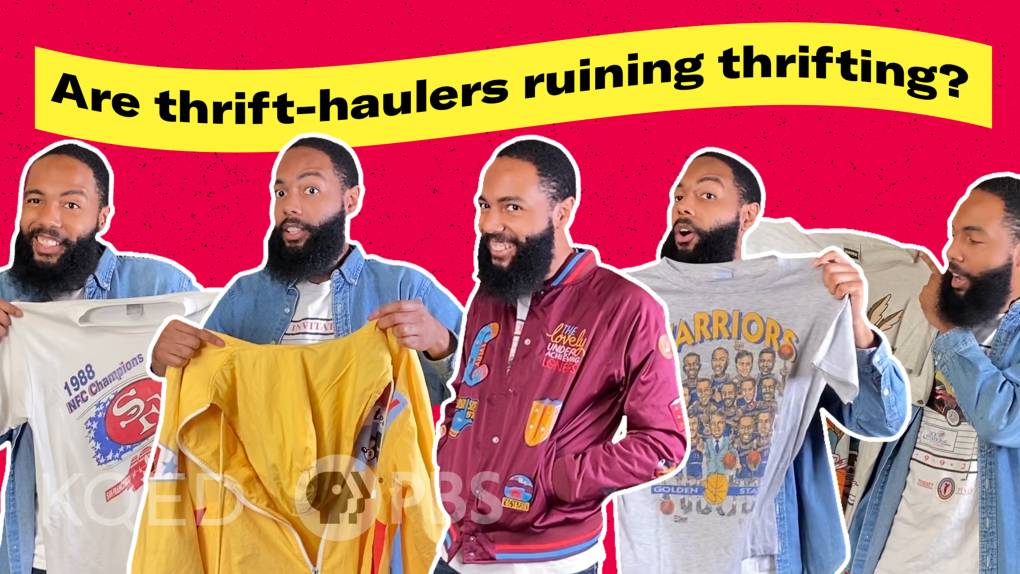
"caption": "Above the Noise takes a deeper look at the impact of second-hand fashion on the environment and low-income communities. ",
"description": "An image that shows multiple versions of show host Myles Bess holding up articles of clothing with the banner \"Are thrift haulers ruining thrifting?\"",
"title": "Is Thrifting Being Gentrified?",
"credit": "Megan Badilla",
"status": "inherit",
"altTag": "Thumbnail for an episode of Above the Noise about thrifting and gentrification.",
"isLoading": false,
"fetchFailed": false
},
"education_535384": {
"type": "attachments",
"id": "education_535384",
"meta": {
"index": "attachments_1716263798",
"site": "education",
"id": "535384",
"found": true
},
"parent": 535383,
"imgSizes": {
"twentyfourteen-full-width": {
"file": "https://ww2.kqed.org/app/uploads/sites/38/2021/09/ABTN_517_TN_Performative-Activism_1-1038x576.png",
"width": 1038,
"mimeType": "image/png",
"height": 576
},
"thumbnail": {
"file": "https://ww2.kqed.org/app/uploads/sites/38/2021/09/ABTN_517_TN_Performative-Activism_1-160x90.png",
"width": 160,
"mimeType": "image/png",
"height": 90
},
"post-thumbnail": {
"file": "https://ww2.kqed.org/app/uploads/sites/38/2021/09/ABTN_517_TN_Performative-Activism_1-672x372.png",
"width": 672,
"mimeType": "image/png",
"height": 372
},
"kqedFullSize": {
"file": "https://ww2.kqed.org/app/uploads/sites/38/2021/09/ABTN_517_TN_Performative-Activism_1.png",
"width": 1920,
"height": 1080
},
"large": {
"file": "https://ww2.kqed.org/app/uploads/sites/38/2021/09/ABTN_517_TN_Performative-Activism_1-1020x574.png",
"width": 1020,
"mimeType": "image/png",
"height": 574
},
"1536x1536": {
"file": "https://ww2.kqed.org/app/uploads/sites/38/2021/09/ABTN_517_TN_Performative-Activism_1-1536x864.png",
"width": 1536,
"mimeType": "image/png",
"height": 864
},
"medium": {
"file": "https://ww2.kqed.org/app/uploads/sites/38/2021/09/ABTN_517_TN_Performative-Activism_1-800x450.png",
"width": 800,
"mimeType": "image/png",
"height": 450
},
"medium_large": {
"file": "https://ww2.kqed.org/app/uploads/sites/38/2021/09/ABTN_517_TN_Performative-Activism_1-768x432.png",
"width": 768,
"mimeType": "image/png",
"height": 432
}
},
"publishDate": 1631740968,
"modified": 1631741062,
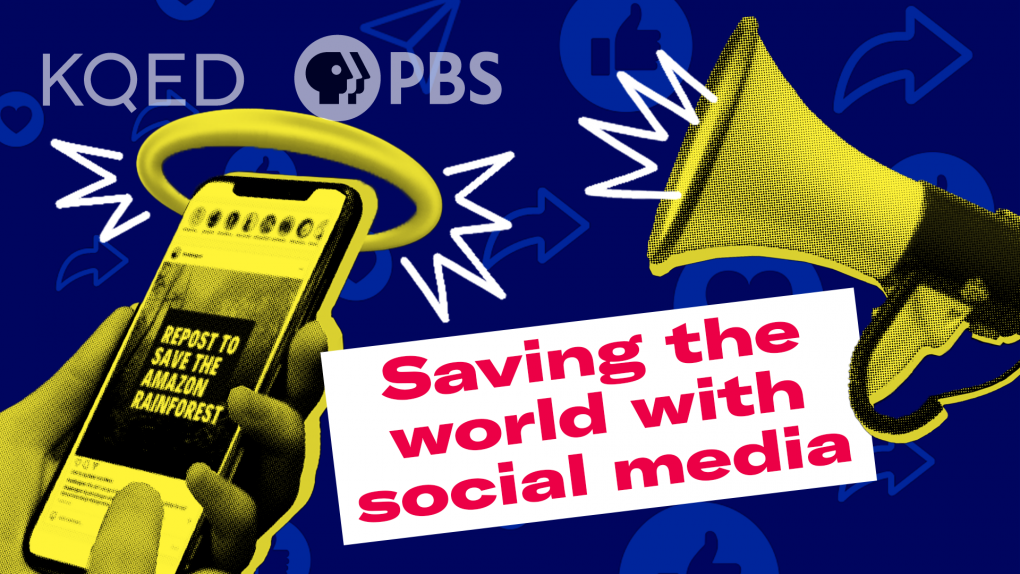
"caption": "Are you trying to save the world via social media?",
"description": "This video is all about performative activism - when you promote a cause online, but not necessarily in real life. Does this kind of activism ever help? Or is it just a hindrance?",
"title": "ABTN_517_TN_Performative-Activism_1",
"credit": "Megan Badilla",
"status": "inherit",
"altTag": "Thumbnail used to describe what this Above the Noise video is about: performative activism",
"isLoading": false,
"fetchFailed": false
},
"education_535346": {
"type": "attachments",
"id": "education_535346",
"meta": {
"index": "attachments_1716263798",
"site": "education",
"id": "535346",
"found": true
},
"parent": 535330,
"imgSizes": {
"twentyfourteen-full-width": {
"file": "https://ww2.kqed.org/app/uploads/sites/38/2021/09/THUMBNAIL_MENTAL_HEALTH--1038x576.png",
"width": 1038,
"mimeType": "image/png",
"height": 576
},
"thumbnail": {
"file": "https://ww2.kqed.org/app/uploads/sites/38/2021/09/THUMBNAIL_MENTAL_HEALTH--160x90.png",
"width": 160,
"mimeType": "image/png",
"height": 90
},
"post-thumbnail": {
"file": "https://ww2.kqed.org/app/uploads/sites/38/2021/09/THUMBNAIL_MENTAL_HEALTH--672x372.png",
"width": 672,
"mimeType": "image/png",
"height": 372
},
"kqedFullSize": {
"file": "https://ww2.kqed.org/app/uploads/sites/38/2021/09/THUMBNAIL_MENTAL_HEALTH-.png",
"width": 1920,
"height": 1080
},
"large": {
"file": "https://ww2.kqed.org/app/uploads/sites/38/2021/09/THUMBNAIL_MENTAL_HEALTH--1020x574.png",
"width": 1020,
"mimeType": "image/png",
"height": 574
},
"1536x1536": {
"file": "https://ww2.kqed.org/app/uploads/sites/38/2021/09/THUMBNAIL_MENTAL_HEALTH--1536x864.png",
"width": 1536,
"mimeType": "image/png",
"height": 864
},
"medium": {
"file": "https://ww2.kqed.org/app/uploads/sites/38/2021/09/THUMBNAIL_MENTAL_HEALTH--800x450.png",
"width": 800,
"mimeType": "image/png",
"height": 450
},
"medium_large": {
"file": "https://ww2.kqed.org/app/uploads/sites/38/2021/09/THUMBNAIL_MENTAL_HEALTH--768x432.png",
"width": 768,
"mimeType": "image/png",
"height": 432
}
},
"publishDate": 1631563750,
"modified": 1631563766,
"caption": null,
"description": null,
"title": "THUMBNAIL_MENTAL_HEALTH",
"credit": null,
"status": "inherit",
"altTag": "Graphic of two heads with speech bubbles",
"isLoading": false,
"fetchFailed": false
},
"education_535295": {
"type": "attachments",
"id": "education_535295",
"meta": {
"index": "attachments_1716263798",
"site": "education",
"id": "535295",
"found": true
},
"parent": 535294,
"imgSizes": {
"twentyfourteen-full-width": {
"file": "https://ww2.kqed.org/app/uploads/sites/38/2021/09/ABTN_516_TN_RenamingSchools-1038x576.jpg",
"width": 1038,
"mimeType": "image/jpeg",
"height": 576
},
"thumbnail": {
"file": "https://ww2.kqed.org/app/uploads/sites/38/2021/09/ABTN_516_TN_RenamingSchools-160x90.jpg",
"width": 160,
"mimeType": "image/jpeg",
"height": 90
},
"post-thumbnail": {
"file": "https://ww2.kqed.org/app/uploads/sites/38/2021/09/ABTN_516_TN_RenamingSchools-672x372.jpg",
"width": 672,
"mimeType": "image/jpeg",
"height": 372
},
"kqedFullSize": {
"file": "https://ww2.kqed.org/app/uploads/sites/38/2021/09/ABTN_516_TN_RenamingSchools.jpg",
"width": 1920,
"height": 1080
},
"large": {
"file": "https://ww2.kqed.org/app/uploads/sites/38/2021/09/ABTN_516_TN_RenamingSchools-1020x574.jpg",
"width": 1020,
"mimeType": "image/jpeg",
"height": 574
},
"1536x1536": {
"file": "https://ww2.kqed.org/app/uploads/sites/38/2021/09/ABTN_516_TN_RenamingSchools-1536x864.jpg",
"width": 1536,
"mimeType": "image/jpeg",
"height": 864
},
"medium": {
"file": "https://ww2.kqed.org/app/uploads/sites/38/2021/09/ABTN_516_TN_RenamingSchools-800x450.jpg",
"width": 800,
"mimeType": "image/jpeg",
"height": 450
},
"medium_large": {
"file": "https://ww2.kqed.org/app/uploads/sites/38/2021/09/ABTN_516_TN_RenamingSchools-768x432.jpg",
"width": 768,
"mimeType": "image/jpeg",
"height": 432
}
},
"publishDate": 1630536477,
"modified": 1630536569,
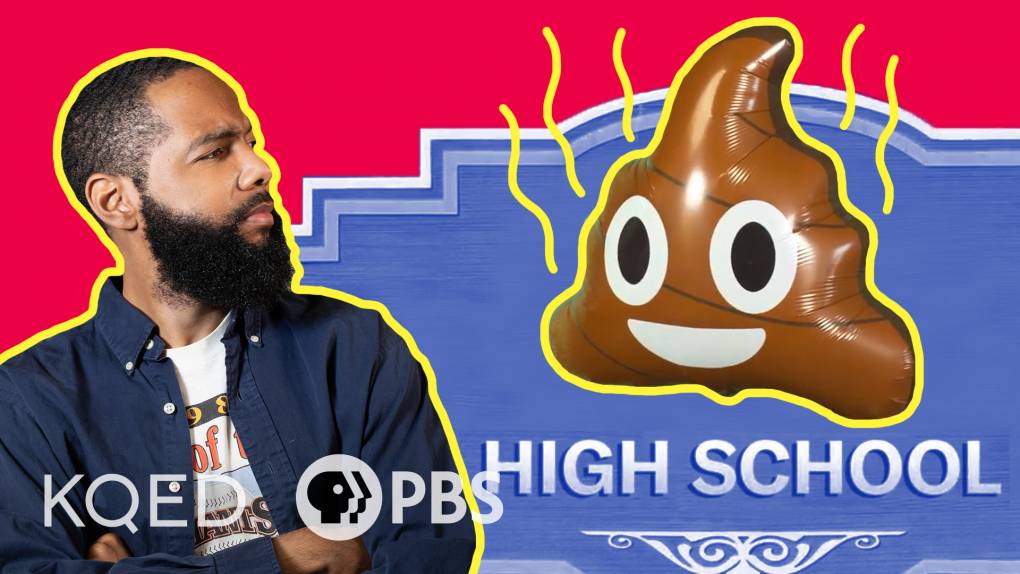
"caption": "Above the Noise host Myles Bess asks when, if and how we should change a school's name?",
"description": "Above the Noise host Myles Bess looks skeptically at a poop emoji balloon in front an illustration of a high school marquee. ",
"title": "ABTN_516_TN_RenamingSchools",
"credit": "Megan Badilla",
"status": "inherit",
"altTag": "Video thumbnail image to show what the video is about",
"isLoading": false,
"fetchFailed": false
}
},
"audioPlayerReducer": {
"postId": "stream_live",
"isPaused": true,
"isPlaying": false,
"pfsActive": false,
"pledgeModalIsOpen": true,
"playerDrawerIsOpen": false,
"liveAudioPlayStartedAt": 0,
"liveAudioPlayContext": ""
},
"authorsReducer": {
"lfarrar": {
"type": "authors",
"id": "6544",
"meta": {
"index": "authors_1716337520",
"id": "6544",
"found": true
},
"name": "Lauren Farrar",
"firstName": "Lauren",
"lastName": "Farrar",
"slug": "lfarrar",
"email": "lfarrar@kqed.org",
"display_author_email": false,
"staff_mastheads": [],
"title": "KQED Contributor",
"bio": "Lauren has a background in biology, education, and filmmaking. She has had the privilege to work on a diverse array of educational endeavors and is currently a producer for KQED Learning's YouTube series \u003cem>Above the Noise\u003c/em>. Lauren's career has taken her to the deepest parts of the ocean to film deep sea hydrothermal vents for classroom webcasts, into the pool to film synchronized swimmers to teach about the pH scale, and on roller coasters to create a video about activation energy. And, she’s done it all for the sake of education. Lauren loves communicating science! Follow her on twitter @LFarrarAtWork",
"avatar": "https://secure.gravatar.com/avatar/580c4ece9fa0756ef42202cdcf4146d1?s=600&d=blank&r=g",
"twitter": null,
"facebook": null,
"instagram": null,
"linkedin": null,
"sites": [
{
"site": "news",
"roles": []
},
{
"site": "lowdown",
"roles": []
},
{
"site": "education",
"roles": []
},
{
"site": "quest",
"roles": []
}
],
"headData": {
"title": "Lauren Farrar | KQED",
"description": "KQED Contributor",
"ogImgSrc": "https://secure.gravatar.com/avatar/580c4ece9fa0756ef42202cdcf4146d1?s=600&d=blank&r=g",
"twImgSrc": "https://secure.gravatar.com/avatar/580c4ece9fa0756ef42202cdcf4146d1?s=600&d=blank&r=g"
},
"isLoading": false,
"link": "/author/lfarrar"
},
"dlartaud": {
"type": "authors",
"id": "10621",
"meta": {
"index": "authors_1716337520",
"id": "10621",
"found": true
},
"name": "Derek Lartaud",
"firstName": "Derek",
"lastName": "Lartaud",
"slug": "dlartaud",
"email": "dlartaud@kqed.org",
"display_author_email": true,
"staff_mastheads": [],
"title": "KQED Contributor",
"bio": "Derek Lartaud came to the Bay Area after nearly five years of researching schizophrenia and diabetes at Yale University. Determined to tell visual stories, he’s worked for the BBC, Al Jazeera America, TIME, PBS, and the Center for Investigative Reporting. He has a bachelor’s degree in neuroscience and a master’s degree in journalism. When not holding a camera or editing a story, he’s trying to rebuild his 1969 Honda CL350.",
"avatar": "https://secure.gravatar.com/avatar/e03912790b9252d0f67d68120966e449?s=600&d=mm&r=g",
"twitter": null,
"facebook": null,
"instagram": null,
"linkedin": null,
"sites": [
{
"site": "education",
"roles": [
"contributor"
]
},
{
"site": "quest",
"roles": [
"contributor"
]
},
{
"site": "food",
"roles": [
"editor"
]
}
],
"headData": {
"title": "Derek Lartaud | KQED",
"description": "KQED Contributor",
"ogImgSrc": "https://secure.gravatar.com/avatar/e03912790b9252d0f67d68120966e449?s=600&d=mm&r=g",
"twImgSrc": "https://secure.gravatar.com/avatar/e03912790b9252d0f67d68120966e449?s=600&d=mm&r=g"
},
"isLoading": false,
"link": "/author/dlartaud"
},
"jkim": {
"type": "authors",
"id": "11499",
"meta": {
"index": "authors_1716337520",
"id": "11499",
"found": true
},
"name": "Janelle Kim",
"firstName": "Janelle",
"lastName": "Kim",
"slug": "jkim",
"email": "jkim@kqed.org",
"display_author_email": false,
"staff_mastheads": [],
"title": null,
"bio": "Janelle Kim is the Engagement Specialist at KQED. She coordinates all aspects of KQED’s educational conference and event participation. She also manages KQED’s Media Literacy Innovator Program, a cohort of teacher leaders who utilize KQED Education’s resources and champion media literacy education in their schools, districts and communities. Prior to KQED, Janelle has held event and community management roles at HarperCollins Publishers and SCS Global Services, an environmental sustainability certification body.",
"avatar": "https://secure.gravatar.com/avatar/d022e46f445bc4dea54f4c4a610435a8?s=600&d=mm&r=g",
"twitter": null,
"bluesky": null,
"facebook": null,
"instagram": null,
"linkedin": null,
"sites": [
{
"site": "education",
"roles": [
"administrator"
]
},
{
"site": "quest",
"roles": [
"editor"
]
},
{
"site": "youthmedia",
"roles": [
"editor"
]
}
],
"headData": {
"title": "Janelle Kim | KQED",
"description": null,
"ogImgSrc": "https://secure.gravatar.com/avatar/d022e46f445bc4dea54f4c4a610435a8?s=600&d=mm&r=g",
"twImgSrc": "https://secure.gravatar.com/avatar/d022e46f445bc4dea54f4c4a610435a8?s=600&d=mm&r=g"
},
"isLoading": false,
"link": "/author/jkim"
},
"aspenmock": {
"type": "authors",
"id": "11678",
"meta": {
"index": "authors_1716337520",
"id": "11678",
"found": true
},
"name": "Aspen Mock",
"firstName": "Aspen",
"lastName": "Mock",
"slug": "aspenmock",
"email": "aleatoryimaginarium@gmail.com",
"display_author_email": false,
"staff_mastheads": [],
"title": "KQED Contributor",
"bio": "Dr. Aspen B. Mock is an English language arts educator at Forest Hills Junior-Senior High School in Sidman, Pennsylvania. Dr. Mock’s educational philosophy and approach is to provide a creative, collaborative educational environment and writing community with a focus on 21st century skills, service-learning and critical thinking. She currently teaches composition 9, is an ACE adjunct instructor for Pennsylvania Highlands Community College, and is a facilitator of a Girls Who Code Club chapter. She holds the following certifications: PBS Media Literacy Educator Certification, K-12 Principal Certificate, National Geographic Certified Educator, Nearpod Certified Educator, Flipgrid Certified Educator, Certified Microsoft Innovative Educator, Google Certified Educator, Apple Teacher, Newsela Certified Teacher and Trainer, Symbaloo PD Certified Teacher & Trainer, SAS Integration Trainer (PA Dept. of Ed.), and Common Sense Educator. She connects with other educators using the Twitter handle @AB_Mock.",
"avatar": "https://secure.gravatar.com/avatar/ca3f6cb934dca088bc23de08507a4557?s=600&d=blank&r=g",
"twitter": null,
"facebook": null,
"instagram": null,
"linkedin": null,
"sites": [
{
"site": "education",
"roles": [
"author"
]
}
],
"headData": {
"title": "Aspen Mock | KQED",
"description": "KQED Contributor",
"ogImgSrc": "https://secure.gravatar.com/avatar/ca3f6cb934dca088bc23de08507a4557?s=600&d=blank&r=g",
"twImgSrc": "https://secure.gravatar.com/avatar/ca3f6cb934dca088bc23de08507a4557?s=600&d=blank&r=g"
},
"isLoading": false,
"link": "/author/aspenmock"
},
"mbess": {
"type": "authors",
"id": "11704",
"meta": {
"index": "authors_1716337520",
"id": "11704",
"found": true
},
"name": "Myles Bess",
"firstName": "Myles",
"lastName": "Bess",
"slug": "mbess",
"email": "mbess@KQED.org",
"display_author_email": false,
"staff_mastheads": [],
"title": "KQED Contributor",
"bio": null,
"avatar": "https://secure.gravatar.com/avatar/34bdf5d2c563d2b31fb0eb8016e5bc36?s=600&d=mm&r=g",
"twitter": null,
"facebook": null,
"instagram": null,
"linkedin": null,
"sites": [
{
"site": "bayareabites",
"roles": []
},
{
"site": "education",
"roles": []
}
],
"headData": {
"title": "Myles Bess | KQED",
"description": "KQED Contributor",
"ogImgSrc": "https://secure.gravatar.com/avatar/34bdf5d2c563d2b31fb0eb8016e5bc36?s=600&d=mm&r=g",
"twImgSrc": "https://secure.gravatar.com/avatar/34bdf5d2c563d2b31fb0eb8016e5bc36?s=600&d=mm&r=g"
},
"isLoading": false,
"link": "/author/mbess"
},
"angelvalerio": {
"type": "authors",
"id": "11773",
"meta": {
"index": "authors_1716337520",
"id": "11773",
"found": true
},
"name": "Angel Valerio",
"firstName": "Angel",
"lastName": "Valerio",
"slug": "angelvalerio",
"email": "avalerio@kqed.org",
"display_author_email": false,
"staff_mastheads": [],
"title": "KQED Contributor",
"bio": "\r\n\r\n\r\n\r\n\r\n\r\n\r\n\r\n\r\n\r\n\r\n\r\n\r\n\r\n\r\n\r\n\r\n\r\n\r\n\r\n\r\n\r\nAngel is KQED’s program manager for STEM professional learning. Previous to this role she worked in South Los Angeles and East Oakland as a high school life science teacher and instructional coach. She is passionate about the intersection of science, social justice, and uplifting youth voice.\r\n\r\n\r\n\r\n\r\n\r\n\r\n\r\n\r\n\r\n\r\n\r\n\r\n\r\n\r\n\r\n\r\n\r\n\r\n\r\n\r\n\r\n\r\n\r\n\r\n\r\n\r\n\r\n\r\n\r\n\r\n\r\n\r\n\r\n\r\n\r\n\r\n\r\n\r\n\r\n\r\n\r\n\r\n\r\nMessage Janelle Kim\r\n\r\n\r\n\r\n\r\n\r\n\r\n\r\n\r\n\r\n\r\n\u003ci>\u003c/i>\u003ci>\u003c/i>\u003ci>\u003c/i>\u003ci>\u003c/i>\r\n\r\n\r\n\r\n\r\n\r\n\r\n\r\n\r\n\r\n\r\n\r\n\r\n\r\n\r\n\r\n\r\n\r\n\r\n\r\n\r\n\r\n\r\n\r\n\r\n\r\n\r\n\r\n\r\n\r\n\r\n",
"avatar": "https://secure.gravatar.com/avatar/e0bd8839efcd746c7136c5e0429f310f?s=600&d=mm&r=g",
"twitter": null,
"facebook": null,
"instagram": null,
"linkedin": null,
"sites": [
{
"site": "education",
"roles": []
}
],
"headData": {
"title": "Angel Valerio | KQED",
"description": "KQED Contributor",
"ogImgSrc": "https://secure.gravatar.com/avatar/e0bd8839efcd746c7136c5e0429f310f?s=600&d=mm&r=g",
"twImgSrc": "https://secure.gravatar.com/avatar/e0bd8839efcd746c7136c5e0429f310f?s=600&d=mm&r=g"
},
"isLoading": false,
"link": "/author/angelvalerio"
}
},
"pagesReducer": {
"education_category_blog": {
"type": "terms",
"id": "education_1",
"meta": {
"index": "terms_1716263798",
"site": "education",
"id": "1",
"score": 13.308343
},
"name": "Education Blog",
"slug": "blog",
"taxonomy": "category",
"description": "Sign up for the \u003ca href=\"https://www.kqed.org/newsletters/kqed-education\" target=\"_blank\" rel=\"noopener noreferrer\">KQED Education newsletter\u003c/a>.",
"featImg": null,
"headData": {
"title": "Bay Area Education Insights: Stories & Resources from KQED's Blog",
"description": "Discover insightful articles, captivating stories, and practical resources for educators, parents, and learners of all ages.",
"ogTitle": null,
"ogDescription": null,
"ogImgId": null,
"twTitle": null,
"twDescription": null,
"twImgId": null,
"socialTitle": "Bay Area Education Insights: Stories & Resources from KQED's Blog"
},
"ttid": 1,
"isLoading": false,
"title": "Education Blog",
"pageMeta": {
"site": "education",
"WpPageTemplate": "page-topic-company",
"currentPage": 11
},
"blocks": [
{
"blockName": "kqed/company-paragraph",
"content": "Sign up for the \u003ca href=\"https://www.kqed.org/newsletters/kqed-education\" target=\"_blank\" rel=\"noopener noreferrer\">KQED Education newsletter\u003c/a>."
},
{
"blockName": "kqed/post-list",
"attrs": {
"layout": "cardCompany2",
"query": "posts/education?category=blog",
"seeMore": false,
"paginated": true,
"page": 11
}
},
{
"blockName": "kqed/ad"
}
]
}
},
"pfsSessionReducer": {},
"postsReducer": {
"stream_live": {
"type": "live",
"id": "stream_live",
"audioUrl": "https://streams.kqed.org/kqedradio",
"title": "Live Stream",
"excerpt": "Live Stream information currently unavailable.",
"link": "/radio",
"featImg": "",
"label": {
"name": "KQED Live",
"link": "/"
}
},
"stream_kqedNewscast": {
"type": "posts",
"id": "stream_kqedNewscast",
"audioUrl": "https://www.kqed.org/.stream/anon/radio/RDnews/newscast.mp3?_=1",
"title": "KQED Newscast",
"featImg": "",
"label": {
"name": "88.5 FM",
"link": "/"
}
},
"education_535485": {
"type": "posts",
"id": "education_535485",
"meta": {
"index": "posts_1716263798",
"site": "education",
"id": "535485",
"score": null,
"sort": [
1635203500000
]
},
"parent": 0,
"labelTerm": {
"site": "education",
"term": 2837
},
"blocks": [],
"publishDate": 1635203500,
"format": "standard",
"title": "Connect Computer and Data Science Concepts to Students’ Everyday Life With Above the Noise",
"headTitle": "Connect Computer and Data Science Concepts to Students’ Everyday Life With Above the Noise | KQED",
"content": "\u003cp>Today’s students have grown up their entire lives immersed with technology at their fingertips and have been coined “digital natives” — native speakers of the digital language of computers, video games and the internet. Computer and\u003ca href=\"https://www.kqed.org/mindshift/58326/could-data-science-diversify-the-stem-field-why-courses-designed-this-century-feel-so-relevant-to-all-students\" target=\"_blank\" rel=\"noopener noreferrer\"> data science\u003c/a> classes are also more common in the K-12 space, allowing students to not just be consumers, but active creators and innovators in the tech field. Here are some helpful videos from our video series \u003ca href=\"https://www.youtube.com/watch?v=f5qgOqNQ7zY&list=PLBtTC9WRs2VkAZu15Rvmj2Mjpe-FfZ5Wu\" target=\"_blank\" rel=\"noopener noreferrer\">Above the Noise\u003c/a> that teachers can use to help students better understand the real life applications of the concepts taught in computer and data science classrooms. Students can also view the videos and discuss the topics with peers around the country with \u003ca href=\"https://learn.kqed.org/discussions?utm_source=kqed-ed&utm_medium=blog&utm_campaign=atn-roundup\" target=\"_blank\" rel=\"noopener noreferrer\">KQED Learn Discussions\u003c/a>, a platform where teachers can find more classroom resources to support critical thinking and civil discourse.\u003c/p>\n\u003cp>Knowing how personal data is used on the internet is necessary for students to understand in order to better protect and represent themselves online and become \u003ca href=\"https://www.commonsense.org/education/videos/what-is-digital-citizenship\" target=\"_blank\" rel=\"noopener noreferrer\">digital citizens\u003c/a>. \u003ca href=\"https://www.youtube.com/watch?v=VlYjtWg4Thw\" target=\"_blank\" rel=\"noopener noreferrer\">5 Tips to Protect Your Privacy Online (Feat. EFF)\u003c/a> provides some helpful and practical tips for online privacy that students can use.\u003c/p>\n\u003cp>\u003ca href=\"https://www.youtube.com/watch?v=f5qgOqNQ7zY\" target=\"_blank\" rel=\"noopener noreferrer\">Is Facial Recognition Invading Your Privacy?\u003c/a> explains how the data collected about us on the internet, especially via social media posts, can be used and analyzed by artificial intelligence to perform facial recognition for tracking or surveillance purposes. As students are using school issued chromebooks or tablets at home, it is also important to understand how schools can potentially see everything they do while using these devices. \u003ca href=\"https://learn.kqed.org/discussions/84?utm_source=kqed-ed&utm_medium=blog&utm_campaign=atn-roundup\" target=\"_blank\" rel=\"noopener noreferrer\">Your School is Watching You Online…Should They?\u003c/a> explores how far schools should monitor students and how this impacts student privacy.\u003c/p>\n\u003cp>Algorithms are the backbone to computer science. They give instructions for every source of technology that we use in life. For example, they collect our search and viewing data to shape what we see on the internet and social media. In the episiode \u003ca href=\"https://learn.kqed.org/discussions/36?utm_source=kqed-ed&utm_medium=blog&utm_campaign=atn-roundup\" target=\"_blank\" rel=\"noopener noreferrer\">How Much Can We Trust YouTube for Reliable Information?\u003c/a> students learn and understand how YouTube algorithms work and how to avoid the rabbit hole when spending hours on the app.\u003c/p>\n\u003cp>[ad fullwdith]\u003c/p>\n\u003cp>The criminal justice system also uses algorithms in order to make predictions about criminal behavior. \u003ca href=\"https://www.youtube.com/watch?v=Gi4YeRqfb24\" target=\"_blank\" rel=\"noopener noreferrer\">Are Risk Assessment Algorithms Fair, or Racist?\u003c/a> explores how risk assessment algorithms might not always be fair and can create a machine bias that can lead to racist predictions about crime in marginalized communities. Related to this, another episode about the crime rate, \u003ca href=\"https://www.youtube.com/watch?v=ck7Jt9kCzMk\" target=\"_blank\" rel=\"noopener noreferrer\">Why Can’t Anyone Agree On The Crime Rate?\u003c/a> explores how data sets about crime can be skewed or presented in a biased way in the media.\u003c/p>\n\u003cp>[ad fullwidth]\u003c/p>\n\u003cp>Exploring how computer and data science concepts are applied in real life helps students critically examine not only their personal online use, but also reflect on how these concepts can be applied in potentially unjust or dangerous ways in our society.\u003c/p>\n\u003cp>\u003c/p>\n\u003cp>\u003cstrong>Want more Above the Noise resources related to digital citizenship and technology?\u003c/strong> Here are some episodes to check out:\u003c/p>\n\u003cul>\n\u003cli>\u003ca href=\"https://learn.kqed.org/discussions/34?utm_source=kqed-ed&utm_medium=blog&utm_campaign=atn-roundup\" target=\"_blank\" rel=\"noopener noreferrer\">Can You Have Too Much Screen Time?\u003c/a>\u003c/li>\n\u003cli>\u003ca href=\"https://www.youtube.com/watch?v=0fx8hN5JyZM\" target=\"_blank\" rel=\"noopener noreferrer\">Is the Internet Making You Meaner?\u003c/a>\u003c/li>\n\u003cli>\u003ca href=\"https://learn.kqed.org/discussions/35?utm_source=kqed-ed&utm_medium=blog&utm_campaign=atn-roundup\" target=\"_blank\" rel=\"noopener noreferrer\">How Much Should We Worry About Deep Fake Technology?\u003c/a>\u003c/li>\n\u003cli>\u003ca href=\"https://youtu.be/GFWQ55-ydjA\" target=\"_blank\" rel=\"noopener noreferrer\">Can Virtual Reality Make You a Better Person?\u003c/a>\u003c/li>\n\u003c/ul>\n\n",
"stats": {
"hasVideo": false,
"hasChartOrMap": false,
"hasAudio": false,
"hasPolis": false,
"wordCount": 530,
"hasGoogleForm": false,
"hasGallery": false,
"hasHearkenModule": false,
"iframeSrcs": [],
"paragraphCount": 10
},
"modified": 1704760231,
"excerpt": null,
"headData": {
"twImgId": "",
"twTitle": "",
"ogTitle": "",
"ogImgId": "",
"twDescription": "",
"description": "Help students better understand the real life applications of computer and data science concepts with these Above the Noise videos.",
"socialDescription": "Help students better understand the real life applications of computer and data science concepts with these Above the Noise videos.",
"title": "Connect Computer and Data Science Concepts to Students’ Everyday Life With Above the Noise | KQED",
"ogDescription": "",
"schema": {
"@context": "https://schema.org",
"@type": "Article",
"headline": "Connect Computer and Data Science Concepts to Students’ Everyday Life With Above the Noise",
"datePublished": "2021-10-25T16:11:40-07:00",
"dateModified": "2024-01-08T16:30:31-08:00",
"image": "https://cdn.kqed.org/wp-content/uploads/2020/02/KQED-OG-Image@1x.png"
}
},
"guestAuthors": [],
"slug": "computer-data-science-above-the-noise",
"status": "publish",
"sticky": false,
"WpOldSlug": "connect-computer-and-data-science-concepts-to-students-everyday-life-with-above-the-noise",
"path": "/education/535485/computer-data-science-above-the-noise",
"audioTrackLength": null,
"parsedContent": [
{
"type": "contentString",
"content": "\u003cdiv class=\"post-body\">\u003cp>\u003cp>Today’s students have grown up their entire lives immersed with technology at their fingertips and have been coined “digital natives” — native speakers of the digital language of computers, video games and the internet. Computer and\u003ca href=\"https://www.kqed.org/mindshift/58326/could-data-science-diversify-the-stem-field-why-courses-designed-this-century-feel-so-relevant-to-all-students\" target=\"_blank\" rel=\"noopener noreferrer\"> data science\u003c/a> classes are also more common in the K-12 space, allowing students to not just be consumers, but active creators and innovators in the tech field. Here are some helpful videos from our video series \u003ca href=\"https://www.youtube.com/watch?v=f5qgOqNQ7zY&list=PLBtTC9WRs2VkAZu15Rvmj2Mjpe-FfZ5Wu\" target=\"_blank\" rel=\"noopener noreferrer\">Above the Noise\u003c/a> that teachers can use to help students better understand the real life applications of the concepts taught in computer and data science classrooms. Students can also view the videos and discuss the topics with peers around the country with \u003ca href=\"https://learn.kqed.org/discussions?utm_source=kqed-ed&utm_medium=blog&utm_campaign=atn-roundup\" target=\"_blank\" rel=\"noopener noreferrer\">KQED Learn Discussions\u003c/a>, a platform where teachers can find more classroom resources to support critical thinking and civil discourse.\u003c/p>\n\u003cp>Knowing how personal data is used on the internet is necessary for students to understand in order to better protect and represent themselves online and become \u003ca href=\"https://www.commonsense.org/education/videos/what-is-digital-citizenship\" target=\"_blank\" rel=\"noopener noreferrer\">digital citizens\u003c/a>. \u003ca href=\"https://www.youtube.com/watch?v=VlYjtWg4Thw\" target=\"_blank\" rel=\"noopener noreferrer\">5 Tips to Protect Your Privacy Online (Feat. EFF)\u003c/a> provides some helpful and practical tips for online privacy that students can use.\u003c/p>\n\u003cp>\u003ca href=\"https://www.youtube.com/watch?v=f5qgOqNQ7zY\" target=\"_blank\" rel=\"noopener noreferrer\">Is Facial Recognition Invading Your Privacy?\u003c/a> explains how the data collected about us on the internet, especially via social media posts, can be used and analyzed by artificial intelligence to perform facial recognition for tracking or surveillance purposes. As students are using school issued chromebooks or tablets at home, it is also important to understand how schools can potentially see everything they do while using these devices. \u003ca href=\"https://learn.kqed.org/discussions/84?utm_source=kqed-ed&utm_medium=blog&utm_campaign=atn-roundup\" target=\"_blank\" rel=\"noopener noreferrer\">Your School is Watching You Online…Should They?\u003c/a> explores how far schools should monitor students and how this impacts student privacy.\u003c/p>\n\u003cp>Algorithms are the backbone to computer science. They give instructions for every source of technology that we use in life. For example, they collect our search and viewing data to shape what we see on the internet and social media. In the episiode \u003ca href=\"https://learn.kqed.org/discussions/36?utm_source=kqed-ed&utm_medium=blog&utm_campaign=atn-roundup\" target=\"_blank\" rel=\"noopener noreferrer\">How Much Can We Trust YouTube for Reliable Information?\u003c/a> students learn and understand how YouTube algorithms work and how to avoid the rabbit hole when spending hours on the app.\u003c/p>\n\u003cp>\u003c/p>\u003c/div>",
"attributes": {
"named": {},
"numeric": []
}
},
{
"type": "component",
"content": "",
"name": "ad",
"attributes": {
"named": {
"label": "fullwdith"
},
"numeric": [
"fullwdith"
]
}
},
{
"type": "contentString",
"content": "\u003cdiv class=\"post-body\">\u003cp>\u003c/p>\n\u003cp>The criminal justice system also uses algorithms in order to make predictions about criminal behavior. \u003ca href=\"https://www.youtube.com/watch?v=Gi4YeRqfb24\" target=\"_blank\" rel=\"noopener noreferrer\">Are Risk Assessment Algorithms Fair, or Racist?\u003c/a> explores how risk assessment algorithms might not always be fair and can create a machine bias that can lead to racist predictions about crime in marginalized communities. Related to this, another episode about the crime rate, \u003ca href=\"https://www.youtube.com/watch?v=ck7Jt9kCzMk\" target=\"_blank\" rel=\"noopener noreferrer\">Why Can’t Anyone Agree On The Crime Rate?\u003c/a> explores how data sets about crime can be skewed or presented in a biased way in the media.\u003c/p>\n\u003cp>\u003c/p>\u003c/div>",
"attributes": {
"named": {},
"numeric": []
}
},
{
"type": "component",
"content": "",
"name": "ad",
"attributes": {
"named": {
"label": "fullwidth"
},
"numeric": [
"fullwidth"
]
}
},
{
"type": "contentString",
"content": "\u003cdiv class=\"post-body\">\u003cp>\u003c/p>\n\u003cp>Exploring how computer and data science concepts are applied in real life helps students critically examine not only their personal online use, but also reflect on how these concepts can be applied in potentially unjust or dangerous ways in our society.\u003c/p>\n\u003cp>\u003c/p>\n\u003cp>\u003cstrong>Want more Above the Noise resources related to digital citizenship and technology?\u003c/strong> Here are some episodes to check out:\u003c/p>\n\u003cul>\n\u003cli>\u003ca href=\"https://learn.kqed.org/discussions/34?utm_source=kqed-ed&utm_medium=blog&utm_campaign=atn-roundup\" target=\"_blank\" rel=\"noopener noreferrer\">Can You Have Too Much Screen Time?\u003c/a>\u003c/li>\n\u003cli>\u003ca href=\"https://www.youtube.com/watch?v=0fx8hN5JyZM\" target=\"_blank\" rel=\"noopener noreferrer\">Is the Internet Making You Meaner?\u003c/a>\u003c/li>\n\u003cli>\u003ca href=\"https://learn.kqed.org/discussions/35?utm_source=kqed-ed&utm_medium=blog&utm_campaign=atn-roundup\" target=\"_blank\" rel=\"noopener noreferrer\">How Much Should We Worry About Deep Fake Technology?\u003c/a>\u003c/li>\n\u003cli>\u003ca href=\"https://youtu.be/GFWQ55-ydjA\" target=\"_blank\" rel=\"noopener noreferrer\">Can Virtual Reality Make You a Better Person?\u003c/a>\u003c/li>\n\u003c/ul>\n\n\u003c/div>\u003c/p>",
"attributes": {
"named": {},
"numeric": []
}
}
],
"link": "/education/535485/computer-data-science-above-the-noise",
"authors": [
"11773"
],
"series": [
"education_2837"
],
"categories": [
"education_1",
"education_49"
],
"featImg": "education_535487",
"label": "education_2837"
},
"education_535453": {
"type": "posts",
"id": "education_535453",
"meta": {
"index": "posts_1716263798",
"site": "education",
"id": "535453",
"score": null,
"sort": [
1634160787000
]
},
"parent": 0,
"labelTerm": {
"site": "education"
},
"blocks": [],
"publishDate": 1634160787,
"format": "standard",
"title": "Celebrate Digital Citizenship Week and Media Literacy Week With KQED",
"headTitle": "Celebrate Digital Citizenship Week and Media Literacy Week With KQED | KQED",
"content": "\u003cp>October is prime time to get students engaged with digital citizenship and media literacy. Digital Citizenship Week and Media Literacy Week occur the last two weeks of the month, bringing together hundreds of organizations across the country for events and activities to celebrate and promote digital citizenship and media literacy in education.\u003c/p>\n\u003cp>We’ve pulled together a list of relevant and timely KQED resources to engage your students–and yourself–in the powerful skills of media making, media literacy and digital citizenship.\u003c/p>\n\u003ch1>Digital Citizenship Week: October 18-22, 2021\u003c/h1>\n\u003ch2>\u003c/h2>\n\u003cp>Some of the most important aspects of digital citizenship include being able to evaluate and analyze online information, and engage with others on digital platforms safely and respectfully.\u003c/p>\n\u003ch2>Practice civil discourse\u003c/h2>\n\u003cp>Students can practice critical thinking and civil discourse with \u003ca href=\"https://learn.kqed.org/discussions?utm_source=kqed-edu&utm_medium=blog&utm_campaign=DigCitWk\" target=\"_blank\" rel=\"noopener noreferrer\">KQED Learn Discussions\u003c/a>, analyzing video prompts from the Emmy award-winning series Above the Noise and presenting their own evidence-based perspective in a safe and supportive environment. This collection on\u003ca href=\"https://learn.kqed.org/discussions?subject-areas%5bMedia%20and%20Technology%5d=1&page=1&search=\" target=\"_blank\" rel=\"noopener noreferrer\"> media and technology\u003c/a> can help facilitate discussions with your secondary students on how to analyze and evaluate the media landscape they are awash in everyday.\u003c/p>\n\u003cfigure id=\"attachment_532500\" class=\"wp-caption aligncenter\" style=\"max-width: 800px\">\u003cimg loading=\"lazy\" decoding=\"async\" class=\"size-medium wp-image-532500\" src=\"https://ww2.kqed.org/app/uploads/sites/38/2019/08/Algorithim_Thumbnail_8-13-19-800x450.png\" alt=\"Female silhouette thinks about diagram of YouTube video recommendations\" width=\"800\" height=\"450\" srcset=\"https://cdn.kqed.org/wp-content/uploads/sites/38/2019/08/Algorithim_Thumbnail_8-13-19-800x450.png 800w, https://cdn.kqed.org/wp-content/uploads/sites/38/2019/08/Algorithim_Thumbnail_8-13-19-160x90.png 160w, https://cdn.kqed.org/wp-content/uploads/sites/38/2019/08/Algorithim_Thumbnail_8-13-19-768x432.png 768w, https://cdn.kqed.org/wp-content/uploads/sites/38/2019/08/Algorithim_Thumbnail_8-13-19-1020x574.png 1020w, https://cdn.kqed.org/wp-content/uploads/sites/38/2019/08/Algorithim_Thumbnail_8-13-19-1200x675.png 1200w, https://cdn.kqed.org/wp-content/uploads/sites/38/2019/08/Algorithim_Thumbnail_8-13-19.png 1920w\" sizes=\"(max-width: 800px) 100vw, 800px\">\u003cfigcaption class=\"wp-caption-text\">Thumnail from Above the Noise episode, “How Much Can We Trust YouTube for Reliable Information?”\u003c/figcaption>\u003c/figure>\n\u003ch2>Identify misinformation and bias\u003c/h2>\n\u003cp>Misinformation is a constant in students’ lives, especially in the current global reality. Empower your students to effectively assess the accuracy and quality of information across media formats, and understand the techniques content creators use to shape their messages, with our free online course \u003ca href=\"https://teach.kqed.org/course/analyzing-and-evaluating-media-for-the-classroom-november-2021?utm_source=kqed-edu&utm_medium=blog&utm_campaign=DigCitWk\" target=\"_blank\" rel=\"noopener noreferrer\">Analyzing and Evaluating Media for the Classroom\u003c/a>. This six-week, instructor-led course will teach you how to effectively analyze and evaluate media so you are better equipped to teach your students how to do the same. The course starts November 15, so \u003ca href=\"https://teach.kqed.org/course/analyzing-and-evaluating-media-for-the-classroom-november-2021?utm_source=kqed-edu&utm_medium=blog&utm_campaign=DigCitWk\" target=\"_blank\" rel=\"noopener noreferrer\">register today\u003c/a>!\u003c/p>\n\u003cp>You can also help your students understand how to spot misinformation and bias with these Above the Noise videos:\u003c/p>\n\u003cul>\n\u003cli>\u003ca href=\"https://learn.kqed.org/discussions/39?utm_source=kqed-edu&utm_medium=blog&utm_campaign=DigCitWk\" target=\"_blank\" rel=\"noopener noreferrer\">False Equivalence: Are There Some Issues That Don’t Merit a “Both Sides” Approach?\u003c/a>\u003c/li>\n\u003cli>\u003ca href=\"https://learn.kqed.org/discussions/36?utm_source=kqed-edu&utm_medium=blog&utm_campaign=DigCitWk\" target=\"_blank\" rel=\"noopener noreferrer\">How Much Can We Trust YouTube for Reliable Information\u003c/a>\u003c/li>\n\u003cli>\u003ca href=\"https://learn.kqed.org/discussions/15?utm_source=kqed-edu&utm_medium=blog&utm_campaign=DigCitWk\" target=\"_blank\" rel=\"noopener noreferrer\">Confirmation Bias and Your Brain\u003c/a>\u003c/li>\n\u003c/ul>\n\u003ch2>Integrating SEL and Digital Citizenship\u003c/h2>\n\u003cp>The ability to analyze, evaluate and create media offers tangible ways to develop Social Emotional Learning (SEL) skills. \u003ca href=\"https://ww2.kqed.org/education/2021/09/13/integrating-sel-and-media-literacy-with-above-the-noise/\" target=\"_blank\" rel=\"noopener noreferrer\">These Above the Noise videos\u003c/a> can help students move from self-awareness and accountability to build more empathy for others in their school community. Also check out these \u003ca href=\"https://www.commonsense.org/education/digital-citizenship-week\" target=\"_blank\" rel=\"noopener noreferrer\">daily activities\u003c/a> from Common Sense that help students reflect on how their digital lives impact their social and emotional well-being.\u003c/p>\n\u003ch2>DigCitCon2021\u003c/h2>\n\u003cp>We are excited to speak at L.A. Unified’s premier \u003ca href=\"https://achieve.lausd.net/Page/17224\" target=\"_blank\" rel=\"noopener noreferrer\">digital citizenship conference\u003c/a> for administrators and education leaders. Learn more about this event and come to our session, “From Analyzing, to Making and Sharing Media: Practical Approaches to Creating Media Literate Educators and Learners.”\u003c/p>\n\u003cp>\u003cspan style=\"font-weight: 400\">Check out more \u003c/span>\u003ca href=\"https://digcitcommit.org/sites/digcitcommit.org/files/users/user75/Digital%20Citizenship%20Week%202021%20-%20resources.pdf\" target=\"_blank\" rel=\"noopener noreferrer\">\u003cspan style=\"font-weight: 400\">resources on digital citizenship\u003c/span>\u003c/a>\u003cspan style=\"font-weight: 400\"> from the \u003c/span>\u003ca href=\"https://digcitcommit.org/\" target=\"_blank\" rel=\"noopener noreferrer\">\u003cspan style=\"font-weight: 400\">DigCitCommit Coalition\u003c/span>\u003c/a>\u003cspan style=\"font-weight: 400\">.\u003c/span>\u003c/p>\n\u003cp>[ad fullwidth]\u003c/p>\n\u003ch1>Media Literacy Week: October 25-29\u003c/h1>\n\u003ch2>\u003c/h2>\n\u003cp>A key component of media literacy is the ability to create, or “write,” media. We offer many ways that teachers and students can build their media-making skills.\u003c/p>\n\u003ch2>Empower students through media making for an authentic audience\u003c/h2>\n\u003cp>\u003ca href=\"https://learn.kqed.org/challenges/teachers/?utm_source=kqed-edu&utm_medium=blog&utm_campaign=DigCitWk\" target=\"_blank\" rel=\"noopener noreferrer\">Youth Media Challenges\u003c/a> give middle and high school students the opportunity to share their voice beyond the classroom. These standards-aligned projects, for multiple content areas, come with ready-to-use curricular supports for self-directed learning. They are a great alternative to just turning in written work. \u003ca href=\"https://www.youtube.com/watch?v=tbE3qa3B5Nk\" target=\"_blank\" rel=\"noopener noreferrer\">Check out stand-out student media\u003c/a> from last spring and see media literacy and critical thinking skills in action. All submissions are published on our \u003ca href=\"https://learn.kqed.org/challenges/?utm_source=kqed-edu&utm_medium=blog&utm_campaign=DigCitWk\" target=\"_blank\" rel=\"noopener noreferrer\">student media showcase\u003c/a> and some are featured on public media station broadcasts, like this Perspective, \u003ca href=\"https://www.kqed.org/perspectives/201601141375/bad-hair-days\" target=\"_blank\" rel=\"noopener noreferrer\">Bad Hair Day\u003c/a>.\u003c/p>\n\u003cp>\u003cimg loading=\"lazy\" decoding=\"async\" class=\"size-medium wp-image-535416 aligncenter\" src=\"https://ww2.kqed.org/app/uploads/sites/38/2020/04/IMadeThis_EventImage_small-800x450.png\" alt=\"Student adjusting a video camera\" width=\"800\" height=\"450\" srcset=\"https://cdn.kqed.org/wp-content/uploads/sites/38/2020/04/IMadeThis_EventImage_small-800x450.png 800w, https://cdn.kqed.org/wp-content/uploads/sites/38/2020/04/IMadeThis_EventImage_small-1020x574.png 1020w, https://cdn.kqed.org/wp-content/uploads/sites/38/2020/04/IMadeThis_EventImage_small-160x90.png 160w, https://cdn.kqed.org/wp-content/uploads/sites/38/2020/04/IMadeThis_EventImage_small-768x432.png 768w, https://cdn.kqed.org/wp-content/uploads/sites/38/2020/04/IMadeThis_EventImage_small-1536x864.png 1536w, https://cdn.kqed.org/wp-content/uploads/sites/38/2020/04/IMadeThis_EventImage_small-1920x1080.png 1920w, https://cdn.kqed.org/wp-content/uploads/sites/38/2020/04/IMadeThis_EventImage_small.png 2000w\" sizes=\"(max-width: 800px) 100vw, 800px\">\u003c/p>\n\u003cp>You can hear directly from a diverse group of young people, who participated in Youth Media Challenges last spring, about what inspires them and their creative process at our event on November 10, \u003ca href=\"https://www.kqed.org/events/178984125337\" target=\"_blank\" rel=\"noopener noreferrer\">I Made This: A Youth Media Celebration\u003c/a>. Attend in-person or virtually.\u003c/p>\n\u003cp>We also host free online workshops year-round to support teachers with implementing challenges and media making. Register for one of our upcoming workshops for\u003ca href=\"https://kqed.zoom.us/meeting/register/tZYqfuivrT4qGdb9kd16Vjdpn8ySDgshlUq0\" target=\"_blank\" rel=\"noopener noreferrer\"> If Schools Could Dance\u003c/a> (October 27) and \u003ca href=\"https://kqed.zoom.us/meeting/register/tZwscu-vqjsjH9KJVRrC0J1Ta15GQBPhOEhd\" target=\"_blank\" rel=\"noopener noreferrer\">Science Documentary\u003c/a> (November 2 and 4).\u003c/p>\n\u003ch2>Take your media literacy to the next level\u003c/h2>\n\u003cp>Media literacy and digital citizenship are critical, transferable skills that require development and reinforcement in every subject area. The \u003ca href=\"https://teach.kqed.org/media-academy-for-educators?utm_source=kqed-edu&utm_medium=blog&utm_campaign=DigCitWk\" target=\"_blank\" rel=\"noopener noreferrer\">KQED Media Academy for Educators\u003c/a> helps all educators build these skills. Whether you are a classroom teacher, a librarian, an instructional coach, leading an extra-curricular program or any other role where you support young people using media for learning, the Media Academy’s free online courses are for you. And, all courses prepare you to apply for\u003ca href=\"https://edu-landing.kqed.org/certification/?utm_source=kqed-edu&utm_medium=blog&utm_campaign=DigCitWk\" target=\"_blank\" rel=\"noopener noreferrer\"> PBS Media Literacy Educator Certification by KQED.\u003c/a>\u003c/p>\n\u003cp>Discover more \u003ca href=\"https://medialiteracyweek.us/\" target=\"_blank\" rel=\"noopener noreferrer\">Media Literacy Week resources and events\u003c/a>.\u003c/p>\n\u003cp>\u003c/p>\n",
"stats": {
"hasVideo": false,
"hasChartOrMap": false,
"hasAudio": false,
"hasPolis": false,
"wordCount": 803,
"hasGoogleForm": false,
"hasGallery": false,
"hasHearkenModule": false,
"iframeSrcs": [],
"paragraphCount": 18
},
"modified": 1704760235,
"excerpt": null,
"headData": {
"twImgId": "",
"twTitle": "",
"ogTitle": "",
"ogImgId": "",
"twDescription": "",
"description": "Engage your students in #DigCitWeek and #MediaLitWk! We’ve pulled together a list of free KQED media literacy and digital citizenship resources.",
"socialDescription": "Engage your students in #DigCitWeek and #MediaLitWk! We’ve pulled together a list of free KQED media literacy and digital citizenship resources.",
"title": "Celebrate Digital Citizenship Week and Media Literacy Week With KQED | KQED",
"ogDescription": "",
"schema": {
"@context": "https://schema.org",
"@type": "Article",
"headline": "Celebrate Digital Citizenship Week and Media Literacy Week With KQED",
"datePublished": "2021-10-13T14:33:07-07:00",
"dateModified": "2024-01-08T16:30:35-08:00",
"image": "https://cdn.kqed.org/wp-content/uploads/2020/02/KQED-OG-Image@1x.png"
}
},
"guestAuthors": [],
"slug": "digital-citizenship-week-and-media-literacy-week-2021",
"status": "publish",
"sticky": false,
"path": "/education/535453/digital-citizenship-week-and-media-literacy-week-2021",
"audioTrackLength": null,
"parsedContent": [
{
"type": "contentString",
"content": "\u003cdiv class=\"post-body\">\u003cp>\u003cp>October is prime time to get students engaged with digital citizenship and media literacy. Digital Citizenship Week and Media Literacy Week occur the last two weeks of the month, bringing together hundreds of organizations across the country for events and activities to celebrate and promote digital citizenship and media literacy in education.\u003c/p>\n\u003cp>We’ve pulled together a list of relevant and timely KQED resources to engage your students–and yourself–in the powerful skills of media making, media literacy and digital citizenship.\u003c/p>\n\u003ch1>Digital Citizenship Week: October 18-22, 2021\u003c/h1>\n\u003ch2>\u003c/h2>\n\u003cp>Some of the most important aspects of digital citizenship include being able to evaluate and analyze online information, and engage with others on digital platforms safely and respectfully.\u003c/p>\n\u003ch2>Practice civil discourse\u003c/h2>\n\u003cp>Students can practice critical thinking and civil discourse with \u003ca href=\"https://learn.kqed.org/discussions?utm_source=kqed-edu&utm_medium=blog&utm_campaign=DigCitWk\" target=\"_blank\" rel=\"noopener noreferrer\">KQED Learn Discussions\u003c/a>, analyzing video prompts from the Emmy award-winning series Above the Noise and presenting their own evidence-based perspective in a safe and supportive environment. This collection on\u003ca href=\"https://learn.kqed.org/discussions?subject-areas%5bMedia%20and%20Technology%5d=1&page=1&search=\" target=\"_blank\" rel=\"noopener noreferrer\"> media and technology\u003c/a> can help facilitate discussions with your secondary students on how to analyze and evaluate the media landscape they are awash in everyday.\u003c/p>\n\u003cfigure id=\"attachment_532500\" class=\"wp-caption aligncenter\" style=\"max-width: 800px\">\u003cimg loading=\"lazy\" decoding=\"async\" class=\"size-medium wp-image-532500\" src=\"https://ww2.kqed.org/app/uploads/sites/38/2019/08/Algorithim_Thumbnail_8-13-19-800x450.png\" alt=\"Female silhouette thinks about diagram of YouTube video recommendations\" width=\"800\" height=\"450\" srcset=\"https://cdn.kqed.org/wp-content/uploads/sites/38/2019/08/Algorithim_Thumbnail_8-13-19-800x450.png 800w, https://cdn.kqed.org/wp-content/uploads/sites/38/2019/08/Algorithim_Thumbnail_8-13-19-160x90.png 160w, https://cdn.kqed.org/wp-content/uploads/sites/38/2019/08/Algorithim_Thumbnail_8-13-19-768x432.png 768w, https://cdn.kqed.org/wp-content/uploads/sites/38/2019/08/Algorithim_Thumbnail_8-13-19-1020x574.png 1020w, https://cdn.kqed.org/wp-content/uploads/sites/38/2019/08/Algorithim_Thumbnail_8-13-19-1200x675.png 1200w, https://cdn.kqed.org/wp-content/uploads/sites/38/2019/08/Algorithim_Thumbnail_8-13-19.png 1920w\" sizes=\"(max-width: 800px) 100vw, 800px\">\u003cfigcaption class=\"wp-caption-text\">Thumnail from Above the Noise episode, “How Much Can We Trust YouTube for Reliable Information?”\u003c/figcaption>\u003c/figure>\n\u003ch2>Identify misinformation and bias\u003c/h2>\n\u003cp>Misinformation is a constant in students’ lives, especially in the current global reality. Empower your students to effectively assess the accuracy and quality of information across media formats, and understand the techniques content creators use to shape their messages, with our free online course \u003ca href=\"https://teach.kqed.org/course/analyzing-and-evaluating-media-for-the-classroom-november-2021?utm_source=kqed-edu&utm_medium=blog&utm_campaign=DigCitWk\" target=\"_blank\" rel=\"noopener noreferrer\">Analyzing and Evaluating Media for the Classroom\u003c/a>. This six-week, instructor-led course will teach you how to effectively analyze and evaluate media so you are better equipped to teach your students how to do the same. The course starts November 15, so \u003ca href=\"https://teach.kqed.org/course/analyzing-and-evaluating-media-for-the-classroom-november-2021?utm_source=kqed-edu&utm_medium=blog&utm_campaign=DigCitWk\" target=\"_blank\" rel=\"noopener noreferrer\">register today\u003c/a>!\u003c/p>\n\u003cp>You can also help your students understand how to spot misinformation and bias with these Above the Noise videos:\u003c/p>\n\u003cul>\n\u003cli>\u003ca href=\"https://learn.kqed.org/discussions/39?utm_source=kqed-edu&utm_medium=blog&utm_campaign=DigCitWk\" target=\"_blank\" rel=\"noopener noreferrer\">False Equivalence: Are There Some Issues That Don’t Merit a “Both Sides” Approach?\u003c/a>\u003c/li>\n\u003cli>\u003ca href=\"https://learn.kqed.org/discussions/36?utm_source=kqed-edu&utm_medium=blog&utm_campaign=DigCitWk\" target=\"_blank\" rel=\"noopener noreferrer\">How Much Can We Trust YouTube for Reliable Information\u003c/a>\u003c/li>\n\u003cli>\u003ca href=\"https://learn.kqed.org/discussions/15?utm_source=kqed-edu&utm_medium=blog&utm_campaign=DigCitWk\" target=\"_blank\" rel=\"noopener noreferrer\">Confirmation Bias and Your Brain\u003c/a>\u003c/li>\n\u003c/ul>\n\u003ch2>Integrating SEL and Digital Citizenship\u003c/h2>\n\u003cp>The ability to analyze, evaluate and create media offers tangible ways to develop Social Emotional Learning (SEL) skills. \u003ca href=\"https://ww2.kqed.org/education/2021/09/13/integrating-sel-and-media-literacy-with-above-the-noise/\" target=\"_blank\" rel=\"noopener noreferrer\">These Above the Noise videos\u003c/a> can help students move from self-awareness and accountability to build more empathy for others in their school community. Also check out these \u003ca href=\"https://www.commonsense.org/education/digital-citizenship-week\" target=\"_blank\" rel=\"noopener noreferrer\">daily activities\u003c/a> from Common Sense that help students reflect on how their digital lives impact their social and emotional well-being.\u003c/p>\n\u003ch2>DigCitCon2021\u003c/h2>\n\u003cp>We are excited to speak at L.A. Unified’s premier \u003ca href=\"https://achieve.lausd.net/Page/17224\" target=\"_blank\" rel=\"noopener noreferrer\">digital citizenship conference\u003c/a> for administrators and education leaders. Learn more about this event and come to our session, “From Analyzing, to Making and Sharing Media: Practical Approaches to Creating Media Literate Educators and Learners.”\u003c/p>\n\u003cp>\u003cspan style=\"font-weight: 400\">Check out more \u003c/span>\u003ca href=\"https://digcitcommit.org/sites/digcitcommit.org/files/users/user75/Digital%20Citizenship%20Week%202021%20-%20resources.pdf\" target=\"_blank\" rel=\"noopener noreferrer\">\u003cspan style=\"font-weight: 400\">resources on digital citizenship\u003c/span>\u003c/a>\u003cspan style=\"font-weight: 400\"> from the \u003c/span>\u003ca href=\"https://digcitcommit.org/\" target=\"_blank\" rel=\"noopener noreferrer\">\u003cspan style=\"font-weight: 400\">DigCitCommit Coalition\u003c/span>\u003c/a>\u003cspan style=\"font-weight: 400\">.\u003c/span>\u003c/p>\n\u003cp>\u003c/p>\u003c/div>",
"attributes": {
"named": {},
"numeric": []
}
},
{
"type": "component",
"content": "",
"name": "ad",
"attributes": {
"named": {
"label": "fullwidth"
},
"numeric": [
"fullwidth"
]
}
},
{
"type": "contentString",
"content": "\u003cdiv class=\"post-body\">\u003cp>\u003c/p>\n\u003ch1>Media Literacy Week: October 25-29\u003c/h1>\n\u003ch2>\u003c/h2>\n\u003cp>A key component of media literacy is the ability to create, or “write,” media. We offer many ways that teachers and students can build their media-making skills.\u003c/p>\n\u003ch2>Empower students through media making for an authentic audience\u003c/h2>\n\u003cp>\u003ca href=\"https://learn.kqed.org/challenges/teachers/?utm_source=kqed-edu&utm_medium=blog&utm_campaign=DigCitWk\" target=\"_blank\" rel=\"noopener noreferrer\">Youth Media Challenges\u003c/a> give middle and high school students the opportunity to share their voice beyond the classroom. These standards-aligned projects, for multiple content areas, come with ready-to-use curricular supports for self-directed learning. They are a great alternative to just turning in written work. \u003ca href=\"https://www.youtube.com/watch?v=tbE3qa3B5Nk\" target=\"_blank\" rel=\"noopener noreferrer\">Check out stand-out student media\u003c/a> from last spring and see media literacy and critical thinking skills in action. All submissions are published on our \u003ca href=\"https://learn.kqed.org/challenges/?utm_source=kqed-edu&utm_medium=blog&utm_campaign=DigCitWk\" target=\"_blank\" rel=\"noopener noreferrer\">student media showcase\u003c/a> and some are featured on public media station broadcasts, like this Perspective, \u003ca href=\"https://www.kqed.org/perspectives/201601141375/bad-hair-days\" target=\"_blank\" rel=\"noopener noreferrer\">Bad Hair Day\u003c/a>.\u003c/p>\n\u003cp>\u003cimg loading=\"lazy\" decoding=\"async\" class=\"size-medium wp-image-535416 aligncenter\" src=\"https://ww2.kqed.org/app/uploads/sites/38/2020/04/IMadeThis_EventImage_small-800x450.png\" alt=\"Student adjusting a video camera\" width=\"800\" height=\"450\" srcset=\"https://cdn.kqed.org/wp-content/uploads/sites/38/2020/04/IMadeThis_EventImage_small-800x450.png 800w, https://cdn.kqed.org/wp-content/uploads/sites/38/2020/04/IMadeThis_EventImage_small-1020x574.png 1020w, https://cdn.kqed.org/wp-content/uploads/sites/38/2020/04/IMadeThis_EventImage_small-160x90.png 160w, https://cdn.kqed.org/wp-content/uploads/sites/38/2020/04/IMadeThis_EventImage_small-768x432.png 768w, https://cdn.kqed.org/wp-content/uploads/sites/38/2020/04/IMadeThis_EventImage_small-1536x864.png 1536w, https://cdn.kqed.org/wp-content/uploads/sites/38/2020/04/IMadeThis_EventImage_small-1920x1080.png 1920w, https://cdn.kqed.org/wp-content/uploads/sites/38/2020/04/IMadeThis_EventImage_small.png 2000w\" sizes=\"(max-width: 800px) 100vw, 800px\">\u003c/p>\n\u003cp>You can hear directly from a diverse group of young people, who participated in Youth Media Challenges last spring, about what inspires them and their creative process at our event on November 10, \u003ca href=\"https://www.kqed.org/events/178984125337\" target=\"_blank\" rel=\"noopener noreferrer\">I Made This: A Youth Media Celebration\u003c/a>. Attend in-person or virtually.\u003c/p>\n\u003cp>We also host free online workshops year-round to support teachers with implementing challenges and media making. Register for one of our upcoming workshops for\u003ca href=\"https://kqed.zoom.us/meeting/register/tZYqfuivrT4qGdb9kd16Vjdpn8ySDgshlUq0\" target=\"_blank\" rel=\"noopener noreferrer\"> If Schools Could Dance\u003c/a> (October 27) and \u003ca href=\"https://kqed.zoom.us/meeting/register/tZwscu-vqjsjH9KJVRrC0J1Ta15GQBPhOEhd\" target=\"_blank\" rel=\"noopener noreferrer\">Science Documentary\u003c/a> (November 2 and 4).\u003c/p>\n\u003ch2>Take your media literacy to the next level\u003c/h2>\n\u003cp>Media literacy and digital citizenship are critical, transferable skills that require development and reinforcement in every subject area. The \u003ca href=\"https://teach.kqed.org/media-academy-for-educators?utm_source=kqed-edu&utm_medium=blog&utm_campaign=DigCitWk\" target=\"_blank\" rel=\"noopener noreferrer\">KQED Media Academy for Educators\u003c/a> helps all educators build these skills. Whether you are a classroom teacher, a librarian, an instructional coach, leading an extra-curricular program or any other role where you support young people using media for learning, the Media Academy’s free online courses are for you. And, all courses prepare you to apply for\u003ca href=\"https://edu-landing.kqed.org/certification/?utm_source=kqed-edu&utm_medium=blog&utm_campaign=DigCitWk\" target=\"_blank\" rel=\"noopener noreferrer\"> PBS Media Literacy Educator Certification by KQED.\u003c/a>\u003c/p>\n\u003cp>Discover more \u003ca href=\"https://medialiteracyweek.us/\" target=\"_blank\" rel=\"noopener noreferrer\">Media Literacy Week resources and events\u003c/a>.\u003c/p>\n\u003cp>\u003c/p>\n\u003c/div>\u003c/p>",
"attributes": {
"named": {},
"numeric": []
}
}
],
"link": "/education/535453/digital-citizenship-week-and-media-literacy-week-2021",
"authors": [
"11499"
],
"categories": [
"education_1"
],
"featImg": "education_535478",
"label": "education"
},
"education_535447": {
"type": "posts",
"id": "education_535447",
"meta": {
"index": "posts_1716263798",
"site": "education",
"id": "535447",
"score": null,
"sort": [
1634138896000
]
},
"parent": 0,
"labelTerm": {
"site": "education",
"term": 2813
},
"blocks": [],
"publishDate": 1634138896,
"format": "video",
"title": "Why Gen Z Is the Loneliest Generation…Ever?",
"headTitle": "Why Gen Z Is the Loneliest Generation…Ever? | KQED",
"content": "\u003cp>Why is each generation lonelier than the one that came before it?\u003c/p>\n\u003cblockquote>\u003cp>TEACHERS: Guide your students to practice civil discourse about current topics and get practice writing CER (claim, evidence, reasoning) responses. \u003ca href=\"https://ca.pbslearningmedia.org/resource/why-is-each-generation-getting-lonelier/above-the-noise-video/\">Explore lesson supports.\u003c/a>\u003c/p>\u003c/blockquote>\n\u003cp>\u003cstrong>What’s the psychology behind loneliness?\u003c/strong>\u003c/p>\n\u003cp>The same neural networks that fire when you are in physical pain fire when you’re lonely. So loneliness IS painful. There’s an evolutionary reason behind this. For thousands of years, humans lived the hunter-gatherer lifestyle in small groups. Cooperation and communication were crucial to staying alive. The feeling of loneliness is a type of social pain. It’s the brain’s warning system telling you, “Bruh! Get back with your tribe!”\u003c/p>\n\u003cp>\u003cstrong>Why is Gen Z considered the loneliest generation?\u003c/strong>\u003c/p>\n\u003cp>For Gen Z, there was a big loneliness spike between 2012 and 2018. During that time period, almost twice as many high school students worldwide reported feeling lonely compared to the previous decade. That’s a pretty massive increase in a short period of time. A leading theory to explain this is that 2012 was the first year when more than 50 percent of Americans had access to a smartphone and the use of social media platforms reached critical mass.\u003c/p>\n\u003cp>[ad fullwidth]\u003c/p>\n\u003cp>\u003cstrong>How does social media impact mental health?\u003c/strong>\u003c/p>\n\u003cp>So you had this perfect storm of 2 new, huge cultural things that constantly demanded our attention 24-7. And it spread all over the globe. People — especially young people — started spending less time interacting in person and MORE time using digital media. And a lot of times, that doesn’t satisfy the in-person connections that our brains are hungry for.\u003c/p>\n\u003cp>\u003cstrong>How do you deal with loneliness and fight against it?\u003c/strong>\u003c/p>\n\u003cp>Trying to reach out to people after a bout of loneliness can be tough. It can bring on feelings of anxiety and depression because stepping out of your comfort zone can feel threatening. But it’s important to fight through it. Working on the connections we already have with the people around us is important. Connecting with these people in a real, authentic way is KEY to getting out of the loneliness trap. And sometimes, that requires us to connect with new people. People outside our “tribe”. So like, volunteering somewhere, or picking up a new sport, or starting a new hobby — anything that can get us in the room with people to connect with.\u003c/p>\n\u003cp>\u003cstrong>SOURCES:\u003c/strong>\u003c/p>\n\u003cp>\u003ca href=\"https://www.harvardmagazine.com/2021/01/feature-the-loneliness-pandemic\">The Loneliness Pandemic\u003c/a> (Harvard Magazine)\u003c/p>\n\u003cp>\u003ca href=\"https://theconversation.com/teens-have-less-face-time-with-their-friends-and-are-lonelier-than-ever-113240\">Teens have less face time with their friends – and are lonelier than ever\u003c/a> (The Conversation)\u003c/p>\n\u003cp>\u003ca href=\"https://www.ncbi.nlm.nih.gov/pmc/articles/PMC5130107/pdf/nihms826289.pdf\">Toward a Neurology of Loneliness\u003c/a> (Psychological Bulletin)\u003c/p>\n\u003cp>\u003ca href=\"https://www.washingtonpost.com/local/social-issues/teens-loneliness-smart-phones/2021/07/20/cde8c866-e84e-11eb-8950-d73b3e93ff7f_story.html\">Teens around the world are lonelier than a decade ago\u003c/a> (Washington Post)\u003c/p>\n\u003cp>\u003ca href=\"https://www.sciencedirect.com/science/article/pii/S0140197121000853\">Worldwide increases in adolescent loneliness\u003c/a> (Journal of Adolescence)\u003c/p>\n\u003cp>\u003ca href=\"https://www.sciencedirect.com/science/article/abs/pii/S0378720618300399?via%3Dihub\">Digital natives’ coping with loneliness: Facebook or face-to-face?\u003c/a> (Information & Management)\u003c/p>\n\u003cp>\u003ca href=\"https://www.cigna.com/static/www-cigna-com/docs/about-us/newsroom/studies-and-reports/combatting-loneliness/loneliness-survey-2018-full-report.pdf\">Cigna U.S. Loneliness Index \u003c/a>\u003c/p>\n\u003cp>\u003c/p>\n\u003cp>\u003ca href=\"https://www.cigna.com/static/www-cigna-com/docs/about-us/newsroom/studies-and-reports/combatting-loneliness/cigna-2020-loneliness-report.pdf\">Loneliness And The Workplace\u003c/a> (Cigna)\u003c/p>\n\n",
"stats": {
"hasVideo": false,
"hasChartOrMap": false,
"hasAudio": false,
"hasPolis": false,
"wordCount": 489,
"hasGoogleForm": false,
"hasGallery": false,
"hasHearkenModule": false,
"iframeSrcs": [],
"paragraphCount": 21
},
"modified": 1704760238,
"excerpt": "For Gen Z, there was a big loneliness spike between 2012 and 2018. During that time period, almost twice as many high school students worldwide reported feeling lonely compared to the previous decade. What's going on - why are we so lonely?",
"headData": {
"twImgId": "",
"twTitle": "",
"ogTitle": "",
"ogImgId": "",
"twDescription": "",
"description": "For Gen Z, there was a big loneliness spike between 2012 and 2018. During that time period, almost twice as many high school students worldwide reported feeling lonely compared to the previous decade. What's going on - why are we so lonely?",
"title": "Why Gen Z Is the Loneliest Generation…Ever? | KQED",
"ogDescription": "",
"schema": {
"@context": "https://schema.org",
"@type": "Article",
"headline": "Why Gen Z Is the Loneliest Generation…Ever?",
"datePublished": "2021-10-13T08:28:16-07:00",
"dateModified": "2024-01-08T16:30:38-08:00",
"image": "https://cdn.kqed.org/wp-content/uploads/2020/02/KQED-OG-Image@1x.png"
}
},
"guestAuthors": [],
"slug": "why-is-gen-z-the-loneliest-generationever",
"status": "publish",
"videoEmbed": "https://youtu.be/mzaPmj8ZkwU",
"excludeFromSiteSearch": "Include",
"sticky": false,
"subhead": "Why is each generation lonelier than the one that came before it?",
"postYear": "2021",
"articleAge": "0",
"path": "/education/535447/why-is-gen-z-the-loneliest-generationever",
"audioTrackLength": null,
"parsedContent": [
{
"type": "contentString",
"content": "\u003cdiv class=\"post-body\">\u003cp>\u003cp>Why is each generation lonelier than the one that came before it?\u003c/p>\n\u003cblockquote>\u003cp>TEACHERS: Guide your students to practice civil discourse about current topics and get practice writing CER (claim, evidence, reasoning) responses. \u003ca href=\"https://ca.pbslearningmedia.org/resource/why-is-each-generation-getting-lonelier/above-the-noise-video/\">Explore lesson supports.\u003c/a>\u003c/p>\u003c/blockquote>\n\u003cp>\u003cstrong>What’s the psychology behind loneliness?\u003c/strong>\u003c/p>\n\u003cp>The same neural networks that fire when you are in physical pain fire when you’re lonely. So loneliness IS painful. There’s an evolutionary reason behind this. For thousands of years, humans lived the hunter-gatherer lifestyle in small groups. Cooperation and communication were crucial to staying alive. The feeling of loneliness is a type of social pain. It’s the brain’s warning system telling you, “Bruh! Get back with your tribe!”\u003c/p>\n\u003cp>\u003cstrong>Why is Gen Z considered the loneliest generation?\u003c/strong>\u003c/p>\n\u003cp>For Gen Z, there was a big loneliness spike between 2012 and 2018. During that time period, almost twice as many high school students worldwide reported feeling lonely compared to the previous decade. That’s a pretty massive increase in a short period of time. A leading theory to explain this is that 2012 was the first year when more than 50 percent of Americans had access to a smartphone and the use of social media platforms reached critical mass.\u003c/p>\n\u003cp>\u003c/p>\u003c/div>",
"attributes": {
"named": {},
"numeric": []
}
},
{
"type": "component",
"content": "",
"name": "ad",
"attributes": {
"named": {
"label": "fullwidth"
},
"numeric": [
"fullwidth"
]
}
},
{
"type": "contentString",
"content": "\u003cdiv class=\"post-body\">\u003cp>\u003c/p>\n\u003cp>\u003cstrong>How does social media impact mental health?\u003c/strong>\u003c/p>\n\u003cp>So you had this perfect storm of 2 new, huge cultural things that constantly demanded our attention 24-7. And it spread all over the globe. People — especially young people — started spending less time interacting in person and MORE time using digital media. And a lot of times, that doesn’t satisfy the in-person connections that our brains are hungry for.\u003c/p>\n\u003cp>\u003cstrong>How do you deal with loneliness and fight against it?\u003c/strong>\u003c/p>\n\u003cp>Trying to reach out to people after a bout of loneliness can be tough. It can bring on feelings of anxiety and depression because stepping out of your comfort zone can feel threatening. But it’s important to fight through it. Working on the connections we already have with the people around us is important. Connecting with these people in a real, authentic way is KEY to getting out of the loneliness trap. And sometimes, that requires us to connect with new people. People outside our “tribe”. So like, volunteering somewhere, or picking up a new sport, or starting a new hobby — anything that can get us in the room with people to connect with.\u003c/p>\n\u003cp>\u003cstrong>SOURCES:\u003c/strong>\u003c/p>\n\u003cp>\u003ca href=\"https://www.harvardmagazine.com/2021/01/feature-the-loneliness-pandemic\">The Loneliness Pandemic\u003c/a> (Harvard Magazine)\u003c/p>\n\u003cp>\u003ca href=\"https://theconversation.com/teens-have-less-face-time-with-their-friends-and-are-lonelier-than-ever-113240\">Teens have less face time with their friends – and are lonelier than ever\u003c/a> (The Conversation)\u003c/p>\n\u003cp>\u003ca href=\"https://www.ncbi.nlm.nih.gov/pmc/articles/PMC5130107/pdf/nihms826289.pdf\">Toward a Neurology of Loneliness\u003c/a> (Psychological Bulletin)\u003c/p>\n\u003cp>\u003ca href=\"https://www.washingtonpost.com/local/social-issues/teens-loneliness-smart-phones/2021/07/20/cde8c866-e84e-11eb-8950-d73b3e93ff7f_story.html\">Teens around the world are lonelier than a decade ago\u003c/a> (Washington Post)\u003c/p>\n\u003cp>\u003ca href=\"https://www.sciencedirect.com/science/article/pii/S0140197121000853\">Worldwide increases in adolescent loneliness\u003c/a> (Journal of Adolescence)\u003c/p>\n\u003cp>\u003ca href=\"https://www.sciencedirect.com/science/article/abs/pii/S0378720618300399?via%3Dihub\">Digital natives’ coping with loneliness: Facebook or face-to-face?\u003c/a> (Information & Management)\u003c/p>\n\u003cp>\u003ca href=\"https://www.cigna.com/static/www-cigna-com/docs/about-us/newsroom/studies-and-reports/combatting-loneliness/loneliness-survey-2018-full-report.pdf\">Cigna U.S. Loneliness Index \u003c/a>\u003c/p>\n\u003cp>\u003c/p>\n\u003cp>\u003ca href=\"https://www.cigna.com/static/www-cigna-com/docs/about-us/newsroom/studies-and-reports/combatting-loneliness/cigna-2020-loneliness-report.pdf\">Loneliness And The Workplace\u003c/a> (Cigna)\u003c/p>\n\n\u003c/div>\u003c/p>",
"attributes": {
"named": {},
"numeric": []
}
}
],
"link": "/education/535447/why-is-gen-z-the-loneliest-generationever",
"authors": [
"10621"
],
"categories": [
"education_1"
],
"tags": [
"education_2135",
"education_926",
"education_1050"
],
"collections": [
"education_2813"
],
"featImg": "education_535448",
"label": "education_2813"
},
"education_535420": {
"type": "posts",
"id": "education_535420",
"meta": {
"index": "posts_1716263798",
"site": "education",
"id": "535420",
"score": null,
"sort": [
1634077867000
]
},
"parent": 0,
"labelTerm": {
"site": "education",
"term": 52
},
"blocks": [],
"publishDate": 1634077867,
"format": "standard",
"title": "Apply Now to Join the Bay Area Media Literacy PLC!",
"headTitle": "Apply Now to Join the Bay Area Media Literacy PLC! | KQED",
"content": "\u003cblockquote>\u003cp>Are you a media-savvy Bay Area teacher or librarian ready to take it to the next level? Join a crew of fellow educators working to become PBS Media Literacy Certified. Applications due December 17.\u003c/p>\u003c/blockquote>\n\u003cp>Applications are now being accepted for the 2021-2022 \u003cstrong>Bay Area Media Literacy Professional Learning Community (PLC)\u003c/strong>. This free, four-month program is for San Francisco Bay Area K-12 educators who are interested in earning the \u003ca href=\"https://edu-landing.kqed.org/certification/\" target=\"_blank\" rel=\"noopener noreferrer\">PBS Media Literacy Educator Certification by KQED\u003c/a>. If you have been using media with your students and are eager to become PBS certified, but need a little more support, this PLC is for you!\u003c/p>\n\u003ch3>What Is the PBS Media Literacy Educator Certification by KQED?\u003c/h3>\n\u003cp>The \u003ca href=\"http://kqed.org/certification\" target=\"_blank\" rel=\"noopener noreferrer\">PBS Media Literacy Educator Certification by KQED\u003c/a> is a unique competency based achievement that is awarded to educators who have demonstrated eight key media literacy skills. Each skill is associated with a micro-credential–earn all eight micro-credentials and you are automatically certified!\u003c/p>\n\u003cp>Certified educators receive an official certificate and digital badge from PBS and KQED, award notifications sent to your school and district leaders, and special opportunities such as speaking engagements and the \u003ca href=\"https://www.kqed.org/education/teacher-ambassador-program\" target=\"_blank\" rel=\"noopener noreferrer\">KQED Media Literacy Innovators\u003c/a> program.\u003c/p>\n\u003cp>\u003cimg loading=\"lazy\" decoding=\"async\" class=\"size-medium wp-image-535434 aligncenter\" src=\"https://ww2.kqed.org/app/uploads/sites/38/2021/10/Media-Literacy_KQED-Header_1920x1080-1-800x450.png\" alt=\"PBS Media Literacy Educator Certification logo with photos of educators in the background\" width=\"800\" height=\"450\" srcset=\"https://cdn.kqed.org/wp-content/uploads/sites/38/2021/10/Media-Literacy_KQED-Header_1920x1080-1-800x450.png 800w, https://cdn.kqed.org/wp-content/uploads/sites/38/2021/10/Media-Literacy_KQED-Header_1920x1080-1-1020x574.png 1020w, https://cdn.kqed.org/wp-content/uploads/sites/38/2021/10/Media-Literacy_KQED-Header_1920x1080-1-160x90.png 160w, https://cdn.kqed.org/wp-content/uploads/sites/38/2021/10/Media-Literacy_KQED-Header_1920x1080-1-768x432.png 768w, https://cdn.kqed.org/wp-content/uploads/sites/38/2021/10/Media-Literacy_KQED-Header_1920x1080-1-1536x864.png 1536w, https://cdn.kqed.org/wp-content/uploads/sites/38/2021/10/Media-Literacy_KQED-Header_1920x1080-1.png 1920w\" sizes=\"(max-width: 800px) 100vw, 800px\">\u003c/p>\n\u003ch3>Who Is This PLC For?\u003c/h3>\n\u003cp>We are looking for educators who already have some experience and comfort using media for instruction. That might be:\u003c/p>\n\u003cul>\n\u003cli>Recording a video of yourself conducting an experiment or solving an equation\u003c/li>\n\u003cli>Assigning a media project to your students\u003c/li>\n\u003cli>Analyzing a particular piece of media like a political cartoon or a data chart\u003c/li>\n\u003c/ul>\n\u003cp>We are particularly interested in working with teachers serving students of color, economically disadvantaged youth and other underserved students. This is part of our overall goal to increase access to media literacy education for all.\u003c/p>\n\u003cp>This opportunity is open to San Francisco Bay Area K-12 educators, including teachers, librarians, instructional coaches and after school providers.\u003c/p>\n\u003cp>[ad fullwidth]\u003c/p>\n\u003ch3>What You Will Do\u003c/h3>\n\u003cp>This PLC will meet for four sessions — one in-person and the others virtual — to work on the eight PBS micro-credentials needed for certification. The first meeting on Saturday, January 15 will be at our newly refurbished headquarters in San Francisco. You will be the first group of teachers to get to visit the space!\u003c/p>\n\u003cfigure id=\"attachment_535429\" class=\"wp-caption aligncenter\" style=\"max-width: 800px\">\u003cimg loading=\"lazy\" decoding=\"async\" class=\"wp-image-535429 size-medium\" src=\"https://ww2.kqed.org/app/uploads/sites/38/2021/10/KQED_building_web-only-800x539.jpg\" alt=\"\" width=\"800\" height=\"539\" srcset=\"https://cdn.kqed.org/wp-content/uploads/sites/38/2021/10/KQED_building_web-only-800x539.jpg 800w, https://cdn.kqed.org/wp-content/uploads/sites/38/2021/10/KQED_building_web-only-1020x687.jpg 1020w, https://cdn.kqed.org/wp-content/uploads/sites/38/2021/10/KQED_building_web-only-160x108.jpg 160w, https://cdn.kqed.org/wp-content/uploads/sites/38/2021/10/KQED_building_web-only-768x517.jpg 768w, https://cdn.kqed.org/wp-content/uploads/sites/38/2021/10/KQED_building_web-only-1536x1035.jpg 1536w, https://cdn.kqed.org/wp-content/uploads/sites/38/2021/10/KQED_building_web-only.jpg 1900w\" sizes=\"(max-width: 800px) 100vw, 800px\">\u003cfigcaption class=\"wp-caption-text\">View of the front of the newly refurbished KQED headquarters. (Jason O’Rear)\u003c/figcaption>\u003c/figure>\n\u003cp>During these facilitated sessions, KQED Education staff will review the requirements for the eight PBS micro-credentials, address questions, and provide time for you to work on your submissions together. In between sessions, you will implement instruction with your students, make media and complete any other work required for specific micro-credentials.\u003c/p>\n\u003cp>Our goal is for all participants to get the support they need to earn all eight of the micro-credentials and become PBS Certified.\u003c/p>\n\u003ch3>Bay Area PLC Schedule\u003c/h3>\n\u003cp>The Bay Area Media Literacy PLC will meet for the following sessions:\u003c/p>\n\u003cul>\n\u003cli>Saturday, January 15, 2022, 9am-4pm: \u003cstrong>Program kick-off at KQED headquarters in San Francisco\u003c/strong>\u003c/li>\n\u003cli>Tuesday, February 15, 2022, 4-6pm: PLC Session #2 (virtual)\u003c/li>\n\u003cli>Tuesday, March 15, 2022, 4-6pm: PLC Session #3 (virtual)\u003c/li>\n\u003cli>Tuesday, April 12, 2022, 4-6pm: PLC Session #4 (virtual)\u003c/li>\n\u003c/ul>\n\u003cp>PLC participants are expected to attend all sessions. Additional meeting times or office hours may be organized as needed.\u003c/p>\n\u003cp>We believe in the power of teacher community and connections. We hope that you will get inspired by your colleagues, find solutions to common challenges and issues, and have fun during our time together.\u003c/p>\n\u003cfigure id=\"attachment_535431\" class=\"wp-caption aligncenter\" style=\"max-width: 800px\">\u003cimg loading=\"lazy\" decoding=\"async\" class=\"wp-image-535431 size-medium\" src=\"https://ww2.kqed.org/app/uploads/sites/38/2021/10/rachel-facilitating-academy-session-800x600.jpeg\" alt=\"Two educators sit at a table with laptops. KQED staffer stands in the middle, pointing at one of their screens.\" width=\"800\" height=\"600\" srcset=\"https://cdn.kqed.org/wp-content/uploads/sites/38/2021/10/rachel-facilitating-academy-session-800x600.jpeg 800w, https://cdn.kqed.org/wp-content/uploads/sites/38/2021/10/rachel-facilitating-academy-session-160x120.jpeg 160w, https://cdn.kqed.org/wp-content/uploads/sites/38/2021/10/rachel-facilitating-academy-session-768x576.jpeg 768w, https://cdn.kqed.org/wp-content/uploads/sites/38/2021/10/rachel-facilitating-academy-session.jpeg 1020w\" sizes=\"(max-width: 800px) 100vw, 800px\">\u003cfigcaption class=\"wp-caption-text\">KQED’s Rachel Roberson assists a teacher during an educator workshop.\u003c/figcaption>\u003c/figure>\n\u003ch3>How to Apply\u003c/h3>\n\u003cp>Interested applicants should fill out this \u003ca href=\"https://docs.google.com/forms/d/e/1FAIpQLScnn8-1cXiE4Lg58lKAysiwKOhdm1wYk9zi9oLKXmbeI-REpQ/viewform?usp=sf_link\" target=\"_blank\" rel=\"noopener noreferrer\">application form\u003c/a> by December 17, 2021 to be eligible for this program.\u003c/p>\n\u003ch1>\u003ca href=\"https://docs.google.com/forms/d/e/1FAIpQLScnn8-1cXiE4Lg58lKAysiwKOhdm1wYk9zi9oLKXmbeI-REpQ/viewform?usp=sf_link\" target=\"_blank\" rel=\"noopener noreferrer\">Apply Now\u003c/a>\u003c/h1>\n\u003cp>If you have specific questions about the program or the application, please email \u003ca href=\"mailto:rpanganiban@kqed.org\" target=\"_blank\" rel=\"noopener noreferrer\">rpanganiban@kqed.org\u003c/a>.\u003c/p>\n\u003cp>\u003c/p>\n",
"stats": {
"hasVideo": false,
"hasChartOrMap": false,
"hasAudio": false,
"hasPolis": false,
"wordCount": 630,
"hasGoogleForm": false,
"hasGallery": false,
"hasHearkenModule": false,
"iframeSrcs": [],
"paragraphCount": 18
},
"modified": 1704760241,
"excerpt": null,
"headData": {
"twImgId": "",
"twTitle": "",
"ogTitle": "",
"ogImgId": "",
"twDescription": "",
"description": "Join a group of fellow media-savvy educators working to become PBS Media Literacy Certified. Applications due November 15!",
"socialDescription": "Join a group of fellow media-savvy educators working to become PBS Media Literacy Certified. Applications due November 15!",
"title": "Apply Now to Join the Bay Area Media Literacy PLC! | KQED",
"ogDescription": "",
"schema": {
"@context": "https://schema.org",
"@type": "Article",
"headline": "Apply Now to Join the Bay Area Media Literacy PLC!",
"datePublished": "2021-10-12T15:31:07-07:00",
"dateModified": "2024-01-08T16:30:41-08:00",
"image": "https://cdn.kqed.org/wp-content/uploads/2020/02/KQED-OG-Image@1x.png"
}
},
"guestAuthors": [],
"slug": "bay-area-media-literacy-plc",
"status": "publish",
"excludeFromSiteSearch": "Include",
"sticky": false,
"WpOldSlug": "apply-now-to-join-the-bay-area-media-literacy-plc",
"path": "/education/535420/bay-area-media-literacy-plc",
"audioTrackLength": null,
"parsedContent": [
{
"type": "contentString",
"content": "\u003cdiv class=\"post-body\">\u003cp>\u003cblockquote>\u003cp>Are you a media-savvy Bay Area teacher or librarian ready to take it to the next level? Join a crew of fellow educators working to become PBS Media Literacy Certified. Applications due December 17.\u003c/p>\u003c/blockquote>\n\u003cp>Applications are now being accepted for the 2021-2022 \u003cstrong>Bay Area Media Literacy Professional Learning Community (PLC)\u003c/strong>. This free, four-month program is for San Francisco Bay Area K-12 educators who are interested in earning the \u003ca href=\"https://edu-landing.kqed.org/certification/\" target=\"_blank\" rel=\"noopener noreferrer\">PBS Media Literacy Educator Certification by KQED\u003c/a>. If you have been using media with your students and are eager to become PBS certified, but need a little more support, this PLC is for you!\u003c/p>\n\u003ch3>What Is the PBS Media Literacy Educator Certification by KQED?\u003c/h3>\n\u003cp>The \u003ca href=\"http://kqed.org/certification\" target=\"_blank\" rel=\"noopener noreferrer\">PBS Media Literacy Educator Certification by KQED\u003c/a> is a unique competency based achievement that is awarded to educators who have demonstrated eight key media literacy skills. Each skill is associated with a micro-credential–earn all eight micro-credentials and you are automatically certified!\u003c/p>\n\u003cp>Certified educators receive an official certificate and digital badge from PBS and KQED, award notifications sent to your school and district leaders, and special opportunities such as speaking engagements and the \u003ca href=\"https://www.kqed.org/education/teacher-ambassador-program\" target=\"_blank\" rel=\"noopener noreferrer\">KQED Media Literacy Innovators\u003c/a> program.\u003c/p>\n\u003cp>\u003cimg loading=\"lazy\" decoding=\"async\" class=\"size-medium wp-image-535434 aligncenter\" src=\"https://ww2.kqed.org/app/uploads/sites/38/2021/10/Media-Literacy_KQED-Header_1920x1080-1-800x450.png\" alt=\"PBS Media Literacy Educator Certification logo with photos of educators in the background\" width=\"800\" height=\"450\" srcset=\"https://cdn.kqed.org/wp-content/uploads/sites/38/2021/10/Media-Literacy_KQED-Header_1920x1080-1-800x450.png 800w, https://cdn.kqed.org/wp-content/uploads/sites/38/2021/10/Media-Literacy_KQED-Header_1920x1080-1-1020x574.png 1020w, https://cdn.kqed.org/wp-content/uploads/sites/38/2021/10/Media-Literacy_KQED-Header_1920x1080-1-160x90.png 160w, https://cdn.kqed.org/wp-content/uploads/sites/38/2021/10/Media-Literacy_KQED-Header_1920x1080-1-768x432.png 768w, https://cdn.kqed.org/wp-content/uploads/sites/38/2021/10/Media-Literacy_KQED-Header_1920x1080-1-1536x864.png 1536w, https://cdn.kqed.org/wp-content/uploads/sites/38/2021/10/Media-Literacy_KQED-Header_1920x1080-1.png 1920w\" sizes=\"(max-width: 800px) 100vw, 800px\">\u003c/p>\n\u003ch3>Who Is This PLC For?\u003c/h3>\n\u003cp>We are looking for educators who already have some experience and comfort using media for instruction. That might be:\u003c/p>\n\u003cul>\n\u003cli>Recording a video of yourself conducting an experiment or solving an equation\u003c/li>\n\u003cli>Assigning a media project to your students\u003c/li>\n\u003cli>Analyzing a particular piece of media like a political cartoon or a data chart\u003c/li>\n\u003c/ul>\n\u003cp>We are particularly interested in working with teachers serving students of color, economically disadvantaged youth and other underserved students. This is part of our overall goal to increase access to media literacy education for all.\u003c/p>\n\u003cp>This opportunity is open to San Francisco Bay Area K-12 educators, including teachers, librarians, instructional coaches and after school providers.\u003c/p>\n\u003cp>\u003c/p>\u003c/div>",
"attributes": {
"named": {},
"numeric": []
}
},
{
"type": "component",
"content": "",
"name": "ad",
"attributes": {
"named": {
"label": "fullwidth"
},
"numeric": [
"fullwidth"
]
}
},
{
"type": "contentString",
"content": "\u003cdiv class=\"post-body\">\u003cp>\u003c/p>\n\u003ch3>What You Will Do\u003c/h3>\n\u003cp>This PLC will meet for four sessions — one in-person and the others virtual — to work on the eight PBS micro-credentials needed for certification. The first meeting on Saturday, January 15 will be at our newly refurbished headquarters in San Francisco. You will be the first group of teachers to get to visit the space!\u003c/p>\n\u003cfigure id=\"attachment_535429\" class=\"wp-caption aligncenter\" style=\"max-width: 800px\">\u003cimg loading=\"lazy\" decoding=\"async\" class=\"wp-image-535429 size-medium\" src=\"https://ww2.kqed.org/app/uploads/sites/38/2021/10/KQED_building_web-only-800x539.jpg\" alt=\"\" width=\"800\" height=\"539\" srcset=\"https://cdn.kqed.org/wp-content/uploads/sites/38/2021/10/KQED_building_web-only-800x539.jpg 800w, https://cdn.kqed.org/wp-content/uploads/sites/38/2021/10/KQED_building_web-only-1020x687.jpg 1020w, https://cdn.kqed.org/wp-content/uploads/sites/38/2021/10/KQED_building_web-only-160x108.jpg 160w, https://cdn.kqed.org/wp-content/uploads/sites/38/2021/10/KQED_building_web-only-768x517.jpg 768w, https://cdn.kqed.org/wp-content/uploads/sites/38/2021/10/KQED_building_web-only-1536x1035.jpg 1536w, https://cdn.kqed.org/wp-content/uploads/sites/38/2021/10/KQED_building_web-only.jpg 1900w\" sizes=\"(max-width: 800px) 100vw, 800px\">\u003cfigcaption class=\"wp-caption-text\">View of the front of the newly refurbished KQED headquarters. (Jason O’Rear)\u003c/figcaption>\u003c/figure>\n\u003cp>During these facilitated sessions, KQED Education staff will review the requirements for the eight PBS micro-credentials, address questions, and provide time for you to work on your submissions together. In between sessions, you will implement instruction with your students, make media and complete any other work required for specific micro-credentials.\u003c/p>\n\u003cp>Our goal is for all participants to get the support they need to earn all eight of the micro-credentials and become PBS Certified.\u003c/p>\n\u003ch3>Bay Area PLC Schedule\u003c/h3>\n\u003cp>The Bay Area Media Literacy PLC will meet for the following sessions:\u003c/p>\n\u003cul>\n\u003cli>Saturday, January 15, 2022, 9am-4pm: \u003cstrong>Program kick-off at KQED headquarters in San Francisco\u003c/strong>\u003c/li>\n\u003cli>Tuesday, February 15, 2022, 4-6pm: PLC Session #2 (virtual)\u003c/li>\n\u003cli>Tuesday, March 15, 2022, 4-6pm: PLC Session #3 (virtual)\u003c/li>\n\u003cli>Tuesday, April 12, 2022, 4-6pm: PLC Session #4 (virtual)\u003c/li>\n\u003c/ul>\n\u003cp>PLC participants are expected to attend all sessions. Additional meeting times or office hours may be organized as needed.\u003c/p>\n\u003cp>We believe in the power of teacher community and connections. We hope that you will get inspired by your colleagues, find solutions to common challenges and issues, and have fun during our time together.\u003c/p>\n\u003cfigure id=\"attachment_535431\" class=\"wp-caption aligncenter\" style=\"max-width: 800px\">\u003cimg loading=\"lazy\" decoding=\"async\" class=\"wp-image-535431 size-medium\" src=\"https://ww2.kqed.org/app/uploads/sites/38/2021/10/rachel-facilitating-academy-session-800x600.jpeg\" alt=\"Two educators sit at a table with laptops. KQED staffer stands in the middle, pointing at one of their screens.\" width=\"800\" height=\"600\" srcset=\"https://cdn.kqed.org/wp-content/uploads/sites/38/2021/10/rachel-facilitating-academy-session-800x600.jpeg 800w, https://cdn.kqed.org/wp-content/uploads/sites/38/2021/10/rachel-facilitating-academy-session-160x120.jpeg 160w, https://cdn.kqed.org/wp-content/uploads/sites/38/2021/10/rachel-facilitating-academy-session-768x576.jpeg 768w, https://cdn.kqed.org/wp-content/uploads/sites/38/2021/10/rachel-facilitating-academy-session.jpeg 1020w\" sizes=\"(max-width: 800px) 100vw, 800px\">\u003cfigcaption class=\"wp-caption-text\">KQED’s Rachel Roberson assists a teacher during an educator workshop.\u003c/figcaption>\u003c/figure>\n\u003ch3>How to Apply\u003c/h3>\n\u003cp>Interested applicants should fill out this \u003ca href=\"https://docs.google.com/forms/d/e/1FAIpQLScnn8-1cXiE4Lg58lKAysiwKOhdm1wYk9zi9oLKXmbeI-REpQ/viewform?usp=sf_link\" target=\"_blank\" rel=\"noopener noreferrer\">application form\u003c/a> by December 17, 2021 to be eligible for this program.\u003c/p>\n\u003ch1>\u003ca href=\"https://docs.google.com/forms/d/e/1FAIpQLScnn8-1cXiE4Lg58lKAysiwKOhdm1wYk9zi9oLKXmbeI-REpQ/viewform?usp=sf_link\" target=\"_blank\" rel=\"noopener noreferrer\">Apply Now\u003c/a>\u003c/h1>\n\u003cp>If you have specific questions about the program or the application, please email \u003ca href=\"mailto:rpanganiban@kqed.org\" target=\"_blank\" rel=\"noopener noreferrer\">rpanganiban@kqed.org\u003c/a>.\u003c/p>\n\u003cp>\u003c/p>\n\u003c/div>\u003c/p>",
"attributes": {
"named": {},
"numeric": []
}
}
],
"link": "/education/535420/bay-area-media-literacy-plc",
"authors": [
"11499"
],
"series": [
"education_52"
],
"categories": [
"education_1"
],
"featImg": "education_535432",
"label": "education_52"
},
"education_535422": {
"type": "posts",
"id": "education_535422",
"meta": {
"index": "posts_1716263798",
"site": "education",
"id": "535422",
"score": null,
"sort": [
1634061279000
]
},
"parent": 0,
"labelTerm": {
"site": "education",
"term": 52
},
"blocks": [],
"publishDate": 1634061279,
"format": "standard",
"title": "Does your STEAM Classroom Spark Joy?",
"headTitle": "Does your STEAM Classroom Spark Joy? | KQED",
"content": "\u003cp>With almost all educators going back to in-person teaching this year, many are overwhelmed with the tasks needed to make this year meaningful for their students. Students need to not only relearn how to collaborate and communicate with their classmates, but also reorient themselves with the norms and expectations of being in a classroom space. While these might feel like heavy lifts, they can successfully happen if educators \u003cstrong>prioritize joy\u003c/strong> in their teaching practice.\u003c/p>\n\u003cp>As STEAM educators, we have the opportunity to create a learning environment that fosters joyful exploration and play within an inquiry-based curriculum. Our classrooms can be spaces where students feel safe to ask questions and encouraged to explore what they are genuinely curious about. When we ask students to be creative and collaborate with peers on projects that are aligned with their interests, students are more likely to be actively engaged in the learning process and proud of the knowledge they have gained. By centering students’ curiosities and interests, we are nurturing a joyful experience for them to see how \u003ca href=\"https://www.edweek.org/teaching-learning/opinion-ten-culturally-responsive-teaching-strategies-for-the-science-classroom/2021/02\" target=\"_blank\" rel=\"noopener noreferrer\">STEAM is relevant to their lives and communities.\u003c/a>\u003c/p>\n\u003cp>One way students can share and explore their curiosities about the world around them through media making is with KQED’s \u003ca href=\"https://learn.kqed.org/challenges/teachers/science-documentary?utm_source=CASTEAM21&utm_medium=blog&utm_campaign=ymc-scidocs\" target=\"_blank\" rel=\"noopener noreferrer\">Science Documentary Youth Media Challenge\u003c/a>. This challenge gives middle and high school students the opportunity to explore topics, observations or issues that are important to them and create a short video to share their understanding with an audience beyond their classrooms. Giving students the choice to tap into their curiosities increases engagement and empowers students to be agents of change.\u003c/p>\n\u003cp>If you want to learn more about our youth media challenge and find inspiration on sparking joy in your classroom, join us at the \u003ca href=\"https://cdefoundation.org/cde_programs/steam/\" target=\"_blank\" rel=\"noopener noreferrer\">California STEAM Symposium\u003c/a> from October 21-23. This virtual conference provides excellent peer-led professional learning workshops that highlight lesson and project ideas, teaching strategies and innovations that increase student engagement in all content areas. Come to our session “Creating Documentaries to Inspire Science Communication” on October 22 at 5:30PM PST. Register and see the full agenda at \u003ca href=\"http://steamcalifornia.org\" target=\"_blank\" rel=\"noopener noreferrer\">steamcalifornia.org.\u003c/a>\u003c/p>\n\u003ch2>Special California STEAM Symposium Scholarship\u003c/h2>\n\u003cp>We are excited to be able to offer an incredible scholarship for KQED educators to attend the CA STEAM Symposium. Use the code KQEDSCHOLARSHIP at check out to get your registration fees fully covered! Come, engage with three days of energizing content and spark more joy into your STEAM classroom at this invigorating event. Don’t miss out! \u003ca href=\"https://web.cvent.com/event/1ab355f7-247f-40e9-8124-5c3e4105731d/summary?RefId=steamcalifornia.org\" target=\"_blank\" rel=\"noopener noreferrer\">Register today!\u003c/a>\u003c/p>\n\u003cp>[ad fullwidth]\u003c/p>\u003cp>\u003c/p>\n",
"stats": {
"hasVideo": false,
"hasChartOrMap": false,
"hasAudio": false,
"hasPolis": false,
"wordCount": 422,
"hasGoogleForm": false,
"hasGallery": false,
"hasHearkenModule": false,
"iframeSrcs": [],
"paragraphCount": 7
},
"modified": 1704760244,
"excerpt": null,
"headData": {
"twImgId": "",
"twTitle": "",
"ogTitle": "",
"ogImgId": "",
"twDescription": "",
"description": "Spark joy in your STEAM classroom by attending the CA STEAM Symposium, Oct 21-23. Learn more and get access to a scholarship for your registration!",
"socialDescription": "Spark joy in your STEAM classroom by attending the CA STEAM Symposium, Oct 21-23. Learn more and get access to a scholarship for your registration!",
"title": "Does your STEAM Classroom Spark Joy? | KQED",
"ogDescription": "",
"schema": {
"@context": "https://schema.org",
"@type": "Article",
"headline": "Does your STEAM Classroom Spark Joy?",
"datePublished": "2021-10-12T10:54:39-07:00",
"dateModified": "2024-01-08T16:30:44-08:00",
"image": "https://cdn.kqed.org/wp-content/uploads/2020/02/KQED-OG-Image@1x.png"
}
},
"guestAuthors": [],
"slug": "does-your-steam-classroom-spark-joy",
"status": "publish",
"sticky": false,
"path": "/education/535422/does-your-steam-classroom-spark-joy",
"audioTrackLength": null,
"parsedContent": [
{
"type": "contentString",
"content": "\u003cdiv class=\"post-body\">\u003cp>\u003cp>With almost all educators going back to in-person teaching this year, many are overwhelmed with the tasks needed to make this year meaningful for their students. Students need to not only relearn how to collaborate and communicate with their classmates, but also reorient themselves with the norms and expectations of being in a classroom space. While these might feel like heavy lifts, they can successfully happen if educators \u003cstrong>prioritize joy\u003c/strong> in their teaching practice.\u003c/p>\n\u003cp>As STEAM educators, we have the opportunity to create a learning environment that fosters joyful exploration and play within an inquiry-based curriculum. Our classrooms can be spaces where students feel safe to ask questions and encouraged to explore what they are genuinely curious about. When we ask students to be creative and collaborate with peers on projects that are aligned with their interests, students are more likely to be actively engaged in the learning process and proud of the knowledge they have gained. By centering students’ curiosities and interests, we are nurturing a joyful experience for them to see how \u003ca href=\"https://www.edweek.org/teaching-learning/opinion-ten-culturally-responsive-teaching-strategies-for-the-science-classroom/2021/02\" target=\"_blank\" rel=\"noopener noreferrer\">STEAM is relevant to their lives and communities.\u003c/a>\u003c/p>\n\u003cp>One way students can share and explore their curiosities about the world around them through media making is with KQED’s \u003ca href=\"https://learn.kqed.org/challenges/teachers/science-documentary?utm_source=CASTEAM21&utm_medium=blog&utm_campaign=ymc-scidocs\" target=\"_blank\" rel=\"noopener noreferrer\">Science Documentary Youth Media Challenge\u003c/a>. This challenge gives middle and high school students the opportunity to explore topics, observations or issues that are important to them and create a short video to share their understanding with an audience beyond their classrooms. Giving students the choice to tap into their curiosities increases engagement and empowers students to be agents of change.\u003c/p>\n\u003cp>If you want to learn more about our youth media challenge and find inspiration on sparking joy in your classroom, join us at the \u003ca href=\"https://cdefoundation.org/cde_programs/steam/\" target=\"_blank\" rel=\"noopener noreferrer\">California STEAM Symposium\u003c/a> from October 21-23. This virtual conference provides excellent peer-led professional learning workshops that highlight lesson and project ideas, teaching strategies and innovations that increase student engagement in all content areas. Come to our session “Creating Documentaries to Inspire Science Communication” on October 22 at 5:30PM PST. Register and see the full agenda at \u003ca href=\"http://steamcalifornia.org\" target=\"_blank\" rel=\"noopener noreferrer\">steamcalifornia.org.\u003c/a>\u003c/p>\n\u003ch2>Special California STEAM Symposium Scholarship\u003c/h2>\n\u003cp>We are excited to be able to offer an incredible scholarship for KQED educators to attend the CA STEAM Symposium. Use the code KQEDSCHOLARSHIP at check out to get your registration fees fully covered! Come, engage with three days of energizing content and spark more joy into your STEAM classroom at this invigorating event. Don’t miss out! \u003ca href=\"https://web.cvent.com/event/1ab355f7-247f-40e9-8124-5c3e4105731d/summary?RefId=steamcalifornia.org\" target=\"_blank\" rel=\"noopener noreferrer\">Register today!\u003c/a>\u003c/p>\n\u003cp>\u003c/p>\u003c/div>",
"attributes": {
"named": {},
"numeric": []
}
},
{
"type": "component",
"content": "",
"name": "ad",
"attributes": {
"named": {
"label": "fullwidth"
},
"numeric": [
"fullwidth"
]
}
},
{
"type": "contentString",
"content": "\u003cdiv class=\"post-body\">\u003cp>\u003c/p>\u003cp>\u003c/p>\n\u003c/div>\u003c/p>",
"attributes": {
"named": {},
"numeric": []
}
}
],
"link": "/education/535422/does-your-steam-classroom-spark-joy",
"authors": [
"11773"
],
"series": [
"education_2816",
"education_52"
],
"categories": [
"education_1",
"education_49"
],
"featImg": "education_535426",
"label": "education_52"
},
"education_535402": {
"type": "posts",
"id": "education_535402",
"meta": {
"index": "posts_1716263798",
"site": "education",
"id": "535402",
"score": null,
"sort": [
1632936179000
]
},
"parent": 0,
"labelTerm": {
"site": "education",
"term": 2813
},
"blocks": [],
"publishDate": 1632936179,
"format": "video",
"title": "Is Thrifting Being Gentrified?",
"headTitle": "Is Thrifting Being Gentrified? | KQED",
"content": "\u003cp>The thrifting industry has grown over the last few years and Gen-Z gets a lot of the credit. However, critics worry that this growth has made thrifting less accessible to low-income families and those that need it.\u003c/p>\n\u003cp>TEACHERS: Get your students in the discussion on KQED Learn, a safe place for middle and high school students to investigate controversial topics and share their voices. \u003ca href=\"https://learn.kqed.org/discussions/104?utm_source=kqed-edu&utm_medium=article&utm_campaign=atn\">Click to see this video and lesson plan on KQED Learn\u003c/a>.\u003c/p>\n\u003cp>\u003cstrong>What is thrift gentrification?\u003c/strong>\u003c/p>\n\u003cp>When seemingly affluent shoppers buy secondhand clothing from thrift stores and take those same clothes and sell them online on reseller sites at a higher price than they purchased them for. This inadvertently raises the prices at thrift stores thus making it harder for low-income shoppers to have access to the clothing.\u003c/p>\n\u003cp>\u003cstrong>What are thrift haulers?\u003c/strong>\u003c/p>\n\u003cp>[ad fullwidth]\u003c/p>\n\u003cp>Gen-Z gets credited with the increased interest in thrifting and second-hand shopping. A quick search on Youtube will show countless thrift haulers (people that go to thrift stores and buy a large amount of clothing at one time) showing what they purchased and techniques to be a better thrifter. Yet, there are also folks who thrift solely to resell and turn a profit and that has critics concerned.\u003c/p>\n\u003cp>\u003cstrong>How is thrifting a response to “fast fashion?”\u003c/strong>\u003c/p>\n\u003cp>Thrifting is considered a good alternative to fast fashion which is defined as inexpensive clothing produced by cheap labor to keep costs low. Fast fashion is also bad for the environment with high levels of water consumption, pollution, carbon emissions, and on top of all that it also exploits workers. Thrifting is a viable inexpensive way to access clothing while not having to deal with the negative effects of fast fashion.\u003c/p>\n\u003cp>\u003cstrong>Is re-selling thrift fashion raising prices at thrift stores?\u003c/strong>\u003c/p>\n\u003cp>A lot of criticism around thrifting and second-hand shopping has been around the idea that if more people are buying up all the clothes and reselling them that thrift stores will raise their prices and make it difficult for low-income people to purchase clothes. Thrift stores use valuation guides to indicate to the donor what their clothes are worth not how much a store should charge.\u003c/p>\n\u003cp>\u003cstrong>SOURCES:\u003c/strong>\u003c/p>\n\u003cp>\u003ca href=\"https://www.thredup.com/resale/#resale-growth\">2021 Fashion Resell Market and Trends \u003c/a>\u003c/p>\n\u003cp>\u003ca href=\"https://www.theatlantic.com/health/archive/2019/10/temporarily-21/599356/\">Forever 21’s Bankruptcy Show How Teens Outgrew Malls \u003c/a>\u003c/p>\n\u003cp>\u003ca href=\"https://www.refinery29.com/en-us/2020/10/10014753/thrifting-gen-z-thrift-shopping-trend\">Why Gen-Z loves thrifting and Second-Hand Shopping So Much\u003c/a>\u003c/p>\n\u003cp>\u003ca href=\"https://www.vox.com/the-goods/22396051/thrift-store-hauls-ethics-depop\">How Thrifting Became Problematic \u003c/a>\u003c/p>\n\u003cp>\u003c/p>\n\u003cp>\u003ca href=\"https://apnews.com/press-release/business-wire/495034faade64103b7e2c1ee4bb84cca\">Worldwide Fast Fashion Market to 2030\u003c/a>\u003c/p>\n\n",
"stats": {
"hasVideo": false,
"hasChartOrMap": false,
"hasAudio": false,
"hasPolis": false,
"wordCount": 409,
"hasGoogleForm": false,
"hasGallery": false,
"hasHearkenModule": false,
"iframeSrcs": [],
"paragraphCount": 18
},
"modified": 1704760248,
"excerpt": "Second-hand fashion is all the rage and good for the environment. But does thrifting have a dark side?",
"headData": {
"twImgId": "",
"twTitle": "",
"ogTitle": "",
"ogImgId": "",
"twDescription": "",
"description": "Thrifting is all the rage and good for the environment. But does it have a dark side?",
"socialDescription": "Thrifting is all the rage and good for the environment. But does it have a dark side?",
"title": "Is Thrifting Being Gentrified? | KQED",
"ogDescription": "",
"schema": {
"@context": "https://schema.org",
"@type": "Article",
"headline": "Is Thrifting Being Gentrified?",
"datePublished": "2021-09-29T10:22:59-07:00",
"dateModified": "2024-01-08T16:30:48-08:00",
"image": "https://cdn.kqed.org/wp-content/uploads/2020/02/KQED-OG-Image@1x.png"
}
},
"guestAuthors": [],
"slug": "is-thrifting-being-gentrified",
"status": "publish",
"videoEmbed": "https://youtu.be/Z7JuO8A_b6s",
"sticky": false,
"subhead": "Thrifting is all the rage these days and is good for the environment. But is the trend having a negative impact, too?",
"postYear": "2021",
"path": "/education/535402/is-thrifting-being-gentrified",
"audioTrackLength": null,
"parsedContent": [
{
"type": "contentString",
"content": "\u003cdiv class=\"post-body\">\u003cp>\u003cp>The thrifting industry has grown over the last few years and Gen-Z gets a lot of the credit. However, critics worry that this growth has made thrifting less accessible to low-income families and those that need it.\u003c/p>\n\u003cp>TEACHERS: Get your students in the discussion on KQED Learn, a safe place for middle and high school students to investigate controversial topics and share their voices. \u003ca href=\"https://learn.kqed.org/discussions/104?utm_source=kqed-edu&utm_medium=article&utm_campaign=atn\">Click to see this video and lesson plan on KQED Learn\u003c/a>.\u003c/p>\n\u003cp>\u003cstrong>What is thrift gentrification?\u003c/strong>\u003c/p>\n\u003cp>When seemingly affluent shoppers buy secondhand clothing from thrift stores and take those same clothes and sell them online on reseller sites at a higher price than they purchased them for. This inadvertently raises the prices at thrift stores thus making it harder for low-income shoppers to have access to the clothing.\u003c/p>\n\u003cp>\u003cstrong>What are thrift haulers?\u003c/strong>\u003c/p>\n\u003cp>\u003c/p>\u003c/div>",
"attributes": {
"named": {},
"numeric": []
}
},
{
"type": "component",
"content": "",
"name": "ad",
"attributes": {
"named": {
"label": "fullwidth"
},
"numeric": [
"fullwidth"
]
}
},
{
"type": "contentString",
"content": "\u003cdiv class=\"post-body\">\u003cp>\u003c/p>\n\u003cp>Gen-Z gets credited with the increased interest in thrifting and second-hand shopping. A quick search on Youtube will show countless thrift haulers (people that go to thrift stores and buy a large amount of clothing at one time) showing what they purchased and techniques to be a better thrifter. Yet, there are also folks who thrift solely to resell and turn a profit and that has critics concerned.\u003c/p>\n\u003cp>\u003cstrong>How is thrifting a response to “fast fashion?”\u003c/strong>\u003c/p>\n\u003cp>Thrifting is considered a good alternative to fast fashion which is defined as inexpensive clothing produced by cheap labor to keep costs low. Fast fashion is also bad for the environment with high levels of water consumption, pollution, carbon emissions, and on top of all that it also exploits workers. Thrifting is a viable inexpensive way to access clothing while not having to deal with the negative effects of fast fashion.\u003c/p>\n\u003cp>\u003cstrong>Is re-selling thrift fashion raising prices at thrift stores?\u003c/strong>\u003c/p>\n\u003cp>A lot of criticism around thrifting and second-hand shopping has been around the idea that if more people are buying up all the clothes and reselling them that thrift stores will raise their prices and make it difficult for low-income people to purchase clothes. Thrift stores use valuation guides to indicate to the donor what their clothes are worth not how much a store should charge.\u003c/p>\n\u003cp>\u003cstrong>SOURCES:\u003c/strong>\u003c/p>\n\u003cp>\u003ca href=\"https://www.thredup.com/resale/#resale-growth\">2021 Fashion Resell Market and Trends \u003c/a>\u003c/p>\n\u003cp>\u003ca href=\"https://www.theatlantic.com/health/archive/2019/10/temporarily-21/599356/\">Forever 21’s Bankruptcy Show How Teens Outgrew Malls \u003c/a>\u003c/p>\n\u003cp>\u003ca href=\"https://www.refinery29.com/en-us/2020/10/10014753/thrifting-gen-z-thrift-shopping-trend\">Why Gen-Z loves thrifting and Second-Hand Shopping So Much\u003c/a>\u003c/p>\n\u003cp>\u003ca href=\"https://www.vox.com/the-goods/22396051/thrift-store-hauls-ethics-depop\">How Thrifting Became Problematic \u003c/a>\u003c/p>\n\u003cp>\u003c/p>\n\u003cp>\u003ca href=\"https://apnews.com/press-release/business-wire/495034faade64103b7e2c1ee4bb84cca\">Worldwide Fast Fashion Market to 2030\u003c/a>\u003c/p>\n\n\u003c/div>\u003c/p>",
"attributes": {
"named": {},
"numeric": []
}
}
],
"link": "/education/535402/is-thrifting-being-gentrified",
"authors": [
"11704"
],
"categories": [
"education_1"
],
"collections": [
"education_2813"
],
"featImg": "education_535408",
"label": "education_2813"
},
"education_535383": {
"type": "posts",
"id": "education_535383",
"meta": {
"index": "posts_1716263798",
"site": "education",
"id": "535383",
"score": null,
"sort": [
1631741339000
]
},
"parent": 0,
"labelTerm": {
"site": "education",
"term": 2813
},
"blocks": [],
"publishDate": 1631741339,
"format": "video",
"title": "Can Performative Activism Actually Make a Difference?",
"headTitle": "Can Performative Activism Actually Make a Difference? | KQED",
"content": "\u003cp>Looking woke online can seem pretty selfish and empty, but can it ever become real activism?\u003c/p>\n\u003cp>TEACHERS: Get your students in the discussion on KQED Learn, a safe place for middle and high school students to investigate controversial topics and share their voices. \u003ca href=\"https://learn.kqed.org/discussions/102?utm_source=kqed-edu&utm_medium=article&utm_campaign=atn\">Click to see this video and lesson plan on KQED Learn\u003c/a>.\u003c/p>\n\u003cp>\u003cstrong>What is performative activism?\u003c/strong>\u003c/p>\n\u003cp>It’s usually defined as activism done to increase one’s social capital rather than because of one’s devotion to the cause. I translate that to LOOKING like you care, even if you really don’t. It’s putting the spotlight on yourself, many times for those glorious, delicious likes!\u003c/p>\n\u003cp>\u003cstrong>What is virtue signaling?\u003c/strong>\u003c/p>\n\u003cp>[ad fullwidth]\u003c/p>\n\u003cp>One of the core complaints about performative activism is that it’s a kind of virtue signaling, where you publicly express an opinion to demonstrate just how woke you are. Like, when Pride Month comes around, and a bunch of people slap a rainbow on their profile pics, but then on July first, they’re gone.\u003c/p>\n\u003cp>\u003cstrong>What’s an example of online performative activism or virtue signaling?\u003c/strong>\u003c/p>\n\u003cp>For a lot of people, performative activism hit a peak during the BLM protests last year. Do you remember Blackout Tuesday? It stemmed from an original campaign by two Black music executives after the killing of George Floyd. The point was to raise awareness around police brutality and systemic racism. Then the black squares happened. Millions of people were swapping out their profile pics for solid black squares to show solidarity. But there was a backlash because it seemed like a bunch of people were just jumping on a trend to make themselves feel good for participating.\u003c/p>\n\u003cp>\u003cstrong>Are there any positives when it comes to performative activism?\u003c/strong>\u003c/p>\n\u003cp>It can be helpful when it comes to spreading awareness about a cause and attracting other people who might have never engaged in the first place. When it comes to BLM, there are some pretty solid data supporting this. When George Floyd was murdered on May 25th, 2020, a large sample of Americans were asked, “Do you support or oppose the Black Lives Matter movement?” 45 percent answered that they supported it. Just nine days later, the day after Blackout Tuesday, after huge amounts of action on social media,52 percent of people answering that question supported the movement. That’s a pretty massive swing in a short period of time.\u003c/p>\n\u003cp>\u003cstrong>SOURCES:\u003c/strong>\u003c/p>\n\u003cp>\u003ca href=\"https://news.stlpublicradio.org/2014-01-02/activism-or-slacktivism-how-social-media-hurts-and-helps-student-activism\">Activism Or Slacktivism? How Social Media Hurts And Helps Student Activism \u003c/a>\u003c/p>\n\u003cp>\u003ca href=\"https://www.bbc.com/future/article/20200915-the-subtle-ways-that-clicktivism-shapes-the-world\">The Subtle Ways That ‘Clicktivism’ Shapes the World \u003c/a>\u003c/p>\n\u003cp>\u003ca href=\"https://www.vox.com/recode/2020/6/2/21278051/instagram-blackout-tuesday-black-lives-matter\">Why People Are Posting Black Squares on Instagram\u003c/a>\u003c/p>\n\u003cp>\u003ca href=\"https://www.vox.com/the-goods/2020/6/3/21279336/blackout-tuesday-black-lives-matter-instagram-performative-allyship\">Who Are the Black Squares and Cutesy Illustrations Really For? \u003c/a>\u003c/p>\n\u003cp>\u003ca href=\"https://www.jstor.org/stable/pdf/10.1086/674137.pdf?casa_token=wg3bY1knpcMAAAAA:UjESTk4OguPhDkUB6Dk6KjpRiKeD9MR72kRdUk0y4QO7ARBR_I6YyINru6w8JkWzAe72_iZ0Ed0ouD2yftdkMJeJCl0qcZC7S912TWXqbTZm0LSRePo\">The Nature of Slacktivism: How the Social Observability of an Initial Act of Token Support Affects Subsequent Prosocial Action\u003c/a>\u003c/p>\n\u003cp>\u003ca href=\"http://dfreelon.org/publications/2020_False_equivalencies_Online_activism_from_left_to_right.pdf\">False Equivalencies: Online Activism from Left to Right\u003c/a>\u003c/p>\n\u003cp>\u003ca href=\"https://www.nytimes.com/interactive/2020/06/10/upshot/black-lives-matter-attitudes.html\">How Public Opinion Has Moved on Black Lives Matter \u003c/a>\u003c/p>\n\u003cp>\u003c/p>\n\u003cp>\u003ca href=\"https://www.nytimes.com/2020/06/14/us/politics/black-lives-matter-racism-donations.html\">Racial Justice Groups Flooded With Millions in Donations in Wake of Floyd Death\u003c/a>\u003c/p>\n\n",
"stats": {
"hasVideo": false,
"hasChartOrMap": false,
"hasAudio": false,
"hasPolis": false,
"wordCount": 503,
"hasGoogleForm": false,
"hasGallery": false,
"hasHearkenModule": false,
"iframeSrcs": [],
"paragraphCount": 21
},
"modified": 1704760252,
"excerpt": "Looking woke online can seem pretty selfish and empty, but can it ever become real activism? ",
"headData": {
"twImgId": "",
"twTitle": "",
"ogTitle": "",
"ogImgId": "",
"twDescription": "",
"description": "Looking woke online can seem pretty selfish and empty, but can it ever become real activism?",
"socialDescription": "Looking woke online can seem pretty selfish and empty, but can it ever become real activism?",
"title": "Can Performative Activism Actually Make a Difference? | KQED",
"ogDescription": "",
"schema": {
"@context": "https://schema.org",
"@type": "Article",
"headline": "Can Performative Activism Actually Make a Difference?",
"datePublished": "2021-09-15T14:28:59-07:00",
"dateModified": "2024-01-08T16:30:52-08:00",
"image": "https://cdn.kqed.org/wp-content/uploads/2020/02/KQED-OG-Image@1x.png"
}
},
"guestAuthors": [],
"slug": "can-performative-activism-actually-make-a-difference",
"status": "publish",
"videoEmbed": "https://youtu.be/Xi95ktw3hc0",
"sticky": false,
"subhead": "Looking woke online can seem pretty selfish and empty, but can it ever become real activism? ",
"path": "/education/535383/can-performative-activism-actually-make-a-difference",
"audioTrackLength": null,
"parsedContent": [
{
"type": "contentString",
"content": "\u003cdiv class=\"post-body\">\u003cp>\u003cp>Looking woke online can seem pretty selfish and empty, but can it ever become real activism?\u003c/p>\n\u003cp>TEACHERS: Get your students in the discussion on KQED Learn, a safe place for middle and high school students to investigate controversial topics and share their voices. \u003ca href=\"https://learn.kqed.org/discussions/102?utm_source=kqed-edu&utm_medium=article&utm_campaign=atn\">Click to see this video and lesson plan on KQED Learn\u003c/a>.\u003c/p>\n\u003cp>\u003cstrong>What is performative activism?\u003c/strong>\u003c/p>\n\u003cp>It’s usually defined as activism done to increase one’s social capital rather than because of one’s devotion to the cause. I translate that to LOOKING like you care, even if you really don’t. It’s putting the spotlight on yourself, many times for those glorious, delicious likes!\u003c/p>\n\u003cp>\u003cstrong>What is virtue signaling?\u003c/strong>\u003c/p>\n\u003cp>\u003c/p>\u003c/div>",
"attributes": {
"named": {},
"numeric": []
}
},
{
"type": "component",
"content": "",
"name": "ad",
"attributes": {
"named": {
"label": "fullwidth"
},
"numeric": [
"fullwidth"
]
}
},
{
"type": "contentString",
"content": "\u003cdiv class=\"post-body\">\u003cp>\u003c/p>\n\u003cp>One of the core complaints about performative activism is that it’s a kind of virtue signaling, where you publicly express an opinion to demonstrate just how woke you are. Like, when Pride Month comes around, and a bunch of people slap a rainbow on their profile pics, but then on July first, they’re gone.\u003c/p>\n\u003cp>\u003cstrong>What’s an example of online performative activism or virtue signaling?\u003c/strong>\u003c/p>\n\u003cp>For a lot of people, performative activism hit a peak during the BLM protests last year. Do you remember Blackout Tuesday? It stemmed from an original campaign by two Black music executives after the killing of George Floyd. The point was to raise awareness around police brutality and systemic racism. Then the black squares happened. Millions of people were swapping out their profile pics for solid black squares to show solidarity. But there was a backlash because it seemed like a bunch of people were just jumping on a trend to make themselves feel good for participating.\u003c/p>\n\u003cp>\u003cstrong>Are there any positives when it comes to performative activism?\u003c/strong>\u003c/p>\n\u003cp>It can be helpful when it comes to spreading awareness about a cause and attracting other people who might have never engaged in the first place. When it comes to BLM, there are some pretty solid data supporting this. When George Floyd was murdered on May 25th, 2020, a large sample of Americans were asked, “Do you support or oppose the Black Lives Matter movement?” 45 percent answered that they supported it. Just nine days later, the day after Blackout Tuesday, after huge amounts of action on social media,52 percent of people answering that question supported the movement. That’s a pretty massive swing in a short period of time.\u003c/p>\n\u003cp>\u003cstrong>SOURCES:\u003c/strong>\u003c/p>\n\u003cp>\u003ca href=\"https://news.stlpublicradio.org/2014-01-02/activism-or-slacktivism-how-social-media-hurts-and-helps-student-activism\">Activism Or Slacktivism? How Social Media Hurts And Helps Student Activism \u003c/a>\u003c/p>\n\u003cp>\u003ca href=\"https://www.bbc.com/future/article/20200915-the-subtle-ways-that-clicktivism-shapes-the-world\">The Subtle Ways That ‘Clicktivism’ Shapes the World \u003c/a>\u003c/p>\n\u003cp>\u003ca href=\"https://www.vox.com/recode/2020/6/2/21278051/instagram-blackout-tuesday-black-lives-matter\">Why People Are Posting Black Squares on Instagram\u003c/a>\u003c/p>\n\u003cp>\u003ca href=\"https://www.vox.com/the-goods/2020/6/3/21279336/blackout-tuesday-black-lives-matter-instagram-performative-allyship\">Who Are the Black Squares and Cutesy Illustrations Really For? \u003c/a>\u003c/p>\n\u003cp>\u003ca href=\"https://www.jstor.org/stable/pdf/10.1086/674137.pdf?casa_token=wg3bY1knpcMAAAAA:UjESTk4OguPhDkUB6Dk6KjpRiKeD9MR72kRdUk0y4QO7ARBR_I6YyINru6w8JkWzAe72_iZ0Ed0ouD2yftdkMJeJCl0qcZC7S912TWXqbTZm0LSRePo\">The Nature of Slacktivism: How the Social Observability of an Initial Act of Token Support Affects Subsequent Prosocial Action\u003c/a>\u003c/p>\n\u003cp>\u003ca href=\"http://dfreelon.org/publications/2020_False_equivalencies_Online_activism_from_left_to_right.pdf\">False Equivalencies: Online Activism from Left to Right\u003c/a>\u003c/p>\n\u003cp>\u003ca href=\"https://www.nytimes.com/interactive/2020/06/10/upshot/black-lives-matter-attitudes.html\">How Public Opinion Has Moved on Black Lives Matter \u003c/a>\u003c/p>\n\u003cp>\u003c/p>\n\u003cp>\u003ca href=\"https://www.nytimes.com/2020/06/14/us/politics/black-lives-matter-racism-donations.html\">Racial Justice Groups Flooded With Millions in Donations in Wake of Floyd Death\u003c/a>\u003c/p>\n\n\u003c/div>\u003c/p>",
"attributes": {
"named": {},
"numeric": []
}
}
],
"link": "/education/535383/can-performative-activism-actually-make-a-difference",
"authors": [
"10621"
],
"categories": [
"education_1"
],
"tags": [
"education_2852",
"education_666",
"education_2889",
"education_2908"
],
"collections": [
"education_2813"
],
"featImg": "education_535384",
"label": "education_2813"
},
"education_535330": {
"type": "posts",
"id": "education_535330",
"meta": {
"index": "posts_1716263798",
"site": "education",
"id": "535330",
"score": null,
"sort": [
1631569033000
]
},
"parent": 0,
"labelTerm": {
"site": "education",
"term": 52
},
"blocks": [],
"publishDate": 1631569033,
"format": "standard",
"title": "Integrating SEL and Media Literacy With Above the Noise",
"headTitle": "Integrating SEL and Media Literacy With Above the Noise | KQED",
"content": "\u003cp>Our greatest life lessons are directly connected with social contexts and emotional investments. Think back to how you felt as a child when you mastered a two-wheeled bike or stood up and gave a speech after hours of practice. These and many other life-long lessons spring from those resonant “a-ha!” moments and empower you to enhance your life experiences and decision-making. If you’ve practiced this before, you’ve been using the competencies of Social Emotional Learning, or SEL.\u003c/p>\n\u003ch2>What is SEL?\u003c/h2>\n\u003cp>Learning itself is inherently social and emotional. SEL is a process that advances educational equity and human development by attending to the social and emotional needs of students in school, at home and in the community. SEL’s focus on self-identity, emotional management and goal-setting reap profound \u003ca href=\"https://casel.org/impact/\" target=\"_blank\" rel=\"noopener noreferrer\">benefits\u003c/a>, improving academic and life outcomes for students. The Collaborative for Academic, Social and Emotional Learning (CASEL) has \u003ca href=\"https://www.panoramaed.com/blog/casel-new-definition-of-sel-what-you-need-to-know\" target=\"_blank\" rel=\"noopener noreferrer\">the latest definition of SEL\u003c/a> and further reading on the origins and impact of this complex field.\u003c/p>\n\u003cp>SEL is centered on \u003ca href=\"https://casel.org/sel-framework/\" target=\"_blank\" rel=\"noopener noreferrer\">five core competencies\u003c/a>: self-awareness, self management, social awareness, responsible decision-making and relationship skills. There is a growing demand for SEL resources to support students who are experiencing effects from the pandemic, including returning to in person learning after extended periods of time in hybrid/virtual environments. SEL can be taught as a stand-alone class, however it works best when integrated into class content. For example, in my 9th grade composition class, I integrate social skills, which teaches students how to actively listen and appropriately respond to conversations in a variety of situations. This \u003ca href=\"https://drive.google.com/file/d/1wg92c-q4HKLzfQCBD6G5jMbGxkinWNr_/view?usp=sharing\" target=\"_blank\" rel=\"noopener noreferrer\">lesson\u003c/a> begins the process of integrating social skills into class discussions with best practice techniques such as think-pair-share and Socratic Seminars. Pairing SEL strategies and practices with speaking and listening skills gives them a real world application of the content.\u003c/p>\n\u003cp>[ad fullwidth]\u003c/p>\n\u003ch2>Media Literacy Skills and SEL\u003c/h2>\n\u003cp>Media literacy skills are a crucial part of SEL. The ability to analyze, evaluate and create media offers tangible ways to develop the five SEL competencies. KQED’s video series for middle and high school students, \u003ca href=\"https://youtube.com/playlist?list=PLBtTC9WRs2VkBHUbIN0dq_cO_ovMFDojN\" target=\"_blank\" rel=\"noopener noreferrer\">Above the Noise\u003c/a>, can help students move from self-awareness and accountability to build more empathy for others in their school community.\u003c/p>\n\u003cp>The Above the Noise topics in the curated video list below can be used to develop restorative practices such as empathy in tandem with SEL competencies to help students become more responsible and caring members of a multicultural society.\u003c/p>\n\u003cp>\u003c!-- iframe plugin v.4.3 wordpress.org/plugins/iframe/ -->\u003cbr>\n\u003ciframe loading=\"lazy\" src=\"https://drive.google.com/file/d/1slcfI1-HpQLZah-wT-eHAJevgY8EX4xQ/preview\" width=\"640\" height=\"480\" allow=\"autoplay\" scrolling=\"yes\" class=\"iframe-class\" frameborder=\"0\">\u003c/iframe>\u003c/p>\n\u003cp>The video \u003ca href=\"https://youtu.be/TGk_gOx8YTQ\" target=\"_blank\" rel=\"noopener noreferrer\">Does Being Popular In High School Really Matter?\u003c/a> breaks down the bewildering concept of popularity and helps students understand what it REALLY means to be popular. Use this video to introduce SEL competencies by asking students to compare/contrast two key concepts in the video: status and likeability, and reflect on how aspects of their own identities (personal and social) impact their friendships. Use activities such as \u003ca href=\"https://drive.google.com/file/d/1iTHMhLy03-r_GtY4YPFchkYybbOfOnV7/view?usp=sharing\" target=\"_blank\" rel=\"noopener noreferrer\">anticipation/reaction charts\u003c/a> to ask students to confront situations of peer pressure and to recognize how their decision-making has consequences as a reflection on their own well-being, and impacts the entire community.\u003c/p>\n\u003cp>\u003ca href=\"https://youtu.be/i6GHhqPMVZ4\" target=\"_blank\" rel=\"noopener noreferrer\">Is Your Social Status Making You Sick?\u003c/a> discusses how financial inequity and the comparison of social classes can have negative effects on physical health. This Above the Noise episode promotes self-management, social awareness and relationship skills. A powerful SEL activity to use with this episode would be student-led community-building circles. Students can be provided with talking points from the video, which they then use to facilitate a \u003ca href=\"http://www.centerforrestorativeprocess.com/community-building-with-circles.html\" target=\"_blank\" rel=\"noopener noreferrer\">restorative circle activity.\u003c/a>\u003c/p>\n\u003cp>Watching \u003ca href=\"https://youtu.be/dNmwvntMF5A\" target=\"_blank\" rel=\"noopener noreferrer\">Why Do Our Brains Love Fake News?\u003c/a> encourages viewers to “look in the mirror” and examine their own worldviews and beliefs. Decisions are oftentimes based on emotion more so than reason, and this episode helps develop students’ self awareness by examining their own cognitive bias when making media choices. A lesson idea to pair with this video would be for students to evaluate a piece of fake news with a \u003ca href=\"https://cdn.kqed.org/wp-content/uploads/sites/26/2016/12/Fake-news-lesson-plan.pdf\" target=\"_blank\" rel=\"noopener noreferrer\">quick writing activity\u003c/a>.\u003c/p>\n\u003cp>\u003ca href=\"https://youtu.be/FQMwmBNNOnQ\" target=\"_blank\" rel=\"noopener noreferrer\">Can Procrastination Be A Good Thing?\u003c/a> Indeed it can, unless it becomes chronic. This episode reframes procrastination in a positive light, and offers students an empowered insight on time management. The pressure created from procrastination can actually increase creativity! Students can use \u003ca href=\"https://resources.depaul.edu/teaching-commons/teaching-guides/learning-activities/Pages/activities-for-metacognition.aspx\" target=\"_blank\" rel=\"noopener noreferrer\">metacognitive skills\u003c/a> to reflect on their own self awareness and self-management.\u003c/p>\n\u003cp>When I think about using Above the Noise episodes in my ELA classroom, I’d pair SEL competencies with listening, speaking, reading and writing (LSRW) skills that empower student-centered learning. In addition to building SEL competencies through discussion, many Above the Noise episodes also share themes with popular novels. For example, \u003ca href=\"https://youtu.be/TGk_gOx8YTQ\" target=\"_blank\" rel=\"noopener noreferrer\">Does Being Popular In High School Really Matter?\u003c/a> pairs well with a thematic-based reading of popularity in the young adult novel “Stargirl” by Jerry Spinelli, or of a character study of Jay Gatsby in F. Scott Fitzgerald’s “The Great Gatsby.” The possibilities are endless. These videos could be integrated into any discipline to connect SEL competencies and media literacy with the content of your classroom.\u003c/p>\n\u003ch3>Additional Above the Noise Videos to Check Out:\u003c/h3>\n\u003cp>\u003cstrong>Self-awareness/Self-management\u003c/strong>\u003cbr>\n\u003ca href=\"https://youtu.be/gHRgz7xLgcw\" target=\"_blank\" rel=\"noopener noreferrer\">Who Gets Imposter Syndrome and How Do You Deal With It\u003c/a>\u003cbr>\n\u003ca href=\"https://youtu.be/Bw_3Q6CRxGA\" target=\"_blank\" rel=\"noopener noreferrer\">Why Can’t You Get Up Early For School?\u003c/a>\u003cbr>\n\u003ca href=\"https://youtu.be/fVALeerZpd4\" target=\"_blank\" rel=\"noopener noreferrer\">Screen Time: How Much Is Too Much For You?\u003c/a>\u003cbr>\n\u003ca href=\"https://youtu.be/Kx3Q9Mu2Wic\" target=\"_blank\" rel=\"noopener noreferrer\">Survival Guide: How To Handle Family Stress\u003c/a>\u003c/p>\n\u003cp>\u003cstrong>Social awareness/Relationship Skills\u003c/strong>\u003cbr>\n\u003ca href=\"https://youtu.be/9K-HyaAR2sk\" target=\"_blank\" rel=\"noopener noreferrer\">How Do Different Social Media Platforms Affect Your Mood\u003c/a>\u003cbr>\n\u003ca href=\"https://youtu.be/OwjuL4jNTNg\" target=\"_blank\" rel=\"noopener noreferrer\">What Does It Mean To Be Anti-racist?\u003c/a>\u003cbr>\n\u003ca href=\"https://youtu.be/0fx8hN5JyZM\" target=\"_blank\" rel=\"noopener noreferrer\">Is The Internet Making You Meaner?\u003c/a>\u003cbr>\n\u003ca href=\"https://youtu.be/LaRB-nbCKio\" target=\"_blank\" rel=\"noopener noreferrer\">How Can We Help Prevent Suicides?\u003c/a>\u003cbr>\n\u003ca href=\"https://youtu.be/YLggqoPEfJU\" target=\"_blank\" rel=\"noopener noreferrer\">Internet Trolls: Born That Way?\u003c/a>\u003c/p>\n\u003cp>\u003cstrong>Responsible Decision-Making\u003c/strong>\u003cbr>\n\u003ca href=\"https://youtu.be/oFC-0FR2hko\" target=\"_blank\" rel=\"noopener noreferrer\">False Equivalence And Why It’s So Dangerous\u003c/a>\u003c/p>\n\u003ch3>Additional SEL Resources:\u003c/h3>\n\u003cp>\u003ca href=\"https://www.lifeskillstraining.com/\" target=\"_blank\" rel=\"noopener noreferrer\">Botvin LifeSkills Training\u003c/a>\u003cbr>\n\u003ca href=\"https://schoolguide.casel.org/\" target=\"_blank\" rel=\"noopener noreferrer\">The CASEL Guide to Schoolwide Social and Emotional Learning\u003c/a>\u003cbr>\n\u003ca href=\"https://schoolguide.casel.org/uploads/sites/2/2020/10/Strategies-for-Elevating-Student-Voice.docx\" target=\"_blank\" rel=\"noopener noreferrer\">Strategies for Elevating Student Voice (CASEL)\u003c/a>\u003cbr>\n\u003ca href=\"https://www.commonsense.org/education/SEL\" target=\"_blank\" rel=\"noopener noreferrer\">SEL in Digital Life Resource Center (Common Sense)\u003c/a>\u003cbr>\n\u003ca href=\"https://gtlcenter.org/technical-assistance/professional-learning-modules/social-and-emotional-learning-daily-life-classrooms\" target=\"_blank\" rel=\"noopener noreferrer\">Social and Emotional Learning in the Daily Life of Classrooms (GTL)\u003c/a>\u003cbr>\n\u003ca href=\"https://www.leaderinme.org/\" target=\"_blank\" rel=\"noopener noreferrer\">Leader in Me\u003c/a>\u003cbr>\n\u003ca href=\"https://ca.pbslearningmedia.org/collection/social-emotional-learning-the-arts-for-every-classroom/\" target=\"_blank\" rel=\"noopener noreferrer\">Social and Emotional Learning: The Arts for Every Classroom (PBS LearningMedia)\u003c/a>\u003c/p>\n\u003cp>\u003c/p>\n",
"stats": {
"hasVideo": false,
"hasChartOrMap": true,
"hasAudio": false,
"hasPolis": false,
"wordCount": 1007,
"hasGoogleForm": false,
"hasGallery": false,
"hasHearkenModule": false,
"iframeSrcs": [
"https://drive.google.com/file/d/1slcfI1-HpQLZah-wT-eHAJevgY8EX4xQ/preview"
],
"paragraphCount": 17
},
"modified": 1704760255,
"excerpt": null,
"headData": {
"twImgId": "",
"twTitle": "",
"ogTitle": "",
"ogImgId": "",
"twDescription": "",
"description": "Develop students' Social Emotional Learning (SEL) competencies by integrating media literacy skills and KQED's Above the Noise video series.",
"socialDescription": "Develop students' Social Emotional Learning (SEL) competencies by integrating media literacy skills and KQED's Above the Noise video series.",
"title": "Integrating SEL and Media Literacy With Above the Noise | KQED",
"ogDescription": "",
"schema": {
"@context": "https://schema.org",
"@type": "Article",
"headline": "Integrating SEL and Media Literacy With Above the Noise",
"datePublished": "2021-09-13T14:37:13-07:00",
"dateModified": "2024-01-08T16:30:55-08:00",
"image": "https://cdn.kqed.org/wp-content/uploads/2020/02/KQED-OG-Image@1x.png"
}
},
"guestAuthors": [],
"slug": "integrating-sel-and-media-literacy-with-above-the-noise",
"status": "publish",
"sticky": false,
"path": "/education/535330/integrating-sel-and-media-literacy-with-above-the-noise",
"audioTrackLength": null,
"parsedContent": [
{
"type": "contentString",
"content": "\u003cdiv class=\"post-body\">\u003cp>\u003cp>Our greatest life lessons are directly connected with social contexts and emotional investments. Think back to how you felt as a child when you mastered a two-wheeled bike or stood up and gave a speech after hours of practice. These and many other life-long lessons spring from those resonant “a-ha!” moments and empower you to enhance your life experiences and decision-making. If you’ve practiced this before, you’ve been using the competencies of Social Emotional Learning, or SEL.\u003c/p>\n\u003ch2>What is SEL?\u003c/h2>\n\u003cp>Learning itself is inherently social and emotional. SEL is a process that advances educational equity and human development by attending to the social and emotional needs of students in school, at home and in the community. SEL’s focus on self-identity, emotional management and goal-setting reap profound \u003ca href=\"https://casel.org/impact/\" target=\"_blank\" rel=\"noopener noreferrer\">benefits\u003c/a>, improving academic and life outcomes for students. The Collaborative for Academic, Social and Emotional Learning (CASEL) has \u003ca href=\"https://www.panoramaed.com/blog/casel-new-definition-of-sel-what-you-need-to-know\" target=\"_blank\" rel=\"noopener noreferrer\">the latest definition of SEL\u003c/a> and further reading on the origins and impact of this complex field.\u003c/p>\n\u003cp>SEL is centered on \u003ca href=\"https://casel.org/sel-framework/\" target=\"_blank\" rel=\"noopener noreferrer\">five core competencies\u003c/a>: self-awareness, self management, social awareness, responsible decision-making and relationship skills. There is a growing demand for SEL resources to support students who are experiencing effects from the pandemic, including returning to in person learning after extended periods of time in hybrid/virtual environments. SEL can be taught as a stand-alone class, however it works best when integrated into class content. For example, in my 9th grade composition class, I integrate social skills, which teaches students how to actively listen and appropriately respond to conversations in a variety of situations. This \u003ca href=\"https://drive.google.com/file/d/1wg92c-q4HKLzfQCBD6G5jMbGxkinWNr_/view?usp=sharing\" target=\"_blank\" rel=\"noopener noreferrer\">lesson\u003c/a> begins the process of integrating social skills into class discussions with best practice techniques such as think-pair-share and Socratic Seminars. Pairing SEL strategies and practices with speaking and listening skills gives them a real world application of the content.\u003c/p>\n\u003cp>\u003c/p>\u003c/div>",
"attributes": {
"named": {},
"numeric": []
}
},
{
"type": "component",
"content": "",
"name": "ad",
"attributes": {
"named": {
"label": "fullwidth"
},
"numeric": [
"fullwidth"
]
}
},
{
"type": "contentString",
"content": "\u003cdiv class=\"post-body\">\u003cp>\u003c/p>\n\u003ch2>Media Literacy Skills and SEL\u003c/h2>\n\u003cp>Media literacy skills are a crucial part of SEL. The ability to analyze, evaluate and create media offers tangible ways to develop the five SEL competencies. KQED’s video series for middle and high school students, \u003ca href=\"https://youtube.com/playlist?list=PLBtTC9WRs2VkBHUbIN0dq_cO_ovMFDojN\" target=\"_blank\" rel=\"noopener noreferrer\">Above the Noise\u003c/a>, can help students move from self-awareness and accountability to build more empathy for others in their school community.\u003c/p>\n\u003cp>The Above the Noise topics in the curated video list below can be used to develop restorative practices such as empathy in tandem with SEL competencies to help students become more responsible and caring members of a multicultural society.\u003c/p>\n\u003cp>\u003c!-- iframe plugin v.4.3 wordpress.org/plugins/iframe/ -->\u003cbr>\n\u003ciframe loading=\"lazy\" src=\"https://drive.google.com/file/d/1slcfI1-HpQLZah-wT-eHAJevgY8EX4xQ/preview\" width=\"640\" height=\"480\" allow=\"autoplay\" scrolling=\"yes\" class=\"iframe-class\" frameborder=\"0\">\u003c/iframe>\u003c/p>\n\u003cp>The video \u003ca href=\"https://youtu.be/TGk_gOx8YTQ\" target=\"_blank\" rel=\"noopener noreferrer\">Does Being Popular In High School Really Matter?\u003c/a> breaks down the bewildering concept of popularity and helps students understand what it REALLY means to be popular. Use this video to introduce SEL competencies by asking students to compare/contrast two key concepts in the video: status and likeability, and reflect on how aspects of their own identities (personal and social) impact their friendships. Use activities such as \u003ca href=\"https://drive.google.com/file/d/1iTHMhLy03-r_GtY4YPFchkYybbOfOnV7/view?usp=sharing\" target=\"_blank\" rel=\"noopener noreferrer\">anticipation/reaction charts\u003c/a> to ask students to confront situations of peer pressure and to recognize how their decision-making has consequences as a reflection on their own well-being, and impacts the entire community.\u003c/p>\n\u003cp>\u003ca href=\"https://youtu.be/i6GHhqPMVZ4\" target=\"_blank\" rel=\"noopener noreferrer\">Is Your Social Status Making You Sick?\u003c/a> discusses how financial inequity and the comparison of social classes can have negative effects on physical health. This Above the Noise episode promotes self-management, social awareness and relationship skills. A powerful SEL activity to use with this episode would be student-led community-building circles. Students can be provided with talking points from the video, which they then use to facilitate a \u003ca href=\"http://www.centerforrestorativeprocess.com/community-building-with-circles.html\" target=\"_blank\" rel=\"noopener noreferrer\">restorative circle activity.\u003c/a>\u003c/p>\n\u003cp>Watching \u003ca href=\"https://youtu.be/dNmwvntMF5A\" target=\"_blank\" rel=\"noopener noreferrer\">Why Do Our Brains Love Fake News?\u003c/a> encourages viewers to “look in the mirror” and examine their own worldviews and beliefs. Decisions are oftentimes based on emotion more so than reason, and this episode helps develop students’ self awareness by examining their own cognitive bias when making media choices. A lesson idea to pair with this video would be for students to evaluate a piece of fake news with a \u003ca href=\"https://cdn.kqed.org/wp-content/uploads/sites/26/2016/12/Fake-news-lesson-plan.pdf\" target=\"_blank\" rel=\"noopener noreferrer\">quick writing activity\u003c/a>.\u003c/p>\n\u003cp>\u003ca href=\"https://youtu.be/FQMwmBNNOnQ\" target=\"_blank\" rel=\"noopener noreferrer\">Can Procrastination Be A Good Thing?\u003c/a> Indeed it can, unless it becomes chronic. This episode reframes procrastination in a positive light, and offers students an empowered insight on time management. The pressure created from procrastination can actually increase creativity! Students can use \u003ca href=\"https://resources.depaul.edu/teaching-commons/teaching-guides/learning-activities/Pages/activities-for-metacognition.aspx\" target=\"_blank\" rel=\"noopener noreferrer\">metacognitive skills\u003c/a> to reflect on their own self awareness and self-management.\u003c/p>\n\u003cp>When I think about using Above the Noise episodes in my ELA classroom, I’d pair SEL competencies with listening, speaking, reading and writing (LSRW) skills that empower student-centered learning. In addition to building SEL competencies through discussion, many Above the Noise episodes also share themes with popular novels. For example, \u003ca href=\"https://youtu.be/TGk_gOx8YTQ\" target=\"_blank\" rel=\"noopener noreferrer\">Does Being Popular In High School Really Matter?\u003c/a> pairs well with a thematic-based reading of popularity in the young adult novel “Stargirl” by Jerry Spinelli, or of a character study of Jay Gatsby in F. Scott Fitzgerald’s “The Great Gatsby.” The possibilities are endless. These videos could be integrated into any discipline to connect SEL competencies and media literacy with the content of your classroom.\u003c/p>\n\u003ch3>Additional Above the Noise Videos to Check Out:\u003c/h3>\n\u003cp>\u003cstrong>Self-awareness/Self-management\u003c/strong>\u003cbr>\n\u003ca href=\"https://youtu.be/gHRgz7xLgcw\" target=\"_blank\" rel=\"noopener noreferrer\">Who Gets Imposter Syndrome and How Do You Deal With It\u003c/a>\u003cbr>\n\u003ca href=\"https://youtu.be/Bw_3Q6CRxGA\" target=\"_blank\" rel=\"noopener noreferrer\">Why Can’t You Get Up Early For School?\u003c/a>\u003cbr>\n\u003ca href=\"https://youtu.be/fVALeerZpd4\" target=\"_blank\" rel=\"noopener noreferrer\">Screen Time: How Much Is Too Much For You?\u003c/a>\u003cbr>\n\u003ca href=\"https://youtu.be/Kx3Q9Mu2Wic\" target=\"_blank\" rel=\"noopener noreferrer\">Survival Guide: How To Handle Family Stress\u003c/a>\u003c/p>\n\u003cp>\u003cstrong>Social awareness/Relationship Skills\u003c/strong>\u003cbr>\n\u003ca href=\"https://youtu.be/9K-HyaAR2sk\" target=\"_blank\" rel=\"noopener noreferrer\">How Do Different Social Media Platforms Affect Your Mood\u003c/a>\u003cbr>\n\u003ca href=\"https://youtu.be/OwjuL4jNTNg\" target=\"_blank\" rel=\"noopener noreferrer\">What Does It Mean To Be Anti-racist?\u003c/a>\u003cbr>\n\u003ca href=\"https://youtu.be/0fx8hN5JyZM\" target=\"_blank\" rel=\"noopener noreferrer\">Is The Internet Making You Meaner?\u003c/a>\u003cbr>\n\u003ca href=\"https://youtu.be/LaRB-nbCKio\" target=\"_blank\" rel=\"noopener noreferrer\">How Can We Help Prevent Suicides?\u003c/a>\u003cbr>\n\u003ca href=\"https://youtu.be/YLggqoPEfJU\" target=\"_blank\" rel=\"noopener noreferrer\">Internet Trolls: Born That Way?\u003c/a>\u003c/p>\n\u003cp>\u003cstrong>Responsible Decision-Making\u003c/strong>\u003cbr>\n\u003ca href=\"https://youtu.be/oFC-0FR2hko\" target=\"_blank\" rel=\"noopener noreferrer\">False Equivalence And Why It’s So Dangerous\u003c/a>\u003c/p>\n\u003ch3>Additional SEL Resources:\u003c/h3>\n\u003cp>\u003ca href=\"https://www.lifeskillstraining.com/\" target=\"_blank\" rel=\"noopener noreferrer\">Botvin LifeSkills Training\u003c/a>\u003cbr>\n\u003ca href=\"https://schoolguide.casel.org/\" target=\"_blank\" rel=\"noopener noreferrer\">The CASEL Guide to Schoolwide Social and Emotional Learning\u003c/a>\u003cbr>\n\u003ca href=\"https://schoolguide.casel.org/uploads/sites/2/2020/10/Strategies-for-Elevating-Student-Voice.docx\" target=\"_blank\" rel=\"noopener noreferrer\">Strategies for Elevating Student Voice (CASEL)\u003c/a>\u003cbr>\n\u003ca href=\"https://www.commonsense.org/education/SEL\" target=\"_blank\" rel=\"noopener noreferrer\">SEL in Digital Life Resource Center (Common Sense)\u003c/a>\u003cbr>\n\u003ca href=\"https://gtlcenter.org/technical-assistance/professional-learning-modules/social-and-emotional-learning-daily-life-classrooms\" target=\"_blank\" rel=\"noopener noreferrer\">Social and Emotional Learning in the Daily Life of Classrooms (GTL)\u003c/a>\u003cbr>\n\u003ca href=\"https://www.leaderinme.org/\" target=\"_blank\" rel=\"noopener noreferrer\">Leader in Me\u003c/a>\u003cbr>\n\u003ca href=\"https://ca.pbslearningmedia.org/collection/social-emotional-learning-the-arts-for-every-classroom/\" target=\"_blank\" rel=\"noopener noreferrer\">Social and Emotional Learning: The Arts for Every Classroom (PBS LearningMedia)\u003c/a>\u003c/p>\n\u003cp>\u003c/p>\n\u003c/div>\u003c/p>",
"attributes": {
"named": {},
"numeric": []
}
}
],
"link": "/education/535330/integrating-sel-and-media-literacy-with-above-the-noise",
"authors": [
"11678"
],
"series": [
"education_52"
],
"categories": [
"education_1"
],
"featImg": "education_535346",
"label": "education_52"
},
"education_535294": {
"type": "posts",
"id": "education_535294",
"meta": {
"index": "posts_1716263798",
"site": "education",
"id": "535294",
"score": null,
"sort": [
1630537563000
]
},
"parent": 0,
"labelTerm": {
"site": "education",
"term": 2813
},
"blocks": [],
"publishDate": 1630537563,
"format": "video",
"title": "When Should A School's Name Get Canceled?",
"headTitle": "When Should A School’s Name Get Canceled? | KQED",
"content": "\u003cp>What’s in a name? That’s a loaded question when it comes to the names of public schools in the U.S., which are commonly named after historical figures. But what if the person your school is named after did something problematic: like owning slaves, being a eugenicist, or an advocate for segregation? Some students across the country are leading the charge to rename schools that are named after people who they think do not reflect the values they want in their school’s namesake. So in this video journalist and host, Myles Bess asks how do you decide if, when, and how to rename a school?\u003c/p>\n\u003cp>TEACHERS: Get your students in the discussion on KQED Learn, a safe place for middle and high school students to investigate controversial topics and share their voices. \u003ca href=\"https://learn.kqed.org/discussions/102?utm_source=kqed-edu&utm_medium=article&utm_campaign=atn\">Click to see this video and lesson plan on KQED Learn\u003c/a>.\u003c/p>\n\u003cp>\u003cstrong>What kinds of school names are most controversial? \u003c/strong>\u003c/p>\n\u003cp>There are basically two categories of names that tend to be the ones that people want to be removed from schools. The first, is the name of confederate leaders, like Stonewall Jackson, Robert E. Lee, Jefferson Davis, and the other category is much more general with figures that have some kind of problematic past. For example, other names on the school name chopping block include former slave owners like Thomas Jefferson and George Washington, people associated with the KKK, like Nathan Bedford Forrest, eugenicists like Lewis Madison Terman, segregationists like Woodrow Wilson– to name a few.\u003c/p>\n\u003cp>\u003cstrong>What are the main arguments FOR renaming schools named after people with problematic pasts? \u003c/strong>\u003c/p>\n\u003cp>[ad fullwidth]\u003c/p>\n\u003cp>For schools named after confederate leaders, the main arguments are basically that these figures represent slavery and white supremacy, and these names send the message to non-white students that they are inferior and are not welcome. Plus, the confederacy lost. And when it comes to other historical figures, the main arguments are that the problematic actions from a given figure outweigh their positive contributions; in other words, the bad outweighs the good. A school name basically honors and endorses the actions of the namesake, and proponents of name changes often argue that naming schools after people with problematic pasts undermines core values that schools should represent, such as integrity, equity, and kindness. If a school is named after someone who oppressed groups of people in the past, then that school name is not welcoming to all students– especially the ones who are members of the groups that were oppressed.\u003c/p>\n\u003cp>\u003cstrong>What are the main arguments AGAINST renaming schools?\u003c/strong>\u003c/p>\n\u003cp>Some opponents think that changing the name of a school is just an empty symbolic gesture that does nothing to actually combat real problems in education, and can end up costing a lot of money. Others feel that it’s unfair to judge historical figures by modern standards; slave owners or segregationists should be forgiven because that was the norm back then. And another major argument is more sentimental, in which school alumni feel a special attachment to their school name. If it was renamed, it would erase a part of their identity and history.\u003c/p>\n\u003cp>\u003cstrong>SELECTED SOURCES \u003c/strong>\u003c/p>\n\u003cp>\u003ca href=\"https://www.learningforjustice.org/magazine/summer-2015/name-changers\">Learning For Justice: Name Changers\u003c/a>\u003c/p>\n\u003cp>\u003ca href=\"https://www.nytimes.com/2021/02/11/learning/what-students-are-saying-about-renaming-schools-creative-expression-and-social-media-trends.html\">New York Times: What Students are Saying about Renaming Schools \u003c/a>\u003c/p>\n\u003cp>\u003ca href=\"https://www.nbcnews.com/news/us-news/debate-over-renaming-schools-remains-impassioned-almost-year-after-george-n1259849\">NBC News: Debate Over Renaming Schools Remains Impassioned Almost One Year After George Floyd’s Death \u003c/a>\u003c/p>\n\u003cp>\u003ca href=\"https://www.kut.org/education/2018-02-26/here-are-arguments-for-and-against-changing-confederate-names-of-austin-schools\">KUT: Here are the Arguments for and against Changing Confederate Names of Austin Schools \u003c/a>\u003c/p>\n\u003cp>\u003ca href=\"https://eji.org/news/the-truth-about-confederate-named-schools/\">Equal Justice Institute: The Truth About Confederate Named Schools \u003c/a>\u003c/p>\n\u003cp>\u003ca href=\"https://facingtoday.facinghistory.org/how-one-student-is-removing-his-schools-ties-to-the-eugenics-movement\">Facing History: How One Student Is Removing His Schools Ties to the Eugenics Movement \u003c/a>\u003c/p>\n\u003cp>\u003c/p>\n\u003cp>\u003ca href=\"https://www.splcenter.org/news/2021/05/17/changing-name-and-narrative-students-lead-movement-rename-schools-honoring-confederate\">Southern Poverty Law Center: Changing the Name and Narrative: Students Lead Movement to rename Schools Honoring Confederate Leaders\u003c/a>\u003c/p>\n\n",
"stats": {
"hasVideo": false,
"hasChartOrMap": false,
"hasAudio": false,
"hasPolis": false,
"wordCount": 619,
"hasGoogleForm": false,
"hasGallery": false,
"hasHearkenModule": false,
"iframeSrcs": [],
"paragraphCount": 18
},
"modified": 1704760258,
"excerpt": "Students across the country are leading the charge to rename schools that are named after people who they think do not reflect the values of their community. How do you decide if, when, and how to rename a school?",
"headData": {
"twImgId": "",
"twTitle": "",
"ogTitle": "",
"ogImgId": "",
"twDescription": "",
"description": "Students around the country are demanding to rename schools named after problematic historical figures. When and how should school names change?",
"socialDescription": "Students around the country are demanding to rename schools named after problematic historical figures. When and how should school names change?",
"title": "When Should A School's Name Get Canceled? | KQED",
"ogDescription": "",
"schema": {
"@context": "https://schema.org",
"@type": "Article",
"headline": "When Should A School's Name Get Canceled?",
"datePublished": "2021-09-01T16:06:03-07:00",
"dateModified": "2024-01-08T16:30:58-08:00",
"image": "https://cdn.kqed.org/wp-content/uploads/2020/02/KQED-OG-Image@1x.png"
}
},
"guestAuthors": [],
"slug": "when-should-a-schools-name-get-canceled",
"status": "publish",
"videoEmbed": "https://youtu.be/OzkRWFhaShk",
"sticky": false,
"subhead": " How do you decide if, when, and how to rename a school?",
"postYear": "2021",
"path": "/education/535294/when-should-a-schools-name-get-canceled",
"audioTrackLength": null,
"parsedContent": [
{
"type": "contentString",
"content": "\u003cdiv class=\"post-body\">\u003cp>\u003cp>What’s in a name? That’s a loaded question when it comes to the names of public schools in the U.S., which are commonly named after historical figures. But what if the person your school is named after did something problematic: like owning slaves, being a eugenicist, or an advocate for segregation? Some students across the country are leading the charge to rename schools that are named after people who they think do not reflect the values they want in their school’s namesake. So in this video journalist and host, Myles Bess asks how do you decide if, when, and how to rename a school?\u003c/p>\n\u003cp>TEACHERS: Get your students in the discussion on KQED Learn, a safe place for middle and high school students to investigate controversial topics and share their voices. \u003ca href=\"https://learn.kqed.org/discussions/102?utm_source=kqed-edu&utm_medium=article&utm_campaign=atn\">Click to see this video and lesson plan on KQED Learn\u003c/a>.\u003c/p>\n\u003cp>\u003cstrong>What kinds of school names are most controversial? \u003c/strong>\u003c/p>\n\u003cp>There are basically two categories of names that tend to be the ones that people want to be removed from schools. The first, is the name of confederate leaders, like Stonewall Jackson, Robert E. Lee, Jefferson Davis, and the other category is much more general with figures that have some kind of problematic past. For example, other names on the school name chopping block include former slave owners like Thomas Jefferson and George Washington, people associated with the KKK, like Nathan Bedford Forrest, eugenicists like Lewis Madison Terman, segregationists like Woodrow Wilson– to name a few.\u003c/p>\n\u003cp>\u003cstrong>What are the main arguments FOR renaming schools named after people with problematic pasts? \u003c/strong>\u003c/p>\n\u003cp>\u003c/p>\u003c/div>",
"attributes": {
"named": {},
"numeric": []
}
},
{
"type": "component",
"content": "",
"name": "ad",
"attributes": {
"named": {
"label": "fullwidth"
},
"numeric": [
"fullwidth"
]
}
},
{
"type": "contentString",
"content": "\u003cdiv class=\"post-body\">\u003cp>\u003c/p>\n\u003cp>For schools named after confederate leaders, the main arguments are basically that these figures represent slavery and white supremacy, and these names send the message to non-white students that they are inferior and are not welcome. Plus, the confederacy lost. And when it comes to other historical figures, the main arguments are that the problematic actions from a given figure outweigh their positive contributions; in other words, the bad outweighs the good. A school name basically honors and endorses the actions of the namesake, and proponents of name changes often argue that naming schools after people with problematic pasts undermines core values that schools should represent, such as integrity, equity, and kindness. If a school is named after someone who oppressed groups of people in the past, then that school name is not welcoming to all students– especially the ones who are members of the groups that were oppressed.\u003c/p>\n\u003cp>\u003cstrong>What are the main arguments AGAINST renaming schools?\u003c/strong>\u003c/p>\n\u003cp>Some opponents think that changing the name of a school is just an empty symbolic gesture that does nothing to actually combat real problems in education, and can end up costing a lot of money. Others feel that it’s unfair to judge historical figures by modern standards; slave owners or segregationists should be forgiven because that was the norm back then. And another major argument is more sentimental, in which school alumni feel a special attachment to their school name. If it was renamed, it would erase a part of their identity and history.\u003c/p>\n\u003cp>\u003cstrong>SELECTED SOURCES \u003c/strong>\u003c/p>\n\u003cp>\u003ca href=\"https://www.learningforjustice.org/magazine/summer-2015/name-changers\">Learning For Justice: Name Changers\u003c/a>\u003c/p>\n\u003cp>\u003ca href=\"https://www.nytimes.com/2021/02/11/learning/what-students-are-saying-about-renaming-schools-creative-expression-and-social-media-trends.html\">New York Times: What Students are Saying about Renaming Schools \u003c/a>\u003c/p>\n\u003cp>\u003ca href=\"https://www.nbcnews.com/news/us-news/debate-over-renaming-schools-remains-impassioned-almost-year-after-george-n1259849\">NBC News: Debate Over Renaming Schools Remains Impassioned Almost One Year After George Floyd’s Death \u003c/a>\u003c/p>\n\u003cp>\u003ca href=\"https://www.kut.org/education/2018-02-26/here-are-arguments-for-and-against-changing-confederate-names-of-austin-schools\">KUT: Here are the Arguments for and against Changing Confederate Names of Austin Schools \u003c/a>\u003c/p>\n\u003cp>\u003ca href=\"https://eji.org/news/the-truth-about-confederate-named-schools/\">Equal Justice Institute: The Truth About Confederate Named Schools \u003c/a>\u003c/p>\n\u003cp>\u003ca href=\"https://facingtoday.facinghistory.org/how-one-student-is-removing-his-schools-ties-to-the-eugenics-movement\">Facing History: How One Student Is Removing His Schools Ties to the Eugenics Movement \u003c/a>\u003c/p>\n\u003cp>\u003c/p>\n\u003cp>\u003ca href=\"https://www.splcenter.org/news/2021/05/17/changing-name-and-narrative-students-lead-movement-rename-schools-honoring-confederate\">Southern Poverty Law Center: Changing the Name and Narrative: Students Lead Movement to rename Schools Honoring Confederate Leaders\u003c/a>\u003c/p>\n\n\u003c/div>\u003c/p>",
"attributes": {
"named": {},
"numeric": []
}
}
],
"link": "/education/535294/when-should-a-schools-name-get-canceled",
"authors": [
"6544"
],
"categories": [
"education_1"
],
"tags": [
"education_2852",
"education_666",
"education_2889",
"education_2908"
],
"collections": [
"education_2813"
],
"featImg": "education_535295",
"label": "education_2813"
}
},
"podcastsReducer": {
"isFetching": false,
"fetchFailed": false,
"hasFetched": false,
"podcasts": {}
},
"radioProgramsReducer": {
"isFetching": false,
"fetchFailed": false,
"hasFetched": false,
"radioPrograms": {}
},
"radioSearchSegmentsReducer": {},
"programsReducer": {
"all-things-considered": {
"id": "all-things-considered",
"title": "All Things Considered",
"info": "Every weekday, \u003cem>All Things Considered\u003c/em> hosts Robert Siegel, Audie Cornish, Ari Shapiro, and Kelly McEvers present the program's trademark mix of news, interviews, commentaries, reviews, and offbeat features. Michel Martin hosts on the weekends.",
"airtime": "MON-FRI 1pm-2pm, 4:30pm-6:30pm\u003cbr />SAT-SUN 5pm-6pm",
"imageSrc": "https://cdn.kqed.org/wp-content/uploads/2024/04/All-Things-Considered-Podcast-Tile-360x360-1.jpg",
"officialWebsiteLink": "https://www.npr.org/programs/all-things-considered/",
"meta": {
"site": "news",
"source": "npr"
},
"link": "/radio/program/all-things-considered"
},
"american-suburb-podcast": {
"id": "american-suburb-podcast",
"title": "American Suburb: The Podcast",
"tagline": "The flip side of gentrification, told through one town",
"info": "Gentrification is changing cities across America, forcing people from neighborhoods they have long called home. Call them the displaced. Now those priced out of the Bay Area are looking for a better life in an unlikely place. American Suburb follows this migration to one California town along the Delta, 45 miles from San Francisco. But is this once sleepy suburb ready for them?",
"imageSrc": "https://cdn.kqed.org/wp-content/uploads/2024/04/American-Suburb-Podcast-Tile-703x703-1.jpg",
"officialWebsiteLink": "/news/series/american-suburb-podcast",
"meta": {
"site": "news",
"source": "kqed",
"order": 19
},
"link": "/news/series/american-suburb-podcast/",
"subscribe": {
"npr": "https://rpb3r.app.goo.gl/RBrW",
"apple": "https://itunes.apple.com/WebObjects/MZStore.woa/wa/viewPodcast?mt=2&id=1287748328",
"tuneIn": "https://tunein.com/radio/American-Suburb-p1086805/",
"rss": "https://ww2.kqed.org/news/series/american-suburb-podcast/feed/podcast",
"google": "https://podcasts.google.com/feed/aHR0cHM6Ly9mZWVkcy5tZWdhcGhvbmUuZm0vS1FJTkMzMDExODgxNjA5"
}
},
"baycurious": {
"id": "baycurious",
"title": "Bay Curious",
"tagline": "Exploring the Bay Area, one question at a time",
"info": "KQED’s new podcast, Bay Curious, gets to the bottom of the mysteries — both profound and peculiar — that give the Bay Area its unique identity. And we’ll do it with your help! You ask the questions. You decide what Bay Curious investigates. And you join us on the journey to find the answers.",
"imageSrc": "https://cdn.kqed.org/wp-content/uploads/2024/04/Bay-Curious-Podcast-Tile-703x703-1.jpg",
"imageAlt": "KQED Bay Curious",
"officialWebsiteLink": "/news/series/baycurious",
"meta": {
"site": "news",
"source": "kqed",
"order": 3
},
"link": "/podcasts/baycurious",
"subscribe": {
"apple": "https://podcasts.apple.com/us/podcast/bay-curious/id1172473406",
"npr": "https://www.npr.org/podcasts/500557090/bay-curious",
"rss": "https://ww2.kqed.org/news/category/bay-curious-podcast/feed/podcast",
"amazon": "https://music.amazon.com/podcasts/9a90d476-aa04-455d-9a4c-0871ed6216d4/bay-curious",
"stitcher": "https://www.stitcher.com/podcast/kqed/bay-curious",
"spotify": "https://open.spotify.com/show/6O76IdmhixfijmhTZLIJ8k"
}
},
"bbc-world-service": {
"id": "bbc-world-service",
"title": "BBC World Service",
"info": "The day's top stories from BBC News compiled twice daily in the week, once at weekends.",
"airtime": "MON-FRI 9pm-10pm, TUE-FRI 1am-2am",
"imageSrc": "https://cdn.kqed.org/wp-content/uploads/2024/04/BBC-World-Service-Podcast-Tile-360x360-1.jpg",
"officialWebsiteLink": "https://www.bbc.co.uk/sounds/play/live:bbc_world_service",
"meta": {
"site": "news",
"source": "BBC World Service"
},
"link": "/radio/program/bbc-world-service",
"subscribe": {
"apple": "https://itunes.apple.com/us/podcast/global-news-podcast/id135067274?mt=2",
"tuneIn": "https://tunein.com/radio/BBC-World-Service-p455581/",
"rss": "https://podcasts.files.bbci.co.uk/p02nq0gn.rss"
}
},
"californiareport": {
"id": "californiareport",
"title": "The California Report",
"tagline": "California, day by day",
"info": "KQED’s statewide radio news program providing daily coverage of issues, trends and public policy decisions.",
"imageSrc": "https://cdn.kqed.org/wp-content/uploads/2024/04/The-California-Report-Podcast-Tile-703x703-1.jpg",
"imageAlt": "KQED The California Report",
"officialWebsiteLink": "/californiareport",
"meta": {
"site": "news",
"source": "kqed",
"order": 8
},
"link": "/californiareport",
"subscribe": {
"apple": "https://podcasts.apple.com/us/podcast/kqeds-the-california-report/id79681292",
"amazon": "https://music.amazon.com/podcasts/26099305-72af-4542-9dde-ac1807fe36d5/kqed-s-the-california-report",
"npr": "https://www.npr.org/podcasts/432285393/the-california-report",
"stitcher": "https://www.stitcher.com/podcast/kqedfm-kqeds-the-california-report-podcast-8838",
"rss": "https://ww2.kqed.org/news/tag/tcram/feed/podcast"
}
},
"californiareportmagazine": {
"id": "californiareportmagazine",
"title": "The California Report Magazine",
"tagline": "Your state, your stories",
"info": "Every week, The California Report Magazine takes you on a road trip for the ears: to visit the places and meet the people who make California unique. The in-depth storytelling podcast from the California Report.",
"airtime": "FRI 4:30pm-5pm, 6:30pm-7pm, 11pm-11:30pm",
"imageSrc": "https://cdn.kqed.org/wp-content/uploads/2024/04/The-California-Report-Magazine-Podcast-Tile-703x703-1.jpg",
"imageAlt": "KQED The California Report Magazine",
"officialWebsiteLink": "/californiareportmagazine",
"meta": {
"site": "news",
"source": "kqed",
"order": 10
},
"link": "/californiareportmagazine",
"subscribe": {
"apple": "https://podcasts.apple.com/us/podcast/the-california-report-magazine/id1314750545",
"google": "https://podcasts.google.com/feed/aHR0cHM6Ly9mZWVkcy5tZWdhcGhvbmUuZm0vS1FJTkM3NjkwNjk1OTAz",
"npr": "https://www.npr.org/podcasts/564733126/the-california-report-magazine",
"stitcher": "https://www.stitcher.com/podcast/kqed/the-california-report-magazine",
"rss": "https://ww2.kqed.org/news/tag/tcrmag/feed/podcast"
}
},
"city-arts": {
"id": "city-arts",
"title": "City Arts & Lectures",
"info": "A one-hour radio program to hear celebrated writers, artists and thinkers address contemporary ideas and values, often discussing the creative process. Please note: tapes or transcripts are not available",
"imageSrc": "https://ww2.kqed.org/radio/wp-content/uploads/sites/50/2018/05/cityartsandlecture-300x300.jpg",
"officialWebsiteLink": "https://www.cityarts.net/",
"airtime": "SUN 1pm-2pm, TUE 10pm, WED 1am",
"meta": {
"site": "news",
"source": "City Arts & Lectures"
},
"link": "https://www.cityarts.net",
"subscribe": {
"tuneIn": "https://tunein.com/radio/City-Arts-and-Lectures-p692/",
"rss": "https://www.cityarts.net/feed/"
}
},
"closealltabs": {
"id": "closealltabs",
"title": "Close All Tabs",
"tagline": "Your irreverent guide to the trends redefining our world",
"info": "Close All Tabs breaks down how digital culture shapes our world through thoughtful insights and irreverent humor.",
"imageSrc": "https://cdn.kqed.org/wp-content/uploads/2025/02/CAT_2_Tile-scaled.jpg",
"imageAlt": "KQED Close All Tabs",
"officialWebsiteLink": "/podcasts/closealltabs",
"meta": {
"site": "news",
"source": "kqed",
"order": 1
},
"link": "/podcasts/closealltabs",
"subscribe": {
"apple": "https://podcasts.apple.com/us/podcast/close-all-tabs/id214663465",
"rss": "https://feeds.megaphone.fm/KQINC6993880386",
"amazon": "https://music.amazon.com/podcasts/92d9d4ac-67a3-4eed-b10a-fb45d45b1ef2/close-all-tabs",
"spotify": "https://open.spotify.com/show/6LAJFHnGK1pYXYzv6SIol6?si=deb0cae19813417c"
}
},
"code-switch-life-kit": {
"id": "code-switch-life-kit",
"title": "Code Switch / Life Kit",
"info": "\u003cem>Code Switch\u003c/em>, which listeners will hear in the first part of the hour, has fearless and much-needed conversations about race. Hosted by journalists of color, the show tackles the subject of race head-on, exploring how it impacts every part of society — from politics and pop culture to history, sports and more.\u003cbr />\u003cbr />\u003cem>Life Kit\u003c/em>, which will be in the second part of the hour, guides you through spaces and feelings no one prepares you for — from finances to mental health, from workplace microaggressions to imposter syndrome, from relationships to parenting. The show features experts with real world experience and shares their knowledge. Because everyone needs a little help being human.\u003cbr />\u003cbr />\u003ca href=\"https://www.npr.org/podcasts/510312/codeswitch\">\u003cem>Code Switch\u003c/em> offical site and podcast\u003c/a>\u003cbr />\u003ca href=\"https://www.npr.org/lifekit\">\u003cem>Life Kit\u003c/em> offical site and podcast\u003c/a>\u003cbr />",
"airtime": "SUN 9pm-10pm",
"imageSrc": "https://cdn.kqed.org/wp-content/uploads/2024/04/Code-Switch-Life-Kit-Podcast-Tile-360x360-1.jpg",
"meta": {
"site": "radio",
"source": "npr"
},
"link": "/radio/program/code-switch-life-kit",
"subscribe": {
"apple": "https://podcasts.apple.com/podcast/1112190608?mt=2&at=11l79Y&ct=nprdirectory",
"google": "https://podcasts.google.com/feed/aHR0cHM6Ly93d3cubnByLm9yZy9yc3MvcG9kY2FzdC5waHA_aWQ9NTEwMzEy",
"spotify": "https://open.spotify.com/show/3bExJ9JQpkwNhoHvaIIuyV",
"rss": "https://feeds.npr.org/510312/podcast.xml"
}
},
"commonwealth-club": {
"id": "commonwealth-club",
"title": "Commonwealth Club of California Podcast",
"info": "The Commonwealth Club of California is the nation's oldest and largest public affairs forum. As a non-partisan forum, The Club brings to the public airwaves diverse viewpoints on important topics. The Club's weekly radio broadcast - the oldest in the U.S., dating back to 1924 - is carried across the nation on public radio stations and is now podcasting. Our website archive features audio of our recent programs, as well as selected speeches from our long and distinguished history. This podcast feed is usually updated twice a week and is always un-edited.",
"airtime": "THU 10pm, FRI 1am",
"imageSrc": "https://cdn.kqed.org/wp-content/uploads/2024/04/Commonwealth-Club-Podcast-Tile-360x360-1.jpg",
"officialWebsiteLink": "https://www.commonwealthclub.org/podcasts",
"meta": {
"site": "news",
"source": "Commonwealth Club of California"
},
"link": "/radio/program/commonwealth-club",
"subscribe": {
"apple": "https://itunes.apple.com/us/podcast/commonwealth-club-of-california-podcast/id976334034?mt=2",
"google": "https://podcasts.google.com/feed/aHR0cDovL3d3dy5jb21tb253ZWFsdGhjbHViLm9yZy9hdWRpby9wb2RjYXN0L3dlZWtseS54bWw",
"tuneIn": "https://tunein.com/radio/Commonwealth-Club-of-California-p1060/"
}
},
"forum": {
"id": "forum",
"title": "Forum",
"tagline": "The conversation starts here",
"info": "KQED’s live call-in program discussing local, state, national and international issues, as well as in-depth interviews.",
"airtime": "MON-FRI 9am-11am, 10pm-11pm",
"imageSrc": "https://cdn.kqed.org/wp-content/uploads/2024/04/Forum-Podcast-Tile-703x703-1.jpg",
"imageAlt": "KQED Forum with Mina Kim and Alexis Madrigal",
"officialWebsiteLink": "/forum",
"meta": {
"site": "news",
"source": "kqed",
"order": 9
},
"link": "/forum",
"subscribe": {
"apple": "https://podcasts.apple.com/us/podcast/kqeds-forum/id73329719",
"google": "https://podcasts.google.com/feed/aHR0cHM6Ly9mZWVkcy5tZWdhcGhvbmUuZm0vS1FJTkM5NTU3MzgxNjMz",
"npr": "https://www.npr.org/podcasts/432307980/forum",
"stitcher": "https://www.stitcher.com/podcast/kqedfm-kqeds-forum-podcast",
"rss": "https://feeds.megaphone.fm/KQINC9557381633"
}
},
"freakonomics-radio": {
"id": "freakonomics-radio",
"title": "Freakonomics Radio",
"info": "Freakonomics Radio is a one-hour award-winning podcast and public-radio project hosted by Stephen Dubner, with co-author Steve Levitt as a regular guest. It is produced in partnership with WNYC.",
"imageSrc": "https://ww2.kqed.org/news/wp-content/uploads/sites/10/2018/05/freakonomicsRadio.png",
"officialWebsiteLink": "http://freakonomics.com/",
"airtime": "SUN 1am-2am, SAT 3pm-4pm",
"meta": {
"site": "radio",
"source": "WNYC"
},
"link": "/radio/program/freakonomics-radio",
"subscribe": {
"npr": "https://rpb3r.app.goo.gl/4s8b",
"apple": "https://itunes.apple.com/us/podcast/freakonomics-radio/id354668519",
"tuneIn": "https://tunein.com/podcasts/WNYC-Podcasts/Freakonomics-Radio-p272293/",
"rss": "https://feeds.feedburner.com/freakonomicsradio"
}
},
"fresh-air": {
"id": "fresh-air",
"title": "Fresh Air",
"info": "Hosted by Terry Gross, \u003cem>Fresh Air from WHYY\u003c/em> is the Peabody Award-winning weekday magazine of contemporary arts and issues. One of public radio's most popular programs, Fresh Air features intimate conversations with today's biggest luminaries.",
"airtime": "MON-FRI 7pm-8pm",
"imageSrc": "https://cdn.kqed.org/wp-content/uploads/2024/04/Fresh-Air-Podcast-Tile-360x360-1.jpg",
"officialWebsiteLink": "https://www.npr.org/programs/fresh-air/",
"meta": {
"site": "radio",
"source": "npr"
},
"link": "/radio/program/fresh-air",
"subscribe": {
"npr": "https://rpb3r.app.goo.gl/4s8b",
"apple": "https://itunes.apple.com/WebObjects/MZStore.woa/wa/viewPodcast?s=143441&mt=2&id=214089682&at=11l79Y&ct=nprdirectory",
"tuneIn": "https://tunein.com/radio/Fresh-Air-p17/",
"rss": "https://feeds.npr.org/381444908/podcast.xml"
}
},
"here-and-now": {
"id": "here-and-now",
"title": "Here & Now",
"info": "A live production of NPR and WBUR Boston, in collaboration with stations across the country, Here & Now reflects the fluid world of news as it's happening in the middle of the day, with timely, in-depth news, interviews and conversation. Hosted by Robin Young, Jeremy Hobson and Tonya Mosley.",
"airtime": "MON-THU 11am-12pm",
"imageSrc": "https://cdn.kqed.org/wp-content/uploads/2024/04/Here-And-Now-Podcast-Tile-360x360-1.jpg",
"officialWebsiteLink": "http://www.wbur.org/hereandnow",
"meta": {
"site": "news",
"source": "npr"
},
"link": "/radio/program/here-and-now",
"subsdcribe": {
"apple": "https://itunes.apple.com/WebObjects/MZStore.woa/wa/viewPodcast?mt=2&id=426698661",
"tuneIn": "https://tunein.com/radio/Here--Now-p211/",
"rss": "https://feeds.npr.org/510051/podcast.xml"
}
},
"hidden-brain": {
"id": "hidden-brain",
"title": "Hidden Brain",
"info": "Shankar Vedantam uses science and storytelling to reveal the unconscious patterns that drive human behavior, shape our choices and direct our relationships.",
"imageSrc": "https://ww2.kqed.org/radio/wp-content/uploads/sites/50/2018/05/hiddenbrain.jpg",
"officialWebsiteLink": "https://www.npr.org/series/423302056/hidden-brain",
"airtime": "SUN 7pm-8pm",
"meta": {
"site": "news",
"source": "NPR"
},
"link": "/radio/program/hidden-brain",
"subscribe": {
"apple": "https://itunes.apple.com/us/podcast/hidden-brain/id1028908750?mt=2",
"tuneIn": "https://tunein.com/podcasts/Science-Podcasts/Hidden-Brain-p787503/",
"rss": "https://feeds.npr.org/510308/podcast.xml"
}
},
"how-i-built-this": {
"id": "how-i-built-this",
"title": "How I Built This with Guy Raz",
"info": "Guy Raz dives into the stories behind some of the world's best known companies. How I Built This weaves a narrative journey about innovators, entrepreneurs and idealists—and the movements they built.",
"imageSrc": "https://ww2.kqed.org/news/wp-content/uploads/sites/10/2018/05/howIBuiltThis.png",
"officialWebsiteLink": "https://www.npr.org/podcasts/510313/how-i-built-this",
"airtime": "SUN 7:30pm-8pm",
"meta": {
"site": "news",
"source": "npr"
},
"link": "/radio/program/how-i-built-this",
"subscribe": {
"npr": "https://rpb3r.app.goo.gl/3zxy",
"apple": "https://itunes.apple.com/us/podcast/how-i-built-this-with-guy-raz/id1150510297?mt=2",
"tuneIn": "https://tunein.com/podcasts/Arts--Culture-Podcasts/How-I-Built-This-p910896/",
"rss": "https://feeds.npr.org/510313/podcast.xml"
}
},
"hyphenacion": {
"id": "hyphenacion",
"title": "Hyphenación",
"tagline": "Where conversation and cultura meet",
"info": "What kind of no sabo word is Hyphenación? For us, it’s about living within a hyphenation. Like being a third-gen Mexican-American from the Texas border now living that Bay Area Chicano life. Like Xorje! Each week we bring together a couple of hyphenated Latinos to talk all about personal life choices: family, careers, relationships, belonging … everything is on the table. ",
"imageSrc": "https://cdn.kqed.org/wp-content/uploads/2025/03/Hyphenacion_FinalAssets_PodcastTile.png",
"imageAlt": "KQED Hyphenación",
"officialWebsiteLink": "/podcasts/hyphenacion",
"meta": {
"site": "news",
"source": "kqed",
"order": 15
},
"link": "/podcasts/hyphenacion",
"subscribe": {
"apple": "https://podcasts.apple.com/us/podcast/hyphenaci%C3%B3n/id1191591838",
"spotify": "https://open.spotify.com/show/2p3Fifq96nw9BPcmFdIq0o?si=39209f7b25774f38",
"youtube": "https://www.youtube.com/c/kqedarts",
"amazon": "https://music.amazon.com/podcasts/6c3dd23c-93fb-4aab-97ba-1725fa6315f1/hyphenaci%C3%B3n",
"rss": "https://feeds.megaphone.fm/KQINC2275451163"
}
},
"jerrybrown": {
"id": "jerrybrown",
"title": "The Political Mind of Jerry Brown",
"tagline": "Lessons from a lifetime in politics",
"info": "The Political Mind of Jerry Brown brings listeners the wisdom of the former Governor, Mayor, and presidential candidate. Scott Shafer interviewed Brown for more than 40 hours, covering the former governor's life and half-century in the political game – and Brown has some lessons he'd like to share. ",
"imageSrc": "https://cdn.kqed.org/wp-content/uploads/2024/04/The-Political-Mind-of-Jerry-Brown-Podcast-Tile-703x703-1.jpg",
"imageAlt": "KQED The Political Mind of Jerry Brown",
"officialWebsiteLink": "/podcasts/jerrybrown",
"meta": {
"site": "news",
"source": "kqed",
"order": 18
},
"link": "/podcasts/jerrybrown",
"subscribe": {
"npr": "https://www.npr.org/podcasts/790253322/the-political-mind-of-jerry-brown",
"apple": "https://itunes.apple.com/us/podcast/id1492194549",
"rss": "https://ww2.kqed.org/news/series/jerrybrown/feed/podcast/",
"tuneIn": "http://tun.in/pjGcK",
"stitcher": "https://www.stitcher.com/podcast/kqed/the-political-mind-of-jerry-brown",
"spotify": "https://open.spotify.com/show/54C1dmuyFyKMFttY6X2j6r?si=K8SgRCoISNK6ZbjpXrX5-w",
"amazon": "https://music.amazon.com/podcasts/44420f75-3b0e-4301-ab3b-16da6b09e543/the-political-mind-of-jerry-brown"
}
},
"latino-usa": {
"id": "latino-usa",
"title": "Latino USA",
"airtime": "MON 1am-2am, SUN 6pm-7pm",
"info": "Latino USA, the radio journal of news and culture, is the only national, English-language radio program produced from a Latino perspective.",
"imageSrc": "https://ww2.kqed.org/radio/wp-content/uploads/sites/50/2018/04/latinoUsa.jpg",
"officialWebsiteLink": "http://latinousa.org/",
"meta": {
"site": "news",
"source": "npr"
},
"link": "/radio/program/latino-usa",
"subscribe": {
"npr": "https://rpb3r.app.goo.gl/xtTd",
"apple": "https://itunes.apple.com/WebObjects/MZStore.woa/wa/viewPodcast?s=143441&mt=2&id=79681317&at=11l79Y&ct=nprdirectory",
"tuneIn": "https://tunein.com/radio/Latino-USA-p621/",
"rss": "https://feeds.npr.org/510016/podcast.xml"
}
},
"marketplace": {
"id": "marketplace",
"title": "Marketplace",
"info": "Our flagship program, helmed by Kai Ryssdal, examines what the day in money delivered, through stories, conversations, newsworthy numbers and more. Updated Monday through Friday at about 3:30 p.m. PT.",
"airtime": "MON-FRI 4pm-4:30pm, MON-WED 6:30pm-7pm",
"imageSrc": "https://cdn.kqed.org/wp-content/uploads/2024/04/Marketplace-Podcast-Tile-360x360-1.jpg",
"officialWebsiteLink": "https://www.marketplace.org/",
"meta": {
"site": "news",
"source": "American Public Media"
},
"link": "/radio/program/marketplace",
"subscribe": {
"apple": "https://itunes.apple.com/WebObjects/MZStore.woa/wa/viewPodcast?s=143441&mt=2&id=201853034&at=11l79Y&ct=nprdirectory",
"tuneIn": "https://tunein.com/radio/APM-Marketplace-p88/",
"rss": "https://feeds.publicradio.org/public_feeds/marketplace-pm/rss/rss"
}
},
"masters-of-scale": {
"id": "masters-of-scale",
"title": "Masters of Scale",
"info": "Masters of Scale is an original podcast in which LinkedIn co-founder and Greylock Partner Reid Hoffman sets out to describe and prove theories that explain how great entrepreneurs take their companies from zero to a gazillion in ingenious fashion.",
"airtime": "Every other Wednesday June 12 through October 16 at 8pm (repeats Thursdays at 2am)",
"imageSrc": "https://cdn.kqed.org/wp-content/uploads/2024/04/Masters-of-Scale-Podcast-Tile-360x360-1.jpg",
"officialWebsiteLink": "https://mastersofscale.com/",
"meta": {
"site": "radio",
"source": "WaitWhat"
},
"link": "/radio/program/masters-of-scale",
"subscribe": {
"apple": "http://mastersofscale.app.link/",
"rss": "https://rss.art19.com/masters-of-scale"
}
},
"mindshift": {
"id": "mindshift",
"title": "MindShift",
"tagline": "A podcast about the future of learning and how we raise our kids",
"info": "The MindShift podcast explores the innovations in education that are shaping how kids learn. Hosts Ki Sung and Katrina Schwartz introduce listeners to educators, researchers, parents and students who are developing effective ways to improve how kids learn. We cover topics like how fed-up administrators are developing surprising tactics to deal with classroom disruptions; how listening to podcasts are helping kids develop reading skills; the consequences of overparenting; and why interdisciplinary learning can engage students on all ends of the traditional achievement spectrum. This podcast is part of the MindShift education site, a division of KQED News. KQED is an NPR/PBS member station based in San Francisco. You can also visit the MindShift website for episodes and supplemental blog posts or tweet us \u003ca href=\"https://twitter.com/MindShiftKQED\">@MindShiftKQED\u003c/a> or visit us at \u003ca href=\"/mindshift\">MindShift.KQED.org\u003c/a>",
"imageSrc": "https://cdn.kqed.org/wp-content/uploads/2024/04/Mindshift-Podcast-Tile-703x703-1.jpg",
"imageAlt": "KQED MindShift: How We Will Learn",
"officialWebsiteLink": "/mindshift/",
"meta": {
"site": "news",
"source": "kqed",
"order": 12
},
"link": "/podcasts/mindshift",
"subscribe": {
"apple": "https://podcasts.apple.com/us/podcast/mindshift-podcast/id1078765985",
"google": "https://podcasts.google.com/feed/aHR0cHM6Ly9mZWVkcy5tZWdhcGhvbmUuZm0vS1FJTkM1NzY0NjAwNDI5",
"npr": "https://www.npr.org/podcasts/464615685/mind-shift-podcast",
"stitcher": "https://www.stitcher.com/podcast/kqed/stories-teachers-share",
"spotify": "https://open.spotify.com/show/0MxSpNYZKNprFLCl7eEtyx"
}
},
"morning-edition": {
"id": "morning-edition",
"title": "Morning Edition",
"info": "\u003cem>Morning Edition\u003c/em> takes listeners around the country and the world with multi-faceted stories and commentaries every weekday. Hosts Steve Inskeep, David Greene and Rachel Martin bring you the latest breaking news and features to prepare you for the day.",
"airtime": "MON-FRI 3am-9am",
"imageSrc": "https://cdn.kqed.org/wp-content/uploads/2024/04/Morning-Edition-Podcast-Tile-360x360-1.jpg",
"officialWebsiteLink": "https://www.npr.org/programs/morning-edition/",
"meta": {
"site": "news",
"source": "npr"
},
"link": "/radio/program/morning-edition"
},
"onourwatch": {
"id": "onourwatch",
"title": "On Our Watch",
"tagline": "Deeply-reported investigative journalism",
"info": "For decades, the process for how police police themselves has been inconsistent – if not opaque. In some states, like California, these proceedings were completely hidden. After a new police transparency law unsealed scores of internal affairs files, our reporters set out to examine these cases and the shadow world of police discipline. On Our Watch brings listeners into the rooms where officers are questioned and witnesses are interrogated to find out who this system is really protecting. Is it the officers, or the public they've sworn to serve?",
"imageSrc": "https://cdn.kqed.org/wp-content/uploads/2024/04/On-Our-Watch-Podcast-Tile-703x703-1.jpg",
"imageAlt": "On Our Watch from NPR and KQED",
"officialWebsiteLink": "/podcasts/onourwatch",
"meta": {
"site": "news",
"source": "kqed",
"order": 11
},
"link": "/podcasts/onourwatch",
"subscribe": {
"apple": "https://podcasts.apple.com/podcast/id1567098962",
"google": "https://podcasts.google.com/feed/aHR0cHM6Ly9mZWVkcy5ucHIub3JnLzUxMDM2MC9wb2RjYXN0LnhtbD9zYz1nb29nbGVwb2RjYXN0cw",
"npr": "https://rpb3r.app.goo.gl/onourwatch",
"spotify": "https://open.spotify.com/show/0OLWoyizopu6tY1XiuX70x",
"tuneIn": "https://tunein.com/radio/On-Our-Watch-p1436229/",
"stitcher": "https://www.stitcher.com/show/on-our-watch",
"rss": "https://feeds.npr.org/510360/podcast.xml"
}
},
"on-the-media": {
"id": "on-the-media",
"title": "On The Media",
"info": "Our weekly podcast explores how the media 'sausage' is made, casts an incisive eye on fluctuations in the marketplace of ideas, and examines threats to the freedom of information and expression in America and abroad. For one hour a week, the show tries to lift the veil from the process of \"making media,\" especially news media, because it's through that lens that we see the world and the world sees us",
"airtime": "SUN 2pm-3pm, MON 12am-1am",
"imageSrc": "https://ww2.kqed.org/radio/wp-content/uploads/sites/50/2018/04/onTheMedia.png",
"officialWebsiteLink": "https://www.wnycstudios.org/shows/otm",
"meta": {
"site": "news",
"source": "wnyc"
},
"link": "/radio/program/on-the-media",
"subscribe": {
"apple": "https://itunes.apple.com/us/podcast/on-the-media/id73330715?mt=2",
"tuneIn": "https://tunein.com/radio/On-the-Media-p69/",
"rss": "http://feeds.wnyc.org/onthemedia"
}
},
"pbs-newshour": {
"id": "pbs-newshour",
"title": "PBS NewsHour",
"info": "Analysis, background reports and updates from the PBS NewsHour putting today's news in context.",
"airtime": "MON-FRI 3pm-4pm",
"imageSrc": "https://cdn.kqed.org/wp-content/uploads/2024/04/PBS-News-Hour-Podcast-Tile-360x360-1.jpg",
"officialWebsiteLink": "https://www.pbs.org/newshour/",
"meta": {
"site": "news",
"source": "pbs"
},
"link": "/radio/program/pbs-newshour",
"subscribe": {
"apple": "https://itunes.apple.com/us/podcast/pbs-newshour-full-show/id394432287?mt=2",
"tuneIn": "https://tunein.com/radio/PBS-NewsHour---Full-Show-p425698/",
"rss": "https://www.pbs.org/newshour/feeds/rss/podcasts/show"
}
},
"perspectives": {
"id": "perspectives",
"title": "Perspectives",
"tagline": "KQED's series of daily listener commentaries since 1991",
"info": "KQED's series of daily listener commentaries since 1991.",
"imageSrc": "https://cdn.kqed.org/wp-content/uploads/2025/01/Perspectives_Tile_Final.jpg",
"imageAlt": "KQED Perspectives",
"officialWebsiteLink": "/perspectives/",
"meta": {
"site": "radio",
"source": "kqed",
"order": 14
},
"link": "/perspectives",
"subscribe": {
"apple": "https://podcasts.apple.com/us/podcast/id73801135",
"npr": "https://www.npr.org/podcasts/432309616/perspectives",
"rss": "https://ww2.kqed.org/perspectives/category/perspectives/feed/",
"google": "https://podcasts.google.com/feed/aHR0cHM6Ly93dzIua3FlZC5vcmcvcGVyc3BlY3RpdmVzL2NhdGVnb3J5L3BlcnNwZWN0aXZlcy9mZWVkLw"
}
},
"planet-money": {
"id": "planet-money",
"title": "Planet Money",
"info": "The economy explained. Imagine you could call up a friend and say, Meet me at the bar and tell me what's going on with the economy. Now imagine that's actually a fun evening.",
"airtime": "SUN 3pm-4pm",
"imageSrc": "https://ww2.kqed.org/radio/wp-content/uploads/sites/50/2018/04/planetmoney.jpg",
"officialWebsiteLink": "https://www.npr.org/sections/money/",
"meta": {
"site": "news",
"source": "npr"
},
"link": "/radio/program/planet-money",
"subscribe": {
"npr": "https://rpb3r.app.goo.gl/M4f5",
"apple": "https://itunes.apple.com/us/podcast/planet-money/id290783428?mt=2",
"tuneIn": "https://tunein.com/podcasts/Business--Economics-Podcasts/Planet-Money-p164680/",
"rss": "https://feeds.npr.org/510289/podcast.xml"
}
},
"politicalbreakdown": {
"id": "politicalbreakdown",
"title": "Political Breakdown",
"tagline": "Politics from a personal perspective",
"info": "Political Breakdown is a new series that explores the political intersection of California and the nation. Each week hosts Scott Shafer and Marisa Lagos are joined with a new special guest to unpack politics -- with personality — and offer an insider’s glimpse at how politics happens.",
"airtime": "THU 6:30pm-7pm",
"imageSrc": "https://cdn.kqed.org/wp-content/uploads/2024/04/Political-Breakdown-2024-Podcast-Tile-703x703-1.jpg",
"imageAlt": "KQED Political Breakdown",
"officialWebsiteLink": "/podcasts/politicalbreakdown",
"meta": {
"site": "radio",
"source": "kqed",
"order": 5
},
"link": "/podcasts/politicalbreakdown",
"subscribe": {
"apple": "https://podcasts.apple.com/us/podcast/political-breakdown/id1327641087",
"amazon": "https://music.amazon.com/podcasts/e0c2d153-ad36-4c8d-901d-f1da6a724824/political-breakdown",
"npr": "https://www.npr.org/podcasts/572155894/political-breakdown",
"stitcher": "https://www.stitcher.com/podcast/kqed/political-breakdown",
"spotify": "https://open.spotify.com/show/07RVyIjIdk2WDuVehvBMoN",
"rss": "https://ww2.kqed.org/news/tag/political-breakdown/feed/podcast"
}
},
"possible": {
"id": "possible",
"title": "Possible",
"info": "Possible is hosted by entrepreneur Reid Hoffman and writer Aria Finger. Together in Possible, Hoffman and Finger lead enlightening discussions about building a brighter collective future. The show features interviews with visionary guests like Trevor Noah, Sam Altman and Janette Sadik-Khan. Possible paints an optimistic portrait of the world we can create through science, policy, business, art and our shared humanity. It asks: What if everything goes right for once? How can we get there? Each episode also includes a short fiction story generated by advanced AI GPT-4, serving as a thought-provoking springboard to speculate how humanity could leverage technology for good.",
"airtime": "SUN 2pm",
"imageSrc": "https://cdn.kqed.org/wp-content/uploads/2024/04/Possible-Podcast-Tile-360x360-1.jpg",
"officialWebsiteLink": "https://www.possible.fm/",
"meta": {
"site": "news",
"source": "Possible"
},
"link": "/radio/program/possible",
"subscribe": {
"apple": "https://podcasts.apple.com/us/podcast/possible/id1677184070",
"spotify": "https://open.spotify.com/show/730YpdUSNlMyPQwNnyjp4k"
}
},
"pri-the-world": {
"id": "pri-the-world",
"title": "PRI's The World: Latest Edition",
"info": "Each weekday, host Marco Werman and his team of producers bring you the world's most interesting stories in an hour of radio that reminds us just how small our planet really is.",
"airtime": "MON-FRI 2pm-3pm",
"imageSrc": "https://cdn.kqed.org/wp-content/uploads/2024/04/The-World-Podcast-Tile-360x360-1.jpg",
"officialWebsiteLink": "https://www.pri.org/programs/the-world",
"meta": {
"site": "news",
"source": "PRI"
},
"link": "/radio/program/pri-the-world",
"subscribe": {
"apple": "https://itunes.apple.com/us/podcast/pris-the-world-latest-edition/id278196007?mt=2",
"tuneIn": "https://tunein.com/podcasts/News--Politics-Podcasts/PRIs-The-World-p24/",
"rss": "http://feeds.feedburner.com/pri/theworld"
}
},
"radiolab": {
"id": "radiolab",
"title": "Radiolab",
"info": "A two-time Peabody Award-winner, Radiolab is an investigation told through sounds and stories, and centered around one big idea. In the Radiolab world, information sounds like music and science and culture collide. Hosted by Jad Abumrad and Robert Krulwich, the show is designed for listeners who demand skepticism, but appreciate wonder. WNYC Studios is the producer of other leading podcasts including Freakonomics Radio, Death, Sex & Money, On the Media and many more.",
"airtime": "SUN 12am-1am, SAT 2pm-3pm",
"imageSrc": "https://ww2.kqed.org/radio/wp-content/uploads/sites/50/2018/04/radiolab1400.png",
"officialWebsiteLink": "https://www.wnycstudios.org/shows/radiolab/",
"meta": {
"site": "science",
"source": "WNYC"
},
"link": "/radio/program/radiolab",
"subscribe": {
"apple": "https://itunes.apple.com/us/podcast/radiolab/id152249110?mt=2",
"tuneIn": "https://tunein.com/radio/RadioLab-p68032/",
"rss": "https://feeds.wnyc.org/radiolab"
}
},
"reveal": {
"id": "reveal",
"title": "Reveal",
"info": "Created by The Center for Investigative Reporting and PRX, Reveal is public radios first one-hour weekly radio show and podcast dedicated to investigative reporting. Credible, fact based and without a partisan agenda, Reveal combines the power and artistry of driveway moment storytelling with data-rich reporting on critically important issues. The result is stories that inform and inspire, arming our listeners with information to right injustices, hold the powerful accountable and improve lives.Reveal is hosted by Al Letson and showcases the award-winning work of CIR and newsrooms large and small across the nation. In a radio and podcast market crowded with choices, Reveal focuses on important and often surprising stories that illuminate the world for our listeners.",
"airtime": "SAT 4pm-5pm",
"imageSrc": "https://ww2.kqed.org/radio/wp-content/uploads/sites/50/2018/04/reveal300px.png",
"officialWebsiteLink": "https://www.revealnews.org/episodes/",
"meta": {
"site": "news",
"source": "npr"
},
"link": "/radio/program/reveal",
"subscribe": {
"apple": "https://itunes.apple.com/us/podcast/reveal/id886009669",
"tuneIn": "https://tunein.com/radio/Reveal-p679597/",
"rss": "http://feeds.revealradio.org/revealpodcast"
}
},
"rightnowish": {
"id": "rightnowish",
"title": "Rightnowish",
"tagline": "Art is where you find it",
"info": "Rightnowish digs into life in the Bay Area right now… ish. Journalist Pendarvis Harshaw takes us to galleries painted on the sides of liquor stores in West Oakland. We'll dance in warehouses in the Bayview, make smoothies with kids in South Berkeley, and listen to classical music in a 1984 Cutlass Supreme in Richmond. Every week, Pen talks to movers and shakers about how the Bay Area shapes what they create, and how they shape the place we call home.",
"imageSrc": "https://cdn.kqed.org/wp-content/uploads/2024/04/Rightnowish-Podcast-Tile-500x500-1.jpg",
"imageAlt": "KQED Rightnowish with Pendarvis Harshaw",
"officialWebsiteLink": "/podcasts/rightnowish",
"meta": {
"site": "arts",
"source": "kqed",
"order": 16
},
"link": "/podcasts/rightnowish",
"subscribe": {
"npr": "https://www.npr.org/podcasts/721590300/rightnowish",
"rss": "https://ww2.kqed.org/arts/programs/rightnowish/feed/podcast",
"apple": "https://podcasts.apple.com/us/podcast/rightnowish/id1482187648",
"stitcher": "https://www.stitcher.com/podcast/kqed/rightnowish",
"google": "https://podcasts.google.com/feed/aHR0cHM6Ly9mZWVkcy5tZWdhcGhvbmUuZm0vS1FJTkMxMjU5MTY3NDc4",
"spotify": "https://open.spotify.com/show/7kEJuafTzTVan7B78ttz1I"
}
},
"science-friday": {
"id": "science-friday",
"title": "Science Friday",
"info": "Science Friday is a weekly science talk show, broadcast live over public radio stations nationwide. Each week, the show focuses on science topics that are in the news and tries to bring an educated, balanced discussion to bear on the scientific issues at hand. Panels of expert guests join host Ira Flatow, a veteran science journalist, to discuss science and to take questions from listeners during the call-in portion of the program.",
"airtime": "FRI 11am-1pm",
"imageSrc": "https://cdn.kqed.org/wp-content/uploads/2024/04/Science-Friday-Podcast-Tile-360x360-1.jpg",
"officialWebsiteLink": "https://www.wnycstudios.org/shows/science-friday",
"meta": {
"site": "news",
"source": "npr"
},
"link": "/radio/program/science-friday",
"subscribe": {
"apple": "https://itunes.apple.com/WebObjects/MZStore.woa/wa/viewPodcast?s=143441&mt=2&id=73329284&at=11l79Y&ct=nprdirectory",
"tuneIn": "https://tunein.com/radio/Science-Friday-p394/",
"rss": "http://feeds.wnyc.org/science-friday"
}
},
"snap-judgment": {
"id": "snap-judgment",
"title": "Snap Judgment",
"tagline": "Real stories with killer beats",
"info": "The Snap Judgment radio show and podcast mixes real stories with killer beats to produce cinematic, dramatic radio. Snap's musical brand of storytelling dares listeners to see the world through the eyes of another. This is storytelling... with a BEAT!! Snap first aired on public radio stations nationwide in July 2010. Today, Snap Judgment airs on over 450 public radio stations and is brought to the airwaves by KQED & PRX.",
"airtime": "SAT 1pm-2pm, 9pm-10pm",
"imageSrc": "https://cdn.kqed.org/wp-content/uploads/2024/05/Snap-Judgment-Podcast-Tile-703x703-1.jpg",
"imageAlt": "KQED Snap Judgment",
"officialWebsiteLink": "https://snapjudgment.org",
"meta": {
"site": "arts",
"source": "kqed",
"order": 4
},
"link": "https://snapjudgment.org",
"subscribe": {
"apple": "https://podcasts.apple.com/us/podcast/snap-judgment/id283657561",
"npr": "https://www.npr.org/podcasts/449018144/snap-judgment",
"stitcher": "https://www.pandora.com/podcast/snap-judgment/PC:241?source=stitcher-sunset",
"spotify": "https://open.spotify.com/show/3Cct7ZWmxHNAtLgBTqjC5v",
"rss": "https://snap.feed.snapjudgment.org/"
}
},
"soldout": {
"id": "soldout",
"title": "SOLD OUT: Rethinking Housing in America",
"tagline": "A new future for housing",
"info": "Sold Out: Rethinking Housing in America",
"imageSrc": "https://cdn.kqed.org/wp-content/uploads/2024/04/Sold-Out-Podcast-Tile-703x703-1.jpg",
"imageAlt": "KQED Sold Out: Rethinking Housing in America",
"officialWebsiteLink": "/podcasts/soldout",
"meta": {
"site": "news",
"source": "kqed",
"order": 13
},
"link": "/podcasts/soldout",
"subscribe": {
"npr": "https://www.npr.org/podcasts/911586047/s-o-l-d-o-u-t-a-new-future-for-housing",
"apple": "https://podcasts.apple.com/us/podcast/introducing-sold-out-rethinking-housing-in-america/id1531354937",
"rss": "https://feeds.megaphone.fm/soldout",
"spotify": "https://open.spotify.com/show/38dTBSk2ISFoPiyYNoKn1X",
"stitcher": "https://www.stitcher.com/podcast/kqed/sold-out-rethinking-housing-in-america",
"tunein": "https://tunein.com/radio/SOLD-OUT-Rethinking-Housing-in-America-p1365871/"
}
},
"spooked": {
"id": "spooked",
"title": "Spooked",
"tagline": "True-life supernatural stories",
"info": "",
"imageSrc": "https://cdn.kqed.org/wp-content/uploads/2024/10/Spooked-Podcast-Tile-703x703-1.jpg",
"imageAlt": "KQED Spooked",
"officialWebsiteLink": "https://spookedpodcast.org/",
"meta": {
"site": "news",
"source": "kqed",
"order": 7
},
"link": "https://spookedpodcast.org/",
"subscribe": {
"apple": "https://podcasts.apple.com/us/podcast/spooked/id1279361017",
"npr": "https://www.npr.org/podcasts/549547848/snap-judgment-presents-spooked",
"spotify": "https://open.spotify.com/show/76571Rfl3m7PLJQZKQIGCT",
"rss": "https://feeds.simplecast.com/TBotaapn"
}
},
"tech-nation": {
"id": "tech-nation",
"title": "Tech Nation Radio Podcast",
"info": "Tech Nation is a weekly public radio program, hosted by Dr. Moira Gunn. Founded in 1993, it has grown from a simple interview show to a multi-faceted production, featuring conversations with noted technology and science leaders, and a weekly science and technology-related commentary.",
"airtime": "FRI 10pm",
"imageSrc": "https://cdn.kqed.org/wp-content/uploads/2024/04/Tech-Nation-Radio-Podcast-Tile-360x360-1.jpg",
"officialWebsiteLink": "http://technation.podomatic.com/",
"meta": {
"site": "science",
"source": "Tech Nation Media"
},
"link": "/radio/program/tech-nation",
"subscribe": {
"rss": "https://technation.podomatic.com/rss2.xml"
}
},
"ted-radio-hour": {
"id": "ted-radio-hour",
"title": "TED Radio Hour",
"info": "The TED Radio Hour is a journey through fascinating ideas, astonishing inventions, fresh approaches to old problems, and new ways to think and create.",
"airtime": "SUN 3pm-4pm, SAT 10pm-11pm",
"imageSrc": "https://ww2.kqed.org/radio/wp-content/uploads/sites/50/2018/04/tedRadioHour.jpg",
"officialWebsiteLink": "https://www.npr.org/programs/ted-radio-hour/?showDate=2018-06-22",
"meta": {
"site": "news",
"source": "npr"
},
"link": "/radio/program/ted-radio-hour",
"subscribe": {
"npr": "https://rpb3r.app.goo.gl/8vsS",
"apple": "https://itunes.apple.com/WebObjects/MZStore.woa/wa/viewPodcast?s=143441&mt=2&id=523121474&at=11l79Y&ct=nprdirectory",
"tuneIn": "https://tunein.com/radio/TED-Radio-Hour-p418021/",
"rss": "https://feeds.npr.org/510298/podcast.xml"
}
},
"thebay": {
"id": "thebay",
"title": "The Bay",
"tagline": "Local news to keep you rooted",
"info": "Host Devin Katayama walks you through the biggest story of the day with reporters and newsmakers.",
"imageSrc": "https://cdn.kqed.org/wp-content/uploads/2024/04/The-Bay-Podcast-Tile-703x703-1.jpg",
"imageAlt": "KQED The Bay",
"officialWebsiteLink": "/podcasts/thebay",
"meta": {
"site": "radio",
"source": "kqed",
"order": 2
},
"link": "/podcasts/thebay",
"subscribe": {
"apple": "https://podcasts.apple.com/us/podcast/the-bay/id1350043452",
"amazon": "https://music.amazon.com/podcasts/d800ea4c-7a2c-42f2-b861-edaf78a5db0b/the-bay",
"npr": "https://www.npr.org/podcasts/586725995/the-bay",
"stitcher": "https://www.stitcher.com/podcast/kqed/the-bay",
"spotify": "https://open.spotify.com/show/4BIKBKIujizLHlIlBNaAqQ",
"rss": "https://feeds.megaphone.fm/KQINC8259786327"
}
},
"thelatest": {
"id": "thelatest",
"title": "The Latest",
"tagline": "Trusted local news in real time",
"info": "",
"imageSrc": "https://cdn.kqed.org/wp-content/uploads/2025/05/The-Latest-2025-Podcast-Tile-703x703-1.jpg",
"imageAlt": "KQED The Latest",
"officialWebsiteLink": "/thelatest",
"meta": {
"site": "news",
"source": "kqed",
"order": 6
},
"link": "/thelatest",
"subscribe": {
"apple": "https://podcasts.apple.com/us/podcast/the-latest-from-kqed/id1197721799",
"npr": "https://www.npr.org/podcasts/1257949365/the-latest-from-k-q-e-d",
"spotify": "https://open.spotify.com/show/5KIIXMgM9GTi5AepwOYvIZ?si=bd3053fec7244dba",
"rss": "https://feeds.megaphone.fm/KQINC9137121918"
}
},
"theleap": {
"id": "theleap",
"title": "The Leap",
"tagline": "What if you closed your eyes, and jumped?",
"info": "Stories about people making dramatic, risky changes, told by award-winning public radio reporter Judy Campbell.",
"imageSrc": "https://cdn.kqed.org/wp-content/uploads/2024/04/The-Leap-Podcast-Tile-703x703-1.jpg",
"imageAlt": "KQED The Leap",
"officialWebsiteLink": "/podcasts/theleap",
"meta": {
"site": "news",
"source": "kqed",
"order": 17
},
"link": "/podcasts/theleap",
"subscribe": {
"apple": "https://podcasts.apple.com/us/podcast/the-leap/id1046668171",
"npr": "https://www.npr.org/podcasts/447248267/the-leap",
"stitcher": "https://www.stitcher.com/podcast/kqed/the-leap",
"spotify": "https://open.spotify.com/show/3sSlVHHzU0ytLwuGs1SD1U",
"rss": "https://ww2.kqed.org/news/programs/the-leap/feed/podcast"
}
},
"the-moth-radio-hour": {
"id": "the-moth-radio-hour",
"title": "The Moth Radio Hour",
"info": "Since its launch in 1997, The Moth has presented thousands of true stories, told live and without notes, to standing-room-only crowds worldwide. Moth storytellers stand alone, under a spotlight, with only a microphone and a roomful of strangers. The storyteller and the audience embark on a high-wire act of shared experience which is both terrifying and exhilarating. Since 2008, The Moth podcast has featured many of our favorite stories told live on Moth stages around the country. For information on all of our programs and live events, visit themoth.org.",
"airtime": "SAT 8pm-9pm and SUN 11am-12pm",
"imageSrc": "https://ww2.kqed.org/radio/wp-content/uploads/sites/50/2018/04/theMoth.jpg",
"officialWebsiteLink": "https://themoth.org/",
"meta": {
"site": "arts",
"source": "prx"
},
"link": "/radio/program/the-moth-radio-hour",
"subscribe": {
"apple": "https://itunes.apple.com/us/podcast/the-moth-podcast/id275699983?mt=2",
"tuneIn": "https://tunein.com/radio/The-Moth-p273888/",
"rss": "http://feeds.themoth.org/themothpodcast"
}
},
"the-new-yorker-radio-hour": {
"id": "the-new-yorker-radio-hour",
"title": "The New Yorker Radio Hour",
"info": "The New Yorker Radio Hour is a weekly program presented by the magazine's editor, David Remnick, and produced by WNYC Studios and The New Yorker. Each episode features a diverse mix of interviews, profiles, storytelling, and an occasional burst of humor inspired by the magazine, and shaped by its writers, artists, and editors. This isn't a radio version of a magazine, but something all its own, reflecting the rich possibilities of audio storytelling and conversation. Theme music for the show was composed and performed by Merrill Garbus of tUnE-YArDs.",
"airtime": "SAT 10am-11am",
"imageSrc": "https://cdn.kqed.org/wp-content/uploads/2024/04/The-New-Yorker-Podcast-Tile-360x360-1.jpg",
"officialWebsiteLink": "https://www.wnycstudios.org/shows/tnyradiohour",
"meta": {
"site": "arts",
"source": "WNYC"
},
"link": "/radio/program/the-new-yorker-radio-hour",
"subscribe": {
"apple": "https://itunes.apple.com/us/podcast/id1050430296",
"tuneIn": "https://tunein.com/podcasts/WNYC-Podcasts/New-Yorker-Radio-Hour-p803804/",
"rss": "https://feeds.feedburner.com/newyorkerradiohour"
}
},
"the-sam-sanders-show": {
"id": "the-sam-sanders-show",
"title": "The Sam Sanders Show",
"info": "One of public radio's most dynamic voices, Sam Sanders helped launch The NPR Politics Podcast and hosted NPR's hit show It's Been A Minute. Now, the award-winning host returns with something brand new, The Sam Sanders Show. Every week, Sam Sanders and friends dig into the culture that shapes our lives: what's driving the biggest trends, how artists really think, and even the memes you can't stop scrolling past. Sam is beloved for his way of unpacking the world and bringing you up close to fresh currents and engaging conversations. The Sam Sanders Show is smart, funny and always a good time.",
"airtime": "FRI 12-1pm AND SAT 11am-12pm",
"imageSrc": "https://cdn.kqed.org/wp-content/uploads/2025/11/The-Sam-Sanders-Show-Podcast-Tile-400x400-1.jpg",
"officialWebsiteLink": "https://www.kcrw.com/shows/the-sam-sanders-show/latest",
"meta": {
"site": "arts",
"source": "KCRW"
},
"link": "https://www.kcrw.com/shows/the-sam-sanders-show/latest",
"subscribe": {
"rss": "https://feed.cdnstream1.com/zjb/feed/download/ac/28/59/ac28594c-e1d0-4231-8728-61865cdc80e8.xml"
}
},
"the-splendid-table": {
"id": "the-splendid-table",
"title": "The Splendid Table",
"info": "\u003cem>The Splendid Table\u003c/em> hosts our nation's conversations about cooking, sustainability and food culture.",
"imageSrc": "https://cdn.kqed.org/wp-content/uploads/2024/04/The-Splendid-Table-Podcast-Tile-360x360-1.jpg",
"officialWebsiteLink": "https://www.splendidtable.org/",
"airtime": "SUN 10-11 pm",
"meta": {
"site": "radio",
"source": "npr"
},
"link": "/radio/program/the-splendid-table"
},
"this-american-life": {
"id": "this-american-life",
"title": "This American Life",
"info": "This American Life is a weekly public radio show, heard by 2.2 million people on more than 500 stations. Another 2.5 million people download the weekly podcast. It is hosted by Ira Glass, produced in collaboration with Chicago Public Media, delivered to stations by PRX The Public Radio Exchange, and has won all of the major broadcasting awards.",
"airtime": "SAT 12pm-1pm, 7pm-8pm",
"imageSrc": "https://ww2.kqed.org/radio/wp-content/uploads/sites/50/2018/04/thisAmericanLife.png",
"officialWebsiteLink": "https://www.thisamericanlife.org/",
"meta": {
"site": "news",
"source": "wbez"
},
"link": "/radio/program/this-american-life",
"subscribe": {
"apple": "https://itunes.apple.com/WebObjects/MZStore.woa/wa/viewPodcast?s=143441&mt=2&id=201671138&at=11l79Y&ct=nprdirectory",
"rss": "https://www.thisamericanlife.org/podcast/rss.xml"
}
},
"tinydeskradio": {
"id": "tinydeskradio",
"title": "Tiny Desk Radio",
"info": "We're bringing the best of Tiny Desk to the airwaves, only on public radio.",
"airtime": "SUN 8pm and SAT 9pm",
"imageSrc": "https://cdn.kqed.org/wp-content/uploads/2025/04/300x300-For-Member-Station-Logo-Tiny-Desk-Radio-@2x.png",
"officialWebsiteLink": "https://www.npr.org/series/g-s1-52030/tiny-desk-radio",
"meta": {
"site": "news",
"source": "npr"
},
"link": "/radio/program/tinydeskradio",
"subscribe": {
"rss": "https://feeds.npr.org/g-s1-52030/rss.xml"
}
},
"wait-wait-dont-tell-me": {
"id": "wait-wait-dont-tell-me",
"title": "Wait Wait... Don't Tell Me!",
"info": "Peter Sagal and Bill Kurtis host the weekly NPR News quiz show alongside some of the best and brightest news and entertainment personalities.",
"airtime": "SUN 10am-11am, SAT 11am-12pm, SAT 6pm-7pm",
"imageSrc": "https://cdn.kqed.org/wp-content/uploads/2024/04/Wait-Wait-Podcast-Tile-300x300-1.jpg",
"officialWebsiteLink": "https://www.npr.org/programs/wait-wait-dont-tell-me/",
"meta": {
"site": "news",
"source": "npr"
},
"link": "/radio/program/wait-wait-dont-tell-me",
"subscribe": {
"npr": "https://rpb3r.app.goo.gl/Xogv",
"apple": "https://itunes.apple.com/WebObjects/MZStore.woa/wa/viewPodcast?s=143441&mt=2&id=121493804&at=11l79Y&ct=nprdirectory",
"tuneIn": "https://tunein.com/radio/Wait-Wait-Dont-Tell-Me-p46/",
"rss": "https://feeds.npr.org/344098539/podcast.xml"
}
},
"weekend-edition-saturday": {
"id": "weekend-edition-saturday",
"title": "Weekend Edition Saturday",
"info": "Weekend Edition Saturday wraps up the week's news and offers a mix of analysis and features on a wide range of topics, including arts, sports, entertainment, and human interest stories. The two-hour program is hosted by NPR's Peabody Award-winning Scott Simon.",
"airtime": "SAT 5am-10am",
"imageSrc": "https://cdn.kqed.org/wp-content/uploads/2024/04/Weekend-Edition-Podcast-Tile-360x360-1.jpg",
"officialWebsiteLink": "https://www.npr.org/programs/weekend-edition-saturday/",
"meta": {
"site": "news",
"source": "npr"
},
"link": "/radio/program/weekend-edition-saturday"
},
"weekend-edition-sunday": {
"id": "weekend-edition-sunday",
"title": "Weekend Edition Sunday",
"info": "Weekend Edition Sunday features interviews with newsmakers, artists, scientists, politicians, musicians, writers, theologians and historians. The program has covered news events from Nelson Mandela's 1990 release from a South African prison to the capture of Saddam Hussein.",
"airtime": "SUN 5am-10am",
"imageSrc": "https://cdn.kqed.org/wp-content/uploads/2024/04/Weekend-Edition-Podcast-Tile-360x360-1.jpg",
"officialWebsiteLink": "https://www.npr.org/programs/weekend-edition-sunday/",
"meta": {
"site": "news",
"source": "npr"
},
"link": "/radio/program/weekend-edition-sunday"
}
},
"racesReducer": {},
"racesGenElectionReducer": {},
"racesGenElection2026Reducer": {},
"racesGenElection2026PresidentialReducer": {},
"radioSchedulesReducer": {},
"listsReducer": {
"posts/education?category=blog": {
"isFetching": false,
"latestQuery": {
"from": 90,
"size": 9
},
"vitalsOnly": false,
"totalRequested": 9,
"isLoading": false,
"isLoadingMore": true,
"total": {
"value": 823,
"relation": "eq"
},
"items": [
"education_535485",
"education_535453",
"education_535447",
"education_535420",
"education_535422",
"education_535402",
"education_535383",
"education_535330",
"education_535294"
],
"complete": true
}
},
"recallGuideReducer": {
"intros": {},
"policy": {},
"candidates": {}
},
"savedArticleReducer": {
"articles": [],
"status": {}
},
"newslettersReducer": {
"isFetching": false,
"fetchFailed": false,
"hasFetched": false,
"newsletters": {},
"isSubscribing": false,
"isUnsubscribing": false,
"subscribedNewsletters": {}
},
"termsReducer": {
"about": {
"name": "About",
"type": "terms",
"id": "about",
"slug": "about",
"link": "/about",
"taxonomy": "site"
},
"arts": {
"name": "Arts & Culture",
"grouping": [
"arts",
"pop",
"trulyca"
],
"description": "KQED Arts provides daily in-depth coverage of the Bay Area's music, art, film, performing arts, literature and arts news, as well as cultural commentary and criticism.",
"type": "terms",
"id": "arts",
"slug": "arts",
"link": "/arts",
"taxonomy": "site"
},
"artschool": {
"name": "Art School",
"parent": "arts",
"type": "terms",
"id": "artschool",
"slug": "artschool",
"link": "/artschool",
"taxonomy": "site"
},
"bayareabites": {
"name": "KQED food",
"grouping": [
"food",
"bayareabites",
"checkplease"
],
"parent": "food",
"type": "terms",
"id": "bayareabites",
"slug": "bayareabites",
"link": "/food",
"taxonomy": "site"
},
"bayareahiphop": {
"name": "Bay Area Hiphop",
"type": "terms",
"id": "bayareahiphop",
"slug": "bayareahiphop",
"link": "/bayareahiphop",
"taxonomy": "site"
},
"campaign21": {
"name": "Campaign 21",
"type": "terms",
"id": "campaign21",
"slug": "campaign21",
"link": "/campaign21",
"taxonomy": "site"
},
"careers": {
"name": "Careers",
"type": "terms",
"id": "careers",
"slug": "careers",
"link": "/careers",
"taxonomy": "site"
},
"checkplease": {
"name": "KQED food",
"grouping": [
"food",
"bayareabites",
"checkplease"
],
"parent": "food",
"type": "terms",
"id": "checkplease",
"slug": "checkplease",
"link": "/food",
"taxonomy": "site"
},
"education": {
"name": "Education",
"grouping": [
"education"
],
"type": "terms",
"id": "education",
"slug": "education",
"link": "/education",
"taxonomy": "site"
},
"elections": {
"name": "Elections",
"type": "terms",
"id": "elections",
"slug": "elections",
"link": "/elections",
"taxonomy": "site"
},
"events": {
"name": "Events",
"type": "terms",
"id": "events",
"slug": "events",
"link": "/events",
"taxonomy": "site"
},
"event": {
"name": "Event",
"alias": "events",
"type": "terms",
"id": "event",
"slug": "event",
"link": "/event",
"taxonomy": "site"
},
"filmschoolshorts": {
"name": "Film School Shorts",
"type": "terms",
"id": "filmschoolshorts",
"slug": "filmschoolshorts",
"link": "/filmschoolshorts",
"taxonomy": "site"
},
"food": {
"name": "KQED food",
"grouping": [
"food",
"bayareabites",
"checkplease"
],
"type": "terms",
"id": "food",
"slug": "food",
"link": "/food",
"taxonomy": "site"
},
"forum": {
"name": "Forum",
"relatedContentQuery": "posts/forum?",
"parent": "news",
"type": "terms",
"id": "forum",
"slug": "forum",
"link": "/forum",
"taxonomy": "site"
},
"futureofyou": {
"name": "Future of You",
"grouping": [
"science",
"futureofyou"
],
"parent": "science",
"type": "terms",
"id": "futureofyou",
"slug": "futureofyou",
"link": "/futureofyou",
"taxonomy": "site"
},
"jpepinheart": {
"name": "KQED food",
"relatedContentQuery": "posts/food,bayareabites,checkplease",
"parent": "food",
"type": "terms",
"id": "jpepinheart",
"slug": "jpepinheart",
"link": "/food",
"taxonomy": "site"
},
"liveblog": {
"name": "Live Blog",
"type": "terms",
"id": "liveblog",
"slug": "liveblog",
"link": "/liveblog",
"taxonomy": "site"
},
"livetv": {
"name": "Live TV",
"parent": "tv",
"type": "terms",
"id": "livetv",
"slug": "livetv",
"link": "/livetv",
"taxonomy": "site"
},
"lowdown": {
"name": "The Lowdown",
"relatedContentQuery": "posts/lowdown?",
"parent": "news",
"type": "terms",
"id": "lowdown",
"slug": "lowdown",
"link": "/lowdown",
"taxonomy": "site"
},
"mindshift": {
"name": "Mindshift",
"parent": "news",
"description": "MindShift explores the future of education by highlighting the innovative – and sometimes counterintuitive – ways educators and parents are helping all children succeed.",
"type": "terms",
"id": "mindshift",
"slug": "mindshift",
"link": "/mindshift",
"taxonomy": "site"
},
"news": {
"name": "News",
"grouping": [
"news",
"forum"
],
"type": "terms",
"id": "news",
"slug": "news",
"link": "/news",
"taxonomy": "site"
},
"newsletters": {
"name": "newsletters",
"type": "terms",
"id": "newsletters",
"slug": "newsletters",
"link": "/newsletters",
"taxonomy": "site"
},
"perspectives": {
"name": "Perspectives",
"parent": "radio",
"type": "terms",
"id": "perspectives",
"slug": "perspectives",
"link": "/perspectives",
"taxonomy": "site"
},
"podcasts": {
"name": "Podcasts",
"type": "terms",
"id": "podcasts",
"slug": "podcasts",
"link": "/podcasts",
"taxonomy": "site"
},
"pop": {
"name": "Pop",
"parent": "arts",
"type": "terms",
"id": "pop",
"slug": "pop",
"link": "/pop",
"taxonomy": "site"
},
"pressroom": {
"name": "Pressroom",
"type": "terms",
"id": "pressroom",
"slug": "pressroom",
"link": "/pressroom",
"taxonomy": "site"
},
"quest": {
"name": "Quest",
"parent": "science",
"type": "terms",
"id": "quest",
"slug": "quest",
"link": "/quest",
"taxonomy": "site"
},
"radio": {
"name": "Radio",
"grouping": [
"forum",
"perspectives"
],
"description": "Listen to KQED Public Radio – home of Forum and The California Report – on 88.5 FM in San Francisco, 89.3 FM in Sacramento, 88.3 FM in Santa Rosa and 88.1 FM in Martinez.",
"type": "terms",
"id": "radio",
"slug": "radio",
"link": "/radio",
"taxonomy": "site"
},
"root": {
"name": "KQED",
"image": "https://ww2.kqed.org/app/uploads/2020/02/KQED-OG-Image@1x.png",
"imageWidth": 1200,
"imageHeight": 630,
"headData": {
"title": "KQED | News, Radio, Podcasts, TV | Public Media for Northern California",
"description": "KQED provides public radio, television, and independent reporting on issues that matter to the Bay Area. We’re the NPR and PBS member station for Northern California."
},
"type": "terms",
"id": "root",
"slug": "root",
"link": "/root",
"taxonomy": "site"
},
"science": {
"name": "Science",
"grouping": [
"science",
"futureofyou"
],
"description": "KQED Science brings you award-winning science and environment coverage from the Bay Area and beyond.",
"type": "terms",
"id": "science",
"slug": "science",
"link": "/science",
"taxonomy": "site"
},
"stateofhealth": {
"name": "State of Health",
"parent": "science",
"type": "terms",
"id": "stateofhealth",
"slug": "stateofhealth",
"link": "/stateofhealth",
"taxonomy": "site"
},
"support": {
"name": "Support",
"type": "terms",
"id": "support",
"slug": "support",
"link": "/support",
"taxonomy": "site"
},
"thedolist": {
"name": "The Do List",
"parent": "arts",
"type": "terms",
"id": "thedolist",
"slug": "thedolist",
"link": "/thedolist",
"taxonomy": "site"
},
"trulyca": {
"name": "Truly CA",
"grouping": [
"arts",
"pop",
"trulyca"
],
"parent": "arts",
"type": "terms",
"id": "trulyca",
"slug": "trulyca",
"link": "/trulyca",
"taxonomy": "site"
},
"tv": {
"name": "TV",
"type": "terms",
"id": "tv",
"slug": "tv",
"link": "/tv",
"taxonomy": "site"
},
"voterguide": {
"name": "Voter Guide",
"parent": "elections",
"alias": "elections",
"type": "terms",
"id": "voterguide",
"slug": "voterguide",
"link": "/voterguide",
"taxonomy": "site"
},
"guiaelectoral": {
"name": "Guia Electoral",
"parent": "elections",
"alias": "elections",
"type": "terms",
"id": "guiaelectoral",
"slug": "guiaelectoral",
"link": "/guiaelectoral",
"taxonomy": "site"
},
"education_category_blog": {
"isLoading": true
},
"education_1": {
"type": "terms",
"id": "education_1",
"meta": {
"index": "terms_1716263798",
"site": "education",
"id": "1",
"found": true
},
"relationships": {},
"name": "Education Blog",
"slug": "blog",
"taxonomy": "category",
"description": "Sign up for the \u003ca href=\"https://www.kqed.org/newsletters/kqed-education\" target=\"_blank\" rel=\"noopener noreferrer\">KQED Education newsletter\u003c/a>.",
"featImg": null,
"headData": {
"title": "Bay Area Education Insights: Stories & Resources from KQED's Blog",
"description": "Discover insightful articles, captivating stories, and practical resources for educators, parents, and learners of all ages.",
"ogTitle": null,
"ogDescription": null,
"ogImgId": null,
"twTitle": null,
"twDescription": null,
"twImgId": null,
"socialTitle": "Bay Area Education Insights: Stories & Resources from KQED's Blog"
},
"ttid": 1,
"isLoading": false,
"link": "/education/category/blog"
},
"education_2837": {
"type": "terms",
"id": "education_2837",
"meta": {
"index": "terms_1716263798",
"site": "education",
"id": "2837",
"found": true
},
"relationships": {},
"featImg": null,
"name": "Lesson Plans",
"description": "Find lesson plans for high school and middle school that encourage critical thinking and are relevant to current events in social studies, science, and arts.",
"taxonomy": "series",
"headData": {
"twImgId": null,
"twTitle": null,
"ogTitle": null,
"ogImgId": null,
"twDescription": null,
"description": "Find lesson plans for high school and middle school that encourage critical thinking and are relevant to current events in social studies, science, and arts.",
"title": "Lesson Plans | KQED Education",
"ogDescription": null
},
"ttid": 2826,
"slug": "lesson-plans",
"isLoading": false,
"link": "/education/series/lesson-plans"
},
"education_49": {
"type": "terms",
"id": "education_49",
"meta": {
"index": "terms_1716263798",
"site": "education",
"id": "49",
"found": true
},
"relationships": {},
"featImg": null,
"name": "Science",
"description": "Find science lesson plans and teaching resources for high school and middle school on topics like engineering, climate change, pollution, and more.",
"taxonomy": "category",
"headData": {
"twImgId": null,
"twTitle": null,
"ogTitle": null,
"ogImgId": null,
"twDescription": null,
"description": "Find science lesson plans and teaching resources for high school and middle school on topics like engineering, climate change, pollution, and more.",
"title": "Science | KQED Education",
"ogDescription": null
},
"ttid": 57,
"slug": "science-education",
"isLoading": false,
"link": "/education/category/science-education"
},
"education_2135": {
"type": "terms",
"id": "education_2135",
"meta": {
"index": "terms_1716263798",
"site": "education",
"id": "2135",
"found": true
},
"relationships": {},
"featImg": null,
"name": "mental health",
"description": null,
"taxonomy": "tag",
"headData": {
"twImgId": null,
"twTitle": null,
"ogTitle": null,
"ogImgId": null,
"twDescription": null,
"description": null,
"title": "mental health | KQED Education",
"ogDescription": null
},
"ttid": 2150,
"slug": "mental-health",
"isLoading": false,
"link": "/education/tag/mental-health"
},
"education_926": {
"type": "terms",
"id": "education_926",
"meta": {
"index": "terms_1716263798",
"site": "education",
"id": "926",
"found": true
},
"relationships": {},
"featImg": null,
"name": "psychology",
"description": null,
"taxonomy": "tag",
"headData": {
"twImgId": null,
"twTitle": null,
"ogTitle": null,
"ogImgId": null,
"twDescription": null,
"description": null,
"title": "psychology | KQED Education",
"ogDescription": null
},
"ttid": 938,
"slug": "psychology",
"isLoading": false,
"link": "/education/tag/psychology"
},
"education_1050": {
"type": "terms",
"id": "education_1050",
"meta": {
"index": "terms_1716263798",
"site": "education",
"id": "1050",
"found": true
},
"relationships": {},
"featImg": null,
"name": "social media",
"description": null,
"taxonomy": "tag",
"headData": {
"twImgId": null,
"twTitle": null,
"ogTitle": null,
"ogImgId": null,
"twDescription": null,
"description": null,
"title": "social media | KQED Education",
"ogDescription": null
},
"ttid": 1063,
"slug": "social-media",
"isLoading": false,
"link": "/education/tag/social-media"
},
"education_2813": {
"type": "terms",
"id": "education_2813",
"meta": {
"index": "terms_1716263798",
"site": "education",
"id": "2813",
"found": true
},
"relationships": {
"ogImgId": {
"data": {
"type": "attachments",
"id": "education_536446"
}
},
"twImgId": {
"data": {
"type": "attachments",
"id": "education_536446"
}
}
},
"featImg": null,
"name": "Above the Noise",
"description": "\u003cimg style=\"float: right;margin: 0 5px 5px 5px\" src=\"https://ww2.kqed.org/app/uploads/sites/38/2023/03/ATN2021_blk_lg-160x83.png\" alt=\"\" width=\"160\" height=\"83\" />\r\n\u003ci>Above the Noise\u003c/i>, a YouTube series for teens, cuts through the hype and dives deep into the research behind the issues affecting their daily lives. The series investigates controversial subject matter to help young viewers draw their own informed conclusions while inspiring media literacy and civic engagement.\r\n\r\nFOR EDUCATORS: Join us on \u003ca href=\"https://ca.pbslearningmedia.org/collection/above-the-noise-collection/\">PBS Learning Media\u003c/a> where you'll find standards-aligned free lesson plans, viewing guides, transcripts, and more for each episode.\r\n\r\nLearn more about our \u003ca href=\"https://www.kqed.org/education/partnerships-and-funders\">partnerships and funders\u003c/a>.",
"taxonomy": "collection",
"headData": {
"twImgId": "education_536446",
"twTitle": null,
"ogTitle": null,
"ogImgId": "education_536446",
"twDescription": null,
"description": "Discover \"Above the Noise\" - a KQED education series aimed at helping teens understand the research behind controversial topics affecting their lives.",
"title": "Above the Noise - YouTube Series for Teens | KQED",
"ogDescription": null
},
"ttid": 2802,
"slug": "above-the-noise",
"isLoading": false,
"link": "/education/collection/above-the-noise"
},
"education_52": {
"type": "terms",
"id": "education_52",
"meta": {
"index": "terms_1716263798",
"site": "education",
"id": "52",
"found": true
},
"relationships": {},
"name": "Professional Learning",
"slug": "professional-learning",
"taxonomy": "series",
"description": "Learn more about our free courses and workshops and how to earn graduate units at \u003ca href=\"https://teach.kqed.org/\">TEACH.kqed.org\u003c/a>.",
"featImg": null,
"headData": {
"title": "Professional Learning | KQED Education",
"description": "Free courses and workshops on media making, media literacy, GenAI, and civic engagement--and earn graduate units for professional advancement.",
"ogTitle": null,
"ogDescription": null,
"ogImgId": null,
"twTitle": null,
"twDescription": null,
"twImgId": null
},
"ttid": 60,
"isLoading": false,
"link": "/education/series/professional-learning"
},
"education_2816": {
"type": "terms",
"id": "education_2816",
"meta": {
"index": "terms_1716263798",
"site": "education",
"id": "2816",
"found": true
},
"relationships": {},
"featImg": null,
"name": "Community Events",
"description": null,
"taxonomy": "series",
"headData": {
"twImgId": null,
"twTitle": null,
"ogTitle": null,
"ogImgId": null,
"twDescription": null,
"description": null,
"title": "Community Events | KQED Education",
"ogDescription": null
},
"ttid": 2805,
"slug": "community-events",
"isLoading": false,
"link": "/education/series/community-events"
},
"education_2852": {
"type": "terms",
"id": "education_2852",
"meta": {
"index": "terms_1716263798",
"site": "education",
"id": "2852",
"found": true
},
"relationships": {},
"featImg": null,
"name": "Above the Noise",
"description": null,
"taxonomy": "tag",
"headData": {
"twImgId": null,
"twTitle": null,
"ogTitle": null,
"ogImgId": null,
"twDescription": null,
"description": null,
"title": "Above the Noise | KQED Education",
"ogDescription": null
},
"ttid": 2841,
"slug": "above-the-noise",
"isLoading": false,
"link": "/education/tag/above-the-noise"
},
"education_666": {
"type": "terms",
"id": "education_666",
"meta": {
"index": "terms_1716263798",
"site": "education",
"id": "666",
"found": true
},
"relationships": {},
"featImg": null,
"name": "KQED",
"description": null,
"taxonomy": "tag",
"headData": {
"twImgId": null,
"twTitle": null,
"ogTitle": null,
"ogImgId": null,
"twDescription": null,
"description": null,
"title": "KQED | KQED Education",
"ogDescription": null
},
"ttid": 677,
"slug": "kqed",
"isLoading": false,
"link": "/education/tag/kqed"
},
"education_2889": {
"type": "terms",
"id": "education_2889",
"meta": {
"index": "terms_1716263798",
"site": "education",
"id": "2889",
"found": true
},
"relationships": {},
"featImg": null,
"name": "Myles Bess",
"description": null,
"taxonomy": "tag",
"headData": {
"twImgId": null,
"twTitle": null,
"socialTitle": "Discover Insights and Stories from Above the Noise host Myles Bess",
"ogTitle": null,
"ogImgId": null,
"twDescription": null,
"description": "Above the Noise host Myles Bess takes viewers on a journey to discuss controversial topics in the news and find out what's really going on.",
"metaRobotsNoIndex": "index",
"title": "Discover Insights and Stories from Above the Noise host Myles Bess",
"ogDescription": null
},
"ttid": 2878,
"slug": "myles-bess",
"isLoading": false,
"link": "/education/tag/myles-bess"
},
"education_2908": {
"type": "terms",
"id": "education_2908",
"meta": {
"index": "terms_1716263798",
"site": "education",
"id": "2908",
"found": true
},
"relationships": {},
"featImg": null,
"name": "PBS Digital Studios",
"description": null,
"taxonomy": "tag",
"headData": {
"twImgId": null,
"twTitle": null,
"ogTitle": null,
"ogImgId": null,
"twDescription": null,
"description": null,
"title": "PBS Digital Studios | KQED Education",
"ogDescription": null
},
"ttid": 2897,
"slug": "pbs-digital-studios",
"isLoading": false,
"link": "/education/tag/pbs-digital-studios"
}
},
"userPermissionsReducer": {
"wpLoggedIn": false
},
"eventsReducer": {},
"fssReducer": {},
"tvDailyScheduleReducer": {},
"tvWeeklyScheduleReducer": {},
"tvPrimetimeScheduleReducer": {},
"tvMonthlyScheduleReducer": {},
"userAccountReducer": {
"user": {
"email": null,
"emailStatus": "EMAIL_UNVALIDATED",
"loggedStatus": "LOGGED_OUT",
"loggingChecked": false,
"articles": [],
"firstName": null,
"lastName": null,
"phoneNumber": null,
"fetchingMembership": false,
"membershipError": false,
"memberships": [
{
"id": null,
"startDate": null,
"firstName": null,
"lastName": null,
"familyNumber": null,
"memberNumber": null,
"memberSince": null,
"expirationDate": null,
"pfsEligible": false,
"isSustaining": false,
"membershipLevel": "Prospect",
"membershipStatus": "Non Member",
"lastGiftDate": null,
"renewalDate": null,
"lastDonationAmount": null
}
]
},
"authModal": {
"isOpen": false,
"view": "LANDING_VIEW"
},
"error": null
},
"youthMediaReducer": {},
"checkPleaseReducer": {
"filterData": {
"region": {
"key": "Restaurant Region",
"filters": [
"Any Region"
]
},
"cuisine": {
"key": "Restaurant Cuisine",
"filters": [
"Any Cuisine"
]
}
},
"restaurantDataById": {},
"restaurantIdsSorted": [],
"error": null
},
"userAgentReducer": {
"userAgent": "Mozilla/5.0 AppleWebKit/537.36 (KHTML, like Gecko; compatible; ClaudeBot/1.0; +claudebot@anthropic.com)",
"isBot": true
},
"requestOutcomesReducer": {
"notFound": []
}
}