window.__IS_SSR__=true
window.__INITIAL_STATE__={
"attachmentsReducer": {
"audio_0": {
"type": "attachments",
"id": "audio_0",
"imgSizes": {
"kqedFullSize": {
"file": "https://ww2.kqed.org/news/wp-content/themes/KQED-unified/img/audio_bgs/background0.jpg"
}
}
},
"audio_1": {
"type": "attachments",
"id": "audio_1",
"imgSizes": {
"kqedFullSize": {
"file": "https://ww2.kqed.org/news/wp-content/themes/KQED-unified/img/audio_bgs/background1.jpg"
}
}
},
"audio_2": {
"type": "attachments",
"id": "audio_2",
"imgSizes": {
"kqedFullSize": {
"file": "https://ww2.kqed.org/news/wp-content/themes/KQED-unified/img/audio_bgs/background2.jpg"
}
}
},
"audio_3": {
"type": "attachments",
"id": "audio_3",
"imgSizes": {
"kqedFullSize": {
"file": "https://ww2.kqed.org/news/wp-content/themes/KQED-unified/img/audio_bgs/background3.jpg"
}
}
},
"audio_4": {
"type": "attachments",
"id": "audio_4",
"imgSizes": {
"kqedFullSize": {
"file": "https://ww2.kqed.org/news/wp-content/themes/KQED-unified/img/audio_bgs/background4.jpg"
}
}
},
"placeholder": {
"type": "attachments",
"id": "placeholder",
"imgSizes": {
"thumbnail": {
"file": "https://cdn.kqed.org/wp-content/uploads/2024/12/KQED-Default-Image-816638274-2000x1333-1-160x107.jpg",
"width": 160,
"height": 107,
"mimeType": "image/jpeg"
},
"medium": {
"file": "https://cdn.kqed.org/wp-content/uploads/2024/12/KQED-Default-Image-816638274-2000x1333-1-800x533.jpg",
"width": 800,
"height": 533,
"mimeType": "image/jpeg"
},
"medium_large": {
"file": "https://cdn.kqed.org/wp-content/uploads/2024/12/KQED-Default-Image-816638274-2000x1333-1-768x512.jpg",
"width": 768,
"height": 512,
"mimeType": "image/jpeg"
},
"large": {
"file": "https://cdn.kqed.org/wp-content/uploads/2024/12/KQED-Default-Image-816638274-2000x1333-1-1020x680.jpg",
"width": 1020,
"height": 680,
"mimeType": "image/jpeg"
},
"1536x1536": {
"file": "https://cdn.kqed.org/wp-content/uploads/2024/12/KQED-Default-Image-816638274-2000x1333-1-1536x1024.jpg",
"width": 1536,
"height": 1024,
"mimeType": "image/jpeg"
},
"fd-lrg": {
"file": "https://cdn.kqed.org/wp-content/uploads/2024/12/KQED-Default-Image-816638274-2000x1333-1-1536x1024.jpg",
"width": 1536,
"height": 1024,
"mimeType": "image/jpeg"
},
"fd-med": {
"file": "https://cdn.kqed.org/wp-content/uploads/2024/12/KQED-Default-Image-816638274-2000x1333-1-1020x680.jpg",
"width": 1020,
"height": 680,
"mimeType": "image/jpeg"
},
"fd-sm": {
"file": "https://cdn.kqed.org/wp-content/uploads/2024/12/KQED-Default-Image-816638274-2000x1333-1-800x533.jpg",
"width": 800,
"height": 533,
"mimeType": "image/jpeg"
},
"post-thumbnail": {
"file": "https://cdn.kqed.org/wp-content/uploads/2024/12/KQED-Default-Image-816638274-2000x1333-1-672x372.jpg",
"width": 672,
"height": 372,
"mimeType": "image/jpeg"
},
"twentyfourteen-full-width": {
"file": "https://cdn.kqed.org/wp-content/uploads/2024/12/KQED-Default-Image-816638274-2000x1333-1-1038x576.jpg",
"width": 1038,
"height": 576,
"mimeType": "image/jpeg"
},
"xxsmall": {
"file": "https://cdn.kqed.org/wp-content/uploads/2024/12/KQED-Default-Image-816638274-2000x1333-1-160x107.jpg",
"width": 160,
"height": 107,
"mimeType": "image/jpeg"
},
"xsmall": {
"file": "https://cdn.kqed.org/wp-content/uploads/2024/12/KQED-Default-Image-816638274-2000x1333-1-672x372.jpg",
"width": 672,
"height": 372,
"mimeType": "image/jpeg"
},
"small": {
"file": "https://cdn.kqed.org/wp-content/uploads/2024/12/KQED-Default-Image-816638274-2000x1333-1-672x372.jpg",
"width": 672,
"height": 372,
"mimeType": "image/jpeg"
},
"xlarge": {
"file": "https://cdn.kqed.org/wp-content/uploads/2024/12/KQED-Default-Image-816638274-2000x1333-1-1020x680.jpg",
"width": 1020,
"height": 680,
"mimeType": "image/jpeg"
},
"full-width": {
"file": "https://cdn.kqed.org/wp-content/uploads/2024/12/KQED-Default-Image-816638274-2000x1333-1-1920x1280.jpg",
"width": 1920,
"height": 1280,
"mimeType": "image/jpeg"
},
"guest-author-32": {
"file": "https://cdn.kqed.org/wp-content/uploads/2025/01/KQED-Default-Image-816638274-1333x1333-1-160x160.jpg",
"width": 32,
"height": 32,
"mimeType": "image/jpeg"
},
"guest-author-50": {
"file": "https://cdn.kqed.org/wp-content/uploads/2025/01/KQED-Default-Image-816638274-1333x1333-1-160x160.jpg",
"width": 50,
"height": 50,
"mimeType": "image/jpeg"
},
"guest-author-64": {
"file": "https://cdn.kqed.org/wp-content/uploads/2025/01/KQED-Default-Image-816638274-1333x1333-1-160x160.jpg",
"width": 64,
"height": 64,
"mimeType": "image/jpeg"
},
"guest-author-96": {
"file": "https://cdn.kqed.org/wp-content/uploads/2025/01/KQED-Default-Image-816638274-1333x1333-1-160x160.jpg",
"width": 96,
"height": 96,
"mimeType": "image/jpeg"
},
"guest-author-128": {
"file": "https://cdn.kqed.org/wp-content/uploads/2025/01/KQED-Default-Image-816638274-1333x1333-1-160x160.jpg",
"width": 128,
"height": 128,
"mimeType": "image/jpeg"
},
"detail": {
"file": "https://cdn.kqed.org/wp-content/uploads/2025/01/KQED-Default-Image-816638274-1333x1333-1-160x160.jpg",
"width": 160,
"height": 160,
"mimeType": "image/jpeg"
},
"kqedFullSize": {
"file": "https://cdn.kqed.org/wp-content/uploads/2024/12/KQED-Default-Image-816638274-2000x1333-1.jpg",
"width": 2000,
"height": 1333
}
}
},
"arts_13898744": {
"type": "attachments",
"id": "arts_13898744",
"meta": {
"index": "attachments_1716263798",
"site": "arts",
"id": "13898744",
"found": true
},
"parent": 13898743,
"imgSizes": {
"twentyfourteen-full-width": {
"file": "https://ww2.kqed.org/app/uploads/sites/2/2021/06/NoodleHaystack_wagyu-cropped-1038x576.jpg",
"width": 1038,
"mimeType": "image/jpeg",
"height": 576
},
"thumbnail": {
"file": "https://ww2.kqed.org/app/uploads/sites/2/2021/06/NoodleHaystack_wagyu-cropped-160x90.jpg",
"width": 160,
"mimeType": "image/jpeg",
"height": 90
},
"post-thumbnail": {
"file": "https://ww2.kqed.org/app/uploads/sites/2/2021/06/NoodleHaystack_wagyu-cropped-672x372.jpg",
"width": 672,
"mimeType": "image/jpeg",
"height": 372
},
"kqedFullSize": {
"file": "https://ww2.kqed.org/app/uploads/sites/2/2021/06/NoodleHaystack_wagyu-cropped.jpg",
"width": 2049,
"height": 1152
},
"large": {
"file": "https://ww2.kqed.org/app/uploads/sites/2/2021/06/NoodleHaystack_wagyu-cropped-1020x573.jpg",
"width": 1020,
"mimeType": "image/jpeg",
"height": 573
},
"1536x1536": {
"file": "https://ww2.kqed.org/app/uploads/sites/2/2021/06/NoodleHaystack_wagyu-cropped-1536x864.jpg",
"width": 1536,
"mimeType": "image/jpeg",
"height": 864
},
"full-width": {
"file": "https://ww2.kqed.org/app/uploads/sites/2/2021/06/NoodleHaystack_wagyu-cropped-1920x1079.jpg",
"width": 1920,
"mimeType": "image/jpeg",
"height": 1079
},
"medium": {
"file": "https://ww2.kqed.org/app/uploads/sites/2/2021/06/NoodleHaystack_wagyu-cropped-800x450.jpg",
"width": 800,
"mimeType": "image/jpeg",
"height": 450
},
"medium_large": {
"file": "https://ww2.kqed.org/app/uploads/sites/2/2021/06/NoodleHaystack_wagyu-cropped-768x432.jpg",
"width": 768,
"mimeType": "image/jpeg",
"height": 432
}
},
"publishDate": 1623428226,
"modified": 1623428406,
"caption": "Wagyu beef ramen at one of Noodle in a Haystack's pop-ups.",
"description": "Wagyu beef ramen at one of Noodle in a Haystack's pop-ups.",
"title": "NoodleHaystack_wagyu-cropped",
"credit": "Wendy Lin",
"status": "inherit",
"altTag": "Bowl of ramen topped with slices of pink wagyu beef and a tangle of herbs.",
"isLoading": false,
"fetchFailed": false
},
"arts_13898402": {
"type": "attachments",
"id": "arts_13898402",
"meta": {
"index": "attachments_1716263798",
"site": "arts",
"id": "13898402",
"found": true
},
"parent": 13898169,
"imgSizes": {
"twentyfourteen-full-width": {
"file": "https://ww2.kqed.org/app/uploads/sites/2/2021/06/Pass-The-Aux-template-1-1038x576.png",
"width": 1038,
"mimeType": "image/png",
"height": 576
},
"thumbnail": {
"file": "https://ww2.kqed.org/app/uploads/sites/2/2021/06/Pass-The-Aux-template-1-160x90.png",
"width": 160,
"mimeType": "image/png",
"height": 90
},
"post-thumbnail": {
"file": "https://ww2.kqed.org/app/uploads/sites/2/2021/06/Pass-The-Aux-template-1-672x372.png",
"width": 672,
"mimeType": "image/png",
"height": 372
},
"kqedFullSize": {
"file": "https://ww2.kqed.org/app/uploads/sites/2/2021/06/Pass-The-Aux-template-1.png",
"width": 1920,
"height": 1080
},
"large": {
"file": "https://ww2.kqed.org/app/uploads/sites/2/2021/06/Pass-The-Aux-template-1-1020x574.png",
"width": 1020,
"mimeType": "image/png",
"height": 574
},
"1536x1536": {
"file": "https://ww2.kqed.org/app/uploads/sites/2/2021/06/Pass-The-Aux-template-1-1536x864.png",
"width": 1536,
"mimeType": "image/png",
"height": 864
},
"medium": {
"file": "https://ww2.kqed.org/app/uploads/sites/2/2021/06/Pass-The-Aux-template-1-800x450.png",
"width": 800,
"mimeType": "image/png",
"height": 450
},
"medium_large": {
"file": "https://ww2.kqed.org/app/uploads/sites/2/2021/06/Pass-The-Aux-template-1-768x432.png",
"width": 768,
"mimeType": "image/png",
"height": 432
}
},
"publishDate": 1623099759,
"modified": 1623101798,
"caption": "Ronski and Show Banga give us a new San Francisco summer anthem with \"That Filthy.\"",
"description": "Ronski and Show Banga give us a new San Francisco summer anthem with \"That Filthy.\"",
"title": "Pass The Aux template (1)",
"credit": "Photo: Billion Dreams, illustration: Kelly Heigert",
"status": "inherit",
"altTag": null,
"isLoading": false,
"fetchFailed": false
},
"arts_13898279": {
"type": "attachments",
"id": "arts_13898279",
"meta": {
"index": "attachments_1716263798",
"site": "arts",
"id": "13898279",
"found": true
},
"parent": 13898226,
"imgSizes": {
"thumbnail": {
"file": "https://ww2.kqed.org/app/uploads/sites/2/2021/06/Image-from-iOS-160x107.jpg",
"width": 160,
"mimeType": "image/jpeg",
"height": 107
},
"post-thumbnail": {
"file": "https://ww2.kqed.org/app/uploads/sites/2/2021/06/Image-from-iOS-612x372.jpg",
"width": 612,
"mimeType": "image/jpeg",
"height": 372
},
"kqedFullSize": {
"file": "https://ww2.kqed.org/app/uploads/sites/2/2021/06/Image-from-iOS.jpg",
"width": 612,
"height": 408
}
},
"publishDate": 1622758504,
"modified": 1622758672,
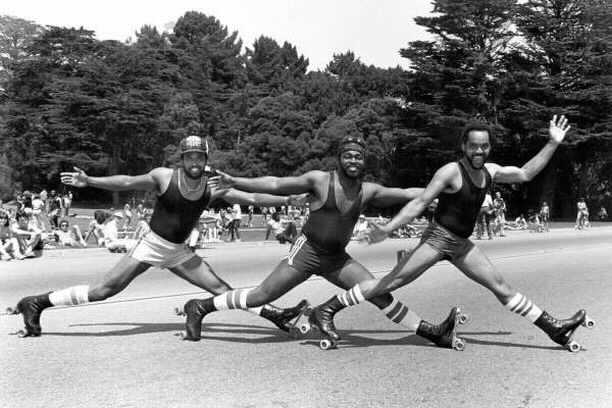
"caption": "The Golden Rollers",
"description": "A black and white photo of The Golden Rollers. The three of them look like they are doing a Temptation-esque, in a diagonal formation striking a pose almost down in the splits -- really low to the ground --- with arms stretched out",
"title": "The Golden Rollers",
"credit": "Courtesy of Richard Humphrey",
"status": "inherit",
"altTag": "A black and white photo of The Golden Rollers. The three of them look like they are doing a Temptation-esque, in a diagonal formation striking a pose almost down in the splits -- really low to the ground --- with arms stretched out",
"isLoading": false,
"fetchFailed": false
},
"arts_13897590": {
"type": "attachments",
"id": "arts_13897590",
"meta": {
"index": "attachments_1716263798",
"site": "arts",
"id": "13897590",
"found": true
},
"parent": 13897584,
"imgSizes": {
"twentyfourteen-full-width": {
"file": "https://ww2.kqed.org/app/uploads/sites/2/2021/05/Mountain-Lion-Oakland-Zoo-1038x576.png",
"width": 1038,
"mimeType": "image/png",
"height": 576
},
"thumbnail": {
"file": "https://ww2.kqed.org/app/uploads/sites/2/2021/05/Mountain-Lion-Oakland-Zoo-160x102.png",
"width": 160,
"mimeType": "image/png",
"height": 102
},
"post-thumbnail": {
"file": "https://ww2.kqed.org/app/uploads/sites/2/2021/05/Mountain-Lion-Oakland-Zoo-672x372.png",
"width": 672,
"mimeType": "image/png",
"height": 372
},
"kqedFullSize": {
"file": "https://ww2.kqed.org/app/uploads/sites/2/2021/05/Mountain-Lion-Oakland-Zoo.png",
"width": 2316,
"height": 1476
},
"2048x2048": {
"file": "https://ww2.kqed.org/app/uploads/sites/2/2021/05/Mountain-Lion-Oakland-Zoo-2048x1305.png",
"width": 2048,
"mimeType": "image/png",
"height": 1305
},
"large": {
"file": "https://ww2.kqed.org/app/uploads/sites/2/2021/05/Mountain-Lion-Oakland-Zoo-1020x650.png",
"width": 1020,
"mimeType": "image/png",
"height": 650
},
"1536x1536": {
"file": "https://ww2.kqed.org/app/uploads/sites/2/2021/05/Mountain-Lion-Oakland-Zoo-1536x979.png",
"width": 1536,
"mimeType": "image/png",
"height": 979
},
"full-width": {
"file": "https://ww2.kqed.org/app/uploads/sites/2/2021/05/Mountain-Lion-Oakland-Zoo-1920x1224.png",
"width": 1920,
"mimeType": "image/png",
"height": 1224
},
"medium": {
"file": "https://ww2.kqed.org/app/uploads/sites/2/2021/05/Mountain-Lion-Oakland-Zoo-800x510.png",
"width": 800,
"mimeType": "image/png",
"height": 510
},
"medium_large": {
"file": "https://ww2.kqed.org/app/uploads/sites/2/2021/05/Mountain-Lion-Oakland-Zoo-768x489.png",
"width": 768,
"mimeType": "image/png",
"height": 489
}
},
"publishDate": 1621548824,
"modified": 1621549861,
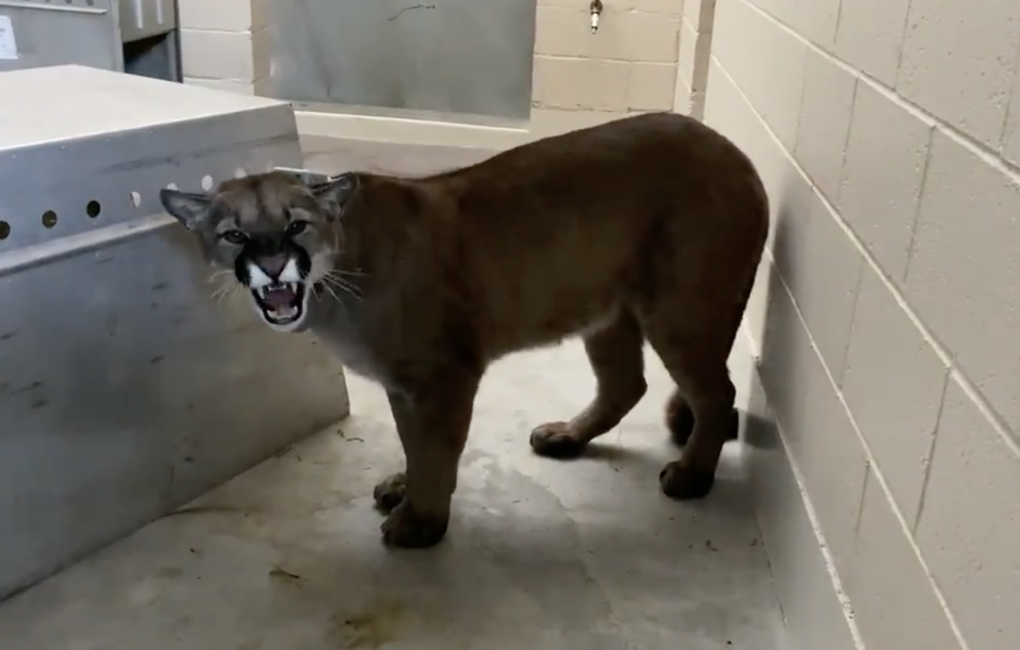
"caption": "The not-very-stoked Bernal Heights mountain lion, at Oakland Zoo Thursday morning. ",
"description": "The not-very-stoked Bernal Heights mountain lion, at Oakland Zoo Thursday morning. ",
"title": "The not-very-stoked Bernal Heights mountain lion, at Oakland Zoo Thursday morning.",
"credit": "Twitter/ @OakZoo",
"status": "inherit",
"altTag": "The not-very-stoked Bernal Heights mountain lion, at Oakland Zoo Thursday morning.",
"isLoading": false,
"fetchFailed": false
},
"arts_13897104": {
"type": "attachments",
"id": "arts_13897104",
"meta": {
"index": "attachments_1716263798",
"site": "arts",
"id": "13897104",
"found": true
},
"parent": 13897103,
"imgSizes": {
"twentyfourteen-full-width": {
"file": "https://ww2.kqed.org/app/uploads/sites/2/2021/05/rocky-3-1038x576.jpg",
"width": 1038,
"mimeType": "image/jpeg",
"height": 576
},
"thumbnail": {
"file": "https://ww2.kqed.org/app/uploads/sites/2/2021/05/rocky-3-160x107.jpg",
"width": 160,
"mimeType": "image/jpeg",
"height": 107
},
"post-thumbnail": {
"file": "https://ww2.kqed.org/app/uploads/sites/2/2021/05/rocky-3-672x372.jpg",
"width": 672,
"mimeType": "image/jpeg",
"height": 372
},
"kqedFullSize": {
"file": "https://ww2.kqed.org/app/uploads/sites/2/2021/05/rocky-3.jpg",
"width": 2048,
"height": 1367
},
"large": {
"file": "https://ww2.kqed.org/app/uploads/sites/2/2021/05/rocky-3-1020x681.jpg",
"width": 1020,
"mimeType": "image/jpeg",
"height": 681
},
"1536x1536": {
"file": "https://ww2.kqed.org/app/uploads/sites/2/2021/05/rocky-3-1536x1025.jpg",
"width": 1536,
"mimeType": "image/jpeg",
"height": 1025
},
"full-width": {
"file": "https://ww2.kqed.org/app/uploads/sites/2/2021/05/rocky-3-1920x1282.jpg",
"width": 1920,
"mimeType": "image/jpeg",
"height": 1282
},
"medium": {
"file": "https://ww2.kqed.org/app/uploads/sites/2/2021/05/rocky-3-800x534.jpg",
"width": 800,
"mimeType": "image/jpeg",
"height": 534
},
"medium_large": {
"file": "https://ww2.kqed.org/app/uploads/sites/2/2021/05/rocky-3-768x513.jpg",
"width": 768,
"mimeType": "image/jpeg",
"height": 513
}
},
"publishDate": 1620923737,
"modified": 1620923943,
"caption": "San Francisco author and lyricist Rocky Rivera looks off into the distance as she poses for a photo.",
"description": "San Francisco author and lyricist Rocky Rivera looks off into the distance as she poses for a photo.",
"title": "San Francisco author and lyricist Rocky Rivera looks off into the distance as she poses for a photo.",
"credit": "Vivian Chen",
"status": "inherit",
"altTag": "San Francisco author and lyricist Rocky Rivera looks off into the distance as she poses for a photo.",
"isLoading": false,
"fetchFailed": false
},
"arts_13896900": {
"type": "attachments",
"id": "arts_13896900",
"meta": {
"index": "attachments_1716263798",
"site": "arts",
"id": "13896900",
"found": true
},
"parent": 13896833,
"imgSizes": {
"twentyfourteen-full-width": {
"file": "https://ww2.kqed.org/app/uploads/sites/2/2021/05/Been-Milky-by-Aylin-1038x576.jpg",
"width": 1038,
"mimeType": "image/jpeg",
"height": 576
},
"thumbnail": {
"file": "https://ww2.kqed.org/app/uploads/sites/2/2021/05/Been-Milky-by-Aylin-160x108.jpg",
"width": 160,
"mimeType": "image/jpeg",
"height": 108
},
"post-thumbnail": {
"file": "https://ww2.kqed.org/app/uploads/sites/2/2021/05/Been-Milky-by-Aylin-672x372.jpg",
"width": 672,
"mimeType": "image/jpeg",
"height": 372
},
"kqedFullSize": {
"file": "https://ww2.kqed.org/app/uploads/sites/2/2021/05/Been-Milky-by-Aylin.jpg",
"width": 1818,
"height": 1228
},
"large": {
"file": "https://ww2.kqed.org/app/uploads/sites/2/2021/05/Been-Milky-by-Aylin-1020x689.jpg",
"width": 1020,
"mimeType": "image/jpeg",
"height": 689
},
"1536x1536": {
"file": "https://ww2.kqed.org/app/uploads/sites/2/2021/05/Been-Milky-by-Aylin-1536x1038.jpg",
"width": 1536,
"mimeType": "image/jpeg",
"height": 1038
},
"medium": {
"file": "https://ww2.kqed.org/app/uploads/sites/2/2021/05/Been-Milky-by-Aylin-800x540.jpg",
"width": 800,
"mimeType": "image/jpeg",
"height": 540
},
"medium_large": {
"file": "https://ww2.kqed.org/app/uploads/sites/2/2021/05/Been-Milky-by-Aylin-768x519.jpg",
"width": 768,
"mimeType": "image/jpeg",
"height": 519
}
},
"publishDate": 1620345401,
"modified": 1620345478,
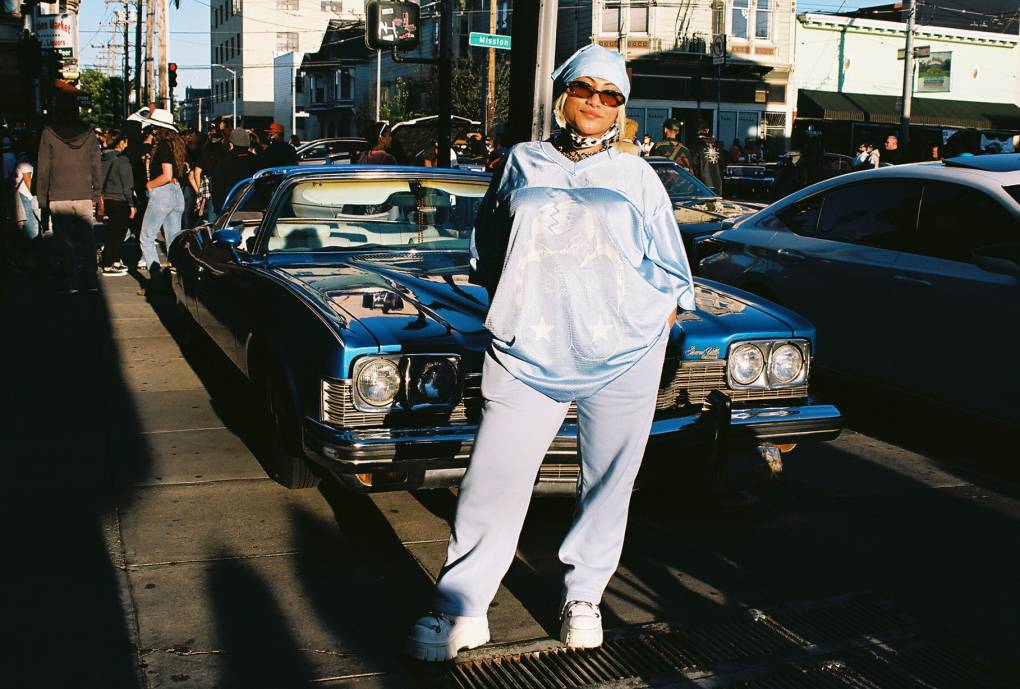
"caption": "Been Milky stands in front of a beautiful classic car as she poses for a photo. ",
"description": "Been Milky stands in front of a beautiful classic car as she poses for a photo. ",
"title": "Been Milky stands in front of a beautiful classic car as she poses for a photo.",
"credit": "Aylin",
"status": "inherit",
"altTag": "Been Milky stands in front of a beautiful classic car as she poses for a photo.",
"isLoading": false,
"fetchFailed": false
},
"arts_13896348": {
"type": "attachments",
"id": "arts_13896348",
"meta": {
"index": "attachments_1716263798",
"site": "arts",
"id": "13896348",
"found": true
},
"parent": 13896327,
"imgSizes": {
"twentyfourteen-full-width": {
"file": "https://ww2.kqed.org/app/uploads/sites/2/2021/04/fnnch-hoods-1038x576.jpg",
"width": 1038,
"mimeType": "image/jpeg",
"height": 576
},
"thumbnail": {
"file": "https://ww2.kqed.org/app/uploads/sites/2/2021/04/fnnch-hoods-160x99.jpg",
"width": 160,
"mimeType": "image/jpeg",
"height": 99
},
"post-thumbnail": {
"file": "https://ww2.kqed.org/app/uploads/sites/2/2021/04/fnnch-hoods-672x372.jpg",
"width": 672,
"mimeType": "image/jpeg",
"height": 372
},
"kqedFullSize": {
"file": "https://ww2.kqed.org/app/uploads/sites/2/2021/04/fnnch-hoods-scaled.jpg",
"width": 2560,
"height": 1584
},
"2048x2048": {
"file": "https://ww2.kqed.org/app/uploads/sites/2/2021/04/fnnch-hoods-2048x1267.jpg",
"width": 2048,
"mimeType": "image/jpeg",
"height": 1267
},
"large": {
"file": "https://ww2.kqed.org/app/uploads/sites/2/2021/04/fnnch-hoods-1020x631.jpg",
"width": 1020,
"mimeType": "image/jpeg",
"height": 631
},
"1536x1536": {
"file": "https://ww2.kqed.org/app/uploads/sites/2/2021/04/fnnch-hoods-1536x951.jpg",
"width": 1536,
"mimeType": "image/jpeg",
"height": 951
},
"full-width": {
"file": "https://ww2.kqed.org/app/uploads/sites/2/2021/04/fnnch-hoods-1920x1188.jpg",
"width": 1920,
"mimeType": "image/jpeg",
"height": 1188
},
"medium": {
"file": "https://ww2.kqed.org/app/uploads/sites/2/2021/04/fnnch-hoods-800x495.jpg",
"width": 800,
"mimeType": "image/jpeg",
"height": 495
},
"medium_large": {
"file": "https://ww2.kqed.org/app/uploads/sites/2/2021/04/fnnch-hoods-768x475.jpg",
"width": 768,
"mimeType": "image/jpeg",
"height": 475
}
},
"publishDate": 1619486493,
"modified": 1619486667,
"caption": "(L-R): fnnch \"public\" art protected behind bars and glass; the artist at his LGBT Center mural; a \"Keep Hoods Yours\" tag over a fnnch honey bear.",
"description": "(L-R): fnnch \"public\" art protected behind bars and glass; the artist at his LGBT Center mural; a \"Keep Hoods Yours\" tag over a fnnch honey bear.",
"title": "(L-R): fnnch \"public\" art protected behind bars and glass; the artist at his LGBT Center mural; a \"Keep Hoods Yours\" tag over a fnnch honey bear.",
"credit": "Instagram/ @fnnchfinder/ @doggtowndro/ @copwatch_santaana",
"status": "inherit",
"altTag": null,
"isLoading": false,
"fetchFailed": false
},
"arts_13895650": {
"type": "attachments",
"id": "arts_13895650",
"meta": {
"index": "attachments_1716263798",
"site": "arts",
"id": "13895650",
"found": true
},
"parent": 13894842,
"imgSizes": {
"twentyfourteen-full-width": {
"file": "https://ww2.kqed.org/app/uploads/sites/2/2021/04/April2021-1038x576.jpg",
"width": 1038,
"mimeType": "image/jpeg",
"height": 576
},
"thumbnail": {
"file": "https://ww2.kqed.org/app/uploads/sites/2/2021/04/April2021-160x90.jpg",
"width": 160,
"mimeType": "image/jpeg",
"height": 90
},
"post-thumbnail": {
"file": "https://ww2.kqed.org/app/uploads/sites/2/2021/04/April2021-672x372.jpg",
"width": 672,
"mimeType": "image/jpeg",
"height": 372
},
"kqedFullSize": {
"file": "https://ww2.kqed.org/app/uploads/sites/2/2021/04/April2021.jpg",
"width": 1920,
"height": 1080
},
"large": {
"file": "https://ww2.kqed.org/app/uploads/sites/2/2021/04/April2021-1020x574.jpg",
"width": 1020,
"mimeType": "image/jpeg",
"height": 574
},
"1536x1536": {
"file": "https://ww2.kqed.org/app/uploads/sites/2/2021/04/April2021-1536x864.jpg",
"width": 1536,
"mimeType": "image/jpeg",
"height": 864
},
"medium": {
"file": "https://ww2.kqed.org/app/uploads/sites/2/2021/04/April2021-800x450.jpg",
"width": 800,
"mimeType": "image/jpeg",
"height": 450
},
"medium_large": {
"file": "https://ww2.kqed.org/app/uploads/sites/2/2021/04/April2021-768x432.jpg",
"width": 768,
"mimeType": "image/jpeg",
"height": 432
}
},
"publishDate": 1618337233,
"modified": 1636502949,
"caption": "The anonymous woman above starred in an erotic featurette film in the 1920s. Like her, and most of the sex workers of the time, Alice Smith's true identity remains unknown.",
"description": "The anonymous woman above starred in an erotic featurette film in the 1920s. Like her, and most of the sex workers of the time, Alice Smith's true identity remains unknown.",
"title": "The anonymous woman above starred in an erotic featurette film in the 1920s. Like her, and most of the sex workers of the time, Alice Smith's true identity remains unknown.",
"credit": "YouTube/@ChristopherWest",
"status": "inherit",
"altTag": "A woman with dark, wavy, shoulder-length hair stands in front of heavy, draped curtains. She looks down and reaches back to unhook her bra.",
"isLoading": false,
"fetchFailed": false
},
"arts_13895808": {
"type": "attachments",
"id": "arts_13895808",
"meta": {
"index": "attachments_1716263798",
"site": "arts",
"id": "13895808",
"found": true
},
"parent": 13895586,
"imgSizes": {
"twentyfourteen-full-width": {
"file": "https://ww2.kqed.org/app/uploads/sites/2/2021/04/SF.Rap_.Skyline-1038x576.jpg",
"width": 1038,
"mimeType": "image/jpeg",
"height": 576
},
"thumbnail": {
"file": "https://ww2.kqed.org/app/uploads/sites/2/2021/04/SF.Rap_.Skyline-160x90.jpg",
"width": 160,
"mimeType": "image/jpeg",
"height": 90
},
"post-thumbnail": {
"file": "https://ww2.kqed.org/app/uploads/sites/2/2021/04/SF.Rap_.Skyline-672x372.jpg",
"width": 672,
"mimeType": "image/jpeg",
"height": 372
},
"kqedFullSize": {
"file": "https://ww2.kqed.org/app/uploads/sites/2/2021/04/SF.Rap_.Skyline.jpg",
"width": 1920,
"height": 1080
},
"large": {
"file": "https://ww2.kqed.org/app/uploads/sites/2/2021/04/SF.Rap_.Skyline-1020x574.jpg",
"width": 1020,
"mimeType": "image/jpeg",
"height": 574
},
"1536x1536": {
"file": "https://ww2.kqed.org/app/uploads/sites/2/2021/04/SF.Rap_.Skyline-1536x864.jpg",
"width": 1536,
"mimeType": "image/jpeg",
"height": 864
},
"medium": {
"file": "https://ww2.kqed.org/app/uploads/sites/2/2021/04/SF.Rap_.Skyline-800x450.jpg",
"width": 800,
"mimeType": "image/jpeg",
"height": 450
},
"medium_large": {
"file": "https://ww2.kqed.org/app/uploads/sites/2/2021/04/SF.Rap_.Skyline-768x432.jpg",
"width": 768,
"mimeType": "image/jpeg",
"height": 432
}
},
"publishDate": 1618460542,
"modified": 1618467927,
"caption": "San Francisco has a rich rap history—and it's been resurgent in recent years. ",
"description": "San Francisco has a rich rap history—and it's been resurgent in recent years. ",
"title": "SF.Rap.Skyline",
"credit": "Gabe Meline/KQED",
"status": "inherit",
"altTag": "A pile of rap tapes from San Francisco set against the SF skyline",
"isLoading": false,
"fetchFailed": false
},
"arts_13895535": {
"type": "attachments",
"id": "arts_13895535",
"meta": {
"index": "attachments_1716263798",
"site": "arts",
"id": "13895535",
"found": true
},
"parent": 13895530,
"imgSizes": {
"thumbnail": {
"file": "https://ww2.kqed.org/app/uploads/sites/2/2021/04/iStock-1290104910-160x107.jpg",
"width": 160,
"mimeType": "image/jpeg",
"height": 107
},
"post-thumbnail": {
"file": "https://ww2.kqed.org/app/uploads/sites/2/2021/04/iStock-1290104910-672x372.jpg",
"width": 672,
"mimeType": "image/jpeg",
"height": 372
},
"kqedFullSize": {
"file": "https://ww2.kqed.org/app/uploads/sites/2/2021/04/iStock-1290104910.jpg",
"width": 724,
"height": 483
}
},
"publishDate": 1618006429,
"modified": 1618006457,
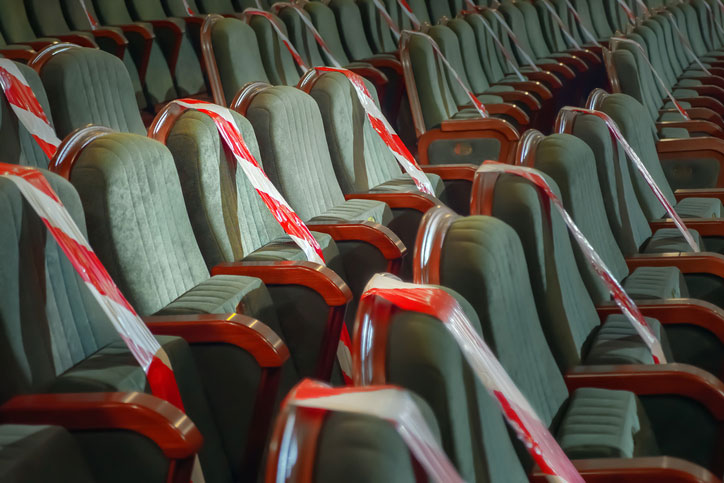
"caption": "San Francisco is set to announce guidelines for indoor events, starting April 15.",
"description": "San Francisco is set to announce guidelines for indoor events, starting April 15.",
"title": "iStock-1290104910",
"credit": "iStock",
"status": "inherit",
"altTag": "San Francisco is set to announce guidelines for indoor events, starting April 15.",
"isLoading": false,
"fetchFailed": false
},
"arts_13895443": {
"type": "attachments",
"id": "arts_13895443",
"meta": {
"index": "attachments_1716263798",
"site": "arts",
"id": "13895443",
"found": true
},
"parent": 13895377,
"imgSizes": {
"twentyfourteen-full-width": {
"file": "https://ww2.kqed.org/app/uploads/sites/2/2021/04/unnamed-1-scaled-e1617922738579-1038x576.jpg",
"width": 1038,
"mimeType": "image/jpeg",
"height": 576
},
"thumbnail": {
"file": "https://ww2.kqed.org/app/uploads/sites/2/2021/04/unnamed-1-scaled-e1617922738579-160x100.jpg",
"width": 160,
"mimeType": "image/jpeg",
"height": 100
},
"post-thumbnail": {
"file": "https://ww2.kqed.org/app/uploads/sites/2/2021/04/unnamed-1-scaled-e1617922738579-672x372.jpg",
"width": 672,
"mimeType": "image/jpeg",
"height": 372
},
"kqedFullSize": {
"file": "https://ww2.kqed.org/app/uploads/sites/2/2021/04/unnamed-1-scaled-e1617922738579.jpg",
"width": 2348,
"height": 1465
},
"2048x2048": {
"file": "https://ww2.kqed.org/app/uploads/sites/2/2021/04/unnamed-1-scaled-e1617922738579-2048x1278.jpg",
"width": 2048,
"mimeType": "image/jpeg",
"height": 1278
},
"large": {
"file": "https://ww2.kqed.org/app/uploads/sites/2/2021/04/unnamed-1-scaled-e1617922738579-1020x636.jpg",
"width": 1020,
"mimeType": "image/jpeg",
"height": 636
},
"1536x1536": {
"file": "https://ww2.kqed.org/app/uploads/sites/2/2021/04/unnamed-1-scaled-e1617922738579-1536x958.jpg",
"width": 1536,
"mimeType": "image/jpeg",
"height": 958
},
"full-width": {
"file": "https://ww2.kqed.org/app/uploads/sites/2/2021/04/unnamed-1-scaled-e1617922738579-1920x1198.jpg",
"width": 1920,
"mimeType": "image/jpeg",
"height": 1198
},
"medium": {
"file": "https://ww2.kqed.org/app/uploads/sites/2/2021/04/unnamed-1-scaled-e1617922738579-800x499.jpg",
"width": 800,
"mimeType": "image/jpeg",
"height": 499
},
"medium_large": {
"file": "https://ww2.kqed.org/app/uploads/sites/2/2021/04/unnamed-1-scaled-e1617922738579-768x479.jpg",
"width": 768,
"mimeType": "image/jpeg",
"height": 479
}
},
"publishDate": 1617922678,
"modified": 1617922843,
"caption": "Baghead and Cereal For The Kids are artists and activists in San Francisco.",
"description": "Baghead and Cereal For The Kids stand in a park in San Francisco. You can see cyprus trees in the background and they stand amidst brush. The sun shines on them but they are dressed for cold weather. ",
"title": "Baghead and Cereal For The Kids are artists and activists in San Francisco.",
"credit": "@le_sapo",
"status": "inherit",
"altTag": "Baghead and Cereal For The Kids stand in a park in San Francisco. You can see cyprus trees in the background and they stand amidst brush. The sun shines on them but they are dressed for cold weather.",
"isLoading": false,
"fetchFailed": false
},
"arts_13894150": {
"type": "attachments",
"id": "arts_13894150",
"meta": {
"index": "attachments_1716263798",
"site": "arts",
"id": "13894150",
"found": true
},
"parent": 13894102,
"imgSizes": {
"twentyfourteen-full-width": {
"file": "https://ww2.kqed.org/app/uploads/sites/2/2021/03/Participant-drawing-at-Vis-Vallery-event_COVER-1038x576.jpg",
"width": 1038,
"mimeType": "image/jpeg",
"height": 576
},
"thumbnail": {
"file": "https://ww2.kqed.org/app/uploads/sites/2/2021/03/Participant-drawing-at-Vis-Vallery-event_COVER-160x90.jpg",
"width": 160,
"mimeType": "image/jpeg",
"height": 90
},
"post-thumbnail": {
"file": "https://ww2.kqed.org/app/uploads/sites/2/2021/03/Participant-drawing-at-Vis-Vallery-event_COVER-672x372.jpg",
"width": 672,
"mimeType": "image/jpeg",
"height": 372
},
"kqedFullSize": {
"file": "https://ww2.kqed.org/app/uploads/sites/2/2021/03/Participant-drawing-at-Vis-Vallery-event_COVER.jpg",
"width": 1920,
"height": 1080
},
"large": {
"file": "https://ww2.kqed.org/app/uploads/sites/2/2021/03/Participant-drawing-at-Vis-Vallery-event_COVER-1020x574.jpg",
"width": 1020,
"mimeType": "image/jpeg",
"height": 574
},
"1536x1536": {
"file": "https://ww2.kqed.org/app/uploads/sites/2/2021/03/Participant-drawing-at-Vis-Vallery-event_COVER-1536x864.jpg",
"width": 1536,
"mimeType": "image/jpeg",
"height": 864
},
"medium": {
"file": "https://ww2.kqed.org/app/uploads/sites/2/2021/03/Participant-drawing-at-Vis-Vallery-event_COVER-800x450.jpg",
"width": 800,
"mimeType": "image/jpeg",
"height": 450
},
"medium_large": {
"file": "https://ww2.kqed.org/app/uploads/sites/2/2021/03/Participant-drawing-at-Vis-Vallery-event_COVER-768x432.jpg",
"width": 768,
"mimeType": "image/jpeg",
"height": 432
}
},
"publishDate": 1615999896,
"modified": 1616000042,
"caption": "A participant works on a drawing to trade for a print in the 'Southeast San Francisco Artists Portfolio' at Book and Wheel's last 'Chispa' event before the pandemic halted community gatherings.",
"description": null,
"title": "Participant-drawing-at-Vis-Vallery-event_COVER",
"credit": "Photo by Sibila Savage; courtesy the artists",
"status": "inherit",
"altTag": null,
"isLoading": false,
"fetchFailed": false
}
},
"audioPlayerReducer": {
"postId": "stream_live",
"isPaused": true,
"isPlaying": false,
"pfsActive": false,
"pledgeModalIsOpen": true,
"playerDrawerIsOpen": false,
"liveAudioPlayStartedAt": 0,
"liveAudioPlayContext": ""
},
"authorsReducer": {
"shotchkiss": {
"type": "authors",
"id": "61",
"meta": {
"index": "authors_1716337520",
"id": "61",
"found": true
},
"name": "Sarah Hotchkiss",
"firstName": "Sarah",
"lastName": "Hotchkiss",
"slug": "shotchkiss",
"email": "shotchkiss@kqed.org",
"display_author_email": true,
"staff_mastheads": [
"arts"
],
"title": "Senior Editor",
"bio": "Sarah Hotchkiss is a San Francisco \u003ca href=\"http://www.sarahhotchkiss.com\">artist\u003c/a> and arts writer. In 2019, she received the Dorothea & Leo Rabkin Foundation grant for visual art journalism and in 2020 she received a Society of Professional Journalists, Northern California award for excellence in arts and culture reporting.",
"avatar": "https://secure.gravatar.com/avatar/bc662df144b3d27fd8b1b6f1c2a420d34e91e53154d411bb7ad353cc8b6cea8d?s=600&d=blank&r=g",
"twitter": null,
"bluesky": null,
"facebook": null,
"instagram": null,
"linkedin": null,
"sites": [
{
"site": "",
"roles": [
"editor"
]
},
{
"site": "arts",
"roles": [
"Contributor",
"administrator"
]
},
{
"site": "artschool",
"roles": [
"administrator"
]
},
{
"site": "news",
"roles": [
"editor"
]
},
{
"site": "pop",
"roles": [
"administrator"
]
},
{
"site": "bayareabites",
"roles": [
"editor"
]
},
{
"site": "spark",
"roles": [
"editor"
]
},
{
"site": "checkplease",
"roles": [
"editor"
]
}
],
"headData": {
"title": "Sarah Hotchkiss | KQED",
"description": "Senior Editor",
"ogImgSrc": "https://secure.gravatar.com/avatar/bc662df144b3d27fd8b1b6f1c2a420d34e91e53154d411bb7ad353cc8b6cea8d?s=600&d=blank&r=g",
"twImgSrc": "https://secure.gravatar.com/avatar/bc662df144b3d27fd8b1b6f1c2a420d34e91e53154d411bb7ad353cc8b6cea8d?s=600&d=blank&r=g"
},
"isLoading": false,
"link": "/author/shotchkiss"
},
"ralexandra": {
"type": "authors",
"id": "11242",
"meta": {
"index": "authors_1716337520",
"id": "11242",
"found": true
},
"name": "Rae Alexandra",
"firstName": "Rae",
"lastName": "Alexandra",
"slug": "ralexandra",
"email": "ralexandra@kqed.org",
"display_author_email": true,
"staff_mastheads": [],
"title": "Reporter/Producer",
"bio": "Rae Alexandra is a Reporter/Producer for KQED Arts & Culture, and the creator/author of the \u003ca href=\"https://www.kqed.org/arts/program/rebel-girls-from-bay-area-history\">Rebel Girls From Bay Area History\u003c/a> and \u003ca href=\"https://www.kqed.org/bizarrebayarea\">Bizarre Bay Area\u003c/a> series. Her debut book, \u003ca href=\"https://citylights.com/politics-current-events-history/unsung-heroines35-women-who-changed/\">Unsung Heroines: 35 Women Who Changed the Bay Area\u003c/a> was published by City Lights in March 2026. In 2023, Rae was awarded an SPJ Excellence in Journalism Award for Arts & Culture. Rae was born and raised in Wales and subsequently — even after two decades in Northern California — still uses phrases that regularly baffle her coworkers.",
"avatar": "https://secure.gravatar.com/avatar/edfee8176c80cc0a382b051190f5341997df378a934a5774dcb0977732dfd401?s=600&d=blank&r=g",
"twitter": null,
"bluesky": null,
"facebook": null,
"instagram": null,
"linkedin": null,
"sites": [
{
"site": "arts",
"roles": [
"subscriber"
]
},
{
"site": "news",
"roles": [
"subscriber"
]
},
{
"site": "pop",
"roles": [
"subscriber"
]
},
{
"site": "bayareabites",
"roles": [
"subscriber"
]
},
{
"site": "science",
"roles": [
"subscriber"
]
}
],
"headData": {
"title": "Rae Alexandra | KQED",
"description": "Reporter/Producer",
"ogImgSrc": "https://secure.gravatar.com/avatar/edfee8176c80cc0a382b051190f5341997df378a934a5774dcb0977732dfd401?s=600&d=blank&r=g",
"twImgSrc": "https://secure.gravatar.com/avatar/edfee8176c80cc0a382b051190f5341997df378a934a5774dcb0977732dfd401?s=600&d=blank&r=g"
},
"isLoading": false,
"link": "/author/ralexandra"
},
"ogpenn": {
"type": "authors",
"id": "11491",
"meta": {
"index": "authors_1716337520",
"id": "11491",
"found": true
},
"name": "Pendarvis Harshaw",
"firstName": "Pendarvis",
"lastName": "Harshaw",
"slug": "ogpenn",
"email": "ogpenn@gmail.com",
"display_author_email": false,
"staff_mastheads": [
"arts"
],
"title": "Community Engagement Reporter",
"bio": "Pendarvis Harshaw is an educator, host and writer with KQED Arts.",
"avatar": "https://secure.gravatar.com/avatar/972b77ee8e3f346ae2b00622661187fbfabd059b5693bbdc1475ea7a722fd4cd?s=600&d=blank&r=g",
"twitter": null,
"bluesky": null,
"facebook": null,
"instagram": "ogpenn",
"linkedin": null,
"sites": [
{
"site": "arts",
"roles": [
"administrator"
]
},
{
"site": "news",
"roles": [
"editor"
]
},
{
"site": "bayareabites",
"roles": [
"author"
]
},
{
"site": "hiphop",
"roles": [
"editor"
]
}
],
"headData": {
"title": "Pendarvis Harshaw | KQED",
"description": "Community Engagement Reporter",
"ogImgSrc": "https://secure.gravatar.com/avatar/972b77ee8e3f346ae2b00622661187fbfabd059b5693bbdc1475ea7a722fd4cd?s=600&d=blank&r=g",
"twImgSrc": "https://secure.gravatar.com/avatar/972b77ee8e3f346ae2b00622661187fbfabd059b5693bbdc1475ea7a722fd4cd?s=600&d=blank&r=g"
},
"isLoading": false,
"link": "/author/ogpenn"
},
"mmedina": {
"type": "authors",
"id": "11528",
"meta": {
"index": "authors_1716337520",
"id": "11528",
"found": true
},
"name": "Marisol Medina-Cadena",
"firstName": "Marisol",
"lastName": "Medina-Cadena",
"slug": "mmedina",
"email": "mmedina@KQED.org",
"display_author_email": true,
"staff_mastheads": [],
"title": "Producer, Rightnowish Podcast",
"bio": "Marisol Medina-Cadena is a radio reporter and podcast producer. Before working at KQED, she produced for PBS member station, KCET, in Los Angeles. In 2017, Marisol won an Emmy Award for her work on the televised documentary, \u003cem>City Rising\u003c/em>, examining California's affordable housing crisis and the historical roots of gentrification.",
"avatar": "https://secure.gravatar.com/avatar/6c3db46a1cabb5e1fe9a365b5f4e681e?s=600&d=blank&r=g",
"twitter": "marisolreports",
"facebook": null,
"instagram": null,
"linkedin": null,
"sites": [
{
"site": "arts",
"roles": []
},
{
"site": "news",
"roles": [
"edit_others_posts"
]
}
],
"headData": {
"title": "Marisol Medina-Cadena | KQED",
"description": "Producer, Rightnowish Podcast",
"ogImgSrc": "https://secure.gravatar.com/avatar/6c3db46a1cabb5e1fe9a365b5f4e681e?s=600&d=blank&r=g",
"twImgSrc": "https://secure.gravatar.com/avatar/6c3db46a1cabb5e1fe9a365b5f4e681e?s=600&d=blank&r=g"
},
"isLoading": false,
"link": "/author/mmedina"
},
"sgetachew": {
"type": "authors",
"id": "11734",
"meta": {
"index": "authors_1716337520",
"id": "11734",
"found": true
},
"name": "Samuel Getachew",
"firstName": "Samuel",
"lastName": "Getachew",
"slug": "sgetachew",
"email": "sgetachew@kqed.org",
"display_author_email": false,
"staff_mastheads": [],
"title": "KQED Contributor",
"bio": "\u003cspan style=\"font-weight: 400;\">Samuel Getachew is an 18-year-old poet and writer from Oakland, California. He is the 2019 Oakland Youth Poet Laureate, a 2020 Finalist for National Youth Poet Laureate, and a 4-time YoungArts Winner. His writing has been published in Teen Vogue, the New York Times, the Washington Post, and more. He will attend Yale University in the fall of 2021.\u003c/span>",
"avatar": "https://secure.gravatar.com/avatar/ebad3dcf2295975cfe77698fa670a089?s=600&d=blank&r=g",
"twitter": null,
"facebook": null,
"instagram": null,
"linkedin": null,
"sites": [
{
"site": "arts",
"roles": [
"subscriber"
]
}
],
"headData": {
"title": "Samuel Getachew | KQED",
"description": "KQED Contributor",
"ogImgSrc": "https://secure.gravatar.com/avatar/ebad3dcf2295975cfe77698fa670a089?s=600&d=blank&r=g",
"twImgSrc": "https://secure.gravatar.com/avatar/ebad3dcf2295975cfe77698fa670a089?s=600&d=blank&r=g"
},
"isLoading": false,
"link": "/author/sgetachew"
},
"ltsai": {
"type": "authors",
"id": "11743",
"meta": {
"index": "authors_1716337520",
"id": "11743",
"found": true
},
"name": "Luke Tsai",
"firstName": "Luke",
"lastName": "Tsai",
"slug": "ltsai",
"email": "ltsai@kqed.org",
"display_author_email": true,
"staff_mastheads": [
"arts"
],
"title": "Food Editor",
"bio": "Luke Tsai is KQED's food editor and resident stinky tofu connoisseur. Prior to KQED, he was an editor at Eater SF, \u003cem>San Francisco \u003c/em>magazine, and the \u003cem>East Bay Express\u003c/em>, and his work has also appeared in TASTE, the \u003cem>San Francisco Chronicle\u003c/em>, and the \u003cem>Best Food Writing\u003c/em> anthology. When he isn't writing or editing, you'll find him eating most everything he can get his hands on.",
"avatar": "https://secure.gravatar.com/avatar/1e59b45bf191526e7339d6ba46e33a57b2030d25c27660ecc64ea3cb863e34f7?s=600&d=blank&r=g",
"twitter": "theluketsai",
"bluesky": null,
"facebook": null,
"instagram": null,
"linkedin": null,
"sites": [
{
"site": "",
"roles": [
"editor"
]
},
{
"site": "arts",
"roles": [
"administrator"
]
},
{
"site": "news",
"roles": [
"editor",
"contributor"
]
},
{
"site": "bayareabites",
"roles": [
"editor"
]
},
{
"site": "food",
"roles": [
"editor"
]
}
],
"headData": {
"title": "Luke Tsai | KQED",
"description": "Food Editor",
"ogImgSrc": "https://secure.gravatar.com/avatar/1e59b45bf191526e7339d6ba46e33a57b2030d25c27660ecc64ea3cb863e34f7?s=600&d=blank&r=g",
"twImgSrc": "https://secure.gravatar.com/avatar/1e59b45bf191526e7339d6ba46e33a57b2030d25c27660ecc64ea3cb863e34f7?s=600&d=blank&r=g"
},
"isLoading": false,
"link": "/author/ltsai"
}
},
"pagesReducer": {
"arts_tag_san-francisco": {
"type": "terms",
"id": "arts_1146",
"meta": {
"index": "terms_1716263798",
"site": "arts",
"id": "1146",
"score": 6.7228413
},
"featImg": null,
"name": "San Francisco",
"description": null,
"taxonomy": "tag",
"headData": {
"twImgId": null,
"twTitle": null,
"ogTitle": null,
"ogImgId": null,
"twDescription": null,
"description": null,
"title": "San Francisco Archives | KQED Arts",
"ogDescription": null
},
"ttid": 701,
"slug": "san-francisco",
"isLoading": false,
"title": "San Francisco",
"pageMeta": {
"site": "arts",
"WpPageTemplate": "page-topic-editorial",
"currentPage": 44
},
"blocks": [
{
"blockName": "kqed/post-list",
"attrs": {
"layout": "cardArticle2",
"query": "posts/arts?tag=san-francisco",
"seeMore": false,
"paginated": true,
"page": 44
}
},
{
"blockName": "kqed/ad"
}
]
}
},
"pfsSessionReducer": {},
"postsReducer": {
"stream_live": {
"type": "live",
"id": "stream_live",
"audioUrl": "https://streams.kqed.org/kqedradio",
"title": "Live Stream",
"excerpt": "Live Stream information currently unavailable.",
"link": "/radio",
"featImg": "",
"label": {
"name": "KQED Live",
"link": "/"
}
},
"stream_kqedNewscast": {
"type": "posts",
"id": "stream_kqedNewscast",
"audioUrl": "https://www.kqed.org/.stream/anon/radio/RDnews/newscast.mp3?_=1",
"title": "KQED Newscast",
"featImg": "",
"label": {
"name": "88.5 FM",
"link": "/"
}
},
"arts_13898743": {
"type": "posts",
"id": "arts_13898743",
"meta": {
"index": "posts_1716263798",
"site": "arts",
"id": "13898743",
"score": null,
"sort": [
1623443678000
]
},
"parent": 0,
"labelTerm": {},
"blocks": [],
"publishDate": 1623443678,
"format": "standard",
"title": "SF’s Most Exciting New Ramen Restaurant Is Moving Out of the Living Room",
"headTitle": "SF’s Most Exciting New Ramen Restaurant Is Moving Out of the Living Room | KQED",
"content": "\u003cp>\u003cspan style=\"font-weight: 400\">[dropcap]F[/dropcap]or the better part of the past six years, Clint and Yoko Tan have welcomed customers into their Daly City home for a blowout, multi-course ramen dinner. The pop-up, \u003c/span>\u003ca href=\"http://www.noodleinhaystack.com/\">\u003cspan style=\"font-weight: 400\">Noodle in a Haystack\u003c/span>\u003c/a>\u003cspan style=\"font-weight: 400\">, started out small: six guests seated around the dining room table a couple of nights each month. Tickets started selling out so quickly, though, that the Tans soon expanded. They squeezed two more guests on either side of a little folding table—then three more in their living room, on a snug Ikea sofa they dubbed the “VIP couch,” where the Tans’ dog, Toto, often joined the fray. \u003c/span>\u003c/p>\n\u003cp>\u003cspan style=\"font-weight: 400\">“Legalities aside,” Clint says, “the whole atmosphere of it felt more akin to eating at our favorite restaurants in Japan.” Or, perhaps more apt, like a rollicking dinner party that they might host for a group of friends. \u003c/span>\u003c/p>\n\u003cp>\u003cspan style=\"font-weight: 400\">Noodle in a Haystack quickly became an underground favorite, both for its atmosphere and for what many ramen connoisseurs considered to be some of the finest bowls of ramen in the Bay—labor-intensive dishes like their brothless wagyu beef abura soba, their duck shoyu ramen or the bright yuzu shio ramen that earned the couple a finalist’s spot at one of Japan’s biggest ramen competitions, the \u003c/span>\u003ca href=\"https://www.facebook.com/1576692412647548/videos/1902941763355943\">\u003cspan style=\"font-weight: 400\">2017 World Ramen Grand Prix held in Osaka\u003c/span>\u003c/a>\u003cspan style=\"font-weight: 400\">.\u003c/span>\u003c/p>\n\u003cp>\u003cspan style=\"font-weight: 400\">Then COVID happened, and, with no viable way to continue serving guests at home, the pop-up went into an extended hibernation. \u003c/span>\u003c/p>\n\u003cp>\u003cspan style=\"font-weight: 400\">Now, as the \u003c/span>\u003ca href=\"https://www.sfchronicle.com/food/article/Noodle-in-a-Haystack-is-bringing-its-mind-blowing-16217062.php\">\u003ci>\u003cspan style=\"font-weight: 400\">San Francisco Chronicle \u003c/span>\u003c/i>\u003cspan style=\"font-weight: 400\">first reported\u003c/span>\u003c/a>\u003cspan style=\"font-weight: 400\">, Noodle in a Haystack will open as a standalone restaurant in the Inner Richmond, in the space recently vacated by the Japanese curry shop Konomama. The Tans hope to open as early as August or September of this year—though given the amount of renovation work they need to do, they say the end of 2021 might be a more realistic target.\u003c/span>\u003c/p>\n\u003cp>[ad fullwidth]\u003c/p>\n\u003cp>\u003cspan style=\"font-weight: 400\">The Tans plan for the restaurant to be different from any other ramen spot in the city: It will be a tiny, intimate operation, likely serving no more than 20 customers a night. Instead of cranking out hundreds of bowls a night at $12 or $15 a pop, the restaurant will serve one of the Bay Area’s most unique tasting menus: $100 for six to eight courses, with a bowl of ramen—a different style each month, laboriously prepared over the course of three or four days—as the main event. \u003c/span>\u003c/p>\n\u003cfigure id=\"attachment_13898768\" class=\"wp-caption alignnone\" style=\"max-width: 2049px\">\u003cimg loading=\"lazy\" decoding=\"async\" class=\"size-full wp-image-13898768\" src=\"https://ww2.kqed.org/app/uploads/sites/2/2021/06/NoodleHaystack_clearbroth.jpg\" alt=\"Yuzu shio ramen topped with thin slices of chicken in a white bowl.\" width=\"2049\" height=\"1537\" srcset=\"https://cdn.kqed.org/wp-content/uploads/sites/2/2021/06/NoodleHaystack_clearbroth.jpg 2049w, https://cdn.kqed.org/wp-content/uploads/sites/2/2021/06/NoodleHaystack_clearbroth-800x600.jpg 800w, https://cdn.kqed.org/wp-content/uploads/sites/2/2021/06/NoodleHaystack_clearbroth-1020x765.jpg 1020w, https://cdn.kqed.org/wp-content/uploads/sites/2/2021/06/NoodleHaystack_clearbroth-160x120.jpg 160w, https://cdn.kqed.org/wp-content/uploads/sites/2/2021/06/NoodleHaystack_clearbroth-768x576.jpg 768w, https://cdn.kqed.org/wp-content/uploads/sites/2/2021/06/NoodleHaystack_clearbroth-1536x1152.jpg 1536w, https://cdn.kqed.org/wp-content/uploads/sites/2/2021/06/NoodleHaystack_clearbroth-1920x1440.jpg 1920w\" sizes=\"(max-width: 2049px) 100vw, 2049px\">\u003cfigcaption class=\"wp-caption-text\">A version of the pop-up’s internationally recognized yuzu shio ramen. \u003ccite>(Noodle in a Haystack)\u003c/cite>\u003c/figcaption>\u003c/figure>\n\u003cp>\u003cspan style=\"font-weight: 400\">Clint, who was born and raised in San Francisco, first met Yoko, a Tokyo native, in 2008, shortly after he’d moved to Tokyo, where he worked as a salaryman for six years before returning to the Bay Area. The self-taught chefs started their at-home pop-up as a way to recapture the local ramen culture they’d both fallen in love with in Japan. \u003c/span>\u003c/p>\n\u003cp>\u003cspan style=\"font-weight: 400\">“Watching people take a slurp of the ramen, they give you that look,” Clint says. “There’s nothing better in the world than seeing that reaction. That was a drug to us.”\u003c/span>\u003c/p>\n\u003cp>\u003cspan style=\"font-weight: 400\">[dropcap]S[/dropcap]o much of the pandemic hinged on the luck of timing. There were splashy new restaurants that opened, with a sad trombone sound, just days before the first shelter-in-place order shut them down right away. For others, permitting snafus and construction delays proved to be their saving grace—they wound up sitting out the worst of the ordeal. \u003c/span>\u003c/p>\n\u003cp>\u003cspan style=\"font-weight: 400\">In the case of Noodle in a Haystack, the timing could scarcely have been worse: A couple of months before the pandemic hit the Bay Area, \u003c/span>\u003ci>\u003cspan style=\"font-weight: 400\">Chron \u003c/span>\u003c/i>\u003cspan style=\"font-weight: 400\">food critic Soleil Ho shouted out the at-home pop-up as the \u003c/span>\u003ca href=\"https://sf.eater.com/2019/12/30/21039826/best-restaurant-meals-sf-2019\">\u003cspan style=\"font-weight: 400\">best meal she ate all year\u003c/span>\u003c/a>\u003cspan style=\"font-weight: 400\">, saying what she ate there “destroys every bowl of ramen in the Bay.” A couple of weeks later, Ho included the pop-up’s deep-fried pork belly in her list of \u003c/span>\u003ca href=\"https://projects.sfchronicle.com/2020/25-must-eats/\">\u003cspan style=\"font-weight: 400\">“must-eat” dishes for 2020\u003c/span>\u003c/a>\u003cspan style=\"font-weight: 400\">. Already a hot ticket, a seat at one of Noodle in a Haystack’s ramen dinners became nearly impossible to snag, often selling out some five minutes after they were posted each month. \u003c/span>\u003c/p>\n\u003cfigure id=\"attachment_13898770\" class=\"wp-caption alignnone\" style=\"max-width: 2048px\">\u003cimg loading=\"lazy\" decoding=\"async\" class=\"size-full wp-image-13898770\" src=\"https://ww2.kqed.org/app/uploads/sites/2/2021/06/Noodle_Haystack_belly.jpg\" alt=\"Cubes of deep-fried pork belly and salad greens on a blue plate.\" width=\"2048\" height=\"1365\" srcset=\"https://cdn.kqed.org/wp-content/uploads/sites/2/2021/06/Noodle_Haystack_belly.jpg 2048w, https://cdn.kqed.org/wp-content/uploads/sites/2/2021/06/Noodle_Haystack_belly-800x533.jpg 800w, https://cdn.kqed.org/wp-content/uploads/sites/2/2021/06/Noodle_Haystack_belly-1020x680.jpg 1020w, https://cdn.kqed.org/wp-content/uploads/sites/2/2021/06/Noodle_Haystack_belly-160x107.jpg 160w, https://cdn.kqed.org/wp-content/uploads/sites/2/2021/06/Noodle_Haystack_belly-768x512.jpg 768w, https://cdn.kqed.org/wp-content/uploads/sites/2/2021/06/Noodle_Haystack_belly-1536x1024.jpg 1536w, https://cdn.kqed.org/wp-content/uploads/sites/2/2021/06/Noodle_Haystack_belly-1920x1280.jpg 1920w\" sizes=\"(max-width: 2048px) 100vw, 2048px\">\u003cfigcaption class=\"wp-caption-text\">The pork belly kakuni karaage was one of the pop-up’s signature dishes. \u003ccite>(Jason Wang and Grace Chen, @cityfoodsters)\u003c/cite>\u003c/figcaption>\u003c/figure>\n\u003cp>\u003cspan style=\"font-weight: 400\">“We were on the highest of highs,” Clint recalls. “We were going to come out from that rock that we were hiding under.” The Tans started looking for a space where they could turn Noodle in a Haystack into a real restaurant. Then, right at the peak of the pop-up’s popularity, everything got shut down. \u003c/span>\u003c/p>\n\u003cp>\u003cspan style=\"font-weight: 400\">“It was a tough pill to swallow. We didn’t know if we were ever going to cook again,” Clint recalls. \u003c/span>\u003c/p>\n\u003cp>\u003cspan style=\"font-weight: 400\">[aside postID='arts_13894844' label='More Ramen']The Tans never stopped looking for a restaurant space, but they couldn’t ever quite \u003c/span>\u003cspan style=\"font-weight: 400\">bring themselves to pull the trigger on signing a lease, especially as COVID numbers around the Bay looked worse and worse. “You would expect there to be fire sales with all these empty properties, all these businesses that closed down,” Clint says. “The crazy thing is the prices never really changed.” \u003c/span>\u003c/p>\n\u003cp>\u003cspan style=\"font-weight: 400\">They thought about moving back to Japan, where, even at the height of the pandemic, friends of theirs were able to open a new bar or restaurant in a matter of months. (Perhaps the only thing that stopped them, Yoko notes, was the fact that their aging dog wouldn’t have been able to make the trip.) \u003c/span>\u003c/p>\n\u003cp>\u003cspan style=\"font-weight: 400\">Then, rather quickly and unexpectedly, the space at 4601 Geary Boulevard fell into their laps. It isn’t necessarily the ideal space; it has a kitchen that, as it’s currently set up, isn’t equipped to cook anything much more complicated than “curry in a bag,” Clint says. Already, the Tans are expecting many months of permitting headaches. The good thing about having done pop-ups for so many years, they say, is that they’re used to bootstrapping together a kitchen.\u003c/span>\u003c/p>\n\u003cfigure id=\"attachment_13898772\" class=\"wp-caption alignnone\" style=\"max-width: 1080px\">\u003cimg loading=\"lazy\" decoding=\"async\" class=\"size-full wp-image-13898772\" src=\"https://ww2.kqed.org/app/uploads/sites/2/2021/06/NoodleHaystack_tans.jpg\" alt=\"Yoko and Clint Tan wearing Noodle in a Haystack t-shirts.\" width=\"1080\" height=\"1350\" srcset=\"https://cdn.kqed.org/wp-content/uploads/sites/2/2021/06/NoodleHaystack_tans.jpg 1080w, https://cdn.kqed.org/wp-content/uploads/sites/2/2021/06/NoodleHaystack_tans-800x1000.jpg 800w, https://cdn.kqed.org/wp-content/uploads/sites/2/2021/06/NoodleHaystack_tans-1020x1275.jpg 1020w, https://cdn.kqed.org/wp-content/uploads/sites/2/2021/06/NoodleHaystack_tans-160x200.jpg 160w, https://cdn.kqed.org/wp-content/uploads/sites/2/2021/06/NoodleHaystack_tans-768x960.jpg 768w\" sizes=\"(max-width: 1080px) 100vw, 1080px\">\u003cfigcaption class=\"wp-caption-text\">Yoko and Clint Tan at a fundraiser event in 2017. \u003ccite>(Noodle in a Haystack)\u003c/cite>\u003c/figcaption>\u003c/figure>\n\u003cp>\u003cspan style=\"font-weight: 400\">Perhaps the even bigger challenge, then, will be maintaining the intimacy of Noodle in a Haystack’s pop-up incarnation. After all, Clint says, “eating in America, even at the best meals, feels transactional at best. There’s this invisible, tangible wall that you can’t get past with the way food is made here.” That wall by and large didn’t exist at Noodle in a Haystack’s home pop-ups—not when customers sat inches away from the kitchen and could poke their heads in at any time to watch the Tans prepping the meal.\u003c/span>\u003c/p>\n\u003cp>\u003cspan style=\"font-weight: 400\">How, then, to translate that experience? The Tans’ solution, counterintuitively, is to make the restaurant even smaller in scale, serving their tasting menu to just eight to 10 customers at a time, with two seatings a night, three or four nights a week. “To people in the industry here, it’s ludicrous,” Clint says. “In America, businesses like that just don’t work.” \u003c/span>\u003c/p>\n\u003cp>\u003cspan style=\"font-weight: 400\">It’s worth noting, too, that dinner at Noodle in a Haystack will be a more expensive meal than what you’d find at your typical a la carte ramen shop—again, probably about $100 a person for the six- to eight-course tasting menu. \u003c/span>\u003c/p>\n\u003cfigure id=\"attachment_13898773\" class=\"wp-caption alignnone\" style=\"max-width: 2049px\">\u003cimg loading=\"lazy\" decoding=\"async\" class=\"size-full wp-image-13898773\" src=\"https://ww2.kqed.org/app/uploads/sites/2/2021/06/IMG_0014.jpg\" alt=\"A bowl of Thai-inspired tom yum paitan ramen in a red bowl, topped with a large shrimp and a lime wedge.\" width=\"2049\" height=\"2049\" srcset=\"https://cdn.kqed.org/wp-content/uploads/sites/2/2021/06/IMG_0014.jpg 2049w, https://cdn.kqed.org/wp-content/uploads/sites/2/2021/06/IMG_0014-800x800.jpg 800w, https://cdn.kqed.org/wp-content/uploads/sites/2/2021/06/IMG_0014-1020x1020.jpg 1020w, https://cdn.kqed.org/wp-content/uploads/sites/2/2021/06/IMG_0014-160x160.jpg 160w, https://cdn.kqed.org/wp-content/uploads/sites/2/2021/06/IMG_0014-768x768.jpg 768w, https://cdn.kqed.org/wp-content/uploads/sites/2/2021/06/IMG_0014-1536x1536.jpg 1536w, https://cdn.kqed.org/wp-content/uploads/sites/2/2021/06/IMG_0014-1920x1920.jpg 1920w\" sizes=\"(max-width: 2049px) 100vw, 2049px\">\u003cfigcaption class=\"wp-caption-text\">The tom yum paitan ramen is one of the pop-up’s original creations. \u003ccite>(Colin Ma @eatfreakz)\u003c/cite>\u003c/figcaption>\u003c/figure>\n\u003cp>\u003cspan style=\"font-weight: 400\">There isn’t, at this point, much to add to the ramen pricing discourse, wherein the Yelp review–writing masses collectively lose their minds anytime a ramen shop charges more than $15 or $16 for a bowl. There’s something to be said for ramen’s origins as an affordable working-class staple in Japan, but in the United States, the arguments in favor of paying \u003c/span>\u003ci>\u003cspan style=\"font-weight: 400\">more \u003c/span>\u003c/i>\u003cspan style=\"font-weight: 400\">for the kind of highly labor-intensive ramen made by Noodle in a Haystack are hard to refute—especially when the dining public seems perfectly content spending $20 or $30 for a simple plate of pasta. \u003c/span>\u003c/p>\n\u003cp>\u003cspan style=\"font-weight: 400\">“That’s really the running joke in our pop-up: Maybe we should be selling carbonara instead,” Clint says. “If I put those same noodles in bacon and eggs, someone will be fine spending $30; I don’t need to be spending three days making [ramen].”\u003c/span>\u003c/p>\n\u003cp>\u003cspan style=\"font-weight: 400\">That’s part of the reason why the Tans have no intention of opening a conventional ramen shop: They just don’t think it’s a viable business model in the Bay Area—not with rent being as expensive as it is, and not, as Clint says, considering “what it costs to make a properly, legitimately, thoughtfully made bowl of ramen here.”\u003c/span>\u003c/p>\n\u003cp>\u003cspan style=\"font-weight: 400\">“We’re not for everybody,” he says. “And that’s fine.”\u003c/span>\u003c/p>\n\u003cp>\u003cspan style=\"font-weight: 400\">The meals won’t be strictly Japanese either—though “living in the Bay Area, missing Japanese food” will be the driving aesthetic. Certain staples of the pop-up will probably be part of every meal: a deviled ramen egg that starts each meal, for instance, and seasonal dorayaki (stuffed pancakes) that Yoko makes for dessert. Mostly, Clint says, they’ll just cook whatever they’re into at the moment.\u003c/span>\u003c/p>\n\u003cfigure id=\"attachment_13898775\" class=\"wp-caption alignnone\" style=\"max-width: 2049px\">\u003cimg loading=\"lazy\" decoding=\"async\" class=\"size-full wp-image-13898775\" src=\"https://ww2.kqed.org/app/uploads/sites/2/2021/06/NoodleHaystack_dorayaki.jpg\" alt=\"Many dorayaki (Japanese pancakes) on a wooden board.\" width=\"2049\" height=\"1537\" srcset=\"https://cdn.kqed.org/wp-content/uploads/sites/2/2021/06/NoodleHaystack_dorayaki.jpg 2049w, https://cdn.kqed.org/wp-content/uploads/sites/2/2021/06/NoodleHaystack_dorayaki-800x600.jpg 800w, https://cdn.kqed.org/wp-content/uploads/sites/2/2021/06/NoodleHaystack_dorayaki-1020x765.jpg 1020w, https://cdn.kqed.org/wp-content/uploads/sites/2/2021/06/NoodleHaystack_dorayaki-160x120.jpg 160w, https://cdn.kqed.org/wp-content/uploads/sites/2/2021/06/NoodleHaystack_dorayaki-768x576.jpg 768w, https://cdn.kqed.org/wp-content/uploads/sites/2/2021/06/NoodleHaystack_dorayaki-1536x1152.jpg 1536w, https://cdn.kqed.org/wp-content/uploads/sites/2/2021/06/NoodleHaystack_dorayaki-1920x1440.jpg 1920w\" sizes=\"(max-width: 2049px) 100vw, 2049px\">\u003cfigcaption class=\"wp-caption-text\">Cheesecake dorayaki with salted brown butter crumble. \u003ccite>(Noodle in a Haystack)\u003c/cite>\u003c/figcaption>\u003c/figure>\n\u003cp>\u003cspan style=\"font-weight: 400\">Given all of the hoops they expect they’ll need to jump through, the Tans admit the August–September opening \u003c/span>\u003ca href=\"https://www.sfchronicle.com/food/article/Noodle-in-a-Haystack-is-bringing-its-mind-blowing-16217062.php\">\u003cspan style=\"font-weight: 400\">they were originally shooting for\u003c/span>\u003c/a>\u003cspan style=\"font-weight: 400\"> is probably unrealistic, though they hope to be able to open in some form during that time frame, even if it’s only to sell the take-home ramen kits they offered periodically during lockdown. It’s likely that the restaurant will fully open closer to December.\u003c/span>\u003c/p>\n\u003cp>\u003cspan style=\"font-weight: 400\">Fortunately, Noodle in a Haystack’s fan base appears to be unwavering in its enthusiasm. Earlier this month, the Tans launched a \u003c/span>\u003ca href=\"https://www.kickstarter.com/projects/noodleinhaystack/noodle-in-a-haystack\">\u003cspan style=\"font-weight: 400\">Kickstarter campaign\u003c/span>\u003c/a>\u003cspan style=\"font-weight: 400\"> to help mitigate the expense of those likely delays—and to pay for expensive equipment like the kind of special Pi water filter that’s used by Japan’s top ramen restaurants. At publication time, they’ve already raised nearly $100,000, more than tripling their target.\u003c/span>\u003c/p>\n\u003cp>\u003cimg loading=\"lazy\" decoding=\"async\" class=\"aligncenter size-full wp-image-12904247\" src=\"https://ww2.kqed.org/app/uploads/sites/2/2017/03/Q.Logo_.Break_-400x39.jpg\" alt=\"\" width=\"400\" height=\"39\" srcset=\"https://cdn.kqed.org/wp-content/uploads/sites/2/2017/03/Q.Logo_.Break_-400x39.jpg 400w, https://cdn.kqed.org/wp-content/uploads/sites/2/2017/03/Q.Logo_.Break_-400x39-160x16.jpg 160w, https://cdn.kqed.org/wp-content/uploads/sites/2/2017/03/Q.Logo_.Break_-400x39-240x23.jpg 240w, https://cdn.kqed.org/wp-content/uploads/sites/2/2017/03/Q.Logo_.Break_-400x39-375x37.jpg 375w\" sizes=\"(max-width: 400px) 100vw, 400px\">\u003c/p>\n\u003cp>[ad floatright]\u003c/p>\n\u003cp>\u003cem>Noodle in a Haystack will open at \u003cspan style=\"font-weight: 400\">4601 Geary Blvd. in San Francisco.\u003c/span>\u003c/em>\u003c/p>\n\n",
"stats": {
"hasVideo": false,
"hasChartOrMap": false,
"hasAudio": false,
"hasPolis": false,
"wordCount": 1830,
"hasGoogleForm": false,
"hasGallery": false,
"hasHearkenModule": false,
"iframeSrcs": [],
"paragraphCount": 29
},
"modified": 1705008218,
"excerpt": "Noodle in a Haystack will bring its critically acclaimed, internationally recognized ramen to the Inner Richmond.",
"headData": {
"twImgId": "",
"twTitle": "",
"ogTitle": "",
"ogImgId": "",
"twDescription": "",
"description": "Noodle in a Haystack will bring its critically acclaimed, internationally recognized ramen to the Inner Richmond.",
"title": "SF’s Most Exciting New Ramen Restaurant Is Moving Out of the Living Room | KQED",
"ogDescription": "",
"schema": {
"@context": "https://schema.org",
"@type": "Article",
"headline": "SF’s Most Exciting New Ramen Restaurant Is Moving Out of the Living Room",
"datePublished": "2021-06-11T13:34:38-07:00",
"dateModified": "2024-01-11T13:23:38-08:00",
"image": "https://cdn.kqed.org/wp-content/uploads/2020/02/KQED-OG-Image@1x.png"
}
},
"guestAuthors": [],
"slug": "noodle-in-a-haystack-ramen-pop-up-sf-richmond",
"status": "publish",
"sourceUrl": "https://www.kqed.org/food",
"templateType": "standard",
"excludeFromSiteSearch": "Include",
"featuredImageType": "standard",
"sticky": false,
"source": "Food",
"articleAge": "0",
"path": "/arts/13898743/noodle-in-a-haystack-ramen-pop-up-sf-richmond",
"audioTrackLength": null,
"parsedContent": [
{
"type": "contentString",
"content": "\u003cdiv class=\"post-body\">\u003cp>\u003cp>\u003cspan style=\"font-weight: 400\">\u003c/p>\u003cp>\u003cspan class=\"utils-parseShortcode-shortcodes-__dropcapShortcode__dropcap\">F\u003c/span>\u003c/p>\u003cp>or the better part of the past six years, Clint and Yoko Tan have welcomed customers into their Daly City home for a blowout, multi-course ramen dinner. The pop-up, \u003c/span>\u003ca href=\"http://www.noodleinhaystack.com/\">\u003cspan style=\"font-weight: 400\">Noodle in a Haystack\u003c/span>\u003c/a>\u003cspan style=\"font-weight: 400\">, started out small: six guests seated around the dining room table a couple of nights each month. Tickets started selling out so quickly, though, that the Tans soon expanded. They squeezed two more guests on either side of a little folding table—then three more in their living room, on a snug Ikea sofa they dubbed the “VIP couch,” where the Tans’ dog, Toto, often joined the fray. \u003c/span>\u003c/p>\n\u003cp>\u003cspan style=\"font-weight: 400\">“Legalities aside,” Clint says, “the whole atmosphere of it felt more akin to eating at our favorite restaurants in Japan.” Or, perhaps more apt, like a rollicking dinner party that they might host for a group of friends. \u003c/span>\u003c/p>\n\u003cp>\u003cspan style=\"font-weight: 400\">Noodle in a Haystack quickly became an underground favorite, both for its atmosphere and for what many ramen connoisseurs considered to be some of the finest bowls of ramen in the Bay—labor-intensive dishes like their brothless wagyu beef abura soba, their duck shoyu ramen or the bright yuzu shio ramen that earned the couple a finalist’s spot at one of Japan’s biggest ramen competitions, the \u003c/span>\u003ca href=\"https://www.facebook.com/1576692412647548/videos/1902941763355943\">\u003cspan style=\"font-weight: 400\">2017 World Ramen Grand Prix held in Osaka\u003c/span>\u003c/a>\u003cspan style=\"font-weight: 400\">.\u003c/span>\u003c/p>\n\u003cp>\u003cspan style=\"font-weight: 400\">Then COVID happened, and, with no viable way to continue serving guests at home, the pop-up went into an extended hibernation. \u003c/span>\u003c/p>\n\u003cp>\u003cspan style=\"font-weight: 400\">Now, as the \u003c/span>\u003ca href=\"https://www.sfchronicle.com/food/article/Noodle-in-a-Haystack-is-bringing-its-mind-blowing-16217062.php\">\u003ci>\u003cspan style=\"font-weight: 400\">San Francisco Chronicle \u003c/span>\u003c/i>\u003cspan style=\"font-weight: 400\">first reported\u003c/span>\u003c/a>\u003cspan style=\"font-weight: 400\">, Noodle in a Haystack will open as a standalone restaurant in the Inner Richmond, in the space recently vacated by the Japanese curry shop Konomama. The Tans hope to open as early as August or September of this year—though given the amount of renovation work they need to do, they say the end of 2021 might be a more realistic target.\u003c/span>\u003c/p>\n\u003cp>\u003c/p>\u003c/div>",
"attributes": {
"named": {},
"numeric": []
}
},
{
"type": "component",
"content": "",
"name": "ad",
"attributes": {
"named": {
"label": "fullwidth"
},
"numeric": [
"fullwidth"
]
}
},
{
"type": "contentString",
"content": "\u003cdiv class=\"post-body\">\u003cp>\u003c/p>\n\u003cp>\u003cspan style=\"font-weight: 400\">The Tans plan for the restaurant to be different from any other ramen spot in the city: It will be a tiny, intimate operation, likely serving no more than 20 customers a night. Instead of cranking out hundreds of bowls a night at $12 or $15 a pop, the restaurant will serve one of the Bay Area’s most unique tasting menus: $100 for six to eight courses, with a bowl of ramen—a different style each month, laboriously prepared over the course of three or four days—as the main event. \u003c/span>\u003c/p>\n\u003cfigure id=\"attachment_13898768\" class=\"wp-caption alignnone\" style=\"max-width: 2049px\">\u003cimg loading=\"lazy\" decoding=\"async\" class=\"size-full wp-image-13898768\" src=\"https://ww2.kqed.org/app/uploads/sites/2/2021/06/NoodleHaystack_clearbroth.jpg\" alt=\"Yuzu shio ramen topped with thin slices of chicken in a white bowl.\" width=\"2049\" height=\"1537\" srcset=\"https://cdn.kqed.org/wp-content/uploads/sites/2/2021/06/NoodleHaystack_clearbroth.jpg 2049w, https://cdn.kqed.org/wp-content/uploads/sites/2/2021/06/NoodleHaystack_clearbroth-800x600.jpg 800w, https://cdn.kqed.org/wp-content/uploads/sites/2/2021/06/NoodleHaystack_clearbroth-1020x765.jpg 1020w, https://cdn.kqed.org/wp-content/uploads/sites/2/2021/06/NoodleHaystack_clearbroth-160x120.jpg 160w, https://cdn.kqed.org/wp-content/uploads/sites/2/2021/06/NoodleHaystack_clearbroth-768x576.jpg 768w, https://cdn.kqed.org/wp-content/uploads/sites/2/2021/06/NoodleHaystack_clearbroth-1536x1152.jpg 1536w, https://cdn.kqed.org/wp-content/uploads/sites/2/2021/06/NoodleHaystack_clearbroth-1920x1440.jpg 1920w\" sizes=\"(max-width: 2049px) 100vw, 2049px\">\u003cfigcaption class=\"wp-caption-text\">A version of the pop-up’s internationally recognized yuzu shio ramen. \u003ccite>(Noodle in a Haystack)\u003c/cite>\u003c/figcaption>\u003c/figure>\n\u003cp>\u003cspan style=\"font-weight: 400\">Clint, who was born and raised in San Francisco, first met Yoko, a Tokyo native, in 2008, shortly after he’d moved to Tokyo, where he worked as a salaryman for six years before returning to the Bay Area. The self-taught chefs started their at-home pop-up as a way to recapture the local ramen culture they’d both fallen in love with in Japan. \u003c/span>\u003c/p>\n\u003cp>\u003cspan style=\"font-weight: 400\">“Watching people take a slurp of the ramen, they give you that look,” Clint says. “There’s nothing better in the world than seeing that reaction. That was a drug to us.”\u003c/span>\u003c/p>\n\u003cp>\u003cspan style=\"font-weight: 400\">\u003c/p>\u003cp>\u003cspan class=\"utils-parseShortcode-shortcodes-__dropcapShortcode__dropcap\">S\u003c/span>\u003c/p>\u003cp>o much of the pandemic hinged on the luck of timing. There were splashy new restaurants that opened, with a sad trombone sound, just days before the first shelter-in-place order shut them down right away. For others, permitting snafus and construction delays proved to be their saving grace—they wound up sitting out the worst of the ordeal. \u003c/span>\u003c/p>\n\u003cp>\u003cspan style=\"font-weight: 400\">In the case of Noodle in a Haystack, the timing could scarcely have been worse: A couple of months before the pandemic hit the Bay Area, \u003c/span>\u003ci>\u003cspan style=\"font-weight: 400\">Chron \u003c/span>\u003c/i>\u003cspan style=\"font-weight: 400\">food critic Soleil Ho shouted out the at-home pop-up as the \u003c/span>\u003ca href=\"https://sf.eater.com/2019/12/30/21039826/best-restaurant-meals-sf-2019\">\u003cspan style=\"font-weight: 400\">best meal she ate all year\u003c/span>\u003c/a>\u003cspan style=\"font-weight: 400\">, saying what she ate there “destroys every bowl of ramen in the Bay.” A couple of weeks later, Ho included the pop-up’s deep-fried pork belly in her list of \u003c/span>\u003ca href=\"https://projects.sfchronicle.com/2020/25-must-eats/\">\u003cspan style=\"font-weight: 400\">“must-eat” dishes for 2020\u003c/span>\u003c/a>\u003cspan style=\"font-weight: 400\">. Already a hot ticket, a seat at one of Noodle in a Haystack’s ramen dinners became nearly impossible to snag, often selling out some five minutes after they were posted each month. \u003c/span>\u003c/p>\n\u003cfigure id=\"attachment_13898770\" class=\"wp-caption alignnone\" style=\"max-width: 2048px\">\u003cimg loading=\"lazy\" decoding=\"async\" class=\"size-full wp-image-13898770\" src=\"https://ww2.kqed.org/app/uploads/sites/2/2021/06/Noodle_Haystack_belly.jpg\" alt=\"Cubes of deep-fried pork belly and salad greens on a blue plate.\" width=\"2048\" height=\"1365\" srcset=\"https://cdn.kqed.org/wp-content/uploads/sites/2/2021/06/Noodle_Haystack_belly.jpg 2048w, https://cdn.kqed.org/wp-content/uploads/sites/2/2021/06/Noodle_Haystack_belly-800x533.jpg 800w, https://cdn.kqed.org/wp-content/uploads/sites/2/2021/06/Noodle_Haystack_belly-1020x680.jpg 1020w, https://cdn.kqed.org/wp-content/uploads/sites/2/2021/06/Noodle_Haystack_belly-160x107.jpg 160w, https://cdn.kqed.org/wp-content/uploads/sites/2/2021/06/Noodle_Haystack_belly-768x512.jpg 768w, https://cdn.kqed.org/wp-content/uploads/sites/2/2021/06/Noodle_Haystack_belly-1536x1024.jpg 1536w, https://cdn.kqed.org/wp-content/uploads/sites/2/2021/06/Noodle_Haystack_belly-1920x1280.jpg 1920w\" sizes=\"(max-width: 2048px) 100vw, 2048px\">\u003cfigcaption class=\"wp-caption-text\">The pork belly kakuni karaage was one of the pop-up’s signature dishes. \u003ccite>(Jason Wang and Grace Chen, @cityfoodsters)\u003c/cite>\u003c/figcaption>\u003c/figure>\n\u003cp>\u003cspan style=\"font-weight: 400\">“We were on the highest of highs,” Clint recalls. “We were going to come out from that rock that we were hiding under.” The Tans started looking for a space where they could turn Noodle in a Haystack into a real restaurant. Then, right at the peak of the pop-up’s popularity, everything got shut down. \u003c/span>\u003c/p>\n\u003cp>\u003cspan style=\"font-weight: 400\">“It was a tough pill to swallow. We didn’t know if we were ever going to cook again,” Clint recalls. \u003c/span>\u003c/p>\n\u003cp>\u003cspan style=\"font-weight: 400\">\u003c/p>\u003c/div>",
"attributes": {
"named": {},
"numeric": []
}
},
{
"type": "component",
"content": "",
"name": "aside",
"attributes": {
"named": {
"postid": "arts_13894844",
"label": "More Ramen "
},
"numeric": []
}
},
{
"type": "contentString",
"content": "\u003cdiv class=\"post-body\">\u003cp>The Tans never stopped looking for a restaurant space, but they couldn’t ever quite \u003c/span>\u003cspan style=\"font-weight: 400\">bring themselves to pull the trigger on signing a lease, especially as COVID numbers around the Bay looked worse and worse. “You would expect there to be fire sales with all these empty properties, all these businesses that closed down,” Clint says. “The crazy thing is the prices never really changed.” \u003c/span>\u003c/p>\n\u003cp>\u003cspan style=\"font-weight: 400\">They thought about moving back to Japan, where, even at the height of the pandemic, friends of theirs were able to open a new bar or restaurant in a matter of months. (Perhaps the only thing that stopped them, Yoko notes, was the fact that their aging dog wouldn’t have been able to make the trip.) \u003c/span>\u003c/p>\n\u003cp>\u003cspan style=\"font-weight: 400\">Then, rather quickly and unexpectedly, the space at 4601 Geary Boulevard fell into their laps. It isn’t necessarily the ideal space; it has a kitchen that, as it’s currently set up, isn’t equipped to cook anything much more complicated than “curry in a bag,” Clint says. Already, the Tans are expecting many months of permitting headaches. The good thing about having done pop-ups for so many years, they say, is that they’re used to bootstrapping together a kitchen.\u003c/span>\u003c/p>\n\u003cfigure id=\"attachment_13898772\" class=\"wp-caption alignnone\" style=\"max-width: 1080px\">\u003cimg loading=\"lazy\" decoding=\"async\" class=\"size-full wp-image-13898772\" src=\"https://ww2.kqed.org/app/uploads/sites/2/2021/06/NoodleHaystack_tans.jpg\" alt=\"Yoko and Clint Tan wearing Noodle in a Haystack t-shirts.\" width=\"1080\" height=\"1350\" srcset=\"https://cdn.kqed.org/wp-content/uploads/sites/2/2021/06/NoodleHaystack_tans.jpg 1080w, https://cdn.kqed.org/wp-content/uploads/sites/2/2021/06/NoodleHaystack_tans-800x1000.jpg 800w, https://cdn.kqed.org/wp-content/uploads/sites/2/2021/06/NoodleHaystack_tans-1020x1275.jpg 1020w, https://cdn.kqed.org/wp-content/uploads/sites/2/2021/06/NoodleHaystack_tans-160x200.jpg 160w, https://cdn.kqed.org/wp-content/uploads/sites/2/2021/06/NoodleHaystack_tans-768x960.jpg 768w\" sizes=\"(max-width: 1080px) 100vw, 1080px\">\u003cfigcaption class=\"wp-caption-text\">Yoko and Clint Tan at a fundraiser event in 2017. \u003ccite>(Noodle in a Haystack)\u003c/cite>\u003c/figcaption>\u003c/figure>\n\u003cp>\u003cspan style=\"font-weight: 400\">Perhaps the even bigger challenge, then, will be maintaining the intimacy of Noodle in a Haystack’s pop-up incarnation. After all, Clint says, “eating in America, even at the best meals, feels transactional at best. There’s this invisible, tangible wall that you can’t get past with the way food is made here.” That wall by and large didn’t exist at Noodle in a Haystack’s home pop-ups—not when customers sat inches away from the kitchen and could poke their heads in at any time to watch the Tans prepping the meal.\u003c/span>\u003c/p>\n\u003cp>\u003cspan style=\"font-weight: 400\">How, then, to translate that experience? The Tans’ solution, counterintuitively, is to make the restaurant even smaller in scale, serving their tasting menu to just eight to 10 customers at a time, with two seatings a night, three or four nights a week. “To people in the industry here, it’s ludicrous,” Clint says. “In America, businesses like that just don’t work.” \u003c/span>\u003c/p>\n\u003cp>\u003cspan style=\"font-weight: 400\">It’s worth noting, too, that dinner at Noodle in a Haystack will be a more expensive meal than what you’d find at your typical a la carte ramen shop—again, probably about $100 a person for the six- to eight-course tasting menu. \u003c/span>\u003c/p>\n\u003cfigure id=\"attachment_13898773\" class=\"wp-caption alignnone\" style=\"max-width: 2049px\">\u003cimg loading=\"lazy\" decoding=\"async\" class=\"size-full wp-image-13898773\" src=\"https://ww2.kqed.org/app/uploads/sites/2/2021/06/IMG_0014.jpg\" alt=\"A bowl of Thai-inspired tom yum paitan ramen in a red bowl, topped with a large shrimp and a lime wedge.\" width=\"2049\" height=\"2049\" srcset=\"https://cdn.kqed.org/wp-content/uploads/sites/2/2021/06/IMG_0014.jpg 2049w, https://cdn.kqed.org/wp-content/uploads/sites/2/2021/06/IMG_0014-800x800.jpg 800w, https://cdn.kqed.org/wp-content/uploads/sites/2/2021/06/IMG_0014-1020x1020.jpg 1020w, https://cdn.kqed.org/wp-content/uploads/sites/2/2021/06/IMG_0014-160x160.jpg 160w, https://cdn.kqed.org/wp-content/uploads/sites/2/2021/06/IMG_0014-768x768.jpg 768w, https://cdn.kqed.org/wp-content/uploads/sites/2/2021/06/IMG_0014-1536x1536.jpg 1536w, https://cdn.kqed.org/wp-content/uploads/sites/2/2021/06/IMG_0014-1920x1920.jpg 1920w\" sizes=\"(max-width: 2049px) 100vw, 2049px\">\u003cfigcaption class=\"wp-caption-text\">The tom yum paitan ramen is one of the pop-up’s original creations. \u003ccite>(Colin Ma @eatfreakz)\u003c/cite>\u003c/figcaption>\u003c/figure>\n\u003cp>\u003cspan style=\"font-weight: 400\">There isn’t, at this point, much to add to the ramen pricing discourse, wherein the Yelp review–writing masses collectively lose their minds anytime a ramen shop charges more than $15 or $16 for a bowl. There’s something to be said for ramen’s origins as an affordable working-class staple in Japan, but in the United States, the arguments in favor of paying \u003c/span>\u003ci>\u003cspan style=\"font-weight: 400\">more \u003c/span>\u003c/i>\u003cspan style=\"font-weight: 400\">for the kind of highly labor-intensive ramen made by Noodle in a Haystack are hard to refute—especially when the dining public seems perfectly content spending $20 or $30 for a simple plate of pasta. \u003c/span>\u003c/p>\n\u003cp>\u003cspan style=\"font-weight: 400\">“That’s really the running joke in our pop-up: Maybe we should be selling carbonara instead,” Clint says. “If I put those same noodles in bacon and eggs, someone will be fine spending $30; I don’t need to be spending three days making [ramen].”\u003c/span>\u003c/p>\n\u003cp>\u003cspan style=\"font-weight: 400\">That’s part of the reason why the Tans have no intention of opening a conventional ramen shop: They just don’t think it’s a viable business model in the Bay Area—not with rent being as expensive as it is, and not, as Clint says, considering “what it costs to make a properly, legitimately, thoughtfully made bowl of ramen here.”\u003c/span>\u003c/p>\n\u003cp>\u003cspan style=\"font-weight: 400\">“We’re not for everybody,” he says. “And that’s fine.”\u003c/span>\u003c/p>\n\u003cp>\u003cspan style=\"font-weight: 400\">The meals won’t be strictly Japanese either—though “living in the Bay Area, missing Japanese food” will be the driving aesthetic. Certain staples of the pop-up will probably be part of every meal: a deviled ramen egg that starts each meal, for instance, and seasonal dorayaki (stuffed pancakes) that Yoko makes for dessert. Mostly, Clint says, they’ll just cook whatever they’re into at the moment.\u003c/span>\u003c/p>\n\u003cfigure id=\"attachment_13898775\" class=\"wp-caption alignnone\" style=\"max-width: 2049px\">\u003cimg loading=\"lazy\" decoding=\"async\" class=\"size-full wp-image-13898775\" src=\"https://ww2.kqed.org/app/uploads/sites/2/2021/06/NoodleHaystack_dorayaki.jpg\" alt=\"Many dorayaki (Japanese pancakes) on a wooden board.\" width=\"2049\" height=\"1537\" srcset=\"https://cdn.kqed.org/wp-content/uploads/sites/2/2021/06/NoodleHaystack_dorayaki.jpg 2049w, https://cdn.kqed.org/wp-content/uploads/sites/2/2021/06/NoodleHaystack_dorayaki-800x600.jpg 800w, https://cdn.kqed.org/wp-content/uploads/sites/2/2021/06/NoodleHaystack_dorayaki-1020x765.jpg 1020w, https://cdn.kqed.org/wp-content/uploads/sites/2/2021/06/NoodleHaystack_dorayaki-160x120.jpg 160w, https://cdn.kqed.org/wp-content/uploads/sites/2/2021/06/NoodleHaystack_dorayaki-768x576.jpg 768w, https://cdn.kqed.org/wp-content/uploads/sites/2/2021/06/NoodleHaystack_dorayaki-1536x1152.jpg 1536w, https://cdn.kqed.org/wp-content/uploads/sites/2/2021/06/NoodleHaystack_dorayaki-1920x1440.jpg 1920w\" sizes=\"(max-width: 2049px) 100vw, 2049px\">\u003cfigcaption class=\"wp-caption-text\">Cheesecake dorayaki with salted brown butter crumble. \u003ccite>(Noodle in a Haystack)\u003c/cite>\u003c/figcaption>\u003c/figure>\n\u003cp>\u003cspan style=\"font-weight: 400\">Given all of the hoops they expect they’ll need to jump through, the Tans admit the August–September opening \u003c/span>\u003ca href=\"https://www.sfchronicle.com/food/article/Noodle-in-a-Haystack-is-bringing-its-mind-blowing-16217062.php\">\u003cspan style=\"font-weight: 400\">they were originally shooting for\u003c/span>\u003c/a>\u003cspan style=\"font-weight: 400\"> is probably unrealistic, though they hope to be able to open in some form during that time frame, even if it’s only to sell the take-home ramen kits they offered periodically during lockdown. It’s likely that the restaurant will fully open closer to December.\u003c/span>\u003c/p>\n\u003cp>\u003cspan style=\"font-weight: 400\">Fortunately, Noodle in a Haystack’s fan base appears to be unwavering in its enthusiasm. Earlier this month, the Tans launched a \u003c/span>\u003ca href=\"https://www.kickstarter.com/projects/noodleinhaystack/noodle-in-a-haystack\">\u003cspan style=\"font-weight: 400\">Kickstarter campaign\u003c/span>\u003c/a>\u003cspan style=\"font-weight: 400\"> to help mitigate the expense of those likely delays—and to pay for expensive equipment like the kind of special Pi water filter that’s used by Japan’s top ramen restaurants. At publication time, they’ve already raised nearly $100,000, more than tripling their target.\u003c/span>\u003c/p>\n\u003cp>\u003cimg loading=\"lazy\" decoding=\"async\" class=\"aligncenter size-full wp-image-12904247\" src=\"https://ww2.kqed.org/app/uploads/sites/2/2017/03/Q.Logo_.Break_-400x39.jpg\" alt=\"\" width=\"400\" height=\"39\" srcset=\"https://cdn.kqed.org/wp-content/uploads/sites/2/2017/03/Q.Logo_.Break_-400x39.jpg 400w, https://cdn.kqed.org/wp-content/uploads/sites/2/2017/03/Q.Logo_.Break_-400x39-160x16.jpg 160w, https://cdn.kqed.org/wp-content/uploads/sites/2/2017/03/Q.Logo_.Break_-400x39-240x23.jpg 240w, https://cdn.kqed.org/wp-content/uploads/sites/2/2017/03/Q.Logo_.Break_-400x39-375x37.jpg 375w\" sizes=\"(max-width: 400px) 100vw, 400px\">\u003c/p>\n\u003cp>\u003c/p>\u003c/div>",
"attributes": {
"named": {},
"numeric": []
}
},
{
"type": "component",
"content": "",
"name": "ad",
"attributes": {
"named": {
"label": "floatright"
},
"numeric": [
"floatright"
]
}
},
{
"type": "contentString",
"content": "\u003cdiv class=\"post-body\">\u003cp>\u003c/p>\n\u003cp>\u003cem>Noodle in a Haystack will open at \u003cspan style=\"font-weight: 400\">4601 Geary Blvd. in San Francisco.\u003c/span>\u003c/em>\u003c/p>\n\n\u003c/div>\u003c/p>",
"attributes": {
"named": {},
"numeric": []
}
}
],
"link": "/arts/13898743/noodle-in-a-haystack-ramen-pop-up-sf-richmond",
"authors": [
"11743"
],
"categories": [
"arts_1",
"arts_12276"
],
"tags": [
"arts_10342",
"arts_10278",
"arts_1297",
"arts_21732",
"arts_14089",
"arts_13915",
"arts_1146"
],
"featImg": "arts_13898744",
"label": "source_arts_13898743"
},
"arts_13898169": {
"type": "posts",
"id": "arts_13898169",
"meta": {
"index": "posts_1716263798",
"site": "arts",
"id": "13898169",
"score": null,
"sort": [
1623102111000
]
},
"parent": 0,
"labelTerm": {
"site": "arts"
},
"blocks": [],
"publishDate": 1623102111,
"format": "standard",
"title": "Ronski and Show Banga's 'That Filthy' Puts Fillmore Culture Front and Center",
"headTitle": "Ronski and Show Banga’s ‘That Filthy’ Puts Fillmore Culture Front and Center | KQED",
"content": "\u003cp>\u003ci>Welcome to Pass the Aux, where every week we feature new music by Bay Area artists. Check out past entries and submit a song for future coverage \u003ca href=\"https://www.kqed.org/arts/tag/pass-the-aux\" target=\"_blank\" rel=\"noopener noreferrer\">here\u003c/a>.\u003c/i>\u003c/p>\n\u003cp>An early frontrunner for Bay Area anthem of the summer is \u003ca href=\"https://www.instagram.com/mobetta_mochedda/\" target=\"_blank\" rel=\"noopener noreferrer\">Ronski\u003c/a> and \u003ca href=\"https://www.instagram.com/showy4mayor/\" target=\"_blank\" rel=\"noopener noreferrer\">Show Banga’s\u003c/a> “That Filthy.” Produced by Clayton William, the track hits with the simple but lethal combination of heavy bass, a cold kick drum, clear claps and a catchy hook.\u003c/p>\n\u003cp>“Fuck that bag off, and run it up again,” Show Banga says on the chorus, showing both the carefree attitude and the money-making mentality that the City is known for.\u003c/p>\n\u003cp>The video is produced by \u003ca href=\"https://www.instagram.com/melvinas_son/\" target=\"_blank\" rel=\"noopener noreferrer\">Melvina’s Son \u003c/a>and features the Fillmore front and center. In the midst of shots of the neighborhood and the people who make up the community, there are cameos from \u003ca href=\"https://www.instagram.com/gunnagoesglobal/\" target=\"_blank\" rel=\"noopener noreferrer\">Gunna Goes Global\u003c/a>, \u003ca href=\"https://www.instagram.com/big.rich/\" target=\"_blank\" rel=\"noopener noreferrer\">Big Rich\u003c/a> and \u003ca href=\"https://www.instagram.com/industrymomma/\" target=\"_blank\" rel=\"noopener noreferrer\">Danielle Banks\u003c/a>. There’s also a couple shots of boxer, cannabis club owner and Ronski’s brother,\u003ca href=\"https://www.instagram.com/p/CPLvd7hnGRLNnthSLAkUVVtESH-1FnLxCxib0M0/\" target=\"_blank\" rel=\"noopener noreferrer\"> Karim Mayfield\u003c/a>. We also see archival images and recent footage of Mayor London Breed, who was raised in the Fillmore.\u003c/p>\n\u003cp>Ronski himself is shown swangin’ tight ones in a blue Corvette. And at the end of the video there’s a clip of JT The Bigga Figga chanting “Fillmoe,” as he’s accompanied by a bunch of children; it was filmed in East Africa, or “\u003ca href=\"https://www.instagram.com/p/CMg-NCisFCd/?utm_source=ig_web_copy_link\" target=\"_blank\" rel=\"noopener noreferrer\">Fillmoe Africa\u003c/a>,” as JT calls it.\u003c/p>\n\u003cp>[ad fullwidth]\u003c/p>\n\u003cp>You can’t have a true anthem about the Moe without incorporating the the dance that JT, founder of Get Low Recordz, played a major part in popularizing three decades ago, The Get Low.\u003c/p>\n\u003cp>In the video for “That Filthy” there’s a short clip of Ronski teaching the dance to comedian Lil Duval. And all throughout the video there are young folks bending their knees to get into a semi-squat position, and bouncing to the beat like the players of the past.\u003c/p>\n\u003cp>It’s all a sign that even with all of the changes the City has experienced, the culture is alive and well.\u003c/p>\n\u003cp>\u003c/p>\n\u003cp>https://www.youtube.com/watch?v=g2J_xGPGHjI&t=194s\u003c/p>\n\n",
"stats": {
"hasVideo": true,
"hasChartOrMap": false,
"hasAudio": false,
"hasPolis": false,
"wordCount": 376,
"hasGoogleForm": false,
"hasGallery": false,
"hasHearkenModule": false,
"iframeSrcs": [],
"paragraphCount": 10
},
"modified": 1705008259,
"excerpt": "The new summer anthem celebrates rap, past and present, from the San Francisco neighborhood. ",
"headData": {
"twImgId": "",
"twTitle": "",
"ogTitle": "",
"ogImgId": "",
"twDescription": "",
"description": "The new summer anthem celebrates rap, past and present, from the San Francisco neighborhood. ",
"title": "Ronski and Show Banga's 'That Filthy' Puts Fillmore Culture Front and Center | KQED",
"ogDescription": "",
"schema": {
"@context": "https://schema.org",
"@type": "Article",
"headline": "Ronski and Show Banga's 'That Filthy' Puts Fillmore Culture Front and Center",
"datePublished": "2021-06-07T14:41:51-07:00",
"dateModified": "2024-01-11T13:24:19-08:00",
"image": "https://cdn.kqed.org/wp-content/uploads/2020/02/KQED-OG-Image@1x.png"
}
},
"guestAuthors": [],
"slug": "ronski-and-show-bangas-that-filthy-puts-fillmore-culture-font-and-center",
"status": "publish",
"templateType": "standard",
"featuredImageType": "standard",
"sticky": false,
"path": "/arts/13898169/ronski-and-show-bangas-that-filthy-puts-fillmore-culture-font-and-center",
"audioTrackLength": null,
"parsedContent": [
{
"type": "contentString",
"content": "\u003cdiv class=\"post-body\">\u003cp>\u003cp>\u003ci>Welcome to Pass the Aux, where every week we feature new music by Bay Area artists. Check out past entries and submit a song for future coverage \u003ca href=\"https://www.kqed.org/arts/tag/pass-the-aux\" target=\"_blank\" rel=\"noopener noreferrer\">here\u003c/a>.\u003c/i>\u003c/p>\n\u003cp>An early frontrunner for Bay Area anthem of the summer is \u003ca href=\"https://www.instagram.com/mobetta_mochedda/\" target=\"_blank\" rel=\"noopener noreferrer\">Ronski\u003c/a> and \u003ca href=\"https://www.instagram.com/showy4mayor/\" target=\"_blank\" rel=\"noopener noreferrer\">Show Banga’s\u003c/a> “That Filthy.” Produced by Clayton William, the track hits with the simple but lethal combination of heavy bass, a cold kick drum, clear claps and a catchy hook.\u003c/p>\n\u003cp>“Fuck that bag off, and run it up again,” Show Banga says on the chorus, showing both the carefree attitude and the money-making mentality that the City is known for.\u003c/p>\n\u003cp>The video is produced by \u003ca href=\"https://www.instagram.com/melvinas_son/\" target=\"_blank\" rel=\"noopener noreferrer\">Melvina’s Son \u003c/a>and features the Fillmore front and center. In the midst of shots of the neighborhood and the people who make up the community, there are cameos from \u003ca href=\"https://www.instagram.com/gunnagoesglobal/\" target=\"_blank\" rel=\"noopener noreferrer\">Gunna Goes Global\u003c/a>, \u003ca href=\"https://www.instagram.com/big.rich/\" target=\"_blank\" rel=\"noopener noreferrer\">Big Rich\u003c/a> and \u003ca href=\"https://www.instagram.com/industrymomma/\" target=\"_blank\" rel=\"noopener noreferrer\">Danielle Banks\u003c/a>. There’s also a couple shots of boxer, cannabis club owner and Ronski’s brother,\u003ca href=\"https://www.instagram.com/p/CPLvd7hnGRLNnthSLAkUVVtESH-1FnLxCxib0M0/\" target=\"_blank\" rel=\"noopener noreferrer\"> Karim Mayfield\u003c/a>. We also see archival images and recent footage of Mayor London Breed, who was raised in the Fillmore.\u003c/p>\n\u003cp>Ronski himself is shown swangin’ tight ones in a blue Corvette. And at the end of the video there’s a clip of JT The Bigga Figga chanting “Fillmoe,” as he’s accompanied by a bunch of children; it was filmed in East Africa, or “\u003ca href=\"https://www.instagram.com/p/CMg-NCisFCd/?utm_source=ig_web_copy_link\" target=\"_blank\" rel=\"noopener noreferrer\">Fillmoe Africa\u003c/a>,” as JT calls it.\u003c/p>\n\u003cp>\u003c/p>\u003c/div>",
"attributes": {
"named": {},
"numeric": []
}
},
{
"type": "component",
"content": "",
"name": "ad",
"attributes": {
"named": {
"label": "fullwidth"
},
"numeric": [
"fullwidth"
]
}
},
{
"type": "contentString",
"content": "\u003cdiv class=\"post-body\">\u003cp>\u003c/p>\n\u003cp>You can’t have a true anthem about the Moe without incorporating the the dance that JT, founder of Get Low Recordz, played a major part in popularizing three decades ago, The Get Low.\u003c/p>\n\u003cp>In the video for “That Filthy” there’s a short clip of Ronski teaching the dance to comedian Lil Duval. And all throughout the video there are young folks bending their knees to get into a semi-squat position, and bouncing to the beat like the players of the past.\u003c/p>\n\u003cp>It’s all a sign that even with all of the changes the City has experienced, the culture is alive and well.\u003c/p>\n\u003cp>\u003c/p>\u003c/p>\u003cp>\u003cspan class='utils-parseShortcode-shortcodes-__youtubeShortcode__embedYoutube'>\n \u003cspan class='utils-parseShortcode-shortcodes-__youtubeShortcode__embedYoutubeInside'>\n \u003ciframe\n loading='lazy'\n class='utils-parseShortcode-shortcodes-__youtubeShortcode__youtubePlayer'\n type='text/html'\n src='//www.youtube.com/embed/g2J_xGPGHjI'\n title='//www.youtube.com/embed/g2J_xGPGHjI'\n allowfullscreen='true'\n style='border:0;'>\u003c/iframe>\n \u003c/span>\n \u003c/span>\u003c/p>\u003cp>\n\u003c/div>\u003c/p>",
"attributes": {
"named": {},
"numeric": []
}
}
],
"link": "/arts/13898169/ronski-and-show-bangas-that-filthy-puts-fillmore-culture-font-and-center",
"authors": [
"11491"
],
"categories": [
"arts_1"
],
"tags": [
"arts_10278",
"arts_1806",
"arts_13240",
"arts_5826",
"arts_1146"
],
"featImg": "arts_13898402",
"label": "arts"
},
"arts_13898226": {
"type": "posts",
"id": "arts_13898226",
"meta": {
"index": "posts_1716263798",
"site": "arts",
"id": "13898226",
"score": null,
"sort": [
1622800832000
]
},
"parent": 0,
"labelTerm": {},
"blocks": [],
"publishDate": 1622800832,
"format": "standard",
"title": "Roll With Us: A Golden Roller on 50 Years of Quad Skating",
"headTitle": "Roll With Us: A Golden Roller on 50 Years of Quad Skating | KQED",
"content": "\u003cp>\u003c!-- iframe plugin v.4.3 wordpress.org/plugins/iframe/ -->\u003cbr>\n\u003ciframe loading=\"lazy\" frameborder=\"0\" height=\"200\" scrolling=\"no\" src=\"https://playlist.megaphone.fm?e=KQINC9905854391\" width=\"100%\" class=\"iframe-class\">\u003c/iframe>\u003c/p>\n\u003cp>San Francisco’s \u003ca href=\"https://www.instagram.com/richardhumphrey/\" target=\"_blank\" rel=\"noopener noreferrer\">Richard Humphrey\u003c/a> has been on quad skates for five decades, so it’s no wonder why we’d talk to him first for our series on wheels, community and culture in the Bay Area.\u003c/p>\n\u003cp>From 1979 to 1988, Richard was a part of the \u003ca href=\"https://www.youtube.com/watch?v=R1RMjcwqCTw\" target=\"_blank\" rel=\"noopener noreferrer\">Golden Rollers\u003c/a>, a trio of skaters who performed in Golden Gate Park every Sunday.\u003c/p>\n\u003cp>Since first getting his roll on, Richard has been featured in the television pilot, \u003cem>Dancing Wheels,\u003c/em> was Damon Wayan’s skating stunt double in \u003cem>The Underground\u003c/em>, performed on stage with the creator of “Bounce, Rock, Skate, Roll,” Vaughan Mason, and has been featured in Ebony Magazine. Richard also has custom wheels that bear his name, and worked with Riedell to manufacture a signature skating boot with no laces called, \u003ca href=\"http://www.rollerdance.com/shop.html#videos\" target=\"_blank\" rel=\"noopener noreferrer\">\u003cem>No Strings Attached\u003c/em>.\u003c/a>\u003c/p>\n\u003cfigure id=\"attachment_13898280\" class=\"wp-caption alignnone\" style=\"max-width: 588px\">\u003cimg loading=\"lazy\" decoding=\"async\" class=\"wp-image-13898280 size-full\" src=\"https://ww2.kqed.org/app/uploads/sites/2/2021/06/Image-from-iOS-1-e1622758826411.jpg\" alt=\"The cast of Dancing Wheels in 1979 at the end of a table, eleven of them stare into the camera. They are peak late seventies style, with big smiles.\" width=\"588\" height=\"484\" srcset=\"https://cdn.kqed.org/wp-content/uploads/sites/2/2021/06/Image-from-iOS-1-e1622758826411.jpg 588w, https://cdn.kqed.org/wp-content/uploads/sites/2/2021/06/Image-from-iOS-1-e1622758826411-160x132.jpg 160w\" sizes=\"(max-width: 588px) 100vw, 588px\">\u003cfigcaption class=\"wp-caption-text\">The cast of Dancing Wheels in 1979\u003c/figcaption>\u003c/figure>\n\u003cp>By now, Richard has taught thousands of people his signature skating style of “roller dance” (even \u003ca href=\"https://www.youtube.com/watch?v=s0aGVHWAgz0\" target=\"_blank\" rel=\"noopener noreferrer\">\u003cem>Dr. Oz\u003c/em>\u003c/a>) through in-person classes and video tutorials. And he noticed skatings rising popularity since the start of the Covid-19 pandemic. On social media, videos of skaters in fly fits doing tricks to the latest hits has made for top tier content, especially on \u003ca href=\"https://www.youtube.com/watch?v=aqKtMw4CZ9o\" target=\"_blank\" rel=\"noopener noreferrer\">TikTok\u003c/a>.\u003c/p>\n\u003cp>While Richard thinks the growing number of quad skaters is a great, he wants to make sure folks know that skating has a deep-seated culture with a history that pre-dates the internet, and moves that sparkled on the rink long before most viral stars were born.\u003c/p>\n\u003cp>This week on Rightnowish, we get rolling with Richard in the first episode of our summer series about wheels and the cultures they carry in the Bay Area.\u003c/p>\n\u003cp>\u003cstrong>Below are lightly edited excerpts of my conversation with Richard Humphrey.\u003c/strong>\u003c/p>\n\u003cp>\u003cem>Pen: How would you describe the scene when you first started skating?\u003c/em>\u003c/p>\n\u003cp>Richard: … What was so cool about the rink days, especially the late 70s, man, everybody’s passion was unbelievable. I mean, it was like the coolest thing in the whole world.\u003c/p>\n\u003cp>Richard: When we started skating together, we had all our big radios, our big boom boxes, we would put two or three of them together, wait for a song to come on the radio just so we could dance. And one of the coolest things – matter of fact, I still have one in my room today – it’s called the bone phone. You just put it right over your neck and it’s like a little sleeve and you can just listen to the radio, ya know, everybody can hear the bone phones. That was hot… So a lot of things happened in the 70s that just made skating what it is today. And it just kind of grew.\u003c/p>\n\u003cp>\u003cem>Pen: As an African-American person, how would you say that Black folks skate differently?\u003c/em>\u003c/p>\n\u003cp>Richard: Ay, you know, we got that bounce, we got that swag, we got that rhythm. For a lot of us, man, we grew up with music and poppin’ our fingers and dancing and just having fun. The skates kind of gave it a different dimension, that’s all.\u003c/p>\n\u003cp>Richard: If you look at the history of roller skating we were excluded… when we finally were included… they gave us one night. One night of skating, which has pretty much been happening for the last 40, 50 years, almost even to this day! They don’t use the word “Black Night,” [more like] “Rhythm Night” or whatever. We got names associated with the night that we’re going to be there, all the other nights is just a regular night.\u003c/p>\n\u003cp>Richard: And even to this day, we still have issues when it comes to skating and being Black at rinks because… when we go into a rink, we are searched… they’re looking in our bags, they’re looking at our clothes. Such a turn off to go to a rink and say, OK, I need to stand up against the wall, [get] pat down like everybody’s a criminal. Oh, I hate that.\u003c/p>\n\u003cp>Richard: But what we did find out: we don’t really need a rink if we got a smooth surface or space. We got Bluetooth now, we don’t have to have a DJ. That’s what we do on Sundays. Regardless of whether they give us a night or not. We’ll make it happen\u003c/p>\n\u003cp>\u003cem>Pen: I was checking out your roller dance website, and there’s this one photo… it’s black and white it’s you and two other gentlemen. It looked like y’all were doing a Temptation-esque, in a diagonal formation striking a pose almost down in the splits — really low to the ground — with your arms stretched out… It looked like a performance. What was going on in this photo?\u003c/em>\u003c/p>\n\u003cp>Richard: In that photo, we were called the Golden Rollers.\u003c/p>\n\u003cp>Richard: Back in the early part of ‘79, we didn’t have the wheels that absorb the shock that we do now. So 1979 became epic because the polyurethane wheel came out and once that soft wheel came out, rollerskating outdoors exploded! We all were into the splits cuz the splits back then was like the hottest move on roller skates. If you could do the splits, you bad.\u003c/p>\n\u003cp>Richard: For me, it was perfect because in high school, college, I was a hurdler, so I ran hurdles. That was my thing. So that particular move right there was straight up my alley. I mean, I could go all the way down, put my chin literally on my knee and come back up in like two moves: down, come back up, and rolling all at the same time.\u003c/p>\n\u003cp>Richard: That became like our signature pose, every time we ended our [performance], it was sort of like a thank you. So that move has just become iconic, I guess.\u003c/p>\n\u003cp>\u003cem>Pen: But there’s more to the art.. It’s not just the dance, as you mentioned before, it’s kind of the swag attitude and it’s also the fashion, that is a part of it. And I see that you have designed a pair of skates with no strings?\u003c/em>\u003c/p>\n\u003cp>Richard: … Ya know, I said to myself one day it would be the coolest thing in the world to have my own boot, something with my name on it. 2009, it actually happened. I was able to collaborate with Riedell Roller Skates, which is [one of] the biggest roller skate companies in the world. I brought them the idea and they said we’ve never done a boot with no laces! And I was like, OK, well, that’s good then, so let’s do our thing.\u003c/p>\n\u003cp>Richard: It’s authentic Richard Humphrey, “No Strings Attached.” And I came up with the no strings attached name because I was like, there’s no laces attached to it. So that was a cool, catchy name.\u003c/p>\n\u003cp>Richard: Roller skating is not like basketball where Curry and all these guys got all these big endorsements and all that kind of stuff. We don’t have that in roller skating. It is rare, absolutely rare for a huge skate company like Riedell or Sure-Grip or any other skate company to actually endorse a person and yet alone put their name on a boot.\u003c/p>\n\u003cp>\u003cem>Pen: Beautiful, hats off to the commitment.\u003c/em>\u003c/p>\n\u003cp>\u003cimg loading=\"lazy\" decoding=\"async\" class=\"aligncenter size-full wp-image-12127869\" src=\"https://ww2.kqed.org/app/uploads/sites/2/2016/09/Q.Logo_.Break_.jpg\" alt=\"\" width=\"800\" height=\"78\" srcset=\"https://cdn.kqed.org/wp-content/uploads/sites/2/2016/09/Q.Logo_.Break_.jpg 800w, https://cdn.kqed.org/wp-content/uploads/sites/2/2016/09/Q.Logo_.Break_-400x39.jpg 400w, https://cdn.kqed.org/wp-content/uploads/sites/2/2016/09/Q.Logo_.Break_-768x75.jpg 768w\" sizes=\"(max-width: 800px) 100vw, 800px\">\u003c/p>\n\u003cp>\u003cstrong>\u003cem>Rightnowish is an arts and culture podcast produced at KQED. Listen to it wherever you get your podcasts or click the play button at the top of this page and subscribe to the show on \u003ca href=\"https://www.npr.org/podcasts/721590300/rightnowish\">NPR One\u003c/a>, \u003ca href=\"https://open.spotify.com/show/7kEJuafTzTVan7B78ttz1I\">Spotify\u003c/a>, \u003ca href=\"https://podcasts.apple.com/us/podcast/rightnowish/id1482187648\">Apple Podcasts\u003c/a>, \u003ca href=\"https://tunein.com/podcasts/Arts--Culture-Podcasts/Rightnowish-p1258245/\">TuneIn\u003c/a>, \u003ca href=\"https://www.stitcher.com/podcast/kqed/rightnowish\">Stitcher\u003c/a> or wherever you get your podcasts. \u003c/em>\u003c/strong>\u003c/p>\n\u003cp>[ad fullwidth]\u003c/p>\n\u003cp>[ad floatright]\u003c/p>\n",
"stats": {
"hasVideo": false,
"hasChartOrMap": false,
"hasAudio": true,
"hasPolis": false,
"wordCount": 1333,
"hasGoogleForm": false,
"hasGallery": false,
"hasHearkenModule": false,
"iframeSrcs": [],
"paragraphCount": 30
},
"modified": 1705008268,
"excerpt": "Rollerskating is seeing a new popularity, but Richard Humphrey has been on roller skates for five decades. He’s been in films, on TV shows and even has a signature skate shoe.",
"headData": {
"twImgId": "",
"twTitle": "",
"ogTitle": "",
"ogImgId": "",
"twDescription": "",
"description": "Rollerskating is seeing a new popularity, but Richard Humphrey has been on roller skates for five decades. He’s been in films, on TV shows and even has a signature skate shoe.",
"title": "Roll With Us: A Golden Roller on 50 Years of Quad Skating | KQED",
"ogDescription": "",
"schema": {
"@context": "https://schema.org",
"@type": "Article",
"headline": "Roll With Us: A Golden Roller on 50 Years of Quad Skating",
"datePublished": "2021-06-04T03:00:32-07:00",
"dateModified": "2024-01-11T13:24:28-08:00",
"image": "https://cdn.kqed.org/wp-content/uploads/2020/02/KQED-OG-Image@1x.png"
}
},
"guestAuthors": [],
"slug": "roll-with-us-a-golden-roller-on-50-years-of-quad-skating",
"status": "publish",
"sourceUrl": "https://www.kqed.org/podcasts/rightnowish",
"audioUrl": "https://www.podtrac.com/pts/redirect.mp3/traffic.megaphone.fm/KQINC9905854391.mp3?updated=1622758694",
"excludeFromSiteSearch": "Include",
"sticky": false,
"source": "Rightnowish",
"articleAge": "0",
"path": "/arts/13898226/roll-with-us-a-golden-roller-on-50-years-of-quad-skating",
"audioTrackLength": null,
"parsedContent": [
{
"type": "contentString",
"content": "\u003cdiv class=\"post-body\">\u003cp>\u003cp>\u003c!-- iframe plugin v.4.3 wordpress.org/plugins/iframe/ -->\u003cbr>\n\u003ciframe loading=\"lazy\" frameborder=\"0\" height=\"200\" scrolling=\"no\" src=\"https://playlist.megaphone.fm?e=KQINC9905854391\" width=\"100%\" class=\"iframe-class\">\u003c/iframe>\u003c/p>\n\u003cp>San Francisco’s \u003ca href=\"https://www.instagram.com/richardhumphrey/\" target=\"_blank\" rel=\"noopener noreferrer\">Richard Humphrey\u003c/a> has been on quad skates for five decades, so it’s no wonder why we’d talk to him first for our series on wheels, community and culture in the Bay Area.\u003c/p>\n\u003cp>From 1979 to 1988, Richard was a part of the \u003ca href=\"https://www.youtube.com/watch?v=R1RMjcwqCTw\" target=\"_blank\" rel=\"noopener noreferrer\">Golden Rollers\u003c/a>, a trio of skaters who performed in Golden Gate Park every Sunday.\u003c/p>\n\u003cp>Since first getting his roll on, Richard has been featured in the television pilot, \u003cem>Dancing Wheels,\u003c/em> was Damon Wayan’s skating stunt double in \u003cem>The Underground\u003c/em>, performed on stage with the creator of “Bounce, Rock, Skate, Roll,” Vaughan Mason, and has been featured in Ebony Magazine. Richard also has custom wheels that bear his name, and worked with Riedell to manufacture a signature skating boot with no laces called, \u003ca href=\"http://www.rollerdance.com/shop.html#videos\" target=\"_blank\" rel=\"noopener noreferrer\">\u003cem>No Strings Attached\u003c/em>.\u003c/a>\u003c/p>\n\u003cfigure id=\"attachment_13898280\" class=\"wp-caption alignnone\" style=\"max-width: 588px\">\u003cimg loading=\"lazy\" decoding=\"async\" class=\"wp-image-13898280 size-full\" src=\"https://ww2.kqed.org/app/uploads/sites/2/2021/06/Image-from-iOS-1-e1622758826411.jpg\" alt=\"The cast of Dancing Wheels in 1979 at the end of a table, eleven of them stare into the camera. They are peak late seventies style, with big smiles.\" width=\"588\" height=\"484\" srcset=\"https://cdn.kqed.org/wp-content/uploads/sites/2/2021/06/Image-from-iOS-1-e1622758826411.jpg 588w, https://cdn.kqed.org/wp-content/uploads/sites/2/2021/06/Image-from-iOS-1-e1622758826411-160x132.jpg 160w\" sizes=\"(max-width: 588px) 100vw, 588px\">\u003cfigcaption class=\"wp-caption-text\">The cast of Dancing Wheels in 1979\u003c/figcaption>\u003c/figure>\n\u003cp>By now, Richard has taught thousands of people his signature skating style of “roller dance” (even \u003ca href=\"https://www.youtube.com/watch?v=s0aGVHWAgz0\" target=\"_blank\" rel=\"noopener noreferrer\">\u003cem>Dr. Oz\u003c/em>\u003c/a>) through in-person classes and video tutorials. And he noticed skatings rising popularity since the start of the Covid-19 pandemic. On social media, videos of skaters in fly fits doing tricks to the latest hits has made for top tier content, especially on \u003ca href=\"https://www.youtube.com/watch?v=aqKtMw4CZ9o\" target=\"_blank\" rel=\"noopener noreferrer\">TikTok\u003c/a>.\u003c/p>\n\u003cp>While Richard thinks the growing number of quad skaters is a great, he wants to make sure folks know that skating has a deep-seated culture with a history that pre-dates the internet, and moves that sparkled on the rink long before most viral stars were born.\u003c/p>\n\u003cp>This week on Rightnowish, we get rolling with Richard in the first episode of our summer series about wheels and the cultures they carry in the Bay Area.\u003c/p>\n\u003cp>\u003cstrong>Below are lightly edited excerpts of my conversation with Richard Humphrey.\u003c/strong>\u003c/p>\n\u003cp>\u003cem>Pen: How would you describe the scene when you first started skating?\u003c/em>\u003c/p>\n\u003cp>Richard: … What was so cool about the rink days, especially the late 70s, man, everybody’s passion was unbelievable. I mean, it was like the coolest thing in the whole world.\u003c/p>\n\u003cp>Richard: When we started skating together, we had all our big radios, our big boom boxes, we would put two or three of them together, wait for a song to come on the radio just so we could dance. And one of the coolest things – matter of fact, I still have one in my room today – it’s called the bone phone. You just put it right over your neck and it’s like a little sleeve and you can just listen to the radio, ya know, everybody can hear the bone phones. That was hot… So a lot of things happened in the 70s that just made skating what it is today. And it just kind of grew.\u003c/p>\n\u003cp>\u003cem>Pen: As an African-American person, how would you say that Black folks skate differently?\u003c/em>\u003c/p>\n\u003cp>Richard: Ay, you know, we got that bounce, we got that swag, we got that rhythm. For a lot of us, man, we grew up with music and poppin’ our fingers and dancing and just having fun. The skates kind of gave it a different dimension, that’s all.\u003c/p>\n\u003cp>Richard: If you look at the history of roller skating we were excluded… when we finally were included… they gave us one night. One night of skating, which has pretty much been happening for the last 40, 50 years, almost even to this day! They don’t use the word “Black Night,” [more like] “Rhythm Night” or whatever. We got names associated with the night that we’re going to be there, all the other nights is just a regular night.\u003c/p>\n\u003cp>Richard: And even to this day, we still have issues when it comes to skating and being Black at rinks because… when we go into a rink, we are searched… they’re looking in our bags, they’re looking at our clothes. Such a turn off to go to a rink and say, OK, I need to stand up against the wall, [get] pat down like everybody’s a criminal. Oh, I hate that.\u003c/p>\n\u003cp>Richard: But what we did find out: we don’t really need a rink if we got a smooth surface or space. We got Bluetooth now, we don’t have to have a DJ. That’s what we do on Sundays. Regardless of whether they give us a night or not. We’ll make it happen\u003c/p>\n\u003cp>\u003cem>Pen: I was checking out your roller dance website, and there’s this one photo… it’s black and white it’s you and two other gentlemen. It looked like y’all were doing a Temptation-esque, in a diagonal formation striking a pose almost down in the splits — really low to the ground — with your arms stretched out… It looked like a performance. What was going on in this photo?\u003c/em>\u003c/p>\n\u003cp>Richard: In that photo, we were called the Golden Rollers.\u003c/p>\n\u003cp>Richard: Back in the early part of ‘79, we didn’t have the wheels that absorb the shock that we do now. So 1979 became epic because the polyurethane wheel came out and once that soft wheel came out, rollerskating outdoors exploded! We all were into the splits cuz the splits back then was like the hottest move on roller skates. If you could do the splits, you bad.\u003c/p>\n\u003cp>Richard: For me, it was perfect because in high school, college, I was a hurdler, so I ran hurdles. That was my thing. So that particular move right there was straight up my alley. I mean, I could go all the way down, put my chin literally on my knee and come back up in like two moves: down, come back up, and rolling all at the same time.\u003c/p>\n\u003cp>Richard: That became like our signature pose, every time we ended our [performance], it was sort of like a thank you. So that move has just become iconic, I guess.\u003c/p>\n\u003cp>\u003cem>Pen: But there’s more to the art.. It’s not just the dance, as you mentioned before, it’s kind of the swag attitude and it’s also the fashion, that is a part of it. And I see that you have designed a pair of skates with no strings?\u003c/em>\u003c/p>\n\u003cp>Richard: … Ya know, I said to myself one day it would be the coolest thing in the world to have my own boot, something with my name on it. 2009, it actually happened. I was able to collaborate with Riedell Roller Skates, which is [one of] the biggest roller skate companies in the world. I brought them the idea and they said we’ve never done a boot with no laces! And I was like, OK, well, that’s good then, so let’s do our thing.\u003c/p>\n\u003cp>Richard: It’s authentic Richard Humphrey, “No Strings Attached.” And I came up with the no strings attached name because I was like, there’s no laces attached to it. So that was a cool, catchy name.\u003c/p>\n\u003cp>Richard: Roller skating is not like basketball where Curry and all these guys got all these big endorsements and all that kind of stuff. We don’t have that in roller skating. It is rare, absolutely rare for a huge skate company like Riedell or Sure-Grip or any other skate company to actually endorse a person and yet alone put their name on a boot.\u003c/p>\n\u003cp>\u003cem>Pen: Beautiful, hats off to the commitment.\u003c/em>\u003c/p>\n\u003cp>\u003cimg loading=\"lazy\" decoding=\"async\" class=\"aligncenter size-full wp-image-12127869\" src=\"https://ww2.kqed.org/app/uploads/sites/2/2016/09/Q.Logo_.Break_.jpg\" alt=\"\" width=\"800\" height=\"78\" srcset=\"https://cdn.kqed.org/wp-content/uploads/sites/2/2016/09/Q.Logo_.Break_.jpg 800w, https://cdn.kqed.org/wp-content/uploads/sites/2/2016/09/Q.Logo_.Break_-400x39.jpg 400w, https://cdn.kqed.org/wp-content/uploads/sites/2/2016/09/Q.Logo_.Break_-768x75.jpg 768w\" sizes=\"(max-width: 800px) 100vw, 800px\">\u003c/p>\n\u003cp>\u003cstrong>\u003cem>Rightnowish is an arts and culture podcast produced at KQED. Listen to it wherever you get your podcasts or click the play button at the top of this page and subscribe to the show on \u003ca href=\"https://www.npr.org/podcasts/721590300/rightnowish\">NPR One\u003c/a>, \u003ca href=\"https://open.spotify.com/show/7kEJuafTzTVan7B78ttz1I\">Spotify\u003c/a>, \u003ca href=\"https://podcasts.apple.com/us/podcast/rightnowish/id1482187648\">Apple Podcasts\u003c/a>, \u003ca href=\"https://tunein.com/podcasts/Arts--Culture-Podcasts/Rightnowish-p1258245/\">TuneIn\u003c/a>, \u003ca href=\"https://www.stitcher.com/podcast/kqed/rightnowish\">Stitcher\u003c/a> or wherever you get your podcasts. \u003c/em>\u003c/strong>\u003c/p>\n\u003cp>\u003c/p>\u003c/div>",
"attributes": {
"named": {},
"numeric": []
}
},
{
"type": "component",
"content": "",
"name": "ad",
"attributes": {
"named": {
"label": "fullwidth"
},
"numeric": [
"fullwidth"
]
}
},
{
"type": "contentString",
"content": "\u003cdiv class=\"post-body\">\u003cp>\u003c/p>\n\u003cp>\u003c/p>\u003c/div>",
"attributes": {
"named": {},
"numeric": []
}
},
{
"type": "component",
"content": "",
"name": "ad",
"attributes": {
"named": {
"label": "floatright"
},
"numeric": [
"floatright"
]
}
},
{
"type": "contentString",
"content": "\u003cdiv class=\"post-body\">\u003cp>\u003c/p>\n\u003c/div>\u003c/p>",
"attributes": {
"named": {},
"numeric": []
}
}
],
"link": "/arts/13898226/roll-with-us-a-golden-roller-on-50-years-of-quad-skating",
"authors": [
"11491",
"11528"
],
"programs": [
"arts_8720"
],
"categories": [
"arts_1",
"arts_21759"
],
"tags": [
"arts_1331",
"arts_879",
"arts_1118",
"arts_14631",
"arts_14614",
"arts_7679",
"arts_1146"
],
"featImg": "arts_13898279",
"label": "source_arts_13898226"
},
"arts_13897584": {
"type": "posts",
"id": "arts_13897584",
"meta": {
"index": "posts_1716263798",
"site": "arts",
"id": "13897584",
"score": null,
"sort": [
1621552641000
]
},
"guestAuthors": [],
"slug": "here-kitty-kitty-that-mountain-lion-spotted-in-bernal-heights-has-been-captured",
"title": "Here, Kitty, Kitty—That Mountain Lion Spotted in Bernal Heights Has Been Captured",
"publishDate": 1621552641,
"format": "standard",
"headTitle": "Here, Kitty, Kitty—That Mountain Lion Spotted in Bernal Heights Has Been Captured | KQED",
"labelTerm": {
"site": "arts"
},
"content": "\u003cp>Breathe a sigh of relief, San Francisco hikers, for that mountain lion that’s been roaming around Bernal Heights was safely captured on Wednesday night. And don’t worry, cat lovers—he is safe, thanks to a giant team effort by SF Animal Care and Control, SFPD, California Fish and Wildlife officials, and the Oakland Zoo.\u003c/p>\n\u003cp>First, the brave souls of SFACC cornered the big cat while he was hiding in a tree on Santa Marina Street, near Mission Street. (Ten bucks says the neighbors facing the tree were more excited than the birds living in it.)\u003c/p>\n\u003cfigure id=\"attachment_13897592\" class=\"wp-caption alignnone\" style=\"max-width: 800px\">\u003cimg loading=\"lazy\" decoding=\"async\" class=\"size-medium wp-image-13897592\" src=\"https://ww2.kqed.org/app/uploads/sites/2/2021/05/Screen-Shot-2021-05-20-at-3.16.53-PM-800x440.png\" alt=\"The mountain lion, hanging in the tree, as seen by neighbors.\" width=\"800\" height=\"440\" srcset=\"https://cdn.kqed.org/wp-content/uploads/sites/2/2021/05/Screen-Shot-2021-05-20-at-3.16.53-PM-800x440.png 800w, https://cdn.kqed.org/wp-content/uploads/sites/2/2021/05/Screen-Shot-2021-05-20-at-3.16.53-PM-1020x561.png 1020w, https://cdn.kqed.org/wp-content/uploads/sites/2/2021/05/Screen-Shot-2021-05-20-at-3.16.53-PM-160x88.png 160w, https://cdn.kqed.org/wp-content/uploads/sites/2/2021/05/Screen-Shot-2021-05-20-at-3.16.53-PM-768x422.png 768w, https://cdn.kqed.org/wp-content/uploads/sites/2/2021/05/Screen-Shot-2021-05-20-at-3.16.53-PM.png 1390w\" sizes=\"(max-width: 800px) 100vw, 800px\">\u003cfigcaption class=\"wp-caption-text\">The mountain lion, hanging in the tree, as seen by neighbors. \u003ccite>(NBC Bay Area)\u003c/cite>\u003c/figcaption>\u003c/figure>\n\u003cp>While that was going on, SFPD officers secured the perimeter, and the California Fish and Wildlife folks rushed to the scene, Batman and Robin-style. After they’d tranquilized the lion with a dart, he jumped down from the tree, climbed onto the nearest porch and promptly passed out. (We’ve all been there.)\u003c/p>\n\u003cp>[aside postid='arts_13897293']\u003ca href=\"https://www.nbcbayarea.com/news/local/mountain-lion-captured-in-san-francisco-taken-to-oakland-zoo-to-be-examined/2550412/?_osource=SocialFlowTwt_BAYBrand\" target=\"_blank\" rel=\"noopener noreferrer\">NBC Bay Area\u003c/a> interviewed a Bernal Heights resident who witnessed the whole thing. “I came downstairs to take the garbage out,” said Zach Ellenberg. “And I got about three steps down, and there was a man sitting in the car out here who looked at me and yelled, ‘Get back inside! There’s a cougar in the tree!’ I thought it was a joke, but I went back inside, and then sure enough the police showed up and animal control, I guess. It became a whole scene. It was very exciting! Not what you expect when you move to the city.”\u003c/p>\n\u003cp>By 1 in the morning, our large feline friend was in Oakland Zoo custody, getting a thorough examination by vets on staff, as well as vaccines. (Even the mountain lions are doing it!) Once he gets the all-clear, the California Fish and Wildlife heroes will return to move the mountain lion to a “\u003ca href=\"https://twitter.com/oakzoo/status/1395449989409644546\" target=\"_blank\" rel=\"noopener noreferrer\">safe place in Santa Clara County\u003c/a>.” Presumably somewhere way less populated than Bernal.\u003c/p>\n\u003cp>[ad fullwidth]\u003c/p>\n\u003cp>This morning, Oakland Zoo shared a video of the mountain lion in which he looked monumentally unimpressed about his entire night. Sound up for a laptop-shaking growl fest.\u003c/p>\n\u003cp>https://twitter.com/oakzoo/status/1395433495434989574\u003c/p>\n\u003cp>\u003c/p>\n\u003cp>Hang in there, lil’ fella. You’ll be out of cat jail before you know it.\u003c/p>\n\n",
"blocks": [],
"excerpt": "He's not very happy about it, but the Oakland Zoo is taking care of the mountain lion until he can be released. ",
"status": "publish",
"parent": 0,
"modified": 1726771281,
"stats": {
"hasAudio": false,
"hasVideo": false,
"hasChartOrMap": false,
"iframeSrcs": [],
"hasGoogleForm": false,
"hasGallery": false,
"hasHearkenModule": false,
"hasPolis": false,
"paragraphCount": 9,
"wordCount": 405
},
"headData": {
"title": "Here, Kitty, Kitty—That Mountain Lion Spotted in Bernal Heights Has Been Captured | KQED",
"description": "He's not very happy about it, but the Oakland Zoo is taking care of the mountain lion until he can be released. ",
"ogTitle": "",
"ogDescription": "",
"ogImgId": "",
"twTitle": "",
"twDescription": "",
"twImgId": "",
"schema": {
"@context": "https://schema.org",
"@type": "Article",
"headline": "Here, Kitty, Kitty—That Mountain Lion Spotted in Bernal Heights Has Been Captured",
"datePublished": "2021-05-20T16:17:21-07:00",
"dateModified": "2024-09-19T11:41:21-07:00",
"image": "https://cdn.kqed.org/wp-content/uploads/2020/02/KQED-OG-Image@1x.png"
}
},
"sticky": false,
"templateType": "standard",
"featuredImageType": "standard",
"path": "/arts/13897584/here-kitty-kitty-that-mountain-lion-spotted-in-bernal-heights-has-been-captured",
"audioTrackLength": null,
"parsedContent": [
{
"type": "contentString",
"content": "\u003cdiv class=\"post-body\">\u003cp>\u003cp>Breathe a sigh of relief, San Francisco hikers, for that mountain lion that’s been roaming around Bernal Heights was safely captured on Wednesday night. And don’t worry, cat lovers—he is safe, thanks to a giant team effort by SF Animal Care and Control, SFPD, California Fish and Wildlife officials, and the Oakland Zoo.\u003c/p>\n\u003cp>First, the brave souls of SFACC cornered the big cat while he was hiding in a tree on Santa Marina Street, near Mission Street. (Ten bucks says the neighbors facing the tree were more excited than the birds living in it.)\u003c/p>\n\u003cfigure id=\"attachment_13897592\" class=\"wp-caption alignnone\" style=\"max-width: 800px\">\u003cimg loading=\"lazy\" decoding=\"async\" class=\"size-medium wp-image-13897592\" src=\"https://ww2.kqed.org/app/uploads/sites/2/2021/05/Screen-Shot-2021-05-20-at-3.16.53-PM-800x440.png\" alt=\"The mountain lion, hanging in the tree, as seen by neighbors.\" width=\"800\" height=\"440\" srcset=\"https://cdn.kqed.org/wp-content/uploads/sites/2/2021/05/Screen-Shot-2021-05-20-at-3.16.53-PM-800x440.png 800w, https://cdn.kqed.org/wp-content/uploads/sites/2/2021/05/Screen-Shot-2021-05-20-at-3.16.53-PM-1020x561.png 1020w, https://cdn.kqed.org/wp-content/uploads/sites/2/2021/05/Screen-Shot-2021-05-20-at-3.16.53-PM-160x88.png 160w, https://cdn.kqed.org/wp-content/uploads/sites/2/2021/05/Screen-Shot-2021-05-20-at-3.16.53-PM-768x422.png 768w, https://cdn.kqed.org/wp-content/uploads/sites/2/2021/05/Screen-Shot-2021-05-20-at-3.16.53-PM.png 1390w\" sizes=\"(max-width: 800px) 100vw, 800px\">\u003cfigcaption class=\"wp-caption-text\">The mountain lion, hanging in the tree, as seen by neighbors. \u003ccite>(NBC Bay Area)\u003c/cite>\u003c/figcaption>\u003c/figure>\n\u003cp>While that was going on, SFPD officers secured the perimeter, and the California Fish and Wildlife folks rushed to the scene, Batman and Robin-style. After they’d tranquilized the lion with a dart, he jumped down from the tree, climbed onto the nearest porch and promptly passed out. (We’ve all been there.)\u003c/p>\n\u003cp>\u003c/p>\u003c/div>",
"attributes": {
"named": {},
"numeric": []
}
},
{
"type": "component",
"content": "",
"name": "aside",
"attributes": {
"named": {
"postid": "arts_13897293",
"label": ""
},
"numeric": []
}
},
{
"type": "contentString",
"content": "\u003cdiv class=\"post-body\">\u003cp>\u003ca href=\"https://www.nbcbayarea.com/news/local/mountain-lion-captured-in-san-francisco-taken-to-oakland-zoo-to-be-examined/2550412/?_osource=SocialFlowTwt_BAYBrand\" target=\"_blank\" rel=\"noopener noreferrer\">NBC Bay Area\u003c/a> interviewed a Bernal Heights resident who witnessed the whole thing. “I came downstairs to take the garbage out,” said Zach Ellenberg. “And I got about three steps down, and there was a man sitting in the car out here who looked at me and yelled, ‘Get back inside! There’s a cougar in the tree!’ I thought it was a joke, but I went back inside, and then sure enough the police showed up and animal control, I guess. It became a whole scene. It was very exciting! Not what you expect when you move to the city.”\u003c/p>\n\u003cp>By 1 in the morning, our large feline friend was in Oakland Zoo custody, getting a thorough examination by vets on staff, as well as vaccines. (Even the mountain lions are doing it!) Once he gets the all-clear, the California Fish and Wildlife heroes will return to move the mountain lion to a “\u003ca href=\"https://twitter.com/oakzoo/status/1395449989409644546\" target=\"_blank\" rel=\"noopener noreferrer\">safe place in Santa Clara County\u003c/a>.” Presumably somewhere way less populated than Bernal.\u003c/p>\n\u003cp>\u003c/p>\u003c/div>",
"attributes": {
"named": {},
"numeric": []
}
},
{
"type": "component",
"content": "",
"name": "ad",
"attributes": {
"named": {
"label": "fullwidth"
},
"numeric": [
"fullwidth"
]
}
},
{
"type": "contentString",
"content": "\u003cdiv class=\"post-body\">\u003cp>\u003c/p>\n\u003cp>This morning, Oakland Zoo shared a video of the mountain lion in which he looked monumentally unimpressed about his entire night. Sound up for a laptop-shaking growl fest.\u003c/p>\u003c/p>\u003c/div>",
"attributes": {
"named": {},
"numeric": []
}
},
{
"type": "component",
"content": "",
"name": "singleTwitterStatus",
"attributes": {
"named": {
"id": "1395433495434989574"
},
"numeric": []
}
},
{
"type": "contentString",
"content": "\u003cdiv class=\"post-body\">\u003cp>\n\u003cp>\u003c/p>\n\u003cp>Hang in there, lil’ fella. You’ll be out of cat jail before you know it.\u003c/p>\n\n\u003c/div>\u003c/p>",
"attributes": {
"named": {},
"numeric": []
}
}
],
"link": "/arts/13897584/here-kitty-kitty-that-mountain-lion-spotted-in-bernal-heights-has-been-captured",
"authors": [
"11242"
],
"categories": [
"arts_1"
],
"tags": [
"arts_1143",
"arts_1146",
"arts_5878"
],
"featImg": "arts_13897590",
"label": "arts"
},
"arts_13897103": {
"type": "posts",
"id": "arts_13897103",
"meta": {
"index": "posts_1716263798",
"site": "arts",
"id": "13897103",
"score": null,
"sort": [
1620986418000
]
},
"parent": 0,
"labelTerm": {},
"blocks": [],
"publishDate": 1620986418,
"format": "standard",
"title": "Rocky Rivera Restores Justice Across the Board",
"headTitle": "Rocky Rivera Restores Justice Across the Board | KQED",
"content": "\u003cp>\u003c!-- iframe plugin v.4.3 wordpress.org/plugins/iframe/ -->\u003cbr>\n\u003ciframe loading=\"lazy\" frameborder=\"0\" height=\"200\" scrolling=\"no\" src=\"https://playlist.megaphone.fm?e=KQINC3382469601\" width=\"100%\" class=\"iframe-class\">\u003c/iframe>\u003c/p>\n\u003cp>After winning an MTV reality TV show contest about a dozen years ago, \u003ca href=\"https://www.instagram.com/rockyrivera/\" target=\"_blank\" rel=\"noopener noreferrer\">Rocky Rivera\u003c/a> landed a gig at Rolling Stone. That was a crowning moment in her career as a journalist.\u003c/p>\n\u003cp>Since then, Rocky Rivera’s enjoyed a successful musical career and expanded her world as an educator in Oakland public schools. Most recently she published an autobiographical collection of essays, \u003ca href=\"https://www.patreon.com/rockyrivera\" target=\"_blank\" rel=\"noopener noreferrer\">\u003cem>Snakeskin, \u003c/em>\u003c/a>which takes a look back at her storied career and personal life.\u003c/p>\n\u003cp>Rocky Rivera, who was raised in San Francisco, uses the book to express the importance of restorative justice practices. Addressing conflict without using punitive models is something that works in the classroom and the community, as well as in art.\u003c/p>\n\u003cp>A major part of restorative justice is being accountable for past actions, and growing out of those behaviors in order to come anew. Rocky Rivera likens that process to a snake shedding its skin– it also parallels her process of going through a period of personal, artistic and spiritual growth. Thus, snakeskin is a multilayered term.\u003c/p>\n\u003cp>This week, I talk to Rocky Rivera about family, community, accountability and growth.\u003c/p>\n\u003cp> \u003c/p>\n\u003cfigure id=\"attachment_13897105\" class=\"wp-caption alignnone\" style=\"max-width: 800px\">\u003cimg loading=\"lazy\" decoding=\"async\" class=\"size-medium wp-image-13897105\" src=\"https://ww2.kqed.org/app/uploads/sites/2/2021/05/rocky-1-800x534.jpg\" alt=\"A close shot of Rocky Rivera's hands, holding a small snake.\" width=\"800\" height=\"534\" srcset=\"https://cdn.kqed.org/wp-content/uploads/sites/2/2021/05/rocky-1-800x534.jpg 800w, https://cdn.kqed.org/wp-content/uploads/sites/2/2021/05/rocky-1-1020x681.jpg 1020w, https://cdn.kqed.org/wp-content/uploads/sites/2/2021/05/rocky-1-160x107.jpg 160w, https://cdn.kqed.org/wp-content/uploads/sites/2/2021/05/rocky-1-768x513.jpg 768w, https://cdn.kqed.org/wp-content/uploads/sites/2/2021/05/rocky-1-1536x1025.jpg 1536w, https://cdn.kqed.org/wp-content/uploads/sites/2/2021/05/rocky-1-1920x1282.jpg 1920w, https://cdn.kqed.org/wp-content/uploads/sites/2/2021/05/rocky-1.jpg 2048w\" sizes=\"(max-width: 800px) 100vw, 800px\">\u003cfigcaption class=\"wp-caption-text\">A close shot of Rocky Rivera’s hands, holding a small snake. \u003ccite>(Vivian Chen)\u003c/cite>\u003c/figcaption>\u003c/figure>\n\u003cp>\u003cstrong>Below are lightly edited excerpts of my conversation with Rocky Rivera.\u003c/strong>\u003c/p>\n\u003cp>\u003cem>Pen: Part of restorative justice is identifying when you’ve been wronged. A few of your essays point out unnamed people who have caused harm. They’re academics who used your labor for free, community members who made hollow promises and festival organizers who shortchanged you on performance time…. You were getting some heat off your chest. Bring me into your thinking behind those essays.\u003c/em>\u003c/p>\n\u003cp>Rocky Rivera: I feel like my story and my voice is all I really have, and when these people are in positions of power – which every single person that I called out was in a position of power – well then I have the right to speak on how that that power was either manipulated or abused or taken advantage of.\u003c/p>\n\u003cp>Rocky Rivera: In the academic system, there is this reliance on community artists to forever be available and expecting you to do things for free, for exposure and come to your class and talk about your work without any kind of pay. And that’s the exploitation in itself. Especially artists like me, women, Asian-American women who are forever expected to accommodate.\u003c/p>\n\u003cp>Rocky Rivera: It was restorative for me to speak on that because I wanna make sure that it doesn’t happen to any young folks or any people that are like me. It’s a cautionary tale.\u003c/p>\n\u003cp>\u003cem>Pen: I appreciate the fact that these shots at power holders are interspersed between essays where you’re acknowledging the powers that you had and where you failed to be responsible with your powers, almost apology pieces about some of your lyrics: Pop Killer, Brown Babies or even clarifying some of the lyrics that might have been misconstructed or misconstrued. So how does restorative justice apply to words?\u003c/em>\u003c/p>\n\u003cp>Rocky Rivera: Oh, my gosh. Well, words are everything. Words are my business. There’s always a better word for something. But the reasons why we say things are really mired in how we were raised, our circumstances. So in these 10 years, I’ve turned from somebody who was a product of my environment, a product of my circumstances, to somebody who understands that I can influence my circumstances now because I’m in a position of power.\u003c/p>\n\u003cp>Rocky Rivera: And I’m trying to get to that point where I write really accurately and I do no harm. But in the past couple of years, I was careless and I had to address it because here’s the thing about restorative justice. You can’t expect somebody to be vulnerable, to be open, to make mistakes if you’re not willing to do that as well.\u003c/p>\n\u003cp>Rocky Rivera: I’m not going to be 100% woke. That’s not going to happen. I’m from the Bay. I listen to Too $hort. I listen to Keak Da Sneak. I’m just not gonna ever be 100% woke.\u003c/p>\n\u003cp>Rocky Rivera: The realness is that we are where we come from and until we can accept everything that we are, then we can never accept each other’s humanity. And I wanted to be the first to say I’ve made a mistake. I made a mistake and I learned from it. Thanks to my community, not despite my community.\u003c/p>\n\u003cp>Rocky Rivera: And consciousness and politicization is a journey….Really because the revolution starts at home. And I wanted to make myself an example.\u003c/p>\n\u003cp>\u003cem>Pen: The second essay in your book is about being an educator in Oakland, through working at the nonprofit Oakland Kids First– where we actually taught together. So, that line your book about remembering the smell of pizza in the classrooms really brought me back… In that essay, you also covered what restorative justice looks like in real time: getting and giving respect to students, creating safe spaces, changing campus culture through campaigns. Even the details of establishing the ground rules for RJ circles: “speak from the heart, listen from the heart, only talk when holding the talking piece,” … why did you choose to have that essay at the top of your book?\u003c/em>\u003c/p>\n\u003cp>Rocky Rivera: A lot of my career has been based on controversial moments, moments where either I wrote something that I took back or I said something that made people feel uncomfortable. But if I had not learned about restorative justice, if I had not learned from those young people what it means to truly be in community, I probably would have quit the game a long time ago.\u003c/p>\n\u003cp>Rocky Rivera: They really humbled me when I organized kids in Oakland because they didn’t care if I interviewed Snoop. They didn’t care if I was on television. They weren’t even in 6th grade when that shit came out [laughs] ya know what i mean. They didn’t care.\u003c/p>\n\u003cp>Rocky: Ok, I think i’m a big M.C., this artist, this journalist who’s done all these things, but when it comes down to the classroom, none of that matters. It does not matter. All that matters is a connection I make with my students and whether or not I’m able to organize and politicize them.\u003c/p>\n\u003cp>\u003cimg loading=\"lazy\" decoding=\"async\" class=\"aligncenter size-full wp-image-12127869\" src=\"https://ww2.kqed.org/app/uploads/sites/2/2016/09/Q.Logo_.Break_.jpg\" alt=\"\" width=\"800\" height=\"78\" srcset=\"https://cdn.kqed.org/wp-content/uploads/sites/2/2016/09/Q.Logo_.Break_.jpg 800w, https://cdn.kqed.org/wp-content/uploads/sites/2/2016/09/Q.Logo_.Break_-400x39.jpg 400w, https://cdn.kqed.org/wp-content/uploads/sites/2/2016/09/Q.Logo_.Break_-768x75.jpg 768w\" sizes=\"(max-width: 800px) 100vw, 800px\">\u003c/p>\n\u003cp>\u003cstrong>\u003cem>Rightnowish is an arts and culture podcast produced at KQED. Listen to it wherever you get your podcasts or click the play button at the top of this page and subscribe to the show on \u003ca href=\"https://www.npr.org/podcasts/721590300/rightnowish\">NPR One\u003c/a>, \u003ca href=\"https://open.spotify.com/show/7kEJuafTzTVan7B78ttz1I\">Spotify\u003c/a>, \u003ca href=\"https://podcasts.apple.com/us/podcast/rightnowish/id1482187648\">Apple Podcasts\u003c/a>, \u003ca href=\"https://tunein.com/podcasts/Arts--Culture-Podcasts/Rightnowish-p1258245/\">TuneIn\u003c/a>, \u003ca href=\"https://www.stitcher.com/podcast/kqed/rightnowish\">Stitcher\u003c/a> or wherever you get your podcasts. \u003c/em>\u003c/strong>\u003c/p>\n\u003cp>[ad fullwidth]\u003c/p>\n\u003cp>[ad floatright]\u003c/p>\n",
"stats": {
"hasVideo": false,
"hasChartOrMap": false,
"hasAudio": true,
"hasPolis": false,
"wordCount": 1162,
"hasGoogleForm": false,
"hasGallery": false,
"hasHearkenModule": false,
"iframeSrcs": [],
"paragraphCount": 25
},
"modified": 1705008381,
"excerpt": "Author, journalist, educator and lyricist Rocky Rivera tells us what Restorative Justice means to her. ",
"headData": {
"twImgId": "",
"twTitle": "",
"ogTitle": "",
"ogImgId": "",
"twDescription": "",
"description": "Author, journalist, educator and lyricist Rocky Rivera tells us what Restorative Justice means to her. ",
"title": "Rocky Rivera Restores Justice Across the Board | KQED",
"ogDescription": "",
"schema": {
"@context": "https://schema.org",
"@type": "Article",
"headline": "Rocky Rivera Restores Justice Across the Board",
"datePublished": "2021-05-14T03:00:18-07:00",
"dateModified": "2024-01-11T13:26:21-08:00",
"image": "https://cdn.kqed.org/wp-content/uploads/2020/02/KQED-OG-Image@1x.png"
}
},
"guestAuthors": [],
"slug": "rightnowish-rockyrivera",
"status": "publish",
"sourceUrl": "https://www.kqed.org/podcasts/rightnowish",
"audioUrl": "https://www.podtrac.com/pts/redirect.mp3/traffic.megaphone.fm/KQINC3382469601.mp3?updated=1620939345",
"sticky": false,
"source": "Rightnowish",
"WpOldSlug": "rocky-rivera-restores-justice-across-the-board",
"path": "/arts/13897103/rightnowish-rockyrivera",
"audioTrackLength": null,
"parsedContent": [
{
"type": "contentString",
"content": "\u003cdiv class=\"post-body\">\u003cp>\u003cp>\u003c!-- iframe plugin v.4.3 wordpress.org/plugins/iframe/ -->\u003cbr>\n\u003ciframe loading=\"lazy\" frameborder=\"0\" height=\"200\" scrolling=\"no\" src=\"https://playlist.megaphone.fm?e=KQINC3382469601\" width=\"100%\" class=\"iframe-class\">\u003c/iframe>\u003c/p>\n\u003cp>After winning an MTV reality TV show contest about a dozen years ago, \u003ca href=\"https://www.instagram.com/rockyrivera/\" target=\"_blank\" rel=\"noopener noreferrer\">Rocky Rivera\u003c/a> landed a gig at Rolling Stone. That was a crowning moment in her career as a journalist.\u003c/p>\n\u003cp>Since then, Rocky Rivera’s enjoyed a successful musical career and expanded her world as an educator in Oakland public schools. Most recently she published an autobiographical collection of essays, \u003ca href=\"https://www.patreon.com/rockyrivera\" target=\"_blank\" rel=\"noopener noreferrer\">\u003cem>Snakeskin, \u003c/em>\u003c/a>which takes a look back at her storied career and personal life.\u003c/p>\n\u003cp>Rocky Rivera, who was raised in San Francisco, uses the book to express the importance of restorative justice practices. Addressing conflict without using punitive models is something that works in the classroom and the community, as well as in art.\u003c/p>\n\u003cp>A major part of restorative justice is being accountable for past actions, and growing out of those behaviors in order to come anew. Rocky Rivera likens that process to a snake shedding its skin– it also parallels her process of going through a period of personal, artistic and spiritual growth. Thus, snakeskin is a multilayered term.\u003c/p>\n\u003cp>This week, I talk to Rocky Rivera about family, community, accountability and growth.\u003c/p>\n\u003cp> \u003c/p>\n\u003cfigure id=\"attachment_13897105\" class=\"wp-caption alignnone\" style=\"max-width: 800px\">\u003cimg loading=\"lazy\" decoding=\"async\" class=\"size-medium wp-image-13897105\" src=\"https://ww2.kqed.org/app/uploads/sites/2/2021/05/rocky-1-800x534.jpg\" alt=\"A close shot of Rocky Rivera's hands, holding a small snake.\" width=\"800\" height=\"534\" srcset=\"https://cdn.kqed.org/wp-content/uploads/sites/2/2021/05/rocky-1-800x534.jpg 800w, https://cdn.kqed.org/wp-content/uploads/sites/2/2021/05/rocky-1-1020x681.jpg 1020w, https://cdn.kqed.org/wp-content/uploads/sites/2/2021/05/rocky-1-160x107.jpg 160w, https://cdn.kqed.org/wp-content/uploads/sites/2/2021/05/rocky-1-768x513.jpg 768w, https://cdn.kqed.org/wp-content/uploads/sites/2/2021/05/rocky-1-1536x1025.jpg 1536w, https://cdn.kqed.org/wp-content/uploads/sites/2/2021/05/rocky-1-1920x1282.jpg 1920w, https://cdn.kqed.org/wp-content/uploads/sites/2/2021/05/rocky-1.jpg 2048w\" sizes=\"(max-width: 800px) 100vw, 800px\">\u003cfigcaption class=\"wp-caption-text\">A close shot of Rocky Rivera’s hands, holding a small snake. \u003ccite>(Vivian Chen)\u003c/cite>\u003c/figcaption>\u003c/figure>\n\u003cp>\u003cstrong>Below are lightly edited excerpts of my conversation with Rocky Rivera.\u003c/strong>\u003c/p>\n\u003cp>\u003cem>Pen: Part of restorative justice is identifying when you’ve been wronged. A few of your essays point out unnamed people who have caused harm. They’re academics who used your labor for free, community members who made hollow promises and festival organizers who shortchanged you on performance time…. You were getting some heat off your chest. Bring me into your thinking behind those essays.\u003c/em>\u003c/p>\n\u003cp>Rocky Rivera: I feel like my story and my voice is all I really have, and when these people are in positions of power – which every single person that I called out was in a position of power – well then I have the right to speak on how that that power was either manipulated or abused or taken advantage of.\u003c/p>\n\u003cp>Rocky Rivera: In the academic system, there is this reliance on community artists to forever be available and expecting you to do things for free, for exposure and come to your class and talk about your work without any kind of pay. And that’s the exploitation in itself. Especially artists like me, women, Asian-American women who are forever expected to accommodate.\u003c/p>\n\u003cp>Rocky Rivera: It was restorative for me to speak on that because I wanna make sure that it doesn’t happen to any young folks or any people that are like me. It’s a cautionary tale.\u003c/p>\n\u003cp>\u003cem>Pen: I appreciate the fact that these shots at power holders are interspersed between essays where you’re acknowledging the powers that you had and where you failed to be responsible with your powers, almost apology pieces about some of your lyrics: Pop Killer, Brown Babies or even clarifying some of the lyrics that might have been misconstructed or misconstrued. So how does restorative justice apply to words?\u003c/em>\u003c/p>\n\u003cp>Rocky Rivera: Oh, my gosh. Well, words are everything. Words are my business. There’s always a better word for something. But the reasons why we say things are really mired in how we were raised, our circumstances. So in these 10 years, I’ve turned from somebody who was a product of my environment, a product of my circumstances, to somebody who understands that I can influence my circumstances now because I’m in a position of power.\u003c/p>\n\u003cp>Rocky Rivera: And I’m trying to get to that point where I write really accurately and I do no harm. But in the past couple of years, I was careless and I had to address it because here’s the thing about restorative justice. You can’t expect somebody to be vulnerable, to be open, to make mistakes if you’re not willing to do that as well.\u003c/p>\n\u003cp>Rocky Rivera: I’m not going to be 100% woke. That’s not going to happen. I’m from the Bay. I listen to Too $hort. I listen to Keak Da Sneak. I’m just not gonna ever be 100% woke.\u003c/p>\n\u003cp>Rocky Rivera: The realness is that we are where we come from and until we can accept everything that we are, then we can never accept each other’s humanity. And I wanted to be the first to say I’ve made a mistake. I made a mistake and I learned from it. Thanks to my community, not despite my community.\u003c/p>\n\u003cp>Rocky Rivera: And consciousness and politicization is a journey….Really because the revolution starts at home. And I wanted to make myself an example.\u003c/p>\n\u003cp>\u003cem>Pen: The second essay in your book is about being an educator in Oakland, through working at the nonprofit Oakland Kids First– where we actually taught together. So, that line your book about remembering the smell of pizza in the classrooms really brought me back… In that essay, you also covered what restorative justice looks like in real time: getting and giving respect to students, creating safe spaces, changing campus culture through campaigns. Even the details of establishing the ground rules for RJ circles: “speak from the heart, listen from the heart, only talk when holding the talking piece,” … why did you choose to have that essay at the top of your book?\u003c/em>\u003c/p>\n\u003cp>Rocky Rivera: A lot of my career has been based on controversial moments, moments where either I wrote something that I took back or I said something that made people feel uncomfortable. But if I had not learned about restorative justice, if I had not learned from those young people what it means to truly be in community, I probably would have quit the game a long time ago.\u003c/p>\n\u003cp>Rocky Rivera: They really humbled me when I organized kids in Oakland because they didn’t care if I interviewed Snoop. They didn’t care if I was on television. They weren’t even in 6th grade when that shit came out [laughs] ya know what i mean. They didn’t care.\u003c/p>\n\u003cp>Rocky: Ok, I think i’m a big M.C., this artist, this journalist who’s done all these things, but when it comes down to the classroom, none of that matters. It does not matter. All that matters is a connection I make with my students and whether or not I’m able to organize and politicize them.\u003c/p>\n\u003cp>\u003cimg loading=\"lazy\" decoding=\"async\" class=\"aligncenter size-full wp-image-12127869\" src=\"https://ww2.kqed.org/app/uploads/sites/2/2016/09/Q.Logo_.Break_.jpg\" alt=\"\" width=\"800\" height=\"78\" srcset=\"https://cdn.kqed.org/wp-content/uploads/sites/2/2016/09/Q.Logo_.Break_.jpg 800w, https://cdn.kqed.org/wp-content/uploads/sites/2/2016/09/Q.Logo_.Break_-400x39.jpg 400w, https://cdn.kqed.org/wp-content/uploads/sites/2/2016/09/Q.Logo_.Break_-768x75.jpg 768w\" sizes=\"(max-width: 800px) 100vw, 800px\">\u003c/p>\n\u003cp>\u003cstrong>\u003cem>Rightnowish is an arts and culture podcast produced at KQED. Listen to it wherever you get your podcasts or click the play button at the top of this page and subscribe to the show on \u003ca href=\"https://www.npr.org/podcasts/721590300/rightnowish\">NPR One\u003c/a>, \u003ca href=\"https://open.spotify.com/show/7kEJuafTzTVan7B78ttz1I\">Spotify\u003c/a>, \u003ca href=\"https://podcasts.apple.com/us/podcast/rightnowish/id1482187648\">Apple Podcasts\u003c/a>, \u003ca href=\"https://tunein.com/podcasts/Arts--Culture-Podcasts/Rightnowish-p1258245/\">TuneIn\u003c/a>, \u003ca href=\"https://www.stitcher.com/podcast/kqed/rightnowish\">Stitcher\u003c/a> or wherever you get your podcasts. \u003c/em>\u003c/strong>\u003c/p>\n\u003cp>\u003c/p>\u003c/div>",
"attributes": {
"named": {},
"numeric": []
}
},
{
"type": "component",
"content": "",
"name": "ad",
"attributes": {
"named": {
"label": "fullwidth"
},
"numeric": [
"fullwidth"
]
}
},
{
"type": "contentString",
"content": "\u003cdiv class=\"post-body\">\u003cp>\u003c/p>\n\u003cp>\u003c/p>\u003c/div>",
"attributes": {
"named": {},
"numeric": []
}
},
{
"type": "component",
"content": "",
"name": "ad",
"attributes": {
"named": {
"label": "floatright"
},
"numeric": [
"floatright"
]
}
},
{
"type": "contentString",
"content": "\u003cdiv class=\"post-body\">\u003cp>\u003c/p>\n\u003c/div>\u003c/p>",
"attributes": {
"named": {},
"numeric": []
}
}
],
"link": "/arts/13897103/rightnowish-rockyrivera",
"authors": [
"11491",
"11528"
],
"programs": [
"arts_8720"
],
"categories": [
"arts_1",
"arts_21759"
],
"tags": [
"arts_1118",
"arts_8416",
"arts_1143",
"arts_5718",
"arts_6764",
"arts_4219",
"arts_1146"
],
"featImg": "arts_13897104",
"label": "source_arts_13897103"
},
"arts_13896833": {
"type": "posts",
"id": "arts_13896833",
"meta": {
"index": "posts_1716263798",
"site": "arts",
"id": "13896833",
"score": null,
"sort": [
1620381636000
]
},
"parent": 0,
"labelTerm": {},
"blocks": [],
"publishDate": 1620381636,
"format": "standard",
"title": "Motherhood, Marijuana and Mental Health with Been Milky",
"headTitle": "Motherhood, Marijuana and Mental Health with Been Milky | KQED",
"content": "\u003cp>\u003c!-- iframe plugin v.4.3 wordpress.org/plugins/iframe/ -->\u003cbr>\n\u003ciframe loading=\"lazy\" frameborder=\"0\" height=\"200\" scrolling=\"no\" src=\"https://playlist.megaphone.fm?e=KQINC8427933845&light=true\" width=\"100%\" class=\"iframe-class\">\u003c/iframe>\u003c/p>\n\u003cp>Kate Dash, aka \u003ca href=\"https://www.instagram.com/been.milky/\" target=\"_blank\" rel=\"noopener noreferrer\">Been Milky\u003c/a>, is one of the coolest mothers you’ll ever meet.\u003c/p>\n\u003cp>She likes to bomb down huge San Francisco hills on a skateboard, she notoriously dyes her hair bright colors, she’s a cannabis connoisseur and she’s on the verge of launching a shop called MiLKY WORLD.\u003c/p>\n\u003cp>Been Milky, whose name honors the fact that mothers have the ability to feed all of humankind, sees mothers as the most important beings walking this earth. And since she’s a photographer, she can show us exactly what she sees.\u003c/p>\n\u003cp>Her photography captures vivid images of her friends, many of them moms, and of course, her own kids.\u003c/p>\n\u003cfigure id=\"attachment_13896870\" class=\"wp-caption alignnone\" style=\"max-width: 800px\">\u003cimg loading=\"lazy\" decoding=\"async\" class=\"size-medium wp-image-13896870\" src=\"https://ww2.kqed.org/app/uploads/sites/2/2021/05/Photos-of-Been-Milkys-daughters-800x1184.jpg\" alt=\"Been Milky's daughters smile and pose for a photo on a grassy hillside.\" width=\"800\" height=\"1184\" srcset=\"https://cdn.kqed.org/wp-content/uploads/sites/2/2021/05/Photos-of-Been-Milkys-daughters-800x1184.jpg 800w, https://cdn.kqed.org/wp-content/uploads/sites/2/2021/05/Photos-of-Been-Milkys-daughters-1020x1510.jpg 1020w, https://cdn.kqed.org/wp-content/uploads/sites/2/2021/05/Photos-of-Been-Milkys-daughters-160x237.jpg 160w, https://cdn.kqed.org/wp-content/uploads/sites/2/2021/05/Photos-of-Been-Milkys-daughters-768x1137.jpg 768w, https://cdn.kqed.org/wp-content/uploads/sites/2/2021/05/Photos-of-Been-Milkys-daughters-1038x1536.jpg 1038w, https://cdn.kqed.org/wp-content/uploads/sites/2/2021/05/Photos-of-Been-Milkys-daughters.jpg 1228w\" sizes=\"(max-width: 800px) 100vw, 800px\">\u003cfigcaption class=\"wp-caption-text\">Been Milky’s daughters smile and pose for a photo on a grassy hillside. \u003ccite>(Been Milky)\u003c/cite>\u003c/figcaption>\u003c/figure>\n\u003cp>When Been Milky and I talked two years ago at Jessica Buera’s \u003ca href=\"https://concreterosesalon.glossgenius.com/\">Concrete Rose Salon\u003c/a> in downtown San Francisco, the conversation was largely focused on her approach to motherhood and photography.\u003c/p>\n\u003cp>This week, we get an update on the photographer who was born in the Philippines and raised in the South Bay. We discuss her growth as an artist, her embrace of marijuana, and her new approach to getting help with mental issues.\u003c/p>\n\u003cp>\u003cstrong>Below are lightly edited excerpts of my conversation with Been Milky.\u003c/strong>\u003c/p>\n\u003cp>Been Milky: Towards the middle of the pandemic, I just started going back to where I started, like shooting my family, my kids, my daughters. So vacations, get-togethers, them being themselves. And then I got a jobby job, and now I’m doing media for them…\u003c/p>\n\u003cp>\u003cem>Pen: I want to get to the jobby job, but stay on the photos first… your children, are they growing frustrated or irritated with you pointing the camera at them?\u003c/em>\u003c/p>\n\u003cp>Been Milky: Oh, sometimes. They will let me know. They will let me know all the time, like, ‘Momma not right now!’…. I’m like damn, I’m tryna get the moment!\u003c/p>\n\u003cp>\u003cem>Pen: I know how it is! My daughter is just like, ‘Come on, dad, I want to play! Stop taking pictures!”…. Ok, the jobby job. Tell us about it, what does it entail?\u003c/em>\u003c/p>\n\u003cp>Been Milky: So I’m back in the weed game, in the retail sense. I started volunteering at a dispensary out in San Jose when I was 18. I’m 30 now and I’m back… I just wanted a job where I get to practice things that I want to do for myself. They’re getting me on Premiere, doing social media, and everything that I already do for myself, but now it’s a structure.\u003c/p>\n\u003cp>\u003cem>Pen: Nice, nice, into the cannabis industry… It’s becoming, how do you say, less taboo to talk about casually and I’m thinking about an article where I read about suburban soccer moms being involved in marijuana. How do you look at your involvement in the marijuana industry as a mom?\u003c/em>\u003c/p>\n\u003cp>Been Milky: So I started at 18, I was volunteering 18 to like 20. And then I moved out of the city and then I got pregnant. I moved back to my parent’s house… My parents, I mean, now they’re starting to try to accept weed…[but] when I was pregnant with Akari, my second, my dad actually was like, ‘I’m not driving you to work’ and he wouldn’t watch Isis or take care of Isis. And I was like, damn, what do I do?… And then the manager — I’ve known him since elementary — he was like, bring her. So I brought her to work with me. And I have photos: I was pregnant with Akari and I had Isis in a little carrier. And I was just rolling joints! Luckily, this club’s not around, so I could talk about it.\u003c/p>\n\u003cp>Been Milky: I look at it like this plant is super healing. I really shifted my perspective, from I’m doing something bad into like…. I actually really fuck with this plant, like, in a deeper way, not just getting high. It’s healing in so many different ways… anxiety, trying to eat, you know, like all the things. The plant itself is super strong. I think we still use it for boats and stuff, little ropes, paper, American history…\u003c/p>\n\u003cp>\u003cem>Pen: You’re right though. It’s literally intertwined with our country. Other check in stuff… Anything else that the world should know about what you got going on right now?\u003c/em>\u003c/p>\n\u003cp>Been Milky: I mean, I’m just really taking care of myself: What brings me joy? What can I do to better myself? And how can I be here for myself and ultimately my daughters?\u003c/p>\n\u003cp>\u003cem>Pen: You have to boil it down to its essence, like what really matters and then start to rebuild from there.\u003c/em>\u003c/p>\n\u003cp>Been Milky: Well, I mean, to go even deeper, I actually checked myself into the mental facility… It was like a choice. It was like wisdom came through cuz I was like, OK, you know what? I don’t really want to leave. I got so much to do. What’s something that I haven’t done for myself? And that’s the hospital route… I was in there for 6 days willingly, really excited to be there because I’m like, OK, this is the change in my life. Like I’m gonna know myself on a deeper level. It was an experience for sure, to like really, ask for help, get help, and then be open to the support. And try new things like pharmaceuticals, they got me on certain things. I’m like, I’ve never tried it, so how can I say something about it? That’s where I’m at right now.\u003c/p>\n\u003cp>Been Milky: I was working at Barbary Coast Sunset while I went to the inpatient program and coming back to work… I always say this to the owner. I’m like, ‘yo, this space, this culture you have in this dispensary.’ I feel safe. I feel supported. I don’t feel judged, like, I can be myself, I dance at work!\u003c/p>\n\u003cp>\u003cem>Pen: That’s important. Congrats, congrats on the progress and the growth.\u003c/em>\u003c/p>\n\u003cp>Been Milky: Thank you, thank you.\u003c/p>\n\u003cp>\u003cimg loading=\"lazy\" decoding=\"async\" class=\"aligncenter size-full wp-image-12127869\" src=\"https://ww2.kqed.org/app/uploads/sites/2/2016/09/Q.Logo_.Break_.jpg\" alt=\"\" width=\"800\" height=\"78\" srcset=\"https://cdn.kqed.org/wp-content/uploads/sites/2/2016/09/Q.Logo_.Break_.jpg 800w, https://cdn.kqed.org/wp-content/uploads/sites/2/2016/09/Q.Logo_.Break_-400x39.jpg 400w, https://cdn.kqed.org/wp-content/uploads/sites/2/2016/09/Q.Logo_.Break_-768x75.jpg 768w\" sizes=\"(max-width: 800px) 100vw, 800px\">\u003c/p>\n\u003cp>\u003cstrong>\u003cem>Rightnowish is an arts and culture podcast produced at KQED. Listen to it wherever you get your podcasts or click the play button at the top of this page and subscribe to the show on \u003ca href=\"https://www.npr.org/podcasts/721590300/rightnowish\">NPR One\u003c/a>, \u003ca href=\"https://open.spotify.com/show/7kEJuafTzTVan7B78ttz1I\">Spotify\u003c/a>, \u003ca href=\"https://podcasts.apple.com/us/podcast/rightnowish/id1482187648\">Apple Podcasts\u003c/a>, \u003ca href=\"https://tunein.com/podcasts/Arts--Culture-Podcasts/Rightnowish-p1258245/\">TuneIn\u003c/a>, \u003ca href=\"https://www.stitcher.com/podcast/kqed/rightnowish\">Stitcher\u003c/a> or wherever you get your podcasts. \u003c/em>\u003c/strong>\u003c/p>\n\u003cp>[ad fullwidth]\u003c/p>\n\u003cp>[ad floatright]\u003c/p>\n",
"stats": {
"hasVideo": false,
"hasChartOrMap": false,
"hasAudio": true,
"hasPolis": false,
"wordCount": 1153,
"hasGoogleForm": false,
"hasGallery": false,
"hasHearkenModule": false,
"iframeSrcs": [],
"paragraphCount": 27
},
"modified": 1705008409,
"excerpt": "How one cool mother keeps her cool. ",
"headData": {
"twImgId": "",
"twTitle": "",
"ogTitle": "",
"ogImgId": "",
"twDescription": "",
"description": "How one cool mother keeps her cool. ",
"title": "Motherhood, Marijuana and Mental Health with Been Milky | KQED",
"ogDescription": "",
"schema": {
"@context": "https://schema.org",
"@type": "Article",
"headline": "Motherhood, Marijuana and Mental Health with Been Milky",
"datePublished": "2021-05-07T03:00:36-07:00",
"dateModified": "2024-01-11T13:26:49-08:00",
"image": "https://cdn.kqed.org/wp-content/uploads/2020/02/KQED-OG-Image@1x.png"
}
},
"guestAuthors": [],
"slug": "motherhood-marijuana-and-mental-health-with-been-milky",
"status": "publish",
"sourceUrl": "https://www.kqed.org/podcasts/rightnowish",
"audioUrl": "https://www.podtrac.com/pts/redirect.mp3/traffic.megaphone.fm/KQINC8427933845.mp3?updated=1620337378",
"sticky": false,
"source": "Rightnowish",
"path": "/arts/13896833/motherhood-marijuana-and-mental-health-with-been-milky",
"audioTrackLength": null,
"parsedContent": [
{
"type": "contentString",
"content": "\u003cdiv class=\"post-body\">\u003cp>\u003cp>\u003c!-- iframe plugin v.4.3 wordpress.org/plugins/iframe/ -->\u003cbr>\n\u003ciframe loading=\"lazy\" frameborder=\"0\" height=\"200\" scrolling=\"no\" src=\"https://playlist.megaphone.fm?e=KQINC8427933845&light=true\" width=\"100%\" class=\"iframe-class\">\u003c/iframe>\u003c/p>\n\u003cp>Kate Dash, aka \u003ca href=\"https://www.instagram.com/been.milky/\" target=\"_blank\" rel=\"noopener noreferrer\">Been Milky\u003c/a>, is one of the coolest mothers you’ll ever meet.\u003c/p>\n\u003cp>She likes to bomb down huge San Francisco hills on a skateboard, she notoriously dyes her hair bright colors, she’s a cannabis connoisseur and she’s on the verge of launching a shop called MiLKY WORLD.\u003c/p>\n\u003cp>Been Milky, whose name honors the fact that mothers have the ability to feed all of humankind, sees mothers as the most important beings walking this earth. And since she’s a photographer, she can show us exactly what she sees.\u003c/p>\n\u003cp>Her photography captures vivid images of her friends, many of them moms, and of course, her own kids.\u003c/p>\n\u003cfigure id=\"attachment_13896870\" class=\"wp-caption alignnone\" style=\"max-width: 800px\">\u003cimg loading=\"lazy\" decoding=\"async\" class=\"size-medium wp-image-13896870\" src=\"https://ww2.kqed.org/app/uploads/sites/2/2021/05/Photos-of-Been-Milkys-daughters-800x1184.jpg\" alt=\"Been Milky's daughters smile and pose for a photo on a grassy hillside.\" width=\"800\" height=\"1184\" srcset=\"https://cdn.kqed.org/wp-content/uploads/sites/2/2021/05/Photos-of-Been-Milkys-daughters-800x1184.jpg 800w, https://cdn.kqed.org/wp-content/uploads/sites/2/2021/05/Photos-of-Been-Milkys-daughters-1020x1510.jpg 1020w, https://cdn.kqed.org/wp-content/uploads/sites/2/2021/05/Photos-of-Been-Milkys-daughters-160x237.jpg 160w, https://cdn.kqed.org/wp-content/uploads/sites/2/2021/05/Photos-of-Been-Milkys-daughters-768x1137.jpg 768w, https://cdn.kqed.org/wp-content/uploads/sites/2/2021/05/Photos-of-Been-Milkys-daughters-1038x1536.jpg 1038w, https://cdn.kqed.org/wp-content/uploads/sites/2/2021/05/Photos-of-Been-Milkys-daughters.jpg 1228w\" sizes=\"(max-width: 800px) 100vw, 800px\">\u003cfigcaption class=\"wp-caption-text\">Been Milky’s daughters smile and pose for a photo on a grassy hillside. \u003ccite>(Been Milky)\u003c/cite>\u003c/figcaption>\u003c/figure>\n\u003cp>When Been Milky and I talked two years ago at Jessica Buera’s \u003ca href=\"https://concreterosesalon.glossgenius.com/\">Concrete Rose Salon\u003c/a> in downtown San Francisco, the conversation was largely focused on her approach to motherhood and photography.\u003c/p>\n\u003cp>This week, we get an update on the photographer who was born in the Philippines and raised in the South Bay. We discuss her growth as an artist, her embrace of marijuana, and her new approach to getting help with mental issues.\u003c/p>\n\u003cp>\u003cstrong>Below are lightly edited excerpts of my conversation with Been Milky.\u003c/strong>\u003c/p>\n\u003cp>Been Milky: Towards the middle of the pandemic, I just started going back to where I started, like shooting my family, my kids, my daughters. So vacations, get-togethers, them being themselves. And then I got a jobby job, and now I’m doing media for them…\u003c/p>\n\u003cp>\u003cem>Pen: I want to get to the jobby job, but stay on the photos first… your children, are they growing frustrated or irritated with you pointing the camera at them?\u003c/em>\u003c/p>\n\u003cp>Been Milky: Oh, sometimes. They will let me know. They will let me know all the time, like, ‘Momma not right now!’…. I’m like damn, I’m tryna get the moment!\u003c/p>\n\u003cp>\u003cem>Pen: I know how it is! My daughter is just like, ‘Come on, dad, I want to play! Stop taking pictures!”…. Ok, the jobby job. Tell us about it, what does it entail?\u003c/em>\u003c/p>\n\u003cp>Been Milky: So I’m back in the weed game, in the retail sense. I started volunteering at a dispensary out in San Jose when I was 18. I’m 30 now and I’m back… I just wanted a job where I get to practice things that I want to do for myself. They’re getting me on Premiere, doing social media, and everything that I already do for myself, but now it’s a structure.\u003c/p>\n\u003cp>\u003cem>Pen: Nice, nice, into the cannabis industry… It’s becoming, how do you say, less taboo to talk about casually and I’m thinking about an article where I read about suburban soccer moms being involved in marijuana. How do you look at your involvement in the marijuana industry as a mom?\u003c/em>\u003c/p>\n\u003cp>Been Milky: So I started at 18, I was volunteering 18 to like 20. And then I moved out of the city and then I got pregnant. I moved back to my parent’s house… My parents, I mean, now they’re starting to try to accept weed…[but] when I was pregnant with Akari, my second, my dad actually was like, ‘I’m not driving you to work’ and he wouldn’t watch Isis or take care of Isis. And I was like, damn, what do I do?… And then the manager — I’ve known him since elementary — he was like, bring her. So I brought her to work with me. And I have photos: I was pregnant with Akari and I had Isis in a little carrier. And I was just rolling joints! Luckily, this club’s not around, so I could talk about it.\u003c/p>\n\u003cp>Been Milky: I look at it like this plant is super healing. I really shifted my perspective, from I’m doing something bad into like…. I actually really fuck with this plant, like, in a deeper way, not just getting high. It’s healing in so many different ways… anxiety, trying to eat, you know, like all the things. The plant itself is super strong. I think we still use it for boats and stuff, little ropes, paper, American history…\u003c/p>\n\u003cp>\u003cem>Pen: You’re right though. It’s literally intertwined with our country. Other check in stuff… Anything else that the world should know about what you got going on right now?\u003c/em>\u003c/p>\n\u003cp>Been Milky: I mean, I’m just really taking care of myself: What brings me joy? What can I do to better myself? And how can I be here for myself and ultimately my daughters?\u003c/p>\n\u003cp>\u003cem>Pen: You have to boil it down to its essence, like what really matters and then start to rebuild from there.\u003c/em>\u003c/p>\n\u003cp>Been Milky: Well, I mean, to go even deeper, I actually checked myself into the mental facility… It was like a choice. It was like wisdom came through cuz I was like, OK, you know what? I don’t really want to leave. I got so much to do. What’s something that I haven’t done for myself? And that’s the hospital route… I was in there for 6 days willingly, really excited to be there because I’m like, OK, this is the change in my life. Like I’m gonna know myself on a deeper level. It was an experience for sure, to like really, ask for help, get help, and then be open to the support. And try new things like pharmaceuticals, they got me on certain things. I’m like, I’ve never tried it, so how can I say something about it? That’s where I’m at right now.\u003c/p>\n\u003cp>Been Milky: I was working at Barbary Coast Sunset while I went to the inpatient program and coming back to work… I always say this to the owner. I’m like, ‘yo, this space, this culture you have in this dispensary.’ I feel safe. I feel supported. I don’t feel judged, like, I can be myself, I dance at work!\u003c/p>\n\u003cp>\u003cem>Pen: That’s important. Congrats, congrats on the progress and the growth.\u003c/em>\u003c/p>\n\u003cp>Been Milky: Thank you, thank you.\u003c/p>\n\u003cp>\u003cimg loading=\"lazy\" decoding=\"async\" class=\"aligncenter size-full wp-image-12127869\" src=\"https://ww2.kqed.org/app/uploads/sites/2/2016/09/Q.Logo_.Break_.jpg\" alt=\"\" width=\"800\" height=\"78\" srcset=\"https://cdn.kqed.org/wp-content/uploads/sites/2/2016/09/Q.Logo_.Break_.jpg 800w, https://cdn.kqed.org/wp-content/uploads/sites/2/2016/09/Q.Logo_.Break_-400x39.jpg 400w, https://cdn.kqed.org/wp-content/uploads/sites/2/2016/09/Q.Logo_.Break_-768x75.jpg 768w\" sizes=\"(max-width: 800px) 100vw, 800px\">\u003c/p>\n\u003cp>\u003cstrong>\u003cem>Rightnowish is an arts and culture podcast produced at KQED. Listen to it wherever you get your podcasts or click the play button at the top of this page and subscribe to the show on \u003ca href=\"https://www.npr.org/podcasts/721590300/rightnowish\">NPR One\u003c/a>, \u003ca href=\"https://open.spotify.com/show/7kEJuafTzTVan7B78ttz1I\">Spotify\u003c/a>, \u003ca href=\"https://podcasts.apple.com/us/podcast/rightnowish/id1482187648\">Apple Podcasts\u003c/a>, \u003ca href=\"https://tunein.com/podcasts/Arts--Culture-Podcasts/Rightnowish-p1258245/\">TuneIn\u003c/a>, \u003ca href=\"https://www.stitcher.com/podcast/kqed/rightnowish\">Stitcher\u003c/a> or wherever you get your podcasts. \u003c/em>\u003c/strong>\u003c/p>\n\u003cp>\u003c/p>\u003c/div>",
"attributes": {
"named": {},
"numeric": []
}
},
{
"type": "component",
"content": "",
"name": "ad",
"attributes": {
"named": {
"label": "fullwidth"
},
"numeric": [
"fullwidth"
]
}
},
{
"type": "contentString",
"content": "\u003cdiv class=\"post-body\">\u003cp>\u003c/p>\n\u003cp>\u003c/p>\u003c/div>",
"attributes": {
"named": {},
"numeric": []
}
},
{
"type": "component",
"content": "",
"name": "ad",
"attributes": {
"named": {
"label": "floatright"
},
"numeric": [
"floatright"
]
}
},
{
"type": "contentString",
"content": "\u003cdiv class=\"post-body\">\u003cp>\u003c/p>\n\u003c/div>\u003c/p>",
"attributes": {
"named": {},
"numeric": []
}
}
],
"link": "/arts/13896833/motherhood-marijuana-and-mental-health-with-been-milky",
"authors": [
"11491",
"11528"
],
"programs": [
"arts_8720"
],
"categories": [
"arts_1",
"arts_21759",
"arts_70"
],
"tags": [
"arts_1118",
"arts_3078",
"arts_4773",
"arts_6298",
"arts_4813",
"arts_822",
"arts_6764",
"arts_1146"
],
"featImg": "arts_13896900",
"label": "source_arts_13896833"
},
"arts_13896327": {
"type": "posts",
"id": "arts_13896327",
"meta": {
"index": "posts_1716263798",
"site": "arts",
"id": "13896327",
"score": null,
"sort": [
1619569016000
]
},
"parent": 0,
"labelTerm": {},
"blocks": [],
"publishDate": 1619569016,
"format": "standard",
"title": "How fnnch’s Honey Bears Became the Most Despised Street Art in San Francisco",
"headTitle": "How fnnch’s Honey Bears Became the Most Despised Street Art in San Francisco | KQED",
"content": "\u003cp>In the summer of 2018, I put together \u003ca href=\"https://www.kqed.org/pop/102978/a-guide-to-san-francisco-murals-and-the-artists-who-make-them\" target=\"_blank\" rel=\"noopener noreferrer\">a guide to six prolific muralists\u003c/a> in San Francisco, including maps of where to find their work. The idea was to create city walks that doubled as art treasure hunts, and to encourage people to learn more about some of our most visible local artists. The list included \u003ca href=\"https://sillypinkbunnies.com/\" target=\"_blank\" rel=\"noopener noreferrer\">Jeremy Fish\u003c/a>, \u003ca href=\"http://www.sirronnorris.com/\" target=\"_blank\" rel=\"noopener noreferrer\">Sirron Norris\u003c/a>, \u003ca href=\"https://www.fewandfarwomen.com/\" target=\"_blank\" rel=\"noopener noreferrer\">Few and Far Women\u003c/a>, \u003ca href=\"https://samflores.com/\" target=\"_blank\" rel=\"noopener noreferrer\">Sam Flores\u003c/a>, \u003ca href=\"http://theapexer.com/\" target=\"_blank\" rel=\"noopener noreferrer\">APEXER\u003c/a> and—try not to hate me—\u003ca href=\"https://fnnch.com/\" target=\"_blank\" rel=\"noopener noreferrer\">fnnch\u003c/a>, the artist behind all those honey bears plastered everywhere in San Francisco.\u003c/p>\n\u003cp>At the time, fnnch was as well known for his poppies, dogs and bright lips as he was for his honey bears. And at the time, I described his artistic contributions to the city as the “most Instagram-able” on the list, adding that each of his public pieces made the city “a more cheerful place to be.”\u003c/p>\n\u003cp>Almost three years later, I cannot, in good conscience, say the same thing. In the past 12 months, San Francisco has become so oversaturated with fnnch’s honey bears that what was once an occasional sugar rush now feels like a nausea-inducing force-feeding. And I’m not alone: the backlash, brewing since last summer, finally reached its zenith this month. There’s a new (private) Instagram account, \u003ca href=\"https://www.instagram.com/fuckfnnch/\" target=\"_blank\" rel=\"noopener noreferrer\">@fuckfnnch\u003c/a>, that celebrates “pics or videos of dissed or ripped bears.” There’s a Change.org petition titled “\u003ca href=\"https://www.change.org/p/sf-lgbt-center-remove-fnnch-mural-from-sf-lgbt-center?source_location=petitions_browse\" target=\"_blank\" rel=\"noopener noreferrer\">Remove fnnch mural from SF LGBT Center\u003c/a>.” And, notably, there are the local artists who’ve been confronting fnnch on \u003ca href=\"https://www.instagram.com/p/COD3Gg1BpH7/\" target=\"_blank\" rel=\"noopener noreferrer\">walls\u003c/a>, in person and online.\u003c/p>\n\u003cp>https://www.instagram.com/p/CON1e9Hhwap/\u003c/p>\n\u003cp>One of the most visible and vocal is \u003ca href=\"https://www.instagram.com/rickyratcomix/\" target=\"_blank\" rel=\"noopener noreferrer\">Ricky Rat\u003c/a>, whose stories on Instagram often feature montages of honey bear destruction, parodies and badmouthing. “I don’t care where you’re from, but if you’re not doing something directly positive that reflects the real community, then I won’t support it,” \u003ca href=\"https://thebolditalic.com/san-franciscos-honey-bears-harmlessly-cute-or-symbols-of-gentrification-a1cdf925b1f1\" target=\"_blank\" rel=\"noopener noreferrer\">Ricky told the \u003cem>Bold Italic\u003c/em>\u003c/a> last August. “[fnnch] didn’t invent gentrification, but he most publicly represents what it’s about.”\u003c/p>\n\u003cfigure id=\"attachment_13896331\" class=\"wp-caption aligncenter\" style=\"max-width: 800px\">\u003cimg loading=\"lazy\" decoding=\"async\" class=\"size-medium wp-image-13896331\" src=\"https://ww2.kqed.org/app/uploads/sites/2/2021/04/ricky-rat-bear-800x495.jpg\" alt=\"A collection of images featured on Ricky Rat's Instagram stories, on Monday April 26, 2021.\" width=\"800\" height=\"495\" srcset=\"https://cdn.kqed.org/wp-content/uploads/sites/2/2021/04/ricky-rat-bear-800x495.jpg 800w, https://cdn.kqed.org/wp-content/uploads/sites/2/2021/04/ricky-rat-bear-1020x631.jpg 1020w, https://cdn.kqed.org/wp-content/uploads/sites/2/2021/04/ricky-rat-bear-160x99.jpg 160w, https://cdn.kqed.org/wp-content/uploads/sites/2/2021/04/ricky-rat-bear-768x475.jpg 768w, https://cdn.kqed.org/wp-content/uploads/sites/2/2021/04/ricky-rat-bear-1536x951.jpg 1536w, https://cdn.kqed.org/wp-content/uploads/sites/2/2021/04/ricky-rat-bear-2048x1267.jpg 2048w, https://cdn.kqed.org/wp-content/uploads/sites/2/2021/04/ricky-rat-bear-1920x1188.jpg 1920w\" sizes=\"(max-width: 800px) 100vw, 800px\">\u003cfigcaption class=\"wp-caption-text\">A collection of images featured on Ricky Rat’s Instagram stories, on Monday April 26, 2021. \u003ccite>(Instagram/ @rickyratcomix)\u003c/cite>\u003c/figcaption>\u003c/figure>\n\u003cp>Last week, local artist \u003ca href=\"https://www.instagram.com/doggtowndro/\" target=\"_blank\" rel=\"noopener noreferrer\">DoggTown Dro\u003c/a> uploaded a video of himself confronting fnnch and two of his assistants. The three were apparently cleaning “FUCK FNNCH” graffiti off the trio of honey bears on the side of the \u003ca href=\"https://www.sfcenter.org/\" target=\"_blank\" rel=\"noopener noreferrer\">LGBT Center\u003c/a> when Dro arrived. “These bears have become synonymous with gentrification in San Francisco,” he told fnnch, “and the displacement of the artists that come from here.” At one point during the exchange, fnnch refers to himself as an “immigrant” from Missouri, a moment \u003ca href=\"https://twitter.com/search?q=fnnch%20immigrant&src=typed_query\" target=\"_blank\" rel=\"noopener noreferrer\">seized upon by his critics\u003c/a> over the weekend.\u003c/p>\n\u003cp>[ad fullwidth]\u003c/p>\n\u003cp>https://www.instagram.com/p/CN-qwbvBoIR/\u003c/p>\n\u003cp>Back when I wrote that mural guide, in 2018, fnnch was not a favorite within the art community—but he wasn’t this despised, either. He was seen as too generic, too clean-cut, too… \u003cem>safe\u003c/em>. But he held a mainstream appeal that few artists who paint on city walls hold. He was, to put it bluntly, a street artist for people who don’t actually like street art. If regular street artists were the \u003ca href=\"https://www.sfmoma.org/\" target=\"_blank\" rel=\"noopener noreferrer\">SFMOMA\u003c/a>, fnnch was the \u003ca href=\"https://tickets.museumoficecream.com/event/museum-of-ice-cream-san-fran\" target=\"_blank\" rel=\"noopener noreferrer\">Museum of Ice Cream\u003c/a>.\u003c/p>\n\u003cp>fnnch’s latest problems, however, are rooted in his transition from public selfie backgrounds into the realm of community issues, where he distills serious topics down into his honey bear image. And he’s been doing that, in earnest, since the pandemic began.\u003c/p>\n\u003cp>[aside postid='arts_13896515']It started harmlessly enough. In April 2020, fnnch began, according to one of his newsletters, “wheat-pasting COVID Bears on boarded up storefronts across San Francisco.” At the time, he said he wanted to “convert depressing storefronts into canvases for art, and encourage healthy behavior.” Then, in May, he came up with the #HoneyBearHunt. It was a more urban take on what was happening in the suburbs during the early days of shelter in place: instead of putting actual teddy bears in windows for neighborhood children, people could display fnnch’s honey bear, and kids could follow his virtual map to find them. He sold 3,500 bear window displays in four days.\u003c/p>\n\u003cp>In the year since, fnnch—a straight, white, former tech worker—has been bombarding San Francisco with those bears. After the initial mask and soap bears for the #HoneyBearHunt, there was a woefully \u003ca href=\"https://www.reddit.com/r/sanfrancisco/comments/gygx2e/fnnch_bear_blackface/\" target=\"_blank\" rel=\"noopener noreferrer\">ill-advised\u003c/a>—then \u003ca href=\"https://www.instagram.com/p/CBY7kg5JUax/\" target=\"_blank\" rel=\"noopener noreferrer\">re-imagined\u003c/a>—Black Lives Matter-inspired bear. There was a bear to encourage voting. There was a Ruth Bader Ginsburg bear, a firefighter bear, a teacher bear, a coffee house bear (which fnnch said symbolized the “many everyday heroes of the pandemic”), a San Francisco Ballet bear, a movie bear and, most recently, a Sisters of Perpetual Indulgence bear.\u003c/p>\n\u003cfigure id=\"attachment_13896343\" class=\"wp-caption aligncenter\" style=\"max-width: 800px\">\u003cimg loading=\"lazy\" decoding=\"async\" class=\"size-medium wp-image-13896343\" src=\"https://ww2.kqed.org/app/uploads/sites/2/2021/04/ricky-comix-800x800.jpg\" alt=\"This critique of the Sisters of Perpetual Indulgence honey bear recently appeared on Ricky Rat's Instagram account.\" width=\"800\" height=\"800\" srcset=\"https://cdn.kqed.org/wp-content/uploads/sites/2/2021/04/ricky-comix-800x800.jpg 800w, https://cdn.kqed.org/wp-content/uploads/sites/2/2021/04/ricky-comix-1020x1020.jpg 1020w, https://cdn.kqed.org/wp-content/uploads/sites/2/2021/04/ricky-comix-160x160.jpg 160w, https://cdn.kqed.org/wp-content/uploads/sites/2/2021/04/ricky-comix-768x768.jpg 768w, https://cdn.kqed.org/wp-content/uploads/sites/2/2021/04/ricky-comix-1536x1536.jpg 1536w, https://cdn.kqed.org/wp-content/uploads/sites/2/2021/04/ricky-comix-2048x2048.jpg 2048w, https://cdn.kqed.org/wp-content/uploads/sites/2/2021/04/ricky-comix-1920x1920.jpg 1920w\" sizes=\"(max-width: 800px) 100vw, 800px\">\u003cfigcaption class=\"wp-caption-text\">This critique of the Sisters of Perpetual Indulgence honey bear recently appeared on Ricky Rat’s Instagram account. \u003ccite>(Instagram/ @rickyratcomix)\u003c/cite>\u003c/figcaption>\u003c/figure>\n\u003cp>One of the reasons people kept buying the bears was because most of them, in one way or another, support a good cause. The Sisters of Perpetual Indulgence will receive 50% of funds from fnnch’s painting and print sales in their likeness. Mask bear and soap bear raised over $100,000 for \u003ca href=\"https://www.safetynetfund.io/\" target=\"_blank\" rel=\"noopener noreferrer\">the Safety Net Fund\u003c/a>. Of the firefighter bear sales, 50% benefited the \u003ca href=\"https://www.cafirefoundation.org/\" target=\"_blank\" rel=\"noopener noreferrer\">CAL FIRE Foundation\u003c/a>. The SF Ballet got “50% of [related] art sales and 25% of other sales … to support their extensive COVID testing of dancers and staff.” Ten percent of the profits from the movie bear print went to \u003ca href=\"https://www.roxie.com/\" target=\"_blank\" rel=\"noopener noreferrer\">the Roxie\u003c/a>. A line of T-shirts donated 25% of sales to \u003ca href=\"https://www.stanthonysf.org/\" target=\"_blank\" rel=\"noopener noreferrer\">St. Anthony’s\u003c/a>, a nonprofit community organization. As fnnch himself noted in one of his regular newsletters, he “went from raising or donating $12,000 in 2019 to $293,000 in 2020.”\u003c/p>\n\u003cp>[aside postid='arts_13890127']After the uproar that greeted his initial attempt at a BLM-inspired bear, an image that people likened to blackface, fnnch donated 50% of proceeds from his subsequent “Ally Bear” to the \u003ca href=\"https://eji.org/\" target=\"_blank\" rel=\"noopener noreferrer\">Equal Justice Initiative\u003c/a>, and the other 50% to \u003ca href=\"https://www.yelp.com/biz/newbills-barber-shop-and-salon-san-francisco-6\" target=\"_blank\" rel=\"noopener noreferrer\">Newbills Barber Shop and Salon\u003c/a> on Divisadero. It was a rare occasion when the artist himself did not also profit from a design.\u003c/p>\n\u003cp>What is less acknowledged when it comes to fnnch, though, is the primary reason people in the city are so sick of him. He has figured out a way to dominate public space, and without any of the risks or consequences that art that lives in public usually faces. (Such as weather damage, tagging, etc.) Honey bears pasted onto shuttered storefronts will have a shelf life of weeks. Honey bears stuck up safely inside people’s windows, protected by the rules of private property, can live indefinitely.\u003c/p>\n\u003cp>Which is how you end up with this:\u003c/p>\n\u003cfigure id=\"attachment_13896344\" class=\"wp-caption alignnone\" style=\"max-width: 800px\">\u003cimg loading=\"lazy\" decoding=\"async\" class=\"size-medium wp-image-13896344\" src=\"https://ww2.kqed.org/app/uploads/sites/2/2021/04/Screen-Shot-2021-04-26-at-5.48.51-PM-800x536.png\" alt=\"fnnch's own map of honey bear saturation in San Francisco demonstrates how few spaces remain bear-free.\" width=\"800\" height=\"536\" srcset=\"https://cdn.kqed.org/wp-content/uploads/sites/2/2021/04/Screen-Shot-2021-04-26-at-5.48.51-PM-800x536.png 800w, https://cdn.kqed.org/wp-content/uploads/sites/2/2021/04/Screen-Shot-2021-04-26-at-5.48.51-PM-1020x684.png 1020w, https://cdn.kqed.org/wp-content/uploads/sites/2/2021/04/Screen-Shot-2021-04-26-at-5.48.51-PM-160x107.png 160w, https://cdn.kqed.org/wp-content/uploads/sites/2/2021/04/Screen-Shot-2021-04-26-at-5.48.51-PM-768x515.png 768w, https://cdn.kqed.org/wp-content/uploads/sites/2/2021/04/Screen-Shot-2021-04-26-at-5.48.51-PM-1536x1029.png 1536w, https://cdn.kqed.org/wp-content/uploads/sites/2/2021/04/Screen-Shot-2021-04-26-at-5.48.51-PM.png 1898w\" sizes=\"(max-width: 800px) 100vw, 800px\">\u003cfigcaption class=\"wp-caption-text\">fnnch’s own map of honey bear saturation in San Francisco. \u003ccite>(Instagram/ @fnnch)\u003c/cite>\u003c/figcaption>\u003c/figure>\n\u003cp>What’s worse, even at his current level of over-saturation, fnnch’s commitment to blanketing the city with a single image is only getting more aggressive. He specified in his January newsletter that people buying prints for his second honey bear hunt must display the bears in their windows for “at least 3 months.” He added, “It would be swell if you kept it up for the duration of the pandemic, but … after 3 months I will reach out with a survey to see if you’d like to keep your bear up longer.” Children haven’t been this invested in teddy bear hunts in months. So why keep up the proliferation? What’s in it for fnnch?\u003c/p>\n\u003cp>[ad floatright]\u003c/p>\n\u003cp>fnnch’s honey bear now occupies every type of space in San Francisco: the windows of private homes, public walls, institutional facades, and, as of April, \u003ca href=\"https://www.instagram.com/p/CNpzXw6JnxG/\" target=\"_blank\" rel=\"noopener noreferrer\">inside bus shelters\u003c/a> and on the \u003ca href=\"https://www.instagram.com/p/CN-iAjbpm6_/\" target=\"_blank\" rel=\"noopener noreferrer\">sides of Muni buses\u003c/a>. Through sheer force of their omnipresence, fnnch’s honey bears are coming to define the city as a place that embraces a kind of bland homogeneity, even in its street art. This is the crux of the disconnect between fnnch and San Francisco writ large: How can the repetition of one image uplift a community that has long prided itself on its heterogeneity? That he continues his honey bear output isn’t just ill-advised, it speaks to how much he still doesn’t understand his adopted home of San Francisco.\u003c/p>\n\n",
"stats": {
"hasVideo": false,
"hasChartOrMap": false,
"hasAudio": false,
"hasPolis": false,
"wordCount": 1456,
"hasGoogleForm": false,
"hasGallery": false,
"hasHearkenModule": false,
"iframeSrcs": [],
"paragraphCount": 17
},
"modified": 1705019107,
"excerpt": "As the honey bears proliferate across San Francisco, local artists confront fnnch on walls, in person and online.",
"headData": {
"twImgId": "",
"twTitle": "",
"ogTitle": "",
"ogImgId": "",
"twDescription": "",
"description": "As the honey bears proliferate across San Francisco, local artists confront fnnch on walls, in person and online.",
"title": "How fnnch’s Honey Bears Became the Most Despised Street Art in San Francisco | KQED",
"ogDescription": "",
"schema": {
"@context": "https://schema.org",
"@type": "Article",
"headline": "How fnnch’s Honey Bears Became the Most Despised Street Art in San Francisco",
"datePublished": "2021-04-27T17:16:56-07:00",
"dateModified": "2024-01-11T16:25:07-08:00",
"image": "https://cdn.kqed.org/wp-content/uploads/2020/02/KQED-OG-Image@1x.png"
}
},
"guestAuthors": [],
"slug": "fnnch-honey-bears-street-art-san-francisco",
"status": "publish",
"sourceUrl": "https://www.kqed.org/artscommentary",
"templateType": "standard",
"featuredImageType": "standard",
"sticky": false,
"source": "Commentary",
"WpOldSlug": "how-fnnchs-honey-bears-became-the-most-despised-street-art-in-san-francisco",
"path": "/arts/13896327/fnnch-honey-bears-street-art-san-francisco",
"audioTrackLength": null,
"parsedContent": [
{
"type": "contentString",
"content": "\u003cdiv class=\"post-body\">\u003cp>\u003cp>In the summer of 2018, I put together \u003ca href=\"https://www.kqed.org/pop/102978/a-guide-to-san-francisco-murals-and-the-artists-who-make-them\" target=\"_blank\" rel=\"noopener noreferrer\">a guide to six prolific muralists\u003c/a> in San Francisco, including maps of where to find their work. The idea was to create city walks that doubled as art treasure hunts, and to encourage people to learn more about some of our most visible local artists. The list included \u003ca href=\"https://sillypinkbunnies.com/\" target=\"_blank\" rel=\"noopener noreferrer\">Jeremy Fish\u003c/a>, \u003ca href=\"http://www.sirronnorris.com/\" target=\"_blank\" rel=\"noopener noreferrer\">Sirron Norris\u003c/a>, \u003ca href=\"https://www.fewandfarwomen.com/\" target=\"_blank\" rel=\"noopener noreferrer\">Few and Far Women\u003c/a>, \u003ca href=\"https://samflores.com/\" target=\"_blank\" rel=\"noopener noreferrer\">Sam Flores\u003c/a>, \u003ca href=\"http://theapexer.com/\" target=\"_blank\" rel=\"noopener noreferrer\">APEXER\u003c/a> and—try not to hate me—\u003ca href=\"https://fnnch.com/\" target=\"_blank\" rel=\"noopener noreferrer\">fnnch\u003c/a>, the artist behind all those honey bears plastered everywhere in San Francisco.\u003c/p>\n\u003cp>At the time, fnnch was as well known for his poppies, dogs and bright lips as he was for his honey bears. And at the time, I described his artistic contributions to the city as the “most Instagram-able” on the list, adding that each of his public pieces made the city “a more cheerful place to be.”\u003c/p>\n\u003cp>Almost three years later, I cannot, in good conscience, say the same thing. In the past 12 months, San Francisco has become so oversaturated with fnnch’s honey bears that what was once an occasional sugar rush now feels like a nausea-inducing force-feeding. And I’m not alone: the backlash, brewing since last summer, finally reached its zenith this month. There’s a new (private) Instagram account, \u003ca href=\"https://www.instagram.com/fuckfnnch/\" target=\"_blank\" rel=\"noopener noreferrer\">@fuckfnnch\u003c/a>, that celebrates “pics or videos of dissed or ripped bears.” There’s a Change.org petition titled “\u003ca href=\"https://www.change.org/p/sf-lgbt-center-remove-fnnch-mural-from-sf-lgbt-center?source_location=petitions_browse\" target=\"_blank\" rel=\"noopener noreferrer\">Remove fnnch mural from SF LGBT Center\u003c/a>.” And, notably, there are the local artists who’ve been confronting fnnch on \u003ca href=\"https://www.instagram.com/p/COD3Gg1BpH7/\" target=\"_blank\" rel=\"noopener noreferrer\">walls\u003c/a>, in person and online.\u003c/p>\u003c/p>\u003c/div>",
"attributes": {
"named": {},
"numeric": []
}
},
{
"type": "component",
"content": "",
"name": "instagramLink",
"attributes": {
"named": {
"instagramUrl": "https://www.instagram.com/p/CON1e9Hhwap/"
},
"numeric": []
}
},
{
"type": "contentString",
"content": "\u003cdiv class=\"post-body\">\u003cp>\u003cp>One of the most visible and vocal is \u003ca href=\"https://www.instagram.com/rickyratcomix/\" target=\"_blank\" rel=\"noopener noreferrer\">Ricky Rat\u003c/a>, whose stories on Instagram often feature montages of honey bear destruction, parodies and badmouthing. “I don’t care where you’re from, but if you’re not doing something directly positive that reflects the real community, then I won’t support it,” \u003ca href=\"https://thebolditalic.com/san-franciscos-honey-bears-harmlessly-cute-or-symbols-of-gentrification-a1cdf925b1f1\" target=\"_blank\" rel=\"noopener noreferrer\">Ricky told the \u003cem>Bold Italic\u003c/em>\u003c/a> last August. “[fnnch] didn’t invent gentrification, but he most publicly represents what it’s about.”\u003c/p>\n\u003cfigure id=\"attachment_13896331\" class=\"wp-caption aligncenter\" style=\"max-width: 800px\">\u003cimg loading=\"lazy\" decoding=\"async\" class=\"size-medium wp-image-13896331\" src=\"https://ww2.kqed.org/app/uploads/sites/2/2021/04/ricky-rat-bear-800x495.jpg\" alt=\"A collection of images featured on Ricky Rat's Instagram stories, on Monday April 26, 2021.\" width=\"800\" height=\"495\" srcset=\"https://cdn.kqed.org/wp-content/uploads/sites/2/2021/04/ricky-rat-bear-800x495.jpg 800w, https://cdn.kqed.org/wp-content/uploads/sites/2/2021/04/ricky-rat-bear-1020x631.jpg 1020w, https://cdn.kqed.org/wp-content/uploads/sites/2/2021/04/ricky-rat-bear-160x99.jpg 160w, https://cdn.kqed.org/wp-content/uploads/sites/2/2021/04/ricky-rat-bear-768x475.jpg 768w, https://cdn.kqed.org/wp-content/uploads/sites/2/2021/04/ricky-rat-bear-1536x951.jpg 1536w, https://cdn.kqed.org/wp-content/uploads/sites/2/2021/04/ricky-rat-bear-2048x1267.jpg 2048w, https://cdn.kqed.org/wp-content/uploads/sites/2/2021/04/ricky-rat-bear-1920x1188.jpg 1920w\" sizes=\"(max-width: 800px) 100vw, 800px\">\u003cfigcaption class=\"wp-caption-text\">A collection of images featured on Ricky Rat’s Instagram stories, on Monday April 26, 2021. \u003ccite>(Instagram/ @rickyratcomix)\u003c/cite>\u003c/figcaption>\u003c/figure>\n\u003cp>Last week, local artist \u003ca href=\"https://www.instagram.com/doggtowndro/\" target=\"_blank\" rel=\"noopener noreferrer\">DoggTown Dro\u003c/a> uploaded a video of himself confronting fnnch and two of his assistants. The three were apparently cleaning “FUCK FNNCH” graffiti off the trio of honey bears on the side of the \u003ca href=\"https://www.sfcenter.org/\" target=\"_blank\" rel=\"noopener noreferrer\">LGBT Center\u003c/a> when Dro arrived. “These bears have become synonymous with gentrification in San Francisco,” he told fnnch, “and the displacement of the artists that come from here.” At one point during the exchange, fnnch refers to himself as an “immigrant” from Missouri, a moment \u003ca href=\"https://twitter.com/search?q=fnnch%20immigrant&src=typed_query\" target=\"_blank\" rel=\"noopener noreferrer\">seized upon by his critics\u003c/a> over the weekend.\u003c/p>\n\u003cp>\u003c/p>\u003c/div>",
"attributes": {
"named": {},
"numeric": []
}
},
{
"type": "component",
"content": "",
"name": "ad",
"attributes": {
"named": {
"label": "fullwidth"
},
"numeric": [
"fullwidth"
]
}
},
{
"type": "contentString",
"content": "\u003cdiv class=\"post-body\">\u003cp>\u003c/p>\u003c/p>\u003c/div>",
"attributes": {
"named": {},
"numeric": []
}
},
{
"type": "component",
"content": "",
"name": "instagramLink",
"attributes": {
"named": {
"instagramUrl": "https://www.instagram.com/p/CN-qwbvBoIR/"
},
"numeric": []
}
},
{
"type": "contentString",
"content": "\u003cdiv class=\"post-body\">\u003cp>\u003cp>Back when I wrote that mural guide, in 2018, fnnch was not a favorite within the art community—but he wasn’t this despised, either. He was seen as too generic, too clean-cut, too… \u003cem>safe\u003c/em>. But he held a mainstream appeal that few artists who paint on city walls hold. He was, to put it bluntly, a street artist for people who don’t actually like street art. If regular street artists were the \u003ca href=\"https://www.sfmoma.org/\" target=\"_blank\" rel=\"noopener noreferrer\">SFMOMA\u003c/a>, fnnch was the \u003ca href=\"https://tickets.museumoficecream.com/event/museum-of-ice-cream-san-fran\" target=\"_blank\" rel=\"noopener noreferrer\">Museum of Ice Cream\u003c/a>.\u003c/p>\n\u003cp>fnnch’s latest problems, however, are rooted in his transition from public selfie backgrounds into the realm of community issues, where he distills serious topics down into his honey bear image. And he’s been doing that, in earnest, since the pandemic began.\u003c/p>\n\u003cp>\u003c/p>\u003c/div>",
"attributes": {
"named": {},
"numeric": []
}
},
{
"type": "component",
"content": "",
"name": "aside",
"attributes": {
"named": {
"postid": "arts_13896515",
"label": ""
},
"numeric": []
}
},
{
"type": "contentString",
"content": "\u003cdiv class=\"post-body\">\u003cp>It started harmlessly enough. In April 2020, fnnch began, according to one of his newsletters, “wheat-pasting COVID Bears on boarded up storefronts across San Francisco.” At the time, he said he wanted to “convert depressing storefronts into canvases for art, and encourage healthy behavior.” Then, in May, he came up with the #HoneyBearHunt. It was a more urban take on what was happening in the suburbs during the early days of shelter in place: instead of putting actual teddy bears in windows for neighborhood children, people could display fnnch’s honey bear, and kids could follow his virtual map to find them. He sold 3,500 bear window displays in four days.\u003c/p>\n\u003cp>In the year since, fnnch—a straight, white, former tech worker—has been bombarding San Francisco with those bears. After the initial mask and soap bears for the #HoneyBearHunt, there was a woefully \u003ca href=\"https://www.reddit.com/r/sanfrancisco/comments/gygx2e/fnnch_bear_blackface/\" target=\"_blank\" rel=\"noopener noreferrer\">ill-advised\u003c/a>—then \u003ca href=\"https://www.instagram.com/p/CBY7kg5JUax/\" target=\"_blank\" rel=\"noopener noreferrer\">re-imagined\u003c/a>—Black Lives Matter-inspired bear. There was a bear to encourage voting. There was a Ruth Bader Ginsburg bear, a firefighter bear, a teacher bear, a coffee house bear (which fnnch said symbolized the “many everyday heroes of the pandemic”), a San Francisco Ballet bear, a movie bear and, most recently, a Sisters of Perpetual Indulgence bear.\u003c/p>\n\u003cfigure id=\"attachment_13896343\" class=\"wp-caption aligncenter\" style=\"max-width: 800px\">\u003cimg loading=\"lazy\" decoding=\"async\" class=\"size-medium wp-image-13896343\" src=\"https://ww2.kqed.org/app/uploads/sites/2/2021/04/ricky-comix-800x800.jpg\" alt=\"This critique of the Sisters of Perpetual Indulgence honey bear recently appeared on Ricky Rat's Instagram account.\" width=\"800\" height=\"800\" srcset=\"https://cdn.kqed.org/wp-content/uploads/sites/2/2021/04/ricky-comix-800x800.jpg 800w, https://cdn.kqed.org/wp-content/uploads/sites/2/2021/04/ricky-comix-1020x1020.jpg 1020w, https://cdn.kqed.org/wp-content/uploads/sites/2/2021/04/ricky-comix-160x160.jpg 160w, https://cdn.kqed.org/wp-content/uploads/sites/2/2021/04/ricky-comix-768x768.jpg 768w, https://cdn.kqed.org/wp-content/uploads/sites/2/2021/04/ricky-comix-1536x1536.jpg 1536w, https://cdn.kqed.org/wp-content/uploads/sites/2/2021/04/ricky-comix-2048x2048.jpg 2048w, https://cdn.kqed.org/wp-content/uploads/sites/2/2021/04/ricky-comix-1920x1920.jpg 1920w\" sizes=\"(max-width: 800px) 100vw, 800px\">\u003cfigcaption class=\"wp-caption-text\">This critique of the Sisters of Perpetual Indulgence honey bear recently appeared on Ricky Rat’s Instagram account. \u003ccite>(Instagram/ @rickyratcomix)\u003c/cite>\u003c/figcaption>\u003c/figure>\n\u003cp>One of the reasons people kept buying the bears was because most of them, in one way or another, support a good cause. The Sisters of Perpetual Indulgence will receive 50% of funds from fnnch’s painting and print sales in their likeness. Mask bear and soap bear raised over $100,000 for \u003ca href=\"https://www.safetynetfund.io/\" target=\"_blank\" rel=\"noopener noreferrer\">the Safety Net Fund\u003c/a>. Of the firefighter bear sales, 50% benefited the \u003ca href=\"https://www.cafirefoundation.org/\" target=\"_blank\" rel=\"noopener noreferrer\">CAL FIRE Foundation\u003c/a>. The SF Ballet got “50% of [related] art sales and 25% of other sales … to support their extensive COVID testing of dancers and staff.” Ten percent of the profits from the movie bear print went to \u003ca href=\"https://www.roxie.com/\" target=\"_blank\" rel=\"noopener noreferrer\">the Roxie\u003c/a>. A line of T-shirts donated 25% of sales to \u003ca href=\"https://www.stanthonysf.org/\" target=\"_blank\" rel=\"noopener noreferrer\">St. Anthony’s\u003c/a>, a nonprofit community organization. As fnnch himself noted in one of his regular newsletters, he “went from raising or donating $12,000 in 2019 to $293,000 in 2020.”\u003c/p>\n\u003cp>\u003c/p>\u003c/div>",
"attributes": {
"named": {},
"numeric": []
}
},
{
"type": "component",
"content": "",
"name": "aside",
"attributes": {
"named": {
"postid": "arts_13890127",
"label": ""
},
"numeric": []
}
},
{
"type": "contentString",
"content": "\u003cdiv class=\"post-body\">\u003cp>After the uproar that greeted his initial attempt at a BLM-inspired bear, an image that people likened to blackface, fnnch donated 50% of proceeds from his subsequent “Ally Bear” to the \u003ca href=\"https://eji.org/\" target=\"_blank\" rel=\"noopener noreferrer\">Equal Justice Initiative\u003c/a>, and the other 50% to \u003ca href=\"https://www.yelp.com/biz/newbills-barber-shop-and-salon-san-francisco-6\" target=\"_blank\" rel=\"noopener noreferrer\">Newbills Barber Shop and Salon\u003c/a> on Divisadero. It was a rare occasion when the artist himself did not also profit from a design.\u003c/p>\n\u003cp>What is less acknowledged when it comes to fnnch, though, is the primary reason people in the city are so sick of him. He has figured out a way to dominate public space, and without any of the risks or consequences that art that lives in public usually faces. (Such as weather damage, tagging, etc.) Honey bears pasted onto shuttered storefronts will have a shelf life of weeks. Honey bears stuck up safely inside people’s windows, protected by the rules of private property, can live indefinitely.\u003c/p>\n\u003cp>Which is how you end up with this:\u003c/p>\n\u003cfigure id=\"attachment_13896344\" class=\"wp-caption alignnone\" style=\"max-width: 800px\">\u003cimg loading=\"lazy\" decoding=\"async\" class=\"size-medium wp-image-13896344\" src=\"https://ww2.kqed.org/app/uploads/sites/2/2021/04/Screen-Shot-2021-04-26-at-5.48.51-PM-800x536.png\" alt=\"fnnch's own map of honey bear saturation in San Francisco demonstrates how few spaces remain bear-free.\" width=\"800\" height=\"536\" srcset=\"https://cdn.kqed.org/wp-content/uploads/sites/2/2021/04/Screen-Shot-2021-04-26-at-5.48.51-PM-800x536.png 800w, https://cdn.kqed.org/wp-content/uploads/sites/2/2021/04/Screen-Shot-2021-04-26-at-5.48.51-PM-1020x684.png 1020w, https://cdn.kqed.org/wp-content/uploads/sites/2/2021/04/Screen-Shot-2021-04-26-at-5.48.51-PM-160x107.png 160w, https://cdn.kqed.org/wp-content/uploads/sites/2/2021/04/Screen-Shot-2021-04-26-at-5.48.51-PM-768x515.png 768w, https://cdn.kqed.org/wp-content/uploads/sites/2/2021/04/Screen-Shot-2021-04-26-at-5.48.51-PM-1536x1029.png 1536w, https://cdn.kqed.org/wp-content/uploads/sites/2/2021/04/Screen-Shot-2021-04-26-at-5.48.51-PM.png 1898w\" sizes=\"(max-width: 800px) 100vw, 800px\">\u003cfigcaption class=\"wp-caption-text\">fnnch’s own map of honey bear saturation in San Francisco. \u003ccite>(Instagram/ @fnnch)\u003c/cite>\u003c/figcaption>\u003c/figure>\n\u003cp>What’s worse, even at his current level of over-saturation, fnnch’s commitment to blanketing the city with a single image is only getting more aggressive. He specified in his January newsletter that people buying prints for his second honey bear hunt must display the bears in their windows for “at least 3 months.” He added, “It would be swell if you kept it up for the duration of the pandemic, but … after 3 months I will reach out with a survey to see if you’d like to keep your bear up longer.” Children haven’t been this invested in teddy bear hunts in months. So why keep up the proliferation? What’s in it for fnnch?\u003c/p>\n\u003cp>\u003c/p>\u003c/div>",
"attributes": {
"named": {},
"numeric": []
}
},
{
"type": "component",
"content": "",
"name": "ad",
"attributes": {
"named": {
"label": "floatright"
},
"numeric": [
"floatright"
]
}
},
{
"type": "contentString",
"content": "\u003cdiv class=\"post-body\">\u003cp>\u003c/p>\n\u003cp>fnnch’s honey bear now occupies every type of space in San Francisco: the windows of private homes, public walls, institutional facades, and, as of April, \u003ca href=\"https://www.instagram.com/p/CNpzXw6JnxG/\" target=\"_blank\" rel=\"noopener noreferrer\">inside bus shelters\u003c/a> and on the \u003ca href=\"https://www.instagram.com/p/CN-iAjbpm6_/\" target=\"_blank\" rel=\"noopener noreferrer\">sides of Muni buses\u003c/a>. Through sheer force of their omnipresence, fnnch’s honey bears are coming to define the city as a place that embraces a kind of bland homogeneity, even in its street art. This is the crux of the disconnect between fnnch and San Francisco writ large: How can the repetition of one image uplift a community that has long prided itself on its heterogeneity? That he continues his honey bear output isn’t just ill-advised, it speaks to how much he still doesn’t understand his adopted home of San Francisco.\u003c/p>\n\n\u003c/div>\u003c/p>",
"attributes": {
"named": {},
"numeric": []
}
}
],
"link": "/arts/13896327/fnnch-honey-bears-street-art-san-francisco",
"authors": [
"11242"
],
"categories": [
"arts_1",
"arts_2303"
],
"tags": [
"arts_2767",
"arts_10342",
"arts_10278",
"arts_1332",
"arts_903",
"arts_1737",
"arts_1146",
"arts_901"
],
"featImg": "arts_13896348",
"label": "source_arts_13896327"
},
"arts_13894842": {
"type": "posts",
"id": "arts_13894842",
"meta": {
"index": "posts_1716263798",
"site": "arts",
"id": "13894842",
"score": null,
"sort": [
1618946312000
]
},
"guestAuthors": [],
"slug": "the-woman-who-humanized-san-francisco-sex-workers-and-exposed-misogyny-in-1913",
"title": "The Woman Who Humanized San Francisco Sex Workers and Exposed Misogyny in 1913",
"publishDate": 1618946312,
"format": "standard",
"headTitle": "The Woman Who Humanized San Francisco Sex Workers and Exposed Misogyny in 1913 | KQED",
"labelTerm": {},
"content": "\u003cp>Nobody knows the true identity of Alice Smith, or exactly where she came from. But in 1913, her account of living on the margins of society as a young woman, and selling sex to survive, shook the foundations of Bay Area society. In her first-person column titled “A Voice From the Underworld” for the \u003cem>San Francisco Bulletin\u003c/em> newspaper, Smith humanized sex work and changed perceptions about women in “the life” for thousands of readers. And it happened just as California brothels faced unprecedented legal threats.\u003c/p>\n\u003cp>Smith hailed from a small town in the Midwest, where she was raised on a farm by her maternal grandparents after her mother died and her father moved away with a new wife. At 11, Smith dropped out of school, having fallen behind in class because her “eyes started to get bad,” and her grandparents “didn’t know about such things as glasses for children.” Later, in her teens, and frustrated by the limited employment options in her hometown, Smith accepted an invitation from her paternal grandmother to move to Northern California.\u003c/p>\n\u003cp>Once on the coast, Smith was stunned to find that the available work was woefully underpaid. Despite working long, exhausting days in a laundry, she was forced to skip meals in order to pay rent. In a moment of desperation, while still in her teens, Smith fell into sex work almost entirely on a whim. Early on, she made her own schedule, making brief returns to waitressing when jobs were available. But within a couple of years, she was residing and working full-time in brothels. At the time she shared her story with the \u003cem>Bulletin\u003c/em>, Smith was living in a brothel on Commercial Street, close to the newspaper offices.\u003c/p>\n\u003cp>Smith’s story—which ran six days a week for almost two months—was remarkable in its scope, candidness and relatability. “Evidently a prostitute was one who sold herself for money,” Smith pondered after having sex with a client for the first time. “Well, I wondered, was there anybody in the world, according to that, who didn’t sell herself or himself for money? Didn’t everybody supply some demand, in some more or less disagreeable way?”\u003c/p>\n\u003cp>[aside postid='pop_103907']Reading Smith’s account, one is struck by how few choices were available to women at the time—especially working-class women. Marriage to the first man who came along and a life of household gruntwork didn’t appeal to Smith. (“As soon as a girl married, she stopped growing, stopped learning, stopping thinking, stopped going ahead any; just gave up and became a drudge,” she wrote.) At the same time, living alone in boarding houses and tolerating a life of underpaid manual labor was also grim. (“I would go to bed at night so tired I could hardly walk,” Smith reported of her time at the laundry. “I would get up in the morning pretty near as tired—with all the time that empty gnawing feeling at my stomach.”) Selling sex was literally the only means Smith found, as an uneducated single woman, to crawl out of poverty.\u003c/p>\n\u003cp>[ad fullwidth]\u003c/p>\n\u003cp>Smith’s columns also explored how simply being a woman meant being subjected to the sexual whims of men, whether one was in the sex trade or not. “There was always something that seemed to come into the minds of men whenever I was alone with them,” she reported. “It gave me the queerest feeling—as if I was always going to be sort of hunted. As if I was never going to be safe, never off my guard, always bound to be chased by some man.”\u003c/p>\n\u003cp>For Smith, almost no topic was off the table. She talked plainly about corrupt police officers; about the list of people that brothel madams had to pay to keep their doors open; and about her own harrowing experiences with illegal abortion. “Underworld women don’t have any friends who will prosecute in case of death,” she said of her first termination. “I didn’t come far from dying. Of course, that doctor didn’t think I was worth much to the world, and didn’t give me proper care after the worst part was through; and it was just luck that brought me out finally without blood poisoning.”\u003c/p>\n\u003cp>In her accounts, the only details Smith ever shied away from were the ones related to her sexual encounters with clients. But one of the things that made her column so impactful was its ability to relay brothel life without resorting to salacious details. “Night after night it was the same,” she said of her first group house. “Men coming in, with their talk, ordering drinks … and that constant flow of dirty language from both men and women—curses, vile songs, the smell of whiskey and of disinfectants; and later in the evening, the ‘work.'” At times, she admitted, her reliance on alcohol and tobacco made her “miserably ill.”\u003c/p>\n\u003cfigure id=\"attachment_13895943\" class=\"wp-caption alignright\" style=\"max-width: 424px\">\u003cimg loading=\"lazy\" decoding=\"async\" class=\"size-full wp-image-13895943\" src=\"https://ww2.kqed.org/app/uploads/sites/2/2021/04/04704601.jpg\" alt=\"\" width=\"424\" height=\"600\" srcset=\"https://cdn.kqed.org/wp-content/uploads/sites/2/2021/04/04704601.jpg 424w, https://cdn.kqed.org/wp-content/uploads/sites/2/2021/04/04704601-160x226.jpg 160w\" sizes=\"auto, (max-width: 424px) 100vw, 424px\">\u003cfigcaption class=\"wp-caption-text\">A photograph by Edgar Degas (1895). \u003ccite>(The J. Paul Getty Museum, Los Angeles)\u003c/cite>\u003c/figcaption>\u003c/figure>\n\u003cp>Despite reliving some of the most painful parts of her life there, Smith was said to have liked coming into the newspaper’s office to tell her story. (She dictated it to \u003cem>Bulletin\u003c/em> employees, whose notes were then passed to senior journalist Ernest Hopkins, who ghost-wrote it.) The newspaper staff, in turn, is said to have adored her. Years after the column ran, newspaperman John D. Barry described Smith as “a girl of medium height, slim and quietly dressed, with refined, rather pretty features and a gentle manner. [She talked] briskly and smiling. What chiefly impressed me about her was the sincerity of all her remarks and her ways.”\u003c/p>\n\u003cp>\u003cem>Bulletin\u003c/em> publisher Fremont Older was so enamored with Smith, in fact, he is said to have openly wept after his first meeting with her. Older subsequently developed a greater interest in creating a platform for marginalized voices in his newspaper. This is, in part, what led to his decision to publish so many of the letters that poured into the \u003cem>Bulletin\u003c/em> once Smith’s “A Voice From the Underworld” column started running.\u003c/p>\n\u003cp>All told, the paper received 4,000 letters—an unprecedented outpouring—and the \u003cem>Bulletin\u003c/em> printed 291 of them. Of those that made it into print, 114 came from Smith’s fellow sex workers who, inspired by her straightforward manner, wrote in to speak their minds. “You like to save us,” one told the general public. “Pray, why do you not save the factory girl, who works from eight to twelve hours a day for a mere pittance? She ruins herself as quickly—I mean in body—as we do.”\u003c/p>\n\u003cp>Other women wrote in to share their own impossible living situations, and the temptation to stray into the underworld. “When one goes to bed hungry many times,” one wrote, “the demarcation between right and wrong becomes much less in evidence.”\u003c/p>\n\u003cp>For the \u003cem>San Francisco Bulletin\u003c/em> to give a major platform to so many of the city’s sex workers was important in 1913, and not just for the personal expression of women in the profession. It also gave them voice at a time when their fate was being determined by moral crusaders, politicians and people who knew little about them. Just two months before Smith’s series began, on April 7, 1913, the \u003ca href=\"https://en.wikipedia.org/wiki/Red_Light_Abatement_Act\" target=\"_blank\" rel=\"noopener noreferrer\">Red Light Abatement and Injunction Act\u003c/a>—designed to shut down brothels—was signed into law by California Governor Hiram Johnson. In San Francisco, where 63.9% of residents opposed it, the law was greeted with vocal objections and legal efforts to block its passage. “A Story From the Underworld” highlighted just how much the law would endanger women who were reliant on the sex trade for survival.\u003c/p>\n\u003cp>[aside postid='arts_13880286']In the end, Smith’s essays weren’t only essential in humanizing and understanding the motivations of sex workers. They also instantly started an open conversation about the damage wrought by sexism, classism and gender double standards in not just the Bay Area, but the entire United States.\u003c/p>\n\u003cp>In one column halfway through the series, Smith casually noted: “People can never understand the class below them.” But by the time her story was done, she had single-handedly changed that. Nowhere was that more obvious than in a letter printed in the \u003cem>Bulletin\u003c/em> in response to Smith’s story.\u003c/p>\n\u003cp>As the letter-writer ‘A Married Woman’ wrote, “I obey [my husband] because he supports me. I don’t know how to earn a living in any other way. So I have a great sympathy for women who must depend not on the whims and passions of one man in a day, but of ten … I sometimes think that if we wives ever told our story it would be as horrible as that of Alice Smith … For the first time, women of the upper world really understand how much they have in common with women of the underworld.”\u003c/p>\n\u003cp>\u003cimg loading=\"lazy\" decoding=\"async\" class=\"aligncenter size-medium wp-image-12127869\" src=\"https://ww2.kqed.org/arts/wp-content/uploads/sites/2/2016/09/Q.Logo_.Break_-800x78.jpg\" alt=\"\" width=\"800\" height=\"78\" srcset=\"https://cdn.kqed.org/wp-content/uploads/sites/2/2016/09/Q.Logo_.Break_.jpg 800w, https://cdn.kqed.org/wp-content/uploads/sites/2/2016/09/Q.Logo_.Break_-400x39.jpg 400w, https://cdn.kqed.org/wp-content/uploads/sites/2/2016/09/Q.Logo_.Break_-768x75.jpg 768w\" sizes=\"auto, (max-width: 800px) 100vw, 800px\">\u003c/p>\n\u003cp>\u003cem>To learn about other Rebel Girls from Bay Area History, visit the \u003ca href=\"https://www.kqed.org/rebelgirls\" target=\"_blank\" rel=\"noopener noreferrer\">Rebel Girls homepage\u003c/a>.\u003c/em>\u003c/p>\n\u003cp>[ad floatright]\u003c/p>\n\u003cp>\u003cem>A book celebrating women from the Rebel Girls series, \u003ca href=\"https://citylights.com/politics-current-events-history/unsung-heroines35-women-who-changed/\">‘Unsung Heroines: 35 Women Who Changed the Bay Area,’\u003c/a> is available now from City Lights.\u003c/em>\u003c/p>\n\n",
"blocks": [],
"excerpt": "In 1913, Alice Smith wrote about her life in prostitution for the 'San Francisco Bulletin' newspaper—and it shook the city.",
"status": "publish",
"parent": 0,
"modified": 1769720407,
"stats": {
"hasAudio": false,
"hasVideo": false,
"hasChartOrMap": false,
"iframeSrcs": [],
"hasGoogleForm": false,
"hasGallery": false,
"hasHearkenModule": false,
"hasPolis": false,
"paragraphCount": 21,
"wordCount": 1619
},
"headData": {
"title": "The Woman Who Humanized San Francisco Sex Workers and Exposed Misogyny in 1913 | KQED",
"description": "In 1913, Alice Smith wrote about her life in prostitution for the 'San Francisco Bulletin' newspaper—and it shook the city.",
"ogTitle": "",
"ogDescription": "",
"ogImgId": "",
"twTitle": "",
"twDescription": "",
"twImgId": "",
"schema": {
"@context": "https://schema.org",
"@type": "Article",
"headline": "The Woman Who Humanized San Francisco Sex Workers and Exposed Misogyny in 1913",
"datePublished": "2021-04-20T12:18:32-07:00",
"dateModified": "2026-01-29T13:00:07-08:00",
"image": "https://cdn.kqed.org/wp-content/uploads/2020/02/KQED-OG-Image@1x.png"
}
},
"primaryCategory": {
"termId": 1,
"slug": "arts",
"name": "Arts"
},
"source": "Rebel Girls",
"sourceUrl": "https://www.kqed.org/rebelgirls",
"audioUrl": "https://traffic.omny.fm/d/clips/0af137ef-751e-4b19-a055-aaef00d2d578/ffca7e9f-6831-41c5-bcaf-aaef00f5a073/7a44a82e-c781-47eb-9819-ad17011cc354/audio.mp3",
"sticky": false,
"templateType": "standard",
"featuredImageType": "standard",
"excludeFromSiteSearch": "Include",
"articleAge": "0",
"path": "/arts/13894842/the-woman-who-humanized-san-francisco-sex-workers-and-exposed-misogyny-in-1913",
"audioTrackLength": null,
"parsedContent": [
{
"type": "contentString",
"content": "\u003cdiv class=\"post-body\">\u003cp>\u003cp>Nobody knows the true identity of Alice Smith, or exactly where she came from. But in 1913, her account of living on the margins of society as a young woman, and selling sex to survive, shook the foundations of Bay Area society. In her first-person column titled “A Voice From the Underworld” for the \u003cem>San Francisco Bulletin\u003c/em> newspaper, Smith humanized sex work and changed perceptions about women in “the life” for thousands of readers. And it happened just as California brothels faced unprecedented legal threats.\u003c/p>\n\u003cp>Smith hailed from a small town in the Midwest, where she was raised on a farm by her maternal grandparents after her mother died and her father moved away with a new wife. At 11, Smith dropped out of school, having fallen behind in class because her “eyes started to get bad,” and her grandparents “didn’t know about such things as glasses for children.” Later, in her teens, and frustrated by the limited employment options in her hometown, Smith accepted an invitation from her paternal grandmother to move to Northern California.\u003c/p>\n\u003cp>Once on the coast, Smith was stunned to find that the available work was woefully underpaid. Despite working long, exhausting days in a laundry, she was forced to skip meals in order to pay rent. In a moment of desperation, while still in her teens, Smith fell into sex work almost entirely on a whim. Early on, she made her own schedule, making brief returns to waitressing when jobs were available. But within a couple of years, she was residing and working full-time in brothels. At the time she shared her story with the \u003cem>Bulletin\u003c/em>, Smith was living in a brothel on Commercial Street, close to the newspaper offices.\u003c/p>\n\u003cp>Smith’s story—which ran six days a week for almost two months—was remarkable in its scope, candidness and relatability. “Evidently a prostitute was one who sold herself for money,” Smith pondered after having sex with a client for the first time. “Well, I wondered, was there anybody in the world, according to that, who didn’t sell herself or himself for money? Didn’t everybody supply some demand, in some more or less disagreeable way?”\u003c/p>\n\u003cp>\u003c/p>\u003c/div>",
"attributes": {
"named": {},
"numeric": []
}
},
{
"type": "component",
"content": "",
"name": "aside",
"attributes": {
"named": {
"postid": "pop_103907",
"label": ""
},
"numeric": []
}
},
{
"type": "contentString",
"content": "\u003cdiv class=\"post-body\">\u003cp>Reading Smith’s account, one is struck by how few choices were available to women at the time—especially working-class women. Marriage to the first man who came along and a life of household gruntwork didn’t appeal to Smith. (“As soon as a girl married, she stopped growing, stopped learning, stopping thinking, stopped going ahead any; just gave up and became a drudge,” she wrote.) At the same time, living alone in boarding houses and tolerating a life of underpaid manual labor was also grim. (“I would go to bed at night so tired I could hardly walk,” Smith reported of her time at the laundry. “I would get up in the morning pretty near as tired—with all the time that empty gnawing feeling at my stomach.”) Selling sex was literally the only means Smith found, as an uneducated single woman, to crawl out of poverty.\u003c/p>\n\u003cp>\u003c/p>\u003c/div>",
"attributes": {
"named": {},
"numeric": []
}
},
{
"type": "component",
"content": "",
"name": "ad",
"attributes": {
"named": {
"label": "fullwidth"
},
"numeric": [
"fullwidth"
]
}
},
{
"type": "contentString",
"content": "\u003cdiv class=\"post-body\">\u003cp>\u003c/p>\n\u003cp>Smith’s columns also explored how simply being a woman meant being subjected to the sexual whims of men, whether one was in the sex trade or not. “There was always something that seemed to come into the minds of men whenever I was alone with them,” she reported. “It gave me the queerest feeling—as if I was always going to be sort of hunted. As if I was never going to be safe, never off my guard, always bound to be chased by some man.”\u003c/p>\n\u003cp>For Smith, almost no topic was off the table. She talked plainly about corrupt police officers; about the list of people that brothel madams had to pay to keep their doors open; and about her own harrowing experiences with illegal abortion. “Underworld women don’t have any friends who will prosecute in case of death,” she said of her first termination. “I didn’t come far from dying. Of course, that doctor didn’t think I was worth much to the world, and didn’t give me proper care after the worst part was through; and it was just luck that brought me out finally without blood poisoning.”\u003c/p>\n\u003cp>In her accounts, the only details Smith ever shied away from were the ones related to her sexual encounters with clients. But one of the things that made her column so impactful was its ability to relay brothel life without resorting to salacious details. “Night after night it was the same,” she said of her first group house. “Men coming in, with their talk, ordering drinks … and that constant flow of dirty language from both men and women—curses, vile songs, the smell of whiskey and of disinfectants; and later in the evening, the ‘work.'” At times, she admitted, her reliance on alcohol and tobacco made her “miserably ill.”\u003c/p>\n\u003cfigure id=\"attachment_13895943\" class=\"wp-caption alignright\" style=\"max-width: 424px\">\u003cimg loading=\"lazy\" decoding=\"async\" class=\"size-full wp-image-13895943\" src=\"https://ww2.kqed.org/app/uploads/sites/2/2021/04/04704601.jpg\" alt=\"\" width=\"424\" height=\"600\" srcset=\"https://cdn.kqed.org/wp-content/uploads/sites/2/2021/04/04704601.jpg 424w, https://cdn.kqed.org/wp-content/uploads/sites/2/2021/04/04704601-160x226.jpg 160w\" sizes=\"auto, (max-width: 424px) 100vw, 424px\">\u003cfigcaption class=\"wp-caption-text\">A photograph by Edgar Degas (1895). \u003ccite>(The J. Paul Getty Museum, Los Angeles)\u003c/cite>\u003c/figcaption>\u003c/figure>\n\u003cp>Despite reliving some of the most painful parts of her life there, Smith was said to have liked coming into the newspaper’s office to tell her story. (She dictated it to \u003cem>Bulletin\u003c/em> employees, whose notes were then passed to senior journalist Ernest Hopkins, who ghost-wrote it.) The newspaper staff, in turn, is said to have adored her. Years after the column ran, newspaperman John D. Barry described Smith as “a girl of medium height, slim and quietly dressed, with refined, rather pretty features and a gentle manner. [She talked] briskly and smiling. What chiefly impressed me about her was the sincerity of all her remarks and her ways.”\u003c/p>\n\u003cp>\u003cem>Bulletin\u003c/em> publisher Fremont Older was so enamored with Smith, in fact, he is said to have openly wept after his first meeting with her. Older subsequently developed a greater interest in creating a platform for marginalized voices in his newspaper. This is, in part, what led to his decision to publish so many of the letters that poured into the \u003cem>Bulletin\u003c/em> once Smith’s “A Voice From the Underworld” column started running.\u003c/p>\n\u003cp>All told, the paper received 4,000 letters—an unprecedented outpouring—and the \u003cem>Bulletin\u003c/em> printed 291 of them. Of those that made it into print, 114 came from Smith’s fellow sex workers who, inspired by her straightforward manner, wrote in to speak their minds. “You like to save us,” one told the general public. “Pray, why do you not save the factory girl, who works from eight to twelve hours a day for a mere pittance? She ruins herself as quickly—I mean in body—as we do.”\u003c/p>\n\u003cp>Other women wrote in to share their own impossible living situations, and the temptation to stray into the underworld. “When one goes to bed hungry many times,” one wrote, “the demarcation between right and wrong becomes much less in evidence.”\u003c/p>\n\u003cp>For the \u003cem>San Francisco Bulletin\u003c/em> to give a major platform to so many of the city’s sex workers was important in 1913, and not just for the personal expression of women in the profession. It also gave them voice at a time when their fate was being determined by moral crusaders, politicians and people who knew little about them. Just two months before Smith’s series began, on April 7, 1913, the \u003ca href=\"https://en.wikipedia.org/wiki/Red_Light_Abatement_Act\" target=\"_blank\" rel=\"noopener noreferrer\">Red Light Abatement and Injunction Act\u003c/a>—designed to shut down brothels—was signed into law by California Governor Hiram Johnson. In San Francisco, where 63.9% of residents opposed it, the law was greeted with vocal objections and legal efforts to block its passage. “A Story From the Underworld” highlighted just how much the law would endanger women who were reliant on the sex trade for survival.\u003c/p>\n\u003cp>\u003c/p>\u003c/div>",
"attributes": {
"named": {},
"numeric": []
}
},
{
"type": "component",
"content": "",
"name": "aside",
"attributes": {
"named": {
"postid": "arts_13880286",
"label": ""
},
"numeric": []
}
},
{
"type": "contentString",
"content": "\u003cdiv class=\"post-body\">\u003cp>In the end, Smith’s essays weren’t only essential in humanizing and understanding the motivations of sex workers. They also instantly started an open conversation about the damage wrought by sexism, classism and gender double standards in not just the Bay Area, but the entire United States.\u003c/p>\n\u003cp>In one column halfway through the series, Smith casually noted: “People can never understand the class below them.” But by the time her story was done, she had single-handedly changed that. Nowhere was that more obvious than in a letter printed in the \u003cem>Bulletin\u003c/em> in response to Smith’s story.\u003c/p>\n\u003cp>As the letter-writer ‘A Married Woman’ wrote, “I obey [my husband] because he supports me. I don’t know how to earn a living in any other way. So I have a great sympathy for women who must depend not on the whims and passions of one man in a day, but of ten … I sometimes think that if we wives ever told our story it would be as horrible as that of Alice Smith … For the first time, women of the upper world really understand how much they have in common with women of the underworld.”\u003c/p>\n\u003cp>\u003cimg loading=\"lazy\" decoding=\"async\" class=\"aligncenter size-medium wp-image-12127869\" src=\"https://ww2.kqed.org/arts/wp-content/uploads/sites/2/2016/09/Q.Logo_.Break_-800x78.jpg\" alt=\"\" width=\"800\" height=\"78\" srcset=\"https://cdn.kqed.org/wp-content/uploads/sites/2/2016/09/Q.Logo_.Break_.jpg 800w, https://cdn.kqed.org/wp-content/uploads/sites/2/2016/09/Q.Logo_.Break_-400x39.jpg 400w, https://cdn.kqed.org/wp-content/uploads/sites/2/2016/09/Q.Logo_.Break_-768x75.jpg 768w\" sizes=\"auto, (max-width: 800px) 100vw, 800px\">\u003c/p>\n\u003cp>\u003cem>To learn about other Rebel Girls from Bay Area History, visit the \u003ca href=\"https://www.kqed.org/rebelgirls\" target=\"_blank\" rel=\"noopener noreferrer\">Rebel Girls homepage\u003c/a>.\u003c/em>\u003c/p>\n\u003cp>\u003c/p>\u003c/div>",
"attributes": {
"named": {},
"numeric": []
}
},
{
"type": "component",
"content": "",
"name": "ad",
"attributes": {
"named": {
"label": "floatright"
},
"numeric": [
"floatright"
]
}
},
{
"type": "contentString",
"content": "\u003cdiv class=\"post-body\">\u003cp>\u003c/p>\n\u003cp>\u003cem>A book celebrating women from the Rebel Girls series, \u003ca href=\"https://citylights.com/politics-current-events-history/unsung-heroines35-women-who-changed/\">‘Unsung Heroines: 35 Women Who Changed the Bay Area,’\u003c/a> is available now from City Lights.\u003c/em>\u003c/p>\n\n\u003c/div>\u003c/p>",
"attributes": {
"named": {},
"numeric": []
}
}
],
"link": "/arts/13894842/the-woman-who-humanized-san-francisco-sex-workers-and-exposed-misogyny-in-1913",
"authors": [
"11242"
],
"series": [
"arts_22303"
],
"categories": [
"arts_1",
"arts_7862"
],
"tags": [
"arts_10278",
"arts_2640",
"arts_21841",
"arts_1146",
"arts_1386",
"arts_4330",
"arts_7580"
],
"featImg": "arts_13895650",
"label": "source_arts_13894842"
},
"arts_13895586": {
"type": "posts",
"id": "arts_13895586",
"meta": {
"index": "posts_1716263798",
"site": "arts",
"id": "13895586",
"score": null,
"sort": [
1618504035000
]
},
"guestAuthors": [],
"slug": "a-salute-to-san-francisco-rap",
"title": "A Salute to San Francisco Rap",
"publishDate": 1618504035,
"format": "standard",
"headTitle": "A Salute to San Francisco Rap | KQED",
"labelTerm": {},
"content": "\u003cp>\u003cspan style=\"font-size: 4.6875em;float: left;line-height: 0.733em;padding: 0.05em 0.1em 0 0;font-family: times, serif, georgia\">B\u003c/span>ack in December of 2020, as Vallejo’s E-40 and Oakland’s Too $hort \u003ca href=\"https://www.kqed.org/arts/13890437/e-40-and-too-horts-verzuz-battle-a-treasure-trove-of-bay-area-hip-hop-culture\" target=\"_blank\" rel=\"noopener noreferrer\">celebrated the Bay’s hip-hop culture\u003c/a> during a Verzuz event, I got to thinking: the East Bay may have its icons, but someone should write about the current state of San Francisco’s rap scene. It’s lightweight on fire.\u003c/p>\n\u003cp>Artists are active. Songs are slapping. Community is coming together. And this might only be \u003cem>the start\u003c/em>. That is, if it’s handled properly. At least that’s what people are telling me.\u003cimg loading=\"lazy\" decoding=\"async\" class=\"alignright size-thumbnail wp-image-13833985\" src=\"https://ww2.kqed.org/app/uploads/sites/2/2018/05/OGPenn.Cap_-160x184.jpg\" alt=\"\" width=\"160\" height=\"184\" srcset=\"https://cdn.kqed.org/wp-content/uploads/sites/2/2018/05/OGPenn.Cap_-160x184.jpg 160w, https://cdn.kqed.org/wp-content/uploads/sites/2/2018/05/OGPenn.Cap_.jpg 180w\" sizes=\"(max-width: 160px) 100vw, 160px\">\u003c/p>\n\u003cp>Superstar \u003ca href=\"https://www.instagram.com/24kgoldn/\" target=\"_blank\" rel=\"noopener noreferrer\">24K Goldn\u003c/a> is on the path to Bieber status. Rapper and \u003ca href=\"https://cookies.co/\" target=\"_blank\" rel=\"noopener noreferrer\">Cookies\u003c/a> cannabis company founder \u003ca href=\"https://www.instagram.com/berner415/\" target=\"_blank\" rel=\"noopener noreferrer\">Berner\u003c/a> is one of the biggest kingpins in the legal marijuana industry. \u003ca href=\"https://www.instagram.com/larryjunetfm/\" target=\"_blank\" rel=\"noopener noreferrer\">Larry June\u003c/a> raps about player stuff like expensive watches and green smoothies, has a signature \u003ca href=\"https://www.lakai.com/collections/larry-june\" target=\"_blank\" rel=\"noopener noreferrer\">Lakai shoe\u003c/a> and is behind the\u003ca href=\"https://www.instagram.com/honeybearboba_/\" target=\"_blank\" rel=\"noopener noreferrer\"> Honey Bear boba shop\u003c/a> in the Dogpatch neighborhood—yet somehow still drops albums as often as BART experiences delays. (As he’d say to himself, “Good job, Larry.”) And \u003ca href=\"https://www.instagram.com/empire/\" target=\"_blank\" rel=\"noopener noreferrer\">Empire\u003c/a>, arguably the most influential independent rap label in the world right now, is based in San Francisco.\u003c/p>\n\u003cp>But what does this all mean? Is SF having “a moment”? If so, where does this moment stand in the larger scope of things?\u003c/p>\n\u003cp>I started researching by listening to everything from San Francisco I could find.\u003c/p>\n\u003cp>[ad fullwidth]\u003c/p>\n\u003cp>https://youtu.be/PqQHpU6Wli4\u003c/p>\n\u003cp>\u003cspan style=\"font-size: 4.6875em;float: left;line-height: 0.733em;padding: 0.05em 0.1em 0 0;font-family: times, serif, georgia\">I\u003c/span> gigged to\u003ca href=\"https://www.instagram.com/thereal_lilkayla/?hl=en\" target=\"_blank\" rel=\"noopener noreferrer\"> Lil Kayla\u003c/a>‘s “\u003ca href=\"https://www.youtube.com/watch?v=_CJkNmPgx6A\" target=\"_blank\" rel=\"noopener noreferrer\">Clone Me\u003c/a>” featuring East Oakland’s\u003ca href=\"https://www.instagram.com/officialsulan/?hl=en\" target=\"_blank\" rel=\"noopener noreferrer\"> Su’lan\u003c/a>. And I bobbed my head to the bars that\u003ca href=\"https://twitter.com/FrakThePerson/status/1364381425953165312?s=20\" target=\"_blank\" rel=\"noopener noreferrer\"> Frak The Person\u003c/a> kicked over the \u003ca href=\"https://www.instagram.com/explore/tags/bakarybeatchallenge/\" target=\"_blank\" rel=\"noopener noreferrer\">Bakary beat challenge\u003c/a>, which went so stupid \u003ca href=\"https://twitter.com/Kehlani/status/1364635081998880769?s=20\" target=\"_blank\" rel=\"noopener noreferrer\">Kehlani had to comment\u003c/a>.\u003c/p>\n\u003cp>I read about \u003ca href=\"https://www.instagram.com/ladona415/?hl=en\" target=\"_blank\" rel=\"noopener noreferrer\">La Doña\u003c/a> in the \u003ca href=\"https://www.nytimes.com/interactive/2021/03/10/magazine/la-dona.html\" target=\"_blank\" rel=\"noopener noreferrer\">\u003cem>New York Times\u003c/em>,\u003c/a> and just watched her latest video for “\u003ca href=\"https://www.youtube.com/watch?v=zfqhEks9mCY\" target=\"_blank\" rel=\"noopener noreferrer\">Setas y Ceros\u003c/a>“—she’s singing and she’s spittin’. I gave that new Show Banga and IAMSU! song, “\u003ca href=\"https://song.link/i/1562344727\" target=\"_blank\" rel=\"noopener noreferrer\">Lonely\u003c/a>” a spin. I added \u003ca href=\"https://www.instagram.com/dregs_one/\" target=\"_blank\" rel=\"noopener noreferrer\">Dregs One’s\u003c/a> new track “\u003ca href=\"https://www.youtube.com/watch?v=wRk_UNXtpUc\" target=\"_blank\" rel=\"noopener noreferrer\">Fog Mode\u003c/a>” (featuring Andre Nickatina), City P’s “\u003ca href=\"https://soundcloud.com/supastarcity/top-down\" target=\"_blank\" rel=\"noopener noreferrer\">Top Down\u003c/a>” and \u003ca href=\"https://www.instagram.com/p/CNOBPFmBKHM/\" target=\"_blank\" rel=\"noopener noreferrer\">Lil Yee\u003c/a>‘s “\u003ca href=\"https://www.youtube.com/watch?app=desktop&v=Zbxnbh7o5XE\" target=\"_blank\" rel=\"noopener noreferrer\">Steppin’ On Steppers\u003c/a>” to my playlist.\u003c/p>\n\u003cp>Ahead of an upcoming episode of my \u003ca href=\"https://www.kqed.org/podcasts/rightnowish\" target=\"_blank\" rel=\"noopener noreferrer\">\u003cem>Rightnowish\u003c/em> podcast\u003c/a> I read \u003ca href=\"https://www.instagram.com/rockyrivera/\" target=\"_blank\" rel=\"noopener noreferrer\">Rocky Rivera\u003c/a>‘s book \u003ca href=\"https://www.kqed.org/arts/13894648/rapper-and-activist-rocky-rivera-embraces-growth-in-her-first-book-snakeskin\" target=\"_blank\" rel=\"noopener noreferrer\">\u003cem>Snakeskin\u003c/em>\u003c/a> and reviewed her entire musical catalog. And through a recently published interview with \u003ca href=\"https://www.kqed.org/arts/13895377/these-artists-amplify-415-days-message-of-resistance-resilience-and-restitution\" target=\"_blank\" rel=\"noopener noreferrer\">Cereal for The Kids and Baghead\u003c/a>, I found out about the \u003ca href=\"https://www.instagram.com/oldsoulko/\" target=\"_blank\" rel=\"noopener noreferrer\">Old Soul Kollective\u003c/a>, as well as so many other artists.\u003c/p>\n\u003cp>Yung Lott’s “\u003ca href=\"https://www.youtube.com/watch?v=PqQHpU6Wli4\" target=\"_blank\" rel=\"noopener noreferrer\">How To Survive\u003c/a>” has that classic west coast kick. Galaxy Atoms’ just-dropped “\u003ca href=\"https://www.youtube.com/watch?v=ndK9zBP_O0s\" target=\"_blank\" rel=\"noopener noreferrer\">MVP\u003c/a>” sounds like newer west coast flavor. I know that \u003ca href=\"https://twitter.com/RichieCunning\" target=\"_blank\" rel=\"noopener noreferrer\">Richie Cunning\u003c/a> is entertaining on Twitter, as well as on the track. And I know that \u003ca href=\"https://www.instagram.com/adamraps/\" target=\"_blank\" rel=\"noopener noreferrer\">Adam Raps\u003c/a>, a.k.a. A-1, just celebrated a birthday and is about to release new music.\u003c/p>\n\u003cp>https://youtu.be/oTBurjAiL2g\u003c/p>\n\u003cp>\u003ca href=\"https://www.instagram.com/gunnagoesglobal/\" target=\"_blank\" rel=\"noopener noreferrer\">Gunna Goes Global\u003c/a> is headlining \u003ca href=\"https://www.instagram.com/p/CNoGm6YscGB/\" target=\"_blank\" rel=\"noopener noreferrer\">a 415 Day show\u003c/a>, alongside \u003ca href=\"https://www.instagram.com/stunnaman02/\" target=\"_blank\" rel=\"noopener noreferrer\">StunnaMan02\u003c/a> (aka Jordan Gomes)—and both Gunna and Gomes are also thespians, featured in the film \u003cem>The Last Black Man in San Francisco\u003c/em>, amongst other projects.\u003c/p>\n\u003cp>I revisited Bby Laana’s “2018 Freestyle” and the “\u003ca href=\"https://www.youtube.com/watch?v=HynpJ0ZHojE\" target=\"_blank\" rel=\"noopener noreferrer\">Lose Control Freestyle\u003c/a>” that she dropped the following year. I listened to \u003ca href=\"https://www.instagram.com/troyllf/\" target=\"_blank\" rel=\"noopener noreferrer\">Troy LLF’s\u003c/a> \u003cem>Free Play 4 \u003c/em>and a few of the projects he dropped before that. I got put on to \u003ca href=\"https://www.instagram.com/soviciousofficial/\" target=\"_blank\" rel=\"noopener noreferrer\">So Vicious \u003c/a>and \u003ca href=\"https://www.instagram.com/drew_beez_/\" target=\"_blank\" rel=\"noopener noreferrer\">Drew Beez\u003c/a>.\u003c/p>\n\u003cp>I talked to \u003ca href=\"https://www.instagram.com/y0ungbari/\" target=\"_blank\" rel=\"noopener noreferrer\">Young Bari,\u003c/a> \u003ca href=\"https://www.instagram.com/08_zaybang/\" target=\"_blank\" rel=\"noopener noreferrer\">ZayBang\u003c/a> and \u003ca href=\"https://www.instagram.com/lilbean/?hl=en\" target=\"_blank\" rel=\"noopener noreferrer\">Lil Bean\u003c/a>, who all, in one way or another, told me the City’s rap scene is definitely having a moment. I read about the recent passing of 11-5’s Maine-O, and I also re-read the circumstances around \u003ca href=\"https://www.latimes.com/california/story/2020-11-30/rapper-lil-yase-shot-san-francisco\" target=\"_blank\" rel=\"noopener noreferrer\">Lil Yase’s death\u003c/a>; a sad loss of so much potential.\u003c/p>\n\u003cfigure id=\"attachment_13895805\" class=\"wp-caption alignnone\" style=\"max-width: 600px\">\u003cimg loading=\"lazy\" decoding=\"async\" class=\"size-full wp-image-13895805\" src=\"https://ww2.kqed.org/app/uploads/sites/2/2021/04/IMG_0651.jpg\" alt=\"Hugh E.M.C poses for a photo for his album cover, as drug paraphernalia, a gun and cash lay in front of him.\" width=\"600\" height=\"409\" srcset=\"https://cdn.kqed.org/wp-content/uploads/sites/2/2021/04/IMG_0651.jpg 600w, https://cdn.kqed.org/wp-content/uploads/sites/2/2021/04/IMG_0651-160x109.jpg 160w\" sizes=\"(max-width: 600px) 100vw, 600px\">\u003cfigcaption class=\"wp-caption-text\">Hugh E.M.C in a photoshoot for his 1994 album ‘The Mob.’ \u003ccite>(Via Hugh E.M.C. )\u003c/cite>\u003c/figcaption>\u003c/figure>\n\u003cp>\u003cspan style=\"font-size: 4.6875em;float: left;line-height: 0.733em;padding: 0.05em 0.1em 0 0;font-family: times, serif, georgia\">I\u003c/span> even went back, and called \u003ca href=\"https://www.instagram.com/hughemc/?hl=en\" target=\"_blank\" rel=\"noopener noreferrer\">Hugh E.M.C.\u003c/a>, the artist behind the early ’90s song “\u003ca href=\"https://www.youtube.com/watch?v=9o7KJcYEX80\" target=\"_blank\" rel=\"noopener noreferrer\">H N*gga Groove (Keep a B*tch Broke)\u003c/a>.”\u003c/p>\n\u003cp>Hugh, following his\u003cspan style=\"font-weight: 400\"> “\u003ca href=\"https://soundcloud.com/hugh-emc/sets/hiphopmanifesto\" target=\"_blank\" rel=\"noopener noreferrer\">Hip Hop Manifesto\u003c/a>,” is \u003c/span>now encouraging\u003cspan style=\"font-weight: 400\"> artists to put out one conscious song per project. In regards to the current rap scene in San Francisco, he says, \u003c/span>\u003cspan style=\"font-weight: 400\">“This is a \u003cem>type\u003c/em> of moment, but when I compare it to the past, San Francisco artists were having multi-regional, almost national moments… I would love to see it jump to another level.”\u003c/span>\u003c/p>\n\u003cp>I called up another Frisco vet, \u003ca href=\"https://www.instagram.com/equipto_415/\" target=\"_blank\" rel=\"noopener noreferrer\">Equipto\u003c/a>, who also got his start in the ’90s, and is steeped in community activism. He helped launch the anti-police hunger strike by the\u003ca href=\"https://www.sfexaminer.com/news/rapper-frisco-five-protester-equipto-arrested-in-mission-district-confrontation-with-police/\" target=\"_blank\" rel=\"noopener noreferrer\"> Frisco Five\u003c/a> and currently works with \u003cspan style=\"font-weight: 400\">\u003ca href=\"https://www.instagram.com/frisco_copwatch/?hl=en\" target=\"_blank\" rel=\"noopener noreferrer\">Frisco Cop Watch\u003c/a>—in addition to advocating for the unsheltered community through\u003c/span> \u003cspan style=\"font-weight: 400\">\u003ca href=\"https://www.poormagazine.org/\" target=\"_blank\" rel=\"noopener noreferrer\">Poor Magazine\u003c/a>. \u003c/span>\u003c/p>\n\u003cp>Equipto, who recently dropped a new project with \u003ca href=\"https://www.youtube.com/channel/UC9pTDmqO_h7UkQtdAYLCmaQ\" target=\"_blank\" rel=\"noopener noreferrer\">The Watershed\u003c/a>, says, “Frisco ain’t never really had that highlight—the Bay Area might’ve—but Frisco never really had that run. And that’s what’s cultivating right now. There’s more eyes are on San Francisco.”\u003c/p>\n\u003cp>Equipto tells me that SF always had that “underground, solid, rawness of what the industry needed.” But despite the notoriety of artists like Rappin’ 4-Tay and the late Cougnut, “We were just kind of always overlooked in the economics of it,” says Equipto.\u003c/p>\n\u003cfigure id=\"attachment_13895804\" class=\"wp-caption aligncenter\" style=\"max-width: 640px\">\u003cimg loading=\"lazy\" decoding=\"async\" class=\"size-large wp-image-13895804\" src=\"https://ww2.kqed.org/app/uploads/sites/2/2021/04/IMG_2507-1020x1530.jpg\" alt=\"Big Rich wears a leather letterman jacket and a big chain with his initials as he looks into the lens.\" width=\"640\" height=\"960\" srcset=\"https://cdn.kqed.org/wp-content/uploads/sites/2/2021/04/IMG_2507-1020x1530.jpg 1020w, https://cdn.kqed.org/wp-content/uploads/sites/2/2021/04/IMG_2507-800x1200.jpg 800w, https://cdn.kqed.org/wp-content/uploads/sites/2/2021/04/IMG_2507-160x240.jpg 160w, https://cdn.kqed.org/wp-content/uploads/sites/2/2021/04/IMG_2507-768x1152.jpg 768w, https://cdn.kqed.org/wp-content/uploads/sites/2/2021/04/IMG_2507-1024x1536.jpg 1024w, https://cdn.kqed.org/wp-content/uploads/sites/2/2021/04/IMG_2507.jpg 1365w\" sizes=\"(max-width: 640px) 100vw, 640px\">\u003cfigcaption class=\"wp-caption-text\">Big Rich, cofounder of Project Level, turned “tragedy into triumph.” \u003ccite>(BillionDreams)\u003c/cite>\u003c/figcaption>\u003c/figure>\n\u003cp>\u003cspan style=\"font-size: 4.6875em;float: left;line-height: 0.733em;padding: 0.05em 0.1em 0 0;font-family: times, serif, georgia\">A\u003c/span>sk \u003ca href=\"https://www.instagram.com/deo415/\" target=\"_blank\" rel=\"noopener noreferrer\">D.E.O\u003c/a>, founder of the \u003ca href=\"https://twitter.com/trackdout\" target=\"_blank\" rel=\"noopener noreferrer\">Trackdout app\u003c/a> and half of the \u003ca href=\"https://www.instagram.com/evenoddsmusic/\" target=\"_blank\" rel=\"noopener noreferrer\">Evenodds\u003c/a> production team, and he’ll tell you that he believes there’s something good happening in his city too. But he’s weary of pitfalls that have come about in the past—namely the “politics,” in addition to the economics.\u003c/p>\n\u003cp>“The street politics of the City has been the curse of Frisco,” says D.E.O. “It goes back to RBL. One of the greatest hip-hop groups of all time was dismantled because of street beef.” D.E.O believes the murders of the RBL Posse’s \u003ca href=\"https://www.sfgate.com/news/article/THE-KILLING-STREETS-A-Cycle-of-Vengeance-2839391.php\" target=\"_blank\" rel=\"noopener noreferrer\">Hitman and Mr. Cee\u003c/a> played a significant role in labels turning their backs on San Francisco.\u003c/p>\n\u003cp>He tells me that the divisions amongst communities, and the propensity for rappers to keep one foot in the streets while trying to run a legitimate business, have proven to be a major hurdle.\u003c/p>\n\u003cp>\u003cspan style=\"font-weight: 400\">“A lot of Frisco artists,” says D.E.O, “don’t look at themselves as a commodity, they look at themselves as the savior of the hood—when it’s bigger than the hood. It’s fine to want to save the hood and everything, but you’ve got to think more about the corporate structure. How do real corporations work?”\u003c/span>\u003c/p>\n\u003cp>Richard “\u003ca href=\"https://www.instagram.com/big.rich/\" target=\"_blank\" rel=\"noopener noreferrer\">Big Rich\u003c/a>” Bougere is a well-known San Francisco rapper who has some knowledge of how both the rap game and big corporations work.\u003c/p>\n\u003cp>In 2012, Big Rich parlayed his name recognition from music into an arts-based nonprofit for young folks called \u003ca href=\"https://www.projectlevel.org/\" target=\"_blank\" rel=\"noopener noreferrer\">Project Level\u003c/a>, which he co-founded with his partner \u003ca href=\"https://www.instagram.com/industrymomma/\" target=\"_blank\" rel=\"noopener noreferrer\">Danielle Banks\u003c/a>. After an incident in the summer of 2019, where staff of the major fashion retailer Forever 21 mistakenly accused young folks from Project Level of stealing, the two groups met and developed\u003ca href=\"https://sanfrancisco.cbslocal.com/2020/06/20/racial-profiling-incident-at-forever-21-leads-to-remarkable-partnership-for-non-profit-group/\" target=\"_blank\" rel=\"noopener noreferrer\"> a partnership\u003c/a>.\u003c/p>\n\u003cp>\u003cspan style=\"font-weight: 400\">“We turned tragedy into triumph,” Big Rich tells me during a phone call. “It opened up doors, we have Black equity in a major corporation.” It’s a\u003c/span> big 180° to the way big companies treated Big Rich’s business when he was rapping.\u003c/p>\n\u003cp>Now he wants to see more investment from billion-dollar corporations into the careers of young artists of color. \u003cspan style=\"font-weight: 400\">“This is the culture of the industry, this is where the money is generated from,” says Big Rich of the young people he works with. “We have to reinvest into these communities.”\u003c/span>\u003c/p>\n\u003cp>Through Project Level, Big Rich has also seen how investing in the community can lead to striking gold.\u003c/p>\n\u003cp>https://youtu.be/trU-S53fK04\u003c/p>\n\u003cp>\u003cspan style=\"font-size: 4.6875em;float: left;line-height: 0.733em;padding: 0.05em 0.1em 0 0;font-family: times, serif, georgia\">O\u003c/span>n a rainy April 15th, at a 415 Day celebration in 2018, a young artist named \u003ca href=\"https://www.instagram.com/24kgoldn/\" target=\"_blank\" rel=\"noopener noreferrer\">24K Goldn\u003c/a> grabbed the microphone. \u003cspan style=\"font-weight: 400\">“H\u003c/span>\u003cspan style=\"font-weight: 400\">e electrified the stage, but no one was really there,” says Big Rich. “I was like, ‘This kid is dope!'”\u003c/span>\u003c/p>\n\u003cp>After learning that 24K Goldn was already en route to USC in the fall, Big Rich connected him to a manager in Southern California. Now 24K Goldn, who went \u003ca href=\"https://twitter.com/24kGoldn/status/1258103370562146304?s=20\" target=\"_blank\" rel=\"noopener noreferrer\">platinum last year\u003c/a> and just dropped a new album, \u003cem>El Dorado\u003c/em>, a month ago,\u003cspan style=\"font-weight: 400\"> “is arguably the hottest artist in the country right now,” according to Big Rich—and the \u003ca href=\"https://www.billboard.com/music/24kgoldn\" target=\"_blank\" rel=\"noopener noreferrer\">Billboard charts\u003c/a>.\u003c/span>\u003c/p>\n\u003cp>Now the question is, how can more San Francisco artists shine like 24K Goldn?\u003c/p>\n\u003cp>It’s a question that’s not just about talent. It’s about “politics,” structure and business acumen. It’s about navigating the high cost of living. And, for some, it’s about being a member of the small percentage of working class Black and brown folks struggling to make ends meet in one the world’s most expensive cities—and still make art.\u003c/p>\n\u003cp>How?\u003c/p>\n\u003cp>“Ghazi at Empire has a plan,” Big Rich tells me. “He’s investing in artists in the City, and I think it’s going to pay off.”\u003c/p>\n\u003cfigure id=\"attachment_13895809\" class=\"wp-caption aligncenter\" style=\"max-width: 640px\">\u003cimg loading=\"lazy\" decoding=\"async\" class=\"size-large wp-image-13895809\" src=\"https://ww2.kqed.org/app/uploads/sites/2/2021/04/unnamed-2021-04-09T131257.477-1020x1020.jpg\" alt=\"The cover of 'Zaytoven Presents Fo15,' released by Empire. \" width=\"640\" height=\"640\" srcset=\"https://cdn.kqed.org/wp-content/uploads/sites/2/2021/04/unnamed-2021-04-09T131257.477-1020x1020.jpg 1020w, https://cdn.kqed.org/wp-content/uploads/sites/2/2021/04/unnamed-2021-04-09T131257.477-800x800.jpg 800w, https://cdn.kqed.org/wp-content/uploads/sites/2/2021/04/unnamed-2021-04-09T131257.477-160x160.jpg 160w, https://cdn.kqed.org/wp-content/uploads/sites/2/2021/04/unnamed-2021-04-09T131257.477-768x768.jpg 768w, https://cdn.kqed.org/wp-content/uploads/sites/2/2021/04/unnamed-2021-04-09T131257.477.jpg 1500w\" sizes=\"(max-width: 640px) 100vw, 640px\">\u003cfigcaption class=\"wp-caption-text\">The cover of ‘Zaytoven Presents Fo15,’ released by Empire.\u003c/figcaption>\u003c/figure>\n\u003cp>\u003cspan style=\"font-size: 4.6875em;float: left;line-height: 0.733em;padding: 0.05em 0.1em 0 0;font-family: times, serif, georgia\">“I\u003c/span> didn’t realize we were having a moment,” Ghazi says during a Zoom call earlier this week. “I was trying to create a moment.”\u003c/p>\n\u003cp>\u003ca href=\"https://www.instagram.com/ghazi/\" target=\"_blank\" rel=\"noopener noreferrer\">Ghazi\u003c/a> is the head of the major independent label Empire, and the A&R behind the newly released album, \u003cem>Zaytoven Presents:\u003c/em> \u003cem>\u003ca href=\"https://www.empi.re/listen/index.php?id=172356\" target=\"_blank\" rel=\"noopener noreferrer\">Fo15\u003c/a>\u003c/em>, which celebrates some of San Francisco’s rawest talent.\u003c/p>\n\u003cp>The album is produced by San Francisco’s own mega-producer \u003ca href=\"https://www.instagram.com/zaytovenbeatz/\" target=\"_blank\" rel=\"noopener noreferrer\">Zaytoven\u003c/a>, known for his collaborations with southern rappers like Gucci Mane. The album features members of Frisco’s next wave of stars: Lil Bean, ZayBang, Prezi, Kxng Lamma and Lil Pete.\u003c/p>\n\u003cp>Ghazi, who grew up listening to artists like \u003ca href=\"https://www.discogs.com/artist/338893-IMP\" target=\"_blank\" rel=\"noopener noreferrer\">I.M.P\u003c/a>. and the \u003ca href=\"https://www.discogs.com/artist/332457-Get-Low-Playaz\" target=\"_blank\" rel=\"noopener noreferrer\">Get Low Playaz\u003c/a>, says, “A big part of putting this project together was to do for the next generation what those artists did for me, which is creating bigger and better things.”\u003c/p>\n\u003cp>He says that in the past, a lot of the issues the City’s rap scene faced were “due to lack of infrastructure, lack of proper mentorship, the political landscape that surrounds a lot of the neighborhoods, the socioeconomics,” and a bunch of other things going on in the City. But now there’s potential do things differently.\u003c/p>\n\u003cp>Ghazi makes a basketball comparison, saying that an artist putting up great individual stats isn’t the same as the whole team putting up great stats, or having a coaching staff that can compete with the rest of the league. “We’ve always had the talented players,” says Ghazi of San Francisco’s artists. “But we never had the franchise, we never had the coaching staff, and we never ran an 82 game season.”\u003c/p>\n\u003cp>https://youtu.be/uZpWqUpAbbo\u003c/p>\n\u003cp>“In my mind, San Francisco is not having a moment,” Ghazi tells me over the video chat as he drives through East Oakland. “In my mind, the whole entire Bay Area has been dry for quite some time, and most people have no idea what the glory years were like in the Bay… \u003cspan style=\"font-weight: 400\">There’s a little bit of something happening, and I wouldn’t call it a moment, but there’s potential for a great moment if we stay on it. I wouldn’t call it a moment, yet.”\u003c/span>\u003c/p>\n\u003cp>One of the primary hurdles the City faces is the issue with talent leaving—not just artists, but talented people who work behind the scenes in businesses that support the industry. That’s why Ghazi’s been mindful to keep his company in San Francisco and create space for culture to flourish.\u003c/p>\n\u003cp>“This album is proof of the factory existing,” says Ghazi of the \u003cem>Fo15\u003c/em> project.\u003c/p>\n\u003cp>And now, in order to get to that true “moment”—or rather, a time period of extended success for San Francisco—Ghazi has a simple formula.\u003c/p>\n\u003cp>“We gotta tell our story,” Ghazi tells me. He’s firm in his beliefs that people should know and be proud of all of the talent that has come from San Francisco—from Andre Nickatina to Apple’s \u003ca href=\"https://www.instagram.com/thelarryjackson/?hl=en\" target=\"_blank\" rel=\"noopener noreferrer\">Larry Jackson\u003c/a> (who plays a significant role in making those \u003ca href=\"https://appleinsider.com/articles/20/08/13/apple-musics-larry-jackson-weighs-in-on-verzuz-collaboration\" target=\"_blank\" rel=\"noopener noreferrer\">Verzuz events\u003c/a> happen) and back to every rapper named in this article.\u003c/p>\n\u003cp>“The more individual success stories you create, you raise the economy of the region,” says Ghazi. “When you raise the overall economy of the region, people are less inclined to leave the region because they have something to do. And when people don’t leave, you keep the talent in.”\u003c/p>\n\u003cp>As a kid from Oakland who grew up listening to E-40 and Too $hort, as well as Messy Marv, JT the Bigga Figga, and San Quinn, I get it. We’re a vast region with different cultures in each city, neighborhood and block. That said, when one section is going about their business correctly, the honorable thing to do is give them a salute.\u003c/p>\n\u003cp>[ad floatright]\u003c/p>\n\u003cp>San Francisco, here’s to you.\u003c/p>\n\n",
"blocks": [],
"excerpt": "The City got somethin' to say, that's all I got to say.",
"status": "publish",
"parent": 0,
"modified": 1726761050,
"stats": {
"hasAudio": false,
"hasVideo": false,
"hasChartOrMap": false,
"iframeSrcs": [],
"hasGoogleForm": false,
"hasGallery": false,
"hasHearkenModule": false,
"hasPolis": false,
"paragraphCount": 48,
"wordCount": 2333
},
"headData": {
"title": "A Salute to San Francisco Rap | KQED",
"description": "The City got somethin' to say, that's all I got to say.",
"ogTitle": "",
"ogDescription": "",
"ogImgId": "",
"twTitle": "",
"twDescription": "",
"twImgId": "",
"schema": {
"@context": "https://schema.org",
"@type": "Article",
"headline": "A Salute to San Francisco Rap",
"datePublished": "2021-04-15T09:27:15-07:00",
"dateModified": "2024-09-19T08:50:50-07:00",
"image": "https://cdn.kqed.org/wp-content/uploads/2020/02/KQED-OG-Image@1x.png"
}
},
"source": "Commentary",
"sticky": false,
"templateType": "standard",
"featuredImageType": "standard",
"excludeFromSiteSearch": "Include",
"articleAge": "0",
"path": "/arts/13895586/a-salute-to-san-francisco-rap",
"audioTrackLength": null,
"parsedContent": [
{
"type": "contentString",
"content": "\u003cdiv class=\"post-body\">\u003cp>\u003cp>\u003cspan style=\"font-size: 4.6875em;float: left;line-height: 0.733em;padding: 0.05em 0.1em 0 0;font-family: times, serif, georgia\">B\u003c/span>ack in December of 2020, as Vallejo’s E-40 and Oakland’s Too $hort \u003ca href=\"https://www.kqed.org/arts/13890437/e-40-and-too-horts-verzuz-battle-a-treasure-trove-of-bay-area-hip-hop-culture\" target=\"_blank\" rel=\"noopener noreferrer\">celebrated the Bay’s hip-hop culture\u003c/a> during a Verzuz event, I got to thinking: the East Bay may have its icons, but someone should write about the current state of San Francisco’s rap scene. It’s lightweight on fire.\u003c/p>\n\u003cp>Artists are active. Songs are slapping. Community is coming together. And this might only be \u003cem>the start\u003c/em>. That is, if it’s handled properly. At least that’s what people are telling me.\u003cimg loading=\"lazy\" decoding=\"async\" class=\"alignright size-thumbnail wp-image-13833985\" src=\"https://ww2.kqed.org/app/uploads/sites/2/2018/05/OGPenn.Cap_-160x184.jpg\" alt=\"\" width=\"160\" height=\"184\" srcset=\"https://cdn.kqed.org/wp-content/uploads/sites/2/2018/05/OGPenn.Cap_-160x184.jpg 160w, https://cdn.kqed.org/wp-content/uploads/sites/2/2018/05/OGPenn.Cap_.jpg 180w\" sizes=\"(max-width: 160px) 100vw, 160px\">\u003c/p>\n\u003cp>Superstar \u003ca href=\"https://www.instagram.com/24kgoldn/\" target=\"_blank\" rel=\"noopener noreferrer\">24K Goldn\u003c/a> is on the path to Bieber status. Rapper and \u003ca href=\"https://cookies.co/\" target=\"_blank\" rel=\"noopener noreferrer\">Cookies\u003c/a> cannabis company founder \u003ca href=\"https://www.instagram.com/berner415/\" target=\"_blank\" rel=\"noopener noreferrer\">Berner\u003c/a> is one of the biggest kingpins in the legal marijuana industry. \u003ca href=\"https://www.instagram.com/larryjunetfm/\" target=\"_blank\" rel=\"noopener noreferrer\">Larry June\u003c/a> raps about player stuff like expensive watches and green smoothies, has a signature \u003ca href=\"https://www.lakai.com/collections/larry-june\" target=\"_blank\" rel=\"noopener noreferrer\">Lakai shoe\u003c/a> and is behind the\u003ca href=\"https://www.instagram.com/honeybearboba_/\" target=\"_blank\" rel=\"noopener noreferrer\"> Honey Bear boba shop\u003c/a> in the Dogpatch neighborhood—yet somehow still drops albums as often as BART experiences delays. (As he’d say to himself, “Good job, Larry.”) And \u003ca href=\"https://www.instagram.com/empire/\" target=\"_blank\" rel=\"noopener noreferrer\">Empire\u003c/a>, arguably the most influential independent rap label in the world right now, is based in San Francisco.\u003c/p>\n\u003cp>But what does this all mean? Is SF having “a moment”? If so, where does this moment stand in the larger scope of things?\u003c/p>\n\u003cp>I started researching by listening to everything from San Francisco I could find.\u003c/p>\n\u003cp>\u003c/p>\u003c/div>",
"attributes": {
"named": {},
"numeric": []
}
},
{
"type": "component",
"content": "",
"name": "ad",
"attributes": {
"named": {
"label": "fullwidth"
},
"numeric": [
"fullwidth"
]
}
},
{
"type": "contentString",
"content": "\u003cdiv class=\"post-body\">\u003cp>\u003c/p>\u003c/p>\u003cp>\u003cspan class='utils-parseShortcode-shortcodes-__youtubeShortcode__embedYoutube'>\n \u003cspan class='utils-parseShortcode-shortcodes-__youtubeShortcode__embedYoutubeInside'>\n \u003ciframe\n loading='lazy'\n class='utils-parseShortcode-shortcodes-__youtubeShortcode__youtubePlayer'\n type='text/html'\n src='//www.youtube.com/embed/PqQHpU6Wli4'\n title='//www.youtube.com/embed/PqQHpU6Wli4'\n allowfullscreen='true'\n style='border:0;'>\u003c/iframe>\n \u003c/span>\n \u003c/span>\u003c/p>\u003cp>\u003cp>\u003cspan style=\"font-size: 4.6875em;float: left;line-height: 0.733em;padding: 0.05em 0.1em 0 0;font-family: times, serif, georgia\">I\u003c/span> gigged to\u003ca href=\"https://www.instagram.com/thereal_lilkayla/?hl=en\" target=\"_blank\" rel=\"noopener noreferrer\"> Lil Kayla\u003c/a>‘s “\u003ca href=\"https://www.youtube.com/watch?v=_CJkNmPgx6A\" target=\"_blank\" rel=\"noopener noreferrer\">Clone Me\u003c/a>” featuring East Oakland’s\u003ca href=\"https://www.instagram.com/officialsulan/?hl=en\" target=\"_blank\" rel=\"noopener noreferrer\"> Su’lan\u003c/a>. And I bobbed my head to the bars that\u003ca href=\"https://twitter.com/FrakThePerson/status/1364381425953165312?s=20\" target=\"_blank\" rel=\"noopener noreferrer\"> Frak The Person\u003c/a> kicked over the \u003ca href=\"https://www.instagram.com/explore/tags/bakarybeatchallenge/\" target=\"_blank\" rel=\"noopener noreferrer\">Bakary beat challenge\u003c/a>, which went so stupid \u003ca href=\"https://twitter.com/Kehlani/status/1364635081998880769?s=20\" target=\"_blank\" rel=\"noopener noreferrer\">Kehlani had to comment\u003c/a>.\u003c/p>\n\u003cp>I read about \u003ca href=\"https://www.instagram.com/ladona415/?hl=en\" target=\"_blank\" rel=\"noopener noreferrer\">La Doña\u003c/a> in the \u003ca href=\"https://www.nytimes.com/interactive/2021/03/10/magazine/la-dona.html\" target=\"_blank\" rel=\"noopener noreferrer\">\u003cem>New York Times\u003c/em>,\u003c/a> and just watched her latest video for “\u003ca href=\"https://www.youtube.com/watch?v=zfqhEks9mCY\" target=\"_blank\" rel=\"noopener noreferrer\">Setas y Ceros\u003c/a>“—she’s singing and she’s spittin’. I gave that new Show Banga and IAMSU! song, “\u003ca href=\"https://song.link/i/1562344727\" target=\"_blank\" rel=\"noopener noreferrer\">Lonely\u003c/a>” a spin. I added \u003ca href=\"https://www.instagram.com/dregs_one/\" target=\"_blank\" rel=\"noopener noreferrer\">Dregs One’s\u003c/a> new track “\u003ca href=\"https://www.youtube.com/watch?v=wRk_UNXtpUc\" target=\"_blank\" rel=\"noopener noreferrer\">Fog Mode\u003c/a>” (featuring Andre Nickatina), City P’s “\u003ca href=\"https://soundcloud.com/supastarcity/top-down\" target=\"_blank\" rel=\"noopener noreferrer\">Top Down\u003c/a>” and \u003ca href=\"https://www.instagram.com/p/CNOBPFmBKHM/\" target=\"_blank\" rel=\"noopener noreferrer\">Lil Yee\u003c/a>‘s “\u003ca href=\"https://www.youtube.com/watch?app=desktop&v=Zbxnbh7o5XE\" target=\"_blank\" rel=\"noopener noreferrer\">Steppin’ On Steppers\u003c/a>” to my playlist.\u003c/p>\n\u003cp>Ahead of an upcoming episode of my \u003ca href=\"https://www.kqed.org/podcasts/rightnowish\" target=\"_blank\" rel=\"noopener noreferrer\">\u003cem>Rightnowish\u003c/em> podcast\u003c/a> I read \u003ca href=\"https://www.instagram.com/rockyrivera/\" target=\"_blank\" rel=\"noopener noreferrer\">Rocky Rivera\u003c/a>‘s book \u003ca href=\"https://www.kqed.org/arts/13894648/rapper-and-activist-rocky-rivera-embraces-growth-in-her-first-book-snakeskin\" target=\"_blank\" rel=\"noopener noreferrer\">\u003cem>Snakeskin\u003c/em>\u003c/a> and reviewed her entire musical catalog. And through a recently published interview with \u003ca href=\"https://www.kqed.org/arts/13895377/these-artists-amplify-415-days-message-of-resistance-resilience-and-restitution\" target=\"_blank\" rel=\"noopener noreferrer\">Cereal for The Kids and Baghead\u003c/a>, I found out about the \u003ca href=\"https://www.instagram.com/oldsoulko/\" target=\"_blank\" rel=\"noopener noreferrer\">Old Soul Kollective\u003c/a>, as well as so many other artists.\u003c/p>\n\u003cp>Yung Lott’s “\u003ca href=\"https://www.youtube.com/watch?v=PqQHpU6Wli4\" target=\"_blank\" rel=\"noopener noreferrer\">How To Survive\u003c/a>” has that classic west coast kick. Galaxy Atoms’ just-dropped “\u003ca href=\"https://www.youtube.com/watch?v=ndK9zBP_O0s\" target=\"_blank\" rel=\"noopener noreferrer\">MVP\u003c/a>” sounds like newer west coast flavor. I know that \u003ca href=\"https://twitter.com/RichieCunning\" target=\"_blank\" rel=\"noopener noreferrer\">Richie Cunning\u003c/a> is entertaining on Twitter, as well as on the track. And I know that \u003ca href=\"https://www.instagram.com/adamraps/\" target=\"_blank\" rel=\"noopener noreferrer\">Adam Raps\u003c/a>, a.k.a. A-1, just celebrated a birthday and is about to release new music.\u003c/p>\u003c/p>\u003cp>\u003cspan class='utils-parseShortcode-shortcodes-__youtubeShortcode__embedYoutube'>\n \u003cspan class='utils-parseShortcode-shortcodes-__youtubeShortcode__embedYoutubeInside'>\n \u003ciframe\n loading='lazy'\n class='utils-parseShortcode-shortcodes-__youtubeShortcode__youtubePlayer'\n type='text/html'\n src='//www.youtube.com/embed/oTBurjAiL2g'\n title='//www.youtube.com/embed/oTBurjAiL2g'\n allowfullscreen='true'\n style='border:0;'>\u003c/iframe>\n \u003c/span>\n \u003c/span>\u003c/p>\u003cp>\u003cp>\u003ca href=\"https://www.instagram.com/gunnagoesglobal/\" target=\"_blank\" rel=\"noopener noreferrer\">Gunna Goes Global\u003c/a> is headlining \u003ca href=\"https://www.instagram.com/p/CNoGm6YscGB/\" target=\"_blank\" rel=\"noopener noreferrer\">a 415 Day show\u003c/a>, alongside \u003ca href=\"https://www.instagram.com/stunnaman02/\" target=\"_blank\" rel=\"noopener noreferrer\">StunnaMan02\u003c/a> (aka Jordan Gomes)—and both Gunna and Gomes are also thespians, featured in the film \u003cem>The Last Black Man in San Francisco\u003c/em>, amongst other projects.\u003c/p>\n\u003cp>I revisited Bby Laana’s “2018 Freestyle” and the “\u003ca href=\"https://www.youtube.com/watch?v=HynpJ0ZHojE\" target=\"_blank\" rel=\"noopener noreferrer\">Lose Control Freestyle\u003c/a>” that she dropped the following year. I listened to \u003ca href=\"https://www.instagram.com/troyllf/\" target=\"_blank\" rel=\"noopener noreferrer\">Troy LLF’s\u003c/a> \u003cem>Free Play 4 \u003c/em>and a few of the projects he dropped before that. I got put on to \u003ca href=\"https://www.instagram.com/soviciousofficial/\" target=\"_blank\" rel=\"noopener noreferrer\">So Vicious \u003c/a>and \u003ca href=\"https://www.instagram.com/drew_beez_/\" target=\"_blank\" rel=\"noopener noreferrer\">Drew Beez\u003c/a>.\u003c/p>\n\u003cp>I talked to \u003ca href=\"https://www.instagram.com/y0ungbari/\" target=\"_blank\" rel=\"noopener noreferrer\">Young Bari,\u003c/a> \u003ca href=\"https://www.instagram.com/08_zaybang/\" target=\"_blank\" rel=\"noopener noreferrer\">ZayBang\u003c/a> and \u003ca href=\"https://www.instagram.com/lilbean/?hl=en\" target=\"_blank\" rel=\"noopener noreferrer\">Lil Bean\u003c/a>, who all, in one way or another, told me the City’s rap scene is definitely having a moment. I read about the recent passing of 11-5’s Maine-O, and I also re-read the circumstances around \u003ca href=\"https://www.latimes.com/california/story/2020-11-30/rapper-lil-yase-shot-san-francisco\" target=\"_blank\" rel=\"noopener noreferrer\">Lil Yase’s death\u003c/a>; a sad loss of so much potential.\u003c/p>\n\u003cfigure id=\"attachment_13895805\" class=\"wp-caption alignnone\" style=\"max-width: 600px\">\u003cimg loading=\"lazy\" decoding=\"async\" class=\"size-full wp-image-13895805\" src=\"https://ww2.kqed.org/app/uploads/sites/2/2021/04/IMG_0651.jpg\" alt=\"Hugh E.M.C poses for a photo for his album cover, as drug paraphernalia, a gun and cash lay in front of him.\" width=\"600\" height=\"409\" srcset=\"https://cdn.kqed.org/wp-content/uploads/sites/2/2021/04/IMG_0651.jpg 600w, https://cdn.kqed.org/wp-content/uploads/sites/2/2021/04/IMG_0651-160x109.jpg 160w\" sizes=\"(max-width: 600px) 100vw, 600px\">\u003cfigcaption class=\"wp-caption-text\">Hugh E.M.C in a photoshoot for his 1994 album ‘The Mob.’ \u003ccite>(Via Hugh E.M.C. )\u003c/cite>\u003c/figcaption>\u003c/figure>\n\u003cp>\u003cspan style=\"font-size: 4.6875em;float: left;line-height: 0.733em;padding: 0.05em 0.1em 0 0;font-family: times, serif, georgia\">I\u003c/span> even went back, and called \u003ca href=\"https://www.instagram.com/hughemc/?hl=en\" target=\"_blank\" rel=\"noopener noreferrer\">Hugh E.M.C.\u003c/a>, the artist behind the early ’90s song “\u003ca href=\"https://www.youtube.com/watch?v=9o7KJcYEX80\" target=\"_blank\" rel=\"noopener noreferrer\">H N*gga Groove (Keep a B*tch Broke)\u003c/a>.”\u003c/p>\n\u003cp>Hugh, following his\u003cspan style=\"font-weight: 400\"> “\u003ca href=\"https://soundcloud.com/hugh-emc/sets/hiphopmanifesto\" target=\"_blank\" rel=\"noopener noreferrer\">Hip Hop Manifesto\u003c/a>,” is \u003c/span>now encouraging\u003cspan style=\"font-weight: 400\"> artists to put out one conscious song per project. In regards to the current rap scene in San Francisco, he says, \u003c/span>\u003cspan style=\"font-weight: 400\">“This is a \u003cem>type\u003c/em> of moment, but when I compare it to the past, San Francisco artists were having multi-regional, almost national moments… I would love to see it jump to another level.”\u003c/span>\u003c/p>\n\u003cp>I called up another Frisco vet, \u003ca href=\"https://www.instagram.com/equipto_415/\" target=\"_blank\" rel=\"noopener noreferrer\">Equipto\u003c/a>, who also got his start in the ’90s, and is steeped in community activism. He helped launch the anti-police hunger strike by the\u003ca href=\"https://www.sfexaminer.com/news/rapper-frisco-five-protester-equipto-arrested-in-mission-district-confrontation-with-police/\" target=\"_blank\" rel=\"noopener noreferrer\"> Frisco Five\u003c/a> and currently works with \u003cspan style=\"font-weight: 400\">\u003ca href=\"https://www.instagram.com/frisco_copwatch/?hl=en\" target=\"_blank\" rel=\"noopener noreferrer\">Frisco Cop Watch\u003c/a>—in addition to advocating for the unsheltered community through\u003c/span> \u003cspan style=\"font-weight: 400\">\u003ca href=\"https://www.poormagazine.org/\" target=\"_blank\" rel=\"noopener noreferrer\">Poor Magazine\u003c/a>. \u003c/span>\u003c/p>\n\u003cp>Equipto, who recently dropped a new project with \u003ca href=\"https://www.youtube.com/channel/UC9pTDmqO_h7UkQtdAYLCmaQ\" target=\"_blank\" rel=\"noopener noreferrer\">The Watershed\u003c/a>, says, “Frisco ain’t never really had that highlight—the Bay Area might’ve—but Frisco never really had that run. And that’s what’s cultivating right now. There’s more eyes are on San Francisco.”\u003c/p>\n\u003cp>Equipto tells me that SF always had that “underground, solid, rawness of what the industry needed.” But despite the notoriety of artists like Rappin’ 4-Tay and the late Cougnut, “We were just kind of always overlooked in the economics of it,” says Equipto.\u003c/p>\n\u003cfigure id=\"attachment_13895804\" class=\"wp-caption aligncenter\" style=\"max-width: 640px\">\u003cimg loading=\"lazy\" decoding=\"async\" class=\"size-large wp-image-13895804\" src=\"https://ww2.kqed.org/app/uploads/sites/2/2021/04/IMG_2507-1020x1530.jpg\" alt=\"Big Rich wears a leather letterman jacket and a big chain with his initials as he looks into the lens.\" width=\"640\" height=\"960\" srcset=\"https://cdn.kqed.org/wp-content/uploads/sites/2/2021/04/IMG_2507-1020x1530.jpg 1020w, https://cdn.kqed.org/wp-content/uploads/sites/2/2021/04/IMG_2507-800x1200.jpg 800w, https://cdn.kqed.org/wp-content/uploads/sites/2/2021/04/IMG_2507-160x240.jpg 160w, https://cdn.kqed.org/wp-content/uploads/sites/2/2021/04/IMG_2507-768x1152.jpg 768w, https://cdn.kqed.org/wp-content/uploads/sites/2/2021/04/IMG_2507-1024x1536.jpg 1024w, https://cdn.kqed.org/wp-content/uploads/sites/2/2021/04/IMG_2507.jpg 1365w\" sizes=\"(max-width: 640px) 100vw, 640px\">\u003cfigcaption class=\"wp-caption-text\">Big Rich, cofounder of Project Level, turned “tragedy into triumph.” \u003ccite>(BillionDreams)\u003c/cite>\u003c/figcaption>\u003c/figure>\n\u003cp>\u003cspan style=\"font-size: 4.6875em;float: left;line-height: 0.733em;padding: 0.05em 0.1em 0 0;font-family: times, serif, georgia\">A\u003c/span>sk \u003ca href=\"https://www.instagram.com/deo415/\" target=\"_blank\" rel=\"noopener noreferrer\">D.E.O\u003c/a>, founder of the \u003ca href=\"https://twitter.com/trackdout\" target=\"_blank\" rel=\"noopener noreferrer\">Trackdout app\u003c/a> and half of the \u003ca href=\"https://www.instagram.com/evenoddsmusic/\" target=\"_blank\" rel=\"noopener noreferrer\">Evenodds\u003c/a> production team, and he’ll tell you that he believes there’s something good happening in his city too. But he’s weary of pitfalls that have come about in the past—namely the “politics,” in addition to the economics.\u003c/p>\n\u003cp>“The street politics of the City has been the curse of Frisco,” says D.E.O. “It goes back to RBL. One of the greatest hip-hop groups of all time was dismantled because of street beef.” D.E.O believes the murders of the RBL Posse’s \u003ca href=\"https://www.sfgate.com/news/article/THE-KILLING-STREETS-A-Cycle-of-Vengeance-2839391.php\" target=\"_blank\" rel=\"noopener noreferrer\">Hitman and Mr. Cee\u003c/a> played a significant role in labels turning their backs on San Francisco.\u003c/p>\n\u003cp>He tells me that the divisions amongst communities, and the propensity for rappers to keep one foot in the streets while trying to run a legitimate business, have proven to be a major hurdle.\u003c/p>\n\u003cp>\u003cspan style=\"font-weight: 400\">“A lot of Frisco artists,” says D.E.O, “don’t look at themselves as a commodity, they look at themselves as the savior of the hood—when it’s bigger than the hood. It’s fine to want to save the hood and everything, but you’ve got to think more about the corporate structure. How do real corporations work?”\u003c/span>\u003c/p>\n\u003cp>Richard “\u003ca href=\"https://www.instagram.com/big.rich/\" target=\"_blank\" rel=\"noopener noreferrer\">Big Rich\u003c/a>” Bougere is a well-known San Francisco rapper who has some knowledge of how both the rap game and big corporations work.\u003c/p>\n\u003cp>In 2012, Big Rich parlayed his name recognition from music into an arts-based nonprofit for young folks called \u003ca href=\"https://www.projectlevel.org/\" target=\"_blank\" rel=\"noopener noreferrer\">Project Level\u003c/a>, which he co-founded with his partner \u003ca href=\"https://www.instagram.com/industrymomma/\" target=\"_blank\" rel=\"noopener noreferrer\">Danielle Banks\u003c/a>. After an incident in the summer of 2019, where staff of the major fashion retailer Forever 21 mistakenly accused young folks from Project Level of stealing, the two groups met and developed\u003ca href=\"https://sanfrancisco.cbslocal.com/2020/06/20/racial-profiling-incident-at-forever-21-leads-to-remarkable-partnership-for-non-profit-group/\" target=\"_blank\" rel=\"noopener noreferrer\"> a partnership\u003c/a>.\u003c/p>\n\u003cp>\u003cspan style=\"font-weight: 400\">“We turned tragedy into triumph,” Big Rich tells me during a phone call. “It opened up doors, we have Black equity in a major corporation.” It’s a\u003c/span> big 180° to the way big companies treated Big Rich’s business when he was rapping.\u003c/p>\n\u003cp>Now he wants to see more investment from billion-dollar corporations into the careers of young artists of color. \u003cspan style=\"font-weight: 400\">“This is the culture of the industry, this is where the money is generated from,” says Big Rich of the young people he works with. “We have to reinvest into these communities.”\u003c/span>\u003c/p>\n\u003cp>Through Project Level, Big Rich has also seen how investing in the community can lead to striking gold.\u003c/p>\u003c/p>\u003cp>\u003cspan class='utils-parseShortcode-shortcodes-__youtubeShortcode__embedYoutube'>\n \u003cspan class='utils-parseShortcode-shortcodes-__youtubeShortcode__embedYoutubeInside'>\n \u003ciframe\n loading='lazy'\n class='utils-parseShortcode-shortcodes-__youtubeShortcode__youtubePlayer'\n type='text/html'\n src='//www.youtube.com/embed/trU-S53fK04'\n title='//www.youtube.com/embed/trU-S53fK04'\n allowfullscreen='true'\n style='border:0;'>\u003c/iframe>\n \u003c/span>\n \u003c/span>\u003c/p>\u003cp>\u003cp>\u003cspan style=\"font-size: 4.6875em;float: left;line-height: 0.733em;padding: 0.05em 0.1em 0 0;font-family: times, serif, georgia\">O\u003c/span>n a rainy April 15th, at a 415 Day celebration in 2018, a young artist named \u003ca href=\"https://www.instagram.com/24kgoldn/\" target=\"_blank\" rel=\"noopener noreferrer\">24K Goldn\u003c/a> grabbed the microphone. \u003cspan style=\"font-weight: 400\">“H\u003c/span>\u003cspan style=\"font-weight: 400\">e electrified the stage, but no one was really there,” says Big Rich. “I was like, ‘This kid is dope!'”\u003c/span>\u003c/p>\n\u003cp>After learning that 24K Goldn was already en route to USC in the fall, Big Rich connected him to a manager in Southern California. Now 24K Goldn, who went \u003ca href=\"https://twitter.com/24kGoldn/status/1258103370562146304?s=20\" target=\"_blank\" rel=\"noopener noreferrer\">platinum last year\u003c/a> and just dropped a new album, \u003cem>El Dorado\u003c/em>, a month ago,\u003cspan style=\"font-weight: 400\"> “is arguably the hottest artist in the country right now,” according to Big Rich—and the \u003ca href=\"https://www.billboard.com/music/24kgoldn\" target=\"_blank\" rel=\"noopener noreferrer\">Billboard charts\u003c/a>.\u003c/span>\u003c/p>\n\u003cp>Now the question is, how can more San Francisco artists shine like 24K Goldn?\u003c/p>\n\u003cp>It’s a question that’s not just about talent. It’s about “politics,” structure and business acumen. It’s about navigating the high cost of living. And, for some, it’s about being a member of the small percentage of working class Black and brown folks struggling to make ends meet in one the world’s most expensive cities—and still make art.\u003c/p>\n\u003cp>How?\u003c/p>\n\u003cp>“Ghazi at Empire has a plan,” Big Rich tells me. “He’s investing in artists in the City, and I think it’s going to pay off.”\u003c/p>\n\u003cfigure id=\"attachment_13895809\" class=\"wp-caption aligncenter\" style=\"max-width: 640px\">\u003cimg loading=\"lazy\" decoding=\"async\" class=\"size-large wp-image-13895809\" src=\"https://ww2.kqed.org/app/uploads/sites/2/2021/04/unnamed-2021-04-09T131257.477-1020x1020.jpg\" alt=\"The cover of 'Zaytoven Presents Fo15,' released by Empire. \" width=\"640\" height=\"640\" srcset=\"https://cdn.kqed.org/wp-content/uploads/sites/2/2021/04/unnamed-2021-04-09T131257.477-1020x1020.jpg 1020w, https://cdn.kqed.org/wp-content/uploads/sites/2/2021/04/unnamed-2021-04-09T131257.477-800x800.jpg 800w, https://cdn.kqed.org/wp-content/uploads/sites/2/2021/04/unnamed-2021-04-09T131257.477-160x160.jpg 160w, https://cdn.kqed.org/wp-content/uploads/sites/2/2021/04/unnamed-2021-04-09T131257.477-768x768.jpg 768w, https://cdn.kqed.org/wp-content/uploads/sites/2/2021/04/unnamed-2021-04-09T131257.477.jpg 1500w\" sizes=\"(max-width: 640px) 100vw, 640px\">\u003cfigcaption class=\"wp-caption-text\">The cover of ‘Zaytoven Presents Fo15,’ released by Empire.\u003c/figcaption>\u003c/figure>\n\u003cp>\u003cspan style=\"font-size: 4.6875em;float: left;line-height: 0.733em;padding: 0.05em 0.1em 0 0;font-family: times, serif, georgia\">“I\u003c/span> didn’t realize we were having a moment,” Ghazi says during a Zoom call earlier this week. “I was trying to create a moment.”\u003c/p>\n\u003cp>\u003ca href=\"https://www.instagram.com/ghazi/\" target=\"_blank\" rel=\"noopener noreferrer\">Ghazi\u003c/a> is the head of the major independent label Empire, and the A&R behind the newly released album, \u003cem>Zaytoven Presents:\u003c/em> \u003cem>\u003ca href=\"https://www.empi.re/listen/index.php?id=172356\" target=\"_blank\" rel=\"noopener noreferrer\">Fo15\u003c/a>\u003c/em>, which celebrates some of San Francisco’s rawest talent.\u003c/p>\n\u003cp>The album is produced by San Francisco’s own mega-producer \u003ca href=\"https://www.instagram.com/zaytovenbeatz/\" target=\"_blank\" rel=\"noopener noreferrer\">Zaytoven\u003c/a>, known for his collaborations with southern rappers like Gucci Mane. The album features members of Frisco’s next wave of stars: Lil Bean, ZayBang, Prezi, Kxng Lamma and Lil Pete.\u003c/p>\n\u003cp>Ghazi, who grew up listening to artists like \u003ca href=\"https://www.discogs.com/artist/338893-IMP\" target=\"_blank\" rel=\"noopener noreferrer\">I.M.P\u003c/a>. and the \u003ca href=\"https://www.discogs.com/artist/332457-Get-Low-Playaz\" target=\"_blank\" rel=\"noopener noreferrer\">Get Low Playaz\u003c/a>, says, “A big part of putting this project together was to do for the next generation what those artists did for me, which is creating bigger and better things.”\u003c/p>\n\u003cp>He says that in the past, a lot of the issues the City’s rap scene faced were “due to lack of infrastructure, lack of proper mentorship, the political landscape that surrounds a lot of the neighborhoods, the socioeconomics,” and a bunch of other things going on in the City. But now there’s potential do things differently.\u003c/p>\n\u003cp>Ghazi makes a basketball comparison, saying that an artist putting up great individual stats isn’t the same as the whole team putting up great stats, or having a coaching staff that can compete with the rest of the league. “We’ve always had the talented players,” says Ghazi of San Francisco’s artists. “But we never had the franchise, we never had the coaching staff, and we never ran an 82 game season.”\u003c/p>\u003c/p>\u003cp>\u003cspan class='utils-parseShortcode-shortcodes-__youtubeShortcode__embedYoutube'>\n \u003cspan class='utils-parseShortcode-shortcodes-__youtubeShortcode__embedYoutubeInside'>\n \u003ciframe\n loading='lazy'\n class='utils-parseShortcode-shortcodes-__youtubeShortcode__youtubePlayer'\n type='text/html'\n src='//www.youtube.com/embed/uZpWqUpAbbo'\n title='//www.youtube.com/embed/uZpWqUpAbbo'\n allowfullscreen='true'\n style='border:0;'>\u003c/iframe>\n \u003c/span>\n \u003c/span>\u003c/p>\u003cp>\u003cp>“In my mind, San Francisco is not having a moment,” Ghazi tells me over the video chat as he drives through East Oakland. “In my mind, the whole entire Bay Area has been dry for quite some time, and most people have no idea what the glory years were like in the Bay… \u003cspan style=\"font-weight: 400\">There’s a little bit of something happening, and I wouldn’t call it a moment, but there’s potential for a great moment if we stay on it. I wouldn’t call it a moment, yet.”\u003c/span>\u003c/p>\n\u003cp>One of the primary hurdles the City faces is the issue with talent leaving—not just artists, but talented people who work behind the scenes in businesses that support the industry. That’s why Ghazi’s been mindful to keep his company in San Francisco and create space for culture to flourish.\u003c/p>\n\u003cp>“This album is proof of the factory existing,” says Ghazi of the \u003cem>Fo15\u003c/em> project.\u003c/p>\n\u003cp>And now, in order to get to that true “moment”—or rather, a time period of extended success for San Francisco—Ghazi has a simple formula.\u003c/p>\n\u003cp>“We gotta tell our story,” Ghazi tells me. He’s firm in his beliefs that people should know and be proud of all of the talent that has come from San Francisco—from Andre Nickatina to Apple’s \u003ca href=\"https://www.instagram.com/thelarryjackson/?hl=en\" target=\"_blank\" rel=\"noopener noreferrer\">Larry Jackson\u003c/a> (who plays a significant role in making those \u003ca href=\"https://appleinsider.com/articles/20/08/13/apple-musics-larry-jackson-weighs-in-on-verzuz-collaboration\" target=\"_blank\" rel=\"noopener noreferrer\">Verzuz events\u003c/a> happen) and back to every rapper named in this article.\u003c/p>\n\u003cp>“The more individual success stories you create, you raise the economy of the region,” says Ghazi. “When you raise the overall economy of the region, people are less inclined to leave the region because they have something to do. And when people don’t leave, you keep the talent in.”\u003c/p>\n\u003cp>As a kid from Oakland who grew up listening to E-40 and Too $hort, as well as Messy Marv, JT the Bigga Figga, and San Quinn, I get it. We’re a vast region with different cultures in each city, neighborhood and block. That said, when one section is going about their business correctly, the honorable thing to do is give them a salute.\u003c/p>\n\u003cp>\u003c/p>\u003c/div>",
"attributes": {
"named": {},
"numeric": []
}
},
{
"type": "component",
"content": "",
"name": "ad",
"attributes": {
"named": {
"label": "floatright"
},
"numeric": [
"floatright"
]
}
},
{
"type": "contentString",
"content": "\u003cdiv class=\"post-body\">\u003cp>\u003c/p>\n\u003cp>San Francisco, here’s to you.\u003c/p>\n\n\u003c/div>\u003c/p>",
"attributes": {
"named": {},
"numeric": []
}
}
],
"link": "/arts/13895586/a-salute-to-san-francisco-rap",
"authors": [
"11491"
],
"categories": [
"arts_1",
"arts_69"
],
"tags": [
"arts_2767",
"arts_10342",
"arts_2457",
"arts_10278",
"arts_831",
"arts_2640",
"arts_14115",
"arts_2519",
"arts_974",
"arts_4355",
"arts_1146",
"arts_14114"
],
"featImg": "arts_13895808",
"label": "source_arts_13895586"
},
"arts_13895530": {
"type": "posts",
"id": "arts_13895530",
"meta": {
"index": "posts_1716263798",
"site": "arts",
"id": "13895530",
"score": null,
"sort": [
1618425957000
]
},
"parent": 0,
"labelTerm": {
"site": "arts"
},
"blocks": [],
"publishDate": 1618425957,
"format": "standard",
"title": "San Francisco Allows Indoor Concerts, Performances and Gatherings",
"headTitle": "San Francisco Allows Indoor Concerts, Performances and Gatherings | KQED",
"content": "\u003cp>A return to indoor live events has come sooner than previously expected for San Francisco residents. Today, San Francisco Director of Health Dr. Grant Colfax and Mayor London Breed issued official guidelines to allow indoor live events, both public and private, to return with some limited capacity starting Thursday, April 15. \u003c/p>\n\u003cp>According to Mayor Breed’s office, indoor ticketed and seated events will be allowed to operate at a maximum capacity of 35%, with attendees required to show proof of a negative COVID test or vaccination for entry. All participants must keep their masks on except when eating and drinking while seated, and social distancing will be required according to state guidelines. Venues operating at up to 35% capacity must also have an approved Health and Safety Plan.\u003c/p>\n\u003cp>[aside postID='arts_13894499']Should a venue choose to operate at only 15% capacity or with less with 200 people, proof of a negative test or vaccination, as well as a Health and Safety Plan, will not be required. As for private indoor events like conventions, weddings and meetings, up to 150 attendees will be allowed with proof of vaccine or negative COVID test. \u003c/p>\n\u003cp>Outdoor venues will be allowed to expand capacity for live events and performances up to 50%. “Like indoor venues, outdoor venues may create vaccinated-only sections with relaxed distancing restrictions, subject to specified criteria and an approved health and safety plan,” the city’s statement reads.\u003c/p>\n\u003cp>Live music fans may have to wait a little longer than April 15 to return to their favorite concerts, however, as many music venues \u003ca href=\"https://www.kqed.org/arts/13895321/california-reopens-in-june-when-can-we-see-live-music-again\" rel=\"noopener noreferrer\" target=\"_blank\">do not plan to host events and concerts until the late summer or fall\u003c/a>, when they will be able to reopen at full capacity. Other performers, many of whom have been unable to rehearse together due to COVID, will need time to develop their productions, and venues that have been closed since the beginning of the pandemic need time to navigate \u003ca href=\"https://datebook.sfchronicle.com/entertainment/bay-areas-arts-organization-cautiously-optimistic-about-june-15-reopening/amp\" rel=\"noopener noreferrer\" target=\"_blank\">complex financial and logistical circumstances\u003c/a> posed by ever-changing guidelines and plans.\u003c/p>\n\u003cp>[ad fullwidth]\u003c/p>\n\u003cp>[aside postID='arts_13895321']“We know that much of what makes San Francisco special are the live performances and events,” said Mayor Breed. “We’ve all been missing these events over the last year… but we all need to keep doing our part to put safety first.”\u003c/p>\n\u003cp>San Francisco is also expanding capacity for social gatherings, both indoor and outdoor, as well as guidelines for “drive-ins, tour operators, childcare, sports and recreation, and institutes of higher education.” \u003c/p>\n\u003cp>San Francisco’s relatively low COVID-19 caseload and hospitalization rates have remained stable since early March 2021, and if cases go up, officials will reevaluate the new guidelines. Currently over 50% of San Francisco residents have received at least their first dose of the vaccine. Starting next Thursday, Apr. 15, the city plans to allow general access to the vaccine to anyone over the age of 16. \u003c/p>\n\u003cp>San Francisco’s public health guidelines can be found \u003ca href=\"https://www.sfdph.org/dph/alerts/coronavirus-health-directives.asp\" rel=\"noopener noreferrer\" target=\"_blank\">here\u003c/a>.\u003c/p>\n\u003cp>\u003c/p>\n\u003cp>\u003cem>This article was originally published on April 9; it has been updated.\u003c/em>\u003c/p>\n\n",
"stats": {
"hasVideo": false,
"hasChartOrMap": false,
"hasAudio": false,
"hasPolis": false,
"wordCount": 517,
"hasGoogleForm": false,
"hasGallery": false,
"hasHearkenModule": false,
"iframeSrcs": [],
"paragraphCount": 12
},
"modified": 1705019172,
"excerpt": "Indoor events are allowed at 35% capacity, with proof of vaccine or a negative COVID test result required for entry.",
"headData": {
"twImgId": "",
"twTitle": "",
"ogTitle": "",
"ogImgId": "",
"twDescription": "",
"description": "Indoor events are allowed at 35% capacity, with proof of vaccine or a negative COVID test result required for entry.",
"title": "San Francisco Allows Indoor Concerts, Performances and Gatherings | KQED",
"ogDescription": "",
"schema": {
"@context": "https://schema.org",
"@type": "Article",
"headline": "San Francisco Allows Indoor Concerts, Performances and Gatherings",
"datePublished": "2021-04-14T11:45:57-07:00",
"dateModified": "2024-01-11T16:26:12-08:00",
"image": "https://cdn.kqed.org/wp-content/uploads/2020/02/KQED-OG-Image@1x.png"
}
},
"guestAuthors": [],
"slug": "san-francisco-concerts-music-performances-reopening",
"status": "publish",
"templateType": "standard",
"featuredImageType": "standard",
"sticky": false,
"WpOldSlug": "san-francisco-announces-plan-to-allow-indoor-ticketed-events-starting-april-15",
"path": "/arts/13895530/san-francisco-concerts-music-performances-reopening",
"audioTrackLength": null,
"parsedContent": [
{
"type": "contentString",
"content": "\u003cdiv class=\"post-body\">\u003cp>\u003cp>A return to indoor live events has come sooner than previously expected for San Francisco residents. Today, San Francisco Director of Health Dr. Grant Colfax and Mayor London Breed issued official guidelines to allow indoor live events, both public and private, to return with some limited capacity starting Thursday, April 15. \u003c/p>\n\u003cp>According to Mayor Breed’s office, indoor ticketed and seated events will be allowed to operate at a maximum capacity of 35%, with attendees required to show proof of a negative COVID test or vaccination for entry. All participants must keep their masks on except when eating and drinking while seated, and social distancing will be required according to state guidelines. Venues operating at up to 35% capacity must also have an approved Health and Safety Plan.\u003c/p>\n\u003cp>\u003c/p>\u003c/div>",
"attributes": {
"named": {},
"numeric": []
}
},
{
"type": "component",
"content": "",
"name": "aside",
"attributes": {
"named": {
"postid": "arts_13894499",
"label": ""
},
"numeric": []
}
},
{
"type": "contentString",
"content": "\u003cdiv class=\"post-body\">\u003cp>Should a venue choose to operate at only 15% capacity or with less with 200 people, proof of a negative test or vaccination, as well as a Health and Safety Plan, will not be required. As for private indoor events like conventions, weddings and meetings, up to 150 attendees will be allowed with proof of vaccine or negative COVID test. \u003c/p>\n\u003cp>Outdoor venues will be allowed to expand capacity for live events and performances up to 50%. “Like indoor venues, outdoor venues may create vaccinated-only sections with relaxed distancing restrictions, subject to specified criteria and an approved health and safety plan,” the city’s statement reads.\u003c/p>\n\u003cp>Live music fans may have to wait a little longer than April 15 to return to their favorite concerts, however, as many music venues \u003ca href=\"https://www.kqed.org/arts/13895321/california-reopens-in-june-when-can-we-see-live-music-again\" rel=\"noopener noreferrer\" target=\"_blank\">do not plan to host events and concerts until the late summer or fall\u003c/a>, when they will be able to reopen at full capacity. Other performers, many of whom have been unable to rehearse together due to COVID, will need time to develop their productions, and venues that have been closed since the beginning of the pandemic need time to navigate \u003ca href=\"https://datebook.sfchronicle.com/entertainment/bay-areas-arts-organization-cautiously-optimistic-about-june-15-reopening/amp\" rel=\"noopener noreferrer\" target=\"_blank\">complex financial and logistical circumstances\u003c/a> posed by ever-changing guidelines and plans.\u003c/p>\n\u003cp>\u003c/p>\u003c/div>",
"attributes": {
"named": {},
"numeric": []
}
},
{
"type": "component",
"content": "",
"name": "ad",
"attributes": {
"named": {
"label": "fullwidth"
},
"numeric": [
"fullwidth"
]
}
},
{
"type": "contentString",
"content": "\u003cdiv class=\"post-body\">\u003cp>\u003c/p>\n\u003cp>\u003c/p>\u003c/div>",
"attributes": {
"named": {},
"numeric": []
}
},
{
"type": "component",
"content": "",
"name": "aside",
"attributes": {
"named": {
"postid": "arts_13895321",
"label": ""
},
"numeric": []
}
},
{
"type": "contentString",
"content": "\u003cdiv class=\"post-body\">\u003cp>“We know that much of what makes San Francisco special are the live performances and events,” said Mayor Breed. “We’ve all been missing these events over the last year… but we all need to keep doing our part to put safety first.”\u003c/p>\n\u003cp>San Francisco is also expanding capacity for social gatherings, both indoor and outdoor, as well as guidelines for “drive-ins, tour operators, childcare, sports and recreation, and institutes of higher education.” \u003c/p>\n\u003cp>San Francisco’s relatively low COVID-19 caseload and hospitalization rates have remained stable since early March 2021, and if cases go up, officials will reevaluate the new guidelines. Currently over 50% of San Francisco residents have received at least their first dose of the vaccine. Starting next Thursday, Apr. 15, the city plans to allow general access to the vaccine to anyone over the age of 16. \u003c/p>\n\u003cp>San Francisco’s public health guidelines can be found \u003ca href=\"https://www.sfdph.org/dph/alerts/coronavirus-health-directives.asp\" rel=\"noopener noreferrer\" target=\"_blank\">here\u003c/a>.\u003c/p>\n\u003cp>\u003c/p>\n\u003cp>\u003cem>This article was originally published on April 9; it has been updated.\u003c/em>\u003c/p>\n\n\u003c/div>\u003c/p>",
"attributes": {
"named": {},
"numeric": []
}
}
],
"link": "/arts/13895530/san-francisco-concerts-music-performances-reopening",
"authors": [
"11734"
],
"categories": [
"arts_1",
"arts_968",
"arts_966",
"arts_69",
"arts_235",
"arts_967"
],
"tags": [
"arts_10589",
"arts_10126",
"arts_11014",
"arts_10902",
"arts_1146",
"arts_1072"
],
"featImg": "arts_13895535",
"label": "arts"
},
"arts_13895377": {
"type": "posts",
"id": "arts_13895377",
"meta": {
"index": "posts_1716263798",
"site": "arts",
"id": "13895377",
"score": null,
"sort": [
1617962457000
]
},
"guestAuthors": [],
"slug": "rightnowish-baghead-cerealforthekids",
"title": "These Artists Amplify 415 Day's Message of Resistance, Resilience and Restitution",
"publishDate": 1617962457,
"format": "standard",
"headTitle": "These Artists Amplify 415 Day’s Message of Resistance, Resilience and Restitution | KQED",
"labelTerm": {},
"content": "\u003cp>\u003c!-- iframe plugin v.4.3 wordpress.org/plugins/iframe/ -->\u003cbr>\n\u003ciframe loading=\"lazy\" frameborder=\"0\" height=\"200\" scrolling=\"no\" src=\"https://playlist.megaphone.fm?e=KQINC4647142472&light=true\" width=\"100%\" class=\"iframe-class\">\u003c/iframe>\u003c/p>\n\u003cp>A few days ahead of April 15th — 415 Day — we’re talking to two artists from San Francisco who have lived, fought, partied, and made art for their hometown.\u003c/p>\n\u003cp>Jules Retzlaff (\u003ca href=\"https://www.instagram.com/cerealforthekids/\" target=\"_blank\" rel=\"noopener noreferrer\">Cereal For The Kids\u003c/a>) and Sachiel Rosen (\u003ca href=\"https://www.instagram.com/baghead.osk/\" target=\"_blank\" rel=\"noopener noreferrer\">Baghead\u003c/a>) are the duo behind the film and album, \u003ca href=\"https://www.youtube.com/watch?v=cWmX3Y5GnP8\" target=\"_blank\" rel=\"noopener noreferrer\">Dedicated To Those Who\u003c/a>.\u003c/p>\n\u003cp>https://www.youtube.com/watch?v=cWmX3Y5GnP8\u003c/p>\n\u003cp>Cereal For The Kids produced the film, which highlights one of the most picturesque cities in the world, some people who make it what it is and the history that brought us here.\u003c/p>\n\u003cp>Baghead is the producer behind \u003ca href=\"https://www.audiovandals.com/baghead\" target=\"_blank\" rel=\"noopener noreferrer\">the audio portion\u003c/a> of the project, which serves as the soundtrack to the film. His album incorporates quotes from luminaries — like Toni Morrison, Nipsey Hussle and James Baldwin — as they speak to topics that transcend the boundaries of San Francisco’s seven mile by seven mile grid.\u003c/p>\n\u003cp>This week, we’re talking San Francisco’s art and activism, its history and its homies.\u003c/p>\n\u003cp>\u003cstrong>Below are lightly edited excerpts of my conversation with Baghead and Cereal For The Kids.\u003c/strong>\u003c/p>\n\u003cp>\u003cem>Pen: Are there any message you want to share with the world as it relates to 415 day?\u003c/em>\u003c/p>\n\u003cp>Baghead: [415 Day] highlights how the people of San Francisco have always pushed back against forces that don’t want to respect them. It’s saying this is our land, this is the people’s, we want to grow our crops here we wanna grow our families here. And you can extend that idea to the world. This is the people’s world… We can’t keep building from these places of anger and hurt and pain. We have to enjoy our life and the people around us so that we can be invigorated and charged up to go do that work.\u003c/p>\n\u003cp>\u003cem>Pen: What is the intended purpose of the film “Dedicated To Those Who”?\u003c/em>\u003c/p>\n\u003cp>Cereal For The Kids: This is a love letter to the people who fight every day for the City, who fight to be here. And it’s also a call to action. You know, if you aren’t already throwing down, this is the time and we live in a very particular historical moment where we can make great change that lasts for generations. And we should celebrate that too and get hyphy, have a lot of fun, talk shit and drink 40s, but also, you know, do it and then show up at city hall the next day.\u003c/p>\n\u003cp>Baghead: We explore the role of artistry inside of a community revolution and love. And it’s not pretty and it’s not perfect, but it is really beautiful. And that kind of goes back to at the very end of the album, James Baldwin is talking…\u003c/p>\n\u003cp>Baldwin: “Your suffering does not isolate you but is your bridge, and many people have suffered before you, people have been suffering around you and always will…. All you can do is bring a little light into that suffering… We don’t change anything all we can do is invest people with the moral to change it for themselves”\u003c/p>\n\u003cp>Baghead: … We don’t change anything, we just give people a place to figure out their reality and learn how to engage with engage in it in a way that is going to create change.\u003c/p>\n\u003cp>\u003cem>Pen: Gotcha. Gotcha. And while Baghead held down the audio side of things, [Cereal For The Kids], you were behind the visuals.\u003c/em>\u003c/p>\n\u003cp>Cereal For The Kids: The imagery is all reminiscent of our families histories. Like my father has lived in San Francisco since the 70s and was organizing. It’s an homage to folks here and gone, and the solidarity we have for each other… generations gone past… When our families migrated here 10 years ago, that struggle that brought them here is part of that intergenerational movement and that struggle in the city too.\u003c/p>\n\u003cp>\u003cem>Pen: There’s a lot of different footage, there’s ethnic studies footage, there’s some from labor strike. What footage are we looking at in terms of protest imagery?\u003c/em>\u003c/p>\n\u003cp>Cereal For The Kids: There’s footage from the Frisco 500 action where folks stormed city hall. Mario Woods was murdered in 2015. And then in 2016 is when organizing really kicked off. There’s also footage of the White Night riots when Dan White murdered Harvey Milk — which is an homage to the gay rights movement in the city, another moment in which city hall was stormed. So just trying to juxtapose historical moments to the ones we’re currently experiencing and trying to let folks know that history is a cycle, but we have the chance to break that cycle if we pay attention to it.\u003c/p>\n\u003cp>\u003cem>Pen: Baghead, Mario Woods, the organizing that happened around his killing, how did that politicize you and how does that show up in your art today?\u003c/em>\u003c/p>\n\u003cp>Baghead: That moment was kind of everything for me. Around the same time Mario Woods got killed, the administration at SF State was trying to cut funding to ethnic studies. And there was a huge march to expose the administration for cutting that funding. And relating it to the history of there being no space for Black and brown voices, or for working class voices.\u003c/p>\n\u003cp>\u003cem>Pen: Were you a part of the hunger strike that happened? At SF state?\u003c/em>\u003c/p>\n\u003cp>Baghead: Well, myself, [Cereal For the Kids], Ahkeel and Hassani went on hunger strike at SF state to push the administration to not cut funding as well as the other other list of demands.\u003c/p>\n\u003cp>\u003cem>Pen: How’d that go? How’d it end?\u003c/em>\u003c/p>\n\u003cp>Cereal For The Kids: It’s complicated, a lot of mistakes, a lot of good things too. We were able to fight the cuts but we did not make all our wins: the need for the expansion of programs that were not getting the funding they deserved. It was a big learning lesson for us as new organizers. But I think it also helped rejuvenate some stuff at State and was a really important politicizing moment for a lot of people.\u003c/p>\n\u003cp>\u003cem>Pen: You’re doing this work and you are in the City where it’s expensive as hell. How do you keep it together? How do you work with this collective group of people? I imagine it’s got to be tough.\u003c/em>\u003c/p>\n\u003cp>Baghead: Being an artist is hard as it is, but when everyone has a job, and on top of it, they have to work as much as they can to be able to live here, it makes it hard to collaborate in a healthy way. Ya know, a lot of us have these moments of being burnt out, but it’s the passion that keeps us going.\u003c/p>\n\u003cp>Cereal For The Kids: There’s a lot of mutual aid. There’s a lot of… we’re helping each other, all of us in our community deeply care about one another, have such fucking love.\u003c/p>\n\u003cp>Baghead: We’re not really sure how we’re going to make this city, from top down care about the people who built the city. We’re not sure how we’re going to make this a better world. We’re not sure how we’re going to make our dreams come true, but we believe in it. So go finish that sentence for us. Figure out your role, figure out, help us out, help yourself out.\u003cimg loading=\"lazy\" decoding=\"async\" class=\"aligncenter size-full wp-image-12127869\" src=\"https://ww2.kqed.org/app/uploads/sites/2/2016/09/Q.Logo_.Break_.jpg\" alt=\"\" width=\"800\" height=\"78\" srcset=\"https://cdn.kqed.org/wp-content/uploads/sites/2/2016/09/Q.Logo_.Break_.jpg 800w, https://cdn.kqed.org/wp-content/uploads/sites/2/2016/09/Q.Logo_.Break_-400x39.jpg 400w, https://cdn.kqed.org/wp-content/uploads/sites/2/2016/09/Q.Logo_.Break_-768x75.jpg 768w\" sizes=\"(max-width: 800px) 100vw, 800px\">\u003c/p>\n\u003cp>\u003cstrong>\u003cem>Rightnowish is an arts and culture podcast produced at KQED. Listen to it wherever you get your podcasts or click the play button at the top of this page and subscribe to the show on \u003ca href=\"https://www.npr.org/podcasts/721590300/rightnowish\">NPR One\u003c/a>, \u003ca href=\"https://open.spotify.com/show/7kEJuafTzTVan7B78ttz1I\">Spotify\u003c/a>, \u003ca href=\"https://podcasts.apple.com/us/podcast/rightnowish/id1482187648\">Apple Podcasts\u003c/a>, \u003ca href=\"https://tunein.com/podcasts/Arts--Culture-Podcasts/Rightnowish-p1258245/\">TuneIn\u003c/a>, \u003ca href=\"https://www.stitcher.com/podcast/kqed/rightnowish\">Stitcher\u003c/a> or wherever you get your podcasts. \u003c/em>\u003c/strong>\u003c/p>\n\u003cp>[ad fullwidth]\u003c/p>\n\u003cp>[ad floatright]\u003c/p>\n",
"blocks": [],
"excerpt": "Cereal For The Kids and Baghead celebrate San Francisco with this audio and visual love letter.",
"status": "publish",
"parent": 0,
"modified": 1726761071,
"stats": {
"hasAudio": true,
"hasVideo": true,
"hasChartOrMap": false,
"iframeSrcs": [],
"hasGoogleForm": false,
"hasGallery": false,
"hasHearkenModule": false,
"hasPolis": false,
"paragraphCount": 31,
"wordCount": 1341
},
"headData": {
"title": "These Artists Amplify 415 Day's Message of Resistance, Resilience and Restitution | KQED",
"description": "Cereal For The Kids and Baghead celebrate San Francisco with this audio and visual love letter.",
"ogTitle": "",
"ogDescription": "",
"ogImgId": "",
"twTitle": "",
"twDescription": "",
"twImgId": "",
"schema": {
"@context": "https://schema.org",
"@type": "Article",
"headline": "These Artists Amplify 415 Day's Message of Resistance, Resilience and Restitution",
"datePublished": "2021-04-09T03:00:57-07:00",
"dateModified": "2024-09-19T08:51:11-07:00",
"image": "https://cdn.kqed.org/wp-content/uploads/2020/02/KQED-OG-Image@1x.png"
}
},
"source": "Rightnowish",
"sourceUrl": "https://www.kqed.org/podcasts/rightnowish",
"audioUrl": "https://www.podtrac.com/pts/redirect.mp3/traffic.megaphone.fm/KQINC4647142472.mp3?updated=1617926858",
"sticky": false,
"WpOldSlug": "these-artists-amplify-415-days-message-of-resistance-resilience-and-restitution",
"templateType": "standard",
"featuredImageType": "standard",
"path": "/arts/13895377/rightnowish-baghead-cerealforthekids",
"audioTrackLength": null,
"parsedContent": [
{
"type": "contentString",
"content": "\u003cdiv class=\"post-body\">\u003cp>\u003cp>\u003c!-- iframe plugin v.4.3 wordpress.org/plugins/iframe/ -->\u003cbr>\n\u003ciframe loading=\"lazy\" frameborder=\"0\" height=\"200\" scrolling=\"no\" src=\"https://playlist.megaphone.fm?e=KQINC4647142472&light=true\" width=\"100%\" class=\"iframe-class\">\u003c/iframe>\u003c/p>\n\u003cp>A few days ahead of April 15th — 415 Day — we’re talking to two artists from San Francisco who have lived, fought, partied, and made art for their hometown.\u003c/p>\n\u003cp>Jules Retzlaff (\u003ca href=\"https://www.instagram.com/cerealforthekids/\" target=\"_blank\" rel=\"noopener noreferrer\">Cereal For The Kids\u003c/a>) and Sachiel Rosen (\u003ca href=\"https://www.instagram.com/baghead.osk/\" target=\"_blank\" rel=\"noopener noreferrer\">Baghead\u003c/a>) are the duo behind the film and album, \u003ca href=\"https://www.youtube.com/watch?v=cWmX3Y5GnP8\" target=\"_blank\" rel=\"noopener noreferrer\">Dedicated To Those Who\u003c/a>.\u003c/p>\u003c/p>\u003cp>\u003cspan class='utils-parseShortcode-shortcodes-__youtubeShortcode__embedYoutube'>\n \u003cspan class='utils-parseShortcode-shortcodes-__youtubeShortcode__embedYoutubeInside'>\n \u003ciframe\n loading='lazy'\n class='utils-parseShortcode-shortcodes-__youtubeShortcode__youtubePlayer'\n type='text/html'\n src='//www.youtube.com/embed/cWmX3Y5GnP8'\n title='//www.youtube.com/embed/cWmX3Y5GnP8'\n allowfullscreen='true'\n style='border:0;'>\u003c/iframe>\n \u003c/span>\n \u003c/span>\u003c/p>\u003cp>\u003cp>Cereal For The Kids produced the film, which highlights one of the most picturesque cities in the world, some people who make it what it is and the history that brought us here.\u003c/p>\n\u003cp>Baghead is the producer behind \u003ca href=\"https://www.audiovandals.com/baghead\" target=\"_blank\" rel=\"noopener noreferrer\">the audio portion\u003c/a> of the project, which serves as the soundtrack to the film. His album incorporates quotes from luminaries — like Toni Morrison, Nipsey Hussle and James Baldwin — as they speak to topics that transcend the boundaries of San Francisco’s seven mile by seven mile grid.\u003c/p>\n\u003cp>This week, we’re talking San Francisco’s art and activism, its history and its homies.\u003c/p>\n\u003cp>\u003cstrong>Below are lightly edited excerpts of my conversation with Baghead and Cereal For The Kids.\u003c/strong>\u003c/p>\n\u003cp>\u003cem>Pen: Are there any message you want to share with the world as it relates to 415 day?\u003c/em>\u003c/p>\n\u003cp>Baghead: [415 Day] highlights how the people of San Francisco have always pushed back against forces that don’t want to respect them. It’s saying this is our land, this is the people’s, we want to grow our crops here we wanna grow our families here. And you can extend that idea to the world. This is the people’s world… We can’t keep building from these places of anger and hurt and pain. We have to enjoy our life and the people around us so that we can be invigorated and charged up to go do that work.\u003c/p>\n\u003cp>\u003cem>Pen: What is the intended purpose of the film “Dedicated To Those Who”?\u003c/em>\u003c/p>\n\u003cp>Cereal For The Kids: This is a love letter to the people who fight every day for the City, who fight to be here. And it’s also a call to action. You know, if you aren’t already throwing down, this is the time and we live in a very particular historical moment where we can make great change that lasts for generations. And we should celebrate that too and get hyphy, have a lot of fun, talk shit and drink 40s, but also, you know, do it and then show up at city hall the next day.\u003c/p>\n\u003cp>Baghead: We explore the role of artistry inside of a community revolution and love. And it’s not pretty and it’s not perfect, but it is really beautiful. And that kind of goes back to at the very end of the album, James Baldwin is talking…\u003c/p>\n\u003cp>Baldwin: “Your suffering does not isolate you but is your bridge, and many people have suffered before you, people have been suffering around you and always will…. All you can do is bring a little light into that suffering… We don’t change anything all we can do is invest people with the moral to change it for themselves”\u003c/p>\n\u003cp>Baghead: … We don’t change anything, we just give people a place to figure out their reality and learn how to engage with engage in it in a way that is going to create change.\u003c/p>\n\u003cp>\u003cem>Pen: Gotcha. Gotcha. And while Baghead held down the audio side of things, [Cereal For The Kids], you were behind the visuals.\u003c/em>\u003c/p>\n\u003cp>Cereal For The Kids: The imagery is all reminiscent of our families histories. Like my father has lived in San Francisco since the 70s and was organizing. It’s an homage to folks here and gone, and the solidarity we have for each other… generations gone past… When our families migrated here 10 years ago, that struggle that brought them here is part of that intergenerational movement and that struggle in the city too.\u003c/p>\n\u003cp>\u003cem>Pen: There’s a lot of different footage, there’s ethnic studies footage, there’s some from labor strike. What footage are we looking at in terms of protest imagery?\u003c/em>\u003c/p>\n\u003cp>Cereal For The Kids: There’s footage from the Frisco 500 action where folks stormed city hall. Mario Woods was murdered in 2015. And then in 2016 is when organizing really kicked off. There’s also footage of the White Night riots when Dan White murdered Harvey Milk — which is an homage to the gay rights movement in the city, another moment in which city hall was stormed. So just trying to juxtapose historical moments to the ones we’re currently experiencing and trying to let folks know that history is a cycle, but we have the chance to break that cycle if we pay attention to it.\u003c/p>\n\u003cp>\u003cem>Pen: Baghead, Mario Woods, the organizing that happened around his killing, how did that politicize you and how does that show up in your art today?\u003c/em>\u003c/p>\n\u003cp>Baghead: That moment was kind of everything for me. Around the same time Mario Woods got killed, the administration at SF State was trying to cut funding to ethnic studies. And there was a huge march to expose the administration for cutting that funding. And relating it to the history of there being no space for Black and brown voices, or for working class voices.\u003c/p>\n\u003cp>\u003cem>Pen: Were you a part of the hunger strike that happened? At SF state?\u003c/em>\u003c/p>\n\u003cp>Baghead: Well, myself, [Cereal For the Kids], Ahkeel and Hassani went on hunger strike at SF state to push the administration to not cut funding as well as the other other list of demands.\u003c/p>\n\u003cp>\u003cem>Pen: How’d that go? How’d it end?\u003c/em>\u003c/p>\n\u003cp>Cereal For The Kids: It’s complicated, a lot of mistakes, a lot of good things too. We were able to fight the cuts but we did not make all our wins: the need for the expansion of programs that were not getting the funding they deserved. It was a big learning lesson for us as new organizers. But I think it also helped rejuvenate some stuff at State and was a really important politicizing moment for a lot of people.\u003c/p>\n\u003cp>\u003cem>Pen: You’re doing this work and you are in the City where it’s expensive as hell. How do you keep it together? How do you work with this collective group of people? I imagine it’s got to be tough.\u003c/em>\u003c/p>\n\u003cp>Baghead: Being an artist is hard as it is, but when everyone has a job, and on top of it, they have to work as much as they can to be able to live here, it makes it hard to collaborate in a healthy way. Ya know, a lot of us have these moments of being burnt out, but it’s the passion that keeps us going.\u003c/p>\n\u003cp>Cereal For The Kids: There’s a lot of mutual aid. There’s a lot of… we’re helping each other, all of us in our community deeply care about one another, have such fucking love.\u003c/p>\n\u003cp>Baghead: We’re not really sure how we’re going to make this city, from top down care about the people who built the city. We’re not sure how we’re going to make this a better world. We’re not sure how we’re going to make our dreams come true, but we believe in it. So go finish that sentence for us. Figure out your role, figure out, help us out, help yourself out.\u003cimg loading=\"lazy\" decoding=\"async\" class=\"aligncenter size-full wp-image-12127869\" src=\"https://ww2.kqed.org/app/uploads/sites/2/2016/09/Q.Logo_.Break_.jpg\" alt=\"\" width=\"800\" height=\"78\" srcset=\"https://cdn.kqed.org/wp-content/uploads/sites/2/2016/09/Q.Logo_.Break_.jpg 800w, https://cdn.kqed.org/wp-content/uploads/sites/2/2016/09/Q.Logo_.Break_-400x39.jpg 400w, https://cdn.kqed.org/wp-content/uploads/sites/2/2016/09/Q.Logo_.Break_-768x75.jpg 768w\" sizes=\"(max-width: 800px) 100vw, 800px\">\u003c/p>\n\u003cp>\u003cstrong>\u003cem>Rightnowish is an arts and culture podcast produced at KQED. Listen to it wherever you get your podcasts or click the play button at the top of this page and subscribe to the show on \u003ca href=\"https://www.npr.org/podcasts/721590300/rightnowish\">NPR One\u003c/a>, \u003ca href=\"https://open.spotify.com/show/7kEJuafTzTVan7B78ttz1I\">Spotify\u003c/a>, \u003ca href=\"https://podcasts.apple.com/us/podcast/rightnowish/id1482187648\">Apple Podcasts\u003c/a>, \u003ca href=\"https://tunein.com/podcasts/Arts--Culture-Podcasts/Rightnowish-p1258245/\">TuneIn\u003c/a>, \u003ca href=\"https://www.stitcher.com/podcast/kqed/rightnowish\">Stitcher\u003c/a> or wherever you get your podcasts. \u003c/em>\u003c/strong>\u003c/p>\n\u003cp>\u003c/p>\u003c/div>",
"attributes": {
"named": {},
"numeric": []
}
},
{
"type": "component",
"content": "",
"name": "ad",
"attributes": {
"named": {
"label": "fullwidth"
},
"numeric": [
"fullwidth"
]
}
},
{
"type": "contentString",
"content": "\u003cdiv class=\"post-body\">\u003cp>\u003c/p>\n\u003cp>\u003c/p>\u003c/div>",
"attributes": {
"named": {},
"numeric": []
}
},
{
"type": "component",
"content": "",
"name": "ad",
"attributes": {
"named": {
"label": "floatright"
},
"numeric": [
"floatright"
]
}
},
{
"type": "contentString",
"content": "\u003cdiv class=\"post-body\">\u003cp>\u003c/p>\n\u003c/div>\u003c/p>",
"attributes": {
"named": {},
"numeric": []
}
}
],
"link": "/arts/13895377/rightnowish-baghead-cerealforthekids",
"authors": [
"11491",
"11528"
],
"programs": [
"arts_8720"
],
"categories": [
"arts_1",
"arts_69",
"arts_21759"
],
"tags": [
"arts_1118",
"arts_831",
"arts_930",
"arts_6764",
"arts_1146"
],
"featImg": "arts_13895443",
"label": "source_arts_13895377"
},
"arts_13894102": {
"type": "posts",
"id": "arts_13894102",
"meta": {
"index": "posts_1716263798",
"site": "arts",
"id": "13894102",
"score": null,
"sort": [
1616011244000
]
},
"guestAuthors": [],
"slug": "we-trade-sends-artwork-from-southeast-sf-in-exchange-for-your-own",
"title": "‘We Trade’ Sends Artwork from Southeast SF in Exchange for Your Own",
"publishDate": 1616011244,
"format": "standard",
"headTitle": "‘We Trade’ Sends Artwork from Southeast SF in Exchange for Your Own | KQED",
"labelTerm": {
"site": "arts"
},
"content": "\u003cp>When Kate Connell and Oscar Melara, also known as the artist collaborative Book and Wheel, unveiled \u003ci>\u003ca href=\"http://bookandwheel.org/project/chispa/\" target=\"_blank\" rel=\"noopener noreferrer\">Chispa\u003c/a>\u003c/i>, they had big plans for the future of their colorfully painted, roving art cart. (“We like to think of it as an independent float,” says Connell.) On its first outing in August 2019 at the Visitacion Valley Greenway’s Peace & Unity Festival, \u003ci>Chispa\u003c/i> was the centerpiece of invocations, music and artwork, including a display of botanical drawings by one of the Greenway’s founders, \u003ca href=\"http://bookandwheel.org/artists/anne-seeman/\" target=\"_blank\" rel=\"noopener noreferrer\">Anne Seeman\u003c/a>.\u003c/p>\n\u003cp>But the giant, teal cart would only appear in public once more before the pandemic put a halt to community gatherings.\u003c/p>\n\u003cp>“We were pretty excited after that event,” Connell says of the second, even larger production, a September 2019 Autumn Moon festival in McLaren Park. “We had a lot of momentum going—and then COVID happened.”\u003c/p>\n\u003cfigure id=\"attachment_13894143\" class=\"wp-caption aligncenter\" style=\"max-width: 920px\">\u003cimg loading=\"lazy\" decoding=\"async\" class=\"size-full wp-image-13894143\" src=\"https://ww2.kqed.org/app/uploads/sites/2/2021/03/047-Moving_Art_House-5pt5MileBus_9-2015_med-copy-920x613-1.jpeg\" alt=\"\" width=\"920\" height=\"613\" srcset=\"https://cdn.kqed.org/wp-content/uploads/sites/2/2021/03/047-Moving_Art_House-5pt5MileBus_9-2015_med-copy-920x613-1.jpeg 920w, https://cdn.kqed.org/wp-content/uploads/sites/2/2021/03/047-Moving_Art_House-5pt5MileBus_9-2015_med-copy-920x613-1-800x533.jpeg 800w, https://cdn.kqed.org/wp-content/uploads/sites/2/2021/03/047-Moving_Art_House-5pt5MileBus_9-2015_med-copy-920x613-1-160x107.jpeg 160w, https://cdn.kqed.org/wp-content/uploads/sites/2/2021/03/047-Moving_Art_House-5pt5MileBus_9-2015_med-copy-920x613-1-768x512.jpeg 768w\" sizes=\"(max-width: 920px) 100vw, 920px\">\u003cfigcaption class=\"wp-caption-text\">Kate Connell and Oscar Melara in their project ‘Moving Art House’ on the Mexican Bus in 2015. \u003ccite>(Sibila Savage; courtesy the artists)\u003c/cite>\u003c/figcaption>\u003c/figure>\n\u003cp>Now Connell and Melara, whose collaborative name is a shout-out to their former positions as a librarian and bus driver, have rethought one of \u003ci>Chispa\u003c/i>’s central projects—building a portfolio of work by artists from Southeast San Francisco—into a format suited to pandemic-mandated restrictions. With \u003ci>\u003ca href=\"http://bookandwheel.org/project/trade/\" target=\"_blank\" rel=\"noopener noreferrer\">We Trade\u003c/a>\u003c/i>, they’re exchanging artwork by residents of Bayview/Hunters Point, the Excelsior District, the Portola and Visitacion Valley with anyone who mails Book and Wheel a creative work of their own.\u003c/p>\n\u003cp>“One thing we really like about this that we couldn’t do with \u003ci>Chispa\u003c/i> is the range of things that people can trade us,” Connell says, naming playlists, recipes, photographic prints, poems and song lyrics. “Someone sent us a short-run artist book. Someone else in the neighborhood made neighborhood-specific stickers.”\u003c/p>\n\u003cp>[ad fullwidth]\u003c/p>\n\u003cp>The \u003cem>Southeast San Francisco Artists Portfolio\u003c/em> now contains the work of around 50 artists. “The artists range in age, from their 20s to their 70s, and that’s something that’s really important to us,” Connell says, adding they also work to make the cohort “culturally reflective of the Southeast.”\u003c/p>\n\u003cp>The plan is to build a cultural archive of a part of San Francisco that is often quite literally left off the map. (Many, particularly those meant for tourists, stop at Cesar Chavez or even farther north.)\u003c/p>\n\u003cfigure id=\"attachment_13894105\" class=\"wp-caption aligncenter\" style=\"max-width: 1200px\">\u003cimg loading=\"lazy\" decoding=\"async\" class=\"size-full wp-image-13894105\" src=\"https://ww2.kqed.org/app/uploads/sites/2/2021/03/SESF_1200.jpg\" alt=\"\" width=\"1200\" height=\"904\" srcset=\"https://cdn.kqed.org/wp-content/uploads/sites/2/2021/03/SESF_1200.jpg 1200w, https://cdn.kqed.org/wp-content/uploads/sites/2/2021/03/SESF_1200-800x603.jpg 800w, https://cdn.kqed.org/wp-content/uploads/sites/2/2021/03/SESF_1200-1020x768.jpg 1020w, https://cdn.kqed.org/wp-content/uploads/sites/2/2021/03/SESF_1200-160x121.jpg 160w, https://cdn.kqed.org/wp-content/uploads/sites/2/2021/03/SESF_1200-768x579.jpg 768w\" sizes=\"(max-width: 1200px) 100vw, 1200px\">\u003cfigcaption class=\"wp-caption-text\">Kate Connell, Oscar Melara and Sofía Vivanco Airaghi’s ‘The Cultural Map of Southeast San Francisco,’ first designed in 2016, is now in its third edition. \u003ccite>(Courtesy Book and Wheel)\u003c/cite>\u003c/figcaption>\u003c/figure>\n\u003cp>One of the prints \u003ci>We Trade\u003c/i> participants can choose from is a direct response to that omission: a participatory map of Southeast San Francisco created by Connell, Melara, Sofía Vivanco Airaghi and over 200 participants since 2016. It identifies art and performance spaces, parks and athletic fields, as well the locations of significant historical events. The map visually groups the four Southeast neighborhoods as an interconnected corner of the city.\u003c/p>\n\u003cp>Connell says when she and Melara first moved to the Portola District from the Mission over 25 years ago, it took them time to adjust to the lack of nearby cultural institutions—or what they thought of \u003ci>then\u003c/i> as cultural institutions. \u003ci>\u003ca href=\"http://bookandwheel.org/project/the-cultural-map-of-southeast-san-francisco/\" target=\"_blank\" rel=\"noopener noreferrer\">The Cultural Map of Southeast San Francisco\u003c/a>\u003c/i> demonstrates that a “cultural institution” isn’t always a formal, physical arts center.\u003c/p>\n\u003cp>Other \u003ci>We Trade\u003c/i> prints include work by \u003ca href=\"http://bookandwheel.org/artists/juan-fuentes/\" target=\"_blank\" rel=\"noopener noreferrer\">Juan Fuentes\u003c/a>, \u003ca href=\"http://bookandwheel.org/artists/sarah-a-smith/\" target=\"_blank\" rel=\"noopener noreferrer\">Sarah Smith\u003c/a> and \u003ca href=\"http://bookandwheel.org/artists/charles-dabo/\" target=\"_blank\" rel=\"noopener noreferrer\">Charles Dabo\u003c/a>—all ready to fit into a standard letter-sized envelope.\u003c/p>\n\u003cfigure id=\"attachment_13894154\" class=\"wp-caption aligncenter\" style=\"max-width: 1200px\">\u003cimg loading=\"lazy\" decoding=\"async\" class=\"size-full wp-image-13894154\" src=\"https://ww2.kqed.org/app/uploads/sites/2/2021/03/What-You-Traded-Us008_1200.jpg\" alt=\"\" width=\"1200\" height=\"1492\" srcset=\"https://cdn.kqed.org/wp-content/uploads/sites/2/2021/03/What-You-Traded-Us008_1200.jpg 1200w, https://cdn.kqed.org/wp-content/uploads/sites/2/2021/03/What-You-Traded-Us008_1200-800x995.jpg 800w, https://cdn.kqed.org/wp-content/uploads/sites/2/2021/03/What-You-Traded-Us008_1200-1020x1268.jpg 1020w, https://cdn.kqed.org/wp-content/uploads/sites/2/2021/03/What-You-Traded-Us008_1200-160x199.jpg 160w, https://cdn.kqed.org/wp-content/uploads/sites/2/2021/03/What-You-Traded-Us008_1200-768x955.jpg 768w\" sizes=\"(max-width: 1200px) 100vw, 1200px\">\u003cfigcaption class=\"wp-caption-text\">Drawing by a young participant traded to Book and Wheel for a print from the ‘Southeast San Francisco Artists Portfolio.’ \u003ccite>(Courtesy the artists)\u003c/cite>\u003c/figcaption>\u003c/figure>\n\u003cp>While Connell in particular enjoys visiting their post office box and checking on submissions, for artists rooted in the social aspect of social practice, exchange-by-mail isn’t quite the same. “When this was with \u003ci>Chispa\u003c/i>, we would be out in the street posting posters, talking to people, handing out postcards—just having as many conversations as possible,” she says.\u003c/p>\n\u003cp>“Right now it’s several steps removed,” Melara agrees. “There’s this weird tension between public projects and sheltering in place.” They miss the excitement of explaining \u003ci>Chispa\u003c/i> to people, hearing what they think and encouraging them to engage.\u003c/p>\n\u003cp>Thankfully, building the \u003cem>Southeast San Francisco Artists Portfolio\u003c/em> while in isolation has been an outlet for these desires. Part of \u003ci>Chispa\u003c/i>’s funding, from Southern Exposure’s Alternative Exposure grant, was earmarked for artist commissions, and Book and Wheel was still able to make use of that money over the past year.\u003c/p>\n\u003cp>“There were dark days when we realized we couldn’t take \u003ci>Chispa\u003c/i> back out for the foreseeable future,” Connell says, “and just the idea that we still had money to build the portfolio, get money to artists who needed it—even though it’s a modest sum—is kind of what really made it possible to think about where to go with it.”\u003c/p>\n\u003cfigure id=\"attachment_13894153\" class=\"wp-caption aligncenter\" style=\"max-width: 1200px\">\u003cimg loading=\"lazy\" decoding=\"async\" class=\"size-full wp-image-13894153\" src=\"https://ww2.kqed.org/app/uploads/sites/2/2021/03/Visual-artist-Kaiya-Jones-and-Drag-story-teller-Severa-Wang-Autumn-Moon-event_1200.jpg\" alt=\"\" width=\"1200\" height=\"1062\" srcset=\"https://cdn.kqed.org/wp-content/uploads/sites/2/2021/03/Visual-artist-Kaiya-Jones-and-Drag-story-teller-Severa-Wang-Autumn-Moon-event_1200.jpg 1200w, https://cdn.kqed.org/wp-content/uploads/sites/2/2021/03/Visual-artist-Kaiya-Jones-and-Drag-story-teller-Severa-Wang-Autumn-Moon-event_1200-800x708.jpg 800w, https://cdn.kqed.org/wp-content/uploads/sites/2/2021/03/Visual-artist-Kaiya-Jones-and-Drag-story-teller-Severa-Wang-Autumn-Moon-event_1200-1020x903.jpg 1020w, https://cdn.kqed.org/wp-content/uploads/sites/2/2021/03/Visual-artist-Kaiya-Jones-and-Drag-story-teller-Severa-Wang-Autumn-Moon-event_1200-160x142.jpg 160w, https://cdn.kqed.org/wp-content/uploads/sites/2/2021/03/Visual-artist-Kaiya-Jones-and-Drag-story-teller-Severa-Wang-Autumn-Moon-event_1200-768x680.jpg 768w\" sizes=\"(max-width: 1200px) 100vw, 1200px\">\u003cfigcaption class=\"wp-caption-text\">Visual artist Kaiya Canja Wong Jones and drag storyteller Severa Wang at the September 2019 Autumn Moon Festival. \u003ccite>(Photo by Sibila Savage; courtesy the artists)\u003c/cite>\u003c/figcaption>\u003c/figure>\n\u003cp>And even without an event on the horizon, they’re still putting up posters (currently featuring the work of \u003ca href=\"http://bookandwheel.org/artists/kaiya-canja-wong-jones/\" target=\"_blank\" rel=\"noopener noreferrer\">Kaiya Canja Wong Jones\u003c/a>, a young artist from the Portola), to spread the word about \u003ci>We Trade\u003c/i> beyond the confines of social media and email inboxes.\u003c/p>\n\u003cp>Running out of prints to exchange is a problem Connell and Melara welcome—with 500–1,000 copies of each artwork made in expectation of large public events and regular Sunday Streets appearances, Book and Wheel is excited to get the \u003cem>Southeast San Francisco Artists Portfolio\u003c/em> into wider circulation.\u003c/p>\n\u003cp>And what will they do with the objects they receive? “Kate has talked about a—what would you call it?” asks Melara.\u003c/p>\n\u003cp>“A stately zine!” she says. “An exhibition would be great.”\u003c/p>\n\u003cp>Some of the artworks sent in for prints may even come from farther afield—a classroom in northern Quebec has promised to send drawings—but Book and Wheel is fine with that.\u003c/p>\n\u003cp>\u003c/p>\n\u003cp>“Sending out art from the Southeast lets people know who’s working here,” Connell says.\u003c/p>\n\n",
"blocks": [],
"excerpt": "Art moves through the mail in this participatory project by the collaborative duo Book and Wheel.",
"status": "publish",
"parent": 0,
"modified": 1726761115,
"stats": {
"hasAudio": false,
"hasVideo": false,
"hasChartOrMap": false,
"iframeSrcs": [],
"hasGoogleForm": false,
"hasGallery": false,
"hasHearkenModule": false,
"hasPolis": false,
"paragraphCount": 22,
"wordCount": 1081
},
"headData": {
"title": "‘We Trade’ Sends Artwork from Southeast SF in Exchange for Your Own | KQED",
"description": "Art moves through the mail in this participatory project by the collaborative duo Book and Wheel.",
"ogTitle": "",
"ogDescription": "",
"ogImgId": "",
"twTitle": "",
"twDescription": "",
"twImgId": "",
"schema": {
"@context": "https://schema.org",
"@type": "Article",
"headline": "‘We Trade’ Sends Artwork from Southeast SF in Exchange for Your Own",
"datePublished": "2021-03-17T13:00:44-07:00",
"dateModified": "2024-09-19T08:51:55-07:00",
"image": "https://cdn.kqed.org/wp-content/uploads/2020/02/KQED-OG-Image@1x.png"
}
},
"sticky": false,
"templateType": "standard",
"featuredImageType": "standard",
"path": "/arts/13894102/we-trade-sends-artwork-from-southeast-sf-in-exchange-for-your-own",
"audioTrackLength": null,
"parsedContent": [
{
"type": "contentString",
"content": "\u003cdiv class=\"post-body\">\u003cp>\u003cp>When Kate Connell and Oscar Melara, also known as the artist collaborative Book and Wheel, unveiled \u003ci>\u003ca href=\"http://bookandwheel.org/project/chispa/\" target=\"_blank\" rel=\"noopener noreferrer\">Chispa\u003c/a>\u003c/i>, they had big plans for the future of their colorfully painted, roving art cart. (“We like to think of it as an independent float,” says Connell.) On its first outing in August 2019 at the Visitacion Valley Greenway’s Peace & Unity Festival, \u003ci>Chispa\u003c/i> was the centerpiece of invocations, music and artwork, including a display of botanical drawings by one of the Greenway’s founders, \u003ca href=\"http://bookandwheel.org/artists/anne-seeman/\" target=\"_blank\" rel=\"noopener noreferrer\">Anne Seeman\u003c/a>.\u003c/p>\n\u003cp>But the giant, teal cart would only appear in public once more before the pandemic put a halt to community gatherings.\u003c/p>\n\u003cp>“We were pretty excited after that event,” Connell says of the second, even larger production, a September 2019 Autumn Moon festival in McLaren Park. “We had a lot of momentum going—and then COVID happened.”\u003c/p>\n\u003cfigure id=\"attachment_13894143\" class=\"wp-caption aligncenter\" style=\"max-width: 920px\">\u003cimg loading=\"lazy\" decoding=\"async\" class=\"size-full wp-image-13894143\" src=\"https://ww2.kqed.org/app/uploads/sites/2/2021/03/047-Moving_Art_House-5pt5MileBus_9-2015_med-copy-920x613-1.jpeg\" alt=\"\" width=\"920\" height=\"613\" srcset=\"https://cdn.kqed.org/wp-content/uploads/sites/2/2021/03/047-Moving_Art_House-5pt5MileBus_9-2015_med-copy-920x613-1.jpeg 920w, https://cdn.kqed.org/wp-content/uploads/sites/2/2021/03/047-Moving_Art_House-5pt5MileBus_9-2015_med-copy-920x613-1-800x533.jpeg 800w, https://cdn.kqed.org/wp-content/uploads/sites/2/2021/03/047-Moving_Art_House-5pt5MileBus_9-2015_med-copy-920x613-1-160x107.jpeg 160w, https://cdn.kqed.org/wp-content/uploads/sites/2/2021/03/047-Moving_Art_House-5pt5MileBus_9-2015_med-copy-920x613-1-768x512.jpeg 768w\" sizes=\"(max-width: 920px) 100vw, 920px\">\u003cfigcaption class=\"wp-caption-text\">Kate Connell and Oscar Melara in their project ‘Moving Art House’ on the Mexican Bus in 2015. \u003ccite>(Sibila Savage; courtesy the artists)\u003c/cite>\u003c/figcaption>\u003c/figure>\n\u003cp>Now Connell and Melara, whose collaborative name is a shout-out to their former positions as a librarian and bus driver, have rethought one of \u003ci>Chispa\u003c/i>’s central projects—building a portfolio of work by artists from Southeast San Francisco—into a format suited to pandemic-mandated restrictions. With \u003ci>\u003ca href=\"http://bookandwheel.org/project/trade/\" target=\"_blank\" rel=\"noopener noreferrer\">We Trade\u003c/a>\u003c/i>, they’re exchanging artwork by residents of Bayview/Hunters Point, the Excelsior District, the Portola and Visitacion Valley with anyone who mails Book and Wheel a creative work of their own.\u003c/p>\n\u003cp>“One thing we really like about this that we couldn’t do with \u003ci>Chispa\u003c/i> is the range of things that people can trade us,” Connell says, naming playlists, recipes, photographic prints, poems and song lyrics. “Someone sent us a short-run artist book. Someone else in the neighborhood made neighborhood-specific stickers.”\u003c/p>\n\u003cp>\u003c/p>\u003c/div>",
"attributes": {
"named": {},
"numeric": []
}
},
{
"type": "component",
"content": "",
"name": "ad",
"attributes": {
"named": {
"label": "fullwidth"
},
"numeric": [
"fullwidth"
]
}
},
{
"type": "contentString",
"content": "\u003cdiv class=\"post-body\">\u003cp>\u003c/p>\n\u003cp>The \u003cem>Southeast San Francisco Artists Portfolio\u003c/em> now contains the work of around 50 artists. “The artists range in age, from their 20s to their 70s, and that’s something that’s really important to us,” Connell says, adding they also work to make the cohort “culturally reflective of the Southeast.”\u003c/p>\n\u003cp>The plan is to build a cultural archive of a part of San Francisco that is often quite literally left off the map. (Many, particularly those meant for tourists, stop at Cesar Chavez or even farther north.)\u003c/p>\n\u003cfigure id=\"attachment_13894105\" class=\"wp-caption aligncenter\" style=\"max-width: 1200px\">\u003cimg loading=\"lazy\" decoding=\"async\" class=\"size-full wp-image-13894105\" src=\"https://ww2.kqed.org/app/uploads/sites/2/2021/03/SESF_1200.jpg\" alt=\"\" width=\"1200\" height=\"904\" srcset=\"https://cdn.kqed.org/wp-content/uploads/sites/2/2021/03/SESF_1200.jpg 1200w, https://cdn.kqed.org/wp-content/uploads/sites/2/2021/03/SESF_1200-800x603.jpg 800w, https://cdn.kqed.org/wp-content/uploads/sites/2/2021/03/SESF_1200-1020x768.jpg 1020w, https://cdn.kqed.org/wp-content/uploads/sites/2/2021/03/SESF_1200-160x121.jpg 160w, https://cdn.kqed.org/wp-content/uploads/sites/2/2021/03/SESF_1200-768x579.jpg 768w\" sizes=\"(max-width: 1200px) 100vw, 1200px\">\u003cfigcaption class=\"wp-caption-text\">Kate Connell, Oscar Melara and Sofía Vivanco Airaghi’s ‘The Cultural Map of Southeast San Francisco,’ first designed in 2016, is now in its third edition. \u003ccite>(Courtesy Book and Wheel)\u003c/cite>\u003c/figcaption>\u003c/figure>\n\u003cp>One of the prints \u003ci>We Trade\u003c/i> participants can choose from is a direct response to that omission: a participatory map of Southeast San Francisco created by Connell, Melara, Sofía Vivanco Airaghi and over 200 participants since 2016. It identifies art and performance spaces, parks and athletic fields, as well the locations of significant historical events. The map visually groups the four Southeast neighborhoods as an interconnected corner of the city.\u003c/p>\n\u003cp>Connell says when she and Melara first moved to the Portola District from the Mission over 25 years ago, it took them time to adjust to the lack of nearby cultural institutions—or what they thought of \u003ci>then\u003c/i> as cultural institutions. \u003ci>\u003ca href=\"http://bookandwheel.org/project/the-cultural-map-of-southeast-san-francisco/\" target=\"_blank\" rel=\"noopener noreferrer\">The Cultural Map of Southeast San Francisco\u003c/a>\u003c/i> demonstrates that a “cultural institution” isn’t always a formal, physical arts center.\u003c/p>\n\u003cp>Other \u003ci>We Trade\u003c/i> prints include work by \u003ca href=\"http://bookandwheel.org/artists/juan-fuentes/\" target=\"_blank\" rel=\"noopener noreferrer\">Juan Fuentes\u003c/a>, \u003ca href=\"http://bookandwheel.org/artists/sarah-a-smith/\" target=\"_blank\" rel=\"noopener noreferrer\">Sarah Smith\u003c/a> and \u003ca href=\"http://bookandwheel.org/artists/charles-dabo/\" target=\"_blank\" rel=\"noopener noreferrer\">Charles Dabo\u003c/a>—all ready to fit into a standard letter-sized envelope.\u003c/p>\n\u003cfigure id=\"attachment_13894154\" class=\"wp-caption aligncenter\" style=\"max-width: 1200px\">\u003cimg loading=\"lazy\" decoding=\"async\" class=\"size-full wp-image-13894154\" src=\"https://ww2.kqed.org/app/uploads/sites/2/2021/03/What-You-Traded-Us008_1200.jpg\" alt=\"\" width=\"1200\" height=\"1492\" srcset=\"https://cdn.kqed.org/wp-content/uploads/sites/2/2021/03/What-You-Traded-Us008_1200.jpg 1200w, https://cdn.kqed.org/wp-content/uploads/sites/2/2021/03/What-You-Traded-Us008_1200-800x995.jpg 800w, https://cdn.kqed.org/wp-content/uploads/sites/2/2021/03/What-You-Traded-Us008_1200-1020x1268.jpg 1020w, https://cdn.kqed.org/wp-content/uploads/sites/2/2021/03/What-You-Traded-Us008_1200-160x199.jpg 160w, https://cdn.kqed.org/wp-content/uploads/sites/2/2021/03/What-You-Traded-Us008_1200-768x955.jpg 768w\" sizes=\"(max-width: 1200px) 100vw, 1200px\">\u003cfigcaption class=\"wp-caption-text\">Drawing by a young participant traded to Book and Wheel for a print from the ‘Southeast San Francisco Artists Portfolio.’ \u003ccite>(Courtesy the artists)\u003c/cite>\u003c/figcaption>\u003c/figure>\n\u003cp>While Connell in particular enjoys visiting their post office box and checking on submissions, for artists rooted in the social aspect of social practice, exchange-by-mail isn’t quite the same. “When this was with \u003ci>Chispa\u003c/i>, we would be out in the street posting posters, talking to people, handing out postcards—just having as many conversations as possible,” she says.\u003c/p>\n\u003cp>“Right now it’s several steps removed,” Melara agrees. “There’s this weird tension between public projects and sheltering in place.” They miss the excitement of explaining \u003ci>Chispa\u003c/i> to people, hearing what they think and encouraging them to engage.\u003c/p>\n\u003cp>Thankfully, building the \u003cem>Southeast San Francisco Artists Portfolio\u003c/em> while in isolation has been an outlet for these desires. Part of \u003ci>Chispa\u003c/i>’s funding, from Southern Exposure’s Alternative Exposure grant, was earmarked for artist commissions, and Book and Wheel was still able to make use of that money over the past year.\u003c/p>\n\u003cp>“There were dark days when we realized we couldn’t take \u003ci>Chispa\u003c/i> back out for the foreseeable future,” Connell says, “and just the idea that we still had money to build the portfolio, get money to artists who needed it—even though it’s a modest sum—is kind of what really made it possible to think about where to go with it.”\u003c/p>\n\u003cfigure id=\"attachment_13894153\" class=\"wp-caption aligncenter\" style=\"max-width: 1200px\">\u003cimg loading=\"lazy\" decoding=\"async\" class=\"size-full wp-image-13894153\" src=\"https://ww2.kqed.org/app/uploads/sites/2/2021/03/Visual-artist-Kaiya-Jones-and-Drag-story-teller-Severa-Wang-Autumn-Moon-event_1200.jpg\" alt=\"\" width=\"1200\" height=\"1062\" srcset=\"https://cdn.kqed.org/wp-content/uploads/sites/2/2021/03/Visual-artist-Kaiya-Jones-and-Drag-story-teller-Severa-Wang-Autumn-Moon-event_1200.jpg 1200w, https://cdn.kqed.org/wp-content/uploads/sites/2/2021/03/Visual-artist-Kaiya-Jones-and-Drag-story-teller-Severa-Wang-Autumn-Moon-event_1200-800x708.jpg 800w, https://cdn.kqed.org/wp-content/uploads/sites/2/2021/03/Visual-artist-Kaiya-Jones-and-Drag-story-teller-Severa-Wang-Autumn-Moon-event_1200-1020x903.jpg 1020w, https://cdn.kqed.org/wp-content/uploads/sites/2/2021/03/Visual-artist-Kaiya-Jones-and-Drag-story-teller-Severa-Wang-Autumn-Moon-event_1200-160x142.jpg 160w, https://cdn.kqed.org/wp-content/uploads/sites/2/2021/03/Visual-artist-Kaiya-Jones-and-Drag-story-teller-Severa-Wang-Autumn-Moon-event_1200-768x680.jpg 768w\" sizes=\"(max-width: 1200px) 100vw, 1200px\">\u003cfigcaption class=\"wp-caption-text\">Visual artist Kaiya Canja Wong Jones and drag storyteller Severa Wang at the September 2019 Autumn Moon Festival. \u003ccite>(Photo by Sibila Savage; courtesy the artists)\u003c/cite>\u003c/figcaption>\u003c/figure>\n\u003cp>And even without an event on the horizon, they’re still putting up posters (currently featuring the work of \u003ca href=\"http://bookandwheel.org/artists/kaiya-canja-wong-jones/\" target=\"_blank\" rel=\"noopener noreferrer\">Kaiya Canja Wong Jones\u003c/a>, a young artist from the Portola), to spread the word about \u003ci>We Trade\u003c/i> beyond the confines of social media and email inboxes.\u003c/p>\n\u003cp>Running out of prints to exchange is a problem Connell and Melara welcome—with 500–1,000 copies of each artwork made in expectation of large public events and regular Sunday Streets appearances, Book and Wheel is excited to get the \u003cem>Southeast San Francisco Artists Portfolio\u003c/em> into wider circulation.\u003c/p>\n\u003cp>And what will they do with the objects they receive? “Kate has talked about a—what would you call it?” asks Melara.\u003c/p>\n\u003cp>“A stately zine!” she says. “An exhibition would be great.”\u003c/p>\n\u003cp>Some of the artworks sent in for prints may even come from farther afield—a classroom in northern Quebec has promised to send drawings—but Book and Wheel is fine with that.\u003c/p>\n\u003cp>\u003c/p>\n\u003cp>“Sending out art from the Southeast lets people know who’s working here,” Connell says.\u003c/p>\n\n\u003c/div>\u003c/p>",
"attributes": {
"named": {},
"numeric": []
}
}
],
"link": "/arts/13894102/we-trade-sends-artwork-from-southeast-sf-in-exchange-for-your-own",
"authors": [
"61"
],
"categories": [
"arts_1",
"arts_70"
],
"tags": [
"arts_4018",
"arts_10278",
"arts_4017",
"arts_1146"
],
"featImg": "arts_13894150",
"label": "arts"
}
},
"podcastsReducer": {
"isFetching": false,
"fetchFailed": false,
"hasFetched": false,
"podcasts": {}
},
"radioProgramsReducer": {
"isFetching": false,
"fetchFailed": false,
"hasFetched": false,
"radioPrograms": {}
},
"radioSearchSegmentsReducer": {},
"programsReducer": {
"all-things-considered": {
"id": "all-things-considered",
"title": "All Things Considered",
"info": "Every weekday, \u003cem>All Things Considered\u003c/em> hosts Robert Siegel, Audie Cornish, Ari Shapiro, and Kelly McEvers present the program's trademark mix of news, interviews, commentaries, reviews, and offbeat features. Michel Martin hosts on the weekends.",
"airtime": "MON-FRI 1pm-2pm, 4:30pm-6:30pm\u003cbr />SAT-SUN 5pm-6pm",
"imageSrc": "https://cdn.kqed.org/wp-content/uploads/2024/04/All-Things-Considered-Podcast-Tile-360x360-1.jpg",
"officialWebsiteLink": "https://www.npr.org/programs/all-things-considered/",
"meta": {
"site": "news",
"source": "npr"
},
"link": "/radio/program/all-things-considered"
},
"american-suburb-podcast": {
"id": "american-suburb-podcast",
"title": "American Suburb: The Podcast",
"tagline": "The flip side of gentrification, told through one town",
"info": "Gentrification is changing cities across America, forcing people from neighborhoods they have long called home. Call them the displaced. Now those priced out of the Bay Area are looking for a better life in an unlikely place. American Suburb follows this migration to one California town along the Delta, 45 miles from San Francisco. But is this once sleepy suburb ready for them?",
"imageSrc": "https://cdn.kqed.org/wp-content/uploads/2024/04/American-Suburb-Podcast-Tile-703x703-1.jpg",
"officialWebsiteLink": "/news/series/american-suburb-podcast",
"meta": {
"site": "news",
"source": "kqed",
"order": 19
},
"link": "/news/series/american-suburb-podcast/",
"subscribe": {
"npr": "https://rpb3r.app.goo.gl/RBrW",
"apple": "https://itunes.apple.com/WebObjects/MZStore.woa/wa/viewPodcast?mt=2&id=1287748328",
"tuneIn": "https://tunein.com/radio/American-Suburb-p1086805/",
"rss": "https://ww2.kqed.org/news/series/american-suburb-podcast/feed/podcast",
"google": "https://podcasts.google.com/feed/aHR0cHM6Ly9mZWVkcy5tZWdhcGhvbmUuZm0vS1FJTkMzMDExODgxNjA5"
}
},
"baycurious": {
"id": "baycurious",
"title": "Bay Curious",
"tagline": "Exploring the Bay Area, one question at a time",
"info": "KQED’s new podcast, Bay Curious, gets to the bottom of the mysteries — both profound and peculiar — that give the Bay Area its unique identity. And we’ll do it with your help! You ask the questions. You decide what Bay Curious investigates. And you join us on the journey to find the answers.",
"imageSrc": "https://cdn.kqed.org/wp-content/uploads/2024/04/Bay-Curious-Podcast-Tile-703x703-1.jpg",
"imageAlt": "KQED Bay Curious",
"officialWebsiteLink": "/news/series/baycurious",
"meta": {
"site": "news",
"source": "kqed",
"order": 3
},
"link": "/podcasts/baycurious",
"subscribe": {
"apple": "https://podcasts.apple.com/us/podcast/bay-curious/id1172473406",
"npr": "https://www.npr.org/podcasts/500557090/bay-curious",
"rss": "https://ww2.kqed.org/news/category/bay-curious-podcast/feed/podcast",
"amazon": "https://music.amazon.com/podcasts/9a90d476-aa04-455d-9a4c-0871ed6216d4/bay-curious",
"stitcher": "https://www.stitcher.com/podcast/kqed/bay-curious",
"spotify": "https://open.spotify.com/show/6O76IdmhixfijmhTZLIJ8k"
}
},
"bbc-world-service": {
"id": "bbc-world-service",
"title": "BBC World Service",
"info": "The day's top stories from BBC News compiled twice daily in the week, once at weekends.",
"airtime": "MON-FRI 9pm-10pm, TUE-FRI 1am-2am",
"imageSrc": "https://cdn.kqed.org/wp-content/uploads/2024/04/BBC-World-Service-Podcast-Tile-360x360-1.jpg",
"officialWebsiteLink": "https://www.bbc.co.uk/sounds/play/live:bbc_world_service",
"meta": {
"site": "news",
"source": "BBC World Service"
},
"link": "/radio/program/bbc-world-service",
"subscribe": {
"apple": "https://itunes.apple.com/us/podcast/global-news-podcast/id135067274?mt=2",
"tuneIn": "https://tunein.com/radio/BBC-World-Service-p455581/",
"rss": "https://podcasts.files.bbci.co.uk/p02nq0gn.rss"
}
},
"californiareport": {
"id": "californiareport",
"title": "The California Report",
"tagline": "California, day by day",
"info": "KQED’s statewide radio news program providing daily coverage of issues, trends and public policy decisions.",
"imageSrc": "https://cdn.kqed.org/wp-content/uploads/2024/04/The-California-Report-Podcast-Tile-703x703-1.jpg",
"imageAlt": "KQED The California Report",
"officialWebsiteLink": "/californiareport",
"meta": {
"site": "news",
"source": "kqed",
"order": 8
},
"link": "/californiareport",
"subscribe": {
"apple": "https://podcasts.apple.com/us/podcast/kqeds-the-california-report/id79681292",
"amazon": "https://music.amazon.com/podcasts/26099305-72af-4542-9dde-ac1807fe36d5/kqed-s-the-california-report",
"npr": "https://www.npr.org/podcasts/432285393/the-california-report",
"stitcher": "https://www.stitcher.com/podcast/kqedfm-kqeds-the-california-report-podcast-8838",
"rss": "https://ww2.kqed.org/news/tag/tcram/feed/podcast"
}
},
"californiareportmagazine": {
"id": "californiareportmagazine",
"title": "The California Report Magazine",
"tagline": "Your state, your stories",
"info": "Every week, The California Report Magazine takes you on a road trip for the ears: to visit the places and meet the people who make California unique. The in-depth storytelling podcast from the California Report.",
"airtime": "FRI 4:30pm-5pm, 6:30pm-7pm, 11pm-11:30pm",
"imageSrc": "https://cdn.kqed.org/wp-content/uploads/2024/04/The-California-Report-Magazine-Podcast-Tile-703x703-1.jpg",
"imageAlt": "KQED The California Report Magazine",
"officialWebsiteLink": "/californiareportmagazine",
"meta": {
"site": "news",
"source": "kqed",
"order": 10
},
"link": "/californiareportmagazine",
"subscribe": {
"apple": "https://podcasts.apple.com/us/podcast/the-california-report-magazine/id1314750545",
"google": "https://podcasts.google.com/feed/aHR0cHM6Ly9mZWVkcy5tZWdhcGhvbmUuZm0vS1FJTkM3NjkwNjk1OTAz",
"npr": "https://www.npr.org/podcasts/564733126/the-california-report-magazine",
"stitcher": "https://www.stitcher.com/podcast/kqed/the-california-report-magazine",
"rss": "https://ww2.kqed.org/news/tag/tcrmag/feed/podcast"
}
},
"city-arts": {
"id": "city-arts",
"title": "City Arts & Lectures",
"info": "A one-hour radio program to hear celebrated writers, artists and thinkers address contemporary ideas and values, often discussing the creative process. Please note: tapes or transcripts are not available",
"imageSrc": "https://ww2.kqed.org/radio/wp-content/uploads/sites/50/2018/05/cityartsandlecture-300x300.jpg",
"officialWebsiteLink": "https://www.cityarts.net/",
"airtime": "SUN 1pm-2pm, TUE 10pm, WED 1am",
"meta": {
"site": "news",
"source": "City Arts & Lectures"
},
"link": "https://www.cityarts.net",
"subscribe": {
"tuneIn": "https://tunein.com/radio/City-Arts-and-Lectures-p692/",
"rss": "https://www.cityarts.net/feed/"
}
},
"closealltabs": {
"id": "closealltabs",
"title": "Close All Tabs",
"tagline": "Your irreverent guide to the trends redefining our world",
"info": "Close All Tabs breaks down how digital culture shapes our world through thoughtful insights and irreverent humor.",
"imageSrc": "https://cdn.kqed.org/wp-content/uploads/2025/02/CAT_2_Tile-scaled.jpg",
"imageAlt": "KQED Close All Tabs",
"officialWebsiteLink": "/podcasts/closealltabs",
"meta": {
"site": "news",
"source": "kqed",
"order": 1
},
"link": "/podcasts/closealltabs",
"subscribe": {
"apple": "https://podcasts.apple.com/us/podcast/close-all-tabs/id214663465",
"rss": "https://feeds.megaphone.fm/KQINC6993880386",
"amazon": "https://music.amazon.com/podcasts/92d9d4ac-67a3-4eed-b10a-fb45d45b1ef2/close-all-tabs",
"spotify": "https://open.spotify.com/show/6LAJFHnGK1pYXYzv6SIol6?si=deb0cae19813417c"
}
},
"code-switch-life-kit": {
"id": "code-switch-life-kit",
"title": "Code Switch / Life Kit",
"info": "\u003cem>Code Switch\u003c/em>, which listeners will hear in the first part of the hour, has fearless and much-needed conversations about race. Hosted by journalists of color, the show tackles the subject of race head-on, exploring how it impacts every part of society — from politics and pop culture to history, sports and more.\u003cbr />\u003cbr />\u003cem>Life Kit\u003c/em>, which will be in the second part of the hour, guides you through spaces and feelings no one prepares you for — from finances to mental health, from workplace microaggressions to imposter syndrome, from relationships to parenting. The show features experts with real world experience and shares their knowledge. Because everyone needs a little help being human.\u003cbr />\u003cbr />\u003ca href=\"https://www.npr.org/podcasts/510312/codeswitch\">\u003cem>Code Switch\u003c/em> offical site and podcast\u003c/a>\u003cbr />\u003ca href=\"https://www.npr.org/lifekit\">\u003cem>Life Kit\u003c/em> offical site and podcast\u003c/a>\u003cbr />",
"airtime": "SUN 9pm-10pm",
"imageSrc": "https://cdn.kqed.org/wp-content/uploads/2024/04/Code-Switch-Life-Kit-Podcast-Tile-360x360-1.jpg",
"meta": {
"site": "radio",
"source": "npr"
},
"link": "/radio/program/code-switch-life-kit",
"subscribe": {
"apple": "https://podcasts.apple.com/podcast/1112190608?mt=2&at=11l79Y&ct=nprdirectory",
"google": "https://podcasts.google.com/feed/aHR0cHM6Ly93d3cubnByLm9yZy9yc3MvcG9kY2FzdC5waHA_aWQ9NTEwMzEy",
"spotify": "https://open.spotify.com/show/3bExJ9JQpkwNhoHvaIIuyV",
"rss": "https://feeds.npr.org/510312/podcast.xml"
}
},
"commonwealth-club": {
"id": "commonwealth-club",
"title": "Commonwealth Club of California Podcast",
"info": "The Commonwealth Club of California is the nation's oldest and largest public affairs forum. As a non-partisan forum, The Club brings to the public airwaves diverse viewpoints on important topics. The Club's weekly radio broadcast - the oldest in the U.S., dating back to 1924 - is carried across the nation on public radio stations and is now podcasting. Our website archive features audio of our recent programs, as well as selected speeches from our long and distinguished history. This podcast feed is usually updated twice a week and is always un-edited.",
"airtime": "THU 10pm, FRI 1am",
"imageSrc": "https://cdn.kqed.org/wp-content/uploads/2024/04/Commonwealth-Club-Podcast-Tile-360x360-1.jpg",
"officialWebsiteLink": "https://www.commonwealthclub.org/podcasts",
"meta": {
"site": "news",
"source": "Commonwealth Club of California"
},
"link": "/radio/program/commonwealth-club",
"subscribe": {
"apple": "https://itunes.apple.com/us/podcast/commonwealth-club-of-california-podcast/id976334034?mt=2",
"google": "https://podcasts.google.com/feed/aHR0cDovL3d3dy5jb21tb253ZWFsdGhjbHViLm9yZy9hdWRpby9wb2RjYXN0L3dlZWtseS54bWw",
"tuneIn": "https://tunein.com/radio/Commonwealth-Club-of-California-p1060/"
}
},
"forum": {
"id": "forum",
"title": "Forum",
"tagline": "The conversation starts here",
"info": "KQED’s live call-in program discussing local, state, national and international issues, as well as in-depth interviews.",
"airtime": "MON-FRI 9am-11am, 10pm-11pm",
"imageSrc": "https://cdn.kqed.org/wp-content/uploads/2024/04/Forum-Podcast-Tile-703x703-1.jpg",
"imageAlt": "KQED Forum with Mina Kim and Alexis Madrigal",
"officialWebsiteLink": "/forum",
"meta": {
"site": "news",
"source": "kqed",
"order": 9
},
"link": "/forum",
"subscribe": {
"apple": "https://podcasts.apple.com/us/podcast/kqeds-forum/id73329719",
"google": "https://podcasts.google.com/feed/aHR0cHM6Ly9mZWVkcy5tZWdhcGhvbmUuZm0vS1FJTkM5NTU3MzgxNjMz",
"npr": "https://www.npr.org/podcasts/432307980/forum",
"stitcher": "https://www.stitcher.com/podcast/kqedfm-kqeds-forum-podcast",
"rss": "https://feeds.megaphone.fm/KQINC9557381633"
}
},
"freakonomics-radio": {
"id": "freakonomics-radio",
"title": "Freakonomics Radio",
"info": "Freakonomics Radio is a one-hour award-winning podcast and public-radio project hosted by Stephen Dubner, with co-author Steve Levitt as a regular guest. It is produced in partnership with WNYC.",
"imageSrc": "https://ww2.kqed.org/news/wp-content/uploads/sites/10/2018/05/freakonomicsRadio.png",
"officialWebsiteLink": "http://freakonomics.com/",
"airtime": "SUN 1am-2am, SAT 3pm-4pm",
"meta": {
"site": "radio",
"source": "WNYC"
},
"link": "/radio/program/freakonomics-radio",
"subscribe": {
"npr": "https://rpb3r.app.goo.gl/4s8b",
"apple": "https://itunes.apple.com/us/podcast/freakonomics-radio/id354668519",
"tuneIn": "https://tunein.com/podcasts/WNYC-Podcasts/Freakonomics-Radio-p272293/",
"rss": "https://feeds.feedburner.com/freakonomicsradio"
}
},
"fresh-air": {
"id": "fresh-air",
"title": "Fresh Air",
"info": "Hosted by Terry Gross, \u003cem>Fresh Air from WHYY\u003c/em> is the Peabody Award-winning weekday magazine of contemporary arts and issues. One of public radio's most popular programs, Fresh Air features intimate conversations with today's biggest luminaries.",
"airtime": "MON-FRI 7pm-8pm",
"imageSrc": "https://cdn.kqed.org/wp-content/uploads/2024/04/Fresh-Air-Podcast-Tile-360x360-1.jpg",
"officialWebsiteLink": "https://www.npr.org/programs/fresh-air/",
"meta": {
"site": "radio",
"source": "npr"
},
"link": "/radio/program/fresh-air",
"subscribe": {
"npr": "https://rpb3r.app.goo.gl/4s8b",
"apple": "https://itunes.apple.com/WebObjects/MZStore.woa/wa/viewPodcast?s=143441&mt=2&id=214089682&at=11l79Y&ct=nprdirectory",
"tuneIn": "https://tunein.com/radio/Fresh-Air-p17/",
"rss": "https://feeds.npr.org/381444908/podcast.xml"
}
},
"here-and-now": {
"id": "here-and-now",
"title": "Here & Now",
"info": "A live production of NPR and WBUR Boston, in collaboration with stations across the country, Here & Now reflects the fluid world of news as it's happening in the middle of the day, with timely, in-depth news, interviews and conversation. Hosted by Robin Young, Jeremy Hobson and Tonya Mosley.",
"airtime": "MON-THU 11am-12pm",
"imageSrc": "https://cdn.kqed.org/wp-content/uploads/2024/04/Here-And-Now-Podcast-Tile-360x360-1.jpg",
"officialWebsiteLink": "http://www.wbur.org/hereandnow",
"meta": {
"site": "news",
"source": "npr"
},
"link": "/radio/program/here-and-now",
"subsdcribe": {
"apple": "https://itunes.apple.com/WebObjects/MZStore.woa/wa/viewPodcast?mt=2&id=426698661",
"tuneIn": "https://tunein.com/radio/Here--Now-p211/",
"rss": "https://feeds.npr.org/510051/podcast.xml"
}
},
"hidden-brain": {
"id": "hidden-brain",
"title": "Hidden Brain",
"info": "Shankar Vedantam uses science and storytelling to reveal the unconscious patterns that drive human behavior, shape our choices and direct our relationships.",
"imageSrc": "https://ww2.kqed.org/radio/wp-content/uploads/sites/50/2018/05/hiddenbrain.jpg",
"officialWebsiteLink": "https://www.npr.org/series/423302056/hidden-brain",
"airtime": "SUN 7pm-8pm",
"meta": {
"site": "news",
"source": "NPR"
},
"link": "/radio/program/hidden-brain",
"subscribe": {
"apple": "https://itunes.apple.com/us/podcast/hidden-brain/id1028908750?mt=2",
"tuneIn": "https://tunein.com/podcasts/Science-Podcasts/Hidden-Brain-p787503/",
"rss": "https://feeds.npr.org/510308/podcast.xml"
}
},
"how-i-built-this": {
"id": "how-i-built-this",
"title": "How I Built This with Guy Raz",
"info": "Guy Raz dives into the stories behind some of the world's best known companies. How I Built This weaves a narrative journey about innovators, entrepreneurs and idealists—and the movements they built.",
"imageSrc": "https://ww2.kqed.org/news/wp-content/uploads/sites/10/2018/05/howIBuiltThis.png",
"officialWebsiteLink": "https://www.npr.org/podcasts/510313/how-i-built-this",
"airtime": "SUN 7:30pm-8pm",
"meta": {
"site": "news",
"source": "npr"
},
"link": "/radio/program/how-i-built-this",
"subscribe": {
"npr": "https://rpb3r.app.goo.gl/3zxy",
"apple": "https://itunes.apple.com/us/podcast/how-i-built-this-with-guy-raz/id1150510297?mt=2",
"tuneIn": "https://tunein.com/podcasts/Arts--Culture-Podcasts/How-I-Built-This-p910896/",
"rss": "https://feeds.npr.org/510313/podcast.xml"
}
},
"hyphenacion": {
"id": "hyphenacion",
"title": "Hyphenación",
"tagline": "Where conversation and cultura meet",
"info": "What kind of no sabo word is Hyphenación? For us, it’s about living within a hyphenation. Like being a third-gen Mexican-American from the Texas border now living that Bay Area Chicano life. Like Xorje! Each week we bring together a couple of hyphenated Latinos to talk all about personal life choices: family, careers, relationships, belonging … everything is on the table. ",
"imageSrc": "https://cdn.kqed.org/wp-content/uploads/2025/03/Hyphenacion_FinalAssets_PodcastTile.png",
"imageAlt": "KQED Hyphenación",
"officialWebsiteLink": "/podcasts/hyphenacion",
"meta": {
"site": "news",
"source": "kqed",
"order": 15
},
"link": "/podcasts/hyphenacion",
"subscribe": {
"apple": "https://podcasts.apple.com/us/podcast/hyphenaci%C3%B3n/id1191591838",
"spotify": "https://open.spotify.com/show/2p3Fifq96nw9BPcmFdIq0o?si=39209f7b25774f38",
"youtube": "https://www.youtube.com/c/kqedarts",
"amazon": "https://music.amazon.com/podcasts/6c3dd23c-93fb-4aab-97ba-1725fa6315f1/hyphenaci%C3%B3n",
"rss": "https://feeds.megaphone.fm/KQINC2275451163"
}
},
"jerrybrown": {
"id": "jerrybrown",
"title": "The Political Mind of Jerry Brown",
"tagline": "Lessons from a lifetime in politics",
"info": "The Political Mind of Jerry Brown brings listeners the wisdom of the former Governor, Mayor, and presidential candidate. Scott Shafer interviewed Brown for more than 40 hours, covering the former governor's life and half-century in the political game – and Brown has some lessons he'd like to share. ",
"imageSrc": "https://cdn.kqed.org/wp-content/uploads/2024/04/The-Political-Mind-of-Jerry-Brown-Podcast-Tile-703x703-1.jpg",
"imageAlt": "KQED The Political Mind of Jerry Brown",
"officialWebsiteLink": "/podcasts/jerrybrown",
"meta": {
"site": "news",
"source": "kqed",
"order": 18
},
"link": "/podcasts/jerrybrown",
"subscribe": {
"npr": "https://www.npr.org/podcasts/790253322/the-political-mind-of-jerry-brown",
"apple": "https://itunes.apple.com/us/podcast/id1492194549",
"rss": "https://ww2.kqed.org/news/series/jerrybrown/feed/podcast/",
"tuneIn": "http://tun.in/pjGcK",
"stitcher": "https://www.stitcher.com/podcast/kqed/the-political-mind-of-jerry-brown",
"spotify": "https://open.spotify.com/show/54C1dmuyFyKMFttY6X2j6r?si=K8SgRCoISNK6ZbjpXrX5-w",
"amazon": "https://music.amazon.com/podcasts/44420f75-3b0e-4301-ab3b-16da6b09e543/the-political-mind-of-jerry-brown"
}
},
"latino-usa": {
"id": "latino-usa",
"title": "Latino USA",
"airtime": "MON 1am-2am, SUN 6pm-7pm",
"info": "Latino USA, the radio journal of news and culture, is the only national, English-language radio program produced from a Latino perspective.",
"imageSrc": "https://ww2.kqed.org/radio/wp-content/uploads/sites/50/2018/04/latinoUsa.jpg",
"officialWebsiteLink": "http://latinousa.org/",
"meta": {
"site": "news",
"source": "npr"
},
"link": "/radio/program/latino-usa",
"subscribe": {
"npr": "https://rpb3r.app.goo.gl/xtTd",
"apple": "https://itunes.apple.com/WebObjects/MZStore.woa/wa/viewPodcast?s=143441&mt=2&id=79681317&at=11l79Y&ct=nprdirectory",
"tuneIn": "https://tunein.com/radio/Latino-USA-p621/",
"rss": "https://feeds.npr.org/510016/podcast.xml"
}
},
"marketplace": {
"id": "marketplace",
"title": "Marketplace",
"info": "Our flagship program, helmed by Kai Ryssdal, examines what the day in money delivered, through stories, conversations, newsworthy numbers and more. Updated Monday through Friday at about 3:30 p.m. PT.",
"airtime": "MON-FRI 4pm-4:30pm, MON-WED 6:30pm-7pm",
"imageSrc": "https://cdn.kqed.org/wp-content/uploads/2024/04/Marketplace-Podcast-Tile-360x360-1.jpg",
"officialWebsiteLink": "https://www.marketplace.org/",
"meta": {
"site": "news",
"source": "American Public Media"
},
"link": "/radio/program/marketplace",
"subscribe": {
"apple": "https://itunes.apple.com/WebObjects/MZStore.woa/wa/viewPodcast?s=143441&mt=2&id=201853034&at=11l79Y&ct=nprdirectory",
"tuneIn": "https://tunein.com/radio/APM-Marketplace-p88/",
"rss": "https://feeds.publicradio.org/public_feeds/marketplace-pm/rss/rss"
}
},
"masters-of-scale": {
"id": "masters-of-scale",
"title": "Masters of Scale",
"info": "Masters of Scale is an original podcast in which LinkedIn co-founder and Greylock Partner Reid Hoffman sets out to describe and prove theories that explain how great entrepreneurs take their companies from zero to a gazillion in ingenious fashion.",
"airtime": "Every other Wednesday June 12 through October 16 at 8pm (repeats Thursdays at 2am)",
"imageSrc": "https://cdn.kqed.org/wp-content/uploads/2024/04/Masters-of-Scale-Podcast-Tile-360x360-1.jpg",
"officialWebsiteLink": "https://mastersofscale.com/",
"meta": {
"site": "radio",
"source": "WaitWhat"
},
"link": "/radio/program/masters-of-scale",
"subscribe": {
"apple": "http://mastersofscale.app.link/",
"rss": "https://rss.art19.com/masters-of-scale"
}
},
"mindshift": {
"id": "mindshift",
"title": "MindShift",
"tagline": "A podcast about the future of learning and how we raise our kids",
"info": "The MindShift podcast explores the innovations in education that are shaping how kids learn. Hosts Ki Sung and Katrina Schwartz introduce listeners to educators, researchers, parents and students who are developing effective ways to improve how kids learn. We cover topics like how fed-up administrators are developing surprising tactics to deal with classroom disruptions; how listening to podcasts are helping kids develop reading skills; the consequences of overparenting; and why interdisciplinary learning can engage students on all ends of the traditional achievement spectrum. This podcast is part of the MindShift education site, a division of KQED News. KQED is an NPR/PBS member station based in San Francisco. You can also visit the MindShift website for episodes and supplemental blog posts or tweet us \u003ca href=\"https://twitter.com/MindShiftKQED\">@MindShiftKQED\u003c/a> or visit us at \u003ca href=\"/mindshift\">MindShift.KQED.org\u003c/a>",
"imageSrc": "https://cdn.kqed.org/wp-content/uploads/2024/04/Mindshift-Podcast-Tile-703x703-1.jpg",
"imageAlt": "KQED MindShift: How We Will Learn",
"officialWebsiteLink": "/mindshift/",
"meta": {
"site": "news",
"source": "kqed",
"order": 12
},
"link": "/podcasts/mindshift",
"subscribe": {
"apple": "https://podcasts.apple.com/us/podcast/mindshift-podcast/id1078765985",
"google": "https://podcasts.google.com/feed/aHR0cHM6Ly9mZWVkcy5tZWdhcGhvbmUuZm0vS1FJTkM1NzY0NjAwNDI5",
"npr": "https://www.npr.org/podcasts/464615685/mind-shift-podcast",
"stitcher": "https://www.stitcher.com/podcast/kqed/stories-teachers-share",
"spotify": "https://open.spotify.com/show/0MxSpNYZKNprFLCl7eEtyx"
}
},
"morning-edition": {
"id": "morning-edition",
"title": "Morning Edition",
"info": "\u003cem>Morning Edition\u003c/em> takes listeners around the country and the world with multi-faceted stories and commentaries every weekday. Hosts Steve Inskeep, David Greene and Rachel Martin bring you the latest breaking news and features to prepare you for the day.",
"airtime": "MON-FRI 3am-9am",
"imageSrc": "https://cdn.kqed.org/wp-content/uploads/2024/04/Morning-Edition-Podcast-Tile-360x360-1.jpg",
"officialWebsiteLink": "https://www.npr.org/programs/morning-edition/",
"meta": {
"site": "news",
"source": "npr"
},
"link": "/radio/program/morning-edition"
},
"onourwatch": {
"id": "onourwatch",
"title": "On Our Watch",
"tagline": "Deeply-reported investigative journalism",
"info": "For decades, the process for how police police themselves has been inconsistent – if not opaque. In some states, like California, these proceedings were completely hidden. After a new police transparency law unsealed scores of internal affairs files, our reporters set out to examine these cases and the shadow world of police discipline. On Our Watch brings listeners into the rooms where officers are questioned and witnesses are interrogated to find out who this system is really protecting. Is it the officers, or the public they've sworn to serve?",
"imageSrc": "https://cdn.kqed.org/wp-content/uploads/2024/04/On-Our-Watch-Podcast-Tile-703x703-1.jpg",
"imageAlt": "On Our Watch from NPR and KQED",
"officialWebsiteLink": "/podcasts/onourwatch",
"meta": {
"site": "news",
"source": "kqed",
"order": 11
},
"link": "/podcasts/onourwatch",
"subscribe": {
"apple": "https://podcasts.apple.com/podcast/id1567098962",
"google": "https://podcasts.google.com/feed/aHR0cHM6Ly9mZWVkcy5ucHIub3JnLzUxMDM2MC9wb2RjYXN0LnhtbD9zYz1nb29nbGVwb2RjYXN0cw",
"npr": "https://rpb3r.app.goo.gl/onourwatch",
"spotify": "https://open.spotify.com/show/0OLWoyizopu6tY1XiuX70x",
"tuneIn": "https://tunein.com/radio/On-Our-Watch-p1436229/",
"stitcher": "https://www.stitcher.com/show/on-our-watch",
"rss": "https://feeds.npr.org/510360/podcast.xml"
}
},
"on-the-media": {
"id": "on-the-media",
"title": "On The Media",
"info": "Our weekly podcast explores how the media 'sausage' is made, casts an incisive eye on fluctuations in the marketplace of ideas, and examines threats to the freedom of information and expression in America and abroad. For one hour a week, the show tries to lift the veil from the process of \"making media,\" especially news media, because it's through that lens that we see the world and the world sees us",
"airtime": "SUN 2pm-3pm, MON 12am-1am",
"imageSrc": "https://ww2.kqed.org/radio/wp-content/uploads/sites/50/2018/04/onTheMedia.png",
"officialWebsiteLink": "https://www.wnycstudios.org/shows/otm",
"meta": {
"site": "news",
"source": "wnyc"
},
"link": "/radio/program/on-the-media",
"subscribe": {
"apple": "https://itunes.apple.com/us/podcast/on-the-media/id73330715?mt=2",
"tuneIn": "https://tunein.com/radio/On-the-Media-p69/",
"rss": "http://feeds.wnyc.org/onthemedia"
}
},
"pbs-newshour": {
"id": "pbs-newshour",
"title": "PBS NewsHour",
"info": "Analysis, background reports and updates from the PBS NewsHour putting today's news in context.",
"airtime": "MON-FRI 3pm-4pm",
"imageSrc": "https://cdn.kqed.org/wp-content/uploads/2024/04/PBS-News-Hour-Podcast-Tile-360x360-1.jpg",
"officialWebsiteLink": "https://www.pbs.org/newshour/",
"meta": {
"site": "news",
"source": "pbs"
},
"link": "/radio/program/pbs-newshour",
"subscribe": {
"apple": "https://itunes.apple.com/us/podcast/pbs-newshour-full-show/id394432287?mt=2",
"tuneIn": "https://tunein.com/radio/PBS-NewsHour---Full-Show-p425698/",
"rss": "https://www.pbs.org/newshour/feeds/rss/podcasts/show"
}
},
"perspectives": {
"id": "perspectives",
"title": "Perspectives",
"tagline": "KQED's series of daily listener commentaries since 1991",
"info": "KQED's series of daily listener commentaries since 1991.",
"imageSrc": "https://cdn.kqed.org/wp-content/uploads/2025/01/Perspectives_Tile_Final.jpg",
"imageAlt": "KQED Perspectives",
"officialWebsiteLink": "/perspectives/",
"meta": {
"site": "radio",
"source": "kqed",
"order": 14
},
"link": "/perspectives",
"subscribe": {
"apple": "https://podcasts.apple.com/us/podcast/id73801135",
"npr": "https://www.npr.org/podcasts/432309616/perspectives",
"rss": "https://ww2.kqed.org/perspectives/category/perspectives/feed/",
"google": "https://podcasts.google.com/feed/aHR0cHM6Ly93dzIua3FlZC5vcmcvcGVyc3BlY3RpdmVzL2NhdGVnb3J5L3BlcnNwZWN0aXZlcy9mZWVkLw"
}
},
"planet-money": {
"id": "planet-money",
"title": "Planet Money",
"info": "The economy explained. Imagine you could call up a friend and say, Meet me at the bar and tell me what's going on with the economy. Now imagine that's actually a fun evening.",
"airtime": "SUN 3pm-4pm",
"imageSrc": "https://ww2.kqed.org/radio/wp-content/uploads/sites/50/2018/04/planetmoney.jpg",
"officialWebsiteLink": "https://www.npr.org/sections/money/",
"meta": {
"site": "news",
"source": "npr"
},
"link": "/radio/program/planet-money",
"subscribe": {
"npr": "https://rpb3r.app.goo.gl/M4f5",
"apple": "https://itunes.apple.com/us/podcast/planet-money/id290783428?mt=2",
"tuneIn": "https://tunein.com/podcasts/Business--Economics-Podcasts/Planet-Money-p164680/",
"rss": "https://feeds.npr.org/510289/podcast.xml"
}
},
"politicalbreakdown": {
"id": "politicalbreakdown",
"title": "Political Breakdown",
"tagline": "Politics from a personal perspective",
"info": "Political Breakdown is a new series that explores the political intersection of California and the nation. Each week hosts Scott Shafer and Marisa Lagos are joined with a new special guest to unpack politics -- with personality — and offer an insider’s glimpse at how politics happens.",
"airtime": "THU 6:30pm-7pm",
"imageSrc": "https://cdn.kqed.org/wp-content/uploads/2024/04/Political-Breakdown-2024-Podcast-Tile-703x703-1.jpg",
"imageAlt": "KQED Political Breakdown",
"officialWebsiteLink": "/podcasts/politicalbreakdown",
"meta": {
"site": "radio",
"source": "kqed",
"order": 5
},
"link": "/podcasts/politicalbreakdown",
"subscribe": {
"apple": "https://podcasts.apple.com/us/podcast/political-breakdown/id1327641087",
"amazon": "https://music.amazon.com/podcasts/e0c2d153-ad36-4c8d-901d-f1da6a724824/political-breakdown",
"npr": "https://www.npr.org/podcasts/572155894/political-breakdown",
"stitcher": "https://www.stitcher.com/podcast/kqed/political-breakdown",
"spotify": "https://open.spotify.com/show/07RVyIjIdk2WDuVehvBMoN",
"rss": "https://ww2.kqed.org/news/tag/political-breakdown/feed/podcast"
}
},
"possible": {
"id": "possible",
"title": "Possible",
"info": "Possible is hosted by entrepreneur Reid Hoffman and writer Aria Finger. Together in Possible, Hoffman and Finger lead enlightening discussions about building a brighter collective future. The show features interviews with visionary guests like Trevor Noah, Sam Altman and Janette Sadik-Khan. Possible paints an optimistic portrait of the world we can create through science, policy, business, art and our shared humanity. It asks: What if everything goes right for once? How can we get there? Each episode also includes a short fiction story generated by advanced AI GPT-4, serving as a thought-provoking springboard to speculate how humanity could leverage technology for good.",
"airtime": "SUN 2pm",
"imageSrc": "https://cdn.kqed.org/wp-content/uploads/2024/04/Possible-Podcast-Tile-360x360-1.jpg",
"officialWebsiteLink": "https://www.possible.fm/",
"meta": {
"site": "news",
"source": "Possible"
},
"link": "/radio/program/possible",
"subscribe": {
"apple": "https://podcasts.apple.com/us/podcast/possible/id1677184070",
"spotify": "https://open.spotify.com/show/730YpdUSNlMyPQwNnyjp4k"
}
},
"pri-the-world": {
"id": "pri-the-world",
"title": "PRI's The World: Latest Edition",
"info": "Each weekday, host Marco Werman and his team of producers bring you the world's most interesting stories in an hour of radio that reminds us just how small our planet really is.",
"airtime": "MON-FRI 2pm-3pm",
"imageSrc": "https://cdn.kqed.org/wp-content/uploads/2024/04/The-World-Podcast-Tile-360x360-1.jpg",
"officialWebsiteLink": "https://www.pri.org/programs/the-world",
"meta": {
"site": "news",
"source": "PRI"
},
"link": "/radio/program/pri-the-world",
"subscribe": {
"apple": "https://itunes.apple.com/us/podcast/pris-the-world-latest-edition/id278196007?mt=2",
"tuneIn": "https://tunein.com/podcasts/News--Politics-Podcasts/PRIs-The-World-p24/",
"rss": "http://feeds.feedburner.com/pri/theworld"
}
},
"radiolab": {
"id": "radiolab",
"title": "Radiolab",
"info": "A two-time Peabody Award-winner, Radiolab is an investigation told through sounds and stories, and centered around one big idea. In the Radiolab world, information sounds like music and science and culture collide. Hosted by Jad Abumrad and Robert Krulwich, the show is designed for listeners who demand skepticism, but appreciate wonder. WNYC Studios is the producer of other leading podcasts including Freakonomics Radio, Death, Sex & Money, On the Media and many more.",
"airtime": "SUN 12am-1am, SAT 2pm-3pm",
"imageSrc": "https://ww2.kqed.org/radio/wp-content/uploads/sites/50/2018/04/radiolab1400.png",
"officialWebsiteLink": "https://www.wnycstudios.org/shows/radiolab/",
"meta": {
"site": "science",
"source": "WNYC"
},
"link": "/radio/program/radiolab",
"subscribe": {
"apple": "https://itunes.apple.com/us/podcast/radiolab/id152249110?mt=2",
"tuneIn": "https://tunein.com/radio/RadioLab-p68032/",
"rss": "https://feeds.wnyc.org/radiolab"
}
},
"reveal": {
"id": "reveal",
"title": "Reveal",
"info": "Created by The Center for Investigative Reporting and PRX, Reveal is public radios first one-hour weekly radio show and podcast dedicated to investigative reporting. Credible, fact based and without a partisan agenda, Reveal combines the power and artistry of driveway moment storytelling with data-rich reporting on critically important issues. The result is stories that inform and inspire, arming our listeners with information to right injustices, hold the powerful accountable and improve lives.Reveal is hosted by Al Letson and showcases the award-winning work of CIR and newsrooms large and small across the nation. In a radio and podcast market crowded with choices, Reveal focuses on important and often surprising stories that illuminate the world for our listeners.",
"airtime": "SAT 4pm-5pm",
"imageSrc": "https://ww2.kqed.org/radio/wp-content/uploads/sites/50/2018/04/reveal300px.png",
"officialWebsiteLink": "https://www.revealnews.org/episodes/",
"meta": {
"site": "news",
"source": "npr"
},
"link": "/radio/program/reveal",
"subscribe": {
"apple": "https://itunes.apple.com/us/podcast/reveal/id886009669",
"tuneIn": "https://tunein.com/radio/Reveal-p679597/",
"rss": "http://feeds.revealradio.org/revealpodcast"
}
},
"rightnowish": {
"id": "rightnowish",
"title": "Rightnowish",
"tagline": "Art is where you find it",
"info": "Rightnowish digs into life in the Bay Area right now… ish. Journalist Pendarvis Harshaw takes us to galleries painted on the sides of liquor stores in West Oakland. We'll dance in warehouses in the Bayview, make smoothies with kids in South Berkeley, and listen to classical music in a 1984 Cutlass Supreme in Richmond. Every week, Pen talks to movers and shakers about how the Bay Area shapes what they create, and how they shape the place we call home.",
"imageSrc": "https://cdn.kqed.org/wp-content/uploads/2024/04/Rightnowish-Podcast-Tile-500x500-1.jpg",
"imageAlt": "KQED Rightnowish with Pendarvis Harshaw",
"officialWebsiteLink": "/podcasts/rightnowish",
"meta": {
"site": "arts",
"source": "kqed",
"order": 16
},
"link": "/podcasts/rightnowish",
"subscribe": {
"npr": "https://www.npr.org/podcasts/721590300/rightnowish",
"rss": "https://ww2.kqed.org/arts/programs/rightnowish/feed/podcast",
"apple": "https://podcasts.apple.com/us/podcast/rightnowish/id1482187648",
"stitcher": "https://www.stitcher.com/podcast/kqed/rightnowish",
"google": "https://podcasts.google.com/feed/aHR0cHM6Ly9mZWVkcy5tZWdhcGhvbmUuZm0vS1FJTkMxMjU5MTY3NDc4",
"spotify": "https://open.spotify.com/show/7kEJuafTzTVan7B78ttz1I"
}
},
"science-friday": {
"id": "science-friday",
"title": "Science Friday",
"info": "Science Friday is a weekly science talk show, broadcast live over public radio stations nationwide. Each week, the show focuses on science topics that are in the news and tries to bring an educated, balanced discussion to bear on the scientific issues at hand. Panels of expert guests join host Ira Flatow, a veteran science journalist, to discuss science and to take questions from listeners during the call-in portion of the program.",
"airtime": "FRI 11am-1pm",
"imageSrc": "https://cdn.kqed.org/wp-content/uploads/2024/04/Science-Friday-Podcast-Tile-360x360-1.jpg",
"officialWebsiteLink": "https://www.wnycstudios.org/shows/science-friday",
"meta": {
"site": "news",
"source": "npr"
},
"link": "/radio/program/science-friday",
"subscribe": {
"apple": "https://itunes.apple.com/WebObjects/MZStore.woa/wa/viewPodcast?s=143441&mt=2&id=73329284&at=11l79Y&ct=nprdirectory",
"tuneIn": "https://tunein.com/radio/Science-Friday-p394/",
"rss": "http://feeds.wnyc.org/science-friday"
}
},
"snap-judgment": {
"id": "snap-judgment",
"title": "Snap Judgment",
"tagline": "Real stories with killer beats",
"info": "The Snap Judgment radio show and podcast mixes real stories with killer beats to produce cinematic, dramatic radio. Snap's musical brand of storytelling dares listeners to see the world through the eyes of another. This is storytelling... with a BEAT!! Snap first aired on public radio stations nationwide in July 2010. Today, Snap Judgment airs on over 450 public radio stations and is brought to the airwaves by KQED & PRX.",
"airtime": "SAT 1pm-2pm, 9pm-10pm",
"imageSrc": "https://cdn.kqed.org/wp-content/uploads/2024/05/Snap-Judgment-Podcast-Tile-703x703-1.jpg",
"imageAlt": "KQED Snap Judgment",
"officialWebsiteLink": "https://snapjudgment.org",
"meta": {
"site": "arts",
"source": "kqed",
"order": 4
},
"link": "https://snapjudgment.org",
"subscribe": {
"apple": "https://podcasts.apple.com/us/podcast/snap-judgment/id283657561",
"npr": "https://www.npr.org/podcasts/449018144/snap-judgment",
"stitcher": "https://www.pandora.com/podcast/snap-judgment/PC:241?source=stitcher-sunset",
"spotify": "https://open.spotify.com/show/3Cct7ZWmxHNAtLgBTqjC5v",
"rss": "https://snap.feed.snapjudgment.org/"
}
},
"soldout": {
"id": "soldout",
"title": "SOLD OUT: Rethinking Housing in America",
"tagline": "A new future for housing",
"info": "Sold Out: Rethinking Housing in America",
"imageSrc": "https://cdn.kqed.org/wp-content/uploads/2024/04/Sold-Out-Podcast-Tile-703x703-1.jpg",
"imageAlt": "KQED Sold Out: Rethinking Housing in America",
"officialWebsiteLink": "/podcasts/soldout",
"meta": {
"site": "news",
"source": "kqed",
"order": 13
},
"link": "/podcasts/soldout",
"subscribe": {
"npr": "https://www.npr.org/podcasts/911586047/s-o-l-d-o-u-t-a-new-future-for-housing",
"apple": "https://podcasts.apple.com/us/podcast/introducing-sold-out-rethinking-housing-in-america/id1531354937",
"rss": "https://feeds.megaphone.fm/soldout",
"spotify": "https://open.spotify.com/show/38dTBSk2ISFoPiyYNoKn1X",
"stitcher": "https://www.stitcher.com/podcast/kqed/sold-out-rethinking-housing-in-america",
"tunein": "https://tunein.com/radio/SOLD-OUT-Rethinking-Housing-in-America-p1365871/"
}
},
"spooked": {
"id": "spooked",
"title": "Spooked",
"tagline": "True-life supernatural stories",
"info": "",
"imageSrc": "https://cdn.kqed.org/wp-content/uploads/2024/10/Spooked-Podcast-Tile-703x703-1.jpg",
"imageAlt": "KQED Spooked",
"officialWebsiteLink": "https://spookedpodcast.org/",
"meta": {
"site": "news",
"source": "kqed",
"order": 7
},
"link": "https://spookedpodcast.org/",
"subscribe": {
"apple": "https://podcasts.apple.com/us/podcast/spooked/id1279361017",
"npr": "https://www.npr.org/podcasts/549547848/snap-judgment-presents-spooked",
"spotify": "https://open.spotify.com/show/76571Rfl3m7PLJQZKQIGCT",
"rss": "https://feeds.simplecast.com/TBotaapn"
}
},
"tech-nation": {
"id": "tech-nation",
"title": "Tech Nation Radio Podcast",
"info": "Tech Nation is a weekly public radio program, hosted by Dr. Moira Gunn. Founded in 1993, it has grown from a simple interview show to a multi-faceted production, featuring conversations with noted technology and science leaders, and a weekly science and technology-related commentary.",
"airtime": "FRI 10pm",
"imageSrc": "https://cdn.kqed.org/wp-content/uploads/2024/04/Tech-Nation-Radio-Podcast-Tile-360x360-1.jpg",
"officialWebsiteLink": "http://technation.podomatic.com/",
"meta": {
"site": "science",
"source": "Tech Nation Media"
},
"link": "/radio/program/tech-nation",
"subscribe": {
"rss": "https://technation.podomatic.com/rss2.xml"
}
},
"ted-radio-hour": {
"id": "ted-radio-hour",
"title": "TED Radio Hour",
"info": "The TED Radio Hour is a journey through fascinating ideas, astonishing inventions, fresh approaches to old problems, and new ways to think and create.",
"airtime": "SUN 3pm-4pm, SAT 10pm-11pm",
"imageSrc": "https://ww2.kqed.org/radio/wp-content/uploads/sites/50/2018/04/tedRadioHour.jpg",
"officialWebsiteLink": "https://www.npr.org/programs/ted-radio-hour/?showDate=2018-06-22",
"meta": {
"site": "news",
"source": "npr"
},
"link": "/radio/program/ted-radio-hour",
"subscribe": {
"npr": "https://rpb3r.app.goo.gl/8vsS",
"apple": "https://itunes.apple.com/WebObjects/MZStore.woa/wa/viewPodcast?s=143441&mt=2&id=523121474&at=11l79Y&ct=nprdirectory",
"tuneIn": "https://tunein.com/radio/TED-Radio-Hour-p418021/",
"rss": "https://feeds.npr.org/510298/podcast.xml"
}
},
"thebay": {
"id": "thebay",
"title": "The Bay",
"tagline": "Local news to keep you rooted",
"info": "Host Devin Katayama walks you through the biggest story of the day with reporters and newsmakers.",
"imageSrc": "https://cdn.kqed.org/wp-content/uploads/2024/04/The-Bay-Podcast-Tile-703x703-1.jpg",
"imageAlt": "KQED The Bay",
"officialWebsiteLink": "/podcasts/thebay",
"meta": {
"site": "radio",
"source": "kqed",
"order": 2
},
"link": "/podcasts/thebay",
"subscribe": {
"apple": "https://podcasts.apple.com/us/podcast/the-bay/id1350043452",
"amazon": "https://music.amazon.com/podcasts/d800ea4c-7a2c-42f2-b861-edaf78a5db0b/the-bay",
"npr": "https://www.npr.org/podcasts/586725995/the-bay",
"stitcher": "https://www.stitcher.com/podcast/kqed/the-bay",
"spotify": "https://open.spotify.com/show/4BIKBKIujizLHlIlBNaAqQ",
"rss": "https://feeds.megaphone.fm/KQINC8259786327"
}
},
"thelatest": {
"id": "thelatest",
"title": "The Latest",
"tagline": "Trusted local news in real time",
"info": "",
"imageSrc": "https://cdn.kqed.org/wp-content/uploads/2025/05/The-Latest-2025-Podcast-Tile-703x703-1.jpg",
"imageAlt": "KQED The Latest",
"officialWebsiteLink": "/thelatest",
"meta": {
"site": "news",
"source": "kqed",
"order": 6
},
"link": "/thelatest",
"subscribe": {
"apple": "https://podcasts.apple.com/us/podcast/the-latest-from-kqed/id1197721799",
"npr": "https://www.npr.org/podcasts/1257949365/the-latest-from-k-q-e-d",
"spotify": "https://open.spotify.com/show/5KIIXMgM9GTi5AepwOYvIZ?si=bd3053fec7244dba",
"rss": "https://feeds.megaphone.fm/KQINC9137121918"
}
},
"theleap": {
"id": "theleap",
"title": "The Leap",
"tagline": "What if you closed your eyes, and jumped?",
"info": "Stories about people making dramatic, risky changes, told by award-winning public radio reporter Judy Campbell.",
"imageSrc": "https://cdn.kqed.org/wp-content/uploads/2024/04/The-Leap-Podcast-Tile-703x703-1.jpg",
"imageAlt": "KQED The Leap",
"officialWebsiteLink": "/podcasts/theleap",
"meta": {
"site": "news",
"source": "kqed",
"order": 17
},
"link": "/podcasts/theleap",
"subscribe": {
"apple": "https://podcasts.apple.com/us/podcast/the-leap/id1046668171",
"npr": "https://www.npr.org/podcasts/447248267/the-leap",
"stitcher": "https://www.stitcher.com/podcast/kqed/the-leap",
"spotify": "https://open.spotify.com/show/3sSlVHHzU0ytLwuGs1SD1U",
"rss": "https://ww2.kqed.org/news/programs/the-leap/feed/podcast"
}
},
"the-moth-radio-hour": {
"id": "the-moth-radio-hour",
"title": "The Moth Radio Hour",
"info": "Since its launch in 1997, The Moth has presented thousands of true stories, told live and without notes, to standing-room-only crowds worldwide. Moth storytellers stand alone, under a spotlight, with only a microphone and a roomful of strangers. The storyteller and the audience embark on a high-wire act of shared experience which is both terrifying and exhilarating. Since 2008, The Moth podcast has featured many of our favorite stories told live on Moth stages around the country. For information on all of our programs and live events, visit themoth.org.",
"airtime": "SAT 8pm-9pm and SUN 11am-12pm",
"imageSrc": "https://ww2.kqed.org/radio/wp-content/uploads/sites/50/2018/04/theMoth.jpg",
"officialWebsiteLink": "https://themoth.org/",
"meta": {
"site": "arts",
"source": "prx"
},
"link": "/radio/program/the-moth-radio-hour",
"subscribe": {
"apple": "https://itunes.apple.com/us/podcast/the-moth-podcast/id275699983?mt=2",
"tuneIn": "https://tunein.com/radio/The-Moth-p273888/",
"rss": "http://feeds.themoth.org/themothpodcast"
}
},
"the-new-yorker-radio-hour": {
"id": "the-new-yorker-radio-hour",
"title": "The New Yorker Radio Hour",
"info": "The New Yorker Radio Hour is a weekly program presented by the magazine's editor, David Remnick, and produced by WNYC Studios and The New Yorker. Each episode features a diverse mix of interviews, profiles, storytelling, and an occasional burst of humor inspired by the magazine, and shaped by its writers, artists, and editors. This isn't a radio version of a magazine, but something all its own, reflecting the rich possibilities of audio storytelling and conversation. Theme music for the show was composed and performed by Merrill Garbus of tUnE-YArDs.",
"airtime": "SAT 10am-11am",
"imageSrc": "https://cdn.kqed.org/wp-content/uploads/2024/04/The-New-Yorker-Podcast-Tile-360x360-1.jpg",
"officialWebsiteLink": "https://www.wnycstudios.org/shows/tnyradiohour",
"meta": {
"site": "arts",
"source": "WNYC"
},
"link": "/radio/program/the-new-yorker-radio-hour",
"subscribe": {
"apple": "https://itunes.apple.com/us/podcast/id1050430296",
"tuneIn": "https://tunein.com/podcasts/WNYC-Podcasts/New-Yorker-Radio-Hour-p803804/",
"rss": "https://feeds.feedburner.com/newyorkerradiohour"
}
},
"the-sam-sanders-show": {
"id": "the-sam-sanders-show",
"title": "The Sam Sanders Show",
"info": "One of public radio's most dynamic voices, Sam Sanders helped launch The NPR Politics Podcast and hosted NPR's hit show It's Been A Minute. Now, the award-winning host returns with something brand new, The Sam Sanders Show. Every week, Sam Sanders and friends dig into the culture that shapes our lives: what's driving the biggest trends, how artists really think, and even the memes you can't stop scrolling past. Sam is beloved for his way of unpacking the world and bringing you up close to fresh currents and engaging conversations. The Sam Sanders Show is smart, funny and always a good time.",
"airtime": "FRI 12-1pm AND SAT 11am-12pm",
"imageSrc": "https://cdn.kqed.org/wp-content/uploads/2025/11/The-Sam-Sanders-Show-Podcast-Tile-400x400-1.jpg",
"officialWebsiteLink": "https://www.kcrw.com/shows/the-sam-sanders-show/latest",
"meta": {
"site": "arts",
"source": "KCRW"
},
"link": "https://www.kcrw.com/shows/the-sam-sanders-show/latest",
"subscribe": {
"rss": "https://feed.cdnstream1.com/zjb/feed/download/ac/28/59/ac28594c-e1d0-4231-8728-61865cdc80e8.xml"
}
},
"the-splendid-table": {
"id": "the-splendid-table",
"title": "The Splendid Table",
"info": "\u003cem>The Splendid Table\u003c/em> hosts our nation's conversations about cooking, sustainability and food culture.",
"imageSrc": "https://cdn.kqed.org/wp-content/uploads/2024/04/The-Splendid-Table-Podcast-Tile-360x360-1.jpg",
"officialWebsiteLink": "https://www.splendidtable.org/",
"airtime": "SUN 10-11 pm",
"meta": {
"site": "radio",
"source": "npr"
},
"link": "/radio/program/the-splendid-table"
},
"this-american-life": {
"id": "this-american-life",
"title": "This American Life",
"info": "This American Life is a weekly public radio show, heard by 2.2 million people on more than 500 stations. Another 2.5 million people download the weekly podcast. It is hosted by Ira Glass, produced in collaboration with Chicago Public Media, delivered to stations by PRX The Public Radio Exchange, and has won all of the major broadcasting awards.",
"airtime": "SAT 12pm-1pm, 7pm-8pm",
"imageSrc": "https://ww2.kqed.org/radio/wp-content/uploads/sites/50/2018/04/thisAmericanLife.png",
"officialWebsiteLink": "https://www.thisamericanlife.org/",
"meta": {
"site": "news",
"source": "wbez"
},
"link": "/radio/program/this-american-life",
"subscribe": {
"apple": "https://itunes.apple.com/WebObjects/MZStore.woa/wa/viewPodcast?s=143441&mt=2&id=201671138&at=11l79Y&ct=nprdirectory",
"rss": "https://www.thisamericanlife.org/podcast/rss.xml"
}
},
"tinydeskradio": {
"id": "tinydeskradio",
"title": "Tiny Desk Radio",
"info": "We're bringing the best of Tiny Desk to the airwaves, only on public radio.",
"airtime": "SUN 8pm and SAT 9pm",
"imageSrc": "https://cdn.kqed.org/wp-content/uploads/2025/04/300x300-For-Member-Station-Logo-Tiny-Desk-Radio-@2x.png",
"officialWebsiteLink": "https://www.npr.org/series/g-s1-52030/tiny-desk-radio",
"meta": {
"site": "news",
"source": "npr"
},
"link": "/radio/program/tinydeskradio",
"subscribe": {
"rss": "https://feeds.npr.org/g-s1-52030/rss.xml"
}
},
"wait-wait-dont-tell-me": {
"id": "wait-wait-dont-tell-me",
"title": "Wait Wait... Don't Tell Me!",
"info": "Peter Sagal and Bill Kurtis host the weekly NPR News quiz show alongside some of the best and brightest news and entertainment personalities.",
"airtime": "SUN 10am-11am, SAT 11am-12pm, SAT 6pm-7pm",
"imageSrc": "https://cdn.kqed.org/wp-content/uploads/2024/04/Wait-Wait-Podcast-Tile-300x300-1.jpg",
"officialWebsiteLink": "https://www.npr.org/programs/wait-wait-dont-tell-me/",
"meta": {
"site": "news",
"source": "npr"
},
"link": "/radio/program/wait-wait-dont-tell-me",
"subscribe": {
"npr": "https://rpb3r.app.goo.gl/Xogv",
"apple": "https://itunes.apple.com/WebObjects/MZStore.woa/wa/viewPodcast?s=143441&mt=2&id=121493804&at=11l79Y&ct=nprdirectory",
"tuneIn": "https://tunein.com/radio/Wait-Wait-Dont-Tell-Me-p46/",
"rss": "https://feeds.npr.org/344098539/podcast.xml"
}
},
"weekend-edition-saturday": {
"id": "weekend-edition-saturday",
"title": "Weekend Edition Saturday",
"info": "Weekend Edition Saturday wraps up the week's news and offers a mix of analysis and features on a wide range of topics, including arts, sports, entertainment, and human interest stories. The two-hour program is hosted by NPR's Peabody Award-winning Scott Simon.",
"airtime": "SAT 5am-10am",
"imageSrc": "https://cdn.kqed.org/wp-content/uploads/2024/04/Weekend-Edition-Podcast-Tile-360x360-1.jpg",
"officialWebsiteLink": "https://www.npr.org/programs/weekend-edition-saturday/",
"meta": {
"site": "news",
"source": "npr"
},
"link": "/radio/program/weekend-edition-saturday"
},
"weekend-edition-sunday": {
"id": "weekend-edition-sunday",
"title": "Weekend Edition Sunday",
"info": "Weekend Edition Sunday features interviews with newsmakers, artists, scientists, politicians, musicians, writers, theologians and historians. The program has covered news events from Nelson Mandela's 1990 release from a South African prison to the capture of Saddam Hussein.",
"airtime": "SUN 5am-10am",
"imageSrc": "https://cdn.kqed.org/wp-content/uploads/2024/04/Weekend-Edition-Podcast-Tile-360x360-1.jpg",
"officialWebsiteLink": "https://www.npr.org/programs/weekend-edition-sunday/",
"meta": {
"site": "news",
"source": "npr"
},
"link": "/radio/program/weekend-edition-sunday"
}
},
"racesReducer": {},
"racesGenElectionReducer": {},
"racesGenElection2026Reducer": {},
"radioSchedulesReducer": {},
"listsReducer": {
"posts/arts?tag=san-francisco": {
"isFetching": false,
"latestQuery": {
"from": 516,
"size": 12
},
"vitalsOnly": false,
"totalRequested": 12,
"isLoading": false,
"isLoadingMore": true,
"total": {
"value": 616,
"relation": "eq"
},
"items": [
"arts_13898743",
"arts_13898169",
"arts_13898226",
"arts_13897584",
"arts_13897103",
"arts_13896833",
"arts_13896327",
"arts_13894842",
"arts_13895586",
"arts_13895530",
"arts_13895377",
"arts_13894102"
],
"complete": true
}
},
"recallGuideReducer": {
"intros": {},
"policy": {},
"candidates": {}
},
"savedArticleReducer": {
"articles": [],
"status": {}
},
"newslettersReducer": {
"isFetching": false,
"fetchFailed": false,
"hasFetched": false,
"newsletters": {},
"isSubscribing": false,
"isUnsubscribing": false,
"subscribedNewsletters": {}
},
"termsReducer": {
"about": {
"name": "About",
"type": "terms",
"id": "about",
"slug": "about",
"link": "/about",
"taxonomy": "site"
},
"arts": {
"name": "Arts & Culture",
"grouping": [
"arts",
"pop",
"trulyca"
],
"description": "KQED Arts provides daily in-depth coverage of the Bay Area's music, art, film, performing arts, literature and arts news, as well as cultural commentary and criticism.",
"type": "terms",
"id": "arts",
"slug": "arts",
"link": "/arts",
"taxonomy": "site"
},
"artschool": {
"name": "Art School",
"parent": "arts",
"type": "terms",
"id": "artschool",
"slug": "artschool",
"link": "/artschool",
"taxonomy": "site"
},
"bayareabites": {
"name": "KQED food",
"grouping": [
"food",
"bayareabites",
"checkplease"
],
"parent": "food",
"type": "terms",
"id": "bayareabites",
"slug": "bayareabites",
"link": "/food",
"taxonomy": "site"
},
"bayareahiphop": {
"name": "Bay Area Hiphop",
"type": "terms",
"id": "bayareahiphop",
"slug": "bayareahiphop",
"link": "/bayareahiphop",
"taxonomy": "site"
},
"campaign21": {
"name": "Campaign 21",
"type": "terms",
"id": "campaign21",
"slug": "campaign21",
"link": "/campaign21",
"taxonomy": "site"
},
"careers": {
"name": "Careers",
"type": "terms",
"id": "careers",
"slug": "careers",
"link": "/careers",
"taxonomy": "site"
},
"checkplease": {
"name": "KQED food",
"grouping": [
"food",
"bayareabites",
"checkplease"
],
"parent": "food",
"type": "terms",
"id": "checkplease",
"slug": "checkplease",
"link": "/food",
"taxonomy": "site"
},
"education": {
"name": "Education",
"grouping": [
"education"
],
"type": "terms",
"id": "education",
"slug": "education",
"link": "/education",
"taxonomy": "site"
},
"elections": {
"name": "Elections",
"type": "terms",
"id": "elections",
"slug": "elections",
"link": "/elections",
"taxonomy": "site"
},
"events": {
"name": "Events",
"type": "terms",
"id": "events",
"slug": "events",
"link": "/events",
"taxonomy": "site"
},
"event": {
"name": "Event",
"alias": "events",
"type": "terms",
"id": "event",
"slug": "event",
"link": "/event",
"taxonomy": "site"
},
"filmschoolshorts": {
"name": "Film School Shorts",
"type": "terms",
"id": "filmschoolshorts",
"slug": "filmschoolshorts",
"link": "/filmschoolshorts",
"taxonomy": "site"
},
"food": {
"name": "KQED food",
"grouping": [
"food",
"bayareabites",
"checkplease"
],
"type": "terms",
"id": "food",
"slug": "food",
"link": "/food",
"taxonomy": "site"
},
"forum": {
"name": "Forum",
"relatedContentQuery": "posts/forum?",
"parent": "news",
"type": "terms",
"id": "forum",
"slug": "forum",
"link": "/forum",
"taxonomy": "site"
},
"futureofyou": {
"name": "Future of You",
"grouping": [
"science",
"futureofyou"
],
"parent": "science",
"type": "terms",
"id": "futureofyou",
"slug": "futureofyou",
"link": "/futureofyou",
"taxonomy": "site"
},
"jpepinheart": {
"name": "KQED food",
"relatedContentQuery": "posts/food,bayareabites,checkplease",
"parent": "food",
"type": "terms",
"id": "jpepinheart",
"slug": "jpepinheart",
"link": "/food",
"taxonomy": "site"
},
"liveblog": {
"name": "Live Blog",
"type": "terms",
"id": "liveblog",
"slug": "liveblog",
"link": "/liveblog",
"taxonomy": "site"
},
"livetv": {
"name": "Live TV",
"parent": "tv",
"type": "terms",
"id": "livetv",
"slug": "livetv",
"link": "/livetv",
"taxonomy": "site"
},
"lowdown": {
"name": "The Lowdown",
"relatedContentQuery": "posts/lowdown?",
"parent": "news",
"type": "terms",
"id": "lowdown",
"slug": "lowdown",
"link": "/lowdown",
"taxonomy": "site"
},
"mindshift": {
"name": "Mindshift",
"parent": "news",
"description": "MindShift explores the future of education by highlighting the innovative – and sometimes counterintuitive – ways educators and parents are helping all children succeed.",
"type": "terms",
"id": "mindshift",
"slug": "mindshift",
"link": "/mindshift",
"taxonomy": "site"
},
"news": {
"name": "News",
"grouping": [
"news",
"forum"
],
"type": "terms",
"id": "news",
"slug": "news",
"link": "/news",
"taxonomy": "site"
},
"newsletters": {
"name": "newsletters",
"type": "terms",
"id": "newsletters",
"slug": "newsletters",
"link": "/newsletters",
"taxonomy": "site"
},
"perspectives": {
"name": "Perspectives",
"parent": "radio",
"type": "terms",
"id": "perspectives",
"slug": "perspectives",
"link": "/perspectives",
"taxonomy": "site"
},
"podcasts": {
"name": "Podcasts",
"type": "terms",
"id": "podcasts",
"slug": "podcasts",
"link": "/podcasts",
"taxonomy": "site"
},
"pop": {
"name": "Pop",
"parent": "arts",
"type": "terms",
"id": "pop",
"slug": "pop",
"link": "/pop",
"taxonomy": "site"
},
"pressroom": {
"name": "Pressroom",
"type": "terms",
"id": "pressroom",
"slug": "pressroom",
"link": "/pressroom",
"taxonomy": "site"
},
"quest": {
"name": "Quest",
"parent": "science",
"type": "terms",
"id": "quest",
"slug": "quest",
"link": "/quest",
"taxonomy": "site"
},
"radio": {
"name": "Radio",
"grouping": [
"forum",
"perspectives"
],
"description": "Listen to KQED Public Radio – home of Forum and The California Report – on 88.5 FM in San Francisco, 89.3 FM in Sacramento, 88.3 FM in Santa Rosa and 88.1 FM in Martinez.",
"type": "terms",
"id": "radio",
"slug": "radio",
"link": "/radio",
"taxonomy": "site"
},
"root": {
"name": "KQED",
"image": "https://ww2.kqed.org/app/uploads/2020/02/KQED-OG-Image@1x.png",
"imageWidth": 1200,
"imageHeight": 630,
"headData": {
"title": "KQED | News, Radio, Podcasts, TV | Public Media for Northern California",
"description": "KQED provides public radio, television, and independent reporting on issues that matter to the Bay Area. We’re the NPR and PBS member station for Northern California."
},
"type": "terms",
"id": "root",
"slug": "root",
"link": "/root",
"taxonomy": "site"
},
"science": {
"name": "Science",
"grouping": [
"science",
"futureofyou"
],
"description": "KQED Science brings you award-winning science and environment coverage from the Bay Area and beyond.",
"type": "terms",
"id": "science",
"slug": "science",
"link": "/science",
"taxonomy": "site"
},
"stateofhealth": {
"name": "State of Health",
"parent": "science",
"type": "terms",
"id": "stateofhealth",
"slug": "stateofhealth",
"link": "/stateofhealth",
"taxonomy": "site"
},
"support": {
"name": "Support",
"type": "terms",
"id": "support",
"slug": "support",
"link": "/support",
"taxonomy": "site"
},
"thedolist": {
"name": "The Do List",
"parent": "arts",
"type": "terms",
"id": "thedolist",
"slug": "thedolist",
"link": "/thedolist",
"taxonomy": "site"
},
"trulyca": {
"name": "Truly CA",
"grouping": [
"arts",
"pop",
"trulyca"
],
"parent": "arts",
"type": "terms",
"id": "trulyca",
"slug": "trulyca",
"link": "/trulyca",
"taxonomy": "site"
},
"tv": {
"name": "TV",
"type": "terms",
"id": "tv",
"slug": "tv",
"link": "/tv",
"taxonomy": "site"
},
"voterguide": {
"name": "Voter Guide",
"parent": "elections",
"alias": "elections",
"type": "terms",
"id": "voterguide",
"slug": "voterguide",
"link": "/voterguide",
"taxonomy": "site"
},
"guiaelectoral": {
"name": "Guia Electoral",
"parent": "elections",
"alias": "elections",
"type": "terms",
"id": "guiaelectoral",
"slug": "guiaelectoral",
"link": "/guiaelectoral",
"taxonomy": "site"
},
"arts_tag_san-francisco": {
"isLoading": true
},
"arts_1146": {
"type": "terms",
"id": "arts_1146",
"meta": {
"index": "terms_1716263798",
"site": "arts",
"id": "1146",
"found": true
},
"relationships": {},
"featImg": null,
"name": "San Francisco",
"description": null,
"taxonomy": "tag",
"headData": {
"twImgId": null,
"twTitle": null,
"ogTitle": null,
"ogImgId": null,
"twDescription": null,
"description": null,
"title": "San Francisco Archives | KQED Arts",
"ogDescription": null
},
"ttid": 701,
"slug": "san-francisco",
"isLoading": false,
"link": "/arts/tag/san-francisco"
},
"source_arts_13898743": {
"type": "terms",
"id": "source_arts_13898743",
"meta": {
"override": true
},
"name": "Food",
"link": "https://www.kqed.org/food",
"isLoading": false
},
"source_arts_13898226": {
"type": "terms",
"id": "source_arts_13898226",
"meta": {
"override": true
},
"name": "Rightnowish",
"link": "https://www.kqed.org/podcasts/rightnowish",
"isLoading": false
},
"source_arts_13897103": {
"type": "terms",
"id": "source_arts_13897103",
"meta": {
"override": true
},
"name": "Rightnowish",
"link": "https://www.kqed.org/podcasts/rightnowish",
"isLoading": false
},
"source_arts_13896833": {
"type": "terms",
"id": "source_arts_13896833",
"meta": {
"override": true
},
"name": "Rightnowish",
"link": "https://www.kqed.org/podcasts/rightnowish",
"isLoading": false
},
"source_arts_13896327": {
"type": "terms",
"id": "source_arts_13896327",
"meta": {
"override": true
},
"name": "Commentary",
"link": "https://www.kqed.org/artscommentary",
"isLoading": false
},
"source_arts_13894842": {
"type": "terms",
"id": "source_arts_13894842",
"meta": {
"override": true
},
"name": "Rebel Girls",
"link": "https://www.kqed.org/rebelgirls",
"isLoading": false
},
"source_arts_13895586": {
"type": "terms",
"id": "source_arts_13895586",
"meta": {
"override": true
},
"name": "Commentary",
"isLoading": false
},
"source_arts_13895377": {
"type": "terms",
"id": "source_arts_13895377",
"meta": {
"override": true
},
"name": "Rightnowish",
"link": "https://www.kqed.org/podcasts/rightnowish",
"isLoading": false
},
"arts_1": {
"type": "terms",
"id": "arts_1",
"meta": {
"index": "terms_1716263798",
"site": "arts",
"id": "1",
"found": true
},
"relationships": {},
"featImg": null,
"name": "Arts",
"description": null,
"taxonomy": "category",
"headData": {
"twImgId": null,
"twTitle": null,
"ogTitle": null,
"ogImgId": null,
"twDescription": null,
"description": null,
"title": "Arts Archives | KQED Arts",
"ogDescription": null
},
"ttid": 1,
"slug": "arts",
"isLoading": false,
"link": "/arts/category/arts"
},
"arts_12276": {
"type": "terms",
"id": "arts_12276",
"meta": {
"index": "terms_1716263798",
"site": "arts",
"id": "12276",
"found": true
},
"relationships": {},
"featImg": null,
"name": "Food",
"description": null,
"taxonomy": "category",
"headData": {
"twImgId": null,
"twTitle": null,
"ogTitle": null,
"ogImgId": null,
"twDescription": null,
"description": "Explore the Bay Area culinary scene through KQED's food stories, recipes, dining experiences, and stories from the diverse tastemakers that define the Bay's cuisines.",
"title": "Bay Area Food Archives, Articles, News, and Reviews | KQED",
"ogDescription": null
},
"ttid": 12288,
"slug": "food",
"isLoading": false,
"link": "/arts/category/food"
},
"arts_10342": {
"type": "terms",
"id": "arts_10342",
"meta": {
"index": "terms_1716263798",
"site": "arts",
"id": "10342",
"found": true
},
"relationships": {},
"featImg": null,
"name": "editorspick",
"description": null,
"taxonomy": "tag",
"headData": {
"twImgId": null,
"twTitle": null,
"ogTitle": null,
"ogImgId": null,
"twDescription": null,
"description": null,
"title": "editorspick Archives | KQED Arts",
"ogDescription": null
},
"ttid": 10354,
"slug": "editorspick",
"isLoading": false,
"link": "/arts/tag/editorspick"
},
"arts_10278": {
"type": "terms",
"id": "arts_10278",
"meta": {
"index": "terms_1716263798",
"site": "arts",
"id": "10278",
"found": true
},
"relationships": {},
"featImg": null,
"name": "featured-arts",
"description": null,
"taxonomy": "tag",
"headData": {
"twImgId": null,
"twTitle": null,
"ogTitle": null,
"ogImgId": null,
"twDescription": null,
"description": null,
"title": "featured-arts Archives | KQED Arts",
"ogDescription": null
},
"ttid": 10290,
"slug": "featured-arts",
"isLoading": false,
"link": "/arts/tag/featured-arts"
},
"arts_1297": {
"type": "terms",
"id": "arts_1297",
"meta": {
"index": "terms_1716263798",
"site": "arts",
"id": "1297",
"found": true
},
"relationships": {},
"featImg": null,
"name": "food",
"description": null,
"taxonomy": "tag",
"headData": {
"twImgId": null,
"twTitle": null,
"ogTitle": null,
"ogImgId": null,
"twDescription": null,
"description": null,
"title": "food Archives | KQED Arts",
"ogDescription": null
},
"ttid": 1309,
"slug": "food",
"isLoading": false,
"link": "/arts/tag/food"
},
"arts_21732": {
"type": "terms",
"id": "arts_21732",
"meta": {
"index": "terms_1716263798",
"site": "arts",
"id": "21732",
"found": true
},
"relationships": {},
"featImg": null,
"name": "japanese food",
"description": null,
"taxonomy": "tag",
"headData": {
"twImgId": null,
"twTitle": null,
"ogTitle": null,
"ogImgId": null,
"twDescription": null,
"description": null,
"title": "japanese food Archives | KQED Arts",
"ogDescription": null
},
"ttid": 21744,
"slug": "japanese-food",
"isLoading": false,
"link": "/arts/tag/japanese-food"
},
"arts_14089": {
"type": "terms",
"id": "arts_14089",
"meta": {
"index": "terms_1716263798",
"site": "arts",
"id": "14089",
"found": true
},
"relationships": {},
"featImg": null,
"name": "pop-up",
"description": null,
"taxonomy": "tag",
"headData": {
"twImgId": null,
"twTitle": null,
"ogTitle": null,
"ogImgId": null,
"twDescription": null,
"description": null,
"title": "pop-up Archives | KQED Arts",
"ogDescription": null
},
"ttid": 14101,
"slug": "pop-up",
"isLoading": false,
"link": "/arts/tag/pop-up"
},
"arts_13915": {
"type": "terms",
"id": "arts_13915",
"meta": {
"index": "terms_1716263798",
"site": "arts",
"id": "13915",
"found": true
},
"relationships": {},
"featImg": null,
"name": "ramen",
"description": null,
"taxonomy": "tag",
"headData": {
"twImgId": null,
"twTitle": null,
"ogTitle": null,
"ogImgId": null,
"twDescription": null,
"description": null,
"title": "ramen Archives | KQED Arts",
"ogDescription": null
},
"ttid": 13927,
"slug": "ramen",
"isLoading": false,
"link": "/arts/tag/ramen"
},
"arts_1806": {
"type": "terms",
"id": "arts_1806",
"meta": {
"index": "terms_1716263798",
"site": "arts",
"id": "1806",
"found": true
},
"relationships": {},
"featImg": null,
"name": "fillmore",
"description": null,
"taxonomy": "tag",
"headData": {
"twImgId": null,
"twTitle": null,
"ogTitle": null,
"ogImgId": null,
"twDescription": null,
"description": null,
"title": "fillmore Archives | KQED Arts",
"ogDescription": null
},
"ttid": 1818,
"slug": "fillmore",
"isLoading": false,
"link": "/arts/tag/fillmore"
},
"arts_13240": {
"type": "terms",
"id": "arts_13240",
"meta": {
"index": "terms_1716263798",
"site": "arts",
"id": "13240",
"found": true
},
"relationships": {},
"featImg": null,
"name": "Pass the Aux",
"description": null,
"taxonomy": "tag",
"headData": {
"twImgId": null,
"twTitle": null,
"socialTitle": "Bay Area Beats: Discover New Music with KQED's Pass the Aux",
"ogTitle": null,
"ogImgId": null,
"twDescription": null,
"description": "Discover rising stars, genre-bending gems, and local legends recommended by our music experts. Tune in, crank it up, and find your next musical obsession.",
"metaRobotsNoIndex": "index",
"title": "Bay Area Beats: Discover New Music with KQED's Pass the Aux",
"ogDescription": null
},
"ttid": 13252,
"slug": "pass-the-aux",
"isLoading": false,
"link": "/arts/tag/pass-the-aux"
},
"arts_5826": {
"type": "terms",
"id": "arts_5826",
"meta": {
"index": "terms_1716263798",
"site": "arts",
"id": "5826",
"found": true
},
"relationships": {},
"featImg": null,
"name": "politics",
"description": null,
"taxonomy": "tag",
"headData": {
"twImgId": null,
"twTitle": null,
"ogTitle": null,
"ogImgId": null,
"twDescription": null,
"description": null,
"title": "politics Archives | KQED Arts",
"ogDescription": null
},
"ttid": 5838,
"slug": "politics",
"isLoading": false,
"link": "/arts/tag/politics"
},
"arts_8720": {
"type": "terms",
"id": "arts_8720",
"meta": {
"index": "terms_1716263798",
"site": "arts",
"id": "8720",
"found": true
},
"relationships": {},
"featImg": null,
"name": "Rightnowish",
"description": null,
"taxonomy": "program",
"headData": {
"twImgId": null,
"twTitle": null,
"ogTitle": null,
"ogImgId": null,
"twDescription": null,
"description": null,
"title": "Rightnowish Archives | KQED Arts",
"ogDescription": null
},
"ttid": 8732,
"slug": "rightnowish",
"isLoading": false,
"link": "/arts/program/rightnowish"
},
"arts_21759": {
"type": "terms",
"id": "arts_21759",
"meta": {
"index": "terms_1716263798",
"site": "arts",
"id": "21759",
"found": true
},
"relationships": {},
"featImg": null,
"name": "Podcast",
"description": null,
"taxonomy": "category",
"headData": {
"twImgId": null,
"twTitle": null,
"ogTitle": null,
"ogImgId": null,
"twDescription": null,
"description": null,
"title": "Podcast Archives | KQED Arts",
"ogDescription": null
},
"ttid": 21771,
"slug": "podcast",
"isLoading": false,
"link": "/arts/category/podcast"
},
"arts_1331": {
"type": "terms",
"id": "arts_1331",
"meta": {
"index": "terms_1716263798",
"site": "arts",
"id": "1331",
"found": true
},
"relationships": {},
"featImg": null,
"name": "bay area",
"description": null,
"taxonomy": "tag",
"headData": {
"twImgId": null,
"twTitle": null,
"ogTitle": null,
"ogImgId": null,
"twDescription": null,
"description": null,
"title": "bay area Archives | KQED Arts",
"ogDescription": null
},
"ttid": 1343,
"slug": "bay-area",
"isLoading": false,
"link": "/arts/tag/bay-area"
},
"arts_879": {
"type": "terms",
"id": "arts_879",
"meta": {
"index": "terms_1716263798",
"site": "arts",
"id": "879",
"found": true
},
"relationships": {},
"featImg": null,
"name": "dance",
"description": "Covering dance events in the Bay Area and more.",
"taxonomy": "tag",
"headData": {
"twImgId": null,
"twTitle": null,
"ogTitle": null,
"ogImgId": null,
"twDescription": null,
"description": "Covering dance events in the Bay Area and more.",
"title": "dance Archives | KQED Arts",
"ogDescription": null
},
"ttid": 897,
"slug": "dance",
"isLoading": false,
"link": "/arts/tag/dance"
},
"arts_1118": {
"type": "terms",
"id": "arts_1118",
"meta": {
"index": "terms_1716263798",
"site": "arts",
"id": "1118",
"found": true
},
"relationships": {},
"featImg": null,
"name": "featured",
"description": null,
"taxonomy": "tag",
"headData": {
"twImgId": null,
"twTitle": null,
"ogTitle": null,
"ogImgId": null,
"twDescription": null,
"description": null,
"title": "featured Archives | KQED Arts",
"ogDescription": null
},
"ttid": 1135,
"slug": "featured",
"isLoading": false,
"link": "/arts/tag/featured"
},
"arts_14631": {
"type": "terms",
"id": "arts_14631",
"meta": {
"index": "terms_1716263798",
"site": "arts",
"id": "14631",
"found": true
},
"relationships": {},
"featImg": null,
"name": "rightowish",
"description": null,
"taxonomy": "tag",
"headData": {
"twImgId": null,
"twTitle": null,
"ogTitle": null,
"ogImgId": null,
"twDescription": null,
"description": null,
"title": "rightowish Archives | KQED Arts",
"ogDescription": null
},
"ttid": 14643,
"slug": "rightowish",
"isLoading": false,
"link": "/arts/tag/rightowish"
},
"arts_14614": {
"type": "terms",
"id": "arts_14614",
"meta": {
"index": "terms_1716263798",
"site": "arts",
"id": "14614",
"found": true
},
"relationships": {},
"featImg": null,
"name": "Roll with us",
"description": null,
"taxonomy": "tag",
"headData": {
"twImgId": null,
"twTitle": null,
"ogTitle": null,
"ogImgId": null,
"twDescription": null,
"description": null,
"title": "Roll with us Archives | KQED Arts",
"ogDescription": null
},
"ttid": 14626,
"slug": "roll-with-us",
"isLoading": false,
"link": "/arts/tag/roll-with-us"
},
"arts_7679": {
"type": "terms",
"id": "arts_7679",
"meta": {
"index": "terms_1716263798",
"site": "arts",
"id": "7679",
"found": true
},
"relationships": {},
"featImg": null,
"name": "Roller-skating",
"description": null,
"taxonomy": "tag",
"headData": {
"twImgId": null,
"twTitle": null,
"ogTitle": null,
"ogImgId": null,
"twDescription": null,
"description": null,
"title": "Roller-skating Archives | KQED Arts",
"ogDescription": null
},
"ttid": 7691,
"slug": "roller-skating",
"isLoading": false,
"link": "/arts/tag/roller-skating"
},
"arts_1143": {
"type": "terms",
"id": "arts_1143",
"meta": {
"index": "terms_1716263798",
"site": "arts",
"id": "1143",
"found": true
},
"relationships": {},
"featImg": null,
"name": "Oakland",
"description": null,
"taxonomy": "tag",
"headData": {
"twImgId": null,
"twTitle": null,
"ogTitle": null,
"ogImgId": null,
"twDescription": null,
"description": null,
"title": "Oakland Archives | KQED Arts",
"ogDescription": null
},
"ttid": 692,
"slug": "oakland",
"isLoading": false,
"link": "/arts/tag/oakland"
},
"arts_5878": {
"type": "terms",
"id": "arts_5878",
"meta": {
"index": "terms_1716263798",
"site": "arts",
"id": "5878",
"found": true
},
"relationships": {},
"featImg": null,
"name": "wildlife",
"description": null,
"taxonomy": "tag",
"headData": {
"twImgId": null,
"twTitle": null,
"ogTitle": null,
"ogImgId": null,
"twDescription": null,
"description": null,
"title": "wildlife Archives | KQED Arts",
"ogDescription": null
},
"ttid": 5890,
"slug": "wildlife",
"isLoading": false,
"link": "/arts/tag/wildlife"
},
"arts_8416": {
"type": "terms",
"id": "arts_8416",
"meta": {
"index": "terms_1716263798",
"site": "arts",
"id": "8416",
"found": true
},
"relationships": {},
"featImg": null,
"name": "mtv",
"description": null,
"taxonomy": "tag",
"headData": {
"twImgId": null,
"twTitle": null,
"ogTitle": null,
"ogImgId": null,
"twDescription": null,
"description": null,
"title": "mtv Archives | KQED Arts",
"ogDescription": null
},
"ttid": 8428,
"slug": "mtv",
"isLoading": false,
"link": "/arts/tag/mtv"
},
"arts_5718": {
"type": "terms",
"id": "arts_5718",
"meta": {
"index": "terms_1716263798",
"site": "arts",
"id": "5718",
"found": true
},
"relationships": {},
"featImg": null,
"name": "restorative justice",
"description": null,
"taxonomy": "tag",
"headData": {
"twImgId": null,
"twTitle": null,
"ogTitle": null,
"ogImgId": null,
"twDescription": null,
"description": null,
"title": "restorative justice Archives | KQED Arts",
"ogDescription": null
},
"ttid": 5730,
"slug": "restorative-justice",
"isLoading": false,
"link": "/arts/tag/restorative-justice"
},
"arts_6764": {
"type": "terms",
"id": "arts_6764",
"meta": {
"index": "terms_1716263798",
"site": "arts",
"id": "6764",
"found": true
},
"relationships": {},
"featImg": "https://ww2.kqed.org/app/uploads/sites/2/2019/02/Rightnowish-Link-for-Social.jpg",
"name": "Rightnowish",
"description": "Art is where you find it. Each week, follow lifelong Oaklander, Pendarvis Harshaw, on a brief but memorable trip through the Bay Area’s creative hubs. ",
"taxonomy": "tag",
"headData": {
"twImgId": null,
"twTitle": null,
"ogTitle": null,
"ogImgId": null,
"twDescription": null,
"description": "Art is where you find it. Each week, follow lifelong Oaklander, Pendarvis Harshaw, on a brief but memorable trip through the Bay Area’s creative hubs.",
"title": "Rightnowish Archives | KQED Arts",
"ogDescription": null
},
"ttid": 6776,
"slug": "rightnowish",
"isLoading": false,
"link": "/arts/tag/rightnowish"
},
"arts_4219": {
"type": "terms",
"id": "arts_4219",
"meta": {
"index": "terms_1716263798",
"site": "arts",
"id": "4219",
"found": true
},
"relationships": {},
"featImg": null,
"name": "rocky rivera",
"description": null,
"taxonomy": "tag",
"headData": {
"twImgId": null,
"twTitle": null,
"ogTitle": null,
"ogImgId": null,
"twDescription": null,
"description": null,
"title": "rocky rivera Archives | KQED Arts",
"ogDescription": null
},
"ttid": 4231,
"slug": "rocky-rivera",
"isLoading": false,
"link": "/arts/tag/rocky-rivera"
},
"arts_70": {
"type": "terms",
"id": "arts_70",
"meta": {
"index": "terms_1716263798",
"site": "arts",
"id": "70",
"found": true
},
"relationships": {},
"featImg": null,
"name": "Visual Arts",
"description": null,
"taxonomy": "category",
"headData": {
"twImgId": null,
"twTitle": null,
"ogTitle": null,
"ogImgId": null,
"twDescription": null,
"description": null,
"title": "Visual Arts Archives | KQED Arts",
"ogDescription": null
},
"ttid": 71,
"slug": "visualarts",
"isLoading": false,
"link": "/arts/category/visualarts"
},
"arts_3078": {
"type": "terms",
"id": "arts_3078",
"meta": {
"index": "terms_1716263798",
"site": "arts",
"id": "3078",
"found": true
},
"relationships": {},
"featImg": null,
"name": "marijuana",
"description": null,
"taxonomy": "tag",
"headData": {
"twImgId": null,
"twTitle": null,
"ogTitle": null,
"ogImgId": null,
"twDescription": null,
"description": null,
"title": "marijuana Archives | KQED Arts",
"ogDescription": null
},
"ttid": 3090,
"slug": "marijuana",
"isLoading": false,
"link": "/arts/tag/marijuana"
},
"arts_4773": {
"type": "terms",
"id": "arts_4773",
"meta": {
"index": "terms_1716263798",
"site": "arts",
"id": "4773",
"found": true
},
"relationships": {},
"featImg": null,
"name": "mental health",
"description": null,
"taxonomy": "tag",
"headData": {
"twImgId": null,
"twTitle": null,
"ogTitle": null,
"ogImgId": null,
"twDescription": null,
"description": null,
"title": "mental health Archives | KQED Arts",
"ogDescription": null
},
"ttid": 4785,
"slug": "mental-health",
"isLoading": false,
"link": "/arts/tag/mental-health"
},
"arts_6298": {
"type": "terms",
"id": "arts_6298",
"meta": {
"index": "terms_1716263798",
"site": "arts",
"id": "6298",
"found": true
},
"relationships": {},
"featImg": null,
"name": "motherhood",
"description": null,
"taxonomy": "tag",
"headData": {
"twImgId": null,
"twTitle": null,
"ogTitle": null,
"ogImgId": null,
"twDescription": null,
"description": null,
"title": "motherhood Archives | KQED Arts",
"ogDescription": null
},
"ttid": 6310,
"slug": "motherhood",
"isLoading": false,
"link": "/arts/tag/motherhood"
},
"arts_4813": {
"type": "terms",
"id": "arts_4813",
"meta": {
"index": "terms_1716263798",
"site": "arts",
"id": "4813",
"found": true
},
"relationships": {},
"featImg": null,
"name": "mothers day",
"description": null,
"taxonomy": "tag",
"headData": {
"twImgId": null,
"twTitle": null,
"ogTitle": null,
"ogImgId": null,
"twDescription": null,
"description": null,
"title": "mothers day Archives | KQED Arts",
"ogDescription": null
},
"ttid": 4825,
"slug": "mothers-day",
"isLoading": false,
"link": "/arts/tag/mothers-day"
},
"arts_822": {
"type": "terms",
"id": "arts_822",
"meta": {
"index": "terms_1716263798",
"site": "arts",
"id": "822",
"found": true
},
"relationships": {},
"featImg": null,
"name": "photography",
"description": null,
"taxonomy": "tag",
"headData": {
"twImgId": null,
"twTitle": null,
"ogTitle": null,
"ogImgId": null,
"twDescription": null,
"description": null,
"title": "photography Archives | KQED Arts",
"ogDescription": null
},
"ttid": 840,
"slug": "photography",
"isLoading": false,
"link": "/arts/tag/photography"
},
"arts_2303": {
"type": "terms",
"id": "arts_2303",
"meta": {
"index": "terms_1716263798",
"site": "arts",
"id": "2303",
"found": true
},
"relationships": {},
"featImg": null,
"name": "Commentary",
"description": null,
"taxonomy": "category",
"headData": {
"twImgId": null,
"twTitle": null,
"ogTitle": null,
"ogImgId": null,
"twDescription": null,
"description": null,
"title": "Commentary Archives | KQED Arts",
"ogDescription": null
},
"ttid": 2315,
"slug": "commentary",
"isLoading": false,
"link": "/arts/category/commentary"
},
"arts_2767": {
"type": "terms",
"id": "arts_2767",
"meta": {
"index": "terms_1716263798",
"site": "arts",
"id": "2767",
"found": true
},
"relationships": {},
"featImg": null,
"name": "commentary",
"description": null,
"taxonomy": "tag",
"headData": {
"twImgId": null,
"twTitle": null,
"ogTitle": null,
"ogImgId": null,
"twDescription": null,
"description": null,
"title": "commentary Archives | KQED Arts",
"ogDescription": null
},
"ttid": 2779,
"slug": "commentary",
"isLoading": false,
"link": "/arts/tag/commentary"
},
"arts_1332": {
"type": "terms",
"id": "arts_1332",
"meta": {
"index": "terms_1716263798",
"site": "arts",
"id": "1332",
"found": true
},
"relationships": {},
"featImg": null,
"name": "gentrification",
"description": null,
"taxonomy": "tag",
"headData": {
"twImgId": null,
"twTitle": null,
"ogTitle": null,
"ogImgId": null,
"twDescription": null,
"description": null,
"title": "gentrification Archives | KQED Arts",
"ogDescription": null
},
"ttid": 1344,
"slug": "gentrification",
"isLoading": false,
"link": "/arts/tag/gentrification"
},
"arts_903": {
"type": "terms",
"id": "arts_903",
"meta": {
"index": "terms_1716263798",
"site": "arts",
"id": "903",
"found": true
},
"relationships": {},
"featImg": null,
"name": "graffiti",
"description": null,
"taxonomy": "tag",
"headData": {
"twImgId": null,
"twTitle": null,
"ogTitle": null,
"ogImgId": null,
"twDescription": null,
"description": null,
"title": "graffiti Archives | KQED Arts",
"ogDescription": null
},
"ttid": 921,
"slug": "graffiti",
"isLoading": false,
"link": "/arts/tag/graffiti"
},
"arts_1737": {
"type": "terms",
"id": "arts_1737",
"meta": {
"index": "terms_1716263798",
"site": "arts",
"id": "1737",
"found": true
},
"relationships": {},
"featImg": null,
"name": "murals",
"description": null,
"taxonomy": "tag",
"headData": {
"twImgId": null,
"twTitle": null,
"ogTitle": null,
"ogImgId": null,
"twDescription": null,
"description": null,
"title": "murals Archives | KQED Arts",
"ogDescription": null
},
"ttid": 1749,
"slug": "murals",
"isLoading": false,
"link": "/arts/tag/murals"
},
"arts_901": {
"type": "terms",
"id": "arts_901",
"meta": {
"index": "terms_1716263798",
"site": "arts",
"id": "901",
"found": true
},
"relationships": {},
"featImg": null,
"name": "visual art",
"description": null,
"taxonomy": "tag",
"headData": {
"twImgId": null,
"twTitle": null,
"ogTitle": null,
"ogImgId": null,
"twDescription": null,
"description": null,
"title": "visual art Archives | KQED Arts",
"ogDescription": null
},
"ttid": 919,
"slug": "visual-art",
"isLoading": false,
"link": "/arts/tag/visual-art"
},
"arts_22303": {
"type": "terms",
"id": "arts_22303",
"meta": {
"index": "terms_1716263798",
"site": "arts",
"id": "22303",
"found": true
},
"relationships": {},
"name": "Rebel Girls from Bay Area History",
"slug": "rebelgirls",
"taxonomy": "series",
"description": null,
"featImg": null,
"headData": {
"title": "Rebel Girls from Bay Area History | KQED Arts",
"description": null,
"ogTitle": null,
"ogDescription": null,
"ogImgId": null,
"twTitle": null,
"twDescription": null,
"twImgId": null
},
"ttid": 22315,
"isLoading": false,
"link": "/arts/series/rebelgirls"
},
"arts_7862": {
"type": "terms",
"id": "arts_7862",
"meta": {
"index": "terms_1716263798",
"site": "arts",
"id": "7862",
"found": true
},
"relationships": {},
"featImg": null,
"name": "History",
"description": null,
"taxonomy": "category",
"headData": {
"twImgId": null,
"twTitle": null,
"ogTitle": null,
"ogImgId": null,
"twDescription": null,
"description": null,
"title": "History Archives | KQED Arts",
"ogDescription": null
},
"ttid": 7874,
"slug": "history",
"isLoading": false,
"link": "/arts/category/history"
},
"arts_2640": {
"type": "terms",
"id": "arts_2640",
"meta": {
"index": "terms_1716263798",
"site": "arts",
"id": "2640",
"found": true
},
"relationships": {},
"featImg": null,
"name": "history",
"description": null,
"taxonomy": "tag",
"headData": {
"twImgId": null,
"twTitle": null,
"ogTitle": null,
"ogImgId": null,
"twDescription": null,
"description": null,
"title": "history Archives | KQED Arts",
"ogDescription": null
},
"ttid": 2652,
"slug": "history",
"isLoading": false,
"link": "/arts/tag/history"
},
"arts_21841": {
"type": "terms",
"id": "arts_21841",
"meta": {
"index": "terms_1716263798",
"site": "arts",
"id": "21841",
"found": true
},
"relationships": {},
"featImg": null,
"name": "rebelgirls",
"description": null,
"taxonomy": "tag",
"headData": {
"twImgId": null,
"twTitle": null,
"ogTitle": null,
"ogImgId": null,
"twDescription": null,
"description": null,
"title": "rebelgirls Archives | KQED Arts",
"ogDescription": null
},
"ttid": 21853,
"slug": "rebelgirls",
"isLoading": false,
"link": "/arts/tag/rebelgirls"
},
"arts_1386": {
"type": "terms",
"id": "arts_1386",
"meta": {
"index": "terms_1716263798",
"site": "arts",
"id": "1386",
"found": true
},
"relationships": {},
"featImg": null,
"name": "sex",
"description": null,
"taxonomy": "tag",
"headData": {
"twImgId": null,
"twTitle": null,
"ogTitle": null,
"ogImgId": null,
"twDescription": null,
"description": null,
"title": "sex Archives | KQED Arts",
"ogDescription": null
},
"ttid": 1398,
"slug": "sex",
"isLoading": false,
"link": "/arts/tag/sex"
},
"arts_4330": {
"type": "terms",
"id": "arts_4330",
"meta": {
"index": "terms_1716263798",
"site": "arts",
"id": "4330",
"found": true
},
"relationships": {},
"featImg": null,
"name": "sex work",
"description": null,
"taxonomy": "tag",
"headData": {
"twImgId": null,
"twTitle": null,
"ogTitle": null,
"ogImgId": null,
"twDescription": null,
"description": null,
"title": "sex work Archives | KQED Arts",
"ogDescription": null
},
"ttid": 4342,
"slug": "sex-work",
"isLoading": false,
"link": "/arts/tag/sex-work"
},
"arts_7580": {
"type": "terms",
"id": "arts_7580",
"meta": {
"index": "terms_1716263798",
"site": "arts",
"id": "7580",
"found": true
},
"relationships": {},
"featImg": null,
"name": "sexism",
"description": null,
"taxonomy": "tag",
"headData": {
"twImgId": null,
"twTitle": null,
"ogTitle": null,
"ogImgId": null,
"twDescription": null,
"description": null,
"title": "sexism Archives | KQED Arts",
"ogDescription": null
},
"ttid": 7592,
"slug": "sexism",
"isLoading": false,
"link": "/arts/tag/sexism"
},
"arts_69": {
"type": "terms",
"id": "arts_69",
"meta": {
"index": "terms_1716263798",
"site": "arts",
"id": "69",
"found": true
},
"relationships": {},
"featImg": null,
"name": "Music",
"description": null,
"taxonomy": "category",
"headData": {
"twImgId": null,
"twTitle": null,
"ogTitle": null,
"ogImgId": null,
"twDescription": null,
"description": null,
"title": "Music Archives | KQED Arts",
"ogDescription": null
},
"ttid": 70,
"slug": "music",
"isLoading": false,
"link": "/arts/category/music"
},
"arts_2457": {
"type": "terms",
"id": "arts_2457",
"meta": {
"index": "terms_1716263798",
"site": "arts",
"id": "2457",
"found": true
},
"relationships": {},
"featImg": null,
"name": "Empire",
"description": null,
"taxonomy": "tag",
"headData": {
"twImgId": null,
"twTitle": null,
"ogTitle": null,
"ogImgId": null,
"twDescription": null,
"description": null,
"title": "Empire Archives | KQED Arts",
"ogDescription": null
},
"ttid": 2469,
"slug": "empire",
"isLoading": false,
"link": "/arts/tag/empire"
},
"arts_831": {
"type": "terms",
"id": "arts_831",
"meta": {
"index": "terms_1716263798",
"site": "arts",
"id": "831",
"found": true
},
"relationships": {},
"featImg": null,
"name": "Hip Hop",
"description": null,
"taxonomy": "tag",
"headData": {
"twImgId": null,
"twTitle": null,
"socialTitle": "Fresh Off the Streets: Get Amped by the Bay's Hottest Hip-Hop Stories",
"ogTitle": null,
"ogImgId": null,
"twDescription": null,
"description": "Discover rising stars, hidden gems, and live events that'll keep your head nodding. Find your next favorite local hip hop artist right here.",
"metaRobotsNoIndex": "index",
"title": "Fresh Off the Streets: Get Amped by the Bay's Hottest Hip-Hop Stories",
"ogDescription": null
},
"ttid": 849,
"slug": "hip-hop",
"isLoading": false,
"link": "/arts/tag/hip-hop"
},
"arts_14115": {
"type": "terms",
"id": "arts_14115",
"meta": {
"index": "terms_1716263798",
"site": "arts",
"id": "14115",
"found": true
},
"relationships": {},
"featImg": null,
"name": "I.m.p.",
"description": null,
"taxonomy": "tag",
"headData": {
"twImgId": null,
"twTitle": null,
"ogTitle": null,
"ogImgId": null,
"twDescription": null,
"description": null,
"title": "I.m.p. Archives | KQED Arts",
"ogDescription": null
},
"ttid": 14127,
"slug": "i-m-p",
"isLoading": false,
"link": "/arts/tag/i-m-p"
},
"arts_2519": {
"type": "terms",
"id": "arts_2519",
"meta": {
"index": "terms_1716263798",
"site": "arts",
"id": "2519",
"found": true
},
"relationships": {},
"featImg": null,
"name": "Latin music",
"description": null,
"taxonomy": "tag",
"headData": {
"twImgId": null,
"twTitle": null,
"ogTitle": null,
"ogImgId": null,
"twDescription": null,
"description": null,
"title": "Latin music Archives | KQED Arts",
"ogDescription": null
},
"ttid": 2531,
"slug": "latin-music",
"isLoading": false,
"link": "/arts/tag/latin-music"
},
"arts_974": {
"type": "terms",
"id": "arts_974",
"meta": {
"index": "terms_1716263798",
"site": "arts",
"id": "974",
"found": true
},
"relationships": {},
"featImg": null,
"name": "rap",
"description": null,
"taxonomy": "tag",
"headData": {
"twImgId": null,
"twTitle": null,
"ogTitle": null,
"ogImgId": null,
"twDescription": null,
"description": null,
"title": "rap Archives | KQED Arts",
"ogDescription": null
},
"ttid": 992,
"slug": "rap",
"isLoading": false,
"link": "/arts/tag/rap"
},
"arts_4355": {
"type": "terms",
"id": "arts_4355",
"meta": {
"index": "terms_1716263798",
"site": "arts",
"id": "4355",
"found": true
},
"relationships": {},
"featImg": null,
"name": "rbl posse",
"description": null,
"taxonomy": "tag",
"headData": {
"twImgId": null,
"twTitle": null,
"ogTitle": null,
"ogImgId": null,
"twDescription": null,
"description": null,
"title": "rbl posse Archives | KQED Arts",
"ogDescription": null
},
"ttid": 4367,
"slug": "rbl-posse",
"isLoading": false,
"link": "/arts/tag/rbl-posse"
},
"arts_14114": {
"type": "terms",
"id": "arts_14114",
"meta": {
"index": "terms_1716263798",
"site": "arts",
"id": "14114",
"found": true
},
"relationships": {},
"featImg": null,
"name": "san quinn",
"description": null,
"taxonomy": "tag",
"headData": {
"twImgId": null,
"twTitle": null,
"ogTitle": null,
"ogImgId": null,
"twDescription": null,
"description": null,
"title": "san quinn Archives | KQED Arts",
"ogDescription": null
},
"ttid": 14126,
"slug": "san-quinn",
"isLoading": false,
"link": "/arts/tag/san-quinn"
},
"arts_968": {
"type": "terms",
"id": "arts_968",
"meta": {
"index": "terms_1716263798",
"site": "arts",
"id": "968",
"found": true
},
"relationships": {},
"featImg": null,
"name": "Comedy",
"description": null,
"taxonomy": "category",
"headData": {
"twImgId": null,
"twTitle": null,
"ogTitle": null,
"ogImgId": null,
"twDescription": null,
"description": null,
"title": "Comedy Archives | KQED Arts",
"ogDescription": null
},
"ttid": 986,
"slug": "comedy",
"isLoading": false,
"link": "/arts/category/comedy"
},
"arts_966": {
"type": "terms",
"id": "arts_966",
"meta": {
"index": "terms_1716263798",
"site": "arts",
"id": "966",
"found": true
},
"relationships": {},
"featImg": null,
"name": "Dance",
"description": null,
"taxonomy": "category",
"headData": {
"twImgId": null,
"twTitle": null,
"ogTitle": null,
"ogImgId": null,
"twDescription": null,
"description": null,
"title": "Dance Archives | KQED Arts",
"ogDescription": null
},
"ttid": 984,
"slug": "dance",
"isLoading": false,
"link": "/arts/category/dance"
},
"arts_235": {
"type": "terms",
"id": "arts_235",
"meta": {
"index": "terms_1716263798",
"site": "arts",
"id": "235",
"found": true
},
"relationships": {},
"featImg": null,
"name": "News",
"description": null,
"taxonomy": "category",
"headData": {
"twImgId": null,
"twTitle": null,
"ogTitle": null,
"ogImgId": null,
"twDescription": null,
"description": null,
"title": "News Archives | KQED Arts",
"ogDescription": null
},
"ttid": 236,
"slug": "news",
"isLoading": false,
"link": "/arts/category/news"
},
"arts_967": {
"type": "terms",
"id": "arts_967",
"meta": {
"index": "terms_1716263798",
"site": "arts",
"id": "967",
"found": true
},
"relationships": {},
"featImg": null,
"name": "Theater",
"description": null,
"taxonomy": "category",
"headData": {
"twImgId": null,
"twTitle": null,
"ogTitle": null,
"ogImgId": null,
"twDescription": null,
"description": null,
"title": "Theater Archives | KQED Arts",
"ogDescription": null
},
"ttid": 985,
"slug": "theater",
"isLoading": false,
"link": "/arts/category/theater"
},
"arts_10589": {
"type": "terms",
"id": "arts_10589",
"meta": {
"index": "terms_1716263798",
"site": "arts",
"id": "10589",
"found": true
},
"relationships": {},
"featImg": null,
"name": "&Music",
"description": null,
"taxonomy": "tag",
"headData": {
"twImgId": null,
"twTitle": null,
"ogTitle": null,
"ogImgId": null,
"twDescription": null,
"description": null,
"title": "&Music Archives | KQED Arts",
"ogDescription": null
},
"ttid": 10601,
"slug": "music",
"isLoading": false,
"link": "/arts/tag/music"
},
"arts_10126": {
"type": "terms",
"id": "arts_10126",
"meta": {
"index": "terms_1716263798",
"site": "arts",
"id": "10126",
"found": true
},
"relationships": {},
"featImg": null,
"name": "coronavirus",
"description": null,
"taxonomy": "tag",
"headData": {
"twImgId": null,
"twTitle": null,
"ogTitle": null,
"ogImgId": null,
"twDescription": null,
"description": null,
"title": "coronavirus Archives | KQED Arts",
"ogDescription": null
},
"ttid": 10138,
"slug": "coronavirus",
"isLoading": false,
"link": "/arts/tag/coronavirus"
},
"arts_11014": {
"type": "terms",
"id": "arts_11014",
"meta": {
"index": "terms_1716263798",
"site": "arts",
"id": "11014",
"found": true
},
"relationships": {},
"featImg": null,
"name": "COVID",
"description": null,
"taxonomy": "tag",
"headData": {
"twImgId": null,
"twTitle": null,
"ogTitle": null,
"ogImgId": null,
"twDescription": null,
"description": null,
"title": "COVID Archives | KQED Arts",
"ogDescription": null
},
"ttid": 11026,
"slug": "covid",
"isLoading": false,
"link": "/arts/tag/covid"
},
"arts_10902": {
"type": "terms",
"id": "arts_10902",
"meta": {
"index": "terms_1716263798",
"site": "arts",
"id": "10902",
"found": true
},
"relationships": {},
"featImg": null,
"name": "reopening",
"description": null,
"taxonomy": "tag",
"headData": {
"twImgId": null,
"twTitle": null,
"ogTitle": null,
"ogImgId": null,
"twDescription": null,
"description": null,
"title": "reopening Archives | KQED Arts",
"ogDescription": null
},
"ttid": 10914,
"slug": "reopening",
"isLoading": false,
"link": "/arts/tag/reopening"
},
"arts_1072": {
"type": "terms",
"id": "arts_1072",
"meta": {
"index": "terms_1716263798",
"site": "arts",
"id": "1072",
"found": true
},
"relationships": {},
"featImg": null,
"name": "theater",
"description": null,
"taxonomy": "tag",
"headData": {
"twImgId": null,
"twTitle": null,
"ogTitle": null,
"ogImgId": null,
"twDescription": null,
"description": null,
"title": "theater Archives | KQED Arts",
"ogDescription": null
},
"ttid": 1089,
"slug": "theater",
"isLoading": false,
"link": "/arts/tag/theater"
},
"arts_930": {
"type": "terms",
"id": "arts_930",
"meta": {
"index": "terms_1716263798",
"site": "arts",
"id": "930",
"found": true
},
"relationships": {},
"featImg": null,
"name": "kids",
"description": null,
"taxonomy": "tag",
"headData": {
"twImgId": null,
"twTitle": null,
"ogTitle": null,
"ogImgId": null,
"twDescription": null,
"description": null,
"title": "kids Archives | KQED Arts",
"ogDescription": null
},
"ttid": 948,
"slug": "kids",
"isLoading": false,
"link": "/arts/tag/kids"
},
"arts_4018": {
"type": "terms",
"id": "arts_4018",
"meta": {
"index": "terms_1716263798",
"site": "arts",
"id": "4018",
"found": true
},
"relationships": {},
"featImg": null,
"name": "bayview",
"description": null,
"taxonomy": "tag",
"headData": {
"twImgId": null,
"twTitle": null,
"ogTitle": null,
"ogImgId": null,
"twDescription": null,
"description": null,
"title": "bayview Archives | KQED Arts",
"ogDescription": null
},
"ttid": 4030,
"slug": "bayview",
"isLoading": false,
"link": "/arts/tag/bayview"
},
"arts_4017": {
"type": "terms",
"id": "arts_4017",
"meta": {
"index": "terms_1716263798",
"site": "arts",
"id": "4017",
"found": true
},
"relationships": {},
"featImg": null,
"name": "hunters point",
"description": null,
"taxonomy": "tag",
"headData": {
"twImgId": null,
"twTitle": null,
"ogTitle": null,
"ogImgId": null,
"twDescription": null,
"description": null,
"title": "hunters point Archives | KQED Arts",
"ogDescription": null
},
"ttid": 4029,
"slug": "hunters-point",
"isLoading": false,
"link": "/arts/tag/hunters-point"
}
},
"userPermissionsReducer": {
"wpLoggedIn": false
},
"eventsReducer": {},
"fssReducer": {},
"tvDailyScheduleReducer": {},
"tvWeeklyScheduleReducer": {},
"tvPrimetimeScheduleReducer": {},
"tvMonthlyScheduleReducer": {},
"userAccountReducer": {
"user": {
"email": null,
"emailStatus": "EMAIL_UNVALIDATED",
"loggedStatus": "LOGGED_OUT",
"loggingChecked": false,
"articles": [],
"firstName": null,
"lastName": null,
"phoneNumber": null,
"fetchingMembership": false,
"membershipError": false,
"memberships": [
{
"id": null,
"startDate": null,
"firstName": null,
"lastName": null,
"familyNumber": null,
"memberNumber": null,
"memberSince": null,
"expirationDate": null,
"pfsEligible": false,
"isSustaining": false,
"membershipLevel": "Prospect",
"membershipStatus": "Non Member",
"lastGiftDate": null,
"renewalDate": null,
"lastDonationAmount": null
}
]
},
"authModal": {
"isOpen": false,
"view": "LANDING_VIEW"
},
"error": null
},
"youthMediaReducer": {},
"checkPleaseReducer": {
"filterData": {
"region": {
"key": "Restaurant Region",
"filters": [
"Any Region"
]
},
"cuisine": {
"key": "Restaurant Cuisine",
"filters": [
"Any Cuisine"
]
}
},
"restaurantDataById": {},
"restaurantIdsSorted": [],
"error": null
},
"userAgentReducer": {
"userAgent": "Mozilla/5.0 AppleWebKit/537.36 (KHTML, like Gecko; compatible; ClaudeBot/1.0; +claudebot@anthropic.com)",
"isBot": true
},
"requestOutcomesReducer": {
"notFound": []
}
}