window.__IS_SSR__=true
window.__INITIAL_STATE__={
"attachmentsReducer": {
"audio_0": {
"type": "attachments",
"id": "audio_0",
"imgSizes": {
"kqedFullSize": {
"file": "https://ww2.kqed.org/news/wp-content/themes/KQED-unified/img/audio_bgs/background0.jpg"
}
}
},
"audio_1": {
"type": "attachments",
"id": "audio_1",
"imgSizes": {
"kqedFullSize": {
"file": "https://ww2.kqed.org/news/wp-content/themes/KQED-unified/img/audio_bgs/background1.jpg"
}
}
},
"audio_2": {
"type": "attachments",
"id": "audio_2",
"imgSizes": {
"kqedFullSize": {
"file": "https://ww2.kqed.org/news/wp-content/themes/KQED-unified/img/audio_bgs/background2.jpg"
}
}
},
"audio_3": {
"type": "attachments",
"id": "audio_3",
"imgSizes": {
"kqedFullSize": {
"file": "https://ww2.kqed.org/news/wp-content/themes/KQED-unified/img/audio_bgs/background3.jpg"
}
}
},
"audio_4": {
"type": "attachments",
"id": "audio_4",
"imgSizes": {
"kqedFullSize": {
"file": "https://ww2.kqed.org/news/wp-content/themes/KQED-unified/img/audio_bgs/background4.jpg"
}
}
},
"placeholder": {
"type": "attachments",
"id": "placeholder",
"imgSizes": {
"thumbnail": {
"file": "https://cdn.kqed.org/wp-content/uploads/2024/12/KQED-Default-Image-816638274-2000x1333-1-160x107.jpg",
"width": 160,
"height": 107,
"mimeType": "image/jpeg"
},
"medium": {
"file": "https://cdn.kqed.org/wp-content/uploads/2024/12/KQED-Default-Image-816638274-2000x1333-1-800x533.jpg",
"width": 800,
"height": 533,
"mimeType": "image/jpeg"
},
"medium_large": {
"file": "https://cdn.kqed.org/wp-content/uploads/2024/12/KQED-Default-Image-816638274-2000x1333-1-768x512.jpg",
"width": 768,
"height": 512,
"mimeType": "image/jpeg"
},
"large": {
"file": "https://cdn.kqed.org/wp-content/uploads/2024/12/KQED-Default-Image-816638274-2000x1333-1-1020x680.jpg",
"width": 1020,
"height": 680,
"mimeType": "image/jpeg"
},
"1536x1536": {
"file": "https://cdn.kqed.org/wp-content/uploads/2024/12/KQED-Default-Image-816638274-2000x1333-1-1536x1024.jpg",
"width": 1536,
"height": 1024,
"mimeType": "image/jpeg"
},
"fd-lrg": {
"file": "https://cdn.kqed.org/wp-content/uploads/2024/12/KQED-Default-Image-816638274-2000x1333-1-1536x1024.jpg",
"width": 1536,
"height": 1024,
"mimeType": "image/jpeg"
},
"fd-med": {
"file": "https://cdn.kqed.org/wp-content/uploads/2024/12/KQED-Default-Image-816638274-2000x1333-1-1020x680.jpg",
"width": 1020,
"height": 680,
"mimeType": "image/jpeg"
},
"fd-sm": {
"file": "https://cdn.kqed.org/wp-content/uploads/2024/12/KQED-Default-Image-816638274-2000x1333-1-800x533.jpg",
"width": 800,
"height": 533,
"mimeType": "image/jpeg"
},
"post-thumbnail": {
"file": "https://cdn.kqed.org/wp-content/uploads/2024/12/KQED-Default-Image-816638274-2000x1333-1-672x372.jpg",
"width": 672,
"height": 372,
"mimeType": "image/jpeg"
},
"twentyfourteen-full-width": {
"file": "https://cdn.kqed.org/wp-content/uploads/2024/12/KQED-Default-Image-816638274-2000x1333-1-1038x576.jpg",
"width": 1038,
"height": 576,
"mimeType": "image/jpeg"
},
"xxsmall": {
"file": "https://cdn.kqed.org/wp-content/uploads/2024/12/KQED-Default-Image-816638274-2000x1333-1-160x107.jpg",
"width": 160,
"height": 107,
"mimeType": "image/jpeg"
},
"xsmall": {
"file": "https://cdn.kqed.org/wp-content/uploads/2024/12/KQED-Default-Image-816638274-2000x1333-1-672x372.jpg",
"width": 672,
"height": 372,
"mimeType": "image/jpeg"
},
"small": {
"file": "https://cdn.kqed.org/wp-content/uploads/2024/12/KQED-Default-Image-816638274-2000x1333-1-672x372.jpg",
"width": 672,
"height": 372,
"mimeType": "image/jpeg"
},
"xlarge": {
"file": "https://cdn.kqed.org/wp-content/uploads/2024/12/KQED-Default-Image-816638274-2000x1333-1-1020x680.jpg",
"width": 1020,
"height": 680,
"mimeType": "image/jpeg"
},
"full-width": {
"file": "https://cdn.kqed.org/wp-content/uploads/2024/12/KQED-Default-Image-816638274-2000x1333-1-1920x1280.jpg",
"width": 1920,
"height": 1280,
"mimeType": "image/jpeg"
},
"guest-author-32": {
"file": "https://cdn.kqed.org/wp-content/uploads/2025/01/KQED-Default-Image-816638274-1333x1333-1-160x160.jpg",
"width": 32,
"height": 32,
"mimeType": "image/jpeg"
},
"guest-author-50": {
"file": "https://cdn.kqed.org/wp-content/uploads/2025/01/KQED-Default-Image-816638274-1333x1333-1-160x160.jpg",
"width": 50,
"height": 50,
"mimeType": "image/jpeg"
},
"guest-author-64": {
"file": "https://cdn.kqed.org/wp-content/uploads/2025/01/KQED-Default-Image-816638274-1333x1333-1-160x160.jpg",
"width": 64,
"height": 64,
"mimeType": "image/jpeg"
},
"guest-author-96": {
"file": "https://cdn.kqed.org/wp-content/uploads/2025/01/KQED-Default-Image-816638274-1333x1333-1-160x160.jpg",
"width": 96,
"height": 96,
"mimeType": "image/jpeg"
},
"guest-author-128": {
"file": "https://cdn.kqed.org/wp-content/uploads/2025/01/KQED-Default-Image-816638274-1333x1333-1-160x160.jpg",
"width": 128,
"height": 128,
"mimeType": "image/jpeg"
},
"detail": {
"file": "https://cdn.kqed.org/wp-content/uploads/2025/01/KQED-Default-Image-816638274-1333x1333-1-160x160.jpg",
"width": 160,
"height": 160,
"mimeType": "image/jpeg"
},
"kqedFullSize": {
"file": "https://cdn.kqed.org/wp-content/uploads/2024/12/KQED-Default-Image-816638274-2000x1333-1.jpg",
"width": 2000,
"height": 1333
}
}
},
"arts_13896876": {
"type": "attachments",
"id": "arts_13896876",
"meta": {
"index": "attachments_1716263798",
"site": "arts",
"id": "13896876",
"found": true
},
"parent": 13896684,
"imgSizes": {
"twentyfourteen-full-width": {
"file": "https://ww2.kqed.org/app/uploads/sites/2/2021/05/lullaby-project-1038x576.jpg",
"width": 1038,
"mimeType": "image/jpeg",
"height": 576
},
"thumbnail": {
"file": "https://ww2.kqed.org/app/uploads/sites/2/2021/05/lullaby-project-160x68.jpg",
"width": 160,
"mimeType": "image/jpeg",
"height": 68
},
"post-thumbnail": {
"file": "https://ww2.kqed.org/app/uploads/sites/2/2021/05/lullaby-project-672x372.jpg",
"width": 672,
"mimeType": "image/jpeg",
"height": 372
},
"kqedFullSize": {
"file": "https://ww2.kqed.org/app/uploads/sites/2/2021/05/lullaby-project.jpg",
"width": 2546,
"height": 1080
},
"2048x2048": {
"file": "https://ww2.kqed.org/app/uploads/sites/2/2021/05/lullaby-project-2048x869.jpg",
"width": 2048,
"mimeType": "image/jpeg",
"height": 869
},
"large": {
"file": "https://ww2.kqed.org/app/uploads/sites/2/2021/05/lullaby-project-1020x433.jpg",
"width": 1020,
"mimeType": "image/jpeg",
"height": 433
},
"1536x1536": {
"file": "https://ww2.kqed.org/app/uploads/sites/2/2021/05/lullaby-project-1536x652.jpg",
"width": 1536,
"mimeType": "image/jpeg",
"height": 652
},
"full-width": {
"file": "https://ww2.kqed.org/app/uploads/sites/2/2021/05/lullaby-project-1920x814.jpg",
"width": 1920,
"mimeType": "image/jpeg",
"height": 814
},
"medium": {
"file": "https://ww2.kqed.org/app/uploads/sites/2/2021/05/lullaby-project-800x339.jpg",
"width": 800,
"mimeType": "image/jpeg",
"height": 339
},
"medium_large": {
"file": "https://ww2.kqed.org/app/uploads/sites/2/2021/05/lullaby-project-768x326.jpg",
"width": 768,
"mimeType": "image/jpeg",
"height": 326
}
},
"publishDate": 1620343440,
"modified": 1620343565,
"caption": "Expecting parents Shonnece Hill and Elizabeth Cheeves (left) collaborated with Oakland musician Cava Menzies (right) to create a lullaby for their unborn daughter, Stori. ",
"description": "Expecting parents Shonnece Hill and Elizabeth Cheeves (left) collaborated with Oakland musician Cava Menzies (right) to create a lullaby for their unborn daughter, Stori. ",
"title": "lullaby project",
"credit": "Left: courtesy of Elizabeth Cheeves/right: Capriece Batchelor",
"status": "inherit",
"altTag": null,
"isLoading": false,
"fetchFailed": false
},
"arts_13896553": {
"type": "attachments",
"id": "arts_13896553",
"meta": {
"index": "attachments_1716263798",
"site": "arts",
"id": "13896553",
"found": true
},
"parent": 13896515,
"imgSizes": {
"twentyfourteen-full-width": {
"file": "https://ww2.kqed.org/app/uploads/sites/2/2021/04/SFLGBTCenterWall_COVERB-1038x576.jpg",
"width": 1038,
"mimeType": "image/jpeg",
"height": 576
},
"thumbnail": {
"file": "https://ww2.kqed.org/app/uploads/sites/2/2021/04/SFLGBTCenterWall_COVERB-160x90.jpg",
"width": 160,
"mimeType": "image/jpeg",
"height": 90
},
"post-thumbnail": {
"file": "https://ww2.kqed.org/app/uploads/sites/2/2021/04/SFLGBTCenterWall_COVERB-672x372.jpg",
"width": 672,
"mimeType": "image/jpeg",
"height": 372
},
"kqedFullSize": {
"file": "https://ww2.kqed.org/app/uploads/sites/2/2021/04/SFLGBTCenterWall_COVERB.jpg",
"width": 1920,
"height": 1080
},
"large": {
"file": "https://ww2.kqed.org/app/uploads/sites/2/2021/04/SFLGBTCenterWall_COVERB-1020x574.jpg",
"width": 1020,
"mimeType": "image/jpeg",
"height": 574
},
"1536x1536": {
"file": "https://ww2.kqed.org/app/uploads/sites/2/2021/04/SFLGBTCenterWall_COVERB-1536x864.jpg",
"width": 1536,
"mimeType": "image/jpeg",
"height": 864
},
"medium": {
"file": "https://ww2.kqed.org/app/uploads/sites/2/2021/04/SFLGBTCenterWall_COVERB-800x450.jpg",
"width": 800,
"mimeType": "image/jpeg",
"height": 450
},
"medium_large": {
"file": "https://ww2.kqed.org/app/uploads/sites/2/2021/04/SFLGBTCenterWall_COVERB-768x432.jpg",
"width": 768,
"mimeType": "image/jpeg",
"height": 432
}
},
"publishDate": 1619727831,
"modified": 1619727902,
"caption": "A mural by the artist fnnch is shown painted over at the SF LGBT Center at the corner of Market and Octavia Streets, with an anonymous message on the white wall.",
"description": "A mural by the artist fnnch is shown painted over at the SF LGBT Center at the corner of Market and Octavia Streets, with an anonymous message on the white wall.",
"title": "SFLGBTCenterWall_COVERB",
"credit": "Sarah Hotchkiss/KQED",
"status": "inherit",
"altTag": null,
"isLoading": false,
"fetchFailed": false
},
"arts_13895746": {
"type": "attachments",
"id": "arts_13895746",
"meta": {
"index": "attachments_1716263798",
"site": "arts",
"id": "13895746",
"found": true
},
"parent": 13895730,
"imgSizes": {
"twentyfourteen-full-width": {
"file": "https://ww2.kqed.org/app/uploads/sites/2/2021/04/Screen-Shot-2021-04-14-at-12.17.36-PM-1038x576.png",
"width": 1038,
"mimeType": "image/png",
"height": 576
},
"thumbnail": {
"file": "https://ww2.kqed.org/app/uploads/sites/2/2021/04/Screen-Shot-2021-04-14-at-12.17.36-PM-160x105.png",
"width": 160,
"mimeType": "image/png",
"height": 105
},
"post-thumbnail": {
"file": "https://ww2.kqed.org/app/uploads/sites/2/2021/04/Screen-Shot-2021-04-14-at-12.17.36-PM-672x372.png",
"width": 672,
"mimeType": "image/png",
"height": 372
},
"kqedFullSize": {
"file": "https://ww2.kqed.org/app/uploads/sites/2/2021/04/Screen-Shot-2021-04-14-at-12.17.36-PM.png",
"width": 1912,
"height": 1252
},
"large": {
"file": "https://ww2.kqed.org/app/uploads/sites/2/2021/04/Screen-Shot-2021-04-14-at-12.17.36-PM-1020x668.png",
"width": 1020,
"mimeType": "image/png",
"height": 668
},
"1536x1536": {
"file": "https://ww2.kqed.org/app/uploads/sites/2/2021/04/Screen-Shot-2021-04-14-at-12.17.36-PM-1536x1006.png",
"width": 1536,
"mimeType": "image/png",
"height": 1006
},
"medium": {
"file": "https://ww2.kqed.org/app/uploads/sites/2/2021/04/Screen-Shot-2021-04-14-at-12.17.36-PM-800x524.png",
"width": 800,
"mimeType": "image/png",
"height": 524
},
"medium_large": {
"file": "https://ww2.kqed.org/app/uploads/sites/2/2021/04/Screen-Shot-2021-04-14-at-12.17.36-PM-768x503.png",
"width": 768,
"mimeType": "image/png",
"height": 503
}
},
"publishDate": 1618428305,
"modified": 1618428441,
"caption": "Billy Eichner's 2019 guest spot on 'The Bachelor' has gone viral thanks to the moment he suggested Colton Underwood was gay. ",
"description": "Billy Eichner's 2019 guest spot on 'The Bachelor' has gone viral thanks to the moment he suggested Colton Underwood was gay. ",
"title": "Billy Eichner's 2019 guest spot on 'The Bachelor' has gone viral thanks to the moment he suggested Colton Underwood was gay.",
"credit": "YouTube/ @BachelorNation",
"status": "inherit",
"altTag": "Billy Eichner's 2019 guest spot on 'The Bachelor' has gone viral thanks to the moment he suggested Colton Underwood was gay.",
"isLoading": false,
"fetchFailed": false
},
"arts_13895262": {
"type": "attachments",
"id": "arts_13895262",
"meta": {
"index": "attachments_1716263798",
"site": "arts",
"id": "13895262",
"found": true
},
"parent": 13895247,
"imgSizes": {
"twentyfourteen-full-width": {
"file": "https://ww2.kqed.org/app/uploads/sites/2/2021/04/dale-geist-cindy-emch-by-sarah-stierch-1038x576.jpg",
"width": 1038,
"mimeType": "image/jpeg",
"height": 576
},
"thumbnail": {
"file": "https://ww2.kqed.org/app/uploads/sites/2/2021/04/dale-geist-cindy-emch-by-sarah-stierch-160x101.jpg",
"width": 160,
"mimeType": "image/jpeg",
"height": 101
},
"post-thumbnail": {
"file": "https://ww2.kqed.org/app/uploads/sites/2/2021/04/dale-geist-cindy-emch-by-sarah-stierch-672x372.jpg",
"width": 672,
"mimeType": "image/jpeg",
"height": 372
},
"kqedFullSize": {
"file": "https://ww2.kqed.org/app/uploads/sites/2/2021/04/dale-geist-cindy-emch-by-sarah-stierch.jpg",
"width": 1920,
"height": 1206
},
"large": {
"file": "https://ww2.kqed.org/app/uploads/sites/2/2021/04/dale-geist-cindy-emch-by-sarah-stierch-1020x641.jpg",
"width": 1020,
"mimeType": "image/jpeg",
"height": 641
},
"1536x1536": {
"file": "https://ww2.kqed.org/app/uploads/sites/2/2021/04/dale-geist-cindy-emch-by-sarah-stierch-1536x965.jpg",
"width": 1536,
"mimeType": "image/jpeg",
"height": 965
},
"medium": {
"file": "https://ww2.kqed.org/app/uploads/sites/2/2021/04/dale-geist-cindy-emch-by-sarah-stierch-800x503.jpg",
"width": 800,
"mimeType": "image/jpeg",
"height": 503
},
"medium_large": {
"file": "https://ww2.kqed.org/app/uploads/sites/2/2021/04/dale-geist-cindy-emch-by-sarah-stierch-768x482.jpg",
"width": 768,
"mimeType": "image/jpeg",
"height": 482
}
},
"publishDate": 1617741032,
"modified": 1617741109,
"caption": "Dale Geist (right) started the website and media company Country Queer at the encouragement of his friend, musician Cindy Emch (left).",
"description": "Dale Geist (right) started the website and media company Country Queer at the encouragement of his friend, musician Cindy Emch (left).",
"title": "dale-geist-cindy-emch-by-sarah-stierch",
"credit": "Sarah Stierch",
"status": "inherit",
"altTag": null,
"isLoading": false,
"fetchFailed": false
},
"arts_13895071": {
"type": "attachments",
"id": "arts_13895071",
"meta": {
"index": "attachments_1716263798",
"site": "arts",
"id": "13895071",
"found": true
},
"parent": 13895037,
"imgSizes": {
"twentyfourteen-full-width": {
"file": "https://ww2.kqed.org/app/uploads/sites/2/2021/04/iStock-1205416270-1038x576.jpg",
"width": 1038,
"mimeType": "image/jpeg",
"height": 576
},
"thumbnail": {
"file": "https://ww2.kqed.org/app/uploads/sites/2/2021/04/iStock-1205416270-160x113.jpg",
"width": 160,
"mimeType": "image/jpeg",
"height": 113
},
"post-thumbnail": {
"file": "https://ww2.kqed.org/app/uploads/sites/2/2021/04/iStock-1205416270-672x372.jpg",
"width": 672,
"mimeType": "image/jpeg",
"height": 372
},
"kqedFullSize": {
"file": "https://ww2.kqed.org/app/uploads/sites/2/2021/04/iStock-1205416270.jpg",
"width": 1217,
"height": 862
},
"large": {
"file": "https://ww2.kqed.org/app/uploads/sites/2/2021/04/iStock-1205416270-1020x722.jpg",
"width": 1020,
"mimeType": "image/jpeg",
"height": 722
},
"medium": {
"file": "https://ww2.kqed.org/app/uploads/sites/2/2021/04/iStock-1205416270-800x567.jpg",
"width": 800,
"mimeType": "image/jpeg",
"height": 567
},
"medium_large": {
"file": "https://ww2.kqed.org/app/uploads/sites/2/2021/04/iStock-1205416270-768x544.jpg",
"width": 768,
"mimeType": "image/jpeg",
"height": 544
}
},
"publishDate": 1617320338,
"modified": 1617320376,
"caption": "The festival’s new format includes outdoor and drive-in screenings and an online program open to viewers across the country.",
"description": "The festival’s new format includes outdoor and drive-in screenings and an online program open to viewers across the country.",
"title": "A diverse group of young adult friends watching TV and drinking beer, home party",
"credit": "Nadia Bormotova/iStock",
"status": "inherit",
"altTag": null,
"isLoading": false,
"fetchFailed": false
},
"arts_13893064": {
"type": "attachments",
"id": "arts_13893064",
"meta": {
"index": "attachments_1716263798",
"site": "arts",
"id": "13893064",
"found": true
},
"parent": 13893062,
"imgSizes": {
"twentyfourteen-full-width": {
"file": "https://ww2.kqed.org/app/uploads/sites/2/2021/02/CounterPulse_credit_ScottFin-1038x576.jpg",
"width": 1038,
"mimeType": "image/jpeg",
"height": 576
},
"thumbnail": {
"file": "https://ww2.kqed.org/app/uploads/sites/2/2021/02/CounterPulse_credit_ScottFin-160x107.jpg",
"width": 160,
"mimeType": "image/jpeg",
"height": 107
},
"post-thumbnail": {
"file": "https://ww2.kqed.org/app/uploads/sites/2/2021/02/CounterPulse_credit_ScottFin-672x372.jpg",
"width": 672,
"mimeType": "image/jpeg",
"height": 372
},
"kqedFullSize": {
"file": "https://ww2.kqed.org/app/uploads/sites/2/2021/02/CounterPulse_credit_ScottFin.jpg",
"width": 2048,
"height": 1366
},
"large": {
"file": "https://ww2.kqed.org/app/uploads/sites/2/2021/02/CounterPulse_credit_ScottFin-1020x680.jpg",
"width": 1020,
"mimeType": "image/jpeg",
"height": 680
},
"1536x1536": {
"file": "https://ww2.kqed.org/app/uploads/sites/2/2021/02/CounterPulse_credit_ScottFin-1536x1025.jpg",
"width": 1536,
"mimeType": "image/jpeg",
"height": 1025
},
"full-width": {
"file": "https://ww2.kqed.org/app/uploads/sites/2/2021/02/CounterPulse_credit_ScottFin-1920x1281.jpg",
"width": 1920,
"mimeType": "image/jpeg",
"height": 1281
},
"medium": {
"file": "https://ww2.kqed.org/app/uploads/sites/2/2021/02/CounterPulse_credit_ScottFin-800x534.jpg",
"width": 800,
"mimeType": "image/jpeg",
"height": 534
},
"medium_large": {
"file": "https://ww2.kqed.org/app/uploads/sites/2/2021/02/CounterPulse_credit_ScottFin-768x512.jpg",
"width": 768,
"mimeType": "image/jpeg",
"height": 512
}
},
"publishDate": 1614016563,
"modified": 1614017027,
"caption": "CounterPulse in non-pandemic times.",
"description": "CounterPulse in non-pandemic times.",
"title": "CounterPulse_credit_ScottFin",
"credit": "Scott Fin",
"status": "inherit",
"altTag": null,
"isLoading": false,
"fetchFailed": false
},
"arts_13891727": {
"type": "attachments",
"id": "arts_13891727",
"meta": {
"index": "attachments_1716263798",
"site": "arts",
"id": "13891727",
"found": true
},
"parent": 13889944,
"imgSizes": {
"twentyfourteen-full-width": {
"file": "https://ww2.kqed.org/app/uploads/sites/2/2021/01/BarbaraCameron_Final-1038x576.jpg",
"width": 1038,
"mimeType": "image/jpeg",
"height": 576
},
"thumbnail": {
"file": "https://ww2.kqed.org/app/uploads/sites/2/2021/01/BarbaraCameron_Final-160x90.jpg",
"width": 160,
"mimeType": "image/jpeg",
"height": 90
},
"post-thumbnail": {
"file": "https://ww2.kqed.org/app/uploads/sites/2/2021/01/BarbaraCameron_Final-672x372.jpg",
"width": 672,
"mimeType": "image/jpeg",
"height": 372
},
"kqedFullSize": {
"file": "https://ww2.kqed.org/app/uploads/sites/2/2021/01/BarbaraCameron_Final.jpg",
"width": 1920,
"height": 1080
},
"large": {
"file": "https://ww2.kqed.org/app/uploads/sites/2/2021/01/BarbaraCameron_Final-1020x574.jpg",
"width": 1020,
"mimeType": "image/jpeg",
"height": 574
},
"1536x1536": {
"file": "https://ww2.kqed.org/app/uploads/sites/2/2021/01/BarbaraCameron_Final-1536x864.jpg",
"width": 1536,
"mimeType": "image/jpeg",
"height": 864
},
"medium": {
"file": "https://ww2.kqed.org/app/uploads/sites/2/2021/01/BarbaraCameron_Final-800x450.jpg",
"width": 800,
"mimeType": "image/jpeg",
"height": 450
},
"medium_large": {
"file": "https://ww2.kqed.org/app/uploads/sites/2/2021/01/BarbaraCameron_Final-768x432.jpg",
"width": 768,
"mimeType": "image/jpeg",
"height": 432
}
},
"publishDate": 1611353064,
"modified": 1636503556,
"caption": null,
"description": null,
"title": "BarbaraCameron_Final",
"credit": null,
"status": "inherit",
"altTag": "A woman with a round face smiles warmly. Her dark hair is cut into a messy bob and partially concealed under a hat.",
"isLoading": false,
"fetchFailed": false
},
"arts_13890874": {
"type": "attachments",
"id": "arts_13890874",
"meta": {
"index": "attachments_1716263798",
"site": "arts",
"id": "13890874",
"found": true
},
"parent": 13890865,
"imgSizes": {
"twentyfourteen-full-width": {
"file": "https://ww2.kqed.org/app/uploads/sites/2/2021/01/Screen-Shot-2021-01-06-at-12.07.51-PM-1038x576.png",
"width": 1038,
"mimeType": "image/png",
"height": 576
},
"thumbnail": {
"file": "https://ww2.kqed.org/app/uploads/sites/2/2021/01/Screen-Shot-2021-01-06-at-12.07.51-PM-160x90.png",
"width": 160,
"mimeType": "image/png",
"height": 90
},
"post-thumbnail": {
"file": "https://ww2.kqed.org/app/uploads/sites/2/2021/01/Screen-Shot-2021-01-06-at-12.07.51-PM-672x372.png",
"width": 672,
"mimeType": "image/png",
"height": 372
},
"kqedFullSize": {
"file": "https://ww2.kqed.org/app/uploads/sites/2/2021/01/Screen-Shot-2021-01-06-at-12.07.51-PM.png",
"width": 1364,
"height": 765
},
"large": {
"file": "https://ww2.kqed.org/app/uploads/sites/2/2021/01/Screen-Shot-2021-01-06-at-12.07.51-PM-1020x572.png",
"width": 1020,
"mimeType": "image/png",
"height": 572
},
"medium": {
"file": "https://ww2.kqed.org/app/uploads/sites/2/2021/01/Screen-Shot-2021-01-06-at-12.07.51-PM-800x449.png",
"width": 800,
"mimeType": "image/png",
"height": 449
},
"medium_large": {
"file": "https://ww2.kqed.org/app/uploads/sites/2/2021/01/Screen-Shot-2021-01-06-at-12.07.51-PM-768x431.png",
"width": 768,
"mimeType": "image/png",
"height": 431
}
},
"publishDate": 1609963709,
"modified": 1609963737,
"caption": null,
"description": null,
"title": "Screen Shot 2021-01-06 at 12.07.51 PM",
"credit": "Bloomsbury",
"status": "inherit",
"altTag": null,
"isLoading": false,
"fetchFailed": false
},
"arts_13889951": {
"type": "attachments",
"id": "arts_13889951",
"meta": {
"index": "attachments_1716263798",
"site": "arts",
"id": "13889951",
"found": true
},
"parent": 13889926,
"imgSizes": {
"twentyfourteen-full-width": {
"file": "https://ww2.kqed.org/app/uploads/sites/2/2020/12/Screen-Shot-2020-12-03-at-1.24.30-PM-1038x576.png",
"width": 1038,
"mimeType": "image/png",
"height": 576
},
"thumbnail": {
"file": "https://ww2.kqed.org/app/uploads/sites/2/2020/12/Screen-Shot-2020-12-03-at-1.24.30-PM-160x127.png",
"width": 160,
"mimeType": "image/png",
"height": 127
},
"post-thumbnail": {
"file": "https://ww2.kqed.org/app/uploads/sites/2/2020/12/Screen-Shot-2020-12-03-at-1.24.30-PM-672x372.png",
"width": 672,
"mimeType": "image/png",
"height": 372
},
"kqedFullSize": {
"file": "https://ww2.kqed.org/app/uploads/sites/2/2020/12/Screen-Shot-2020-12-03-at-1.24.30-PM.png",
"width": 1042,
"height": 830
},
"large": {
"file": "https://ww2.kqed.org/app/uploads/sites/2/2020/12/Screen-Shot-2020-12-03-at-1.24.30-PM-1020x812.png",
"width": 1020,
"mimeType": "image/png",
"height": 812
},
"medium": {
"file": "https://ww2.kqed.org/app/uploads/sites/2/2020/12/Screen-Shot-2020-12-03-at-1.24.30-PM-800x637.png",
"width": 800,
"mimeType": "image/png",
"height": 637
},
"medium_large": {
"file": "https://ww2.kqed.org/app/uploads/sites/2/2020/12/Screen-Shot-2020-12-03-at-1.24.30-PM-768x612.png",
"width": 768,
"mimeType": "image/png",
"height": 612
}
},
"publishDate": 1607030681,
"modified": 1607030754,
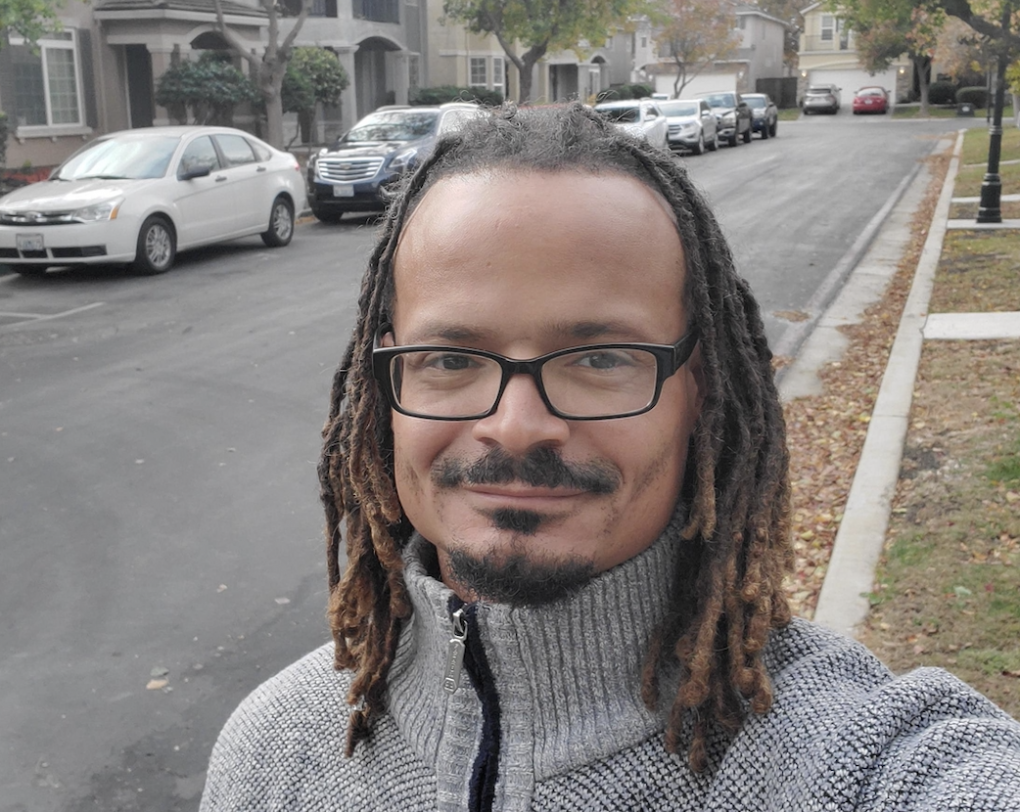
"caption": "Vincent-Ray Williams III wears a grey sweater and glasses as he poses for a photo on the street.",
"description": "Vincent-Ray Williams III wears a grey sweater and glasses as he poses for a photo on the street.",
"title": "Vincent-Ray Williams III wears a grey sweater and glasses as he poses for a photo on the street.",
"credit": "Vincent-Ray Williams III",
"status": "inherit",
"altTag": "Vincent-Ray Williams III wears a grey sweater and glasses as he poses for a photo on the street.",
"isLoading": false,
"fetchFailed": false
},
"arts_13889801": {
"type": "attachments",
"id": "arts_13889801",
"meta": {
"index": "attachments_1716263798",
"site": "arts",
"id": "13889801",
"found": true
},
"parent": 13889800,
"imgSizes": {
"twentyfourteen-full-width": {
"file": "https://ww2.kqed.org/app/uploads/sites/2/2020/12/gettyimages-1172973863-50ae80dddb54718d8c5f7f7dc31d5159f37fe579-1038x576.jpg",
"width": 1038,
"mimeType": "image/jpeg",
"height": 576
},
"thumbnail": {
"file": "https://ww2.kqed.org/app/uploads/sites/2/2020/12/gettyimages-1172973863-50ae80dddb54718d8c5f7f7dc31d5159f37fe579-160x120.jpg",
"width": 160,
"mimeType": "image/jpeg",
"height": 120
},
"post-thumbnail": {
"file": "https://ww2.kqed.org/app/uploads/sites/2/2020/12/gettyimages-1172973863-50ae80dddb54718d8c5f7f7dc31d5159f37fe579-672x372.jpg",
"width": 672,
"mimeType": "image/jpeg",
"height": 372
},
"kqedFullSize": {
"file": "https://ww2.kqed.org/app/uploads/sites/2/2020/12/gettyimages-1172973863-50ae80dddb54718d8c5f7f7dc31d5159f37fe579-scaled-e1606863233215.jpg",
"width": 1920,
"height": 1440
},
"2048x2048": {
"file": "https://ww2.kqed.org/app/uploads/sites/2/2020/12/gettyimages-1172973863-50ae80dddb54718d8c5f7f7dc31d5159f37fe579-2048x1536.jpg",
"width": 2048,
"mimeType": "image/jpeg",
"height": 1536
},
"large": {
"file": "https://ww2.kqed.org/app/uploads/sites/2/2020/12/gettyimages-1172973863-50ae80dddb54718d8c5f7f7dc31d5159f37fe579-1020x765.jpg",
"width": 1020,
"mimeType": "image/jpeg",
"height": 765
},
"1536x1536": {
"file": "https://ww2.kqed.org/app/uploads/sites/2/2020/12/gettyimages-1172973863-50ae80dddb54718d8c5f7f7dc31d5159f37fe579-1536x1152.jpg",
"width": 1536,
"mimeType": "image/jpeg",
"height": 1152
},
"full-width": {
"file": "https://ww2.kqed.org/app/uploads/sites/2/2020/12/gettyimages-1172973863-50ae80dddb54718d8c5f7f7dc31d5159f37fe579-1920x1440.jpg",
"width": 1920,
"mimeType": "image/jpeg",
"height": 1440
},
"medium": {
"file": "https://ww2.kqed.org/app/uploads/sites/2/2020/12/gettyimages-1172973863-50ae80dddb54718d8c5f7f7dc31d5159f37fe579-800x600.jpg",
"width": 800,
"mimeType": "image/jpeg",
"height": 600
},
"medium_large": {
"file": "https://ww2.kqed.org/app/uploads/sites/2/2020/12/gettyimages-1172973863-50ae80dddb54718d8c5f7f7dc31d5159f37fe579-768x576.jpg",
"width": 768,
"mimeType": "image/jpeg",
"height": 576
}
},
"publishDate": 1606863089,
"modified": 1606952112,
"caption": "The Oscar-nominated actor Elliot Page announced on Tuesday that he is transgender. Page posted to Instagram and Twitter and received expressions of support from hundreds of thousands of people.",
"description": "The Oscar-nominated actor Elliot Page announced on Tuesday that he is transgender. Page posted to Instagram and Twitter and received expressions of support from hundreds of thousands of people.",
"title": "The Oscar-nominated actor Elliot Page announced on Tuesday that he is transgender. Page posted to Instagram and Twitter and received expressions of support from hundreds of thousands of people.",
"credit": "Rich Polk/Getty Images for IMDb",
"status": "inherit",
"altTag": "Elliot Page",
"isLoading": false,
"fetchFailed": false
},
"arts_13889759": {
"type": "attachments",
"id": "arts_13889759",
"meta": {
"index": "attachments_1716263798",
"site": "arts",
"id": "13889759",
"found": true
},
"parent": 13889757,
"imgSizes": {
"twentyfourteen-full-width": {
"file": "https://ww2.kqed.org/app/uploads/sites/2/2020/11/Laverne-C-1038x576.jpg",
"width": 1038,
"mimeType": "image/jpeg",
"height": 576
},
"thumbnail": {
"file": "https://ww2.kqed.org/app/uploads/sites/2/2020/11/Laverne-C-160x99.jpg",
"width": 160,
"mimeType": "image/jpeg",
"height": 99
},
"post-thumbnail": {
"file": "https://ww2.kqed.org/app/uploads/sites/2/2020/11/Laverne-C-672x372.jpg",
"width": 672,
"mimeType": "image/jpeg",
"height": 372
},
"kqedFullSize": {
"file": "https://ww2.kqed.org/app/uploads/sites/2/2020/11/Laverne-C-scaled-e1606783961700.jpg",
"width": 1920,
"height": 1188
},
"2048x2048": {
"file": "https://ww2.kqed.org/app/uploads/sites/2/2020/11/Laverne-C-2048x1267.jpg",
"width": 2048,
"mimeType": "image/jpeg",
"height": 1267
},
"large": {
"file": "https://ww2.kqed.org/app/uploads/sites/2/2020/11/Laverne-C-1020x631.jpg",
"width": 1020,
"mimeType": "image/jpeg",
"height": 631
},
"1536x1536": {
"file": "https://ww2.kqed.org/app/uploads/sites/2/2020/11/Laverne-C-1536x951.jpg",
"width": 1536,
"mimeType": "image/jpeg",
"height": 951
},
"full-width": {
"file": "https://ww2.kqed.org/app/uploads/sites/2/2020/11/Laverne-C-1920x1188.jpg",
"width": 1920,
"mimeType": "image/jpeg",
"height": 1188
},
"medium": {
"file": "https://ww2.kqed.org/app/uploads/sites/2/2020/11/Laverne-C-800x495.jpg",
"width": 800,
"mimeType": "image/jpeg",
"height": 495
},
"medium_large": {
"file": "https://ww2.kqed.org/app/uploads/sites/2/2020/11/Laverne-C-768x475.jpg",
"width": 768,
"mimeType": "image/jpeg",
"height": 475
}
},
"publishDate": 1606783941,
"modified": 1606844347,
"caption": "Laverne Cox, speaking during a recent Instagram Live session. Cox went live twice in the wake of being attacked by a transphobic man in a Los Angeles park over the weekend. ",
"description": "Laverne Cox, speaking during a recent Instagram Live session. Cox went live twice in the wake of being attacked by a transphobic man in a Los Angeles park over the weekend. ",
"title": "Laverne Cox, speaking during a recent Instagram Live session. Cox went live twice in the wake of being attacked by a transphobic man in a Los Angeles park over the weekend.",
"credit": "Instagram/ @lavernecox",
"status": "inherit",
"isLoading": false,
"fetchFailed": false
},
"arts_13887639": {
"type": "attachments",
"id": "arts_13887639",
"meta": {
"index": "attachments_1716263798",
"site": "arts",
"id": "13887639",
"found": true
},
"parent": 13887635,
"imgSizes": {
"twentyfourteen-full-width": {
"file": "https://ww2.kqed.org/app/uploads/sites/2/2020/10/Yanniconflores_2-1038x576.png",
"width": 1038,
"mimeType": "image/png",
"height": 576
},
"thumbnail": {
"file": "https://ww2.kqed.org/app/uploads/sites/2/2020/10/Yanniconflores_2-160x90.png",
"width": 160,
"mimeType": "image/png",
"height": 90
},
"post-thumbnail": {
"file": "https://ww2.kqed.org/app/uploads/sites/2/2020/10/Yanniconflores_2-672x372.png",
"width": 672,
"mimeType": "image/png",
"height": 372
},
"kqedFullSize": {
"file": "https://ww2.kqed.org/app/uploads/sites/2/2020/10/Yanniconflores_2.png",
"width": 1920,
"height": 1080
},
"large": {
"file": "https://ww2.kqed.org/app/uploads/sites/2/2020/10/Yanniconflores_2-1020x574.png",
"width": 1020,
"mimeType": "image/png",
"height": 574
},
"1536x1536": {
"file": "https://ww2.kqed.org/app/uploads/sites/2/2020/10/Yanniconflores_2-1536x864.png",
"width": 1536,
"mimeType": "image/png",
"height": 864
},
"medium": {
"file": "https://ww2.kqed.org/app/uploads/sites/2/2020/10/Yanniconflores_2-800x450.png",
"width": 800,
"mimeType": "image/png",
"height": 450
},
"medium_large": {
"file": "https://ww2.kqed.org/app/uploads/sites/2/2020/10/Yanniconflores_2-768x432.png",
"width": 768,
"mimeType": "image/png",
"height": 432
}
},
"publishDate": 1602179162,
"modified": 1602179183,
"caption": "Model Yanni Brump posing for a shot",
"description": "Model Yanni Brump posing for a shot",
"title": "Model Yanni Brump posing for a shot",
"credit": null,
"status": "inherit",
"isLoading": false,
"fetchFailed": false
}
},
"audioPlayerReducer": {
"postId": "stream_live",
"isPaused": true,
"isPlaying": false,
"pfsActive": false,
"pledgeModalIsOpen": true,
"playerDrawerIsOpen": false,
"liveAudioPlayStartedAt": 0,
"liveAudioPlayContext": ""
},
"authorsReducer": {
"byline_arts_13895247": {
"type": "authors",
"id": "byline_arts_13895247",
"meta": {
"override": true
},
"slug": "byline_arts_13895247",
"name": "Jody Amable",
"isLoading": false
},
"byline_arts_13890865": {
"type": "authors",
"id": "byline_arts_13890865",
"meta": {
"override": true
},
"slug": "byline_arts_13890865",
"name": "Maureen Corrigan",
"isLoading": false
},
"byline_arts_13889800": {
"type": "authors",
"id": "byline_arts_13889800",
"meta": {
"override": true
},
"slug": "byline_arts_13889800",
"name": "Dustin Jones",
"isLoading": false
},
"shotchkiss": {
"type": "authors",
"id": "61",
"meta": {
"index": "authors_1716337520",
"id": "61",
"found": true
},
"name": "Sarah Hotchkiss",
"firstName": "Sarah",
"lastName": "Hotchkiss",
"slug": "shotchkiss",
"email": "shotchkiss@kqed.org",
"display_author_email": true,
"staff_mastheads": [
"arts"
],
"title": "Senior Editor",
"bio": "Sarah Hotchkiss is a San Francisco \u003ca href=\"http://www.sarahhotchkiss.com\">artist\u003c/a> and arts writer. In 2019, she received the Dorothea & Leo Rabkin Foundation grant for visual art journalism and in 2020 she received a Society of Professional Journalists, Northern California award for excellence in arts and culture reporting.",
"avatar": "https://secure.gravatar.com/avatar/bc662df144b3d27fd8b1b6f1c2a420d34e91e53154d411bb7ad353cc8b6cea8d?s=600&d=blank&r=g",
"twitter": null,
"bluesky": null,
"facebook": null,
"instagram": null,
"linkedin": null,
"sites": [
{
"site": "",
"roles": [
"editor"
]
},
{
"site": "arts",
"roles": [
"Contributor",
"administrator"
]
},
{
"site": "artschool",
"roles": [
"administrator"
]
},
{
"site": "news",
"roles": [
"editor"
]
},
{
"site": "pop",
"roles": [
"administrator"
]
},
{
"site": "bayareabites",
"roles": [
"editor"
]
},
{
"site": "spark",
"roles": [
"editor"
]
},
{
"site": "checkplease",
"roles": [
"editor"
]
}
],
"headData": {
"title": "Sarah Hotchkiss | KQED",
"description": "Senior Editor",
"ogImgSrc": "https://secure.gravatar.com/avatar/bc662df144b3d27fd8b1b6f1c2a420d34e91e53154d411bb7ad353cc8b6cea8d?s=600&d=blank&r=g",
"twImgSrc": "https://secure.gravatar.com/avatar/bc662df144b3d27fd8b1b6f1c2a420d34e91e53154d411bb7ad353cc8b6cea8d?s=600&d=blank&r=g"
},
"isLoading": false,
"link": "/author/shotchkiss"
},
"cveltman": {
"type": "authors",
"id": "8608",
"meta": {
"index": "authors_1716337520",
"id": "8608",
"found": true
},
"name": "Chloe Veltman",
"firstName": "Chloe",
"lastName": "Veltman",
"slug": "cveltman",
"email": "cveltman@kqed.org",
"display_author_email": true,
"staff_mastheads": [],
"title": "Arts and Culture Reporter",
"bio": "Chloe Veltman is a former arts and culture reporter for KQED. Prior to joining the organization, she launched and led the arts bureau at Colorado Public Radio, served as the Bay Area's culture columnist for the New York Times, and was the founder, host and executive producer of VoiceBox, a national award-winning weekly podcast/radio show and live events series all about the human voice. Chloe is the recipient of numerous prizes, grants and fellowships including a Webby Award for her work on interactive storytelling, both the John S Knight Journalism Fellowship and Humanities Center Fellowship at Stanford University, the Sundance Arts Writing Fellowship and a Library of Congress Research Fellowship. She is the author of the book \"On Acting\" and has appeared as a guest lecturer at Yale University and the San Francisco Conservatory of Music among other institutions. She holds a BA in english literature from King's College, Cambridge, and a Masters in Dramaturgy from the Central School of Speech and Drama/Harvard Institute for Advanced Theater Training.\r\n\u003ca href=\"https://www.chloeveltman.com\">www.chloeveltman.com\u003c/a>",
"avatar": "https://secure.gravatar.com/avatar/55403394b00a1ddab683952c2eb2cf85?s=600&d=blank&r=g",
"twitter": "chloeveltman",
"facebook": null,
"instagram": null,
"linkedin": null,
"sites": [
{
"site": "arts",
"roles": []
},
{
"site": "news",
"roles": [
"author"
]
},
{
"site": "pop",
"roles": [
"editor"
]
},
{
"site": "science",
"roles": []
}
],
"headData": {
"title": "Chloe Veltman | KQED",
"description": "Arts and Culture Reporter",
"ogImgSrc": "https://secure.gravatar.com/avatar/55403394b00a1ddab683952c2eb2cf85?s=600&d=blank&r=g",
"twImgSrc": "https://secure.gravatar.com/avatar/55403394b00a1ddab683952c2eb2cf85?s=600&d=blank&r=g"
},
"isLoading": false,
"link": "/author/cveltman"
},
"ralexandra": {
"type": "authors",
"id": "11242",
"meta": {
"index": "authors_1716337520",
"id": "11242",
"found": true
},
"name": "Rae Alexandra",
"firstName": "Rae",
"lastName": "Alexandra",
"slug": "ralexandra",
"email": "ralexandra@kqed.org",
"display_author_email": true,
"staff_mastheads": [],
"title": "Reporter/Producer",
"bio": "Rae Alexandra is a Reporter/Producer for KQED Arts & Culture, and the creator/author of the \u003ca href=\"https://www.kqed.org/arts/program/rebel-girls-from-bay-area-history\">Rebel Girls From Bay Area History\u003c/a> and \u003ca href=\"https://www.kqed.org/bizarrebayarea\">Bizarre Bay Area\u003c/a> series. Her debut book, \u003ca href=\"https://citylights.com/politics-current-events-history/unsung-heroines35-women-who-changed/\">Unsung Heroines: 35 Women Who Changed the Bay Area\u003c/a> was published by City Lights in March 2026. In 2023, Rae was awarded an SPJ Excellence in Journalism Award for Arts & Culture. Rae was born and raised in Wales and subsequently — even after two decades in Northern California — still uses phrases that regularly baffle her coworkers.",
"avatar": "https://secure.gravatar.com/avatar/edfee8176c80cc0a382b051190f5341997df378a934a5774dcb0977732dfd401?s=600&d=blank&r=g",
"twitter": null,
"bluesky": null,
"facebook": null,
"instagram": null,
"linkedin": null,
"sites": [
{
"site": "arts",
"roles": [
"subscriber"
]
},
{
"site": "news",
"roles": [
"subscriber"
]
},
{
"site": "pop",
"roles": [
"subscriber"
]
},
{
"site": "bayareabites",
"roles": [
"subscriber"
]
},
{
"site": "science",
"roles": [
"subscriber"
]
}
],
"headData": {
"title": "Rae Alexandra | KQED",
"description": "Reporter/Producer",
"ogImgSrc": "https://secure.gravatar.com/avatar/edfee8176c80cc0a382b051190f5341997df378a934a5774dcb0977732dfd401?s=600&d=blank&r=g",
"twImgSrc": "https://secure.gravatar.com/avatar/edfee8176c80cc0a382b051190f5341997df378a934a5774dcb0977732dfd401?s=600&d=blank&r=g"
},
"isLoading": false,
"link": "/author/ralexandra"
},
"nvoynovskaya": {
"type": "authors",
"id": "11387",
"meta": {
"index": "authors_1716337520",
"id": "11387",
"found": true
},
"name": "Nastia Voynovskaya",
"firstName": "Nastia",
"lastName": "Voynovskaya",
"slug": "nvoynovskaya",
"email": "nvoynovskaya@kqed.org",
"display_author_email": false,
"staff_mastheads": [
"arts"
],
"title": "Editor and reporter",
"bio": "Nastia Voynovskaya is a reporter, editor and host at KQED Arts & Culture. She's been covering the arts in the Bay Area for over a decade, with a focus on music, queer culture, labor issues and grassroots organizing. She has edited KQED story series such as Trans Bay: A History of San Francisco's Gender-Diverse Community, and co-created KQED's Bay Area hip-hop history project, That's My Word. Nastia's work has been recognized by the Society of Professional Journalists and San Francisco Press Club. She regularly appears on podcasts and radio programs, including NPR's All Songs Considered, and hosts live events where music, culture and conversation meet.",
"avatar": "https://secure.gravatar.com/avatar/5025ee460e5a85d69ca20ea6c6f2f80d7e17795c828f61ea3aecfcd924e9042e?s=600&d=blank&r=g",
"twitter": null,
"bluesky": null,
"facebook": null,
"instagram": "https://www.instagram.com/nananastia/",
"linkedin": null,
"sites": [
{
"site": "",
"roles": [
"editor"
]
},
{
"site": "arts",
"roles": [
"administrator"
]
},
{
"site": "news",
"roles": [
"editor"
]
},
{
"site": "pop",
"roles": [
"administrator"
]
},
{
"site": "bayareabites",
"roles": [
"editor"
]
},
{
"site": "podcasts",
"roles": [
"editor"
]
},
{
"site": "hiphop",
"roles": [
"editor"
]
}
],
"headData": {
"title": "Nastia Voynovskaya | KQED",
"description": "Editor and reporter",
"ogImgSrc": "https://secure.gravatar.com/avatar/5025ee460e5a85d69ca20ea6c6f2f80d7e17795c828f61ea3aecfcd924e9042e?s=600&d=blank&r=g",
"twImgSrc": "https://secure.gravatar.com/avatar/5025ee460e5a85d69ca20ea6c6f2f80d7e17795c828f61ea3aecfcd924e9042e?s=600&d=blank&r=g"
},
"isLoading": false,
"link": "/author/nvoynovskaya"
},
"ogpenn": {
"type": "authors",
"id": "11491",
"meta": {
"index": "authors_1716337520",
"id": "11491",
"found": true
},
"name": "Pendarvis Harshaw",
"firstName": "Pendarvis",
"lastName": "Harshaw",
"slug": "ogpenn",
"email": "ogpenn@gmail.com",
"display_author_email": false,
"staff_mastheads": [
"arts"
],
"title": "Community Engagement Reporter",
"bio": "Pendarvis Harshaw is an educator, host and writer with KQED Arts.",
"avatar": "https://secure.gravatar.com/avatar/972b77ee8e3f346ae2b00622661187fbfabd059b5693bbdc1475ea7a722fd4cd?s=600&d=blank&r=g",
"twitter": null,
"bluesky": null,
"facebook": null,
"instagram": "ogpenn",
"linkedin": null,
"sites": [
{
"site": "arts",
"roles": [
"administrator"
]
},
{
"site": "news",
"roles": [
"editor"
]
},
{
"site": "bayareabites",
"roles": [
"author"
]
},
{
"site": "hiphop",
"roles": [
"editor"
]
}
],
"headData": {
"title": "Pendarvis Harshaw | KQED",
"description": "Community Engagement Reporter",
"ogImgSrc": "https://secure.gravatar.com/avatar/972b77ee8e3f346ae2b00622661187fbfabd059b5693bbdc1475ea7a722fd4cd?s=600&d=blank&r=g",
"twImgSrc": "https://secure.gravatar.com/avatar/972b77ee8e3f346ae2b00622661187fbfabd059b5693bbdc1475ea7a722fd4cd?s=600&d=blank&r=g"
},
"isLoading": false,
"link": "/author/ogpenn"
},
"ngluckstern": {
"type": "authors",
"id": "11497",
"meta": {
"index": "authors_1716337520",
"id": "11497",
"found": true
},
"name": "Nicole Gluckstern",
"firstName": "Nicole",
"lastName": "Gluckstern",
"slug": "ngluckstern",
"email": "gluckstern.nicole@gmail.com",
"display_author_email": false,
"staff_mastheads": [],
"title": "KQED Contributor",
"bio": null,
"avatar": "https://secure.gravatar.com/avatar/2c3d593194017bfe811a998ad03140909de330b22abebf4889e1a564ce5b3495?s=600&d=blank&r=g",
"twitter": null,
"bluesky": null,
"facebook": null,
"instagram": null,
"linkedin": null,
"sites": [
{
"site": "arts",
"roles": [
"contributor"
]
}
],
"headData": {
"title": "Nicole Gluckstern | KQED",
"description": "KQED Contributor",
"ogImgSrc": "https://secure.gravatar.com/avatar/2c3d593194017bfe811a998ad03140909de330b22abebf4889e1a564ce5b3495?s=600&d=blank&r=g",
"twImgSrc": "https://secure.gravatar.com/avatar/2c3d593194017bfe811a998ad03140909de330b22abebf4889e1a564ce5b3495?s=600&d=blank&r=g"
},
"isLoading": false,
"link": "/author/ngluckstern"
},
"mmedina": {
"type": "authors",
"id": "11528",
"meta": {
"index": "authors_1716337520",
"id": "11528",
"found": true
},
"name": "Marisol Medina-Cadena",
"firstName": "Marisol",
"lastName": "Medina-Cadena",
"slug": "mmedina",
"email": "mmedina@KQED.org",
"display_author_email": true,
"staff_mastheads": [],
"title": "Producer, Rightnowish Podcast",
"bio": "Marisol Medina-Cadena is a radio reporter and podcast producer. Before working at KQED, she produced for PBS member station, KCET, in Los Angeles. In 2017, Marisol won an Emmy Award for her work on the televised documentary, \u003cem>City Rising\u003c/em>, examining California's affordable housing crisis and the historical roots of gentrification.",
"avatar": "https://secure.gravatar.com/avatar/6c3db46a1cabb5e1fe9a365b5f4e681e?s=600&d=blank&r=g",
"twitter": "marisolreports",
"facebook": null,
"instagram": null,
"linkedin": null,
"sites": [
{
"site": "arts",
"roles": []
},
{
"site": "news",
"roles": [
"edit_others_posts"
]
}
],
"headData": {
"title": "Marisol Medina-Cadena | KQED",
"description": "Producer, Rightnowish Podcast",
"ogImgSrc": "https://secure.gravatar.com/avatar/6c3db46a1cabb5e1fe9a365b5f4e681e?s=600&d=blank&r=g",
"twImgSrc": "https://secure.gravatar.com/avatar/6c3db46a1cabb5e1fe9a365b5f4e681e?s=600&d=blank&r=g"
},
"isLoading": false,
"link": "/author/mmedina"
}
},
"pagesReducer": {
"arts_tag_lgbtq": {
"type": "terms",
"id": "arts_3226",
"meta": {
"index": "terms_1716263798",
"site": "arts",
"id": "3226",
"score": 8.28313
},
"name": "LGBTQ+",
"slug": "lgbtq",
"taxonomy": "tag",
"description": null,
"featImg": null,
"headData": {
"title": "LGBTQ+ | KQED Arts",
"description": null,
"ogTitle": null,
"ogDescription": null,
"ogImgId": null,
"twTitle": null,
"twDescription": null,
"twImgId": null
},
"ttid": 3238,
"isLoading": false,
"title": "LGBTQ+",
"pageMeta": {
"site": "arts",
"WpPageTemplate": "page-topic-editorial",
"currentPage": 18
},
"blocks": [
{
"blockName": "kqed/post-list",
"attrs": {
"layout": "cardArticle2",
"query": "posts/arts?tag=lgbtq",
"seeMore": false,
"paginated": true,
"page": 18
}
},
{
"blockName": "kqed/ad"
}
]
}
},
"pfsSessionReducer": {},
"postsReducer": {
"stream_live": {
"type": "live",
"id": "stream_live",
"audioUrl": "https://streams.kqed.org/kqedradio",
"title": "Live Stream",
"excerpt": "Live Stream information currently unavailable.",
"link": "/radio",
"featImg": "",
"label": {
"name": "KQED Live",
"link": "/"
}
},
"stream_kqedNewscast": {
"type": "posts",
"id": "stream_kqedNewscast",
"audioUrl": "https://www.kqed.org/.stream/anon/radio/RDnews/newscast.mp3?_=1",
"title": "KQED Newscast",
"featImg": "",
"label": {
"name": "88.5 FM",
"link": "/"
}
},
"arts_13896684": {
"type": "posts",
"id": "arts_13896684",
"meta": {
"index": "posts_1716263798",
"site": "arts",
"id": "13896684",
"score": null,
"sort": [
1620344296000
]
},
"parent": 0,
"labelTerm": {
"site": "arts"
},
"blocks": [],
"publishDate": 1620344296,
"format": "audio",
"title": "Two Moms’ Lullaby For Their Unborn Daughter Celebrates Their Family Story",
"headTitle": "Two Moms’ Lullaby For Their Unborn Daughter Celebrates Their Family Story | KQED",
"content": "\u003cp>\u003cspan style=\"font-weight: 400\">Shonnece Hill and Elizabeth Cheeves first started working on their lullaby while they were on a road trip. The San Francisco couple and expecting parents were collaborating by phone with musician \u003ca href=\"http://www.cavamenzies.com/\" target=\"_blank\" rel=\"noopener noreferrer\">Cava Menzies \u003c/a>to create a special song for their unborn daughter. \u003c/span>\u003c/p>\n\u003cp>\u003cspan style=\"font-weight: 400\">The connection on the freeway was super spotty. But d\u003c/span>espite the technical challenges, the trio swiftly managed to get into the songwriting zone.\u003c/p>\n\u003cp>First, Hill and Cheeves shared some lyrics over the phone (“We want you to know that two moms are better than no moms”) while Menzies took notes in her Oakland studio. Then, Menzies threw down a couple of R&B-laced piano chords; Hill in particular is a big fan of the genre. The trio traded ideas back and forth for a while. And in less than an hour, they had the makings of their catchy new song.\u003c/p>\n\u003cp>“I know I’m going to be singing this song,” Cheeves said. “I’m gonna put it on YouTube!”\u003c/p>\n\u003cp>“It’s a hit already!” Menzies said.\u003c/p>\n\u003cp>[ad fullwidth]\u003c/p>\n\u003cp>\u003ciframe loading=\"lazy\" title=\"Stori's Song by Shannece, Liz & Cava\" src=\"https://player.vimeo.com/video/529186912?dnt=1&app_id=122963\" width=\"500\" height=\"281\" frameborder=\"0\" allow=\"autoplay; fullscreen; picture-in-picture\">\u003c/iframe>\u003c/p>\n\u003cp>This small musical jewel is one of a bunch of songs to have come out of \u003ca href=\"https://www.noemusic.org/projects\" target=\"_blank\" rel=\"noopener noreferrer\">The Lullaby Project\u003c/a> so far this year. The \u003ca href=\"https://www.carnegiehall.org/Education/Programs/Lullaby-Project\" target=\"_blank\" rel=\"noopener noreferrer\">national program\u003c/a>, new to the Bay Area and run under the auspices of San Francisco music presenter \u003ca href=\"https://www.noemusic.org/\" target=\"_blank\" rel=\"noopener noreferrer\">Noe Music\u003c/a>, pairs unhoused and low-income caregivers with professional musicians to write a lullaby for their unborn or new babies.\u003c/p>\n\u003cp>“It helps you channel the energy into the positive, into the hopes and dreams for the future, as opposed to focusing on what is so hard right now,” said San Francisco-based project director Meena Bhasin, who first became involved with the initiative around the time it was founded a decade ago at Carnegie Hall in New York.\u003c/p>\n\u003cp>\u003cspan style=\"font-weight: 400\">Bhasin said the COVID-19 pandemic created an even greater sense of urgency for launching the program here in the Bay Area.\u003c/span>\u003cspan style=\"font-weight: 400\">\u003cbr>\n\u003c/span>\u003cb>\u003c/b>\u003c/p>\n\u003cp>“We thought, why wait, let’s do this now when mothers are really isolated and really need it,” she said.\u003c/p>\n\u003cfigure id=\"attachment_13896697\" class=\"wp-caption alignright\" style=\"max-width: 800px\">\u003cimg loading=\"lazy\" decoding=\"async\" class=\"size-medium wp-image-13896697\" src=\"https://ww2.kqed.org/app/uploads/sites/2/2021/05/RS48883_Meena-Bhasin-and-Knight-by-Alessandra-Mello-qut-800x1198.jpg\" alt=\"\" width=\"800\" height=\"1198\" srcset=\"https://cdn.kqed.org/wp-content/uploads/sites/2/2021/05/RS48883_Meena-Bhasin-and-Knight-by-Alessandra-Mello-qut-800x1198.jpg 800w, https://cdn.kqed.org/wp-content/uploads/sites/2/2021/05/RS48883_Meena-Bhasin-and-Knight-by-Alessandra-Mello-qut-1020x1528.jpg 1020w, https://cdn.kqed.org/wp-content/uploads/sites/2/2021/05/RS48883_Meena-Bhasin-and-Knight-by-Alessandra-Mello-qut-160x240.jpg 160w, https://cdn.kqed.org/wp-content/uploads/sites/2/2021/05/RS48883_Meena-Bhasin-and-Knight-by-Alessandra-Mello-qut-768x1150.jpg 768w, https://cdn.kqed.org/wp-content/uploads/sites/2/2021/05/RS48883_Meena-Bhasin-and-Knight-by-Alessandra-Mello-qut-1025x1536.jpg 1025w, https://cdn.kqed.org/wp-content/uploads/sites/2/2021/05/RS48883_Meena-Bhasin-and-Knight-by-Alessandra-Mello-qut-1367x2048.jpg 1367w, https://cdn.kqed.org/wp-content/uploads/sites/2/2021/05/RS48883_Meena-Bhasin-and-Knight-by-Alessandra-Mello-qut-scaled.jpg 1709w\" sizes=\"(max-width: 800px) 100vw, 800px\">\u003cfigcaption class=\"wp-caption-text\">Lullaby Project director Meena Bhasin and her baby Knight. \u003ccite>(Alessandra Mello)\u003c/cite>\u003c/figcaption>\u003c/figure>\n\u003cp>\u003cspan style=\"font-weight: 400\">So Bhasin partnered with the \u003ca href=\"http://www.homelessprenatal.org/about/mission\" target=\"_blank\" rel=\"noopener noreferrer\">Homeless Prenatal Program\u003c/a> (HPP), a local nonprofit, to find participants. \u003c/span>\u003c/p>\n\u003cp>“In addition to social connection, families feel heard because this is a project that they are leading,” said \u003cspan style=\"font-weight: 400\">HPP program manager Guadalupe Valenzuela. “\u003c/span>Their voice matters.”\u003c/p>\n\u003cp>Menzies, the musician who worked with the couple, said participating in the Lullaby Project renewed her sense of human connection after more than a year of insular living during the pandemic.\u003c/p>\n\u003cp>“To be able to do something that creates a bridge between strangers is really amazing,” Menzies said. “And I got to discover something new through their story.”\u003c/p>\n\u003cp>“Story” is a word that figures prominently in the lullaby that Menzies co-wrote with Hill and Cheeves. It’s not for nothing that the couple named their unborn daughter Stori.\u003c/p>\n\u003cp>“Stori with an ‘i’ instead of a ‘y,’” said Hill. “And this \u003cem>is\u003c/em> a story. We have so much to tell.”\u003c/p>\n\u003cp>Speaking from their home in San Francisco’s Mission District a couple of weeks after completing their lullaby, Hill and Cheeves shared their story.\u003c/p>\n\u003cp>The couple are both in their early 30s. Cheeves said they first met when they were kids growing up in the Western Addition.\u003c/p>\n\u003cp>“I knew Shonnece since I was 14 years old, and I always wanted to be with her,” Hill said. “But we never really got the chance to be with each other.”\u003c/p>\n\u003cp>For many years, they stayed in contact but lived separate lives. Hill has a son, Jah’vion, who’s nine, from a previous relationship, and Cheeves co-parents her adopted five-year-old, Benjamin, with a cousin. (The boys get a mention in the lullaby with the lyric: “Two brothers are waiting for you / The three of you stuck like glue.”)\u003c/p>\n\u003cp>Then one day six years ago, Cheeves said she and Hill ran into each other at a gas station, fell into a long conversation and realized their feelings for each other ran deep. [aside postid='arts_13896487']\u003c/p>\n\u003cp>“So we got with each other, then we got engaged in 2018,” Cheeves said. “And now we’re here.”\u003c/p>\n\u003cp>In the song, Hill talks about the joy of being able to conceive as LGBTQ parents. (“The way you were conceived was so wonderful and beautiful / You can always count on me to be in your corner.”)\u003c/p>\n\u003cp>But she admitted bringing a new life into the world has been far from easy.\u003c/p>\n\u003cp>“We went all the way broke to pay for the baby,” Hill said.\u003c/p>\n\u003cp>IVF costs tens of thousands of dollars. Hill and Cheeves were already struggling to figure out how to pay the bill when the pandemic hit. And then they both lost their jobs. Grants were scarce. The couple said they couldn’t get loans because their credit wasn’t good enough. And to top it all, Hill was in a custody battle over her son.\u003c/p>\n\u003cp>“This has been a crazy time,” Hill said. “Crazy.”\u003c/p>\n\u003cp>Things are getting better, though.\u003c/p>\n\u003cp>Cheeves got a new job—she works in construction—and Hill won full custody of Jah’vion. The song’s chorus, with its easy-going groove and optimistic lyrics (“Honey to my bees / My shining star / Our blessing / My gift from God / Our Stori / Our Stori / Our blessing / Our gift from God”) captures the couple’s excitement about the new chapter opening up in their narrative.\u003c/p>\n\u003cp>In this part of the song, Cheeves can be heard singing along with musician Menzies, and Hill’s voice can be heard reciting some lyrics near the start. Parents aren’t required to perform the songs they write as part of The Lullaby Project. But Cheeves and Hill both really love music and they want their daughter to take the song to heart.\u003c/p>\n\u003cp>“I wanted her to hear my voice on there and know we both made this song for her,” Cheeves said.\u003c/p>\n\u003cp>“It’ll be stuck in her head because we’re going to play this for her a lot!” added Hill. [aside postid='arts_13887635']\u003c/p>\n\u003cp>Menzies, who’s a mom herself, said “Stori’s Song” and the real-life story behind it expand notions of what a lullaby can be.\u003c/p>\n\u003cp>“The idea that lullabies have to be slow and in a particular way sort of reminds me of that stereotypical messaging that we get about what it means to be a mother and what the first musical soundtrack should sound like in life,” Menzies said. “And the truth is that everyone has these different stories.”\u003c/p>\n\u003cp>Baby Stori is due in early June. Menzies said she can’t wait to meet her in person.\u003c/p>\n\u003cp>“I want to be able to be in the room with Shonnece and Liz and their two boys with Stori and listen to this song,” said the musician. “That would mean the world to me.”\u003c/p>\n\u003cp>[ad floatright]\u003c/p>\n\u003cp>In the meantime, Stori’s parents said they plan to play the song at their baby shower. Menzies is on the guest list.\u003c/p>\n\n",
"stats": {
"hasVideo": true,
"hasChartOrMap": false,
"hasAudio": false,
"hasPolis": false,
"wordCount": 1252,
"hasGoogleForm": false,
"hasGallery": false,
"hasHearkenModule": false,
"iframeSrcs": [],
"paragraphCount": 39
},
"modified": 1705008413,
"excerpt": "The small musical jewel is part of The Lullaby Project, which pairs musicians with expecting parents.",
"headData": {
"twImgId": "",
"twTitle": "",
"ogTitle": "",
"ogImgId": "",
"twDescription": "",
"description": "The small musical jewel is part of The Lullaby Project, which pairs musicians with expecting parents.",
"title": "Two Moms’ Lullaby For Their Unborn Daughter Celebrates Their Family Story | KQED",
"ogDescription": "",
"schema": {
"@context": "https://schema.org",
"@type": "Article",
"headline": "Two Moms’ Lullaby For Their Unborn Daughter Celebrates Their Family Story",
"datePublished": "2021-05-06T16:38:16-07:00",
"dateModified": "2024-01-11T13:26:53-08:00",
"image": "https://cdn.kqed.org/wp-content/uploads/2020/02/KQED-OG-Image@1x.png"
}
},
"guestAuthors": [],
"slug": "two-moms-lullaby-for-their-unborn-daughter-celebrates-their-family-story",
"status": "publish",
"templateType": "standard",
"audioUrl": "https://traffic.omny.fm/d/clips/0af137ef-751e-4b19-a055-aaef00d2d578/ffca7e9f-6831-4[…]f-aaef00f5a073/0d0812e4-a4dc-4622-adac-ad210120e9ec/audio.mp3",
"featuredImageType": "standard",
"sticky": false,
"path": "/arts/13896684/two-moms-lullaby-for-their-unborn-daughter-celebrates-their-family-story",
"audioTrackLength": null,
"parsedContent": [
{
"type": "contentString",
"content": "\u003cdiv class=\"post-body\">\u003cp>\u003cp>\u003cspan style=\"font-weight: 400\">Shonnece Hill and Elizabeth Cheeves first started working on their lullaby while they were on a road trip. The San Francisco couple and expecting parents were collaborating by phone with musician \u003ca href=\"http://www.cavamenzies.com/\" target=\"_blank\" rel=\"noopener noreferrer\">Cava Menzies \u003c/a>to create a special song for their unborn daughter. \u003c/span>\u003c/p>\n\u003cp>\u003cspan style=\"font-weight: 400\">The connection on the freeway was super spotty. But d\u003c/span>espite the technical challenges, the trio swiftly managed to get into the songwriting zone.\u003c/p>\n\u003cp>First, Hill and Cheeves shared some lyrics over the phone (“We want you to know that two moms are better than no moms”) while Menzies took notes in her Oakland studio. Then, Menzies threw down a couple of R&B-laced piano chords; Hill in particular is a big fan of the genre. The trio traded ideas back and forth for a while. And in less than an hour, they had the makings of their catchy new song.\u003c/p>\n\u003cp>“I know I’m going to be singing this song,” Cheeves said. “I’m gonna put it on YouTube!”\u003c/p>\n\u003cp>“It’s a hit already!” Menzies said.\u003c/p>\n\u003cp>\u003c/p>\u003c/div>",
"attributes": {
"named": {},
"numeric": []
}
},
{
"type": "component",
"content": "",
"name": "ad",
"attributes": {
"named": {
"label": "fullwidth"
},
"numeric": [
"fullwidth"
]
}
},
{
"type": "contentString",
"content": "\u003cdiv class=\"post-body\">\u003cp>\u003c/p>\n\u003cp>\u003ciframe loading=\"lazy\" title=\"Stori's Song by Shannece, Liz & Cava\" src=\"https://player.vimeo.com/video/529186912?dnt=1&app_id=122963\" width=\"500\" height=\"281\" frameborder=\"0\" allow=\"autoplay; fullscreen; picture-in-picture\">\u003c/iframe>\u003c/p>\n\u003cp>This small musical jewel is one of a bunch of songs to have come out of \u003ca href=\"https://www.noemusic.org/projects\" target=\"_blank\" rel=\"noopener noreferrer\">The Lullaby Project\u003c/a> so far this year. The \u003ca href=\"https://www.carnegiehall.org/Education/Programs/Lullaby-Project\" target=\"_blank\" rel=\"noopener noreferrer\">national program\u003c/a>, new to the Bay Area and run under the auspices of San Francisco music presenter \u003ca href=\"https://www.noemusic.org/\" target=\"_blank\" rel=\"noopener noreferrer\">Noe Music\u003c/a>, pairs unhoused and low-income caregivers with professional musicians to write a lullaby for their unborn or new babies.\u003c/p>\n\u003cp>“It helps you channel the energy into the positive, into the hopes and dreams for the future, as opposed to focusing on what is so hard right now,” said San Francisco-based project director Meena Bhasin, who first became involved with the initiative around the time it was founded a decade ago at Carnegie Hall in New York.\u003c/p>\n\u003cp>\u003cspan style=\"font-weight: 400\">Bhasin said the COVID-19 pandemic created an even greater sense of urgency for launching the program here in the Bay Area.\u003c/span>\u003cspan style=\"font-weight: 400\">\u003cbr>\n\u003c/span>\u003cb>\u003c/b>\u003c/p>\n\u003cp>“We thought, why wait, let’s do this now when mothers are really isolated and really need it,” she said.\u003c/p>\n\u003cfigure id=\"attachment_13896697\" class=\"wp-caption alignright\" style=\"max-width: 800px\">\u003cimg loading=\"lazy\" decoding=\"async\" class=\"size-medium wp-image-13896697\" src=\"https://ww2.kqed.org/app/uploads/sites/2/2021/05/RS48883_Meena-Bhasin-and-Knight-by-Alessandra-Mello-qut-800x1198.jpg\" alt=\"\" width=\"800\" height=\"1198\" srcset=\"https://cdn.kqed.org/wp-content/uploads/sites/2/2021/05/RS48883_Meena-Bhasin-and-Knight-by-Alessandra-Mello-qut-800x1198.jpg 800w, https://cdn.kqed.org/wp-content/uploads/sites/2/2021/05/RS48883_Meena-Bhasin-and-Knight-by-Alessandra-Mello-qut-1020x1528.jpg 1020w, https://cdn.kqed.org/wp-content/uploads/sites/2/2021/05/RS48883_Meena-Bhasin-and-Knight-by-Alessandra-Mello-qut-160x240.jpg 160w, https://cdn.kqed.org/wp-content/uploads/sites/2/2021/05/RS48883_Meena-Bhasin-and-Knight-by-Alessandra-Mello-qut-768x1150.jpg 768w, https://cdn.kqed.org/wp-content/uploads/sites/2/2021/05/RS48883_Meena-Bhasin-and-Knight-by-Alessandra-Mello-qut-1025x1536.jpg 1025w, https://cdn.kqed.org/wp-content/uploads/sites/2/2021/05/RS48883_Meena-Bhasin-and-Knight-by-Alessandra-Mello-qut-1367x2048.jpg 1367w, https://cdn.kqed.org/wp-content/uploads/sites/2/2021/05/RS48883_Meena-Bhasin-and-Knight-by-Alessandra-Mello-qut-scaled.jpg 1709w\" sizes=\"(max-width: 800px) 100vw, 800px\">\u003cfigcaption class=\"wp-caption-text\">Lullaby Project director Meena Bhasin and her baby Knight. \u003ccite>(Alessandra Mello)\u003c/cite>\u003c/figcaption>\u003c/figure>\n\u003cp>\u003cspan style=\"font-weight: 400\">So Bhasin partnered with the \u003ca href=\"http://www.homelessprenatal.org/about/mission\" target=\"_blank\" rel=\"noopener noreferrer\">Homeless Prenatal Program\u003c/a> (HPP), a local nonprofit, to find participants. \u003c/span>\u003c/p>\n\u003cp>“In addition to social connection, families feel heard because this is a project that they are leading,” said \u003cspan style=\"font-weight: 400\">HPP program manager Guadalupe Valenzuela. “\u003c/span>Their voice matters.”\u003c/p>\n\u003cp>Menzies, the musician who worked with the couple, said participating in the Lullaby Project renewed her sense of human connection after more than a year of insular living during the pandemic.\u003c/p>\n\u003cp>“To be able to do something that creates a bridge between strangers is really amazing,” Menzies said. “And I got to discover something new through their story.”\u003c/p>\n\u003cp>“Story” is a word that figures prominently in the lullaby that Menzies co-wrote with Hill and Cheeves. It’s not for nothing that the couple named their unborn daughter Stori.\u003c/p>\n\u003cp>“Stori with an ‘i’ instead of a ‘y,’” said Hill. “And this \u003cem>is\u003c/em> a story. We have so much to tell.”\u003c/p>\n\u003cp>Speaking from their home in San Francisco’s Mission District a couple of weeks after completing their lullaby, Hill and Cheeves shared their story.\u003c/p>\n\u003cp>The couple are both in their early 30s. Cheeves said they first met when they were kids growing up in the Western Addition.\u003c/p>\n\u003cp>“I knew Shonnece since I was 14 years old, and I always wanted to be with her,” Hill said. “But we never really got the chance to be with each other.”\u003c/p>\n\u003cp>For many years, they stayed in contact but lived separate lives. Hill has a son, Jah’vion, who’s nine, from a previous relationship, and Cheeves co-parents her adopted five-year-old, Benjamin, with a cousin. (The boys get a mention in the lullaby with the lyric: “Two brothers are waiting for you / The three of you stuck like glue.”)\u003c/p>\n\u003cp>Then one day six years ago, Cheeves said she and Hill ran into each other at a gas station, fell into a long conversation and realized their feelings for each other ran deep. \u003c/p>\u003c/div>",
"attributes": {
"named": {},
"numeric": []
}
},
{
"type": "component",
"content": "",
"name": "aside",
"attributes": {
"named": {
"postid": "arts_13896487",
"label": ""
},
"numeric": []
}
},
{
"type": "contentString",
"content": "\u003cdiv class=\"post-body\">\u003cp>\u003c/p>\n\u003cp>“So we got with each other, then we got engaged in 2018,” Cheeves said. “And now we’re here.”\u003c/p>\n\u003cp>In the song, Hill talks about the joy of being able to conceive as LGBTQ parents. (“The way you were conceived was so wonderful and beautiful / You can always count on me to be in your corner.”)\u003c/p>\n\u003cp>But she admitted bringing a new life into the world has been far from easy.\u003c/p>\n\u003cp>“We went all the way broke to pay for the baby,” Hill said.\u003c/p>\n\u003cp>IVF costs tens of thousands of dollars. Hill and Cheeves were already struggling to figure out how to pay the bill when the pandemic hit. And then they both lost their jobs. Grants were scarce. The couple said they couldn’t get loans because their credit wasn’t good enough. And to top it all, Hill was in a custody battle over her son.\u003c/p>\n\u003cp>“This has been a crazy time,” Hill said. “Crazy.”\u003c/p>\n\u003cp>Things are getting better, though.\u003c/p>\n\u003cp>Cheeves got a new job—she works in construction—and Hill won full custody of Jah’vion. The song’s chorus, with its easy-going groove and optimistic lyrics (“Honey to my bees / My shining star / Our blessing / My gift from God / Our Stori / Our Stori / Our blessing / Our gift from God”) captures the couple’s excitement about the new chapter opening up in their narrative.\u003c/p>\n\u003cp>In this part of the song, Cheeves can be heard singing along with musician Menzies, and Hill’s voice can be heard reciting some lyrics near the start. Parents aren’t required to perform the songs they write as part of The Lullaby Project. But Cheeves and Hill both really love music and they want their daughter to take the song to heart.\u003c/p>\n\u003cp>“I wanted her to hear my voice on there and know we both made this song for her,” Cheeves said.\u003c/p>\n\u003cp>“It’ll be stuck in her head because we’re going to play this for her a lot!” added Hill. \u003c/p>\u003c/div>",
"attributes": {
"named": {},
"numeric": []
}
},
{
"type": "component",
"content": "",
"name": "aside",
"attributes": {
"named": {
"postid": "arts_13887635",
"label": ""
},
"numeric": []
}
},
{
"type": "contentString",
"content": "\u003cdiv class=\"post-body\">\u003cp>\u003c/p>\n\u003cp>Menzies, who’s a mom herself, said “Stori’s Song” and the real-life story behind it expand notions of what a lullaby can be.\u003c/p>\n\u003cp>“The idea that lullabies have to be slow and in a particular way sort of reminds me of that stereotypical messaging that we get about what it means to be a mother and what the first musical soundtrack should sound like in life,” Menzies said. “And the truth is that everyone has these different stories.”\u003c/p>\n\u003cp>Baby Stori is due in early June. Menzies said she can’t wait to meet her in person.\u003c/p>\n\u003cp>“I want to be able to be in the room with Shonnece and Liz and their two boys with Stori and listen to this song,” said the musician. “That would mean the world to me.”\u003c/p>\n\u003cp>\u003c/p>\u003c/div>",
"attributes": {
"named": {},
"numeric": []
}
},
{
"type": "component",
"content": "",
"name": "ad",
"attributes": {
"named": {
"label": "floatright"
},
"numeric": [
"floatright"
]
}
},
{
"type": "contentString",
"content": "\u003cdiv class=\"post-body\">\u003cp>\u003c/p>\n\u003cp>In the meantime, Stori’s parents said they plan to play the song at their baby shower. Menzies is on the guest list.\u003c/p>\n\n\u003c/div>\u003c/p>",
"attributes": {
"named": {},
"numeric": []
}
}
],
"link": "/arts/13896684/two-moms-lullaby-for-their-unborn-daughter-celebrates-their-family-story",
"authors": [
"8608"
],
"categories": [
"arts_1",
"arts_69"
],
"tags": [
"arts_10278",
"arts_3226",
"arts_4813"
],
"featImg": "arts_13896876",
"label": "arts"
},
"arts_13896515": {
"type": "posts",
"id": "arts_13896515",
"meta": {
"index": "posts_1716263798",
"site": "arts",
"id": "13896515",
"score": null,
"sort": [
1619728832000
]
},
"parent": 0,
"labelTerm": {
"site": "arts"
},
"blocks": [],
"publishDate": 1619728832,
"format": "standard",
"title": "Honey Bear Mural Painted Over By SF LGBT Center; Artist fnnch Responds",
"headTitle": "Honey Bear Mural Painted Over By SF LGBT Center; Artist fnnch Responds | KQED",
"content": "\u003cp>The San Francisco LGBT Center on Tuesday painted over a mural by the street artist \u003ca href=\"https://www.instagram.com/fnnch/?hl=en\" rel=\"noopener noreferrer\" target=\"_blank\">fnnch\u003c/a> that had become a flashpoint in a \u003ca href=\"https://www.kqed.org/arts/13896327/fnnch-honey-bears-street-art-san-francisco\" rel=\"noopener noreferrer\" target=\"_blank\">heated debate\u003c/a> about representation and gentrification in San Francisco.\u003c/p>\n\u003cp>Installed in June 2020, the mural had for the past 10 months showed three of fnnch’s trademark honey bears facing a busy Market Street intersection on the center’s large purple building. \u003c/p>\n\u003cp>In a \u003ca href=\"https://www.instagram.com/p/COOiCRrhVjy/\" rel=\"noopener noreferrer\" target=\"_blank\">statement\u003c/a> issued Wednesday afternoon, the center cited a planned annual rotation of murals on the East-facing wall (prominently on view from the 101-N Octavia Street exit), but also acknowledged “the fact that fnnch has engendered a host of opinions and that some of his recent comments about being an immigrant have brought pain to many members of our community.” The statement emphasized “the Center does not agree with fnnch’s recent comments, and we have shared our concerns about the impact of his comments directly with him.”\u003c/p>\n\u003cp>[aside postID='arts_13896327']In a confrontation \u003ca href=\"https://www.instagram.com/p/CN-qwbvBoIR/\" rel=\"noopener noreferrer\" target=\"_blank\">uploaded last week\u003c/a> to Instagram by street artist DoggTown Dro and filmed outside the LGBT Center, fnnch, who is white and straight, identified himself as an “immigrant” from Missouri. The footage fed a flurry of social media activity as users voiced their opinions for and against fnnch’s work, which has proliferated widely across the city in the past year in the form of paper honey bears installed in home windows.\u003c/p>\n\u003cp>“I have been creating Pride art and donating to LGBT charities as long as I’ve been creating street art,” fnnch said in a statement provided to KQED, noting that 2020 held special importance to him as the 25th anniversary of his uncle’s death from AIDS. fnnch said the design of the three honey bears, painted in the colors of the Progress Pride Flag, the Bi Flag and the Trans Flag, was created in consultation with the LGBT Center. He also noted he “helped fundraise over $20k for the Center through T-shirt sales, painting donations, and my partnership with Humphrey Slocombe.” He did not the address the recent confrontation or social media criticism of his work.\u003c/p>\n\u003cp>[ad fullwidth]\u003c/p>\n\u003cp>The mural project “was already an idea the Center had conceptualized” before June of last year, Danielle Siragusa, the LGBT Center’s director of development and communications told KQED in an email. “As we were beginning to put an implementation plan in place, we were approached by fnnch at the beginning of shelter-in-place who offered to do the mural cost-free for us. We then decided this would be a great fit to be the inaugural mural to kick off the annual rotating mural project.”\u003c/p>\n\u003cfigure id=\"attachment_13896549\" class=\"wp-caption aligncenter\" style=\"max-width: 503px\">\u003cimg loading=\"lazy\" decoding=\"async\" src=\"https://ww2.kqed.org/app/uploads/sites/2/2021/04/muraldeface.jpg\" alt=\"A mural of honey bears by street artist fnnch is defaced on the side of the SF LGBT Center.\" width=\"503\" height=\"400\" class=\"size-full wp-image-13896549\" srcset=\"https://cdn.kqed.org/wp-content/uploads/sites/2/2021/04/muraldeface.jpg 503w, https://cdn.kqed.org/wp-content/uploads/sites/2/2021/04/muraldeface-160x127.jpg 160w\" sizes=\"(max-width: 503px) 100vw, 503px\">\u003cfigcaption class=\"wp-caption-text\">A mural of honey bears by street artist fnnch is defaced on the side of the SF LGBT Center. \u003ccite>(Twitter/@Tosa_Dad)\u003c/cite>\u003c/figcaption>\u003c/figure>\n\u003cp>Over time, though, the fnnch mural became the site of contrasting visions of San Francisco. It was both a background in \u003ca href=\"https://www.instagram.com/p/CDMSmUopxOn/\" rel=\"noopener noreferrer\" target=\"_blank\">photo ops for local leaders\u003c/a> and the repeated target of graffiti, with San Francisco street artists focusing on the honey bears as a symbol of gentrification. Before it was painted fully white on Tuesday, messages written across the mural read “Dissolve the Honey Bear” and “Learn Our Culture B4 U Wreck It.”\u003c/p>\n\u003cp>When asked how the controversy over the LGBT Center mural might change the way he approaches future projects, fnnch wrote in an email, “I am still learning from this experience. The clearest learning so far is to collaborate with artists from the communities I hope to uplift.”\u003c/p>\n\u003cp>An \u003ca href=\"https://www.instagram.com/p/CONzmTMhWRs/\" rel=\"noopener noreferrer\" target=\"_blank\">open letter\u003c/a> to the LGBT Center, written by “members of the native SF community and those fighting to preserve it” and distributed by hand during a Wednesday afternoon gathering across from the site of the fnnch mural, called for the center to “reevaluate who you choose to represent the city you service.” \u003c/p>\n\u003cp>As part of yesterday’s statement, the LGBT Center added that the next set of artists have been selected (a yet-unnamed collaborative duo) and that “they are both members of the LGBTQ+ and BIPOC community.” Their mural is scheduled to be unveiled in June for Pride month. The center also plans to hold open applications for future murals. “Our goal is to showcase a variety of perspectives, art and artists representing our diverse communities,” the statement reads.\u003c/p>\n\u003cp>\u003c/p>\n\u003cp>Read fnnch’s full statement provided to KQED below. \u003c/p>\n\u003cblockquote>\u003cp>A year ago I brainstormed with my publicist, a community leader in the LGBT community, how we could celebrate the 50th anniversary of Pride. I have been creating Pride art and donating to LGBT charities as long as I’ve been creating street art, and last year was of particular importance to me as the 25th anniversary of my uncle’s death from AIDS. We decided that a mural was something people could enjoy in a socially distant fashion, and so he approached the SF LGBT Center, asking if we could paint one there. Their wall, like most walls, had sat empty for over 100 years, and while they had discussed the idea of a rotating mural there, they had no concrete plans to do one but were generally open to the idea. I worked with them on the design over the period of months and we settled on one that they not only approved but ran by members of their community. I painted it for free, donating my time, team and materials, and it was generally well received. Throughout the year, over 100 community leaders came out to take photos with it, including London Breed, Mark Leno, Deborah Walker, Sister Roma, Paul Henderson, and Clair Farley. I also helped fundraise over $20k for The Center through t-shirt sales, painting donations, and my partnership with Humphrey Slocombe. The plan was always to rotate the mural after a year. It has now been a year. I am thankful to the SF LGBT Center that they let me paint this mural, and I am proud to have helped kick off a program that will bring public artwork to this incredible mural wall.\u003c/p>\u003c/blockquote>\n\n",
"stats": {
"hasVideo": false,
"hasChartOrMap": false,
"hasAudio": false,
"hasPolis": false,
"wordCount": 1041,
"hasGoogleForm": false,
"hasGallery": false,
"hasHearkenModule": false,
"iframeSrcs": [],
"paragraphCount": 14
},
"modified": 1705019098,
"excerpt": "The mural by fnnch had become a flashpoint in a heated debate about representation and gentrification in San Francisco.",
"headData": {
"twImgId": "",
"twTitle": "",
"ogTitle": "",
"ogImgId": "",
"twDescription": "",
"description": "The mural by fnnch had become a flashpoint in a heated debate about representation and gentrification in San Francisco.",
"title": "Honey Bear Mural Painted Over By SF LGBT Center; Artist fnnch Responds | KQED",
"ogDescription": "",
"schema": {
"@context": "https://schema.org",
"@type": "Article",
"headline": "Honey Bear Mural Painted Over By SF LGBT Center; Artist fnnch Responds",
"datePublished": "2021-04-29T13:40:32-07:00",
"dateModified": "2024-01-11T16:24:58-08:00",
"image": "https://cdn.kqed.org/wp-content/uploads/2020/02/KQED-OG-Image@1x.png"
}
},
"guestAuthors": [],
"slug": "honey-bear-mural-painted-over-by-sf-lgbt-center-artist-fnnch-responds",
"status": "publish",
"templateType": "standard",
"featuredImageType": "standard",
"sticky": false,
"path": "/arts/13896515/honey-bear-mural-painted-over-by-sf-lgbt-center-artist-fnnch-responds",
"audioTrackLength": null,
"parsedContent": [
{
"type": "contentString",
"content": "\u003cdiv class=\"post-body\">\u003cp>\u003cp>The San Francisco LGBT Center on Tuesday painted over a mural by the street artist \u003ca href=\"https://www.instagram.com/fnnch/?hl=en\" rel=\"noopener noreferrer\" target=\"_blank\">fnnch\u003c/a> that had become a flashpoint in a \u003ca href=\"https://www.kqed.org/arts/13896327/fnnch-honey-bears-street-art-san-francisco\" rel=\"noopener noreferrer\" target=\"_blank\">heated debate\u003c/a> about representation and gentrification in San Francisco.\u003c/p>\n\u003cp>Installed in June 2020, the mural had for the past 10 months showed three of fnnch’s trademark honey bears facing a busy Market Street intersection on the center’s large purple building. \u003c/p>\n\u003cp>In a \u003ca href=\"https://www.instagram.com/p/COOiCRrhVjy/\" rel=\"noopener noreferrer\" target=\"_blank\">statement\u003c/a> issued Wednesday afternoon, the center cited a planned annual rotation of murals on the East-facing wall (prominently on view from the 101-N Octavia Street exit), but also acknowledged “the fact that fnnch has engendered a host of opinions and that some of his recent comments about being an immigrant have brought pain to many members of our community.” The statement emphasized “the Center does not agree with fnnch’s recent comments, and we have shared our concerns about the impact of his comments directly with him.”\u003c/p>\n\u003cp>\u003c/p>\u003c/div>",
"attributes": {
"named": {},
"numeric": []
}
},
{
"type": "component",
"content": "",
"name": "aside",
"attributes": {
"named": {
"postid": "arts_13896327",
"label": ""
},
"numeric": []
}
},
{
"type": "contentString",
"content": "\u003cdiv class=\"post-body\">\u003cp>In a confrontation \u003ca href=\"https://www.instagram.com/p/CN-qwbvBoIR/\" rel=\"noopener noreferrer\" target=\"_blank\">uploaded last week\u003c/a> to Instagram by street artist DoggTown Dro and filmed outside the LGBT Center, fnnch, who is white and straight, identified himself as an “immigrant” from Missouri. The footage fed a flurry of social media activity as users voiced their opinions for and against fnnch’s work, which has proliferated widely across the city in the past year in the form of paper honey bears installed in home windows.\u003c/p>\n\u003cp>“I have been creating Pride art and donating to LGBT charities as long as I’ve been creating street art,” fnnch said in a statement provided to KQED, noting that 2020 held special importance to him as the 25th anniversary of his uncle’s death from AIDS. fnnch said the design of the three honey bears, painted in the colors of the Progress Pride Flag, the Bi Flag and the Trans Flag, was created in consultation with the LGBT Center. He also noted he “helped fundraise over $20k for the Center through T-shirt sales, painting donations, and my partnership with Humphrey Slocombe.” He did not the address the recent confrontation or social media criticism of his work.\u003c/p>\n\u003cp>\u003c/p>\u003c/div>",
"attributes": {
"named": {},
"numeric": []
}
},
{
"type": "component",
"content": "",
"name": "ad",
"attributes": {
"named": {
"label": "fullwidth"
},
"numeric": [
"fullwidth"
]
}
},
{
"type": "contentString",
"content": "\u003cdiv class=\"post-body\">\u003cp>\u003c/p>\n\u003cp>The mural project “was already an idea the Center had conceptualized” before June of last year, Danielle Siragusa, the LGBT Center’s director of development and communications told KQED in an email. “As we were beginning to put an implementation plan in place, we were approached by fnnch at the beginning of shelter-in-place who offered to do the mural cost-free for us. We then decided this would be a great fit to be the inaugural mural to kick off the annual rotating mural project.”\u003c/p>\n\u003cfigure id=\"attachment_13896549\" class=\"wp-caption aligncenter\" style=\"max-width: 503px\">\u003cimg loading=\"lazy\" decoding=\"async\" src=\"https://ww2.kqed.org/app/uploads/sites/2/2021/04/muraldeface.jpg\" alt=\"A mural of honey bears by street artist fnnch is defaced on the side of the SF LGBT Center.\" width=\"503\" height=\"400\" class=\"size-full wp-image-13896549\" srcset=\"https://cdn.kqed.org/wp-content/uploads/sites/2/2021/04/muraldeface.jpg 503w, https://cdn.kqed.org/wp-content/uploads/sites/2/2021/04/muraldeface-160x127.jpg 160w\" sizes=\"(max-width: 503px) 100vw, 503px\">\u003cfigcaption class=\"wp-caption-text\">A mural of honey bears by street artist fnnch is defaced on the side of the SF LGBT Center. \u003ccite>(Twitter/@Tosa_Dad)\u003c/cite>\u003c/figcaption>\u003c/figure>\n\u003cp>Over time, though, the fnnch mural became the site of contrasting visions of San Francisco. It was both a background in \u003ca href=\"https://www.instagram.com/p/CDMSmUopxOn/\" rel=\"noopener noreferrer\" target=\"_blank\">photo ops for local leaders\u003c/a> and the repeated target of graffiti, with San Francisco street artists focusing on the honey bears as a symbol of gentrification. Before it was painted fully white on Tuesday, messages written across the mural read “Dissolve the Honey Bear” and “Learn Our Culture B4 U Wreck It.”\u003c/p>\n\u003cp>When asked how the controversy over the LGBT Center mural might change the way he approaches future projects, fnnch wrote in an email, “I am still learning from this experience. The clearest learning so far is to collaborate with artists from the communities I hope to uplift.”\u003c/p>\n\u003cp>An \u003ca href=\"https://www.instagram.com/p/CONzmTMhWRs/\" rel=\"noopener noreferrer\" target=\"_blank\">open letter\u003c/a> to the LGBT Center, written by “members of the native SF community and those fighting to preserve it” and distributed by hand during a Wednesday afternoon gathering across from the site of the fnnch mural, called for the center to “reevaluate who you choose to represent the city you service.” \u003c/p>\n\u003cp>As part of yesterday’s statement, the LGBT Center added that the next set of artists have been selected (a yet-unnamed collaborative duo) and that “they are both members of the LGBTQ+ and BIPOC community.” Their mural is scheduled to be unveiled in June for Pride month. The center also plans to hold open applications for future murals. “Our goal is to showcase a variety of perspectives, art and artists representing our diverse communities,” the statement reads.\u003c/p>\n\u003cp>\u003c/p>\n\u003cp>Read fnnch’s full statement provided to KQED below. \u003c/p>\n\u003cblockquote>\u003cp>A year ago I brainstormed with my publicist, a community leader in the LGBT community, how we could celebrate the 50th anniversary of Pride. I have been creating Pride art and donating to LGBT charities as long as I’ve been creating street art, and last year was of particular importance to me as the 25th anniversary of my uncle’s death from AIDS. We decided that a mural was something people could enjoy in a socially distant fashion, and so he approached the SF LGBT Center, asking if we could paint one there. Their wall, like most walls, had sat empty for over 100 years, and while they had discussed the idea of a rotating mural there, they had no concrete plans to do one but were generally open to the idea. I worked with them on the design over the period of months and we settled on one that they not only approved but ran by members of their community. I painted it for free, donating my time, team and materials, and it was generally well received. Throughout the year, over 100 community leaders came out to take photos with it, including London Breed, Mark Leno, Deborah Walker, Sister Roma, Paul Henderson, and Clair Farley. I also helped fundraise over $20k for The Center through t-shirt sales, painting donations, and my partnership with Humphrey Slocombe. The plan was always to rotate the mural after a year. It has now been a year. I am thankful to the SF LGBT Center that they let me paint this mural, and I am proud to have helped kick off a program that will bring public artwork to this incredible mural wall.\u003c/p>\u003c/blockquote>\n\n\u003c/div>\u003c/p>",
"attributes": {
"named": {},
"numeric": []
}
}
],
"link": "/arts/13896515/honey-bear-mural-painted-over-by-sf-lgbt-center-artist-fnnch-responds",
"authors": [
"61"
],
"categories": [
"arts_1",
"arts_235"
],
"tags": [
"arts_10278",
"arts_903",
"arts_3226",
"arts_1737"
],
"featImg": "arts_13896553",
"label": "arts"
},
"arts_13895730": {
"type": "posts",
"id": "arts_13895730",
"meta": {
"index": "posts_1716263798",
"site": "arts",
"id": "13895730",
"score": null,
"sort": [
1618432341000
]
},
"parent": 0,
"labelTerm": {
"site": "arts"
},
"blocks": [],
"publishDate": 1618432341,
"format": "standard",
"title": "Billy Eichner Predicted Colton Underwood (the Virgin ‘Bachelor’) Was Gay Two Years Ago",
"headTitle": "Billy Eichner Predicted Colton Underwood (the Virgin ‘Bachelor’) Was Gay Two Years Ago | KQED",
"content": "\u003cp>Colton Underwood, the 26-year-old virgin from Season 23 of \u003cem>The Bachelor\u003c/em>, came out on \u003cem>Good Morning America\u003c/em> on Wednesday morning. “I’ve ran from myself for a long time, I’ve hated myself for a long time,” Colton nervously told Robin Roberts, “and I’m gay.”\u003c/p>\n\u003cp>https://twitter.com/GMA/status/1382296967250776065\u003c/p>\n\u003cp>The news might have shocked Bachelor Nation, but it probably came as absolutely no surprise to Billy Eichner. The comedian seemingly predicted Underwood’s sexuality just two episodes into Season 23. Eichner was brought in as “camp counselor” (and comic relief) during the 2019 sleepaway camp episode of Underwood’s season. At one point, Eichner told Underwood, “Maybe you’re the first gay bachelor and we don’t even know!”\u003c/p>\n\u003cp>The clip went viral shortly after \u003cem>GMA\u003c/em> aired.\u003c/p>\n\u003cp>https://twitter.com/clairemarie_31/status/1382309617091416066\u003c/p>\n\u003cp>[ad fullwidth]\u003c/p>\n\u003cp>Looking back now, that entire segment from the show is prescient. At one point, as the women compete in teams to win a night of camping with Underwood, Eichner quips: “Where is the red team going? It’s like Colton trying to find a vagina!”\u003c/p>\n\u003cp>In a one-on-one chat, Eichner also tells Underwood that one-night stands are “fantastic,” gives him a reality check on bad sex, and makes fun of \u003cem>The Bachelor\u003c/em>’s dating rituals. “He just says what’s on his mind and I’m a big fan,” Underwood noted at the time.\u003c/p>\n\u003cp>You can watch the full segment below.\u003c/p>\n\u003cp>https://www.youtube.com/watch?v=r2egLire4tY\u003c/p>\n\u003cp>The executive producers of \u003cem>The Bachelor\u003c/em> made a statement in support of Underwood on Wednesday morning. “We are so inspired by Colton Underwood’s courage to embrace and pursue his authentic self,” they said. “As firm believers in the power of love, we celebrate Colton’s journey in the LGBTQIA+ community every step of the way.”\u003c/p>\n\u003cp>GLAAD also released a statement in support of Underwood. “There is no set timeline for coming out,” it said. “Given the large and loyal fandom who know Colton from \u003cem>The Bachelor\u003c/em>, his coming out and discussion of his faith will hopefully open eyes to the millions of out and proud LGBTQ people who are also people of faith.”\u003c/p>\n\u003cp>On the back of that, Eichner made another prediction…\u003c/p>\n\u003cp>https://twitter.com/billyeichner/status/1382364722884796418\u003c/p>\n\u003cp>\u003c/p>\n\u003cp>Let’s hope he’s wrong about that one.\u003c/p>\n\n",
"stats": {
"hasVideo": true,
"hasChartOrMap": false,
"hasAudio": false,
"hasPolis": false,
"wordCount": 427,
"hasGoogleForm": false,
"hasGallery": false,
"hasHearkenModule": false,
"iframeSrcs": [],
"paragraphCount": 12
},
"modified": 1705019171,
"excerpt": "The comedian’s 2019 guest spot has gone viral thanks to the moment he suggested Colton Underwood might be gay.",
"headData": {
"twImgId": "",
"twTitle": "",
"ogTitle": "",
"ogImgId": "",
"twDescription": "",
"description": "The comedian’s 2019 guest spot has gone viral thanks to the moment he suggested Colton Underwood might be gay.",
"title": "Billy Eichner Predicted Colton Underwood (the Virgin ‘Bachelor’) Was Gay Two Years Ago | KQED",
"ogDescription": "",
"schema": {
"@context": "https://schema.org",
"@type": "Article",
"headline": "Billy Eichner Predicted Colton Underwood (the Virgin ‘Bachelor’) Was Gay Two Years Ago",
"datePublished": "2021-04-14T13:32:21-07:00",
"dateModified": "2024-01-11T16:26:11-08:00",
"image": "https://cdn.kqed.org/wp-content/uploads/2020/02/KQED-OG-Image@1x.png"
}
},
"guestAuthors": [],
"slug": "billy-eichner-predicted-colton-underwood-the-virgin-bachelor-was-gay-two-years-ago",
"status": "publish",
"templateType": "standard",
"featuredImageType": "standard",
"sticky": false,
"path": "/arts/13895730/billy-eichner-predicted-colton-underwood-the-virgin-bachelor-was-gay-two-years-ago",
"audioTrackLength": null,
"parsedContent": [
{
"type": "contentString",
"content": "\u003cdiv class=\"post-body\">\u003cp>\u003cp>Colton Underwood, the 26-year-old virgin from Season 23 of \u003cem>The Bachelor\u003c/em>, came out on \u003cem>Good Morning America\u003c/em> on Wednesday morning. “I’ve ran from myself for a long time, I’ve hated myself for a long time,” Colton nervously told Robin Roberts, “and I’m gay.”\u003c/p>\u003c/p>\u003c/div>",
"attributes": {
"named": {},
"numeric": []
}
},
{
"type": "component",
"content": "",
"name": "singleTwitterStatus",
"attributes": {
"named": {
"id": "1382296967250776065"
},
"numeric": []
}
},
{
"type": "contentString",
"content": "\u003cdiv class=\"post-body\">\u003cp>\n\u003cp>The news might have shocked Bachelor Nation, but it probably came as absolutely no surprise to Billy Eichner. The comedian seemingly predicted Underwood’s sexuality just two episodes into Season 23. Eichner was brought in as “camp counselor” (and comic relief) during the 2019 sleepaway camp episode of Underwood’s season. At one point, Eichner told Underwood, “Maybe you’re the first gay bachelor and we don’t even know!”\u003c/p>\n\u003cp>The clip went viral shortly after \u003cem>GMA\u003c/em> aired.\u003c/p>\u003c/p>\u003c/div>",
"attributes": {
"named": {},
"numeric": []
}
},
{
"type": "component",
"content": "",
"name": "singleTwitterStatus",
"attributes": {
"named": {
"id": "1382309617091416066"
},
"numeric": []
}
},
{
"type": "contentString",
"content": "\u003cdiv class=\"post-body\">\u003cp>\n\u003cp>\u003c/p>\u003c/div>",
"attributes": {
"named": {},
"numeric": []
}
},
{
"type": "component",
"content": "",
"name": "ad",
"attributes": {
"named": {
"label": "fullwidth"
},
"numeric": [
"fullwidth"
]
}
},
{
"type": "contentString",
"content": "\u003cdiv class=\"post-body\">\u003cp>\u003c/p>\n\u003cp>Looking back now, that entire segment from the show is prescient. At one point, as the women compete in teams to win a night of camping with Underwood, Eichner quips: “Where is the red team going? It’s like Colton trying to find a vagina!”\u003c/p>\n\u003cp>In a one-on-one chat, Eichner also tells Underwood that one-night stands are “fantastic,” gives him a reality check on bad sex, and makes fun of \u003cem>The Bachelor\u003c/em>’s dating rituals. “He just says what’s on his mind and I’m a big fan,” Underwood noted at the time.\u003c/p>\n\u003cp>You can watch the full segment below.\u003c/p>\u003c/p>\u003cp>\u003cspan class='utils-parseShortcode-shortcodes-__youtubeShortcode__embedYoutube'>\n \u003cspan class='utils-parseShortcode-shortcodes-__youtubeShortcode__embedYoutubeInside'>\n \u003ciframe\n loading='lazy'\n class='utils-parseShortcode-shortcodes-__youtubeShortcode__youtubePlayer'\n type='text/html'\n src='//www.youtube.com/embed/r2egLire4tY'\n title='//www.youtube.com/embed/r2egLire4tY'\n allowfullscreen='true'\n style='border:0;'>\u003c/iframe>\n \u003c/span>\n \u003c/span>\u003c/p>\u003cp>\u003cp>The executive producers of \u003cem>The Bachelor\u003c/em> made a statement in support of Underwood on Wednesday morning. “We are so inspired by Colton Underwood’s courage to embrace and pursue his authentic self,” they said. “As firm believers in the power of love, we celebrate Colton’s journey in the LGBTQIA+ community every step of the way.”\u003c/p>\n\u003cp>GLAAD also released a statement in support of Underwood. “There is no set timeline for coming out,” it said. “Given the large and loyal fandom who know Colton from \u003cem>The Bachelor\u003c/em>, his coming out and discussion of his faith will hopefully open eyes to the millions of out and proud LGBTQ people who are also people of faith.”\u003c/p>\n\u003cp>On the back of that, Eichner made another prediction…\u003c/p>\u003c/p>\u003c/div>",
"attributes": {
"named": {},
"numeric": []
}
},
{
"type": "component",
"content": "",
"name": "singleTwitterStatus",
"attributes": {
"named": {
"id": "1382364722884796418"
},
"numeric": []
}
},
{
"type": "contentString",
"content": "\u003cdiv class=\"post-body\">\u003cp>\n\u003cp>\u003c/p>\n\u003cp>Let’s hope he’s wrong about that one.\u003c/p>\n\n\u003c/div>\u003c/p>",
"attributes": {
"named": {},
"numeric": []
}
}
],
"link": "/arts/13895730/billy-eichner-predicted-colton-underwood-the-virgin-bachelor-was-gay-two-years-ago",
"authors": [
"11242"
],
"categories": [
"arts_1",
"arts_75",
"arts_990"
],
"tags": [
"arts_549",
"arts_3226",
"arts_9268"
],
"featImg": "arts_13895746",
"label": "arts"
},
"arts_13895247": {
"type": "posts",
"id": "arts_13895247",
"meta": {
"index": "posts_1716263798",
"site": "arts",
"id": "13895247",
"score": null,
"sort": [
1617742930000
]
},
"parent": 0,
"labelTerm": {
"site": "arts"
},
"blocks": [],
"publishDate": 1617742930,
"format": "standard",
"title": "Country Queer Documents the Genre’s Shift to LGBTQ+ Inclusivity",
"headTitle": "Country Queer Documents the Genre’s Shift to LGBTQ+ Inclusivity | KQED",
"content": "\u003cp>If Dale Henry Geist’s life had taken even a slightly different direction, he might be living off the grid right now.\u003c/p>\n\u003cp>“I got as far away from mainstream society as was comfortable for me,” he says of a short stint in Colorado in the early 1980s. “[But] came to a sort of decision point between whether I was gonna withdraw entirely and go maybe live on some commune somewhere, or find a way to be a part of society…and I decided I’d rather do that, because I wanted to still have some kind of influence.”\u003c/p>\n\u003cp>All these years later, he does. As the publisher and creator of \u003ca href=\"https://countryqueer.com/\" target=\"_blank\" rel=\"noopener noreferrer\">Country Queer\u003c/a>, a music website and media company devoted to uplifting LGBTQ+ voices in country music, he’s established an essential outlet for folks that have long struggled for representation in a hetereonormative genre.\u003c/p>\n\u003cp>Geist is an Americana musician himself, and previously worked for the roots music magazine \u003ca href=\"https://www.nodepression.com/\" target=\"_blank\" rel=\"noopener noreferrer\">\u003cem>No Depression\u003c/em>\u003c/a>. But despite what his country bona fides might suggest, he didn’t grow up in a place often thought of as a stronghold of country fandom: Cortland, New York, a town of 20,000. Though country was the dominant genre in Cortland, Geist was “a rocker.” But as he nerded out on artists like Bob Dylan and Neil Young when he got to college at Northwestern University, he found that all rock ’n’ roll roads lead to country. “There’s country songs on every Rolling Stones album from 1968 to…1978,” he says.\u003c/p>\n\u003cp>Back then, Geist says he felt like he was hiding his true self—at least to those other than his closest friends and family. Growing up, he didn’t know of anyone who felt the way he did. Except David Bowie. “[As a teenager], I read an article in \u003cem>Newsweek\u003c/em> about David Bowie that used the word ‘bisexual’ and I had an a-ha moment: ‘Yep, that’s me.’” [aside postid='forum_2010101882456']\u003c/p>\n\u003cp>[ad fullwidth]\u003c/p>\n\u003cp>It was after the Pulse shooting in 2016 that he felt compelled to come out on a public level. “I was in my 50s by then,” says the artist, who’s been living in the Bay Area since 1985. “I figured I was complicit in allowing harm to come to queer people by letting people believe that I was straight. It was the least I could do.”\u003c/p>\n\u003cp>For years, Geist noticed a gap in the music media he consumed. “Queer people were missing!” he exclaims. “In country and Americana, anyway.” And he wanted to do something about that himself. He registered a domain name, but what to do with it was still a bit of a mystery to him. He talked to a friend, Oakland musician Cindy Emch of the \u003ca href=\"http://www.emchy.com/\" target=\"_blank\" rel=\"noopener noreferrer\">Secret Emchy Society\u003c/a>. “It’s a \u003cem>good\u003c/em> idea,” she reassured him. And that’s when he knew. “I have to do this,” he says. “Nobody else is doing this, it seems like the right thing to do.”\u003c/p>\n\u003cp>The blog launched in September 2019, and not long after, Geist noticed that folk-rocker \u003ca href=\"https://www.aaronleetasjan.com/\" target=\"_blank\" rel=\"noopener noreferrer\">Aaron Lee Tasjan\u003c/a> was following Country Queer on social media. Shortly after that, both masked crooner \u003ca href=\"https://countryqueer.com/reviews/video/orville-peck-takes-queer-country-to-fashions-main-stage/#:~:text=The%20powerful%20baritone%20of%20Orville,premiered%20his%20new%20video%20today.\" target=\"_blank\" rel=\"noopener noreferrer\">Orville Peck\u003c/a> and singer/Music Row songwriter Brandy Clark agreed to interviews with Country Queer staff, and Geist sensed something was up. “[That was] another level of like, ‘Oh! I guess among artists and publicists, they know who we are,’” he says. “And they think that somehow we can do them some good.”\u003c/p>\n\u003cp>https://youtu.be/BuoNkiVGR-A\u003c/p>\n\u003cp>“The first thing I ever read on Country Queer were the heartfelt and meaningful words of Mary Gauthier…writing about folk rock geniuses the Indigo Girls,” says Tasjan of \u003ca href=\"https://countryqueer.com/mary-gauthier/the-power-of-two-30-years-of-indigo-girls-by-mary-gauthier/\" target=\"_blank\" rel=\"noopener noreferrer\">the article\u003c/a> that first endeared him to the website. “As a queer person, it’s continued to mean a lot to see these stories rolling out and to see how many people who identify differently are connecting with them.”\u003c/p>\n\u003cp>Sonoma County musician \u003ca href=\"https://countryqueer.com/stories/interview/avery-hellman-ismays-calm-cowbirl-energy/\" target=\"_blank\" rel=\"noopener noreferrer\">Avery Hellman\u003c/a>, who crafted 2020’s delicate and enchanting \u003ca href=\"https://www.kqed.org/arts/13890048/the-10-best-bay-area-albums-of-2020\" target=\"_blank\" rel=\"noopener noreferrer\">\u003cem>Songs of Sonoma Mountain\u003c/em>\u003c/a>, feels similarly: ”When I first heard about Country Queer, I was so thrilled to find that community that combined a connection to and love for country…with an ethic of inclusion,” they say. “CQ has developed much needed space in the country music industry.”\u003c/p>\n\u003cp>\u003c!-- iframe plugin v.4.3 wordpress.org/plugins/iframe/ -->\u003cbr>\n\u003ciframe loading=\"lazy\" style=\"border: 0; width: 100%; height: 120px;\" src=\"https://bandcamp.com/EmbeddedPlayer/album=2886199336/size=large/bgcol=ffffff/linkcol=0687f5/tracklist=false/artwork=small/transparent=true/\" width=\"100%\" height=\"500\" scrolling=\"yes\" class=\"iframe-class\" frameborder=\"0\">\u003c/iframe>\u003c/p>\n\u003cp>Country Queer arrived in the blogosphere just as mainstream country was facing a reckoning with its history of, intentionally or unintentionally, shutting out just about anyone who didn’t fit the cisgender, white male mold that has ruled country music for so long. Though a few outliers like Charley Pride and Freddy Fender dot country music’s history (and a handful of women like Loretta Lynn, Kitty Wells and Dolly Parton topped country music charts in the 20th century), the overwhelming majority of country stars have been truck-drivin’, whiskey-swillin’, ostensibly straight white guys. In the genre’s history, \u003ca href=\"https://www.kqed.org/arts/13866441/in-ken-burns-country-music-an-optimistic-handling-of-race\" target=\"_blank\" rel=\"noopener noreferrer\">Black musicians often went overlooked\u003c/a> despite inspiring or helping write songs by some of the genre’s biggest white stars. And even in pockets of the scene that were more racially diverse, or accepting of women, queer and trans artists were practically unheard of. [aside postid='arts_13866382']\u003c/p>\n\u003cp>However, in-roads are being made through recent acts like all-woman country supergroup \u003ca href=\"https://www.rollingstone.com/music/music-country/the-highwomen-interview-brandi-carlile-maren-morris-860629/\" target=\"_blank\" rel=\"noopener noreferrer\">The Highwomen\u003c/a>, openly gay performers like Orville Peck and \u003ca href=\"https://www.npr.org/2021/04/05/983815671/singer-brandi-carlile-talks-ambition-avoidance-and-finally-finding-her-place\" target=\"_blank\" rel=\"noopener noreferrer\">Brandi Carlile\u003c/a> and \u003ca href=\"https://www.nbcnews.com/think/opinion/grammys-2021-performer-mickey-guyton-makes-history-without-country-radio-ncna1261044\" target=\"_blank\" rel=\"noopener noreferrer\">Mickey Guyton\u003c/a>, who became the first Black woman to be nominated for a Grammy as a solo country artist just this year. As more conversations take place about making country music more inclusive, Country Queer is here to document this sea change and predict approaching waves.\u003c/p>\n\u003cp>\u003c!-- iframe plugin v.4.3 wordpress.org/plugins/iframe/ -->\u003cbr>\n\u003ciframe loading=\"lazy\" style=\"border: 0; width: 100%; height: 120px;\" src=\"https://bandcamp.com/EmbeddedPlayer/album=1954743167/size=large/bgcol=ffffff/linkcol=0687f5/tracklist=false/artwork=small/transparent=true/\" width=\"100%\" height=\"500\" scrolling=\"yes\" class=\"iframe-class\" frameborder=\"0\">\u003c/iframe>\u003c/p>\n\u003cp>Right now, Geist is impressed by the singer D’Orjay the Singing Shaman, who calls herself a “new kind of outlaw” for not fitting the typical country music mold. “She’s great. That’s sort of like a bottom-line thing,” he says. “I check out everything that gets sent to me, and nine times out of 10 it’s like, ‘Yeah, that’s pretty good’…but as soon as I heard her I was like, ‘Hooooly shit.’”\u003c/p>\n\u003cp>Not only are Geist and his six staff writers tastemakers, they’re starting to become a go-to source for industry news. They first announced \u003ca href=\"https://countryqueer.com/stories/interview/amythyst-kiah-the-making-of-a-grammy-nominee/\" target=\"_blank\" rel=\"noopener noreferrer\">Amythyst Kiah’s return to the studio\u003c/a>, for example, and \u003ca href=\"https://countryqueer.com/stories/interview/brandy-clark-gets-personal/\" target=\"_blank\" rel=\"noopener noreferrer\">a new collaboration between Brandi Carlile and Brandy Clark\u003c/a>.\u003c/p>\n\u003cp>[ad floatright]\u003c/p>\n\u003cp>So there’s that influence Geist wanted to have back in Colorado, even if it’s so far contained to a niche audience. As he says, “We just want to move the needle a little bit.”\u003c/p>\n\n",
"stats": {
"hasVideo": false,
"hasChartOrMap": true,
"hasAudio": false,
"hasPolis": false,
"wordCount": 1179,
"hasGoogleForm": false,
"hasGallery": false,
"hasHearkenModule": false,
"iframeSrcs": [
"https://bandcamp.com/EmbeddedPlayer/album=2886199336/size=large/bgcol=ffffff/linkcol=0687f5/tracklist=false/artwork=small/transparent=true/",
"https://bandcamp.com/EmbeddedPlayer/album=1954743167/size=large/bgcol=ffffff/linkcol=0687f5/tracklist=false/artwork=small/transparent=true/"
],
"paragraphCount": 19
},
"modified": 1705019217,
"excerpt": "The blog, founded in the Bay Area, has become a crucial platform for a community country music has traditionally excluded. ",
"headData": {
"twImgId": "",
"twTitle": "",
"ogTitle": "",
"ogImgId": "",
"twDescription": "",
"description": "The blog, founded in the Bay Area, has become a crucial platform for a community country music has traditionally excluded. ",
"title": "Country Queer Documents the Genre’s Shift to LGBTQ+ Inclusivity | KQED",
"ogDescription": "",
"schema": {
"@context": "https://schema.org",
"@type": "Article",
"headline": "Country Queer Documents the Genre’s Shift to LGBTQ+ Inclusivity",
"datePublished": "2021-04-06T14:02:10-07:00",
"dateModified": "2024-01-11T16:26:57-08:00",
"image": "https://cdn.kqed.org/wp-content/uploads/2020/02/KQED-OG-Image@1x.png"
}
},
"guestAuthors": [],
"slug": "country-queer-documents-the-genres-shift-to-lgbtq-inclusivity",
"status": "publish",
"templateType": "standard",
"nprByline": "Jody Amable",
"featuredImageType": "standard",
"sticky": false,
"path": "/arts/13895247/country-queer-documents-the-genres-shift-to-lgbtq-inclusivity",
"audioTrackLength": null,
"parsedContent": [
{
"type": "contentString",
"content": "\u003cdiv class=\"post-body\">\u003cp>\u003cp>If Dale Henry Geist’s life had taken even a slightly different direction, he might be living off the grid right now.\u003c/p>\n\u003cp>“I got as far away from mainstream society as was comfortable for me,” he says of a short stint in Colorado in the early 1980s. “[But] came to a sort of decision point between whether I was gonna withdraw entirely and go maybe live on some commune somewhere, or find a way to be a part of society…and I decided I’d rather do that, because I wanted to still have some kind of influence.”\u003c/p>\n\u003cp>All these years later, he does. As the publisher and creator of \u003ca href=\"https://countryqueer.com/\" target=\"_blank\" rel=\"noopener noreferrer\">Country Queer\u003c/a>, a music website and media company devoted to uplifting LGBTQ+ voices in country music, he’s established an essential outlet for folks that have long struggled for representation in a hetereonormative genre.\u003c/p>\n\u003cp>Geist is an Americana musician himself, and previously worked for the roots music magazine \u003ca href=\"https://www.nodepression.com/\" target=\"_blank\" rel=\"noopener noreferrer\">\u003cem>No Depression\u003c/em>\u003c/a>. But despite what his country bona fides might suggest, he didn’t grow up in a place often thought of as a stronghold of country fandom: Cortland, New York, a town of 20,000. Though country was the dominant genre in Cortland, Geist was “a rocker.” But as he nerded out on artists like Bob Dylan and Neil Young when he got to college at Northwestern University, he found that all rock ’n’ roll roads lead to country. “There’s country songs on every Rolling Stones album from 1968 to…1978,” he says.\u003c/p>\n\u003cp>Back then, Geist says he felt like he was hiding his true self—at least to those other than his closest friends and family. Growing up, he didn’t know of anyone who felt the way he did. Except David Bowie. “[As a teenager], I read an article in \u003cem>Newsweek\u003c/em> about David Bowie that used the word ‘bisexual’ and I had an a-ha moment: ‘Yep, that’s me.’” \u003c/p>\u003c/div>",
"attributes": {
"named": {},
"numeric": []
}
},
{
"type": "component",
"content": "",
"name": "aside",
"attributes": {
"named": {
"postid": "forum_2010101882456",
"label": ""
},
"numeric": []
}
},
{
"type": "contentString",
"content": "\u003cdiv class=\"post-body\">\u003cp>\u003c/p>\n\u003cp>\u003c/p>\u003c/div>",
"attributes": {
"named": {},
"numeric": []
}
},
{
"type": "component",
"content": "",
"name": "ad",
"attributes": {
"named": {
"label": "fullwidth"
},
"numeric": [
"fullwidth"
]
}
},
{
"type": "contentString",
"content": "\u003cdiv class=\"post-body\">\u003cp>\u003c/p>\n\u003cp>It was after the Pulse shooting in 2016 that he felt compelled to come out on a public level. “I was in my 50s by then,” says the artist, who’s been living in the Bay Area since 1985. “I figured I was complicit in allowing harm to come to queer people by letting people believe that I was straight. It was the least I could do.”\u003c/p>\n\u003cp>For years, Geist noticed a gap in the music media he consumed. “Queer people were missing!” he exclaims. “In country and Americana, anyway.” And he wanted to do something about that himself. He registered a domain name, but what to do with it was still a bit of a mystery to him. He talked to a friend, Oakland musician Cindy Emch of the \u003ca href=\"http://www.emchy.com/\" target=\"_blank\" rel=\"noopener noreferrer\">Secret Emchy Society\u003c/a>. “It’s a \u003cem>good\u003c/em> idea,” she reassured him. And that’s when he knew. “I have to do this,” he says. “Nobody else is doing this, it seems like the right thing to do.”\u003c/p>\n\u003cp>The blog launched in September 2019, and not long after, Geist noticed that folk-rocker \u003ca href=\"https://www.aaronleetasjan.com/\" target=\"_blank\" rel=\"noopener noreferrer\">Aaron Lee Tasjan\u003c/a> was following Country Queer on social media. Shortly after that, both masked crooner \u003ca href=\"https://countryqueer.com/reviews/video/orville-peck-takes-queer-country-to-fashions-main-stage/#:~:text=The%20powerful%20baritone%20of%20Orville,premiered%20his%20new%20video%20today.\" target=\"_blank\" rel=\"noopener noreferrer\">Orville Peck\u003c/a> and singer/Music Row songwriter Brandy Clark agreed to interviews with Country Queer staff, and Geist sensed something was up. “[That was] another level of like, ‘Oh! I guess among artists and publicists, they know who we are,’” he says. “And they think that somehow we can do them some good.”\u003c/p>\u003c/p>\u003cp>\u003cspan class='utils-parseShortcode-shortcodes-__youtubeShortcode__embedYoutube'>\n \u003cspan class='utils-parseShortcode-shortcodes-__youtubeShortcode__embedYoutubeInside'>\n \u003ciframe\n loading='lazy'\n class='utils-parseShortcode-shortcodes-__youtubeShortcode__youtubePlayer'\n type='text/html'\n src='//www.youtube.com/embed/BuoNkiVGR-A'\n title='//www.youtube.com/embed/BuoNkiVGR-A'\n allowfullscreen='true'\n style='border:0;'>\u003c/iframe>\n \u003c/span>\n \u003c/span>\u003c/p>\u003cp>\u003cp>“The first thing I ever read on Country Queer were the heartfelt and meaningful words of Mary Gauthier…writing about folk rock geniuses the Indigo Girls,” says Tasjan of \u003ca href=\"https://countryqueer.com/mary-gauthier/the-power-of-two-30-years-of-indigo-girls-by-mary-gauthier/\" target=\"_blank\" rel=\"noopener noreferrer\">the article\u003c/a> that first endeared him to the website. “As a queer person, it’s continued to mean a lot to see these stories rolling out and to see how many people who identify differently are connecting with them.”\u003c/p>\n\u003cp>Sonoma County musician \u003ca href=\"https://countryqueer.com/stories/interview/avery-hellman-ismays-calm-cowbirl-energy/\" target=\"_blank\" rel=\"noopener noreferrer\">Avery Hellman\u003c/a>, who crafted 2020’s delicate and enchanting \u003ca href=\"https://www.kqed.org/arts/13890048/the-10-best-bay-area-albums-of-2020\" target=\"_blank\" rel=\"noopener noreferrer\">\u003cem>Songs of Sonoma Mountain\u003c/em>\u003c/a>, feels similarly: ”When I first heard about Country Queer, I was so thrilled to find that community that combined a connection to and love for country…with an ethic of inclusion,” they say. “CQ has developed much needed space in the country music industry.”\u003c/p>\n\u003cp>\u003c!-- iframe plugin v.4.3 wordpress.org/plugins/iframe/ -->\u003cbr>\n\u003ciframe loading=\"lazy\" style=\"border: 0; width: 100%; height: 120px;\" src=\"https://bandcamp.com/EmbeddedPlayer/album=2886199336/size=large/bgcol=ffffff/linkcol=0687f5/tracklist=false/artwork=small/transparent=true/\" width=\"100%\" height=\"500\" scrolling=\"yes\" class=\"iframe-class\" frameborder=\"0\">\u003c/iframe>\u003c/p>\n\u003cp>Country Queer arrived in the blogosphere just as mainstream country was facing a reckoning with its history of, intentionally or unintentionally, shutting out just about anyone who didn’t fit the cisgender, white male mold that has ruled country music for so long. Though a few outliers like Charley Pride and Freddy Fender dot country music’s history (and a handful of women like Loretta Lynn, Kitty Wells and Dolly Parton topped country music charts in the 20th century), the overwhelming majority of country stars have been truck-drivin’, whiskey-swillin’, ostensibly straight white guys. In the genre’s history, \u003ca href=\"https://www.kqed.org/arts/13866441/in-ken-burns-country-music-an-optimistic-handling-of-race\" target=\"_blank\" rel=\"noopener noreferrer\">Black musicians often went overlooked\u003c/a> despite inspiring or helping write songs by some of the genre’s biggest white stars. And even in pockets of the scene that were more racially diverse, or accepting of women, queer and trans artists were practically unheard of. \u003c/p>\u003c/div>",
"attributes": {
"named": {},
"numeric": []
}
},
{
"type": "component",
"content": "",
"name": "aside",
"attributes": {
"named": {
"postid": "arts_13866382",
"label": ""
},
"numeric": []
}
},
{
"type": "contentString",
"content": "\u003cdiv class=\"post-body\">\u003cp>\u003c/p>\n\u003cp>However, in-roads are being made through recent acts like all-woman country supergroup \u003ca href=\"https://www.rollingstone.com/music/music-country/the-highwomen-interview-brandi-carlile-maren-morris-860629/\" target=\"_blank\" rel=\"noopener noreferrer\">The Highwomen\u003c/a>, openly gay performers like Orville Peck and \u003ca href=\"https://www.npr.org/2021/04/05/983815671/singer-brandi-carlile-talks-ambition-avoidance-and-finally-finding-her-place\" target=\"_blank\" rel=\"noopener noreferrer\">Brandi Carlile\u003c/a> and \u003ca href=\"https://www.nbcnews.com/think/opinion/grammys-2021-performer-mickey-guyton-makes-history-without-country-radio-ncna1261044\" target=\"_blank\" rel=\"noopener noreferrer\">Mickey Guyton\u003c/a>, who became the first Black woman to be nominated for a Grammy as a solo country artist just this year. As more conversations take place about making country music more inclusive, Country Queer is here to document this sea change and predict approaching waves.\u003c/p>\n\u003cp>\u003c!-- iframe plugin v.4.3 wordpress.org/plugins/iframe/ -->\u003cbr>\n\u003ciframe loading=\"lazy\" style=\"border: 0; width: 100%; height: 120px;\" src=\"https://bandcamp.com/EmbeddedPlayer/album=1954743167/size=large/bgcol=ffffff/linkcol=0687f5/tracklist=false/artwork=small/transparent=true/\" width=\"100%\" height=\"500\" scrolling=\"yes\" class=\"iframe-class\" frameborder=\"0\">\u003c/iframe>\u003c/p>\n\u003cp>Right now, Geist is impressed by the singer D’Orjay the Singing Shaman, who calls herself a “new kind of outlaw” for not fitting the typical country music mold. “She’s great. That’s sort of like a bottom-line thing,” he says. “I check out everything that gets sent to me, and nine times out of 10 it’s like, ‘Yeah, that’s pretty good’…but as soon as I heard her I was like, ‘Hooooly shit.’”\u003c/p>\n\u003cp>Not only are Geist and his six staff writers tastemakers, they’re starting to become a go-to source for industry news. They first announced \u003ca href=\"https://countryqueer.com/stories/interview/amythyst-kiah-the-making-of-a-grammy-nominee/\" target=\"_blank\" rel=\"noopener noreferrer\">Amythyst Kiah’s return to the studio\u003c/a>, for example, and \u003ca href=\"https://countryqueer.com/stories/interview/brandy-clark-gets-personal/\" target=\"_blank\" rel=\"noopener noreferrer\">a new collaboration between Brandi Carlile and Brandy Clark\u003c/a>.\u003c/p>\n\u003cp>\u003c/p>\u003c/div>",
"attributes": {
"named": {},
"numeric": []
}
},
{
"type": "component",
"content": "",
"name": "ad",
"attributes": {
"named": {
"label": "floatright"
},
"numeric": [
"floatright"
]
}
},
{
"type": "contentString",
"content": "\u003cdiv class=\"post-body\">\u003cp>\u003c/p>\n\u003cp>So there’s that influence Geist wanted to have back in Colorado, even if it’s so far contained to a niche audience. As he says, “We just want to move the needle a little bit.”\u003c/p>\n\n\u003c/div>\u003c/p>",
"attributes": {
"named": {},
"numeric": []
}
}
],
"link": "/arts/13895247/country-queer-documents-the-genres-shift-to-lgbtq-inclusivity",
"authors": [
"byline_arts_13895247"
],
"categories": [
"arts_1"
],
"tags": [
"arts_7534",
"arts_10342",
"arts_10278",
"arts_3226"
],
"featImg": "arts_13895262",
"label": "arts"
},
"arts_13895037": {
"type": "posts",
"id": "arts_13895037",
"meta": {
"index": "posts_1716263798",
"site": "arts",
"id": "13895037",
"score": null,
"sort": [
1617320698000
]
},
"parent": 0,
"labelTerm": {
"site": "arts",
"term": 140
},
"blocks": [],
"publishDate": 1617320698,
"format": "standard",
"title": "Frameline LGBTQ+ Film Festival Returns with In-Person and Virtual Screenings",
"headTitle": "Frameline LGBTQ+ Film Festival Returns with In-Person and Virtual Screenings | KQED",
"content": "\u003cp>In addition to the return of \u003ca href=\"https://ww2.kqed.org/arts/2021/03/24/sf-pride-to-return-in-june-with-new-in-person-format/\" target=\"_blank\" rel=\"noopener noreferrer\">in-person Pride\u003c/a> this year, the LGBTQ+ community and our allies have something else to celebrate: \u003ca href=\"https://www.frameline.org/\" target=\"_blank\" rel=\"noopener noreferrer\">Frameline45: The San Francisco International LGBTQ+ Film Festival\u003c/a>. The cinematic event is back this year June 10–27 with outdoor and drive-in screenings, a Pride movie night at Oracle Park and virtual showings of narrative and documentary films with LGBTQ+ filmmakers, subjects and casts.\u003c/p>\n\u003cp>The program hasn’t been announced yet, but it will be the first one curated by Allegra Madsen, the director of programming who assumed her new role earlier this year. She comes to Frameline after curating PROXY Outdoor Film Festival and Black Light Cinema, a program celebrating Black filmmakers in Bayview-Hunters Point.\u003c/p>\n\u003cp>Last year, as COVID-19-related cancelations decimated the arts sector, Frameline produced a condensed online and drive-in showcase during Pride month in June. As Zoom became the norm, it \u003ca href=\"https://www.kqed.org/arts/13886462/slimmed-down-grown-up-frameline-dazzles-the-eye\" target=\"_blank\" rel=\"noopener noreferrer\">re-emerged in September\u003c/a> with a program of 30 feature films and six shorts, including trans, Brazilian coming-of-age story \u003cem>Alice Júnior \u003c/em>and psychological thriller \u003cem>Through the Glass Darkly\u003c/em>.\u003c/p>\n\u003cp>This year’s Frameline program will be announced in the coming weeks, and tickets go on sale May 25. \u003ca href=\"http://frameline.org\" target=\"_blank\" rel=\"noopener noreferrer\">Details here\u003c/a>.\u003c/p>\n\u003cp>[ad fullwidth]\u003c/p>\u003cp>\u003c/p>\n",
"stats": {
"hasVideo": false,
"hasChartOrMap": false,
"hasAudio": false,
"hasPolis": false,
"wordCount": 209,
"hasGoogleForm": false,
"hasGallery": false,
"hasHearkenModule": false,
"iframeSrcs": [],
"paragraphCount": 6
},
"modified": 1705019232,
"excerpt": "The festival’s new format includes outdoor and drive-in screenings and an online program open to viewers across the country.",
"headData": {
"twImgId": "",
"twTitle": "",
"ogTitle": "",
"ogImgId": "",
"twDescription": "",
"description": "The festival’s new format includes outdoor and drive-in screenings and an online program open to viewers across the country.",
"title": "Frameline LGBTQ+ Film Festival Returns with In-Person and Virtual Screenings | KQED",
"ogDescription": "",
"schema": {
"@context": "https://schema.org",
"@type": "Article",
"headline": "Frameline LGBTQ+ Film Festival Returns with In-Person and Virtual Screenings",
"datePublished": "2021-04-01T16:44:58-07:00",
"dateModified": "2024-01-11T16:27:12-08:00",
"image": "https://cdn.kqed.org/wp-content/uploads/2020/02/KQED-OG-Image@1x.png"
}
},
"guestAuthors": [],
"slug": "frameline-lgbtq-film-festival-returns-with-in-person-and-virtual-screenings",
"status": "publish",
"templateType": "standard",
"featuredImageType": "standard",
"sticky": false,
"path": "/arts/13895037/frameline-lgbtq-film-festival-returns-with-in-person-and-virtual-screenings",
"audioTrackLength": null,
"parsedContent": [
{
"type": "contentString",
"content": "\u003cdiv class=\"post-body\">\u003cp>\u003cp>In addition to the return of \u003ca href=\"https://ww2.kqed.org/arts/2021/03/24/sf-pride-to-return-in-june-with-new-in-person-format/\" target=\"_blank\" rel=\"noopener noreferrer\">in-person Pride\u003c/a> this year, the LGBTQ+ community and our allies have something else to celebrate: \u003ca href=\"https://www.frameline.org/\" target=\"_blank\" rel=\"noopener noreferrer\">Frameline45: The San Francisco International LGBTQ+ Film Festival\u003c/a>. The cinematic event is back this year June 10–27 with outdoor and drive-in screenings, a Pride movie night at Oracle Park and virtual showings of narrative and documentary films with LGBTQ+ filmmakers, subjects and casts.\u003c/p>\n\u003cp>The program hasn’t been announced yet, but it will be the first one curated by Allegra Madsen, the director of programming who assumed her new role earlier this year. She comes to Frameline after curating PROXY Outdoor Film Festival and Black Light Cinema, a program celebrating Black filmmakers in Bayview-Hunters Point.\u003c/p>\n\u003cp>Last year, as COVID-19-related cancelations decimated the arts sector, Frameline produced a condensed online and drive-in showcase during Pride month in June. As Zoom became the norm, it \u003ca href=\"https://www.kqed.org/arts/13886462/slimmed-down-grown-up-frameline-dazzles-the-eye\" target=\"_blank\" rel=\"noopener noreferrer\">re-emerged in September\u003c/a> with a program of 30 feature films and six shorts, including trans, Brazilian coming-of-age story \u003cem>Alice Júnior \u003c/em>and psychological thriller \u003cem>Through the Glass Darkly\u003c/em>.\u003c/p>\n\u003cp>This year’s Frameline program will be announced in the coming weeks, and tickets go on sale May 25. \u003ca href=\"http://frameline.org\" target=\"_blank\" rel=\"noopener noreferrer\">Details here\u003c/a>.\u003c/p>\n\u003cp>\u003c/p>\u003c/div>",
"attributes": {
"named": {},
"numeric": []
}
},
{
"type": "component",
"content": "",
"name": "ad",
"attributes": {
"named": {
"label": "fullwidth"
},
"numeric": [
"fullwidth"
]
}
},
{
"type": "contentString",
"content": "\u003cdiv class=\"post-body\">\u003cp>\u003c/p>\u003cp>\u003c/p>\n\u003c/div>\u003c/p>",
"attributes": {
"named": {},
"numeric": []
}
}
],
"link": "/arts/13895037/frameline-lgbtq-film-festival-returns-with-in-person-and-virtual-screenings",
"authors": [
"11387"
],
"programs": [
"arts_140"
],
"categories": [
"arts_1"
],
"tags": [
"arts_10278",
"arts_7666",
"arts_3226",
"arts_5158",
"arts_585"
],
"featImg": "arts_13895071",
"label": "arts_140"
},
"arts_13893062": {
"type": "posts",
"id": "arts_13893062",
"meta": {
"index": "posts_1716263798",
"site": "arts",
"id": "13893062",
"score": null,
"sort": [
1614038247000
]
},
"parent": 0,
"labelTerm": {
"site": "arts"
},
"blocks": [],
"publishDate": 1614038247,
"format": "standard",
"title": "Celebrating 30 Years, CounterPulse Continues to Shine in the Tenderloin",
"headTitle": "Celebrating 30 Years, CounterPulse Continues to Shine in the Tenderloin | KQED",
"content": "\u003cp>In 1991, three friends—Keith Hennessey, Michael “Med-O” Whitson, and Todd Eugene—co-founded an underground performance venue on Divisadero Street known as 848 Community Space. A hub for body-based art and activism, including dance, pagan sex rituals, and performance art, 848 was a place where queer and sex-positive San Francisco could gather, perform, and create among allies. Born during a time when AIDS was still a full-blown public health crisis—a portent of pandemics to come—848 provided a safe haven of radical access and acceptance to its artists and audiences alike.\u003c/p>\n\u003cp>“One of the powerful aspects of 848 was that people lived there,” recalls Rick Darnell, CounterPulse’s current Associate Director of Neighborhood Arts, who performed at 848 in the early years with his own dance company—the High Risk Group. “People waking, making art, sleeping, and loving there really blessed the space…truly epic, authentic, vision-grade stuff.”\u003c/p>\n\u003cp>Now, 30 years, three spaces, and a name change later, CounterPulse may have lost some of its original outsider shine, but it’s gained an expansive constellation of resident artists, fiscal sponsees and co-presenters whose points of inquiry remain both the body and transformative experiences. Now located in the heart of the Tenderloin’s \u003ca href=\"https://en.wikipedia.org/wiki/Compton%27s_Transgender_Cultural_District\" target=\"_blank\" rel=\"noopener noreferrer\">Compton’s Transgender Cultural District\u003c/a>, CounterPulse continues to expand its vision even as COVID-19 has contracted its in-person programming.\u003c/p>\n\u003cfigure id=\"attachment_13893067\" class=\"wp-caption aligncenter\" style=\"max-width: 800px\">\u003cimg loading=\"lazy\" decoding=\"async\" class=\"size-medium wp-image-13893067\" src=\"https://ww2.kqed.org/app/uploads/sites/2/2021/02/BeyondGravity_ChibuezeCrouch_credit_CounterPulse-800x533.jpg\" alt=\"\" width=\"800\" height=\"533\" srcset=\"https://cdn.kqed.org/wp-content/uploads/sites/2/2021/02/BeyondGravity_ChibuezeCrouch_credit_CounterPulse-800x533.jpg 800w, https://cdn.kqed.org/wp-content/uploads/sites/2/2021/02/BeyondGravity_ChibuezeCrouch_credit_CounterPulse-1020x680.jpg 1020w, https://cdn.kqed.org/wp-content/uploads/sites/2/2021/02/BeyondGravity_ChibuezeCrouch_credit_CounterPulse-160x107.jpg 160w, https://cdn.kqed.org/wp-content/uploads/sites/2/2021/02/BeyondGravity_ChibuezeCrouch_credit_CounterPulse-768x512.jpg 768w, https://cdn.kqed.org/wp-content/uploads/sites/2/2021/02/BeyondGravity_ChibuezeCrouch_credit_CounterPulse-1536x1024.jpg 1536w, https://cdn.kqed.org/wp-content/uploads/sites/2/2021/02/BeyondGravity_ChibuezeCrouch_credit_CounterPulse-1920x1280.jpg 1920w, https://cdn.kqed.org/wp-content/uploads/sites/2/2021/02/BeyondGravity_ChibuezeCrouch_credit_CounterPulse.jpg 2048w\" sizes=\"(max-width: 800px) 100vw, 800px\">\u003cfigcaption class=\"wp-caption-text\">Beyond Gravity and Performing Diaspora performer Chibueze Crouch on the streets of the Tenderloin. \u003ccite>(courtesy of CounterPulse)\u003c/cite>\u003c/figcaption>\u003c/figure>\n\u003cp>While planning any season comes with myriad challenges, planning an anniversary season in the middle of a global pandemic is definitely next-level hard. Hedging their bets, CounterPulse—like many other performing arts companies around the Bay—released their Spring season schedule just weeks ago, mostly without set dates. This precaution, Artistic and Executive Director Julie Phelps points out, was prescient, as several announced presentations, including their Spring Festival, have already been quietly withdrawn and pushed to the fall.\u003c/p>\n\u003cp>“Postponement has become a whole new feature of programming, and it feels less like ‘postponed’ and more like we’re ‘ongoing trying to find a place to situate this thing that we’re going to do,’” Phelps says. “When they made the announcement about the potential that the entire Bay Area would be vaccinated potentially as soon as August… I don’t know if we can have hope in that…or how we can expect that to change audience behavior, or what staff will feel comfortable with.” (Indeed, just days after we spoke, CounterPulse announced that this month’s Gravity Dance performance, scheduled as a virtual presentation, had also been postponed.)\u003c/p>\n\u003cfigure id=\"attachment_13893068\" class=\"wp-caption aligncenter\" style=\"max-width: 800px\">\u003cimg loading=\"lazy\" decoding=\"async\" class=\"size-medium wp-image-13893068\" src=\"https://ww2.kqed.org/app/uploads/sites/2/2021/02/BeyondGravity_IndiaSkyDavis_credit_KaliMaJulien-800x533.jpg\" alt=\"\" width=\"800\" height=\"533\" srcset=\"https://cdn.kqed.org/wp-content/uploads/sites/2/2021/02/BeyondGravity_IndiaSkyDavis_credit_KaliMaJulien-800x533.jpg 800w, https://cdn.kqed.org/wp-content/uploads/sites/2/2021/02/BeyondGravity_IndiaSkyDavis_credit_KaliMaJulien-1020x680.jpg 1020w, https://cdn.kqed.org/wp-content/uploads/sites/2/2021/02/BeyondGravity_IndiaSkyDavis_credit_KaliMaJulien-160x107.jpg 160w, https://cdn.kqed.org/wp-content/uploads/sites/2/2021/02/BeyondGravity_IndiaSkyDavis_credit_KaliMaJulien-768x512.jpg 768w, https://cdn.kqed.org/wp-content/uploads/sites/2/2021/02/BeyondGravity_IndiaSkyDavis_credit_KaliMaJulien-1536x1024.jpg 1536w, https://cdn.kqed.org/wp-content/uploads/sites/2/2021/02/BeyondGravity_IndiaSkyDavis_credit_KaliMaJulien.jpg 1890w\" sizes=\"(max-width: 800px) 100vw, 800px\">\u003cfigcaption class=\"wp-caption-text\">Beyond Gravity performer and founder of Topsy-Turvy Queer Circus India Sky Davis in ‘Wavelength.’ \u003ccite>(Kali Ma Julien)\u003c/cite>\u003c/figcaption>\u003c/figure>\n\u003cp>One performance that’s still scheduled to go on as planned—though the granular details of the presentation format are in ongoing conversation—is April’s Combustible residency, with StratoFyzika and Pseuda. Rescheduled from 2020, this double bill features two companies devising at the intersections of dance and technology. For their piece \u003cem>Human/ID,\u003c/em> Europe’s StratoFyzika draws inspiration from the laws of physics and the inner workings of the human mind, and the Bay Area’s Pseuda presents work combining the immersive qualities of an installation piece with the isolating effects of screens and “rapidly evolving” technologies. The aspect of isolation is leavened somewhat, creator Nicholas Navarro adds, by the evolving realization that in the pandemic, virtual connection also provides “beauty and importance and power…in terms of visibility, representation, community and mobilizing people.”\u003c/p>\n\u003cfigure id=\"attachment_13893063\" class=\"wp-caption aligncenter\" style=\"max-width: 800px\">\u003cimg loading=\"lazy\" decoding=\"async\" class=\"wp-image-13893063 size-medium\" src=\"https://ww2.kqed.org/app/uploads/sites/2/2021/02/Pseuda_rehearsal_KimIp_TaurinBarerra_credit_NicholasNavarro-800x600.jpg\" alt=\"\" width=\"800\" height=\"600\" srcset=\"https://cdn.kqed.org/wp-content/uploads/sites/2/2021/02/Pseuda_rehearsal_KimIp_TaurinBarerra_credit_NicholasNavarro-800x600.jpg 800w, https://cdn.kqed.org/wp-content/uploads/sites/2/2021/02/Pseuda_rehearsal_KimIp_TaurinBarerra_credit_NicholasNavarro-1020x765.jpg 1020w, https://cdn.kqed.org/wp-content/uploads/sites/2/2021/02/Pseuda_rehearsal_KimIp_TaurinBarerra_credit_NicholasNavarro-160x120.jpg 160w, https://cdn.kqed.org/wp-content/uploads/sites/2/2021/02/Pseuda_rehearsal_KimIp_TaurinBarerra_credit_NicholasNavarro-768x576.jpg 768w, https://cdn.kqed.org/wp-content/uploads/sites/2/2021/02/Pseuda_rehearsal_KimIp_TaurinBarerra_credit_NicholasNavarro-1536x1152.jpg 1536w, https://cdn.kqed.org/wp-content/uploads/sites/2/2021/02/Pseuda_rehearsal_KimIp_TaurinBarerra_credit_NicholasNavarro.jpg 1800w\" sizes=\"(max-width: 800px) 100vw, 800px\">\u003cfigcaption class=\"wp-caption-text\">Pseuda rehearsal on CounterPulse mainstage with Kim Ip and Taurin Barrera. \u003ccite>(Nicholas Navarro)\u003c/cite>\u003c/figcaption>\u003c/figure>\n\u003cp>“The pandemic started out as a speed bump in our path to enjoying in-person dance rehearsals and viewing our process through the lens of IRL rehearsal,” Navarro’s collaborator and choreographer Kim Ip reflects. “(But) once Nick and I realized our piece pertains to the social dilemma of socializing on screens, we understood that rehearsing online was the safest and most apropos—to the concept—option.” Now meeting and filming in small groups at CounterPulse in anticipation of their presentation, they look forward to sharing the results.\u003c/p>\n\u003cp>[ad fullwidth]\u003c/p>\n\u003cp>The evolving role of technology has also manifested in CounterPulse’s neighborhood arts programming facilitated by Darnell, though with its own unique set of challenges. Designed to engage directly with the Tenderloin neighborhood—of which Darnell is a resident—TenderArts has included block parties, mural painting, workshops, skill-shares, open mics and other in-person performance opportunities. By partnering with community-based service organizations and inviting SRO residents and other Tenderloin-dwellers to participate in creative work, TenderArts had grown into a highly visible component of the CounterPulse calendar.\u003c/p>\n\u003cp>“The Tenderloin has really allowed CounterPulse to stretch our social justice muscle in ways that are authentic, loving, and community-centered,” Darnell asserts. Some of that has been through computer donations to low-income SRO residents in the neighborhood, and offering stipends to participants for upcoming workshops. But, Darnell readily admits, it’s impossible to keep the engagement with his neighborhood with the same frequency virtually as in-person.\u003c/p>\n\u003cp>“It’s actually painful to not be engaged in activities at the level of we were at…We’ll get back to the level of engagement we once enjoyed in about another year, I think.”\u003c/p>\n\u003cfigure id=\"attachment_13893065\" class=\"wp-caption aligncenter\" style=\"max-width: 800px\">\u003cimg loading=\"lazy\" decoding=\"async\" class=\"size-medium wp-image-13893065\" src=\"https://ww2.kqed.org/app/uploads/sites/2/2021/02/TenderArts_Plants_credit_CounterPulse-800x600.jpg\" alt=\"\" width=\"800\" height=\"600\" srcset=\"https://cdn.kqed.org/wp-content/uploads/sites/2/2021/02/TenderArts_Plants_credit_CounterPulse-800x600.jpg 800w, https://cdn.kqed.org/wp-content/uploads/sites/2/2021/02/TenderArts_Plants_credit_CounterPulse-1020x765.jpg 1020w, https://cdn.kqed.org/wp-content/uploads/sites/2/2021/02/TenderArts_Plants_credit_CounterPulse-160x120.jpg 160w, https://cdn.kqed.org/wp-content/uploads/sites/2/2021/02/TenderArts_Plants_credit_CounterPulse-768x576.jpg 768w, https://cdn.kqed.org/wp-content/uploads/sites/2/2021/02/TenderArts_Plants_credit_CounterPulse-1536x1152.jpg 1536w, https://cdn.kqed.org/wp-content/uploads/sites/2/2021/02/TenderArts_Plants_credit_CounterPulse-1920x1440.jpg 1920w, https://cdn.kqed.org/wp-content/uploads/sites/2/2021/02/TenderArts_Plants_credit_CounterPulse.jpg 2048w\" sizes=\"(max-width: 800px) 100vw, 800px\">\u003cfigcaption class=\"wp-caption-text\">TenderArts workshop at CounterPulse on planting seedlings hosted by Associate Director of Neighborhood Arts, Rick Darnell. \u003ccite>(courtesy of CounterPulse)\u003c/cite>\u003c/figcaption>\u003c/figure>\n\u003cp>Despite the challenges, an event currently in the works is TenderFest (scheduled for March 11), a large-scale collaboration with Larkin Street Youth Services, the Tenderloin Museum and Skywatchers, a Tenderloin-based performance company. Focused on devised works and own voices, Skywatchers has performed several times at CounterPulse, and their shared commitments to the Tenderloin arts scene makes them ideal collaborators. In fact, Malia Byrne, Skywatchers’ Associate co-Artistic Director, mentions, the idea for TenderFest happened early on in the pandemic: a conversation between arts organizations working together to support each other and share their creative resources.\u003c/p>\n\u003cp>“Art is \u003cem>thriving\u003c/em> in the Tenderloin,” emphasizes Byrne. “and…coming together and sharing is what provides abundance. That’s something that Skywatchers’ work really centers around and…that is sort of what we’re sort of centralizing this event around.” By foregrounding a creative response to the pandemic year, Skywatchers’ festival offering will be video-oriented, with clips of past works and footage of Zoom rehearsals—an inquiry and a document of a unique time in history.\u003c/p>\n\u003cfigure id=\"attachment_13893093\" class=\"wp-caption aligncenter\" style=\"max-width: 800px\">\u003cimg loading=\"lazy\" decoding=\"async\" class=\"size-medium wp-image-13893093\" src=\"https://ww2.kqed.org/app/uploads/sites/2/2021/02/Skywatchers_CameHereToLive_LawannaBracy_JoelYates_ShavonneAllen_credit_DeirdreVisser-800x533.jpg\" alt=\"Lawanna Bracy, Joel Yates, and Shavonne Allen in Skywatchers' 'Came Here to Live' at CounterPulse (2019).\" width=\"800\" height=\"533\" srcset=\"https://cdn.kqed.org/wp-content/uploads/sites/2/2021/02/Skywatchers_CameHereToLive_LawannaBracy_JoelYates_ShavonneAllen_credit_DeirdreVisser-800x533.jpg 800w, https://cdn.kqed.org/wp-content/uploads/sites/2/2021/02/Skywatchers_CameHereToLive_LawannaBracy_JoelYates_ShavonneAllen_credit_DeirdreVisser-1020x680.jpg 1020w, https://cdn.kqed.org/wp-content/uploads/sites/2/2021/02/Skywatchers_CameHereToLive_LawannaBracy_JoelYates_ShavonneAllen_credit_DeirdreVisser-160x107.jpg 160w, https://cdn.kqed.org/wp-content/uploads/sites/2/2021/02/Skywatchers_CameHereToLive_LawannaBracy_JoelYates_ShavonneAllen_credit_DeirdreVisser-768x512.jpg 768w, https://cdn.kqed.org/wp-content/uploads/sites/2/2021/02/Skywatchers_CameHereToLive_LawannaBracy_JoelYates_ShavonneAllen_credit_DeirdreVisser-1536x1024.jpg 1536w, https://cdn.kqed.org/wp-content/uploads/sites/2/2021/02/Skywatchers_CameHereToLive_LawannaBracy_JoelYates_ShavonneAllen_credit_DeirdreVisser-1920x1280.jpg 1920w, https://cdn.kqed.org/wp-content/uploads/sites/2/2021/02/Skywatchers_CameHereToLive_LawannaBracy_JoelYates_ShavonneAllen_credit_DeirdreVisser.jpg 2000w\" sizes=\"(max-width: 800px) 100vw, 800px\">\u003cfigcaption class=\"wp-caption-text\">Lawanna Bracy, Joel Yates, and Shavonne Allen in Skywatchers’ ‘Came Here to Live’ at CounterPulse (2019). \u003ccite>(Dierdre Visser)\u003c/cite>\u003c/figcaption>\u003c/figure>\n\u003cp>While working remotely has been a much slower process than creating together in a room might be, according to Skywatchers ensemble member Shavonne Allen, it’s still been a generative one. Through facilitated two-hour Zoom meetings where ideas are brainstormed and workshopped, and time spent alone developing the ideas into moments of movement, music, and spoken text, Skywatchers continues to create together from a physical—but not a social—distance.\u003c/p>\n\u003cp>Sometimes the work even takes the form of visual art, such as the ongoing Opulence project, a collaborative series of portraits of Tenderloin residents channeling their inner power, which will hopefully live in the kiosks along Market Street sometime in the next year.\u003c/p>\n\u003cp>“The idea is to envision yourself as your highest self,” explains Allen. “Something that you want to own and possess something within you. The idea is to claim the heroes that we see in our community and to post them up so that we can have an opportunity to see each other. And also for the rest of the city, our neighbors, to see us…in a different light.”\u003c/p>\n\u003cp>By helping to amplify that light, CounterPulse continues to be a safe haven in a dark time, while building towards a still-emergent future.\u003c/p>\n\u003cp>\u003cimg loading=\"lazy\" decoding=\"async\" class=\"aligncenter size-full wp-image-12127869\" src=\"https://ww2.kqed.org/app/uploads/sites/2/2016/09/Q.Logo_.Break_.jpg\" alt=\"\" width=\"800\" height=\"78\" srcset=\"https://cdn.kqed.org/wp-content/uploads/sites/2/2016/09/Q.Logo_.Break_.jpg 800w, https://cdn.kqed.org/wp-content/uploads/sites/2/2016/09/Q.Logo_.Break_-400x39.jpg 400w, https://cdn.kqed.org/wp-content/uploads/sites/2/2016/09/Q.Logo_.Break_-768x75.jpg 768w\" sizes=\"(max-width: 800px) 100vw, 800px\">\u003c/p>\n\u003cp>[ad floatright]\u003c/p>\n\u003cp>Watch for CounterPulse’s 30-year Anniversary programming all year\u003ca href=\"https://www.counterpulse.org\"> here\u003c/a>.\u003c/p>\n\n",
"stats": {
"hasVideo": false,
"hasChartOrMap": false,
"hasAudio": false,
"hasPolis": false,
"wordCount": 1406,
"hasGoogleForm": false,
"hasGallery": false,
"hasHearkenModule": false,
"iframeSrcs": [],
"paragraphCount": 20
},
"modified": 1705019443,
"excerpt": "CounterPulse's programming—with transformative experiences at its core—is rooted in the neighborhood.",
"headData": {
"twImgId": "",
"twTitle": "",
"ogTitle": "",
"ogImgId": "",
"twDescription": "",
"description": "CounterPulse's programming—with transformative experiences at its core—is rooted in the neighborhood.",
"title": "Celebrating 30 Years, CounterPulse Continues to Shine in the Tenderloin | KQED",
"ogDescription": "",
"schema": {
"@context": "https://schema.org",
"@type": "Article",
"headline": "Celebrating 30 Years, CounterPulse Continues to Shine in the Tenderloin",
"datePublished": "2021-02-22T15:57:27-08:00",
"dateModified": "2024-01-11T16:30:43-08:00",
"image": "https://cdn.kqed.org/wp-content/uploads/2020/02/KQED-OG-Image@1x.png"
}
},
"guestAuthors": [],
"slug": "celebrating-30-years-counterpulse-continues-to-shine-in-the-tenderloin",
"status": "publish",
"templateType": "standard",
"featuredImageType": "standard",
"sticky": false,
"path": "/arts/13893062/celebrating-30-years-counterpulse-continues-to-shine-in-the-tenderloin",
"audioTrackLength": null,
"parsedContent": [
{
"type": "contentString",
"content": "\u003cdiv class=\"post-body\">\u003cp>\u003cp>In 1991, three friends—Keith Hennessey, Michael “Med-O” Whitson, and Todd Eugene—co-founded an underground performance venue on Divisadero Street known as 848 Community Space. A hub for body-based art and activism, including dance, pagan sex rituals, and performance art, 848 was a place where queer and sex-positive San Francisco could gather, perform, and create among allies. Born during a time when AIDS was still a full-blown public health crisis—a portent of pandemics to come—848 provided a safe haven of radical access and acceptance to its artists and audiences alike.\u003c/p>\n\u003cp>“One of the powerful aspects of 848 was that people lived there,” recalls Rick Darnell, CounterPulse’s current Associate Director of Neighborhood Arts, who performed at 848 in the early years with his own dance company—the High Risk Group. “People waking, making art, sleeping, and loving there really blessed the space…truly epic, authentic, vision-grade stuff.”\u003c/p>\n\u003cp>Now, 30 years, three spaces, and a name change later, CounterPulse may have lost some of its original outsider shine, but it’s gained an expansive constellation of resident artists, fiscal sponsees and co-presenters whose points of inquiry remain both the body and transformative experiences. Now located in the heart of the Tenderloin’s \u003ca href=\"https://en.wikipedia.org/wiki/Compton%27s_Transgender_Cultural_District\" target=\"_blank\" rel=\"noopener noreferrer\">Compton’s Transgender Cultural District\u003c/a>, CounterPulse continues to expand its vision even as COVID-19 has contracted its in-person programming.\u003c/p>\n\u003cfigure id=\"attachment_13893067\" class=\"wp-caption aligncenter\" style=\"max-width: 800px\">\u003cimg loading=\"lazy\" decoding=\"async\" class=\"size-medium wp-image-13893067\" src=\"https://ww2.kqed.org/app/uploads/sites/2/2021/02/BeyondGravity_ChibuezeCrouch_credit_CounterPulse-800x533.jpg\" alt=\"\" width=\"800\" height=\"533\" srcset=\"https://cdn.kqed.org/wp-content/uploads/sites/2/2021/02/BeyondGravity_ChibuezeCrouch_credit_CounterPulse-800x533.jpg 800w, https://cdn.kqed.org/wp-content/uploads/sites/2/2021/02/BeyondGravity_ChibuezeCrouch_credit_CounterPulse-1020x680.jpg 1020w, https://cdn.kqed.org/wp-content/uploads/sites/2/2021/02/BeyondGravity_ChibuezeCrouch_credit_CounterPulse-160x107.jpg 160w, https://cdn.kqed.org/wp-content/uploads/sites/2/2021/02/BeyondGravity_ChibuezeCrouch_credit_CounterPulse-768x512.jpg 768w, https://cdn.kqed.org/wp-content/uploads/sites/2/2021/02/BeyondGravity_ChibuezeCrouch_credit_CounterPulse-1536x1024.jpg 1536w, https://cdn.kqed.org/wp-content/uploads/sites/2/2021/02/BeyondGravity_ChibuezeCrouch_credit_CounterPulse-1920x1280.jpg 1920w, https://cdn.kqed.org/wp-content/uploads/sites/2/2021/02/BeyondGravity_ChibuezeCrouch_credit_CounterPulse.jpg 2048w\" sizes=\"(max-width: 800px) 100vw, 800px\">\u003cfigcaption class=\"wp-caption-text\">Beyond Gravity and Performing Diaspora performer Chibueze Crouch on the streets of the Tenderloin. \u003ccite>(courtesy of CounterPulse)\u003c/cite>\u003c/figcaption>\u003c/figure>\n\u003cp>While planning any season comes with myriad challenges, planning an anniversary season in the middle of a global pandemic is definitely next-level hard. Hedging their bets, CounterPulse—like many other performing arts companies around the Bay—released their Spring season schedule just weeks ago, mostly without set dates. This precaution, Artistic and Executive Director Julie Phelps points out, was prescient, as several announced presentations, including their Spring Festival, have already been quietly withdrawn and pushed to the fall.\u003c/p>\n\u003cp>“Postponement has become a whole new feature of programming, and it feels less like ‘postponed’ and more like we’re ‘ongoing trying to find a place to situate this thing that we’re going to do,’” Phelps says. “When they made the announcement about the potential that the entire Bay Area would be vaccinated potentially as soon as August… I don’t know if we can have hope in that…or how we can expect that to change audience behavior, or what staff will feel comfortable with.” (Indeed, just days after we spoke, CounterPulse announced that this month’s Gravity Dance performance, scheduled as a virtual presentation, had also been postponed.)\u003c/p>\n\u003cfigure id=\"attachment_13893068\" class=\"wp-caption aligncenter\" style=\"max-width: 800px\">\u003cimg loading=\"lazy\" decoding=\"async\" class=\"size-medium wp-image-13893068\" src=\"https://ww2.kqed.org/app/uploads/sites/2/2021/02/BeyondGravity_IndiaSkyDavis_credit_KaliMaJulien-800x533.jpg\" alt=\"\" width=\"800\" height=\"533\" srcset=\"https://cdn.kqed.org/wp-content/uploads/sites/2/2021/02/BeyondGravity_IndiaSkyDavis_credit_KaliMaJulien-800x533.jpg 800w, https://cdn.kqed.org/wp-content/uploads/sites/2/2021/02/BeyondGravity_IndiaSkyDavis_credit_KaliMaJulien-1020x680.jpg 1020w, https://cdn.kqed.org/wp-content/uploads/sites/2/2021/02/BeyondGravity_IndiaSkyDavis_credit_KaliMaJulien-160x107.jpg 160w, https://cdn.kqed.org/wp-content/uploads/sites/2/2021/02/BeyondGravity_IndiaSkyDavis_credit_KaliMaJulien-768x512.jpg 768w, https://cdn.kqed.org/wp-content/uploads/sites/2/2021/02/BeyondGravity_IndiaSkyDavis_credit_KaliMaJulien-1536x1024.jpg 1536w, https://cdn.kqed.org/wp-content/uploads/sites/2/2021/02/BeyondGravity_IndiaSkyDavis_credit_KaliMaJulien.jpg 1890w\" sizes=\"(max-width: 800px) 100vw, 800px\">\u003cfigcaption class=\"wp-caption-text\">Beyond Gravity performer and founder of Topsy-Turvy Queer Circus India Sky Davis in ‘Wavelength.’ \u003ccite>(Kali Ma Julien)\u003c/cite>\u003c/figcaption>\u003c/figure>\n\u003cp>One performance that’s still scheduled to go on as planned—though the granular details of the presentation format are in ongoing conversation—is April’s Combustible residency, with StratoFyzika and Pseuda. Rescheduled from 2020, this double bill features two companies devising at the intersections of dance and technology. For their piece \u003cem>Human/ID,\u003c/em> Europe’s StratoFyzika draws inspiration from the laws of physics and the inner workings of the human mind, and the Bay Area’s Pseuda presents work combining the immersive qualities of an installation piece with the isolating effects of screens and “rapidly evolving” technologies. The aspect of isolation is leavened somewhat, creator Nicholas Navarro adds, by the evolving realization that in the pandemic, virtual connection also provides “beauty and importance and power…in terms of visibility, representation, community and mobilizing people.”\u003c/p>\n\u003cfigure id=\"attachment_13893063\" class=\"wp-caption aligncenter\" style=\"max-width: 800px\">\u003cimg loading=\"lazy\" decoding=\"async\" class=\"wp-image-13893063 size-medium\" src=\"https://ww2.kqed.org/app/uploads/sites/2/2021/02/Pseuda_rehearsal_KimIp_TaurinBarerra_credit_NicholasNavarro-800x600.jpg\" alt=\"\" width=\"800\" height=\"600\" srcset=\"https://cdn.kqed.org/wp-content/uploads/sites/2/2021/02/Pseuda_rehearsal_KimIp_TaurinBarerra_credit_NicholasNavarro-800x600.jpg 800w, https://cdn.kqed.org/wp-content/uploads/sites/2/2021/02/Pseuda_rehearsal_KimIp_TaurinBarerra_credit_NicholasNavarro-1020x765.jpg 1020w, https://cdn.kqed.org/wp-content/uploads/sites/2/2021/02/Pseuda_rehearsal_KimIp_TaurinBarerra_credit_NicholasNavarro-160x120.jpg 160w, https://cdn.kqed.org/wp-content/uploads/sites/2/2021/02/Pseuda_rehearsal_KimIp_TaurinBarerra_credit_NicholasNavarro-768x576.jpg 768w, https://cdn.kqed.org/wp-content/uploads/sites/2/2021/02/Pseuda_rehearsal_KimIp_TaurinBarerra_credit_NicholasNavarro-1536x1152.jpg 1536w, https://cdn.kqed.org/wp-content/uploads/sites/2/2021/02/Pseuda_rehearsal_KimIp_TaurinBarerra_credit_NicholasNavarro.jpg 1800w\" sizes=\"(max-width: 800px) 100vw, 800px\">\u003cfigcaption class=\"wp-caption-text\">Pseuda rehearsal on CounterPulse mainstage with Kim Ip and Taurin Barrera. \u003ccite>(Nicholas Navarro)\u003c/cite>\u003c/figcaption>\u003c/figure>\n\u003cp>“The pandemic started out as a speed bump in our path to enjoying in-person dance rehearsals and viewing our process through the lens of IRL rehearsal,” Navarro’s collaborator and choreographer Kim Ip reflects. “(But) once Nick and I realized our piece pertains to the social dilemma of socializing on screens, we understood that rehearsing online was the safest and most apropos—to the concept—option.” Now meeting and filming in small groups at CounterPulse in anticipation of their presentation, they look forward to sharing the results.\u003c/p>\n\u003cp>\u003c/p>\u003c/div>",
"attributes": {
"named": {},
"numeric": []
}
},
{
"type": "component",
"content": "",
"name": "ad",
"attributes": {
"named": {
"label": "fullwidth"
},
"numeric": [
"fullwidth"
]
}
},
{
"type": "contentString",
"content": "\u003cdiv class=\"post-body\">\u003cp>\u003c/p>\n\u003cp>The evolving role of technology has also manifested in CounterPulse’s neighborhood arts programming facilitated by Darnell, though with its own unique set of challenges. Designed to engage directly with the Tenderloin neighborhood—of which Darnell is a resident—TenderArts has included block parties, mural painting, workshops, skill-shares, open mics and other in-person performance opportunities. By partnering with community-based service organizations and inviting SRO residents and other Tenderloin-dwellers to participate in creative work, TenderArts had grown into a highly visible component of the CounterPulse calendar.\u003c/p>\n\u003cp>“The Tenderloin has really allowed CounterPulse to stretch our social justice muscle in ways that are authentic, loving, and community-centered,” Darnell asserts. Some of that has been through computer donations to low-income SRO residents in the neighborhood, and offering stipends to participants for upcoming workshops. But, Darnell readily admits, it’s impossible to keep the engagement with his neighborhood with the same frequency virtually as in-person.\u003c/p>\n\u003cp>“It’s actually painful to not be engaged in activities at the level of we were at…We’ll get back to the level of engagement we once enjoyed in about another year, I think.”\u003c/p>\n\u003cfigure id=\"attachment_13893065\" class=\"wp-caption aligncenter\" style=\"max-width: 800px\">\u003cimg loading=\"lazy\" decoding=\"async\" class=\"size-medium wp-image-13893065\" src=\"https://ww2.kqed.org/app/uploads/sites/2/2021/02/TenderArts_Plants_credit_CounterPulse-800x600.jpg\" alt=\"\" width=\"800\" height=\"600\" srcset=\"https://cdn.kqed.org/wp-content/uploads/sites/2/2021/02/TenderArts_Plants_credit_CounterPulse-800x600.jpg 800w, https://cdn.kqed.org/wp-content/uploads/sites/2/2021/02/TenderArts_Plants_credit_CounterPulse-1020x765.jpg 1020w, https://cdn.kqed.org/wp-content/uploads/sites/2/2021/02/TenderArts_Plants_credit_CounterPulse-160x120.jpg 160w, https://cdn.kqed.org/wp-content/uploads/sites/2/2021/02/TenderArts_Plants_credit_CounterPulse-768x576.jpg 768w, https://cdn.kqed.org/wp-content/uploads/sites/2/2021/02/TenderArts_Plants_credit_CounterPulse-1536x1152.jpg 1536w, https://cdn.kqed.org/wp-content/uploads/sites/2/2021/02/TenderArts_Plants_credit_CounterPulse-1920x1440.jpg 1920w, https://cdn.kqed.org/wp-content/uploads/sites/2/2021/02/TenderArts_Plants_credit_CounterPulse.jpg 2048w\" sizes=\"(max-width: 800px) 100vw, 800px\">\u003cfigcaption class=\"wp-caption-text\">TenderArts workshop at CounterPulse on planting seedlings hosted by Associate Director of Neighborhood Arts, Rick Darnell. \u003ccite>(courtesy of CounterPulse)\u003c/cite>\u003c/figcaption>\u003c/figure>\n\u003cp>Despite the challenges, an event currently in the works is TenderFest (scheduled for March 11), a large-scale collaboration with Larkin Street Youth Services, the Tenderloin Museum and Skywatchers, a Tenderloin-based performance company. Focused on devised works and own voices, Skywatchers has performed several times at CounterPulse, and their shared commitments to the Tenderloin arts scene makes them ideal collaborators. In fact, Malia Byrne, Skywatchers’ Associate co-Artistic Director, mentions, the idea for TenderFest happened early on in the pandemic: a conversation between arts organizations working together to support each other and share their creative resources.\u003c/p>\n\u003cp>“Art is \u003cem>thriving\u003c/em> in the Tenderloin,” emphasizes Byrne. “and…coming together and sharing is what provides abundance. That’s something that Skywatchers’ work really centers around and…that is sort of what we’re sort of centralizing this event around.” By foregrounding a creative response to the pandemic year, Skywatchers’ festival offering will be video-oriented, with clips of past works and footage of Zoom rehearsals—an inquiry and a document of a unique time in history.\u003c/p>\n\u003cfigure id=\"attachment_13893093\" class=\"wp-caption aligncenter\" style=\"max-width: 800px\">\u003cimg loading=\"lazy\" decoding=\"async\" class=\"size-medium wp-image-13893093\" src=\"https://ww2.kqed.org/app/uploads/sites/2/2021/02/Skywatchers_CameHereToLive_LawannaBracy_JoelYates_ShavonneAllen_credit_DeirdreVisser-800x533.jpg\" alt=\"Lawanna Bracy, Joel Yates, and Shavonne Allen in Skywatchers' 'Came Here to Live' at CounterPulse (2019).\" width=\"800\" height=\"533\" srcset=\"https://cdn.kqed.org/wp-content/uploads/sites/2/2021/02/Skywatchers_CameHereToLive_LawannaBracy_JoelYates_ShavonneAllen_credit_DeirdreVisser-800x533.jpg 800w, https://cdn.kqed.org/wp-content/uploads/sites/2/2021/02/Skywatchers_CameHereToLive_LawannaBracy_JoelYates_ShavonneAllen_credit_DeirdreVisser-1020x680.jpg 1020w, https://cdn.kqed.org/wp-content/uploads/sites/2/2021/02/Skywatchers_CameHereToLive_LawannaBracy_JoelYates_ShavonneAllen_credit_DeirdreVisser-160x107.jpg 160w, https://cdn.kqed.org/wp-content/uploads/sites/2/2021/02/Skywatchers_CameHereToLive_LawannaBracy_JoelYates_ShavonneAllen_credit_DeirdreVisser-768x512.jpg 768w, https://cdn.kqed.org/wp-content/uploads/sites/2/2021/02/Skywatchers_CameHereToLive_LawannaBracy_JoelYates_ShavonneAllen_credit_DeirdreVisser-1536x1024.jpg 1536w, https://cdn.kqed.org/wp-content/uploads/sites/2/2021/02/Skywatchers_CameHereToLive_LawannaBracy_JoelYates_ShavonneAllen_credit_DeirdreVisser-1920x1280.jpg 1920w, https://cdn.kqed.org/wp-content/uploads/sites/2/2021/02/Skywatchers_CameHereToLive_LawannaBracy_JoelYates_ShavonneAllen_credit_DeirdreVisser.jpg 2000w\" sizes=\"(max-width: 800px) 100vw, 800px\">\u003cfigcaption class=\"wp-caption-text\">Lawanna Bracy, Joel Yates, and Shavonne Allen in Skywatchers’ ‘Came Here to Live’ at CounterPulse (2019). \u003ccite>(Dierdre Visser)\u003c/cite>\u003c/figcaption>\u003c/figure>\n\u003cp>While working remotely has been a much slower process than creating together in a room might be, according to Skywatchers ensemble member Shavonne Allen, it’s still been a generative one. Through facilitated two-hour Zoom meetings where ideas are brainstormed and workshopped, and time spent alone developing the ideas into moments of movement, music, and spoken text, Skywatchers continues to create together from a physical—but not a social—distance.\u003c/p>\n\u003cp>Sometimes the work even takes the form of visual art, such as the ongoing Opulence project, a collaborative series of portraits of Tenderloin residents channeling their inner power, which will hopefully live in the kiosks along Market Street sometime in the next year.\u003c/p>\n\u003cp>“The idea is to envision yourself as your highest self,” explains Allen. “Something that you want to own and possess something within you. The idea is to claim the heroes that we see in our community and to post them up so that we can have an opportunity to see each other. And also for the rest of the city, our neighbors, to see us…in a different light.”\u003c/p>\n\u003cp>By helping to amplify that light, CounterPulse continues to be a safe haven in a dark time, while building towards a still-emergent future.\u003c/p>\n\u003cp>\u003cimg loading=\"lazy\" decoding=\"async\" class=\"aligncenter size-full wp-image-12127869\" src=\"https://ww2.kqed.org/app/uploads/sites/2/2016/09/Q.Logo_.Break_.jpg\" alt=\"\" width=\"800\" height=\"78\" srcset=\"https://cdn.kqed.org/wp-content/uploads/sites/2/2016/09/Q.Logo_.Break_.jpg 800w, https://cdn.kqed.org/wp-content/uploads/sites/2/2016/09/Q.Logo_.Break_-400x39.jpg 400w, https://cdn.kqed.org/wp-content/uploads/sites/2/2016/09/Q.Logo_.Break_-768x75.jpg 768w\" sizes=\"(max-width: 800px) 100vw, 800px\">\u003c/p>\n\u003cp>\u003c/p>\u003c/div>",
"attributes": {
"named": {},
"numeric": []
}
},
{
"type": "component",
"content": "",
"name": "ad",
"attributes": {
"named": {
"label": "floatright"
},
"numeric": [
"floatright"
]
}
},
{
"type": "contentString",
"content": "\u003cdiv class=\"post-body\">\u003cp>\u003c/p>\n\u003cp>Watch for CounterPulse’s 30-year Anniversary programming all year\u003ca href=\"https://www.counterpulse.org\"> here\u003c/a>.\u003c/p>\n\n\u003c/div>\u003c/p>",
"attributes": {
"named": {},
"numeric": []
}
}
],
"link": "/arts/13893062/celebrating-30-years-counterpulse-continues-to-shine-in-the-tenderloin",
"authors": [
"11497"
],
"categories": [
"arts_1",
"arts_967"
],
"tags": [
"arts_11374",
"arts_1018",
"arts_10342",
"arts_3226",
"arts_1020"
],
"featImg": "arts_13893064",
"label": "arts"
},
"arts_13889944": {
"type": "posts",
"id": "arts_13889944",
"meta": {
"index": "posts_1716263798",
"site": "arts",
"id": "13889944",
"score": null,
"sort": [
1611849652000
]
},
"guestAuthors": [],
"slug": "the-indigenous-activist-who-demanded-inclusion-for-all-lgbtq-people",
"title": "The Indigenous Activist Who Demanded Inclusion for All LGBTQ+ People",
"publishDate": 1611849652,
"format": "standard",
"headTitle": "The Indigenous Activist Who Demanded Inclusion for All LGBTQ+ People | KQED",
"labelTerm": {},
"content": "\u003cp>In 1963, when Barbara May Cameron was just 9 years old, she read an article about San Francisco. At the time, Cameron, a Hunkpapa Lakota, lived on the Standing Rock Reservation in North Dakota with her grandparents. As soon as she read about the far-away California city, she confidently informed her grandmother that, one day, she would live there. “And save the world too,” \u003ca href=\"http://www.thegully.com/essays/gaymundo/020313_barbara_cameron.html\" target=\"_blank\" rel=\"noopener noreferrer\">she added\u003c/a>. [aside postid='arts_13871297']\u003c/p>\n\u003cp>Just over a decade later, Cameron made it to San Francisco and got to work. First, she co-founded \u003ca href=\"https://en.wikipedia.org/wiki/Gay_American_Indians\" target=\"_blank\" rel=\"noopener noreferrer\">Gay American Indians\u003c/a> (GAI) alongside her friend Randy Burns. Cameron viewed GAI as both a support group for Native lesbians and gay men, and a means to carve out space for them within the wider (and whiter) LGBTQ+ community. Those pursuits carried over into her writing as well. Though she had originally trained as a photographer at Santa Fe’s Institute of American Indian Arts, Cameron found her message was better conveyed through essays. Hers were personal and powerful, and became a loudspeaker for the Indigenous gay community.\u003c/p>\n\u003cp>Cameron’s 1981 essay “\u003ca href=\"https://queertheories.files.wordpress.com/2012/01/cameron-gee-you-dont-seem.pdf\" target=\"_blank\" rel=\"noopener noreferrer\">Gee, You Don’t Seem Like An Indian From The Reservation\u003c/a>” remains a searing snapshot of the struggle to survive marginalization and thrive despite it. In it, she viscerally describes 26 years of bearing witness to violence against her community. Remarkably, she also uses that backdrop as a means to openly discuss her own lasting trauma and the challenge of erasing color lines.\u003c/p>\n\u003cblockquote>\u003cp>Because of experiencing racial violence, I sometimes panic when I’m the only non-white in a roomful of whites, even if they are my closest friends; I wonder if I’ll leave the room alive. The seemingly copacetic gay world of San Francisco becomes a mere dream after the panic leaves … I want to scream out my anger and disgust with myself for feeling distrustful of my white friends and I want to banish the society that has fostered those feelings of alienation.\u003c/p>\u003c/blockquote>\n\u003cp>Later, as Cameron describes working on becoming more comfortable in a white-dominated world, she wonders aloud about how she’ll do that without leaving some of her “Indianness” behind. As it turns out, for the rest of her life, Cameron never lost sight of her roots and identity. [aside postid='arts_13870056']\u003c/p>\n\u003cp>Cameron’s ability to use her own life story to magnify the struggles of Native American people was hugely impactful at the time, and remains powerful today. And she did it in essay after essay, never once shying away from uncomfortable, difficult subjects. “It is inappropriate for progressive or liberal white people,” she once wrote, “to expect warriors in brown armor to eradicate racism.”\u003c/p>\n\u003cp>[ad fullwidth]\u003c/p>\n\u003cp>In 1993’s “\u003ca href=\"http://s3-us-west-2.amazonaws.com/ucldc-nuxeo-ref-media/3c6b57d6-1604-4e20-8682-4fee12d6e43e\" target=\"_blank\" rel=\"noopener noreferrer\">Frybread in Berlin\u003c/a>”\u003cstrong> (\u003c/strong>originally published in the fourth\u003cbr>\n\u003cem>In The Wind: American Indian Alaska Native Community AIDS Network \u003c/em>newsletter), Cameron expressed frustration over the lack of visibility permitted to people of color within the gay community. She wrote:\u003c/p>\n\u003cblockquote>\u003cp>In reading newspapers in the SF Bay Area, one gets the impression that the only news coming out of the IXth International Conference on AIDS is the disruptions by ACT-UP, pretending they represent the heart and soul of all AIDS activism. But … Alaska Soto from the Native and Indigeous AIDS Network (NIAN) addressed the closing plenary with a reading of the group statement from NIAN. The statement reflected the continued frustration and efforts by Native people to be serious participants in the international arena of HIV and AIDS.\u003c/p>\u003c/blockquote>\n\u003cp>Critical though she was about issues of inclusivity within the LGBTQ+ community, Cameron also never stopped fighting for it. Her activism was prolific. Between 1980–’85, she helped organize the Lesbian Gay Freedom Day Parade and Celebration. (The predecessor to what we’ve been calling the Dyke March since 1993.) And in 1981, she co-chaired the Gay Freedom Day Committee.\u003c/p>\n\u003cp>\u003cimg loading=\"lazy\" decoding=\"async\" class=\"size-full wp-image-13891542 aligncenter\" src=\"https://ww2.kqed.org/app/uploads/sites/2/2021/01/Screen-Shot-2021-01-20-at-4.20.23-PM.png\" alt=\"\" width=\"574\" height=\"621\" srcset=\"https://cdn.kqed.org/wp-content/uploads/sites/2/2021/01/Screen-Shot-2021-01-20-at-4.20.23-PM.png 574w, https://cdn.kqed.org/wp-content/uploads/sites/2/2021/01/Screen-Shot-2021-01-20-at-4.20.23-PM-160x173.png 160w\" sizes=\"auto, (max-width: 574px) 100vw, 574px\">Though outspoken and formidable, Cameron is often remembered for her calm and respectful energy in the face of opposition. Those qualities made her a natural leader, and the positions she came to occupy reflect that.\u003c/p>\n\u003cp>In the late ’80s, Cameron co-chaired the \u003ca href=\"https://oac.cdlib.org/findaid/ark:/13030/tf7d5nb212/\" target=\"_blank\" rel=\"noopener noreferrer\">Lesbian Agenda for Action\u003c/a>, an organization that used social and political action to promote lesbian visibility. During the same period, she served as vice president of the \u003ca href=\"http://www.alicebtoklas.org/\" target=\"_blank\" rel=\"noopener noreferrer\">Alice B. Toklas LGBT Democratic Club\u003c/a>. The organization’s mission since 1971 has been to advocate within the Democratic party for social and economic justice, and to help elect candidates who are focused on the fight for equality. [aside postid='arts_13882943']\u003c/p>\n\u003cp>Cameron’s position at Alice facilitated new and significant political connections that raised her profile even more. She served as a delegate for \u003ca href=\"https://en.wikipedia.org/wiki/Rainbow/PUSH\" target=\"_blank\" rel=\"noopener noreferrer\">Jesse Jackson’s Rainbow Coalition\u003c/a> at the 1988 Democratic National Convention. Also that year, then-Mayor Dianne Feinstein appointed Cameron to the Citizens Committee on Community Development, and the San Francisco Human Rights Commission. When Frank Jordan became mayor in 1992, he appointed her to the United Nations Commission on the Status of Women. And between ’89 and ’92, Cameron was the executive director of Community United Against Violence—an organization dedicated to helping survivors of domestic violence and hate crimes.\u003c/p>\n\u003cp>In the end, Barbara Cameron’s passion, resilience and dedication allowed her not only to become a beacon and a voice for marginalized groups in the Bay Area, but also to act as a bridge between them. Chrystos, a Native American poet and activist, once said that Cameron had given her, “a sense of dignity about my place in the world, and my right to be in that place.” Cameron did that for countless Indigenous and LGBTQ+ people like her. Inspired by that, last year, the \u003ca href=\"https://www.instagram.com/prideisaprotest/\" target=\"_blank\" rel=\"noopener noreferrer\">Pride is a Protest\u003c/a> project honored her life with artwork displayed just across from the Ferry Building in San Francisco.\u003c/p>\n\u003cp>https://www.instagram.com/p/CFrwB04BcXu/\u003c/p>\n\u003cp>Barbara May Cameron died in 2002 at the age of 47, leaving behind her partner of 21 years, Linda Boyd, and their son Rhys. Despite having spent over half her life in San Francisco, Cameron was buried in South Dakota, just outside the reservation where she was raised. It was a fitting final resting place.\u003c/p>\n\u003cp>“I rediscovered myself there,” Cameron wrote of a visit to Standing Rock in 1981. “I was sad to leave but recognized that a significant part of myself has never left and never will. And that part is what gives me strength—the strength of my people’s enduring history and contenting belief in the sovereignty of our lives.”\u003c/p>\n\u003cp>\u003cimg loading=\"lazy\" decoding=\"async\" class=\"aligncenter size-medium wp-image-12127869\" src=\"https://ww2.kqed.org/arts/wp-content/uploads/sites/2/2016/09/Q.Logo_.Break_-800x78.jpg\" alt=\"\" width=\"800\" height=\"78\" srcset=\"https://cdn.kqed.org/wp-content/uploads/sites/2/2016/09/Q.Logo_.Break_.jpg 800w, https://cdn.kqed.org/wp-content/uploads/sites/2/2016/09/Q.Logo_.Break_-400x39.jpg 400w, https://cdn.kqed.org/wp-content/uploads/sites/2/2016/09/Q.Logo_.Break_-768x75.jpg 768w\" sizes=\"auto, (max-width: 800px) 100vw, 800px\">\u003c/p>\n\u003cp>\u003cem>To learn about other Rebel Girls from Bay Area History, visit the \u003ca href=\"https://www.kqed.org/rebelgirls\" target=\"_blank\" rel=\"noopener noreferrer\">Rebel Girls homepage\u003c/a>.\u003c/em>\u003c/p>\n\u003cp>[ad floatright]\u003c/p>\n\u003cp>\u003cem>A book celebrating women from the Rebel Girls series, \u003ca href=\"https://citylights.com/politics-current-events-history/unsung-heroines35-women-who-changed/\">‘Unsung Heroines: 35 Women Who Changed the Bay Area,’\u003c/a> is available now from City Lights.\u003c/em>\u003c/p>\n\n",
"blocks": [],
"excerpt": "Barbara Cameron, a lesbian from Standing Rock, wrote powerful essays, co-founded Gay American Indians and fought for equality in SF.",
"status": "publish",
"parent": 0,
"modified": 1769720539,
"stats": {
"hasAudio": false,
"hasVideo": false,
"hasChartOrMap": false,
"iframeSrcs": [],
"hasGoogleForm": false,
"hasGallery": false,
"hasHearkenModule": false,
"hasPolis": false,
"paragraphCount": 20,
"wordCount": 1162
},
"headData": {
"title": "The Indigenous Activist Who Demanded Inclusion for All LGBTQ+ People | KQED",
"description": "Barbara Cameron, a lesbian from Standing Rock, wrote powerful essays, co-founded Gay American Indians and fought for equality in SF.",
"ogTitle": "",
"ogDescription": "",
"ogImgId": "",
"twTitle": "",
"twDescription": "",
"twImgId": "",
"schema": {
"@context": "https://schema.org",
"@type": "Article",
"headline": "The Indigenous Activist Who Demanded Inclusion for All LGBTQ+ People",
"datePublished": "2021-01-28T08:00:52-08:00",
"dateModified": "2026-01-29T13:02:19-08:00",
"image": "https://cdn.kqed.org/wp-content/uploads/2020/02/KQED-OG-Image@1x.png"
}
},
"primaryCategory": {
"termId": 1,
"slug": "arts",
"name": "Arts"
},
"source": "Rebel Girls",
"sourceUrl": "https://www.kqed.org/rebelgirls",
"audioUrl": "https://traffic.omny.fm/d/clips/0af137ef-751e-4b19-a055-aaef00d2d578/ffca7e9f-6831-4[…]f-aaef00f5a073/39089e96-0807-4f2c-afe5-acbd001b0e41/audio.mp3",
"sticky": false,
"templateType": "standard",
"featuredImageType": "standard",
"excludeFromSiteSearch": "Include",
"articleAge": "0",
"path": "/arts/13889944/the-indigenous-activist-who-demanded-inclusion-for-all-lgbtq-people",
"audioTrackLength": null,
"parsedContent": [
{
"type": "contentString",
"content": "\u003cdiv class=\"post-body\">\u003cp>\u003cp>In 1963, when Barbara May Cameron was just 9 years old, she read an article about San Francisco. At the time, Cameron, a Hunkpapa Lakota, lived on the Standing Rock Reservation in North Dakota with her grandparents. As soon as she read about the far-away California city, she confidently informed her grandmother that, one day, she would live there. “And save the world too,” \u003ca href=\"http://www.thegully.com/essays/gaymundo/020313_barbara_cameron.html\" target=\"_blank\" rel=\"noopener noreferrer\">she added\u003c/a>. \u003c/p>\u003c/div>",
"attributes": {
"named": {},
"numeric": []
}
},
{
"type": "component",
"content": "",
"name": "aside",
"attributes": {
"named": {
"postid": "arts_13871297",
"label": ""
},
"numeric": []
}
},
{
"type": "contentString",
"content": "\u003cdiv class=\"post-body\">\u003cp>\u003c/p>\n\u003cp>Just over a decade later, Cameron made it to San Francisco and got to work. First, she co-founded \u003ca href=\"https://en.wikipedia.org/wiki/Gay_American_Indians\" target=\"_blank\" rel=\"noopener noreferrer\">Gay American Indians\u003c/a> (GAI) alongside her friend Randy Burns. Cameron viewed GAI as both a support group for Native lesbians and gay men, and a means to carve out space for them within the wider (and whiter) LGBTQ+ community. Those pursuits carried over into her writing as well. Though she had originally trained as a photographer at Santa Fe’s Institute of American Indian Arts, Cameron found her message was better conveyed through essays. Hers were personal and powerful, and became a loudspeaker for the Indigenous gay community.\u003c/p>\n\u003cp>Cameron’s 1981 essay “\u003ca href=\"https://queertheories.files.wordpress.com/2012/01/cameron-gee-you-dont-seem.pdf\" target=\"_blank\" rel=\"noopener noreferrer\">Gee, You Don’t Seem Like An Indian From The Reservation\u003c/a>” remains a searing snapshot of the struggle to survive marginalization and thrive despite it. In it, she viscerally describes 26 years of bearing witness to violence against her community. Remarkably, she also uses that backdrop as a means to openly discuss her own lasting trauma and the challenge of erasing color lines.\u003c/p>\n\u003cblockquote>\u003cp>Because of experiencing racial violence, I sometimes panic when I’m the only non-white in a roomful of whites, even if they are my closest friends; I wonder if I’ll leave the room alive. The seemingly copacetic gay world of San Francisco becomes a mere dream after the panic leaves … I want to scream out my anger and disgust with myself for feeling distrustful of my white friends and I want to banish the society that has fostered those feelings of alienation.\u003c/p>\u003c/blockquote>\n\u003cp>Later, as Cameron describes working on becoming more comfortable in a white-dominated world, she wonders aloud about how she’ll do that without leaving some of her “Indianness” behind. As it turns out, for the rest of her life, Cameron never lost sight of her roots and identity. \u003c/p>\u003c/div>",
"attributes": {
"named": {},
"numeric": []
}
},
{
"type": "component",
"content": "",
"name": "aside",
"attributes": {
"named": {
"postid": "arts_13870056",
"label": ""
},
"numeric": []
}
},
{
"type": "contentString",
"content": "\u003cdiv class=\"post-body\">\u003cp>\u003c/p>\n\u003cp>Cameron’s ability to use her own life story to magnify the struggles of Native American people was hugely impactful at the time, and remains powerful today. And she did it in essay after essay, never once shying away from uncomfortable, difficult subjects. “It is inappropriate for progressive or liberal white people,” she once wrote, “to expect warriors in brown armor to eradicate racism.”\u003c/p>\n\u003cp>\u003c/p>\u003c/div>",
"attributes": {
"named": {},
"numeric": []
}
},
{
"type": "component",
"content": "",
"name": "ad",
"attributes": {
"named": {
"label": "fullwidth"
},
"numeric": [
"fullwidth"
]
}
},
{
"type": "contentString",
"content": "\u003cdiv class=\"post-body\">\u003cp>\u003c/p>\n\u003cp>In 1993’s “\u003ca href=\"http://s3-us-west-2.amazonaws.com/ucldc-nuxeo-ref-media/3c6b57d6-1604-4e20-8682-4fee12d6e43e\" target=\"_blank\" rel=\"noopener noreferrer\">Frybread in Berlin\u003c/a>”\u003cstrong> (\u003c/strong>originally published in the fourth\u003cbr>\n\u003cem>In The Wind: American Indian Alaska Native Community AIDS Network \u003c/em>newsletter), Cameron expressed frustration over the lack of visibility permitted to people of color within the gay community. She wrote:\u003c/p>\n\u003cblockquote>\u003cp>In reading newspapers in the SF Bay Area, one gets the impression that the only news coming out of the IXth International Conference on AIDS is the disruptions by ACT-UP, pretending they represent the heart and soul of all AIDS activism. But … Alaska Soto from the Native and Indigeous AIDS Network (NIAN) addressed the closing plenary with a reading of the group statement from NIAN. The statement reflected the continued frustration and efforts by Native people to be serious participants in the international arena of HIV and AIDS.\u003c/p>\u003c/blockquote>\n\u003cp>Critical though she was about issues of inclusivity within the LGBTQ+ community, Cameron also never stopped fighting for it. Her activism was prolific. Between 1980–’85, she helped organize the Lesbian Gay Freedom Day Parade and Celebration. (The predecessor to what we’ve been calling the Dyke March since 1993.) And in 1981, she co-chaired the Gay Freedom Day Committee.\u003c/p>\n\u003cp>\u003cimg loading=\"lazy\" decoding=\"async\" class=\"size-full wp-image-13891542 aligncenter\" src=\"https://ww2.kqed.org/app/uploads/sites/2/2021/01/Screen-Shot-2021-01-20-at-4.20.23-PM.png\" alt=\"\" width=\"574\" height=\"621\" srcset=\"https://cdn.kqed.org/wp-content/uploads/sites/2/2021/01/Screen-Shot-2021-01-20-at-4.20.23-PM.png 574w, https://cdn.kqed.org/wp-content/uploads/sites/2/2021/01/Screen-Shot-2021-01-20-at-4.20.23-PM-160x173.png 160w\" sizes=\"auto, (max-width: 574px) 100vw, 574px\">Though outspoken and formidable, Cameron is often remembered for her calm and respectful energy in the face of opposition. Those qualities made her a natural leader, and the positions she came to occupy reflect that.\u003c/p>\n\u003cp>In the late ’80s, Cameron co-chaired the \u003ca href=\"https://oac.cdlib.org/findaid/ark:/13030/tf7d5nb212/\" target=\"_blank\" rel=\"noopener noreferrer\">Lesbian Agenda for Action\u003c/a>, an organization that used social and political action to promote lesbian visibility. During the same period, she served as vice president of the \u003ca href=\"http://www.alicebtoklas.org/\" target=\"_blank\" rel=\"noopener noreferrer\">Alice B. Toklas LGBT Democratic Club\u003c/a>. The organization’s mission since 1971 has been to advocate within the Democratic party for social and economic justice, and to help elect candidates who are focused on the fight for equality. \u003c/p>\u003c/div>",
"attributes": {
"named": {},
"numeric": []
}
},
{
"type": "component",
"content": "",
"name": "aside",
"attributes": {
"named": {
"postid": "arts_13882943",
"label": ""
},
"numeric": []
}
},
{
"type": "contentString",
"content": "\u003cdiv class=\"post-body\">\u003cp>\u003c/p>\n\u003cp>Cameron’s position at Alice facilitated new and significant political connections that raised her profile even more. She served as a delegate for \u003ca href=\"https://en.wikipedia.org/wiki/Rainbow/PUSH\" target=\"_blank\" rel=\"noopener noreferrer\">Jesse Jackson’s Rainbow Coalition\u003c/a> at the 1988 Democratic National Convention. Also that year, then-Mayor Dianne Feinstein appointed Cameron to the Citizens Committee on Community Development, and the San Francisco Human Rights Commission. When Frank Jordan became mayor in 1992, he appointed her to the United Nations Commission on the Status of Women. And between ’89 and ’92, Cameron was the executive director of Community United Against Violence—an organization dedicated to helping survivors of domestic violence and hate crimes.\u003c/p>\n\u003cp>In the end, Barbara Cameron’s passion, resilience and dedication allowed her not only to become a beacon and a voice for marginalized groups in the Bay Area, but also to act as a bridge between them. Chrystos, a Native American poet and activist, once said that Cameron had given her, “a sense of dignity about my place in the world, and my right to be in that place.” Cameron did that for countless Indigenous and LGBTQ+ people like her. Inspired by that, last year, the \u003ca href=\"https://www.instagram.com/prideisaprotest/\" target=\"_blank\" rel=\"noopener noreferrer\">Pride is a Protest\u003c/a> project honored her life with artwork displayed just across from the Ferry Building in San Francisco.\u003c/p>\u003c/p>\u003c/div>",
"attributes": {
"named": {},
"numeric": []
}
},
{
"type": "component",
"content": "",
"name": "instagramLink",
"attributes": {
"named": {
"instagramUrl": "https://www.instagram.com/p/CFrwB04BcXu/"
},
"numeric": []
}
},
{
"type": "contentString",
"content": "\u003cdiv class=\"post-body\">\u003cp>\u003cp>Barbara May Cameron died in 2002 at the age of 47, leaving behind her partner of 21 years, Linda Boyd, and their son Rhys. Despite having spent over half her life in San Francisco, Cameron was buried in South Dakota, just outside the reservation where she was raised. It was a fitting final resting place.\u003c/p>\n\u003cp>“I rediscovered myself there,” Cameron wrote of a visit to Standing Rock in 1981. “I was sad to leave but recognized that a significant part of myself has never left and never will. And that part is what gives me strength—the strength of my people’s enduring history and contenting belief in the sovereignty of our lives.”\u003c/p>\n\u003cp>\u003cimg loading=\"lazy\" decoding=\"async\" class=\"aligncenter size-medium wp-image-12127869\" src=\"https://ww2.kqed.org/arts/wp-content/uploads/sites/2/2016/09/Q.Logo_.Break_-800x78.jpg\" alt=\"\" width=\"800\" height=\"78\" srcset=\"https://cdn.kqed.org/wp-content/uploads/sites/2/2016/09/Q.Logo_.Break_.jpg 800w, https://cdn.kqed.org/wp-content/uploads/sites/2/2016/09/Q.Logo_.Break_-400x39.jpg 400w, https://cdn.kqed.org/wp-content/uploads/sites/2/2016/09/Q.Logo_.Break_-768x75.jpg 768w\" sizes=\"auto, (max-width: 800px) 100vw, 800px\">\u003c/p>\n\u003cp>\u003cem>To learn about other Rebel Girls from Bay Area History, visit the \u003ca href=\"https://www.kqed.org/rebelgirls\" target=\"_blank\" rel=\"noopener noreferrer\">Rebel Girls homepage\u003c/a>.\u003c/em>\u003c/p>\n\u003cp>\u003c/p>\u003c/div>",
"attributes": {
"named": {},
"numeric": []
}
},
{
"type": "component",
"content": "",
"name": "ad",
"attributes": {
"named": {
"label": "floatright"
},
"numeric": [
"floatright"
]
}
},
{
"type": "contentString",
"content": "\u003cdiv class=\"post-body\">\u003cp>\u003c/p>\n\u003cp>\u003cem>A book celebrating women from the Rebel Girls series, \u003ca href=\"https://citylights.com/politics-current-events-history/unsung-heroines35-women-who-changed/\">‘Unsung Heroines: 35 Women Who Changed the Bay Area,’\u003c/a> is available now from City Lights.\u003c/em>\u003c/p>\n\n\u003c/div>\u003c/p>",
"attributes": {
"named": {},
"numeric": []
}
}
],
"link": "/arts/13889944/the-indigenous-activist-who-demanded-inclusion-for-all-lgbtq-people",
"authors": [
"11242"
],
"series": [
"arts_22303"
],
"categories": [
"arts_1",
"arts_7862"
],
"tags": [
"arts_10278",
"arts_3226",
"arts_5442",
"arts_22180",
"arts_21841"
],
"featImg": "arts_13891727",
"label": "source_arts_13889944"
},
"arts_13890865": {
"type": "posts",
"id": "arts_13890865",
"meta": {
"index": "posts_1716263798",
"site": "arts",
"id": "13890865",
"score": null,
"sort": [
1609964338000
]
},
"guestAuthors": [],
"slug": "outlawed-the-handmaids-tale-meets-butch-cassidy-in-this-smart-western",
"title": "'Outlawed': 'The Handmaid's Tale' meets 'Butch Cassidy' in This Smart Western",
"publishDate": 1609964338,
"format": "standard",
"headTitle": "‘Outlawed’: ‘The Handmaid’s Tale’ meets ‘Butch Cassidy’ in This Smart Western | KQED",
"labelTerm": {
"term": 137,
"site": "arts"
},
"content": "\u003cp>Talking to friends this past week, I’ve described Anna North’s new novel, \u003cem>Outlawed\u003c/em>, as \u003cem>The Handmaid’s Tale\u003c/em> meets \u003cem>Butch Cassidy and the Sundance Kid\u003c/em>. That’s a glib tagline, but there’s some justification for it.\u003c/p>\n\u003cp>\u003cem>Outlawed \u003c/em>opens in an alternative America of 1894 that was torn asunder by a flu epidemic some 60 years earlier. West of the Mississippi, centralized government has been replaced by a patchwork of Independent Towns. One of the few things this fragmented America agrees on is that women are put on Earth to bear children. That’s it. And, because too much knowledge, especially medical knowledge of women’s bodies, is frowned upon, “barren” women are regarded as freaks of nature, witches; they’re ostracized, imprisoned and sometimes put to death.\u003c/p>\n\u003cp>That status quo is pretty much okay with the heroine of \u003cem>Outlawed\u003c/em>, a 17-year-old woman named Ada. She’s content to be married off to a man chosen for her and settles in to await her first pregnancy—which fails to happen. In less than a year, Ada is expelled from her husband’s house and, after a few twists of fate, joins up with the infamous Hole in the Wall Gang.\u003c/p>\n\u003cp>\u003cimg loading=\"lazy\" decoding=\"async\" class=\"size-full wp-image-13890875 aligncenter\" src=\"https://ww2.kqed.org/app/uploads/sites/2/2021/01/Screen-Shot-2021-01-06-at-12.10.30-PM.png\" alt=\"\" width=\"384\" height=\"571\" srcset=\"https://cdn.kqed.org/wp-content/uploads/sites/2/2021/01/Screen-Shot-2021-01-06-at-12.10.30-PM.png 384w, https://cdn.kqed.org/wp-content/uploads/sites/2/2021/01/Screen-Shot-2021-01-06-at-12.10.30-PM-160x238.png 160w\" sizes=\"auto, (max-width: 384px) 100vw, 384px\">\u003c/p>\n\u003cp>In North’s novel, that real-life band of 19th-century gunslingers is reimagined as a group of outlaws who identify as female or non-binary. They’re led by a messianic figure called “The Kid.” In finding a home with the gang, Ada comes to realize that sexual desire can roam as wide and free as deer and buffalo on the range.\u003c/p>\n\u003cp>[ad fullwidth]\u003c/p>\n\u003cp>\u003cem>Outlawed\u003c/em>, in this quick summary, can sound gimmicky, but there’s much more going on in this smart adventure tale than just a sly upending of the traditional Western, rooted in macho individualism and violence. For all the ways North ingeniously stretches the limits of the genre, she’s also clearly a fan. She doesn’t shy away from the expected gunfights and her rendering of such scenes is jittery and absorbing; but, North also dwells on the bloody aftermath of these shootouts and the damage that bullets do to the body. [aside postid='arts_13831050']\u003c/p>\n\u003cp>In common with writers of classic Westerns, North also evokes the rugged landscape of the West, especially the area around the gang’s hideout with its salt flats, prairie dog burrows, and notched “wall of bright red rock many stories high” that gives The Hole in the Wall Gang its name. It’s there that the final showdown between the gang and the posse of lawmen who are pursuing them will take place.\u003c/p>\n\u003cp>Most of all, though, it’s the affecting character of Ada who’s the steady draw here. Once Fate tosses her out of her complacent life, Ada, in the time-honored tradition of the Western, becomes a hunter. Like Mattie Ross in\u003cem> True Grit\u003c/em> or, dare I say Ethan Edwards, in the vexed John Ford film, \u003cem>The Searchers\u003c/em>, Ada is on the trail, not of someone, but of something. She wants medical knowledge of women’s bodies.\u003c/p>\n\u003cp>Ada joins the gang for protection, but also to get loot from the hold-ups to be able to travel and study with a master midwife she’s heard about, a woman who practices farther west. Ada aims to save other infertile women from being ostracized or murdered. There’s a moment, after she settles in with the gang, when Ada almost decides to stay put. She tells us:\u003c/p>\n\u003cblockquote>\u003cp>I saw how the valley, now blooming into beauty after the long winter, could feel like home. What I had planned instead was so amorphous and uncertain. …\u003c/p>\n\u003cp>But if I stayed in the valley, I would learn no more about myself or people like me than I had known when I left … I would die without knowing what made me the way I was.\u003c/p>\u003c/blockquote>\n\u003cp>\u003c/p>\n\u003cp>The heroes of the traditional Western were always sure about what made them the way they were; what made a man a man. For Ada and the other “outlaws” of this spirited novel, the frontiers of gender and sexuality beckon to be explored.\u003c/p>\n\u003cdiv class=\"fullattribution\">\u003cem>Copyright 2021 Fresh Air. To see more, visit \u003ca href=\"http://www.npr.org/programs/fresh-air/\" target=\"_blank\" rel=\"noopener noreferrer\">Fresh Air\u003c/a>.\u003cimg decoding=\"async\" src=\"https://www.google-analytics.com/__utm.gif?utmac=UA-5828686-4&utmdt=%27Outlawed%27+Frontiers+Of+Gender+And+Sexuality+Beckon+In+This+Sly+Western&utme=8(APIKey)9(MDAxOTAwOTE4MDEyMTkxMDAzNjczZDljZA004)\">\u003c/em>\u003c/div>\n\n",
"blocks": [],
"excerpt": "Anna North's novel is a sly adventure that upends the traditional Western to examine the frontiers of gender and sexuality.",
"status": "publish",
"parent": 0,
"modified": 1741366932,
"stats": {
"hasAudio": false,
"hasVideo": false,
"hasChartOrMap": false,
"iframeSrcs": [],
"hasGoogleForm": false,
"hasGallery": false,
"hasHearkenModule": false,
"hasPolis": false,
"paragraphCount": 14,
"wordCount": 733
},
"headData": {
"title": "'Outlawed': 'The Handmaid's Tale' meets 'Butch Cassidy' in This Smart Western | KQED",
"description": "Anna North's novel is a sly adventure that upends the traditional Western to examine the frontiers of gender and sexuality.",
"ogTitle": "",
"ogDescription": "",
"ogImgId": "",
"twTitle": "",
"twDescription": "",
"twImgId": "",
"schema": {
"@context": "https://schema.org",
"@type": "Article",
"headline": "'Outlawed': 'The Handmaid's Tale' meets 'Butch Cassidy' in This Smart Western",
"datePublished": "2021-01-06T12:18:58-08:00",
"dateModified": "2025-03-07T09:02:12-08:00",
"image": "https://cdn.kqed.org/wp-content/uploads/2020/02/KQED-OG-Image@1x.png"
}
},
"sticky": false,
"nprByline": "Maureen Corrigan",
"nprImageAgency": "Bloomsbury",
"nprStoryId": "953573503",
"nprApiLink": "http://api.npr.org/query?id=953573503&apiKey=MDAxOTAwOTE4MDEyMTkxMDAzNjczZDljZA004",
"nprHtmlLink": "https://www.npr.org/2021/01/06/953573503/outlawed-frontiers-of-gender-and-sexuality-beckon-in-this-sly-western?ft=nprml&f=953573503",
"nprRetrievedStory": "1",
"nprPubDate": "Wed, 06 Jan 2021 14:42:00 -0500",
"nprStoryDate": "Wed, 06 Jan 2021 10:09:55 -0500",
"nprLastModifiedDate": "Wed, 06 Jan 2021 10:16:32 -0500",
"nprAudio": "https://ondemand.npr.org/anon.npr-mp3/npr/fa/2021/01/20210106_fa_02.mp3?orgId=427869011&topicId=1034&d=351&p=13&story=953573503&ft=nprml&f=953573503",
"nprAudioM3u": "http://api.npr.org/m3u/1954046322-53d125.m3u?orgId=427869011&topicId=1034&d=351&p=13&story=953573503&ft=nprml&f=953573503",
"templateType": "standard",
"featuredImageType": "standard",
"path": "/arts/13890865/outlawed-the-handmaids-tale-meets-butch-cassidy-in-this-smart-western",
"audioUrl": "https://ondemand.npr.org/anon.npr-mp3/npr/fa/2021/01/20210106_fa_02.mp3?orgId=427869011&topicId=1034&d=351&p=13&story=953573503&ft=nprml&f=953573503",
"audioTrackLength": null,
"parsedContent": [
{
"type": "contentString",
"content": "\u003cdiv class=\"post-body\">\u003cp>\u003cp>Talking to friends this past week, I’ve described Anna North’s new novel, \u003cem>Outlawed\u003c/em>, as \u003cem>The Handmaid’s Tale\u003c/em> meets \u003cem>Butch Cassidy and the Sundance Kid\u003c/em>. That’s a glib tagline, but there’s some justification for it.\u003c/p>\n\u003cp>\u003cem>Outlawed \u003c/em>opens in an alternative America of 1894 that was torn asunder by a flu epidemic some 60 years earlier. West of the Mississippi, centralized government has been replaced by a patchwork of Independent Towns. One of the few things this fragmented America agrees on is that women are put on Earth to bear children. That’s it. And, because too much knowledge, especially medical knowledge of women’s bodies, is frowned upon, “barren” women are regarded as freaks of nature, witches; they’re ostracized, imprisoned and sometimes put to death.\u003c/p>\n\u003cp>That status quo is pretty much okay with the heroine of \u003cem>Outlawed\u003c/em>, a 17-year-old woman named Ada. She’s content to be married off to a man chosen for her and settles in to await her first pregnancy—which fails to happen. In less than a year, Ada is expelled from her husband’s house and, after a few twists of fate, joins up with the infamous Hole in the Wall Gang.\u003c/p>\n\u003cp>\u003cimg loading=\"lazy\" decoding=\"async\" class=\"size-full wp-image-13890875 aligncenter\" src=\"https://ww2.kqed.org/app/uploads/sites/2/2021/01/Screen-Shot-2021-01-06-at-12.10.30-PM.png\" alt=\"\" width=\"384\" height=\"571\" srcset=\"https://cdn.kqed.org/wp-content/uploads/sites/2/2021/01/Screen-Shot-2021-01-06-at-12.10.30-PM.png 384w, https://cdn.kqed.org/wp-content/uploads/sites/2/2021/01/Screen-Shot-2021-01-06-at-12.10.30-PM-160x238.png 160w\" sizes=\"auto, (max-width: 384px) 100vw, 384px\">\u003c/p>\n\u003cp>In North’s novel, that real-life band of 19th-century gunslingers is reimagined as a group of outlaws who identify as female or non-binary. They’re led by a messianic figure called “The Kid.” In finding a home with the gang, Ada comes to realize that sexual desire can roam as wide and free as deer and buffalo on the range.\u003c/p>\n\u003cp>\u003c/p>\u003c/div>",
"attributes": {
"named": {},
"numeric": []
}
},
{
"type": "component",
"content": "",
"name": "ad",
"attributes": {
"named": {
"label": "fullwidth"
},
"numeric": [
"fullwidth"
]
}
},
{
"type": "contentString",
"content": "\u003cdiv class=\"post-body\">\u003cp>\u003c/p>\n\u003cp>\u003cem>Outlawed\u003c/em>, in this quick summary, can sound gimmicky, but there’s much more going on in this smart adventure tale than just a sly upending of the traditional Western, rooted in macho individualism and violence. For all the ways North ingeniously stretches the limits of the genre, she’s also clearly a fan. She doesn’t shy away from the expected gunfights and her rendering of such scenes is jittery and absorbing; but, North also dwells on the bloody aftermath of these shootouts and the damage that bullets do to the body. \u003c/p>\u003c/div>",
"attributes": {
"named": {},
"numeric": []
}
},
{
"type": "component",
"content": "",
"name": "aside",
"attributes": {
"named": {
"postid": "arts_13831050",
"label": ""
},
"numeric": []
}
},
{
"type": "contentString",
"content": "\u003cdiv class=\"post-body\">\u003cp>\u003c/p>\n\u003cp>In common with writers of classic Westerns, North also evokes the rugged landscape of the West, especially the area around the gang’s hideout with its salt flats, prairie dog burrows, and notched “wall of bright red rock many stories high” that gives The Hole in the Wall Gang its name. It’s there that the final showdown between the gang and the posse of lawmen who are pursuing them will take place.\u003c/p>\n\u003cp>Most of all, though, it’s the affecting character of Ada who’s the steady draw here. Once Fate tosses her out of her complacent life, Ada, in the time-honored tradition of the Western, becomes a hunter. Like Mattie Ross in\u003cem> True Grit\u003c/em> or, dare I say Ethan Edwards, in the vexed John Ford film, \u003cem>The Searchers\u003c/em>, Ada is on the trail, not of someone, but of something. She wants medical knowledge of women’s bodies.\u003c/p>\n\u003cp>Ada joins the gang for protection, but also to get loot from the hold-ups to be able to travel and study with a master midwife she’s heard about, a woman who practices farther west. Ada aims to save other infertile women from being ostracized or murdered. There’s a moment, after she settles in with the gang, when Ada almost decides to stay put. She tells us:\u003c/p>\n\u003cblockquote>\u003cp>I saw how the valley, now blooming into beauty after the long winter, could feel like home. What I had planned instead was so amorphous and uncertain. …\u003c/p>\n\u003cp>But if I stayed in the valley, I would learn no more about myself or people like me than I had known when I left … I would die without knowing what made me the way I was.\u003c/p>\u003c/blockquote>\n\u003cp>\u003c/p>\n\u003cp>The heroes of the traditional Western were always sure about what made them the way they were; what made a man a man. For Ada and the other “outlaws” of this spirited novel, the frontiers of gender and sexuality beckon to be explored.\u003c/p>\n\u003cdiv class=\"fullattribution\">\u003cem>Copyright 2021 Fresh Air. To see more, visit \u003ca href=\"http://www.npr.org/programs/fresh-air/\" target=\"_blank\" rel=\"noopener noreferrer\">Fresh Air\u003c/a>.\u003cimg decoding=\"async\" src=\"https://www.google-analytics.com/__utm.gif?utmac=UA-5828686-4&utmdt=%27Outlawed%27+Frontiers+Of+Gender+And+Sexuality+Beckon+In+This+Sly+Western&utme=8(APIKey)9(MDAxOTAwOTE4MDEyMTkxMDAzNjczZDljZA004)\">\u003c/em>\u003c/div>\n\n\u003c/div>\u003c/p>",
"attributes": {
"named": {},
"numeric": []
}
}
],
"link": "/arts/13890865/outlawed-the-handmaids-tale-meets-butch-cassidy-in-this-smart-western",
"authors": [
"byline_arts_13890865"
],
"categories": [
"arts_1",
"arts_73"
],
"tags": [
"arts_3226"
],
"affiliates": [
"arts_137"
],
"featImg": "arts_13890874",
"label": "arts_137"
},
"arts_13889926": {
"type": "posts",
"id": "arts_13889926",
"meta": {
"index": "posts_1716263798",
"site": "arts",
"id": "13889926",
"score": null,
"sort": [
1607079631000
]
},
"guestAuthors": [],
"slug": "13889926",
"title": "Parallel Lives: Community Organizer and the First Openly Gay Black MLB Player",
"publishDate": 1607079631,
"format": "standard",
"headTitle": "Parallel Lives: Community Organizer and the First Openly Gay Black MLB Player | KQED",
"labelTerm": {},
"content": "\u003cp>Vincent-Ray Williams III is the \u003ca href=\"https://www.oaklandlgbtqcenter.org/operationscoordinator\" target=\"_blank\" rel=\"noopener noreferrer\">Operations Coordinator\u003c/a> at Oakland’s LGBTQ Community Center. Through this position Vincent has a hand in developing the Center’s \u003ca href=\"https://www.oaklandlgbtqcenter.org/clinic\" target=\"_blank\" rel=\"noopener noreferrer\">Glenn Burke Wellness Clinic.\u003c/a>\u003c/p>\n\u003cp>The clinic, which is named after the Oakland A’s player who was discriminated against for being the first openly gay major league player, is set to open early next year. Vincent says the clinic will focus on HIV/ AIDS testing and prevention.\u003c/p>\n\u003cp>Vincent, who was born HIV positive, says dispelling negative notions of people living with the virus is the work he finds most purposeful.\u003c/p>\n\u003cfigure id=\"attachment_13889952\" class=\"wp-caption alignnone\" style=\"max-width: 720px\">\u003cimg loading=\"lazy\" decoding=\"async\" class=\"size-full wp-image-13889952\" src=\"https://ww2.kqed.org/app/uploads/sites/2/2020/12/FB_IMG_1602995068227.jpg\" alt=\"Vincent-Ray Williams III cleaning up garbage in Oakland as a part of his community service.\" width=\"720\" height=\"960\" srcset=\"https://cdn.kqed.org/wp-content/uploads/sites/2/2020/12/FB_IMG_1602995068227.jpg 720w, https://cdn.kqed.org/wp-content/uploads/sites/2/2020/12/FB_IMG_1602995068227-160x213.jpg 160w\" sizes=\"(max-width: 720px) 100vw, 720px\">\u003cfigcaption class=\"wp-caption-text\">Vincent-Ray Williams III cleaning up garbage in Oakland as a part of his community service. \u003ccite>(Vincent-Ray Williams III)\u003c/cite>\u003c/figcaption>\u003c/figure>\n\u003cp>On top of the work he does at the center, Vincent also \u003ca href=\"https://www.instagram.com/urbanparkcleanup/\" target=\"_blank\" rel=\"noopener noreferrer\">organizes community cleanups\u003c/a> in Oakland.\u003c/p>\n\u003cp>This week on Rightnowish, we discuss all of the work Vincent does and how his life story aligns with the man who invented the high five.\u003c/p>\n\u003cp>\u003c!-- iframe plugin v.4.3 wordpress.org/plugins/iframe/ -->\u003cbr>\n\u003ciframe loading=\"lazy\" frameborder=\"0\" height=\"200\" scrolling=\"no\" src=\"https://playlist.megaphone.fm?e=KQINC6116812430\" width=\"100%\" class=\"iframe-class\">\u003c/iframe>\u003c/p>\n\u003cp>\u003cstrong>Below are lightly edited excerpts of my conversation with Vincent-Ray Williams III.\u003c/strong>\u003c/p>\n\u003cp>VINCENT: Ya know, I’m a pansexual man and I never really felt like I had a place where I fit in… My whole life I always had this view of the LGBTQ community that was negative, because I had a negative view of myself.\u003c/p>\n\u003cp>VINCENT: What ended up happening for me is I came here – the Oakland LGBTQ Center – for a support group. I was apprehensive to come here because other places that I’ve been, I didn’t feel like I belonged for a few different reasons… because it was predominantly white. I need to be able to walk in and see a Black or brown person because I’m Black and I’m Puerto Rican. But also, I’ve always been one of those kinds of people where if you haven’t been anywhere but you’re trying to advise me on how I should approach something then you’re misinforming me because tried and true solution come through people that have actually been through some shit, that have tried some shit, that I’ve found out what shit works.That’s how I feel about it. And that’s exactly what the Oakland LGBTQ Community Center is.\u003c/p>\n\u003cp>\u003cem>PEN: Why name it after Glenn Burke, who was Glenn Burke?\u003c/em>\u003c/p>\n\u003cp>VINCENT: Glenn Burke was a Black man in Major League Baseball, played for the A’s. The first out gay Black man in MLB. He created the high five. He found out he was HIV positive. They blackballed him. This is a Black man who had found the courage to be comfortable in his own skin and not care what anyone else thought about it while still remaining professional and inspiring so many other people. And what better than to name the clinic after an Oakland native who made so many sacrifices just to let people know that it was OK to be who they are than to name it after Glen Burke.\u003c/p>\n\u003cp>\u003cem>PEN: How does Glenn Burke’s story impact you personally?\u003c/em>\u003c/p>\n\u003cp>VINCENT: You know part of Glenn Burke’s story was that without a job he found himself on the streets of San Francisco in the Castro selling himself. I come from a long path of substance abuse and drug addiction, you know. And at one point I found myself in a position where I didn’t know what else to do to take care of myself than to sell myself on the street. I can definitely relate on an emotional level with his story and I’m obsessed with everything baseball. I played in high school and I played in college a little bit so that story hits close to home with me.\u003c/p>\n\u003cp>\u003cem>PEN: So many parallels. At what point did you find out that you were HIV positive?\u003c/em>\u003c/p>\n\u003cp>VINCENT: I was 13 years old, I was in a group home — probably like my 80th group home I had ever been at this point — and I remember that a social worker sat me down and she said, ‘hey, we need to talk to you.’ And I said, ‘yeah what’s up?’ And she said, ‘your biological father, he passed away.’ And I’m like, ‘oh, no worries. I don’t care. Whatever. I never met him.’ She said, ‘well, we want to let you know that he died of HIV or AIDS.’ I was like, ‘oh, that sucks.’ And she was like, ‘yeah well, we also need to tell you, because you’re old enough to understand that all those medications that you take, they’re also for HIV.’\u003c/p>\n\u003cp>VINCENT: You know that broke my heart. I didn’t know. I just knew that I had to take these medications every day. It was explained to me that I had been born with HIV. Finding out about it at 13 was really a turning point for me emotionally, because I didn’t know that it wasn’t a death sentence. I knew the stigma behind it. I was like, oh, man, if you got HIV or AIDS, you gonna die. You gonna give it to people. You’re never going to be happy. Nobody’s ever going to love you. And so I found myself in a darker hole…And it’s been a process, I mean, change happens over years and sometimes, you know, [laughs] a whole lifetime, but it’s definitely been a process.\u003c/p>\n\u003cp>\u003cem>PEN: Man, much respect to that, I definitely know that change isn’t a light switch. So, yeah, I fully understand.\u003c/em>\u003c/p>\n\u003cp>\u003cem>PEN: How would you advise other people to do away with that stigma? How do you, yeah how do you even approach someone who stereotypes people living with HIV and AIDS?\u003c/em>\u003c/p>\n\u003cp>VINCENT: … It’s about education. I’ve had occasion where people would ask me, hey, Vince, do I need to get some more forks and spoons specifically for you? So when you come here, you can eat. I can look at that negatively and I can be like, oh, they’re trying to put me in a box. But see, that’s where you get a kind of foot in to start educating. Well, hey, you know what? Like, that’s not how transmission works.\u003c/p>\n\u003cp>\u003cimg loading=\"lazy\" decoding=\"async\" class=\"aligncenter size-full wp-image-12127869\" src=\"https://ww2.kqed.org/app/uploads/sites/2/2016/09/Q.Logo_.Break_.jpg\" alt=\"\" width=\"800\" height=\"78\" srcset=\"https://cdn.kqed.org/wp-content/uploads/sites/2/2016/09/Q.Logo_.Break_.jpg 800w, https://cdn.kqed.org/wp-content/uploads/sites/2/2016/09/Q.Logo_.Break_-400x39.jpg 400w, https://cdn.kqed.org/wp-content/uploads/sites/2/2016/09/Q.Logo_.Break_-768x75.jpg 768w\" sizes=\"(max-width: 800px) 100vw, 800px\">\u003c/p>\n\u003cp>\u003cstrong>\u003cem>Rightnowish is an arts and culture podcast produced at KQED. Listen to it wherever you get your podcasts or click the play button at the top of this page and subscribe to the show on \u003ca href=\"https://www.npr.org/podcasts/721590300/rightnowish\">NPR One\u003c/a>, \u003ca href=\"https://open.spotify.com/show/7kEJuafTzTVan7B78ttz1I\">Spotify\u003c/a>, \u003ca href=\"https://podcasts.apple.com/us/podcast/rightnowish/id1482187648\">Apple Podcasts\u003c/a>, \u003ca href=\"https://tunein.com/podcasts/Arts--Culture-Podcasts/Rightnowish-p1258245/\">TuneIn\u003c/a>, \u003ca href=\"https://www.stitcher.com/podcast/kqed/rightnowish\">Stitcher\u003c/a> or wherever you get your podcasts. \u003c/em>\u003c/strong>\u003c/p>\n\u003cp>[ad fullwidth]\u003c/p>\n\u003cp>[ad floatright]\u003c/p>\n",
"blocks": [],
"excerpt": "Community Centers. \r\nCommunity cleanups. \r\nAnd Vincent Williams III's commitment to community empowerment. ",
"status": "publish",
"parent": 0,
"modified": 1726761230,
"stats": {
"hasAudio": true,
"hasVideo": false,
"hasChartOrMap": false,
"iframeSrcs": [],
"hasGoogleForm": false,
"hasGallery": false,
"hasHearkenModule": false,
"hasPolis": false,
"paragraphCount": 23,
"wordCount": 1154
},
"headData": {
"title": "Parallel Lives: Community Organizer and the First Openly Gay Black MLB Player | KQED",
"description": "Community Centers. \r\nCommunity cleanups. \r\nAnd Vincent Williams III's commitment to community empowerment. ",
"ogTitle": "",
"ogDescription": "",
"ogImgId": "",
"twTitle": "",
"twDescription": "",
"twImgId": "",
"schema": {
"@context": "https://schema.org",
"@type": "Article",
"headline": "Parallel Lives: Community Organizer and the First Openly Gay Black MLB Player",
"datePublished": "2020-12-04T03:00:31-08:00",
"dateModified": "2024-09-19T08:53:50-07:00",
"image": "https://cdn.kqed.org/wp-content/uploads/2020/02/KQED-OG-Image@1x.png"
}
},
"source": "Rightnowish",
"sourceUrl": "https://www.kqed.org/podcasts/rightnowish",
"audioUrl": "https://www.podtrac.com/pts/redirect.mp3/traffic.megaphone.fm/KQINC6116812430.mp3?updated=1607037903",
"sticky": false,
"path": "/arts/13889926/13889926",
"audioTrackLength": null,
"parsedContent": [
{
"type": "contentString",
"content": "\u003cdiv class=\"post-body\">\u003cp>\u003cp>Vincent-Ray Williams III is the \u003ca href=\"https://www.oaklandlgbtqcenter.org/operationscoordinator\" target=\"_blank\" rel=\"noopener noreferrer\">Operations Coordinator\u003c/a> at Oakland’s LGBTQ Community Center. Through this position Vincent has a hand in developing the Center’s \u003ca href=\"https://www.oaklandlgbtqcenter.org/clinic\" target=\"_blank\" rel=\"noopener noreferrer\">Glenn Burke Wellness Clinic.\u003c/a>\u003c/p>\n\u003cp>The clinic, which is named after the Oakland A’s player who was discriminated against for being the first openly gay major league player, is set to open early next year. Vincent says the clinic will focus on HIV/ AIDS testing and prevention.\u003c/p>\n\u003cp>Vincent, who was born HIV positive, says dispelling negative notions of people living with the virus is the work he finds most purposeful.\u003c/p>\n\u003cfigure id=\"attachment_13889952\" class=\"wp-caption alignnone\" style=\"max-width: 720px\">\u003cimg loading=\"lazy\" decoding=\"async\" class=\"size-full wp-image-13889952\" src=\"https://ww2.kqed.org/app/uploads/sites/2/2020/12/FB_IMG_1602995068227.jpg\" alt=\"Vincent-Ray Williams III cleaning up garbage in Oakland as a part of his community service.\" width=\"720\" height=\"960\" srcset=\"https://cdn.kqed.org/wp-content/uploads/sites/2/2020/12/FB_IMG_1602995068227.jpg 720w, https://cdn.kqed.org/wp-content/uploads/sites/2/2020/12/FB_IMG_1602995068227-160x213.jpg 160w\" sizes=\"(max-width: 720px) 100vw, 720px\">\u003cfigcaption class=\"wp-caption-text\">Vincent-Ray Williams III cleaning up garbage in Oakland as a part of his community service. \u003ccite>(Vincent-Ray Williams III)\u003c/cite>\u003c/figcaption>\u003c/figure>\n\u003cp>On top of the work he does at the center, Vincent also \u003ca href=\"https://www.instagram.com/urbanparkcleanup/\" target=\"_blank\" rel=\"noopener noreferrer\">organizes community cleanups\u003c/a> in Oakland.\u003c/p>\n\u003cp>This week on Rightnowish, we discuss all of the work Vincent does and how his life story aligns with the man who invented the high five.\u003c/p>\n\u003cp>\u003c!-- iframe plugin v.4.3 wordpress.org/plugins/iframe/ -->\u003cbr>\n\u003ciframe loading=\"lazy\" frameborder=\"0\" height=\"200\" scrolling=\"no\" src=\"https://playlist.megaphone.fm?e=KQINC6116812430\" width=\"100%\" class=\"iframe-class\">\u003c/iframe>\u003c/p>\n\u003cp>\u003cstrong>Below are lightly edited excerpts of my conversation with Vincent-Ray Williams III.\u003c/strong>\u003c/p>\n\u003cp>VINCENT: Ya know, I’m a pansexual man and I never really felt like I had a place where I fit in… My whole life I always had this view of the LGBTQ community that was negative, because I had a negative view of myself.\u003c/p>\n\u003cp>VINCENT: What ended up happening for me is I came here – the Oakland LGBTQ Center – for a support group. I was apprehensive to come here because other places that I’ve been, I didn’t feel like I belonged for a few different reasons… because it was predominantly white. I need to be able to walk in and see a Black or brown person because I’m Black and I’m Puerto Rican. But also, I’ve always been one of those kinds of people where if you haven’t been anywhere but you’re trying to advise me on how I should approach something then you’re misinforming me because tried and true solution come through people that have actually been through some shit, that have tried some shit, that I’ve found out what shit works.That’s how I feel about it. And that’s exactly what the Oakland LGBTQ Community Center is.\u003c/p>\n\u003cp>\u003cem>PEN: Why name it after Glenn Burke, who was Glenn Burke?\u003c/em>\u003c/p>\n\u003cp>VINCENT: Glenn Burke was a Black man in Major League Baseball, played for the A’s. The first out gay Black man in MLB. He created the high five. He found out he was HIV positive. They blackballed him. This is a Black man who had found the courage to be comfortable in his own skin and not care what anyone else thought about it while still remaining professional and inspiring so many other people. And what better than to name the clinic after an Oakland native who made so many sacrifices just to let people know that it was OK to be who they are than to name it after Glen Burke.\u003c/p>\n\u003cp>\u003cem>PEN: How does Glenn Burke’s story impact you personally?\u003c/em>\u003c/p>\n\u003cp>VINCENT: You know part of Glenn Burke’s story was that without a job he found himself on the streets of San Francisco in the Castro selling himself. I come from a long path of substance abuse and drug addiction, you know. And at one point I found myself in a position where I didn’t know what else to do to take care of myself than to sell myself on the street. I can definitely relate on an emotional level with his story and I’m obsessed with everything baseball. I played in high school and I played in college a little bit so that story hits close to home with me.\u003c/p>\n\u003cp>\u003cem>PEN: So many parallels. At what point did you find out that you were HIV positive?\u003c/em>\u003c/p>\n\u003cp>VINCENT: I was 13 years old, I was in a group home — probably like my 80th group home I had ever been at this point — and I remember that a social worker sat me down and she said, ‘hey, we need to talk to you.’ And I said, ‘yeah what’s up?’ And she said, ‘your biological father, he passed away.’ And I’m like, ‘oh, no worries. I don’t care. Whatever. I never met him.’ She said, ‘well, we want to let you know that he died of HIV or AIDS.’ I was like, ‘oh, that sucks.’ And she was like, ‘yeah well, we also need to tell you, because you’re old enough to understand that all those medications that you take, they’re also for HIV.’\u003c/p>\n\u003cp>VINCENT: You know that broke my heart. I didn’t know. I just knew that I had to take these medications every day. It was explained to me that I had been born with HIV. Finding out about it at 13 was really a turning point for me emotionally, because I didn’t know that it wasn’t a death sentence. I knew the stigma behind it. I was like, oh, man, if you got HIV or AIDS, you gonna die. You gonna give it to people. You’re never going to be happy. Nobody’s ever going to love you. And so I found myself in a darker hole…And it’s been a process, I mean, change happens over years and sometimes, you know, [laughs] a whole lifetime, but it’s definitely been a process.\u003c/p>\n\u003cp>\u003cem>PEN: Man, much respect to that, I definitely know that change isn’t a light switch. So, yeah, I fully understand.\u003c/em>\u003c/p>\n\u003cp>\u003cem>PEN: How would you advise other people to do away with that stigma? How do you, yeah how do you even approach someone who stereotypes people living with HIV and AIDS?\u003c/em>\u003c/p>\n\u003cp>VINCENT: … It’s about education. I’ve had occasion where people would ask me, hey, Vince, do I need to get some more forks and spoons specifically for you? So when you come here, you can eat. I can look at that negatively and I can be like, oh, they’re trying to put me in a box. But see, that’s where you get a kind of foot in to start educating. Well, hey, you know what? Like, that’s not how transmission works.\u003c/p>\n\u003cp>\u003cimg loading=\"lazy\" decoding=\"async\" class=\"aligncenter size-full wp-image-12127869\" src=\"https://ww2.kqed.org/app/uploads/sites/2/2016/09/Q.Logo_.Break_.jpg\" alt=\"\" width=\"800\" height=\"78\" srcset=\"https://cdn.kqed.org/wp-content/uploads/sites/2/2016/09/Q.Logo_.Break_.jpg 800w, https://cdn.kqed.org/wp-content/uploads/sites/2/2016/09/Q.Logo_.Break_-400x39.jpg 400w, https://cdn.kqed.org/wp-content/uploads/sites/2/2016/09/Q.Logo_.Break_-768x75.jpg 768w\" sizes=\"(max-width: 800px) 100vw, 800px\">\u003c/p>\n\u003cp>\u003cstrong>\u003cem>Rightnowish is an arts and culture podcast produced at KQED. Listen to it wherever you get your podcasts or click the play button at the top of this page and subscribe to the show on \u003ca href=\"https://www.npr.org/podcasts/721590300/rightnowish\">NPR One\u003c/a>, \u003ca href=\"https://open.spotify.com/show/7kEJuafTzTVan7B78ttz1I\">Spotify\u003c/a>, \u003ca href=\"https://podcasts.apple.com/us/podcast/rightnowish/id1482187648\">Apple Podcasts\u003c/a>, \u003ca href=\"https://tunein.com/podcasts/Arts--Culture-Podcasts/Rightnowish-p1258245/\">TuneIn\u003c/a>, \u003ca href=\"https://www.stitcher.com/podcast/kqed/rightnowish\">Stitcher\u003c/a> or wherever you get your podcasts. \u003c/em>\u003c/strong>\u003c/p>\n\u003cp>\u003c/p>\u003c/div>",
"attributes": {
"named": {},
"numeric": []
}
},
{
"type": "component",
"content": "",
"name": "ad",
"attributes": {
"named": {
"label": "fullwidth"
},
"numeric": [
"fullwidth"
]
}
},
{
"type": "contentString",
"content": "\u003cdiv class=\"post-body\">\u003cp>\u003c/p>\n\u003cp>\u003c/p>\u003c/div>",
"attributes": {
"named": {},
"numeric": []
}
},
{
"type": "component",
"content": "",
"name": "ad",
"attributes": {
"named": {
"label": "floatright"
},
"numeric": [
"floatright"
]
}
},
{
"type": "contentString",
"content": "\u003cdiv class=\"post-body\">\u003cp>\u003c/p>\n\u003c/div>\u003c/p>",
"attributes": {
"named": {},
"numeric": []
}
}
],
"link": "/arts/13889926/13889926",
"authors": [
"11491",
"11528"
],
"programs": [
"arts_8720"
],
"categories": [
"arts_21759"
],
"tags": [
"arts_2449",
"arts_1118",
"arts_3226",
"arts_1143",
"arts_6764"
],
"featImg": "arts_13889951",
"label": "source_arts_13889926"
},
"arts_13889800": {
"type": "posts",
"id": "arts_13889800",
"meta": {
"index": "posts_1716263798",
"site": "arts",
"id": "13889800",
"score": null,
"sort": [
1606863991000
]
},
"guestAuthors": [],
"slug": "oscar-nominee-elliot-page-announces-he-is-transgender",
"title": "Oscar Nominee Elliot Page Announces He is Transgender",
"publishDate": 1606863991,
"format": "standard",
"headTitle": "Oscar Nominee Elliot Page Announces He is Transgender | KQED",
"labelTerm": {
"term": 137,
"site": "arts"
},
"content": "\u003cp>Actor Elliot Page, who received an \u003ca href=\"https://www.oscars.org/oscars/ceremonies/2008\" target=\"_blank\" rel=\"noopener noreferrer\">Oscar nomination\u003c/a> for his performance in the 2007 film \u003cem>Juno\u003c/em>, announced Tuesday that he is transgender. He posted a public letter on Twitter and Instagram:\u003c/p>\n\u003cblockquote>\u003cp>“Hi friends, I want to share with you that I am trans, my pronouns are he/they and my name is Elliot. I feel lucky to be writing this. To be here. To have arrived in this place in my life.”\u003c/p>\u003c/blockquote>\n\u003cp>The posts received expressions of support from hundreds of thousands of followers, on both platforms, within hours of publication.\u003c/p>\n\u003cp>“I can’t begin to express how remarkable it feels to finally love who I am enough to pursue my authentic self,” Page wrote. “I’ve been endlessly inspired by so many in the trans community. Thank you for your courage, your generosity and ceaselessly working to make this world a more inclusive and compassionate place.”\u003c/p>\n\u003cp>In Page’s post, he asked “for patience. My joy is real, but it is also fragile.”\u003c/p>\n\u003cp>“I am also scared,” Page acknowledged. “The discrimination towards trans people is rife, insidious and cruel, resulting in horrific consequences.”\u003c/p>\n\u003cp>[ad fullwidth]\u003c/p>\n\u003cp>https://twitter.com/TheElliotPage/status/1333820783655837701\u003c/p>\n\u003cp>His worries are not unfounded. Last month, the Human Rights Campaign reported that 37 transgender and gender non-conforming people were \u003ca href=\"https://www.hrc.org/press-releases/marking-the-deadliest-year-on-record-hrc-releases-report-on-violence-against-transgender-and-gender-non-conforming-people\" target=\"_blank\" rel=\"noopener noreferrer\">violently killed in 2020\u003c/a>. More than any other year since the organization began monitoring data in 2013.\u003c/p>\n\u003cp>Page is one of an estimated \u003ca href=\"https://williamsinstitute.law.ucla.edu/wp-content/uploads/LGBT-Adult-US-Pop-Jul-2020.pdf\" target=\"_blank\" rel=\"noopener noreferrer\">1.4 million transgender people\u003c/a> in the United States. In his post, he promised to do his best in making the world a better place for the trans community.\u003c/p>\n\u003cp>“To all trans people who deal with harassment, self-loathing, abuse and the threat of violence every day: I see you,” Page wrote. “I love you and I will do everything I can to change this world for the better.”\u003c/p>\n\u003cp>\u003c/p>\n\u003cp>\u003cem>Dustin Jones is an intern on NPR’s News Desk.\u003c/em>\u003c/p>\n\u003cdiv class=\"fullattribution\">\u003cem>Copyright 2020 NPR. To see more, visit \u003ca href=\"https://www.npr.org\" target=\"_blank\" rel=\"noopener noreferrer\">NPR\u003c/a>.\u003cimg decoding=\"async\" src=\"https://www.google-analytics.com/__utm.gif?utmac=UA-5828686-4&utmdt=Oscar+Nominee+Elliot+Page+Announces+He+Is+Transgender&utme=8(APIKey)9(MDAxOTAwOTE4MDEyMTkxMDAzNjczZDljZA004)\">\u003c/em>\u003c/div>\n\n",
"blocks": [],
"excerpt": "The Oscar-nominated actor and co-host of Hulu's 'Gaycation' made the announcement on Twitter and Instagram on Tuesday.",
"status": "publish",
"parent": 0,
"modified": 1741366933,
"stats": {
"hasAudio": false,
"hasVideo": false,
"hasChartOrMap": false,
"iframeSrcs": [],
"hasGoogleForm": false,
"hasGallery": false,
"hasHearkenModule": false,
"hasPolis": false,
"paragraphCount": 12,
"wordCount": 343
},
"headData": {
"title": "Oscar Nominee Elliot Page Announces He is Transgender | KQED",
"description": "The Oscar-nominated actor and co-host of Hulu's 'Gaycation' made the announcement on Twitter and Instagram on Tuesday.",
"ogTitle": "",
"ogDescription": "",
"ogImgId": "",
"twTitle": "",
"twDescription": "",
"twImgId": "",
"schema": {
"@context": "https://schema.org",
"@type": "Article",
"headline": "Oscar Nominee Elliot Page Announces He is Transgender",
"datePublished": "2020-12-01T15:06:31-08:00",
"dateModified": "2025-03-07T09:02:13-08:00",
"image": "https://cdn.kqed.org/wp-content/uploads/2020/02/KQED-OG-Image@1x.png"
}
},
"sticky": false,
"nprImageCredit": "Rich Polk",
"nprByline": "Dustin Jones",
"nprImageAgency": "Getty Images for IMDb",
"nprStoryId": "940793529",
"nprApiLink": "http://api.npr.org/query?id=940793529&apiKey=MDAxOTAwOTE4MDEyMTkxMDAzNjczZDljZA004",
"nprHtmlLink": "https://www.npr.org/2020/12/01/940793529/oscar-nominee-elliot-page-announces-he-is-transgender?ft=nprml&f=940793529",
"nprRetrievedStory": "1",
"nprPubDate": "Tue, 01 Dec 2020 17:44:00 -0500",
"nprStoryDate": "Tue, 01 Dec 2020 17:00:00 -0500",
"nprLastModifiedDate": "Tue, 01 Dec 2020 17:44:50 -0500",
"templateType": "standard",
"featuredImageType": "standard",
"path": "/arts/13889800/oscar-nominee-elliot-page-announces-he-is-transgender",
"audioTrackLength": null,
"parsedContent": [
{
"type": "contentString",
"content": "\u003cdiv class=\"post-body\">\u003cp>\u003cp>Actor Elliot Page, who received an \u003ca href=\"https://www.oscars.org/oscars/ceremonies/2008\" target=\"_blank\" rel=\"noopener noreferrer\">Oscar nomination\u003c/a> for his performance in the 2007 film \u003cem>Juno\u003c/em>, announced Tuesday that he is transgender. He posted a public letter on Twitter and Instagram:\u003c/p>\n\u003cblockquote>\u003cp>“Hi friends, I want to share with you that I am trans, my pronouns are he/they and my name is Elliot. I feel lucky to be writing this. To be here. To have arrived in this place in my life.”\u003c/p>\u003c/blockquote>\n\u003cp>The posts received expressions of support from hundreds of thousands of followers, on both platforms, within hours of publication.\u003c/p>\n\u003cp>“I can’t begin to express how remarkable it feels to finally love who I am enough to pursue my authentic self,” Page wrote. “I’ve been endlessly inspired by so many in the trans community. Thank you for your courage, your generosity and ceaselessly working to make this world a more inclusive and compassionate place.”\u003c/p>\n\u003cp>In Page’s post, he asked “for patience. My joy is real, but it is also fragile.”\u003c/p>\n\u003cp>“I am also scared,” Page acknowledged. “The discrimination towards trans people is rife, insidious and cruel, resulting in horrific consequences.”\u003c/p>\n\u003cp>\u003c/p>\u003c/div>",
"attributes": {
"named": {},
"numeric": []
}
},
{
"type": "component",
"content": "",
"name": "ad",
"attributes": {
"named": {
"label": "fullwidth"
},
"numeric": [
"fullwidth"
]
}
},
{
"type": "contentString",
"content": "\u003cdiv class=\"post-body\">\u003cp>\u003c/p>\u003c/p>\u003c/div>",
"attributes": {
"named": {},
"numeric": []
}
},
{
"type": "component",
"content": "",
"name": "singleTwitterStatus",
"attributes": {
"named": {
"id": "1333820783655837701"
},
"numeric": []
}
},
{
"type": "contentString",
"content": "\u003cdiv class=\"post-body\">\u003cp>\n\u003cp>His worries are not unfounded. Last month, the Human Rights Campaign reported that 37 transgender and gender non-conforming people were \u003ca href=\"https://www.hrc.org/press-releases/marking-the-deadliest-year-on-record-hrc-releases-report-on-violence-against-transgender-and-gender-non-conforming-people\" target=\"_blank\" rel=\"noopener noreferrer\">violently killed in 2020\u003c/a>. More than any other year since the organization began monitoring data in 2013.\u003c/p>\n\u003cp>Page is one of an estimated \u003ca href=\"https://williamsinstitute.law.ucla.edu/wp-content/uploads/LGBT-Adult-US-Pop-Jul-2020.pdf\" target=\"_blank\" rel=\"noopener noreferrer\">1.4 million transgender people\u003c/a> in the United States. In his post, he promised to do his best in making the world a better place for the trans community.\u003c/p>\n\u003cp>“To all trans people who deal with harassment, self-loathing, abuse and the threat of violence every day: I see you,” Page wrote. “I love you and I will do everything I can to change this world for the better.”\u003c/p>\n\u003cp>\u003c/p>\n\u003cp>\u003cem>Dustin Jones is an intern on NPR’s News Desk.\u003c/em>\u003c/p>\n\u003cdiv class=\"fullattribution\">\u003cem>Copyright 2020 NPR. To see more, visit \u003ca href=\"https://www.npr.org\" target=\"_blank\" rel=\"noopener noreferrer\">NPR\u003c/a>.\u003cimg decoding=\"async\" src=\"https://www.google-analytics.com/__utm.gif?utmac=UA-5828686-4&utmdt=Oscar+Nominee+Elliot+Page+Announces+He+Is+Transgender&utme=8(APIKey)9(MDAxOTAwOTE4MDEyMTkxMDAzNjczZDljZA004)\">\u003c/em>\u003c/div>\n\n\u003c/div>\u003c/p>",
"attributes": {
"named": {},
"numeric": []
}
}
],
"link": "/arts/13889800/oscar-nominee-elliot-page-announces-he-is-transgender",
"authors": [
"byline_arts_13889800"
],
"categories": [
"arts_1",
"arts_74",
"arts_75"
],
"tags": [
"arts_12863",
"arts_3226",
"arts_702"
],
"affiliates": [
"arts_137"
],
"featImg": "arts_13889801",
"label": "arts_137"
},
"arts_13889757": {
"type": "posts",
"id": "arts_13889757",
"meta": {
"index": "posts_1716263798",
"site": "arts",
"id": "13889757",
"score": null,
"sort": [
1606845277000
]
},
"guestAuthors": [],
"slug": "laverne-cox-just-turned-a-transphobic-attack-into-a-moment-of-strength",
"title": "Laverne Cox Just Turned a Transphobic Attack Into a Moment of Strength",
"publishDate": 1606845277,
"format": "standard",
"headTitle": "Laverne Cox Just Turned a Transphobic Attack Into a Moment of Strength | KQED",
"labelTerm": {
"site": "arts"
},
"content": "\u003cp>The Saturday after Thanksgiving, while taking a casual stroll through L.A.’s Griffith Park with a male friend, Laverne Cox was targeted by a stranger over her gender identity. After aggressively asking Cox the time, the stranger turned to her friend—named only as “Joel” by Cox—and asked, “Guy or girl?” When Joel replied with a swift “Fuck off,” a scuffle broke out between him and the stranger. Before Cox had time to finish dialing 911, Joel was able to “deescalate” the situation and get Cox home safely.\u003c/p>\n\u003cp>Once back at home, a visibly shaken Cox took to Instagram live to share her experience in a 10-minute clip. “It doesn’t matter who you are,” she said, addressing her celebrity status. “You can be, like, Laverne Cox—whatever that means—if you’re trans, you’re going to experience stuff like this.”\u003c/p>\n\u003cp>Cox went on, “I think it’s important to remind myself and remind you that when these things happen, it’s not your fault. It’s not your fault that there are people not cool with you existing in the world.”\u003c/p>\n\u003cp>https://www.instagram.com/p/CIJ2hu1Alob/\u003c/p>\n\u003cp>On Monday morning, Cox returned to Instagram Live, overwhelmed by the outpouring of love she had received overnight, after her first video garnered more than 400,000 views. In just 35 minutes, Cox managed to use the incident as a teachable moment, a virtual group hug, and a means to shine a light on the trans people who have not been lucky enough to escape their attackers. She told the stories of two of them in particular, \u003ca href=\"https://www.nytimes.com/2016/04/20/nyregion/man-sentenced-to-12-years-in-beating-death-of-transgender-woman.html\" target=\"_blank\" rel=\"noopener noreferrer\">Islan Nettles\u003c/a> and \u003ca href=\"https://www.justice.gov/opa/pr/mississippi-man-sentenced-49-years-prison-bias-motivated-murder-transgender-woman-lucedale\" target=\"_blank\" rel=\"noopener noreferrer\">Mercedes Williamson\u003c/a>.\u003c/p>\n\u003cp>[ad fullwidth]\u003c/p>\n\u003cp>“I didn’t want to be a trigger source for my community, but I also felt it was important to talk about because I have a platform,” Cox said. “If you are in public and someone reads you as trans, stuff can happen. That’s why I’m talking about this publicly. I hope it helps. I hope it makes some kind of difference.”\u003c/p>\n\u003cp>Showing strength and vulnerability in equal measure, Cox directly addressed the men who feel violent urges towards trans women and offered a reasoned explanation of the root of that violence. She based it on her own experiences with straight men in public places throughout her life.\u003c/p>\n\u003cp>“Why is your sense of survival threatened by being attracted to a trans person?” she asked. “Why is your sense of safety so deeply threatened that you feel the need to extinguish the thing that you found attractive? That is the question that I would ask you. And with a lot of love and a lot of compassion.” Cox added: “We should not be dying because men are attracted to us and don’t want other people to know about it.”\u003c/p>\n\u003cp>The actress went on to explain how she copes and heals after new and frightening incidents, like the one in the park, trigger old traumas. She shared methods and tools to avoid spiraling into past memories, grief and shame, so that others in similar situations might benefit. “I will not be defined by this moment in my life,” she stated. “It is crucial to not be defined by violence that happens to you.”\u003c/p>\n\u003cp>Cox also discussed providing trans people with better access to housing, healthcare, safer schools, and even dating sites. She pointed out that this year has been the \u003ca href=\"https://www.hrc.org/news/hrc-mourns-chaemeshia-simms-black-trans-woman-killed-in-richmond-va\" target=\"_blank\" rel=\"noopener noreferrer\">deadliest on record\u003c/a> for trans people in America. And she emphasized the importance of reporting all incidents of harassment and violence against trans people to the police, despite “our community’s complicated relationship with [police departments].” She shared that she had filed a report with the LAPD after they reached out to her.\u003c/p>\n\u003cp>Above all, Cox offered catharsis, using the awful thing that happened to her to remind her 4.4 million followers how much love exists for trans people around the world. “It’s a beautiful thing to be a Black trans woman who experienced what I experienced on Saturday and then to receive all of the love that I received,” she said. “I embrace my transness. I believe trans is beautiful. I know my transness is why, in part, that I’m magical. Like, I really know that in my core.”\u003c/p>\n\u003cp>You can watch the video in full below.\u003c/p>\n\u003cp>\u003c/p>\n\u003cp>https://www.instagram.com/p/CIOgc9TAM4l/\u003c/p>\n\n",
"blocks": [],
"excerpt": "After being accosted by a transphobic man in an L.A. park, Cox spoke out on Instagram about trauma, resilience and compassion.",
"status": "publish",
"parent": 0,
"modified": 1741366935,
"stats": {
"hasAudio": false,
"hasVideo": false,
"hasChartOrMap": false,
"iframeSrcs": [],
"hasGoogleForm": false,
"hasGallery": false,
"hasHearkenModule": false,
"hasPolis": false,
"paragraphCount": 13,
"wordCount": 776
},
"headData": {
"title": "Laverne Cox Just Turned a Transphobic Attack Into a Moment of Strength | KQED",
"description": "After being accosted by a transphobic man in an L.A. park, Cox spoke out on Instagram about trauma, resilience and compassion.",
"ogTitle": "",
"ogDescription": "",
"ogImgId": "",
"twTitle": "",
"twDescription": "",
"twImgId": "",
"schema": {
"@context": "https://schema.org",
"@type": "Article",
"headline": "Laverne Cox Just Turned a Transphobic Attack Into a Moment of Strength",
"datePublished": "2020-12-01T09:54:37-08:00",
"dateModified": "2025-03-07T09:02:15-08:00",
"image": "https://cdn.kqed.org/wp-content/uploads/2020/02/KQED-OG-Image@1x.png"
}
},
"sticky": false,
"templateType": "standard",
"featuredImageType": "standard",
"path": "/arts/13889757/laverne-cox-just-turned-a-transphobic-attack-into-a-moment-of-strength",
"audioTrackLength": null,
"parsedContent": [
{
"type": "contentString",
"content": "\u003cdiv class=\"post-body\">\u003cp>\u003cp>The Saturday after Thanksgiving, while taking a casual stroll through L.A.’s Griffith Park with a male friend, Laverne Cox was targeted by a stranger over her gender identity. After aggressively asking Cox the time, the stranger turned to her friend—named only as “Joel” by Cox—and asked, “Guy or girl?” When Joel replied with a swift “Fuck off,” a scuffle broke out between him and the stranger. Before Cox had time to finish dialing 911, Joel was able to “deescalate” the situation and get Cox home safely.\u003c/p>\n\u003cp>Once back at home, a visibly shaken Cox took to Instagram live to share her experience in a 10-minute clip. “It doesn’t matter who you are,” she said, addressing her celebrity status. “You can be, like, Laverne Cox—whatever that means—if you’re trans, you’re going to experience stuff like this.”\u003c/p>\n\u003cp>Cox went on, “I think it’s important to remind myself and remind you that when these things happen, it’s not your fault. It’s not your fault that there are people not cool with you existing in the world.”\u003c/p>\u003c/p>\u003c/div>",
"attributes": {
"named": {},
"numeric": []
}
},
{
"type": "component",
"content": "",
"name": "instagramLink",
"attributes": {
"named": {
"instagramUrl": "https://www.instagram.com/p/CIJ2hu1Alob/"
},
"numeric": []
}
},
{
"type": "contentString",
"content": "\u003cdiv class=\"post-body\">\u003cp>\u003cp>On Monday morning, Cox returned to Instagram Live, overwhelmed by the outpouring of love she had received overnight, after her first video garnered more than 400,000 views. In just 35 minutes, Cox managed to use the incident as a teachable moment, a virtual group hug, and a means to shine a light on the trans people who have not been lucky enough to escape their attackers. She told the stories of two of them in particular, \u003ca href=\"https://www.nytimes.com/2016/04/20/nyregion/man-sentenced-to-12-years-in-beating-death-of-transgender-woman.html\" target=\"_blank\" rel=\"noopener noreferrer\">Islan Nettles\u003c/a> and \u003ca href=\"https://www.justice.gov/opa/pr/mississippi-man-sentenced-49-years-prison-bias-motivated-murder-transgender-woman-lucedale\" target=\"_blank\" rel=\"noopener noreferrer\">Mercedes Williamson\u003c/a>.\u003c/p>\n\u003cp>\u003c/p>\u003c/div>",
"attributes": {
"named": {},
"numeric": []
}
},
{
"type": "component",
"content": "",
"name": "ad",
"attributes": {
"named": {
"label": "fullwidth"
},
"numeric": [
"fullwidth"
]
}
},
{
"type": "contentString",
"content": "\u003cdiv class=\"post-body\">\u003cp>\u003c/p>\n\u003cp>“I didn’t want to be a trigger source for my community, but I also felt it was important to talk about because I have a platform,” Cox said. “If you are in public and someone reads you as trans, stuff can happen. That’s why I’m talking about this publicly. I hope it helps. I hope it makes some kind of difference.”\u003c/p>\n\u003cp>Showing strength and vulnerability in equal measure, Cox directly addressed the men who feel violent urges towards trans women and offered a reasoned explanation of the root of that violence. She based it on her own experiences with straight men in public places throughout her life.\u003c/p>\n\u003cp>“Why is your sense of survival threatened by being attracted to a trans person?” she asked. “Why is your sense of safety so deeply threatened that you feel the need to extinguish the thing that you found attractive? That is the question that I would ask you. And with a lot of love and a lot of compassion.” Cox added: “We should not be dying because men are attracted to us and don’t want other people to know about it.”\u003c/p>\n\u003cp>The actress went on to explain how she copes and heals after new and frightening incidents, like the one in the park, trigger old traumas. She shared methods and tools to avoid spiraling into past memories, grief and shame, so that others in similar situations might benefit. “I will not be defined by this moment in my life,” she stated. “It is crucial to not be defined by violence that happens to you.”\u003c/p>\n\u003cp>Cox also discussed providing trans people with better access to housing, healthcare, safer schools, and even dating sites. She pointed out that this year has been the \u003ca href=\"https://www.hrc.org/news/hrc-mourns-chaemeshia-simms-black-trans-woman-killed-in-richmond-va\" target=\"_blank\" rel=\"noopener noreferrer\">deadliest on record\u003c/a> for trans people in America. And she emphasized the importance of reporting all incidents of harassment and violence against trans people to the police, despite “our community’s complicated relationship with [police departments].” She shared that she had filed a report with the LAPD after they reached out to her.\u003c/p>\n\u003cp>Above all, Cox offered catharsis, using the awful thing that happened to her to remind her 4.4 million followers how much love exists for trans people around the world. “It’s a beautiful thing to be a Black trans woman who experienced what I experienced on Saturday and then to receive all of the love that I received,” she said. “I embrace my transness. I believe trans is beautiful. I know my transness is why, in part, that I’m magical. Like, I really know that in my core.”\u003c/p>\n\u003cp>You can watch the video in full below.\u003c/p>\n\u003cp>\u003c/p>\u003c/p>\u003c/div>",
"attributes": {
"named": {},
"numeric": []
}
},
{
"type": "component",
"content": "",
"name": "instagramLink",
"attributes": {
"named": {
"instagramUrl": "https://www.instagram.com/p/CIOgc9TAM4l/"
},
"numeric": []
}
},
{
"type": "contentString",
"content": "\u003cdiv class=\"post-body\">\u003cp>\n\u003c/div>\u003c/p>",
"attributes": {
"named": {},
"numeric": []
}
}
],
"link": "/arts/13889757/laverne-cox-just-turned-a-transphobic-attack-into-a-moment-of-strength",
"authors": [
"11242"
],
"categories": [
"arts_1",
"arts_75"
],
"tags": [
"arts_11272",
"arts_10278",
"arts_3226"
],
"featImg": "arts_13889759",
"label": "arts"
},
"arts_13887635": {
"type": "posts",
"id": "arts_13887635",
"meta": {
"index": "posts_1716263798",
"site": "arts",
"id": "13887635",
"score": null,
"sort": [
1602237654000
]
},
"guestAuthors": [],
"slug": "yanni-will-eat-you-up-and-make-you-love-yourself",
"title": "Yanni Will Eat You Up and Make You Love Yourself",
"publishDate": 1602237654,
"format": "standard",
"headTitle": "Yanni Will Eat You Up and Make You Love Yourself | KQED",
"labelTerm": {},
"content": "\u003cp>On 17th and Telegraph, on the backside of \u003ca href=\"https://yr.media/\" target=\"_blank\" rel=\"noopener noreferrer\">YR Media’s\u003c/a> Oakland headquarters, there’s a mural that stretches the length of the three story building. The colorful artwork was painted by \u003ca href=\"https://www.instagram.com/wolfe_.pack/\" target=\"_blank\" rel=\"noopener noreferrer\">Rachel Wolfe Goldsmith\u003c/a> and shows two people: one with their fist raised to the sky wearing a shirt that says “they/them”, and another person looking calmly at you, sort of inviting you in.\u003c/p>\n\u003cp>The models for the mural are artist and musician \u003ca href=\"https://www.instagram.com/stoneycreation/\" target=\"_blank\" rel=\"noopener noreferrer\">Stoney Creation\u003c/a>, and \u003ca href=\"https://www.instagram.com/yxnibrmp/\" target=\"_blank\" rel=\"noopener noreferrer\">Yanni Brump, \u003c/a>a non-binary model, event producer and public speaker.\u003c/p>\n\u003cfigure id=\"attachment_13887640\" class=\"wp-caption alignnone\" style=\"max-width: 800px\">\u003cimg loading=\"lazy\" decoding=\"async\" class=\"size-medium wp-image-13887640\" src=\"https://ww2.kqed.org/app/uploads/sites/2/2020/10/MuralYRMedia-800x774.png\" alt=\"Artwork by Rachel Wolfe Goldsmith on 17th and Telegraph\" width=\"800\" height=\"774\" srcset=\"https://cdn.kqed.org/wp-content/uploads/sites/2/2020/10/MuralYRMedia-800x774.png 800w, https://cdn.kqed.org/wp-content/uploads/sites/2/2020/10/MuralYRMedia-1020x986.png 1020w, https://cdn.kqed.org/wp-content/uploads/sites/2/2020/10/MuralYRMedia-160x155.png 160w, https://cdn.kqed.org/wp-content/uploads/sites/2/2020/10/MuralYRMedia-768x743.png 768w, https://cdn.kqed.org/wp-content/uploads/sites/2/2020/10/MuralYRMedia.png 1150w\" sizes=\"(max-width: 800px) 100vw, 800px\">\u003cfigcaption class=\"wp-caption-text\">Artwork by Rachel Wolfe Goldsmith on 17th and Telegraph \u003ccite>(Pendarvis Harshaw)\u003c/cite>\u003c/figcaption>\u003c/figure>\n\u003cp>I was familiar with both Goldsmith and Stoney Creation before, but I didn’t know Yanni until I posted a picture of the mural. A friend tagged Yanni in the post, and looking at their page, I got a glimpse into all the things they do.\u003c/p>\n\u003cp>I reached out to Yanni and learned how they went from shy, to living their life unapologetically. Now you can see them posing for Vogue, walking in New York Fashion Week, speaking at protests, using TikTok videos as a tool to teach self love and being the face of this HUGE MURAL in downtown Oakland.\u003c/p>\n\u003cfigure id=\"attachment_13887653\" class=\"wp-caption alignnone\" style=\"max-width: 750px\">\u003cimg loading=\"lazy\" decoding=\"async\" class=\"size-full wp-image-13887653\" src=\"https://ww2.kqed.org/app/uploads/sites/2/2020/10/unnamed.jpg\" alt=\"Yanni Brump\" width=\"750\" height=\"500\" srcset=\"https://cdn.kqed.org/wp-content/uploads/sites/2/2020/10/unnamed.jpg 750w, https://cdn.kqed.org/wp-content/uploads/sites/2/2020/10/unnamed-160x107.jpg 160w\" sizes=\"(max-width: 750px) 100vw, 750px\">\u003cfigcaption class=\"wp-caption-text\">Yanni Brump\u003c/figcaption>\u003c/figure>\n\u003cp>This week on Rightnowish, Yanni Brump gives us a crash course on finding the \u003cspan style=\"font-weight: 400\">courage within to trust in yourself.\u003c/span>\u003c/p>\n\u003cp>\u003c!-- iframe plugin v.4.3 wordpress.org/plugins/iframe/ -->\u003cbr>\n\u003ciframe loading=\"lazy\" frameborder=\"0\" height=\"200\" scrolling=\"no\" src=\"https://playlist.megaphone.fm?e=KQINC8000011339\" width=\"100%\" class=\"iframe-class\">\u003c/iframe>\u003c/p>\n\u003cp>\u003cstrong>Below are lightly edited excerpts of my conversation with Yanni Brump.\u003c/strong>\u003c/p>\n\u003cp>\u003cem>PEN: Bring us into your world, what are you known for?\u003c/em>\u003c/p>\n\u003cp>YANNI: When I start to say things about me, I usually like go back to childhood… I’m the oldest of seven kids. I was raised by my grandmother. I was a second parent in my household. I feel like I have a lot of umph. And whatever I say I’m gonna do, I do it. That has a lot to do with my upbringing and how I was raised by very strong, powerful Black women. They instilled that in me… Very big energy. I’m outspoken. And you’re going to notice me and I feel like it’s for good reason that I’m that way. I feel like my purpose is to shed light on as many people as I possibly can and to bring love and to show people there’s a way to just truly and authentically be yourself. Just being me is literally helping other people just be them…\u003c/p>\n\u003cp>I started producing a queer fashion show called Limitless, which was to bring more representation in the fashion industry for queer people, trans people, black people, indigenous people.\u003c/p>\n\u003cfigure id=\"attachment_13887652\" class=\"wp-caption alignright\" style=\"max-width: 800px\">\u003cimg loading=\"lazy\" decoding=\"async\" class=\"size-medium wp-image-13887652\" src=\"https://ww2.kqed.org/app/uploads/sites/2/2020/10/IMG_2405-800x1200.jpeg\" alt=\"Yanni Brump walking the runway.\" width=\"800\" height=\"1200\" srcset=\"https://cdn.kqed.org/wp-content/uploads/sites/2/2020/10/IMG_2405-800x1200.jpeg 800w, https://cdn.kqed.org/wp-content/uploads/sites/2/2020/10/IMG_2405-160x240.jpeg 160w, https://cdn.kqed.org/wp-content/uploads/sites/2/2020/10/IMG_2405-768x1152.jpeg 768w, https://cdn.kqed.org/wp-content/uploads/sites/2/2020/10/IMG_2405.jpeg 900w\" sizes=\"(max-width: 800px) 100vw, 800px\">\u003cfigcaption class=\"wp-caption-text\">Yanni Brump walking the runway.\u003c/figcaption>\u003c/figure>\n\u003cp>And I ran with that. I took it and I was like, this needs to be brought to so many other people… who need a place to feel like they’re them. Just a space to just exist and to be their whole self. So I started doing a day party, Drip Bay Area, which was for us to have a safe space, to come to a party, but also to just be together and feel safe in our space.\u003c/p>\n\u003cp>And then I’m working with Tik Tok. I just partnered with them to do a creative learning fund where I am basically doing videos, advice, tips on self care and self love.\u003c/p>\n\u003cp>\u003cem>PEN: I’m over here smiling because you just ooze with community passion. Like anybody who knows me knows that’s what I’m about. So, when you talk about self-love, what is your definition of it?\u003c/em>\u003c/p>\n\u003cp>YANNI: Wow, OK. [laugh] Self-love is you accepting all of you wholeheartedly, unapologetically. It’s the way you look at yourself. It’s the way you think about yourself. It’s how tender you are with you, when you’re maybe not meeting your expectations. It’s how you show up for you. I’m still working on it, but I’m working on it…\u003c/p>\n\u003cp>Expressing gratitude everyday, I would say, is like one of my top things, because the flow of abundance that comes from that is out of this world. I always feel like I’m living in a state of where I can give to other people, and every day is not going to be great. But being tender with yourself and being kind and speaking nice to yourself through it – it’s so much better on the other side. [laugh] It is.\u003c/p>\n\u003cp>\u003cem>PEN: Yeah. You are greener where you water your grass. But at one point, you were shy. How did you break out of being shy to being on TikTok and on the side of a building and then all the things that you mentioned?\u003c/em>\u003c/p>\n\u003cp>YANNI: When I was younger, I would be considered what they would say “overweight.” I was bullied. I didn’t love myself. I didn’t really know who I was. I was in denial for a really long time about my gender and my sexuality. And I had an ex-partner of mine who was doing runway, and I was super inspired by her. And she took me to a casting. I didn’t want to go at first. But at the time, I identified as a woman and they were asking for masculine women to be in the show. And so I went on a whim and they made me walk in front of all these people. And I was like scared. But I did it. I did it. I kept doing it. And it and it starts to give me a sense of confidence. To just be me on a runway in front of all these people. Didn’t matter who was looking at me, what they thought about me. I was just able to be whatever version of myself that I chose to be.\u003c/p>\n\u003cfigure id=\"attachment_13887654\" class=\"wp-caption alignright\" style=\"max-width: 750px\">\u003cimg loading=\"lazy\" decoding=\"async\" class=\"size-full wp-image-13887654\" src=\"https://ww2.kqed.org/app/uploads/sites/2/2020/10/5ADA3D5F-925C-4974-B2AE-12E749958E74.jpeg\" alt=\"Yanni Brump\" width=\"750\" height=\"755\" srcset=\"https://cdn.kqed.org/wp-content/uploads/sites/2/2020/10/5ADA3D5F-925C-4974-B2AE-12E749958E74.jpeg 750w, https://cdn.kqed.org/wp-content/uploads/sites/2/2020/10/5ADA3D5F-925C-4974-B2AE-12E749958E74-160x161.jpeg 160w\" sizes=\"(max-width: 750px) 100vw, 750px\">\u003cfigcaption class=\"wp-caption-text\">Yanni Brump\u003c/figcaption>\u003c/figure>\n\u003cp>Honestly, it felt like a portal or like me jumping into another version of myself. That was when I finally felt limitless in my life. I felt like I could do whatever I wanted to do. And I think it didn’t solely come down to me. I think that it had a lot to do with my ancestors who I feel chosen by. And I know that they saw something or enough in me to actually, like, live it out. And they rejoiced. And so much joy came in my heart and I’m actually here every day pushing to do it. And I know that that made them happy, too, because I could feel it like. And I and I know that I’m doing the right thing.\u003c/p>\n\u003cp>It feels great to be like, I’m in vogue! There is a black nonbinary person there existing and I’m unapologetic. There is a black non binary person there existing and I’m unapologetic. I have a fucking tattoo on my face. I have fucking tattoos all over my fucking body. I’m not going to sit here and conform to what you want for me. I’m gonna just fucking be me. Too many people died before me for me to stop. And to not be a part of the revolution. Like, no. I feel wonderful. So I just know that it’s possible because of. I’ve done it so far, which means that I could do all of it. And I’m going to keep doing it.\u003c/p>\n\u003cp>\u003cimg loading=\"lazy\" decoding=\"async\" class=\"aligncenter size-full wp-image-12127869\" src=\"https://ww2.kqed.org/app/uploads/sites/2/2016/09/Q.Logo_.Break_.jpg\" alt=\"\" width=\"800\" height=\"78\" srcset=\"https://cdn.kqed.org/wp-content/uploads/sites/2/2016/09/Q.Logo_.Break_.jpg 800w, https://cdn.kqed.org/wp-content/uploads/sites/2/2016/09/Q.Logo_.Break_-400x39.jpg 400w, https://cdn.kqed.org/wp-content/uploads/sites/2/2016/09/Q.Logo_.Break_-768x75.jpg 768w\" sizes=\"(max-width: 800px) 100vw, 800px\">\u003c/p>\n\u003cp>\u003cstrong>\u003cem>Rightnowish is an arts and culture podcast produced at KQED. Listen to it wherever you get your podcasts or click the play button at the top of this page and subscribe to the show on \u003ca href=\"https://www.npr.org/podcasts/721590300/rightnowish\">NPR One\u003c/a>, \u003ca href=\"https://open.spotify.com/show/7kEJuafTzTVan7B78ttz1I\">Spotify\u003c/a>, \u003ca href=\"https://podcasts.apple.com/us/podcast/rightnowish/id1482187648\">Apple Podcasts\u003c/a>, \u003ca href=\"https://tunein.com/podcasts/Arts--Culture-Podcasts/Rightnowish-p1258245/\">TuneIn\u003c/a>, \u003ca href=\"https://www.stitcher.com/podcast/kqed/rightnowish\">Stitcher\u003c/a> or wherever you get your podcasts. \u003c/em>\u003c/strong>\u003c/p>\n\u003cp>[ad fullwidth]\u003c/p>\n\u003cp>[ad floatright]\u003c/p>\n",
"blocks": [],
"excerpt": "Yanni Brump went from shy to center stage, and picked up many lessons on self-love along the way. ",
"status": "publish",
"parent": 0,
"modified": 1726761369,
"stats": {
"hasAudio": true,
"hasVideo": false,
"hasChartOrMap": false,
"iframeSrcs": [],
"hasGoogleForm": false,
"hasGallery": false,
"hasHearkenModule": false,
"hasPolis": false,
"paragraphCount": 23,
"wordCount": 1328
},
"headData": {
"title": "Yanni Will Eat You Up and Make You Love Yourself | KQED",
"description": "Yanni Brump went from shy to center stage, and picked up many lessons on self-love along the way. ",
"ogTitle": "",
"ogDescription": "",
"ogImgId": "",
"twTitle": "",
"twDescription": "",
"twImgId": "",
"schema": {
"@context": "https://schema.org",
"@type": "Article",
"headline": "Yanni Will Eat You Up and Make You Love Yourself",
"datePublished": "2020-10-09T03:00:54-07:00",
"dateModified": "2024-09-19T08:56:09-07:00",
"image": "https://cdn.kqed.org/wp-content/uploads/2020/02/KQED-OG-Image@1x.png"
}
},
"source": "Rightnowish",
"sourceUrl": "https://www.kqed.org/podcasts/rightnowish",
"audioUrl": "https://www.podtrac.com/pts/redirect.mp3/traffic.megaphone.fm/KQINC8000011339.mp3",
"sticky": false,
"path": "/arts/13887635/yanni-will-eat-you-up-and-make-you-love-yourself",
"audioTrackLength": null,
"parsedContent": [
{
"type": "contentString",
"content": "\u003cdiv class=\"post-body\">\u003cp>\u003cp>On 17th and Telegraph, on the backside of \u003ca href=\"https://yr.media/\" target=\"_blank\" rel=\"noopener noreferrer\">YR Media’s\u003c/a> Oakland headquarters, there’s a mural that stretches the length of the three story building. The colorful artwork was painted by \u003ca href=\"https://www.instagram.com/wolfe_.pack/\" target=\"_blank\" rel=\"noopener noreferrer\">Rachel Wolfe Goldsmith\u003c/a> and shows two people: one with their fist raised to the sky wearing a shirt that says “they/them”, and another person looking calmly at you, sort of inviting you in.\u003c/p>\n\u003cp>The models for the mural are artist and musician \u003ca href=\"https://www.instagram.com/stoneycreation/\" target=\"_blank\" rel=\"noopener noreferrer\">Stoney Creation\u003c/a>, and \u003ca href=\"https://www.instagram.com/yxnibrmp/\" target=\"_blank\" rel=\"noopener noreferrer\">Yanni Brump, \u003c/a>a non-binary model, event producer and public speaker.\u003c/p>\n\u003cfigure id=\"attachment_13887640\" class=\"wp-caption alignnone\" style=\"max-width: 800px\">\u003cimg loading=\"lazy\" decoding=\"async\" class=\"size-medium wp-image-13887640\" src=\"https://ww2.kqed.org/app/uploads/sites/2/2020/10/MuralYRMedia-800x774.png\" alt=\"Artwork by Rachel Wolfe Goldsmith on 17th and Telegraph\" width=\"800\" height=\"774\" srcset=\"https://cdn.kqed.org/wp-content/uploads/sites/2/2020/10/MuralYRMedia-800x774.png 800w, https://cdn.kqed.org/wp-content/uploads/sites/2/2020/10/MuralYRMedia-1020x986.png 1020w, https://cdn.kqed.org/wp-content/uploads/sites/2/2020/10/MuralYRMedia-160x155.png 160w, https://cdn.kqed.org/wp-content/uploads/sites/2/2020/10/MuralYRMedia-768x743.png 768w, https://cdn.kqed.org/wp-content/uploads/sites/2/2020/10/MuralYRMedia.png 1150w\" sizes=\"(max-width: 800px) 100vw, 800px\">\u003cfigcaption class=\"wp-caption-text\">Artwork by Rachel Wolfe Goldsmith on 17th and Telegraph \u003ccite>(Pendarvis Harshaw)\u003c/cite>\u003c/figcaption>\u003c/figure>\n\u003cp>I was familiar with both Goldsmith and Stoney Creation before, but I didn’t know Yanni until I posted a picture of the mural. A friend tagged Yanni in the post, and looking at their page, I got a glimpse into all the things they do.\u003c/p>\n\u003cp>I reached out to Yanni and learned how they went from shy, to living their life unapologetically. Now you can see them posing for Vogue, walking in New York Fashion Week, speaking at protests, using TikTok videos as a tool to teach self love and being the face of this HUGE MURAL in downtown Oakland.\u003c/p>\n\u003cfigure id=\"attachment_13887653\" class=\"wp-caption alignnone\" style=\"max-width: 750px\">\u003cimg loading=\"lazy\" decoding=\"async\" class=\"size-full wp-image-13887653\" src=\"https://ww2.kqed.org/app/uploads/sites/2/2020/10/unnamed.jpg\" alt=\"Yanni Brump\" width=\"750\" height=\"500\" srcset=\"https://cdn.kqed.org/wp-content/uploads/sites/2/2020/10/unnamed.jpg 750w, https://cdn.kqed.org/wp-content/uploads/sites/2/2020/10/unnamed-160x107.jpg 160w\" sizes=\"(max-width: 750px) 100vw, 750px\">\u003cfigcaption class=\"wp-caption-text\">Yanni Brump\u003c/figcaption>\u003c/figure>\n\u003cp>This week on Rightnowish, Yanni Brump gives us a crash course on finding the \u003cspan style=\"font-weight: 400\">courage within to trust in yourself.\u003c/span>\u003c/p>\n\u003cp>\u003c!-- iframe plugin v.4.3 wordpress.org/plugins/iframe/ -->\u003cbr>\n\u003ciframe loading=\"lazy\" frameborder=\"0\" height=\"200\" scrolling=\"no\" src=\"https://playlist.megaphone.fm?e=KQINC8000011339\" width=\"100%\" class=\"iframe-class\">\u003c/iframe>\u003c/p>\n\u003cp>\u003cstrong>Below are lightly edited excerpts of my conversation with Yanni Brump.\u003c/strong>\u003c/p>\n\u003cp>\u003cem>PEN: Bring us into your world, what are you known for?\u003c/em>\u003c/p>\n\u003cp>YANNI: When I start to say things about me, I usually like go back to childhood… I’m the oldest of seven kids. I was raised by my grandmother. I was a second parent in my household. I feel like I have a lot of umph. And whatever I say I’m gonna do, I do it. That has a lot to do with my upbringing and how I was raised by very strong, powerful Black women. They instilled that in me… Very big energy. I’m outspoken. And you’re going to notice me and I feel like it’s for good reason that I’m that way. I feel like my purpose is to shed light on as many people as I possibly can and to bring love and to show people there’s a way to just truly and authentically be yourself. Just being me is literally helping other people just be them…\u003c/p>\n\u003cp>I started producing a queer fashion show called Limitless, which was to bring more representation in the fashion industry for queer people, trans people, black people, indigenous people.\u003c/p>\n\u003cfigure id=\"attachment_13887652\" class=\"wp-caption alignright\" style=\"max-width: 800px\">\u003cimg loading=\"lazy\" decoding=\"async\" class=\"size-medium wp-image-13887652\" src=\"https://ww2.kqed.org/app/uploads/sites/2/2020/10/IMG_2405-800x1200.jpeg\" alt=\"Yanni Brump walking the runway.\" width=\"800\" height=\"1200\" srcset=\"https://cdn.kqed.org/wp-content/uploads/sites/2/2020/10/IMG_2405-800x1200.jpeg 800w, https://cdn.kqed.org/wp-content/uploads/sites/2/2020/10/IMG_2405-160x240.jpeg 160w, https://cdn.kqed.org/wp-content/uploads/sites/2/2020/10/IMG_2405-768x1152.jpeg 768w, https://cdn.kqed.org/wp-content/uploads/sites/2/2020/10/IMG_2405.jpeg 900w\" sizes=\"(max-width: 800px) 100vw, 800px\">\u003cfigcaption class=\"wp-caption-text\">Yanni Brump walking the runway.\u003c/figcaption>\u003c/figure>\n\u003cp>And I ran with that. I took it and I was like, this needs to be brought to so many other people… who need a place to feel like they’re them. Just a space to just exist and to be their whole self. So I started doing a day party, Drip Bay Area, which was for us to have a safe space, to come to a party, but also to just be together and feel safe in our space.\u003c/p>\n\u003cp>And then I’m working with Tik Tok. I just partnered with them to do a creative learning fund where I am basically doing videos, advice, tips on self care and self love.\u003c/p>\n\u003cp>\u003cem>PEN: I’m over here smiling because you just ooze with community passion. Like anybody who knows me knows that’s what I’m about. So, when you talk about self-love, what is your definition of it?\u003c/em>\u003c/p>\n\u003cp>YANNI: Wow, OK. [laugh] Self-love is you accepting all of you wholeheartedly, unapologetically. It’s the way you look at yourself. It’s the way you think about yourself. It’s how tender you are with you, when you’re maybe not meeting your expectations. It’s how you show up for you. I’m still working on it, but I’m working on it…\u003c/p>\n\u003cp>Expressing gratitude everyday, I would say, is like one of my top things, because the flow of abundance that comes from that is out of this world. I always feel like I’m living in a state of where I can give to other people, and every day is not going to be great. But being tender with yourself and being kind and speaking nice to yourself through it – it’s so much better on the other side. [laugh] It is.\u003c/p>\n\u003cp>\u003cem>PEN: Yeah. You are greener where you water your grass. But at one point, you were shy. How did you break out of being shy to being on TikTok and on the side of a building and then all the things that you mentioned?\u003c/em>\u003c/p>\n\u003cp>YANNI: When I was younger, I would be considered what they would say “overweight.” I was bullied. I didn’t love myself. I didn’t really know who I was. I was in denial for a really long time about my gender and my sexuality. And I had an ex-partner of mine who was doing runway, and I was super inspired by her. And she took me to a casting. I didn’t want to go at first. But at the time, I identified as a woman and they were asking for masculine women to be in the show. And so I went on a whim and they made me walk in front of all these people. And I was like scared. But I did it. I did it. I kept doing it. And it and it starts to give me a sense of confidence. To just be me on a runway in front of all these people. Didn’t matter who was looking at me, what they thought about me. I was just able to be whatever version of myself that I chose to be.\u003c/p>\n\u003cfigure id=\"attachment_13887654\" class=\"wp-caption alignright\" style=\"max-width: 750px\">\u003cimg loading=\"lazy\" decoding=\"async\" class=\"size-full wp-image-13887654\" src=\"https://ww2.kqed.org/app/uploads/sites/2/2020/10/5ADA3D5F-925C-4974-B2AE-12E749958E74.jpeg\" alt=\"Yanni Brump\" width=\"750\" height=\"755\" srcset=\"https://cdn.kqed.org/wp-content/uploads/sites/2/2020/10/5ADA3D5F-925C-4974-B2AE-12E749958E74.jpeg 750w, https://cdn.kqed.org/wp-content/uploads/sites/2/2020/10/5ADA3D5F-925C-4974-B2AE-12E749958E74-160x161.jpeg 160w\" sizes=\"(max-width: 750px) 100vw, 750px\">\u003cfigcaption class=\"wp-caption-text\">Yanni Brump\u003c/figcaption>\u003c/figure>\n\u003cp>Honestly, it felt like a portal or like me jumping into another version of myself. That was when I finally felt limitless in my life. I felt like I could do whatever I wanted to do. And I think it didn’t solely come down to me. I think that it had a lot to do with my ancestors who I feel chosen by. And I know that they saw something or enough in me to actually, like, live it out. And they rejoiced. And so much joy came in my heart and I’m actually here every day pushing to do it. And I know that that made them happy, too, because I could feel it like. And I and I know that I’m doing the right thing.\u003c/p>\n\u003cp>It feels great to be like, I’m in vogue! There is a black nonbinary person there existing and I’m unapologetic. There is a black non binary person there existing and I’m unapologetic. I have a fucking tattoo on my face. I have fucking tattoos all over my fucking body. I’m not going to sit here and conform to what you want for me. I’m gonna just fucking be me. Too many people died before me for me to stop. And to not be a part of the revolution. Like, no. I feel wonderful. So I just know that it’s possible because of. I’ve done it so far, which means that I could do all of it. And I’m going to keep doing it.\u003c/p>\n\u003cp>\u003cimg loading=\"lazy\" decoding=\"async\" class=\"aligncenter size-full wp-image-12127869\" src=\"https://ww2.kqed.org/app/uploads/sites/2/2016/09/Q.Logo_.Break_.jpg\" alt=\"\" width=\"800\" height=\"78\" srcset=\"https://cdn.kqed.org/wp-content/uploads/sites/2/2016/09/Q.Logo_.Break_.jpg 800w, https://cdn.kqed.org/wp-content/uploads/sites/2/2016/09/Q.Logo_.Break_-400x39.jpg 400w, https://cdn.kqed.org/wp-content/uploads/sites/2/2016/09/Q.Logo_.Break_-768x75.jpg 768w\" sizes=\"(max-width: 800px) 100vw, 800px\">\u003c/p>\n\u003cp>\u003cstrong>\u003cem>Rightnowish is an arts and culture podcast produced at KQED. Listen to it wherever you get your podcasts or click the play button at the top of this page and subscribe to the show on \u003ca href=\"https://www.npr.org/podcasts/721590300/rightnowish\">NPR One\u003c/a>, \u003ca href=\"https://open.spotify.com/show/7kEJuafTzTVan7B78ttz1I\">Spotify\u003c/a>, \u003ca href=\"https://podcasts.apple.com/us/podcast/rightnowish/id1482187648\">Apple Podcasts\u003c/a>, \u003ca href=\"https://tunein.com/podcasts/Arts--Culture-Podcasts/Rightnowish-p1258245/\">TuneIn\u003c/a>, \u003ca href=\"https://www.stitcher.com/podcast/kqed/rightnowish\">Stitcher\u003c/a> or wherever you get your podcasts. \u003c/em>\u003c/strong>\u003c/p>\n\u003cp>\u003c/p>\u003c/div>",
"attributes": {
"named": {},
"numeric": []
}
},
{
"type": "component",
"content": "",
"name": "ad",
"attributes": {
"named": {
"label": "fullwidth"
},
"numeric": [
"fullwidth"
]
}
},
{
"type": "contentString",
"content": "\u003cdiv class=\"post-body\">\u003cp>\u003c/p>\n\u003cp>\u003c/p>\u003c/div>",
"attributes": {
"named": {},
"numeric": []
}
},
{
"type": "component",
"content": "",
"name": "ad",
"attributes": {
"named": {
"label": "floatright"
},
"numeric": [
"floatright"
]
}
},
{
"type": "contentString",
"content": "\u003cdiv class=\"post-body\">\u003cp>\u003c/p>\n\u003c/div>\u003c/p>",
"attributes": {
"named": {},
"numeric": []
}
}
],
"link": "/arts/13887635/yanni-will-eat-you-up-and-make-you-love-yourself",
"authors": [
"11491"
],
"programs": [
"arts_8720"
],
"categories": [
"arts_1",
"arts_76",
"arts_21759"
],
"tags": [
"arts_1118",
"arts_3226",
"arts_1143",
"arts_6764",
"arts_6672",
"arts_702"
],
"featImg": "arts_13887639",
"label": "source_arts_13887635"
}
},
"podcastsReducer": {
"isFetching": false,
"fetchFailed": false,
"hasFetched": false,
"podcasts": {}
},
"radioProgramsReducer": {
"isFetching": false,
"fetchFailed": false,
"hasFetched": false,
"radioPrograms": {}
},
"radioSearchSegmentsReducer": {},
"programsReducer": {
"all-things-considered": {
"id": "all-things-considered",
"title": "All Things Considered",
"info": "Every weekday, \u003cem>All Things Considered\u003c/em> hosts Robert Siegel, Audie Cornish, Ari Shapiro, and Kelly McEvers present the program's trademark mix of news, interviews, commentaries, reviews, and offbeat features. Michel Martin hosts on the weekends.",
"airtime": "MON-FRI 1pm-2pm, 4:30pm-6:30pm\u003cbr />SAT-SUN 5pm-6pm",
"imageSrc": "https://cdn.kqed.org/wp-content/uploads/2024/04/All-Things-Considered-Podcast-Tile-360x360-1.jpg",
"officialWebsiteLink": "https://www.npr.org/programs/all-things-considered/",
"meta": {
"site": "news",
"source": "npr"
},
"link": "/radio/program/all-things-considered"
},
"american-suburb-podcast": {
"id": "american-suburb-podcast",
"title": "American Suburb: The Podcast",
"tagline": "The flip side of gentrification, told through one town",
"info": "Gentrification is changing cities across America, forcing people from neighborhoods they have long called home. Call them the displaced. Now those priced out of the Bay Area are looking for a better life in an unlikely place. American Suburb follows this migration to one California town along the Delta, 45 miles from San Francisco. But is this once sleepy suburb ready for them?",
"imageSrc": "https://cdn.kqed.org/wp-content/uploads/2024/04/American-Suburb-Podcast-Tile-703x703-1.jpg",
"officialWebsiteLink": "/news/series/american-suburb-podcast",
"meta": {
"site": "news",
"source": "kqed",
"order": 19
},
"link": "/news/series/american-suburb-podcast/",
"subscribe": {
"npr": "https://rpb3r.app.goo.gl/RBrW",
"apple": "https://itunes.apple.com/WebObjects/MZStore.woa/wa/viewPodcast?mt=2&id=1287748328",
"tuneIn": "https://tunein.com/radio/American-Suburb-p1086805/",
"rss": "https://ww2.kqed.org/news/series/american-suburb-podcast/feed/podcast",
"google": "https://podcasts.google.com/feed/aHR0cHM6Ly9mZWVkcy5tZWdhcGhvbmUuZm0vS1FJTkMzMDExODgxNjA5"
}
},
"baycurious": {
"id": "baycurious",
"title": "Bay Curious",
"tagline": "Exploring the Bay Area, one question at a time",
"info": "KQED’s new podcast, Bay Curious, gets to the bottom of the mysteries — both profound and peculiar — that give the Bay Area its unique identity. And we’ll do it with your help! You ask the questions. You decide what Bay Curious investigates. And you join us on the journey to find the answers.",
"imageSrc": "https://cdn.kqed.org/wp-content/uploads/2024/04/Bay-Curious-Podcast-Tile-703x703-1.jpg",
"imageAlt": "KQED Bay Curious",
"officialWebsiteLink": "/news/series/baycurious",
"meta": {
"site": "news",
"source": "kqed",
"order": 3
},
"link": "/podcasts/baycurious",
"subscribe": {
"apple": "https://podcasts.apple.com/us/podcast/bay-curious/id1172473406",
"npr": "https://www.npr.org/podcasts/500557090/bay-curious",
"rss": "https://ww2.kqed.org/news/category/bay-curious-podcast/feed/podcast",
"amazon": "https://music.amazon.com/podcasts/9a90d476-aa04-455d-9a4c-0871ed6216d4/bay-curious",
"stitcher": "https://www.stitcher.com/podcast/kqed/bay-curious",
"spotify": "https://open.spotify.com/show/6O76IdmhixfijmhTZLIJ8k"
}
},
"bbc-world-service": {
"id": "bbc-world-service",
"title": "BBC World Service",
"info": "The day's top stories from BBC News compiled twice daily in the week, once at weekends.",
"airtime": "MON-FRI 9pm-10pm, TUE-FRI 1am-2am",
"imageSrc": "https://cdn.kqed.org/wp-content/uploads/2024/04/BBC-World-Service-Podcast-Tile-360x360-1.jpg",
"officialWebsiteLink": "https://www.bbc.co.uk/sounds/play/live:bbc_world_service",
"meta": {
"site": "news",
"source": "BBC World Service"
},
"link": "/radio/program/bbc-world-service",
"subscribe": {
"apple": "https://itunes.apple.com/us/podcast/global-news-podcast/id135067274?mt=2",
"tuneIn": "https://tunein.com/radio/BBC-World-Service-p455581/",
"rss": "https://podcasts.files.bbci.co.uk/p02nq0gn.rss"
}
},
"californiareport": {
"id": "californiareport",
"title": "The California Report",
"tagline": "California, day by day",
"info": "KQED’s statewide radio news program providing daily coverage of issues, trends and public policy decisions.",
"imageSrc": "https://cdn.kqed.org/wp-content/uploads/2024/04/The-California-Report-Podcast-Tile-703x703-1.jpg",
"imageAlt": "KQED The California Report",
"officialWebsiteLink": "/californiareport",
"meta": {
"site": "news",
"source": "kqed",
"order": 8
},
"link": "/californiareport",
"subscribe": {
"apple": "https://podcasts.apple.com/us/podcast/kqeds-the-california-report/id79681292",
"amazon": "https://music.amazon.com/podcasts/26099305-72af-4542-9dde-ac1807fe36d5/kqed-s-the-california-report",
"npr": "https://www.npr.org/podcasts/432285393/the-california-report",
"stitcher": "https://www.stitcher.com/podcast/kqedfm-kqeds-the-california-report-podcast-8838",
"rss": "https://ww2.kqed.org/news/tag/tcram/feed/podcast"
}
},
"californiareportmagazine": {
"id": "californiareportmagazine",
"title": "The California Report Magazine",
"tagline": "Your state, your stories",
"info": "Every week, The California Report Magazine takes you on a road trip for the ears: to visit the places and meet the people who make California unique. The in-depth storytelling podcast from the California Report.",
"airtime": "FRI 4:30pm-5pm, 6:30pm-7pm, 11pm-11:30pm",
"imageSrc": "https://cdn.kqed.org/wp-content/uploads/2024/04/The-California-Report-Magazine-Podcast-Tile-703x703-1.jpg",
"imageAlt": "KQED The California Report Magazine",
"officialWebsiteLink": "/californiareportmagazine",
"meta": {
"site": "news",
"source": "kqed",
"order": 10
},
"link": "/californiareportmagazine",
"subscribe": {
"apple": "https://podcasts.apple.com/us/podcast/the-california-report-magazine/id1314750545",
"google": "https://podcasts.google.com/feed/aHR0cHM6Ly9mZWVkcy5tZWdhcGhvbmUuZm0vS1FJTkM3NjkwNjk1OTAz",
"npr": "https://www.npr.org/podcasts/564733126/the-california-report-magazine",
"stitcher": "https://www.stitcher.com/podcast/kqed/the-california-report-magazine",
"rss": "https://ww2.kqed.org/news/tag/tcrmag/feed/podcast"
}
},
"city-arts": {
"id": "city-arts",
"title": "City Arts & Lectures",
"info": "A one-hour radio program to hear celebrated writers, artists and thinkers address contemporary ideas and values, often discussing the creative process. Please note: tapes or transcripts are not available",
"imageSrc": "https://ww2.kqed.org/radio/wp-content/uploads/sites/50/2018/05/cityartsandlecture-300x300.jpg",
"officialWebsiteLink": "https://www.cityarts.net/",
"airtime": "SUN 1pm-2pm, TUE 10pm, WED 1am",
"meta": {
"site": "news",
"source": "City Arts & Lectures"
},
"link": "https://www.cityarts.net",
"subscribe": {
"tuneIn": "https://tunein.com/radio/City-Arts-and-Lectures-p692/",
"rss": "https://www.cityarts.net/feed/"
}
},
"closealltabs": {
"id": "closealltabs",
"title": "Close All Tabs",
"tagline": "Your irreverent guide to the trends redefining our world",
"info": "Close All Tabs breaks down how digital culture shapes our world through thoughtful insights and irreverent humor.",
"imageSrc": "https://cdn.kqed.org/wp-content/uploads/2025/02/CAT_2_Tile-scaled.jpg",
"imageAlt": "KQED Close All Tabs",
"officialWebsiteLink": "/podcasts/closealltabs",
"meta": {
"site": "news",
"source": "kqed",
"order": 1
},
"link": "/podcasts/closealltabs",
"subscribe": {
"apple": "https://podcasts.apple.com/us/podcast/close-all-tabs/id214663465",
"rss": "https://feeds.megaphone.fm/KQINC6993880386",
"amazon": "https://music.amazon.com/podcasts/92d9d4ac-67a3-4eed-b10a-fb45d45b1ef2/close-all-tabs",
"spotify": "https://open.spotify.com/show/6LAJFHnGK1pYXYzv6SIol6?si=deb0cae19813417c"
}
},
"code-switch-life-kit": {
"id": "code-switch-life-kit",
"title": "Code Switch / Life Kit",
"info": "\u003cem>Code Switch\u003c/em>, which listeners will hear in the first part of the hour, has fearless and much-needed conversations about race. Hosted by journalists of color, the show tackles the subject of race head-on, exploring how it impacts every part of society — from politics and pop culture to history, sports and more.\u003cbr />\u003cbr />\u003cem>Life Kit\u003c/em>, which will be in the second part of the hour, guides you through spaces and feelings no one prepares you for — from finances to mental health, from workplace microaggressions to imposter syndrome, from relationships to parenting. The show features experts with real world experience and shares their knowledge. Because everyone needs a little help being human.\u003cbr />\u003cbr />\u003ca href=\"https://www.npr.org/podcasts/510312/codeswitch\">\u003cem>Code Switch\u003c/em> offical site and podcast\u003c/a>\u003cbr />\u003ca href=\"https://www.npr.org/lifekit\">\u003cem>Life Kit\u003c/em> offical site and podcast\u003c/a>\u003cbr />",
"airtime": "SUN 9pm-10pm",
"imageSrc": "https://cdn.kqed.org/wp-content/uploads/2024/04/Code-Switch-Life-Kit-Podcast-Tile-360x360-1.jpg",
"meta": {
"site": "radio",
"source": "npr"
},
"link": "/radio/program/code-switch-life-kit",
"subscribe": {
"apple": "https://podcasts.apple.com/podcast/1112190608?mt=2&at=11l79Y&ct=nprdirectory",
"google": "https://podcasts.google.com/feed/aHR0cHM6Ly93d3cubnByLm9yZy9yc3MvcG9kY2FzdC5waHA_aWQ9NTEwMzEy",
"spotify": "https://open.spotify.com/show/3bExJ9JQpkwNhoHvaIIuyV",
"rss": "https://feeds.npr.org/510312/podcast.xml"
}
},
"commonwealth-club": {
"id": "commonwealth-club",
"title": "Commonwealth Club of California Podcast",
"info": "The Commonwealth Club of California is the nation's oldest and largest public affairs forum. As a non-partisan forum, The Club brings to the public airwaves diverse viewpoints on important topics. The Club's weekly radio broadcast - the oldest in the U.S., dating back to 1924 - is carried across the nation on public radio stations and is now podcasting. Our website archive features audio of our recent programs, as well as selected speeches from our long and distinguished history. This podcast feed is usually updated twice a week and is always un-edited.",
"airtime": "THU 10pm, FRI 1am",
"imageSrc": "https://cdn.kqed.org/wp-content/uploads/2024/04/Commonwealth-Club-Podcast-Tile-360x360-1.jpg",
"officialWebsiteLink": "https://www.commonwealthclub.org/podcasts",
"meta": {
"site": "news",
"source": "Commonwealth Club of California"
},
"link": "/radio/program/commonwealth-club",
"subscribe": {
"apple": "https://itunes.apple.com/us/podcast/commonwealth-club-of-california-podcast/id976334034?mt=2",
"google": "https://podcasts.google.com/feed/aHR0cDovL3d3dy5jb21tb253ZWFsdGhjbHViLm9yZy9hdWRpby9wb2RjYXN0L3dlZWtseS54bWw",
"tuneIn": "https://tunein.com/radio/Commonwealth-Club-of-California-p1060/"
}
},
"forum": {
"id": "forum",
"title": "Forum",
"tagline": "The conversation starts here",
"info": "KQED’s live call-in program discussing local, state, national and international issues, as well as in-depth interviews.",
"airtime": "MON-FRI 9am-11am, 10pm-11pm",
"imageSrc": "https://cdn.kqed.org/wp-content/uploads/2024/04/Forum-Podcast-Tile-703x703-1.jpg",
"imageAlt": "KQED Forum with Mina Kim and Alexis Madrigal",
"officialWebsiteLink": "/forum",
"meta": {
"site": "news",
"source": "kqed",
"order": 9
},
"link": "/forum",
"subscribe": {
"apple": "https://podcasts.apple.com/us/podcast/kqeds-forum/id73329719",
"google": "https://podcasts.google.com/feed/aHR0cHM6Ly9mZWVkcy5tZWdhcGhvbmUuZm0vS1FJTkM5NTU3MzgxNjMz",
"npr": "https://www.npr.org/podcasts/432307980/forum",
"stitcher": "https://www.stitcher.com/podcast/kqedfm-kqeds-forum-podcast",
"rss": "https://feeds.megaphone.fm/KQINC9557381633"
}
},
"freakonomics-radio": {
"id": "freakonomics-radio",
"title": "Freakonomics Radio",
"info": "Freakonomics Radio is a one-hour award-winning podcast and public-radio project hosted by Stephen Dubner, with co-author Steve Levitt as a regular guest. It is produced in partnership with WNYC.",
"imageSrc": "https://ww2.kqed.org/news/wp-content/uploads/sites/10/2018/05/freakonomicsRadio.png",
"officialWebsiteLink": "http://freakonomics.com/",
"airtime": "SUN 1am-2am, SAT 3pm-4pm",
"meta": {
"site": "radio",
"source": "WNYC"
},
"link": "/radio/program/freakonomics-radio",
"subscribe": {
"npr": "https://rpb3r.app.goo.gl/4s8b",
"apple": "https://itunes.apple.com/us/podcast/freakonomics-radio/id354668519",
"tuneIn": "https://tunein.com/podcasts/WNYC-Podcasts/Freakonomics-Radio-p272293/",
"rss": "https://feeds.feedburner.com/freakonomicsradio"
}
},
"fresh-air": {
"id": "fresh-air",
"title": "Fresh Air",
"info": "Hosted by Terry Gross, \u003cem>Fresh Air from WHYY\u003c/em> is the Peabody Award-winning weekday magazine of contemporary arts and issues. One of public radio's most popular programs, Fresh Air features intimate conversations with today's biggest luminaries.",
"airtime": "MON-FRI 7pm-8pm",
"imageSrc": "https://cdn.kqed.org/wp-content/uploads/2024/04/Fresh-Air-Podcast-Tile-360x360-1.jpg",
"officialWebsiteLink": "https://www.npr.org/programs/fresh-air/",
"meta": {
"site": "radio",
"source": "npr"
},
"link": "/radio/program/fresh-air",
"subscribe": {
"npr": "https://rpb3r.app.goo.gl/4s8b",
"apple": "https://itunes.apple.com/WebObjects/MZStore.woa/wa/viewPodcast?s=143441&mt=2&id=214089682&at=11l79Y&ct=nprdirectory",
"tuneIn": "https://tunein.com/radio/Fresh-Air-p17/",
"rss": "https://feeds.npr.org/381444908/podcast.xml"
}
},
"here-and-now": {
"id": "here-and-now",
"title": "Here & Now",
"info": "A live production of NPR and WBUR Boston, in collaboration with stations across the country, Here & Now reflects the fluid world of news as it's happening in the middle of the day, with timely, in-depth news, interviews and conversation. Hosted by Robin Young, Jeremy Hobson and Tonya Mosley.",
"airtime": "MON-THU 11am-12pm",
"imageSrc": "https://cdn.kqed.org/wp-content/uploads/2024/04/Here-And-Now-Podcast-Tile-360x360-1.jpg",
"officialWebsiteLink": "http://www.wbur.org/hereandnow",
"meta": {
"site": "news",
"source": "npr"
},
"link": "/radio/program/here-and-now",
"subsdcribe": {
"apple": "https://itunes.apple.com/WebObjects/MZStore.woa/wa/viewPodcast?mt=2&id=426698661",
"tuneIn": "https://tunein.com/radio/Here--Now-p211/",
"rss": "https://feeds.npr.org/510051/podcast.xml"
}
},
"hidden-brain": {
"id": "hidden-brain",
"title": "Hidden Brain",
"info": "Shankar Vedantam uses science and storytelling to reveal the unconscious patterns that drive human behavior, shape our choices and direct our relationships.",
"imageSrc": "https://ww2.kqed.org/radio/wp-content/uploads/sites/50/2018/05/hiddenbrain.jpg",
"officialWebsiteLink": "https://www.npr.org/series/423302056/hidden-brain",
"airtime": "SUN 7pm-8pm",
"meta": {
"site": "news",
"source": "NPR"
},
"link": "/radio/program/hidden-brain",
"subscribe": {
"apple": "https://itunes.apple.com/us/podcast/hidden-brain/id1028908750?mt=2",
"tuneIn": "https://tunein.com/podcasts/Science-Podcasts/Hidden-Brain-p787503/",
"rss": "https://feeds.npr.org/510308/podcast.xml"
}
},
"how-i-built-this": {
"id": "how-i-built-this",
"title": "How I Built This with Guy Raz",
"info": "Guy Raz dives into the stories behind some of the world's best known companies. How I Built This weaves a narrative journey about innovators, entrepreneurs and idealists—and the movements they built.",
"imageSrc": "https://ww2.kqed.org/news/wp-content/uploads/sites/10/2018/05/howIBuiltThis.png",
"officialWebsiteLink": "https://www.npr.org/podcasts/510313/how-i-built-this",
"airtime": "SUN 7:30pm-8pm",
"meta": {
"site": "news",
"source": "npr"
},
"link": "/radio/program/how-i-built-this",
"subscribe": {
"npr": "https://rpb3r.app.goo.gl/3zxy",
"apple": "https://itunes.apple.com/us/podcast/how-i-built-this-with-guy-raz/id1150510297?mt=2",
"tuneIn": "https://tunein.com/podcasts/Arts--Culture-Podcasts/How-I-Built-This-p910896/",
"rss": "https://feeds.npr.org/510313/podcast.xml"
}
},
"hyphenacion": {
"id": "hyphenacion",
"title": "Hyphenación",
"tagline": "Where conversation and cultura meet",
"info": "What kind of no sabo word is Hyphenación? For us, it’s about living within a hyphenation. Like being a third-gen Mexican-American from the Texas border now living that Bay Area Chicano life. Like Xorje! Each week we bring together a couple of hyphenated Latinos to talk all about personal life choices: family, careers, relationships, belonging … everything is on the table. ",
"imageSrc": "https://cdn.kqed.org/wp-content/uploads/2025/03/Hyphenacion_FinalAssets_PodcastTile.png",
"imageAlt": "KQED Hyphenación",
"officialWebsiteLink": "/podcasts/hyphenacion",
"meta": {
"site": "news",
"source": "kqed",
"order": 15
},
"link": "/podcasts/hyphenacion",
"subscribe": {
"apple": "https://podcasts.apple.com/us/podcast/hyphenaci%C3%B3n/id1191591838",
"spotify": "https://open.spotify.com/show/2p3Fifq96nw9BPcmFdIq0o?si=39209f7b25774f38",
"youtube": "https://www.youtube.com/c/kqedarts",
"amazon": "https://music.amazon.com/podcasts/6c3dd23c-93fb-4aab-97ba-1725fa6315f1/hyphenaci%C3%B3n",
"rss": "https://feeds.megaphone.fm/KQINC2275451163"
}
},
"jerrybrown": {
"id": "jerrybrown",
"title": "The Political Mind of Jerry Brown",
"tagline": "Lessons from a lifetime in politics",
"info": "The Political Mind of Jerry Brown brings listeners the wisdom of the former Governor, Mayor, and presidential candidate. Scott Shafer interviewed Brown for more than 40 hours, covering the former governor's life and half-century in the political game – and Brown has some lessons he'd like to share. ",
"imageSrc": "https://cdn.kqed.org/wp-content/uploads/2024/04/The-Political-Mind-of-Jerry-Brown-Podcast-Tile-703x703-1.jpg",
"imageAlt": "KQED The Political Mind of Jerry Brown",
"officialWebsiteLink": "/podcasts/jerrybrown",
"meta": {
"site": "news",
"source": "kqed",
"order": 18
},
"link": "/podcasts/jerrybrown",
"subscribe": {
"npr": "https://www.npr.org/podcasts/790253322/the-political-mind-of-jerry-brown",
"apple": "https://itunes.apple.com/us/podcast/id1492194549",
"rss": "https://ww2.kqed.org/news/series/jerrybrown/feed/podcast/",
"tuneIn": "http://tun.in/pjGcK",
"stitcher": "https://www.stitcher.com/podcast/kqed/the-political-mind-of-jerry-brown",
"spotify": "https://open.spotify.com/show/54C1dmuyFyKMFttY6X2j6r?si=K8SgRCoISNK6ZbjpXrX5-w",
"amazon": "https://music.amazon.com/podcasts/44420f75-3b0e-4301-ab3b-16da6b09e543/the-political-mind-of-jerry-brown"
}
},
"latino-usa": {
"id": "latino-usa",
"title": "Latino USA",
"airtime": "MON 1am-2am, SUN 6pm-7pm",
"info": "Latino USA, the radio journal of news and culture, is the only national, English-language radio program produced from a Latino perspective.",
"imageSrc": "https://ww2.kqed.org/radio/wp-content/uploads/sites/50/2018/04/latinoUsa.jpg",
"officialWebsiteLink": "http://latinousa.org/",
"meta": {
"site": "news",
"source": "npr"
},
"link": "/radio/program/latino-usa",
"subscribe": {
"npr": "https://rpb3r.app.goo.gl/xtTd",
"apple": "https://itunes.apple.com/WebObjects/MZStore.woa/wa/viewPodcast?s=143441&mt=2&id=79681317&at=11l79Y&ct=nprdirectory",
"tuneIn": "https://tunein.com/radio/Latino-USA-p621/",
"rss": "https://feeds.npr.org/510016/podcast.xml"
}
},
"marketplace": {
"id": "marketplace",
"title": "Marketplace",
"info": "Our flagship program, helmed by Kai Ryssdal, examines what the day in money delivered, through stories, conversations, newsworthy numbers and more. Updated Monday through Friday at about 3:30 p.m. PT.",
"airtime": "MON-FRI 4pm-4:30pm, MON-WED 6:30pm-7pm",
"imageSrc": "https://cdn.kqed.org/wp-content/uploads/2024/04/Marketplace-Podcast-Tile-360x360-1.jpg",
"officialWebsiteLink": "https://www.marketplace.org/",
"meta": {
"site": "news",
"source": "American Public Media"
},
"link": "/radio/program/marketplace",
"subscribe": {
"apple": "https://itunes.apple.com/WebObjects/MZStore.woa/wa/viewPodcast?s=143441&mt=2&id=201853034&at=11l79Y&ct=nprdirectory",
"tuneIn": "https://tunein.com/radio/APM-Marketplace-p88/",
"rss": "https://feeds.publicradio.org/public_feeds/marketplace-pm/rss/rss"
}
},
"masters-of-scale": {
"id": "masters-of-scale",
"title": "Masters of Scale",
"info": "Masters of Scale is an original podcast in which LinkedIn co-founder and Greylock Partner Reid Hoffman sets out to describe and prove theories that explain how great entrepreneurs take their companies from zero to a gazillion in ingenious fashion.",
"airtime": "Every other Wednesday June 12 through October 16 at 8pm (repeats Thursdays at 2am)",
"imageSrc": "https://cdn.kqed.org/wp-content/uploads/2024/04/Masters-of-Scale-Podcast-Tile-360x360-1.jpg",
"officialWebsiteLink": "https://mastersofscale.com/",
"meta": {
"site": "radio",
"source": "WaitWhat"
},
"link": "/radio/program/masters-of-scale",
"subscribe": {
"apple": "http://mastersofscale.app.link/",
"rss": "https://rss.art19.com/masters-of-scale"
}
},
"mindshift": {
"id": "mindshift",
"title": "MindShift",
"tagline": "A podcast about the future of learning and how we raise our kids",
"info": "The MindShift podcast explores the innovations in education that are shaping how kids learn. Hosts Ki Sung and Katrina Schwartz introduce listeners to educators, researchers, parents and students who are developing effective ways to improve how kids learn. We cover topics like how fed-up administrators are developing surprising tactics to deal with classroom disruptions; how listening to podcasts are helping kids develop reading skills; the consequences of overparenting; and why interdisciplinary learning can engage students on all ends of the traditional achievement spectrum. This podcast is part of the MindShift education site, a division of KQED News. KQED is an NPR/PBS member station based in San Francisco. You can also visit the MindShift website for episodes and supplemental blog posts or tweet us \u003ca href=\"https://twitter.com/MindShiftKQED\">@MindShiftKQED\u003c/a> or visit us at \u003ca href=\"/mindshift\">MindShift.KQED.org\u003c/a>",
"imageSrc": "https://cdn.kqed.org/wp-content/uploads/2024/04/Mindshift-Podcast-Tile-703x703-1.jpg",
"imageAlt": "KQED MindShift: How We Will Learn",
"officialWebsiteLink": "/mindshift/",
"meta": {
"site": "news",
"source": "kqed",
"order": 12
},
"link": "/podcasts/mindshift",
"subscribe": {
"apple": "https://podcasts.apple.com/us/podcast/mindshift-podcast/id1078765985",
"google": "https://podcasts.google.com/feed/aHR0cHM6Ly9mZWVkcy5tZWdhcGhvbmUuZm0vS1FJTkM1NzY0NjAwNDI5",
"npr": "https://www.npr.org/podcasts/464615685/mind-shift-podcast",
"stitcher": "https://www.stitcher.com/podcast/kqed/stories-teachers-share",
"spotify": "https://open.spotify.com/show/0MxSpNYZKNprFLCl7eEtyx"
}
},
"morning-edition": {
"id": "morning-edition",
"title": "Morning Edition",
"info": "\u003cem>Morning Edition\u003c/em> takes listeners around the country and the world with multi-faceted stories and commentaries every weekday. Hosts Steve Inskeep, David Greene and Rachel Martin bring you the latest breaking news and features to prepare you for the day.",
"airtime": "MON-FRI 3am-9am",
"imageSrc": "https://cdn.kqed.org/wp-content/uploads/2024/04/Morning-Edition-Podcast-Tile-360x360-1.jpg",
"officialWebsiteLink": "https://www.npr.org/programs/morning-edition/",
"meta": {
"site": "news",
"source": "npr"
},
"link": "/radio/program/morning-edition"
},
"onourwatch": {
"id": "onourwatch",
"title": "On Our Watch",
"tagline": "Deeply-reported investigative journalism",
"info": "For decades, the process for how police police themselves has been inconsistent – if not opaque. In some states, like California, these proceedings were completely hidden. After a new police transparency law unsealed scores of internal affairs files, our reporters set out to examine these cases and the shadow world of police discipline. On Our Watch brings listeners into the rooms where officers are questioned and witnesses are interrogated to find out who this system is really protecting. Is it the officers, or the public they've sworn to serve?",
"imageSrc": "https://cdn.kqed.org/wp-content/uploads/2024/04/On-Our-Watch-Podcast-Tile-703x703-1.jpg",
"imageAlt": "On Our Watch from NPR and KQED",
"officialWebsiteLink": "/podcasts/onourwatch",
"meta": {
"site": "news",
"source": "kqed",
"order": 11
},
"link": "/podcasts/onourwatch",
"subscribe": {
"apple": "https://podcasts.apple.com/podcast/id1567098962",
"google": "https://podcasts.google.com/feed/aHR0cHM6Ly9mZWVkcy5ucHIub3JnLzUxMDM2MC9wb2RjYXN0LnhtbD9zYz1nb29nbGVwb2RjYXN0cw",
"npr": "https://rpb3r.app.goo.gl/onourwatch",
"spotify": "https://open.spotify.com/show/0OLWoyizopu6tY1XiuX70x",
"tuneIn": "https://tunein.com/radio/On-Our-Watch-p1436229/",
"stitcher": "https://www.stitcher.com/show/on-our-watch",
"rss": "https://feeds.npr.org/510360/podcast.xml"
}
},
"on-the-media": {
"id": "on-the-media",
"title": "On The Media",
"info": "Our weekly podcast explores how the media 'sausage' is made, casts an incisive eye on fluctuations in the marketplace of ideas, and examines threats to the freedom of information and expression in America and abroad. For one hour a week, the show tries to lift the veil from the process of \"making media,\" especially news media, because it's through that lens that we see the world and the world sees us",
"airtime": "SUN 2pm-3pm, MON 12am-1am",
"imageSrc": "https://ww2.kqed.org/radio/wp-content/uploads/sites/50/2018/04/onTheMedia.png",
"officialWebsiteLink": "https://www.wnycstudios.org/shows/otm",
"meta": {
"site": "news",
"source": "wnyc"
},
"link": "/radio/program/on-the-media",
"subscribe": {
"apple": "https://itunes.apple.com/us/podcast/on-the-media/id73330715?mt=2",
"tuneIn": "https://tunein.com/radio/On-the-Media-p69/",
"rss": "http://feeds.wnyc.org/onthemedia"
}
},
"pbs-newshour": {
"id": "pbs-newshour",
"title": "PBS NewsHour",
"info": "Analysis, background reports and updates from the PBS NewsHour putting today's news in context.",
"airtime": "MON-FRI 3pm-4pm",
"imageSrc": "https://cdn.kqed.org/wp-content/uploads/2024/04/PBS-News-Hour-Podcast-Tile-360x360-1.jpg",
"officialWebsiteLink": "https://www.pbs.org/newshour/",
"meta": {
"site": "news",
"source": "pbs"
},
"link": "/radio/program/pbs-newshour",
"subscribe": {
"apple": "https://itunes.apple.com/us/podcast/pbs-newshour-full-show/id394432287?mt=2",
"tuneIn": "https://tunein.com/radio/PBS-NewsHour---Full-Show-p425698/",
"rss": "https://www.pbs.org/newshour/feeds/rss/podcasts/show"
}
},
"perspectives": {
"id": "perspectives",
"title": "Perspectives",
"tagline": "KQED's series of daily listener commentaries since 1991",
"info": "KQED's series of daily listener commentaries since 1991.",
"imageSrc": "https://cdn.kqed.org/wp-content/uploads/2025/01/Perspectives_Tile_Final.jpg",
"imageAlt": "KQED Perspectives",
"officialWebsiteLink": "/perspectives/",
"meta": {
"site": "radio",
"source": "kqed",
"order": 14
},
"link": "/perspectives",
"subscribe": {
"apple": "https://podcasts.apple.com/us/podcast/id73801135",
"npr": "https://www.npr.org/podcasts/432309616/perspectives",
"rss": "https://ww2.kqed.org/perspectives/category/perspectives/feed/",
"google": "https://podcasts.google.com/feed/aHR0cHM6Ly93dzIua3FlZC5vcmcvcGVyc3BlY3RpdmVzL2NhdGVnb3J5L3BlcnNwZWN0aXZlcy9mZWVkLw"
}
},
"planet-money": {
"id": "planet-money",
"title": "Planet Money",
"info": "The economy explained. Imagine you could call up a friend and say, Meet me at the bar and tell me what's going on with the economy. Now imagine that's actually a fun evening.",
"airtime": "SUN 3pm-4pm",
"imageSrc": "https://ww2.kqed.org/radio/wp-content/uploads/sites/50/2018/04/planetmoney.jpg",
"officialWebsiteLink": "https://www.npr.org/sections/money/",
"meta": {
"site": "news",
"source": "npr"
},
"link": "/radio/program/planet-money",
"subscribe": {
"npr": "https://rpb3r.app.goo.gl/M4f5",
"apple": "https://itunes.apple.com/us/podcast/planet-money/id290783428?mt=2",
"tuneIn": "https://tunein.com/podcasts/Business--Economics-Podcasts/Planet-Money-p164680/",
"rss": "https://feeds.npr.org/510289/podcast.xml"
}
},
"politicalbreakdown": {
"id": "politicalbreakdown",
"title": "Political Breakdown",
"tagline": "Politics from a personal perspective",
"info": "Political Breakdown is a new series that explores the political intersection of California and the nation. Each week hosts Scott Shafer and Marisa Lagos are joined with a new special guest to unpack politics -- with personality — and offer an insider’s glimpse at how politics happens.",
"airtime": "THU 6:30pm-7pm",
"imageSrc": "https://cdn.kqed.org/wp-content/uploads/2024/04/Political-Breakdown-2024-Podcast-Tile-703x703-1.jpg",
"imageAlt": "KQED Political Breakdown",
"officialWebsiteLink": "/podcasts/politicalbreakdown",
"meta": {
"site": "radio",
"source": "kqed",
"order": 5
},
"link": "/podcasts/politicalbreakdown",
"subscribe": {
"apple": "https://podcasts.apple.com/us/podcast/political-breakdown/id1327641087",
"amazon": "https://music.amazon.com/podcasts/e0c2d153-ad36-4c8d-901d-f1da6a724824/political-breakdown",
"npr": "https://www.npr.org/podcasts/572155894/political-breakdown",
"stitcher": "https://www.stitcher.com/podcast/kqed/political-breakdown",
"spotify": "https://open.spotify.com/show/07RVyIjIdk2WDuVehvBMoN",
"rss": "https://ww2.kqed.org/news/tag/political-breakdown/feed/podcast"
}
},
"possible": {
"id": "possible",
"title": "Possible",
"info": "Possible is hosted by entrepreneur Reid Hoffman and writer Aria Finger. Together in Possible, Hoffman and Finger lead enlightening discussions about building a brighter collective future. The show features interviews with visionary guests like Trevor Noah, Sam Altman and Janette Sadik-Khan. Possible paints an optimistic portrait of the world we can create through science, policy, business, art and our shared humanity. It asks: What if everything goes right for once? How can we get there? Each episode also includes a short fiction story generated by advanced AI GPT-4, serving as a thought-provoking springboard to speculate how humanity could leverage technology for good.",
"airtime": "SUN 2pm",
"imageSrc": "https://cdn.kqed.org/wp-content/uploads/2024/04/Possible-Podcast-Tile-360x360-1.jpg",
"officialWebsiteLink": "https://www.possible.fm/",
"meta": {
"site": "news",
"source": "Possible"
},
"link": "/radio/program/possible",
"subscribe": {
"apple": "https://podcasts.apple.com/us/podcast/possible/id1677184070",
"spotify": "https://open.spotify.com/show/730YpdUSNlMyPQwNnyjp4k"
}
},
"pri-the-world": {
"id": "pri-the-world",
"title": "PRI's The World: Latest Edition",
"info": "Each weekday, host Marco Werman and his team of producers bring you the world's most interesting stories in an hour of radio that reminds us just how small our planet really is.",
"airtime": "MON-FRI 2pm-3pm",
"imageSrc": "https://cdn.kqed.org/wp-content/uploads/2024/04/The-World-Podcast-Tile-360x360-1.jpg",
"officialWebsiteLink": "https://www.pri.org/programs/the-world",
"meta": {
"site": "news",
"source": "PRI"
},
"link": "/radio/program/pri-the-world",
"subscribe": {
"apple": "https://itunes.apple.com/us/podcast/pris-the-world-latest-edition/id278196007?mt=2",
"tuneIn": "https://tunein.com/podcasts/News--Politics-Podcasts/PRIs-The-World-p24/",
"rss": "http://feeds.feedburner.com/pri/theworld"
}
},
"radiolab": {
"id": "radiolab",
"title": "Radiolab",
"info": "A two-time Peabody Award-winner, Radiolab is an investigation told through sounds and stories, and centered around one big idea. In the Radiolab world, information sounds like music and science and culture collide. Hosted by Jad Abumrad and Robert Krulwich, the show is designed for listeners who demand skepticism, but appreciate wonder. WNYC Studios is the producer of other leading podcasts including Freakonomics Radio, Death, Sex & Money, On the Media and many more.",
"airtime": "SUN 12am-1am, SAT 2pm-3pm",
"imageSrc": "https://ww2.kqed.org/radio/wp-content/uploads/sites/50/2018/04/radiolab1400.png",
"officialWebsiteLink": "https://www.wnycstudios.org/shows/radiolab/",
"meta": {
"site": "science",
"source": "WNYC"
},
"link": "/radio/program/radiolab",
"subscribe": {
"apple": "https://itunes.apple.com/us/podcast/radiolab/id152249110?mt=2",
"tuneIn": "https://tunein.com/radio/RadioLab-p68032/",
"rss": "https://feeds.wnyc.org/radiolab"
}
},
"reveal": {
"id": "reveal",
"title": "Reveal",
"info": "Created by The Center for Investigative Reporting and PRX, Reveal is public radios first one-hour weekly radio show and podcast dedicated to investigative reporting. Credible, fact based and without a partisan agenda, Reveal combines the power and artistry of driveway moment storytelling with data-rich reporting on critically important issues. The result is stories that inform and inspire, arming our listeners with information to right injustices, hold the powerful accountable and improve lives.Reveal is hosted by Al Letson and showcases the award-winning work of CIR and newsrooms large and small across the nation. In a radio and podcast market crowded with choices, Reveal focuses on important and often surprising stories that illuminate the world for our listeners.",
"airtime": "SAT 4pm-5pm",
"imageSrc": "https://ww2.kqed.org/radio/wp-content/uploads/sites/50/2018/04/reveal300px.png",
"officialWebsiteLink": "https://www.revealnews.org/episodes/",
"meta": {
"site": "news",
"source": "npr"
},
"link": "/radio/program/reveal",
"subscribe": {
"apple": "https://itunes.apple.com/us/podcast/reveal/id886009669",
"tuneIn": "https://tunein.com/radio/Reveal-p679597/",
"rss": "http://feeds.revealradio.org/revealpodcast"
}
},
"rightnowish": {
"id": "rightnowish",
"title": "Rightnowish",
"tagline": "Art is where you find it",
"info": "Rightnowish digs into life in the Bay Area right now… ish. Journalist Pendarvis Harshaw takes us to galleries painted on the sides of liquor stores in West Oakland. We'll dance in warehouses in the Bayview, make smoothies with kids in South Berkeley, and listen to classical music in a 1984 Cutlass Supreme in Richmond. Every week, Pen talks to movers and shakers about how the Bay Area shapes what they create, and how they shape the place we call home.",
"imageSrc": "https://cdn.kqed.org/wp-content/uploads/2024/04/Rightnowish-Podcast-Tile-500x500-1.jpg",
"imageAlt": "KQED Rightnowish with Pendarvis Harshaw",
"officialWebsiteLink": "/podcasts/rightnowish",
"meta": {
"site": "arts",
"source": "kqed",
"order": 16
},
"link": "/podcasts/rightnowish",
"subscribe": {
"npr": "https://www.npr.org/podcasts/721590300/rightnowish",
"rss": "https://ww2.kqed.org/arts/programs/rightnowish/feed/podcast",
"apple": "https://podcasts.apple.com/us/podcast/rightnowish/id1482187648",
"stitcher": "https://www.stitcher.com/podcast/kqed/rightnowish",
"google": "https://podcasts.google.com/feed/aHR0cHM6Ly9mZWVkcy5tZWdhcGhvbmUuZm0vS1FJTkMxMjU5MTY3NDc4",
"spotify": "https://open.spotify.com/show/7kEJuafTzTVan7B78ttz1I"
}
},
"science-friday": {
"id": "science-friday",
"title": "Science Friday",
"info": "Science Friday is a weekly science talk show, broadcast live over public radio stations nationwide. Each week, the show focuses on science topics that are in the news and tries to bring an educated, balanced discussion to bear on the scientific issues at hand. Panels of expert guests join host Ira Flatow, a veteran science journalist, to discuss science and to take questions from listeners during the call-in portion of the program.",
"airtime": "FRI 11am-1pm",
"imageSrc": "https://cdn.kqed.org/wp-content/uploads/2024/04/Science-Friday-Podcast-Tile-360x360-1.jpg",
"officialWebsiteLink": "https://www.wnycstudios.org/shows/science-friday",
"meta": {
"site": "news",
"source": "npr"
},
"link": "/radio/program/science-friday",
"subscribe": {
"apple": "https://itunes.apple.com/WebObjects/MZStore.woa/wa/viewPodcast?s=143441&mt=2&id=73329284&at=11l79Y&ct=nprdirectory",
"tuneIn": "https://tunein.com/radio/Science-Friday-p394/",
"rss": "http://feeds.wnyc.org/science-friday"
}
},
"snap-judgment": {
"id": "snap-judgment",
"title": "Snap Judgment",
"tagline": "Real stories with killer beats",
"info": "The Snap Judgment radio show and podcast mixes real stories with killer beats to produce cinematic, dramatic radio. Snap's musical brand of storytelling dares listeners to see the world through the eyes of another. This is storytelling... with a BEAT!! Snap first aired on public radio stations nationwide in July 2010. Today, Snap Judgment airs on over 450 public radio stations and is brought to the airwaves by KQED & PRX.",
"airtime": "SAT 1pm-2pm, 9pm-10pm",
"imageSrc": "https://cdn.kqed.org/wp-content/uploads/2024/05/Snap-Judgment-Podcast-Tile-703x703-1.jpg",
"imageAlt": "KQED Snap Judgment",
"officialWebsiteLink": "https://snapjudgment.org",
"meta": {
"site": "arts",
"source": "kqed",
"order": 4
},
"link": "https://snapjudgment.org",
"subscribe": {
"apple": "https://podcasts.apple.com/us/podcast/snap-judgment/id283657561",
"npr": "https://www.npr.org/podcasts/449018144/snap-judgment",
"stitcher": "https://www.pandora.com/podcast/snap-judgment/PC:241?source=stitcher-sunset",
"spotify": "https://open.spotify.com/show/3Cct7ZWmxHNAtLgBTqjC5v",
"rss": "https://snap.feed.snapjudgment.org/"
}
},
"soldout": {
"id": "soldout",
"title": "SOLD OUT: Rethinking Housing in America",
"tagline": "A new future for housing",
"info": "Sold Out: Rethinking Housing in America",
"imageSrc": "https://cdn.kqed.org/wp-content/uploads/2024/04/Sold-Out-Podcast-Tile-703x703-1.jpg",
"imageAlt": "KQED Sold Out: Rethinking Housing in America",
"officialWebsiteLink": "/podcasts/soldout",
"meta": {
"site": "news",
"source": "kqed",
"order": 13
},
"link": "/podcasts/soldout",
"subscribe": {
"npr": "https://www.npr.org/podcasts/911586047/s-o-l-d-o-u-t-a-new-future-for-housing",
"apple": "https://podcasts.apple.com/us/podcast/introducing-sold-out-rethinking-housing-in-america/id1531354937",
"rss": "https://feeds.megaphone.fm/soldout",
"spotify": "https://open.spotify.com/show/38dTBSk2ISFoPiyYNoKn1X",
"stitcher": "https://www.stitcher.com/podcast/kqed/sold-out-rethinking-housing-in-america",
"tunein": "https://tunein.com/radio/SOLD-OUT-Rethinking-Housing-in-America-p1365871/"
}
},
"spooked": {
"id": "spooked",
"title": "Spooked",
"tagline": "True-life supernatural stories",
"info": "",
"imageSrc": "https://cdn.kqed.org/wp-content/uploads/2024/10/Spooked-Podcast-Tile-703x703-1.jpg",
"imageAlt": "KQED Spooked",
"officialWebsiteLink": "https://spookedpodcast.org/",
"meta": {
"site": "news",
"source": "kqed",
"order": 7
},
"link": "https://spookedpodcast.org/",
"subscribe": {
"apple": "https://podcasts.apple.com/us/podcast/spooked/id1279361017",
"npr": "https://www.npr.org/podcasts/549547848/snap-judgment-presents-spooked",
"spotify": "https://open.spotify.com/show/76571Rfl3m7PLJQZKQIGCT",
"rss": "https://feeds.simplecast.com/TBotaapn"
}
},
"tech-nation": {
"id": "tech-nation",
"title": "Tech Nation Radio Podcast",
"info": "Tech Nation is a weekly public radio program, hosted by Dr. Moira Gunn. Founded in 1993, it has grown from a simple interview show to a multi-faceted production, featuring conversations with noted technology and science leaders, and a weekly science and technology-related commentary.",
"airtime": "FRI 10pm",
"imageSrc": "https://cdn.kqed.org/wp-content/uploads/2024/04/Tech-Nation-Radio-Podcast-Tile-360x360-1.jpg",
"officialWebsiteLink": "http://technation.podomatic.com/",
"meta": {
"site": "science",
"source": "Tech Nation Media"
},
"link": "/radio/program/tech-nation",
"subscribe": {
"rss": "https://technation.podomatic.com/rss2.xml"
}
},
"ted-radio-hour": {
"id": "ted-radio-hour",
"title": "TED Radio Hour",
"info": "The TED Radio Hour is a journey through fascinating ideas, astonishing inventions, fresh approaches to old problems, and new ways to think and create.",
"airtime": "SUN 3pm-4pm, SAT 10pm-11pm",
"imageSrc": "https://ww2.kqed.org/radio/wp-content/uploads/sites/50/2018/04/tedRadioHour.jpg",
"officialWebsiteLink": "https://www.npr.org/programs/ted-radio-hour/?showDate=2018-06-22",
"meta": {
"site": "news",
"source": "npr"
},
"link": "/radio/program/ted-radio-hour",
"subscribe": {
"npr": "https://rpb3r.app.goo.gl/8vsS",
"apple": "https://itunes.apple.com/WebObjects/MZStore.woa/wa/viewPodcast?s=143441&mt=2&id=523121474&at=11l79Y&ct=nprdirectory",
"tuneIn": "https://tunein.com/radio/TED-Radio-Hour-p418021/",
"rss": "https://feeds.npr.org/510298/podcast.xml"
}
},
"thebay": {
"id": "thebay",
"title": "The Bay",
"tagline": "Local news to keep you rooted",
"info": "Host Devin Katayama walks you through the biggest story of the day with reporters and newsmakers.",
"imageSrc": "https://cdn.kqed.org/wp-content/uploads/2024/04/The-Bay-Podcast-Tile-703x703-1.jpg",
"imageAlt": "KQED The Bay",
"officialWebsiteLink": "/podcasts/thebay",
"meta": {
"site": "radio",
"source": "kqed",
"order": 2
},
"link": "/podcasts/thebay",
"subscribe": {
"apple": "https://podcasts.apple.com/us/podcast/the-bay/id1350043452",
"amazon": "https://music.amazon.com/podcasts/d800ea4c-7a2c-42f2-b861-edaf78a5db0b/the-bay",
"npr": "https://www.npr.org/podcasts/586725995/the-bay",
"stitcher": "https://www.stitcher.com/podcast/kqed/the-bay",
"spotify": "https://open.spotify.com/show/4BIKBKIujizLHlIlBNaAqQ",
"rss": "https://feeds.megaphone.fm/KQINC8259786327"
}
},
"thelatest": {
"id": "thelatest",
"title": "The Latest",
"tagline": "Trusted local news in real time",
"info": "",
"imageSrc": "https://cdn.kqed.org/wp-content/uploads/2025/05/The-Latest-2025-Podcast-Tile-703x703-1.jpg",
"imageAlt": "KQED The Latest",
"officialWebsiteLink": "/thelatest",
"meta": {
"site": "news",
"source": "kqed",
"order": 6
},
"link": "/thelatest",
"subscribe": {
"apple": "https://podcasts.apple.com/us/podcast/the-latest-from-kqed/id1197721799",
"npr": "https://www.npr.org/podcasts/1257949365/the-latest-from-k-q-e-d",
"spotify": "https://open.spotify.com/show/5KIIXMgM9GTi5AepwOYvIZ?si=bd3053fec7244dba",
"rss": "https://feeds.megaphone.fm/KQINC9137121918"
}
},
"theleap": {
"id": "theleap",
"title": "The Leap",
"tagline": "What if you closed your eyes, and jumped?",
"info": "Stories about people making dramatic, risky changes, told by award-winning public radio reporter Judy Campbell.",
"imageSrc": "https://cdn.kqed.org/wp-content/uploads/2024/04/The-Leap-Podcast-Tile-703x703-1.jpg",
"imageAlt": "KQED The Leap",
"officialWebsiteLink": "/podcasts/theleap",
"meta": {
"site": "news",
"source": "kqed",
"order": 17
},
"link": "/podcasts/theleap",
"subscribe": {
"apple": "https://podcasts.apple.com/us/podcast/the-leap/id1046668171",
"npr": "https://www.npr.org/podcasts/447248267/the-leap",
"stitcher": "https://www.stitcher.com/podcast/kqed/the-leap",
"spotify": "https://open.spotify.com/show/3sSlVHHzU0ytLwuGs1SD1U",
"rss": "https://ww2.kqed.org/news/programs/the-leap/feed/podcast"
}
},
"the-moth-radio-hour": {
"id": "the-moth-radio-hour",
"title": "The Moth Radio Hour",
"info": "Since its launch in 1997, The Moth has presented thousands of true stories, told live and without notes, to standing-room-only crowds worldwide. Moth storytellers stand alone, under a spotlight, with only a microphone and a roomful of strangers. The storyteller and the audience embark on a high-wire act of shared experience which is both terrifying and exhilarating. Since 2008, The Moth podcast has featured many of our favorite stories told live on Moth stages around the country. For information on all of our programs and live events, visit themoth.org.",
"airtime": "SAT 8pm-9pm and SUN 11am-12pm",
"imageSrc": "https://ww2.kqed.org/radio/wp-content/uploads/sites/50/2018/04/theMoth.jpg",
"officialWebsiteLink": "https://themoth.org/",
"meta": {
"site": "arts",
"source": "prx"
},
"link": "/radio/program/the-moth-radio-hour",
"subscribe": {
"apple": "https://itunes.apple.com/us/podcast/the-moth-podcast/id275699983?mt=2",
"tuneIn": "https://tunein.com/radio/The-Moth-p273888/",
"rss": "http://feeds.themoth.org/themothpodcast"
}
},
"the-new-yorker-radio-hour": {
"id": "the-new-yorker-radio-hour",
"title": "The New Yorker Radio Hour",
"info": "The New Yorker Radio Hour is a weekly program presented by the magazine's editor, David Remnick, and produced by WNYC Studios and The New Yorker. Each episode features a diverse mix of interviews, profiles, storytelling, and an occasional burst of humor inspired by the magazine, and shaped by its writers, artists, and editors. This isn't a radio version of a magazine, but something all its own, reflecting the rich possibilities of audio storytelling and conversation. Theme music for the show was composed and performed by Merrill Garbus of tUnE-YArDs.",
"airtime": "SAT 10am-11am",
"imageSrc": "https://cdn.kqed.org/wp-content/uploads/2024/04/The-New-Yorker-Podcast-Tile-360x360-1.jpg",
"officialWebsiteLink": "https://www.wnycstudios.org/shows/tnyradiohour",
"meta": {
"site": "arts",
"source": "WNYC"
},
"link": "/radio/program/the-new-yorker-radio-hour",
"subscribe": {
"apple": "https://itunes.apple.com/us/podcast/id1050430296",
"tuneIn": "https://tunein.com/podcasts/WNYC-Podcasts/New-Yorker-Radio-Hour-p803804/",
"rss": "https://feeds.feedburner.com/newyorkerradiohour"
}
},
"the-sam-sanders-show": {
"id": "the-sam-sanders-show",
"title": "The Sam Sanders Show",
"info": "One of public radio's most dynamic voices, Sam Sanders helped launch The NPR Politics Podcast and hosted NPR's hit show It's Been A Minute. Now, the award-winning host returns with something brand new, The Sam Sanders Show. Every week, Sam Sanders and friends dig into the culture that shapes our lives: what's driving the biggest trends, how artists really think, and even the memes you can't stop scrolling past. Sam is beloved for his way of unpacking the world and bringing you up close to fresh currents and engaging conversations. The Sam Sanders Show is smart, funny and always a good time.",
"airtime": "FRI 12-1pm AND SAT 11am-12pm",
"imageSrc": "https://cdn.kqed.org/wp-content/uploads/2025/11/The-Sam-Sanders-Show-Podcast-Tile-400x400-1.jpg",
"officialWebsiteLink": "https://www.kcrw.com/shows/the-sam-sanders-show/latest",
"meta": {
"site": "arts",
"source": "KCRW"
},
"link": "https://www.kcrw.com/shows/the-sam-sanders-show/latest",
"subscribe": {
"rss": "https://feed.cdnstream1.com/zjb/feed/download/ac/28/59/ac28594c-e1d0-4231-8728-61865cdc80e8.xml"
}
},
"the-splendid-table": {
"id": "the-splendid-table",
"title": "The Splendid Table",
"info": "\u003cem>The Splendid Table\u003c/em> hosts our nation's conversations about cooking, sustainability and food culture.",
"imageSrc": "https://cdn.kqed.org/wp-content/uploads/2024/04/The-Splendid-Table-Podcast-Tile-360x360-1.jpg",
"officialWebsiteLink": "https://www.splendidtable.org/",
"airtime": "SUN 10-11 pm",
"meta": {
"site": "radio",
"source": "npr"
},
"link": "/radio/program/the-splendid-table"
},
"this-american-life": {
"id": "this-american-life",
"title": "This American Life",
"info": "This American Life is a weekly public radio show, heard by 2.2 million people on more than 500 stations. Another 2.5 million people download the weekly podcast. It is hosted by Ira Glass, produced in collaboration with Chicago Public Media, delivered to stations by PRX The Public Radio Exchange, and has won all of the major broadcasting awards.",
"airtime": "SAT 12pm-1pm, 7pm-8pm",
"imageSrc": "https://ww2.kqed.org/radio/wp-content/uploads/sites/50/2018/04/thisAmericanLife.png",
"officialWebsiteLink": "https://www.thisamericanlife.org/",
"meta": {
"site": "news",
"source": "wbez"
},
"link": "/radio/program/this-american-life",
"subscribe": {
"apple": "https://itunes.apple.com/WebObjects/MZStore.woa/wa/viewPodcast?s=143441&mt=2&id=201671138&at=11l79Y&ct=nprdirectory",
"rss": "https://www.thisamericanlife.org/podcast/rss.xml"
}
},
"tinydeskradio": {
"id": "tinydeskradio",
"title": "Tiny Desk Radio",
"info": "We're bringing the best of Tiny Desk to the airwaves, only on public radio.",
"airtime": "SUN 8pm and SAT 9pm",
"imageSrc": "https://cdn.kqed.org/wp-content/uploads/2025/04/300x300-For-Member-Station-Logo-Tiny-Desk-Radio-@2x.png",
"officialWebsiteLink": "https://www.npr.org/series/g-s1-52030/tiny-desk-radio",
"meta": {
"site": "news",
"source": "npr"
},
"link": "/radio/program/tinydeskradio",
"subscribe": {
"rss": "https://feeds.npr.org/g-s1-52030/rss.xml"
}
},
"wait-wait-dont-tell-me": {
"id": "wait-wait-dont-tell-me",
"title": "Wait Wait... Don't Tell Me!",
"info": "Peter Sagal and Bill Kurtis host the weekly NPR News quiz show alongside some of the best and brightest news and entertainment personalities.",
"airtime": "SUN 10am-11am, SAT 11am-12pm, SAT 6pm-7pm",
"imageSrc": "https://cdn.kqed.org/wp-content/uploads/2024/04/Wait-Wait-Podcast-Tile-300x300-1.jpg",
"officialWebsiteLink": "https://www.npr.org/programs/wait-wait-dont-tell-me/",
"meta": {
"site": "news",
"source": "npr"
},
"link": "/radio/program/wait-wait-dont-tell-me",
"subscribe": {
"npr": "https://rpb3r.app.goo.gl/Xogv",
"apple": "https://itunes.apple.com/WebObjects/MZStore.woa/wa/viewPodcast?s=143441&mt=2&id=121493804&at=11l79Y&ct=nprdirectory",
"tuneIn": "https://tunein.com/radio/Wait-Wait-Dont-Tell-Me-p46/",
"rss": "https://feeds.npr.org/344098539/podcast.xml"
}
},
"weekend-edition-saturday": {
"id": "weekend-edition-saturday",
"title": "Weekend Edition Saturday",
"info": "Weekend Edition Saturday wraps up the week's news and offers a mix of analysis and features on a wide range of topics, including arts, sports, entertainment, and human interest stories. The two-hour program is hosted by NPR's Peabody Award-winning Scott Simon.",
"airtime": "SAT 5am-10am",
"imageSrc": "https://cdn.kqed.org/wp-content/uploads/2024/04/Weekend-Edition-Podcast-Tile-360x360-1.jpg",
"officialWebsiteLink": "https://www.npr.org/programs/weekend-edition-saturday/",
"meta": {
"site": "news",
"source": "npr"
},
"link": "/radio/program/weekend-edition-saturday"
},
"weekend-edition-sunday": {
"id": "weekend-edition-sunday",
"title": "Weekend Edition Sunday",
"info": "Weekend Edition Sunday features interviews with newsmakers, artists, scientists, politicians, musicians, writers, theologians and historians. The program has covered news events from Nelson Mandela's 1990 release from a South African prison to the capture of Saddam Hussein.",
"airtime": "SUN 5am-10am",
"imageSrc": "https://cdn.kqed.org/wp-content/uploads/2024/04/Weekend-Edition-Podcast-Tile-360x360-1.jpg",
"officialWebsiteLink": "https://www.npr.org/programs/weekend-edition-sunday/",
"meta": {
"site": "news",
"source": "npr"
},
"link": "/radio/program/weekend-edition-sunday"
}
},
"racesReducer": {},
"racesGenElectionReducer": {},
"racesGenElection2026Reducer": {},
"radioSchedulesReducer": {},
"listsReducer": {
"posts/arts?tag=lgbtq": {
"isFetching": false,
"latestQuery": {
"from": 204,
"size": 12
},
"vitalsOnly": false,
"totalRequested": 12,
"isLoading": false,
"isLoadingMore": true,
"total": {
"value": 307,
"relation": "eq"
},
"items": [
"arts_13896684",
"arts_13896515",
"arts_13895730",
"arts_13895247",
"arts_13895037",
"arts_13893062",
"arts_13889944",
"arts_13890865",
"arts_13889926",
"arts_13889800",
"arts_13889757",
"arts_13887635"
],
"complete": true
}
},
"recallGuideReducer": {
"intros": {},
"policy": {},
"candidates": {}
},
"savedArticleReducer": {
"articles": [],
"status": {}
},
"newslettersReducer": {
"isFetching": false,
"fetchFailed": false,
"hasFetched": false,
"newsletters": {},
"isSubscribing": false,
"isUnsubscribing": false,
"subscribedNewsletters": {}
},
"termsReducer": {
"about": {
"name": "About",
"type": "terms",
"id": "about",
"slug": "about",
"link": "/about",
"taxonomy": "site"
},
"arts": {
"name": "Arts & Culture",
"grouping": [
"arts",
"pop",
"trulyca"
],
"description": "KQED Arts provides daily in-depth coverage of the Bay Area's music, art, film, performing arts, literature and arts news, as well as cultural commentary and criticism.",
"type": "terms",
"id": "arts",
"slug": "arts",
"link": "/arts",
"taxonomy": "site"
},
"artschool": {
"name": "Art School",
"parent": "arts",
"type": "terms",
"id": "artschool",
"slug": "artschool",
"link": "/artschool",
"taxonomy": "site"
},
"bayareabites": {
"name": "KQED food",
"grouping": [
"food",
"bayareabites",
"checkplease"
],
"parent": "food",
"type": "terms",
"id": "bayareabites",
"slug": "bayareabites",
"link": "/food",
"taxonomy": "site"
},
"bayareahiphop": {
"name": "Bay Area Hiphop",
"type": "terms",
"id": "bayareahiphop",
"slug": "bayareahiphop",
"link": "/bayareahiphop",
"taxonomy": "site"
},
"campaign21": {
"name": "Campaign 21",
"type": "terms",
"id": "campaign21",
"slug": "campaign21",
"link": "/campaign21",
"taxonomy": "site"
},
"careers": {
"name": "Careers",
"type": "terms",
"id": "careers",
"slug": "careers",
"link": "/careers",
"taxonomy": "site"
},
"checkplease": {
"name": "KQED food",
"grouping": [
"food",
"bayareabites",
"checkplease"
],
"parent": "food",
"type": "terms",
"id": "checkplease",
"slug": "checkplease",
"link": "/food",
"taxonomy": "site"
},
"education": {
"name": "Education",
"grouping": [
"education"
],
"type": "terms",
"id": "education",
"slug": "education",
"link": "/education",
"taxonomy": "site"
},
"elections": {
"name": "Elections",
"type": "terms",
"id": "elections",
"slug": "elections",
"link": "/elections",
"taxonomy": "site"
},
"events": {
"name": "Events",
"type": "terms",
"id": "events",
"slug": "events",
"link": "/events",
"taxonomy": "site"
},
"event": {
"name": "Event",
"alias": "events",
"type": "terms",
"id": "event",
"slug": "event",
"link": "/event",
"taxonomy": "site"
},
"filmschoolshorts": {
"name": "Film School Shorts",
"type": "terms",
"id": "filmschoolshorts",
"slug": "filmschoolshorts",
"link": "/filmschoolshorts",
"taxonomy": "site"
},
"food": {
"name": "KQED food",
"grouping": [
"food",
"bayareabites",
"checkplease"
],
"type": "terms",
"id": "food",
"slug": "food",
"link": "/food",
"taxonomy": "site"
},
"forum": {
"name": "Forum",
"relatedContentQuery": "posts/forum?",
"parent": "news",
"type": "terms",
"id": "forum",
"slug": "forum",
"link": "/forum",
"taxonomy": "site"
},
"futureofyou": {
"name": "Future of You",
"grouping": [
"science",
"futureofyou"
],
"parent": "science",
"type": "terms",
"id": "futureofyou",
"slug": "futureofyou",
"link": "/futureofyou",
"taxonomy": "site"
},
"jpepinheart": {
"name": "KQED food",
"relatedContentQuery": "posts/food,bayareabites,checkplease",
"parent": "food",
"type": "terms",
"id": "jpepinheart",
"slug": "jpepinheart",
"link": "/food",
"taxonomy": "site"
},
"liveblog": {
"name": "Live Blog",
"type": "terms",
"id": "liveblog",
"slug": "liveblog",
"link": "/liveblog",
"taxonomy": "site"
},
"livetv": {
"name": "Live TV",
"parent": "tv",
"type": "terms",
"id": "livetv",
"slug": "livetv",
"link": "/livetv",
"taxonomy": "site"
},
"lowdown": {
"name": "The Lowdown",
"relatedContentQuery": "posts/lowdown?",
"parent": "news",
"type": "terms",
"id": "lowdown",
"slug": "lowdown",
"link": "/lowdown",
"taxonomy": "site"
},
"mindshift": {
"name": "Mindshift",
"parent": "news",
"description": "MindShift explores the future of education by highlighting the innovative – and sometimes counterintuitive – ways educators and parents are helping all children succeed.",
"type": "terms",
"id": "mindshift",
"slug": "mindshift",
"link": "/mindshift",
"taxonomy": "site"
},
"news": {
"name": "News",
"grouping": [
"news",
"forum"
],
"type": "terms",
"id": "news",
"slug": "news",
"link": "/news",
"taxonomy": "site"
},
"newsletters": {
"name": "newsletters",
"type": "terms",
"id": "newsletters",
"slug": "newsletters",
"link": "/newsletters",
"taxonomy": "site"
},
"perspectives": {
"name": "Perspectives",
"parent": "radio",
"type": "terms",
"id": "perspectives",
"slug": "perspectives",
"link": "/perspectives",
"taxonomy": "site"
},
"podcasts": {
"name": "Podcasts",
"type": "terms",
"id": "podcasts",
"slug": "podcasts",
"link": "/podcasts",
"taxonomy": "site"
},
"pop": {
"name": "Pop",
"parent": "arts",
"type": "terms",
"id": "pop",
"slug": "pop",
"link": "/pop",
"taxonomy": "site"
},
"pressroom": {
"name": "Pressroom",
"type": "terms",
"id": "pressroom",
"slug": "pressroom",
"link": "/pressroom",
"taxonomy": "site"
},
"quest": {
"name": "Quest",
"parent": "science",
"type": "terms",
"id": "quest",
"slug": "quest",
"link": "/quest",
"taxonomy": "site"
},
"radio": {
"name": "Radio",
"grouping": [
"forum",
"perspectives"
],
"description": "Listen to KQED Public Radio – home of Forum and The California Report – on 88.5 FM in San Francisco, 89.3 FM in Sacramento, 88.3 FM in Santa Rosa and 88.1 FM in Martinez.",
"type": "terms",
"id": "radio",
"slug": "radio",
"link": "/radio",
"taxonomy": "site"
},
"root": {
"name": "KQED",
"image": "https://ww2.kqed.org/app/uploads/2020/02/KQED-OG-Image@1x.png",
"imageWidth": 1200,
"imageHeight": 630,
"headData": {
"title": "KQED | News, Radio, Podcasts, TV | Public Media for Northern California",
"description": "KQED provides public radio, television, and independent reporting on issues that matter to the Bay Area. We’re the NPR and PBS member station for Northern California."
},
"type": "terms",
"id": "root",
"slug": "root",
"link": "/root",
"taxonomy": "site"
},
"science": {
"name": "Science",
"grouping": [
"science",
"futureofyou"
],
"description": "KQED Science brings you award-winning science and environment coverage from the Bay Area and beyond.",
"type": "terms",
"id": "science",
"slug": "science",
"link": "/science",
"taxonomy": "site"
},
"stateofhealth": {
"name": "State of Health",
"parent": "science",
"type": "terms",
"id": "stateofhealth",
"slug": "stateofhealth",
"link": "/stateofhealth",
"taxonomy": "site"
},
"support": {
"name": "Support",
"type": "terms",
"id": "support",
"slug": "support",
"link": "/support",
"taxonomy": "site"
},
"thedolist": {
"name": "The Do List",
"parent": "arts",
"type": "terms",
"id": "thedolist",
"slug": "thedolist",
"link": "/thedolist",
"taxonomy": "site"
},
"trulyca": {
"name": "Truly CA",
"grouping": [
"arts",
"pop",
"trulyca"
],
"parent": "arts",
"type": "terms",
"id": "trulyca",
"slug": "trulyca",
"link": "/trulyca",
"taxonomy": "site"
},
"tv": {
"name": "TV",
"type": "terms",
"id": "tv",
"slug": "tv",
"link": "/tv",
"taxonomy": "site"
},
"voterguide": {
"name": "Voter Guide",
"parent": "elections",
"alias": "elections",
"type": "terms",
"id": "voterguide",
"slug": "voterguide",
"link": "/voterguide",
"taxonomy": "site"
},
"guiaelectoral": {
"name": "Guia Electoral",
"parent": "elections",
"alias": "elections",
"type": "terms",
"id": "guiaelectoral",
"slug": "guiaelectoral",
"link": "/guiaelectoral",
"taxonomy": "site"
},
"arts_tag_lgbtq": {
"isLoading": true
},
"arts_3226": {
"type": "terms",
"id": "arts_3226",
"meta": {
"index": "terms_1716263798",
"site": "arts",
"id": "3226",
"found": true
},
"relationships": {},
"name": "LGBTQ+",
"slug": "lgbtq",
"taxonomy": "tag",
"description": null,
"featImg": null,
"headData": {
"title": "LGBTQ+ | KQED Arts",
"description": null,
"ogTitle": null,
"ogDescription": null,
"ogImgId": null,
"twTitle": null,
"twDescription": null,
"twImgId": null
},
"ttid": 3238,
"isLoading": false,
"link": "/arts/tag/lgbtq"
},
"source_arts_13889944": {
"type": "terms",
"id": "source_arts_13889944",
"meta": {
"override": true
},
"name": "Rebel Girls",
"link": "https://www.kqed.org/rebelgirls",
"isLoading": false
},
"source_arts_13889926": {
"type": "terms",
"id": "source_arts_13889926",
"meta": {
"override": true
},
"name": "Rightnowish",
"link": "https://www.kqed.org/podcasts/rightnowish",
"isLoading": false
},
"source_arts_13887635": {
"type": "terms",
"id": "source_arts_13887635",
"meta": {
"override": true
},
"name": "Rightnowish",
"link": "https://www.kqed.org/podcasts/rightnowish",
"isLoading": false
},
"arts_1": {
"type": "terms",
"id": "arts_1",
"meta": {
"index": "terms_1716263798",
"site": "arts",
"id": "1",
"found": true
},
"relationships": {},
"featImg": null,
"name": "Arts",
"description": null,
"taxonomy": "category",
"headData": {
"twImgId": null,
"twTitle": null,
"ogTitle": null,
"ogImgId": null,
"twDescription": null,
"description": null,
"title": "Arts Archives | KQED Arts",
"ogDescription": null
},
"ttid": 1,
"slug": "arts",
"isLoading": false,
"link": "/arts/category/arts"
},
"arts_69": {
"type": "terms",
"id": "arts_69",
"meta": {
"index": "terms_1716263798",
"site": "arts",
"id": "69",
"found": true
},
"relationships": {},
"featImg": null,
"name": "Music",
"description": null,
"taxonomy": "category",
"headData": {
"twImgId": null,
"twTitle": null,
"ogTitle": null,
"ogImgId": null,
"twDescription": null,
"description": null,
"title": "Music Archives | KQED Arts",
"ogDescription": null
},
"ttid": 70,
"slug": "music",
"isLoading": false,
"link": "/arts/category/music"
},
"arts_10278": {
"type": "terms",
"id": "arts_10278",
"meta": {
"index": "terms_1716263798",
"site": "arts",
"id": "10278",
"found": true
},
"relationships": {},
"featImg": null,
"name": "featured-arts",
"description": null,
"taxonomy": "tag",
"headData": {
"twImgId": null,
"twTitle": null,
"ogTitle": null,
"ogImgId": null,
"twDescription": null,
"description": null,
"title": "featured-arts Archives | KQED Arts",
"ogDescription": null
},
"ttid": 10290,
"slug": "featured-arts",
"isLoading": false,
"link": "/arts/tag/featured-arts"
},
"arts_4813": {
"type": "terms",
"id": "arts_4813",
"meta": {
"index": "terms_1716263798",
"site": "arts",
"id": "4813",
"found": true
},
"relationships": {},
"featImg": null,
"name": "mothers day",
"description": null,
"taxonomy": "tag",
"headData": {
"twImgId": null,
"twTitle": null,
"ogTitle": null,
"ogImgId": null,
"twDescription": null,
"description": null,
"title": "mothers day Archives | KQED Arts",
"ogDescription": null
},
"ttid": 4825,
"slug": "mothers-day",
"isLoading": false,
"link": "/arts/tag/mothers-day"
},
"arts_235": {
"type": "terms",
"id": "arts_235",
"meta": {
"index": "terms_1716263798",
"site": "arts",
"id": "235",
"found": true
},
"relationships": {},
"featImg": null,
"name": "News",
"description": null,
"taxonomy": "category",
"headData": {
"twImgId": null,
"twTitle": null,
"ogTitle": null,
"ogImgId": null,
"twDescription": null,
"description": null,
"title": "News Archives | KQED Arts",
"ogDescription": null
},
"ttid": 236,
"slug": "news",
"isLoading": false,
"link": "/arts/category/news"
},
"arts_903": {
"type": "terms",
"id": "arts_903",
"meta": {
"index": "terms_1716263798",
"site": "arts",
"id": "903",
"found": true
},
"relationships": {},
"featImg": null,
"name": "graffiti",
"description": null,
"taxonomy": "tag",
"headData": {
"twImgId": null,
"twTitle": null,
"ogTitle": null,
"ogImgId": null,
"twDescription": null,
"description": null,
"title": "graffiti Archives | KQED Arts",
"ogDescription": null
},
"ttid": 921,
"slug": "graffiti",
"isLoading": false,
"link": "/arts/tag/graffiti"
},
"arts_1737": {
"type": "terms",
"id": "arts_1737",
"meta": {
"index": "terms_1716263798",
"site": "arts",
"id": "1737",
"found": true
},
"relationships": {},
"featImg": null,
"name": "murals",
"description": null,
"taxonomy": "tag",
"headData": {
"twImgId": null,
"twTitle": null,
"ogTitle": null,
"ogImgId": null,
"twDescription": null,
"description": null,
"title": "murals Archives | KQED Arts",
"ogDescription": null
},
"ttid": 1749,
"slug": "murals",
"isLoading": false,
"link": "/arts/tag/murals"
},
"arts_75": {
"type": "terms",
"id": "arts_75",
"meta": {
"index": "terms_1716263798",
"site": "arts",
"id": "75",
"found": true
},
"relationships": {},
"featImg": null,
"name": "Pop Culture",
"description": null,
"taxonomy": "category",
"headData": {
"twImgId": null,
"twTitle": null,
"ogTitle": null,
"ogImgId": null,
"twDescription": null,
"description": null,
"title": "Pop Culture Archives | KQED Arts",
"ogDescription": null
},
"ttid": 76,
"slug": "popculture",
"isLoading": false,
"link": "/arts/category/popculture"
},
"arts_990": {
"type": "terms",
"id": "arts_990",
"meta": {
"index": "terms_1716263798",
"site": "arts",
"id": "990",
"found": true
},
"relationships": {},
"featImg": null,
"name": "TV",
"description": null,
"taxonomy": "category",
"headData": {
"twImgId": null,
"twTitle": null,
"ogTitle": null,
"ogImgId": null,
"twDescription": null,
"description": null,
"title": "TV Archives | KQED Arts",
"ogDescription": null
},
"ttid": 1008,
"slug": "tv",
"isLoading": false,
"link": "/arts/category/tv"
},
"arts_549": {
"type": "terms",
"id": "arts_549",
"meta": {
"index": "terms_1716263798",
"site": "arts",
"id": "549",
"found": true
},
"relationships": {},
"featImg": null,
"name": "comedy",
"description": null,
"taxonomy": "tag",
"headData": {
"twImgId": null,
"twTitle": null,
"ogTitle": null,
"ogImgId": null,
"twDescription": null,
"description": null,
"title": "comedy Archives | KQED Arts",
"ogDescription": null
},
"ttid": 550,
"slug": "comedy",
"isLoading": false,
"link": "/arts/tag/comedy"
},
"arts_9268": {
"type": "terms",
"id": "arts_9268",
"meta": {
"index": "terms_1716263798",
"site": "arts",
"id": "9268",
"found": true
},
"relationships": {},
"featImg": null,
"name": "the bachelor",
"description": null,
"taxonomy": "tag",
"headData": {
"twImgId": null,
"twTitle": null,
"ogTitle": null,
"ogImgId": null,
"twDescription": null,
"description": null,
"title": "the bachelor Archives | KQED Arts",
"ogDescription": null
},
"ttid": 9280,
"slug": "the-bachelor",
"isLoading": false,
"link": "/arts/tag/the-bachelor"
},
"arts_7534": {
"type": "terms",
"id": "arts_7534",
"meta": {
"index": "terms_1716263798",
"site": "arts",
"id": "7534",
"found": true
},
"relationships": {},
"featImg": null,
"name": "country music",
"description": null,
"taxonomy": "tag",
"headData": {
"twImgId": null,
"twTitle": null,
"ogTitle": null,
"ogImgId": null,
"twDescription": null,
"description": null,
"title": "country music Archives | KQED Arts",
"ogDescription": null
},
"ttid": 7546,
"slug": "country-music",
"isLoading": false,
"link": "/arts/tag/country-music"
},
"arts_10342": {
"type": "terms",
"id": "arts_10342",
"meta": {
"index": "terms_1716263798",
"site": "arts",
"id": "10342",
"found": true
},
"relationships": {},
"featImg": null,
"name": "editorspick",
"description": null,
"taxonomy": "tag",
"headData": {
"twImgId": null,
"twTitle": null,
"ogTitle": null,
"ogImgId": null,
"twDescription": null,
"description": null,
"title": "editorspick Archives | KQED Arts",
"ogDescription": null
},
"ttid": 10354,
"slug": "editorspick",
"isLoading": false,
"link": "/arts/tag/editorspick"
},
"arts_140": {
"type": "terms",
"id": "arts_140",
"meta": {
"index": "terms_1716263798",
"site": "arts",
"id": "140",
"found": true
},
"relationships": {},
"name": "The Do List",
"slug": "the-do-list",
"taxonomy": "program",
"description": null,
"featImg": "https://cdn.kqed.org/wp-content/uploads/sites/2/2015/11/The-Do-LIst-logo-2014-horizontal-015.png",
"headData": {
"title": "The Do List Archives | KQED Arts",
"description": null,
"ogTitle": null,
"ogDescription": null,
"ogImgId": null,
"twTitle": null,
"twDescription": null,
"twImgId": null
},
"ttid": 141,
"isLoading": false,
"link": "/arts/program/the-do-list"
},
"arts_7666": {
"type": "terms",
"id": "arts_7666",
"meta": {
"index": "terms_1716263798",
"site": "arts",
"id": "7666",
"found": true
},
"relationships": {},
"name": "Frameline",
"slug": "frameline",
"taxonomy": "tag",
"description": null,
"featImg": null,
"headData": {
"title": "Frameline | KQED Arts",
"description": null,
"ogTitle": null,
"ogDescription": null,
"ogImgId": null,
"twTitle": null,
"twDescription": null,
"twImgId": null
},
"ttid": 7678,
"isLoading": false,
"link": "/arts/tag/frameline"
},
"arts_5158": {
"type": "terms",
"id": "arts_5158",
"meta": {
"index": "terms_1716263798",
"site": "arts",
"id": "5158",
"found": true
},
"relationships": {},
"name": "Pride",
"slug": "pride",
"taxonomy": "tag",
"description": null,
"featImg": null,
"headData": {
"title": "Pride | KQED Arts",
"description": null,
"ogTitle": null,
"ogDescription": null,
"ogImgId": null,
"twTitle": null,
"twDescription": null,
"twImgId": null
},
"ttid": 5170,
"isLoading": false,
"link": "/arts/tag/pride"
},
"arts_585": {
"type": "terms",
"id": "arts_585",
"meta": {
"index": "terms_1716263798",
"site": "arts",
"id": "585",
"found": true
},
"relationships": {},
"featImg": null,
"name": "thedolist",
"description": null,
"taxonomy": "tag",
"headData": {
"twImgId": null,
"twTitle": null,
"ogTitle": null,
"ogImgId": null,
"twDescription": null,
"description": null,
"title": "thedolist Archives | KQED Arts",
"ogDescription": null
},
"ttid": 590,
"slug": "thedolist",
"isLoading": false,
"link": "/arts/tag/thedolist"
},
"arts_967": {
"type": "terms",
"id": "arts_967",
"meta": {
"index": "terms_1716263798",
"site": "arts",
"id": "967",
"found": true
},
"relationships": {},
"featImg": null,
"name": "Theater",
"description": null,
"taxonomy": "category",
"headData": {
"twImgId": null,
"twTitle": null,
"ogTitle": null,
"ogImgId": null,
"twDescription": null,
"description": null,
"title": "Theater Archives | KQED Arts",
"ogDescription": null
},
"ttid": 985,
"slug": "theater",
"isLoading": false,
"link": "/arts/category/theater"
},
"arts_11374": {
"type": "terms",
"id": "arts_11374",
"meta": {
"index": "terms_1716263798",
"site": "arts",
"id": "11374",
"found": true
},
"relationships": {},
"featImg": null,
"name": "arts-featured",
"description": null,
"taxonomy": "tag",
"headData": {
"twImgId": null,
"twTitle": null,
"ogTitle": null,
"ogImgId": null,
"twDescription": null,
"description": null,
"title": "arts-featured Archives | KQED Arts",
"ogDescription": null
},
"ttid": 11386,
"slug": "arts-featured",
"isLoading": false,
"link": "/arts/tag/arts-featured"
},
"arts_1018": {
"type": "terms",
"id": "arts_1018",
"meta": {
"index": "terms_1716263798",
"site": "arts",
"id": "1018",
"found": true
},
"relationships": {},
"featImg": null,
"name": "Counterpulse",
"description": null,
"taxonomy": "tag",
"headData": {
"twImgId": null,
"twTitle": null,
"ogTitle": null,
"ogImgId": null,
"twDescription": null,
"description": null,
"title": "Counterpulse Archives | KQED Arts",
"ogDescription": null
},
"ttid": 1035,
"slug": "counterpulse",
"isLoading": false,
"link": "/arts/tag/counterpulse"
},
"arts_1020": {
"type": "terms",
"id": "arts_1020",
"meta": {
"index": "terms_1716263798",
"site": "arts",
"id": "1020",
"found": true
},
"relationships": {},
"featImg": null,
"name": "Tenderloin",
"description": null,
"taxonomy": "tag",
"headData": {
"twImgId": null,
"twTitle": null,
"ogTitle": null,
"ogImgId": null,
"twDescription": null,
"description": null,
"title": "Tenderloin Archives | KQED Arts",
"ogDescription": null
},
"ttid": 1037,
"slug": "tenderloin",
"isLoading": false,
"link": "/arts/tag/tenderloin"
},
"arts_22303": {
"type": "terms",
"id": "arts_22303",
"meta": {
"index": "terms_1716263798",
"site": "arts",
"id": "22303",
"found": true
},
"relationships": {},
"name": "Rebel Girls from Bay Area History",
"slug": "rebelgirls",
"taxonomy": "series",
"description": null,
"featImg": null,
"headData": {
"title": "Rebel Girls from Bay Area History | KQED Arts",
"description": null,
"ogTitle": null,
"ogDescription": null,
"ogImgId": null,
"twTitle": null,
"twDescription": null,
"twImgId": null
},
"ttid": 22315,
"isLoading": false,
"link": "/arts/series/rebelgirls"
},
"arts_7862": {
"type": "terms",
"id": "arts_7862",
"meta": {
"index": "terms_1716263798",
"site": "arts",
"id": "7862",
"found": true
},
"relationships": {},
"featImg": null,
"name": "History",
"description": null,
"taxonomy": "category",
"headData": {
"twImgId": null,
"twTitle": null,
"ogTitle": null,
"ogImgId": null,
"twDescription": null,
"description": null,
"title": "History Archives | KQED Arts",
"ogDescription": null
},
"ttid": 7874,
"slug": "history",
"isLoading": false,
"link": "/arts/category/history"
},
"arts_5442": {
"type": "terms",
"id": "arts_5442",
"meta": {
"index": "terms_1716263798",
"site": "arts",
"id": "5442",
"found": true
},
"relationships": {},
"featImg": null,
"name": "lgtbq",
"description": null,
"taxonomy": "tag",
"headData": {
"twImgId": null,
"twTitle": null,
"ogTitle": null,
"ogImgId": null,
"twDescription": null,
"description": null,
"title": "lgtbq Archives | KQED Arts",
"ogDescription": null
},
"ttid": 5454,
"slug": "lgtbq",
"isLoading": false,
"link": "/arts/tag/lgtbq"
},
"arts_22180": {
"type": "terms",
"id": "arts_22180",
"meta": {
"index": "terms_1716263798",
"site": "arts",
"id": "22180",
"found": true
},
"relationships": {},
"name": "pride resources",
"slug": "pride-resources",
"taxonomy": "tag",
"description": null,
"featImg": null,
"headData": {
"title": "pride resources Archives | KQED Arts",
"description": null,
"ogTitle": null,
"ogDescription": null,
"ogImgId": null,
"twTitle": null,
"twDescription": null,
"twImgId": null
},
"ttid": 22192,
"isLoading": false,
"link": "/arts/tag/pride-resources"
},
"arts_21841": {
"type": "terms",
"id": "arts_21841",
"meta": {
"index": "terms_1716263798",
"site": "arts",
"id": "21841",
"found": true
},
"relationships": {},
"featImg": null,
"name": "rebelgirls",
"description": null,
"taxonomy": "tag",
"headData": {
"twImgId": null,
"twTitle": null,
"ogTitle": null,
"ogImgId": null,
"twDescription": null,
"description": null,
"title": "rebelgirls Archives | KQED Arts",
"ogDescription": null
},
"ttid": 21853,
"slug": "rebelgirls",
"isLoading": false,
"link": "/arts/tag/rebelgirls"
},
"arts_73": {
"type": "terms",
"id": "arts_73",
"meta": {
"index": "terms_1716263798",
"site": "arts",
"id": "73",
"found": true
},
"relationships": {},
"featImg": null,
"name": "Books",
"description": null,
"taxonomy": "category",
"headData": {
"twImgId": null,
"twTitle": null,
"ogTitle": null,
"ogImgId": null,
"twDescription": null,
"description": null,
"title": "Books Archives | KQED Arts",
"ogDescription": null
},
"ttid": 74,
"slug": "literature",
"isLoading": false,
"link": "/arts/category/literature"
},
"arts_137": {
"type": "terms",
"id": "arts_137",
"meta": {
"index": "terms_1716263798",
"site": "arts",
"id": "137",
"found": true
},
"relationships": {},
"featImg": "https://ww2.kqed.org/app/uploads/sites/2/2014/04/logo-npr-lg1.png",
"name": "NPR",
"description": null,
"taxonomy": "affiliate",
"headData": {
"twImgId": null,
"twTitle": null,
"ogTitle": null,
"ogImgId": null,
"twDescription": null,
"description": null,
"title": "NPR Archives | KQED Arts",
"ogDescription": null
},
"ttid": 138,
"slug": "npr",
"isLoading": false,
"link": "/arts/affiliate/npr"
},
"arts_8720": {
"type": "terms",
"id": "arts_8720",
"meta": {
"index": "terms_1716263798",
"site": "arts",
"id": "8720",
"found": true
},
"relationships": {},
"featImg": null,
"name": "Rightnowish",
"description": null,
"taxonomy": "program",
"headData": {
"twImgId": null,
"twTitle": null,
"ogTitle": null,
"ogImgId": null,
"twDescription": null,
"description": null,
"title": "Rightnowish Archives | KQED Arts",
"ogDescription": null
},
"ttid": 8732,
"slug": "rightnowish",
"isLoading": false,
"link": "/arts/program/rightnowish"
},
"arts_21759": {
"type": "terms",
"id": "arts_21759",
"meta": {
"index": "terms_1716263798",
"site": "arts",
"id": "21759",
"found": true
},
"relationships": {},
"featImg": null,
"name": "Podcast",
"description": null,
"taxonomy": "category",
"headData": {
"twImgId": null,
"twTitle": null,
"ogTitle": null,
"ogImgId": null,
"twDescription": null,
"description": null,
"title": "Podcast Archives | KQED Arts",
"ogDescription": null
},
"ttid": 21771,
"slug": "podcast",
"isLoading": false,
"link": "/arts/category/podcast"
},
"arts_2449": {
"type": "terms",
"id": "arts_2449",
"meta": {
"index": "terms_1716263798",
"site": "arts",
"id": "2449",
"found": true
},
"relationships": {},
"featImg": null,
"name": "AIDS",
"description": null,
"taxonomy": "tag",
"headData": {
"twImgId": null,
"twTitle": null,
"ogTitle": null,
"ogImgId": null,
"twDescription": null,
"description": null,
"title": "AIDS Archives | KQED Arts",
"ogDescription": null
},
"ttid": 2461,
"slug": "aids",
"isLoading": false,
"link": "/arts/tag/aids"
},
"arts_1118": {
"type": "terms",
"id": "arts_1118",
"meta": {
"index": "terms_1716263798",
"site": "arts",
"id": "1118",
"found": true
},
"relationships": {},
"featImg": null,
"name": "featured",
"description": null,
"taxonomy": "tag",
"headData": {
"twImgId": null,
"twTitle": null,
"ogTitle": null,
"ogImgId": null,
"twDescription": null,
"description": null,
"title": "featured Archives | KQED Arts",
"ogDescription": null
},
"ttid": 1135,
"slug": "featured",
"isLoading": false,
"link": "/arts/tag/featured"
},
"arts_1143": {
"type": "terms",
"id": "arts_1143",
"meta": {
"index": "terms_1716263798",
"site": "arts",
"id": "1143",
"found": true
},
"relationships": {},
"featImg": null,
"name": "Oakland",
"description": null,
"taxonomy": "tag",
"headData": {
"twImgId": null,
"twTitle": null,
"ogTitle": null,
"ogImgId": null,
"twDescription": null,
"description": null,
"title": "Oakland Archives | KQED Arts",
"ogDescription": null
},
"ttid": 692,
"slug": "oakland",
"isLoading": false,
"link": "/arts/tag/oakland"
},
"arts_6764": {
"type": "terms",
"id": "arts_6764",
"meta": {
"index": "terms_1716263798",
"site": "arts",
"id": "6764",
"found": true
},
"relationships": {},
"featImg": "https://ww2.kqed.org/app/uploads/sites/2/2019/02/Rightnowish-Link-for-Social.jpg",
"name": "Rightnowish",
"description": "Art is where you find it. Each week, follow lifelong Oaklander, Pendarvis Harshaw, on a brief but memorable trip through the Bay Area’s creative hubs. ",
"taxonomy": "tag",
"headData": {
"twImgId": null,
"twTitle": null,
"ogTitle": null,
"ogImgId": null,
"twDescription": null,
"description": "Art is where you find it. Each week, follow lifelong Oaklander, Pendarvis Harshaw, on a brief but memorable trip through the Bay Area’s creative hubs.",
"title": "Rightnowish Archives | KQED Arts",
"ogDescription": null
},
"ttid": 6776,
"slug": "rightnowish",
"isLoading": false,
"link": "/arts/tag/rightnowish"
},
"arts_74": {
"type": "terms",
"id": "arts_74",
"meta": {
"index": "terms_1716263798",
"site": "arts",
"id": "74",
"found": true
},
"relationships": {},
"featImg": null,
"name": "Movies",
"description": null,
"taxonomy": "category",
"headData": {
"twImgId": null,
"twTitle": null,
"ogTitle": null,
"ogImgId": null,
"twDescription": null,
"description": null,
"title": "Movies Archives | KQED Arts",
"ogDescription": null
},
"ttid": 75,
"slug": "movies",
"isLoading": false,
"link": "/arts/category/movies"
},
"arts_12863": {
"type": "terms",
"id": "arts_12863",
"meta": {
"index": "terms_1716263798",
"site": "arts",
"id": "12863",
"found": true
},
"relationships": {},
"featImg": null,
"name": "Elliot Page",
"description": null,
"taxonomy": "tag",
"headData": {
"twImgId": null,
"twTitle": null,
"ogTitle": null,
"ogImgId": null,
"twDescription": null,
"description": null,
"title": "Elliot Page Archives | KQED Arts",
"ogDescription": null
},
"ttid": 12875,
"slug": "elliot-page",
"isLoading": false,
"link": "/arts/tag/elliot-page"
},
"arts_702": {
"type": "terms",
"id": "arts_702",
"meta": {
"index": "terms_1716263798",
"site": "arts",
"id": "702",
"found": true
},
"relationships": {},
"featImg": null,
"name": "transgender",
"description": null,
"taxonomy": "tag",
"headData": {
"twImgId": null,
"twTitle": null,
"ogTitle": null,
"ogImgId": null,
"twDescription": null,
"description": null,
"title": "transgender Archives | KQED Arts",
"ogDescription": null
},
"ttid": 713,
"slug": "transgender",
"isLoading": false,
"link": "/arts/tag/transgender"
},
"arts_11272": {
"type": "terms",
"id": "arts_11272",
"meta": {
"index": "terms_1716263798",
"site": "arts",
"id": "11272",
"found": true
},
"relationships": {},
"featImg": null,
"name": "BLM",
"description": null,
"taxonomy": "tag",
"headData": {
"twImgId": null,
"twTitle": null,
"ogTitle": null,
"ogImgId": null,
"twDescription": null,
"description": null,
"title": "BLM Archives | KQED Arts",
"ogDescription": null
},
"ttid": 11284,
"slug": "blm",
"isLoading": false,
"link": "/arts/tag/blm"
},
"arts_76": {
"type": "terms",
"id": "arts_76",
"meta": {
"index": "terms_1716263798",
"site": "arts",
"id": "76",
"found": true
},
"relationships": {},
"featImg": null,
"name": "Fashion/Design",
"description": null,
"taxonomy": "category",
"headData": {
"twImgId": null,
"twTitle": null,
"ogTitle": null,
"ogImgId": null,
"twDescription": null,
"description": null,
"title": "Fashion/Design Archives | KQED Arts",
"ogDescription": null
},
"ttid": 77,
"slug": "design",
"isLoading": false,
"link": "/arts/category/design"
},
"arts_6672": {
"type": "terms",
"id": "arts_6672",
"meta": {
"index": "terms_1716263798",
"site": "arts",
"id": "6672",
"found": true
},
"relationships": {},
"featImg": null,
"name": "self-love",
"description": null,
"taxonomy": "tag",
"headData": {
"twImgId": null,
"twTitle": null,
"ogTitle": null,
"ogImgId": null,
"twDescription": null,
"description": null,
"title": "self-love Archives | KQED Arts",
"ogDescription": null
},
"ttid": 6684,
"slug": "self-love",
"isLoading": false,
"link": "/arts/tag/self-love"
}
},
"userPermissionsReducer": {
"wpLoggedIn": false
},
"eventsReducer": {},
"fssReducer": {},
"tvDailyScheduleReducer": {},
"tvWeeklyScheduleReducer": {},
"tvPrimetimeScheduleReducer": {},
"tvMonthlyScheduleReducer": {},
"userAccountReducer": {
"user": {
"email": null,
"emailStatus": "EMAIL_UNVALIDATED",
"loggedStatus": "LOGGED_OUT",
"loggingChecked": false,
"articles": [],
"firstName": null,
"lastName": null,
"phoneNumber": null,
"fetchingMembership": false,
"membershipError": false,
"memberships": [
{
"id": null,
"startDate": null,
"firstName": null,
"lastName": null,
"familyNumber": null,
"memberNumber": null,
"memberSince": null,
"expirationDate": null,
"pfsEligible": false,
"isSustaining": false,
"membershipLevel": "Prospect",
"membershipStatus": "Non Member",
"lastGiftDate": null,
"renewalDate": null,
"lastDonationAmount": null
}
]
},
"authModal": {
"isOpen": false,
"view": "LANDING_VIEW"
},
"error": null
},
"youthMediaReducer": {},
"checkPleaseReducer": {
"filterData": {
"region": {
"key": "Restaurant Region",
"filters": [
"Any Region"
]
},
"cuisine": {
"key": "Restaurant Cuisine",
"filters": [
"Any Cuisine"
]
}
},
"restaurantDataById": {},
"restaurantIdsSorted": [],
"error": null
},
"userAgentReducer": {
"userAgent": "Mozilla/5.0 AppleWebKit/537.36 (KHTML, like Gecko; compatible; ClaudeBot/1.0; +claudebot@anthropic.com)",
"isBot": true
},
"requestOutcomesReducer": {
"notFound": []
}
}