window.__IS_SSR__=true
window.__INITIAL_STATE__={
"attachmentsReducer": {
"audio_0": {
"type": "attachments",
"id": "audio_0",
"imgSizes": {
"kqedFullSize": {
"file": "https://ww2.kqed.org/news/wp-content/themes/KQED-unified/img/audio_bgs/background0.jpg"
}
}
},
"audio_1": {
"type": "attachments",
"id": "audio_1",
"imgSizes": {
"kqedFullSize": {
"file": "https://ww2.kqed.org/news/wp-content/themes/KQED-unified/img/audio_bgs/background1.jpg"
}
}
},
"audio_2": {
"type": "attachments",
"id": "audio_2",
"imgSizes": {
"kqedFullSize": {
"file": "https://ww2.kqed.org/news/wp-content/themes/KQED-unified/img/audio_bgs/background2.jpg"
}
}
},
"audio_3": {
"type": "attachments",
"id": "audio_3",
"imgSizes": {
"kqedFullSize": {
"file": "https://ww2.kqed.org/news/wp-content/themes/KQED-unified/img/audio_bgs/background3.jpg"
}
}
},
"audio_4": {
"type": "attachments",
"id": "audio_4",
"imgSizes": {
"kqedFullSize": {
"file": "https://ww2.kqed.org/news/wp-content/themes/KQED-unified/img/audio_bgs/background4.jpg"
}
}
},
"placeholder": {
"type": "attachments",
"id": "placeholder",
"imgSizes": {
"thumbnail": {
"file": "https://cdn.kqed.org/wp-content/uploads/2024/12/KQED-Default-Image-816638274-2000x1333-1-160x107.jpg",
"width": 160,
"height": 107,
"mimeType": "image/jpeg"
},
"medium": {
"file": "https://cdn.kqed.org/wp-content/uploads/2024/12/KQED-Default-Image-816638274-2000x1333-1-800x533.jpg",
"width": 800,
"height": 533,
"mimeType": "image/jpeg"
},
"medium_large": {
"file": "https://cdn.kqed.org/wp-content/uploads/2024/12/KQED-Default-Image-816638274-2000x1333-1-768x512.jpg",
"width": 768,
"height": 512,
"mimeType": "image/jpeg"
},
"large": {
"file": "https://cdn.kqed.org/wp-content/uploads/2024/12/KQED-Default-Image-816638274-2000x1333-1-1020x680.jpg",
"width": 1020,
"height": 680,
"mimeType": "image/jpeg"
},
"1536x1536": {
"file": "https://cdn.kqed.org/wp-content/uploads/2024/12/KQED-Default-Image-816638274-2000x1333-1-1536x1024.jpg",
"width": 1536,
"height": 1024,
"mimeType": "image/jpeg"
},
"fd-lrg": {
"file": "https://cdn.kqed.org/wp-content/uploads/2024/12/KQED-Default-Image-816638274-2000x1333-1-1536x1024.jpg",
"width": 1536,
"height": 1024,
"mimeType": "image/jpeg"
},
"fd-med": {
"file": "https://cdn.kqed.org/wp-content/uploads/2024/12/KQED-Default-Image-816638274-2000x1333-1-1020x680.jpg",
"width": 1020,
"height": 680,
"mimeType": "image/jpeg"
},
"fd-sm": {
"file": "https://cdn.kqed.org/wp-content/uploads/2024/12/KQED-Default-Image-816638274-2000x1333-1-800x533.jpg",
"width": 800,
"height": 533,
"mimeType": "image/jpeg"
},
"post-thumbnail": {
"file": "https://cdn.kqed.org/wp-content/uploads/2024/12/KQED-Default-Image-816638274-2000x1333-1-672x372.jpg",
"width": 672,
"height": 372,
"mimeType": "image/jpeg"
},
"twentyfourteen-full-width": {
"file": "https://cdn.kqed.org/wp-content/uploads/2024/12/KQED-Default-Image-816638274-2000x1333-1-1038x576.jpg",
"width": 1038,
"height": 576,
"mimeType": "image/jpeg"
},
"xxsmall": {
"file": "https://cdn.kqed.org/wp-content/uploads/2024/12/KQED-Default-Image-816638274-2000x1333-1-160x107.jpg",
"width": 160,
"height": 107,
"mimeType": "image/jpeg"
},
"xsmall": {
"file": "https://cdn.kqed.org/wp-content/uploads/2024/12/KQED-Default-Image-816638274-2000x1333-1-672x372.jpg",
"width": 672,
"height": 372,
"mimeType": "image/jpeg"
},
"small": {
"file": "https://cdn.kqed.org/wp-content/uploads/2024/12/KQED-Default-Image-816638274-2000x1333-1-672x372.jpg",
"width": 672,
"height": 372,
"mimeType": "image/jpeg"
},
"xlarge": {
"file": "https://cdn.kqed.org/wp-content/uploads/2024/12/KQED-Default-Image-816638274-2000x1333-1-1020x680.jpg",
"width": 1020,
"height": 680,
"mimeType": "image/jpeg"
},
"full-width": {
"file": "https://cdn.kqed.org/wp-content/uploads/2024/12/KQED-Default-Image-816638274-2000x1333-1-1920x1280.jpg",
"width": 1920,
"height": 1280,
"mimeType": "image/jpeg"
},
"guest-author-32": {
"file": "https://cdn.kqed.org/wp-content/uploads/2025/01/KQED-Default-Image-816638274-1333x1333-1-160x160.jpg",
"width": 32,
"height": 32,
"mimeType": "image/jpeg"
},
"guest-author-50": {
"file": "https://cdn.kqed.org/wp-content/uploads/2025/01/KQED-Default-Image-816638274-1333x1333-1-160x160.jpg",
"width": 50,
"height": 50,
"mimeType": "image/jpeg"
},
"guest-author-64": {
"file": "https://cdn.kqed.org/wp-content/uploads/2025/01/KQED-Default-Image-816638274-1333x1333-1-160x160.jpg",
"width": 64,
"height": 64,
"mimeType": "image/jpeg"
},
"guest-author-96": {
"file": "https://cdn.kqed.org/wp-content/uploads/2025/01/KQED-Default-Image-816638274-1333x1333-1-160x160.jpg",
"width": 96,
"height": 96,
"mimeType": "image/jpeg"
},
"guest-author-128": {
"file": "https://cdn.kqed.org/wp-content/uploads/2025/01/KQED-Default-Image-816638274-1333x1333-1-160x160.jpg",
"width": 128,
"height": 128,
"mimeType": "image/jpeg"
},
"detail": {
"file": "https://cdn.kqed.org/wp-content/uploads/2025/01/KQED-Default-Image-816638274-1333x1333-1-160x160.jpg",
"width": 160,
"height": 160,
"mimeType": "image/jpeg"
},
"kqedFullSize": {
"file": "https://cdn.kqed.org/wp-content/uploads/2024/12/KQED-Default-Image-816638274-2000x1333-1.jpg",
"width": 2000,
"height": 1333
}
}
},
"arts_13910088": {
"type": "attachments",
"id": "arts_13910088",
"meta": {
"index": "attachments_1716263798",
"site": "arts",
"id": "13910088",
"found": true
},
"parent": 13910084,
"imgSizes": {
"twentyfourteen-full-width": {
"file": "https://ww2.kqed.org/app/uploads/sites/2/2022/03/Screen-Shot-2022-03-03-at-4.06.36-PM-1038x576.png",
"width": 1038,
"mimeType": "image/png",
"height": 576
},
"thumbnail": {
"file": "https://ww2.kqed.org/app/uploads/sites/2/2022/03/Screen-Shot-2022-03-03-at-4.06.36-PM-160x112.png",
"width": 160,
"mimeType": "image/png",
"height": 112
},
"post-thumbnail": {
"file": "https://ww2.kqed.org/app/uploads/sites/2/2022/03/Screen-Shot-2022-03-03-at-4.06.36-PM-672x372.png",
"width": 672,
"mimeType": "image/png",
"height": 372
},
"kqedFullSize": {
"file": "https://ww2.kqed.org/app/uploads/sites/2/2022/03/Screen-Shot-2022-03-03-at-4.06.36-PM.png",
"width": 1604,
"height": 1118
},
"large": {
"file": "https://ww2.kqed.org/app/uploads/sites/2/2022/03/Screen-Shot-2022-03-03-at-4.06.36-PM-1020x711.png",
"width": 1020,
"mimeType": "image/png",
"height": 711
},
"1536x1536": {
"file": "https://ww2.kqed.org/app/uploads/sites/2/2022/03/Screen-Shot-2022-03-03-at-4.06.36-PM-1536x1071.png",
"width": 1536,
"mimeType": "image/png",
"height": 1071
},
"medium": {
"file": "https://ww2.kqed.org/app/uploads/sites/2/2022/03/Screen-Shot-2022-03-03-at-4.06.36-PM-800x558.png",
"width": 800,
"mimeType": "image/png",
"height": 558
},
"medium_large": {
"file": "https://ww2.kqed.org/app/uploads/sites/2/2022/03/Screen-Shot-2022-03-03-at-4.06.36-PM-768x535.png",
"width": 768,
"mimeType": "image/png",
"height": 535
}
},
"publishDate": 1646352412,
"modified": 1646352550,
"caption": "Amanda Seyfried as Elizabeth Holmes and Naveen Andrews as Sunny Balwani in Hulu's 'The Dropout.'",
"description": null,
"title": "Amanda Seyfried as Elizabeth Holmes and Naveen Andrews as Sunny Balwani in Hulu's 'The Dropout.'",
"credit": "Beth Dubber/Hulu",
"status": "inherit",
"altTag": null,
"isLoading": false,
"fetchFailed": false
},
"arts_13909256": {
"type": "attachments",
"id": "arts_13909256",
"meta": {
"index": "attachments_1716263798",
"site": "arts",
"id": "13909256",
"found": true
},
"parent": 13909218,
"imgSizes": {
"twentyfourteen-full-width": {
"file": "https://ww2.kqed.org/app/uploads/sites/2/2022/02/Screen-Shot-2022-02-10-at-5.33.43-PM-1038x576.png",
"width": 1038,
"mimeType": "image/png",
"height": 576
},
"thumbnail": {
"file": "https://ww2.kqed.org/app/uploads/sites/2/2022/02/Screen-Shot-2022-02-10-at-5.33.43-PM-160x109.png",
"width": 160,
"mimeType": "image/png",
"height": 109
},
"post-thumbnail": {
"file": "https://ww2.kqed.org/app/uploads/sites/2/2022/02/Screen-Shot-2022-02-10-at-5.33.43-PM-672x372.png",
"width": 672,
"mimeType": "image/png",
"height": 372
},
"kqedFullSize": {
"file": "https://ww2.kqed.org/app/uploads/sites/2/2022/02/Screen-Shot-2022-02-10-at-5.33.43-PM-e1644543402768.png",
"width": 1920,
"height": 1307
},
"large": {
"file": "https://ww2.kqed.org/app/uploads/sites/2/2022/02/Screen-Shot-2022-02-10-at-5.33.43-PM-1020x695.png",
"width": 1020,
"mimeType": "image/png",
"height": 695
},
"1536x1536": {
"file": "https://ww2.kqed.org/app/uploads/sites/2/2022/02/Screen-Shot-2022-02-10-at-5.33.43-PM-1536x1046.png",
"width": 1536,
"mimeType": "image/png",
"height": 1046
},
"full-width": {
"file": "https://ww2.kqed.org/app/uploads/sites/2/2022/02/Screen-Shot-2022-02-10-at-5.33.43-PM-1920x1307.png",
"width": 1920,
"mimeType": "image/png",
"height": 1307
},
"medium": {
"file": "https://ww2.kqed.org/app/uploads/sites/2/2022/02/Screen-Shot-2022-02-10-at-5.33.43-PM-800x545.png",
"width": 800,
"mimeType": "image/png",
"height": 545
},
"medium_large": {
"file": "https://ww2.kqed.org/app/uploads/sites/2/2022/02/Screen-Shot-2022-02-10-at-5.33.43-PM-768x523.png",
"width": 768,
"mimeType": "image/png",
"height": 523
}
},
"publishDate": 1644543246,
"modified": 1644543441,
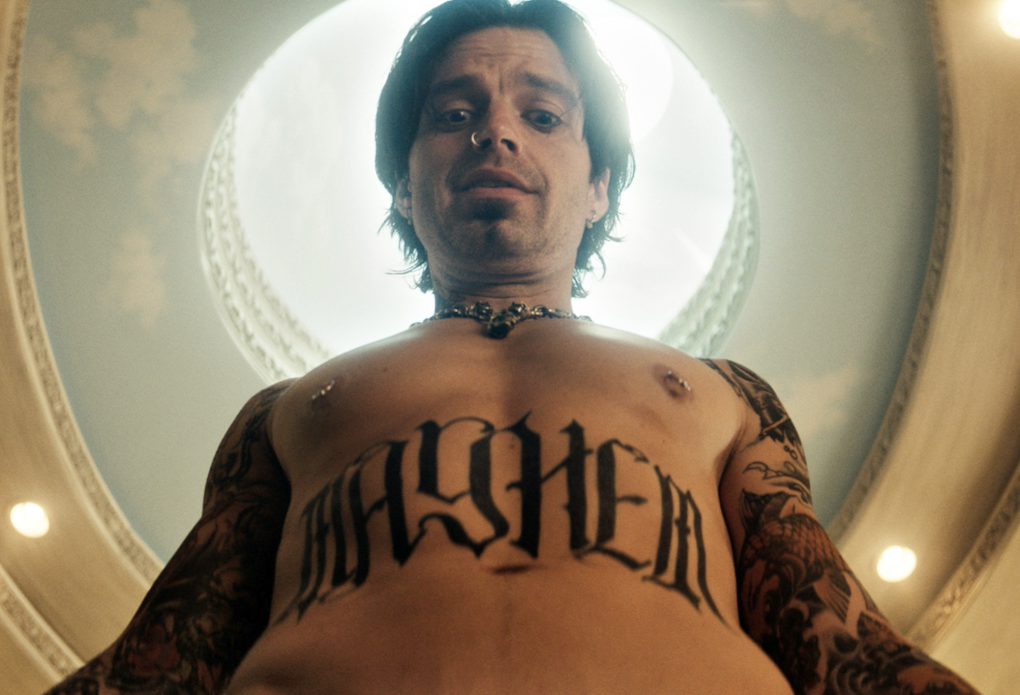
"caption": "Stan Sebastian's Tommy Lee, in conversation with his crotch in 'Pam & Tommy'.",
"description": null,
"title": "Stan Sebastian's Tommy Lee, in conversation with his crotch in 'Pam & Tommy'.",
"credit": "Hulu",
"status": "inherit",
"altTag": "A naked man is seen from the waist up, as he stares down towards the camera. He has black hair, nipple piercings, heavily tattooed arms and the word 'MAYHEM' tattooed in block letters across his torso.",
"isLoading": false,
"fetchFailed": false
},
"arts_13908916": {
"type": "attachments",
"id": "arts_13908916",
"meta": {
"index": "attachments_1716263798",
"site": "arts",
"id": "13908916",
"found": true
},
"parent": 13908915,
"imgSizes": {
"twentyfourteen-full-width": {
"file": "https://ww2.kqed.org/app/uploads/sites/2/2022/02/pat_102_es_06630rt-ddfbf2d9cc2c7ddfcbf6a3de861e90048bf643a1-1038x576.jpg",
"width": 1038,
"mimeType": "image/jpeg",
"height": 576
},
"thumbnail": {
"file": "https://ww2.kqed.org/app/uploads/sites/2/2022/02/pat_102_es_06630rt-ddfbf2d9cc2c7ddfcbf6a3de861e90048bf643a1-160x120.jpg",
"width": 160,
"mimeType": "image/jpeg",
"height": 120
},
"post-thumbnail": {
"file": "https://ww2.kqed.org/app/uploads/sites/2/2022/02/pat_102_es_06630rt-ddfbf2d9cc2c7ddfcbf6a3de861e90048bf643a1-672x372.jpg",
"width": 672,
"mimeType": "image/jpeg",
"height": 372
},
"kqedFullSize": {
"file": "https://ww2.kqed.org/app/uploads/sites/2/2022/02/pat_102_es_06630rt-ddfbf2d9cc2c7ddfcbf6a3de861e90048bf643a1-scaled-e1643915003513.jpg",
"width": 1920,
"height": 1440
},
"2048x2048": {
"file": "https://ww2.kqed.org/app/uploads/sites/2/2022/02/pat_102_es_06630rt-ddfbf2d9cc2c7ddfcbf6a3de861e90048bf643a1-2048x1536.jpg",
"width": 2048,
"mimeType": "image/jpeg",
"height": 1536
},
"large": {
"file": "https://ww2.kqed.org/app/uploads/sites/2/2022/02/pat_102_es_06630rt-ddfbf2d9cc2c7ddfcbf6a3de861e90048bf643a1-1020x765.jpg",
"width": 1020,
"mimeType": "image/jpeg",
"height": 765
},
"1536x1536": {
"file": "https://ww2.kqed.org/app/uploads/sites/2/2022/02/pat_102_es_06630rt-ddfbf2d9cc2c7ddfcbf6a3de861e90048bf643a1-1536x1152.jpg",
"width": 1536,
"mimeType": "image/jpeg",
"height": 1152
},
"full-width": {
"file": "https://ww2.kqed.org/app/uploads/sites/2/2022/02/pat_102_es_06630rt-ddfbf2d9cc2c7ddfcbf6a3de861e90048bf643a1-1920x1440.jpg",
"width": 1920,
"mimeType": "image/jpeg",
"height": 1440
},
"medium": {
"file": "https://ww2.kqed.org/app/uploads/sites/2/2022/02/pat_102_es_06630rt-ddfbf2d9cc2c7ddfcbf6a3de861e90048bf643a1-800x600.jpg",
"width": 800,
"mimeType": "image/jpeg",
"height": 600
},
"medium_large": {
"file": "https://ww2.kqed.org/app/uploads/sites/2/2022/02/pat_102_es_06630rt-ddfbf2d9cc2c7ddfcbf6a3de861e90048bf643a1-768x576.jpg",
"width": 768,
"mimeType": "image/jpeg",
"height": 576
}
},
"publishDate": 1643914019,
"modified": 1643915100,
"caption": "Tommy (Sebastian Stan) and Pam (Lily James) in 'Pam & Tommy.'",
"description": null,
"title": "Tommy (Sebastian Stan) and Pam (Lily James) in 'Pam & Tommy.'",
"credit": "Erin Simkin/Hulu",
"status": "inherit",
"altTag": "A tattooed man with one arm raised and another around a beautiful blonde woman stand before the ocean, celebrating.",
"isLoading": false,
"fetchFailed": false
},
"arts_13908284": {
"type": "attachments",
"id": "arts_13908284",
"meta": {
"index": "attachments_1716263798",
"site": "arts",
"id": "13908284",
"found": true
},
"parent": 13908283,
"imgSizes": {
"twentyfourteen-full-width": {
"file": "https://ww2.kqed.org/app/uploads/sites/2/2022/01/himyf_102_pw_00566rt-1-8e0eb5ad143e494bdfce1fe3e6a6c24ce20e3dca-1038x576.jpg",
"width": 1038,
"mimeType": "image/jpeg",
"height": 576
},
"thumbnail": {
"file": "https://ww2.kqed.org/app/uploads/sites/2/2022/01/himyf_102_pw_00566rt-1-8e0eb5ad143e494bdfce1fe3e6a6c24ce20e3dca-160x120.jpg",
"width": 160,
"mimeType": "image/jpeg",
"height": 120
},
"post-thumbnail": {
"file": "https://ww2.kqed.org/app/uploads/sites/2/2022/01/himyf_102_pw_00566rt-1-8e0eb5ad143e494bdfce1fe3e6a6c24ce20e3dca-672x372.jpg",
"width": 672,
"mimeType": "image/jpeg",
"height": 372
},
"kqedFullSize": {
"file": "https://ww2.kqed.org/app/uploads/sites/2/2022/01/himyf_102_pw_00566rt-1-8e0eb5ad143e494bdfce1fe3e6a6c24ce20e3dca-scaled.jpg",
"width": 2560,
"height": 1920
},
"2048x2048": {
"file": "https://ww2.kqed.org/app/uploads/sites/2/2022/01/himyf_102_pw_00566rt-1-8e0eb5ad143e494bdfce1fe3e6a6c24ce20e3dca-2048x1536.jpg",
"width": 2048,
"mimeType": "image/jpeg",
"height": 1536
},
"large": {
"file": "https://ww2.kqed.org/app/uploads/sites/2/2022/01/himyf_102_pw_00566rt-1-8e0eb5ad143e494bdfce1fe3e6a6c24ce20e3dca-1020x765.jpg",
"width": 1020,
"mimeType": "image/jpeg",
"height": 765
},
"1536x1536": {
"file": "https://ww2.kqed.org/app/uploads/sites/2/2022/01/himyf_102_pw_00566rt-1-8e0eb5ad143e494bdfce1fe3e6a6c24ce20e3dca-1536x1152.jpg",
"width": 1536,
"mimeType": "image/jpeg",
"height": 1152
},
"full-width": {
"file": "https://ww2.kqed.org/app/uploads/sites/2/2022/01/himyf_102_pw_00566rt-1-8e0eb5ad143e494bdfce1fe3e6a6c24ce20e3dca-1920x1440.jpg",
"width": 1920,
"mimeType": "image/jpeg",
"height": 1440
},
"medium": {
"file": "https://ww2.kqed.org/app/uploads/sites/2/2022/01/himyf_102_pw_00566rt-1-8e0eb5ad143e494bdfce1fe3e6a6c24ce20e3dca-800x600.jpg",
"width": 800,
"mimeType": "image/jpeg",
"height": 600
},
"medium_large": {
"file": "https://ww2.kqed.org/app/uploads/sites/2/2022/01/himyf_102_pw_00566rt-1-8e0eb5ad143e494bdfce1fe3e6a6c24ce20e3dca-768x576.jpg",
"width": 768,
"mimeType": "image/jpeg",
"height": 576
}
},
"publishDate": 1642547135,
"modified": 1642547336,
"caption": "Sophie (Hilary Duff) and Valentina (Francia Raisa) star in 'How I Met Your Father.'",
"description": "How I Met Your Father -- “FOMO” - Episode 102 -- Determined to try and live in the moment, Sophie and the gang head to an exclusive new club for a wild night out. Valentina has doubts about her relationship with Charlie. Sid pushes Jesse to be open to love. Ellen tries her luck with women at the club. Sophie (Hilary Duff) and Valentina (Francia Raisa), shown. (Photo by: Patrick Wymore/Hulu)",
"title": "Sophie (Hilary Duff) and Valentina (Francia Raisa) star in How I Met Your Father, premiering Jan. 18 on Hulu.",
"credit": "Patrick Wymore/Hulu",
"status": "inherit",
"altTag": "Two young women hold coffees and look at a phone together",
"isLoading": false,
"fetchFailed": false
},
"arts_13907777": {
"type": "attachments",
"id": "arts_13907777",
"meta": {
"index": "attachments_1716263798",
"site": "arts",
"id": "13907777",
"found": true
},
"parent": 13907776,
"imgSizes": {
"twentyfourteen-full-width": {
"file": "https://ww2.kqed.org/app/uploads/sites/2/2022/01/gettyimages-1237525461-05af93f58bcfc14458e4579a1a181423cc83e5b2-1038x576.jpg",
"width": 1038,
"mimeType": "image/jpeg",
"height": 576
},
"thumbnail": {
"file": "https://ww2.kqed.org/app/uploads/sites/2/2022/01/gettyimages-1237525461-05af93f58bcfc14458e4579a1a181423cc83e5b2-160x120.jpg",
"width": 160,
"mimeType": "image/jpeg",
"height": 120
},
"post-thumbnail": {
"file": "https://ww2.kqed.org/app/uploads/sites/2/2022/01/gettyimages-1237525461-05af93f58bcfc14458e4579a1a181423cc83e5b2-672x372.jpg",
"width": 672,
"mimeType": "image/jpeg",
"height": 372
},
"kqedFullSize": {
"file": "https://ww2.kqed.org/app/uploads/sites/2/2022/01/gettyimages-1237525461-05af93f58bcfc14458e4579a1a181423cc83e5b2-scaled-e1641496338205.jpg",
"width": 1920,
"height": 1440
},
"2048x2048": {
"file": "https://ww2.kqed.org/app/uploads/sites/2/2022/01/gettyimages-1237525461-05af93f58bcfc14458e4579a1a181423cc83e5b2-2048x1536.jpg",
"width": 2048,
"mimeType": "image/jpeg",
"height": 1536
},
"large": {
"file": "https://ww2.kqed.org/app/uploads/sites/2/2022/01/gettyimages-1237525461-05af93f58bcfc14458e4579a1a181423cc83e5b2-1020x765.jpg",
"width": 1020,
"mimeType": "image/jpeg",
"height": 765
},
"1536x1536": {
"file": "https://ww2.kqed.org/app/uploads/sites/2/2022/01/gettyimages-1237525461-05af93f58bcfc14458e4579a1a181423cc83e5b2-1536x1152.jpg",
"width": 1536,
"mimeType": "image/jpeg",
"height": 1152
},
"full-width": {
"file": "https://ww2.kqed.org/app/uploads/sites/2/2022/01/gettyimages-1237525461-05af93f58bcfc14458e4579a1a181423cc83e5b2-1920x1440.jpg",
"width": 1920,
"mimeType": "image/jpeg",
"height": 1440
},
"medium": {
"file": "https://ww2.kqed.org/app/uploads/sites/2/2022/01/gettyimages-1237525461-05af93f58bcfc14458e4579a1a181423cc83e5b2-800x600.jpg",
"width": 800,
"mimeType": "image/jpeg",
"height": 600
},
"medium_large": {
"file": "https://ww2.kqed.org/app/uploads/sites/2/2022/01/gettyimages-1237525461-05af93f58bcfc14458e4579a1a181423cc83e5b2-768x576.jpg",
"width": 768,
"mimeType": "image/jpeg",
"height": 576
}
},
"publishDate": 1641494686,
"modified": 1641496464,
"caption": "Elizabeth Holmes and partner Billy Evans walk outside the federal court in San Jose, California on January 3, 2022. She was found guilty of four counts of tricking investors into pouring money into what she claimed was a revolutionary testing system.",
"description": null,
"title": "Elizabeth Holmes and partner Billy Evans walk outside the federal court in San Jose, California on January 3, 2022. She was found guilty of four counts of tricking investors into pouring money into what she claimed was a revolutionary testing system.",
"credit": "NICK OTTO/AFP via Getty Images",
"status": "inherit",
"altTag": null,
"isLoading": false,
"fetchFailed": false
},
"arts_13904636": {
"type": "attachments",
"id": "arts_13904636",
"meta": {
"index": "attachments_1716263798",
"site": "arts",
"id": "13904636",
"found": true
},
"parent": 13904635,
"imgSizes": {
"twentyfourteen-full-width": {
"file": "https://ww2.kqed.org/app/uploads/sites/2/2021/10/dopesick-deaver-1-af3bd0594cb93bc0814c4a21ef2a319445d74bd1-2-1038x576.jpe",
"width": 1038,
"mimeType": "image/jpeg",
"height": 576
},
"thumbnail": {
"file": "https://ww2.kqed.org/app/uploads/sites/2/2021/10/dopesick-deaver-1-af3bd0594cb93bc0814c4a21ef2a319445d74bd1-2-160x120.jpe",
"width": 160,
"mimeType": "image/jpeg",
"height": 120
},
"post-thumbnail": {
"file": "https://ww2.kqed.org/app/uploads/sites/2/2021/10/dopesick-deaver-1-af3bd0594cb93bc0814c4a21ef2a319445d74bd1-2-672x372.jpe",
"width": 672,
"mimeType": "image/jpeg",
"height": 372
},
"kqedFullSize": {
"file": "https://ww2.kqed.org/app/uploads/sites/2/2021/10/dopesick-deaver-1-af3bd0594cb93bc0814c4a21ef2a319445d74bd1-2-scaled-e1634239666992.jpe",
"width": 1920,
"height": 1440
},
"2048x2048": {
"file": "https://ww2.kqed.org/app/uploads/sites/2/2021/10/dopesick-deaver-1-af3bd0594cb93bc0814c4a21ef2a319445d74bd1-2-2048x1536.jpe",
"width": 2048,
"mimeType": "image/jpeg",
"height": 1536
},
"large": {
"file": "https://ww2.kqed.org/app/uploads/sites/2/2021/10/dopesick-deaver-1-af3bd0594cb93bc0814c4a21ef2a319445d74bd1-2-1020x765.jpe",
"width": 1020,
"mimeType": "image/jpeg",
"height": 765
},
"1536x1536": {
"file": "https://ww2.kqed.org/app/uploads/sites/2/2021/10/dopesick-deaver-1-af3bd0594cb93bc0814c4a21ef2a319445d74bd1-2-1536x1152.jpe",
"width": 1536,
"mimeType": "image/jpeg",
"height": 1152
},
"full-width": {
"file": "https://ww2.kqed.org/app/uploads/sites/2/2021/10/dopesick-deaver-1-af3bd0594cb93bc0814c4a21ef2a319445d74bd1-2-1920x1440.jpe",
"width": 1920,
"mimeType": "image/jpeg",
"height": 1440
},
"medium": {
"file": "https://ww2.kqed.org/app/uploads/sites/2/2021/10/dopesick-deaver-1-af3bd0594cb93bc0814c4a21ef2a319445d74bd1-2-800x600.jpe",
"width": 800,
"mimeType": "image/jpeg",
"height": 600
},
"medium_large": {
"file": "https://ww2.kqed.org/app/uploads/sites/2/2021/10/dopesick-deaver-1-af3bd0594cb93bc0814c4a21ef2a319445d74bd1-2-768x576.jpe",
"width": 768,
"mimeType": "image/jpeg",
"height": 576
}
},
"publishDate": 1634238596,
"modified": 1634239806,
"caption": "Kaitlyn Dever plays Betsy, a young miner who takes OxyContin for a back injury.",
"description": "Kaitlyn Dever plays Betsy, a young miner who takes OxyContin for a back injury.",
"title": "Kaitlyn Dever plays Betsy, a young miner who takes OxyContin for a back injury.",
"credit": null,
"status": "inherit",
"altTag": "A young woman wearing a miner's helmet, her face smudged with coal, glances cautiously to her right.",
"isLoading": false,
"fetchFailed": false
},
"arts_13903896": {
"type": "attachments",
"id": "arts_13903896",
"meta": {
"index": "attachments_1716263798",
"site": "arts",
"id": "13903896",
"found": true
},
"parent": 13903795,
"imgSizes": {
"twentyfourteen-full-width": {
"file": "https://ww2.kqed.org/app/uploads/sites/2/2021/09/GettyImages-610280976-1038x576.jpg",
"width": 1038,
"mimeType": "image/jpeg",
"height": 576
},
"thumbnail": {
"file": "https://ww2.kqed.org/app/uploads/sites/2/2021/09/GettyImages-610280976-160x114.jpg",
"width": 160,
"mimeType": "image/jpeg",
"height": 114
},
"post-thumbnail": {
"file": "https://ww2.kqed.org/app/uploads/sites/2/2021/09/GettyImages-610280976-672x372.jpg",
"width": 672,
"mimeType": "image/jpeg",
"height": 372
},
"kqedFullSize": {
"file": "https://ww2.kqed.org/app/uploads/sites/2/2021/09/GettyImages-610280976-scaled.jpg",
"width": 2560,
"height": 1829
},
"2048x2048": {
"file": "https://ww2.kqed.org/app/uploads/sites/2/2021/09/GettyImages-610280976-2048x1463.jpg",
"width": 2048,
"mimeType": "image/jpeg",
"height": 1463
},
"large": {
"file": "https://ww2.kqed.org/app/uploads/sites/2/2021/09/GettyImages-610280976-1020x729.jpg",
"width": 1020,
"mimeType": "image/jpeg",
"height": 729
},
"1536x1536": {
"file": "https://ww2.kqed.org/app/uploads/sites/2/2021/09/GettyImages-610280976-1536x1097.jpg",
"width": 1536,
"mimeType": "image/jpeg",
"height": 1097
},
"full-width": {
"file": "https://ww2.kqed.org/app/uploads/sites/2/2021/09/GettyImages-610280976-1920x1371.jpg",
"width": 1920,
"mimeType": "image/jpeg",
"height": 1371
},
"medium": {
"file": "https://ww2.kqed.org/app/uploads/sites/2/2021/09/GettyImages-610280976-800x571.jpg",
"width": 800,
"mimeType": "image/jpeg",
"height": 571
},
"medium_large": {
"file": "https://ww2.kqed.org/app/uploads/sites/2/2021/09/GettyImages-610280976-768x549.jpg",
"width": 768,
"mimeType": "image/jpeg",
"height": 549
}
},
"publishDate": 1632862588,
"modified": 1632862685,
"caption": "Britney Spears performing at an iHeartRadio event in Las Vegas, 2016.",
"description": "Britney Spears performing at an iHeartRadio event in Las Vegas, 2016.",
"title": "Britney Spears performing at an iHeartRadio event in Las Vegas, 2016.",
"credit": "Isaac Brekken/Getty Images for iHeartMedia",
"status": "inherit",
"altTag": null,
"isLoading": false,
"fetchFailed": false
},
"arts_13901226": {
"type": "attachments",
"id": "arts_13901226",
"meta": {
"index": "attachments_1716263798",
"site": "arts",
"id": "13901226",
"found": true
},
"parent": 13901157,
"imgSizes": {
"twentyfourteen-full-width": {
"file": "https://ww2.kqed.org/app/uploads/sites/2/2021/08/Homeroom_081121_030-1038x576.jpg",
"width": 1038,
"mimeType": "image/jpeg",
"height": 576
},
"thumbnail": {
"file": "https://ww2.kqed.org/app/uploads/sites/2/2021/08/Homeroom_081121_030-160x115.jpg",
"width": 160,
"mimeType": "image/jpeg",
"height": 115
},
"post-thumbnail": {
"file": "https://ww2.kqed.org/app/uploads/sites/2/2021/08/Homeroom_081121_030-672x372.jpg",
"width": 672,
"mimeType": "image/jpeg",
"height": 372
},
"kqedFullSize": {
"file": "https://ww2.kqed.org/app/uploads/sites/2/2021/08/Homeroom_081121_030.jpg",
"width": 2400,
"height": 1723
},
"2048x2048": {
"file": "https://ww2.kqed.org/app/uploads/sites/2/2021/08/Homeroom_081121_030-2048x1470.jpg",
"width": 2048,
"mimeType": "image/jpeg",
"height": 1470
},
"large": {
"file": "https://ww2.kqed.org/app/uploads/sites/2/2021/08/Homeroom_081121_030-1020x732.jpg",
"width": 1020,
"mimeType": "image/jpeg",
"height": 732
},
"1536x1536": {
"file": "https://ww2.kqed.org/app/uploads/sites/2/2021/08/Homeroom_081121_030-1536x1103.jpg",
"width": 1536,
"mimeType": "image/jpeg",
"height": 1103
},
"full-width": {
"file": "https://ww2.kqed.org/app/uploads/sites/2/2021/08/Homeroom_081121_030-1920x1378.jpg",
"width": 1920,
"mimeType": "image/jpeg",
"height": 1378
},
"medium": {
"file": "https://ww2.kqed.org/app/uploads/sites/2/2021/08/Homeroom_081121_030-800x574.jpg",
"width": 800,
"mimeType": "image/jpeg",
"height": 574
},
"medium_large": {
"file": "https://ww2.kqed.org/app/uploads/sites/2/2021/08/Homeroom_081121_030-768x551.jpg",
"width": 768,
"mimeType": "image/jpeg",
"height": 551
}
},
"publishDate": 1628809310,
"modified": 1628809400,
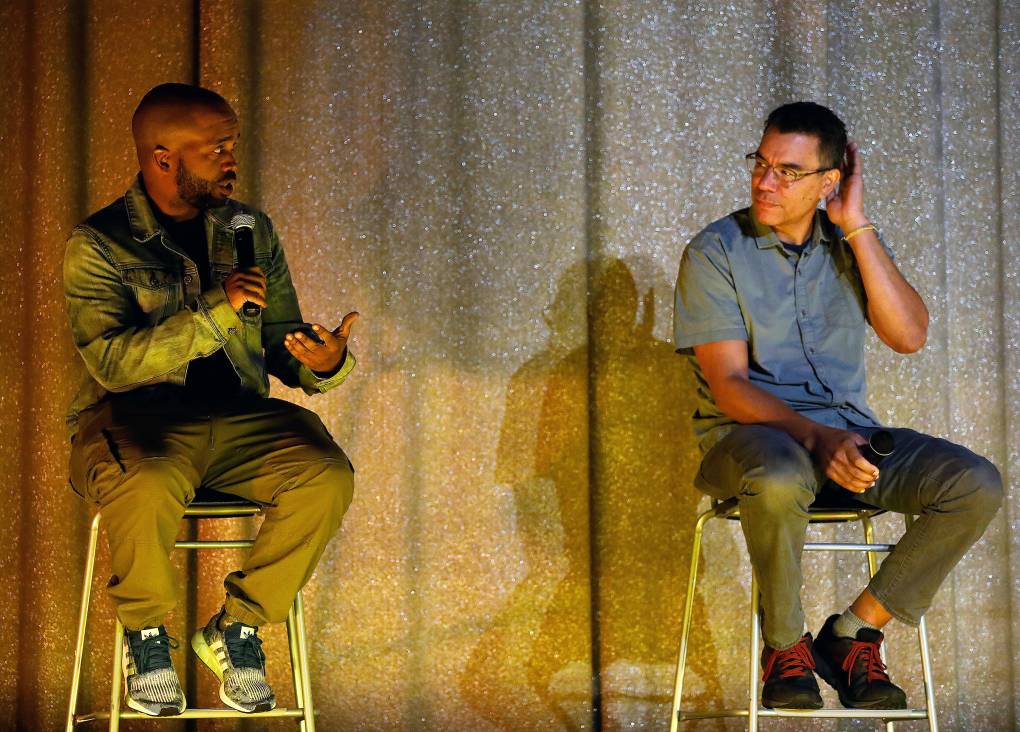
"caption": "Pendarvis Harshaw and Pete Nicks sit in chairs on stage at Oakland's Grand Lake Theatre discussing the film Homeroom.",
"description": "Pendarvis Harshaw and Pete Nicks sit in chairs on stage at Oakland's Grand Lake Theatre discussing the film Homeroom.",
"title": "Pendarvis Harshaw and Pete Nicks sit in chairs on stage at Oakland's Grand Lake Theatre discussing the film Homeroom.",
"credit": "Craig Lee/Hulu",
"status": "inherit",
"altTag": "Pendarvis Harshaw and Pete Nicks sit in chairs on stage at Oakland's Grand Lake Theatre discussing the film Homeroom.",
"isLoading": false,
"fetchFailed": false
},
"arts_13900847": {
"type": "attachments",
"id": "arts_13900847",
"meta": {
"index": "attachments_1716263798",
"site": "arts",
"id": "13900847",
"found": true
},
"parent": 13900846,
"imgSizes": {
"twentyfourteen-full-width": {
"file": "https://ww2.kqed.org/app/uploads/sites/2/2021/08/episode_7_-_designer_andrea_pitter_in_design_studio_4-38dc7a50aeb4260d89c52c25c091b34bbae22ba0-1038x576.jpg",
"width": 1038,
"mimeType": "image/jpeg",
"height": 576
},
"thumbnail": {
"file": "https://ww2.kqed.org/app/uploads/sites/2/2021/08/episode_7_-_designer_andrea_pitter_in_design_studio_4-38dc7a50aeb4260d89c52c25c091b34bbae22ba0-160x120.jpg",
"width": 160,
"mimeType": "image/jpeg",
"height": 120
},
"post-thumbnail": {
"file": "https://ww2.kqed.org/app/uploads/sites/2/2021/08/episode_7_-_designer_andrea_pitter_in_design_studio_4-38dc7a50aeb4260d89c52c25c091b34bbae22ba0-672x372.jpg",
"width": 672,
"mimeType": "image/jpeg",
"height": 372
},
"kqedFullSize": {
"file": "https://ww2.kqed.org/app/uploads/sites/2/2021/08/episode_7_-_designer_andrea_pitter_in_design_studio_4-38dc7a50aeb4260d89c52c25c091b34bbae22ba0-scaled-e1628278897827.jpg",
"width": 1920,
"height": 1440
},
"2048x2048": {
"file": "https://ww2.kqed.org/app/uploads/sites/2/2021/08/episode_7_-_designer_andrea_pitter_in_design_studio_4-38dc7a50aeb4260d89c52c25c091b34bbae22ba0-2048x1536.jpg",
"width": 2048,
"mimeType": "image/jpeg",
"height": 1536
},
"large": {
"file": "https://ww2.kqed.org/app/uploads/sites/2/2021/08/episode_7_-_designer_andrea_pitter_in_design_studio_4-38dc7a50aeb4260d89c52c25c091b34bbae22ba0-1020x765.jpg",
"width": 1020,
"mimeType": "image/jpeg",
"height": 765
},
"1536x1536": {
"file": "https://ww2.kqed.org/app/uploads/sites/2/2021/08/episode_7_-_designer_andrea_pitter_in_design_studio_4-38dc7a50aeb4260d89c52c25c091b34bbae22ba0-1536x1152.jpg",
"width": 1536,
"mimeType": "image/jpeg",
"height": 1152
},
"full-width": {
"file": "https://ww2.kqed.org/app/uploads/sites/2/2021/08/episode_7_-_designer_andrea_pitter_in_design_studio_4-38dc7a50aeb4260d89c52c25c091b34bbae22ba0-1920x1440.jpg",
"width": 1920,
"mimeType": "image/jpeg",
"height": 1440
},
"medium": {
"file": "https://ww2.kqed.org/app/uploads/sites/2/2021/08/episode_7_-_designer_andrea_pitter_in_design_studio_4-38dc7a50aeb4260d89c52c25c091b34bbae22ba0-800x600.jpg",
"width": 800,
"mimeType": "image/jpeg",
"height": 600
},
"medium_large": {
"file": "https://ww2.kqed.org/app/uploads/sites/2/2021/08/episode_7_-_designer_andrea_pitter_in_design_studio_4-38dc7a50aeb4260d89c52c25c091b34bbae22ba0-768x576.jpg",
"width": 768,
"mimeType": "image/jpeg",
"height": 576
}
},
"publishDate": 1628277694,
"modified": 1628278944,
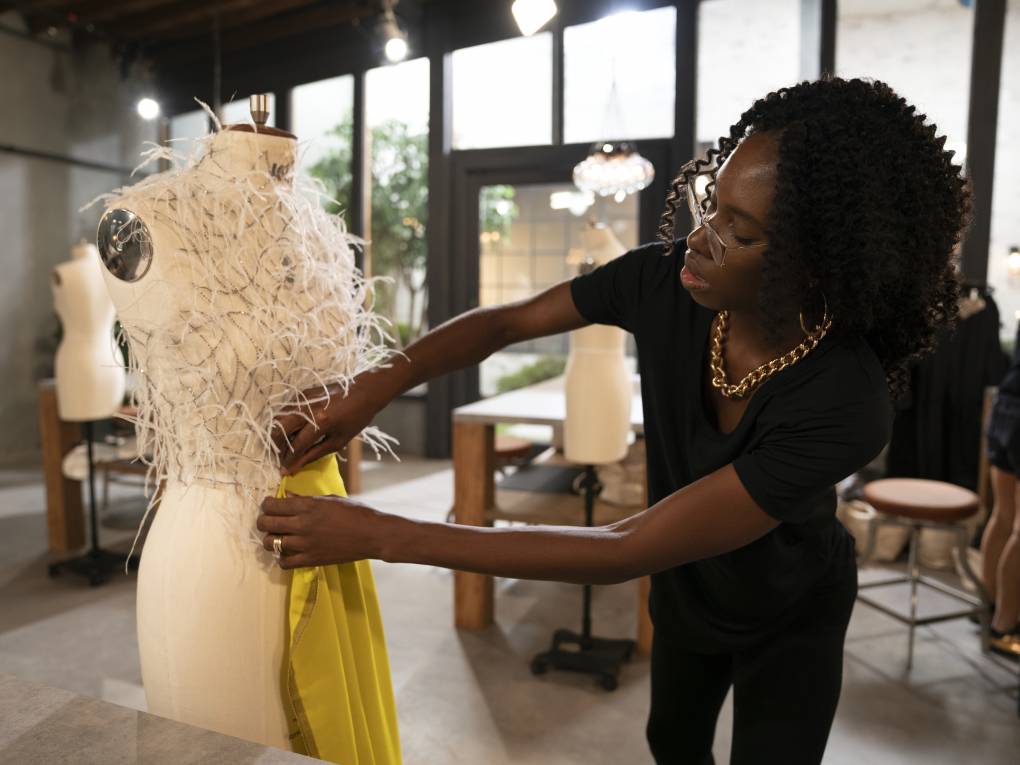
"caption": "Designer Andrea Pitter competing on season two of 'Making the Cut.'",
"description": "Designer Andrea Pitter competing on season two of 'Making the Cut.'",
"title": "Designer Andrea Pitter competing on season two of 'Making the Cut.'",
"credit": "Ali Goldstein/Ali Goldstein/Amazon Prime Video",
"status": "inherit",
"altTag": "Designer Andrea Pitter competing on season two of 'Making the Cut.'",
"isLoading": false,
"fetchFailed": false
},
"arts_13897864": {
"type": "attachments",
"id": "arts_13897864",
"meta": {
"index": "attachments_1716263798",
"site": "arts",
"id": "13897864",
"found": true
},
"parent": 13897829,
"imgSizes": {
"twentyfourteen-full-width": {
"file": "https://ww2.kqed.org/app/uploads/sites/2/2021/05/10460925-1038x576.jpg",
"width": 1038,
"mimeType": "image/jpeg",
"height": 576
},
"thumbnail": {
"file": "https://ww2.kqed.org/app/uploads/sites/2/2021/05/10460925-160x84.jpg",
"width": 160,
"mimeType": "image/jpeg",
"height": 84
},
"post-thumbnail": {
"file": "https://ww2.kqed.org/app/uploads/sites/2/2021/05/10460925-672x372.jpg",
"width": 672,
"mimeType": "image/jpeg",
"height": 372
},
"kqedFullSize": {
"file": "https://ww2.kqed.org/app/uploads/sites/2/2021/05/10460925.jpg",
"width": 2000,
"height": 1050
},
"large": {
"file": "https://ww2.kqed.org/app/uploads/sites/2/2021/05/10460925-1020x536.jpg",
"width": 1020,
"mimeType": "image/jpeg",
"height": 536
},
"1536x1536": {
"file": "https://ww2.kqed.org/app/uploads/sites/2/2021/05/10460925-1536x806.jpg",
"width": 1536,
"mimeType": "image/jpeg",
"height": 806
},
"full-width": {
"file": "https://ww2.kqed.org/app/uploads/sites/2/2021/05/10460925-1920x1008.jpg",
"width": 1920,
"mimeType": "image/jpeg",
"height": 1008
},
"medium": {
"file": "https://ww2.kqed.org/app/uploads/sites/2/2021/05/10460925-800x420.jpg",
"width": 800,
"mimeType": "image/jpeg",
"height": 420
},
"medium_large": {
"file": "https://ww2.kqed.org/app/uploads/sites/2/2021/05/10460925-768x403.jpg",
"width": 768,
"mimeType": "image/jpeg",
"height": 403
}
},
"publishDate": 1621986928,
"modified": 1621986966,
"caption": "Aidy Bryant starring as Annie Easton in the third, and final, season of 'Shrill.'",
"description": "Aidy Bryant starring as Annie Easton in the third, and final, season of 'Shrill.'",
"title": "Aidy Bryant starring as Annie Easton in the third, and final, season of 'Shrill.'",
"credit": "Hulu",
"status": "inherit",
"altTag": "Aidy Bryant starring as Annie Easton in the third, and final, season of 'Shrill.'",
"isLoading": false,
"fetchFailed": false
},
"arts_13898091": {
"type": "attachments",
"id": "arts_13898091",
"meta": {
"index": "attachments_1716263798",
"site": "arts",
"id": "13898091",
"found": true
},
"parent": 13898090,
"imgSizes": {
"twentyfourteen-full-width": {
"file": "https://ww2.kqed.org/app/uploads/sites/2/2021/05/planb-d7-br_0157rt-1_wide-a5391a37c907f332247fe5dc4424ce1674859e4d-1038x576.jpg",
"width": 1038,
"mimeType": "image/jpeg",
"height": 576
},
"thumbnail": {
"file": "https://ww2.kqed.org/app/uploads/sites/2/2021/05/planb-d7-br_0157rt-1_wide-a5391a37c907f332247fe5dc4424ce1674859e4d-160x90.jpg",
"width": 160,
"mimeType": "image/jpeg",
"height": 90
},
"post-thumbnail": {
"file": "https://ww2.kqed.org/app/uploads/sites/2/2021/05/planb-d7-br_0157rt-1_wide-a5391a37c907f332247fe5dc4424ce1674859e4d-672x372.jpg",
"width": 672,
"mimeType": "image/jpeg",
"height": 372
},
"kqedFullSize": {
"file": "https://ww2.kqed.org/app/uploads/sites/2/2021/05/planb-d7-br_0157rt-1_wide-a5391a37c907f332247fe5dc4424ce1674859e4d-scaled-e1622243129446.jpg",
"width": 1920,
"height": 1080
},
"2048x2048": {
"file": "https://ww2.kqed.org/app/uploads/sites/2/2021/05/planb-d7-br_0157rt-1_wide-a5391a37c907f332247fe5dc4424ce1674859e4d-2048x1152.jpg",
"width": 2048,
"mimeType": "image/jpeg",
"height": 1152
},
"large": {
"file": "https://ww2.kqed.org/app/uploads/sites/2/2021/05/planb-d7-br_0157rt-1_wide-a5391a37c907f332247fe5dc4424ce1674859e4d-1020x574.jpg",
"width": 1020,
"mimeType": "image/jpeg",
"height": 574
},
"1536x1536": {
"file": "https://ww2.kqed.org/app/uploads/sites/2/2021/05/planb-d7-br_0157rt-1_wide-a5391a37c907f332247fe5dc4424ce1674859e4d-1536x864.jpg",
"width": 1536,
"mimeType": "image/jpeg",
"height": 864
},
"full-width": {
"file": "https://ww2.kqed.org/app/uploads/sites/2/2021/05/planb-d7-br_0157rt-1_wide-a5391a37c907f332247fe5dc4424ce1674859e4d-1920x1080.jpg",
"width": 1920,
"mimeType": "image/jpeg",
"height": 1080
},
"medium": {
"file": "https://ww2.kqed.org/app/uploads/sites/2/2021/05/planb-d7-br_0157rt-1_wide-a5391a37c907f332247fe5dc4424ce1674859e4d-800x450.jpg",
"width": 800,
"mimeType": "image/jpeg",
"height": 450
},
"medium_large": {
"file": "https://ww2.kqed.org/app/uploads/sites/2/2021/05/planb-d7-br_0157rt-1_wide-a5391a37c907f332247fe5dc4424ce1674859e4d-768x432.jpg",
"width": 768,
"mimeType": "image/jpeg",
"height": 432
}
},
"publishDate": 1622242664,
"modified": 1622243171,
"caption": "Lupe (Victoria Moroles) and Sunny (Kuhoo Verma) are snubbed at the pharmacy when Lupe needs a morning-after pill.",
"description": "Lupe (Victoria Moroles) and Sunny (Kuhoo Verma) are snubbed at the pharmacy when Lupe needs a morning-after pill. ",
"title": "Lupe (Victoria Moroles) and Sunny (Kuhoo Verma) are snubbed at the pharmacy when Lupe needs a morning-after pill.",
"credit": "Brett Roedel/Hulu",
"status": "inherit",
"altTag": "Lupe (Victoria Moroles) and Sunny (Kuhoo Verma) are snubbed at the pharmacy when Lupe needs a morning-after pill.",
"isLoading": false,
"fetchFailed": false
},
"arts_13894908": {
"type": "attachments",
"id": "arts_13894908",
"meta": {
"index": "attachments_1716263798",
"site": "arts",
"id": "13894908",
"found": true
},
"parent": 13894889,
"imgSizes": {
"twentyfourteen-full-width": {
"file": "https://ww2.kqed.org/app/uploads/sites/2/2021/03/Screen-Shot-2021-03-31-at-10.36.28-AM-1038x576.png",
"width": 1038,
"mimeType": "image/png",
"height": 576
},
"thumbnail": {
"file": "https://ww2.kqed.org/app/uploads/sites/2/2021/03/Screen-Shot-2021-03-31-at-10.36.28-AM-160x95.png",
"width": 160,
"mimeType": "image/png",
"height": 95
},
"post-thumbnail": {
"file": "https://ww2.kqed.org/app/uploads/sites/2/2021/03/Screen-Shot-2021-03-31-at-10.36.28-AM-672x372.png",
"width": 672,
"mimeType": "image/png",
"height": 372
},
"kqedFullSize": {
"file": "https://ww2.kqed.org/app/uploads/sites/2/2021/03/Screen-Shot-2021-03-31-at-10.36.28-AM.png",
"width": 2490,
"height": 1486
},
"2048x2048": {
"file": "https://ww2.kqed.org/app/uploads/sites/2/2021/03/Screen-Shot-2021-03-31-at-10.36.28-AM-2048x1222.png",
"width": 2048,
"mimeType": "image/png",
"height": 1222
},
"large": {
"file": "https://ww2.kqed.org/app/uploads/sites/2/2021/03/Screen-Shot-2021-03-31-at-10.36.28-AM-1020x609.png",
"width": 1020,
"mimeType": "image/png",
"height": 609
},
"1536x1536": {
"file": "https://ww2.kqed.org/app/uploads/sites/2/2021/03/Screen-Shot-2021-03-31-at-10.36.28-AM-1536x917.png",
"width": 1536,
"mimeType": "image/png",
"height": 917
},
"full-width": {
"file": "https://ww2.kqed.org/app/uploads/sites/2/2021/03/Screen-Shot-2021-03-31-at-10.36.28-AM-1920x1146.png",
"width": 1920,
"mimeType": "image/png",
"height": 1146
},
"medium": {
"file": "https://ww2.kqed.org/app/uploads/sites/2/2021/03/Screen-Shot-2021-03-31-at-10.36.28-AM-800x477.png",
"width": 800,
"mimeType": "image/png",
"height": 477
},
"medium_large": {
"file": "https://ww2.kqed.org/app/uploads/sites/2/2021/03/Screen-Shot-2021-03-31-at-10.36.28-AM-768x458.png",
"width": 768,
"mimeType": "image/png",
"height": 458
}
},
"publishDate": 1617212372,
"modified": 1617212472,
"caption": "June (Elisabeth Moss) goes underground in Season 4 of 'The Handmaid's Tale.'",
"description": "June (Elisabeth Moss) goes underground in Season 4 of 'The Handmaid's Tale.'",
"title": "June (Elisabeth Moss) goes underground in Season 4 of 'The Handmaid's Tale.'",
"credit": "Hulu",
"status": "inherit",
"altTag": "June (Elisabeth Moss) goes underground in Season 4 of 'The Handmaid's Tale.'",
"isLoading": false,
"fetchFailed": false
}
},
"audioPlayerReducer": {
"postId": "stream_live",
"isPaused": true,
"isPlaying": false,
"pfsActive": false,
"pledgeModalIsOpen": true,
"playerDrawerIsOpen": false,
"liveAudioPlayStartedAt": 0,
"liveAudioPlayContext": ""
},
"authorsReducer": {
"byline_arts_13908915": {
"type": "authors",
"id": "byline_arts_13908915",
"meta": {
"override": true
},
"slug": "byline_arts_13908915",
"name": "Aisha Harris",
"isLoading": false
},
"byline_arts_13908283": {
"type": "authors",
"id": "byline_arts_13908283",
"meta": {
"override": true
},
"slug": "byline_arts_13908283",
"name": "Linda Holmes",
"isLoading": false
},
"byline_arts_13907776": {
"type": "authors",
"id": "byline_arts_13907776",
"meta": {
"override": true
},
"slug": "byline_arts_13907776",
"name": "Linda Holmes",
"isLoading": false
},
"byline_arts_13904635": {
"type": "authors",
"id": "byline_arts_13904635",
"meta": {
"override": true
},
"slug": "byline_arts_13904635",
"name": "Eric Deggans",
"isLoading": false
},
"byline_arts_13900846": {
"type": "authors",
"id": "byline_arts_13900846",
"meta": {
"override": true
},
"slug": "byline_arts_13900846",
"name": "Chris Klimek",
"isLoading": false
},
"byline_arts_13898090": {
"type": "authors",
"id": "byline_arts_13898090",
"meta": {
"override": true
},
"slug": "byline_arts_13898090",
"name": "Linda Holmes",
"isLoading": false
},
"kqedarts": {
"type": "authors",
"id": "92",
"meta": {
"index": "authors_1716337520",
"id": "92",
"found": true
},
"name": "KQED Arts",
"firstName": "KQED",
"lastName": "Arts",
"slug": "kqedarts",
"email": "arts@kqed.org",
"display_author_email": false,
"staff_mastheads": [],
"title": "KQED Staff",
"bio": null,
"avatar": "https://secure.gravatar.com/avatar/321c9ebfeb7736f9e55366a6d3399ab0?s=600&d=blank&r=g",
"twitter": null,
"facebook": null,
"instagram": "https://www.instagram.com/kqed_arts/",
"linkedin": null,
"sites": [
{
"site": "arts",
"roles": [
"contributor"
]
},
{
"site": "pop",
"roles": [
"contributor"
]
},
{
"site": "science",
"roles": [
"author"
]
},
{
"site": "food",
"roles": [
"contributor"
]
}
],
"headData": {
"title": "KQED Arts | KQED",
"description": "KQED Staff",
"ogImgSrc": "https://secure.gravatar.com/avatar/321c9ebfeb7736f9e55366a6d3399ab0?s=600&d=blank&r=g",
"twImgSrc": "https://secure.gravatar.com/avatar/321c9ebfeb7736f9e55366a6d3399ab0?s=600&d=blank&r=g"
},
"isLoading": false,
"link": "/author/kqedarts"
},
"ralexandra": {
"type": "authors",
"id": "11242",
"meta": {
"index": "authors_1716337520",
"id": "11242",
"found": true
},
"name": "Rae Alexandra",
"firstName": "Rae",
"lastName": "Alexandra",
"slug": "ralexandra",
"email": "ralexandra@kqed.org",
"display_author_email": true,
"staff_mastheads": [],
"title": "Reporter/Producer",
"bio": "Rae Alexandra is a Reporter/Producer for KQED Arts & Culture, and the creator/author of the \u003ca href=\"https://www.kqed.org/arts/program/rebel-girls-from-bay-area-history\">Rebel Girls From Bay Area History\u003c/a> and \u003ca href=\"https://www.kqed.org/bizarrebayarea\">Bizarre Bay Area\u003c/a> series. Her debut book, \u003ca href=\"https://citylights.com/politics-current-events-history/unsung-heroines35-women-who-changed/\">Unsung Heroines: 35 Women Who Changed the Bay Area\u003c/a> was published by City Lights in March 2026. In 2023, Rae was awarded an SPJ Excellence in Journalism Award for Arts & Culture. Rae was born and raised in Wales and subsequently — even after two decades in Northern California — still uses phrases that regularly baffle her coworkers.",
"avatar": "https://secure.gravatar.com/avatar/edfee8176c80cc0a382b051190f5341997df378a934a5774dcb0977732dfd401?s=600&d=blank&r=g",
"twitter": null,
"bluesky": null,
"facebook": null,
"instagram": null,
"linkedin": null,
"sites": [
{
"site": "arts",
"roles": [
"subscriber"
]
},
{
"site": "news",
"roles": [
"subscriber"
]
},
{
"site": "pop",
"roles": [
"subscriber"
]
},
{
"site": "bayareabites",
"roles": [
"subscriber"
]
},
{
"site": "science",
"roles": [
"subscriber"
]
}
],
"headData": {
"title": "Rae Alexandra | KQED",
"description": "Reporter/Producer",
"ogImgSrc": "https://secure.gravatar.com/avatar/edfee8176c80cc0a382b051190f5341997df378a934a5774dcb0977732dfd401?s=600&d=blank&r=g",
"twImgSrc": "https://secure.gravatar.com/avatar/edfee8176c80cc0a382b051190f5341997df378a934a5774dcb0977732dfd401?s=600&d=blank&r=g"
},
"isLoading": false,
"link": "/author/ralexandra"
},
"ogpenn": {
"type": "authors",
"id": "11491",
"meta": {
"index": "authors_1716337520",
"id": "11491",
"found": true
},
"name": "Pendarvis Harshaw",
"firstName": "Pendarvis",
"lastName": "Harshaw",
"slug": "ogpenn",
"email": "ogpenn@gmail.com",
"display_author_email": false,
"staff_mastheads": [
"arts"
],
"title": "Community Engagement Reporter",
"bio": "Pendarvis Harshaw is an educator, host and writer with KQED Arts.",
"avatar": "https://secure.gravatar.com/avatar/972b77ee8e3f346ae2b00622661187fbfabd059b5693bbdc1475ea7a722fd4cd?s=600&d=blank&r=g",
"twitter": null,
"bluesky": null,
"facebook": null,
"instagram": "ogpenn",
"linkedin": null,
"sites": [
{
"site": "arts",
"roles": [
"administrator"
]
},
{
"site": "news",
"roles": [
"editor"
]
},
{
"site": "bayareabites",
"roles": [
"author"
]
},
{
"site": "hiphop",
"roles": [
"editor"
]
}
],
"headData": {
"title": "Pendarvis Harshaw | KQED",
"description": "Community Engagement Reporter",
"ogImgSrc": "https://secure.gravatar.com/avatar/972b77ee8e3f346ae2b00622661187fbfabd059b5693bbdc1475ea7a722fd4cd?s=600&d=blank&r=g",
"twImgSrc": "https://secure.gravatar.com/avatar/972b77ee8e3f346ae2b00622661187fbfabd059b5693bbdc1475ea7a722fd4cd?s=600&d=blank&r=g"
},
"isLoading": false,
"link": "/author/ogpenn"
}
},
"pagesReducer": {
"arts_tag_hulu": {
"type": "terms",
"id": "arts_5234",
"meta": {
"index": "terms_1716263798",
"site": "arts",
"id": "5234",
"score": 9.105566
},
"featImg": null,
"name": "Hulu",
"description": null,
"taxonomy": "tag",
"headData": {
"twImgId": null,
"twTitle": null,
"ogTitle": null,
"ogImgId": null,
"twDescription": null,
"description": null,
"title": "Hulu Archives | KQED Arts",
"ogDescription": null
},
"ttid": 5246,
"slug": "hulu",
"isLoading": false,
"title": "Hulu",
"pageMeta": {
"site": "arts",
"WpPageTemplate": "page-topic-editorial",
"currentPage": 3
},
"blocks": [
{
"blockName": "kqed/post-list",
"attrs": {
"layout": "cardArticle2",
"query": "posts/arts?tag=hulu",
"seeMore": false,
"paginated": true,
"page": 3
}
},
{
"blockName": "kqed/ad"
}
]
}
},
"pfsSessionReducer": {},
"postsReducer": {
"stream_live": {
"type": "live",
"id": "stream_live",
"audioUrl": "https://streams.kqed.org/kqedradio",
"title": "Live Stream",
"excerpt": "Live Stream information currently unavailable.",
"link": "/radio",
"featImg": "",
"label": {
"name": "KQED Live",
"link": "/"
}
},
"stream_kqedNewscast": {
"type": "posts",
"id": "stream_kqedNewscast",
"audioUrl": "https://www.kqed.org/.stream/anon/radio/RDnews/newscast.mp3?_=1",
"title": "KQED Newscast",
"featImg": "",
"label": {
"name": "88.5 FM",
"link": "/"
}
},
"arts_13910084": {
"type": "posts",
"id": "arts_13910084",
"meta": {
"index": "posts_1716263798",
"site": "arts",
"id": "13910084",
"score": null,
"sort": [
1646353356000
]
},
"parent": 0,
"labelTerm": {
"site": "arts",
"term": 137
},
"blocks": [],
"publishDate": 1646353356,
"format": "standard",
"title": "'The Dropout' Dares to Ask: How Did Theranos Get Away With All This?",
"headTitle": "‘The Dropout’ Dares to Ask: How Did Theranos Get Away With All This? | KQED",
"content": "\u003cp>What does she do about the voice? That’s the first question, right?\u003c/p>\n\u003cp>Amanda Seyfried plays Theranos founder Elizabeth Holmes in the new Hulu series \u003cem>The Dropout\u003c/em>, based on the ABC News podcast of the same name. There’s been no shortage of Theranos takes: This follows the John Carreyrou book \u003cem>Bad Blood\u003c/em> and its accompanying podcast \u003cem>Bad Blood: The Final Chapter\u003c/em>, Alex Gibney’s documentary \u003cem>The Inventor\u003c/em>, and plentiful reporting about the fall of Theranos. But for a lot of viewers, the first question will be what Seyfried will do about Holmes’ notoriously low voice, which has been the subject of much speculation about its authenticity, its purpose (if it is intentional rather than natural), and the role of gender policing in how it’s received and talked about.\u003c/p>\n\u003cp>[aside postid='arts_13908773']Fortunately, Seyfried doesn’t focus on mimicry, but on evoking Holmes’ distinctive speaking style. It’s less important that she hit the low tone than it is that she capture the way Elizabeth Holmes speaks—charismatic in its way, yes, but also kind of … dorky? Seyfried gets it just right in the trailer around the :45 mark when she talks to a professor of hers (played by a wonderfully dry Laurie Metcalf) about what she wants to do.\u003c/p>\n\u003cp>When the professor says to keep trying, Holmes says, “‘Do or do not. There is no try.’ That’s Yoda.”\u003c/p>\n\u003cp>If you’ve watched the other Theranos material and listened to Elizabeth Holmes talk a lot, you will recognize her boundless but awkward confidence in Seyfried’s delivery. And it’s not just the way she talks, but the things she says. There’s a moment very early on in the series when a interviewer asks Holmes to describe herself in one word, and she hesitates, hesitates, hesitates, before finally saying: “Mission-oriented.” That weird, unconvincing blurt of business-speak, as Seyfried serves it up, is very, very Elizabeth Holmes.\u003c/p>\n\u003cp>[ad fullwidth]\u003c/p>\n\u003cp>https://www.youtube.com/watch?v=W7rlZLw9m10\u003c/p>\n\u003ch2>It’s not all about her\u003c/h2>\n\u003cp>Seyfried does a fine job throughout of offering not a precise impersonation of Elizabeth Holmes, but a sense of her. Nevertheless, the best parts of the series are not the parts about Holmes and her passion for riches and fame—which resembles the passions of a lot of other tech founders for riches and fame, as portrayed in other series (documentary or scripted) about, say, Uber or WeWork. That part feels very familiar.\u003c/p>\n\u003cp>At its best, \u003cem>The Dropout\u003c/em> is about the thing that separates Theranos from a lot of these other startups, which is the fact that the Theranos technology, according to the legal proceedings against Holmes, never worked the way they said it did. Much of it isn’t about Holmes at all. It’s about everybody else, and about the question: How did so many people stay on the hook for so long?\u003c/p>\n\u003cp>[aside postid='science_1978159']Sure, the show, from Liz Meriwether (who made \u003cem>New Girl\u003c/em>), looks at Holmes’ early life and her relationship with her parents (Elizabeth Marvel has great fun as her mother) and brother. It traces her relationship with the much older Sunny Balwani (Naveen Andrews), who would eventually be her boyfriend, second-in-command at Theranos, and fellow defendant. But in those sections, it’s a little more on rails and less intriguing, especially for people who have read a lot about her. The tone in the early going is uneven, too: Efforts to tackle the story of family friend Richard Fuisz (William H. Macy) and his long legal battle with Theranos don’t really work; they’re a little too silly, despite the presence of Macy and the great Mary Lynn Rajskub as his wife.\u003c/p>\n\u003cp>Stephen Fry does good work in these early sections as Ian Gibbons, an experienced scientist (unlike Elizabeth Holmes) who was part of Theranos from practically the beginning, who was fired, rehired, and then demoted from the lab he loved. But as good as he is, and as compelling as his story is, he plays it very straight and the tone of his story is sad rather than funny—so he doesn’t always seem to belong in the same show as Macy and Rajskub.\u003c/p>\n\u003cfigure id=\"attachment_13910087\" class=\"wp-caption aligncenter\" style=\"max-width: 800px\">\u003cimg loading=\"lazy\" decoding=\"async\" class=\"size-medium wp-image-13910087\" src=\"https://ww2.kqed.org/app/uploads/sites/2/2022/03/Screen-Shot-2022-03-03-at-3.59.42-PM-800x450.png\" alt=\"\" width=\"800\" height=\"450\" srcset=\"https://cdn.kqed.org/wp-content/uploads/sites/2/2022/03/Screen-Shot-2022-03-03-at-3.59.42-PM-800x450.png 800w, https://cdn.kqed.org/wp-content/uploads/sites/2/2022/03/Screen-Shot-2022-03-03-at-3.59.42-PM-1020x573.png 1020w, https://cdn.kqed.org/wp-content/uploads/sites/2/2022/03/Screen-Shot-2022-03-03-at-3.59.42-PM-160x90.png 160w, https://cdn.kqed.org/wp-content/uploads/sites/2/2022/03/Screen-Shot-2022-03-03-at-3.59.42-PM-768x432.png 768w, https://cdn.kqed.org/wp-content/uploads/sites/2/2022/03/Screen-Shot-2022-03-03-at-3.59.42-PM-1536x864.png 1536w, https://cdn.kqed.org/wp-content/uploads/sites/2/2022/03/Screen-Shot-2022-03-03-at-3.59.42-PM.png 1672w\" sizes=\"(max-width: 800px) 100vw, 800px\">\u003cfigcaption class=\"wp-caption-text\">Team Walgreens—Roland (Andrew Leeds), Wade Maquelon (Josh Pais), Kevin Hunter (Rich Sommer), and Jay Rosan (Alan Ruck) — finds itself in over its head at Theranos. \u003ccite>(Beth Dubber/ Hulu)\u003c/cite>\u003c/figcaption>\u003c/figure>\n\u003ch2>The Walgreens problem\u003c/h2>\n\u003cp>Where \u003cem>The Dropout\u003c/em> finds its groove is where it leans into the drama, and sometimes the darker comedy, of questions like how Holmes got “wellness centers” into a chain the size of Walgreens when her tech didn’t work. How does that happen? Surely, they had the capacity to determine that she wasn’t able to simply put a machine in front of them, prick a finger, and have it perform routine bloodwork.\u003c/p>\n\u003cp>This plays out in an darkly funny middle stretch that spotlights four exceptional and reliable actors: Alan Ruck as “Doctor Jay,” the Walgreens executive trying to get Holmes’ wellness centers approved; Josh Pais as Wade, Jay’s more skeptical boss; Andrew Leeds as Roland, Wade’s right-hand man; and the always welcome Rich Sommer as Kevin Hunter, a lab expert brought in to make sure everything is legit. This section of the tale wisely turns to one of the oft-asked questions about Theranos—why didn’t anybody know something was wrong?—and reframes it around the truth, which is that a great many people knew something was wrong. The question is not why nobody knew; it’s why the people who knew were not able to stop Holmes’ ascent sooner.\u003c/p>\n\u003ch2>Greed, for lack of a better word, is boring\u003c/h2>\n\u003cfigure id=\"attachment_13910090\" class=\"wp-caption aligncenter\" style=\"max-width: 800px\">\u003cimg loading=\"lazy\" decoding=\"async\" class=\"size-medium wp-image-13910090\" src=\"https://ww2.kqed.org/app/uploads/sites/2/2022/03/GettyImages-1359151451-800x546.jpg\" alt=\"\" width=\"800\" height=\"546\" srcset=\"https://cdn.kqed.org/wp-content/uploads/sites/2/2022/03/GettyImages-1359151451-800x546.jpg 800w, https://cdn.kqed.org/wp-content/uploads/sites/2/2022/03/GettyImages-1359151451-1020x696.jpg 1020w, https://cdn.kqed.org/wp-content/uploads/sites/2/2022/03/GettyImages-1359151451-160x109.jpg 160w, https://cdn.kqed.org/wp-content/uploads/sites/2/2022/03/GettyImages-1359151451-768x524.jpg 768w, https://cdn.kqed.org/wp-content/uploads/sites/2/2022/03/GettyImages-1359151451-1536x1048.jpg 1536w, https://cdn.kqed.org/wp-content/uploads/sites/2/2022/03/GettyImages-1359151451-2048x1397.jpg 2048w, https://cdn.kqed.org/wp-content/uploads/sites/2/2022/03/GettyImages-1359151451-1920x1310.jpg 1920w\" sizes=\"(max-width: 800px) 100vw, 800px\">\u003cfigcaption class=\"wp-caption-text\">Elizabeth Holmes speaking at Theranos headquarters in Palo Alto, in July 2014. \u003ccite>(Karl Mondon/Bay Area News Group) (Photo by Karl Mondon/MediaNews Group/Bay Area News via Getty Images)\u003c/cite>\u003c/figcaption>\u003c/figure>\n\u003cp>Getting too deeply into the question of what makes greedy and grasping people act greedy and grasping can be surprisingly dull. Greed is fundamental; it explains itself. \u003cem>The Dropout\u003c/em> doesn’t suggest that Holmes is an uncomplicated person or has led an uncomplicated life: it deals with the sexual assault she reported when she was in college, and it portrays Balwani as a bully and a manipulator, which was part of her defense at her trial. But it resists any conclusion that these are the reasons she was deceiving people about the tech.\u003c/p>\n\u003cp>She was deceiving people because she wanted, wanted, wanted—she especially wanted to do something huge that would make her the Steve Jobs of health care. (The degree to which society would be better off refusing to give money to anybody who wants to be the Steve Jobs of anything is intriguing to contemplate.) And wanting to do something huge that will make you rich is not new and not that interesting; that’s the part you will see in other series, whether you see it in Uber’s Travis Kalanick, or WeWork’s Adam Neumann, or even Anna Delvey.\u003c/p>\n\u003cp>[aside postid='futureofyou_371437']What can be more interesting, and more damning, is looking at how all of the safety mechanisms that might have kept Theranos from getting so far—even to the point where it was returning flawed or unreliable results to real patients—failed to function. Wouldn’t employees realize something was wrong? Wouldn’t they feel obligated to say something? Wouldn’t doctors? And wouldn’t investors want to see the tech work before they invested? And doesn’t the government have some capacity to regulate all this? Yes, yes, yes to all these things. And yet.\u003c/p>\n\u003cp>And that’s where \u003cem>The Dropout\u003c/em> is strongest. There is a moment when a young employee realizes she’s being asked to ignore problems in the testing of a Walgreens patient, and she simply can’t believe it. She keeps repeating that the patient is a real person, because to her, it’s obvious that nobody would extend tech puffery to the point where you’re giving somebody a misleading blood test result. When she realizes she’s wrong, does she want to do something about it? Of course. But that’s only the first step.\u003c/p>\n\u003cp>Elizabeth Holmes, as portrayed here, has so many protectors—a ton of money, a credulous press, political allies, a security apparatus that genuinely scares people, a team of ruthless and powerful attorneys—that she can stay ahead of the many people who know perfectly well that she does not have a machine that can do what she says it can do.\u003c/p>\n\u003cp>But more than anything, she’s —. Once she has investors who have given her their money, they naturally aren’t eager to hear that the tech is no good, or to have the word spread that the tech is no good. Once she has men like George Shultz, played here by Sam Waterston, who have vouched for her to their powerful friends, they definitely don’t welcome the idea, either in the wallet or in the ego, that they got it wrong. Especially not really wrong, dangerously wrong. In some ways, the wronger they are, the harder it is to get them to admit it.\u003c/p>\n\u003cp>[ad floatright]\u003c/p>\n\u003cp>Seyfried is good; she captures this very unusual woman effectively. But the parts that try to explain her too much are the parts that drag. Where \u003cem>The Dropout\u003c/em> finds its voice is not in excavating this brand of wrongdoing, but in despairing at how vulnerable we are to it.\u003c/p>\n\n",
"stats": {
"hasVideo": true,
"hasChartOrMap": false,
"hasAudio": false,
"hasPolis": false,
"wordCount": 1655,
"hasGoogleForm": false,
"hasGallery": false,
"hasHearkenModule": false,
"iframeSrcs": [],
"paragraphCount": 20
},
"modified": 1705007134,
"excerpt": "The new Hulu series highlights how Elizabeth Holmes—and Theranos—was protected by other people's greed and pride.",
"headData": {
"twImgId": "",
"twTitle": "",
"ogTitle": "",
"ogImgId": "",
"twDescription": "",
"description": "The new Hulu series highlights how Elizabeth Holmes—and Theranos—was protected by other people's greed and pride.",
"title": "'The Dropout' Dares to Ask: How Did Theranos Get Away With All This? | KQED",
"ogDescription": "",
"schema": {
"@context": "https://schema.org",
"@type": "Article",
"headline": "'The Dropout' Dares to Ask: How Did Theranos Get Away With All This?",
"datePublished": "2022-03-03T16:22:36-08:00",
"dateModified": "2024-01-11T13:05:34-08:00",
"image": "https://cdn.kqed.org/wp-content/uploads/2020/02/KQED-OG-Image@1x.png"
}
},
"guestAuthors": [],
"slug": "the-dropout-hulu-elizabeth-holmes-theranos-amanda-seyfried-palo-alto-tech",
"status": "publish",
"templateType": "standard",
"excludeFromSiteSearch": "Include",
"featuredImageType": "standard",
"sticky": false,
"path": "/arts/13910084/the-dropout-hulu-elizabeth-holmes-theranos-amanda-seyfried-palo-alto-tech",
"audioTrackLength": null,
"parsedContent": [
{
"type": "contentString",
"content": "\u003cdiv class=\"post-body\">\u003cp>\u003cp>What does she do about the voice? That’s the first question, right?\u003c/p>\n\u003cp>Amanda Seyfried plays Theranos founder Elizabeth Holmes in the new Hulu series \u003cem>The Dropout\u003c/em>, based on the ABC News podcast of the same name. There’s been no shortage of Theranos takes: This follows the John Carreyrou book \u003cem>Bad Blood\u003c/em> and its accompanying podcast \u003cem>Bad Blood: The Final Chapter\u003c/em>, Alex Gibney’s documentary \u003cem>The Inventor\u003c/em>, and plentiful reporting about the fall of Theranos. But for a lot of viewers, the first question will be what Seyfried will do about Holmes’ notoriously low voice, which has been the subject of much speculation about its authenticity, its purpose (if it is intentional rather than natural), and the role of gender policing in how it’s received and talked about.\u003c/p>\n\u003cp>\u003c/p>\u003c/div>",
"attributes": {
"named": {},
"numeric": []
}
},
{
"type": "component",
"content": "",
"name": "aside",
"attributes": {
"named": {
"postid": "arts_13908773",
"label": ""
},
"numeric": []
}
},
{
"type": "contentString",
"content": "\u003cdiv class=\"post-body\">\u003cp>Fortunately, Seyfried doesn’t focus on mimicry, but on evoking Holmes’ distinctive speaking style. It’s less important that she hit the low tone than it is that she capture the way Elizabeth Holmes speaks—charismatic in its way, yes, but also kind of … dorky? Seyfried gets it just right in the trailer around the :45 mark when she talks to a professor of hers (played by a wonderfully dry Laurie Metcalf) about what she wants to do.\u003c/p>\n\u003cp>When the professor says to keep trying, Holmes says, “‘Do or do not. There is no try.’ That’s Yoda.”\u003c/p>\n\u003cp>If you’ve watched the other Theranos material and listened to Elizabeth Holmes talk a lot, you will recognize her boundless but awkward confidence in Seyfried’s delivery. And it’s not just the way she talks, but the things she says. There’s a moment very early on in the series when a interviewer asks Holmes to describe herself in one word, and she hesitates, hesitates, hesitates, before finally saying: “Mission-oriented.” That weird, unconvincing blurt of business-speak, as Seyfried serves it up, is very, very Elizabeth Holmes.\u003c/p>\n\u003cp>\u003c/p>\u003c/div>",
"attributes": {
"named": {},
"numeric": []
}
},
{
"type": "component",
"content": "",
"name": "ad",
"attributes": {
"named": {
"label": "fullwidth"
},
"numeric": [
"fullwidth"
]
}
},
{
"type": "contentString",
"content": "\u003cdiv class=\"post-body\">\u003cp>\u003c/p>\u003c/p>\u003cp>\u003cspan class='utils-parseShortcode-shortcodes-__youtubeShortcode__embedYoutube'>\n \u003cspan class='utils-parseShortcode-shortcodes-__youtubeShortcode__embedYoutubeInside'>\n \u003ciframe\n loading='lazy'\n class='utils-parseShortcode-shortcodes-__youtubeShortcode__youtubePlayer'\n type='text/html'\n src='//www.youtube.com/embed/W7rlZLw9m10'\n title='//www.youtube.com/embed/W7rlZLw9m10'\n allowfullscreen='true'\n style='border:0;'>\u003c/iframe>\n \u003c/span>\n \u003c/span>\u003c/p>\u003cp>\u003ch2>It’s not all about her\u003c/h2>\n\u003cp>Seyfried does a fine job throughout of offering not a precise impersonation of Elizabeth Holmes, but a sense of her. Nevertheless, the best parts of the series are not the parts about Holmes and her passion for riches and fame—which resembles the passions of a lot of other tech founders for riches and fame, as portrayed in other series (documentary or scripted) about, say, Uber or WeWork. That part feels very familiar.\u003c/p>\n\u003cp>At its best, \u003cem>The Dropout\u003c/em> is about the thing that separates Theranos from a lot of these other startups, which is the fact that the Theranos technology, according to the legal proceedings against Holmes, never worked the way they said it did. Much of it isn’t about Holmes at all. It’s about everybody else, and about the question: How did so many people stay on the hook for so long?\u003c/p>\n\u003cp>\u003c/p>\u003c/div>",
"attributes": {
"named": {},
"numeric": []
}
},
{
"type": "component",
"content": "",
"name": "aside",
"attributes": {
"named": {
"postid": "science_1978159",
"label": ""
},
"numeric": []
}
},
{
"type": "contentString",
"content": "\u003cdiv class=\"post-body\">\u003cp>Sure, the show, from Liz Meriwether (who made \u003cem>New Girl\u003c/em>), looks at Holmes’ early life and her relationship with her parents (Elizabeth Marvel has great fun as her mother) and brother. It traces her relationship with the much older Sunny Balwani (Naveen Andrews), who would eventually be her boyfriend, second-in-command at Theranos, and fellow defendant. But in those sections, it’s a little more on rails and less intriguing, especially for people who have read a lot about her. The tone in the early going is uneven, too: Efforts to tackle the story of family friend Richard Fuisz (William H. Macy) and his long legal battle with Theranos don’t really work; they’re a little too silly, despite the presence of Macy and the great Mary Lynn Rajskub as his wife.\u003c/p>\n\u003cp>Stephen Fry does good work in these early sections as Ian Gibbons, an experienced scientist (unlike Elizabeth Holmes) who was part of Theranos from practically the beginning, who was fired, rehired, and then demoted from the lab he loved. But as good as he is, and as compelling as his story is, he plays it very straight and the tone of his story is sad rather than funny—so he doesn’t always seem to belong in the same show as Macy and Rajskub.\u003c/p>\n\u003cfigure id=\"attachment_13910087\" class=\"wp-caption aligncenter\" style=\"max-width: 800px\">\u003cimg loading=\"lazy\" decoding=\"async\" class=\"size-medium wp-image-13910087\" src=\"https://ww2.kqed.org/app/uploads/sites/2/2022/03/Screen-Shot-2022-03-03-at-3.59.42-PM-800x450.png\" alt=\"\" width=\"800\" height=\"450\" srcset=\"https://cdn.kqed.org/wp-content/uploads/sites/2/2022/03/Screen-Shot-2022-03-03-at-3.59.42-PM-800x450.png 800w, https://cdn.kqed.org/wp-content/uploads/sites/2/2022/03/Screen-Shot-2022-03-03-at-3.59.42-PM-1020x573.png 1020w, https://cdn.kqed.org/wp-content/uploads/sites/2/2022/03/Screen-Shot-2022-03-03-at-3.59.42-PM-160x90.png 160w, https://cdn.kqed.org/wp-content/uploads/sites/2/2022/03/Screen-Shot-2022-03-03-at-3.59.42-PM-768x432.png 768w, https://cdn.kqed.org/wp-content/uploads/sites/2/2022/03/Screen-Shot-2022-03-03-at-3.59.42-PM-1536x864.png 1536w, https://cdn.kqed.org/wp-content/uploads/sites/2/2022/03/Screen-Shot-2022-03-03-at-3.59.42-PM.png 1672w\" sizes=\"(max-width: 800px) 100vw, 800px\">\u003cfigcaption class=\"wp-caption-text\">Team Walgreens—Roland (Andrew Leeds), Wade Maquelon (Josh Pais), Kevin Hunter (Rich Sommer), and Jay Rosan (Alan Ruck) — finds itself in over its head at Theranos. \u003ccite>(Beth Dubber/ Hulu)\u003c/cite>\u003c/figcaption>\u003c/figure>\n\u003ch2>The Walgreens problem\u003c/h2>\n\u003cp>Where \u003cem>The Dropout\u003c/em> finds its groove is where it leans into the drama, and sometimes the darker comedy, of questions like how Holmes got “wellness centers” into a chain the size of Walgreens when her tech didn’t work. How does that happen? Surely, they had the capacity to determine that she wasn’t able to simply put a machine in front of them, prick a finger, and have it perform routine bloodwork.\u003c/p>\n\u003cp>This plays out in an darkly funny middle stretch that spotlights four exceptional and reliable actors: Alan Ruck as “Doctor Jay,” the Walgreens executive trying to get Holmes’ wellness centers approved; Josh Pais as Wade, Jay’s more skeptical boss; Andrew Leeds as Roland, Wade’s right-hand man; and the always welcome Rich Sommer as Kevin Hunter, a lab expert brought in to make sure everything is legit. This section of the tale wisely turns to one of the oft-asked questions about Theranos—why didn’t anybody know something was wrong?—and reframes it around the truth, which is that a great many people knew something was wrong. The question is not why nobody knew; it’s why the people who knew were not able to stop Holmes’ ascent sooner.\u003c/p>\n\u003ch2>Greed, for lack of a better word, is boring\u003c/h2>\n\u003cfigure id=\"attachment_13910090\" class=\"wp-caption aligncenter\" style=\"max-width: 800px\">\u003cimg loading=\"lazy\" decoding=\"async\" class=\"size-medium wp-image-13910090\" src=\"https://ww2.kqed.org/app/uploads/sites/2/2022/03/GettyImages-1359151451-800x546.jpg\" alt=\"\" width=\"800\" height=\"546\" srcset=\"https://cdn.kqed.org/wp-content/uploads/sites/2/2022/03/GettyImages-1359151451-800x546.jpg 800w, https://cdn.kqed.org/wp-content/uploads/sites/2/2022/03/GettyImages-1359151451-1020x696.jpg 1020w, https://cdn.kqed.org/wp-content/uploads/sites/2/2022/03/GettyImages-1359151451-160x109.jpg 160w, https://cdn.kqed.org/wp-content/uploads/sites/2/2022/03/GettyImages-1359151451-768x524.jpg 768w, https://cdn.kqed.org/wp-content/uploads/sites/2/2022/03/GettyImages-1359151451-1536x1048.jpg 1536w, https://cdn.kqed.org/wp-content/uploads/sites/2/2022/03/GettyImages-1359151451-2048x1397.jpg 2048w, https://cdn.kqed.org/wp-content/uploads/sites/2/2022/03/GettyImages-1359151451-1920x1310.jpg 1920w\" sizes=\"(max-width: 800px) 100vw, 800px\">\u003cfigcaption class=\"wp-caption-text\">Elizabeth Holmes speaking at Theranos headquarters in Palo Alto, in July 2014. \u003ccite>(Karl Mondon/Bay Area News Group) (Photo by Karl Mondon/MediaNews Group/Bay Area News via Getty Images)\u003c/cite>\u003c/figcaption>\u003c/figure>\n\u003cp>Getting too deeply into the question of what makes greedy and grasping people act greedy and grasping can be surprisingly dull. Greed is fundamental; it explains itself. \u003cem>The Dropout\u003c/em> doesn’t suggest that Holmes is an uncomplicated person or has led an uncomplicated life: it deals with the sexual assault she reported when she was in college, and it portrays Balwani as a bully and a manipulator, which was part of her defense at her trial. But it resists any conclusion that these are the reasons she was deceiving people about the tech.\u003c/p>\n\u003cp>She was deceiving people because she wanted, wanted, wanted—she especially wanted to do something huge that would make her the Steve Jobs of health care. (The degree to which society would be better off refusing to give money to anybody who wants to be the Steve Jobs of anything is intriguing to contemplate.) And wanting to do something huge that will make you rich is not new and not that interesting; that’s the part you will see in other series, whether you see it in Uber’s Travis Kalanick, or WeWork’s Adam Neumann, or even Anna Delvey.\u003c/p>\n\u003cp>\u003c/p>\u003c/div>",
"attributes": {
"named": {},
"numeric": []
}
},
{
"type": "component",
"content": "",
"name": "aside",
"attributes": {
"named": {
"postid": "futureofyou_371437",
"label": ""
},
"numeric": []
}
},
{
"type": "contentString",
"content": "\u003cdiv class=\"post-body\">\u003cp>What can be more interesting, and more damning, is looking at how all of the safety mechanisms that might have kept Theranos from getting so far—even to the point where it was returning flawed or unreliable results to real patients—failed to function. Wouldn’t employees realize something was wrong? Wouldn’t they feel obligated to say something? Wouldn’t doctors? And wouldn’t investors want to see the tech work before they invested? And doesn’t the government have some capacity to regulate all this? Yes, yes, yes to all these things. And yet.\u003c/p>\n\u003cp>And that’s where \u003cem>The Dropout\u003c/em> is strongest. There is a moment when a young employee realizes she’s being asked to ignore problems in the testing of a Walgreens patient, and she simply can’t believe it. She keeps repeating that the patient is a real person, because to her, it’s obvious that nobody would extend tech puffery to the point where you’re giving somebody a misleading blood test result. When she realizes she’s wrong, does she want to do something about it? Of course. But that’s only the first step.\u003c/p>\n\u003cp>Elizabeth Holmes, as portrayed here, has so many protectors—a ton of money, a credulous press, political allies, a security apparatus that genuinely scares people, a team of ruthless and powerful attorneys—that she can stay ahead of the many people who know perfectly well that she does not have a machine that can do what she says it can do.\u003c/p>\n\u003cp>But more than anything, she’s —. Once she has investors who have given her their money, they naturally aren’t eager to hear that the tech is no good, or to have the word spread that the tech is no good. Once she has men like George Shultz, played here by Sam Waterston, who have vouched for her to their powerful friends, they definitely don’t welcome the idea, either in the wallet or in the ego, that they got it wrong. Especially not really wrong, dangerously wrong. In some ways, the wronger they are, the harder it is to get them to admit it.\u003c/p>\n\u003cp>\u003c/p>\u003c/div>",
"attributes": {
"named": {},
"numeric": []
}
},
{
"type": "component",
"content": "",
"name": "ad",
"attributes": {
"named": {
"label": "floatright"
},
"numeric": [
"floatright"
]
}
},
{
"type": "contentString",
"content": "\u003cdiv class=\"post-body\">\u003cp>\u003c/p>\n\u003cp>Seyfried is good; she captures this very unusual woman effectively. But the parts that try to explain her too much are the parts that drag. Where \u003cem>The Dropout\u003c/em> finds its voice is not in excavating this brand of wrongdoing, but in despairing at how vulnerable we are to it.\u003c/p>\n\n\u003c/div>\u003c/p>",
"attributes": {
"named": {},
"numeric": []
}
}
],
"link": "/arts/13910084/the-dropout-hulu-elizabeth-holmes-theranos-amanda-seyfried-palo-alto-tech",
"authors": [
"92"
],
"categories": [
"arts_1",
"arts_990"
],
"tags": [
"arts_977",
"arts_5234",
"arts_3001",
"arts_16824",
"arts_1935"
],
"affiliates": [
"arts_137"
],
"featImg": "arts_13910088",
"label": "arts_137"
},
"arts_13909218": {
"type": "posts",
"id": "arts_13909218",
"meta": {
"index": "posts_1716263798",
"site": "arts",
"id": "13909218",
"score": null,
"sort": [
1644887898000
]
},
"parent": 0,
"labelTerm": {
"site": "arts"
},
"blocks": [],
"publishDate": 1644887898,
"format": "standard",
"title": "On-Screen Peen: Equal-Opportunity Nudity or Dangling Distraction?",
"headTitle": "On-Screen Peen: Equal-Opportunity Nudity or Dangling Distraction? | KQED",
"content": "\u003cp>There is a point midway through Episode 2 of the new Hulu series \u003cem>Pam & Tommy\u003c/em> where Tommy Lee (played by Sebastian Stan) begins arguing with his own penis. The camera pans down to his crotch so the viewer can see close-up, an animatronic, flexing schlong with a talking tip. “We’ve gotta keep this pussy train rolling,” the peen (voiced by Jason Mantzoukas) demands. “Do you hear me?”\u003c/p>\n\u003cp>[aside postid='arts_13908915']This ridiculous display was the natural end point (pun intended) of months and months of TV shows trying to out-dick each other. As anyone with a regular streaming habit is no doubt aware, full-frontal male nudity is suddenly being embraced by the non-network channels like never before. HBO has, of course, been working to advance penile screen time since its earliest days. But in recent years, the channel has noticeably upgraded its wang locomotive from steam engine to bullet train. And it has inspired other channels to follow suit.\u003c/p>\n\u003cp>At the head of the HBO pack is \u003cem>Euphoria\u003c/em>. The show has garnered praise for finally bringing equal opportunity nudity to the TV screen. But, boy oh boy, does it have a tendency to overdo it. You name a type of penis, it’s been on \u003cem>Euphoria\u003c/em>. Old penis, erect penis, locker room penis, toilet penis, drug-dealer-house penis, about-to-get-shot penis, prosthetic penis, real penis. All of the penis, basically.\u003c/p>\n\u003cp>https://twitter.com/enbycoraline/status/1485869994067955713\u003c/p>\n\u003cp>While HBO offers full-frontal male nudity in damn near everything (“Thanks for Steve Zahn’s fake balls in \u003cem>The White Lotus\u003c/em>,” said nobody), nowhere has \u003cem>Euphoria\u003c/em>’s influence been more obvious than in \u003cem>And Just Like That…\u003c/em>, the \u003cem>Sex and the City \u003c/em>reboot. This was a show that almost certainly would have benefited from more nudity in its original iteration, but remained a dong-free zone for the entirety of its six-season run in the 2000s. And yet its 2022 version managed to squeeze two ding-a-lings into a single episode. Neither acted as anything other than a dangling distraction in an otherwise sexless landscape.\u003c/p>\n\u003cp>[ad fullwidth]\u003c/p>\n\u003cp>All of which begs the question: How many on-screen penises are too many on-screen penises?\u003c/p>\n\u003cp>Twitter users have certainly reached a consensus with \u003cem>Euphoria\u003c/em>. Sunday after Sunday, it’s clear that a broad swath of the audience thinks the show’s penile limit has been met and exceeded. (Not surprising when there were, infamously, “\u003ca href=\"https://www.menshealth.com/entertainment/a27965066/euphoria-hbo-30-penises-nudity-sex-drugs/\" target=\"_blank\" rel=\"noopener noreferrer\">30 dicks\u003c/a>” featured in the second episode of the first season.)\u003c/p>\n\u003cp>https://twitter.com/lebang_moloi/status/1493117707650281475\u003c/p>\n\u003cp>https://twitter.com/Aj_tbp/status/1490515833612906496\u003c/p>\n\u003cp>https://twitter.com/ruesdirtynose/status/1488001274297597957\u003c/p>\n\u003cp>https://twitter.com/joekeerious/status/1485433317021396995\u003c/p>\n\u003cp>When TV centers and gratuitously lingers on male members, it can feel as jarring for the viewer as receiving unsolicited dick pics. And \u003cem>Euphoria\u003c/em> knows how “terrifying” and “horrifying” dick pics can be. “There are two different types of dick pic,” Rue explained in season one. “Solicited and unsolicited. Solicited makes up about one percent of all dick pics sent and received.” At this point, a lot of women are simply sick to death of looking at penises they didn’t expressly ask to see. Actual studies have been done on this topic.\u003c/p>\n\u003cp>Last year, \u003cem>The Journal of Sex Research\u003c/em> \u003ca href=\"https://www.tandfonline.com/doi/abs/10.1080/00224499.2020.1779171\" target=\"_blank\" rel=\"noopener noreferrer\">published a study\u003c/a> that concluded:\u003c/p>\n\u003cblockquote>\u003cp>In a U.S. sample of 2,045 women of all sexual identities and 298 gay/bisexual men, we found that among those who had ever received a ‘dick pic,’ nearly all (91%) had also received an unsolicited [one]. Women of all sexual identities predominantly experienced negative responses to these unsolicited nude images, with only a minority selecting any positive or neutral/ambivalent reactions.\u003c/p>\u003c/blockquote>\n\u003cp>The other risk of overdoing on-screen peen is the ammunition it gives to so-called men’s rights activists (and a whole mess of other humans) who use the objectification of men to further justify the objectification of women.\u003c/p>\n\u003cfigure id=\"attachment_13909409\" class=\"wp-caption aligncenter\" style=\"max-width: 800px\">\u003cimg loading=\"lazy\" decoding=\"async\" class=\"size-medium wp-image-13909409\" src=\"https://ww2.kqed.org/app/uploads/sites/2/2022/02/Screen-Shot-2022-02-14-at-12.37.33-PM-800x722.png\" alt=\"\" width=\"800\" height=\"722\" srcset=\"https://cdn.kqed.org/wp-content/uploads/sites/2/2022/02/Screen-Shot-2022-02-14-at-12.37.33-PM-800x722.png 800w, https://cdn.kqed.org/wp-content/uploads/sites/2/2022/02/Screen-Shot-2022-02-14-at-12.37.33-PM-1020x921.png 1020w, https://cdn.kqed.org/wp-content/uploads/sites/2/2022/02/Screen-Shot-2022-02-14-at-12.37.33-PM-160x144.png 160w, https://cdn.kqed.org/wp-content/uploads/sites/2/2022/02/Screen-Shot-2022-02-14-at-12.37.33-PM-768x693.png 768w, https://cdn.kqed.org/wp-content/uploads/sites/2/2022/02/Screen-Shot-2022-02-14-at-12.37.33-PM.png 1090w\" sizes=\"(max-width: 800px) 100vw, 800px\">\u003cfigcaption class=\"wp-caption-text\">A ‘meninist’ meme about objectification.\u003c/figcaption>\u003c/figure>\n\u003cp>Then there are the campaigners who see this wave of TV penises and think, “Hey! How can we pressure women on our screens to get \u003cem>even more\u003c/em> naked?”\u003c/p>\n\u003cp>https://twitter.com/KatieLny/status/1490033474698453000\u003c/p>\n\u003cp>There is of course a place for naked male bodies on television. It’s absurd that they’ve been such a rarity until fairly recently. It’s also still true that female actors are naked far more than their male counterparts. (We only need look at the nudity stats in \u003cem>Game of Thrones\u003c/em>. There were only two full-frontal male scenes in its entire eight seasons. For women, the show reached that number in Episode 7 alone.) But there are thoughtful ways of showing audiences everyday nudity that doesn’t turn the whole thing into a gratuitous sideshow.\u003c/p>\n\u003cp>In Season 3 of \u003cem>Succession\u003c/em>, for example, there is \u003ca href=\"https://www.youtube.com/watch?v=H_fV5w5d7IU\" target=\"_blank\" rel=\"noopener noreferrer\">a scene\u003c/a> in which Roman tries to send a dick pic to Gerri but accidentally sends it to his father Logan instead. The mortification Roman feels is enhanced by the fact that the viewer sees the intimate photograph too. We, along with Logan, are seeing something we shouldn’t. And its impact is heightened because it’s something we’ve never seen in \u003cem>Succession\u003c/em> before. Had the series been a parade of unnecessary penises up to that point, it wouldn’t have been the scream-at-the-TV moment it was.\u003c/p>\n\u003cp>[aside postid='arts_13891785']Even a show like \u003cem>Sex/Life\u003c/em>, which doesn’t shy away from regular nudity, has figured out how to use it to advance the plot effectively. In the third episode, for example, Cooper follows his wife’s ex-boyfriend into the showers at the gym, only to be stunned by how generously endowed Brad is. The giant (prosthetic) penis featured in the episode wasn’t there for no reason: it was there as part of a storyline about insecurity in relationships. It was there as a traditional symbol of male virility. And it was there to highlight the physical pressures put on men over something they have no control over. Without seeing what Brad was working with, the viewer couldn’t fully comprehend Cooper’s inner turmoil.\u003c/p>\n\u003cp>The frustrating thing with \u003cem>Euphoria\u003c/em> is that it \u003cem>almost\u003c/em> gets it right all the time. In Season 2’s third episode, we see a flashback to Cal’s high school days. In it, we find out he was in love with his best friend and wrestling teammate, Derek. The moments of nudity they share in the locker room—even exchanging the same bar of soap in the shower—speak to a familiarity and an intimacy that would be hard to convey otherwise. It explains how they reach the point of feeling comfortable enough to dance together and make out in a gay bar despite being submerged in a world of toxic masculinity. Had the nudity been left at that, it would have been a powerful presence in their love story. Instead, we were also subjected to other, irrelevant penises in the shower, and lingering shots of floating underwater penis while Cal and Derek are skinny dipping. These moments undercut the power of their nude locker room bonding.\u003c/p>\n\u003cp>[ad floatright]\u003c/p>\n\u003cp>All of which is to say that full-frontal male nudity certainly has a valuable place on TV. Not just for the sake of realism in intimate scenes, but also in the service of specific, emotional plot points. But—like a flasher on a train—just because you \u003cem>can\u003c/em> show penis, doesn’t necessarily mean you \u003cem>should\u003c/em> show penis. In the rush to embrace equal opportunity nudity, some TV series have diminished their own value because of an inability to recognize that basic principle.\u003c/p>\n\n",
"stats": {
"hasVideo": false,
"hasChartOrMap": false,
"hasAudio": false,
"hasPolis": false,
"wordCount": 1330,
"hasGoogleForm": false,
"hasGallery": false,
"hasHearkenModule": false,
"iframeSrcs": [],
"paragraphCount": 18
},
"modified": 1705007193,
"excerpt": "Full-frontal male nudity is a growing trend on TV. But how much is too much?",
"headData": {
"twImgId": "",
"twTitle": "On-Screen Peen: Equal-Opportunity Nudity or Dangling Distraction?",
"socialTitle": "How HBO and ‘Euphoria’ Have Influenced Full-Frontal TV Nudity %%page%% %%sep%% KQED",
"ogTitle": "On-Screen Peen: Equal-Opportunity Nudity or Dangling Distraction?",
"ogImgId": "",
"twDescription": "",
"description": "Full-frontal male nudity is a growing trend on TV. But how much is too much?",
"title": "How HBO and ‘Euphoria’ Have Influenced Full-Frontal TV Nudity | KQED",
"ogDescription": "",
"schema": {
"@context": "https://schema.org",
"@type": "Article",
"headline": "On-Screen Peen: Equal-Opportunity Nudity or Dangling Distraction?",
"datePublished": "2022-02-14T17:18:18-08:00",
"dateModified": "2024-01-11T13:06:33-08:00",
"image": "https://cdn.kqed.org/wp-content/uploads/2020/02/KQED-OG-Image@1x.png"
}
},
"guestAuthors": [],
"slug": "hbo-euphoria-pam-and-tommy-penis-full-frontal",
"status": "publish",
"templateType": "standard",
"excludeFromSiteSearch": "Include",
"featuredImageType": "standard",
"sticky": false,
"path": "/arts/13909218/hbo-euphoria-pam-and-tommy-penis-full-frontal",
"audioTrackLength": null,
"parsedContent": [
{
"type": "contentString",
"content": "\u003cdiv class=\"post-body\">\u003cp>\u003cp>There is a point midway through Episode 2 of the new Hulu series \u003cem>Pam & Tommy\u003c/em> where Tommy Lee (played by Sebastian Stan) begins arguing with his own penis. The camera pans down to his crotch so the viewer can see close-up, an animatronic, flexing schlong with a talking tip. “We’ve gotta keep this pussy train rolling,” the peen (voiced by Jason Mantzoukas) demands. “Do you hear me?”\u003c/p>\n\u003cp>\u003c/p>\u003c/div>",
"attributes": {
"named": {},
"numeric": []
}
},
{
"type": "component",
"content": "",
"name": "aside",
"attributes": {
"named": {
"postid": "arts_13908915",
"label": ""
},
"numeric": []
}
},
{
"type": "contentString",
"content": "\u003cdiv class=\"post-body\">\u003cp>This ridiculous display was the natural end point (pun intended) of months and months of TV shows trying to out-dick each other. As anyone with a regular streaming habit is no doubt aware, full-frontal male nudity is suddenly being embraced by the non-network channels like never before. HBO has, of course, been working to advance penile screen time since its earliest days. But in recent years, the channel has noticeably upgraded its wang locomotive from steam engine to bullet train. And it has inspired other channels to follow suit.\u003c/p>\n\u003cp>At the head of the HBO pack is \u003cem>Euphoria\u003c/em>. The show has garnered praise for finally bringing equal opportunity nudity to the TV screen. But, boy oh boy, does it have a tendency to overdo it. You name a type of penis, it’s been on \u003cem>Euphoria\u003c/em>. Old penis, erect penis, locker room penis, toilet penis, drug-dealer-house penis, about-to-get-shot penis, prosthetic penis, real penis. All of the penis, basically.\u003c/p>\u003c/p>\u003c/div>",
"attributes": {
"named": {},
"numeric": []
}
},
{
"type": "component",
"content": "",
"name": "singleTwitterStatus",
"attributes": {
"named": {
"id": "1485869994067955713"
},
"numeric": []
}
},
{
"type": "contentString",
"content": "\u003cdiv class=\"post-body\">\u003cp>\n\u003cp>While HBO offers full-frontal male nudity in damn near everything (“Thanks for Steve Zahn’s fake balls in \u003cem>The White Lotus\u003c/em>,” said nobody), nowhere has \u003cem>Euphoria\u003c/em>’s influence been more obvious than in \u003cem>And Just Like That…\u003c/em>, the \u003cem>Sex and the City \u003c/em>reboot. This was a show that almost certainly would have benefited from more nudity in its original iteration, but remained a dong-free zone for the entirety of its six-season run in the 2000s. And yet its 2022 version managed to squeeze two ding-a-lings into a single episode. Neither acted as anything other than a dangling distraction in an otherwise sexless landscape.\u003c/p>\n\u003cp>\u003c/p>\u003c/div>",
"attributes": {
"named": {},
"numeric": []
}
},
{
"type": "component",
"content": "",
"name": "ad",
"attributes": {
"named": {
"label": "fullwidth"
},
"numeric": [
"fullwidth"
]
}
},
{
"type": "contentString",
"content": "\u003cdiv class=\"post-body\">\u003cp>\u003c/p>\n\u003cp>All of which begs the question: How many on-screen penises are too many on-screen penises?\u003c/p>\n\u003cp>Twitter users have certainly reached a consensus with \u003cem>Euphoria\u003c/em>. Sunday after Sunday, it’s clear that a broad swath of the audience thinks the show’s penile limit has been met and exceeded. (Not surprising when there were, infamously, “\u003ca href=\"https://www.menshealth.com/entertainment/a27965066/euphoria-hbo-30-penises-nudity-sex-drugs/\" target=\"_blank\" rel=\"noopener noreferrer\">30 dicks\u003c/a>” featured in the second episode of the first season.)\u003c/p>\u003c/p>\u003c/div>",
"attributes": {
"named": {},
"numeric": []
}
},
{
"type": "component",
"content": "",
"name": "singleTwitterStatus",
"attributes": {
"named": {
"id": "1493117707650281475"
},
"numeric": []
}
},
{
"type": "contentString",
"content": "\u003cdiv class=\"post-body\">\u003cp>\u003c/p>\u003c/div>",
"attributes": {
"named": {},
"numeric": []
}
},
{
"type": "component",
"content": "",
"name": "singleTwitterStatus",
"attributes": {
"named": {
"id": "1490515833612906496"
},
"numeric": []
}
},
{
"type": "contentString",
"content": "\u003cdiv class=\"post-body\">\u003cp>\u003c/p>\u003c/div>",
"attributes": {
"named": {},
"numeric": []
}
},
{
"type": "component",
"content": "",
"name": "singleTwitterStatus",
"attributes": {
"named": {
"id": "1488001274297597957"
},
"numeric": []
}
},
{
"type": "contentString",
"content": "\u003cdiv class=\"post-body\">\u003cp>\u003c/p>\u003c/div>",
"attributes": {
"named": {},
"numeric": []
}
},
{
"type": "component",
"content": "",
"name": "singleTwitterStatus",
"attributes": {
"named": {
"id": "1485433317021396995"
},
"numeric": []
}
},
{
"type": "contentString",
"content": "\u003cdiv class=\"post-body\">\u003cp>\n\u003cp>When TV centers and gratuitously lingers on male members, it can feel as jarring for the viewer as receiving unsolicited dick pics. And \u003cem>Euphoria\u003c/em> knows how “terrifying” and “horrifying” dick pics can be. “There are two different types of dick pic,” Rue explained in season one. “Solicited and unsolicited. Solicited makes up about one percent of all dick pics sent and received.” At this point, a lot of women are simply sick to death of looking at penises they didn’t expressly ask to see. Actual studies have been done on this topic.\u003c/p>\n\u003cp>Last year, \u003cem>The Journal of Sex Research\u003c/em> \u003ca href=\"https://www.tandfonline.com/doi/abs/10.1080/00224499.2020.1779171\" target=\"_blank\" rel=\"noopener noreferrer\">published a study\u003c/a> that concluded:\u003c/p>\n\u003cblockquote>\u003cp>In a U.S. sample of 2,045 women of all sexual identities and 298 gay/bisexual men, we found that among those who had ever received a ‘dick pic,’ nearly all (91%) had also received an unsolicited [one]. Women of all sexual identities predominantly experienced negative responses to these unsolicited nude images, with only a minority selecting any positive or neutral/ambivalent reactions.\u003c/p>\u003c/blockquote>\n\u003cp>The other risk of overdoing on-screen peen is the ammunition it gives to so-called men’s rights activists (and a whole mess of other humans) who use the objectification of men to further justify the objectification of women.\u003c/p>\n\u003cfigure id=\"attachment_13909409\" class=\"wp-caption aligncenter\" style=\"max-width: 800px\">\u003cimg loading=\"lazy\" decoding=\"async\" class=\"size-medium wp-image-13909409\" src=\"https://ww2.kqed.org/app/uploads/sites/2/2022/02/Screen-Shot-2022-02-14-at-12.37.33-PM-800x722.png\" alt=\"\" width=\"800\" height=\"722\" srcset=\"https://cdn.kqed.org/wp-content/uploads/sites/2/2022/02/Screen-Shot-2022-02-14-at-12.37.33-PM-800x722.png 800w, https://cdn.kqed.org/wp-content/uploads/sites/2/2022/02/Screen-Shot-2022-02-14-at-12.37.33-PM-1020x921.png 1020w, https://cdn.kqed.org/wp-content/uploads/sites/2/2022/02/Screen-Shot-2022-02-14-at-12.37.33-PM-160x144.png 160w, https://cdn.kqed.org/wp-content/uploads/sites/2/2022/02/Screen-Shot-2022-02-14-at-12.37.33-PM-768x693.png 768w, https://cdn.kqed.org/wp-content/uploads/sites/2/2022/02/Screen-Shot-2022-02-14-at-12.37.33-PM.png 1090w\" sizes=\"(max-width: 800px) 100vw, 800px\">\u003cfigcaption class=\"wp-caption-text\">A ‘meninist’ meme about objectification.\u003c/figcaption>\u003c/figure>\n\u003cp>Then there are the campaigners who see this wave of TV penises and think, “Hey! How can we pressure women on our screens to get \u003cem>even more\u003c/em> naked?”\u003c/p>\u003c/p>\u003c/div>",
"attributes": {
"named": {},
"numeric": []
}
},
{
"type": "component",
"content": "",
"name": "singleTwitterStatus",
"attributes": {
"named": {
"id": "1490033474698453000"
},
"numeric": []
}
},
{
"type": "contentString",
"content": "\u003cdiv class=\"post-body\">\u003cp>\n\u003cp>There is of course a place for naked male bodies on television. It’s absurd that they’ve been such a rarity until fairly recently. It’s also still true that female actors are naked far more than their male counterparts. (We only need look at the nudity stats in \u003cem>Game of Thrones\u003c/em>. There were only two full-frontal male scenes in its entire eight seasons. For women, the show reached that number in Episode 7 alone.) But there are thoughtful ways of showing audiences everyday nudity that doesn’t turn the whole thing into a gratuitous sideshow.\u003c/p>\n\u003cp>In Season 3 of \u003cem>Succession\u003c/em>, for example, there is \u003ca href=\"https://www.youtube.com/watch?v=H_fV5w5d7IU\" target=\"_blank\" rel=\"noopener noreferrer\">a scene\u003c/a> in which Roman tries to send a dick pic to Gerri but accidentally sends it to his father Logan instead. The mortification Roman feels is enhanced by the fact that the viewer sees the intimate photograph too. We, along with Logan, are seeing something we shouldn’t. And its impact is heightened because it’s something we’ve never seen in \u003cem>Succession\u003c/em> before. Had the series been a parade of unnecessary penises up to that point, it wouldn’t have been the scream-at-the-TV moment it was.\u003c/p>\n\u003cp>\u003c/p>\u003c/div>",
"attributes": {
"named": {},
"numeric": []
}
},
{
"type": "component",
"content": "",
"name": "aside",
"attributes": {
"named": {
"postid": "arts_13891785",
"label": ""
},
"numeric": []
}
},
{
"type": "contentString",
"content": "\u003cdiv class=\"post-body\">\u003cp>Even a show like \u003cem>Sex/Life\u003c/em>, which doesn’t shy away from regular nudity, has figured out how to use it to advance the plot effectively. In the third episode, for example, Cooper follows his wife’s ex-boyfriend into the showers at the gym, only to be stunned by how generously endowed Brad is. The giant (prosthetic) penis featured in the episode wasn’t there for no reason: it was there as part of a storyline about insecurity in relationships. It was there as a traditional symbol of male virility. And it was there to highlight the physical pressures put on men over something they have no control over. Without seeing what Brad was working with, the viewer couldn’t fully comprehend Cooper’s inner turmoil.\u003c/p>\n\u003cp>The frustrating thing with \u003cem>Euphoria\u003c/em> is that it \u003cem>almost\u003c/em> gets it right all the time. In Season 2’s third episode, we see a flashback to Cal’s high school days. In it, we find out he was in love with his best friend and wrestling teammate, Derek. The moments of nudity they share in the locker room—even exchanging the same bar of soap in the shower—speak to a familiarity and an intimacy that would be hard to convey otherwise. It explains how they reach the point of feeling comfortable enough to dance together and make out in a gay bar despite being submerged in a world of toxic masculinity. Had the nudity been left at that, it would have been a powerful presence in their love story. Instead, we were also subjected to other, irrelevant penises in the shower, and lingering shots of floating underwater penis while Cal and Derek are skinny dipping. These moments undercut the power of their nude locker room bonding.\u003c/p>\n\u003cp>\u003c/p>\u003c/div>",
"attributes": {
"named": {},
"numeric": []
}
},
{
"type": "component",
"content": "",
"name": "ad",
"attributes": {
"named": {
"label": "floatright"
},
"numeric": [
"floatright"
]
}
},
{
"type": "contentString",
"content": "\u003cdiv class=\"post-body\">\u003cp>\u003c/p>\n\u003cp>All of which is to say that full-frontal male nudity certainly has a valuable place on TV. Not just for the sake of realism in intimate scenes, but also in the service of specific, emotional plot points. But—like a flasher on a train—just because you \u003cem>can\u003c/em> show penis, doesn’t necessarily mean you \u003cem>should\u003c/em> show penis. In the rush to embrace equal opportunity nudity, some TV series have diminished their own value because of an inability to recognize that basic principle.\u003c/p>\n\n\u003c/div>\u003c/p>",
"attributes": {
"named": {},
"numeric": []
}
}
],
"link": "/arts/13909218/hbo-euphoria-pam-and-tommy-penis-full-frontal",
"authors": [
"11242"
],
"categories": [
"arts_1",
"arts_2303",
"arts_75",
"arts_990"
],
"tags": [
"arts_16989",
"arts_2767",
"arts_12190",
"arts_12226",
"arts_10278",
"arts_8350",
"arts_5234",
"arts_8904"
],
"featImg": "arts_13909256",
"label": "arts"
},
"arts_13908915": {
"type": "posts",
"id": "arts_13908915",
"meta": {
"index": "posts_1716263798",
"site": "arts",
"id": "13908915",
"score": null,
"sort": [
1643915294000
]
},
"parent": 0,
"labelTerm": {
"site": "arts",
"term": 137
},
"blocks": [],
"publishDate": 1643915294,
"format": "standard",
"title": "'Pam & Tommy' are Sympathetic Figures in an Infamous Culture War",
"headTitle": "‘Pam & Tommy’ are Sympathetic Figures in an Infamous Culture War | KQED",
"content": "\u003cp>The word \u003cem>chaotic\u003c/em> can make for such a delicious descriptor. It’s simple yet vivid, a word you conjure up to invoke a sense of disarray, instability, and mess. It’s a state of discombobulation and whirlwind turbulence. It can feel especially apt to apply it to celebrity happenings as observed by the rest of us from the outside—particularly when it comes to their \u003ca href=\"https://www.interviewmagazine.com/culture/date-night\" target=\"_blank\" rel=\"noopener noreferrer\">over-the-top romances\u003c/a>.\u003c/p>\n\u003cp>And so, the best way to describe the meet-cute of Pamela Anderson and Tommy Lee, as depicted in Hulu’s enjoyable eight-part miniseries \u003cem>Pam & Tommy\u003c/em>, is chaotic. It’s 1995, and Pam (an unrecognizable Lily James) is out at an L.A. nightclub with her girlfriends, declaring she’s “done with bad boys” as Crystal Waters’ “100% Pure Love” pours through the speakers. In a celebratory mood, she decides to buy a round of shots for the entire club, which includes, unbeknownst to her, Mötley Crüe drummer and bad boy émérite Tommy Lee (Sebastian Stan), someone she’s never met.\u003c/p>\n\u003cp>[aside postid='pop_10995']When the cocktail waitress tells Tommy the drink is courtesy of Pam Anderson, he mistakenly accepts it as a mating call intended specifically for him, and struts over to Pam and her friends as if he were the metal rock version of the vapid, preening Gaston in \u003cem>Beauty and the Beast\u003c/em>. Without saying a word, they share intense lusty stares; then he removes the dividing red velvet VIP rope, plops over next to her on the couch, and proceeds to give the side of her face a big, long, \u003cem>liiiick. \u003c/em>\u003c/p>\n\u003cp>Pam then turns to her friend, and licks \u003cem>her\u003c/em> face, who then turns to the friend next to \u003cem>her\u003c/em>, and licks \u003cem>her\u003c/em> face and … next thing you know, Pam and Tommy are on the dance floor and can’t keep their hands off each other.\u003c/p>\n\u003cp>Like I said: CHAOTIC. Also, thoroughly entertaining.\u003c/p>\n\u003cp>[ad fullwidth]\u003c/p>\n\u003cp>https://www.youtube.com/watch?v=MDXH_X-YbpM\u003c/p>\n\u003cp>\u003cem>Pam & Tommy \u003c/em>is the latest entry in the genre of revisiting America’s biggest 20\u003csup>th\u003c/sup> century cultural scandals, and it revels in the chaos of the couple’s relationship and dueling celebrity personalities. Written by Robert D. Siegel and based on a \u003ca href=\"https://www.rollingstone.com/feature/pam-and-tommy-the-untold-story-of-the-worlds-most-infamous-sex-tape-194776/\" target=\"_blank\" rel=\"noopener noreferrer\">2014 \u003cem>Rolling Stone \u003c/em>article\u003c/a> by Amanda Chicago Lewis, the series chronicles the infamous leak of Anderson and Lee’s intimate home video, perhaps the first viral celebrity sex tape of its notoriety. (It began making the rounds on the bootleg VHS circuit in 1995, pre-Paris Hilton and Rick Salomon, pre-Kim Kardashian and Ray J.) This old story is ripe for dramatization, because not only does it involve prime storytelling elements—a disgruntled employee, the mob, the porn industry—but it also provides an opportunity to benefit from hindsight, turning what was once the late-night punchline du jour into a pointed critique of society’s deeply ingrained misogyny. In attempting this, \u003cem>Pam & Tommy \u003c/em>mostly succeeds.\u003c/p>\n\u003cp>[aside postid='arts_13886236']The first episode sets up the impetus for the tape’s leak: Rand Gauthier (Seth Rogen), a contractor remodeling Tommy and Pam’s sprawling mansion, is pushed to the edge by Tommy’s outrageous demands. The rock star, who frequently proclaims “money is no object,” also hasn’t paid Rand and his partner for their supplies and labor, and owes them tens of thousands of dollars. When they confront Tommy about payment, they’re fired. And when Rand returns later to pick up the tool box he left behind, Tommy refuses to return it to him, escorting him off the premises at gunpoint. Rand, humiliated and pissed (a lethal combination), plots out his revenge.\u003c/p>\n\u003cp>Rand manages to steal Tommy’s safe from his garage, and stumbles upon the tape that will upend his life and its creators’ forever. He partners up with the pornographer known as Uncle Miltie (Nick Offerman, smarmy as ever) and they set up an operation where they advertise the video on the world wide web, and sell copies of the VHS to horny voyeurs all across the country.\u003c/p>\n\u003cp>\u003cem>Pam & Tommy \u003c/em>zig-zags through the perspectives of Rand and the violated couple, amidst a swirl of stylish editing, needle drops, and whimsical narrative choices. In one scene, Tommy has a conversation with his own, er, appendage, which is anthropomorphized and voiced by Jason Mantzoukas, because, why not? Rogen is a snug fit for Rand, an unremarkable guy who clings to an intense belief in karma until his encounters with the maniacal rock star make him feel otherwise. (“I \u003cem>am \u003c/em>karma, and I’m a b—-,” he proclaims the moment he decides to turn from sympathetic beleaguered dude to villain.) The actor doesn’t usually play characters to actively root against—and in 2022, we should all be rooting against guys like Rand—but he does have a knack for playing average joes who find themselves in over their heads under extremely heightened circumstances, and it works.\u003c/p>\n\u003cp>But the story really belongs to Pam, and, to a slightly lesser extent, Tommy. As the ill-fated pair, James and Stan manage to find groundedness alongside their characters’ exaggerated public personas as flighty blonde sex symbol and dimwitted, erratic rock star. Sure, their whirlwind courtship is depicted as anyone rational from the outside looking in probably sees it: silly and doomed from the jump. (They were married just four days after that initial meet-chaotic.) Yet \u003cem>Pam & Tommy \u003c/em>presents their relationship as emerging from a genuine place of mutual sexual and intellectual attraction, and Tommy frequently plays the role of over-the-top cheerleader as his wife attempts to expand her career beyond \u003cem>Baywatch.\u003c/em> (Though there’s a bit of an \u003cem>A Star is Born \u003c/em>trajectory going on here. As unlucky strangers he encounters learn, be careful what you say to him about his own pursuits; Mötley Crüe hasn’t had a hit in years and it’s a sore spot for Tommy.)\u003c/p>\n\u003cp>As is often the case, though, Tommy threatens to derail her career with his penchant for getting into bar brawls. And once the tape breaks into the national spotlight, however, the ties that bind them begin to fray. Pam is deeply embarrassed and horrified as late-night hosts and random strangers reduce her to little more than a bimbo. Meanwhile, Tommy is seen as the hero who gets to have sex with the world’s biggest sex symbol and envied for his apparent well-endowment.\u003c/p>\n\u003cp>James is excellent as the \u003cem>Baywatch\u003c/em> star, channeling her as at once extremely vulnerable and exceptionally astute. Pam is consistently pushing back against the sexism and dismissiveness she faces from everyone in her life, Tommy included. “This is worse for me,” she says to him about the tape. “It’s not because of my ‘big career,’ it’s because I’m a woman.”\u003c/p>\n\u003cp>[aside postid='arts_13903795']And yet as enjoyable as much of \u003cem>Pam & Tommy \u003c/em>is, and as noble as its aims may be in presenting Anderson as the tragic pawn in this gross game of competing fragile male egos, I can’t help but wonder if the series unintentionally replicates aspects of that original violation of privacy. While the re-enacted video is shown in bits and pieces, often only in audio form (the panting, Pam’s giggling, the intimate banter), it still appears \u003cem>a lot \u003c/em>throughout the series, as various characters view it on their TVs and desktops.\u003c/p>\n\u003cp>Unlike last fall’s \u003cem>American Crime Story: Impeachment\u003c/em>, which credited Monica Lewinsky as an executive producer, Anderson appears to have had no involvement with \u003cem>Pam & Tommy\u003c/em>, perhaps because she’d prefer not to revisit this traumatic period from her past. In an interview, \u003ca href=\"https://www.net-a-porter.com/en-us/porter/article-137ca24c03ea7828?cm_mmc=LinkshareUS-_-tv2R4u9rImY-_-Custom-_-LinkBuilder&utm_source=rakuten&utm_medium=affiliation&utm_campaign=US_3157217&utm_content=US_Skimlinks+%28Variable+Pricing%29&utm_term=tv2R4u9rImY-w0wDsXVQ0w.NETK3yjaclw&ranMID=24449&ranEAID=tv2R4u9rImY&ranSiteID=tv2R4u9rImY-w0wDsXVQ0w.NETK3yjaclw&siteID=tv2R4u9rImY-w0wDsXVQ0w.NETK3yjaclw&linkshare_siteID=tv2R4u9rImY-w0wDsXVQ0w.NETK3yjaclw&linkshare_affiliate_mid=24449\" target=\"_blank\" rel=\"noopener noreferrer\">James said she tried to reach out to Anderson\u003c/a> while preparing for the role, but was unsuccessful. And curiously, the show barely touches Lee’s reportedly abusive behavior toward Anderson during their marriage, and not until the very end of the final episode, in the closing titles.\u003c/p>\n\u003cp>[ad floatright]\u003c/p>\n\u003cp>Perhaps, as the series sets out to prove, the truth is more complicated than soundbites and punchlines could ever muster. It can be such that \u003cem>Pam & Tommy \u003c/em>joins the ranks of \u003ca href=\"https://one.npr.org/?sharedMediaId=1033765529:1047017794\" target=\"_blank\" rel=\"noopener noreferrer\">\u003cem>Impeachment\u003c/em>\u003c/a>, \u003ca href=\"https://www.npr.org/2021/09/28/1041131518/britney-vs-spears-controlling-britney-spears-documentary\" target=\"_blank\" rel=\"noopener noreferrer\">\u003cem>Framing Britney Spears\u003c/em>\u003c/a>, and \u003ca href=\"https://www.npr.org/2021/11/19/1056562889/new-york-times-fx-documentary-janet-jackson-justin-timberlake-super-bowl\" target=\"_blank\" rel=\"noopener noreferrer\">\u003cem>Malfunction: The Dressing Down of Janet Jackson\u003c/em>\u003c/a> in effectively critiquing society’s treatment of women in some ways, while still falling short in others.\u003c/p>\n\u003cdiv class=\"fullattribution\">\u003cem>Copyright 2022 NPR. To see more, \u003ca href=\"https://www.npr.org\" target=\"_blank\" rel=\"noopener noreferrer\">visit NPR\u003c/a>.\u003cimg decoding=\"async\" src=\"https://www.google-analytics.com/__utm.gif?utmac=UA-5828686-4&utmdt=%27Pam+%26+Tommy%27+are+sympathetic+figures+in+an+infamous+culture+war&utme=8(APIKey)9(MDAxOTAwOTE4MDEyMTkxMDAzNjczZDljZA004)\">\u003c/em>\u003c/div>\n\n",
"stats": {
"hasVideo": true,
"hasChartOrMap": false,
"hasAudio": false,
"hasPolis": false,
"wordCount": 1461,
"hasGoogleForm": false,
"hasGallery": false,
"hasHearkenModule": false,
"iframeSrcs": [],
"paragraphCount": 17
},
"modified": 1705007245,
"excerpt": "The Hulu mini-series examines the misogyny Pamela Anderson was subjected to after her and Tommy Lee's sex tape was leaked.",
"headData": {
"twImgId": "",
"twTitle": "",
"ogTitle": "",
"ogImgId": "",
"twDescription": "",
"description": "The Hulu mini-series examines the misogyny Pamela Anderson was subjected to after her and Tommy Lee's sex tape was leaked.",
"title": "'Pam & Tommy' are Sympathetic Figures in an Infamous Culture War | KQED",
"ogDescription": "",
"schema": {
"@context": "https://schema.org",
"@type": "Article",
"headline": "'Pam & Tommy' are Sympathetic Figures in an Infamous Culture War",
"datePublished": "2022-02-03T11:08:14-08:00",
"dateModified": "2024-01-11T13:07:25-08:00",
"image": "https://cdn.kqed.org/wp-content/uploads/2020/02/KQED-OG-Image@1x.png"
}
},
"guestAuthors": [],
"slug": "pam-tommy-are-sympathetic-figures-in-an-infamous-culture-war",
"status": "publish",
"nprApiLink": "http://api.npr.org/query?id=1077095143&apiKey=MDAxOTAwOTE4MDEyMTkxMDAzNjczZDljZA004",
"templateType": "standard",
"nprStoryDate": "Wed, 02 Feb 2022 05:00:19 -0500",
"excludeFromSiteSearch": "Include",
"nprLastModifiedDate": "Wed, 02 Feb 2022 11:02:32 -0500",
"featuredImageType": "standard",
"nprHtmlLink": "https://www.npr.org/2022/02/02/1077095143/pamela-anderson-tommy-lee-hulu-series-sex-tape?ft=nprml&f=1077095143",
"nprImageAgency": "Hulu",
"nprStoryId": "1077095143",
"nprByline": "Aisha Harris",
"sticky": false,
"nprImageCredit": " Erin Simkin",
"showOnAuthorArchivePages": "No",
"nprRetrievedStory": "1",
"nprPubDate": "Wed, 02 Feb 2022 11:02:00 -0500",
"path": "/arts/13908915/pam-tommy-are-sympathetic-figures-in-an-infamous-culture-war",
"audioTrackLength": null,
"parsedContent": [
{
"type": "contentString",
"content": "\u003cdiv class=\"post-body\">\u003cp>\u003cp>The word \u003cem>chaotic\u003c/em> can make for such a delicious descriptor. It’s simple yet vivid, a word you conjure up to invoke a sense of disarray, instability, and mess. It’s a state of discombobulation and whirlwind turbulence. It can feel especially apt to apply it to celebrity happenings as observed by the rest of us from the outside—particularly when it comes to their \u003ca href=\"https://www.interviewmagazine.com/culture/date-night\" target=\"_blank\" rel=\"noopener noreferrer\">over-the-top romances\u003c/a>.\u003c/p>\n\u003cp>And so, the best way to describe the meet-cute of Pamela Anderson and Tommy Lee, as depicted in Hulu’s enjoyable eight-part miniseries \u003cem>Pam & Tommy\u003c/em>, is chaotic. It’s 1995, and Pam (an unrecognizable Lily James) is out at an L.A. nightclub with her girlfriends, declaring she’s “done with bad boys” as Crystal Waters’ “100% Pure Love” pours through the speakers. In a celebratory mood, she decides to buy a round of shots for the entire club, which includes, unbeknownst to her, Mötley Crüe drummer and bad boy émérite Tommy Lee (Sebastian Stan), someone she’s never met.\u003c/p>\n\u003cp>\u003c/p>\u003c/div>",
"attributes": {
"named": {},
"numeric": []
}
},
{
"type": "component",
"content": "",
"name": "aside",
"attributes": {
"named": {
"postid": "pop_10995",
"label": ""
},
"numeric": []
}
},
{
"type": "contentString",
"content": "\u003cdiv class=\"post-body\">\u003cp>When the cocktail waitress tells Tommy the drink is courtesy of Pam Anderson, he mistakenly accepts it as a mating call intended specifically for him, and struts over to Pam and her friends as if he were the metal rock version of the vapid, preening Gaston in \u003cem>Beauty and the Beast\u003c/em>. Without saying a word, they share intense lusty stares; then he removes the dividing red velvet VIP rope, plops over next to her on the couch, and proceeds to give the side of her face a big, long, \u003cem>liiiick. \u003c/em>\u003c/p>\n\u003cp>Pam then turns to her friend, and licks \u003cem>her\u003c/em> face, who then turns to the friend next to \u003cem>her\u003c/em>, and licks \u003cem>her\u003c/em> face and … next thing you know, Pam and Tommy are on the dance floor and can’t keep their hands off each other.\u003c/p>\n\u003cp>Like I said: CHAOTIC. Also, thoroughly entertaining.\u003c/p>\n\u003cp>\u003c/p>\u003c/div>",
"attributes": {
"named": {},
"numeric": []
}
},
{
"type": "component",
"content": "",
"name": "ad",
"attributes": {
"named": {
"label": "fullwidth"
},
"numeric": [
"fullwidth"
]
}
},
{
"type": "contentString",
"content": "\u003cdiv class=\"post-body\">\u003cp>\u003c/p>\u003c/p>\u003cp>\u003cspan class='utils-parseShortcode-shortcodes-__youtubeShortcode__embedYoutube'>\n \u003cspan class='utils-parseShortcode-shortcodes-__youtubeShortcode__embedYoutubeInside'>\n \u003ciframe\n loading='lazy'\n class='utils-parseShortcode-shortcodes-__youtubeShortcode__youtubePlayer'\n type='text/html'\n src='//www.youtube.com/embed/MDXH_X-YbpM'\n title='//www.youtube.com/embed/MDXH_X-YbpM'\n allowfullscreen='true'\n style='border:0;'>\u003c/iframe>\n \u003c/span>\n \u003c/span>\u003c/p>\u003cp>\u003cp>\u003cem>Pam & Tommy \u003c/em>is the latest entry in the genre of revisiting America’s biggest 20\u003csup>th\u003c/sup> century cultural scandals, and it revels in the chaos of the couple’s relationship and dueling celebrity personalities. Written by Robert D. Siegel and based on a \u003ca href=\"https://www.rollingstone.com/feature/pam-and-tommy-the-untold-story-of-the-worlds-most-infamous-sex-tape-194776/\" target=\"_blank\" rel=\"noopener noreferrer\">2014 \u003cem>Rolling Stone \u003c/em>article\u003c/a> by Amanda Chicago Lewis, the series chronicles the infamous leak of Anderson and Lee’s intimate home video, perhaps the first viral celebrity sex tape of its notoriety. (It began making the rounds on the bootleg VHS circuit in 1995, pre-Paris Hilton and Rick Salomon, pre-Kim Kardashian and Ray J.) This old story is ripe for dramatization, because not only does it involve prime storytelling elements—a disgruntled employee, the mob, the porn industry—but it also provides an opportunity to benefit from hindsight, turning what was once the late-night punchline du jour into a pointed critique of society’s deeply ingrained misogyny. In attempting this, \u003cem>Pam & Tommy \u003c/em>mostly succeeds.\u003c/p>\n\u003cp>\u003c/p>\u003c/div>",
"attributes": {
"named": {},
"numeric": []
}
},
{
"type": "component",
"content": "",
"name": "aside",
"attributes": {
"named": {
"postid": "arts_13886236",
"label": ""
},
"numeric": []
}
},
{
"type": "contentString",
"content": "\u003cdiv class=\"post-body\">\u003cp>The first episode sets up the impetus for the tape’s leak: Rand Gauthier (Seth Rogen), a contractor remodeling Tommy and Pam’s sprawling mansion, is pushed to the edge by Tommy’s outrageous demands. The rock star, who frequently proclaims “money is no object,” also hasn’t paid Rand and his partner for their supplies and labor, and owes them tens of thousands of dollars. When they confront Tommy about payment, they’re fired. And when Rand returns later to pick up the tool box he left behind, Tommy refuses to return it to him, escorting him off the premises at gunpoint. Rand, humiliated and pissed (a lethal combination), plots out his revenge.\u003c/p>\n\u003cp>Rand manages to steal Tommy’s safe from his garage, and stumbles upon the tape that will upend his life and its creators’ forever. He partners up with the pornographer known as Uncle Miltie (Nick Offerman, smarmy as ever) and they set up an operation where they advertise the video on the world wide web, and sell copies of the VHS to horny voyeurs all across the country.\u003c/p>\n\u003cp>\u003cem>Pam & Tommy \u003c/em>zig-zags through the perspectives of Rand and the violated couple, amidst a swirl of stylish editing, needle drops, and whimsical narrative choices. In one scene, Tommy has a conversation with his own, er, appendage, which is anthropomorphized and voiced by Jason Mantzoukas, because, why not? Rogen is a snug fit for Rand, an unremarkable guy who clings to an intense belief in karma until his encounters with the maniacal rock star make him feel otherwise. (“I \u003cem>am \u003c/em>karma, and I’m a b—-,” he proclaims the moment he decides to turn from sympathetic beleaguered dude to villain.) The actor doesn’t usually play characters to actively root against—and in 2022, we should all be rooting against guys like Rand—but he does have a knack for playing average joes who find themselves in over their heads under extremely heightened circumstances, and it works.\u003c/p>\n\u003cp>But the story really belongs to Pam, and, to a slightly lesser extent, Tommy. As the ill-fated pair, James and Stan manage to find groundedness alongside their characters’ exaggerated public personas as flighty blonde sex symbol and dimwitted, erratic rock star. Sure, their whirlwind courtship is depicted as anyone rational from the outside looking in probably sees it: silly and doomed from the jump. (They were married just four days after that initial meet-chaotic.) Yet \u003cem>Pam & Tommy \u003c/em>presents their relationship as emerging from a genuine place of mutual sexual and intellectual attraction, and Tommy frequently plays the role of over-the-top cheerleader as his wife attempts to expand her career beyond \u003cem>Baywatch.\u003c/em> (Though there’s a bit of an \u003cem>A Star is Born \u003c/em>trajectory going on here. As unlucky strangers he encounters learn, be careful what you say to him about his own pursuits; Mötley Crüe hasn’t had a hit in years and it’s a sore spot for Tommy.)\u003c/p>\n\u003cp>As is often the case, though, Tommy threatens to derail her career with his penchant for getting into bar brawls. And once the tape breaks into the national spotlight, however, the ties that bind them begin to fray. Pam is deeply embarrassed and horrified as late-night hosts and random strangers reduce her to little more than a bimbo. Meanwhile, Tommy is seen as the hero who gets to have sex with the world’s biggest sex symbol and envied for his apparent well-endowment.\u003c/p>\n\u003cp>James is excellent as the \u003cem>Baywatch\u003c/em> star, channeling her as at once extremely vulnerable and exceptionally astute. Pam is consistently pushing back against the sexism and dismissiveness she faces from everyone in her life, Tommy included. “This is worse for me,” she says to him about the tape. “It’s not because of my ‘big career,’ it’s because I’m a woman.”\u003c/p>\n\u003cp>\u003c/p>\u003c/div>",
"attributes": {
"named": {},
"numeric": []
}
},
{
"type": "component",
"content": "",
"name": "aside",
"attributes": {
"named": {
"postid": "arts_13903795",
"label": ""
},
"numeric": []
}
},
{
"type": "contentString",
"content": "\u003cdiv class=\"post-body\">\u003cp>And yet as enjoyable as much of \u003cem>Pam & Tommy \u003c/em>is, and as noble as its aims may be in presenting Anderson as the tragic pawn in this gross game of competing fragile male egos, I can’t help but wonder if the series unintentionally replicates aspects of that original violation of privacy. While the re-enacted video is shown in bits and pieces, often only in audio form (the panting, Pam’s giggling, the intimate banter), it still appears \u003cem>a lot \u003c/em>throughout the series, as various characters view it on their TVs and desktops.\u003c/p>\n\u003cp>Unlike last fall’s \u003cem>American Crime Story: Impeachment\u003c/em>, which credited Monica Lewinsky as an executive producer, Anderson appears to have had no involvement with \u003cem>Pam & Tommy\u003c/em>, perhaps because she’d prefer not to revisit this traumatic period from her past. In an interview, \u003ca href=\"https://www.net-a-porter.com/en-us/porter/article-137ca24c03ea7828?cm_mmc=LinkshareUS-_-tv2R4u9rImY-_-Custom-_-LinkBuilder&utm_source=rakuten&utm_medium=affiliation&utm_campaign=US_3157217&utm_content=US_Skimlinks+%28Variable+Pricing%29&utm_term=tv2R4u9rImY-w0wDsXVQ0w.NETK3yjaclw&ranMID=24449&ranEAID=tv2R4u9rImY&ranSiteID=tv2R4u9rImY-w0wDsXVQ0w.NETK3yjaclw&siteID=tv2R4u9rImY-w0wDsXVQ0w.NETK3yjaclw&linkshare_siteID=tv2R4u9rImY-w0wDsXVQ0w.NETK3yjaclw&linkshare_affiliate_mid=24449\" target=\"_blank\" rel=\"noopener noreferrer\">James said she tried to reach out to Anderson\u003c/a> while preparing for the role, but was unsuccessful. And curiously, the show barely touches Lee’s reportedly abusive behavior toward Anderson during their marriage, and not until the very end of the final episode, in the closing titles.\u003c/p>\n\u003cp>\u003c/p>\u003c/div>",
"attributes": {
"named": {},
"numeric": []
}
},
{
"type": "component",
"content": "",
"name": "ad",
"attributes": {
"named": {
"label": "floatright"
},
"numeric": [
"floatright"
]
}
},
{
"type": "contentString",
"content": "\u003cdiv class=\"post-body\">\u003cp>\u003c/p>\n\u003cp>Perhaps, as the series sets out to prove, the truth is more complicated than soundbites and punchlines could ever muster. It can be such that \u003cem>Pam & Tommy \u003c/em>joins the ranks of \u003ca href=\"https://one.npr.org/?sharedMediaId=1033765529:1047017794\" target=\"_blank\" rel=\"noopener noreferrer\">\u003cem>Impeachment\u003c/em>\u003c/a>, \u003ca href=\"https://www.npr.org/2021/09/28/1041131518/britney-vs-spears-controlling-britney-spears-documentary\" target=\"_blank\" rel=\"noopener noreferrer\">\u003cem>Framing Britney Spears\u003c/em>\u003c/a>, and \u003ca href=\"https://www.npr.org/2021/11/19/1056562889/new-york-times-fx-documentary-janet-jackson-justin-timberlake-super-bowl\" target=\"_blank\" rel=\"noopener noreferrer\">\u003cem>Malfunction: The Dressing Down of Janet Jackson\u003c/em>\u003c/a> in effectively critiquing society’s treatment of women in some ways, while still falling short in others.\u003c/p>\n\u003cdiv class=\"fullattribution\">\u003cem>Copyright 2022 NPR. To see more, \u003ca href=\"https://www.npr.org\" target=\"_blank\" rel=\"noopener noreferrer\">visit NPR\u003c/a>.\u003cimg decoding=\"async\" src=\"https://www.google-analytics.com/__utm.gif?utmac=UA-5828686-4&utmdt=%27Pam+%26+Tommy%27+are+sympathetic+figures+in+an+infamous+culture+war&utme=8(APIKey)9(MDAxOTAwOTE4MDEyMTkxMDAzNjczZDljZA004)\">\u003c/em>\u003c/div>\n\n\u003c/div>\u003c/p>",
"attributes": {
"named": {},
"numeric": []
}
}
],
"link": "/arts/13908915/pam-tommy-are-sympathetic-figures-in-an-infamous-culture-war",
"authors": [
"byline_arts_13908915"
],
"categories": [
"arts_1",
"arts_75",
"arts_990"
],
"tags": [
"arts_549",
"arts_5234",
"arts_1386",
"arts_7580",
"arts_5422"
],
"affiliates": [
"arts_137"
],
"featImg": "arts_13908916",
"label": "arts_137"
},
"arts_13908283": {
"type": "posts",
"id": "arts_13908283",
"meta": {
"index": "posts_1716263798",
"site": "arts",
"id": "13908283",
"score": null,
"sort": [
1642548178000
]
},
"parent": 0,
"labelTerm": {
"site": "arts",
"term": 137
},
"blocks": [],
"publishDate": 1642548178,
"format": "standard",
"title": "'How I Met Your Father' Tries to Learn From a 'Mother' of Mistakes",
"headTitle": "‘How I Met Your Father’ Tries to Learn From a ‘Mother’ of Mistakes | KQED",
"content": "\u003cp>Let us not rehash the bad feelings around\u003ca href=\"https://www.npr.org/2014/04/01/297675381/oh-mother-an-awful-end-to-a-long-love-story\"> the poorly conceived ending of \u003cem>How I Met Your Mother\u003c/em>\u003c/a>.\u003c/p>\n\u003cp>I spent happy years watching that show, loved much of what it did with its talented cast, and don’t believe in regretting that time just because the charming premise of its pilot (sometimes the person who seems to be your romantic soulmate is not, but they may still be incredibly special to you) was betrayed by its ending (psych! She actually is his romantic soulmate LOL ha ha). \u003c/p>\n\u003cp>Much of that show’s success lay in what you might just call its hangout vibes. Like \u003cem>Living Single \u003c/em>and \u003cem>Friends \u003c/em>and other sitcoms, it put a bunch of people — Ted (Josh Radnor), Robin (Cobie Smulders), Marshall (Jason Segel) and Lily (Alyson Hannigan), and Barney (Neil Patrick Harris) — in a bunch of rooms doing a bunch of weird things, and it watched as they unfolded. At the same time, the comedy of \u003cem>HIMYM \u003c/em>was heightened and a little unreal. It’s not as well-known for its hooky, jokey concepts as something like \u003cem>Seinfeld\u003c/em>, but bits like the slap bet and \u003ca href=\"https://www.youtube.com/watch?v=hYqqFqgOVS0\">Robin’s past as a Canadian teen pop star\u003c/a> always made it feel a little broader than a pure hangout show.\u003c/p>\n\u003cp>And now, years later, we get \u003cem>How I Met Your Father \u003c/em>on Hulu, which is premiering Jan. 18. The premise is this: an adult Sophie, played by Kim Cattrall, addresses her son to tell him how she met his father. He says he already knows, but she says he doesn’t know the details. From here, we launch into the story of young Sophie, played by Hilary Duff, who in the first episode is living with a roommate and going on Tinder dates and, improbably, instantly gaining entry into a new group of friends after an adventurous night. Critics have been asked not to talk too much about how the story of the father fits into this story, so: fine. Frankly, that asks us not to tell readers how the show is \u003cem>trying \u003c/em>to preempt fears that its ending will be as much of a gotcha as the original \u003cem>HIMYM \u003c/em>ending, which might be counterproductive from the show’s point of view, but: fine. \u003c/p>\n\u003cp>But what I will tell you is that the jokes in the two episodes I watched just do not land at all. It’s not for lack of effort, and it’s not for lack of talent in the cast. Hilary Duff can absolutely carry a show like this, \u003ca href=\"https://www.npr.org/2015/03/31/396580311/the-ups-and-downs-of-younger-life\">as you know if you watched her on \u003cem>Younger\u003c/em>\u003c/a>. And Chris Lowell, who’s playing one of the guys in her newly formed circle, is one of my very favorite Regular Guy Actors, by which I mean he often brings a little punch and tons of charm to roles that aren’t written with a lot of easy, showy stuff for actors to grab onto. (The role he plays in \u003ca href=\"https://www.npr.org/2020/12/26/948993865/promising-young-woman-is-a-dark-comedy-that-will-keep-you-on-your-toes\">\u003cem>Promising Young Woman\u003c/em>\u003c/a>\u003cem> \u003c/em>almost riffs on this very quality.) \u003c/p>\n\u003cfigure id=\"attachment_13908285\" class=\"wp-caption aligncenter\" style=\"max-width: 800px\">\u003cimg loading=\"lazy\" decoding=\"async\" src=\"https://ww2.kqed.org/app/uploads/sites/2/2022/01/himyf_102_pw_01651rt-1_wide-4aebc6167485c0d51e9b7c6410e847c886c09a08-800x451.jpg\" alt=\"\" width=\"800\" height=\"451\" class=\"size-medium wp-image-13908285\" srcset=\"https://cdn.kqed.org/wp-content/uploads/sites/2/2022/01/himyf_102_pw_01651rt-1_wide-4aebc6167485c0d51e9b7c6410e847c886c09a08-800x451.jpg 800w, https://cdn.kqed.org/wp-content/uploads/sites/2/2022/01/himyf_102_pw_01651rt-1_wide-4aebc6167485c0d51e9b7c6410e847c886c09a08-1020x575.jpg 1020w, https://cdn.kqed.org/wp-content/uploads/sites/2/2022/01/himyf_102_pw_01651rt-1_wide-4aebc6167485c0d51e9b7c6410e847c886c09a08-160x90.jpg 160w, https://cdn.kqed.org/wp-content/uploads/sites/2/2022/01/himyf_102_pw_01651rt-1_wide-4aebc6167485c0d51e9b7c6410e847c886c09a08-768x433.jpg 768w, https://cdn.kqed.org/wp-content/uploads/sites/2/2022/01/himyf_102_pw_01651rt-1_wide-4aebc6167485c0d51e9b7c6410e847c886c09a08-1536x865.jpg 1536w, https://cdn.kqed.org/wp-content/uploads/sites/2/2022/01/himyf_102_pw_01651rt-1_wide-4aebc6167485c0d51e9b7c6410e847c886c09a08-2048x1154.jpg 2048w, https://cdn.kqed.org/wp-content/uploads/sites/2/2022/01/himyf_102_pw_01651rt-1_wide-4aebc6167485c0d51e9b7c6410e847c886c09a08-1920x1082.jpg 1920w\" sizes=\"(max-width: 800px) 100vw, 800px\">\u003cfigcaption class=\"wp-caption-text\">The cast of ‘How I Met Your Father.’ \u003ccite>(Patrick Wymore/Hulu)\u003c/cite>\u003c/figcaption>\u003c/figure>\n\u003cp>The rest of the cast I don’t know quite as well in comedy — Francia Raisa as Sophie’s roommate; Tom Ainsley, Daniel Augustin, Suraj Sharma (from \u003cem>Life of Pi\u003c/em>!), and Tien Tran all play other people who enter her life in the first episode. But I don’t think it’s them; I think it’s the script not being nearly funny enough.\u003c/p>\n\u003cp>[ad fullwidth]\u003c/p>\n\u003cp>But on the whole, I think this show isn’t weird enough. Ted Mosby was often insufferable, but he had a kind of quixotic desire for love — a belief in grand gestures and destiny — that made him watchable, even if sometimes through your fingers. Marshall and Lily were a couple of beautifully matched dorks. And Barney was pretty loathsome, but at least he was \u003cem>specific\u003c/em>, with his suit-wearing and his high-fiving and the constant question of why he was friends with any of these people.\u003c/p>\n\u003cp>\u003cem>How I Met Your Father \u003c/em>is a hangout show that I think is too much like an actual hangout. These people seem very nice. (And it’s definitely a positive thing that it’s not another full complement of straight white characters.) They seem to like each other; they seem to be rootable and pleasant. The actors are absolutely up to the challenge. But … trying to marry this kind of naturalistic, laid-back approach to the high-concept business with the narrator and the “this is how I met your father” and all that? I think it’s not working in these early episodes, at least. (With that said, comedies often take time to grow into themselves.)\u003c/p>\n\u003cp>It’s harder than it looks, the “put a bunch of attractive people in a room and put a camera on them” kind of show. It’s hard, period. Chemistry is hard to duplicate; quirkiness is hard to manufacture without having it seem hopelessly labored. \u003c/p>\n\u003cp>If I had to actually be friends with either the friends in the first show or the friends in the follow-up show, I might well choose these friends. But that’s not really the point, is it?\u003c/p>\n\u003chr>\n\u003cp>\u003c/p>\n\u003cp>If you liked this excerpt from NPR’s \u003cem>Pop Culture Happy Hour\u003c/em>, consider \u003ca href=\"https://www.npr.org/newsletter/pop-culture\">\u003cstrong>subscribing to our newsletter\u003c/strong>\u003c/a>\u003cstrong> \u003c/strong>to get recommendations on what’s making us happy every week. \u003c/p>\n\u003cdiv class=\"fullattribution\">Copyright 2022 NPR. To see more, visit \u003ca href=\"https://www.npr.org\" rel=\"noopener noreferrer\" target=\"_blank\">NPR\u003c/a>.\u003cimg decoding=\"async\" src=\"https://www.google-analytics.com/__utm.gif?utmac=UA-5828686-4&utmdt=%27How+I+Met+Your+Father%27+tries+to+learn+from+a+%27Mother%27+of+mistakes&utme=8(APIKey)9(MDAxOTAwOTE4MDEyMTkxMDAzNjczZDljZA004)\">\u003c/div>\n\n",
"stats": {
"hasVideo": false,
"hasChartOrMap": false,
"hasAudio": false,
"hasPolis": false,
"wordCount": 937,
"hasGoogleForm": false,
"hasGallery": false,
"hasHearkenModule": false,
"iframeSrcs": [],
"paragraphCount": 13
},
"modified": 1705007302,
"excerpt": "Years after the 'How I Met Your Mother' finale, 'How I Met Your Father' is premiering on Hulu. The concept is similar, but the chemistry and quirkiness may be hard to duplicate.",
"headData": {
"twImgId": "",
"twTitle": "",
"ogTitle": "",
"ogImgId": "",
"twDescription": "",
"description": "Years after the 'How I Met Your Mother' finale, 'How I Met Your Father' is premiering on Hulu. The concept is similar, but the chemistry and quirkiness may be hard to duplicate.",
"title": "'How I Met Your Father' Tries to Learn From a 'Mother' of Mistakes | KQED",
"ogDescription": "",
"schema": {
"@context": "https://schema.org",
"@type": "Article",
"headline": "'How I Met Your Father' Tries to Learn From a 'Mother' of Mistakes",
"datePublished": "2022-01-18T15:22:58-08:00",
"dateModified": "2024-01-11T13:08:22-08:00",
"image": "https://cdn.kqed.org/wp-content/uploads/2020/02/KQED-OG-Image@1x.png"
}
},
"guestAuthors": [],
"slug": "how-i-met-your-father-tries-to-learn-from-a-mother-of-mistakes",
"status": "publish",
"nprApiLink": "http://api.npr.org/query?id=1072709171&apiKey=MDAxOTAwOTE4MDEyMTkxMDAzNjczZDljZA004",
"templateType": "standard",
"nprStoryDate": "Tue, 18 Jan 2022 12:30:06 -0500",
"excludeFromSiteSearch": "Include",
"nprLastModifiedDate": "Tue, 18 Jan 2022 12:30:06 -0500",
"featuredImageType": "standard",
"nprHtmlLink": "https://www.npr.org/2022/01/18/1072709171/how-i-met-your-father-hulu?ft=nprml&f=1072709171",
"nprImageAgency": "Hulu",
"nprStoryId": "1072709171",
"nprByline": "Linda Holmes",
"sticky": false,
"nprImageCredit": " Patrick Wymore",
"showOnAuthorArchivePages": "No",
"nprRetrievedStory": "1",
"nprPubDate": "Tue, 18 Jan 2022 12:30:00 -0500",
"path": "/arts/13908283/how-i-met-your-father-tries-to-learn-from-a-mother-of-mistakes",
"audioTrackLength": null,
"parsedContent": [
{
"type": "contentString",
"content": "\u003cdiv class=\"post-body\">\u003cp>\u003cp>Let us not rehash the bad feelings around\u003ca href=\"https://www.npr.org/2014/04/01/297675381/oh-mother-an-awful-end-to-a-long-love-story\"> the poorly conceived ending of \u003cem>How I Met Your Mother\u003c/em>\u003c/a>.\u003c/p>\n\u003cp>I spent happy years watching that show, loved much of what it did with its talented cast, and don’t believe in regretting that time just because the charming premise of its pilot (sometimes the person who seems to be your romantic soulmate is not, but they may still be incredibly special to you) was betrayed by its ending (psych! She actually is his romantic soulmate LOL ha ha). \u003c/p>\n\u003cp>Much of that show’s success lay in what you might just call its hangout vibes. Like \u003cem>Living Single \u003c/em>and \u003cem>Friends \u003c/em>and other sitcoms, it put a bunch of people — Ted (Josh Radnor), Robin (Cobie Smulders), Marshall (Jason Segel) and Lily (Alyson Hannigan), and Barney (Neil Patrick Harris) — in a bunch of rooms doing a bunch of weird things, and it watched as they unfolded. At the same time, the comedy of \u003cem>HIMYM \u003c/em>was heightened and a little unreal. It’s not as well-known for its hooky, jokey concepts as something like \u003cem>Seinfeld\u003c/em>, but bits like the slap bet and \u003ca href=\"https://www.youtube.com/watch?v=hYqqFqgOVS0\">Robin’s past as a Canadian teen pop star\u003c/a> always made it feel a little broader than a pure hangout show.\u003c/p>\n\u003cp>And now, years later, we get \u003cem>How I Met Your Father \u003c/em>on Hulu, which is premiering Jan. 18. The premise is this: an adult Sophie, played by Kim Cattrall, addresses her son to tell him how she met his father. He says he already knows, but she says he doesn’t know the details. From here, we launch into the story of young Sophie, played by Hilary Duff, who in the first episode is living with a roommate and going on Tinder dates and, improbably, instantly gaining entry into a new group of friends after an adventurous night. Critics have been asked not to talk too much about how the story of the father fits into this story, so: fine. Frankly, that asks us not to tell readers how the show is \u003cem>trying \u003c/em>to preempt fears that its ending will be as much of a gotcha as the original \u003cem>HIMYM \u003c/em>ending, which might be counterproductive from the show’s point of view, but: fine. \u003c/p>\n\u003cp>But what I will tell you is that the jokes in the two episodes I watched just do not land at all. It’s not for lack of effort, and it’s not for lack of talent in the cast. Hilary Duff can absolutely carry a show like this, \u003ca href=\"https://www.npr.org/2015/03/31/396580311/the-ups-and-downs-of-younger-life\">as you know if you watched her on \u003cem>Younger\u003c/em>\u003c/a>. And Chris Lowell, who’s playing one of the guys in her newly formed circle, is one of my very favorite Regular Guy Actors, by which I mean he often brings a little punch and tons of charm to roles that aren’t written with a lot of easy, showy stuff for actors to grab onto. (The role he plays in \u003ca href=\"https://www.npr.org/2020/12/26/948993865/promising-young-woman-is-a-dark-comedy-that-will-keep-you-on-your-toes\">\u003cem>Promising Young Woman\u003c/em>\u003c/a>\u003cem> \u003c/em>almost riffs on this very quality.) \u003c/p>\n\u003cfigure id=\"attachment_13908285\" class=\"wp-caption aligncenter\" style=\"max-width: 800px\">\u003cimg loading=\"lazy\" decoding=\"async\" src=\"https://ww2.kqed.org/app/uploads/sites/2/2022/01/himyf_102_pw_01651rt-1_wide-4aebc6167485c0d51e9b7c6410e847c886c09a08-800x451.jpg\" alt=\"\" width=\"800\" height=\"451\" class=\"size-medium wp-image-13908285\" srcset=\"https://cdn.kqed.org/wp-content/uploads/sites/2/2022/01/himyf_102_pw_01651rt-1_wide-4aebc6167485c0d51e9b7c6410e847c886c09a08-800x451.jpg 800w, https://cdn.kqed.org/wp-content/uploads/sites/2/2022/01/himyf_102_pw_01651rt-1_wide-4aebc6167485c0d51e9b7c6410e847c886c09a08-1020x575.jpg 1020w, https://cdn.kqed.org/wp-content/uploads/sites/2/2022/01/himyf_102_pw_01651rt-1_wide-4aebc6167485c0d51e9b7c6410e847c886c09a08-160x90.jpg 160w, https://cdn.kqed.org/wp-content/uploads/sites/2/2022/01/himyf_102_pw_01651rt-1_wide-4aebc6167485c0d51e9b7c6410e847c886c09a08-768x433.jpg 768w, https://cdn.kqed.org/wp-content/uploads/sites/2/2022/01/himyf_102_pw_01651rt-1_wide-4aebc6167485c0d51e9b7c6410e847c886c09a08-1536x865.jpg 1536w, https://cdn.kqed.org/wp-content/uploads/sites/2/2022/01/himyf_102_pw_01651rt-1_wide-4aebc6167485c0d51e9b7c6410e847c886c09a08-2048x1154.jpg 2048w, https://cdn.kqed.org/wp-content/uploads/sites/2/2022/01/himyf_102_pw_01651rt-1_wide-4aebc6167485c0d51e9b7c6410e847c886c09a08-1920x1082.jpg 1920w\" sizes=\"(max-width: 800px) 100vw, 800px\">\u003cfigcaption class=\"wp-caption-text\">The cast of ‘How I Met Your Father.’ \u003ccite>(Patrick Wymore/Hulu)\u003c/cite>\u003c/figcaption>\u003c/figure>\n\u003cp>The rest of the cast I don’t know quite as well in comedy — Francia Raisa as Sophie’s roommate; Tom Ainsley, Daniel Augustin, Suraj Sharma (from \u003cem>Life of Pi\u003c/em>!), and Tien Tran all play other people who enter her life in the first episode. But I don’t think it’s them; I think it’s the script not being nearly funny enough.\u003c/p>\n\u003cp>\u003c/p>\u003c/div>",
"attributes": {
"named": {},
"numeric": []
}
},
{
"type": "component",
"content": "",
"name": "ad",
"attributes": {
"named": {
"label": "fullwidth"
},
"numeric": [
"fullwidth"
]
}
},
{
"type": "contentString",
"content": "\u003cdiv class=\"post-body\">\u003cp>\u003c/p>\n\u003cp>But on the whole, I think this show isn’t weird enough. Ted Mosby was often insufferable, but he had a kind of quixotic desire for love — a belief in grand gestures and destiny — that made him watchable, even if sometimes through your fingers. Marshall and Lily were a couple of beautifully matched dorks. And Barney was pretty loathsome, but at least he was \u003cem>specific\u003c/em>, with his suit-wearing and his high-fiving and the constant question of why he was friends with any of these people.\u003c/p>\n\u003cp>\u003cem>How I Met Your Father \u003c/em>is a hangout show that I think is too much like an actual hangout. These people seem very nice. (And it’s definitely a positive thing that it’s not another full complement of straight white characters.) They seem to like each other; they seem to be rootable and pleasant. The actors are absolutely up to the challenge. But … trying to marry this kind of naturalistic, laid-back approach to the high-concept business with the narrator and the “this is how I met your father” and all that? I think it’s not working in these early episodes, at least. (With that said, comedies often take time to grow into themselves.)\u003c/p>\n\u003cp>It’s harder than it looks, the “put a bunch of attractive people in a room and put a camera on them” kind of show. It’s hard, period. Chemistry is hard to duplicate; quirkiness is hard to manufacture without having it seem hopelessly labored. \u003c/p>\n\u003cp>If I had to actually be friends with either the friends in the first show or the friends in the follow-up show, I might well choose these friends. But that’s not really the point, is it?\u003c/p>\n\u003chr>\n\u003cp>\u003c/p>\n\u003cp>If you liked this excerpt from NPR’s \u003cem>Pop Culture Happy Hour\u003c/em>, consider \u003ca href=\"https://www.npr.org/newsletter/pop-culture\">\u003cstrong>subscribing to our newsletter\u003c/strong>\u003c/a>\u003cstrong> \u003c/strong>to get recommendations on what’s making us happy every week. \u003c/p>\n\u003cdiv class=\"fullattribution\">Copyright 2022 NPR. To see more, visit \u003ca href=\"https://www.npr.org\" rel=\"noopener noreferrer\" target=\"_blank\">NPR\u003c/a>.\u003cimg decoding=\"async\" src=\"https://www.google-analytics.com/__utm.gif?utmac=UA-5828686-4&utmdt=%27How+I+Met+Your+Father%27+tries+to+learn+from+a+%27Mother%27+of+mistakes&utme=8(APIKey)9(MDAxOTAwOTE4MDEyMTkxMDAzNjczZDljZA004)\">\u003c/div>\n\n\u003c/div>\u003c/p>",
"attributes": {
"named": {},
"numeric": []
}
}
],
"link": "/arts/13908283/how-i-met-your-father-tries-to-learn-from-a-mother-of-mistakes",
"authors": [
"byline_arts_13908283"
],
"categories": [
"arts_1",
"arts_75",
"arts_990"
],
"tags": [
"arts_10278",
"arts_5234",
"arts_5422"
],
"affiliates": [
"arts_137"
],
"featImg": "arts_13908284",
"label": "arts_137"
},
"arts_13907776": {
"type": "posts",
"id": "arts_13907776",
"meta": {
"index": "posts_1716263798",
"site": "arts",
"id": "13907776",
"score": null,
"sort": [
1641497723000
]
},
"parent": 0,
"labelTerm": {
"site": "arts",
"term": 137
},
"blocks": [],
"publishDate": 1641497723,
"format": "standard",
"title": "Elizabeth Holmes, Convicted of Fraud, is More Fascinating Than Ever",
"headTitle": "Elizabeth Holmes, Convicted of Fraud, is More Fascinating Than Ever | KQED",
"content": "\u003cp>Perhaps it’s only right for a story about a convicted criminal to start with a confession.\u003c/p>\n\u003cp>The following is a partial list of the media I have consumed on the topic of Elizabeth Holmes (no relation), recently convicted of four fraud-related charges for lying to investors in her company, Theranos.\u003c/p>\n\u003cul>\n\u003cli>The John Carreyrou book \u003ca href=\"https://www.goodreads.com/book/show/37976541-bad-blood\" target=\"_blank\" rel=\"noopener noreferrer\">\u003cem>Bad Blood: Secrets and Lies in a Silicon Valley Startup\u003c/em>\u003c/a>\u003c/li>\n\u003cli>The John Carreyrou podcast \u003ca href=\"https://www.threeuncannyfour.com/show/bad-blood/\" target=\"_blank\" rel=\"noopener noreferrer\">\u003cem>Bad Blood: The Final Chapter\u003c/em>\u003c/a>\u003c/li>\n\u003cli>The ABC podcast \u003ca href=\"https://abcnews.go.com/Business/nightline-documentary-podcast-dropout-story-elizabeth-holmes-theranos/story?id=60365362\" target=\"_blank\" rel=\"noopener noreferrer\">\u003cem>The Dropout\u003c/em>\u003c/a>\u003c/li>\n\u003cli>The Alex Gibney documentary \u003ca href=\"https://www.imdb.com/title/tt8488126/?ref_=nv_sr_srsg_0\" target=\"_blank\" rel=\"noopener noreferrer\">\u003cem>The Inventor: Out for Blood in Silicon Valley\u003c/em>\u003c/a>\u003c/li>\n\u003c/ul>\n\u003cp>I have listened to the Carreyrou book on audio — twice. I have watched the Gibney documentary, I believe, three times. If Theranos Fever is a disease, I am the patient who kept going back and putting my mouth directly on the water fountain, no matter how many times they tell me to stop, making myself sick all over again.\u003c/p>\n\u003ch3>The draw of the scam\u003c/h3>\n\u003cp>[aside postid='arts_13148571']Part of this, I admit, is rooted in a more general weakness for stories about brazen grabs for other people’s money, particularly people who have a lot of it. People who have enough money that they buy \u003cem>Magic Beans: The Painting\u003c/em>, \u003cem>Magic Beans: The Stock\u003c/em>, \u003cem>Magic Beans: The Experience\u003c/em>. There were two documentaries in 2019 about the ill-fated Fyre Festival, and I watched both. I would have watched three. (Who am I kidding? I would have watched ten. That iconic and possibly apocryphal \u003ca href=\"https://www.vice.com/en/article/mb8va8/the-full-story-of-the-legendary-fyre-festival-cheese-sandwich\" target=\"_blank\" rel=\"noopener noreferrer\">cheese sandwich\u003c/a>!) I love \u003cem>Sour Grapes\u003c/em>, about rich types who paid small fortunes for counterfeit wine, and \u003cem>Made You Look: A True Story About Fake Art\u003c/em>, about a massive bamboozle involving paintings.\u003c/p>\n\u003cp>As it related to investors, Theranos has always been, for me, a bit like \u003cem>Magic Beans: The Startup\u003c/em>: something rich people invested in because other rich people were doing it and said they should do it too. And when the magic evaporated, well, all those rich people were \u003cem>furious\u003c/em>. If you take this comparison to its logical conclusion, here’s the question: Was Elizabeth Holmes the seller, or was she, in fact, the beans? Did she make the shiny object, or was she herself the shiny object?\u003c/p>\n\u003cp>[ad fullwidth]\u003c/p>\n\u003cp>If you have thus far avoided Theranos Fever, some basics: Holmes was a young Stanford dropout who wanted to be the Steve Jobs of biotech. (When she was still in college, she had this idea that you could put a patch on your arm that would detect your medical problem \u003cem>and \u003c/em>administer your medications through your skin. When I try to envision this, it’s always on George Jetson.) She carried her Jobs-iness through her adoption of a black-turtleneck uniform, her hiring of people who came from Apple, and her apparent conviction that a slick-looking interface was the lever you pulled to make money come out.\u003c/p>\n\u003cp>Later, she began to follow her dream of making a machine that could run hundreds of medical tests on a couple of drops of blood from pricking your finger. She raised a fortune from investors, got on the \u003ca href=\"https://fortune.com/2014/06/12/theranos-blood-holmes/\" target=\"_blank\" rel=\"noopener noreferrer\">cover of \u003cem>Fortune\u003c/em>\u003c/a>, hobnobbed with political and financial mucky-mucks of many stripes, was hailed as the rare woman to break through the very male world of Silicon Valley startup founders, and then \u003ca href=\"https://www.npr.org/2022/01/03/1063973490/elizabeth-holmes-trial-verdict-guilty-theranos\" target=\"_blank\" rel=\"noopener noreferrer\">saw it all go to pieces\u003c/a> when it turned out that the machines didn’t work the way she hoped and she, according to the charges on which she was just convicted, didn’t tell her investors the truth.\u003c/p>\n\u003cp>https://www.youtube.com/watch?v=wtDaP18OGfw\u003c/p>\n\u003cp>Elizabeth Holmes belongs to a robust cohort of startup founders who have seen their reputations tank. (WeWork’s ousted Adam Neumann \u003ca href=\"https://www.cnbc.com/2021/11/09/ousted-wework-ceo-adam-neumann-47-billion-valuation-went-to-his-head.html\" target=\"_blank\" rel=\"noopener noreferrer\">saying a $47 billion valuation\u003c/a> might just have warped his perspective is \u003cem>amazing\u003c/em>.) But there’s something about the brazenness with which she operated that makes her mesmerizing to me. You can keep your high-level financial maneuvers and your sophisticated document manipulations: according to Carreyrou’s reporting and some of the \u003ca href=\"https://arstechnica.com/tech-policy/2021/10/theranos-devices-ran-demo-apps-that-blocked-error-messages-during-investor-pitches/\" target=\"_blank\" rel=\"noopener noreferrer\">trial testimony\u003c/a>, Theranos got around demands for demonstrations of its machines with painfully obvious dodges—moves about as complicated as making beeping noises with your mouth to make a toddler think you’re a robot.\u003c/p>\n\u003ch3>Self-made, indeed\u003c/h3>\n\u003cp>I keep asking myself: How did \u003cem>any \u003c/em>of this work? On \u003cem>anybody\u003c/em>? How did she have two former Secretaries of State on her board (Henry Kissinger and George Schultz), both over 90 years old, and wiggle around the doubts about her motives that one would think decades of experience in diplomacy would instill? How did a company like Walgreens, which undoubtedly wouldn’t change the length of the tail on the “W” logo without being certain that they understood every last possible consequence, \u003ca href=\"https://www.washingtonpost.com/technology/2021/10/13/theranos-walgreens-holmes/\" target=\"_blank\" rel=\"noopener noreferrer\">spend $140 million\u003c/a> on a doomed deal with Theranos?\u003c/p>\n\u003cp>Maybe it was her capacity for invention after all—not invention of the machine, but invention of herself.\u003c/p>\n\u003cp>[aside postid='science_1978159']Consider this: Elizabeth Holmes was touted at one point as the \u003ca href=\"https://www.forbes.com/profile/elizabeth-holmes/?sh=3ceea43147a7\" target=\"_blank\" rel=\"noopener noreferrer\">youngest-ever woman self-made billionaire\u003c/a>, but \u003cem>Forbes\u003c/em> revised her net worth from billions to zero in a single year. And it wasn’t because she gave all that money away or spent it on candy and magazines. It just no longer existed.\u003c/p>\n\u003cp>It’s almost charming, the \u003cem>verve \u003c/em>of this particular kind of operator, right? Imagine I walked up to you with my hand held behind my back, and I told you I had a unicorn horn of potentially unlimited value. Imagine I offered you a one percent interest in my unicorn horn, which you have not seen yet, for $10,000. And imagine you believed me. You paid me the money.\u003c/p>\n\u003cp>On the one hand, I only have $10,000. But on the other, I own a unicorn horn that has been valued by the market at one million dollars. \u003cem>I am a self-made millionaire.\u003c/em> You may have never even seen the unicorn horn, but I have the proof of its worth. Your belief in me has defined me! \u003cem>How impressive\u003c/em>, someone might say when walking past me, \u003cem>that yesterday she was broke, and today, she is a self-made millionaire! \u003c/em>\u003c/p>\n\u003cp>In this example, I do not actually have a unicorn horn, of course. And I don’t have a million dollars. But I have a \u003cem>story\u003c/em>. And Elizabeth Holmes did not have operational technology that could do hundreds of tests on a finger prick’s worth of blood, and she did not have billions of dollars. But she had a story.\u003c/p>\n\u003cfigure id=\"attachment_13907778\" class=\"wp-caption aligncenter\" style=\"max-width: 800px\">\u003cimg loading=\"lazy\" decoding=\"async\" class=\"size-medium wp-image-13907778\" src=\"https://ww2.kqed.org/app/uploads/sites/2/2022/01/ap968958996355-24d4e67337d532b606ad114fb8e04bd720aa7480-800x600.jpg\" alt=\"Elizabeth Holmes, in her trademark black turtleneck, blonde hair pulled back into a messy ponytail, leans forward to listen to someone.\" width=\"800\" height=\"600\" srcset=\"https://cdn.kqed.org/wp-content/uploads/sites/2/2022/01/ap968958996355-24d4e67337d532b606ad114fb8e04bd720aa7480-800x600.jpg 800w, https://cdn.kqed.org/wp-content/uploads/sites/2/2022/01/ap968958996355-24d4e67337d532b606ad114fb8e04bd720aa7480-1020x765.jpg 1020w, https://cdn.kqed.org/wp-content/uploads/sites/2/2022/01/ap968958996355-24d4e67337d532b606ad114fb8e04bd720aa7480-160x120.jpg 160w, https://cdn.kqed.org/wp-content/uploads/sites/2/2022/01/ap968958996355-24d4e67337d532b606ad114fb8e04bd720aa7480-768x576.jpg 768w, https://cdn.kqed.org/wp-content/uploads/sites/2/2022/01/ap968958996355-24d4e67337d532b606ad114fb8e04bd720aa7480-1536x1152.jpg 1536w, https://cdn.kqed.org/wp-content/uploads/sites/2/2022/01/ap968958996355-24d4e67337d532b606ad114fb8e04bd720aa7480-2048x1536.jpg 2048w, https://cdn.kqed.org/wp-content/uploads/sites/2/2022/01/ap968958996355-24d4e67337d532b606ad114fb8e04bd720aa7480-1920x1440.jpg 1920w\" sizes=\"(max-width: 800px) 100vw, 800px\">\u003cfigcaption class=\"wp-caption-text\">Elizabeth Holmes speaks at the Fortune Global Forum in San Francisco in 2015. \u003ccite>(Jeff Chiu/AP)\u003c/cite>\u003c/figcaption>\u003c/figure>\n\u003ch3>Underestimate her at your peril\u003c/h3>\n\u003cp>We come, inevitably, to this: Most of the purveyors of magic beans who have become cultural (and sometimes criminal) legends have been men. Plenty of people before me have spent considerable time since Holmes came to power analyzing the complicated gender dynamics around her rise and fall. We know sexism is rampant in tech, in Silicon Valley, in press coverage, in everything. No one gets the chance to opt out of all relevant context. She’s sometimes argued that the treatment of her has been sexist compared to the treatment of other similarly sketchy startup founders, and it probably has been at times. Why wouldn’t it be? How couldn’t it be?\u003c/p>\n\u003cp>[aside postid='news_11900856']But the gender dynamics in the Theranos story pull in multiple directions. Skepticism—lack of faith in one’s work and ability—can be the result of bias. But maybe in this case, the many powerful men pulled into her orbit as investors or board members or public allies—or, in some cases, credulous journalists—were \u003cem>less \u003c/em>skeptical of her than they might have been if she weren’t a young woman. Maybe they just didn’t have their antennae up. When you see the way men like George Schultz acted around her, it doesn’t seem patronizing as much as just \u003cem>paternal\u003c/em>. Introducing her in 2015, \u003ca href=\"https://www.youtube.com/watch?v=CB5_68CIt_k&ab_channel=StanfordInstituteforEconomicPolicyResearch%28SIEPR%29\" target=\"_blank\" rel=\"noopener noreferrer\">Schultz said\u003c/a> his first thought when he met her was that she seemed like a friend of his granddaughter’s. He claimed that he quickly realized he’d underestimated her, and he began to rave about her accomplishments. But did he \u003cem>really\u003c/em> understand the ways he’d underestimated her?\u003c/p>\n\u003cp>What if the most important sexist misapprehension of Elizabeth Holmes was that some of her backers believed young women to be less driven, less capable, and therefore less dangerous to take at their word than young men? What if they underestimated not just her abilities, but also her ruthlessness? What if she keenly understood sexism and used it to her advantage? And what if, given the way Silicon Valley works, the way tech works, the way big money works, a woman less willing to exploit sexism would not have stood a chance?\u003c/p>\n\u003cp>Vanessa Friedman \u003ca href=\"https://www.nytimes.com/2021/12/17/style/elizabeth-holmes-trial-makeover.html\" target=\"_blank\" rel=\"noopener noreferrer\">wrote in the \u003cem>New York Times\u003c/em>\u003c/a> recently about Holmes’ image makeover before and at her trial. She described it as a transformation “from black-clad genius to besuited milquetoast.” Whatever the purpose of that change was, it’s hard to deny that the Elizabeth Holmes of her trial was a very different one from the Elizabeth you will see in any footage that was taken during the highest highs of her publicity swings. As the aforementioned Theranos enthusiast I am, I almost didn’t recognize her the first time I saw her during her trial. Different hair, different makeup, different clothes, different bearing, the abandonment of \u003cem>every \u003c/em>element of her Theranos-era style. (Except, of course, her deep voice, which I have considered mostly a distraction—if she artificially started speaking in a lower voice at some point because people didn’t take her seriously, that’s a modest and understandable manipulation.)\u003c/p>\n\u003cfigure id=\"attachment_13907781\" class=\"wp-caption aligncenter\" style=\"max-width: 800px\">\u003cimg loading=\"lazy\" decoding=\"async\" class=\"size-medium wp-image-13907781\" src=\"https://ww2.kqed.org/app/uploads/sites/2/2022/01/GettyImages-1237525059-800x533.jpg\" alt=\"\" width=\"800\" height=\"533\" srcset=\"https://cdn.kqed.org/wp-content/uploads/sites/2/2022/01/GettyImages-1237525059-800x533.jpg 800w, https://cdn.kqed.org/wp-content/uploads/sites/2/2022/01/GettyImages-1237525059-1020x680.jpg 1020w, https://cdn.kqed.org/wp-content/uploads/sites/2/2022/01/GettyImages-1237525059-160x107.jpg 160w, https://cdn.kqed.org/wp-content/uploads/sites/2/2022/01/GettyImages-1237525059-768x512.jpg 768w, https://cdn.kqed.org/wp-content/uploads/sites/2/2022/01/GettyImages-1237525059-1536x1024.jpg 1536w, https://cdn.kqed.org/wp-content/uploads/sites/2/2022/01/GettyImages-1237525059-2048x1366.jpg 2048w, https://cdn.kqed.org/wp-content/uploads/sites/2/2022/01/GettyImages-1237525059-1920x1280.jpg 1920w\" sizes=\"(max-width: 800px) 100vw, 800px\">\u003cfigcaption class=\"wp-caption-text\">Elizabeth Holmes (2nd L) walks with her partner Billy Evans (L), her mother Noel Holmes and a lawyer as they leave the Robert F. Peckham Federal Building on January 3, 2022 in San Jose. \u003ccite>(David Odisho/Getty Images)\u003c/cite>\u003c/figcaption>\u003c/figure>\n\u003cp>This question also got a lot more prickly when Holmes testified about sexual and emotional abuse she said she suffered at the hands of Sunny Balwani, her significantly older former boyfriend and her number-two at Theranos. Raising the issue of intimate partner abuse in the context of this trial, to suggest Balwani was really the driver of the bad acts at Theranos, was \u003cem>really\u003c/em> complicated to navigate, only partly because so much of what had been reported about Elizabeth Holmes had focused on how forceful she was, how in charge.\u003c/p>\n\u003ch3>More to come\u003c/h3>\n\u003cp>Pop culture is not through with Elizabeth Holmes. Apple has a movie coming (perhaps not the connection to Apple that Holmes dreamed of) in which Jennifer Lawrence will play her. Adam McKay (\u003cem>The Big Short\u003c/em>) is directing, so it’s probably not going to be a particularly \u003cem>flattering \u003c/em>portrait. \u003ca href=\"https://www.theverge.com/2021/12/15/22838297/hulu-amanda-seyfried-elizabeth-holmes-theranos\" target=\"_blank\" rel=\"noopener noreferrer\">Hulu has a limited series\u003c/a> coming much sooner, in March, in which Holmes is played by Amanda Seyfried. There were two podcasts, at least one big book, a big documentary … it only makes sense that there will be two high-profile fictional Elizabeths as well.\u003c/p>\n\u003cp>I know myself. I will watch both.\u003c/p>\n\u003cp>[ad floatright]\u003c/p>\n\u003cp>https://twitter.com/U_pasana/status/1479157325797552128\u003c/p>\n\u003cdiv class=\"fullattribution\">\u003cem>Copyright 2022 NPR. To see more, \u003ca href=\"https://www.npr.org\" target=\"_blank\" rel=\"noopener noreferrer\">visit NPR\u003c/a>.\u003cimg decoding=\"async\" src=\"https://www.google-analytics.com/__utm.gif?utmac=UA-5828686-4&utmdt=Elizabeth+Holmes%2C+convicted+of+fraud%2C+is+our+latest+seller+of+false+hope+&utme=8(APIKey)9(MDAxOTAwOTE4MDEyMTkxMDAzNjczZDljZA004)\">\u003c/em>\u003c/div>\n\n",
"stats": {
"hasVideo": true,
"hasChartOrMap": false,
"hasAudio": false,
"hasPolis": false,
"wordCount": 1913,
"hasGoogleForm": false,
"hasGallery": false,
"hasHearkenModule": false,
"iframeSrcs": [],
"paragraphCount": 23
},
"modified": 1705007347,
"excerpt": "It's possible that Holmes recognized—and then relied on—sexist notions in tech to keep the sham going for as long as she did.",
"headData": {
"twImgId": "",
"twTitle": "",
"ogTitle": "",
"ogImgId": "",
"twDescription": "",
"description": "It's possible that Holmes recognized—and then relied on—sexist notions in tech to keep the sham going for as long as she did.",
"title": "Elizabeth Holmes, Convicted of Fraud, is More Fascinating Than Ever | KQED",
"ogDescription": "",
"schema": {
"@context": "https://schema.org",
"@type": "Article",
"headline": "Elizabeth Holmes, Convicted of Fraud, is More Fascinating Than Ever",
"datePublished": "2022-01-06T11:35:23-08:00",
"dateModified": "2024-01-11T13:09:07-08:00",
"image": "https://cdn.kqed.org/wp-content/uploads/2020/02/KQED-OG-Image@1x.png"
}
},
"guestAuthors": [],
"slug": "elizabeth-holmes-convicted-of-fraud-is-more-fascinating-than-ever",
"status": "publish",
"nprApiLink": "http://api.npr.org/query?id=1070525046&apiKey=MDAxOTAwOTE4MDEyMTkxMDAzNjczZDljZA004",
"templateType": "standard",
"nprStoryDate": "Thu, 06 Jan 2022 09:27:01 -0500",
"excludeFromSiteSearch": "Include",
"nprLastModifiedDate": "Thu, 06 Jan 2022 09:28:03 -0500",
"featuredImageType": "standard",
"nprHtmlLink": "https://www.npr.org/2022/01/06/1070525046/elizabeth-holmes-theranos-trial-fraud?ft=nprml&f=1070525046",
"nprImageAgency": "AFP via Getty Images",
"nprStoryId": "1070525046",
"nprByline": "Linda Holmes",
"sticky": false,
"nprImageCredit": "Nick Otto",
"showOnAuthorArchivePages": "No",
"articleAge": "0",
"nprRetrievedStory": "1",
"nprPubDate": "Thu, 06 Jan 2022 09:27:00 -0500",
"path": "/arts/13907776/elizabeth-holmes-convicted-of-fraud-is-more-fascinating-than-ever",
"audioTrackLength": null,
"parsedContent": [
{
"type": "contentString",
"content": "\u003cdiv class=\"post-body\">\u003cp>\u003cp>Perhaps it’s only right for a story about a convicted criminal to start with a confession.\u003c/p>\n\u003cp>The following is a partial list of the media I have consumed on the topic of Elizabeth Holmes (no relation), recently convicted of four fraud-related charges for lying to investors in her company, Theranos.\u003c/p>\n\u003cul>\n\u003cli>The John Carreyrou book \u003ca href=\"https://www.goodreads.com/book/show/37976541-bad-blood\" target=\"_blank\" rel=\"noopener noreferrer\">\u003cem>Bad Blood: Secrets and Lies in a Silicon Valley Startup\u003c/em>\u003c/a>\u003c/li>\n\u003cli>The John Carreyrou podcast \u003ca href=\"https://www.threeuncannyfour.com/show/bad-blood/\" target=\"_blank\" rel=\"noopener noreferrer\">\u003cem>Bad Blood: The Final Chapter\u003c/em>\u003c/a>\u003c/li>\n\u003cli>The ABC podcast \u003ca href=\"https://abcnews.go.com/Business/nightline-documentary-podcast-dropout-story-elizabeth-holmes-theranos/story?id=60365362\" target=\"_blank\" rel=\"noopener noreferrer\">\u003cem>The Dropout\u003c/em>\u003c/a>\u003c/li>\n\u003cli>The Alex Gibney documentary \u003ca href=\"https://www.imdb.com/title/tt8488126/?ref_=nv_sr_srsg_0\" target=\"_blank\" rel=\"noopener noreferrer\">\u003cem>The Inventor: Out for Blood in Silicon Valley\u003c/em>\u003c/a>\u003c/li>\n\u003c/ul>\n\u003cp>I have listened to the Carreyrou book on audio — twice. I have watched the Gibney documentary, I believe, three times. If Theranos Fever is a disease, I am the patient who kept going back and putting my mouth directly on the water fountain, no matter how many times they tell me to stop, making myself sick all over again.\u003c/p>\n\u003ch3>The draw of the scam\u003c/h3>\n\u003cp>\u003c/p>\u003c/div>",
"attributes": {
"named": {},
"numeric": []
}
},
{
"type": "component",
"content": "",
"name": "aside",
"attributes": {
"named": {
"postid": "arts_13148571",
"label": ""
},
"numeric": []
}
},
{
"type": "contentString",
"content": "\u003cdiv class=\"post-body\">\u003cp>Part of this, I admit, is rooted in a more general weakness for stories about brazen grabs for other people’s money, particularly people who have a lot of it. People who have enough money that they buy \u003cem>Magic Beans: The Painting\u003c/em>, \u003cem>Magic Beans: The Stock\u003c/em>, \u003cem>Magic Beans: The Experience\u003c/em>. There were two documentaries in 2019 about the ill-fated Fyre Festival, and I watched both. I would have watched three. (Who am I kidding? I would have watched ten. That iconic and possibly apocryphal \u003ca href=\"https://www.vice.com/en/article/mb8va8/the-full-story-of-the-legendary-fyre-festival-cheese-sandwich\" target=\"_blank\" rel=\"noopener noreferrer\">cheese sandwich\u003c/a>!) I love \u003cem>Sour Grapes\u003c/em>, about rich types who paid small fortunes for counterfeit wine, and \u003cem>Made You Look: A True Story About Fake Art\u003c/em>, about a massive bamboozle involving paintings.\u003c/p>\n\u003cp>As it related to investors, Theranos has always been, for me, a bit like \u003cem>Magic Beans: The Startup\u003c/em>: something rich people invested in because other rich people were doing it and said they should do it too. And when the magic evaporated, well, all those rich people were \u003cem>furious\u003c/em>. If you take this comparison to its logical conclusion, here’s the question: Was Elizabeth Holmes the seller, or was she, in fact, the beans? Did she make the shiny object, or was she herself the shiny object?\u003c/p>\n\u003cp>\u003c/p>\u003c/div>",
"attributes": {
"named": {},
"numeric": []
}
},
{
"type": "component",
"content": "",
"name": "ad",
"attributes": {
"named": {
"label": "fullwidth"
},
"numeric": [
"fullwidth"
]
}
},
{
"type": "contentString",
"content": "\u003cdiv class=\"post-body\">\u003cp>\u003c/p>\n\u003cp>If you have thus far avoided Theranos Fever, some basics: Holmes was a young Stanford dropout who wanted to be the Steve Jobs of biotech. (When she was still in college, she had this idea that you could put a patch on your arm that would detect your medical problem \u003cem>and \u003c/em>administer your medications through your skin. When I try to envision this, it’s always on George Jetson.) She carried her Jobs-iness through her adoption of a black-turtleneck uniform, her hiring of people who came from Apple, and her apparent conviction that a slick-looking interface was the lever you pulled to make money come out.\u003c/p>\n\u003cp>Later, she began to follow her dream of making a machine that could run hundreds of medical tests on a couple of drops of blood from pricking your finger. She raised a fortune from investors, got on the \u003ca href=\"https://fortune.com/2014/06/12/theranos-blood-holmes/\" target=\"_blank\" rel=\"noopener noreferrer\">cover of \u003cem>Fortune\u003c/em>\u003c/a>, hobnobbed with political and financial mucky-mucks of many stripes, was hailed as the rare woman to break through the very male world of Silicon Valley startup founders, and then \u003ca href=\"https://www.npr.org/2022/01/03/1063973490/elizabeth-holmes-trial-verdict-guilty-theranos\" target=\"_blank\" rel=\"noopener noreferrer\">saw it all go to pieces\u003c/a> when it turned out that the machines didn’t work the way she hoped and she, according to the charges on which she was just convicted, didn’t tell her investors the truth.\u003c/p>\u003c/p>\u003cp>\u003cspan class='utils-parseShortcode-shortcodes-__youtubeShortcode__embedYoutube'>\n \u003cspan class='utils-parseShortcode-shortcodes-__youtubeShortcode__embedYoutubeInside'>\n \u003ciframe\n loading='lazy'\n class='utils-parseShortcode-shortcodes-__youtubeShortcode__youtubePlayer'\n type='text/html'\n src='//www.youtube.com/embed/wtDaP18OGfw'\n title='//www.youtube.com/embed/wtDaP18OGfw'\n allowfullscreen='true'\n style='border:0;'>\u003c/iframe>\n \u003c/span>\n \u003c/span>\u003c/p>\u003cp>\u003cp>Elizabeth Holmes belongs to a robust cohort of startup founders who have seen their reputations tank. (WeWork’s ousted Adam Neumann \u003ca href=\"https://www.cnbc.com/2021/11/09/ousted-wework-ceo-adam-neumann-47-billion-valuation-went-to-his-head.html\" target=\"_blank\" rel=\"noopener noreferrer\">saying a $47 billion valuation\u003c/a> might just have warped his perspective is \u003cem>amazing\u003c/em>.) But there’s something about the brazenness with which she operated that makes her mesmerizing to me. You can keep your high-level financial maneuvers and your sophisticated document manipulations: according to Carreyrou’s reporting and some of the \u003ca href=\"https://arstechnica.com/tech-policy/2021/10/theranos-devices-ran-demo-apps-that-blocked-error-messages-during-investor-pitches/\" target=\"_blank\" rel=\"noopener noreferrer\">trial testimony\u003c/a>, Theranos got around demands for demonstrations of its machines with painfully obvious dodges—moves about as complicated as making beeping noises with your mouth to make a toddler think you’re a robot.\u003c/p>\n\u003ch3>Self-made, indeed\u003c/h3>\n\u003cp>I keep asking myself: How did \u003cem>any \u003c/em>of this work? On \u003cem>anybody\u003c/em>? How did she have two former Secretaries of State on her board (Henry Kissinger and George Schultz), both over 90 years old, and wiggle around the doubts about her motives that one would think decades of experience in diplomacy would instill? How did a company like Walgreens, which undoubtedly wouldn’t change the length of the tail on the “W” logo without being certain that they understood every last possible consequence, \u003ca href=\"https://www.washingtonpost.com/technology/2021/10/13/theranos-walgreens-holmes/\" target=\"_blank\" rel=\"noopener noreferrer\">spend $140 million\u003c/a> on a doomed deal with Theranos?\u003c/p>\n\u003cp>Maybe it was her capacity for invention after all—not invention of the machine, but invention of herself.\u003c/p>\n\u003cp>\u003c/p>\u003c/div>",
"attributes": {
"named": {},
"numeric": []
}
},
{
"type": "component",
"content": "",
"name": "aside",
"attributes": {
"named": {
"postid": "science_1978159",
"label": ""
},
"numeric": []
}
},
{
"type": "contentString",
"content": "\u003cdiv class=\"post-body\">\u003cp>Consider this: Elizabeth Holmes was touted at one point as the \u003ca href=\"https://www.forbes.com/profile/elizabeth-holmes/?sh=3ceea43147a7\" target=\"_blank\" rel=\"noopener noreferrer\">youngest-ever woman self-made billionaire\u003c/a>, but \u003cem>Forbes\u003c/em> revised her net worth from billions to zero in a single year. And it wasn’t because she gave all that money away or spent it on candy and magazines. It just no longer existed.\u003c/p>\n\u003cp>It’s almost charming, the \u003cem>verve \u003c/em>of this particular kind of operator, right? Imagine I walked up to you with my hand held behind my back, and I told you I had a unicorn horn of potentially unlimited value. Imagine I offered you a one percent interest in my unicorn horn, which you have not seen yet, for $10,000. And imagine you believed me. You paid me the money.\u003c/p>\n\u003cp>On the one hand, I only have $10,000. But on the other, I own a unicorn horn that has been valued by the market at one million dollars. \u003cem>I am a self-made millionaire.\u003c/em> You may have never even seen the unicorn horn, but I have the proof of its worth. Your belief in me has defined me! \u003cem>How impressive\u003c/em>, someone might say when walking past me, \u003cem>that yesterday she was broke, and today, she is a self-made millionaire! \u003c/em>\u003c/p>\n\u003cp>In this example, I do not actually have a unicorn horn, of course. And I don’t have a million dollars. But I have a \u003cem>story\u003c/em>. And Elizabeth Holmes did not have operational technology that could do hundreds of tests on a finger prick’s worth of blood, and she did not have billions of dollars. But she had a story.\u003c/p>\n\u003cfigure id=\"attachment_13907778\" class=\"wp-caption aligncenter\" style=\"max-width: 800px\">\u003cimg loading=\"lazy\" decoding=\"async\" class=\"size-medium wp-image-13907778\" src=\"https://ww2.kqed.org/app/uploads/sites/2/2022/01/ap968958996355-24d4e67337d532b606ad114fb8e04bd720aa7480-800x600.jpg\" alt=\"Elizabeth Holmes, in her trademark black turtleneck, blonde hair pulled back into a messy ponytail, leans forward to listen to someone.\" width=\"800\" height=\"600\" srcset=\"https://cdn.kqed.org/wp-content/uploads/sites/2/2022/01/ap968958996355-24d4e67337d532b606ad114fb8e04bd720aa7480-800x600.jpg 800w, https://cdn.kqed.org/wp-content/uploads/sites/2/2022/01/ap968958996355-24d4e67337d532b606ad114fb8e04bd720aa7480-1020x765.jpg 1020w, https://cdn.kqed.org/wp-content/uploads/sites/2/2022/01/ap968958996355-24d4e67337d532b606ad114fb8e04bd720aa7480-160x120.jpg 160w, https://cdn.kqed.org/wp-content/uploads/sites/2/2022/01/ap968958996355-24d4e67337d532b606ad114fb8e04bd720aa7480-768x576.jpg 768w, https://cdn.kqed.org/wp-content/uploads/sites/2/2022/01/ap968958996355-24d4e67337d532b606ad114fb8e04bd720aa7480-1536x1152.jpg 1536w, https://cdn.kqed.org/wp-content/uploads/sites/2/2022/01/ap968958996355-24d4e67337d532b606ad114fb8e04bd720aa7480-2048x1536.jpg 2048w, https://cdn.kqed.org/wp-content/uploads/sites/2/2022/01/ap968958996355-24d4e67337d532b606ad114fb8e04bd720aa7480-1920x1440.jpg 1920w\" sizes=\"(max-width: 800px) 100vw, 800px\">\u003cfigcaption class=\"wp-caption-text\">Elizabeth Holmes speaks at the Fortune Global Forum in San Francisco in 2015. \u003ccite>(Jeff Chiu/AP)\u003c/cite>\u003c/figcaption>\u003c/figure>\n\u003ch3>Underestimate her at your peril\u003c/h3>\n\u003cp>We come, inevitably, to this: Most of the purveyors of magic beans who have become cultural (and sometimes criminal) legends have been men. Plenty of people before me have spent considerable time since Holmes came to power analyzing the complicated gender dynamics around her rise and fall. We know sexism is rampant in tech, in Silicon Valley, in press coverage, in everything. No one gets the chance to opt out of all relevant context. She’s sometimes argued that the treatment of her has been sexist compared to the treatment of other similarly sketchy startup founders, and it probably has been at times. Why wouldn’t it be? How couldn’t it be?\u003c/p>\n\u003cp>\u003c/p>\u003c/div>",
"attributes": {
"named": {},
"numeric": []
}
},
{
"type": "component",
"content": "",
"name": "aside",
"attributes": {
"named": {
"postid": "news_11900856",
"label": ""
},
"numeric": []
}
},
{
"type": "contentString",
"content": "\u003cdiv class=\"post-body\">\u003cp>But the gender dynamics in the Theranos story pull in multiple directions. Skepticism—lack of faith in one’s work and ability—can be the result of bias. But maybe in this case, the many powerful men pulled into her orbit as investors or board members or public allies—or, in some cases, credulous journalists—were \u003cem>less \u003c/em>skeptical of her than they might have been if she weren’t a young woman. Maybe they just didn’t have their antennae up. When you see the way men like George Schultz acted around her, it doesn’t seem patronizing as much as just \u003cem>paternal\u003c/em>. Introducing her in 2015, \u003ca href=\"https://www.youtube.com/watch?v=CB5_68CIt_k&ab_channel=StanfordInstituteforEconomicPolicyResearch%28SIEPR%29\" target=\"_blank\" rel=\"noopener noreferrer\">Schultz said\u003c/a> his first thought when he met her was that she seemed like a friend of his granddaughter’s. He claimed that he quickly realized he’d underestimated her, and he began to rave about her accomplishments. But did he \u003cem>really\u003c/em> understand the ways he’d underestimated her?\u003c/p>\n\u003cp>What if the most important sexist misapprehension of Elizabeth Holmes was that some of her backers believed young women to be less driven, less capable, and therefore less dangerous to take at their word than young men? What if they underestimated not just her abilities, but also her ruthlessness? What if she keenly understood sexism and used it to her advantage? And what if, given the way Silicon Valley works, the way tech works, the way big money works, a woman less willing to exploit sexism would not have stood a chance?\u003c/p>\n\u003cp>Vanessa Friedman \u003ca href=\"https://www.nytimes.com/2021/12/17/style/elizabeth-holmes-trial-makeover.html\" target=\"_blank\" rel=\"noopener noreferrer\">wrote in the \u003cem>New York Times\u003c/em>\u003c/a> recently about Holmes’ image makeover before and at her trial. She described it as a transformation “from black-clad genius to besuited milquetoast.” Whatever the purpose of that change was, it’s hard to deny that the Elizabeth Holmes of her trial was a very different one from the Elizabeth you will see in any footage that was taken during the highest highs of her publicity swings. As the aforementioned Theranos enthusiast I am, I almost didn’t recognize her the first time I saw her during her trial. Different hair, different makeup, different clothes, different bearing, the abandonment of \u003cem>every \u003c/em>element of her Theranos-era style. (Except, of course, her deep voice, which I have considered mostly a distraction—if she artificially started speaking in a lower voice at some point because people didn’t take her seriously, that’s a modest and understandable manipulation.)\u003c/p>\n\u003cfigure id=\"attachment_13907781\" class=\"wp-caption aligncenter\" style=\"max-width: 800px\">\u003cimg loading=\"lazy\" decoding=\"async\" class=\"size-medium wp-image-13907781\" src=\"https://ww2.kqed.org/app/uploads/sites/2/2022/01/GettyImages-1237525059-800x533.jpg\" alt=\"\" width=\"800\" height=\"533\" srcset=\"https://cdn.kqed.org/wp-content/uploads/sites/2/2022/01/GettyImages-1237525059-800x533.jpg 800w, https://cdn.kqed.org/wp-content/uploads/sites/2/2022/01/GettyImages-1237525059-1020x680.jpg 1020w, https://cdn.kqed.org/wp-content/uploads/sites/2/2022/01/GettyImages-1237525059-160x107.jpg 160w, https://cdn.kqed.org/wp-content/uploads/sites/2/2022/01/GettyImages-1237525059-768x512.jpg 768w, https://cdn.kqed.org/wp-content/uploads/sites/2/2022/01/GettyImages-1237525059-1536x1024.jpg 1536w, https://cdn.kqed.org/wp-content/uploads/sites/2/2022/01/GettyImages-1237525059-2048x1366.jpg 2048w, https://cdn.kqed.org/wp-content/uploads/sites/2/2022/01/GettyImages-1237525059-1920x1280.jpg 1920w\" sizes=\"(max-width: 800px) 100vw, 800px\">\u003cfigcaption class=\"wp-caption-text\">Elizabeth Holmes (2nd L) walks with her partner Billy Evans (L), her mother Noel Holmes and a lawyer as they leave the Robert F. Peckham Federal Building on January 3, 2022 in San Jose. \u003ccite>(David Odisho/Getty Images)\u003c/cite>\u003c/figcaption>\u003c/figure>\n\u003cp>This question also got a lot more prickly when Holmes testified about sexual and emotional abuse she said she suffered at the hands of Sunny Balwani, her significantly older former boyfriend and her number-two at Theranos. Raising the issue of intimate partner abuse in the context of this trial, to suggest Balwani was really the driver of the bad acts at Theranos, was \u003cem>really\u003c/em> complicated to navigate, only partly because so much of what had been reported about Elizabeth Holmes had focused on how forceful she was, how in charge.\u003c/p>\n\u003ch3>More to come\u003c/h3>\n\u003cp>Pop culture is not through with Elizabeth Holmes. Apple has a movie coming (perhaps not the connection to Apple that Holmes dreamed of) in which Jennifer Lawrence will play her. Adam McKay (\u003cem>The Big Short\u003c/em>) is directing, so it’s probably not going to be a particularly \u003cem>flattering \u003c/em>portrait. \u003ca href=\"https://www.theverge.com/2021/12/15/22838297/hulu-amanda-seyfried-elizabeth-holmes-theranos\" target=\"_blank\" rel=\"noopener noreferrer\">Hulu has a limited series\u003c/a> coming much sooner, in March, in which Holmes is played by Amanda Seyfried. There were two podcasts, at least one big book, a big documentary … it only makes sense that there will be two high-profile fictional Elizabeths as well.\u003c/p>\n\u003cp>I know myself. I will watch both.\u003c/p>\n\u003cp>\u003c/p>\u003c/div>",
"attributes": {
"named": {},
"numeric": []
}
},
{
"type": "component",
"content": "",
"name": "ad",
"attributes": {
"named": {
"label": "floatright"
},
"numeric": [
"floatright"
]
}
},
{
"type": "contentString",
"content": "\u003cdiv class=\"post-body\">\u003cp>\u003c/p>\u003c/p>\u003c/div>",
"attributes": {
"named": {},
"numeric": []
}
},
{
"type": "component",
"content": "",
"name": "singleTwitterStatus",
"attributes": {
"named": {
"id": "1479157325797552128"
},
"numeric": []
}
},
{
"type": "contentString",
"content": "\u003cdiv class=\"post-body\">\u003cp>\n\u003cdiv class=\"fullattribution\">\u003cem>Copyright 2022 NPR. To see more, \u003ca href=\"https://www.npr.org\" target=\"_blank\" rel=\"noopener noreferrer\">visit NPR\u003c/a>.\u003cimg decoding=\"async\" src=\"https://www.google-analytics.com/__utm.gif?utmac=UA-5828686-4&utmdt=Elizabeth+Holmes%2C+convicted+of+fraud%2C+is+our+latest+seller+of+false+hope+&utme=8(APIKey)9(MDAxOTAwOTE4MDEyMTkxMDAzNjczZDljZA004)\">\u003c/em>\u003c/div>\n\n\u003c/div>\u003c/p>",
"attributes": {
"named": {},
"numeric": []
}
}
],
"link": "/arts/13907776/elizabeth-holmes-convicted-of-fraud-is-more-fascinating-than-ever",
"authors": [
"byline_arts_13907776"
],
"categories": [
"arts_1",
"arts_2303",
"arts_75"
],
"tags": [
"arts_2767",
"arts_977",
"arts_5234",
"arts_3001",
"arts_1935"
],
"affiliates": [
"arts_137"
],
"featImg": "arts_13907777",
"label": "arts_137"
},
"arts_13904635": {
"type": "posts",
"id": "arts_13904635",
"meta": {
"index": "posts_1716263798",
"site": "arts",
"id": "13904635",
"score": null,
"sort": [
1634245040000
]
},
"parent": 0,
"labelTerm": {
"site": "arts",
"term": 137
},
"blocks": [],
"publishDate": 1634245040,
"format": "standard",
"title": "Hulu's 'Dopesick' Tells the Chilling Story of America's Opioid Crisis",
"headTitle": "Hulu’s ‘Dopesick’ Tells the Chilling Story of America’s Opioid Crisis | KQED",
"content": "\u003cp>In Hulu’s \u003cem>Dopesick\u003c/em>, Michael Keaton plays Sam Finnix as the kind of family doctor anyone would want taking care of them.\u003c/p>\n\u003cp>Folksy and smart, he cares enough to stop by an elderly patient’s home after work to make sure she’s taken her medication. He’s still treating adults he delivered as babies in a small Virginia mining town.\u003c/p>\n\u003cp>But eventually, Finnix winds up in front of a grand jury, ashen and shell-shocked. When a prosecutor asks how his patients reacted to the drug OxyContin, he offers a chilling reply.\u003c/p>\n\u003cp>“I can’t believe how many of them are dead now.”\u003c/p>\n\u003cp>https://www.youtube.com/watch?v=EzrLrUG2QVk\u003c/p>\n\u003cp>[ad fullwidth]\u003c/p>\n\u003cp>\u003cem>Dopesick\u003c/em> is an ambitious, emotional series tackling a sprawling story. It outlines the start of the OxyContin opioid addiction crisis from several angles: doctors and patients using the drug, prosecutors and law enforcement trying to hold OxyContin manufacturer Purdue Pharma accountable, and the drugmaker itself.\u003c/p>\n\u003cp>Character actor extraordinaire Michael Stuhlbarg plays Purdue Pharma’s onetime president Richard Sackler with the creepy intensity of a Bond villain. Disrespected by his relatives and driven to outdo the accomplishments of his uncle Arthur Sackler—who \u003ca href=\"https://www.npr.org/2021/04/08/984870694/in-the-rise-and-fall-of-the-sacklers-opioid-empire-an-american-dream-turns-toxic\" target=\"_blank\" rel=\"noopener noreferrer\">pioneered the marketing strategy for Valium\u003c/a>—Stuhlbarg’s Richard Sackler pushes the family-owned company to heavily market OxyContin.\u003c/p>\n\u003cp>[aside postid='news_11874651']As his character explains, OxyContin has a protective coating that time-releases the drug, allowing the company to claim that less than 1% of patients would become addicted to the opioid. Some of \u003cem>Dopesick\u003c/em>‘s most powerful scenes show how Sackler’s contentions become marching orders for an army of salespeople intent on getting doctors to prescribe OxyContin instead of competing painkillers—producing a level of profit that would make the Sacklers \u003ca href=\"https://www.newyorker.com/magazine/2017/10/30/the-family-that-built-an-empire-of-pain\" target=\"_blank\" rel=\"noopener noreferrer\">one of America’s richest families.\u003c/a>\u003c/p>\n\u003cp>But the series reveals how those who began to abuse the drug learned to crush the tablets into a powder that could be inhaled and was highly addictive. Eventually, prosecutors noticed that small towns where people hadn’t locked their doors for decades were drowning in crime and desperation.\u003c/p>\n\u003cp>Peter Sarsgaard and John Hoogenakker are appealing as a pair of assistant U.S. attorneys trying to gather enough evidence to prosecute Purdue Pharma executives, sorting through mountains of paperwork and lobbying efforts.\u003c/p>\n\u003cp>“A few months ago, we caught a doctor selling pills out of his car to an 11-year-old girl … and when we arrested him, he thanked us,” Hoogenakker’s prosecutor tells an agent at the Drug Enforcement Administration, played by Rosario Dawson. “At that moment, we knew that what we got going on in coal country is similar to San Francisco at the start of the AIDS crisis … Our community is ground zero for a growing national catastrophe.”\u003c/p>\n\u003cfigure id=\"attachment_13904642\" class=\"wp-caption aligncenter\" style=\"max-width: 800px\">\u003cimg loading=\"lazy\" decoding=\"async\" class=\"wp-image-13904642 size-medium\" src=\"https://ww2.kqed.org/app/uploads/sites/2/2021/10/dopesick-dawson-2-eb01df58dd9b5d78a429f48ce0b67df22f706144-2-800x600.jpe\" alt=\"A woman wearing a SWAT uniform and helmet, as well as a vest marked DEA, frowns as she examines a plastic bag containing pills.\" width=\"800\" height=\"600\">\u003cfigcaption class=\"wp-caption-text\">Rosario Dawson plays DEA agent Bridget Meyer.\u003c/figcaption>\u003c/figure>\n\u003cp>\u003cem>Dopesick\u003c/em> also offers an authentic portrayal of the small, working class, predominantly white communities ravaged by the opioid crisis. Lots of TV shows and films have been set in such towns recently, including Netflix’s \u003cem>Maid\u003c/em> and \u003cem>Hillbilly Elegy\u003c/em>, HBO’s \u003cem>Mare of Easttown\u003c/em> and Showtime’s \u003cem>American Rust\u003c/em>.\u003c/p>\n\u003cp>[aside postid='pop_107245']But often areas depicted in such shows can feel relentlessly depressing and deprived. \u003cem>Dopesick\u003c/em> excels in outlining a community that is struggling, yet filled with proud and hardworking people who love their town—showing the reality of their circumstance without pandering or stereotypes.\u003c/p>\n\u003cp>Kaitlyn Dever, in particular, shines as Betsy—a young, closeted gay woman who loves working in the mines alongside her father, though she also yearns to live in a place where she can be herself without fear of being ostracized.\u003c/p>\n\u003cp>But when a back injury at the mine leads Betsy to take OxyContin prescribed by Dr. Finnix, her fortunes change dramatically.\u003c/p>\n\u003cp>Adapted by Danny Strong (co-creator of Fox’s hit drama \u003cem>Empire\u003c/em>) from a \u003ca href=\"https://www.npr.org/sections/health-shots/2018/08/21/640530842/dispatches-from-a-dopesick-america\" target=\"_blank\" rel=\"noopener noreferrer\">nonfiction book by Beth Macy\u003c/a>, \u003cem>Dopesick\u003c/em> leapfrogs across storylines and time periods in a way that can be a little confusing, despite onscreen graphics showing what year scenes are set in.\u003c/p>\n\u003cp>\u003c/p>\n\u003cp>Still, \u003cem>Dopesick\u003c/em> distills a complicated story into a compelling, heartbreaking series—tallying the human cost of a crisis that started in company boardrooms, earned billions and turned the country upside down in the process.\u003c/p>\n\u003cdiv class=\"fullattribution\">\u003cem>Copyright 2021 NPR. To see more, visit \u003ca href=\"https://www.npr.org\" target=\"_blank\" rel=\"noopener noreferrer\">NPR\u003c/a>.\u003cimg decoding=\"async\" src=\"https://www.google-analytics.com/__utm.gif?utmac=UA-5828686-4&utmdt=Hulu%27s+%27Dopesick%27+tells+the+chilling+story+of+America%27s+opioid+crisis&utme=8(APIKey)9(MDAxOTAwOTE4MDEyMTkxMDAzNjczZDljZA004)\">\u003c/em>\u003c/div>\n\n",
"stats": {
"hasVideo": true,
"hasChartOrMap": false,
"hasAudio": false,
"hasPolis": false,
"wordCount": 736,
"hasGoogleForm": false,
"hasGallery": false,
"hasHearkenModule": false,
"iframeSrcs": [],
"paragraphCount": 18
},
"modified": 1705007614,
"excerpt": "The new miniseries, adapted from journalist Beth Macy's acclaimed book, paints a vivid picture of one small town in Virginia. ",
"headData": {
"twImgId": "",
"twTitle": "",
"ogTitle": "",
"ogImgId": "",
"twDescription": "",
"description": "The new miniseries, adapted from journalist Beth Macy's acclaimed book, paints a vivid picture of one small town in Virginia. ",
"title": "Hulu's 'Dopesick' Tells the Chilling Story of America's Opioid Crisis | KQED",
"ogDescription": "",
"schema": {
"@context": "https://schema.org",
"@type": "Article",
"headline": "Hulu's 'Dopesick' Tells the Chilling Story of America's Opioid Crisis",
"datePublished": "2021-10-14T13:57:20-07:00",
"dateModified": "2024-01-11T13:13:34-08:00",
"image": "https://cdn.kqed.org/wp-content/uploads/2020/02/KQED-OG-Image@1x.png"
}
},
"guestAuthors": [],
"slug": "hulus-dopesick-tells-the-chilling-story-of-americas-opioid-crisis",
"status": "publish",
"nprApiLink": "http://api.npr.org/query?id=1045904277&apiKey=MDAxOTAwOTE4MDEyMTkxMDAzNjczZDljZA004",
"templateType": "standard",
"nprStoryDate": "Thu, 14 Oct 2021 05:13:00 -0400",
"nprLastModifiedDate": "Thu, 14 Oct 2021 13:38:39 -0400",
"featuredImageType": "standard",
"nprHtmlLink": "https://www.npr.org/2021/10/14/1045904277/hulu-dopesick-michael-keaton-purdue-pharma-opioid?ft=nprml&f=1045904277",
"nprAudio": "https://ondemand.npr.org/anon.npr-mp3/npr/me/2021/10/20211014_me_dopesick_offers_an_authentic_look_at_working_class_towns_ravaged_by_addiction.mp3?orgId=1&topicId=1163&d=223&p=3&story=1045904277&ft=nprml&f=1045904277",
"nprImageAgency": " Hulu",
"nprAudioM3u": "http://api.npr.org/m3u/11045904278-a96215.m3u?orgId=1&topicId=1163&d=223&p=3&story=1045904277&ft=nprml&f=1045904277",
"nprStoryId": "1045904277",
"nprByline": "Eric Deggans",
"sticky": false,
"nprImageCredit": " Antony Platt",
"nprRetrievedStory": "1",
"nprPubDate": "Thu, 14 Oct 2021 13:38:00 -0400",
"path": "/arts/13904635/hulus-dopesick-tells-the-chilling-story-of-americas-opioid-crisis",
"audioUrl": "https://ondemand.npr.org/anon.npr-mp3/npr/me/2021/10/20211014_me_dopesick_offers_an_authentic_look_at_working_class_towns_ravaged_by_addiction.mp3?orgId=1&topicId=1163&d=223&p=3&story=1045904277&ft=nprml&f=1045904277",
"audioTrackLength": null,
"parsedContent": [
{
"type": "contentString",
"content": "\u003cdiv class=\"post-body\">\u003cp>\u003cp>In Hulu’s \u003cem>Dopesick\u003c/em>, Michael Keaton plays Sam Finnix as the kind of family doctor anyone would want taking care of them.\u003c/p>\n\u003cp>Folksy and smart, he cares enough to stop by an elderly patient’s home after work to make sure she’s taken her medication. He’s still treating adults he delivered as babies in a small Virginia mining town.\u003c/p>\n\u003cp>But eventually, Finnix winds up in front of a grand jury, ashen and shell-shocked. When a prosecutor asks how his patients reacted to the drug OxyContin, he offers a chilling reply.\u003c/p>\n\u003cp>“I can’t believe how many of them are dead now.”\u003c/p>\u003c/p>\u003cp>\u003cspan class='utils-parseShortcode-shortcodes-__youtubeShortcode__embedYoutube'>\n \u003cspan class='utils-parseShortcode-shortcodes-__youtubeShortcode__embedYoutubeInside'>\n \u003ciframe\n loading='lazy'\n class='utils-parseShortcode-shortcodes-__youtubeShortcode__youtubePlayer'\n type='text/html'\n src='//www.youtube.com/embed/EzrLrUG2QVk'\n title='//www.youtube.com/embed/EzrLrUG2QVk'\n allowfullscreen='true'\n style='border:0;'>\u003c/iframe>\n \u003c/span>\n \u003c/span>\u003c/p>\u003cp>\u003cp>\u003c/p>\u003c/div>",
"attributes": {
"named": {},
"numeric": []
}
},
{
"type": "component",
"content": "",
"name": "ad",
"attributes": {
"named": {
"label": "fullwidth"
},
"numeric": [
"fullwidth"
]
}
},
{
"type": "contentString",
"content": "\u003cdiv class=\"post-body\">\u003cp>\u003c/p>\n\u003cp>\u003cem>Dopesick\u003c/em> is an ambitious, emotional series tackling a sprawling story. It outlines the start of the OxyContin opioid addiction crisis from several angles: doctors and patients using the drug, prosecutors and law enforcement trying to hold OxyContin manufacturer Purdue Pharma accountable, and the drugmaker itself.\u003c/p>\n\u003cp>Character actor extraordinaire Michael Stuhlbarg plays Purdue Pharma’s onetime president Richard Sackler with the creepy intensity of a Bond villain. Disrespected by his relatives and driven to outdo the accomplishments of his uncle Arthur Sackler—who \u003ca href=\"https://www.npr.org/2021/04/08/984870694/in-the-rise-and-fall-of-the-sacklers-opioid-empire-an-american-dream-turns-toxic\" target=\"_blank\" rel=\"noopener noreferrer\">pioneered the marketing strategy for Valium\u003c/a>—Stuhlbarg’s Richard Sackler pushes the family-owned company to heavily market OxyContin.\u003c/p>\n\u003cp>\u003c/p>\u003c/div>",
"attributes": {
"named": {},
"numeric": []
}
},
{
"type": "component",
"content": "",
"name": "aside",
"attributes": {
"named": {
"postid": "news_11874651",
"label": ""
},
"numeric": []
}
},
{
"type": "contentString",
"content": "\u003cdiv class=\"post-body\">\u003cp>As his character explains, OxyContin has a protective coating that time-releases the drug, allowing the company to claim that less than 1% of patients would become addicted to the opioid. Some of \u003cem>Dopesick\u003c/em>‘s most powerful scenes show how Sackler’s contentions become marching orders for an army of salespeople intent on getting doctors to prescribe OxyContin instead of competing painkillers—producing a level of profit that would make the Sacklers \u003ca href=\"https://www.newyorker.com/magazine/2017/10/30/the-family-that-built-an-empire-of-pain\" target=\"_blank\" rel=\"noopener noreferrer\">one of America’s richest families.\u003c/a>\u003c/p>\n\u003cp>But the series reveals how those who began to abuse the drug learned to crush the tablets into a powder that could be inhaled and was highly addictive. Eventually, prosecutors noticed that small towns where people hadn’t locked their doors for decades were drowning in crime and desperation.\u003c/p>\n\u003cp>Peter Sarsgaard and John Hoogenakker are appealing as a pair of assistant U.S. attorneys trying to gather enough evidence to prosecute Purdue Pharma executives, sorting through mountains of paperwork and lobbying efforts.\u003c/p>\n\u003cp>“A few months ago, we caught a doctor selling pills out of his car to an 11-year-old girl … and when we arrested him, he thanked us,” Hoogenakker’s prosecutor tells an agent at the Drug Enforcement Administration, played by Rosario Dawson. “At that moment, we knew that what we got going on in coal country is similar to San Francisco at the start of the AIDS crisis … Our community is ground zero for a growing national catastrophe.”\u003c/p>\n\u003cfigure id=\"attachment_13904642\" class=\"wp-caption aligncenter\" style=\"max-width: 800px\">\u003cimg loading=\"lazy\" decoding=\"async\" class=\"wp-image-13904642 size-medium\" src=\"https://ww2.kqed.org/app/uploads/sites/2/2021/10/dopesick-dawson-2-eb01df58dd9b5d78a429f48ce0b67df22f706144-2-800x600.jpe\" alt=\"A woman wearing a SWAT uniform and helmet, as well as a vest marked DEA, frowns as she examines a plastic bag containing pills.\" width=\"800\" height=\"600\">\u003cfigcaption class=\"wp-caption-text\">Rosario Dawson plays DEA agent Bridget Meyer.\u003c/figcaption>\u003c/figure>\n\u003cp>\u003cem>Dopesick\u003c/em> also offers an authentic portrayal of the small, working class, predominantly white communities ravaged by the opioid crisis. Lots of TV shows and films have been set in such towns recently, including Netflix’s \u003cem>Maid\u003c/em> and \u003cem>Hillbilly Elegy\u003c/em>, HBO’s \u003cem>Mare of Easttown\u003c/em> and Showtime’s \u003cem>American Rust\u003c/em>.\u003c/p>\n\u003cp>\u003c/p>\u003c/div>",
"attributes": {
"named": {},
"numeric": []
}
},
{
"type": "component",
"content": "",
"name": "aside",
"attributes": {
"named": {
"postid": "pop_107245",
"label": ""
},
"numeric": []
}
},
{
"type": "contentString",
"content": "\u003cdiv class=\"post-body\">\u003cp>But often areas depicted in such shows can feel relentlessly depressing and deprived. \u003cem>Dopesick\u003c/em> excels in outlining a community that is struggling, yet filled with proud and hardworking people who love their town—showing the reality of their circumstance without pandering or stereotypes.\u003c/p>\n\u003cp>Kaitlyn Dever, in particular, shines as Betsy—a young, closeted gay woman who loves working in the mines alongside her father, though she also yearns to live in a place where she can be herself without fear of being ostracized.\u003c/p>\n\u003cp>But when a back injury at the mine leads Betsy to take OxyContin prescribed by Dr. Finnix, her fortunes change dramatically.\u003c/p>\n\u003cp>Adapted by Danny Strong (co-creator of Fox’s hit drama \u003cem>Empire\u003c/em>) from a \u003ca href=\"https://www.npr.org/sections/health-shots/2018/08/21/640530842/dispatches-from-a-dopesick-america\" target=\"_blank\" rel=\"noopener noreferrer\">nonfiction book by Beth Macy\u003c/a>, \u003cem>Dopesick\u003c/em> leapfrogs across storylines and time periods in a way that can be a little confusing, despite onscreen graphics showing what year scenes are set in.\u003c/p>\n\u003cp>\u003c/p>\n\u003cp>Still, \u003cem>Dopesick\u003c/em> distills a complicated story into a compelling, heartbreaking series—tallying the human cost of a crisis that started in company boardrooms, earned billions and turned the country upside down in the process.\u003c/p>\n\u003cdiv class=\"fullattribution\">\u003cem>Copyright 2021 NPR. To see more, visit \u003ca href=\"https://www.npr.org\" target=\"_blank\" rel=\"noopener noreferrer\">NPR\u003c/a>.\u003cimg decoding=\"async\" src=\"https://www.google-analytics.com/__utm.gif?utmac=UA-5828686-4&utmdt=Hulu%27s+%27Dopesick%27+tells+the+chilling+story+of+America%27s+opioid+crisis&utme=8(APIKey)9(MDAxOTAwOTE4MDEyMTkxMDAzNjczZDljZA004)\">\u003c/em>\u003c/div>\n\n\u003c/div>\u003c/p>",
"attributes": {
"named": {},
"numeric": []
}
}
],
"link": "/arts/13904635/hulus-dopesick-tells-the-chilling-story-of-americas-opioid-crisis",
"authors": [
"byline_arts_13904635"
],
"categories": [
"arts_1",
"arts_75",
"arts_990"
],
"tags": [
"arts_3788",
"arts_977",
"arts_5234"
],
"affiliates": [
"arts_137"
],
"featImg": "arts_13904636",
"label": "arts_137"
},
"arts_13903795": {
"type": "posts",
"id": "arts_13903795",
"meta": {
"index": "posts_1716263798",
"site": "arts",
"id": "13903795",
"score": null,
"sort": [
1632871115000
]
},
"parent": 0,
"labelTerm": {
"site": "arts"
},
"blocks": [],
"publishDate": 1632871115,
"format": "standard",
"title": "Everything We Just Learned From ‘Controlling Britney Spears’ and ‘Britney vs Spears’",
"headTitle": "Everything We Just Learned From ‘Controlling Britney Spears’ and ‘Britney vs Spears’ | KQED",
"content": "\u003cp>Not since her high profile breakdown in 2008 has Britney Spears received so much media attention. Last Friday, \u003cem>Controlling Britney Spears\u003c/em>—the follow-up to the \u003cem>New York Times\u003c/em>’ bombshell \u003cem>Framing Britney Spears\u003c/em> investigative film—premiered on Hulu. And on Tuesday morning, a 93-minute documentary titled \u003cem>Britney vs Spears\u003c/em> emerged on Netflix.\u003c/p>\n\u003cp>https://www.youtube.com/watch?v=Z920uNiv1Eg\u003c/p>\n\u003cp>Between the two films—in addition to Britney’s recent statements in court—the public now has a fairly exhaustive view of what Britney’s life has been like since her initially temporary conservatorship was put in place on Feb. 1, 2008. It was made permanent in 2009, leaving her father Jamie in control of Britney’s career and assets. What is now clear is that the conservatorship was a great deal more restrictive than previously thought, Britney has been unhappy living under it from the very beginning, and her trust was violated on innumerable occasions.\u003c/p>\n\u003cp>https://www.youtube.com/watch?v=SgFDWK_sf9c\u003c/p>\n\u003cp>Here are the key revelations from both \u003cem>Controlling Britney Spears\u003c/em>, and \u003cem>Britney vs Spears\u003c/em>. While both documentaries contain shocking assertions, they also serve on many levels to back each other up.\u003c/p>\n\u003ch2>Accounts of surveillance\u003c/h2>\n\u003cp>\u003cb>\u003cem>Controlling Britney Spears\u003c/em>:\u003c/b> Alex Vlasov is a former employee of Black Box, the company Jamie Spears hired to provide security to Britney. Vlasov says that Britney had to ask permission to get an iPhone and when she did, Jamie put parental controls on it. In addition, Vlasov says an iPad was set up and linked to Britney’s iPhone in order to monitor her private texts, calls and internet use. Vlasov says even conversations between Britney and her mom and lawyer were monitored.\u003c/p>\n\u003cp>[ad fullwidth]\u003c/p>\n\u003cp>“It didn’t feel like she was being treated like a human being,” Vlasov says. “Ethically, it was one big mess.”\u003c/p>\n\u003cp>Most shocking of all, Vlasov claims that the head of the star’s security team, Edan Yemini, put a recording device into Britney’s bedroom and recorded 180 hours of audio. Vlasov says he was later asked to erase the audio, but made a copy because he didn’t want to be complicit in anything illegal.\u003c/p>\n\u003cp>[aside postid='arts_13902687']Tish Yates was Britney’s head of wardrobe for seven years, 2008–10 and 2013–18. She says the person she saw exert the most control over Britney was Robin Greenhill from Tri Star Sports and Entertainment Group—the business management company Jamie also put in place to handle Britney’s affairs. This extended to the food she ate. “I had to have Robin’s approval before I spoke with Britney about a question Britney had,” Yates notes.\u003c/p>\n\u003cp>The film claims that, at one point, Britney attempted to get a new attorney to come to her house disguised as a plumber, so she could get him past the gates. That conversation was monitored, so she was ultimately unable to meet with him.\u003c/p>\n\u003cp>\u003cb>\u003cem>Britney vs Spears\u003c/em>:\u003c/b> Andrew Gallery, a cinematographer and friend to Britney, says that Britney asked him for help repeatedly, and that this often involved using his phone. At one point, after Kevin Federline did an interview with \u003cem>People\u003c/em> magazine, Britney wanted to tell her side of the story but was forbidden to do so. Instead, Gallery explains, she wrote a letter and asked him to read it publicly. Jamie got wind of this and put a stop to it, but Gallery had already taken photos of the letter.\u003c/p>\n\u003cp>It read, in part: “[Britney] would love for new eyes to see her situation, but if she brings it up, she’s constantly threatened that the conservators will take her kids away.”\u003c/p>\n\u003cp>“I always felt bad for her,” Gallery says during \u003cem>Britney vs Spears\u003c/em>. “That this was her reality and her world. All she wanted to do was respond to an article.”\u003c/p>\n\u003ch2>Like ‘someone who was in prison’\u003c/h2>\n\u003cp>\u003cb>\u003cem>Controlling Britney Spears\u003c/em>:\u003c/b> Vlasov claims that Britney’s medication was doled out to her on a schedule and she was not allowed to leave the room until she had taken it in front of someone. “It really reminded me of someone who was in prison,” Vlasov said. “Security was put in place to be the prison guards, essentially.”\u003c/p>\n\u003cp>Yates details an occasion when she used her wardrobe budget to buy Britney a pair of Sketchers she liked. The star’s management wouldn’t allow Britney to spend her own money on the sneakers.\u003c/p>\n\u003cp>\u003cb>\u003cem>Britney vs Spears\u003c/em>:\u003c/b> In documents obtained by the filmmakers, Jason Trawick—Britney’s former agent turned fiancé—details having to ask permission every time the couple wanted to go out to eat or go for a drive. He talked about Britney having to wait for days even to obtain permission to buy books for her kids.\u003c/p>\n\u003cp>[aside postid='pop_111253']The Netflix documentary also details that, when the conservatorship was made permanent in 2009, Jamie was granted the power to cancel Britney’s credit cards. He was also given absolute power over Britney’s career choices, once they had been “approved by her medical team.” Despite this, Britney would later become a judge on the \u003cem>X Factor\u003c/em> TV show, despite serious objections by her medical team. A compromise was eventually met between her doctors and management.\u003c/p>\n\u003ch2>‘She was kept very isolated’\u003c/h2>\n\u003cp>\u003cstrong>\u003cem>Controlling Britney Spears\u003c/em>:\u003c/strong> Tish Yates says she was so concerned about Britney being repeatedly cut off from those closest to her that at one point she gave the pop star a Tiffany’s necklace that had Yates’ phone number engraved on the back.\u003c/p>\n\u003cp>Felicia Culotta acted as Britney’s assistant for 16 years (1998–2007 and 2009–2016). She says that towards the end of her time touring with Britney, she was told in no uncertain terms that Britney no longer wanted her around. Culotta actively stayed out of the singer’s way on the road as a result. When they finally found themselves in the same room together, Culotta explains, Britney was elated to see her and completely baffled as to why they hadn’t been spending time together.\u003c/p>\n\u003cp>Dan George, Britney’s 2008 tour manager, notes: “She was kept very isolated.”\u003c/p>\n\u003cp>Claims are made by multiple sources that all of Britney’s boyfriends since the conservatorship started have been forced to sign NDAs. Britney is also seen admitting in an interview that Jamie ran a background check on at least one of them.\u003c/p>\n\u003cp>\u003cb>\u003cem>Britney vs Spears\u003c/em>:\u003c/b> Andrew Gallery says that once it was clear that he and Britney had developed a close relationship, he was cut off by those around her.\u003c/p>\n\u003cp>Adnan Ghalib, the paparazzi photographer who dated Britney during her divorce from Kevin Federline, explains how pushing her loved ones out of the picture became the norm. He also paints a frightening picture of the start of the conservatorship.\u003c/p>\n\u003cp>“It was always so extreme,” he says. “Let me explain to you how fucking devastating it was for me to pull up at the gates and there’s her father standing there, four of the security, and two officers… And she freaks out… And she looks at me. I’m supposed to be the one that protects her. And I’m trying to calm her down. I cannot. I’m trying to explain to her, ‘He is your conservator. Without his permission… [essentially] I’ve kidnapped you.’”\u003c/p>\n\u003cp>Culotta is less forthright in the Netflix doc, but when asked about Jamie, she wrinkles up her nose and says, “I don’t wanna talk about her daddy.”\u003c/p>\n\u003ch2>‘My father has threatened me’\u003c/h2>\n\u003cp>\u003cb>\u003cem>Britney vs Spears\u003c/em>:\u003c/b> The filmmakers unearthed a 2009 voicemail to an attorney in which Britney makes her position clear. “During the process of eliminating the conservatorship,” she says, “my father has threatened me several times that he will take my children away. I just wanted to guarantee that everything will be fine.”\u003c/p>\n\u003cp>[aside postid='arts_13899317']That same year, Ghalib and Britney’s former manager Sam Lutfi, aware that Britney wanted to hire her own lawyer and was being prevented from doing so, hatched a plan. They contacted Jenny Eliscu—a \u003cem>Rolling Stone\u003c/em> reporter and one of the producers on \u003cem>Britney vs Spears\u003c/em>—to get paperwork to Britney. Eliscu met Britney in the bathroom of the Montage Hotel in Beverly Hills, so Britney could sign documents requesting the right to hire her own attorney.\u003c/p>\n\u003cp>“She definitely seemed scared,” Eliscu says. “It was hard to tell because I was so scared, but she was appreciative. Which is so classic her… in that moment to be scared, but also grateful.”\u003c/p>\n\u003cp>The signed document expressed Britney’s lack of confidence in her court-appointed attorney Sam Ingham, and stated: “Certainly, this woman who can complete two new CDs and be set to go on a national tour has sufficient capacity, after nearly one year of a protective conservatorship, to retain counsel of her choice, and in whom she has confidence.”\u003c/p>\n\u003cp>Despite this, the court decided that Britney did not have the capacity to choose her own attorney. This was the second time the court decided Britney did not have capacity to choose her own attorney. San Ingham was installed as her representative in place of Britney’s chosen attorney, Adam Streisand.\u003c/p>\n\u003ch2>‘Jamie wasn’t with us’\u003c/h2>\n\u003cp>\u003cstrong>\u003cem>Britney vs. Spears\u003c/em>:\u003c/strong> Culotta says, “Jamie wasn’t with us very often. Hardly ever.”\u003c/p>\n\u003cp>Ghalib says during his relationship with her in 2008, Britney didn’t trust anyone in her family, “and that [was] a very scary, dark place to be.”\u003c/p>\n\u003cp>Lutfi says that Jamie was involved “not at all.” Lufti was also under the impression that father and daughter were estranged “for years.”\u003c/p>\n\u003ch2>Stories of drugs as crutches and weapons\u003c/h2>\n\u003cp>\u003cstrong>\u003cem>Controlling Britney Spears\u003c/em>:\u003c/strong> Tish Yates talks of an incident when Britney smelled weed in the audience as she was about to go on stage one night. Yates says Britney ran in a blind panic back to her dressing room, in tears, and told Yates she was terrified that if the smoke got into her system, her children would be taken away.\u003c/p>\n\u003cp>\u003cb>\u003cem>Britney vs Spears\u003c/em>:\u003c/b> Ghalib says that during the time of her divorce from Kevin Federline, Britney was taking Adderall. “I’m sure X-amount of millions of people are taking Adderall,” he says, “but these are the things that become volatile and deadly weapons when you’re going through a child custody case.” He also said he was scared for both Britney and himself during that period. “It’s hard to stay up for three days,” he says, “but you have that fear—and it’s a very real fear—that if anything happens to her, they’re just gonna blame you.”\u003c/p>\n\u003cp>[aside postid='arts_13901695']An inside source leaked thousands of documents to the filmmakers. One, a report by a doctor who resigned from Britney’s case in 2013, suggests the amount of medication Britney took was increased on the days she was working. One section says: “Jamie and others on the team valued the benefits of stimulants for Britney’s performance. This has been the case for both of her tours, and for her participation on \u003cem>X Factor\u003c/em>. By the same token, Jamie wanted Britney not to take stimulants. This contradiction has not been resolved.”\u003c/p>\n\u003cp>Lutfi, who was accused years ago of drugging Britney without her knowledge says, “You have 100 blood tests and drug tests the entire time I was with her and she passed every single one of them.”\u003c/p>\n\u003ch2>Who ‘stands to make a cut’?\u003c/h2>\n\u003cp>\u003cb>\u003cem>Controlling Britney Spears\u003c/em>:\u003c/b> Tish Yates describes a pattern of tours being extended and shows being added at a relentless pace. She says breaks were basically nonexistent. Yates also says Britney’s concerns and needs were ignored. “Whenever she brought up something that was disturbing her, she’d always be dismissed.” Yates says Britney was consistently told, “‘You don’t need to ask these questions because it’s none of your business.’”\u003c/p>\n\u003cp>\u003cem>New York Times\u003c/em> journalist Liz Day points out that the standard in California for conservatorship is someone who is unable to feed, clothe or shelter themselves. “But,” she says, “Britney began working again almost immediately after the conservatorship starts.”\u003c/p>\n\u003cp>Day subsequently reports: “According to court records, Tri Star was getting five percent of Britney’s gross income. And Jamie is making $16,000 a month plus a percent of Britney’s multi-million-dollar deals. So, if her father Jamie as conservator enters into a deal for her, is that because it’s in Britney’s best interest? Or because everyone involved stands to make a cut?”\u003c/p>\n\u003cp>\u003cb>\u003cem>Britney vs Spears\u003c/em>:\u003c/b> The Netflix documentary goes even further, getting into specifics about how much Jamie has profited off his daughter since the conservatorship started. According to the film, the 2009 conservatorship terms included buying him a car. Jamie has since earned $2.1 million from tour revenues alone. The documentary says Jamie grants Britney an $8,000-per-month allowance—half of what he pays himself. Her \u003cem>Piece of Me\u003c/em> residency in Las Vegas and accompanying 2018 tour brought in $192 million in box office sales.\u003c/p>\n\u003cp>On Monday, a post on Britney’s Instagram page appeared to make objections to \u003cem>Controlling Britney Spears\u003c/em>. (\u003cem>Britney vs. Spears\u003c/em> had not yet premiered.)\u003c/p>\n\u003cp>https://www.instagram.com/p/CUWBw4TM6Np/\u003c/p>\n\u003cp>[ad floatright]\u003c/p>\n\u003cp>Many of the 8,000-plus comments underneath the post openly questioned whether Britney made the post herself. Several stated: “Free Britney! This isn’t her.”\u003c/p>\n\n",
"stats": {
"hasVideo": true,
"hasChartOrMap": false,
"hasAudio": false,
"hasPolis": false,
"wordCount": 2380,
"hasGoogleForm": false,
"hasGallery": false,
"hasHearkenModule": false,
"iframeSrcs": [],
"paragraphCount": 43
},
"modified": 1705007683,
"excerpt": "On Friday, Hulu released 'New York Times' documentary, 'Controlling Britney Spears.' This morning, 'Britney vs Spears' hit Netflix.",
"headData": {
"twImgId": "",
"twTitle": "Everything We Just Learned From ‘Controlling Britney Spears’ and ‘Britney vs Spears’",
"socialTitle": "New Britney Spears Docs Air More Shocks About Conservatorship %%page%% %%sep%% KQED",
"ogTitle": "Everything We Just Learned From ‘Controlling Britney Spears’ and ‘Britney vs Spears’",
"ogImgId": "",
"twDescription": "",
"description": "On Friday, Hulu released 'New York Times' documentary, 'Controlling Britney Spears.' This morning, 'Britney vs Spears' hit Netflix.",
"title": "New Britney Spears Docs Air More Shocks About Conservatorship | KQED",
"ogDescription": "",
"schema": {
"@context": "https://schema.org",
"@type": "Article",
"headline": "Everything We Just Learned From ‘Controlling Britney Spears’ and ‘Britney vs Spears’",
"datePublished": "2021-09-28T16:18:35-07:00",
"dateModified": "2024-01-11T13:14:43-08:00",
"image": "https://cdn.kqed.org/wp-content/uploads/2020/02/KQED-OG-Image@1x.png"
}
},
"guestAuthors": [],
"slug": "britney-spears-conservatorship-documentaries",
"status": "publish",
"templateType": "standard",
"featuredImageType": "standard",
"sticky": false,
"path": "/arts/13903795/britney-spears-conservatorship-documentaries",
"audioTrackLength": null,
"parsedContent": [
{
"type": "contentString",
"content": "\u003cdiv class=\"post-body\">\u003cp>\u003cp>Not since her high profile breakdown in 2008 has Britney Spears received so much media attention. Last Friday, \u003cem>Controlling Britney Spears\u003c/em>—the follow-up to the \u003cem>New York Times\u003c/em>’ bombshell \u003cem>Framing Britney Spears\u003c/em> investigative film—premiered on Hulu. And on Tuesday morning, a 93-minute documentary titled \u003cem>Britney vs Spears\u003c/em> emerged on Netflix.\u003c/p>\u003c/p>\u003cp>\u003cspan class='utils-parseShortcode-shortcodes-__youtubeShortcode__embedYoutube'>\n \u003cspan class='utils-parseShortcode-shortcodes-__youtubeShortcode__embedYoutubeInside'>\n \u003ciframe\n loading='lazy'\n class='utils-parseShortcode-shortcodes-__youtubeShortcode__youtubePlayer'\n type='text/html'\n src='//www.youtube.com/embed/Z920uNiv1Eg'\n title='//www.youtube.com/embed/Z920uNiv1Eg'\n allowfullscreen='true'\n style='border:0;'>\u003c/iframe>\n \u003c/span>\n \u003c/span>\u003c/p>\u003cp>\u003cp>Between the two films—in addition to Britney’s recent statements in court—the public now has a fairly exhaustive view of what Britney’s life has been like since her initially temporary conservatorship was put in place on Feb. 1, 2008. It was made permanent in 2009, leaving her father Jamie in control of Britney’s career and assets. What is now clear is that the conservatorship was a great deal more restrictive than previously thought, Britney has been unhappy living under it from the very beginning, and her trust was violated on innumerable occasions.\u003c/p>\u003c/p>\u003cp>\u003cspan class='utils-parseShortcode-shortcodes-__youtubeShortcode__embedYoutube'>\n \u003cspan class='utils-parseShortcode-shortcodes-__youtubeShortcode__embedYoutubeInside'>\n \u003ciframe\n loading='lazy'\n class='utils-parseShortcode-shortcodes-__youtubeShortcode__youtubePlayer'\n type='text/html'\n src='//www.youtube.com/embed/SgFDWK_sf9c'\n title='//www.youtube.com/embed/SgFDWK_sf9c'\n allowfullscreen='true'\n style='border:0;'>\u003c/iframe>\n \u003c/span>\n \u003c/span>\u003c/p>\u003cp>\u003cp>Here are the key revelations from both \u003cem>Controlling Britney Spears\u003c/em>, and \u003cem>Britney vs Spears\u003c/em>. While both documentaries contain shocking assertions, they also serve on many levels to back each other up.\u003c/p>\n\u003ch2>Accounts of surveillance\u003c/h2>\n\u003cp>\u003cb>\u003cem>Controlling Britney Spears\u003c/em>:\u003c/b> Alex Vlasov is a former employee of Black Box, the company Jamie Spears hired to provide security to Britney. Vlasov says that Britney had to ask permission to get an iPhone and when she did, Jamie put parental controls on it. In addition, Vlasov says an iPad was set up and linked to Britney’s iPhone in order to monitor her private texts, calls and internet use. Vlasov says even conversations between Britney and her mom and lawyer were monitored.\u003c/p>\n\u003cp>\u003c/p>\u003c/div>",
"attributes": {
"named": {},
"numeric": []
}
},
{
"type": "component",
"content": "",
"name": "ad",
"attributes": {
"named": {
"label": "fullwidth"
},
"numeric": [
"fullwidth"
]
}
},
{
"type": "contentString",
"content": "\u003cdiv class=\"post-body\">\u003cp>\u003c/p>\n\u003cp>“It didn’t feel like she was being treated like a human being,” Vlasov says. “Ethically, it was one big mess.”\u003c/p>\n\u003cp>Most shocking of all, Vlasov claims that the head of the star’s security team, Edan Yemini, put a recording device into Britney’s bedroom and recorded 180 hours of audio. Vlasov says he was later asked to erase the audio, but made a copy because he didn’t want to be complicit in anything illegal.\u003c/p>\n\u003cp>\u003c/p>\u003c/div>",
"attributes": {
"named": {},
"numeric": []
}
},
{
"type": "component",
"content": "",
"name": "aside",
"attributes": {
"named": {
"postid": "arts_13902687",
"label": ""
},
"numeric": []
}
},
{
"type": "contentString",
"content": "\u003cdiv class=\"post-body\">\u003cp>Tish Yates was Britney’s head of wardrobe for seven years, 2008–10 and 2013–18. She says the person she saw exert the most control over Britney was Robin Greenhill from Tri Star Sports and Entertainment Group—the business management company Jamie also put in place to handle Britney’s affairs. This extended to the food she ate. “I had to have Robin’s approval before I spoke with Britney about a question Britney had,” Yates notes.\u003c/p>\n\u003cp>The film claims that, at one point, Britney attempted to get a new attorney to come to her house disguised as a plumber, so she could get him past the gates. That conversation was monitored, so she was ultimately unable to meet with him.\u003c/p>\n\u003cp>\u003cb>\u003cem>Britney vs Spears\u003c/em>:\u003c/b> Andrew Gallery, a cinematographer and friend to Britney, says that Britney asked him for help repeatedly, and that this often involved using his phone. At one point, after Kevin Federline did an interview with \u003cem>People\u003c/em> magazine, Britney wanted to tell her side of the story but was forbidden to do so. Instead, Gallery explains, she wrote a letter and asked him to read it publicly. Jamie got wind of this and put a stop to it, but Gallery had already taken photos of the letter.\u003c/p>\n\u003cp>It read, in part: “[Britney] would love for new eyes to see her situation, but if she brings it up, she’s constantly threatened that the conservators will take her kids away.”\u003c/p>\n\u003cp>“I always felt bad for her,” Gallery says during \u003cem>Britney vs Spears\u003c/em>. “That this was her reality and her world. All she wanted to do was respond to an article.”\u003c/p>\n\u003ch2>Like ‘someone who was in prison’\u003c/h2>\n\u003cp>\u003cb>\u003cem>Controlling Britney Spears\u003c/em>:\u003c/b> Vlasov claims that Britney’s medication was doled out to her on a schedule and she was not allowed to leave the room until she had taken it in front of someone. “It really reminded me of someone who was in prison,” Vlasov said. “Security was put in place to be the prison guards, essentially.”\u003c/p>\n\u003cp>Yates details an occasion when she used her wardrobe budget to buy Britney a pair of Sketchers she liked. The star’s management wouldn’t allow Britney to spend her own money on the sneakers.\u003c/p>\n\u003cp>\u003cb>\u003cem>Britney vs Spears\u003c/em>:\u003c/b> In documents obtained by the filmmakers, Jason Trawick—Britney’s former agent turned fiancé—details having to ask permission every time the couple wanted to go out to eat or go for a drive. He talked about Britney having to wait for days even to obtain permission to buy books for her kids.\u003c/p>\n\u003cp>\u003c/p>\u003c/div>",
"attributes": {
"named": {},
"numeric": []
}
},
{
"type": "component",
"content": "",
"name": "aside",
"attributes": {
"named": {
"postid": "pop_111253",
"label": ""
},
"numeric": []
}
},
{
"type": "contentString",
"content": "\u003cdiv class=\"post-body\">\u003cp>The Netflix documentary also details that, when the conservatorship was made permanent in 2009, Jamie was granted the power to cancel Britney’s credit cards. He was also given absolute power over Britney’s career choices, once they had been “approved by her medical team.” Despite this, Britney would later become a judge on the \u003cem>X Factor\u003c/em> TV show, despite serious objections by her medical team. A compromise was eventually met between her doctors and management.\u003c/p>\n\u003ch2>‘She was kept very isolated’\u003c/h2>\n\u003cp>\u003cstrong>\u003cem>Controlling Britney Spears\u003c/em>:\u003c/strong> Tish Yates says she was so concerned about Britney being repeatedly cut off from those closest to her that at one point she gave the pop star a Tiffany’s necklace that had Yates’ phone number engraved on the back.\u003c/p>\n\u003cp>Felicia Culotta acted as Britney’s assistant for 16 years (1998–2007 and 2009–2016). She says that towards the end of her time touring with Britney, she was told in no uncertain terms that Britney no longer wanted her around. Culotta actively stayed out of the singer’s way on the road as a result. When they finally found themselves in the same room together, Culotta explains, Britney was elated to see her and completely baffled as to why they hadn’t been spending time together.\u003c/p>\n\u003cp>Dan George, Britney’s 2008 tour manager, notes: “She was kept very isolated.”\u003c/p>\n\u003cp>Claims are made by multiple sources that all of Britney’s boyfriends since the conservatorship started have been forced to sign NDAs. Britney is also seen admitting in an interview that Jamie ran a background check on at least one of them.\u003c/p>\n\u003cp>\u003cb>\u003cem>Britney vs Spears\u003c/em>:\u003c/b> Andrew Gallery says that once it was clear that he and Britney had developed a close relationship, he was cut off by those around her.\u003c/p>\n\u003cp>Adnan Ghalib, the paparazzi photographer who dated Britney during her divorce from Kevin Federline, explains how pushing her loved ones out of the picture became the norm. He also paints a frightening picture of the start of the conservatorship.\u003c/p>\n\u003cp>“It was always so extreme,” he says. “Let me explain to you how fucking devastating it was for me to pull up at the gates and there’s her father standing there, four of the security, and two officers… And she freaks out… And she looks at me. I’m supposed to be the one that protects her. And I’m trying to calm her down. I cannot. I’m trying to explain to her, ‘He is your conservator. Without his permission… [essentially] I’ve kidnapped you.’”\u003c/p>\n\u003cp>Culotta is less forthright in the Netflix doc, but when asked about Jamie, she wrinkles up her nose and says, “I don’t wanna talk about her daddy.”\u003c/p>\n\u003ch2>‘My father has threatened me’\u003c/h2>\n\u003cp>\u003cb>\u003cem>Britney vs Spears\u003c/em>:\u003c/b> The filmmakers unearthed a 2009 voicemail to an attorney in which Britney makes her position clear. “During the process of eliminating the conservatorship,” she says, “my father has threatened me several times that he will take my children away. I just wanted to guarantee that everything will be fine.”\u003c/p>\n\u003cp>\u003c/p>\u003c/div>",
"attributes": {
"named": {},
"numeric": []
}
},
{
"type": "component",
"content": "",
"name": "aside",
"attributes": {
"named": {
"postid": "arts_13899317",
"label": ""
},
"numeric": []
}
},
{
"type": "contentString",
"content": "\u003cdiv class=\"post-body\">\u003cp>That same year, Ghalib and Britney’s former manager Sam Lutfi, aware that Britney wanted to hire her own lawyer and was being prevented from doing so, hatched a plan. They contacted Jenny Eliscu—a \u003cem>Rolling Stone\u003c/em> reporter and one of the producers on \u003cem>Britney vs Spears\u003c/em>—to get paperwork to Britney. Eliscu met Britney in the bathroom of the Montage Hotel in Beverly Hills, so Britney could sign documents requesting the right to hire her own attorney.\u003c/p>\n\u003cp>“She definitely seemed scared,” Eliscu says. “It was hard to tell because I was so scared, but she was appreciative. Which is so classic her… in that moment to be scared, but also grateful.”\u003c/p>\n\u003cp>The signed document expressed Britney’s lack of confidence in her court-appointed attorney Sam Ingham, and stated: “Certainly, this woman who can complete two new CDs and be set to go on a national tour has sufficient capacity, after nearly one year of a protective conservatorship, to retain counsel of her choice, and in whom she has confidence.”\u003c/p>\n\u003cp>Despite this, the court decided that Britney did not have the capacity to choose her own attorney. This was the second time the court decided Britney did not have capacity to choose her own attorney. San Ingham was installed as her representative in place of Britney’s chosen attorney, Adam Streisand.\u003c/p>\n\u003ch2>‘Jamie wasn’t with us’\u003c/h2>\n\u003cp>\u003cstrong>\u003cem>Britney vs. Spears\u003c/em>:\u003c/strong> Culotta says, “Jamie wasn’t with us very often. Hardly ever.”\u003c/p>\n\u003cp>Ghalib says during his relationship with her in 2008, Britney didn’t trust anyone in her family, “and that [was] a very scary, dark place to be.”\u003c/p>\n\u003cp>Lutfi says that Jamie was involved “not at all.” Lufti was also under the impression that father and daughter were estranged “for years.”\u003c/p>\n\u003ch2>Stories of drugs as crutches and weapons\u003c/h2>\n\u003cp>\u003cstrong>\u003cem>Controlling Britney Spears\u003c/em>:\u003c/strong> Tish Yates talks of an incident when Britney smelled weed in the audience as she was about to go on stage one night. Yates says Britney ran in a blind panic back to her dressing room, in tears, and told Yates she was terrified that if the smoke got into her system, her children would be taken away.\u003c/p>\n\u003cp>\u003cb>\u003cem>Britney vs Spears\u003c/em>:\u003c/b> Ghalib says that during the time of her divorce from Kevin Federline, Britney was taking Adderall. “I’m sure X-amount of millions of people are taking Adderall,” he says, “but these are the things that become volatile and deadly weapons when you’re going through a child custody case.” He also said he was scared for both Britney and himself during that period. “It’s hard to stay up for three days,” he says, “but you have that fear—and it’s a very real fear—that if anything happens to her, they’re just gonna blame you.”\u003c/p>\n\u003cp>\u003c/p>\u003c/div>",
"attributes": {
"named": {},
"numeric": []
}
},
{
"type": "component",
"content": "",
"name": "aside",
"attributes": {
"named": {
"postid": "arts_13901695",
"label": ""
},
"numeric": []
}
},
{
"type": "contentString",
"content": "\u003cdiv class=\"post-body\">\u003cp>An inside source leaked thousands of documents to the filmmakers. One, a report by a doctor who resigned from Britney’s case in 2013, suggests the amount of medication Britney took was increased on the days she was working. One section says: “Jamie and others on the team valued the benefits of stimulants for Britney’s performance. This has been the case for both of her tours, and for her participation on \u003cem>X Factor\u003c/em>. By the same token, Jamie wanted Britney not to take stimulants. This contradiction has not been resolved.”\u003c/p>\n\u003cp>Lutfi, who was accused years ago of drugging Britney without her knowledge says, “You have 100 blood tests and drug tests the entire time I was with her and she passed every single one of them.”\u003c/p>\n\u003ch2>Who ‘stands to make a cut’?\u003c/h2>\n\u003cp>\u003cb>\u003cem>Controlling Britney Spears\u003c/em>:\u003c/b> Tish Yates describes a pattern of tours being extended and shows being added at a relentless pace. She says breaks were basically nonexistent. Yates also says Britney’s concerns and needs were ignored. “Whenever she brought up something that was disturbing her, she’d always be dismissed.” Yates says Britney was consistently told, “‘You don’t need to ask these questions because it’s none of your business.’”\u003c/p>\n\u003cp>\u003cem>New York Times\u003c/em> journalist Liz Day points out that the standard in California for conservatorship is someone who is unable to feed, clothe or shelter themselves. “But,” she says, “Britney began working again almost immediately after the conservatorship starts.”\u003c/p>\n\u003cp>Day subsequently reports: “According to court records, Tri Star was getting five percent of Britney’s gross income. And Jamie is making $16,000 a month plus a percent of Britney’s multi-million-dollar deals. So, if her father Jamie as conservator enters into a deal for her, is that because it’s in Britney’s best interest? Or because everyone involved stands to make a cut?”\u003c/p>\n\u003cp>\u003cb>\u003cem>Britney vs Spears\u003c/em>:\u003c/b> The Netflix documentary goes even further, getting into specifics about how much Jamie has profited off his daughter since the conservatorship started. According to the film, the 2009 conservatorship terms included buying him a car. Jamie has since earned $2.1 million from tour revenues alone. The documentary says Jamie grants Britney an $8,000-per-month allowance—half of what he pays himself. Her \u003cem>Piece of Me\u003c/em> residency in Las Vegas and accompanying 2018 tour brought in $192 million in box office sales.\u003c/p>\n\u003cp>On Monday, a post on Britney’s Instagram page appeared to make objections to \u003cem>Controlling Britney Spears\u003c/em>. (\u003cem>Britney vs. Spears\u003c/em> had not yet premiered.)\u003c/p>\u003c/p>\u003c/div>",
"attributes": {
"named": {},
"numeric": []
}
},
{
"type": "component",
"content": "",
"name": "instagramLink",
"attributes": {
"named": {
"instagramUrl": "https://www.instagram.com/p/CUWBw4TM6Np/"
},
"numeric": []
}
},
{
"type": "contentString",
"content": "\u003cdiv class=\"post-body\">\u003cp>\u003cp>\u003c/p>\u003c/div>",
"attributes": {
"named": {},
"numeric": []
}
},
{
"type": "component",
"content": "",
"name": "ad",
"attributes": {
"named": {
"label": "floatright"
},
"numeric": [
"floatright"
]
}
},
{
"type": "contentString",
"content": "\u003cdiv class=\"post-body\">\u003cp>\u003c/p>\n\u003cp>Many of the 8,000-plus comments underneath the post openly questioned whether Britney made the post herself. Several stated: “Free Britney! This isn’t her.”\u003c/p>\n\n\u003c/div>\u003c/p>",
"attributes": {
"named": {},
"numeric": []
}
}
],
"link": "/arts/13903795/britney-spears-conservatorship-documentaries",
"authors": [
"11242"
],
"categories": [
"arts_1",
"arts_69",
"arts_75",
"arts_990"
],
"tags": [
"arts_13475",
"arts_10387",
"arts_10278",
"arts_8237",
"arts_5234",
"arts_3324",
"arts_6125"
],
"featImg": "arts_13903896",
"label": "arts"
},
"arts_13901157": {
"type": "posts",
"id": "arts_13901157",
"meta": {
"index": "posts_1716263798",
"site": "arts",
"id": "13901157",
"score": null,
"sort": [
1628875725000
]
},
"guestAuthors": [],
"slug": "a-grand-lake-homecoming-for-pete-nicks-homeroom",
"title": "A Grand Lake Homecoming for Pete Nicks' 'Homeroom'",
"publishDate": 1628875725,
"format": "standard",
"headTitle": "A Grand Lake Homecoming for Pete Nicks’ ‘Homeroom’ | KQED",
"labelTerm": {
"site": "arts"
},
"content": "\u003cp>On Wednesday night, filmmaker Pete Nicks sat next to me on stage at the Grand Lake Theatre after a screening of his new documentary, \u003cem>Homeroom\u003c/em>, and got personal.\u003c/p>\n\u003cp>\u003ci>Homeroom\u003c/i> is the third in Nicks’ trilogy of films examining how people interface with public institutions, including acclaimed documentaries \u003cem>The Force\u003c/em>, about the Oakland Police Department, and \u003cem>The Waiting Room\u003c/em>, about the public healthcare system as shown through Highland Hospital.\u003c/p>\n\u003cp>Both of those films come from lived experiences, he told me. But his inspiration for completing \u003cem>Homeroom\u003c/em>, about Oakland’s public schools system, was especially close to home.\u003c/p>\n\u003cp>Nicks’ daughter Karina, an OUSD student who loved art, had worked at the very theater where the screening took place. Set to graduate with the class of 2020, she had long suffered from depression. She passed unexpectedly as the production of \u003cem>Homeroom\u003c/em> was getting underway.\u003c/p>\n\u003cfigure id=\"attachment_13901233\" class=\"wp-caption alignnone\" style=\"max-width: 800px\">\u003cimg loading=\"lazy\" decoding=\"async\" class=\"size-medium wp-image-13901233\" src=\"https://ww2.kqed.org/app/uploads/sites/2/2021/08/Homeroom_081121_016-800x503.jpg\" alt=\"Filmmaker Pete Nicks holds the microphone as he discusses his film Homeroom.\" width=\"800\" height=\"503\" srcset=\"https://cdn.kqed.org/wp-content/uploads/sites/2/2021/08/Homeroom_081121_016-800x503.jpg 800w, https://cdn.kqed.org/wp-content/uploads/sites/2/2021/08/Homeroom_081121_016-1020x641.jpg 1020w, https://cdn.kqed.org/wp-content/uploads/sites/2/2021/08/Homeroom_081121_016-160x101.jpg 160w, https://cdn.kqed.org/wp-content/uploads/sites/2/2021/08/Homeroom_081121_016-768x483.jpg 768w, https://cdn.kqed.org/wp-content/uploads/sites/2/2021/08/Homeroom_081121_016-1536x965.jpg 1536w, https://cdn.kqed.org/wp-content/uploads/sites/2/2021/08/Homeroom_081121_016-2048x1287.jpg 2048w, https://cdn.kqed.org/wp-content/uploads/sites/2/2021/08/Homeroom_081121_016-1920x1206.jpg 1920w\" sizes=\"auto, (max-width: 800px) 100vw, 800px\">\u003cfigcaption class=\"wp-caption-text\">Filmmaker Pete Nicks discusses his film ‘Homeroom.’ \u003ccite>(Craig Lee/ Hulu)\u003c/cite>\u003c/figcaption>\u003c/figure>\n\u003cp>Opening the post-screening discussion, Nicks honored his late daughter and pointed out some of Karina’s friends in the audience, letting everyone know that the film is dedicated to her.\u003c/p>\n\u003cp>[ad fullwidth]\u003c/p>\n\u003cp>\u003cem>Homeroom\u003c/em> follows the lives of students at the city’s oldest pubic high school, Oakland High. It focuses in on the class of 2020, and students’ split attention between their phones and their teachers. The news of President Trump’s impeachment is background noise as students aim for higher scores on their SATs, and the celebration of a new year—a year the students had awaited their entire academic careers—is overshadowed by the COVID-19 pandemic.\u003c/p>\n\u003cp>[aside postID='arts_13901197']Between dealing with the impacts of gentrification and participating in mass protests following the extrajudicial executions of George Floyd and Breonna Taylor, the students attend pep rallies, football games and parties where they dance, red cups are lifted high. They take selfies, crack jokes and discuss pop culture during lunch. They live “normal” high school lives—save for all of the historically traumatic events of last year.\u003c/p>\n\u003cp>Along with Nicks, onstage with me were some of those students who star in the film: recent OUSD graduates Denilson Garibo, Jessica Ramos, and Dwayne Davis; as well as another former OUSD student, the musician and filmmaker Boots Riley.\u003c/p>\n\u003cfigure id=\"attachment_13901234\" class=\"wp-caption alignnone\" style=\"max-width: 800px\">\u003cimg loading=\"lazy\" decoding=\"async\" class=\"size-medium wp-image-13901234\" src=\"https://ww2.kqed.org/app/uploads/sites/2/2021/08/Homeroom_081121_022-800x517.jpg\" alt=\"Dwayne Davis holds the microphone as he sits on a panel between Denilson Garibo and Jessica Ramos, discussing the film Homeroom. \" width=\"800\" height=\"517\" srcset=\"https://cdn.kqed.org/wp-content/uploads/sites/2/2021/08/Homeroom_081121_022-800x517.jpg 800w, https://cdn.kqed.org/wp-content/uploads/sites/2/2021/08/Homeroom_081121_022-1020x659.jpg 1020w, https://cdn.kqed.org/wp-content/uploads/sites/2/2021/08/Homeroom_081121_022-160x103.jpg 160w, https://cdn.kqed.org/wp-content/uploads/sites/2/2021/08/Homeroom_081121_022-768x496.jpg 768w, https://cdn.kqed.org/wp-content/uploads/sites/2/2021/08/Homeroom_081121_022-1536x993.jpg 1536w, https://cdn.kqed.org/wp-content/uploads/sites/2/2021/08/Homeroom_081121_022-2048x1324.jpg 2048w, https://cdn.kqed.org/wp-content/uploads/sites/2/2021/08/Homeroom_081121_022-1920x1241.jpg 1920w\" sizes=\"auto, (max-width: 800px) 100vw, 800px\">\u003cfigcaption class=\"wp-caption-text\">Dwayne Davis speaks on a panel, between Denilson Garibo and Jessica Ramos, discussing Pete Nicks’ film ‘Homeroom.’ \u003ccite>(Craig Lee/ Hulu.)\u003c/cite>\u003c/figcaption>\u003c/figure>\n\u003cp>My first question to the young folks on stage was, given how they’ve navigated one of the most memorable years on record, what could they teach other students about healing from the trauma that the educational experience can bring?\u003c/p>\n\u003cp>In one way or another, they all mentioned taking agency, being involved in the decision making process, and taking action \u003cem>right now.\u003c/em>\u003c/p>\n\u003cp>Extrapolating on that idea, Boots suggested that by simply telling your story, you’re offering something that wasn’t there before and inherently shifting the paradigm. Storytelling is a way to take agency and impact a wide audience, he said.\u003c/p>\n\u003cfigure id=\"attachment_13901237\" class=\"wp-caption aligncenter\" style=\"max-width: 640px\">\u003cimg loading=\"lazy\" decoding=\"async\" class=\"size-large wp-image-13901237\" src=\"https://ww2.kqed.org/app/uploads/sites/2/2021/08/Homeroom_081121_027-1020x1295.jpg\" alt=\"Boots Riley, wearing a crochet head piece and glasses, leans forward in his chair to discuss the film Homeroom during a panel discussion at Grand Lake Theatre in Oakland.\" width=\"640\" height=\"813\" srcset=\"https://cdn.kqed.org/wp-content/uploads/sites/2/2021/08/Homeroom_081121_027-1020x1295.jpg 1020w, https://cdn.kqed.org/wp-content/uploads/sites/2/2021/08/Homeroom_081121_027-800x1016.jpg 800w, https://cdn.kqed.org/wp-content/uploads/sites/2/2021/08/Homeroom_081121_027-160x203.jpg 160w, https://cdn.kqed.org/wp-content/uploads/sites/2/2021/08/Homeroom_081121_027-768x975.jpg 768w, https://cdn.kqed.org/wp-content/uploads/sites/2/2021/08/Homeroom_081121_027-1210x1536.jpg 1210w, https://cdn.kqed.org/wp-content/uploads/sites/2/2021/08/Homeroom_081121_027-1613x2048.jpg 1613w, https://cdn.kqed.org/wp-content/uploads/sites/2/2021/08/Homeroom_081121_027.jpg 1890w\" sizes=\"auto, (max-width: 640px) 100vw, 640px\">\u003cfigcaption class=\"wp-caption-text\">Boots Riley discusses the film ‘Homeroom’ during a panel discussion at Grand Lake Theatre in Oakland. \u003ccite>(Craig Lee/ Hulu.)\u003c/cite>\u003c/figcaption>\u003c/figure>\n\u003cp>The film, executive produced by Ryan Coogler’ Proximity Media and debuting on Hulu on Aug. 13, follows Boots’ \u003cem>Sorry To Bother You\u003c/em>as well as \u003cem>Blindspotting\u003c/em> and other productions recently made in Oakland that have reached national audiences.\u003c/p>\n\u003cp>Each of these stories adds to the ongoing saga of this complex town. It never gets old seeing community members, friends, and familiar faces on the big screen, just as it’s always fascinating to watch recent history retold, just months removed, and sitting in a room full of people who lived through it.\u003c/p>\n\u003cp>Take \u003cem>Homeroom\u003c/em>‘s chronicling of June of 2020, when a large group of students and allies \u003ca href=\"https://www.berkeleyside.org/2020/06/11/de-fund-the-police-protesters-march-to-oakland-mayors-house\" target=\"_blank\" rel=\"noopener noreferrer\">marched to Mayor Libby Schaaf’s house\u003c/a> to push for defunding the police and removing police from school campuses. As the film retold the events of that evening, including clips of Denilson Garibo leading a chant in front of the mayor’s house, Mayor Schaaf sat watching from a seat in front of me.\u003c/p>\n\u003cp>When the scene outside her house filled the theater’s large screen, she kind of threw her arms up, palms toward the sky, in a bit of playful gesture of surrender.\u003c/p>\n\u003cfigure id=\"attachment_13901238\" class=\"wp-caption alignnone\" style=\"max-width: 800px\">\u003cimg loading=\"lazy\" decoding=\"async\" class=\"size-medium wp-image-13901238\" src=\"https://ww2.kqed.org/app/uploads/sites/2/2021/08/Homeroom_081121_004-800x533.jpg\" alt=\"Filmmaker Pete Nicks and Oakland Mayor Libby Schaaf, both wear masks as they share a moment in the lobby of Oakland's Grand Lake Theatre.\" width=\"800\" height=\"533\" srcset=\"https://cdn.kqed.org/wp-content/uploads/sites/2/2021/08/Homeroom_081121_004-800x533.jpg 800w, https://cdn.kqed.org/wp-content/uploads/sites/2/2021/08/Homeroom_081121_004-1020x679.jpg 1020w, https://cdn.kqed.org/wp-content/uploads/sites/2/2021/08/Homeroom_081121_004-160x107.jpg 160w, https://cdn.kqed.org/wp-content/uploads/sites/2/2021/08/Homeroom_081121_004-768x511.jpg 768w, https://cdn.kqed.org/wp-content/uploads/sites/2/2021/08/Homeroom_081121_004-1536x1023.jpg 1536w, https://cdn.kqed.org/wp-content/uploads/sites/2/2021/08/Homeroom_081121_004-2048x1364.jpg 2048w, https://cdn.kqed.org/wp-content/uploads/sites/2/2021/08/Homeroom_081121_004-1920x1278.jpg 1920w\" sizes=\"auto, (max-width: 800px) 100vw, 800px\">\u003cfigcaption class=\"wp-caption-text\">Filmmaker Pete Nicks and Oakland Mayor Libby Schaaf both wear masks as they share a moment in the lobby of Oakland’s Grand Lake Theatre. \u003ccite>(Craig Lee/ Hulu. )\u003c/cite>\u003c/figcaption>\u003c/figure>\n\u003cp>As we now know, despite increased spending on alternatives to policing and cuts to a proposed budget increase for police, \u003ca href=\"https://oaklandside.org/2021/06/25/oakland-2021-2023-budget-defund-police-alternatives-violence-prevention/\" target=\"_blank\" rel=\"noopener noreferrer\">the Oakland Police Department has not been defunded\u003c/a>. But the police have been \u003ca href=\"https://www.kqed.org/arts/13893831/oakland-eliminated-its-school-police-force-so-what-happens-now\" target=\"_blank\" rel=\"noopener noreferrer\">removed from the schools\u003c/a>, a decision the school board made in the wake of the killing of George Floyd.\u003c/p>\n\u003cp>By focusing on the battle to remove the police from schools—a presence that students say causes them to be mentally triggered—\u003cem>Homeroom\u003c/em> gives voice to those pushing toward a healthier environment at public schools.\u003c/p>\n\u003cp>And in that, the reason Nicks chose to do a trilogy on a hospital, a police force, and a public school becomes very apparent.\u003c/p>\n\u003cp>\u003c/p>\n\u003cp>Before the conclusion of the panel discussion, Pete Nicks explicitly told the audience that he believes the problems in our society are interconnected, and you can’t fix one without fixing the other. Most importantly, you can’t fix anything without addressing the root causes of the issue—and the best way to do that is through telling the story, in all of its nuances.\u003c/p>\n\n",
"blocks": [],
"excerpt": "A post-screening discussion brings insight into navigating the ups and downs of Oakland's public schools.",
"status": "publish",
"parent": 0,
"modified": 1743394849,
"stats": {
"hasAudio": false,
"hasVideo": false,
"hasChartOrMap": false,
"iframeSrcs": [],
"hasGoogleForm": false,
"hasGallery": false,
"hasHearkenModule": false,
"hasPolis": false,
"paragraphCount": 21,
"wordCount": 943
},
"headData": {
"title": "A Grand Lake Homecoming for Pete Nicks' 'Homeroom' | KQED",
"description": "A post-screening discussion brings insight into navigating the ups and downs of Oakland's public schools.",
"ogTitle": "",
"ogDescription": "",
"ogImgId": "",
"twTitle": "",
"twDescription": "",
"twImgId": "",
"schema": {
"@context": "https://schema.org",
"@type": "Article",
"headline": "A Grand Lake Homecoming for Pete Nicks' 'Homeroom'",
"datePublished": "2021-08-13T10:28:45-07:00",
"dateModified": "2025-03-30T21:20:49-07:00",
"image": "https://cdn.kqed.org/wp-content/uploads/2020/02/KQED-OG-Image@1x.png"
}
},
"sticky": false,
"templateType": "standard",
"featuredImageType": "standard",
"excludeFromSiteSearch": "Include",
"articleAge": "0",
"path": "/arts/13901157/a-grand-lake-homecoming-for-pete-nicks-homeroom",
"audioTrackLength": null,
"parsedContent": [
{
"type": "contentString",
"content": "\u003cdiv class=\"post-body\">\u003cp>\u003cp>On Wednesday night, filmmaker Pete Nicks sat next to me on stage at the Grand Lake Theatre after a screening of his new documentary, \u003cem>Homeroom\u003c/em>, and got personal.\u003c/p>\n\u003cp>\u003ci>Homeroom\u003c/i> is the third in Nicks’ trilogy of films examining how people interface with public institutions, including acclaimed documentaries \u003cem>The Force\u003c/em>, about the Oakland Police Department, and \u003cem>The Waiting Room\u003c/em>, about the public healthcare system as shown through Highland Hospital.\u003c/p>\n\u003cp>Both of those films come from lived experiences, he told me. But his inspiration for completing \u003cem>Homeroom\u003c/em>, about Oakland’s public schools system, was especially close to home.\u003c/p>\n\u003cp>Nicks’ daughter Karina, an OUSD student who loved art, had worked at the very theater where the screening took place. Set to graduate with the class of 2020, she had long suffered from depression. She passed unexpectedly as the production of \u003cem>Homeroom\u003c/em> was getting underway.\u003c/p>\n\u003cfigure id=\"attachment_13901233\" class=\"wp-caption alignnone\" style=\"max-width: 800px\">\u003cimg loading=\"lazy\" decoding=\"async\" class=\"size-medium wp-image-13901233\" src=\"https://ww2.kqed.org/app/uploads/sites/2/2021/08/Homeroom_081121_016-800x503.jpg\" alt=\"Filmmaker Pete Nicks holds the microphone as he discusses his film Homeroom.\" width=\"800\" height=\"503\" srcset=\"https://cdn.kqed.org/wp-content/uploads/sites/2/2021/08/Homeroom_081121_016-800x503.jpg 800w, https://cdn.kqed.org/wp-content/uploads/sites/2/2021/08/Homeroom_081121_016-1020x641.jpg 1020w, https://cdn.kqed.org/wp-content/uploads/sites/2/2021/08/Homeroom_081121_016-160x101.jpg 160w, https://cdn.kqed.org/wp-content/uploads/sites/2/2021/08/Homeroom_081121_016-768x483.jpg 768w, https://cdn.kqed.org/wp-content/uploads/sites/2/2021/08/Homeroom_081121_016-1536x965.jpg 1536w, https://cdn.kqed.org/wp-content/uploads/sites/2/2021/08/Homeroom_081121_016-2048x1287.jpg 2048w, https://cdn.kqed.org/wp-content/uploads/sites/2/2021/08/Homeroom_081121_016-1920x1206.jpg 1920w\" sizes=\"auto, (max-width: 800px) 100vw, 800px\">\u003cfigcaption class=\"wp-caption-text\">Filmmaker Pete Nicks discusses his film ‘Homeroom.’ \u003ccite>(Craig Lee/ Hulu)\u003c/cite>\u003c/figcaption>\u003c/figure>\n\u003cp>Opening the post-screening discussion, Nicks honored his late daughter and pointed out some of Karina’s friends in the audience, letting everyone know that the film is dedicated to her.\u003c/p>\n\u003cp>\u003c/p>\u003c/div>",
"attributes": {
"named": {},
"numeric": []
}
},
{
"type": "component",
"content": "",
"name": "ad",
"attributes": {
"named": {
"label": "fullwidth"
},
"numeric": [
"fullwidth"
]
}
},
{
"type": "contentString",
"content": "\u003cdiv class=\"post-body\">\u003cp>\u003c/p>\n\u003cp>\u003cem>Homeroom\u003c/em> follows the lives of students at the city’s oldest pubic high school, Oakland High. It focuses in on the class of 2020, and students’ split attention between their phones and their teachers. The news of President Trump’s impeachment is background noise as students aim for higher scores on their SATs, and the celebration of a new year—a year the students had awaited their entire academic careers—is overshadowed by the COVID-19 pandemic.\u003c/p>\n\u003cp>\u003c/p>\u003c/div>",
"attributes": {
"named": {},
"numeric": []
}
},
{
"type": "component",
"content": "",
"name": "aside",
"attributes": {
"named": {
"postid": "arts_13901197",
"label": ""
},
"numeric": []
}
},
{
"type": "contentString",
"content": "\u003cdiv class=\"post-body\">\u003cp>Between dealing with the impacts of gentrification and participating in mass protests following the extrajudicial executions of George Floyd and Breonna Taylor, the students attend pep rallies, football games and parties where they dance, red cups are lifted high. They take selfies, crack jokes and discuss pop culture during lunch. They live “normal” high school lives—save for all of the historically traumatic events of last year.\u003c/p>\n\u003cp>Along with Nicks, onstage with me were some of those students who star in the film: recent OUSD graduates Denilson Garibo, Jessica Ramos, and Dwayne Davis; as well as another former OUSD student, the musician and filmmaker Boots Riley.\u003c/p>\n\u003cfigure id=\"attachment_13901234\" class=\"wp-caption alignnone\" style=\"max-width: 800px\">\u003cimg loading=\"lazy\" decoding=\"async\" class=\"size-medium wp-image-13901234\" src=\"https://ww2.kqed.org/app/uploads/sites/2/2021/08/Homeroom_081121_022-800x517.jpg\" alt=\"Dwayne Davis holds the microphone as he sits on a panel between Denilson Garibo and Jessica Ramos, discussing the film Homeroom. \" width=\"800\" height=\"517\" srcset=\"https://cdn.kqed.org/wp-content/uploads/sites/2/2021/08/Homeroom_081121_022-800x517.jpg 800w, https://cdn.kqed.org/wp-content/uploads/sites/2/2021/08/Homeroom_081121_022-1020x659.jpg 1020w, https://cdn.kqed.org/wp-content/uploads/sites/2/2021/08/Homeroom_081121_022-160x103.jpg 160w, https://cdn.kqed.org/wp-content/uploads/sites/2/2021/08/Homeroom_081121_022-768x496.jpg 768w, https://cdn.kqed.org/wp-content/uploads/sites/2/2021/08/Homeroom_081121_022-1536x993.jpg 1536w, https://cdn.kqed.org/wp-content/uploads/sites/2/2021/08/Homeroom_081121_022-2048x1324.jpg 2048w, https://cdn.kqed.org/wp-content/uploads/sites/2/2021/08/Homeroom_081121_022-1920x1241.jpg 1920w\" sizes=\"auto, (max-width: 800px) 100vw, 800px\">\u003cfigcaption class=\"wp-caption-text\">Dwayne Davis speaks on a panel, between Denilson Garibo and Jessica Ramos, discussing Pete Nicks’ film ‘Homeroom.’ \u003ccite>(Craig Lee/ Hulu.)\u003c/cite>\u003c/figcaption>\u003c/figure>\n\u003cp>My first question to the young folks on stage was, given how they’ve navigated one of the most memorable years on record, what could they teach other students about healing from the trauma that the educational experience can bring?\u003c/p>\n\u003cp>In one way or another, they all mentioned taking agency, being involved in the decision making process, and taking action \u003cem>right now.\u003c/em>\u003c/p>\n\u003cp>Extrapolating on that idea, Boots suggested that by simply telling your story, you’re offering something that wasn’t there before and inherently shifting the paradigm. Storytelling is a way to take agency and impact a wide audience, he said.\u003c/p>\n\u003cfigure id=\"attachment_13901237\" class=\"wp-caption aligncenter\" style=\"max-width: 640px\">\u003cimg loading=\"lazy\" decoding=\"async\" class=\"size-large wp-image-13901237\" src=\"https://ww2.kqed.org/app/uploads/sites/2/2021/08/Homeroom_081121_027-1020x1295.jpg\" alt=\"Boots Riley, wearing a crochet head piece and glasses, leans forward in his chair to discuss the film Homeroom during a panel discussion at Grand Lake Theatre in Oakland.\" width=\"640\" height=\"813\" srcset=\"https://cdn.kqed.org/wp-content/uploads/sites/2/2021/08/Homeroom_081121_027-1020x1295.jpg 1020w, https://cdn.kqed.org/wp-content/uploads/sites/2/2021/08/Homeroom_081121_027-800x1016.jpg 800w, https://cdn.kqed.org/wp-content/uploads/sites/2/2021/08/Homeroom_081121_027-160x203.jpg 160w, https://cdn.kqed.org/wp-content/uploads/sites/2/2021/08/Homeroom_081121_027-768x975.jpg 768w, https://cdn.kqed.org/wp-content/uploads/sites/2/2021/08/Homeroom_081121_027-1210x1536.jpg 1210w, https://cdn.kqed.org/wp-content/uploads/sites/2/2021/08/Homeroom_081121_027-1613x2048.jpg 1613w, https://cdn.kqed.org/wp-content/uploads/sites/2/2021/08/Homeroom_081121_027.jpg 1890w\" sizes=\"auto, (max-width: 640px) 100vw, 640px\">\u003cfigcaption class=\"wp-caption-text\">Boots Riley discusses the film ‘Homeroom’ during a panel discussion at Grand Lake Theatre in Oakland. \u003ccite>(Craig Lee/ Hulu.)\u003c/cite>\u003c/figcaption>\u003c/figure>\n\u003cp>The film, executive produced by Ryan Coogler’ Proximity Media and debuting on Hulu on Aug. 13, follows Boots’ \u003cem>Sorry To Bother You\u003c/em>as well as \u003cem>Blindspotting\u003c/em> and other productions recently made in Oakland that have reached national audiences.\u003c/p>\n\u003cp>Each of these stories adds to the ongoing saga of this complex town. It never gets old seeing community members, friends, and familiar faces on the big screen, just as it’s always fascinating to watch recent history retold, just months removed, and sitting in a room full of people who lived through it.\u003c/p>\n\u003cp>Take \u003cem>Homeroom\u003c/em>‘s chronicling of June of 2020, when a large group of students and allies \u003ca href=\"https://www.berkeleyside.org/2020/06/11/de-fund-the-police-protesters-march-to-oakland-mayors-house\" target=\"_blank\" rel=\"noopener noreferrer\">marched to Mayor Libby Schaaf’s house\u003c/a> to push for defunding the police and removing police from school campuses. As the film retold the events of that evening, including clips of Denilson Garibo leading a chant in front of the mayor’s house, Mayor Schaaf sat watching from a seat in front of me.\u003c/p>\n\u003cp>When the scene outside her house filled the theater’s large screen, she kind of threw her arms up, palms toward the sky, in a bit of playful gesture of surrender.\u003c/p>\n\u003cfigure id=\"attachment_13901238\" class=\"wp-caption alignnone\" style=\"max-width: 800px\">\u003cimg loading=\"lazy\" decoding=\"async\" class=\"size-medium wp-image-13901238\" src=\"https://ww2.kqed.org/app/uploads/sites/2/2021/08/Homeroom_081121_004-800x533.jpg\" alt=\"Filmmaker Pete Nicks and Oakland Mayor Libby Schaaf, both wear masks as they share a moment in the lobby of Oakland's Grand Lake Theatre.\" width=\"800\" height=\"533\" srcset=\"https://cdn.kqed.org/wp-content/uploads/sites/2/2021/08/Homeroom_081121_004-800x533.jpg 800w, https://cdn.kqed.org/wp-content/uploads/sites/2/2021/08/Homeroom_081121_004-1020x679.jpg 1020w, https://cdn.kqed.org/wp-content/uploads/sites/2/2021/08/Homeroom_081121_004-160x107.jpg 160w, https://cdn.kqed.org/wp-content/uploads/sites/2/2021/08/Homeroom_081121_004-768x511.jpg 768w, https://cdn.kqed.org/wp-content/uploads/sites/2/2021/08/Homeroom_081121_004-1536x1023.jpg 1536w, https://cdn.kqed.org/wp-content/uploads/sites/2/2021/08/Homeroom_081121_004-2048x1364.jpg 2048w, https://cdn.kqed.org/wp-content/uploads/sites/2/2021/08/Homeroom_081121_004-1920x1278.jpg 1920w\" sizes=\"auto, (max-width: 800px) 100vw, 800px\">\u003cfigcaption class=\"wp-caption-text\">Filmmaker Pete Nicks and Oakland Mayor Libby Schaaf both wear masks as they share a moment in the lobby of Oakland’s Grand Lake Theatre. \u003ccite>(Craig Lee/ Hulu. )\u003c/cite>\u003c/figcaption>\u003c/figure>\n\u003cp>As we now know, despite increased spending on alternatives to policing and cuts to a proposed budget increase for police, \u003ca href=\"https://oaklandside.org/2021/06/25/oakland-2021-2023-budget-defund-police-alternatives-violence-prevention/\" target=\"_blank\" rel=\"noopener noreferrer\">the Oakland Police Department has not been defunded\u003c/a>. But the police have been \u003ca href=\"https://www.kqed.org/arts/13893831/oakland-eliminated-its-school-police-force-so-what-happens-now\" target=\"_blank\" rel=\"noopener noreferrer\">removed from the schools\u003c/a>, a decision the school board made in the wake of the killing of George Floyd.\u003c/p>\n\u003cp>By focusing on the battle to remove the police from schools—a presence that students say causes them to be mentally triggered—\u003cem>Homeroom\u003c/em> gives voice to those pushing toward a healthier environment at public schools.\u003c/p>\n\u003cp>And in that, the reason Nicks chose to do a trilogy on a hospital, a police force, and a public school becomes very apparent.\u003c/p>\n\u003cp>\u003c/p>\n\u003cp>Before the conclusion of the panel discussion, Pete Nicks explicitly told the audience that he believes the problems in our society are interconnected, and you can’t fix one without fixing the other. Most importantly, you can’t fix anything without addressing the root causes of the issue—and the best way to do that is through telling the story, in all of its nuances.\u003c/p>\n\n\u003c/div>\u003c/p>",
"attributes": {
"named": {},
"numeric": []
}
}
],
"link": "/arts/13901157/a-grand-lake-homecoming-for-pete-nicks-homeroom",
"authors": [
"11491"
],
"categories": [
"arts_1",
"arts_74"
],
"tags": [
"arts_1998",
"arts_10278",
"arts_977",
"arts_22117",
"arts_5234",
"arts_1630",
"arts_1143",
"arts_7292",
"arts_4730",
"arts_1072"
],
"featImg": "arts_13901226",
"label": "arts"
},
"arts_13900846": {
"type": "posts",
"id": "arts_13900846",
"meta": {
"index": "posts_1716263798",
"site": "arts",
"id": "13900846",
"score": null,
"sort": [
1628279144000
]
},
"parent": 0,
"labelTerm": {
"site": "arts",
"term": 137
},
"blocks": [],
"publishDate": 1628279144,
"format": "standard",
"title": "What's Making Us Happy: A TV Guide For Your Weekend Watching",
"headTitle": "What’s Making Us Happy: A TV Guide For Your Weekend Watching | KQED",
"content": "\u003cp>The second week of the Olympics had us \u003ca href=\"https://www.npr.org/sections/tokyo-olympics-live-updates/2021/08/05/1024994162/equestrian-dressage-composer-music-dancing-charlotte-dujardin\" target=\"_blank\" rel=\"noopener noreferrer\">watching horses\u003c/a> and \u003ca href=\"https://www.npr.org/sections/tokyo-olympics-live-updates/2021/08/03/1024169459/greece-olympic-synchronized-swimming-team-out-positive-covid-tests\" target=\"_blank\" rel=\"noopener noreferrer\">swimmers\u003c/a> and \u003ca href=\"https://www.npr.org/sections/tokyo-olympics-live-updates/2021/08/04/1024774505/olympic-runners-are-fast-on-tokyos-fast-track-theyre-shattering-world-records\" target=\"_blank\" rel=\"noopener noreferrer\">runners,\u003c/a> and we wouldn’t trade them for anything. But as we head into \u003ca href=\"https://www.npr.org/sections/live-updates-the-tokyo-olympics\" target=\"_blank\" rel=\"noopener noreferrer\">the final weekend of all that,\u003c/a> we’ve got plenty of other entertainment on tap for the first weekend of August.\u003c/p>\n\u003ch3>What to watch\u003c/h3>\n\u003cp>\u003cem>\u003cstrong>Making The Cut,\u003c/strong>\u003c/em> \u003ca href=\"https://www.amazon.com/gp/video/detail/B096MZ26GY/ref=atv_dp_season_select_s2\" target=\"_blank\" rel=\"noopener noreferrer\">\u003cstrong>Amazon Prime\u003c/strong>\u003c/a>\u003c/p>\n\u003cp>https://www.youtube.com/watch?v=wHmdfVjAYnQ\u003c/p>\n\u003cp>This is \u003cem>Project Runway\u003c/em> without the stuff you fast forward through. This is much more a show about design than simply assembly. The designers, most of whom already have their own clothing lines, get teams of seamstresses to do the actual assembling. But the designers never get to meet their teams and have to leave incredibly detailed instructions on how to finish their garments overnight. When they come back into the workroom the next day, they see how well they’ve communicated their intent. It’s a very clever way of showcasing the designers’ management skills or lack of the same. \u003cem>— Glen Weldon\u003c/em>\u003c/p>\n\u003cp>\u003cem>\u003cstrong>RuPaul’s Drag Race All Stars, \u003c/strong>\u003c/em>\u003ca href=\"https://www.paramountplus.com/shows/rupauls-drag-race-all-stars/\" target=\"_blank\" rel=\"noopener noreferrer\">\u003cstrong>Paramount+\u003c/strong>\u003c/a>\u003c/p>\n\u003cp>[ad fullwidth]\u003c/p>\n\u003cp>https://www.youtube.com/watch?v=5SbGFdhVwZo\u003c/p>\n\u003cp>\u003cem>All Stars\u003c/em> is always fun because people are coming back with a knowledge of having been a part of it and having grown. When the cast for season six of \u003cem>All Stars\u003c/em> was announced, there were a lot of mixed reactions. Half the cast is true fan favorites and the other half are former contestants that people were less aware off. But after some really rough seasons from the franchise, it’s really good to have the show kind of find a good footing again. There hasn’t been a clear frontrunner this season, which has been fun. I’m enjoying it instead of being frustrated by it.\u003cem> — \u003c/em>\u003ca href=\"https://twitter.com/RunDMR\" target=\"_blank\" rel=\"noopener noreferrer\">\u003cem>Daisy Rosario\u003c/em>\u003c/a>\u003c/p>\n\u003cp>\u003cem>\u003cstrong>The Twilight Saga,\u003c/strong>\u003c/em> \u003ca href=\"https://www.netflix.com/title/70206632\" target=\"_blank\" rel=\"noopener noreferrer\">\u003cstrong>Netflix\u003c/strong>\u003c/a>\u003c/p>\n\u003cp>https://www.youtube.com/watch?v=cR9_rDSxxFg\u003c/p>\n\u003cp>I want to talk about \u003cem>Twilight Breaking Dawn: Part 2\u003c/em>. I’m not necessarily interested in \u003ca href=\"https://www.npr.org/2015/10/06/446351732/after-10-years-of-bella-and-edward-twilight-reimagined-brings-a-twist\" target=\"_blank\" rel=\"noopener noreferrer\">Bella and Edward,\u003c/a> but the rest of the world, I’m really interested in. Watching this movie, I realized the one thing I love about the \u003cem>Twilight\u003c/em> movies is the werewolves. I love the werewolves. I don’t think there’s enough of them. I think they could be a franchise on their own. In \u003cem>Breaking Dawn: Part 2,\u003c/em> they started building out the world of all these other vampires in Egypt, Japan and other parts of the globe. Sitting there, I was just like, “Man, this would make a great series.” I wish somebody would come back and make a gritty reboot of just the werewolves, just the world-building of \u003cem>Twilight\u003c/em>. —\u003cem> \u003c/em>\u003ca href=\"https://twitter.com/OhitsBIGRON\" target=\"_blank\" rel=\"noopener noreferrer\">\u003cem>Ronald Young Jr.\u003c/em>\u003c/a>\u003c/p>\n\u003cp>\u003cem>\u003cstrong>Reservation Dogs,\u003c/strong>\u003c/em> \u003ca href=\"https://www.hulu.com/series/reservation-dogs-5a310c23-e2db-4c9f-a66c-27c2fee43d92\" target=\"_blank\" rel=\"noopener noreferrer\">\u003cstrong>Hulu on FX\u003c/strong>\u003c/a>\u003c/p>\n\u003cp>https://www.youtube.com/watch?v=RoHewFAkrWU\u003c/p>\n\u003cp>Starting Monday, you’ll be able to check out the new comedy series \u003ca href=\"https://www.fxnetworks.com/shows/reservation-dogs\" target=\"_blank\" rel=\"noopener noreferrer\">\u003cstrong>\u003cem>Reservation Dogs \u003c/em>\u003c/strong>on Hulu\u003c/a> in the FX section. It’s a terrific show about a group of \u003ca href=\"https://www.npr.org/2015/10/06/446351732/after-10-years-of-bella-and-edward-twilight-reimagined-brings-a-twist\" target=\"_blank\" rel=\"noopener noreferrer\">Indigenous kids in Oklahoma,\u003c/a> and I think you’ll be utterly charmed by its laid-back, super-chill vibe. We’ll also be talking about it on \u003ca href=\"https://www.npr.org/podcasts/510282/pop-culture-happy-hour\" target=\"_blank\" rel=\"noopener noreferrer\">the podcast\u003c/a> soon. \u003cem>— Linda Holmes\u003c/em>\u003c/p>\n\u003cp>\u003cem>\u003cstrong>Untold,\u003c/strong>\u003c/em> \u003ca href=\"https://www.netflix.com/title/81026439\" target=\"_blank\" rel=\"noopener noreferrer\">\u003cstrong>Netflix\u003c/strong>\u003c/a>\u003c/p>\n\u003cp>https://www.youtube.com/watch?v=j3IgmCgeMNo\u003c/p>\n\u003cp>Starting on Tuesday, Netflix will be releasing installments of the sports documentary series \u003cstrong>\u003cem>Untold\u003c/em>\u003c/strong>, the first of which is called \u003ca href=\"https://www.si.com/extra-mustard/2021/08/04/netflix-trailer-malice-at-the-palace\" target=\"_blank\" rel=\"noopener noreferrer\">“Malice at the Palace”\u003c/a> and retells the tale of the 2004 NBA brawl in Detroit when Pacers player Metta World Peace, then known as Ron Artest, went into the stands and brawled with a spectator after being pelted with garbage by a Pistons “fan.” It’s less that this documentary uncovers massive new facts than it tries to contextualize that night and the consequences that came to the players—and the lack of consequences that came to pass for most of the fans. \u003cem>— Linda Holmes\u003c/em>\u003c/p>\n\u003ch3>What to listen to\u003c/h3>\n\u003cp>\u003ca href=\"https://podcasts.apple.com/us/podcast/household-faces-with-john-ross-bowie/id1578937155\" target=\"_blank\" rel=\"noopener noreferrer\">\u003cstrong>Household Faces\u003c/strong>\u003c/a>\u003c/p>\n\u003cp>The fine comic actor John Ross Bowie has a new podcast coming out on August 10 called \u003ca href=\"https://podcasts.apple.com/us/podcast/household-faces-with-john-ross-bowie/id1578937155\" target=\"_blank\" rel=\"noopener noreferrer\">\u003cstrong>\u003cem>Household Faces\u003c/em>\u003c/strong>\u003c/a>, in which he interviews character actors (of which he is one). I haven’t heard it yet, but I’ve already subscribed. \u003cem>— Linda Holmes\u003c/em>\u003c/p>\n\u003cp>\u003cstrong>Gene and Roger, \u003c/strong>\u003ca href=\"https://www.theringer.com/gene-and-roger-podcast\" target=\"_blank\" rel=\"noopener noreferrer\">\u003cstrong>The Ringer\u003c/strong>\u003c/a>\u003c/p>\n\u003cp>This is an eight-part podcast looking at how \u003ca href=\"https://www.nytimes.com/1999/02/21/nyregion/gene-siskel-half-of-a-famed-movie-review-team-dies-at-53.html\" target=\"_blank\" rel=\"noopener noreferrer\">Gene Siskel\u003c/a> and \u003ca href=\"https://www.nytimes.com/2013/04/05/movies/roger-ebert-film-critic-dies.html\" target=\"_blank\" rel=\"noopener noreferrer\">Roger Ebert\u003c/a> really transformed and popularized film criticism. There’s lots of investigation into their relationship. It’s the product of \u003ca href=\"https://www.brianraftery.com/\" target=\"_blank\" rel=\"noopener noreferrer\">Brian Raftery,\u003c/a> the same guy who wrote the book \u003ca href=\"https://www.simonandschuster.com/books/Best-Movie-Year-Ever/Brian-Raftery/9781501175404\" target=\"_blank\" rel=\"noopener noreferrer\">\u003cem>Best. Movie. Year. Ever.,\u003c/em>\u003c/a> about the films of 1999.\u003c/p>\n\u003cp>\u003c/p>\n\u003cp>In the podcast, Raftery looks at the ways studios changed their marketing and how thumbs up, thumbs down became this kind of nationally recognized bellwether of a film’s commercial prospects. Whether or not you are old enough to remember seeing Siskel and Ebert on television, this is a fascinating series. —\u003cem> \u003c/em>\u003ca href=\"https://twitter.com/ctklimek\" target=\"_blank\" rel=\"noopener noreferrer\">\u003cem>Chris Klimek\u003c/em>\u003c/a>\u003c/p>\n\u003cdiv class=\"fullattribution\">\u003cem>Copyright 2021 NPR. To see more, visit \u003ca href=\"https://www.npr.org\" target=\"_blank\" rel=\"noopener noreferrer\">NPR\u003c/a>.\u003cimg decoding=\"async\" src=\"https://www.google-analytics.com/__utm.gif?utmac=UA-5828686-4&utmdt=What%27s+Making+Us+Happy%3A+A+Guide+For+Your+Weekend+Watching%2C+Listening+And+Reading&utme=8(APIKey)9(MDAxOTAwOTE4MDEyMTkxMDAzNjczZDljZA004)\">\u003c/em>\u003c/div>\n\n",
"stats": {
"hasVideo": true,
"hasChartOrMap": false,
"hasAudio": false,
"hasPolis": false,
"wordCount": 828,
"hasGoogleForm": false,
"hasGallery": false,
"hasHearkenModule": false,
"iframeSrcs": [],
"paragraphCount": 18
},
"modified": 1705008004,
"excerpt": "Why 'Reservation Dogs' and 'Untold' deserve your attention, along with new seasons of 'Making the Cut' and 'Drag Race All Stars'.",
"headData": {
"twImgId": "",
"twTitle": "",
"ogTitle": "",
"ogImgId": "",
"twDescription": "",
"description": "Why 'Reservation Dogs' and 'Untold' deserve your attention, along with new seasons of 'Making the Cut' and 'Drag Race All Stars'.",
"title": "What's Making Us Happy: A TV Guide For Your Weekend Watching | KQED",
"ogDescription": "",
"schema": {
"@context": "https://schema.org",
"@type": "Article",
"headline": "What's Making Us Happy: A TV Guide For Your Weekend Watching",
"datePublished": "2021-08-06T12:45:44-07:00",
"dateModified": "2024-01-11T13:20:04-08:00",
"image": "https://cdn.kqed.org/wp-content/uploads/2020/02/KQED-OG-Image@1x.png"
}
},
"guestAuthors": [],
"slug": "whats-making-us-happy-a-tv-guide-for-your-weekend-watching",
"status": "publish",
"nprApiLink": "http://api.npr.org/query?id=1025319322&apiKey=MDAxOTAwOTE4MDEyMTkxMDAzNjczZDljZA004",
"templateType": "standard",
"nprStoryDate": "Fri, 06 Aug 2021 13:15:48 -0400",
"nprLastModifiedDate": "Fri, 06 Aug 2021 13:16:02 -0400",
"featuredImageType": "standard",
"nprHtmlLink": "https://www.npr.org/2021/08/06/1025319322/rupaul-drag-race-twilight-gene-and-roger?ft=nprml&f=1025319322",
"nprImageAgency": "Ali Goldstein/Amazon Prime Video",
"nprStoryId": "1025319322",
"nprByline": "Chris Klimek",
"sticky": false,
"nprImageCredit": "Ali Goldstein",
"nprRetrievedStory": "1",
"nprPubDate": "Fri, 06 Aug 2021 13:15:00 -0400",
"path": "/arts/13900846/whats-making-us-happy-a-tv-guide-for-your-weekend-watching",
"audioTrackLength": null,
"parsedContent": [
{
"type": "contentString",
"content": "\u003cdiv class=\"post-body\">\u003cp>\u003cp>The second week of the Olympics had us \u003ca href=\"https://www.npr.org/sections/tokyo-olympics-live-updates/2021/08/05/1024994162/equestrian-dressage-composer-music-dancing-charlotte-dujardin\" target=\"_blank\" rel=\"noopener noreferrer\">watching horses\u003c/a> and \u003ca href=\"https://www.npr.org/sections/tokyo-olympics-live-updates/2021/08/03/1024169459/greece-olympic-synchronized-swimming-team-out-positive-covid-tests\" target=\"_blank\" rel=\"noopener noreferrer\">swimmers\u003c/a> and \u003ca href=\"https://www.npr.org/sections/tokyo-olympics-live-updates/2021/08/04/1024774505/olympic-runners-are-fast-on-tokyos-fast-track-theyre-shattering-world-records\" target=\"_blank\" rel=\"noopener noreferrer\">runners,\u003c/a> and we wouldn’t trade them for anything. But as we head into \u003ca href=\"https://www.npr.org/sections/live-updates-the-tokyo-olympics\" target=\"_blank\" rel=\"noopener noreferrer\">the final weekend of all that,\u003c/a> we’ve got plenty of other entertainment on tap for the first weekend of August.\u003c/p>\n\u003ch3>What to watch\u003c/h3>\n\u003cp>\u003cem>\u003cstrong>Making The Cut,\u003c/strong>\u003c/em> \u003ca href=\"https://www.amazon.com/gp/video/detail/B096MZ26GY/ref=atv_dp_season_select_s2\" target=\"_blank\" rel=\"noopener noreferrer\">\u003cstrong>Amazon Prime\u003c/strong>\u003c/a>\u003c/p>\u003c/p>\u003cp>\u003cspan class='utils-parseShortcode-shortcodes-__youtubeShortcode__embedYoutube'>\n \u003cspan class='utils-parseShortcode-shortcodes-__youtubeShortcode__embedYoutubeInside'>\n \u003ciframe\n loading='lazy'\n class='utils-parseShortcode-shortcodes-__youtubeShortcode__youtubePlayer'\n type='text/html'\n src='//www.youtube.com/embed/wHmdfVjAYnQ'\n title='//www.youtube.com/embed/wHmdfVjAYnQ'\n allowfullscreen='true'\n style='border:0;'>\u003c/iframe>\n \u003c/span>\n \u003c/span>\u003c/p>\u003cp>\u003cp>This is \u003cem>Project Runway\u003c/em> without the stuff you fast forward through. This is much more a show about design than simply assembly. The designers, most of whom already have their own clothing lines, get teams of seamstresses to do the actual assembling. But the designers never get to meet their teams and have to leave incredibly detailed instructions on how to finish their garments overnight. When they come back into the workroom the next day, they see how well they’ve communicated their intent. It’s a very clever way of showcasing the designers’ management skills or lack of the same. \u003cem>— Glen Weldon\u003c/em>\u003c/p>\n\u003cp>\u003cem>\u003cstrong>RuPaul’s Drag Race All Stars, \u003c/strong>\u003c/em>\u003ca href=\"https://www.paramountplus.com/shows/rupauls-drag-race-all-stars/\" target=\"_blank\" rel=\"noopener noreferrer\">\u003cstrong>Paramount+\u003c/strong>\u003c/a>\u003c/p>\n\u003cp>\u003c/p>\u003c/div>",
"attributes": {
"named": {},
"numeric": []
}
},
{
"type": "component",
"content": "",
"name": "ad",
"attributes": {
"named": {
"label": "fullwidth"
},
"numeric": [
"fullwidth"
]
}
},
{
"type": "contentString",
"content": "\u003cdiv class=\"post-body\">\u003cp>\u003c/p>\u003c/p>\u003cp>\u003cspan class='utils-parseShortcode-shortcodes-__youtubeShortcode__embedYoutube'>\n \u003cspan class='utils-parseShortcode-shortcodes-__youtubeShortcode__embedYoutubeInside'>\n \u003ciframe\n loading='lazy'\n class='utils-parseShortcode-shortcodes-__youtubeShortcode__youtubePlayer'\n type='text/html'\n src='//www.youtube.com/embed/5SbGFdhVwZo'\n title='//www.youtube.com/embed/5SbGFdhVwZo'\n allowfullscreen='true'\n style='border:0;'>\u003c/iframe>\n \u003c/span>\n \u003c/span>\u003c/p>\u003cp>\u003cp>\u003cem>All Stars\u003c/em> is always fun because people are coming back with a knowledge of having been a part of it and having grown. When the cast for season six of \u003cem>All Stars\u003c/em> was announced, there were a lot of mixed reactions. Half the cast is true fan favorites and the other half are former contestants that people were less aware off. But after some really rough seasons from the franchise, it’s really good to have the show kind of find a good footing again. There hasn’t been a clear frontrunner this season, which has been fun. I’m enjoying it instead of being frustrated by it.\u003cem> — \u003c/em>\u003ca href=\"https://twitter.com/RunDMR\" target=\"_blank\" rel=\"noopener noreferrer\">\u003cem>Daisy Rosario\u003c/em>\u003c/a>\u003c/p>\n\u003cp>\u003cem>\u003cstrong>The Twilight Saga,\u003c/strong>\u003c/em> \u003ca href=\"https://www.netflix.com/title/70206632\" target=\"_blank\" rel=\"noopener noreferrer\">\u003cstrong>Netflix\u003c/strong>\u003c/a>\u003c/p>\u003c/p>\u003cp>\u003cspan class='utils-parseShortcode-shortcodes-__youtubeShortcode__embedYoutube'>\n \u003cspan class='utils-parseShortcode-shortcodes-__youtubeShortcode__embedYoutubeInside'>\n \u003ciframe\n loading='lazy'\n class='utils-parseShortcode-shortcodes-__youtubeShortcode__youtubePlayer'\n type='text/html'\n src='//www.youtube.com/embed/cR9_rDSxxFg'\n title='//www.youtube.com/embed/cR9_rDSxxFg'\n allowfullscreen='true'\n style='border:0;'>\u003c/iframe>\n \u003c/span>\n \u003c/span>\u003c/p>\u003cp>\u003cp>I want to talk about \u003cem>Twilight Breaking Dawn: Part 2\u003c/em>. I’m not necessarily interested in \u003ca href=\"https://www.npr.org/2015/10/06/446351732/after-10-years-of-bella-and-edward-twilight-reimagined-brings-a-twist\" target=\"_blank\" rel=\"noopener noreferrer\">Bella and Edward,\u003c/a> but the rest of the world, I’m really interested in. Watching this movie, I realized the one thing I love about the \u003cem>Twilight\u003c/em> movies is the werewolves. I love the werewolves. I don’t think there’s enough of them. I think they could be a franchise on their own. In \u003cem>Breaking Dawn: Part 2,\u003c/em> they started building out the world of all these other vampires in Egypt, Japan and other parts of the globe. Sitting there, I was just like, “Man, this would make a great series.” I wish somebody would come back and make a gritty reboot of just the werewolves, just the world-building of \u003cem>Twilight\u003c/em>. —\u003cem> \u003c/em>\u003ca href=\"https://twitter.com/OhitsBIGRON\" target=\"_blank\" rel=\"noopener noreferrer\">\u003cem>Ronald Young Jr.\u003c/em>\u003c/a>\u003c/p>\n\u003cp>\u003cem>\u003cstrong>Reservation Dogs,\u003c/strong>\u003c/em> \u003ca href=\"https://www.hulu.com/series/reservation-dogs-5a310c23-e2db-4c9f-a66c-27c2fee43d92\" target=\"_blank\" rel=\"noopener noreferrer\">\u003cstrong>Hulu on FX\u003c/strong>\u003c/a>\u003c/p>\u003c/p>\u003cp>\u003cspan class='utils-parseShortcode-shortcodes-__youtubeShortcode__embedYoutube'>\n \u003cspan class='utils-parseShortcode-shortcodes-__youtubeShortcode__embedYoutubeInside'>\n \u003ciframe\n loading='lazy'\n class='utils-parseShortcode-shortcodes-__youtubeShortcode__youtubePlayer'\n type='text/html'\n src='//www.youtube.com/embed/RoHewFAkrWU'\n title='//www.youtube.com/embed/RoHewFAkrWU'\n allowfullscreen='true'\n style='border:0;'>\u003c/iframe>\n \u003c/span>\n \u003c/span>\u003c/p>\u003cp>\u003cp>Starting Monday, you’ll be able to check out the new comedy series \u003ca href=\"https://www.fxnetworks.com/shows/reservation-dogs\" target=\"_blank\" rel=\"noopener noreferrer\">\u003cstrong>\u003cem>Reservation Dogs \u003c/em>\u003c/strong>on Hulu\u003c/a> in the FX section. It’s a terrific show about a group of \u003ca href=\"https://www.npr.org/2015/10/06/446351732/after-10-years-of-bella-and-edward-twilight-reimagined-brings-a-twist\" target=\"_blank\" rel=\"noopener noreferrer\">Indigenous kids in Oklahoma,\u003c/a> and I think you’ll be utterly charmed by its laid-back, super-chill vibe. We’ll also be talking about it on \u003ca href=\"https://www.npr.org/podcasts/510282/pop-culture-happy-hour\" target=\"_blank\" rel=\"noopener noreferrer\">the podcast\u003c/a> soon. \u003cem>— Linda Holmes\u003c/em>\u003c/p>\n\u003cp>\u003cem>\u003cstrong>Untold,\u003c/strong>\u003c/em> \u003ca href=\"https://www.netflix.com/title/81026439\" target=\"_blank\" rel=\"noopener noreferrer\">\u003cstrong>Netflix\u003c/strong>\u003c/a>\u003c/p>\u003c/p>\u003cp>\u003cspan class='utils-parseShortcode-shortcodes-__youtubeShortcode__embedYoutube'>\n \u003cspan class='utils-parseShortcode-shortcodes-__youtubeShortcode__embedYoutubeInside'>\n \u003ciframe\n loading='lazy'\n class='utils-parseShortcode-shortcodes-__youtubeShortcode__youtubePlayer'\n type='text/html'\n src='//www.youtube.com/embed/j3IgmCgeMNo'\n title='//www.youtube.com/embed/j3IgmCgeMNo'\n allowfullscreen='true'\n style='border:0;'>\u003c/iframe>\n \u003c/span>\n \u003c/span>\u003c/p>\u003cp>\u003cp>Starting on Tuesday, Netflix will be releasing installments of the sports documentary series \u003cstrong>\u003cem>Untold\u003c/em>\u003c/strong>, the first of which is called \u003ca href=\"https://www.si.com/extra-mustard/2021/08/04/netflix-trailer-malice-at-the-palace\" target=\"_blank\" rel=\"noopener noreferrer\">“Malice at the Palace”\u003c/a> and retells the tale of the 2004 NBA brawl in Detroit when Pacers player Metta World Peace, then known as Ron Artest, went into the stands and brawled with a spectator after being pelted with garbage by a Pistons “fan.” It’s less that this documentary uncovers massive new facts than it tries to contextualize that night and the consequences that came to the players—and the lack of consequences that came to pass for most of the fans. \u003cem>— Linda Holmes\u003c/em>\u003c/p>\n\u003ch3>What to listen to\u003c/h3>\n\u003cp>\u003ca href=\"https://podcasts.apple.com/us/podcast/household-faces-with-john-ross-bowie/id1578937155\" target=\"_blank\" rel=\"noopener noreferrer\">\u003cstrong>Household Faces\u003c/strong>\u003c/a>\u003c/p>\n\u003cp>The fine comic actor John Ross Bowie has a new podcast coming out on August 10 called \u003ca href=\"https://podcasts.apple.com/us/podcast/household-faces-with-john-ross-bowie/id1578937155\" target=\"_blank\" rel=\"noopener noreferrer\">\u003cstrong>\u003cem>Household Faces\u003c/em>\u003c/strong>\u003c/a>, in which he interviews character actors (of which he is one). I haven’t heard it yet, but I’ve already subscribed. \u003cem>— Linda Holmes\u003c/em>\u003c/p>\n\u003cp>\u003cstrong>Gene and Roger, \u003c/strong>\u003ca href=\"https://www.theringer.com/gene-and-roger-podcast\" target=\"_blank\" rel=\"noopener noreferrer\">\u003cstrong>The Ringer\u003c/strong>\u003c/a>\u003c/p>\n\u003cp>This is an eight-part podcast looking at how \u003ca href=\"https://www.nytimes.com/1999/02/21/nyregion/gene-siskel-half-of-a-famed-movie-review-team-dies-at-53.html\" target=\"_blank\" rel=\"noopener noreferrer\">Gene Siskel\u003c/a> and \u003ca href=\"https://www.nytimes.com/2013/04/05/movies/roger-ebert-film-critic-dies.html\" target=\"_blank\" rel=\"noopener noreferrer\">Roger Ebert\u003c/a> really transformed and popularized film criticism. There’s lots of investigation into their relationship. It’s the product of \u003ca href=\"https://www.brianraftery.com/\" target=\"_blank\" rel=\"noopener noreferrer\">Brian Raftery,\u003c/a> the same guy who wrote the book \u003ca href=\"https://www.simonandschuster.com/books/Best-Movie-Year-Ever/Brian-Raftery/9781501175404\" target=\"_blank\" rel=\"noopener noreferrer\">\u003cem>Best. Movie. Year. Ever.,\u003c/em>\u003c/a> about the films of 1999.\u003c/p>\n\u003cp>\u003c/p>\n\u003cp>In the podcast, Raftery looks at the ways studios changed their marketing and how thumbs up, thumbs down became this kind of nationally recognized bellwether of a film’s commercial prospects. Whether or not you are old enough to remember seeing Siskel and Ebert on television, this is a fascinating series. —\u003cem> \u003c/em>\u003ca href=\"https://twitter.com/ctklimek\" target=\"_blank\" rel=\"noopener noreferrer\">\u003cem>Chris Klimek\u003c/em>\u003c/a>\u003c/p>\n\u003cdiv class=\"fullattribution\">\u003cem>Copyright 2021 NPR. To see more, visit \u003ca href=\"https://www.npr.org\" target=\"_blank\" rel=\"noopener noreferrer\">NPR\u003c/a>.\u003cimg decoding=\"async\" src=\"https://www.google-analytics.com/__utm.gif?utmac=UA-5828686-4&utmdt=What%27s+Making+Us+Happy%3A+A+Guide+For+Your+Weekend+Watching%2C+Listening+And+Reading&utme=8(APIKey)9(MDAxOTAwOTE4MDEyMTkxMDAzNjczZDljZA004)\">\u003c/em>\u003c/div>\n\n\u003c/div>\u003c/p>",
"attributes": {
"named": {},
"numeric": []
}
}
],
"link": "/arts/13900846/whats-making-us-happy-a-tv-guide-for-your-weekend-watching",
"authors": [
"byline_arts_13900846"
],
"categories": [
"arts_1",
"arts_990"
],
"tags": [
"arts_2210",
"arts_8237",
"arts_5234",
"arts_3324"
],
"affiliates": [
"arts_137"
],
"featImg": "arts_13900847",
"label": "arts_137"
},
"arts_13897829": {
"type": "posts",
"id": "arts_13897829",
"meta": {
"index": "posts_1716263798",
"site": "arts",
"id": "13897829",
"score": null,
"sort": [
1623175239000
]
},
"guestAuthors": [],
"slug": "the-abrupt-ending-of-shrill-shows-the-need-for-fat-representation-on-tv",
"title": "The Abrupt Ending of ‘Shrill’ Shows the Need for Fat Representation on TV",
"publishDate": 1623175239,
"format": "standard",
"headTitle": "The Abrupt Ending of ‘Shrill’ Shows the Need for Fat Representation on TV | KQED",
"labelTerm": {
"site": "arts"
},
"content": "\u003cp>When I was 12, a school friend’s mother introduced our little group of friends to the wrist test. Your wrist circumference, she explained, was the true demonstration of your bone structure, and an indication of the size you actually could be if you watched your weight enough. She went around our circle of tweens and marveled at the daintiness of my friends’ wrists. Then she reached mine, audibly gasped, and uttered the phrase, “Oh, so you really \u003cem>are\u003c/em> big-boned.” I couldn’t tell if I was being let off the hook or thrown on the trash pile. Maybe a little of both.\u003c/p>\n\u003cp>I never forgot about the wrist test. (In part, because every time I attempt to buy a bracelet, I’m reminded that my bones are so gasp-worthy, no one’s willing to make accessories large enough to fit them.) But I’d also never really heard anyone else talk about it. That was until March 2019, when the very first episode of \u003cem>Shrill\u003c/em> came out on Hulu. I couldn’t quite believe it when I saw it, but within two minutes of the show starting, Aidy Bryant’s character, Annie Easton, was being subjected to a wrist test. (Something, she later \u003ca href=\"https://www.youtube.com/watch?v=fn1kab6Jy2U\" target=\"_blank\" rel=\"noopener noreferrer\">told the \u003cem>Today\u003c/em> \u003cem>Show\u003c/em>\u003c/a>, had happened to her in real life.)\u003c/p>\n\u003cp>“You actually have a really small frame,” a complete stranger told Annie in a coffee shop. “There is a small person inside of you, dying to get out.”\u003c/p>\n\u003cp>“Oh,” Annie quipped back. “Well I hope that small person’s OK in there…” Later in the episode she gets more succinct, offering a simple “fuck you” to the woman.\u003c/p>\n\u003cp>This was the exact moment that I fell in love with Annie Easton. I fell in love with her because I’d never seen anyone quite like her on TV before. (The fat girl as the central character, not the comic relief, shouldn’t be a revolutionary concept, but here we are.) I fell in love with her because she was doing her damn best while batting away near-constant fatphobic aggressions, both micro and major. And I fell in love with her because at the end of that very first episode of \u003cem>Shrill\u003c/em>, she declared: “I’ve been letting people dismiss me, or say shit to me about my body my entire life. And at this point, I just feel like, fuck them.”\u003c/p>\n\u003cp>[ad fullwidth]\u003c/p>\n\u003cp>https://www.youtube.com/watch?v=SB2i0fuSMRI\u003c/p>\n\u003cp>\u003cem>Shrill\u003c/em>’s first season was extremely adept at throwing a middle finger up at fat-shaming in all its forms. Fat-shaming by family members, back-handed friends, bosses, medical professionals and well-meaning strangers. It very shrewdly identified all forms of fat hostility, then very gently asked the audience to both recognize it, and stop participating in it. And watching Annie Easton refusing to participate in her own subjugation anymore was an absolute thrill to watch. Plus, \u003cem>Shrill\u003c/em> was funny. Really, really funny.\u003c/p>\n\u003cp>[aside postid='arts_13874075']The reason \u003cem>Shrill\u003c/em> was so good at being honest, empowering and, yes, hilarious was because it was created, developed and written by women who didn’t just know the Annie Eastons of the world, they \u003cem>were\u003c/em> them. Bryant (memorably hailed as \u003cem>Saturday Night Live’\u003c/em>s “\u003ca href=\"https://www.bitchmedia.org/post/snl-adds-first-ever-fat-woman-to-new-cast-aidy-bryant-feminist-magazine-television\" target=\"_blank\" rel=\"noopener noreferrer\">first ever fat woman\u003c/a>” by Bitch Media) developed and co-wrote the first season with \u003ca href=\"https://www.lindywest.net/\" target=\"_blank\" rel=\"noopener noreferrer\">Lindy West\u003c/a> and \u003ca href=\"https://www.imdb.com/name/nm1494121/?ref_=nmbio_bio_nm\" target=\"_blank\" rel=\"noopener noreferrer\">Alexandra Rushfield\u003c/a>. \u003cem>Shrill\u003c/em> took its name from West’s 2017 \u003ca href=\"https://www.lindywest.net/shrill\" target=\"_blank\" rel=\"noopener noreferrer\">book of essays\u003c/a>. (Almost all of the components for the first season are visible in a single essay from the collection titled, “You’re So Brave for Wearing Clothes and Not Hating Yourself!”) Rushfield had previously written for—and executive produced—other funny, brilliant series like \u003cem>Parks and Recreation\u003c/em> and \u003cem>Love\u003c/em>. The Bryant/West/Rushfield core trio went on to bring in an incredibly diverse team of writers to pen the episodes that they didn’t. And the show was better for it.\u003c/p>\n\u003cp>Themes around fat-shaming were also present in seasons two and three—they had to be for the sake of realism—but the show became less concerned about Annie’s size, and more concerned about her development as an empowered, freshly assertive person. Season three, which came out May 7, was particularly adept at exploring the pitfalls of this kind of newly acquired self-confidence, as Annie made cringeworthy mistakes in both her career and her love life. Along the way, we also got very invested in the life of her queer, more gregarious best friend, Fran (played warmly and hilariously by Lolly Adefope).\u003c/p>\n\u003cp>And then, right in the middle of Annie and Fran’s still blossoming, still messy journeys, it all came to a screeching halt. \u003cem>Shrill\u003c/em> ended for good last month, after 22 too-short episodes. I’ve been trying to make peace with that since I binged the new season the day it came out. The knowledge that there will never be another episode has been actively bothering me ever since. And the fact that the cast and writers didn’t find out it would be the last season until they were already halfway through making it has been nagging at me even more. Perhaps if they’d had a little more notice, \u003cem>Shrill\u003c/em> wouldn’t feel quite so unfinished right now.\u003c/p>\n\u003cp>https://www.youtube.com/watch?v=PyDjQf8KJyc\u003c/p>\n\u003cp>On the promo jaunt for \u003cem>Shrill\u003c/em>‘s third and final season, Bryant and West did their level best to put a positive spin on the end of the show. \u003ca href=\"https://www.refinery29.com/en-us/2021/05/10460703/shrill-final-season-ending-explained-aidy-bryant-interview\" target=\"_blank\" rel=\"noopener noreferrer\">Bryant told \u003cem>Refinery 29\u003c/em>\u003c/a>: “Something I really like about the end for both Fran and Annie is that they don’t end with these perfect scenarios. They end with scenarios that they’re going to have to work through and grow in order to get through … I think it’s a nice way to show that she’s got more work to do forever.”\u003c/p>\n\u003cp>In an interview with \u003ca href=\"https://www.esquire.com/entertainment/tv/a36339150/aidy-bryant-lindy-west-shrill-season-3-series-finale-interview/\" target=\"_blank\" rel=\"noopener noreferrer\">\u003cem>Esquire\u003c/em>\u003c/a>, Lindy West said, “I also think that not tying everything up with a big bow lets characters keep living in a way that a more formal finale doesn’t. You’re just stepping back out of their lives. In my brain, their lives go on, and all of these characters are still out there.”\u003c/p>\n\u003cp>[aside postid='pop_96893']Maybe Bryant and West are right. Maybe an unfinished story is better than a neat one. Maybe the lack of happy ending is more in keeping with the overall tone of the show. But I can’t stop thinking about something West wrote in the book version of \u003cem>Shrill\u003c/em>. Right after she pointed out that “looking at pictures of fat people makes you like fat people more,” West gave us an “eternal reminder: representation matters.” And what we are still lacking on television in 2021 are shows in which cool fat women just live their lives with grace and self-love and—godammit—\u003cem>fun\u003c/em>.\u003c/p>\n\u003cp>[ad floatright]\u003c/p>\n\u003cp>That \u003cem>Shrill\u003c/em> was able to give us that for three seasons is something to treasure, alright. But it’s also not enough—especially when Annie Easton taught us so righteously to always, \u003cem>always\u003c/em> ask for more.\u003c/p>\n\n",
"blocks": [],
"excerpt": "Aidy Bryant and Lindy West’s Hulu series showed cool fat women living life with grace and self-love. Its ending is a loss.",
"status": "publish",
"parent": 0,
"modified": 1781744505,
"stats": {
"hasAudio": false,
"hasVideo": true,
"hasChartOrMap": false,
"iframeSrcs": [],
"hasGoogleForm": false,
"hasGallery": false,
"hasHearkenModule": false,
"hasPolis": false,
"paragraphCount": 15,
"wordCount": 1250
},
"headData": {
"title": "The Abrupt Ending of ‘Shrill’ Shows the Need for Fat Representation on TV | KQED",
"description": "Aidy Bryant and Lindy West’s Hulu series showed cool fat women living life with grace and self-love. Its ending is a loss.",
"ogTitle": "",
"ogDescription": "",
"ogImgId": "",
"twTitle": "",
"twDescription": "",
"twImgId": "",
"schema": {
"@context": "https://schema.org",
"@type": "Article",
"headline": "The Abrupt Ending of ‘Shrill’ Shows the Need for Fat Representation on TV",
"datePublished": "2021-06-08T11:00:39-07:00",
"dateModified": "2026-06-17T18:01:45-07:00",
"image": "https://cdn.kqed.org/wp-content/uploads/2020/02/KQED-OG-Image@1x.png"
}
},
"primaryCategory": {
"termId": 990,
"slug": "tv",
"name": "TV"
},
"sticky": false,
"templateType": "standard",
"featuredImageType": "standard",
"excludeFromSiteSearch": "Include",
"articleAge": "0",
"path": "/arts/13897829/the-abrupt-ending-of-shrill-shows-the-need-for-fat-representation-on-tv",
"audioTrackLength": null,
"parsedContent": [
{
"type": "contentString",
"content": "\u003cdiv class=\"post-body\">\u003cp>\u003cp>When I was 12, a school friend’s mother introduced our little group of friends to the wrist test. Your wrist circumference, she explained, was the true demonstration of your bone structure, and an indication of the size you actually could be if you watched your weight enough. She went around our circle of tweens and marveled at the daintiness of my friends’ wrists. Then she reached mine, audibly gasped, and uttered the phrase, “Oh, so you really \u003cem>are\u003c/em> big-boned.” I couldn’t tell if I was being let off the hook or thrown on the trash pile. Maybe a little of both.\u003c/p>\n\u003cp>I never forgot about the wrist test. (In part, because every time I attempt to buy a bracelet, I’m reminded that my bones are so gasp-worthy, no one’s willing to make accessories large enough to fit them.) But I’d also never really heard anyone else talk about it. That was until March 2019, when the very first episode of \u003cem>Shrill\u003c/em> came out on Hulu. I couldn’t quite believe it when I saw it, but within two minutes of the show starting, Aidy Bryant’s character, Annie Easton, was being subjected to a wrist test. (Something, she later \u003ca href=\"https://www.youtube.com/watch?v=fn1kab6Jy2U\" target=\"_blank\" rel=\"noopener noreferrer\">told the \u003cem>Today\u003c/em> \u003cem>Show\u003c/em>\u003c/a>, had happened to her in real life.)\u003c/p>\n\u003cp>“You actually have a really small frame,” a complete stranger told Annie in a coffee shop. “There is a small person inside of you, dying to get out.”\u003c/p>\n\u003cp>“Oh,” Annie quipped back. “Well I hope that small person’s OK in there…” Later in the episode she gets more succinct, offering a simple “fuck you” to the woman.\u003c/p>\n\u003cp>This was the exact moment that I fell in love with Annie Easton. I fell in love with her because I’d never seen anyone quite like her on TV before. (The fat girl as the central character, not the comic relief, shouldn’t be a revolutionary concept, but here we are.) I fell in love with her because she was doing her damn best while batting away near-constant fatphobic aggressions, both micro and major. And I fell in love with her because at the end of that very first episode of \u003cem>Shrill\u003c/em>, she declared: “I’ve been letting people dismiss me, or say shit to me about my body my entire life. And at this point, I just feel like, fuck them.”\u003c/p>\n\u003cp>\u003c/p>\u003c/div>",
"attributes": {
"named": {},
"numeric": []
}
},
{
"type": "component",
"content": "",
"name": "ad",
"attributes": {
"named": {
"label": "fullwidth"
},
"numeric": [
"fullwidth"
]
}
},
{
"type": "contentString",
"content": "\u003cdiv class=\"post-body\">\u003cp>\u003c/p>\u003c/p>\u003cp>\u003cspan class='utils-parseShortcode-shortcodes-__youtubeShortcode__embedYoutube'>\n \u003cspan class='utils-parseShortcode-shortcodes-__youtubeShortcode__embedYoutubeInside'>\n \u003ciframe\n loading='lazy'\n class='utils-parseShortcode-shortcodes-__youtubeShortcode__youtubePlayer'\n type='text/html'\n src='//www.youtube.com/embed/SB2i0fuSMRI'\n title='//www.youtube.com/embed/SB2i0fuSMRI'\n allowfullscreen='true'\n style='border:0;'>\u003c/iframe>\n \u003c/span>\n \u003c/span>\u003c/p>\u003cp>\u003cp>\u003cem>Shrill\u003c/em>’s first season was extremely adept at throwing a middle finger up at fat-shaming in all its forms. Fat-shaming by family members, back-handed friends, bosses, medical professionals and well-meaning strangers. It very shrewdly identified all forms of fat hostility, then very gently asked the audience to both recognize it, and stop participating in it. And watching Annie Easton refusing to participate in her own subjugation anymore was an absolute thrill to watch. Plus, \u003cem>Shrill\u003c/em> was funny. Really, really funny.\u003c/p>\n\u003cp>\u003c/p>\u003c/div>",
"attributes": {
"named": {},
"numeric": []
}
},
{
"type": "component",
"content": "",
"name": "aside",
"attributes": {
"named": {
"postid": "arts_13874075",
"label": ""
},
"numeric": []
}
},
{
"type": "contentString",
"content": "\u003cdiv class=\"post-body\">\u003cp>The reason \u003cem>Shrill\u003c/em> was so good at being honest, empowering and, yes, hilarious was because it was created, developed and written by women who didn’t just know the Annie Eastons of the world, they \u003cem>were\u003c/em> them. Bryant (memorably hailed as \u003cem>Saturday Night Live’\u003c/em>s “\u003ca href=\"https://www.bitchmedia.org/post/snl-adds-first-ever-fat-woman-to-new-cast-aidy-bryant-feminist-magazine-television\" target=\"_blank\" rel=\"noopener noreferrer\">first ever fat woman\u003c/a>” by Bitch Media) developed and co-wrote the first season with \u003ca href=\"https://www.lindywest.net/\" target=\"_blank\" rel=\"noopener noreferrer\">Lindy West\u003c/a> and \u003ca href=\"https://www.imdb.com/name/nm1494121/?ref_=nmbio_bio_nm\" target=\"_blank\" rel=\"noopener noreferrer\">Alexandra Rushfield\u003c/a>. \u003cem>Shrill\u003c/em> took its name from West’s 2017 \u003ca href=\"https://www.lindywest.net/shrill\" target=\"_blank\" rel=\"noopener noreferrer\">book of essays\u003c/a>. (Almost all of the components for the first season are visible in a single essay from the collection titled, “You’re So Brave for Wearing Clothes and Not Hating Yourself!”) Rushfield had previously written for—and executive produced—other funny, brilliant series like \u003cem>Parks and Recreation\u003c/em> and \u003cem>Love\u003c/em>. The Bryant/West/Rushfield core trio went on to bring in an incredibly diverse team of writers to pen the episodes that they didn’t. And the show was better for it.\u003c/p>\n\u003cp>Themes around fat-shaming were also present in seasons two and three—they had to be for the sake of realism—but the show became less concerned about Annie’s size, and more concerned about her development as an empowered, freshly assertive person. Season three, which came out May 7, was particularly adept at exploring the pitfalls of this kind of newly acquired self-confidence, as Annie made cringeworthy mistakes in both her career and her love life. Along the way, we also got very invested in the life of her queer, more gregarious best friend, Fran (played warmly and hilariously by Lolly Adefope).\u003c/p>\n\u003cp>And then, right in the middle of Annie and Fran’s still blossoming, still messy journeys, it all came to a screeching halt. \u003cem>Shrill\u003c/em> ended for good last month, after 22 too-short episodes. I’ve been trying to make peace with that since I binged the new season the day it came out. The knowledge that there will never be another episode has been actively bothering me ever since. And the fact that the cast and writers didn’t find out it would be the last season until they were already halfway through making it has been nagging at me even more. Perhaps if they’d had a little more notice, \u003cem>Shrill\u003c/em> wouldn’t feel quite so unfinished right now.\u003c/p>\u003c/p>\u003cp>\u003cspan class='utils-parseShortcode-shortcodes-__youtubeShortcode__embedYoutube'>\n \u003cspan class='utils-parseShortcode-shortcodes-__youtubeShortcode__embedYoutubeInside'>\n \u003ciframe\n loading='lazy'\n class='utils-parseShortcode-shortcodes-__youtubeShortcode__youtubePlayer'\n type='text/html'\n src='//www.youtube.com/embed/PyDjQf8KJyc'\n title='//www.youtube.com/embed/PyDjQf8KJyc'\n allowfullscreen='true'\n style='border:0;'>\u003c/iframe>\n \u003c/span>\n \u003c/span>\u003c/p>\u003cp>\u003cp>On the promo jaunt for \u003cem>Shrill\u003c/em>‘s third and final season, Bryant and West did their level best to put a positive spin on the end of the show. \u003ca href=\"https://www.refinery29.com/en-us/2021/05/10460703/shrill-final-season-ending-explained-aidy-bryant-interview\" target=\"_blank\" rel=\"noopener noreferrer\">Bryant told \u003cem>Refinery 29\u003c/em>\u003c/a>: “Something I really like about the end for both Fran and Annie is that they don’t end with these perfect scenarios. They end with scenarios that they’re going to have to work through and grow in order to get through … I think it’s a nice way to show that she’s got more work to do forever.”\u003c/p>\n\u003cp>In an interview with \u003ca href=\"https://www.esquire.com/entertainment/tv/a36339150/aidy-bryant-lindy-west-shrill-season-3-series-finale-interview/\" target=\"_blank\" rel=\"noopener noreferrer\">\u003cem>Esquire\u003c/em>\u003c/a>, Lindy West said, “I also think that not tying everything up with a big bow lets characters keep living in a way that a more formal finale doesn’t. You’re just stepping back out of their lives. In my brain, their lives go on, and all of these characters are still out there.”\u003c/p>\n\u003cp>\u003c/p>\u003c/div>",
"attributes": {
"named": {},
"numeric": []
}
},
{
"type": "component",
"content": "",
"name": "aside",
"attributes": {
"named": {
"postid": "pop_96893",
"label": ""
},
"numeric": []
}
},
{
"type": "contentString",
"content": "\u003cdiv class=\"post-body\">\u003cp>Maybe Bryant and West are right. Maybe an unfinished story is better than a neat one. Maybe the lack of happy ending is more in keeping with the overall tone of the show. But I can’t stop thinking about something West wrote in the book version of \u003cem>Shrill\u003c/em>. Right after she pointed out that “looking at pictures of fat people makes you like fat people more,” West gave us an “eternal reminder: representation matters.” And what we are still lacking on television in 2021 are shows in which cool fat women just live their lives with grace and self-love and—godammit—\u003cem>fun\u003c/em>.\u003c/p>\n\u003cp>\u003c/p>\u003c/div>",
"attributes": {
"named": {},
"numeric": []
}
},
{
"type": "component",
"content": "",
"name": "ad",
"attributes": {
"named": {
"label": "floatright"
},
"numeric": [
"floatright"
]
}
},
{
"type": "contentString",
"content": "\u003cdiv class=\"post-body\">\u003cp>\u003c/p>\n\u003cp>That \u003cem>Shrill\u003c/em> was able to give us that for three seasons is something to treasure, alright. But it’s also not enough—especially when Annie Easton taught us so righteously to always, \u003cem>always\u003c/em> ask for more.\u003c/p>\n\n\u003c/div>\u003c/p>",
"attributes": {
"named": {},
"numeric": []
}
}
],
"link": "/arts/13897829/the-abrupt-ending-of-shrill-shows-the-need-for-fat-representation-on-tv",
"authors": [
"11242"
],
"categories": [
"arts_1",
"arts_75",
"arts_990"
],
"tags": [
"arts_10278",
"arts_5234"
],
"featImg": "arts_13897864",
"label": "arts"
},
"arts_13898090": {
"type": "posts",
"id": "arts_13898090",
"meta": {
"index": "posts_1716263798",
"site": "arts",
"id": "13898090",
"score": null,
"sort": [
1622243760000
]
},
"parent": 0,
"labelTerm": {
"site": "arts",
"term": 137
},
"blocks": [],
"publishDate": 1622243760,
"format": "standard",
"title": "'Plan B' is a Winning Comedy Infused With Some Painful Truths",
"headTitle": "‘Plan B’ is a Winning Comedy Infused With Some Painful Truths | KQED",
"content": "\u003cp>Few films walk a tonal tightrope as tricky as the one undertaken by \u003cem>Plan B\u003c/em>, a terrific out-all-night comedy now available on Hulu that manages to combine \u003ca href=\"https://www.npr.org/2019/05/30/728293028/a-wild-night-with-booksmart\" target=\"_blank\" rel=\"noopener noreferrer\">the energy of \u003cem>Booksmart\u003c/em>\u003c/a> with the compassion for teenagers and their parents \u003ca href=\"https://www.npr.org/2018/08/14/638605002/blockers-and-game-night-playing-catch-up-on-comedies-we-missed\" target=\"_blank\" rel=\"noopener noreferrer\">of \u003cem>Blockers\u003c/em>\u003c/a>. It adds, however, a refreshing and rare—at least until recently—willingness to tell a story about one of the things that can genuinely create a desperate situation for a girl this age: access to reproductive health care.\u003c/p>\n\u003cp>In this case, Sunny (Kuhoo Verma) is a South Dakota high school student whose first sexual encounter is unsatisfying and regrettable even before she realizes that a birth-control mishap means she’s at risk of getting pregnant. (It’s worth noting that out of all the birth-control mishaps you’ve seen in movies, this is one of the least shown but most plausible, particularly for teenagers whose sex education has been patchy and incomplete.) She knows her best chance to guard against pregnancy at this point is the morning-after pill (the titular Plan B), but when she goes with her best friend Lupe (Victoria Moroles) to get it, she’s denied by the local pharmacist for the simple reason that he doesn’t wish to give it to her. He explains that under South Dakota law, that means he doesn’t have to—even if she has no other option. “My hands are tied, morally speaking,” he says with a smile.\u003c/p>\n\u003cp>[aside postid='pop_112069']Thus begins a trek to a Planned Parenthood location three hours away in Rapid City, with the girls up against a clock that’s constantly ticking, since Sunny needs to take the pill within a relatively short time. As it does in any good buddy road movie, fate intercedes to throw all kinds of obstacles in front of Sunny and Lupe, from an unexpected encounter with Lupe’s online crush to a guy selling random pills out of a toolbox to problems with the van they’re driving and cell-service dead zones that require them to try to figure out how to read a paper map.\u003c/p>\n\u003cp>Wacky set pieces? Check! A horror send-up as the girls escape a dodgy party house? Check! An encounter with a quirky convenience store clerk (Edi Patterson) who gives incomprehensible directions? Check! These are the things that you expect from a film like this, and it delivers them with style and good humor.\u003c/p>\n\u003cp>https://www.youtube.com/watch?v=spIGWUdCVzA\u003c/p>\n\u003cp>[ad fullwidth]\u003c/p>\n\u003cp>But what a breath of fresh air it is to see all this comfortably alongside such frank consideration of the position in which Sunny finds herself. There’s a smart and understated scene that serves to underscore the fact that because Sunny has to worry about getting pregnant, she doesn’t get to reflect on this sexual experience in the unguarded way the boy who was involved in it does: as a simple matter of whether she regrets it in any personal or moral or ethical sense. Instead, she has to spend her time on concrete problems, like whether she’s going to get pregnant. And as we discover, much of her world has been built to make pregnancy \u003cem>more\u003c/em> likely once she has sex at all. She seems to have had spotty education about birth control for a 17-year-old, she’s unable to get the backup method she asks for, and her relationship with her mother—who could help, if going to her seemed like an option—is complicated by how they both feel about sex.\u003c/p>\n\u003cp>The \u003cem>Plan B \u003c/em>script is from collaborators Prathi Srinivasan and Joshua Levy, who have worked on projects including the YouTube series \u003cem>Bollyweird\u003c/em> (and who both worked on \u003cem>iZombie\u003c/em>). It’s directed by actress Natalie Morales, who also directed the film \u003cem>Language Lessons\u003c/em>, which she and Mark Duplass wrote and starred in together. (Filmed during the pandemic, it won a Narrative Spotlight award at South by Southwest in March and is expected to be released later this year.) The creators and the cast deserve enormous credit for how deftly the broader comedy here is balanced with genuine fear and frustration, and how unexpectedly parts of the film unfold. A lot of it is somehow structurally familiar but specifically surprising.\u003c/p>\n\u003cp>[aside postid='arts_13897161']One example: There is a charmer of a scene in a diner that’s simply a boy and a girl eating and talking, and it advances the plot far less than it infuses the film with a generosity toward everyone in it, not just Sunny and Lupe. There are moments for these girls that are terrible, but also ones that are heartening and touching. And there’s still plenty of time for the raunchy comedy that gives the film its TV-MA rating. (Although as always, the obligatory note: Ratings are chuckle-headed, for the most part! Your teenager would be way better off watching this, for my money, than the countless dopey shootouts that wiggle in under the TV-14/PG-13 banner.)\u003c/p>\n\u003cp>\u003c/p>\n\u003cp>This is a gentle, goofy, sweet \u003cem>and \u003c/em>frank story about the importance of your best friends, the fact that people often love you more than you fear they will, and the concrete consequences of public policy debates that often don’t even include the people who will navigate those consequences. Sunny and Lupe are marvelous and rootable protagonists, and they would be even if the emergency they face seemed fanciful, as it is when people wind up running from criminals or misunderstandings. But, of course, it’s not. And the film is more valuable for it.\u003c/p>\n\u003cdiv class=\"fullattribution\">\u003cem>Copyright 2021 NPR. To see more, visit \u003ca href=\"https://www.npr.org\" target=\"_blank\" rel=\"noopener noreferrer\">NPR\u003c/a>.\u003cimg decoding=\"async\" src=\"https://www.google-analytics.com/__utm.gif?utmac=UA-5828686-4&utmdt=%27Plan+B%27+Is+A+Winning+Comedy+With+Some+Painful+Truths&utme=8(APIKey)9(MDAxOTAwOTE4MDEyMTkxMDAzNjczZDljZA004)\">\u003c/em>\u003c/div>\n\n",
"stats": {
"hasVideo": true,
"hasChartOrMap": false,
"hasAudio": false,
"hasPolis": false,
"wordCount": 970,
"hasGoogleForm": false,
"hasGallery": false,
"hasHearkenModule": false,
"iframeSrcs": [],
"paragraphCount": 10
},
"modified": 1705008291,
"excerpt": "New film 'Plan B' follows two teenagers on a trek to obtain a morning-after pill—it's a tricky balance executed very well. ",
"headData": {
"twImgId": "",
"twTitle": "",
"ogTitle": "",
"ogImgId": "",
"twDescription": "",
"description": "New film 'Plan B' follows two teenagers on a trek to obtain a morning-after pill—it's a tricky balance executed very well. ",
"title": "'Plan B' is a Winning Comedy Infused With Some Painful Truths | KQED",
"ogDescription": "",
"schema": {
"@context": "https://schema.org",
"@type": "Article",
"headline": "'Plan B' is a Winning Comedy Infused With Some Painful Truths",
"datePublished": "2021-05-28T16:16:00-07:00",
"dateModified": "2024-01-11T13:24:51-08:00",
"image": "https://cdn.kqed.org/wp-content/uploads/2020/02/KQED-OG-Image@1x.png"
}
},
"guestAuthors": [],
"slug": "plan-b-is-a-winning-comedy-infused-with-some-painful-truths",
"status": "publish",
"nprApiLink": "http://api.npr.org/query?id=1000975656&apiKey=MDAxOTAwOTE4MDEyMTkxMDAzNjczZDljZA004",
"templateType": "standard",
"nprStoryDate": "Fri, 28 May 2021 05:00:57 -0400",
"nprLastModifiedDate": "Fri, 28 May 2021 05:00:57 -0400",
"featuredImageType": "standard",
"nprHtmlLink": "https://www.npr.org/2021/05/28/1000975656/plan-b-is-a-winning-comedy-with-some-painful-truths?ft=nprml&f=1000975656",
"nprImageAgency": "Hulu",
"nprStoryId": "1000975656",
"nprByline": "Linda Holmes",
"sticky": false,
"nprImageCredit": "Brett Roedel",
"nprRetrievedStory": "1",
"nprPubDate": "Fri, 28 May 2021 05:00:00 -0400",
"path": "/arts/13898090/plan-b-is-a-winning-comedy-infused-with-some-painful-truths",
"audioTrackLength": null,
"parsedContent": [
{
"type": "contentString",
"content": "\u003cdiv class=\"post-body\">\u003cp>\u003cp>Few films walk a tonal tightrope as tricky as the one undertaken by \u003cem>Plan B\u003c/em>, a terrific out-all-night comedy now available on Hulu that manages to combine \u003ca href=\"https://www.npr.org/2019/05/30/728293028/a-wild-night-with-booksmart\" target=\"_blank\" rel=\"noopener noreferrer\">the energy of \u003cem>Booksmart\u003c/em>\u003c/a> with the compassion for teenagers and their parents \u003ca href=\"https://www.npr.org/2018/08/14/638605002/blockers-and-game-night-playing-catch-up-on-comedies-we-missed\" target=\"_blank\" rel=\"noopener noreferrer\">of \u003cem>Blockers\u003c/em>\u003c/a>. It adds, however, a refreshing and rare—at least until recently—willingness to tell a story about one of the things that can genuinely create a desperate situation for a girl this age: access to reproductive health care.\u003c/p>\n\u003cp>In this case, Sunny (Kuhoo Verma) is a South Dakota high school student whose first sexual encounter is unsatisfying and regrettable even before she realizes that a birth-control mishap means she’s at risk of getting pregnant. (It’s worth noting that out of all the birth-control mishaps you’ve seen in movies, this is one of the least shown but most plausible, particularly for teenagers whose sex education has been patchy and incomplete.) She knows her best chance to guard against pregnancy at this point is the morning-after pill (the titular Plan B), but when she goes with her best friend Lupe (Victoria Moroles) to get it, she’s denied by the local pharmacist for the simple reason that he doesn’t wish to give it to her. He explains that under South Dakota law, that means he doesn’t have to—even if she has no other option. “My hands are tied, morally speaking,” he says with a smile.\u003c/p>\n\u003cp>\u003c/p>\u003c/div>",
"attributes": {
"named": {},
"numeric": []
}
},
{
"type": "component",
"content": "",
"name": "aside",
"attributes": {
"named": {
"postid": "pop_112069",
"label": ""
},
"numeric": []
}
},
{
"type": "contentString",
"content": "\u003cdiv class=\"post-body\">\u003cp>Thus begins a trek to a Planned Parenthood location three hours away in Rapid City, with the girls up against a clock that’s constantly ticking, since Sunny needs to take the pill within a relatively short time. As it does in any good buddy road movie, fate intercedes to throw all kinds of obstacles in front of Sunny and Lupe, from an unexpected encounter with Lupe’s online crush to a guy selling random pills out of a toolbox to problems with the van they’re driving and cell-service dead zones that require them to try to figure out how to read a paper map.\u003c/p>\n\u003cp>Wacky set pieces? Check! A horror send-up as the girls escape a dodgy party house? Check! An encounter with a quirky convenience store clerk (Edi Patterson) who gives incomprehensible directions? Check! These are the things that you expect from a film like this, and it delivers them with style and good humor.\u003c/p>\u003c/p>\u003cp>\u003cspan class='utils-parseShortcode-shortcodes-__youtubeShortcode__embedYoutube'>\n \u003cspan class='utils-parseShortcode-shortcodes-__youtubeShortcode__embedYoutubeInside'>\n \u003ciframe\n loading='lazy'\n class='utils-parseShortcode-shortcodes-__youtubeShortcode__youtubePlayer'\n type='text/html'\n src='//www.youtube.com/embed/spIGWUdCVzA'\n title='//www.youtube.com/embed/spIGWUdCVzA'\n allowfullscreen='true'\n style='border:0;'>\u003c/iframe>\n \u003c/span>\n \u003c/span>\u003c/p>\u003cp>\u003cp>\u003c/p>\u003c/div>",
"attributes": {
"named": {},
"numeric": []
}
},
{
"type": "component",
"content": "",
"name": "ad",
"attributes": {
"named": {
"label": "fullwidth"
},
"numeric": [
"fullwidth"
]
}
},
{
"type": "contentString",
"content": "\u003cdiv class=\"post-body\">\u003cp>\u003c/p>\n\u003cp>But what a breath of fresh air it is to see all this comfortably alongside such frank consideration of the position in which Sunny finds herself. There’s a smart and understated scene that serves to underscore the fact that because Sunny has to worry about getting pregnant, she doesn’t get to reflect on this sexual experience in the unguarded way the boy who was involved in it does: as a simple matter of whether she regrets it in any personal or moral or ethical sense. Instead, she has to spend her time on concrete problems, like whether she’s going to get pregnant. And as we discover, much of her world has been built to make pregnancy \u003cem>more\u003c/em> likely once she has sex at all. She seems to have had spotty education about birth control for a 17-year-old, she’s unable to get the backup method she asks for, and her relationship with her mother—who could help, if going to her seemed like an option—is complicated by how they both feel about sex.\u003c/p>\n\u003cp>The \u003cem>Plan B \u003c/em>script is from collaborators Prathi Srinivasan and Joshua Levy, who have worked on projects including the YouTube series \u003cem>Bollyweird\u003c/em> (and who both worked on \u003cem>iZombie\u003c/em>). It’s directed by actress Natalie Morales, who also directed the film \u003cem>Language Lessons\u003c/em>, which she and Mark Duplass wrote and starred in together. (Filmed during the pandemic, it won a Narrative Spotlight award at South by Southwest in March and is expected to be released later this year.) The creators and the cast deserve enormous credit for how deftly the broader comedy here is balanced with genuine fear and frustration, and how unexpectedly parts of the film unfold. A lot of it is somehow structurally familiar but specifically surprising.\u003c/p>\n\u003cp>\u003c/p>\u003c/div>",
"attributes": {
"named": {},
"numeric": []
}
},
{
"type": "component",
"content": "",
"name": "aside",
"attributes": {
"named": {
"postid": "arts_13897161",
"label": ""
},
"numeric": []
}
},
{
"type": "contentString",
"content": "\u003cdiv class=\"post-body\">\u003cp>One example: There is a charmer of a scene in a diner that’s simply a boy and a girl eating and talking, and it advances the plot far less than it infuses the film with a generosity toward everyone in it, not just Sunny and Lupe. There are moments for these girls that are terrible, but also ones that are heartening and touching. And there’s still plenty of time for the raunchy comedy that gives the film its TV-MA rating. (Although as always, the obligatory note: Ratings are chuckle-headed, for the most part! Your teenager would be way better off watching this, for my money, than the countless dopey shootouts that wiggle in under the TV-14/PG-13 banner.)\u003c/p>\n\u003cp>\u003c/p>\n\u003cp>This is a gentle, goofy, sweet \u003cem>and \u003c/em>frank story about the importance of your best friends, the fact that people often love you more than you fear they will, and the concrete consequences of public policy debates that often don’t even include the people who will navigate those consequences. Sunny and Lupe are marvelous and rootable protagonists, and they would be even if the emergency they face seemed fanciful, as it is when people wind up running from criminals or misunderstandings. But, of course, it’s not. And the film is more valuable for it.\u003c/p>\n\u003cdiv class=\"fullattribution\">\u003cem>Copyright 2021 NPR. To see more, visit \u003ca href=\"https://www.npr.org\" target=\"_blank\" rel=\"noopener noreferrer\">NPR\u003c/a>.\u003cimg decoding=\"async\" src=\"https://www.google-analytics.com/__utm.gif?utmac=UA-5828686-4&utmdt=%27Plan+B%27+Is+A+Winning+Comedy+With+Some+Painful+Truths&utme=8(APIKey)9(MDAxOTAwOTE4MDEyMTkxMDAzNjczZDljZA004)\">\u003c/em>\u003c/div>\n\n\u003c/div>\u003c/p>",
"attributes": {
"named": {},
"numeric": []
}
}
],
"link": "/arts/13898090/plan-b-is-a-winning-comedy-infused-with-some-painful-truths",
"authors": [
"byline_arts_13898090"
],
"categories": [
"arts_1",
"arts_74"
],
"tags": [
"arts_9598",
"arts_5234"
],
"affiliates": [
"arts_137"
],
"featImg": "arts_13898091",
"label": "arts_137"
},
"arts_13894889": {
"type": "posts",
"id": "arts_13894889",
"meta": {
"index": "posts_1716263798",
"site": "arts",
"id": "13894889",
"score": null,
"sort": [
1617214493000
]
},
"parent": 0,
"labelTerm": {
"site": "arts"
},
"blocks": [],
"publishDate": 1617214493,
"format": "standard",
"title": "Watch: The (Very Exciting) ‘Handmaid’s Tale’ Season 4 Trailer",
"headTitle": "Watch: The (Very Exciting) ‘Handmaid’s Tale’ Season 4 Trailer | KQED",
"content": "\u003cp>Maybe it’s for the best. If Season 4 of \u003cem>The Handmaid’s Tale\u003c/em> had arrived last summer when it was supposed to, it’s quite possible that the on-screen stress would have tipped some of us over the edge. After all, in real life, we had our own restricted movements, weird face coverings, social justice uprisings, and—checks notes—\u003cem>fear of imminent death\u003c/em> to contend with.\u003c/p>\n\u003cp>Now we have a new (read: less frightening for women) administration in place, and vaccines slowly do the job of reducing our confinement, it’s once again mentally safe to return to Gilead. And return we shall on Wednesday, April 28, when Season 4 of \u003cem>The Handmaid’s Tale\u003c/em> finally hits Hulu.\u003c/p>\n\u003cp>A brand new trailer dropped yesterday and—blessed be the fruit!—it has everything we want from this dystopia. Close-ups of the bags under June’s eyes! Fred Waterford being quietly sinister! Marthas kicking the crap out of enemies! Mrs. Waterford in fancy prison! Aunt Lydia taking a bar to the neck! Moira walking with purpose! Janine doing shaky-voice-stress-face! Luke crying a bit! And Nick doing … absolutely nothing! Oh, and there’s a bunch of explosions too. Don’t expect any neat conclusions though—\u003cem>The Handmaid’s Tale\u003c/em> has already been renewed for a fifth season.\u003c/p>\n\u003cp>https://www.youtube.com/watch?v=rg_160Be71g\u003c/p>\n\u003cp>[ad fullwidth]\u003c/p>\u003cp>\u003c/p>\n",
"stats": {
"hasVideo": true,
"hasChartOrMap": false,
"hasAudio": false,
"hasPolis": false,
"wordCount": 244,
"hasGoogleForm": false,
"hasGallery": false,
"hasHearkenModule": false,
"iframeSrcs": [],
"paragraphCount": 5
},
"modified": 1705019250,
"excerpt": "The last time we saw Gilead, it was August 2019. On April 28, June—and the burgeoning revolution—finally returns to Hulu.",
"headData": {
"twImgId": "",
"twTitle": "",
"ogTitle": "",
"ogImgId": "",
"twDescription": "",
"description": "The last time we saw Gilead, it was August 2019. On April 28, June—and the burgeoning revolution—finally returns to Hulu.",
"title": "Watch: The (Very Exciting) ‘Handmaid’s Tale’ Season 4 Trailer | KQED",
"ogDescription": "",
"schema": {
"@context": "https://schema.org",
"@type": "Article",
"headline": "Watch: The (Very Exciting) ‘Handmaid’s Tale’ Season 4 Trailer",
"datePublished": "2021-03-31T11:14:53-07:00",
"dateModified": "2024-01-11T16:27:30-08:00",
"image": "https://cdn.kqed.org/wp-content/uploads/2020/02/KQED-OG-Image@1x.png"
}
},
"guestAuthors": [],
"slug": "watch-the-very-exciting-handmaids-tale-season-4-trailer",
"status": "publish",
"templateType": "standard",
"featuredImageType": "standard",
"sticky": false,
"path": "/arts/13894889/watch-the-very-exciting-handmaids-tale-season-4-trailer",
"audioTrackLength": null,
"parsedContent": [
{
"type": "contentString",
"content": "\u003cdiv class=\"post-body\">\u003cp>\u003cp>Maybe it’s for the best. If Season 4 of \u003cem>The Handmaid’s Tale\u003c/em> had arrived last summer when it was supposed to, it’s quite possible that the on-screen stress would have tipped some of us over the edge. After all, in real life, we had our own restricted movements, weird face coverings, social justice uprisings, and—checks notes—\u003cem>fear of imminent death\u003c/em> to contend with.\u003c/p>\n\u003cp>Now we have a new (read: less frightening for women) administration in place, and vaccines slowly do the job of reducing our confinement, it’s once again mentally safe to return to Gilead. And return we shall on Wednesday, April 28, when Season 4 of \u003cem>The Handmaid’s Tale\u003c/em> finally hits Hulu.\u003c/p>\n\u003cp>A brand new trailer dropped yesterday and—blessed be the fruit!—it has everything we want from this dystopia. Close-ups of the bags under June’s eyes! Fred Waterford being quietly sinister! Marthas kicking the crap out of enemies! Mrs. Waterford in fancy prison! Aunt Lydia taking a bar to the neck! Moira walking with purpose! Janine doing shaky-voice-stress-face! Luke crying a bit! And Nick doing … absolutely nothing! Oh, and there’s a bunch of explosions too. Don’t expect any neat conclusions though—\u003cem>The Handmaid’s Tale\u003c/em> has already been renewed for a fifth season.\u003c/p>\u003c/p>\u003cp>\u003cspan class='utils-parseShortcode-shortcodes-__youtubeShortcode__embedYoutube'>\n \u003cspan class='utils-parseShortcode-shortcodes-__youtubeShortcode__embedYoutubeInside'>\n \u003ciframe\n loading='lazy'\n class='utils-parseShortcode-shortcodes-__youtubeShortcode__youtubePlayer'\n type='text/html'\n src='//www.youtube.com/embed/rg_160Be71g'\n title='//www.youtube.com/embed/rg_160Be71g'\n allowfullscreen='true'\n style='border:0;'>\u003c/iframe>\n \u003c/span>\n \u003c/span>\u003c/p>\u003cp>\u003cp>\u003c/p>\u003c/div>",
"attributes": {
"named": {},
"numeric": []
}
},
{
"type": "component",
"content": "",
"name": "ad",
"attributes": {
"named": {
"label": "fullwidth"
},
"numeric": [
"fullwidth"
]
}
},
{
"type": "contentString",
"content": "\u003cdiv class=\"post-body\">\u003cp>\u003c/p>\u003cp>\u003c/p>\n\u003c/div>\u003c/p>",
"attributes": {
"named": {},
"numeric": []
}
}
],
"link": "/arts/13894889/watch-the-very-exciting-handmaids-tale-season-4-trailer",
"authors": [
"11242"
],
"categories": [
"arts_1",
"arts_73",
"arts_75",
"arts_990"
],
"tags": [
"arts_5234",
"arts_5422",
"arts_6105"
],
"featImg": "arts_13894908",
"label": "arts"
}
},
"podcastsReducer": {
"isFetching": false,
"fetchFailed": false,
"hasFetched": false,
"podcasts": {}
},
"radioProgramsReducer": {
"isFetching": false,
"fetchFailed": false,
"hasFetched": false,
"radioPrograms": {}
},
"radioSearchSegmentsReducer": {},
"programsReducer": {
"all-things-considered": {
"id": "all-things-considered",
"title": "All Things Considered",
"info": "Every weekday, \u003cem>All Things Considered\u003c/em> hosts Robert Siegel, Audie Cornish, Ari Shapiro, and Kelly McEvers present the program's trademark mix of news, interviews, commentaries, reviews, and offbeat features. Michel Martin hosts on the weekends.",
"airtime": "MON-FRI 1pm-2pm, 4:30pm-6:30pm\u003cbr />SAT-SUN 5pm-6pm",
"imageSrc": "https://cdn.kqed.org/wp-content/uploads/2024/04/All-Things-Considered-Podcast-Tile-360x360-1.jpg",
"officialWebsiteLink": "https://www.npr.org/programs/all-things-considered/",
"meta": {
"site": "news",
"source": "npr"
},
"link": "/radio/program/all-things-considered"
},
"american-suburb-podcast": {
"id": "american-suburb-podcast",
"title": "American Suburb: The Podcast",
"tagline": "The flip side of gentrification, told through one town",
"info": "Gentrification is changing cities across America, forcing people from neighborhoods they have long called home. Call them the displaced. Now those priced out of the Bay Area are looking for a better life in an unlikely place. American Suburb follows this migration to one California town along the Delta, 45 miles from San Francisco. But is this once sleepy suburb ready for them?",
"imageSrc": "https://cdn.kqed.org/wp-content/uploads/2024/04/American-Suburb-Podcast-Tile-703x703-1.jpg",
"officialWebsiteLink": "/news/series/american-suburb-podcast",
"meta": {
"site": "news",
"source": "kqed",
"order": 19
},
"link": "/news/series/american-suburb-podcast/",
"subscribe": {
"npr": "https://rpb3r.app.goo.gl/RBrW",
"apple": "https://itunes.apple.com/WebObjects/MZStore.woa/wa/viewPodcast?mt=2&id=1287748328",
"tuneIn": "https://tunein.com/radio/American-Suburb-p1086805/",
"rss": "https://ww2.kqed.org/news/series/american-suburb-podcast/feed/podcast",
"google": "https://podcasts.google.com/feed/aHR0cHM6Ly9mZWVkcy5tZWdhcGhvbmUuZm0vS1FJTkMzMDExODgxNjA5"
}
},
"baycurious": {
"id": "baycurious",
"title": "Bay Curious",
"tagline": "Exploring the Bay Area, one question at a time",
"info": "KQED’s new podcast, Bay Curious, gets to the bottom of the mysteries — both profound and peculiar — that give the Bay Area its unique identity. And we’ll do it with your help! You ask the questions. You decide what Bay Curious investigates. And you join us on the journey to find the answers.",
"imageSrc": "https://cdn.kqed.org/wp-content/uploads/2024/04/Bay-Curious-Podcast-Tile-703x703-1.jpg",
"imageAlt": "KQED Bay Curious",
"officialWebsiteLink": "/news/series/baycurious",
"meta": {
"site": "news",
"source": "kqed",
"order": 3
},
"link": "/podcasts/baycurious",
"subscribe": {
"apple": "https://podcasts.apple.com/us/podcast/bay-curious/id1172473406",
"npr": "https://www.npr.org/podcasts/500557090/bay-curious",
"rss": "https://ww2.kqed.org/news/category/bay-curious-podcast/feed/podcast",
"amazon": "https://music.amazon.com/podcasts/9a90d476-aa04-455d-9a4c-0871ed6216d4/bay-curious",
"stitcher": "https://www.stitcher.com/podcast/kqed/bay-curious",
"spotify": "https://open.spotify.com/show/6O76IdmhixfijmhTZLIJ8k"
}
},
"bbc-world-service": {
"id": "bbc-world-service",
"title": "BBC World Service",
"info": "The day's top stories from BBC News compiled twice daily in the week, once at weekends.",
"airtime": "MON-FRI 9pm-10pm, TUE-FRI 1am-2am",
"imageSrc": "https://cdn.kqed.org/wp-content/uploads/2024/04/BBC-World-Service-Podcast-Tile-360x360-1.jpg",
"officialWebsiteLink": "https://www.bbc.co.uk/sounds/play/live:bbc_world_service",
"meta": {
"site": "news",
"source": "BBC World Service"
},
"link": "/radio/program/bbc-world-service",
"subscribe": {
"apple": "https://itunes.apple.com/us/podcast/global-news-podcast/id135067274?mt=2",
"tuneIn": "https://tunein.com/radio/BBC-World-Service-p455581/",
"rss": "https://podcasts.files.bbci.co.uk/p02nq0gn.rss"
}
},
"californiareport": {
"id": "californiareport",
"title": "The California Report",
"tagline": "California, day by day",
"info": "KQED’s statewide radio news program providing daily coverage of issues, trends and public policy decisions.",
"imageSrc": "https://cdn.kqed.org/wp-content/uploads/2024/04/The-California-Report-Podcast-Tile-703x703-1.jpg",
"imageAlt": "KQED The California Report",
"officialWebsiteLink": "/californiareport",
"meta": {
"site": "news",
"source": "kqed",
"order": 8
},
"link": "/californiareport",
"subscribe": {
"apple": "https://podcasts.apple.com/us/podcast/kqeds-the-california-report/id79681292",
"amazon": "https://music.amazon.com/podcasts/26099305-72af-4542-9dde-ac1807fe36d5/kqed-s-the-california-report",
"npr": "https://www.npr.org/podcasts/432285393/the-california-report",
"stitcher": "https://www.stitcher.com/podcast/kqedfm-kqeds-the-california-report-podcast-8838",
"rss": "https://ww2.kqed.org/news/tag/tcram/feed/podcast"
}
},
"californiareportmagazine": {
"id": "californiareportmagazine",
"title": "The California Report Magazine",
"tagline": "Your state, your stories",
"info": "Every week, The California Report Magazine takes you on a road trip for the ears: to visit the places and meet the people who make California unique. The in-depth storytelling podcast from the California Report.",
"airtime": "FRI 4:30pm-5pm, 6:30pm-7pm, 11pm-11:30pm",
"imageSrc": "https://cdn.kqed.org/wp-content/uploads/2024/04/The-California-Report-Magazine-Podcast-Tile-703x703-1.jpg",
"imageAlt": "KQED The California Report Magazine",
"officialWebsiteLink": "/californiareportmagazine",
"meta": {
"site": "news",
"source": "kqed",
"order": 10
},
"link": "/californiareportmagazine",
"subscribe": {
"apple": "https://podcasts.apple.com/us/podcast/the-california-report-magazine/id1314750545",
"google": "https://podcasts.google.com/feed/aHR0cHM6Ly9mZWVkcy5tZWdhcGhvbmUuZm0vS1FJTkM3NjkwNjk1OTAz",
"npr": "https://www.npr.org/podcasts/564733126/the-california-report-magazine",
"stitcher": "https://www.stitcher.com/podcast/kqed/the-california-report-magazine",
"rss": "https://ww2.kqed.org/news/tag/tcrmag/feed/podcast"
}
},
"city-arts": {
"id": "city-arts",
"title": "City Arts & Lectures",
"info": "A one-hour radio program to hear celebrated writers, artists and thinkers address contemporary ideas and values, often discussing the creative process. Please note: tapes or transcripts are not available",
"imageSrc": "https://ww2.kqed.org/radio/wp-content/uploads/sites/50/2018/05/cityartsandlecture-300x300.jpg",
"officialWebsiteLink": "https://www.cityarts.net/",
"airtime": "SUN 1pm-2pm, TUE 10pm, WED 1am",
"meta": {
"site": "news",
"source": "City Arts & Lectures"
},
"link": "https://www.cityarts.net",
"subscribe": {
"tuneIn": "https://tunein.com/radio/City-Arts-and-Lectures-p692/",
"rss": "https://www.cityarts.net/feed/"
}
},
"closealltabs": {
"id": "closealltabs",
"title": "Close All Tabs",
"tagline": "Your irreverent guide to the trends redefining our world",
"info": "Close All Tabs breaks down how digital culture shapes our world through thoughtful insights and irreverent humor.",
"imageSrc": "https://cdn.kqed.org/wp-content/uploads/2025/02/CAT_2_Tile-scaled.jpg",
"imageAlt": "KQED Close All Tabs",
"officialWebsiteLink": "/podcasts/closealltabs",
"meta": {
"site": "news",
"source": "kqed",
"order": 1
},
"link": "/podcasts/closealltabs",
"subscribe": {
"apple": "https://podcasts.apple.com/us/podcast/close-all-tabs/id214663465",
"rss": "https://feeds.megaphone.fm/KQINC6993880386",
"amazon": "https://music.amazon.com/podcasts/92d9d4ac-67a3-4eed-b10a-fb45d45b1ef2/close-all-tabs",
"spotify": "https://open.spotify.com/show/6LAJFHnGK1pYXYzv6SIol6?si=deb0cae19813417c"
}
},
"code-switch-life-kit": {
"id": "code-switch-life-kit",
"title": "Code Switch / Life Kit",
"info": "\u003cem>Code Switch\u003c/em>, which listeners will hear in the first part of the hour, has fearless and much-needed conversations about race. Hosted by journalists of color, the show tackles the subject of race head-on, exploring how it impacts every part of society — from politics and pop culture to history, sports and more.\u003cbr />\u003cbr />\u003cem>Life Kit\u003c/em>, which will be in the second part of the hour, guides you through spaces and feelings no one prepares you for — from finances to mental health, from workplace microaggressions to imposter syndrome, from relationships to parenting. The show features experts with real world experience and shares their knowledge. Because everyone needs a little help being human.\u003cbr />\u003cbr />\u003ca href=\"https://www.npr.org/podcasts/510312/codeswitch\">\u003cem>Code Switch\u003c/em> offical site and podcast\u003c/a>\u003cbr />\u003ca href=\"https://www.npr.org/lifekit\">\u003cem>Life Kit\u003c/em> offical site and podcast\u003c/a>\u003cbr />",
"airtime": "SUN 9pm-10pm",
"imageSrc": "https://cdn.kqed.org/wp-content/uploads/2024/04/Code-Switch-Life-Kit-Podcast-Tile-360x360-1.jpg",
"meta": {
"site": "radio",
"source": "npr"
},
"link": "/radio/program/code-switch-life-kit",
"subscribe": {
"apple": "https://podcasts.apple.com/podcast/1112190608?mt=2&at=11l79Y&ct=nprdirectory",
"google": "https://podcasts.google.com/feed/aHR0cHM6Ly93d3cubnByLm9yZy9yc3MvcG9kY2FzdC5waHA_aWQ9NTEwMzEy",
"spotify": "https://open.spotify.com/show/3bExJ9JQpkwNhoHvaIIuyV",
"rss": "https://feeds.npr.org/510312/podcast.xml"
}
},
"commonwealth-club": {
"id": "commonwealth-club",
"title": "Commonwealth Club of California Podcast",
"info": "The Commonwealth Club of California is the nation's oldest and largest public affairs forum. As a non-partisan forum, The Club brings to the public airwaves diverse viewpoints on important topics. The Club's weekly radio broadcast - the oldest in the U.S., dating back to 1924 - is carried across the nation on public radio stations and is now podcasting. Our website archive features audio of our recent programs, as well as selected speeches from our long and distinguished history. This podcast feed is usually updated twice a week and is always un-edited.",
"airtime": "THU 10pm, FRI 1am",
"imageSrc": "https://cdn.kqed.org/wp-content/uploads/2024/04/Commonwealth-Club-Podcast-Tile-360x360-1.jpg",
"officialWebsiteLink": "https://www.commonwealthclub.org/podcasts",
"meta": {
"site": "news",
"source": "Commonwealth Club of California"
},
"link": "/radio/program/commonwealth-club",
"subscribe": {
"apple": "https://itunes.apple.com/us/podcast/commonwealth-club-of-california-podcast/id976334034?mt=2",
"google": "https://podcasts.google.com/feed/aHR0cDovL3d3dy5jb21tb253ZWFsdGhjbHViLm9yZy9hdWRpby9wb2RjYXN0L3dlZWtseS54bWw",
"tuneIn": "https://tunein.com/radio/Commonwealth-Club-of-California-p1060/"
}
},
"forum": {
"id": "forum",
"title": "Forum",
"tagline": "The conversation starts here",
"info": "KQED’s live call-in program discussing local, state, national and international issues, as well as in-depth interviews.",
"airtime": "MON-FRI 9am-11am, 10pm-11pm",
"imageSrc": "https://cdn.kqed.org/wp-content/uploads/2024/04/Forum-Podcast-Tile-703x703-1.jpg",
"imageAlt": "KQED Forum with Mina Kim and Alexis Madrigal",
"officialWebsiteLink": "/forum",
"meta": {
"site": "news",
"source": "kqed",
"order": 9
},
"link": "/forum",
"subscribe": {
"apple": "https://podcasts.apple.com/us/podcast/kqeds-forum/id73329719",
"google": "https://podcasts.google.com/feed/aHR0cHM6Ly9mZWVkcy5tZWdhcGhvbmUuZm0vS1FJTkM5NTU3MzgxNjMz",
"npr": "https://www.npr.org/podcasts/432307980/forum",
"stitcher": "https://www.stitcher.com/podcast/kqedfm-kqeds-forum-podcast",
"rss": "https://feeds.megaphone.fm/KQINC9557381633"
}
},
"freakonomics-radio": {
"id": "freakonomics-radio",
"title": "Freakonomics Radio",
"info": "Freakonomics Radio is a one-hour award-winning podcast and public-radio project hosted by Stephen Dubner, with co-author Steve Levitt as a regular guest. It is produced in partnership with WNYC.",
"imageSrc": "https://ww2.kqed.org/news/wp-content/uploads/sites/10/2018/05/freakonomicsRadio.png",
"officialWebsiteLink": "http://freakonomics.com/",
"airtime": "SUN 1am-2am, SAT 3pm-4pm",
"meta": {
"site": "radio",
"source": "WNYC"
},
"link": "/radio/program/freakonomics-radio",
"subscribe": {
"npr": "https://rpb3r.app.goo.gl/4s8b",
"apple": "https://itunes.apple.com/us/podcast/freakonomics-radio/id354668519",
"tuneIn": "https://tunein.com/podcasts/WNYC-Podcasts/Freakonomics-Radio-p272293/",
"rss": "https://feeds.feedburner.com/freakonomicsradio"
}
},
"fresh-air": {
"id": "fresh-air",
"title": "Fresh Air",
"info": "Hosted by Terry Gross, \u003cem>Fresh Air from WHYY\u003c/em> is the Peabody Award-winning weekday magazine of contemporary arts and issues. One of public radio's most popular programs, Fresh Air features intimate conversations with today's biggest luminaries.",
"airtime": "MON-FRI 7pm-8pm",
"imageSrc": "https://cdn.kqed.org/wp-content/uploads/2024/04/Fresh-Air-Podcast-Tile-360x360-1.jpg",
"officialWebsiteLink": "https://www.npr.org/programs/fresh-air/",
"meta": {
"site": "radio",
"source": "npr"
},
"link": "/radio/program/fresh-air",
"subscribe": {
"npr": "https://rpb3r.app.goo.gl/4s8b",
"apple": "https://itunes.apple.com/WebObjects/MZStore.woa/wa/viewPodcast?s=143441&mt=2&id=214089682&at=11l79Y&ct=nprdirectory",
"tuneIn": "https://tunein.com/radio/Fresh-Air-p17/",
"rss": "https://feeds.npr.org/381444908/podcast.xml"
}
},
"here-and-now": {
"id": "here-and-now",
"title": "Here & Now",
"info": "A live production of NPR and WBUR Boston, in collaboration with stations across the country, Here & Now reflects the fluid world of news as it's happening in the middle of the day, with timely, in-depth news, interviews and conversation. Hosted by Robin Young, Jeremy Hobson and Tonya Mosley.",
"airtime": "MON-THU 11am-12pm",
"imageSrc": "https://cdn.kqed.org/wp-content/uploads/2024/04/Here-And-Now-Podcast-Tile-360x360-1.jpg",
"officialWebsiteLink": "http://www.wbur.org/hereandnow",
"meta": {
"site": "news",
"source": "npr"
},
"link": "/radio/program/here-and-now",
"subsdcribe": {
"apple": "https://itunes.apple.com/WebObjects/MZStore.woa/wa/viewPodcast?mt=2&id=426698661",
"tuneIn": "https://tunein.com/radio/Here--Now-p211/",
"rss": "https://feeds.npr.org/510051/podcast.xml"
}
},
"hidden-brain": {
"id": "hidden-brain",
"title": "Hidden Brain",
"info": "Shankar Vedantam uses science and storytelling to reveal the unconscious patterns that drive human behavior, shape our choices and direct our relationships.",
"imageSrc": "https://ww2.kqed.org/radio/wp-content/uploads/sites/50/2018/05/hiddenbrain.jpg",
"officialWebsiteLink": "https://www.npr.org/series/423302056/hidden-brain",
"airtime": "SUN 7pm-8pm",
"meta": {
"site": "news",
"source": "NPR"
},
"link": "/radio/program/hidden-brain",
"subscribe": {
"apple": "https://itunes.apple.com/us/podcast/hidden-brain/id1028908750?mt=2",
"tuneIn": "https://tunein.com/podcasts/Science-Podcasts/Hidden-Brain-p787503/",
"rss": "https://feeds.npr.org/510308/podcast.xml"
}
},
"how-i-built-this": {
"id": "how-i-built-this",
"title": "How I Built This with Guy Raz",
"info": "Guy Raz dives into the stories behind some of the world's best known companies. How I Built This weaves a narrative journey about innovators, entrepreneurs and idealists—and the movements they built.",
"imageSrc": "https://ww2.kqed.org/news/wp-content/uploads/sites/10/2018/05/howIBuiltThis.png",
"officialWebsiteLink": "https://www.npr.org/podcasts/510313/how-i-built-this",
"airtime": "SUN 7:30pm-8pm",
"meta": {
"site": "news",
"source": "npr"
},
"link": "/radio/program/how-i-built-this",
"subscribe": {
"npr": "https://rpb3r.app.goo.gl/3zxy",
"apple": "https://itunes.apple.com/us/podcast/how-i-built-this-with-guy-raz/id1150510297?mt=2",
"tuneIn": "https://tunein.com/podcasts/Arts--Culture-Podcasts/How-I-Built-This-p910896/",
"rss": "https://feeds.npr.org/510313/podcast.xml"
}
},
"hyphenacion": {
"id": "hyphenacion",
"title": "Hyphenación",
"tagline": "Where conversation and cultura meet",
"info": "What kind of no sabo word is Hyphenación? For us, it’s about living within a hyphenation. Like being a third-gen Mexican-American from the Texas border now living that Bay Area Chicano life. Like Xorje! Each week we bring together a couple of hyphenated Latinos to talk all about personal life choices: family, careers, relationships, belonging … everything is on the table. ",
"imageSrc": "https://cdn.kqed.org/wp-content/uploads/2025/03/Hyphenacion_FinalAssets_PodcastTile.png",
"imageAlt": "KQED Hyphenación",
"officialWebsiteLink": "/podcasts/hyphenacion",
"meta": {
"site": "news",
"source": "kqed",
"order": 15
},
"link": "/podcasts/hyphenacion",
"subscribe": {
"apple": "https://podcasts.apple.com/us/podcast/hyphenaci%C3%B3n/id1191591838",
"spotify": "https://open.spotify.com/show/2p3Fifq96nw9BPcmFdIq0o?si=39209f7b25774f38",
"youtube": "https://www.youtube.com/c/kqedarts",
"amazon": "https://music.amazon.com/podcasts/6c3dd23c-93fb-4aab-97ba-1725fa6315f1/hyphenaci%C3%B3n",
"rss": "https://feeds.megaphone.fm/KQINC2275451163"
}
},
"jerrybrown": {
"id": "jerrybrown",
"title": "The Political Mind of Jerry Brown",
"tagline": "Lessons from a lifetime in politics",
"info": "The Political Mind of Jerry Brown brings listeners the wisdom of the former Governor, Mayor, and presidential candidate. Scott Shafer interviewed Brown for more than 40 hours, covering the former governor's life and half-century in the political game – and Brown has some lessons he'd like to share. ",
"imageSrc": "https://cdn.kqed.org/wp-content/uploads/2024/04/The-Political-Mind-of-Jerry-Brown-Podcast-Tile-703x703-1.jpg",
"imageAlt": "KQED The Political Mind of Jerry Brown",
"officialWebsiteLink": "/podcasts/jerrybrown",
"meta": {
"site": "news",
"source": "kqed",
"order": 18
},
"link": "/podcasts/jerrybrown",
"subscribe": {
"npr": "https://www.npr.org/podcasts/790253322/the-political-mind-of-jerry-brown",
"apple": "https://itunes.apple.com/us/podcast/id1492194549",
"rss": "https://ww2.kqed.org/news/series/jerrybrown/feed/podcast/",
"tuneIn": "http://tun.in/pjGcK",
"stitcher": "https://www.stitcher.com/podcast/kqed/the-political-mind-of-jerry-brown",
"spotify": "https://open.spotify.com/show/54C1dmuyFyKMFttY6X2j6r?si=K8SgRCoISNK6ZbjpXrX5-w",
"amazon": "https://music.amazon.com/podcasts/44420f75-3b0e-4301-ab3b-16da6b09e543/the-political-mind-of-jerry-brown"
}
},
"latino-usa": {
"id": "latino-usa",
"title": "Latino USA",
"airtime": "MON 1am-2am, SUN 6pm-7pm",
"info": "Latino USA, the radio journal of news and culture, is the only national, English-language radio program produced from a Latino perspective.",
"imageSrc": "https://ww2.kqed.org/radio/wp-content/uploads/sites/50/2018/04/latinoUsa.jpg",
"officialWebsiteLink": "http://latinousa.org/",
"meta": {
"site": "news",
"source": "npr"
},
"link": "/radio/program/latino-usa",
"subscribe": {
"npr": "https://rpb3r.app.goo.gl/xtTd",
"apple": "https://itunes.apple.com/WebObjects/MZStore.woa/wa/viewPodcast?s=143441&mt=2&id=79681317&at=11l79Y&ct=nprdirectory",
"tuneIn": "https://tunein.com/radio/Latino-USA-p621/",
"rss": "https://feeds.npr.org/510016/podcast.xml"
}
},
"marketplace": {
"id": "marketplace",
"title": "Marketplace",
"info": "Our flagship program, helmed by Kai Ryssdal, examines what the day in money delivered, through stories, conversations, newsworthy numbers and more. Updated Monday through Friday at about 3:30 p.m. PT.",
"airtime": "MON-FRI 4pm-4:30pm, MON-WED 6:30pm-7pm",
"imageSrc": "https://cdn.kqed.org/wp-content/uploads/2024/04/Marketplace-Podcast-Tile-360x360-1.jpg",
"officialWebsiteLink": "https://www.marketplace.org/",
"meta": {
"site": "news",
"source": "American Public Media"
},
"link": "/radio/program/marketplace",
"subscribe": {
"apple": "https://itunes.apple.com/WebObjects/MZStore.woa/wa/viewPodcast?s=143441&mt=2&id=201853034&at=11l79Y&ct=nprdirectory",
"tuneIn": "https://tunein.com/radio/APM-Marketplace-p88/",
"rss": "https://feeds.publicradio.org/public_feeds/marketplace-pm/rss/rss"
}
},
"masters-of-scale": {
"id": "masters-of-scale",
"title": "Masters of Scale",
"info": "Masters of Scale is an original podcast in which LinkedIn co-founder and Greylock Partner Reid Hoffman sets out to describe and prove theories that explain how great entrepreneurs take their companies from zero to a gazillion in ingenious fashion.",
"airtime": "Every other Wednesday June 12 through October 16 at 8pm (repeats Thursdays at 2am)",
"imageSrc": "https://cdn.kqed.org/wp-content/uploads/2024/04/Masters-of-Scale-Podcast-Tile-360x360-1.jpg",
"officialWebsiteLink": "https://mastersofscale.com/",
"meta": {
"site": "radio",
"source": "WaitWhat"
},
"link": "/radio/program/masters-of-scale",
"subscribe": {
"apple": "http://mastersofscale.app.link/",
"rss": "https://rss.art19.com/masters-of-scale"
}
},
"mindshift": {
"id": "mindshift",
"title": "MindShift",
"tagline": "A podcast about the future of learning and how we raise our kids",
"info": "The MindShift podcast explores the innovations in education that are shaping how kids learn. Hosts Ki Sung and Katrina Schwartz introduce listeners to educators, researchers, parents and students who are developing effective ways to improve how kids learn. We cover topics like how fed-up administrators are developing surprising tactics to deal with classroom disruptions; how listening to podcasts are helping kids develop reading skills; the consequences of overparenting; and why interdisciplinary learning can engage students on all ends of the traditional achievement spectrum. This podcast is part of the MindShift education site, a division of KQED News. KQED is an NPR/PBS member station based in San Francisco. You can also visit the MindShift website for episodes and supplemental blog posts or tweet us \u003ca href=\"https://twitter.com/MindShiftKQED\">@MindShiftKQED\u003c/a> or visit us at \u003ca href=\"/mindshift\">MindShift.KQED.org\u003c/a>",
"imageSrc": "https://cdn.kqed.org/wp-content/uploads/2024/04/Mindshift-Podcast-Tile-703x703-1.jpg",
"imageAlt": "KQED MindShift: How We Will Learn",
"officialWebsiteLink": "/mindshift/",
"meta": {
"site": "news",
"source": "kqed",
"order": 12
},
"link": "/podcasts/mindshift",
"subscribe": {
"apple": "https://podcasts.apple.com/us/podcast/mindshift-podcast/id1078765985",
"google": "https://podcasts.google.com/feed/aHR0cHM6Ly9mZWVkcy5tZWdhcGhvbmUuZm0vS1FJTkM1NzY0NjAwNDI5",
"npr": "https://www.npr.org/podcasts/464615685/mind-shift-podcast",
"stitcher": "https://www.stitcher.com/podcast/kqed/stories-teachers-share",
"spotify": "https://open.spotify.com/show/0MxSpNYZKNprFLCl7eEtyx"
}
},
"morning-edition": {
"id": "morning-edition",
"title": "Morning Edition",
"info": "\u003cem>Morning Edition\u003c/em> takes listeners around the country and the world with multi-faceted stories and commentaries every weekday. Hosts Steve Inskeep, David Greene and Rachel Martin bring you the latest breaking news and features to prepare you for the day.",
"airtime": "MON-FRI 3am-9am",
"imageSrc": "https://cdn.kqed.org/wp-content/uploads/2024/04/Morning-Edition-Podcast-Tile-360x360-1.jpg",
"officialWebsiteLink": "https://www.npr.org/programs/morning-edition/",
"meta": {
"site": "news",
"source": "npr"
},
"link": "/radio/program/morning-edition"
},
"onourwatch": {
"id": "onourwatch",
"title": "On Our Watch",
"tagline": "Deeply-reported investigative journalism",
"info": "For decades, the process for how police police themselves has been inconsistent – if not opaque. In some states, like California, these proceedings were completely hidden. After a new police transparency law unsealed scores of internal affairs files, our reporters set out to examine these cases and the shadow world of police discipline. On Our Watch brings listeners into the rooms where officers are questioned and witnesses are interrogated to find out who this system is really protecting. Is it the officers, or the public they've sworn to serve?",
"imageSrc": "https://cdn.kqed.org/wp-content/uploads/2024/04/On-Our-Watch-Podcast-Tile-703x703-1.jpg",
"imageAlt": "On Our Watch from NPR and KQED",
"officialWebsiteLink": "/podcasts/onourwatch",
"meta": {
"site": "news",
"source": "kqed",
"order": 11
},
"link": "/podcasts/onourwatch",
"subscribe": {
"apple": "https://podcasts.apple.com/podcast/id1567098962",
"google": "https://podcasts.google.com/feed/aHR0cHM6Ly9mZWVkcy5ucHIub3JnLzUxMDM2MC9wb2RjYXN0LnhtbD9zYz1nb29nbGVwb2RjYXN0cw",
"npr": "https://rpb3r.app.goo.gl/onourwatch",
"spotify": "https://open.spotify.com/show/0OLWoyizopu6tY1XiuX70x",
"tuneIn": "https://tunein.com/radio/On-Our-Watch-p1436229/",
"stitcher": "https://www.stitcher.com/show/on-our-watch",
"rss": "https://feeds.npr.org/510360/podcast.xml"
}
},
"on-the-media": {
"id": "on-the-media",
"title": "On The Media",
"info": "Our weekly podcast explores how the media 'sausage' is made, casts an incisive eye on fluctuations in the marketplace of ideas, and examines threats to the freedom of information and expression in America and abroad. For one hour a week, the show tries to lift the veil from the process of \"making media,\" especially news media, because it's through that lens that we see the world and the world sees us",
"airtime": "SUN 2pm-3pm, MON 12am-1am",
"imageSrc": "https://ww2.kqed.org/radio/wp-content/uploads/sites/50/2018/04/onTheMedia.png",
"officialWebsiteLink": "https://www.wnycstudios.org/shows/otm",
"meta": {
"site": "news",
"source": "wnyc"
},
"link": "/radio/program/on-the-media",
"subscribe": {
"apple": "https://itunes.apple.com/us/podcast/on-the-media/id73330715?mt=2",
"tuneIn": "https://tunein.com/radio/On-the-Media-p69/",
"rss": "http://feeds.wnyc.org/onthemedia"
}
},
"pbs-newshour": {
"id": "pbs-newshour",
"title": "PBS NewsHour",
"info": "Analysis, background reports and updates from the PBS NewsHour putting today's news in context.",
"airtime": "MON-FRI 3pm-4pm",
"imageSrc": "https://cdn.kqed.org/wp-content/uploads/2024/04/PBS-News-Hour-Podcast-Tile-360x360-1.jpg",
"officialWebsiteLink": "https://www.pbs.org/newshour/",
"meta": {
"site": "news",
"source": "pbs"
},
"link": "/radio/program/pbs-newshour",
"subscribe": {
"apple": "https://itunes.apple.com/us/podcast/pbs-newshour-full-show/id394432287?mt=2",
"tuneIn": "https://tunein.com/radio/PBS-NewsHour---Full-Show-p425698/",
"rss": "https://www.pbs.org/newshour/feeds/rss/podcasts/show"
}
},
"perspectives": {
"id": "perspectives",
"title": "Perspectives",
"tagline": "KQED's series of daily listener commentaries since 1991",
"info": "KQED's series of daily listener commentaries since 1991.",
"imageSrc": "https://cdn.kqed.org/wp-content/uploads/2025/01/Perspectives_Tile_Final.jpg",
"imageAlt": "KQED Perspectives",
"officialWebsiteLink": "/perspectives/",
"meta": {
"site": "radio",
"source": "kqed",
"order": 14
},
"link": "/perspectives",
"subscribe": {
"apple": "https://podcasts.apple.com/us/podcast/id73801135",
"npr": "https://www.npr.org/podcasts/432309616/perspectives",
"rss": "https://ww2.kqed.org/perspectives/category/perspectives/feed/",
"google": "https://podcasts.google.com/feed/aHR0cHM6Ly93dzIua3FlZC5vcmcvcGVyc3BlY3RpdmVzL2NhdGVnb3J5L3BlcnNwZWN0aXZlcy9mZWVkLw"
}
},
"planet-money": {
"id": "planet-money",
"title": "Planet Money",
"info": "The economy explained. Imagine you could call up a friend and say, Meet me at the bar and tell me what's going on with the economy. Now imagine that's actually a fun evening.",
"airtime": "SUN 3pm-4pm",
"imageSrc": "https://ww2.kqed.org/radio/wp-content/uploads/sites/50/2018/04/planetmoney.jpg",
"officialWebsiteLink": "https://www.npr.org/sections/money/",
"meta": {
"site": "news",
"source": "npr"
},
"link": "/radio/program/planet-money",
"subscribe": {
"npr": "https://rpb3r.app.goo.gl/M4f5",
"apple": "https://itunes.apple.com/us/podcast/planet-money/id290783428?mt=2",
"tuneIn": "https://tunein.com/podcasts/Business--Economics-Podcasts/Planet-Money-p164680/",
"rss": "https://feeds.npr.org/510289/podcast.xml"
}
},
"politicalbreakdown": {
"id": "politicalbreakdown",
"title": "Political Breakdown",
"tagline": "Politics from a personal perspective",
"info": "Political Breakdown is a new series that explores the political intersection of California and the nation. Each week hosts Scott Shafer and Marisa Lagos are joined with a new special guest to unpack politics -- with personality — and offer an insider’s glimpse at how politics happens.",
"airtime": "THU 6:30pm-7pm",
"imageSrc": "https://cdn.kqed.org/wp-content/uploads/2024/04/Political-Breakdown-2024-Podcast-Tile-703x703-1.jpg",
"imageAlt": "KQED Political Breakdown",
"officialWebsiteLink": "/podcasts/politicalbreakdown",
"meta": {
"site": "radio",
"source": "kqed",
"order": 5
},
"link": "/podcasts/politicalbreakdown",
"subscribe": {
"apple": "https://podcasts.apple.com/us/podcast/political-breakdown/id1327641087",
"amazon": "https://music.amazon.com/podcasts/e0c2d153-ad36-4c8d-901d-f1da6a724824/political-breakdown",
"npr": "https://www.npr.org/podcasts/572155894/political-breakdown",
"stitcher": "https://www.stitcher.com/podcast/kqed/political-breakdown",
"spotify": "https://open.spotify.com/show/07RVyIjIdk2WDuVehvBMoN",
"rss": "https://ww2.kqed.org/news/tag/political-breakdown/feed/podcast"
}
},
"possible": {
"id": "possible",
"title": "Possible",
"info": "Possible is hosted by entrepreneur Reid Hoffman and writer Aria Finger. Together in Possible, Hoffman and Finger lead enlightening discussions about building a brighter collective future. The show features interviews with visionary guests like Trevor Noah, Sam Altman and Janette Sadik-Khan. Possible paints an optimistic portrait of the world we can create through science, policy, business, art and our shared humanity. It asks: What if everything goes right for once? How can we get there? Each episode also includes a short fiction story generated by advanced AI GPT-4, serving as a thought-provoking springboard to speculate how humanity could leverage technology for good.",
"airtime": "SUN 2pm",
"imageSrc": "https://cdn.kqed.org/wp-content/uploads/2024/04/Possible-Podcast-Tile-360x360-1.jpg",
"officialWebsiteLink": "https://www.possible.fm/",
"meta": {
"site": "news",
"source": "Possible"
},
"link": "/radio/program/possible",
"subscribe": {
"apple": "https://podcasts.apple.com/us/podcast/possible/id1677184070",
"spotify": "https://open.spotify.com/show/730YpdUSNlMyPQwNnyjp4k"
}
},
"pri-the-world": {
"id": "pri-the-world",
"title": "PRI's The World: Latest Edition",
"info": "Each weekday, host Marco Werman and his team of producers bring you the world's most interesting stories in an hour of radio that reminds us just how small our planet really is.",
"airtime": "MON-FRI 2pm-3pm",
"imageSrc": "https://cdn.kqed.org/wp-content/uploads/2024/04/The-World-Podcast-Tile-360x360-1.jpg",
"officialWebsiteLink": "https://www.pri.org/programs/the-world",
"meta": {
"site": "news",
"source": "PRI"
},
"link": "/radio/program/pri-the-world",
"subscribe": {
"apple": "https://itunes.apple.com/us/podcast/pris-the-world-latest-edition/id278196007?mt=2",
"tuneIn": "https://tunein.com/podcasts/News--Politics-Podcasts/PRIs-The-World-p24/",
"rss": "http://feeds.feedburner.com/pri/theworld"
}
},
"radiolab": {
"id": "radiolab",
"title": "Radiolab",
"info": "A two-time Peabody Award-winner, Radiolab is an investigation told through sounds and stories, and centered around one big idea. In the Radiolab world, information sounds like music and science and culture collide. Hosted by Jad Abumrad and Robert Krulwich, the show is designed for listeners who demand skepticism, but appreciate wonder. WNYC Studios is the producer of other leading podcasts including Freakonomics Radio, Death, Sex & Money, On the Media and many more.",
"airtime": "SUN 12am-1am, SAT 2pm-3pm",
"imageSrc": "https://ww2.kqed.org/radio/wp-content/uploads/sites/50/2018/04/radiolab1400.png",
"officialWebsiteLink": "https://www.wnycstudios.org/shows/radiolab/",
"meta": {
"site": "science",
"source": "WNYC"
},
"link": "/radio/program/radiolab",
"subscribe": {
"apple": "https://itunes.apple.com/us/podcast/radiolab/id152249110?mt=2",
"tuneIn": "https://tunein.com/radio/RadioLab-p68032/",
"rss": "https://feeds.wnyc.org/radiolab"
}
},
"reveal": {
"id": "reveal",
"title": "Reveal",
"info": "Created by The Center for Investigative Reporting and PRX, Reveal is public radios first one-hour weekly radio show and podcast dedicated to investigative reporting. Credible, fact based and without a partisan agenda, Reveal combines the power and artistry of driveway moment storytelling with data-rich reporting on critically important issues. The result is stories that inform and inspire, arming our listeners with information to right injustices, hold the powerful accountable and improve lives.Reveal is hosted by Al Letson and showcases the award-winning work of CIR and newsrooms large and small across the nation. In a radio and podcast market crowded with choices, Reveal focuses on important and often surprising stories that illuminate the world for our listeners.",
"airtime": "SAT 4pm-5pm",
"imageSrc": "https://ww2.kqed.org/radio/wp-content/uploads/sites/50/2018/04/reveal300px.png",
"officialWebsiteLink": "https://www.revealnews.org/episodes/",
"meta": {
"site": "news",
"source": "npr"
},
"link": "/radio/program/reveal",
"subscribe": {
"apple": "https://itunes.apple.com/us/podcast/reveal/id886009669",
"tuneIn": "https://tunein.com/radio/Reveal-p679597/",
"rss": "http://feeds.revealradio.org/revealpodcast"
}
},
"rightnowish": {
"id": "rightnowish",
"title": "Rightnowish",
"tagline": "Art is where you find it",
"info": "Rightnowish digs into life in the Bay Area right now… ish. Journalist Pendarvis Harshaw takes us to galleries painted on the sides of liquor stores in West Oakland. We'll dance in warehouses in the Bayview, make smoothies with kids in South Berkeley, and listen to classical music in a 1984 Cutlass Supreme in Richmond. Every week, Pen talks to movers and shakers about how the Bay Area shapes what they create, and how they shape the place we call home.",
"imageSrc": "https://cdn.kqed.org/wp-content/uploads/2024/04/Rightnowish-Podcast-Tile-500x500-1.jpg",
"imageAlt": "KQED Rightnowish with Pendarvis Harshaw",
"officialWebsiteLink": "/podcasts/rightnowish",
"meta": {
"site": "arts",
"source": "kqed",
"order": 16
},
"link": "/podcasts/rightnowish",
"subscribe": {
"npr": "https://www.npr.org/podcasts/721590300/rightnowish",
"rss": "https://ww2.kqed.org/arts/programs/rightnowish/feed/podcast",
"apple": "https://podcasts.apple.com/us/podcast/rightnowish/id1482187648",
"stitcher": "https://www.stitcher.com/podcast/kqed/rightnowish",
"google": "https://podcasts.google.com/feed/aHR0cHM6Ly9mZWVkcy5tZWdhcGhvbmUuZm0vS1FJTkMxMjU5MTY3NDc4",
"spotify": "https://open.spotify.com/show/7kEJuafTzTVan7B78ttz1I"
}
},
"science-friday": {
"id": "science-friday",
"title": "Science Friday",
"info": "Science Friday is a weekly science talk show, broadcast live over public radio stations nationwide. Each week, the show focuses on science topics that are in the news and tries to bring an educated, balanced discussion to bear on the scientific issues at hand. Panels of expert guests join host Ira Flatow, a veteran science journalist, to discuss science and to take questions from listeners during the call-in portion of the program.",
"airtime": "FRI 11am-1pm",
"imageSrc": "https://cdn.kqed.org/wp-content/uploads/2024/04/Science-Friday-Podcast-Tile-360x360-1.jpg",
"officialWebsiteLink": "https://www.wnycstudios.org/shows/science-friday",
"meta": {
"site": "news",
"source": "npr"
},
"link": "/radio/program/science-friday",
"subscribe": {
"apple": "https://itunes.apple.com/WebObjects/MZStore.woa/wa/viewPodcast?s=143441&mt=2&id=73329284&at=11l79Y&ct=nprdirectory",
"tuneIn": "https://tunein.com/radio/Science-Friday-p394/",
"rss": "http://feeds.wnyc.org/science-friday"
}
},
"snap-judgment": {
"id": "snap-judgment",
"title": "Snap Judgment",
"tagline": "Real stories with killer beats",
"info": "The Snap Judgment radio show and podcast mixes real stories with killer beats to produce cinematic, dramatic radio. Snap's musical brand of storytelling dares listeners to see the world through the eyes of another. This is storytelling... with a BEAT!! Snap first aired on public radio stations nationwide in July 2010. Today, Snap Judgment airs on over 450 public radio stations and is brought to the airwaves by KQED & PRX.",
"airtime": "SAT 1pm-2pm, 9pm-10pm",
"imageSrc": "https://cdn.kqed.org/wp-content/uploads/2024/05/Snap-Judgment-Podcast-Tile-703x703-1.jpg",
"imageAlt": "KQED Snap Judgment",
"officialWebsiteLink": "https://snapjudgment.org",
"meta": {
"site": "arts",
"source": "kqed",
"order": 4
},
"link": "https://snapjudgment.org",
"subscribe": {
"apple": "https://podcasts.apple.com/us/podcast/snap-judgment/id283657561",
"npr": "https://www.npr.org/podcasts/449018144/snap-judgment",
"stitcher": "https://www.pandora.com/podcast/snap-judgment/PC:241?source=stitcher-sunset",
"spotify": "https://open.spotify.com/show/3Cct7ZWmxHNAtLgBTqjC5v",
"rss": "https://snap.feed.snapjudgment.org/"
}
},
"soldout": {
"id": "soldout",
"title": "SOLD OUT: Rethinking Housing in America",
"tagline": "A new future for housing",
"info": "Sold Out: Rethinking Housing in America",
"imageSrc": "https://cdn.kqed.org/wp-content/uploads/2024/04/Sold-Out-Podcast-Tile-703x703-1.jpg",
"imageAlt": "KQED Sold Out: Rethinking Housing in America",
"officialWebsiteLink": "/podcasts/soldout",
"meta": {
"site": "news",
"source": "kqed",
"order": 13
},
"link": "/podcasts/soldout",
"subscribe": {
"npr": "https://www.npr.org/podcasts/911586047/s-o-l-d-o-u-t-a-new-future-for-housing",
"apple": "https://podcasts.apple.com/us/podcast/introducing-sold-out-rethinking-housing-in-america/id1531354937",
"rss": "https://feeds.megaphone.fm/soldout",
"spotify": "https://open.spotify.com/show/38dTBSk2ISFoPiyYNoKn1X",
"stitcher": "https://www.stitcher.com/podcast/kqed/sold-out-rethinking-housing-in-america",
"tunein": "https://tunein.com/radio/SOLD-OUT-Rethinking-Housing-in-America-p1365871/"
}
},
"spooked": {
"id": "spooked",
"title": "Spooked",
"tagline": "True-life supernatural stories",
"info": "",
"imageSrc": "https://cdn.kqed.org/wp-content/uploads/2024/10/Spooked-Podcast-Tile-703x703-1.jpg",
"imageAlt": "KQED Spooked",
"officialWebsiteLink": "https://spookedpodcast.org/",
"meta": {
"site": "news",
"source": "kqed",
"order": 7
},
"link": "https://spookedpodcast.org/",
"subscribe": {
"apple": "https://podcasts.apple.com/us/podcast/spooked/id1279361017",
"npr": "https://www.npr.org/podcasts/549547848/snap-judgment-presents-spooked",
"spotify": "https://open.spotify.com/show/76571Rfl3m7PLJQZKQIGCT",
"rss": "https://feeds.simplecast.com/TBotaapn"
}
},
"tech-nation": {
"id": "tech-nation",
"title": "Tech Nation Radio Podcast",
"info": "Tech Nation is a weekly public radio program, hosted by Dr. Moira Gunn. Founded in 1993, it has grown from a simple interview show to a multi-faceted production, featuring conversations with noted technology and science leaders, and a weekly science and technology-related commentary.",
"airtime": "FRI 10pm",
"imageSrc": "https://cdn.kqed.org/wp-content/uploads/2024/04/Tech-Nation-Radio-Podcast-Tile-360x360-1.jpg",
"officialWebsiteLink": "http://technation.podomatic.com/",
"meta": {
"site": "science",
"source": "Tech Nation Media"
},
"link": "/radio/program/tech-nation",
"subscribe": {
"rss": "https://technation.podomatic.com/rss2.xml"
}
},
"ted-radio-hour": {
"id": "ted-radio-hour",
"title": "TED Radio Hour",
"info": "The TED Radio Hour is a journey through fascinating ideas, astonishing inventions, fresh approaches to old problems, and new ways to think and create.",
"airtime": "SUN 3pm-4pm, SAT 10pm-11pm",
"imageSrc": "https://ww2.kqed.org/radio/wp-content/uploads/sites/50/2018/04/tedRadioHour.jpg",
"officialWebsiteLink": "https://www.npr.org/programs/ted-radio-hour/?showDate=2018-06-22",
"meta": {
"site": "news",
"source": "npr"
},
"link": "/radio/program/ted-radio-hour",
"subscribe": {
"npr": "https://rpb3r.app.goo.gl/8vsS",
"apple": "https://itunes.apple.com/WebObjects/MZStore.woa/wa/viewPodcast?s=143441&mt=2&id=523121474&at=11l79Y&ct=nprdirectory",
"tuneIn": "https://tunein.com/radio/TED-Radio-Hour-p418021/",
"rss": "https://feeds.npr.org/510298/podcast.xml"
}
},
"thebay": {
"id": "thebay",
"title": "The Bay",
"tagline": "Local news to keep you rooted",
"info": "Host Devin Katayama walks you through the biggest story of the day with reporters and newsmakers.",
"imageSrc": "https://cdn.kqed.org/wp-content/uploads/2024/04/The-Bay-Podcast-Tile-703x703-1.jpg",
"imageAlt": "KQED The Bay",
"officialWebsiteLink": "/podcasts/thebay",
"meta": {
"site": "radio",
"source": "kqed",
"order": 2
},
"link": "/podcasts/thebay",
"subscribe": {
"apple": "https://podcasts.apple.com/us/podcast/the-bay/id1350043452",
"amazon": "https://music.amazon.com/podcasts/d800ea4c-7a2c-42f2-b861-edaf78a5db0b/the-bay",
"npr": "https://www.npr.org/podcasts/586725995/the-bay",
"stitcher": "https://www.stitcher.com/podcast/kqed/the-bay",
"spotify": "https://open.spotify.com/show/4BIKBKIujizLHlIlBNaAqQ",
"rss": "https://feeds.megaphone.fm/KQINC8259786327"
}
},
"thelatest": {
"id": "thelatest",
"title": "The Latest",
"tagline": "Trusted local news in real time",
"info": "",
"imageSrc": "https://cdn.kqed.org/wp-content/uploads/2025/05/The-Latest-2025-Podcast-Tile-703x703-1.jpg",
"imageAlt": "KQED The Latest",
"officialWebsiteLink": "/thelatest",
"meta": {
"site": "news",
"source": "kqed",
"order": 6
},
"link": "/thelatest",
"subscribe": {
"apple": "https://podcasts.apple.com/us/podcast/the-latest-from-kqed/id1197721799",
"npr": "https://www.npr.org/podcasts/1257949365/the-latest-from-k-q-e-d",
"spotify": "https://open.spotify.com/show/5KIIXMgM9GTi5AepwOYvIZ?si=bd3053fec7244dba",
"rss": "https://feeds.megaphone.fm/KQINC9137121918"
}
},
"theleap": {
"id": "theleap",
"title": "The Leap",
"tagline": "What if you closed your eyes, and jumped?",
"info": "Stories about people making dramatic, risky changes, told by award-winning public radio reporter Judy Campbell.",
"imageSrc": "https://cdn.kqed.org/wp-content/uploads/2024/04/The-Leap-Podcast-Tile-703x703-1.jpg",
"imageAlt": "KQED The Leap",
"officialWebsiteLink": "/podcasts/theleap",
"meta": {
"site": "news",
"source": "kqed",
"order": 17
},
"link": "/podcasts/theleap",
"subscribe": {
"apple": "https://podcasts.apple.com/us/podcast/the-leap/id1046668171",
"npr": "https://www.npr.org/podcasts/447248267/the-leap",
"stitcher": "https://www.stitcher.com/podcast/kqed/the-leap",
"spotify": "https://open.spotify.com/show/3sSlVHHzU0ytLwuGs1SD1U",
"rss": "https://ww2.kqed.org/news/programs/the-leap/feed/podcast"
}
},
"the-moth-radio-hour": {
"id": "the-moth-radio-hour",
"title": "The Moth Radio Hour",
"info": "Since its launch in 1997, The Moth has presented thousands of true stories, told live and without notes, to standing-room-only crowds worldwide. Moth storytellers stand alone, under a spotlight, with only a microphone and a roomful of strangers. The storyteller and the audience embark on a high-wire act of shared experience which is both terrifying and exhilarating. Since 2008, The Moth podcast has featured many of our favorite stories told live on Moth stages around the country. For information on all of our programs and live events, visit themoth.org.",
"airtime": "SAT 8pm-9pm and SUN 11am-12pm",
"imageSrc": "https://ww2.kqed.org/radio/wp-content/uploads/sites/50/2018/04/theMoth.jpg",
"officialWebsiteLink": "https://themoth.org/",
"meta": {
"site": "arts",
"source": "prx"
},
"link": "/radio/program/the-moth-radio-hour",
"subscribe": {
"apple": "https://itunes.apple.com/us/podcast/the-moth-podcast/id275699983?mt=2",
"tuneIn": "https://tunein.com/radio/The-Moth-p273888/",
"rss": "http://feeds.themoth.org/themothpodcast"
}
},
"the-new-yorker-radio-hour": {
"id": "the-new-yorker-radio-hour",
"title": "The New Yorker Radio Hour",
"info": "The New Yorker Radio Hour is a weekly program presented by the magazine's editor, David Remnick, and produced by WNYC Studios and The New Yorker. Each episode features a diverse mix of interviews, profiles, storytelling, and an occasional burst of humor inspired by the magazine, and shaped by its writers, artists, and editors. This isn't a radio version of a magazine, but something all its own, reflecting the rich possibilities of audio storytelling and conversation. Theme music for the show was composed and performed by Merrill Garbus of tUnE-YArDs.",
"airtime": "SAT 10am-11am",
"imageSrc": "https://cdn.kqed.org/wp-content/uploads/2024/04/The-New-Yorker-Podcast-Tile-360x360-1.jpg",
"officialWebsiteLink": "https://www.wnycstudios.org/shows/tnyradiohour",
"meta": {
"site": "arts",
"source": "WNYC"
},
"link": "/radio/program/the-new-yorker-radio-hour",
"subscribe": {
"apple": "https://itunes.apple.com/us/podcast/id1050430296",
"tuneIn": "https://tunein.com/podcasts/WNYC-Podcasts/New-Yorker-Radio-Hour-p803804/",
"rss": "https://feeds.feedburner.com/newyorkerradiohour"
}
},
"the-sam-sanders-show": {
"id": "the-sam-sanders-show",
"title": "The Sam Sanders Show",
"info": "One of public radio's most dynamic voices, Sam Sanders helped launch The NPR Politics Podcast and hosted NPR's hit show It's Been A Minute. Now, the award-winning host returns with something brand new, The Sam Sanders Show. Every week, Sam Sanders and friends dig into the culture that shapes our lives: what's driving the biggest trends, how artists really think, and even the memes you can't stop scrolling past. Sam is beloved for his way of unpacking the world and bringing you up close to fresh currents and engaging conversations. The Sam Sanders Show is smart, funny and always a good time.",
"airtime": "FRI 12-1pm AND SAT 11am-12pm",
"imageSrc": "https://cdn.kqed.org/wp-content/uploads/2025/11/The-Sam-Sanders-Show-Podcast-Tile-400x400-1.jpg",
"officialWebsiteLink": "https://www.kcrw.com/shows/the-sam-sanders-show/latest",
"meta": {
"site": "arts",
"source": "KCRW"
},
"link": "https://www.kcrw.com/shows/the-sam-sanders-show/latest",
"subscribe": {
"rss": "https://feed.cdnstream1.com/zjb/feed/download/ac/28/59/ac28594c-e1d0-4231-8728-61865cdc80e8.xml"
}
},
"the-splendid-table": {
"id": "the-splendid-table",
"title": "The Splendid Table",
"info": "\u003cem>The Splendid Table\u003c/em> hosts our nation's conversations about cooking, sustainability and food culture.",
"imageSrc": "https://cdn.kqed.org/wp-content/uploads/2024/04/The-Splendid-Table-Podcast-Tile-360x360-1.jpg",
"officialWebsiteLink": "https://www.splendidtable.org/",
"airtime": "SUN 10-11 pm",
"meta": {
"site": "radio",
"source": "npr"
},
"link": "/radio/program/the-splendid-table"
},
"this-american-life": {
"id": "this-american-life",
"title": "This American Life",
"info": "This American Life is a weekly public radio show, heard by 2.2 million people on more than 500 stations. Another 2.5 million people download the weekly podcast. It is hosted by Ira Glass, produced in collaboration with Chicago Public Media, delivered to stations by PRX The Public Radio Exchange, and has won all of the major broadcasting awards.",
"airtime": "SAT 12pm-1pm, 7pm-8pm",
"imageSrc": "https://ww2.kqed.org/radio/wp-content/uploads/sites/50/2018/04/thisAmericanLife.png",
"officialWebsiteLink": "https://www.thisamericanlife.org/",
"meta": {
"site": "news",
"source": "wbez"
},
"link": "/radio/program/this-american-life",
"subscribe": {
"apple": "https://itunes.apple.com/WebObjects/MZStore.woa/wa/viewPodcast?s=143441&mt=2&id=201671138&at=11l79Y&ct=nprdirectory",
"rss": "https://www.thisamericanlife.org/podcast/rss.xml"
}
},
"tinydeskradio": {
"id": "tinydeskradio",
"title": "Tiny Desk Radio",
"info": "We're bringing the best of Tiny Desk to the airwaves, only on public radio.",
"airtime": "SUN 8pm and SAT 9pm",
"imageSrc": "https://cdn.kqed.org/wp-content/uploads/2025/04/300x300-For-Member-Station-Logo-Tiny-Desk-Radio-@2x.png",
"officialWebsiteLink": "https://www.npr.org/series/g-s1-52030/tiny-desk-radio",
"meta": {
"site": "news",
"source": "npr"
},
"link": "/radio/program/tinydeskradio",
"subscribe": {
"rss": "https://feeds.npr.org/g-s1-52030/rss.xml"
}
},
"wait-wait-dont-tell-me": {
"id": "wait-wait-dont-tell-me",
"title": "Wait Wait... Don't Tell Me!",
"info": "Peter Sagal and Bill Kurtis host the weekly NPR News quiz show alongside some of the best and brightest news and entertainment personalities.",
"airtime": "SUN 10am-11am, SAT 11am-12pm, SAT 6pm-7pm",
"imageSrc": "https://cdn.kqed.org/wp-content/uploads/2024/04/Wait-Wait-Podcast-Tile-300x300-1.jpg",
"officialWebsiteLink": "https://www.npr.org/programs/wait-wait-dont-tell-me/",
"meta": {
"site": "news",
"source": "npr"
},
"link": "/radio/program/wait-wait-dont-tell-me",
"subscribe": {
"npr": "https://rpb3r.app.goo.gl/Xogv",
"apple": "https://itunes.apple.com/WebObjects/MZStore.woa/wa/viewPodcast?s=143441&mt=2&id=121493804&at=11l79Y&ct=nprdirectory",
"tuneIn": "https://tunein.com/radio/Wait-Wait-Dont-Tell-Me-p46/",
"rss": "https://feeds.npr.org/344098539/podcast.xml"
}
},
"weekend-edition-saturday": {
"id": "weekend-edition-saturday",
"title": "Weekend Edition Saturday",
"info": "Weekend Edition Saturday wraps up the week's news and offers a mix of analysis and features on a wide range of topics, including arts, sports, entertainment, and human interest stories. The two-hour program is hosted by NPR's Peabody Award-winning Scott Simon.",
"airtime": "SAT 5am-10am",
"imageSrc": "https://cdn.kqed.org/wp-content/uploads/2024/04/Weekend-Edition-Podcast-Tile-360x360-1.jpg",
"officialWebsiteLink": "https://www.npr.org/programs/weekend-edition-saturday/",
"meta": {
"site": "news",
"source": "npr"
},
"link": "/radio/program/weekend-edition-saturday"
},
"weekend-edition-sunday": {
"id": "weekend-edition-sunday",
"title": "Weekend Edition Sunday",
"info": "Weekend Edition Sunday features interviews with newsmakers, artists, scientists, politicians, musicians, writers, theologians and historians. The program has covered news events from Nelson Mandela's 1990 release from a South African prison to the capture of Saddam Hussein.",
"airtime": "SUN 5am-10am",
"imageSrc": "https://cdn.kqed.org/wp-content/uploads/2024/04/Weekend-Edition-Podcast-Tile-360x360-1.jpg",
"officialWebsiteLink": "https://www.npr.org/programs/weekend-edition-sunday/",
"meta": {
"site": "news",
"source": "npr"
},
"link": "/radio/program/weekend-edition-sunday"
}
},
"racesReducer": {},
"racesGenElectionReducer": {},
"racesGenElection2026Reducer": {},
"racesGenElection2026PresidentialReducer": {},
"radioSchedulesReducer": {},
"listsReducer": {
"posts/arts?tag=hulu": {
"isFetching": false,
"latestQuery": {
"from": 24,
"size": 12
},
"vitalsOnly": false,
"totalRequested": 12,
"isLoading": false,
"isLoadingMore": true,
"total": {
"value": 51,
"relation": "eq"
},
"items": [
"arts_13910084",
"arts_13909218",
"arts_13908915",
"arts_13908283",
"arts_13907776",
"arts_13904635",
"arts_13903795",
"arts_13901157",
"arts_13900846",
"arts_13897829",
"arts_13898090",
"arts_13894889"
],
"complete": true
}
},
"recallGuideReducer": {
"intros": {},
"policy": {},
"candidates": {}
},
"savedArticleReducer": {
"articles": [],
"status": {}
},
"newslettersReducer": {
"isFetching": false,
"fetchFailed": false,
"hasFetched": false,
"newsletters": {},
"isSubscribing": false,
"isUnsubscribing": false,
"subscribedNewsletters": {}
},
"termsReducer": {
"about": {
"name": "About",
"type": "terms",
"id": "about",
"slug": "about",
"link": "/about",
"taxonomy": "site"
},
"arts": {
"name": "Arts & Culture",
"grouping": [
"arts",
"pop",
"trulyca"
],
"description": "KQED Arts provides daily in-depth coverage of the Bay Area's music, art, film, performing arts, literature and arts news, as well as cultural commentary and criticism.",
"type": "terms",
"id": "arts",
"slug": "arts",
"link": "/arts",
"taxonomy": "site"
},
"artschool": {
"name": "Art School",
"parent": "arts",
"type": "terms",
"id": "artschool",
"slug": "artschool",
"link": "/artschool",
"taxonomy": "site"
},
"bayareabites": {
"name": "KQED food",
"grouping": [
"food",
"bayareabites",
"checkplease"
],
"parent": "food",
"type": "terms",
"id": "bayareabites",
"slug": "bayareabites",
"link": "/food",
"taxonomy": "site"
},
"bayareahiphop": {
"name": "Bay Area Hiphop",
"type": "terms",
"id": "bayareahiphop",
"slug": "bayareahiphop",
"link": "/bayareahiphop",
"taxonomy": "site"
},
"campaign21": {
"name": "Campaign 21",
"type": "terms",
"id": "campaign21",
"slug": "campaign21",
"link": "/campaign21",
"taxonomy": "site"
},
"careers": {
"name": "Careers",
"type": "terms",
"id": "careers",
"slug": "careers",
"link": "/careers",
"taxonomy": "site"
},
"checkplease": {
"name": "KQED food",
"grouping": [
"food",
"bayareabites",
"checkplease"
],
"parent": "food",
"type": "terms",
"id": "checkplease",
"slug": "checkplease",
"link": "/food",
"taxonomy": "site"
},
"education": {
"name": "Education",
"grouping": [
"education"
],
"type": "terms",
"id": "education",
"slug": "education",
"link": "/education",
"taxonomy": "site"
},
"elections": {
"name": "Elections",
"type": "terms",
"id": "elections",
"slug": "elections",
"link": "/elections",
"taxonomy": "site"
},
"events": {
"name": "Events",
"type": "terms",
"id": "events",
"slug": "events",
"link": "/events",
"taxonomy": "site"
},
"event": {
"name": "Event",
"alias": "events",
"type": "terms",
"id": "event",
"slug": "event",
"link": "/event",
"taxonomy": "site"
},
"filmschoolshorts": {
"name": "Film School Shorts",
"type": "terms",
"id": "filmschoolshorts",
"slug": "filmschoolshorts",
"link": "/filmschoolshorts",
"taxonomy": "site"
},
"food": {
"name": "KQED food",
"grouping": [
"food",
"bayareabites",
"checkplease"
],
"type": "terms",
"id": "food",
"slug": "food",
"link": "/food",
"taxonomy": "site"
},
"forum": {
"name": "Forum",
"relatedContentQuery": "posts/forum?",
"parent": "news",
"type": "terms",
"id": "forum",
"slug": "forum",
"link": "/forum",
"taxonomy": "site"
},
"futureofyou": {
"name": "Future of You",
"grouping": [
"science",
"futureofyou"
],
"parent": "science",
"type": "terms",
"id": "futureofyou",
"slug": "futureofyou",
"link": "/futureofyou",
"taxonomy": "site"
},
"jpepinheart": {
"name": "KQED food",
"relatedContentQuery": "posts/food,bayareabites,checkplease",
"parent": "food",
"type": "terms",
"id": "jpepinheart",
"slug": "jpepinheart",
"link": "/food",
"taxonomy": "site"
},
"liveblog": {
"name": "Live Blog",
"type": "terms",
"id": "liveblog",
"slug": "liveblog",
"link": "/liveblog",
"taxonomy": "site"
},
"livetv": {
"name": "Live TV",
"parent": "tv",
"type": "terms",
"id": "livetv",
"slug": "livetv",
"link": "/livetv",
"taxonomy": "site"
},
"lowdown": {
"name": "The Lowdown",
"relatedContentQuery": "posts/lowdown?",
"parent": "news",
"type": "terms",
"id": "lowdown",
"slug": "lowdown",
"link": "/lowdown",
"taxonomy": "site"
},
"mindshift": {
"name": "Mindshift",
"parent": "news",
"description": "MindShift explores the future of education by highlighting the innovative – and sometimes counterintuitive – ways educators and parents are helping all children succeed.",
"type": "terms",
"id": "mindshift",
"slug": "mindshift",
"link": "/mindshift",
"taxonomy": "site"
},
"news": {
"name": "News",
"grouping": [
"news",
"forum"
],
"type": "terms",
"id": "news",
"slug": "news",
"link": "/news",
"taxonomy": "site"
},
"newsletters": {
"name": "newsletters",
"type": "terms",
"id": "newsletters",
"slug": "newsletters",
"link": "/newsletters",
"taxonomy": "site"
},
"perspectives": {
"name": "Perspectives",
"parent": "radio",
"type": "terms",
"id": "perspectives",
"slug": "perspectives",
"link": "/perspectives",
"taxonomy": "site"
},
"podcasts": {
"name": "Podcasts",
"type": "terms",
"id": "podcasts",
"slug": "podcasts",
"link": "/podcasts",
"taxonomy": "site"
},
"pop": {
"name": "Pop",
"parent": "arts",
"type": "terms",
"id": "pop",
"slug": "pop",
"link": "/pop",
"taxonomy": "site"
},
"pressroom": {
"name": "Pressroom",
"type": "terms",
"id": "pressroom",
"slug": "pressroom",
"link": "/pressroom",
"taxonomy": "site"
},
"quest": {
"name": "Quest",
"parent": "science",
"type": "terms",
"id": "quest",
"slug": "quest",
"link": "/quest",
"taxonomy": "site"
},
"radio": {
"name": "Radio",
"grouping": [
"forum",
"perspectives"
],
"description": "Listen to KQED Public Radio – home of Forum and The California Report – on 88.5 FM in San Francisco, 89.3 FM in Sacramento, 88.3 FM in Santa Rosa and 88.1 FM in Martinez.",
"type": "terms",
"id": "radio",
"slug": "radio",
"link": "/radio",
"taxonomy": "site"
},
"root": {
"name": "KQED",
"image": "https://ww2.kqed.org/app/uploads/2020/02/KQED-OG-Image@1x.png",
"imageWidth": 1200,
"imageHeight": 630,
"headData": {
"title": "KQED | News, Radio, Podcasts, TV | Public Media for Northern California",
"description": "KQED provides public radio, television, and independent reporting on issues that matter to the Bay Area. We’re the NPR and PBS member station for Northern California."
},
"type": "terms",
"id": "root",
"slug": "root",
"link": "/root",
"taxonomy": "site"
},
"science": {
"name": "Science",
"grouping": [
"science",
"futureofyou"
],
"description": "KQED Science brings you award-winning science and environment coverage from the Bay Area and beyond.",
"type": "terms",
"id": "science",
"slug": "science",
"link": "/science",
"taxonomy": "site"
},
"stateofhealth": {
"name": "State of Health",
"parent": "science",
"type": "terms",
"id": "stateofhealth",
"slug": "stateofhealth",
"link": "/stateofhealth",
"taxonomy": "site"
},
"support": {
"name": "Support",
"type": "terms",
"id": "support",
"slug": "support",
"link": "/support",
"taxonomy": "site"
},
"thedolist": {
"name": "The Do List",
"parent": "arts",
"type": "terms",
"id": "thedolist",
"slug": "thedolist",
"link": "/thedolist",
"taxonomy": "site"
},
"trulyca": {
"name": "Truly CA",
"grouping": [
"arts",
"pop",
"trulyca"
],
"parent": "arts",
"type": "terms",
"id": "trulyca",
"slug": "trulyca",
"link": "/trulyca",
"taxonomy": "site"
},
"tv": {
"name": "TV",
"type": "terms",
"id": "tv",
"slug": "tv",
"link": "/tv",
"taxonomy": "site"
},
"voterguide": {
"name": "Voter Guide",
"parent": "elections",
"alias": "elections",
"type": "terms",
"id": "voterguide",
"slug": "voterguide",
"link": "/voterguide",
"taxonomy": "site"
},
"guiaelectoral": {
"name": "Guia Electoral",
"parent": "elections",
"alias": "elections",
"type": "terms",
"id": "guiaelectoral",
"slug": "guiaelectoral",
"link": "/guiaelectoral",
"taxonomy": "site"
},
"arts_tag_hulu": {
"isLoading": true
},
"arts_5234": {
"type": "terms",
"id": "arts_5234",
"meta": {
"index": "terms_1716263798",
"site": "arts",
"id": "5234",
"found": true
},
"relationships": {},
"featImg": null,
"name": "Hulu",
"description": null,
"taxonomy": "tag",
"headData": {
"twImgId": null,
"twTitle": null,
"ogTitle": null,
"ogImgId": null,
"twDescription": null,
"description": null,
"title": "Hulu Archives | KQED Arts",
"ogDescription": null
},
"ttid": 5246,
"slug": "hulu",
"isLoading": false,
"link": "/arts/tag/hulu"
},
"arts_1": {
"type": "terms",
"id": "arts_1",
"meta": {
"index": "terms_1716263798",
"site": "arts",
"id": "1",
"found": true
},
"relationships": {},
"featImg": null,
"name": "Arts",
"description": null,
"taxonomy": "category",
"headData": {
"twImgId": null,
"twTitle": null,
"ogTitle": null,
"ogImgId": null,
"twDescription": null,
"description": null,
"title": "Arts Archives | KQED Arts",
"ogDescription": null
},
"ttid": 1,
"slug": "arts",
"isLoading": false,
"link": "/arts/category/arts"
},
"arts_990": {
"type": "terms",
"id": "arts_990",
"meta": {
"index": "terms_1716263798",
"site": "arts",
"id": "990",
"found": true
},
"relationships": {},
"featImg": null,
"name": "TV",
"description": null,
"taxonomy": "category",
"headData": {
"twImgId": null,
"twTitle": null,
"ogTitle": null,
"ogImgId": null,
"twDescription": null,
"description": null,
"title": "TV Archives | KQED Arts",
"ogDescription": null
},
"ttid": 1008,
"slug": "tv",
"isLoading": false,
"link": "/arts/category/tv"
},
"arts_977": {
"type": "terms",
"id": "arts_977",
"meta": {
"index": "terms_1716263798",
"site": "arts",
"id": "977",
"found": true
},
"relationships": {},
"name": "Film",
"slug": "film",
"taxonomy": "tag",
"description": null,
"featImg": null,
"headData": {
"title": "Film Archives | KQED Arts",
"description": null,
"ogTitle": null,
"ogDescription": null,
"ogImgId": null,
"twTitle": null,
"twDescription": null,
"twImgId": null
},
"ttid": 995,
"isLoading": false,
"link": "/arts/tag/film"
},
"arts_3001": {
"type": "terms",
"id": "arts_3001",
"meta": {
"index": "terms_1716263798",
"site": "arts",
"id": "3001",
"found": true
},
"relationships": {},
"featImg": null,
"name": "silicon valley",
"description": null,
"taxonomy": "tag",
"headData": {
"twImgId": null,
"twTitle": null,
"ogTitle": null,
"ogImgId": null,
"twDescription": null,
"description": null,
"title": "silicon valley Archives | KQED Arts",
"ogDescription": null
},
"ttid": 3013,
"slug": "silicon-valley",
"isLoading": false,
"link": "/arts/tag/silicon-valley"
},
"arts_16824": {
"type": "terms",
"id": "arts_16824",
"meta": {
"index": "terms_1716263798",
"site": "arts",
"id": "16824",
"found": true
},
"relationships": {},
"featImg": null,
"name": "startups",
"description": null,
"taxonomy": "tag",
"headData": {
"twImgId": null,
"twTitle": null,
"ogTitle": null,
"ogImgId": null,
"twDescription": null,
"description": null,
"title": "startups Archives | KQED Arts",
"ogDescription": null
},
"ttid": 16836,
"slug": "startups",
"isLoading": false,
"link": "/arts/tag/startups"
},
"arts_1935": {
"type": "terms",
"id": "arts_1935",
"meta": {
"index": "terms_1716263798",
"site": "arts",
"id": "1935",
"found": true
},
"relationships": {},
"featImg": null,
"name": "tech",
"description": null,
"taxonomy": "tag",
"headData": {
"twImgId": null,
"twTitle": null,
"ogTitle": null,
"ogImgId": null,
"twDescription": null,
"description": null,
"title": "tech Archives | KQED Arts",
"ogDescription": null
},
"ttid": 1947,
"slug": "tech",
"isLoading": false,
"link": "/arts/tag/tech"
},
"arts_137": {
"type": "terms",
"id": "arts_137",
"meta": {
"index": "terms_1716263798",
"site": "arts",
"id": "137",
"found": true
},
"relationships": {},
"featImg": "https://ww2.kqed.org/app/uploads/sites/2/2014/04/logo-npr-lg1.png",
"name": "NPR",
"description": null,
"taxonomy": "affiliate",
"headData": {
"twImgId": null,
"twTitle": null,
"ogTitle": null,
"ogImgId": null,
"twDescription": null,
"description": null,
"title": "NPR Archives | KQED Arts",
"ogDescription": null
},
"ttid": 138,
"slug": "npr",
"isLoading": false,
"link": "/arts/affiliate/npr"
},
"arts_2303": {
"type": "terms",
"id": "arts_2303",
"meta": {
"index": "terms_1716263798",
"site": "arts",
"id": "2303",
"found": true
},
"relationships": {},
"featImg": null,
"name": "Commentary",
"description": null,
"taxonomy": "category",
"headData": {
"twImgId": null,
"twTitle": null,
"ogTitle": null,
"ogImgId": null,
"twDescription": null,
"description": null,
"title": "Commentary Archives | KQED Arts",
"ogDescription": null
},
"ttid": 2315,
"slug": "commentary",
"isLoading": false,
"link": "/arts/category/commentary"
},
"arts_75": {
"type": "terms",
"id": "arts_75",
"meta": {
"index": "terms_1716263798",
"site": "arts",
"id": "75",
"found": true
},
"relationships": {},
"featImg": null,
"name": "Pop Culture",
"description": null,
"taxonomy": "category",
"headData": {
"twImgId": null,
"twTitle": null,
"ogTitle": null,
"ogImgId": null,
"twDescription": null,
"description": null,
"title": "Pop Culture Archives | KQED Arts",
"ogDescription": null
},
"ttid": 76,
"slug": "popculture",
"isLoading": false,
"link": "/arts/category/popculture"
},
"arts_16989": {
"type": "terms",
"id": "arts_16989",
"meta": {
"index": "terms_1716263798",
"site": "arts",
"id": "16989",
"found": true
},
"relationships": {},
"featImg": null,
"name": "arts commentary",
"description": null,
"taxonomy": "tag",
"headData": {
"twImgId": null,
"twTitle": null,
"ogTitle": null,
"ogImgId": null,
"twDescription": null,
"description": null,
"title": "arts commentary Archives | KQED Arts",
"ogDescription": null
},
"ttid": 17001,
"slug": "arts-commentary",
"isLoading": false,
"link": "/arts/tag/arts-commentary"
},
"arts_2767": {
"type": "terms",
"id": "arts_2767",
"meta": {
"index": "terms_1716263798",
"site": "arts",
"id": "2767",
"found": true
},
"relationships": {},
"featImg": null,
"name": "commentary",
"description": null,
"taxonomy": "tag",
"headData": {
"twImgId": null,
"twTitle": null,
"ogTitle": null,
"ogImgId": null,
"twDescription": null,
"description": null,
"title": "commentary Archives | KQED Arts",
"ogDescription": null
},
"ttid": 2779,
"slug": "commentary",
"isLoading": false,
"link": "/arts/tag/commentary"
},
"arts_12190": {
"type": "terms",
"id": "arts_12190",
"meta": {
"index": "terms_1716263798",
"site": "arts",
"id": "12190",
"found": true
},
"relationships": {},
"featImg": null,
"name": "dick pics",
"description": null,
"taxonomy": "tag",
"headData": {
"twImgId": null,
"twTitle": null,
"ogTitle": null,
"ogImgId": null,
"twDescription": null,
"description": null,
"title": "dick pics Archives | KQED Arts",
"ogDescription": null
},
"ttid": 12202,
"slug": "dick-pics",
"isLoading": false,
"link": "/arts/tag/dick-pics"
},
"arts_12226": {
"type": "terms",
"id": "arts_12226",
"meta": {
"index": "terms_1716263798",
"site": "arts",
"id": "12226",
"found": true
},
"relationships": {},
"featImg": null,
"name": "Euphoria",
"description": null,
"taxonomy": "tag",
"headData": {
"twImgId": null,
"twTitle": null,
"ogTitle": null,
"ogImgId": null,
"twDescription": null,
"description": null,
"title": "Euphoria Archives | KQED Arts",
"ogDescription": null
},
"ttid": 12238,
"slug": "euphoria",
"isLoading": false,
"link": "/arts/tag/euphoria"
},
"arts_10278": {
"type": "terms",
"id": "arts_10278",
"meta": {
"index": "terms_1716263798",
"site": "arts",
"id": "10278",
"found": true
},
"relationships": {},
"featImg": null,
"name": "featured-arts",
"description": null,
"taxonomy": "tag",
"headData": {
"twImgId": null,
"twTitle": null,
"ogTitle": null,
"ogImgId": null,
"twDescription": null,
"description": null,
"title": "featured-arts Archives | KQED Arts",
"ogDescription": null
},
"ttid": 10290,
"slug": "featured-arts",
"isLoading": false,
"link": "/arts/tag/featured-arts"
},
"arts_8350": {
"type": "terms",
"id": "arts_8350",
"meta": {
"index": "terms_1716263798",
"site": "arts",
"id": "8350",
"found": true
},
"relationships": {},
"featImg": null,
"name": "HBO",
"description": null,
"taxonomy": "tag",
"headData": {
"twImgId": null,
"twTitle": null,
"ogTitle": null,
"ogImgId": null,
"twDescription": null,
"description": null,
"title": "HBO Archives | KQED Arts",
"ogDescription": null
},
"ttid": 8362,
"slug": "hbo",
"isLoading": false,
"link": "/arts/tag/hbo"
},
"arts_8904": {
"type": "terms",
"id": "arts_8904",
"meta": {
"index": "terms_1716263798",
"site": "arts",
"id": "8904",
"found": true
},
"relationships": {},
"featImg": null,
"name": "Succession",
"description": null,
"taxonomy": "tag",
"headData": {
"twImgId": null,
"twTitle": null,
"ogTitle": null,
"ogImgId": null,
"twDescription": null,
"description": null,
"title": "Succession Archives | KQED Arts",
"ogDescription": null
},
"ttid": 8916,
"slug": "succession",
"isLoading": false,
"link": "/arts/tag/succession"
},
"arts_549": {
"type": "terms",
"id": "arts_549",
"meta": {
"index": "terms_1716263798",
"site": "arts",
"id": "549",
"found": true
},
"relationships": {},
"featImg": null,
"name": "comedy",
"description": null,
"taxonomy": "tag",
"headData": {
"twImgId": null,
"twTitle": null,
"ogTitle": null,
"ogImgId": null,
"twDescription": null,
"description": null,
"title": "comedy Archives | KQED Arts",
"ogDescription": null
},
"ttid": 550,
"slug": "comedy",
"isLoading": false,
"link": "/arts/tag/comedy"
},
"arts_1386": {
"type": "terms",
"id": "arts_1386",
"meta": {
"index": "terms_1716263798",
"site": "arts",
"id": "1386",
"found": true
},
"relationships": {},
"featImg": null,
"name": "sex",
"description": null,
"taxonomy": "tag",
"headData": {
"twImgId": null,
"twTitle": null,
"ogTitle": null,
"ogImgId": null,
"twDescription": null,
"description": null,
"title": "sex Archives | KQED Arts",
"ogDescription": null
},
"ttid": 1398,
"slug": "sex",
"isLoading": false,
"link": "/arts/tag/sex"
},
"arts_7580": {
"type": "terms",
"id": "arts_7580",
"meta": {
"index": "terms_1716263798",
"site": "arts",
"id": "7580",
"found": true
},
"relationships": {},
"featImg": null,
"name": "sexism",
"description": null,
"taxonomy": "tag",
"headData": {
"twImgId": null,
"twTitle": null,
"ogTitle": null,
"ogImgId": null,
"twDescription": null,
"description": null,
"title": "sexism Archives | KQED Arts",
"ogDescription": null
},
"ttid": 7592,
"slug": "sexism",
"isLoading": false,
"link": "/arts/tag/sexism"
},
"arts_5422": {
"type": "terms",
"id": "arts_5422",
"meta": {
"index": "terms_1716263798",
"site": "arts",
"id": "5422",
"found": true
},
"relationships": {},
"featImg": null,
"name": "television",
"description": null,
"taxonomy": "tag",
"headData": {
"twImgId": null,
"twTitle": null,
"ogTitle": null,
"ogImgId": null,
"twDescription": null,
"description": null,
"title": "television Archives | KQED Arts",
"ogDescription": null
},
"ttid": 5434,
"slug": "television",
"isLoading": false,
"link": "/arts/tag/television"
},
"arts_3788": {
"type": "terms",
"id": "arts_3788",
"meta": {
"index": "terms_1716263798",
"site": "arts",
"id": "3788",
"found": true
},
"relationships": {},
"featImg": null,
"name": "drugs",
"description": null,
"taxonomy": "tag",
"headData": {
"twImgId": null,
"twTitle": null,
"ogTitle": null,
"ogImgId": null,
"twDescription": null,
"description": null,
"title": "drugs Archives | KQED Arts",
"ogDescription": null
},
"ttid": 3800,
"slug": "drugs",
"isLoading": false,
"link": "/arts/tag/drugs"
},
"arts_69": {
"type": "terms",
"id": "arts_69",
"meta": {
"index": "terms_1716263798",
"site": "arts",
"id": "69",
"found": true
},
"relationships": {},
"featImg": null,
"name": "Music",
"description": null,
"taxonomy": "category",
"headData": {
"twImgId": null,
"twTitle": null,
"ogTitle": null,
"ogImgId": null,
"twDescription": null,
"description": null,
"title": "Music Archives | KQED Arts",
"ogDescription": null
},
"ttid": 70,
"slug": "music",
"isLoading": false,
"link": "/arts/category/music"
},
"arts_13475": {
"type": "terms",
"id": "arts_13475",
"meta": {
"index": "terms_1716263798",
"site": "arts",
"id": "13475",
"found": true
},
"relationships": {},
"featImg": null,
"name": "#FreeBritney",
"description": null,
"taxonomy": "tag",
"headData": {
"twImgId": null,
"twTitle": null,
"ogTitle": null,
"ogImgId": null,
"twDescription": null,
"description": null,
"title": "#FreeBritney Archives | KQED Arts",
"ogDescription": null
},
"ttid": 13487,
"slug": "freebritney",
"isLoading": false,
"link": "/arts/tag/freebritney"
},
"arts_10387": {
"type": "terms",
"id": "arts_10387",
"meta": {
"index": "terms_1716263798",
"site": "arts",
"id": "10387",
"found": true
},
"relationships": {},
"featImg": null,
"name": "Britney Spears",
"description": null,
"taxonomy": "tag",
"headData": {
"twImgId": null,
"twTitle": null,
"ogTitle": null,
"ogImgId": null,
"twDescription": null,
"description": null,
"title": "Britney Spears Archives | KQED Arts",
"ogDescription": null
},
"ttid": 10399,
"slug": "britney-spears",
"isLoading": false,
"link": "/arts/tag/britney-spears"
},
"arts_8237": {
"type": "terms",
"id": "arts_8237",
"meta": {
"index": "terms_1716263798",
"site": "arts",
"id": "8237",
"found": true
},
"relationships": {},
"featImg": null,
"name": "FX",
"description": null,
"taxonomy": "tag",
"headData": {
"twImgId": null,
"twTitle": null,
"ogTitle": null,
"ogImgId": null,
"twDescription": null,
"description": null,
"title": "FX Archives | KQED Arts",
"ogDescription": null
},
"ttid": 8249,
"slug": "fx",
"isLoading": false,
"link": "/arts/tag/fx"
},
"arts_3324": {
"type": "terms",
"id": "arts_3324",
"meta": {
"index": "terms_1716263798",
"site": "arts",
"id": "3324",
"found": true
},
"relationships": {},
"featImg": null,
"name": "Netflix",
"description": null,
"taxonomy": "tag",
"headData": {
"twImgId": null,
"twTitle": null,
"ogTitle": null,
"ogImgId": null,
"twDescription": null,
"description": null,
"title": "Netflix Archives | KQED Arts",
"ogDescription": null
},
"ttid": 3336,
"slug": "netflix",
"isLoading": false,
"link": "/arts/tag/netflix"
},
"arts_6125": {
"type": "terms",
"id": "arts_6125",
"meta": {
"index": "terms_1716263798",
"site": "arts",
"id": "6125",
"found": true
},
"relationships": {},
"featImg": null,
"name": "new york times",
"description": null,
"taxonomy": "tag",
"headData": {
"twImgId": null,
"twTitle": null,
"ogTitle": null,
"ogImgId": null,
"twDescription": null,
"description": null,
"title": "new york times Archives | KQED Arts",
"ogDescription": null
},
"ttid": 6137,
"slug": "new-york-times",
"isLoading": false,
"link": "/arts/tag/new-york-times"
},
"arts_74": {
"type": "terms",
"id": "arts_74",
"meta": {
"index": "terms_1716263798",
"site": "arts",
"id": "74",
"found": true
},
"relationships": {},
"featImg": null,
"name": "Movies",
"description": null,
"taxonomy": "category",
"headData": {
"twImgId": null,
"twTitle": null,
"ogTitle": null,
"ogImgId": null,
"twDescription": null,
"description": null,
"title": "Movies Archives | KQED Arts",
"ogDescription": null
},
"ttid": 75,
"slug": "movies",
"isLoading": false,
"link": "/arts/category/movies"
},
"arts_1998": {
"type": "terms",
"id": "arts_1998",
"meta": {
"index": "terms_1716263798",
"site": "arts",
"id": "1998",
"found": true
},
"relationships": {},
"featImg": null,
"name": "Boots Riley",
"description": null,
"taxonomy": "tag",
"headData": {
"twImgId": null,
"twTitle": null,
"ogTitle": null,
"ogImgId": null,
"twDescription": null,
"description": null,
"title": "Boots Riley Archives | KQED Arts",
"ogDescription": null
},
"ttid": 2010,
"slug": "boots-riley",
"isLoading": false,
"link": "/arts/tag/boots-riley"
},
"arts_22117": {
"type": "terms",
"id": "arts_22117",
"meta": {
"index": "terms_1716263798",
"site": "arts",
"id": "22117",
"found": true
},
"relationships": {},
"featImg": null,
"name": "grand lake theatre",
"description": null,
"taxonomy": "tag",
"headData": {
"twImgId": null,
"twTitle": null,
"ogTitle": null,
"ogImgId": null,
"twDescription": null,
"description": null,
"title": "grand lake theatre Archives | KQED Arts",
"ogDescription": null
},
"ttid": 22129,
"slug": "grand-lake-theatre",
"isLoading": false,
"link": "/arts/tag/grand-lake-theatre"
},
"arts_1630": {
"type": "terms",
"id": "arts_1630",
"meta": {
"index": "terms_1716263798",
"site": "arts",
"id": "1630",
"found": true
},
"relationships": {},
"featImg": null,
"name": "Libby Schaaf",
"description": null,
"taxonomy": "tag",
"headData": {
"twImgId": null,
"twTitle": null,
"ogTitle": null,
"ogImgId": null,
"twDescription": null,
"description": null,
"title": "Libby Schaaf Archives | KQED Arts",
"ogDescription": null
},
"ttid": 1642,
"slug": "libby-schaaf",
"isLoading": false,
"link": "/arts/tag/libby-schaaf"
},
"arts_1143": {
"type": "terms",
"id": "arts_1143",
"meta": {
"index": "terms_1716263798",
"site": "arts",
"id": "1143",
"found": true
},
"relationships": {},
"featImg": null,
"name": "Oakland",
"description": null,
"taxonomy": "tag",
"headData": {
"twImgId": null,
"twTitle": null,
"ogTitle": null,
"ogImgId": null,
"twDescription": null,
"description": null,
"title": "Oakland Archives | KQED Arts",
"ogDescription": null
},
"ttid": 692,
"slug": "oakland",
"isLoading": false,
"link": "/arts/tag/oakland"
},
"arts_7292": {
"type": "terms",
"id": "arts_7292",
"meta": {
"index": "terms_1716263798",
"site": "arts",
"id": "7292",
"found": true
},
"relationships": {},
"featImg": null,
"name": "OUSD",
"description": null,
"taxonomy": "tag",
"headData": {
"twImgId": null,
"twTitle": null,
"ogTitle": null,
"ogImgId": null,
"twDescription": null,
"description": null,
"title": "OUSD Archives | KQED Arts",
"ogDescription": null
},
"ttid": 7304,
"slug": "ousd",
"isLoading": false,
"link": "/arts/tag/ousd"
},
"arts_4730": {
"type": "terms",
"id": "arts_4730",
"meta": {
"index": "terms_1716263798",
"site": "arts",
"id": "4730",
"found": true
},
"relationships": {},
"featImg": null,
"name": "police",
"description": null,
"taxonomy": "tag",
"headData": {
"twImgId": null,
"twTitle": null,
"ogTitle": null,
"ogImgId": null,
"twDescription": null,
"description": null,
"title": "police Archives | KQED Arts",
"ogDescription": null
},
"ttid": 4742,
"slug": "police",
"isLoading": false,
"link": "/arts/tag/police"
},
"arts_1072": {
"type": "terms",
"id": "arts_1072",
"meta": {
"index": "terms_1716263798",
"site": "arts",
"id": "1072",
"found": true
},
"relationships": {},
"featImg": null,
"name": "theater",
"description": null,
"taxonomy": "tag",
"headData": {
"twImgId": null,
"twTitle": null,
"ogTitle": null,
"ogImgId": null,
"twDescription": null,
"description": null,
"title": "theater Archives | KQED Arts",
"ogDescription": null
},
"ttid": 1089,
"slug": "theater",
"isLoading": false,
"link": "/arts/tag/theater"
},
"arts_2210": {
"type": "terms",
"id": "arts_2210",
"meta": {
"index": "terms_1716263798",
"site": "arts",
"id": "2210",
"found": true
},
"relationships": {},
"featImg": null,
"name": "Amazon",
"description": null,
"taxonomy": "tag",
"headData": {
"twImgId": null,
"twTitle": null,
"ogTitle": null,
"ogImgId": null,
"twDescription": null,
"description": null,
"title": "Amazon Archives | KQED Arts",
"ogDescription": null
},
"ttid": 2222,
"slug": "amazon",
"isLoading": false,
"link": "/arts/tag/amazon"
},
"arts_9598": {
"type": "terms",
"id": "arts_9598",
"meta": {
"index": "terms_1716263798",
"site": "arts",
"id": "9598",
"found": true
},
"relationships": {},
"featImg": null,
"name": "health",
"description": null,
"taxonomy": "tag",
"headData": {
"twImgId": null,
"twTitle": null,
"ogTitle": null,
"ogImgId": null,
"twDescription": null,
"description": null,
"title": "health Archives | KQED Arts",
"ogDescription": null
},
"ttid": 9610,
"slug": "health",
"isLoading": false,
"link": "/arts/tag/health"
},
"arts_73": {
"type": "terms",
"id": "arts_73",
"meta": {
"index": "terms_1716263798",
"site": "arts",
"id": "73",
"found": true
},
"relationships": {},
"featImg": null,
"name": "Books",
"description": null,
"taxonomy": "category",
"headData": {
"twImgId": null,
"twTitle": null,
"ogTitle": null,
"ogImgId": null,
"twDescription": null,
"description": null,
"title": "Books Archives | KQED Arts",
"ogDescription": null
},
"ttid": 74,
"slug": "literature",
"isLoading": false,
"link": "/arts/category/literature"
},
"arts_6105": {
"type": "terms",
"id": "arts_6105",
"meta": {
"index": "terms_1716263798",
"site": "arts",
"id": "6105",
"found": true
},
"relationships": {},
"featImg": null,
"name": "the handmaid's tale",
"description": null,
"taxonomy": "tag",
"headData": {
"twImgId": null,
"twTitle": null,
"ogTitle": null,
"ogImgId": null,
"twDescription": null,
"description": null,
"title": "the handmaid's tale Archives | KQED Arts",
"ogDescription": null
},
"ttid": 6117,
"slug": "the-handmaids-tale",
"isLoading": false,
"link": "/arts/tag/the-handmaids-tale"
}
},
"userPermissionsReducer": {
"wpLoggedIn": false
},
"eventsReducer": {},
"fssReducer": {},
"tvDailyScheduleReducer": {},
"tvWeeklyScheduleReducer": {},
"tvPrimetimeScheduleReducer": {},
"tvMonthlyScheduleReducer": {},
"userAccountReducer": {
"user": {
"email": null,
"emailStatus": "EMAIL_UNVALIDATED",
"loggedStatus": "LOGGED_OUT",
"loggingChecked": false,
"articles": [],
"firstName": null,
"lastName": null,
"phoneNumber": null,
"fetchingMembership": false,
"membershipError": false,
"memberships": [
{
"id": null,
"startDate": null,
"firstName": null,
"lastName": null,
"familyNumber": null,
"memberNumber": null,
"memberSince": null,
"expirationDate": null,
"pfsEligible": false,
"isSustaining": false,
"membershipLevel": "Prospect",
"membershipStatus": "Non Member",
"lastGiftDate": null,
"renewalDate": null,
"lastDonationAmount": null
}
]
},
"authModal": {
"isOpen": false,
"view": "LANDING_VIEW"
},
"error": null
},
"youthMediaReducer": {},
"checkPleaseReducer": {
"filterData": {
"region": {
"key": "Restaurant Region",
"filters": [
"Any Region"
]
},
"cuisine": {
"key": "Restaurant Cuisine",
"filters": [
"Any Cuisine"
]
}
},
"restaurantDataById": {},
"restaurantIdsSorted": [],
"error": null
},
"userAgentReducer": {
"userAgent": "Mozilla/5.0 AppleWebKit/537.36 (KHTML, like Gecko; compatible; ClaudeBot/1.0; +claudebot@anthropic.com)",
"isBot": true
},
"requestOutcomesReducer": {
"notFound": []
}
}