window.__IS_SSR__=true
window.__INITIAL_STATE__={
"attachmentsReducer": {
"audio_0": {
"type": "attachments",
"id": "audio_0",
"imgSizes": {
"kqedFullSize": {
"file": "https://ww2.kqed.org/news/wp-content/themes/KQED-unified/img/audio_bgs/background0.jpg"
}
}
},
"audio_1": {
"type": "attachments",
"id": "audio_1",
"imgSizes": {
"kqedFullSize": {
"file": "https://ww2.kqed.org/news/wp-content/themes/KQED-unified/img/audio_bgs/background1.jpg"
}
}
},
"audio_2": {
"type": "attachments",
"id": "audio_2",
"imgSizes": {
"kqedFullSize": {
"file": "https://ww2.kqed.org/news/wp-content/themes/KQED-unified/img/audio_bgs/background2.jpg"
}
}
},
"audio_3": {
"type": "attachments",
"id": "audio_3",
"imgSizes": {
"kqedFullSize": {
"file": "https://ww2.kqed.org/news/wp-content/themes/KQED-unified/img/audio_bgs/background3.jpg"
}
}
},
"audio_4": {
"type": "attachments",
"id": "audio_4",
"imgSizes": {
"kqedFullSize": {
"file": "https://ww2.kqed.org/news/wp-content/themes/KQED-unified/img/audio_bgs/background4.jpg"
}
}
},
"placeholder": {
"type": "attachments",
"id": "placeholder",
"imgSizes": {
"thumbnail": {
"file": "https://cdn.kqed.org/wp-content/uploads/2024/12/KQED-Default-Image-816638274-2000x1333-1-160x107.jpg",
"width": 160,
"height": 107,
"mimeType": "image/jpeg"
},
"medium": {
"file": "https://cdn.kqed.org/wp-content/uploads/2024/12/KQED-Default-Image-816638274-2000x1333-1-800x533.jpg",
"width": 800,
"height": 533,
"mimeType": "image/jpeg"
},
"medium_large": {
"file": "https://cdn.kqed.org/wp-content/uploads/2024/12/KQED-Default-Image-816638274-2000x1333-1-768x512.jpg",
"width": 768,
"height": 512,
"mimeType": "image/jpeg"
},
"large": {
"file": "https://cdn.kqed.org/wp-content/uploads/2024/12/KQED-Default-Image-816638274-2000x1333-1-1020x680.jpg",
"width": 1020,
"height": 680,
"mimeType": "image/jpeg"
},
"1536x1536": {
"file": "https://cdn.kqed.org/wp-content/uploads/2024/12/KQED-Default-Image-816638274-2000x1333-1-1536x1024.jpg",
"width": 1536,
"height": 1024,
"mimeType": "image/jpeg"
},
"fd-lrg": {
"file": "https://cdn.kqed.org/wp-content/uploads/2024/12/KQED-Default-Image-816638274-2000x1333-1-1536x1024.jpg",
"width": 1536,
"height": 1024,
"mimeType": "image/jpeg"
},
"fd-med": {
"file": "https://cdn.kqed.org/wp-content/uploads/2024/12/KQED-Default-Image-816638274-2000x1333-1-1020x680.jpg",
"width": 1020,
"height": 680,
"mimeType": "image/jpeg"
},
"fd-sm": {
"file": "https://cdn.kqed.org/wp-content/uploads/2024/12/KQED-Default-Image-816638274-2000x1333-1-800x533.jpg",
"width": 800,
"height": 533,
"mimeType": "image/jpeg"
},
"post-thumbnail": {
"file": "https://cdn.kqed.org/wp-content/uploads/2024/12/KQED-Default-Image-816638274-2000x1333-1-672x372.jpg",
"width": 672,
"height": 372,
"mimeType": "image/jpeg"
},
"twentyfourteen-full-width": {
"file": "https://cdn.kqed.org/wp-content/uploads/2024/12/KQED-Default-Image-816638274-2000x1333-1-1038x576.jpg",
"width": 1038,
"height": 576,
"mimeType": "image/jpeg"
},
"xxsmall": {
"file": "https://cdn.kqed.org/wp-content/uploads/2024/12/KQED-Default-Image-816638274-2000x1333-1-160x107.jpg",
"width": 160,
"height": 107,
"mimeType": "image/jpeg"
},
"xsmall": {
"file": "https://cdn.kqed.org/wp-content/uploads/2024/12/KQED-Default-Image-816638274-2000x1333-1-672x372.jpg",
"width": 672,
"height": 372,
"mimeType": "image/jpeg"
},
"small": {
"file": "https://cdn.kqed.org/wp-content/uploads/2024/12/KQED-Default-Image-816638274-2000x1333-1-672x372.jpg",
"width": 672,
"height": 372,
"mimeType": "image/jpeg"
},
"xlarge": {
"file": "https://cdn.kqed.org/wp-content/uploads/2024/12/KQED-Default-Image-816638274-2000x1333-1-1020x680.jpg",
"width": 1020,
"height": 680,
"mimeType": "image/jpeg"
},
"full-width": {
"file": "https://cdn.kqed.org/wp-content/uploads/2024/12/KQED-Default-Image-816638274-2000x1333-1-1920x1280.jpg",
"width": 1920,
"height": 1280,
"mimeType": "image/jpeg"
},
"guest-author-32": {
"file": "https://cdn.kqed.org/wp-content/uploads/2025/01/KQED-Default-Image-816638274-1333x1333-1-160x160.jpg",
"width": 32,
"height": 32,
"mimeType": "image/jpeg"
},
"guest-author-50": {
"file": "https://cdn.kqed.org/wp-content/uploads/2025/01/KQED-Default-Image-816638274-1333x1333-1-160x160.jpg",
"width": 50,
"height": 50,
"mimeType": "image/jpeg"
},
"guest-author-64": {
"file": "https://cdn.kqed.org/wp-content/uploads/2025/01/KQED-Default-Image-816638274-1333x1333-1-160x160.jpg",
"width": 64,
"height": 64,
"mimeType": "image/jpeg"
},
"guest-author-96": {
"file": "https://cdn.kqed.org/wp-content/uploads/2025/01/KQED-Default-Image-816638274-1333x1333-1-160x160.jpg",
"width": 96,
"height": 96,
"mimeType": "image/jpeg"
},
"guest-author-128": {
"file": "https://cdn.kqed.org/wp-content/uploads/2025/01/KQED-Default-Image-816638274-1333x1333-1-160x160.jpg",
"width": 128,
"height": 128,
"mimeType": "image/jpeg"
},
"detail": {
"file": "https://cdn.kqed.org/wp-content/uploads/2025/01/KQED-Default-Image-816638274-1333x1333-1-160x160.jpg",
"width": 160,
"height": 160,
"mimeType": "image/jpeg"
},
"kqedFullSize": {
"file": "https://cdn.kqed.org/wp-content/uploads/2024/12/KQED-Default-Image-816638274-2000x1333-1.jpg",
"width": 2000,
"height": 1333
}
}
},
"arts_13871314": {
"type": "attachments",
"id": "arts_13871314",
"meta": {
"index": "attachments_1716263798",
"site": "arts",
"id": "13871314",
"found": true
},
"parent": 13871311,
"imgSizes": {
"twentyfourteen-full-width": {
"file": "https://ww2.kqed.org/app/uploads/sites/2/2019/12/first-folio-at-the-victoria-and-albert-musem-london-1038x576.jpg",
"width": 1038,
"mimeType": "image/jpeg",
"height": 576
},
"thumbnail": {
"file": "https://ww2.kqed.org/app/uploads/sites/2/2019/12/first-folio-at-the-victoria-and-albert-musem-london-160x90.jpg",
"width": 160,
"mimeType": "image/jpeg",
"height": 90
},
"post-thumbnail": {
"file": "https://ww2.kqed.org/app/uploads/sites/2/2019/12/first-folio-at-the-victoria-and-albert-musem-london-672x372.jpg",
"width": 672,
"mimeType": "image/jpeg",
"height": 372
},
"kqedFullSize": {
"file": "https://ww2.kqed.org/app/uploads/sites/2/2019/12/first-folio-at-the-victoria-and-albert-musem-london.jpg",
"width": 1920,
"height": 1080
},
"large": {
"file": "https://ww2.kqed.org/app/uploads/sites/2/2019/12/first-folio-at-the-victoria-and-albert-musem-london-1020x574.jpg",
"width": 1020,
"mimeType": "image/jpeg",
"height": 574
},
"complete_open_graph": {
"file": "https://ww2.kqed.org/app/uploads/sites/2/2019/12/first-folio-at-the-victoria-and-albert-musem-london-1200x675.jpg",
"width": 1200,
"mimeType": "image/jpeg",
"height": 675
},
"full-width": {
"file": "https://ww2.kqed.org/app/uploads/sites/2/2019/12/first-folio-at-the-victoria-and-albert-musem-london-1920x1080.jpg",
"width": 1920,
"mimeType": "image/jpeg",
"height": 1080
},
"medium": {
"file": "https://ww2.kqed.org/app/uploads/sites/2/2019/12/first-folio-at-the-victoria-and-albert-musem-london-800x450.jpg",
"width": 800,
"mimeType": "image/jpeg",
"height": 450
},
"medium_large": {
"file": "https://ww2.kqed.org/app/uploads/sites/2/2019/12/first-folio-at-the-victoria-and-albert-musem-london-768x432.jpg",
"width": 768,
"mimeType": "image/jpeg",
"height": 432
}
},
"publishDate": 1576027479,
"modified": 1576027568,
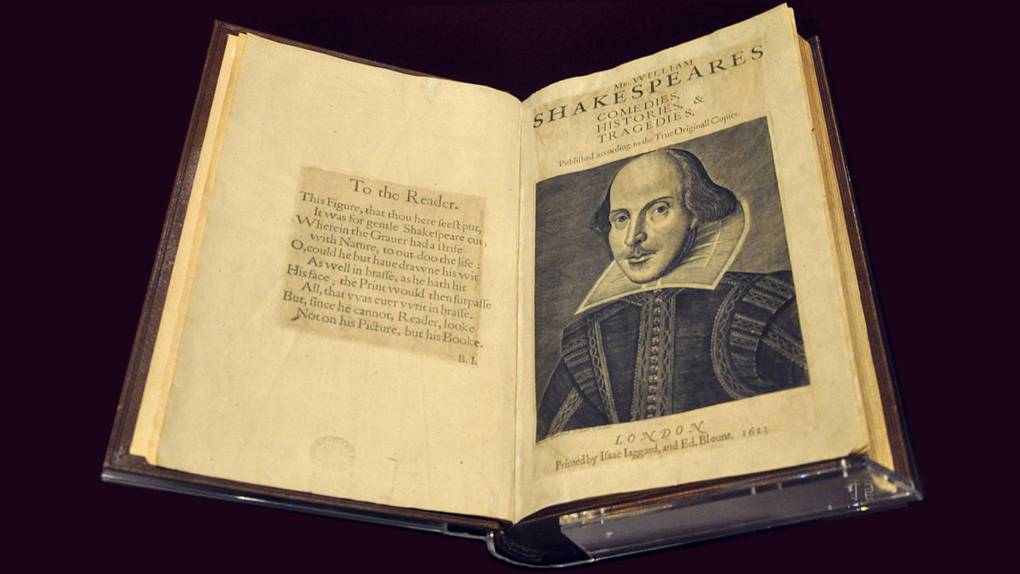
"caption": "Shakespeare's First Folio displayed at the Victoria and Albert Museum in London. ",
"description": "Shakespeare's First Folio displayed at the Victoria and Albert Museum in London. ",
"title": "first-folio-at-the-victoria-and-albert-musem-london",
"credit": "Andreas Praefcke",
"status": "inherit",
"isLoading": false,
"fetchFailed": false
},
"arts_13871026": {
"type": "attachments",
"id": "arts_13871026",
"meta": {
"index": "attachments_1716263798",
"site": "arts",
"id": "13871026",
"found": true
},
"title": "1.San_Francisco_Opera_Music_Director_Designate_Eun_Sun_Kim_photo_Marc_Olivier_Le_Blanc-5466-e1575591105980",
"publishDate": 1575591196,
"status": "inherit",
"parent": 13870838,
"modified": 1738615422,
"caption": "Eun Sun Kim.",
"credit": "Courtesy San Francisco Symphony",
"altTag": "Eun Sun Kim",
"description": null,
"imgSizes": {
"thumbnail": {
"file": "https://cdn.kqed.org/wp-content/uploads/sites/2/2019/12/1.San_Francisco_Opera_Music_Director_Designate_Eun_Sun_Kim_photo_Marc_Olivier_Le_Blanc-5466-e1575591105980-1-160x107.jpg",
"width": 160,
"height": 107,
"mimeType": "image/jpeg"
},
"medium": {
"file": "https://cdn.kqed.org/wp-content/uploads/sites/2/2019/12/1.San_Francisco_Opera_Music_Director_Designate_Eun_Sun_Kim_photo_Marc_Olivier_Le_Blanc-5466-e1575591105980-1-800x533.jpg",
"width": 800,
"height": 533,
"mimeType": "image/jpeg"
},
"medium_large": {
"file": "https://cdn.kqed.org/wp-content/uploads/sites/2/2019/12/1.San_Francisco_Opera_Music_Director_Designate_Eun_Sun_Kim_photo_Marc_Olivier_Le_Blanc-5466-e1575591105980-1-768x512.jpg",
"width": 768,
"height": 512,
"mimeType": "image/jpeg"
},
"large": {
"file": "https://cdn.kqed.org/wp-content/uploads/sites/2/2019/12/1.San_Francisco_Opera_Music_Director_Designate_Eun_Sun_Kim_photo_Marc_Olivier_Le_Blanc-5466-e1575591105980-1-1020x680.jpg",
"width": 1020,
"height": 680,
"mimeType": "image/jpeg"
},
"complete_open_graph": {
"file": "https://cdn.kqed.org/wp-content/uploads/sites/2/2019/12/1.San_Francisco_Opera_Music_Director_Designate_Eun_Sun_Kim_photo_Marc_Olivier_Le_Blanc-5466-e1575591105980-1-1200x800.jpg",
"width": 1200,
"height": 800,
"mimeType": "image/jpeg"
},
"post-thumbnail": {
"file": "https://cdn.kqed.org/wp-content/uploads/sites/2/2019/12/1.San_Francisco_Opera_Music_Director_Designate_Eun_Sun_Kim_photo_Marc_Olivier_Le_Blanc-5466-e1575591105980-1-672x372.jpg",
"width": 672,
"height": 372,
"mimeType": "image/jpeg"
},
"twentyfourteen-full-width": {
"file": "https://cdn.kqed.org/wp-content/uploads/sites/2/2019/12/1.San_Francisco_Opera_Music_Director_Designate_Eun_Sun_Kim_photo_Marc_Olivier_Le_Blanc-5466-e1575591105980-1-1038x576.jpg",
"width": 1038,
"height": 576,
"mimeType": "image/jpeg"
},
"full-width": {
"file": "https://cdn.kqed.org/wp-content/uploads/sites/2/2019/12/1.San_Francisco_Opera_Music_Director_Designate_Eun_Sun_Kim_photo_Marc_Olivier_Le_Blanc-5466-e1575591105980-1-1920x1280.jpg",
"width": 1920,
"height": 1280,
"mimeType": "image/jpeg"
},
"kqedFullSize": {
"file": "https://cdn.kqed.org/wp-content/uploads/sites/2/2019/12/1.San_Francisco_Opera_Music_Director_Designate_Eun_Sun_Kim_photo_Marc_Olivier_Le_Blanc-5466-e1575591105980-1.jpg",
"width": 1920,
"height": 1280
}
},
"isLoading": false,
"fetchFailed": false
},
"arts_13870730": {
"type": "attachments",
"id": "arts_13870730",
"meta": {
"index": "attachments_1716263798",
"site": "arts",
"id": "13870730",
"found": true
},
"parent": 13870645,
"imgSizes": {
"twentyfourteen-full-width": {
"file": "https://ww2.kqed.org/app/uploads/sites/2/2019/12/HPATCC.MAIN_-1038x576.jpg",
"width": 1038,
"mimeType": "image/jpeg",
"height": 576
},
"thumbnail": {
"file": "https://ww2.kqed.org/app/uploads/sites/2/2019/12/HPATCC.MAIN_-160x90.jpg",
"width": 160,
"mimeType": "image/jpeg",
"height": 90
},
"post-thumbnail": {
"file": "https://ww2.kqed.org/app/uploads/sites/2/2019/12/HPATCC.MAIN_-672x372.jpg",
"width": 672,
"mimeType": "image/jpeg",
"height": 372
},
"kqedFullSize": {
"file": "https://ww2.kqed.org/app/uploads/sites/2/2019/12/HPATCC.MAIN_.jpg",
"width": 1920,
"height": 1080
},
"large": {
"file": "https://ww2.kqed.org/app/uploads/sites/2/2019/12/HPATCC.MAIN_-1020x574.jpg",
"width": 1020,
"mimeType": "image/jpeg",
"height": 574
},
"complete_open_graph": {
"file": "https://ww2.kqed.org/app/uploads/sites/2/2019/12/HPATCC.MAIN_-1200x675.jpg",
"width": 1200,
"mimeType": "image/jpeg",
"height": 675
},
"full-width": {
"file": "https://ww2.kqed.org/app/uploads/sites/2/2019/12/HPATCC.MAIN_-1920x1080.jpg",
"width": 1920,
"mimeType": "image/jpeg",
"height": 1080
},
"medium": {
"file": "https://ww2.kqed.org/app/uploads/sites/2/2019/12/HPATCC.MAIN_-800x450.jpg",
"width": 800,
"mimeType": "image/jpeg",
"height": 450
},
"medium_large": {
"file": "https://ww2.kqed.org/app/uploads/sites/2/2019/12/HPATCC.MAIN_-768x432.jpg",
"width": 768,
"mimeType": "image/jpeg",
"height": 432
}
},
"publishDate": 1575389877,
"modified": 1575389913,
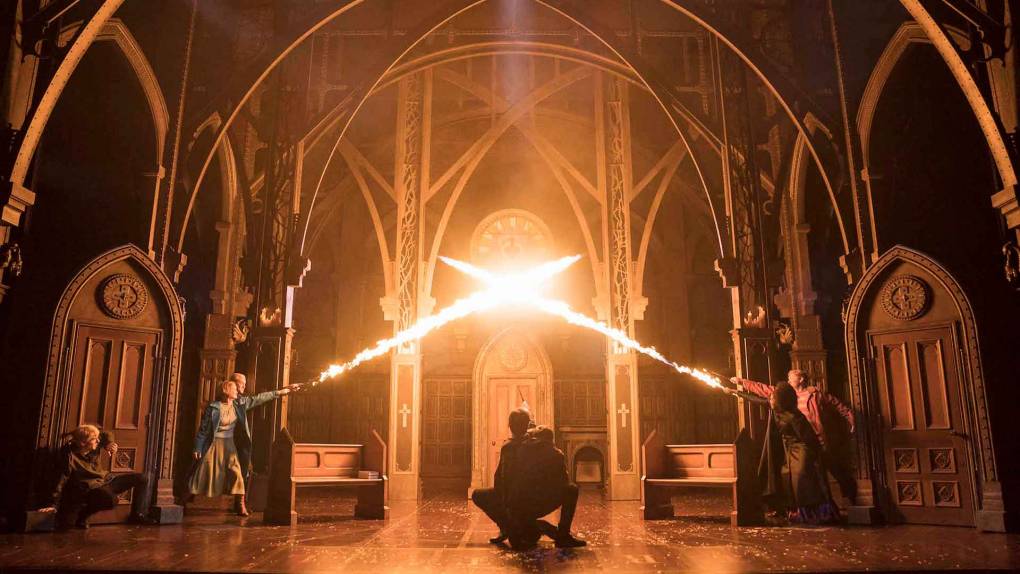
"caption": "An epic battle against darkness in 'Harry Potter and the Cursed Child' at the Curran Theatre.",
"description": "An epic battle against darkness in 'Harry Potter and the Cursed Child' at the Curran Theatre.",
"title": "HPATCC.MAIN",
"credit": "Matthew Murphy",
"status": "inherit",
"isLoading": false,
"fetchFailed": false
},
"arts_13870271": {
"type": "attachments",
"id": "arts_13870271",
"meta": {
"index": "attachments_1716263798",
"site": "arts",
"id": "13870271",
"found": true
},
"parent": 13870269,
"imgSizes": {
"twentyfourteen-full-width": {
"file": "https://ww2.kqed.org/app/uploads/sites/2/2019/11/RS40258_Foothill_TheResistibleRiseOfArturoUi_AlexMinami7-1038x576.jpg",
"width": 1038,
"mimeType": "image/jpeg",
"height": 576
},
"thumbnail": {
"file": "https://ww2.kqed.org/app/uploads/sites/2/2019/11/RS40258_Foothill_TheResistibleRiseOfArturoUi_AlexMinami7-160x107.jpg",
"width": 160,
"mimeType": "image/jpeg",
"height": 107
},
"post-thumbnail": {
"file": "https://ww2.kqed.org/app/uploads/sites/2/2019/11/RS40258_Foothill_TheResistibleRiseOfArturoUi_AlexMinami7-672x372.jpg",
"width": 672,
"mimeType": "image/jpeg",
"height": 372
},
"kqedFullSize": {
"file": "https://ww2.kqed.org/app/uploads/sites/2/2019/11/RS40258_Foothill_TheResistibleRiseOfArturoUi_AlexMinami7.jpg",
"width": 3000,
"height": 2002
},
"large": {
"file": "https://ww2.kqed.org/app/uploads/sites/2/2019/11/RS40258_Foothill_TheResistibleRiseOfArturoUi_AlexMinami7-1020x681.jpg",
"width": 1020,
"mimeType": "image/jpeg",
"height": 681
},
"complete_open_graph": {
"file": "https://ww2.kqed.org/app/uploads/sites/2/2019/11/RS40258_Foothill_TheResistibleRiseOfArturoUi_AlexMinami7-1200x801.jpg",
"width": 1200,
"mimeType": "image/jpeg",
"height": 801
},
"full-width": {
"file": "https://ww2.kqed.org/app/uploads/sites/2/2019/11/RS40258_Foothill_TheResistibleRiseOfArturoUi_AlexMinami7-1920x1281.jpg",
"width": 1920,
"mimeType": "image/jpeg",
"height": 1281
},
"medium": {
"file": "https://ww2.kqed.org/app/uploads/sites/2/2019/11/RS40258_Foothill_TheResistibleRiseOfArturoUi_AlexMinami7-800x534.jpg",
"width": 800,
"mimeType": "image/jpeg",
"height": 534
},
"medium_large": {
"file": "https://ww2.kqed.org/app/uploads/sites/2/2019/11/RS40258_Foothill_TheResistibleRiseOfArturoUi_AlexMinami7-768x513.jpg",
"width": 768,
"mimeType": "image/jpeg",
"height": 513
}
},
"publishDate": 1574455378,
"modified": 1574455426,
"caption": "Mob boss Arturo (Anthony Silk, left) has words with Betty Dullfeet (Margaret Allen, right), the widow of one of his victims in \"The Resistible Rise of Arturo Ui,\" presented Nov. 8 – 24 at Foothill Theatre Arts, Los Altos Hills.",
"description": "Mob boss Arturo (Anthony Silk, left) has words with Betty Dullfeet (Margaret Allen, right), the widow of one of his victims in \"The Resistible Rise of Arturo Ui,\" presented Nov. 8 – 24 at Foothill Theatre Arts, Los Altos Hills.",
"title": "RS40258_Foothill_TheResistibleRiseOfArturoUi_AlexMinami7",
"credit": "Courtesy of Alex Minami",
"status": "inherit",
"isLoading": false,
"fetchFailed": false
},
"arts_13870104": {
"type": "attachments",
"id": "arts_13870104",
"meta": {
"index": "attachments_1716263798",
"site": "arts",
"id": "13870104",
"found": true
},
"parent": 13870102,
"imgSizes": {
"twentyfourteen-full-width": {
"file": "https://ww2.kqed.org/app/uploads/sites/2/2019/11/UbuntuTheaterProject_Mahabharata_JJha_credit_CarsonFrench_1-1038x576.jpg",
"width": 1038,
"mimeType": "image/jpeg",
"height": 576
},
"thumbnail": {
"file": "https://ww2.kqed.org/app/uploads/sites/2/2019/11/UbuntuTheaterProject_Mahabharata_JJha_credit_CarsonFrench_1-160x114.jpg",
"width": 160,
"mimeType": "image/jpeg",
"height": 114
},
"post-thumbnail": {
"file": "https://ww2.kqed.org/app/uploads/sites/2/2019/11/UbuntuTheaterProject_Mahabharata_JJha_credit_CarsonFrench_1-672x372.jpg",
"width": 672,
"mimeType": "image/jpeg",
"height": 372
},
"kqedFullSize": {
"file": "https://ww2.kqed.org/app/uploads/sites/2/2019/11/UbuntuTheaterProject_Mahabharata_JJha_credit_CarsonFrench_1.jpg",
"width": 2100,
"height": 1500
},
"large": {
"file": "https://ww2.kqed.org/app/uploads/sites/2/2019/11/UbuntuTheaterProject_Mahabharata_JJha_credit_CarsonFrench_1-1020x729.jpg",
"width": 1020,
"mimeType": "image/jpeg",
"height": 729
},
"complete_open_graph": {
"file": "https://ww2.kqed.org/app/uploads/sites/2/2019/11/UbuntuTheaterProject_Mahabharata_JJha_credit_CarsonFrench_1-1200x857.jpg",
"width": 1200,
"mimeType": "image/jpeg",
"height": 857
},
"full-width": {
"file": "https://ww2.kqed.org/app/uploads/sites/2/2019/11/UbuntuTheaterProject_Mahabharata_JJha_credit_CarsonFrench_1-1920x1371.jpg",
"width": 1920,
"mimeType": "image/jpeg",
"height": 1371
},
"medium": {
"file": "https://ww2.kqed.org/app/uploads/sites/2/2019/11/UbuntuTheaterProject_Mahabharata_JJha_credit_CarsonFrench_1-800x571.jpg",
"width": 800,
"mimeType": "image/jpeg",
"height": 571
},
"medium_large": {
"file": "https://ww2.kqed.org/app/uploads/sites/2/2019/11/UbuntuTheaterProject_Mahabharata_JJha_credit_CarsonFrench_1-768x549.jpg",
"width": 768,
"mimeType": "image/jpeg",
"height": 549
}
},
"publishDate": 1574196341,
"modified": 1574224575,
"caption": "J Jha portrays an army of warriors in Ubuntu Theater Project's 'The Mahābhārata.'",
"description": "J Jha portrays an army of warriors in Ubuntu Theater Project's 'The Mahābhārata.'",
"title": "UbuntuTheaterProject_Mahabharata_JJha_credit_CarsonFrench_1",
"credit": "Carson French",
"status": "inherit",
"isLoading": false,
"fetchFailed": false
},
"arts_13870006": {
"type": "attachments",
"id": "arts_13870006",
"meta": {
"index": "attachments_1716263798",
"site": "arts",
"id": "13870006",
"found": true
},
"parent": 13870004,
"imgSizes": {
"twentyfourteen-full-width": {
"file": "https://ww2.kqed.org/app/uploads/sites/2/2019/11/Anna-Shneiderman-in-theater-3-1038x576.jpg",
"width": 1038,
"mimeType": "image/jpeg",
"height": 576
},
"thumbnail": {
"file": "https://ww2.kqed.org/app/uploads/sites/2/2019/11/Anna-Shneiderman-in-theater-3-160x90.jpg",
"width": 160,
"mimeType": "image/jpeg",
"height": 90
},
"post-thumbnail": {
"file": "https://ww2.kqed.org/app/uploads/sites/2/2019/11/Anna-Shneiderman-in-theater-3-672x372.jpg",
"width": 672,
"mimeType": "image/jpeg",
"height": 372
},
"kqedFullSize": {
"file": "https://ww2.kqed.org/app/uploads/sites/2/2019/11/Anna-Shneiderman-in-theater-3.jpg",
"width": 1920,
"height": 1080
},
"large": {
"file": "https://ww2.kqed.org/app/uploads/sites/2/2019/11/Anna-Shneiderman-in-theater-3-1020x574.jpg",
"width": 1020,
"mimeType": "image/jpeg",
"height": 574
},
"complete_open_graph": {
"file": "https://ww2.kqed.org/app/uploads/sites/2/2019/11/Anna-Shneiderman-in-theater-3-1200x675.jpg",
"width": 1200,
"mimeType": "image/jpeg",
"height": 675
},
"full-width": {
"file": "https://ww2.kqed.org/app/uploads/sites/2/2019/11/Anna-Shneiderman-in-theater-3-1920x1080.jpg",
"width": 1920,
"mimeType": "image/jpeg",
"height": 1080
},
"medium": {
"file": "https://ww2.kqed.org/app/uploads/sites/2/2019/11/Anna-Shneiderman-in-theater-3-800x450.jpg",
"width": 800,
"mimeType": "image/jpeg",
"height": 450
},
"medium_large": {
"file": "https://ww2.kqed.org/app/uploads/sites/2/2019/11/Anna-Shneiderman-in-theater-3-768x432.jpg",
"width": 768,
"mimeType": "image/jpeg",
"height": 432
}
},
"publishDate": 1574109337,
"modified": 1574109468,
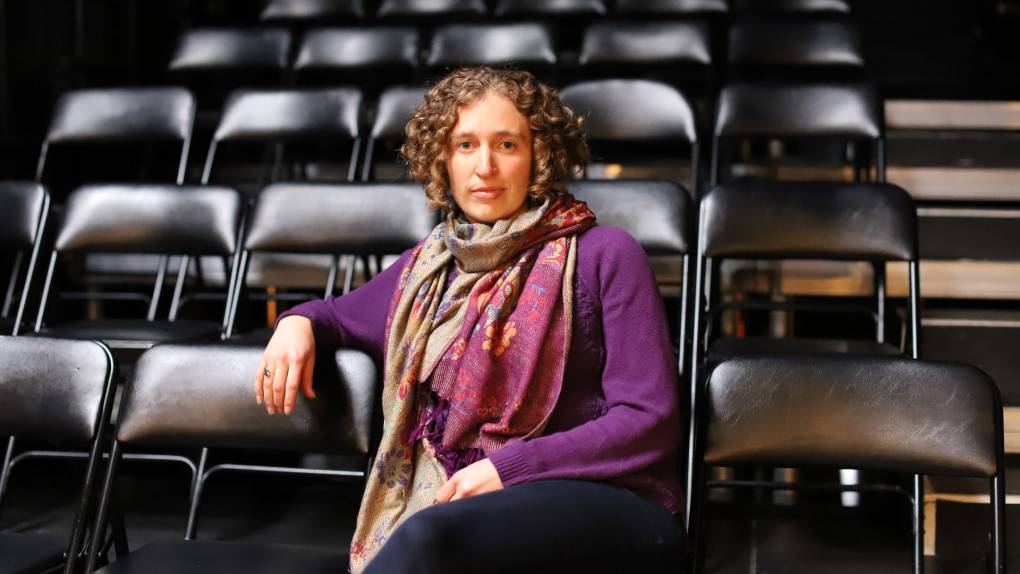
"caption": "Anna Shneiderman, seated, is the co-founder and director of Flight Deck operator Ragged Wing Ensemble.",
"description": "Anna Shneiderman, seated, is the co-founder and director of Flight Deck operator Ragged Wing Ensemble.",
"title": "Anna Shneiderman, seated, is the co-founder and director of Flight Deck operator Ragged Wing Ensemble.",
"credit": "Sam Lefebvre/KQED",
"status": "inherit",
"isLoading": false,
"fetchFailed": false
},
"arts_13870023": {
"type": "attachments",
"id": "arts_13870023",
"meta": {
"index": "attachments_1716263798",
"site": "arts",
"id": "13870023",
"found": true
},
"parent": 13870020,
"imgSizes": {
"twentyfourteen-full-width": {
"file": "https://ww2.kqed.org/app/uploads/sites/2/2019/11/GettyImages-486015758-1024x576.jpg",
"width": 1024,
"mimeType": "image/jpeg",
"height": 576
},
"thumbnail": {
"file": "https://ww2.kqed.org/app/uploads/sites/2/2019/11/GettyImages-486015758-160x106.jpg",
"width": 160,
"mimeType": "image/jpeg",
"height": 106
},
"post-thumbnail": {
"file": "https://ww2.kqed.org/app/uploads/sites/2/2019/11/GettyImages-486015758-672x372.jpg",
"width": 672,
"mimeType": "image/jpeg",
"height": 372
},
"kqedFullSize": {
"file": "https://ww2.kqed.org/app/uploads/sites/2/2019/11/GettyImages-486015758.jpg",
"width": 1024,
"height": 681
},
"large": {
"file": "https://ww2.kqed.org/app/uploads/sites/2/2019/11/GettyImages-486015758-1020x678.jpg",
"width": 1020,
"mimeType": "image/jpeg",
"height": 678
},
"medium": {
"file": "https://ww2.kqed.org/app/uploads/sites/2/2019/11/GettyImages-486015758-800x532.jpg",
"width": 800,
"mimeType": "image/jpeg",
"height": 532
},
"medium_large": {
"file": "https://ww2.kqed.org/app/uploads/sites/2/2019/11/GettyImages-486015758-768x511.jpg",
"width": 768,
"mimeType": "image/jpeg",
"height": 511
}
},
"publishDate": 1574114229,
"modified": 1574114324,
"caption": "Kanye West at the MTV Video Music Awards, Los Angeles, 2015. ",
"description": "Kanye West at the MTV Video Music Awards, Los Angeles, 2015. ",
"title": "Kanye West at the MTV Video Music Awards, Los Angeles, 2015.",
"credit": "Kevork Djansezian/Getty Images",
"status": "inherit",
"isLoading": false,
"fetchFailed": false
},
"arts_13869743": {
"type": "attachments",
"id": "arts_13869743",
"meta": {
"index": "attachments_1716263798",
"site": "arts",
"id": "13869743",
"found": true
},
"parent": 13869685,
"imgSizes": {
"twentyfourteen-full-width": {
"file": "https://ww2.kqed.org/app/uploads/sites/2/2019/11/Testmatch.MAIN_-1038x576.jpg",
"width": 1038,
"mimeType": "image/jpeg",
"height": 576
},
"thumbnail": {
"file": "https://ww2.kqed.org/app/uploads/sites/2/2019/11/Testmatch.MAIN_-160x90.jpg",
"width": 160,
"mimeType": "image/jpeg",
"height": 90
},
"post-thumbnail": {
"file": "https://ww2.kqed.org/app/uploads/sites/2/2019/11/Testmatch.MAIN_-672x372.jpg",
"width": 672,
"mimeType": "image/jpeg",
"height": 372
},
"kqedFullSize": {
"file": "https://ww2.kqed.org/app/uploads/sites/2/2019/11/Testmatch.MAIN_.jpg",
"width": 1564,
"height": 880
},
"large": {
"file": "https://ww2.kqed.org/app/uploads/sites/2/2019/11/Testmatch.MAIN_-1020x574.jpg",
"width": 1020,
"mimeType": "image/jpeg",
"height": 574
},
"complete_open_graph": {
"file": "https://ww2.kqed.org/app/uploads/sites/2/2019/11/Testmatch.MAIN_-1200x675.jpg",
"width": 1200,
"mimeType": "image/jpeg",
"height": 675
},
"medium": {
"file": "https://ww2.kqed.org/app/uploads/sites/2/2019/11/Testmatch.MAIN_-800x450.jpg",
"width": 800,
"mimeType": "image/jpeg",
"height": 450
},
"medium_large": {
"file": "https://ww2.kqed.org/app/uploads/sites/2/2019/11/Testmatch.MAIN_-768x432.jpg",
"width": 768,
"mimeType": "image/jpeg",
"height": 432
}
},
"publishDate": 1573594226,
"modified": 1573594253,
"caption": "Avanthika Srinivasan shows off her bowling style in the players lounge in Kate Attwell's Testmatch at A.C.T.'s Strand Theater.",
"description": "Avanthika Srinivasan shows off her bowling style in the players lounge in Kate Attwell's Testmatch at A.C.T.'s Strand Theater.",
"title": "Testmatch.MAIN",
"credit": "Kevin Berne",
"status": "inherit",
"isLoading": false,
"fetchFailed": false
},
"arts_13869791": {
"type": "attachments",
"id": "arts_13869791",
"meta": {
"index": "attachments_1716263798",
"site": "arts",
"id": "13869791",
"found": true
},
"parent": 13869783,
"imgSizes": {
"twentyfourteen-full-width": {
"file": "https://ww2.kqed.org/app/uploads/sites/2/2019/11/TimBond.MAIN_-1038x576.jpg",
"width": 1038,
"mimeType": "image/jpeg",
"height": 576
},
"thumbnail": {
"file": "https://ww2.kqed.org/app/uploads/sites/2/2019/11/TimBond.MAIN_-160x90.jpg",
"width": 160,
"mimeType": "image/jpeg",
"height": 90
},
"post-thumbnail": {
"file": "https://ww2.kqed.org/app/uploads/sites/2/2019/11/TimBond.MAIN_-672x372.jpg",
"width": 672,
"mimeType": "image/jpeg",
"height": 372
},
"kqedFullSize": {
"file": "https://ww2.kqed.org/app/uploads/sites/2/2019/11/TimBond.MAIN_.jpg",
"width": 1920,
"height": 1080
},
"large": {
"file": "https://ww2.kqed.org/app/uploads/sites/2/2019/11/TimBond.MAIN_-1020x574.jpg",
"width": 1020,
"mimeType": "image/jpeg",
"height": 574
},
"complete_open_graph": {
"file": "https://ww2.kqed.org/app/uploads/sites/2/2019/11/TimBond.MAIN_-1200x675.jpg",
"width": 1200,
"mimeType": "image/jpeg",
"height": 675
},
"full-width": {
"file": "https://ww2.kqed.org/app/uploads/sites/2/2019/11/TimBond.MAIN_-1920x1080.jpg",
"width": 1920,
"mimeType": "image/jpeg",
"height": 1080
},
"medium": {
"file": "https://ww2.kqed.org/app/uploads/sites/2/2019/11/TimBond.MAIN_-800x450.jpg",
"width": 800,
"mimeType": "image/jpeg",
"height": 450
},
"medium_large": {
"file": "https://ww2.kqed.org/app/uploads/sites/2/2019/11/TimBond.MAIN_-768x432.jpg",
"width": 768,
"mimeType": "image/jpeg",
"height": 432
}
},
"publishDate": 1573610216,
"modified": 1573610238,
"caption": "Tim Bond will replace TheatreWorks Silicon Valley's founding director Robert Kelley beginning March, 2020. ",
"description": "Tim Bond will replace TheatreWorks Silicon Valley's founding director Robert Kelley beginning March, 2020. ",
"title": "TimBond.MAIN",
"credit": "Alan Alabastro / Courtesy TheatreWorks",
"status": "inherit",
"isLoading": false,
"fetchFailed": false
},
"arts_13868258": {
"type": "attachments",
"id": "arts_13868258",
"meta": {
"index": "attachments_1716263798",
"site": "arts",
"id": "13868258",
"found": true
},
"parent": 13868245,
"imgSizes": {
"thumbnail": {
"file": "https://ww2.kqed.org/app/uploads/sites/2/2019/10/AmitisRossoukh_ReOrient2019_2-160x90.jpg",
"width": 160,
"mimeType": "image/jpeg",
"height": 90
},
"post-thumbnail": {
"file": "https://ww2.kqed.org/app/uploads/sites/2/2019/10/AmitisRossoukh_ReOrient2019_2-672x372.jpg",
"width": 672,
"mimeType": "image/jpeg",
"height": 372
},
"kqedFullSize": {
"file": "https://ww2.kqed.org/app/uploads/sites/2/2019/10/AmitisRossoukh_ReOrient2019_2.jpg",
"width": 1000,
"height": 563
},
"medium": {
"file": "https://ww2.kqed.org/app/uploads/sites/2/2019/10/AmitisRossoukh_ReOrient2019_2-800x450.jpg",
"width": 800,
"mimeType": "image/jpeg",
"height": 450
},
"medium_large": {
"file": "https://ww2.kqed.org/app/uploads/sites/2/2019/10/AmitisRossoukh_ReOrient2019_2-768x432.jpg",
"width": 768,
"mimeType": "image/jpeg",
"height": 432
}
},
"publishDate": 1571171754,
"modified": 1571171793,
"caption": "Amitis Rossoukh as Ayca in 'The Basement' by Mustafa Kaymak, produced in the 2019 ReOrient Festival of Short Plays.",
"description": "Amitis Rossoukh as Ayca in 'The Basement' by Mustafa Kaymak, produced in the 2019 ReOrient Festival of Short Plays.",
"title": "AmitisRossoukh_ReOrient2019_2",
"credit": "Jesse Sutterley",
"status": "inherit",
"isLoading": false,
"fetchFailed": false
},
"arts_13868114": {
"type": "attachments",
"id": "arts_13868114",
"meta": {
"index": "attachments_1716263798",
"site": "arts",
"id": "13868114",
"found": true
},
"parent": 13868089,
"imgSizes": {
"twentyfourteen-full-width": {
"file": "https://ww2.kqed.org/app/uploads/sites/2/2019/10/ElleVarner-1038x576.jpg",
"width": 1038,
"mimeType": "image/jpeg",
"height": 576
},
"thumbnail": {
"file": "https://ww2.kqed.org/app/uploads/sites/2/2019/10/ElleVarner-160x90.jpg",
"width": 160,
"mimeType": "image/jpeg",
"height": 90
},
"post-thumbnail": {
"file": "https://ww2.kqed.org/app/uploads/sites/2/2019/10/ElleVarner-672x372.jpg",
"width": 672,
"mimeType": "image/jpeg",
"height": 372
},
"kqedFullSize": {
"file": "https://ww2.kqed.org/app/uploads/sites/2/2019/10/ElleVarner.jpg",
"width": 1800,
"height": 1013
},
"large": {
"file": "https://ww2.kqed.org/app/uploads/sites/2/2019/10/ElleVarner-1020x574.jpg",
"width": 1020,
"mimeType": "image/jpeg",
"height": 574
},
"complete_open_graph": {
"file": "https://ww2.kqed.org/app/uploads/sites/2/2019/10/ElleVarner-1200x675.jpg",
"width": 1200,
"mimeType": "image/jpeg",
"height": 675
},
"medium": {
"file": "https://ww2.kqed.org/app/uploads/sites/2/2019/10/ElleVarner-800x450.jpg",
"width": 800,
"mimeType": "image/jpeg",
"height": 450
},
"medium_large": {
"file": "https://ww2.kqed.org/app/uploads/sites/2/2019/10/ElleVarner-768x432.jpg",
"width": 768,
"mimeType": "image/jpeg",
"height": 432
}
},
"publishDate": 1570777864,
"modified": 1570777904,
"caption": "Elle Varner headlines the Life is Living festival in Oakland on Oct. 12.",
"description": "Elle Varner headlines the Life is Living festival in Oakland on Oct. 12.",
"title": "ElleVarner",
"credit": "RCA Records",
"status": "inherit",
"isLoading": false,
"fetchFailed": false
}
},
"audioPlayerReducer": {
"postId": "stream_live",
"isPaused": true,
"isPlaying": false,
"pfsActive": false,
"pledgeModalIsOpen": true,
"playerDrawerIsOpen": false,
"liveAudioPlayStartedAt": 0,
"liveAudioPlayContext": ""
},
"authorsReducer": {
"byline_arts_13870645": {
"type": "authors",
"id": "byline_arts_13870645",
"meta": {
"override": true
},
"slug": "byline_arts_13870645",
"name": "Nicole Gluckstern and Juliana Greco",
"isLoading": false
},
"byline_arts_13870020": {
"type": "authors",
"id": "byline_arts_13870020",
"meta": {
"override": true
},
"slug": "byline_arts_13870020",
"name": "Tom Huizenga",
"isLoading": false
},
"gmeline": {
"type": "authors",
"id": "185",
"meta": {
"index": "authors_1716337520",
"id": "185",
"found": true
},
"name": "Gabe Meline",
"firstName": "Gabe",
"lastName": "Meline",
"slug": "gmeline",
"email": "gmeline@kqed.org",
"display_author_email": true,
"staff_mastheads": [
"arts"
],
"title": "Senior Editor, KQED Arts & Culture",
"bio": "Gabe Meline entered journalism at age 15 making photocopied zines, and has since earned awards from the Edward R. Murrow Awards, the Society for Professional Journalists, the Online Journalism Awards, the Association of Alternative Newsweeklies and the California Newspaper Publishers Association. Prior to KQED, he was the editor of the \u003cem>North Bay Bohemian\u003c/em> and a touring musician. He lives with his wife and daughter in his hometown of Santa Rosa, CA.",
"avatar": "https://secure.gravatar.com/avatar/5bebe57be0d8bc2dd318934feb47299e2d2d10cba28d09d8d7afb389a2ce2bdd?s=600&d=blank&r=g",
"twitter": null,
"bluesky": null,
"facebook": null,
"instagram": null,
"linkedin": null,
"sites": [
{
"site": "",
"roles": [
"editor"
]
},
{
"site": "arts",
"roles": [
"administrator"
]
},
{
"site": "artschool",
"roles": [
"editor"
]
},
{
"site": "news",
"roles": [
"author"
]
},
{
"site": "pop",
"roles": [
"editor"
]
},
{
"site": "bayareabites",
"roles": [
"editor"
]
},
{
"site": "food",
"roles": [
"editor"
]
},
{
"site": "forum",
"roles": [
"administrator"
]
},
{
"site": "liveblog",
"roles": [
"editor"
]
},
{
"site": "hiphop",
"roles": [
"editor"
]
}
],
"headData": {
"title": "Gabe Meline | KQED",
"description": "Senior Editor, KQED Arts & Culture",
"ogImgSrc": "https://secure.gravatar.com/avatar/5bebe57be0d8bc2dd318934feb47299e2d2d10cba28d09d8d7afb389a2ce2bdd?s=600&d=blank&r=g",
"twImgSrc": "https://secure.gravatar.com/avatar/5bebe57be0d8bc2dd318934feb47299e2d2d10cba28d09d8d7afb389a2ce2bdd?s=600&d=blank&r=g"
},
"isLoading": false,
"link": "/author/gmeline"
},
"rachael-myrow": {
"type": "authors",
"id": "251",
"meta": {
"index": "authors_1716337520",
"id": "251",
"found": true
},
"name": "Rachael Myrow",
"firstName": "Rachael",
"lastName": "Myrow",
"slug": "rachael-myrow",
"email": "rmyrow@kqed.org",
"display_author_email": true,
"staff_mastheads": [
"news"
],
"title": "Senior Editor of KQED's Silicon Valley News Desk",
"bio": "• I write and edit stories about how Silicon Valley power and policies shape everyday life in California. I’m also passionate about making Bay Area history and culture more accessible to a broad public. • I’ve been a journalist for most of my life, starting in high school with The Franklin Press in Los Angeles, where I grew up. While earning my first degree in English at UC Berkeley, I got my start in public radio at KALX-FM. After completing a second degree in journalism at Cal, I landed my first professional job at Marketplace, then moved on to KPCC (now LAist), and then KQED, where I hosted The California Report for more than seven years. • My reporting has appeared on NPR, The World, WBUR’s \u003ci>Here & Now\u003c/i>, and the BBC. I also guest host for KQED’s \u003ci>Forum\u003c/i>, as well as the Commonwealth Club in San Francisco. • I speak periodically on media, democracy and technology issues, and do voiceover work for documentaries and educational video projects. • Outside of the studio, you'll find me hiking Bay Area trails and whipping up Insta-ready meals in my kitchen. • I do not accept gifts, money, or favors from anyone connected to my reporting, I don't pay people for information, and I do not support or donate to political causes. • I strive to treat the people I report on with fairness, honesty, and respect. I also recognize there are often multiple sides to a story and work to verify information through multiple sources and documentation. If I get something wrong, I correct it.",
"avatar": "https://secure.gravatar.com/avatar/3ed8a3c5f26025e4a805ba634cda8cd764906b97438a6d9ce216b044e340da4e?s=600&d=blank&r=g",
"twitter": "rachaelmyrow",
"bluesky": null,
"facebook": null,
"instagram": null,
"linkedin": "https://www.linkedin.com/in/rachaelmyrow/",
"sites": [
{
"site": "arts",
"roles": [
"administrator"
]
},
{
"site": "news",
"roles": [
"edit_others_posts",
"editor"
]
},
{
"site": "futureofyou",
"roles": [
"editor"
]
},
{
"site": "bayareabites",
"roles": [
"editor"
]
},
{
"site": "stateofhealth",
"roles": [
"editor"
]
},
{
"site": "science",
"roles": [
"editor"
]
},
{
"site": "food",
"roles": [
"editor"
]
},
{
"site": "forum",
"roles": [
"editor"
]
},
{
"site": "liveblog",
"roles": [
"author"
]
}
],
"headData": {
"title": "Rachael Myrow | KQED",
"description": "Senior Editor of KQED's Silicon Valley News Desk",
"ogImgSrc": "https://secure.gravatar.com/avatar/3ed8a3c5f26025e4a805ba634cda8cd764906b97438a6d9ce216b044e340da4e?s=600&d=blank&r=g",
"twImgSrc": "https://secure.gravatar.com/avatar/3ed8a3c5f26025e4a805ba634cda8cd764906b97438a6d9ce216b044e340da4e?s=600&d=blank&r=g"
},
"isLoading": false,
"link": "/author/rachael-myrow"
},
"cveltman": {
"type": "authors",
"id": "8608",
"meta": {
"index": "authors_1716337520",
"id": "8608",
"found": true
},
"name": "Chloe Veltman",
"firstName": "Chloe",
"lastName": "Veltman",
"slug": "cveltman",
"email": "cveltman@kqed.org",
"display_author_email": true,
"staff_mastheads": [],
"title": "Arts and Culture Reporter",
"bio": "Chloe Veltman is a former arts and culture reporter for KQED. Prior to joining the organization, she launched and led the arts bureau at Colorado Public Radio, served as the Bay Area's culture columnist for the New York Times, and was the founder, host and executive producer of VoiceBox, a national award-winning weekly podcast/radio show and live events series all about the human voice. Chloe is the recipient of numerous prizes, grants and fellowships including a Webby Award for her work on interactive storytelling, both the John S Knight Journalism Fellowship and Humanities Center Fellowship at Stanford University, the Sundance Arts Writing Fellowship and a Library of Congress Research Fellowship. She is the author of the book \"On Acting\" and has appeared as a guest lecturer at Yale University and the San Francisco Conservatory of Music among other institutions. She holds a BA in english literature from King's College, Cambridge, and a Masters in Dramaturgy from the Central School of Speech and Drama/Harvard Institute for Advanced Theater Training.\r\n\u003ca href=\"https://www.chloeveltman.com\">www.chloeveltman.com\u003c/a>",
"avatar": "https://secure.gravatar.com/avatar/55403394b00a1ddab683952c2eb2cf85?s=600&d=blank&r=g",
"twitter": "chloeveltman",
"facebook": null,
"instagram": null,
"linkedin": null,
"sites": [
{
"site": "arts",
"roles": []
},
{
"site": "news",
"roles": [
"author"
]
},
{
"site": "pop",
"roles": [
"editor"
]
},
{
"site": "science",
"roles": []
}
],
"headData": {
"title": "Chloe Veltman | KQED",
"description": "Arts and Culture Reporter",
"ogImgSrc": "https://secure.gravatar.com/avatar/55403394b00a1ddab683952c2eb2cf85?s=600&d=blank&r=g",
"twImgSrc": "https://secure.gravatar.com/avatar/55403394b00a1ddab683952c2eb2cf85?s=600&d=blank&r=g"
},
"isLoading": false,
"link": "/author/cveltman"
},
"slefebvre": {
"type": "authors",
"id": "11091",
"meta": {
"index": "authors_1716337520",
"id": "11091",
"found": true
},
"name": "Sam Lefebvre",
"firstName": "Sam",
"lastName": "Lefebvre",
"slug": "slefebvre",
"email": "sdlefebvre@gmail.com",
"display_author_email": false,
"staff_mastheads": [],
"title": "KQED Contributor",
"bio": "Sam Lefebvre is an award-winning reporter at KQED Arts. He has worked as an editor and columnist at the \u003cem>East Bay Express\u003c/em>, \u003cem>SF Weekly \u003c/em>and Impose Magazine, and his journalism and criticism has appeared in \u003cem>The New York Times\u003c/em>, the Guardian and Pitchfork.",
"avatar": "https://secure.gravatar.com/avatar/49d39b42930b77fb13784ddd9fa63fe780666b71bf289368509dba576b64e69b?s=600&d=blank&r=g",
"twitter": "Lefebvre_Sam",
"bluesky": null,
"facebook": null,
"instagram": null,
"linkedin": null,
"sites": [
{
"site": "arts",
"roles": [
"subscriber"
]
},
{
"site": "news",
"roles": [
"author"
]
}
],
"headData": {
"title": "Sam Lefebvre | KQED",
"description": "KQED Contributor",
"ogImgSrc": "https://secure.gravatar.com/avatar/49d39b42930b77fb13784ddd9fa63fe780666b71bf289368509dba576b64e69b?s=600&d=blank&r=g",
"twImgSrc": "https://secure.gravatar.com/avatar/49d39b42930b77fb13784ddd9fa63fe780666b71bf289368509dba576b64e69b?s=600&d=blank&r=g"
},
"isLoading": false,
"link": "/author/slefebvre"
},
"ngluckstern": {
"type": "authors",
"id": "11497",
"meta": {
"index": "authors_1716337520",
"id": "11497",
"found": true
},
"name": "Nicole Gluckstern",
"firstName": "Nicole",
"lastName": "Gluckstern",
"slug": "ngluckstern",
"email": "gluckstern.nicole@gmail.com",
"display_author_email": false,
"staff_mastheads": [],
"title": "KQED Contributor",
"bio": null,
"avatar": "https://secure.gravatar.com/avatar/2c3d593194017bfe811a998ad03140909de330b22abebf4889e1a564ce5b3495?s=600&d=blank&r=g",
"twitter": null,
"bluesky": null,
"facebook": null,
"instagram": null,
"linkedin": null,
"sites": [
{
"site": "arts",
"roles": [
"contributor"
]
}
],
"headData": {
"title": "Nicole Gluckstern | KQED",
"description": "KQED Contributor",
"ogImgSrc": "https://secure.gravatar.com/avatar/2c3d593194017bfe811a998ad03140909de330b22abebf4889e1a564ce5b3495?s=600&d=blank&r=g",
"twImgSrc": "https://secure.gravatar.com/avatar/2c3d593194017bfe811a998ad03140909de330b22abebf4889e1a564ce5b3495?s=600&d=blank&r=g"
},
"isLoading": false,
"link": "/author/ngluckstern"
}
},
"pagesReducer": {
"arts_category_theater": {
"type": "terms",
"id": "arts_967",
"meta": {
"index": "terms_1716263798",
"site": "arts",
"id": "967",
"score": 12.286945
},
"featImg": null,
"name": "Theater",
"description": null,
"taxonomy": "category",
"headData": {
"twImgId": null,
"twTitle": null,
"ogTitle": null,
"ogImgId": null,
"twDescription": null,
"description": null,
"title": "Theater Archives | KQED Arts",
"ogDescription": null
},
"ttid": 985,
"slug": "theater",
"isLoading": false,
"title": "Theater",
"pageMeta": {
"site": "arts",
"WpPageTemplate": "page-topic-editorial",
"currentPage": 23
},
"blocks": [
{
"blockName": "kqed/post-list",
"attrs": {
"layout": "cardArticle2",
"query": "posts/arts?category=theater",
"seeMore": false,
"paginated": true,
"page": 23
}
},
{
"blockName": "kqed/ad"
}
]
}
},
"pfsSessionReducer": {},
"postsReducer": {
"stream_live": {
"type": "live",
"id": "stream_live",
"audioUrl": "https://streams.kqed.org/kqedradio",
"title": "Live Stream",
"excerpt": "Live Stream information currently unavailable.",
"link": "/radio",
"featImg": "",
"label": {
"name": "KQED Live",
"link": "/"
}
},
"stream_kqedNewscast": {
"type": "posts",
"id": "stream_kqedNewscast",
"audioUrl": "https://www.kqed.org/.stream/anon/radio/RDnews/newscast.mp3?_=1",
"title": "KQED Newscast",
"featImg": "",
"label": {
"name": "88.5 FM",
"link": "/"
}
},
"arts_13871091": {
"type": "posts",
"id": "arts_13871091",
"meta": {
"index": "posts_1716263798",
"site": "arts",
"id": "13871091",
"score": null,
"sort": [
1576112432000
]
},
"parent": 0,
"labelTerm": {
"site": "arts",
"term": 140
},
"blocks": [],
"publishDate": 1576112432,
"format": "standard",
"title": "5 Plays to See for the Holidays (That Aren't 'A Christmas Carol')",
"headTitle": "5 Plays to See for the Holidays (That Aren’t ‘A Christmas Carol’) | KQED",
"content": "\u003cp>Ah, December. The most magical time of year… unless the relentless onslaught of the holly-daze leaves you cold.\u003c/p>\n\u003cp>I gave up counting how many Christmas-themed theater shows are currently running in the Bay Area, from the old standby \u003cem>A Christmas Carol\u003c/em> to fanciful mashups such as \u003cem>Christmas in OZ\u003c/em> and Peaches Christ’s \u003cem>Femlins\u003c/em>. (Not to mention at least eight versions of \u003cem>The Nutcracker\u003c/em>.) And while these clearly beloved classics and comedies appeal to a specific, doubtlessly enthusiastic audience, for the non-denominational arts lover in December it can be difficult to find secular alternatives. \u003c/p>\n\u003cp>Happily, they do exist. Here are just a few standouts to get you started on your mistletoe-free theater spree.\u003c/p>\n\u003cfigure id=\"attachment_13871098\" class=\"wp-caption aligncenter\" style=\"max-width: 800px\">\u003cimg loading=\"lazy\" decoding=\"async\" class=\"size-medium wp-image-13871098\" src=\"https://ww2.kqed.org/app/uploads/sites/2/2019/12/QuantumDragon_James-Aaron-Oh-as-FlyByNiteSOA-Will-Livingston-as-Wridget-Caitlin-Evenson-as-Flutterbye99__credit-Morgan-Finley-King-800x570.jpg\" alt=\"\" width=\"800\" height=\"570\" srcset=\"https://cdn.kqed.org/wp-content/uploads/sites/2/2019/12/QuantumDragon_James-Aaron-Oh-as-FlyByNiteSOA-Will-Livingston-as-Wridget-Caitlin-Evenson-as-Flutterbye99__credit-Morgan-Finley-King-800x570.jpg 800w, https://cdn.kqed.org/wp-content/uploads/sites/2/2019/12/QuantumDragon_James-Aaron-Oh-as-FlyByNiteSOA-Will-Livingston-as-Wridget-Caitlin-Evenson-as-Flutterbye99__credit-Morgan-Finley-King-160x114.jpg 160w, https://cdn.kqed.org/wp-content/uploads/sites/2/2019/12/QuantumDragon_James-Aaron-Oh-as-FlyByNiteSOA-Will-Livingston-as-Wridget-Caitlin-Evenson-as-Flutterbye99__credit-Morgan-Finley-King-768x548.jpg 768w, https://cdn.kqed.org/wp-content/uploads/sites/2/2019/12/QuantumDragon_James-Aaron-Oh-as-FlyByNiteSOA-Will-Livingston-as-Wridget-Caitlin-Evenson-as-Flutterbye99__credit-Morgan-Finley-King-1020x727.jpg 1020w, https://cdn.kqed.org/wp-content/uploads/sites/2/2019/12/QuantumDragon_James-Aaron-Oh-as-FlyByNiteSOA-Will-Livingston-as-Wridget-Caitlin-Evenson-as-Flutterbye99__credit-Morgan-Finley-King-1200x855.jpg 1200w, https://cdn.kqed.org/wp-content/uploads/sites/2/2019/12/QuantumDragon_James-Aaron-Oh-as-FlyByNiteSOA-Will-Livingston-as-Wridget-Caitlin-Evenson-as-Flutterbye99__credit-Morgan-Finley-King.jpg 1658w\" sizes=\"(max-width: 800px) 100vw, 800px\">\u003cfigcaption class=\"wp-caption-text\">James Aaron Oh, Will Livingston, and Caitlin Evenson in Shualee Cook’s ‘An Invitation Out,’ presented by Quantum Dragon Theatre. \u003ccite>(Morgan Finley King)\u003c/cite>\u003c/figcaption>\u003c/figure>\n\u003ch2>‘An Invitation Out’\u003c/h2>\n\u003cp>\u003cstrong>By Shualee Cook, Quantum Dragon Theatre\u003c/strong>\u003c/p>\n\u003cp>The Bay Area’s only theatre company dedicated to the production of science fiction and fantasy plays presents the West Coast premiere of Shualee Cook’s \u003cem>An Invitation Out.\u003c/em> Billed as a “science fiction comedy of manners,” this social-media inspired futuristic comedy is set in an online virtual reality, where one can assume and shed identities with the click of a button. But can anything convince them to “unplug” and rejoin the world of the Outdwellers? Anchored by a nine-person cast of Bay Area stalwarts, and directed by Kieran Beccia, this play delves into the questions that make us human—while wrapped in neo-Victorian/cyberspace glamour. (\u003cem>Runs Dec. 14-29; \u003ca href=\"http://www.quantumdragon.org/an-invitation-out\">Details here\u003c/a>.\u003c/em>)\u003c/p>\n\u003cfigure id=\"attachment_13871097\" class=\"wp-caption aligncenter\" style=\"max-width: 640px\">\u003cimg loading=\"lazy\" decoding=\"async\" src=\"https://ww2.kqed.org/app/uploads/sites/2/2019/12/IndrasNet_Robert-Ernst_0339HiResPRINT_by-Irene-Young-805x1200.jpg\" alt=\"Robert Ernst as Niels Bohr in 'Copenhagen,' by Michael Frayn, presented by Indra's Net Theater.\" width=\"640\" height=\"954\" class=\"size-complete_open_graph wp-image-13871097\" srcset=\"https://cdn.kqed.org/wp-content/uploads/sites/2/2019/12/IndrasNet_Robert-Ernst_0339HiResPRINT_by-Irene-Young-805x1200.jpg 805w, https://cdn.kqed.org/wp-content/uploads/sites/2/2019/12/IndrasNet_Robert-Ernst_0339HiResPRINT_by-Irene-Young-160x239.jpg 160w, https://cdn.kqed.org/wp-content/uploads/sites/2/2019/12/IndrasNet_Robert-Ernst_0339HiResPRINT_by-Irene-Young-800x1193.jpg 800w, https://cdn.kqed.org/wp-content/uploads/sites/2/2019/12/IndrasNet_Robert-Ernst_0339HiResPRINT_by-Irene-Young-768x1145.jpg 768w, https://cdn.kqed.org/wp-content/uploads/sites/2/2019/12/IndrasNet_Robert-Ernst_0339HiResPRINT_by-Irene-Young.jpg 1000w\" sizes=\"(max-width: 640px) 100vw, 640px\">\u003cfigcaption class=\"wp-caption-text\">Robert Ernst as Niels Bohr in ‘Copenhagen,’ by Michael Frayn, presented by Indra’s Net Theater. \u003ccite>(Irene Young)\u003c/cite>\u003c/figcaption>\u003c/figure>\n\u003ch2>‘Copenhagen’\u003c/h2>\n\u003cp>\u003cstrong>By Michael Frayn, Indra’s Net Theater\u003c/strong>\u003c/p>\n\u003cp>[ad fullwidth]\u003c/p>\n\u003cp>From science fiction to scientists, Bay Area Theater is carving out a space for scientific discourse of many kinds, and Indra’s Net Theater is at the forefront. As a company focused on producing plays about hard science, their characters include Richard Feynman, Stephen Hawking, and Shrinivasa Ramanujan. This year they’re reprising their successful 2013 production, \u003cem>Copenhagen\u003c/em>—a play about a secret meeting between Niels Bohr and Werner Heisenberg to discuss the viability of an atomic bomb. After new information about the historic meeting between Bohr and Heisenberg came to light in 2018, Michael Frayn made some changes to his Tony Award-winning script to reflect the additional material. This is the Bay Area premiere of the newly revised script, and a chance to revisit this ethical dilemma as it plays out in the afterlife. (\u003cem>Runs Dec. 19, 2019-Jan. 12, 2020. \u003ca href=\"http://www.indrasnettheater.com/\">Details here\u003c/a>\u003c/em>.)\u003c/p>\n\u003cfigure id=\"attachment_13871094\" class=\"wp-caption aligncenter\" style=\"max-width: 800px\">\u003cimg loading=\"lazy\" decoding=\"async\" class=\"size-medium wp-image-13871094\" src=\"https://ww2.kqed.org/app/uploads/sites/2/2019/12/berkeleyrep_Beckynurse_PamelaReed_credit_KevinBerne-800x534.jpg\" alt=\"\" width=\"800\" height=\"534\" srcset=\"https://cdn.kqed.org/wp-content/uploads/sites/2/2019/12/berkeleyrep_Beckynurse_PamelaReed_credit_KevinBerne-800x534.jpg 800w, https://cdn.kqed.org/wp-content/uploads/sites/2/2019/12/berkeleyrep_Beckynurse_PamelaReed_credit_KevinBerne-160x107.jpg 160w, https://cdn.kqed.org/wp-content/uploads/sites/2/2019/12/berkeleyrep_Beckynurse_PamelaReed_credit_KevinBerne-768x513.jpg 768w, https://cdn.kqed.org/wp-content/uploads/sites/2/2019/12/berkeleyrep_Beckynurse_PamelaReed_credit_KevinBerne.jpg 1000w\" sizes=\"(max-width: 800px) 100vw, 800px\">\u003cfigcaption class=\"wp-caption-text\">Pamela Reed in Berkeley Repertory Theatre’s production of Sarah Ruhl’s world premiere, ‘Becky Nurse.’ \u003ccite>(Kevin Berne)\u003c/cite>\u003c/figcaption>\u003c/figure>\n\u003ch2>‘Becky Nurse’\u003c/h2>\n\u003cp>\u003cstrong>By Sarah Ruhl, Berkeley Repertory Theatre\u003c/strong>\u003c/p>\n\u003cp>Wrestling with the complex reverberations of the Salem Witch trials through the eyes of a present-day descendant of Rebecca Nurse, one of the wrongfully accused and murdered, this world premiere production ties the two together with dark comedy and a magickal reckoning. Written by Sarah Ruhl, an award-winning playwright whose deft and inspired comedies have been produced five other times on the Berkeley Rep stage, and starring Pamela Reed in the titular role, \u003cem>Becky Nurse \u003c/em>will provide a bracing antidote to the “holiday spirit” with its nods to the occult, female power, and the art of speaking out. (\u003cem>Previews from Dec. 12, show runs through Jan. 26, 2020. \u003ca href=\"http://www.berkeleyrep.org/season/1920/14545.asp\">Details here\u003c/a>.\u003c/em>)\u003c/p>\n\u003cfigure id=\"attachment_13871096\" class=\"wp-caption aligncenter\" style=\"max-width: 800px\">\u003cimg loading=\"lazy\" decoding=\"async\" class=\"size-medium wp-image-13871096\" src=\"https://ww2.kqed.org/app/uploads/sites/2/2019/12/VinegarTom_ShotgunPlayer_MeganTrout_credit_-800x503.jpg\" alt=\"\" width=\"800\" height=\"503\" srcset=\"https://cdn.kqed.org/wp-content/uploads/sites/2/2019/12/VinegarTom_ShotgunPlayer_MeganTrout_credit_-800x503.jpg 800w, https://cdn.kqed.org/wp-content/uploads/sites/2/2019/12/VinegarTom_ShotgunPlayer_MeganTrout_credit_-160x101.jpg 160w, https://cdn.kqed.org/wp-content/uploads/sites/2/2019/12/VinegarTom_ShotgunPlayer_MeganTrout_credit_-768x483.jpg 768w, https://cdn.kqed.org/wp-content/uploads/sites/2/2019/12/VinegarTom_ShotgunPlayer_MeganTrout_credit_-1020x641.jpg 1020w, https://cdn.kqed.org/wp-content/uploads/sites/2/2019/12/VinegarTom_ShotgunPlayer_MeganTrout_credit_-1200x754.jpg 1200w, https://cdn.kqed.org/wp-content/uploads/sites/2/2019/12/VinegarTom_ShotgunPlayer_MeganTrout_credit_-1920x1207.jpg 1920w, https://cdn.kqed.org/wp-content/uploads/sites/2/2019/12/VinegarTom_ShotgunPlayer_MeganTrout_credit_.jpg 2000w\" sizes=\"(max-width: 800px) 100vw, 800px\">\u003cfigcaption class=\"wp-caption-text\">Megan Trout as Alice in ‘Vinegar Tom,’ by Caryl Churchill, presented by Shotgun Players. \u003ccite>(Robbie Sweeny)\u003c/cite>\u003c/figcaption>\u003c/figure>\n\u003ch2>‘Vinegar Tom’\u003c/h2>\n\u003cp>\u003cstrong>By Caryl Churchill, Shotgun Players\u003c/strong>\u003c/p>\n\u003cp>Speaking of the occult and female power, Caryl Churchill’s exploration of witchy women \u003cem>Vinegar Tom\u003c/em> gets the Shotgun Players treatment this month on the Ashby Stage. Directed by Ariel Craft, with music direction by Daniel Alley and original music by songwriter Diana Lawrence, this audacious nod to Brechtian “epic theater” examines the ruling power’s propensity to demonize its challengers—one witch trial and contemporary ballad at a time. Celebrate the continuation of the Bay Area’s spontaneous Caryl Churchill revival with the fourth play of hers to be produced this year on area stages, with a fifth to open at Magic Theatre next April. (\u003cem>Runs Dec. 6, 2019-Jan. 5, 2020. \u003ca href=\"http://bit.ly/2FPuyCJ\">Details here\u003c/a>.\u003c/em>)\u003c/p>\n\u003cfigure id=\"attachment_13871095\" class=\"wp-caption aligncenter\" style=\"max-width: 640px\">\u003cimg loading=\"lazy\" decoding=\"async\" src=\"https://ww2.kqed.org/app/uploads/sites/2/2019/12/AASC_DevinACunninham_FunmiLola_crdit_LanceHuntley-960x1200.jpg\" alt=\"Devin A. Cunningham and Funmi Lola in the African-American Shakespeare Company's annual presentation of 'Cinderella.'\" width=\"640\" height=\"800\" class=\"size-complete_open_graph wp-image-13871095\" srcset=\"https://cdn.kqed.org/wp-content/uploads/sites/2/2019/12/AASC_DevinACunninham_FunmiLola_crdit_LanceHuntley-960x1200.jpg 960w, https://cdn.kqed.org/wp-content/uploads/sites/2/2019/12/AASC_DevinACunninham_FunmiLola_crdit_LanceHuntley-160x200.jpg 160w, https://cdn.kqed.org/wp-content/uploads/sites/2/2019/12/AASC_DevinACunninham_FunmiLola_crdit_LanceHuntley-800x1000.jpg 800w, https://cdn.kqed.org/wp-content/uploads/sites/2/2019/12/AASC_DevinACunninham_FunmiLola_crdit_LanceHuntley-768x960.jpg 768w, https://cdn.kqed.org/wp-content/uploads/sites/2/2019/12/AASC_DevinACunninham_FunmiLola_crdit_LanceHuntley.jpg 1000w\" sizes=\"(max-width: 640px) 100vw, 640px\">\u003cfigcaption class=\"wp-caption-text\">Devin A. Cunningham and Funmi Lola in the African-American Shakespeare Company’s annual presentation of ‘Cinderella.’ \u003ccite>(Lance Huntley)\u003c/cite>\u003c/figcaption>\u003c/figure>\n\u003ch2>‘Cinderella’\u003c/h2>\n\u003cp>\u003cstrong>By the African American Shakespeare Company\u003c/strong>\u003c/p>\n\u003cp>\u003c/p>\n\u003cp>It’s fun to spend time with family during the holidays, but there are only so many times one can bring the kids to the \u003cem>Nutcracker\u003c/em> before “Dance of the Sugar Plum Fairy” imprints itself permanently into your auditory cortex. Spare yourself and take the kiddies instead to \u003cem>Cinderella\u003c/em>, presented by the African American Shakespeare Company. This traditional offering, now in its 18th year, is an elegant, big-hearted foray into a world of lovers, dreamers, and fairy magic (not the sugar plum kind) sprinkled throughout. This year’s action-packed weekend of shows also includes an activity-filled afternoon tea with a meet-and-greet opportunity with the cast, and treats for all. Directed by Sherri Young. (Runs Dec. 20-22. \u003ca href=\"http://www.african-americanshakes.org/productions/cinderella/\">Details here\u003c/a>.)\u003c/p>\n\n",
"stats": {
"hasVideo": false,
"hasChartOrMap": false,
"hasAudio": false,
"hasPolis": false,
"wordCount": 913,
"hasGoogleForm": false,
"hasGallery": false,
"hasHearkenModule": false,
"iframeSrcs": [],
"paragraphCount": 15
},
"modified": 1705021688,
"excerpt": "Science fiction! Witches! Cinderella! There's more than 'The Nutcracker' on Bay Area stages this December.",
"headData": {
"twImgId": "",
"twTitle": "",
"ogTitle": "",
"ogImgId": "",
"twDescription": "",
"description": "Science fiction! Witches! Cinderella! There's more than 'The Nutcracker' on Bay Area stages this December.",
"title": "5 Plays to See for the Holidays (That Aren't 'A Christmas Carol') | KQED",
"ogDescription": "",
"schema": {
"@context": "https://schema.org",
"@type": "Article",
"headline": "5 Plays to See for the Holidays (That Aren't 'A Christmas Carol')",
"datePublished": "2019-12-11T17:00:32-08:00",
"dateModified": "2024-01-11T17:08:08-08:00",
"image": "https://cdn.kqed.org/wp-content/uploads/2020/02/KQED-OG-Image@1x.png"
}
},
"guestAuthors": [],
"slug": "5-plays-for-the-holidays-that-arent-a-christmas-carol",
"status": "publish",
"templateType": "standard",
"featuredImageType": "standard",
"sticky": false,
"startTime": 1575187200,
"endTime": 1577779200,
"startTimeString": "December, 2019",
"path": "/arts/13871091/5-plays-for-the-holidays-that-arent-a-christmas-carol",
"audioTrackLength": null,
"parsedContent": [
{
"type": "contentString",
"content": "\u003cdiv class=\"post-body\">\u003cp>\u003cp>Ah, December. The most magical time of year… unless the relentless onslaught of the holly-daze leaves you cold.\u003c/p>\n\u003cp>I gave up counting how many Christmas-themed theater shows are currently running in the Bay Area, from the old standby \u003cem>A Christmas Carol\u003c/em> to fanciful mashups such as \u003cem>Christmas in OZ\u003c/em> and Peaches Christ’s \u003cem>Femlins\u003c/em>. (Not to mention at least eight versions of \u003cem>The Nutcracker\u003c/em>.) And while these clearly beloved classics and comedies appeal to a specific, doubtlessly enthusiastic audience, for the non-denominational arts lover in December it can be difficult to find secular alternatives. \u003c/p>\n\u003cp>Happily, they do exist. Here are just a few standouts to get you started on your mistletoe-free theater spree.\u003c/p>\n\u003cfigure id=\"attachment_13871098\" class=\"wp-caption aligncenter\" style=\"max-width: 800px\">\u003cimg loading=\"lazy\" decoding=\"async\" class=\"size-medium wp-image-13871098\" src=\"https://ww2.kqed.org/app/uploads/sites/2/2019/12/QuantumDragon_James-Aaron-Oh-as-FlyByNiteSOA-Will-Livingston-as-Wridget-Caitlin-Evenson-as-Flutterbye99__credit-Morgan-Finley-King-800x570.jpg\" alt=\"\" width=\"800\" height=\"570\" srcset=\"https://cdn.kqed.org/wp-content/uploads/sites/2/2019/12/QuantumDragon_James-Aaron-Oh-as-FlyByNiteSOA-Will-Livingston-as-Wridget-Caitlin-Evenson-as-Flutterbye99__credit-Morgan-Finley-King-800x570.jpg 800w, https://cdn.kqed.org/wp-content/uploads/sites/2/2019/12/QuantumDragon_James-Aaron-Oh-as-FlyByNiteSOA-Will-Livingston-as-Wridget-Caitlin-Evenson-as-Flutterbye99__credit-Morgan-Finley-King-160x114.jpg 160w, https://cdn.kqed.org/wp-content/uploads/sites/2/2019/12/QuantumDragon_James-Aaron-Oh-as-FlyByNiteSOA-Will-Livingston-as-Wridget-Caitlin-Evenson-as-Flutterbye99__credit-Morgan-Finley-King-768x548.jpg 768w, https://cdn.kqed.org/wp-content/uploads/sites/2/2019/12/QuantumDragon_James-Aaron-Oh-as-FlyByNiteSOA-Will-Livingston-as-Wridget-Caitlin-Evenson-as-Flutterbye99__credit-Morgan-Finley-King-1020x727.jpg 1020w, https://cdn.kqed.org/wp-content/uploads/sites/2/2019/12/QuantumDragon_James-Aaron-Oh-as-FlyByNiteSOA-Will-Livingston-as-Wridget-Caitlin-Evenson-as-Flutterbye99__credit-Morgan-Finley-King-1200x855.jpg 1200w, https://cdn.kqed.org/wp-content/uploads/sites/2/2019/12/QuantumDragon_James-Aaron-Oh-as-FlyByNiteSOA-Will-Livingston-as-Wridget-Caitlin-Evenson-as-Flutterbye99__credit-Morgan-Finley-King.jpg 1658w\" sizes=\"(max-width: 800px) 100vw, 800px\">\u003cfigcaption class=\"wp-caption-text\">James Aaron Oh, Will Livingston, and Caitlin Evenson in Shualee Cook’s ‘An Invitation Out,’ presented by Quantum Dragon Theatre. \u003ccite>(Morgan Finley King)\u003c/cite>\u003c/figcaption>\u003c/figure>\n\u003ch2>‘An Invitation Out’\u003c/h2>\n\u003cp>\u003cstrong>By Shualee Cook, Quantum Dragon Theatre\u003c/strong>\u003c/p>\n\u003cp>The Bay Area’s only theatre company dedicated to the production of science fiction and fantasy plays presents the West Coast premiere of Shualee Cook’s \u003cem>An Invitation Out.\u003c/em> Billed as a “science fiction comedy of manners,” this social-media inspired futuristic comedy is set in an online virtual reality, where one can assume and shed identities with the click of a button. But can anything convince them to “unplug” and rejoin the world of the Outdwellers? Anchored by a nine-person cast of Bay Area stalwarts, and directed by Kieran Beccia, this play delves into the questions that make us human—while wrapped in neo-Victorian/cyberspace glamour. (\u003cem>Runs Dec. 14-29; \u003ca href=\"http://www.quantumdragon.org/an-invitation-out\">Details here\u003c/a>.\u003c/em>)\u003c/p>\n\u003cfigure id=\"attachment_13871097\" class=\"wp-caption aligncenter\" style=\"max-width: 640px\">\u003cimg loading=\"lazy\" decoding=\"async\" src=\"https://ww2.kqed.org/app/uploads/sites/2/2019/12/IndrasNet_Robert-Ernst_0339HiResPRINT_by-Irene-Young-805x1200.jpg\" alt=\"Robert Ernst as Niels Bohr in 'Copenhagen,' by Michael Frayn, presented by Indra's Net Theater.\" width=\"640\" height=\"954\" class=\"size-complete_open_graph wp-image-13871097\" srcset=\"https://cdn.kqed.org/wp-content/uploads/sites/2/2019/12/IndrasNet_Robert-Ernst_0339HiResPRINT_by-Irene-Young-805x1200.jpg 805w, https://cdn.kqed.org/wp-content/uploads/sites/2/2019/12/IndrasNet_Robert-Ernst_0339HiResPRINT_by-Irene-Young-160x239.jpg 160w, https://cdn.kqed.org/wp-content/uploads/sites/2/2019/12/IndrasNet_Robert-Ernst_0339HiResPRINT_by-Irene-Young-800x1193.jpg 800w, https://cdn.kqed.org/wp-content/uploads/sites/2/2019/12/IndrasNet_Robert-Ernst_0339HiResPRINT_by-Irene-Young-768x1145.jpg 768w, https://cdn.kqed.org/wp-content/uploads/sites/2/2019/12/IndrasNet_Robert-Ernst_0339HiResPRINT_by-Irene-Young.jpg 1000w\" sizes=\"(max-width: 640px) 100vw, 640px\">\u003cfigcaption class=\"wp-caption-text\">Robert Ernst as Niels Bohr in ‘Copenhagen,’ by Michael Frayn, presented by Indra’s Net Theater. \u003ccite>(Irene Young)\u003c/cite>\u003c/figcaption>\u003c/figure>\n\u003ch2>‘Copenhagen’\u003c/h2>\n\u003cp>\u003cstrong>By Michael Frayn, Indra’s Net Theater\u003c/strong>\u003c/p>\n\u003cp>\u003c/p>\u003c/div>",
"attributes": {
"named": {},
"numeric": []
}
},
{
"type": "component",
"content": "",
"name": "ad",
"attributes": {
"named": {
"label": "fullwidth"
},
"numeric": [
"fullwidth"
]
}
},
{
"type": "contentString",
"content": "\u003cdiv class=\"post-body\">\u003cp>\u003c/p>\n\u003cp>From science fiction to scientists, Bay Area Theater is carving out a space for scientific discourse of many kinds, and Indra’s Net Theater is at the forefront. As a company focused on producing plays about hard science, their characters include Richard Feynman, Stephen Hawking, and Shrinivasa Ramanujan. This year they’re reprising their successful 2013 production, \u003cem>Copenhagen\u003c/em>—a play about a secret meeting between Niels Bohr and Werner Heisenberg to discuss the viability of an atomic bomb. After new information about the historic meeting between Bohr and Heisenberg came to light in 2018, Michael Frayn made some changes to his Tony Award-winning script to reflect the additional material. This is the Bay Area premiere of the newly revised script, and a chance to revisit this ethical dilemma as it plays out in the afterlife. (\u003cem>Runs Dec. 19, 2019-Jan. 12, 2020. \u003ca href=\"http://www.indrasnettheater.com/\">Details here\u003c/a>\u003c/em>.)\u003c/p>\n\u003cfigure id=\"attachment_13871094\" class=\"wp-caption aligncenter\" style=\"max-width: 800px\">\u003cimg loading=\"lazy\" decoding=\"async\" class=\"size-medium wp-image-13871094\" src=\"https://ww2.kqed.org/app/uploads/sites/2/2019/12/berkeleyrep_Beckynurse_PamelaReed_credit_KevinBerne-800x534.jpg\" alt=\"\" width=\"800\" height=\"534\" srcset=\"https://cdn.kqed.org/wp-content/uploads/sites/2/2019/12/berkeleyrep_Beckynurse_PamelaReed_credit_KevinBerne-800x534.jpg 800w, https://cdn.kqed.org/wp-content/uploads/sites/2/2019/12/berkeleyrep_Beckynurse_PamelaReed_credit_KevinBerne-160x107.jpg 160w, https://cdn.kqed.org/wp-content/uploads/sites/2/2019/12/berkeleyrep_Beckynurse_PamelaReed_credit_KevinBerne-768x513.jpg 768w, https://cdn.kqed.org/wp-content/uploads/sites/2/2019/12/berkeleyrep_Beckynurse_PamelaReed_credit_KevinBerne.jpg 1000w\" sizes=\"(max-width: 800px) 100vw, 800px\">\u003cfigcaption class=\"wp-caption-text\">Pamela Reed in Berkeley Repertory Theatre’s production of Sarah Ruhl’s world premiere, ‘Becky Nurse.’ \u003ccite>(Kevin Berne)\u003c/cite>\u003c/figcaption>\u003c/figure>\n\u003ch2>‘Becky Nurse’\u003c/h2>\n\u003cp>\u003cstrong>By Sarah Ruhl, Berkeley Repertory Theatre\u003c/strong>\u003c/p>\n\u003cp>Wrestling with the complex reverberations of the Salem Witch trials through the eyes of a present-day descendant of Rebecca Nurse, one of the wrongfully accused and murdered, this world premiere production ties the two together with dark comedy and a magickal reckoning. Written by Sarah Ruhl, an award-winning playwright whose deft and inspired comedies have been produced five other times on the Berkeley Rep stage, and starring Pamela Reed in the titular role, \u003cem>Becky Nurse \u003c/em>will provide a bracing antidote to the “holiday spirit” with its nods to the occult, female power, and the art of speaking out. (\u003cem>Previews from Dec. 12, show runs through Jan. 26, 2020. \u003ca href=\"http://www.berkeleyrep.org/season/1920/14545.asp\">Details here\u003c/a>.\u003c/em>)\u003c/p>\n\u003cfigure id=\"attachment_13871096\" class=\"wp-caption aligncenter\" style=\"max-width: 800px\">\u003cimg loading=\"lazy\" decoding=\"async\" class=\"size-medium wp-image-13871096\" src=\"https://ww2.kqed.org/app/uploads/sites/2/2019/12/VinegarTom_ShotgunPlayer_MeganTrout_credit_-800x503.jpg\" alt=\"\" width=\"800\" height=\"503\" srcset=\"https://cdn.kqed.org/wp-content/uploads/sites/2/2019/12/VinegarTom_ShotgunPlayer_MeganTrout_credit_-800x503.jpg 800w, https://cdn.kqed.org/wp-content/uploads/sites/2/2019/12/VinegarTom_ShotgunPlayer_MeganTrout_credit_-160x101.jpg 160w, https://cdn.kqed.org/wp-content/uploads/sites/2/2019/12/VinegarTom_ShotgunPlayer_MeganTrout_credit_-768x483.jpg 768w, https://cdn.kqed.org/wp-content/uploads/sites/2/2019/12/VinegarTom_ShotgunPlayer_MeganTrout_credit_-1020x641.jpg 1020w, https://cdn.kqed.org/wp-content/uploads/sites/2/2019/12/VinegarTom_ShotgunPlayer_MeganTrout_credit_-1200x754.jpg 1200w, https://cdn.kqed.org/wp-content/uploads/sites/2/2019/12/VinegarTom_ShotgunPlayer_MeganTrout_credit_-1920x1207.jpg 1920w, https://cdn.kqed.org/wp-content/uploads/sites/2/2019/12/VinegarTom_ShotgunPlayer_MeganTrout_credit_.jpg 2000w\" sizes=\"(max-width: 800px) 100vw, 800px\">\u003cfigcaption class=\"wp-caption-text\">Megan Trout as Alice in ‘Vinegar Tom,’ by Caryl Churchill, presented by Shotgun Players. \u003ccite>(Robbie Sweeny)\u003c/cite>\u003c/figcaption>\u003c/figure>\n\u003ch2>‘Vinegar Tom’\u003c/h2>\n\u003cp>\u003cstrong>By Caryl Churchill, Shotgun Players\u003c/strong>\u003c/p>\n\u003cp>Speaking of the occult and female power, Caryl Churchill’s exploration of witchy women \u003cem>Vinegar Tom\u003c/em> gets the Shotgun Players treatment this month on the Ashby Stage. Directed by Ariel Craft, with music direction by Daniel Alley and original music by songwriter Diana Lawrence, this audacious nod to Brechtian “epic theater” examines the ruling power’s propensity to demonize its challengers—one witch trial and contemporary ballad at a time. Celebrate the continuation of the Bay Area’s spontaneous Caryl Churchill revival with the fourth play of hers to be produced this year on area stages, with a fifth to open at Magic Theatre next April. (\u003cem>Runs Dec. 6, 2019-Jan. 5, 2020. \u003ca href=\"http://bit.ly/2FPuyCJ\">Details here\u003c/a>.\u003c/em>)\u003c/p>\n\u003cfigure id=\"attachment_13871095\" class=\"wp-caption aligncenter\" style=\"max-width: 640px\">\u003cimg loading=\"lazy\" decoding=\"async\" src=\"https://ww2.kqed.org/app/uploads/sites/2/2019/12/AASC_DevinACunninham_FunmiLola_crdit_LanceHuntley-960x1200.jpg\" alt=\"Devin A. Cunningham and Funmi Lola in the African-American Shakespeare Company's annual presentation of 'Cinderella.'\" width=\"640\" height=\"800\" class=\"size-complete_open_graph wp-image-13871095\" srcset=\"https://cdn.kqed.org/wp-content/uploads/sites/2/2019/12/AASC_DevinACunninham_FunmiLola_crdit_LanceHuntley-960x1200.jpg 960w, https://cdn.kqed.org/wp-content/uploads/sites/2/2019/12/AASC_DevinACunninham_FunmiLola_crdit_LanceHuntley-160x200.jpg 160w, https://cdn.kqed.org/wp-content/uploads/sites/2/2019/12/AASC_DevinACunninham_FunmiLola_crdit_LanceHuntley-800x1000.jpg 800w, https://cdn.kqed.org/wp-content/uploads/sites/2/2019/12/AASC_DevinACunninham_FunmiLola_crdit_LanceHuntley-768x960.jpg 768w, https://cdn.kqed.org/wp-content/uploads/sites/2/2019/12/AASC_DevinACunninham_FunmiLola_crdit_LanceHuntley.jpg 1000w\" sizes=\"(max-width: 640px) 100vw, 640px\">\u003cfigcaption class=\"wp-caption-text\">Devin A. Cunningham and Funmi Lola in the African-American Shakespeare Company’s annual presentation of ‘Cinderella.’ \u003ccite>(Lance Huntley)\u003c/cite>\u003c/figcaption>\u003c/figure>\n\u003ch2>‘Cinderella’\u003c/h2>\n\u003cp>\u003cstrong>By the African American Shakespeare Company\u003c/strong>\u003c/p>\n\u003cp>\u003c/p>\n\u003cp>It’s fun to spend time with family during the holidays, but there are only so many times one can bring the kids to the \u003cem>Nutcracker\u003c/em> before “Dance of the Sugar Plum Fairy” imprints itself permanently into your auditory cortex. Spare yourself and take the kiddies instead to \u003cem>Cinderella\u003c/em>, presented by the African American Shakespeare Company. This traditional offering, now in its 18th year, is an elegant, big-hearted foray into a world of lovers, dreamers, and fairy magic (not the sugar plum kind) sprinkled throughout. This year’s action-packed weekend of shows also includes an activity-filled afternoon tea with a meet-and-greet opportunity with the cast, and treats for all. Directed by Sherri Young. (Runs Dec. 20-22. \u003ca href=\"http://www.african-americanshakes.org/productions/cinderella/\">Details here\u003c/a>.)\u003c/p>\n\n\u003c/div>\u003c/p>",
"attributes": {
"named": {},
"numeric": []
}
}
],
"link": "/arts/13871091/5-plays-for-the-holidays-that-arent-a-christmas-carol",
"authors": [
"11497"
],
"programs": [
"arts_140"
],
"categories": [
"arts_967"
],
"tags": [
"arts_1237",
"arts_3388",
"arts_1118",
"arts_3247",
"arts_2360",
"arts_1072"
],
"featImg": "arts_13871093",
"label": "arts_140"
},
"arts_13871311": {
"type": "posts",
"id": "arts_13871311",
"meta": {
"index": "posts_1716263798",
"site": "arts",
"id": "13871311",
"score": null,
"sort": [
1576094434000
]
},
"guestAuthors": [],
"slug": "mills-college-to-sell-shakespeare-first-folio-mozart-manuscript-amid-budget-woes",
"title": "Mills College to Sell Shakespeare First Folio, Mozart Manuscript Amid Budget Woes",
"publishDate": 1576094434,
"format": "standard",
"headTitle": "Mills College to Sell Shakespeare First Folio, Mozart Manuscript Amid Budget Woes | KQED",
"labelTerm": {
"site": "arts"
},
"content": "\u003cp>Mills College, the private liberal arts institution in Oakland, plans to sell its coveted 1623 copy of playwright William Shakespeare’s First Folio as well as a handwritten musical score by the 18th-century composer Wolfgang Amadeus Mozart, KQED has learned. [aside postID=arts_13870226,arts_12248119,arts_13389908]\u003c/p>\n\u003cp>In an internal email Thursday, college president Elizabeth Hillman revealed the planned sale of the First Folio—one of the English language’s most influential and valuable books, expected to draw millions of dollars at auction—as part of “MillsNext,” the school’s plan to overcome a budget deficit that’s led to controversial layoffs of tenured faculty and union organizing among staff. Selling the “precious assets” will support current programs “while we build a bridge to a sustainable future,” the email reads.\u003c/p>\n\u003cp>Hillman’s email also mentions selling a “musical transcript,” which a source close to Mills’ F.W. Olin Library said refers to Mozart’s notation of five epistle sonatas created in the early 1770s. The source also said the First Folio will be auctioned by Christie’s, while the manuscript is being sold privately. As a private college, Mills is not obligated to publicly disclose its de-accessions.\u003c/p>\n\u003cp>“My first thought is disappointment,” said Thomas Goldwasser, an antiquarian book dealer in San Francisco. “It’s a shame because institutional libraries are supposed to steward and preserve cultural properties, and use them to teach and inspire, not treat them as commodities.”\u003c/p>\n\u003cp>“Christie’s has no news to announce at this time,” an auction house spokesperson said. Library staff directed inquiries to the Mills administration, and a school spokesperson declined to provide information for this article. “These gifts have been treasured deeply by the Mills community and will now be sold in compliance with College regulations,” reads Hillman’s email.\u003c/p>\n\u003cp>[ad fullwidth]\u003c/p>\n\u003cp>Mills, a historic private college for women and gender non-binary students, with graduate programs for all genders, enrolls some 1,200 students in East Oakland. The Olin Library’s special collections and archives includes the papers of artists such as Pauline Oliveros and Patti Smith, and as recently as Tuesday the website listed the First Folio in its Early Printed Books Collection.\u003c/p>\n\u003cp>The book, which the source close to the library said has already left campus, was a 1977 gift from Mary Louise O’Brien in honor of her father Elias Olan James, a former English professor at Mills and namesake of a Shakespeare collection at the Olin Library.\u003c/p>\n\u003cp>When copies of the First Folio change hands, it tends to make headlines. Christie’s sold one in 2001 for $6.1 million, establishing a then-world record for a 17th-century book, and another copy fetched $5.1 million in 2006 at Sotheby’s. Most recently, in 2016, a newly-discovered copy of the First Folio exceeded Christie’s auctioneers expectations by garnering $2.75 million.\u003c/p>\n\u003cp>Goldwasser expects Mills’ First Folio to also snare millions, while the Mozart manuscript is easily worth six figures. It’s not unusual for Mills and other private institutions to quietly sell assets, he said, but the First Folio is uniquely monumental, and its sale will dissuade prospective donors from continuing to bestow important research objects and archives to Mills’ special collections.\u003c/p>\n\u003cp>“Maybe Shakespeare’s not so important anymore at some undergraduate institutions,” he said.\u003c/p>\n\u003cp>Mills’ First Folio is one of 235 extant copies of the book known worldwide, according to the Folger Shakespeare Library. Its original publication in 1623, seven years after the playwright’s death, marked the first-ever printed appearance of 18 of its 36 collected plays, including \u003cem>Macbeth\u003c/em> and \u003cem>The Tempest\u003c/em>, changing the course of English literature.\u003c/p>\n\u003cp>“Without this particular copy, we wouldn’t have authoritative versions of many of Shakespeare’s works,” said Diana Kohnke, a librarian at the California State Library’s Sutro Library in San Francisco, one of few other local institutions possessing a First Folio. “Laws prohibit us from selling—our deed from the Sutro family says the collection can’t even leave San Francisco.”\u003c/p>\n\u003cp>Peter Hanff, deputy director of the Bancroft Library at UC Berkeley, another academic research library with a First Folio, said that the sale signals a smaller institution redefining or narrowing its primary purpose—and weighing a cash infusion against the book’s research value to students. “They’re going, ‘This doesn’t advance our primary mission,’ and making a challenging decision,” Hanff said. “Personally I still hate it when this happens, because I really value the accessibility.”\u003c/p>\n\u003cp>The sales reflect Mills’ efforts to manage a budget deficit due in part to declining enrollment. In 2017, the school declared a financial emergency, and controversially moved to lay off 11 professors, many of them tenured, including renowned composer Roscoe Mitchell. The restructuring particularly impacted the storied Center for Contemporary Music; co-directors Maggi Payne and Chris Brown retired early in the hopes of pre-empting additional cuts.\u003c/p>\n\u003cp>Replacing tenured faculty with adjunct professors has become a common cost-saving strategy for college administrations, one deeply unpopular with academics and students alike. (Mills recently posted job listings for several adjunct music professors.) Brown, the former CCM co-director, said Mills selling the documents is another worrisome sign. “My impression is this is part of the pattern—things have not improved since the purge,” he said. “Now it’s the rainy day.”\u003c/p>\n\u003cp>\u003c/p>\n\u003cp>Staff at Mills recently launched a campaign to unionize with Service Employees International Union (SEIU) Local 1021, which already represents school faculty. Members of the organizing committee previously told KQED that part of their motivation for unionizing is to attain greater representation and transparency in institutional decision-making as the administration tries to rebound financially.\u003c/p>\n\n",
"blocks": [],
"excerpt": "The sales, expected to fetch millions, continue the Oakland private college administration’s attempts to overcome a budget deficit. ",
"status": "publish",
"parent": 0,
"modified": 1726764646,
"stats": {
"hasAudio": false,
"hasVideo": false,
"hasChartOrMap": false,
"iframeSrcs": [],
"hasGoogleForm": false,
"hasGallery": false,
"hasHearkenModule": false,
"hasPolis": false,
"paragraphCount": 18,
"wordCount": 1009
},
"headData": {
"title": "Mills College to Sell Shakespeare First Folio, Mozart Manuscript Amid Budget Woes | KQED",
"description": "The sales, expected to fetch millions, continue the Oakland private college administration’s attempts to overcome a budget deficit. ",
"ogTitle": "",
"ogDescription": "",
"ogImgId": "",
"twTitle": "",
"twDescription": "",
"twImgId": "",
"schema": {
"@context": "https://schema.org",
"@type": "Article",
"headline": "Mills College to Sell Shakespeare First Folio, Mozart Manuscript Amid Budget Woes",
"datePublished": "2019-12-11T12:00:34-08:00",
"dateModified": "2024-09-19T09:50:46-07:00",
"image": "https://cdn.kqed.org/wp-content/uploads/2020/02/KQED-OG-Image@1x.png"
}
},
"sticky": false,
"templateType": "standard",
"featuredImageType": "standard",
"path": "/arts/13871311/mills-college-to-sell-shakespeare-first-folio-mozart-manuscript-amid-budget-woes",
"audioTrackLength": null,
"parsedContent": [
{
"type": "contentString",
"content": "\u003cdiv class=\"post-body\">\u003cp>\u003cp>Mills College, the private liberal arts institution in Oakland, plans to sell its coveted 1623 copy of playwright William Shakespeare’s First Folio as well as a handwritten musical score by the 18th-century composer Wolfgang Amadeus Mozart, KQED has learned. \u003c/p>\u003c/div>",
"attributes": {
"named": {},
"numeric": []
}
},
{
"type": "component",
"content": "",
"name": "aside",
"attributes": {
"named": {
"postid": "arts_13870226,arts_12248119,arts_13389908",
"label": ""
},
"numeric": []
}
},
{
"type": "contentString",
"content": "\u003cdiv class=\"post-body\">\u003cp>\u003c/p>\n\u003cp>In an internal email Thursday, college president Elizabeth Hillman revealed the planned sale of the First Folio—one of the English language’s most influential and valuable books, expected to draw millions of dollars at auction—as part of “MillsNext,” the school’s plan to overcome a budget deficit that’s led to controversial layoffs of tenured faculty and union organizing among staff. Selling the “precious assets” will support current programs “while we build a bridge to a sustainable future,” the email reads.\u003c/p>\n\u003cp>Hillman’s email also mentions selling a “musical transcript,” which a source close to Mills’ F.W. Olin Library said refers to Mozart’s notation of five epistle sonatas created in the early 1770s. The source also said the First Folio will be auctioned by Christie’s, while the manuscript is being sold privately. As a private college, Mills is not obligated to publicly disclose its de-accessions.\u003c/p>\n\u003cp>“My first thought is disappointment,” said Thomas Goldwasser, an antiquarian book dealer in San Francisco. “It’s a shame because institutional libraries are supposed to steward and preserve cultural properties, and use them to teach and inspire, not treat them as commodities.”\u003c/p>\n\u003cp>“Christie’s has no news to announce at this time,” an auction house spokesperson said. Library staff directed inquiries to the Mills administration, and a school spokesperson declined to provide information for this article. “These gifts have been treasured deeply by the Mills community and will now be sold in compliance with College regulations,” reads Hillman’s email.\u003c/p>\n\u003cp>\u003c/p>\u003c/div>",
"attributes": {
"named": {},
"numeric": []
}
},
{
"type": "component",
"content": "",
"name": "ad",
"attributes": {
"named": {
"label": "fullwidth"
},
"numeric": [
"fullwidth"
]
}
},
{
"type": "contentString",
"content": "\u003cdiv class=\"post-body\">\u003cp>\u003c/p>\n\u003cp>Mills, a historic private college for women and gender non-binary students, with graduate programs for all genders, enrolls some 1,200 students in East Oakland. The Olin Library’s special collections and archives includes the papers of artists such as Pauline Oliveros and Patti Smith, and as recently as Tuesday the website listed the First Folio in its Early Printed Books Collection.\u003c/p>\n\u003cp>The book, which the source close to the library said has already left campus, was a 1977 gift from Mary Louise O’Brien in honor of her father Elias Olan James, a former English professor at Mills and namesake of a Shakespeare collection at the Olin Library.\u003c/p>\n\u003cp>When copies of the First Folio change hands, it tends to make headlines. Christie’s sold one in 2001 for $6.1 million, establishing a then-world record for a 17th-century book, and another copy fetched $5.1 million in 2006 at Sotheby’s. Most recently, in 2016, a newly-discovered copy of the First Folio exceeded Christie’s auctioneers expectations by garnering $2.75 million.\u003c/p>\n\u003cp>Goldwasser expects Mills’ First Folio to also snare millions, while the Mozart manuscript is easily worth six figures. It’s not unusual for Mills and other private institutions to quietly sell assets, he said, but the First Folio is uniquely monumental, and its sale will dissuade prospective donors from continuing to bestow important research objects and archives to Mills’ special collections.\u003c/p>\n\u003cp>“Maybe Shakespeare’s not so important anymore at some undergraduate institutions,” he said.\u003c/p>\n\u003cp>Mills’ First Folio is one of 235 extant copies of the book known worldwide, according to the Folger Shakespeare Library. Its original publication in 1623, seven years after the playwright’s death, marked the first-ever printed appearance of 18 of its 36 collected plays, including \u003cem>Macbeth\u003c/em> and \u003cem>The Tempest\u003c/em>, changing the course of English literature.\u003c/p>\n\u003cp>“Without this particular copy, we wouldn’t have authoritative versions of many of Shakespeare’s works,” said Diana Kohnke, a librarian at the California State Library’s Sutro Library in San Francisco, one of few other local institutions possessing a First Folio. “Laws prohibit us from selling—our deed from the Sutro family says the collection can’t even leave San Francisco.”\u003c/p>\n\u003cp>Peter Hanff, deputy director of the Bancroft Library at UC Berkeley, another academic research library with a First Folio, said that the sale signals a smaller institution redefining or narrowing its primary purpose—and weighing a cash infusion against the book’s research value to students. “They’re going, ‘This doesn’t advance our primary mission,’ and making a challenging decision,” Hanff said. “Personally I still hate it when this happens, because I really value the accessibility.”\u003c/p>\n\u003cp>The sales reflect Mills’ efforts to manage a budget deficit due in part to declining enrollment. In 2017, the school declared a financial emergency, and controversially moved to lay off 11 professors, many of them tenured, including renowned composer Roscoe Mitchell. The restructuring particularly impacted the storied Center for Contemporary Music; co-directors Maggi Payne and Chris Brown retired early in the hopes of pre-empting additional cuts.\u003c/p>\n\u003cp>Replacing tenured faculty with adjunct professors has become a common cost-saving strategy for college administrations, one deeply unpopular with academics and students alike. (Mills recently posted job listings for several adjunct music professors.) Brown, the former CCM co-director, said Mills selling the documents is another worrisome sign. “My impression is this is part of the pattern—things have not improved since the purge,” he said. “Now it’s the rainy day.”\u003c/p>\n\u003cp>\u003c/p>\n\u003cp>Staff at Mills recently launched a campaign to unionize with Service Employees International Union (SEIU) Local 1021, which already represents school faculty. Members of the organizing committee previously told KQED that part of their motivation for unionizing is to attain greater representation and transparency in institutional decision-making as the administration tries to rebound financially.\u003c/p>\n\n\u003c/div>\u003c/p>",
"attributes": {
"named": {},
"numeric": []
}
}
],
"link": "/arts/13871311/mills-college-to-sell-shakespeare-first-folio-mozart-manuscript-amid-budget-woes",
"authors": [
"11091"
],
"categories": [
"arts_1",
"arts_73",
"arts_235",
"arts_967"
],
"tags": [
"arts_7705",
"arts_15393",
"arts_1118",
"arts_2299",
"arts_746",
"arts_596",
"arts_2087"
],
"featImg": "arts_13871314",
"label": "arts"
},
"arts_13870838": {
"type": "posts",
"id": "arts_13870838",
"meta": {
"index": "posts_1716263798",
"site": "arts",
"id": "13870838",
"score": null,
"sort": [
1575583201000
]
},
"guestAuthors": [],
"slug": "sf-opera-hires-first-woman-music-director-a-first-for-a-top-tier-company",
"title": "SF Opera Hires First Woman Music Director, Makes History",
"publishDate": 1575583201,
"format": "standard",
"headTitle": "SF Opera Hires First Woman Music Director, Makes History | KQED",
"labelTerm": {
"site": "arts"
},
"content": "\u003cp>\u003ca href=\"https://sfopera.com/\" target=\"_blank\" rel=\"noopener noreferrer\">The San Francisco Opera\u003c/a> has a new music director. It’s the first time a top-tier opera company in the United States has hired a woman in this role.\u003c/p>\n\u003cp>An accomplished orchestral conductor, \u003ca href=\"https://sfopera.com/about-us/people/bios/artists/Eun-Sun-Kim/\" target=\"_blank\" rel=\"noopener noreferrer\">Eun Sun Kim \u003c/a>is originally from South Korea, and is under 40. She stands out among the other people holding key artistic positions in the opera world, who are mostly white, male and older.\u003c/p>\n\u003cp>“It’s very unusual to have a female conductor for any major opera house or symphony. San Francisco Opera only had their first main stage woman conductor in 2004—Sara Jobin, with \u003cem>Tosca—\u003c/em>and only has had a handful since,” said Bay Area-based opera commentator Charlise Tiee, who blogs at \u003ca href=\"https://operatattler.typepad.com/opera/\" target=\"_blank\" rel=\"noopener noreferrer\">The Opera Tattler\u003c/a>. “I think it’s a great choice and it’s a long time coming.”\u003c/p>\n\u003cp>Indeed, the roster of women in top artistic roles with opera companies around the country is pitifully short. The Chicago Opera Theater, a smaller company than the San Francisco Opera, also has a woman music director, Lidiya Yankovskaya. Karen Keltner was a resident conductor with the San Diego Opera for many years, a role with fewer responsibilities than music director. Francesca Zambello, who often directs productions in San Francisco, stands alone as an artistic director of a major U.S. opera company: she leads the Washington National Opera.\u003c/p>\n\u003cp>Kim is the fourth person to have held the role of music director with the nearly 100-year-old San Francisco Opera. She succeeds Italian conductor Nicola Luisotti, who left in 2018.\u003c/p>\n\u003cp>[ad fullwidth]\u003c/p>\n\u003cp>“From my very first moments at San Francisco Opera, I felt this was home,” said Kim in a press release. “There was an unusual feeling of open collaboration across so many facets of the company—a real sense of professional alchemy.”\u003c/p>\n\u003cp>Kim’s career includes significant credits as a conductor in both opera houses and concert halls. She has led productions for major opera companies like the Washington National Opera and the Houston Grand Opera. Her symphonic appearances include the Los Angeles Philharmonic, and she has upcoming engagements with the New York Philharmonic and the Metropolitan Opera House.\u003c/p>\n\u003cp>“I am moved to hear that my gifted colleague Eun Sun Kim, in addition to being Houston Grand Opera’s principal guest conductor, will be the new music director of San Francisco Opera,” said Patrick Summers, artistic and music director of the Houston Grand Opera, in an email. “She is a brilliant musician, a superb conductor, a keen judge of talent and an empathic and gracious colleague. She is the perfect person at the perfect time for beloved company.”\u003c/p>\n\u003cp>Kim, who conducted the San Francisco Opera’s recent production of \u003cem>Rusalka\u003c/em>, officially begins her tenure in August 2021. Her responsibilities will include leading the opera’s orchestra, chorus and music staff as well as helping with artistic planning.\u003c/p>\n\u003cp>She’ll be making an early appearance with the company this Friday, Dec. 6, leading some of its young resident artists—the Adler Fellows—in their \u003ca href=\"https://sfopera.com/about-us/press-room/press-releases/2019-Adler-Fellows-Concert/\" target=\"_blank\" rel=\"noopener noreferrer\">final concert\u003c/a> of the year.\u003c/p>\n\u003cp>\u003c/p>\n\u003cp>“Eun Sun Kim brings a unique energy to San Francisco Opera,” said the company’s director general, Matthew Shilvock, in a press statement. “She connects all of us—audiences, artists, technicians, administrators—in the pursuit of one singular artistic journey, bringing thoughtful leadership, deep compassion and an incredible respect for everyone in the theater.”\u003c/p>\n\n",
"blocks": [],
"excerpt": "Eun Sun Kim will be the first woman in the position at a top-tier U.S. opera company.",
"status": "publish",
"parent": 0,
"modified": 1738615429,
"stats": {
"hasAudio": false,
"hasVideo": false,
"hasChartOrMap": false,
"iframeSrcs": [],
"hasGoogleForm": false,
"hasGallery": false,
"hasHearkenModule": false,
"hasPolis": false,
"paragraphCount": 13,
"wordCount": 592
},
"headData": {
"title": "SF Opera Hires First Woman Music Director, Makes History | KQED",
"description": "Eun Sun Kim will be the first woman in the position at a top-tier U.S. opera company.",
"ogTitle": "",
"ogDescription": "",
"ogImgId": "",
"twTitle": "",
"twDescription": "",
"twImgId": "",
"schema": {
"@context": "https://schema.org",
"@type": "Article",
"headline": "SF Opera Hires First Woman Music Director, Makes History",
"datePublished": "2019-12-05T14:00:01-08:00",
"dateModified": "2025-02-03T12:43:49-08:00",
"image": "https://cdn.kqed.org/wp-content/uploads/2020/02/KQED-OG-Image@1x.png"
}
},
"sticky": false,
"templateType": "standard",
"featuredImageType": "standard",
"excludeFromSiteSearch": "Include",
"articleAge": "0",
"path": "/arts/13870838/sf-opera-hires-first-woman-music-director-a-first-for-a-top-tier-company",
"audioTrackLength": null,
"parsedContent": [
{
"type": "contentString",
"content": "\u003cdiv class=\"post-body\">\u003cp>\u003cp>\u003ca href=\"https://sfopera.com/\" target=\"_blank\" rel=\"noopener noreferrer\">The San Francisco Opera\u003c/a> has a new music director. It’s the first time a top-tier opera company in the United States has hired a woman in this role.\u003c/p>\n\u003cp>An accomplished orchestral conductor, \u003ca href=\"https://sfopera.com/about-us/people/bios/artists/Eun-Sun-Kim/\" target=\"_blank\" rel=\"noopener noreferrer\">Eun Sun Kim \u003c/a>is originally from South Korea, and is under 40. She stands out among the other people holding key artistic positions in the opera world, who are mostly white, male and older.\u003c/p>\n\u003cp>“It’s very unusual to have a female conductor for any major opera house or symphony. San Francisco Opera only had their first main stage woman conductor in 2004—Sara Jobin, with \u003cem>Tosca—\u003c/em>and only has had a handful since,” said Bay Area-based opera commentator Charlise Tiee, who blogs at \u003ca href=\"https://operatattler.typepad.com/opera/\" target=\"_blank\" rel=\"noopener noreferrer\">The Opera Tattler\u003c/a>. “I think it’s a great choice and it’s a long time coming.”\u003c/p>\n\u003cp>Indeed, the roster of women in top artistic roles with opera companies around the country is pitifully short. The Chicago Opera Theater, a smaller company than the San Francisco Opera, also has a woman music director, Lidiya Yankovskaya. Karen Keltner was a resident conductor with the San Diego Opera for many years, a role with fewer responsibilities than music director. Francesca Zambello, who often directs productions in San Francisco, stands alone as an artistic director of a major U.S. opera company: she leads the Washington National Opera.\u003c/p>\n\u003cp>Kim is the fourth person to have held the role of music director with the nearly 100-year-old San Francisco Opera. She succeeds Italian conductor Nicola Luisotti, who left in 2018.\u003c/p>\n\u003cp>\u003c/p>\u003c/div>",
"attributes": {
"named": {},
"numeric": []
}
},
{
"type": "component",
"content": "",
"name": "ad",
"attributes": {
"named": {
"label": "fullwidth"
},
"numeric": [
"fullwidth"
]
}
},
{
"type": "contentString",
"content": "\u003cdiv class=\"post-body\">\u003cp>\u003c/p>\n\u003cp>“From my very first moments at San Francisco Opera, I felt this was home,” said Kim in a press release. “There was an unusual feeling of open collaboration across so many facets of the company—a real sense of professional alchemy.”\u003c/p>\n\u003cp>Kim’s career includes significant credits as a conductor in both opera houses and concert halls. She has led productions for major opera companies like the Washington National Opera and the Houston Grand Opera. Her symphonic appearances include the Los Angeles Philharmonic, and she has upcoming engagements with the New York Philharmonic and the Metropolitan Opera House.\u003c/p>\n\u003cp>“I am moved to hear that my gifted colleague Eun Sun Kim, in addition to being Houston Grand Opera’s principal guest conductor, will be the new music director of San Francisco Opera,” said Patrick Summers, artistic and music director of the Houston Grand Opera, in an email. “She is a brilliant musician, a superb conductor, a keen judge of talent and an empathic and gracious colleague. She is the perfect person at the perfect time for beloved company.”\u003c/p>\n\u003cp>Kim, who conducted the San Francisco Opera’s recent production of \u003cem>Rusalka\u003c/em>, officially begins her tenure in August 2021. Her responsibilities will include leading the opera’s orchestra, chorus and music staff as well as helping with artistic planning.\u003c/p>\n\u003cp>She’ll be making an early appearance with the company this Friday, Dec. 6, leading some of its young resident artists—the Adler Fellows—in their \u003ca href=\"https://sfopera.com/about-us/press-room/press-releases/2019-Adler-Fellows-Concert/\" target=\"_blank\" rel=\"noopener noreferrer\">final concert\u003c/a> of the year.\u003c/p>\n\u003cp>\u003c/p>\n\u003cp>“Eun Sun Kim brings a unique energy to San Francisco Opera,” said the company’s director general, Matthew Shilvock, in a press statement. “She connects all of us—audiences, artists, technicians, administrators—in the pursuit of one singular artistic journey, bringing thoughtful leadership, deep compassion and an incredible respect for everyone in the theater.”\u003c/p>\n\n\u003c/div>\u003c/p>",
"attributes": {
"named": {},
"numeric": []
}
}
],
"link": "/arts/13870838/sf-opera-hires-first-woman-music-director-a-first-for-a-top-tier-company",
"authors": [
"8608"
],
"categories": [
"arts_69",
"arts_235",
"arts_967"
],
"tags": [
"arts_1118",
"arts_1071",
"arts_3316"
],
"featImg": "arts_13871026",
"label": "arts"
},
"arts_13870645": {
"type": "posts",
"id": "arts_13870645",
"meta": {
"index": "posts_1716263798",
"site": "arts",
"id": "13870645",
"score": null,
"sort": [
1575391765000
]
},
"parent": 0,
"labelTerm": {
"site": "arts"
},
"blocks": [],
"publishDate": 1575391765,
"format": "standard",
"title": "Bedlam and Broomsticks: A 12-Year-Old Fan Reviews 'Harry Potter and the Cursed Child'",
"headTitle": "Bedlam and Broomsticks: A 12-Year-Old Fan Reviews ‘Harry Potter and the Cursed Child’ | KQED",
"content": "\u003cp>After more than a month of previews, \u003cem>Harry Potter and the Cursed Child \u003c/em>opened at the Curran Theatre with a Sunday marathon of both Parts One and Two—over five hours of wizardly drama and human emotion.\u003c/p>\n\u003cp>Beyond the first few books, my knowledge of Harry Potter lore is woefully minimal. So I brought a guide. Juliana Greco is 12 years old, and a proud Gryffindor. She first read the entire series of Harry Potter books when she was eight, has seen all the movies, and even went to a midnight book release party for the published script of \u003cem>Harry Potter and the Cursed Child\u003c/em> in 2016. Plus, she went to the very first preview performance of \u003cem>Harry Potter and the Cursed Child\u003c/em> back in October. Besides \u003cem>The Nutcracker\u003c/em> at the San Francisco Ballet, this wildly inventive, epic production is her first play.\u003c/p>\n\u003cfigure id=\"attachment_13870658\" class=\"wp-caption aligncenter\" style=\"max-width: 800px\">\u003cimg loading=\"lazy\" decoding=\"async\" class=\"size-medium wp-image-13870658\" src=\"https://ww2.kqed.org/app/uploads/sites/2/2019/12/HarryPotter_JulianaGreco_photo_NicoleGluckstern--800x533.jpg\" alt=\"\" width=\"800\" height=\"533\" srcset=\"https://cdn.kqed.org/wp-content/uploads/sites/2/2019/12/HarryPotter_JulianaGreco_photo_NicoleGluckstern--800x533.jpg 800w, https://cdn.kqed.org/wp-content/uploads/sites/2/2019/12/HarryPotter_JulianaGreco_photo_NicoleGluckstern--160x107.jpg 160w, https://cdn.kqed.org/wp-content/uploads/sites/2/2019/12/HarryPotter_JulianaGreco_photo_NicoleGluckstern--768x512.jpg 768w, https://cdn.kqed.org/wp-content/uploads/sites/2/2019/12/HarryPotter_JulianaGreco_photo_NicoleGluckstern--1020x680.jpg 1020w, https://cdn.kqed.org/wp-content/uploads/sites/2/2019/12/HarryPotter_JulianaGreco_photo_NicoleGluckstern--1200x800.jpg 1200w, https://cdn.kqed.org/wp-content/uploads/sites/2/2019/12/HarryPotter_JulianaGreco_photo_NicoleGluckstern--1920x1280.jpg 1920w, https://cdn.kqed.org/wp-content/uploads/sites/2/2019/12/HarryPotter_JulianaGreco_photo_NicoleGluckstern-.jpg 2000w\" sizes=\"(max-width: 800px) 100vw, 800px\">\u003cfigcaption class=\"wp-caption-text\">My tour guide to all things Harry Potter, guest critic Juliana Greco. \u003ccite>(Nicole Gluckstern)\u003c/cite>\u003c/figcaption>\u003c/figure>\n\u003cp>\u003cstrong>KQED: What’s something you noticed this time around that you hadn’t noticed before (during the preview performance)?\u003c/strong>\u003c/p>\n\u003cp>Juliana Greco: They use suitcases a lot, as props. They sat on the suitcases in the Hogwarts Express, and then they used them stacked for the top of the train, and then they walked out with the suitcases while they put things on the stage, to distract us.\u003c/p>\n\u003cfigure id=\"attachment_13870668\" class=\"wp-caption aligncenter\" style=\"max-width: 800px\">\u003cimg loading=\"lazy\" decoding=\"async\" class=\"size-medium wp-image-13870668\" src=\"https://ww2.kqed.org/app/uploads/sites/2/2019/12/HPATCC_TrolleyWitch_Albus_Scorpius_Photo-by-Matthew-Murphy-800x534.jpg\" alt=\"\" width=\"800\" height=\"534\" srcset=\"https://cdn.kqed.org/wp-content/uploads/sites/2/2019/12/HPATCC_TrolleyWitch_Albus_Scorpius_Photo-by-Matthew-Murphy-800x534.jpg 800w, https://cdn.kqed.org/wp-content/uploads/sites/2/2019/12/HPATCC_TrolleyWitch_Albus_Scorpius_Photo-by-Matthew-Murphy-160x107.jpg 160w, https://cdn.kqed.org/wp-content/uploads/sites/2/2019/12/HPATCC_TrolleyWitch_Albus_Scorpius_Photo-by-Matthew-Murphy-768x512.jpg 768w, https://cdn.kqed.org/wp-content/uploads/sites/2/2019/12/HPATCC_TrolleyWitch_Albus_Scorpius_Photo-by-Matthew-Murphy.jpg 1000w\" sizes=\"(max-width: 800px) 100vw, 800px\">\u003cfigcaption class=\"wp-caption-text\">Suitcase-train car, with Katherine Leask, Benjamin Papac, and Jon Steiger. \u003ccite>(Matthew Murphy)\u003c/cite>\u003c/figcaption>\u003c/figure>\n\u003cp>\u003cstrong>That’s a really good observation. They use them as tombstones too, I noticed. What’s another?\u003c/strong>\u003c/p>\n\u003cp>[ad fullwidth]\u003c/p>\n\u003cp>The lighting. I noticed that in different scenes it’s lighter or darker…like the forbidden forest and the lake need to be darker, but they still put small spotlights on the people so we could see them. And then in later scenes, like at Hogwarts, or the Ministry of Magic, you would need more light.\u003c/p>\n\u003cp>\u003cstrong>I thought the lighting (designed by Neil Austin) was \u003cem>very\u003c/em> well done. As long as we’re talking about lights, how did the sound affect you? What did you think about it?\u003c/strong>\u003c/p>\n\u003cp>I liked the sound, because it kind of helped make it more magical, and make the effects seem like they had sounds…The music is there to \u003cem>feel\u003c/em> it, so you don’t just hear talking, but you can feel what they feel as their characters…like maybe they’re sad or there’s something they’re realizing.\u003c/p>\n\u003cfigure id=\"attachment_13870666\" class=\"wp-caption aligncenter\" style=\"max-width: 800px\">\u003cimg loading=\"lazy\" decoding=\"async\" class=\"size-medium wp-image-13870666\" src=\"https://ww2.kqed.org/app/uploads/sites/2/2019/12/HPATCC_HappyVoldemortDay_Photo-by-Matthew-Murphy-800x539.jpg\" alt=\"\" width=\"800\" height=\"539\" srcset=\"https://cdn.kqed.org/wp-content/uploads/sites/2/2019/12/HPATCC_HappyVoldemortDay_Photo-by-Matthew-Murphy-800x539.jpg 800w, https://cdn.kqed.org/wp-content/uploads/sites/2/2019/12/HPATCC_HappyVoldemortDay_Photo-by-Matthew-Murphy-160x108.jpg 160w, https://cdn.kqed.org/wp-content/uploads/sites/2/2019/12/HPATCC_HappyVoldemortDay_Photo-by-Matthew-Murphy-768x518.jpg 768w, https://cdn.kqed.org/wp-content/uploads/sites/2/2019/12/HPATCC_HappyVoldemortDay_Photo-by-Matthew-Murphy.jpg 1000w\" sizes=\"(max-width: 800px) 100vw, 800px\">\u003cfigcaption class=\"wp-caption-text\">A perfect lighting moment in an alternate, totalitarian universe. \u003ccite>(Matthew Murphy)\u003c/cite>\u003c/figcaption>\u003c/figure>\n\u003cp>\u003cstrong>What’s a favorite magic trick that you saw in the play?\u003c/strong>\u003c/p>\n\u003cp>I think the time-turner, because it brings them back in time. And that wavy movement on the stage, as if time is rippling back, is really magical.\u003c/p>\n\u003cp>\u003cstrong>It’s pretty cool. I don’t think I’ve seen something like that on a stage before.\u003c/strong>\u003c/p>\n\u003cp>Also, the sound makes it feel like it’s vibrating, which makes you feel like you’re vibrating.\u003c/p>\n\u003cp>\u003cstrong>Yeah, like \u003cem>you’re \u003c/em>going back in time.\u003c/strong>\u003c/p>\n\u003cfigure id=\"attachment_13870662\" class=\"wp-caption aligncenter\" style=\"max-width: 800px\">\u003cimg loading=\"lazy\" decoding=\"async\" class=\"size-medium wp-image-13870662\" src=\"https://ww2.kqed.org/app/uploads/sites/2/2019/12/HPATCC_MagicBookcase_Photo-by-Matthew-Murphy-800x570.jpg\" alt=\"\" width=\"800\" height=\"570\" srcset=\"https://cdn.kqed.org/wp-content/uploads/sites/2/2019/12/HPATCC_MagicBookcase_Photo-by-Matthew-Murphy-800x570.jpg 800w, https://cdn.kqed.org/wp-content/uploads/sites/2/2019/12/HPATCC_MagicBookcase_Photo-by-Matthew-Murphy-160x114.jpg 160w, https://cdn.kqed.org/wp-content/uploads/sites/2/2019/12/HPATCC_MagicBookcase_Photo-by-Matthew-Murphy-768x547.jpg 768w, https://cdn.kqed.org/wp-content/uploads/sites/2/2019/12/HPATCC_MagicBookcase_Photo-by-Matthew-Murphy.jpg 1000w\" sizes=\"(max-width: 800px) 100vw, 800px\">\u003cfigcaption class=\"wp-caption-text\">A magic bookcase is one of the many, inventive effects in Harry Potter and the Cursed Child. With Yanna McIntosh, David Abeles, and John Skelley. \u003ccite>(Matthew Murphy)\u003c/cite>\u003c/figcaption>\u003c/figure>\n\u003cp>The production design was indeed a highlight. Although the musical score penned by alt-rocker Imogen Heap struck me in places as being overly cinematic, as Juliana noted, the sound design by Gareth Fry lent veracity to the magic effects. The lighting shouldered much of the burden of shifting time and place, in a palette that encompassed the warm glow of a family home, the aquatic blues of a dazzling underwater sequence, and the harsh vision of a totalitarian alternate reality. Meanwhile, the magical staging offered just the right balance between humor and wonder (illusions and magic by Jamie Harrison, bolstered by key video projections by Finn Ross and Ash J. Woodward). Startling, immersive flourishes beyond the elaborately arched set (Christine Jones), such as the Hogwarts carpeting and wallpaper adorning the Curran, and occasional breaks in the fourth wall added greatly to the experience as a whole.\u003c/p>\n\u003cfigure id=\"attachment_13870663\" class=\"wp-caption aligncenter\" style=\"max-width: 800px\">\u003cimg loading=\"lazy\" decoding=\"async\" class=\"size-medium wp-image-13870663\" src=\"https://ww2.kqed.org/app/uploads/sites/2/2019/12/HPATCC_Scorpius_Albus_Photo-by-Matthew-Murphy-800x523.jpg\" alt=\"\" width=\"800\" height=\"523\" srcset=\"https://cdn.kqed.org/wp-content/uploads/sites/2/2019/12/HPATCC_Scorpius_Albus_Photo-by-Matthew-Murphy-800x523.jpg 800w, https://cdn.kqed.org/wp-content/uploads/sites/2/2019/12/HPATCC_Scorpius_Albus_Photo-by-Matthew-Murphy-160x105.jpg 160w, https://cdn.kqed.org/wp-content/uploads/sites/2/2019/12/HPATCC_Scorpius_Albus_Photo-by-Matthew-Murphy-768x502.jpg 768w, https://cdn.kqed.org/wp-content/uploads/sites/2/2019/12/HPATCC_Scorpius_Albus_Photo-by-Matthew-Murphy-1020x667.jpg 1020w, https://cdn.kqed.org/wp-content/uploads/sites/2/2019/12/HPATCC_Scorpius_Albus_Photo-by-Matthew-Murphy-1200x785.jpg 1200w, https://cdn.kqed.org/wp-content/uploads/sites/2/2019/12/HPATCC_Scorpius_Albus_Photo-by-Matthew-Murphy-1920x1256.jpg 1920w, https://cdn.kqed.org/wp-content/uploads/sites/2/2019/12/HPATCC_Scorpius_Albus_Photo-by-Matthew-Murphy.jpg 2000w\" sizes=\"(max-width: 800px) 100vw, 800px\">\u003cfigcaption class=\"wp-caption-text\">BFF’s Scorpius Malfoy (Jon Steiger) and Albus Potter (Benjamin Papac). \u003ccite>(Matthew Murphy)\u003c/cite>\u003c/figcaption>\u003c/figure>\n\u003cp>\u003cstrong>What did you think of the acting?\u003c/strong>\u003c/p>\n\u003cp>I think the actor who plays Scorpius Malfoy (Jon Steiger) does a really good job.\u003c/p>\n\u003cp>\u003cstrong>I agree, he makes you really feel for the character. What do you think of Scorpius as a character? He seems very different than any of the characters that we’re used to from the books.\u003c/strong>\u003c/p>\n\u003cp>I like how he represents how you don’t have to be evil to be Slytherin. He kind of shows that just because he is Draco’s son doesn’t mean he’s mean, or that he \u003cem>wants\u003c/em> to be a Malfoy. Just like Albus doesn’t want to be Harry Potter’s son….But after he comes back (from the time-travel altered world), he is braver. He sort of helps to lead Albus, instead of him following.\u003c/p>\n\u003cp>\u003cstrong>What other acting stands out for you?\u003c/strong>\u003c/p>\n\u003cp>I think the actor of Ginny Potter (Angela Reed) stands out really well, and also all of the actors that are \u003cem>meant\u003c/em> to stand out. Especially Delphi Diggory (Emily Juliette Murphy) and Moaning Myrtle (Brittany Zeinstra).\u003c/p>\n\u003cfigure id=\"attachment_13870661\" class=\"wp-caption aligncenter\" style=\"max-width: 800px\">\u003cimg loading=\"lazy\" decoding=\"async\" class=\"size-medium wp-image-13870661\" src=\"https://ww2.kqed.org/app/uploads/sites/2/2019/12/HPATCC_Ginny_Harry_McGonigal_Draco_Photo-by-Matthew-Murphy-800x534.jpg\" alt=\"\" width=\"800\" height=\"534\" srcset=\"https://cdn.kqed.org/wp-content/uploads/sites/2/2019/12/HPATCC_Ginny_Harry_McGonigal_Draco_Photo-by-Matthew-Murphy-800x534.jpg 800w, https://cdn.kqed.org/wp-content/uploads/sites/2/2019/12/HPATCC_Ginny_Harry_McGonigal_Draco_Photo-by-Matthew-Murphy-160x107.jpg 160w, https://cdn.kqed.org/wp-content/uploads/sites/2/2019/12/HPATCC_Ginny_Harry_McGonigal_Draco_Photo-by-Matthew-Murphy-768x512.jpg 768w, https://cdn.kqed.org/wp-content/uploads/sites/2/2019/12/HPATCC_Ginny_Harry_McGonigal_Draco_Photo-by-Matthew-Murphy.jpg 1000w\" sizes=\"(max-width: 800px) 100vw, 800px\">\u003cfigcaption class=\"wp-caption-text\">Ginny Potter (Angela Reed), Harry Potter (John Skelley), Professor McGonagal (Shannon Cochran), and Draco Malfoy (Lucas Hall) search for clues. \u003ccite>(Matthew Murphy)\u003c/cite>\u003c/figcaption>\u003c/figure>\n\u003cp>\u003cstrong>Are there any characters that you see yourself in, or that you identify with or feel really connected to?\u003c/strong>\u003c/p>\n\u003cp>Maybe Ginny Potter. Because she’s kind of what Gryffindor is. She’s friendly. She has courage. I’m friendly and I have courage. And she has friends, and she likes being who she is!\u003c/p>\n\u003cp>\u003cstrong>Do you think there’s a message to \u003cem>Harry Potter and the Cursed Child\u003c/em>? Is there something we should be learning from it?\u003c/strong>\u003c/p>\n\u003cp>They did bring up that “love blinds you,” a lot. So I guess it’s about finding the true meaning in somebody, rather than what you think they are.\u003c/p>\n\u003cp>\u003cstrong>Would you recommend this play?\u003c/strong>\u003c/p>\n\u003cp>Yes! But you should probably review the books. You just need to know some facts that will be necessary in watching the play so you don’t have a lot of questions.\u003c/p>\n\u003cfigure id=\"attachment_13870665\" class=\"wp-caption aligncenter\" style=\"max-width: 800px\">\u003cimg loading=\"lazy\" decoding=\"async\" class=\"size-medium wp-image-13870665\" src=\"https://ww2.kqed.org/app/uploads/sites/2/2019/12/HPATCC_Harry_Albus_Photo-by-Matthew-Murphy-800x579.jpg\" alt=\"\" width=\"800\" height=\"579\" srcset=\"https://cdn.kqed.org/wp-content/uploads/sites/2/2019/12/HPATCC_Harry_Albus_Photo-by-Matthew-Murphy-800x579.jpg 800w, https://cdn.kqed.org/wp-content/uploads/sites/2/2019/12/HPATCC_Harry_Albus_Photo-by-Matthew-Murphy-160x116.jpg 160w, https://cdn.kqed.org/wp-content/uploads/sites/2/2019/12/HPATCC_Harry_Albus_Photo-by-Matthew-Murphy-768x556.jpg 768w, https://cdn.kqed.org/wp-content/uploads/sites/2/2019/12/HPATCC_Harry_Albus_Photo-by-Matthew-Murphy.jpg 1000w\" sizes=\"(max-width: 800px) 100vw, 800px\">\u003cfigcaption class=\"wp-caption-text\">Love blinds. A father-son moment with Harry Potter (John Skelley) and Albus Potter (Benjamin Papac). \u003ccite>(Matthew Murphy)\u003c/cite>\u003c/figcaption>\u003c/figure>\n\u003cp>For both of us, Jon Steiger as Scorpius definitely stood out, as a character who undergoes one of the biggest personal evolutions. I also appreciated the jokey, guileless nature of Ron Weasley (David Abeles), the steadfast accountability of Hermione Granger (Yanna McIntosh), and the complementary brusqueness of Draco Malfoy (Lucas Hall) and Professor McGonagall (Shannon Cochran). Although I didn’t always get an at-odds, father-son vibe from the actors who play Harry Potter and Albus Potter (John Skelley and Benjamin Papac), Papac’s BFF connection to Steiger was a delight.\u003c/p>\n\u003cp>As Juliana mentioned, a central theme in the play is that of love, informing even the play’s darkest characters, and bringing everyone’s deepest fears and boldest choices into the light. Occasionally, the many speeches about the powers and pitfalls of love hinder rather than drive the action onstage, and there are definitely scenes that seem superfluous, even maudlin, in this regard. I wouldn’t have understood the details of the historic Triwizard Cup debacle without my tour guide, and those five-plus hours of stage time are a pretty big ask for a fair-weather fan. But the audacious theatricality of \u003cem>Harry Potter and the Cursed Child\u003c/em> does create a real opportunity to turn a new generation onto the magic of live performance, one Polyjuice potion and levitating Dementor at a time.\u003c/p>\n\u003cfigure id=\"attachment_13870667\" class=\"wp-caption aligncenter\" style=\"max-width: 800px\">\u003cimg loading=\"lazy\" decoding=\"async\" class=\"size-medium wp-image-13870667\" src=\"https://ww2.kqed.org/app/uploads/sites/2/2019/12/HPATCC_TriwizardCup_Photo-by-Matthew-Murphy-800x515.jpg\" alt=\"\" width=\"800\" height=\"515\" srcset=\"https://cdn.kqed.org/wp-content/uploads/sites/2/2019/12/HPATCC_TriwizardCup_Photo-by-Matthew-Murphy-800x515.jpg 800w, https://cdn.kqed.org/wp-content/uploads/sites/2/2019/12/HPATCC_TriwizardCup_Photo-by-Matthew-Murphy-160x103.jpg 160w, https://cdn.kqed.org/wp-content/uploads/sites/2/2019/12/HPATCC_TriwizardCup_Photo-by-Matthew-Murphy-768x495.jpg 768w, https://cdn.kqed.org/wp-content/uploads/sites/2/2019/12/HPATCC_TriwizardCup_Photo-by-Matthew-Murphy-1020x657.jpg 1020w, https://cdn.kqed.org/wp-content/uploads/sites/2/2019/12/HPATCC_TriwizardCup_Photo-by-Matthew-Murphy-1200x773.jpg 1200w, https://cdn.kqed.org/wp-content/uploads/sites/2/2019/12/HPATCC_TriwizardCup_Photo-by-Matthew-Murphy-1920x1236.jpg 1920w, https://cdn.kqed.org/wp-content/uploads/sites/2/2019/12/HPATCC_TriwizardCup_Photo-by-Matthew-Murphy.jpg 2000w\" sizes=\"(max-width: 800px) 100vw, 800px\">\u003cfigcaption class=\"wp-caption-text\">Don’t forget to brush up on your Triwizard Cup knowledge before the show. \u003ccite>(Matthew Murphy)\u003c/cite>\u003c/figcaption>\u003c/figure>\n\u003cp>\u003cimg loading=\"lazy\" decoding=\"async\" class=\"aligncenter size-medium wp-image-12127869\" src=\"https://ww2.kqed.org/app/uploads/sites/2/2016/09/Q.Logo_.Break_-800x78.jpg\" alt=\"\" width=\"800\" height=\"78\" srcset=\"https://cdn.kqed.org/wp-content/uploads/sites/2/2016/09/Q.Logo_.Break_.jpg 800w, https://cdn.kqed.org/wp-content/uploads/sites/2/2016/09/Q.Logo_.Break_-400x39.jpg 400w, https://cdn.kqed.org/wp-content/uploads/sites/2/2016/09/Q.Logo_.Break_-768x75.jpg 768w\" sizes=\"(max-width: 800px) 100vw, 800px\">\u003c/p>\n\u003cp>[ad floatright]\u003c/p>\n\u003cp>\u003cem>Tickets for ‘Harry Potter and the Cursed Child’ at the Curran Theatre in San Francisco are currently available through June 2020. \u003ca href=\"https://sfcurran.com/harry-potter-and-the-cursed-child/\">Details here\u003c/a>.\u003c/em>\u003c/p>\n\n",
"stats": {
"hasVideo": false,
"hasChartOrMap": false,
"hasAudio": false,
"hasPolis": false,
"wordCount": 1360,
"hasGoogleForm": false,
"hasGallery": false,
"hasHearkenModule": false,
"iframeSrcs": [],
"paragraphCount": 32
},
"modified": 1705021751,
"excerpt": "Our guest reviewer Juliana Greco is 12 years old, a proud Gryffindor, and has plenty to say about 'Harry Potter and the Cursed Child' at the Curran Theatre.",
"headData": {
"twImgId": "",
"twTitle": "",
"ogTitle": "",
"ogImgId": "",
"twDescription": "",
"description": "Our guest reviewer Juliana Greco is 12 years old, a proud Gryffindor, and has plenty to say about 'Harry Potter and the Cursed Child' at the Curran Theatre.",
"title": "Bedlam and Broomsticks: A 12-Year-Old Fan Reviews 'Harry Potter and the Cursed Child' | KQED",
"ogDescription": "",
"schema": {
"@context": "https://schema.org",
"@type": "Article",
"headline": "Bedlam and Broomsticks: A 12-Year-Old Fan Reviews 'Harry Potter and the Cursed Child'",
"datePublished": "2019-12-03T08:49:25-08:00",
"dateModified": "2024-01-11T17:09:11-08:00",
"image": "https://cdn.kqed.org/wp-content/uploads/2020/02/KQED-OG-Image@1x.png"
}
},
"guestAuthors": [],
"slug": "bedlam-and-broomsticks-a-12-year-old-fan-reviews-harry-potter-and-the-cursed-child",
"status": "publish",
"templateType": "standard",
"nprByline": "Nicole Gluckstern and Juliana Greco",
"featuredImageType": "standard",
"sticky": false,
"path": "/arts/13870645/bedlam-and-broomsticks-a-12-year-old-fan-reviews-harry-potter-and-the-cursed-child",
"audioTrackLength": null,
"parsedContent": [
{
"type": "contentString",
"content": "\u003cdiv class=\"post-body\">\u003cp>\u003cp>After more than a month of previews, \u003cem>Harry Potter and the Cursed Child \u003c/em>opened at the Curran Theatre with a Sunday marathon of both Parts One and Two—over five hours of wizardly drama and human emotion.\u003c/p>\n\u003cp>Beyond the first few books, my knowledge of Harry Potter lore is woefully minimal. So I brought a guide. Juliana Greco is 12 years old, and a proud Gryffindor. She first read the entire series of Harry Potter books when she was eight, has seen all the movies, and even went to a midnight book release party for the published script of \u003cem>Harry Potter and the Cursed Child\u003c/em> in 2016. Plus, she went to the very first preview performance of \u003cem>Harry Potter and the Cursed Child\u003c/em> back in October. Besides \u003cem>The Nutcracker\u003c/em> at the San Francisco Ballet, this wildly inventive, epic production is her first play.\u003c/p>\n\u003cfigure id=\"attachment_13870658\" class=\"wp-caption aligncenter\" style=\"max-width: 800px\">\u003cimg loading=\"lazy\" decoding=\"async\" class=\"size-medium wp-image-13870658\" src=\"https://ww2.kqed.org/app/uploads/sites/2/2019/12/HarryPotter_JulianaGreco_photo_NicoleGluckstern--800x533.jpg\" alt=\"\" width=\"800\" height=\"533\" srcset=\"https://cdn.kqed.org/wp-content/uploads/sites/2/2019/12/HarryPotter_JulianaGreco_photo_NicoleGluckstern--800x533.jpg 800w, https://cdn.kqed.org/wp-content/uploads/sites/2/2019/12/HarryPotter_JulianaGreco_photo_NicoleGluckstern--160x107.jpg 160w, https://cdn.kqed.org/wp-content/uploads/sites/2/2019/12/HarryPotter_JulianaGreco_photo_NicoleGluckstern--768x512.jpg 768w, https://cdn.kqed.org/wp-content/uploads/sites/2/2019/12/HarryPotter_JulianaGreco_photo_NicoleGluckstern--1020x680.jpg 1020w, https://cdn.kqed.org/wp-content/uploads/sites/2/2019/12/HarryPotter_JulianaGreco_photo_NicoleGluckstern--1200x800.jpg 1200w, https://cdn.kqed.org/wp-content/uploads/sites/2/2019/12/HarryPotter_JulianaGreco_photo_NicoleGluckstern--1920x1280.jpg 1920w, https://cdn.kqed.org/wp-content/uploads/sites/2/2019/12/HarryPotter_JulianaGreco_photo_NicoleGluckstern-.jpg 2000w\" sizes=\"(max-width: 800px) 100vw, 800px\">\u003cfigcaption class=\"wp-caption-text\">My tour guide to all things Harry Potter, guest critic Juliana Greco. \u003ccite>(Nicole Gluckstern)\u003c/cite>\u003c/figcaption>\u003c/figure>\n\u003cp>\u003cstrong>KQED: What’s something you noticed this time around that you hadn’t noticed before (during the preview performance)?\u003c/strong>\u003c/p>\n\u003cp>Juliana Greco: They use suitcases a lot, as props. They sat on the suitcases in the Hogwarts Express, and then they used them stacked for the top of the train, and then they walked out with the suitcases while they put things on the stage, to distract us.\u003c/p>\n\u003cfigure id=\"attachment_13870668\" class=\"wp-caption aligncenter\" style=\"max-width: 800px\">\u003cimg loading=\"lazy\" decoding=\"async\" class=\"size-medium wp-image-13870668\" src=\"https://ww2.kqed.org/app/uploads/sites/2/2019/12/HPATCC_TrolleyWitch_Albus_Scorpius_Photo-by-Matthew-Murphy-800x534.jpg\" alt=\"\" width=\"800\" height=\"534\" srcset=\"https://cdn.kqed.org/wp-content/uploads/sites/2/2019/12/HPATCC_TrolleyWitch_Albus_Scorpius_Photo-by-Matthew-Murphy-800x534.jpg 800w, https://cdn.kqed.org/wp-content/uploads/sites/2/2019/12/HPATCC_TrolleyWitch_Albus_Scorpius_Photo-by-Matthew-Murphy-160x107.jpg 160w, https://cdn.kqed.org/wp-content/uploads/sites/2/2019/12/HPATCC_TrolleyWitch_Albus_Scorpius_Photo-by-Matthew-Murphy-768x512.jpg 768w, https://cdn.kqed.org/wp-content/uploads/sites/2/2019/12/HPATCC_TrolleyWitch_Albus_Scorpius_Photo-by-Matthew-Murphy.jpg 1000w\" sizes=\"(max-width: 800px) 100vw, 800px\">\u003cfigcaption class=\"wp-caption-text\">Suitcase-train car, with Katherine Leask, Benjamin Papac, and Jon Steiger. \u003ccite>(Matthew Murphy)\u003c/cite>\u003c/figcaption>\u003c/figure>\n\u003cp>\u003cstrong>That’s a really good observation. They use them as tombstones too, I noticed. What’s another?\u003c/strong>\u003c/p>\n\u003cp>\u003c/p>\u003c/div>",
"attributes": {
"named": {},
"numeric": []
}
},
{
"type": "component",
"content": "",
"name": "ad",
"attributes": {
"named": {
"label": "fullwidth"
},
"numeric": [
"fullwidth"
]
}
},
{
"type": "contentString",
"content": "\u003cdiv class=\"post-body\">\u003cp>\u003c/p>\n\u003cp>The lighting. I noticed that in different scenes it’s lighter or darker…like the forbidden forest and the lake need to be darker, but they still put small spotlights on the people so we could see them. And then in later scenes, like at Hogwarts, or the Ministry of Magic, you would need more light.\u003c/p>\n\u003cp>\u003cstrong>I thought the lighting (designed by Neil Austin) was \u003cem>very\u003c/em> well done. As long as we’re talking about lights, how did the sound affect you? What did you think about it?\u003c/strong>\u003c/p>\n\u003cp>I liked the sound, because it kind of helped make it more magical, and make the effects seem like they had sounds…The music is there to \u003cem>feel\u003c/em> it, so you don’t just hear talking, but you can feel what they feel as their characters…like maybe they’re sad or there’s something they’re realizing.\u003c/p>\n\u003cfigure id=\"attachment_13870666\" class=\"wp-caption aligncenter\" style=\"max-width: 800px\">\u003cimg loading=\"lazy\" decoding=\"async\" class=\"size-medium wp-image-13870666\" src=\"https://ww2.kqed.org/app/uploads/sites/2/2019/12/HPATCC_HappyVoldemortDay_Photo-by-Matthew-Murphy-800x539.jpg\" alt=\"\" width=\"800\" height=\"539\" srcset=\"https://cdn.kqed.org/wp-content/uploads/sites/2/2019/12/HPATCC_HappyVoldemortDay_Photo-by-Matthew-Murphy-800x539.jpg 800w, https://cdn.kqed.org/wp-content/uploads/sites/2/2019/12/HPATCC_HappyVoldemortDay_Photo-by-Matthew-Murphy-160x108.jpg 160w, https://cdn.kqed.org/wp-content/uploads/sites/2/2019/12/HPATCC_HappyVoldemortDay_Photo-by-Matthew-Murphy-768x518.jpg 768w, https://cdn.kqed.org/wp-content/uploads/sites/2/2019/12/HPATCC_HappyVoldemortDay_Photo-by-Matthew-Murphy.jpg 1000w\" sizes=\"(max-width: 800px) 100vw, 800px\">\u003cfigcaption class=\"wp-caption-text\">A perfect lighting moment in an alternate, totalitarian universe. \u003ccite>(Matthew Murphy)\u003c/cite>\u003c/figcaption>\u003c/figure>\n\u003cp>\u003cstrong>What’s a favorite magic trick that you saw in the play?\u003c/strong>\u003c/p>\n\u003cp>I think the time-turner, because it brings them back in time. And that wavy movement on the stage, as if time is rippling back, is really magical.\u003c/p>\n\u003cp>\u003cstrong>It’s pretty cool. I don’t think I’ve seen something like that on a stage before.\u003c/strong>\u003c/p>\n\u003cp>Also, the sound makes it feel like it’s vibrating, which makes you feel like you’re vibrating.\u003c/p>\n\u003cp>\u003cstrong>Yeah, like \u003cem>you’re \u003c/em>going back in time.\u003c/strong>\u003c/p>\n\u003cfigure id=\"attachment_13870662\" class=\"wp-caption aligncenter\" style=\"max-width: 800px\">\u003cimg loading=\"lazy\" decoding=\"async\" class=\"size-medium wp-image-13870662\" src=\"https://ww2.kqed.org/app/uploads/sites/2/2019/12/HPATCC_MagicBookcase_Photo-by-Matthew-Murphy-800x570.jpg\" alt=\"\" width=\"800\" height=\"570\" srcset=\"https://cdn.kqed.org/wp-content/uploads/sites/2/2019/12/HPATCC_MagicBookcase_Photo-by-Matthew-Murphy-800x570.jpg 800w, https://cdn.kqed.org/wp-content/uploads/sites/2/2019/12/HPATCC_MagicBookcase_Photo-by-Matthew-Murphy-160x114.jpg 160w, https://cdn.kqed.org/wp-content/uploads/sites/2/2019/12/HPATCC_MagicBookcase_Photo-by-Matthew-Murphy-768x547.jpg 768w, https://cdn.kqed.org/wp-content/uploads/sites/2/2019/12/HPATCC_MagicBookcase_Photo-by-Matthew-Murphy.jpg 1000w\" sizes=\"(max-width: 800px) 100vw, 800px\">\u003cfigcaption class=\"wp-caption-text\">A magic bookcase is one of the many, inventive effects in Harry Potter and the Cursed Child. With Yanna McIntosh, David Abeles, and John Skelley. \u003ccite>(Matthew Murphy)\u003c/cite>\u003c/figcaption>\u003c/figure>\n\u003cp>The production design was indeed a highlight. Although the musical score penned by alt-rocker Imogen Heap struck me in places as being overly cinematic, as Juliana noted, the sound design by Gareth Fry lent veracity to the magic effects. The lighting shouldered much of the burden of shifting time and place, in a palette that encompassed the warm glow of a family home, the aquatic blues of a dazzling underwater sequence, and the harsh vision of a totalitarian alternate reality. Meanwhile, the magical staging offered just the right balance between humor and wonder (illusions and magic by Jamie Harrison, bolstered by key video projections by Finn Ross and Ash J. Woodward). Startling, immersive flourishes beyond the elaborately arched set (Christine Jones), such as the Hogwarts carpeting and wallpaper adorning the Curran, and occasional breaks in the fourth wall added greatly to the experience as a whole.\u003c/p>\n\u003cfigure id=\"attachment_13870663\" class=\"wp-caption aligncenter\" style=\"max-width: 800px\">\u003cimg loading=\"lazy\" decoding=\"async\" class=\"size-medium wp-image-13870663\" src=\"https://ww2.kqed.org/app/uploads/sites/2/2019/12/HPATCC_Scorpius_Albus_Photo-by-Matthew-Murphy-800x523.jpg\" alt=\"\" width=\"800\" height=\"523\" srcset=\"https://cdn.kqed.org/wp-content/uploads/sites/2/2019/12/HPATCC_Scorpius_Albus_Photo-by-Matthew-Murphy-800x523.jpg 800w, https://cdn.kqed.org/wp-content/uploads/sites/2/2019/12/HPATCC_Scorpius_Albus_Photo-by-Matthew-Murphy-160x105.jpg 160w, https://cdn.kqed.org/wp-content/uploads/sites/2/2019/12/HPATCC_Scorpius_Albus_Photo-by-Matthew-Murphy-768x502.jpg 768w, https://cdn.kqed.org/wp-content/uploads/sites/2/2019/12/HPATCC_Scorpius_Albus_Photo-by-Matthew-Murphy-1020x667.jpg 1020w, https://cdn.kqed.org/wp-content/uploads/sites/2/2019/12/HPATCC_Scorpius_Albus_Photo-by-Matthew-Murphy-1200x785.jpg 1200w, https://cdn.kqed.org/wp-content/uploads/sites/2/2019/12/HPATCC_Scorpius_Albus_Photo-by-Matthew-Murphy-1920x1256.jpg 1920w, https://cdn.kqed.org/wp-content/uploads/sites/2/2019/12/HPATCC_Scorpius_Albus_Photo-by-Matthew-Murphy.jpg 2000w\" sizes=\"(max-width: 800px) 100vw, 800px\">\u003cfigcaption class=\"wp-caption-text\">BFF’s Scorpius Malfoy (Jon Steiger) and Albus Potter (Benjamin Papac). \u003ccite>(Matthew Murphy)\u003c/cite>\u003c/figcaption>\u003c/figure>\n\u003cp>\u003cstrong>What did you think of the acting?\u003c/strong>\u003c/p>\n\u003cp>I think the actor who plays Scorpius Malfoy (Jon Steiger) does a really good job.\u003c/p>\n\u003cp>\u003cstrong>I agree, he makes you really feel for the character. What do you think of Scorpius as a character? He seems very different than any of the characters that we’re used to from the books.\u003c/strong>\u003c/p>\n\u003cp>I like how he represents how you don’t have to be evil to be Slytherin. He kind of shows that just because he is Draco’s son doesn’t mean he’s mean, or that he \u003cem>wants\u003c/em> to be a Malfoy. Just like Albus doesn’t want to be Harry Potter’s son….But after he comes back (from the time-travel altered world), he is braver. He sort of helps to lead Albus, instead of him following.\u003c/p>\n\u003cp>\u003cstrong>What other acting stands out for you?\u003c/strong>\u003c/p>\n\u003cp>I think the actor of Ginny Potter (Angela Reed) stands out really well, and also all of the actors that are \u003cem>meant\u003c/em> to stand out. Especially Delphi Diggory (Emily Juliette Murphy) and Moaning Myrtle (Brittany Zeinstra).\u003c/p>\n\u003cfigure id=\"attachment_13870661\" class=\"wp-caption aligncenter\" style=\"max-width: 800px\">\u003cimg loading=\"lazy\" decoding=\"async\" class=\"size-medium wp-image-13870661\" src=\"https://ww2.kqed.org/app/uploads/sites/2/2019/12/HPATCC_Ginny_Harry_McGonigal_Draco_Photo-by-Matthew-Murphy-800x534.jpg\" alt=\"\" width=\"800\" height=\"534\" srcset=\"https://cdn.kqed.org/wp-content/uploads/sites/2/2019/12/HPATCC_Ginny_Harry_McGonigal_Draco_Photo-by-Matthew-Murphy-800x534.jpg 800w, https://cdn.kqed.org/wp-content/uploads/sites/2/2019/12/HPATCC_Ginny_Harry_McGonigal_Draco_Photo-by-Matthew-Murphy-160x107.jpg 160w, https://cdn.kqed.org/wp-content/uploads/sites/2/2019/12/HPATCC_Ginny_Harry_McGonigal_Draco_Photo-by-Matthew-Murphy-768x512.jpg 768w, https://cdn.kqed.org/wp-content/uploads/sites/2/2019/12/HPATCC_Ginny_Harry_McGonigal_Draco_Photo-by-Matthew-Murphy.jpg 1000w\" sizes=\"(max-width: 800px) 100vw, 800px\">\u003cfigcaption class=\"wp-caption-text\">Ginny Potter (Angela Reed), Harry Potter (John Skelley), Professor McGonagal (Shannon Cochran), and Draco Malfoy (Lucas Hall) search for clues. \u003ccite>(Matthew Murphy)\u003c/cite>\u003c/figcaption>\u003c/figure>\n\u003cp>\u003cstrong>Are there any characters that you see yourself in, or that you identify with or feel really connected to?\u003c/strong>\u003c/p>\n\u003cp>Maybe Ginny Potter. Because she’s kind of what Gryffindor is. She’s friendly. She has courage. I’m friendly and I have courage. And she has friends, and she likes being who she is!\u003c/p>\n\u003cp>\u003cstrong>Do you think there’s a message to \u003cem>Harry Potter and the Cursed Child\u003c/em>? Is there something we should be learning from it?\u003c/strong>\u003c/p>\n\u003cp>They did bring up that “love blinds you,” a lot. So I guess it’s about finding the true meaning in somebody, rather than what you think they are.\u003c/p>\n\u003cp>\u003cstrong>Would you recommend this play?\u003c/strong>\u003c/p>\n\u003cp>Yes! But you should probably review the books. You just need to know some facts that will be necessary in watching the play so you don’t have a lot of questions.\u003c/p>\n\u003cfigure id=\"attachment_13870665\" class=\"wp-caption aligncenter\" style=\"max-width: 800px\">\u003cimg loading=\"lazy\" decoding=\"async\" class=\"size-medium wp-image-13870665\" src=\"https://ww2.kqed.org/app/uploads/sites/2/2019/12/HPATCC_Harry_Albus_Photo-by-Matthew-Murphy-800x579.jpg\" alt=\"\" width=\"800\" height=\"579\" srcset=\"https://cdn.kqed.org/wp-content/uploads/sites/2/2019/12/HPATCC_Harry_Albus_Photo-by-Matthew-Murphy-800x579.jpg 800w, https://cdn.kqed.org/wp-content/uploads/sites/2/2019/12/HPATCC_Harry_Albus_Photo-by-Matthew-Murphy-160x116.jpg 160w, https://cdn.kqed.org/wp-content/uploads/sites/2/2019/12/HPATCC_Harry_Albus_Photo-by-Matthew-Murphy-768x556.jpg 768w, https://cdn.kqed.org/wp-content/uploads/sites/2/2019/12/HPATCC_Harry_Albus_Photo-by-Matthew-Murphy.jpg 1000w\" sizes=\"(max-width: 800px) 100vw, 800px\">\u003cfigcaption class=\"wp-caption-text\">Love blinds. A father-son moment with Harry Potter (John Skelley) and Albus Potter (Benjamin Papac). \u003ccite>(Matthew Murphy)\u003c/cite>\u003c/figcaption>\u003c/figure>\n\u003cp>For both of us, Jon Steiger as Scorpius definitely stood out, as a character who undergoes one of the biggest personal evolutions. I also appreciated the jokey, guileless nature of Ron Weasley (David Abeles), the steadfast accountability of Hermione Granger (Yanna McIntosh), and the complementary brusqueness of Draco Malfoy (Lucas Hall) and Professor McGonagall (Shannon Cochran). Although I didn’t always get an at-odds, father-son vibe from the actors who play Harry Potter and Albus Potter (John Skelley and Benjamin Papac), Papac’s BFF connection to Steiger was a delight.\u003c/p>\n\u003cp>As Juliana mentioned, a central theme in the play is that of love, informing even the play’s darkest characters, and bringing everyone’s deepest fears and boldest choices into the light. Occasionally, the many speeches about the powers and pitfalls of love hinder rather than drive the action onstage, and there are definitely scenes that seem superfluous, even maudlin, in this regard. I wouldn’t have understood the details of the historic Triwizard Cup debacle without my tour guide, and those five-plus hours of stage time are a pretty big ask for a fair-weather fan. But the audacious theatricality of \u003cem>Harry Potter and the Cursed Child\u003c/em> does create a real opportunity to turn a new generation onto the magic of live performance, one Polyjuice potion and levitating Dementor at a time.\u003c/p>\n\u003cfigure id=\"attachment_13870667\" class=\"wp-caption aligncenter\" style=\"max-width: 800px\">\u003cimg loading=\"lazy\" decoding=\"async\" class=\"size-medium wp-image-13870667\" src=\"https://ww2.kqed.org/app/uploads/sites/2/2019/12/HPATCC_TriwizardCup_Photo-by-Matthew-Murphy-800x515.jpg\" alt=\"\" width=\"800\" height=\"515\" srcset=\"https://cdn.kqed.org/wp-content/uploads/sites/2/2019/12/HPATCC_TriwizardCup_Photo-by-Matthew-Murphy-800x515.jpg 800w, https://cdn.kqed.org/wp-content/uploads/sites/2/2019/12/HPATCC_TriwizardCup_Photo-by-Matthew-Murphy-160x103.jpg 160w, https://cdn.kqed.org/wp-content/uploads/sites/2/2019/12/HPATCC_TriwizardCup_Photo-by-Matthew-Murphy-768x495.jpg 768w, https://cdn.kqed.org/wp-content/uploads/sites/2/2019/12/HPATCC_TriwizardCup_Photo-by-Matthew-Murphy-1020x657.jpg 1020w, https://cdn.kqed.org/wp-content/uploads/sites/2/2019/12/HPATCC_TriwizardCup_Photo-by-Matthew-Murphy-1200x773.jpg 1200w, https://cdn.kqed.org/wp-content/uploads/sites/2/2019/12/HPATCC_TriwizardCup_Photo-by-Matthew-Murphy-1920x1236.jpg 1920w, https://cdn.kqed.org/wp-content/uploads/sites/2/2019/12/HPATCC_TriwizardCup_Photo-by-Matthew-Murphy.jpg 2000w\" sizes=\"(max-width: 800px) 100vw, 800px\">\u003cfigcaption class=\"wp-caption-text\">Don’t forget to brush up on your Triwizard Cup knowledge before the show. \u003ccite>(Matthew Murphy)\u003c/cite>\u003c/figcaption>\u003c/figure>\n\u003cp>\u003cimg loading=\"lazy\" decoding=\"async\" class=\"aligncenter size-medium wp-image-12127869\" src=\"https://ww2.kqed.org/app/uploads/sites/2/2016/09/Q.Logo_.Break_-800x78.jpg\" alt=\"\" width=\"800\" height=\"78\" srcset=\"https://cdn.kqed.org/wp-content/uploads/sites/2/2016/09/Q.Logo_.Break_.jpg 800w, https://cdn.kqed.org/wp-content/uploads/sites/2/2016/09/Q.Logo_.Break_-400x39.jpg 400w, https://cdn.kqed.org/wp-content/uploads/sites/2/2016/09/Q.Logo_.Break_-768x75.jpg 768w\" sizes=\"(max-width: 800px) 100vw, 800px\">\u003c/p>\n\u003cp>\u003c/p>\u003c/div>",
"attributes": {
"named": {},
"numeric": []
}
},
{
"type": "component",
"content": "",
"name": "ad",
"attributes": {
"named": {
"label": "floatright"
},
"numeric": [
"floatright"
]
}
},
{
"type": "contentString",
"content": "\u003cdiv class=\"post-body\">\u003cp>\u003c/p>\n\u003cp>\u003cem>Tickets for ‘Harry Potter and the Cursed Child’ at the Curran Theatre in San Francisco are currently available through June 2020. \u003ca href=\"https://sfcurran.com/harry-potter-and-the-cursed-child/\">Details here\u003c/a>.\u003c/em>\u003c/p>\n\n\u003c/div>\u003c/p>",
"attributes": {
"named": {},
"numeric": []
}
}
],
"link": "/arts/13870645/bedlam-and-broomsticks-a-12-year-old-fan-reviews-harry-potter-and-the-cursed-child",
"authors": [
"byline_arts_13870645"
],
"categories": [
"arts_73",
"arts_967"
],
"tags": [
"arts_2372",
"arts_1118",
"arts_1376",
"arts_769",
"arts_1146",
"arts_1072"
],
"featImg": "arts_13870730",
"label": "arts"
},
"arts_13870269": {
"type": "posts",
"id": "arts_13870269",
"meta": {
"index": "posts_1716263798",
"site": "arts",
"id": "13870269",
"score": null,
"sort": [
1574519445000
]
},
"guestAuthors": [],
"slug": "would-you-could-you-stop-a-demagogue-the-resistible-rise-of-arturo-ui-asks-the-question",
"title": "Would You, Could You Stop a Demagogue? 'The Resistible Rise of Arturo Ui' Asks the Question",
"publishDate": 1574519445,
"format": "audio",
"headTitle": "Would You, Could You Stop a Demagogue? ‘The Resistible Rise of Arturo Ui’ Asks the Question | KQED",
"labelTerm": {
"site": "arts"
},
"content": "\u003cp>In an age when comics struggle to top what’s happening in Washington, D.C., it’s worth recalling one German playwright who nailed political satire in the age of Adolf Hitler.\u003c/p>\n\u003cp>Bertolt Brecht’s 1941 play, \u003ca href=\"https://foothill.edu/theatre/productions/\" target=\"_blank\" rel=\"noopener noreferrer\">\u003cem>The Resistible Rise of Arturo Ui\u003c/em>\u003c/a>, is a dark but funny parable about the rise of fascism in 20th century Europe.\u003c/p>\n\u003cp>“Two hours and a half in which you’ll see extortion, murder, arson, larceny, bribery, blackmail, yellow journalism, and other by-products of capitalism,” say announcers Chayenne Greenberg and Parker Hough at the beginning of a Foothill Theatre Arts production up now in Los Altos Hills.\u003c/p>\n\u003cp>American playwright Bruce Norris adapted Brecht’s play two years ago, to take full advantage of the current political climate.\u003c/p>\n\u003cp>“We need to bring back law and order, folks. We need the right defensive measures. I’ll tell you what we need. We need a wall, a human shield to keep the bad ones out, and I’m the only one who can provide it,” says the title character, Arturo Ui, played with understated but effective malice by high school math teacher Anthony Silk.\u003c/p>\n\u003cp>[ad fullwidth]\u003c/p>\n\u003cp>Ui is a small time mobster in 1930s Chicago running a protection racket in the local cauliflower business: his thugs ask grocers and wholesalers for money to protect them from the violence the thugs deliver if the hapless business folk don’t pay.\u003c/p>\n\u003cfigure id=\"attachment_13870311\" class=\"wp-caption aligncenter\" style=\"max-width: 1920px\">\u003cimg loading=\"lazy\" decoding=\"async\" class=\"size-full wp-image-13870311\" src=\"https://ww2.kqed.org/app/uploads/sites/2/2019/11/RS40257_Foothill_TheResistibleRiseOfArturoUi_AlexMinami6-ResizedDPI300-qut.jpg\" alt='Mob boss Arturo (Anthony Silk, left) gets word from his first lieutenant Roma (Asher Krohn, right) in \"The Resistible Rise of Arturo Ui,\" presented Nov. 8 – 24 at Foothill Theatre Arts, Los Altos Hills.' width=\"1920\" height=\"1281\" srcset=\"https://cdn.kqed.org/wp-content/uploads/sites/2/2019/11/RS40257_Foothill_TheResistibleRiseOfArturoUi_AlexMinami6-ResizedDPI300-qut.jpg 1920w, https://cdn.kqed.org/wp-content/uploads/sites/2/2019/11/RS40257_Foothill_TheResistibleRiseOfArturoUi_AlexMinami6-ResizedDPI300-qut-160x107.jpg 160w, https://cdn.kqed.org/wp-content/uploads/sites/2/2019/11/RS40257_Foothill_TheResistibleRiseOfArturoUi_AlexMinami6-ResizedDPI300-qut-800x534.jpg 800w, https://cdn.kqed.org/wp-content/uploads/sites/2/2019/11/RS40257_Foothill_TheResistibleRiseOfArturoUi_AlexMinami6-ResizedDPI300-qut-768x512.jpg 768w, https://cdn.kqed.org/wp-content/uploads/sites/2/2019/11/RS40257_Foothill_TheResistibleRiseOfArturoUi_AlexMinami6-ResizedDPI300-qut-1020x681.jpg 1020w, https://cdn.kqed.org/wp-content/uploads/sites/2/2019/11/RS40257_Foothill_TheResistibleRiseOfArturoUi_AlexMinami6-ResizedDPI300-qut-1200x801.jpg 1200w\" sizes=\"(max-width: 1920px) 100vw, 1920px\">\u003cfigcaption class=\"wp-caption-text\">Mob boss Arturo (Anthony Silk, left) gets word from his first lieutenant Roma (Asher Krohn, right) in “The Resistible Rise of Arturo Ui,” presented Nov. 8 – 24 at Foothill Theatre Arts, Los Altos Hills. \u003ccite>(Courtesy of Alex Minami)\u003c/cite>\u003c/figcaption>\u003c/figure>\n\u003cp>Clad in a pin-striped suit and fedora, Ui masters the art of corrupting politicians and judges, while pandering to racists and reporters. “Playing this character who is somewhat the embodiment of both Trump and Hitler has been challenging, and there have been certainly days when I want to go home and take a shower,” Silk says.\u003c/p>\n\u003cp>At one point, Ui gets tutoring from a washed-up Shakespearean actor who teaches Ui the locution and physicality of epic villains like Richard III and Macbeth.\u003c/p>\n\u003cp>“At bloodshed, you experience arousal, and cruelty fills you with inspiration, while kindness only fills you with disgust. You are the very textbook definition of a sociopath!” says grieving widow Betty Dullfeet, played by Margaret Allen. Dullfeet, though, ends up capitulating, too, just like everyone else who doesn’t want to die.\u003c/p>\n\u003cp>Director Bruce McLeod says he wants the audience to think about complicity. Remember, the play’s called the “resistible” rise of Arturo Ui. “Most of [Brecht’s] plays deal in some way with how we deal with people in power. By not doing something, you are essentially acquiescing to people who will take advantage of the situation,” McLeod says.\u003c/p>\n\u003cp>Or as Ui says in the play, “History’s violent and indecent. But as political scientists observe, we only get the leaders we deserve.”\u003c/p>\n\u003cfigure id=\"attachment_13870312\" class=\"wp-caption aligncenter\" style=\"max-width: 3000px\">\u003cimg loading=\"lazy\" decoding=\"async\" class=\"size-full wp-image-13870312\" src=\"https://ww2.kqed.org/app/uploads/sites/2/2019/11/RS40256_Foothill_TheResistibleRiseOfArturoUi_AlexMinami3.jpg\" alt='Gangsters Flake (Jessica Lopang, left) and Butcher (Brittany Williams, right) offer a bribe to Dogsborough (George Mauro, center) in \"The Resistible Rise of Arturo Ui,\" presented Nov. 8 – 24 at Foothill Theatre Arts, Los Altos Hills.' width=\"3000\" height=\"2002\" srcset=\"https://cdn.kqed.org/wp-content/uploads/sites/2/2019/11/RS40256_Foothill_TheResistibleRiseOfArturoUi_AlexMinami3.jpg 3000w, https://cdn.kqed.org/wp-content/uploads/sites/2/2019/11/RS40256_Foothill_TheResistibleRiseOfArturoUi_AlexMinami3-160x107.jpg 160w, https://cdn.kqed.org/wp-content/uploads/sites/2/2019/11/RS40256_Foothill_TheResistibleRiseOfArturoUi_AlexMinami3-800x534.jpg 800w, https://cdn.kqed.org/wp-content/uploads/sites/2/2019/11/RS40256_Foothill_TheResistibleRiseOfArturoUi_AlexMinami3-768x513.jpg 768w, https://cdn.kqed.org/wp-content/uploads/sites/2/2019/11/RS40256_Foothill_TheResistibleRiseOfArturoUi_AlexMinami3-1020x681.jpg 1020w, https://cdn.kqed.org/wp-content/uploads/sites/2/2019/11/RS40256_Foothill_TheResistibleRiseOfArturoUi_AlexMinami3-1200x801.jpg 1200w, https://cdn.kqed.org/wp-content/uploads/sites/2/2019/11/RS40256_Foothill_TheResistibleRiseOfArturoUi_AlexMinami3-1920x1281.jpg 1920w\" sizes=\"(max-width: 3000px) 100vw, 3000px\">\u003cfigcaption class=\"wp-caption-text\">Gangsters Flake (Jessica Lopang, left) and Butcher (Brittany Williams, right) offer a bribe to Dogsborough (George Mauro, center) in “The Resistible Rise of Arturo Ui,” presented Nov. 8 – 24 at Foothill Theatre Arts, Los Altos Hills. \u003ccite>(Courtesy of Alex Minami)\u003c/cite>\u003c/figcaption>\u003c/figure>\n\u003cp>Sure, it’s easy to complain about Hitler and other demagogues. But, Brecht is asking, what are you going to do about it?\u003c/p>\n\u003cp>\u003c/p>\n\u003cp>\u003cem>Foothill Theatre Arts delivers \u003cstrong>The Resistible Rise of Arturo Ui\u003c/strong> through November 24, 2019 at Foothill College in Los Altos Hills. For more information, click \u003ca href=\"https://foothill.edu/theatre/productions/\" target=\"_blank\" rel=\"noopener noreferrer\">\u003cstrong>here\u003c/strong>\u003c/a>.\u003c/em>\u003c/p>\n\n",
"blocks": [],
"excerpt": "Brecht's satire about Hitler's rise to power has been rewritten post-Trump for English speaking audiences. ",
"status": "publish",
"parent": 0,
"modified": 1726764828,
"stats": {
"hasAudio": false,
"hasVideo": false,
"hasChartOrMap": false,
"iframeSrcs": [],
"hasGoogleForm": false,
"hasGallery": false,
"hasHearkenModule": false,
"hasPolis": false,
"paragraphCount": 15,
"wordCount": 619
},
"headData": {
"title": "Would You, Could You Stop a Demagogue? 'The Resistible Rise of Arturo Ui' Asks the Question | KQED",
"description": "Brecht's satire about Hitler's rise to power has been rewritten post-Trump for English speaking audiences. ",
"ogTitle": "",
"ogDescription": "",
"ogImgId": "",
"twTitle": "",
"twDescription": "",
"twImgId": "",
"schema": {
"@context": "https://schema.org",
"@type": "Article",
"headline": "Would You, Could You Stop a Demagogue? 'The Resistible Rise of Arturo Ui' Asks the Question",
"datePublished": "2019-11-23T06:30:45-08:00",
"dateModified": "2024-09-19T09:53:48-07:00",
"image": "https://cdn.kqed.org/wp-content/uploads/2020/02/KQED-OG-Image@1x.png"
}
},
"audioUrl": "https://www.kqed.org/.stream/anon/radio/RDnews/2019/12/MyrowDemagogue.mp3",
"sticky": false,
"excludeFromSiteSearch": "Include",
"articleAge": "0",
"path": "/arts/13870269/would-you-could-you-stop-a-demagogue-the-resistible-rise-of-arturo-ui-asks-the-question",
"audioTrackLength": null,
"parsedContent": [
{
"type": "contentString",
"content": "\u003cdiv class=\"post-body\">\u003cp>\u003cp>In an age when comics struggle to top what’s happening in Washington, D.C., it’s worth recalling one German playwright who nailed political satire in the age of Adolf Hitler.\u003c/p>\n\u003cp>Bertolt Brecht’s 1941 play, \u003ca href=\"https://foothill.edu/theatre/productions/\" target=\"_blank\" rel=\"noopener noreferrer\">\u003cem>The Resistible Rise of Arturo Ui\u003c/em>\u003c/a>, is a dark but funny parable about the rise of fascism in 20th century Europe.\u003c/p>\n\u003cp>“Two hours and a half in which you’ll see extortion, murder, arson, larceny, bribery, blackmail, yellow journalism, and other by-products of capitalism,” say announcers Chayenne Greenberg and Parker Hough at the beginning of a Foothill Theatre Arts production up now in Los Altos Hills.\u003c/p>\n\u003cp>American playwright Bruce Norris adapted Brecht’s play two years ago, to take full advantage of the current political climate.\u003c/p>\n\u003cp>“We need to bring back law and order, folks. We need the right defensive measures. I’ll tell you what we need. We need a wall, a human shield to keep the bad ones out, and I’m the only one who can provide it,” says the title character, Arturo Ui, played with understated but effective malice by high school math teacher Anthony Silk.\u003c/p>\n\u003cp>\u003c/p>\u003c/div>",
"attributes": {
"named": {},
"numeric": []
}
},
{
"type": "component",
"content": "",
"name": "ad",
"attributes": {
"named": {
"label": "fullwidth"
},
"numeric": [
"fullwidth"
]
}
},
{
"type": "contentString",
"content": "\u003cdiv class=\"post-body\">\u003cp>\u003c/p>\n\u003cp>Ui is a small time mobster in 1930s Chicago running a protection racket in the local cauliflower business: his thugs ask grocers and wholesalers for money to protect them from the violence the thugs deliver if the hapless business folk don’t pay.\u003c/p>\n\u003cfigure id=\"attachment_13870311\" class=\"wp-caption aligncenter\" style=\"max-width: 1920px\">\u003cimg loading=\"lazy\" decoding=\"async\" class=\"size-full wp-image-13870311\" src=\"https://ww2.kqed.org/app/uploads/sites/2/2019/11/RS40257_Foothill_TheResistibleRiseOfArturoUi_AlexMinami6-ResizedDPI300-qut.jpg\" alt='Mob boss Arturo (Anthony Silk, left) gets word from his first lieutenant Roma (Asher Krohn, right) in \"The Resistible Rise of Arturo Ui,\" presented Nov. 8 – 24 at Foothill Theatre Arts, Los Altos Hills.' width=\"1920\" height=\"1281\" srcset=\"https://cdn.kqed.org/wp-content/uploads/sites/2/2019/11/RS40257_Foothill_TheResistibleRiseOfArturoUi_AlexMinami6-ResizedDPI300-qut.jpg 1920w, https://cdn.kqed.org/wp-content/uploads/sites/2/2019/11/RS40257_Foothill_TheResistibleRiseOfArturoUi_AlexMinami6-ResizedDPI300-qut-160x107.jpg 160w, https://cdn.kqed.org/wp-content/uploads/sites/2/2019/11/RS40257_Foothill_TheResistibleRiseOfArturoUi_AlexMinami6-ResizedDPI300-qut-800x534.jpg 800w, https://cdn.kqed.org/wp-content/uploads/sites/2/2019/11/RS40257_Foothill_TheResistibleRiseOfArturoUi_AlexMinami6-ResizedDPI300-qut-768x512.jpg 768w, https://cdn.kqed.org/wp-content/uploads/sites/2/2019/11/RS40257_Foothill_TheResistibleRiseOfArturoUi_AlexMinami6-ResizedDPI300-qut-1020x681.jpg 1020w, https://cdn.kqed.org/wp-content/uploads/sites/2/2019/11/RS40257_Foothill_TheResistibleRiseOfArturoUi_AlexMinami6-ResizedDPI300-qut-1200x801.jpg 1200w\" sizes=\"(max-width: 1920px) 100vw, 1920px\">\u003cfigcaption class=\"wp-caption-text\">Mob boss Arturo (Anthony Silk, left) gets word from his first lieutenant Roma (Asher Krohn, right) in “The Resistible Rise of Arturo Ui,” presented Nov. 8 – 24 at Foothill Theatre Arts, Los Altos Hills. \u003ccite>(Courtesy of Alex Minami)\u003c/cite>\u003c/figcaption>\u003c/figure>\n\u003cp>Clad in a pin-striped suit and fedora, Ui masters the art of corrupting politicians and judges, while pandering to racists and reporters. “Playing this character who is somewhat the embodiment of both Trump and Hitler has been challenging, and there have been certainly days when I want to go home and take a shower,” Silk says.\u003c/p>\n\u003cp>At one point, Ui gets tutoring from a washed-up Shakespearean actor who teaches Ui the locution and physicality of epic villains like Richard III and Macbeth.\u003c/p>\n\u003cp>“At bloodshed, you experience arousal, and cruelty fills you with inspiration, while kindness only fills you with disgust. You are the very textbook definition of a sociopath!” says grieving widow Betty Dullfeet, played by Margaret Allen. Dullfeet, though, ends up capitulating, too, just like everyone else who doesn’t want to die.\u003c/p>\n\u003cp>Director Bruce McLeod says he wants the audience to think about complicity. Remember, the play’s called the “resistible” rise of Arturo Ui. “Most of [Brecht’s] plays deal in some way with how we deal with people in power. By not doing something, you are essentially acquiescing to people who will take advantage of the situation,” McLeod says.\u003c/p>\n\u003cp>Or as Ui says in the play, “History’s violent and indecent. But as political scientists observe, we only get the leaders we deserve.”\u003c/p>\n\u003cfigure id=\"attachment_13870312\" class=\"wp-caption aligncenter\" style=\"max-width: 3000px\">\u003cimg loading=\"lazy\" decoding=\"async\" class=\"size-full wp-image-13870312\" src=\"https://ww2.kqed.org/app/uploads/sites/2/2019/11/RS40256_Foothill_TheResistibleRiseOfArturoUi_AlexMinami3.jpg\" alt='Gangsters Flake (Jessica Lopang, left) and Butcher (Brittany Williams, right) offer a bribe to Dogsborough (George Mauro, center) in \"The Resistible Rise of Arturo Ui,\" presented Nov. 8 – 24 at Foothill Theatre Arts, Los Altos Hills.' width=\"3000\" height=\"2002\" srcset=\"https://cdn.kqed.org/wp-content/uploads/sites/2/2019/11/RS40256_Foothill_TheResistibleRiseOfArturoUi_AlexMinami3.jpg 3000w, https://cdn.kqed.org/wp-content/uploads/sites/2/2019/11/RS40256_Foothill_TheResistibleRiseOfArturoUi_AlexMinami3-160x107.jpg 160w, https://cdn.kqed.org/wp-content/uploads/sites/2/2019/11/RS40256_Foothill_TheResistibleRiseOfArturoUi_AlexMinami3-800x534.jpg 800w, https://cdn.kqed.org/wp-content/uploads/sites/2/2019/11/RS40256_Foothill_TheResistibleRiseOfArturoUi_AlexMinami3-768x513.jpg 768w, https://cdn.kqed.org/wp-content/uploads/sites/2/2019/11/RS40256_Foothill_TheResistibleRiseOfArturoUi_AlexMinami3-1020x681.jpg 1020w, https://cdn.kqed.org/wp-content/uploads/sites/2/2019/11/RS40256_Foothill_TheResistibleRiseOfArturoUi_AlexMinami3-1200x801.jpg 1200w, https://cdn.kqed.org/wp-content/uploads/sites/2/2019/11/RS40256_Foothill_TheResistibleRiseOfArturoUi_AlexMinami3-1920x1281.jpg 1920w\" sizes=\"(max-width: 3000px) 100vw, 3000px\">\u003cfigcaption class=\"wp-caption-text\">Gangsters Flake (Jessica Lopang, left) and Butcher (Brittany Williams, right) offer a bribe to Dogsborough (George Mauro, center) in “The Resistible Rise of Arturo Ui,” presented Nov. 8 – 24 at Foothill Theatre Arts, Los Altos Hills. \u003ccite>(Courtesy of Alex Minami)\u003c/cite>\u003c/figcaption>\u003c/figure>\n\u003cp>Sure, it’s easy to complain about Hitler and other demagogues. But, Brecht is asking, what are you going to do about it?\u003c/p>\n\u003cp>\u003c/p>\n\u003cp>\u003cem>Foothill Theatre Arts delivers \u003cstrong>The Resistible Rise of Arturo Ui\u003c/strong> through November 24, 2019 at Foothill College in Los Altos Hills. For more information, click \u003ca href=\"https://foothill.edu/theatre/productions/\" target=\"_blank\" rel=\"noopener noreferrer\">\u003cstrong>here\u003c/strong>\u003c/a>.\u003c/em>\u003c/p>\n\n\u003c/div>\u003c/p>",
"attributes": {
"named": {},
"numeric": []
}
}
],
"link": "/arts/13870269/would-you-could-you-stop-a-demagogue-the-resistible-rise-of-arturo-ui-asks-the-question",
"authors": [
"251"
],
"categories": [
"arts_1",
"arts_2303",
"arts_7862",
"arts_235",
"arts_967"
],
"tags": [
"arts_2767",
"arts_1118",
"arts_596",
"arts_5235",
"arts_4642",
"arts_1072"
],
"featImg": "arts_13870271",
"label": "arts"
},
"arts_13870102": {
"type": "posts",
"id": "arts_13870102",
"meta": {
"index": "posts_1716263798",
"site": "arts",
"id": "13870102",
"score": null,
"sort": [
1574265603000
]
},
"parent": 0,
"labelTerm": {
"site": "arts",
"term": 140
},
"blocks": [],
"publishDate": 1574265603,
"format": "standard",
"title": "Totally Epic: A One-Person 'Mahābhārata' at Ubuntu Theater Project",
"headTitle": "Totally Epic: A One-Person ‘Mahābhārata’ at Ubuntu Theater Project | KQED",
"content": "\u003cp>Chances are you’ve heard of \u003cem>The Mahābhārata\u003c/em>, one of the world’s great epics, penned in Sanskrit between 400 BCE and 400 CE. But have you read all 100,000 \u003cem>slokas\u003c/em> (200,000 verses), or attempted to watch the entire thing performed over the course of the 12 days it would take to recite it—with no breaks?\u003c/p>\n\u003cp>At first, J Jha, star of Ubuntu Theater Project’s production of \u003cem>The Mahābhārata\u003c/em>, threatens to do just that: lock the doors and start from the very beginning until the very end. A compromise arrives by offering a whirlwind, crash-course summarization of the world’s longest poem—12 days’ worth of material in under 12 minutes—using a timer to ensure the latter. A confusing blur of names and elaborate titles ensues, before Jha collapses onto the stage, momentarily spent. Clearly this strategy won’t work either.\u003c/p>\n\u003cp>Jha’s solution? To let the roll of the dice decide what stories to tell. Of course, the audience is given quickly to understand that dice are not ruled by random chance, but by destiny. Meaning that whatever story emerges is the one that was meant to be told.\u003c/p>\n\u003cfigure id=\"attachment_13870105\" class=\"wp-caption aligncenter\" style=\"max-width: 800px\">\u003cimg loading=\"lazy\" decoding=\"async\" class=\"size-medium wp-image-13870105\" src=\"https://ww2.kqed.org/app/uploads/sites/2/2019/11/UbuntuTheaterProject_Mahabharata_JJha_credit_CarsonFrench_2-800x571.jpg\" alt=\"\" width=\"800\" height=\"571\" srcset=\"https://cdn.kqed.org/wp-content/uploads/sites/2/2019/11/UbuntuTheaterProject_Mahabharata_JJha_credit_CarsonFrench_2-800x571.jpg 800w, https://cdn.kqed.org/wp-content/uploads/sites/2/2019/11/UbuntuTheaterProject_Mahabharata_JJha_credit_CarsonFrench_2-160x114.jpg 160w, https://cdn.kqed.org/wp-content/uploads/sites/2/2019/11/UbuntuTheaterProject_Mahabharata_JJha_credit_CarsonFrench_2-768x549.jpg 768w, https://cdn.kqed.org/wp-content/uploads/sites/2/2019/11/UbuntuTheaterProject_Mahabharata_JJha_credit_CarsonFrench_2-1020x729.jpg 1020w, https://cdn.kqed.org/wp-content/uploads/sites/2/2019/11/UbuntuTheaterProject_Mahabharata_JJha_credit_CarsonFrench_2-1200x857.jpg 1200w, https://cdn.kqed.org/wp-content/uploads/sites/2/2019/11/UbuntuTheaterProject_Mahabharata_JJha_credit_CarsonFrench_2-1920x1371.jpg 1920w\" sizes=\"(max-width: 800px) 100vw, 800px\">\u003cfigcaption class=\"wp-caption-text\">J Jha shifts shape in Ubuntu Theater Project’s ‘The Mahābhārata.’ \u003ccite>(Carson French)\u003c/cite>\u003c/figcaption>\u003c/figure>\n\u003cp>Last seen with Ubuntu in April’s \u003cem>\u003ca href=\"https://www.kqed.org/arts/13855139/in-new-play-down-here-below-the-audience-becomes-one-with-a-homeless-camp\" rel=\"noopener noreferrer\" target=\"_blank\">Down Here Below\u003c/a>\u003c/em>, and more recently in Cal Shakes’ \u003cem>The Good Person of Szechwan\u003c/em>, Jha is both warrior-solid and willow-supple with the multitudes populating Geetha Reddy’s inventive script. Whether portraying the matriarch Kunti from her impetuous youth to her elder years; all five of her legitimate sons; the heroic Pandavas; or their wife-in-common, the revered beauty Draupadi, Jha’s energy never fades. Skipping, slinking, bouncing, stomping, and dancing across the makeshift playing space of the loading dock of Oakland’s FLAX Art Supply store, Jha inhabits not so much the individual characters, but each individual plot twist.\u003c/p>\n\u003cp>Jha rustles skirts and stretches fingers as the “virgin” mother Kunti letting her firstborn son, Karna—the illegitimate son of the sun god Surya (who comes off in this irreverent retelling as a bit of a louche f**ckboi)—float away down the river in his golden baby armor. Jha swaggers delightedly when playing Chitrandaga, a “muscle-bound” warrior princess with her sights set on Arjuna. As Draupadi, Jha is wrapped in an elegantly embroidered sari and sits at a “window,” ready to judge the competition for her hand. Fathers and mothers, brothers and sisters, dozens of cousins, and the occasional incognito god crowd onstage. An entire 18-day war is fought. With an arch of the eyebrow, a knowing smile, a noncommittal head tilt, Jha captures the essence of each shifting account, despite the dizzying complexities of the source material.\u003c/p>\n\u003cfigure id=\"attachment_13870107\" class=\"wp-caption aligncenter\" style=\"max-width: 800px\">\u003cimg loading=\"lazy\" decoding=\"async\" class=\"size-medium wp-image-13870107\" src=\"https://ww2.kqed.org/app/uploads/sites/2/2019/11/UbuntuTheaterProject_Mahabharata_JJha_credit_CarsonFrench_4-800x571.jpg\" alt=\"\" width=\"800\" height=\"571\" srcset=\"https://cdn.kqed.org/wp-content/uploads/sites/2/2019/11/UbuntuTheaterProject_Mahabharata_JJha_credit_CarsonFrench_4-800x571.jpg 800w, https://cdn.kqed.org/wp-content/uploads/sites/2/2019/11/UbuntuTheaterProject_Mahabharata_JJha_credit_CarsonFrench_4-160x114.jpg 160w, https://cdn.kqed.org/wp-content/uploads/sites/2/2019/11/UbuntuTheaterProject_Mahabharata_JJha_credit_CarsonFrench_4-768x549.jpg 768w, https://cdn.kqed.org/wp-content/uploads/sites/2/2019/11/UbuntuTheaterProject_Mahabharata_JJha_credit_CarsonFrench_4-1020x729.jpg 1020w, https://cdn.kqed.org/wp-content/uploads/sites/2/2019/11/UbuntuTheaterProject_Mahabharata_JJha_credit_CarsonFrench_4-1200x857.jpg 1200w, https://cdn.kqed.org/wp-content/uploads/sites/2/2019/11/UbuntuTheaterProject_Mahabharata_JJha_credit_CarsonFrench_4-1920x1371.jpg 1920w\" sizes=\"(max-width: 800px) 100vw, 800px\">\u003cfigcaption class=\"wp-caption-text\">J Jha shifts shape in Ubuntu Theater Project’s ‘The Mahābhārata.’\u003c/figcaption>\u003c/figure>\n\u003cp>Designed by Karla Hargrave, the minimal set cuts a bold swath directly down the center of the space: an arch of blue suggesting the sky, a pathway of reflective material, a low stool and a cup for dice. Pools of light designed by Stephanie Anne Johnson signal moments of transformation or reckoning. The simple, effective costuming provided by Regina Evans offers suggestions of sumptuous finery with a few versatile pieces that allow Jha freedom of movement as well as freedom from gender specificity. And Uriah Findlay’s supportive sound design, full of electronic mixes of traditional Indian music, subtly sets the mood. Director (and Ubuntu’s Artistic Director) Michael Socrates Moran includes a few theatrical tricks in the staging, but the show succeeds best when it relies on the skillful narration and physical stamina of its sole performer.\u003c/p>\n\u003cp>[ad fullwidth]\u003c/p>\n\u003cp>Initially it seems improbable that such a significant work as \u003cem>The Mahābhārata \u003c/em>could be so reduced in scale and still wield an impact. We’re accustomed as audiences to apply the word “epic” to productions with large casts and larger budgets rather than one-person renditions of ancient mythologies. But as Jha reminds us with a smile, most mythologies are passed down through single chroniclers rather than through grand reenactments. Even the original narrator of \u003cem>The Mahābhārata\u003c/em>, Vyasa, reportedly sat and told the tale from beginning to end—all 100,000 \u003cem>slokas\u003c/em>, all 12 uninterrupted days worth—with none other than Ganesha as the scribe. The sweeping genealogies and mythical underpinnings of many of India’s cultural mores assembled into a cohesive, comprehensive version. But still just \u003cem>one\u003c/em> version.\u003c/p>\n\u003cfigure id=\"attachment_13870106\" class=\"wp-caption aligncenter\" style=\"max-width: 800px\">\u003cimg loading=\"lazy\" decoding=\"async\" class=\"size-medium wp-image-13870106\" src=\"https://ww2.kqed.org/app/uploads/sites/2/2019/11/UbuntuTheaterProject_Mahabharata_JJha_credit_CarsonFrench_3-800x571.jpg\" alt=\"\" width=\"800\" height=\"571\" srcset=\"https://cdn.kqed.org/wp-content/uploads/sites/2/2019/11/UbuntuTheaterProject_Mahabharata_JJha_credit_CarsonFrench_3-800x571.jpg 800w, https://cdn.kqed.org/wp-content/uploads/sites/2/2019/11/UbuntuTheaterProject_Mahabharata_JJha_credit_CarsonFrench_3-160x114.jpg 160w, https://cdn.kqed.org/wp-content/uploads/sites/2/2019/11/UbuntuTheaterProject_Mahabharata_JJha_credit_CarsonFrench_3-768x549.jpg 768w, https://cdn.kqed.org/wp-content/uploads/sites/2/2019/11/UbuntuTheaterProject_Mahabharata_JJha_credit_CarsonFrench_3-1020x729.jpg 1020w, https://cdn.kqed.org/wp-content/uploads/sites/2/2019/11/UbuntuTheaterProject_Mahabharata_JJha_credit_CarsonFrench_3-1200x857.jpg 1200w, https://cdn.kqed.org/wp-content/uploads/sites/2/2019/11/UbuntuTheaterProject_Mahabharata_JJha_credit_CarsonFrench_3-1920x1371.jpg 1920w\" sizes=\"(max-width: 800px) 100vw, 800px\">\u003cfigcaption class=\"wp-caption-text\">J Jha momentarily blinded in Ubuntu Theater Project’s The Mahābhārata. \u003ccite>(Carson French)\u003c/cite>\u003c/figcaption>\u003c/figure>\n\u003cp>By stripping \u003cem>The Mahābhārata\u003c/em> to a bare-bones, one-person show, Geetha Reddy and Ubuntu Theater Project showcase the true heart of an oral tradition—with the potential to transform its audience, its teller, and the story itself. With a nod to the trickster heart of the playwright, and the destiny of the dice, Jha completes this fierce foray on a contemplative note. The journey ends where the audience’s begins: as new guardians of an ancient text, and guarantors of its continued proliferation.\u003c/p>\n\u003cp>\u003cimg loading=\"lazy\" decoding=\"async\" src=\"https://ww2.kqed.org/app/uploads/sites/2/2016/09/Q.Logo_.Break_-800x78.jpg\" alt=\"\" width=\"800\" height=\"78\" class=\"aligncenter size-medium wp-image-12127869\" srcset=\"https://cdn.kqed.org/wp-content/uploads/sites/2/2016/09/Q.Logo_.Break_.jpg 800w, https://cdn.kqed.org/wp-content/uploads/sites/2/2016/09/Q.Logo_.Break_-400x39.jpg 400w, https://cdn.kqed.org/wp-content/uploads/sites/2/2016/09/Q.Logo_.Break_-768x75.jpg 768w\" sizes=\"(max-width: 800px) 100vw, 800px\">\u003c/p>\n\u003cp>\u003c/p>\n\u003cp>\u003cem>‘The Mahābhārata’ plays through Dec. 8 at the FLAX building in Oakland. \u003ca href=\"https://www.ubuntutheaterproject.com/mahabharata/\">Details here\u003c/a>.\u003c/em>\u003c/p>\n\n",
"stats": {
"hasVideo": false,
"hasChartOrMap": false,
"hasAudio": false,
"hasPolis": false,
"wordCount": 928,
"hasGoogleForm": false,
"hasGallery": false,
"hasHearkenModule": false,
"iframeSrcs": [],
"paragraphCount": 12
},
"modified": 1705021801,
"excerpt": null,
"headData": {
"twImgId": "",
"twTitle": "",
"ogTitle": "",
"ogImgId": "",
"twDescription": "",
"description": "Chances are you’ve heard of The Mahābhārata, one of the world’s great epics, penned in Sanskrit between 400 BCE and 400 CE. But have you read all 100,000 slokas (200,000 verses), or attempted to watch the entire thing performed over the course of the 12 days it would take to recite it—with no breaks? At",
"title": "Totally Epic: A One-Person 'Mahābhārata' at Ubuntu Theater Project | KQED",
"ogDescription": "",
"schema": {
"@context": "https://schema.org",
"@type": "Article",
"headline": "Totally Epic: A One-Person 'Mahābhārata' at Ubuntu Theater Project",
"datePublished": "2019-11-20T08:00:03-08:00",
"dateModified": "2024-01-11T17:10:01-08:00",
"image": "https://cdn.kqed.org/wp-content/uploads/2020/02/KQED-OG-Image@1x.png"
}
},
"guestAuthors": [],
"slug": "totally-epic-a-one-person-mahabharata-at-ubuntu-theater-project",
"status": "publish",
"templateType": "standard",
"featuredImageType": "standard",
"sticky": false,
"startTime": 1573804800,
"endTime": 1575878400,
"startTimeString": "Nov. 15–Dec. 8, 2019",
"path": "/arts/13870102/totally-epic-a-one-person-mahabharata-at-ubuntu-theater-project",
"audioTrackLength": null,
"parsedContent": [
{
"type": "contentString",
"content": "\u003cdiv class=\"post-body\">\u003cp>\u003cp>Chances are you’ve heard of \u003cem>The Mahābhārata\u003c/em>, one of the world’s great epics, penned in Sanskrit between 400 BCE and 400 CE. But have you read all 100,000 \u003cem>slokas\u003c/em> (200,000 verses), or attempted to watch the entire thing performed over the course of the 12 days it would take to recite it—with no breaks?\u003c/p>\n\u003cp>At first, J Jha, star of Ubuntu Theater Project’s production of \u003cem>The Mahābhārata\u003c/em>, threatens to do just that: lock the doors and start from the very beginning until the very end. A compromise arrives by offering a whirlwind, crash-course summarization of the world’s longest poem—12 days’ worth of material in under 12 minutes—using a timer to ensure the latter. A confusing blur of names and elaborate titles ensues, before Jha collapses onto the stage, momentarily spent. Clearly this strategy won’t work either.\u003c/p>\n\u003cp>Jha’s solution? To let the roll of the dice decide what stories to tell. Of course, the audience is given quickly to understand that dice are not ruled by random chance, but by destiny. Meaning that whatever story emerges is the one that was meant to be told.\u003c/p>\n\u003cfigure id=\"attachment_13870105\" class=\"wp-caption aligncenter\" style=\"max-width: 800px\">\u003cimg loading=\"lazy\" decoding=\"async\" class=\"size-medium wp-image-13870105\" src=\"https://ww2.kqed.org/app/uploads/sites/2/2019/11/UbuntuTheaterProject_Mahabharata_JJha_credit_CarsonFrench_2-800x571.jpg\" alt=\"\" width=\"800\" height=\"571\" srcset=\"https://cdn.kqed.org/wp-content/uploads/sites/2/2019/11/UbuntuTheaterProject_Mahabharata_JJha_credit_CarsonFrench_2-800x571.jpg 800w, https://cdn.kqed.org/wp-content/uploads/sites/2/2019/11/UbuntuTheaterProject_Mahabharata_JJha_credit_CarsonFrench_2-160x114.jpg 160w, https://cdn.kqed.org/wp-content/uploads/sites/2/2019/11/UbuntuTheaterProject_Mahabharata_JJha_credit_CarsonFrench_2-768x549.jpg 768w, https://cdn.kqed.org/wp-content/uploads/sites/2/2019/11/UbuntuTheaterProject_Mahabharata_JJha_credit_CarsonFrench_2-1020x729.jpg 1020w, https://cdn.kqed.org/wp-content/uploads/sites/2/2019/11/UbuntuTheaterProject_Mahabharata_JJha_credit_CarsonFrench_2-1200x857.jpg 1200w, https://cdn.kqed.org/wp-content/uploads/sites/2/2019/11/UbuntuTheaterProject_Mahabharata_JJha_credit_CarsonFrench_2-1920x1371.jpg 1920w\" sizes=\"(max-width: 800px) 100vw, 800px\">\u003cfigcaption class=\"wp-caption-text\">J Jha shifts shape in Ubuntu Theater Project’s ‘The Mahābhārata.’ \u003ccite>(Carson French)\u003c/cite>\u003c/figcaption>\u003c/figure>\n\u003cp>Last seen with Ubuntu in April’s \u003cem>\u003ca href=\"https://www.kqed.org/arts/13855139/in-new-play-down-here-below-the-audience-becomes-one-with-a-homeless-camp\" rel=\"noopener noreferrer\" target=\"_blank\">Down Here Below\u003c/a>\u003c/em>, and more recently in Cal Shakes’ \u003cem>The Good Person of Szechwan\u003c/em>, Jha is both warrior-solid and willow-supple with the multitudes populating Geetha Reddy’s inventive script. Whether portraying the matriarch Kunti from her impetuous youth to her elder years; all five of her legitimate sons; the heroic Pandavas; or their wife-in-common, the revered beauty Draupadi, Jha’s energy never fades. Skipping, slinking, bouncing, stomping, and dancing across the makeshift playing space of the loading dock of Oakland’s FLAX Art Supply store, Jha inhabits not so much the individual characters, but each individual plot twist.\u003c/p>\n\u003cp>Jha rustles skirts and stretches fingers as the “virgin” mother Kunti letting her firstborn son, Karna—the illegitimate son of the sun god Surya (who comes off in this irreverent retelling as a bit of a louche f**ckboi)—float away down the river in his golden baby armor. Jha swaggers delightedly when playing Chitrandaga, a “muscle-bound” warrior princess with her sights set on Arjuna. As Draupadi, Jha is wrapped in an elegantly embroidered sari and sits at a “window,” ready to judge the competition for her hand. Fathers and mothers, brothers and sisters, dozens of cousins, and the occasional incognito god crowd onstage. An entire 18-day war is fought. With an arch of the eyebrow, a knowing smile, a noncommittal head tilt, Jha captures the essence of each shifting account, despite the dizzying complexities of the source material.\u003c/p>\n\u003cfigure id=\"attachment_13870107\" class=\"wp-caption aligncenter\" style=\"max-width: 800px\">\u003cimg loading=\"lazy\" decoding=\"async\" class=\"size-medium wp-image-13870107\" src=\"https://ww2.kqed.org/app/uploads/sites/2/2019/11/UbuntuTheaterProject_Mahabharata_JJha_credit_CarsonFrench_4-800x571.jpg\" alt=\"\" width=\"800\" height=\"571\" srcset=\"https://cdn.kqed.org/wp-content/uploads/sites/2/2019/11/UbuntuTheaterProject_Mahabharata_JJha_credit_CarsonFrench_4-800x571.jpg 800w, https://cdn.kqed.org/wp-content/uploads/sites/2/2019/11/UbuntuTheaterProject_Mahabharata_JJha_credit_CarsonFrench_4-160x114.jpg 160w, https://cdn.kqed.org/wp-content/uploads/sites/2/2019/11/UbuntuTheaterProject_Mahabharata_JJha_credit_CarsonFrench_4-768x549.jpg 768w, https://cdn.kqed.org/wp-content/uploads/sites/2/2019/11/UbuntuTheaterProject_Mahabharata_JJha_credit_CarsonFrench_4-1020x729.jpg 1020w, https://cdn.kqed.org/wp-content/uploads/sites/2/2019/11/UbuntuTheaterProject_Mahabharata_JJha_credit_CarsonFrench_4-1200x857.jpg 1200w, https://cdn.kqed.org/wp-content/uploads/sites/2/2019/11/UbuntuTheaterProject_Mahabharata_JJha_credit_CarsonFrench_4-1920x1371.jpg 1920w\" sizes=\"(max-width: 800px) 100vw, 800px\">\u003cfigcaption class=\"wp-caption-text\">J Jha shifts shape in Ubuntu Theater Project’s ‘The Mahābhārata.’\u003c/figcaption>\u003c/figure>\n\u003cp>Designed by Karla Hargrave, the minimal set cuts a bold swath directly down the center of the space: an arch of blue suggesting the sky, a pathway of reflective material, a low stool and a cup for dice. Pools of light designed by Stephanie Anne Johnson signal moments of transformation or reckoning. The simple, effective costuming provided by Regina Evans offers suggestions of sumptuous finery with a few versatile pieces that allow Jha freedom of movement as well as freedom from gender specificity. And Uriah Findlay’s supportive sound design, full of electronic mixes of traditional Indian music, subtly sets the mood. Director (and Ubuntu’s Artistic Director) Michael Socrates Moran includes a few theatrical tricks in the staging, but the show succeeds best when it relies on the skillful narration and physical stamina of its sole performer.\u003c/p>\n\u003cp>\u003c/p>\u003c/div>",
"attributes": {
"named": {},
"numeric": []
}
},
{
"type": "component",
"content": "",
"name": "ad",
"attributes": {
"named": {
"label": "fullwidth"
},
"numeric": [
"fullwidth"
]
}
},
{
"type": "contentString",
"content": "\u003cdiv class=\"post-body\">\u003cp>\u003c/p>\n\u003cp>Initially it seems improbable that such a significant work as \u003cem>The Mahābhārata \u003c/em>could be so reduced in scale and still wield an impact. We’re accustomed as audiences to apply the word “epic” to productions with large casts and larger budgets rather than one-person renditions of ancient mythologies. But as Jha reminds us with a smile, most mythologies are passed down through single chroniclers rather than through grand reenactments. Even the original narrator of \u003cem>The Mahābhārata\u003c/em>, Vyasa, reportedly sat and told the tale from beginning to end—all 100,000 \u003cem>slokas\u003c/em>, all 12 uninterrupted days worth—with none other than Ganesha as the scribe. The sweeping genealogies and mythical underpinnings of many of India’s cultural mores assembled into a cohesive, comprehensive version. But still just \u003cem>one\u003c/em> version.\u003c/p>\n\u003cfigure id=\"attachment_13870106\" class=\"wp-caption aligncenter\" style=\"max-width: 800px\">\u003cimg loading=\"lazy\" decoding=\"async\" class=\"size-medium wp-image-13870106\" src=\"https://ww2.kqed.org/app/uploads/sites/2/2019/11/UbuntuTheaterProject_Mahabharata_JJha_credit_CarsonFrench_3-800x571.jpg\" alt=\"\" width=\"800\" height=\"571\" srcset=\"https://cdn.kqed.org/wp-content/uploads/sites/2/2019/11/UbuntuTheaterProject_Mahabharata_JJha_credit_CarsonFrench_3-800x571.jpg 800w, https://cdn.kqed.org/wp-content/uploads/sites/2/2019/11/UbuntuTheaterProject_Mahabharata_JJha_credit_CarsonFrench_3-160x114.jpg 160w, https://cdn.kqed.org/wp-content/uploads/sites/2/2019/11/UbuntuTheaterProject_Mahabharata_JJha_credit_CarsonFrench_3-768x549.jpg 768w, https://cdn.kqed.org/wp-content/uploads/sites/2/2019/11/UbuntuTheaterProject_Mahabharata_JJha_credit_CarsonFrench_3-1020x729.jpg 1020w, https://cdn.kqed.org/wp-content/uploads/sites/2/2019/11/UbuntuTheaterProject_Mahabharata_JJha_credit_CarsonFrench_3-1200x857.jpg 1200w, https://cdn.kqed.org/wp-content/uploads/sites/2/2019/11/UbuntuTheaterProject_Mahabharata_JJha_credit_CarsonFrench_3-1920x1371.jpg 1920w\" sizes=\"(max-width: 800px) 100vw, 800px\">\u003cfigcaption class=\"wp-caption-text\">J Jha momentarily blinded in Ubuntu Theater Project’s The Mahābhārata. \u003ccite>(Carson French)\u003c/cite>\u003c/figcaption>\u003c/figure>\n\u003cp>By stripping \u003cem>The Mahābhārata\u003c/em> to a bare-bones, one-person show, Geetha Reddy and Ubuntu Theater Project showcase the true heart of an oral tradition—with the potential to transform its audience, its teller, and the story itself. With a nod to the trickster heart of the playwright, and the destiny of the dice, Jha completes this fierce foray on a contemplative note. The journey ends where the audience’s begins: as new guardians of an ancient text, and guarantors of its continued proliferation.\u003c/p>\n\u003cp>\u003cimg loading=\"lazy\" decoding=\"async\" src=\"https://ww2.kqed.org/app/uploads/sites/2/2016/09/Q.Logo_.Break_-800x78.jpg\" alt=\"\" width=\"800\" height=\"78\" class=\"aligncenter size-medium wp-image-12127869\" srcset=\"https://cdn.kqed.org/wp-content/uploads/sites/2/2016/09/Q.Logo_.Break_.jpg 800w, https://cdn.kqed.org/wp-content/uploads/sites/2/2016/09/Q.Logo_.Break_-400x39.jpg 400w, https://cdn.kqed.org/wp-content/uploads/sites/2/2016/09/Q.Logo_.Break_-768x75.jpg 768w\" sizes=\"(max-width: 800px) 100vw, 800px\">\u003c/p>\n\u003cp>\u003c/p>\n\u003cp>\u003cem>‘The Mahābhārata’ plays through Dec. 8 at the FLAX building in Oakland. \u003ca href=\"https://www.ubuntutheaterproject.com/mahabharata/\">Details here\u003c/a>.\u003c/em>\u003c/p>\n\n\u003c/div>\u003c/p>",
"attributes": {
"named": {},
"numeric": []
}
}
],
"link": "/arts/13870102/totally-epic-a-one-person-mahabharata-at-ubuntu-theater-project",
"authors": [
"11497"
],
"programs": [
"arts_140"
],
"categories": [
"arts_967"
],
"featImg": "arts_13870104",
"label": "arts_140"
},
"arts_13870004": {
"type": "posts",
"id": "arts_13870004",
"meta": {
"index": "posts_1716263798",
"site": "arts",
"id": "13870004",
"score": null,
"sort": [
1574193702000
]
},
"guestAuthors": [],
"slug": "flight-deck-oaklands-only-black-box-theater-to-close-in-march",
"title": "Flight Deck, Oakland’s Only Black Box Theater, to Close in March",
"publishDate": 1574193702,
"format": "standard",
"headTitle": "Flight Deck, Oakland’s Only Black Box Theater, to Close in March | KQED",
"labelTerm": {
"site": "arts"
},
"content": "\u003cp>\u003cspan style=\"font-weight: 400\">Ragged Wing Ensemble announced Tuesday that \u003ca href=\"http://www.theflightdeck.org/\">Flight Deck\u003c/a>, Oakland’s only shared black-box theater, will close early next year in a serious loss for the East Bay’s performing arts landscape. \u003c/span>\u003c/p>\n\u003cp>Anna Shneiderman, co-founder and executive director of \u003ca href=\"https://www.raggedwing.org/\">Ragged Wing Ensemble\u003c/a>, stood in the 99-seat theater at 1540 Broadway in downtown Oakland, a venue used for performance, rehearsal and administration by 70 artists and organizations annually, and described the building seven years ago. “The roof was caving in,” she said. “You could see through this floor to the dirt underneath.” [aside postID=arts_13861153,arts_13866354,arts_13850988]\u003c/p>\n\u003cp>Shneiderman, who’d run Ragged Wing as a nomadic theater troupe with artistic director Amy Sass since 2004, raised $300,000 to create a 4,000-square-foot performing-arts hub within the dilapidated warehouse, immediately attracting resident companies such as \u003ca href=\"http://www.lowerbottomplayaz.com/\">Lower Bottom Playaz\u003c/a>. “With no marketing, people were banging on the door,” she said. Flight Deck, which Ragged Wing operates, is now booked 50 weeks a year, and since 2014 has quintupled its budget to more than $500,000.\u003c/p>\n\u003cp>Yet Flight Deck’s critical role in the East Bay theater community belies Ragged Wing’s financial insecurity. Facilities costs are double the rental revenue, Shneiderman said, and ticket prices similarly lag behind production expenses. Ragged Wing raises the shortfall, but even with key institutional support, its several part-time employees remain underpaid and without benefits. With its five-year lease set to lapse, Shneiderman sees little more room to grow.\u003c/p>\n\u003cp>“The looming lease renewal prompted some soul-searching,” she said. “Is this sustainable?”\u003c/p>\n\u003cp>[ad fullwidth]\u003c/p>\n\u003cp>Flight Deck will close following a “\u003ca href=\"http://www.theflightdeck.org/the-art-of-leaving.html\">ceremonial exit\u003c/a>” program March 29, 2020 entitled \u003cem>The Art of Leaving\u003c/em>. Ragged Wing, like Ayodele Nzinga’s troupe Lower Bottom Playaz, will resume a nomadic existence; an Oakland beacon and resource to dozens of artists will go dark. Shneiderman wants another entity to take over the lease, but Flight Deck as it’s known is done.\u003c/p>\n\u003cp>“Ragged Wing started Flight Deck because there was nowhere to stage a play in downtown Oakland,” she said. “Unless someone takes over our lease, it could be that way again.”\u003c/p>\n\u003cp>In either case, Shneiderman now believes the nonprofit arts system is broken beyond repair.\u003c/p>\n\u003cfigure id=\"attachment_13870008\" class=\"wp-caption aligncenter\" style=\"max-width: 800px\">\u003cimg loading=\"lazy\" decoding=\"async\" class=\"size-medium wp-image-13870008\" src=\"https://ww2.kqed.org/app/uploads/sites/2/2019/11/Ayodele-Nzinga-Alone-Seated-Frowning-800x450.jpg\" alt=\"Ayodele Nzinga, seated, is an artist and activist who runs Flight Deck resident company Lower Bottom Playaz.\" width=\"800\" height=\"450\" srcset=\"https://cdn.kqed.org/wp-content/uploads/sites/2/2019/11/Ayodele-Nzinga-Alone-Seated-Frowning-800x450.jpg 800w, https://cdn.kqed.org/wp-content/uploads/sites/2/2019/11/Ayodele-Nzinga-Alone-Seated-Frowning-160x90.jpg 160w, https://cdn.kqed.org/wp-content/uploads/sites/2/2019/11/Ayodele-Nzinga-Alone-Seated-Frowning-768x432.jpg 768w, https://cdn.kqed.org/wp-content/uploads/sites/2/2019/11/Ayodele-Nzinga-Alone-Seated-Frowning-1020x574.jpg 1020w, https://cdn.kqed.org/wp-content/uploads/sites/2/2019/11/Ayodele-Nzinga-Alone-Seated-Frowning-1200x675.jpg 1200w, https://cdn.kqed.org/wp-content/uploads/sites/2/2019/11/Ayodele-Nzinga-Alone-Seated-Frowning.jpg 1920w\" sizes=\"(max-width: 800px) 100vw, 800px\">\u003cfigcaption class=\"wp-caption-text\">Ayodele Nzinga, seated, is an artist and activist who runs Flight Deck resident company Lower Bottom Playaz. \u003ccite>(Sam Lefebvre/KQED)\u003c/cite>\u003c/figcaption>\u003c/figure>\n\u003cp>Nzinga founded Lower Bottom Playaz, an original Flight Deck resident, 20 years ago to produce original works and canonical black theater. It’s known for staging all of \u003cem>Century Cycle\u003c/em>, August Wilson’s epic exploration of the African-American experience, and in September premiered one-woman plays by Nzinga, Cat Brooks and Kharyshi Wiginton. Nzinga is also an activist who helps run a new \u003ca href=\"https://www.ccedoakland.org/\">anti-displacement fund\u003c/a>, and one day recently she sat in Flight Deck’s gallery distributing checks. “It feels fantastic,” she said, smiling to note the ironic timing and setting.\u003c/p>\n\u003cp>Theater in Oakland faces challenges besides the lack of venues. San Francisco companies tend to charge more at the door, and city government exponentially outspends Oakland in art grants; in Oakland’s most recent budget process, arts funding \u003ca href=\"https://www.kqed.org/arts/13861153/its-criminal-cultural-funding-cuts-frustrate-oakland-artists\">even dipped\u003c/a>. Berkeley has several venues with resident companies supported by a wealthier, better-established audience. “We’re courting a different demographic,” Nzinga said. “We have a pricing scale, and we pass a hat at the end of each show—the joke is you have to pay at the door and then pay to leave.”\u003c/p>\n\u003cp>Flight Deck’s monthly overhead, according to Shneiderman, is $20,000-$25,000. Rental rates, though subsidized by fundraising, make it difficult to fairly compensate performers while offering affordable tickets. TheatreFIRST, at Berkeley’s Live Oak Theater, this year replaced stipends with an hourly rate. Ragged Wing is instituting a similar policy in order to “prioritize people over space,” Shneiderman said. “Why commit all this money to rent and not pay our people right?”\u003c/p>\n\u003cp>For companies such as Ragged Wing and Lower Bottom Playaz, reducing overhead is necessary to offer a living wage. Gritty City Repertory Youth Theatre, a former resident company at Flight Deck, earlier this year moved its office and rehearsal space to the Flax Building, where Ubuntu Theater Project also operates. Nzinga similarly foresees a roving future—anchored in Oakland, performing in surrounding cities—for Lower Bottom Playaz.\u003c/p>\n\u003cp>“Maybe we need to be nimble enough again to perform in homeless shelters and halfway houses like when we started out, or outdoors in Frank Ogawa Plaza,” Nzinga said.\u003c/p>\n\u003cfigure id=\"attachment_13870009\" class=\"wp-caption aligncenter\" style=\"max-width: 800px\">\u003cimg loading=\"lazy\" decoding=\"async\" class=\"size-medium wp-image-13870009\" src=\"https://ww2.kqed.org/app/uploads/sites/2/2019/11/Workspace-in-Flight-Deck-office-800x450.jpg\" alt=\"Props and posters rest in Flight Deck's office mezzanine.\" width=\"800\" height=\"450\" srcset=\"https://cdn.kqed.org/wp-content/uploads/sites/2/2019/11/Workspace-in-Flight-Deck-office-800x450.jpg 800w, https://cdn.kqed.org/wp-content/uploads/sites/2/2019/11/Workspace-in-Flight-Deck-office-160x90.jpg 160w, https://cdn.kqed.org/wp-content/uploads/sites/2/2019/11/Workspace-in-Flight-Deck-office-768x432.jpg 768w, https://cdn.kqed.org/wp-content/uploads/sites/2/2019/11/Workspace-in-Flight-Deck-office-1020x574.jpg 1020w, https://cdn.kqed.org/wp-content/uploads/sites/2/2019/11/Workspace-in-Flight-Deck-office-1200x675.jpg 1200w, https://cdn.kqed.org/wp-content/uploads/sites/2/2019/11/Workspace-in-Flight-Deck-office.jpg 1920w\" sizes=\"(max-width: 800px) 100vw, 800px\">\u003cfigcaption class=\"wp-caption-text\">Props and posters rest in Flight Deck’s office mezzanine. \u003ccite>(Sam Lefebvre/KQED)\u003c/cite>\u003c/figcaption>\u003c/figure>\n\u003cp>Earlier this month Shneiderman spoke at a “social impact” business conference in Berkeley about “endemic problems in the nonprofit arts sector,” describing the struggles of Flight Deck and Ragged Wing as systemic problems of an industry beholden to philanthropic largesse.\u003c/p>\n\u003cp>Institutional funders want to support projects with marquee visibility instead of humdrum operating costs, and wages for staff suffer, she explained. Organizations compete against each other for grants, yielding programming tailored to the vision of a few private foundations. Nonprofits with too little or too much money alienate funders, discouraging growth. And few audience members realize this constant hustle effectively subsidizes the price of their tickets.\u003c/p>\n\u003cp>Part of the problem is the city’s cost-of-living outpacing public and private arts funding. Another is development: Cranes and new luxury housing in downtown Oakland make the neighborhood’s art spaces look like placeholders. Highbridge Capital Management, a hedge fund subsidiary of JPMorgan Chase, bought the Flight Deck building two years ago as part of a rush on commercial real-estate in the area. It’s the only single-story structure on the block.\u003c/p>\n\u003cfigure id=\"attachment_13870010\" class=\"wp-caption alignright\" style=\"max-width: 800px\">\u003cimg loading=\"lazy\" decoding=\"async\" class=\"size-medium wp-image-13870010\" src=\"https://ww2.kqed.org/app/uploads/sites/2/2019/11/Play-posters-in-hallway-flight-deck-800x533.jpg\" alt=\"Posters for past productions hang framed in the Flight Deck hallway.\" width=\"800\" height=\"533\" srcset=\"https://cdn.kqed.org/wp-content/uploads/sites/2/2019/11/Play-posters-in-hallway-flight-deck-800x533.jpg 800w, https://cdn.kqed.org/wp-content/uploads/sites/2/2019/11/Play-posters-in-hallway-flight-deck-160x107.jpg 160w, https://cdn.kqed.org/wp-content/uploads/sites/2/2019/11/Play-posters-in-hallway-flight-deck-768x512.jpg 768w, https://cdn.kqed.org/wp-content/uploads/sites/2/2019/11/Play-posters-in-hallway-flight-deck-1020x680.jpg 1020w, https://cdn.kqed.org/wp-content/uploads/sites/2/2019/11/Play-posters-in-hallway-flight-deck-1200x800.jpg 1200w, https://cdn.kqed.org/wp-content/uploads/sites/2/2019/11/Play-posters-in-hallway-flight-deck.jpg 1920w\" sizes=\"(max-width: 800px) 100vw, 800px\">\u003cfigcaption class=\"wp-caption-text\">Posters for past productions hang framed in the Flight Deck hallway. \u003ccite>(Sam Lefebvre/KQED)\u003c/cite>\u003c/figcaption>\u003c/figure>\n\u003cp>But even an abundance of grants and a longer-term lease on friendly terms wouldn’t address the underlying issue, Shneiderman believes. Relying on wealthy individual donors bends programming to a narrow demographic. “It begs the question of who’s being served,” she said. The arts nonprofit system entrenches instead of disperses social and economic standing, and donors receive tax advantages and burnished names without “rebalancing wealth or power in any significant way,” Shneiderman said, calling the model a form of “extractive capitalism.”\u003c/p>\n\u003cp>For Shneiderman, this critique is the prelude to a pitch for what she’s calling the “Oakland Cultural Space Cooperative,” a network of extant spaces for rehearsal and performance with a centralized booking portal. She’s preparing to begin a year-long design process—supported by local and state philanthropies—in collaboration with several other organizations. “We want it to also have a pathway to ownership,” she added.\u003c/p>\n\u003cp>Before then, Ragged Wing Ensemble will present \u003cem>The Art of Leaving\u003c/em>, its final program at Flight Deck, on March 29, 2020. Shneiderman describes it as a “multi-layered, participatory project” to gather thoughts on leaving from attendees, celebrate resiliency and culminate with a raucous march along Broadway. Like Nzinga with Lower Bottom Playaz, Shneiderman anticipates Ragged Wing returning to presenting compact, tourable productions in nontraditional venues such as homes and outdoor spaces.\u003c/p>\n\u003cp>[ad floatright]\u003c/p>\n\u003cp>“It’s sad,” she said. “But it’s precipitating something new.”\u003c/p>\n\n",
"blocks": [],
"excerpt": "Anna Shneiderman of Flight Deck and Ragged Wing Ensemble believes the nonprofit arts system is broken beyond repair.",
"status": "publish",
"parent": 0,
"modified": 1726764865,
"stats": {
"hasAudio": false,
"hasVideo": false,
"hasChartOrMap": false,
"iframeSrcs": [],
"hasGoogleForm": false,
"hasGallery": false,
"hasHearkenModule": false,
"hasPolis": false,
"paragraphCount": 22,
"wordCount": 1270
},
"headData": {
"title": "Flight Deck, Oakland’s Only Black Box Theater, to Close in March | KQED",
"description": "Anna Shneiderman of Flight Deck and Ragged Wing Ensemble believes the nonprofit arts system is broken beyond repair.",
"ogTitle": "",
"ogDescription": "",
"ogImgId": "",
"twTitle": "",
"twDescription": "",
"twImgId": "",
"schema": {
"@context": "https://schema.org",
"@type": "Article",
"headline": "Flight Deck, Oakland’s Only Black Box Theater, to Close in March",
"datePublished": "2019-11-19T12:01:42-08:00",
"dateModified": "2024-09-19T09:54:25-07:00",
"image": "https://cdn.kqed.org/wp-content/uploads/2020/02/KQED-OG-Image@1x.png"
}
},
"sticky": false,
"templateType": "standard",
"featuredImageType": "standard",
"path": "/arts/13870004/flight-deck-oaklands-only-black-box-theater-to-close-in-march",
"audioTrackLength": null,
"parsedContent": [
{
"type": "contentString",
"content": "\u003cdiv class=\"post-body\">\u003cp>\u003cp>\u003cspan style=\"font-weight: 400\">Ragged Wing Ensemble announced Tuesday that \u003ca href=\"http://www.theflightdeck.org/\">Flight Deck\u003c/a>, Oakland’s only shared black-box theater, will close early next year in a serious loss for the East Bay’s performing arts landscape. \u003c/span>\u003c/p>\n\u003cp>Anna Shneiderman, co-founder and executive director of \u003ca href=\"https://www.raggedwing.org/\">Ragged Wing Ensemble\u003c/a>, stood in the 99-seat theater at 1540 Broadway in downtown Oakland, a venue used for performance, rehearsal and administration by 70 artists and organizations annually, and described the building seven years ago. “The roof was caving in,” she said. “You could see through this floor to the dirt underneath.” \u003c/p>\u003c/div>",
"attributes": {
"named": {},
"numeric": []
}
},
{
"type": "component",
"content": "",
"name": "aside",
"attributes": {
"named": {
"postid": "arts_13861153,arts_13866354,arts_13850988",
"label": ""
},
"numeric": []
}
},
{
"type": "contentString",
"content": "\u003cdiv class=\"post-body\">\u003cp>\u003c/p>\n\u003cp>Shneiderman, who’d run Ragged Wing as a nomadic theater troupe with artistic director Amy Sass since 2004, raised $300,000 to create a 4,000-square-foot performing-arts hub within the dilapidated warehouse, immediately attracting resident companies such as \u003ca href=\"http://www.lowerbottomplayaz.com/\">Lower Bottom Playaz\u003c/a>. “With no marketing, people were banging on the door,” she said. Flight Deck, which Ragged Wing operates, is now booked 50 weeks a year, and since 2014 has quintupled its budget to more than $500,000.\u003c/p>\n\u003cp>Yet Flight Deck’s critical role in the East Bay theater community belies Ragged Wing’s financial insecurity. Facilities costs are double the rental revenue, Shneiderman said, and ticket prices similarly lag behind production expenses. Ragged Wing raises the shortfall, but even with key institutional support, its several part-time employees remain underpaid and without benefits. With its five-year lease set to lapse, Shneiderman sees little more room to grow.\u003c/p>\n\u003cp>“The looming lease renewal prompted some soul-searching,” she said. “Is this sustainable?”\u003c/p>\n\u003cp>\u003c/p>\u003c/div>",
"attributes": {
"named": {},
"numeric": []
}
},
{
"type": "component",
"content": "",
"name": "ad",
"attributes": {
"named": {
"label": "fullwidth"
},
"numeric": [
"fullwidth"
]
}
},
{
"type": "contentString",
"content": "\u003cdiv class=\"post-body\">\u003cp>\u003c/p>\n\u003cp>Flight Deck will close following a “\u003ca href=\"http://www.theflightdeck.org/the-art-of-leaving.html\">ceremonial exit\u003c/a>” program March 29, 2020 entitled \u003cem>The Art of Leaving\u003c/em>. Ragged Wing, like Ayodele Nzinga’s troupe Lower Bottom Playaz, will resume a nomadic existence; an Oakland beacon and resource to dozens of artists will go dark. Shneiderman wants another entity to take over the lease, but Flight Deck as it’s known is done.\u003c/p>\n\u003cp>“Ragged Wing started Flight Deck because there was nowhere to stage a play in downtown Oakland,” she said. “Unless someone takes over our lease, it could be that way again.”\u003c/p>\n\u003cp>In either case, Shneiderman now believes the nonprofit arts system is broken beyond repair.\u003c/p>\n\u003cfigure id=\"attachment_13870008\" class=\"wp-caption aligncenter\" style=\"max-width: 800px\">\u003cimg loading=\"lazy\" decoding=\"async\" class=\"size-medium wp-image-13870008\" src=\"https://ww2.kqed.org/app/uploads/sites/2/2019/11/Ayodele-Nzinga-Alone-Seated-Frowning-800x450.jpg\" alt=\"Ayodele Nzinga, seated, is an artist and activist who runs Flight Deck resident company Lower Bottom Playaz.\" width=\"800\" height=\"450\" srcset=\"https://cdn.kqed.org/wp-content/uploads/sites/2/2019/11/Ayodele-Nzinga-Alone-Seated-Frowning-800x450.jpg 800w, https://cdn.kqed.org/wp-content/uploads/sites/2/2019/11/Ayodele-Nzinga-Alone-Seated-Frowning-160x90.jpg 160w, https://cdn.kqed.org/wp-content/uploads/sites/2/2019/11/Ayodele-Nzinga-Alone-Seated-Frowning-768x432.jpg 768w, https://cdn.kqed.org/wp-content/uploads/sites/2/2019/11/Ayodele-Nzinga-Alone-Seated-Frowning-1020x574.jpg 1020w, https://cdn.kqed.org/wp-content/uploads/sites/2/2019/11/Ayodele-Nzinga-Alone-Seated-Frowning-1200x675.jpg 1200w, https://cdn.kqed.org/wp-content/uploads/sites/2/2019/11/Ayodele-Nzinga-Alone-Seated-Frowning.jpg 1920w\" sizes=\"(max-width: 800px) 100vw, 800px\">\u003cfigcaption class=\"wp-caption-text\">Ayodele Nzinga, seated, is an artist and activist who runs Flight Deck resident company Lower Bottom Playaz. \u003ccite>(Sam Lefebvre/KQED)\u003c/cite>\u003c/figcaption>\u003c/figure>\n\u003cp>Nzinga founded Lower Bottom Playaz, an original Flight Deck resident, 20 years ago to produce original works and canonical black theater. It’s known for staging all of \u003cem>Century Cycle\u003c/em>, August Wilson’s epic exploration of the African-American experience, and in September premiered one-woman plays by Nzinga, Cat Brooks and Kharyshi Wiginton. Nzinga is also an activist who helps run a new \u003ca href=\"https://www.ccedoakland.org/\">anti-displacement fund\u003c/a>, and one day recently she sat in Flight Deck’s gallery distributing checks. “It feels fantastic,” she said, smiling to note the ironic timing and setting.\u003c/p>\n\u003cp>Theater in Oakland faces challenges besides the lack of venues. San Francisco companies tend to charge more at the door, and city government exponentially outspends Oakland in art grants; in Oakland’s most recent budget process, arts funding \u003ca href=\"https://www.kqed.org/arts/13861153/its-criminal-cultural-funding-cuts-frustrate-oakland-artists\">even dipped\u003c/a>. Berkeley has several venues with resident companies supported by a wealthier, better-established audience. “We’re courting a different demographic,” Nzinga said. “We have a pricing scale, and we pass a hat at the end of each show—the joke is you have to pay at the door and then pay to leave.”\u003c/p>\n\u003cp>Flight Deck’s monthly overhead, according to Shneiderman, is $20,000-$25,000. Rental rates, though subsidized by fundraising, make it difficult to fairly compensate performers while offering affordable tickets. TheatreFIRST, at Berkeley’s Live Oak Theater, this year replaced stipends with an hourly rate. Ragged Wing is instituting a similar policy in order to “prioritize people over space,” Shneiderman said. “Why commit all this money to rent and not pay our people right?”\u003c/p>\n\u003cp>For companies such as Ragged Wing and Lower Bottom Playaz, reducing overhead is necessary to offer a living wage. Gritty City Repertory Youth Theatre, a former resident company at Flight Deck, earlier this year moved its office and rehearsal space to the Flax Building, where Ubuntu Theater Project also operates. Nzinga similarly foresees a roving future—anchored in Oakland, performing in surrounding cities—for Lower Bottom Playaz.\u003c/p>\n\u003cp>“Maybe we need to be nimble enough again to perform in homeless shelters and halfway houses like when we started out, or outdoors in Frank Ogawa Plaza,” Nzinga said.\u003c/p>\n\u003cfigure id=\"attachment_13870009\" class=\"wp-caption aligncenter\" style=\"max-width: 800px\">\u003cimg loading=\"lazy\" decoding=\"async\" class=\"size-medium wp-image-13870009\" src=\"https://ww2.kqed.org/app/uploads/sites/2/2019/11/Workspace-in-Flight-Deck-office-800x450.jpg\" alt=\"Props and posters rest in Flight Deck's office mezzanine.\" width=\"800\" height=\"450\" srcset=\"https://cdn.kqed.org/wp-content/uploads/sites/2/2019/11/Workspace-in-Flight-Deck-office-800x450.jpg 800w, https://cdn.kqed.org/wp-content/uploads/sites/2/2019/11/Workspace-in-Flight-Deck-office-160x90.jpg 160w, https://cdn.kqed.org/wp-content/uploads/sites/2/2019/11/Workspace-in-Flight-Deck-office-768x432.jpg 768w, https://cdn.kqed.org/wp-content/uploads/sites/2/2019/11/Workspace-in-Flight-Deck-office-1020x574.jpg 1020w, https://cdn.kqed.org/wp-content/uploads/sites/2/2019/11/Workspace-in-Flight-Deck-office-1200x675.jpg 1200w, https://cdn.kqed.org/wp-content/uploads/sites/2/2019/11/Workspace-in-Flight-Deck-office.jpg 1920w\" sizes=\"(max-width: 800px) 100vw, 800px\">\u003cfigcaption class=\"wp-caption-text\">Props and posters rest in Flight Deck’s office mezzanine. \u003ccite>(Sam Lefebvre/KQED)\u003c/cite>\u003c/figcaption>\u003c/figure>\n\u003cp>Earlier this month Shneiderman spoke at a “social impact” business conference in Berkeley about “endemic problems in the nonprofit arts sector,” describing the struggles of Flight Deck and Ragged Wing as systemic problems of an industry beholden to philanthropic largesse.\u003c/p>\n\u003cp>Institutional funders want to support projects with marquee visibility instead of humdrum operating costs, and wages for staff suffer, she explained. Organizations compete against each other for grants, yielding programming tailored to the vision of a few private foundations. Nonprofits with too little or too much money alienate funders, discouraging growth. And few audience members realize this constant hustle effectively subsidizes the price of their tickets.\u003c/p>\n\u003cp>Part of the problem is the city’s cost-of-living outpacing public and private arts funding. Another is development: Cranes and new luxury housing in downtown Oakland make the neighborhood’s art spaces look like placeholders. Highbridge Capital Management, a hedge fund subsidiary of JPMorgan Chase, bought the Flight Deck building two years ago as part of a rush on commercial real-estate in the area. It’s the only single-story structure on the block.\u003c/p>\n\u003cfigure id=\"attachment_13870010\" class=\"wp-caption alignright\" style=\"max-width: 800px\">\u003cimg loading=\"lazy\" decoding=\"async\" class=\"size-medium wp-image-13870010\" src=\"https://ww2.kqed.org/app/uploads/sites/2/2019/11/Play-posters-in-hallway-flight-deck-800x533.jpg\" alt=\"Posters for past productions hang framed in the Flight Deck hallway.\" width=\"800\" height=\"533\" srcset=\"https://cdn.kqed.org/wp-content/uploads/sites/2/2019/11/Play-posters-in-hallway-flight-deck-800x533.jpg 800w, https://cdn.kqed.org/wp-content/uploads/sites/2/2019/11/Play-posters-in-hallway-flight-deck-160x107.jpg 160w, https://cdn.kqed.org/wp-content/uploads/sites/2/2019/11/Play-posters-in-hallway-flight-deck-768x512.jpg 768w, https://cdn.kqed.org/wp-content/uploads/sites/2/2019/11/Play-posters-in-hallway-flight-deck-1020x680.jpg 1020w, https://cdn.kqed.org/wp-content/uploads/sites/2/2019/11/Play-posters-in-hallway-flight-deck-1200x800.jpg 1200w, https://cdn.kqed.org/wp-content/uploads/sites/2/2019/11/Play-posters-in-hallway-flight-deck.jpg 1920w\" sizes=\"(max-width: 800px) 100vw, 800px\">\u003cfigcaption class=\"wp-caption-text\">Posters for past productions hang framed in the Flight Deck hallway. \u003ccite>(Sam Lefebvre/KQED)\u003c/cite>\u003c/figcaption>\u003c/figure>\n\u003cp>But even an abundance of grants and a longer-term lease on friendly terms wouldn’t address the underlying issue, Shneiderman believes. Relying on wealthy individual donors bends programming to a narrow demographic. “It begs the question of who’s being served,” she said. The arts nonprofit system entrenches instead of disperses social and economic standing, and donors receive tax advantages and burnished names without “rebalancing wealth or power in any significant way,” Shneiderman said, calling the model a form of “extractive capitalism.”\u003c/p>\n\u003cp>For Shneiderman, this critique is the prelude to a pitch for what she’s calling the “Oakland Cultural Space Cooperative,” a network of extant spaces for rehearsal and performance with a centralized booking portal. She’s preparing to begin a year-long design process—supported by local and state philanthropies—in collaboration with several other organizations. “We want it to also have a pathway to ownership,” she added.\u003c/p>\n\u003cp>Before then, Ragged Wing Ensemble will present \u003cem>The Art of Leaving\u003c/em>, its final program at Flight Deck, on March 29, 2020. Shneiderman describes it as a “multi-layered, participatory project” to gather thoughts on leaving from attendees, celebrate resiliency and culminate with a raucous march along Broadway. Like Nzinga with Lower Bottom Playaz, Shneiderman anticipates Ragged Wing returning to presenting compact, tourable productions in nontraditional venues such as homes and outdoor spaces.\u003c/p>\n\u003cp>\u003c/p>\u003c/div>",
"attributes": {
"named": {},
"numeric": []
}
},
{
"type": "component",
"content": "",
"name": "ad",
"attributes": {
"named": {
"label": "floatright"
},
"numeric": [
"floatright"
]
}
},
{
"type": "contentString",
"content": "\u003cdiv class=\"post-body\">\u003cp>\u003c/p>\n\u003cp>“It’s sad,” she said. “But it’s precipitating something new.”\u003c/p>\n\n\u003c/div>\u003c/p>",
"attributes": {
"named": {},
"numeric": []
}
}
],
"link": "/arts/13870004/flight-deck-oaklands-only-black-box-theater-to-close-in-march",
"authors": [
"11091"
],
"categories": [
"arts_1",
"arts_235",
"arts_967"
],
"tags": [
"arts_3560",
"arts_2552",
"arts_7624",
"arts_5914",
"arts_1118",
"arts_746",
"arts_596",
"arts_1143",
"arts_1072",
"arts_3879"
],
"featImg": "arts_13870006",
"label": "arts"
},
"arts_13870020": {
"type": "posts",
"id": "arts_13870020",
"meta": {
"index": "posts_1716263798",
"site": "arts",
"id": "13870020",
"score": null,
"sort": [
1574114867000
]
},
"parent": 0,
"labelTerm": {
"site": "arts",
"term": 137
},
"blocks": [],
"publishDate": 1574114867,
"format": "standard",
"title": "Kanye West Announces an Opera About Babylonian King, Nebuchadnezzar",
"headTitle": "Kanye West Announces an Opera About Babylonian King, Nebuchadnezzar | KQED",
"content": "\u003cp>In a career—and personal life—loaded with enough drama to fuel an opera, \u003ca href=\"https://www.npr.org/artists/14889532/kanye-west\">Kanye West\u003c/a> is finally presenting one. Or at least that’s what he tweeted Sunday, announcing a performance of \u003cem>Nebuchadnezzar\u003c/em>, “A Kanye West Opera” at the Hollywood Bowl on Nov. 24.\u003c/p>\n\u003cp>Little is known about the opera’s content other than its title, referring to the real life Biblical character who ruled over the Babylonian empire from c. 605 BC – c. 562 BC. West’s tweet gave a few more clues. The invitation artwork, etched with a golden image of the Babylonian king, states: “Music with Sunday Service, Peter Collins & Infinities Song.” (For what it’s worth, the Hollywood Bowl confirmed the event to \u003cem>NPR\u003c/em>.)\u003c/p>\n\u003cp>https://twitter.com/kanyewest/status/1196204600090513408?ref_src=twsrc%5Etfw%7Ctwcamp%5Etweetembed%7Ctwterm%5E1196204600090513408&ref_url=https%3A%2F%2Fwww.npr.org%2Fsections%2Fdeceptivecadence%2F2019%2F11%2F18%2F780479625%2Fkanye-west-announces-an-opera-which-isnt-as-crazy-as-it-sounds\u003c/p>\n\u003cp>Classical music buffs will note that Nebuchadnezzar has received the operatic treatment before, most notably in \u003ca href=\"https://www.npr.org/programs/attheopera/archives/010324.ato.html\">\u003cem>Nabucco\u003c/em>\u003c/a> (an Italian version of the king’s name), an emotionally charged early work by \u003ca href=\"https://www.npr.org/artists/16927552/giuseppe-verdi\">Giuseppe Verdi\u003c/a> from 1841. In Verdi’s portrayal, Nabucco is a complex man whose exile of Jews from their homeland, combined with political foibles, triggers a complete nervous breakdown.\u003c/p>\n\u003cp>A flawed leader with visions of grandeur who becomes mentally unstable is a plot line that West \u003cem>might\u003c/em> relate to. Last year on \u003ca href=\"https://www.youtube.com/watch?v=kJUc7Rz7QiU\">\u003cem>Jimmy Kimmel Live\u003c/em>\u003c/a>, West spoke openly about being bi-polar saying, “I don’t know anyone, you know, that f–ked up as much as I have that’s still as successful.”\u003c/p>\n\u003cp>[ad fullwidth]\u003c/p>\n\u003cp>\u003c/p>\n\u003cp>Regardless of the content of \u003cem>Nebuchadnezzar\u003c/em>, and before opera purists start wringing their hands, West can call his creation an opera if he chooses. The 400-year-old art form has proven itself terrifically adaptable and resilient. From cast-of-hundreds standards like Verdi’s \u003ca href=\"https://www.npr.org/2011/06/03/136888669/love-triangles-and-pyramids-verdis-aida\">\u003cem>Aida\u003c/em>\u003c/a> (which in some productions has included elephants) to single character, avant-garde monodramas such as \u003ca href=\"https://www.npr.org/artists/90295693/morton-feldman\">Morton Feldman\u003c/a>‘s \u003ca href=\"https://www.youtube.com/watch?v=0exs9F-888s\">\u003cem>Neither\u003c/em>\u003c/a>, opera comes in all shapes and sizes. As it should.\u003c/p>\n\u003cdiv class=\"fullattribution\">\u003cem>Copyright 2019 NPR. To see more, visit \u003ca href=\"https://www.npr.org\" target=\"_blank\" rel=\"noopener noreferrer\">NPR\u003c/a>.\u003c/em>\u003cimg decoding=\"async\" src=\"https://www.google-analytics.com/__utm.gif?utmac=UA-5828686-4&utmdt=Kanye+West+Announces+An+Opera+%28Which+Isn%27t+As+Crazy+As+It+Sounds%29&utme=8(APIKey)9(MDAxOTAwOTE4MDEyMTkxMDAzNjczZDljZA004)\">\u003c/div>\n\n",
"stats": {
"hasVideo": false,
"hasChartOrMap": false,
"hasAudio": false,
"hasPolis": false,
"wordCount": 379,
"hasGoogleForm": false,
"hasGallery": false,
"hasHearkenModule": false,
"iframeSrcs": [],
"paragraphCount": 7
},
"modified": 1705021810,
"excerpt": "Before any opera purists start wringing their hands, let's remember that the 400-year-old art form has proven itself terrifically adaptable and resilient.",
"headData": {
"twImgId": "",
"twTitle": "",
"ogTitle": "",
"ogImgId": "",
"twDescription": "",
"description": "Before any opera purists start wringing their hands, let's remember that the 400-year-old art form has proven itself terrifically adaptable and resilient.",
"title": "Kanye West Announces an Opera About Babylonian King, Nebuchadnezzar | KQED",
"ogDescription": "",
"schema": {
"@context": "https://schema.org",
"@type": "Article",
"headline": "Kanye West Announces an Opera About Babylonian King, Nebuchadnezzar",
"datePublished": "2019-11-18T14:07:47-08:00",
"dateModified": "2024-01-11T17:10:10-08:00",
"image": "https://cdn.kqed.org/wp-content/uploads/2020/02/KQED-OG-Image@1x.png"
}
},
"guestAuthors": [],
"slug": "kanye-west-announces-an-opera-about-babylonian-king-nebuchadnezzar",
"status": "publish",
"nprApiLink": "http://api.npr.org/query?id=780479625&apiKey=MDAxOTAwOTE4MDEyMTkxMDAzNjczZDljZA004",
"templateType": "standard",
"nprStoryDate": "Mon, 18 Nov 2019 13:12:00 -0500",
"nprLastModifiedDate": "Mon, 18 Nov 2019 13:38:52 -0500",
"featuredImageType": "standard",
"nprHtmlLink": "https://www.npr.org/sections/deceptivecadence/2019/11/18/780479625/kanye-west-announces-an-opera-which-isnt-as-crazy-as-it-sounds?ft=nprml&f=780479625",
"nprImageAgency": "Getty Images",
"nprStoryId": "780479625",
"nprByline": "Tom Huizenga",
"sticky": false,
"nprImageCredit": "Julien Hekimian",
"nprRetrievedStory": "1",
"nprPubDate": "Mon, 18 Nov 2019 13:38:00 -0500",
"path": "/arts/13870020/kanye-west-announces-an-opera-about-babylonian-king-nebuchadnezzar",
"audioTrackLength": null,
"parsedContent": [
{
"type": "contentString",
"content": "\u003cdiv class=\"post-body\">\u003cp>\u003cp>In a career—and personal life—loaded with enough drama to fuel an opera, \u003ca href=\"https://www.npr.org/artists/14889532/kanye-west\">Kanye West\u003c/a> is finally presenting one. Or at least that’s what he tweeted Sunday, announcing a performance of \u003cem>Nebuchadnezzar\u003c/em>, “A Kanye West Opera” at the Hollywood Bowl on Nov. 24.\u003c/p>\n\u003cp>Little is known about the opera’s content other than its title, referring to the real life Biblical character who ruled over the Babylonian empire from c. 605 BC – c. 562 BC. West’s tweet gave a few more clues. The invitation artwork, etched with a golden image of the Babylonian king, states: “Music with Sunday Service, Peter Collins & Infinities Song.” (For what it’s worth, the Hollywood Bowl confirmed the event to \u003cem>NPR\u003c/em>.)\u003c/p>\u003c/p>\u003c/div>",
"attributes": {
"named": {},
"numeric": []
}
},
{
"type": "component",
"content": "",
"name": "singleTwitterStatus",
"attributes": {
"named": {
"id": "1196204600090513408"
},
"numeric": []
}
},
{
"type": "contentString",
"content": "\u003cdiv class=\"post-body\">\u003cp>\n\u003cp>Classical music buffs will note that Nebuchadnezzar has received the operatic treatment before, most notably in \u003ca href=\"https://www.npr.org/programs/attheopera/archives/010324.ato.html\">\u003cem>Nabucco\u003c/em>\u003c/a> (an Italian version of the king’s name), an emotionally charged early work by \u003ca href=\"https://www.npr.org/artists/16927552/giuseppe-verdi\">Giuseppe Verdi\u003c/a> from 1841. In Verdi’s portrayal, Nabucco is a complex man whose exile of Jews from their homeland, combined with political foibles, triggers a complete nervous breakdown.\u003c/p>\n\u003cp>A flawed leader with visions of grandeur who becomes mentally unstable is a plot line that West \u003cem>might\u003c/em> relate to. Last year on \u003ca href=\"https://www.youtube.com/watch?v=kJUc7Rz7QiU\">\u003cem>Jimmy Kimmel Live\u003c/em>\u003c/a>, West spoke openly about being bi-polar saying, “I don’t know anyone, you know, that f–ked up as much as I have that’s still as successful.”\u003c/p>\n\u003cp>\u003c/p>\u003c/div>",
"attributes": {
"named": {},
"numeric": []
}
},
{
"type": "component",
"content": "",
"name": "ad",
"attributes": {
"named": {
"label": "fullwidth"
},
"numeric": [
"fullwidth"
]
}
},
{
"type": "contentString",
"content": "\u003cdiv class=\"post-body\">\u003cp>\u003c/p>\n\u003cp>\u003c/p>\n\u003cp>Regardless of the content of \u003cem>Nebuchadnezzar\u003c/em>, and before opera purists start wringing their hands, West can call his creation an opera if he chooses. The 400-year-old art form has proven itself terrifically adaptable and resilient. From cast-of-hundreds standards like Verdi’s \u003ca href=\"https://www.npr.org/2011/06/03/136888669/love-triangles-and-pyramids-verdis-aida\">\u003cem>Aida\u003c/em>\u003c/a> (which in some productions has included elephants) to single character, avant-garde monodramas such as \u003ca href=\"https://www.npr.org/artists/90295693/morton-feldman\">Morton Feldman\u003c/a>‘s \u003ca href=\"https://www.youtube.com/watch?v=0exs9F-888s\">\u003cem>Neither\u003c/em>\u003c/a>, opera comes in all shapes and sizes. As it should.\u003c/p>\n\u003cdiv class=\"fullattribution\">\u003cem>Copyright 2019 NPR. To see more, visit \u003ca href=\"https://www.npr.org\" target=\"_blank\" rel=\"noopener noreferrer\">NPR\u003c/a>.\u003c/em>\u003cimg decoding=\"async\" src=\"https://www.google-analytics.com/__utm.gif?utmac=UA-5828686-4&utmdt=Kanye+West+Announces+An+Opera+%28Which+Isn%27t+As+Crazy+As+It+Sounds%29&utme=8(APIKey)9(MDAxOTAwOTE4MDEyMTkxMDAzNjczZDljZA004)\">\u003c/div>\n\n\u003c/div>\u003c/p>",
"attributes": {
"named": {},
"numeric": []
}
}
],
"link": "/arts/13870020/kanye-west-announces-an-opera-about-babylonian-king-nebuchadnezzar",
"authors": [
"byline_arts_13870020"
],
"categories": [
"arts_69",
"arts_75",
"arts_967"
],
"affiliates": [
"arts_137"
],
"featImg": "arts_13870023",
"label": "arts_137"
},
"arts_13869685": {
"type": "posts",
"id": "arts_13869685",
"meta": {
"index": "posts_1716263798",
"site": "arts",
"id": "13869685",
"score": null,
"sort": [
1573675245000
]
},
"parent": 0,
"labelTerm": {
"site": "arts",
"term": 140
},
"blocks": [],
"publishDate": 1573675245,
"format": "standard",
"title": "'Testmatch' at A.C.T. No Sticky Wicket",
"headTitle": "‘Testmatch’ at A.C.T. No Sticky Wicket | KQED",
"content": "\u003cp>Embodying A.C.T.’s 2019/2020 season theme “Rules of Play,” Kate Attwell’s lively \u003cem>Testmatch\u003c/em> gives Women’s International Cricket a moment in the spotlight and explores its imperialist underpinnings with a smart one-two. With a cast of six, and a centuries-long timeline, \u003cem>Testmatch\u003c/em> careens from point to point like a runaway strike. And while the ball doesn’t always land as expected, the result is a mostly rewarding event, buoyed by a committed squad of assembled players.\u003c/p>\n\u003cp>This world-premiere production, directed by A.C.T.’s Artistic Director Pam MacKinnon (who will also direct the baseball-centered \u003cem>Toni Stone\u003c/em> in March), opens in the “players lounge” of a Women’s World Cup Cricket match. The teams are England and India, facing off in what the Indian team terms a “massive” game, eager to put the Brits down on their home turf. But the vagaries of English weather have put a damper on their ambitions, and the players are forced to sit around, drink tea, and bicker about their stats as they wait for the rain to stop.\u003c/p>\n\u003cfigure id=\"attachment_13869692\" class=\"wp-caption aligncenter\" style=\"max-width: 800px\">\u003cimg loading=\"lazy\" decoding=\"async\" src=\"https://ww2.kqed.org/arts/wp-content/uploads/sites/2/2019/11/Testmatch_MillieBrooks_ArwenAnderson_LipicaShah_MeeraRohitKumbhani_AvanthikaSrinivasan_credit_KevinBerne-800x532.jpg\" alt=\"\" width=\"800\" height=\"532\" class=\"size-medium wp-image-13869692\" srcset=\"https://cdn.kqed.org/wp-content/uploads/sites/2/2019/11/Testmatch_MillieBrooks_ArwenAnderson_LipicaShah_MeeraRohitKumbhani_AvanthikaSrinivasan_credit_KevinBerne-800x532.jpg 800w, https://cdn.kqed.org/wp-content/uploads/sites/2/2019/11/Testmatch_MillieBrooks_ArwenAnderson_LipicaShah_MeeraRohitKumbhani_AvanthikaSrinivasan_credit_KevinBerne-160x106.jpg 160w, https://cdn.kqed.org/wp-content/uploads/sites/2/2019/11/Testmatch_MillieBrooks_ArwenAnderson_LipicaShah_MeeraRohitKumbhani_AvanthikaSrinivasan_credit_KevinBerne-768x511.jpg 768w, https://cdn.kqed.org/wp-content/uploads/sites/2/2019/11/Testmatch_MillieBrooks_ArwenAnderson_LipicaShah_MeeraRohitKumbhani_AvanthikaSrinivasan_credit_KevinBerne-1020x679.jpg 1020w, https://cdn.kqed.org/wp-content/uploads/sites/2/2019/11/Testmatch_MillieBrooks_ArwenAnderson_LipicaShah_MeeraRohitKumbhani_AvanthikaSrinivasan_credit_KevinBerne-1200x799.jpg 1200w, https://cdn.kqed.org/wp-content/uploads/sites/2/2019/11/Testmatch_MillieBrooks_ArwenAnderson_LipicaShah_MeeraRohitKumbhani_AvanthikaSrinivasan_credit_KevinBerne-1920x1278.jpg 1920w, https://cdn.kqed.org/wp-content/uploads/sites/2/2019/11/Testmatch_MillieBrooks_ArwenAnderson_LipicaShah_MeeraRohitKumbhani_AvanthikaSrinivasan_credit_KevinBerne.jpg 2000w\" sizes=\"(max-width: 800px) 100vw, 800px\">\u003cfigcaption class=\"wp-caption-text\">Millie Brooks, Arwen Anderson, Lipica Shah, Meera Rohit Kumbhani, and Avanthika Srinivasan faceoff in the players lounge in Kate Attwell’s Testmatch at A.C.T.’s Strand Theater. \u003ccite>(Kevin Berne)\u003c/cite>\u003c/figcaption>\u003c/figure>\n\u003cp>Their sharp-tongued banter ricochets around Nina Ball’s minimalist set with plenty of penetrating wit. In short order, they dissect romance, honor, and cricket strategy without missing a beat—or an opportunity to elicit laughter, both comfortable and not. As captains of their respective teams, Meera Rohit Kumbhani and Madeline Wise command special attention. Kumbhani is a master of the wordless side-eye that speaks volumes, while Wise uses her natural gift of height to physically dominate the room. Inevitably the tension boils over, and humorous snark gives way to a simmering stew of resentments, racist invective, and accusations. Within the tumultuous unraveling, McKinnon skillfully inserts moments of heavy silence that drive home the stakes better than any right hook.\u003c/p>\n\u003cfigure id=\"attachment_13869688\" class=\"wp-caption aligncenter\" style=\"max-width: 665px\">\u003cimg loading=\"lazy\" decoding=\"async\" class=\"size-full wp-image-13869688\" src=\"https://ww2.kqed.org/arts/wp-content/uploads/sites/2/2019/11/Testmatch_MillieBrooks_MadelineWise_credit_KevinBerne.jpg\" alt=\"\" width=\"665\" height=\"1000\" srcset=\"https://cdn.kqed.org/wp-content/uploads/sites/2/2019/11/Testmatch_MillieBrooks_MadelineWise_credit_KevinBerne.jpg 665w, https://cdn.kqed.org/wp-content/uploads/sites/2/2019/11/Testmatch_MillieBrooks_MadelineWise_credit_KevinBerne-160x241.jpg 160w\" sizes=\"(max-width: 665px) 100vw, 665px\">\u003cfigcaption class=\"wp-caption-text\">Millie Brooks and Madeline Wise confer in the players lounge in Kate Attwell’s Testmatch at A.C.T.’s Strand Theater. \u003ccite>(Kevin Berne)\u003c/cite>\u003c/figcaption>\u003c/figure>\n\u003cp>But suddenly, without warning, we’re whisked away to a Victorian-era British East India Trading Company compound in Calcutta, where Arwen Anderson and Millie Brooks are transformed into fatuous members of the company, and Lipica Shah as their put-upon footsoldier/secretary, Abhi. Primarily concerned with clarifying the official rules of cricket for posterity, while outside their walls a famine rages, Anderson and Brooks play their callous colonialists with cartoonish bombast, while the put-upon Shah observes their antics wearily from behind a gigantic mustache.\u003c/p>\n\u003cfigure id=\"attachment_13869690\" class=\"wp-caption aligncenter\" style=\"max-width: 800px\">\u003cimg loading=\"lazy\" decoding=\"async\" class=\"wp-image-13869690 size-medium\" src=\"https://ww2.kqed.org/arts/wp-content/uploads/sites/2/2019/11/Testmatch_LipicaShah_ArwenAnderson_MillieBrooks_credit_KevinBerne-800x532.jpg\" alt=\"\" width=\"800\" height=\"532\" srcset=\"https://cdn.kqed.org/wp-content/uploads/sites/2/2019/11/Testmatch_LipicaShah_ArwenAnderson_MillieBrooks_credit_KevinBerne-800x532.jpg 800w, https://cdn.kqed.org/wp-content/uploads/sites/2/2019/11/Testmatch_LipicaShah_ArwenAnderson_MillieBrooks_credit_KevinBerne-160x106.jpg 160w, https://cdn.kqed.org/wp-content/uploads/sites/2/2019/11/Testmatch_LipicaShah_ArwenAnderson_MillieBrooks_credit_KevinBerne-768x511.jpg 768w, https://cdn.kqed.org/wp-content/uploads/sites/2/2019/11/Testmatch_LipicaShah_ArwenAnderson_MillieBrooks_credit_KevinBerne-1020x679.jpg 1020w, https://cdn.kqed.org/wp-content/uploads/sites/2/2019/11/Testmatch_LipicaShah_ArwenAnderson_MillieBrooks_credit_KevinBerne-1200x799.jpg 1200w, https://cdn.kqed.org/wp-content/uploads/sites/2/2019/11/Testmatch_LipicaShah_ArwenAnderson_MillieBrooks_credit_KevinBerne-1920x1278.jpg 1920w, https://cdn.kqed.org/wp-content/uploads/sites/2/2019/11/Testmatch_LipicaShah_ArwenAnderson_MillieBrooks_credit_KevinBerne.jpg 2000w\" sizes=\"(max-width: 800px) 100vw, 800px\">\u003cfigcaption class=\"wp-caption-text\">Lipica Shah, Arwen Anderson, and Millie Brooks record the rule of the game in Kate Atwell’s Testmatch at A.C.T.’s Strand Theater. \u003ccite>(Kevin Berne)\u003c/cite>\u003c/figcaption>\u003c/figure>\n\u003cp>The audience gets a brief lesson in cricket terms and an even briefer download of the rapacity of the EITC, creating an awareness of British colonial misrule as well as the complicated relationships former colonies have with British influences, then and now. There’s a reason, Attwell suggests, that the only countries that have kept cricket alive are in that category (the fact that matches can take up to four days to play possibly being another). By playfully examining the evolution of the game to show how structural effects of colonial rule linger into the present, Attwell delves into a complex chapter in history without pedantry.\u003c/p>\n\u003cp>[ad fullwidth]\u003c/p>\n\u003cp>Throughout the second act, Anderson and Brooks waddle through their buddy comedy with a shameless surfeit of self-awareness, and the other three members of the cast shine in their secondary roles: an opium-addled memsahib (Wise), an emissary from Bangalore (Kumbhani), and an astute bowler from the village (Avanthika Srinivasan). It’s humorous and giddily irreverent, but feels increasingly less inspired as the pace, as well as the pith, flags halfway through.\u003c/p>\n\u003cfigure id=\"attachment_13869689\" class=\"wp-caption aligncenter\" style=\"max-width: 800px\">\u003cimg loading=\"lazy\" decoding=\"async\" class=\"size-medium wp-image-13869689\" src=\"https://ww2.kqed.org/arts/wp-content/uploads/sites/2/2019/11/Testmatch_ArwenAnderson_MillieBrooks_credit_KevinBerne-800x532.jpg\" alt=\"\" width=\"800\" height=\"532\" srcset=\"https://cdn.kqed.org/wp-content/uploads/sites/2/2019/11/Testmatch_ArwenAnderson_MillieBrooks_credit_KevinBerne-800x532.jpg 800w, https://cdn.kqed.org/wp-content/uploads/sites/2/2019/11/Testmatch_ArwenAnderson_MillieBrooks_credit_KevinBerne-160x106.jpg 160w, https://cdn.kqed.org/wp-content/uploads/sites/2/2019/11/Testmatch_ArwenAnderson_MillieBrooks_credit_KevinBerne-768x511.jpg 768w, https://cdn.kqed.org/wp-content/uploads/sites/2/2019/11/Testmatch_ArwenAnderson_MillieBrooks_credit_KevinBerne.jpg 1000w\" sizes=\"(max-width: 800px) 100vw, 800px\">\u003cfigcaption class=\"wp-caption-text\">Arwen Anderson, and Millie Brooks as members of the British East Indian Trading Company in Kate Atwell’s Testmatch at A.C.T.’s Strand Theater. \u003ccite>(Kevin Berne)\u003c/cite>\u003c/figcaption>\u003c/figure>\n\u003cp>In effect, \u003cem>Testmatch \u003c/em>feels like kin to \u003ca href=\"https://www.kqed.org/arts/13867205/partying-like-its-2099-at-cutting-balls-free-for-all\" rel=\"noopener\" target=\"_blank\">Megan Cohen’s \u003cem>Free For All\u003c/em>\u003c/a>, which recently debuted at Cutting Ball Theater. Both employ satire, bawd and cross-dressing to comment on elitism, capitalist overreach, and the patriarchy while pitting the undeserving powerful against the underserved poor. But there’s a tentativeness to A.C.T.’s production that doesn’t quite allow it to reach absurdist extremes. The ending doesn’t shock the system as feels intended, and the overall effect is decidedly less devastating and more benign than a truly scathing societal critique.\u003c/p>\n\u003cp>But \u003cem>Testmatch\u003c/em> does give its audience a chance to wrestle with the implications of empire amid questions of honor, teamwork, and what divides us. It also underscores a fresh commitment to ambitious new works under the A.C.T. banner. Wholly contemporary, unapologetically experimental, and emphatically feminist, \u003cem>Testmatch\u003c/em> is a way of testing San Francisco’s appetite for same. Hopefully this means we’ll get to revisit \u003cem>Testmatch\u003c/em> in a future iteration, and that A.C.T. will continue to give similarly audacious work an artistic home in the seasons to come.\u003c/p>\n\u003cp> \u003c/p>\n\u003cp>\u003c/p>\n\u003cp>\u003cem>‘Testmatch’ runs through Dec. 8, 2019, at the Strand Theater in San Francisco. \u003ca href=\"https://secure.act-sf.org/overview/testmatch\">Details here\u003c/a>.\u003c/em>\u003c/p>\n\n",
"stats": {
"hasVideo": false,
"hasChartOrMap": false,
"hasAudio": false,
"hasPolis": false,
"wordCount": 916,
"hasGoogleForm": false,
"hasGallery": false,
"hasHearkenModule": false,
"iframeSrcs": [],
"paragraphCount": 11
},
"modified": 1705021829,
"excerpt": "A committed squad gets into the rules of the game—of cricket, and colonialism—at the Strand Theatre.",
"headData": {
"twImgId": "",
"twTitle": "",
"ogTitle": "",
"ogImgId": "",
"twDescription": "",
"description": "A committed squad gets into the rules of the game—of cricket, and colonialism—at the Strand Theatre.",
"title": "'Testmatch' at A.C.T. No Sticky Wicket | KQED",
"ogDescription": "",
"schema": {
"@context": "https://schema.org",
"@type": "Article",
"headline": "'Testmatch' at A.C.T. No Sticky Wicket",
"datePublished": "2019-11-13T12:00:45-08:00",
"dateModified": "2024-01-11T17:10:29-08:00",
"image": "https://cdn.kqed.org/wp-content/uploads/2020/02/KQED-OG-Image@1x.png"
}
},
"guestAuthors": [],
"slug": "testmatch-at-a-c-t-no-sticky-wicket",
"status": "publish",
"templateType": "standard",
"venueName": "Strand Theater",
"featuredImageType": "standard",
"sticky": false,
"startTime": 1573545600,
"endTime": 1575792000,
"startTimeString": "Through Dec. 8, 2019",
"path": "/arts/13869685/testmatch-at-a-c-t-no-sticky-wicket",
"audioTrackLength": null,
"parsedContent": [
{
"type": "contentString",
"content": "\u003cdiv class=\"post-body\">\u003cp>\u003cp>Embodying A.C.T.’s 2019/2020 season theme “Rules of Play,” Kate Attwell’s lively \u003cem>Testmatch\u003c/em> gives Women’s International Cricket a moment in the spotlight and explores its imperialist underpinnings with a smart one-two. With a cast of six, and a centuries-long timeline, \u003cem>Testmatch\u003c/em> careens from point to point like a runaway strike. And while the ball doesn’t always land as expected, the result is a mostly rewarding event, buoyed by a committed squad of assembled players.\u003c/p>\n\u003cp>This world-premiere production, directed by A.C.T.’s Artistic Director Pam MacKinnon (who will also direct the baseball-centered \u003cem>Toni Stone\u003c/em> in March), opens in the “players lounge” of a Women’s World Cup Cricket match. The teams are England and India, facing off in what the Indian team terms a “massive” game, eager to put the Brits down on their home turf. But the vagaries of English weather have put a damper on their ambitions, and the players are forced to sit around, drink tea, and bicker about their stats as they wait for the rain to stop.\u003c/p>\n\u003cfigure id=\"attachment_13869692\" class=\"wp-caption aligncenter\" style=\"max-width: 800px\">\u003cimg loading=\"lazy\" decoding=\"async\" src=\"https://ww2.kqed.org/arts/wp-content/uploads/sites/2/2019/11/Testmatch_MillieBrooks_ArwenAnderson_LipicaShah_MeeraRohitKumbhani_AvanthikaSrinivasan_credit_KevinBerne-800x532.jpg\" alt=\"\" width=\"800\" height=\"532\" class=\"size-medium wp-image-13869692\" srcset=\"https://cdn.kqed.org/wp-content/uploads/sites/2/2019/11/Testmatch_MillieBrooks_ArwenAnderson_LipicaShah_MeeraRohitKumbhani_AvanthikaSrinivasan_credit_KevinBerne-800x532.jpg 800w, https://cdn.kqed.org/wp-content/uploads/sites/2/2019/11/Testmatch_MillieBrooks_ArwenAnderson_LipicaShah_MeeraRohitKumbhani_AvanthikaSrinivasan_credit_KevinBerne-160x106.jpg 160w, https://cdn.kqed.org/wp-content/uploads/sites/2/2019/11/Testmatch_MillieBrooks_ArwenAnderson_LipicaShah_MeeraRohitKumbhani_AvanthikaSrinivasan_credit_KevinBerne-768x511.jpg 768w, https://cdn.kqed.org/wp-content/uploads/sites/2/2019/11/Testmatch_MillieBrooks_ArwenAnderson_LipicaShah_MeeraRohitKumbhani_AvanthikaSrinivasan_credit_KevinBerne-1020x679.jpg 1020w, https://cdn.kqed.org/wp-content/uploads/sites/2/2019/11/Testmatch_MillieBrooks_ArwenAnderson_LipicaShah_MeeraRohitKumbhani_AvanthikaSrinivasan_credit_KevinBerne-1200x799.jpg 1200w, https://cdn.kqed.org/wp-content/uploads/sites/2/2019/11/Testmatch_MillieBrooks_ArwenAnderson_LipicaShah_MeeraRohitKumbhani_AvanthikaSrinivasan_credit_KevinBerne-1920x1278.jpg 1920w, https://cdn.kqed.org/wp-content/uploads/sites/2/2019/11/Testmatch_MillieBrooks_ArwenAnderson_LipicaShah_MeeraRohitKumbhani_AvanthikaSrinivasan_credit_KevinBerne.jpg 2000w\" sizes=\"(max-width: 800px) 100vw, 800px\">\u003cfigcaption class=\"wp-caption-text\">Millie Brooks, Arwen Anderson, Lipica Shah, Meera Rohit Kumbhani, and Avanthika Srinivasan faceoff in the players lounge in Kate Attwell’s Testmatch at A.C.T.’s Strand Theater. \u003ccite>(Kevin Berne)\u003c/cite>\u003c/figcaption>\u003c/figure>\n\u003cp>Their sharp-tongued banter ricochets around Nina Ball’s minimalist set with plenty of penetrating wit. In short order, they dissect romance, honor, and cricket strategy without missing a beat—or an opportunity to elicit laughter, both comfortable and not. As captains of their respective teams, Meera Rohit Kumbhani and Madeline Wise command special attention. Kumbhani is a master of the wordless side-eye that speaks volumes, while Wise uses her natural gift of height to physically dominate the room. Inevitably the tension boils over, and humorous snark gives way to a simmering stew of resentments, racist invective, and accusations. Within the tumultuous unraveling, McKinnon skillfully inserts moments of heavy silence that drive home the stakes better than any right hook.\u003c/p>\n\u003cfigure id=\"attachment_13869688\" class=\"wp-caption aligncenter\" style=\"max-width: 665px\">\u003cimg loading=\"lazy\" decoding=\"async\" class=\"size-full wp-image-13869688\" src=\"https://ww2.kqed.org/arts/wp-content/uploads/sites/2/2019/11/Testmatch_MillieBrooks_MadelineWise_credit_KevinBerne.jpg\" alt=\"\" width=\"665\" height=\"1000\" srcset=\"https://cdn.kqed.org/wp-content/uploads/sites/2/2019/11/Testmatch_MillieBrooks_MadelineWise_credit_KevinBerne.jpg 665w, https://cdn.kqed.org/wp-content/uploads/sites/2/2019/11/Testmatch_MillieBrooks_MadelineWise_credit_KevinBerne-160x241.jpg 160w\" sizes=\"(max-width: 665px) 100vw, 665px\">\u003cfigcaption class=\"wp-caption-text\">Millie Brooks and Madeline Wise confer in the players lounge in Kate Attwell’s Testmatch at A.C.T.’s Strand Theater. \u003ccite>(Kevin Berne)\u003c/cite>\u003c/figcaption>\u003c/figure>\n\u003cp>But suddenly, without warning, we’re whisked away to a Victorian-era British East India Trading Company compound in Calcutta, where Arwen Anderson and Millie Brooks are transformed into fatuous members of the company, and Lipica Shah as their put-upon footsoldier/secretary, Abhi. Primarily concerned with clarifying the official rules of cricket for posterity, while outside their walls a famine rages, Anderson and Brooks play their callous colonialists with cartoonish bombast, while the put-upon Shah observes their antics wearily from behind a gigantic mustache.\u003c/p>\n\u003cfigure id=\"attachment_13869690\" class=\"wp-caption aligncenter\" style=\"max-width: 800px\">\u003cimg loading=\"lazy\" decoding=\"async\" class=\"wp-image-13869690 size-medium\" src=\"https://ww2.kqed.org/arts/wp-content/uploads/sites/2/2019/11/Testmatch_LipicaShah_ArwenAnderson_MillieBrooks_credit_KevinBerne-800x532.jpg\" alt=\"\" width=\"800\" height=\"532\" srcset=\"https://cdn.kqed.org/wp-content/uploads/sites/2/2019/11/Testmatch_LipicaShah_ArwenAnderson_MillieBrooks_credit_KevinBerne-800x532.jpg 800w, https://cdn.kqed.org/wp-content/uploads/sites/2/2019/11/Testmatch_LipicaShah_ArwenAnderson_MillieBrooks_credit_KevinBerne-160x106.jpg 160w, https://cdn.kqed.org/wp-content/uploads/sites/2/2019/11/Testmatch_LipicaShah_ArwenAnderson_MillieBrooks_credit_KevinBerne-768x511.jpg 768w, https://cdn.kqed.org/wp-content/uploads/sites/2/2019/11/Testmatch_LipicaShah_ArwenAnderson_MillieBrooks_credit_KevinBerne-1020x679.jpg 1020w, https://cdn.kqed.org/wp-content/uploads/sites/2/2019/11/Testmatch_LipicaShah_ArwenAnderson_MillieBrooks_credit_KevinBerne-1200x799.jpg 1200w, https://cdn.kqed.org/wp-content/uploads/sites/2/2019/11/Testmatch_LipicaShah_ArwenAnderson_MillieBrooks_credit_KevinBerne-1920x1278.jpg 1920w, https://cdn.kqed.org/wp-content/uploads/sites/2/2019/11/Testmatch_LipicaShah_ArwenAnderson_MillieBrooks_credit_KevinBerne.jpg 2000w\" sizes=\"(max-width: 800px) 100vw, 800px\">\u003cfigcaption class=\"wp-caption-text\">Lipica Shah, Arwen Anderson, and Millie Brooks record the rule of the game in Kate Atwell’s Testmatch at A.C.T.’s Strand Theater. \u003ccite>(Kevin Berne)\u003c/cite>\u003c/figcaption>\u003c/figure>\n\u003cp>The audience gets a brief lesson in cricket terms and an even briefer download of the rapacity of the EITC, creating an awareness of British colonial misrule as well as the complicated relationships former colonies have with British influences, then and now. There’s a reason, Attwell suggests, that the only countries that have kept cricket alive are in that category (the fact that matches can take up to four days to play possibly being another). By playfully examining the evolution of the game to show how structural effects of colonial rule linger into the present, Attwell delves into a complex chapter in history without pedantry.\u003c/p>\n\u003cp>\u003c/p>\u003c/div>",
"attributes": {
"named": {},
"numeric": []
}
},
{
"type": "component",
"content": "",
"name": "ad",
"attributes": {
"named": {
"label": "fullwidth"
},
"numeric": [
"fullwidth"
]
}
},
{
"type": "contentString",
"content": "\u003cdiv class=\"post-body\">\u003cp>\u003c/p>\n\u003cp>Throughout the second act, Anderson and Brooks waddle through their buddy comedy with a shameless surfeit of self-awareness, and the other three members of the cast shine in their secondary roles: an opium-addled memsahib (Wise), an emissary from Bangalore (Kumbhani), and an astute bowler from the village (Avanthika Srinivasan). It’s humorous and giddily irreverent, but feels increasingly less inspired as the pace, as well as the pith, flags halfway through.\u003c/p>\n\u003cfigure id=\"attachment_13869689\" class=\"wp-caption aligncenter\" style=\"max-width: 800px\">\u003cimg loading=\"lazy\" decoding=\"async\" class=\"size-medium wp-image-13869689\" src=\"https://ww2.kqed.org/arts/wp-content/uploads/sites/2/2019/11/Testmatch_ArwenAnderson_MillieBrooks_credit_KevinBerne-800x532.jpg\" alt=\"\" width=\"800\" height=\"532\" srcset=\"https://cdn.kqed.org/wp-content/uploads/sites/2/2019/11/Testmatch_ArwenAnderson_MillieBrooks_credit_KevinBerne-800x532.jpg 800w, https://cdn.kqed.org/wp-content/uploads/sites/2/2019/11/Testmatch_ArwenAnderson_MillieBrooks_credit_KevinBerne-160x106.jpg 160w, https://cdn.kqed.org/wp-content/uploads/sites/2/2019/11/Testmatch_ArwenAnderson_MillieBrooks_credit_KevinBerne-768x511.jpg 768w, https://cdn.kqed.org/wp-content/uploads/sites/2/2019/11/Testmatch_ArwenAnderson_MillieBrooks_credit_KevinBerne.jpg 1000w\" sizes=\"(max-width: 800px) 100vw, 800px\">\u003cfigcaption class=\"wp-caption-text\">Arwen Anderson, and Millie Brooks as members of the British East Indian Trading Company in Kate Atwell’s Testmatch at A.C.T.’s Strand Theater. \u003ccite>(Kevin Berne)\u003c/cite>\u003c/figcaption>\u003c/figure>\n\u003cp>In effect, \u003cem>Testmatch \u003c/em>feels like kin to \u003ca href=\"https://www.kqed.org/arts/13867205/partying-like-its-2099-at-cutting-balls-free-for-all\" rel=\"noopener\" target=\"_blank\">Megan Cohen’s \u003cem>Free For All\u003c/em>\u003c/a>, which recently debuted at Cutting Ball Theater. Both employ satire, bawd and cross-dressing to comment on elitism, capitalist overreach, and the patriarchy while pitting the undeserving powerful against the underserved poor. But there’s a tentativeness to A.C.T.’s production that doesn’t quite allow it to reach absurdist extremes. The ending doesn’t shock the system as feels intended, and the overall effect is decidedly less devastating and more benign than a truly scathing societal critique.\u003c/p>\n\u003cp>But \u003cem>Testmatch\u003c/em> does give its audience a chance to wrestle with the implications of empire amid questions of honor, teamwork, and what divides us. It also underscores a fresh commitment to ambitious new works under the A.C.T. banner. Wholly contemporary, unapologetically experimental, and emphatically feminist, \u003cem>Testmatch\u003c/em> is a way of testing San Francisco’s appetite for same. Hopefully this means we’ll get to revisit \u003cem>Testmatch\u003c/em> in a future iteration, and that A.C.T. will continue to give similarly audacious work an artistic home in the seasons to come.\u003c/p>\n\u003cp> \u003c/p>\n\u003cp>\u003c/p>\n\u003cp>\u003cem>‘Testmatch’ runs through Dec. 8, 2019, at the Strand Theater in San Francisco. \u003ca href=\"https://secure.act-sf.org/overview/testmatch\">Details here\u003c/a>.\u003c/em>\u003c/p>\n\n\u003c/div>\u003c/p>",
"attributes": {
"named": {},
"numeric": []
}
}
],
"link": "/arts/13869685/testmatch-at-a-c-t-no-sticky-wicket",
"authors": [
"11497"
],
"programs": [
"arts_140"
],
"categories": [
"arts_967"
],
"tags": [
"arts_1238",
"arts_769",
"arts_1072"
],
"featImg": "arts_13869743",
"label": "arts_140"
},
"arts_13869783": {
"type": "posts",
"id": "arts_13869783",
"meta": {
"index": "posts_1716263798",
"site": "arts",
"id": "13869783",
"score": null,
"sort": [
1573614011000
]
},
"guestAuthors": [],
"slug": "theatreworks-silicon-valley-appoints-tim-bond-artistic-director",
"title": "TheatreWorks Silicon Valley Appoints Tim Bond Artistic Director",
"publishDate": 1573614011,
"format": "standard",
"headTitle": "TheatreWorks Silicon Valley Appoints Tim Bond Artistic Director | KQED",
"labelTerm": {
"site": "arts"
},
"content": "\u003cp>TheatreWorks Silicon Valley on Tuesday revealed Tim Bond as the successor to founding artistic director Robert Kelley, who’s led the Tony Award-winning outfit for the past 50 seasons. [aside postID=arts_13856208,arts_13851676,arts_13206427]\u003c/p>\n\u003cp>Bond, who officially begins in March, previously served as drama professor and head of the professional actor training program at the University of Washington following artistic direction roles at Oregon Shakespeare Festival and Seattle Group Theatre. \u003c/p>\n\u003cp>Decorated and in-demand as a director, teacher and organizational leader, Bond is also known as a prominent interpreter of the late playwright August Wilson and a promoter of inclusion and diversity in the theater world. \u003c/p>\n\u003cp>“I am thrilled to have the opportunity to continue Robert Kelley’s great work, and to lead this spirited company into its next exciting phase,” Bond said in a statement. \u003c/p>\n\u003cp>Roy Johnson, board chair of the company, in a statement noted Bond’s commitment to new works and diversity and inclusion. “We are confident he will honor the profound legacy of Robert Kelley, ensuring TheatreWorks continues the work Kelley began 50 years ago of presenting art that serves our community and contributes to the national theatre narrative,” Johnson said. \u003c/p>\n\u003cp>[ad fullwidth]\u003c/p>\n\u003cp>Kelley, who announced his retirement in 2017, founded TheatreWorks Silicon Valley in 1970 and oversaw its growth from a youth troupe to one of the region’s largest theater companies. He is believed to hold the record for the longest run as artistic director at a professional League of Resident Theatres member. Last year TheatreWorks Silicon Valley \u003ca href=\"https://www.kqed.org/arts/13856208/theatreworks-silicon-valley-to-receive-regional-theatre-tony-award\">received\u003c/a> the 2019 Regional Theatre Tony Award on the recommendation of the American Theatre Critics Association. \u003c/p>\n\u003cp>As KQED \u003ca href=\"https://www.kqed.org/arts/13206427/theatreworks-founder-robert-kelley-retires-after-50-years\">previously reported\u003c/a>, under Kelley’s leadership TheatreWorks has become a launchpad for national hits and young actors destined for Hollywood and Broadway. The company has some 40 staff members, more than 8,000 subscribers, an annual budget exceeding $8 million and a reputation for fostering new works by emerging artists. The nonprofit organization presents several productions each season at Mountain View and Palo Alto venues. \u003c/p>\n\u003cp>\u003c/p>\n\u003cp>“I don’t think the company could have made a better choice,” Kelley said of Bond in a statement. “A highly respected, nationally known director, Tim also has the personal qualities and values we have always treasured at TheatreWorks.” \u003c/p>\n\n",
"blocks": [],
"excerpt": "Bond replaces founding artistic director Robert Kelley at the Tony Award-winning company.",
"status": "publish",
"parent": 0,
"modified": 1726764914,
"stats": {
"hasAudio": false,
"hasVideo": false,
"hasChartOrMap": false,
"iframeSrcs": [],
"hasGoogleForm": false,
"hasGallery": false,
"hasHearkenModule": false,
"hasPolis": false,
"paragraphCount": 10,
"wordCount": 391
},
"headData": {
"title": "TheatreWorks Silicon Valley Appoints Tim Bond Artistic Director | KQED",
"description": "Bond replaces founding artistic director Robert Kelley at the Tony Award-winning company.",
"ogTitle": "",
"ogDescription": "",
"ogImgId": "",
"twTitle": "",
"twDescription": "",
"twImgId": "",
"schema": {
"@context": "https://schema.org",
"@type": "Article",
"headline": "TheatreWorks Silicon Valley Appoints Tim Bond Artistic Director",
"datePublished": "2019-11-12T19:00:11-08:00",
"dateModified": "2024-09-19T09:55:14-07:00",
"image": "https://cdn.kqed.org/wp-content/uploads/2020/02/KQED-OG-Image@1x.png"
}
},
"sticky": false,
"templateType": "standard",
"featuredImageType": "standard",
"path": "/arts/13869783/theatreworks-silicon-valley-appoints-tim-bond-artistic-director",
"audioTrackLength": null,
"parsedContent": [
{
"type": "contentString",
"content": "\u003cdiv class=\"post-body\">\u003cp>\u003cp>TheatreWorks Silicon Valley on Tuesday revealed Tim Bond as the successor to founding artistic director Robert Kelley, who’s led the Tony Award-winning outfit for the past 50 seasons. \u003c/p>\u003c/div>",
"attributes": {
"named": {},
"numeric": []
}
},
{
"type": "component",
"content": "",
"name": "aside",
"attributes": {
"named": {
"postid": "arts_13856208,arts_13851676,arts_13206427",
"label": ""
},
"numeric": []
}
},
{
"type": "contentString",
"content": "\u003cdiv class=\"post-body\">\u003cp>\u003c/p>\n\u003cp>Bond, who officially begins in March, previously served as drama professor and head of the professional actor training program at the University of Washington following artistic direction roles at Oregon Shakespeare Festival and Seattle Group Theatre. \u003c/p>\n\u003cp>Decorated and in-demand as a director, teacher and organizational leader, Bond is also known as a prominent interpreter of the late playwright August Wilson and a promoter of inclusion and diversity in the theater world. \u003c/p>\n\u003cp>“I am thrilled to have the opportunity to continue Robert Kelley’s great work, and to lead this spirited company into its next exciting phase,” Bond said in a statement. \u003c/p>\n\u003cp>Roy Johnson, board chair of the company, in a statement noted Bond’s commitment to new works and diversity and inclusion. “We are confident he will honor the profound legacy of Robert Kelley, ensuring TheatreWorks continues the work Kelley began 50 years ago of presenting art that serves our community and contributes to the national theatre narrative,” Johnson said. \u003c/p>\n\u003cp>\u003c/p>\u003c/div>",
"attributes": {
"named": {},
"numeric": []
}
},
{
"type": "component",
"content": "",
"name": "ad",
"attributes": {
"named": {
"label": "fullwidth"
},
"numeric": [
"fullwidth"
]
}
},
{
"type": "contentString",
"content": "\u003cdiv class=\"post-body\">\u003cp>\u003c/p>\n\u003cp>Kelley, who announced his retirement in 2017, founded TheatreWorks Silicon Valley in 1970 and oversaw its growth from a youth troupe to one of the region’s largest theater companies. He is believed to hold the record for the longest run as artistic director at a professional League of Resident Theatres member. Last year TheatreWorks Silicon Valley \u003ca href=\"https://www.kqed.org/arts/13856208/theatreworks-silicon-valley-to-receive-regional-theatre-tony-award\">received\u003c/a> the 2019 Regional Theatre Tony Award on the recommendation of the American Theatre Critics Association. \u003c/p>\n\u003cp>As KQED \u003ca href=\"https://www.kqed.org/arts/13206427/theatreworks-founder-robert-kelley-retires-after-50-years\">previously reported\u003c/a>, under Kelley’s leadership TheatreWorks has become a launchpad for national hits and young actors destined for Hollywood and Broadway. The company has some 40 staff members, more than 8,000 subscribers, an annual budget exceeding $8 million and a reputation for fostering new works by emerging artists. The nonprofit organization presents several productions each season at Mountain View and Palo Alto venues. \u003c/p>\n\u003cp>\u003c/p>\n\u003cp>“I don’t think the company could have made a better choice,” Kelley said of Bond in a statement. “A highly respected, nationally known director, Tim also has the personal qualities and values we have always treasured at TheatreWorks.” \u003c/p>\n\n\u003c/div>\u003c/p>",
"attributes": {
"named": {},
"numeric": []
}
}
],
"link": "/arts/13869783/theatreworks-silicon-valley-appoints-tim-bond-artistic-director",
"authors": [
"11091"
],
"categories": [
"arts_1",
"arts_235",
"arts_967"
],
"tags": [
"arts_1118",
"arts_746",
"arts_596",
"arts_1072",
"arts_1815"
],
"featImg": "arts_13869791",
"label": "arts"
},
"arts_13868245": {
"type": "posts",
"id": "arts_13868245",
"meta": {
"index": "posts_1716263798",
"site": "arts",
"id": "13868245",
"score": null,
"sort": [
1571172168000
]
},
"parent": 0,
"labelTerm": {
"site": "arts",
"term": 140
},
"blocks": [],
"publishDate": 1571172168,
"format": "standard",
"title": "ReOrient Festival of Middle East-Themed Plays Turns 20",
"headTitle": "ReOrient Festival of Middle East-Themed Plays Turns 20 | KQED",
"content": "\u003cp>When speaking of the Middle East, it’s important to remember that it’s a region comprised of many countries spread over almost three million square miles. This variety is showcased admirably by Golden Thread Production’s signature festival of short plays, ReOrient.\u003c/p>\n\u003cp>First founded in 1996, Golden Thread’s mission to center works by Middle Eastern playwrights, or dealing with Middle Eastern themes, has been best expressed through ReOrient, now celebrating its 20-year anniversary. Selected from over 100 submissions, the seven plays that make up this year’s festival range widely, by both theme and region.\u003c/p>\n\u003cp>The festival includes works by ReOrient regulars such as Betty Shamieh and Yussef El Guindi, plus four newcomers including Turkish-Kurdish creative Mustafa Kaymak and Lameece Issaq, the Artistic Director of NYC’s Noor Theatre. Each playwright explores a unique circumstance and genre within their respective plays. From Iranian-American writer Niku Sharei’s science fiction-influenced \u003cem>In Spenglic\u003c/em> to 1999 MacArthur Fellow Naomi Wallace’s startling, poetic \u003cem>The Book of Mima\u003c/em>, set in war-torn Yemen, the thread that ties each together may be the Middle Eastern experience, but it’s a thread with many strands and textures.\u003c/p>\n\u003cfigure id=\"attachment_13868259\" class=\"wp-caption aligncenter\" style=\"max-width: 800px\">\u003cimg loading=\"lazy\" decoding=\"async\" src=\"https://ww2.kqed.org/arts/wp-content/uploads/sites/2/2019/10/SofiaAhmad_ReOrient2019_1-800x450.jpg\" alt=\"Sofia Ahmad in 'An Echo of Laughter' by Betty Shamieh, produced in the 2019 ReOrient Festival of Short Plays.\" width=\"800\" height=\"450\" class=\"size-medium wp-image-13868259\" srcset=\"https://cdn.kqed.org/wp-content/uploads/sites/2/2019/10/SofiaAhmad_ReOrient2019_1-800x450.jpg 800w, https://cdn.kqed.org/wp-content/uploads/sites/2/2019/10/SofiaAhmad_ReOrient2019_1-160x90.jpg 160w, https://cdn.kqed.org/wp-content/uploads/sites/2/2019/10/SofiaAhmad_ReOrient2019_1-768x432.jpg 768w, https://cdn.kqed.org/wp-content/uploads/sites/2/2019/10/SofiaAhmad_ReOrient2019_1.jpg 1000w\" sizes=\"(max-width: 800px) 100vw, 800px\">\u003cfigcaption class=\"wp-caption-text\">Sofia Ahmad in ‘An Echo of Laughter’ by Betty Shamieh, produced in the 2019 ReOrient Festival of Short Plays. \u003ccite>(Jesse Sutterley)\u003c/cite>\u003c/figcaption>\u003c/figure>\n\u003cp>In addition to the plays—directed by a team that includes Golden Thread’s founding Artistic Director Torange Yeghiazarian and KQED \u003ca href=\"https://www.kqed.org/arts/13839060/bay-brilliant-lisa-marie-rollins\" rel=\"noopener noreferrer\" target=\"_blank\">Bay Brilliant artist\u003c/a> Lisa Marie Rollins—this year’s festival also marks the launch of a national coalition of MENA-centered theater-makers (Middle Eastern and North African), with a “convening” containing several events free and open to the public. \u003c/p>\n\u003cp>The ReOrient Festival runs Oct. 18-Nov. 10 at Potrero Stage in San Francisco. \u003ca href=\"https://goldenthread.org/productions/reorient-2019/\" rel=\"noopener noreferrer\" target=\"_blank\">Details here\u003c/a>. ReOrient’s convening of MENA theater artists runs Nov. 9 and 10; \u003ca href=\"https://goldenthread.org/posts/reorient-2019--national-convening-of-mena-theatre-artists/\" rel=\"noopener noreferrer\" target=\"_blank\">details here\u003c/a>.\u003c/p>\n\u003cp>[ad fullwidth]\u003c/p>\u003cp>\u003c/p>\n",
"stats": {
"hasVideo": false,
"hasChartOrMap": false,
"hasAudio": false,
"hasPolis": false,
"wordCount": 329,
"hasGoogleForm": false,
"hasGallery": false,
"hasHearkenModule": false,
"iframeSrcs": [],
"paragraphCount": 7
},
"modified": 1705021977,
"excerpt": "Golden Thread Productions' festival of short plays covers many countries spread over almost three million square miles.",
"headData": {
"twImgId": "",
"twTitle": "",
"ogTitle": "",
"ogImgId": "",
"twDescription": "",
"description": "Golden Thread Productions' festival of short plays covers many countries spread over almost three million square miles.",
"title": "ReOrient Festival of Middle East-Themed Plays Turns 20 | KQED",
"ogDescription": "",
"schema": {
"@context": "https://schema.org",
"@type": "Article",
"headline": "ReOrient Festival of Middle East-Themed Plays Turns 20",
"datePublished": "2019-10-15T13:42:48-07:00",
"dateModified": "2024-01-11T17:12:57-08:00",
"image": "https://cdn.kqed.org/wp-content/uploads/2020/02/KQED-OG-Image@1x.png"
}
},
"guestAuthors": [],
"slug": "reorient-festival-of-middle-east-themed-plays-turns-20",
"status": "publish",
"templateType": "standard",
"venueName": "Potrero Stage",
"featuredImageType": "standard",
"sticky": false,
"startTime": 1571382000,
"endTime": 1573372800,
"startTimeString": "Oct. 18–Nov. 10, 2019",
"path": "/arts/13868245/reorient-festival-of-middle-east-themed-plays-turns-20",
"audioTrackLength": null,
"parsedContent": [
{
"type": "contentString",
"content": "\u003cdiv class=\"post-body\">\u003cp>\u003cp>When speaking of the Middle East, it’s important to remember that it’s a region comprised of many countries spread over almost three million square miles. This variety is showcased admirably by Golden Thread Production’s signature festival of short plays, ReOrient.\u003c/p>\n\u003cp>First founded in 1996, Golden Thread’s mission to center works by Middle Eastern playwrights, or dealing with Middle Eastern themes, has been best expressed through ReOrient, now celebrating its 20-year anniversary. Selected from over 100 submissions, the seven plays that make up this year’s festival range widely, by both theme and region.\u003c/p>\n\u003cp>The festival includes works by ReOrient regulars such as Betty Shamieh and Yussef El Guindi, plus four newcomers including Turkish-Kurdish creative Mustafa Kaymak and Lameece Issaq, the Artistic Director of NYC’s Noor Theatre. Each playwright explores a unique circumstance and genre within their respective plays. From Iranian-American writer Niku Sharei’s science fiction-influenced \u003cem>In Spenglic\u003c/em> to 1999 MacArthur Fellow Naomi Wallace’s startling, poetic \u003cem>The Book of Mima\u003c/em>, set in war-torn Yemen, the thread that ties each together may be the Middle Eastern experience, but it’s a thread with many strands and textures.\u003c/p>\n\u003cfigure id=\"attachment_13868259\" class=\"wp-caption aligncenter\" style=\"max-width: 800px\">\u003cimg loading=\"lazy\" decoding=\"async\" src=\"https://ww2.kqed.org/arts/wp-content/uploads/sites/2/2019/10/SofiaAhmad_ReOrient2019_1-800x450.jpg\" alt=\"Sofia Ahmad in 'An Echo of Laughter' by Betty Shamieh, produced in the 2019 ReOrient Festival of Short Plays.\" width=\"800\" height=\"450\" class=\"size-medium wp-image-13868259\" srcset=\"https://cdn.kqed.org/wp-content/uploads/sites/2/2019/10/SofiaAhmad_ReOrient2019_1-800x450.jpg 800w, https://cdn.kqed.org/wp-content/uploads/sites/2/2019/10/SofiaAhmad_ReOrient2019_1-160x90.jpg 160w, https://cdn.kqed.org/wp-content/uploads/sites/2/2019/10/SofiaAhmad_ReOrient2019_1-768x432.jpg 768w, https://cdn.kqed.org/wp-content/uploads/sites/2/2019/10/SofiaAhmad_ReOrient2019_1.jpg 1000w\" sizes=\"(max-width: 800px) 100vw, 800px\">\u003cfigcaption class=\"wp-caption-text\">Sofia Ahmad in ‘An Echo of Laughter’ by Betty Shamieh, produced in the 2019 ReOrient Festival of Short Plays. \u003ccite>(Jesse Sutterley)\u003c/cite>\u003c/figcaption>\u003c/figure>\n\u003cp>In addition to the plays—directed by a team that includes Golden Thread’s founding Artistic Director Torange Yeghiazarian and KQED \u003ca href=\"https://www.kqed.org/arts/13839060/bay-brilliant-lisa-marie-rollins\" rel=\"noopener noreferrer\" target=\"_blank\">Bay Brilliant artist\u003c/a> Lisa Marie Rollins—this year’s festival also marks the launch of a national coalition of MENA-centered theater-makers (Middle Eastern and North African), with a “convening” containing several events free and open to the public. \u003c/p>\n\u003cp>The ReOrient Festival runs Oct. 18-Nov. 10 at Potrero Stage in San Francisco. \u003ca href=\"https://goldenthread.org/productions/reorient-2019/\" rel=\"noopener noreferrer\" target=\"_blank\">Details here\u003c/a>. ReOrient’s convening of MENA theater artists runs Nov. 9 and 10; \u003ca href=\"https://goldenthread.org/posts/reorient-2019--national-convening-of-mena-theatre-artists/\" rel=\"noopener noreferrer\" target=\"_blank\">details here\u003c/a>.\u003c/p>\n\u003cp>\u003c/p>\u003c/div>",
"attributes": {
"named": {},
"numeric": []
}
},
{
"type": "component",
"content": "",
"name": "ad",
"attributes": {
"named": {
"label": "fullwidth"
},
"numeric": [
"fullwidth"
]
}
},
{
"type": "contentString",
"content": "\u003cdiv class=\"post-body\">\u003cp>\u003c/p>\u003cp>\u003c/p>\n\u003c/div>\u003c/p>",
"attributes": {
"named": {},
"numeric": []
}
}
],
"link": "/arts/13868245/reorient-festival-of-middle-east-themed-plays-turns-20",
"authors": [
"11497"
],
"programs": [
"arts_140"
],
"categories": [
"arts_967"
],
"tags": [
"arts_1072"
],
"featImg": "arts_13868258",
"label": "arts_140"
},
"arts_13868089": {
"type": "posts",
"id": "arts_13868089",
"meta": {
"index": "posts_1716263798",
"site": "arts",
"id": "13868089",
"score": null,
"sort": [
1570806639000
]
},
"guestAuthors": [],
"slug": "the-do-list-life-is-living-janelle-monae-stereolab-and-more",
"title": "The Do List: Life is Living, Janelle Monáe, Stereolab and More",
"publishDate": 1570806639,
"format": "audio",
"headTitle": "The Do List: Life is Living, Janelle Monáe, Stereolab and More | KQED",
"labelTerm": {
"term": 140,
"site": "arts"
},
"content": "\u003cp>Looking for things to do in the Bay Area this weekend? The Do List has you covered with concerts, festivals, exhibitions, plays, performances and more.\u003c/p>\n\u003cp>You can listen to this week’s episode above with Gabe Meline, Sarah Hotchkiss, Nastia Voynovskaya and Rae Alexandra, or read about our picks below.\u003c/p>\n\u003cp>\u003cstrong>Life Is Living Festival\u003c/strong>: The Life is Living festival is an annual party in the park with a purpose. Their tagline? “Keeping Oakland Oakland Since 2008.” You’ll get live performances from Elle Varner (a marvelous singer who’s been in Oakland before, and who counts \u003ca href=\"https://www.vibe.com/2012/09/michelle-obama-endorses-elle-varner\" rel=\"noopener\" target=\"_blank\">Michelle Obama among her fans\u003c/a>), Shyan’G, Drew Banga and more, plus dance classes, theater, skateboarding, and local vendors. But the important thing this year is the 50th anniversary of the \u003ca href=\"https://www.kqed.org/arts/13867337/the-black-panther-partys-free-breakfast-program-a-50-year-old-blueprint\" rel=\"noopener\" target=\"_blank\">Black Panthers’ free breakfast program\u003c/a>; from 10 to noon, breakfast is served, including by some of the \u003ca href=\"https://www.kqed.org/arts/13867337/the-black-panther-partys-free-breakfast-program-a-50-year-old-blueprint\" rel=\"noopener\" target=\"_blank\">very same people\u003c/a> who helped found the program in 1969. The festival runs from 10am–7pm on Saturday, Oct. 12, at Lil Bobby Hutton Park (a.k.a. DeFremery Park) in Oakland. \u003ca href=\"https://lil19.youthspeaks.org/\" rel=\"noopener\" target=\"_blank\">Details here\u003c/a>.\u003c/p>\n\u003cp>\u003cstrong>‘The Last Black Man in San Francisco’\u003c/strong>: On Friday, Oct. 11, you have a chance to see \u003cem>The Last Black Man in San Francisco\u003c/em>, a movie that wowed audiences earlier this year with its poetic depiction of two black friends trying to carve out space for themselves in the rapidly gentrifying city. It’s playing at PROXY, a free outdoor “walk-in” theater in Hayes Valley, right off of Patricia’s Green. You’ll recognize \u003ca href=\"https://www.kqed.org/arts/13864913/after-last-black-man-and-us-singer-mike-marshall-gets-a-second-chance\" rel=\"noopener\" target=\"_blank\">Mike Marshall\u003c/a>‘s version of \u003ca href=\"https://www.youtube.com/watch?v=3d3QbwWnLbc\" rel=\"noopener\" target=\"_blank\">this popular song\u003c/a> in the film, and much of the movie’s action takes place in the Fillmore, so this is a rare treat to see it just a few blocks from its setting. That’s Oct. 11, at 6pm. \u003ca href=\"http://proxysf.net/events/2019-proxy-fall-film-fest-the-last-black-man-in-san-francisco/\" rel=\"noopener\" target=\"_blank\">Details here\u003c/a>.\u003c/p>\n\u003cp>\u003cstrong>Janelle Monáe and the Roots\u003c/strong>: Janelle Monáe came to the Mission District a few years back to \u003ca href=\"https://www.kqed.org/arts/10912273/janelle-monae-jidenna-to-perform-sunday-at-mission-district-rally\" rel=\"noopener\" target=\"_blank\">lead a march against police brutality\u003c/a>, and now, she’s coming back—and bringing the Roots with her—for another good cause. A full 100% of the proceeds from this week’s show go to Tipping Point, a nonprofit that fights poverty in the Bay Area by funding organizations doing on-the-ground work to address homelessness and disparities in employment, housing and education. If you haven’t seen Monáe live, she puts on a killer show that celebrates queer black identity through a sci-fi lens. She and the Roots play the Fox Theater in Oakland on Oct. 12. \u003ca href=\"http://thefoxoakland.com/events/janelle-monae\" rel=\"noopener\" target=\"_blank\">Details here\u003c/a>.\u003c/p>\n\u003cp>[ad fullwidth]\u003c/p>\n\u003cp>\u003cstrong>Tommy Orange\u003c/strong>: Every year, the San Francisco Public Library picks one book for its \u003cem>One City One Book\u003c/em> program. This year, their pick is \u003cem>There There\u003c/em>, by local author Tommy Orange, which tells the story of generations of interconnected Native Americans living in Oakland. Sarah loved this book, and can’t wait for more people to read it so she can talk about it more. Orange speaks at the main branch of the San Francisco Public Library on Wednesday, Oct. 16, at 6pm. \u003ca href=\"https://sfpl.org/?pg=1035343001\" rel=\"noopener\" target=\"_blank\">Details here\u003c/a>.\u003c/p>\n\u003cp>\u003cstrong>Morbid Desire\u003c/strong>: If you’re one of those people that starts celebrating Halloween the second October starts, the historic Camron-Stanford House in Oakland has an excellent exhibit to get you in the mood. \u003cem>Morbid Desire\u003c/em> has been running annually for the last four years, and is all about the strange, dark world of Victorian mourning customs. It’s a little bit different each year—this time around, the focus is on funeral rites—but it’s always educational, and always entertaining. For Rae, the best part is the fashion; particularly the \u003cem>memento mori\u003c/em> jewelry, much of which contains braided human hair and other things you probably wouldn’t want to touch. There are three tours of the exhibit every Sunday in October, and the Camron-Stanford staff are incredibly knowledgeable and enthusiastic, so it’s always a fun, if rather gothic, way to spend the afternoon. \u003ca href=\"https://cshouse.org/\" rel=\"noopener\" target=\"_blank\">Details here\u003c/a>.\u003c/p>\n\u003cp>\u003cstrong>Darius Jones\u003c/strong>: Here’s a chance to see a rising saxophone star from New York who’s been praised all over the country for his innovative, poetic use of the instrument. Don’t expect easy listening—Jones’ work can get dark, and tense, drawing from the history of African-American blues, spirituals and gospel. He headlines the Center for New Music, a jewel of the Bay Area’s experimental music scene; the nonprofit space provides a much-needed venue for avant-garde artists to experiment outside of the pressure to be commercially successful. The tickets are always affordable, and 100% of the door goes to the artist. It’s a place where getting weird is encouraged, and Darius Jones’ show is a benefit for the space. That’s at the Center for New Music on Oct. 12. \u003ca href=\"https://centerfornewmusic.com/calendar/darius-jones-c4nm-benefit/\" rel=\"noopener\" target=\"_blank\">Details here\u003c/a>.\u003c/p>\n\u003cp>\u003c/p>\n\u003cp>\u003cstrong>Stereolab\u003c/strong>: We can’t forget the return of Stereolab, the fiercely creative prog / new wave / lounge band. After a long hiatus, they play three reunion shows at the Fillmore in San Francisco next week, Oct. 17–19. \u003ca href=\"https://thefillmore.com/\" rel=\"noopener\" target=\"_blank\">Details here\u003c/a>.\u003c/p>\n\n",
"blocks": [],
"excerpt": "Listen to KQED's picks for things to do in the Bay Area from Oct. 10–17, 2019.",
"status": "publish",
"parent": 0,
"modified": 1726766093,
"stats": {
"hasAudio": false,
"hasVideo": false,
"hasChartOrMap": false,
"iframeSrcs": [],
"hasGoogleForm": false,
"hasGallery": false,
"hasHearkenModule": false,
"hasPolis": false,
"paragraphCount": 11,
"wordCount": 881
},
"headData": {
"title": "The Do List: Life is Living, Janelle Monáe, Stereolab and More | KQED",
"description": "Listen to KQED's picks for things to do in the Bay Area from Oct. 10–17, 2019.",
"ogTitle": "",
"ogDescription": "",
"ogImgId": "",
"twTitle": "",
"twDescription": "",
"twImgId": "",
"schema": {
"@context": "https://schema.org",
"@type": "Article",
"headline": "The Do List: Life is Living, Janelle Monáe, Stereolab and More",
"datePublished": "2019-10-11T08:10:39-07:00",
"dateModified": "2024-09-19T10:14:53-07:00",
"image": "https://cdn.kqed.org/wp-content/uploads/2020/02/KQED-OG-Image@1x.png"
}
},
"audioUrl": "http://ww2.kqed.org/podcasts/wp-content/uploads/sites/77/2019/10/TheDoListforThursdayOct.10-SundayOct.13mix1-online-audio-converter.com_.mp3",
"sticky": false,
"audioTrackLength": 349,
"templateType": "standard",
"featuredImageType": "standard",
"startTime": 1570690800,
"endTime": 1571295600,
"startTimeString": "Oct. 10–17, 2019",
"path": "/arts/13868089/the-do-list-life-is-living-janelle-monae-stereolab-and-more",
"parsedContent": [
{
"type": "contentString",
"content": "\u003cdiv class=\"post-body\">\u003cp>\u003cp>Looking for things to do in the Bay Area this weekend? The Do List has you covered with concerts, festivals, exhibitions, plays, performances and more.\u003c/p>\n\u003cp>You can listen to this week’s episode above with Gabe Meline, Sarah Hotchkiss, Nastia Voynovskaya and Rae Alexandra, or read about our picks below.\u003c/p>\n\u003cp>\u003cstrong>Life Is Living Festival\u003c/strong>: The Life is Living festival is an annual party in the park with a purpose. Their tagline? “Keeping Oakland Oakland Since 2008.” You’ll get live performances from Elle Varner (a marvelous singer who’s been in Oakland before, and who counts \u003ca href=\"https://www.vibe.com/2012/09/michelle-obama-endorses-elle-varner\" rel=\"noopener\" target=\"_blank\">Michelle Obama among her fans\u003c/a>), Shyan’G, Drew Banga and more, plus dance classes, theater, skateboarding, and local vendors. But the important thing this year is the 50th anniversary of the \u003ca href=\"https://www.kqed.org/arts/13867337/the-black-panther-partys-free-breakfast-program-a-50-year-old-blueprint\" rel=\"noopener\" target=\"_blank\">Black Panthers’ free breakfast program\u003c/a>; from 10 to noon, breakfast is served, including by some of the \u003ca href=\"https://www.kqed.org/arts/13867337/the-black-panther-partys-free-breakfast-program-a-50-year-old-blueprint\" rel=\"noopener\" target=\"_blank\">very same people\u003c/a> who helped found the program in 1969. The festival runs from 10am–7pm on Saturday, Oct. 12, at Lil Bobby Hutton Park (a.k.a. DeFremery Park) in Oakland. \u003ca href=\"https://lil19.youthspeaks.org/\" rel=\"noopener\" target=\"_blank\">Details here\u003c/a>.\u003c/p>\n\u003cp>\u003cstrong>‘The Last Black Man in San Francisco’\u003c/strong>: On Friday, Oct. 11, you have a chance to see \u003cem>The Last Black Man in San Francisco\u003c/em>, a movie that wowed audiences earlier this year with its poetic depiction of two black friends trying to carve out space for themselves in the rapidly gentrifying city. It’s playing at PROXY, a free outdoor “walk-in” theater in Hayes Valley, right off of Patricia’s Green. You’ll recognize \u003ca href=\"https://www.kqed.org/arts/13864913/after-last-black-man-and-us-singer-mike-marshall-gets-a-second-chance\" rel=\"noopener\" target=\"_blank\">Mike Marshall\u003c/a>‘s version of \u003ca href=\"https://www.youtube.com/watch?v=3d3QbwWnLbc\" rel=\"noopener\" target=\"_blank\">this popular song\u003c/a> in the film, and much of the movie’s action takes place in the Fillmore, so this is a rare treat to see it just a few blocks from its setting. That’s Oct. 11, at 6pm. \u003ca href=\"http://proxysf.net/events/2019-proxy-fall-film-fest-the-last-black-man-in-san-francisco/\" rel=\"noopener\" target=\"_blank\">Details here\u003c/a>.\u003c/p>\n\u003cp>\u003cstrong>Janelle Monáe and the Roots\u003c/strong>: Janelle Monáe came to the Mission District a few years back to \u003ca href=\"https://www.kqed.org/arts/10912273/janelle-monae-jidenna-to-perform-sunday-at-mission-district-rally\" rel=\"noopener\" target=\"_blank\">lead a march against police brutality\u003c/a>, and now, she’s coming back—and bringing the Roots with her—for another good cause. A full 100% of the proceeds from this week’s show go to Tipping Point, a nonprofit that fights poverty in the Bay Area by funding organizations doing on-the-ground work to address homelessness and disparities in employment, housing and education. If you haven’t seen Monáe live, she puts on a killer show that celebrates queer black identity through a sci-fi lens. She and the Roots play the Fox Theater in Oakland on Oct. 12. \u003ca href=\"http://thefoxoakland.com/events/janelle-monae\" rel=\"noopener\" target=\"_blank\">Details here\u003c/a>.\u003c/p>\n\u003cp>\u003c/p>\u003c/div>",
"attributes": {
"named": {},
"numeric": []
}
},
{
"type": "component",
"content": "",
"name": "ad",
"attributes": {
"named": {
"label": "fullwidth"
},
"numeric": [
"fullwidth"
]
}
},
{
"type": "contentString",
"content": "\u003cdiv class=\"post-body\">\u003cp>\u003c/p>\n\u003cp>\u003cstrong>Tommy Orange\u003c/strong>: Every year, the San Francisco Public Library picks one book for its \u003cem>One City One Book\u003c/em> program. This year, their pick is \u003cem>There There\u003c/em>, by local author Tommy Orange, which tells the story of generations of interconnected Native Americans living in Oakland. Sarah loved this book, and can’t wait for more people to read it so she can talk about it more. Orange speaks at the main branch of the San Francisco Public Library on Wednesday, Oct. 16, at 6pm. \u003ca href=\"https://sfpl.org/?pg=1035343001\" rel=\"noopener\" target=\"_blank\">Details here\u003c/a>.\u003c/p>\n\u003cp>\u003cstrong>Morbid Desire\u003c/strong>: If you’re one of those people that starts celebrating Halloween the second October starts, the historic Camron-Stanford House in Oakland has an excellent exhibit to get you in the mood. \u003cem>Morbid Desire\u003c/em> has been running annually for the last four years, and is all about the strange, dark world of Victorian mourning customs. It’s a little bit different each year—this time around, the focus is on funeral rites—but it’s always educational, and always entertaining. For Rae, the best part is the fashion; particularly the \u003cem>memento mori\u003c/em> jewelry, much of which contains braided human hair and other things you probably wouldn’t want to touch. There are three tours of the exhibit every Sunday in October, and the Camron-Stanford staff are incredibly knowledgeable and enthusiastic, so it’s always a fun, if rather gothic, way to spend the afternoon. \u003ca href=\"https://cshouse.org/\" rel=\"noopener\" target=\"_blank\">Details here\u003c/a>.\u003c/p>\n\u003cp>\u003cstrong>Darius Jones\u003c/strong>: Here’s a chance to see a rising saxophone star from New York who’s been praised all over the country for his innovative, poetic use of the instrument. Don’t expect easy listening—Jones’ work can get dark, and tense, drawing from the history of African-American blues, spirituals and gospel. He headlines the Center for New Music, a jewel of the Bay Area’s experimental music scene; the nonprofit space provides a much-needed venue for avant-garde artists to experiment outside of the pressure to be commercially successful. The tickets are always affordable, and 100% of the door goes to the artist. It’s a place where getting weird is encouraged, and Darius Jones’ show is a benefit for the space. That’s at the Center for New Music on Oct. 12. \u003ca href=\"https://centerfornewmusic.com/calendar/darius-jones-c4nm-benefit/\" rel=\"noopener\" target=\"_blank\">Details here\u003c/a>.\u003c/p>\n\u003cp>\u003c/p>\n\u003cp>\u003cstrong>Stereolab\u003c/strong>: We can’t forget the return of Stereolab, the fiercely creative prog / new wave / lounge band. After a long hiatus, they play three reunion shows at the Fillmore in San Francisco next week, Oct. 17–19. \u003ca href=\"https://thefillmore.com/\" rel=\"noopener\" target=\"_blank\">Details here\u003c/a>.\u003c/p>\n\n\u003c/div>\u003c/p>",
"attributes": {
"named": {},
"numeric": []
}
}
],
"link": "/arts/13868089/the-do-list-life-is-living-janelle-monae-stereolab-and-more",
"authors": [
"185"
],
"programs": [
"arts_140"
],
"categories": [
"arts_73",
"arts_74",
"arts_69",
"arts_967",
"arts_70"
],
"tags": [
"arts_928",
"arts_3607",
"arts_1118",
"arts_977",
"arts_3944",
"arts_4001",
"arts_8787",
"arts_1334",
"arts_2996"
],
"featImg": "arts_13868114",
"label": "arts_140"
}
},
"podcastsReducer": {
"isFetching": false,
"fetchFailed": false,
"hasFetched": false,
"podcasts": {}
},
"radioProgramsReducer": {
"isFetching": false,
"fetchFailed": false,
"hasFetched": false,
"radioPrograms": {}
},
"radioSearchSegmentsReducer": {},
"programsReducer": {
"all-things-considered": {
"id": "all-things-considered",
"title": "All Things Considered",
"info": "Every weekday, \u003cem>All Things Considered\u003c/em> hosts Robert Siegel, Audie Cornish, Ari Shapiro, and Kelly McEvers present the program's trademark mix of news, interviews, commentaries, reviews, and offbeat features. Michel Martin hosts on the weekends.",
"airtime": "MON-FRI 1pm-2pm, 4:30pm-6:30pm\u003cbr />SAT-SUN 5pm-6pm",
"imageSrc": "https://cdn.kqed.org/wp-content/uploads/2024/04/All-Things-Considered-Podcast-Tile-360x360-1.jpg",
"officialWebsiteLink": "https://www.npr.org/programs/all-things-considered/",
"meta": {
"site": "news",
"source": "npr"
},
"link": "/radio/program/all-things-considered"
},
"american-suburb-podcast": {
"id": "american-suburb-podcast",
"title": "American Suburb: The Podcast",
"tagline": "The flip side of gentrification, told through one town",
"info": "Gentrification is changing cities across America, forcing people from neighborhoods they have long called home. Call them the displaced. Now those priced out of the Bay Area are looking for a better life in an unlikely place. American Suburb follows this migration to one California town along the Delta, 45 miles from San Francisco. But is this once sleepy suburb ready for them?",
"imageSrc": "https://cdn.kqed.org/wp-content/uploads/2024/04/American-Suburb-Podcast-Tile-703x703-1.jpg",
"officialWebsiteLink": "/news/series/american-suburb-podcast",
"meta": {
"site": "news",
"source": "kqed",
"order": 19
},
"link": "/news/series/american-suburb-podcast/",
"subscribe": {
"npr": "https://rpb3r.app.goo.gl/RBrW",
"apple": "https://itunes.apple.com/WebObjects/MZStore.woa/wa/viewPodcast?mt=2&id=1287748328",
"tuneIn": "https://tunein.com/radio/American-Suburb-p1086805/",
"rss": "https://ww2.kqed.org/news/series/american-suburb-podcast/feed/podcast",
"google": "https://podcasts.google.com/feed/aHR0cHM6Ly9mZWVkcy5tZWdhcGhvbmUuZm0vS1FJTkMzMDExODgxNjA5"
}
},
"baycurious": {
"id": "baycurious",
"title": "Bay Curious",
"tagline": "Exploring the Bay Area, one question at a time",
"info": "KQED’s new podcast, Bay Curious, gets to the bottom of the mysteries — both profound and peculiar — that give the Bay Area its unique identity. And we’ll do it with your help! You ask the questions. You decide what Bay Curious investigates. And you join us on the journey to find the answers.",
"imageSrc": "https://cdn.kqed.org/wp-content/uploads/2024/04/Bay-Curious-Podcast-Tile-703x703-1.jpg",
"imageAlt": "KQED Bay Curious",
"officialWebsiteLink": "/news/series/baycurious",
"meta": {
"site": "news",
"source": "kqed",
"order": 3
},
"link": "/podcasts/baycurious",
"subscribe": {
"apple": "https://podcasts.apple.com/us/podcast/bay-curious/id1172473406",
"npr": "https://www.npr.org/podcasts/500557090/bay-curious",
"rss": "https://ww2.kqed.org/news/category/bay-curious-podcast/feed/podcast",
"amazon": "https://music.amazon.com/podcasts/9a90d476-aa04-455d-9a4c-0871ed6216d4/bay-curious",
"stitcher": "https://www.stitcher.com/podcast/kqed/bay-curious",
"spotify": "https://open.spotify.com/show/6O76IdmhixfijmhTZLIJ8k"
}
},
"bbc-world-service": {
"id": "bbc-world-service",
"title": "BBC World Service",
"info": "The day's top stories from BBC News compiled twice daily in the week, once at weekends.",
"airtime": "MON-FRI 9pm-10pm, TUE-FRI 1am-2am",
"imageSrc": "https://cdn.kqed.org/wp-content/uploads/2024/04/BBC-World-Service-Podcast-Tile-360x360-1.jpg",
"officialWebsiteLink": "https://www.bbc.co.uk/sounds/play/live:bbc_world_service",
"meta": {
"site": "news",
"source": "BBC World Service"
},
"link": "/radio/program/bbc-world-service",
"subscribe": {
"apple": "https://itunes.apple.com/us/podcast/global-news-podcast/id135067274?mt=2",
"tuneIn": "https://tunein.com/radio/BBC-World-Service-p455581/",
"rss": "https://podcasts.files.bbci.co.uk/p02nq0gn.rss"
}
},
"californiareport": {
"id": "californiareport",
"title": "The California Report",
"tagline": "California, day by day",
"info": "KQED’s statewide radio news program providing daily coverage of issues, trends and public policy decisions.",
"imageSrc": "https://cdn.kqed.org/wp-content/uploads/2024/04/The-California-Report-Podcast-Tile-703x703-1.jpg",
"imageAlt": "KQED The California Report",
"officialWebsiteLink": "/californiareport",
"meta": {
"site": "news",
"source": "kqed",
"order": 8
},
"link": "/californiareport",
"subscribe": {
"apple": "https://podcasts.apple.com/us/podcast/kqeds-the-california-report/id79681292",
"amazon": "https://music.amazon.com/podcasts/26099305-72af-4542-9dde-ac1807fe36d5/kqed-s-the-california-report",
"npr": "https://www.npr.org/podcasts/432285393/the-california-report",
"stitcher": "https://www.stitcher.com/podcast/kqedfm-kqeds-the-california-report-podcast-8838",
"rss": "https://ww2.kqed.org/news/tag/tcram/feed/podcast"
}
},
"californiareportmagazine": {
"id": "californiareportmagazine",
"title": "The California Report Magazine",
"tagline": "Your state, your stories",
"info": "Every week, The California Report Magazine takes you on a road trip for the ears: to visit the places and meet the people who make California unique. The in-depth storytelling podcast from the California Report.",
"airtime": "FRI 4:30pm-5pm, 6:30pm-7pm, 11pm-11:30pm",
"imageSrc": "https://cdn.kqed.org/wp-content/uploads/2024/04/The-California-Report-Magazine-Podcast-Tile-703x703-1.jpg",
"imageAlt": "KQED The California Report Magazine",
"officialWebsiteLink": "/californiareportmagazine",
"meta": {
"site": "news",
"source": "kqed",
"order": 10
},
"link": "/californiareportmagazine",
"subscribe": {
"apple": "https://podcasts.apple.com/us/podcast/the-california-report-magazine/id1314750545",
"google": "https://podcasts.google.com/feed/aHR0cHM6Ly9mZWVkcy5tZWdhcGhvbmUuZm0vS1FJTkM3NjkwNjk1OTAz",
"npr": "https://www.npr.org/podcasts/564733126/the-california-report-magazine",
"stitcher": "https://www.stitcher.com/podcast/kqed/the-california-report-magazine",
"rss": "https://ww2.kqed.org/news/tag/tcrmag/feed/podcast"
}
},
"city-arts": {
"id": "city-arts",
"title": "City Arts & Lectures",
"info": "A one-hour radio program to hear celebrated writers, artists and thinkers address contemporary ideas and values, often discussing the creative process. Please note: tapes or transcripts are not available",
"imageSrc": "https://ww2.kqed.org/radio/wp-content/uploads/sites/50/2018/05/cityartsandlecture-300x300.jpg",
"officialWebsiteLink": "https://www.cityarts.net/",
"airtime": "SUN 1pm-2pm, TUE 10pm, WED 1am",
"meta": {
"site": "news",
"source": "City Arts & Lectures"
},
"link": "https://www.cityarts.net",
"subscribe": {
"tuneIn": "https://tunein.com/radio/City-Arts-and-Lectures-p692/",
"rss": "https://www.cityarts.net/feed/"
}
},
"closealltabs": {
"id": "closealltabs",
"title": "Close All Tabs",
"tagline": "Your irreverent guide to the trends redefining our world",
"info": "Close All Tabs breaks down how digital culture shapes our world through thoughtful insights and irreverent humor.",
"imageSrc": "https://cdn.kqed.org/wp-content/uploads/2025/02/CAT_2_Tile-scaled.jpg",
"imageAlt": "KQED Close All Tabs",
"officialWebsiteLink": "/podcasts/closealltabs",
"meta": {
"site": "news",
"source": "kqed",
"order": 1
},
"link": "/podcasts/closealltabs",
"subscribe": {
"apple": "https://podcasts.apple.com/us/podcast/close-all-tabs/id214663465",
"rss": "https://feeds.megaphone.fm/KQINC6993880386",
"amazon": "https://music.amazon.com/podcasts/92d9d4ac-67a3-4eed-b10a-fb45d45b1ef2/close-all-tabs",
"spotify": "https://open.spotify.com/show/6LAJFHnGK1pYXYzv6SIol6?si=deb0cae19813417c"
}
},
"code-switch-life-kit": {
"id": "code-switch-life-kit",
"title": "Code Switch / Life Kit",
"info": "\u003cem>Code Switch\u003c/em>, which listeners will hear in the first part of the hour, has fearless and much-needed conversations about race. Hosted by journalists of color, the show tackles the subject of race head-on, exploring how it impacts every part of society — from politics and pop culture to history, sports and more.\u003cbr />\u003cbr />\u003cem>Life Kit\u003c/em>, which will be in the second part of the hour, guides you through spaces and feelings no one prepares you for — from finances to mental health, from workplace microaggressions to imposter syndrome, from relationships to parenting. The show features experts with real world experience and shares their knowledge. Because everyone needs a little help being human.\u003cbr />\u003cbr />\u003ca href=\"https://www.npr.org/podcasts/510312/codeswitch\">\u003cem>Code Switch\u003c/em> offical site and podcast\u003c/a>\u003cbr />\u003ca href=\"https://www.npr.org/lifekit\">\u003cem>Life Kit\u003c/em> offical site and podcast\u003c/a>\u003cbr />",
"airtime": "SUN 9pm-10pm",
"imageSrc": "https://cdn.kqed.org/wp-content/uploads/2024/04/Code-Switch-Life-Kit-Podcast-Tile-360x360-1.jpg",
"meta": {
"site": "radio",
"source": "npr"
},
"link": "/radio/program/code-switch-life-kit",
"subscribe": {
"apple": "https://podcasts.apple.com/podcast/1112190608?mt=2&at=11l79Y&ct=nprdirectory",
"google": "https://podcasts.google.com/feed/aHR0cHM6Ly93d3cubnByLm9yZy9yc3MvcG9kY2FzdC5waHA_aWQ9NTEwMzEy",
"spotify": "https://open.spotify.com/show/3bExJ9JQpkwNhoHvaIIuyV",
"rss": "https://feeds.npr.org/510312/podcast.xml"
}
},
"commonwealth-club": {
"id": "commonwealth-club",
"title": "Commonwealth Club of California Podcast",
"info": "The Commonwealth Club of California is the nation's oldest and largest public affairs forum. As a non-partisan forum, The Club brings to the public airwaves diverse viewpoints on important topics. The Club's weekly radio broadcast - the oldest in the U.S., dating back to 1924 - is carried across the nation on public radio stations and is now podcasting. Our website archive features audio of our recent programs, as well as selected speeches from our long and distinguished history. This podcast feed is usually updated twice a week and is always un-edited.",
"airtime": "THU 10pm, FRI 1am",
"imageSrc": "https://cdn.kqed.org/wp-content/uploads/2024/04/Commonwealth-Club-Podcast-Tile-360x360-1.jpg",
"officialWebsiteLink": "https://www.commonwealthclub.org/podcasts",
"meta": {
"site": "news",
"source": "Commonwealth Club of California"
},
"link": "/radio/program/commonwealth-club",
"subscribe": {
"apple": "https://itunes.apple.com/us/podcast/commonwealth-club-of-california-podcast/id976334034?mt=2",
"google": "https://podcasts.google.com/feed/aHR0cDovL3d3dy5jb21tb253ZWFsdGhjbHViLm9yZy9hdWRpby9wb2RjYXN0L3dlZWtseS54bWw",
"tuneIn": "https://tunein.com/radio/Commonwealth-Club-of-California-p1060/"
}
},
"forum": {
"id": "forum",
"title": "Forum",
"tagline": "The conversation starts here",
"info": "KQED’s live call-in program discussing local, state, national and international issues, as well as in-depth interviews.",
"airtime": "MON-FRI 9am-11am, 10pm-11pm",
"imageSrc": "https://cdn.kqed.org/wp-content/uploads/2024/04/Forum-Podcast-Tile-703x703-1.jpg",
"imageAlt": "KQED Forum with Mina Kim and Alexis Madrigal",
"officialWebsiteLink": "/forum",
"meta": {
"site": "news",
"source": "kqed",
"order": 9
},
"link": "/forum",
"subscribe": {
"apple": "https://podcasts.apple.com/us/podcast/kqeds-forum/id73329719",
"google": "https://podcasts.google.com/feed/aHR0cHM6Ly9mZWVkcy5tZWdhcGhvbmUuZm0vS1FJTkM5NTU3MzgxNjMz",
"npr": "https://www.npr.org/podcasts/432307980/forum",
"stitcher": "https://www.stitcher.com/podcast/kqedfm-kqeds-forum-podcast",
"rss": "https://feeds.megaphone.fm/KQINC9557381633"
}
},
"freakonomics-radio": {
"id": "freakonomics-radio",
"title": "Freakonomics Radio",
"info": "Freakonomics Radio is a one-hour award-winning podcast and public-radio project hosted by Stephen Dubner, with co-author Steve Levitt as a regular guest. It is produced in partnership with WNYC.",
"imageSrc": "https://ww2.kqed.org/news/wp-content/uploads/sites/10/2018/05/freakonomicsRadio.png",
"officialWebsiteLink": "http://freakonomics.com/",
"airtime": "SUN 1am-2am, SAT 3pm-4pm",
"meta": {
"site": "radio",
"source": "WNYC"
},
"link": "/radio/program/freakonomics-radio",
"subscribe": {
"npr": "https://rpb3r.app.goo.gl/4s8b",
"apple": "https://itunes.apple.com/us/podcast/freakonomics-radio/id354668519",
"tuneIn": "https://tunein.com/podcasts/WNYC-Podcasts/Freakonomics-Radio-p272293/",
"rss": "https://feeds.feedburner.com/freakonomicsradio"
}
},
"fresh-air": {
"id": "fresh-air",
"title": "Fresh Air",
"info": "Hosted by Terry Gross, \u003cem>Fresh Air from WHYY\u003c/em> is the Peabody Award-winning weekday magazine of contemporary arts and issues. One of public radio's most popular programs, Fresh Air features intimate conversations with today's biggest luminaries.",
"airtime": "MON-FRI 7pm-8pm",
"imageSrc": "https://cdn.kqed.org/wp-content/uploads/2024/04/Fresh-Air-Podcast-Tile-360x360-1.jpg",
"officialWebsiteLink": "https://www.npr.org/programs/fresh-air/",
"meta": {
"site": "radio",
"source": "npr"
},
"link": "/radio/program/fresh-air",
"subscribe": {
"npr": "https://rpb3r.app.goo.gl/4s8b",
"apple": "https://itunes.apple.com/WebObjects/MZStore.woa/wa/viewPodcast?s=143441&mt=2&id=214089682&at=11l79Y&ct=nprdirectory",
"tuneIn": "https://tunein.com/radio/Fresh-Air-p17/",
"rss": "https://feeds.npr.org/381444908/podcast.xml"
}
},
"here-and-now": {
"id": "here-and-now",
"title": "Here & Now",
"info": "A live production of NPR and WBUR Boston, in collaboration with stations across the country, Here & Now reflects the fluid world of news as it's happening in the middle of the day, with timely, in-depth news, interviews and conversation. Hosted by Robin Young, Jeremy Hobson and Tonya Mosley.",
"airtime": "MON-THU 11am-12pm",
"imageSrc": "https://cdn.kqed.org/wp-content/uploads/2024/04/Here-And-Now-Podcast-Tile-360x360-1.jpg",
"officialWebsiteLink": "http://www.wbur.org/hereandnow",
"meta": {
"site": "news",
"source": "npr"
},
"link": "/radio/program/here-and-now",
"subsdcribe": {
"apple": "https://itunes.apple.com/WebObjects/MZStore.woa/wa/viewPodcast?mt=2&id=426698661",
"tuneIn": "https://tunein.com/radio/Here--Now-p211/",
"rss": "https://feeds.npr.org/510051/podcast.xml"
}
},
"hidden-brain": {
"id": "hidden-brain",
"title": "Hidden Brain",
"info": "Shankar Vedantam uses science and storytelling to reveal the unconscious patterns that drive human behavior, shape our choices and direct our relationships.",
"imageSrc": "https://ww2.kqed.org/radio/wp-content/uploads/sites/50/2018/05/hiddenbrain.jpg",
"officialWebsiteLink": "https://www.npr.org/series/423302056/hidden-brain",
"airtime": "SUN 7pm-8pm",
"meta": {
"site": "news",
"source": "NPR"
},
"link": "/radio/program/hidden-brain",
"subscribe": {
"apple": "https://itunes.apple.com/us/podcast/hidden-brain/id1028908750?mt=2",
"tuneIn": "https://tunein.com/podcasts/Science-Podcasts/Hidden-Brain-p787503/",
"rss": "https://feeds.npr.org/510308/podcast.xml"
}
},
"how-i-built-this": {
"id": "how-i-built-this",
"title": "How I Built This with Guy Raz",
"info": "Guy Raz dives into the stories behind some of the world's best known companies. How I Built This weaves a narrative journey about innovators, entrepreneurs and idealists—and the movements they built.",
"imageSrc": "https://ww2.kqed.org/news/wp-content/uploads/sites/10/2018/05/howIBuiltThis.png",
"officialWebsiteLink": "https://www.npr.org/podcasts/510313/how-i-built-this",
"airtime": "SUN 7:30pm-8pm",
"meta": {
"site": "news",
"source": "npr"
},
"link": "/radio/program/how-i-built-this",
"subscribe": {
"npr": "https://rpb3r.app.goo.gl/3zxy",
"apple": "https://itunes.apple.com/us/podcast/how-i-built-this-with-guy-raz/id1150510297?mt=2",
"tuneIn": "https://tunein.com/podcasts/Arts--Culture-Podcasts/How-I-Built-This-p910896/",
"rss": "https://feeds.npr.org/510313/podcast.xml"
}
},
"hyphenacion": {
"id": "hyphenacion",
"title": "Hyphenación",
"tagline": "Where conversation and cultura meet",
"info": "What kind of no sabo word is Hyphenación? For us, it’s about living within a hyphenation. Like being a third-gen Mexican-American from the Texas border now living that Bay Area Chicano life. Like Xorje! Each week we bring together a couple of hyphenated Latinos to talk all about personal life choices: family, careers, relationships, belonging … everything is on the table. ",
"imageSrc": "https://cdn.kqed.org/wp-content/uploads/2025/03/Hyphenacion_FinalAssets_PodcastTile.png",
"imageAlt": "KQED Hyphenación",
"officialWebsiteLink": "/podcasts/hyphenacion",
"meta": {
"site": "news",
"source": "kqed",
"order": 15
},
"link": "/podcasts/hyphenacion",
"subscribe": {
"apple": "https://podcasts.apple.com/us/podcast/hyphenaci%C3%B3n/id1191591838",
"spotify": "https://open.spotify.com/show/2p3Fifq96nw9BPcmFdIq0o?si=39209f7b25774f38",
"youtube": "https://www.youtube.com/c/kqedarts",
"amazon": "https://music.amazon.com/podcasts/6c3dd23c-93fb-4aab-97ba-1725fa6315f1/hyphenaci%C3%B3n",
"rss": "https://feeds.megaphone.fm/KQINC2275451163"
}
},
"jerrybrown": {
"id": "jerrybrown",
"title": "The Political Mind of Jerry Brown",
"tagline": "Lessons from a lifetime in politics",
"info": "The Political Mind of Jerry Brown brings listeners the wisdom of the former Governor, Mayor, and presidential candidate. Scott Shafer interviewed Brown for more than 40 hours, covering the former governor's life and half-century in the political game – and Brown has some lessons he'd like to share. ",
"imageSrc": "https://cdn.kqed.org/wp-content/uploads/2024/04/The-Political-Mind-of-Jerry-Brown-Podcast-Tile-703x703-1.jpg",
"imageAlt": "KQED The Political Mind of Jerry Brown",
"officialWebsiteLink": "/podcasts/jerrybrown",
"meta": {
"site": "news",
"source": "kqed",
"order": 18
},
"link": "/podcasts/jerrybrown",
"subscribe": {
"npr": "https://www.npr.org/podcasts/790253322/the-political-mind-of-jerry-brown",
"apple": "https://itunes.apple.com/us/podcast/id1492194549",
"rss": "https://ww2.kqed.org/news/series/jerrybrown/feed/podcast/",
"tuneIn": "http://tun.in/pjGcK",
"stitcher": "https://www.stitcher.com/podcast/kqed/the-political-mind-of-jerry-brown",
"spotify": "https://open.spotify.com/show/54C1dmuyFyKMFttY6X2j6r?si=K8SgRCoISNK6ZbjpXrX5-w",
"amazon": "https://music.amazon.com/podcasts/44420f75-3b0e-4301-ab3b-16da6b09e543/the-political-mind-of-jerry-brown"
}
},
"latino-usa": {
"id": "latino-usa",
"title": "Latino USA",
"airtime": "MON 1am-2am, SUN 6pm-7pm",
"info": "Latino USA, the radio journal of news and culture, is the only national, English-language radio program produced from a Latino perspective.",
"imageSrc": "https://ww2.kqed.org/radio/wp-content/uploads/sites/50/2018/04/latinoUsa.jpg",
"officialWebsiteLink": "http://latinousa.org/",
"meta": {
"site": "news",
"source": "npr"
},
"link": "/radio/program/latino-usa",
"subscribe": {
"npr": "https://rpb3r.app.goo.gl/xtTd",
"apple": "https://itunes.apple.com/WebObjects/MZStore.woa/wa/viewPodcast?s=143441&mt=2&id=79681317&at=11l79Y&ct=nprdirectory",
"tuneIn": "https://tunein.com/radio/Latino-USA-p621/",
"rss": "https://feeds.npr.org/510016/podcast.xml"
}
},
"marketplace": {
"id": "marketplace",
"title": "Marketplace",
"info": "Our flagship program, helmed by Kai Ryssdal, examines what the day in money delivered, through stories, conversations, newsworthy numbers and more. Updated Monday through Friday at about 3:30 p.m. PT.",
"airtime": "MON-FRI 4pm-4:30pm, MON-WED 6:30pm-7pm",
"imageSrc": "https://cdn.kqed.org/wp-content/uploads/2024/04/Marketplace-Podcast-Tile-360x360-1.jpg",
"officialWebsiteLink": "https://www.marketplace.org/",
"meta": {
"site": "news",
"source": "American Public Media"
},
"link": "/radio/program/marketplace",
"subscribe": {
"apple": "https://itunes.apple.com/WebObjects/MZStore.woa/wa/viewPodcast?s=143441&mt=2&id=201853034&at=11l79Y&ct=nprdirectory",
"tuneIn": "https://tunein.com/radio/APM-Marketplace-p88/",
"rss": "https://feeds.publicradio.org/public_feeds/marketplace-pm/rss/rss"
}
},
"masters-of-scale": {
"id": "masters-of-scale",
"title": "Masters of Scale",
"info": "Masters of Scale is an original podcast in which LinkedIn co-founder and Greylock Partner Reid Hoffman sets out to describe and prove theories that explain how great entrepreneurs take their companies from zero to a gazillion in ingenious fashion.",
"airtime": "Every other Wednesday June 12 through October 16 at 8pm (repeats Thursdays at 2am)",
"imageSrc": "https://cdn.kqed.org/wp-content/uploads/2024/04/Masters-of-Scale-Podcast-Tile-360x360-1.jpg",
"officialWebsiteLink": "https://mastersofscale.com/",
"meta": {
"site": "radio",
"source": "WaitWhat"
},
"link": "/radio/program/masters-of-scale",
"subscribe": {
"apple": "http://mastersofscale.app.link/",
"rss": "https://rss.art19.com/masters-of-scale"
}
},
"mindshift": {
"id": "mindshift",
"title": "MindShift",
"tagline": "A podcast about the future of learning and how we raise our kids",
"info": "The MindShift podcast explores the innovations in education that are shaping how kids learn. Hosts Ki Sung and Katrina Schwartz introduce listeners to educators, researchers, parents and students who are developing effective ways to improve how kids learn. We cover topics like how fed-up administrators are developing surprising tactics to deal with classroom disruptions; how listening to podcasts are helping kids develop reading skills; the consequences of overparenting; and why interdisciplinary learning can engage students on all ends of the traditional achievement spectrum. This podcast is part of the MindShift education site, a division of KQED News. KQED is an NPR/PBS member station based in San Francisco. You can also visit the MindShift website for episodes and supplemental blog posts or tweet us \u003ca href=\"https://twitter.com/MindShiftKQED\">@MindShiftKQED\u003c/a> or visit us at \u003ca href=\"/mindshift\">MindShift.KQED.org\u003c/a>",
"imageSrc": "https://cdn.kqed.org/wp-content/uploads/2024/04/Mindshift-Podcast-Tile-703x703-1.jpg",
"imageAlt": "KQED MindShift: How We Will Learn",
"officialWebsiteLink": "/mindshift/",
"meta": {
"site": "news",
"source": "kqed",
"order": 12
},
"link": "/podcasts/mindshift",
"subscribe": {
"apple": "https://podcasts.apple.com/us/podcast/mindshift-podcast/id1078765985",
"google": "https://podcasts.google.com/feed/aHR0cHM6Ly9mZWVkcy5tZWdhcGhvbmUuZm0vS1FJTkM1NzY0NjAwNDI5",
"npr": "https://www.npr.org/podcasts/464615685/mind-shift-podcast",
"stitcher": "https://www.stitcher.com/podcast/kqed/stories-teachers-share",
"spotify": "https://open.spotify.com/show/0MxSpNYZKNprFLCl7eEtyx"
}
},
"morning-edition": {
"id": "morning-edition",
"title": "Morning Edition",
"info": "\u003cem>Morning Edition\u003c/em> takes listeners around the country and the world with multi-faceted stories and commentaries every weekday. Hosts Steve Inskeep, David Greene and Rachel Martin bring you the latest breaking news and features to prepare you for the day.",
"airtime": "MON-FRI 3am-9am",
"imageSrc": "https://cdn.kqed.org/wp-content/uploads/2024/04/Morning-Edition-Podcast-Tile-360x360-1.jpg",
"officialWebsiteLink": "https://www.npr.org/programs/morning-edition/",
"meta": {
"site": "news",
"source": "npr"
},
"link": "/radio/program/morning-edition"
},
"onourwatch": {
"id": "onourwatch",
"title": "On Our Watch",
"tagline": "Deeply-reported investigative journalism",
"info": "For decades, the process for how police police themselves has been inconsistent – if not opaque. In some states, like California, these proceedings were completely hidden. After a new police transparency law unsealed scores of internal affairs files, our reporters set out to examine these cases and the shadow world of police discipline. On Our Watch brings listeners into the rooms where officers are questioned and witnesses are interrogated to find out who this system is really protecting. Is it the officers, or the public they've sworn to serve?",
"imageSrc": "https://cdn.kqed.org/wp-content/uploads/2024/04/On-Our-Watch-Podcast-Tile-703x703-1.jpg",
"imageAlt": "On Our Watch from NPR and KQED",
"officialWebsiteLink": "/podcasts/onourwatch",
"meta": {
"site": "news",
"source": "kqed",
"order": 11
},
"link": "/podcasts/onourwatch",
"subscribe": {
"apple": "https://podcasts.apple.com/podcast/id1567098962",
"google": "https://podcasts.google.com/feed/aHR0cHM6Ly9mZWVkcy5ucHIub3JnLzUxMDM2MC9wb2RjYXN0LnhtbD9zYz1nb29nbGVwb2RjYXN0cw",
"npr": "https://rpb3r.app.goo.gl/onourwatch",
"spotify": "https://open.spotify.com/show/0OLWoyizopu6tY1XiuX70x",
"tuneIn": "https://tunein.com/radio/On-Our-Watch-p1436229/",
"stitcher": "https://www.stitcher.com/show/on-our-watch",
"rss": "https://feeds.npr.org/510360/podcast.xml"
}
},
"on-the-media": {
"id": "on-the-media",
"title": "On The Media",
"info": "Our weekly podcast explores how the media 'sausage' is made, casts an incisive eye on fluctuations in the marketplace of ideas, and examines threats to the freedom of information and expression in America and abroad. For one hour a week, the show tries to lift the veil from the process of \"making media,\" especially news media, because it's through that lens that we see the world and the world sees us",
"airtime": "SUN 2pm-3pm, MON 12am-1am",
"imageSrc": "https://ww2.kqed.org/radio/wp-content/uploads/sites/50/2018/04/onTheMedia.png",
"officialWebsiteLink": "https://www.wnycstudios.org/shows/otm",
"meta": {
"site": "news",
"source": "wnyc"
},
"link": "/radio/program/on-the-media",
"subscribe": {
"apple": "https://itunes.apple.com/us/podcast/on-the-media/id73330715?mt=2",
"tuneIn": "https://tunein.com/radio/On-the-Media-p69/",
"rss": "http://feeds.wnyc.org/onthemedia"
}
},
"pbs-newshour": {
"id": "pbs-newshour",
"title": "PBS NewsHour",
"info": "Analysis, background reports and updates from the PBS NewsHour putting today's news in context.",
"airtime": "MON-FRI 3pm-4pm",
"imageSrc": "https://cdn.kqed.org/wp-content/uploads/2024/04/PBS-News-Hour-Podcast-Tile-360x360-1.jpg",
"officialWebsiteLink": "https://www.pbs.org/newshour/",
"meta": {
"site": "news",
"source": "pbs"
},
"link": "/radio/program/pbs-newshour",
"subscribe": {
"apple": "https://itunes.apple.com/us/podcast/pbs-newshour-full-show/id394432287?mt=2",
"tuneIn": "https://tunein.com/radio/PBS-NewsHour---Full-Show-p425698/",
"rss": "https://www.pbs.org/newshour/feeds/rss/podcasts/show"
}
},
"perspectives": {
"id": "perspectives",
"title": "Perspectives",
"tagline": "KQED's series of daily listener commentaries since 1991",
"info": "KQED's series of daily listener commentaries since 1991.",
"imageSrc": "https://cdn.kqed.org/wp-content/uploads/2025/01/Perspectives_Tile_Final.jpg",
"imageAlt": "KQED Perspectives",
"officialWebsiteLink": "/perspectives/",
"meta": {
"site": "radio",
"source": "kqed",
"order": 14
},
"link": "/perspectives",
"subscribe": {
"apple": "https://podcasts.apple.com/us/podcast/id73801135",
"npr": "https://www.npr.org/podcasts/432309616/perspectives",
"rss": "https://ww2.kqed.org/perspectives/category/perspectives/feed/",
"google": "https://podcasts.google.com/feed/aHR0cHM6Ly93dzIua3FlZC5vcmcvcGVyc3BlY3RpdmVzL2NhdGVnb3J5L3BlcnNwZWN0aXZlcy9mZWVkLw"
}
},
"planet-money": {
"id": "planet-money",
"title": "Planet Money",
"info": "The economy explained. Imagine you could call up a friend and say, Meet me at the bar and tell me what's going on with the economy. Now imagine that's actually a fun evening.",
"airtime": "SUN 3pm-4pm",
"imageSrc": "https://ww2.kqed.org/radio/wp-content/uploads/sites/50/2018/04/planetmoney.jpg",
"officialWebsiteLink": "https://www.npr.org/sections/money/",
"meta": {
"site": "news",
"source": "npr"
},
"link": "/radio/program/planet-money",
"subscribe": {
"npr": "https://rpb3r.app.goo.gl/M4f5",
"apple": "https://itunes.apple.com/us/podcast/planet-money/id290783428?mt=2",
"tuneIn": "https://tunein.com/podcasts/Business--Economics-Podcasts/Planet-Money-p164680/",
"rss": "https://feeds.npr.org/510289/podcast.xml"
}
},
"politicalbreakdown": {
"id": "politicalbreakdown",
"title": "Political Breakdown",
"tagline": "Politics from a personal perspective",
"info": "Political Breakdown is a new series that explores the political intersection of California and the nation. Each week hosts Scott Shafer and Marisa Lagos are joined with a new special guest to unpack politics -- with personality — and offer an insider’s glimpse at how politics happens.",
"airtime": "THU 6:30pm-7pm",
"imageSrc": "https://cdn.kqed.org/wp-content/uploads/2024/04/Political-Breakdown-2024-Podcast-Tile-703x703-1.jpg",
"imageAlt": "KQED Political Breakdown",
"officialWebsiteLink": "/podcasts/politicalbreakdown",
"meta": {
"site": "radio",
"source": "kqed",
"order": 5
},
"link": "/podcasts/politicalbreakdown",
"subscribe": {
"apple": "https://podcasts.apple.com/us/podcast/political-breakdown/id1327641087",
"amazon": "https://music.amazon.com/podcasts/e0c2d153-ad36-4c8d-901d-f1da6a724824/political-breakdown",
"npr": "https://www.npr.org/podcasts/572155894/political-breakdown",
"stitcher": "https://www.stitcher.com/podcast/kqed/political-breakdown",
"spotify": "https://open.spotify.com/show/07RVyIjIdk2WDuVehvBMoN",
"rss": "https://ww2.kqed.org/news/tag/political-breakdown/feed/podcast"
}
},
"possible": {
"id": "possible",
"title": "Possible",
"info": "Possible is hosted by entrepreneur Reid Hoffman and writer Aria Finger. Together in Possible, Hoffman and Finger lead enlightening discussions about building a brighter collective future. The show features interviews with visionary guests like Trevor Noah, Sam Altman and Janette Sadik-Khan. Possible paints an optimistic portrait of the world we can create through science, policy, business, art and our shared humanity. It asks: What if everything goes right for once? How can we get there? Each episode also includes a short fiction story generated by advanced AI GPT-4, serving as a thought-provoking springboard to speculate how humanity could leverage technology for good.",
"airtime": "SUN 2pm",
"imageSrc": "https://cdn.kqed.org/wp-content/uploads/2024/04/Possible-Podcast-Tile-360x360-1.jpg",
"officialWebsiteLink": "https://www.possible.fm/",
"meta": {
"site": "news",
"source": "Possible"
},
"link": "/radio/program/possible",
"subscribe": {
"apple": "https://podcasts.apple.com/us/podcast/possible/id1677184070",
"spotify": "https://open.spotify.com/show/730YpdUSNlMyPQwNnyjp4k"
}
},
"pri-the-world": {
"id": "pri-the-world",
"title": "PRI's The World: Latest Edition",
"info": "Each weekday, host Marco Werman and his team of producers bring you the world's most interesting stories in an hour of radio that reminds us just how small our planet really is.",
"airtime": "MON-FRI 2pm-3pm",
"imageSrc": "https://cdn.kqed.org/wp-content/uploads/2024/04/The-World-Podcast-Tile-360x360-1.jpg",
"officialWebsiteLink": "https://www.pri.org/programs/the-world",
"meta": {
"site": "news",
"source": "PRI"
},
"link": "/radio/program/pri-the-world",
"subscribe": {
"apple": "https://itunes.apple.com/us/podcast/pris-the-world-latest-edition/id278196007?mt=2",
"tuneIn": "https://tunein.com/podcasts/News--Politics-Podcasts/PRIs-The-World-p24/",
"rss": "http://feeds.feedburner.com/pri/theworld"
}
},
"radiolab": {
"id": "radiolab",
"title": "Radiolab",
"info": "A two-time Peabody Award-winner, Radiolab is an investigation told through sounds and stories, and centered around one big idea. In the Radiolab world, information sounds like music and science and culture collide. Hosted by Jad Abumrad and Robert Krulwich, the show is designed for listeners who demand skepticism, but appreciate wonder. WNYC Studios is the producer of other leading podcasts including Freakonomics Radio, Death, Sex & Money, On the Media and many more.",
"airtime": "SUN 12am-1am, SAT 2pm-3pm",
"imageSrc": "https://ww2.kqed.org/radio/wp-content/uploads/sites/50/2018/04/radiolab1400.png",
"officialWebsiteLink": "https://www.wnycstudios.org/shows/radiolab/",
"meta": {
"site": "science",
"source": "WNYC"
},
"link": "/radio/program/radiolab",
"subscribe": {
"apple": "https://itunes.apple.com/us/podcast/radiolab/id152249110?mt=2",
"tuneIn": "https://tunein.com/radio/RadioLab-p68032/",
"rss": "https://feeds.wnyc.org/radiolab"
}
},
"reveal": {
"id": "reveal",
"title": "Reveal",
"info": "Created by The Center for Investigative Reporting and PRX, Reveal is public radios first one-hour weekly radio show and podcast dedicated to investigative reporting. Credible, fact based and without a partisan agenda, Reveal combines the power and artistry of driveway moment storytelling with data-rich reporting on critically important issues. The result is stories that inform and inspire, arming our listeners with information to right injustices, hold the powerful accountable and improve lives.Reveal is hosted by Al Letson and showcases the award-winning work of CIR and newsrooms large and small across the nation. In a radio and podcast market crowded with choices, Reveal focuses on important and often surprising stories that illuminate the world for our listeners.",
"airtime": "SAT 4pm-5pm",
"imageSrc": "https://ww2.kqed.org/radio/wp-content/uploads/sites/50/2018/04/reveal300px.png",
"officialWebsiteLink": "https://www.revealnews.org/episodes/",
"meta": {
"site": "news",
"source": "npr"
},
"link": "/radio/program/reveal",
"subscribe": {
"apple": "https://itunes.apple.com/us/podcast/reveal/id886009669",
"tuneIn": "https://tunein.com/radio/Reveal-p679597/",
"rss": "http://feeds.revealradio.org/revealpodcast"
}
},
"rightnowish": {
"id": "rightnowish",
"title": "Rightnowish",
"tagline": "Art is where you find it",
"info": "Rightnowish digs into life in the Bay Area right now… ish. Journalist Pendarvis Harshaw takes us to galleries painted on the sides of liquor stores in West Oakland. We'll dance in warehouses in the Bayview, make smoothies with kids in South Berkeley, and listen to classical music in a 1984 Cutlass Supreme in Richmond. Every week, Pen talks to movers and shakers about how the Bay Area shapes what they create, and how they shape the place we call home.",
"imageSrc": "https://cdn.kqed.org/wp-content/uploads/2024/04/Rightnowish-Podcast-Tile-500x500-1.jpg",
"imageAlt": "KQED Rightnowish with Pendarvis Harshaw",
"officialWebsiteLink": "/podcasts/rightnowish",
"meta": {
"site": "arts",
"source": "kqed",
"order": 16
},
"link": "/podcasts/rightnowish",
"subscribe": {
"npr": "https://www.npr.org/podcasts/721590300/rightnowish",
"rss": "https://ww2.kqed.org/arts/programs/rightnowish/feed/podcast",
"apple": "https://podcasts.apple.com/us/podcast/rightnowish/id1482187648",
"stitcher": "https://www.stitcher.com/podcast/kqed/rightnowish",
"google": "https://podcasts.google.com/feed/aHR0cHM6Ly9mZWVkcy5tZWdhcGhvbmUuZm0vS1FJTkMxMjU5MTY3NDc4",
"spotify": "https://open.spotify.com/show/7kEJuafTzTVan7B78ttz1I"
}
},
"science-friday": {
"id": "science-friday",
"title": "Science Friday",
"info": "Science Friday is a weekly science talk show, broadcast live over public radio stations nationwide. Each week, the show focuses on science topics that are in the news and tries to bring an educated, balanced discussion to bear on the scientific issues at hand. Panels of expert guests join host Ira Flatow, a veteran science journalist, to discuss science and to take questions from listeners during the call-in portion of the program.",
"airtime": "FRI 11am-1pm",
"imageSrc": "https://cdn.kqed.org/wp-content/uploads/2024/04/Science-Friday-Podcast-Tile-360x360-1.jpg",
"officialWebsiteLink": "https://www.wnycstudios.org/shows/science-friday",
"meta": {
"site": "news",
"source": "npr"
},
"link": "/radio/program/science-friday",
"subscribe": {
"apple": "https://itunes.apple.com/WebObjects/MZStore.woa/wa/viewPodcast?s=143441&mt=2&id=73329284&at=11l79Y&ct=nprdirectory",
"tuneIn": "https://tunein.com/radio/Science-Friday-p394/",
"rss": "http://feeds.wnyc.org/science-friday"
}
},
"snap-judgment": {
"id": "snap-judgment",
"title": "Snap Judgment",
"tagline": "Real stories with killer beats",
"info": "The Snap Judgment radio show and podcast mixes real stories with killer beats to produce cinematic, dramatic radio. Snap's musical brand of storytelling dares listeners to see the world through the eyes of another. This is storytelling... with a BEAT!! Snap first aired on public radio stations nationwide in July 2010. Today, Snap Judgment airs on over 450 public radio stations and is brought to the airwaves by KQED & PRX.",
"airtime": "SAT 1pm-2pm, 9pm-10pm",
"imageSrc": "https://cdn.kqed.org/wp-content/uploads/2024/05/Snap-Judgment-Podcast-Tile-703x703-1.jpg",
"imageAlt": "KQED Snap Judgment",
"officialWebsiteLink": "https://snapjudgment.org",
"meta": {
"site": "arts",
"source": "kqed",
"order": 4
},
"link": "https://snapjudgment.org",
"subscribe": {
"apple": "https://podcasts.apple.com/us/podcast/snap-judgment/id283657561",
"npr": "https://www.npr.org/podcasts/449018144/snap-judgment",
"stitcher": "https://www.pandora.com/podcast/snap-judgment/PC:241?source=stitcher-sunset",
"spotify": "https://open.spotify.com/show/3Cct7ZWmxHNAtLgBTqjC5v",
"rss": "https://snap.feed.snapjudgment.org/"
}
},
"soldout": {
"id": "soldout",
"title": "SOLD OUT: Rethinking Housing in America",
"tagline": "A new future for housing",
"info": "Sold Out: Rethinking Housing in America",
"imageSrc": "https://cdn.kqed.org/wp-content/uploads/2024/04/Sold-Out-Podcast-Tile-703x703-1.jpg",
"imageAlt": "KQED Sold Out: Rethinking Housing in America",
"officialWebsiteLink": "/podcasts/soldout",
"meta": {
"site": "news",
"source": "kqed",
"order": 13
},
"link": "/podcasts/soldout",
"subscribe": {
"npr": "https://www.npr.org/podcasts/911586047/s-o-l-d-o-u-t-a-new-future-for-housing",
"apple": "https://podcasts.apple.com/us/podcast/introducing-sold-out-rethinking-housing-in-america/id1531354937",
"rss": "https://feeds.megaphone.fm/soldout",
"spotify": "https://open.spotify.com/show/38dTBSk2ISFoPiyYNoKn1X",
"stitcher": "https://www.stitcher.com/podcast/kqed/sold-out-rethinking-housing-in-america",
"tunein": "https://tunein.com/radio/SOLD-OUT-Rethinking-Housing-in-America-p1365871/"
}
},
"spooked": {
"id": "spooked",
"title": "Spooked",
"tagline": "True-life supernatural stories",
"info": "",
"imageSrc": "https://cdn.kqed.org/wp-content/uploads/2024/10/Spooked-Podcast-Tile-703x703-1.jpg",
"imageAlt": "KQED Spooked",
"officialWebsiteLink": "https://spookedpodcast.org/",
"meta": {
"site": "news",
"source": "kqed",
"order": 7
},
"link": "https://spookedpodcast.org/",
"subscribe": {
"apple": "https://podcasts.apple.com/us/podcast/spooked/id1279361017",
"npr": "https://www.npr.org/podcasts/549547848/snap-judgment-presents-spooked",
"spotify": "https://open.spotify.com/show/76571Rfl3m7PLJQZKQIGCT",
"rss": "https://feeds.simplecast.com/TBotaapn"
}
},
"tech-nation": {
"id": "tech-nation",
"title": "Tech Nation Radio Podcast",
"info": "Tech Nation is a weekly public radio program, hosted by Dr. Moira Gunn. Founded in 1993, it has grown from a simple interview show to a multi-faceted production, featuring conversations with noted technology and science leaders, and a weekly science and technology-related commentary.",
"airtime": "FRI 10pm",
"imageSrc": "https://cdn.kqed.org/wp-content/uploads/2024/04/Tech-Nation-Radio-Podcast-Tile-360x360-1.jpg",
"officialWebsiteLink": "http://technation.podomatic.com/",
"meta": {
"site": "science",
"source": "Tech Nation Media"
},
"link": "/radio/program/tech-nation",
"subscribe": {
"rss": "https://technation.podomatic.com/rss2.xml"
}
},
"ted-radio-hour": {
"id": "ted-radio-hour",
"title": "TED Radio Hour",
"info": "The TED Radio Hour is a journey through fascinating ideas, astonishing inventions, fresh approaches to old problems, and new ways to think and create.",
"airtime": "SUN 3pm-4pm, SAT 10pm-11pm",
"imageSrc": "https://ww2.kqed.org/radio/wp-content/uploads/sites/50/2018/04/tedRadioHour.jpg",
"officialWebsiteLink": "https://www.npr.org/programs/ted-radio-hour/?showDate=2018-06-22",
"meta": {
"site": "news",
"source": "npr"
},
"link": "/radio/program/ted-radio-hour",
"subscribe": {
"npr": "https://rpb3r.app.goo.gl/8vsS",
"apple": "https://itunes.apple.com/WebObjects/MZStore.woa/wa/viewPodcast?s=143441&mt=2&id=523121474&at=11l79Y&ct=nprdirectory",
"tuneIn": "https://tunein.com/radio/TED-Radio-Hour-p418021/",
"rss": "https://feeds.npr.org/510298/podcast.xml"
}
},
"thebay": {
"id": "thebay",
"title": "The Bay",
"tagline": "Local news to keep you rooted",
"info": "Host Devin Katayama walks you through the biggest story of the day with reporters and newsmakers.",
"imageSrc": "https://cdn.kqed.org/wp-content/uploads/2024/04/The-Bay-Podcast-Tile-703x703-1.jpg",
"imageAlt": "KQED The Bay",
"officialWebsiteLink": "/podcasts/thebay",
"meta": {
"site": "radio",
"source": "kqed",
"order": 2
},
"link": "/podcasts/thebay",
"subscribe": {
"apple": "https://podcasts.apple.com/us/podcast/the-bay/id1350043452",
"amazon": "https://music.amazon.com/podcasts/d800ea4c-7a2c-42f2-b861-edaf78a5db0b/the-bay",
"npr": "https://www.npr.org/podcasts/586725995/the-bay",
"stitcher": "https://www.stitcher.com/podcast/kqed/the-bay",
"spotify": "https://open.spotify.com/show/4BIKBKIujizLHlIlBNaAqQ",
"rss": "https://feeds.megaphone.fm/KQINC8259786327"
}
},
"thelatest": {
"id": "thelatest",
"title": "The Latest",
"tagline": "Trusted local news in real time",
"info": "",
"imageSrc": "https://cdn.kqed.org/wp-content/uploads/2025/05/The-Latest-2025-Podcast-Tile-703x703-1.jpg",
"imageAlt": "KQED The Latest",
"officialWebsiteLink": "/thelatest",
"meta": {
"site": "news",
"source": "kqed",
"order": 6
},
"link": "/thelatest",
"subscribe": {
"apple": "https://podcasts.apple.com/us/podcast/the-latest-from-kqed/id1197721799",
"npr": "https://www.npr.org/podcasts/1257949365/the-latest-from-k-q-e-d",
"spotify": "https://open.spotify.com/show/5KIIXMgM9GTi5AepwOYvIZ?si=bd3053fec7244dba",
"rss": "https://feeds.megaphone.fm/KQINC9137121918"
}
},
"theleap": {
"id": "theleap",
"title": "The Leap",
"tagline": "What if you closed your eyes, and jumped?",
"info": "Stories about people making dramatic, risky changes, told by award-winning public radio reporter Judy Campbell.",
"imageSrc": "https://cdn.kqed.org/wp-content/uploads/2024/04/The-Leap-Podcast-Tile-703x703-1.jpg",
"imageAlt": "KQED The Leap",
"officialWebsiteLink": "/podcasts/theleap",
"meta": {
"site": "news",
"source": "kqed",
"order": 17
},
"link": "/podcasts/theleap",
"subscribe": {
"apple": "https://podcasts.apple.com/us/podcast/the-leap/id1046668171",
"npr": "https://www.npr.org/podcasts/447248267/the-leap",
"stitcher": "https://www.stitcher.com/podcast/kqed/the-leap",
"spotify": "https://open.spotify.com/show/3sSlVHHzU0ytLwuGs1SD1U",
"rss": "https://ww2.kqed.org/news/programs/the-leap/feed/podcast"
}
},
"the-moth-radio-hour": {
"id": "the-moth-radio-hour",
"title": "The Moth Radio Hour",
"info": "Since its launch in 1997, The Moth has presented thousands of true stories, told live and without notes, to standing-room-only crowds worldwide. Moth storytellers stand alone, under a spotlight, with only a microphone and a roomful of strangers. The storyteller and the audience embark on a high-wire act of shared experience which is both terrifying and exhilarating. Since 2008, The Moth podcast has featured many of our favorite stories told live on Moth stages around the country. For information on all of our programs and live events, visit themoth.org.",
"airtime": "SAT 8pm-9pm and SUN 11am-12pm",
"imageSrc": "https://ww2.kqed.org/radio/wp-content/uploads/sites/50/2018/04/theMoth.jpg",
"officialWebsiteLink": "https://themoth.org/",
"meta": {
"site": "arts",
"source": "prx"
},
"link": "/radio/program/the-moth-radio-hour",
"subscribe": {
"apple": "https://itunes.apple.com/us/podcast/the-moth-podcast/id275699983?mt=2",
"tuneIn": "https://tunein.com/radio/The-Moth-p273888/",
"rss": "http://feeds.themoth.org/themothpodcast"
}
},
"the-new-yorker-radio-hour": {
"id": "the-new-yorker-radio-hour",
"title": "The New Yorker Radio Hour",
"info": "The New Yorker Radio Hour is a weekly program presented by the magazine's editor, David Remnick, and produced by WNYC Studios and The New Yorker. Each episode features a diverse mix of interviews, profiles, storytelling, and an occasional burst of humor inspired by the magazine, and shaped by its writers, artists, and editors. This isn't a radio version of a magazine, but something all its own, reflecting the rich possibilities of audio storytelling and conversation. Theme music for the show was composed and performed by Merrill Garbus of tUnE-YArDs.",
"airtime": "SAT 10am-11am",
"imageSrc": "https://cdn.kqed.org/wp-content/uploads/2024/04/The-New-Yorker-Podcast-Tile-360x360-1.jpg",
"officialWebsiteLink": "https://www.wnycstudios.org/shows/tnyradiohour",
"meta": {
"site": "arts",
"source": "WNYC"
},
"link": "/radio/program/the-new-yorker-radio-hour",
"subscribe": {
"apple": "https://itunes.apple.com/us/podcast/id1050430296",
"tuneIn": "https://tunein.com/podcasts/WNYC-Podcasts/New-Yorker-Radio-Hour-p803804/",
"rss": "https://feeds.feedburner.com/newyorkerradiohour"
}
},
"the-sam-sanders-show": {
"id": "the-sam-sanders-show",
"title": "The Sam Sanders Show",
"info": "One of public radio's most dynamic voices, Sam Sanders helped launch The NPR Politics Podcast and hosted NPR's hit show It's Been A Minute. Now, the award-winning host returns with something brand new, The Sam Sanders Show. Every week, Sam Sanders and friends dig into the culture that shapes our lives: what's driving the biggest trends, how artists really think, and even the memes you can't stop scrolling past. Sam is beloved for his way of unpacking the world and bringing you up close to fresh currents and engaging conversations. The Sam Sanders Show is smart, funny and always a good time.",
"airtime": "FRI 12-1pm AND SAT 11am-12pm",
"imageSrc": "https://cdn.kqed.org/wp-content/uploads/2025/11/The-Sam-Sanders-Show-Podcast-Tile-400x400-1.jpg",
"officialWebsiteLink": "https://www.kcrw.com/shows/the-sam-sanders-show/latest",
"meta": {
"site": "arts",
"source": "KCRW"
},
"link": "https://www.kcrw.com/shows/the-sam-sanders-show/latest",
"subscribe": {
"rss": "https://feed.cdnstream1.com/zjb/feed/download/ac/28/59/ac28594c-e1d0-4231-8728-61865cdc80e8.xml"
}
},
"the-splendid-table": {
"id": "the-splendid-table",
"title": "The Splendid Table",
"info": "\u003cem>The Splendid Table\u003c/em> hosts our nation's conversations about cooking, sustainability and food culture.",
"imageSrc": "https://cdn.kqed.org/wp-content/uploads/2024/04/The-Splendid-Table-Podcast-Tile-360x360-1.jpg",
"officialWebsiteLink": "https://www.splendidtable.org/",
"airtime": "SUN 10-11 pm",
"meta": {
"site": "radio",
"source": "npr"
},
"link": "/radio/program/the-splendid-table"
},
"this-american-life": {
"id": "this-american-life",
"title": "This American Life",
"info": "This American Life is a weekly public radio show, heard by 2.2 million people on more than 500 stations. Another 2.5 million people download the weekly podcast. It is hosted by Ira Glass, produced in collaboration with Chicago Public Media, delivered to stations by PRX The Public Radio Exchange, and has won all of the major broadcasting awards.",
"airtime": "SAT 12pm-1pm, 7pm-8pm",
"imageSrc": "https://ww2.kqed.org/radio/wp-content/uploads/sites/50/2018/04/thisAmericanLife.png",
"officialWebsiteLink": "https://www.thisamericanlife.org/",
"meta": {
"site": "news",
"source": "wbez"
},
"link": "/radio/program/this-american-life",
"subscribe": {
"apple": "https://itunes.apple.com/WebObjects/MZStore.woa/wa/viewPodcast?s=143441&mt=2&id=201671138&at=11l79Y&ct=nprdirectory",
"rss": "https://www.thisamericanlife.org/podcast/rss.xml"
}
},
"tinydeskradio": {
"id": "tinydeskradio",
"title": "Tiny Desk Radio",
"info": "We're bringing the best of Tiny Desk to the airwaves, only on public radio.",
"airtime": "SUN 8pm and SAT 9pm",
"imageSrc": "https://cdn.kqed.org/wp-content/uploads/2025/04/300x300-For-Member-Station-Logo-Tiny-Desk-Radio-@2x.png",
"officialWebsiteLink": "https://www.npr.org/series/g-s1-52030/tiny-desk-radio",
"meta": {
"site": "news",
"source": "npr"
},
"link": "/radio/program/tinydeskradio",
"subscribe": {
"rss": "https://feeds.npr.org/g-s1-52030/rss.xml"
}
},
"wait-wait-dont-tell-me": {
"id": "wait-wait-dont-tell-me",
"title": "Wait Wait... Don't Tell Me!",
"info": "Peter Sagal and Bill Kurtis host the weekly NPR News quiz show alongside some of the best and brightest news and entertainment personalities.",
"airtime": "SUN 10am-11am, SAT 11am-12pm, SAT 6pm-7pm",
"imageSrc": "https://cdn.kqed.org/wp-content/uploads/2024/04/Wait-Wait-Podcast-Tile-300x300-1.jpg",
"officialWebsiteLink": "https://www.npr.org/programs/wait-wait-dont-tell-me/",
"meta": {
"site": "news",
"source": "npr"
},
"link": "/radio/program/wait-wait-dont-tell-me",
"subscribe": {
"npr": "https://rpb3r.app.goo.gl/Xogv",
"apple": "https://itunes.apple.com/WebObjects/MZStore.woa/wa/viewPodcast?s=143441&mt=2&id=121493804&at=11l79Y&ct=nprdirectory",
"tuneIn": "https://tunein.com/radio/Wait-Wait-Dont-Tell-Me-p46/",
"rss": "https://feeds.npr.org/344098539/podcast.xml"
}
},
"weekend-edition-saturday": {
"id": "weekend-edition-saturday",
"title": "Weekend Edition Saturday",
"info": "Weekend Edition Saturday wraps up the week's news and offers a mix of analysis and features on a wide range of topics, including arts, sports, entertainment, and human interest stories. The two-hour program is hosted by NPR's Peabody Award-winning Scott Simon.",
"airtime": "SAT 5am-10am",
"imageSrc": "https://cdn.kqed.org/wp-content/uploads/2024/04/Weekend-Edition-Podcast-Tile-360x360-1.jpg",
"officialWebsiteLink": "https://www.npr.org/programs/weekend-edition-saturday/",
"meta": {
"site": "news",
"source": "npr"
},
"link": "/radio/program/weekend-edition-saturday"
},
"weekend-edition-sunday": {
"id": "weekend-edition-sunday",
"title": "Weekend Edition Sunday",
"info": "Weekend Edition Sunday features interviews with newsmakers, artists, scientists, politicians, musicians, writers, theologians and historians. The program has covered news events from Nelson Mandela's 1990 release from a South African prison to the capture of Saddam Hussein.",
"airtime": "SUN 5am-10am",
"imageSrc": "https://cdn.kqed.org/wp-content/uploads/2024/04/Weekend-Edition-Podcast-Tile-360x360-1.jpg",
"officialWebsiteLink": "https://www.npr.org/programs/weekend-edition-sunday/",
"meta": {
"site": "news",
"source": "npr"
},
"link": "/radio/program/weekend-edition-sunday"
}
},
"racesReducer": {},
"racesGenElectionReducer": {},
"racesGenElection2026Reducer": {},
"racesGenElection2026PresidentialReducer": {},
"radioSchedulesReducer": {},
"listsReducer": {
"posts/arts?category=theater": {
"isFetching": false,
"latestQuery": {
"from": 264,
"size": 12
},
"vitalsOnly": false,
"totalRequested": 12,
"isLoading": false,
"isLoadingMore": true,
"total": {
"value": 983,
"relation": "eq"
},
"items": [
"arts_13871091",
"arts_13871311",
"arts_13870838",
"arts_13870645",
"arts_13870269",
"arts_13870102",
"arts_13870004",
"arts_13870020",
"arts_13869685",
"arts_13869783",
"arts_13868245",
"arts_13868089"
],
"complete": true
}
},
"recallGuideReducer": {
"intros": {},
"policy": {},
"candidates": {}
},
"savedArticleReducer": {
"articles": [],
"status": {}
},
"newslettersReducer": {
"isFetching": false,
"fetchFailed": false,
"hasFetched": false,
"newsletters": {},
"isSubscribing": false,
"isUnsubscribing": false,
"subscribedNewsletters": {}
},
"termsReducer": {
"about": {
"name": "About",
"type": "terms",
"id": "about",
"slug": "about",
"link": "/about",
"taxonomy": "site"
},
"arts": {
"name": "Arts & Culture",
"grouping": [
"arts",
"pop",
"trulyca"
],
"description": "KQED Arts provides daily in-depth coverage of the Bay Area's music, art, film, performing arts, literature and arts news, as well as cultural commentary and criticism.",
"type": "terms",
"id": "arts",
"slug": "arts",
"link": "/arts",
"taxonomy": "site"
},
"artschool": {
"name": "Art School",
"parent": "arts",
"type": "terms",
"id": "artschool",
"slug": "artschool",
"link": "/artschool",
"taxonomy": "site"
},
"bayareabites": {
"name": "KQED food",
"grouping": [
"food",
"bayareabites",
"checkplease"
],
"parent": "food",
"type": "terms",
"id": "bayareabites",
"slug": "bayareabites",
"link": "/food",
"taxonomy": "site"
},
"bayareahiphop": {
"name": "Bay Area Hiphop",
"type": "terms",
"id": "bayareahiphop",
"slug": "bayareahiphop",
"link": "/bayareahiphop",
"taxonomy": "site"
},
"campaign21": {
"name": "Campaign 21",
"type": "terms",
"id": "campaign21",
"slug": "campaign21",
"link": "/campaign21",
"taxonomy": "site"
},
"careers": {
"name": "Careers",
"type": "terms",
"id": "careers",
"slug": "careers",
"link": "/careers",
"taxonomy": "site"
},
"checkplease": {
"name": "KQED food",
"grouping": [
"food",
"bayareabites",
"checkplease"
],
"parent": "food",
"type": "terms",
"id": "checkplease",
"slug": "checkplease",
"link": "/food",
"taxonomy": "site"
},
"education": {
"name": "Education",
"grouping": [
"education"
],
"type": "terms",
"id": "education",
"slug": "education",
"link": "/education",
"taxonomy": "site"
},
"elections": {
"name": "Elections",
"type": "terms",
"id": "elections",
"slug": "elections",
"link": "/elections",
"taxonomy": "site"
},
"events": {
"name": "Events",
"type": "terms",
"id": "events",
"slug": "events",
"link": "/events",
"taxonomy": "site"
},
"event": {
"name": "Event",
"alias": "events",
"type": "terms",
"id": "event",
"slug": "event",
"link": "/event",
"taxonomy": "site"
},
"filmschoolshorts": {
"name": "Film School Shorts",
"type": "terms",
"id": "filmschoolshorts",
"slug": "filmschoolshorts",
"link": "/filmschoolshorts",
"taxonomy": "site"
},
"food": {
"name": "KQED food",
"grouping": [
"food",
"bayareabites",
"checkplease"
],
"type": "terms",
"id": "food",
"slug": "food",
"link": "/food",
"taxonomy": "site"
},
"forum": {
"name": "Forum",
"relatedContentQuery": "posts/forum?",
"parent": "news",
"type": "terms",
"id": "forum",
"slug": "forum",
"link": "/forum",
"taxonomy": "site"
},
"futureofyou": {
"name": "Future of You",
"grouping": [
"science",
"futureofyou"
],
"parent": "science",
"type": "terms",
"id": "futureofyou",
"slug": "futureofyou",
"link": "/futureofyou",
"taxonomy": "site"
},
"jpepinheart": {
"name": "KQED food",
"relatedContentQuery": "posts/food,bayareabites,checkplease",
"parent": "food",
"type": "terms",
"id": "jpepinheart",
"slug": "jpepinheart",
"link": "/food",
"taxonomy": "site"
},
"liveblog": {
"name": "Live Blog",
"type": "terms",
"id": "liveblog",
"slug": "liveblog",
"link": "/liveblog",
"taxonomy": "site"
},
"livetv": {
"name": "Live TV",
"parent": "tv",
"type": "terms",
"id": "livetv",
"slug": "livetv",
"link": "/livetv",
"taxonomy": "site"
},
"lowdown": {
"name": "The Lowdown",
"relatedContentQuery": "posts/lowdown?",
"parent": "news",
"type": "terms",
"id": "lowdown",
"slug": "lowdown",
"link": "/lowdown",
"taxonomy": "site"
},
"mindshift": {
"name": "Mindshift",
"parent": "news",
"description": "MindShift explores the future of education by highlighting the innovative – and sometimes counterintuitive – ways educators and parents are helping all children succeed.",
"type": "terms",
"id": "mindshift",
"slug": "mindshift",
"link": "/mindshift",
"taxonomy": "site"
},
"news": {
"name": "News",
"grouping": [
"news",
"forum"
],
"type": "terms",
"id": "news",
"slug": "news",
"link": "/news",
"taxonomy": "site"
},
"newsletters": {
"name": "newsletters",
"type": "terms",
"id": "newsletters",
"slug": "newsletters",
"link": "/newsletters",
"taxonomy": "site"
},
"perspectives": {
"name": "Perspectives",
"parent": "radio",
"type": "terms",
"id": "perspectives",
"slug": "perspectives",
"link": "/perspectives",
"taxonomy": "site"
},
"podcasts": {
"name": "Podcasts",
"type": "terms",
"id": "podcasts",
"slug": "podcasts",
"link": "/podcasts",
"taxonomy": "site"
},
"pop": {
"name": "Pop",
"parent": "arts",
"type": "terms",
"id": "pop",
"slug": "pop",
"link": "/pop",
"taxonomy": "site"
},
"pressroom": {
"name": "Pressroom",
"type": "terms",
"id": "pressroom",
"slug": "pressroom",
"link": "/pressroom",
"taxonomy": "site"
},
"quest": {
"name": "Quest",
"parent": "science",
"type": "terms",
"id": "quest",
"slug": "quest",
"link": "/quest",
"taxonomy": "site"
},
"radio": {
"name": "Radio",
"grouping": [
"forum",
"perspectives"
],
"description": "Listen to KQED Public Radio – home of Forum and The California Report – on 88.5 FM in San Francisco, 89.3 FM in Sacramento, 88.3 FM in Santa Rosa and 88.1 FM in Martinez.",
"type": "terms",
"id": "radio",
"slug": "radio",
"link": "/radio",
"taxonomy": "site"
},
"root": {
"name": "KQED",
"image": "https://ww2.kqed.org/app/uploads/2020/02/KQED-OG-Image@1x.png",
"imageWidth": 1200,
"imageHeight": 630,
"headData": {
"title": "KQED | News, Radio, Podcasts, TV | Public Media for Northern California",
"description": "KQED provides public radio, television, and independent reporting on issues that matter to the Bay Area. We’re the NPR and PBS member station for Northern California."
},
"type": "terms",
"id": "root",
"slug": "root",
"link": "/root",
"taxonomy": "site"
},
"science": {
"name": "Science",
"grouping": [
"science",
"futureofyou"
],
"description": "KQED Science brings you award-winning science and environment coverage from the Bay Area and beyond.",
"type": "terms",
"id": "science",
"slug": "science",
"link": "/science",
"taxonomy": "site"
},
"stateofhealth": {
"name": "State of Health",
"parent": "science",
"type": "terms",
"id": "stateofhealth",
"slug": "stateofhealth",
"link": "/stateofhealth",
"taxonomy": "site"
},
"support": {
"name": "Support",
"type": "terms",
"id": "support",
"slug": "support",
"link": "/support",
"taxonomy": "site"
},
"thedolist": {
"name": "The Do List",
"parent": "arts",
"type": "terms",
"id": "thedolist",
"slug": "thedolist",
"link": "/thedolist",
"taxonomy": "site"
},
"trulyca": {
"name": "Truly CA",
"grouping": [
"arts",
"pop",
"trulyca"
],
"parent": "arts",
"type": "terms",
"id": "trulyca",
"slug": "trulyca",
"link": "/trulyca",
"taxonomy": "site"
},
"tv": {
"name": "TV",
"type": "terms",
"id": "tv",
"slug": "tv",
"link": "/tv",
"taxonomy": "site"
},
"voterguide": {
"name": "Voter Guide",
"parent": "elections",
"alias": "elections",
"type": "terms",
"id": "voterguide",
"slug": "voterguide",
"link": "/voterguide",
"taxonomy": "site"
},
"guiaelectoral": {
"name": "Guia Electoral",
"parent": "elections",
"alias": "elections",
"type": "terms",
"id": "guiaelectoral",
"slug": "guiaelectoral",
"link": "/guiaelectoral",
"taxonomy": "site"
},
"arts_category_theater": {
"isLoading": true
},
"arts_967": {
"type": "terms",
"id": "arts_967",
"meta": {
"index": "terms_1716263798",
"site": "arts",
"id": "967",
"found": true
},
"relationships": {},
"featImg": null,
"name": "Theater",
"description": null,
"taxonomy": "category",
"headData": {
"twImgId": null,
"twTitle": null,
"ogTitle": null,
"ogImgId": null,
"twDescription": null,
"description": null,
"title": "Theater Archives | KQED Arts",
"ogDescription": null
},
"ttid": 985,
"slug": "theater",
"isLoading": false,
"link": "/arts/category/theater"
},
"arts_140": {
"type": "terms",
"id": "arts_140",
"meta": {
"index": "terms_1716263798",
"site": "arts",
"id": "140",
"found": true
},
"relationships": {},
"name": "The Do List",
"slug": "the-do-list",
"taxonomy": "program",
"description": null,
"featImg": "https://cdn.kqed.org/wp-content/uploads/sites/2/2015/11/The-Do-LIst-logo-2014-horizontal-015.png",
"headData": {
"title": "The Do List Archives | KQED Arts",
"description": null,
"ogTitle": null,
"ogDescription": null,
"ogImgId": null,
"twTitle": null,
"twDescription": null,
"twImgId": null
},
"ttid": 141,
"isLoading": false,
"link": "/arts/program/the-do-list"
},
"arts_1237": {
"type": "terms",
"id": "arts_1237",
"meta": {
"index": "terms_1716263798",
"site": "arts",
"id": "1237",
"found": true
},
"relationships": {},
"featImg": null,
"name": "Berkeley Rep",
"description": null,
"taxonomy": "tag",
"headData": {
"twImgId": null,
"twTitle": null,
"ogTitle": null,
"ogImgId": null,
"twDescription": null,
"description": null,
"title": "Berkeley Rep Archives | KQED Arts",
"ogDescription": null
},
"ttid": 1249,
"slug": "berkeley-rep",
"isLoading": false,
"link": "/arts/tag/berkeley-rep"
},
"arts_3388": {
"type": "terms",
"id": "arts_3388",
"meta": {
"index": "terms_1716263798",
"site": "arts",
"id": "3388",
"found": true
},
"relationships": {},
"featImg": null,
"name": "christmas",
"description": null,
"taxonomy": "tag",
"headData": {
"twImgId": null,
"twTitle": null,
"ogTitle": null,
"ogImgId": null,
"twDescription": null,
"description": null,
"title": "christmas Archives | KQED Arts",
"ogDescription": null
},
"ttid": 3400,
"slug": "christmas",
"isLoading": false,
"link": "/arts/tag/christmas"
},
"arts_1118": {
"type": "terms",
"id": "arts_1118",
"meta": {
"index": "terms_1716263798",
"site": "arts",
"id": "1118",
"found": true
},
"relationships": {},
"featImg": null,
"name": "featured",
"description": null,
"taxonomy": "tag",
"headData": {
"twImgId": null,
"twTitle": null,
"ogTitle": null,
"ogImgId": null,
"twDescription": null,
"description": null,
"title": "featured Archives | KQED Arts",
"ogDescription": null
},
"ttid": 1135,
"slug": "featured",
"isLoading": false,
"link": "/arts/tag/featured"
},
"arts_3247": {
"type": "terms",
"id": "arts_3247",
"meta": {
"index": "terms_1716263798",
"site": "arts",
"id": "3247",
"found": true
},
"relationships": {},
"featImg": null,
"name": "holidays",
"description": null,
"taxonomy": "tag",
"headData": {
"twImgId": null,
"twTitle": null,
"ogTitle": null,
"ogImgId": null,
"twDescription": null,
"description": null,
"title": "holidays Archives | KQED Arts",
"ogDescription": null
},
"ttid": 3259,
"slug": "holidays",
"isLoading": false,
"link": "/arts/tag/holidays"
},
"arts_2360": {
"type": "terms",
"id": "arts_2360",
"meta": {
"index": "terms_1716263798",
"site": "arts",
"id": "2360",
"found": true
},
"relationships": {},
"featImg": null,
"name": "Shotgun Players",
"description": null,
"taxonomy": "tag",
"headData": {
"twImgId": null,
"twTitle": null,
"socialTitle": "Experience Raw & Daring Theatre: Shotgun Players, Berkeley's Gem",
"ogTitle": null,
"ogImgId": null,
"twDescription": null,
"description": "Dive into the electrifying world of Shotgun Players, Berkeley's acclaimed theatre company. Discover immersive productions & intimate experiences.",
"metaRobotsNoIndex": "index",
"title": "Experience Raw & Daring Theatre: Shotgun Players, Berkeley's Gem",
"ogDescription": null
},
"ttid": 2372,
"slug": "shotgun-players",
"isLoading": false,
"link": "/arts/tag/shotgun-players"
},
"arts_1072": {
"type": "terms",
"id": "arts_1072",
"meta": {
"index": "terms_1716263798",
"site": "arts",
"id": "1072",
"found": true
},
"relationships": {},
"featImg": null,
"name": "theater",
"description": null,
"taxonomy": "tag",
"headData": {
"twImgId": null,
"twTitle": null,
"ogTitle": null,
"ogImgId": null,
"twDescription": null,
"description": null,
"title": "theater Archives | KQED Arts",
"ogDescription": null
},
"ttid": 1089,
"slug": "theater",
"isLoading": false,
"link": "/arts/tag/theater"
},
"arts_1": {
"type": "terms",
"id": "arts_1",
"meta": {
"index": "terms_1716263798",
"site": "arts",
"id": "1",
"found": true
},
"relationships": {},
"featImg": null,
"name": "Arts",
"description": null,
"taxonomy": "category",
"headData": {
"twImgId": null,
"twTitle": null,
"ogTitle": null,
"ogImgId": null,
"twDescription": null,
"description": null,
"title": "Arts Archives | KQED Arts",
"ogDescription": null
},
"ttid": 1,
"slug": "arts",
"isLoading": false,
"link": "/arts/category/arts"
},
"arts_73": {
"type": "terms",
"id": "arts_73",
"meta": {
"index": "terms_1716263798",
"site": "arts",
"id": "73",
"found": true
},
"relationships": {},
"featImg": null,
"name": "Books",
"description": null,
"taxonomy": "category",
"headData": {
"twImgId": null,
"twTitle": null,
"ogTitle": null,
"ogImgId": null,
"twDescription": null,
"description": null,
"title": "Books Archives | KQED Arts",
"ogDescription": null
},
"ttid": 74,
"slug": "literature",
"isLoading": false,
"link": "/arts/category/literature"
},
"arts_235": {
"type": "terms",
"id": "arts_235",
"meta": {
"index": "terms_1716263798",
"site": "arts",
"id": "235",
"found": true
},
"relationships": {},
"featImg": null,
"name": "News",
"description": null,
"taxonomy": "category",
"headData": {
"twImgId": null,
"twTitle": null,
"ogTitle": null,
"ogImgId": null,
"twDescription": null,
"description": null,
"title": "News Archives | KQED Arts",
"ogDescription": null
},
"ttid": 236,
"slug": "news",
"isLoading": false,
"link": "/arts/category/news"
},
"arts_7705": {
"type": "terms",
"id": "arts_7705",
"meta": {
"index": "terms_1716263798",
"site": "arts",
"id": "7705",
"found": true
},
"relationships": {},
"featImg": null,
"name": "archives",
"description": null,
"taxonomy": "tag",
"headData": {
"twImgId": null,
"twTitle": null,
"ogTitle": null,
"ogImgId": null,
"twDescription": null,
"description": null,
"title": "archives Archives | KQED Arts",
"ogDescription": null
},
"ttid": 7717,
"slug": "archives",
"isLoading": false,
"link": "/arts/tag/archives"
},
"arts_15393": {
"type": "terms",
"id": "arts_15393",
"meta": {
"index": "terms_1716263798",
"site": "arts",
"id": "15393",
"found": true
},
"relationships": {},
"featImg": null,
"name": "classical",
"description": null,
"taxonomy": "tag",
"headData": {
"twImgId": null,
"twTitle": null,
"ogTitle": null,
"ogImgId": null,
"twDescription": null,
"description": null,
"title": "classical Archives | KQED Arts",
"ogDescription": null
},
"ttid": 15405,
"slug": "classical",
"isLoading": false,
"link": "/arts/tag/classical"
},
"arts_2299": {
"type": "terms",
"id": "arts_2299",
"meta": {
"index": "terms_1716263798",
"site": "arts",
"id": "2299",
"found": true
},
"relationships": {},
"featImg": null,
"name": "Mills College",
"description": null,
"taxonomy": "tag",
"headData": {
"twImgId": null,
"twTitle": null,
"ogTitle": null,
"ogImgId": null,
"twDescription": null,
"description": null,
"title": "Mills College Archives | KQED Arts",
"ogDescription": null
},
"ttid": 2311,
"slug": "mills-college",
"isLoading": false,
"link": "/arts/tag/mills-college"
},
"arts_746": {
"type": "terms",
"id": "arts_746",
"meta": {
"index": "terms_1716263798",
"site": "arts",
"id": "746",
"found": true
},
"relationships": {},
"featImg": null,
"name": "news",
"description": null,
"taxonomy": "tag",
"headData": {
"twImgId": null,
"twTitle": null,
"ogTitle": null,
"ogImgId": null,
"twDescription": null,
"description": null,
"title": "news Archives | KQED Arts",
"ogDescription": null
},
"ttid": 764,
"slug": "news-2",
"isLoading": false,
"link": "/arts/tag/news-2"
},
"arts_596": {
"type": "terms",
"id": "arts_596",
"meta": {
"index": "terms_1716263798",
"site": "arts",
"id": "596",
"found": true
},
"relationships": {},
"featImg": null,
"name": "ntv",
"description": null,
"taxonomy": "tag",
"headData": {
"twImgId": null,
"twTitle": null,
"ogTitle": null,
"ogImgId": null,
"twDescription": null,
"description": null,
"title": "ntv Archives | KQED Arts",
"ogDescription": null
},
"ttid": 602,
"slug": "ntv",
"isLoading": false,
"link": "/arts/tag/ntv"
},
"arts_2087": {
"type": "terms",
"id": "arts_2087",
"meta": {
"index": "terms_1716263798",
"site": "arts",
"id": "2087",
"found": true
},
"relationships": {},
"featImg": null,
"name": "shakespeare",
"description": null,
"taxonomy": "tag",
"headData": {
"twImgId": null,
"twTitle": null,
"ogTitle": null,
"ogImgId": null,
"twDescription": null,
"description": null,
"title": "shakespeare Archives | KQED Arts",
"ogDescription": null
},
"ttid": 2099,
"slug": "shakespeare",
"isLoading": false,
"link": "/arts/tag/shakespeare"
},
"arts_69": {
"type": "terms",
"id": "arts_69",
"meta": {
"index": "terms_1716263798",
"site": "arts",
"id": "69",
"found": true
},
"relationships": {},
"featImg": null,
"name": "Music",
"description": null,
"taxonomy": "category",
"headData": {
"twImgId": null,
"twTitle": null,
"ogTitle": null,
"ogImgId": null,
"twDescription": null,
"description": null,
"title": "Music Archives | KQED Arts",
"ogDescription": null
},
"ttid": 70,
"slug": "music",
"isLoading": false,
"link": "/arts/category/music"
},
"arts_1071": {
"type": "terms",
"id": "arts_1071",
"meta": {
"index": "terms_1716263798",
"site": "arts",
"id": "1071",
"found": true
},
"relationships": {},
"featImg": null,
"name": "San Francisco Opera",
"description": null,
"taxonomy": "tag",
"headData": {
"twImgId": null,
"twTitle": null,
"ogTitle": null,
"ogImgId": null,
"twDescription": null,
"description": null,
"title": "San Francisco Opera Archives | KQED Arts",
"ogDescription": null
},
"ttid": 1088,
"slug": "san-francisco-opera",
"isLoading": false,
"link": "/arts/tag/san-francisco-opera"
},
"arts_3316": {
"type": "terms",
"id": "arts_3316",
"meta": {
"index": "terms_1716263798",
"site": "arts",
"id": "3316",
"found": true
},
"relationships": {},
"featImg": null,
"name": "SF Opera",
"description": null,
"taxonomy": "tag",
"headData": {
"twImgId": null,
"twTitle": null,
"ogTitle": null,
"ogImgId": null,
"twDescription": null,
"description": null,
"title": "SF Opera Archives | KQED Arts",
"ogDescription": null
},
"ttid": 3328,
"slug": "sf-opera",
"isLoading": false,
"link": "/arts/tag/sf-opera"
},
"arts_2372": {
"type": "terms",
"id": "arts_2372",
"meta": {
"index": "terms_1716263798",
"site": "arts",
"id": "2372",
"found": true
},
"relationships": {},
"featImg": null,
"name": "curran theatre",
"description": null,
"taxonomy": "tag",
"headData": {
"twImgId": null,
"twTitle": null,
"ogTitle": null,
"ogImgId": null,
"twDescription": null,
"description": null,
"title": "curran theatre Archives | KQED Arts",
"ogDescription": null
},
"ttid": 2384,
"slug": "curran-theatre",
"isLoading": false,
"link": "/arts/tag/curran-theatre"
},
"arts_1376": {
"type": "terms",
"id": "arts_1376",
"meta": {
"index": "terms_1716263798",
"site": "arts",
"id": "1376",
"found": true
},
"relationships": {},
"featImg": null,
"name": "Harry Potter",
"description": null,
"taxonomy": "tag",
"headData": {
"twImgId": null,
"twTitle": null,
"ogTitle": null,
"ogImgId": null,
"twDescription": null,
"description": null,
"title": "Harry Potter Archives | KQED Arts",
"ogDescription": null
},
"ttid": 1388,
"slug": "harry-potter",
"isLoading": false,
"link": "/arts/tag/harry-potter"
},
"arts_769": {
"type": "terms",
"id": "arts_769",
"meta": {
"index": "terms_1716263798",
"site": "arts",
"id": "769",
"found": true
},
"relationships": {},
"featImg": null,
"name": "review",
"description": null,
"taxonomy": "tag",
"headData": {
"twImgId": null,
"twTitle": null,
"ogTitle": null,
"ogImgId": null,
"twDescription": null,
"description": null,
"title": "review Archives | KQED Arts",
"ogDescription": null
},
"ttid": 787,
"slug": "review",
"isLoading": false,
"link": "/arts/tag/review"
},
"arts_1146": {
"type": "terms",
"id": "arts_1146",
"meta": {
"index": "terms_1716263798",
"site": "arts",
"id": "1146",
"found": true
},
"relationships": {},
"featImg": null,
"name": "San Francisco",
"description": null,
"taxonomy": "tag",
"headData": {
"twImgId": null,
"twTitle": null,
"ogTitle": null,
"ogImgId": null,
"twDescription": null,
"description": null,
"title": "San Francisco Archives | KQED Arts",
"ogDescription": null
},
"ttid": 701,
"slug": "san-francisco",
"isLoading": false,
"link": "/arts/tag/san-francisco"
},
"arts_2303": {
"type": "terms",
"id": "arts_2303",
"meta": {
"index": "terms_1716263798",
"site": "arts",
"id": "2303",
"found": true
},
"relationships": {},
"featImg": null,
"name": "Commentary",
"description": null,
"taxonomy": "category",
"headData": {
"twImgId": null,
"twTitle": null,
"ogTitle": null,
"ogImgId": null,
"twDescription": null,
"description": null,
"title": "Commentary Archives | KQED Arts",
"ogDescription": null
},
"ttid": 2315,
"slug": "commentary",
"isLoading": false,
"link": "/arts/category/commentary"
},
"arts_7862": {
"type": "terms",
"id": "arts_7862",
"meta": {
"index": "terms_1716263798",
"site": "arts",
"id": "7862",
"found": true
},
"relationships": {},
"featImg": null,
"name": "History",
"description": null,
"taxonomy": "category",
"headData": {
"twImgId": null,
"twTitle": null,
"ogTitle": null,
"ogImgId": null,
"twDescription": null,
"description": null,
"title": "History Archives | KQED Arts",
"ogDescription": null
},
"ttid": 7874,
"slug": "history",
"isLoading": false,
"link": "/arts/category/history"
},
"arts_2767": {
"type": "terms",
"id": "arts_2767",
"meta": {
"index": "terms_1716263798",
"site": "arts",
"id": "2767",
"found": true
},
"relationships": {},
"featImg": null,
"name": "commentary",
"description": null,
"taxonomy": "tag",
"headData": {
"twImgId": null,
"twTitle": null,
"ogTitle": null,
"ogImgId": null,
"twDescription": null,
"description": null,
"title": "commentary Archives | KQED Arts",
"ogDescription": null
},
"ttid": 2779,
"slug": "commentary",
"isLoading": false,
"link": "/arts/tag/commentary"
},
"arts_5235": {
"type": "terms",
"id": "arts_5235",
"meta": {
"index": "terms_1716263798",
"site": "arts",
"id": "5235",
"found": true
},
"relationships": {},
"featImg": null,
"name": "president trump",
"description": null,
"taxonomy": "tag",
"headData": {
"twImgId": null,
"twTitle": null,
"ogTitle": null,
"ogImgId": null,
"twDescription": null,
"description": null,
"title": "president trump Archives | KQED Arts",
"ogDescription": null
},
"ttid": 5247,
"slug": "president-trump",
"isLoading": false,
"link": "/arts/tag/president-trump"
},
"arts_4642": {
"type": "terms",
"id": "arts_4642",
"meta": {
"index": "terms_1716263798",
"site": "arts",
"id": "4642",
"found": true
},
"relationships": {},
"featImg": null,
"name": "Rachael Myrow",
"description": null,
"taxonomy": "tag",
"headData": {
"twImgId": null,
"twTitle": null,
"ogTitle": null,
"ogImgId": null,
"twDescription": null,
"description": null,
"title": "Rachael Myrow Archives | KQED Arts",
"ogDescription": null
},
"ttid": 4654,
"slug": "rachael-myrow",
"isLoading": false,
"link": "/arts/tag/rachael-myrow"
},
"arts_3560": {
"type": "terms",
"id": "arts_3560",
"meta": {
"index": "terms_1716263798",
"site": "arts",
"id": "3560",
"found": true
},
"relationships": {},
"featImg": null,
"name": "art grants",
"description": null,
"taxonomy": "tag",
"headData": {
"twImgId": null,
"twTitle": null,
"ogTitle": null,
"ogImgId": null,
"twDescription": null,
"description": null,
"title": "art grants Archives | KQED Arts",
"ogDescription": null
},
"ttid": 3572,
"slug": "art-grants",
"isLoading": false,
"link": "/arts/tag/art-grants"
},
"arts_2552": {
"type": "terms",
"id": "arts_2552",
"meta": {
"index": "terms_1716263798",
"site": "arts",
"id": "2552",
"found": true
},
"relationships": {},
"featImg": null,
"name": "Arts Funding",
"description": null,
"taxonomy": "tag",
"headData": {
"twImgId": null,
"twTitle": null,
"ogTitle": null,
"ogImgId": null,
"twDescription": null,
"description": null,
"title": "Arts Funding Archives | KQED Arts",
"ogDescription": null
},
"ttid": 2564,
"slug": "arts-funding",
"isLoading": false,
"link": "/arts/tag/arts-funding"
},
"arts_7624": {
"type": "terms",
"id": "arts_7624",
"meta": {
"index": "terms_1716263798",
"site": "arts",
"id": "7624",
"found": true
},
"relationships": {},
"featImg": null,
"name": "ayodele nzinga",
"description": null,
"taxonomy": "tag",
"headData": {
"twImgId": null,
"twTitle": null,
"ogTitle": null,
"ogImgId": null,
"twDescription": null,
"description": null,
"title": "ayodele nzinga Archives | KQED Arts",
"ogDescription": null
},
"ttid": 7636,
"slug": "ayodele-nzinga",
"isLoading": false,
"link": "/arts/tag/ayodele-nzinga"
},
"arts_5914": {
"type": "terms",
"id": "arts_5914",
"meta": {
"index": "terms_1716263798",
"site": "arts",
"id": "5914",
"found": true
},
"relationships": {},
"featImg": null,
"name": "displacement",
"description": null,
"taxonomy": "tag",
"headData": {
"twImgId": null,
"twTitle": null,
"ogTitle": null,
"ogImgId": null,
"twDescription": null,
"description": null,
"title": "displacement Archives | KQED Arts",
"ogDescription": null
},
"ttid": 5926,
"slug": "displacement",
"isLoading": false,
"link": "/arts/tag/displacement"
},
"arts_1143": {
"type": "terms",
"id": "arts_1143",
"meta": {
"index": "terms_1716263798",
"site": "arts",
"id": "1143",
"found": true
},
"relationships": {},
"featImg": null,
"name": "Oakland",
"description": null,
"taxonomy": "tag",
"headData": {
"twImgId": null,
"twTitle": null,
"ogTitle": null,
"ogImgId": null,
"twDescription": null,
"description": null,
"title": "Oakland Archives | KQED Arts",
"ogDescription": null
},
"ttid": 692,
"slug": "oakland",
"isLoading": false,
"link": "/arts/tag/oakland"
},
"arts_3879": {
"type": "terms",
"id": "arts_3879",
"meta": {
"index": "terms_1716263798",
"site": "arts",
"id": "3879",
"found": true
},
"relationships": {},
"featImg": null,
"name": "Ubuntu Theater Project",
"description": null,
"taxonomy": "tag",
"headData": {
"twImgId": null,
"twTitle": null,
"ogTitle": null,
"ogImgId": null,
"twDescription": null,
"description": null,
"title": "Ubuntu Theater Project Archives | KQED Arts",
"ogDescription": null
},
"ttid": 3891,
"slug": "ubuntu-theater-project",
"isLoading": false,
"link": "/arts/tag/ubuntu-theater-project"
},
"arts_75": {
"type": "terms",
"id": "arts_75",
"meta": {
"index": "terms_1716263798",
"site": "arts",
"id": "75",
"found": true
},
"relationships": {},
"featImg": null,
"name": "Pop Culture",
"description": null,
"taxonomy": "category",
"headData": {
"twImgId": null,
"twTitle": null,
"ogTitle": null,
"ogImgId": null,
"twDescription": null,
"description": null,
"title": "Pop Culture Archives | KQED Arts",
"ogDescription": null
},
"ttid": 76,
"slug": "popculture",
"isLoading": false,
"link": "/arts/category/popculture"
},
"arts_137": {
"type": "terms",
"id": "arts_137",
"meta": {
"index": "terms_1716263798",
"site": "arts",
"id": "137",
"found": true
},
"relationships": {},
"featImg": "https://ww2.kqed.org/app/uploads/sites/2/2014/04/logo-npr-lg1.png",
"name": "NPR",
"description": null,
"taxonomy": "affiliate",
"headData": {
"twImgId": null,
"twTitle": null,
"ogTitle": null,
"ogImgId": null,
"twDescription": null,
"description": null,
"title": "NPR Archives | KQED Arts",
"ogDescription": null
},
"ttid": 138,
"slug": "npr",
"isLoading": false,
"link": "/arts/affiliate/npr"
},
"arts_1238": {
"type": "terms",
"id": "arts_1238",
"meta": {
"index": "terms_1716263798",
"site": "arts",
"id": "1238",
"found": true
},
"relationships": {},
"featImg": null,
"name": "ACT",
"description": null,
"taxonomy": "tag",
"headData": {
"twImgId": null,
"twTitle": null,
"ogTitle": null,
"ogImgId": null,
"twDescription": null,
"description": null,
"title": "ACT Archives | KQED Arts",
"ogDescription": null
},
"ttid": 1250,
"slug": "act",
"isLoading": false,
"link": "/arts/tag/act"
},
"arts_1815": {
"type": "terms",
"id": "arts_1815",
"meta": {
"index": "terms_1716263798",
"site": "arts",
"id": "1815",
"found": true
},
"relationships": {},
"featImg": null,
"name": "theatreworks silicon valley",
"description": null,
"taxonomy": "tag",
"headData": {
"twImgId": null,
"twTitle": null,
"ogTitle": null,
"ogImgId": null,
"twDescription": null,
"description": null,
"title": "theatreworks silicon valley Archives | KQED Arts",
"ogDescription": null
},
"ttid": 1827,
"slug": "theatreworks-silicon-valley",
"isLoading": false,
"link": "/arts/tag/theatreworks-silicon-valley"
},
"arts_74": {
"type": "terms",
"id": "arts_74",
"meta": {
"index": "terms_1716263798",
"site": "arts",
"id": "74",
"found": true
},
"relationships": {},
"featImg": null,
"name": "Movies",
"description": null,
"taxonomy": "category",
"headData": {
"twImgId": null,
"twTitle": null,
"ogTitle": null,
"ogImgId": null,
"twDescription": null,
"description": null,
"title": "Movies Archives | KQED Arts",
"ogDescription": null
},
"ttid": 75,
"slug": "movies",
"isLoading": false,
"link": "/arts/category/movies"
},
"arts_70": {
"type": "terms",
"id": "arts_70",
"meta": {
"index": "terms_1716263798",
"site": "arts",
"id": "70",
"found": true
},
"relationships": {},
"featImg": null,
"name": "Visual Arts",
"description": null,
"taxonomy": "category",
"headData": {
"twImgId": null,
"twTitle": null,
"ogTitle": null,
"ogImgId": null,
"twDescription": null,
"description": null,
"title": "Visual Arts Archives | KQED Arts",
"ogDescription": null
},
"ttid": 71,
"slug": "visualarts",
"isLoading": false,
"link": "/arts/category/visualarts"
},
"arts_928": {
"type": "terms",
"id": "arts_928",
"meta": {
"index": "terms_1716263798",
"site": "arts",
"id": "928",
"found": true
},
"relationships": {},
"featImg": null,
"name": "books",
"description": null,
"taxonomy": "tag",
"headData": {
"twImgId": null,
"twTitle": null,
"ogTitle": null,
"ogImgId": null,
"twDescription": null,
"description": null,
"title": "books Archives | KQED Arts",
"ogDescription": null
},
"ttid": 946,
"slug": "books",
"isLoading": false,
"link": "/arts/tag/books"
},
"arts_3607": {
"type": "terms",
"id": "arts_3607",
"meta": {
"index": "terms_1716263798",
"site": "arts",
"id": "3607",
"found": true
},
"relationships": {},
"featImg": null,
"name": "experimental music",
"description": null,
"taxonomy": "tag",
"headData": {
"twImgId": null,
"twTitle": null,
"ogTitle": null,
"ogImgId": null,
"twDescription": null,
"description": null,
"title": "experimental music Archives | KQED Arts",
"ogDescription": null
},
"ttid": 3619,
"slug": "experimental-music",
"isLoading": false,
"link": "/arts/tag/experimental-music"
},
"arts_977": {
"type": "terms",
"id": "arts_977",
"meta": {
"index": "terms_1716263798",
"site": "arts",
"id": "977",
"found": true
},
"relationships": {},
"name": "Film",
"slug": "film",
"taxonomy": "tag",
"description": null,
"featImg": null,
"headData": {
"title": "Film Archives | KQED Arts",
"description": null,
"ogTitle": null,
"ogDescription": null,
"ogImgId": null,
"twTitle": null,
"twDescription": null,
"twImgId": null
},
"ttid": 995,
"isLoading": false,
"link": "/arts/tag/film"
},
"arts_3944": {
"type": "terms",
"id": "arts_3944",
"meta": {
"index": "terms_1716263798",
"site": "arts",
"id": "3944",
"found": true
},
"relationships": {},
"featImg": null,
"name": "fox theater",
"description": null,
"taxonomy": "tag",
"headData": {
"twImgId": null,
"twTitle": null,
"ogTitle": null,
"ogImgId": null,
"twDescription": null,
"description": null,
"title": "fox theater Archives | KQED Arts",
"ogDescription": null
},
"ttid": 3956,
"slug": "fox-theater",
"isLoading": false,
"link": "/arts/tag/fox-theater"
},
"arts_4001": {
"type": "terms",
"id": "arts_4001",
"meta": {
"index": "terms_1716263798",
"site": "arts",
"id": "4001",
"found": true
},
"relationships": {},
"featImg": null,
"name": "janelle monae",
"description": null,
"taxonomy": "tag",
"headData": {
"twImgId": null,
"twTitle": null,
"ogTitle": null,
"ogImgId": null,
"twDescription": null,
"description": null,
"title": "janelle monae Archives | KQED Arts",
"ogDescription": null
},
"ttid": 4013,
"slug": "janelle-monae",
"isLoading": false,
"link": "/arts/tag/janelle-monae"
},
"arts_8787": {
"type": "terms",
"id": "arts_8787",
"meta": {
"index": "terms_1716263798",
"site": "arts",
"id": "8787",
"found": true
},
"relationships": {},
"featImg": null,
"name": "Life is Living",
"description": null,
"taxonomy": "tag",
"headData": {
"twImgId": null,
"twTitle": null,
"ogTitle": null,
"ogImgId": null,
"twDescription": null,
"description": null,
"title": "Life is Living Archives | KQED Arts",
"ogDescription": null
},
"ttid": 8799,
"slug": "life-is-living",
"isLoading": false,
"link": "/arts/tag/life-is-living"
},
"arts_1334": {
"type": "terms",
"id": "arts_1334",
"meta": {
"index": "terms_1716263798",
"site": "arts",
"id": "1334",
"found": true
},
"relationships": {},
"featImg": null,
"name": "the do list",
"description": null,
"taxonomy": "tag",
"headData": {
"twImgId": null,
"twTitle": null,
"ogTitle": null,
"ogImgId": null,
"twDescription": null,
"description": null,
"title": "the do list Archives | KQED Arts",
"ogDescription": null
},
"ttid": 1346,
"slug": "the-do-list",
"isLoading": false,
"link": "/arts/tag/the-do-list"
},
"arts_2996": {
"type": "terms",
"id": "arts_2996",
"meta": {
"index": "terms_1716263798",
"site": "arts",
"id": "2996",
"found": true
},
"relationships": {},
"featImg": null,
"name": "the fillmore",
"description": null,
"taxonomy": "tag",
"headData": {
"twImgId": null,
"twTitle": null,
"ogTitle": null,
"ogImgId": null,
"twDescription": null,
"description": null,
"title": "the fillmore Archives | KQED Arts",
"ogDescription": null
},
"ttid": 3008,
"slug": "the-fillmore",
"isLoading": false,
"link": "/arts/tag/the-fillmore"
}
},
"userPermissionsReducer": {
"wpLoggedIn": false
},
"eventsReducer": {},
"fssReducer": {},
"tvDailyScheduleReducer": {},
"tvWeeklyScheduleReducer": {},
"tvPrimetimeScheduleReducer": {},
"tvMonthlyScheduleReducer": {},
"userAccountReducer": {
"user": {
"email": null,
"emailStatus": "EMAIL_UNVALIDATED",
"loggedStatus": "LOGGED_OUT",
"loggingChecked": false,
"articles": [],
"firstName": null,
"lastName": null,
"phoneNumber": null,
"fetchingMembership": false,
"membershipError": false,
"memberships": [
{
"id": null,
"startDate": null,
"firstName": null,
"lastName": null,
"familyNumber": null,
"memberNumber": null,
"memberSince": null,
"expirationDate": null,
"pfsEligible": false,
"isSustaining": false,
"membershipLevel": "Prospect",
"membershipStatus": "Non Member",
"lastGiftDate": null,
"renewalDate": null,
"lastDonationAmount": null
}
]
},
"authModal": {
"isOpen": false,
"view": "LANDING_VIEW"
},
"error": null
},
"youthMediaReducer": {},
"checkPleaseReducer": {
"filterData": {
"region": {
"key": "Restaurant Region",
"filters": [
"Any Region"
]
},
"cuisine": {
"key": "Restaurant Cuisine",
"filters": [
"Any Cuisine"
]
}
},
"restaurantDataById": {},
"restaurantIdsSorted": [],
"error": null
},
"userAgentReducer": {
"userAgent": "Mozilla/5.0 AppleWebKit/537.36 (KHTML, like Gecko; compatible; ClaudeBot/1.0; +claudebot@anthropic.com)",
"isBot": true
},
"requestOutcomesReducer": {
"notFound": []
}
}