window.__IS_SSR__=true
window.__INITIAL_STATE__={
"attachmentsReducer": {
"audio_0": {
"type": "attachments",
"id": "audio_0",
"imgSizes": {
"kqedFullSize": {
"file": "https://ww2.kqed.org/news/wp-content/themes/KQED-unified/img/audio_bgs/background0.jpg"
}
}
},
"audio_1": {
"type": "attachments",
"id": "audio_1",
"imgSizes": {
"kqedFullSize": {
"file": "https://ww2.kqed.org/news/wp-content/themes/KQED-unified/img/audio_bgs/background1.jpg"
}
}
},
"audio_2": {
"type": "attachments",
"id": "audio_2",
"imgSizes": {
"kqedFullSize": {
"file": "https://ww2.kqed.org/news/wp-content/themes/KQED-unified/img/audio_bgs/background2.jpg"
}
}
},
"audio_3": {
"type": "attachments",
"id": "audio_3",
"imgSizes": {
"kqedFullSize": {
"file": "https://ww2.kqed.org/news/wp-content/themes/KQED-unified/img/audio_bgs/background3.jpg"
}
}
},
"audio_4": {
"type": "attachments",
"id": "audio_4",
"imgSizes": {
"kqedFullSize": {
"file": "https://ww2.kqed.org/news/wp-content/themes/KQED-unified/img/audio_bgs/background4.jpg"
}
}
},
"placeholder": {
"type": "attachments",
"id": "placeholder",
"imgSizes": {
"thumbnail": {
"file": "https://cdn.kqed.org/wp-content/uploads/2024/12/KQED-Default-Image-816638274-2000x1333-1-160x107.jpg",
"width": 160,
"height": 107,
"mimeType": "image/jpeg"
},
"medium": {
"file": "https://cdn.kqed.org/wp-content/uploads/2024/12/KQED-Default-Image-816638274-2000x1333-1-800x533.jpg",
"width": 800,
"height": 533,
"mimeType": "image/jpeg"
},
"medium_large": {
"file": "https://cdn.kqed.org/wp-content/uploads/2024/12/KQED-Default-Image-816638274-2000x1333-1-768x512.jpg",
"width": 768,
"height": 512,
"mimeType": "image/jpeg"
},
"large": {
"file": "https://cdn.kqed.org/wp-content/uploads/2024/12/KQED-Default-Image-816638274-2000x1333-1-1020x680.jpg",
"width": 1020,
"height": 680,
"mimeType": "image/jpeg"
},
"1536x1536": {
"file": "https://cdn.kqed.org/wp-content/uploads/2024/12/KQED-Default-Image-816638274-2000x1333-1-1536x1024.jpg",
"width": 1536,
"height": 1024,
"mimeType": "image/jpeg"
},
"fd-lrg": {
"file": "https://cdn.kqed.org/wp-content/uploads/2024/12/KQED-Default-Image-816638274-2000x1333-1-1536x1024.jpg",
"width": 1536,
"height": 1024,
"mimeType": "image/jpeg"
},
"fd-med": {
"file": "https://cdn.kqed.org/wp-content/uploads/2024/12/KQED-Default-Image-816638274-2000x1333-1-1020x680.jpg",
"width": 1020,
"height": 680,
"mimeType": "image/jpeg"
},
"fd-sm": {
"file": "https://cdn.kqed.org/wp-content/uploads/2024/12/KQED-Default-Image-816638274-2000x1333-1-800x533.jpg",
"width": 800,
"height": 533,
"mimeType": "image/jpeg"
},
"post-thumbnail": {
"file": "https://cdn.kqed.org/wp-content/uploads/2024/12/KQED-Default-Image-816638274-2000x1333-1-672x372.jpg",
"width": 672,
"height": 372,
"mimeType": "image/jpeg"
},
"twentyfourteen-full-width": {
"file": "https://cdn.kqed.org/wp-content/uploads/2024/12/KQED-Default-Image-816638274-2000x1333-1-1038x576.jpg",
"width": 1038,
"height": 576,
"mimeType": "image/jpeg"
},
"xxsmall": {
"file": "https://cdn.kqed.org/wp-content/uploads/2024/12/KQED-Default-Image-816638274-2000x1333-1-160x107.jpg",
"width": 160,
"height": 107,
"mimeType": "image/jpeg"
},
"xsmall": {
"file": "https://cdn.kqed.org/wp-content/uploads/2024/12/KQED-Default-Image-816638274-2000x1333-1-672x372.jpg",
"width": 672,
"height": 372,
"mimeType": "image/jpeg"
},
"small": {
"file": "https://cdn.kqed.org/wp-content/uploads/2024/12/KQED-Default-Image-816638274-2000x1333-1-672x372.jpg",
"width": 672,
"height": 372,
"mimeType": "image/jpeg"
},
"xlarge": {
"file": "https://cdn.kqed.org/wp-content/uploads/2024/12/KQED-Default-Image-816638274-2000x1333-1-1020x680.jpg",
"width": 1020,
"height": 680,
"mimeType": "image/jpeg"
},
"full-width": {
"file": "https://cdn.kqed.org/wp-content/uploads/2024/12/KQED-Default-Image-816638274-2000x1333-1-1920x1280.jpg",
"width": 1920,
"height": 1280,
"mimeType": "image/jpeg"
},
"guest-author-32": {
"file": "https://cdn.kqed.org/wp-content/uploads/2025/01/KQED-Default-Image-816638274-1333x1333-1-160x160.jpg",
"width": 32,
"height": 32,
"mimeType": "image/jpeg"
},
"guest-author-50": {
"file": "https://cdn.kqed.org/wp-content/uploads/2025/01/KQED-Default-Image-816638274-1333x1333-1-160x160.jpg",
"width": 50,
"height": 50,
"mimeType": "image/jpeg"
},
"guest-author-64": {
"file": "https://cdn.kqed.org/wp-content/uploads/2025/01/KQED-Default-Image-816638274-1333x1333-1-160x160.jpg",
"width": 64,
"height": 64,
"mimeType": "image/jpeg"
},
"guest-author-96": {
"file": "https://cdn.kqed.org/wp-content/uploads/2025/01/KQED-Default-Image-816638274-1333x1333-1-160x160.jpg",
"width": 96,
"height": 96,
"mimeType": "image/jpeg"
},
"guest-author-128": {
"file": "https://cdn.kqed.org/wp-content/uploads/2025/01/KQED-Default-Image-816638274-1333x1333-1-160x160.jpg",
"width": 128,
"height": 128,
"mimeType": "image/jpeg"
},
"detail": {
"file": "https://cdn.kqed.org/wp-content/uploads/2025/01/KQED-Default-Image-816638274-1333x1333-1-160x160.jpg",
"width": 160,
"height": 160,
"mimeType": "image/jpeg"
},
"kqedFullSize": {
"file": "https://cdn.kqed.org/wp-content/uploads/2024/12/KQED-Default-Image-816638274-2000x1333-1.jpg",
"width": 2000,
"height": 1333
}
}
},
"arts_13875629": {
"type": "attachments",
"id": "arts_13875629",
"meta": {
"index": "attachments_1716263798",
"site": "arts",
"id": "13875629",
"found": true
},
"parent": 0,
"imgSizes": {
"twentyfourteen-full-width": {
"file": "https://ww2.kqed.org/app/uploads/sites/2/2020/02/Teatro.MAIN_-1038x576.jpg",
"width": 1038,
"mimeType": "image/jpeg",
"height": 576
},
"thumbnail": {
"file": "https://ww2.kqed.org/app/uploads/sites/2/2020/02/Teatro.MAIN_-160x90.jpg",
"width": 160,
"mimeType": "image/jpeg",
"height": 90
},
"post-thumbnail": {
"file": "https://ww2.kqed.org/app/uploads/sites/2/2020/02/Teatro.MAIN_-672x372.jpg",
"width": 672,
"mimeType": "image/jpeg",
"height": 372
},
"kqedFullSize": {
"file": "https://ww2.kqed.org/app/uploads/sites/2/2020/02/Teatro.MAIN_.jpg",
"width": 1920,
"height": 1079
},
"large": {
"file": "https://ww2.kqed.org/app/uploads/sites/2/2020/02/Teatro.MAIN_-1020x573.jpg",
"width": 1020,
"mimeType": "image/jpeg",
"height": 573
},
"full-width": {
"file": "https://ww2.kqed.org/app/uploads/sites/2/2020/02/Teatro.MAIN_-1920x1079.jpg",
"width": 1920,
"mimeType": "image/jpeg",
"height": 1079
},
"medium": {
"file": "https://ww2.kqed.org/app/uploads/sites/2/2020/02/Teatro.MAIN_-800x450.jpg",
"width": 800,
"mimeType": "image/jpeg",
"height": 450
},
"medium_large": {
"file": "https://ww2.kqed.org/app/uploads/sites/2/2020/02/Teatro.MAIN_-768x432.jpg",
"width": 768,
"mimeType": "image/jpeg",
"height": 432
}
},
"publishDate": 1582841763,
"modified": 1582841816,
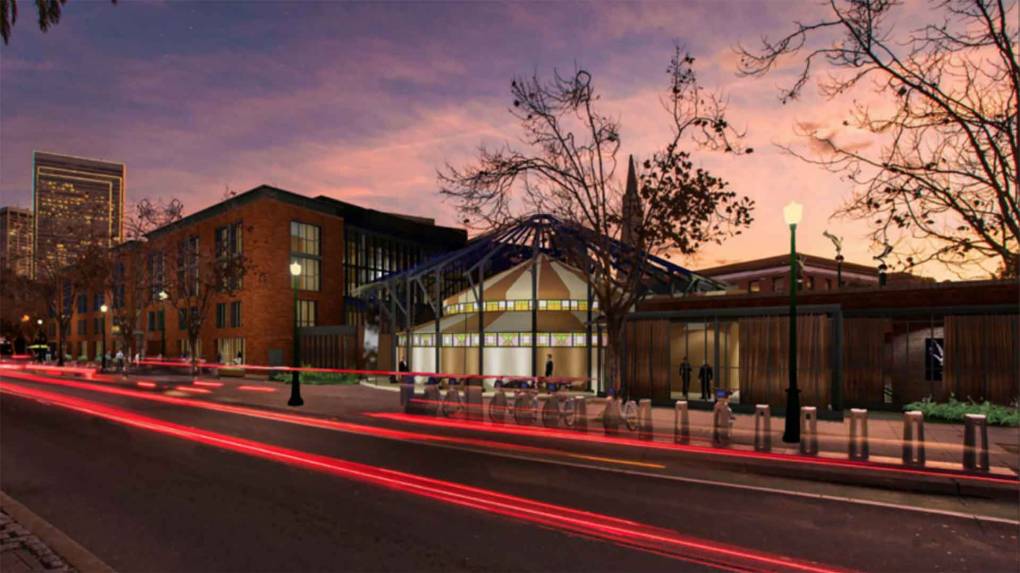
"caption": "Rendering of new Teatro ZinZanni location on San Francisco's waterfront.",
"description": "Rendering of new Teatro ZinZanni location on San Francisco's waterfront.",
"title": "Teatro.MAIN",
"credit": "Teatro ZinZanni",
"status": "inherit",
"isLoading": false,
"fetchFailed": false
},
"arts_13875353": {
"type": "attachments",
"id": "arts_13875353",
"meta": {
"index": "attachments_1716263798",
"site": "arts",
"id": "13875353",
"found": true
},
"parent": 13875346,
"imgSizes": {
"twentyfourteen-full-width": {
"file": "https://ww2.kqed.org/app/uploads/sites/2/2020/02/TheSupers_ensemble_credit_FernandoGamberoni-1038x576.jpeg",
"width": 1038,
"mimeType": "image/jpeg",
"height": 576
},
"thumbnail": {
"file": "https://ww2.kqed.org/app/uploads/sites/2/2020/02/TheSupers_ensemble_credit_FernandoGamberoni-160x107.jpeg",
"width": 160,
"mimeType": "image/jpeg",
"height": 107
},
"post-thumbnail": {
"file": "https://ww2.kqed.org/app/uploads/sites/2/2020/02/TheSupers_ensemble_credit_FernandoGamberoni-672x372.jpeg",
"width": 672,
"mimeType": "image/jpeg",
"height": 372
},
"kqedFullSize": {
"file": "https://ww2.kqed.org/app/uploads/sites/2/2020/02/TheSupers_ensemble_credit_FernandoGamberoni.jpeg",
"width": 2000,
"height": 1333
},
"large": {
"file": "https://ww2.kqed.org/app/uploads/sites/2/2020/02/TheSupers_ensemble_credit_FernandoGamberoni-1020x680.jpeg",
"width": 1020,
"mimeType": "image/jpeg",
"height": 680
},
"full-width": {
"file": "https://ww2.kqed.org/app/uploads/sites/2/2020/02/TheSupers_ensemble_credit_FernandoGamberoni-1920x1280.jpeg",
"width": 1920,
"mimeType": "image/jpeg",
"height": 1280
},
"medium": {
"file": "https://ww2.kqed.org/app/uploads/sites/2/2020/02/TheSupers_ensemble_credit_FernandoGamberoni-800x533.jpeg",
"width": 800,
"mimeType": "image/jpeg",
"height": 533
},
"medium_large": {
"file": "https://ww2.kqed.org/app/uploads/sites/2/2020/02/TheSupers_ensemble_credit_FernandoGamberoni-768x512.jpeg",
"width": 768,
"mimeType": "image/jpeg",
"height": 512
}
},
"publishDate": 1582561884,
"modified": 1582562025,
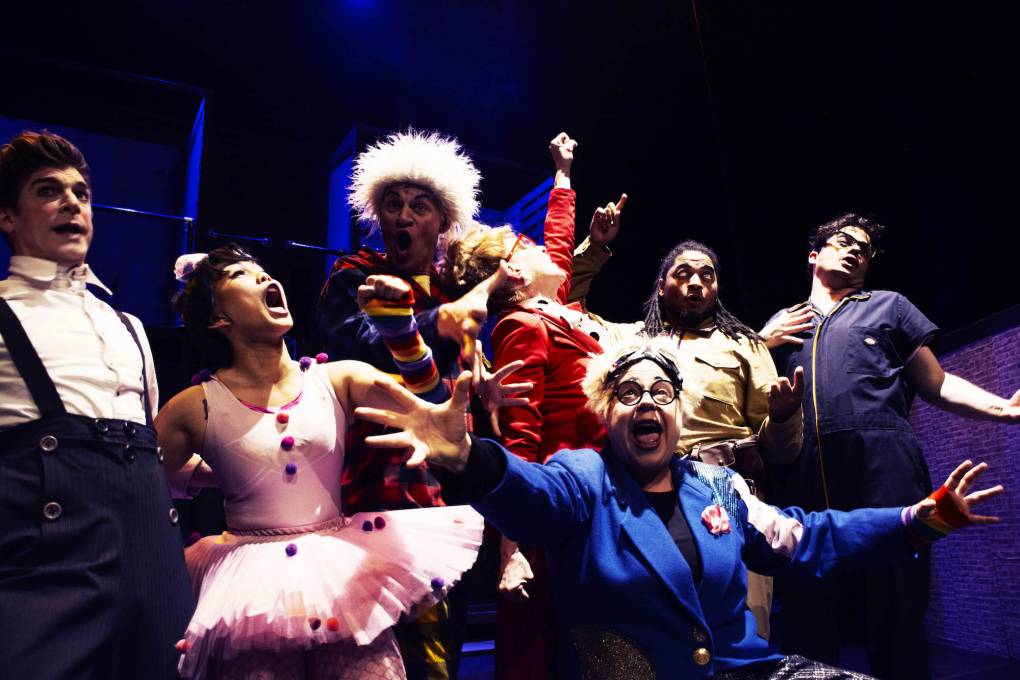
"caption": "The Supers lands at Z Space with an ensemble of superlative clowns.",
"description": "The Supers lands at Z Space with an ensemble of superlative clowns.",
"title": "TheSupers_ensemble_credit_FernandoGamberoni",
"credit": "Fernando Gamberoni",
"status": "inherit",
"isLoading": false,
"fetchFailed": false
},
"arts_13875376": {
"type": "attachments",
"id": "arts_13875376",
"meta": {
"index": "attachments_1716263798",
"site": "arts",
"id": "13875376",
"found": true
},
"parent": 13875371,
"imgSizes": {
"twentyfourteen-full-width": {
"file": "https://ww2.kqed.org/app/uploads/sites/2/2020/02/TheFlick.Icon_-1038x576.jpg",
"width": 1038,
"mimeType": "image/jpeg",
"height": 576
},
"thumbnail": {
"file": "https://ww2.kqed.org/app/uploads/sites/2/2020/02/TheFlick.Icon_-160x90.jpg",
"width": 160,
"mimeType": "image/jpeg",
"height": 90
},
"post-thumbnail": {
"file": "https://ww2.kqed.org/app/uploads/sites/2/2020/02/TheFlick.Icon_-672x372.jpg",
"width": 672,
"mimeType": "image/jpeg",
"height": 372
},
"kqedFullSize": {
"file": "https://ww2.kqed.org/app/uploads/sites/2/2020/02/TheFlick.Icon_.jpg",
"width": 1157,
"height": 651
},
"large": {
"file": "https://ww2.kqed.org/app/uploads/sites/2/2020/02/TheFlick.Icon_-1020x574.jpg",
"width": 1020,
"mimeType": "image/jpeg",
"height": 574
},
"medium": {
"file": "https://ww2.kqed.org/app/uploads/sites/2/2020/02/TheFlick.Icon_-800x450.jpg",
"width": 800,
"mimeType": "image/jpeg",
"height": 450
},
"medium_large": {
"file": "https://ww2.kqed.org/app/uploads/sites/2/2020/02/TheFlick.Icon_-768x432.jpg",
"width": 768,
"mimeType": "image/jpeg",
"height": 432
}
},
"publishDate": 1582570921,
"modified": 1582570921,
"caption": null,
"description": null,
"title": "TheFlick.Icon",
"credit": null,
"status": "inherit",
"isLoading": false,
"fetchFailed": false
},
"arts_13874646": {
"type": "attachments",
"id": "arts_13874646",
"meta": {
"index": "attachments_1716263798",
"site": "arts",
"id": "13874646",
"found": true
},
"parent": 13874641,
"imgSizes": {
"twentyfourteen-full-width": {
"file": "https://ww2.kqed.org/app/uploads/sites/2/2020/02/Manifesto_RotimiAgbabiaka2_credit_RobbieSweeny-1038x576.jpg",
"width": 1038,
"mimeType": "image/jpeg",
"height": 576
},
"thumbnail": {
"file": "https://ww2.kqed.org/app/uploads/sites/2/2020/02/Manifesto_RotimiAgbabiaka2_credit_RobbieSweeny-160x96.jpg",
"width": 160,
"mimeType": "image/jpeg",
"height": 96
},
"post-thumbnail": {
"file": "https://ww2.kqed.org/app/uploads/sites/2/2020/02/Manifesto_RotimiAgbabiaka2_credit_RobbieSweeny-672x372.jpg",
"width": 672,
"mimeType": "image/jpeg",
"height": 372
},
"kqedFullSize": {
"file": "https://ww2.kqed.org/app/uploads/sites/2/2020/02/Manifesto_RotimiAgbabiaka2_credit_RobbieSweeny.jpg",
"width": 2000,
"height": 1200
},
"large": {
"file": "https://ww2.kqed.org/app/uploads/sites/2/2020/02/Manifesto_RotimiAgbabiaka2_credit_RobbieSweeny-1020x612.jpg",
"width": 1020,
"mimeType": "image/jpeg",
"height": 612
},
"full-width": {
"file": "https://ww2.kqed.org/app/uploads/sites/2/2020/02/Manifesto_RotimiAgbabiaka2_credit_RobbieSweeny-1920x1152.jpg",
"width": 1920,
"mimeType": "image/jpeg",
"height": 1152
},
"medium": {
"file": "https://ww2.kqed.org/app/uploads/sites/2/2020/02/Manifesto_RotimiAgbabiaka2_credit_RobbieSweeny-800x480.jpg",
"width": 800,
"mimeType": "image/jpeg",
"height": 480
},
"medium_large": {
"file": "https://ww2.kqed.org/app/uploads/sites/2/2020/02/Manifesto_RotimiAgbabiaka2_credit_RobbieSweeny-768x461.jpg",
"width": 768,
"mimeType": "image/jpeg",
"height": 461
}
},
"publishDate": 1581353421,
"modified": 1581353517,
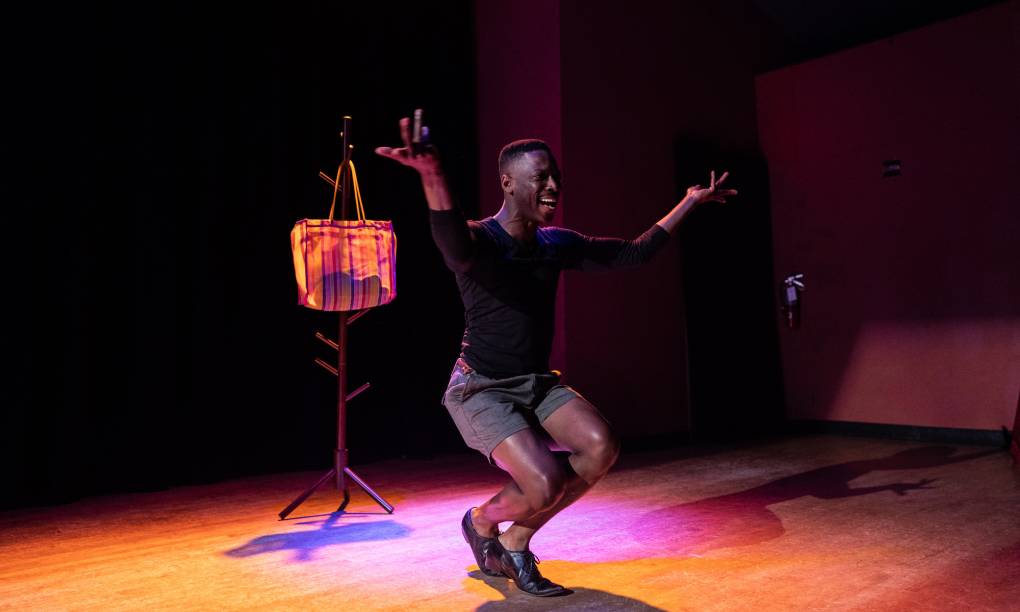
"caption": "Rotimi Agbabiaka in Manifesto at Brava Theater Center.",
"description": "Rotimi Agbabiaka in Manifesto at Brava Theater Center.",
"title": "Manifesto_RotimiAgbabiaka2_credit_RobbieSweeny",
"credit": "Robbie Sweeny",
"status": "inherit",
"isLoading": false,
"fetchFailed": false
},
"arts_13874400": {
"type": "attachments",
"id": "arts_13874400",
"meta": {
"index": "attachments_1716263798",
"site": "arts",
"id": "13874400",
"found": true
},
"parent": 0,
"imgSizes": {
"twentyfourteen-full-width": {
"file": "https://ww2.kqed.org/app/uploads/sites/2/2020/02/john-cameron-mitchell-1038x576.jpg",
"width": 1038,
"mimeType": "image/jpeg",
"height": 576
},
"thumbnail": {
"file": "https://ww2.kqed.org/app/uploads/sites/2/2020/02/john-cameron-mitchell-160x90.jpg",
"width": 160,
"mimeType": "image/jpeg",
"height": 90
},
"post-thumbnail": {
"file": "https://ww2.kqed.org/app/uploads/sites/2/2020/02/john-cameron-mitchell-672x372.jpg",
"width": 672,
"mimeType": "image/jpeg",
"height": 372
},
"kqedFullSize": {
"file": "https://ww2.kqed.org/app/uploads/sites/2/2020/02/john-cameron-mitchell.jpg",
"width": 1100,
"height": 619
},
"large": {
"file": "https://ww2.kqed.org/app/uploads/sites/2/2020/02/john-cameron-mitchell-1020x574.jpg",
"width": 1020,
"mimeType": "image/jpeg",
"height": 574
},
"medium": {
"file": "https://ww2.kqed.org/app/uploads/sites/2/2020/02/john-cameron-mitchell-800x450.jpg",
"width": 800,
"mimeType": "image/jpeg",
"height": 450
},
"medium_large": {
"file": "https://ww2.kqed.org/app/uploads/sites/2/2020/02/john-cameron-mitchell-768x432.jpg",
"width": 768,
"mimeType": "image/jpeg",
"height": 432
}
},
"publishDate": 1580919422,
"modified": 1580919499,
"caption": "John Cameron Mitchell.",
"description": "John Cameron Mitchell.",
"title": "john-cameron-mitchell",
"credit": "via Cal Performances",
"status": "inherit",
"isLoading": false,
"fetchFailed": false
},
"arts_13873510": {
"type": "attachments",
"id": "arts_13873510",
"meta": {
"index": "attachments_1716263798",
"site": "arts",
"id": "13873510",
"found": true
},
"parent": 13873503,
"imgSizes": {
"twentyfourteen-full-width": {
"file": "https://ww2.kqed.org/app/uploads/sites/2/2020/01/2019EdwadianBall_DakhDaughters_credit_ZoartPhotography_1000-1000x576.jpeg",
"width": 1000,
"mimeType": "image/jpeg",
"height": 576
},
"thumbnail": {
"file": "https://ww2.kqed.org/app/uploads/sites/2/2020/01/2019EdwadianBall_DakhDaughters_credit_ZoartPhotography_1000-160x107.jpeg",
"width": 160,
"mimeType": "image/jpeg",
"height": 107
},
"post-thumbnail": {
"file": "https://ww2.kqed.org/app/uploads/sites/2/2020/01/2019EdwadianBall_DakhDaughters_credit_ZoartPhotography_1000-672x372.jpeg",
"width": 672,
"mimeType": "image/jpeg",
"height": 372
},
"kqedFullSize": {
"file": "https://ww2.kqed.org/app/uploads/sites/2/2020/01/2019EdwadianBall_DakhDaughters_credit_ZoartPhotography_1000.jpeg",
"width": 1000,
"height": 667
},
"medium": {
"file": "https://ww2.kqed.org/app/uploads/sites/2/2020/01/2019EdwadianBall_DakhDaughters_credit_ZoartPhotography_1000-800x534.jpeg",
"width": 800,
"mimeType": "image/jpeg",
"height": 534
},
"medium_large": {
"file": "https://ww2.kqed.org/app/uploads/sites/2/2020/01/2019EdwadianBall_DakhDaughters_credit_ZoartPhotography_1000-768x512.jpeg",
"width": 768,
"mimeType": "image/jpeg",
"height": 512
}
},
"publishDate": 1579550631,
"modified": 1579552118,
"caption": "Ukrainian, cabaret-inspired Dakh Daughters perform at the 2019 Edwardian Ball.",
"description": "Ukrainian, cabaret-inspired Dakh Daughters perform at the 2019 Edwardian Ball.",
"title": "2019EdwadianBall_DakhDaughters_credit_ZoartPhotography_1000",
"credit": "Zoart Photography",
"status": "inherit",
"isLoading": false,
"fetchFailed": false
},
"arts_13824382": {
"type": "attachments",
"id": "arts_13824382",
"meta": {
"index": "attachments_1716263798",
"site": "arts",
"id": "13824382",
"found": true
},
"parent": 13824378,
"imgSizes": {
"small": {
"file": "https://ww2.kqed.org/app/uploads/sites/2/2018/02/NEA-Funding-520x293.jpg",
"width": 520,
"mimeType": "image/jpeg",
"height": 293
},
"twentyfourteen-full-width": {
"file": "https://ww2.kqed.org/app/uploads/sites/2/2018/02/NEA-Funding-1038x576.jpg",
"width": 1038,
"mimeType": "image/jpeg",
"height": 576
},
"thumbnail": {
"file": "https://ww2.kqed.org/app/uploads/sites/2/2018/02/NEA-Funding-160x90.jpg",
"width": 160,
"mimeType": "image/jpeg",
"height": 90
},
"fd-sm": {
"file": "https://ww2.kqed.org/app/uploads/sites/2/2018/02/NEA-Funding-960x540.jpg",
"width": 960,
"mimeType": "image/jpeg",
"height": 540
},
"post-thumbnail": {
"file": "https://ww2.kqed.org/app/uploads/sites/2/2018/02/NEA-Funding-672x372.jpg",
"width": 672,
"mimeType": "image/jpeg",
"height": 372
},
"xsmall": {
"file": "https://ww2.kqed.org/app/uploads/sites/2/2018/02/NEA-Funding-375x211.jpg",
"width": 375,
"mimeType": "image/jpeg",
"height": 211
},
"kqedFullSize": {
"file": "https://ww2.kqed.org/app/uploads/sites/2/2018/02/NEA-Funding.jpg",
"width": 1920,
"height": 1080
},
"large": {
"file": "https://ww2.kqed.org/app/uploads/sites/2/2018/02/NEA-Funding-1020x574.jpg",
"width": 1020,
"mimeType": "image/jpeg",
"height": 574
},
"xlarge": {
"file": "https://ww2.kqed.org/app/uploads/sites/2/2018/02/NEA-Funding-1180x664.jpg",
"width": 1180,
"mimeType": "image/jpeg",
"height": 664
},
"guest-author-50": {
"file": "https://ww2.kqed.org/app/uploads/sites/2/2018/02/NEA-Funding-50x50.jpg",
"width": 50,
"mimeType": "image/jpeg",
"height": 50
},
"guest-author-96": {
"file": "https://ww2.kqed.org/app/uploads/sites/2/2018/02/NEA-Funding-96x96.jpg",
"width": 96,
"mimeType": "image/jpeg",
"height": 96
},
"medium": {
"file": "https://ww2.kqed.org/app/uploads/sites/2/2018/02/NEA-Funding-800x450.jpg",
"width": 800,
"mimeType": "image/jpeg",
"height": 450
},
"guest-author-64": {
"file": "https://ww2.kqed.org/app/uploads/sites/2/2018/02/NEA-Funding-64x64.jpg",
"width": 64,
"mimeType": "image/jpeg",
"height": 64
},
"guest-author-32": {
"file": "https://ww2.kqed.org/app/uploads/sites/2/2018/02/NEA-Funding-32x32.jpg",
"width": 32,
"mimeType": "image/jpeg",
"height": 32
},
"fd-lrg": {
"file": "https://ww2.kqed.org/app/uploads/sites/2/2018/02/NEA-Funding-1920x1080.jpg",
"width": 1920,
"mimeType": "image/jpeg",
"height": 1080
},
"fd-med": {
"file": "https://ww2.kqed.org/app/uploads/sites/2/2018/02/NEA-Funding-1180x664.jpg",
"width": 1180,
"mimeType": "image/jpeg",
"height": 664
},
"full-width": {
"file": "https://ww2.kqed.org/app/uploads/sites/2/2018/02/NEA-Funding-1920x1080.jpg",
"width": 1920,
"mimeType": "image/jpeg",
"height": 1080
},
"detail": {
"file": "https://ww2.kqed.org/app/uploads/sites/2/2018/02/NEA-Funding-150x150.jpg",
"width": 150,
"mimeType": "image/jpeg",
"height": 150
},
"medium_large": {
"file": "https://ww2.kqed.org/app/uploads/sites/2/2018/02/NEA-Funding-768x432.jpg",
"width": 768,
"mimeType": "image/jpeg",
"height": 432
},
"guest-author-128": {
"file": "https://ww2.kqed.org/app/uploads/sites/2/2018/02/NEA-Funding-128x128.jpg",
"width": 128,
"mimeType": "image/jpeg",
"height": 128
},
"xxsmall": {
"file": "https://ww2.kqed.org/app/uploads/sites/2/2018/02/NEA-Funding-240x135.jpg",
"width": 240,
"mimeType": "image/jpeg",
"height": 135
}
},
"publishDate": 1518553099,
"modified": 1579140349,
"caption": "Claudio Roncoli a recipient of an award from the National Endowment for the Arts works in his studio space at the Bakehouse Art Complex on March 16, 2017 in Miami, Florida. ",
"description": " Claudio Roncoli a recipient of an award from the National Endowment for the Arts works in his studio space at the Bakehouse Art Complex on March 16, 2017 in Miami, Florida. ",
"title": "Miami Arts Center Could Suffer Funding Setback Under Trump's Proposed Budget Cuts To Nat'l Arts Endowment",
"credit": "Joe Raedle/Getty Images",
"status": "inherit",
"isLoading": false,
"fetchFailed": false
},
"arts_13873141": {
"type": "attachments",
"id": "arts_13873141",
"meta": {
"index": "attachments_1716263798",
"site": "arts",
"id": "13873141",
"found": true
},
"parent": 13873137,
"imgSizes": {
"twentyfourteen-full-width": {
"file": "https://ww2.kqed.org/app/uploads/sites/2/2020/01/Noura_MayaNazzal_DenmoIbrahim_credit_KevinBerne-1038x576.jpg",
"width": 1038,
"mimeType": "image/jpeg",
"height": 576
},
"thumbnail": {
"file": "https://ww2.kqed.org/app/uploads/sites/2/2020/01/Noura_MayaNazzal_DenmoIbrahim_credit_KevinBerne-160x106.jpg",
"width": 160,
"mimeType": "image/jpeg",
"height": 106
},
"post-thumbnail": {
"file": "https://ww2.kqed.org/app/uploads/sites/2/2020/01/Noura_MayaNazzal_DenmoIbrahim_credit_KevinBerne-672x372.jpg",
"width": 672,
"mimeType": "image/jpeg",
"height": 372
},
"kqedFullSize": {
"file": "https://ww2.kqed.org/app/uploads/sites/2/2020/01/Noura_MayaNazzal_DenmoIbrahim_credit_KevinBerne.jpg",
"width": 2000,
"height": 1331
},
"large": {
"file": "https://ww2.kqed.org/app/uploads/sites/2/2020/01/Noura_MayaNazzal_DenmoIbrahim_credit_KevinBerne-1020x679.jpg",
"width": 1020,
"mimeType": "image/jpeg",
"height": 679
},
"complete_open_graph": {
"file": "https://ww2.kqed.org/app/uploads/sites/2/2020/01/Noura_MayaNazzal_DenmoIbrahim_credit_KevinBerne-1200x799.jpg",
"width": 1200,
"mimeType": "image/jpeg",
"height": 799
},
"full-width": {
"file": "https://ww2.kqed.org/app/uploads/sites/2/2020/01/Noura_MayaNazzal_DenmoIbrahim_credit_KevinBerne-1920x1278.jpg",
"width": 1920,
"mimeType": "image/jpeg",
"height": 1278
},
"medium": {
"file": "https://ww2.kqed.org/app/uploads/sites/2/2020/01/Noura_MayaNazzal_DenmoIbrahim_credit_KevinBerne-800x532.jpg",
"width": 800,
"mimeType": "image/jpeg",
"height": 532
},
"medium_large": {
"file": "https://ww2.kqed.org/app/uploads/sites/2/2020/01/Noura_MayaNazzal_DenmoIbrahim_credit_KevinBerne-768x511.jpg",
"width": 768,
"mimeType": "image/jpeg",
"height": 511
}
},
"publishDate": 1578947125,
"modified": 1578947230,
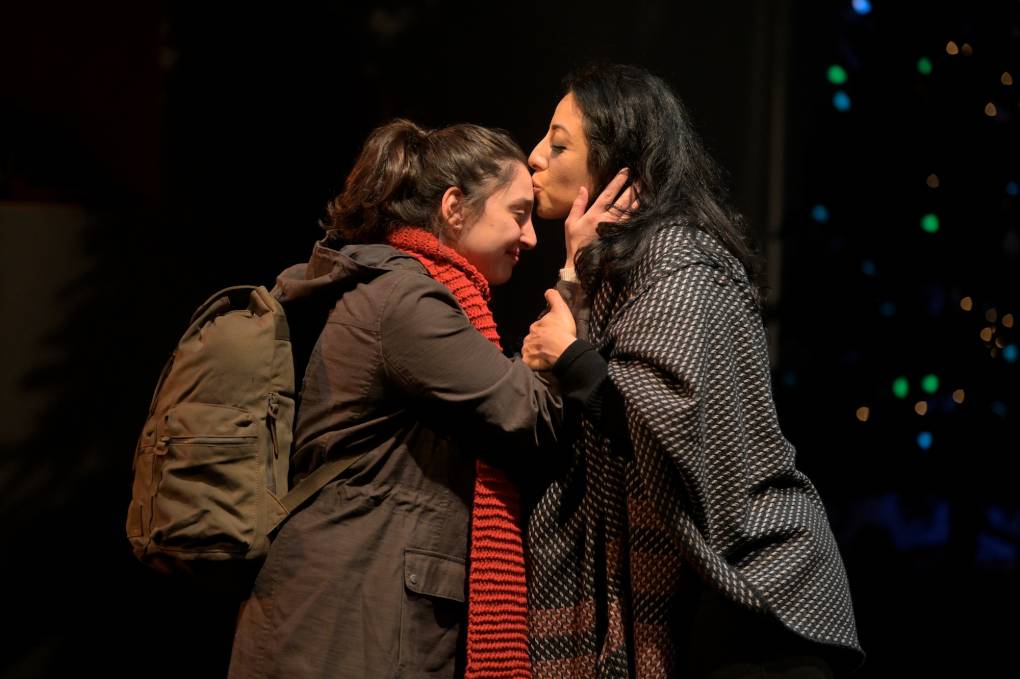
"caption": "Maya Nazzal and Denmo Ibrahim in Marin Theatre Company's production of Noura, by Heather Raffo.",
"description": "Maya Nazzal and Denmo Ibrahim in Marin Theatre Company's production of Noura, by Heather Raffo.",
"title": "Noura_MayaNazzal_DenmoIbrahim_credit_KevinBerne",
"credit": "Kevin Berne",
"status": "inherit",
"isLoading": false,
"fetchFailed": false
},
"arts_13873118": {
"type": "attachments",
"id": "arts_13873118",
"meta": {
"index": "attachments_1716263798",
"site": "arts",
"id": "13873118",
"found": true
},
"parent": 13873116,
"imgSizes": {
"twentyfourteen-full-width": {
"file": "https://ww2.kqed.org/app/uploads/sites/2/2020/01/MimisSuitcase-1038x576.jpg",
"width": 1038,
"mimeType": "image/jpeg",
"height": 576
},
"thumbnail": {
"file": "https://ww2.kqed.org/app/uploads/sites/2/2020/01/MimisSuitcase-160x90.jpg",
"width": 160,
"mimeType": "image/jpeg",
"height": 90
},
"post-thumbnail": {
"file": "https://ww2.kqed.org/app/uploads/sites/2/2020/01/MimisSuitcase-672x372.jpg",
"width": 672,
"mimeType": "image/jpeg",
"height": 372
},
"kqedFullSize": {
"file": "https://ww2.kqed.org/app/uploads/sites/2/2020/01/MimisSuitcase.jpg",
"width": 1920,
"height": 1080
},
"large": {
"file": "https://ww2.kqed.org/app/uploads/sites/2/2020/01/MimisSuitcase-1020x574.jpg",
"width": 1020,
"mimeType": "image/jpeg",
"height": 574
},
"complete_open_graph": {
"file": "https://ww2.kqed.org/app/uploads/sites/2/2020/01/MimisSuitcase-1200x675.jpg",
"width": 1200,
"mimeType": "image/jpeg",
"height": 675
},
"full-width": {
"file": "https://ww2.kqed.org/app/uploads/sites/2/2020/01/MimisSuitcase-1920x1080.jpg",
"width": 1920,
"mimeType": "image/jpeg",
"height": 1080
},
"medium": {
"file": "https://ww2.kqed.org/app/uploads/sites/2/2020/01/MimisSuitcase-800x450.jpg",
"width": 800,
"mimeType": "image/jpeg",
"height": 450
},
"medium_large": {
"file": "https://ww2.kqed.org/app/uploads/sites/2/2020/01/MimisSuitcase-768x432.jpg",
"width": 768,
"mimeType": "image/jpeg",
"height": 432
}
},
"publishDate": 1578864357,
"modified": 1578864382,
"caption": "Ana Bayat in 'Mimi's Suitcase.'",
"description": "Ana Bayat in 'Mimi's Suitcase.'",
"title": "MimisSuitcase",
"credit": null,
"status": "inherit",
"isLoading": false,
"fetchFailed": false
},
"arts_12603664": {
"type": "attachments",
"id": "arts_12603664",
"meta": {
"index": "attachments_1716263798",
"site": "arts",
"id": "12603664",
"found": true
},
"parent": 12603663,
"imgSizes": {
"small": {
"file": "https://ww2.kqed.org/app/uploads/sites/2/2017/01/Thillpeddlers-Shanghai-e1484007906252-520x302.jpg",
"width": 520,
"mimeType": "image/jpeg",
"height": 302
},
"twentyfourteen-full-width": {
"file": "https://ww2.kqed.org/app/uploads/sites/2/2017/01/Thillpeddlers-Shanghai-e1484007906252-1038x576.jpg",
"width": 1038,
"mimeType": "image/jpeg",
"height": 576
},
"thumbnail": {
"file": "https://ww2.kqed.org/app/uploads/sites/2/2017/01/Thillpeddlers-Shanghai-e1484007906252-160x93.jpg",
"width": 160,
"mimeType": "image/jpeg",
"height": 93
},
"fd-sm": {
"file": "https://ww2.kqed.org/app/uploads/sites/2/2017/01/Thillpeddlers-Shanghai-e1484007906252-960x557.jpg",
"width": 960,
"mimeType": "image/jpeg",
"height": 557
},
"post-thumbnail": {
"file": "https://ww2.kqed.org/app/uploads/sites/2/2017/01/Thillpeddlers-Shanghai-e1484007906252-672x372.jpg",
"width": 672,
"mimeType": "image/jpeg",
"height": 372
},
"xsmall": {
"file": "https://ww2.kqed.org/app/uploads/sites/2/2017/01/Thillpeddlers-Shanghai-e1484007906252-375x218.jpg",
"width": 375,
"mimeType": "image/jpeg",
"height": 218
},
"kqedFullSize": {
"file": "https://ww2.kqed.org/app/uploads/sites/2/2017/01/Thillpeddlers-Shanghai-e1484007906252.jpg",
"width": 1994,
"height": 1157
},
"large": {
"file": "https://ww2.kqed.org/app/uploads/sites/2/2017/01/Thillpeddlers-Shanghai-e1484007906252-1020x592.jpg",
"width": 1020,
"mimeType": "image/jpeg",
"height": 592
},
"xlarge": {
"file": "https://ww2.kqed.org/app/uploads/sites/2/2017/01/Thillpeddlers-Shanghai-e1484007906252-1180x685.jpg",
"width": 1180,
"mimeType": "image/jpeg",
"height": 685
},
"guest-author-50": {
"file": "https://ww2.kqed.org/app/uploads/sites/2/2017/01/Thillpeddlers-Shanghai-e1484007906252-50x50.jpg",
"width": 50,
"mimeType": "image/jpeg",
"height": 50
},
"guest-author-96": {
"file": "https://ww2.kqed.org/app/uploads/sites/2/2017/01/Thillpeddlers-Shanghai-e1484007906252-96x96.jpg",
"width": 96,
"mimeType": "image/jpeg",
"height": 96
},
"medium": {
"file": "https://ww2.kqed.org/app/uploads/sites/2/2017/01/Thillpeddlers-Shanghai-e1484007906252-800x464.jpg",
"width": 800,
"mimeType": "image/jpeg",
"height": 464
},
"guest-author-64": {
"file": "https://ww2.kqed.org/app/uploads/sites/2/2017/01/Thillpeddlers-Shanghai-e1484007906252-64x64.jpg",
"width": 64,
"mimeType": "image/jpeg",
"height": 64
},
"guest-author-32": {
"file": "https://ww2.kqed.org/app/uploads/sites/2/2017/01/Thillpeddlers-Shanghai-e1484007906252-32x32.jpg",
"width": 32,
"mimeType": "image/jpeg",
"height": 32
},
"fd-lrg": {
"file": "https://ww2.kqed.org/app/uploads/sites/2/2017/01/Thillpeddlers-Shanghai-e1484007906252-1920x1114.jpg",
"width": 1920,
"mimeType": "image/jpeg",
"height": 1114
},
"fd-med": {
"file": "https://ww2.kqed.org/app/uploads/sites/2/2017/01/Thillpeddlers-Shanghai-e1484007906252-1180x685.jpg",
"width": 1180,
"mimeType": "image/jpeg",
"height": 685
},
"full-width": {
"file": "https://ww2.kqed.org/app/uploads/sites/2/2017/01/Thillpeddlers-Shanghai-e1484007906252-1920x1114.jpg",
"width": 1920,
"mimeType": "image/jpeg",
"height": 1114
},
"detail": {
"file": "https://ww2.kqed.org/app/uploads/sites/2/2017/01/Thillpeddlers-Shanghai-e1484007906252-150x150.jpg",
"width": 150,
"mimeType": "image/jpeg",
"height": 150
},
"medium_large": {
"file": "https://ww2.kqed.org/app/uploads/sites/2/2017/01/Thillpeddlers-Shanghai-e1484007906252-768x446.jpg",
"width": 768,
"mimeType": "image/jpeg",
"height": 446
},
"guest-author-128": {
"file": "https://ww2.kqed.org/app/uploads/sites/2/2017/01/Thillpeddlers-Shanghai-e1484007906252-128x128.jpg",
"width": 128,
"mimeType": "image/jpeg",
"height": 128
},
"xxsmall": {
"file": "https://ww2.kqed.org/app/uploads/sites/2/2017/01/Thillpeddlers-Shanghai-e1484007906252-240x139.jpg",
"width": 240,
"mimeType": "image/jpeg",
"height": 139
}
},
"publishDate": 1483997491,
"modified": 1484008043,
"caption": "A Thrillpeddler Production of the Cockettes' 'Pearls over Shanghai'",
"description": "A Thrillpeddler Production of the Cockettes' 'Pearls over Shanghai'",
"title": "A Thrillpeddler Production of the Cockettes' 'Pearls over Shanghai'",
"credit": "Photo: Daniel Nicoletta/Thrillpeddlers",
"status": "inherit",
"isLoading": false,
"fetchFailed": false
},
"arts_13861406": {
"type": "attachments",
"id": "arts_13861406",
"meta": {
"index": "attachments_1716263798",
"site": "arts",
"id": "13861406",
"found": true
},
"parent": 13861398,
"imgSizes": {
"twentyfourteen-full-width": {
"file": "https://ww2.kqed.org/app/uploads/sites/2/2019/07/KillMoveParadise_DwayneClay_EddieEwell_LenardJackson_TrevonneBell_credit_RobbieSweeny-1038x576.jpg",
"width": 1038,
"mimeType": "image/jpeg",
"height": 576
},
"thumbnail": {
"file": "https://ww2.kqed.org/app/uploads/sites/2/2019/07/KillMoveParadise_DwayneClay_EddieEwell_LenardJackson_TrevonneBell_credit_RobbieSweeny-160x99.jpg",
"width": 160,
"mimeType": "image/jpeg",
"height": 99
},
"post-thumbnail": {
"file": "https://ww2.kqed.org/app/uploads/sites/2/2019/07/KillMoveParadise_DwayneClay_EddieEwell_LenardJackson_TrevonneBell_credit_RobbieSweeny-672x372.jpg",
"width": 672,
"mimeType": "image/jpeg",
"height": 372
},
"kqedFullSize": {
"file": "https://ww2.kqed.org/app/uploads/sites/2/2019/07/KillMoveParadise_DwayneClay_EddieEwell_LenardJackson_TrevonneBell_credit_RobbieSweeny.jpg",
"width": 1200,
"height": 741
},
"large": {
"file": "https://ww2.kqed.org/app/uploads/sites/2/2019/07/KillMoveParadise_DwayneClay_EddieEwell_LenardJackson_TrevonneBell_credit_RobbieSweeny-1020x630.jpg",
"width": 1020,
"mimeType": "image/jpeg",
"height": 630
},
"complete_open_graph": {
"file": "https://ww2.kqed.org/app/uploads/sites/2/2019/07/KillMoveParadise_DwayneClay_EddieEwell_LenardJackson_TrevonneBell_credit_RobbieSweeny-1200x741.jpg",
"width": 1200,
"mimeType": "image/jpeg",
"height": 741
},
"medium": {
"file": "https://ww2.kqed.org/app/uploads/sites/2/2019/07/KillMoveParadise_DwayneClay_EddieEwell_LenardJackson_TrevonneBell_credit_RobbieSweeny-800x494.jpg",
"width": 800,
"mimeType": "image/jpeg",
"height": 494
},
"medium_large": {
"file": "https://ww2.kqed.org/app/uploads/sites/2/2019/07/KillMoveParadise_DwayneClay_EddieEwell_LenardJackson_TrevonneBell_credit_RobbieSweeny-768x474.jpg",
"width": 768,
"mimeType": "image/jpeg",
"height": 474
}
},
"publishDate": 1563213632,
"modified": 1563484701,
"caption": "Dwayne Clay, Eddie Ewell, Lenard Jackson, and Tre'Vonne Bell in 'Kill Move Paradise,' by James Ijames, at Shotgun Players' Ashby Stage.",
"description": "Dwayne Clay, Eddie Ewell, Lenard Jackson, and Tre'Vonne Bell in 'Kill Move Paradise,' by James Ijames, at Shotgun Players' Ashby Stage.",
"title": "KillMoveParadise_DwayneClay_EddieEwell_LenardJackson_TrevonneBell_credit_RobbieSweeny",
"credit": "Robbie Sweeny",
"status": "inherit",
"isLoading": false,
"fetchFailed": false
}
},
"audioPlayerReducer": {
"postId": "stream_live",
"isPaused": true,
"isPlaying": false,
"pfsActive": false,
"pledgeModalIsOpen": true,
"playerDrawerIsOpen": false,
"liveAudioPlayStartedAt": 0,
"liveAudioPlayContext": ""
},
"authorsReducer": {
"shotchkiss": {
"type": "authors",
"id": "61",
"meta": {
"index": "authors_1716337520",
"id": "61",
"found": true
},
"name": "Sarah Hotchkiss",
"firstName": "Sarah",
"lastName": "Hotchkiss",
"slug": "shotchkiss",
"email": "shotchkiss@kqed.org",
"display_author_email": true,
"staff_mastheads": [
"arts"
],
"title": "Senior Editor",
"bio": "Sarah Hotchkiss is a San Francisco \u003ca href=\"http://www.sarahhotchkiss.com\">artist\u003c/a> and arts writer. In 2019, she received the Dorothea & Leo Rabkin Foundation grant for visual art journalism and in 2020 she received a Society of Professional Journalists, Northern California award for excellence in arts and culture reporting.",
"avatar": "https://secure.gravatar.com/avatar/bc662df144b3d27fd8b1b6f1c2a420d34e91e53154d411bb7ad353cc8b6cea8d?s=600&d=blank&r=g",
"twitter": null,
"bluesky": null,
"facebook": null,
"instagram": null,
"linkedin": null,
"sites": [
{
"site": "",
"roles": [
"editor"
]
},
{
"site": "arts",
"roles": [
"Contributor",
"administrator"
]
},
{
"site": "artschool",
"roles": [
"administrator"
]
},
{
"site": "news",
"roles": [
"editor"
]
},
{
"site": "pop",
"roles": [
"administrator"
]
},
{
"site": "bayareabites",
"roles": [
"editor"
]
},
{
"site": "spark",
"roles": [
"editor"
]
},
{
"site": "checkplease",
"roles": [
"editor"
]
}
],
"headData": {
"title": "Sarah Hotchkiss | KQED",
"description": "Senior Editor",
"ogImgSrc": "https://secure.gravatar.com/avatar/bc662df144b3d27fd8b1b6f1c2a420d34e91e53154d411bb7ad353cc8b6cea8d?s=600&d=blank&r=g",
"twImgSrc": "https://secure.gravatar.com/avatar/bc662df144b3d27fd8b1b6f1c2a420d34e91e53154d411bb7ad353cc8b6cea8d?s=600&d=blank&r=g"
},
"isLoading": false,
"link": "/author/shotchkiss"
},
"gmeline": {
"type": "authors",
"id": "185",
"meta": {
"index": "authors_1716337520",
"id": "185",
"found": true
},
"name": "Gabe Meline",
"firstName": "Gabe",
"lastName": "Meline",
"slug": "gmeline",
"email": "gmeline@kqed.org",
"display_author_email": true,
"staff_mastheads": [
"arts"
],
"title": "Senior Editor, KQED Arts & Culture",
"bio": "Gabe Meline entered journalism at age 15 making photocopied zines, and has since earned awards from the Edward R. Murrow Awards, the Society for Professional Journalists, the Online Journalism Awards, the Association of Alternative Newsweeklies and the California Newspaper Publishers Association. Prior to KQED, he was the editor of the \u003cem>North Bay Bohemian\u003c/em> and a touring musician. He lives with his wife and daughter in his hometown of Santa Rosa, CA.",
"avatar": "https://secure.gravatar.com/avatar/5bebe57be0d8bc2dd318934feb47299e2d2d10cba28d09d8d7afb389a2ce2bdd?s=600&d=blank&r=g",
"twitter": null,
"bluesky": null,
"facebook": null,
"instagram": null,
"linkedin": null,
"sites": [
{
"site": "",
"roles": [
"editor"
]
},
{
"site": "arts",
"roles": [
"administrator"
]
},
{
"site": "artschool",
"roles": [
"editor"
]
},
{
"site": "news",
"roles": [
"author"
]
},
{
"site": "pop",
"roles": [
"editor"
]
},
{
"site": "bayareabites",
"roles": [
"editor"
]
},
{
"site": "food",
"roles": [
"editor"
]
},
{
"site": "forum",
"roles": [
"administrator"
]
},
{
"site": "liveblog",
"roles": [
"editor"
]
},
{
"site": "hiphop",
"roles": [
"editor"
]
}
],
"headData": {
"title": "Gabe Meline | KQED",
"description": "Senior Editor, KQED Arts & Culture",
"ogImgSrc": "https://secure.gravatar.com/avatar/5bebe57be0d8bc2dd318934feb47299e2d2d10cba28d09d8d7afb389a2ce2bdd?s=600&d=blank&r=g",
"twImgSrc": "https://secure.gravatar.com/avatar/5bebe57be0d8bc2dd318934feb47299e2d2d10cba28d09d8d7afb389a2ce2bdd?s=600&d=blank&r=g"
},
"isLoading": false,
"link": "/author/gmeline"
},
"cveltman": {
"type": "authors",
"id": "8608",
"meta": {
"index": "authors_1716337520",
"id": "8608",
"found": true
},
"name": "Chloe Veltman",
"firstName": "Chloe",
"lastName": "Veltman",
"slug": "cveltman",
"email": "cveltman@kqed.org",
"display_author_email": true,
"staff_mastheads": [],
"title": "Arts and Culture Reporter",
"bio": "Chloe Veltman is a former arts and culture reporter for KQED. Prior to joining the organization, she launched and led the arts bureau at Colorado Public Radio, served as the Bay Area's culture columnist for the New York Times, and was the founder, host and executive producer of VoiceBox, a national award-winning weekly podcast/radio show and live events series all about the human voice. Chloe is the recipient of numerous prizes, grants and fellowships including a Webby Award for her work on interactive storytelling, both the John S Knight Journalism Fellowship and Humanities Center Fellowship at Stanford University, the Sundance Arts Writing Fellowship and a Library of Congress Research Fellowship. She is the author of the book \"On Acting\" and has appeared as a guest lecturer at Yale University and the San Francisco Conservatory of Music among other institutions. She holds a BA in english literature from King's College, Cambridge, and a Masters in Dramaturgy from the Central School of Speech and Drama/Harvard Institute for Advanced Theater Training.\r\n\u003ca href=\"https://www.chloeveltman.com\">www.chloeveltman.com\u003c/a>",
"avatar": "https://secure.gravatar.com/avatar/55403394b00a1ddab683952c2eb2cf85?s=600&d=blank&r=g",
"twitter": "chloeveltman",
"facebook": null,
"instagram": null,
"linkedin": null,
"sites": [
{
"site": "arts",
"roles": []
},
{
"site": "news",
"roles": [
"author"
]
},
{
"site": "pop",
"roles": [
"editor"
]
},
{
"site": "science",
"roles": []
}
],
"headData": {
"title": "Chloe Veltman | KQED",
"description": "Arts and Culture Reporter",
"ogImgSrc": "https://secure.gravatar.com/avatar/55403394b00a1ddab683952c2eb2cf85?s=600&d=blank&r=g",
"twImgSrc": "https://secure.gravatar.com/avatar/55403394b00a1ddab683952c2eb2cf85?s=600&d=blank&r=g"
},
"isLoading": false,
"link": "/author/cveltman"
},
"slefebvre": {
"type": "authors",
"id": "11091",
"meta": {
"index": "authors_1716337520",
"id": "11091",
"found": true
},
"name": "Sam Lefebvre",
"firstName": "Sam",
"lastName": "Lefebvre",
"slug": "slefebvre",
"email": "sdlefebvre@gmail.com",
"display_author_email": false,
"staff_mastheads": [],
"title": "KQED Contributor",
"bio": "Sam Lefebvre is an award-winning reporter at KQED Arts. He has worked as an editor and columnist at the \u003cem>East Bay Express\u003c/em>, \u003cem>SF Weekly \u003c/em>and Impose Magazine, and his journalism and criticism has appeared in \u003cem>The New York Times\u003c/em>, the Guardian and Pitchfork.",
"avatar": "https://secure.gravatar.com/avatar/49d39b42930b77fb13784ddd9fa63fe780666b71bf289368509dba576b64e69b?s=600&d=blank&r=g",
"twitter": "Lefebvre_Sam",
"bluesky": null,
"facebook": null,
"instagram": null,
"linkedin": null,
"sites": [
{
"site": "arts",
"roles": [
"subscriber"
]
},
{
"site": "news",
"roles": [
"author"
]
}
],
"headData": {
"title": "Sam Lefebvre | KQED",
"description": "KQED Contributor",
"ogImgSrc": "https://secure.gravatar.com/avatar/49d39b42930b77fb13784ddd9fa63fe780666b71bf289368509dba576b64e69b?s=600&d=blank&r=g",
"twImgSrc": "https://secure.gravatar.com/avatar/49d39b42930b77fb13784ddd9fa63fe780666b71bf289368509dba576b64e69b?s=600&d=blank&r=g"
},
"isLoading": false,
"link": "/author/slefebvre"
},
"ogpenn": {
"type": "authors",
"id": "11491",
"meta": {
"index": "authors_1716337520",
"id": "11491",
"found": true
},
"name": "Pendarvis Harshaw",
"firstName": "Pendarvis",
"lastName": "Harshaw",
"slug": "ogpenn",
"email": "ogpenn@gmail.com",
"display_author_email": false,
"staff_mastheads": [
"arts"
],
"title": "Community Engagement Reporter",
"bio": "Pendarvis Harshaw is an educator, host and writer with KQED Arts.",
"avatar": "https://secure.gravatar.com/avatar/972b77ee8e3f346ae2b00622661187fbfabd059b5693bbdc1475ea7a722fd4cd?s=600&d=blank&r=g",
"twitter": null,
"bluesky": null,
"facebook": null,
"instagram": "ogpenn",
"linkedin": null,
"sites": [
{
"site": "arts",
"roles": [
"administrator"
]
},
{
"site": "news",
"roles": [
"editor"
]
},
{
"site": "bayareabites",
"roles": [
"author"
]
},
{
"site": "hiphop",
"roles": [
"editor"
]
}
],
"headData": {
"title": "Pendarvis Harshaw | KQED",
"description": "Community Engagement Reporter",
"ogImgSrc": "https://secure.gravatar.com/avatar/972b77ee8e3f346ae2b00622661187fbfabd059b5693bbdc1475ea7a722fd4cd?s=600&d=blank&r=g",
"twImgSrc": "https://secure.gravatar.com/avatar/972b77ee8e3f346ae2b00622661187fbfabd059b5693bbdc1475ea7a722fd4cd?s=600&d=blank&r=g"
},
"isLoading": false,
"link": "/author/ogpenn"
},
"ngluckstern": {
"type": "authors",
"id": "11497",
"meta": {
"index": "authors_1716337520",
"id": "11497",
"found": true
},
"name": "Nicole Gluckstern",
"firstName": "Nicole",
"lastName": "Gluckstern",
"slug": "ngluckstern",
"email": "gluckstern.nicole@gmail.com",
"display_author_email": false,
"staff_mastheads": [],
"title": "KQED Contributor",
"bio": null,
"avatar": "https://secure.gravatar.com/avatar/2c3d593194017bfe811a998ad03140909de330b22abebf4889e1a564ce5b3495?s=600&d=blank&r=g",
"twitter": null,
"bluesky": null,
"facebook": null,
"instagram": null,
"linkedin": null,
"sites": [
{
"site": "arts",
"roles": [
"contributor"
]
}
],
"headData": {
"title": "Nicole Gluckstern | KQED",
"description": "KQED Contributor",
"ogImgSrc": "https://secure.gravatar.com/avatar/2c3d593194017bfe811a998ad03140909de330b22abebf4889e1a564ce5b3495?s=600&d=blank&r=g",
"twImgSrc": "https://secure.gravatar.com/avatar/2c3d593194017bfe811a998ad03140909de330b22abebf4889e1a564ce5b3495?s=600&d=blank&r=g"
},
"isLoading": false,
"link": "/author/ngluckstern"
}
},
"pagesReducer": {
"arts_category_theater": {
"type": "terms",
"id": "arts_967",
"meta": {
"index": "terms_1716263798",
"site": "arts",
"id": "967",
"score": 12.286901
},
"featImg": null,
"name": "Theater",
"description": null,
"taxonomy": "category",
"headData": {
"twImgId": null,
"twTitle": null,
"ogTitle": null,
"ogImgId": null,
"twDescription": null,
"description": null,
"title": "Theater Archives | KQED Arts",
"ogDescription": null
},
"ttid": 985,
"slug": "theater",
"isLoading": false,
"title": "Theater",
"pageMeta": {
"site": "arts",
"WpPageTemplate": "page-topic-editorial",
"currentPage": 22
},
"blocks": [
{
"blockName": "kqed/post-list",
"attrs": {
"layout": "cardArticle2",
"query": "posts/arts?category=theater",
"seeMore": false,
"paginated": true,
"page": 22
}
},
{
"blockName": "kqed/ad"
}
]
}
},
"pfsSessionReducer": {},
"postsReducer": {
"stream_live": {
"type": "live",
"id": "stream_live",
"audioUrl": "https://streams.kqed.org/kqedradio",
"title": "Live Stream",
"excerpt": "Live Stream information currently unavailable.",
"link": "/radio",
"featImg": "",
"label": {
"name": "KQED Live",
"link": "/"
}
},
"stream_kqedNewscast": {
"type": "posts",
"id": "stream_kqedNewscast",
"audioUrl": "https://www.kqed.org/.stream/anon/radio/RDnews/newscast.mp3?_=1",
"title": "KQED Newscast",
"featImg": "",
"label": {
"name": "88.5 FM",
"link": "/"
}
},
"arts_13875591": {
"type": "posts",
"id": "arts_13875591",
"meta": {
"index": "posts_1716263798",
"site": "arts",
"id": "13875591",
"score": null,
"sort": [
1582842232000
]
},
"guestAuthors": [],
"slug": "teatro-zinzanni-to-return-to-sf-waterfront-permanently",
"title": "Teatro Zinzanni to Return to SF Waterfront—Permanently",
"publishDate": 1582842232,
"format": "standard",
"headTitle": "Teatro Zinzanni to Return to SF Waterfront—Permanently | KQED",
"labelTerm": {
"site": "arts"
},
"content": "\u003cp>San Francisco City officials have given the green light for the return of \u003ca href=\"https://zinzanni.com/sf/\" target=\"_blank\" rel=\"noopener noreferrer\">Teatro ZinZanni\u003c/a> to the Embarcadero after an absence of nine years.\u003c/p>\n\u003cp>For just over a decade, from 2000 to 2011, the beloved entertainment spot attracted hundreds of thousands of tourists and locals to Pier 29 with its popular blend of circus, cabaret, comedy and dinner—all of it served up in a vintage wooden tent lined with mirrors and stained glass known as the “spiegeltent.”\u003c/p>\n\u003cp>But the Teatro ZinZanni company, which also has locations in Seattle and Chicago, was forced to shut down its San Francisco operation to make way for the 2013 America’s Cup sailboat race.\u003c/p>\n\u003cp>It’s been negotiating with city officials to reopen ever since.\u003c/p>\n\u003cfigure id=\"attachment_13875623\" class=\"wp-caption aligncenter\" style=\"max-width: 800px\">\u003cimg loading=\"lazy\" decoding=\"async\" class=\"size-medium wp-image-13875623\" src=\"https://ww2.kqed.org/app/uploads/sites/2/2020/02/RS41644_Palais-Nostalgique-Tent-photo-credit-Teatro-ZinZanni-qut-800x556.jpg\" alt=\"\" width=\"800\" height=\"556\" srcset=\"https://cdn.kqed.org/wp-content/uploads/sites/2/2020/02/RS41644_Palais-Nostalgique-Tent-photo-credit-Teatro-ZinZanni-qut-800x556.jpg 800w, https://cdn.kqed.org/wp-content/uploads/sites/2/2020/02/RS41644_Palais-Nostalgique-Tent-photo-credit-Teatro-ZinZanni-qut-160x111.jpg 160w, https://cdn.kqed.org/wp-content/uploads/sites/2/2020/02/RS41644_Palais-Nostalgique-Tent-photo-credit-Teatro-ZinZanni-qut-768x534.jpg 768w, https://cdn.kqed.org/wp-content/uploads/sites/2/2020/02/RS41644_Palais-Nostalgique-Tent-photo-credit-Teatro-ZinZanni-qut-1020x709.jpg 1020w, https://cdn.kqed.org/wp-content/uploads/sites/2/2020/02/RS41644_Palais-Nostalgique-Tent-photo-credit-Teatro-ZinZanni-qut.jpg 1280w\" sizes=\"(max-width: 800px) 100vw, 800px\">\u003cfigcaption class=\"wp-caption-text\">Inside the spiegeltent. \u003ccite>(Teatro ZinZanni)\u003c/cite>\u003c/figcaption>\u003c/figure>\n\u003cp>“We have worked for almost a decade to return to the city we love,” said Teatro ZinZanni founder Norman Langill, in a statement about the $142 million project. “We know it would not have been possible without the strong support of the community, our artists and our fans.”\u003c/p>\n\u003cp>Over the past nine years, several circus shows in a similar vein to Teatro ZinZanni emerged in the Bay Area, including the \u003ca href=\"https://thesoileddove.com/\" rel=\"noopener noreferrer\" target=\"_blank\">Soiled Dove\u003c/a>, held in a giant tent pitched on Broadway in downtown Oakland. Teatro ZinZanni’s return, say officials, is intended to be permanent.\u003c/p>\n\u003cp>[ad fullwidth]\u003c/p>\n\u003cp>Plans for the new Teatro ZinZanni—which will be housed in a different location, a port-owned seawall property at Embarcadero and Broadway (currently a parking lot)—will include a 192-room hotel and surrounding public park.\u003c/p>\n\u003cp>But the spiegeltent itself, known as the “Palais Nostalgique,” will be the same one that operated in San Francisco at Pier 29.\u003c/p>\n\u003cp>Teatro ZinZanni aims to reopen its doors in summer 2022.\u003c/p>\n\u003cp>\u003c/p>\n",
"blocks": [],
"excerpt": "Since closing nine years ago, the beloved dinner theater venue aims to reopen its doors in summer 2022.",
"status": "publish",
"parent": 0,
"modified": 1726704408,
"stats": {
"hasAudio": false,
"hasVideo": false,
"hasChartOrMap": false,
"iframeSrcs": [],
"hasGoogleForm": false,
"hasGallery": false,
"hasHearkenModule": false,
"hasPolis": false,
"paragraphCount": 11,
"wordCount": 306
},
"headData": {
"title": "Teatro Zinzanni to Return to SF Waterfront—Permanently | KQED",
"description": "Since closing nine years ago, the beloved dinner theater venue aims to reopen its doors in summer 2022.",
"ogTitle": "",
"ogDescription": "",
"ogImgId": "",
"twTitle": "",
"twDescription": "",
"twImgId": "",
"schema": {
"@context": "https://schema.org",
"@type": "Article",
"headline": "Teatro Zinzanni to Return to SF Waterfront—Permanently",
"datePublished": "2020-02-27T14:23:52-08:00",
"dateModified": "2024-09-18T17:06:48-07:00",
"image": "https://cdn.kqed.org/wp-content/uploads/2020/02/KQED-OG-Image@1x.png"
}
},
"sticky": false,
"templateType": "standard",
"featuredImageType": "standard",
"path": "/arts/13875591/teatro-zinzanni-to-return-to-sf-waterfront-permanently",
"audioTrackLength": null,
"parsedContent": [
{
"type": "contentString",
"content": "\u003cdiv class=\"post-body\">\u003cp>\u003cp>San Francisco City officials have given the green light for the return of \u003ca href=\"https://zinzanni.com/sf/\" target=\"_blank\" rel=\"noopener noreferrer\">Teatro ZinZanni\u003c/a> to the Embarcadero after an absence of nine years.\u003c/p>\n\u003cp>For just over a decade, from 2000 to 2011, the beloved entertainment spot attracted hundreds of thousands of tourists and locals to Pier 29 with its popular blend of circus, cabaret, comedy and dinner—all of it served up in a vintage wooden tent lined with mirrors and stained glass known as the “spiegeltent.”\u003c/p>\n\u003cp>But the Teatro ZinZanni company, which also has locations in Seattle and Chicago, was forced to shut down its San Francisco operation to make way for the 2013 America’s Cup sailboat race.\u003c/p>\n\u003cp>It’s been negotiating with city officials to reopen ever since.\u003c/p>\n\u003cfigure id=\"attachment_13875623\" class=\"wp-caption aligncenter\" style=\"max-width: 800px\">\u003cimg loading=\"lazy\" decoding=\"async\" class=\"size-medium wp-image-13875623\" src=\"https://ww2.kqed.org/app/uploads/sites/2/2020/02/RS41644_Palais-Nostalgique-Tent-photo-credit-Teatro-ZinZanni-qut-800x556.jpg\" alt=\"\" width=\"800\" height=\"556\" srcset=\"https://cdn.kqed.org/wp-content/uploads/sites/2/2020/02/RS41644_Palais-Nostalgique-Tent-photo-credit-Teatro-ZinZanni-qut-800x556.jpg 800w, https://cdn.kqed.org/wp-content/uploads/sites/2/2020/02/RS41644_Palais-Nostalgique-Tent-photo-credit-Teatro-ZinZanni-qut-160x111.jpg 160w, https://cdn.kqed.org/wp-content/uploads/sites/2/2020/02/RS41644_Palais-Nostalgique-Tent-photo-credit-Teatro-ZinZanni-qut-768x534.jpg 768w, https://cdn.kqed.org/wp-content/uploads/sites/2/2020/02/RS41644_Palais-Nostalgique-Tent-photo-credit-Teatro-ZinZanni-qut-1020x709.jpg 1020w, https://cdn.kqed.org/wp-content/uploads/sites/2/2020/02/RS41644_Palais-Nostalgique-Tent-photo-credit-Teatro-ZinZanni-qut.jpg 1280w\" sizes=\"(max-width: 800px) 100vw, 800px\">\u003cfigcaption class=\"wp-caption-text\">Inside the spiegeltent. \u003ccite>(Teatro ZinZanni)\u003c/cite>\u003c/figcaption>\u003c/figure>\n\u003cp>“We have worked for almost a decade to return to the city we love,” said Teatro ZinZanni founder Norman Langill, in a statement about the $142 million project. “We know it would not have been possible without the strong support of the community, our artists and our fans.”\u003c/p>\n\u003cp>Over the past nine years, several circus shows in a similar vein to Teatro ZinZanni emerged in the Bay Area, including the \u003ca href=\"https://thesoileddove.com/\" rel=\"noopener noreferrer\" target=\"_blank\">Soiled Dove\u003c/a>, held in a giant tent pitched on Broadway in downtown Oakland. Teatro ZinZanni’s return, say officials, is intended to be permanent.\u003c/p>\n\u003cp>\u003c/p>\u003c/div>",
"attributes": {
"named": {},
"numeric": []
}
},
{
"type": "component",
"content": "",
"name": "ad",
"attributes": {
"named": {
"label": "fullwidth"
},
"numeric": [
"fullwidth"
]
}
},
{
"type": "contentString",
"content": "\u003cdiv class=\"post-body\">\u003cp>\u003c/p>\n\u003cp>Plans for the new Teatro ZinZanni—which will be housed in a different location, a port-owned seawall property at Embarcadero and Broadway (currently a parking lot)—will include a 192-room hotel and surrounding public park.\u003c/p>\n\u003cp>But the spiegeltent itself, known as the “Palais Nostalgique,” will be the same one that operated in San Francisco at Pier 29.\u003c/p>\n\u003cp>Teatro ZinZanni aims to reopen its doors in summer 2022.\u003c/p>\n\u003cp>\u003c/p>\n\u003c/div>\u003c/p>",
"attributes": {
"named": {},
"numeric": []
}
}
],
"link": "/arts/13875591/teatro-zinzanni-to-return-to-sf-waterfront-permanently",
"authors": [
"8608"
],
"categories": [
"arts_1",
"arts_235",
"arts_967"
],
"tags": [
"arts_1707",
"arts_1146"
],
"featImg": "arts_13875629",
"label": "arts"
},
"arts_13875346": {
"type": "posts",
"id": "arts_13875346",
"meta": {
"index": "posts_1716263798",
"site": "arts",
"id": "13875346",
"score": null,
"sort": [
1582660854000
]
},
"guestAuthors": [],
"slug": "two-otherworldly-immigrant-tales-unfold-in-the-supers-and-retablos-at-z-space",
"title": "Two Otherworldly Immigrant Tales Unfold in 'The Supers' and 'Retablos' at Z Space",
"publishDate": 1582660854,
"format": "standard",
"headTitle": "Two Otherworldly Immigrant Tales Unfold in ‘The Supers’ and ‘Retablos’ at Z Space | KQED",
"labelTerm": {
"term": 140,
"site": "arts"
},
"content": "\u003cp>Since taking over the Theatre Artaud space in 2009, Z Space has presented and produced a wide spectrum of disciplines and narrative techniques. From rock operas to lyric operas, cabaret to Kathak, innovative touring companies to local playwrights, Z Space is a place one goes to experience outside-of-the-box theatricals.\u003c/p>\n\u003cp>This past weekend, I camped out at Z Space and its companion venue, Z Below, to experience its wide variety with two world premieres that are worlds apart: \u003cem>The Supers\u003c/em>, by Sara Moore, and \u003cem>Retablos\u003c/em>, by Word for Word.\u003c/p>\n\u003cp>\u003cspan style=\"font-size: 4.6875em;float: left;line-height: 0.733em;padding: 0.05em 0.1em 0 0;font-family: times, serif, georgia\">A\u003c/span> multi-dimensional, multi-media expedition, \u003cem>The Supers\u003c/em> unfolds across a playfully conceptualized universe. Propelled by a cinematic score composed by Rob Reich, and accompanied by videos of colorful constellations designed by director Colin Johnson, a quintet of mostly non-verbal clowns hurtle through space in search of sanctuary. After losing one of their party—the presumptive hero, Jess, played by writer of the show and Director of the Clown Conservatory at Circus Center, Sara Moore—the remaining four land on Earth to start over.\u003c/p>\n\u003cfigure id=\"attachment_13875351\" class=\"wp-caption aligncenter\" style=\"max-width: 800px\">\u003cimg loading=\"lazy\" decoding=\"async\" class=\"size-medium wp-image-13875351\" src=\"https://ww2.kqed.org/app/uploads/sites/2/2020/02/TheSuper_electricity_credit_FernandoGamberoni-800x800.jpeg\" alt=\"\" width=\"800\" height=\"800\" srcset=\"https://cdn.kqed.org/wp-content/uploads/sites/2/2020/02/TheSuper_electricity_credit_FernandoGamberoni-800x800.jpeg 800w, https://cdn.kqed.org/wp-content/uploads/sites/2/2020/02/TheSuper_electricity_credit_FernandoGamberoni-160x160.jpeg 160w, https://cdn.kqed.org/wp-content/uploads/sites/2/2020/02/TheSuper_electricity_credit_FernandoGamberoni-768x768.jpeg 768w, https://cdn.kqed.org/wp-content/uploads/sites/2/2020/02/TheSuper_electricity_credit_FernandoGamberoni.jpeg 1000w\" sizes=\"(max-width: 800px) 100vw, 800px\">\u003cfigcaption class=\"wp-caption-text\">Sara Moore, Maureen McVerry, Guilhem Milhau, DeMarcello Funes and Kaylamay Paz Suarez discover electricity. \u003ccite>(Fernando Gamberoni)\u003c/cite>\u003c/figcaption>\u003c/figure>\n\u003cp>A now-leaderless collective of outcasts, each has a signature source of power. Helena (Maureen McVerry), an older spinster in power reds, displays a penchant for torch songs. The deceptively sweet Oopsy (Kaylamay Paz Suarez) packs a powerful punch and totes a marshmallow-shooting rifle. The plaid-clad Charlie (Guilhem Milhau) generates electricity from his fingertips. And the fatigue-wearing Edgar (DeMarcello Funes) has traveled the universe, gathering experiences and hoarding oranges. Though they frequently react with skittish, fearful energy at the many obstacles they encounter on their journey, they manage to stick together, and stand up for themselves when it counts.\u003c/p>\n\u003cp>Their Earthly immigrant experience begins like so many: by crowding into a rundown tenement of cramped single-occupancy rooms (courtesy of Katie Whitcraft and Jacque Bugler) run by a suspicious curmudgeon in coveralls (Adam Roy). As they figure out their daily routines, they’re spied upon, threatened, and have their possessions stolen by the increasingly paranoid “Super” whose rage contorts his body in every direction. At times he appears to be made of convulsive silly-putty, his limbs appearing to elongate and contract with his acrimony. His unfortunate companion, Waldo (Joel Baker), does his best to keep his equilibrium under the Super’s erratic onslaughts, showing off his superlative ability to keep a straight face.\u003c/p>\n\u003cp>[ad fullwidth]\u003c/p>\n\u003cp>That each character is able to convey so much of their backstory non-verbally—assisted by some key animated sequences—is \u003cem>The Supers\u003c/em> ecstatic superpower. And while it’s not always clear how each vignette connects to the next, the plucky performances occasionally becoming overwhelmed by the force of the immersive soundscape, this vibrant and colorful “human cartoon” admirably showcases its whimsical ensemble with genuine heart.\u003c/p>\n\u003cfigure id=\"attachment_13875352\" class=\"wp-caption aligncenter\" style=\"max-width: 800px\">\u003cimg loading=\"lazy\" decoding=\"async\" class=\"size-medium wp-image-13875352\" src=\"https://ww2.kqed.org/app/uploads/sites/2/2020/02/thesupers_fear_credit_FernandoGamberoni-800x800.jpeg\" alt=\"\" width=\"800\" height=\"800\" srcset=\"https://cdn.kqed.org/wp-content/uploads/sites/2/2020/02/thesupers_fear_credit_FernandoGamberoni-800x800.jpeg 800w, https://cdn.kqed.org/wp-content/uploads/sites/2/2020/02/thesupers_fear_credit_FernandoGamberoni-160x160.jpeg 160w, https://cdn.kqed.org/wp-content/uploads/sites/2/2020/02/thesupers_fear_credit_FernandoGamberoni-768x768.jpeg 768w, https://cdn.kqed.org/wp-content/uploads/sites/2/2020/02/thesupers_fear_credit_FernandoGamberoni.jpeg 1000w\" sizes=\"(max-width: 800px) 100vw, 800px\">\u003cfigcaption class=\"wp-caption-text\">Sara Moore, Maureen McVerry, Guilhem Milhau, DeMarcello Funes and Kaylamay Paz Suarez confronting a fear. \u003ccite>(Fernando Gamberoni)\u003c/cite>\u003c/figcaption>\u003c/figure>\n\u003cp>\u003cspan style=\"font-size: 4.6875em;float: left;line-height: 0.733em;padding: 0.05em 0.1em 0 0;font-family: times, serif, georgia\">A\u003c/span>n immigrant experience more rooted on Earth, though refracted through the gently blurred lens of reminiscence, is Octavio Solis’ \u003cem>Retablos\u003c/em>, a collection of short stories set in the El Paso of Solis’ childhood. Staged by Z Space’s resident theater company, Word for Word, each tale unfolds against a stunning backdrop of mountains and ominously looming clouds (set design Nina Ball, Scenic Artisan Vola Rubens) in a shimmering mélange of memories and emotion. A stooped old woman crosses the border to sweep floors and feed children who do not yet understand what she must have sacrificed to be their caretaker, a Mexican-American immigration officer terrorizes the local teenagers, a macho father struggles to apologize to his son for his missteps, a hungry child drinks a bottle of turpentine—yet lives.\u003c/p>\n\u003cfigure id=\"attachment_13875357\" class=\"wp-caption aligncenter\" style=\"max-width: 800px\">\u003cimg loading=\"lazy\" decoding=\"async\" class=\"size-medium wp-image-13875357\" src=\"https://ww2.kqed.org/app/uploads/sites/2/2020/02/Retablos_ReginaMorales_GabrielMontoya_BradyMorales-Woolery_CarlaGallardo_credit_LorenzoFernandez-Kopec-800x532.jpg\" alt=\"\" width=\"800\" height=\"532\" srcset=\"https://cdn.kqed.org/wp-content/uploads/sites/2/2020/02/Retablos_ReginaMorales_GabrielMontoya_BradyMorales-Woolery_CarlaGallardo_credit_LorenzoFernandez-Kopec-800x532.jpg 800w, https://cdn.kqed.org/wp-content/uploads/sites/2/2020/02/Retablos_ReginaMorales_GabrielMontoya_BradyMorales-Woolery_CarlaGallardo_credit_LorenzoFernandez-Kopec-160x106.jpg 160w, https://cdn.kqed.org/wp-content/uploads/sites/2/2020/02/Retablos_ReginaMorales_GabrielMontoya_BradyMorales-Woolery_CarlaGallardo_credit_LorenzoFernandez-Kopec-768x511.jpg 768w, https://cdn.kqed.org/wp-content/uploads/sites/2/2020/02/Retablos_ReginaMorales_GabrielMontoya_BradyMorales-Woolery_CarlaGallardo_credit_LorenzoFernandez-Kopec-1020x679.jpg 1020w, https://cdn.kqed.org/wp-content/uploads/sites/2/2020/02/Retablos_ReginaMorales_GabrielMontoya_BradyMorales-Woolery_CarlaGallardo_credit_LorenzoFernandez-Kopec.jpg 1500w\" sizes=\"(max-width: 800px) 100vw, 800px\">\u003cfigcaption class=\"wp-caption-text\">A family moment with Regina Morales, Gabriel Montoya, Brady Morales-Woolery and Carla Gallardo. \u003ccite>(Lorenzo Fernandez-Kopec)\u003c/cite>\u003c/figcaption>\u003c/figure>\n\u003cp>As fans of Word for Word already know, and new converts to the method via Elevator Repair Service’s \u003cem>Gatz\u003c/em> (playing at Berkeley Rep until March 1) may wish to, the stories in Solis’ poetic, episodic memoir are spoken exactly as written on the page, with every “\u003cem>dice ella\u003c/em>/she said” integrated into the actor’s lines. In rotation, the actors in Word for Word’s production enact the spoken text with measured grace, trading roles as they go. One story might be narrated by the youthful Edie Flores, whose rakish pompadour sweeps high above his perpetually startled-looking eyes. Another might issue from Gabriel Montoya, whose maturity tinges his storytelling with the inescapable weight of melancholy. Altogether, an ensemble of eight paints a portrait of as El Paso as delicate and intricate as an altar piece, or \u003cem>retablo.\u003c/em>\u003c/p>\n\u003cp>Because most of the stories take place in the past, co-directors Sheila Balter and Jim Cave use the stylistic framing of a “memory play” to bolster their directing choices. Assisted greatly by the saturated secondary colors of Jeff Rowlings’ lighting and the flowing musical interludes and key effects of David R. Molina’s sound design, Solis’ El Paso floats to the surface, as if emerging from a subterranean consciousness.\u003c/p>\n\u003cfigure id=\"attachment_13875355\" class=\"wp-caption aligncenter\" style=\"max-width: 800px\">\u003cimg loading=\"lazy\" decoding=\"async\" class=\"size-medium wp-image-13875355\" src=\"https://ww2.kqed.org/app/uploads/sites/2/2020/02/Retablos_Quincean%CC%83eraDance_credit_LorenzoFernandez-Kopec-800x640.jpg\" alt=\"\" width=\"800\" height=\"640\" srcset=\"https://cdn.kqed.org/wp-content/uploads/sites/2/2020/02/Retablos_QuinceañeraDance_credit_LorenzoFernandez-Kopec-800x640.jpg 800w, https://cdn.kqed.org/wp-content/uploads/sites/2/2020/02/Retablos_QuinceañeraDance_credit_LorenzoFernandez-Kopec-160x128.jpg 160w, https://cdn.kqed.org/wp-content/uploads/sites/2/2020/02/Retablos_QuinceañeraDance_credit_LorenzoFernandez-Kopec-768x614.jpg 768w, https://cdn.kqed.org/wp-content/uploads/sites/2/2020/02/Retablos_QuinceañeraDance_credit_LorenzoFernandez-Kopec.jpg 1000w\" sizes=\"(max-width: 800px) 100vw, 800px\">\u003cfigcaption class=\"wp-caption-text\">At the Quinceañera, with the cast of ‘Retablos’ at Z Below. \u003ccite>(Lorenzo Fernandez-Kopec)\u003c/cite>\u003c/figcaption>\u003c/figure>\n\u003cp>In an illustrative vignette, a teenager (Edie Flores) at a Quinceañera finds himself dancing, not with the girl he’d been flirting with the night before, but her sullen sister (Carla Gallardo), who’s encumbered by a leg brace. Recalling the classic Tennessee Williams “memory play,” \u003cem>The Glass Menagerie,\u003c/em> the scene spins by in a whirl of dimmed light, the lurching burden of the brace, the tender moment where Flores becomes aware of Gallardo’s breath at his shoulder. Throughout, the music takes on a muffled, distorted quality, while the LED-laden DJ Ball fills the room with prismatic flashes of light, giving the entire scene an otherworldly incandescence—until the kicker of an earthy last line.\u003c/p>\n\u003cp>Memory, like dream, is as fleeting as it is mutable. We can never be certain that our memories are completely accurate, and yet we insist on revisiting them, retelling them, and revising them in a continual compilation of our own mythology. By honoring the page as it is written, Word for Word is able to allow Solis’ singular mythology to take center stage, his lush recollections materializing briefly, one by one, only to slip away leaving the audience with an embodied experience of a singular El Paso, melding with our own unreliable remembrances in the realm of reverie.\u003c/p>\n\u003cfigure id=\"attachment_13875354\" class=\"wp-caption aligncenter\" style=\"max-width: 800px\">\u003cimg loading=\"lazy\" decoding=\"async\" class=\"size-medium wp-image-13875354\" src=\"https://ww2.kqed.org/app/uploads/sites/2/2020/02/Retablos_ReginaMorales_credit_LorenzoFernandez-Kopec-800x1000.jpg\" alt=\"\" width=\"800\" height=\"1000\" srcset=\"https://cdn.kqed.org/wp-content/uploads/sites/2/2020/02/Retablos_ReginaMorales_credit_LorenzoFernandez-Kopec.jpg 800w, https://cdn.kqed.org/wp-content/uploads/sites/2/2020/02/Retablos_ReginaMorales_credit_LorenzoFernandez-Kopec-160x200.jpg 160w, https://cdn.kqed.org/wp-content/uploads/sites/2/2020/02/Retablos_ReginaMorales_credit_LorenzoFernandez-Kopec-768x960.jpg 768w\" sizes=\"(max-width: 800px) 100vw, 800px\">\u003cfigcaption class=\"wp-caption-text\">Regina Morales as the Virgen de Guadalupe, in ‘Retablos,’ at Z Below. \u003ccite>(Lorenzo Fernandez-Kopec)\u003c/cite>\u003c/figcaption>\u003c/figure>\n\u003cp>[ad floatright]\u003c/p>\n\u003cp>\u003cem>‘The Supers’ runs at Z Space through Feb. 29; \u003ca href=\"http://www.zspace.org/supers\">details here\u003c/a>. ‘Retablos’ runs at Z Below through March 15; \u003ca href=\"http://www.zspace.org/retablos-word-for-word\">details here\u003c/a>.\u003c/em>\u003c/p>\n\n",
"blocks": [],
"excerpt": "One begins in outer space, the other in El Paso, but both plays capture something special about mythology and memory.",
"status": "publish",
"parent": 0,
"modified": 1729111955,
"stats": {
"hasAudio": false,
"hasVideo": false,
"hasChartOrMap": false,
"iframeSrcs": [],
"hasGoogleForm": false,
"hasGallery": false,
"hasHearkenModule": false,
"hasPolis": false,
"paragraphCount": 14,
"wordCount": 1166
},
"headData": {
"title": "Two Otherworldly Immigrant Tales Unfold in 'The Supers' and 'Retablos' at Z Space | KQED",
"description": "One begins in outer space, the other in El Paso, but both plays capture something special about mythology and memory.",
"ogTitle": "",
"ogDescription": "",
"ogImgId": "",
"twTitle": "",
"twDescription": "",
"twImgId": "",
"schema": {
"@context": "https://schema.org",
"@type": "Article",
"headline": "Two Otherworldly Immigrant Tales Unfold in 'The Supers' and 'Retablos' at Z Space",
"datePublished": "2020-02-25T12:00:54-08:00",
"dateModified": "2024-10-16T13:52:35-07:00",
"image": "https://cdn.kqed.org/wp-content/uploads/2020/02/KQED-OG-Image@1x.png"
}
},
"sticky": false,
"templateType": "standard",
"featuredImageType": "standard",
"startTime": 1582531200,
"endTime": 1584342000,
"startTimeString": "Through March 15, 2020",
"venueName": "Z Space / Z Below",
"venueAddress": "450 Florida St., San Francisco",
"eventLink": "http://www.zspace.org/",
"path": "/arts/13875346/two-otherworldly-immigrant-tales-unfold-in-the-supers-and-retablos-at-z-space",
"audioTrackLength": null,
"parsedContent": [
{
"type": "contentString",
"content": "\u003cdiv class=\"post-body\">\u003cp>\u003cp>Since taking over the Theatre Artaud space in 2009, Z Space has presented and produced a wide spectrum of disciplines and narrative techniques. From rock operas to lyric operas, cabaret to Kathak, innovative touring companies to local playwrights, Z Space is a place one goes to experience outside-of-the-box theatricals.\u003c/p>\n\u003cp>This past weekend, I camped out at Z Space and its companion venue, Z Below, to experience its wide variety with two world premieres that are worlds apart: \u003cem>The Supers\u003c/em>, by Sara Moore, and \u003cem>Retablos\u003c/em>, by Word for Word.\u003c/p>\n\u003cp>\u003cspan style=\"font-size: 4.6875em;float: left;line-height: 0.733em;padding: 0.05em 0.1em 0 0;font-family: times, serif, georgia\">A\u003c/span> multi-dimensional, multi-media expedition, \u003cem>The Supers\u003c/em> unfolds across a playfully conceptualized universe. Propelled by a cinematic score composed by Rob Reich, and accompanied by videos of colorful constellations designed by director Colin Johnson, a quintet of mostly non-verbal clowns hurtle through space in search of sanctuary. After losing one of their party—the presumptive hero, Jess, played by writer of the show and Director of the Clown Conservatory at Circus Center, Sara Moore—the remaining four land on Earth to start over.\u003c/p>\n\u003cfigure id=\"attachment_13875351\" class=\"wp-caption aligncenter\" style=\"max-width: 800px\">\u003cimg loading=\"lazy\" decoding=\"async\" class=\"size-medium wp-image-13875351\" src=\"https://ww2.kqed.org/app/uploads/sites/2/2020/02/TheSuper_electricity_credit_FernandoGamberoni-800x800.jpeg\" alt=\"\" width=\"800\" height=\"800\" srcset=\"https://cdn.kqed.org/wp-content/uploads/sites/2/2020/02/TheSuper_electricity_credit_FernandoGamberoni-800x800.jpeg 800w, https://cdn.kqed.org/wp-content/uploads/sites/2/2020/02/TheSuper_electricity_credit_FernandoGamberoni-160x160.jpeg 160w, https://cdn.kqed.org/wp-content/uploads/sites/2/2020/02/TheSuper_electricity_credit_FernandoGamberoni-768x768.jpeg 768w, https://cdn.kqed.org/wp-content/uploads/sites/2/2020/02/TheSuper_electricity_credit_FernandoGamberoni.jpeg 1000w\" sizes=\"(max-width: 800px) 100vw, 800px\">\u003cfigcaption class=\"wp-caption-text\">Sara Moore, Maureen McVerry, Guilhem Milhau, DeMarcello Funes and Kaylamay Paz Suarez discover electricity. \u003ccite>(Fernando Gamberoni)\u003c/cite>\u003c/figcaption>\u003c/figure>\n\u003cp>A now-leaderless collective of outcasts, each has a signature source of power. Helena (Maureen McVerry), an older spinster in power reds, displays a penchant for torch songs. The deceptively sweet Oopsy (Kaylamay Paz Suarez) packs a powerful punch and totes a marshmallow-shooting rifle. The plaid-clad Charlie (Guilhem Milhau) generates electricity from his fingertips. And the fatigue-wearing Edgar (DeMarcello Funes) has traveled the universe, gathering experiences and hoarding oranges. Though they frequently react with skittish, fearful energy at the many obstacles they encounter on their journey, they manage to stick together, and stand up for themselves when it counts.\u003c/p>\n\u003cp>Their Earthly immigrant experience begins like so many: by crowding into a rundown tenement of cramped single-occupancy rooms (courtesy of Katie Whitcraft and Jacque Bugler) run by a suspicious curmudgeon in coveralls (Adam Roy). As they figure out their daily routines, they’re spied upon, threatened, and have their possessions stolen by the increasingly paranoid “Super” whose rage contorts his body in every direction. At times he appears to be made of convulsive silly-putty, his limbs appearing to elongate and contract with his acrimony. His unfortunate companion, Waldo (Joel Baker), does his best to keep his equilibrium under the Super’s erratic onslaughts, showing off his superlative ability to keep a straight face.\u003c/p>\n\u003cp>\u003c/p>\u003c/div>",
"attributes": {
"named": {},
"numeric": []
}
},
{
"type": "component",
"content": "",
"name": "ad",
"attributes": {
"named": {
"label": "fullwidth"
},
"numeric": [
"fullwidth"
]
}
},
{
"type": "contentString",
"content": "\u003cdiv class=\"post-body\">\u003cp>\u003c/p>\n\u003cp>That each character is able to convey so much of their backstory non-verbally—assisted by some key animated sequences—is \u003cem>The Supers\u003c/em> ecstatic superpower. And while it’s not always clear how each vignette connects to the next, the plucky performances occasionally becoming overwhelmed by the force of the immersive soundscape, this vibrant and colorful “human cartoon” admirably showcases its whimsical ensemble with genuine heart.\u003c/p>\n\u003cfigure id=\"attachment_13875352\" class=\"wp-caption aligncenter\" style=\"max-width: 800px\">\u003cimg loading=\"lazy\" decoding=\"async\" class=\"size-medium wp-image-13875352\" src=\"https://ww2.kqed.org/app/uploads/sites/2/2020/02/thesupers_fear_credit_FernandoGamberoni-800x800.jpeg\" alt=\"\" width=\"800\" height=\"800\" srcset=\"https://cdn.kqed.org/wp-content/uploads/sites/2/2020/02/thesupers_fear_credit_FernandoGamberoni-800x800.jpeg 800w, https://cdn.kqed.org/wp-content/uploads/sites/2/2020/02/thesupers_fear_credit_FernandoGamberoni-160x160.jpeg 160w, https://cdn.kqed.org/wp-content/uploads/sites/2/2020/02/thesupers_fear_credit_FernandoGamberoni-768x768.jpeg 768w, https://cdn.kqed.org/wp-content/uploads/sites/2/2020/02/thesupers_fear_credit_FernandoGamberoni.jpeg 1000w\" sizes=\"(max-width: 800px) 100vw, 800px\">\u003cfigcaption class=\"wp-caption-text\">Sara Moore, Maureen McVerry, Guilhem Milhau, DeMarcello Funes and Kaylamay Paz Suarez confronting a fear. \u003ccite>(Fernando Gamberoni)\u003c/cite>\u003c/figcaption>\u003c/figure>\n\u003cp>\u003cspan style=\"font-size: 4.6875em;float: left;line-height: 0.733em;padding: 0.05em 0.1em 0 0;font-family: times, serif, georgia\">A\u003c/span>n immigrant experience more rooted on Earth, though refracted through the gently blurred lens of reminiscence, is Octavio Solis’ \u003cem>Retablos\u003c/em>, a collection of short stories set in the El Paso of Solis’ childhood. Staged by Z Space’s resident theater company, Word for Word, each tale unfolds against a stunning backdrop of mountains and ominously looming clouds (set design Nina Ball, Scenic Artisan Vola Rubens) in a shimmering mélange of memories and emotion. A stooped old woman crosses the border to sweep floors and feed children who do not yet understand what she must have sacrificed to be their caretaker, a Mexican-American immigration officer terrorizes the local teenagers, a macho father struggles to apologize to his son for his missteps, a hungry child drinks a bottle of turpentine—yet lives.\u003c/p>\n\u003cfigure id=\"attachment_13875357\" class=\"wp-caption aligncenter\" style=\"max-width: 800px\">\u003cimg loading=\"lazy\" decoding=\"async\" class=\"size-medium wp-image-13875357\" src=\"https://ww2.kqed.org/app/uploads/sites/2/2020/02/Retablos_ReginaMorales_GabrielMontoya_BradyMorales-Woolery_CarlaGallardo_credit_LorenzoFernandez-Kopec-800x532.jpg\" alt=\"\" width=\"800\" height=\"532\" srcset=\"https://cdn.kqed.org/wp-content/uploads/sites/2/2020/02/Retablos_ReginaMorales_GabrielMontoya_BradyMorales-Woolery_CarlaGallardo_credit_LorenzoFernandez-Kopec-800x532.jpg 800w, https://cdn.kqed.org/wp-content/uploads/sites/2/2020/02/Retablos_ReginaMorales_GabrielMontoya_BradyMorales-Woolery_CarlaGallardo_credit_LorenzoFernandez-Kopec-160x106.jpg 160w, https://cdn.kqed.org/wp-content/uploads/sites/2/2020/02/Retablos_ReginaMorales_GabrielMontoya_BradyMorales-Woolery_CarlaGallardo_credit_LorenzoFernandez-Kopec-768x511.jpg 768w, https://cdn.kqed.org/wp-content/uploads/sites/2/2020/02/Retablos_ReginaMorales_GabrielMontoya_BradyMorales-Woolery_CarlaGallardo_credit_LorenzoFernandez-Kopec-1020x679.jpg 1020w, https://cdn.kqed.org/wp-content/uploads/sites/2/2020/02/Retablos_ReginaMorales_GabrielMontoya_BradyMorales-Woolery_CarlaGallardo_credit_LorenzoFernandez-Kopec.jpg 1500w\" sizes=\"(max-width: 800px) 100vw, 800px\">\u003cfigcaption class=\"wp-caption-text\">A family moment with Regina Morales, Gabriel Montoya, Brady Morales-Woolery and Carla Gallardo. \u003ccite>(Lorenzo Fernandez-Kopec)\u003c/cite>\u003c/figcaption>\u003c/figure>\n\u003cp>As fans of Word for Word already know, and new converts to the method via Elevator Repair Service’s \u003cem>Gatz\u003c/em> (playing at Berkeley Rep until March 1) may wish to, the stories in Solis’ poetic, episodic memoir are spoken exactly as written on the page, with every “\u003cem>dice ella\u003c/em>/she said” integrated into the actor’s lines. In rotation, the actors in Word for Word’s production enact the spoken text with measured grace, trading roles as they go. One story might be narrated by the youthful Edie Flores, whose rakish pompadour sweeps high above his perpetually startled-looking eyes. Another might issue from Gabriel Montoya, whose maturity tinges his storytelling with the inescapable weight of melancholy. Altogether, an ensemble of eight paints a portrait of as El Paso as delicate and intricate as an altar piece, or \u003cem>retablo.\u003c/em>\u003c/p>\n\u003cp>Because most of the stories take place in the past, co-directors Sheila Balter and Jim Cave use the stylistic framing of a “memory play” to bolster their directing choices. Assisted greatly by the saturated secondary colors of Jeff Rowlings’ lighting and the flowing musical interludes and key effects of David R. Molina’s sound design, Solis’ El Paso floats to the surface, as if emerging from a subterranean consciousness.\u003c/p>\n\u003cfigure id=\"attachment_13875355\" class=\"wp-caption aligncenter\" style=\"max-width: 800px\">\u003cimg loading=\"lazy\" decoding=\"async\" class=\"size-medium wp-image-13875355\" src=\"https://ww2.kqed.org/app/uploads/sites/2/2020/02/Retablos_Quincean%CC%83eraDance_credit_LorenzoFernandez-Kopec-800x640.jpg\" alt=\"\" width=\"800\" height=\"640\" srcset=\"https://cdn.kqed.org/wp-content/uploads/sites/2/2020/02/Retablos_QuinceañeraDance_credit_LorenzoFernandez-Kopec-800x640.jpg 800w, https://cdn.kqed.org/wp-content/uploads/sites/2/2020/02/Retablos_QuinceañeraDance_credit_LorenzoFernandez-Kopec-160x128.jpg 160w, https://cdn.kqed.org/wp-content/uploads/sites/2/2020/02/Retablos_QuinceañeraDance_credit_LorenzoFernandez-Kopec-768x614.jpg 768w, https://cdn.kqed.org/wp-content/uploads/sites/2/2020/02/Retablos_QuinceañeraDance_credit_LorenzoFernandez-Kopec.jpg 1000w\" sizes=\"(max-width: 800px) 100vw, 800px\">\u003cfigcaption class=\"wp-caption-text\">At the Quinceañera, with the cast of ‘Retablos’ at Z Below. \u003ccite>(Lorenzo Fernandez-Kopec)\u003c/cite>\u003c/figcaption>\u003c/figure>\n\u003cp>In an illustrative vignette, a teenager (Edie Flores) at a Quinceañera finds himself dancing, not with the girl he’d been flirting with the night before, but her sullen sister (Carla Gallardo), who’s encumbered by a leg brace. Recalling the classic Tennessee Williams “memory play,” \u003cem>The Glass Menagerie,\u003c/em> the scene spins by in a whirl of dimmed light, the lurching burden of the brace, the tender moment where Flores becomes aware of Gallardo’s breath at his shoulder. Throughout, the music takes on a muffled, distorted quality, while the LED-laden DJ Ball fills the room with prismatic flashes of light, giving the entire scene an otherworldly incandescence—until the kicker of an earthy last line.\u003c/p>\n\u003cp>Memory, like dream, is as fleeting as it is mutable. We can never be certain that our memories are completely accurate, and yet we insist on revisiting them, retelling them, and revising them in a continual compilation of our own mythology. By honoring the page as it is written, Word for Word is able to allow Solis’ singular mythology to take center stage, his lush recollections materializing briefly, one by one, only to slip away leaving the audience with an embodied experience of a singular El Paso, melding with our own unreliable remembrances in the realm of reverie.\u003c/p>\n\u003cfigure id=\"attachment_13875354\" class=\"wp-caption aligncenter\" style=\"max-width: 800px\">\u003cimg loading=\"lazy\" decoding=\"async\" class=\"size-medium wp-image-13875354\" src=\"https://ww2.kqed.org/app/uploads/sites/2/2020/02/Retablos_ReginaMorales_credit_LorenzoFernandez-Kopec-800x1000.jpg\" alt=\"\" width=\"800\" height=\"1000\" srcset=\"https://cdn.kqed.org/wp-content/uploads/sites/2/2020/02/Retablos_ReginaMorales_credit_LorenzoFernandez-Kopec.jpg 800w, https://cdn.kqed.org/wp-content/uploads/sites/2/2020/02/Retablos_ReginaMorales_credit_LorenzoFernandez-Kopec-160x200.jpg 160w, https://cdn.kqed.org/wp-content/uploads/sites/2/2020/02/Retablos_ReginaMorales_credit_LorenzoFernandez-Kopec-768x960.jpg 768w\" sizes=\"(max-width: 800px) 100vw, 800px\">\u003cfigcaption class=\"wp-caption-text\">Regina Morales as the Virgen de Guadalupe, in ‘Retablos,’ at Z Below. \u003ccite>(Lorenzo Fernandez-Kopec)\u003c/cite>\u003c/figcaption>\u003c/figure>\n\u003cp>\u003c/p>\u003c/div>",
"attributes": {
"named": {},
"numeric": []
}
},
{
"type": "component",
"content": "",
"name": "ad",
"attributes": {
"named": {
"label": "floatright"
},
"numeric": [
"floatright"
]
}
},
{
"type": "contentString",
"content": "\u003cdiv class=\"post-body\">\u003cp>\u003c/p>\n\u003cp>\u003cem>‘The Supers’ runs at Z Space through Feb. 29; \u003ca href=\"http://www.zspace.org/supers\">details here\u003c/a>. ‘Retablos’ runs at Z Below through March 15; \u003ca href=\"http://www.zspace.org/retablos-word-for-word\">details here\u003c/a>.\u003c/em>\u003c/p>\n\n\u003c/div>\u003c/p>",
"attributes": {
"named": {},
"numeric": []
}
}
],
"link": "/arts/13875346/two-otherworldly-immigrant-tales-unfold-in-the-supers-and-retablos-at-z-space",
"authors": [
"11497"
],
"programs": [
"arts_140"
],
"categories": [
"arts_22352",
"arts_967"
],
"tags": [
"arts_1773",
"arts_769",
"arts_1146",
"arts_1240"
],
"featImg": "arts_13875353",
"label": "arts_140"
},
"arts_13875371": {
"type": "posts",
"id": "arts_13875371",
"meta": {
"index": "posts_1716263798",
"site": "arts",
"id": "13875371",
"score": null,
"sort": [
1582570974000
]
},
"parent": 0,
"labelTerm": {
"site": "arts",
"term": 140
},
"blocks": [],
"publishDate": 1582570974,
"format": "standard",
"title": "What Happens Between Films—and Friends—at a Movie Theater?",
"headTitle": "What Happens Between Films—and Friends—at a Movie Theater? | KQED",
"content": "\u003cp>Working at a movie theater is the definition of “hurry up and wait.” You hustle to sell tickets and popcorn, you get everyone in their seats, and then you have two hours of downtime. What happens in the long spaces between movies? \u003cem>The Flick\u003c/em> is a Pulitzer-winning play about just that. With only three characters, all of them working at an outdated one-screen movie theater, the play covers idle chatter, dance-offs, romantic pursuits, brash confessions, tête-à-têtes, and an ongoing game of \u003ca href=\"https://en.wikipedia.org/wiki/Six_Degrees_of_Kevin_Bacon\" rel=\"noopener noreferrer\" target=\"_blank\">Six Degrees of Kevin Bacon\u003c/a>.\u003c/p>\n\u003cp>I saw \u003cem>The Flick\u003c/em> when it was at Shotgun Players in Berkeley last year, and it wasn’t perfect, but having firsthand knowledge of the tedium and drudgery of movie theater employment, I can say that it got a lot of things right. Enough so that I’m excited to see it in the hands of Left Edge Theater company in Santa Rosa, a small company with a big reputation for excellence. If you’ve ever worked at a movie theater, or really any job working with the public, I fully recommend it. It runs March 6-29 at Left Edge Theater, in the Luther Burbank Center in Santa Rosa.—\u003cem>Gabe Meline\u003c/em>\u003c/p>\n\u003cp>[ad fullwidth]\u003c/p>\u003cp>\u003c/p>\n",
"stats": {
"hasVideo": false,
"hasChartOrMap": false,
"hasAudio": false,
"hasPolis": false,
"wordCount": 215,
"hasGoogleForm": false,
"hasGallery": false,
"hasHearkenModule": false,
"iframeSrcs": [],
"paragraphCount": 4
},
"modified": 1705021240,
"excerpt": "'The Flick,' opening soon in Santa Rosa, captures something very true about the tedium of movie theater employment.",
"headData": {
"twImgId": "",
"twTitle": "",
"ogTitle": "",
"ogImgId": "",
"twDescription": "",
"description": "'The Flick,' opening soon in Santa Rosa, captures something very true about the tedium of movie theater employment.",
"title": "What Happens Between Films—and Friends—at a Movie Theater? | KQED",
"ogDescription": "",
"schema": {
"@context": "https://schema.org",
"@type": "Article",
"headline": "What Happens Between Films—and Friends—at a Movie Theater?",
"datePublished": "2020-02-24T11:02:54-08:00",
"dateModified": "2024-01-11T17:00:40-08:00",
"image": "https://cdn.kqed.org/wp-content/uploads/2020/02/KQED-OG-Image@1x.png"
}
},
"guestAuthors": [],
"slug": "a-play-about-a-movie-theaters-long-slow-work-hours",
"status": "publish",
"templateType": "event",
"venueName": "Left Edge Theatre",
"featuredImageType": "standard",
"sticky": false,
"startTime": 1583481600,
"endTime": 1585465200,
"startTimeString": "March 6–29, 2020",
"venueAddress": "50 Mark West Springs Road, Santa Rosa",
"eventLink": "https://www.leftedgetheatre.com/the-flick",
"path": "/arts/13875371/a-play-about-a-movie-theaters-long-slow-work-hours",
"audioTrackLength": null,
"parsedContent": [
{
"type": "contentString",
"content": "\u003cdiv class=\"post-body\">\u003cp>\u003cp>Working at a movie theater is the definition of “hurry up and wait.” You hustle to sell tickets and popcorn, you get everyone in their seats, and then you have two hours of downtime. What happens in the long spaces between movies? \u003cem>The Flick\u003c/em> is a Pulitzer-winning play about just that. With only three characters, all of them working at an outdated one-screen movie theater, the play covers idle chatter, dance-offs, romantic pursuits, brash confessions, tête-à-têtes, and an ongoing game of \u003ca href=\"https://en.wikipedia.org/wiki/Six_Degrees_of_Kevin_Bacon\" rel=\"noopener noreferrer\" target=\"_blank\">Six Degrees of Kevin Bacon\u003c/a>.\u003c/p>\n\u003cp>I saw \u003cem>The Flick\u003c/em> when it was at Shotgun Players in Berkeley last year, and it wasn’t perfect, but having firsthand knowledge of the tedium and drudgery of movie theater employment, I can say that it got a lot of things right. Enough so that I’m excited to see it in the hands of Left Edge Theater company in Santa Rosa, a small company with a big reputation for excellence. If you’ve ever worked at a movie theater, or really any job working with the public, I fully recommend it. It runs March 6-29 at Left Edge Theater, in the Luther Burbank Center in Santa Rosa.—\u003cem>Gabe Meline\u003c/em>\u003c/p>\n\u003cp>\u003c/p>\u003c/div>",
"attributes": {
"named": {},
"numeric": []
}
},
{
"type": "component",
"content": "",
"name": "ad",
"attributes": {
"named": {
"label": "fullwidth"
},
"numeric": [
"fullwidth"
]
}
},
{
"type": "contentString",
"content": "\u003cdiv class=\"post-body\">\u003cp>\u003c/p>\u003cp>\u003c/p>\n\u003c/div>\u003c/p>",
"attributes": {
"named": {},
"numeric": []
}
}
],
"link": "/arts/13875371/a-play-about-a-movie-theaters-long-slow-work-hours",
"authors": [
"185"
],
"programs": [
"arts_140"
],
"categories": [
"arts_74",
"arts_967"
],
"tags": [
"arts_5544",
"arts_2721"
],
"featImg": "arts_13875376",
"label": "arts_140"
},
"arts_13874641": {
"type": "posts",
"id": "arts_13874641",
"meta": {
"index": "posts_1716263798",
"site": "arts",
"id": "13874641",
"score": null,
"sort": [
1581451211000
]
},
"parent": 0,
"labelTerm": {
"site": "arts",
"term": 140
},
"blocks": [],
"publishDate": 1581451211,
"format": "standard",
"title": "Man vs. Manifesto: Rotimi Agbabiaka Explains it All at Brava Theater Center",
"headTitle": "Man vs. Manifesto: Rotimi Agbabiaka Explains it All at Brava Theater Center | KQED",
"content": "\u003cp>To sell out or not to sell out? That is the question. Or is it?\u003c/p>\n\u003cp>Did Shakespeare consider himself a hack? Or was he too busy keeping the Lord Chamberlain’s Men afloat with the quality (and quantity) of his playscripts? Did he encounter the strange impulse in his audiences to lionize and then tear down what he had the audacity to be paid for? Did he suffer from that obtuse inclination to feel guilty once he achieved a modicum of financial stability?\u003c/p>\n\u003cp>What does it actually mean to “sell out”—and is that even a relevant concern in a city where market-rate rents far exceed most artists’ capacity to pay them no matter what salary they command?\u003c/p>\n\u003cfigure id=\"attachment_13874645\" class=\"wp-caption aligncenter\" style=\"max-width: 800px\">\u003cimg loading=\"lazy\" decoding=\"async\" class=\"size-medium wp-image-13874645\" src=\"https://ww2.kqed.org/app/uploads/sites/2/2020/02/Manifesto_RotimiAgbabiaka3_credit_RobbieSweeny-800x499.jpg\" alt=\"\" width=\"800\" height=\"499\" srcset=\"https://cdn.kqed.org/wp-content/uploads/sites/2/2020/02/Manifesto_RotimiAgbabiaka3_credit_RobbieSweeny-800x499.jpg 800w, https://cdn.kqed.org/wp-content/uploads/sites/2/2020/02/Manifesto_RotimiAgbabiaka3_credit_RobbieSweeny-160x100.jpg 160w, https://cdn.kqed.org/wp-content/uploads/sites/2/2020/02/Manifesto_RotimiAgbabiaka3_credit_RobbieSweeny-768x479.jpg 768w, https://cdn.kqed.org/wp-content/uploads/sites/2/2020/02/Manifesto_RotimiAgbabiaka3_credit_RobbieSweeny-1020x636.jpg 1020w, https://cdn.kqed.org/wp-content/uploads/sites/2/2020/02/Manifesto_RotimiAgbabiaka3_credit_RobbieSweeny-1920x1198.jpg 1920w, https://cdn.kqed.org/wp-content/uploads/sites/2/2020/02/Manifesto_RotimiAgbabiaka3_credit_RobbieSweeny.jpg 2000w\" sizes=\"(max-width: 800px) 100vw, 800px\">\u003cfigcaption class=\"wp-caption-text\">Rotimi Agbabiaka in Manifesto at Brava Theater Center. \u003ccite>(Robbie Sweeny)\u003c/cite>\u003c/figcaption>\u003c/figure>\n\u003cp>It’s an age-old dilemma, and as such, one cannot expect it to be solved in a scant hour, the approximate length of Rotimi Agbabiaka’s newest solo show, \u003cem>Manifesto\u003c/em>. While the struggle to reconcile the artistic conscience with the hierarchy of needs is real, in Agbabiaka’s hands it somehow becomes \u003cem>fun\u003c/em>. Like a juicy gossip sesh with your “gay best friend,” \u003cem>Manifesto\u003c/em> lets us listen in on Agbabiaka’s questioning internal monologue—along with all of the voices he carries with him, from fame mongers to talk-show hosts, James Baldwin to Beyoncé.\u003c/p>\n\u003cp>With all the \u003cem>bonhomie\u003c/em> of a television personality, Agbabiaka bounds onto the stage to an Afrobeat soundtrack, to bask in audience applause. Serving Nigerian-cool realness, his energy crackles and dominates the room, but in a friendly way. “Wow,” he observes, laughing delightedly. “You have \u003cem>no idea what you’re in for.”\u003c/em>\u003c/p>\n\u003cp>[ad fullwidth]\u003c/p>\n\u003cp>What follows is a series of humorous sketches, gently directed by Edris Cooper-Anifowoshe, skewering the theater “industry” and Agbabiaka’s role in it. He tells us right away that we don’t need “permission” to create. Don’t need to wait by the phone for that “call.” That the call comes in the very next stage moment is the punchline, and we’re whisked off to New York City where he beats out Laverne Cox for a coveted off-Broadway role (last Spring, Agbabiaka was a featured player in Playwrights Horizons’ \u003cem>If Pretty Hurts Ugly Must Be a Muhfucka\u003c/em>). This minor success sets off a rampage of soul-searching for which there are no definitive answers.\u003c/p>\n\u003cfigure id=\"attachment_13874644\" class=\"wp-caption aligncenter\" style=\"max-width: 800px\">\u003cimg loading=\"lazy\" decoding=\"async\" class=\"size-medium wp-image-13874644\" src=\"https://ww2.kqed.org/app/uploads/sites/2/2020/02/Manifesto_RotimiAgbabiaka4_credit_RobbieSweeny-800x534.jpg\" alt=\"\" width=\"800\" height=\"534\" srcset=\"https://cdn.kqed.org/wp-content/uploads/sites/2/2020/02/Manifesto_RotimiAgbabiaka4_credit_RobbieSweeny-800x534.jpg 800w, https://cdn.kqed.org/wp-content/uploads/sites/2/2020/02/Manifesto_RotimiAgbabiaka4_credit_RobbieSweeny-160x107.jpg 160w, https://cdn.kqed.org/wp-content/uploads/sites/2/2020/02/Manifesto_RotimiAgbabiaka4_credit_RobbieSweeny-768x512.jpg 768w, https://cdn.kqed.org/wp-content/uploads/sites/2/2020/02/Manifesto_RotimiAgbabiaka4_credit_RobbieSweeny.jpg 1000w\" sizes=\"(max-width: 800px) 100vw, 800px\">\u003cfigcaption class=\"wp-caption-text\">Rotimi Agbabiaka in Manifesto at Brava Theater Center. \u003ccite>(Robbie Sweeny)\u003c/cite>\u003c/figcaption>\u003c/figure>\n\u003cp>Does his accomplishment turn him into one of the aggressively soulless wannabes who jockey for position on that beloved game show, \u003cem>Show Biz Circle Jerk\u003c/em>? How about the fact that he’s considering leaning into his African heritage as a selling point, despite having grown up in Texas?\u003c/p>\n\u003cp>“If you need a Nigerian, I’m your guy,” he tells his fellow contestants. “I’m taking this shit all the way to Hollywood!” On a more quixotic note, he tries to explain to his dryly unimpressed (and hilariously deadpan) father how his vision of theater is one of revolutionary ideas, even as he admits that he won’t do theater in Nigeria since there’s no money in it.\u003c/p>\n\u003cp>“That’s all we want, isn’t it?” expounds game-show Rotimi. “I want that Jay-Z-Beyoncé price! Cause ain’t \u003cem>that\u003c/em> the revolution?”\u003c/p>\n\u003cp>In Agbabiaka’s animated hands, each character is lovingly lampooned, including himself and his contradictory ambitions. With his sheer physical presence, a chair, and the dramatic ambers and aquas of Jenny B./Shady Lady’s lighting design, Agbabiaka fills the room with a wealth of insider buzz and infectious laughter. The \u003cem>New York Times\u003c/em> has called him “whimsical,” he makes a point of mentioning. He is a delight.\u003c/p>\n\u003cfigure id=\"attachment_13874647\" class=\"wp-caption aligncenter\" style=\"max-width: 800px\">\u003cimg loading=\"lazy\" decoding=\"async\" class=\"size-medium wp-image-13874647\" src=\"https://ww2.kqed.org/app/uploads/sites/2/2020/02/Manifesto_RotimiAgbabiaka_credit_RobbieSweeny-800x534.jpg\" alt=\"\" width=\"800\" height=\"534\" srcset=\"https://cdn.kqed.org/wp-content/uploads/sites/2/2020/02/Manifesto_RotimiAgbabiaka_credit_RobbieSweeny-800x534.jpg 800w, https://cdn.kqed.org/wp-content/uploads/sites/2/2020/02/Manifesto_RotimiAgbabiaka_credit_RobbieSweeny-160x107.jpg 160w, https://cdn.kqed.org/wp-content/uploads/sites/2/2020/02/Manifesto_RotimiAgbabiaka_credit_RobbieSweeny-768x512.jpg 768w, https://cdn.kqed.org/wp-content/uploads/sites/2/2020/02/Manifesto_RotimiAgbabiaka_credit_RobbieSweeny.jpg 1000w\" sizes=\"(max-width: 800px) 100vw, 800px\">\u003cfigcaption class=\"wp-caption-text\">God, the Nigerian Drag Queen, takes the stage in Rotimi Agbabiaka’s Manifesto. \u003ccite>(Robbie Sweeny)\u003c/cite>\u003c/figcaption>\u003c/figure>\n\u003cp>But for a show called\u003cem> Manifesto\u003c/em>, written by a performer known for his affiliations with artistically idealistic organizations such as the San Francisco Mime Troupe, there’s actually very little in the way of politicized content. Even a cameo appearance from God—a pep-talking, Nigerian Drag Queen—and an additional world-weary word of inspiration from James Baldwin glosses over the crux of the dilemma we started with. What is a fair price tag for the life artistic?\u003c/p>\n\u003cp>It’s not at all clear what Agbabiaka’s course of action for the future will be, as he considers the crossroads of conscience and commerce, or how he truly feels about putting the question to the test. For all of his playful vignettes poking fun at the addled agents, vapid influencers, and tone-deaf producers that crowd the industry, there’s no real moment of reckoning: not for them, not for Agbabiaka, and not for us.\u003c/p>\n\u003cp>Only the final monologue, a pithy poem entitled “The Revolution Will Not Be Tweeted,” hints at Agbabiaka’s deeper political inclinations. It’s a brilliant, headline-parsing chant, taking to task our obsessions with celebrity, and wryly noting that “the revolution” will not “give you an endorsement deal.” A postscript, if you will, to this love/hate letter to the actor’s life, with an undercurrent of warning. Which side are you on, Agbabiaka asks his audience with a winning smile. As to determining what side he’s on, the mic drop will have to suffice as a signifier.\u003c/p>\n\u003cp>\u003cimg loading=\"lazy\" decoding=\"async\" src=\"https://ww2.kqed.org/app/uploads/sites/2/2016/09/Q.Logo_.Break_-800x78.jpg\" alt=\"\" width=\"800\" height=\"78\" class=\"aligncenter size-medium wp-image-12127869\" srcset=\"https://cdn.kqed.org/wp-content/uploads/sites/2/2016/09/Q.Logo_.Break_.jpg 800w, https://cdn.kqed.org/wp-content/uploads/sites/2/2016/09/Q.Logo_.Break_-400x39.jpg 400w, https://cdn.kqed.org/wp-content/uploads/sites/2/2016/09/Q.Logo_.Break_-768x75.jpg 768w\" sizes=\"(max-width: 800px) 100vw, 800px\">\u003c/p>\n\u003cp>\u003c/p>\n\u003cp>\u003cem>‘Manifesto’ plays through Saturday, Feb. 15, at Brava Theater Center in San Francisco. \u003ca href=\"https://brava.secure.force.com/ticket/#/events/a0S2M00000HJ5K6UAL\">Details here\u003c/a>.\u003c/em>\u003c/p>\n\n",
"stats": {
"hasVideo": false,
"hasChartOrMap": false,
"hasAudio": false,
"hasPolis": false,
"wordCount": 971,
"hasGoogleForm": false,
"hasGallery": false,
"hasHearkenModule": false,
"iframeSrcs": [],
"paragraphCount": 17
},
"modified": 1705021312,
"excerpt": "A luminary of the Bay Area stage asks the question: To sell out or not to sell out? ",
"headData": {
"twImgId": "",
"twTitle": "",
"ogTitle": "",
"ogImgId": "",
"twDescription": "",
"description": "A luminary of the Bay Area stage asks the question: To sell out or not to sell out? ",
"title": "Man vs. Manifesto: Rotimi Agbabiaka Explains it All at Brava Theater Center | KQED",
"ogDescription": "",
"schema": {
"@context": "https://schema.org",
"@type": "Article",
"headline": "Man vs. Manifesto: Rotimi Agbabiaka Explains it All at Brava Theater Center",
"datePublished": "2020-02-11T12:00:11-08:00",
"dateModified": "2024-01-11T17:01:52-08:00",
"image": "https://cdn.kqed.org/wp-content/uploads/2020/02/KQED-OG-Image@1x.png"
}
},
"guestAuthors": [],
"slug": "man-vs-manifesto-rotimi-agbabiaka-explains-it-all-at-brava-theater-center",
"status": "publish",
"templateType": "standard",
"venueName": "Brava Theater Center",
"featuredImageType": "standard",
"sticky": false,
"startTime": 1580976000,
"endTime": 1581840000,
"startTimeString": "Feb. 6-15, 2020",
"venueAddress": "2781 24th St., San Francisco",
"eventLink": "https://brava.secure.force.com/ticket/#/events/a0S2M00000HJ5K6UAL",
"path": "/arts/13874641/man-vs-manifesto-rotimi-agbabiaka-explains-it-all-at-brava-theater-center",
"audioTrackLength": null,
"parsedContent": [
{
"type": "contentString",
"content": "\u003cdiv class=\"post-body\">\u003cp>\u003cp>To sell out or not to sell out? That is the question. Or is it?\u003c/p>\n\u003cp>Did Shakespeare consider himself a hack? Or was he too busy keeping the Lord Chamberlain’s Men afloat with the quality (and quantity) of his playscripts? Did he encounter the strange impulse in his audiences to lionize and then tear down what he had the audacity to be paid for? Did he suffer from that obtuse inclination to feel guilty once he achieved a modicum of financial stability?\u003c/p>\n\u003cp>What does it actually mean to “sell out”—and is that even a relevant concern in a city where market-rate rents far exceed most artists’ capacity to pay them no matter what salary they command?\u003c/p>\n\u003cfigure id=\"attachment_13874645\" class=\"wp-caption aligncenter\" style=\"max-width: 800px\">\u003cimg loading=\"lazy\" decoding=\"async\" class=\"size-medium wp-image-13874645\" src=\"https://ww2.kqed.org/app/uploads/sites/2/2020/02/Manifesto_RotimiAgbabiaka3_credit_RobbieSweeny-800x499.jpg\" alt=\"\" width=\"800\" height=\"499\" srcset=\"https://cdn.kqed.org/wp-content/uploads/sites/2/2020/02/Manifesto_RotimiAgbabiaka3_credit_RobbieSweeny-800x499.jpg 800w, https://cdn.kqed.org/wp-content/uploads/sites/2/2020/02/Manifesto_RotimiAgbabiaka3_credit_RobbieSweeny-160x100.jpg 160w, https://cdn.kqed.org/wp-content/uploads/sites/2/2020/02/Manifesto_RotimiAgbabiaka3_credit_RobbieSweeny-768x479.jpg 768w, https://cdn.kqed.org/wp-content/uploads/sites/2/2020/02/Manifesto_RotimiAgbabiaka3_credit_RobbieSweeny-1020x636.jpg 1020w, https://cdn.kqed.org/wp-content/uploads/sites/2/2020/02/Manifesto_RotimiAgbabiaka3_credit_RobbieSweeny-1920x1198.jpg 1920w, https://cdn.kqed.org/wp-content/uploads/sites/2/2020/02/Manifesto_RotimiAgbabiaka3_credit_RobbieSweeny.jpg 2000w\" sizes=\"(max-width: 800px) 100vw, 800px\">\u003cfigcaption class=\"wp-caption-text\">Rotimi Agbabiaka in Manifesto at Brava Theater Center. \u003ccite>(Robbie Sweeny)\u003c/cite>\u003c/figcaption>\u003c/figure>\n\u003cp>It’s an age-old dilemma, and as such, one cannot expect it to be solved in a scant hour, the approximate length of Rotimi Agbabiaka’s newest solo show, \u003cem>Manifesto\u003c/em>. While the struggle to reconcile the artistic conscience with the hierarchy of needs is real, in Agbabiaka’s hands it somehow becomes \u003cem>fun\u003c/em>. Like a juicy gossip sesh with your “gay best friend,” \u003cem>Manifesto\u003c/em> lets us listen in on Agbabiaka’s questioning internal monologue—along with all of the voices he carries with him, from fame mongers to talk-show hosts, James Baldwin to Beyoncé.\u003c/p>\n\u003cp>With all the \u003cem>bonhomie\u003c/em> of a television personality, Agbabiaka bounds onto the stage to an Afrobeat soundtrack, to bask in audience applause. Serving Nigerian-cool realness, his energy crackles and dominates the room, but in a friendly way. “Wow,” he observes, laughing delightedly. “You have \u003cem>no idea what you’re in for.”\u003c/em>\u003c/p>\n\u003cp>\u003c/p>\u003c/div>",
"attributes": {
"named": {},
"numeric": []
}
},
{
"type": "component",
"content": "",
"name": "ad",
"attributes": {
"named": {
"label": "fullwidth"
},
"numeric": [
"fullwidth"
]
}
},
{
"type": "contentString",
"content": "\u003cdiv class=\"post-body\">\u003cp>\u003c/p>\n\u003cp>What follows is a series of humorous sketches, gently directed by Edris Cooper-Anifowoshe, skewering the theater “industry” and Agbabiaka’s role in it. He tells us right away that we don’t need “permission” to create. Don’t need to wait by the phone for that “call.” That the call comes in the very next stage moment is the punchline, and we’re whisked off to New York City where he beats out Laverne Cox for a coveted off-Broadway role (last Spring, Agbabiaka was a featured player in Playwrights Horizons’ \u003cem>If Pretty Hurts Ugly Must Be a Muhfucka\u003c/em>). This minor success sets off a rampage of soul-searching for which there are no definitive answers.\u003c/p>\n\u003cfigure id=\"attachment_13874644\" class=\"wp-caption aligncenter\" style=\"max-width: 800px\">\u003cimg loading=\"lazy\" decoding=\"async\" class=\"size-medium wp-image-13874644\" src=\"https://ww2.kqed.org/app/uploads/sites/2/2020/02/Manifesto_RotimiAgbabiaka4_credit_RobbieSweeny-800x534.jpg\" alt=\"\" width=\"800\" height=\"534\" srcset=\"https://cdn.kqed.org/wp-content/uploads/sites/2/2020/02/Manifesto_RotimiAgbabiaka4_credit_RobbieSweeny-800x534.jpg 800w, https://cdn.kqed.org/wp-content/uploads/sites/2/2020/02/Manifesto_RotimiAgbabiaka4_credit_RobbieSweeny-160x107.jpg 160w, https://cdn.kqed.org/wp-content/uploads/sites/2/2020/02/Manifesto_RotimiAgbabiaka4_credit_RobbieSweeny-768x512.jpg 768w, https://cdn.kqed.org/wp-content/uploads/sites/2/2020/02/Manifesto_RotimiAgbabiaka4_credit_RobbieSweeny.jpg 1000w\" sizes=\"(max-width: 800px) 100vw, 800px\">\u003cfigcaption class=\"wp-caption-text\">Rotimi Agbabiaka in Manifesto at Brava Theater Center. \u003ccite>(Robbie Sweeny)\u003c/cite>\u003c/figcaption>\u003c/figure>\n\u003cp>Does his accomplishment turn him into one of the aggressively soulless wannabes who jockey for position on that beloved game show, \u003cem>Show Biz Circle Jerk\u003c/em>? How about the fact that he’s considering leaning into his African heritage as a selling point, despite having grown up in Texas?\u003c/p>\n\u003cp>“If you need a Nigerian, I’m your guy,” he tells his fellow contestants. “I’m taking this shit all the way to Hollywood!” On a more quixotic note, he tries to explain to his dryly unimpressed (and hilariously deadpan) father how his vision of theater is one of revolutionary ideas, even as he admits that he won’t do theater in Nigeria since there’s no money in it.\u003c/p>\n\u003cp>“That’s all we want, isn’t it?” expounds game-show Rotimi. “I want that Jay-Z-Beyoncé price! Cause ain’t \u003cem>that\u003c/em> the revolution?”\u003c/p>\n\u003cp>In Agbabiaka’s animated hands, each character is lovingly lampooned, including himself and his contradictory ambitions. With his sheer physical presence, a chair, and the dramatic ambers and aquas of Jenny B./Shady Lady’s lighting design, Agbabiaka fills the room with a wealth of insider buzz and infectious laughter. The \u003cem>New York Times\u003c/em> has called him “whimsical,” he makes a point of mentioning. He is a delight.\u003c/p>\n\u003cfigure id=\"attachment_13874647\" class=\"wp-caption aligncenter\" style=\"max-width: 800px\">\u003cimg loading=\"lazy\" decoding=\"async\" class=\"size-medium wp-image-13874647\" src=\"https://ww2.kqed.org/app/uploads/sites/2/2020/02/Manifesto_RotimiAgbabiaka_credit_RobbieSweeny-800x534.jpg\" alt=\"\" width=\"800\" height=\"534\" srcset=\"https://cdn.kqed.org/wp-content/uploads/sites/2/2020/02/Manifesto_RotimiAgbabiaka_credit_RobbieSweeny-800x534.jpg 800w, https://cdn.kqed.org/wp-content/uploads/sites/2/2020/02/Manifesto_RotimiAgbabiaka_credit_RobbieSweeny-160x107.jpg 160w, https://cdn.kqed.org/wp-content/uploads/sites/2/2020/02/Manifesto_RotimiAgbabiaka_credit_RobbieSweeny-768x512.jpg 768w, https://cdn.kqed.org/wp-content/uploads/sites/2/2020/02/Manifesto_RotimiAgbabiaka_credit_RobbieSweeny.jpg 1000w\" sizes=\"(max-width: 800px) 100vw, 800px\">\u003cfigcaption class=\"wp-caption-text\">God, the Nigerian Drag Queen, takes the stage in Rotimi Agbabiaka’s Manifesto. \u003ccite>(Robbie Sweeny)\u003c/cite>\u003c/figcaption>\u003c/figure>\n\u003cp>But for a show called\u003cem> Manifesto\u003c/em>, written by a performer known for his affiliations with artistically idealistic organizations such as the San Francisco Mime Troupe, there’s actually very little in the way of politicized content. Even a cameo appearance from God—a pep-talking, Nigerian Drag Queen—and an additional world-weary word of inspiration from James Baldwin glosses over the crux of the dilemma we started with. What is a fair price tag for the life artistic?\u003c/p>\n\u003cp>It’s not at all clear what Agbabiaka’s course of action for the future will be, as he considers the crossroads of conscience and commerce, or how he truly feels about putting the question to the test. For all of his playful vignettes poking fun at the addled agents, vapid influencers, and tone-deaf producers that crowd the industry, there’s no real moment of reckoning: not for them, not for Agbabiaka, and not for us.\u003c/p>\n\u003cp>Only the final monologue, a pithy poem entitled “The Revolution Will Not Be Tweeted,” hints at Agbabiaka’s deeper political inclinations. It’s a brilliant, headline-parsing chant, taking to task our obsessions with celebrity, and wryly noting that “the revolution” will not “give you an endorsement deal.” A postscript, if you will, to this love/hate letter to the actor’s life, with an undercurrent of warning. Which side are you on, Agbabiaka asks his audience with a winning smile. As to determining what side he’s on, the mic drop will have to suffice as a signifier.\u003c/p>\n\u003cp>\u003cimg loading=\"lazy\" decoding=\"async\" src=\"https://ww2.kqed.org/app/uploads/sites/2/2016/09/Q.Logo_.Break_-800x78.jpg\" alt=\"\" width=\"800\" height=\"78\" class=\"aligncenter size-medium wp-image-12127869\" srcset=\"https://cdn.kqed.org/wp-content/uploads/sites/2/2016/09/Q.Logo_.Break_.jpg 800w, https://cdn.kqed.org/wp-content/uploads/sites/2/2016/09/Q.Logo_.Break_-400x39.jpg 400w, https://cdn.kqed.org/wp-content/uploads/sites/2/2016/09/Q.Logo_.Break_-768x75.jpg 768w\" sizes=\"(max-width: 800px) 100vw, 800px\">\u003c/p>\n\u003cp>\u003c/p>\n\u003cp>\u003cem>‘Manifesto’ plays through Saturday, Feb. 15, at Brava Theater Center in San Francisco. \u003ca href=\"https://brava.secure.force.com/ticket/#/events/a0S2M00000HJ5K6UAL\">Details here\u003c/a>.\u003c/em>\u003c/p>\n\n\u003c/div>\u003c/p>",
"attributes": {
"named": {},
"numeric": []
}
}
],
"link": "/arts/13874641/man-vs-manifesto-rotimi-agbabiaka-explains-it-all-at-brava-theater-center",
"authors": [
"11497"
],
"programs": [
"arts_140"
],
"categories": [
"arts_967"
],
"tags": [
"arts_1118",
"arts_3087",
"arts_769",
"arts_1072"
],
"featImg": "arts_13874646",
"label": "arts_140"
},
"arts_13874505": {
"type": "posts",
"id": "arts_13874505",
"meta": {
"index": "posts_1716263798",
"site": "arts",
"id": "13874505",
"score": null,
"sort": [
1581018061000
]
},
"parent": 0,
"labelTerm": {
"site": "arts",
"term": 140
},
"blocks": [],
"publishDate": 1581018061,
"format": "standard",
"title": "Stories and Songs From 'Hedwig' By the Star of the Film",
"headTitle": "Stories and Songs From ‘Hedwig’ By the Star of the Film | KQED",
"content": "\u003cp>I remember seeing a movie in 2001 and thinking afterward that I’d just watched a \u003cem>Rocky Horror Picture Show\u003c/em> for a new generation. The songs were better, the story more tender, and I knew it would last and last in cult screenings for decades. The film, of course, was \u003cem>Hedwig and the Angry Inch\u003c/em>, which as it turns out, has lasted for nearly 20 years. Since 2001, it’s lived on in midnight screenings, a hit Broadway revival, and in various stagings around the world.\u003c/p>\n\u003cp>But one person has been largely absent from the stage throughout it all: Hedwig co-creator and original star, John Cameron Mitchell. This week, Mitchell comes to the Bay Area for a night called \u003cem>The Origin of Love\u003c/em>, and with his Hedwig co-creator Stephan Trask, he tells stories about the film, sings a handful of its beautiful songs, and brings the spirit of Hedwig to life as only he can. That’s on Saturday, Feb. 29, at Zellerbach Hall in Berkeley.—\u003cem>Gabe Meline\u003c/em>\u003c/p>\n\u003cp>[ad fullwidth]\u003c/p>\u003cp>\u003c/p>\n",
"stats": {
"hasVideo": false,
"hasChartOrMap": false,
"hasAudio": false,
"hasPolis": false,
"wordCount": 176,
"hasGoogleForm": false,
"hasGallery": false,
"hasHearkenModule": false,
"iframeSrcs": [],
"paragraphCount": 4
},
"modified": 1705021343,
"excerpt": "John Cameron Mitchell comes to Berkeley in a night of songs and storytelling based on 'Hedwig and the Angry Inch.'",
"headData": {
"twImgId": "",
"twTitle": "",
"ogTitle": "",
"ogImgId": "",
"twDescription": "",
"description": "John Cameron Mitchell comes to Berkeley in a night of songs and storytelling based on 'Hedwig and the Angry Inch.'",
"title": "Stories and Songs From 'Hedwig' By the Star of the Film | KQED",
"ogDescription": "",
"schema": {
"@context": "https://schema.org",
"@type": "Article",
"headline": "Stories and Songs From 'Hedwig' By the Star of the Film",
"datePublished": "2020-02-06T11:41:01-08:00",
"dateModified": "2024-01-11T17:02:23-08:00",
"image": "https://cdn.kqed.org/wp-content/uploads/2020/02/KQED-OG-Image@1x.png"
}
},
"guestAuthors": [],
"slug": "stories-and-songs-from-hedwig-by-the-star-of-the-film",
"status": "publish",
"templateType": "event",
"venueName": "Zellerbach Hall",
"featuredImageType": "standard",
"sticky": false,
"startTime": 1583028000,
"endTime": 1583046000,
"startTimeString": "Feb. 29, 2020",
"venueAddress": "101 Zellerbach Hall, Berkeley",
"eventLink": "https://calperformances.org/performances/2019-20/theater/john-cameron-mitchell-the-origin-of-love-tour.php",
"path": "/arts/13874505/stories-and-songs-from-hedwig-by-the-star-of-the-film",
"audioTrackLength": null,
"parsedContent": [
{
"type": "contentString",
"content": "\u003cdiv class=\"post-body\">\u003cp>\u003cp>I remember seeing a movie in 2001 and thinking afterward that I’d just watched a \u003cem>Rocky Horror Picture Show\u003c/em> for a new generation. The songs were better, the story more tender, and I knew it would last and last in cult screenings for decades. The film, of course, was \u003cem>Hedwig and the Angry Inch\u003c/em>, which as it turns out, has lasted for nearly 20 years. Since 2001, it’s lived on in midnight screenings, a hit Broadway revival, and in various stagings around the world.\u003c/p>\n\u003cp>But one person has been largely absent from the stage throughout it all: Hedwig co-creator and original star, John Cameron Mitchell. This week, Mitchell comes to the Bay Area for a night called \u003cem>The Origin of Love\u003c/em>, and with his Hedwig co-creator Stephan Trask, he tells stories about the film, sings a handful of its beautiful songs, and brings the spirit of Hedwig to life as only he can. That’s on Saturday, Feb. 29, at Zellerbach Hall in Berkeley.—\u003cem>Gabe Meline\u003c/em>\u003c/p>\n\u003cp>\u003c/p>\u003c/div>",
"attributes": {
"named": {},
"numeric": []
}
},
{
"type": "component",
"content": "",
"name": "ad",
"attributes": {
"named": {
"label": "fullwidth"
},
"numeric": [
"fullwidth"
]
}
},
{
"type": "contentString",
"content": "\u003cdiv class=\"post-body\">\u003cp>\u003c/p>\u003cp>\u003c/p>\n\u003c/div>\u003c/p>",
"attributes": {
"named": {},
"numeric": []
}
}
],
"link": "/arts/13874505/stories-and-songs-from-hedwig-by-the-star-of-the-film",
"authors": [
"185"
],
"programs": [
"arts_140"
],
"categories": [
"arts_74",
"arts_69",
"arts_967"
],
"tags": [
"arts_1270",
"arts_5654",
"arts_2880"
],
"featImg": "arts_13874400",
"label": "arts_140"
},
"arts_13873503": {
"type": "posts",
"id": "arts_13873503",
"meta": {
"index": "posts_1716263798",
"site": "arts",
"id": "13873503",
"score": null,
"sort": [
1579654806000
]
},
"guestAuthors": [],
"slug": "alls-faire-in-love-and-gorey-the-edwardian-ball-turns-20",
"title": "All’s Faire in Love and Gorey: The Edwardian Ball Turns 20",
"publishDate": 1579654806,
"format": "standard",
"headTitle": "All’s Faire in Love and Gorey: The Edwardian Ball Turns 20 | KQED",
"labelTerm": {
"term": 140,
"site": "arts"
},
"content": "\u003cp>Long before \u003cem>Sleep No More\u003c/em> upended \u003cem>Macbeth\u003c/em> in New York City, or San Francisco’s linchpin immersive theater experience \u003cem>The Speakeasy\u003c/em> poured its first gin cocktail, a band of classic misfits began a whimsical, meta-theatrical tribute to the creative genius of author and artist Edward Gorey, who died in 2000. Twenty years later, the Edwardian Ball has evolved into a weekend-long wonderland of choose-your-own adventure pageantry and sensory overdrive.\u003c/p>\n\u003cp>A sumptuous soiree with significant literary underpinnings, the Edwardian Ball and its weekend of auxiliary events has come a long way from its humble beginnings at the Cat Club on Folsom Street. That first foray, coaxed into existence by dark cabaret act Rosin Coven, involved not much more than a slideshow of Gorey’s gleefully morbid abecedarium, \u003cem>The Ghashlycrumb Tinies\u003c/em>, and a concert of their own music. A few years in, they recognized the limitations of that format, and invited the then-emerging circus-centric performance troupe Vau de Vire Society to reenact one of Gorey’s peculiar works onstage. A fertile creative collaboration was born.\u003c/p>\n\u003cp>Though a frequent misconception about the Ball is to conflate the “Edwardian” in the event with period-specificity, co-founder Justin Katz is emphatic about the name as a reference to Edward Gorey, their “patron saint.” This open-ended theme allows participants to let their imagination alone guide them in what to wear and how best to participate.\u003c/p>\n\u003cfigure id=\"attachment_13873509\" class=\"wp-caption aligncenter\" style=\"max-width: 800px\">\u003cimg loading=\"lazy\" decoding=\"async\" class=\"size-medium wp-image-13873509\" src=\"https://ww2.kqed.org/app/uploads/sites/2/2020/01/2019EdwardianBall_WorldsFair_credit_ZoartPhotography_1000-800x534.jpeg\" alt=\"\" width=\"800\" height=\"534\" srcset=\"https://cdn.kqed.org/wp-content/uploads/sites/2/2020/01/2019EdwardianBall_WorldsFair_credit_ZoartPhotography_1000-800x534.jpeg 800w, https://cdn.kqed.org/wp-content/uploads/sites/2/2020/01/2019EdwardianBall_WorldsFair_credit_ZoartPhotography_1000-160x107.jpeg 160w, https://cdn.kqed.org/wp-content/uploads/sites/2/2020/01/2019EdwardianBall_WorldsFair_credit_ZoartPhotography_1000-768x512.jpeg 768w, https://cdn.kqed.org/wp-content/uploads/sites/2/2020/01/2019EdwardianBall_WorldsFair_credit_ZoartPhotography_1000.jpeg 1000w\" sizes=\"(max-width: 800px) 100vw, 800px\">\u003cfigcaption class=\"wp-caption-text\">Participants dance and mingle at the 2019 Edwardian Ball World’s Faire. \u003ccite>(Zoart Photography)\u003c/cite>\u003c/figcaption>\u003c/figure>\n\u003cp>Katz confesses a fondness for the costumes with a literary bent—Gorey-an or otherwise—citing participants who clad themselves as \u003ca href=\"https://en.wikipedia.org/wiki/The_Gashlycrumb_Tinies\" rel=\"noopener noreferrer\" target=\"_blank\">Gashlycrumb Tinies\u003c/a>, or \u003ca href=\"https://en.wikipedia.org/wiki/The_Doubtful_Guest\" rel=\"noopener noreferrer\" target=\"_blank\">Doubtful Guests\u003c/a>. But what really excites him are those who go the extra mile to create elaborate, character-driven backstories complemented by but not subsumed by their costumery. As much inspired by Victorian Science Fiction and Nonsense Literature as by Edward Gorey, you’ll find attendees in top hats and spats dancing with ones in homemade replicas of anthropomorphic diving suits, stripe-stockinged bawds escorting bewigged dandies, and plenty of feathers, flounces, and fringe.\u003c/p>\n\u003cp>“Whatever the roleplay that they are doing, people come prepared with their own story,” Katz enthuses. “And I feel like in that way, we are writing the book of the Edwardian Ball each time.”\u003c/p>\n\u003cfigure id=\"attachment_13873508\" class=\"wp-caption aligncenter\" style=\"max-width: 800px\">\u003cimg loading=\"lazy\" decoding=\"async\" class=\"size-medium wp-image-13873508\" src=\"https://ww2.kqed.org/app/uploads/sites/2/2020/01/2019EdwardianBall_StephanieBailey_MaggiePowers_VauDeVireSociety_credit_ZoartPhotography_1000-800x534.jpeg\" alt=\"\" width=\"800\" height=\"534\" srcset=\"https://cdn.kqed.org/wp-content/uploads/sites/2/2020/01/2019EdwardianBall_StephanieBailey_MaggiePowers_VauDeVireSociety_credit_ZoartPhotography_1000-800x534.jpeg 800w, https://cdn.kqed.org/wp-content/uploads/sites/2/2020/01/2019EdwardianBall_StephanieBailey_MaggiePowers_VauDeVireSociety_credit_ZoartPhotography_1000-160x107.jpeg 160w, https://cdn.kqed.org/wp-content/uploads/sites/2/2020/01/2019EdwardianBall_StephanieBailey_MaggiePowers_VauDeVireSociety_credit_ZoartPhotography_1000-768x512.jpeg 768w, https://cdn.kqed.org/wp-content/uploads/sites/2/2020/01/2019EdwardianBall_StephanieBailey_MaggiePowers_VauDeVireSociety_credit_ZoartPhotography_1000.jpeg 1000w\" sizes=\"(max-width: 800px) 100vw, 800px\">\u003cfigcaption class=\"wp-caption-text\">Stephanie Bailey and Maggie Powers of the Vau de Vire Society setting the stage at the 2019 Edwardian Ball. \u003ccite>(Zoart Photography)\u003c/cite>\u003c/figcaption>\u003c/figure>\n\u003cp>In addition to the character traits and artful attire displayed by Ball patrons are those contributed by the Vau de Vire Society. After coming onboard during the Ball’s scrappy Cat Club years, and taking on co-producing duties ever since, the Vau de Vire Society gives the Ball a playful, unpredictable edge, and much of its visual panache. Adapting an Edward Gorey story each year into a narrative for the stage, Vau de Vire’s flamboyant approach to creating spectacle turns Goery’s wryly somber monochromatics into a dazzling, daring tableau.\u003c/p>\n\u003cp>[ad fullwidth]\u003c/p>\n\u003cp>“It’s really fun to play around with his work,” Vau de Vire co-founder Mike Gaines enthuses. “There’s a lot of openings for story, that we’ll create, or opening to develop a character. We usually dive deep…embellishing their backstory…without deviating from his scripts.” Over the last few years they’ve also engaged the services of director Alexis Poledouris to help them solidify the plot points and motivations, integrating them smoothly with their acrobatic prowess. This year’s Gorey story, \u003cem>The Lost Lions\u003c/em>, features circus dancer Juliano Wade as the lead—a charmed movie star named Hamish—whose propensity for his pet lions lands him in an unusual predicament (unusual predicaments being somewhat of an Edward Gorey specialty).\u003c/p>\n\u003cfigure id=\"attachment_13873507\" class=\"wp-caption aligncenter\" style=\"max-width: 800px\">\u003cimg loading=\"lazy\" decoding=\"async\" src=\"https://ww2.kqed.org/app/uploads/sites/2/2020/01/2019EdwardianBall_FoundersRosin-Coven_LincolnCenter_credit_JamesRyan_1000-800x526.jpeg\" alt=\"Edwardian Ball hosts and progenitors, Rosin Coven, performing at the Lincoln Center in ...\" width=\"800\" height=\"526\" class=\"size-medium wp-image-13873507\" srcset=\"https://cdn.kqed.org/wp-content/uploads/sites/2/2020/01/2019EdwardianBall_FoundersRosin-Coven_LincolnCenter_credit_JamesRyan_1000-800x526.jpeg 800w, https://cdn.kqed.org/wp-content/uploads/sites/2/2020/01/2019EdwardianBall_FoundersRosin-Coven_LincolnCenter_credit_JamesRyan_1000-160x105.jpeg 160w, https://cdn.kqed.org/wp-content/uploads/sites/2/2020/01/2019EdwardianBall_FoundersRosin-Coven_LincolnCenter_credit_JamesRyan_1000-768x505.jpeg 768w, https://cdn.kqed.org/wp-content/uploads/sites/2/2020/01/2019EdwardianBall_FoundersRosin-Coven_LincolnCenter_credit_JamesRyan_1000.jpeg 1000w\" sizes=\"(max-width: 800px) 100vw, 800px\">\u003cfigcaption class=\"wp-caption-text\">Edwardian Ball hosts and progenitors, Rosin Coven, performing at the Lincoln Center in … \u003ccite>(James Ryan)\u003c/cite>\u003c/figcaption>\u003c/figure>\n\u003cp>Over the past two decades, the Edwardian Ball has gone through many iterations, forever building upon past lessons with new nuances. From the slideshows and cardboard cutout decor of the early years, the Vau de Vire Society’s first adaptation which involved shrieking demons swooping across the Cat Club on swinging trapezes, and their brief residency at the Great American Music Hall which included Grand Guignol stalwarts, the Thrillpeddlers, gleefully “decapitating” onlookers with their life-size guillotine, every Ball manages to bring something new to the table, even 20 years in.\u003c/p>\n\u003cfigure id=\"attachment_13873511\" class=\"wp-caption aligncenter\" style=\"max-width: 800px\">\u003cimg loading=\"lazy\" decoding=\"async\" class=\"size-medium wp-image-13873511\" src=\"https://ww2.kqed.org/app/uploads/sites/2/2020/01/2019EdwardianBall_LindsayGetzell_darkgarden_credit_ZoartPhotography_1000-800x534.jpeg\" alt=\"\" width=\"800\" height=\"534\" srcset=\"https://cdn.kqed.org/wp-content/uploads/sites/2/2020/01/2019EdwardianBall_LindsayGetzell_darkgarden_credit_ZoartPhotography_1000-800x534.jpeg 800w, https://cdn.kqed.org/wp-content/uploads/sites/2/2020/01/2019EdwardianBall_LindsayGetzell_darkgarden_credit_ZoartPhotography_1000-160x107.jpeg 160w, https://cdn.kqed.org/wp-content/uploads/sites/2/2020/01/2019EdwardianBall_LindsayGetzell_darkgarden_credit_ZoartPhotography_1000-768x512.jpeg 768w, https://cdn.kqed.org/wp-content/uploads/sites/2/2020/01/2019EdwardianBall_LindsayGetzell_darkgarden_credit_ZoartPhotography_1000.jpeg 1000w\" sizes=\"(max-width: 800px) 100vw, 800px\">\u003cfigcaption class=\"wp-caption-text\">Dark Garden model Lindsay Getzell comfortably ensconced in the Regency Ballroom, current venue of the Edwardian Ball. \u003ccite>(Zoart Photography)\u003c/cite>\u003c/figcaption>\u003c/figure>\n\u003cp>These days, comfortably ensconced at the Regency Ballroom, the Ball is bigger—and admittedly pricier than those earlier productions—but carefully conceptualized. An intricately detailed \u003cem>Wunderkammer\u003c/em> with just enough blank space for each attendee to create their part of the narrative. A multi-faceted world where Tea Parties and museum pieces thrive beside sideshow entertainers and electro-swing, literary nonsense rubs shoulders with morbid curiosity, and kinksters run wilder in clownpaint and knickers, while escape artists emerge from their straitjacket cocoons, and opera singers deliver cameo arias.\u003c/p>\n\u003cp>“One of the things I’ve seen that I find very encouraging is we’ve seen a real uptick in youth participation,” Katz remarks of his all-ages bacchanalia. “A new generation of Edwardians, bringing a lot of new energy and new ideas to the ball. I’m curious to see where advances in film, lighting, (and) theatrical advancements will allow us to go, and allow us to create even more immersive and inclusive experiences…(while continuing) to emphasize the participant-generated environment.”\u003c/p>\n\u003cfigure id=\"attachment_13873515\" class=\"wp-caption aligncenter\" style=\"max-width: 800px\">\u003cimg loading=\"lazy\" decoding=\"async\" class=\"size-medium wp-image-13873515\" src=\"https://ww2.kqed.org/app/uploads/sites/2/2020/01/2019EdwardianBall_WorldsFairCouple_credit_ZoartPhotography-800x534.jpg\" alt=\"\" width=\"800\" height=\"534\" srcset=\"https://cdn.kqed.org/wp-content/uploads/sites/2/2020/01/2019EdwardianBall_WorldsFairCouple_credit_ZoartPhotography-800x534.jpg 800w, https://cdn.kqed.org/wp-content/uploads/sites/2/2020/01/2019EdwardianBall_WorldsFairCouple_credit_ZoartPhotography-160x107.jpg 160w, https://cdn.kqed.org/wp-content/uploads/sites/2/2020/01/2019EdwardianBall_WorldsFairCouple_credit_ZoartPhotography-768x512.jpg 768w, https://cdn.kqed.org/wp-content/uploads/sites/2/2020/01/2019EdwardianBall_WorldsFairCouple_credit_ZoartPhotography.jpg 1000w\" sizes=\"(max-width: 800px) 100vw, 800px\">\u003cfigcaption class=\"wp-caption-text\">Couple dancing at the 2019 Edwardian Ball World’s Faire. \u003ccite>(Zoart Photography)\u003c/cite>\u003c/figcaption>\u003c/figure>\n\u003cp>So what would Edward Gorey, the inspiration for it all, think of his namesake celebration? A well-known facet of his character was his love for the New York Ballet during the Balanchine years, and in 1978 he won a Tony for his innovative work on the Broadway production of \u003cem>Dracula\u003c/em>, for which he designed both costumes and the set. As detailed in the 2018 Mark Dery biography \u003cem>Born to be Posthumous\u003c/em>, even in his college days Gorey was drawn to the performative, penning short plays and creating playbills with Cambridge’s “Poets’ Theatre” along with soon-to-be literary greats such as Frank O’Hara. He then spent his sunset years in Cape Cod working on fanciful puppet theater pieces of his own devising, crafting the narratives, puppets, and stage sets and directing teams of (mostly amateur) puppeteers in weird vignettes with titles such as \u003cem>Lost Shoelaces\u003c/em> and \u003cem>Crazed Teacups.\u003c/em> True, the Edwardian Ball, with its rollicking extravagance, is a far cry from a modest cluster of poets and puppets, but beneath the madness, there is plenty of method.\u003c/p>\n\u003cp>“I think he might find us a bit much,” admits Katz with a laugh. “But I think underneath he would love the theatrical nature of what the Edwardians create together…I wish that Gorey could have seen this at least once, to know that there was this much love and care for the craft that went into it. I think it would be something he could be proud of.”\u003c/p>\n\u003cp>[ad floatright]\u003c/p>\n\u003cp>\u003cem>The Edwardian Ball runs Jan. 24–25 at the Regency Ballroom in San Francisco. \u003ca href=\"https://www.edwardianball.com/\" rel=\"noopener noreferrer\" target=\"_blank\">Details here\u003c/a>.\u003c/em>\u003c/p>\n\n",
"blocks": [],
"excerpt": "A literary tribute-turned-extravaganza celebrates 20 years of Edward Gorey homage.",
"status": "publish",
"parent": 0,
"modified": 1726700770,
"stats": {
"hasAudio": false,
"hasVideo": false,
"hasChartOrMap": false,
"iframeSrcs": [],
"hasGoogleForm": false,
"hasGallery": false,
"hasHearkenModule": false,
"hasPolis": false,
"paragraphCount": 15,
"wordCount": 1251
},
"headData": {
"title": "All’s Faire in Love and Gorey: The Edwardian Ball Turns 20 | KQED",
"description": "A literary tribute-turned-extravaganza celebrates 20 years of Edward Gorey homage.",
"ogTitle": "",
"ogDescription": "",
"ogImgId": "",
"twTitle": "",
"twDescription": "",
"twImgId": "",
"schema": {
"@context": "https://schema.org",
"@type": "Article",
"headline": "All’s Faire in Love and Gorey: The Edwardian Ball Turns 20",
"datePublished": "2020-01-21T17:00:06-08:00",
"dateModified": "2024-09-18T16:06:10-07:00",
"image": "https://cdn.kqed.org/wp-content/uploads/2020/02/KQED-OG-Image@1x.png"
}
},
"sticky": false,
"templateType": "standard",
"featuredImageType": "standard",
"startTime": 1579852800,
"endTime": 1580025600,
"startTimeString": "Jan. 24–25, 2020",
"venueName": "Regency Ballroom",
"eventLink": "https://www.edwardianball.com/",
"path": "/arts/13873503/alls-faire-in-love-and-gorey-the-edwardian-ball-turns-20",
"audioTrackLength": null,
"parsedContent": [
{
"type": "contentString",
"content": "\u003cdiv class=\"post-body\">\u003cp>\u003cp>Long before \u003cem>Sleep No More\u003c/em> upended \u003cem>Macbeth\u003c/em> in New York City, or San Francisco’s linchpin immersive theater experience \u003cem>The Speakeasy\u003c/em> poured its first gin cocktail, a band of classic misfits began a whimsical, meta-theatrical tribute to the creative genius of author and artist Edward Gorey, who died in 2000. Twenty years later, the Edwardian Ball has evolved into a weekend-long wonderland of choose-your-own adventure pageantry and sensory overdrive.\u003c/p>\n\u003cp>A sumptuous soiree with significant literary underpinnings, the Edwardian Ball and its weekend of auxiliary events has come a long way from its humble beginnings at the Cat Club on Folsom Street. That first foray, coaxed into existence by dark cabaret act Rosin Coven, involved not much more than a slideshow of Gorey’s gleefully morbid abecedarium, \u003cem>The Ghashlycrumb Tinies\u003c/em>, and a concert of their own music. A few years in, they recognized the limitations of that format, and invited the then-emerging circus-centric performance troupe Vau de Vire Society to reenact one of Gorey’s peculiar works onstage. A fertile creative collaboration was born.\u003c/p>\n\u003cp>Though a frequent misconception about the Ball is to conflate the “Edwardian” in the event with period-specificity, co-founder Justin Katz is emphatic about the name as a reference to Edward Gorey, their “patron saint.” This open-ended theme allows participants to let their imagination alone guide them in what to wear and how best to participate.\u003c/p>\n\u003cfigure id=\"attachment_13873509\" class=\"wp-caption aligncenter\" style=\"max-width: 800px\">\u003cimg loading=\"lazy\" decoding=\"async\" class=\"size-medium wp-image-13873509\" src=\"https://ww2.kqed.org/app/uploads/sites/2/2020/01/2019EdwardianBall_WorldsFair_credit_ZoartPhotography_1000-800x534.jpeg\" alt=\"\" width=\"800\" height=\"534\" srcset=\"https://cdn.kqed.org/wp-content/uploads/sites/2/2020/01/2019EdwardianBall_WorldsFair_credit_ZoartPhotography_1000-800x534.jpeg 800w, https://cdn.kqed.org/wp-content/uploads/sites/2/2020/01/2019EdwardianBall_WorldsFair_credit_ZoartPhotography_1000-160x107.jpeg 160w, https://cdn.kqed.org/wp-content/uploads/sites/2/2020/01/2019EdwardianBall_WorldsFair_credit_ZoartPhotography_1000-768x512.jpeg 768w, https://cdn.kqed.org/wp-content/uploads/sites/2/2020/01/2019EdwardianBall_WorldsFair_credit_ZoartPhotography_1000.jpeg 1000w\" sizes=\"(max-width: 800px) 100vw, 800px\">\u003cfigcaption class=\"wp-caption-text\">Participants dance and mingle at the 2019 Edwardian Ball World’s Faire. \u003ccite>(Zoart Photography)\u003c/cite>\u003c/figcaption>\u003c/figure>\n\u003cp>Katz confesses a fondness for the costumes with a literary bent—Gorey-an or otherwise—citing participants who clad themselves as \u003ca href=\"https://en.wikipedia.org/wiki/The_Gashlycrumb_Tinies\" rel=\"noopener noreferrer\" target=\"_blank\">Gashlycrumb Tinies\u003c/a>, or \u003ca href=\"https://en.wikipedia.org/wiki/The_Doubtful_Guest\" rel=\"noopener noreferrer\" target=\"_blank\">Doubtful Guests\u003c/a>. But what really excites him are those who go the extra mile to create elaborate, character-driven backstories complemented by but not subsumed by their costumery. As much inspired by Victorian Science Fiction and Nonsense Literature as by Edward Gorey, you’ll find attendees in top hats and spats dancing with ones in homemade replicas of anthropomorphic diving suits, stripe-stockinged bawds escorting bewigged dandies, and plenty of feathers, flounces, and fringe.\u003c/p>\n\u003cp>“Whatever the roleplay that they are doing, people come prepared with their own story,” Katz enthuses. “And I feel like in that way, we are writing the book of the Edwardian Ball each time.”\u003c/p>\n\u003cfigure id=\"attachment_13873508\" class=\"wp-caption aligncenter\" style=\"max-width: 800px\">\u003cimg loading=\"lazy\" decoding=\"async\" class=\"size-medium wp-image-13873508\" src=\"https://ww2.kqed.org/app/uploads/sites/2/2020/01/2019EdwardianBall_StephanieBailey_MaggiePowers_VauDeVireSociety_credit_ZoartPhotography_1000-800x534.jpeg\" alt=\"\" width=\"800\" height=\"534\" srcset=\"https://cdn.kqed.org/wp-content/uploads/sites/2/2020/01/2019EdwardianBall_StephanieBailey_MaggiePowers_VauDeVireSociety_credit_ZoartPhotography_1000-800x534.jpeg 800w, https://cdn.kqed.org/wp-content/uploads/sites/2/2020/01/2019EdwardianBall_StephanieBailey_MaggiePowers_VauDeVireSociety_credit_ZoartPhotography_1000-160x107.jpeg 160w, https://cdn.kqed.org/wp-content/uploads/sites/2/2020/01/2019EdwardianBall_StephanieBailey_MaggiePowers_VauDeVireSociety_credit_ZoartPhotography_1000-768x512.jpeg 768w, https://cdn.kqed.org/wp-content/uploads/sites/2/2020/01/2019EdwardianBall_StephanieBailey_MaggiePowers_VauDeVireSociety_credit_ZoartPhotography_1000.jpeg 1000w\" sizes=\"(max-width: 800px) 100vw, 800px\">\u003cfigcaption class=\"wp-caption-text\">Stephanie Bailey and Maggie Powers of the Vau de Vire Society setting the stage at the 2019 Edwardian Ball. \u003ccite>(Zoart Photography)\u003c/cite>\u003c/figcaption>\u003c/figure>\n\u003cp>In addition to the character traits and artful attire displayed by Ball patrons are those contributed by the Vau de Vire Society. After coming onboard during the Ball’s scrappy Cat Club years, and taking on co-producing duties ever since, the Vau de Vire Society gives the Ball a playful, unpredictable edge, and much of its visual panache. Adapting an Edward Gorey story each year into a narrative for the stage, Vau de Vire’s flamboyant approach to creating spectacle turns Goery’s wryly somber monochromatics into a dazzling, daring tableau.\u003c/p>\n\u003cp>\u003c/p>\u003c/div>",
"attributes": {
"named": {},
"numeric": []
}
},
{
"type": "component",
"content": "",
"name": "ad",
"attributes": {
"named": {
"label": "fullwidth"
},
"numeric": [
"fullwidth"
]
}
},
{
"type": "contentString",
"content": "\u003cdiv class=\"post-body\">\u003cp>\u003c/p>\n\u003cp>“It’s really fun to play around with his work,” Vau de Vire co-founder Mike Gaines enthuses. “There’s a lot of openings for story, that we’ll create, or opening to develop a character. We usually dive deep…embellishing their backstory…without deviating from his scripts.” Over the last few years they’ve also engaged the services of director Alexis Poledouris to help them solidify the plot points and motivations, integrating them smoothly with their acrobatic prowess. This year’s Gorey story, \u003cem>The Lost Lions\u003c/em>, features circus dancer Juliano Wade as the lead—a charmed movie star named Hamish—whose propensity for his pet lions lands him in an unusual predicament (unusual predicaments being somewhat of an Edward Gorey specialty).\u003c/p>\n\u003cfigure id=\"attachment_13873507\" class=\"wp-caption aligncenter\" style=\"max-width: 800px\">\u003cimg loading=\"lazy\" decoding=\"async\" src=\"https://ww2.kqed.org/app/uploads/sites/2/2020/01/2019EdwardianBall_FoundersRosin-Coven_LincolnCenter_credit_JamesRyan_1000-800x526.jpeg\" alt=\"Edwardian Ball hosts and progenitors, Rosin Coven, performing at the Lincoln Center in ...\" width=\"800\" height=\"526\" class=\"size-medium wp-image-13873507\" srcset=\"https://cdn.kqed.org/wp-content/uploads/sites/2/2020/01/2019EdwardianBall_FoundersRosin-Coven_LincolnCenter_credit_JamesRyan_1000-800x526.jpeg 800w, https://cdn.kqed.org/wp-content/uploads/sites/2/2020/01/2019EdwardianBall_FoundersRosin-Coven_LincolnCenter_credit_JamesRyan_1000-160x105.jpeg 160w, https://cdn.kqed.org/wp-content/uploads/sites/2/2020/01/2019EdwardianBall_FoundersRosin-Coven_LincolnCenter_credit_JamesRyan_1000-768x505.jpeg 768w, https://cdn.kqed.org/wp-content/uploads/sites/2/2020/01/2019EdwardianBall_FoundersRosin-Coven_LincolnCenter_credit_JamesRyan_1000.jpeg 1000w\" sizes=\"(max-width: 800px) 100vw, 800px\">\u003cfigcaption class=\"wp-caption-text\">Edwardian Ball hosts and progenitors, Rosin Coven, performing at the Lincoln Center in … \u003ccite>(James Ryan)\u003c/cite>\u003c/figcaption>\u003c/figure>\n\u003cp>Over the past two decades, the Edwardian Ball has gone through many iterations, forever building upon past lessons with new nuances. From the slideshows and cardboard cutout decor of the early years, the Vau de Vire Society’s first adaptation which involved shrieking demons swooping across the Cat Club on swinging trapezes, and their brief residency at the Great American Music Hall which included Grand Guignol stalwarts, the Thrillpeddlers, gleefully “decapitating” onlookers with their life-size guillotine, every Ball manages to bring something new to the table, even 20 years in.\u003c/p>\n\u003cfigure id=\"attachment_13873511\" class=\"wp-caption aligncenter\" style=\"max-width: 800px\">\u003cimg loading=\"lazy\" decoding=\"async\" class=\"size-medium wp-image-13873511\" src=\"https://ww2.kqed.org/app/uploads/sites/2/2020/01/2019EdwardianBall_LindsayGetzell_darkgarden_credit_ZoartPhotography_1000-800x534.jpeg\" alt=\"\" width=\"800\" height=\"534\" srcset=\"https://cdn.kqed.org/wp-content/uploads/sites/2/2020/01/2019EdwardianBall_LindsayGetzell_darkgarden_credit_ZoartPhotography_1000-800x534.jpeg 800w, https://cdn.kqed.org/wp-content/uploads/sites/2/2020/01/2019EdwardianBall_LindsayGetzell_darkgarden_credit_ZoartPhotography_1000-160x107.jpeg 160w, https://cdn.kqed.org/wp-content/uploads/sites/2/2020/01/2019EdwardianBall_LindsayGetzell_darkgarden_credit_ZoartPhotography_1000-768x512.jpeg 768w, https://cdn.kqed.org/wp-content/uploads/sites/2/2020/01/2019EdwardianBall_LindsayGetzell_darkgarden_credit_ZoartPhotography_1000.jpeg 1000w\" sizes=\"(max-width: 800px) 100vw, 800px\">\u003cfigcaption class=\"wp-caption-text\">Dark Garden model Lindsay Getzell comfortably ensconced in the Regency Ballroom, current venue of the Edwardian Ball. \u003ccite>(Zoart Photography)\u003c/cite>\u003c/figcaption>\u003c/figure>\n\u003cp>These days, comfortably ensconced at the Regency Ballroom, the Ball is bigger—and admittedly pricier than those earlier productions—but carefully conceptualized. An intricately detailed \u003cem>Wunderkammer\u003c/em> with just enough blank space for each attendee to create their part of the narrative. A multi-faceted world where Tea Parties and museum pieces thrive beside sideshow entertainers and electro-swing, literary nonsense rubs shoulders with morbid curiosity, and kinksters run wilder in clownpaint and knickers, while escape artists emerge from their straitjacket cocoons, and opera singers deliver cameo arias.\u003c/p>\n\u003cp>“One of the things I’ve seen that I find very encouraging is we’ve seen a real uptick in youth participation,” Katz remarks of his all-ages bacchanalia. “A new generation of Edwardians, bringing a lot of new energy and new ideas to the ball. I’m curious to see where advances in film, lighting, (and) theatrical advancements will allow us to go, and allow us to create even more immersive and inclusive experiences…(while continuing) to emphasize the participant-generated environment.”\u003c/p>\n\u003cfigure id=\"attachment_13873515\" class=\"wp-caption aligncenter\" style=\"max-width: 800px\">\u003cimg loading=\"lazy\" decoding=\"async\" class=\"size-medium wp-image-13873515\" src=\"https://ww2.kqed.org/app/uploads/sites/2/2020/01/2019EdwardianBall_WorldsFairCouple_credit_ZoartPhotography-800x534.jpg\" alt=\"\" width=\"800\" height=\"534\" srcset=\"https://cdn.kqed.org/wp-content/uploads/sites/2/2020/01/2019EdwardianBall_WorldsFairCouple_credit_ZoartPhotography-800x534.jpg 800w, https://cdn.kqed.org/wp-content/uploads/sites/2/2020/01/2019EdwardianBall_WorldsFairCouple_credit_ZoartPhotography-160x107.jpg 160w, https://cdn.kqed.org/wp-content/uploads/sites/2/2020/01/2019EdwardianBall_WorldsFairCouple_credit_ZoartPhotography-768x512.jpg 768w, https://cdn.kqed.org/wp-content/uploads/sites/2/2020/01/2019EdwardianBall_WorldsFairCouple_credit_ZoartPhotography.jpg 1000w\" sizes=\"(max-width: 800px) 100vw, 800px\">\u003cfigcaption class=\"wp-caption-text\">Couple dancing at the 2019 Edwardian Ball World’s Faire. \u003ccite>(Zoart Photography)\u003c/cite>\u003c/figcaption>\u003c/figure>\n\u003cp>So what would Edward Gorey, the inspiration for it all, think of his namesake celebration? A well-known facet of his character was his love for the New York Ballet during the Balanchine years, and in 1978 he won a Tony for his innovative work on the Broadway production of \u003cem>Dracula\u003c/em>, for which he designed both costumes and the set. As detailed in the 2018 Mark Dery biography \u003cem>Born to be Posthumous\u003c/em>, even in his college days Gorey was drawn to the performative, penning short plays and creating playbills with Cambridge’s “Poets’ Theatre” along with soon-to-be literary greats such as Frank O’Hara. He then spent his sunset years in Cape Cod working on fanciful puppet theater pieces of his own devising, crafting the narratives, puppets, and stage sets and directing teams of (mostly amateur) puppeteers in weird vignettes with titles such as \u003cem>Lost Shoelaces\u003c/em> and \u003cem>Crazed Teacups.\u003c/em> True, the Edwardian Ball, with its rollicking extravagance, is a far cry from a modest cluster of poets and puppets, but beneath the madness, there is plenty of method.\u003c/p>\n\u003cp>“I think he might find us a bit much,” admits Katz with a laugh. “But I think underneath he would love the theatrical nature of what the Edwardians create together…I wish that Gorey could have seen this at least once, to know that there was this much love and care for the craft that went into it. I think it would be something he could be proud of.”\u003c/p>\n\u003cp>\u003c/p>\u003c/div>",
"attributes": {
"named": {},
"numeric": []
}
},
{
"type": "component",
"content": "",
"name": "ad",
"attributes": {
"named": {
"label": "floatright"
},
"numeric": [
"floatright"
]
}
},
{
"type": "contentString",
"content": "\u003cdiv class=\"post-body\">\u003cp>\u003c/p>\n\u003cp>\u003cem>The Edwardian Ball runs Jan. 24–25 at the Regency Ballroom in San Francisco. \u003ca href=\"https://www.edwardianball.com/\" rel=\"noopener noreferrer\" target=\"_blank\">Details here\u003c/a>.\u003c/em>\u003c/p>\n\n\u003c/div>\u003c/p>",
"attributes": {
"named": {},
"numeric": []
}
}
],
"link": "/arts/13873503/alls-faire-in-love-and-gorey-the-edwardian-ball-turns-20",
"authors": [
"11497"
],
"programs": [
"arts_140"
],
"categories": [
"arts_966",
"arts_69",
"arts_967"
],
"tags": [
"arts_1118",
"arts_6387",
"arts_1146"
],
"featImg": "arts_13873510",
"label": "arts_140"
},
"arts_13873401": {
"type": "posts",
"id": "arts_13873401",
"meta": {
"index": "posts_1716263798",
"site": "arts",
"id": "13873401",
"score": null,
"sort": [
1579190447000
]
},
"guestAuthors": [],
"slug": "national-endowment-for-the-arts-awards-1-7-million-to-bay-area-arts-groups",
"title": "National Endowment for the Arts Awards $1.7 Million to Bay Area Arts Groups",
"publishDate": 1579190447,
"format": "standard",
"headTitle": "National Endowment for the Arts Awards $1.7 Million to Bay Area Arts Groups | KQED",
"labelTerm": {
"site": "arts"
},
"content": "\u003cp>The National Endowment for the Arts (NEA) on Wednesday \u003ca href=\"https://www.arts.gov/news/2020/national-endowment-arts-announces-arts-project-grants-all-50-states-district-columbia-and\">announced\u003c/a> 1,187 grants totaling $27.3 million for arts organizations in every state in the nation, as well as the District of Columbia and Puerto Rico, including $1,730,000 for 72 groups in the nine-county Bay Area. [aside postID=arts_13873232,arts_13849264,arts_13831888]\u003c/p>\n\u003cp>The recipients include literary, film, dance, theater, music and visual arts organizations from granite-stepped institutions to tiny enterprises. All of the projects “connect people through shared experiences and artistic expression,” NEA chair Mary Anne Carter said in a statement.\u003c/p>\n\u003cp>New projects supported include San Francisco Museum of Modern Art’s Dawoud Bey photography retrospective; Anne Bluethenthal and Dancers collaboration with Skywatchers ensemble, \u003cem>Life in the Containment Zone\u003c/em>; playwright Ricardo Pérez González’s premiere \u003cem>Don’t Eat the Mangos\u003c/em>; and choreographer Deborah Slater’s \u003cem>inCIVILITY: A Seat at the Table\u003c/em>. \u003c/p>\n\u003cp>Grants in the “Art Works” category range $10,000-$100,000 and recognize projects that celebrate creativity and cultural heritage, while the $10,000 “Challenge America” awards support small and mid-sized organizations serving remote or marginalized populations. \u003c/p>\n\u003cp>President Donald Trump has for the past three years in a row proposed eliminating the NEA and its sister agency the National Endowment for the Humanities entirely. Congress has each time rejected Trump’s proposal, and last year actually boosted the agencies budgets by millions.\u003c/p>\n\u003cp>[ad fullwidth]\u003c/p>\n\u003cp>Creative Capital, the New York grant-making outfit formed 20 years ago in part to counter deep 1990s cuts to the NEA, also on Wednesday announced $100,000 awards for three local artists. \u003c/p>\n\u003cp>Below is a complete list of the local organizations to receive NEA funding this year. \u003c/p>\n\u003cp>Berkeley Repertory Theatre (aka Berkeley Rep)\u003cbr>\n$50,000 Berkeley, CA\u003cbr>\nArt Works – Theater\u003cbr>\nTo support the creation and development of new work in The Ground Floor program.\u003c/p>\n\u003cp>California Shakespeare Theater (aka Cal Shakes)\u003cbr>\n$30,000 Berkeley, CA\u003cbr>\nArt Works – Theater\u003cbr>\nTo support the creation and the world premiere production of a new play by Leila Buck and Evren Odcikin, and related project activities. \u003c/p>\n\u003cp>Central Works\u003cbr>\n$15,000 Berkeley, CA\u003cbr>\nArt Works – Theater\u003cbr>\nTo support the development and world premiere production of Tres Hermanas, a new play by Cristina Garcia. \u003c/p>\n\u003cp>Kala Institute\u003cbr>\n$25,000 Berkeley, CA\u003cbr>\nArt Works – Artist\u003cbr>\nCommunities To support residencies for artists working in print and digital media. \u003c/p>\n\u003cp>Small Press Distribution, Inc. (aka SPD)\u003cbr>\n$60,000 Berkeley, CA\u003cbr>\nArt Works – Literary Arts\u003cbr>\nTo support services to literary small press publishers, including the distribution and marketing of books.\u003c/p>\n\u003cp>Aimusic School\u003cbr>\n$20,000 Cupertino, CA\u003cbr>\nArt Works – Folk & Traditional Arts\u003cbr>\nTo support performances of traditional Chinese music and related educational activities.\u003c/p>\n\u003cp>Healdsburg Jazz Festival, Inc. (aka Healdsburg Jazz)\u003cbr>\n$20,000 Healdsburg, CA\u003cbr>\nArt Works – Music\u003cbr>\nTo support Artist and Inspiration: A Woman’s Spirit in Sound performances at the Healdsburg Jazz Festival.\u003c/p>\n\u003cp>API Cultural Center (aka Oakland Asian Cultural Center (OACC))\u003cbr>\n$10,000 Oakland, CA\u003cbr>\nChallenge America\u003cbr>\nTo support a performing arts program focused on world music and traditional Vietnamese instruments\u003c/p>\n\u003cp>AXIS Dance Company (aka AXIS)\u003cbr>\n$30,000 Oakland, CA\u003cbr>\nArt Works – Dance\u003cbr>\nTo support a national tour of dance performances and engagement activities.\u003c/p>\n\u003cp>Bay Area Children’s Theatre (aka BACT)\u003cbr>\n$10,000 Oakland, CA\u003cbr>\nArt Works – Theater\u003cbr>\nTo support a Theatre for the Very Young production of Wheels on the Bus. \u003c/p>\n\u003cp>California Humanities\u003cbr>\n$20,000 Oakland, CA\u003cbr>\nArt Works – Media Arts\u003cbr>\nTo support a touring program of independent films at community colleges throughout California. \u003c/p>\n\u003cp>Creative Growth, Inc.\u003cbr>\n$55,000 Oakland, CA\u003cbr>\nArt Works – Visual Arts\u003cbr>\nTo support programming for artists with disabilities. \u003c/p>\n\u003cp>Destiny Arts Center (aka Destiny or Destiny Arts)\u003cbr>\n$10,000 Oakland, CA\u003cbr>\nChallenge America\u003cbr>\nTo support spoken word and dance programming for youth. \u003c/p>\n\u003cp>Living Jazz\u003cbr>\n$10,000 Oakland, CA\u003cbr>\nChallenge America\u003cbr>\nTo support a music concert honoring Dr. Martin Luther King, Jr. \u003c/p>\n\u003cp>Omnira Institute\u003cbr>\n$10,000 Oakland, CA\u003cbr>\nChallenge America\u003cbr>\nTo support the Black-Eyed Pea Festival, a celebration of African-American music and art. \u003c/p>\n\u003cp>Project Bandaloop (aka BANDALOOP)\u003cbr>\n$10,000 Oakland, CA\u003cbr>\nArt Works – Dance\u003cbr>\nTo support the creation of a comprehensive archival plan with an in-house consultant versed in digital archiving.\u003c/p>\n\u003cp>Transit Books\u003cbr>\n$15,000 Oakland, CA\u003cbr>\nArt Works – Literary Arts\u003cbr>\nTo support the publication and promotion of books of fiction and nonfiction, including work in translation.\u003c/p>\n\u003cp>Djerassi Resident Artists Program\u003cbr>\n$35,000 Redwood City, CA\u003cbr>\nArt Works – Artist Communities\u003cbr>\nTo support artist residencies as part of the Playwright’s Initiative. \u003c/p>\n\u003cp>East Bay Center for the Performing Arts\u003cbr>\n$40,000 Richmond, CA\u003cbr>\nArt Works – Arts Education\u003cbr>\nTo support the Young Artist Diploma Program, a multidisciplinary arts education program for middle and high school students. \u003c/p>\n\u003cp>3rd I South Asian Independent Film (aka 3rd i Films)\u003cbr>\n$15,000 San Francisco, CA\u003cbr>\nArt Works – Media Arts\u003cbr>\nTo support 3rd i Films’ San Francisco International South Asian Film Festival and associated public programming. \u003c/p>\n\u003cp>Abada-Capoeira San Francisco\u003cbr>\n$15,000 San Francisco, CA\u003cbr>\nArt Works – Folk & Traditional Arts\u003cbr>\nTo support a series of educational workshops and a culminating performance. \u003c/p>\n\u003cp>American Conservatory Theatre Foundation (aka American Conservatory Theater)\u003cbr>\n$50,000 San Francisco, CA\u003cbr>\nArt Works – Theater\u003cbr>\nTo support a production of Toni Stone by Lydia R. Diamond. \u003c/p>\n\u003cp>Anne Bluethenthal and Dancers (aka ABD Productions)\u003cbr>\n$10,000 San Francisco, CA\u003cbr>\nArt Works – Dance\u003cbr>\nTo support the presentation of Life in the Containment Zone, directed by choreographer Anne Bluethenthal in collaboration with the ensemble Skywatchers. \u003c/p>\n\u003cp>Art of the Matter Performance Foundation (aka Deborah Slater Dance Theater)\u003cbr>\n$10,000 San Francisco, CA\u003cbr>\nArt Works – Dance\u003cbr>\nTo support the premiere of inCIVILITY: A Seat at the Table by choreographer Deborah Slater. \u003c/p>\n\u003cp>Asian Pacific Islander Cultural Center (aka APICC)\u003cbr>\n$10,000 San Francisco, CA\u003cbr>\nChallenge America\u003cbr>\nTo support The United States of Asian America Festival, a multidisciplinary arts festival celebrating Asian and Pacific Islander American culture.\u003c/p>\n\u003cp>Bay Area Video Coalition, Inc. (aka BAVC)\u003cbr>\n$40,000 San Francisco, CA\u003cbr>\nArt Works – Media Arts\u003cbr>\nTo support the provision of video and audio preservation services.\u003c/p>\n\u003cp>California Lawyers for the Arts, Inc.\u003cbr>\n$60,000 San Francisco, CA\u003cbr>\nArt Works – Local Arts Agencies\u003cbr>\nTo support a multistate expansion of the Arts in Corrections Initiative. \u003c/p>\n\u003cp>Canyon Cinema Foundation (aka Canyon Cinema)\u003cbr>\n$15,000 San Francisco, CA\u003cbr>\nArt Works – Media Arts\u003cbr>\nTo support a curatorial fellowship, screening series, and national touring program of experimental film and video works. \u003c/p>\n\u003cp>Center for Asian American Media (aka CAAM)\u003cbr>\n$20,000 San Francisco, CA\u003cbr>\nArt Works – Media Arts\u003cbr>\nTo support CAAMFest, a media arts festival that showcases the work of Asian and Asian-American artists, and related public programming. \u003c/p>\n\u003cp>Center for the Art of Translation\u003cbr>\n$50,000 San Francisco, CA\u003cbr>\nArt Works – Literary Arts\u003cbr>\nTo support the publication and promotion of international literature. \u003c/p>\n\u003cp>Chinese Culture Foundation of San Francisco (aka Chinese Culture Center)\u003cbr>\n$40,000 San Francisco, CA\u003cbr>\nArt Works – Visual Arts\u003cbr>\nTo support an exhibition exploring issues related to gender equity, civil rights, and inclusion. \u003c/p>\n\u003cp>City and County of San Francisco, California\u003cbr>\n$45,000 San Francisco, CA\u003cbr>\nArt Works – Local Arts Agencies\u003cbr>\nTo support a series of visual arts exhibitions and related programming commemorating the 50th anniversary of the San Francisco Arts Commission Galleries.\u003c/p>\n\u003cp>CounterPulse\u003cbr>\n$15,000 San Francisco, CA\u003cbr>\nArt Works – Dance\u003cbr>\nTo support the Artist Residency and Commissioning (ARC) program, which provides space and support for emerging and mid-career choreographers.\u003c/p>\n\u003cp>Crowded Fire Theater Company (aka Crowded Fire)\u003cbr>\n$10,000\u003cbr>\nSan Francisco, CA\u003cbr>\nArt Works – Theater\u003cbr>\nTo support a production of The Displaced by Isaac Gomez. \u003c/p>\n\u003cp>Eyes and Ears Foundation (aka San Francisco International Arts Festival)\u003cbr>\n$10,000 San Francisco, CA\u003cbr>\nArt Works – Presenting & Multidisciplinary Works\u003cbr>\nTo support artist fees and travel stipends as part of the San Francisco International Arts Festival. \u003c/p>\n\u003cp>Flyaway Productions\u003cbr>\n$20,000 San Francisco, CA\u003cbr>\nArt Works – Dance\u003cbr>\nTo support performances of Meet Us Quickly With Your Mercy by choreographer Jo Kreiter. \u003c/p>\n\u003cp>foolsFURY Theater Company (aka foolsFURY)\u003cbr>\n$10,000 San Francisco, CA\u003cbr>\nArt Works – Theater\u003cbr>\nTo support the FURY Factory Festival of Ensemble and Devised Theater. \u003c/p>\n\u003cp>Frameline\u003cbr>\n$20,000 San Francisco, CA\u003cbr>\nArt Works – Media Arts\u003cbr>\nTo support the 44th San Francisco International LGBTQ+ Film Festival and Frameline Encore, a free year-round film exhibition program. \u003c/p>\n\u003cp>Golden Thread Productions\u003cbr>\n$15,000 San Francisco, CA\u003cbr>\nArt Works – Theater\u003cbr>\nTo support a co-production of At The Periphery by Sedef Ecer, in a new translation by Evren Odcikin. \u003c/p>\n\u003cp>Gray Area Foundation for the Arts, Inc (aka Gray Area)\u003cbr>\n$20,000 San Francisco, CA\u003cbr>\nArt Works – Media Arts\u003cbr>\nTo support the Gray Area Festival and associated public programs.\u003c/p>\n\u003cp>Inneract Project, Inc\u003cbr>\n$20,000 SAN FRANCISCO, CA\u003cbr>\nArt Works – Design\u003cbr>\nTo support the Youth Design Academy, a series of programs introducing design concepts to middle and high school students.\u003c/p>\n\u003cp>Jewish Community Center of San Francisco (aka JCCSF)\u003cbr>\n$15,000 San Francisco, CA\u003cbr>\nArt Works – Presenting & Multidisciplinary Works\u003cbr>\nTo support arts programming components of the Re-imagine Freedom series. \u003c/p>\n\u003cp>Kronos Performing Arts Association (aka Kronos Quartet)\u003cbr>\n$35,000 San Francisco, CA\u003cbr>\nArt Works – Music\u003cbr>\nTo support the Kronos Festival. \u003c/p>\n\u003cp>Magic Theatre, Inc.\u003cbr>\n$15,000 San Francisco, CA\u003cbr>\nArt Works – Theater\u003cbr>\nTo support the world premiere production of Don’t Eat the Mangos, a new play by Ricardo Pérez González. \u003c/p>\n\u003cp>ODC (aka ODC/Dance)\u003cbr>\n$10,000 San Francisco, CA\u003cbr>\nArt Works – Dance\u003cbr>\nTo support the creation and presentation of Decameron, Up for Air, a new dance work by ODC/Dance. \u003c/p>\n\u003cp>ODC Theater\u003cbr>\n$15,000 San Francisco, CA\u003cbr>\nArt Works – Dance\u003cbr>\nTo support the creation and presentation of dance works as part of the performance series Interventions and Collaborations. \u003c/p>\n\u003cp>Open Architecture Collaborative, Inc.\u003cbr>\n$25,000 San Francisco, CA\u003cbr>\nArt Works – Design\u003cbr>\nTo support Pathways to Equity Fellowship, a leadership development program for community design practitioners. \u003c/p>\n\u003cp>Opera Parallele\u003cbr>\n$30,000 San Francisco, CA\u003cbr>\nArt Works – Opera\u003cbr>\nTo support the world premiere of a revised and re-orchestrated production of Harvey Milk by composer Stewart Wallace and librettist Michael Korie.\u003c/p>\n\u003cp>Other Minds\u003cbr>\n$15,000 San Francisco, CA\u003cbr>\nArt Works – Music\u003cbr>\nTo support the 25th annual Other Minds new music festival.\u003c/p>\n\u003cp>Philharmonia Baroque Orchestra and Chorale\u003cbr>\n$15,000 San Francisco, CA\u003cbr>\nArt Works – Opera\u003cbr>\nTo support performances of Aci, Galatea, e Polifemo by George Frideric Handel, with re-imagined recitatives by composer and sound designer Mark Grey. \u003c/p>\n\u003cp>Root Division\u003cbr>\n$25,000 San Francisco, CA\u003cbr>\nArt Works – Visual Arts\u003cbr>\nTo support the Second Saturday Exhibition Series, a collection of visual arts events and presentations of work by Bay Area artists. \u003c/p>\n\u003cp>San Francisco Cinematheque\u003cbr>\n$20,000 San Francisco, CA\u003cbr>\nArt Works – Media Arts\u003cbr>\nTo support public engagement activities for Crossroads 2020, a festival dedicated to experimental film, video, and performance-based cinema. \u003c/p>\n\u003cp>San Francisco Film Society (aka SFFILM)\u003cbr>\n$20,000 San Francisco, CA\u003cbr>\nArt Works – Media Arts\u003cbr>\nTo support the San Francisco International Film Festival and other curated film series. \u003c/p>\n\u003cp>San Francisco Green Film Festival (aka Green Film Fest)\u003cbr>\n$10,000 San Francisco, CA\u003cbr>\nArt Works – Media Arts\u003cbr>\nTo support the Impact Film program at the San Francisco Green Film Festival. \u003c/p>\n\u003cp>San Francisco Jazz Organization (aka SFJAZZ)\u003cbr>\n$30,000 San Francisco, CA\u003cbr>\nArt Works – Music\u003cbr>\nTo support the SFJAZZ Collective’s commissioning, development, and performance of new original works and touring activities. \u003c/p>\n\u003cp>San Francisco Jewish Film Festival (aka Jewish Film Institute)\u003cbr>\n$20,000 San Francisco, CA\u003cbr>\nArt Works – Media Arts\u003cbr>\nTo support travel, theater rental, and staff costs for the Jewish Film Institute’s 40th San Francisco Jewish Film Festival.\u003c/p>\n\u003cp>San Francisco Museum of Modern Art (aka SFMOMA)\u003cbr>\n$45,000 San Francisco, CA\u003cbr>\nArt Works – Museums\u003cbr>\nTo support a traveling exhibition and catalogue of the work of photographer Dawoud Bey (b. 1953).\u003c/p>\n\u003cp>San Francisco Opera Association\u003cbr>\n$80,000 San Francisco, CA\u003cbr>\nArt Works – Opera\u003cbr>\nTo support the west coast premiere of The Handmaid’s Tale by composer Poul Ruders and librettist Paul Bentley. \u003c/p>\n\u003cp>San Francisco Symphony (aka SFS)\u003cbr>\n$75,000 San Francisco, CA\u003cbr>\nArt Works – Music\u003cbr>\nTo support staff salaries and artist fees for an artist-in-residence program. \u003c/p>\n\u003cp>Southern Exposure (aka SoEx)\u003cbr>\n$25,000 San Francisco, CA\u003cbr>\nArt Works – Visual Arts\u003cbr>\nTo support a group exhibition and a series of public programs. \u003c/p>\n\u003cp>Stern Grove Festival Association\u003cbr>\n$10,000 San Francisco, CA\u003cbr>\nArt Works – Presenting & Multidisciplinary Works\u003cbr>\nTo support artist fees for the Stern Grove Festival. \u003c/p>\n\u003cp>Theatre of Yugen, Incorporated (aka Theatre of Yugen)\u003cbr>\n$20,000 San Francisco, CA\u003cbr>\nArt Works – Theater\u003cbr>\nTo support the creation and performance of the Native-Noh Project, a new work exploring the intersection of the Native American and Japanese-American immigrant experiences. \u003c/p>\n\u003cp>Women’s Audio Mission (aka WAM)\u003cbr>\n$35,000 San Francisco, CA\u003cbr>\nArt Works – Arts Education\u003cbr>\nTo support the expansion of Girls on the Mic, a digital media arts training and mentorship program in the San Francisco Unified School District and Oakland Unified School District. \u003c/p>\n\u003cp>World Arts West\u003cbr>\n$60,000 San Francisco, CA\u003cbr>\nArt Works – Dance\u003cbr>\nTo support artistic fees and festival facility/production costs associated with the annual San Francisco Ethnic Dance Festival.\u003c/p>\n\u003cp>Zaccho SF (aka Zaccho Dance Theatre)\u003cbr>\n$10,000 San Francisco, CA\u003cbr>\nArt Works – Dance\u003cbr>\nTo support the choreographer fees of artists participating in the annual San Francisco Aerial Arts Festival.\u003c/p>\n\u003cp>ZYZZYVA, Inc.\u003cbr>\n$10,000 San Francisco, CA\u003cbr>\nArt Works – Literary Arts\u003cbr>\nTo support the publication and promotion of the journal ZYZZYVA. \u003c/p>\n\u003cp>Opera Cultura\u003cbr>\n$10,000 San Leandro, CA\u003cbr>\nArt Works – Opera\u003cbr>\nTo support a production of Frida by composer Robert Xavier Rodriguez with book by Hilary Blecher and lyrics and monologue by Migdalia Cruz.\u003c/p>\n\u003cp>Alternative Theater Ensemble (aka AlterTheater Ensemble)\u003cbr>\n$10,000 San Rafael, CA\u003cbr>\nArt Works – Theater\u003cbr>\nTo support the AlterLab new play development and production program. \u003c/p>\n\u003cp>California Film Institute (aka CFI)\u003cbr>\n$20,000 San Rafael, CA\u003cbr>\nArt Works – Media Arts\u003cbr>\nTo support community engagement programs associated with the Mill Valley Film Festival.\u003c/p>\n\u003cp>Santa Rosa Symphony Association\u003cbr>\n$15,000 Santa Rosa, CA\u003cbr>\nArt Works – Music\u003cbr>\nTo support commissioning and artist fees for a new work by Mexican composer Enrico Chapela Barba premiering at Green Music Center at Sonoma State University.\u003c/p>\n\u003cp>[ad floatright]\u003c/p>\n\u003cp>Headlands Center for the Arts\u003cbr>\n$20,000 Sausalito, CA\u003cbr>\nArt Works – Artist Communities\u003cbr>\nTo support a residency program for emerging and mid-career artists and related public programming.\u003c/p>\n\n",
"blocks": [],
"excerpt": "President Donald Trump has for the past three years in a row proposed eliminating the federal agency.",
"status": "publish",
"parent": 0,
"modified": 1726764445,
"stats": {
"hasAudio": false,
"hasVideo": false,
"hasChartOrMap": false,
"iframeSrcs": [],
"hasGoogleForm": false,
"hasGallery": false,
"hasHearkenModule": false,
"hasPolis": false,
"paragraphCount": 80,
"wordCount": 2427
},
"headData": {
"title": "National Endowment for the Arts Awards $1.7 Million to Bay Area Arts Groups | KQED",
"description": "President Donald Trump has for the past three years in a row proposed eliminating the federal agency.",
"ogTitle": "",
"ogDescription": "",
"ogImgId": "",
"twTitle": "",
"twDescription": "",
"twImgId": "",
"schema": {
"@context": "https://schema.org",
"@type": "Article",
"headline": "National Endowment for the Arts Awards $1.7 Million to Bay Area Arts Groups",
"datePublished": "2020-01-16T08:00:47-08:00",
"dateModified": "2024-09-19T09:47:25-07:00",
"image": "https://cdn.kqed.org/wp-content/uploads/2020/02/KQED-OG-Image@1x.png"
}
},
"sticky": false,
"templateType": "standard",
"featuredImageType": "standard",
"path": "/arts/13873401/national-endowment-for-the-arts-awards-1-7-million-to-bay-area-arts-groups",
"audioTrackLength": null,
"parsedContent": [
{
"type": "contentString",
"content": "\u003cdiv class=\"post-body\">\u003cp>\u003cp>The National Endowment for the Arts (NEA) on Wednesday \u003ca href=\"https://www.arts.gov/news/2020/national-endowment-arts-announces-arts-project-grants-all-50-states-district-columbia-and\">announced\u003c/a> 1,187 grants totaling $27.3 million for arts organizations in every state in the nation, as well as the District of Columbia and Puerto Rico, including $1,730,000 for 72 groups in the nine-county Bay Area. \u003c/p>\u003c/div>",
"attributes": {
"named": {},
"numeric": []
}
},
{
"type": "component",
"content": "",
"name": "aside",
"attributes": {
"named": {
"postid": "arts_13873232,arts_13849264,arts_13831888",
"label": ""
},
"numeric": []
}
},
{
"type": "contentString",
"content": "\u003cdiv class=\"post-body\">\u003cp>\u003c/p>\n\u003cp>The recipients include literary, film, dance, theater, music and visual arts organizations from granite-stepped institutions to tiny enterprises. All of the projects “connect people through shared experiences and artistic expression,” NEA chair Mary Anne Carter said in a statement.\u003c/p>\n\u003cp>New projects supported include San Francisco Museum of Modern Art’s Dawoud Bey photography retrospective; Anne Bluethenthal and Dancers collaboration with Skywatchers ensemble, \u003cem>Life in the Containment Zone\u003c/em>; playwright Ricardo Pérez González’s premiere \u003cem>Don’t Eat the Mangos\u003c/em>; and choreographer Deborah Slater’s \u003cem>inCIVILITY: A Seat at the Table\u003c/em>. \u003c/p>\n\u003cp>Grants in the “Art Works” category range $10,000-$100,000 and recognize projects that celebrate creativity and cultural heritage, while the $10,000 “Challenge America” awards support small and mid-sized organizations serving remote or marginalized populations. \u003c/p>\n\u003cp>President Donald Trump has for the past three years in a row proposed eliminating the NEA and its sister agency the National Endowment for the Humanities entirely. Congress has each time rejected Trump’s proposal, and last year actually boosted the agencies budgets by millions.\u003c/p>\n\u003cp>\u003c/p>\u003c/div>",
"attributes": {
"named": {},
"numeric": []
}
},
{
"type": "component",
"content": "",
"name": "ad",
"attributes": {
"named": {
"label": "fullwidth"
},
"numeric": [
"fullwidth"
]
}
},
{
"type": "contentString",
"content": "\u003cdiv class=\"post-body\">\u003cp>\u003c/p>\n\u003cp>Creative Capital, the New York grant-making outfit formed 20 years ago in part to counter deep 1990s cuts to the NEA, also on Wednesday announced $100,000 awards for three local artists. \u003c/p>\n\u003cp>Below is a complete list of the local organizations to receive NEA funding this year. \u003c/p>\n\u003cp>Berkeley Repertory Theatre (aka Berkeley Rep)\u003cbr>\n$50,000 Berkeley, CA\u003cbr>\nArt Works – Theater\u003cbr>\nTo support the creation and development of new work in The Ground Floor program.\u003c/p>\n\u003cp>California Shakespeare Theater (aka Cal Shakes)\u003cbr>\n$30,000 Berkeley, CA\u003cbr>\nArt Works – Theater\u003cbr>\nTo support the creation and the world premiere production of a new play by Leila Buck and Evren Odcikin, and related project activities. \u003c/p>\n\u003cp>Central Works\u003cbr>\n$15,000 Berkeley, CA\u003cbr>\nArt Works – Theater\u003cbr>\nTo support the development and world premiere production of Tres Hermanas, a new play by Cristina Garcia. \u003c/p>\n\u003cp>Kala Institute\u003cbr>\n$25,000 Berkeley, CA\u003cbr>\nArt Works – Artist\u003cbr>\nCommunities To support residencies for artists working in print and digital media. \u003c/p>\n\u003cp>Small Press Distribution, Inc. (aka SPD)\u003cbr>\n$60,000 Berkeley, CA\u003cbr>\nArt Works – Literary Arts\u003cbr>\nTo support services to literary small press publishers, including the distribution and marketing of books.\u003c/p>\n\u003cp>Aimusic School\u003cbr>\n$20,000 Cupertino, CA\u003cbr>\nArt Works – Folk & Traditional Arts\u003cbr>\nTo support performances of traditional Chinese music and related educational activities.\u003c/p>\n\u003cp>Healdsburg Jazz Festival, Inc. (aka Healdsburg Jazz)\u003cbr>\n$20,000 Healdsburg, CA\u003cbr>\nArt Works – Music\u003cbr>\nTo support Artist and Inspiration: A Woman’s Spirit in Sound performances at the Healdsburg Jazz Festival.\u003c/p>\n\u003cp>API Cultural Center (aka Oakland Asian Cultural Center (OACC))\u003cbr>\n$10,000 Oakland, CA\u003cbr>\nChallenge America\u003cbr>\nTo support a performing arts program focused on world music and traditional Vietnamese instruments\u003c/p>\n\u003cp>AXIS Dance Company (aka AXIS)\u003cbr>\n$30,000 Oakland, CA\u003cbr>\nArt Works – Dance\u003cbr>\nTo support a national tour of dance performances and engagement activities.\u003c/p>\n\u003cp>Bay Area Children’s Theatre (aka BACT)\u003cbr>\n$10,000 Oakland, CA\u003cbr>\nArt Works – Theater\u003cbr>\nTo support a Theatre for the Very Young production of Wheels on the Bus. \u003c/p>\n\u003cp>California Humanities\u003cbr>\n$20,000 Oakland, CA\u003cbr>\nArt Works – Media Arts\u003cbr>\nTo support a touring program of independent films at community colleges throughout California. \u003c/p>\n\u003cp>Creative Growth, Inc.\u003cbr>\n$55,000 Oakland, CA\u003cbr>\nArt Works – Visual Arts\u003cbr>\nTo support programming for artists with disabilities. \u003c/p>\n\u003cp>Destiny Arts Center (aka Destiny or Destiny Arts)\u003cbr>\n$10,000 Oakland, CA\u003cbr>\nChallenge America\u003cbr>\nTo support spoken word and dance programming for youth. \u003c/p>\n\u003cp>Living Jazz\u003cbr>\n$10,000 Oakland, CA\u003cbr>\nChallenge America\u003cbr>\nTo support a music concert honoring Dr. Martin Luther King, Jr. \u003c/p>\n\u003cp>Omnira Institute\u003cbr>\n$10,000 Oakland, CA\u003cbr>\nChallenge America\u003cbr>\nTo support the Black-Eyed Pea Festival, a celebration of African-American music and art. \u003c/p>\n\u003cp>Project Bandaloop (aka BANDALOOP)\u003cbr>\n$10,000 Oakland, CA\u003cbr>\nArt Works – Dance\u003cbr>\nTo support the creation of a comprehensive archival plan with an in-house consultant versed in digital archiving.\u003c/p>\n\u003cp>Transit Books\u003cbr>\n$15,000 Oakland, CA\u003cbr>\nArt Works – Literary Arts\u003cbr>\nTo support the publication and promotion of books of fiction and nonfiction, including work in translation.\u003c/p>\n\u003cp>Djerassi Resident Artists Program\u003cbr>\n$35,000 Redwood City, CA\u003cbr>\nArt Works – Artist Communities\u003cbr>\nTo support artist residencies as part of the Playwright’s Initiative. \u003c/p>\n\u003cp>East Bay Center for the Performing Arts\u003cbr>\n$40,000 Richmond, CA\u003cbr>\nArt Works – Arts Education\u003cbr>\nTo support the Young Artist Diploma Program, a multidisciplinary arts education program for middle and high school students. \u003c/p>\n\u003cp>3rd I South Asian Independent Film (aka 3rd i Films)\u003cbr>\n$15,000 San Francisco, CA\u003cbr>\nArt Works – Media Arts\u003cbr>\nTo support 3rd i Films’ San Francisco International South Asian Film Festival and associated public programming. \u003c/p>\n\u003cp>Abada-Capoeira San Francisco\u003cbr>\n$15,000 San Francisco, CA\u003cbr>\nArt Works – Folk & Traditional Arts\u003cbr>\nTo support a series of educational workshops and a culminating performance. \u003c/p>\n\u003cp>American Conservatory Theatre Foundation (aka American Conservatory Theater)\u003cbr>\n$50,000 San Francisco, CA\u003cbr>\nArt Works – Theater\u003cbr>\nTo support a production of Toni Stone by Lydia R. Diamond. \u003c/p>\n\u003cp>Anne Bluethenthal and Dancers (aka ABD Productions)\u003cbr>\n$10,000 San Francisco, CA\u003cbr>\nArt Works – Dance\u003cbr>\nTo support the presentation of Life in the Containment Zone, directed by choreographer Anne Bluethenthal in collaboration with the ensemble Skywatchers. \u003c/p>\n\u003cp>Art of the Matter Performance Foundation (aka Deborah Slater Dance Theater)\u003cbr>\n$10,000 San Francisco, CA\u003cbr>\nArt Works – Dance\u003cbr>\nTo support the premiere of inCIVILITY: A Seat at the Table by choreographer Deborah Slater. \u003c/p>\n\u003cp>Asian Pacific Islander Cultural Center (aka APICC)\u003cbr>\n$10,000 San Francisco, CA\u003cbr>\nChallenge America\u003cbr>\nTo support The United States of Asian America Festival, a multidisciplinary arts festival celebrating Asian and Pacific Islander American culture.\u003c/p>\n\u003cp>Bay Area Video Coalition, Inc. (aka BAVC)\u003cbr>\n$40,000 San Francisco, CA\u003cbr>\nArt Works – Media Arts\u003cbr>\nTo support the provision of video and audio preservation services.\u003c/p>\n\u003cp>California Lawyers for the Arts, Inc.\u003cbr>\n$60,000 San Francisco, CA\u003cbr>\nArt Works – Local Arts Agencies\u003cbr>\nTo support a multistate expansion of the Arts in Corrections Initiative. \u003c/p>\n\u003cp>Canyon Cinema Foundation (aka Canyon Cinema)\u003cbr>\n$15,000 San Francisco, CA\u003cbr>\nArt Works – Media Arts\u003cbr>\nTo support a curatorial fellowship, screening series, and national touring program of experimental film and video works. \u003c/p>\n\u003cp>Center for Asian American Media (aka CAAM)\u003cbr>\n$20,000 San Francisco, CA\u003cbr>\nArt Works – Media Arts\u003cbr>\nTo support CAAMFest, a media arts festival that showcases the work of Asian and Asian-American artists, and related public programming. \u003c/p>\n\u003cp>Center for the Art of Translation\u003cbr>\n$50,000 San Francisco, CA\u003cbr>\nArt Works – Literary Arts\u003cbr>\nTo support the publication and promotion of international literature. \u003c/p>\n\u003cp>Chinese Culture Foundation of San Francisco (aka Chinese Culture Center)\u003cbr>\n$40,000 San Francisco, CA\u003cbr>\nArt Works – Visual Arts\u003cbr>\nTo support an exhibition exploring issues related to gender equity, civil rights, and inclusion. \u003c/p>\n\u003cp>City and County of San Francisco, California\u003cbr>\n$45,000 San Francisco, CA\u003cbr>\nArt Works – Local Arts Agencies\u003cbr>\nTo support a series of visual arts exhibitions and related programming commemorating the 50th anniversary of the San Francisco Arts Commission Galleries.\u003c/p>\n\u003cp>CounterPulse\u003cbr>\n$15,000 San Francisco, CA\u003cbr>\nArt Works – Dance\u003cbr>\nTo support the Artist Residency and Commissioning (ARC) program, which provides space and support for emerging and mid-career choreographers.\u003c/p>\n\u003cp>Crowded Fire Theater Company (aka Crowded Fire)\u003cbr>\n$10,000\u003cbr>\nSan Francisco, CA\u003cbr>\nArt Works – Theater\u003cbr>\nTo support a production of The Displaced by Isaac Gomez. \u003c/p>\n\u003cp>Eyes and Ears Foundation (aka San Francisco International Arts Festival)\u003cbr>\n$10,000 San Francisco, CA\u003cbr>\nArt Works – Presenting & Multidisciplinary Works\u003cbr>\nTo support artist fees and travel stipends as part of the San Francisco International Arts Festival. \u003c/p>\n\u003cp>Flyaway Productions\u003cbr>\n$20,000 San Francisco, CA\u003cbr>\nArt Works – Dance\u003cbr>\nTo support performances of Meet Us Quickly With Your Mercy by choreographer Jo Kreiter. \u003c/p>\n\u003cp>foolsFURY Theater Company (aka foolsFURY)\u003cbr>\n$10,000 San Francisco, CA\u003cbr>\nArt Works – Theater\u003cbr>\nTo support the FURY Factory Festival of Ensemble and Devised Theater. \u003c/p>\n\u003cp>Frameline\u003cbr>\n$20,000 San Francisco, CA\u003cbr>\nArt Works – Media Arts\u003cbr>\nTo support the 44th San Francisco International LGBTQ+ Film Festival and Frameline Encore, a free year-round film exhibition program. \u003c/p>\n\u003cp>Golden Thread Productions\u003cbr>\n$15,000 San Francisco, CA\u003cbr>\nArt Works – Theater\u003cbr>\nTo support a co-production of At The Periphery by Sedef Ecer, in a new translation by Evren Odcikin. \u003c/p>\n\u003cp>Gray Area Foundation for the Arts, Inc (aka Gray Area)\u003cbr>\n$20,000 San Francisco, CA\u003cbr>\nArt Works – Media Arts\u003cbr>\nTo support the Gray Area Festival and associated public programs.\u003c/p>\n\u003cp>Inneract Project, Inc\u003cbr>\n$20,000 SAN FRANCISCO, CA\u003cbr>\nArt Works – Design\u003cbr>\nTo support the Youth Design Academy, a series of programs introducing design concepts to middle and high school students.\u003c/p>\n\u003cp>Jewish Community Center of San Francisco (aka JCCSF)\u003cbr>\n$15,000 San Francisco, CA\u003cbr>\nArt Works – Presenting & Multidisciplinary Works\u003cbr>\nTo support arts programming components of the Re-imagine Freedom series. \u003c/p>\n\u003cp>Kronos Performing Arts Association (aka Kronos Quartet)\u003cbr>\n$35,000 San Francisco, CA\u003cbr>\nArt Works – Music\u003cbr>\nTo support the Kronos Festival. \u003c/p>\n\u003cp>Magic Theatre, Inc.\u003cbr>\n$15,000 San Francisco, CA\u003cbr>\nArt Works – Theater\u003cbr>\nTo support the world premiere production of Don’t Eat the Mangos, a new play by Ricardo Pérez González. \u003c/p>\n\u003cp>ODC (aka ODC/Dance)\u003cbr>\n$10,000 San Francisco, CA\u003cbr>\nArt Works – Dance\u003cbr>\nTo support the creation and presentation of Decameron, Up for Air, a new dance work by ODC/Dance. \u003c/p>\n\u003cp>ODC Theater\u003cbr>\n$15,000 San Francisco, CA\u003cbr>\nArt Works – Dance\u003cbr>\nTo support the creation and presentation of dance works as part of the performance series Interventions and Collaborations. \u003c/p>\n\u003cp>Open Architecture Collaborative, Inc.\u003cbr>\n$25,000 San Francisco, CA\u003cbr>\nArt Works – Design\u003cbr>\nTo support Pathways to Equity Fellowship, a leadership development program for community design practitioners. \u003c/p>\n\u003cp>Opera Parallele\u003cbr>\n$30,000 San Francisco, CA\u003cbr>\nArt Works – Opera\u003cbr>\nTo support the world premiere of a revised and re-orchestrated production of Harvey Milk by composer Stewart Wallace and librettist Michael Korie.\u003c/p>\n\u003cp>Other Minds\u003cbr>\n$15,000 San Francisco, CA\u003cbr>\nArt Works – Music\u003cbr>\nTo support the 25th annual Other Minds new music festival.\u003c/p>\n\u003cp>Philharmonia Baroque Orchestra and Chorale\u003cbr>\n$15,000 San Francisco, CA\u003cbr>\nArt Works – Opera\u003cbr>\nTo support performances of Aci, Galatea, e Polifemo by George Frideric Handel, with re-imagined recitatives by composer and sound designer Mark Grey. \u003c/p>\n\u003cp>Root Division\u003cbr>\n$25,000 San Francisco, CA\u003cbr>\nArt Works – Visual Arts\u003cbr>\nTo support the Second Saturday Exhibition Series, a collection of visual arts events and presentations of work by Bay Area artists. \u003c/p>\n\u003cp>San Francisco Cinematheque\u003cbr>\n$20,000 San Francisco, CA\u003cbr>\nArt Works – Media Arts\u003cbr>\nTo support public engagement activities for Crossroads 2020, a festival dedicated to experimental film, video, and performance-based cinema. \u003c/p>\n\u003cp>San Francisco Film Society (aka SFFILM)\u003cbr>\n$20,000 San Francisco, CA\u003cbr>\nArt Works – Media Arts\u003cbr>\nTo support the San Francisco International Film Festival and other curated film series. \u003c/p>\n\u003cp>San Francisco Green Film Festival (aka Green Film Fest)\u003cbr>\n$10,000 San Francisco, CA\u003cbr>\nArt Works – Media Arts\u003cbr>\nTo support the Impact Film program at the San Francisco Green Film Festival. \u003c/p>\n\u003cp>San Francisco Jazz Organization (aka SFJAZZ)\u003cbr>\n$30,000 San Francisco, CA\u003cbr>\nArt Works – Music\u003cbr>\nTo support the SFJAZZ Collective’s commissioning, development, and performance of new original works and touring activities. \u003c/p>\n\u003cp>San Francisco Jewish Film Festival (aka Jewish Film Institute)\u003cbr>\n$20,000 San Francisco, CA\u003cbr>\nArt Works – Media Arts\u003cbr>\nTo support travel, theater rental, and staff costs for the Jewish Film Institute’s 40th San Francisco Jewish Film Festival.\u003c/p>\n\u003cp>San Francisco Museum of Modern Art (aka SFMOMA)\u003cbr>\n$45,000 San Francisco, CA\u003cbr>\nArt Works – Museums\u003cbr>\nTo support a traveling exhibition and catalogue of the work of photographer Dawoud Bey (b. 1953).\u003c/p>\n\u003cp>San Francisco Opera Association\u003cbr>\n$80,000 San Francisco, CA\u003cbr>\nArt Works – Opera\u003cbr>\nTo support the west coast premiere of The Handmaid’s Tale by composer Poul Ruders and librettist Paul Bentley. \u003c/p>\n\u003cp>San Francisco Symphony (aka SFS)\u003cbr>\n$75,000 San Francisco, CA\u003cbr>\nArt Works – Music\u003cbr>\nTo support staff salaries and artist fees for an artist-in-residence program. \u003c/p>\n\u003cp>Southern Exposure (aka SoEx)\u003cbr>\n$25,000 San Francisco, CA\u003cbr>\nArt Works – Visual Arts\u003cbr>\nTo support a group exhibition and a series of public programs. \u003c/p>\n\u003cp>Stern Grove Festival Association\u003cbr>\n$10,000 San Francisco, CA\u003cbr>\nArt Works – Presenting & Multidisciplinary Works\u003cbr>\nTo support artist fees for the Stern Grove Festival. \u003c/p>\n\u003cp>Theatre of Yugen, Incorporated (aka Theatre of Yugen)\u003cbr>\n$20,000 San Francisco, CA\u003cbr>\nArt Works – Theater\u003cbr>\nTo support the creation and performance of the Native-Noh Project, a new work exploring the intersection of the Native American and Japanese-American immigrant experiences. \u003c/p>\n\u003cp>Women’s Audio Mission (aka WAM)\u003cbr>\n$35,000 San Francisco, CA\u003cbr>\nArt Works – Arts Education\u003cbr>\nTo support the expansion of Girls on the Mic, a digital media arts training and mentorship program in the San Francisco Unified School District and Oakland Unified School District. \u003c/p>\n\u003cp>World Arts West\u003cbr>\n$60,000 San Francisco, CA\u003cbr>\nArt Works – Dance\u003cbr>\nTo support artistic fees and festival facility/production costs associated with the annual San Francisco Ethnic Dance Festival.\u003c/p>\n\u003cp>Zaccho SF (aka Zaccho Dance Theatre)\u003cbr>\n$10,000 San Francisco, CA\u003cbr>\nArt Works – Dance\u003cbr>\nTo support the choreographer fees of artists participating in the annual San Francisco Aerial Arts Festival.\u003c/p>\n\u003cp>ZYZZYVA, Inc.\u003cbr>\n$10,000 San Francisco, CA\u003cbr>\nArt Works – Literary Arts\u003cbr>\nTo support the publication and promotion of the journal ZYZZYVA. \u003c/p>\n\u003cp>Opera Cultura\u003cbr>\n$10,000 San Leandro, CA\u003cbr>\nArt Works – Opera\u003cbr>\nTo support a production of Frida by composer Robert Xavier Rodriguez with book by Hilary Blecher and lyrics and monologue by Migdalia Cruz.\u003c/p>\n\u003cp>Alternative Theater Ensemble (aka AlterTheater Ensemble)\u003cbr>\n$10,000 San Rafael, CA\u003cbr>\nArt Works – Theater\u003cbr>\nTo support the AlterLab new play development and production program. \u003c/p>\n\u003cp>California Film Institute (aka CFI)\u003cbr>\n$20,000 San Rafael, CA\u003cbr>\nArt Works – Media Arts\u003cbr>\nTo support community engagement programs associated with the Mill Valley Film Festival.\u003c/p>\n\u003cp>Santa Rosa Symphony Association\u003cbr>\n$15,000 Santa Rosa, CA\u003cbr>\nArt Works – Music\u003cbr>\nTo support commissioning and artist fees for a new work by Mexican composer Enrico Chapela Barba premiering at Green Music Center at Sonoma State University.\u003c/p>\n\u003cp>\u003c/p>\u003c/div>",
"attributes": {
"named": {},
"numeric": []
}
},
{
"type": "component",
"content": "",
"name": "ad",
"attributes": {
"named": {
"label": "floatright"
},
"numeric": [
"floatright"
]
}
},
{
"type": "contentString",
"content": "\u003cdiv class=\"post-body\">\u003cp>\u003c/p>\n\u003cp>Headlands Center for the Arts\u003cbr>\n$20,000 Sausalito, CA\u003cbr>\nArt Works – Artist Communities\u003cbr>\nTo support a residency program for emerging and mid-career artists and related public programming.\u003c/p>\n\n\u003c/div>\u003c/p>",
"attributes": {
"named": {},
"numeric": []
}
}
],
"link": "/arts/13873401/national-endowment-for-the-arts-awards-1-7-million-to-bay-area-arts-groups",
"authors": [
"11091"
],
"categories": [
"arts_1",
"arts_967",
"arts_70"
],
"tags": [
"arts_3560",
"arts_1118",
"arts_1730",
"arts_596"
],
"featImg": "arts_13824382",
"label": "arts"
},
"arts_13873137": {
"type": "posts",
"id": "arts_13873137",
"meta": {
"index": "posts_1716263798",
"site": "arts",
"id": "13873137",
"score": null,
"sort": [
1578956432000
]
},
"guestAuthors": [],
"slug": "noura-and-mimis-suitcase-explore-the-iranian-and-iraqi-diasporas",
"title": "'Noura' and 'Mimi’s Suitcase' Explore the Iranian and Iraqi Diasporas",
"publishDate": 1578956432,
"format": "standard",
"headTitle": "‘Noura’ and ‘Mimi’s Suitcase’ Explore the Iranian and Iraqi Diasporas | KQED",
"labelTerm": {
"site": "arts"
},
"content": "\u003cp>Barely before this month’s New Year’s revelry had quieted, news of the extrajudicial killing of Iran’s Qasem Soleimani by U.S. airstrike dominated the news cycle, and the Middle East was thrust one more into unwelcome focus. And even though the immediate crisis of escalation and threat of war seems to have been brought under some control, there’s no doubt that the reverberations of that action will resonate for years to come: in Iran, Iraq, and worldwide.\u003c/p>\n\u003cp>It’s reverberations such as these that two plays opening this month in the Bay Area are already intricately familiar with. Both \u003cem>Noura\u003c/em>, by Heather Raffo, at Marin Theatre Company, and \u003cem>Mimi’s Suitcase\u003c/em>, by Ana Bayat, at NOH Space, deal explicitly with the long-term effects of immigration on ordinary citizens from the Middle East. Beyond describing reasons to leave, both \u003cem>Noura \u003c/em>and \u003cem>Mimi’s Suitcase\u003c/em> delve into what it means to survive the process of re-routing, and re-rooting, as immigrants, women, and artists.\u003c/p>\n\u003cfigure id=\"attachment_13873142\" class=\"wp-caption aligncenter\" style=\"max-width: 800px\">\u003cimg loading=\"lazy\" decoding=\"async\" class=\"size-medium wp-image-13873142\" src=\"https://ww2.kqed.org/app/uploads/sites/2/2020/01/Noura_cast_credit_KevinBerne-800x532.jpg\" alt=\"\" width=\"800\" height=\"532\" srcset=\"https://cdn.kqed.org/wp-content/uploads/sites/2/2020/01/Noura_cast_credit_KevinBerne-800x532.jpg 800w, https://cdn.kqed.org/wp-content/uploads/sites/2/2020/01/Noura_cast_credit_KevinBerne-160x106.jpg 160w, https://cdn.kqed.org/wp-content/uploads/sites/2/2020/01/Noura_cast_credit_KevinBerne-768x511.jpg 768w, https://cdn.kqed.org/wp-content/uploads/sites/2/2020/01/Noura_cast_credit_KevinBerne-1020x679.jpg 1020w, https://cdn.kqed.org/wp-content/uploads/sites/2/2020/01/Noura_cast_credit_KevinBerne-1200x799.jpg 1200w, https://cdn.kqed.org/wp-content/uploads/sites/2/2020/01/Noura_cast_credit_KevinBerne-1920x1278.jpg 1920w, https://cdn.kqed.org/wp-content/uploads/sites/2/2020/01/Noura_cast_credit_KevinBerne.jpg 2000w\" sizes=\"(max-width: 800px) 100vw, 800px\">\u003cfigcaption class=\"wp-caption-text\">The cast of Marin Theatre Company’s production of ‘Noura,’ by Heather Raffo. \u003ccite>(Kevin Berne)\u003c/cite>\u003c/figcaption>\u003c/figure>\n\u003cp>\u003cem>Noura\u003c/em>, which opened in previews on Jan. 9, explores the Iraqi-American experience through a quotidian, domestic lens. With a hat-tip to Ibsen’s \u003cem>A Doll’s House\u003c/em>, the play takes place over the Christmas holiday, revolving around an Iraqi refugee family who has just received American citizenship after eight years of waiting. Members of a displaced Christian minority, they’ve settled in New York (where playwright Heather Raffo also lives). As the play progresses, as do the complexities of their relationship to each other, to their selves, and to their adopted home.\u003c/p>\n\u003cp>Having performed the role of Noura in the play’s world premiere in 2018, Raffo’s understanding of the character extends beyond the lived experience of growing up with an Iraqi parent. By birthing the role as well as the play, she’s in a unique position of being able to explore Noura’s philosophical layers with a keen familiarity. Through the character, she’s been able to wrestle with her own struggles with the “rugged individualism…of Western American feminism,” and speak to a yearning to use female liberation as a platform for more than self-actualization. Her Noura, an architect, not only juggles the imperative to create with the demands of the domestic, but also the eternal inner conflict of reconciling with a turbulent, dangerous past.\u003c/p>\n\u003cfigure id=\"attachment_13873144\" class=\"wp-caption aligncenter\" style=\"max-width: 800px\">\u003cimg loading=\"lazy\" decoding=\"async\" class=\"size-medium wp-image-13873144\" src=\"https://ww2.kqed.org/app/uploads/sites/2/2020/01/Noura_DenmoIbrahim_ValentinoBertolucciHererra_credit_KevinBerne-800x533.jpg\" alt=\"\" width=\"800\" height=\"533\" srcset=\"https://cdn.kqed.org/wp-content/uploads/sites/2/2020/01/Noura_DenmoIbrahim_ValentinoBertolucciHererra_credit_KevinBerne-800x533.jpg 800w, https://cdn.kqed.org/wp-content/uploads/sites/2/2020/01/Noura_DenmoIbrahim_ValentinoBertolucciHererra_credit_KevinBerne-160x107.jpg 160w, https://cdn.kqed.org/wp-content/uploads/sites/2/2020/01/Noura_DenmoIbrahim_ValentinoBertolucciHererra_credit_KevinBerne-768x511.jpg 768w, https://cdn.kqed.org/wp-content/uploads/sites/2/2020/01/Noura_DenmoIbrahim_ValentinoBertolucciHererra_credit_KevinBerne.jpg 1000w\" sizes=\"(max-width: 800px) 100vw, 800px\">\u003cfigcaption class=\"wp-caption-text\">Denmo Ibrahim and Valentino Bertolucci Herrera in Marin Theatre Company’s production of ‘Noura,’ by Heather Raffo. \u003ccite>(Kevin Berne)\u003c/cite>\u003c/figcaption>\u003c/figure>\n\u003cp>“I really wanted to reframe the play (\u003cem>A Doll’s House\u003c/em>) in what does it mean to be actually \u003cem>very\u003c/em> attached?” she explains over the phone. “The question I’m facing in my life isn’t ‘I will just up and leave my family so I can live my life as a full human being’….I can’t do that…most of us wouldn’t want to do that. In this play they are \u003cem>all\u003c/em> Nora Helmer, all post-door slam, all living together, going these are the different ways they’ve chosen to move on, and now what?”\u003c/p>\n\u003cp>[ad fullwidth]\u003c/p>\n\u003cp>Not only is Ana Bayat’s solo show \u003cem>Mimi’s Suitcase\u003c/em> a bit of a travelogue, but it’s also well-traveled, having first launched at New York’s United Solo, and following up with appearances at festivals across Europe—including the 70th edition of the Edinburgh Fringe. In the play we first encounter the protagonist as a teenage girl living in Tehran. With shades of Marjane Satrapi’s \u003cem>Persepolis\u003c/em>, Bayat describes the tension and violence of a suppressive state, and its psychological effects on a young woman who’d previously lived in the much more permissive Barcelona.\u003c/p>\n\u003cfigure id=\"attachment_13873143\" class=\"wp-caption aligncenter\" style=\"max-width: 800px\">\u003cimg loading=\"lazy\" decoding=\"async\" class=\"size-medium wp-image-13873143\" src=\"https://ww2.kqed.org/app/uploads/sites/2/2020/01/MimisSuitcase-AnaBayat-PhotoCredit-Diaspora_Arts_Connection-800x530.jpg\" alt=\"\" width=\"800\" height=\"530\" srcset=\"https://cdn.kqed.org/wp-content/uploads/sites/2/2020/01/MimisSuitcase-AnaBayat-PhotoCredit-Diaspora_Arts_Connection-800x530.jpg 800w, https://cdn.kqed.org/wp-content/uploads/sites/2/2020/01/MimisSuitcase-AnaBayat-PhotoCredit-Diaspora_Arts_Connection-160x106.jpg 160w, https://cdn.kqed.org/wp-content/uploads/sites/2/2020/01/MimisSuitcase-AnaBayat-PhotoCredit-Diaspora_Arts_Connection-768x508.jpg 768w, https://cdn.kqed.org/wp-content/uploads/sites/2/2020/01/MimisSuitcase-AnaBayat-PhotoCredit-Diaspora_Arts_Connection.jpg 1000w\" sizes=\"(max-width: 800px) 100vw, 800px\">\u003cfigcaption class=\"wp-caption-text\">Ana Bayat in her solo show, ‘Mimi’s Suitcase.’ \u003ccite>(Diaspora Arts Connection)\u003c/cite>\u003c/figcaption>\u003c/figure>\n\u003cp>As a solo performer, Bayat plays over 25 characters in four languages, including family members, close friends, Republican guards, and immigration officers. Although the action focuses on the time period from 1984 to 2000, as Bayat ruefully notes, the topics of immigration and diaspora that she explores are “very much present in our everyday lives.”\u003c/p>\n\u003cp>With repercussions of 2017’s so-called “Muslim travel ban” still reverberating worldwide, the protagonist’s struggle to obtain a precious student visa feels as urgent as it must have in 2007, when Bayat first began working on the piece as part of W. Kamau Bell’s notable Solo Performance Workshop. And her lived experience as a child trapped within the borders of a repressive regime gives a singular view into a family that has run out of choices. Her protagonist’s decision to leave Iran emphasizes the divergence of choice between those who can obtain a visa and those who cannot. Or as Bayat elegantly puts it, “sometimes what you choose is not necessarily what you can have.”\u003c/p>\n\u003cp>“Political upheaval is not theoretical,” Torange Yeghiazarian of Golden Thread Productions, who is consulting on \u003cem>Noura\u003c/em>, points out. And the undercurrent of the very real dangers faced by their respective protagonists in their home countries gives \u003cem>Noura\u003c/em> and \u003cem>Mimi’s Suitcase\u003c/em> a vital kinship. But beyond the Middle Eastern diaspora stories illuminated by \u003cem>Noura\u003c/em> and \u003cem>Mimi’s Suitcase\u003c/em> are larger themes of immigration, family, and home, with broad, cross-cultural implications. In both works we find protagonists who love their families, value themselves, and mourn for their lost opportunities and former homelands, while laying claim to their future—all in the context of an immigration narrative.\u003c/p>\n\u003cp>“Ultimately I believe this is a universal story,” asserts Bayat about \u003cem>Mimi’s Suitcase\u003c/em>. “I’m hoping it humanizes immigrants so we don’t go about life othering. That we realize that at the end of the day…that we have so much in common.”\u003c/p>\n\u003cp>\u003cimg loading=\"lazy\" decoding=\"async\" class=\"aligncenter size-medium wp-image-12127869\" src=\"https://ww2.kqed.org/app/uploads/sites/2/2016/09/Q.Logo_.Break_-800x78.jpg\" alt=\"\" width=\"800\" height=\"78\" srcset=\"https://cdn.kqed.org/wp-content/uploads/sites/2/2016/09/Q.Logo_.Break_.jpg 800w, https://cdn.kqed.org/wp-content/uploads/sites/2/2016/09/Q.Logo_.Break_-400x39.jpg 400w, https://cdn.kqed.org/wp-content/uploads/sites/2/2016/09/Q.Logo_.Break_-768x75.jpg 768w\" sizes=\"(max-width: 800px) 100vw, 800px\">\u003c/p>\n\u003cp>\u003cem>‘Noura’ has been extended at Marin Theatre Company through Feb. 9. Details \u003ca href=\"http://www.marintheatre.org/productions/noura\">here.\u003c/a>\u003c/em>\u003c/p>\n\u003cp>\u003c/p>\n\u003cp>\u003cem>‘Mimi’s Suitcase’ plays at NOHspace, Jan. 23-25. Tickets and info \u003ca href=\"http://www.anabayat.com/mimissuitcase\">here.\u003c/a>\u003c/em>\u003c/p>\n\n",
"blocks": [],
"excerpt": "'Noura' and 'Mimi’s Suitcase' traverse themes of re-routing, and re-rooting, as immigrant women and artists.",
"status": "publish",
"parent": 0,
"modified": 1729111963,
"stats": {
"hasAudio": false,
"hasVideo": false,
"hasChartOrMap": false,
"iframeSrcs": [],
"hasGoogleForm": false,
"hasGallery": false,
"hasHearkenModule": false,
"hasPolis": false,
"paragraphCount": 15,
"wordCount": 1062
},
"headData": {
"title": "'Noura' and 'Mimi’s Suitcase' Explore the Iranian and Iraqi Diasporas | KQED",
"description": "'Noura' and 'Mimi’s Suitcase' traverse themes of re-routing, and re-rooting, as immigrant women and artists.",
"ogTitle": "",
"ogDescription": "",
"ogImgId": "",
"twTitle": "",
"twDescription": "",
"twImgId": "",
"schema": {
"@context": "https://schema.org",
"@type": "Article",
"headline": "'Noura' and 'Mimi’s Suitcase' Explore the Iranian and Iraqi Diasporas",
"datePublished": "2020-01-13T15:00:32-08:00",
"dateModified": "2024-10-16T13:52:43-07:00",
"image": "https://cdn.kqed.org/wp-content/uploads/2020/02/KQED-OG-Image@1x.png"
}
},
"sticky": false,
"templateType": "standard",
"featuredImageType": "standard",
"path": "/arts/13873137/noura-and-mimis-suitcase-explore-the-iranian-and-iraqi-diasporas",
"audioTrackLength": null,
"parsedContent": [
{
"type": "contentString",
"content": "\u003cdiv class=\"post-body\">\u003cp>\u003cp>Barely before this month’s New Year’s revelry had quieted, news of the extrajudicial killing of Iran’s Qasem Soleimani by U.S. airstrike dominated the news cycle, and the Middle East was thrust one more into unwelcome focus. And even though the immediate crisis of escalation and threat of war seems to have been brought under some control, there’s no doubt that the reverberations of that action will resonate for years to come: in Iran, Iraq, and worldwide.\u003c/p>\n\u003cp>It’s reverberations such as these that two plays opening this month in the Bay Area are already intricately familiar with. Both \u003cem>Noura\u003c/em>, by Heather Raffo, at Marin Theatre Company, and \u003cem>Mimi’s Suitcase\u003c/em>, by Ana Bayat, at NOH Space, deal explicitly with the long-term effects of immigration on ordinary citizens from the Middle East. Beyond describing reasons to leave, both \u003cem>Noura \u003c/em>and \u003cem>Mimi’s Suitcase\u003c/em> delve into what it means to survive the process of re-routing, and re-rooting, as immigrants, women, and artists.\u003c/p>\n\u003cfigure id=\"attachment_13873142\" class=\"wp-caption aligncenter\" style=\"max-width: 800px\">\u003cimg loading=\"lazy\" decoding=\"async\" class=\"size-medium wp-image-13873142\" src=\"https://ww2.kqed.org/app/uploads/sites/2/2020/01/Noura_cast_credit_KevinBerne-800x532.jpg\" alt=\"\" width=\"800\" height=\"532\" srcset=\"https://cdn.kqed.org/wp-content/uploads/sites/2/2020/01/Noura_cast_credit_KevinBerne-800x532.jpg 800w, https://cdn.kqed.org/wp-content/uploads/sites/2/2020/01/Noura_cast_credit_KevinBerne-160x106.jpg 160w, https://cdn.kqed.org/wp-content/uploads/sites/2/2020/01/Noura_cast_credit_KevinBerne-768x511.jpg 768w, https://cdn.kqed.org/wp-content/uploads/sites/2/2020/01/Noura_cast_credit_KevinBerne-1020x679.jpg 1020w, https://cdn.kqed.org/wp-content/uploads/sites/2/2020/01/Noura_cast_credit_KevinBerne-1200x799.jpg 1200w, https://cdn.kqed.org/wp-content/uploads/sites/2/2020/01/Noura_cast_credit_KevinBerne-1920x1278.jpg 1920w, https://cdn.kqed.org/wp-content/uploads/sites/2/2020/01/Noura_cast_credit_KevinBerne.jpg 2000w\" sizes=\"(max-width: 800px) 100vw, 800px\">\u003cfigcaption class=\"wp-caption-text\">The cast of Marin Theatre Company’s production of ‘Noura,’ by Heather Raffo. \u003ccite>(Kevin Berne)\u003c/cite>\u003c/figcaption>\u003c/figure>\n\u003cp>\u003cem>Noura\u003c/em>, which opened in previews on Jan. 9, explores the Iraqi-American experience through a quotidian, domestic lens. With a hat-tip to Ibsen’s \u003cem>A Doll’s House\u003c/em>, the play takes place over the Christmas holiday, revolving around an Iraqi refugee family who has just received American citizenship after eight years of waiting. Members of a displaced Christian minority, they’ve settled in New York (where playwright Heather Raffo also lives). As the play progresses, as do the complexities of their relationship to each other, to their selves, and to their adopted home.\u003c/p>\n\u003cp>Having performed the role of Noura in the play’s world premiere in 2018, Raffo’s understanding of the character extends beyond the lived experience of growing up with an Iraqi parent. By birthing the role as well as the play, she’s in a unique position of being able to explore Noura’s philosophical layers with a keen familiarity. Through the character, she’s been able to wrestle with her own struggles with the “rugged individualism…of Western American feminism,” and speak to a yearning to use female liberation as a platform for more than self-actualization. Her Noura, an architect, not only juggles the imperative to create with the demands of the domestic, but also the eternal inner conflict of reconciling with a turbulent, dangerous past.\u003c/p>\n\u003cfigure id=\"attachment_13873144\" class=\"wp-caption aligncenter\" style=\"max-width: 800px\">\u003cimg loading=\"lazy\" decoding=\"async\" class=\"size-medium wp-image-13873144\" src=\"https://ww2.kqed.org/app/uploads/sites/2/2020/01/Noura_DenmoIbrahim_ValentinoBertolucciHererra_credit_KevinBerne-800x533.jpg\" alt=\"\" width=\"800\" height=\"533\" srcset=\"https://cdn.kqed.org/wp-content/uploads/sites/2/2020/01/Noura_DenmoIbrahim_ValentinoBertolucciHererra_credit_KevinBerne-800x533.jpg 800w, https://cdn.kqed.org/wp-content/uploads/sites/2/2020/01/Noura_DenmoIbrahim_ValentinoBertolucciHererra_credit_KevinBerne-160x107.jpg 160w, https://cdn.kqed.org/wp-content/uploads/sites/2/2020/01/Noura_DenmoIbrahim_ValentinoBertolucciHererra_credit_KevinBerne-768x511.jpg 768w, https://cdn.kqed.org/wp-content/uploads/sites/2/2020/01/Noura_DenmoIbrahim_ValentinoBertolucciHererra_credit_KevinBerne.jpg 1000w\" sizes=\"(max-width: 800px) 100vw, 800px\">\u003cfigcaption class=\"wp-caption-text\">Denmo Ibrahim and Valentino Bertolucci Herrera in Marin Theatre Company’s production of ‘Noura,’ by Heather Raffo. \u003ccite>(Kevin Berne)\u003c/cite>\u003c/figcaption>\u003c/figure>\n\u003cp>“I really wanted to reframe the play (\u003cem>A Doll’s House\u003c/em>) in what does it mean to be actually \u003cem>very\u003c/em> attached?” she explains over the phone. “The question I’m facing in my life isn’t ‘I will just up and leave my family so I can live my life as a full human being’….I can’t do that…most of us wouldn’t want to do that. In this play they are \u003cem>all\u003c/em> Nora Helmer, all post-door slam, all living together, going these are the different ways they’ve chosen to move on, and now what?”\u003c/p>\n\u003cp>\u003c/p>\u003c/div>",
"attributes": {
"named": {},
"numeric": []
}
},
{
"type": "component",
"content": "",
"name": "ad",
"attributes": {
"named": {
"label": "fullwidth"
},
"numeric": [
"fullwidth"
]
}
},
{
"type": "contentString",
"content": "\u003cdiv class=\"post-body\">\u003cp>\u003c/p>\n\u003cp>Not only is Ana Bayat’s solo show \u003cem>Mimi’s Suitcase\u003c/em> a bit of a travelogue, but it’s also well-traveled, having first launched at New York’s United Solo, and following up with appearances at festivals across Europe—including the 70th edition of the Edinburgh Fringe. In the play we first encounter the protagonist as a teenage girl living in Tehran. With shades of Marjane Satrapi’s \u003cem>Persepolis\u003c/em>, Bayat describes the tension and violence of a suppressive state, and its psychological effects on a young woman who’d previously lived in the much more permissive Barcelona.\u003c/p>\n\u003cfigure id=\"attachment_13873143\" class=\"wp-caption aligncenter\" style=\"max-width: 800px\">\u003cimg loading=\"lazy\" decoding=\"async\" class=\"size-medium wp-image-13873143\" src=\"https://ww2.kqed.org/app/uploads/sites/2/2020/01/MimisSuitcase-AnaBayat-PhotoCredit-Diaspora_Arts_Connection-800x530.jpg\" alt=\"\" width=\"800\" height=\"530\" srcset=\"https://cdn.kqed.org/wp-content/uploads/sites/2/2020/01/MimisSuitcase-AnaBayat-PhotoCredit-Diaspora_Arts_Connection-800x530.jpg 800w, https://cdn.kqed.org/wp-content/uploads/sites/2/2020/01/MimisSuitcase-AnaBayat-PhotoCredit-Diaspora_Arts_Connection-160x106.jpg 160w, https://cdn.kqed.org/wp-content/uploads/sites/2/2020/01/MimisSuitcase-AnaBayat-PhotoCredit-Diaspora_Arts_Connection-768x508.jpg 768w, https://cdn.kqed.org/wp-content/uploads/sites/2/2020/01/MimisSuitcase-AnaBayat-PhotoCredit-Diaspora_Arts_Connection.jpg 1000w\" sizes=\"(max-width: 800px) 100vw, 800px\">\u003cfigcaption class=\"wp-caption-text\">Ana Bayat in her solo show, ‘Mimi’s Suitcase.’ \u003ccite>(Diaspora Arts Connection)\u003c/cite>\u003c/figcaption>\u003c/figure>\n\u003cp>As a solo performer, Bayat plays over 25 characters in four languages, including family members, close friends, Republican guards, and immigration officers. Although the action focuses on the time period from 1984 to 2000, as Bayat ruefully notes, the topics of immigration and diaspora that she explores are “very much present in our everyday lives.”\u003c/p>\n\u003cp>With repercussions of 2017’s so-called “Muslim travel ban” still reverberating worldwide, the protagonist’s struggle to obtain a precious student visa feels as urgent as it must have in 2007, when Bayat first began working on the piece as part of W. Kamau Bell’s notable Solo Performance Workshop. And her lived experience as a child trapped within the borders of a repressive regime gives a singular view into a family that has run out of choices. Her protagonist’s decision to leave Iran emphasizes the divergence of choice between those who can obtain a visa and those who cannot. Or as Bayat elegantly puts it, “sometimes what you choose is not necessarily what you can have.”\u003c/p>\n\u003cp>“Political upheaval is not theoretical,” Torange Yeghiazarian of Golden Thread Productions, who is consulting on \u003cem>Noura\u003c/em>, points out. And the undercurrent of the very real dangers faced by their respective protagonists in their home countries gives \u003cem>Noura\u003c/em> and \u003cem>Mimi’s Suitcase\u003c/em> a vital kinship. But beyond the Middle Eastern diaspora stories illuminated by \u003cem>Noura\u003c/em> and \u003cem>Mimi’s Suitcase\u003c/em> are larger themes of immigration, family, and home, with broad, cross-cultural implications. In both works we find protagonists who love their families, value themselves, and mourn for their lost opportunities and former homelands, while laying claim to their future—all in the context of an immigration narrative.\u003c/p>\n\u003cp>“Ultimately I believe this is a universal story,” asserts Bayat about \u003cem>Mimi’s Suitcase\u003c/em>. “I’m hoping it humanizes immigrants so we don’t go about life othering. That we realize that at the end of the day…that we have so much in common.”\u003c/p>\n\u003cp>\u003cimg loading=\"lazy\" decoding=\"async\" class=\"aligncenter size-medium wp-image-12127869\" src=\"https://ww2.kqed.org/app/uploads/sites/2/2016/09/Q.Logo_.Break_-800x78.jpg\" alt=\"\" width=\"800\" height=\"78\" srcset=\"https://cdn.kqed.org/wp-content/uploads/sites/2/2016/09/Q.Logo_.Break_.jpg 800w, https://cdn.kqed.org/wp-content/uploads/sites/2/2016/09/Q.Logo_.Break_-400x39.jpg 400w, https://cdn.kqed.org/wp-content/uploads/sites/2/2016/09/Q.Logo_.Break_-768x75.jpg 768w\" sizes=\"(max-width: 800px) 100vw, 800px\">\u003c/p>\n\u003cp>\u003cem>‘Noura’ has been extended at Marin Theatre Company through Feb. 9. Details \u003ca href=\"http://www.marintheatre.org/productions/noura\">here.\u003c/a>\u003c/em>\u003c/p>\n\u003cp>\u003c/p>\n\u003cp>\u003cem>‘Mimi’s Suitcase’ plays at NOHspace, Jan. 23-25. Tickets and info \u003ca href=\"http://www.anabayat.com/mimissuitcase\">here.\u003c/a>\u003c/em>\u003c/p>\n\n\u003c/div>\u003c/p>",
"attributes": {
"named": {},
"numeric": []
}
}
],
"link": "/arts/13873137/noura-and-mimis-suitcase-explore-the-iranian-and-iraqi-diasporas",
"authors": [
"11497"
],
"categories": [
"arts_22352",
"arts_967"
],
"tags": [
"arts_1773",
"arts_1494",
"arts_2331"
],
"featImg": "arts_13873141",
"label": "arts"
},
"arts_13873116": {
"type": "posts",
"id": "arts_13873116",
"meta": {
"index": "posts_1716263798",
"site": "arts",
"id": "13873116",
"score": null,
"sort": [
1578864676000
]
},
"guestAuthors": [],
"slug": "a-one-woman-play-of-iranian-identity-and-migration",
"title": "A One-Woman Play of Iranian Identity and Migration",
"publishDate": 1578864676,
"format": "standard",
"headTitle": "A One-Woman Play of Iranian Identity and Migration | KQED",
"labelTerm": {
"term": 140,
"site": "arts"
},
"content": "\u003cp>When Ana Bayat returned with her family to Tehran in the 1980s, after a childhood spent in Barcelona, she found herself in a country drastically different than the Iran she remembered from the early 1970s. In her one-woman show \u003cem>Mimi’s Suitcase\u003c/em>, Bayat tells the story of those teenage years in post-revolutionary Iran: a time of new cultural rules and the quiet resistance to them. Throughout, she weaves together themes of resilience and identity, playing 27 different characters and performing in English, Spanish, French and Farsi (with English subtitles). \u003c/p>\n\u003cp>\u003cem>Mimi’s Suitcase\u003c/em> was originally developed in a 2007 workshop hosted by W. Kamau Bell, and recently won “Pick of the Fringe” at the 2017 Edinburgh Fringe Festival. As tensions mount between the United States and Iran, and as the United States detains Iranian travelers at its borders, the play provides a window into Iranian history and migration. Bayat, now living in the Bay Area, performs \u003cem>Mimi’s Suitcase\u003c/em> for just four performances, on Jan. 23–25, at Theater of Yugen in San Francisco. \u003ca href=\"http://www.theatreofyugen.org/venue-calendar/2020/1/23/mimis-suitcase\" rel=\"noopener noreferrer\" target=\"_blank\">Details here\u003c/a>.\u003c/p>\n\u003cp>[ad fullwidth]\u003c/p>\u003cp>\u003c/p>\n",
"blocks": [],
"excerpt": "'Mimi's Suitcase' tells a multilingual story of Ana Bayat's teenage years in post-revolutionary Iran.",
"status": "publish",
"parent": 0,
"modified": 1729111964,
"stats": {
"hasAudio": false,
"hasVideo": false,
"hasChartOrMap": false,
"iframeSrcs": [],
"hasGoogleForm": false,
"hasGallery": false,
"hasHearkenModule": false,
"hasPolis": false,
"paragraphCount": 4,
"wordCount": 185
},
"headData": {
"title": "A One-Woman Play of Iranian Identity and Migration | KQED",
"description": "'Mimi's Suitcase' tells a multilingual story of Ana Bayat's teenage years in post-revolutionary Iran.",
"ogTitle": "",
"ogDescription": "",
"ogImgId": "",
"twTitle": "",
"twDescription": "",
"twImgId": "",
"schema": {
"@context": "https://schema.org",
"@type": "Article",
"headline": "A One-Woman Play of Iranian Identity and Migration",
"datePublished": "2020-01-12T13:31:16-08:00",
"dateModified": "2024-10-16T13:52:44-07:00",
"image": "https://cdn.kqed.org/wp-content/uploads/2020/02/KQED-OG-Image@1x.png"
}
},
"sticky": false,
"templateType": "standard",
"featuredImageType": "standard",
"startTime": 1579766400,
"endTime": 1580025600,
"startTimeString": "Jan. 23–25",
"venueName": "Theater of Yugen at NOH Space",
"venueAddress": "2840 Mariposa St., San Francisco",
"eventLink": "http://www.theatreofyugen.org/venue-calendar/2020/1/23/mimis-suitcase",
"path": "/arts/13873116/a-one-woman-play-of-iranian-identity-and-migration",
"audioTrackLength": null,
"parsedContent": [
{
"type": "contentString",
"content": "\u003cdiv class=\"post-body\">\u003cp>\u003cp>When Ana Bayat returned with her family to Tehran in the 1980s, after a childhood spent in Barcelona, she found herself in a country drastically different than the Iran she remembered from the early 1970s. In her one-woman show \u003cem>Mimi’s Suitcase\u003c/em>, Bayat tells the story of those teenage years in post-revolutionary Iran: a time of new cultural rules and the quiet resistance to them. Throughout, she weaves together themes of resilience and identity, playing 27 different characters and performing in English, Spanish, French and Farsi (with English subtitles). \u003c/p>\n\u003cp>\u003cem>Mimi’s Suitcase\u003c/em> was originally developed in a 2007 workshop hosted by W. Kamau Bell, and recently won “Pick of the Fringe” at the 2017 Edinburgh Fringe Festival. As tensions mount between the United States and Iran, and as the United States detains Iranian travelers at its borders, the play provides a window into Iranian history and migration. Bayat, now living in the Bay Area, performs \u003cem>Mimi’s Suitcase\u003c/em> for just four performances, on Jan. 23–25, at Theater of Yugen in San Francisco. \u003ca href=\"http://www.theatreofyugen.org/venue-calendar/2020/1/23/mimis-suitcase\" rel=\"noopener noreferrer\" target=\"_blank\">Details here\u003c/a>.\u003c/p>\n\u003cp>\u003c/p>\u003c/div>",
"attributes": {
"named": {},
"numeric": []
}
},
{
"type": "component",
"content": "",
"name": "ad",
"attributes": {
"named": {
"label": "fullwidth"
},
"numeric": [
"fullwidth"
]
}
},
{
"type": "contentString",
"content": "\u003cdiv class=\"post-body\">\u003cp>\u003c/p>\u003cp>\u003c/p>\n\u003c/div>\u003c/p>",
"attributes": {
"named": {},
"numeric": []
}
}
],
"link": "/arts/13873116/a-one-woman-play-of-iranian-identity-and-migration",
"authors": [
"185"
],
"programs": [
"arts_140"
],
"categories": [
"arts_22352",
"arts_967"
],
"tags": [
"arts_1773",
"arts_1494",
"arts_1072"
],
"featImg": "arts_13873118",
"label": "arts_140"
},
"arts_13872203": {
"type": "posts",
"id": "arts_13872203",
"meta": {
"index": "posts_1716263798",
"site": "arts",
"id": "13872203",
"score": null,
"sort": [
1577808007000
]
},
"parent": 0,
"labelTerm": {
"site": "arts",
"term": 140
},
"blocks": [],
"publishDate": 1577808007,
"format": "standard",
"title": "Celebrate 50 Years Since the Cockettes First Stepped On Stage",
"headTitle": "Celebrate 50 Years Since the Cockettes First Stepped On Stage | KQED",
"content": "\u003cp>Flashback to 1969, the year the performance artist known as Hibiscus founded the Cockettes, a theater collective that requires not just one adjective, but several, to fully describe its aesthetic: avant-garde, psychedelic, hippie, genderfluid and glitter-covered, among others. The Cockettes’ history is brief but glorious: performing regularly at San Francisco’s Palace Theater, their show became a must-see experience of the city’s gay scene. After a disastrous attempt to break into the New York theater scene, the group disbanded in 1972.\u003c/p>\n\u003cp>Their influence is visible in David Bowie’s glam, in the musical kitsch of \u003ci>The Rocky Horror Picture Show\u003c/i>, and in the careers of former members \u003ca href=\"https://www.kqed.org/arts/13854644/how-the-world-caught-up-to-sylvester\" target=\"_blank\" rel=\"noopener noreferrer\">Sylvester\u003c/a> and Divine. And the Cockettes themselves didn’t fade into history. That’s thanks in part to San Francisco’s obsession with all things Summer of Love, a \u003ca href=\"https://www.cockettes.com/\" target=\"_blank\" rel=\"noopener noreferrer\">2002 eponymous documentary\u003c/a> and the local theater troupe Thrillpeddlers’ recent revivals of Cockettes plays, including \u003ci>Pearls over Shanghai\u003c/i> and \u003ci>Vice Palace\u003c/i>.\u003c/p>\n\u003cp>On Jan. 4, remaining members of the Cockettes and “special guests” reminisce, re-enact and revel in the 50th anniversary of the legendary group’s founding. Befitting their penchant for all things glimmering and bedazzled, that’s a golden anniversary. \u003ci>–Sarah Hotchkiss\u003c/i>\u003c/p>\n\u003cp>[ad fullwidth]\u003c/p>\u003cp>\u003c/p>\n",
"stats": {
"hasVideo": false,
"hasChartOrMap": false,
"hasAudio": false,
"hasPolis": false,
"wordCount": 218,
"hasGoogleForm": false,
"hasGallery": false,
"hasHearkenModule": false,
"iframeSrcs": [],
"paragraphCount": 5
},
"modified": 1705021600,
"excerpt": "The Cockettes may have disbanded in 1972, but their glittery legacy lives on in this one-night revue.",
"headData": {
"twImgId": "",
"twTitle": "",
"ogTitle": "",
"ogImgId": "",
"twDescription": "",
"description": "The Cockettes may have disbanded in 1972, but their glittery legacy lives on in this one-night revue.",
"title": "Celebrate 50 Years Since the Cockettes First Stepped On Stage | KQED",
"ogDescription": "",
"schema": {
"@context": "https://schema.org",
"@type": "Article",
"headline": "Celebrate 50 Years Since the Cockettes First Stepped On Stage",
"datePublished": "2019-12-31T08:00:07-08:00",
"dateModified": "2024-01-11T17:06:40-08:00",
"image": "https://cdn.kqed.org/wp-content/uploads/2020/02/KQED-OG-Image@1x.png"
}
},
"guestAuthors": [],
"slug": "cockettes-50-years",
"status": "publish",
"templateType": "event",
"venueName": "Victoria Theatre",
"featuredImageType": "standard",
"sticky": false,
"startTime": 1578196800,
"endTime": 1578207600,
"WpOldSlug": "__trashed",
"startTimeString": "Jan. 4, 8pm",
"venueAddress": "2961 16th St., San Francisco",
"eventLink": "https://www.victoriatheatre.org/index.php/box-office/cockettes-are-golden-a-50th-anniversary-celebration",
"path": "/arts/13872203/cockettes-50-years",
"audioTrackLength": null,
"parsedContent": [
{
"type": "contentString",
"content": "\u003cdiv class=\"post-body\">\u003cp>\u003cp>Flashback to 1969, the year the performance artist known as Hibiscus founded the Cockettes, a theater collective that requires not just one adjective, but several, to fully describe its aesthetic: avant-garde, psychedelic, hippie, genderfluid and glitter-covered, among others. The Cockettes’ history is brief but glorious: performing regularly at San Francisco’s Palace Theater, their show became a must-see experience of the city’s gay scene. After a disastrous attempt to break into the New York theater scene, the group disbanded in 1972.\u003c/p>\n\u003cp>Their influence is visible in David Bowie’s glam, in the musical kitsch of \u003ci>The Rocky Horror Picture Show\u003c/i>, and in the careers of former members \u003ca href=\"https://www.kqed.org/arts/13854644/how-the-world-caught-up-to-sylvester\" target=\"_blank\" rel=\"noopener noreferrer\">Sylvester\u003c/a> and Divine. And the Cockettes themselves didn’t fade into history. That’s thanks in part to San Francisco’s obsession with all things Summer of Love, a \u003ca href=\"https://www.cockettes.com/\" target=\"_blank\" rel=\"noopener noreferrer\">2002 eponymous documentary\u003c/a> and the local theater troupe Thrillpeddlers’ recent revivals of Cockettes plays, including \u003ci>Pearls over Shanghai\u003c/i> and \u003ci>Vice Palace\u003c/i>.\u003c/p>\n\u003cp>On Jan. 4, remaining members of the Cockettes and “special guests” reminisce, re-enact and revel in the 50th anniversary of the legendary group’s founding. Befitting their penchant for all things glimmering and bedazzled, that’s a golden anniversary. \u003ci>–Sarah Hotchkiss\u003c/i>\u003c/p>\n\u003cp>\u003c/p>\u003c/div>",
"attributes": {
"named": {},
"numeric": []
}
},
{
"type": "component",
"content": "",
"name": "ad",
"attributes": {
"named": {
"label": "fullwidth"
},
"numeric": [
"fullwidth"
]
}
},
{
"type": "contentString",
"content": "\u003cdiv class=\"post-body\">\u003cp>\u003c/p>\u003cp>\u003c/p>\n\u003c/div>\u003c/p>",
"attributes": {
"named": {},
"numeric": []
}
}
],
"link": "/arts/13872203/cockettes-50-years",
"authors": [
"61"
],
"programs": [
"arts_140"
],
"categories": [
"arts_1",
"arts_967"
],
"tags": [
"arts_1118",
"arts_596",
"arts_752",
"arts_9194"
],
"featImg": "arts_12603664",
"label": "arts_140"
},
"arts_13872051": {
"type": "posts",
"id": "arts_13872051",
"meta": {
"index": "posts_1716263798",
"site": "arts",
"id": "13872051",
"score": null,
"sort": [
1577376054000
]
},
"parent": 0,
"labelTerm": {
"site": "arts"
},
"blocks": [],
"publishDate": 1577376054,
"format": "standard",
"title": "The Best Bay Area Theater of 2019",
"headTitle": "The Best Bay Area Theater of 2019 | KQED",
"content": "\u003cp>As our calendars poise to flip from the teens to the ’20s, it’s time to indulge in a final burst of nostalgia for the year in theater.\u003c/p>\n\u003cp>Filled with resonance and unexpected gems, the best Bay Area productions of the year looked at the world and found it filled with catastrophe, daring and hope—a reminder that artists are our best documentarians and our most prescient prophets. Here are some of the biggest takeaways from this year—and a toast of encouragement for the next.\u003c/p>\n\u003cfigure id=\"attachment_13867210\" class=\"wp-caption aligncenter\" style=\"max-width: 800px\">\u003cimg loading=\"lazy\" decoding=\"async\" class=\"size-medium wp-image-13867210\" src=\"https://ww2.kqed.org/app/uploads/sites/2/2019/09/FreeForAll_CharlieGray_StacyRoss_MiyakaPCochrane_credit_BenKrantz-800x532.jpg\" alt=\"Stacy Ross skis down the San Francisco slopes with Charlie Gray (left) and Miyaka P. Cochrane (right) in 'Free For All: A New “Miss Julie” for a New World.'\" width=\"800\" height=\"532\" srcset=\"https://cdn.kqed.org/wp-content/uploads/sites/2/2019/09/FreeForAll_CharlieGray_StacyRoss_MiyakaPCochrane_credit_BenKrantz-800x532.jpg 800w, https://cdn.kqed.org/wp-content/uploads/sites/2/2019/09/FreeForAll_CharlieGray_StacyRoss_MiyakaPCochrane_credit_BenKrantz-160x106.jpg 160w, https://cdn.kqed.org/wp-content/uploads/sites/2/2019/09/FreeForAll_CharlieGray_StacyRoss_MiyakaPCochrane_credit_BenKrantz-768x511.jpg 768w, https://cdn.kqed.org/wp-content/uploads/sites/2/2019/09/FreeForAll_CharlieGray_StacyRoss_MiyakaPCochrane_credit_BenKrantz-1020x679.jpg 1020w, https://cdn.kqed.org/wp-content/uploads/sites/2/2019/09/FreeForAll_CharlieGray_StacyRoss_MiyakaPCochrane_credit_BenKrantz-1200x799.jpg 1200w, https://cdn.kqed.org/wp-content/uploads/sites/2/2019/09/FreeForAll_CharlieGray_StacyRoss_MiyakaPCochrane_credit_BenKrantz-1920x1278.jpg 1920w, https://cdn.kqed.org/wp-content/uploads/sites/2/2019/09/FreeForAll_CharlieGray_StacyRoss_MiyakaPCochrane_credit_BenKrantz.jpg 2000w\" sizes=\"(max-width: 800px) 100vw, 800px\">\u003cfigcaption class=\"wp-caption-text\">Stacy Ross skis down the San Francisco slopes with Charlie Gray (left) and Miyaka P. Cochrane (right) in ‘Free For All: A New “Miss Julie” for a New World.’ \u003ccite>(Ben Krantz)\u003c/cite>\u003c/figcaption>\u003c/figure>\n\u003cp>\u003cstrong>Climate Change on Stage\u003c/strong>\u003c/p>\n\u003cp>Some of the most eclectic, energetic and experimental shows of the year delved into the ever-present issue of climate change and its devastating effects. The California wildfires raged in the background of Shotgun Players’ \u003cem>Kill the Debbie Downers! Kill Them! Kill Them! Kill Them Off!; \u003c/em>Cutting Ball Theater’s \u003cem>\u003ca href=\"https://www.kqed.org/arts/13867205/partying-like-its-2099-at-cutting-balls-free-for-all\" target=\"_blank\" rel=\"noopener noreferrer\">Free for All\u003c/a> \u003c/em>prophesized an underwater future; and nightmare creatures of combustion, avarice and denial stalked the stage of Antic in a Drain’s \u003cem>Tempting Fate. \u003c/em>Global warming was one hot topic that demanded creative attention.\u003c/p>\n\u003cfigure id=\"attachment_13872055\" class=\"wp-caption aligncenter\" style=\"max-width: 800px\">\u003cimg loading=\"lazy\" decoding=\"async\" class=\"size-medium wp-image-13872055\" src=\"https://ww2.kqed.org/app/uploads/sites/2/2019/12/JNGLPRO-20-800x534.jpg\" alt=\"\" width=\"800\" height=\"534\" srcset=\"https://cdn.kqed.org/wp-content/uploads/sites/2/2019/12/JNGLPRO-20-800x534.jpg 800w, https://cdn.kqed.org/wp-content/uploads/sites/2/2019/12/JNGLPRO-20-160x107.jpg 160w, https://cdn.kqed.org/wp-content/uploads/sites/2/2019/12/JNGLPRO-20-768x512.jpg 768w, https://cdn.kqed.org/wp-content/uploads/sites/2/2019/12/JNGLPRO-20.jpg 1000w\" sizes=\"(max-width: 800px) 100vw, 800px\">\u003cfigcaption class=\"wp-caption-text\">The Cast of The Jungle at Curran Theatre, Spring 2019. \u003ccite>(Little Fang)\u003c/cite>\u003c/figcaption>\u003c/figure>\n\u003cp>\u003cstrong>Immigration and Borders\u003c/strong>\u003c/p>\n\u003cp>[ad fullwidth]\u003c/p>\n\u003cp>As with climate change, the theme of borders was one that preoccupied playwrights. Immigrants, operatives and governments took centerstage in Dan Hoyle’s bare-bones documentary theater piece \u003cem>Border People\u003c/em> at the Marsh and the sprawling, immersive world of \u003cem>The Jungle\u003c/em> at the Curran. Meanwhile, tightening U.S. borders impacted the theater world another way: visas were denied or delayed for international artists working with entities such as the \u003ca href=\"https://www.sfcv.org/article/states-of-denial-visa-rejections-cause-cancellations-at-sf-international-arts-festival\" target=\"_blank\" rel=\"noopener noreferrer\">San Francisco International Arts Festival\u003c/a>, \u003ca href=\"https://www.kqed.org/arts/13850872/exit-theatre-cancels-show-after-us-immigration-blocks-canadian-performer\" target=\"_blank\" rel=\"noopener noreferrer\">EXIT Theatre \u003c/a>and the Imaginists. (Full disclosure: I work with EXIT Theatre.)\u003c/p>\n\u003cfigure id=\"attachment_13854603\" class=\"wp-caption aligncenter\" style=\"max-width: 800px\">\u003cimg loading=\"lazy\" decoding=\"async\" class=\"size-medium wp-image-13854603\" src=\"https://ww2.kqed.org/app/uploads/sites/2/2019/04/3_Steven-Anthony-Jones-and-Nancy-Moricette-in-the-World-Premiere-of-Mfoniso-Udofias-IN-OLD-AGE-at-Magic-Theatre.-Photo-by-Jennifer-Reiley-800x533.jpg\" alt=\"\" width=\"800\" height=\"533\" srcset=\"https://cdn.kqed.org/wp-content/uploads/sites/2/2019/04/3_Steven-Anthony-Jones-and-Nancy-Moricette-in-the-World-Premiere-of-Mfoniso-Udofias-IN-OLD-AGE-at-Magic-Theatre.-Photo-by-Jennifer-Reiley-800x533.jpg 800w, https://cdn.kqed.org/wp-content/uploads/sites/2/2019/04/3_Steven-Anthony-Jones-and-Nancy-Moricette-in-the-World-Premiere-of-Mfoniso-Udofias-IN-OLD-AGE-at-Magic-Theatre.-Photo-by-Jennifer-Reiley-160x107.jpg 160w, https://cdn.kqed.org/wp-content/uploads/sites/2/2019/04/3_Steven-Anthony-Jones-and-Nancy-Moricette-in-the-World-Premiere-of-Mfoniso-Udofias-IN-OLD-AGE-at-Magic-Theatre.-Photo-by-Jennifer-Reiley-768x512.jpg 768w, https://cdn.kqed.org/wp-content/uploads/sites/2/2019/04/3_Steven-Anthony-Jones-and-Nancy-Moricette-in-the-World-Premiere-of-Mfoniso-Udofias-IN-OLD-AGE-at-Magic-Theatre.-Photo-by-Jennifer-Reiley-1020x680.jpg 1020w, https://cdn.kqed.org/wp-content/uploads/sites/2/2019/04/3_Steven-Anthony-Jones-and-Nancy-Moricette-in-the-World-Premiere-of-Mfoniso-Udofias-IN-OLD-AGE-at-Magic-Theatre.-Photo-by-Jennifer-Reiley-1200x800.jpg 1200w, https://cdn.kqed.org/wp-content/uploads/sites/2/2019/04/3_Steven-Anthony-Jones-and-Nancy-Moricette-in-the-World-Premiere-of-Mfoniso-Udofias-IN-OLD-AGE-at-Magic-Theatre.-Photo-by-Jennifer-Reiley-1920x1280.jpg 1920w, https://cdn.kqed.org/wp-content/uploads/sites/2/2019/04/3_Steven-Anthony-Jones-and-Nancy-Moricette-in-the-World-Premiere-of-Mfoniso-Udofias-IN-OLD-AGE-at-Magic-Theatre.-Photo-by-Jennifer-Reiley.jpg 2000w\" sizes=\"(max-width: 800px) 100vw, 800px\">\u003cfigcaption class=\"wp-caption-text\">Steven Anthony Jones and Nancy Moricette in Mfoniso Udofia’s In Old Age at Magic Theatre. \u003ccite>(Jennifer Reiley)\u003c/cite>\u003c/figcaption>\u003c/figure>\n\u003cp>\u003cstrong>Shows in Conversation\u003c/strong>\u003c/p>\n\u003cp>Some theatrical “conversations” this year were planned—such as the twin productions of Mfoniso Udofia’s \u003cem>Her Portmanteau\u003c/em> and \u003ca href=\"https://www.kqed.org/arts/13854596/magic-theatre-does-what-it-does-best-with-mfoniso-udofias-in-old-age\" target=\"_blank\" rel=\"noopener noreferrer\">\u003cem>In Old Age\u003c/em>\u003c/a> at A.C.T. and the Magic Theatre. Meanwhile, others seemed to emerge from pure happy coincidence. These included Poltergeist Theatre Project’s first full-length debut, \u003cem>The Julie Cycle\u003c/em>, and Cutting Ball Theater’s \u003cem>Free for All\u003c/em>, which both remixed August Strindberg’s \u003cem>Miss Julie\u003c/em>. African-American Shakespeare Company’s \u003cem>Macbeth\u003c/em> and Ubuntu Theater Project’s \u003cem>Down Here Below \u003c/em>both featured homeless encampments. The common themes of these shows magnified their individual impacts.\u003c/p>\n\u003cfigure id=\"attachment_13849913\" class=\"wp-caption aligncenter\" style=\"max-width: 800px\">\u003cimg loading=\"lazy\" decoding=\"async\" class=\"size-medium wp-image-13849913\" src=\"https://ww2.kqed.org/app/uploads/sites/2/2019/02/Seascape_JamesCarpenter_SarahNinaHayon_SeannGallagher_EllenMcLaughlin_credit_KevinBerne-800x532.jpg\" alt=\"\" width=\"800\" height=\"532\" srcset=\"https://cdn.kqed.org/wp-content/uploads/sites/2/2019/02/Seascape_JamesCarpenter_SarahNinaHayon_SeannGallagher_EllenMcLaughlin_credit_KevinBerne-800x532.jpg 800w, https://cdn.kqed.org/wp-content/uploads/sites/2/2019/02/Seascape_JamesCarpenter_SarahNinaHayon_SeannGallagher_EllenMcLaughlin_credit_KevinBerne-160x106.jpg 160w, https://cdn.kqed.org/wp-content/uploads/sites/2/2019/02/Seascape_JamesCarpenter_SarahNinaHayon_SeannGallagher_EllenMcLaughlin_credit_KevinBerne-768x511.jpg 768w, https://cdn.kqed.org/wp-content/uploads/sites/2/2019/02/Seascape_JamesCarpenter_SarahNinaHayon_SeannGallagher_EllenMcLaughlin_credit_KevinBerne-1020x679.jpg 1020w, https://cdn.kqed.org/wp-content/uploads/sites/2/2019/02/Seascape_JamesCarpenter_SarahNinaHayon_SeannGallagher_EllenMcLaughlin_credit_KevinBerne-1200x799.jpg 1200w, https://cdn.kqed.org/wp-content/uploads/sites/2/2019/02/Seascape_JamesCarpenter_SarahNinaHayon_SeannGallagher_EllenMcLaughlin_credit_KevinBerne-1920x1278.jpg 1920w, https://cdn.kqed.org/wp-content/uploads/sites/2/2019/02/Seascape_JamesCarpenter_SarahNinaHayon_SeannGallagher_EllenMcLaughlin_credit_KevinBerne.jpg 2000w\" sizes=\"(max-width: 800px) 100vw, 800px\">\u003cfigcaption class=\"wp-caption-text\">Charlie (James Carpenter) and Nancy (Ellen McLaughlin) panic at the appearance of Sarah (Sarah Nina Hayon) and Leslie (Seann Gallagher) \u003ccite>(Kevin Berne)\u003c/cite>\u003c/figcaption>\u003c/figure>\n\u003cp>\u003cstrong>Leadership Changes\u003c/strong>\u003c/p>\n\u003cp>This was a year of goodbye and hello as long-standing artistic directors of cherished institutions moved on or announced their pending departures, and new appointees took their posts. A.C.T.’s \u003ca href=\"https://www.kqed.org/arts/13849904/a-day-at-the-beach-interrupted-by-two-giant-lizards\" target=\"_blank\" rel=\"noopener noreferrer\">Pam MacKinnon \u003c/a>cemented her first full season by directing both Edward Albee’s \u003cem>Seascape\u003c/em> and Kate Attwell’s \u003cem>Testmatch\u003c/em>. Johanna Pfaelzer, \u003ca href=\"https://www.kqed.org/arts/13848822/cargenie-halls-jeremy-n-geffen-named-cal-performances-director\" target=\"_blank\" rel=\"noopener noreferrer\">Jeremy Geffen\u003c/a> and Josh Costello stepped into their new appointments at Berkeley Repertory Theater, Cal Performances and Aurora Theatre Company, respectively.\u003c/p>\n\u003cp>Tim Bond was announced as TheatreWorks second-ever artistic director, set to take over from Robert Kelley in July 2020. And the iconic \u003ca href=\"https://www.kqed.org/arts/13855327/beach-blanket-babylon-san-franciscos-long-running-celebration-of-camp-to-end\" target=\"_blank\" rel=\"noopener noreferrer\">\u003cem>Beach Blanket Babylon\u003c/em>\u003c/a> called it quits after 45 years. Meanwhile, Oakland company Ragged Wing announced that it would give up its black-box space \u003ca href=\"https://www.kqed.org/arts/13855327/beach-blanket-babylon-san-franciscos-long-running-celebration-of-camp-to-end\" target=\"_blank\" rel=\"noopener noreferrer\">The Flight Deck\u003c/a> in March 2020 due to high operational costs, a call to action to a wider community of independent artists who may be able to take on its management in the future.\u003c/p>\n\u003cfigure id=\"attachment_13870730\" class=\"wp-caption aligncenter\" style=\"max-width: 800px\">\u003cimg loading=\"lazy\" decoding=\"async\" class=\"size-medium wp-image-13870730\" src=\"https://ww2.kqed.org/app/uploads/sites/2/2019/12/HPATCC.MAIN_-800x450.jpg\" alt=\"An epic battle against darkness in 'Harry Potter and the Cursed Child' at the Curran Theatre.\" width=\"800\" height=\"450\" srcset=\"https://cdn.kqed.org/wp-content/uploads/sites/2/2019/12/HPATCC.MAIN_-800x450.jpg 800w, https://cdn.kqed.org/wp-content/uploads/sites/2/2019/12/HPATCC.MAIN_-160x90.jpg 160w, https://cdn.kqed.org/wp-content/uploads/sites/2/2019/12/HPATCC.MAIN_-768x432.jpg 768w, https://cdn.kqed.org/wp-content/uploads/sites/2/2019/12/HPATCC.MAIN_-1020x574.jpg 1020w, https://cdn.kqed.org/wp-content/uploads/sites/2/2019/12/HPATCC.MAIN_-1200x675.jpg 1200w, https://cdn.kqed.org/wp-content/uploads/sites/2/2019/12/HPATCC.MAIN_.jpg 1920w\" sizes=\"(max-width: 800px) 100vw, 800px\">\u003cfigcaption class=\"wp-caption-text\">An epic battle against darkness in ‘Harry Potter and the Cursed Child’ at the Curran Theatre. \u003ccite>(Matthew Murphy)\u003c/cite>\u003c/figcaption>\u003c/figure>\n\u003cp>\u003cstrong>Technical Wizardry\u003c/strong>\u003c/p>\n\u003cp>As a longtime tech booth lurker, I thrill at the possibilities of good design, and this year offered plenty of marvels. Berkeley Repertory Theater flexed its production muscles with the watery basin that contained Mary Zimmerman’s \u003cem>Metamorphoses \u003c/em>and Bill T. Jones’ stunning \u003cem>Paradise Square\u003c/em> choreography. \u003cem>The Jungle\u003c/em> and \u003ca href=\"https://www.kqed.org/arts/13870645/bedlam-and-broomsticks-a-12-year-old-fan-reviews-harry-potter-and-the-cursed-child\" target=\"_blank\" rel=\"noopener noreferrer\">\u003cem>Harry Potter and the Cursed Child\u003c/em>\u003c/a> astoundingly transformed of the Curran.\u003c/p>\n\u003cp>Innovative design flourished in smaller houses as well, including Colm McNally’s stunningly integrated set and lighting for \u003cem>Ripped\u003c/em> at Z Space, Ronlin Foreman’s diabolical masks for Antic in a Drain’s \u003cem>Tempting Fate\u003c/em> and Celeste Martore’s strikingly austere set for \u003cem>Kill Move Paradise\u003c/em> at Shotgun Players.\u003c/p>\n\u003cfigure id=\"attachment_13870104\" class=\"wp-caption aligncenter\" style=\"max-width: 800px\">\u003cimg loading=\"lazy\" decoding=\"async\" class=\"size-medium wp-image-13870104\" src=\"https://ww2.kqed.org/app/uploads/sites/2/2019/11/UbuntuTheaterProject_Mahabharata_JJha_credit_CarsonFrench_1-800x571.jpg\" alt=\"J Jha portrays an army of warriors in Ubuntu Theater Project's 'The Mahābhārata.'\" width=\"800\" height=\"571\" srcset=\"https://cdn.kqed.org/wp-content/uploads/sites/2/2019/11/UbuntuTheaterProject_Mahabharata_JJha_credit_CarsonFrench_1-800x571.jpg 800w, https://cdn.kqed.org/wp-content/uploads/sites/2/2019/11/UbuntuTheaterProject_Mahabharata_JJha_credit_CarsonFrench_1-160x114.jpg 160w, https://cdn.kqed.org/wp-content/uploads/sites/2/2019/11/UbuntuTheaterProject_Mahabharata_JJha_credit_CarsonFrench_1-768x549.jpg 768w, https://cdn.kqed.org/wp-content/uploads/sites/2/2019/11/UbuntuTheaterProject_Mahabharata_JJha_credit_CarsonFrench_1-1020x729.jpg 1020w, https://cdn.kqed.org/wp-content/uploads/sites/2/2019/11/UbuntuTheaterProject_Mahabharata_JJha_credit_CarsonFrench_1-1200x857.jpg 1200w, https://cdn.kqed.org/wp-content/uploads/sites/2/2019/11/UbuntuTheaterProject_Mahabharata_JJha_credit_CarsonFrench_1-1920x1371.jpg 1920w\" sizes=\"(max-width: 800px) 100vw, 800px\">\u003cfigcaption class=\"wp-caption-text\">J Jha portrays an army of warriors in Ubuntu Theater Project’s ‘The Mahābhārata.’ \u003ccite>(Carson French)\u003c/cite>\u003c/figcaption>\u003c/figure>\n\u003cp>And now for superlatives.\u003c/p>\n\u003cp>\u003cstrong>MVPs:\u003ca href=\"https://www.kqed.org/arts/13870102/totally-epic-a-one-person-mahabharata-at-ubuntu-theater-project\" target=\"_blank\" rel=\"noopener noreferrer\"> J Jha\u003c/a>, \u003ca href=\"https://www.kqed.org/arts/13850094/beyond-shrimp-boy-the-family-ties-of-lauren-yees-king-of-the-yees\" target=\"_blank\" rel=\"noopener noreferrer\">Krystle Piamonte\u003c/a>, \u003ca href=\"https://www.kqed.org/arts/13856717/far-far-better-things-in-berkeley-spotlights-the-hidden-lives-of-women\" target=\"_blank\" rel=\"noopener noreferrer\">Neiry Rojo\u003c/a> and \u003ca href=\"https://www.kqed.org/arts/13867205/partying-like-its-2099-at-cutting-balls-free-for-all\" target=\"_blank\" rel=\"noopener noreferrer\">Stacy Ross\u003c/a>\u003c/strong>\u003c/p>\n\u003cp>While I saw many good performances this year, these four actors in particular inhabited their roles in multiple shows with verve, charisma, tenacity and compassion. Each one was mesmerizing and magnificent to watch all year long.\u003c/p>\n\u003cp style=\"font-weight: 400\">\u003cstrong>Best Party at the End of the World: \u003c/strong>\u003ca href=\"https://cuttingball.com/productions/free-for-all\" target=\"_blank\" rel=\"noopener noreferrer\">\u003cstrong>\u003cem>Free for All \u003c/em>\u003c/strong>\u003c/a>\u003cstrong>by Megan Cohen at Cutting Ball Theater\u003c/strong>\u003c/p>\n\u003cp style=\"font-weight: 400\">A brand new play by local wordsmith Megan Cohen is always cause for celebration, and her futuristic \u003cem>Free For All\u003c/em> at Cutting Ball Theater was a particular treat. Cohen offered a champagne toast to a climate-ravaged San Francisco, poised either at the precipice of unmitigated disaster or of a brave new day.\u003c/p>\n\u003cp style=\"font-weight: 400\">\u003cstrong>Most Transformative Theatrical Experience: \u003c/strong>\u003ca href=\"https://sfcurran.com/shows/the-jungle/\" target=\"_blank\" rel=\"noopener noreferrer\">\u003cstrong>\u003cem>The Jungle\u003c/em>\u003c/strong>\u003c/a>\u003cstrong> by Joe Murphy and Joe Robertson at the Curran\u003c/strong>\u003c/p>\n\u003cp style=\"font-weight: 400\">As noted above, this production took over the meticulously restored Curran and turned it into a startlingly realistic refugee camp, where audiences sat at picnic tables and sampled the wares of Salar’s restaurant as the actors—some of whom were once refugees at the Calais camp where the play is set—assembled for the “meeting.” So often, immersive pieces feel like they’re trying too hard to engage an audience mostly intent on spectating comfortably, but \u003cem>The Jungle \u003c/em>showed that actually they’re not trying hard enough. The show set the bar incredibly high, creating an unforgettable, often unforgiving, experience.\u003c/p>\n\u003cp>\u003cstrong>Show Most Likely to Provoke Intense Debate: \u003c/strong>\u003ca href=\"http://www.zspace.org/rippedshow?spektrix_bounce=true\" target=\"_blank\" rel=\"noopener noreferrer\">\u003cstrong>\u003cem>Ripped\u003c/em>\u003c/strong>\u003c/a>\u003cstrong> by Rachel Bublitz at Z Space\u003c/strong>\u003c/p>\n\u003cp>The genius of \u003cem>Ripped\u003c/em> is that of all the plays I saw this year, this one kept me questioning my own reactions to it, even six months later. This play—which had a notable reading at Z Space’s 2018 inaugural Problematic Play Festival—invited debate with its daring excavation of the “gray” areas of intent, consent and reliable witness, directed in a taut, compelling production by Lisa Steindler.\u003c/p>\n\u003cp>\u003cstrong>Most Devastating Afterlife: \u003c/strong>\u003ca href=\"https://www.kqed.org/arts/13861398/review-kill-move-paradise-pulses-with-life-at-shotgun-players\" target=\"_blank\" rel=\"noopener noreferrer\">\u003cstrong>\u003cem>Kill Move Paradise\u003c/em>\u003c/strong>\u003c/a>\u003cstrong> by James Ijames at Shotgun Players\u003c/strong>\u003c/p>\n\u003cp>[ad floatright]\u003c/p>\n\u003cp>A haunting, haunted exploration of murdered black men and women, \u003cem>Kill Move Paradise\u003c/em> did more than talk about black pain: its characters embodied it with every vibration. Trapped in a porcelain-slick room with curved walls and an oppressive audience watching their every move, the four characters relived their deaths in a focused attempt to break the cycle of violence. Riveting, heart-breaking and damning.\u003c/p>\n\n",
"stats": {
"hasVideo": false,
"hasChartOrMap": false,
"hasAudio": false,
"hasPolis": false,
"wordCount": 1210,
"hasGoogleForm": false,
"hasGallery": false,
"hasHearkenModule": false,
"iframeSrcs": [],
"paragraphCount": 23
},
"modified": 1705021622,
"excerpt": "This year, local theater companies took on immigration and climate change, pushed technical limits and more. ",
"headData": {
"twImgId": "",
"twTitle": "",
"ogTitle": "",
"ogImgId": "",
"twDescription": "",
"description": "This year, local theater companies took on immigration and climate change, pushed technical limits and more. ",
"title": "The Best Bay Area Theater of 2019 | KQED",
"ogDescription": "",
"schema": {
"@context": "https://schema.org",
"@type": "Article",
"headline": "The Best Bay Area Theater of 2019",
"datePublished": "2019-12-26T08:00:54-08:00",
"dateModified": "2024-01-11T17:07:02-08:00",
"image": "https://cdn.kqed.org/wp-content/uploads/2020/02/KQED-OG-Image@1x.png"
}
},
"guestAuthors": [],
"slug": "the-best-bay-area-theater-of-2019",
"status": "publish",
"templateType": "standard",
"featuredImageType": "standard",
"sticky": false,
"path": "/arts/13872051/the-best-bay-area-theater-of-2019",
"audioTrackLength": null,
"parsedContent": [
{
"type": "contentString",
"content": "\u003cdiv class=\"post-body\">\u003cp>\u003cp>As our calendars poise to flip from the teens to the ’20s, it’s time to indulge in a final burst of nostalgia for the year in theater.\u003c/p>\n\u003cp>Filled with resonance and unexpected gems, the best Bay Area productions of the year looked at the world and found it filled with catastrophe, daring and hope—a reminder that artists are our best documentarians and our most prescient prophets. Here are some of the biggest takeaways from this year—and a toast of encouragement for the next.\u003c/p>\n\u003cfigure id=\"attachment_13867210\" class=\"wp-caption aligncenter\" style=\"max-width: 800px\">\u003cimg loading=\"lazy\" decoding=\"async\" class=\"size-medium wp-image-13867210\" src=\"https://ww2.kqed.org/app/uploads/sites/2/2019/09/FreeForAll_CharlieGray_StacyRoss_MiyakaPCochrane_credit_BenKrantz-800x532.jpg\" alt=\"Stacy Ross skis down the San Francisco slopes with Charlie Gray (left) and Miyaka P. Cochrane (right) in 'Free For All: A New “Miss Julie” for a New World.'\" width=\"800\" height=\"532\" srcset=\"https://cdn.kqed.org/wp-content/uploads/sites/2/2019/09/FreeForAll_CharlieGray_StacyRoss_MiyakaPCochrane_credit_BenKrantz-800x532.jpg 800w, https://cdn.kqed.org/wp-content/uploads/sites/2/2019/09/FreeForAll_CharlieGray_StacyRoss_MiyakaPCochrane_credit_BenKrantz-160x106.jpg 160w, https://cdn.kqed.org/wp-content/uploads/sites/2/2019/09/FreeForAll_CharlieGray_StacyRoss_MiyakaPCochrane_credit_BenKrantz-768x511.jpg 768w, https://cdn.kqed.org/wp-content/uploads/sites/2/2019/09/FreeForAll_CharlieGray_StacyRoss_MiyakaPCochrane_credit_BenKrantz-1020x679.jpg 1020w, https://cdn.kqed.org/wp-content/uploads/sites/2/2019/09/FreeForAll_CharlieGray_StacyRoss_MiyakaPCochrane_credit_BenKrantz-1200x799.jpg 1200w, https://cdn.kqed.org/wp-content/uploads/sites/2/2019/09/FreeForAll_CharlieGray_StacyRoss_MiyakaPCochrane_credit_BenKrantz-1920x1278.jpg 1920w, https://cdn.kqed.org/wp-content/uploads/sites/2/2019/09/FreeForAll_CharlieGray_StacyRoss_MiyakaPCochrane_credit_BenKrantz.jpg 2000w\" sizes=\"(max-width: 800px) 100vw, 800px\">\u003cfigcaption class=\"wp-caption-text\">Stacy Ross skis down the San Francisco slopes with Charlie Gray (left) and Miyaka P. Cochrane (right) in ‘Free For All: A New “Miss Julie” for a New World.’ \u003ccite>(Ben Krantz)\u003c/cite>\u003c/figcaption>\u003c/figure>\n\u003cp>\u003cstrong>Climate Change on Stage\u003c/strong>\u003c/p>\n\u003cp>Some of the most eclectic, energetic and experimental shows of the year delved into the ever-present issue of climate change and its devastating effects. The California wildfires raged in the background of Shotgun Players’ \u003cem>Kill the Debbie Downers! Kill Them! Kill Them! Kill Them Off!; \u003c/em>Cutting Ball Theater’s \u003cem>\u003ca href=\"https://www.kqed.org/arts/13867205/partying-like-its-2099-at-cutting-balls-free-for-all\" target=\"_blank\" rel=\"noopener noreferrer\">Free for All\u003c/a> \u003c/em>prophesized an underwater future; and nightmare creatures of combustion, avarice and denial stalked the stage of Antic in a Drain’s \u003cem>Tempting Fate. \u003c/em>Global warming was one hot topic that demanded creative attention.\u003c/p>\n\u003cfigure id=\"attachment_13872055\" class=\"wp-caption aligncenter\" style=\"max-width: 800px\">\u003cimg loading=\"lazy\" decoding=\"async\" class=\"size-medium wp-image-13872055\" src=\"https://ww2.kqed.org/app/uploads/sites/2/2019/12/JNGLPRO-20-800x534.jpg\" alt=\"\" width=\"800\" height=\"534\" srcset=\"https://cdn.kqed.org/wp-content/uploads/sites/2/2019/12/JNGLPRO-20-800x534.jpg 800w, https://cdn.kqed.org/wp-content/uploads/sites/2/2019/12/JNGLPRO-20-160x107.jpg 160w, https://cdn.kqed.org/wp-content/uploads/sites/2/2019/12/JNGLPRO-20-768x512.jpg 768w, https://cdn.kqed.org/wp-content/uploads/sites/2/2019/12/JNGLPRO-20.jpg 1000w\" sizes=\"(max-width: 800px) 100vw, 800px\">\u003cfigcaption class=\"wp-caption-text\">The Cast of The Jungle at Curran Theatre, Spring 2019. \u003ccite>(Little Fang)\u003c/cite>\u003c/figcaption>\u003c/figure>\n\u003cp>\u003cstrong>Immigration and Borders\u003c/strong>\u003c/p>\n\u003cp>\u003c/p>\u003c/div>",
"attributes": {
"named": {},
"numeric": []
}
},
{
"type": "component",
"content": "",
"name": "ad",
"attributes": {
"named": {
"label": "fullwidth"
},
"numeric": [
"fullwidth"
]
}
},
{
"type": "contentString",
"content": "\u003cdiv class=\"post-body\">\u003cp>\u003c/p>\n\u003cp>As with climate change, the theme of borders was one that preoccupied playwrights. Immigrants, operatives and governments took centerstage in Dan Hoyle’s bare-bones documentary theater piece \u003cem>Border People\u003c/em> at the Marsh and the sprawling, immersive world of \u003cem>The Jungle\u003c/em> at the Curran. Meanwhile, tightening U.S. borders impacted the theater world another way: visas were denied or delayed for international artists working with entities such as the \u003ca href=\"https://www.sfcv.org/article/states-of-denial-visa-rejections-cause-cancellations-at-sf-international-arts-festival\" target=\"_blank\" rel=\"noopener noreferrer\">San Francisco International Arts Festival\u003c/a>, \u003ca href=\"https://www.kqed.org/arts/13850872/exit-theatre-cancels-show-after-us-immigration-blocks-canadian-performer\" target=\"_blank\" rel=\"noopener noreferrer\">EXIT Theatre \u003c/a>and the Imaginists. (Full disclosure: I work with EXIT Theatre.)\u003c/p>\n\u003cfigure id=\"attachment_13854603\" class=\"wp-caption aligncenter\" style=\"max-width: 800px\">\u003cimg loading=\"lazy\" decoding=\"async\" class=\"size-medium wp-image-13854603\" src=\"https://ww2.kqed.org/app/uploads/sites/2/2019/04/3_Steven-Anthony-Jones-and-Nancy-Moricette-in-the-World-Premiere-of-Mfoniso-Udofias-IN-OLD-AGE-at-Magic-Theatre.-Photo-by-Jennifer-Reiley-800x533.jpg\" alt=\"\" width=\"800\" height=\"533\" srcset=\"https://cdn.kqed.org/wp-content/uploads/sites/2/2019/04/3_Steven-Anthony-Jones-and-Nancy-Moricette-in-the-World-Premiere-of-Mfoniso-Udofias-IN-OLD-AGE-at-Magic-Theatre.-Photo-by-Jennifer-Reiley-800x533.jpg 800w, https://cdn.kqed.org/wp-content/uploads/sites/2/2019/04/3_Steven-Anthony-Jones-and-Nancy-Moricette-in-the-World-Premiere-of-Mfoniso-Udofias-IN-OLD-AGE-at-Magic-Theatre.-Photo-by-Jennifer-Reiley-160x107.jpg 160w, https://cdn.kqed.org/wp-content/uploads/sites/2/2019/04/3_Steven-Anthony-Jones-and-Nancy-Moricette-in-the-World-Premiere-of-Mfoniso-Udofias-IN-OLD-AGE-at-Magic-Theatre.-Photo-by-Jennifer-Reiley-768x512.jpg 768w, https://cdn.kqed.org/wp-content/uploads/sites/2/2019/04/3_Steven-Anthony-Jones-and-Nancy-Moricette-in-the-World-Premiere-of-Mfoniso-Udofias-IN-OLD-AGE-at-Magic-Theatre.-Photo-by-Jennifer-Reiley-1020x680.jpg 1020w, https://cdn.kqed.org/wp-content/uploads/sites/2/2019/04/3_Steven-Anthony-Jones-and-Nancy-Moricette-in-the-World-Premiere-of-Mfoniso-Udofias-IN-OLD-AGE-at-Magic-Theatre.-Photo-by-Jennifer-Reiley-1200x800.jpg 1200w, https://cdn.kqed.org/wp-content/uploads/sites/2/2019/04/3_Steven-Anthony-Jones-and-Nancy-Moricette-in-the-World-Premiere-of-Mfoniso-Udofias-IN-OLD-AGE-at-Magic-Theatre.-Photo-by-Jennifer-Reiley-1920x1280.jpg 1920w, https://cdn.kqed.org/wp-content/uploads/sites/2/2019/04/3_Steven-Anthony-Jones-and-Nancy-Moricette-in-the-World-Premiere-of-Mfoniso-Udofias-IN-OLD-AGE-at-Magic-Theatre.-Photo-by-Jennifer-Reiley.jpg 2000w\" sizes=\"(max-width: 800px) 100vw, 800px\">\u003cfigcaption class=\"wp-caption-text\">Steven Anthony Jones and Nancy Moricette in Mfoniso Udofia’s In Old Age at Magic Theatre. \u003ccite>(Jennifer Reiley)\u003c/cite>\u003c/figcaption>\u003c/figure>\n\u003cp>\u003cstrong>Shows in Conversation\u003c/strong>\u003c/p>\n\u003cp>Some theatrical “conversations” this year were planned—such as the twin productions of Mfoniso Udofia’s \u003cem>Her Portmanteau\u003c/em> and \u003ca href=\"https://www.kqed.org/arts/13854596/magic-theatre-does-what-it-does-best-with-mfoniso-udofias-in-old-age\" target=\"_blank\" rel=\"noopener noreferrer\">\u003cem>In Old Age\u003c/em>\u003c/a> at A.C.T. and the Magic Theatre. Meanwhile, others seemed to emerge from pure happy coincidence. These included Poltergeist Theatre Project’s first full-length debut, \u003cem>The Julie Cycle\u003c/em>, and Cutting Ball Theater’s \u003cem>Free for All\u003c/em>, which both remixed August Strindberg’s \u003cem>Miss Julie\u003c/em>. African-American Shakespeare Company’s \u003cem>Macbeth\u003c/em> and Ubuntu Theater Project’s \u003cem>Down Here Below \u003c/em>both featured homeless encampments. The common themes of these shows magnified their individual impacts.\u003c/p>\n\u003cfigure id=\"attachment_13849913\" class=\"wp-caption aligncenter\" style=\"max-width: 800px\">\u003cimg loading=\"lazy\" decoding=\"async\" class=\"size-medium wp-image-13849913\" src=\"https://ww2.kqed.org/app/uploads/sites/2/2019/02/Seascape_JamesCarpenter_SarahNinaHayon_SeannGallagher_EllenMcLaughlin_credit_KevinBerne-800x532.jpg\" alt=\"\" width=\"800\" height=\"532\" srcset=\"https://cdn.kqed.org/wp-content/uploads/sites/2/2019/02/Seascape_JamesCarpenter_SarahNinaHayon_SeannGallagher_EllenMcLaughlin_credit_KevinBerne-800x532.jpg 800w, https://cdn.kqed.org/wp-content/uploads/sites/2/2019/02/Seascape_JamesCarpenter_SarahNinaHayon_SeannGallagher_EllenMcLaughlin_credit_KevinBerne-160x106.jpg 160w, https://cdn.kqed.org/wp-content/uploads/sites/2/2019/02/Seascape_JamesCarpenter_SarahNinaHayon_SeannGallagher_EllenMcLaughlin_credit_KevinBerne-768x511.jpg 768w, https://cdn.kqed.org/wp-content/uploads/sites/2/2019/02/Seascape_JamesCarpenter_SarahNinaHayon_SeannGallagher_EllenMcLaughlin_credit_KevinBerne-1020x679.jpg 1020w, https://cdn.kqed.org/wp-content/uploads/sites/2/2019/02/Seascape_JamesCarpenter_SarahNinaHayon_SeannGallagher_EllenMcLaughlin_credit_KevinBerne-1200x799.jpg 1200w, https://cdn.kqed.org/wp-content/uploads/sites/2/2019/02/Seascape_JamesCarpenter_SarahNinaHayon_SeannGallagher_EllenMcLaughlin_credit_KevinBerne-1920x1278.jpg 1920w, https://cdn.kqed.org/wp-content/uploads/sites/2/2019/02/Seascape_JamesCarpenter_SarahNinaHayon_SeannGallagher_EllenMcLaughlin_credit_KevinBerne.jpg 2000w\" sizes=\"(max-width: 800px) 100vw, 800px\">\u003cfigcaption class=\"wp-caption-text\">Charlie (James Carpenter) and Nancy (Ellen McLaughlin) panic at the appearance of Sarah (Sarah Nina Hayon) and Leslie (Seann Gallagher) \u003ccite>(Kevin Berne)\u003c/cite>\u003c/figcaption>\u003c/figure>\n\u003cp>\u003cstrong>Leadership Changes\u003c/strong>\u003c/p>\n\u003cp>This was a year of goodbye and hello as long-standing artistic directors of cherished institutions moved on or announced their pending departures, and new appointees took their posts. A.C.T.’s \u003ca href=\"https://www.kqed.org/arts/13849904/a-day-at-the-beach-interrupted-by-two-giant-lizards\" target=\"_blank\" rel=\"noopener noreferrer\">Pam MacKinnon \u003c/a>cemented her first full season by directing both Edward Albee’s \u003cem>Seascape\u003c/em> and Kate Attwell’s \u003cem>Testmatch\u003c/em>. Johanna Pfaelzer, \u003ca href=\"https://www.kqed.org/arts/13848822/cargenie-halls-jeremy-n-geffen-named-cal-performances-director\" target=\"_blank\" rel=\"noopener noreferrer\">Jeremy Geffen\u003c/a> and Josh Costello stepped into their new appointments at Berkeley Repertory Theater, Cal Performances and Aurora Theatre Company, respectively.\u003c/p>\n\u003cp>Tim Bond was announced as TheatreWorks second-ever artistic director, set to take over from Robert Kelley in July 2020. And the iconic \u003ca href=\"https://www.kqed.org/arts/13855327/beach-blanket-babylon-san-franciscos-long-running-celebration-of-camp-to-end\" target=\"_blank\" rel=\"noopener noreferrer\">\u003cem>Beach Blanket Babylon\u003c/em>\u003c/a> called it quits after 45 years. Meanwhile, Oakland company Ragged Wing announced that it would give up its black-box space \u003ca href=\"https://www.kqed.org/arts/13855327/beach-blanket-babylon-san-franciscos-long-running-celebration-of-camp-to-end\" target=\"_blank\" rel=\"noopener noreferrer\">The Flight Deck\u003c/a> in March 2020 due to high operational costs, a call to action to a wider community of independent artists who may be able to take on its management in the future.\u003c/p>\n\u003cfigure id=\"attachment_13870730\" class=\"wp-caption aligncenter\" style=\"max-width: 800px\">\u003cimg loading=\"lazy\" decoding=\"async\" class=\"size-medium wp-image-13870730\" src=\"https://ww2.kqed.org/app/uploads/sites/2/2019/12/HPATCC.MAIN_-800x450.jpg\" alt=\"An epic battle against darkness in 'Harry Potter and the Cursed Child' at the Curran Theatre.\" width=\"800\" height=\"450\" srcset=\"https://cdn.kqed.org/wp-content/uploads/sites/2/2019/12/HPATCC.MAIN_-800x450.jpg 800w, https://cdn.kqed.org/wp-content/uploads/sites/2/2019/12/HPATCC.MAIN_-160x90.jpg 160w, https://cdn.kqed.org/wp-content/uploads/sites/2/2019/12/HPATCC.MAIN_-768x432.jpg 768w, https://cdn.kqed.org/wp-content/uploads/sites/2/2019/12/HPATCC.MAIN_-1020x574.jpg 1020w, https://cdn.kqed.org/wp-content/uploads/sites/2/2019/12/HPATCC.MAIN_-1200x675.jpg 1200w, https://cdn.kqed.org/wp-content/uploads/sites/2/2019/12/HPATCC.MAIN_.jpg 1920w\" sizes=\"(max-width: 800px) 100vw, 800px\">\u003cfigcaption class=\"wp-caption-text\">An epic battle against darkness in ‘Harry Potter and the Cursed Child’ at the Curran Theatre. \u003ccite>(Matthew Murphy)\u003c/cite>\u003c/figcaption>\u003c/figure>\n\u003cp>\u003cstrong>Technical Wizardry\u003c/strong>\u003c/p>\n\u003cp>As a longtime tech booth lurker, I thrill at the possibilities of good design, and this year offered plenty of marvels. Berkeley Repertory Theater flexed its production muscles with the watery basin that contained Mary Zimmerman’s \u003cem>Metamorphoses \u003c/em>and Bill T. Jones’ stunning \u003cem>Paradise Square\u003c/em> choreography. \u003cem>The Jungle\u003c/em> and \u003ca href=\"https://www.kqed.org/arts/13870645/bedlam-and-broomsticks-a-12-year-old-fan-reviews-harry-potter-and-the-cursed-child\" target=\"_blank\" rel=\"noopener noreferrer\">\u003cem>Harry Potter and the Cursed Child\u003c/em>\u003c/a> astoundingly transformed of the Curran.\u003c/p>\n\u003cp>Innovative design flourished in smaller houses as well, including Colm McNally’s stunningly integrated set and lighting for \u003cem>Ripped\u003c/em> at Z Space, Ronlin Foreman’s diabolical masks for Antic in a Drain’s \u003cem>Tempting Fate\u003c/em> and Celeste Martore’s strikingly austere set for \u003cem>Kill Move Paradise\u003c/em> at Shotgun Players.\u003c/p>\n\u003cfigure id=\"attachment_13870104\" class=\"wp-caption aligncenter\" style=\"max-width: 800px\">\u003cimg loading=\"lazy\" decoding=\"async\" class=\"size-medium wp-image-13870104\" src=\"https://ww2.kqed.org/app/uploads/sites/2/2019/11/UbuntuTheaterProject_Mahabharata_JJha_credit_CarsonFrench_1-800x571.jpg\" alt=\"J Jha portrays an army of warriors in Ubuntu Theater Project's 'The Mahābhārata.'\" width=\"800\" height=\"571\" srcset=\"https://cdn.kqed.org/wp-content/uploads/sites/2/2019/11/UbuntuTheaterProject_Mahabharata_JJha_credit_CarsonFrench_1-800x571.jpg 800w, https://cdn.kqed.org/wp-content/uploads/sites/2/2019/11/UbuntuTheaterProject_Mahabharata_JJha_credit_CarsonFrench_1-160x114.jpg 160w, https://cdn.kqed.org/wp-content/uploads/sites/2/2019/11/UbuntuTheaterProject_Mahabharata_JJha_credit_CarsonFrench_1-768x549.jpg 768w, https://cdn.kqed.org/wp-content/uploads/sites/2/2019/11/UbuntuTheaterProject_Mahabharata_JJha_credit_CarsonFrench_1-1020x729.jpg 1020w, https://cdn.kqed.org/wp-content/uploads/sites/2/2019/11/UbuntuTheaterProject_Mahabharata_JJha_credit_CarsonFrench_1-1200x857.jpg 1200w, https://cdn.kqed.org/wp-content/uploads/sites/2/2019/11/UbuntuTheaterProject_Mahabharata_JJha_credit_CarsonFrench_1-1920x1371.jpg 1920w\" sizes=\"(max-width: 800px) 100vw, 800px\">\u003cfigcaption class=\"wp-caption-text\">J Jha portrays an army of warriors in Ubuntu Theater Project’s ‘The Mahābhārata.’ \u003ccite>(Carson French)\u003c/cite>\u003c/figcaption>\u003c/figure>\n\u003cp>And now for superlatives.\u003c/p>\n\u003cp>\u003cstrong>MVPs:\u003ca href=\"https://www.kqed.org/arts/13870102/totally-epic-a-one-person-mahabharata-at-ubuntu-theater-project\" target=\"_blank\" rel=\"noopener noreferrer\"> J Jha\u003c/a>, \u003ca href=\"https://www.kqed.org/arts/13850094/beyond-shrimp-boy-the-family-ties-of-lauren-yees-king-of-the-yees\" target=\"_blank\" rel=\"noopener noreferrer\">Krystle Piamonte\u003c/a>, \u003ca href=\"https://www.kqed.org/arts/13856717/far-far-better-things-in-berkeley-spotlights-the-hidden-lives-of-women\" target=\"_blank\" rel=\"noopener noreferrer\">Neiry Rojo\u003c/a> and \u003ca href=\"https://www.kqed.org/arts/13867205/partying-like-its-2099-at-cutting-balls-free-for-all\" target=\"_blank\" rel=\"noopener noreferrer\">Stacy Ross\u003c/a>\u003c/strong>\u003c/p>\n\u003cp>While I saw many good performances this year, these four actors in particular inhabited their roles in multiple shows with verve, charisma, tenacity and compassion. Each one was mesmerizing and magnificent to watch all year long.\u003c/p>\n\u003cp style=\"font-weight: 400\">\u003cstrong>Best Party at the End of the World: \u003c/strong>\u003ca href=\"https://cuttingball.com/productions/free-for-all\" target=\"_blank\" rel=\"noopener noreferrer\">\u003cstrong>\u003cem>Free for All \u003c/em>\u003c/strong>\u003c/a>\u003cstrong>by Megan Cohen at Cutting Ball Theater\u003c/strong>\u003c/p>\n\u003cp style=\"font-weight: 400\">A brand new play by local wordsmith Megan Cohen is always cause for celebration, and her futuristic \u003cem>Free For All\u003c/em> at Cutting Ball Theater was a particular treat. Cohen offered a champagne toast to a climate-ravaged San Francisco, poised either at the precipice of unmitigated disaster or of a brave new day.\u003c/p>\n\u003cp style=\"font-weight: 400\">\u003cstrong>Most Transformative Theatrical Experience: \u003c/strong>\u003ca href=\"https://sfcurran.com/shows/the-jungle/\" target=\"_blank\" rel=\"noopener noreferrer\">\u003cstrong>\u003cem>The Jungle\u003c/em>\u003c/strong>\u003c/a>\u003cstrong> by Joe Murphy and Joe Robertson at the Curran\u003c/strong>\u003c/p>\n\u003cp style=\"font-weight: 400\">As noted above, this production took over the meticulously restored Curran and turned it into a startlingly realistic refugee camp, where audiences sat at picnic tables and sampled the wares of Salar’s restaurant as the actors—some of whom were once refugees at the Calais camp where the play is set—assembled for the “meeting.” So often, immersive pieces feel like they’re trying too hard to engage an audience mostly intent on spectating comfortably, but \u003cem>The Jungle \u003c/em>showed that actually they’re not trying hard enough. The show set the bar incredibly high, creating an unforgettable, often unforgiving, experience.\u003c/p>\n\u003cp>\u003cstrong>Show Most Likely to Provoke Intense Debate: \u003c/strong>\u003ca href=\"http://www.zspace.org/rippedshow?spektrix_bounce=true\" target=\"_blank\" rel=\"noopener noreferrer\">\u003cstrong>\u003cem>Ripped\u003c/em>\u003c/strong>\u003c/a>\u003cstrong> by Rachel Bublitz at Z Space\u003c/strong>\u003c/p>\n\u003cp>The genius of \u003cem>Ripped\u003c/em> is that of all the plays I saw this year, this one kept me questioning my own reactions to it, even six months later. This play—which had a notable reading at Z Space’s 2018 inaugural Problematic Play Festival—invited debate with its daring excavation of the “gray” areas of intent, consent and reliable witness, directed in a taut, compelling production by Lisa Steindler.\u003c/p>\n\u003cp>\u003cstrong>Most Devastating Afterlife: \u003c/strong>\u003ca href=\"https://www.kqed.org/arts/13861398/review-kill-move-paradise-pulses-with-life-at-shotgun-players\" target=\"_blank\" rel=\"noopener noreferrer\">\u003cstrong>\u003cem>Kill Move Paradise\u003c/em>\u003c/strong>\u003c/a>\u003cstrong> by James Ijames at Shotgun Players\u003c/strong>\u003c/p>\n\u003cp>\u003c/p>\u003c/div>",
"attributes": {
"named": {},
"numeric": []
}
},
{
"type": "component",
"content": "",
"name": "ad",
"attributes": {
"named": {
"label": "floatright"
},
"numeric": [
"floatright"
]
}
},
{
"type": "contentString",
"content": "\u003cdiv class=\"post-body\">\u003cp>\u003c/p>\n\u003cp>A haunting, haunted exploration of murdered black men and women, \u003cem>Kill Move Paradise\u003c/em> did more than talk about black pain: its characters embodied it with every vibration. Trapped in a porcelain-slick room with curved walls and an oppressive audience watching their every move, the four characters relived their deaths in a focused attempt to break the cycle of violence. Riveting, heart-breaking and damning.\u003c/p>\n\n\u003c/div>\u003c/p>",
"attributes": {
"named": {},
"numeric": []
}
}
],
"link": "/arts/13872051/the-best-bay-area-theater-of-2019",
"authors": [
"11497"
],
"categories": [
"arts_967"
],
"tags": [
"arts_4876",
"arts_1237",
"arts_1118",
"arts_1072"
],
"featImg": "arts_13861406",
"label": "arts"
},
"arts_13871391": {
"type": "posts",
"id": "arts_13871391",
"meta": {
"index": "posts_1716263798",
"site": "arts",
"id": "13871391",
"score": null,
"sort": [
1576252806000
]
},
"guestAuthors": [],
"slug": "what-is-black-art-in-san-francisco-in-2019",
"title": "What is 'Black Art' in San Francisco in 2019 ?",
"publishDate": 1576252806,
"format": "standard",
"headTitle": "What is ‘Black Art’ in San Francisco in 2019 ? | KQED",
"labelTerm": {
"site": "arts"
},
"content": "\u003cp>\u003cspan style=\"font-size: 4.6875em;float: left;line-height: 0.733em;padding: 0.05em 0.1em 0 0;font-family: times, serif, georgia\">A\u003c/span> voice came from the area near the door in the lobby of the CounterPulse Theatre and Gallery in San Francisco, asking for all the attendees who identify as black of African American to come with them; the rest of the audience was instructed to head toward the general seating area.\u003c/p>\n\u003cp>\u003cimg loading=\"lazy\" decoding=\"async\" class=\"alignright size-thumbnail wp-image-13833985\" src=\"https://ww2.kqed.org/arts/wp-content/uploads/sites/2/2018/05/OGPenn.Cap_-160x184.jpg\" alt=\"\" width=\"160\" height=\"184\" srcset=\"https://cdn.kqed.org/wp-content/uploads/sites/2/2018/05/OGPenn.Cap_-160x184.jpg 160w, https://cdn.kqed.org/wp-content/uploads/sites/2/2018/05/OGPenn.Cap_.jpg 180w\" sizes=\"(max-width: 160px) 100vw, 160px\">\u003c/p>\n\u003cp>A dozen black folks, a baker’s dozen including myself, were escorted up a set of stairs and into a small room. That’s where we saw a performance, an Igbo masquerade, for our eyes only. I’m not at liberty to recount further details of that aspect of the evening, but I can tell you this: I found what I had been searching for.\u003c/p>\n\u003cp>I had spent the previous week looking for, and trying to define, “black art.”\u003c/p>\n\u003cp>I read the article in the \u003cem>New York Times\u003c/em> about the “\u003ca href=\"https://www.nytimes.com/2019/11/24/arts/design/black-artists.html\" target=\"_blank\" rel=\"noopener noreferrer\">rising presence of black artists of every ilk\u003c/a>“—and the side-eye responses.\u003c/p>\n\u003cp>I saw the film \u003cem>Queen & Slim\u003c/em>, read the articles\u003ca href=\"https://www.nytimes.com/2019/11/21/magazine/queen-slim-movie.html\" target=\"_blank\" rel=\"noopener noreferrer\"> praising it\u003c/a> and \u003ca href=\"https://www.vulture.com/2019/11/queen-and-slim-movie-review.html\" target=\"_blank\" rel=\"noopener noreferrer\">critiquing it\u003c/a> (and I cracked up at the hashtag \u003ca href=\"https://twitter.com/hashtag/TweetLikeLena?src=hashtag_click\" target=\"_blank\" rel=\"noopener noreferrer\">#TweetLikeLena\u003c/a>).\u003c/p>\n\u003cp>I read about the issues around\u003ca href=\"https://www.nytimes.com/2019/12/03/arts/design/art-basel-miami-black-art.html\" target=\"_blank\" rel=\"noopener noreferrer\"> Black Art spaces and ownership\u003c/a>, spawned by Art Basel. (And of course, I saw the story about the \u003ca href=\"https://www.vogue.com/article/the-120000-art-basel-banana-explained-maurizio-cattelan\" target=\"_blank\" rel=\"noopener noreferrer\">$120,000 banana\u003c/a>, and \u003ca href=\"https://www.cnn.com/style/article/david-datuna-banana-art-basel-trnd/index.html\" target=\"_blank\" rel=\"noopener noreferrer\">the person who ate the banana\u003c/a>, and\u003ca href=\"https://twitter.com/fwmj/status/1204808132926394368?s=20\" target=\"_blank\" rel=\"noopener noreferrer\"> the Kanye meme\u003c/a> it inspired.)\u003c/p>\n\u003cp>And I’ve been following Chicago rapper and book club founder Noname. She shook a few folks when she publicly stated\u003ca href=\"https://uproxx.com/music/noname-white-audiences-black-art/\" target=\"_blank\" rel=\"noopener noreferrer\"> her stance against performing in front of majority white audiences\u003c/a>.\u003c/p>\n\u003cfigure id=\"attachment_13871393\" class=\"wp-caption aligncenter\" style=\"max-width: 640px\">\u003cimg loading=\"lazy\" decoding=\"async\" class=\"size-complete_open_graph wp-image-13871393\" src=\"https://ww2.kqed.org/app/uploads/sites/2/2019/12/Screen-Shot-2019-12-12-at-6.42.14-AM-1200x1137.png\" alt=\"Via Noname's Twtitter\" width=\"640\" height=\"606\" srcset=\"https://cdn.kqed.org/wp-content/uploads/sites/2/2019/12/Screen-Shot-2019-12-12-at-6.42.14-AM-1200x1137.png 1200w, https://cdn.kqed.org/wp-content/uploads/sites/2/2019/12/Screen-Shot-2019-12-12-at-6.42.14-AM-160x152.png 160w, https://cdn.kqed.org/wp-content/uploads/sites/2/2019/12/Screen-Shot-2019-12-12-at-6.42.14-AM-800x758.png 800w, https://cdn.kqed.org/wp-content/uploads/sites/2/2019/12/Screen-Shot-2019-12-12-at-6.42.14-AM-768x728.png 768w, https://cdn.kqed.org/wp-content/uploads/sites/2/2019/12/Screen-Shot-2019-12-12-at-6.42.14-AM-1020x966.png 1020w, https://cdn.kqed.org/wp-content/uploads/sites/2/2019/12/Screen-Shot-2019-12-12-at-6.42.14-AM.png 1330w\" sizes=\"(max-width: 640px) 100vw, 640px\">\u003cfigcaption class=\"wp-caption-text\">Via Noname’s Twitter. \u003ccite>(Via Noname's Twtitter)\u003c/cite>\u003c/figcaption>\u003c/figure>\n\u003cp>I found myself awake at 2am watching this interview with \u003ca href=\"https://www.youtube.com/watch?v=F4vIGvKpT1c\" target=\"_blank\" rel=\"noopener noreferrer\">Toni Morrison\u003c/a>, describing what it’s like to not adhere to the “white gaze” in her art. I also watched this old episode of Bernie Mac on \u003ca href=\"https://www.youtube.com/watch?v=UaXVt1QTwRU&t=21s\" target=\"_blank\" rel=\"noopener noreferrer\">\u003cem>Def Comedy Jam\u003c/em>\u003c/a>, because I’m pretty sure that’s where I get \u003cem>my\u003c/em> definition of Black Art. The artists’ method of oral storytelling, the audience rolling in the aisle in reaction, and ownership over the content.\u003c/p>\n\u003cp>But… damn. What about the venue owner? And the distributor? (I was watching on YouTube, owned by Google.) There’s always something. Can you really have art that is fully black in America? Or is \u003cem>that\u003c/em> a part of Black Art? You know, being creative despite the circumstances?\u003c/p>\n\u003cfigure id=\"attachment_13871418\" class=\"wp-caption aligncenter\" style=\"max-width: 800px\">\u003cimg loading=\"lazy\" decoding=\"async\" class=\"size-medium wp-image-13871418\" src=\"https://ww2.kqed.org/app/uploads/sites/2/2019/12/0-800x450.jpg\" alt='\"mouth/full\" performance at CounterPulse.' width=\"800\" height=\"450\" srcset=\"https://cdn.kqed.org/wp-content/uploads/sites/2/2019/12/0-800x450.jpg 800w, https://cdn.kqed.org/wp-content/uploads/sites/2/2019/12/0-160x90.jpg 160w, https://cdn.kqed.org/wp-content/uploads/sites/2/2019/12/0-768x432.jpg 768w, https://cdn.kqed.org/wp-content/uploads/sites/2/2019/12/0-1020x574.jpg 1020w, https://cdn.kqed.org/wp-content/uploads/sites/2/2019/12/0-1200x675.jpg 1200w, https://cdn.kqed.org/wp-content/uploads/sites/2/2019/12/0.jpg 1920w\" sizes=\"(max-width: 800px) 100vw, 800px\">\u003cfigcaption class=\"wp-caption-text\">“mouth/full” performance at CounterPulse. \u003ccite>( Photos by Robbie Sweeny)\u003c/cite>\u003c/figcaption>\u003c/figure>\n\u003cp>\u003cspan style=\"font-size: 4.6875em;float: left;line-height: 0.733em;padding: 0.05em 0.1em 0 0;font-family: times, serif, georgia\">A\u003c/span>t Counterpulse, after coming down the stairs from the small room, we were asked to sit on three pews set up in a triangle in the middle of the stage area. Two long pieces of church-style red carpet made a cross in the middle of the pews; a pulpit sat in the middle of that.\u003c/p>\n\u003cp>We were in the show. Everyone else sat outside of the triangle, in the theatre seating.\u003c/p>\n\u003cp>The two-person \u003cem>mouth//full\u003c/em>, written and performed by \u003ca href=\"http://counterpulse.org/other-artists/gabriel-christian-chibueze-crouch/\" target=\"_blank\" rel=\"noopener noreferrer\">Gabriel Christian and Chibueze Crouch\u003c/a>, included a set of spiritual dance performances and monologues focusing on experiences in the Black Church. Throughout the performance, the carpet became disheveled, and the minister’s pulpit was hoisted on Gabriel’s back and carried away; almost symbolically going from organized religion back to a space of open spirituality.\u003c/p>\n\u003cp>By the end of the performance, the group of us in the pews were invited to step into one of four groups based on affirmative statements we identified with—two of them led by guest artists \u003ca href=\"https://www.afrourban.org/post/180567987456/about-moclearly-monica-hastings-smith\" target=\"_blank\" rel=\"noopener noreferrer\">Monica Hastings-Smith\u003c/a> and Rev. Mutima Imani. Once groups were established, we shared in a session of communal chanting.\u003c/p>\n\u003cp>I damn near forgot there were other people in the audience.\u003c/p>\n\u003cp>[ad fullwidth]\u003c/p>\n\u003cp>Intermission came and I caught a little fresh air before doubling back for the second act, \u003cem>She-Verse,\u003c/em> a multimedia piece by \u003ca href=\"http://counterpulse.org/other-artists/cherie-hill-iriedance/\">Cherie Hill IrieDance, \u003c/a>which explores the parallels between the way women and the planet are treated. The racially diverse group—Lashon A. Daley, Andreína Maldonado, Rose Rothfeder and dancer/choreographer Cherie Hill—put on a show that was a little lighter than the piece prior to it. But still, being written by a black woman makes it Black Art, right? Hill, \u003ca href=\"http://www.iriedance.com/\" target=\"_blank\" rel=\"noopener noreferrer\">a dance scholar\u003c/a>, believes so.\u003c/p>\n\u003cp>“My work comes from black feminism. And when I think of Black Art, I think it comes from black people,” she told me. “Black people are diverse, so there are going to be a lot of different things put out there.”\u003c/p>\n\u003cp>Chibueze Crouch also believes there’s a broad answer to the question, but when it boils down to it, “There’s a shared sense of community in Black Art… there’s always something shared in the experiences between the creators and consumers of Black Art.”\u003c/p>\n\u003cp>In regard to the opening, Crouch told me, the aim was to center black experiences, uplift tradition and modernize it with subtle changes that nod to gender rights, as well. “It’s about reclaiming that black spirituality; the masquerade was the original church, the original place where black people could gather and do art,” Crouch said. “It’s where Black Art comes from: the spirituality, the shared experience.”\u003c/p>\n\u003cp>Gabriel Christian added, in regards to the play’s format, that “everyone else has the privilege of seeing us in communion, but not everyone is going to get it… I’ve already had reviews from white people talking about how they didn’t get it, and that’s fine. I don’t think it was meant to be gotten by anybody but the folks inside of that triangle.”\u003c/p>\n\u003cp>Christian emphasized that those outside the triangle are privy to only “a snapshot of what it’s like for us to be in community, and how powerful it is, and how sacred it is.”\u003c/p>\n\u003cfigure id=\"attachment_13871456\" class=\"wp-caption alignnone\" style=\"max-width: 800px\">\u003cimg loading=\"lazy\" decoding=\"async\" class=\"size-medium wp-image-13871456\" src=\"https://ww2.kqed.org/app/uploads/sites/2/2019/12/0-1-800x533.jpg\" alt=\"The Cherie Hill IrieDance cast\" width=\"800\" height=\"533\" srcset=\"https://cdn.kqed.org/wp-content/uploads/sites/2/2019/12/0-1-800x533.jpg 800w, https://cdn.kqed.org/wp-content/uploads/sites/2/2019/12/0-1-160x107.jpg 160w, https://cdn.kqed.org/wp-content/uploads/sites/2/2019/12/0-1-768x512.jpg 768w, https://cdn.kqed.org/wp-content/uploads/sites/2/2019/12/0-1-1020x680.jpg 1020w, https://cdn.kqed.org/wp-content/uploads/sites/2/2019/12/0-1-1200x800.jpg 1200w, https://cdn.kqed.org/wp-content/uploads/sites/2/2019/12/0-1.jpg 1920w\" sizes=\"(max-width: 800px) 100vw, 800px\">\u003cfigcaption class=\"wp-caption-text\">The Cherie Hill IrieDance cast. \u003ccite>(Robbie Sweeny)\u003c/cite>\u003c/figcaption>\u003c/figure>\n\u003cp>\u003cspan style=\"font-size: 4.6875em;float: left;line-height: 0.733em;padding: 0.05em 0.1em 0 0;font-family: times, serif, georgia\">O\u003c/span>n that small stage, I saw something that spoke to Noname’s concerns over who’s consuming our art, as well as the conversation around \u003cem>Queen & Slim\u003c/em>, and how black trauma is shown and African American Vernacular English is used.\u003c/p>\n\u003cp>Before concluding our conversation, Christian said, “I think it’s impossible to \u003cem>not\u003c/em> be an artist, and be a black person living here.”\u003c/p>\n\u003cp>To which Crouch added: “We have to make survival palatable.”\u003c/p>\n\u003cp>It made me think of the poet Toni Cade Bambara, whose work contributed to the\u003ca href=\"https://libguides.wustl.edu/poetry-bam/timeline\" target=\"_blank\" rel=\"noopener noreferrer\"> Black Arts Movement\u003c/a>, and who once wrote: “The purpose of a writer is to make revolution \u003cem>irresistible\u003c/em>.”\u003c/p>\n\u003cp>\u003cimg loading=\"lazy\" decoding=\"async\" class=\"aligncenter size-full wp-image-12127869\" src=\"https://ww2.kqed.org/app/uploads/sites/2/2016/09/Q.Logo_.Break_.jpg\" alt=\"\" width=\"800\" height=\"78\" srcset=\"https://cdn.kqed.org/wp-content/uploads/sites/2/2016/09/Q.Logo_.Break_.jpg 800w, https://cdn.kqed.org/wp-content/uploads/sites/2/2016/09/Q.Logo_.Break_-400x39.jpg 400w, https://cdn.kqed.org/wp-content/uploads/sites/2/2016/09/Q.Logo_.Break_-768x75.jpg 768w\" sizes=\"(max-width: 800px) 100vw, 800px\">\u003c/p>\n\u003cp>\u003cem>‘She-Verse’ and ‘mouth//full’ run for two more performances, Dec. 13 and 14, at CounterPulse in San Francisco. \u003ca href=\"https://counterpulse.org/event/performingdiaspora2019/\" target=\"_blank\" rel=\"noopener noreferrer\">Details here\u003c/a>.\u003c/em>\u003c/p>\n\u003cp>[ad floatright]\u003c/p>\n",
"blocks": [],
"excerpt": "Is it freedom? Originality? Survival? I visited a performance in the city to find out.",
"status": "publish",
"parent": 0,
"modified": 1726764619,
"stats": {
"hasAudio": false,
"hasVideo": false,
"hasChartOrMap": false,
"iframeSrcs": [],
"hasGoogleForm": false,
"hasGallery": false,
"hasHearkenModule": false,
"hasPolis": false,
"paragraphCount": 29,
"wordCount": 1142
},
"headData": {
"title": "What is 'Black Art' in San Francisco in 2019 ? | KQED",
"description": "Is it freedom? Originality? Survival? I visited a performance in the city to find out.",
"ogTitle": "",
"ogDescription": "",
"ogImgId": "",
"twTitle": "",
"twDescription": "",
"twImgId": "",
"schema": {
"@context": "https://schema.org",
"@type": "Article",
"headline": "What is 'Black Art' in San Francisco in 2019 ?",
"datePublished": "2019-12-13T08:00:06-08:00",
"dateModified": "2024-09-19T09:50:19-07:00",
"image": "https://cdn.kqed.org/wp-content/uploads/2020/02/KQED-OG-Image@1x.png"
}
},
"sticky": false,
"templateType": "standard",
"featuredImageType": "standard",
"path": "/arts/13871391/what-is-black-art-in-san-francisco-in-2019",
"audioTrackLength": null,
"parsedContent": [
{
"type": "contentString",
"content": "\u003cdiv class=\"post-body\">\u003cp>\u003cp>\u003cspan style=\"font-size: 4.6875em;float: left;line-height: 0.733em;padding: 0.05em 0.1em 0 0;font-family: times, serif, georgia\">A\u003c/span> voice came from the area near the door in the lobby of the CounterPulse Theatre and Gallery in San Francisco, asking for all the attendees who identify as black of African American to come with them; the rest of the audience was instructed to head toward the general seating area.\u003c/p>\n\u003cp>\u003cimg loading=\"lazy\" decoding=\"async\" class=\"alignright size-thumbnail wp-image-13833985\" src=\"https://ww2.kqed.org/arts/wp-content/uploads/sites/2/2018/05/OGPenn.Cap_-160x184.jpg\" alt=\"\" width=\"160\" height=\"184\" srcset=\"https://cdn.kqed.org/wp-content/uploads/sites/2/2018/05/OGPenn.Cap_-160x184.jpg 160w, https://cdn.kqed.org/wp-content/uploads/sites/2/2018/05/OGPenn.Cap_.jpg 180w\" sizes=\"(max-width: 160px) 100vw, 160px\">\u003c/p>\n\u003cp>A dozen black folks, a baker’s dozen including myself, were escorted up a set of stairs and into a small room. That’s where we saw a performance, an Igbo masquerade, for our eyes only. I’m not at liberty to recount further details of that aspect of the evening, but I can tell you this: I found what I had been searching for.\u003c/p>\n\u003cp>I had spent the previous week looking for, and trying to define, “black art.”\u003c/p>\n\u003cp>I read the article in the \u003cem>New York Times\u003c/em> about the “\u003ca href=\"https://www.nytimes.com/2019/11/24/arts/design/black-artists.html\" target=\"_blank\" rel=\"noopener noreferrer\">rising presence of black artists of every ilk\u003c/a>“—and the side-eye responses.\u003c/p>\n\u003cp>I saw the film \u003cem>Queen & Slim\u003c/em>, read the articles\u003ca href=\"https://www.nytimes.com/2019/11/21/magazine/queen-slim-movie.html\" target=\"_blank\" rel=\"noopener noreferrer\"> praising it\u003c/a> and \u003ca href=\"https://www.vulture.com/2019/11/queen-and-slim-movie-review.html\" target=\"_blank\" rel=\"noopener noreferrer\">critiquing it\u003c/a> (and I cracked up at the hashtag \u003ca href=\"https://twitter.com/hashtag/TweetLikeLena?src=hashtag_click\" target=\"_blank\" rel=\"noopener noreferrer\">#TweetLikeLena\u003c/a>).\u003c/p>\n\u003cp>I read about the issues around\u003ca href=\"https://www.nytimes.com/2019/12/03/arts/design/art-basel-miami-black-art.html\" target=\"_blank\" rel=\"noopener noreferrer\"> Black Art spaces and ownership\u003c/a>, spawned by Art Basel. (And of course, I saw the story about the \u003ca href=\"https://www.vogue.com/article/the-120000-art-basel-banana-explained-maurizio-cattelan\" target=\"_blank\" rel=\"noopener noreferrer\">$120,000 banana\u003c/a>, and \u003ca href=\"https://www.cnn.com/style/article/david-datuna-banana-art-basel-trnd/index.html\" target=\"_blank\" rel=\"noopener noreferrer\">the person who ate the banana\u003c/a>, and\u003ca href=\"https://twitter.com/fwmj/status/1204808132926394368?s=20\" target=\"_blank\" rel=\"noopener noreferrer\"> the Kanye meme\u003c/a> it inspired.)\u003c/p>\n\u003cp>And I’ve been following Chicago rapper and book club founder Noname. She shook a few folks when she publicly stated\u003ca href=\"https://uproxx.com/music/noname-white-audiences-black-art/\" target=\"_blank\" rel=\"noopener noreferrer\"> her stance against performing in front of majority white audiences\u003c/a>.\u003c/p>\n\u003cfigure id=\"attachment_13871393\" class=\"wp-caption aligncenter\" style=\"max-width: 640px\">\u003cimg loading=\"lazy\" decoding=\"async\" class=\"size-complete_open_graph wp-image-13871393\" src=\"https://ww2.kqed.org/app/uploads/sites/2/2019/12/Screen-Shot-2019-12-12-at-6.42.14-AM-1200x1137.png\" alt=\"Via Noname's Twtitter\" width=\"640\" height=\"606\" srcset=\"https://cdn.kqed.org/wp-content/uploads/sites/2/2019/12/Screen-Shot-2019-12-12-at-6.42.14-AM-1200x1137.png 1200w, https://cdn.kqed.org/wp-content/uploads/sites/2/2019/12/Screen-Shot-2019-12-12-at-6.42.14-AM-160x152.png 160w, https://cdn.kqed.org/wp-content/uploads/sites/2/2019/12/Screen-Shot-2019-12-12-at-6.42.14-AM-800x758.png 800w, https://cdn.kqed.org/wp-content/uploads/sites/2/2019/12/Screen-Shot-2019-12-12-at-6.42.14-AM-768x728.png 768w, https://cdn.kqed.org/wp-content/uploads/sites/2/2019/12/Screen-Shot-2019-12-12-at-6.42.14-AM-1020x966.png 1020w, https://cdn.kqed.org/wp-content/uploads/sites/2/2019/12/Screen-Shot-2019-12-12-at-6.42.14-AM.png 1330w\" sizes=\"(max-width: 640px) 100vw, 640px\">\u003cfigcaption class=\"wp-caption-text\">Via Noname’s Twitter. \u003ccite>(Via Noname's Twtitter)\u003c/cite>\u003c/figcaption>\u003c/figure>\n\u003cp>I found myself awake at 2am watching this interview with \u003ca href=\"https://www.youtube.com/watch?v=F4vIGvKpT1c\" target=\"_blank\" rel=\"noopener noreferrer\">Toni Morrison\u003c/a>, describing what it’s like to not adhere to the “white gaze” in her art. I also watched this old episode of Bernie Mac on \u003ca href=\"https://www.youtube.com/watch?v=UaXVt1QTwRU&t=21s\" target=\"_blank\" rel=\"noopener noreferrer\">\u003cem>Def Comedy Jam\u003c/em>\u003c/a>, because I’m pretty sure that’s where I get \u003cem>my\u003c/em> definition of Black Art. The artists’ method of oral storytelling, the audience rolling in the aisle in reaction, and ownership over the content.\u003c/p>\n\u003cp>But… damn. What about the venue owner? And the distributor? (I was watching on YouTube, owned by Google.) There’s always something. Can you really have art that is fully black in America? Or is \u003cem>that\u003c/em> a part of Black Art? You know, being creative despite the circumstances?\u003c/p>\n\u003cfigure id=\"attachment_13871418\" class=\"wp-caption aligncenter\" style=\"max-width: 800px\">\u003cimg loading=\"lazy\" decoding=\"async\" class=\"size-medium wp-image-13871418\" src=\"https://ww2.kqed.org/app/uploads/sites/2/2019/12/0-800x450.jpg\" alt='\"mouth/full\" performance at CounterPulse.' width=\"800\" height=\"450\" srcset=\"https://cdn.kqed.org/wp-content/uploads/sites/2/2019/12/0-800x450.jpg 800w, https://cdn.kqed.org/wp-content/uploads/sites/2/2019/12/0-160x90.jpg 160w, https://cdn.kqed.org/wp-content/uploads/sites/2/2019/12/0-768x432.jpg 768w, https://cdn.kqed.org/wp-content/uploads/sites/2/2019/12/0-1020x574.jpg 1020w, https://cdn.kqed.org/wp-content/uploads/sites/2/2019/12/0-1200x675.jpg 1200w, https://cdn.kqed.org/wp-content/uploads/sites/2/2019/12/0.jpg 1920w\" sizes=\"(max-width: 800px) 100vw, 800px\">\u003cfigcaption class=\"wp-caption-text\">“mouth/full” performance at CounterPulse. \u003ccite>( Photos by Robbie Sweeny)\u003c/cite>\u003c/figcaption>\u003c/figure>\n\u003cp>\u003cspan style=\"font-size: 4.6875em;float: left;line-height: 0.733em;padding: 0.05em 0.1em 0 0;font-family: times, serif, georgia\">A\u003c/span>t Counterpulse, after coming down the stairs from the small room, we were asked to sit on three pews set up in a triangle in the middle of the stage area. Two long pieces of church-style red carpet made a cross in the middle of the pews; a pulpit sat in the middle of that.\u003c/p>\n\u003cp>We were in the show. Everyone else sat outside of the triangle, in the theatre seating.\u003c/p>\n\u003cp>The two-person \u003cem>mouth//full\u003c/em>, written and performed by \u003ca href=\"http://counterpulse.org/other-artists/gabriel-christian-chibueze-crouch/\" target=\"_blank\" rel=\"noopener noreferrer\">Gabriel Christian and Chibueze Crouch\u003c/a>, included a set of spiritual dance performances and monologues focusing on experiences in the Black Church. Throughout the performance, the carpet became disheveled, and the minister’s pulpit was hoisted on Gabriel’s back and carried away; almost symbolically going from organized religion back to a space of open spirituality.\u003c/p>\n\u003cp>By the end of the performance, the group of us in the pews were invited to step into one of four groups based on affirmative statements we identified with—two of them led by guest artists \u003ca href=\"https://www.afrourban.org/post/180567987456/about-moclearly-monica-hastings-smith\" target=\"_blank\" rel=\"noopener noreferrer\">Monica Hastings-Smith\u003c/a> and Rev. Mutima Imani. Once groups were established, we shared in a session of communal chanting.\u003c/p>\n\u003cp>I damn near forgot there were other people in the audience.\u003c/p>\n\u003cp>\u003c/p>\u003c/div>",
"attributes": {
"named": {},
"numeric": []
}
},
{
"type": "component",
"content": "",
"name": "ad",
"attributes": {
"named": {
"label": "fullwidth"
},
"numeric": [
"fullwidth"
]
}
},
{
"type": "contentString",
"content": "\u003cdiv class=\"post-body\">\u003cp>\u003c/p>\n\u003cp>Intermission came and I caught a little fresh air before doubling back for the second act, \u003cem>She-Verse,\u003c/em> a multimedia piece by \u003ca href=\"http://counterpulse.org/other-artists/cherie-hill-iriedance/\">Cherie Hill IrieDance, \u003c/a>which explores the parallels between the way women and the planet are treated. The racially diverse group—Lashon A. Daley, Andreína Maldonado, Rose Rothfeder and dancer/choreographer Cherie Hill—put on a show that was a little lighter than the piece prior to it. But still, being written by a black woman makes it Black Art, right? Hill, \u003ca href=\"http://www.iriedance.com/\" target=\"_blank\" rel=\"noopener noreferrer\">a dance scholar\u003c/a>, believes so.\u003c/p>\n\u003cp>“My work comes from black feminism. And when I think of Black Art, I think it comes from black people,” she told me. “Black people are diverse, so there are going to be a lot of different things put out there.”\u003c/p>\n\u003cp>Chibueze Crouch also believes there’s a broad answer to the question, but when it boils down to it, “There’s a shared sense of community in Black Art… there’s always something shared in the experiences between the creators and consumers of Black Art.”\u003c/p>\n\u003cp>In regard to the opening, Crouch told me, the aim was to center black experiences, uplift tradition and modernize it with subtle changes that nod to gender rights, as well. “It’s about reclaiming that black spirituality; the masquerade was the original church, the original place where black people could gather and do art,” Crouch said. “It’s where Black Art comes from: the spirituality, the shared experience.”\u003c/p>\n\u003cp>Gabriel Christian added, in regards to the play’s format, that “everyone else has the privilege of seeing us in communion, but not everyone is going to get it… I’ve already had reviews from white people talking about how they didn’t get it, and that’s fine. I don’t think it was meant to be gotten by anybody but the folks inside of that triangle.”\u003c/p>\n\u003cp>Christian emphasized that those outside the triangle are privy to only “a snapshot of what it’s like for us to be in community, and how powerful it is, and how sacred it is.”\u003c/p>\n\u003cfigure id=\"attachment_13871456\" class=\"wp-caption alignnone\" style=\"max-width: 800px\">\u003cimg loading=\"lazy\" decoding=\"async\" class=\"size-medium wp-image-13871456\" src=\"https://ww2.kqed.org/app/uploads/sites/2/2019/12/0-1-800x533.jpg\" alt=\"The Cherie Hill IrieDance cast\" width=\"800\" height=\"533\" srcset=\"https://cdn.kqed.org/wp-content/uploads/sites/2/2019/12/0-1-800x533.jpg 800w, https://cdn.kqed.org/wp-content/uploads/sites/2/2019/12/0-1-160x107.jpg 160w, https://cdn.kqed.org/wp-content/uploads/sites/2/2019/12/0-1-768x512.jpg 768w, https://cdn.kqed.org/wp-content/uploads/sites/2/2019/12/0-1-1020x680.jpg 1020w, https://cdn.kqed.org/wp-content/uploads/sites/2/2019/12/0-1-1200x800.jpg 1200w, https://cdn.kqed.org/wp-content/uploads/sites/2/2019/12/0-1.jpg 1920w\" sizes=\"(max-width: 800px) 100vw, 800px\">\u003cfigcaption class=\"wp-caption-text\">The Cherie Hill IrieDance cast. \u003ccite>(Robbie Sweeny)\u003c/cite>\u003c/figcaption>\u003c/figure>\n\u003cp>\u003cspan style=\"font-size: 4.6875em;float: left;line-height: 0.733em;padding: 0.05em 0.1em 0 0;font-family: times, serif, georgia\">O\u003c/span>n that small stage, I saw something that spoke to Noname’s concerns over who’s consuming our art, as well as the conversation around \u003cem>Queen & Slim\u003c/em>, and how black trauma is shown and African American Vernacular English is used.\u003c/p>\n\u003cp>Before concluding our conversation, Christian said, “I think it’s impossible to \u003cem>not\u003c/em> be an artist, and be a black person living here.”\u003c/p>\n\u003cp>To which Crouch added: “We have to make survival palatable.”\u003c/p>\n\u003cp>It made me think of the poet Toni Cade Bambara, whose work contributed to the\u003ca href=\"https://libguides.wustl.edu/poetry-bam/timeline\" target=\"_blank\" rel=\"noopener noreferrer\"> Black Arts Movement\u003c/a>, and who once wrote: “The purpose of a writer is to make revolution \u003cem>irresistible\u003c/em>.”\u003c/p>\n\u003cp>\u003cimg loading=\"lazy\" decoding=\"async\" class=\"aligncenter size-full wp-image-12127869\" src=\"https://ww2.kqed.org/app/uploads/sites/2/2016/09/Q.Logo_.Break_.jpg\" alt=\"\" width=\"800\" height=\"78\" srcset=\"https://cdn.kqed.org/wp-content/uploads/sites/2/2016/09/Q.Logo_.Break_.jpg 800w, https://cdn.kqed.org/wp-content/uploads/sites/2/2016/09/Q.Logo_.Break_-400x39.jpg 400w, https://cdn.kqed.org/wp-content/uploads/sites/2/2016/09/Q.Logo_.Break_-768x75.jpg 768w\" sizes=\"(max-width: 800px) 100vw, 800px\">\u003c/p>\n\u003cp>\u003cem>‘She-Verse’ and ‘mouth//full’ run for two more performances, Dec. 13 and 14, at CounterPulse in San Francisco. \u003ca href=\"https://counterpulse.org/event/performingdiaspora2019/\" target=\"_blank\" rel=\"noopener noreferrer\">Details here\u003c/a>.\u003c/em>\u003c/p>\n\u003cp>\u003c/p>\u003c/div>",
"attributes": {
"named": {},
"numeric": []
}
},
{
"type": "component",
"content": "",
"name": "ad",
"attributes": {
"named": {
"label": "floatright"
},
"numeric": [
"floatright"
]
}
},
{
"type": "contentString",
"content": "\u003cdiv class=\"post-body\">\u003cp>\u003c/p>\n\u003c/div>\u003c/p>",
"attributes": {
"named": {},
"numeric": []
}
}
],
"link": "/arts/13871391/what-is-black-art-in-san-francisco-in-2019",
"authors": [
"11491"
],
"categories": [
"arts_2303",
"arts_967"
],
"tags": [
"arts_2767",
"arts_1018",
"arts_2356",
"arts_1146",
"arts_6713"
],
"featImg": "arts_13871455",
"label": "arts"
}
},
"podcastsReducer": {
"isFetching": false,
"fetchFailed": false,
"hasFetched": false,
"podcasts": {}
},
"radioProgramsReducer": {
"isFetching": false,
"fetchFailed": false,
"hasFetched": false,
"radioPrograms": {}
},
"radioSearchSegmentsReducer": {},
"programsReducer": {
"all-things-considered": {
"id": "all-things-considered",
"title": "All Things Considered",
"info": "Every weekday, \u003cem>All Things Considered\u003c/em> hosts Robert Siegel, Audie Cornish, Ari Shapiro, and Kelly McEvers present the program's trademark mix of news, interviews, commentaries, reviews, and offbeat features. Michel Martin hosts on the weekends.",
"airtime": "MON-FRI 1pm-2pm, 4:30pm-6:30pm\u003cbr />SAT-SUN 5pm-6pm",
"imageSrc": "https://cdn.kqed.org/wp-content/uploads/2024/04/All-Things-Considered-Podcast-Tile-360x360-1.jpg",
"officialWebsiteLink": "https://www.npr.org/programs/all-things-considered/",
"meta": {
"site": "news",
"source": "npr"
},
"link": "/radio/program/all-things-considered"
},
"american-suburb-podcast": {
"id": "american-suburb-podcast",
"title": "American Suburb: The Podcast",
"tagline": "The flip side of gentrification, told through one town",
"info": "Gentrification is changing cities across America, forcing people from neighborhoods they have long called home. Call them the displaced. Now those priced out of the Bay Area are looking for a better life in an unlikely place. American Suburb follows this migration to one California town along the Delta, 45 miles from San Francisco. But is this once sleepy suburb ready for them?",
"imageSrc": "https://cdn.kqed.org/wp-content/uploads/2024/04/American-Suburb-Podcast-Tile-703x703-1.jpg",
"officialWebsiteLink": "/news/series/american-suburb-podcast",
"meta": {
"site": "news",
"source": "kqed",
"order": 19
},
"link": "/news/series/american-suburb-podcast/",
"subscribe": {
"npr": "https://rpb3r.app.goo.gl/RBrW",
"apple": "https://itunes.apple.com/WebObjects/MZStore.woa/wa/viewPodcast?mt=2&id=1287748328",
"tuneIn": "https://tunein.com/radio/American-Suburb-p1086805/",
"rss": "https://ww2.kqed.org/news/series/american-suburb-podcast/feed/podcast",
"google": "https://podcasts.google.com/feed/aHR0cHM6Ly9mZWVkcy5tZWdhcGhvbmUuZm0vS1FJTkMzMDExODgxNjA5"
}
},
"baycurious": {
"id": "baycurious",
"title": "Bay Curious",
"tagline": "Exploring the Bay Area, one question at a time",
"info": "KQED’s new podcast, Bay Curious, gets to the bottom of the mysteries — both profound and peculiar — that give the Bay Area its unique identity. And we’ll do it with your help! You ask the questions. You decide what Bay Curious investigates. And you join us on the journey to find the answers.",
"imageSrc": "https://cdn.kqed.org/wp-content/uploads/2024/04/Bay-Curious-Podcast-Tile-703x703-1.jpg",
"imageAlt": "KQED Bay Curious",
"officialWebsiteLink": "/news/series/baycurious",
"meta": {
"site": "news",
"source": "kqed",
"order": 3
},
"link": "/podcasts/baycurious",
"subscribe": {
"apple": "https://podcasts.apple.com/us/podcast/bay-curious/id1172473406",
"npr": "https://www.npr.org/podcasts/500557090/bay-curious",
"rss": "https://ww2.kqed.org/news/category/bay-curious-podcast/feed/podcast",
"amazon": "https://music.amazon.com/podcasts/9a90d476-aa04-455d-9a4c-0871ed6216d4/bay-curious",
"stitcher": "https://www.stitcher.com/podcast/kqed/bay-curious",
"spotify": "https://open.spotify.com/show/6O76IdmhixfijmhTZLIJ8k"
}
},
"bbc-world-service": {
"id": "bbc-world-service",
"title": "BBC World Service",
"info": "The day's top stories from BBC News compiled twice daily in the week, once at weekends.",
"airtime": "MON-FRI 9pm-10pm, TUE-FRI 1am-2am",
"imageSrc": "https://cdn.kqed.org/wp-content/uploads/2024/04/BBC-World-Service-Podcast-Tile-360x360-1.jpg",
"officialWebsiteLink": "https://www.bbc.co.uk/sounds/play/live:bbc_world_service",
"meta": {
"site": "news",
"source": "BBC World Service"
},
"link": "/radio/program/bbc-world-service",
"subscribe": {
"apple": "https://itunes.apple.com/us/podcast/global-news-podcast/id135067274?mt=2",
"tuneIn": "https://tunein.com/radio/BBC-World-Service-p455581/",
"rss": "https://podcasts.files.bbci.co.uk/p02nq0gn.rss"
}
},
"californiareport": {
"id": "californiareport",
"title": "The California Report",
"tagline": "California, day by day",
"info": "KQED’s statewide radio news program providing daily coverage of issues, trends and public policy decisions.",
"imageSrc": "https://cdn.kqed.org/wp-content/uploads/2024/04/The-California-Report-Podcast-Tile-703x703-1.jpg",
"imageAlt": "KQED The California Report",
"officialWebsiteLink": "/californiareport",
"meta": {
"site": "news",
"source": "kqed",
"order": 8
},
"link": "/californiareport",
"subscribe": {
"apple": "https://podcasts.apple.com/us/podcast/kqeds-the-california-report/id79681292",
"amazon": "https://music.amazon.com/podcasts/26099305-72af-4542-9dde-ac1807fe36d5/kqed-s-the-california-report",
"npr": "https://www.npr.org/podcasts/432285393/the-california-report",
"stitcher": "https://www.stitcher.com/podcast/kqedfm-kqeds-the-california-report-podcast-8838",
"rss": "https://ww2.kqed.org/news/tag/tcram/feed/podcast"
}
},
"californiareportmagazine": {
"id": "californiareportmagazine",
"title": "The California Report Magazine",
"tagline": "Your state, your stories",
"info": "Every week, The California Report Magazine takes you on a road trip for the ears: to visit the places and meet the people who make California unique. The in-depth storytelling podcast from the California Report.",
"airtime": "FRI 4:30pm-5pm, 6:30pm-7pm, 11pm-11:30pm",
"imageSrc": "https://cdn.kqed.org/wp-content/uploads/2024/04/The-California-Report-Magazine-Podcast-Tile-703x703-1.jpg",
"imageAlt": "KQED The California Report Magazine",
"officialWebsiteLink": "/californiareportmagazine",
"meta": {
"site": "news",
"source": "kqed",
"order": 10
},
"link": "/californiareportmagazine",
"subscribe": {
"apple": "https://podcasts.apple.com/us/podcast/the-california-report-magazine/id1314750545",
"google": "https://podcasts.google.com/feed/aHR0cHM6Ly9mZWVkcy5tZWdhcGhvbmUuZm0vS1FJTkM3NjkwNjk1OTAz",
"npr": "https://www.npr.org/podcasts/564733126/the-california-report-magazine",
"stitcher": "https://www.stitcher.com/podcast/kqed/the-california-report-magazine",
"rss": "https://ww2.kqed.org/news/tag/tcrmag/feed/podcast"
}
},
"city-arts": {
"id": "city-arts",
"title": "City Arts & Lectures",
"info": "A one-hour radio program to hear celebrated writers, artists and thinkers address contemporary ideas and values, often discussing the creative process. Please note: tapes or transcripts are not available",
"imageSrc": "https://ww2.kqed.org/radio/wp-content/uploads/sites/50/2018/05/cityartsandlecture-300x300.jpg",
"officialWebsiteLink": "https://www.cityarts.net/",
"airtime": "SUN 1pm-2pm, TUE 10pm, WED 1am",
"meta": {
"site": "news",
"source": "City Arts & Lectures"
},
"link": "https://www.cityarts.net",
"subscribe": {
"tuneIn": "https://tunein.com/radio/City-Arts-and-Lectures-p692/",
"rss": "https://www.cityarts.net/feed/"
}
},
"closealltabs": {
"id": "closealltabs",
"title": "Close All Tabs",
"tagline": "Your irreverent guide to the trends redefining our world",
"info": "Close All Tabs breaks down how digital culture shapes our world through thoughtful insights and irreverent humor.",
"imageSrc": "https://cdn.kqed.org/wp-content/uploads/2025/02/CAT_2_Tile-scaled.jpg",
"imageAlt": "KQED Close All Tabs",
"officialWebsiteLink": "/podcasts/closealltabs",
"meta": {
"site": "news",
"source": "kqed",
"order": 1
},
"link": "/podcasts/closealltabs",
"subscribe": {
"apple": "https://podcasts.apple.com/us/podcast/close-all-tabs/id214663465",
"rss": "https://feeds.megaphone.fm/KQINC6993880386",
"amazon": "https://music.amazon.com/podcasts/92d9d4ac-67a3-4eed-b10a-fb45d45b1ef2/close-all-tabs",
"spotify": "https://open.spotify.com/show/6LAJFHnGK1pYXYzv6SIol6?si=deb0cae19813417c"
}
},
"code-switch-life-kit": {
"id": "code-switch-life-kit",
"title": "Code Switch / Life Kit",
"info": "\u003cem>Code Switch\u003c/em>, which listeners will hear in the first part of the hour, has fearless and much-needed conversations about race. Hosted by journalists of color, the show tackles the subject of race head-on, exploring how it impacts every part of society — from politics and pop culture to history, sports and more.\u003cbr />\u003cbr />\u003cem>Life Kit\u003c/em>, which will be in the second part of the hour, guides you through spaces and feelings no one prepares you for — from finances to mental health, from workplace microaggressions to imposter syndrome, from relationships to parenting. The show features experts with real world experience and shares their knowledge. Because everyone needs a little help being human.\u003cbr />\u003cbr />\u003ca href=\"https://www.npr.org/podcasts/510312/codeswitch\">\u003cem>Code Switch\u003c/em> offical site and podcast\u003c/a>\u003cbr />\u003ca href=\"https://www.npr.org/lifekit\">\u003cem>Life Kit\u003c/em> offical site and podcast\u003c/a>\u003cbr />",
"airtime": "SUN 9pm-10pm",
"imageSrc": "https://cdn.kqed.org/wp-content/uploads/2024/04/Code-Switch-Life-Kit-Podcast-Tile-360x360-1.jpg",
"meta": {
"site": "radio",
"source": "npr"
},
"link": "/radio/program/code-switch-life-kit",
"subscribe": {
"apple": "https://podcasts.apple.com/podcast/1112190608?mt=2&at=11l79Y&ct=nprdirectory",
"google": "https://podcasts.google.com/feed/aHR0cHM6Ly93d3cubnByLm9yZy9yc3MvcG9kY2FzdC5waHA_aWQ9NTEwMzEy",
"spotify": "https://open.spotify.com/show/3bExJ9JQpkwNhoHvaIIuyV",
"rss": "https://feeds.npr.org/510312/podcast.xml"
}
},
"commonwealth-club": {
"id": "commonwealth-club",
"title": "Commonwealth Club of California Podcast",
"info": "The Commonwealth Club of California is the nation's oldest and largest public affairs forum. As a non-partisan forum, The Club brings to the public airwaves diverse viewpoints on important topics. The Club's weekly radio broadcast - the oldest in the U.S., dating back to 1924 - is carried across the nation on public radio stations and is now podcasting. Our website archive features audio of our recent programs, as well as selected speeches from our long and distinguished history. This podcast feed is usually updated twice a week and is always un-edited.",
"airtime": "THU 10pm, FRI 1am",
"imageSrc": "https://cdn.kqed.org/wp-content/uploads/2024/04/Commonwealth-Club-Podcast-Tile-360x360-1.jpg",
"officialWebsiteLink": "https://www.commonwealthclub.org/podcasts",
"meta": {
"site": "news",
"source": "Commonwealth Club of California"
},
"link": "/radio/program/commonwealth-club",
"subscribe": {
"apple": "https://itunes.apple.com/us/podcast/commonwealth-club-of-california-podcast/id976334034?mt=2",
"google": "https://podcasts.google.com/feed/aHR0cDovL3d3dy5jb21tb253ZWFsdGhjbHViLm9yZy9hdWRpby9wb2RjYXN0L3dlZWtseS54bWw",
"tuneIn": "https://tunein.com/radio/Commonwealth-Club-of-California-p1060/"
}
},
"forum": {
"id": "forum",
"title": "Forum",
"tagline": "The conversation starts here",
"info": "KQED’s live call-in program discussing local, state, national and international issues, as well as in-depth interviews.",
"airtime": "MON-FRI 9am-11am, 10pm-11pm",
"imageSrc": "https://cdn.kqed.org/wp-content/uploads/2024/04/Forum-Podcast-Tile-703x703-1.jpg",
"imageAlt": "KQED Forum with Mina Kim and Alexis Madrigal",
"officialWebsiteLink": "/forum",
"meta": {
"site": "news",
"source": "kqed",
"order": 9
},
"link": "/forum",
"subscribe": {
"apple": "https://podcasts.apple.com/us/podcast/kqeds-forum/id73329719",
"google": "https://podcasts.google.com/feed/aHR0cHM6Ly9mZWVkcy5tZWdhcGhvbmUuZm0vS1FJTkM5NTU3MzgxNjMz",
"npr": "https://www.npr.org/podcasts/432307980/forum",
"stitcher": "https://www.stitcher.com/podcast/kqedfm-kqeds-forum-podcast",
"rss": "https://feeds.megaphone.fm/KQINC9557381633"
}
},
"freakonomics-radio": {
"id": "freakonomics-radio",
"title": "Freakonomics Radio",
"info": "Freakonomics Radio is a one-hour award-winning podcast and public-radio project hosted by Stephen Dubner, with co-author Steve Levitt as a regular guest. It is produced in partnership with WNYC.",
"imageSrc": "https://ww2.kqed.org/news/wp-content/uploads/sites/10/2018/05/freakonomicsRadio.png",
"officialWebsiteLink": "http://freakonomics.com/",
"airtime": "SUN 1am-2am, SAT 3pm-4pm",
"meta": {
"site": "radio",
"source": "WNYC"
},
"link": "/radio/program/freakonomics-radio",
"subscribe": {
"npr": "https://rpb3r.app.goo.gl/4s8b",
"apple": "https://itunes.apple.com/us/podcast/freakonomics-radio/id354668519",
"tuneIn": "https://tunein.com/podcasts/WNYC-Podcasts/Freakonomics-Radio-p272293/",
"rss": "https://feeds.feedburner.com/freakonomicsradio"
}
},
"fresh-air": {
"id": "fresh-air",
"title": "Fresh Air",
"info": "Hosted by Terry Gross, \u003cem>Fresh Air from WHYY\u003c/em> is the Peabody Award-winning weekday magazine of contemporary arts and issues. One of public radio's most popular programs, Fresh Air features intimate conversations with today's biggest luminaries.",
"airtime": "MON-FRI 7pm-8pm",
"imageSrc": "https://cdn.kqed.org/wp-content/uploads/2024/04/Fresh-Air-Podcast-Tile-360x360-1.jpg",
"officialWebsiteLink": "https://www.npr.org/programs/fresh-air/",
"meta": {
"site": "radio",
"source": "npr"
},
"link": "/radio/program/fresh-air",
"subscribe": {
"npr": "https://rpb3r.app.goo.gl/4s8b",
"apple": "https://itunes.apple.com/WebObjects/MZStore.woa/wa/viewPodcast?s=143441&mt=2&id=214089682&at=11l79Y&ct=nprdirectory",
"tuneIn": "https://tunein.com/radio/Fresh-Air-p17/",
"rss": "https://feeds.npr.org/381444908/podcast.xml"
}
},
"here-and-now": {
"id": "here-and-now",
"title": "Here & Now",
"info": "A live production of NPR and WBUR Boston, in collaboration with stations across the country, Here & Now reflects the fluid world of news as it's happening in the middle of the day, with timely, in-depth news, interviews and conversation. Hosted by Robin Young, Jeremy Hobson and Tonya Mosley.",
"airtime": "MON-THU 11am-12pm",
"imageSrc": "https://cdn.kqed.org/wp-content/uploads/2024/04/Here-And-Now-Podcast-Tile-360x360-1.jpg",
"officialWebsiteLink": "http://www.wbur.org/hereandnow",
"meta": {
"site": "news",
"source": "npr"
},
"link": "/radio/program/here-and-now",
"subsdcribe": {
"apple": "https://itunes.apple.com/WebObjects/MZStore.woa/wa/viewPodcast?mt=2&id=426698661",
"tuneIn": "https://tunein.com/radio/Here--Now-p211/",
"rss": "https://feeds.npr.org/510051/podcast.xml"
}
},
"hidden-brain": {
"id": "hidden-brain",
"title": "Hidden Brain",
"info": "Shankar Vedantam uses science and storytelling to reveal the unconscious patterns that drive human behavior, shape our choices and direct our relationships.",
"imageSrc": "https://ww2.kqed.org/radio/wp-content/uploads/sites/50/2018/05/hiddenbrain.jpg",
"officialWebsiteLink": "https://www.npr.org/series/423302056/hidden-brain",
"airtime": "SUN 7pm-8pm",
"meta": {
"site": "news",
"source": "NPR"
},
"link": "/radio/program/hidden-brain",
"subscribe": {
"apple": "https://itunes.apple.com/us/podcast/hidden-brain/id1028908750?mt=2",
"tuneIn": "https://tunein.com/podcasts/Science-Podcasts/Hidden-Brain-p787503/",
"rss": "https://feeds.npr.org/510308/podcast.xml"
}
},
"how-i-built-this": {
"id": "how-i-built-this",
"title": "How I Built This with Guy Raz",
"info": "Guy Raz dives into the stories behind some of the world's best known companies. How I Built This weaves a narrative journey about innovators, entrepreneurs and idealists—and the movements they built.",
"imageSrc": "https://ww2.kqed.org/news/wp-content/uploads/sites/10/2018/05/howIBuiltThis.png",
"officialWebsiteLink": "https://www.npr.org/podcasts/510313/how-i-built-this",
"airtime": "SUN 7:30pm-8pm",
"meta": {
"site": "news",
"source": "npr"
},
"link": "/radio/program/how-i-built-this",
"subscribe": {
"npr": "https://rpb3r.app.goo.gl/3zxy",
"apple": "https://itunes.apple.com/us/podcast/how-i-built-this-with-guy-raz/id1150510297?mt=2",
"tuneIn": "https://tunein.com/podcasts/Arts--Culture-Podcasts/How-I-Built-This-p910896/",
"rss": "https://feeds.npr.org/510313/podcast.xml"
}
},
"hyphenacion": {
"id": "hyphenacion",
"title": "Hyphenación",
"tagline": "Where conversation and cultura meet",
"info": "What kind of no sabo word is Hyphenación? For us, it’s about living within a hyphenation. Like being a third-gen Mexican-American from the Texas border now living that Bay Area Chicano life. Like Xorje! Each week we bring together a couple of hyphenated Latinos to talk all about personal life choices: family, careers, relationships, belonging … everything is on the table. ",
"imageSrc": "https://cdn.kqed.org/wp-content/uploads/2025/03/Hyphenacion_FinalAssets_PodcastTile.png",
"imageAlt": "KQED Hyphenación",
"officialWebsiteLink": "/podcasts/hyphenacion",
"meta": {
"site": "news",
"source": "kqed",
"order": 15
},
"link": "/podcasts/hyphenacion",
"subscribe": {
"apple": "https://podcasts.apple.com/us/podcast/hyphenaci%C3%B3n/id1191591838",
"spotify": "https://open.spotify.com/show/2p3Fifq96nw9BPcmFdIq0o?si=39209f7b25774f38",
"youtube": "https://www.youtube.com/c/kqedarts",
"amazon": "https://music.amazon.com/podcasts/6c3dd23c-93fb-4aab-97ba-1725fa6315f1/hyphenaci%C3%B3n",
"rss": "https://feeds.megaphone.fm/KQINC2275451163"
}
},
"jerrybrown": {
"id": "jerrybrown",
"title": "The Political Mind of Jerry Brown",
"tagline": "Lessons from a lifetime in politics",
"info": "The Political Mind of Jerry Brown brings listeners the wisdom of the former Governor, Mayor, and presidential candidate. Scott Shafer interviewed Brown for more than 40 hours, covering the former governor's life and half-century in the political game – and Brown has some lessons he'd like to share. ",
"imageSrc": "https://cdn.kqed.org/wp-content/uploads/2024/04/The-Political-Mind-of-Jerry-Brown-Podcast-Tile-703x703-1.jpg",
"imageAlt": "KQED The Political Mind of Jerry Brown",
"officialWebsiteLink": "/podcasts/jerrybrown",
"meta": {
"site": "news",
"source": "kqed",
"order": 18
},
"link": "/podcasts/jerrybrown",
"subscribe": {
"npr": "https://www.npr.org/podcasts/790253322/the-political-mind-of-jerry-brown",
"apple": "https://itunes.apple.com/us/podcast/id1492194549",
"rss": "https://ww2.kqed.org/news/series/jerrybrown/feed/podcast/",
"tuneIn": "http://tun.in/pjGcK",
"stitcher": "https://www.stitcher.com/podcast/kqed/the-political-mind-of-jerry-brown",
"spotify": "https://open.spotify.com/show/54C1dmuyFyKMFttY6X2j6r?si=K8SgRCoISNK6ZbjpXrX5-w",
"amazon": "https://music.amazon.com/podcasts/44420f75-3b0e-4301-ab3b-16da6b09e543/the-political-mind-of-jerry-brown"
}
},
"latino-usa": {
"id": "latino-usa",
"title": "Latino USA",
"airtime": "MON 1am-2am, SUN 6pm-7pm",
"info": "Latino USA, the radio journal of news and culture, is the only national, English-language radio program produced from a Latino perspective.",
"imageSrc": "https://ww2.kqed.org/radio/wp-content/uploads/sites/50/2018/04/latinoUsa.jpg",
"officialWebsiteLink": "http://latinousa.org/",
"meta": {
"site": "news",
"source": "npr"
},
"link": "/radio/program/latino-usa",
"subscribe": {
"npr": "https://rpb3r.app.goo.gl/xtTd",
"apple": "https://itunes.apple.com/WebObjects/MZStore.woa/wa/viewPodcast?s=143441&mt=2&id=79681317&at=11l79Y&ct=nprdirectory",
"tuneIn": "https://tunein.com/radio/Latino-USA-p621/",
"rss": "https://feeds.npr.org/510016/podcast.xml"
}
},
"marketplace": {
"id": "marketplace",
"title": "Marketplace",
"info": "Our flagship program, helmed by Kai Ryssdal, examines what the day in money delivered, through stories, conversations, newsworthy numbers and more. Updated Monday through Friday at about 3:30 p.m. PT.",
"airtime": "MON-FRI 4pm-4:30pm, MON-WED 6:30pm-7pm",
"imageSrc": "https://cdn.kqed.org/wp-content/uploads/2024/04/Marketplace-Podcast-Tile-360x360-1.jpg",
"officialWebsiteLink": "https://www.marketplace.org/",
"meta": {
"site": "news",
"source": "American Public Media"
},
"link": "/radio/program/marketplace",
"subscribe": {
"apple": "https://itunes.apple.com/WebObjects/MZStore.woa/wa/viewPodcast?s=143441&mt=2&id=201853034&at=11l79Y&ct=nprdirectory",
"tuneIn": "https://tunein.com/radio/APM-Marketplace-p88/",
"rss": "https://feeds.publicradio.org/public_feeds/marketplace-pm/rss/rss"
}
},
"masters-of-scale": {
"id": "masters-of-scale",
"title": "Masters of Scale",
"info": "Masters of Scale is an original podcast in which LinkedIn co-founder and Greylock Partner Reid Hoffman sets out to describe and prove theories that explain how great entrepreneurs take their companies from zero to a gazillion in ingenious fashion.",
"airtime": "Every other Wednesday June 12 through October 16 at 8pm (repeats Thursdays at 2am)",
"imageSrc": "https://cdn.kqed.org/wp-content/uploads/2024/04/Masters-of-Scale-Podcast-Tile-360x360-1.jpg",
"officialWebsiteLink": "https://mastersofscale.com/",
"meta": {
"site": "radio",
"source": "WaitWhat"
},
"link": "/radio/program/masters-of-scale",
"subscribe": {
"apple": "http://mastersofscale.app.link/",
"rss": "https://rss.art19.com/masters-of-scale"
}
},
"mindshift": {
"id": "mindshift",
"title": "MindShift",
"tagline": "A podcast about the future of learning and how we raise our kids",
"info": "The MindShift podcast explores the innovations in education that are shaping how kids learn. Hosts Ki Sung and Katrina Schwartz introduce listeners to educators, researchers, parents and students who are developing effective ways to improve how kids learn. We cover topics like how fed-up administrators are developing surprising tactics to deal with classroom disruptions; how listening to podcasts are helping kids develop reading skills; the consequences of overparenting; and why interdisciplinary learning can engage students on all ends of the traditional achievement spectrum. This podcast is part of the MindShift education site, a division of KQED News. KQED is an NPR/PBS member station based in San Francisco. You can also visit the MindShift website for episodes and supplemental blog posts or tweet us \u003ca href=\"https://twitter.com/MindShiftKQED\">@MindShiftKQED\u003c/a> or visit us at \u003ca href=\"/mindshift\">MindShift.KQED.org\u003c/a>",
"imageSrc": "https://cdn.kqed.org/wp-content/uploads/2024/04/Mindshift-Podcast-Tile-703x703-1.jpg",
"imageAlt": "KQED MindShift: How We Will Learn",
"officialWebsiteLink": "/mindshift/",
"meta": {
"site": "news",
"source": "kqed",
"order": 12
},
"link": "/podcasts/mindshift",
"subscribe": {
"apple": "https://podcasts.apple.com/us/podcast/mindshift-podcast/id1078765985",
"google": "https://podcasts.google.com/feed/aHR0cHM6Ly9mZWVkcy5tZWdhcGhvbmUuZm0vS1FJTkM1NzY0NjAwNDI5",
"npr": "https://www.npr.org/podcasts/464615685/mind-shift-podcast",
"stitcher": "https://www.stitcher.com/podcast/kqed/stories-teachers-share",
"spotify": "https://open.spotify.com/show/0MxSpNYZKNprFLCl7eEtyx"
}
},
"morning-edition": {
"id": "morning-edition",
"title": "Morning Edition",
"info": "\u003cem>Morning Edition\u003c/em> takes listeners around the country and the world with multi-faceted stories and commentaries every weekday. Hosts Steve Inskeep, David Greene and Rachel Martin bring you the latest breaking news and features to prepare you for the day.",
"airtime": "MON-FRI 3am-9am",
"imageSrc": "https://cdn.kqed.org/wp-content/uploads/2024/04/Morning-Edition-Podcast-Tile-360x360-1.jpg",
"officialWebsiteLink": "https://www.npr.org/programs/morning-edition/",
"meta": {
"site": "news",
"source": "npr"
},
"link": "/radio/program/morning-edition"
},
"onourwatch": {
"id": "onourwatch",
"title": "On Our Watch",
"tagline": "Deeply-reported investigative journalism",
"info": "For decades, the process for how police police themselves has been inconsistent – if not opaque. In some states, like California, these proceedings were completely hidden. After a new police transparency law unsealed scores of internal affairs files, our reporters set out to examine these cases and the shadow world of police discipline. On Our Watch brings listeners into the rooms where officers are questioned and witnesses are interrogated to find out who this system is really protecting. Is it the officers, or the public they've sworn to serve?",
"imageSrc": "https://cdn.kqed.org/wp-content/uploads/2024/04/On-Our-Watch-Podcast-Tile-703x703-1.jpg",
"imageAlt": "On Our Watch from NPR and KQED",
"officialWebsiteLink": "/podcasts/onourwatch",
"meta": {
"site": "news",
"source": "kqed",
"order": 11
},
"link": "/podcasts/onourwatch",
"subscribe": {
"apple": "https://podcasts.apple.com/podcast/id1567098962",
"google": "https://podcasts.google.com/feed/aHR0cHM6Ly9mZWVkcy5ucHIub3JnLzUxMDM2MC9wb2RjYXN0LnhtbD9zYz1nb29nbGVwb2RjYXN0cw",
"npr": "https://rpb3r.app.goo.gl/onourwatch",
"spotify": "https://open.spotify.com/show/0OLWoyizopu6tY1XiuX70x",
"tuneIn": "https://tunein.com/radio/On-Our-Watch-p1436229/",
"stitcher": "https://www.stitcher.com/show/on-our-watch",
"rss": "https://feeds.npr.org/510360/podcast.xml"
}
},
"on-the-media": {
"id": "on-the-media",
"title": "On The Media",
"info": "Our weekly podcast explores how the media 'sausage' is made, casts an incisive eye on fluctuations in the marketplace of ideas, and examines threats to the freedom of information and expression in America and abroad. For one hour a week, the show tries to lift the veil from the process of \"making media,\" especially news media, because it's through that lens that we see the world and the world sees us",
"airtime": "SUN 2pm-3pm, MON 12am-1am",
"imageSrc": "https://ww2.kqed.org/radio/wp-content/uploads/sites/50/2018/04/onTheMedia.png",
"officialWebsiteLink": "https://www.wnycstudios.org/shows/otm",
"meta": {
"site": "news",
"source": "wnyc"
},
"link": "/radio/program/on-the-media",
"subscribe": {
"apple": "https://itunes.apple.com/us/podcast/on-the-media/id73330715?mt=2",
"tuneIn": "https://tunein.com/radio/On-the-Media-p69/",
"rss": "http://feeds.wnyc.org/onthemedia"
}
},
"pbs-newshour": {
"id": "pbs-newshour",
"title": "PBS NewsHour",
"info": "Analysis, background reports and updates from the PBS NewsHour putting today's news in context.",
"airtime": "MON-FRI 3pm-4pm",
"imageSrc": "https://cdn.kqed.org/wp-content/uploads/2024/04/PBS-News-Hour-Podcast-Tile-360x360-1.jpg",
"officialWebsiteLink": "https://www.pbs.org/newshour/",
"meta": {
"site": "news",
"source": "pbs"
},
"link": "/radio/program/pbs-newshour",
"subscribe": {
"apple": "https://itunes.apple.com/us/podcast/pbs-newshour-full-show/id394432287?mt=2",
"tuneIn": "https://tunein.com/radio/PBS-NewsHour---Full-Show-p425698/",
"rss": "https://www.pbs.org/newshour/feeds/rss/podcasts/show"
}
},
"perspectives": {
"id": "perspectives",
"title": "Perspectives",
"tagline": "KQED's series of daily listener commentaries since 1991",
"info": "KQED's series of daily listener commentaries since 1991.",
"imageSrc": "https://cdn.kqed.org/wp-content/uploads/2025/01/Perspectives_Tile_Final.jpg",
"imageAlt": "KQED Perspectives",
"officialWebsiteLink": "/perspectives/",
"meta": {
"site": "radio",
"source": "kqed",
"order": 14
},
"link": "/perspectives",
"subscribe": {
"apple": "https://podcasts.apple.com/us/podcast/id73801135",
"npr": "https://www.npr.org/podcasts/432309616/perspectives",
"rss": "https://ww2.kqed.org/perspectives/category/perspectives/feed/",
"google": "https://podcasts.google.com/feed/aHR0cHM6Ly93dzIua3FlZC5vcmcvcGVyc3BlY3RpdmVzL2NhdGVnb3J5L3BlcnNwZWN0aXZlcy9mZWVkLw"
}
},
"planet-money": {
"id": "planet-money",
"title": "Planet Money",
"info": "The economy explained. Imagine you could call up a friend and say, Meet me at the bar and tell me what's going on with the economy. Now imagine that's actually a fun evening.",
"airtime": "SUN 3pm-4pm",
"imageSrc": "https://ww2.kqed.org/radio/wp-content/uploads/sites/50/2018/04/planetmoney.jpg",
"officialWebsiteLink": "https://www.npr.org/sections/money/",
"meta": {
"site": "news",
"source": "npr"
},
"link": "/radio/program/planet-money",
"subscribe": {
"npr": "https://rpb3r.app.goo.gl/M4f5",
"apple": "https://itunes.apple.com/us/podcast/planet-money/id290783428?mt=2",
"tuneIn": "https://tunein.com/podcasts/Business--Economics-Podcasts/Planet-Money-p164680/",
"rss": "https://feeds.npr.org/510289/podcast.xml"
}
},
"politicalbreakdown": {
"id": "politicalbreakdown",
"title": "Political Breakdown",
"tagline": "Politics from a personal perspective",
"info": "Political Breakdown is a new series that explores the political intersection of California and the nation. Each week hosts Scott Shafer and Marisa Lagos are joined with a new special guest to unpack politics -- with personality — and offer an insider’s glimpse at how politics happens.",
"airtime": "THU 6:30pm-7pm",
"imageSrc": "https://cdn.kqed.org/wp-content/uploads/2024/04/Political-Breakdown-2024-Podcast-Tile-703x703-1.jpg",
"imageAlt": "KQED Political Breakdown",
"officialWebsiteLink": "/podcasts/politicalbreakdown",
"meta": {
"site": "radio",
"source": "kqed",
"order": 5
},
"link": "/podcasts/politicalbreakdown",
"subscribe": {
"apple": "https://podcasts.apple.com/us/podcast/political-breakdown/id1327641087",
"amazon": "https://music.amazon.com/podcasts/e0c2d153-ad36-4c8d-901d-f1da6a724824/political-breakdown",
"npr": "https://www.npr.org/podcasts/572155894/political-breakdown",
"stitcher": "https://www.stitcher.com/podcast/kqed/political-breakdown",
"spotify": "https://open.spotify.com/show/07RVyIjIdk2WDuVehvBMoN",
"rss": "https://ww2.kqed.org/news/tag/political-breakdown/feed/podcast"
}
},
"possible": {
"id": "possible",
"title": "Possible",
"info": "Possible is hosted by entrepreneur Reid Hoffman and writer Aria Finger. Together in Possible, Hoffman and Finger lead enlightening discussions about building a brighter collective future. The show features interviews with visionary guests like Trevor Noah, Sam Altman and Janette Sadik-Khan. Possible paints an optimistic portrait of the world we can create through science, policy, business, art and our shared humanity. It asks: What if everything goes right for once? How can we get there? Each episode also includes a short fiction story generated by advanced AI GPT-4, serving as a thought-provoking springboard to speculate how humanity could leverage technology for good.",
"airtime": "SUN 2pm",
"imageSrc": "https://cdn.kqed.org/wp-content/uploads/2024/04/Possible-Podcast-Tile-360x360-1.jpg",
"officialWebsiteLink": "https://www.possible.fm/",
"meta": {
"site": "news",
"source": "Possible"
},
"link": "/radio/program/possible",
"subscribe": {
"apple": "https://podcasts.apple.com/us/podcast/possible/id1677184070",
"spotify": "https://open.spotify.com/show/730YpdUSNlMyPQwNnyjp4k"
}
},
"pri-the-world": {
"id": "pri-the-world",
"title": "PRI's The World: Latest Edition",
"info": "Each weekday, host Marco Werman and his team of producers bring you the world's most interesting stories in an hour of radio that reminds us just how small our planet really is.",
"airtime": "MON-FRI 2pm-3pm",
"imageSrc": "https://cdn.kqed.org/wp-content/uploads/2024/04/The-World-Podcast-Tile-360x360-1.jpg",
"officialWebsiteLink": "https://www.pri.org/programs/the-world",
"meta": {
"site": "news",
"source": "PRI"
},
"link": "/radio/program/pri-the-world",
"subscribe": {
"apple": "https://itunes.apple.com/us/podcast/pris-the-world-latest-edition/id278196007?mt=2",
"tuneIn": "https://tunein.com/podcasts/News--Politics-Podcasts/PRIs-The-World-p24/",
"rss": "http://feeds.feedburner.com/pri/theworld"
}
},
"radiolab": {
"id": "radiolab",
"title": "Radiolab",
"info": "A two-time Peabody Award-winner, Radiolab is an investigation told through sounds and stories, and centered around one big idea. In the Radiolab world, information sounds like music and science and culture collide. Hosted by Jad Abumrad and Robert Krulwich, the show is designed for listeners who demand skepticism, but appreciate wonder. WNYC Studios is the producer of other leading podcasts including Freakonomics Radio, Death, Sex & Money, On the Media and many more.",
"airtime": "SUN 12am-1am, SAT 2pm-3pm",
"imageSrc": "https://ww2.kqed.org/radio/wp-content/uploads/sites/50/2018/04/radiolab1400.png",
"officialWebsiteLink": "https://www.wnycstudios.org/shows/radiolab/",
"meta": {
"site": "science",
"source": "WNYC"
},
"link": "/radio/program/radiolab",
"subscribe": {
"apple": "https://itunes.apple.com/us/podcast/radiolab/id152249110?mt=2",
"tuneIn": "https://tunein.com/radio/RadioLab-p68032/",
"rss": "https://feeds.wnyc.org/radiolab"
}
},
"reveal": {
"id": "reveal",
"title": "Reveal",
"info": "Created by The Center for Investigative Reporting and PRX, Reveal is public radios first one-hour weekly radio show and podcast dedicated to investigative reporting. Credible, fact based and without a partisan agenda, Reveal combines the power and artistry of driveway moment storytelling with data-rich reporting on critically important issues. The result is stories that inform and inspire, arming our listeners with information to right injustices, hold the powerful accountable and improve lives.Reveal is hosted by Al Letson and showcases the award-winning work of CIR and newsrooms large and small across the nation. In a radio and podcast market crowded with choices, Reveal focuses on important and often surprising stories that illuminate the world for our listeners.",
"airtime": "SAT 4pm-5pm",
"imageSrc": "https://ww2.kqed.org/radio/wp-content/uploads/sites/50/2018/04/reveal300px.png",
"officialWebsiteLink": "https://www.revealnews.org/episodes/",
"meta": {
"site": "news",
"source": "npr"
},
"link": "/radio/program/reveal",
"subscribe": {
"apple": "https://itunes.apple.com/us/podcast/reveal/id886009669",
"tuneIn": "https://tunein.com/radio/Reveal-p679597/",
"rss": "http://feeds.revealradio.org/revealpodcast"
}
},
"rightnowish": {
"id": "rightnowish",
"title": "Rightnowish",
"tagline": "Art is where you find it",
"info": "Rightnowish digs into life in the Bay Area right now… ish. Journalist Pendarvis Harshaw takes us to galleries painted on the sides of liquor stores in West Oakland. We'll dance in warehouses in the Bayview, make smoothies with kids in South Berkeley, and listen to classical music in a 1984 Cutlass Supreme in Richmond. Every week, Pen talks to movers and shakers about how the Bay Area shapes what they create, and how they shape the place we call home.",
"imageSrc": "https://cdn.kqed.org/wp-content/uploads/2024/04/Rightnowish-Podcast-Tile-500x500-1.jpg",
"imageAlt": "KQED Rightnowish with Pendarvis Harshaw",
"officialWebsiteLink": "/podcasts/rightnowish",
"meta": {
"site": "arts",
"source": "kqed",
"order": 16
},
"link": "/podcasts/rightnowish",
"subscribe": {
"npr": "https://www.npr.org/podcasts/721590300/rightnowish",
"rss": "https://ww2.kqed.org/arts/programs/rightnowish/feed/podcast",
"apple": "https://podcasts.apple.com/us/podcast/rightnowish/id1482187648",
"stitcher": "https://www.stitcher.com/podcast/kqed/rightnowish",
"google": "https://podcasts.google.com/feed/aHR0cHM6Ly9mZWVkcy5tZWdhcGhvbmUuZm0vS1FJTkMxMjU5MTY3NDc4",
"spotify": "https://open.spotify.com/show/7kEJuafTzTVan7B78ttz1I"
}
},
"science-friday": {
"id": "science-friday",
"title": "Science Friday",
"info": "Science Friday is a weekly science talk show, broadcast live over public radio stations nationwide. Each week, the show focuses on science topics that are in the news and tries to bring an educated, balanced discussion to bear on the scientific issues at hand. Panels of expert guests join host Ira Flatow, a veteran science journalist, to discuss science and to take questions from listeners during the call-in portion of the program.",
"airtime": "FRI 11am-1pm",
"imageSrc": "https://cdn.kqed.org/wp-content/uploads/2024/04/Science-Friday-Podcast-Tile-360x360-1.jpg",
"officialWebsiteLink": "https://www.wnycstudios.org/shows/science-friday",
"meta": {
"site": "news",
"source": "npr"
},
"link": "/radio/program/science-friday",
"subscribe": {
"apple": "https://itunes.apple.com/WebObjects/MZStore.woa/wa/viewPodcast?s=143441&mt=2&id=73329284&at=11l79Y&ct=nprdirectory",
"tuneIn": "https://tunein.com/radio/Science-Friday-p394/",
"rss": "http://feeds.wnyc.org/science-friday"
}
},
"snap-judgment": {
"id": "snap-judgment",
"title": "Snap Judgment",
"tagline": "Real stories with killer beats",
"info": "The Snap Judgment radio show and podcast mixes real stories with killer beats to produce cinematic, dramatic radio. Snap's musical brand of storytelling dares listeners to see the world through the eyes of another. This is storytelling... with a BEAT!! Snap first aired on public radio stations nationwide in July 2010. Today, Snap Judgment airs on over 450 public radio stations and is brought to the airwaves by KQED & PRX.",
"airtime": "SAT 1pm-2pm, 9pm-10pm",
"imageSrc": "https://cdn.kqed.org/wp-content/uploads/2024/05/Snap-Judgment-Podcast-Tile-703x703-1.jpg",
"imageAlt": "KQED Snap Judgment",
"officialWebsiteLink": "https://snapjudgment.org",
"meta": {
"site": "arts",
"source": "kqed",
"order": 4
},
"link": "https://snapjudgment.org",
"subscribe": {
"apple": "https://podcasts.apple.com/us/podcast/snap-judgment/id283657561",
"npr": "https://www.npr.org/podcasts/449018144/snap-judgment",
"stitcher": "https://www.pandora.com/podcast/snap-judgment/PC:241?source=stitcher-sunset",
"spotify": "https://open.spotify.com/show/3Cct7ZWmxHNAtLgBTqjC5v",
"rss": "https://snap.feed.snapjudgment.org/"
}
},
"soldout": {
"id": "soldout",
"title": "SOLD OUT: Rethinking Housing in America",
"tagline": "A new future for housing",
"info": "Sold Out: Rethinking Housing in America",
"imageSrc": "https://cdn.kqed.org/wp-content/uploads/2024/04/Sold-Out-Podcast-Tile-703x703-1.jpg",
"imageAlt": "KQED Sold Out: Rethinking Housing in America",
"officialWebsiteLink": "/podcasts/soldout",
"meta": {
"site": "news",
"source": "kqed",
"order": 13
},
"link": "/podcasts/soldout",
"subscribe": {
"npr": "https://www.npr.org/podcasts/911586047/s-o-l-d-o-u-t-a-new-future-for-housing",
"apple": "https://podcasts.apple.com/us/podcast/introducing-sold-out-rethinking-housing-in-america/id1531354937",
"rss": "https://feeds.megaphone.fm/soldout",
"spotify": "https://open.spotify.com/show/38dTBSk2ISFoPiyYNoKn1X",
"stitcher": "https://www.stitcher.com/podcast/kqed/sold-out-rethinking-housing-in-america",
"tunein": "https://tunein.com/radio/SOLD-OUT-Rethinking-Housing-in-America-p1365871/"
}
},
"spooked": {
"id": "spooked",
"title": "Spooked",
"tagline": "True-life supernatural stories",
"info": "",
"imageSrc": "https://cdn.kqed.org/wp-content/uploads/2024/10/Spooked-Podcast-Tile-703x703-1.jpg",
"imageAlt": "KQED Spooked",
"officialWebsiteLink": "https://spookedpodcast.org/",
"meta": {
"site": "news",
"source": "kqed",
"order": 7
},
"link": "https://spookedpodcast.org/",
"subscribe": {
"apple": "https://podcasts.apple.com/us/podcast/spooked/id1279361017",
"npr": "https://www.npr.org/podcasts/549547848/snap-judgment-presents-spooked",
"spotify": "https://open.spotify.com/show/76571Rfl3m7PLJQZKQIGCT",
"rss": "https://feeds.simplecast.com/TBotaapn"
}
},
"tech-nation": {
"id": "tech-nation",
"title": "Tech Nation Radio Podcast",
"info": "Tech Nation is a weekly public radio program, hosted by Dr. Moira Gunn. Founded in 1993, it has grown from a simple interview show to a multi-faceted production, featuring conversations with noted technology and science leaders, and a weekly science and technology-related commentary.",
"airtime": "FRI 10pm",
"imageSrc": "https://cdn.kqed.org/wp-content/uploads/2024/04/Tech-Nation-Radio-Podcast-Tile-360x360-1.jpg",
"officialWebsiteLink": "http://technation.podomatic.com/",
"meta": {
"site": "science",
"source": "Tech Nation Media"
},
"link": "/radio/program/tech-nation",
"subscribe": {
"rss": "https://technation.podomatic.com/rss2.xml"
}
},
"ted-radio-hour": {
"id": "ted-radio-hour",
"title": "TED Radio Hour",
"info": "The TED Radio Hour is a journey through fascinating ideas, astonishing inventions, fresh approaches to old problems, and new ways to think and create.",
"airtime": "SUN 3pm-4pm, SAT 10pm-11pm",
"imageSrc": "https://ww2.kqed.org/radio/wp-content/uploads/sites/50/2018/04/tedRadioHour.jpg",
"officialWebsiteLink": "https://www.npr.org/programs/ted-radio-hour/?showDate=2018-06-22",
"meta": {
"site": "news",
"source": "npr"
},
"link": "/radio/program/ted-radio-hour",
"subscribe": {
"npr": "https://rpb3r.app.goo.gl/8vsS",
"apple": "https://itunes.apple.com/WebObjects/MZStore.woa/wa/viewPodcast?s=143441&mt=2&id=523121474&at=11l79Y&ct=nprdirectory",
"tuneIn": "https://tunein.com/radio/TED-Radio-Hour-p418021/",
"rss": "https://feeds.npr.org/510298/podcast.xml"
}
},
"thebay": {
"id": "thebay",
"title": "The Bay",
"tagline": "Local news to keep you rooted",
"info": "Host Devin Katayama walks you through the biggest story of the day with reporters and newsmakers.",
"imageSrc": "https://cdn.kqed.org/wp-content/uploads/2024/04/The-Bay-Podcast-Tile-703x703-1.jpg",
"imageAlt": "KQED The Bay",
"officialWebsiteLink": "/podcasts/thebay",
"meta": {
"site": "radio",
"source": "kqed",
"order": 2
},
"link": "/podcasts/thebay",
"subscribe": {
"apple": "https://podcasts.apple.com/us/podcast/the-bay/id1350043452",
"amazon": "https://music.amazon.com/podcasts/d800ea4c-7a2c-42f2-b861-edaf78a5db0b/the-bay",
"npr": "https://www.npr.org/podcasts/586725995/the-bay",
"stitcher": "https://www.stitcher.com/podcast/kqed/the-bay",
"spotify": "https://open.spotify.com/show/4BIKBKIujizLHlIlBNaAqQ",
"rss": "https://feeds.megaphone.fm/KQINC8259786327"
}
},
"thelatest": {
"id": "thelatest",
"title": "The Latest",
"tagline": "Trusted local news in real time",
"info": "",
"imageSrc": "https://cdn.kqed.org/wp-content/uploads/2025/05/The-Latest-2025-Podcast-Tile-703x703-1.jpg",
"imageAlt": "KQED The Latest",
"officialWebsiteLink": "/thelatest",
"meta": {
"site": "news",
"source": "kqed",
"order": 6
},
"link": "/thelatest",
"subscribe": {
"apple": "https://podcasts.apple.com/us/podcast/the-latest-from-kqed/id1197721799",
"npr": "https://www.npr.org/podcasts/1257949365/the-latest-from-k-q-e-d",
"spotify": "https://open.spotify.com/show/5KIIXMgM9GTi5AepwOYvIZ?si=bd3053fec7244dba",
"rss": "https://feeds.megaphone.fm/KQINC9137121918"
}
},
"theleap": {
"id": "theleap",
"title": "The Leap",
"tagline": "What if you closed your eyes, and jumped?",
"info": "Stories about people making dramatic, risky changes, told by award-winning public radio reporter Judy Campbell.",
"imageSrc": "https://cdn.kqed.org/wp-content/uploads/2024/04/The-Leap-Podcast-Tile-703x703-1.jpg",
"imageAlt": "KQED The Leap",
"officialWebsiteLink": "/podcasts/theleap",
"meta": {
"site": "news",
"source": "kqed",
"order": 17
},
"link": "/podcasts/theleap",
"subscribe": {
"apple": "https://podcasts.apple.com/us/podcast/the-leap/id1046668171",
"npr": "https://www.npr.org/podcasts/447248267/the-leap",
"stitcher": "https://www.stitcher.com/podcast/kqed/the-leap",
"spotify": "https://open.spotify.com/show/3sSlVHHzU0ytLwuGs1SD1U",
"rss": "https://ww2.kqed.org/news/programs/the-leap/feed/podcast"
}
},
"the-moth-radio-hour": {
"id": "the-moth-radio-hour",
"title": "The Moth Radio Hour",
"info": "Since its launch in 1997, The Moth has presented thousands of true stories, told live and without notes, to standing-room-only crowds worldwide. Moth storytellers stand alone, under a spotlight, with only a microphone and a roomful of strangers. The storyteller and the audience embark on a high-wire act of shared experience which is both terrifying and exhilarating. Since 2008, The Moth podcast has featured many of our favorite stories told live on Moth stages around the country. For information on all of our programs and live events, visit themoth.org.",
"airtime": "SAT 8pm-9pm and SUN 11am-12pm",
"imageSrc": "https://ww2.kqed.org/radio/wp-content/uploads/sites/50/2018/04/theMoth.jpg",
"officialWebsiteLink": "https://themoth.org/",
"meta": {
"site": "arts",
"source": "prx"
},
"link": "/radio/program/the-moth-radio-hour",
"subscribe": {
"apple": "https://itunes.apple.com/us/podcast/the-moth-podcast/id275699983?mt=2",
"tuneIn": "https://tunein.com/radio/The-Moth-p273888/",
"rss": "http://feeds.themoth.org/themothpodcast"
}
},
"the-new-yorker-radio-hour": {
"id": "the-new-yorker-radio-hour",
"title": "The New Yorker Radio Hour",
"info": "The New Yorker Radio Hour is a weekly program presented by the magazine's editor, David Remnick, and produced by WNYC Studios and The New Yorker. Each episode features a diverse mix of interviews, profiles, storytelling, and an occasional burst of humor inspired by the magazine, and shaped by its writers, artists, and editors. This isn't a radio version of a magazine, but something all its own, reflecting the rich possibilities of audio storytelling and conversation. Theme music for the show was composed and performed by Merrill Garbus of tUnE-YArDs.",
"airtime": "SAT 10am-11am",
"imageSrc": "https://cdn.kqed.org/wp-content/uploads/2024/04/The-New-Yorker-Podcast-Tile-360x360-1.jpg",
"officialWebsiteLink": "https://www.wnycstudios.org/shows/tnyradiohour",
"meta": {
"site": "arts",
"source": "WNYC"
},
"link": "/radio/program/the-new-yorker-radio-hour",
"subscribe": {
"apple": "https://itunes.apple.com/us/podcast/id1050430296",
"tuneIn": "https://tunein.com/podcasts/WNYC-Podcasts/New-Yorker-Radio-Hour-p803804/",
"rss": "https://feeds.feedburner.com/newyorkerradiohour"
}
},
"the-sam-sanders-show": {
"id": "the-sam-sanders-show",
"title": "The Sam Sanders Show",
"info": "One of public radio's most dynamic voices, Sam Sanders helped launch The NPR Politics Podcast and hosted NPR's hit show It's Been A Minute. Now, the award-winning host returns with something brand new, The Sam Sanders Show. Every week, Sam Sanders and friends dig into the culture that shapes our lives: what's driving the biggest trends, how artists really think, and even the memes you can't stop scrolling past. Sam is beloved for his way of unpacking the world and bringing you up close to fresh currents and engaging conversations. The Sam Sanders Show is smart, funny and always a good time.",
"airtime": "FRI 12-1pm AND SAT 11am-12pm",
"imageSrc": "https://cdn.kqed.org/wp-content/uploads/2025/11/The-Sam-Sanders-Show-Podcast-Tile-400x400-1.jpg",
"officialWebsiteLink": "https://www.kcrw.com/shows/the-sam-sanders-show/latest",
"meta": {
"site": "arts",
"source": "KCRW"
},
"link": "https://www.kcrw.com/shows/the-sam-sanders-show/latest",
"subscribe": {
"rss": "https://feed.cdnstream1.com/zjb/feed/download/ac/28/59/ac28594c-e1d0-4231-8728-61865cdc80e8.xml"
}
},
"the-splendid-table": {
"id": "the-splendid-table",
"title": "The Splendid Table",
"info": "\u003cem>The Splendid Table\u003c/em> hosts our nation's conversations about cooking, sustainability and food culture.",
"imageSrc": "https://cdn.kqed.org/wp-content/uploads/2024/04/The-Splendid-Table-Podcast-Tile-360x360-1.jpg",
"officialWebsiteLink": "https://www.splendidtable.org/",
"airtime": "SUN 10-11 pm",
"meta": {
"site": "radio",
"source": "npr"
},
"link": "/radio/program/the-splendid-table"
},
"this-american-life": {
"id": "this-american-life",
"title": "This American Life",
"info": "This American Life is a weekly public radio show, heard by 2.2 million people on more than 500 stations. Another 2.5 million people download the weekly podcast. It is hosted by Ira Glass, produced in collaboration with Chicago Public Media, delivered to stations by PRX The Public Radio Exchange, and has won all of the major broadcasting awards.",
"airtime": "SAT 12pm-1pm, 7pm-8pm",
"imageSrc": "https://ww2.kqed.org/radio/wp-content/uploads/sites/50/2018/04/thisAmericanLife.png",
"officialWebsiteLink": "https://www.thisamericanlife.org/",
"meta": {
"site": "news",
"source": "wbez"
},
"link": "/radio/program/this-american-life",
"subscribe": {
"apple": "https://itunes.apple.com/WebObjects/MZStore.woa/wa/viewPodcast?s=143441&mt=2&id=201671138&at=11l79Y&ct=nprdirectory",
"rss": "https://www.thisamericanlife.org/podcast/rss.xml"
}
},
"tinydeskradio": {
"id": "tinydeskradio",
"title": "Tiny Desk Radio",
"info": "We're bringing the best of Tiny Desk to the airwaves, only on public radio.",
"airtime": "SUN 8pm and SAT 9pm",
"imageSrc": "https://cdn.kqed.org/wp-content/uploads/2025/04/300x300-For-Member-Station-Logo-Tiny-Desk-Radio-@2x.png",
"officialWebsiteLink": "https://www.npr.org/series/g-s1-52030/tiny-desk-radio",
"meta": {
"site": "news",
"source": "npr"
},
"link": "/radio/program/tinydeskradio",
"subscribe": {
"rss": "https://feeds.npr.org/g-s1-52030/rss.xml"
}
},
"wait-wait-dont-tell-me": {
"id": "wait-wait-dont-tell-me",
"title": "Wait Wait... Don't Tell Me!",
"info": "Peter Sagal and Bill Kurtis host the weekly NPR News quiz show alongside some of the best and brightest news and entertainment personalities.",
"airtime": "SUN 10am-11am, SAT 11am-12pm, SAT 6pm-7pm",
"imageSrc": "https://cdn.kqed.org/wp-content/uploads/2024/04/Wait-Wait-Podcast-Tile-300x300-1.jpg",
"officialWebsiteLink": "https://www.npr.org/programs/wait-wait-dont-tell-me/",
"meta": {
"site": "news",
"source": "npr"
},
"link": "/radio/program/wait-wait-dont-tell-me",
"subscribe": {
"npr": "https://rpb3r.app.goo.gl/Xogv",
"apple": "https://itunes.apple.com/WebObjects/MZStore.woa/wa/viewPodcast?s=143441&mt=2&id=121493804&at=11l79Y&ct=nprdirectory",
"tuneIn": "https://tunein.com/radio/Wait-Wait-Dont-Tell-Me-p46/",
"rss": "https://feeds.npr.org/344098539/podcast.xml"
}
},
"weekend-edition-saturday": {
"id": "weekend-edition-saturday",
"title": "Weekend Edition Saturday",
"info": "Weekend Edition Saturday wraps up the week's news and offers a mix of analysis and features on a wide range of topics, including arts, sports, entertainment, and human interest stories. The two-hour program is hosted by NPR's Peabody Award-winning Scott Simon.",
"airtime": "SAT 5am-10am",
"imageSrc": "https://cdn.kqed.org/wp-content/uploads/2024/04/Weekend-Edition-Podcast-Tile-360x360-1.jpg",
"officialWebsiteLink": "https://www.npr.org/programs/weekend-edition-saturday/",
"meta": {
"site": "news",
"source": "npr"
},
"link": "/radio/program/weekend-edition-saturday"
},
"weekend-edition-sunday": {
"id": "weekend-edition-sunday",
"title": "Weekend Edition Sunday",
"info": "Weekend Edition Sunday features interviews with newsmakers, artists, scientists, politicians, musicians, writers, theologians and historians. The program has covered news events from Nelson Mandela's 1990 release from a South African prison to the capture of Saddam Hussein.",
"airtime": "SUN 5am-10am",
"imageSrc": "https://cdn.kqed.org/wp-content/uploads/2024/04/Weekend-Edition-Podcast-Tile-360x360-1.jpg",
"officialWebsiteLink": "https://www.npr.org/programs/weekend-edition-sunday/",
"meta": {
"site": "news",
"source": "npr"
},
"link": "/radio/program/weekend-edition-sunday"
}
},
"racesReducer": {},
"racesGenElectionReducer": {},
"racesGenElection2026Reducer": {},
"racesGenElection2026PresidentialReducer": {},
"radioSchedulesReducer": {},
"listsReducer": {
"posts/arts?category=theater": {
"isFetching": false,
"latestQuery": {
"from": 252,
"size": 12
},
"vitalsOnly": false,
"totalRequested": 12,
"isLoading": false,
"isLoadingMore": true,
"total": {
"value": 983,
"relation": "eq"
},
"items": [
"arts_13875591",
"arts_13875346",
"arts_13875371",
"arts_13874641",
"arts_13874505",
"arts_13873503",
"arts_13873401",
"arts_13873137",
"arts_13873116",
"arts_13872203",
"arts_13872051",
"arts_13871391"
],
"complete": true
}
},
"recallGuideReducer": {
"intros": {},
"policy": {},
"candidates": {}
},
"savedArticleReducer": {
"articles": [],
"status": {}
},
"newslettersReducer": {
"isFetching": false,
"fetchFailed": false,
"hasFetched": false,
"newsletters": {},
"isSubscribing": false,
"isUnsubscribing": false,
"subscribedNewsletters": {}
},
"termsReducer": {
"about": {
"name": "About",
"type": "terms",
"id": "about",
"slug": "about",
"link": "/about",
"taxonomy": "site"
},
"arts": {
"name": "Arts & Culture",
"grouping": [
"arts",
"pop",
"trulyca"
],
"description": "KQED Arts provides daily in-depth coverage of the Bay Area's music, art, film, performing arts, literature and arts news, as well as cultural commentary and criticism.",
"type": "terms",
"id": "arts",
"slug": "arts",
"link": "/arts",
"taxonomy": "site"
},
"artschool": {
"name": "Art School",
"parent": "arts",
"type": "terms",
"id": "artschool",
"slug": "artschool",
"link": "/artschool",
"taxonomy": "site"
},
"bayareabites": {
"name": "KQED food",
"grouping": [
"food",
"bayareabites",
"checkplease"
],
"parent": "food",
"type": "terms",
"id": "bayareabites",
"slug": "bayareabites",
"link": "/food",
"taxonomy": "site"
},
"bayareahiphop": {
"name": "Bay Area Hiphop",
"type": "terms",
"id": "bayareahiphop",
"slug": "bayareahiphop",
"link": "/bayareahiphop",
"taxonomy": "site"
},
"campaign21": {
"name": "Campaign 21",
"type": "terms",
"id": "campaign21",
"slug": "campaign21",
"link": "/campaign21",
"taxonomy": "site"
},
"careers": {
"name": "Careers",
"type": "terms",
"id": "careers",
"slug": "careers",
"link": "/careers",
"taxonomy": "site"
},
"checkplease": {
"name": "KQED food",
"grouping": [
"food",
"bayareabites",
"checkplease"
],
"parent": "food",
"type": "terms",
"id": "checkplease",
"slug": "checkplease",
"link": "/food",
"taxonomy": "site"
},
"education": {
"name": "Education",
"grouping": [
"education"
],
"type": "terms",
"id": "education",
"slug": "education",
"link": "/education",
"taxonomy": "site"
},
"elections": {
"name": "Elections",
"type": "terms",
"id": "elections",
"slug": "elections",
"link": "/elections",
"taxonomy": "site"
},
"events": {
"name": "Events",
"type": "terms",
"id": "events",
"slug": "events",
"link": "/events",
"taxonomy": "site"
},
"event": {
"name": "Event",
"alias": "events",
"type": "terms",
"id": "event",
"slug": "event",
"link": "/event",
"taxonomy": "site"
},
"filmschoolshorts": {
"name": "Film School Shorts",
"type": "terms",
"id": "filmschoolshorts",
"slug": "filmschoolshorts",
"link": "/filmschoolshorts",
"taxonomy": "site"
},
"food": {
"name": "KQED food",
"grouping": [
"food",
"bayareabites",
"checkplease"
],
"type": "terms",
"id": "food",
"slug": "food",
"link": "/food",
"taxonomy": "site"
},
"forum": {
"name": "Forum",
"relatedContentQuery": "posts/forum?",
"parent": "news",
"type": "terms",
"id": "forum",
"slug": "forum",
"link": "/forum",
"taxonomy": "site"
},
"futureofyou": {
"name": "Future of You",
"grouping": [
"science",
"futureofyou"
],
"parent": "science",
"type": "terms",
"id": "futureofyou",
"slug": "futureofyou",
"link": "/futureofyou",
"taxonomy": "site"
},
"jpepinheart": {
"name": "KQED food",
"relatedContentQuery": "posts/food,bayareabites,checkplease",
"parent": "food",
"type": "terms",
"id": "jpepinheart",
"slug": "jpepinheart",
"link": "/food",
"taxonomy": "site"
},
"liveblog": {
"name": "Live Blog",
"type": "terms",
"id": "liveblog",
"slug": "liveblog",
"link": "/liveblog",
"taxonomy": "site"
},
"livetv": {
"name": "Live TV",
"parent": "tv",
"type": "terms",
"id": "livetv",
"slug": "livetv",
"link": "/livetv",
"taxonomy": "site"
},
"lowdown": {
"name": "The Lowdown",
"relatedContentQuery": "posts/lowdown?",
"parent": "news",
"type": "terms",
"id": "lowdown",
"slug": "lowdown",
"link": "/lowdown",
"taxonomy": "site"
},
"mindshift": {
"name": "Mindshift",
"parent": "news",
"description": "MindShift explores the future of education by highlighting the innovative – and sometimes counterintuitive – ways educators and parents are helping all children succeed.",
"type": "terms",
"id": "mindshift",
"slug": "mindshift",
"link": "/mindshift",
"taxonomy": "site"
},
"news": {
"name": "News",
"grouping": [
"news",
"forum"
],
"type": "terms",
"id": "news",
"slug": "news",
"link": "/news",
"taxonomy": "site"
},
"newsletters": {
"name": "newsletters",
"type": "terms",
"id": "newsletters",
"slug": "newsletters",
"link": "/newsletters",
"taxonomy": "site"
},
"perspectives": {
"name": "Perspectives",
"parent": "radio",
"type": "terms",
"id": "perspectives",
"slug": "perspectives",
"link": "/perspectives",
"taxonomy": "site"
},
"podcasts": {
"name": "Podcasts",
"type": "terms",
"id": "podcasts",
"slug": "podcasts",
"link": "/podcasts",
"taxonomy": "site"
},
"pop": {
"name": "Pop",
"parent": "arts",
"type": "terms",
"id": "pop",
"slug": "pop",
"link": "/pop",
"taxonomy": "site"
},
"pressroom": {
"name": "Pressroom",
"type": "terms",
"id": "pressroom",
"slug": "pressroom",
"link": "/pressroom",
"taxonomy": "site"
},
"quest": {
"name": "Quest",
"parent": "science",
"type": "terms",
"id": "quest",
"slug": "quest",
"link": "/quest",
"taxonomy": "site"
},
"radio": {
"name": "Radio",
"grouping": [
"forum",
"perspectives"
],
"description": "Listen to KQED Public Radio – home of Forum and The California Report – on 88.5 FM in San Francisco, 89.3 FM in Sacramento, 88.3 FM in Santa Rosa and 88.1 FM in Martinez.",
"type": "terms",
"id": "radio",
"slug": "radio",
"link": "/radio",
"taxonomy": "site"
},
"root": {
"name": "KQED",
"image": "https://ww2.kqed.org/app/uploads/2020/02/KQED-OG-Image@1x.png",
"imageWidth": 1200,
"imageHeight": 630,
"headData": {
"title": "KQED | News, Radio, Podcasts, TV | Public Media for Northern California",
"description": "KQED provides public radio, television, and independent reporting on issues that matter to the Bay Area. We’re the NPR and PBS member station for Northern California."
},
"type": "terms",
"id": "root",
"slug": "root",
"link": "/root",
"taxonomy": "site"
},
"science": {
"name": "Science",
"grouping": [
"science",
"futureofyou"
],
"description": "KQED Science brings you award-winning science and environment coverage from the Bay Area and beyond.",
"type": "terms",
"id": "science",
"slug": "science",
"link": "/science",
"taxonomy": "site"
},
"stateofhealth": {
"name": "State of Health",
"parent": "science",
"type": "terms",
"id": "stateofhealth",
"slug": "stateofhealth",
"link": "/stateofhealth",
"taxonomy": "site"
},
"support": {
"name": "Support",
"type": "terms",
"id": "support",
"slug": "support",
"link": "/support",
"taxonomy": "site"
},
"thedolist": {
"name": "The Do List",
"parent": "arts",
"type": "terms",
"id": "thedolist",
"slug": "thedolist",
"link": "/thedolist",
"taxonomy": "site"
},
"trulyca": {
"name": "Truly CA",
"grouping": [
"arts",
"pop",
"trulyca"
],
"parent": "arts",
"type": "terms",
"id": "trulyca",
"slug": "trulyca",
"link": "/trulyca",
"taxonomy": "site"
},
"tv": {
"name": "TV",
"type": "terms",
"id": "tv",
"slug": "tv",
"link": "/tv",
"taxonomy": "site"
},
"voterguide": {
"name": "Voter Guide",
"parent": "elections",
"alias": "elections",
"type": "terms",
"id": "voterguide",
"slug": "voterguide",
"link": "/voterguide",
"taxonomy": "site"
},
"guiaelectoral": {
"name": "Guia Electoral",
"parent": "elections",
"alias": "elections",
"type": "terms",
"id": "guiaelectoral",
"slug": "guiaelectoral",
"link": "/guiaelectoral",
"taxonomy": "site"
},
"arts_category_theater": {
"isLoading": true
},
"arts_967": {
"type": "terms",
"id": "arts_967",
"meta": {
"index": "terms_1716263798",
"site": "arts",
"id": "967",
"found": true
},
"relationships": {},
"featImg": null,
"name": "Theater",
"description": null,
"taxonomy": "category",
"headData": {
"twImgId": null,
"twTitle": null,
"ogTitle": null,
"ogImgId": null,
"twDescription": null,
"description": null,
"title": "Theater Archives | KQED Arts",
"ogDescription": null
},
"ttid": 985,
"slug": "theater",
"isLoading": false,
"link": "/arts/category/theater"
},
"arts_1": {
"type": "terms",
"id": "arts_1",
"meta": {
"index": "terms_1716263798",
"site": "arts",
"id": "1",
"found": true
},
"relationships": {},
"featImg": null,
"name": "Arts",
"description": null,
"taxonomy": "category",
"headData": {
"twImgId": null,
"twTitle": null,
"ogTitle": null,
"ogImgId": null,
"twDescription": null,
"description": null,
"title": "Arts Archives | KQED Arts",
"ogDescription": null
},
"ttid": 1,
"slug": "arts",
"isLoading": false,
"link": "/arts/category/arts"
},
"arts_235": {
"type": "terms",
"id": "arts_235",
"meta": {
"index": "terms_1716263798",
"site": "arts",
"id": "235",
"found": true
},
"relationships": {},
"featImg": null,
"name": "News",
"description": null,
"taxonomy": "category",
"headData": {
"twImgId": null,
"twTitle": null,
"ogTitle": null,
"ogImgId": null,
"twDescription": null,
"description": null,
"title": "News Archives | KQED Arts",
"ogDescription": null
},
"ttid": 236,
"slug": "news",
"isLoading": false,
"link": "/arts/category/news"
},
"arts_1707": {
"type": "terms",
"id": "arts_1707",
"meta": {
"index": "terms_1716263798",
"site": "arts",
"id": "1707",
"found": true
},
"relationships": {},
"featImg": null,
"name": "Circus",
"description": null,
"taxonomy": "tag",
"headData": {
"twImgId": null,
"twTitle": null,
"ogTitle": null,
"ogImgId": null,
"twDescription": null,
"description": null,
"title": "Circus Archives | KQED Arts",
"ogDescription": null
},
"ttid": 1719,
"slug": "circus",
"isLoading": false,
"link": "/arts/tag/circus"
},
"arts_1146": {
"type": "terms",
"id": "arts_1146",
"meta": {
"index": "terms_1716263798",
"site": "arts",
"id": "1146",
"found": true
},
"relationships": {},
"featImg": null,
"name": "San Francisco",
"description": null,
"taxonomy": "tag",
"headData": {
"twImgId": null,
"twTitle": null,
"ogTitle": null,
"ogImgId": null,
"twDescription": null,
"description": null,
"title": "San Francisco Archives | KQED Arts",
"ogDescription": null
},
"ttid": 701,
"slug": "san-francisco",
"isLoading": false,
"link": "/arts/tag/san-francisco"
},
"arts_140": {
"type": "terms",
"id": "arts_140",
"meta": {
"index": "terms_1716263798",
"site": "arts",
"id": "140",
"found": true
},
"relationships": {},
"name": "The Do List",
"slug": "the-do-list",
"taxonomy": "program",
"description": null,
"featImg": "https://cdn.kqed.org/wp-content/uploads/sites/2/2015/11/The-Do-LIst-logo-2014-horizontal-015.png",
"headData": {
"title": "The Do List Archives | KQED Arts",
"description": null,
"ogTitle": null,
"ogDescription": null,
"ogImgId": null,
"twTitle": null,
"twDescription": null,
"twImgId": null
},
"ttid": 141,
"isLoading": false,
"link": "/arts/program/the-do-list"
},
"arts_22352": {
"type": "terms",
"id": "arts_22352",
"meta": {
"index": "terms_1716263798",
"site": "arts",
"id": "22352",
"found": true
},
"relationships": {},
"name": "Immigration",
"slug": "immigration",
"taxonomy": "category",
"description": null,
"featImg": null,
"headData": {
"title": "Immigration | KQED Arts",
"description": null,
"ogTitle": null,
"ogDescription": null,
"ogImgId": null,
"twTitle": null,
"twDescription": null,
"twImgId": null
},
"ttid": 22364,
"isLoading": false,
"link": "/arts/category/immigration"
},
"arts_1773": {
"type": "terms",
"id": "arts_1773",
"meta": {
"index": "terms_1716263798",
"site": "arts",
"id": "1773",
"found": true
},
"relationships": {},
"featImg": null,
"name": "immigration",
"description": null,
"taxonomy": "tag",
"headData": {
"twImgId": null,
"twTitle": null,
"ogTitle": null,
"ogImgId": null,
"twDescription": null,
"description": null,
"title": "immigration Archives | KQED Arts",
"ogDescription": null
},
"ttid": 1785,
"slug": "immigration",
"isLoading": false,
"link": "/arts/tag/immigration"
},
"arts_769": {
"type": "terms",
"id": "arts_769",
"meta": {
"index": "terms_1716263798",
"site": "arts",
"id": "769",
"found": true
},
"relationships": {},
"featImg": null,
"name": "review",
"description": null,
"taxonomy": "tag",
"headData": {
"twImgId": null,
"twTitle": null,
"ogTitle": null,
"ogImgId": null,
"twDescription": null,
"description": null,
"title": "review Archives | KQED Arts",
"ogDescription": null
},
"ttid": 787,
"slug": "review",
"isLoading": false,
"link": "/arts/tag/review"
},
"arts_1240": {
"type": "terms",
"id": "arts_1240",
"meta": {
"index": "terms_1716263798",
"site": "arts",
"id": "1240",
"found": true
},
"relationships": {},
"featImg": null,
"name": "Z Space",
"description": null,
"taxonomy": "tag",
"headData": {
"twImgId": null,
"twTitle": null,
"ogTitle": null,
"ogImgId": null,
"twDescription": null,
"description": null,
"title": "Z Space Archives | KQED Arts",
"ogDescription": null
},
"ttid": 1252,
"slug": "z-space",
"isLoading": false,
"link": "/arts/tag/z-space"
},
"arts_74": {
"type": "terms",
"id": "arts_74",
"meta": {
"index": "terms_1716263798",
"site": "arts",
"id": "74",
"found": true
},
"relationships": {},
"featImg": null,
"name": "Movies",
"description": null,
"taxonomy": "category",
"headData": {
"twImgId": null,
"twTitle": null,
"ogTitle": null,
"ogImgId": null,
"twDescription": null,
"description": null,
"title": "Movies Archives | KQED Arts",
"ogDescription": null
},
"ttid": 75,
"slug": "movies",
"isLoading": false,
"link": "/arts/category/movies"
},
"arts_5544": {
"type": "terms",
"id": "arts_5544",
"meta": {
"index": "terms_1716263798",
"site": "arts",
"id": "5544",
"found": true
},
"relationships": {},
"featImg": null,
"name": "movie theaters",
"description": null,
"taxonomy": "tag",
"headData": {
"twImgId": null,
"twTitle": null,
"ogTitle": null,
"ogImgId": null,
"twDescription": null,
"description": null,
"title": "movie theaters Archives | KQED Arts",
"ogDescription": null
},
"ttid": 5556,
"slug": "movie-theaters",
"isLoading": false,
"link": "/arts/tag/movie-theaters"
},
"arts_2721": {
"type": "terms",
"id": "arts_2721",
"meta": {
"index": "terms_1716263798",
"site": "arts",
"id": "2721",
"found": true
},
"relationships": {},
"featImg": null,
"name": "Santa Rosa",
"description": null,
"taxonomy": "tag",
"headData": {
"twImgId": null,
"twTitle": null,
"ogTitle": null,
"ogImgId": null,
"twDescription": null,
"description": null,
"title": "Santa Rosa Archives | KQED Arts",
"ogDescription": null
},
"ttid": 2733,
"slug": "santa-rosa",
"isLoading": false,
"link": "/arts/tag/santa-rosa"
},
"arts_1118": {
"type": "terms",
"id": "arts_1118",
"meta": {
"index": "terms_1716263798",
"site": "arts",
"id": "1118",
"found": true
},
"relationships": {},
"featImg": null,
"name": "featured",
"description": null,
"taxonomy": "tag",
"headData": {
"twImgId": null,
"twTitle": null,
"ogTitle": null,
"ogImgId": null,
"twDescription": null,
"description": null,
"title": "featured Archives | KQED Arts",
"ogDescription": null
},
"ttid": 1135,
"slug": "featured",
"isLoading": false,
"link": "/arts/tag/featured"
},
"arts_3087": {
"type": "terms",
"id": "arts_3087",
"meta": {
"index": "terms_1716263798",
"site": "arts",
"id": "3087",
"found": true
},
"relationships": {},
"featImg": null,
"name": "james baldwin",
"description": null,
"taxonomy": "tag",
"headData": {
"twImgId": null,
"twTitle": null,
"ogTitle": null,
"ogImgId": null,
"twDescription": null,
"description": null,
"title": "james baldwin Archives | KQED Arts",
"ogDescription": null
},
"ttid": 3099,
"slug": "james-baldwin",
"isLoading": false,
"link": "/arts/tag/james-baldwin"
},
"arts_1072": {
"type": "terms",
"id": "arts_1072",
"meta": {
"index": "terms_1716263798",
"site": "arts",
"id": "1072",
"found": true
},
"relationships": {},
"featImg": null,
"name": "theater",
"description": null,
"taxonomy": "tag",
"headData": {
"twImgId": null,
"twTitle": null,
"ogTitle": null,
"ogImgId": null,
"twDescription": null,
"description": null,
"title": "theater Archives | KQED Arts",
"ogDescription": null
},
"ttid": 1089,
"slug": "theater",
"isLoading": false,
"link": "/arts/tag/theater"
},
"arts_69": {
"type": "terms",
"id": "arts_69",
"meta": {
"index": "terms_1716263798",
"site": "arts",
"id": "69",
"found": true
},
"relationships": {},
"featImg": null,
"name": "Music",
"description": null,
"taxonomy": "category",
"headData": {
"twImgId": null,
"twTitle": null,
"ogTitle": null,
"ogImgId": null,
"twDescription": null,
"description": null,
"title": "Music Archives | KQED Arts",
"ogDescription": null
},
"ttid": 70,
"slug": "music",
"isLoading": false,
"link": "/arts/category/music"
},
"arts_1270": {
"type": "terms",
"id": "arts_1270",
"meta": {
"index": "terms_1716263798",
"site": "arts",
"id": "1270",
"found": true
},
"relationships": {},
"featImg": null,
"name": "Berkeley",
"description": null,
"taxonomy": "tag",
"headData": {
"twImgId": null,
"twTitle": null,
"ogTitle": null,
"ogImgId": null,
"twDescription": null,
"description": null,
"title": "Berkeley Archives | KQED Arts",
"ogDescription": null
},
"ttid": 1282,
"slug": "berkeley",
"isLoading": false,
"link": "/arts/tag/berkeley"
},
"arts_5654": {
"type": "terms",
"id": "arts_5654",
"meta": {
"index": "terms_1716263798",
"site": "arts",
"id": "5654",
"found": true
},
"relationships": {},
"featImg": null,
"name": "hedwig and the angry inch",
"description": null,
"taxonomy": "tag",
"headData": {
"twImgId": null,
"twTitle": null,
"ogTitle": null,
"ogImgId": null,
"twDescription": null,
"description": null,
"title": "hedwig and the angry inch Archives | KQED Arts",
"ogDescription": null
},
"ttid": 5666,
"slug": "hedwig-and-the-angry-inch",
"isLoading": false,
"link": "/arts/tag/hedwig-and-the-angry-inch"
},
"arts_2880": {
"type": "terms",
"id": "arts_2880",
"meta": {
"index": "terms_1716263798",
"site": "arts",
"id": "2880",
"found": true
},
"relationships": {},
"featImg": null,
"name": "Zellerbach Hall",
"description": null,
"taxonomy": "tag",
"headData": {
"twImgId": null,
"twTitle": null,
"ogTitle": null,
"ogImgId": null,
"twDescription": null,
"description": null,
"title": "Zellerbach Hall Archives | KQED Arts",
"ogDescription": null
},
"ttid": 2892,
"slug": "zellerbach-hall",
"isLoading": false,
"link": "/arts/tag/zellerbach-hall"
},
"arts_966": {
"type": "terms",
"id": "arts_966",
"meta": {
"index": "terms_1716263798",
"site": "arts",
"id": "966",
"found": true
},
"relationships": {},
"featImg": null,
"name": "Dance",
"description": null,
"taxonomy": "category",
"headData": {
"twImgId": null,
"twTitle": null,
"ogTitle": null,
"ogImgId": null,
"twDescription": null,
"description": null,
"title": "Dance Archives | KQED Arts",
"ogDescription": null
},
"ttid": 984,
"slug": "dance",
"isLoading": false,
"link": "/arts/category/dance"
},
"arts_6387": {
"type": "terms",
"id": "arts_6387",
"meta": {
"index": "terms_1716263798",
"site": "arts",
"id": "6387",
"found": true
},
"relationships": {},
"featImg": null,
"name": "music venues",
"description": null,
"taxonomy": "tag",
"headData": {
"twImgId": null,
"twTitle": null,
"ogTitle": null,
"ogImgId": null,
"twDescription": null,
"description": null,
"title": "music venues Archives | KQED Arts",
"ogDescription": null
},
"ttid": 6399,
"slug": "music-venues",
"isLoading": false,
"link": "/arts/tag/music-venues"
},
"arts_70": {
"type": "terms",
"id": "arts_70",
"meta": {
"index": "terms_1716263798",
"site": "arts",
"id": "70",
"found": true
},
"relationships": {},
"featImg": null,
"name": "Visual Arts",
"description": null,
"taxonomy": "category",
"headData": {
"twImgId": null,
"twTitle": null,
"ogTitle": null,
"ogImgId": null,
"twDescription": null,
"description": null,
"title": "Visual Arts Archives | KQED Arts",
"ogDescription": null
},
"ttid": 71,
"slug": "visualarts",
"isLoading": false,
"link": "/arts/category/visualarts"
},
"arts_3560": {
"type": "terms",
"id": "arts_3560",
"meta": {
"index": "terms_1716263798",
"site": "arts",
"id": "3560",
"found": true
},
"relationships": {},
"featImg": null,
"name": "art grants",
"description": null,
"taxonomy": "tag",
"headData": {
"twImgId": null,
"twTitle": null,
"ogTitle": null,
"ogImgId": null,
"twDescription": null,
"description": null,
"title": "art grants Archives | KQED Arts",
"ogDescription": null
},
"ttid": 3572,
"slug": "art-grants",
"isLoading": false,
"link": "/arts/tag/art-grants"
},
"arts_1730": {
"type": "terms",
"id": "arts_1730",
"meta": {
"index": "terms_1716263798",
"site": "arts",
"id": "1730",
"found": true
},
"relationships": {},
"featImg": null,
"name": "nea",
"description": null,
"taxonomy": "tag",
"headData": {
"twImgId": null,
"twTitle": null,
"ogTitle": null,
"ogImgId": null,
"twDescription": null,
"description": null,
"title": "nea Archives | KQED Arts",
"ogDescription": null
},
"ttid": 1742,
"slug": "nea",
"isLoading": false,
"link": "/arts/tag/nea"
},
"arts_596": {
"type": "terms",
"id": "arts_596",
"meta": {
"index": "terms_1716263798",
"site": "arts",
"id": "596",
"found": true
},
"relationships": {},
"featImg": null,
"name": "ntv",
"description": null,
"taxonomy": "tag",
"headData": {
"twImgId": null,
"twTitle": null,
"ogTitle": null,
"ogImgId": null,
"twDescription": null,
"description": null,
"title": "ntv Archives | KQED Arts",
"ogDescription": null
},
"ttid": 602,
"slug": "ntv",
"isLoading": false,
"link": "/arts/tag/ntv"
},
"arts_1494": {
"type": "terms",
"id": "arts_1494",
"meta": {
"index": "terms_1716263798",
"site": "arts",
"id": "1494",
"found": true
},
"relationships": {},
"featImg": null,
"name": "Iran",
"description": null,
"taxonomy": "tag",
"headData": {
"twImgId": null,
"twTitle": null,
"ogTitle": null,
"ogImgId": null,
"twDescription": null,
"description": null,
"title": "Iran Archives | KQED Arts",
"ogDescription": null
},
"ttid": 1506,
"slug": "iran",
"isLoading": false,
"link": "/arts/tag/iran"
},
"arts_2331": {
"type": "terms",
"id": "arts_2331",
"meta": {
"index": "terms_1716263798",
"site": "arts",
"id": "2331",
"found": true
},
"relationships": {},
"featImg": null,
"name": "Marin Theatre Company",
"description": null,
"taxonomy": "tag",
"headData": {
"twImgId": null,
"twTitle": null,
"ogTitle": null,
"ogImgId": null,
"twDescription": null,
"description": null,
"title": "Marin Theatre Company Archives | KQED Arts",
"ogDescription": null
},
"ttid": 2343,
"slug": "marin-theatre-company",
"isLoading": false,
"link": "/arts/tag/marin-theatre-company"
},
"arts_752": {
"type": "terms",
"id": "arts_752",
"meta": {
"index": "terms_1716263798",
"site": "arts",
"id": "752",
"found": true
},
"relationships": {},
"featImg": null,
"name": "the-do-list",
"description": null,
"taxonomy": "tag",
"headData": {
"twImgId": null,
"twTitle": null,
"ogTitle": null,
"ogImgId": null,
"twDescription": null,
"description": null,
"title": "the-do-list Archives | KQED Arts",
"ogDescription": null
},
"ttid": 770,
"slug": "the-do-list-2",
"isLoading": false,
"link": "/arts/tag/the-do-list-2"
},
"arts_9194": {
"type": "terms",
"id": "arts_9194",
"meta": {
"index": "terms_1716263798",
"site": "arts",
"id": "9194",
"found": true
},
"relationships": {},
"featImg": null,
"name": "victoria theatre",
"description": null,
"taxonomy": "tag",
"headData": {
"twImgId": null,
"twTitle": null,
"ogTitle": null,
"ogImgId": null,
"twDescription": null,
"description": null,
"title": "victoria theatre Archives | KQED Arts",
"ogDescription": null
},
"ttid": 9206,
"slug": "victoria-theatre",
"isLoading": false,
"link": "/arts/tag/victoria-theatre"
},
"arts_4876": {
"type": "terms",
"id": "arts_4876",
"meta": {
"index": "terms_1716263798",
"site": "arts",
"id": "4876",
"found": true
},
"relationships": {},
"featImg": null,
"name": "bay area theater",
"description": null,
"taxonomy": "tag",
"headData": {
"twImgId": null,
"twTitle": null,
"ogTitle": null,
"ogImgId": null,
"twDescription": null,
"description": null,
"title": "bay area theater Archives | KQED Arts",
"ogDescription": null
},
"ttid": 4888,
"slug": "bay-area-theater",
"isLoading": false,
"link": "/arts/tag/bay-area-theater"
},
"arts_1237": {
"type": "terms",
"id": "arts_1237",
"meta": {
"index": "terms_1716263798",
"site": "arts",
"id": "1237",
"found": true
},
"relationships": {},
"featImg": null,
"name": "Berkeley Rep",
"description": null,
"taxonomy": "tag",
"headData": {
"twImgId": null,
"twTitle": null,
"ogTitle": null,
"ogImgId": null,
"twDescription": null,
"description": null,
"title": "Berkeley Rep Archives | KQED Arts",
"ogDescription": null
},
"ttid": 1249,
"slug": "berkeley-rep",
"isLoading": false,
"link": "/arts/tag/berkeley-rep"
},
"arts_2303": {
"type": "terms",
"id": "arts_2303",
"meta": {
"index": "terms_1716263798",
"site": "arts",
"id": "2303",
"found": true
},
"relationships": {},
"featImg": null,
"name": "Commentary",
"description": null,
"taxonomy": "category",
"headData": {
"twImgId": null,
"twTitle": null,
"ogTitle": null,
"ogImgId": null,
"twDescription": null,
"description": null,
"title": "Commentary Archives | KQED Arts",
"ogDescription": null
},
"ttid": 2315,
"slug": "commentary",
"isLoading": false,
"link": "/arts/category/commentary"
},
"arts_2767": {
"type": "terms",
"id": "arts_2767",
"meta": {
"index": "terms_1716263798",
"site": "arts",
"id": "2767",
"found": true
},
"relationships": {},
"featImg": null,
"name": "commentary",
"description": null,
"taxonomy": "tag",
"headData": {
"twImgId": null,
"twTitle": null,
"ogTitle": null,
"ogImgId": null,
"twDescription": null,
"description": null,
"title": "commentary Archives | KQED Arts",
"ogDescription": null
},
"ttid": 2779,
"slug": "commentary",
"isLoading": false,
"link": "/arts/tag/commentary"
},
"arts_1018": {
"type": "terms",
"id": "arts_1018",
"meta": {
"index": "terms_1716263798",
"site": "arts",
"id": "1018",
"found": true
},
"relationships": {},
"featImg": null,
"name": "Counterpulse",
"description": null,
"taxonomy": "tag",
"headData": {
"twImgId": null,
"twTitle": null,
"ogTitle": null,
"ogImgId": null,
"twDescription": null,
"description": null,
"title": "Counterpulse Archives | KQED Arts",
"ogDescription": null
},
"ttid": 1035,
"slug": "counterpulse",
"isLoading": false,
"link": "/arts/tag/counterpulse"
},
"arts_2356": {
"type": "terms",
"id": "arts_2356",
"meta": {
"index": "terms_1716263798",
"site": "arts",
"id": "2356",
"found": true
},
"relationships": {},
"featImg": null,
"name": "ogpenn",
"description": null,
"taxonomy": "tag",
"headData": {
"twImgId": null,
"twTitle": null,
"ogTitle": null,
"ogImgId": null,
"twDescription": null,
"description": null,
"title": "ogpenn Archives | KQED Arts",
"ogDescription": null
},
"ttid": 2368,
"slug": "ogpenn",
"isLoading": false,
"link": "/arts/tag/ogpenn"
},
"arts_6713": {
"type": "terms",
"id": "arts_6713",
"meta": {
"index": "terms_1716263798",
"site": "arts",
"id": "6713",
"found": true
},
"relationships": {},
"featImg": null,
"name": "toni morrison",
"description": null,
"taxonomy": "tag",
"headData": {
"twImgId": null,
"twTitle": null,
"ogTitle": null,
"ogImgId": null,
"twDescription": null,
"description": null,
"title": "toni morrison Archives | KQED Arts",
"ogDescription": null
},
"ttid": 6725,
"slug": "toni-morrison",
"isLoading": false,
"link": "/arts/tag/toni-morrison"
}
},
"userPermissionsReducer": {
"wpLoggedIn": false
},
"eventsReducer": {},
"fssReducer": {},
"tvDailyScheduleReducer": {},
"tvWeeklyScheduleReducer": {},
"tvPrimetimeScheduleReducer": {},
"tvMonthlyScheduleReducer": {},
"userAccountReducer": {
"user": {
"email": null,
"emailStatus": "EMAIL_UNVALIDATED",
"loggedStatus": "LOGGED_OUT",
"loggingChecked": false,
"articles": [],
"firstName": null,
"lastName": null,
"phoneNumber": null,
"fetchingMembership": false,
"membershipError": false,
"memberships": [
{
"id": null,
"startDate": null,
"firstName": null,
"lastName": null,
"familyNumber": null,
"memberNumber": null,
"memberSince": null,
"expirationDate": null,
"pfsEligible": false,
"isSustaining": false,
"membershipLevel": "Prospect",
"membershipStatus": "Non Member",
"lastGiftDate": null,
"renewalDate": null,
"lastDonationAmount": null
}
]
},
"authModal": {
"isOpen": false,
"view": "LANDING_VIEW"
},
"error": null
},
"youthMediaReducer": {},
"checkPleaseReducer": {
"filterData": {
"region": {
"key": "Restaurant Region",
"filters": [
"Any Region"
]
},
"cuisine": {
"key": "Restaurant Cuisine",
"filters": [
"Any Cuisine"
]
}
},
"restaurantDataById": {},
"restaurantIdsSorted": [],
"error": null
},
"userAgentReducer": {
"userAgent": "Mozilla/5.0 AppleWebKit/537.36 (KHTML, like Gecko; compatible; ClaudeBot/1.0; +claudebot@anthropic.com)",
"isBot": true
},
"requestOutcomesReducer": {
"notFound": []
}
}