window.__IS_SSR__=true
window.__INITIAL_STATE__={
"attachmentsReducer": {
"audio_0": {
"type": "attachments",
"id": "audio_0",
"imgSizes": {
"kqedFullSize": {
"file": "https://ww2.kqed.org/news/wp-content/themes/KQED-unified/img/audio_bgs/background0.jpg"
}
}
},
"audio_1": {
"type": "attachments",
"id": "audio_1",
"imgSizes": {
"kqedFullSize": {
"file": "https://ww2.kqed.org/news/wp-content/themes/KQED-unified/img/audio_bgs/background1.jpg"
}
}
},
"audio_2": {
"type": "attachments",
"id": "audio_2",
"imgSizes": {
"kqedFullSize": {
"file": "https://ww2.kqed.org/news/wp-content/themes/KQED-unified/img/audio_bgs/background2.jpg"
}
}
},
"audio_3": {
"type": "attachments",
"id": "audio_3",
"imgSizes": {
"kqedFullSize": {
"file": "https://ww2.kqed.org/news/wp-content/themes/KQED-unified/img/audio_bgs/background3.jpg"
}
}
},
"audio_4": {
"type": "attachments",
"id": "audio_4",
"imgSizes": {
"kqedFullSize": {
"file": "https://ww2.kqed.org/news/wp-content/themes/KQED-unified/img/audio_bgs/background4.jpg"
}
}
},
"placeholder": {
"type": "attachments",
"id": "placeholder",
"imgSizes": {
"thumbnail": {
"file": "https://cdn.kqed.org/wp-content/uploads/2024/12/KQED-Default-Image-816638274-2000x1333-1-160x107.jpg",
"width": 160,
"height": 107,
"mimeType": "image/jpeg"
},
"medium": {
"file": "https://cdn.kqed.org/wp-content/uploads/2024/12/KQED-Default-Image-816638274-2000x1333-1-800x533.jpg",
"width": 800,
"height": 533,
"mimeType": "image/jpeg"
},
"medium_large": {
"file": "https://cdn.kqed.org/wp-content/uploads/2024/12/KQED-Default-Image-816638274-2000x1333-1-768x512.jpg",
"width": 768,
"height": 512,
"mimeType": "image/jpeg"
},
"large": {
"file": "https://cdn.kqed.org/wp-content/uploads/2024/12/KQED-Default-Image-816638274-2000x1333-1-1020x680.jpg",
"width": 1020,
"height": 680,
"mimeType": "image/jpeg"
},
"1536x1536": {
"file": "https://cdn.kqed.org/wp-content/uploads/2024/12/KQED-Default-Image-816638274-2000x1333-1-1536x1024.jpg",
"width": 1536,
"height": 1024,
"mimeType": "image/jpeg"
},
"fd-lrg": {
"file": "https://cdn.kqed.org/wp-content/uploads/2024/12/KQED-Default-Image-816638274-2000x1333-1-1536x1024.jpg",
"width": 1536,
"height": 1024,
"mimeType": "image/jpeg"
},
"fd-med": {
"file": "https://cdn.kqed.org/wp-content/uploads/2024/12/KQED-Default-Image-816638274-2000x1333-1-1020x680.jpg",
"width": 1020,
"height": 680,
"mimeType": "image/jpeg"
},
"fd-sm": {
"file": "https://cdn.kqed.org/wp-content/uploads/2024/12/KQED-Default-Image-816638274-2000x1333-1-800x533.jpg",
"width": 800,
"height": 533,
"mimeType": "image/jpeg"
},
"post-thumbnail": {
"file": "https://cdn.kqed.org/wp-content/uploads/2024/12/KQED-Default-Image-816638274-2000x1333-1-672x372.jpg",
"width": 672,
"height": 372,
"mimeType": "image/jpeg"
},
"twentyfourteen-full-width": {
"file": "https://cdn.kqed.org/wp-content/uploads/2024/12/KQED-Default-Image-816638274-2000x1333-1-1038x576.jpg",
"width": 1038,
"height": 576,
"mimeType": "image/jpeg"
},
"xxsmall": {
"file": "https://cdn.kqed.org/wp-content/uploads/2024/12/KQED-Default-Image-816638274-2000x1333-1-160x107.jpg",
"width": 160,
"height": 107,
"mimeType": "image/jpeg"
},
"xsmall": {
"file": "https://cdn.kqed.org/wp-content/uploads/2024/12/KQED-Default-Image-816638274-2000x1333-1-672x372.jpg",
"width": 672,
"height": 372,
"mimeType": "image/jpeg"
},
"small": {
"file": "https://cdn.kqed.org/wp-content/uploads/2024/12/KQED-Default-Image-816638274-2000x1333-1-672x372.jpg",
"width": 672,
"height": 372,
"mimeType": "image/jpeg"
},
"xlarge": {
"file": "https://cdn.kqed.org/wp-content/uploads/2024/12/KQED-Default-Image-816638274-2000x1333-1-1020x680.jpg",
"width": 1020,
"height": 680,
"mimeType": "image/jpeg"
},
"full-width": {
"file": "https://cdn.kqed.org/wp-content/uploads/2024/12/KQED-Default-Image-816638274-2000x1333-1-1920x1280.jpg",
"width": 1920,
"height": 1280,
"mimeType": "image/jpeg"
},
"guest-author-32": {
"file": "https://cdn.kqed.org/wp-content/uploads/2025/01/KQED-Default-Image-816638274-1333x1333-1-160x160.jpg",
"width": 32,
"height": 32,
"mimeType": "image/jpeg"
},
"guest-author-50": {
"file": "https://cdn.kqed.org/wp-content/uploads/2025/01/KQED-Default-Image-816638274-1333x1333-1-160x160.jpg",
"width": 50,
"height": 50,
"mimeType": "image/jpeg"
},
"guest-author-64": {
"file": "https://cdn.kqed.org/wp-content/uploads/2025/01/KQED-Default-Image-816638274-1333x1333-1-160x160.jpg",
"width": 64,
"height": 64,
"mimeType": "image/jpeg"
},
"guest-author-96": {
"file": "https://cdn.kqed.org/wp-content/uploads/2025/01/KQED-Default-Image-816638274-1333x1333-1-160x160.jpg",
"width": 96,
"height": 96,
"mimeType": "image/jpeg"
},
"guest-author-128": {
"file": "https://cdn.kqed.org/wp-content/uploads/2025/01/KQED-Default-Image-816638274-1333x1333-1-160x160.jpg",
"width": 128,
"height": 128,
"mimeType": "image/jpeg"
},
"detail": {
"file": "https://cdn.kqed.org/wp-content/uploads/2025/01/KQED-Default-Image-816638274-1333x1333-1-160x160.jpg",
"width": 160,
"height": 160,
"mimeType": "image/jpeg"
},
"kqedFullSize": {
"file": "https://cdn.kqed.org/wp-content/uploads/2024/12/KQED-Default-Image-816638274-2000x1333-1.jpg",
"width": 2000,
"height": 1333
}
}
},
"arts_13933482": {
"type": "attachments",
"id": "arts_13933482",
"meta": {
"index": "attachments_1716263798",
"site": "arts",
"id": "13933482",
"found": true
},
"parent": 13933481,
"imgSizes": {
"twentyfourteen-full-width": {
"file": "https://ww2.kqed.org/app/uploads/sites/2/2023/08/gettyimages-507088714_custom-7284eb18e67a48d83db162753290d44415dcccc0-1038x576.jpg",
"width": 1038,
"mimeType": "image/jpeg",
"height": 576
},
"thumbnail": {
"file": "https://ww2.kqed.org/app/uploads/sites/2/2023/08/gettyimages-507088714_custom-7284eb18e67a48d83db162753290d44415dcccc0-160x119.jpg",
"width": 160,
"mimeType": "image/jpeg",
"height": 119
},
"post-thumbnail": {
"file": "https://ww2.kqed.org/app/uploads/sites/2/2023/08/gettyimages-507088714_custom-7284eb18e67a48d83db162753290d44415dcccc0-672x372.jpg",
"width": 672,
"mimeType": "image/jpeg",
"height": 372
},
"kqedFullSize": {
"file": "https://ww2.kqed.org/app/uploads/sites/2/2023/08/gettyimages-507088714_custom-7284eb18e67a48d83db162753290d44415dcccc0.jpg",
"width": 1177,
"height": 877
},
"large": {
"file": "https://ww2.kqed.org/app/uploads/sites/2/2023/08/gettyimages-507088714_custom-7284eb18e67a48d83db162753290d44415dcccc0-1020x760.jpg",
"width": 1020,
"mimeType": "image/jpeg",
"height": 760
},
"medium": {
"file": "https://ww2.kqed.org/app/uploads/sites/2/2023/08/gettyimages-507088714_custom-7284eb18e67a48d83db162753290d44415dcccc0-800x596.jpg",
"width": 800,
"mimeType": "image/jpeg",
"height": 596
},
"medium_large": {
"file": "https://ww2.kqed.org/app/uploads/sites/2/2023/08/gettyimages-507088714_custom-7284eb18e67a48d83db162753290d44415dcccc0-768x572.jpg",
"width": 768,
"mimeType": "image/jpeg",
"height": 572
}
},
"publishDate": 1692381363,
"modified": 1692382408,
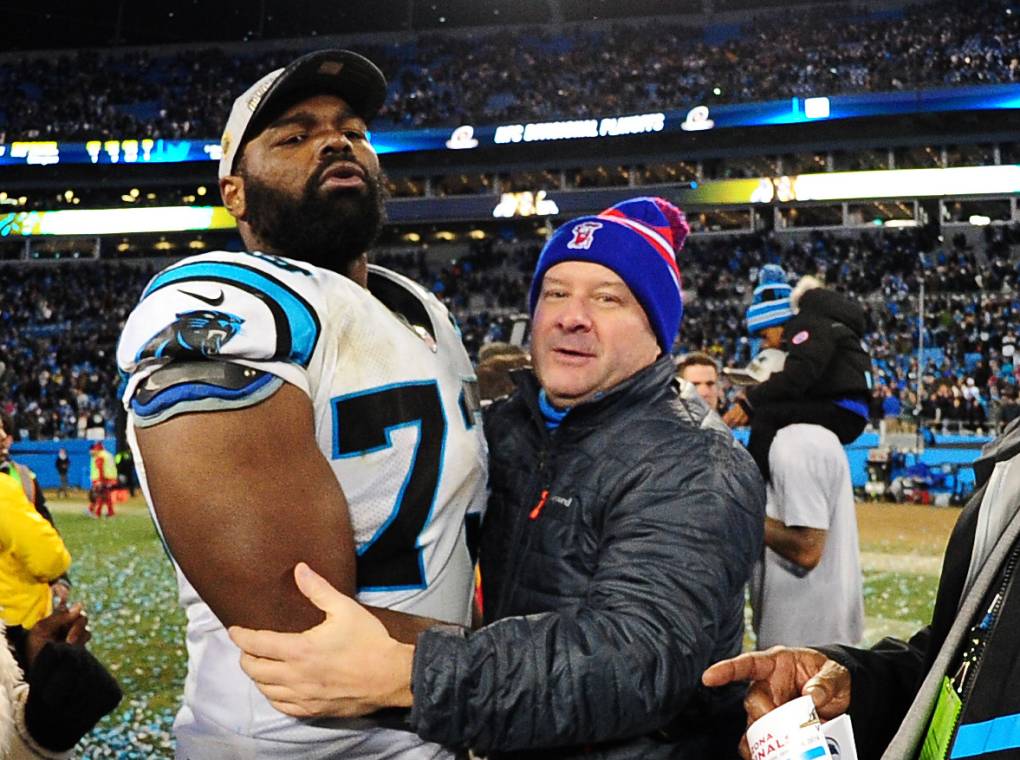
"caption": "Michael Oher, then with the Carolina Panthers, celebrates with Sean Tuohy after a game in Charlotte, N.C., 2016.",
"description": null,
"title": "Michael Oher, then with the Carolina Panthers, celebrates with Sean Tuohy after a game in Charlotte, N.C., 2016.",
"credit": "Scott Cunningham/ Getty Images",
"status": "inherit",
"altTag": "A very large Black football player stands on the field in a stadium embracing a shorter white man wearing a blue beanie and black jacket.",
"isLoading": false,
"fetchFailed": false
},
"arts_13933177": {
"type": "attachments",
"id": "arts_13933177",
"meta": {
"index": "attachments_1716263798",
"site": "arts",
"id": "13933177",
"found": true
},
"parent": 13933167,
"imgSizes": {
"twentyfourteen-full-width": {
"file": "https://ww2.kqed.org/app/uploads/sites/2/2023/08/GettyImages-123311425-scaled-e1692046488377-1038x576.jpg",
"width": 1038,
"mimeType": "image/jpeg",
"height": 576
},
"thumbnail": {
"file": "https://ww2.kqed.org/app/uploads/sites/2/2023/08/GettyImages-123311425-scaled-e1692046488377-160x107.jpg",
"width": 160,
"mimeType": "image/jpeg",
"height": 107
},
"post-thumbnail": {
"file": "https://ww2.kqed.org/app/uploads/sites/2/2023/08/GettyImages-123311425-scaled-e1692046488377-672x372.jpg",
"width": 672,
"mimeType": "image/jpeg",
"height": 372
},
"kqedFullSize": {
"file": "https://ww2.kqed.org/app/uploads/sites/2/2023/08/GettyImages-123311425-scaled-e1692046488377.jpg",
"width": 1920,
"height": 1280
},
"2048x2048": {
"file": "https://ww2.kqed.org/app/uploads/sites/2/2023/08/GettyImages-123311425-2048x1365.jpg",
"width": 2048,
"mimeType": "image/jpeg",
"height": 1365
},
"large": {
"file": "https://ww2.kqed.org/app/uploads/sites/2/2023/08/GettyImages-123311425-scaled-e1692046488377-1020x680.jpg",
"width": 1020,
"mimeType": "image/jpeg",
"height": 680
},
"1536x1536": {
"file": "https://ww2.kqed.org/app/uploads/sites/2/2023/08/GettyImages-123311425-scaled-e1692046488377-1536x1024.jpg",
"width": 1536,
"mimeType": "image/jpeg",
"height": 1024
},
"full-width": {
"file": "https://ww2.kqed.org/app/uploads/sites/2/2023/08/GettyImages-123311425-1920x1280.jpg",
"width": 1920,
"mimeType": "image/jpeg",
"height": 1280
},
"medium": {
"file": "https://ww2.kqed.org/app/uploads/sites/2/2023/08/GettyImages-123311425-scaled-e1692046488377-800x533.jpg",
"width": 800,
"mimeType": "image/jpeg",
"height": 533
},
"medium_large": {
"file": "https://ww2.kqed.org/app/uploads/sites/2/2023/08/GettyImages-123311425-scaled-e1692046488377-768x512.jpg",
"width": 768,
"mimeType": "image/jpeg",
"height": 512
}
},
"publishDate": 1692046468,
"modified": 1692046575,
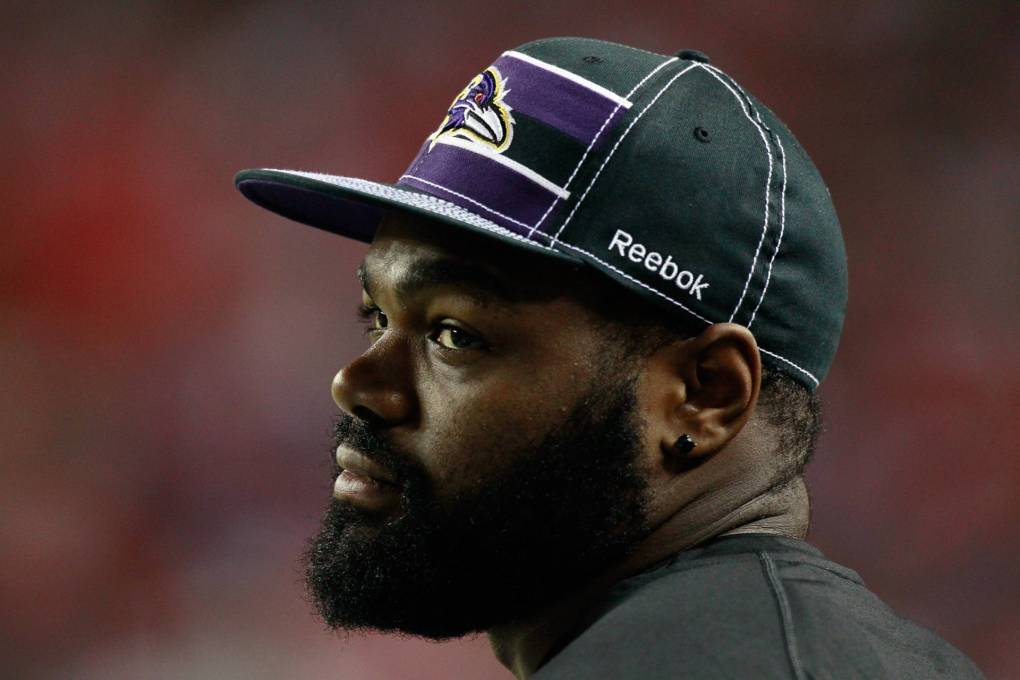
"caption": "Michael Oher in Atlanta, Georgia in 2011.",
"description": null,
"title": "Michael Oher in Atlanta, Georgia in 2011.",
"credit": "Kevin C. Cox/ Getty Images",
"status": "inherit",
"altTag": "A bearded Black man wearing a Reebok baseball cap in side profile.",
"isLoading": false,
"fetchFailed": false
},
"arts_13931889": {
"type": "attachments",
"id": "arts_13931889",
"meta": {
"index": "attachments_1716263798",
"site": "arts",
"id": "13931889",
"found": true
},
"parent": 13931888,
"imgSizes": {
"twentyfourteen-full-width": {
"file": "https://ww2.kqed.org/app/uploads/sites/2/2023/07/Screen-Shot-2023-07-20-at-2.29.47-PM-1038x576.png",
"width": 1038,
"mimeType": "image/png",
"height": 576
},
"thumbnail": {
"file": "https://ww2.kqed.org/app/uploads/sites/2/2023/07/Screen-Shot-2023-07-20-at-2.29.47-PM-160x109.png",
"width": 160,
"mimeType": "image/png",
"height": 109
},
"post-thumbnail": {
"file": "https://ww2.kqed.org/app/uploads/sites/2/2023/07/Screen-Shot-2023-07-20-at-2.29.47-PM-672x372.png",
"width": 672,
"mimeType": "image/png",
"height": 372
},
"kqedFullSize": {
"file": "https://ww2.kqed.org/app/uploads/sites/2/2023/07/Screen-Shot-2023-07-20-at-2.29.47-PM.png",
"width": 1402,
"height": 954
},
"large": {
"file": "https://ww2.kqed.org/app/uploads/sites/2/2023/07/Screen-Shot-2023-07-20-at-2.29.47-PM-1020x694.png",
"width": 1020,
"mimeType": "image/png",
"height": 694
},
"medium": {
"file": "https://ww2.kqed.org/app/uploads/sites/2/2023/07/Screen-Shot-2023-07-20-at-2.29.47-PM-800x544.png",
"width": 800,
"mimeType": "image/png",
"height": 544
},
"medium_large": {
"file": "https://ww2.kqed.org/app/uploads/sites/2/2023/07/Screen-Shot-2023-07-20-at-2.29.47-PM-768x523.png",
"width": 768,
"mimeType": "image/png",
"height": 523
}
},
"publishDate": 1689888623,
"modified": 1689888739,
"caption": "A young Steph Curry on the court, as seen in ‘Stephen Curry: Underrated.’",
"description": null,
"title": "A young Steph Curry on the court, as seen in ‘Stephen Curry: Underrated.’",
"credit": "Apple TV+",
"status": "inherit",
"altTag": "A young, handsome Black man gazes up, his face damp with sweat.",
"isLoading": false,
"fetchFailed": false
},
"arts_13931480": {
"type": "attachments",
"id": "arts_13931480",
"meta": {
"index": "attachments_1716263798",
"site": "arts",
"id": "13931480",
"found": true
},
"parent": 13931352,
"imgSizes": {
"twentyfourteen-full-width": {
"file": "https://ww2.kqed.org/app/uploads/sites/2/2023/07/TedBarrow.BayBridge-1038x576.jpg",
"width": 1038,
"mimeType": "image/jpeg",
"height": 576
},
"thumbnail": {
"file": "https://ww2.kqed.org/app/uploads/sites/2/2023/07/TedBarrow.BayBridge-160x89.jpg",
"width": 160,
"mimeType": "image/jpeg",
"height": 89
},
"post-thumbnail": {
"file": "https://ww2.kqed.org/app/uploads/sites/2/2023/07/TedBarrow.BayBridge-672x372.jpg",
"width": 672,
"mimeType": "image/jpeg",
"height": 372
},
"kqedFullSize": {
"file": "https://ww2.kqed.org/app/uploads/sites/2/2023/07/TedBarrow.BayBridge.jpg",
"width": 1710,
"height": 956
},
"large": {
"file": "https://ww2.kqed.org/app/uploads/sites/2/2023/07/TedBarrow.BayBridge-1020x570.jpg",
"width": 1020,
"mimeType": "image/jpeg",
"height": 570
},
"1536x1536": {
"file": "https://ww2.kqed.org/app/uploads/sites/2/2023/07/TedBarrow.BayBridge-1536x859.jpg",
"width": 1536,
"mimeType": "image/jpeg",
"height": 859
},
"medium": {
"file": "https://ww2.kqed.org/app/uploads/sites/2/2023/07/TedBarrow.BayBridge-800x447.jpg",
"width": 800,
"mimeType": "image/jpeg",
"height": 447
},
"medium_large": {
"file": "https://ww2.kqed.org/app/uploads/sites/2/2023/07/TedBarrow.BayBridge-768x429.jpg",
"width": 768,
"mimeType": "image/jpeg",
"height": 429
}
},
"publishDate": 1689097364,
"modified": 1689097603,
"caption": "Skateboarder and art historian Ted Barrow hosts 'This Old Ledge,' a video series from Thrasher magazine delving into the history of iconic skate spots in San Francisco. ",
"description": null,
"title": "TedBarrow.BayBridge",
"credit": "Courtesy Thrasher magazine",
"status": "inherit",
"altTag": "A man in a denim jacket and cap talks to the camera in front of the Bay Bridge",
"isLoading": false,
"fetchFailed": false
},
"arts_13931368": {
"type": "attachments",
"id": "arts_13931368",
"meta": {
"index": "attachments_1716263798",
"site": "arts",
"id": "13931368",
"found": true
},
"parent": 13931346,
"imgSizes": {
"twentyfourteen-full-width": {
"file": "https://ww2.kqed.org/app/uploads/sites/2/2023/07/1-1038x576.jpg",
"width": 1038,
"mimeType": "image/jpeg",
"height": 576
},
"thumbnail": {
"file": "https://ww2.kqed.org/app/uploads/sites/2/2023/07/1-160x107.jpg",
"width": 160,
"mimeType": "image/jpeg",
"height": 107
},
"post-thumbnail": {
"file": "https://ww2.kqed.org/app/uploads/sites/2/2023/07/1-672x372.jpg",
"width": 672,
"mimeType": "image/jpeg",
"height": 372
},
"kqedFullSize": {
"file": "https://ww2.kqed.org/app/uploads/sites/2/2023/07/1.jpg",
"width": 1088,
"height": 726
},
"large": {
"file": "https://ww2.kqed.org/app/uploads/sites/2/2023/07/1-1020x681.jpg",
"width": 1020,
"mimeType": "image/jpeg",
"height": 681
},
"medium": {
"file": "https://ww2.kqed.org/app/uploads/sites/2/2023/07/1-800x534.jpg",
"width": 800,
"mimeType": "image/jpeg",
"height": 534
},
"medium_large": {
"file": "https://ww2.kqed.org/app/uploads/sites/2/2023/07/1-768x512.jpg",
"width": 768,
"mimeType": "image/jpeg",
"height": 512
}
},
"publishDate": 1688766093,
"modified": 1688766201,
"caption": "The Newark Eagles in 1936, in a still from 'The League.'",
"description": null,
"title": "1",
"credit": "Yale University Art Gallery/Magnolia Pictures",
"status": "inherit",
"altTag": "a black and white photo shows six Black men in baseball uniforms from the Negro League cheering in a dugout",
"isLoading": false,
"fetchFailed": false
},
"arts_13928424": {
"type": "attachments",
"id": "arts_13928424",
"meta": {
"index": "attachments_1716263798",
"site": "arts",
"id": "13928424",
"found": true
},
"parent": 13928423,
"imgSizes": {
"twentyfourteen-full-width": {
"file": "https://ww2.kqed.org/app/uploads/sites/2/2023/04/GettyImages-680812648-scaled-e1682631526472-1038x576.jpg",
"width": 1038,
"mimeType": "image/jpeg",
"height": 576
},
"thumbnail": {
"file": "https://ww2.kqed.org/app/uploads/sites/2/2023/04/GettyImages-680812648-scaled-e1682631526472-160x107.jpg",
"width": 160,
"mimeType": "image/jpeg",
"height": 107
},
"post-thumbnail": {
"file": "https://ww2.kqed.org/app/uploads/sites/2/2023/04/GettyImages-680812648-scaled-e1682631526472-672x372.jpg",
"width": 672,
"mimeType": "image/jpeg",
"height": 372
},
"kqedFullSize": {
"file": "https://ww2.kqed.org/app/uploads/sites/2/2023/04/GettyImages-680812648-scaled-e1682631526472.jpg",
"width": 1920,
"height": 1280
},
"2048x2048": {
"file": "https://ww2.kqed.org/app/uploads/sites/2/2023/04/GettyImages-680812648-2048x1365.jpg",
"width": 2048,
"mimeType": "image/jpeg",
"height": 1365
},
"large": {
"file": "https://ww2.kqed.org/app/uploads/sites/2/2023/04/GettyImages-680812648-scaled-e1682631526472-1020x680.jpg",
"width": 1020,
"mimeType": "image/jpeg",
"height": 680
},
"1536x1536": {
"file": "https://ww2.kqed.org/app/uploads/sites/2/2023/04/GettyImages-680812648-scaled-e1682631526472-1536x1024.jpg",
"width": 1536,
"mimeType": "image/jpeg",
"height": 1024
},
"full-width": {
"file": "https://ww2.kqed.org/app/uploads/sites/2/2023/04/GettyImages-680812648-1920x1280.jpg",
"width": 1920,
"mimeType": "image/jpeg",
"height": 1280
},
"medium": {
"file": "https://ww2.kqed.org/app/uploads/sites/2/2023/04/GettyImages-680812648-scaled-e1682631526472-800x533.jpg",
"width": 800,
"mimeType": "image/jpeg",
"height": 533
},
"medium_large": {
"file": "https://ww2.kqed.org/app/uploads/sites/2/2023/04/GettyImages-680812648-scaled-e1682631526472-768x512.jpg",
"width": 768,
"mimeType": "image/jpeg",
"height": 512
}
},
"publishDate": 1682631472,
"modified": 1682631680,
"caption": "Because yes, dogs are awesome.",
"description": null,
"title": "Because yes, dogs are awesome.",
"credit": "Getty Images/ damedeeso",
"status": "inherit",
"altTag": "A small dog wearing a bandana around its neck, sitting at a table with a food bowl and cup.",
"isLoading": false,
"fetchFailed": false
},
"arts_13928760": {
"type": "attachments",
"id": "arts_13928760",
"meta": {
"index": "attachments_1716263798",
"site": "arts",
"id": "13928760",
"found": true
},
"parent": 0,
"imgSizes": {
"twentyfourteen-full-width": {
"file": "https://ww2.kqed.org/app/uploads/sites/2/2023/05/BR.WarriorsGame.16.9-1038x576.jpg",
"width": 1038,
"mimeType": "image/jpeg",
"height": 576
},
"thumbnail": {
"file": "https://ww2.kqed.org/app/uploads/sites/2/2023/05/BR.WarriorsGame.16.9-160x90.jpg",
"width": 160,
"mimeType": "image/jpeg",
"height": 90
},
"post-thumbnail": {
"file": "https://ww2.kqed.org/app/uploads/sites/2/2023/05/BR.WarriorsGame.16.9-672x372.jpg",
"width": 672,
"mimeType": "image/jpeg",
"height": 372
},
"kqedFullSize": {
"file": "https://ww2.kqed.org/app/uploads/sites/2/2023/05/BR.WarriorsGame.16.9.jpg",
"width": 1429,
"height": 804
},
"large": {
"file": "https://ww2.kqed.org/app/uploads/sites/2/2023/05/BR.WarriorsGame.16.9-1020x574.jpg",
"width": 1020,
"mimeType": "image/jpeg",
"height": 574
},
"medium": {
"file": "https://ww2.kqed.org/app/uploads/sites/2/2023/05/BR.WarriorsGame.16.9-800x450.jpg",
"width": 800,
"mimeType": "image/jpeg",
"height": 450
},
"medium_large": {
"file": "https://ww2.kqed.org/app/uploads/sites/2/2023/05/BR.WarriorsGame.16.9-768x432.jpg",
"width": 768,
"mimeType": "image/jpeg",
"height": 432
}
},
"publishDate": 1683562745,
"modified": 1683568689,
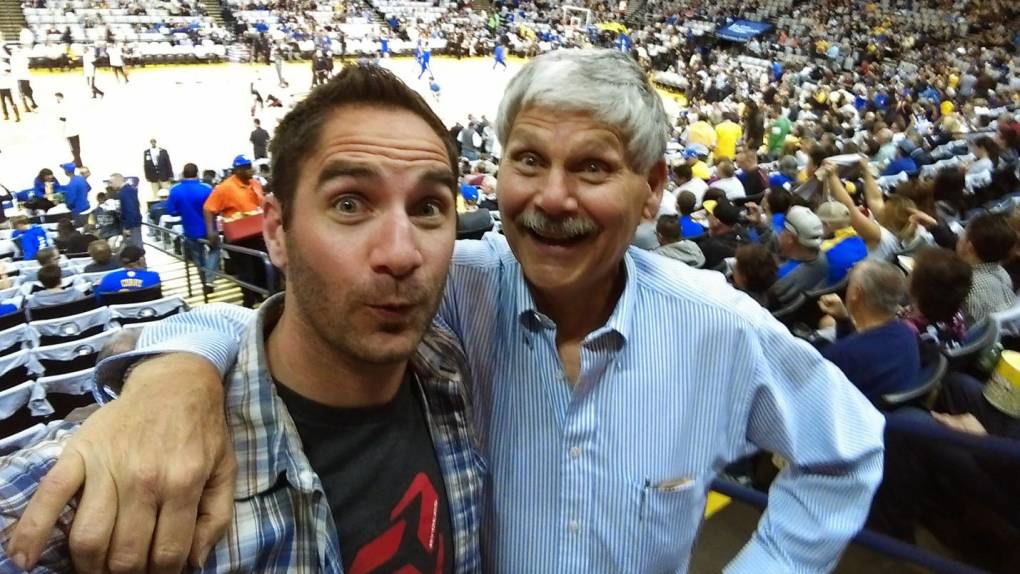
"caption": "Brent and his dad, John, at a Warriors game. ",
"description": null,
"title": "BR.WarriorsGame.16.9",
"credit": "Courtesy Brent Rose",
"status": "inherit",
"altTag": "a young man in a flannel shirt and an older man, his father, smile for the camera with their arms around each other at a basketball game",
"isLoading": false,
"fetchFailed": false
},
"arts_13927884": {
"type": "attachments",
"id": "arts_13927884",
"meta": {
"index": "attachments_1716263798",
"site": "arts",
"id": "13927884",
"found": true
},
"parent": 13927874,
"imgSizes": {
"twentyfourteen-full-width": {
"file": "https://ww2.kqed.org/app/uploads/sites/2/2023/04/GettyImages-1244074861-1024x576.jpg",
"width": 1024,
"mimeType": "image/jpeg",
"height": 576
},
"thumbnail": {
"file": "https://ww2.kqed.org/app/uploads/sites/2/2023/04/GettyImages-1244074861-160x107.jpg",
"width": 160,
"mimeType": "image/jpeg",
"height": 107
},
"post-thumbnail": {
"file": "https://ww2.kqed.org/app/uploads/sites/2/2023/04/GettyImages-1244074861-672x372.jpg",
"width": 672,
"mimeType": "image/jpeg",
"height": 372
},
"kqedFullSize": {
"file": "https://ww2.kqed.org/app/uploads/sites/2/2023/04/GettyImages-1244074861.jpg",
"width": 1024,
"height": 683
},
"large": {
"file": "https://ww2.kqed.org/app/uploads/sites/2/2023/04/GettyImages-1244074861-1020x680.jpg",
"width": 1020,
"mimeType": "image/jpeg",
"height": 680
},
"medium": {
"file": "https://ww2.kqed.org/app/uploads/sites/2/2023/04/GettyImages-1244074861-800x534.jpg",
"width": 800,
"mimeType": "image/jpeg",
"height": 534
},
"medium_large": {
"file": "https://ww2.kqed.org/app/uploads/sites/2/2023/04/GettyImages-1244074861-768x512.jpg",
"width": 768,
"mimeType": "image/jpeg",
"height": 512
}
},
"publishDate": 1681763383,
"modified": 1681763514,
"caption": "E-40, pictured here at the Chase Center in 2022, was ejected from Game 1 of the NBA playoffs in Sacramento in Saturday night.",
"description": null,
"title": "NBA : Los Angeles Lakers vs Golden State Warriors pregame",
"credit": "Tayfun Coskun/Anadolu Agency via Getty Images",
"status": "inherit",
"altTag": null,
"isLoading": false,
"fetchFailed": false
},
"arts_13927698": {
"type": "attachments",
"id": "arts_13927698",
"meta": {
"index": "attachments_1716263798",
"site": "arts",
"id": "13927698",
"found": true
},
"parent": 13927695,
"imgSizes": {
"twentyfourteen-full-width": {
"file": "https://ww2.kqed.org/app/uploads/sites/2/2023/04/GettyImages-1235106275-scaled-e1681317814648-1038x576.jpg",
"width": 1038,
"mimeType": "image/jpeg",
"height": 576
},
"thumbnail": {
"file": "https://ww2.kqed.org/app/uploads/sites/2/2023/04/GettyImages-1235106275-scaled-e1681317814648-160x113.jpg",
"width": 160,
"mimeType": "image/jpeg",
"height": 113
},
"post-thumbnail": {
"file": "https://ww2.kqed.org/app/uploads/sites/2/2023/04/GettyImages-1235106275-scaled-e1681317814648-672x372.jpg",
"width": 672,
"mimeType": "image/jpeg",
"height": 372
},
"kqedFullSize": {
"file": "https://ww2.kqed.org/app/uploads/sites/2/2023/04/GettyImages-1235106275-scaled-e1681317814648.jpg",
"width": 1920,
"height": 1356
},
"2048x2048": {
"file": "https://ww2.kqed.org/app/uploads/sites/2/2023/04/GettyImages-1235106275-2048x1446.jpg",
"width": 2048,
"mimeType": "image/jpeg",
"height": 1446
},
"large": {
"file": "https://ww2.kqed.org/app/uploads/sites/2/2023/04/GettyImages-1235106275-scaled-e1681317814648-1020x720.jpg",
"width": 1020,
"mimeType": "image/jpeg",
"height": 720
},
"1536x1536": {
"file": "https://ww2.kqed.org/app/uploads/sites/2/2023/04/GettyImages-1235106275-scaled-e1681317814648-1536x1085.jpg",
"width": 1536,
"mimeType": "image/jpeg",
"height": 1085
},
"full-width": {
"file": "https://ww2.kqed.org/app/uploads/sites/2/2023/04/GettyImages-1235106275-1920x1356.jpg",
"width": 1920,
"mimeType": "image/jpeg",
"height": 1356
},
"medium": {
"file": "https://ww2.kqed.org/app/uploads/sites/2/2023/04/GettyImages-1235106275-scaled-e1681317814648-800x565.jpg",
"width": 800,
"mimeType": "image/jpeg",
"height": 565
},
"medium_large": {
"file": "https://ww2.kqed.org/app/uploads/sites/2/2023/04/GettyImages-1235106275-scaled-e1681317814648-768x542.jpg",
"width": 768,
"mimeType": "image/jpeg",
"height": 542
}
},
"publishDate": 1681317785,
"modified": 1681317965,
"caption": "Brittney Griner on the court with the Phoenix Mercury in 2021.",
"description": null,
"title": "Brittney Griner on the court with the Phoenix Mercury in 2021.",
"credit": "Michael Hickey/Getty Images",
"status": "inherit",
"altTag": "A woman with long dreadlocks tied back half-smiles as she strides across a basketball court.",
"isLoading": false,
"fetchFailed": false
},
"arts_13927475": {
"type": "attachments",
"id": "arts_13927475",
"meta": {
"index": "attachments_1716263798",
"site": "arts",
"id": "13927475",
"found": true
},
"parent": 13927474,
"imgSizes": {
"twentyfourteen-full-width": {
"file": "https://ww2.kqed.org/app/uploads/sites/2/2023/04/Stephen_Curry_Underrated_Photo_0101-1038x576.jpg",
"width": 1038,
"mimeType": "image/jpeg",
"height": 576
},
"thumbnail": {
"file": "https://ww2.kqed.org/app/uploads/sites/2/2023/04/Stephen_Curry_Underrated_Photo_0101-160x108.jpg",
"width": 160,
"mimeType": "image/jpeg",
"height": 108
},
"post-thumbnail": {
"file": "https://ww2.kqed.org/app/uploads/sites/2/2023/04/Stephen_Curry_Underrated_Photo_0101-672x372.jpg",
"width": 672,
"mimeType": "image/jpeg",
"height": 372
},
"kqedFullSize": {
"file": "https://ww2.kqed.org/app/uploads/sites/2/2023/04/Stephen_Curry_Underrated_Photo_0101.jpg",
"width": 1958,
"height": 1319
},
"large": {
"file": "https://ww2.kqed.org/app/uploads/sites/2/2023/04/Stephen_Curry_Underrated_Photo_0101-1020x687.jpg",
"width": 1020,
"mimeType": "image/jpeg",
"height": 687
},
"1536x1536": {
"file": "https://ww2.kqed.org/app/uploads/sites/2/2023/04/Stephen_Curry_Underrated_Photo_0101-1536x1035.jpg",
"width": 1536,
"mimeType": "image/jpeg",
"height": 1035
},
"full-width": {
"file": "https://ww2.kqed.org/app/uploads/sites/2/2023/04/Stephen_Curry_Underrated_Photo_0101-1920x1293.jpg",
"width": 1920,
"mimeType": "image/jpeg",
"height": 1293
},
"medium": {
"file": "https://ww2.kqed.org/app/uploads/sites/2/2023/04/Stephen_Curry_Underrated_Photo_0101-800x539.jpg",
"width": 800,
"mimeType": "image/jpeg",
"height": 539
},
"medium_large": {
"file": "https://ww2.kqed.org/app/uploads/sites/2/2023/04/Stephen_Curry_Underrated_Photo_0101-768x517.jpg",
"width": 768,
"mimeType": "image/jpeg",
"height": 517
}
},
"publishDate": 1680823650,
"modified": 1680829292,
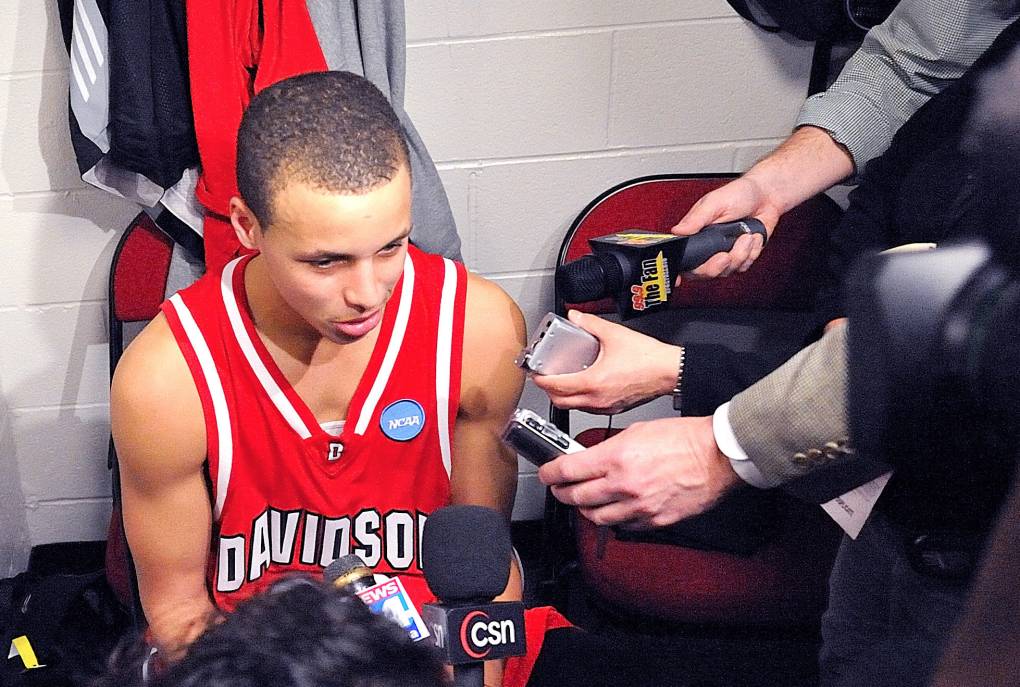
"caption": "Before NBA superstardom, Stephen Curry was a doubted prospect at Davidson College.",
"description": null,
"title": "Stephen_Curry_Underrated_Photo_0101",
"credit": "Courtesy SFFILM",
"status": "inherit",
"altTag": "A college-aged Black man sits in the locker room with reporter microphones in his face",
"isLoading": false,
"fetchFailed": false
},
"arts_13927203": {
"type": "attachments",
"id": "arts_13927203",
"meta": {
"index": "attachments_1716263798",
"site": "arts",
"id": "13927203",
"found": true
},
"parent": 13927202,
"imgSizes": {
"twentyfourteen-full-width": {
"file": "https://ww2.kqed.org/app/uploads/sites/2/2023/04/gettyimages-1479190822-a97f6b947b58271bf5cc6dcd6f67403d28a50684-scaled-e1680543767387-1038x576.jpg",
"width": 1038,
"mimeType": "image/jpeg",
"height": 576
},
"thumbnail": {
"file": "https://ww2.kqed.org/app/uploads/sites/2/2023/04/gettyimages-1479190822-a97f6b947b58271bf5cc6dcd6f67403d28a50684-scaled-e1680543767387-160x120.jpg",
"width": 160,
"mimeType": "image/jpeg",
"height": 120
},
"post-thumbnail": {
"file": "https://ww2.kqed.org/app/uploads/sites/2/2023/04/gettyimages-1479190822-a97f6b947b58271bf5cc6dcd6f67403d28a50684-scaled-e1680543767387-672x372.jpg",
"width": 672,
"mimeType": "image/jpeg",
"height": 372
},
"kqedFullSize": {
"file": "https://ww2.kqed.org/app/uploads/sites/2/2023/04/gettyimages-1479190822-a97f6b947b58271bf5cc6dcd6f67403d28a50684-scaled-e1680543767387.jpg",
"width": 1920,
"height": 1440
},
"2048x2048": {
"file": "https://ww2.kqed.org/app/uploads/sites/2/2023/04/gettyimages-1479190822-a97f6b947b58271bf5cc6dcd6f67403d28a50684-2048x1536.jpg",
"width": 2048,
"mimeType": "image/jpeg",
"height": 1536
},
"large": {
"file": "https://ww2.kqed.org/app/uploads/sites/2/2023/04/gettyimages-1479190822-a97f6b947b58271bf5cc6dcd6f67403d28a50684-scaled-e1680543767387-1020x765.jpg",
"width": 1020,
"mimeType": "image/jpeg",
"height": 765
},
"1536x1536": {
"file": "https://ww2.kqed.org/app/uploads/sites/2/2023/04/gettyimages-1479190822-a97f6b947b58271bf5cc6dcd6f67403d28a50684-scaled-e1680543767387-1536x1152.jpg",
"width": 1536,
"mimeType": "image/jpeg",
"height": 1152
},
"full-width": {
"file": "https://ww2.kqed.org/app/uploads/sites/2/2023/04/gettyimages-1479190822-a97f6b947b58271bf5cc6dcd6f67403d28a50684-1920x1440.jpg",
"width": 1920,
"mimeType": "image/jpeg",
"height": 1440
},
"medium": {
"file": "https://ww2.kqed.org/app/uploads/sites/2/2023/04/gettyimages-1479190822-a97f6b947b58271bf5cc6dcd6f67403d28a50684-scaled-e1680543767387-800x600.jpg",
"width": 800,
"mimeType": "image/jpeg",
"height": 600
},
"medium_large": {
"file": "https://ww2.kqed.org/app/uploads/sites/2/2023/04/gettyimages-1479190822-a97f6b947b58271bf5cc6dcd6f67403d28a50684-scaled-e1680543767387-768x576.jpg",
"width": 768,
"mimeType": "image/jpeg",
"height": 576
}
},
"publishDate": 1680542670,
"modified": 1680543822,
"caption": "Angel Reese of the LSU Tigers gestures towards Caitlin Clark of the Iowa Hawkeyes towards the end of the NCAA Women’s Basketball Tournament championship game in Dallas on Sunday.",
"description": null,
"title": "Angel Reese of the LSU Tigers gestures towards Caitlin Clark of the Iowa Hawkeyes towards the end of the NCAA Women’s Basketball Tournament championship game in Dallas on Sunday.",
"credit": "Maddie Meyer/Getty Images",
"status": "inherit",
"altTag": null,
"isLoading": false,
"fetchFailed": false
},
"arts_13927068": {
"type": "attachments",
"id": "arts_13927068",
"meta": {
"index": "attachments_1716263798",
"site": "arts",
"id": "13927068",
"found": true
},
"parent": 13927065,
"imgSizes": {
"twentyfourteen-full-width": {
"file": "https://ww2.kqed.org/app/uploads/sites/2/2023/03/Screen-Shot-2023-03-28-at-1.18.19-PM-1038x576.png",
"width": 1038,
"mimeType": "image/png",
"height": 576
},
"thumbnail": {
"file": "https://ww2.kqed.org/app/uploads/sites/2/2023/03/Screen-Shot-2023-03-28-at-1.18.19-PM-160x89.png",
"width": 160,
"mimeType": "image/png",
"height": 89
},
"post-thumbnail": {
"file": "https://ww2.kqed.org/app/uploads/sites/2/2023/03/Screen-Shot-2023-03-28-at-1.18.19-PM-672x372.png",
"width": 672,
"mimeType": "image/png",
"height": 372
},
"kqedFullSize": {
"file": "https://ww2.kqed.org/app/uploads/sites/2/2023/03/Screen-Shot-2023-03-28-at-1.18.19-PM.png",
"width": 1624,
"height": 902
},
"large": {
"file": "https://ww2.kqed.org/app/uploads/sites/2/2023/03/Screen-Shot-2023-03-28-at-1.18.19-PM-1020x567.png",
"width": 1020,
"mimeType": "image/png",
"height": 567
},
"1536x1536": {
"file": "https://ww2.kqed.org/app/uploads/sites/2/2023/03/Screen-Shot-2023-03-28-at-1.18.19-PM-1536x853.png",
"width": 1536,
"mimeType": "image/png",
"height": 853
},
"medium": {
"file": "https://ww2.kqed.org/app/uploads/sites/2/2023/03/Screen-Shot-2023-03-28-at-1.18.19-PM-800x444.png",
"width": 800,
"mimeType": "image/png",
"height": 444
},
"medium_large": {
"file": "https://ww2.kqed.org/app/uploads/sites/2/2023/03/Screen-Shot-2023-03-28-at-1.18.19-PM-768x427.png",
"width": 768,
"mimeType": "image/png",
"height": 427
}
},
"publishDate": 1680034731,
"modified": 1680034864,
"caption": "A digital rendering of Cuban baseball player Martín Dihigo from the game ‘MLB The Show 23.’ The franchise has inserted some of the greatest Negro League players into the 2023 edition of the game as playable characters.",
"description": null,
"title": "A digital rendering of Cuban baseball player Martín Dihigo from the game ‘MLB The Show 23.’ The franchise has inserted some of the greatest Negro League players into the 2023 edition of the game as playable characters.",
"credit": "Sony Interactive Entertainment via AP",
"status": "inherit",
"altTag": "A digital rendering of a Black baseball player, wearing a crisp white uniform and cap, bat raised over his shoulder. Packed stands are visible behind him.",
"isLoading": false,
"fetchFailed": false
}
},
"audioPlayerReducer": {
"postId": "stream_live",
"isPaused": true,
"isPlaying": false,
"pfsActive": false,
"pledgeModalIsOpen": true,
"playerDrawerIsOpen": false,
"liveAudioPlayStartedAt": 0,
"liveAudioPlayContext": ""
},
"authorsReducer": {
"byline_arts_13933481": {
"type": "authors",
"id": "byline_arts_13933481",
"meta": {
"override": true
},
"slug": "byline_arts_13933481",
"name": "Aisha Harris",
"isLoading": false
},
"byline_arts_13933167": {
"type": "authors",
"id": "byline_arts_13933167",
"meta": {
"override": true
},
"slug": "byline_arts_13933167",
"name": "Teresa M. Walker, Associated Press",
"isLoading": false
},
"byline_arts_13931888": {
"type": "authors",
"id": "byline_arts_13931888",
"meta": {
"override": true
},
"slug": "byline_arts_13931888",
"name": "Lindsey Bahr, Associated Press",
"isLoading": false
},
"byline_arts_13931352": {
"type": "authors",
"id": "byline_arts_13931352",
"meta": {
"override": true
},
"slug": "byline_arts_13931352",
"name": "José Vadi ",
"isLoading": false
},
"byline_arts_13928775": {
"type": "authors",
"id": "byline_arts_13928775",
"meta": {
"override": true
},
"slug": "byline_arts_13928775",
"name": "Brent Rose",
"isLoading": false
},
"byline_arts_13927695": {
"type": "authors",
"id": "byline_arts_13927695",
"meta": {
"override": true
},
"slug": "byline_arts_13927695",
"name": "The Associated Press",
"isLoading": false
},
"byline_arts_13927202": {
"type": "authors",
"id": "byline_arts_13927202",
"meta": {
"override": true
},
"slug": "byline_arts_13927202",
"name": "Rachel Treisman",
"isLoading": false
},
"byline_arts_13927065": {
"type": "authors",
"id": "byline_arts_13927065",
"meta": {
"override": true
},
"slug": "byline_arts_13927065",
"name": "Jonathan Landrum Jr.",
"isLoading": false
},
"mfox": {
"type": "authors",
"id": "22",
"meta": {
"index": "authors_1716337520",
"id": "22",
"found": true
},
"name": "Michael Fox",
"firstName": "Michael",
"lastName": "Fox",
"slug": "mfox",
"email": "foxonfilm@yahoo.com",
"display_author_email": false,
"staff_mastheads": [],
"title": "KQED Contributor",
"bio": "Michael Fox has written about film for dozens of publications since 1987. He is a founding member of the San Francisco Bay Area Film Critics Circle.",
"avatar": "https://secure.gravatar.com/avatar/d9849d6c659c41414795c471d907bb97b396e2a32b88e20e6ff66f65fbdd6dcd?s=600&d=blank&r=g",
"twitter": null,
"bluesky": null,
"facebook": null,
"instagram": null,
"linkedin": null,
"sites": [
{
"site": "arts",
"roles": [
"Contributor",
"contributor"
]
}
],
"headData": {
"title": "Michael Fox | KQED",
"description": "KQED Contributor",
"ogImgSrc": "https://secure.gravatar.com/avatar/d9849d6c659c41414795c471d907bb97b396e2a32b88e20e6ff66f65fbdd6dcd?s=600&d=blank&r=g",
"twImgSrc": "https://secure.gravatar.com/avatar/d9849d6c659c41414795c471d907bb97b396e2a32b88e20e6ff66f65fbdd6dcd?s=600&d=blank&r=g"
},
"isLoading": false,
"link": "/author/mfox"
},
"ralexandra": {
"type": "authors",
"id": "11242",
"meta": {
"index": "authors_1716337520",
"id": "11242",
"found": true
},
"name": "Rae Alexandra",
"firstName": "Rae",
"lastName": "Alexandra",
"slug": "ralexandra",
"email": "ralexandra@kqed.org",
"display_author_email": true,
"staff_mastheads": [],
"title": "Reporter/Producer",
"bio": "Rae Alexandra is a Reporter/Producer for KQED Arts & Culture, and the creator/author of the \u003ca href=\"https://www.kqed.org/arts/program/rebel-girls-from-bay-area-history\">Rebel Girls From Bay Area History\u003c/a> and \u003ca href=\"https://www.kqed.org/bizarrebayarea\">Bizarre Bay Area\u003c/a> series. Her debut book, \u003ca href=\"https://citylights.com/politics-current-events-history/unsung-heroines35-women-who-changed/\">Unsung Heroines: 35 Women Who Changed the Bay Area\u003c/a> was published by City Lights in March 2026. In 2023, Rae was awarded an SPJ Excellence in Journalism Award for Arts & Culture. Rae was born and raised in Wales and subsequently — even after two decades in Northern California — still uses phrases that regularly baffle her coworkers.",
"avatar": "https://secure.gravatar.com/avatar/edfee8176c80cc0a382b051190f5341997df378a934a5774dcb0977732dfd401?s=600&d=blank&r=g",
"twitter": null,
"bluesky": null,
"facebook": null,
"instagram": null,
"linkedin": null,
"sites": [
{
"site": "arts",
"roles": [
"subscriber"
]
},
{
"site": "news",
"roles": [
"subscriber"
]
},
{
"site": "pop",
"roles": [
"subscriber"
]
},
{
"site": "bayareabites",
"roles": [
"subscriber"
]
},
{
"site": "science",
"roles": [
"subscriber"
]
}
],
"headData": {
"title": "Rae Alexandra | KQED",
"description": "Reporter/Producer",
"ogImgSrc": "https://secure.gravatar.com/avatar/edfee8176c80cc0a382b051190f5341997df378a934a5774dcb0977732dfd401?s=600&d=blank&r=g",
"twImgSrc": "https://secure.gravatar.com/avatar/edfee8176c80cc0a382b051190f5341997df378a934a5774dcb0977732dfd401?s=600&d=blank&r=g"
},
"isLoading": false,
"link": "/author/ralexandra"
},
"achazaro": {
"type": "authors",
"id": "11748",
"meta": {
"index": "authors_1716337520",
"id": "11748",
"found": true
},
"name": "Alan Chazaro",
"firstName": "Alan",
"lastName": "Chazaro",
"slug": "achazaro",
"email": "agchazaro@gmail.com",
"display_author_email": true,
"staff_mastheads": [],
"title": "Food Writer and Reporter",
"bio": "Alan Chazaro is the author of \u003cem>This Is Not a Frank Ocean Cover Album\u003c/em> (Black Lawrence Press, 2019), \u003cem>Piñata Theory\u003c/em> (Black Lawrence Press, 2020), and \u003cem>Notes from the Eastern Span of the Bay Bridge\u003c/em> (Ghost City Press, 2021). He is a graduate of June Jordan’s Poetry for the People program at UC Berkeley and a former Lawrence Ferlinghetti Fellow at the University of San Francisco. He writes about sports, food, art, music, education, and culture while repping the Bay on \u003ca href=\"https://twitter.com/alan_chazaro\">Twitter\u003c/a> and \u003ca href=\"https://www.instagram.com/alan_chazaro/?hl=en\">Instagram\u003c/a> at @alan_chazaro.",
"avatar": "https://secure.gravatar.com/avatar/ea8b6dd970fc5c29e7a188e7d5861df7?s=600&d=blank&r=g",
"twitter": "alan_chazaro",
"facebook": null,
"instagram": null,
"linkedin": null,
"sites": [
{
"site": "arts",
"roles": [
"contributor"
]
},
{
"site": "news",
"roles": [
"editor"
]
}
],
"headData": {
"title": "Alan Chazaro | KQED",
"description": "Food Writer and Reporter",
"ogImgSrc": "https://secure.gravatar.com/avatar/ea8b6dd970fc5c29e7a188e7d5861df7?s=600&d=blank&r=g",
"twImgSrc": "https://secure.gravatar.com/avatar/ea8b6dd970fc5c29e7a188e7d5861df7?s=600&d=blank&r=g"
},
"isLoading": false,
"link": "/author/achazaro"
}
},
"pagesReducer": {
"arts_category_sports": {
"type": "terms",
"id": "arts_13238",
"meta": {
"index": "terms_1716263798",
"site": "arts",
"id": "13238",
"score": 12.071877
},
"featImg": null,
"name": "Sports",
"description": null,
"taxonomy": "category",
"headData": {
"twImgId": null,
"twTitle": null,
"ogTitle": null,
"ogImgId": null,
"twDescription": null,
"description": null,
"title": "Sports Archives | KQED Arts",
"ogDescription": null
},
"ttid": 13250,
"slug": "sports",
"isLoading": false,
"title": "Sports",
"pageMeta": {
"site": "arts",
"WpPageTemplate": "page-topic-editorial",
"currentPage": 11
},
"blocks": [
{
"blockName": "kqed/post-list",
"attrs": {
"layout": "cardArticle2",
"query": "posts/arts?category=sports",
"seeMore": false,
"paginated": true,
"page": 11
}
},
{
"blockName": "kqed/ad"
}
]
}
},
"pfsSessionReducer": {},
"postsReducer": {
"stream_live": {
"type": "live",
"id": "stream_live",
"audioUrl": "https://streams.kqed.org/kqedradio",
"title": "Live Stream",
"excerpt": "Live Stream information currently unavailable.",
"link": "/radio",
"featImg": "",
"label": {
"name": "KQED Live",
"link": "/"
}
},
"stream_kqedNewscast": {
"type": "posts",
"id": "stream_kqedNewscast",
"audioUrl": "https://www.kqed.org/.stream/anon/radio/RDnews/newscast.mp3?_=1",
"title": "KQED Newscast",
"featImg": "",
"label": {
"name": "88.5 FM",
"link": "/"
}
},
"arts_13933481": {
"type": "posts",
"id": "arts_13933481",
"meta": {
"index": "posts_1716263798",
"site": "arts",
"id": "13933481",
"score": null,
"sort": [
1692383217000
]
},
"parent": 0,
"labelTerm": {
"site": "arts",
"term": 137
},
"blocks": [],
"publishDate": 1692383217,
"format": "standard",
"title": "‘The Blind Side’ Drama Just Proves the Cheap, Meaningless Hope of White Savior Films",
"headTitle": "‘The Blind Side’ Drama Just Proves the Cheap, Meaningless Hope of White Savior Films | KQED",
"content": "\u003cp>For nearly 15 years, two things have been unquestionably true about \u003cem>The Blind Side\u003c/em>, the 2009 blockbuster inspired by the early life of ex-NFL star Michael Oher: It won Sandra Bullock her best actress Oscar for playing Leigh Anne Tuohy, and it’s become a poster child for Hollywood’s “white savior” narratives, nestled comfortably alongside maudlin peers like \u003cem>Dangerous Minds \u003c/em>and \u003cem>The Help\u003c/em>.\u003c/p>\n\u003cp>But everything else relating to this story is far more complicated. While the movie and Michael Lewis’s book of the same name claim Tuohy and her family legally adopted Oher at 18, he recently \u003ca href=\"https://www.kqed.org/arts/13933167\">filed a petition alleging he was unknowingly coerced\u003c/a> into a conservatorship, one he’s still under to this day. (He’s now 37.) He also claims the Tuohy family profited off the movie while he received nothing; in response, Leigh Anne and her husband Sean accuse Oher of a “\u003ca href=\"https://www.npr.org/2023/08/17/1194217793/michael-oher-the-blind-side-tuohy-family-petition-conservatorship\">shakedown\u003c/a>” and deny making money off the film. Somehow, \u003cem>The Blind Side \u003c/em>now seems even ickier.\u003c/p>\n\u003cp>https://www.youtube.com/watch?v=gvqj_Tk_kuM\u003c/p>\n\u003cp>By now, the movie has been appropriately excoriated for being the sentimental trash it is, and these new allegations from Oher only buttress every critique made about it over the years. But even as ostensible truths come to light, the residue remains of that pesky little bugaboo of unrelenting post-racial idealism, a fixture of far too many old and new narratives.\u003c/p>\n\u003cp>Hollywood is known as a dream factory, and when you’re in the business of producing dreams, any attempts to depict reality are going to be elided, embellished, or completely distorted. These sweet dreams can be made of destitute, downtrodden people of color, and the noble white individuals courageous enough to “help” them get out of their destitution and downtrodden-ness, as in the Hilary Swank classroom drama \u003cem>Freedom Writers\u003c/em>. Or they can be wholly imagined worlds where our most pressing social issues are resolved via the unlikely “bonds” of the historically marginalized and their would-be oppressors a la \u003cem>Green Book. \u003c/em>\u003c/p>\n\u003cp>[ad fullwidth]\u003c/p>\n\u003cp>And so yes, you get a movie like \u003cem>The Blind Side\u003c/em>, but also something like \u003cem>Losing Isaiah\u003c/em>, a 1995 melodrama that directly and messily proposes two central questions, per one of its producers: \u003ca href=\"https://www.latimes.com/archives/la-xpm-1995-03-17-ca-43795-story.html\">“Who’s to say who is a mother?” and “Should a white person raise a Black child?”\u003c/a>\u003c/p>\n\u003cp>[aside postid='arts_13881907']Halle Berry stars as Khaila, a crack addict who stashes her infant son in a dumpster to go get high, only to discover later he’s disappeared. She’s distraught and believes he died, but he barely escapes being crushed by a garbage truck before he’s rushed to the hospital, where he’s looked after by Margaret, a social worker played by Jessica Lange. Isaiah is nursed back to health, and Margaret and her husband legally adopt the child. A few short years later, Khaila is clean and getting her life back on track; when she learns that Isaiah is alive, she seeks to regain her parental rights, to Margaret’s horror. They duke it out in family court, with Khaila’s lawyer (Samuel L. Jackson) arguing a Black child is better off with a Black family.\u003c/p>\n\u003cp>On the stand, Margaret protests that “it’ll kill [Isaiah]” if he’s taken away from them. Khaila’s lawyer shoots back: “Oh, so only \u003cem>you \u003c/em>can save him? You’re the Great White Hope?”\u003c/p>\n\u003cp>“No, but I \u003cem>am his \u003c/em>mother.”\u003c/p>\n\u003cp>“Are you?”\u003c/p>\n\u003cp>Eventually, the child is ordered to be returned to Khaila, shattering Margaret’s world and Isaiah’s, too; he has trouble adjusting to life with this stranger, who happens to be his biological mother, and has frequent meltdowns.\u003c/p>\n\u003cp>https://www.youtube.com/watch?v=X5i-SK8I8-w\u003c/p>\n\u003cp>Like \u003cem>The Blind Side\u003c/em>,\u003cem> Losing Isaiah \u003c/em>was unsurprisingly polarizing at the time of its release, though perhaps because of its arrival in the pre-social media era, its complicated legacy isn’t as readily remembered. Yet its effects are the same — it traffics in the flimsy lane of “understanding/reconciliation” between its Black and white characters. The movie’s final image is of Khaila and Margaret playing peacefully with Isaiah in his classroom, mere moments after Khaila has admitted that taking him away from the only mom he’s ever known so soon is traumatizing and that she’ll temporarily return him to Margaret. All is ostensibly well — both women clearly love Isaiah. But the ending is a pure flight of fancy, as if it’s at all believable that a Black woman would get her kid back after giving him up a \u003cem>second\u003c/em> time.\u003c/p>\n\u003cp>Anytime a movie like this is made, its creators usually argue their creative ambitions are built upon a desire to “start a dialogue.” “We intended to say that there is no simple answer and we’d better start talking to each other about this,” said \u003cem>Losing Isaiah \u003c/em>director Stephen Gyllenhaal.\u003c/p>\n\u003cp>[aside postid='arts_13932939']Or, to “inspire” or provide “hope” — you know, the sort of meaningless words commonly found sewn into pillows or printed onto mugs. “This movie was intended to lift people up — bring out the best in people, not the worst,” said one of \u003cem>The Blind Side\u003c/em>‘s producers at the time, Broderick Johnson. The road to hell, as they say, is paved with good intentions.\u003c/p>\n\u003cp>Oher also commented on that movie’s success to a journalist in 2009, though he seemed more ambivalent: “I guess people are looking for hope. They want something to build on.”\u003c/p>\n\u003cp>“Hope” can be a lifeline, but it can also be a crutch or a cloak for pretending racism isn’t truly a widespread issue. In this sense, these thinly sketched movies allow people to convince themselves that racial inequality is an individual problem rather than a systemic one, combatted via one savior at a time. They give fuel to conservatives who willfully distort Martin Luther King, Jr.’s optimism while ignoring his \u003ca href=\"https://www.latimes.com/opinion/story/2023-01-16/martin-luther-king-jr-radical-politics\">searing criticisms\u003c/a>. It allows white people like the Tuohy family to simultaneously pity Black people while unwittingly reinforcing the structures that encourage their pity. (In case you missed it, about a decade ago, \u003ca href=\"https://bellejar.ca/2014/12/15/leigh-anne-tuohy-racism-and-the-white-saviour-complex/comment-page-7/\">Leigh Anne was called out by two Black teen boys\u003c/a> for assuming they were up to no good, and then, upon learning they were just two Black teens minding their own business, using them as a photo op to preach about how we shouldn’t “judge a book by its cover” in a Facebook post.)\u003c/p>\n\u003cp>[ad floatright]\u003c/p>\n\u003cp>Hope alone cannot power a two-hour movie, which is so often an inadequate landscape for even beginning to scratch the surface of such complex issues as transracial adoption or a flailing education system. (Which is why a slow-burn series like \u003cem>The Wire \u003c/em>remains an extraordinary example of the form.) And hope alone cannot account for the fact that Michael Oher seems to feel as though he’s been exploited by the very people who “saved” him.\u003c/p>\n\u003cdiv class=\"fullattribution\">\u003cem>Copyright 2023 NPR. To see more, \u003ca href=\"https://www.npr.org\">visit NPR\u003c/a>.\u003cimg decoding=\"async\" src=\"https://www.google-analytics.com/__utm.gif?utmac=UA-5828686-4&utmdt=%27The+Blind+Side%27+drama+just+proves+the+cheap%2C+meaningless+hope+of+white+savior+films&utme=8(APIKey)9(MDAxOTAwOTE4MDEyMTkxMDAzNjczZDljZA004)\">\u003c/em>\u003c/div>\n\n",
"stats": {
"hasVideo": true,
"hasChartOrMap": false,
"hasAudio": false,
"hasPolis": false,
"wordCount": 1235,
"hasGoogleForm": false,
"hasGallery": false,
"hasHearkenModule": false,
"iframeSrcs": [],
"paragraphCount": 18
},
"modified": 1705005133,
"excerpt": "These thinly sketched movies allow people to believe that racial inequality is an individual problem rather than a systemic one.",
"headData": {
"twImgId": "",
"twTitle": "",
"ogTitle": "",
"ogImgId": "",
"twDescription": "",
"description": "These thinly sketched movies allow people to believe that racial inequality is an individual problem rather than a systemic one.",
"title": "‘The Blind Side’ Drama Just Proves the Cheap, Meaningless Hope of White Savior Films | KQED",
"ogDescription": "",
"schema": {
"@context": "https://schema.org",
"@type": "Article",
"headline": "‘The Blind Side’ Drama Just Proves the Cheap, Meaningless Hope of White Savior Films",
"datePublished": "2023-08-18T11:26:57-07:00",
"dateModified": "2024-01-11T12:32:13-08:00",
"image": "https://cdn.kqed.org/wp-content/uploads/2020/02/KQED-OG-Image@1x.png"
}
},
"guestAuthors": [],
"slug": "the-blind-side-drama-just-proves-the-cheap-meaningless-hope-of-white-savior-films",
"status": "publish",
"nprApiLink": "http://api.npr.org/query?id=1194535397&apiKey=MDAxOTAwOTE4MDEyMTkxMDAzNjczZDljZA004",
"templateType": "standard",
"nprStoryDate": "Fri, 18 Aug 2023 11:19:12 -0400",
"excludeFromSiteSearch": "Include",
"nprLastModifiedDate": "Fri, 18 Aug 2023 11:19:12 -0400",
"featuredImageType": "standard",
"nprHtmlLink": "https://www.npr.org/2023/08/18/1194535397/the-blind-side-michael-oher-white-savior?ft=nprml&f=1194535397",
"nprImageAgency": "Getty Images",
"nprStoryId": "1194535397",
"nprByline": "Aisha Harris",
"sticky": false,
"nprImageCredit": "Scott Cunningham",
"showOnAuthorArchivePages": "No",
"articleAge": "0",
"nprRetrievedStory": "1",
"nprPubDate": "Fri, 18 Aug 2023 11:19:00 -0400",
"path": "/arts/13933481/the-blind-side-drama-just-proves-the-cheap-meaningless-hope-of-white-savior-films",
"audioTrackLength": null,
"parsedContent": [
{
"type": "contentString",
"content": "\u003cdiv class=\"post-body\">\u003cp>\u003cp>For nearly 15 years, two things have been unquestionably true about \u003cem>The Blind Side\u003c/em>, the 2009 blockbuster inspired by the early life of ex-NFL star Michael Oher: It won Sandra Bullock her best actress Oscar for playing Leigh Anne Tuohy, and it’s become a poster child for Hollywood’s “white savior” narratives, nestled comfortably alongside maudlin peers like \u003cem>Dangerous Minds \u003c/em>and \u003cem>The Help\u003c/em>.\u003c/p>\n\u003cp>But everything else relating to this story is far more complicated. While the movie and Michael Lewis’s book of the same name claim Tuohy and her family legally adopted Oher at 18, he recently \u003ca href=\"https://www.kqed.org/arts/13933167\">filed a petition alleging he was unknowingly coerced\u003c/a> into a conservatorship, one he’s still under to this day. (He’s now 37.) He also claims the Tuohy family profited off the movie while he received nothing; in response, Leigh Anne and her husband Sean accuse Oher of a “\u003ca href=\"https://www.npr.org/2023/08/17/1194217793/michael-oher-the-blind-side-tuohy-family-petition-conservatorship\">shakedown\u003c/a>” and deny making money off the film. Somehow, \u003cem>The Blind Side \u003c/em>now seems even ickier.\u003c/p>\u003c/p>\u003cp>\u003cspan class='utils-parseShortcode-shortcodes-__youtubeShortcode__embedYoutube'>\n \u003cspan class='utils-parseShortcode-shortcodes-__youtubeShortcode__embedYoutubeInside'>\n \u003ciframe\n loading='lazy'\n class='utils-parseShortcode-shortcodes-__youtubeShortcode__youtubePlayer'\n type='text/html'\n src='//www.youtube.com/embed/gvqj_Tk_kuM'\n title='//www.youtube.com/embed/gvqj_Tk_kuM'\n allowfullscreen='true'\n style='border:0;'>\u003c/iframe>\n \u003c/span>\n \u003c/span>\u003c/p>\u003cp>\u003cp>By now, the movie has been appropriately excoriated for being the sentimental trash it is, and these new allegations from Oher only buttress every critique made about it over the years. But even as ostensible truths come to light, the residue remains of that pesky little bugaboo of unrelenting post-racial idealism, a fixture of far too many old and new narratives.\u003c/p>\n\u003cp>Hollywood is known as a dream factory, and when you’re in the business of producing dreams, any attempts to depict reality are going to be elided, embellished, or completely distorted. These sweet dreams can be made of destitute, downtrodden people of color, and the noble white individuals courageous enough to “help” them get out of their destitution and downtrodden-ness, as in the Hilary Swank classroom drama \u003cem>Freedom Writers\u003c/em>. Or they can be wholly imagined worlds where our most pressing social issues are resolved via the unlikely “bonds” of the historically marginalized and their would-be oppressors a la \u003cem>Green Book. \u003c/em>\u003c/p>\n\u003cp>\u003c/p>\u003c/div>",
"attributes": {
"named": {},
"numeric": []
}
},
{
"type": "component",
"content": "",
"name": "ad",
"attributes": {
"named": {
"label": "fullwidth"
},
"numeric": [
"fullwidth"
]
}
},
{
"type": "contentString",
"content": "\u003cdiv class=\"post-body\">\u003cp>\u003c/p>\n\u003cp>And so yes, you get a movie like \u003cem>The Blind Side\u003c/em>, but also something like \u003cem>Losing Isaiah\u003c/em>, a 1995 melodrama that directly and messily proposes two central questions, per one of its producers: \u003ca href=\"https://www.latimes.com/archives/la-xpm-1995-03-17-ca-43795-story.html\">“Who’s to say who is a mother?” and “Should a white person raise a Black child?”\u003c/a>\u003c/p>\n\u003cp>\u003c/p>\u003c/div>",
"attributes": {
"named": {},
"numeric": []
}
},
{
"type": "component",
"content": "",
"name": "aside",
"attributes": {
"named": {
"postid": "arts_13881907",
"label": ""
},
"numeric": []
}
},
{
"type": "contentString",
"content": "\u003cdiv class=\"post-body\">\u003cp>Halle Berry stars as Khaila, a crack addict who stashes her infant son in a dumpster to go get high, only to discover later he’s disappeared. She’s distraught and believes he died, but he barely escapes being crushed by a garbage truck before he’s rushed to the hospital, where he’s looked after by Margaret, a social worker played by Jessica Lange. Isaiah is nursed back to health, and Margaret and her husband legally adopt the child. A few short years later, Khaila is clean and getting her life back on track; when she learns that Isaiah is alive, she seeks to regain her parental rights, to Margaret’s horror. They duke it out in family court, with Khaila’s lawyer (Samuel L. Jackson) arguing a Black child is better off with a Black family.\u003c/p>\n\u003cp>On the stand, Margaret protests that “it’ll kill [Isaiah]” if he’s taken away from them. Khaila’s lawyer shoots back: “Oh, so only \u003cem>you \u003c/em>can save him? You’re the Great White Hope?”\u003c/p>\n\u003cp>“No, but I \u003cem>am his \u003c/em>mother.”\u003c/p>\n\u003cp>“Are you?”\u003c/p>\n\u003cp>Eventually, the child is ordered to be returned to Khaila, shattering Margaret’s world and Isaiah’s, too; he has trouble adjusting to life with this stranger, who happens to be his biological mother, and has frequent meltdowns.\u003c/p>\u003c/p>\u003cp>\u003cspan class='utils-parseShortcode-shortcodes-__youtubeShortcode__embedYoutube'>\n \u003cspan class='utils-parseShortcode-shortcodes-__youtubeShortcode__embedYoutubeInside'>\n \u003ciframe\n loading='lazy'\n class='utils-parseShortcode-shortcodes-__youtubeShortcode__youtubePlayer'\n type='text/html'\n src='//www.youtube.com/embed/X5i-SK8I8-w'\n title='//www.youtube.com/embed/X5i-SK8I8-w'\n allowfullscreen='true'\n style='border:0;'>\u003c/iframe>\n \u003c/span>\n \u003c/span>\u003c/p>\u003cp>\u003cp>Like \u003cem>The Blind Side\u003c/em>,\u003cem> Losing Isaiah \u003c/em>was unsurprisingly polarizing at the time of its release, though perhaps because of its arrival in the pre-social media era, its complicated legacy isn’t as readily remembered. Yet its effects are the same — it traffics in the flimsy lane of “understanding/reconciliation” between its Black and white characters. The movie’s final image is of Khaila and Margaret playing peacefully with Isaiah in his classroom, mere moments after Khaila has admitted that taking him away from the only mom he’s ever known so soon is traumatizing and that she’ll temporarily return him to Margaret. All is ostensibly well — both women clearly love Isaiah. But the ending is a pure flight of fancy, as if it’s at all believable that a Black woman would get her kid back after giving him up a \u003cem>second\u003c/em> time.\u003c/p>\n\u003cp>Anytime a movie like this is made, its creators usually argue their creative ambitions are built upon a desire to “start a dialogue.” “We intended to say that there is no simple answer and we’d better start talking to each other about this,” said \u003cem>Losing Isaiah \u003c/em>director Stephen Gyllenhaal.\u003c/p>\n\u003cp>\u003c/p>\u003c/div>",
"attributes": {
"named": {},
"numeric": []
}
},
{
"type": "component",
"content": "",
"name": "aside",
"attributes": {
"named": {
"postid": "arts_13932939",
"label": ""
},
"numeric": []
}
},
{
"type": "contentString",
"content": "\u003cdiv class=\"post-body\">\u003cp>Or, to “inspire” or provide “hope” — you know, the sort of meaningless words commonly found sewn into pillows or printed onto mugs. “This movie was intended to lift people up — bring out the best in people, not the worst,” said one of \u003cem>The Blind Side\u003c/em>‘s producers at the time, Broderick Johnson. The road to hell, as they say, is paved with good intentions.\u003c/p>\n\u003cp>Oher also commented on that movie’s success to a journalist in 2009, though he seemed more ambivalent: “I guess people are looking for hope. They want something to build on.”\u003c/p>\n\u003cp>“Hope” can be a lifeline, but it can also be a crutch or a cloak for pretending racism isn’t truly a widespread issue. In this sense, these thinly sketched movies allow people to convince themselves that racial inequality is an individual problem rather than a systemic one, combatted via one savior at a time. They give fuel to conservatives who willfully distort Martin Luther King, Jr.’s optimism while ignoring his \u003ca href=\"https://www.latimes.com/opinion/story/2023-01-16/martin-luther-king-jr-radical-politics\">searing criticisms\u003c/a>. It allows white people like the Tuohy family to simultaneously pity Black people while unwittingly reinforcing the structures that encourage their pity. (In case you missed it, about a decade ago, \u003ca href=\"https://bellejar.ca/2014/12/15/leigh-anne-tuohy-racism-and-the-white-saviour-complex/comment-page-7/\">Leigh Anne was called out by two Black teen boys\u003c/a> for assuming they were up to no good, and then, upon learning they were just two Black teens minding their own business, using them as a photo op to preach about how we shouldn’t “judge a book by its cover” in a Facebook post.)\u003c/p>\n\u003cp>\u003c/p>\u003c/div>",
"attributes": {
"named": {},
"numeric": []
}
},
{
"type": "component",
"content": "",
"name": "ad",
"attributes": {
"named": {
"label": "floatright"
},
"numeric": [
"floatright"
]
}
},
{
"type": "contentString",
"content": "\u003cdiv class=\"post-body\">\u003cp>\u003c/p>\n\u003cp>Hope alone cannot power a two-hour movie, which is so often an inadequate landscape for even beginning to scratch the surface of such complex issues as transracial adoption or a flailing education system. (Which is why a slow-burn series like \u003cem>The Wire \u003c/em>remains an extraordinary example of the form.) And hope alone cannot account for the fact that Michael Oher seems to feel as though he’s been exploited by the very people who “saved” him.\u003c/p>\n\u003cdiv class=\"fullattribution\">\u003cem>Copyright 2023 NPR. To see more, \u003ca href=\"https://www.npr.org\">visit NPR\u003c/a>.\u003cimg decoding=\"async\" src=\"https://www.google-analytics.com/__utm.gif?utmac=UA-5828686-4&utmdt=%27The+Blind+Side%27+drama+just+proves+the+cheap%2C+meaningless+hope+of+white+savior+films&utme=8(APIKey)9(MDAxOTAwOTE4MDEyMTkxMDAzNjczZDljZA004)\">\u003c/em>\u003c/div>\n\n\u003c/div>\u003c/p>",
"attributes": {
"named": {},
"numeric": []
}
}
],
"link": "/arts/13933481/the-blind-side-drama-just-proves-the-cheap-meaningless-hope-of-white-savior-films",
"authors": [
"byline_arts_13933481"
],
"categories": [
"arts_1",
"arts_74",
"arts_75",
"arts_13238"
],
"tags": [
"arts_928",
"arts_8393",
"arts_2565",
"arts_3652"
],
"affiliates": [
"arts_137"
],
"featImg": "arts_13933482",
"label": "arts_137"
},
"arts_13933167": {
"type": "posts",
"id": "arts_13933167",
"meta": {
"index": "posts_1716263798",
"site": "arts",
"id": "13933167",
"score": null,
"sort": [
1692046693000
]
},
"parent": 0,
"labelTerm": {
"site": "arts"
},
"blocks": [],
"publishDate": 1692046693,
"format": "standard",
"title": "Michael Oher, Former NFL Tackle Known for ‘The Blind Side,’ Sues Tuohy Family",
"headTitle": "Michael Oher, Former NFL Tackle Known for ‘The Blind Side,’ Sues Tuohy Family | KQED",
"content": "\u003cp>Michael Oher, the former NFL tackle known for being the inspiration for the movie \u003cem>The Blind Side\u003c/em>, filed a petition Monday in a Tennessee probate court accusing Sean and Leigh Anne Tuohy of lying to him by having him sign papers making them his conservators rather than his adoptive parents nearly two decades ago.\u003c/p>\n\u003cp>[aside postid='arts_13931352']In the petition filed Monday in Shelby County Probate Court, Oher asks for the conservatorship to be terminated along with asking for a full accounting of the money earned off the use of his name and story. He also asks to be paid what he is due along with interest.\u003c/p>\n\u003cp>He accuses the Tuohys of enriching themselves at his expense by continuing to “falsely and publicly” represent themselves as his adoptive parents “to the date of the filing of this petition.”\u003c/p>\n\u003cp>“Oher discovered this lie to his chagrin and embarrassment in February of 2023, when he learned that the Conservatorship to which he consented on the basis that doing so would make him a member of the Tuohy family, in fact provided him no familial relationship with the Tuohys,” according to the petition.\u003c/p>\n\u003cp>Oher, who has never been a fan of the movie of his life, also asks in the petition that the Tuohys be sanctioned and required to pay both compensatory and punitive damages determined by the court.\u003c/p>\n\u003cp>[ad fullwidth]\u003c/p>\n\u003cp>ESPN.com first reported the petition.\u003c/p>\n\u003cp>Steve Farese, a lawyer for the Tuohys, told The Associated Press they will file an answer to the allegations in court but declined to comment further. He was among three attorneys served on behalf of the Tuohys on Monday.\u003c/p>\n\u003cp>Leigh Anne Tuohy did not immediately respond to an email sent to her personal website.\u003c/p>\n\u003cp>The movie was nominated for an Oscar, and Sandra Bullock won the Academy Award for her portrayal of Leigh Anne Tuohy.\u003c/p>\n\u003cp>Oher accuses the Tuohys of never taking legal action to assume custody from the Tennessee Department of Human Services before he turned 18. The conservatorship paperwork was filed months after Oher turned 18 in May 2004.\u003c/p>\n\u003cp>He moved in with the Tuohys just before his senior year of high school and says he was told to call them “Mom” and “Dad.” Oher says in the petition he was encouraged to call the attorney who filed the conservatorship paperwork “Aunt Debbie” Branan.\u003c/p>\n\u003cp>[aside postid='arts_13931346']Oher also alleges the Tuohys had him sign paperwork almost immediately after he moved in as part of the adoption process. Oher says he was “falsely advised” that it would be called a conservatorship because he was already 18 but the intent was adoption.\u003c/p>\n\u003cp>“At no point did the Tuohys inform Michael that they would have ultimate control of all his contracts, and as a result Michael did not understand that if the Conservatorship was granted, he was signing away his right to contract for himself,” according to the petition.\u003c/p>\n\u003cp>A book based on Oher’s life was released in September 2006 written by Michael Lewis, described in the petition as a childhood friend of Sean Tuohy’s. The petition alleges his conservators began contract negotiations for movie rights.\u003c/p>\n\u003cfigure id=\"attachment_13933180\" class=\"wp-caption aligncenter\" style=\"max-width: 800px\">\u003cimg loading=\"lazy\" decoding=\"async\" class=\"size-medium wp-image-13933180\" src=\"https://ww2.kqed.org/app/uploads/sites/2/2023/08/GettyImages-93243522-scaled-e1692046931826-800x568.jpg\" alt=\"A white woman with long brown hair, wearing a soft pink strapless gown stands with a shorter blonde woman who is smiling and wearing a white strapless cocktail dress.\" width=\"800\" height=\"568\" srcset=\"https://cdn.kqed.org/wp-content/uploads/sites/2/2023/08/GettyImages-93243522-scaled-e1692046931826-800x568.jpg 800w, https://cdn.kqed.org/wp-content/uploads/sites/2/2023/08/GettyImages-93243522-scaled-e1692046931826-1020x724.jpg 1020w, https://cdn.kqed.org/wp-content/uploads/sites/2/2023/08/GettyImages-93243522-scaled-e1692046931826-160x114.jpg 160w, https://cdn.kqed.org/wp-content/uploads/sites/2/2023/08/GettyImages-93243522-scaled-e1692046931826-768x545.jpg 768w, https://cdn.kqed.org/wp-content/uploads/sites/2/2023/08/GettyImages-93243522-scaled-e1692046931826-1536x1090.jpg 1536w, https://cdn.kqed.org/wp-content/uploads/sites/2/2023/08/GettyImages-93243522-scaled-e1692046931826.jpg 1920w\" sizes=\"(max-width: 800px) 100vw, 800px\">\u003cfigcaption class=\"wp-caption-text\">Actress Sandra Bullock with Leigh Anne Tuohy at ‘The Blind Side’ benefit premiere in New Orleans in 2009. \u003ccite>(Skip Bolen/ WireImage)\u003c/cite>\u003c/figcaption>\u003c/figure>\n\u003cp>The petition alleges a deal was reached to pay the Tuohys, plus children Sean Jr. and Collins, $225,000 plus 2.5% of future defined net proceeds hinging on Oher’s signature. A contract titled “Life Story Rights Agreement” was “purportedly signed by Michael Oher” and dated April 20, 2007, according to the petition.\u003c/p>\n\u003cp>The petition says Oher believes the signature is similar to his own but that he “at no time ever willingly or knowingly signed this document and that nobody ever presented this contract to him with any explanation that he was signing such a document.”\u003c/p>\n\u003cp>In the petition, Oher asks for a full accounting of his assets and how they were used considering his life story produced millions of dollars and he received nothing for the rights to something that would not have existed without him.\u003c/p>\n\u003cp>[aside postid='arts_13931888']Oher was the 23rd overall pick in the 2009 draft out of Mississippi, and he spent his first five seasons with the Baltimore Ravens. He wound up playing eight NFL seasons, including 2014 when he started 11 games for the Tennessee Titans. Oher finished his career with two years in Carolina.\u003c/p>\n\u003cp>He started 110 career games and won a Super Bowl with the Ravens. He also finished second in the voting to Percy Harvin of Minnesota for The Associated Press NFL Offensive Rookie of the Year after starting all 16 games his first season at right tackle.\u003c/p>\n\u003cp>Oher, who turned 37 in May, last played in the NFL in 2016 before being released in 2017 by Carolina.\u003c/p>\n\u003cp>Nearly two years ago, supporters cheered when Britney Spears was freed from her conservatorship. The ruling came after Spears publicly demanded the end of the arrangement, which had prevented her from making her own medical, financial and personal decisions since 2008.\u003c/p>\n\u003cp>\u003c/p>\n\u003cp>Spears’ high-profile battle put a spotlight on efforts that advocates across the United States have launched raising questions that such strict controls result in more harm than protection.\u003c/p>\n\n",
"stats": {
"hasVideo": false,
"hasChartOrMap": false,
"hasAudio": false,
"hasPolis": false,
"wordCount": 900,
"hasGoogleForm": false,
"hasGallery": false,
"hasHearkenModule": false,
"iframeSrcs": [],
"paragraphCount": 24
},
"modified": 1705005151,
"excerpt": "Oher accuses the Tuohys of enriching themselves at his expense by falsely representing themselves as his adoptive parents.",
"headData": {
"twImgId": "",
"twTitle": "Michael Oher, Former NFL Tackle Known for ‘The Blind Side,’ Sues Tuohy Family",
"socialTitle": "Michael Oher Sues Sean, Leigh Anne Tuohy Over Conservatorship %%page%% %%sep%% KQED",
"ogTitle": "Michael Oher, Former NFL Tackle Known for ‘The Blind Side,’ Sues Tuohy Family",
"ogImgId": "",
"twDescription": "",
"description": "Oher accuses the Tuohys of enriching themselves at his expense by falsely representing themselves as his adoptive parents.",
"title": "Michael Oher Sues Sean, Leigh Anne Tuohy Over Conservatorship | KQED",
"ogDescription": "",
"schema": {
"@context": "https://schema.org",
"@type": "Article",
"headline": "Michael Oher, Former NFL Tackle Known for ‘The Blind Side,’ Sues Tuohy Family",
"datePublished": "2023-08-14T13:58:13-07:00",
"dateModified": "2024-01-11T12:32:31-08:00",
"image": "https://cdn.kqed.org/wp-content/uploads/2020/02/KQED-OG-Image@1x.png"
}
},
"guestAuthors": [],
"slug": "michael-oher-sues-tuohys-nfl-blind-side-lawsuit",
"status": "publish",
"templateType": "standard",
"nprByline": "Teresa M. Walker, Associated Press",
"excludeFromSiteSearch": "Include",
"featuredImageType": "standard",
"sticky": false,
"showOnAuthorArchivePages": "No",
"articleAge": "0",
"path": "/arts/13933167/michael-oher-sues-tuohys-nfl-blind-side-lawsuit",
"audioTrackLength": null,
"parsedContent": [
{
"type": "contentString",
"content": "\u003cdiv class=\"post-body\">\u003cp>\u003cp>Michael Oher, the former NFL tackle known for being the inspiration for the movie \u003cem>The Blind Side\u003c/em>, filed a petition Monday in a Tennessee probate court accusing Sean and Leigh Anne Tuohy of lying to him by having him sign papers making them his conservators rather than his adoptive parents nearly two decades ago.\u003c/p>\n\u003cp>\u003c/p>\u003c/div>",
"attributes": {
"named": {},
"numeric": []
}
},
{
"type": "component",
"content": "",
"name": "aside",
"attributes": {
"named": {
"postid": "arts_13931352",
"label": ""
},
"numeric": []
}
},
{
"type": "contentString",
"content": "\u003cdiv class=\"post-body\">\u003cp>In the petition filed Monday in Shelby County Probate Court, Oher asks for the conservatorship to be terminated along with asking for a full accounting of the money earned off the use of his name and story. He also asks to be paid what he is due along with interest.\u003c/p>\n\u003cp>He accuses the Tuohys of enriching themselves at his expense by continuing to “falsely and publicly” represent themselves as his adoptive parents “to the date of the filing of this petition.”\u003c/p>\n\u003cp>“Oher discovered this lie to his chagrin and embarrassment in February of 2023, when he learned that the Conservatorship to which he consented on the basis that doing so would make him a member of the Tuohy family, in fact provided him no familial relationship with the Tuohys,” according to the petition.\u003c/p>\n\u003cp>Oher, who has never been a fan of the movie of his life, also asks in the petition that the Tuohys be sanctioned and required to pay both compensatory and punitive damages determined by the court.\u003c/p>\n\u003cp>\u003c/p>\u003c/div>",
"attributes": {
"named": {},
"numeric": []
}
},
{
"type": "component",
"content": "",
"name": "ad",
"attributes": {
"named": {
"label": "fullwidth"
},
"numeric": [
"fullwidth"
]
}
},
{
"type": "contentString",
"content": "\u003cdiv class=\"post-body\">\u003cp>\u003c/p>\n\u003cp>ESPN.com first reported the petition.\u003c/p>\n\u003cp>Steve Farese, a lawyer for the Tuohys, told The Associated Press they will file an answer to the allegations in court but declined to comment further. He was among three attorneys served on behalf of the Tuohys on Monday.\u003c/p>\n\u003cp>Leigh Anne Tuohy did not immediately respond to an email sent to her personal website.\u003c/p>\n\u003cp>The movie was nominated for an Oscar, and Sandra Bullock won the Academy Award for her portrayal of Leigh Anne Tuohy.\u003c/p>\n\u003cp>Oher accuses the Tuohys of never taking legal action to assume custody from the Tennessee Department of Human Services before he turned 18. The conservatorship paperwork was filed months after Oher turned 18 in May 2004.\u003c/p>\n\u003cp>He moved in with the Tuohys just before his senior year of high school and says he was told to call them “Mom” and “Dad.” Oher says in the petition he was encouraged to call the attorney who filed the conservatorship paperwork “Aunt Debbie” Branan.\u003c/p>\n\u003cp>\u003c/p>\u003c/div>",
"attributes": {
"named": {},
"numeric": []
}
},
{
"type": "component",
"content": "",
"name": "aside",
"attributes": {
"named": {
"postid": "arts_13931346",
"label": ""
},
"numeric": []
}
},
{
"type": "contentString",
"content": "\u003cdiv class=\"post-body\">\u003cp>Oher also alleges the Tuohys had him sign paperwork almost immediately after he moved in as part of the adoption process. Oher says he was “falsely advised” that it would be called a conservatorship because he was already 18 but the intent was adoption.\u003c/p>\n\u003cp>“At no point did the Tuohys inform Michael that they would have ultimate control of all his contracts, and as a result Michael did not understand that if the Conservatorship was granted, he was signing away his right to contract for himself,” according to the petition.\u003c/p>\n\u003cp>A book based on Oher’s life was released in September 2006 written by Michael Lewis, described in the petition as a childhood friend of Sean Tuohy’s. The petition alleges his conservators began contract negotiations for movie rights.\u003c/p>\n\u003cfigure id=\"attachment_13933180\" class=\"wp-caption aligncenter\" style=\"max-width: 800px\">\u003cimg loading=\"lazy\" decoding=\"async\" class=\"size-medium wp-image-13933180\" src=\"https://ww2.kqed.org/app/uploads/sites/2/2023/08/GettyImages-93243522-scaled-e1692046931826-800x568.jpg\" alt=\"A white woman with long brown hair, wearing a soft pink strapless gown stands with a shorter blonde woman who is smiling and wearing a white strapless cocktail dress.\" width=\"800\" height=\"568\" srcset=\"https://cdn.kqed.org/wp-content/uploads/sites/2/2023/08/GettyImages-93243522-scaled-e1692046931826-800x568.jpg 800w, https://cdn.kqed.org/wp-content/uploads/sites/2/2023/08/GettyImages-93243522-scaled-e1692046931826-1020x724.jpg 1020w, https://cdn.kqed.org/wp-content/uploads/sites/2/2023/08/GettyImages-93243522-scaled-e1692046931826-160x114.jpg 160w, https://cdn.kqed.org/wp-content/uploads/sites/2/2023/08/GettyImages-93243522-scaled-e1692046931826-768x545.jpg 768w, https://cdn.kqed.org/wp-content/uploads/sites/2/2023/08/GettyImages-93243522-scaled-e1692046931826-1536x1090.jpg 1536w, https://cdn.kqed.org/wp-content/uploads/sites/2/2023/08/GettyImages-93243522-scaled-e1692046931826.jpg 1920w\" sizes=\"(max-width: 800px) 100vw, 800px\">\u003cfigcaption class=\"wp-caption-text\">Actress Sandra Bullock with Leigh Anne Tuohy at ‘The Blind Side’ benefit premiere in New Orleans in 2009. \u003ccite>(Skip Bolen/ WireImage)\u003c/cite>\u003c/figcaption>\u003c/figure>\n\u003cp>The petition alleges a deal was reached to pay the Tuohys, plus children Sean Jr. and Collins, $225,000 plus 2.5% of future defined net proceeds hinging on Oher’s signature. A contract titled “Life Story Rights Agreement” was “purportedly signed by Michael Oher” and dated April 20, 2007, according to the petition.\u003c/p>\n\u003cp>The petition says Oher believes the signature is similar to his own but that he “at no time ever willingly or knowingly signed this document and that nobody ever presented this contract to him with any explanation that he was signing such a document.”\u003c/p>\n\u003cp>In the petition, Oher asks for a full accounting of his assets and how they were used considering his life story produced millions of dollars and he received nothing for the rights to something that would not have existed without him.\u003c/p>\n\u003cp>\u003c/p>\u003c/div>",
"attributes": {
"named": {},
"numeric": []
}
},
{
"type": "component",
"content": "",
"name": "aside",
"attributes": {
"named": {
"postid": "arts_13931888",
"label": ""
},
"numeric": []
}
},
{
"type": "contentString",
"content": "\u003cdiv class=\"post-body\">\u003cp>Oher was the 23rd overall pick in the 2009 draft out of Mississippi, and he spent his first five seasons with the Baltimore Ravens. He wound up playing eight NFL seasons, including 2014 when he started 11 games for the Tennessee Titans. Oher finished his career with two years in Carolina.\u003c/p>\n\u003cp>He started 110 career games and won a Super Bowl with the Ravens. He also finished second in the voting to Percy Harvin of Minnesota for The Associated Press NFL Offensive Rookie of the Year after starting all 16 games his first season at right tackle.\u003c/p>\n\u003cp>Oher, who turned 37 in May, last played in the NFL in 2016 before being released in 2017 by Carolina.\u003c/p>\n\u003cp>Nearly two years ago, supporters cheered when Britney Spears was freed from her conservatorship. The ruling came after Spears publicly demanded the end of the arrangement, which had prevented her from making her own medical, financial and personal decisions since 2008.\u003c/p>\n\u003cp>\u003c/p>\n\u003cp>Spears’ high-profile battle put a spotlight on efforts that advocates across the United States have launched raising questions that such strict controls result in more harm than protection.\u003c/p>\n\n\u003c/div>\u003c/p>",
"attributes": {
"named": {},
"numeric": []
}
}
],
"link": "/arts/13933167/michael-oher-sues-tuohys-nfl-blind-side-lawsuit",
"authors": [
"byline_arts_13933167"
],
"categories": [
"arts_1",
"arts_235",
"arts_75",
"arts_13238"
],
"tags": [
"arts_2565"
],
"featImg": "arts_13933177",
"label": "arts"
},
"arts_13931888": {
"type": "posts",
"id": "arts_13931888",
"meta": {
"index": "posts_1716263798",
"site": "arts",
"id": "13931888",
"score": null,
"sort": [
1689889695000
]
},
"parent": 0,
"labelTerm": {
"site": "arts",
"term": 140
},
"blocks": [],
"publishDate": 1689889695,
"format": "standard",
"title": "The Resilience of Steph Curry is Explored in New Apple TV+ Documentary",
"headTitle": "The Resilience of Steph Curry is Explored in New Apple TV+ Documentary | KQED",
"content": "\u003cp>\u003ca href=\"https://www.kqed.org/arts/13927474/stephen-curry-underrated-documentary-peter-nicks\">\u003cem>Stephen Curry: Underrated\u003c/em>\u003c/a> is easily one of the most inspirational movies of the year.\u003c/p>\n\u003cp>This is a portrait of a man — the greatest three-point shooter of all time — who has felt inferior playing the game he loves since he was a scrawny kid playing on his local under-10 team. It’s easy to roll your eyes at supermodels who say they were teased when they were kids or famous actors who look like the captain of the football team insisting they were outcasts in high school. In the rear-view mirror, when things have gone so well after that origin story, it just always rings a little false.\u003c/p>\n\u003cp>[aside postid='arts_13927474']But in this documentary, directed by Peter Nicks and streaming on Apple TV+ Friday, the filmmakers put you in Curry’s shoes. They show you video of him on that under-10 team, indeed looking scrawnier than his counterparts and with the posture of someone who’s already self-conscious about it.\u003c/p>\n\u003cp>They have Reggie Miller on hand to read the draft report which says Curry is “far below NBA standard in regard to explosiveness and athleticism,” extremely short for a shooting guard position, and cautions “do not rely on him to run your team.” Ouch.\u003c/p>\n\u003cp>And they close in on his face at some of the biggest moments of his career, both in college and in the NBA, to show a reaction that’s neither smug nor nonchalant or overly celebratory: It’s authentic astonishment.\u003c/p>\n\u003cp>[ad fullwidth]\u003c/p>\n\u003cp>https://www.youtube.com/watch?v=csMgsPbzs5o\u003c/p>\n\u003cp>As if to upend expectations even more, the present timeline of \u003cem>Stephen Curry: Underrated\u003c/em> is not focused on a season or chasing a title — though there is plenty of basketball, including the moment he breaks the three-point record. It’s almost more about college — deciding he wanted to play at school, finding the right school for himself and, many years and championships later, studying to finish what he started, while juggling his career, his contracts and his family.\u003c/p>\n\u003cp>[aside postid='arts_13928775']In 2009, Curry decided to leave Davidson College a year early, without graduating, to pursue professional basketball. But he made a promise his mother, Sonya, that he’d go back and finish at some point.\u003c/p>\n\u003cp>Curry and Davidson, like most healthy athlete-school agreements, seemed to choose one another at exactly the right time. When he got in, feeling good about himself, he went to tell his friends: They’d never even heard of the small liberal arts college in North Carolina. That was a bit disappointing but what would have been even worse is if he’d accidentally sabotaged the whole thing by not responding to coach Bob McKillop, who started to worry whether his recruit was being pursued by other schools when Curry went dark.\u003c/p>\n\u003cp>From high school to college on into the pros, something that struck many about Curry is how he makes a lot of mistakes but never seems to wallow in them. When he goes up against Michigan for the first time in college, he describes how everything that could go wrong went wrong. Later, his coach said he was going to start the next game. McKillop saw in his perseverance a toughness that was rare in players.\u003c/p>\n\u003cp>His parents, Dell and Sonya, helped shepherd that discipline but always because he wanted it — not some horrifying reversal in which the parents are the drivers of something.\u003c/p>\n\u003cp>[aside postid='arts_13914916']You don’t need to know much about basketball or care about Steph Curry to watch this film, though many probably will. But much like the Michael Jordan doc \u003cem>The Last Dance\u003c/em>, this beautifully constructed (and much more economical) narrative operates on its own terms, with a beautiful score guiding the viewer through his life.\u003c/p>\n\u003cp>\u003c/p>\n\u003cp>As Curry says in a zen sort of way, he’s just, ”Trying to find the space to survey my life … Let my mind think about how I got here.”\u003cimg loading=\"lazy\" decoding=\"async\" class=\"aligncenter size-medium wp-image-12127869\" src=\"https://ww2.kqed.org/arts/wp-content/uploads/sites/2/2016/09/Q.Logo_.Break_-800x78.jpg\" alt=\"\" width=\"800\" height=\"78\" srcset=\"https://cdn.kqed.org/wp-content/uploads/sites/2/2016/09/Q.Logo_.Break_.jpg 800w, https://cdn.kqed.org/wp-content/uploads/sites/2/2016/09/Q.Logo_.Break_-400x39.jpg 400w, https://cdn.kqed.org/wp-content/uploads/sites/2/2016/09/Q.Logo_.Break_-768x75.jpg 768w\" sizes=\"(max-width: 800px) 100vw, 800px\">\u003cem>‘Stephen Curry: Underrated,’ begins streaming on Friday, July 21, via Apple TV+.\u003c/em>\u003c/p>\n\n",
"stats": {
"hasVideo": true,
"hasChartOrMap": false,
"hasAudio": false,
"hasPolis": false,
"wordCount": 696,
"hasGoogleForm": false,
"hasGallery": false,
"hasHearkenModule": false,
"iframeSrcs": [],
"paragraphCount": 14
},
"modified": 1705005253,
"excerpt": "The film by Peter Nicks puts you squarely in Curry’s shoes, from the time he was playing on a team for under-10s.",
"headData": {
"twImgId": "",
"twTitle": "The Resilience of Steph Curry is Explored in New Apple TV+ Documentary",
"socialTitle": "‘Stephen Curry: Underrated’ Emphasizes Humility of the NBA Star %%page%% %%sep%% KQED",
"ogTitle": "The Resilience of Steph Curry is Explored in New Apple TV+ Documentary",
"ogImgId": "",
"twDescription": "",
"description": "The film by Peter Nicks puts you squarely in Curry’s shoes, from the time he was playing on a team for under-10s.",
"title": "‘Stephen Curry: Underrated’ Emphasizes Humility of the NBA Star | KQED",
"ogDescription": "",
"schema": {
"@context": "https://schema.org",
"@type": "Article",
"headline": "The Resilience of Steph Curry is Explored in New Apple TV+ Documentary",
"datePublished": "2023-07-20T14:48:15-07:00",
"dateModified": "2024-01-11T12:34:13-08:00",
"image": "https://cdn.kqed.org/wp-content/uploads/2020/02/KQED-OG-Image@1x.png"
}
},
"guestAuthors": [],
"slug": "the-resilience-of-steph-curry-is-explored-in-new-apple-tv-documentary",
"status": "publish",
"templateType": "standard",
"nprByline": "Lindsey Bahr, Associated Press",
"excludeFromSiteSearch": "Include",
"featuredImageType": "standard",
"sticky": false,
"showOnAuthorArchivePages": "No",
"articleAge": "0",
"path": "/arts/13931888/the-resilience-of-steph-curry-is-explored-in-new-apple-tv-documentary",
"audioTrackLength": null,
"parsedContent": [
{
"type": "contentString",
"content": "\u003cdiv class=\"post-body\">\u003cp>\u003cp>\u003ca href=\"https://www.kqed.org/arts/13927474/stephen-curry-underrated-documentary-peter-nicks\">\u003cem>Stephen Curry: Underrated\u003c/em>\u003c/a> is easily one of the most inspirational movies of the year.\u003c/p>\n\u003cp>This is a portrait of a man — the greatest three-point shooter of all time — who has felt inferior playing the game he loves since he was a scrawny kid playing on his local under-10 team. It’s easy to roll your eyes at supermodels who say they were teased when they were kids or famous actors who look like the captain of the football team insisting they were outcasts in high school. In the rear-view mirror, when things have gone so well after that origin story, it just always rings a little false.\u003c/p>\n\u003cp>\u003c/p>\u003c/div>",
"attributes": {
"named": {},
"numeric": []
}
},
{
"type": "component",
"content": "",
"name": "aside",
"attributes": {
"named": {
"postid": "arts_13927474",
"label": ""
},
"numeric": []
}
},
{
"type": "contentString",
"content": "\u003cdiv class=\"post-body\">\u003cp>But in this documentary, directed by Peter Nicks and streaming on Apple TV+ Friday, the filmmakers put you in Curry’s shoes. They show you video of him on that under-10 team, indeed looking scrawnier than his counterparts and with the posture of someone who’s already self-conscious about it.\u003c/p>\n\u003cp>They have Reggie Miller on hand to read the draft report which says Curry is “far below NBA standard in regard to explosiveness and athleticism,” extremely short for a shooting guard position, and cautions “do not rely on him to run your team.” Ouch.\u003c/p>\n\u003cp>And they close in on his face at some of the biggest moments of his career, both in college and in the NBA, to show a reaction that’s neither smug nor nonchalant or overly celebratory: It’s authentic astonishment.\u003c/p>\n\u003cp>\u003c/p>\u003c/div>",
"attributes": {
"named": {},
"numeric": []
}
},
{
"type": "component",
"content": "",
"name": "ad",
"attributes": {
"named": {
"label": "fullwidth"
},
"numeric": [
"fullwidth"
]
}
},
{
"type": "contentString",
"content": "\u003cdiv class=\"post-body\">\u003cp>\u003c/p>\u003c/p>\u003cp>\u003cspan class='utils-parseShortcode-shortcodes-__youtubeShortcode__embedYoutube'>\n \u003cspan class='utils-parseShortcode-shortcodes-__youtubeShortcode__embedYoutubeInside'>\n \u003ciframe\n loading='lazy'\n class='utils-parseShortcode-shortcodes-__youtubeShortcode__youtubePlayer'\n type='text/html'\n src='//www.youtube.com/embed/csMgsPbzs5o'\n title='//www.youtube.com/embed/csMgsPbzs5o'\n allowfullscreen='true'\n style='border:0;'>\u003c/iframe>\n \u003c/span>\n \u003c/span>\u003c/p>\u003cp>\u003cp>As if to upend expectations even more, the present timeline of \u003cem>Stephen Curry: Underrated\u003c/em> is not focused on a season or chasing a title — though there is plenty of basketball, including the moment he breaks the three-point record. It’s almost more about college — deciding he wanted to play at school, finding the right school for himself and, many years and championships later, studying to finish what he started, while juggling his career, his contracts and his family.\u003c/p>\n\u003cp>\u003c/p>\u003c/div>",
"attributes": {
"named": {},
"numeric": []
}
},
{
"type": "component",
"content": "",
"name": "aside",
"attributes": {
"named": {
"postid": "arts_13928775",
"label": ""
},
"numeric": []
}
},
{
"type": "contentString",
"content": "\u003cdiv class=\"post-body\">\u003cp>In 2009, Curry decided to leave Davidson College a year early, without graduating, to pursue professional basketball. But he made a promise his mother, Sonya, that he’d go back and finish at some point.\u003c/p>\n\u003cp>Curry and Davidson, like most healthy athlete-school agreements, seemed to choose one another at exactly the right time. When he got in, feeling good about himself, he went to tell his friends: They’d never even heard of the small liberal arts college in North Carolina. That was a bit disappointing but what would have been even worse is if he’d accidentally sabotaged the whole thing by not responding to coach Bob McKillop, who started to worry whether his recruit was being pursued by other schools when Curry went dark.\u003c/p>\n\u003cp>From high school to college on into the pros, something that struck many about Curry is how he makes a lot of mistakes but never seems to wallow in them. When he goes up against Michigan for the first time in college, he describes how everything that could go wrong went wrong. Later, his coach said he was going to start the next game. McKillop saw in his perseverance a toughness that was rare in players.\u003c/p>\n\u003cp>His parents, Dell and Sonya, helped shepherd that discipline but always because he wanted it — not some horrifying reversal in which the parents are the drivers of something.\u003c/p>\n\u003cp>\u003c/p>\u003c/div>",
"attributes": {
"named": {},
"numeric": []
}
},
{
"type": "component",
"content": "",
"name": "aside",
"attributes": {
"named": {
"postid": "arts_13914916",
"label": ""
},
"numeric": []
}
},
{
"type": "contentString",
"content": "\u003cdiv class=\"post-body\">\u003cp>You don’t need to know much about basketball or care about Steph Curry to watch this film, though many probably will. But much like the Michael Jordan doc \u003cem>The Last Dance\u003c/em>, this beautifully constructed (and much more economical) narrative operates on its own terms, with a beautiful score guiding the viewer through his life.\u003c/p>\n\u003cp>\u003c/p>\n\u003cp>As Curry says in a zen sort of way, he’s just, ”Trying to find the space to survey my life … Let my mind think about how I got here.”\u003cimg loading=\"lazy\" decoding=\"async\" class=\"aligncenter size-medium wp-image-12127869\" src=\"https://ww2.kqed.org/arts/wp-content/uploads/sites/2/2016/09/Q.Logo_.Break_-800x78.jpg\" alt=\"\" width=\"800\" height=\"78\" srcset=\"https://cdn.kqed.org/wp-content/uploads/sites/2/2016/09/Q.Logo_.Break_.jpg 800w, https://cdn.kqed.org/wp-content/uploads/sites/2/2016/09/Q.Logo_.Break_-400x39.jpg 400w, https://cdn.kqed.org/wp-content/uploads/sites/2/2016/09/Q.Logo_.Break_-768x75.jpg 768w\" sizes=\"(max-width: 800px) 100vw, 800px\">\u003cem>‘Stephen Curry: Underrated,’ begins streaming on Friday, July 21, via Apple TV+.\u003c/em>\u003c/p>\n\n\u003c/div>\u003c/p>",
"attributes": {
"named": {},
"numeric": []
}
}
],
"link": "/arts/13931888/the-resilience-of-steph-curry-is-explored-in-new-apple-tv-documentary",
"authors": [
"byline_arts_13931888"
],
"programs": [
"arts_140"
],
"categories": [
"arts_1",
"arts_75",
"arts_13238",
"arts_990"
],
"tags": [
"arts_9222",
"arts_5786",
"arts_13672",
"arts_977",
"arts_9346",
"arts_5787",
"arts_4506",
"arts_17843",
"arts_585",
"arts_20232",
"arts_3298"
],
"featImg": "arts_13931889",
"label": "arts_140"
},
"arts_13931352": {
"type": "posts",
"id": "arts_13931352",
"meta": {
"index": "posts_1716263798",
"site": "arts",
"id": "13931352",
"score": null,
"sort": [
1689099404000
]
},
"guestAuthors": [],
"slug": "skateboarding-san-francisco-ted-barrow-thrasher",
"title": "Seeing San Francisco Through a Skateboarder’s Eyes",
"publishDate": 1689099404,
"format": "standard",
"headTitle": "Seeing San Francisco Through a Skateboarder’s Eyes | KQED",
"labelTerm": {
"site": "arts"
},
"content": "\u003cp>If you’ve ever walked around a city with a skateboarder, you’ve probably been inundated with comments about a concrete ledge’s history here, or the backstory of a set of stairs there. Through magazines and videos, skaters map the world according to the spots they skate. \u003c/p>\n\u003cp>Skaters are clerks to memorized libraries of not just existing skate spots, but potential spots, across our daily environment. Staircases become new measuring sticks for difficult tricks, and parking lot curbs become ageless playgrounds. As Dischord Records founder Ian MacKaye said in \u003ca href=\"https://www.youtube.com/watch?v=YYKYU-Qj_Ro\">a 2013 lecture to the Library of Congress\u003c/a>, skateboarding means “learning how to redefine the world around you.” \u003c/p>\n\u003cp>Viewers can now take a tour of San Francisco with this unique eye to the streets with art historian, writer and skateboarder \u003ca href=\"https://www.instagram.com/tedbarrow/?hl=en\">Ted Barrow\u003c/a> in \u003cem>Thrasher\u003c/em> magazine’s new web series “This Old Ledge.” Barrow offers a new way of seeing things most residents pass by every day, delivering onsite historical lessons on both the architectural and skateboarding history of key skate spots. Barrows’ seemingly freestyle, well-researched presentations are interspersed with archival photos from the San Francisco Public Library’s \u003ca href=\"https://sfpl.org/locations/main-library/sf-history-center/digital-collections\">Digital Archive\u003c/a> and \u003cem>Thrasher\u003c/em>’s \u003ca href=\"https://m.thrashermagazine.com/magazine/covers-archive/\">own\u003c/a>, telling the city’s history through those who have skated its streets. \u003c/p>\n\u003cp>https://www.youtube.com/watch?v=hXrdZ5kWRqs\u003c/p>\n\u003cp>Barrow is the professor who can skate and dress better than his students. With a bemused grin and sharp tongue, his commentaries are part snark, part self-deprecation. In one episode, dedicated to the \u003ca href=\"https://artandarchitecture-sf.com/embarcadero-ribbon.html\">Embarcadero Art Ribbon project\u003c/a> that became the skate spot Bay Blocks, Barrow details the “massive compromises” made to the project before construction, including gaps added between the concrete ledges for pedestrian accessibility — and opportunity. “It’s the gaps that activate this as a [skate] spot,” he says.\u003c/p>\n\u003cp>[ad fullwidth]\u003c/p>\n\u003cp>“All of a sudden these ideas crystallize around you,” Barrow tells me. “You can see the actual history of a built environment in a city and how people’s stories impacted the city through the juxtaposition of buildings and different spaces.” \u003c/p>\n\u003cfigure id=\"attachment_13931481\" class=\"wp-caption aligncenter\" style=\"max-width: 2560px\">\u003cimg loading=\"lazy\" decoding=\"async\" src=\"https://ww2.kqed.org/app/uploads/sites/2/2023/07/Thrasher.Triptych-scaled.jpg\" alt=\"\" width=\"2560\" height=\"1268\" class=\"size-full wp-image-13931481\" srcset=\"https://cdn.kqed.org/wp-content/uploads/sites/2/2023/07/Thrasher.Triptych-scaled.jpg 2560w, https://cdn.kqed.org/wp-content/uploads/sites/2/2023/07/Thrasher.Triptych-800x396.jpg 800w, https://cdn.kqed.org/wp-content/uploads/sites/2/2023/07/Thrasher.Triptych-1020x505.jpg 1020w, https://cdn.kqed.org/wp-content/uploads/sites/2/2023/07/Thrasher.Triptych-160x79.jpg 160w, https://cdn.kqed.org/wp-content/uploads/sites/2/2023/07/Thrasher.Triptych-768x381.jpg 768w, https://cdn.kqed.org/wp-content/uploads/sites/2/2023/07/Thrasher.Triptych-1536x761.jpg 1536w, https://cdn.kqed.org/wp-content/uploads/sites/2/2023/07/Thrasher.Triptych-2048x1015.jpg 2048w, https://cdn.kqed.org/wp-content/uploads/sites/2/2023/07/Thrasher.Triptych-1920x951.jpg 1920w\" sizes=\"(max-width: 2560px) 100vw, 2560px\">\u003cfigcaption class=\"wp-caption-text\">(L–R): Karl Watson, nollie 180 switch crooked grind at Pier 7, 1996; Chico Brenes, backside kickflip at Bay Blocks, 1997; Fred Gall, switch crooked grind at Hubba Hideout, 1995. \u003ccite>(Watson and Brenes: Luke Ogden; Gall: Gabe Morford; Courtesy Thrasher magazine)\u003c/cite>\u003c/figcaption>\u003c/figure>\n\u003cp>Barrow returned to the Bay Area a few years ago after many years in New York, teaching art history at such universities as Baruch and City College, while pursuing his PhD (he successfully defended his dissertation this year) and appearing in skate videos. He also gave walking tours, sneaking in skate references when describing the First Customs House where George Washington signed the Declaration of Independence.\u003c/p>\n\u003cp>“It always seemed like there was this very rich history that videos and interviews with skateboarders didn’t always fully address,” he says, particularly around “how we think about space and how we think about place.”\u003c/p>\n\u003cfigure id=\"attachment_13931484\" class=\"wp-caption aligncenter\" style=\"max-width: 1200px\">\u003cimg loading=\"lazy\" decoding=\"async\" src=\"https://ww2.kqed.org/app/uploads/sites/2/2023/07/Henry-Sanchez-left-and-John-Cardiel-right-at-Embarcadero_1992_Photo-by-Tobin-Yelland.jpg\" alt=\"Two teenage boys in baggy shirts on a concrete ledge\" width=\"1200\" height=\"786\" class=\"size-full wp-image-13931484\" srcset=\"https://cdn.kqed.org/wp-content/uploads/sites/2/2023/07/Henry-Sanchez-left-and-John-Cardiel-right-at-Embarcadero_1992_Photo-by-Tobin-Yelland.jpg 1200w, https://cdn.kqed.org/wp-content/uploads/sites/2/2023/07/Henry-Sanchez-left-and-John-Cardiel-right-at-Embarcadero_1992_Photo-by-Tobin-Yelland-800x524.jpg 800w, https://cdn.kqed.org/wp-content/uploads/sites/2/2023/07/Henry-Sanchez-left-and-John-Cardiel-right-at-Embarcadero_1992_Photo-by-Tobin-Yelland-1020x668.jpg 1020w, https://cdn.kqed.org/wp-content/uploads/sites/2/2023/07/Henry-Sanchez-left-and-John-Cardiel-right-at-Embarcadero_1992_Photo-by-Tobin-Yelland-160x105.jpg 160w, https://cdn.kqed.org/wp-content/uploads/sites/2/2023/07/Henry-Sanchez-left-and-John-Cardiel-right-at-Embarcadero_1992_Photo-by-Tobin-Yelland-768x503.jpg 768w\" sizes=\"(max-width: 1200px) 100vw, 1200px\">\u003cfigcaption class=\"wp-caption-text\">(L–R) Henry Sanchez and John Cardiel at Embarcadero, 1992. \u003ccite>(Tobin Yelland; Courtesy Thrasher magazine)\u003c/cite>\u003c/figcaption>\u003c/figure>\n\u003ch2>Revisiting landmarks of modern street skating\u003c/h2>\n\u003cp>“This Old Ledge” begins at Justin Herman Plaza, simply known to skaters as Embarcadero or Embarco. Designed in 1971 by modernist architect \u003ca href=\"https://www.kqed.org/arts/11316687/halprins-experiments-in-environment-still-radical-50-years-later\">Lawrence Halprin\u003c/a>, it’s one of several civic-minded projects designed by Halprin in response to a generation of failed urban renewal projects, describing it as a “total environment in which all the elements working together create a place for participation.” \u003c/p>\n\u003cp>Much of the plaza’s skateable features have changed over the years. But the silhouettes of former plaza obstacles are still visible along the bricks, Barrow shows, as are thousands of axle marks from skateboarders turning the plaza, from 1991 to 1994, into street skating’s modern laboratory of innovation. \u003c/p>\n\u003cp>[aside postID='arts_13916267']Reading these visual histories is “part of the intimidation of these skate spots,” Barrow explains. “They’re palimpsests: they’ve changed, things have been removed, but you can still read the history of skateboarding etched into those places.”\u003c/p>\n\u003cp>Researching the series, Barrow discovered how “the actual ledges and obstacles that people skated in the late ‘80s, early ‘90s weren’t there. And I always presumed that they were there.” \u003c/p>\n\u003cfigure id=\"attachment_13931482\" class=\"wp-caption aligncenter\" style=\"max-width: 1200px\">\u003cimg loading=\"lazy\" decoding=\"async\" src=\"https://ww2.kqed.org/app/uploads/sites/2/2023/07/Hubba-Hideout-destruction.jpg\" alt=\"A backhoe demolishes a large concrete walkway\" width=\"1200\" height=\"900\" class=\"size-full wp-image-13931482\" srcset=\"https://cdn.kqed.org/wp-content/uploads/sites/2/2023/07/Hubba-Hideout-destruction.jpg 1200w, https://cdn.kqed.org/wp-content/uploads/sites/2/2023/07/Hubba-Hideout-destruction-800x600.jpg 800w, https://cdn.kqed.org/wp-content/uploads/sites/2/2023/07/Hubba-Hideout-destruction-1020x765.jpg 1020w, https://cdn.kqed.org/wp-content/uploads/sites/2/2023/07/Hubba-Hideout-destruction-160x120.jpg 160w, https://cdn.kqed.org/wp-content/uploads/sites/2/2023/07/Hubba-Hideout-destruction-768x576.jpg 768w\" sizes=\"(max-width: 1200px) 100vw, 1200px\">\u003cfigcaption class=\"wp-caption-text\">After years as a formative skate spot, as detailed in ‘This Old Ledge,’ Hubba Hideout was eventually demolished. \u003ccite>(Courtesy Thrasher magazine)\u003c/cite>\u003c/figcaption>\u003c/figure>\n\u003cp>In a different episode, we follow Barrow to another skate spot Halprin unintentionally designed, Hubba Hideout. In 1976, Halprin joined a team to connect the Alcoa Building with the waterfront through a pedestrian bridge extending from the building, over Davis Street, and into a newly landscaped plaza. The X-braised Alcoa Building would eventually mark the spot for skaters to find the bridge’s “harsh, brutalist concrete” handrails going down some stairs into a plaza with Halprin’s signature red bricks. \u003c/p>\n\u003cp>Here, many would “hide out and smoke crack in the middle of one of the most profitable commercial districts in the world in broad daylight” explains Barrow. Hubba, \u003ca href=\"https://www.youtube.com/watch?v=pArkWvlAebg\">Bay Area slang for crack cocaine\u003c/a>, became skate lingo for any concrete ledge acting as a handrail downstairs.\u003c/p>\n\u003cp>\u003cem>Thrasher\u003c/em> magazine’s President, Tony Vitello, describes the now-defunct spot as “a proving ground,” with the nickname representative of San Francisco’s influence on skateboarding. “You could be at a [skatepark] planning meeting with some local government, and they’re talking about a hubba ledge.”\u003c/p>\n\u003cfigure id=\"attachment_13931483\" class=\"wp-caption aligncenter\" style=\"max-width: 1200px\">\u003cimg loading=\"lazy\" decoding=\"async\" src=\"https://ww2.kqed.org/app/uploads/sites/2/2023/07/Jack-Curtin_Switch-Nosegrind-at-Bay-Blocks_Photo-by-Dan-Zaslavsky.jpg\" alt=\"A man in a flannel shirt rides a skateboard high atop a concrete block\" width=\"1200\" height=\"799\" class=\"size-full wp-image-13931483\" srcset=\"https://cdn.kqed.org/wp-content/uploads/sites/2/2023/07/Jack-Curtin_Switch-Nosegrind-at-Bay-Blocks_Photo-by-Dan-Zaslavsky.jpg 1200w, https://cdn.kqed.org/wp-content/uploads/sites/2/2023/07/Jack-Curtin_Switch-Nosegrind-at-Bay-Blocks_Photo-by-Dan-Zaslavsky-800x533.jpg 800w, https://cdn.kqed.org/wp-content/uploads/sites/2/2023/07/Jack-Curtin_Switch-Nosegrind-at-Bay-Blocks_Photo-by-Dan-Zaslavsky-1020x679.jpg 1020w, https://cdn.kqed.org/wp-content/uploads/sites/2/2023/07/Jack-Curtin_Switch-Nosegrind-at-Bay-Blocks_Photo-by-Dan-Zaslavsky-160x107.jpg 160w, https://cdn.kqed.org/wp-content/uploads/sites/2/2023/07/Jack-Curtin_Switch-Nosegrind-at-Bay-Blocks_Photo-by-Dan-Zaslavsky-768x511.jpg 768w\" sizes=\"(max-width: 1200px) 100vw, 1200px\">\u003cfigcaption class=\"wp-caption-text\">Jack Curtin, switch nosegrind at Bay Blocks. \u003ccite>(Dan Zaslavsky; Courtesy Thrasher magazine)\u003c/cite>\u003c/figcaption>\u003c/figure>\n\u003ch2>A historian’s eye for design and context\u003c/h2>\n\u003cp>Part of Vitello’s inspiration for “This Old Ledge” came at jury duty. On the wall of the courthouse was a framed photo of an abandoned San Francisco mansion, the Old Koshland House on Washington Street, whose curved exterior hubba ledge was \u003ca href=\"https://64.media.tumblr.com/b52e8b45d1554d98e9978416f510d2a1/tumblr_nqglutAUZJ1sgg3dvo1_500.gifv\">briefly a popular skate spot\u003c/a>. The photo was “dated the day after the 1906 earthquake,” with notable damage to buildings nearby. Vitello then considered the popular St. Paul’s Cathedral in London, and found drawings from when the Cathedral was built. “The out ledge that \u003ca href=\"https://www.thrashermagazine.com/articles/videos/atlantic-drift-episode-2-st-paul-s/\">everyone has skated\u003c/a> is sitting there in the 1600s, from a period before skateboarding was even invented – that trips me out.” \u003c/p>\n\u003cp>Through original videos, \u003cem>Thrasher\u003c/em>’s “been pushing to expand further into personality and cultural stuff,” Vitello says, “beyond just ‘Here’s a [skate] video with music in the background.’” \u003c/p>\n\u003cp>This push isn’t only palpable across their nearly seven million Instagram followers, but in the magazine’s hiring a full-time archivist to help log \u003cem>Thrasher\u003c/em>’s entire photo and video history. Between these archives and the number of San Francisco skate spots replicated in skateparks worldwide, “San Francisco has had such an outsized influence on skateboarding,” Vitello says, “and therefore everything connected to our culture.” \u003c/p>\n\u003cfigure id=\"attachment_13931485\" class=\"wp-caption aligncenter\" style=\"max-width: 1118px\">\u003cimg loading=\"lazy\" decoding=\"async\" src=\"https://ww2.kqed.org/app/uploads/sites/2/2023/07/Skaters-at-Embarcadero_January-1992_photo-by-Kevin-Thatcher_419.jpg\" alt=\"Young boys sit on their skateboards amidst a concrete and brick plaza\" width=\"1118\" height=\"739\" class=\"size-full wp-image-13931485\" srcset=\"https://cdn.kqed.org/wp-content/uploads/sites/2/2023/07/Skaters-at-Embarcadero_January-1992_photo-by-Kevin-Thatcher_419.jpg 1118w, https://cdn.kqed.org/wp-content/uploads/sites/2/2023/07/Skaters-at-Embarcadero_January-1992_photo-by-Kevin-Thatcher_419-800x529.jpg 800w, https://cdn.kqed.org/wp-content/uploads/sites/2/2023/07/Skaters-at-Embarcadero_January-1992_photo-by-Kevin-Thatcher_419-1020x674.jpg 1020w, https://cdn.kqed.org/wp-content/uploads/sites/2/2023/07/Skaters-at-Embarcadero_January-1992_photo-by-Kevin-Thatcher_419-160x106.jpg 160w, https://cdn.kqed.org/wp-content/uploads/sites/2/2023/07/Skaters-at-Embarcadero_January-1992_photo-by-Kevin-Thatcher_419-768x508.jpg 768w\" sizes=\"(max-width: 1118px) 100vw, 1118px\">\u003cfigcaption class=\"wp-caption-text\">Skaters at Embarcadero, 1992. \u003ccite>(Kevin Thatcher; courtesy Thrasher magazine)\u003c/cite>\u003c/figcaption>\u003c/figure>\n\u003cp>Betsy Gordon, Project Manager at the Smithsonian’s National Museum of the American Indian, struck up a friendship with Barrow at the academic skate conference Pushing Boarders, where they both presented. She attests to his style of teaching: “I appreciate the fact that he has advanced skills and is very well-educated,” she says, “but never makes you feel stupid.”\u003c/p>\n\u003cp>Barrow recently contributed to \u003cem>\u003ca href=\"https://www.smithsonianstore.com/four-wheels-and-a-board-11042/\">Four Wheels and a Board: The Smithsonian History of Skateboarding\u003c/a>\u003c/em>, co-edited by Gordon. She looped in Barrow to write and contribute several pieces, including an introductory chapter to the 1990s section. “Not everybody can have that historian’s eye of seeing that context and say, ‘Oh, that trick for the ‘90s was really progressive’ with a sense of what was possible,” she says. \u003c/p>\n\u003cp>[aside postID='arts_13891248']Still, a skateboarder’s relationship with space evolves over time. \u003c/p>\n\u003cp>“Skateboarding is aging,” Gordon explains. “It was always very future-focused; now there’s more appreciation for history and what came before.” This ongoing relationship with space grounds Barrow’s deep historical knowledge into the present, making his onsite testimonies resonate that much deeper.\u003c/p>\n\u003cp>Vitello places that impact, and the project’s, into his everyday life.\u003c/p>\n\u003cp>“Sometimes you just forget to look up,” he explains. “I’ve found myself, even in a city I grew up in, looking up and looking at things a bit different.”\u003c/p>\n\u003cp>\u003cimg loading=\"lazy\" decoding=\"async\" src=\"https://ww2.kqed.org/app/uploads/sites/2/2016/09/Q.Logo_.Break_-800x78.jpg\" alt=\"\" width=\"800\" height=\"78\" class=\"aligncenter size-medium wp-image-12127869\" srcset=\"https://cdn.kqed.org/wp-content/uploads/sites/2/2016/09/Q.Logo_.Break_.jpg 800w, https://cdn.kqed.org/wp-content/uploads/sites/2/2016/09/Q.Logo_.Break_-400x39.jpg 400w, https://cdn.kqed.org/wp-content/uploads/sites/2/2016/09/Q.Logo_.Break_-768x75.jpg 768w\" sizes=\"(max-width: 800px) 100vw, 800px\">\u003c/p>\n\u003cp>[ad floatright]\u003c/p>\n\u003cp>\u003cem>‘This Old Ledge’ is on \u003ca href=\"https://www.thrashermagazine.com/articles/videos/\">Thrasher magazine’s website\u003c/a> and \u003ca href=\"https://www.youtube.com/@ThrasherMag/videos\">YouTube channel\u003c/a> now. New episodes drop each Wednesday. Ted Barrow also runs a Patreon, \u003ca href=\"https://www.patreon.com/beratethebirds\">Berate the Birds\u003c/a>, centered around art history and skateboarding. \u003c/em>\u003c/p>\n\n",
"blocks": [],
"excerpt": "Skateboarder and art historian Ted Barrow shares a skater’s view into the city’s built environment with ‘This Old Ledge.’",
"status": "publish",
"parent": 0,
"modified": 1726771092,
"stats": {
"hasAudio": false,
"hasVideo": true,
"hasChartOrMap": false,
"iframeSrcs": [],
"hasGoogleForm": false,
"hasGallery": false,
"hasHearkenModule": false,
"hasPolis": false,
"paragraphCount": 27,
"wordCount": 1491
},
"headData": {
"title": "Ted Barrow on Historic San Francisco Skate Spots in 'This Old Ledge' | KQED",
"description": "Thrasher magazine's new video series explores the history behind the Embarcadero, Bay Blocks, Hubba Hideout and more.",
"ogTitle": "Seeing San Francisco Through a Skateboarder’s Eyes",
"ogDescription": "Skateboarder and art historian Ted Barrow shares a skater’s view into the city’s built environment with ‘This Old Ledge.’",
"ogImgId": "",
"twTitle": "Seeing San Francisco Through a Skateboarder’s Eyes",
"twDescription": "Skateboarder and art historian Ted Barrow shares a skater’s view into the city’s built environment with ‘This Old Ledge.’",
"twImgId": "",
"socialTitle": "Ted Barrow on Historic San Francisco Skate Spots in 'This Old Ledge' %%page%% %%sep%% KQED",
"socialDescription": "Thrasher magazine's new video series explores the history behind the Embarcadero, Bay Blocks, Hubba Hideout and more.",
"schema": {
"@context": "https://schema.org",
"@type": "Article",
"headline": "Seeing San Francisco Through a Skateboarder’s Eyes",
"datePublished": "2023-07-11T11:16:44-07:00",
"dateModified": "2024-09-19T11:38:12-07:00",
"image": "https://cdn.kqed.org/wp-content/uploads/2020/02/KQED-OG-Image@1x.png"
}
},
"sticky": false,
"nprByline": "José Vadi ",
"templateType": "standard",
"featuredImageType": "standard",
"excludeFromSiteSearch": "Include",
"showOnAuthorArchivePages": "No",
"articleAge": "0",
"path": "/arts/13931352/skateboarding-san-francisco-ted-barrow-thrasher",
"audioTrackLength": null,
"parsedContent": [
{
"type": "contentString",
"content": "\u003cdiv class=\"post-body\">\u003cp>\u003cp>If you’ve ever walked around a city with a skateboarder, you’ve probably been inundated with comments about a concrete ledge’s history here, or the backstory of a set of stairs there. Through magazines and videos, skaters map the world according to the spots they skate. \u003c/p>\n\u003cp>Skaters are clerks to memorized libraries of not just existing skate spots, but potential spots, across our daily environment. Staircases become new measuring sticks for difficult tricks, and parking lot curbs become ageless playgrounds. As Dischord Records founder Ian MacKaye said in \u003ca href=\"https://www.youtube.com/watch?v=YYKYU-Qj_Ro\">a 2013 lecture to the Library of Congress\u003c/a>, skateboarding means “learning how to redefine the world around you.” \u003c/p>\n\u003cp>Viewers can now take a tour of San Francisco with this unique eye to the streets with art historian, writer and skateboarder \u003ca href=\"https://www.instagram.com/tedbarrow/?hl=en\">Ted Barrow\u003c/a> in \u003cem>Thrasher\u003c/em> magazine’s new web series “This Old Ledge.” Barrow offers a new way of seeing things most residents pass by every day, delivering onsite historical lessons on both the architectural and skateboarding history of key skate spots. Barrows’ seemingly freestyle, well-researched presentations are interspersed with archival photos from the San Francisco Public Library’s \u003ca href=\"https://sfpl.org/locations/main-library/sf-history-center/digital-collections\">Digital Archive\u003c/a> and \u003cem>Thrasher\u003c/em>’s \u003ca href=\"https://m.thrashermagazine.com/magazine/covers-archive/\">own\u003c/a>, telling the city’s history through those who have skated its streets. \u003c/p>\u003c/p>\u003cp>\u003cspan class='utils-parseShortcode-shortcodes-__youtubeShortcode__embedYoutube'>\n \u003cspan class='utils-parseShortcode-shortcodes-__youtubeShortcode__embedYoutubeInside'>\n \u003ciframe\n loading='lazy'\n class='utils-parseShortcode-shortcodes-__youtubeShortcode__youtubePlayer'\n type='text/html'\n src='//www.youtube.com/embed/hXrdZ5kWRqs'\n title='//www.youtube.com/embed/hXrdZ5kWRqs'\n allowfullscreen='true'\n style='border:0;'>\u003c/iframe>\n \u003c/span>\n \u003c/span>\u003c/p>\u003cp>\u003cp>Barrow is the professor who can skate and dress better than his students. With a bemused grin and sharp tongue, his commentaries are part snark, part self-deprecation. In one episode, dedicated to the \u003ca href=\"https://artandarchitecture-sf.com/embarcadero-ribbon.html\">Embarcadero Art Ribbon project\u003c/a> that became the skate spot Bay Blocks, Barrow details the “massive compromises” made to the project before construction, including gaps added between the concrete ledges for pedestrian accessibility — and opportunity. “It’s the gaps that activate this as a [skate] spot,” he says.\u003c/p>\n\u003cp>\u003c/p>\u003c/div>",
"attributes": {
"named": {},
"numeric": []
}
},
{
"type": "component",
"content": "",
"name": "ad",
"attributes": {
"named": {
"label": "fullwidth"
},
"numeric": [
"fullwidth"
]
}
},
{
"type": "contentString",
"content": "\u003cdiv class=\"post-body\">\u003cp>\u003c/p>\n\u003cp>“All of a sudden these ideas crystallize around you,” Barrow tells me. “You can see the actual history of a built environment in a city and how people’s stories impacted the city through the juxtaposition of buildings and different spaces.” \u003c/p>\n\u003cfigure id=\"attachment_13931481\" class=\"wp-caption aligncenter\" style=\"max-width: 2560px\">\u003cimg loading=\"lazy\" decoding=\"async\" src=\"https://ww2.kqed.org/app/uploads/sites/2/2023/07/Thrasher.Triptych-scaled.jpg\" alt=\"\" width=\"2560\" height=\"1268\" class=\"size-full wp-image-13931481\" srcset=\"https://cdn.kqed.org/wp-content/uploads/sites/2/2023/07/Thrasher.Triptych-scaled.jpg 2560w, https://cdn.kqed.org/wp-content/uploads/sites/2/2023/07/Thrasher.Triptych-800x396.jpg 800w, https://cdn.kqed.org/wp-content/uploads/sites/2/2023/07/Thrasher.Triptych-1020x505.jpg 1020w, https://cdn.kqed.org/wp-content/uploads/sites/2/2023/07/Thrasher.Triptych-160x79.jpg 160w, https://cdn.kqed.org/wp-content/uploads/sites/2/2023/07/Thrasher.Triptych-768x381.jpg 768w, https://cdn.kqed.org/wp-content/uploads/sites/2/2023/07/Thrasher.Triptych-1536x761.jpg 1536w, https://cdn.kqed.org/wp-content/uploads/sites/2/2023/07/Thrasher.Triptych-2048x1015.jpg 2048w, https://cdn.kqed.org/wp-content/uploads/sites/2/2023/07/Thrasher.Triptych-1920x951.jpg 1920w\" sizes=\"(max-width: 2560px) 100vw, 2560px\">\u003cfigcaption class=\"wp-caption-text\">(L–R): Karl Watson, nollie 180 switch crooked grind at Pier 7, 1996; Chico Brenes, backside kickflip at Bay Blocks, 1997; Fred Gall, switch crooked grind at Hubba Hideout, 1995. \u003ccite>(Watson and Brenes: Luke Ogden; Gall: Gabe Morford; Courtesy Thrasher magazine)\u003c/cite>\u003c/figcaption>\u003c/figure>\n\u003cp>Barrow returned to the Bay Area a few years ago after many years in New York, teaching art history at such universities as Baruch and City College, while pursuing his PhD (he successfully defended his dissertation this year) and appearing in skate videos. He also gave walking tours, sneaking in skate references when describing the First Customs House where George Washington signed the Declaration of Independence.\u003c/p>\n\u003cp>“It always seemed like there was this very rich history that videos and interviews with skateboarders didn’t always fully address,” he says, particularly around “how we think about space and how we think about place.”\u003c/p>\n\u003cfigure id=\"attachment_13931484\" class=\"wp-caption aligncenter\" style=\"max-width: 1200px\">\u003cimg loading=\"lazy\" decoding=\"async\" src=\"https://ww2.kqed.org/app/uploads/sites/2/2023/07/Henry-Sanchez-left-and-John-Cardiel-right-at-Embarcadero_1992_Photo-by-Tobin-Yelland.jpg\" alt=\"Two teenage boys in baggy shirts on a concrete ledge\" width=\"1200\" height=\"786\" class=\"size-full wp-image-13931484\" srcset=\"https://cdn.kqed.org/wp-content/uploads/sites/2/2023/07/Henry-Sanchez-left-and-John-Cardiel-right-at-Embarcadero_1992_Photo-by-Tobin-Yelland.jpg 1200w, https://cdn.kqed.org/wp-content/uploads/sites/2/2023/07/Henry-Sanchez-left-and-John-Cardiel-right-at-Embarcadero_1992_Photo-by-Tobin-Yelland-800x524.jpg 800w, https://cdn.kqed.org/wp-content/uploads/sites/2/2023/07/Henry-Sanchez-left-and-John-Cardiel-right-at-Embarcadero_1992_Photo-by-Tobin-Yelland-1020x668.jpg 1020w, https://cdn.kqed.org/wp-content/uploads/sites/2/2023/07/Henry-Sanchez-left-and-John-Cardiel-right-at-Embarcadero_1992_Photo-by-Tobin-Yelland-160x105.jpg 160w, https://cdn.kqed.org/wp-content/uploads/sites/2/2023/07/Henry-Sanchez-left-and-John-Cardiel-right-at-Embarcadero_1992_Photo-by-Tobin-Yelland-768x503.jpg 768w\" sizes=\"(max-width: 1200px) 100vw, 1200px\">\u003cfigcaption class=\"wp-caption-text\">(L–R) Henry Sanchez and John Cardiel at Embarcadero, 1992. \u003ccite>(Tobin Yelland; Courtesy Thrasher magazine)\u003c/cite>\u003c/figcaption>\u003c/figure>\n\u003ch2>Revisiting landmarks of modern street skating\u003c/h2>\n\u003cp>“This Old Ledge” begins at Justin Herman Plaza, simply known to skaters as Embarcadero or Embarco. Designed in 1971 by modernist architect \u003ca href=\"https://www.kqed.org/arts/11316687/halprins-experiments-in-environment-still-radical-50-years-later\">Lawrence Halprin\u003c/a>, it’s one of several civic-minded projects designed by Halprin in response to a generation of failed urban renewal projects, describing it as a “total environment in which all the elements working together create a place for participation.” \u003c/p>\n\u003cp>Much of the plaza’s skateable features have changed over the years. But the silhouettes of former plaza obstacles are still visible along the bricks, Barrow shows, as are thousands of axle marks from skateboarders turning the plaza, from 1991 to 1994, into street skating’s modern laboratory of innovation. \u003c/p>\n\u003cp>\u003c/p>\u003c/div>",
"attributes": {
"named": {},
"numeric": []
}
},
{
"type": "component",
"content": "",
"name": "aside",
"attributes": {
"named": {
"postid": "arts_13916267",
"label": ""
},
"numeric": []
}
},
{
"type": "contentString",
"content": "\u003cdiv class=\"post-body\">\u003cp>Reading these visual histories is “part of the intimidation of these skate spots,” Barrow explains. “They’re palimpsests: they’ve changed, things have been removed, but you can still read the history of skateboarding etched into those places.”\u003c/p>\n\u003cp>Researching the series, Barrow discovered how “the actual ledges and obstacles that people skated in the late ‘80s, early ‘90s weren’t there. And I always presumed that they were there.” \u003c/p>\n\u003cfigure id=\"attachment_13931482\" class=\"wp-caption aligncenter\" style=\"max-width: 1200px\">\u003cimg loading=\"lazy\" decoding=\"async\" src=\"https://ww2.kqed.org/app/uploads/sites/2/2023/07/Hubba-Hideout-destruction.jpg\" alt=\"A backhoe demolishes a large concrete walkway\" width=\"1200\" height=\"900\" class=\"size-full wp-image-13931482\" srcset=\"https://cdn.kqed.org/wp-content/uploads/sites/2/2023/07/Hubba-Hideout-destruction.jpg 1200w, https://cdn.kqed.org/wp-content/uploads/sites/2/2023/07/Hubba-Hideout-destruction-800x600.jpg 800w, https://cdn.kqed.org/wp-content/uploads/sites/2/2023/07/Hubba-Hideout-destruction-1020x765.jpg 1020w, https://cdn.kqed.org/wp-content/uploads/sites/2/2023/07/Hubba-Hideout-destruction-160x120.jpg 160w, https://cdn.kqed.org/wp-content/uploads/sites/2/2023/07/Hubba-Hideout-destruction-768x576.jpg 768w\" sizes=\"(max-width: 1200px) 100vw, 1200px\">\u003cfigcaption class=\"wp-caption-text\">After years as a formative skate spot, as detailed in ‘This Old Ledge,’ Hubba Hideout was eventually demolished. \u003ccite>(Courtesy Thrasher magazine)\u003c/cite>\u003c/figcaption>\u003c/figure>\n\u003cp>In a different episode, we follow Barrow to another skate spot Halprin unintentionally designed, Hubba Hideout. In 1976, Halprin joined a team to connect the Alcoa Building with the waterfront through a pedestrian bridge extending from the building, over Davis Street, and into a newly landscaped plaza. The X-braised Alcoa Building would eventually mark the spot for skaters to find the bridge’s “harsh, brutalist concrete” handrails going down some stairs into a plaza with Halprin’s signature red bricks. \u003c/p>\n\u003cp>Here, many would “hide out and smoke crack in the middle of one of the most profitable commercial districts in the world in broad daylight” explains Barrow. Hubba, \u003ca href=\"https://www.youtube.com/watch?v=pArkWvlAebg\">Bay Area slang for crack cocaine\u003c/a>, became skate lingo for any concrete ledge acting as a handrail downstairs.\u003c/p>\n\u003cp>\u003cem>Thrasher\u003c/em> magazine’s President, Tony Vitello, describes the now-defunct spot as “a proving ground,” with the nickname representative of San Francisco’s influence on skateboarding. “You could be at a [skatepark] planning meeting with some local government, and they’re talking about a hubba ledge.”\u003c/p>\n\u003cfigure id=\"attachment_13931483\" class=\"wp-caption aligncenter\" style=\"max-width: 1200px\">\u003cimg loading=\"lazy\" decoding=\"async\" src=\"https://ww2.kqed.org/app/uploads/sites/2/2023/07/Jack-Curtin_Switch-Nosegrind-at-Bay-Blocks_Photo-by-Dan-Zaslavsky.jpg\" alt=\"A man in a flannel shirt rides a skateboard high atop a concrete block\" width=\"1200\" height=\"799\" class=\"size-full wp-image-13931483\" srcset=\"https://cdn.kqed.org/wp-content/uploads/sites/2/2023/07/Jack-Curtin_Switch-Nosegrind-at-Bay-Blocks_Photo-by-Dan-Zaslavsky.jpg 1200w, https://cdn.kqed.org/wp-content/uploads/sites/2/2023/07/Jack-Curtin_Switch-Nosegrind-at-Bay-Blocks_Photo-by-Dan-Zaslavsky-800x533.jpg 800w, https://cdn.kqed.org/wp-content/uploads/sites/2/2023/07/Jack-Curtin_Switch-Nosegrind-at-Bay-Blocks_Photo-by-Dan-Zaslavsky-1020x679.jpg 1020w, https://cdn.kqed.org/wp-content/uploads/sites/2/2023/07/Jack-Curtin_Switch-Nosegrind-at-Bay-Blocks_Photo-by-Dan-Zaslavsky-160x107.jpg 160w, https://cdn.kqed.org/wp-content/uploads/sites/2/2023/07/Jack-Curtin_Switch-Nosegrind-at-Bay-Blocks_Photo-by-Dan-Zaslavsky-768x511.jpg 768w\" sizes=\"(max-width: 1200px) 100vw, 1200px\">\u003cfigcaption class=\"wp-caption-text\">Jack Curtin, switch nosegrind at Bay Blocks. \u003ccite>(Dan Zaslavsky; Courtesy Thrasher magazine)\u003c/cite>\u003c/figcaption>\u003c/figure>\n\u003ch2>A historian’s eye for design and context\u003c/h2>\n\u003cp>Part of Vitello’s inspiration for “This Old Ledge” came at jury duty. On the wall of the courthouse was a framed photo of an abandoned San Francisco mansion, the Old Koshland House on Washington Street, whose curved exterior hubba ledge was \u003ca href=\"https://64.media.tumblr.com/b52e8b45d1554d98e9978416f510d2a1/tumblr_nqglutAUZJ1sgg3dvo1_500.gifv\">briefly a popular skate spot\u003c/a>. The photo was “dated the day after the 1906 earthquake,” with notable damage to buildings nearby. Vitello then considered the popular St. Paul’s Cathedral in London, and found drawings from when the Cathedral was built. “The out ledge that \u003ca href=\"https://www.thrashermagazine.com/articles/videos/atlantic-drift-episode-2-st-paul-s/\">everyone has skated\u003c/a> is sitting there in the 1600s, from a period before skateboarding was even invented – that trips me out.” \u003c/p>\n\u003cp>Through original videos, \u003cem>Thrasher\u003c/em>’s “been pushing to expand further into personality and cultural stuff,” Vitello says, “beyond just ‘Here’s a [skate] video with music in the background.’” \u003c/p>\n\u003cp>This push isn’t only palpable across their nearly seven million Instagram followers, but in the magazine’s hiring a full-time archivist to help log \u003cem>Thrasher\u003c/em>’s entire photo and video history. Between these archives and the number of San Francisco skate spots replicated in skateparks worldwide, “San Francisco has had such an outsized influence on skateboarding,” Vitello says, “and therefore everything connected to our culture.” \u003c/p>\n\u003cfigure id=\"attachment_13931485\" class=\"wp-caption aligncenter\" style=\"max-width: 1118px\">\u003cimg loading=\"lazy\" decoding=\"async\" src=\"https://ww2.kqed.org/app/uploads/sites/2/2023/07/Skaters-at-Embarcadero_January-1992_photo-by-Kevin-Thatcher_419.jpg\" alt=\"Young boys sit on their skateboards amidst a concrete and brick plaza\" width=\"1118\" height=\"739\" class=\"size-full wp-image-13931485\" srcset=\"https://cdn.kqed.org/wp-content/uploads/sites/2/2023/07/Skaters-at-Embarcadero_January-1992_photo-by-Kevin-Thatcher_419.jpg 1118w, https://cdn.kqed.org/wp-content/uploads/sites/2/2023/07/Skaters-at-Embarcadero_January-1992_photo-by-Kevin-Thatcher_419-800x529.jpg 800w, https://cdn.kqed.org/wp-content/uploads/sites/2/2023/07/Skaters-at-Embarcadero_January-1992_photo-by-Kevin-Thatcher_419-1020x674.jpg 1020w, https://cdn.kqed.org/wp-content/uploads/sites/2/2023/07/Skaters-at-Embarcadero_January-1992_photo-by-Kevin-Thatcher_419-160x106.jpg 160w, https://cdn.kqed.org/wp-content/uploads/sites/2/2023/07/Skaters-at-Embarcadero_January-1992_photo-by-Kevin-Thatcher_419-768x508.jpg 768w\" sizes=\"(max-width: 1118px) 100vw, 1118px\">\u003cfigcaption class=\"wp-caption-text\">Skaters at Embarcadero, 1992. \u003ccite>(Kevin Thatcher; courtesy Thrasher magazine)\u003c/cite>\u003c/figcaption>\u003c/figure>\n\u003cp>Betsy Gordon, Project Manager at the Smithsonian’s National Museum of the American Indian, struck up a friendship with Barrow at the academic skate conference Pushing Boarders, where they both presented. She attests to his style of teaching: “I appreciate the fact that he has advanced skills and is very well-educated,” she says, “but never makes you feel stupid.”\u003c/p>\n\u003cp>Barrow recently contributed to \u003cem>\u003ca href=\"https://www.smithsonianstore.com/four-wheels-and-a-board-11042/\">Four Wheels and a Board: The Smithsonian History of Skateboarding\u003c/a>\u003c/em>, co-edited by Gordon. She looped in Barrow to write and contribute several pieces, including an introductory chapter to the 1990s section. “Not everybody can have that historian’s eye of seeing that context and say, ‘Oh, that trick for the ‘90s was really progressive’ with a sense of what was possible,” she says. \u003c/p>\n\u003cp>\u003c/p>\u003c/div>",
"attributes": {
"named": {},
"numeric": []
}
},
{
"type": "component",
"content": "",
"name": "aside",
"attributes": {
"named": {
"postid": "arts_13891248",
"label": ""
},
"numeric": []
}
},
{
"type": "contentString",
"content": "\u003cdiv class=\"post-body\">\u003cp>Still, a skateboarder’s relationship with space evolves over time. \u003c/p>\n\u003cp>“Skateboarding is aging,” Gordon explains. “It was always very future-focused; now there’s more appreciation for history and what came before.” This ongoing relationship with space grounds Barrow’s deep historical knowledge into the present, making his onsite testimonies resonate that much deeper.\u003c/p>\n\u003cp>Vitello places that impact, and the project’s, into his everyday life.\u003c/p>\n\u003cp>“Sometimes you just forget to look up,” he explains. “I’ve found myself, even in a city I grew up in, looking up and looking at things a bit different.”\u003c/p>\n\u003cp>\u003cimg loading=\"lazy\" decoding=\"async\" src=\"https://ww2.kqed.org/app/uploads/sites/2/2016/09/Q.Logo_.Break_-800x78.jpg\" alt=\"\" width=\"800\" height=\"78\" class=\"aligncenter size-medium wp-image-12127869\" srcset=\"https://cdn.kqed.org/wp-content/uploads/sites/2/2016/09/Q.Logo_.Break_.jpg 800w, https://cdn.kqed.org/wp-content/uploads/sites/2/2016/09/Q.Logo_.Break_-400x39.jpg 400w, https://cdn.kqed.org/wp-content/uploads/sites/2/2016/09/Q.Logo_.Break_-768x75.jpg 768w\" sizes=\"(max-width: 800px) 100vw, 800px\">\u003c/p>\n\u003cp>\u003c/p>\u003c/div>",
"attributes": {
"named": {},
"numeric": []
}
},
{
"type": "component",
"content": "",
"name": "ad",
"attributes": {
"named": {
"label": "floatright"
},
"numeric": [
"floatright"
]
}
},
{
"type": "contentString",
"content": "\u003cdiv class=\"post-body\">\u003cp>\u003c/p>\n\u003cp>\u003cem>‘This Old Ledge’ is on \u003ca href=\"https://www.thrashermagazine.com/articles/videos/\">Thrasher magazine’s website\u003c/a> and \u003ca href=\"https://www.youtube.com/@ThrasherMag/videos\">YouTube channel\u003c/a> now. New episodes drop each Wednesday. Ted Barrow also runs a Patreon, \u003ca href=\"https://www.patreon.com/beratethebirds\">Berate the Birds\u003c/a>, centered around art history and skateboarding. \u003c/em>\u003c/p>\n\n\u003c/div>\u003c/p>",
"attributes": {
"named": {},
"numeric": []
}
}
],
"link": "/arts/13931352/skateboarding-san-francisco-ted-barrow-thrasher",
"authors": [
"byline_arts_13931352"
],
"categories": [
"arts_1",
"arts_7862",
"arts_235",
"arts_13238"
],
"tags": [
"arts_4178",
"arts_11374",
"arts_10342",
"arts_10278",
"arts_1146",
"arts_1442"
],
"featImg": "arts_13931480",
"label": "arts"
},
"arts_13931346": {
"type": "posts",
"id": "arts_13931346",
"meta": {
"index": "posts_1716263798",
"site": "arts",
"id": "13931346",
"score": null,
"sort": [
1688768168000
]
},
"parent": 0,
"labelTerm": {
"site": "arts"
},
"blocks": [],
"publishDate": 1688768168,
"format": "standard",
"title": "‘The League’ Joyfully Reframes the Heyday of Black Baseball",
"headTitle": "‘The League’ Joyfully Reframes the Heyday of Black Baseball | KQED",
"content": "\u003cp>Everybody knows that baseball — the dominant sport in America for two-thirds of the 20th century — excluded Black players from its major leagues for decades, from the turn of the century until Jackie Robinson broke through in 1947. In most tellings, Negro League stars like Buck O’Neill, Josh Gibson and Satchel Paige are tragic figures: They were robbed of the opportunity to compete against Joe DiMaggio, et al, and to join the firmament of household names on the sports pages, in the record books and at Cooperstown.\u003c/p>\n\u003cp>A parallel history of baseball from a Black point of view, Sam Pollard’s fleet-footed, feature-length \u003cem>The League\u003c/em> offers a perspective that acknowledges segregation and racism — yet is closer to a house party than a lament. Meshing the recollections of numerous players and Negro League umpire Bob Motley (who died in 2017), a wealth of splendid vintage footage and interviews with young Black historians, it’s a solid double in the gap that fans of the game will enjoy even more than devotees of American social history.\u003c/p>\n\u003cfigure id=\"attachment_13931370\" class=\"wp-caption aligncenter\" style=\"max-width: 604px\">\u003ca href=\"https://ww2.kqed.org/app/uploads/sites/2/2023/07/2.png\">\u003cimg loading=\"lazy\" decoding=\"async\" class=\"size-full wp-image-13931370\" src=\"https://ww2.kqed.org/app/uploads/sites/2/2023/07/2.png\" alt=\"in a black and white photo an umpire leaps up into the air in the middle of the field calling a play\" width=\"604\" height=\"480\" srcset=\"https://cdn.kqed.org/wp-content/uploads/sites/2/2023/07/2.png 604w, https://cdn.kqed.org/wp-content/uploads/sites/2/2023/07/2-160x127.png 160w\" sizes=\"(max-width: 604px) 100vw, 604px\">\u003c/a>\u003cfigcaption class=\"wp-caption-text\">Umpire Bob Motley in the air, in a still from ‘The League.’ \u003ccite>(Byron Motley, courtesy of Magnolia Pictures)\u003c/cite>\u003c/figcaption>\u003c/figure>\n\u003cp>\u003cem>The League\u003c/em> is not as kinetic and enthralling as the prolific Pollard’s recent \u003cem>Sammy Davis, Jr.: I’ve Gotta Be Me (2017)\u003c/em> or last year’s \u003cem>Lowndes County and the Road to Black Power\u003c/em>. But that likely comes down to the episodic, pass-the-baton nature of the Negro Leagues’ evolution.\u003c/p>\n\u003cp>In the leadoff spot is Andrew “Rube” Foster, a crafty Black pitcher whom New York Giants manager John McGraw reportedly hired to secretly teach future Hall of Famer Christy Mathewson the fadeaway (a.k.a. screwball). Foster became an innovative manager and owner of the Chicago American Giants, where he pioneered an aggressive style of play built on speed, base-running and squeeze bunts (in contrast to the Major Leagues’ love affair with Babe Ruth’s home run jogs).\u003c/p>\n\u003cp>Foster’s biggest contribution, though, was persuading fellow Midwest team owners to form the Negro National League in 1920. Another group formed the Eastern Colored League in 1923, and the winners of the two leagues met in the first “colored” World Series the following year.\u003c/p>\n\u003cfigure id=\"attachment_13931372\" class=\"wp-caption aligncenter\" style=\"max-width: 800px\">\u003ca href=\"https://ww2.kqed.org/app/uploads/sites/2/2023/07/3.jpg\">\u003cimg loading=\"lazy\" decoding=\"async\" class=\"size-medium wp-image-13931372\" src=\"https://ww2.kqed.org/app/uploads/sites/2/2023/07/3-800x323.jpg\" alt=\"a black and white photo of a Negro League baseball team\" width=\"800\" height=\"323\" srcset=\"https://cdn.kqed.org/wp-content/uploads/sites/2/2023/07/3-800x323.jpg 800w, https://cdn.kqed.org/wp-content/uploads/sites/2/2023/07/3-1020x411.jpg 1020w, https://cdn.kqed.org/wp-content/uploads/sites/2/2023/07/3-160x65.jpg 160w, https://cdn.kqed.org/wp-content/uploads/sites/2/2023/07/3-768x310.jpg 768w, https://cdn.kqed.org/wp-content/uploads/sites/2/2023/07/3-1536x619.jpg 1536w, https://cdn.kqed.org/wp-content/uploads/sites/2/2023/07/3-2048x826.jpg 2048w, https://cdn.kqed.org/wp-content/uploads/sites/2/2023/07/3-1920x774.jpg 1920w\" sizes=\"(max-width: 800px) 100vw, 800px\">\u003c/a>\u003cfigcaption class=\"wp-caption-text\">Rube Foster (center), managing the 1916 Chicago American Giants. \u003ccite>(Hake's Auction, courtesy of Magnolia Pictures)\u003c/cite>\u003c/figcaption>\u003c/figure>\n\u003cp>Organized Black baseball created rivalries and birthed stars. Off the field, the effects were even more significant: Black communities proudly embraced their teams to such a degree that churches moved their Sunday services up an hour in deference to highly anticipated games. Meanwhile, the teams hired hundreds of ticket-takers, vendors and ushers, fueling the local economy.\u003c/p>\n\u003cp>Foster was disabled by gas poisoning in a hotel accident. His 1930 death, combined with the Great Depression, doomed the Negro National League. Pittsburgh Crawfords owner Gus Greenlee launched the second iteration in 1933, the same year he signed the likable catcher Joshua Gibson.[aside postid='arts_13875504']\u003c/p>\n\u003cp>Pittsburgh, which was on the main train line connecting East Coast cities as well as points west, was able to support another terrific Black team: The Homestead Grays, who signed away Gibson after four seasons with the Crawfords. (A career .365 hitter, Gibson’s mental health issues and premature death robbed him of a shot at the Major Leagues.)\u003c/p>\n\u003cp>As one would expect, \u003cem>The League\u003c/em> weaves important Black social movements into the narrative. The great migration of Southern Black Americans to northern cities after World War I was key to the success of the Negro National Leagues. During World War II, the \u003cem>Pittsburgh Courier\u003c/em> spearheaded the Double Victory campaign, which highlighted the contributions and bravery of Black soldiers fighting to free people overseas and lobbied for expanded freedoms at home — less discrimination and segregation — for Black Americans.\u003c/p>\n\u003cfigure id=\"attachment_13931371\" class=\"wp-caption aligncenter\" style=\"max-width: 800px\">\u003ca href=\"https://ww2.kqed.org/app/uploads/sites/2/2023/07/6.jpg\">\u003cimg loading=\"lazy\" decoding=\"async\" class=\"size-medium wp-image-13931371\" src=\"https://ww2.kqed.org/app/uploads/sites/2/2023/07/6-800x1200.jpg\" alt=\"\" width=\"800\" height=\"1200\" srcset=\"https://cdn.kqed.org/wp-content/uploads/sites/2/2023/07/6-800x1200.jpg 800w, https://cdn.kqed.org/wp-content/uploads/sites/2/2023/07/6-160x240.jpg 160w, https://cdn.kqed.org/wp-content/uploads/sites/2/2023/07/6-768x1152.jpg 768w, https://cdn.kqed.org/wp-content/uploads/sites/2/2023/07/6.jpg 1000w\" sizes=\"(max-width: 800px) 100vw, 800px\">\u003c/a>\u003cfigcaption class=\"wp-caption-text\">Sam Pollard, director of ‘The League.’ \u003ccite>(Courtesy Magnolia Pictures)\u003c/cite>\u003c/figcaption>\u003c/figure>\n\u003cp>Batting cleanup in \u003cem>The League\u003c/em> is executive Effa Manley. She made her first mark leading a 1934 boycott of a Harlem department store until it hired Black salesgirls, and became co-owner of the Newark Eagles upon marrying its owner, Abe Manley, the following year. Effa excelled at managing the club’s business operations and advocating for all Negro League players.\u003c/p>\n\u003cp>If you harbor the notion that Branch Rickey is a hero for integrating Major League Baseball when he signed Jackie Robinson from the Kansas City Monarchs for his Brooklyn Dodgers, listen to Effa Manley. She was outspoken about Rickey’s crass failure to pay the team that developed him. (In contrast, Cleveland Indians owner Bill Veeck paid Manley a small sum for Larry Doby, who was the first Black player in the American League.)\u003c/p>\n\u003cp>Manley is perhaps the most fascinating figure in \u003cem>The League\u003c/em>. She is among the roughly three dozen Negro League greats inducted into the National Baseball Hall of Fame since 1971, and is still the only woman in the Hall.\u003c/p>\n\u003cfigure id=\"attachment_13931374\" class=\"wp-caption aligncenter\" style=\"max-width: 800px\">\u003ca href=\"https://ww2.kqed.org/app/uploads/sites/2/2023/07/5-1.png\">\u003cimg loading=\"lazy\" decoding=\"async\" class=\"size-medium wp-image-13931374\" src=\"https://ww2.kqed.org/app/uploads/sites/2/2023/07/5-1-800x635.png\" alt=\"a black and white photo of a Negro League baseball team\" width=\"800\" height=\"635\" srcset=\"https://cdn.kqed.org/wp-content/uploads/sites/2/2023/07/5-1-800x635.png 800w, https://cdn.kqed.org/wp-content/uploads/sites/2/2023/07/5-1-160x127.png 160w, https://cdn.kqed.org/wp-content/uploads/sites/2/2023/07/5-1-768x610.png 768w, https://cdn.kqed.org/wp-content/uploads/sites/2/2023/07/5-1.png 1000w\" sizes=\"(max-width: 800px) 100vw, 800px\">\u003c/a>\u003cfigcaption class=\"wp-caption-text\">The 1942 AA Marines in a still from ‘The League. \u003ccite>(Library of Congress, courtesy of Magnolia Pictures)\u003c/cite>\u003c/figcaption>\u003c/figure>\n\u003cp>Bay Area baseball fans will encounter surprisingly few local connections in \u003cem>The League\u003c/em>. Willie Mays played 13 games in 1948 for the Negro League’s Birmingham Black Barons — when he was 17 — and he makes a cameo appearance via a couple-decades-old videotaped interview and his unforgettable catch of Vic Wertz’s blast to deep centerfield in the opening game of the 1954 World Series. The Negro League will take a turn in the spotlight at the Black Barons’ ballpark, Rickwood Field, on June 20, 2024, when the Giants and Cardinals play a nationally televised regular season game.\u003c/p>\n\u003cp>While neither the filmmaker nor his cohort of learned interviewees express any regrets about the integration of Major League Baseball, it obviously led to the demise of the Negro Baseball League. Black fans preferred to see Robinson, or Doby, or Paige, or Monte Irvin, or Roy Campanella playing against and alongside white players rather than all-Black teams in all-Black leagues. Against the backdrop of a nascent civil rights movement, integrated Major League Baseball represented the future, while the Negro League was a holdover of the past. By the 1950s, it was game over.\u003c/p>\n\u003cp>Seventy years later, baseball fans lament the dearth of Black players in the game as so many athletes gravitate to football and basketball. But that’s another story. \u003cem>The League\u003c/em> transports us to a time when baseball was boss and every professional player was special. That includes the Negro Leagues, as well.\u003c/p>\n\u003cp>\u003cimg loading=\"lazy\" decoding=\"async\" class=\"aligncenter size-full wp-image-12127869\" src=\"https://ww2.kqed.org/app/uploads/sites/2/2016/09/Q.Logo_.Break_.jpg\" alt=\"\" width=\"800\" height=\"78\" srcset=\"https://cdn.kqed.org/wp-content/uploads/sites/2/2016/09/Q.Logo_.Break_.jpg 800w, https://cdn.kqed.org/wp-content/uploads/sites/2/2016/09/Q.Logo_.Break_-400x39.jpg 400w, https://cdn.kqed.org/wp-content/uploads/sites/2/2016/09/Q.Logo_.Break_-768x75.jpg 768w\" sizes=\"(max-width: 800px) 100vw, 800px\">\u003c/p>\n\u003cp>\u003cem>‘The League’ screens July 9, 10 and 12 at the AMC Metreon 16 San Francisco, AMC Bay Street 16 Emeryville and AMC Eastridge 15 San Jose.\u003c/em>\u003c/p>\n\u003cp>[ad fullwidth]\u003c/p>\n\u003cp>[ad floatright]\u003c/p>\n",
"stats": {
"hasVideo": false,
"hasChartOrMap": false,
"hasAudio": false,
"hasPolis": false,
"wordCount": 1139,
"hasGoogleForm": false,
"hasGallery": false,
"hasHearkenModule": false,
"iframeSrcs": [],
"paragraphCount": 19
},
"modified": 1705005297,
"excerpt": "Sam Pollard's highlight-strewn history of the Negro Leagues is a must-see for fans.",
"headData": {
"twImgId": "",
"twTitle": "",
"ogTitle": "",
"ogImgId": "",
"twDescription": "",
"description": "Sam Pollard's highlight-strewn history of the Negro Leagues is a must-see for fans.",
"title": "‘The League’ Joyfully Reframes the Heyday of Black Baseball | KQED",
"ogDescription": "",
"schema": {
"@context": "https://schema.org",
"@type": "Article",
"headline": "‘The League’ Joyfully Reframes the Heyday of Black Baseball",
"datePublished": "2023-07-07T15:16:08-07:00",
"dateModified": "2024-01-11T12:34:57-08:00",
"image": "https://cdn.kqed.org/wp-content/uploads/2020/02/KQED-OG-Image@1x.png"
}
},
"guestAuthors": [],
"slug": "the-league-joyfully-reframes-the-heyday-of-black-baseball",
"status": "publish",
"templateType": "standard",
"excludeFromSiteSearch": "Include",
"featuredImageType": "standard",
"sticky": false,
"articleAge": "0",
"path": "/arts/13931346/the-league-joyfully-reframes-the-heyday-of-black-baseball",
"audioTrackLength": null,
"parsedContent": [
{
"type": "contentString",
"content": "\u003cdiv class=\"post-body\">\u003cp>\u003cp>Everybody knows that baseball — the dominant sport in America for two-thirds of the 20th century — excluded Black players from its major leagues for decades, from the turn of the century until Jackie Robinson broke through in 1947. In most tellings, Negro League stars like Buck O’Neill, Josh Gibson and Satchel Paige are tragic figures: They were robbed of the opportunity to compete against Joe DiMaggio, et al, and to join the firmament of household names on the sports pages, in the record books and at Cooperstown.\u003c/p>\n\u003cp>A parallel history of baseball from a Black point of view, Sam Pollard’s fleet-footed, feature-length \u003cem>The League\u003c/em> offers a perspective that acknowledges segregation and racism — yet is closer to a house party than a lament. Meshing the recollections of numerous players and Negro League umpire Bob Motley (who died in 2017), a wealth of splendid vintage footage and interviews with young Black historians, it’s a solid double in the gap that fans of the game will enjoy even more than devotees of American social history.\u003c/p>\n\u003cfigure id=\"attachment_13931370\" class=\"wp-caption aligncenter\" style=\"max-width: 604px\">\u003ca href=\"https://ww2.kqed.org/app/uploads/sites/2/2023/07/2.png\">\u003cimg loading=\"lazy\" decoding=\"async\" class=\"size-full wp-image-13931370\" src=\"https://ww2.kqed.org/app/uploads/sites/2/2023/07/2.png\" alt=\"in a black and white photo an umpire leaps up into the air in the middle of the field calling a play\" width=\"604\" height=\"480\" srcset=\"https://cdn.kqed.org/wp-content/uploads/sites/2/2023/07/2.png 604w, https://cdn.kqed.org/wp-content/uploads/sites/2/2023/07/2-160x127.png 160w\" sizes=\"(max-width: 604px) 100vw, 604px\">\u003c/a>\u003cfigcaption class=\"wp-caption-text\">Umpire Bob Motley in the air, in a still from ‘The League.’ \u003ccite>(Byron Motley, courtesy of Magnolia Pictures)\u003c/cite>\u003c/figcaption>\u003c/figure>\n\u003cp>\u003cem>The League\u003c/em> is not as kinetic and enthralling as the prolific Pollard’s recent \u003cem>Sammy Davis, Jr.: I’ve Gotta Be Me (2017)\u003c/em> or last year’s \u003cem>Lowndes County and the Road to Black Power\u003c/em>. But that likely comes down to the episodic, pass-the-baton nature of the Negro Leagues’ evolution.\u003c/p>\n\u003cp>In the leadoff spot is Andrew “Rube” Foster, a crafty Black pitcher whom New York Giants manager John McGraw reportedly hired to secretly teach future Hall of Famer Christy Mathewson the fadeaway (a.k.a. screwball). Foster became an innovative manager and owner of the Chicago American Giants, where he pioneered an aggressive style of play built on speed, base-running and squeeze bunts (in contrast to the Major Leagues’ love affair with Babe Ruth’s home run jogs).\u003c/p>\n\u003cp>Foster’s biggest contribution, though, was persuading fellow Midwest team owners to form the Negro National League in 1920. Another group formed the Eastern Colored League in 1923, and the winners of the two leagues met in the first “colored” World Series the following year.\u003c/p>\n\u003cfigure id=\"attachment_13931372\" class=\"wp-caption aligncenter\" style=\"max-width: 800px\">\u003ca href=\"https://ww2.kqed.org/app/uploads/sites/2/2023/07/3.jpg\">\u003cimg loading=\"lazy\" decoding=\"async\" class=\"size-medium wp-image-13931372\" src=\"https://ww2.kqed.org/app/uploads/sites/2/2023/07/3-800x323.jpg\" alt=\"a black and white photo of a Negro League baseball team\" width=\"800\" height=\"323\" srcset=\"https://cdn.kqed.org/wp-content/uploads/sites/2/2023/07/3-800x323.jpg 800w, https://cdn.kqed.org/wp-content/uploads/sites/2/2023/07/3-1020x411.jpg 1020w, https://cdn.kqed.org/wp-content/uploads/sites/2/2023/07/3-160x65.jpg 160w, https://cdn.kqed.org/wp-content/uploads/sites/2/2023/07/3-768x310.jpg 768w, https://cdn.kqed.org/wp-content/uploads/sites/2/2023/07/3-1536x619.jpg 1536w, https://cdn.kqed.org/wp-content/uploads/sites/2/2023/07/3-2048x826.jpg 2048w, https://cdn.kqed.org/wp-content/uploads/sites/2/2023/07/3-1920x774.jpg 1920w\" sizes=\"(max-width: 800px) 100vw, 800px\">\u003c/a>\u003cfigcaption class=\"wp-caption-text\">Rube Foster (center), managing the 1916 Chicago American Giants. \u003ccite>(Hake's Auction, courtesy of Magnolia Pictures)\u003c/cite>\u003c/figcaption>\u003c/figure>\n\u003cp>Organized Black baseball created rivalries and birthed stars. Off the field, the effects were even more significant: Black communities proudly embraced their teams to such a degree that churches moved their Sunday services up an hour in deference to highly anticipated games. Meanwhile, the teams hired hundreds of ticket-takers, vendors and ushers, fueling the local economy.\u003c/p>\n\u003cp>Foster was disabled by gas poisoning in a hotel accident. His 1930 death, combined with the Great Depression, doomed the Negro National League. Pittsburgh Crawfords owner Gus Greenlee launched the second iteration in 1933, the same year he signed the likable catcher Joshua Gibson.\u003c/p>\u003c/div>",
"attributes": {
"named": {},
"numeric": []
}
},
{
"type": "component",
"content": "",
"name": "aside",
"attributes": {
"named": {
"postid": "arts_13875504",
"label": ""
},
"numeric": []
}
},
{
"type": "contentString",
"content": "\u003cdiv class=\"post-body\">\u003cp>\u003c/p>\n\u003cp>Pittsburgh, which was on the main train line connecting East Coast cities as well as points west, was able to support another terrific Black team: The Homestead Grays, who signed away Gibson after four seasons with the Crawfords. (A career .365 hitter, Gibson’s mental health issues and premature death robbed him of a shot at the Major Leagues.)\u003c/p>\n\u003cp>As one would expect, \u003cem>The League\u003c/em> weaves important Black social movements into the narrative. The great migration of Southern Black Americans to northern cities after World War I was key to the success of the Negro National Leagues. During World War II, the \u003cem>Pittsburgh Courier\u003c/em> spearheaded the Double Victory campaign, which highlighted the contributions and bravery of Black soldiers fighting to free people overseas and lobbied for expanded freedoms at home — less discrimination and segregation — for Black Americans.\u003c/p>\n\u003cfigure id=\"attachment_13931371\" class=\"wp-caption aligncenter\" style=\"max-width: 800px\">\u003ca href=\"https://ww2.kqed.org/app/uploads/sites/2/2023/07/6.jpg\">\u003cimg loading=\"lazy\" decoding=\"async\" class=\"size-medium wp-image-13931371\" src=\"https://ww2.kqed.org/app/uploads/sites/2/2023/07/6-800x1200.jpg\" alt=\"\" width=\"800\" height=\"1200\" srcset=\"https://cdn.kqed.org/wp-content/uploads/sites/2/2023/07/6-800x1200.jpg 800w, https://cdn.kqed.org/wp-content/uploads/sites/2/2023/07/6-160x240.jpg 160w, https://cdn.kqed.org/wp-content/uploads/sites/2/2023/07/6-768x1152.jpg 768w, https://cdn.kqed.org/wp-content/uploads/sites/2/2023/07/6.jpg 1000w\" sizes=\"(max-width: 800px) 100vw, 800px\">\u003c/a>\u003cfigcaption class=\"wp-caption-text\">Sam Pollard, director of ‘The League.’ \u003ccite>(Courtesy Magnolia Pictures)\u003c/cite>\u003c/figcaption>\u003c/figure>\n\u003cp>Batting cleanup in \u003cem>The League\u003c/em> is executive Effa Manley. She made her first mark leading a 1934 boycott of a Harlem department store until it hired Black salesgirls, and became co-owner of the Newark Eagles upon marrying its owner, Abe Manley, the following year. Effa excelled at managing the club’s business operations and advocating for all Negro League players.\u003c/p>\n\u003cp>If you harbor the notion that Branch Rickey is a hero for integrating Major League Baseball when he signed Jackie Robinson from the Kansas City Monarchs for his Brooklyn Dodgers, listen to Effa Manley. She was outspoken about Rickey’s crass failure to pay the team that developed him. (In contrast, Cleveland Indians owner Bill Veeck paid Manley a small sum for Larry Doby, who was the first Black player in the American League.)\u003c/p>\n\u003cp>Manley is perhaps the most fascinating figure in \u003cem>The League\u003c/em>. She is among the roughly three dozen Negro League greats inducted into the National Baseball Hall of Fame since 1971, and is still the only woman in the Hall.\u003c/p>\n\u003cfigure id=\"attachment_13931374\" class=\"wp-caption aligncenter\" style=\"max-width: 800px\">\u003ca href=\"https://ww2.kqed.org/app/uploads/sites/2/2023/07/5-1.png\">\u003cimg loading=\"lazy\" decoding=\"async\" class=\"size-medium wp-image-13931374\" src=\"https://ww2.kqed.org/app/uploads/sites/2/2023/07/5-1-800x635.png\" alt=\"a black and white photo of a Negro League baseball team\" width=\"800\" height=\"635\" srcset=\"https://cdn.kqed.org/wp-content/uploads/sites/2/2023/07/5-1-800x635.png 800w, https://cdn.kqed.org/wp-content/uploads/sites/2/2023/07/5-1-160x127.png 160w, https://cdn.kqed.org/wp-content/uploads/sites/2/2023/07/5-1-768x610.png 768w, https://cdn.kqed.org/wp-content/uploads/sites/2/2023/07/5-1.png 1000w\" sizes=\"(max-width: 800px) 100vw, 800px\">\u003c/a>\u003cfigcaption class=\"wp-caption-text\">The 1942 AA Marines in a still from ‘The League. \u003ccite>(Library of Congress, courtesy of Magnolia Pictures)\u003c/cite>\u003c/figcaption>\u003c/figure>\n\u003cp>Bay Area baseball fans will encounter surprisingly few local connections in \u003cem>The League\u003c/em>. Willie Mays played 13 games in 1948 for the Negro League’s Birmingham Black Barons — when he was 17 — and he makes a cameo appearance via a couple-decades-old videotaped interview and his unforgettable catch of Vic Wertz’s blast to deep centerfield in the opening game of the 1954 World Series. The Negro League will take a turn in the spotlight at the Black Barons’ ballpark, Rickwood Field, on June 20, 2024, when the Giants and Cardinals play a nationally televised regular season game.\u003c/p>\n\u003cp>While neither the filmmaker nor his cohort of learned interviewees express any regrets about the integration of Major League Baseball, it obviously led to the demise of the Negro Baseball League. Black fans preferred to see Robinson, or Doby, or Paige, or Monte Irvin, or Roy Campanella playing against and alongside white players rather than all-Black teams in all-Black leagues. Against the backdrop of a nascent civil rights movement, integrated Major League Baseball represented the future, while the Negro League was a holdover of the past. By the 1950s, it was game over.\u003c/p>\n\u003cp>Seventy years later, baseball fans lament the dearth of Black players in the game as so many athletes gravitate to football and basketball. But that’s another story. \u003cem>The League\u003c/em> transports us to a time when baseball was boss and every professional player was special. That includes the Negro Leagues, as well.\u003c/p>\n\u003cp>\u003cimg loading=\"lazy\" decoding=\"async\" class=\"aligncenter size-full wp-image-12127869\" src=\"https://ww2.kqed.org/app/uploads/sites/2/2016/09/Q.Logo_.Break_.jpg\" alt=\"\" width=\"800\" height=\"78\" srcset=\"https://cdn.kqed.org/wp-content/uploads/sites/2/2016/09/Q.Logo_.Break_.jpg 800w, https://cdn.kqed.org/wp-content/uploads/sites/2/2016/09/Q.Logo_.Break_-400x39.jpg 400w, https://cdn.kqed.org/wp-content/uploads/sites/2/2016/09/Q.Logo_.Break_-768x75.jpg 768w\" sizes=\"(max-width: 800px) 100vw, 800px\">\u003c/p>\n\u003cp>\u003cem>‘The League’ screens July 9, 10 and 12 at the AMC Metreon 16 San Francisco, AMC Bay Street 16 Emeryville and AMC Eastridge 15 San Jose.\u003c/em>\u003c/p>\n\u003cp>\u003c/p>\u003c/div>",
"attributes": {
"named": {},
"numeric": []
}
},
{
"type": "component",
"content": "",
"name": "ad",
"attributes": {
"named": {
"label": "fullwidth"
},
"numeric": [
"fullwidth"
]
}
},
{
"type": "contentString",
"content": "\u003cdiv class=\"post-body\">\u003cp>\u003c/p>\n\u003cp>\u003c/p>\u003c/div>",
"attributes": {
"named": {},
"numeric": []
}
},
{
"type": "component",
"content": "",
"name": "ad",
"attributes": {
"named": {
"label": "floatright"
},
"numeric": [
"floatright"
]
}
},
{
"type": "contentString",
"content": "\u003cdiv class=\"post-body\">\u003cp>\u003c/p>\n\u003c/div>\u003c/p>",
"attributes": {
"named": {},
"numeric": []
}
}
],
"link": "/arts/13931346/the-league-joyfully-reframes-the-heyday-of-black-baseball",
"authors": [
"22"
],
"categories": [
"arts_1",
"arts_74",
"arts_13238"
],
"tags": [
"arts_5426",
"arts_10092",
"arts_13672",
"arts_977",
"arts_20131",
"arts_11986"
],
"featImg": "arts_13931368",
"label": "arts"
},
"arts_13928423": {
"type": "posts",
"id": "arts_13928423",
"meta": {
"index": "posts_1716263798",
"site": "arts",
"id": "13928423",
"score": null,
"sort": [
1684425651000
]
},
"guestAuthors": [],
"slug": "dog-friendly-events-bay-area-summer-worlds-ugliest-dog-dog-surfing-pacifica",
"title": "Bow Wow Wow Yippee Yo in the Bay: 8 Dog-Friendly Events for Summer",
"publishDate": 1684425651,
"format": "standard",
"headTitle": "Bow Wow Wow Yippee Yo in the Bay: 8 Dog-Friendly Events for Summer | KQED",
"labelTerm": {},
"content": "\u003cp>\u003cem>\u003cstrong>Be sure to check out our full \u003ca href=\"https://www.kqed.org/summerguide2023\">2023 Summer Arts Guide to live music, movies, art, theater, festivals and more\u003c/a> in the Bay Area.\u003c/strong> \u003c/em>\u003c/p>\n\u003cp>In a \u003ca href=\"https://www.nytimes.com/2006/11/27/opinion/27foer.html\">2006 op-ed for the \u003cem>New York Times\u003c/em>\u003c/a>, novelist \u003ca href=\"https://en.wikipedia.org/wiki/Jonathan_Safran_Foer\">Jonathan Safran Foer\u003c/a> pondered: “Why does watching a dog be a dog fill one with happiness? And why does it make one feel, in the best sense of the word, human?”\u003c/p>\n\u003cp>The answer to those questions is this: Who cares, man! Let’s just agree that dogs are the greatest and take every opportunity to hang out with them. Our own dogs… other people’s dogs… all of those dogs at the same time…\u003c/p>\n\u003cp>If you, like Safran Foer, feel better when there are canines around, you’re going to want to attend at least some of the following dog-centric events in the Bay Area this summer.\u003c/p>\n\u003cfigure id=\"attachment_13929073\" class=\"wp-caption aligncenter\" style=\"max-width: 800px\">\u003cimg loading=\"lazy\" decoding=\"async\" class=\"size-medium wp-image-13929073\" src=\"https://ww2.kqed.org/app/uploads/sites/2/2023/05/GettyImages-1392000081-scaled-e1683849520487-800x533.jpg\" alt=\"A collie wearing a conical party hat.\" width=\"800\" height=\"533\" srcset=\"https://cdn.kqed.org/wp-content/uploads/sites/2/2023/05/GettyImages-1392000081-scaled-e1683849520487-800x533.jpg 800w, https://cdn.kqed.org/wp-content/uploads/sites/2/2023/05/GettyImages-1392000081-scaled-e1683849520487-1020x680.jpg 1020w, https://cdn.kqed.org/wp-content/uploads/sites/2/2023/05/GettyImages-1392000081-scaled-e1683849520487-160x107.jpg 160w, https://cdn.kqed.org/wp-content/uploads/sites/2/2023/05/GettyImages-1392000081-scaled-e1683849520487-768x512.jpg 768w, https://cdn.kqed.org/wp-content/uploads/sites/2/2023/05/GettyImages-1392000081-scaled-e1683849520487-1536x1024.jpg 1536w, https://cdn.kqed.org/wp-content/uploads/sites/2/2023/05/GettyImages-1392000081-scaled-e1683849520487.jpg 1920w\" sizes=\"(max-width: 800px) 100vw, 800px\">\u003cfigcaption class=\"wp-caption-text\">Get ready to paaaawtaaaaay. \u003ccite>(Iuliia Zavalishina, iStock/ Getty Images Plus)\u003c/cite>\u003c/figcaption>\u003c/figure>\n\u003ch2>\u003ca href=\"https://www.eventbrite.com/e/bark-at-spark-summer-paw-ty-tickets-632984332177?aff=ebdssbdestsearch\">Bark at SPARK Summer Paw-ty\u003c/a>\u003c/h2>\n\u003cp>\u003cem>May 21\u003c/em>\u003cbr>\n\u003cem>Spark Social, San Francisco\u003c/em>\u003c/p>\n\u003cp>[ad fullwidth]\u003c/p>\n\u003cp>This fundraiser for \u003ca href=\"https://ilovefamilydog.org/\">Family Dog Rescue\u003c/a> is guaranteed to make you as happy as you make your pups. There will be 20 food trucks, 12 local pet-minded businesses, pet portraits, dog training tips, a groomer, a doggy playpen and goodie bags for everyone. Oh, and if you’re reading this list even though you don’t have a dog of your own, the Summer Paw-ty is most definitely for you — there will be adoptable pooches hanging out just waiting to win you over.\u003c/p>\n\u003cfigure id=\"attachment_13928438\" class=\"wp-caption aligncenter\" style=\"max-width: 800px\">\u003cimg loading=\"lazy\" decoding=\"async\" class=\"size-medium wp-image-13928438\" src=\"https://ww2.kqed.org/app/uploads/sites/2/2023/04/GettyImages-1210146717-scaled-e1682636289583-800x534.jpg\" alt=\"A white dog with scruffy fur licks the side of a beer glass.\" width=\"800\" height=\"534\" srcset=\"https://cdn.kqed.org/wp-content/uploads/sites/2/2023/04/GettyImages-1210146717-scaled-e1682636289583-800x534.jpg 800w, https://cdn.kqed.org/wp-content/uploads/sites/2/2023/04/GettyImages-1210146717-scaled-e1682636289583-1020x681.jpg 1020w, https://cdn.kqed.org/wp-content/uploads/sites/2/2023/04/GettyImages-1210146717-scaled-e1682636289583-160x107.jpg 160w, https://cdn.kqed.org/wp-content/uploads/sites/2/2023/04/GettyImages-1210146717-scaled-e1682636289583-768x512.jpg 768w, https://cdn.kqed.org/wp-content/uploads/sites/2/2023/04/GettyImages-1210146717-scaled-e1682636289583-1536x1025.jpg 1536w, https://cdn.kqed.org/wp-content/uploads/sites/2/2023/04/GettyImages-1210146717-scaled-e1682636289583.jpg 1920w\" sizes=\"(max-width: 800px) 100vw, 800px\">\u003cfigcaption class=\"wp-caption-text\">Dogs. Beer. What’s not to like? \u003ccite>(\tGetty Images/ Javier Zayas Photography)\u003c/cite>\u003c/figcaption>\u003c/figure>\n\u003ch2>\u003ca href=\"https://berkeleyhumane.org/events/pints-for-paws/\">Pints For Paws\u003c/a>\u003c/h2>\n\u003cp>\u003cem>June 3\u003c/em>\u003cbr>\n\u003cem>Berkeley Humane, Berkeley\u003c/em>\u003c/p>\n\u003cp>Attending a beer-tasting that is also an auction might not sound like the smartest move in the world, but impulse bidding is perfectly acceptable when the proceeds are going to the \u003ca href=\"https://berkeleyhumane.org/\">Berkeley-East Bay Humane Society\u003c/a>. There will also be food trucks on hand if you need a bite to soak up all those local craft beers, wines and small-batch vodkas before the bidding starts. Expect live music, games and — of course — all of the dogs. Many, many, many dogs. And what could be better than that?\u003c/p>\n\u003cfigure id=\"attachment_13928992\" class=\"wp-caption aligncenter\" style=\"max-width: 800px\">\u003cimg loading=\"lazy\" decoding=\"async\" class=\"size-medium wp-image-13928992\" src=\"https://ww2.kqed.org/app/uploads/sites/2/2023/05/GettyImages-1125216299-800x571.jpg\" alt=\"Three women stand on one foot, one arm stretched in the air while holding small dogs.\" width=\"800\" height=\"571\" srcset=\"https://cdn.kqed.org/wp-content/uploads/sites/2/2023/05/GettyImages-1125216299-800x571.jpg 800w, https://cdn.kqed.org/wp-content/uploads/sites/2/2023/05/GettyImages-1125216299-1020x727.jpg 1020w, https://cdn.kqed.org/wp-content/uploads/sites/2/2023/05/GettyImages-1125216299-160x114.jpg 160w, https://cdn.kqed.org/wp-content/uploads/sites/2/2023/05/GettyImages-1125216299-768x548.jpg 768w, https://cdn.kqed.org/wp-content/uploads/sites/2/2023/05/GettyImages-1125216299-1536x1095.jpg 1536w, https://cdn.kqed.org/wp-content/uploads/sites/2/2023/05/GettyImages-1125216299-2048x1461.jpg 2048w, https://cdn.kqed.org/wp-content/uploads/sites/2/2023/05/GettyImages-1125216299-1920x1369.jpg 1920w\" sizes=\"(max-width: 800px) 100vw, 800px\">\u003cfigcaption class=\"wp-caption-text\">Dog yoga (doga!) in action. \u003ccite>(K. Y. Cheng/South China Morning Post via Getty Images)\u003c/cite>\u003c/figcaption>\u003c/figure>\n\u003ch2>\u003ca href=\"https://www.pupplaza.org/events\">Doga at Pup Plaza\u003c/a>\u003c/h2>\n\u003cp>\u003cem>June 4, July 9\u003c/em>\u003cbr>\n\u003cem>Pup Plaza, San Jose\u003c/em>\u003c/p>\n\u003cp>Yoga: A stress-reliever and life improver. Dogs: Same! What happens when you combine the two? Only the very best things. This 60-minute class is designed to help you deepen the bond with your dog, and leave happier and more relaxed than when you arrived. The \u003ca href=\"https://www.pupplaza.org/\">Pup Plaza\u003c/a> is part of Silicon Valley Pet Project — the first dog community center in the area and a place that only wants the best for your fur babies. Something to ponder when you’re in Downward-Facing Dog.\u003c/p>\n\u003cfigure id=\"attachment_13928993\" class=\"wp-caption aligncenter\" style=\"max-width: 800px\">\u003cimg loading=\"lazy\" decoding=\"async\" class=\"size-medium wp-image-13928993\" src=\"https://ww2.kqed.org/app/uploads/sites/2/2023/05/GettyImages-1488437182-scaled-e1683849225956-800x533.jpg\" alt=\"A black long-haired Chihuahua tilts her head and looks up.\" width=\"800\" height=\"533\" srcset=\"https://cdn.kqed.org/wp-content/uploads/sites/2/2023/05/GettyImages-1488437182-scaled-e1683849225956-800x533.jpg 800w, https://cdn.kqed.org/wp-content/uploads/sites/2/2023/05/GettyImages-1488437182-scaled-e1683849225956-1020x680.jpg 1020w, https://cdn.kqed.org/wp-content/uploads/sites/2/2023/05/GettyImages-1488437182-scaled-e1683849225956-160x107.jpg 160w, https://cdn.kqed.org/wp-content/uploads/sites/2/2023/05/GettyImages-1488437182-scaled-e1683849225956-768x512.jpg 768w, https://cdn.kqed.org/wp-content/uploads/sites/2/2023/05/GettyImages-1488437182-scaled-e1683849225956-1536x1024.jpg 1536w, https://cdn.kqed.org/wp-content/uploads/sites/2/2023/05/GettyImages-1488437182-scaled-e1683849225956.jpg 1920w\" sizes=\"(max-width: 800px) 100vw, 800px\">\u003cfigcaption class=\"wp-caption-text\">The cutest Chihuahua in the whole damn world. \u003ccite>(Shannon Finney/Getty Images)\u003c/cite>\u003c/figcaption>\u003c/figure>\n\u003ch2>\u003ca href=\"https://www.meetup.com/chihuahuas/\">South Bay Chihuahua & Small Dog Meetup\u003c/a>\u003c/h2>\n\u003cp>\u003cem>June 10, July 8, Aug. 12\u003c/em>\u003cbr>\n\u003cem>Milpitas Dog Park, Milpitas\u003c/em>\u003c/p>\n\u003cp>Chihuahuas: Let’s face it, they’re the Donald Trump of dogs. You’re either a passionate hater or an enthusiast so fervent, you’ll get into a fight with a total stranger in the street over it. If you fall into the latter category, you should probably head to Milpitas Dog Park once a month this summer to meet up with other fellows just like you. There, your tiny, shaking babies can wag, sniff and prance around with each other while you join a crew of likeminded lovers of the microdog.\u003c/p>\n\u003cfigure id=\"attachment_13928425\" class=\"wp-caption aligncenter\" style=\"max-width: 800px\">\u003cimg loading=\"lazy\" decoding=\"async\" class=\"size-medium wp-image-13928425\" src=\"https://ww2.kqed.org/app/uploads/sites/2/2023/04/GettyImages-1154512100-scaled-e1682632486754-800x533.jpg\" alt=\"A smiling man wearing a San Francisco Giants jersey and hat bends down to pet a husky dog, also wearing a Giants shirt. Crowds of people stand to one side, observing.\" width=\"800\" height=\"533\" srcset=\"https://cdn.kqed.org/wp-content/uploads/sites/2/2023/04/GettyImages-1154512100-scaled-e1682632486754-800x533.jpg 800w, https://cdn.kqed.org/wp-content/uploads/sites/2/2023/04/GettyImages-1154512100-scaled-e1682632486754-1020x680.jpg 1020w, https://cdn.kqed.org/wp-content/uploads/sites/2/2023/04/GettyImages-1154512100-scaled-e1682632486754-160x107.jpg 160w, https://cdn.kqed.org/wp-content/uploads/sites/2/2023/04/GettyImages-1154512100-scaled-e1682632486754-768x512.jpg 768w, https://cdn.kqed.org/wp-content/uploads/sites/2/2023/04/GettyImages-1154512100-scaled-e1682632486754-1536x1024.jpg 1536w, https://cdn.kqed.org/wp-content/uploads/sites/2/2023/04/GettyImages-1154512100-scaled-e1682632486754.jpg 1920w\" sizes=\"(max-width: 800px) 100vw, 800px\">\u003cfigcaption class=\"wp-caption-text\">The pre-game dog parade at Oracle Park during Dog Day, 2019. \u003ccite>(Stephen Hopson/Icon Sportswire via Getty Images)\u003c/cite>\u003c/figcaption>\u003c/figure>\n\u003ch2>\u003ca href=\"https://www.mlb.com/giants/tickets/specials/dog-day\">Dog Days of Summer (With the SF Giants)\u003c/a>\u003c/h2>\n\u003cp>\u003cem>June 11\u003c/em>\u003cbr>\n\u003cem>Oracle Park, San Francisco\u003c/em>\u003c/p>\n\u003cp>For one day and one day only, Oracle Park turns into a glorious — and fairly surreal — dog costume party. The annual Dog Days of Summer event invites Giants fans onto the warning track to parade with their pups before the game, awarding prizes to the best baseball-themed doggy outfits. Be warned that Dog Days tickets are more expensive than the average game, but try to take comfort in the fact that the experience is pretty priceless. Plus, partial proceeds benefit the very lovely people and animals of the San Francisco SPCA. This year’s Dog Days game is against the Chicago Cubs. Feel free to pretend their logo is a Newfoundland for the day…\u003c/p>\n\u003cfigure id=\"attachment_13928994\" class=\"wp-caption aligncenter\" style=\"max-width: 800px\">\u003cimg loading=\"lazy\" decoding=\"async\" class=\"size-medium wp-image-13928994\" src=\"https://ww2.kqed.org/app/uploads/sites/2/2023/05/GettyImages-1243036505-800x533.jpg\" alt=\"A french bulldog wearing a night-shirt sits on a chair.\" width=\"800\" height=\"533\" srcset=\"https://cdn.kqed.org/wp-content/uploads/sites/2/2023/05/GettyImages-1243036505-800x533.jpg 800w, https://cdn.kqed.org/wp-content/uploads/sites/2/2023/05/GettyImages-1243036505-1020x680.jpg 1020w, https://cdn.kqed.org/wp-content/uploads/sites/2/2023/05/GettyImages-1243036505-160x107.jpg 160w, https://cdn.kqed.org/wp-content/uploads/sites/2/2023/05/GettyImages-1243036505-768x512.jpg 768w, https://cdn.kqed.org/wp-content/uploads/sites/2/2023/05/GettyImages-1243036505-1536x1024.jpg 1536w, https://cdn.kqed.org/wp-content/uploads/sites/2/2023/05/GettyImages-1243036505-2048x1365.jpg 2048w, https://cdn.kqed.org/wp-content/uploads/sites/2/2023/05/GettyImages-1243036505-1920x1280.jpg 1920w\" sizes=\"(max-width: 800px) 100vw, 800px\">\u003cfigcaption class=\"wp-caption-text\">A French bulldog. Being awesome. As usual. \u003ccite>(MANAN VATSYAYANA/AFP via Getty Images)\u003c/cite>\u003c/figcaption>\u003c/figure>\n\u003ch2>\u003ca href=\"https://www.meetup.com/mill-valley-pug-sunday/\">Pug and Frenchie Sunday\u003c/a>\u003c/h2>\n\u003cp>\u003cem>June 18, July 16, Aug. 20\u003c/em>\u003cbr>\n\u003cem>Dog Park, Bayfront Park, Mill Valley\u003c/em>\u003c/p>\n\u003cp>Do you have a dog that snores louder than your grandpa in an armchair after a big meal? Then you probably have a pug or a French bulldog. Which means you probably can’t get enough of their tiny flat faces and beefy little bods. Well, get ready to start singing “\u003ca href=\"https://www.youtube.com/watch?v=sSlLNSWAXpo\">Somewhere (There’s a Place for Us)\u003c/a>” from \u003cem>West Side Story\u003c/em> because every month, a group of pugs and Frenchies get together in Milpitas to grunt and hop around together. Presumably, the humans by their sides can do the same thing, should the mood take them.\u003c/p>\n\u003cfigure id=\"attachment_13928436\" class=\"wp-caption aligncenter\" style=\"max-width: 800px\">\u003cimg loading=\"lazy\" decoding=\"async\" class=\"size-medium wp-image-13928436\" src=\"https://ww2.kqed.org/app/uploads/sites/2/2023/04/GettyImages-88710759-scaled-e1682635512987-800x588.jpg\" alt=\"A woman holds up a small, mostly bald dog while raising her other arm triumphantly. A man and a woman stand nearby smiling and clapping.\" width=\"800\" height=\"588\" srcset=\"https://cdn.kqed.org/wp-content/uploads/sites/2/2023/04/GettyImages-88710759-scaled-e1682635512987-800x588.jpg 800w, https://cdn.kqed.org/wp-content/uploads/sites/2/2023/04/GettyImages-88710759-scaled-e1682635512987-1020x750.jpg 1020w, https://cdn.kqed.org/wp-content/uploads/sites/2/2023/04/GettyImages-88710759-scaled-e1682635512987-160x118.jpg 160w, https://cdn.kqed.org/wp-content/uploads/sites/2/2023/04/GettyImages-88710759-scaled-e1682635512987-768x565.jpg 768w, https://cdn.kqed.org/wp-content/uploads/sites/2/2023/04/GettyImages-88710759-scaled-e1682635512987-1536x1130.jpg 1536w, https://cdn.kqed.org/wp-content/uploads/sites/2/2023/04/GettyImages-88710759-scaled-e1682635512987.jpg 1920w\" sizes=\"(max-width: 800px) 100vw, 800px\">\u003cfigcaption class=\"wp-caption-text\">A Chinese Crested named Miss Ellie winning the pedigree division of the Ugliest Dog Contest 2009, at the Sonoma-Marin Fairgrounds. \u003ccite>(Justin Sullivan/Getty Images)\u003c/cite>\u003c/figcaption>\u003c/figure>\n\u003ch2>\u003ca href=\"https://www.sonoma-marinfair.org/wp-content/uploads/2023/02/2023-WUD-Application-Packet.pdf\">World’s Ugliest Dog Contest\u003c/a>\u003c/h2>\n\u003cp>\u003cem>June 23\u003c/em>\u003cbr>\n\u003cem>Sonoma-Marin Fairgrounds and Event Center, Petaluma\u003c/em>\u003c/p>\n\u003cp>Yes, yes. We know. All dogs are beautiful, yada, yada, yada. Just try and think of this as an event that embraces freak flags flying and dog tongues flopping. There are several categories for pooches to enter in addition to “Ugliest Dog,” including “People’s Choice” and “Spirit Award,” and the grand prize-winning weirdo will take home $1,500. Get ready for bug eyes, bald bodies, bizarre teeth and \u003cem>tons\u003c/em> of personality. Be advised though, pawrents, that your entry form needs to be in before June 21 if you want your little darling to be in the running.\u003c/p>\n\u003cfigure id=\"attachment_13929025\" class=\"wp-caption aligncenter\" style=\"max-width: 800px\">\u003cimg loading=\"lazy\" decoding=\"async\" class=\"size-medium wp-image-13929025\" src=\"https://ww2.kqed.org/app/uploads/sites/2/2023/05/GettyImages-1235587049-800x512.jpg\" alt=\"A small scruffy dog wearing a life preserver stands on a surf board in the water.\" width=\"800\" height=\"512\" srcset=\"https://cdn.kqed.org/wp-content/uploads/sites/2/2023/05/GettyImages-1235587049-800x512.jpg 800w, https://cdn.kqed.org/wp-content/uploads/sites/2/2023/05/GettyImages-1235587049-1020x653.jpg 1020w, https://cdn.kqed.org/wp-content/uploads/sites/2/2023/05/GettyImages-1235587049-160x102.jpg 160w, https://cdn.kqed.org/wp-content/uploads/sites/2/2023/05/GettyImages-1235587049-768x492.jpg 768w, https://cdn.kqed.org/wp-content/uploads/sites/2/2023/05/GettyImages-1235587049-1536x983.jpg 1536w, https://cdn.kqed.org/wp-content/uploads/sites/2/2023/05/GettyImages-1235587049.jpg 1600w\" sizes=\"(max-width: 800px) 100vw, 800px\">\u003cfigcaption class=\"wp-caption-text\">Yes. There are, in fact, enough dogs that know how to surf that it warrants a competition. \u003ccite>(Mindy Schauer/Digital First Media/Orange County Register via Getty Images)\u003c/cite>\u003c/figcaption>\u003c/figure>\n\u003ch2>\u003ca href=\"https://www.surfdogchampionships.com/\">World Dog Surfing Championship\u003c/a>\u003c/h2>\n\u003cp>\u003cem>Aug. 5\u003c/em>\u003cbr>\n\u003cem>Linda Mar Beach, Pacifica\u003c/em>\u003c/p>\n\u003cp>[ad floatright]\u003c/p>\n\u003cp>Floofers doing human things is a winner always, but the World Dog Surfing Championship goes next-level: these puppers are doing stuff that a lot of people can’t even do! The surfing dogs are evaluated by judges on confidence level, ability to stay on their surfboard and — this isn’t a joke — tricks. Yes, actual tricks. Like surfing backwards or doing 360-degree spins mid-wave. And, as if that wasn’t enough, they’re doing all this surfing while wearing cute little wetsuits and goggles. Absurdly cute entertainment guaranteed.\u003c/p>\n\n",
"blocks": [],
"excerpt": "Can't bear to leave your pup at home? Here are the summer happenings your dog will love as much as you do.",
"status": "publish",
"parent": 0,
"modified": 1726771112,
"stats": {
"hasAudio": false,
"hasVideo": false,
"hasChartOrMap": false,
"iframeSrcs": [],
"hasGoogleForm": false,
"hasGallery": false,
"hasHearkenModule": false,
"hasPolis": false,
"paragraphCount": 22,
"wordCount": 1180
},
"headData": {
"title": "Dog-Friendly Events in the Bay Area, Summer 2023 | KQED",
"description": "Can't bear to leave your pup at home? Here are the summer happenings your dog will love as much as you do.",
"ogTitle": "Bow Wow Wow Yippee Yo in the Bay: 8 Dog-Friendly Events for Summer",
"ogDescription": "",
"ogImgId": "",
"twTitle": "Bow Wow Wow Yippee Yo in the Bay: 8 Dog-Friendly Events for Summer",
"twDescription": "",
"twImgId": "",
"socialTitle": "Dog-Friendly Events in the Bay Area, Summer 2023 %%page%% %%sep%% KQED",
"schema": {
"@context": "https://schema.org",
"@type": "Article",
"headline": "Bow Wow Wow Yippee Yo in the Bay: 8 Dog-Friendly Events for Summer",
"datePublished": "2023-05-18T09:00:51-07:00",
"dateModified": "2024-09-19T11:38:32-07:00",
"image": "https://cdn.kqed.org/wp-content/uploads/2020/02/KQED-OG-Image@1x.png"
}
},
"source": "Hot Summer Guide 2023",
"sourceUrl": "/summerguide2023",
"audioUrl": "https://traffic.omny.fm/d/clips/0af137ef-751e-4b19-a055-aaef00d2d578/ffca7e9f-6831-4[…]f-aaef00f5a073/c40c5f31-5632-43de-9cf5-b01b01606383/audio.mp3",
"sticky": false,
"WpOldSlug": "bow-wow-wow-yippee-yo-in-the-bay-8-dog-friendly-events-for-summer",
"templateType": "standard",
"featuredImageType": "standard",
"excludeFromSiteSearch": "Include",
"articleAge": "0",
"path": "/arts/13928423/dog-friendly-events-bay-area-summer-worlds-ugliest-dog-dog-surfing-pacifica",
"audioTrackLength": null,
"parsedContent": [
{
"type": "contentString",
"content": "\u003cdiv class=\"post-body\">\u003cp>\u003cp>\u003cem>\u003cstrong>Be sure to check out our full \u003ca href=\"https://www.kqed.org/summerguide2023\">2023 Summer Arts Guide to live music, movies, art, theater, festivals and more\u003c/a> in the Bay Area.\u003c/strong> \u003c/em>\u003c/p>\n\u003cp>In a \u003ca href=\"https://www.nytimes.com/2006/11/27/opinion/27foer.html\">2006 op-ed for the \u003cem>New York Times\u003c/em>\u003c/a>, novelist \u003ca href=\"https://en.wikipedia.org/wiki/Jonathan_Safran_Foer\">Jonathan Safran Foer\u003c/a> pondered: “Why does watching a dog be a dog fill one with happiness? And why does it make one feel, in the best sense of the word, human?”\u003c/p>\n\u003cp>The answer to those questions is this: Who cares, man! Let’s just agree that dogs are the greatest and take every opportunity to hang out with them. Our own dogs… other people’s dogs… all of those dogs at the same time…\u003c/p>\n\u003cp>If you, like Safran Foer, feel better when there are canines around, you’re going to want to attend at least some of the following dog-centric events in the Bay Area this summer.\u003c/p>\n\u003cfigure id=\"attachment_13929073\" class=\"wp-caption aligncenter\" style=\"max-width: 800px\">\u003cimg loading=\"lazy\" decoding=\"async\" class=\"size-medium wp-image-13929073\" src=\"https://ww2.kqed.org/app/uploads/sites/2/2023/05/GettyImages-1392000081-scaled-e1683849520487-800x533.jpg\" alt=\"A collie wearing a conical party hat.\" width=\"800\" height=\"533\" srcset=\"https://cdn.kqed.org/wp-content/uploads/sites/2/2023/05/GettyImages-1392000081-scaled-e1683849520487-800x533.jpg 800w, https://cdn.kqed.org/wp-content/uploads/sites/2/2023/05/GettyImages-1392000081-scaled-e1683849520487-1020x680.jpg 1020w, https://cdn.kqed.org/wp-content/uploads/sites/2/2023/05/GettyImages-1392000081-scaled-e1683849520487-160x107.jpg 160w, https://cdn.kqed.org/wp-content/uploads/sites/2/2023/05/GettyImages-1392000081-scaled-e1683849520487-768x512.jpg 768w, https://cdn.kqed.org/wp-content/uploads/sites/2/2023/05/GettyImages-1392000081-scaled-e1683849520487-1536x1024.jpg 1536w, https://cdn.kqed.org/wp-content/uploads/sites/2/2023/05/GettyImages-1392000081-scaled-e1683849520487.jpg 1920w\" sizes=\"(max-width: 800px) 100vw, 800px\">\u003cfigcaption class=\"wp-caption-text\">Get ready to paaaawtaaaaay. \u003ccite>(Iuliia Zavalishina, iStock/ Getty Images Plus)\u003c/cite>\u003c/figcaption>\u003c/figure>\n\u003ch2>\u003ca href=\"https://www.eventbrite.com/e/bark-at-spark-summer-paw-ty-tickets-632984332177?aff=ebdssbdestsearch\">Bark at SPARK Summer Paw-ty\u003c/a>\u003c/h2>\n\u003cp>\u003cem>May 21\u003c/em>\u003cbr>\n\u003cem>Spark Social, San Francisco\u003c/em>\u003c/p>\n\u003cp>\u003c/p>\u003c/div>",
"attributes": {
"named": {},
"numeric": []
}
},
{
"type": "component",
"content": "",
"name": "ad",
"attributes": {
"named": {
"label": "fullwidth"
},
"numeric": [
"fullwidth"
]
}
},
{
"type": "contentString",
"content": "\u003cdiv class=\"post-body\">\u003cp>\u003c/p>\n\u003cp>This fundraiser for \u003ca href=\"https://ilovefamilydog.org/\">Family Dog Rescue\u003c/a> is guaranteed to make you as happy as you make your pups. There will be 20 food trucks, 12 local pet-minded businesses, pet portraits, dog training tips, a groomer, a doggy playpen and goodie bags for everyone. Oh, and if you’re reading this list even though you don’t have a dog of your own, the Summer Paw-ty is most definitely for you — there will be adoptable pooches hanging out just waiting to win you over.\u003c/p>\n\u003cfigure id=\"attachment_13928438\" class=\"wp-caption aligncenter\" style=\"max-width: 800px\">\u003cimg loading=\"lazy\" decoding=\"async\" class=\"size-medium wp-image-13928438\" src=\"https://ww2.kqed.org/app/uploads/sites/2/2023/04/GettyImages-1210146717-scaled-e1682636289583-800x534.jpg\" alt=\"A white dog with scruffy fur licks the side of a beer glass.\" width=\"800\" height=\"534\" srcset=\"https://cdn.kqed.org/wp-content/uploads/sites/2/2023/04/GettyImages-1210146717-scaled-e1682636289583-800x534.jpg 800w, https://cdn.kqed.org/wp-content/uploads/sites/2/2023/04/GettyImages-1210146717-scaled-e1682636289583-1020x681.jpg 1020w, https://cdn.kqed.org/wp-content/uploads/sites/2/2023/04/GettyImages-1210146717-scaled-e1682636289583-160x107.jpg 160w, https://cdn.kqed.org/wp-content/uploads/sites/2/2023/04/GettyImages-1210146717-scaled-e1682636289583-768x512.jpg 768w, https://cdn.kqed.org/wp-content/uploads/sites/2/2023/04/GettyImages-1210146717-scaled-e1682636289583-1536x1025.jpg 1536w, https://cdn.kqed.org/wp-content/uploads/sites/2/2023/04/GettyImages-1210146717-scaled-e1682636289583.jpg 1920w\" sizes=\"(max-width: 800px) 100vw, 800px\">\u003cfigcaption class=\"wp-caption-text\">Dogs. Beer. What’s not to like? \u003ccite>(\tGetty Images/ Javier Zayas Photography)\u003c/cite>\u003c/figcaption>\u003c/figure>\n\u003ch2>\u003ca href=\"https://berkeleyhumane.org/events/pints-for-paws/\">Pints For Paws\u003c/a>\u003c/h2>\n\u003cp>\u003cem>June 3\u003c/em>\u003cbr>\n\u003cem>Berkeley Humane, Berkeley\u003c/em>\u003c/p>\n\u003cp>Attending a beer-tasting that is also an auction might not sound like the smartest move in the world, but impulse bidding is perfectly acceptable when the proceeds are going to the \u003ca href=\"https://berkeleyhumane.org/\">Berkeley-East Bay Humane Society\u003c/a>. There will also be food trucks on hand if you need a bite to soak up all those local craft beers, wines and small-batch vodkas before the bidding starts. Expect live music, games and — of course — all of the dogs. Many, many, many dogs. And what could be better than that?\u003c/p>\n\u003cfigure id=\"attachment_13928992\" class=\"wp-caption aligncenter\" style=\"max-width: 800px\">\u003cimg loading=\"lazy\" decoding=\"async\" class=\"size-medium wp-image-13928992\" src=\"https://ww2.kqed.org/app/uploads/sites/2/2023/05/GettyImages-1125216299-800x571.jpg\" alt=\"Three women stand on one foot, one arm stretched in the air while holding small dogs.\" width=\"800\" height=\"571\" srcset=\"https://cdn.kqed.org/wp-content/uploads/sites/2/2023/05/GettyImages-1125216299-800x571.jpg 800w, https://cdn.kqed.org/wp-content/uploads/sites/2/2023/05/GettyImages-1125216299-1020x727.jpg 1020w, https://cdn.kqed.org/wp-content/uploads/sites/2/2023/05/GettyImages-1125216299-160x114.jpg 160w, https://cdn.kqed.org/wp-content/uploads/sites/2/2023/05/GettyImages-1125216299-768x548.jpg 768w, https://cdn.kqed.org/wp-content/uploads/sites/2/2023/05/GettyImages-1125216299-1536x1095.jpg 1536w, https://cdn.kqed.org/wp-content/uploads/sites/2/2023/05/GettyImages-1125216299-2048x1461.jpg 2048w, https://cdn.kqed.org/wp-content/uploads/sites/2/2023/05/GettyImages-1125216299-1920x1369.jpg 1920w\" sizes=\"(max-width: 800px) 100vw, 800px\">\u003cfigcaption class=\"wp-caption-text\">Dog yoga (doga!) in action. \u003ccite>(K. Y. Cheng/South China Morning Post via Getty Images)\u003c/cite>\u003c/figcaption>\u003c/figure>\n\u003ch2>\u003ca href=\"https://www.pupplaza.org/events\">Doga at Pup Plaza\u003c/a>\u003c/h2>\n\u003cp>\u003cem>June 4, July 9\u003c/em>\u003cbr>\n\u003cem>Pup Plaza, San Jose\u003c/em>\u003c/p>\n\u003cp>Yoga: A stress-reliever and life improver. Dogs: Same! What happens when you combine the two? Only the very best things. This 60-minute class is designed to help you deepen the bond with your dog, and leave happier and more relaxed than when you arrived. The \u003ca href=\"https://www.pupplaza.org/\">Pup Plaza\u003c/a> is part of Silicon Valley Pet Project — the first dog community center in the area and a place that only wants the best for your fur babies. Something to ponder when you’re in Downward-Facing Dog.\u003c/p>\n\u003cfigure id=\"attachment_13928993\" class=\"wp-caption aligncenter\" style=\"max-width: 800px\">\u003cimg loading=\"lazy\" decoding=\"async\" class=\"size-medium wp-image-13928993\" src=\"https://ww2.kqed.org/app/uploads/sites/2/2023/05/GettyImages-1488437182-scaled-e1683849225956-800x533.jpg\" alt=\"A black long-haired Chihuahua tilts her head and looks up.\" width=\"800\" height=\"533\" srcset=\"https://cdn.kqed.org/wp-content/uploads/sites/2/2023/05/GettyImages-1488437182-scaled-e1683849225956-800x533.jpg 800w, https://cdn.kqed.org/wp-content/uploads/sites/2/2023/05/GettyImages-1488437182-scaled-e1683849225956-1020x680.jpg 1020w, https://cdn.kqed.org/wp-content/uploads/sites/2/2023/05/GettyImages-1488437182-scaled-e1683849225956-160x107.jpg 160w, https://cdn.kqed.org/wp-content/uploads/sites/2/2023/05/GettyImages-1488437182-scaled-e1683849225956-768x512.jpg 768w, https://cdn.kqed.org/wp-content/uploads/sites/2/2023/05/GettyImages-1488437182-scaled-e1683849225956-1536x1024.jpg 1536w, https://cdn.kqed.org/wp-content/uploads/sites/2/2023/05/GettyImages-1488437182-scaled-e1683849225956.jpg 1920w\" sizes=\"(max-width: 800px) 100vw, 800px\">\u003cfigcaption class=\"wp-caption-text\">The cutest Chihuahua in the whole damn world. \u003ccite>(Shannon Finney/Getty Images)\u003c/cite>\u003c/figcaption>\u003c/figure>\n\u003ch2>\u003ca href=\"https://www.meetup.com/chihuahuas/\">South Bay Chihuahua & Small Dog Meetup\u003c/a>\u003c/h2>\n\u003cp>\u003cem>June 10, July 8, Aug. 12\u003c/em>\u003cbr>\n\u003cem>Milpitas Dog Park, Milpitas\u003c/em>\u003c/p>\n\u003cp>Chihuahuas: Let’s face it, they’re the Donald Trump of dogs. You’re either a passionate hater or an enthusiast so fervent, you’ll get into a fight with a total stranger in the street over it. If you fall into the latter category, you should probably head to Milpitas Dog Park once a month this summer to meet up with other fellows just like you. There, your tiny, shaking babies can wag, sniff and prance around with each other while you join a crew of likeminded lovers of the microdog.\u003c/p>\n\u003cfigure id=\"attachment_13928425\" class=\"wp-caption aligncenter\" style=\"max-width: 800px\">\u003cimg loading=\"lazy\" decoding=\"async\" class=\"size-medium wp-image-13928425\" src=\"https://ww2.kqed.org/app/uploads/sites/2/2023/04/GettyImages-1154512100-scaled-e1682632486754-800x533.jpg\" alt=\"A smiling man wearing a San Francisco Giants jersey and hat bends down to pet a husky dog, also wearing a Giants shirt. Crowds of people stand to one side, observing.\" width=\"800\" height=\"533\" srcset=\"https://cdn.kqed.org/wp-content/uploads/sites/2/2023/04/GettyImages-1154512100-scaled-e1682632486754-800x533.jpg 800w, https://cdn.kqed.org/wp-content/uploads/sites/2/2023/04/GettyImages-1154512100-scaled-e1682632486754-1020x680.jpg 1020w, https://cdn.kqed.org/wp-content/uploads/sites/2/2023/04/GettyImages-1154512100-scaled-e1682632486754-160x107.jpg 160w, https://cdn.kqed.org/wp-content/uploads/sites/2/2023/04/GettyImages-1154512100-scaled-e1682632486754-768x512.jpg 768w, https://cdn.kqed.org/wp-content/uploads/sites/2/2023/04/GettyImages-1154512100-scaled-e1682632486754-1536x1024.jpg 1536w, https://cdn.kqed.org/wp-content/uploads/sites/2/2023/04/GettyImages-1154512100-scaled-e1682632486754.jpg 1920w\" sizes=\"(max-width: 800px) 100vw, 800px\">\u003cfigcaption class=\"wp-caption-text\">The pre-game dog parade at Oracle Park during Dog Day, 2019. \u003ccite>(Stephen Hopson/Icon Sportswire via Getty Images)\u003c/cite>\u003c/figcaption>\u003c/figure>\n\u003ch2>\u003ca href=\"https://www.mlb.com/giants/tickets/specials/dog-day\">Dog Days of Summer (With the SF Giants)\u003c/a>\u003c/h2>\n\u003cp>\u003cem>June 11\u003c/em>\u003cbr>\n\u003cem>Oracle Park, San Francisco\u003c/em>\u003c/p>\n\u003cp>For one day and one day only, Oracle Park turns into a glorious — and fairly surreal — dog costume party. The annual Dog Days of Summer event invites Giants fans onto the warning track to parade with their pups before the game, awarding prizes to the best baseball-themed doggy outfits. Be warned that Dog Days tickets are more expensive than the average game, but try to take comfort in the fact that the experience is pretty priceless. Plus, partial proceeds benefit the very lovely people and animals of the San Francisco SPCA. This year’s Dog Days game is against the Chicago Cubs. Feel free to pretend their logo is a Newfoundland for the day…\u003c/p>\n\u003cfigure id=\"attachment_13928994\" class=\"wp-caption aligncenter\" style=\"max-width: 800px\">\u003cimg loading=\"lazy\" decoding=\"async\" class=\"size-medium wp-image-13928994\" src=\"https://ww2.kqed.org/app/uploads/sites/2/2023/05/GettyImages-1243036505-800x533.jpg\" alt=\"A french bulldog wearing a night-shirt sits on a chair.\" width=\"800\" height=\"533\" srcset=\"https://cdn.kqed.org/wp-content/uploads/sites/2/2023/05/GettyImages-1243036505-800x533.jpg 800w, https://cdn.kqed.org/wp-content/uploads/sites/2/2023/05/GettyImages-1243036505-1020x680.jpg 1020w, https://cdn.kqed.org/wp-content/uploads/sites/2/2023/05/GettyImages-1243036505-160x107.jpg 160w, https://cdn.kqed.org/wp-content/uploads/sites/2/2023/05/GettyImages-1243036505-768x512.jpg 768w, https://cdn.kqed.org/wp-content/uploads/sites/2/2023/05/GettyImages-1243036505-1536x1024.jpg 1536w, https://cdn.kqed.org/wp-content/uploads/sites/2/2023/05/GettyImages-1243036505-2048x1365.jpg 2048w, https://cdn.kqed.org/wp-content/uploads/sites/2/2023/05/GettyImages-1243036505-1920x1280.jpg 1920w\" sizes=\"(max-width: 800px) 100vw, 800px\">\u003cfigcaption class=\"wp-caption-text\">A French bulldog. Being awesome. As usual. \u003ccite>(MANAN VATSYAYANA/AFP via Getty Images)\u003c/cite>\u003c/figcaption>\u003c/figure>\n\u003ch2>\u003ca href=\"https://www.meetup.com/mill-valley-pug-sunday/\">Pug and Frenchie Sunday\u003c/a>\u003c/h2>\n\u003cp>\u003cem>June 18, July 16, Aug. 20\u003c/em>\u003cbr>\n\u003cem>Dog Park, Bayfront Park, Mill Valley\u003c/em>\u003c/p>\n\u003cp>Do you have a dog that snores louder than your grandpa in an armchair after a big meal? Then you probably have a pug or a French bulldog. Which means you probably can’t get enough of their tiny flat faces and beefy little bods. Well, get ready to start singing “\u003ca href=\"https://www.youtube.com/watch?v=sSlLNSWAXpo\">Somewhere (There’s a Place for Us)\u003c/a>” from \u003cem>West Side Story\u003c/em> because every month, a group of pugs and Frenchies get together in Milpitas to grunt and hop around together. Presumably, the humans by their sides can do the same thing, should the mood take them.\u003c/p>\n\u003cfigure id=\"attachment_13928436\" class=\"wp-caption aligncenter\" style=\"max-width: 800px\">\u003cimg loading=\"lazy\" decoding=\"async\" class=\"size-medium wp-image-13928436\" src=\"https://ww2.kqed.org/app/uploads/sites/2/2023/04/GettyImages-88710759-scaled-e1682635512987-800x588.jpg\" alt=\"A woman holds up a small, mostly bald dog while raising her other arm triumphantly. A man and a woman stand nearby smiling and clapping.\" width=\"800\" height=\"588\" srcset=\"https://cdn.kqed.org/wp-content/uploads/sites/2/2023/04/GettyImages-88710759-scaled-e1682635512987-800x588.jpg 800w, https://cdn.kqed.org/wp-content/uploads/sites/2/2023/04/GettyImages-88710759-scaled-e1682635512987-1020x750.jpg 1020w, https://cdn.kqed.org/wp-content/uploads/sites/2/2023/04/GettyImages-88710759-scaled-e1682635512987-160x118.jpg 160w, https://cdn.kqed.org/wp-content/uploads/sites/2/2023/04/GettyImages-88710759-scaled-e1682635512987-768x565.jpg 768w, https://cdn.kqed.org/wp-content/uploads/sites/2/2023/04/GettyImages-88710759-scaled-e1682635512987-1536x1130.jpg 1536w, https://cdn.kqed.org/wp-content/uploads/sites/2/2023/04/GettyImages-88710759-scaled-e1682635512987.jpg 1920w\" sizes=\"(max-width: 800px) 100vw, 800px\">\u003cfigcaption class=\"wp-caption-text\">A Chinese Crested named Miss Ellie winning the pedigree division of the Ugliest Dog Contest 2009, at the Sonoma-Marin Fairgrounds. \u003ccite>(Justin Sullivan/Getty Images)\u003c/cite>\u003c/figcaption>\u003c/figure>\n\u003ch2>\u003ca href=\"https://www.sonoma-marinfair.org/wp-content/uploads/2023/02/2023-WUD-Application-Packet.pdf\">World’s Ugliest Dog Contest\u003c/a>\u003c/h2>\n\u003cp>\u003cem>June 23\u003c/em>\u003cbr>\n\u003cem>Sonoma-Marin Fairgrounds and Event Center, Petaluma\u003c/em>\u003c/p>\n\u003cp>Yes, yes. We know. All dogs are beautiful, yada, yada, yada. Just try and think of this as an event that embraces freak flags flying and dog tongues flopping. There are several categories for pooches to enter in addition to “Ugliest Dog,” including “People’s Choice” and “Spirit Award,” and the grand prize-winning weirdo will take home $1,500. Get ready for bug eyes, bald bodies, bizarre teeth and \u003cem>tons\u003c/em> of personality. Be advised though, pawrents, that your entry form needs to be in before June 21 if you want your little darling to be in the running.\u003c/p>\n\u003cfigure id=\"attachment_13929025\" class=\"wp-caption aligncenter\" style=\"max-width: 800px\">\u003cimg loading=\"lazy\" decoding=\"async\" class=\"size-medium wp-image-13929025\" src=\"https://ww2.kqed.org/app/uploads/sites/2/2023/05/GettyImages-1235587049-800x512.jpg\" alt=\"A small scruffy dog wearing a life preserver stands on a surf board in the water.\" width=\"800\" height=\"512\" srcset=\"https://cdn.kqed.org/wp-content/uploads/sites/2/2023/05/GettyImages-1235587049-800x512.jpg 800w, https://cdn.kqed.org/wp-content/uploads/sites/2/2023/05/GettyImages-1235587049-1020x653.jpg 1020w, https://cdn.kqed.org/wp-content/uploads/sites/2/2023/05/GettyImages-1235587049-160x102.jpg 160w, https://cdn.kqed.org/wp-content/uploads/sites/2/2023/05/GettyImages-1235587049-768x492.jpg 768w, https://cdn.kqed.org/wp-content/uploads/sites/2/2023/05/GettyImages-1235587049-1536x983.jpg 1536w, https://cdn.kqed.org/wp-content/uploads/sites/2/2023/05/GettyImages-1235587049.jpg 1600w\" sizes=\"(max-width: 800px) 100vw, 800px\">\u003cfigcaption class=\"wp-caption-text\">Yes. There are, in fact, enough dogs that know how to surf that it warrants a competition. \u003ccite>(Mindy Schauer/Digital First Media/Orange County Register via Getty Images)\u003c/cite>\u003c/figcaption>\u003c/figure>\n\u003ch2>\u003ca href=\"https://www.surfdogchampionships.com/\">World Dog Surfing Championship\u003c/a>\u003c/h2>\n\u003cp>\u003cem>Aug. 5\u003c/em>\u003cbr>\n\u003cem>Linda Mar Beach, Pacifica\u003c/em>\u003c/p>\n\u003cp>\u003c/p>\u003c/div>",
"attributes": {
"named": {},
"numeric": []
}
},
{
"type": "component",
"content": "",
"name": "ad",
"attributes": {
"named": {
"label": "floatright"
},
"numeric": [
"floatright"
]
}
},
{
"type": "contentString",
"content": "\u003cdiv class=\"post-body\">\u003cp>\u003c/p>\n\u003cp>Floofers doing human things is a winner always, but the World Dog Surfing Championship goes next-level: these puppers are doing stuff that a lot of people can’t even do! The surfing dogs are evaluated by judges on confidence level, ability to stay on their surfboard and — this isn’t a joke — tricks. Yes, actual tricks. Like surfing backwards or doing 360-degree spins mid-wave. And, as if that wasn’t enough, they’re doing all this surfing while wearing cute little wetsuits and goggles. Absurdly cute entertainment guaranteed.\u003c/p>\n\n\u003c/div>\u003c/p>",
"attributes": {
"named": {},
"numeric": []
}
}
],
"link": "/arts/13928423/dog-friendly-events-bay-area-summer-worlds-ugliest-dog-dog-surfing-pacifica",
"authors": [
"11242"
],
"programs": [
"arts_140"
],
"categories": [
"arts_1",
"arts_13238"
],
"tags": [
"arts_1270",
"arts_8819",
"arts_1006",
"arts_11661",
"arts_13077",
"arts_1146",
"arts_1084",
"arts_2822",
"arts_20565",
"arts_585"
],
"featImg": "arts_13928424",
"label": "source_arts_13928423"
},
"arts_13928775": {
"type": "posts",
"id": "arts_13928775",
"meta": {
"index": "posts_1716263798",
"site": "arts",
"id": "13928775",
"score": null,
"sort": [
1683575351000
]
},
"guestAuthors": [],
"slug": "how-watching-the-warriors-helped-me-process-my-fathers-death",
"title": "How Watching the Warriors Helped Me Process My Father’s Death",
"publishDate": 1683575351,
"format": "aside",
"headTitle": "How Watching the Warriors Helped Me Process My Father’s Death | KQED",
"labelTerm": {},
"content": "\u003cfigure id=\"attachment_13928761\" class=\"wp-caption aligncenter\" style=\"max-width: 800px\">\u003ca href=\"https://ww2.kqed.org/app/uploads/sites/2/2023/05/BR.WarriorsGame.jpg\">\u003cimg loading=\"lazy\" decoding=\"async\" class=\"wp-image-13928761 size-medium\" src=\"https://ww2.kqed.org/app/uploads/sites/2/2023/05/BR.WarriorsGame-800x600.jpg\" alt=\"a young white man in a flannel shirt and an older man, his father, in a blue button up shirt, with their arms around each other, smiling for the camera at a basketball game\" width=\"800\" height=\"600\" srcset=\"https://cdn.kqed.org/wp-content/uploads/sites/2/2023/05/BR.WarriorsGame-800x600.jpg 800w, https://cdn.kqed.org/wp-content/uploads/sites/2/2023/05/BR.WarriorsGame-1020x765.jpg 1020w, https://cdn.kqed.org/wp-content/uploads/sites/2/2023/05/BR.WarriorsGame-160x120.jpg 160w, https://cdn.kqed.org/wp-content/uploads/sites/2/2023/05/BR.WarriorsGame-768x576.jpg 768w, https://cdn.kqed.org/wp-content/uploads/sites/2/2023/05/BR.WarriorsGame.jpg 1429w\" sizes=\"(max-width: 800px) 100vw, 800px\">\u003c/a>\u003cfigcaption class=\"wp-caption-text\">The author and his father, John, at a Warriors game. \u003ccite>(Courtesy Brent Rose)\u003c/cite>\u003c/figcaption>\u003c/figure>\n\u003cp>\u003cspan style=\"font-size: 4.6875em;float: left;line-height: 0.733em;padding: 0.05em 0.1em 0 0;font-family: times, serif, georgia\">S\u003c/span>ome of my clearest memories from childhood take place around basketball courts. While I never really played beyond the school yard with friends, my dad did. There was a rec league at his work, and my dad had games every week, it seemed. These games often happened to be on the Tuesdays or every-other-weekends that my brother and I spent with him starting around when I was seven.\u003c/p>\n\u003cp>A chemical engineer by trade and standing 6’2”, my dad wasn’t an amazing athlete, but he would work his ass off out there. He’d make the occasional shot, but he was an absolute pest on defense. He always took us home straight after the final whistle blew, and the scent of his sweat would take over every cubic inch of airspace in his big brown Buick. It smelled aggressively sweet, somehow, and he never stank, aside from his shoes — the original Nike Air Jordans from 1985. One year he hurt his leg on the court but kept playing for the rest of the game. He only realized that he’d broken it the next day when it swelled up like a balloon, and I believe that was the end of his intramural career.\u003c/p>\n\u003cfigure id=\"attachment_13928759\" class=\"wp-caption aligncenter\" style=\"max-width: 800px\">\u003ca href=\"https://ww2.kqed.org/app/uploads/sites/2/2023/05/BR.hs_.team_.jpg\">\u003cimg loading=\"lazy\" decoding=\"async\" class=\"size-medium wp-image-13928759\" src=\"https://ww2.kqed.org/app/uploads/sites/2/2023/05/BR.hs_.team_-800x584.jpg\" alt=\"a black and white photo shows a high school basketball team from the 1960s\" width=\"800\" height=\"584\" srcset=\"https://cdn.kqed.org/wp-content/uploads/sites/2/2023/05/BR.hs_.team_-800x584.jpg 800w, https://cdn.kqed.org/wp-content/uploads/sites/2/2023/05/BR.hs_.team_-1020x745.jpg 1020w, https://cdn.kqed.org/wp-content/uploads/sites/2/2023/05/BR.hs_.team_-160x117.jpg 160w, https://cdn.kqed.org/wp-content/uploads/sites/2/2023/05/BR.hs_.team_-768x561.jpg 768w, https://cdn.kqed.org/wp-content/uploads/sites/2/2023/05/BR.hs_.team_-1536x1122.jpg 1536w, https://cdn.kqed.org/wp-content/uploads/sites/2/2023/05/BR.hs_.team_.jpg 1920w\" sizes=\"(max-width: 800px) 100vw, 800px\">\u003c/a>\u003cfigcaption class=\"wp-caption-text\">John’s high school basketball team — he’s fourth from the left, No. 5. Chevy Chase, MD, 1965. \u003ccite>(Courtesy Brent Rose)\u003c/cite>\u003c/figcaption>\u003c/figure>\n\u003cp>Dad was always looking for cheap things he could do with us when it was his weekend with the boys. We lived about 20 minutes from the Oakland Coliseum, so that meant a lot of bleacher and upper-deck seats for A’s games. But once a year or so we’d get to go see the Warriors as a special treat. This was back during the Run TMC days, when they were so good, yet somehow only ever won a single playoff series. We blamed Don Nelson, who we agreed was a great coach, but somehow also very bad at coaching. I remember seeing Manute Bol taking impossibly long strides down the court, still the tallest human I’ve ever seen with my own eyes. Then our hopes fell to Latrell Sprewell and then Chris Webber to be the team’s savior, but it never panned out. We would still go every year, if only as a pretext for hitting Flint’s BBQ before the game.\u003c/p>\n\u003cp>As rosy as that all sounds, the truth was my dad and I didn’t get along very well. He and I fought bitterly and frequently. By the time I was a junior in high school, I’d stopped going to his house at all, and we didn’t go to games anymore, either. While we’d still see each other, it was better when we kept our distance.\u003c/p>\n\u003cp>Time has a way of mellowing people, though. We started actively — if casually — working on repairing our relationship when I was in my 20s and living in New York. Then, in 2007, he called me to tell me that he had prostate cancer, and I realized that I needed to try to let go of whatever grudges I still harbored and do my best to enjoy however much time I was going to get with him. He was 60 years old and stage 4, but he assured me that there were a lot of treatment options available, and he was going to do everything he could to stick around for a long time. And he did.\u003c/p>\n\u003cfigure id=\"attachment_13928758\" class=\"wp-caption aligncenter\" style=\"max-width: 800px\">\u003ca href=\"https://ww2.kqed.org/app/uploads/sites/2/2023/05/br.trail_.jpg\">\u003cimg loading=\"lazy\" decoding=\"async\" class=\"size-medium wp-image-13928758\" src=\"https://ww2.kqed.org/app/uploads/sites/2/2023/05/br.trail_-800x450.jpg\" alt=\"a group of four men, two younger, two older, pose behind a sign that reads 'Bright angel trailhead' \" width=\"800\" height=\"450\" srcset=\"https://cdn.kqed.org/wp-content/uploads/sites/2/2023/05/br.trail_-800x450.jpg 800w, https://cdn.kqed.org/wp-content/uploads/sites/2/2023/05/br.trail_-1020x574.jpg 1020w, https://cdn.kqed.org/wp-content/uploads/sites/2/2023/05/br.trail_-160x90.jpg 160w, https://cdn.kqed.org/wp-content/uploads/sites/2/2023/05/br.trail_-768x432.jpg 768w, https://cdn.kqed.org/wp-content/uploads/sites/2/2023/05/br.trail_-1536x864.jpg 1536w, https://cdn.kqed.org/wp-content/uploads/sites/2/2023/05/br.trail_.jpg 1920w\" sizes=\"(max-width: 800px) 100vw, 800px\">\u003c/a>\u003cfigcaption class=\"wp-caption-text\">The author, his father, his brother Matt, and his dad’s best friend Butch after they climbed out of the Grand Canyon for a camping trip to celebrate John’s 70th birthday. \u003ccite>(Courtesy Brent Rose)\u003c/cite>\u003c/figcaption>\u003c/figure>\n\u003cp>I moved back to California in 2013, and though I lived in LA, visiting the Bay was a whole lot easier. At the same time, my dad started showing interest in the NBA again. “We should go see a Warriors game again next time you’re in town,” he said one day. “They’ve got these three young guys named Steph, Klay, and Draymond, and they’re just amazing!” I think I just harumphed. I hadn’t paid attention to the NBA in years, and I think I flashed back to the close-but-not-quite trio from my youth. I’d been hurt before. But I was still looking for ways to reconnect with my dad, so I said sure. We started going once a year again, and obviously it turned out to be a pretty good era to reemerge from a 20-year basketball coma as a Warriors fan.\u003c/p>\n\u003cp>It’s not a stretch to say that the Warriors brought us closer together over the next decade. We’d watch games on TV together whenever I was in town. We’d even pick which nights I’d come over based on whether a game would be on. When I was away, if one of us texted the other, “You watching?” we both knew exactly what that meant. If we were both tuned in, we’d text back and forth, or sometimes after the game. “Curry got 51 tonight — did you see it?” (Feb. 25, 2016), or “Klay got something like 51 in 26 minutes (including 14 threes)” (Oct. 29, 2018). Even when we weren’t together, watching those games and talking about them made us feel closer. I got sucked back into NBA fandom, and my bond with my dad was stronger than it had ever been.[aside postid='arts_13922115']\u003c/p>\n\u003cp>\u003cspan style=\"font-size: 4.6875em;float: left;line-height: 0.733em;padding: 0.05em 0.1em 0 0;font-family: times, serif, georgia\">M\u003c/span>y dad was lucky that his treatments were generally mild, and he experienced virtually no symptoms for most of his time living with cancer. That streak lasted for the better part of a whopping 13 years. Things took a turn, though, right around when COVID hit. It had spread throughout his lymphatic system, and it was in his spine, all of which caused him incredible pain in his back and legs. His treatments got more aggressive, his side effects got wildly more unpleasant, and he got less and less benefit from each subsequent treatment.\u003c/p>\n\u003cp>In February 2022, he told the family that he was done fighting and would be entering home hospice, receiving palliative care, but no more treatment. I asked him if he was sure he was ready to throw in the towel. “The wheels are coming off, Brent,” he told me. “This body is used up, and it’s just no fun being in it anymore.” How can you argue with that? A couple weeks later he announced that on April 18, he would be making his big exit. California recently became a Death with Dignity / Right-to-Die state, and my brother and my dad’s siblings could all be there the weekend leading up to that Monday. As hard as it was, none of us tried to talk him out of it.\u003c/p>\n\u003cp>I was fortunate that I had booked a TV gig shooting in San Jose that started that January. Since retiring, my dad lived just over the mountains in Santa Cruz, which meant I got to visit him pretty much every week. After their two injury-riddled seasons, the Warriors were finally good again, and we watched any weekend games they played — along with his new wife, who was now hooked on the Dubs, too. Dad was over the moon to see Klay Thompson come back, his wife’s favorite was the promising rookie Jonathan Kuminga, and we all marveled any time Curry was on one. Pops was less mobile by this point, but he could put his feet up, pop an edible, and still enjoy the game, sometimes while donning his inflatable lymphedema compression pants.\u003c/p>\n\u003cfigure id=\"attachment_13928763\" class=\"wp-caption aligncenter\" style=\"max-width: 800px\">\u003ca href=\"https://ww2.kqed.org/app/uploads/sites/2/2023/05/br.teren_.jpg\">\u003cimg loading=\"lazy\" decoding=\"async\" class=\"size-medium wp-image-13928763\" src=\"https://ww2.kqed.org/app/uploads/sites/2/2023/05/br.teren_-800x563.jpg\" alt=\"an older woman and man with grey hair smiling at a dinner table. she wears an orange hoodie over a striped black and white shirt and he wears a blue and yellow warriors jersey\" width=\"800\" height=\"563\" srcset=\"https://cdn.kqed.org/wp-content/uploads/sites/2/2023/05/br.teren_-800x563.jpg 800w, https://cdn.kqed.org/wp-content/uploads/sites/2/2023/05/br.teren_-1020x718.jpg 1020w, https://cdn.kqed.org/wp-content/uploads/sites/2/2023/05/br.teren_-160x113.jpg 160w, https://cdn.kqed.org/wp-content/uploads/sites/2/2023/05/br.teren_-768x540.jpg 768w, https://cdn.kqed.org/wp-content/uploads/sites/2/2023/05/br.teren_-1536x1081.jpg 1536w, https://cdn.kqed.org/wp-content/uploads/sites/2/2023/05/br.teren_.jpg 1920w\" sizes=\"(max-width: 800px) 100vw, 800px\">\u003c/a>\u003cfigcaption class=\"wp-caption-text\">John — wearing the jersey he would later give his son, claiming it was new — and his wife Teren in 2020. \u003ccite>(Courtesy Brent Rose)\u003c/cite>\u003c/figcaption>\u003c/figure>\n\u003cp>The last thing we ever watched together was Game 1 of the Warriors’ first playoff series against the Nuggets on April 16. The Warriors won 123 to 107, but my dad had fallen asleep by halftime, and though he had DVR’d it, we never got around to watching the ending. He used every last bit of his energy that weekend spending time with his family, tying up loose ends, and, ever the goofball, wearing gigantic, fuzzy bunny ears on Easter. While going through some boxes in his garage, I found that pair of original Jordans he used to play in. I was amazed that he’d had the good sense to keep them. He said I should have them, and my brother and stepmom agreed.\u003c/p>\n\u003cp class=\"p1\">On the morning of Monday, April 18, the whole family showed up wearing Hawaiian shirts, as he had requested. He didn’t want his death to be a somber affair. The prior Christmas he had gifted me a Steph Curry jersey, making a point of telling me it was brand-new, which I thought was a bit odd. I’ve never been the jersey-wearing type, as I always kind of thought of it as “big boy cosplay for bros,” but for the occasion I wore the jersey with the Hawaiian shirt unbuttoned so he could see it. I would later find out that it was actually his jersey, which he was sneakily regifting to me, but that just made it more special to me.\u003c/p>\n\u003cp>He had decided a month in advance that he would take the life-ending medication at 10 a.m., and that, before then, each of his family members would go into his bedroom to have two or three minutes of one-on-one time with him. I was the second-to-last to go in.\u003c/p>\n\u003cp>“Hey! You’re wearing that jersey!” he exclaimed when I came in and sat on the bed next to him. “It looks good on you! Boy, Curry is just amazing. I don’t think there will ever be a better shooter.”\u003c/p>\n\u003cp>“Yeah, he’s great, Dad…”\u003c/p>\n\u003cp>“You should check my dresser, though, because I used to have a Kobe jersey, too. Did you ever watch him? Man, 81 points in a game! I’ve never seen anything like it! He could score from anywhere…”\u003c/p>\n\u003cp>At this point I had to interrupt to remind him that these were my last two minutes with him ever, so maybe we should talk about something other than basketball. “Oh yeah, okay, good point, good point,” he said, but he added that if he could, he would try to help the Warriors in their postseason run from the other side. He also thought it would be a good time to take one last selfie together.\u003c/p>\n\u003cfigure id=\"attachment_13928762\" class=\"wp-caption aligncenter\" style=\"max-width: 561px\">\u003ca href=\"https://ww2.kqed.org/app/uploads/sites/2/2023/05/BR.Selfie.jpg\">\u003cimg loading=\"lazy\" decoding=\"async\" class=\"size-full wp-image-13928762\" src=\"https://ww2.kqed.org/app/uploads/sites/2/2023/05/BR.Selfie.jpg\" alt=\"a young man in a blue and yellow warriors jersey next to an older man with grey hair in a white coat, both smiling for the camera.\" width=\"561\" height=\"748\" srcset=\"https://cdn.kqed.org/wp-content/uploads/sites/2/2023/05/BR.Selfie.jpg 561w, https://cdn.kqed.org/wp-content/uploads/sites/2/2023/05/BR.Selfie-160x213.jpg 160w\" sizes=\"(max-width: 561px) 100vw, 561px\">\u003c/a>\u003cfigcaption class=\"wp-caption-text\">The author and his father. \u003ccite>(Courtesy Brent Rose)\u003c/cite>\u003c/figcaption>\u003c/figure>\n\u003cp>\u003cspan style=\"font-size: 4.6875em;float: left;line-height: 0.733em;padding: 0.05em 0.1em 0 0;font-family: times, serif, georgia\">M\u003c/span>y dad’s death was about as sweet and as perfect as any of us could hope for. More importantly, it went just the way he’d hoped. While that helps soften the blow a little, it was still an emotional A-bomb. My dad lived with stage 4 cancer for an incredible 15 years, finally giving up the ghost at the age of 75 (like his father, and his father before him). When I sent out the email to all his friends and relatives, he instructed me to use the subject line, “John has left the building!” He was a funny guy to the very end.\u003c/p>\n\u003cp>I’ve never been religious or prone to magical thinking, but something happens when, minutes before your dad dies, he effectively says, “I’ll try to help the Warriors from the spirit realm.” Even if you don’t really believe it, you’re hoping for some sign or confirmation that your loved one is still out there, existing in one form or another. It wasn’t subtle for me. Starting with Game 2 of the series, the evening after he died, I found myself looking for meaning in every clutch three, like, “Was that you, Dad?” The Warriors won that game by 20.\u003c/p>\n\u003cp>I probably don’t have to tell you that the Warriors won the 21/22 Championship. Watching Game 6 in a hotel room in San Diego and wearing the Curry jersey, as a win looked inevitable in late the fourth quarter, I felt like I was losing my mind. The Warriors had been considered underdogs that season. After that final conversation with my dad, it was just too poetic, too storybook-ending to be real. When the final horn blew, I cheered and cried like I never had before while watching any game in any sport in my life. It felt like the closing of a chapter.\u003c/p>\n\u003cfigure id=\"attachment_13928764\" class=\"wp-caption aligncenter\" style=\"max-width: 800px\">\u003ca href=\"https://ww2.kqed.org/app/uploads/sites/2/2023/05/br.jordans.jpg\">\u003cimg loading=\"lazy\" decoding=\"async\" class=\"size-medium wp-image-13928764\" src=\"https://ww2.kqed.org/app/uploads/sites/2/2023/05/br.jordans-800x602.jpg\" alt=\"a pair of vintage red, white and black Nike Air Jordans\" width=\"800\" height=\"602\" srcset=\"https://cdn.kqed.org/wp-content/uploads/sites/2/2023/05/br.jordans-800x602.jpg 800w, https://cdn.kqed.org/wp-content/uploads/sites/2/2023/05/br.jordans-1020x768.jpg 1020w, https://cdn.kqed.org/wp-content/uploads/sites/2/2023/05/br.jordans-160x120.jpg 160w, https://cdn.kqed.org/wp-content/uploads/sites/2/2023/05/br.jordans-768x578.jpg 768w, https://cdn.kqed.org/wp-content/uploads/sites/2/2023/05/br.jordans-1536x1156.jpg 1536w, https://cdn.kqed.org/wp-content/uploads/sites/2/2023/05/br.jordans.jpg 1920w\" sizes=\"(max-width: 800px) 100vw, 800px\">\u003c/a>\u003cfigcaption class=\"wp-caption-text\">John’s original Air Jordan 1 sneakers. \u003ccite>(Courtesy Brent Rose)\u003c/cite>\u003c/figcaption>\u003c/figure>\n\u003cp>My dad’s well-used Air Jordan 1s now sit in a case on my bookshelf. To this day, I still watch almost every Warriors game, and now my stepmom and I text about it, like me and my dad did. It’s been the weirdest season for the Dubs — maybe my dad had better things to do in the afterlife than try to shepherd them along to another title. But as the one-year anniversary of his passing arrived, and as the Warriors continue in the playoffs again, watching them has continued to be a great comfort. I still miss him a lot, and I imagine I will for the rest of my life. But when a game is on, I can still hear him hooting and hollering. Remembering his almost cartoonish “Yahoooo!”makes him feel not quite so far away.\u003c/p>\n\u003cp>I’m still watching, Dad. I wonder if you are, too.\u003c/p>\n\u003cp>\u003cimg loading=\"lazy\" decoding=\"async\" class=\"aligncenter size-full wp-image-12127869\" src=\"https://ww2.kqed.org/app/uploads/sites/2/2016/09/Q.Logo_.Break_.jpg\" alt=\"\" width=\"800\" height=\"78\" srcset=\"https://cdn.kqed.org/wp-content/uploads/sites/2/2016/09/Q.Logo_.Break_.jpg 800w, https://cdn.kqed.org/wp-content/uploads/sites/2/2016/09/Q.Logo_.Break_-400x39.jpg 400w, https://cdn.kqed.org/wp-content/uploads/sites/2/2016/09/Q.Logo_.Break_-768x75.jpg 768w\" sizes=\"(max-width: 800px) 100vw, 800px\">\u003c/p>\n\u003cp>\u003cem>Brent Rose is a journalist, actor and filmmaker\u003c/em>. \u003cem>Find him online at \u003ca href=\"http://www.brentrose.com\">brentrose.com\u003c/a>. \u003c/em>\u003c/p>\n\u003cp>[ad fullwidth]\u003c/p>\n\u003cp>[ad floatright]\u003c/p>\n",
"blocks": [],
"excerpt": "Basketball helped bring me and my dad back together. Now, it keeps his memory alive.",
"status": "publish",
"parent": 0,
"modified": 1726758699,
"stats": {
"hasAudio": false,
"hasVideo": false,
"hasChartOrMap": false,
"iframeSrcs": [],
"hasGoogleForm": false,
"hasGallery": false,
"hasHearkenModule": false,
"hasPolis": false,
"paragraphCount": 25,
"wordCount": 2384
},
"headData": {
"title": "How Watching the Warriors Helped Me Process My Father’s Death | KQED",
"description": "Basketball helped bring me and my dad back together. Now, it keeps his memory alive.",
"ogTitle": "",
"ogDescription": "",
"ogImgId": "",
"twTitle": "",
"twDescription": "",
"twImgId": "",
"schema": {
"@context": "https://schema.org",
"@type": "Article",
"headline": "How Watching the Warriors Helped Me Process My Father’s Death",
"datePublished": "2023-05-08T12:49:11-07:00",
"dateModified": "2024-09-19T08:11:39-07:00",
"image": "https://cdn.kqed.org/wp-content/uploads/2020/02/KQED-OG-Image@1x.png"
}
},
"source": "commentary",
"sticky": false,
"nprByline": "Brent Rose",
"templateType": "standard",
"featuredImageType": "standard",
"excludeFromSiteSearch": "Include",
"showOnAuthorArchivePages": "No",
"articleAge": "0",
"path": "/arts/13928775/how-watching-the-warriors-helped-me-process-my-fathers-death",
"audioTrackLength": null,
"parsedContent": [
{
"type": "contentString",
"content": "\u003cdiv class=\"post-body\">\u003cp>\u003cfigure id=\"attachment_13928761\" class=\"wp-caption aligncenter\" style=\"max-width: 800px\">\u003ca href=\"https://ww2.kqed.org/app/uploads/sites/2/2023/05/BR.WarriorsGame.jpg\">\u003cimg loading=\"lazy\" decoding=\"async\" class=\"wp-image-13928761 size-medium\" src=\"https://ww2.kqed.org/app/uploads/sites/2/2023/05/BR.WarriorsGame-800x600.jpg\" alt=\"a young white man in a flannel shirt and an older man, his father, in a blue button up shirt, with their arms around each other, smiling for the camera at a basketball game\" width=\"800\" height=\"600\" srcset=\"https://cdn.kqed.org/wp-content/uploads/sites/2/2023/05/BR.WarriorsGame-800x600.jpg 800w, https://cdn.kqed.org/wp-content/uploads/sites/2/2023/05/BR.WarriorsGame-1020x765.jpg 1020w, https://cdn.kqed.org/wp-content/uploads/sites/2/2023/05/BR.WarriorsGame-160x120.jpg 160w, https://cdn.kqed.org/wp-content/uploads/sites/2/2023/05/BR.WarriorsGame-768x576.jpg 768w, https://cdn.kqed.org/wp-content/uploads/sites/2/2023/05/BR.WarriorsGame.jpg 1429w\" sizes=\"(max-width: 800px) 100vw, 800px\">\u003c/a>\u003cfigcaption class=\"wp-caption-text\">The author and his father, John, at a Warriors game. \u003ccite>(Courtesy Brent Rose)\u003c/cite>\u003c/figcaption>\u003c/figure>\n\u003cp>\u003cspan style=\"font-size: 4.6875em;float: left;line-height: 0.733em;padding: 0.05em 0.1em 0 0;font-family: times, serif, georgia\">S\u003c/span>ome of my clearest memories from childhood take place around basketball courts. While I never really played beyond the school yard with friends, my dad did. There was a rec league at his work, and my dad had games every week, it seemed. These games often happened to be on the Tuesdays or every-other-weekends that my brother and I spent with him starting around when I was seven.\u003c/p>\n\u003cp>A chemical engineer by trade and standing 6’2”, my dad wasn’t an amazing athlete, but he would work his ass off out there. He’d make the occasional shot, but he was an absolute pest on defense. He always took us home straight after the final whistle blew, and the scent of his sweat would take over every cubic inch of airspace in his big brown Buick. It smelled aggressively sweet, somehow, and he never stank, aside from his shoes — the original Nike Air Jordans from 1985. One year he hurt his leg on the court but kept playing for the rest of the game. He only realized that he’d broken it the next day when it swelled up like a balloon, and I believe that was the end of his intramural career.\u003c/p>\n\u003cfigure id=\"attachment_13928759\" class=\"wp-caption aligncenter\" style=\"max-width: 800px\">\u003ca href=\"https://ww2.kqed.org/app/uploads/sites/2/2023/05/BR.hs_.team_.jpg\">\u003cimg loading=\"lazy\" decoding=\"async\" class=\"size-medium wp-image-13928759\" src=\"https://ww2.kqed.org/app/uploads/sites/2/2023/05/BR.hs_.team_-800x584.jpg\" alt=\"a black and white photo shows a high school basketball team from the 1960s\" width=\"800\" height=\"584\" srcset=\"https://cdn.kqed.org/wp-content/uploads/sites/2/2023/05/BR.hs_.team_-800x584.jpg 800w, https://cdn.kqed.org/wp-content/uploads/sites/2/2023/05/BR.hs_.team_-1020x745.jpg 1020w, https://cdn.kqed.org/wp-content/uploads/sites/2/2023/05/BR.hs_.team_-160x117.jpg 160w, https://cdn.kqed.org/wp-content/uploads/sites/2/2023/05/BR.hs_.team_-768x561.jpg 768w, https://cdn.kqed.org/wp-content/uploads/sites/2/2023/05/BR.hs_.team_-1536x1122.jpg 1536w, https://cdn.kqed.org/wp-content/uploads/sites/2/2023/05/BR.hs_.team_.jpg 1920w\" sizes=\"(max-width: 800px) 100vw, 800px\">\u003c/a>\u003cfigcaption class=\"wp-caption-text\">John’s high school basketball team — he’s fourth from the left, No. 5. Chevy Chase, MD, 1965. \u003ccite>(Courtesy Brent Rose)\u003c/cite>\u003c/figcaption>\u003c/figure>\n\u003cp>Dad was always looking for cheap things he could do with us when it was his weekend with the boys. We lived about 20 minutes from the Oakland Coliseum, so that meant a lot of bleacher and upper-deck seats for A’s games. But once a year or so we’d get to go see the Warriors as a special treat. This was back during the Run TMC days, when they were so good, yet somehow only ever won a single playoff series. We blamed Don Nelson, who we agreed was a great coach, but somehow also very bad at coaching. I remember seeing Manute Bol taking impossibly long strides down the court, still the tallest human I’ve ever seen with my own eyes. Then our hopes fell to Latrell Sprewell and then Chris Webber to be the team’s savior, but it never panned out. We would still go every year, if only as a pretext for hitting Flint’s BBQ before the game.\u003c/p>\n\u003cp>As rosy as that all sounds, the truth was my dad and I didn’t get along very well. He and I fought bitterly and frequently. By the time I was a junior in high school, I’d stopped going to his house at all, and we didn’t go to games anymore, either. While we’d still see each other, it was better when we kept our distance.\u003c/p>\n\u003cp>Time has a way of mellowing people, though. We started actively — if casually — working on repairing our relationship when I was in my 20s and living in New York. Then, in 2007, he called me to tell me that he had prostate cancer, and I realized that I needed to try to let go of whatever grudges I still harbored and do my best to enjoy however much time I was going to get with him. He was 60 years old and stage 4, but he assured me that there were a lot of treatment options available, and he was going to do everything he could to stick around for a long time. And he did.\u003c/p>\n\u003cfigure id=\"attachment_13928758\" class=\"wp-caption aligncenter\" style=\"max-width: 800px\">\u003ca href=\"https://ww2.kqed.org/app/uploads/sites/2/2023/05/br.trail_.jpg\">\u003cimg loading=\"lazy\" decoding=\"async\" class=\"size-medium wp-image-13928758\" src=\"https://ww2.kqed.org/app/uploads/sites/2/2023/05/br.trail_-800x450.jpg\" alt=\"a group of four men, two younger, two older, pose behind a sign that reads 'Bright angel trailhead' \" width=\"800\" height=\"450\" srcset=\"https://cdn.kqed.org/wp-content/uploads/sites/2/2023/05/br.trail_-800x450.jpg 800w, https://cdn.kqed.org/wp-content/uploads/sites/2/2023/05/br.trail_-1020x574.jpg 1020w, https://cdn.kqed.org/wp-content/uploads/sites/2/2023/05/br.trail_-160x90.jpg 160w, https://cdn.kqed.org/wp-content/uploads/sites/2/2023/05/br.trail_-768x432.jpg 768w, https://cdn.kqed.org/wp-content/uploads/sites/2/2023/05/br.trail_-1536x864.jpg 1536w, https://cdn.kqed.org/wp-content/uploads/sites/2/2023/05/br.trail_.jpg 1920w\" sizes=\"(max-width: 800px) 100vw, 800px\">\u003c/a>\u003cfigcaption class=\"wp-caption-text\">The author, his father, his brother Matt, and his dad’s best friend Butch after they climbed out of the Grand Canyon for a camping trip to celebrate John’s 70th birthday. \u003ccite>(Courtesy Brent Rose)\u003c/cite>\u003c/figcaption>\u003c/figure>\n\u003cp>I moved back to California in 2013, and though I lived in LA, visiting the Bay was a whole lot easier. At the same time, my dad started showing interest in the NBA again. “We should go see a Warriors game again next time you’re in town,” he said one day. “They’ve got these three young guys named Steph, Klay, and Draymond, and they’re just amazing!” I think I just harumphed. I hadn’t paid attention to the NBA in years, and I think I flashed back to the close-but-not-quite trio from my youth. I’d been hurt before. But I was still looking for ways to reconnect with my dad, so I said sure. We started going once a year again, and obviously it turned out to be a pretty good era to reemerge from a 20-year basketball coma as a Warriors fan.\u003c/p>\n\u003cp>It’s not a stretch to say that the Warriors brought us closer together over the next decade. We’d watch games on TV together whenever I was in town. We’d even pick which nights I’d come over based on whether a game would be on. When I was away, if one of us texted the other, “You watching?” we both knew exactly what that meant. If we were both tuned in, we’d text back and forth, or sometimes after the game. “Curry got 51 tonight — did you see it?” (Feb. 25, 2016), or “Klay got something like 51 in 26 minutes (including 14 threes)” (Oct. 29, 2018). Even when we weren’t together, watching those games and talking about them made us feel closer. I got sucked back into NBA fandom, and my bond with my dad was stronger than it had ever been.\u003c/p>\u003c/div>",
"attributes": {
"named": {},
"numeric": []
}
},
{
"type": "component",
"content": "",
"name": "aside",
"attributes": {
"named": {
"postid": "arts_13922115",
"label": ""
},
"numeric": []
}
},
{
"type": "contentString",
"content": "\u003cdiv class=\"post-body\">\u003cp>\u003c/p>\n\u003cp>\u003cspan style=\"font-size: 4.6875em;float: left;line-height: 0.733em;padding: 0.05em 0.1em 0 0;font-family: times, serif, georgia\">M\u003c/span>y dad was lucky that his treatments were generally mild, and he experienced virtually no symptoms for most of his time living with cancer. That streak lasted for the better part of a whopping 13 years. Things took a turn, though, right around when COVID hit. It had spread throughout his lymphatic system, and it was in his spine, all of which caused him incredible pain in his back and legs. His treatments got more aggressive, his side effects got wildly more unpleasant, and he got less and less benefit from each subsequent treatment.\u003c/p>\n\u003cp>In February 2022, he told the family that he was done fighting and would be entering home hospice, receiving palliative care, but no more treatment. I asked him if he was sure he was ready to throw in the towel. “The wheels are coming off, Brent,” he told me. “This body is used up, and it’s just no fun being in it anymore.” How can you argue with that? A couple weeks later he announced that on April 18, he would be making his big exit. California recently became a Death with Dignity / Right-to-Die state, and my brother and my dad’s siblings could all be there the weekend leading up to that Monday. As hard as it was, none of us tried to talk him out of it.\u003c/p>\n\u003cp>I was fortunate that I had booked a TV gig shooting in San Jose that started that January. Since retiring, my dad lived just over the mountains in Santa Cruz, which meant I got to visit him pretty much every week. After their two injury-riddled seasons, the Warriors were finally good again, and we watched any weekend games they played — along with his new wife, who was now hooked on the Dubs, too. Dad was over the moon to see Klay Thompson come back, his wife’s favorite was the promising rookie Jonathan Kuminga, and we all marveled any time Curry was on one. Pops was less mobile by this point, but he could put his feet up, pop an edible, and still enjoy the game, sometimes while donning his inflatable lymphedema compression pants.\u003c/p>\n\u003cfigure id=\"attachment_13928763\" class=\"wp-caption aligncenter\" style=\"max-width: 800px\">\u003ca href=\"https://ww2.kqed.org/app/uploads/sites/2/2023/05/br.teren_.jpg\">\u003cimg loading=\"lazy\" decoding=\"async\" class=\"size-medium wp-image-13928763\" src=\"https://ww2.kqed.org/app/uploads/sites/2/2023/05/br.teren_-800x563.jpg\" alt=\"an older woman and man with grey hair smiling at a dinner table. she wears an orange hoodie over a striped black and white shirt and he wears a blue and yellow warriors jersey\" width=\"800\" height=\"563\" srcset=\"https://cdn.kqed.org/wp-content/uploads/sites/2/2023/05/br.teren_-800x563.jpg 800w, https://cdn.kqed.org/wp-content/uploads/sites/2/2023/05/br.teren_-1020x718.jpg 1020w, https://cdn.kqed.org/wp-content/uploads/sites/2/2023/05/br.teren_-160x113.jpg 160w, https://cdn.kqed.org/wp-content/uploads/sites/2/2023/05/br.teren_-768x540.jpg 768w, https://cdn.kqed.org/wp-content/uploads/sites/2/2023/05/br.teren_-1536x1081.jpg 1536w, https://cdn.kqed.org/wp-content/uploads/sites/2/2023/05/br.teren_.jpg 1920w\" sizes=\"(max-width: 800px) 100vw, 800px\">\u003c/a>\u003cfigcaption class=\"wp-caption-text\">John — wearing the jersey he would later give his son, claiming it was new — and his wife Teren in 2020. \u003ccite>(Courtesy Brent Rose)\u003c/cite>\u003c/figcaption>\u003c/figure>\n\u003cp>The last thing we ever watched together was Game 1 of the Warriors’ first playoff series against the Nuggets on April 16. The Warriors won 123 to 107, but my dad had fallen asleep by halftime, and though he had DVR’d it, we never got around to watching the ending. He used every last bit of his energy that weekend spending time with his family, tying up loose ends, and, ever the goofball, wearing gigantic, fuzzy bunny ears on Easter. While going through some boxes in his garage, I found that pair of original Jordans he used to play in. I was amazed that he’d had the good sense to keep them. He said I should have them, and my brother and stepmom agreed.\u003c/p>\n\u003cp class=\"p1\">On the morning of Monday, April 18, the whole family showed up wearing Hawaiian shirts, as he had requested. He didn’t want his death to be a somber affair. The prior Christmas he had gifted me a Steph Curry jersey, making a point of telling me it was brand-new, which I thought was a bit odd. I’ve never been the jersey-wearing type, as I always kind of thought of it as “big boy cosplay for bros,” but for the occasion I wore the jersey with the Hawaiian shirt unbuttoned so he could see it. I would later find out that it was actually his jersey, which he was sneakily regifting to me, but that just made it more special to me.\u003c/p>\n\u003cp>He had decided a month in advance that he would take the life-ending medication at 10 a.m., and that, before then, each of his family members would go into his bedroom to have two or three minutes of one-on-one time with him. I was the second-to-last to go in.\u003c/p>\n\u003cp>“Hey! You’re wearing that jersey!” he exclaimed when I came in and sat on the bed next to him. “It looks good on you! Boy, Curry is just amazing. I don’t think there will ever be a better shooter.”\u003c/p>\n\u003cp>“Yeah, he’s great, Dad…”\u003c/p>\n\u003cp>“You should check my dresser, though, because I used to have a Kobe jersey, too. Did you ever watch him? Man, 81 points in a game! I’ve never seen anything like it! He could score from anywhere…”\u003c/p>\n\u003cp>At this point I had to interrupt to remind him that these were my last two minutes with him ever, so maybe we should talk about something other than basketball. “Oh yeah, okay, good point, good point,” he said, but he added that if he could, he would try to help the Warriors in their postseason run from the other side. He also thought it would be a good time to take one last selfie together.\u003c/p>\n\u003cfigure id=\"attachment_13928762\" class=\"wp-caption aligncenter\" style=\"max-width: 561px\">\u003ca href=\"https://ww2.kqed.org/app/uploads/sites/2/2023/05/BR.Selfie.jpg\">\u003cimg loading=\"lazy\" decoding=\"async\" class=\"size-full wp-image-13928762\" src=\"https://ww2.kqed.org/app/uploads/sites/2/2023/05/BR.Selfie.jpg\" alt=\"a young man in a blue and yellow warriors jersey next to an older man with grey hair in a white coat, both smiling for the camera.\" width=\"561\" height=\"748\" srcset=\"https://cdn.kqed.org/wp-content/uploads/sites/2/2023/05/BR.Selfie.jpg 561w, https://cdn.kqed.org/wp-content/uploads/sites/2/2023/05/BR.Selfie-160x213.jpg 160w\" sizes=\"(max-width: 561px) 100vw, 561px\">\u003c/a>\u003cfigcaption class=\"wp-caption-text\">The author and his father. \u003ccite>(Courtesy Brent Rose)\u003c/cite>\u003c/figcaption>\u003c/figure>\n\u003cp>\u003cspan style=\"font-size: 4.6875em;float: left;line-height: 0.733em;padding: 0.05em 0.1em 0 0;font-family: times, serif, georgia\">M\u003c/span>y dad’s death was about as sweet and as perfect as any of us could hope for. More importantly, it went just the way he’d hoped. While that helps soften the blow a little, it was still an emotional A-bomb. My dad lived with stage 4 cancer for an incredible 15 years, finally giving up the ghost at the age of 75 (like his father, and his father before him). When I sent out the email to all his friends and relatives, he instructed me to use the subject line, “John has left the building!” He was a funny guy to the very end.\u003c/p>\n\u003cp>I’ve never been religious or prone to magical thinking, but something happens when, minutes before your dad dies, he effectively says, “I’ll try to help the Warriors from the spirit realm.” Even if you don’t really believe it, you’re hoping for some sign or confirmation that your loved one is still out there, existing in one form or another. It wasn’t subtle for me. Starting with Game 2 of the series, the evening after he died, I found myself looking for meaning in every clutch three, like, “Was that you, Dad?” The Warriors won that game by 20.\u003c/p>\n\u003cp>I probably don’t have to tell you that the Warriors won the 21/22 Championship. Watching Game 6 in a hotel room in San Diego and wearing the Curry jersey, as a win looked inevitable in late the fourth quarter, I felt like I was losing my mind. The Warriors had been considered underdogs that season. After that final conversation with my dad, it was just too poetic, too storybook-ending to be real. When the final horn blew, I cheered and cried like I never had before while watching any game in any sport in my life. It felt like the closing of a chapter.\u003c/p>\n\u003cfigure id=\"attachment_13928764\" class=\"wp-caption aligncenter\" style=\"max-width: 800px\">\u003ca href=\"https://ww2.kqed.org/app/uploads/sites/2/2023/05/br.jordans.jpg\">\u003cimg loading=\"lazy\" decoding=\"async\" class=\"size-medium wp-image-13928764\" src=\"https://ww2.kqed.org/app/uploads/sites/2/2023/05/br.jordans-800x602.jpg\" alt=\"a pair of vintage red, white and black Nike Air Jordans\" width=\"800\" height=\"602\" srcset=\"https://cdn.kqed.org/wp-content/uploads/sites/2/2023/05/br.jordans-800x602.jpg 800w, https://cdn.kqed.org/wp-content/uploads/sites/2/2023/05/br.jordans-1020x768.jpg 1020w, https://cdn.kqed.org/wp-content/uploads/sites/2/2023/05/br.jordans-160x120.jpg 160w, https://cdn.kqed.org/wp-content/uploads/sites/2/2023/05/br.jordans-768x578.jpg 768w, https://cdn.kqed.org/wp-content/uploads/sites/2/2023/05/br.jordans-1536x1156.jpg 1536w, https://cdn.kqed.org/wp-content/uploads/sites/2/2023/05/br.jordans.jpg 1920w\" sizes=\"(max-width: 800px) 100vw, 800px\">\u003c/a>\u003cfigcaption class=\"wp-caption-text\">John’s original Air Jordan 1 sneakers. \u003ccite>(Courtesy Brent Rose)\u003c/cite>\u003c/figcaption>\u003c/figure>\n\u003cp>My dad’s well-used Air Jordan 1s now sit in a case on my bookshelf. To this day, I still watch almost every Warriors game, and now my stepmom and I text about it, like me and my dad did. It’s been the weirdest season for the Dubs — maybe my dad had better things to do in the afterlife than try to shepherd them along to another title. But as the one-year anniversary of his passing arrived, and as the Warriors continue in the playoffs again, watching them has continued to be a great comfort. I still miss him a lot, and I imagine I will for the rest of my life. But when a game is on, I can still hear him hooting and hollering. Remembering his almost cartoonish “Yahoooo!”makes him feel not quite so far away.\u003c/p>\n\u003cp>I’m still watching, Dad. I wonder if you are, too.\u003c/p>\n\u003cp>\u003cimg loading=\"lazy\" decoding=\"async\" class=\"aligncenter size-full wp-image-12127869\" src=\"https://ww2.kqed.org/app/uploads/sites/2/2016/09/Q.Logo_.Break_.jpg\" alt=\"\" width=\"800\" height=\"78\" srcset=\"https://cdn.kqed.org/wp-content/uploads/sites/2/2016/09/Q.Logo_.Break_.jpg 800w, https://cdn.kqed.org/wp-content/uploads/sites/2/2016/09/Q.Logo_.Break_-400x39.jpg 400w, https://cdn.kqed.org/wp-content/uploads/sites/2/2016/09/Q.Logo_.Break_-768x75.jpg 768w\" sizes=\"(max-width: 800px) 100vw, 800px\">\u003c/p>\n\u003cp>\u003cem>Brent Rose is a journalist, actor and filmmaker\u003c/em>. \u003cem>Find him online at \u003ca href=\"http://www.brentrose.com\">brentrose.com\u003c/a>. \u003c/em>\u003c/p>\n\u003cp>\u003c/p>\u003c/div>",
"attributes": {
"named": {},
"numeric": []
}
},
{
"type": "component",
"content": "",
"name": "ad",
"attributes": {
"named": {
"label": "fullwidth"
},
"numeric": [
"fullwidth"
]
}
},
{
"type": "contentString",
"content": "\u003cdiv class=\"post-body\">\u003cp>\u003c/p>\n\u003cp>\u003c/p>\u003c/div>",
"attributes": {
"named": {},
"numeric": []
}
},
{
"type": "component",
"content": "",
"name": "ad",
"attributes": {
"named": {
"label": "floatright"
},
"numeric": [
"floatright"
]
}
},
{
"type": "contentString",
"content": "\u003cdiv class=\"post-body\">\u003cp>\u003c/p>\n\u003c/div>\u003c/p>",
"attributes": {
"named": {},
"numeric": []
}
}
],
"link": "/arts/13928775/how-watching-the-warriors-helped-me-process-my-fathers-death",
"authors": [
"byline_arts_13928775"
],
"categories": [
"arts_2303",
"arts_13238"
],
"tags": [
"arts_10342",
"arts_9346",
"arts_7525",
"arts_6929",
"arts_1091",
"arts_6285",
"arts_10426",
"arts_4506"
],
"featImg": "arts_13928760",
"label": "source_arts_13928775"
},
"arts_13927874": {
"type": "posts",
"id": "arts_13927874",
"meta": {
"index": "posts_1716263798",
"site": "arts",
"id": "13927874",
"score": null,
"sort": [
1681764530000
]
},
"parent": 0,
"labelTerm": {},
"blocks": [],
"publishDate": 1681764530,
"format": "standard",
"title": "Yes, E-40's Ejection Was Racial Disparity In Action",
"headTitle": "Yes, E-40’s Ejection Was Racial Disparity In Action | KQED",
"content": "\u003cp>\u003cspan style=\"font-size: 4.6875em;float: left;line-height: 0.733em;padding: 0.05em 0.1em 0 0;font-family: times, serif, georgia\">R\u003c/span>ight from the start of Game 1 of a highly anticipated NBA game between my Golden State Warriors and the Sacramento Kings, I immediately noticed something was off. And it had nothing to do with basketball.\u003c/p>\n\u003cp>\u003cimg loading=\"lazy\" decoding=\"async\" class=\"alignright size-thumbnail wp-image-13833985\" src=\"https://ww2.kqed.org/app/uploads/sites/2/2023/04/Alan.Chazaro.headshot.jpg\" alt=\"\" width=\"160\" height=\"184\">As the son of Mexican immigrants and a lifelong hoop head, I’ve always felt at home among Bay Area sports fans. In particular, Warriors fans reflect California’s cultural pluralisms more than just about any other team in the nation — not only in race but in age, gender, and economic class. So when I flipped on the TV on Saturday evening and saw the monolithic crowd, my instincts churned. There were \u003cem>hella\u003c/em> white people at the game in Sacramento — a city \u003ca href=\"https://sacramento.newsreview.com/2021/11/19/new-figures-show-sacramento-maintains-its-coveted-most-diverse-city-title/\">recently celebrated for being the most diverse in the United States\u003c/a>.\u003c/p>\n\u003cp>Hours later, the internet blew up in response to \u003ca href=\"https://twitter.com/incarceratedbob/status/1647723610092568578\">footage of Vallejo-raised rapper Earl “E-40” Stevens being ejected from the game\u003c/a>, after what he alleged to be an incident of “\u003ca href=\"https://twitter.com/MarcJSpears/status/1647618790900006913\">racial bias\u003c/a>.” I was not as shocked as others may have been. Nor was I surprised when Sacramento fans posted comments like “\u003ca href=\"https://twitter.com/Moburner314/status/1647738823667859457\">he claimed racism lol\u003c/a>,” and “\u003ca href=\"https://twitter.com/mr_zachparker/status/1647695912557334530\">If he had kept his cool, he probably wouldn’t have gotten kicked out\u003c/a>.”\u003c/p>\n\u003cp>As of now, NBA sources are claiming E-40 was removed from the game due to “standing excessively.” A smattering of fans online have also chimed in, stating he should’ve stayed seated during the game. But that’s like kicking Stephen Curry out of a basketball gym for making an excessive amount of three-pointers. What else are you supposed to do at a high-octane sporting event? Sit down, stay seated and politely clap with a bourgeoisie delicacy?\u003c/p>\n\u003cp>The Sacramento Kings organization have also issued \u003ca href=\"https://thehill.com/homenews/3953777-rapper-e-40-ejected-from-warriors-kings-game-citing-racial-bias/\">an official statement\u003c/a>, promising to investigate the matter. But if E-40’s account is accurate, and he was unfairly targeted by a white woman in a crowd where he was clearly othered — whether by race, fanship, or other factors — then Sacramento had better get ready for an arena-sized apology.\u003c/p>\n\u003cp>[ad fullwidth]\u003c/p>\n\u003cp>https://twitter.com/linebackrschool/status/1647434178395541504\u003c/p>\n\u003cp>\u003cspan style=\"font-size: 4.6875em;float: left;line-height: 0.733em;padding: 0.05em 0.1em 0 0;font-family: times, serif, georgia\">I\u003c/span>’ve visited NBA arenas around the nation — from Denver and Oklahoma City to Boston and New Orleans — and I know what it feels like to be away from the comfort of a Bay Area crowd. I’ve sat in sections where not only was I wearing the wrong colors, but where no one around me was visibly Latino. No one ever attacked me directly, in part because I made sure not to attract too much attention. But it’s definitely unsettling to be the sole representative of a different group among a large audience, especially as a person of color.\u003c/p>\n\u003cp>If you’ve never been in that situation, then you probably don’t know how strangely hostile and tense it can feel, and how quickly civil decorum can dissolve into a mobbish clamor against your presence. For most white Americans, it’s simply an environment they’ve rarely experienced, and as a result, whenever a person of color brings it up, it usually gets dismissed as an exaggeration or irrelevant complaint.\u003c/p>\n\u003cp>[aside postID='arts_13907726']Even worse, if you’ve never been pulled over, physically searched, temporarily detained or threatened to be taken to jail — due to nothing more than your physical traits, the clothes you’re wearing or for looking out of place in a certain environment, something I have personally experienced — then you might not fully grasp the levels of anxiety and anger that ensue when a security guard or enforcement officer approaches. Now put that in the context of Saturday night’s game. Race can never be separated from an outcome in this situation, in this country, in a certain body.\u003c/p>\n\u003cp>The incident also exposed underlying economic and class disparities in California. When the “We Believe” Warriors made it to the playoffs in 2007, I made sure to drop everything and attend two games. Back then, the Bay Area was only beginning its exorbitant cost of living increases, so a first-generation teenager like me was able to hit up games in East Oakland with my single-parent dad and older brother.\u003c/p>\n\u003cp>Unfortunately, that’s no longer the case. Going to this year’s playoff games at the Golden 1 Center in downtown Sacramento means \u003ca href=\"https://www.basketballnews.com/stories/kingswarriors-breaks-record-for-most-expensive-firstround-tickets\">paying prices that’ve never been seen for a first-round playoff match in the league’s history\u003c/a>. The average cost is $688 per seat; in lower-level seats, where E-40 was sitting, fans typically pay thousands of dollars, effectively making them hyper-exclusionary.\u003c/p>\n\u003cp>Here’s where race, as always, is a factor. In 2022, \u003ca href=\"https://www.cityofsacramento.org/Economic-Development/Why-Sacramento/Demographics-and-Market-Information/Key-Demographics\">according to the City of Sacramento\u003c/a>, non-Latino white residents accounted for 29%, or less than one-third, of the city’s population. Yet in \u003ca href=\"https://statisticalatlas.com/place/California/Sacramento/Household-Income#figure/household-income-distribution-by-race\">data showing average household incomes by race\u003c/a>, most incomes higher than $100,000 per year are made by white residents.\u003c/p>\n\u003cp>\u003cimg loading=\"lazy\" decoding=\"async\" class=\"aligncenter size-medium wp-image-13927880\" src=\"https://ww2.kqed.org/app/uploads/sites/2/2023/04/Screen-Shot-2023-04-17-at-1.09.38-PM-800x784.png\" alt=\"\" width=\"600\" height=\"588\" srcset=\"https://cdn.kqed.org/wp-content/uploads/sites/2/2023/04/Screen-Shot-2023-04-17-at-1.09.38-PM-800x784.png 800w, https://cdn.kqed.org/wp-content/uploads/sites/2/2023/04/Screen-Shot-2023-04-17-at-1.09.38-PM-160x157.png 160w, https://cdn.kqed.org/wp-content/uploads/sites/2/2023/04/Screen-Shot-2023-04-17-at-1.09.38-PM-768x753.png 768w, https://cdn.kqed.org/wp-content/uploads/sites/2/2023/04/Screen-Shot-2023-04-17-at-1.09.38-PM.png 892w\" sizes=\"(max-width: 600px) 100vw, 600px\">\u003c/p>\n\u003cp>Translation: despite being in the minority, white Sacramento residents maintain a major economic advantage, and have a significantly higher chance of being able to afford a high-cost, high-demand event like Saturday night’s playoff game.\u003c/p>\n\u003cp>There’s a saying in basketball: “ball don’t lie.” Well, after I took one look at the playoff-adrenalized masses in Sacramento, I couldn’t help but think: “crowd demographics don’t lie.” Factually speaking, the arena lacked any visible segments of people of color. In this scenario, E-40, despite being a hugely successful Black entertainer and entrepreneur, was vastly outnumbered — and then thrown out.\u003c/p>\n\u003cp>https://twitter.com/MarcJSpears/status/1647618790900006913\u003c/p>\n\u003cp>\u003cspan style=\"font-size: 4.6875em;float: left;line-height: 0.733em;padding: 0.05em 0.1em 0 0;font-family: times, serif, georgia\">E\u003c/span>-40 has attended countless NBA games for both the Warriors and Kings throughout his years as a superfan, often sitting near the teams’ players — something his business empire’s success allows him to do at this stage in his career. He has regularly appeared on national television during such games, including the NBA Finals. But this is the first time he has been tossed out. It’s out of the ordinary, to be sure.\u003c/p>\n\u003cp>According to the \u003cem>Washington Post\u003c/em>, when he found out about E-40 being jettisoned out of the arena, \u003ca href=\"https://www.washingtonpost.com/sports/nba/2023/04/16/nba-playoffs-kings-e40-ejected-racial-bias/2c5a54b8-dc8c-11ed-a78e-9a7c2418b00c_story.html\">Warriors star Klay Thompson defended the rapper\u003c/a>, saying “In my time knowing him, he’s always been respectful. He’s always been considerate of those around him. Very weird to see, and I hope it’s resolved.” (E-40 has announced that he will not be attending Game 2.)\u003c/p>\n\u003cp>[ad alignright]\u003c/p>\n\u003cp>It worries me that fans in a city like Sacramento can deny access for others. If a mixed crowd can’t gather for a sporting event in California’s capital — a state that most Americans would point to as being inclusive — then what does that say about our country’s deceptive failings?\u003c/p>\n\u003cp>Beyond sports, it reminds me that, for centuries, privileges for certain Americans have historically been leveraged against other groups of Americans. And that those calls for removal often have real consequences for those who are targeted, and told where and how they can exist — whether that means being kicked out of a basketball arena, or something much worse.\u003c/p>\n\u003cp>[ad floatright]\u003c/p>\n\u003cp>For me, that’s something that will never sit comfortably.\u003c/p>\n\n",
"stats": {
"hasVideo": false,
"hasChartOrMap": false,
"hasAudio": false,
"hasPolis": false,
"wordCount": 1261,
"hasGoogleForm": false,
"hasGallery": false,
"hasHearkenModule": false,
"iframeSrcs": [],
"paragraphCount": 22
},
"modified": 1705005615,
"excerpt": "The viral NBA moment underscores cultural, racial and economic disparities that Californians of color often face in an increasingly expensive region.\r\n",
"headData": {
"twImgId": "",
"twTitle": "",
"ogTitle": "",
"ogImgId": "",
"twDescription": "",
"description": "The viral NBA moment underscores cultural, racial and economic disparities that Californians of color often face in an increasingly expensive region.\r\n",
"title": "Yes, E-40's Ejection Was Racial Disparity In Action | KQED",
"ogDescription": "",
"schema": {
"@context": "https://schema.org",
"@type": "Article",
"headline": "Yes, E-40's Ejection Was Racial Disparity In Action",
"datePublished": "2023-04-17T13:48:50-07:00",
"dateModified": "2024-01-11T12:40:15-08:00",
"image": "https://cdn.kqed.org/wp-content/uploads/2020/02/KQED-OG-Image@1x.png"
}
},
"guestAuthors": [],
"slug": "e40-ejection-nba-racial-disparities",
"status": "publish",
"sourceUrl": "https://www.kqed.org/artscommentary",
"templateType": "standard",
"excludeFromSiteSearch": "Include",
"featuredImageType": "standard",
"sticky": false,
"source": "Commentary",
"articleAge": "0",
"path": "/arts/13927874/e40-ejection-nba-racial-disparities",
"audioTrackLength": null,
"parsedContent": [
{
"type": "contentString",
"content": "\u003cdiv class=\"post-body\">\u003cp>\u003cp>\u003cspan style=\"font-size: 4.6875em;float: left;line-height: 0.733em;padding: 0.05em 0.1em 0 0;font-family: times, serif, georgia\">R\u003c/span>ight from the start of Game 1 of a highly anticipated NBA game between my Golden State Warriors and the Sacramento Kings, I immediately noticed something was off. And it had nothing to do with basketball.\u003c/p>\n\u003cp>\u003cimg loading=\"lazy\" decoding=\"async\" class=\"alignright size-thumbnail wp-image-13833985\" src=\"https://ww2.kqed.org/app/uploads/sites/2/2023/04/Alan.Chazaro.headshot.jpg\" alt=\"\" width=\"160\" height=\"184\">As the son of Mexican immigrants and a lifelong hoop head, I’ve always felt at home among Bay Area sports fans. In particular, Warriors fans reflect California’s cultural pluralisms more than just about any other team in the nation — not only in race but in age, gender, and economic class. So when I flipped on the TV on Saturday evening and saw the monolithic crowd, my instincts churned. There were \u003cem>hella\u003c/em> white people at the game in Sacramento — a city \u003ca href=\"https://sacramento.newsreview.com/2021/11/19/new-figures-show-sacramento-maintains-its-coveted-most-diverse-city-title/\">recently celebrated for being the most diverse in the United States\u003c/a>.\u003c/p>\n\u003cp>Hours later, the internet blew up in response to \u003ca href=\"https://twitter.com/incarceratedbob/status/1647723610092568578\">footage of Vallejo-raised rapper Earl “E-40” Stevens being ejected from the game\u003c/a>, after what he alleged to be an incident of “\u003ca href=\"https://twitter.com/MarcJSpears/status/1647618790900006913\">racial bias\u003c/a>.” I was not as shocked as others may have been. Nor was I surprised when Sacramento fans posted comments like “\u003ca href=\"https://twitter.com/Moburner314/status/1647738823667859457\">he claimed racism lol\u003c/a>,” and “\u003ca href=\"https://twitter.com/mr_zachparker/status/1647695912557334530\">If he had kept his cool, he probably wouldn’t have gotten kicked out\u003c/a>.”\u003c/p>\n\u003cp>As of now, NBA sources are claiming E-40 was removed from the game due to “standing excessively.” A smattering of fans online have also chimed in, stating he should’ve stayed seated during the game. But that’s like kicking Stephen Curry out of a basketball gym for making an excessive amount of three-pointers. What else are you supposed to do at a high-octane sporting event? Sit down, stay seated and politely clap with a bourgeoisie delicacy?\u003c/p>\n\u003cp>The Sacramento Kings organization have also issued \u003ca href=\"https://thehill.com/homenews/3953777-rapper-e-40-ejected-from-warriors-kings-game-citing-racial-bias/\">an official statement\u003c/a>, promising to investigate the matter. But if E-40’s account is accurate, and he was unfairly targeted by a white woman in a crowd where he was clearly othered — whether by race, fanship, or other factors — then Sacramento had better get ready for an arena-sized apology.\u003c/p>\n\u003cp>\u003c/p>\u003c/div>",
"attributes": {
"named": {},
"numeric": []
}
},
{
"type": "component",
"content": "",
"name": "ad",
"attributes": {
"named": {
"label": "fullwidth"
},
"numeric": [
"fullwidth"
]
}
},
{
"type": "contentString",
"content": "\u003cdiv class=\"post-body\">\u003cp>\u003c/p>\u003c/p>\u003c/div>",
"attributes": {
"named": {},
"numeric": []
}
},
{
"type": "component",
"content": "",
"name": "singleTwitterStatus",
"attributes": {
"named": {
"id": "1647434178395541504"
},
"numeric": []
}
},
{
"type": "contentString",
"content": "\u003cdiv class=\"post-body\">\u003cp>\n\u003cp>\u003cspan style=\"font-size: 4.6875em;float: left;line-height: 0.733em;padding: 0.05em 0.1em 0 0;font-family: times, serif, georgia\">I\u003c/span>’ve visited NBA arenas around the nation — from Denver and Oklahoma City to Boston and New Orleans — and I know what it feels like to be away from the comfort of a Bay Area crowd. I’ve sat in sections where not only was I wearing the wrong colors, but where no one around me was visibly Latino. No one ever attacked me directly, in part because I made sure not to attract too much attention. But it’s definitely unsettling to be the sole representative of a different group among a large audience, especially as a person of color.\u003c/p>\n\u003cp>If you’ve never been in that situation, then you probably don’t know how strangely hostile and tense it can feel, and how quickly civil decorum can dissolve into a mobbish clamor against your presence. For most white Americans, it’s simply an environment they’ve rarely experienced, and as a result, whenever a person of color brings it up, it usually gets dismissed as an exaggeration or irrelevant complaint.\u003c/p>\n\u003cp>\u003c/p>\u003c/div>",
"attributes": {
"named": {},
"numeric": []
}
},
{
"type": "component",
"content": "",
"name": "aside",
"attributes": {
"named": {
"postid": "arts_13907726",
"label": ""
},
"numeric": []
}
},
{
"type": "contentString",
"content": "\u003cdiv class=\"post-body\">\u003cp>Even worse, if you’ve never been pulled over, physically searched, temporarily detained or threatened to be taken to jail — due to nothing more than your physical traits, the clothes you’re wearing or for looking out of place in a certain environment, something I have personally experienced — then you might not fully grasp the levels of anxiety and anger that ensue when a security guard or enforcement officer approaches. Now put that in the context of Saturday night’s game. Race can never be separated from an outcome in this situation, in this country, in a certain body.\u003c/p>\n\u003cp>The incident also exposed underlying economic and class disparities in California. When the “We Believe” Warriors made it to the playoffs in 2007, I made sure to drop everything and attend two games. Back then, the Bay Area was only beginning its exorbitant cost of living increases, so a first-generation teenager like me was able to hit up games in East Oakland with my single-parent dad and older brother.\u003c/p>\n\u003cp>Unfortunately, that’s no longer the case. Going to this year’s playoff games at the Golden 1 Center in downtown Sacramento means \u003ca href=\"https://www.basketballnews.com/stories/kingswarriors-breaks-record-for-most-expensive-firstround-tickets\">paying prices that’ve never been seen for a first-round playoff match in the league’s history\u003c/a>. The average cost is $688 per seat; in lower-level seats, where E-40 was sitting, fans typically pay thousands of dollars, effectively making them hyper-exclusionary.\u003c/p>\n\u003cp>Here’s where race, as always, is a factor. In 2022, \u003ca href=\"https://www.cityofsacramento.org/Economic-Development/Why-Sacramento/Demographics-and-Market-Information/Key-Demographics\">according to the City of Sacramento\u003c/a>, non-Latino white residents accounted for 29%, or less than one-third, of the city’s population. Yet in \u003ca href=\"https://statisticalatlas.com/place/California/Sacramento/Household-Income#figure/household-income-distribution-by-race\">data showing average household incomes by race\u003c/a>, most incomes higher than $100,000 per year are made by white residents.\u003c/p>\n\u003cp>\u003cimg loading=\"lazy\" decoding=\"async\" class=\"aligncenter size-medium wp-image-13927880\" src=\"https://ww2.kqed.org/app/uploads/sites/2/2023/04/Screen-Shot-2023-04-17-at-1.09.38-PM-800x784.png\" alt=\"\" width=\"600\" height=\"588\" srcset=\"https://cdn.kqed.org/wp-content/uploads/sites/2/2023/04/Screen-Shot-2023-04-17-at-1.09.38-PM-800x784.png 800w, https://cdn.kqed.org/wp-content/uploads/sites/2/2023/04/Screen-Shot-2023-04-17-at-1.09.38-PM-160x157.png 160w, https://cdn.kqed.org/wp-content/uploads/sites/2/2023/04/Screen-Shot-2023-04-17-at-1.09.38-PM-768x753.png 768w, https://cdn.kqed.org/wp-content/uploads/sites/2/2023/04/Screen-Shot-2023-04-17-at-1.09.38-PM.png 892w\" sizes=\"(max-width: 600px) 100vw, 600px\">\u003c/p>\n\u003cp>Translation: despite being in the minority, white Sacramento residents maintain a major economic advantage, and have a significantly higher chance of being able to afford a high-cost, high-demand event like Saturday night’s playoff game.\u003c/p>\n\u003cp>There’s a saying in basketball: “ball don’t lie.” Well, after I took one look at the playoff-adrenalized masses in Sacramento, I couldn’t help but think: “crowd demographics don’t lie.” Factually speaking, the arena lacked any visible segments of people of color. In this scenario, E-40, despite being a hugely successful Black entertainer and entrepreneur, was vastly outnumbered — and then thrown out.\u003c/p>\u003c/p>\u003c/div>",
"attributes": {
"named": {},
"numeric": []
}
},
{
"type": "component",
"content": "",
"name": "singleTwitterStatus",
"attributes": {
"named": {
"id": "1647618790900006913"
},
"numeric": []
}
},
{
"type": "contentString",
"content": "\u003cdiv class=\"post-body\">\u003cp>\n\u003cp>\u003cspan style=\"font-size: 4.6875em;float: left;line-height: 0.733em;padding: 0.05em 0.1em 0 0;font-family: times, serif, georgia\">E\u003c/span>-40 has attended countless NBA games for both the Warriors and Kings throughout his years as a superfan, often sitting near the teams’ players — something his business empire’s success allows him to do at this stage in his career. He has regularly appeared on national television during such games, including the NBA Finals. But this is the first time he has been tossed out. It’s out of the ordinary, to be sure.\u003c/p>\n\u003cp>According to the \u003cem>Washington Post\u003c/em>, when he found out about E-40 being jettisoned out of the arena, \u003ca href=\"https://www.washingtonpost.com/sports/nba/2023/04/16/nba-playoffs-kings-e40-ejected-racial-bias/2c5a54b8-dc8c-11ed-a78e-9a7c2418b00c_story.html\">Warriors star Klay Thompson defended the rapper\u003c/a>, saying “In my time knowing him, he’s always been respectful. He’s always been considerate of those around him. Very weird to see, and I hope it’s resolved.” (E-40 has announced that he will not be attending Game 2.)\u003c/p>\n\u003cp>\u003c/p>\u003c/div>",
"attributes": {
"named": {},
"numeric": []
}
},
{
"type": "component",
"content": "",
"name": "ad",
"attributes": {
"named": {
"label": "alignright"
},
"numeric": [
"alignright"
]
}
},
{
"type": "contentString",
"content": "\u003cdiv class=\"post-body\">\u003cp>\u003c/p>\n\u003cp>It worries me that fans in a city like Sacramento can deny access for others. If a mixed crowd can’t gather for a sporting event in California’s capital — a state that most Americans would point to as being inclusive — then what does that say about our country’s deceptive failings?\u003c/p>\n\u003cp>Beyond sports, it reminds me that, for centuries, privileges for certain Americans have historically been leveraged against other groups of Americans. And that those calls for removal often have real consequences for those who are targeted, and told where and how they can exist — whether that means being kicked out of a basketball arena, or something much worse.\u003c/p>\n\u003cp>\u003c/p>\u003c/div>",
"attributes": {
"named": {},
"numeric": []
}
},
{
"type": "component",
"content": "",
"name": "ad",
"attributes": {
"named": {
"label": "floatright"
},
"numeric": [
"floatright"
]
}
},
{
"type": "contentString",
"content": "\u003cdiv class=\"post-body\">\u003cp>\u003c/p>\n\u003cp>For me, that’s something that will never sit comfortably.\u003c/p>\n\n\u003c/div>\u003c/p>",
"attributes": {
"named": {},
"numeric": []
}
}
],
"link": "/arts/13927874/e40-ejection-nba-racial-disparities",
"authors": [
"11748"
],
"categories": [
"arts_1",
"arts_2303",
"arts_13238"
],
"tags": [
"arts_14452",
"arts_5786",
"arts_2767",
"arts_1601",
"arts_10342",
"arts_10278",
"arts_9346",
"arts_5787",
"arts_5779",
"arts_3298"
],
"featImg": "arts_13927884",
"label": "source_arts_13927874"
},
"arts_13927695": {
"type": "posts",
"id": "arts_13927695",
"meta": {
"index": "posts_1716263798",
"site": "arts",
"id": "13927695",
"score": null,
"sort": [
1681318434000
]
},
"parent": 0,
"labelTerm": {
"site": "arts",
"term": 137
},
"blocks": [],
"publishDate": 1681318434,
"format": "standard",
"title": "Brittney Griner is Working on a Memoir About Her Captivity in Russia",
"headTitle": "Brittney Griner is Working on a Memoir About Her Captivity in Russia | KQED",
"content": "\u003cp>Saying she is ready to share the “unfathomable” experience of being arrested and incarcerated in Russia, \u003ca href=\"https://www.npr.org/tags/149976483/brittney-griner\">basketball star Brittney Griner\u003c/a> is working on a memoir that is scheduled for spring 2024.\u003c/p>\n\u003cp>Griner was arrested last year at the airport in Moscow on drug-related charges and \u003ca href=\"https://www.npr.org/1141823389\">detained for nearly 10 months\u003c/a>, much of that time in prison. Her plight unfolded at the same time Russia invaded Ukraine and further heightened tensions between Russia and the U.S., ending only after she was freed in exchange for the notorious Russian arms dealer Viktor Bout.\u003c/p>\n\u003cp>[aside postid='arts_13917098']A WNBA All-Star with the Phoenix Mercury, Griner had flown to Moscow in February 2022 to rejoin UMMC Ekaterinburg, a Russian women’s team she has played for in the off-season since 2014.\u003c/p>\n\u003cp>“That day (in February) was the beginning of an unfathomable period in my life which only now am I ready to share,” Griner said in a statement released Tuesday by Alfred A. Knopf.\u003c/p>\n\u003cp>“The primary reason I traveled back to Russia for work that day was because I wanted to make my wife, family, and teammates proud. After an incredibly challenging 10 months in detainment, I am grateful to have been rescued and to be home. Readers will hear my story and understand why I’m so thankful for the outpouring of support from people across the world.”\u003c/p>\n\u003ch3>Griner says she hopes her book raises awareness for other detainees\u003c/h3>\n\u003cp>Griner added that she also hoped her book would raise awareness of other Americans detained overseas, including \u003ca href=\"https://www.npr.org/2023/03/30/1166984608/russia-detains-wall-street-journal-reporter-accuse-espionage\">\u003cem>Wall Street Journal\u003c/em> reporter Evan Gershkovich\u003c/a>, arrested in Russia last month and accused of espionage; businessman Kai Li, serving a 10-year sentence in China on charges of revealing state secrets to the FBI; and \u003ca href=\"https://www.npr.org/2022/12/08/1141561990/paul-whelan-detained-russia-brittney-griner-released\">Paul Whelan\u003c/a>, a corporate security executive imprisoned in Russia on spying charges. Around the time Griner was released, Whelan criticized the U.S. government for not doing enough to help him.\u003c/p>\n\u003cp>[ad fullwidth]\u003c/p>\n\u003cp>Russia has been a popular playing destination for top WNBA athletes in the offseason, with some earning salaries over $1 million — nearly quadruple what they can make as a base WNBA salary. Despite pleading guilty to possessing canisters with cannabis oil, a result of what she said was hasty packing, Griner still faced trial under Russian law.\u003c/p>\n\u003cp>Griner’s memoir is currently untitled and will eventually be published in a young adult edition. Financial terms were not disclosed.\u003c/p>\n\u003cp>[aside postid='arts_13884595']In Tuesday’s press statement, Knopf said that the book would be “intimate and moving” and that Griner would disclose “in vivid detail her harrowing experience of her wrongful detainment (as classified by the State Department) and the difficulty of navigating the byzantine Russian legal system in a language she did not speak.”\u003c/p>\n\u003cp>“Griner also describes her stark and surreal time living in a foreign prison and the terrifying aspects of day-to-day life in a women’s penal colony,” the announcement reads. “At the heart of the book, Griner highlights the personal turmoil she experienced during the near ten-month ordeal and the resilience that carried her through to the day of her return to the United States last December.”\u003c/p>\n\u003cp>Griner, 32, is a 6-foot-9 two-time Olympic gold medalist, three-time All-American at Baylor University, a prominent advocate for pay equity for women athletes and the first openly gay athlete to reach an endorsement deal with Nike. She is the author of \u003ca href=\"https://www.npr.org/sections/codeswitch/2014/04/08/300516000/coming-out-in-basketball-how-brittney-griner-found-a-place-of-peace\">one previous book\u003c/a>, \u003cem>In My Skin: My Life On and Off the Basketball Court\u003c/em>, published in 2014.\u003c/p>\n\u003cp>\u003c/p>\n\u003cp>In February, she \u003ca href=\"https://www.npr.org/2023/02/18/1158179143/brittney-griner-phoenix-mercury\">re-signed with the Mercury\u003c/a> and will play in its upcoming season, which runs from May through September.\u003c/p>\n\u003cdiv class=\"fullattribution\">\u003cem>Copyright 2023 NPR. To see more, \u003ca href=\"https://www.npr.org\">visit NPR\u003c/a>.\u003cimg decoding=\"async\" src=\"https://www.google-analytics.com/__utm.gif?utmac=UA-5828686-4&utmdt=Brittney+Griner+is+working+on+a+memoir+about+her+captivity+in+Russia&utme=8(APIKey)9(MDAxOTAwOTE4MDEyMTkxMDAzNjczZDljZA004)\">\u003c/em>\u003c/div>\n\n",
"stats": {
"hasVideo": false,
"hasChartOrMap": false,
"hasAudio": false,
"hasPolis": false,
"wordCount": 640,
"hasGoogleForm": false,
"hasGallery": false,
"hasHearkenModule": false,
"iframeSrcs": [],
"paragraphCount": 14
},
"modified": 1705005633,
"excerpt": "The basketball star says she’s ready to share the “unfathomable” experience of being incarcerated overseas.",
"headData": {
"twImgId": "",
"twTitle": "Brittney Griner is Working on a Memoir About Her Captivity in Russia",
"socialTitle": "A Brittney Griner Memoir is Coming in 2024 %%page%% %%sep%% KQED",
"ogTitle": "Brittney Griner is Working on a Memoir About Her Captivity in Russia",
"ogImgId": "",
"twDescription": "",
"description": "The basketball star says she’s ready to share the “unfathomable” experience of being incarcerated overseas.",
"title": "A Brittney Griner Memoir is Coming in 2024 | KQED",
"ogDescription": "",
"schema": {
"@context": "https://schema.org",
"@type": "Article",
"headline": "Brittney Griner is Working on a Memoir About Her Captivity in Russia",
"datePublished": "2023-04-12T09:53:54-07:00",
"dateModified": "2024-01-11T12:40:33-08:00",
"image": "https://cdn.kqed.org/wp-content/uploads/2020/02/KQED-OG-Image@1x.png"
}
},
"guestAuthors": [],
"slug": "brittney-griner-is-working-on-a-memoir-about-her-captivity-in-russia",
"status": "publish",
"nprApiLink": "http://api.npr.org/query?id=1169246215&apiKey=MDAxOTAwOTE4MDEyMTkxMDAzNjczZDljZA004",
"templateType": "standard",
"nprStoryDate": "Tue, 11 Apr 2023 13:02:19 -0400",
"excludeFromSiteSearch": "Include",
"nprLastModifiedDate": "Tue, 11 Apr 2023 13:02:19 -0400",
"featuredImageType": "standard",
"nprHtmlLink": "https://www.npr.org/2023/04/11/1169246215/brittney-griner-russia-book-memoir?ft=nprml&f=1169246215",
"nprStoryId": "1169246215",
"nprByline": "The Associated Press",
"sticky": false,
"showOnAuthorArchivePages": "No",
"articleAge": "0",
"nprRetrievedStory": "1",
"nprPubDate": "Tue, 11 Apr 2023 13:02:00 -0400",
"path": "/arts/13927695/brittney-griner-is-working-on-a-memoir-about-her-captivity-in-russia",
"audioTrackLength": null,
"parsedContent": [
{
"type": "contentString",
"content": "\u003cdiv class=\"post-body\">\u003cp>\u003cp>Saying she is ready to share the “unfathomable” experience of being arrested and incarcerated in Russia, \u003ca href=\"https://www.npr.org/tags/149976483/brittney-griner\">basketball star Brittney Griner\u003c/a> is working on a memoir that is scheduled for spring 2024.\u003c/p>\n\u003cp>Griner was arrested last year at the airport in Moscow on drug-related charges and \u003ca href=\"https://www.npr.org/1141823389\">detained for nearly 10 months\u003c/a>, much of that time in prison. Her plight unfolded at the same time Russia invaded Ukraine and further heightened tensions between Russia and the U.S., ending only after she was freed in exchange for the notorious Russian arms dealer Viktor Bout.\u003c/p>\n\u003cp>\u003c/p>\u003c/div>",
"attributes": {
"named": {},
"numeric": []
}
},
{
"type": "component",
"content": "",
"name": "aside",
"attributes": {
"named": {
"postid": "arts_13917098",
"label": ""
},
"numeric": []
}
},
{
"type": "contentString",
"content": "\u003cdiv class=\"post-body\">\u003cp>A WNBA All-Star with the Phoenix Mercury, Griner had flown to Moscow in February 2022 to rejoin UMMC Ekaterinburg, a Russian women’s team she has played for in the off-season since 2014.\u003c/p>\n\u003cp>“That day (in February) was the beginning of an unfathomable period in my life which only now am I ready to share,” Griner said in a statement released Tuesday by Alfred A. Knopf.\u003c/p>\n\u003cp>“The primary reason I traveled back to Russia for work that day was because I wanted to make my wife, family, and teammates proud. After an incredibly challenging 10 months in detainment, I am grateful to have been rescued and to be home. Readers will hear my story and understand why I’m so thankful for the outpouring of support from people across the world.”\u003c/p>\n\u003ch3>Griner says she hopes her book raises awareness for other detainees\u003c/h3>\n\u003cp>Griner added that she also hoped her book would raise awareness of other Americans detained overseas, including \u003ca href=\"https://www.npr.org/2023/03/30/1166984608/russia-detains-wall-street-journal-reporter-accuse-espionage\">\u003cem>Wall Street Journal\u003c/em> reporter Evan Gershkovich\u003c/a>, arrested in Russia last month and accused of espionage; businessman Kai Li, serving a 10-year sentence in China on charges of revealing state secrets to the FBI; and \u003ca href=\"https://www.npr.org/2022/12/08/1141561990/paul-whelan-detained-russia-brittney-griner-released\">Paul Whelan\u003c/a>, a corporate security executive imprisoned in Russia on spying charges. Around the time Griner was released, Whelan criticized the U.S. government for not doing enough to help him.\u003c/p>\n\u003cp>\u003c/p>\u003c/div>",
"attributes": {
"named": {},
"numeric": []
}
},
{
"type": "component",
"content": "",
"name": "ad",
"attributes": {
"named": {
"label": "fullwidth"
},
"numeric": [
"fullwidth"
]
}
},
{
"type": "contentString",
"content": "\u003cdiv class=\"post-body\">\u003cp>\u003c/p>\n\u003cp>Russia has been a popular playing destination for top WNBA athletes in the offseason, with some earning salaries over $1 million — nearly quadruple what they can make as a base WNBA salary. Despite pleading guilty to possessing canisters with cannabis oil, a result of what she said was hasty packing, Griner still faced trial under Russian law.\u003c/p>\n\u003cp>Griner’s memoir is currently untitled and will eventually be published in a young adult edition. Financial terms were not disclosed.\u003c/p>\n\u003cp>\u003c/p>\u003c/div>",
"attributes": {
"named": {},
"numeric": []
}
},
{
"type": "component",
"content": "",
"name": "aside",
"attributes": {
"named": {
"postid": "arts_13884595",
"label": ""
},
"numeric": []
}
},
{
"type": "contentString",
"content": "\u003cdiv class=\"post-body\">\u003cp>In Tuesday’s press statement, Knopf said that the book would be “intimate and moving” and that Griner would disclose “in vivid detail her harrowing experience of her wrongful detainment (as classified by the State Department) and the difficulty of navigating the byzantine Russian legal system in a language she did not speak.”\u003c/p>\n\u003cp>“Griner also describes her stark and surreal time living in a foreign prison and the terrifying aspects of day-to-day life in a women’s penal colony,” the announcement reads. “At the heart of the book, Griner highlights the personal turmoil she experienced during the near ten-month ordeal and the resilience that carried her through to the day of her return to the United States last December.”\u003c/p>\n\u003cp>Griner, 32, is a 6-foot-9 two-time Olympic gold medalist, three-time All-American at Baylor University, a prominent advocate for pay equity for women athletes and the first openly gay athlete to reach an endorsement deal with Nike. She is the author of \u003ca href=\"https://www.npr.org/sections/codeswitch/2014/04/08/300516000/coming-out-in-basketball-how-brittney-griner-found-a-place-of-peace\">one previous book\u003c/a>, \u003cem>In My Skin: My Life On and Off the Basketball Court\u003c/em>, published in 2014.\u003c/p>\n\u003cp>\u003c/p>\n\u003cp>In February, she \u003ca href=\"https://www.npr.org/2023/02/18/1158179143/brittney-griner-phoenix-mercury\">re-signed with the Mercury\u003c/a> and will play in its upcoming season, which runs from May through September.\u003c/p>\n\u003cdiv class=\"fullattribution\">\u003cem>Copyright 2023 NPR. To see more, \u003ca href=\"https://www.npr.org\">visit NPR\u003c/a>.\u003cimg decoding=\"async\" src=\"https://www.google-analytics.com/__utm.gif?utmac=UA-5828686-4&utmdt=Brittney+Griner+is+working+on+a+memoir+about+her+captivity+in+Russia&utme=8(APIKey)9(MDAxOTAwOTE4MDEyMTkxMDAzNjczZDljZA004)\">\u003c/em>\u003c/div>\n\n\u003c/div>\u003c/p>",
"attributes": {
"named": {},
"numeric": []
}
}
],
"link": "/arts/13927695/brittney-griner-is-working-on-a-memoir-about-her-captivity-in-russia",
"authors": [
"byline_arts_13927695"
],
"categories": [
"arts_1",
"arts_73",
"arts_13238"
],
"tags": [
"arts_1526",
"arts_4090",
"arts_4506"
],
"affiliates": [
"arts_137"
],
"featImg": "arts_13927698",
"label": "arts_137"
},
"arts_13927474": {
"type": "posts",
"id": "arts_13927474",
"meta": {
"index": "posts_1716263798",
"site": "arts",
"id": "13927474",
"score": null,
"sort": [
1681153995000
]
},
"guestAuthors": [],
"slug": "stephen-curry-underrated-documentary-peter-nicks",
"title": "Peter Nicks Shows a Superstar at His Most Human in New Stephen Curry Documentary",
"publishDate": 1681153995,
"format": "standard",
"headTitle": "Peter Nicks Shows a Superstar at His Most Human in New Stephen Curry Documentary | KQED",
"labelTerm": {
"term": 140,
"site": "arts"
},
"content": "\u003cp>There are countless ways to talk about \u003ca href=\"https://www.kqed.org/arts/13914916/stephen-curry-chef-warriors-game-6-nba-finals-2022\">Golden State Warriors megastar, Stephen Wardell Curry\u003c/a>. Champion. “\u003ca href=\"https://www.davidson.edu/news/2022/12/01/home-team-stephen-curry-10-improbable-journey-began-davidson\">Improbable\u003c/a>.” Future Hall of Famer. “\u003ca href=\"https://www.nbcsports.com/bayarea/warriors/ridiculous-steph-curry-slingshot-pass-resulted-perfect-steve-kerr-reaction\">Absurd\u003c/a>.” Humble. “\u003ca href=\"https://www.youtube.com/watch?v=joxzF51REAE\">So inspirational\u003c/a>.” Father. No singular descriptor can capture \u003ca href=\"https://www.youtube.com/watch?v=flm-cZ7r6eE\">the Three-Point God\u003c/a> in all of his matrix-bending dimensionality, but perhaps one word comes close: underrated.\u003c/p>\n\u003cp>But how can the best shooter in basketball’s history — who boasts one of the sport’s best resumes as a two-time league MVP, four-time NBA champion, eight-time All-NBAer and nine-time All-Star, who has definitively splashed the most three-point field goals of all-time — be undervalued, even underappreciated? It’s a question that Bay Area filmmaker, Peter Nicks, set out to investigate with his latest documentary, \u003ca href=\"https://sffilm.org/event/opening-night-stephen-curry-underrated-2/\">\u003ci>Stephen Curry: Underrated\u003c/i>\u003c/a>.\u003c/p>\n\u003cp>[aside postID='arts_13926757']Premiering April 13, on the opening night at the \u003ca href=\"https://www.kqed.org/arts/13926757/2023-sffilm-festival-bay-area-guide\">2023 SFFILM Festival\u003c/a>, the visual biography takes viewers on an intimate ride-along from the early moments of Curry’s high school days to the present — hot off a triumphant 2022 NBA Finals run. The film presents a story of redemption and endurance, sacrifice and celebration, disappointment and euphoria. At its core, it’s the most human depiction you’ll likely ever get of the global phenomenon.\u003c/p>\n\u003cp>Basketball isn’t at the forefront of this film: a messy, perseverant human life is. There are scenes of Curry doing homework after NBA practice to earn his college degree. There are moments with his three children that teeter between frustration and playfulness. And there are flashbacks — lots of flashbacks — to his years as a scrawny, unknown, often-dismissed teenager who went unrecruited by the nation’s top basketball programs and settled for the only option he had: Davidson College, a small liberal arts school in suburban North Carolina with zero basketball notoriety. It was a program he would drastically transform.\u003c/p>\n\u003cp>Despite his herculean achievements, Curry has remained largely “underrated.” He’s never embodied the desired stature or cocky attitude of a dominant athlete. It’s fitting, then, that Nicks — a Bay Area storyteller who has been documenting Oakland’s institutions for the past decade — would be the perfect person to share Curry’s inspiring story with a national audience. Nicks sat down with KQED to talk about his own journey to becoming a filmmaker and the process of creating \u003ci>Underrated\u003c/i>.\u003c/p>\n\u003cp>[ad fullwidth]\u003c/p>\n\u003cp>\u003ci>This interview has been edited for length and clarity.\u003c/i>\u003c/p>\n\u003cfigure id=\"attachment_13927574\" class=\"wp-caption aligncenter\" style=\"max-width: 1920px\">\u003cimg loading=\"lazy\" decoding=\"async\" class=\"size-full wp-image-13927574\" src=\"https://ww2.kqed.org/app/uploads/sites/2/2023/04/GettyImages-1458963294_1920.jpg\" alt=\"Four men stand smiling in front of Sunday step-and-repeat\" width=\"1920\" height=\"1280\" srcset=\"https://cdn.kqed.org/wp-content/uploads/sites/2/2023/04/GettyImages-1458963294_1920.jpg 1920w, https://cdn.kqed.org/wp-content/uploads/sites/2/2023/04/GettyImages-1458963294_1920-800x533.jpg 800w, https://cdn.kqed.org/wp-content/uploads/sites/2/2023/04/GettyImages-1458963294_1920-1020x680.jpg 1020w, https://cdn.kqed.org/wp-content/uploads/sites/2/2023/04/GettyImages-1458963294_1920-160x107.jpg 160w, https://cdn.kqed.org/wp-content/uploads/sites/2/2023/04/GettyImages-1458963294_1920-768x512.jpg 768w, https://cdn.kqed.org/wp-content/uploads/sites/2/2023/04/GettyImages-1458963294_1920-1536x1024.jpg 1536w\" sizes=\"(max-width: 1920px) 100vw, 1920px\">\u003cfigcaption class=\"wp-caption-text\">Producer Ryan Coogler, director Peter Nicks, Stephen Curry, and producer Erick Peyton at the 2023 Sundance Film Festival for the premiere of ‘Stephen Curry: Underrated.’ \u003ccite>(Photo by Matt Winkelmeyer/Getty Images)\u003c/cite>\u003c/figcaption>\u003c/figure>\n\u003cp>\u003cb>Alan Chazaro: How did your sports fandom influence or inform your approach to this film? Did you grow up rooting for the Warriors?\u003c/b>\u003c/p>\n\u003cp>\u003cb>Peter Nicks:\u003c/b> I grew up a hardcore sports fan from Boston. The \u003ca href=\"https://www.youtube.com/watch?v=pVQUel1Ssq8\">“We Believe” team\u003c/a> was the first time I kinda got shaken out of my complacency and started to pay closer attention [to the Warriors]. The Bay Area in the 2000s was just an incredibly exciting place to be a sports fan.\u003c/p>\n\u003cp>I wasn’t making sports documentaries; I was making films about a community facing challenges — education, criminal justice, healthcare. I noticed that Bay sports arenas were filled with wildly diverse groups of people from all walks of life. I always fantasized making a film about the A’s that celebrated the Bay and the community and how people can come together — like church. Sporting events are a time when people come together for a common purpose. To capture that in film was something I wanted to do.\u003c/p>\n\u003cp>\u003cb>When did the actual recording and interviews happen? What were you most interested in capturing during those moments?\u003c/b>\u003c/p>\n\u003cp>It was several months prior to last year’s season. I met with Steph and explained to him my philosophy of storytelling, which involves observation without filming: hanging out and understanding the ecosystem. If it’s an institution, I spend time with doctors, nurses, patients. In this case, it was with Steph and his family. In a way, he has become his own Bay Area institution, a superstar.\u003c/p>\n\u003cp>How can we make a film about a very well-known athlete that feels unique? Immediately, the first time I met Steph, he got his phone out and started sharing photos and videos from college. He just lit up and you could sense a nostalgia for that moment in his life. You got the sense that this piece of the story hadn’t really been told.\u003c/p>\n\u003cp>\u003cb>Steph and the Warriors ended up winning the NBA Finals in 2022, which aligned perfectly with the theme of Steph’s resilience at Davidson. How did that unlikely Warriors championship shape your filmmaking in the moment? Did the plot evolve while shooting? No pun intended.\u003c/b>\u003c/p>\n\u003cp>[aside postID='arts_13820054']It wasn’t a thought. I encouraged people in meetings to keep a gentle eye on the season. Documentaries are wildly unpredictable. For my film about the police department in Oakland [\u003ci>The Force\u003c/i>], we had to re-edit the entire thing in the final hour because an OPD scandal broke out and it became an integral part of the film. With \u003ci>Homeroom \u003c/i>[about Oakland High School], COVID hit and Black Lives Matter went international. You can’t predict those in a documentary, but if you position yourself to allow those unexpected things to happen and you’re prepared to make a shift in the narrative, that’s where the magical moments happen.\u003c/p>\n\u003cp>The championship was not integral to our narrative. This documentary is a coming-of-age story about an underrated, undersized player who couldn’t even get the opportunity to play at his parent’s alma mater, [Virginia Tech]. The fact that he went on a run in the NBA Finals and it dovetailed with his failed effort in the 2008 [NCAA] tournament was really poignant. It’s beyond serendipity.\u003c/p>\n\u003cp>\u003cb>What are the challenges of piecing all those years and scenes together to tell a coherent narrative?\u003c/b>\u003c/p>\n\u003cp>If you watch the movie, the credit [goes to] JD Marlow, the editor who did a remarkable job, it’s the weaving of three storylines. Maybe four if you count Steph’s relationship with Coach [Bob] McKillop about someone fulfilling their full potential. There’s always a mentor who isn’t a parent in those situations. An uncle, cousin, coach. It makes a difference. In that arc of the Davidson Wildcats, it also tracked the Warriors’ improbable run to a championship and Stephen’s promise to his mom [to complete his college degree].\u003c/p>\n\u003cp>That’s a very difficult task — to weave them together in a coherent way, with pace and entertainment. JD Marlow was the architect behind that. The poignancy of the parallels comes into focus in terms of how [Steph and Coach McKillop] were both able to finally achieve what they couldn’t back in 2008.\u003c/p>\n\u003cp>\u003cb>I’m a Warriors diehard and Steph loyalist, yet even I learned so much and enjoyed lots of the recovered footage in this film. What’s the process of collecting intimate moments to share with an audience? Were you always in the room interviewing Steph?\u003c/b>\u003c/p>\n\u003cp>[aside postID='arts_13914916']I typically don’t do interviews in my movies. It’s observational filming, sometimes filming myself. Hanging out with Steph for an afternoon, he might be working out or with his kids, and it becomes a way to show a behind-the-scenes picture of what it’s like to navigate a crushing schedule while being a husband and father. You don’t know what those scenes are going to ultimately say until you’ve shot them and then watch them with editors.\u003c/p>\n\u003cp>We knew we’d shoot Steph with as much access as we could get. We knew we would interview his parents and the people in his life going back to Davidson to try to understand the impact he had and tell the story of that 2008 run. We interviewed scores of former students from that time to retell that story.\u003c/p>\n\u003cp>The last pieces are archival — personal, family, stuff that students had shot or collected. That was challenging. Matt Fisher was our archival editor; he scraped the internet and reached out to alumni groups, the university, Steph’s family. NCAA and NBA footage [are used] as well. You collect all that stuff and sort of have an idea of where you’re going and then you start putting it together in the editing room. And as the everyday narrative unfolds during the NBA season, you start to shift the narrative more.\u003c/p>\n\u003cfigure id=\"attachment_13926767\" class=\"wp-caption aligncenter\" style=\"max-width: 1920px\">\u003cimg loading=\"lazy\" decoding=\"async\" class=\"size-full wp-image-13926767\" src=\"https://ww2.kqed.org/app/uploads/sites/2/2023/03/STEPHEN-CURRY_2_COVER.jpg\" alt=\"Young Black man with short hair against blurry background\" width=\"1920\" height=\"1205\" srcset=\"https://cdn.kqed.org/wp-content/uploads/sites/2/2023/03/STEPHEN-CURRY_2_COVER.jpg 1920w, https://cdn.kqed.org/wp-content/uploads/sites/2/2023/03/STEPHEN-CURRY_2_COVER-800x502.jpg 800w, https://cdn.kqed.org/wp-content/uploads/sites/2/2023/03/STEPHEN-CURRY_2_COVER-1020x640.jpg 1020w, https://cdn.kqed.org/wp-content/uploads/sites/2/2023/03/STEPHEN-CURRY_2_COVER-160x100.jpg 160w, https://cdn.kqed.org/wp-content/uploads/sites/2/2023/03/STEPHEN-CURRY_2_COVER-768x482.jpg 768w, https://cdn.kqed.org/wp-content/uploads/sites/2/2023/03/STEPHEN-CURRY_2_COVER-1536x964.jpg 1536w\" sizes=\"(max-width: 1920px) 100vw, 1920px\">\u003cfigcaption class=\"wp-caption-text\">Young Stephen Curry in a still from Pete Nicks’ ‘Stephen Curry: Underrated.’ \u003ccite>(Courtesy of SFFILM)\u003c/cite>\u003c/figcaption>\u003c/figure>\n\u003cp>\u003cb>This film is largely about Steph Curry as a fallible, unlikely hero, rather than an invincible superstar. What were the challenges in telling the story in a way that allows audiences to see him — one of the most accomplished players in NBA history — as being underrated? Some would argue he is actually overrated.\u003c/b>\u003c/p>\n\u003cp>The title emerged pretty early. Most of us have gone through some time in our life when we’ve felt underrated, misunderstood, maybe had a chip on our shoulder and felt we had something to prove. Even with a superstar on Steph Curry’s level that can exist. As we got deeper into the details of his early career in high school and him not getting any recognition from D-I schools, we recognized the depth of the lack of vision that people had for his potential.\u003c/p>\n\u003cp>[pullquote size='medium' align='right' citation='Peter Nicks']‘It goes back to the notion that all of us are connected and that we all need a sense of family and community to represent us.’[/pullquote]In a subtle way, I’ve been exploring that theme in Oakland. What’s at stake when people do not fully see you? Ryan [Coogler, this film’s producer,] told a story with extreme stakes with Oscar Grant — a young Black kid in a hoodie — about the consequences of not being seen as a whole person. Steph’s story is a version of that notion of how we only see the surface — a skinny kid, undersized, might get pushed around. With scouts and journalists, there’s a knee-jerk judgment there that gets layered on top of someone’s potential future. When that happens, it’s very difficult to overcome.\u003c/p>\n\u003cp>We found out how whenever family and a community see you and lift you up, and a mentor steps in and believes in you, powerful things happen. We’ve been unpacking that notion of being underrated and how it applies to athletes, communities, universities. It became a driving idea for \u003ci>Underrated\u003c/i>.\u003c/p>\n\u003cp>\u003cb>In his lowest moments, Steph Curry had his family and Coach McKillop. Who was your mentor, and in what ways have you felt underrated?\u003c/b>\u003c/p>\n\u003cp>In college, I had a significant drug problem and was arrested and sent to federal prison. When I got out, I was getting my life back together and went to Howard to study creative writing. That wasn’t even six years removed from me being in federal prison.\u003c/p>\n\u003cp>I got it in my head to study documentaries. UC Berkeley was a great place for that. \u003ca href=\"https://journalism.berkeley.edu/person/else/\">Jon Else\u003c/a> was a filmmaker there, and had been nominated for Oscars. He was a producer for the seminal PBS series about Civil Rights, \u003ci>Eyes on the Prize\u003c/i>. I didn’t think I’d get in because of my grades and my record. [John Else] talked to me, he listened, he heard my story about why I was there and what I was hoping to achieve, what I had planned for the next five years. He advocated for my admission and I got in. That changed my life.\u003c/p>\n\u003cp>Because I was seen, despite what had happened to me and despite me not meeting the eye test, so to speak, I was nevertheless seen. I thought about that while making this movie: the parallels. I’m 6-foot-2. Steph is 6-foot-2. I’m mixed race. Steph is mixed race. I was born in Akron, Ohio. Steph was born in Akron, Ohio. How do you explain that? It goes back to the notion that all of us are connected and that we all need a sense of family and community to represent us.\u003c/p>\n\u003cp>\u003cimg loading=\"lazy\" decoding=\"async\" class=\"alignnone size-medium wp-image-12127869\" src=\"https://ww2.kqed.org/app/uploads/sites/2/2016/09/Q.Logo_.Break_-800x78.jpg\" alt=\"\" width=\"800\" height=\"78\" srcset=\"https://cdn.kqed.org/wp-content/uploads/sites/2/2016/09/Q.Logo_.Break_.jpg 800w, https://cdn.kqed.org/wp-content/uploads/sites/2/2016/09/Q.Logo_.Break_-400x39.jpg 400w, https://cdn.kqed.org/wp-content/uploads/sites/2/2016/09/Q.Logo_.Break_-768x75.jpg 768w\" sizes=\"(max-width: 800px) 100vw, 800px\">\u003c/p>\n\u003cp>[ad floatright]\u003c/p>\n\u003cp>\u003ci>‘Stephen Curry: Underrated’ plays April 13 at the San Francisco International Film Festival with screenings at 6:30 p.m. and 9:30 p.m. at the Grand Lake Theater in Oakland. Peter Nicks and producer Ryan Coogler are expected to attend both screenings. \u003ca href=\"https://sffilm.org/event/opening-night-stephen-curry-underrated/\">Details here\u003c/a>.\u003c/i>\u003c/p>\n\n",
"blocks": [],
"excerpt": "Nicks’ newest documentary examines the stakes — even for a four-time NBA champion — of not being fully seen.",
"status": "publish",
"parent": 0,
"modified": 1726758804,
"stats": {
"hasAudio": false,
"hasVideo": false,
"hasChartOrMap": false,
"iframeSrcs": [],
"hasGoogleForm": false,
"hasGallery": false,
"hasHearkenModule": false,
"hasPolis": false,
"paragraphCount": 34,
"wordCount": 2180
},
"headData": {
"title": "Q&A With ‘Stephen Curry: Underrated’ Director Peter Nicks | KQED",
"description": "Nicks’ newest documentary examines the stakes — even for a four-time NBA champion — of not being fully seen.",
"ogTitle": "Peter Nicks Shows a Superstar at His Most Human in New Stephen Curry Documentary",
"ogDescription": "",
"ogImgId": "",
"twTitle": "Peter Nicks Shows a Superstar at His Most Human in New Stephen Curry Documentary",
"twDescription": "",
"twImgId": "",
"socialTitle": "Q&A With ‘Stephen Curry: Underrated’ Director Peter Nicks %%page%% %%sep%% KQED",
"schema": {
"@context": "https://schema.org",
"@type": "Article",
"headline": "Peter Nicks Shows a Superstar at His Most Human in New Stephen Curry Documentary",
"datePublished": "2023-04-10T12:13:15-07:00",
"dateModified": "2024-09-19T08:13:24-07:00",
"image": "https://cdn.kqed.org/wp-content/uploads/2020/02/KQED-OG-Image@1x.png"
}
},
"sticky": false,
"templateType": "standard",
"featuredImageType": "standard",
"excludeFromSiteSearch": "Include",
"articleAge": "0",
"path": "/arts/13927474/stephen-curry-underrated-documentary-peter-nicks",
"audioTrackLength": null,
"parsedContent": [
{
"type": "contentString",
"content": "\u003cdiv class=\"post-body\">\u003cp>\u003cp>There are countless ways to talk about \u003ca href=\"https://www.kqed.org/arts/13914916/stephen-curry-chef-warriors-game-6-nba-finals-2022\">Golden State Warriors megastar, Stephen Wardell Curry\u003c/a>. Champion. “\u003ca href=\"https://www.davidson.edu/news/2022/12/01/home-team-stephen-curry-10-improbable-journey-began-davidson\">Improbable\u003c/a>.” Future Hall of Famer. “\u003ca href=\"https://www.nbcsports.com/bayarea/warriors/ridiculous-steph-curry-slingshot-pass-resulted-perfect-steve-kerr-reaction\">Absurd\u003c/a>.” Humble. “\u003ca href=\"https://www.youtube.com/watch?v=joxzF51REAE\">So inspirational\u003c/a>.” Father. No singular descriptor can capture \u003ca href=\"https://www.youtube.com/watch?v=flm-cZ7r6eE\">the Three-Point God\u003c/a> in all of his matrix-bending dimensionality, but perhaps one word comes close: underrated.\u003c/p>\n\u003cp>But how can the best shooter in basketball’s history — who boasts one of the sport’s best resumes as a two-time league MVP, four-time NBA champion, eight-time All-NBAer and nine-time All-Star, who has definitively splashed the most three-point field goals of all-time — be undervalued, even underappreciated? It’s a question that Bay Area filmmaker, Peter Nicks, set out to investigate with his latest documentary, \u003ca href=\"https://sffilm.org/event/opening-night-stephen-curry-underrated-2/\">\u003ci>Stephen Curry: Underrated\u003c/i>\u003c/a>.\u003c/p>\n\u003cp>\u003c/p>\u003c/div>",
"attributes": {
"named": {},
"numeric": []
}
},
{
"type": "component",
"content": "",
"name": "aside",
"attributes": {
"named": {
"postid": "arts_13926757",
"label": ""
},
"numeric": []
}
},
{
"type": "contentString",
"content": "\u003cdiv class=\"post-body\">\u003cp>Premiering April 13, on the opening night at the \u003ca href=\"https://www.kqed.org/arts/13926757/2023-sffilm-festival-bay-area-guide\">2023 SFFILM Festival\u003c/a>, the visual biography takes viewers on an intimate ride-along from the early moments of Curry’s high school days to the present — hot off a triumphant 2022 NBA Finals run. The film presents a story of redemption and endurance, sacrifice and celebration, disappointment and euphoria. At its core, it’s the most human depiction you’ll likely ever get of the global phenomenon.\u003c/p>\n\u003cp>Basketball isn’t at the forefront of this film: a messy, perseverant human life is. There are scenes of Curry doing homework after NBA practice to earn his college degree. There are moments with his three children that teeter between frustration and playfulness. And there are flashbacks — lots of flashbacks — to his years as a scrawny, unknown, often-dismissed teenager who went unrecruited by the nation’s top basketball programs and settled for the only option he had: Davidson College, a small liberal arts school in suburban North Carolina with zero basketball notoriety. It was a program he would drastically transform.\u003c/p>\n\u003cp>Despite his herculean achievements, Curry has remained largely “underrated.” He’s never embodied the desired stature or cocky attitude of a dominant athlete. It’s fitting, then, that Nicks — a Bay Area storyteller who has been documenting Oakland’s institutions for the past decade — would be the perfect person to share Curry’s inspiring story with a national audience. Nicks sat down with KQED to talk about his own journey to becoming a filmmaker and the process of creating \u003ci>Underrated\u003c/i>.\u003c/p>\n\u003cp>\u003c/p>\u003c/div>",
"attributes": {
"named": {},
"numeric": []
}
},
{
"type": "component",
"content": "",
"name": "ad",
"attributes": {
"named": {
"label": "fullwidth"
},
"numeric": [
"fullwidth"
]
}
},
{
"type": "contentString",
"content": "\u003cdiv class=\"post-body\">\u003cp>\u003c/p>\n\u003cp>\u003ci>This interview has been edited for length and clarity.\u003c/i>\u003c/p>\n\u003cfigure id=\"attachment_13927574\" class=\"wp-caption aligncenter\" style=\"max-width: 1920px\">\u003cimg loading=\"lazy\" decoding=\"async\" class=\"size-full wp-image-13927574\" src=\"https://ww2.kqed.org/app/uploads/sites/2/2023/04/GettyImages-1458963294_1920.jpg\" alt=\"Four men stand smiling in front of Sunday step-and-repeat\" width=\"1920\" height=\"1280\" srcset=\"https://cdn.kqed.org/wp-content/uploads/sites/2/2023/04/GettyImages-1458963294_1920.jpg 1920w, https://cdn.kqed.org/wp-content/uploads/sites/2/2023/04/GettyImages-1458963294_1920-800x533.jpg 800w, https://cdn.kqed.org/wp-content/uploads/sites/2/2023/04/GettyImages-1458963294_1920-1020x680.jpg 1020w, https://cdn.kqed.org/wp-content/uploads/sites/2/2023/04/GettyImages-1458963294_1920-160x107.jpg 160w, https://cdn.kqed.org/wp-content/uploads/sites/2/2023/04/GettyImages-1458963294_1920-768x512.jpg 768w, https://cdn.kqed.org/wp-content/uploads/sites/2/2023/04/GettyImages-1458963294_1920-1536x1024.jpg 1536w\" sizes=\"(max-width: 1920px) 100vw, 1920px\">\u003cfigcaption class=\"wp-caption-text\">Producer Ryan Coogler, director Peter Nicks, Stephen Curry, and producer Erick Peyton at the 2023 Sundance Film Festival for the premiere of ‘Stephen Curry: Underrated.’ \u003ccite>(Photo by Matt Winkelmeyer/Getty Images)\u003c/cite>\u003c/figcaption>\u003c/figure>\n\u003cp>\u003cb>Alan Chazaro: How did your sports fandom influence or inform your approach to this film? Did you grow up rooting for the Warriors?\u003c/b>\u003c/p>\n\u003cp>\u003cb>Peter Nicks:\u003c/b> I grew up a hardcore sports fan from Boston. The \u003ca href=\"https://www.youtube.com/watch?v=pVQUel1Ssq8\">“We Believe” team\u003c/a> was the first time I kinda got shaken out of my complacency and started to pay closer attention [to the Warriors]. The Bay Area in the 2000s was just an incredibly exciting place to be a sports fan.\u003c/p>\n\u003cp>I wasn’t making sports documentaries; I was making films about a community facing challenges — education, criminal justice, healthcare. I noticed that Bay sports arenas were filled with wildly diverse groups of people from all walks of life. I always fantasized making a film about the A’s that celebrated the Bay and the community and how people can come together — like church. Sporting events are a time when people come together for a common purpose. To capture that in film was something I wanted to do.\u003c/p>\n\u003cp>\u003cb>When did the actual recording and interviews happen? What were you most interested in capturing during those moments?\u003c/b>\u003c/p>\n\u003cp>It was several months prior to last year’s season. I met with Steph and explained to him my philosophy of storytelling, which involves observation without filming: hanging out and understanding the ecosystem. If it’s an institution, I spend time with doctors, nurses, patients. In this case, it was with Steph and his family. In a way, he has become his own Bay Area institution, a superstar.\u003c/p>\n\u003cp>How can we make a film about a very well-known athlete that feels unique? Immediately, the first time I met Steph, he got his phone out and started sharing photos and videos from college. He just lit up and you could sense a nostalgia for that moment in his life. You got the sense that this piece of the story hadn’t really been told.\u003c/p>\n\u003cp>\u003cb>Steph and the Warriors ended up winning the NBA Finals in 2022, which aligned perfectly with the theme of Steph’s resilience at Davidson. How did that unlikely Warriors championship shape your filmmaking in the moment? Did the plot evolve while shooting? No pun intended.\u003c/b>\u003c/p>\n\u003cp>\u003c/p>\u003c/div>",
"attributes": {
"named": {},
"numeric": []
}
},
{
"type": "component",
"content": "",
"name": "aside",
"attributes": {
"named": {
"postid": "arts_13820054",
"label": ""
},
"numeric": []
}
},
{
"type": "contentString",
"content": "\u003cdiv class=\"post-body\">\u003cp>It wasn’t a thought. I encouraged people in meetings to keep a gentle eye on the season. Documentaries are wildly unpredictable. For my film about the police department in Oakland [\u003ci>The Force\u003c/i>], we had to re-edit the entire thing in the final hour because an OPD scandal broke out and it became an integral part of the film. With \u003ci>Homeroom \u003c/i>[about Oakland High School], COVID hit and Black Lives Matter went international. You can’t predict those in a documentary, but if you position yourself to allow those unexpected things to happen and you’re prepared to make a shift in the narrative, that’s where the magical moments happen.\u003c/p>\n\u003cp>The championship was not integral to our narrative. This documentary is a coming-of-age story about an underrated, undersized player who couldn’t even get the opportunity to play at his parent’s alma mater, [Virginia Tech]. The fact that he went on a run in the NBA Finals and it dovetailed with his failed effort in the 2008 [NCAA] tournament was really poignant. It’s beyond serendipity.\u003c/p>\n\u003cp>\u003cb>What are the challenges of piecing all those years and scenes together to tell a coherent narrative?\u003c/b>\u003c/p>\n\u003cp>If you watch the movie, the credit [goes to] JD Marlow, the editor who did a remarkable job, it’s the weaving of three storylines. Maybe four if you count Steph’s relationship with Coach [Bob] McKillop about someone fulfilling their full potential. There’s always a mentor who isn’t a parent in those situations. An uncle, cousin, coach. It makes a difference. In that arc of the Davidson Wildcats, it also tracked the Warriors’ improbable run to a championship and Stephen’s promise to his mom [to complete his college degree].\u003c/p>\n\u003cp>That’s a very difficult task — to weave them together in a coherent way, with pace and entertainment. JD Marlow was the architect behind that. The poignancy of the parallels comes into focus in terms of how [Steph and Coach McKillop] were both able to finally achieve what they couldn’t back in 2008.\u003c/p>\n\u003cp>\u003cb>I’m a Warriors diehard and Steph loyalist, yet even I learned so much and enjoyed lots of the recovered footage in this film. What’s the process of collecting intimate moments to share with an audience? Were you always in the room interviewing Steph?\u003c/b>\u003c/p>\n\u003cp>\u003c/p>\u003c/div>",
"attributes": {
"named": {},
"numeric": []
}
},
{
"type": "component",
"content": "",
"name": "aside",
"attributes": {
"named": {
"postid": "arts_13914916",
"label": ""
},
"numeric": []
}
},
{
"type": "contentString",
"content": "\u003cdiv class=\"post-body\">\u003cp>I typically don’t do interviews in my movies. It’s observational filming, sometimes filming myself. Hanging out with Steph for an afternoon, he might be working out or with his kids, and it becomes a way to show a behind-the-scenes picture of what it’s like to navigate a crushing schedule while being a husband and father. You don’t know what those scenes are going to ultimately say until you’ve shot them and then watch them with editors.\u003c/p>\n\u003cp>We knew we’d shoot Steph with as much access as we could get. We knew we would interview his parents and the people in his life going back to Davidson to try to understand the impact he had and tell the story of that 2008 run. We interviewed scores of former students from that time to retell that story.\u003c/p>\n\u003cp>The last pieces are archival — personal, family, stuff that students had shot or collected. That was challenging. Matt Fisher was our archival editor; he scraped the internet and reached out to alumni groups, the university, Steph’s family. NCAA and NBA footage [are used] as well. You collect all that stuff and sort of have an idea of where you’re going and then you start putting it together in the editing room. And as the everyday narrative unfolds during the NBA season, you start to shift the narrative more.\u003c/p>\n\u003cfigure id=\"attachment_13926767\" class=\"wp-caption aligncenter\" style=\"max-width: 1920px\">\u003cimg loading=\"lazy\" decoding=\"async\" class=\"size-full wp-image-13926767\" src=\"https://ww2.kqed.org/app/uploads/sites/2/2023/03/STEPHEN-CURRY_2_COVER.jpg\" alt=\"Young Black man with short hair against blurry background\" width=\"1920\" height=\"1205\" srcset=\"https://cdn.kqed.org/wp-content/uploads/sites/2/2023/03/STEPHEN-CURRY_2_COVER.jpg 1920w, https://cdn.kqed.org/wp-content/uploads/sites/2/2023/03/STEPHEN-CURRY_2_COVER-800x502.jpg 800w, https://cdn.kqed.org/wp-content/uploads/sites/2/2023/03/STEPHEN-CURRY_2_COVER-1020x640.jpg 1020w, https://cdn.kqed.org/wp-content/uploads/sites/2/2023/03/STEPHEN-CURRY_2_COVER-160x100.jpg 160w, https://cdn.kqed.org/wp-content/uploads/sites/2/2023/03/STEPHEN-CURRY_2_COVER-768x482.jpg 768w, https://cdn.kqed.org/wp-content/uploads/sites/2/2023/03/STEPHEN-CURRY_2_COVER-1536x964.jpg 1536w\" sizes=\"(max-width: 1920px) 100vw, 1920px\">\u003cfigcaption class=\"wp-caption-text\">Young Stephen Curry in a still from Pete Nicks’ ‘Stephen Curry: Underrated.’ \u003ccite>(Courtesy of SFFILM)\u003c/cite>\u003c/figcaption>\u003c/figure>\n\u003cp>\u003cb>This film is largely about Steph Curry as a fallible, unlikely hero, rather than an invincible superstar. What were the challenges in telling the story in a way that allows audiences to see him — one of the most accomplished players in NBA history — as being underrated? Some would argue he is actually overrated.\u003c/b>\u003c/p>\n\u003cp>The title emerged pretty early. Most of us have gone through some time in our life when we’ve felt underrated, misunderstood, maybe had a chip on our shoulder and felt we had something to prove. Even with a superstar on Steph Curry’s level that can exist. As we got deeper into the details of his early career in high school and him not getting any recognition from D-I schools, we recognized the depth of the lack of vision that people had for his potential.\u003c/p>\n\u003cp>\u003c/p>\u003c/div>",
"attributes": {
"named": {},
"numeric": []
}
},
{
"type": "component",
"content": "‘It goes back to the notion that all of us are connected and that we all need a sense of family and community to represent us.’",
"name": "pullquote",
"attributes": {
"named": {
"size": "medium",
"align": "right",
"citation": "Peter Nicks",
"label": ""
},
"numeric": []
}
},
{
"type": "contentString",
"content": "\u003cdiv class=\"post-body\">\u003cp>In a subtle way, I’ve been exploring that theme in Oakland. What’s at stake when people do not fully see you? Ryan [Coogler, this film’s producer,] told a story with extreme stakes with Oscar Grant — a young Black kid in a hoodie — about the consequences of not being seen as a whole person. Steph’s story is a version of that notion of how we only see the surface — a skinny kid, undersized, might get pushed around. With scouts and journalists, there’s a knee-jerk judgment there that gets layered on top of someone’s potential future. When that happens, it’s very difficult to overcome.\u003c/p>\n\u003cp>We found out how whenever family and a community see you and lift you up, and a mentor steps in and believes in you, powerful things happen. We’ve been unpacking that notion of being underrated and how it applies to athletes, communities, universities. It became a driving idea for \u003ci>Underrated\u003c/i>.\u003c/p>\n\u003cp>\u003cb>In his lowest moments, Steph Curry had his family and Coach McKillop. Who was your mentor, and in what ways have you felt underrated?\u003c/b>\u003c/p>\n\u003cp>In college, I had a significant drug problem and was arrested and sent to federal prison. When I got out, I was getting my life back together and went to Howard to study creative writing. That wasn’t even six years removed from me being in federal prison.\u003c/p>\n\u003cp>I got it in my head to study documentaries. UC Berkeley was a great place for that. \u003ca href=\"https://journalism.berkeley.edu/person/else/\">Jon Else\u003c/a> was a filmmaker there, and had been nominated for Oscars. He was a producer for the seminal PBS series about Civil Rights, \u003ci>Eyes on the Prize\u003c/i>. I didn’t think I’d get in because of my grades and my record. [John Else] talked to me, he listened, he heard my story about why I was there and what I was hoping to achieve, what I had planned for the next five years. He advocated for my admission and I got in. That changed my life.\u003c/p>\n\u003cp>Because I was seen, despite what had happened to me and despite me not meeting the eye test, so to speak, I was nevertheless seen. I thought about that while making this movie: the parallels. I’m 6-foot-2. Steph is 6-foot-2. I’m mixed race. Steph is mixed race. I was born in Akron, Ohio. Steph was born in Akron, Ohio. How do you explain that? It goes back to the notion that all of us are connected and that we all need a sense of family and community to represent us.\u003c/p>\n\u003cp>\u003cimg loading=\"lazy\" decoding=\"async\" class=\"alignnone size-medium wp-image-12127869\" src=\"https://ww2.kqed.org/app/uploads/sites/2/2016/09/Q.Logo_.Break_-800x78.jpg\" alt=\"\" width=\"800\" height=\"78\" srcset=\"https://cdn.kqed.org/wp-content/uploads/sites/2/2016/09/Q.Logo_.Break_.jpg 800w, https://cdn.kqed.org/wp-content/uploads/sites/2/2016/09/Q.Logo_.Break_-400x39.jpg 400w, https://cdn.kqed.org/wp-content/uploads/sites/2/2016/09/Q.Logo_.Break_-768x75.jpg 768w\" sizes=\"(max-width: 800px) 100vw, 800px\">\u003c/p>\n\u003cp>\u003c/p>\u003c/div>",
"attributes": {
"named": {},
"numeric": []
}
},
{
"type": "component",
"content": "",
"name": "ad",
"attributes": {
"named": {
"label": "floatright"
},
"numeric": [
"floatright"
]
}
},
{
"type": "contentString",
"content": "\u003cdiv class=\"post-body\">\u003cp>\u003c/p>\n\u003cp>\u003ci>‘Stephen Curry: Underrated’ plays April 13 at the San Francisco International Film Festival with screenings at 6:30 p.m. and 9:30 p.m. at the Grand Lake Theater in Oakland. Peter Nicks and producer Ryan Coogler are expected to attend both screenings. \u003ca href=\"https://sffilm.org/event/opening-night-stephen-curry-underrated/\">Details here\u003c/a>.\u003c/i>\u003c/p>\n\n\u003c/div>\u003c/p>",
"attributes": {
"named": {},
"numeric": []
}
}
],
"link": "/arts/13927474/stephen-curry-underrated-documentary-peter-nicks",
"authors": [
"11748"
],
"programs": [
"arts_140"
],
"categories": [
"arts_1",
"arts_13238"
],
"tags": [
"arts_13672",
"arts_10278",
"arts_977",
"arts_9346",
"arts_3772",
"arts_4506",
"arts_17843",
"arts_585",
"arts_20232"
],
"featImg": "arts_13927475",
"label": "arts_140"
},
"arts_13927202": {
"type": "posts",
"id": "arts_13927202",
"meta": {
"index": "posts_1716263798",
"site": "arts",
"id": "13927202",
"score": null,
"sort": [
1680544418000
]
},
"parent": 0,
"labelTerm": {
"site": "arts",
"term": 137
},
"blocks": [],
"publishDate": 1680544418,
"format": "standard",
"title": "How a Hand Gesture Dominated a NCAA Title Game and Revealed a Double Standard",
"headTitle": "How a Hand Gesture Dominated a NCAA Title Game and Revealed a Double Standard | KQED",
"content": "\u003cp>Louisiana State University beat the University of Iowa in the women’s NCAA tournament final on Sunday in a matchup full of \u003ca href=\"https://www.npr.org/2023/04/02/1167668881/lsu-iowa-ncaa-basketball\">historic firsts\u003c/a> and dramatic moments.\u003c/p>\n\u003cp>One of the most-talked about moves happened late in the game and involved two star players, John Cena’s wrestling catchphrase and a social media frenzy.\u003c/p>\n\u003cp>Here’s what happened: LSU forward Angel Reese celebrated the Tigers’ fourth-quarter lead (and imminent victory) by waving one hand in front of her face — a gesture popularized by the wrestler as “You Can’t See Me” — and tapping her ring finger while looking pointedly at Iowa Hawkeyes guard Caitlin Clark.\u003c/p>\n\u003cp>https://twitter.com/espn/status/1642650038886170624\u003c/p>\n\u003cp>The moment quickly went viral, with commentators and observers criticizing Reese for what they perceived as unsportsmanlike taunting of Clark. The word “classless” even \u003ca href=\"https://twitter.com/search?q=classless&src=typed_query\">trended on Twitter\u003c/a>.\u003c/p>\n\u003cp>[ad fullwidth]\u003c/p>\n\u003cp>Reese is Black and Clark is white.\u003c/p>\n\u003cp>Both players have been standouts at this year’s March Madness: Reese, 20, was named \u003ca href=\"https://www.espn.com/womens-college-basketball/story/_/id/36048786/content-not-fit-narrative-lsu-reese-last-laugh\">Most Outstanding Player\u003c/a> on Sunday, while 21-year-old Clark — who had already been named 2023 Player of the Year by \u003ca href=\"https://www.kcrg.com/2023/03/31/caitlin-clark-wins-another-national-player-year-award/\">several associations\u003c/a> — \u003ca href=\"https://www.ncaa.com/news/basketball-women/article/2023-04-01/caitlin-clarks-record-breaking-ncaa-tournament-run-numbers\">broke multiple records\u003c/a> at the tournament. She finished with 191 points, the most ever scored by any man or woman in a single NCAA tournament.\u003c/p>\n\u003cp>And both players have used the same gesture at this year’s March Madness: Clark waved a hand in front of her face two games earlier when Iowa beat Louisville to enter the Final Four.\u003c/p>\n\u003cp>But she didn’t get criticism for it. In fact, she earned praise, including \u003ca href=\"https://twitter.com/JohnCena/status/1640774822626992139?s=20\">from Cena himself\u003c/a>.\u003c/p>\n\u003cp>https://twitter.com/JohnCena/status/1640774822626992139\u003c/p>\n\u003cp>After Reese faced backlash for returning the gesture, many people, including professional athletes, took to Twitter to point out the racist double standard.\u003c/p>\n\u003cp>[aside postid='arts_13919506']And this is far from the only time that’s happened, \u003cem>Washington Post\u003c/em> sports columnist and ESPN panelist Kevin Blackistone \u003ca href=\"https://www.npr.org/2023/04/03/1167683199/lsu-is-the-womens-ncaa-basketball-champion-mens-winner-decided-tonight\">told \u003cem>Morning Edition\u003c/em> on Monday\u003c/a>.\u003c/p>\n\u003cp>For example: Jack Johnson, who became the \u003ca href=\"https://www.britannica.com/biography/Jack-Johnson\">first Black heavyweight boxing champion\u003c/a> early in the 20th century, was called cowardly for the same defensive style of boxing that earned white fighters praise for using their guile. Blackistone later \u003ca href=\"https://twitter.com/ProfBlackistone/status/1642847805080322049/photo/1\">tweeted that\u003c/a> NFL halfback Joe Lilliard was “a standout in the league in the early 1930s and just as cantankerous as many white players back then, but was castigated for being so.”\u003c/p>\n\u003cp>“We’ve been conditioned into judging similar, if not the same, behavior by white athletes and Black athletes differently,” Blackistone told \u003cem>Morning Edition\u003c/em>. “And this was another anecdote to go along with that qualitative evidence.”\u003c/p>\n\u003cp>https://twitter.com/RGIII/status/1642652287154761728\u003c/p>\n\u003ch3>Where does the gesture come from?\u003c/h3>\n\u003cp>Cena has been doing the “You Can’t See Me” move since he brought it to the WWE in \u003ca href=\"https://youtu.be/lHm6mgOMyEE\">the early 2000s\u003c/a>, waving an open hand across his face to suggest he’s too fast for his opponents to see him coming.\u003c/p>\n\u003cp>https://www.youtube.com/watch?v=lHm6mgOMyEE\u003c/p>\n\u003cp>It was also the title of Cena’s 2005 \u003ca href=\"https://www.sbnation.com/wrestling/2014/8/8/5792278/listening-to-john-cenas-rap-album-in-the-year-2014\">debut rap album\u003c/a>, which included “The Time is Now,” his now-iconic \u003ca href=\"https://www.youtube.com/watch?v=svjMiqVeiG8\">entrance song\u003c/a>.\u003c/p>\n\u003cp>Cena may have popularized the gesture, but he didn’t create it from scratch. He publicly credits rapper and G-Unit member Tony Yayo with doing it first, in his 2005 \u003ca href=\"https://www.youtube.com/watch?v=wqEncKFd7M8\">“So Seductive” music video\u003c/a> with 50 Cent.\u003c/p>\n\u003cp>https://www.youtube.com/watch?v=wqEncKFd7M8&t=91s\u003c/p>\n\u003cp>How did it get into Cena’s hands? He’s brought that story to several talk show stages in recent years.\u003c/p>\n\u003cp>He \u003ca href=\"https://youtu.be/__gMSsaGNA0?t=70\">told Jimmy Fallon\u003c/a> last year that when he was working on his 2005 album, his younger brother Sean was “always our litmus test” and never satisfied with any of the songs. But when Sean heard “The Time is Now,” he says, he offered a seal of approval in the form of Tony Yayo’s move — bobbing his head in front of his open hand.\u003c/p>\n\u003cp>Cena remembers saying he’d do it on TV — and his brother daring him.\u003c/p>\n\u003cp>“So basically, on a dare, by absolute chance, I went out there and I figured this wasn’t visible enough,” he says, demonstrating the head nod versus the hand wave. “So I wanted to do \u003cem>this\u003c/em>, and the term ‘you can’t see me’ is like, ‘Well, you’re not even on my level.’”\u003c/p>\n\u003cp>The catchphrase has morphed into an \u003ca href=\"https://knowyourmeme.com/memes/you-cant-see-me\">even bigger meme\u003c/a> in the years since, with people joking now that they literally cannot see Cena. (He correctly predicted on \u003cem>The Tonight Show Starring Jimmy Fallon\u003c/em> that those quips would flood the YouTube video’s comment section.)\u003c/p>\n\u003ch3>What have the players said?\u003c/h3>\n\u003cp>Both players have already commented publicly on Sunday night’s controversy.\u003c/p>\n\u003cp>[aside postid='arts_13916840']Immediately after the game, Reese \u003ca href=\"https://twitter.com/SportsCenter/status/1642672182873473027?s=20\">told ESPN\u003c/a> that she had been eager to whip out the move, saying “Caitlin Clark is a hell of a player for sure, but I don’t take disrespect lightly.”\u003c/p>\n\u003cp>Reese accused Clark of disrespecting members of her team as well as South Carolina players at \u003ca href=\"https://twitter.com/DimeUPROXX/status/1641984841460637697\">a previous game\u003c/a>. Her LSU teammate Alexis Morris had \u003ca href=\"https://www.espn.com/womens-college-basketball/story/_/id/36031086/lsu-punish-iowa-disrespectful-defense\">already criticized the Hawkeyes’ defense\u003c/a>, saying she found the way they guarded South Carolina “disrespectful” and vowing to “take it personally” going into the final.\u003c/p>\n\u003cp>“I wanted to pick her pocket,” Reese added. “But I had a moment at the end of the game … I was just in my bag, in my moment.”\u003c/p>\n\u003cp>Reese later doubled down in \u003ca href=\"https://twitter.com/Reese10Angel/status/1642686677738205184?s=20\">unapologetic tweets\u003c/a> and comments at a postgame press conference, where she said she had faced personal attacks all year for not fitting the narrative.\u003c/p>\n\u003cp>“I don’t fit in the box that you all want me to be in. I’m too hood, I’m too ghetto. You told me that all year. But when other people do it, y’all don’t say nothing,” Reese said. “So this is for the girls that look like me, that want to speak up on what they believe in. It’s unapologetically you. It was bigger than me tonight.”\u003c/p>\n\u003cp>She noted that Twitter will always “go in a rage,” but she feels happy for all that she’s done to help grow women’s basketball this year.\u003c/p>\n\u003cp>https://twitter.com/sportingnews/status/1642671282767507456\u003c/p>\n\u003cp>Clark \u003ca href=\"https://twitter.com/nick_rothschild/status/1642664982172295170?s=20\">said at a postgame briefing\u003c/a> that she had “no idea” that Reese was taunting her, adding that she was “just trying to get to the handshake line and shake hands and be grateful that my team was in that position.”\u003c/p>\n\u003cp>“I was just trying to spend the last few moments on the court with especially the five people that I’ve started 93 games with, and relishing every second of that,” Clark added.\u003c/p>\n\u003cp>Iowa head coach Lisa Bluder said at that same conference that “we’re all different people and we all have different ways to show our emotions,” adding she could only focus on what she can control.\u003c/p>\n\u003ch3>What are others saying?\u003c/h3>\n\u003cp>Many \u003ca href=\"https://twitter.com/EmmanuelAcho/status/1642651280211603456?s=20\">athletes\u003c/a>, \u003ca href=\"https://twitter.com/PeterBurnsESPN/status/1642650651439034373?s=20\">commentators\u003c/a> and fans are calling out the people who have criticized Reese, questioning why they didn’t take issue with the gesture when Clark did it.\u003c/p>\n\u003cp>[aside postid='arts_13910698']“If you didn’t say it was classless when Caitlin Clark did it to her opponents then don’t say it about Angel Reese either,” \u003ca href=\"https://twitter.com/RGIII/status/1642655304180531201?s=20\">tweeted former Baylor quarterback\u003c/a> and Heisman winner Robert Lee Griffin III.\u003c/p>\n\u003cp>Retired NBA player \u003ca href=\"https://twitter.com/etanthomas36/status/1642656571061678080?s=20\">Etan Thomas\u003c/a> called people out for finding it “cute” when Clark did it. “So don’t be all outraged and talking about class and sportsmanship when Angel Reese does the same thing.”\u003c/p>\n\u003cp>Others encouraged people who had that reaction to interrogate the bias behind it.\u003c/p>\n\u003cp>“If you celebrated Clark for doing this but not Angel Reese you gotta take a long, long look in the mirror,” tweeted \u003cem>The Athletic \u003c/em>writer \u003ca href=\"https://twitter.com/itsmeglinehan/status/1642663520830464008?s=20\">Meg Linehan\u003c/a>.\u003c/p>\n\u003cp>And others still urged people to move away from the conversation and, as one women’s basketball \u003ca href=\"https://twitter.com/WBBWorldWide/status/1642655683010076672?s=20\">fan account\u003c/a> put it, “let these women trash talk!”\u003c/p>\n\u003cp>Sports journalist Holly Rowe \u003ca href=\"https://twitter.com/sportsiren/status/1642662230708609024?s=20\">called on people\u003c/a> to stop bashing the players, no matter whose side they took.\u003c/p>\n\u003cp>[ad floatright]\u003c/p>\n\u003cp>“Unapologetically confident young women should be celebrated NOT hated,” she added. “Get used to it.”\u003c/p>\n\u003cdiv class=\"fullattribution\">\u003cem>Copyright 2023 NPR. To see more, \u003ca href=\"https://www.npr.org\">visit NPR\u003c/a>.\u003cimg decoding=\"async\" src=\"https://www.google-analytics.com/__utm.gif?utmac=UA-5828686-4&utmdt=How+a+hand+gesture+dominated+a+NCAA+title+game+and+revealed+a+double+standard+&utme=8(APIKey)9(MDAxOTAwOTE4MDEyMTkxMDAzNjczZDljZA004)\">\u003c/em>\u003c/div>\n\n",
"stats": {
"hasVideo": true,
"hasChartOrMap": false,
"hasAudio": false,
"hasPolis": false,
"wordCount": 1461,
"hasGoogleForm": false,
"hasGallery": false,
"hasHearkenModule": false,
"iframeSrcs": [],
"paragraphCount": 40
},
"modified": 1705005673,
"excerpt": "Angel Reese waved her hand in front of her face while glaring at Caitlin Clark. Twitter promptly had a meltdown.",
"headData": {
"twImgId": "",
"twTitle": "How a Hand Gesture Dominated a NCAA Title Game and Revealed a Double Standard",
"socialTitle": "‘You Can’t See Me’: Angel Reese v. Caitlin Clark, Examined%%page%% %%sep%% KQED",
"ogTitle": "How a Hand Gesture Dominated a NCAA Title Game and Revealed a Double Standard",
"ogImgId": "",
"twDescription": "",
"description": "Angel Reese waved her hand in front of her face while glaring at Caitlin Clark. Twitter promptly had a meltdown.",
"title": "‘You Can’t See Me’: Angel Reese v. Caitlin Clark, Examined | KQED",
"ogDescription": "",
"schema": {
"@context": "https://schema.org",
"@type": "Article",
"headline": "How a Hand Gesture Dominated a NCAA Title Game and Revealed a Double Standard",
"datePublished": "2023-04-03T10:53:38-07:00",
"dateModified": "2024-01-11T12:41:13-08:00",
"image": "https://cdn.kqed.org/wp-content/uploads/2020/02/KQED-OG-Image@1x.png"
}
},
"guestAuthors": [],
"slug": "how-a-hand-gesture-dominated-a-ncaa-title-game-and-revealed-a-double-standard",
"status": "publish",
"nprApiLink": "http://api.npr.org/query?id=1167704651&apiKey=MDAxOTAwOTE4MDEyMTkxMDAzNjczZDljZA004",
"templateType": "standard",
"nprStoryDate": "Mon, 03 Apr 2023 11:36:29 -0400",
"excludeFromSiteSearch": "Include",
"nprLastModifiedDate": "Mon, 03 Apr 2023 12:08:16 -0400",
"featuredImageType": "standard",
"nprHtmlLink": "https://www.npr.org/2023/04/03/1167704651/angel-reese-caitlin-clark-you-cant-see-me-gesture?ft=nprml&f=1167704651",
"nprImageAgency": "Getty Images",
"nprStoryId": "1167704651",
"nprByline": "Rachel Treisman",
"sticky": false,
"nprImageCredit": "Maddie Meyer",
"showOnAuthorArchivePages": "No",
"articleAge": "0",
"nprRetrievedStory": "1",
"nprPubDate": "Mon, 03 Apr 2023 12:08:00 -0400",
"path": "/arts/13927202/how-a-hand-gesture-dominated-a-ncaa-title-game-and-revealed-a-double-standard",
"audioTrackLength": null,
"parsedContent": [
{
"type": "contentString",
"content": "\u003cdiv class=\"post-body\">\u003cp>\u003cp>Louisiana State University beat the University of Iowa in the women’s NCAA tournament final on Sunday in a matchup full of \u003ca href=\"https://www.npr.org/2023/04/02/1167668881/lsu-iowa-ncaa-basketball\">historic firsts\u003c/a> and dramatic moments.\u003c/p>\n\u003cp>One of the most-talked about moves happened late in the game and involved two star players, John Cena’s wrestling catchphrase and a social media frenzy.\u003c/p>\n\u003cp>Here’s what happened: LSU forward Angel Reese celebrated the Tigers’ fourth-quarter lead (and imminent victory) by waving one hand in front of her face — a gesture popularized by the wrestler as “You Can’t See Me” — and tapping her ring finger while looking pointedly at Iowa Hawkeyes guard Caitlin Clark.\u003c/p>\u003c/p>\u003c/div>",
"attributes": {
"named": {},
"numeric": []
}
},
{
"type": "component",
"content": "",
"name": "singleTwitterStatus",
"attributes": {
"named": {
"id": "1642650038886170624"
},
"numeric": []
}
},
{
"type": "contentString",
"content": "\u003cdiv class=\"post-body\">\u003cp>\n\u003cp>The moment quickly went viral, with commentators and observers criticizing Reese for what they perceived as unsportsmanlike taunting of Clark. The word “classless” even \u003ca href=\"https://twitter.com/search?q=classless&src=typed_query\">trended on Twitter\u003c/a>.\u003c/p>\n\u003cp>\u003c/p>\u003c/div>",
"attributes": {
"named": {},
"numeric": []
}
},
{
"type": "component",
"content": "",
"name": "ad",
"attributes": {
"named": {
"label": "fullwidth"
},
"numeric": [
"fullwidth"
]
}
},
{
"type": "contentString",
"content": "\u003cdiv class=\"post-body\">\u003cp>\u003c/p>\n\u003cp>Reese is Black and Clark is white.\u003c/p>\n\u003cp>Both players have been standouts at this year’s March Madness: Reese, 20, was named \u003ca href=\"https://www.espn.com/womens-college-basketball/story/_/id/36048786/content-not-fit-narrative-lsu-reese-last-laugh\">Most Outstanding Player\u003c/a> on Sunday, while 21-year-old Clark — who had already been named 2023 Player of the Year by \u003ca href=\"https://www.kcrg.com/2023/03/31/caitlin-clark-wins-another-national-player-year-award/\">several associations\u003c/a> — \u003ca href=\"https://www.ncaa.com/news/basketball-women/article/2023-04-01/caitlin-clarks-record-breaking-ncaa-tournament-run-numbers\">broke multiple records\u003c/a> at the tournament. She finished with 191 points, the most ever scored by any man or woman in a single NCAA tournament.\u003c/p>\n\u003cp>And both players have used the same gesture at this year’s March Madness: Clark waved a hand in front of her face two games earlier when Iowa beat Louisville to enter the Final Four.\u003c/p>\n\u003cp>But she didn’t get criticism for it. In fact, she earned praise, including \u003ca href=\"https://twitter.com/JohnCena/status/1640774822626992139?s=20\">from Cena himself\u003c/a>.\u003c/p>\u003c/p>\u003c/div>",
"attributes": {
"named": {},
"numeric": []
}
},
{
"type": "component",
"content": "",
"name": "singleTwitterStatus",
"attributes": {
"named": {
"id": "1640774822626992139"
},
"numeric": []
}
},
{
"type": "contentString",
"content": "\u003cdiv class=\"post-body\">\u003cp>\n\u003cp>After Reese faced backlash for returning the gesture, many people, including professional athletes, took to Twitter to point out the racist double standard.\u003c/p>\n\u003cp>\u003c/p>\u003c/div>",
"attributes": {
"named": {},
"numeric": []
}
},
{
"type": "component",
"content": "",
"name": "aside",
"attributes": {
"named": {
"postid": "arts_13919506",
"label": ""
},
"numeric": []
}
},
{
"type": "contentString",
"content": "\u003cdiv class=\"post-body\">\u003cp>And this is far from the only time that’s happened, \u003cem>Washington Post\u003c/em> sports columnist and ESPN panelist Kevin Blackistone \u003ca href=\"https://www.npr.org/2023/04/03/1167683199/lsu-is-the-womens-ncaa-basketball-champion-mens-winner-decided-tonight\">told \u003cem>Morning Edition\u003c/em> on Monday\u003c/a>.\u003c/p>\n\u003cp>For example: Jack Johnson, who became the \u003ca href=\"https://www.britannica.com/biography/Jack-Johnson\">first Black heavyweight boxing champion\u003c/a> early in the 20th century, was called cowardly for the same defensive style of boxing that earned white fighters praise for using their guile. Blackistone later \u003ca href=\"https://twitter.com/ProfBlackistone/status/1642847805080322049/photo/1\">tweeted that\u003c/a> NFL halfback Joe Lilliard was “a standout in the league in the early 1930s and just as cantankerous as many white players back then, but was castigated for being so.”\u003c/p>\n\u003cp>“We’ve been conditioned into judging similar, if not the same, behavior by white athletes and Black athletes differently,” Blackistone told \u003cem>Morning Edition\u003c/em>. “And this was another anecdote to go along with that qualitative evidence.”\u003c/p>\u003c/p>\u003c/div>",
"attributes": {
"named": {},
"numeric": []
}
},
{
"type": "component",
"content": "",
"name": "singleTwitterStatus",
"attributes": {
"named": {
"id": "1642652287154761728"
},
"numeric": []
}
},
{
"type": "contentString",
"content": "\u003cdiv class=\"post-body\">\u003cp>\n\u003ch3>Where does the gesture come from?\u003c/h3>\n\u003cp>Cena has been doing the “You Can’t See Me” move since he brought it to the WWE in \u003ca href=\"https://youtu.be/lHm6mgOMyEE\">the early 2000s\u003c/a>, waving an open hand across his face to suggest he’s too fast for his opponents to see him coming.\u003c/p>\u003c/p>\u003cp>\u003cspan class='utils-parseShortcode-shortcodes-__youtubeShortcode__embedYoutube'>\n \u003cspan class='utils-parseShortcode-shortcodes-__youtubeShortcode__embedYoutubeInside'>\n \u003ciframe\n loading='lazy'\n class='utils-parseShortcode-shortcodes-__youtubeShortcode__youtubePlayer'\n type='text/html'\n src='//www.youtube.com/embed/lHm6mgOMyEE'\n title='//www.youtube.com/embed/lHm6mgOMyEE'\n allowfullscreen='true'\n style='border:0;'>\u003c/iframe>\n \u003c/span>\n \u003c/span>\u003c/p>\u003cp>\u003cp>It was also the title of Cena’s 2005 \u003ca href=\"https://www.sbnation.com/wrestling/2014/8/8/5792278/listening-to-john-cenas-rap-album-in-the-year-2014\">debut rap album\u003c/a>, which included “The Time is Now,” his now-iconic \u003ca href=\"https://www.youtube.com/watch?v=svjMiqVeiG8\">entrance song\u003c/a>.\u003c/p>\n\u003cp>Cena may have popularized the gesture, but he didn’t create it from scratch. He publicly credits rapper and G-Unit member Tony Yayo with doing it first, in his 2005 \u003ca href=\"https://www.youtube.com/watch?v=wqEncKFd7M8\">“So Seductive” music video\u003c/a> with 50 Cent.\u003c/p>\u003c/p>\u003cp>\u003cspan class='utils-parseShortcode-shortcodes-__youtubeShortcode__embedYoutube'>\n \u003cspan class='utils-parseShortcode-shortcodes-__youtubeShortcode__embedYoutubeInside'>\n \u003ciframe\n loading='lazy'\n class='utils-parseShortcode-shortcodes-__youtubeShortcode__youtubePlayer'\n type='text/html'\n src='//www.youtube.com/embed/wqEncKFd7M8'\n title='//www.youtube.com/embed/wqEncKFd7M8'\n allowfullscreen='true'\n style='border:0;'>\u003c/iframe>\n \u003c/span>\n \u003c/span>\u003c/p>\u003cp>\u003cp>How did it get into Cena’s hands? He’s brought that story to several talk show stages in recent years.\u003c/p>\n\u003cp>He \u003ca href=\"https://youtu.be/__gMSsaGNA0?t=70\">told Jimmy Fallon\u003c/a> last year that when he was working on his 2005 album, his younger brother Sean was “always our litmus test” and never satisfied with any of the songs. But when Sean heard “The Time is Now,” he says, he offered a seal of approval in the form of Tony Yayo’s move — bobbing his head in front of his open hand.\u003c/p>\n\u003cp>Cena remembers saying he’d do it on TV — and his brother daring him.\u003c/p>\n\u003cp>“So basically, on a dare, by absolute chance, I went out there and I figured this wasn’t visible enough,” he says, demonstrating the head nod versus the hand wave. “So I wanted to do \u003cem>this\u003c/em>, and the term ‘you can’t see me’ is like, ‘Well, you’re not even on my level.’”\u003c/p>\n\u003cp>The catchphrase has morphed into an \u003ca href=\"https://knowyourmeme.com/memes/you-cant-see-me\">even bigger meme\u003c/a> in the years since, with people joking now that they literally cannot see Cena. (He correctly predicted on \u003cem>The Tonight Show Starring Jimmy Fallon\u003c/em> that those quips would flood the YouTube video’s comment section.)\u003c/p>\n\u003ch3>What have the players said?\u003c/h3>\n\u003cp>Both players have already commented publicly on Sunday night’s controversy.\u003c/p>\n\u003cp>\u003c/p>\u003c/div>",
"attributes": {
"named": {},
"numeric": []
}
},
{
"type": "component",
"content": "",
"name": "aside",
"attributes": {
"named": {
"postid": "arts_13916840",
"label": ""
},
"numeric": []
}
},
{
"type": "contentString",
"content": "\u003cdiv class=\"post-body\">\u003cp>Immediately after the game, Reese \u003ca href=\"https://twitter.com/SportsCenter/status/1642672182873473027?s=20\">told ESPN\u003c/a> that she had been eager to whip out the move, saying “Caitlin Clark is a hell of a player for sure, but I don’t take disrespect lightly.”\u003c/p>\n\u003cp>Reese accused Clark of disrespecting members of her team as well as South Carolina players at \u003ca href=\"https://twitter.com/DimeUPROXX/status/1641984841460637697\">a previous game\u003c/a>. Her LSU teammate Alexis Morris had \u003ca href=\"https://www.espn.com/womens-college-basketball/story/_/id/36031086/lsu-punish-iowa-disrespectful-defense\">already criticized the Hawkeyes’ defense\u003c/a>, saying she found the way they guarded South Carolina “disrespectful” and vowing to “take it personally” going into the final.\u003c/p>\n\u003cp>“I wanted to pick her pocket,” Reese added. “But I had a moment at the end of the game … I was just in my bag, in my moment.”\u003c/p>\n\u003cp>Reese later doubled down in \u003ca href=\"https://twitter.com/Reese10Angel/status/1642686677738205184?s=20\">unapologetic tweets\u003c/a> and comments at a postgame press conference, where she said she had faced personal attacks all year for not fitting the narrative.\u003c/p>\n\u003cp>“I don’t fit in the box that you all want me to be in. I’m too hood, I’m too ghetto. You told me that all year. But when other people do it, y’all don’t say nothing,” Reese said. “So this is for the girls that look like me, that want to speak up on what they believe in. It’s unapologetically you. It was bigger than me tonight.”\u003c/p>\n\u003cp>She noted that Twitter will always “go in a rage,” but she feels happy for all that she’s done to help grow women’s basketball this year.\u003c/p>\u003c/p>\u003c/div>",
"attributes": {
"named": {},
"numeric": []
}
},
{
"type": "component",
"content": "",
"name": "singleTwitterStatus",
"attributes": {
"named": {
"id": "1642671282767507456"
},
"numeric": []
}
},
{
"type": "contentString",
"content": "\u003cdiv class=\"post-body\">\u003cp>\n\u003cp>Clark \u003ca href=\"https://twitter.com/nick_rothschild/status/1642664982172295170?s=20\">said at a postgame briefing\u003c/a> that she had “no idea” that Reese was taunting her, adding that she was “just trying to get to the handshake line and shake hands and be grateful that my team was in that position.”\u003c/p>\n\u003cp>“I was just trying to spend the last few moments on the court with especially the five people that I’ve started 93 games with, and relishing every second of that,” Clark added.\u003c/p>\n\u003cp>Iowa head coach Lisa Bluder said at that same conference that “we’re all different people and we all have different ways to show our emotions,” adding she could only focus on what she can control.\u003c/p>\n\u003ch3>What are others saying?\u003c/h3>\n\u003cp>Many \u003ca href=\"https://twitter.com/EmmanuelAcho/status/1642651280211603456?s=20\">athletes\u003c/a>, \u003ca href=\"https://twitter.com/PeterBurnsESPN/status/1642650651439034373?s=20\">commentators\u003c/a> and fans are calling out the people who have criticized Reese, questioning why they didn’t take issue with the gesture when Clark did it.\u003c/p>\n\u003cp>\u003c/p>\u003c/div>",
"attributes": {
"named": {},
"numeric": []
}
},
{
"type": "component",
"content": "",
"name": "aside",
"attributes": {
"named": {
"postid": "arts_13910698",
"label": ""
},
"numeric": []
}
},
{
"type": "contentString",
"content": "\u003cdiv class=\"post-body\">\u003cp>“If you didn’t say it was classless when Caitlin Clark did it to her opponents then don’t say it about Angel Reese either,” \u003ca href=\"https://twitter.com/RGIII/status/1642655304180531201?s=20\">tweeted former Baylor quarterback\u003c/a> and Heisman winner Robert Lee Griffin III.\u003c/p>\n\u003cp>Retired NBA player \u003ca href=\"https://twitter.com/etanthomas36/status/1642656571061678080?s=20\">Etan Thomas\u003c/a> called people out for finding it “cute” when Clark did it. “So don’t be all outraged and talking about class and sportsmanship when Angel Reese does the same thing.”\u003c/p>\n\u003cp>Others encouraged people who had that reaction to interrogate the bias behind it.\u003c/p>\n\u003cp>“If you celebrated Clark for doing this but not Angel Reese you gotta take a long, long look in the mirror,” tweeted \u003cem>The Athletic \u003c/em>writer \u003ca href=\"https://twitter.com/itsmeglinehan/status/1642663520830464008?s=20\">Meg Linehan\u003c/a>.\u003c/p>\n\u003cp>And others still urged people to move away from the conversation and, as one women’s basketball \u003ca href=\"https://twitter.com/WBBWorldWide/status/1642655683010076672?s=20\">fan account\u003c/a> put it, “let these women trash talk!”\u003c/p>\n\u003cp>Sports journalist Holly Rowe \u003ca href=\"https://twitter.com/sportsiren/status/1642662230708609024?s=20\">called on people\u003c/a> to stop bashing the players, no matter whose side they took.\u003c/p>\n\u003cp>\u003c/p>\u003c/div>",
"attributes": {
"named": {},
"numeric": []
}
},
{
"type": "component",
"content": "",
"name": "ad",
"attributes": {
"named": {
"label": "floatright"
},
"numeric": [
"floatright"
]
}
},
{
"type": "contentString",
"content": "\u003cdiv class=\"post-body\">\u003cp>\u003c/p>\n\u003cp>“Unapologetically confident young women should be celebrated NOT hated,” she added. “Get used to it.”\u003c/p>\n\u003cdiv class=\"fullattribution\">\u003cem>Copyright 2023 NPR. To see more, \u003ca href=\"https://www.npr.org\">visit NPR\u003c/a>.\u003cimg decoding=\"async\" src=\"https://www.google-analytics.com/__utm.gif?utmac=UA-5828686-4&utmdt=How+a+hand+gesture+dominated+a+NCAA+title+game+and+revealed+a+double+standard+&utme=8(APIKey)9(MDAxOTAwOTE4MDEyMTkxMDAzNjczZDljZA004)\">\u003c/em>\u003c/div>\n\n\u003c/div>\u003c/p>",
"attributes": {
"named": {},
"numeric": []
}
}
],
"link": "/arts/13927202/how-a-hand-gesture-dominated-a-ncaa-title-game-and-revealed-a-double-standard",
"authors": [
"byline_arts_13927202"
],
"categories": [
"arts_1",
"arts_75",
"arts_13238"
],
"tags": [
"arts_5786"
],
"affiliates": [
"arts_137"
],
"featImg": "arts_13927203",
"label": "arts_137"
},
"arts_13927065": {
"type": "posts",
"id": "arts_13927065",
"meta": {
"index": "posts_1716263798",
"site": "arts",
"id": "13927065",
"score": null,
"sort": [
1680035413000
]
},
"parent": 0,
"labelTerm": {
"site": "arts",
"term": 140
},
"blocks": [],
"publishDate": 1680035413,
"format": "standard",
"title": "Video Game ‘MLB The Show’ Breaks Barrier With Negro League Players",
"headTitle": "Video Game ‘MLB The Show’ Breaks Barrier With Negro League Players | KQED",
"content": "\u003cp>\u003cem>MLB The Show\u003c/em> has broken a video game barrier: For the first time, the franchise will insert some of the greatest Negro League players — from Satchel Paige to Jackie Robinson — into the 2023 edition of the game as playable characters.\u003c/p>\n\u003cp>Video gamers are now able to venture into a storyline mode involving eight Negro League legends through \u003cem>MLB The Show 23\u003c/em>, which releases Tuesday. The narrative experience will feature short videos about the players along with gameplay focused on the epic moments of their careers.\u003c/p>\n\u003cp>[aside postid='arts_13914585']Along with Robinson and Paige, the game also features other players including Buck O’Neil, Rube Foster, Hilton Smith, John Donaldson, Hank Thompson and Martin Dihigo.\u003c/p>\n\u003cp>“This made sense on multiple levels,” said Bob Kendrick, the narrator of storyline experience and president of the Negro Leagues Baseball Museum, which is located in Kansas City, Missouri. Along with the museum, he partnered with Sony for the historic Black players’ insertion into the game.\u003c/p>\n\u003cp>“The way the Negro League players played, it fits perfectly for a video game,” he said. “There were so many gaming fans who have been clamoring for the inclusion of the Negro Leagues. People were popping into my timeline on social media. This has been stirring for several years.\u003c/p>\n\u003cp>[ad fullwidth]\u003c/p>\n\u003cp>“I never really dreamt this would become reality. And I didn’t really think it would happen with arguably the biggest baseball video game of them all. This is something we are inherently proud of.”\u003c/p>\n\u003cp>Kendrick said the multi-year partnership is a “gigantic step in keeping the legacy alive” for the Negro Leagues. The last time Negro League players were featured in a video game was on EA Sports MVP Baseball 2005 that included Robinson, Paige and Bob Gibson as legendary figures.\u003c/p>\n\u003cp>“For the Negro Leagues Baseball Museum, this is all about creating relevancy,” he said. “How do I establish a relevant connection with an ever-changing generation of young people? I can’t sit back and wait for them to come to me at the doors of the museum. I have got to them in the mode of which they are getting information. If it’s a video game, then so be it.”\u003c/p>\n\u003cp>https://www.youtube.com/watch?v=dlRQCkFbqw0\u003c/p>\n\u003cp>Ramone Russell was the first to pitch Sony executives the concept of breathing life into the Negro League players through the franchise’s popular video game. He’s been mulling over the idea for more than a decade as a mainstay for the development and marketing team for the \u003cem>MLB The Show\u003c/em> series.\u003c/p>\n\u003cp>[aside postid='arts_13911111']“This is a project I’ve always wanted to do,” said Russell, the product development communications and brand strategist for Sony Interactive Entertainment. He played a vital role in working across multiple teams who did a “tremendously smart job” in creating the mode.\u003c/p>\n\u003cp>“So many of our fans — even when they hear the word ‘Negro Leagues’ — they have no context of what the Negro League is and what it represents,” Russell continued. “I’ve been asked ‘Hey, when are you going to have the Negro Leagues?’ My answer would be, ‘As soon as we can find the right way to do it.’ As you know, perfection is the enemy of progress. But about two years ago, I felt like now is the time.”\u003c/p>\n\u003cp>Not a lot of game footage from the Negro Leagues exists, so game creators gathered archive video and photos from the museum and family members of the deceased players to collect as much as they could. That helped nail down the fine animation details for each player, jerseys and the stadiums where games were held.\u003c/p>\n\u003cp>Russell said the process was a tedious one, but it couldn’t have fully come together without the expertise of Kendrick — who he says knows the real history of the Negro Leagues and players “more than anyone else.” He said Kendrick was the perfect person to narrate the storyline mode, because of his well-rounded knowledge about players’ greatness.\u003c/p>\n\u003cp>Even though Jackie Robinson was the first African American player to play in a Major League Baseball game in 1947, Kendrick said during his narration in the mode that Robinson was not the best player from the Negro Leagues. He said the league had such a rich talent pool where players played with in a “bold, brash way” and was “fast and daring.”\u003c/p>\n\u003cp>“It’s not to disparage Jackie at all, but this is how great the talent was in the Negro Leagues,” Kendrick said. “I tell people all the time that the talent in the Negro Leagues would not take a backseat to any league. We’re talking about some of the greatest athletes to ever put on a baseball uniform. And unfortunately, the majority of the public, they don’t know these names. But they should, both from a baseball perspective as well as a historical perspective.”\u003c/p>\n\u003cp>[aside postid='arts_13925671']Sony’s San Diego Studio will donate $1 to the Negro Leagues Museum for every \u003cem>MLB The Show 23 Collector’s Edition\u003c/em> is sold.\u003c/p>\n\u003cp>Kendrick said having the Negro League storyline in the game will hopefully inspire young Black kids and others of color to learn more about their heritage. He wants the visibility of the video game to help bring more awareness to the museum.\u003c/p>\n\u003cp>“Through animation and a project like this, you can bring them to life,” he said. “It’s a beautiful way to convey everything the Negro Leagues represents. I was amazed by people who didn’t know night baseball originated from the Negro Leagues. They just didn’t get their just due. It’s not there in the pages of an American history book. … Now, we have a chance to let people know.”\u003c/p>\n\u003cp>\u003cimg loading=\"lazy\" decoding=\"async\" class=\"aligncenter size-medium wp-image-12127869\" src=\"https://ww2.kqed.org/arts/wp-content/uploads/sites/2/2016/09/Q.Logo_.Break_-800x78.jpg\" alt=\"\" width=\"800\" height=\"78\" srcset=\"https://cdn.kqed.org/wp-content/uploads/sites/2/2016/09/Q.Logo_.Break_.jpg 800w, https://cdn.kqed.org/wp-content/uploads/sites/2/2016/09/Q.Logo_.Break_-400x39.jpg 400w, https://cdn.kqed.org/wp-content/uploads/sites/2/2016/09/Q.Logo_.Break_-768x75.jpg 768w\" sizes=\"(max-width: 800px) 100vw, 800px\">\u003c/p>\n\u003cp>\u003cem>‘MLB The Show 23’ is out now. \u003c/em>\u003c/p>\n\u003cp>\u003c/p>\n\u003cp>\u003cem>Copyright 2023 Associated Press. To see more, \u003ca href=\"https://apnews.com/\" rel=\"noopener\">visit AP\u003c/a>.\u003c/em>\u003c/p>\n\n",
"stats": {
"hasVideo": true,
"hasChartOrMap": false,
"hasAudio": false,
"hasPolis": false,
"wordCount": 1043,
"hasGoogleForm": false,
"hasGallery": false,
"hasHearkenModule": false,
"iframeSrcs": [],
"paragraphCount": 23
},
"modified": 1705005690,
"excerpt": "The popular franchise has introduced Negro League players like Satchel Paige and Jackie Robinson into the 2023 game.",
"headData": {
"twImgId": "",
"twTitle": "Video Game ‘MLB The Show’ Breaks Barrier with Negro League Players",
"socialTitle": "‘MLB The Show 23’ Adds Negro League Players and Stories %%page%% %%sep%% KQED",
"ogTitle": "Video Game ‘MLB The Show’ Breaks Barrier with Negro League Players",
"ogImgId": "",
"twDescription": "",
"description": "The popular franchise has introduced Negro League players like Satchel Paige and Jackie Robinson into the 2023 game.",
"title": "‘MLB The Show 23’ Adds Negro League Players and Stories | KQED",
"ogDescription": "",
"schema": {
"@context": "https://schema.org",
"@type": "Article",
"headline": "Video Game ‘MLB The Show’ Breaks Barrier With Negro League Players",
"datePublished": "2023-03-28T13:30:13-07:00",
"dateModified": "2024-01-11T12:41:30-08:00",
"image": "https://cdn.kqed.org/wp-content/uploads/2020/02/KQED-OG-Image@1x.png"
}
},
"guestAuthors": [],
"slug": "video-game-mlb-the-show-breaks-barrier-with-negro-league-players",
"status": "publish",
"templateType": "standard",
"nprByline": "Jonathan Landrum Jr.",
"excludeFromSiteSearch": "Include",
"featuredImageType": "standard",
"sticky": false,
"showOnAuthorArchivePages": "No",
"articleAge": "0",
"path": "/arts/13927065/video-game-mlb-the-show-breaks-barrier-with-negro-league-players",
"audioTrackLength": null,
"parsedContent": [
{
"type": "contentString",
"content": "\u003cdiv class=\"post-body\">\u003cp>\u003cp>\u003cem>MLB The Show\u003c/em> has broken a video game barrier: For the first time, the franchise will insert some of the greatest Negro League players — from Satchel Paige to Jackie Robinson — into the 2023 edition of the game as playable characters.\u003c/p>\n\u003cp>Video gamers are now able to venture into a storyline mode involving eight Negro League legends through \u003cem>MLB The Show 23\u003c/em>, which releases Tuesday. The narrative experience will feature short videos about the players along with gameplay focused on the epic moments of their careers.\u003c/p>\n\u003cp>\u003c/p>\u003c/div>",
"attributes": {
"named": {},
"numeric": []
}
},
{
"type": "component",
"content": "",
"name": "aside",
"attributes": {
"named": {
"postid": "arts_13914585",
"label": ""
},
"numeric": []
}
},
{
"type": "contentString",
"content": "\u003cdiv class=\"post-body\">\u003cp>Along with Robinson and Paige, the game also features other players including Buck O’Neil, Rube Foster, Hilton Smith, John Donaldson, Hank Thompson and Martin Dihigo.\u003c/p>\n\u003cp>“This made sense on multiple levels,” said Bob Kendrick, the narrator of storyline experience and president of the Negro Leagues Baseball Museum, which is located in Kansas City, Missouri. Along with the museum, he partnered with Sony for the historic Black players’ insertion into the game.\u003c/p>\n\u003cp>“The way the Negro League players played, it fits perfectly for a video game,” he said. “There were so many gaming fans who have been clamoring for the inclusion of the Negro Leagues. People were popping into my timeline on social media. This has been stirring for several years.\u003c/p>\n\u003cp>\u003c/p>\u003c/div>",
"attributes": {
"named": {},
"numeric": []
}
},
{
"type": "component",
"content": "",
"name": "ad",
"attributes": {
"named": {
"label": "fullwidth"
},
"numeric": [
"fullwidth"
]
}
},
{
"type": "contentString",
"content": "\u003cdiv class=\"post-body\">\u003cp>\u003c/p>\n\u003cp>“I never really dreamt this would become reality. And I didn’t really think it would happen with arguably the biggest baseball video game of them all. This is something we are inherently proud of.”\u003c/p>\n\u003cp>Kendrick said the multi-year partnership is a “gigantic step in keeping the legacy alive” for the Negro Leagues. The last time Negro League players were featured in a video game was on EA Sports MVP Baseball 2005 that included Robinson, Paige and Bob Gibson as legendary figures.\u003c/p>\n\u003cp>“For the Negro Leagues Baseball Museum, this is all about creating relevancy,” he said. “How do I establish a relevant connection with an ever-changing generation of young people? I can’t sit back and wait for them to come to me at the doors of the museum. I have got to them in the mode of which they are getting information. If it’s a video game, then so be it.”\u003c/p>\u003c/p>\u003cp>\u003cspan class='utils-parseShortcode-shortcodes-__youtubeShortcode__embedYoutube'>\n \u003cspan class='utils-parseShortcode-shortcodes-__youtubeShortcode__embedYoutubeInside'>\n \u003ciframe\n loading='lazy'\n class='utils-parseShortcode-shortcodes-__youtubeShortcode__youtubePlayer'\n type='text/html'\n src='//www.youtube.com/embed/dlRQCkFbqw0'\n title='//www.youtube.com/embed/dlRQCkFbqw0'\n allowfullscreen='true'\n style='border:0;'>\u003c/iframe>\n \u003c/span>\n \u003c/span>\u003c/p>\u003cp>\u003cp>Ramone Russell was the first to pitch Sony executives the concept of breathing life into the Negro League players through the franchise’s popular video game. He’s been mulling over the idea for more than a decade as a mainstay for the development and marketing team for the \u003cem>MLB The Show\u003c/em> series.\u003c/p>\n\u003cp>\u003c/p>\u003c/div>",
"attributes": {
"named": {},
"numeric": []
}
},
{
"type": "component",
"content": "",
"name": "aside",
"attributes": {
"named": {
"postid": "arts_13911111",
"label": ""
},
"numeric": []
}
},
{
"type": "contentString",
"content": "\u003cdiv class=\"post-body\">\u003cp>“This is a project I’ve always wanted to do,” said Russell, the product development communications and brand strategist for Sony Interactive Entertainment. He played a vital role in working across multiple teams who did a “tremendously smart job” in creating the mode.\u003c/p>\n\u003cp>“So many of our fans — even when they hear the word ‘Negro Leagues’ — they have no context of what the Negro League is and what it represents,” Russell continued. “I’ve been asked ‘Hey, when are you going to have the Negro Leagues?’ My answer would be, ‘As soon as we can find the right way to do it.’ As you know, perfection is the enemy of progress. But about two years ago, I felt like now is the time.”\u003c/p>\n\u003cp>Not a lot of game footage from the Negro Leagues exists, so game creators gathered archive video and photos from the museum and family members of the deceased players to collect as much as they could. That helped nail down the fine animation details for each player, jerseys and the stadiums where games were held.\u003c/p>\n\u003cp>Russell said the process was a tedious one, but it couldn’t have fully come together without the expertise of Kendrick — who he says knows the real history of the Negro Leagues and players “more than anyone else.” He said Kendrick was the perfect person to narrate the storyline mode, because of his well-rounded knowledge about players’ greatness.\u003c/p>\n\u003cp>Even though Jackie Robinson was the first African American player to play in a Major League Baseball game in 1947, Kendrick said during his narration in the mode that Robinson was not the best player from the Negro Leagues. He said the league had such a rich talent pool where players played with in a “bold, brash way” and was “fast and daring.”\u003c/p>\n\u003cp>“It’s not to disparage Jackie at all, but this is how great the talent was in the Negro Leagues,” Kendrick said. “I tell people all the time that the talent in the Negro Leagues would not take a backseat to any league. We’re talking about some of the greatest athletes to ever put on a baseball uniform. And unfortunately, the majority of the public, they don’t know these names. But they should, both from a baseball perspective as well as a historical perspective.”\u003c/p>\n\u003cp>\u003c/p>\u003c/div>",
"attributes": {
"named": {},
"numeric": []
}
},
{
"type": "component",
"content": "",
"name": "aside",
"attributes": {
"named": {
"postid": "arts_13925671",
"label": ""
},
"numeric": []
}
},
{
"type": "contentString",
"content": "\u003cdiv class=\"post-body\">\u003cp>Sony’s San Diego Studio will donate $1 to the Negro Leagues Museum for every \u003cem>MLB The Show 23 Collector’s Edition\u003c/em> is sold.\u003c/p>\n\u003cp>Kendrick said having the Negro League storyline in the game will hopefully inspire young Black kids and others of color to learn more about their heritage. He wants the visibility of the video game to help bring more awareness to the museum.\u003c/p>\n\u003cp>“Through animation and a project like this, you can bring them to life,” he said. “It’s a beautiful way to convey everything the Negro Leagues represents. I was amazed by people who didn’t know night baseball originated from the Negro Leagues. They just didn’t get their just due. It’s not there in the pages of an American history book. … Now, we have a chance to let people know.”\u003c/p>\n\u003cp>\u003cimg loading=\"lazy\" decoding=\"async\" class=\"aligncenter size-medium wp-image-12127869\" src=\"https://ww2.kqed.org/arts/wp-content/uploads/sites/2/2016/09/Q.Logo_.Break_-800x78.jpg\" alt=\"\" width=\"800\" height=\"78\" srcset=\"https://cdn.kqed.org/wp-content/uploads/sites/2/2016/09/Q.Logo_.Break_.jpg 800w, https://cdn.kqed.org/wp-content/uploads/sites/2/2016/09/Q.Logo_.Break_-400x39.jpg 400w, https://cdn.kqed.org/wp-content/uploads/sites/2/2016/09/Q.Logo_.Break_-768x75.jpg 768w\" sizes=\"(max-width: 800px) 100vw, 800px\">\u003c/p>\n\u003cp>\u003cem>‘MLB The Show 23’ is out now. \u003c/em>\u003c/p>\n\u003cp>\u003c/p>\n\u003cp>\u003cem>Copyright 2023 Associated Press. To see more, \u003ca href=\"https://apnews.com/\" rel=\"noopener\">visit AP\u003c/a>.\u003c/em>\u003c/p>\n\n\u003c/div>\u003c/p>",
"attributes": {
"named": {},
"numeric": []
}
}
],
"link": "/arts/13927065/video-game-mlb-the-show-breaks-barrier-with-negro-league-players",
"authors": [
"byline_arts_13927065"
],
"programs": [
"arts_140"
],
"categories": [
"arts_1",
"arts_75",
"arts_13238"
],
"tags": [
"arts_10092",
"arts_5132",
"arts_20131",
"arts_4506",
"arts_585",
"arts_4149"
],
"featImg": "arts_13927068",
"label": "arts_140"
}
},
"podcastsReducer": {
"isFetching": false,
"fetchFailed": false,
"hasFetched": false,
"podcasts": {}
},
"radioProgramsReducer": {
"isFetching": false,
"fetchFailed": false,
"hasFetched": false,
"radioPrograms": {}
},
"radioSearchSegmentsReducer": {},
"programsReducer": {
"all-things-considered": {
"id": "all-things-considered",
"title": "All Things Considered",
"info": "Every weekday, \u003cem>All Things Considered\u003c/em> hosts Robert Siegel, Audie Cornish, Ari Shapiro, and Kelly McEvers present the program's trademark mix of news, interviews, commentaries, reviews, and offbeat features. Michel Martin hosts on the weekends.",
"airtime": "MON-FRI 1pm-2pm, 4:30pm-6:30pm\u003cbr />SAT-SUN 5pm-6pm",
"imageSrc": "https://cdn.kqed.org/wp-content/uploads/2024/04/All-Things-Considered-Podcast-Tile-360x360-1.jpg",
"officialWebsiteLink": "https://www.npr.org/programs/all-things-considered/",
"meta": {
"site": "news",
"source": "npr"
},
"link": "/radio/program/all-things-considered"
},
"american-suburb-podcast": {
"id": "american-suburb-podcast",
"title": "American Suburb: The Podcast",
"tagline": "The flip side of gentrification, told through one town",
"info": "Gentrification is changing cities across America, forcing people from neighborhoods they have long called home. Call them the displaced. Now those priced out of the Bay Area are looking for a better life in an unlikely place. American Suburb follows this migration to one California town along the Delta, 45 miles from San Francisco. But is this once sleepy suburb ready for them?",
"imageSrc": "https://cdn.kqed.org/wp-content/uploads/2024/04/American-Suburb-Podcast-Tile-703x703-1.jpg",
"officialWebsiteLink": "/news/series/american-suburb-podcast",
"meta": {
"site": "news",
"source": "kqed",
"order": 19
},
"link": "/news/series/american-suburb-podcast/",
"subscribe": {
"npr": "https://rpb3r.app.goo.gl/RBrW",
"apple": "https://itunes.apple.com/WebObjects/MZStore.woa/wa/viewPodcast?mt=2&id=1287748328",
"tuneIn": "https://tunein.com/radio/American-Suburb-p1086805/",
"rss": "https://ww2.kqed.org/news/series/american-suburb-podcast/feed/podcast",
"google": "https://podcasts.google.com/feed/aHR0cHM6Ly9mZWVkcy5tZWdhcGhvbmUuZm0vS1FJTkMzMDExODgxNjA5"
}
},
"baycurious": {
"id": "baycurious",
"title": "Bay Curious",
"tagline": "Exploring the Bay Area, one question at a time",
"info": "KQED’s new podcast, Bay Curious, gets to the bottom of the mysteries — both profound and peculiar — that give the Bay Area its unique identity. And we’ll do it with your help! You ask the questions. You decide what Bay Curious investigates. And you join us on the journey to find the answers.",
"imageSrc": "https://cdn.kqed.org/wp-content/uploads/2024/04/Bay-Curious-Podcast-Tile-703x703-1.jpg",
"imageAlt": "KQED Bay Curious",
"officialWebsiteLink": "/news/series/baycurious",
"meta": {
"site": "news",
"source": "kqed",
"order": 3
},
"link": "/podcasts/baycurious",
"subscribe": {
"apple": "https://podcasts.apple.com/us/podcast/bay-curious/id1172473406",
"npr": "https://www.npr.org/podcasts/500557090/bay-curious",
"rss": "https://ww2.kqed.org/news/category/bay-curious-podcast/feed/podcast",
"amazon": "https://music.amazon.com/podcasts/9a90d476-aa04-455d-9a4c-0871ed6216d4/bay-curious",
"stitcher": "https://www.stitcher.com/podcast/kqed/bay-curious",
"spotify": "https://open.spotify.com/show/6O76IdmhixfijmhTZLIJ8k"
}
},
"bbc-world-service": {
"id": "bbc-world-service",
"title": "BBC World Service",
"info": "The day's top stories from BBC News compiled twice daily in the week, once at weekends.",
"airtime": "MON-FRI 9pm-10pm, TUE-FRI 1am-2am",
"imageSrc": "https://cdn.kqed.org/wp-content/uploads/2024/04/BBC-World-Service-Podcast-Tile-360x360-1.jpg",
"officialWebsiteLink": "https://www.bbc.co.uk/sounds/play/live:bbc_world_service",
"meta": {
"site": "news",
"source": "BBC World Service"
},
"link": "/radio/program/bbc-world-service",
"subscribe": {
"apple": "https://itunes.apple.com/us/podcast/global-news-podcast/id135067274?mt=2",
"tuneIn": "https://tunein.com/radio/BBC-World-Service-p455581/",
"rss": "https://podcasts.files.bbci.co.uk/p02nq0gn.rss"
}
},
"californiareport": {
"id": "californiareport",
"title": "The California Report",
"tagline": "California, day by day",
"info": "KQED’s statewide radio news program providing daily coverage of issues, trends and public policy decisions.",
"imageSrc": "https://cdn.kqed.org/wp-content/uploads/2024/04/The-California-Report-Podcast-Tile-703x703-1.jpg",
"imageAlt": "KQED The California Report",
"officialWebsiteLink": "/californiareport",
"meta": {
"site": "news",
"source": "kqed",
"order": 8
},
"link": "/californiareport",
"subscribe": {
"apple": "https://podcasts.apple.com/us/podcast/kqeds-the-california-report/id79681292",
"amazon": "https://music.amazon.com/podcasts/26099305-72af-4542-9dde-ac1807fe36d5/kqed-s-the-california-report",
"npr": "https://www.npr.org/podcasts/432285393/the-california-report",
"stitcher": "https://www.stitcher.com/podcast/kqedfm-kqeds-the-california-report-podcast-8838",
"rss": "https://ww2.kqed.org/news/tag/tcram/feed/podcast"
}
},
"californiareportmagazine": {
"id": "californiareportmagazine",
"title": "The California Report Magazine",
"tagline": "Your state, your stories",
"info": "Every week, The California Report Magazine takes you on a road trip for the ears: to visit the places and meet the people who make California unique. The in-depth storytelling podcast from the California Report.",
"airtime": "FRI 4:30pm-5pm, 6:30pm-7pm, 11pm-11:30pm",
"imageSrc": "https://cdn.kqed.org/wp-content/uploads/2024/04/The-California-Report-Magazine-Podcast-Tile-703x703-1.jpg",
"imageAlt": "KQED The California Report Magazine",
"officialWebsiteLink": "/californiareportmagazine",
"meta": {
"site": "news",
"source": "kqed",
"order": 10
},
"link": "/californiareportmagazine",
"subscribe": {
"apple": "https://podcasts.apple.com/us/podcast/the-california-report-magazine/id1314750545",
"google": "https://podcasts.google.com/feed/aHR0cHM6Ly9mZWVkcy5tZWdhcGhvbmUuZm0vS1FJTkM3NjkwNjk1OTAz",
"npr": "https://www.npr.org/podcasts/564733126/the-california-report-magazine",
"stitcher": "https://www.stitcher.com/podcast/kqed/the-california-report-magazine",
"rss": "https://ww2.kqed.org/news/tag/tcrmag/feed/podcast"
}
},
"city-arts": {
"id": "city-arts",
"title": "City Arts & Lectures",
"info": "A one-hour radio program to hear celebrated writers, artists and thinkers address contemporary ideas and values, often discussing the creative process. Please note: tapes or transcripts are not available",
"imageSrc": "https://ww2.kqed.org/radio/wp-content/uploads/sites/50/2018/05/cityartsandlecture-300x300.jpg",
"officialWebsiteLink": "https://www.cityarts.net/",
"airtime": "SUN 1pm-2pm, TUE 10pm, WED 1am",
"meta": {
"site": "news",
"source": "City Arts & Lectures"
},
"link": "https://www.cityarts.net",
"subscribe": {
"tuneIn": "https://tunein.com/radio/City-Arts-and-Lectures-p692/",
"rss": "https://www.cityarts.net/feed/"
}
},
"closealltabs": {
"id": "closealltabs",
"title": "Close All Tabs",
"tagline": "Your irreverent guide to the trends redefining our world",
"info": "Close All Tabs breaks down how digital culture shapes our world through thoughtful insights and irreverent humor.",
"imageSrc": "https://cdn.kqed.org/wp-content/uploads/2025/02/CAT_2_Tile-scaled.jpg",
"imageAlt": "KQED Close All Tabs",
"officialWebsiteLink": "/podcasts/closealltabs",
"meta": {
"site": "news",
"source": "kqed",
"order": 1
},
"link": "/podcasts/closealltabs",
"subscribe": {
"apple": "https://podcasts.apple.com/us/podcast/close-all-tabs/id214663465",
"rss": "https://feeds.megaphone.fm/KQINC6993880386",
"amazon": "https://music.amazon.com/podcasts/92d9d4ac-67a3-4eed-b10a-fb45d45b1ef2/close-all-tabs",
"spotify": "https://open.spotify.com/show/6LAJFHnGK1pYXYzv6SIol6?si=deb0cae19813417c"
}
},
"code-switch-life-kit": {
"id": "code-switch-life-kit",
"title": "Code Switch / Life Kit",
"info": "\u003cem>Code Switch\u003c/em>, which listeners will hear in the first part of the hour, has fearless and much-needed conversations about race. Hosted by journalists of color, the show tackles the subject of race head-on, exploring how it impacts every part of society — from politics and pop culture to history, sports and more.\u003cbr />\u003cbr />\u003cem>Life Kit\u003c/em>, which will be in the second part of the hour, guides you through spaces and feelings no one prepares you for — from finances to mental health, from workplace microaggressions to imposter syndrome, from relationships to parenting. The show features experts with real world experience and shares their knowledge. Because everyone needs a little help being human.\u003cbr />\u003cbr />\u003ca href=\"https://www.npr.org/podcasts/510312/codeswitch\">\u003cem>Code Switch\u003c/em> offical site and podcast\u003c/a>\u003cbr />\u003ca href=\"https://www.npr.org/lifekit\">\u003cem>Life Kit\u003c/em> offical site and podcast\u003c/a>\u003cbr />",
"airtime": "SUN 9pm-10pm",
"imageSrc": "https://cdn.kqed.org/wp-content/uploads/2024/04/Code-Switch-Life-Kit-Podcast-Tile-360x360-1.jpg",
"meta": {
"site": "radio",
"source": "npr"
},
"link": "/radio/program/code-switch-life-kit",
"subscribe": {
"apple": "https://podcasts.apple.com/podcast/1112190608?mt=2&at=11l79Y&ct=nprdirectory",
"google": "https://podcasts.google.com/feed/aHR0cHM6Ly93d3cubnByLm9yZy9yc3MvcG9kY2FzdC5waHA_aWQ9NTEwMzEy",
"spotify": "https://open.spotify.com/show/3bExJ9JQpkwNhoHvaIIuyV",
"rss": "https://feeds.npr.org/510312/podcast.xml"
}
},
"commonwealth-club": {
"id": "commonwealth-club",
"title": "Commonwealth Club of California Podcast",
"info": "The Commonwealth Club of California is the nation's oldest and largest public affairs forum. As a non-partisan forum, The Club brings to the public airwaves diverse viewpoints on important topics. The Club's weekly radio broadcast - the oldest in the U.S., dating back to 1924 - is carried across the nation on public radio stations and is now podcasting. Our website archive features audio of our recent programs, as well as selected speeches from our long and distinguished history. This podcast feed is usually updated twice a week and is always un-edited.",
"airtime": "THU 10pm, FRI 1am",
"imageSrc": "https://cdn.kqed.org/wp-content/uploads/2024/04/Commonwealth-Club-Podcast-Tile-360x360-1.jpg",
"officialWebsiteLink": "https://www.commonwealthclub.org/podcasts",
"meta": {
"site": "news",
"source": "Commonwealth Club of California"
},
"link": "/radio/program/commonwealth-club",
"subscribe": {
"apple": "https://itunes.apple.com/us/podcast/commonwealth-club-of-california-podcast/id976334034?mt=2",
"google": "https://podcasts.google.com/feed/aHR0cDovL3d3dy5jb21tb253ZWFsdGhjbHViLm9yZy9hdWRpby9wb2RjYXN0L3dlZWtseS54bWw",
"tuneIn": "https://tunein.com/radio/Commonwealth-Club-of-California-p1060/"
}
},
"forum": {
"id": "forum",
"title": "Forum",
"tagline": "The conversation starts here",
"info": "KQED’s live call-in program discussing local, state, national and international issues, as well as in-depth interviews.",
"airtime": "MON-FRI 9am-11am, 10pm-11pm",
"imageSrc": "https://cdn.kqed.org/wp-content/uploads/2024/04/Forum-Podcast-Tile-703x703-1.jpg",
"imageAlt": "KQED Forum with Mina Kim and Alexis Madrigal",
"officialWebsiteLink": "/forum",
"meta": {
"site": "news",
"source": "kqed",
"order": 9
},
"link": "/forum",
"subscribe": {
"apple": "https://podcasts.apple.com/us/podcast/kqeds-forum/id73329719",
"google": "https://podcasts.google.com/feed/aHR0cHM6Ly9mZWVkcy5tZWdhcGhvbmUuZm0vS1FJTkM5NTU3MzgxNjMz",
"npr": "https://www.npr.org/podcasts/432307980/forum",
"stitcher": "https://www.stitcher.com/podcast/kqedfm-kqeds-forum-podcast",
"rss": "https://feeds.megaphone.fm/KQINC9557381633"
}
},
"freakonomics-radio": {
"id": "freakonomics-radio",
"title": "Freakonomics Radio",
"info": "Freakonomics Radio is a one-hour award-winning podcast and public-radio project hosted by Stephen Dubner, with co-author Steve Levitt as a regular guest. It is produced in partnership with WNYC.",
"imageSrc": "https://ww2.kqed.org/news/wp-content/uploads/sites/10/2018/05/freakonomicsRadio.png",
"officialWebsiteLink": "http://freakonomics.com/",
"airtime": "SUN 1am-2am, SAT 3pm-4pm",
"meta": {
"site": "radio",
"source": "WNYC"
},
"link": "/radio/program/freakonomics-radio",
"subscribe": {
"npr": "https://rpb3r.app.goo.gl/4s8b",
"apple": "https://itunes.apple.com/us/podcast/freakonomics-radio/id354668519",
"tuneIn": "https://tunein.com/podcasts/WNYC-Podcasts/Freakonomics-Radio-p272293/",
"rss": "https://feeds.feedburner.com/freakonomicsradio"
}
},
"fresh-air": {
"id": "fresh-air",
"title": "Fresh Air",
"info": "Hosted by Terry Gross, \u003cem>Fresh Air from WHYY\u003c/em> is the Peabody Award-winning weekday magazine of contemporary arts and issues. One of public radio's most popular programs, Fresh Air features intimate conversations with today's biggest luminaries.",
"airtime": "MON-FRI 7pm-8pm",
"imageSrc": "https://cdn.kqed.org/wp-content/uploads/2024/04/Fresh-Air-Podcast-Tile-360x360-1.jpg",
"officialWebsiteLink": "https://www.npr.org/programs/fresh-air/",
"meta": {
"site": "radio",
"source": "npr"
},
"link": "/radio/program/fresh-air",
"subscribe": {
"npr": "https://rpb3r.app.goo.gl/4s8b",
"apple": "https://itunes.apple.com/WebObjects/MZStore.woa/wa/viewPodcast?s=143441&mt=2&id=214089682&at=11l79Y&ct=nprdirectory",
"tuneIn": "https://tunein.com/radio/Fresh-Air-p17/",
"rss": "https://feeds.npr.org/381444908/podcast.xml"
}
},
"here-and-now": {
"id": "here-and-now",
"title": "Here & Now",
"info": "A live production of NPR and WBUR Boston, in collaboration with stations across the country, Here & Now reflects the fluid world of news as it's happening in the middle of the day, with timely, in-depth news, interviews and conversation. Hosted by Robin Young, Jeremy Hobson and Tonya Mosley.",
"airtime": "MON-THU 11am-12pm",
"imageSrc": "https://cdn.kqed.org/wp-content/uploads/2024/04/Here-And-Now-Podcast-Tile-360x360-1.jpg",
"officialWebsiteLink": "http://www.wbur.org/hereandnow",
"meta": {
"site": "news",
"source": "npr"
},
"link": "/radio/program/here-and-now",
"subsdcribe": {
"apple": "https://itunes.apple.com/WebObjects/MZStore.woa/wa/viewPodcast?mt=2&id=426698661",
"tuneIn": "https://tunein.com/radio/Here--Now-p211/",
"rss": "https://feeds.npr.org/510051/podcast.xml"
}
},
"hidden-brain": {
"id": "hidden-brain",
"title": "Hidden Brain",
"info": "Shankar Vedantam uses science and storytelling to reveal the unconscious patterns that drive human behavior, shape our choices and direct our relationships.",
"imageSrc": "https://ww2.kqed.org/radio/wp-content/uploads/sites/50/2018/05/hiddenbrain.jpg",
"officialWebsiteLink": "https://www.npr.org/series/423302056/hidden-brain",
"airtime": "SUN 7pm-8pm",
"meta": {
"site": "news",
"source": "NPR"
},
"link": "/radio/program/hidden-brain",
"subscribe": {
"apple": "https://itunes.apple.com/us/podcast/hidden-brain/id1028908750?mt=2",
"tuneIn": "https://tunein.com/podcasts/Science-Podcasts/Hidden-Brain-p787503/",
"rss": "https://feeds.npr.org/510308/podcast.xml"
}
},
"how-i-built-this": {
"id": "how-i-built-this",
"title": "How I Built This with Guy Raz",
"info": "Guy Raz dives into the stories behind some of the world's best known companies. How I Built This weaves a narrative journey about innovators, entrepreneurs and idealists—and the movements they built.",
"imageSrc": "https://ww2.kqed.org/news/wp-content/uploads/sites/10/2018/05/howIBuiltThis.png",
"officialWebsiteLink": "https://www.npr.org/podcasts/510313/how-i-built-this",
"airtime": "SUN 7:30pm-8pm",
"meta": {
"site": "news",
"source": "npr"
},
"link": "/radio/program/how-i-built-this",
"subscribe": {
"npr": "https://rpb3r.app.goo.gl/3zxy",
"apple": "https://itunes.apple.com/us/podcast/how-i-built-this-with-guy-raz/id1150510297?mt=2",
"tuneIn": "https://tunein.com/podcasts/Arts--Culture-Podcasts/How-I-Built-This-p910896/",
"rss": "https://feeds.npr.org/510313/podcast.xml"
}
},
"hyphenacion": {
"id": "hyphenacion",
"title": "Hyphenación",
"tagline": "Where conversation and cultura meet",
"info": "What kind of no sabo word is Hyphenación? For us, it’s about living within a hyphenation. Like being a third-gen Mexican-American from the Texas border now living that Bay Area Chicano life. Like Xorje! Each week we bring together a couple of hyphenated Latinos to talk all about personal life choices: family, careers, relationships, belonging … everything is on the table. ",
"imageSrc": "https://cdn.kqed.org/wp-content/uploads/2025/03/Hyphenacion_FinalAssets_PodcastTile.png",
"imageAlt": "KQED Hyphenación",
"officialWebsiteLink": "/podcasts/hyphenacion",
"meta": {
"site": "news",
"source": "kqed",
"order": 15
},
"link": "/podcasts/hyphenacion",
"subscribe": {
"apple": "https://podcasts.apple.com/us/podcast/hyphenaci%C3%B3n/id1191591838",
"spotify": "https://open.spotify.com/show/2p3Fifq96nw9BPcmFdIq0o?si=39209f7b25774f38",
"youtube": "https://www.youtube.com/c/kqedarts",
"amazon": "https://music.amazon.com/podcasts/6c3dd23c-93fb-4aab-97ba-1725fa6315f1/hyphenaci%C3%B3n",
"rss": "https://feeds.megaphone.fm/KQINC2275451163"
}
},
"jerrybrown": {
"id": "jerrybrown",
"title": "The Political Mind of Jerry Brown",
"tagline": "Lessons from a lifetime in politics",
"info": "The Political Mind of Jerry Brown brings listeners the wisdom of the former Governor, Mayor, and presidential candidate. Scott Shafer interviewed Brown for more than 40 hours, covering the former governor's life and half-century in the political game – and Brown has some lessons he'd like to share. ",
"imageSrc": "https://cdn.kqed.org/wp-content/uploads/2024/04/The-Political-Mind-of-Jerry-Brown-Podcast-Tile-703x703-1.jpg",
"imageAlt": "KQED The Political Mind of Jerry Brown",
"officialWebsiteLink": "/podcasts/jerrybrown",
"meta": {
"site": "news",
"source": "kqed",
"order": 18
},
"link": "/podcasts/jerrybrown",
"subscribe": {
"npr": "https://www.npr.org/podcasts/790253322/the-political-mind-of-jerry-brown",
"apple": "https://itunes.apple.com/us/podcast/id1492194549",
"rss": "https://ww2.kqed.org/news/series/jerrybrown/feed/podcast/",
"tuneIn": "http://tun.in/pjGcK",
"stitcher": "https://www.stitcher.com/podcast/kqed/the-political-mind-of-jerry-brown",
"spotify": "https://open.spotify.com/show/54C1dmuyFyKMFttY6X2j6r?si=K8SgRCoISNK6ZbjpXrX5-w",
"amazon": "https://music.amazon.com/podcasts/44420f75-3b0e-4301-ab3b-16da6b09e543/the-political-mind-of-jerry-brown"
}
},
"latino-usa": {
"id": "latino-usa",
"title": "Latino USA",
"airtime": "MON 1am-2am, SUN 6pm-7pm",
"info": "Latino USA, the radio journal of news and culture, is the only national, English-language radio program produced from a Latino perspective.",
"imageSrc": "https://ww2.kqed.org/radio/wp-content/uploads/sites/50/2018/04/latinoUsa.jpg",
"officialWebsiteLink": "http://latinousa.org/",
"meta": {
"site": "news",
"source": "npr"
},
"link": "/radio/program/latino-usa",
"subscribe": {
"npr": "https://rpb3r.app.goo.gl/xtTd",
"apple": "https://itunes.apple.com/WebObjects/MZStore.woa/wa/viewPodcast?s=143441&mt=2&id=79681317&at=11l79Y&ct=nprdirectory",
"tuneIn": "https://tunein.com/radio/Latino-USA-p621/",
"rss": "https://feeds.npr.org/510016/podcast.xml"
}
},
"marketplace": {
"id": "marketplace",
"title": "Marketplace",
"info": "Our flagship program, helmed by Kai Ryssdal, examines what the day in money delivered, through stories, conversations, newsworthy numbers and more. Updated Monday through Friday at about 3:30 p.m. PT.",
"airtime": "MON-FRI 4pm-4:30pm, MON-WED 6:30pm-7pm",
"imageSrc": "https://cdn.kqed.org/wp-content/uploads/2024/04/Marketplace-Podcast-Tile-360x360-1.jpg",
"officialWebsiteLink": "https://www.marketplace.org/",
"meta": {
"site": "news",
"source": "American Public Media"
},
"link": "/radio/program/marketplace",
"subscribe": {
"apple": "https://itunes.apple.com/WebObjects/MZStore.woa/wa/viewPodcast?s=143441&mt=2&id=201853034&at=11l79Y&ct=nprdirectory",
"tuneIn": "https://tunein.com/radio/APM-Marketplace-p88/",
"rss": "https://feeds.publicradio.org/public_feeds/marketplace-pm/rss/rss"
}
},
"masters-of-scale": {
"id": "masters-of-scale",
"title": "Masters of Scale",
"info": "Masters of Scale is an original podcast in which LinkedIn co-founder and Greylock Partner Reid Hoffman sets out to describe and prove theories that explain how great entrepreneurs take their companies from zero to a gazillion in ingenious fashion.",
"airtime": "Every other Wednesday June 12 through October 16 at 8pm (repeats Thursdays at 2am)",
"imageSrc": "https://cdn.kqed.org/wp-content/uploads/2024/04/Masters-of-Scale-Podcast-Tile-360x360-1.jpg",
"officialWebsiteLink": "https://mastersofscale.com/",
"meta": {
"site": "radio",
"source": "WaitWhat"
},
"link": "/radio/program/masters-of-scale",
"subscribe": {
"apple": "http://mastersofscale.app.link/",
"rss": "https://rss.art19.com/masters-of-scale"
}
},
"mindshift": {
"id": "mindshift",
"title": "MindShift",
"tagline": "A podcast about the future of learning and how we raise our kids",
"info": "The MindShift podcast explores the innovations in education that are shaping how kids learn. Hosts Ki Sung and Katrina Schwartz introduce listeners to educators, researchers, parents and students who are developing effective ways to improve how kids learn. We cover topics like how fed-up administrators are developing surprising tactics to deal with classroom disruptions; how listening to podcasts are helping kids develop reading skills; the consequences of overparenting; and why interdisciplinary learning can engage students on all ends of the traditional achievement spectrum. This podcast is part of the MindShift education site, a division of KQED News. KQED is an NPR/PBS member station based in San Francisco. You can also visit the MindShift website for episodes and supplemental blog posts or tweet us \u003ca href=\"https://twitter.com/MindShiftKQED\">@MindShiftKQED\u003c/a> or visit us at \u003ca href=\"/mindshift\">MindShift.KQED.org\u003c/a>",
"imageSrc": "https://cdn.kqed.org/wp-content/uploads/2024/04/Mindshift-Podcast-Tile-703x703-1.jpg",
"imageAlt": "KQED MindShift: How We Will Learn",
"officialWebsiteLink": "/mindshift/",
"meta": {
"site": "news",
"source": "kqed",
"order": 12
},
"link": "/podcasts/mindshift",
"subscribe": {
"apple": "https://podcasts.apple.com/us/podcast/mindshift-podcast/id1078765985",
"google": "https://podcasts.google.com/feed/aHR0cHM6Ly9mZWVkcy5tZWdhcGhvbmUuZm0vS1FJTkM1NzY0NjAwNDI5",
"npr": "https://www.npr.org/podcasts/464615685/mind-shift-podcast",
"stitcher": "https://www.stitcher.com/podcast/kqed/stories-teachers-share",
"spotify": "https://open.spotify.com/show/0MxSpNYZKNprFLCl7eEtyx"
}
},
"morning-edition": {
"id": "morning-edition",
"title": "Morning Edition",
"info": "\u003cem>Morning Edition\u003c/em> takes listeners around the country and the world with multi-faceted stories and commentaries every weekday. Hosts Steve Inskeep, David Greene and Rachel Martin bring you the latest breaking news and features to prepare you for the day.",
"airtime": "MON-FRI 3am-9am",
"imageSrc": "https://cdn.kqed.org/wp-content/uploads/2024/04/Morning-Edition-Podcast-Tile-360x360-1.jpg",
"officialWebsiteLink": "https://www.npr.org/programs/morning-edition/",
"meta": {
"site": "news",
"source": "npr"
},
"link": "/radio/program/morning-edition"
},
"onourwatch": {
"id": "onourwatch",
"title": "On Our Watch",
"tagline": "Deeply-reported investigative journalism",
"info": "For decades, the process for how police police themselves has been inconsistent – if not opaque. In some states, like California, these proceedings were completely hidden. After a new police transparency law unsealed scores of internal affairs files, our reporters set out to examine these cases and the shadow world of police discipline. On Our Watch brings listeners into the rooms where officers are questioned and witnesses are interrogated to find out who this system is really protecting. Is it the officers, or the public they've sworn to serve?",
"imageSrc": "https://cdn.kqed.org/wp-content/uploads/2024/04/On-Our-Watch-Podcast-Tile-703x703-1.jpg",
"imageAlt": "On Our Watch from NPR and KQED",
"officialWebsiteLink": "/podcasts/onourwatch",
"meta": {
"site": "news",
"source": "kqed",
"order": 11
},
"link": "/podcasts/onourwatch",
"subscribe": {
"apple": "https://podcasts.apple.com/podcast/id1567098962",
"google": "https://podcasts.google.com/feed/aHR0cHM6Ly9mZWVkcy5ucHIub3JnLzUxMDM2MC9wb2RjYXN0LnhtbD9zYz1nb29nbGVwb2RjYXN0cw",
"npr": "https://rpb3r.app.goo.gl/onourwatch",
"spotify": "https://open.spotify.com/show/0OLWoyizopu6tY1XiuX70x",
"tuneIn": "https://tunein.com/radio/On-Our-Watch-p1436229/",
"stitcher": "https://www.stitcher.com/show/on-our-watch",
"rss": "https://feeds.npr.org/510360/podcast.xml"
}
},
"on-the-media": {
"id": "on-the-media",
"title": "On The Media",
"info": "Our weekly podcast explores how the media 'sausage' is made, casts an incisive eye on fluctuations in the marketplace of ideas, and examines threats to the freedom of information and expression in America and abroad. For one hour a week, the show tries to lift the veil from the process of \"making media,\" especially news media, because it's through that lens that we see the world and the world sees us",
"airtime": "SUN 2pm-3pm, MON 12am-1am",
"imageSrc": "https://ww2.kqed.org/radio/wp-content/uploads/sites/50/2018/04/onTheMedia.png",
"officialWebsiteLink": "https://www.wnycstudios.org/shows/otm",
"meta": {
"site": "news",
"source": "wnyc"
},
"link": "/radio/program/on-the-media",
"subscribe": {
"apple": "https://itunes.apple.com/us/podcast/on-the-media/id73330715?mt=2",
"tuneIn": "https://tunein.com/radio/On-the-Media-p69/",
"rss": "http://feeds.wnyc.org/onthemedia"
}
},
"pbs-newshour": {
"id": "pbs-newshour",
"title": "PBS NewsHour",
"info": "Analysis, background reports and updates from the PBS NewsHour putting today's news in context.",
"airtime": "MON-FRI 3pm-4pm",
"imageSrc": "https://cdn.kqed.org/wp-content/uploads/2024/04/PBS-News-Hour-Podcast-Tile-360x360-1.jpg",
"officialWebsiteLink": "https://www.pbs.org/newshour/",
"meta": {
"site": "news",
"source": "pbs"
},
"link": "/radio/program/pbs-newshour",
"subscribe": {
"apple": "https://itunes.apple.com/us/podcast/pbs-newshour-full-show/id394432287?mt=2",
"tuneIn": "https://tunein.com/radio/PBS-NewsHour---Full-Show-p425698/",
"rss": "https://www.pbs.org/newshour/feeds/rss/podcasts/show"
}
},
"perspectives": {
"id": "perspectives",
"title": "Perspectives",
"tagline": "KQED's series of daily listener commentaries since 1991",
"info": "KQED's series of daily listener commentaries since 1991.",
"imageSrc": "https://cdn.kqed.org/wp-content/uploads/2025/01/Perspectives_Tile_Final.jpg",
"imageAlt": "KQED Perspectives",
"officialWebsiteLink": "/perspectives/",
"meta": {
"site": "radio",
"source": "kqed",
"order": 14
},
"link": "/perspectives",
"subscribe": {
"apple": "https://podcasts.apple.com/us/podcast/id73801135",
"npr": "https://www.npr.org/podcasts/432309616/perspectives",
"rss": "https://ww2.kqed.org/perspectives/category/perspectives/feed/",
"google": "https://podcasts.google.com/feed/aHR0cHM6Ly93dzIua3FlZC5vcmcvcGVyc3BlY3RpdmVzL2NhdGVnb3J5L3BlcnNwZWN0aXZlcy9mZWVkLw"
}
},
"planet-money": {
"id": "planet-money",
"title": "Planet Money",
"info": "The economy explained. Imagine you could call up a friend and say, Meet me at the bar and tell me what's going on with the economy. Now imagine that's actually a fun evening.",
"airtime": "SUN 3pm-4pm",
"imageSrc": "https://ww2.kqed.org/radio/wp-content/uploads/sites/50/2018/04/planetmoney.jpg",
"officialWebsiteLink": "https://www.npr.org/sections/money/",
"meta": {
"site": "news",
"source": "npr"
},
"link": "/radio/program/planet-money",
"subscribe": {
"npr": "https://rpb3r.app.goo.gl/M4f5",
"apple": "https://itunes.apple.com/us/podcast/planet-money/id290783428?mt=2",
"tuneIn": "https://tunein.com/podcasts/Business--Economics-Podcasts/Planet-Money-p164680/",
"rss": "https://feeds.npr.org/510289/podcast.xml"
}
},
"politicalbreakdown": {
"id": "politicalbreakdown",
"title": "Political Breakdown",
"tagline": "Politics from a personal perspective",
"info": "Political Breakdown is a new series that explores the political intersection of California and the nation. Each week hosts Scott Shafer and Marisa Lagos are joined with a new special guest to unpack politics -- with personality — and offer an insider’s glimpse at how politics happens.",
"airtime": "THU 6:30pm-7pm",
"imageSrc": "https://cdn.kqed.org/wp-content/uploads/2024/04/Political-Breakdown-2024-Podcast-Tile-703x703-1.jpg",
"imageAlt": "KQED Political Breakdown",
"officialWebsiteLink": "/podcasts/politicalbreakdown",
"meta": {
"site": "radio",
"source": "kqed",
"order": 5
},
"link": "/podcasts/politicalbreakdown",
"subscribe": {
"apple": "https://podcasts.apple.com/us/podcast/political-breakdown/id1327641087",
"amazon": "https://music.amazon.com/podcasts/e0c2d153-ad36-4c8d-901d-f1da6a724824/political-breakdown",
"npr": "https://www.npr.org/podcasts/572155894/political-breakdown",
"stitcher": "https://www.stitcher.com/podcast/kqed/political-breakdown",
"spotify": "https://open.spotify.com/show/07RVyIjIdk2WDuVehvBMoN",
"rss": "https://ww2.kqed.org/news/tag/political-breakdown/feed/podcast"
}
},
"possible": {
"id": "possible",
"title": "Possible",
"info": "Possible is hosted by entrepreneur Reid Hoffman and writer Aria Finger. Together in Possible, Hoffman and Finger lead enlightening discussions about building a brighter collective future. The show features interviews with visionary guests like Trevor Noah, Sam Altman and Janette Sadik-Khan. Possible paints an optimistic portrait of the world we can create through science, policy, business, art and our shared humanity. It asks: What if everything goes right for once? How can we get there? Each episode also includes a short fiction story generated by advanced AI GPT-4, serving as a thought-provoking springboard to speculate how humanity could leverage technology for good.",
"airtime": "SUN 2pm",
"imageSrc": "https://cdn.kqed.org/wp-content/uploads/2024/04/Possible-Podcast-Tile-360x360-1.jpg",
"officialWebsiteLink": "https://www.possible.fm/",
"meta": {
"site": "news",
"source": "Possible"
},
"link": "/radio/program/possible",
"subscribe": {
"apple": "https://podcasts.apple.com/us/podcast/possible/id1677184070",
"spotify": "https://open.spotify.com/show/730YpdUSNlMyPQwNnyjp4k"
}
},
"pri-the-world": {
"id": "pri-the-world",
"title": "PRI's The World: Latest Edition",
"info": "Each weekday, host Marco Werman and his team of producers bring you the world's most interesting stories in an hour of radio that reminds us just how small our planet really is.",
"airtime": "MON-FRI 2pm-3pm",
"imageSrc": "https://cdn.kqed.org/wp-content/uploads/2024/04/The-World-Podcast-Tile-360x360-1.jpg",
"officialWebsiteLink": "https://www.pri.org/programs/the-world",
"meta": {
"site": "news",
"source": "PRI"
},
"link": "/radio/program/pri-the-world",
"subscribe": {
"apple": "https://itunes.apple.com/us/podcast/pris-the-world-latest-edition/id278196007?mt=2",
"tuneIn": "https://tunein.com/podcasts/News--Politics-Podcasts/PRIs-The-World-p24/",
"rss": "http://feeds.feedburner.com/pri/theworld"
}
},
"radiolab": {
"id": "radiolab",
"title": "Radiolab",
"info": "A two-time Peabody Award-winner, Radiolab is an investigation told through sounds and stories, and centered around one big idea. In the Radiolab world, information sounds like music and science and culture collide. Hosted by Jad Abumrad and Robert Krulwich, the show is designed for listeners who demand skepticism, but appreciate wonder. WNYC Studios is the producer of other leading podcasts including Freakonomics Radio, Death, Sex & Money, On the Media and many more.",
"airtime": "SUN 12am-1am, SAT 2pm-3pm",
"imageSrc": "https://ww2.kqed.org/radio/wp-content/uploads/sites/50/2018/04/radiolab1400.png",
"officialWebsiteLink": "https://www.wnycstudios.org/shows/radiolab/",
"meta": {
"site": "science",
"source": "WNYC"
},
"link": "/radio/program/radiolab",
"subscribe": {
"apple": "https://itunes.apple.com/us/podcast/radiolab/id152249110?mt=2",
"tuneIn": "https://tunein.com/radio/RadioLab-p68032/",
"rss": "https://feeds.wnyc.org/radiolab"
}
},
"reveal": {
"id": "reveal",
"title": "Reveal",
"info": "Created by The Center for Investigative Reporting and PRX, Reveal is public radios first one-hour weekly radio show and podcast dedicated to investigative reporting. Credible, fact based and without a partisan agenda, Reveal combines the power and artistry of driveway moment storytelling with data-rich reporting on critically important issues. The result is stories that inform and inspire, arming our listeners with information to right injustices, hold the powerful accountable and improve lives.Reveal is hosted by Al Letson and showcases the award-winning work of CIR and newsrooms large and small across the nation. In a radio and podcast market crowded with choices, Reveal focuses on important and often surprising stories that illuminate the world for our listeners.",
"airtime": "SAT 4pm-5pm",
"imageSrc": "https://ww2.kqed.org/radio/wp-content/uploads/sites/50/2018/04/reveal300px.png",
"officialWebsiteLink": "https://www.revealnews.org/episodes/",
"meta": {
"site": "news",
"source": "npr"
},
"link": "/radio/program/reveal",
"subscribe": {
"apple": "https://itunes.apple.com/us/podcast/reveal/id886009669",
"tuneIn": "https://tunein.com/radio/Reveal-p679597/",
"rss": "http://feeds.revealradio.org/revealpodcast"
}
},
"rightnowish": {
"id": "rightnowish",
"title": "Rightnowish",
"tagline": "Art is where you find it",
"info": "Rightnowish digs into life in the Bay Area right now… ish. Journalist Pendarvis Harshaw takes us to galleries painted on the sides of liquor stores in West Oakland. We'll dance in warehouses in the Bayview, make smoothies with kids in South Berkeley, and listen to classical music in a 1984 Cutlass Supreme in Richmond. Every week, Pen talks to movers and shakers about how the Bay Area shapes what they create, and how they shape the place we call home.",
"imageSrc": "https://cdn.kqed.org/wp-content/uploads/2024/04/Rightnowish-Podcast-Tile-500x500-1.jpg",
"imageAlt": "KQED Rightnowish with Pendarvis Harshaw",
"officialWebsiteLink": "/podcasts/rightnowish",
"meta": {
"site": "arts",
"source": "kqed",
"order": 16
},
"link": "/podcasts/rightnowish",
"subscribe": {
"npr": "https://www.npr.org/podcasts/721590300/rightnowish",
"rss": "https://ww2.kqed.org/arts/programs/rightnowish/feed/podcast",
"apple": "https://podcasts.apple.com/us/podcast/rightnowish/id1482187648",
"stitcher": "https://www.stitcher.com/podcast/kqed/rightnowish",
"google": "https://podcasts.google.com/feed/aHR0cHM6Ly9mZWVkcy5tZWdhcGhvbmUuZm0vS1FJTkMxMjU5MTY3NDc4",
"spotify": "https://open.spotify.com/show/7kEJuafTzTVan7B78ttz1I"
}
},
"science-friday": {
"id": "science-friday",
"title": "Science Friday",
"info": "Science Friday is a weekly science talk show, broadcast live over public radio stations nationwide. Each week, the show focuses on science topics that are in the news and tries to bring an educated, balanced discussion to bear on the scientific issues at hand. Panels of expert guests join host Ira Flatow, a veteran science journalist, to discuss science and to take questions from listeners during the call-in portion of the program.",
"airtime": "FRI 11am-1pm",
"imageSrc": "https://cdn.kqed.org/wp-content/uploads/2024/04/Science-Friday-Podcast-Tile-360x360-1.jpg",
"officialWebsiteLink": "https://www.wnycstudios.org/shows/science-friday",
"meta": {
"site": "news",
"source": "npr"
},
"link": "/radio/program/science-friday",
"subscribe": {
"apple": "https://itunes.apple.com/WebObjects/MZStore.woa/wa/viewPodcast?s=143441&mt=2&id=73329284&at=11l79Y&ct=nprdirectory",
"tuneIn": "https://tunein.com/radio/Science-Friday-p394/",
"rss": "http://feeds.wnyc.org/science-friday"
}
},
"snap-judgment": {
"id": "snap-judgment",
"title": "Snap Judgment",
"tagline": "Real stories with killer beats",
"info": "The Snap Judgment radio show and podcast mixes real stories with killer beats to produce cinematic, dramatic radio. Snap's musical brand of storytelling dares listeners to see the world through the eyes of another. This is storytelling... with a BEAT!! Snap first aired on public radio stations nationwide in July 2010. Today, Snap Judgment airs on over 450 public radio stations and is brought to the airwaves by KQED & PRX.",
"airtime": "SAT 1pm-2pm, 9pm-10pm",
"imageSrc": "https://cdn.kqed.org/wp-content/uploads/2024/05/Snap-Judgment-Podcast-Tile-703x703-1.jpg",
"imageAlt": "KQED Snap Judgment",
"officialWebsiteLink": "https://snapjudgment.org",
"meta": {
"site": "arts",
"source": "kqed",
"order": 4
},
"link": "https://snapjudgment.org",
"subscribe": {
"apple": "https://podcasts.apple.com/us/podcast/snap-judgment/id283657561",
"npr": "https://www.npr.org/podcasts/449018144/snap-judgment",
"stitcher": "https://www.pandora.com/podcast/snap-judgment/PC:241?source=stitcher-sunset",
"spotify": "https://open.spotify.com/show/3Cct7ZWmxHNAtLgBTqjC5v",
"rss": "https://snap.feed.snapjudgment.org/"
}
},
"soldout": {
"id": "soldout",
"title": "SOLD OUT: Rethinking Housing in America",
"tagline": "A new future for housing",
"info": "Sold Out: Rethinking Housing in America",
"imageSrc": "https://cdn.kqed.org/wp-content/uploads/2024/04/Sold-Out-Podcast-Tile-703x703-1.jpg",
"imageAlt": "KQED Sold Out: Rethinking Housing in America",
"officialWebsiteLink": "/podcasts/soldout",
"meta": {
"site": "news",
"source": "kqed",
"order": 13
},
"link": "/podcasts/soldout",
"subscribe": {
"npr": "https://www.npr.org/podcasts/911586047/s-o-l-d-o-u-t-a-new-future-for-housing",
"apple": "https://podcasts.apple.com/us/podcast/introducing-sold-out-rethinking-housing-in-america/id1531354937",
"rss": "https://feeds.megaphone.fm/soldout",
"spotify": "https://open.spotify.com/show/38dTBSk2ISFoPiyYNoKn1X",
"stitcher": "https://www.stitcher.com/podcast/kqed/sold-out-rethinking-housing-in-america",
"tunein": "https://tunein.com/radio/SOLD-OUT-Rethinking-Housing-in-America-p1365871/"
}
},
"spooked": {
"id": "spooked",
"title": "Spooked",
"tagline": "True-life supernatural stories",
"info": "",
"imageSrc": "https://cdn.kqed.org/wp-content/uploads/2024/10/Spooked-Podcast-Tile-703x703-1.jpg",
"imageAlt": "KQED Spooked",
"officialWebsiteLink": "https://spookedpodcast.org/",
"meta": {
"site": "news",
"source": "kqed",
"order": 7
},
"link": "https://spookedpodcast.org/",
"subscribe": {
"apple": "https://podcasts.apple.com/us/podcast/spooked/id1279361017",
"npr": "https://www.npr.org/podcasts/549547848/snap-judgment-presents-spooked",
"spotify": "https://open.spotify.com/show/76571Rfl3m7PLJQZKQIGCT",
"rss": "https://feeds.simplecast.com/TBotaapn"
}
},
"tech-nation": {
"id": "tech-nation",
"title": "Tech Nation Radio Podcast",
"info": "Tech Nation is a weekly public radio program, hosted by Dr. Moira Gunn. Founded in 1993, it has grown from a simple interview show to a multi-faceted production, featuring conversations with noted technology and science leaders, and a weekly science and technology-related commentary.",
"airtime": "FRI 10pm",
"imageSrc": "https://cdn.kqed.org/wp-content/uploads/2024/04/Tech-Nation-Radio-Podcast-Tile-360x360-1.jpg",
"officialWebsiteLink": "http://technation.podomatic.com/",
"meta": {
"site": "science",
"source": "Tech Nation Media"
},
"link": "/radio/program/tech-nation",
"subscribe": {
"rss": "https://technation.podomatic.com/rss2.xml"
}
},
"ted-radio-hour": {
"id": "ted-radio-hour",
"title": "TED Radio Hour",
"info": "The TED Radio Hour is a journey through fascinating ideas, astonishing inventions, fresh approaches to old problems, and new ways to think and create.",
"airtime": "SUN 3pm-4pm, SAT 10pm-11pm",
"imageSrc": "https://ww2.kqed.org/radio/wp-content/uploads/sites/50/2018/04/tedRadioHour.jpg",
"officialWebsiteLink": "https://www.npr.org/programs/ted-radio-hour/?showDate=2018-06-22",
"meta": {
"site": "news",
"source": "npr"
},
"link": "/radio/program/ted-radio-hour",
"subscribe": {
"npr": "https://rpb3r.app.goo.gl/8vsS",
"apple": "https://itunes.apple.com/WebObjects/MZStore.woa/wa/viewPodcast?s=143441&mt=2&id=523121474&at=11l79Y&ct=nprdirectory",
"tuneIn": "https://tunein.com/radio/TED-Radio-Hour-p418021/",
"rss": "https://feeds.npr.org/510298/podcast.xml"
}
},
"thebay": {
"id": "thebay",
"title": "The Bay",
"tagline": "Local news to keep you rooted",
"info": "Host Devin Katayama walks you through the biggest story of the day with reporters and newsmakers.",
"imageSrc": "https://cdn.kqed.org/wp-content/uploads/2024/04/The-Bay-Podcast-Tile-703x703-1.jpg",
"imageAlt": "KQED The Bay",
"officialWebsiteLink": "/podcasts/thebay",
"meta": {
"site": "radio",
"source": "kqed",
"order": 2
},
"link": "/podcasts/thebay",
"subscribe": {
"apple": "https://podcasts.apple.com/us/podcast/the-bay/id1350043452",
"amazon": "https://music.amazon.com/podcasts/d800ea4c-7a2c-42f2-b861-edaf78a5db0b/the-bay",
"npr": "https://www.npr.org/podcasts/586725995/the-bay",
"stitcher": "https://www.stitcher.com/podcast/kqed/the-bay",
"spotify": "https://open.spotify.com/show/4BIKBKIujizLHlIlBNaAqQ",
"rss": "https://feeds.megaphone.fm/KQINC8259786327"
}
},
"thelatest": {
"id": "thelatest",
"title": "The Latest",
"tagline": "Trusted local news in real time",
"info": "",
"imageSrc": "https://cdn.kqed.org/wp-content/uploads/2025/05/The-Latest-2025-Podcast-Tile-703x703-1.jpg",
"imageAlt": "KQED The Latest",
"officialWebsiteLink": "/thelatest",
"meta": {
"site": "news",
"source": "kqed",
"order": 6
},
"link": "/thelatest",
"subscribe": {
"apple": "https://podcasts.apple.com/us/podcast/the-latest-from-kqed/id1197721799",
"npr": "https://www.npr.org/podcasts/1257949365/the-latest-from-k-q-e-d",
"spotify": "https://open.spotify.com/show/5KIIXMgM9GTi5AepwOYvIZ?si=bd3053fec7244dba",
"rss": "https://feeds.megaphone.fm/KQINC9137121918"
}
},
"theleap": {
"id": "theleap",
"title": "The Leap",
"tagline": "What if you closed your eyes, and jumped?",
"info": "Stories about people making dramatic, risky changes, told by award-winning public radio reporter Judy Campbell.",
"imageSrc": "https://cdn.kqed.org/wp-content/uploads/2024/04/The-Leap-Podcast-Tile-703x703-1.jpg",
"imageAlt": "KQED The Leap",
"officialWebsiteLink": "/podcasts/theleap",
"meta": {
"site": "news",
"source": "kqed",
"order": 17
},
"link": "/podcasts/theleap",
"subscribe": {
"apple": "https://podcasts.apple.com/us/podcast/the-leap/id1046668171",
"npr": "https://www.npr.org/podcasts/447248267/the-leap",
"stitcher": "https://www.stitcher.com/podcast/kqed/the-leap",
"spotify": "https://open.spotify.com/show/3sSlVHHzU0ytLwuGs1SD1U",
"rss": "https://ww2.kqed.org/news/programs/the-leap/feed/podcast"
}
},
"the-moth-radio-hour": {
"id": "the-moth-radio-hour",
"title": "The Moth Radio Hour",
"info": "Since its launch in 1997, The Moth has presented thousands of true stories, told live and without notes, to standing-room-only crowds worldwide. Moth storytellers stand alone, under a spotlight, with only a microphone and a roomful of strangers. The storyteller and the audience embark on a high-wire act of shared experience which is both terrifying and exhilarating. Since 2008, The Moth podcast has featured many of our favorite stories told live on Moth stages around the country. For information on all of our programs and live events, visit themoth.org.",
"airtime": "SAT 8pm-9pm and SUN 11am-12pm",
"imageSrc": "https://ww2.kqed.org/radio/wp-content/uploads/sites/50/2018/04/theMoth.jpg",
"officialWebsiteLink": "https://themoth.org/",
"meta": {
"site": "arts",
"source": "prx"
},
"link": "/radio/program/the-moth-radio-hour",
"subscribe": {
"apple": "https://itunes.apple.com/us/podcast/the-moth-podcast/id275699983?mt=2",
"tuneIn": "https://tunein.com/radio/The-Moth-p273888/",
"rss": "http://feeds.themoth.org/themothpodcast"
}
},
"the-new-yorker-radio-hour": {
"id": "the-new-yorker-radio-hour",
"title": "The New Yorker Radio Hour",
"info": "The New Yorker Radio Hour is a weekly program presented by the magazine's editor, David Remnick, and produced by WNYC Studios and The New Yorker. Each episode features a diverse mix of interviews, profiles, storytelling, and an occasional burst of humor inspired by the magazine, and shaped by its writers, artists, and editors. This isn't a radio version of a magazine, but something all its own, reflecting the rich possibilities of audio storytelling and conversation. Theme music for the show was composed and performed by Merrill Garbus of tUnE-YArDs.",
"airtime": "SAT 10am-11am",
"imageSrc": "https://cdn.kqed.org/wp-content/uploads/2024/04/The-New-Yorker-Podcast-Tile-360x360-1.jpg",
"officialWebsiteLink": "https://www.wnycstudios.org/shows/tnyradiohour",
"meta": {
"site": "arts",
"source": "WNYC"
},
"link": "/radio/program/the-new-yorker-radio-hour",
"subscribe": {
"apple": "https://itunes.apple.com/us/podcast/id1050430296",
"tuneIn": "https://tunein.com/podcasts/WNYC-Podcasts/New-Yorker-Radio-Hour-p803804/",
"rss": "https://feeds.feedburner.com/newyorkerradiohour"
}
},
"the-sam-sanders-show": {
"id": "the-sam-sanders-show",
"title": "The Sam Sanders Show",
"info": "One of public radio's most dynamic voices, Sam Sanders helped launch The NPR Politics Podcast and hosted NPR's hit show It's Been A Minute. Now, the award-winning host returns with something brand new, The Sam Sanders Show. Every week, Sam Sanders and friends dig into the culture that shapes our lives: what's driving the biggest trends, how artists really think, and even the memes you can't stop scrolling past. Sam is beloved for his way of unpacking the world and bringing you up close to fresh currents and engaging conversations. The Sam Sanders Show is smart, funny and always a good time.",
"airtime": "FRI 12-1pm AND SAT 11am-12pm",
"imageSrc": "https://cdn.kqed.org/wp-content/uploads/2025/11/The-Sam-Sanders-Show-Podcast-Tile-400x400-1.jpg",
"officialWebsiteLink": "https://www.kcrw.com/shows/the-sam-sanders-show/latest",
"meta": {
"site": "arts",
"source": "KCRW"
},
"link": "https://www.kcrw.com/shows/the-sam-sanders-show/latest",
"subscribe": {
"rss": "https://feed.cdnstream1.com/zjb/feed/download/ac/28/59/ac28594c-e1d0-4231-8728-61865cdc80e8.xml"
}
},
"the-splendid-table": {
"id": "the-splendid-table",
"title": "The Splendid Table",
"info": "\u003cem>The Splendid Table\u003c/em> hosts our nation's conversations about cooking, sustainability and food culture.",
"imageSrc": "https://cdn.kqed.org/wp-content/uploads/2024/04/The-Splendid-Table-Podcast-Tile-360x360-1.jpg",
"officialWebsiteLink": "https://www.splendidtable.org/",
"airtime": "SUN 10-11 pm",
"meta": {
"site": "radio",
"source": "npr"
},
"link": "/radio/program/the-splendid-table"
},
"this-american-life": {
"id": "this-american-life",
"title": "This American Life",
"info": "This American Life is a weekly public radio show, heard by 2.2 million people on more than 500 stations. Another 2.5 million people download the weekly podcast. It is hosted by Ira Glass, produced in collaboration with Chicago Public Media, delivered to stations by PRX The Public Radio Exchange, and has won all of the major broadcasting awards.",
"airtime": "SAT 12pm-1pm, 7pm-8pm",
"imageSrc": "https://ww2.kqed.org/radio/wp-content/uploads/sites/50/2018/04/thisAmericanLife.png",
"officialWebsiteLink": "https://www.thisamericanlife.org/",
"meta": {
"site": "news",
"source": "wbez"
},
"link": "/radio/program/this-american-life",
"subscribe": {
"apple": "https://itunes.apple.com/WebObjects/MZStore.woa/wa/viewPodcast?s=143441&mt=2&id=201671138&at=11l79Y&ct=nprdirectory",
"rss": "https://www.thisamericanlife.org/podcast/rss.xml"
}
},
"tinydeskradio": {
"id": "tinydeskradio",
"title": "Tiny Desk Radio",
"info": "We're bringing the best of Tiny Desk to the airwaves, only on public radio.",
"airtime": "SUN 8pm and SAT 9pm",
"imageSrc": "https://cdn.kqed.org/wp-content/uploads/2025/04/300x300-For-Member-Station-Logo-Tiny-Desk-Radio-@2x.png",
"officialWebsiteLink": "https://www.npr.org/series/g-s1-52030/tiny-desk-radio",
"meta": {
"site": "news",
"source": "npr"
},
"link": "/radio/program/tinydeskradio",
"subscribe": {
"rss": "https://feeds.npr.org/g-s1-52030/rss.xml"
}
},
"wait-wait-dont-tell-me": {
"id": "wait-wait-dont-tell-me",
"title": "Wait Wait... Don't Tell Me!",
"info": "Peter Sagal and Bill Kurtis host the weekly NPR News quiz show alongside some of the best and brightest news and entertainment personalities.",
"airtime": "SUN 10am-11am, SAT 11am-12pm, SAT 6pm-7pm",
"imageSrc": "https://cdn.kqed.org/wp-content/uploads/2024/04/Wait-Wait-Podcast-Tile-300x300-1.jpg",
"officialWebsiteLink": "https://www.npr.org/programs/wait-wait-dont-tell-me/",
"meta": {
"site": "news",
"source": "npr"
},
"link": "/radio/program/wait-wait-dont-tell-me",
"subscribe": {
"npr": "https://rpb3r.app.goo.gl/Xogv",
"apple": "https://itunes.apple.com/WebObjects/MZStore.woa/wa/viewPodcast?s=143441&mt=2&id=121493804&at=11l79Y&ct=nprdirectory",
"tuneIn": "https://tunein.com/radio/Wait-Wait-Dont-Tell-Me-p46/",
"rss": "https://feeds.npr.org/344098539/podcast.xml"
}
},
"weekend-edition-saturday": {
"id": "weekend-edition-saturday",
"title": "Weekend Edition Saturday",
"info": "Weekend Edition Saturday wraps up the week's news and offers a mix of analysis and features on a wide range of topics, including arts, sports, entertainment, and human interest stories. The two-hour program is hosted by NPR's Peabody Award-winning Scott Simon.",
"airtime": "SAT 5am-10am",
"imageSrc": "https://cdn.kqed.org/wp-content/uploads/2024/04/Weekend-Edition-Podcast-Tile-360x360-1.jpg",
"officialWebsiteLink": "https://www.npr.org/programs/weekend-edition-saturday/",
"meta": {
"site": "news",
"source": "npr"
},
"link": "/radio/program/weekend-edition-saturday"
},
"weekend-edition-sunday": {
"id": "weekend-edition-sunday",
"title": "Weekend Edition Sunday",
"info": "Weekend Edition Sunday features interviews with newsmakers, artists, scientists, politicians, musicians, writers, theologians and historians. The program has covered news events from Nelson Mandela's 1990 release from a South African prison to the capture of Saddam Hussein.",
"airtime": "SUN 5am-10am",
"imageSrc": "https://cdn.kqed.org/wp-content/uploads/2024/04/Weekend-Edition-Podcast-Tile-360x360-1.jpg",
"officialWebsiteLink": "https://www.npr.org/programs/weekend-edition-sunday/",
"meta": {
"site": "news",
"source": "npr"
},
"link": "/radio/program/weekend-edition-sunday"
}
},
"racesReducer": {},
"racesGenElectionReducer": {},
"racesGenElection2026Reducer": {},
"racesGenElection2026PresidentialReducer": {},
"radioSchedulesReducer": {},
"listsReducer": {
"posts/arts?category=sports": {
"isFetching": false,
"latestQuery": {
"from": 120,
"size": 12
},
"vitalsOnly": false,
"totalRequested": 12,
"isLoading": false,
"isLoadingMore": true,
"total": {
"value": 170,
"relation": "eq"
},
"items": [
"arts_13933481",
"arts_13933167",
"arts_13931888",
"arts_13931352",
"arts_13931346",
"arts_13928423",
"arts_13928775",
"arts_13927874",
"arts_13927695",
"arts_13927474",
"arts_13927202",
"arts_13927065"
],
"complete": true
}
},
"recallGuideReducer": {
"intros": {},
"policy": {},
"candidates": {}
},
"savedArticleReducer": {
"articles": [],
"status": {}
},
"newslettersReducer": {
"isFetching": false,
"fetchFailed": false,
"hasFetched": false,
"newsletters": {},
"isSubscribing": false,
"isUnsubscribing": false,
"subscribedNewsletters": {}
},
"termsReducer": {
"about": {
"name": "About",
"type": "terms",
"id": "about",
"slug": "about",
"link": "/about",
"taxonomy": "site"
},
"arts": {
"name": "Arts & Culture",
"grouping": [
"arts",
"pop",
"trulyca"
],
"description": "KQED Arts provides daily in-depth coverage of the Bay Area's music, art, film, performing arts, literature and arts news, as well as cultural commentary and criticism.",
"type": "terms",
"id": "arts",
"slug": "arts",
"link": "/arts",
"taxonomy": "site"
},
"artschool": {
"name": "Art School",
"parent": "arts",
"type": "terms",
"id": "artschool",
"slug": "artschool",
"link": "/artschool",
"taxonomy": "site"
},
"bayareabites": {
"name": "KQED food",
"grouping": [
"food",
"bayareabites",
"checkplease"
],
"parent": "food",
"type": "terms",
"id": "bayareabites",
"slug": "bayareabites",
"link": "/food",
"taxonomy": "site"
},
"bayareahiphop": {
"name": "Bay Area Hiphop",
"type": "terms",
"id": "bayareahiphop",
"slug": "bayareahiphop",
"link": "/bayareahiphop",
"taxonomy": "site"
},
"campaign21": {
"name": "Campaign 21",
"type": "terms",
"id": "campaign21",
"slug": "campaign21",
"link": "/campaign21",
"taxonomy": "site"
},
"careers": {
"name": "Careers",
"type": "terms",
"id": "careers",
"slug": "careers",
"link": "/careers",
"taxonomy": "site"
},
"checkplease": {
"name": "KQED food",
"grouping": [
"food",
"bayareabites",
"checkplease"
],
"parent": "food",
"type": "terms",
"id": "checkplease",
"slug": "checkplease",
"link": "/food",
"taxonomy": "site"
},
"education": {
"name": "Education",
"grouping": [
"education"
],
"type": "terms",
"id": "education",
"slug": "education",
"link": "/education",
"taxonomy": "site"
},
"elections": {
"name": "Elections",
"type": "terms",
"id": "elections",
"slug": "elections",
"link": "/elections",
"taxonomy": "site"
},
"events": {
"name": "Events",
"type": "terms",
"id": "events",
"slug": "events",
"link": "/events",
"taxonomy": "site"
},
"event": {
"name": "Event",
"alias": "events",
"type": "terms",
"id": "event",
"slug": "event",
"link": "/event",
"taxonomy": "site"
},
"filmschoolshorts": {
"name": "Film School Shorts",
"type": "terms",
"id": "filmschoolshorts",
"slug": "filmschoolshorts",
"link": "/filmschoolshorts",
"taxonomy": "site"
},
"food": {
"name": "KQED food",
"grouping": [
"food",
"bayareabites",
"checkplease"
],
"type": "terms",
"id": "food",
"slug": "food",
"link": "/food",
"taxonomy": "site"
},
"forum": {
"name": "Forum",
"relatedContentQuery": "posts/forum?",
"parent": "news",
"type": "terms",
"id": "forum",
"slug": "forum",
"link": "/forum",
"taxonomy": "site"
},
"futureofyou": {
"name": "Future of You",
"grouping": [
"science",
"futureofyou"
],
"parent": "science",
"type": "terms",
"id": "futureofyou",
"slug": "futureofyou",
"link": "/futureofyou",
"taxonomy": "site"
},
"jpepinheart": {
"name": "KQED food",
"relatedContentQuery": "posts/food,bayareabites,checkplease",
"parent": "food",
"type": "terms",
"id": "jpepinheart",
"slug": "jpepinheart",
"link": "/food",
"taxonomy": "site"
},
"liveblog": {
"name": "Live Blog",
"type": "terms",
"id": "liveblog",
"slug": "liveblog",
"link": "/liveblog",
"taxonomy": "site"
},
"livetv": {
"name": "Live TV",
"parent": "tv",
"type": "terms",
"id": "livetv",
"slug": "livetv",
"link": "/livetv",
"taxonomy": "site"
},
"lowdown": {
"name": "The Lowdown",
"relatedContentQuery": "posts/lowdown?",
"parent": "news",
"type": "terms",
"id": "lowdown",
"slug": "lowdown",
"link": "/lowdown",
"taxonomy": "site"
},
"mindshift": {
"name": "Mindshift",
"parent": "news",
"description": "MindShift explores the future of education by highlighting the innovative – and sometimes counterintuitive – ways educators and parents are helping all children succeed.",
"type": "terms",
"id": "mindshift",
"slug": "mindshift",
"link": "/mindshift",
"taxonomy": "site"
},
"news": {
"name": "News",
"grouping": [
"news",
"forum"
],
"type": "terms",
"id": "news",
"slug": "news",
"link": "/news",
"taxonomy": "site"
},
"newsletters": {
"name": "newsletters",
"type": "terms",
"id": "newsletters",
"slug": "newsletters",
"link": "/newsletters",
"taxonomy": "site"
},
"perspectives": {
"name": "Perspectives",
"parent": "radio",
"type": "terms",
"id": "perspectives",
"slug": "perspectives",
"link": "/perspectives",
"taxonomy": "site"
},
"podcasts": {
"name": "Podcasts",
"type": "terms",
"id": "podcasts",
"slug": "podcasts",
"link": "/podcasts",
"taxonomy": "site"
},
"pop": {
"name": "Pop",
"parent": "arts",
"type": "terms",
"id": "pop",
"slug": "pop",
"link": "/pop",
"taxonomy": "site"
},
"pressroom": {
"name": "Pressroom",
"type": "terms",
"id": "pressroom",
"slug": "pressroom",
"link": "/pressroom",
"taxonomy": "site"
},
"quest": {
"name": "Quest",
"parent": "science",
"type": "terms",
"id": "quest",
"slug": "quest",
"link": "/quest",
"taxonomy": "site"
},
"radio": {
"name": "Radio",
"grouping": [
"forum",
"perspectives"
],
"description": "Listen to KQED Public Radio – home of Forum and The California Report – on 88.5 FM in San Francisco, 89.3 FM in Sacramento, 88.3 FM in Santa Rosa and 88.1 FM in Martinez.",
"type": "terms",
"id": "radio",
"slug": "radio",
"link": "/radio",
"taxonomy": "site"
},
"root": {
"name": "KQED",
"image": "https://ww2.kqed.org/app/uploads/2020/02/KQED-OG-Image@1x.png",
"imageWidth": 1200,
"imageHeight": 630,
"headData": {
"title": "KQED | News, Radio, Podcasts, TV | Public Media for Northern California",
"description": "KQED provides public radio, television, and independent reporting on issues that matter to the Bay Area. We’re the NPR and PBS member station for Northern California."
},
"type": "terms",
"id": "root",
"slug": "root",
"link": "/root",
"taxonomy": "site"
},
"science": {
"name": "Science",
"grouping": [
"science",
"futureofyou"
],
"description": "KQED Science brings you award-winning science and environment coverage from the Bay Area and beyond.",
"type": "terms",
"id": "science",
"slug": "science",
"link": "/science",
"taxonomy": "site"
},
"stateofhealth": {
"name": "State of Health",
"parent": "science",
"type": "terms",
"id": "stateofhealth",
"slug": "stateofhealth",
"link": "/stateofhealth",
"taxonomy": "site"
},
"support": {
"name": "Support",
"type": "terms",
"id": "support",
"slug": "support",
"link": "/support",
"taxonomy": "site"
},
"thedolist": {
"name": "The Do List",
"parent": "arts",
"type": "terms",
"id": "thedolist",
"slug": "thedolist",
"link": "/thedolist",
"taxonomy": "site"
},
"trulyca": {
"name": "Truly CA",
"grouping": [
"arts",
"pop",
"trulyca"
],
"parent": "arts",
"type": "terms",
"id": "trulyca",
"slug": "trulyca",
"link": "/trulyca",
"taxonomy": "site"
},
"tv": {
"name": "TV",
"type": "terms",
"id": "tv",
"slug": "tv",
"link": "/tv",
"taxonomy": "site"
},
"voterguide": {
"name": "Voter Guide",
"parent": "elections",
"alias": "elections",
"type": "terms",
"id": "voterguide",
"slug": "voterguide",
"link": "/voterguide",
"taxonomy": "site"
},
"guiaelectoral": {
"name": "Guia Electoral",
"parent": "elections",
"alias": "elections",
"type": "terms",
"id": "guiaelectoral",
"slug": "guiaelectoral",
"link": "/guiaelectoral",
"taxonomy": "site"
},
"arts_category_sports": {
"isLoading": true
},
"arts_13238": {
"type": "terms",
"id": "arts_13238",
"meta": {
"index": "terms_1716263798",
"site": "arts",
"id": "13238",
"found": true
},
"relationships": {},
"featImg": null,
"name": "Sports",
"description": null,
"taxonomy": "category",
"headData": {
"twImgId": null,
"twTitle": null,
"ogTitle": null,
"ogImgId": null,
"twDescription": null,
"description": null,
"title": "Sports Archives | KQED Arts",
"ogDescription": null
},
"ttid": 13250,
"slug": "sports",
"isLoading": false,
"link": "/arts/category/sports"
},
"source_arts_13928423": {
"type": "terms",
"id": "source_arts_13928423",
"meta": {
"override": true
},
"name": "Hot Summer Guide 2023",
"link": "/summerguide2023",
"isLoading": false
},
"source_arts_13928775": {
"type": "terms",
"id": "source_arts_13928775",
"meta": {
"override": true
},
"name": "commentary",
"isLoading": false
},
"source_arts_13927874": {
"type": "terms",
"id": "source_arts_13927874",
"meta": {
"override": true
},
"name": "Commentary",
"link": "https://www.kqed.org/artscommentary",
"isLoading": false
},
"arts_1": {
"type": "terms",
"id": "arts_1",
"meta": {
"index": "terms_1716263798",
"site": "arts",
"id": "1",
"found": true
},
"relationships": {},
"featImg": null,
"name": "Arts",
"description": null,
"taxonomy": "category",
"headData": {
"twImgId": null,
"twTitle": null,
"ogTitle": null,
"ogImgId": null,
"twDescription": null,
"description": null,
"title": "Arts Archives | KQED Arts",
"ogDescription": null
},
"ttid": 1,
"slug": "arts",
"isLoading": false,
"link": "/arts/category/arts"
},
"arts_74": {
"type": "terms",
"id": "arts_74",
"meta": {
"index": "terms_1716263798",
"site": "arts",
"id": "74",
"found": true
},
"relationships": {},
"featImg": null,
"name": "Movies",
"description": null,
"taxonomy": "category",
"headData": {
"twImgId": null,
"twTitle": null,
"ogTitle": null,
"ogImgId": null,
"twDescription": null,
"description": null,
"title": "Movies Archives | KQED Arts",
"ogDescription": null
},
"ttid": 75,
"slug": "movies",
"isLoading": false,
"link": "/arts/category/movies"
},
"arts_75": {
"type": "terms",
"id": "arts_75",
"meta": {
"index": "terms_1716263798",
"site": "arts",
"id": "75",
"found": true
},
"relationships": {},
"featImg": null,
"name": "Pop Culture",
"description": null,
"taxonomy": "category",
"headData": {
"twImgId": null,
"twTitle": null,
"ogTitle": null,
"ogImgId": null,
"twDescription": null,
"description": null,
"title": "Pop Culture Archives | KQED Arts",
"ogDescription": null
},
"ttid": 76,
"slug": "popculture",
"isLoading": false,
"link": "/arts/category/popculture"
},
"arts_928": {
"type": "terms",
"id": "arts_928",
"meta": {
"index": "terms_1716263798",
"site": "arts",
"id": "928",
"found": true
},
"relationships": {},
"featImg": null,
"name": "books",
"description": null,
"taxonomy": "tag",
"headData": {
"twImgId": null,
"twTitle": null,
"ogTitle": null,
"ogImgId": null,
"twDescription": null,
"description": null,
"title": "books Archives | KQED Arts",
"ogDescription": null
},
"ttid": 946,
"slug": "books",
"isLoading": false,
"link": "/arts/tag/books"
},
"arts_8393": {
"type": "terms",
"id": "arts_8393",
"meta": {
"index": "terms_1716263798",
"site": "arts",
"id": "8393",
"found": true
},
"relationships": {},
"featImg": null,
"name": "hollywood",
"description": null,
"taxonomy": "tag",
"headData": {
"twImgId": null,
"twTitle": null,
"ogTitle": null,
"ogImgId": null,
"twDescription": null,
"description": null,
"title": "hollywood Archives | KQED Arts",
"ogDescription": null
},
"ttid": 8405,
"slug": "hollywood",
"isLoading": false,
"link": "/arts/tag/hollywood"
},
"arts_2565": {
"type": "terms",
"id": "arts_2565",
"meta": {
"index": "terms_1716263798",
"site": "arts",
"id": "2565",
"found": true
},
"relationships": {},
"featImg": null,
"name": "nfl",
"description": null,
"taxonomy": "tag",
"headData": {
"twImgId": null,
"twTitle": null,
"ogTitle": null,
"ogImgId": null,
"twDescription": null,
"description": null,
"title": "nfl Archives | KQED Arts",
"ogDescription": null
},
"ttid": 2577,
"slug": "nfl",
"isLoading": false,
"link": "/arts/tag/nfl"
},
"arts_3652": {
"type": "terms",
"id": "arts_3652",
"meta": {
"index": "terms_1716263798",
"site": "arts",
"id": "3652",
"found": true
},
"relationships": {},
"featImg": null,
"name": "racism",
"description": null,
"taxonomy": "tag",
"headData": {
"twImgId": null,
"twTitle": null,
"ogTitle": null,
"ogImgId": null,
"twDescription": null,
"description": null,
"title": "racism Archives | KQED Arts",
"ogDescription": null
},
"ttid": 3664,
"slug": "racism",
"isLoading": false,
"link": "/arts/tag/racism"
},
"arts_137": {
"type": "terms",
"id": "arts_137",
"meta": {
"index": "terms_1716263798",
"site": "arts",
"id": "137",
"found": true
},
"relationships": {},
"featImg": "https://ww2.kqed.org/app/uploads/sites/2/2014/04/logo-npr-lg1.png",
"name": "NPR",
"description": null,
"taxonomy": "affiliate",
"headData": {
"twImgId": null,
"twTitle": null,
"ogTitle": null,
"ogImgId": null,
"twDescription": null,
"description": null,
"title": "NPR Archives | KQED Arts",
"ogDescription": null
},
"ttid": 138,
"slug": "npr",
"isLoading": false,
"link": "/arts/affiliate/npr"
},
"arts_235": {
"type": "terms",
"id": "arts_235",
"meta": {
"index": "terms_1716263798",
"site": "arts",
"id": "235",
"found": true
},
"relationships": {},
"featImg": null,
"name": "News",
"description": null,
"taxonomy": "category",
"headData": {
"twImgId": null,
"twTitle": null,
"ogTitle": null,
"ogImgId": null,
"twDescription": null,
"description": null,
"title": "News Archives | KQED Arts",
"ogDescription": null
},
"ttid": 236,
"slug": "news",
"isLoading": false,
"link": "/arts/category/news"
},
"arts_140": {
"type": "terms",
"id": "arts_140",
"meta": {
"index": "terms_1716263798",
"site": "arts",
"id": "140",
"found": true
},
"relationships": {},
"name": "The Do List",
"slug": "the-do-list",
"taxonomy": "program",
"description": null,
"featImg": "https://cdn.kqed.org/wp-content/uploads/sites/2/2015/11/The-Do-LIst-logo-2014-horizontal-015.png",
"headData": {
"title": "The Do List Archives | KQED Arts",
"description": null,
"ogTitle": null,
"ogDescription": null,
"ogImgId": null,
"twTitle": null,
"twDescription": null,
"twImgId": null
},
"ttid": 141,
"isLoading": false,
"link": "/arts/program/the-do-list"
},
"arts_990": {
"type": "terms",
"id": "arts_990",
"meta": {
"index": "terms_1716263798",
"site": "arts",
"id": "990",
"found": true
},
"relationships": {},
"featImg": null,
"name": "TV",
"description": null,
"taxonomy": "category",
"headData": {
"twImgId": null,
"twTitle": null,
"ogTitle": null,
"ogImgId": null,
"twDescription": null,
"description": null,
"title": "TV Archives | KQED Arts",
"ogDescription": null
},
"ttid": 1008,
"slug": "tv",
"isLoading": false,
"link": "/arts/category/tv"
},
"arts_9222": {
"type": "terms",
"id": "arts_9222",
"meta": {
"index": "terms_1716263798",
"site": "arts",
"id": "9222",
"found": true
},
"relationships": {},
"featImg": null,
"name": "Apple TV+",
"description": null,
"taxonomy": "tag",
"headData": {
"twImgId": null,
"twTitle": null,
"ogTitle": null,
"ogImgId": null,
"twDescription": null,
"description": null,
"title": "Apple TV+ Archives | KQED Arts",
"ogDescription": null
},
"ttid": 9234,
"slug": "apple-tv",
"isLoading": false,
"link": "/arts/tag/apple-tv"
},
"arts_5786": {
"type": "terms",
"id": "arts_5786",
"meta": {
"index": "terms_1716263798",
"site": "arts",
"id": "5786",
"found": true
},
"relationships": {},
"featImg": null,
"name": "Basketball",
"description": null,
"taxonomy": "tag",
"headData": {
"twImgId": null,
"twTitle": null,
"ogTitle": null,
"ogImgId": null,
"twDescription": null,
"description": null,
"title": "Basketball Archives | KQED Arts",
"ogDescription": null
},
"ttid": 5798,
"slug": "basketball",
"isLoading": false,
"link": "/arts/tag/basketball"
},
"arts_13672": {
"type": "terms",
"id": "arts_13672",
"meta": {
"index": "terms_1716263798",
"site": "arts",
"id": "13672",
"found": true
},
"relationships": {},
"name": "Documentaries",
"slug": "documentaries",
"taxonomy": "tag",
"description": null,
"featImg": null,
"headData": {
"title": "Documentaries | KQED Arts",
"description": null,
"ogTitle": null,
"ogDescription": null,
"ogImgId": null,
"twTitle": null,
"twDescription": null,
"twImgId": null
},
"ttid": 13684,
"isLoading": false,
"link": "/arts/tag/documentaries"
},
"arts_977": {
"type": "terms",
"id": "arts_977",
"meta": {
"index": "terms_1716263798",
"site": "arts",
"id": "977",
"found": true
},
"relationships": {},
"name": "Film",
"slug": "film",
"taxonomy": "tag",
"description": null,
"featImg": null,
"headData": {
"title": "Film Archives | KQED Arts",
"description": null,
"ogTitle": null,
"ogDescription": null,
"ogImgId": null,
"twTitle": null,
"twDescription": null,
"twImgId": null
},
"ttid": 995,
"isLoading": false,
"link": "/arts/tag/film"
},
"arts_9346": {
"type": "terms",
"id": "arts_9346",
"meta": {
"index": "terms_1716263798",
"site": "arts",
"id": "9346",
"found": true
},
"relationships": {},
"featImg": null,
"name": "golden state warriors",
"description": null,
"taxonomy": "tag",
"headData": {
"twImgId": null,
"twTitle": null,
"ogTitle": null,
"ogImgId": null,
"twDescription": null,
"description": null,
"title": "golden state warriors Archives | KQED Arts",
"ogDescription": null
},
"ttid": 9358,
"slug": "golden-state-warriors",
"isLoading": false,
"link": "/arts/tag/golden-state-warriors"
},
"arts_5787": {
"type": "terms",
"id": "arts_5787",
"meta": {
"index": "terms_1716263798",
"site": "arts",
"id": "5787",
"found": true
},
"relationships": {},
"featImg": null,
"name": "NBA",
"description": null,
"taxonomy": "tag",
"headData": {
"twImgId": null,
"twTitle": null,
"ogTitle": null,
"ogImgId": null,
"twDescription": null,
"description": null,
"title": "NBA Archives | KQED Arts",
"ogDescription": null
},
"ttid": 5799,
"slug": "nba",
"isLoading": false,
"link": "/arts/tag/nba"
},
"arts_4506": {
"type": "terms",
"id": "arts_4506",
"meta": {
"index": "terms_1716263798",
"site": "arts",
"id": "4506",
"found": true
},
"relationships": {},
"featImg": null,
"name": "Sports",
"description": null,
"taxonomy": "tag",
"headData": {
"twImgId": null,
"twTitle": null,
"ogTitle": null,
"ogImgId": null,
"twDescription": null,
"description": null,
"title": "Sports Archives | KQED Arts",
"ogDescription": null
},
"ttid": 4518,
"slug": "sports",
"isLoading": false,
"link": "/arts/tag/sports"
},
"arts_17843": {
"type": "terms",
"id": "arts_17843",
"meta": {
"index": "terms_1716263798",
"site": "arts",
"id": "17843",
"found": true
},
"relationships": {},
"featImg": null,
"name": "stephen curry",
"description": null,
"taxonomy": "tag",
"headData": {
"twImgId": null,
"twTitle": null,
"ogTitle": null,
"ogImgId": null,
"twDescription": null,
"description": null,
"title": "stephen curry Archives | KQED Arts",
"ogDescription": null
},
"ttid": 17855,
"slug": "stephen-curry",
"isLoading": false,
"link": "/arts/tag/stephen-curry"
},
"arts_585": {
"type": "terms",
"id": "arts_585",
"meta": {
"index": "terms_1716263798",
"site": "arts",
"id": "585",
"found": true
},
"relationships": {},
"featImg": null,
"name": "thedolist",
"description": null,
"taxonomy": "tag",
"headData": {
"twImgId": null,
"twTitle": null,
"ogTitle": null,
"ogImgId": null,
"twDescription": null,
"description": null,
"title": "thedolist Archives | KQED Arts",
"ogDescription": null
},
"ttid": 590,
"slug": "thedolist",
"isLoading": false,
"link": "/arts/tag/thedolist"
},
"arts_20232": {
"type": "terms",
"id": "arts_20232",
"meta": {
"index": "terms_1716263798",
"site": "arts",
"id": "20232",
"found": true
},
"relationships": {},
"featImg": null,
"name": "Underrated",
"description": null,
"taxonomy": "tag",
"headData": {
"twImgId": null,
"twTitle": null,
"ogTitle": null,
"ogImgId": null,
"twDescription": null,
"description": null,
"title": "Underrated Archives | KQED Arts",
"ogDescription": null
},
"ttid": 20244,
"slug": "underrated",
"isLoading": false,
"link": "/arts/tag/underrated"
},
"arts_3298": {
"type": "terms",
"id": "arts_3298",
"meta": {
"index": "terms_1716263798",
"site": "arts",
"id": "3298",
"found": true
},
"relationships": {},
"featImg": null,
"name": "warriors",
"description": null,
"taxonomy": "tag",
"headData": {
"twImgId": null,
"twTitle": null,
"ogTitle": null,
"ogImgId": null,
"twDescription": null,
"description": null,
"title": "warriors Archives | KQED Arts",
"ogDescription": null
},
"ttid": 3310,
"slug": "warriors",
"isLoading": false,
"link": "/arts/tag/warriors"
},
"arts_7862": {
"type": "terms",
"id": "arts_7862",
"meta": {
"index": "terms_1716263798",
"site": "arts",
"id": "7862",
"found": true
},
"relationships": {},
"featImg": null,
"name": "History",
"description": null,
"taxonomy": "category",
"headData": {
"twImgId": null,
"twTitle": null,
"ogTitle": null,
"ogImgId": null,
"twDescription": null,
"description": null,
"title": "History Archives | KQED Arts",
"ogDescription": null
},
"ttid": 7874,
"slug": "history",
"isLoading": false,
"link": "/arts/category/history"
},
"arts_4178": {
"type": "terms",
"id": "arts_4178",
"meta": {
"index": "terms_1716263798",
"site": "arts",
"id": "4178",
"found": true
},
"relationships": {},
"featImg": null,
"name": "architecture",
"description": null,
"taxonomy": "tag",
"headData": {
"twImgId": null,
"twTitle": null,
"ogTitle": null,
"ogImgId": null,
"twDescription": null,
"description": null,
"title": "architecture Archives | KQED Arts",
"ogDescription": null
},
"ttid": 4190,
"slug": "architecture",
"isLoading": false,
"link": "/arts/tag/architecture"
},
"arts_11374": {
"type": "terms",
"id": "arts_11374",
"meta": {
"index": "terms_1716263798",
"site": "arts",
"id": "11374",
"found": true
},
"relationships": {},
"featImg": null,
"name": "arts-featured",
"description": null,
"taxonomy": "tag",
"headData": {
"twImgId": null,
"twTitle": null,
"ogTitle": null,
"ogImgId": null,
"twDescription": null,
"description": null,
"title": "arts-featured Archives | KQED Arts",
"ogDescription": null
},
"ttid": 11386,
"slug": "arts-featured",
"isLoading": false,
"link": "/arts/tag/arts-featured"
},
"arts_10342": {
"type": "terms",
"id": "arts_10342",
"meta": {
"index": "terms_1716263798",
"site": "arts",
"id": "10342",
"found": true
},
"relationships": {},
"featImg": null,
"name": "editorspick",
"description": null,
"taxonomy": "tag",
"headData": {
"twImgId": null,
"twTitle": null,
"ogTitle": null,
"ogImgId": null,
"twDescription": null,
"description": null,
"title": "editorspick Archives | KQED Arts",
"ogDescription": null
},
"ttid": 10354,
"slug": "editorspick",
"isLoading": false,
"link": "/arts/tag/editorspick"
},
"arts_10278": {
"type": "terms",
"id": "arts_10278",
"meta": {
"index": "terms_1716263798",
"site": "arts",
"id": "10278",
"found": true
},
"relationships": {},
"featImg": null,
"name": "featured-arts",
"description": null,
"taxonomy": "tag",
"headData": {
"twImgId": null,
"twTitle": null,
"ogTitle": null,
"ogImgId": null,
"twDescription": null,
"description": null,
"title": "featured-arts Archives | KQED Arts",
"ogDescription": null
},
"ttid": 10290,
"slug": "featured-arts",
"isLoading": false,
"link": "/arts/tag/featured-arts"
},
"arts_1146": {
"type": "terms",
"id": "arts_1146",
"meta": {
"index": "terms_1716263798",
"site": "arts",
"id": "1146",
"found": true
},
"relationships": {},
"featImg": null,
"name": "San Francisco",
"description": null,
"taxonomy": "tag",
"headData": {
"twImgId": null,
"twTitle": null,
"ogTitle": null,
"ogImgId": null,
"twDescription": null,
"description": null,
"title": "San Francisco Archives | KQED Arts",
"ogDescription": null
},
"ttid": 701,
"slug": "san-francisco",
"isLoading": false,
"link": "/arts/tag/san-francisco"
},
"arts_1442": {
"type": "terms",
"id": "arts_1442",
"meta": {
"index": "terms_1716263798",
"site": "arts",
"id": "1442",
"found": true
},
"relationships": {},
"featImg": null,
"name": "skateboarding",
"description": null,
"taxonomy": "tag",
"headData": {
"twImgId": null,
"twTitle": null,
"ogTitle": null,
"ogImgId": null,
"twDescription": null,
"description": null,
"title": "skateboarding Archives | KQED Arts",
"ogDescription": null
},
"ttid": 1454,
"slug": "skateboarding",
"isLoading": false,
"link": "/arts/tag/skateboarding"
},
"arts_5426": {
"type": "terms",
"id": "arts_5426",
"meta": {
"index": "terms_1716263798",
"site": "arts",
"id": "5426",
"found": true
},
"relationships": {},
"name": "1960s",
"slug": "1960s",
"taxonomy": "tag",
"description": null,
"featImg": null,
"headData": {
"title": "1960s | KQED Arts",
"description": null,
"ogTitle": null,
"ogDescription": null,
"ogImgId": null,
"twTitle": null,
"twDescription": null,
"twImgId": null
},
"ttid": 5438,
"isLoading": false,
"link": "/arts/tag/1960s"
},
"arts_10092": {
"type": "terms",
"id": "arts_10092",
"meta": {
"index": "terms_1716263798",
"site": "arts",
"id": "10092",
"found": true
},
"relationships": {},
"featImg": null,
"name": "Baseball",
"description": null,
"taxonomy": "tag",
"headData": {
"twImgId": null,
"twTitle": null,
"ogTitle": null,
"ogImgId": null,
"twDescription": null,
"description": null,
"title": "Baseball Archives | KQED Arts",
"ogDescription": null
},
"ttid": 10104,
"slug": "baseball",
"isLoading": false,
"link": "/arts/tag/baseball"
},
"arts_20131": {
"type": "terms",
"id": "arts_20131",
"meta": {
"index": "terms_1716263798",
"site": "arts",
"id": "20131",
"found": true
},
"relationships": {},
"featImg": null,
"name": "Jackie Robinson",
"description": null,
"taxonomy": "tag",
"headData": {
"twImgId": null,
"twTitle": null,
"ogTitle": null,
"ogImgId": null,
"twDescription": null,
"description": null,
"title": "Jackie Robinson Archives | KQED Arts",
"ogDescription": null
},
"ttid": 20143,
"slug": "jackie-robinson",
"isLoading": false,
"link": "/arts/tag/jackie-robinson"
},
"arts_11986": {
"type": "terms",
"id": "arts_11986",
"meta": {
"index": "terms_1716263798",
"site": "arts",
"id": "11986",
"found": true
},
"relationships": {},
"featImg": null,
"name": "Major League Baseball",
"description": null,
"taxonomy": "tag",
"headData": {
"twImgId": null,
"twTitle": null,
"ogTitle": null,
"ogImgId": null,
"twDescription": null,
"description": null,
"title": "Major League Baseball Archives | KQED Arts",
"ogDescription": null
},
"ttid": 11998,
"slug": "major-league-baseball",
"isLoading": false,
"link": "/arts/tag/major-league-baseball"
},
"arts_1270": {
"type": "terms",
"id": "arts_1270",
"meta": {
"index": "terms_1716263798",
"site": "arts",
"id": "1270",
"found": true
},
"relationships": {},
"featImg": null,
"name": "Berkeley",
"description": null,
"taxonomy": "tag",
"headData": {
"twImgId": null,
"twTitle": null,
"ogTitle": null,
"ogImgId": null,
"twDescription": null,
"description": null,
"title": "Berkeley Archives | KQED Arts",
"ogDescription": null
},
"ttid": 1282,
"slug": "berkeley",
"isLoading": false,
"link": "/arts/tag/berkeley"
},
"arts_8819": {
"type": "terms",
"id": "arts_8819",
"meta": {
"index": "terms_1716263798",
"site": "arts",
"id": "8819",
"found": true
},
"relationships": {},
"featImg": null,
"name": "dogs",
"description": null,
"taxonomy": "tag",
"headData": {
"twImgId": null,
"twTitle": null,
"ogTitle": null,
"ogImgId": null,
"twDescription": null,
"description": null,
"title": "dogs Archives | KQED Arts",
"ogDescription": null
},
"ttid": 8831,
"slug": "dogs",
"isLoading": false,
"link": "/arts/tag/dogs"
},
"arts_1006": {
"type": "terms",
"id": "arts_1006",
"meta": {
"index": "terms_1716263798",
"site": "arts",
"id": "1006",
"found": true
},
"relationships": {},
"featImg": null,
"name": "guide",
"description": null,
"taxonomy": "tag",
"headData": {
"twImgId": null,
"twTitle": null,
"ogTitle": null,
"ogImgId": null,
"twDescription": null,
"description": null,
"title": "guide Archives | KQED Arts",
"ogDescription": null
},
"ttid": 1023,
"slug": "guide",
"isLoading": false,
"link": "/arts/tag/guide"
},
"arts_11661": {
"type": "terms",
"id": "arts_11661",
"meta": {
"index": "terms_1716263798",
"site": "arts",
"id": "11661",
"found": true
},
"relationships": {},
"featImg": null,
"name": "marin county",
"description": null,
"taxonomy": "tag",
"headData": {
"twImgId": null,
"twTitle": null,
"ogTitle": null,
"ogImgId": null,
"twDescription": null,
"description": null,
"title": "marin county Archives | KQED Arts",
"ogDescription": null
},
"ttid": 11673,
"slug": "marin-county",
"isLoading": false,
"link": "/arts/tag/marin-county"
},
"arts_13077": {
"type": "terms",
"id": "arts_13077",
"meta": {
"index": "terms_1716263798",
"site": "arts",
"id": "13077",
"found": true
},
"relationships": {},
"featImg": null,
"name": "mill valley",
"description": null,
"taxonomy": "tag",
"headData": {
"twImgId": null,
"twTitle": null,
"ogTitle": null,
"ogImgId": null,
"twDescription": null,
"description": null,
"title": "mill valley Archives | KQED Arts",
"ogDescription": null
},
"ttid": 13089,
"slug": "mill-valley",
"isLoading": false,
"link": "/arts/tag/mill-valley"
},
"arts_1084": {
"type": "terms",
"id": "arts_1084",
"meta": {
"index": "terms_1716263798",
"site": "arts",
"id": "1084",
"found": true
},
"relationships": {},
"featImg": null,
"name": "San Jose",
"description": null,
"taxonomy": "tag",
"headData": {
"twImgId": null,
"twTitle": null,
"ogTitle": null,
"ogImgId": null,
"twDescription": null,
"description": null,
"title": "San Jose Archives | KQED Arts",
"ogDescription": null
},
"ttid": 1101,
"slug": "san-jose",
"isLoading": false,
"link": "/arts/tag/san-jose"
},
"arts_2822": {
"type": "terms",
"id": "arts_2822",
"meta": {
"index": "terms_1716263798",
"site": "arts",
"id": "2822",
"found": true
},
"relationships": {},
"featImg": null,
"name": "Sonoma",
"description": null,
"taxonomy": "tag",
"headData": {
"twImgId": null,
"twTitle": null,
"ogTitle": null,
"ogImgId": null,
"twDescription": null,
"description": null,
"title": "Sonoma Archives | KQED Arts",
"ogDescription": null
},
"ttid": 2834,
"slug": "sonoma",
"isLoading": false,
"link": "/arts/tag/sonoma"
},
"arts_20565": {
"type": "terms",
"id": "arts_20565",
"meta": {
"index": "terms_1716263798",
"site": "arts",
"id": "20565",
"found": true
},
"relationships": {},
"featImg": null,
"name": "summerguide2023",
"description": null,
"taxonomy": "tag",
"headData": {
"twImgId": null,
"twTitle": null,
"ogTitle": null,
"ogImgId": null,
"twDescription": null,
"description": null,
"title": "summerguide2023 Archives | KQED Arts",
"ogDescription": null
},
"ttid": 20577,
"slug": "summerguide2023",
"isLoading": false,
"link": "/arts/tag/summerguide2023"
},
"arts_2303": {
"type": "terms",
"id": "arts_2303",
"meta": {
"index": "terms_1716263798",
"site": "arts",
"id": "2303",
"found": true
},
"relationships": {},
"featImg": null,
"name": "Commentary",
"description": null,
"taxonomy": "category",
"headData": {
"twImgId": null,
"twTitle": null,
"ogTitle": null,
"ogImgId": null,
"twDescription": null,
"description": null,
"title": "Commentary Archives | KQED Arts",
"ogDescription": null
},
"ttid": 2315,
"slug": "commentary",
"isLoading": false,
"link": "/arts/category/commentary"
},
"arts_7525": {
"type": "terms",
"id": "arts_7525",
"meta": {
"index": "terms_1716263798",
"site": "arts",
"id": "7525",
"found": true
},
"relationships": {},
"featImg": null,
"name": "in memoriam",
"description": null,
"taxonomy": "tag",
"headData": {
"twImgId": null,
"twTitle": null,
"ogTitle": null,
"ogImgId": null,
"twDescription": null,
"description": null,
"title": "in memoriam Archives | KQED Arts",
"ogDescription": null
},
"ttid": 7537,
"slug": "in-memoriam",
"isLoading": false,
"link": "/arts/tag/in-memoriam"
},
"arts_6929": {
"type": "terms",
"id": "arts_6929",
"meta": {
"index": "terms_1716263798",
"site": "arts",
"id": "6929",
"found": true
},
"relationships": {},
"featImg": null,
"name": "in remembrance",
"description": null,
"taxonomy": "tag",
"headData": {
"twImgId": null,
"twTitle": null,
"ogTitle": null,
"ogImgId": null,
"twDescription": null,
"description": null,
"title": "in remembrance Archives | KQED Arts",
"ogDescription": null
},
"ttid": 6941,
"slug": "in-remembrance",
"isLoading": false,
"link": "/arts/tag/in-remembrance"
},
"arts_1091": {
"type": "terms",
"id": "arts_1091",
"meta": {
"index": "terms_1716263798",
"site": "arts",
"id": "1091",
"found": true
},
"relationships": {},
"featImg": null,
"name": "obit",
"description": null,
"taxonomy": "tag",
"headData": {
"twImgId": null,
"twTitle": null,
"ogTitle": null,
"ogImgId": null,
"twDescription": null,
"description": null,
"title": "obit Archives | KQED Arts",
"ogDescription": null
},
"ttid": 1108,
"slug": "obit",
"isLoading": false,
"link": "/arts/tag/obit"
},
"arts_6285": {
"type": "terms",
"id": "arts_6285",
"meta": {
"index": "terms_1716263798",
"site": "arts",
"id": "6285",
"found": true
},
"relationships": {},
"featImg": null,
"name": "Parenthood",
"description": null,
"taxonomy": "tag",
"headData": {
"twImgId": null,
"twTitle": null,
"ogTitle": null,
"ogImgId": null,
"twDescription": null,
"description": null,
"title": "Parenthood Archives | KQED Arts",
"ogDescription": null
},
"ttid": 6297,
"slug": "parenthood",
"isLoading": false,
"link": "/arts/tag/parenthood"
},
"arts_10426": {
"type": "terms",
"id": "arts_10426",
"meta": {
"index": "terms_1716263798",
"site": "arts",
"id": "10426",
"found": true
},
"relationships": {},
"featImg": null,
"name": "personal essay",
"description": null,
"taxonomy": "tag",
"headData": {
"twImgId": null,
"twTitle": null,
"ogTitle": null,
"ogImgId": null,
"twDescription": null,
"description": null,
"title": "personal essay Archives | KQED Arts",
"ogDescription": null
},
"ttid": 10438,
"slug": "personal-essay",
"isLoading": false,
"link": "/arts/tag/personal-essay"
},
"arts_14452": {
"type": "terms",
"id": "arts_14452",
"meta": {
"index": "terms_1716263798",
"site": "arts",
"id": "14452",
"found": true
},
"relationships": {},
"featImg": null,
"name": "artscommentary",
"description": null,
"taxonomy": "tag",
"headData": {
"twImgId": null,
"twTitle": null,
"ogTitle": null,
"ogImgId": null,
"twDescription": null,
"description": null,
"title": "artscommentary Archives | KQED Arts",
"ogDescription": null
},
"ttid": 14464,
"slug": "artscommentary",
"isLoading": false,
"link": "/arts/tag/artscommentary"
},
"arts_2767": {
"type": "terms",
"id": "arts_2767",
"meta": {
"index": "terms_1716263798",
"site": "arts",
"id": "2767",
"found": true
},
"relationships": {},
"featImg": null,
"name": "commentary",
"description": null,
"taxonomy": "tag",
"headData": {
"twImgId": null,
"twTitle": null,
"ogTitle": null,
"ogImgId": null,
"twDescription": null,
"description": null,
"title": "commentary Archives | KQED Arts",
"ogDescription": null
},
"ttid": 2779,
"slug": "commentary",
"isLoading": false,
"link": "/arts/tag/commentary"
},
"arts_1601": {
"type": "terms",
"id": "arts_1601",
"meta": {
"index": "terms_1716263798",
"site": "arts",
"id": "1601",
"found": true
},
"relationships": {},
"featImg": null,
"name": "E-40",
"description": null,
"taxonomy": "tag",
"headData": {
"twImgId": null,
"twTitle": null,
"ogTitle": null,
"ogImgId": null,
"twDescription": null,
"description": null,
"title": "E-40 Archives | KQED Arts",
"ogDescription": null
},
"ttid": 1613,
"slug": "e-40",
"isLoading": false,
"link": "/arts/tag/e-40"
},
"arts_5779": {
"type": "terms",
"id": "arts_5779",
"meta": {
"index": "terms_1716263798",
"site": "arts",
"id": "5779",
"found": true
},
"relationships": {},
"featImg": null,
"name": "sacramento",
"description": null,
"taxonomy": "tag",
"headData": {
"twImgId": null,
"twTitle": null,
"ogTitle": null,
"ogImgId": null,
"twDescription": null,
"description": null,
"title": "sacramento Archives | KQED Arts",
"ogDescription": null
},
"ttid": 5791,
"slug": "sacramento",
"isLoading": false,
"link": "/arts/tag/sacramento"
},
"arts_73": {
"type": "terms",
"id": "arts_73",
"meta": {
"index": "terms_1716263798",
"site": "arts",
"id": "73",
"found": true
},
"relationships": {},
"featImg": null,
"name": "Books",
"description": null,
"taxonomy": "category",
"headData": {
"twImgId": null,
"twTitle": null,
"ogTitle": null,
"ogImgId": null,
"twDescription": null,
"description": null,
"title": "Books Archives | KQED Arts",
"ogDescription": null
},
"ttid": 74,
"slug": "literature",
"isLoading": false,
"link": "/arts/category/literature"
},
"arts_1526": {
"type": "terms",
"id": "arts_1526",
"meta": {
"index": "terms_1716263798",
"site": "arts",
"id": "1526",
"found": true
},
"relationships": {},
"featImg": null,
"name": "prison",
"description": null,
"taxonomy": "tag",
"headData": {
"twImgId": null,
"twTitle": null,
"ogTitle": null,
"ogImgId": null,
"twDescription": null,
"description": null,
"title": "prison Archives | KQED Arts",
"ogDescription": null
},
"ttid": 1538,
"slug": "prison",
"isLoading": false,
"link": "/arts/tag/prison"
},
"arts_4090": {
"type": "terms",
"id": "arts_4090",
"meta": {
"index": "terms_1716263798",
"site": "arts",
"id": "4090",
"found": true
},
"relationships": {},
"featImg": null,
"name": "russia",
"description": null,
"taxonomy": "tag",
"headData": {
"twImgId": null,
"twTitle": null,
"ogTitle": null,
"ogImgId": null,
"twDescription": null,
"description": null,
"title": "russia Archives | KQED Arts",
"ogDescription": null
},
"ttid": 4102,
"slug": "russia",
"isLoading": false,
"link": "/arts/tag/russia"
},
"arts_3772": {
"type": "terms",
"id": "arts_3772",
"meta": {
"index": "terms_1716263798",
"site": "arts",
"id": "3772",
"found": true
},
"relationships": {},
"name": "SFFILM",
"slug": "sffilm",
"taxonomy": "tag",
"description": null,
"featImg": null,
"headData": {
"title": "SFFILM | KQED Arts",
"description": null,
"ogTitle": null,
"ogDescription": null,
"ogImgId": null,
"twTitle": null,
"twDescription": null,
"twImgId": null
},
"ttid": 3784,
"isLoading": false,
"link": "/arts/tag/sffilm"
},
"arts_5132": {
"type": "terms",
"id": "arts_5132",
"meta": {
"index": "terms_1716263798",
"site": "arts",
"id": "5132",
"found": true
},
"relationships": {},
"featImg": null,
"name": "gaming",
"description": null,
"taxonomy": "tag",
"headData": {
"twImgId": null,
"twTitle": null,
"ogTitle": null,
"ogImgId": null,
"twDescription": null,
"description": null,
"title": "gaming Archives | KQED Arts",
"ogDescription": null
},
"ttid": 5144,
"slug": "gaming",
"isLoading": false,
"link": "/arts/tag/gaming"
},
"arts_4149": {
"type": "terms",
"id": "arts_4149",
"meta": {
"index": "terms_1716263798",
"site": "arts",
"id": "4149",
"found": true
},
"relationships": {},
"featImg": null,
"name": "video games",
"description": null,
"taxonomy": "tag",
"headData": {
"twImgId": null,
"twTitle": null,
"ogTitle": null,
"ogImgId": null,
"twDescription": null,
"description": null,
"title": "video games Archives | KQED Arts",
"ogDescription": null
},
"ttid": 4161,
"slug": "video-games",
"isLoading": false,
"link": "/arts/tag/video-games"
}
},
"userPermissionsReducer": {
"wpLoggedIn": false
},
"eventsReducer": {},
"fssReducer": {},
"tvDailyScheduleReducer": {},
"tvWeeklyScheduleReducer": {},
"tvPrimetimeScheduleReducer": {},
"tvMonthlyScheduleReducer": {},
"userAccountReducer": {
"user": {
"email": null,
"emailStatus": "EMAIL_UNVALIDATED",
"loggedStatus": "LOGGED_OUT",
"loggingChecked": false,
"articles": [],
"firstName": null,
"lastName": null,
"phoneNumber": null,
"fetchingMembership": false,
"membershipError": false,
"memberships": [
{
"id": null,
"startDate": null,
"firstName": null,
"lastName": null,
"familyNumber": null,
"memberNumber": null,
"memberSince": null,
"expirationDate": null,
"pfsEligible": false,
"isSustaining": false,
"membershipLevel": "Prospect",
"membershipStatus": "Non Member",
"lastGiftDate": null,
"renewalDate": null,
"lastDonationAmount": null
}
]
},
"authModal": {
"isOpen": false,
"view": "LANDING_VIEW"
},
"error": null
},
"youthMediaReducer": {},
"checkPleaseReducer": {
"filterData": {
"region": {
"key": "Restaurant Region",
"filters": [
"Any Region"
]
},
"cuisine": {
"key": "Restaurant Cuisine",
"filters": [
"Any Cuisine"
]
}
},
"restaurantDataById": {},
"restaurantIdsSorted": [],
"error": null
},
"userAgentReducer": {
"userAgent": "Mozilla/5.0 AppleWebKit/537.36 (KHTML, like Gecko; compatible; ClaudeBot/1.0; +claudebot@anthropic.com)",
"isBot": true
},
"requestOutcomesReducer": {
"notFound": []
}
}