window.__IS_SSR__=true
window.__INITIAL_STATE__={
"attachmentsReducer": {
"audio_0": {
"type": "attachments",
"id": "audio_0",
"imgSizes": {
"kqedFullSize": {
"file": "https://ww2.kqed.org/news/wp-content/themes/KQED-unified/img/audio_bgs/background0.jpg"
}
}
},
"audio_1": {
"type": "attachments",
"id": "audio_1",
"imgSizes": {
"kqedFullSize": {
"file": "https://ww2.kqed.org/news/wp-content/themes/KQED-unified/img/audio_bgs/background1.jpg"
}
}
},
"audio_2": {
"type": "attachments",
"id": "audio_2",
"imgSizes": {
"kqedFullSize": {
"file": "https://ww2.kqed.org/news/wp-content/themes/KQED-unified/img/audio_bgs/background2.jpg"
}
}
},
"audio_3": {
"type": "attachments",
"id": "audio_3",
"imgSizes": {
"kqedFullSize": {
"file": "https://ww2.kqed.org/news/wp-content/themes/KQED-unified/img/audio_bgs/background3.jpg"
}
}
},
"audio_4": {
"type": "attachments",
"id": "audio_4",
"imgSizes": {
"kqedFullSize": {
"file": "https://ww2.kqed.org/news/wp-content/themes/KQED-unified/img/audio_bgs/background4.jpg"
}
}
},
"placeholder": {
"type": "attachments",
"id": "placeholder",
"imgSizes": {
"thumbnail": {
"file": "https://cdn.kqed.org/wp-content/uploads/2024/12/KQED-Default-Image-816638274-2000x1333-1-160x107.jpg",
"width": 160,
"height": 107,
"mimeType": "image/jpeg"
},
"medium": {
"file": "https://cdn.kqed.org/wp-content/uploads/2024/12/KQED-Default-Image-816638274-2000x1333-1-800x533.jpg",
"width": 800,
"height": 533,
"mimeType": "image/jpeg"
},
"medium_large": {
"file": "https://cdn.kqed.org/wp-content/uploads/2024/12/KQED-Default-Image-816638274-2000x1333-1-768x512.jpg",
"width": 768,
"height": 512,
"mimeType": "image/jpeg"
},
"large": {
"file": "https://cdn.kqed.org/wp-content/uploads/2024/12/KQED-Default-Image-816638274-2000x1333-1-1020x680.jpg",
"width": 1020,
"height": 680,
"mimeType": "image/jpeg"
},
"1536x1536": {
"file": "https://cdn.kqed.org/wp-content/uploads/2024/12/KQED-Default-Image-816638274-2000x1333-1-1536x1024.jpg",
"width": 1536,
"height": 1024,
"mimeType": "image/jpeg"
},
"fd-lrg": {
"file": "https://cdn.kqed.org/wp-content/uploads/2024/12/KQED-Default-Image-816638274-2000x1333-1-1536x1024.jpg",
"width": 1536,
"height": 1024,
"mimeType": "image/jpeg"
},
"fd-med": {
"file": "https://cdn.kqed.org/wp-content/uploads/2024/12/KQED-Default-Image-816638274-2000x1333-1-1020x680.jpg",
"width": 1020,
"height": 680,
"mimeType": "image/jpeg"
},
"fd-sm": {
"file": "https://cdn.kqed.org/wp-content/uploads/2024/12/KQED-Default-Image-816638274-2000x1333-1-800x533.jpg",
"width": 800,
"height": 533,
"mimeType": "image/jpeg"
},
"post-thumbnail": {
"file": "https://cdn.kqed.org/wp-content/uploads/2024/12/KQED-Default-Image-816638274-2000x1333-1-672x372.jpg",
"width": 672,
"height": 372,
"mimeType": "image/jpeg"
},
"twentyfourteen-full-width": {
"file": "https://cdn.kqed.org/wp-content/uploads/2024/12/KQED-Default-Image-816638274-2000x1333-1-1038x576.jpg",
"width": 1038,
"height": 576,
"mimeType": "image/jpeg"
},
"xxsmall": {
"file": "https://cdn.kqed.org/wp-content/uploads/2024/12/KQED-Default-Image-816638274-2000x1333-1-160x107.jpg",
"width": 160,
"height": 107,
"mimeType": "image/jpeg"
},
"xsmall": {
"file": "https://cdn.kqed.org/wp-content/uploads/2024/12/KQED-Default-Image-816638274-2000x1333-1-672x372.jpg",
"width": 672,
"height": 372,
"mimeType": "image/jpeg"
},
"small": {
"file": "https://cdn.kqed.org/wp-content/uploads/2024/12/KQED-Default-Image-816638274-2000x1333-1-672x372.jpg",
"width": 672,
"height": 372,
"mimeType": "image/jpeg"
},
"xlarge": {
"file": "https://cdn.kqed.org/wp-content/uploads/2024/12/KQED-Default-Image-816638274-2000x1333-1-1020x680.jpg",
"width": 1020,
"height": 680,
"mimeType": "image/jpeg"
},
"full-width": {
"file": "https://cdn.kqed.org/wp-content/uploads/2024/12/KQED-Default-Image-816638274-2000x1333-1-1920x1280.jpg",
"width": 1920,
"height": 1280,
"mimeType": "image/jpeg"
},
"guest-author-32": {
"file": "https://cdn.kqed.org/wp-content/uploads/2025/01/KQED-Default-Image-816638274-1333x1333-1-160x160.jpg",
"width": 32,
"height": 32,
"mimeType": "image/jpeg"
},
"guest-author-50": {
"file": "https://cdn.kqed.org/wp-content/uploads/2025/01/KQED-Default-Image-816638274-1333x1333-1-160x160.jpg",
"width": 50,
"height": 50,
"mimeType": "image/jpeg"
},
"guest-author-64": {
"file": "https://cdn.kqed.org/wp-content/uploads/2025/01/KQED-Default-Image-816638274-1333x1333-1-160x160.jpg",
"width": 64,
"height": 64,
"mimeType": "image/jpeg"
},
"guest-author-96": {
"file": "https://cdn.kqed.org/wp-content/uploads/2025/01/KQED-Default-Image-816638274-1333x1333-1-160x160.jpg",
"width": 96,
"height": 96,
"mimeType": "image/jpeg"
},
"guest-author-128": {
"file": "https://cdn.kqed.org/wp-content/uploads/2025/01/KQED-Default-Image-816638274-1333x1333-1-160x160.jpg",
"width": 128,
"height": 128,
"mimeType": "image/jpeg"
},
"detail": {
"file": "https://cdn.kqed.org/wp-content/uploads/2025/01/KQED-Default-Image-816638274-1333x1333-1-160x160.jpg",
"width": 160,
"height": 160,
"mimeType": "image/jpeg"
},
"kqedFullSize": {
"file": "https://cdn.kqed.org/wp-content/uploads/2024/12/KQED-Default-Image-816638274-2000x1333-1.jpg",
"width": 2000,
"height": 1333
}
}
},
"science_1976196": {
"type": "attachments",
"id": "science_1976196",
"meta": {
"index": "attachments_1716263798",
"site": "science",
"id": "1976196",
"found": true
},
"parent": 1976195,
"imgSizes": {
"twentyfourteen-full-width": {
"file": "https://ww2.kqed.org/app/uploads/sites/35/2021/08/burn-lassen-park-24e202f91f1d3313e9d7f69728b07bef4d2b8e70-1038x576.jpg",
"width": 1038,
"mimeType": "image/jpeg",
"height": 576
},
"thumbnail": {
"file": "https://ww2.kqed.org/app/uploads/sites/35/2021/08/burn-lassen-park-24e202f91f1d3313e9d7f69728b07bef4d2b8e70-160x120.jpg",
"width": 160,
"mimeType": "image/jpeg",
"height": 120
},
"post-thumbnail": {
"file": "https://ww2.kqed.org/app/uploads/sites/35/2021/08/burn-lassen-park-24e202f91f1d3313e9d7f69728b07bef4d2b8e70-672x372.jpg",
"width": 672,
"mimeType": "image/jpeg",
"height": 372
},
"kqedFullSize": {
"file": "https://ww2.kqed.org/app/uploads/sites/35/2021/08/burn-lassen-park-24e202f91f1d3313e9d7f69728b07bef4d2b8e70.jpg",
"width": 1771,
"height": 1328
},
"large": {
"file": "https://ww2.kqed.org/app/uploads/sites/35/2021/08/burn-lassen-park-24e202f91f1d3313e9d7f69728b07bef4d2b8e70-1020x765.jpg",
"width": 1020,
"mimeType": "image/jpeg",
"height": 765
},
"1536x1536": {
"file": "https://ww2.kqed.org/app/uploads/sites/35/2021/08/burn-lassen-park-24e202f91f1d3313e9d7f69728b07bef4d2b8e70-1536x1152.jpg",
"width": 1536,
"mimeType": "image/jpeg",
"height": 1152
},
"medium": {
"file": "https://ww2.kqed.org/app/uploads/sites/35/2021/08/burn-lassen-park-24e202f91f1d3313e9d7f69728b07bef4d2b8e70-800x600.jpg",
"width": 800,
"mimeType": "image/jpeg",
"height": 600
},
"medium_large": {
"file": "https://ww2.kqed.org/app/uploads/sites/35/2021/08/burn-lassen-park-24e202f91f1d3313e9d7f69728b07bef4d2b8e70-768x576.jpg",
"width": 768,
"mimeType": "image/jpeg",
"height": 576
}
},
"publishDate": 1628614973,
"modified": 1628615492,
"caption": "Controlled burns, like this one in Lassen Volcanic National Park, reduce the risk of extreme fires by clearing flammable brush.",
"description": null,
"title": "burn-lassen-park-24e202f91f1d3313e9d7f69728b07bef4d2b8e70",
"credit": "National Park Service",
"status": "inherit",
"altTag": null,
"isLoading": false,
"fetchFailed": false
},
"science_1976143": {
"type": "attachments",
"id": "science_1976143",
"meta": {
"index": "attachments_1716263798",
"site": "science",
"id": "1976143",
"found": true
},
"parent": 1976109,
"imgSizes": {
"twentyfourteen-full-width": {
"file": "https://ww2.kqed.org/app/uploads/sites/35/2021/08/RS50531_williamsflats2_pho_peterson2019220_lrg-qut-1-1038x576.jpg",
"width": 1038,
"mimeType": "image/jpeg",
"height": 576
},
"thumbnail": {
"file": "https://ww2.kqed.org/app/uploads/sites/35/2021/08/RS50531_williamsflats2_pho_peterson2019220_lrg-qut-1-160x107.jpg",
"width": 160,
"mimeType": "image/jpeg",
"height": 107
},
"post-thumbnail": {
"file": "https://ww2.kqed.org/app/uploads/sites/35/2021/08/RS50531_williamsflats2_pho_peterson2019220_lrg-qut-1-672x372.jpg",
"width": 672,
"mimeType": "image/jpeg",
"height": 372
},
"kqedFullSize": {
"file": "https://ww2.kqed.org/app/uploads/sites/35/2021/08/RS50531_williamsflats2_pho_peterson2019220_lrg-qut-1.jpg",
"width": 1920,
"height": 1280
},
"large": {
"file": "https://ww2.kqed.org/app/uploads/sites/35/2021/08/RS50531_williamsflats2_pho_peterson2019220_lrg-qut-1-1020x680.jpg",
"width": 1020,
"mimeType": "image/jpeg",
"height": 680
},
"1536x1536": {
"file": "https://ww2.kqed.org/app/uploads/sites/35/2021/08/RS50531_williamsflats2_pho_peterson2019220_lrg-qut-1-1536x1024.jpg",
"width": 1536,
"mimeType": "image/jpeg",
"height": 1024
},
"medium": {
"file": "https://ww2.kqed.org/app/uploads/sites/35/2021/08/RS50531_williamsflats2_pho_peterson2019220_lrg-qut-1-800x533.jpg",
"width": 800,
"mimeType": "image/jpeg",
"height": 533
},
"medium_large": {
"file": "https://ww2.kqed.org/app/uploads/sites/35/2021/08/RS50531_williamsflats2_pho_peterson2019220_lrg-qut-1-768x512.jpg",
"width": 768,
"mimeType": "image/jpeg",
"height": 512
}
},
"publishDate": 1628122956,
"modified": 1628181101,
"caption": "A pyrocumulonimbus cloud rises over a fire in eastern Washington on Aug. 9, 2019",
"description": null,
"title": "RS50531_williamsflats2_pho_peterson2019220_lrg-qut (1)",
"credit": "David Peterson/NASA Earth Observatory ",
"status": "inherit",
"altTag": null,
"isLoading": false,
"fetchFailed": false
},
"science_1976062": {
"type": "attachments",
"id": "science_1976062",
"meta": {
"index": "attachments_1716263798",
"site": "science",
"id": "1976062",
"found": true
},
"parent": 1976060,
"imgSizes": {
"twentyfourteen-full-width": {
"file": "https://ww2.kqed.org/app/uploads/sites/35/2021/07/RS50483_GettyImages-1233951502-qut-1038x576.jpg",
"width": 1038,
"mimeType": "image/jpeg",
"height": 576
},
"thumbnail": {
"file": "https://ww2.kqed.org/app/uploads/sites/35/2021/07/RS50483_GettyImages-1233951502-qut-160x107.jpg",
"width": 160,
"mimeType": "image/jpeg",
"height": 107
},
"post-thumbnail": {
"file": "https://ww2.kqed.org/app/uploads/sites/35/2021/07/RS50483_GettyImages-1233951502-qut-672x372.jpg",
"width": 672,
"mimeType": "image/jpeg",
"height": 372
},
"kqedFullSize": {
"file": "https://ww2.kqed.org/app/uploads/sites/35/2021/07/RS50483_GettyImages-1233951502-qut.jpg",
"width": 1920,
"height": 1278
},
"large": {
"file": "https://ww2.kqed.org/app/uploads/sites/35/2021/07/RS50483_GettyImages-1233951502-qut-1020x679.jpg",
"width": 1020,
"mimeType": "image/jpeg",
"height": 679
},
"1536x1536": {
"file": "https://ww2.kqed.org/app/uploads/sites/35/2021/07/RS50483_GettyImages-1233951502-qut-1536x1022.jpg",
"width": 1536,
"mimeType": "image/jpeg",
"height": 1022
},
"medium": {
"file": "https://ww2.kqed.org/app/uploads/sites/35/2021/07/RS50483_GettyImages-1233951502-qut-800x533.jpg",
"width": 800,
"mimeType": "image/jpeg",
"height": 533
},
"medium_large": {
"file": "https://ww2.kqed.org/app/uploads/sites/35/2021/07/RS50483_GettyImages-1233951502-qut-768x511.jpg",
"width": 768,
"mimeType": "image/jpeg",
"height": 511
}
},
"publishDate": 1627686030,
"modified": 1627965575,
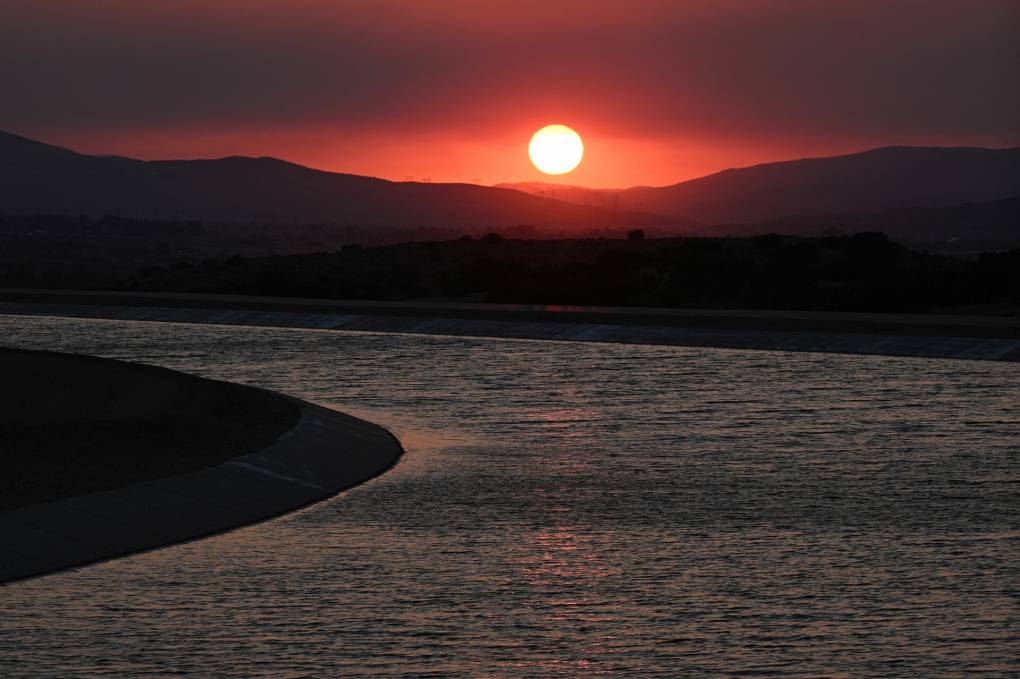
"caption": "The sun sets over the California Aquedect in Palmdale, California, where temperatures reached 106 degree Fahrenheit on July 12, 2021. Wildfires were burning across more than 1 million acres of the western United States and Canada, as scorching temperatures held their grip on areas reeling from a brutal heat wave. ",
"description": null,
"title": "US-CLIMATE-WEATHER-HEATWAVE",
"credit": "Robyn Beck/AFP via Getty Images",
"status": "inherit",
"altTag": null,
"isLoading": false,
"fetchFailed": false
},
"science_1975948": {
"type": "attachments",
"id": "science_1975948",
"meta": {
"index": "attachments_1716263798",
"site": "science",
"id": "1975948",
"found": true
},
"parent": 1975876,
"imgSizes": {
"thumbnail": {
"file": "https://ww2.kqed.org/app/uploads/sites/35/2021/07/GettyImages-489836785-800x534-esp-160x107.jpg",
"width": 160,
"mimeType": "image/jpeg",
"height": 107
},
"post-thumbnail": {
"file": "https://ww2.kqed.org/app/uploads/sites/35/2021/07/GettyImages-489836785-800x534-esp-672x372.jpg",
"width": 672,
"mimeType": "image/jpeg",
"height": 372
},
"kqedFullSize": {
"file": "https://ww2.kqed.org/app/uploads/sites/35/2021/07/GettyImages-489836785-800x534-esp.jpg",
"width": 800,
"height": 534
},
"medium_large": {
"file": "https://ww2.kqed.org/app/uploads/sites/35/2021/07/GettyImages-489836785-800x534-esp-768x513.jpg",
"width": 768,
"mimeType": "image/jpeg",
"height": 513
}
},
"publishDate": 1626974589,
"modified": 1626974675,
"caption": "Estas son algunas pautas que le ayudarán a estar preparado.\n",
"description": null,
"title": "GettyImages-489836785-800x534-esp",
"credit": "Justin Sullivan/Getty Images",
"status": "inherit",
"altTag": null,
"isLoading": false,
"fetchFailed": false
},
"science_1975845": {
"type": "attachments",
"id": "science_1975845",
"meta": {
"index": "attachments_1716263798",
"site": "science",
"id": "1975845",
"found": true
},
"parent": 0,
"imgSizes": {
"twentyfourteen-full-width": {
"file": "https://ww2.kqed.org/app/uploads/sites/35/2021/07/FI_FINAL_PUNCA-1038x576.jpg",
"width": 1038,
"mimeType": "image/jpeg",
"height": 576
},
"thumbnail": {
"file": "https://ww2.kqed.org/app/uploads/sites/35/2021/07/FI_FINAL_PUNCA-160x90.jpg",
"width": 160,
"mimeType": "image/jpeg",
"height": 90
},
"post-thumbnail": {
"file": "https://ww2.kqed.org/app/uploads/sites/35/2021/07/FI_FINAL_PUNCA-672x372.jpg",
"width": 672,
"mimeType": "image/jpeg",
"height": 372
},
"kqedFullSize": {
"file": "https://ww2.kqed.org/app/uploads/sites/35/2021/07/FI_FINAL_PUNCA.jpg",
"width": 1920,
"height": 1080
},
"large": {
"file": "https://ww2.kqed.org/app/uploads/sites/35/2021/07/FI_FINAL_PUNCA-1020x574.jpg",
"width": 1020,
"mimeType": "image/jpeg",
"height": 574
},
"1536x1536": {
"file": "https://ww2.kqed.org/app/uploads/sites/35/2021/07/FI_FINAL_PUNCA-1536x864.jpg",
"width": 1536,
"mimeType": "image/jpeg",
"height": 864
},
"medium": {
"file": "https://ww2.kqed.org/app/uploads/sites/35/2021/07/FI_FINAL_PUNCA-800x450.jpg",
"width": 800,
"mimeType": "image/jpeg",
"height": 450
},
"medium_large": {
"file": "https://ww2.kqed.org/app/uploads/sites/35/2021/07/FI_FINAL_PUNCA-768x432.jpg",
"width": 768,
"mimeType": "image/jpeg",
"height": 432
}
},
"publishDate": 1626556024,
"modified": 1626624778,
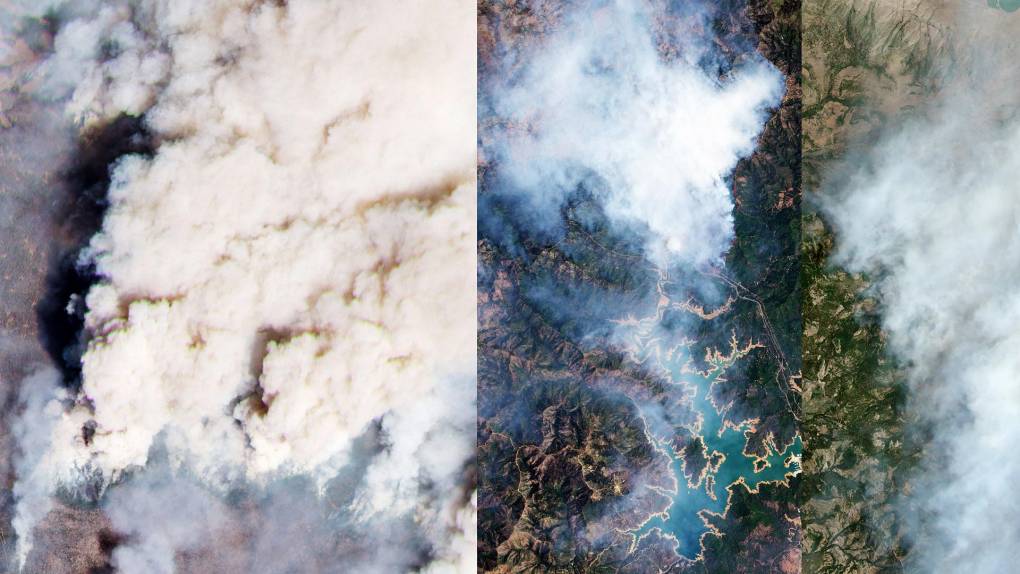
"caption": "Bootleg Fire, Oregon; Salt Fire, California; Beckwourth Complex, California.",
"description": null,
"title": "Punishing Fires",
"credit": "Images provided by Planet Labs",
"status": "inherit",
"altTag": "Punishing Fires",
"isLoading": false,
"fetchFailed": false
},
"science_1975723": {
"type": "attachments",
"id": "science_1975723",
"meta": {
"index": "attachments_1716263798",
"site": "science",
"id": "1975723",
"found": true
},
"parent": 1975710,
"imgSizes": {
"twentyfourteen-full-width": {
"file": "https://ww2.kqed.org/app/uploads/sites/35/2021/07/RS50216_GettyImages-1268341218-qut-1038x576.jpg",
"width": 1038,
"mimeType": "image/jpeg",
"height": 576
},
"thumbnail": {
"file": "https://ww2.kqed.org/app/uploads/sites/35/2021/07/RS50216_GettyImages-1268341218-qut-160x107.jpg",
"width": 160,
"mimeType": "image/jpeg",
"height": 107
},
"post-thumbnail": {
"file": "https://ww2.kqed.org/app/uploads/sites/35/2021/07/RS50216_GettyImages-1268341218-qut-672x372.jpg",
"width": 672,
"mimeType": "image/jpeg",
"height": 372
},
"kqedFullSize": {
"file": "https://ww2.kqed.org/app/uploads/sites/35/2021/07/RS50216_GettyImages-1268341218-qut.jpg",
"width": 1920,
"height": 1281
},
"large": {
"file": "https://ww2.kqed.org/app/uploads/sites/35/2021/07/RS50216_GettyImages-1268341218-qut-1020x681.jpg",
"width": 1020,
"mimeType": "image/jpeg",
"height": 681
},
"1536x1536": {
"file": "https://ww2.kqed.org/app/uploads/sites/35/2021/07/RS50216_GettyImages-1268341218-qut-1536x1025.jpg",
"width": 1536,
"mimeType": "image/jpeg",
"height": 1025
},
"medium": {
"file": "https://ww2.kqed.org/app/uploads/sites/35/2021/07/RS50216_GettyImages-1268341218-qut-800x534.jpg",
"width": 800,
"mimeType": "image/jpeg",
"height": 534
},
"medium_large": {
"file": "https://ww2.kqed.org/app/uploads/sites/35/2021/07/RS50216_GettyImages-1268341218-qut-768x512.jpg",
"width": 768,
"mimeType": "image/jpeg",
"height": 512
}
},
"publishDate": 1625776546,
"modified": 1625776634,
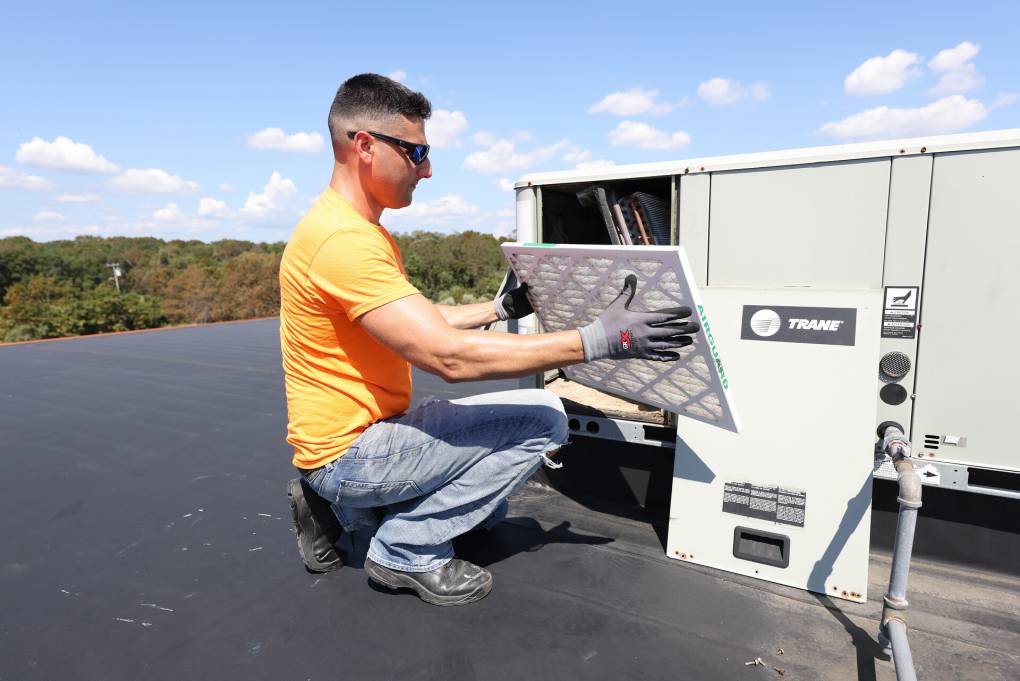
"caption": "Mike Saladino installs a Merv 13 HVAC filter at a Gold's Gym.",
"description": "Mike Saladino installs a Merv 13 HVAC filter at a Gold's Gym.",
"title": "New York State Allows Gyms And Museums To Re-Open Amid COVID-19 Pandemic",
"credit": "Al Bello/Getty Images",
"status": "inherit",
"altTag": null,
"isLoading": false,
"fetchFailed": false
},
"science_1975714": {
"type": "attachments",
"id": "science_1975714",
"meta": {
"index": "attachments_1716263798",
"site": "science",
"id": "1975714",
"found": true
},
"parent": 1975707,
"imgSizes": {
"twentyfourteen-full-width": {
"file": "https://ww2.kqed.org/app/uploads/sites/35/2021/07/RS50215_GettyImages-1233516072-qut-1038x576.jpg",
"width": 1038,
"mimeType": "image/jpeg",
"height": 576
},
"thumbnail": {
"file": "https://ww2.kqed.org/app/uploads/sites/35/2021/07/RS50215_GettyImages-1233516072-qut-160x107.jpg",
"width": 160,
"mimeType": "image/jpeg",
"height": 107
},
"post-thumbnail": {
"file": "https://ww2.kqed.org/app/uploads/sites/35/2021/07/RS50215_GettyImages-1233516072-qut-672x372.jpg",
"width": 672,
"mimeType": "image/jpeg",
"height": 372
},
"kqedFullSize": {
"file": "https://ww2.kqed.org/app/uploads/sites/35/2021/07/RS50215_GettyImages-1233516072-qut.jpg",
"width": 1920,
"height": 1280
},
"large": {
"file": "https://ww2.kqed.org/app/uploads/sites/35/2021/07/RS50215_GettyImages-1233516072-qut-1020x680.jpg",
"width": 1020,
"mimeType": "image/jpeg",
"height": 680
},
"1536x1536": {
"file": "https://ww2.kqed.org/app/uploads/sites/35/2021/07/RS50215_GettyImages-1233516072-qut-1536x1024.jpg",
"width": 1536,
"mimeType": "image/jpeg",
"height": 1024
},
"medium": {
"file": "https://ww2.kqed.org/app/uploads/sites/35/2021/07/RS50215_GettyImages-1233516072-qut-800x533.jpg",
"width": 800,
"mimeType": "image/jpeg",
"height": 533
},
"medium_large": {
"file": "https://ww2.kqed.org/app/uploads/sites/35/2021/07/RS50215_GettyImages-1233516072-qut-768x512.jpg",
"width": 768,
"mimeType": "image/jpeg",
"height": 512
}
},
"publishDate": 1625772957,
"modified": 1625776897,
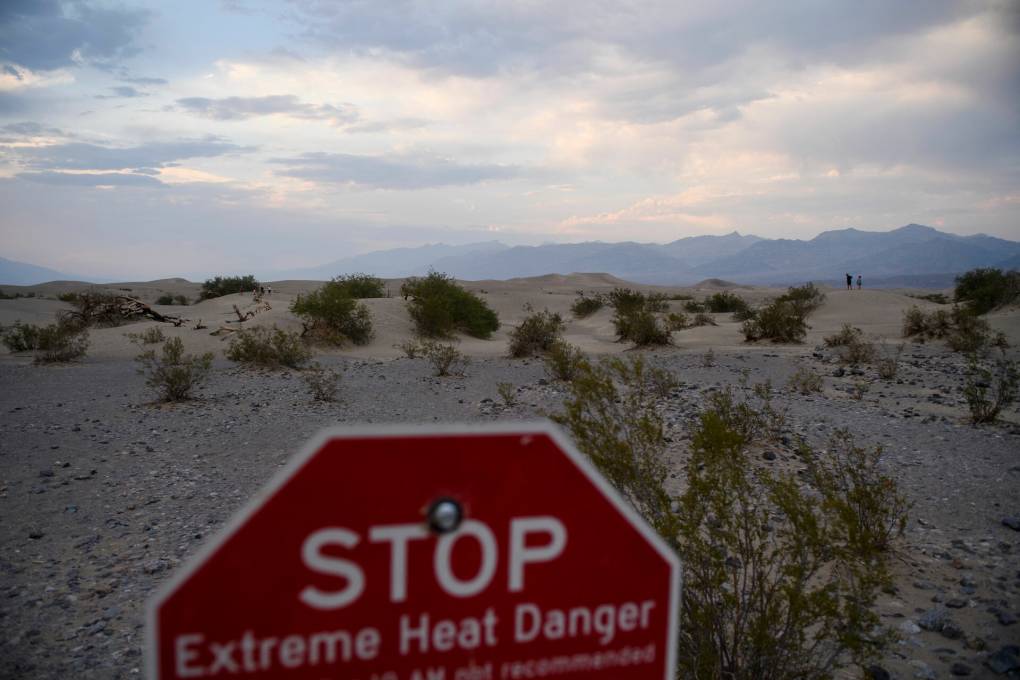
"caption": "Extreme heat danger signage stands as visitors walk along sand dunes at sunset inside Death Valley National Park in June 17, 2021 in Inyo County, California.",
"description": "Extreme heat danger signage stands as visitors walk along sand dunes at sunset inside Death Valley National Park in June 17, 2021 in Inyo County, California.",
"title": "US-ENVIRONMENT-DROUGHT-CLIMATE",
"credit": "Patrick T. Fallon/AFP via Getty Images",
"status": "inherit",
"altTag": null,
"isLoading": false,
"fetchFailed": false
},
"science_1975691": {
"type": "attachments",
"id": "science_1975691",
"meta": {
"index": "attachments_1716263798",
"site": "science",
"id": "1975691",
"found": true
},
"parent": 1975665,
"imgSizes": {
"twentyfourteen-full-width": {
"file": "https://ww2.kqed.org/app/uploads/sites/35/2021/07/Camping-Wildfire-1038x576.jpg",
"width": 1038,
"mimeType": "image/jpeg",
"height": 576
},
"thumbnail": {
"file": "https://ww2.kqed.org/app/uploads/sites/35/2021/07/Camping-Wildfire-160x107.jpg",
"width": 160,
"mimeType": "image/jpeg",
"height": 107
},
"post-thumbnail": {
"file": "https://ww2.kqed.org/app/uploads/sites/35/2021/07/Camping-Wildfire-672x372.jpg",
"width": 672,
"mimeType": "image/jpeg",
"height": 372
},
"kqedFullSize": {
"file": "https://ww2.kqed.org/app/uploads/sites/35/2021/07/Camping-Wildfire-scaled.jpg",
"width": 2560,
"height": 1707
},
"2048x2048": {
"file": "https://ww2.kqed.org/app/uploads/sites/35/2021/07/Camping-Wildfire-2048x1365.jpg",
"width": 2048,
"mimeType": "image/jpeg",
"height": 1365
},
"large": {
"file": "https://ww2.kqed.org/app/uploads/sites/35/2021/07/Camping-Wildfire-1020x680.jpg",
"width": 1020,
"mimeType": "image/jpeg",
"height": 680
},
"1536x1536": {
"file": "https://ww2.kqed.org/app/uploads/sites/35/2021/07/Camping-Wildfire-1536x1024.jpg",
"width": 1536,
"mimeType": "image/jpeg",
"height": 1024
},
"full-width": {
"file": "https://ww2.kqed.org/app/uploads/sites/35/2021/07/Camping-Wildfire-1920x1280.jpg",
"width": 1920,
"mimeType": "image/jpeg",
"height": 1280
},
"medium": {
"file": "https://ww2.kqed.org/app/uploads/sites/35/2021/07/Camping-Wildfire-800x533.jpg",
"width": 800,
"mimeType": "image/jpeg",
"height": 533
},
"medium_large": {
"file": "https://ww2.kqed.org/app/uploads/sites/35/2021/07/Camping-Wildfire-768x512.jpg",
"width": 768,
"mimeType": "image/jpeg",
"height": 512
}
},
"publishDate": 1625679193,
"modified": 1625679995,
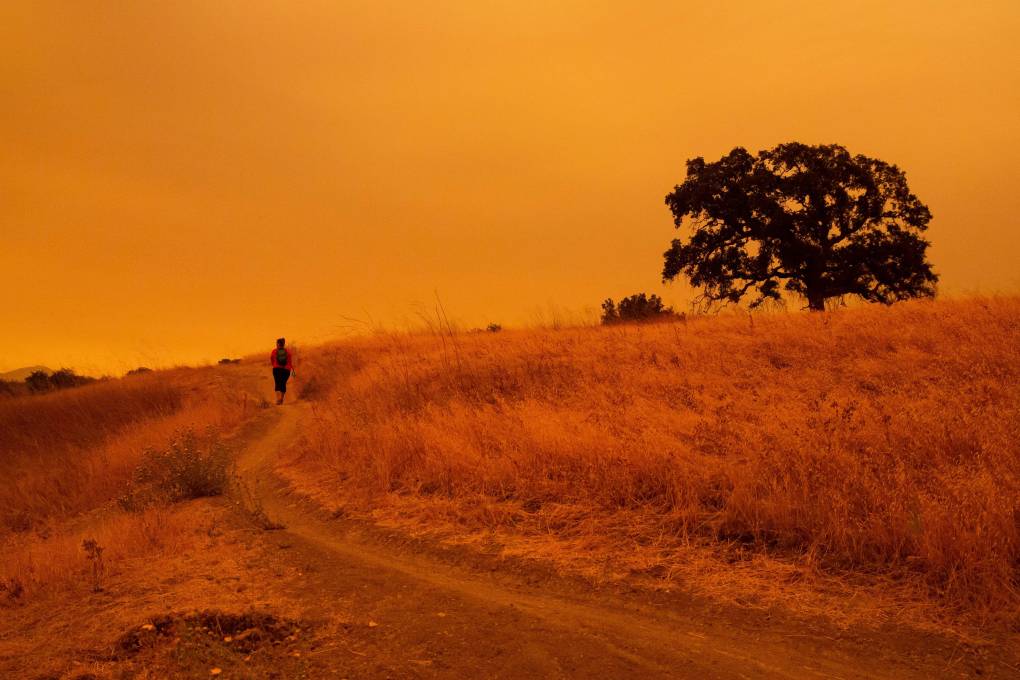
"caption": "A hiker walks below an orange sky filled with wildfire smoke on the Limeridge Open Space hiking trails in Concord, California on September 9, 2020. Dangerous dry winds whipped up California's record-breaking wildfires and ignited new blazes, as hundreds were evacuated by helicopter.",
"description": null,
"title": "US-CALIFORNIA-FIRE",
"credit": "Brittany Hosea-Small/AFP/Getty Images",
"status": "inherit",
"altTag": null,
"isLoading": false,
"fetchFailed": false
},
"science_1975558": {
"type": "attachments",
"id": "science_1975558",
"meta": {
"index": "attachments_1716263798",
"site": "science",
"id": "1975558",
"found": true
},
"parent": 1975549,
"imgSizes": {
"twentyfourteen-full-width": {
"file": "https://ww2.kqed.org/app/uploads/sites/35/2021/06/RS49952_056_MendocinoCounty_LakeMendocinoDrought_06112021-qut-1038x576.jpg",
"width": 1038,
"mimeType": "image/jpeg",
"height": 576
},
"thumbnail": {
"file": "https://ww2.kqed.org/app/uploads/sites/35/2021/06/RS49952_056_MendocinoCounty_LakeMendocinoDrought_06112021-qut-160x107.jpg",
"width": 160,
"mimeType": "image/jpeg",
"height": 107
},
"post-thumbnail": {
"file": "https://ww2.kqed.org/app/uploads/sites/35/2021/06/RS49952_056_MendocinoCounty_LakeMendocinoDrought_06112021-qut-672x372.jpg",
"width": 672,
"mimeType": "image/jpeg",
"height": 372
},
"kqedFullSize": {
"file": "https://ww2.kqed.org/app/uploads/sites/35/2021/06/RS49952_056_MendocinoCounty_LakeMendocinoDrought_06112021-qut.jpg",
"width": 1920,
"height": 1278
},
"large": {
"file": "https://ww2.kqed.org/app/uploads/sites/35/2021/06/RS49952_056_MendocinoCounty_LakeMendocinoDrought_06112021-qut-1020x679.jpg",
"width": 1020,
"mimeType": "image/jpeg",
"height": 679
},
"1536x1536": {
"file": "https://ww2.kqed.org/app/uploads/sites/35/2021/06/RS49952_056_MendocinoCounty_LakeMendocinoDrought_06112021-qut-1536x1022.jpg",
"width": 1536,
"mimeType": "image/jpeg",
"height": 1022
},
"medium": {
"file": "https://ww2.kqed.org/app/uploads/sites/35/2021/06/RS49952_056_MendocinoCounty_LakeMendocinoDrought_06112021-qut-800x533.jpg",
"width": 800,
"mimeType": "image/jpeg",
"height": 533
},
"medium_large": {
"file": "https://ww2.kqed.org/app/uploads/sites/35/2021/06/RS49952_056_MendocinoCounty_LakeMendocinoDrought_06112021-qut-768x511.jpg",
"width": 768,
"mimeType": "image/jpeg",
"height": 511
}
},
"publishDate": 1624666103,
"modified": 1624938417,
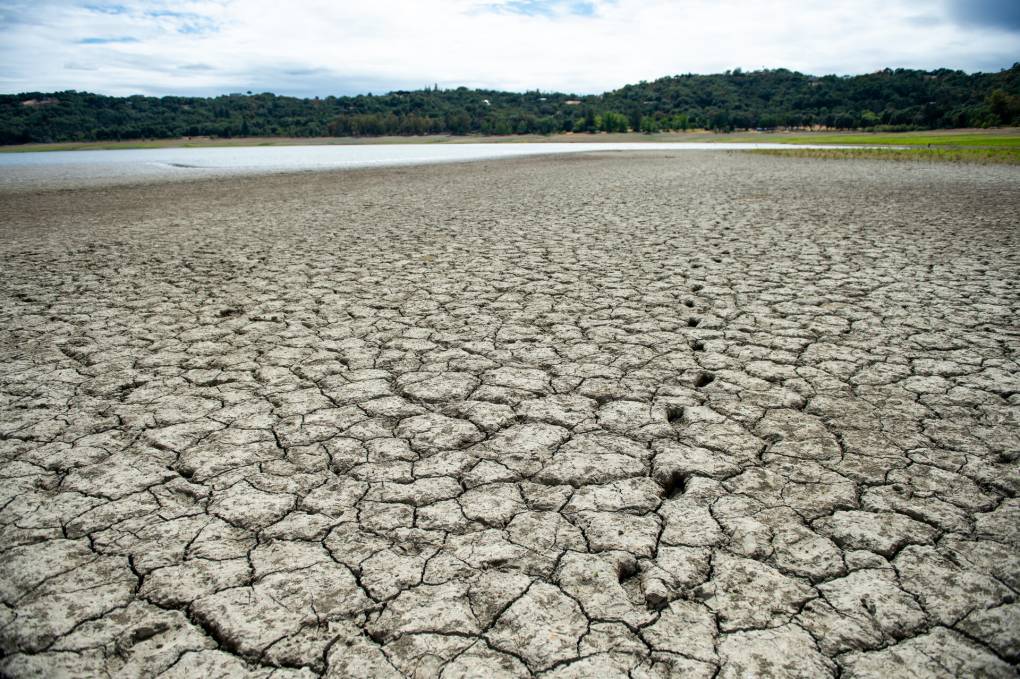
"caption": "Footprints are visible in the dry earth on what once was the lake floor at Lake Mendocino on June 11, 2021.",
"description": null,
"title": "RS49952_056_MendocinoCounty_LakeMendocinoDrought_06112021-qut",
"credit": "Courtesy of Beth LeBerge",
"status": "inherit",
"altTag": null,
"isLoading": false,
"fetchFailed": false
},
"science_1975449": {
"type": "attachments",
"id": "science_1975449",
"meta": {
"index": "attachments_1716263798",
"site": "science",
"id": "1975449",
"found": true
},
"parent": 1975443,
"imgSizes": {
"twentyfourteen-full-width": {
"file": "https://ww2.kqed.org/app/uploads/sites/35/2021/06/RS50018_GettyImages-1229318331-qut-1038x576.jpg",
"width": 1038,
"mimeType": "image/jpeg",
"height": 576
},
"thumbnail": {
"file": "https://ww2.kqed.org/app/uploads/sites/35/2021/06/RS50018_GettyImages-1229318331-qut-160x107.jpg",
"width": 160,
"mimeType": "image/jpeg",
"height": 107
},
"post-thumbnail": {
"file": "https://ww2.kqed.org/app/uploads/sites/35/2021/06/RS50018_GettyImages-1229318331-qut-672x372.jpg",
"width": 672,
"mimeType": "image/jpeg",
"height": 372
},
"kqedFullSize": {
"file": "https://ww2.kqed.org/app/uploads/sites/35/2021/06/RS50018_GettyImages-1229318331-qut.jpg",
"width": 1920,
"height": 1280
},
"large": {
"file": "https://ww2.kqed.org/app/uploads/sites/35/2021/06/RS50018_GettyImages-1229318331-qut-1020x680.jpg",
"width": 1020,
"mimeType": "image/jpeg",
"height": 680
},
"1536x1536": {
"file": "https://ww2.kqed.org/app/uploads/sites/35/2021/06/RS50018_GettyImages-1229318331-qut-1536x1024.jpg",
"width": 1536,
"mimeType": "image/jpeg",
"height": 1024
},
"medium": {
"file": "https://ww2.kqed.org/app/uploads/sites/35/2021/06/RS50018_GettyImages-1229318331-qut-800x533.jpg",
"width": 800,
"mimeType": "image/jpeg",
"height": 533
},
"medium_large": {
"file": "https://ww2.kqed.org/app/uploads/sites/35/2021/06/RS50018_GettyImages-1229318331-qut-768x512.jpg",
"width": 768,
"mimeType": "image/jpeg",
"height": 512
}
},
"publishDate": 1624037543,
"modified": 1624041218,
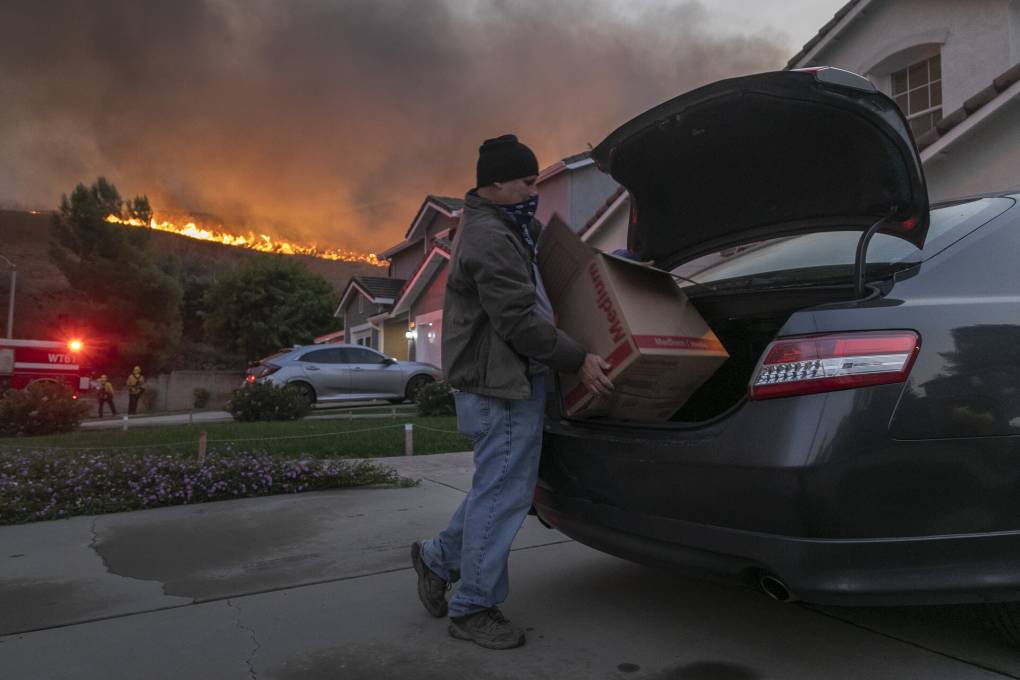
"caption": "A man evacuates as flames come close to houses during the Blue Ridge Fire on Oct. 27, 2020, in Chino Hills, California. ",
"description": null,
"title": "Silverado Fire In Orange Country, California Forces Evacuations",
"credit": "Photo by David McNew/Getty Images",
"status": "inherit",
"altTag": null,
"isLoading": false,
"fetchFailed": false
},
"science_1975378": {
"type": "attachments",
"id": "science_1975378",
"meta": {
"index": "attachments_1716263798",
"site": "science",
"id": "1975378",
"found": true
},
"parent": 1975362,
"imgSizes": {
"twentyfourteen-full-width": {
"file": "https://ww2.kqed.org/app/uploads/sites/35/2021/06/059_SanFrancisco_YouthClimateActivists_06142021-1038x576.jpg",
"width": 1038,
"mimeType": "image/jpeg",
"height": 576
},
"thumbnail": {
"file": "https://ww2.kqed.org/app/uploads/sites/35/2021/06/059_SanFrancisco_YouthClimateActivists_06142021-160x107.jpg",
"width": 160,
"mimeType": "image/jpeg",
"height": 107
},
"post-thumbnail": {
"file": "https://ww2.kqed.org/app/uploads/sites/35/2021/06/059_SanFrancisco_YouthClimateActivists_06142021-672x372.jpg",
"width": 672,
"mimeType": "image/jpeg",
"height": 372
},
"kqedFullSize": {
"file": "https://ww2.kqed.org/app/uploads/sites/35/2021/06/059_SanFrancisco_YouthClimateActivists_06142021.jpg",
"width": 1920,
"height": 1278
},
"large": {
"file": "https://ww2.kqed.org/app/uploads/sites/35/2021/06/059_SanFrancisco_YouthClimateActivists_06142021-1020x679.jpg",
"width": 1020,
"mimeType": "image/jpeg",
"height": 679
},
"1536x1536": {
"file": "https://ww2.kqed.org/app/uploads/sites/35/2021/06/059_SanFrancisco_YouthClimateActivists_06142021-1536x1022.jpg",
"width": 1536,
"mimeType": "image/jpeg",
"height": 1022
},
"medium": {
"file": "https://ww2.kqed.org/app/uploads/sites/35/2021/06/059_SanFrancisco_YouthClimateActivists_06142021-800x533.jpg",
"width": 800,
"mimeType": "image/jpeg",
"height": 533
},
"medium_large": {
"file": "https://ww2.kqed.org/app/uploads/sites/35/2021/06/059_SanFrancisco_YouthClimateActivists_06142021-768x511.jpg",
"width": 768,
"mimeType": "image/jpeg",
"height": 511
}
},
"publishDate": 1623718155,
"modified": 1623791189,
"caption": "Youth climate activists march across the Golden Gate Bridge in support of the Civilian Climate Corps on June 14, 2021.",
"description": null,
"title": "059_SanFrancisco_YouthClimateActivists_06142021",
"credit": "Beth LaBerge/KQED",
"status": "inherit",
"altTag": null,
"isLoading": false,
"fetchFailed": false
},
"science_1974622": {
"type": "attachments",
"id": "science_1974622",
"meta": {
"index": "attachments_1716263798",
"site": "science",
"id": "1974622",
"found": true
},
"parent": 1973196,
"imgSizes": {
"twentyfourteen-full-width": {
"file": "https://ww2.kqed.org/app/uploads/sites/35/2029/03/IMG_0084-1038x576.jpeg",
"width": 1038,
"mimeType": "image/jpeg",
"height": 576
},
"thumbnail": {
"file": "https://ww2.kqed.org/app/uploads/sites/35/2029/03/IMG_0084-160x107.jpeg",
"width": 160,
"mimeType": "image/jpeg",
"height": 107
},
"post-thumbnail": {
"file": "https://ww2.kqed.org/app/uploads/sites/35/2029/03/IMG_0084-672x372.jpeg",
"width": 672,
"mimeType": "image/jpeg",
"height": 372
},
"kqedFullSize": {
"file": "https://ww2.kqed.org/app/uploads/sites/35/2029/03/IMG_0084-scaled-e1620406175348.jpeg",
"width": 1920,
"height": 1280
},
"2048x2048": {
"file": "https://ww2.kqed.org/app/uploads/sites/35/2029/03/IMG_0084-2048x1365.jpeg",
"width": 2048,
"mimeType": "image/jpeg",
"height": 1365
},
"large": {
"file": "https://ww2.kqed.org/app/uploads/sites/35/2029/03/IMG_0084-1020x680.jpeg",
"width": 1020,
"mimeType": "image/jpeg",
"height": 680
},
"1536x1536": {
"file": "https://ww2.kqed.org/app/uploads/sites/35/2029/03/IMG_0084-1536x1024.jpeg",
"width": 1536,
"mimeType": "image/jpeg",
"height": 1024
},
"full-width": {
"file": "https://ww2.kqed.org/app/uploads/sites/35/2029/03/IMG_0084-1920x1280.jpeg",
"width": 1920,
"mimeType": "image/jpeg",
"height": 1280
},
"medium": {
"file": "https://ww2.kqed.org/app/uploads/sites/35/2029/03/IMG_0084-800x533.jpeg",
"width": 800,
"mimeType": "image/jpeg",
"height": 533
},
"medium_large": {
"file": "https://ww2.kqed.org/app/uploads/sites/35/2029/03/IMG_0084-768x512.jpeg",
"width": 768,
"mimeType": "image/jpeg",
"height": 512
}
},
"publishDate": 1620406145,
"modified": 1620406718,
"caption": "A multiagency prescribed fire training burn in 2019 in Six Rivers National Forest.",
"description": null,
"title": "IMG_0084",
"credit": "Prescribed Fire Training Exchange",
"status": "inherit",
"altTag": null,
"isLoading": false,
"fetchFailed": false
}
},
"audioPlayerReducer": {
"postId": "stream_live",
"isPaused": true,
"isPlaying": false,
"pfsActive": false,
"pledgeModalIsOpen": true,
"playerDrawerIsOpen": false,
"liveAudioPlayStartedAt": 0,
"liveAudioPlayContext": ""
},
"authorsReducer": {
"byline_science_1976195": {
"type": "authors",
"id": "byline_science_1976195",
"meta": {
"override": true
},
"slug": "byline_science_1976195",
"name": "Lauren Sommer \u003cbr />NPR\u003cbr>",
"isLoading": false
},
"lklivans": {
"type": "authors",
"id": "8648",
"meta": {
"index": "authors_1716337520",
"id": "8648",
"found": true
},
"name": "Laura Klivans",
"firstName": "Laura",
"lastName": "Klivans",
"slug": "lklivans",
"email": "lklivans@kqed.org",
"display_author_email": true,
"staff_mastheads": [
"news",
"science"
],
"title": "Reporter",
"bio": "Laura Klivans is an award-winning science reporter for KQED News, where she covers climate change with an eye on both groundbreaking progress and gaps in action. She is the former host of KQED's blockbuster video series about tiny, amazing animals, \u003cem>Deep Look\u003c/em>. Her work reaches national audiences through NPR, \u003cem>Here & Now, \u003c/em>PRI, and other major outlets. \r\n\r\nLaura’s won five Northern California Area Emmy Awards for Deep Look and First Place in the Greater Bay Area Journalism Awards for a podcast exploring how one Oakland neighborhood teamed up to reduce planet-heating pollution.\r\n\r\nBeyond her reporting, she hosts and moderates events. In the past, she taught audio storytelling at the UC Berkeley Graduate School of Journalism, led international education programs, worked with immigrants and refugees along the Thai-Burmese border, taught high schoolers sex ed, and was an actress. \r\n\r\nShe's a former UC Berkeley Human Rights Fellow, USC Center for Health Journalism's California Fellow and Coro Fellow in Public Affairs. Laura has a master’s in journalism from UC Berkeley, a master’s in education from Harvard, and an undergraduate degree from Northwestern University.\r\n\r\nShe loves trying to riddle the meaning out of vanity license plates.",
"avatar": "https://secure.gravatar.com/avatar/2d2ecd1550a494cc10ad4a503406965585902124739e775a9b3817eebf1d88be?s=600&d=blank&r=g",
"twitter": "lauraklivans",
"bluesky": null,
"facebook": null,
"instagram": null,
"linkedin": null,
"sites": [
{
"site": "news",
"roles": [
"editor"
]
},
{
"site": "stateofhealth",
"roles": [
"contributor",
"editor"
]
},
{
"site": "science",
"roles": [
"editor"
]
},
{
"site": "forum",
"roles": [
"editor"
]
}
],
"headData": {
"title": "Laura Klivans | KQED",
"description": "Reporter",
"ogImgSrc": "https://secure.gravatar.com/avatar/2d2ecd1550a494cc10ad4a503406965585902124739e775a9b3817eebf1d88be?s=600&d=blank&r=g",
"twImgSrc": "https://secure.gravatar.com/avatar/2d2ecd1550a494cc10ad4a503406965585902124739e775a9b3817eebf1d88be?s=600&d=blank&r=g"
},
"isLoading": false,
"link": "/author/lklivans"
},
"dventon": {
"type": "authors",
"id": "11088",
"meta": {
"index": "authors_1716337520",
"id": "11088",
"found": true
},
"name": "Danielle Venton",
"firstName": "Danielle",
"lastName": "Venton",
"slug": "dventon",
"email": "dventon@kqed.org",
"display_author_email": true,
"staff_mastheads": [
"science"
],
"title": "Science reporter",
"bio": "Danielle Venton is a reporter for KQED Science. She covers wildfires, space and oceans (though she is prone to sea sickness).\r\n\r\nBefore joining KQED in 2015, Danielle was a staff reporter at KRCB in Sonoma County and a freelancer. She studied science communication at UC Santa Cruz and formerly worked at CERN in Geneva, Switzerland where she wrote about computing. She lives in Sonoma County and enjoys backpacking.",
"avatar": "https://secure.gravatar.com/avatar/37b292b5c40c8d93959c4f48d73b5286f41b7abd8588277e941905a3ed4c801c?s=600&d=blank&r=g",
"twitter": "DanielleVenton",
"bluesky": null,
"facebook": null,
"instagram": null,
"linkedin": null,
"sites": [
{
"site": "arts",
"roles": [
"contributor"
]
},
{
"site": "news",
"roles": [
"editor"
]
},
{
"site": "futureofyou",
"roles": [
"editor"
]
},
{
"site": "science",
"roles": [
"editor"
]
},
{
"site": "liveblog",
"roles": [
"contributor"
]
}
],
"headData": {
"title": "Danielle Venton | KQED",
"description": "Science reporter",
"ogImgSrc": "https://secure.gravatar.com/avatar/37b292b5c40c8d93959c4f48d73b5286f41b7abd8588277e941905a3ed4c801c?s=600&d=blank&r=g",
"twImgSrc": "https://secure.gravatar.com/avatar/37b292b5c40c8d93959c4f48d73b5286f41b7abd8588277e941905a3ed4c801c?s=600&d=blank&r=g"
},
"isLoading": false,
"link": "/author/dventon"
},
"parcuni": {
"type": "authors",
"id": "11368",
"meta": {
"index": "authors_1716337520",
"id": "11368",
"found": true
},
"name": "Peter Arcuni",
"firstName": "Peter",
"lastName": "Arcuni",
"slug": "parcuni",
"email": "parcuni@KQED.org",
"display_author_email": false,
"staff_mastheads": [
"science"
],
"title": "Reporter",
"bio": "Peter reports radio and online stories for \u003cem>KQED Science\u003c/em>. His work has also appeared on the \u003cem>The California Report\u003c/em> morning show and \u003cem>KQED News\u003c/em>. His production credits include \u003cem>The California Report, The California Report Magazine\u003c/em> and KQED's local news podcast \u003cem>The Bay\u003c/em>. Other credits include NPR's \u003cem>All Things Considered\u003c/em>, WNYC's \u003cem>Science Friday\u003c/em>, WBUR's \u003cem>Here & Now\u003c/em>, WIRED and SFGate. Peter graduated from Brown University and earned a master's degree in journalism from Stanford. He's covered everything from homelessness to wildfires, health, the environment, arts and Thanksgiving in San Quentin prison. In other lives, he played rock n roll music and studied neuroscience. You can email him at: parcuni@kqed.org",
"avatar": "https://secure.gravatar.com/avatar/d5032f6f27199d478af34ad2e1d98732?s=600&d=blank&r=g",
"twitter": "peterarcuni",
"facebook": null,
"instagram": null,
"linkedin": null,
"sites": [
{
"site": "news",
"roles": [
"editor"
]
},
{
"site": "science",
"roles": [
"editor"
]
}
],
"headData": {
"title": "Peter Arcuni | KQED",
"description": "Reporter",
"ogImgSrc": "https://secure.gravatar.com/avatar/d5032f6f27199d478af34ad2e1d98732?s=600&d=blank&r=g",
"twImgSrc": "https://secure.gravatar.com/avatar/d5032f6f27199d478af34ad2e1d98732?s=600&d=blank&r=g"
},
"isLoading": false,
"link": "/author/parcuni"
},
"rdillon": {
"type": "authors",
"id": "11495",
"meta": {
"index": "authors_1716337520",
"id": "11495",
"found": true
},
"name": "Raquel Maria Dillon",
"firstName": "Raquel Maria",
"lastName": "Dillon",
"slug": "rdillon",
"email": "rdillon@kqed.org",
"display_author_email": false,
"staff_mastheads": [],
"title": null,
"bio": "Raquel Maria Dillon was a reporter and host for KQED News. Previously, she produced the daily statewide California Report, edited newscasts, and covered health and education stories. Before returning to the Bay Area in 2016, she worked in Los Angeles as a wire reporter and one-woman-band video journalist for the Associated Press, where she shot, edited and reported breaking news and features across the West. Her work has appeared online and in print around the globe, and also on NPR’s Morning Edition, All Things Considered, Here and Now, Marketplace, On The Media, and Studio 360. She previously edited and mentored up-and-coming reporters at KALW, produced social videos for Timeline.com, and was a local TV news videographer for KTVU and digital producer for KNTV. She got her start as a Radio News Trainee at KQED, produced a weekly public affairs roundtable show for OPB, and covered health and politics at New Hampshire Public Radio. She has a BA in political science from Barnard College and a MA in video journalism from UC Berkeley, where she was awarded the Faith Fancher Scholarship and a Student Emmy. She has received numerous local awards from the Associated Press and the Society of Professional Journalists.",
"avatar": "https://secure.gravatar.com/avatar/b8e02ae982913d0950df605910267c1b?s=600&d=blank&r=g",
"twitter": "RaquelMDillon",
"facebook": null,
"instagram": null,
"linkedin": null,
"sites": [
{
"site": "news",
"roles": [
"subscriber"
]
},
{
"site": "stateofhealth",
"roles": [
"editor"
]
},
{
"site": "science",
"roles": [
"editor"
]
},
{
"site": "forum",
"roles": [
"editor"
]
}
],
"headData": {
"title": "Raquel Maria Dillon | KQED",
"description": null,
"ogImgSrc": "https://secure.gravatar.com/avatar/b8e02ae982913d0950df605910267c1b?s=600&d=blank&r=g",
"twImgSrc": "https://secure.gravatar.com/avatar/b8e02ae982913d0950df605910267c1b?s=600&d=blank&r=g"
},
"isLoading": false,
"link": "/author/rdillon"
},
"thailye": {
"type": "authors",
"id": "11501",
"meta": {
"index": "authors_1716337520",
"id": "11501",
"found": true
},
"name": "Teodros Hailye",
"firstName": "Teodros",
"lastName": "Hailye",
"slug": "thailye",
"email": "thailye@KQED.org",
"display_author_email": false,
"staff_mastheads": [],
"title": "Information Designer",
"bio": null,
"avatar": "https://secure.gravatar.com/avatar/bfb755f5a66ebaccd414e310b7d7c94a?s=600&d=blank&r=g",
"twitter": null,
"facebook": null,
"instagram": null,
"linkedin": null,
"sites": [
{
"site": "science",
"roles": []
}
],
"headData": {
"title": "Teodros Hailye | KQED",
"description": "Information Designer",
"ogImgSrc": "https://secure.gravatar.com/avatar/bfb755f5a66ebaccd414e310b7d7c94a?s=600&d=blank&r=g",
"twImgSrc": "https://secure.gravatar.com/avatar/bfb755f5a66ebaccd414e310b7d7c94a?s=600&d=blank&r=g"
},
"isLoading": false,
"link": "/author/thailye"
},
"kevinstark": {
"type": "authors",
"id": "11608",
"meta": {
"index": "authors_1716337520",
"id": "11608",
"found": true
},
"name": "Kevin Stark",
"firstName": "Kevin",
"lastName": "Stark",
"slug": "kevinstark",
"email": "kstark@kqed.org",
"display_author_email": true,
"staff_mastheads": [
"science"
],
"title": "Senior Editor",
"bio": "Kevin is a senior editor for KQED Science, managing the station's health and climate desks. His journalism career began in the Pacific Northwest, and he later became a lead reporter for the San Francisco Public Press. His work has appeared in Pacific Standard magazine, the Energy News Network, the Center for Investigative Reporting's Reveal and WBEZ in Chicago. Kevin joined KQED in 2019, and has covered issues related to energy, wildfire, climate change and the environment.",
"avatar": "https://secure.gravatar.com/avatar/365aaa4b597d3a8374f67504ff0facd323d7906e8eb4be0a7efd2427408e802c?s=600&d=blank&r=g",
"twitter": "starkkev",
"bluesky": null,
"facebook": null,
"instagram": null,
"linkedin": null,
"sites": [
{
"site": "",
"roles": [
"editor"
]
},
{
"site": "news",
"roles": [
"editor"
]
},
{
"site": "science",
"roles": [
"administrator"
]
}
],
"headData": {
"title": "Kevin Stark | KQED",
"description": "Senior Editor",
"ogImgSrc": "https://secure.gravatar.com/avatar/365aaa4b597d3a8374f67504ff0facd323d7906e8eb4be0a7efd2427408e802c?s=600&d=blank&r=g",
"twImgSrc": "https://secure.gravatar.com/avatar/365aaa4b597d3a8374f67504ff0facd323d7906e8eb4be0a7efd2427408e802c?s=600&d=blank&r=g"
},
"isLoading": false,
"link": "/author/kevinstark"
},
"eromero": {
"type": "authors",
"id": "11746",
"meta": {
"index": "authors_1716337520",
"id": "11746",
"found": true
},
"name": "Ezra David Romero",
"firstName": "Ezra David",
"lastName": "Romero",
"slug": "eromero",
"email": "eromero@kqed.org",
"display_author_email": true,
"staff_mastheads": [
"news",
"science"
],
"title": "Climate Reporter",
"bio": "Ezra David Romero is a climate reporter for KQED News. He covers the absence and excess of water in the Bay Area — think sea level rise, flooding and drought. For nearly a decade he’s covered how warming temperatures are altering the lives of Californians. He’s reported on farmers worried their pistachio trees aren’t getting enough sleep, families desperate for water, scientists studying dying giant sequoias, and alongside firefighters containing wildfires. His work has appeared on local stations across California and nationally on public radio shows like Morning Edition, Here and Now, All Things Considered and Science Friday. ",
"avatar": "https://secure.gravatar.com/avatar/c76404d287c10ed40224227551ac36e24352c7306f106632caf6fead76f8801f?s=600&d=blank&r=g",
"twitter": "ezraromero",
"bluesky": null,
"facebook": null,
"instagram": null,
"linkedin": null,
"sites": [
{
"site": "arts",
"roles": [
"editor"
]
},
{
"site": "news",
"roles": [
"editor"
]
},
{
"site": "science",
"roles": [
"editor"
]
},
{
"site": "liveblog",
"roles": [
"author"
]
}
],
"headData": {
"title": "Ezra David Romero | KQED",
"description": "Climate Reporter",
"ogImgSrc": "https://secure.gravatar.com/avatar/c76404d287c10ed40224227551ac36e24352c7306f106632caf6fead76f8801f?s=600&d=blank&r=g",
"twImgSrc": "https://secure.gravatar.com/avatar/c76404d287c10ed40224227551ac36e24352c7306f106632caf6fead76f8801f?s=600&d=blank&r=g"
},
"isLoading": false,
"link": "/author/eromero"
}
},
"pagesReducer": {
"science_category_wildfires": {
"type": "terms",
"id": "science_3730",
"meta": {
"index": "terms_1716263798",
"site": "science",
"id": "3730",
"score": 12.461087
},
"featImg": null,
"name": "Wildfires",
"description": null,
"taxonomy": "category",
"headData": {
"twImgId": null,
"twTitle": null,
"ogTitle": null,
"ogImgId": null,
"twDescription": null,
"description": null,
"title": "Wildfires Archives | KQED Science",
"ogDescription": null
},
"ttid": 3730,
"slug": "wildfires",
"isLoading": false,
"title": "Wildfires",
"pageMeta": {
"site": "science",
"WpPageTemplate": "page-topic-editorial",
"currentPage": 6
},
"blocks": [
{
"blockName": "kqed/post-list",
"attrs": {
"layout": "cardArticle2",
"query": "posts/science?category=wildfires",
"seeMore": false,
"paginated": true,
"page": 6
}
},
{
"blockName": "kqed/ad"
}
]
}
},
"pfsSessionReducer": {},
"postsReducer": {
"stream_live": {
"type": "live",
"id": "stream_live",
"audioUrl": "https://streams.kqed.org/kqedradio",
"title": "Live Stream",
"excerpt": "Live Stream information currently unavailable.",
"link": "/radio",
"featImg": "",
"label": {
"name": "KQED Live",
"link": "/"
}
},
"stream_kqedNewscast": {
"type": "posts",
"id": "stream_kqedNewscast",
"audioUrl": "https://www.kqed.org/.stream/anon/radio/RDnews/newscast.mp3?_=1",
"title": "KQED Newscast",
"featImg": "",
"label": {
"name": "88.5 FM",
"link": "/"
}
},
"science_1976195": {
"type": "posts",
"id": "science_1976195",
"meta": {
"index": "posts_1716263798",
"site": "science",
"id": "1976195",
"score": null,
"sort": [
1628620318000
]
},
"parent": 0,
"labelTerm": {},
"blocks": [],
"publishDate": 1628620318,
"format": "standard",
"title": "As California Megafires Burn, Forest Service Ditches 'Good Fire' Under Political Pressure",
"headTitle": "As California Megafires Burn, Forest Service Ditches ‘Good Fire’ Under Political Pressure | KQED",
"content": "\u003cp>Facing record-breaking dry conditions across the West, the U.S. Forest Service announced it will aggressively put out wildfires this summer. As a result, the agency’s use of “good fire,” the lower-intensity blazes that clear out overgrown forests, will also stop.\u003c/p>\n\u003cp>With thousands of firefighting personnel battling extreme blazes, federal officials say no one can be spared for fire prevention work. But some fire scientists worry that the blanket rule takes away the most important tools foresters have to reduce future wildfire risk, even in parts of the country where it may be safe to use them.\u003c/p>\n\u003cp>“It’s a tough decision, I think, because politically, there’s a lot of pressure to put every single fire out,” says Crystal Kolden, a fire scientist at the UC Merced. “The problem is that political pressure is not based on good science.”\u003c/p>\n\u003cp>Many extreme fires across the West are being fueled by overgrown forests, where dense vegetation has accumulated over a century of fire suppression. In recent years, the Forest Service has worked to reduce that risk by using fire proactively.\u003c/p>\n\u003cp>The agency is now suspending the use of prescribed burns, where foresters set carefully controlled fires that remove brush and vegetation, but don’t kill the mature trees. It’s also suspending what’s known as “managed wildfires for resource benefit,” where naturally caused fires are cautiously allowed to burn if they’re in remote areas and don’t pose a risk to people.\u003c/p>\n\u003cp>[ad fullwidth]\u003c/p>\n\u003cp>“We are in a ‘triage mode’ where our primary focus must be on fires that threaten communities and infrastructure,” Forest Service Chief Randy Moore wrote in a letter announcing the change. “When western fire activity abates, we will resume using all the tools in our toolbox.”\u003c/p>\n\u003cp>\u003cstrong>Political Pressure Grows to Attack Wildfires\u003c/strong>\u003c/p>\n\u003cp>The agency has faced growing pressure since the Tamarack Fire exploded south of Lake Tahoe, Calif., in July, destroying at least 14 homes. Sparked by lightning in high mountain wilderness, the Forest Service \u003ca href=\"https://www.facebook.com/HumboldtToiyabeNF/videos/the-tamarackfire-burning-in-the-mokelumne-wilderness-was-ignited-july-4-from-lig/2955306648085725/\" target=\"_blank\" rel=\"noopener noreferrer\">didn’t send fire crews due to safety concerns\u003c/a> over the remoteness of the location. After burning for more than a week, winds drove the fire into the town of Markleeville.\u003c/p>\n\u003cp>While the Tamarack Fire was not considered a managed burn to benefit the ecosystem, California Gov. Gavin Newsom called for a policy shift.\u003c/p>\n\u003cp>“We need your help to change the culture in terms of the suppression strategies, in this climate, literally and figuratively, to be more aggressive on these federal fires,” Newsom told President Biden.\u003c/p>\n\u003cp>The Biden administration responded quickly.\u003c/p>\n\u003cp>“We have to have more boots on the ground,” U.S. Agriculture Secretary Tom Vilsack \u003ca href=\"https://www.gov.ca.gov/2021/08/04/governor-newsom-u-s-agriculture-secretary-vilsack-and-forest-service-chief-moore-discuss-state-federal-efforts-to-build-wildfire-resilience/\" target=\"_blank\" rel=\"noopener noreferrer\">told Newsom last week\u003c/a>. “And I pledge to you and commit to you that will happen.”\u003c/p>\n\u003cp>\u003cstrong>Kicking the Can Down the Road\u003c/strong>\u003c/p>\n\u003cp>Still, the suspension is raising flags for some forest ecologists who say, with millions of acres of forest overloaded with vegetation, the agency can’t afford to fall farther behind on reducing fire risk in the West.\u003c/p>\n\u003cp>“If we’re going to stop managed wildfire now, then we’re kicking the can down the road for those fuels to burn and they may burn in even hotter and drier conditions,” Kolden said.\u003c/p>\n\u003cp>While summertime burns aren’t used in all Western forests, banning beneficial fires could limit the number of acres the Forest Service treats by reducing vegetation this year, leaving overgrowth that may be the fuel for dangerous fires down the road.\u003c/p>\n\u003cp>Summer in California can be a useful time for the Forest Service to do prescribed burns and other vegetation treatments. In June through September 2019, the \u003ca href=\"https://gis.data.cnra.ca.gov/datasets/CALFIRE-Forestry::prescribed-burns-1/explore?location=37.570937%2C-119.381350%2C8.93\" target=\"_blank\" rel=\"noopener noreferrer\">agency completed burns on almost 13,000 acres\u003c/a>, according to public data.\u003c/p>\n\u003cp>Summer is also when many naturally caused wildfires begin, sparked by lightning in wilderness areas. In 2009, the Forest Service adopted a policy to allow more of these fires to spread, especially where the terrain is too remote for prescribed burns.\u003c/p>\n\u003cp>In the Southwest, the Forest Service managed fires like this on more than 270,000 acres in 2020 to benefit the ecosystem. In that part of the country, managed wildfires have become a significant strategy, because summer monsoon rains reduce the risk those fires could get out of hand. But the policy is controversial, because in rare cases, \u003ca href=\"https://www.kqed.org/science/1134217/let-it-burn-the-forest-service-wants-to-stop-putting-out-some-fires\" target=\"_blank\" rel=\"noopener noreferrer\">managed wildfires have escaped\u003c/a>, threatening homes and people.\u003c/p>\n\u003cp>\u003cstrong>Western U.S. Still Has a Fire Deficit\u003c/strong>\u003c/p>\n\u003cp>Where federal agencies have completed their work, this approach of controlling and managing has helped prevent wildfires from reaching extremes. With less vegetation on the ground in those areas, the fires don’t reach high intensity, \u003ca href=\"https://www.eurekalert.org/news-releases/629915\" target=\"_blank\" rel=\"noopener noreferrer\">as was seen in parts of the 2013 Rim Fire\u003c/a> around Yosemite National Park.\u003c/p>\n\u003cp>“Every time I’ve been out on a large wildfire, the only thing that has moderated fire spread has been past fire footprints on the landscape,” says Mike Beasley, a retired fire manager who worked for the National Park Service and Forest Service for decades.\u003c/p>\n\u003cp>Despite the record-breaking wildfires of recent years, the Western U.S. still has a fire deficit. Millions of acres once burned every year, either in fires caused by lightning or set by \u003ca href=\"https://www.npr.org/2020/08/24/899422710/to-manage-wildfire-california-looks-to-what-tribes-have-known-all-along\" target=\"_blank\" rel=\"noopener noreferrer\">Native American tribes who used fire\u003c/a> to shape the landscape. Over millennia, forest ecosystems were accustomed to these low-grade fires, but that changed when the era of fire suppression began. For much of the last century, the Forest Service actively stopped all fires, adopting the “10 a.m. rule,” where fires had to be extinguished by 10 a.m. the next day.\u003c/p>\n\u003cp>That policy helped set the stage for the extreme wildfires today, which have burned hotter and more intensely than many forests are adapted to.\u003c/p>\n\u003cp>“The amount of fuel that’s built up over that time period is bigger than anything these forests have experienced in recent millennia,” says Keala Hagmann, research ecologist at the University of Washington. “We do have tools at our disposal to change the ways these fires are burning and the window of opportunity is closing rapidly.”\u003c/p>\n\u003cp>An estimated 20 million acres of forested land in California, nearly 20% of the state, needs some form of fuel reduction. California \u003ca href=\"https://www.gov.ca.gov/2020/08/13/california-u-s-forest-service-establish-shared-long-term-strategy-to-manage-forests-and-rangelands/\" target=\"_blank\" rel=\"noopener noreferrer\">signed an agreement\u003c/a> with the Forest Service last year to reduce vegetation on 1 million acres a year collectively, but the goal is still far off. In 2019, projects only took place on 100,000 acres statewide.\u003c/p>\n\u003cp>\u003cstrong>Hotter Climate Boosts Fire Risk and Chances to Reduce It\u003c/strong>\u003c/p>\n\u003cp>With thousands of firefighters occupied on wildfires in extremely dry conditions, some say the shift in policy is a necessary trade-off this summer to protect communities and prevent more homes from burning.\u003c/p>\n\u003cp>“Governor Newsom supports the science of ‘good fires,'” a spokesperson for Newsom responded by email. “But there are no ‘good fires’ in atrocious conditions, and that’s what the western states are experiencing right now.”\u003c/p>\n\u003cp>As the climate warms, hotter droughts are becoming increasingly common in the Western U.S.. Just as is happening this year, dry conditions could continue to limit the use of beneficial fire when burning is deemed too risky. Firefighters, exhausted from months of battling extreme blazes, are less available to assist with prescribed burns.\u003c/p>\n\u003cp>“The challenge here is that it’s easy to say: with climate change, we shouldn’t do this anymore,” Kolden says. “But that is a fire suppression mentality and that’s what got us in this situation in the first place.”\u003c/p>\n\u003cp>Fire experts say Western states will need to embrace “good fire” at a much more dramatic scale to stave off the record-breaking fires seen in recent years. \u003ca href=\"https://www.kqed.org/science/1941685/this-california-neighborhood-was-built-to-survive-a-wildfire-and-it-worked\" target=\"_blank\" rel=\"noopener noreferrer\">Communities need to create defensible space\u003c/a>, reducing the flammable vegetation around them, as well as \u003ca href=\"https://www.npr.org/2020/11/25/936685629/rebuilding-after-a-wildfire-most-states-dont-require-fire-resistant-materials\" target=\"_blank\" rel=\"noopener noreferrer\">embracing wildfire building codes\u003c/a> and retrofitting existing homes with fire-resistant materials.\u003c/p>\n\u003cp>[ad floatright]\u003c/p>\n\u003cp>“I’m afraid for the future,” says Beasley. “It’s going to be such a political hot button topic. They’re going to take the path of least risk and that’s just going to be to suppress. And that’s not going to be successful in all cases and we better be prepared for that.”\u003c/p>\n\u003cdiv class=\"fullattribution\">Copyright 2021 NPR. To see more, visit https://www.npr.org.\u003cimg decoding=\"async\" src=\"https://www.google-analytics.com/__utm.gif?utmac=UA-5828686-4&utmdt=With+Extreme+Fires+Burning%2C+Forest+Service+Stops+%27Good+Fires%27+Too&utme=8(APIKey)9(MDAxOTAwOTE4MDEyMTkxMDAzNjczZDljZA004)\">\u003c/div>\n\n",
"stats": {
"hasVideo": false,
"hasChartOrMap": false,
"hasAudio": false,
"hasPolis": false,
"wordCount": 1426,
"hasGoogleForm": false,
"hasGallery": false,
"hasHearkenModule": false,
"iframeSrcs": [],
"paragraphCount": 35
},
"modified": 1704846480,
"excerpt": "Controlled burns help reduce wildfire risk by clearing out overgrown vegetation. The U.S. Forest Service is suspending them, concerning fire scientists. ",
"headData": {
"twImgId": "",
"twTitle": "",
"ogTitle": "",
"ogImgId": "",
"twDescription": "",
"description": "Controlled burns help reduce wildfire risk by clearing out overgrown vegetation. The U.S. Forest Service is suspending them, concerning fire scientists. ",
"title": "As California Megafires Burn, Forest Service Ditches 'Good Fire' Under Political Pressure | KQED",
"ogDescription": "",
"schema": {
"@context": "https://schema.org",
"@type": "Article",
"headline": "As California Megafires Burn, Forest Service Ditches 'Good Fire' Under Political Pressure",
"datePublished": "2021-08-10T11:31:58-07:00",
"dateModified": "2024-01-09T16:28:00-08:00",
"image": "https://cdn.kqed.org/wp-content/uploads/2020/02/KQED-OG-Image@1x.png"
}
},
"guestAuthors": [],
"slug": "as-california-megafires-burn-forest-service-ditches-good-fire-under-political-pressure",
"status": "publish",
"nprApiLink": "http://api.npr.org/query?id=1026137249&apiKey=MDAxOTAwOTE4MDEyMTkxMDAzNjczZDljZA004",
"nprByline": "Lauren Sommer \u003cbr />NPR\u003cbr>",
"nprStoryDate": "Mon, 09 Aug 2021 21:54:15 -0400",
"nprLastModifiedDate": "Mon, 09 Aug 2021 21:54:15 -0400",
"sticky": false,
"nprHtmlLink": "https://www.npr.org/2021/08/09/1026137249/with-extreme-fires-burning-forest-service-stops-good-fires-too?ft=nprml&f=1026137249",
"nprImageAgency": "National Park Service",
"source": "NPR",
"nprStoryId": "1026137249",
"nprRetrievedStory": "1",
"nprPubDate": "Mon, 09 Aug 2021 21:54:00 -0400",
"path": "/science/1976195/as-california-megafires-burn-forest-service-ditches-good-fire-under-political-pressure",
"audioTrackLength": null,
"parsedContent": [
{
"type": "contentString",
"content": "\u003cdiv class=\"post-body\">\u003cp>\u003cp>Facing record-breaking dry conditions across the West, the U.S. Forest Service announced it will aggressively put out wildfires this summer. As a result, the agency’s use of “good fire,” the lower-intensity blazes that clear out overgrown forests, will also stop.\u003c/p>\n\u003cp>With thousands of firefighting personnel battling extreme blazes, federal officials say no one can be spared for fire prevention work. But some fire scientists worry that the blanket rule takes away the most important tools foresters have to reduce future wildfire risk, even in parts of the country where it may be safe to use them.\u003c/p>\n\u003cp>“It’s a tough decision, I think, because politically, there’s a lot of pressure to put every single fire out,” says Crystal Kolden, a fire scientist at the UC Merced. “The problem is that political pressure is not based on good science.”\u003c/p>\n\u003cp>Many extreme fires across the West are being fueled by overgrown forests, where dense vegetation has accumulated over a century of fire suppression. In recent years, the Forest Service has worked to reduce that risk by using fire proactively.\u003c/p>\n\u003cp>The agency is now suspending the use of prescribed burns, where foresters set carefully controlled fires that remove brush and vegetation, but don’t kill the mature trees. It’s also suspending what’s known as “managed wildfires for resource benefit,” where naturally caused fires are cautiously allowed to burn if they’re in remote areas and don’t pose a risk to people.\u003c/p>\n\u003cp>\u003c/p>\u003c/div>",
"attributes": {
"named": {},
"numeric": []
}
},
{
"type": "component",
"content": "",
"name": "ad",
"attributes": {
"named": {
"label": "fullwidth"
},
"numeric": [
"fullwidth"
]
}
},
{
"type": "contentString",
"content": "\u003cdiv class=\"post-body\">\u003cp>\u003c/p>\n\u003cp>“We are in a ‘triage mode’ where our primary focus must be on fires that threaten communities and infrastructure,” Forest Service Chief Randy Moore wrote in a letter announcing the change. “When western fire activity abates, we will resume using all the tools in our toolbox.”\u003c/p>\n\u003cp>\u003cstrong>Political Pressure Grows to Attack Wildfires\u003c/strong>\u003c/p>\n\u003cp>The agency has faced growing pressure since the Tamarack Fire exploded south of Lake Tahoe, Calif., in July, destroying at least 14 homes. Sparked by lightning in high mountain wilderness, the Forest Service \u003ca href=\"https://www.facebook.com/HumboldtToiyabeNF/videos/the-tamarackfire-burning-in-the-mokelumne-wilderness-was-ignited-july-4-from-lig/2955306648085725/\" target=\"_blank\" rel=\"noopener noreferrer\">didn’t send fire crews due to safety concerns\u003c/a> over the remoteness of the location. After burning for more than a week, winds drove the fire into the town of Markleeville.\u003c/p>\n\u003cp>While the Tamarack Fire was not considered a managed burn to benefit the ecosystem, California Gov. Gavin Newsom called for a policy shift.\u003c/p>\n\u003cp>“We need your help to change the culture in terms of the suppression strategies, in this climate, literally and figuratively, to be more aggressive on these federal fires,” Newsom told President Biden.\u003c/p>\n\u003cp>The Biden administration responded quickly.\u003c/p>\n\u003cp>“We have to have more boots on the ground,” U.S. Agriculture Secretary Tom Vilsack \u003ca href=\"https://www.gov.ca.gov/2021/08/04/governor-newsom-u-s-agriculture-secretary-vilsack-and-forest-service-chief-moore-discuss-state-federal-efforts-to-build-wildfire-resilience/\" target=\"_blank\" rel=\"noopener noreferrer\">told Newsom last week\u003c/a>. “And I pledge to you and commit to you that will happen.”\u003c/p>\n\u003cp>\u003cstrong>Kicking the Can Down the Road\u003c/strong>\u003c/p>\n\u003cp>Still, the suspension is raising flags for some forest ecologists who say, with millions of acres of forest overloaded with vegetation, the agency can’t afford to fall farther behind on reducing fire risk in the West.\u003c/p>\n\u003cp>“If we’re going to stop managed wildfire now, then we’re kicking the can down the road for those fuels to burn and they may burn in even hotter and drier conditions,” Kolden said.\u003c/p>\n\u003cp>While summertime burns aren’t used in all Western forests, banning beneficial fires could limit the number of acres the Forest Service treats by reducing vegetation this year, leaving overgrowth that may be the fuel for dangerous fires down the road.\u003c/p>\n\u003cp>Summer in California can be a useful time for the Forest Service to do prescribed burns and other vegetation treatments. In June through September 2019, the \u003ca href=\"https://gis.data.cnra.ca.gov/datasets/CALFIRE-Forestry::prescribed-burns-1/explore?location=37.570937%2C-119.381350%2C8.93\" target=\"_blank\" rel=\"noopener noreferrer\">agency completed burns on almost 13,000 acres\u003c/a>, according to public data.\u003c/p>\n\u003cp>Summer is also when many naturally caused wildfires begin, sparked by lightning in wilderness areas. In 2009, the Forest Service adopted a policy to allow more of these fires to spread, especially where the terrain is too remote for prescribed burns.\u003c/p>\n\u003cp>In the Southwest, the Forest Service managed fires like this on more than 270,000 acres in 2020 to benefit the ecosystem. In that part of the country, managed wildfires have become a significant strategy, because summer monsoon rains reduce the risk those fires could get out of hand. But the policy is controversial, because in rare cases, \u003ca href=\"https://www.kqed.org/science/1134217/let-it-burn-the-forest-service-wants-to-stop-putting-out-some-fires\" target=\"_blank\" rel=\"noopener noreferrer\">managed wildfires have escaped\u003c/a>, threatening homes and people.\u003c/p>\n\u003cp>\u003cstrong>Western U.S. Still Has a Fire Deficit\u003c/strong>\u003c/p>\n\u003cp>Where federal agencies have completed their work, this approach of controlling and managing has helped prevent wildfires from reaching extremes. With less vegetation on the ground in those areas, the fires don’t reach high intensity, \u003ca href=\"https://www.eurekalert.org/news-releases/629915\" target=\"_blank\" rel=\"noopener noreferrer\">as was seen in parts of the 2013 Rim Fire\u003c/a> around Yosemite National Park.\u003c/p>\n\u003cp>“Every time I’ve been out on a large wildfire, the only thing that has moderated fire spread has been past fire footprints on the landscape,” says Mike Beasley, a retired fire manager who worked for the National Park Service and Forest Service for decades.\u003c/p>\n\u003cp>Despite the record-breaking wildfires of recent years, the Western U.S. still has a fire deficit. Millions of acres once burned every year, either in fires caused by lightning or set by \u003ca href=\"https://www.npr.org/2020/08/24/899422710/to-manage-wildfire-california-looks-to-what-tribes-have-known-all-along\" target=\"_blank\" rel=\"noopener noreferrer\">Native American tribes who used fire\u003c/a> to shape the landscape. Over millennia, forest ecosystems were accustomed to these low-grade fires, but that changed when the era of fire suppression began. For much of the last century, the Forest Service actively stopped all fires, adopting the “10 a.m. rule,” where fires had to be extinguished by 10 a.m. the next day.\u003c/p>\n\u003cp>That policy helped set the stage for the extreme wildfires today, which have burned hotter and more intensely than many forests are adapted to.\u003c/p>\n\u003cp>“The amount of fuel that’s built up over that time period is bigger than anything these forests have experienced in recent millennia,” says Keala Hagmann, research ecologist at the University of Washington. “We do have tools at our disposal to change the ways these fires are burning and the window of opportunity is closing rapidly.”\u003c/p>\n\u003cp>An estimated 20 million acres of forested land in California, nearly 20% of the state, needs some form of fuel reduction. California \u003ca href=\"https://www.gov.ca.gov/2020/08/13/california-u-s-forest-service-establish-shared-long-term-strategy-to-manage-forests-and-rangelands/\" target=\"_blank\" rel=\"noopener noreferrer\">signed an agreement\u003c/a> with the Forest Service last year to reduce vegetation on 1 million acres a year collectively, but the goal is still far off. In 2019, projects only took place on 100,000 acres statewide.\u003c/p>\n\u003cp>\u003cstrong>Hotter Climate Boosts Fire Risk and Chances to Reduce It\u003c/strong>\u003c/p>\n\u003cp>With thousands of firefighters occupied on wildfires in extremely dry conditions, some say the shift in policy is a necessary trade-off this summer to protect communities and prevent more homes from burning.\u003c/p>\n\u003cp>“Governor Newsom supports the science of ‘good fires,'” a spokesperson for Newsom responded by email. “But there are no ‘good fires’ in atrocious conditions, and that’s what the western states are experiencing right now.”\u003c/p>\n\u003cp>As the climate warms, hotter droughts are becoming increasingly common in the Western U.S.. Just as is happening this year, dry conditions could continue to limit the use of beneficial fire when burning is deemed too risky. Firefighters, exhausted from months of battling extreme blazes, are less available to assist with prescribed burns.\u003c/p>\n\u003cp>“The challenge here is that it’s easy to say: with climate change, we shouldn’t do this anymore,” Kolden says. “But that is a fire suppression mentality and that’s what got us in this situation in the first place.”\u003c/p>\n\u003cp>Fire experts say Western states will need to embrace “good fire” at a much more dramatic scale to stave off the record-breaking fires seen in recent years. \u003ca href=\"https://www.kqed.org/science/1941685/this-california-neighborhood-was-built-to-survive-a-wildfire-and-it-worked\" target=\"_blank\" rel=\"noopener noreferrer\">Communities need to create defensible space\u003c/a>, reducing the flammable vegetation around them, as well as \u003ca href=\"https://www.npr.org/2020/11/25/936685629/rebuilding-after-a-wildfire-most-states-dont-require-fire-resistant-materials\" target=\"_blank\" rel=\"noopener noreferrer\">embracing wildfire building codes\u003c/a> and retrofitting existing homes with fire-resistant materials.\u003c/p>\n\u003cp>\u003c/p>\u003c/div>",
"attributes": {
"named": {},
"numeric": []
}
},
{
"type": "component",
"content": "",
"name": "ad",
"attributes": {
"named": {
"label": "floatright"
},
"numeric": [
"floatright"
]
}
},
{
"type": "contentString",
"content": "\u003cdiv class=\"post-body\">\u003cp>\u003c/p>\n\u003cp>“I’m afraid for the future,” says Beasley. “It’s going to be such a political hot button topic. They’re going to take the path of least risk and that’s just going to be to suppress. And that’s not going to be successful in all cases and we better be prepared for that.”\u003c/p>\n\u003cdiv class=\"fullattribution\">Copyright 2021 NPR. To see more, visit https://www.npr.org.\u003cimg decoding=\"async\" src=\"https://www.google-analytics.com/__utm.gif?utmac=UA-5828686-4&utmdt=With+Extreme+Fires+Burning%2C+Forest+Service+Stops+%27Good+Fires%27+Too&utme=8(APIKey)9(MDAxOTAwOTE4MDEyMTkxMDAzNjczZDljZA004)\">\u003c/div>\n\n\u003c/div>\u003c/p>",
"attributes": {
"named": {},
"numeric": []
}
}
],
"link": "/science/1976195/as-california-megafires-burn-forest-service-ditches-good-fire-under-political-pressure",
"authors": [
"byline_science_1976195"
],
"categories": [
"science_31",
"science_35",
"science_40",
"science_4450",
"science_3730"
],
"tags": [
"science_194",
"science_192",
"science_2936",
"science_113"
],
"featImg": "science_1976196",
"label": "source_science_1976195"
},
"science_1976109": {
"type": "posts",
"id": "science_1976109",
"meta": {
"index": "posts_1716263798",
"site": "science",
"id": "1976109",
"score": null,
"sort": [
1628200085000
]
},
"parent": 0,
"labelTerm": {},
"blocks": [],
"publishDate": 1628200085,
"format": "standard",
"title": "California's Big Summer Wildfires Keep Sending Up Dangerous Fire-Triggered Thunderstorms",
"headTitle": "California’s Big Summer Wildfires Keep Sending Up Dangerous Fire-Triggered Thunderstorms | KQED",
"content": "\u003cp>The photo of the Dixie Fire captured by Cal Fire’s Santa Clara unit last month is composed like a Renaissance religious painting. Rocks frame the subject — in this case, a towering smoke plume — pine trees point to the sky, while small human figures stand in awe. But the cloud is a product of an earthly inferno, not heaven sent.\u003c/p>\n\u003cp>The pyrocumulus cloud rose above the Dixie Fire on the afternoon of July 19, nearly growing into pyrocumulonimbus — a wildfire-driven thunderhead. Meteorologists call these massive smoke columns “pyroCbs” for short (pronounced “pie-roh-cee-bee”).\u003c/p>\n\u003cp>https://twitter.com/calfireSCU/status/1417566553206181890?s=20\u003c/p>\n\u003cp> \u003c/p>\n\u003cp>Scientists are seeing more of them around the world, as fires burn bigger, fiercer and more frequently.\u003c/p>\n\u003cp>[ad fullwidth]\u003c/p>\n\u003cp>This week, the Dixie fire erupted again with high heat, low humidity, and blustery conditions. The fire ran parallel to a canyon that served as a chimney, stoking the fire and sending up an enormous columns of smoke, the Associated Press \u003ca href=\"https://apnews.com/article/fires-environment-and-nature-weather-b963da1ea3e742a6d06cf67dcb2f30cb\" target=\"_blank\" rel=\"noopener noreferrer\">reported\u003c/a>.\u003c/p>\n\u003cp>These pyro clouds present a danger to firefighters and have the potential to spread flames faster.[pullquote align='right' citation=' Neil Lareau, University of Nevada-Reno']‘We’re witnessing emergent trends right now, in fire severity, fire size, in these extremes of fire weather. My basic prediction would just be more, more of that in the years to come.’[/pullquote]\u003c/p>\n\u003cp>Julia Ruthford is an incident meteorologist with the National Weather Service. She was assigned to the Dixie Fire last month, entrusted with tracking weather around the fire to spot the potential for dangerous smoke columns and communicate the potential risk to fire officials and crews. She described seeing the July 19 event coming — in the forecast, on radar, satellite imagery, on fire alert cameras, and towering above her right outside the incident command center — as the column of smoke climbed higher and higher into the sky all afternoon.\u003c/p>\n\u003cp>“It was very sudden that it reached that tipping point,” she said. “It was right about up to 30,000 feet, with the potential to grow quite a bit taller with ice clouds on top.”\u003c/p>\n\u003cp>Hot air, smoke, and ash from fires like this one cool as they rise into the atmosphere. Water vapor condenses into liquid, which forms a cloud and creates precipitation. Because of the fire, it’s too hot for the rain to reach the ground. But the downward rush of air sends flames outward in all directions, ripping through forests and endangering firefighters.\u003c/p>\n\u003cfigure id=\"attachment_1976161\" class=\"wp-caption alignright\" style=\"max-width: 800px\">\u003cimg loading=\"lazy\" decoding=\"async\" class=\"size-medium wp-image-1976161\" src=\"https://ww2.kqed.org/app/uploads/sites/35/2021/08/KQED_NASA_TERRA_MODIS_210805-800x1422.jpg\" alt=\"\" width=\"800\" height=\"1422\" srcset=\"https://cdn.kqed.org/wp-content/uploads/sites/35/2021/08/KQED_NASA_TERRA_MODIS_210805-800x1422.jpg 800w, https://cdn.kqed.org/wp-content/uploads/sites/35/2021/08/KQED_NASA_TERRA_MODIS_210805-1020x1813.jpg 1020w, https://cdn.kqed.org/wp-content/uploads/sites/35/2021/08/KQED_NASA_TERRA_MODIS_210805-160x284.jpg 160w, https://cdn.kqed.org/wp-content/uploads/sites/35/2021/08/KQED_NASA_TERRA_MODIS_210805-768x1365.jpg 768w, https://cdn.kqed.org/wp-content/uploads/sites/35/2021/08/KQED_NASA_TERRA_MODIS_210805-864x1536.jpg 864w, https://cdn.kqed.org/wp-content/uploads/sites/35/2021/08/KQED_NASA_TERRA_MODIS_210805.jpg 1080w\" sizes=\"(max-width: 800px) 100vw, 800px\">\u003cfigcaption class=\"wp-caption-text\">August 5, 2021. \u003ccite>(NOAA GOES-West.)\u003c/cite>\u003c/figcaption>\u003c/figure>\n\u003cp>“Think of it as a giant chimney sitting over that fire,” said David Peterson, a scientist at the Naval Research Laboratory in Monterey. The smoke is funneled up into a massive thundercloud that can reach above the cruising altitude of jet aircraft.\u003c/p>\n\u003cp>This summer, ever since a heat wave baked the West in late June, North America has seen “a nearly continuous wave of pyroCb activity,” Peterson said, at least one per week, including an “outbreak” of 10 separate pyro clouds in Canada on June 30.\u003c/p>\n\u003cp>Massive pyrocumulonimbus clouds grew on the Bootleg Fire in Southern Oregon every afternoon for a week, and the Tamarack fire in Northern California created them, too. “The cloud actually takes on a life of its own,” said Neil Lareau, professor of atmospheric science at the University of Nevada-Reno.\u003c/p>\n\u003cp>Smoke columns this large create their own weather and present two different dangers: cloud-to-ground lightning that can ignite new fires and downdrafts that can shift the wind so quickly that fire crews on the ground can’t get out of the way fast enough.\u003c/p>\n\u003cp>“You get downdrafts, a strong outflow that can cause really sudden wind shifts.” Ruthford said. “If crews are working near the fire, they’re used to in-drafts into the fire. And that can all of a sudden reverse to the opposite direction — a sudden, rapid change and then [the downdraft] blows the fire in a completely different direction.”\u003c/p>\n\u003cp>https://twitter.com/nplareau/status/1417351236542636034?s=20\u003c/p>\n\u003cp>The field of research looking at this type of fire behavior is new. But meteorologists say wildfires are producing more of them in recent years.\u003c/p>\n\u003cp>“The more fire on the landscape, the longer the fire season, the more opportunities you have for extreme fire behavior and things like pyroCbs,” Peterson said.\u003c/p>\n\u003cp>The conditions have to be right to produce these particularly explosive plumes — moist air with a fire that’s hot and dry enough to support very active behavior. They’re especially likely with monsoonal fronts. Like the one that blew through on July 19 and several times since, adding moisture and destabilizing the upper atmosphere.\u003c/p>\n\u003cp>“It’s really this kind of Goldilocks thing,” Lareau said.\u003c/p>\n\u003cp>\u003cstrong>‘That Afternoon, It Looked Like All of The Elements Lined Up’\u003c/strong>\u003c/p>\n\u003cp>When Ruthford is assigned to a fire, she works in a trailer at the incident command headquarters where she monitors multiple screens, working with other specialists to anticipate dangerous fire behavior. She communicates with the top firefighter brass on the incident. There’s a lot of back-and-forth discussion between her and the other fire officials as the cloud grows.\u003c/p>\n\u003cp>https://twitter.com/AlertWildfire/status/1417305186565910528?s=20\u003c/p>\n\u003cp>“That afternoon, it looked like all of the elements lined up,” she said.\u003c/p>\n\u003cp>On July 19, monsoonal moisture was blowing on the Dixie Fire, prompting an early warning from Ruthford during the daily firefighter briefing.\u003c/p>\n\u003cp>The conditions were ripe for a thundercloud to grow and collapse, creating lightning and howling winds. When the weather conditions shifted dangerously, she warned firefighters over the radio, an emergency step that can hinder the firefight by pulling crews off the fireline.\u003c/p>\n\u003cp>She sent out two warnings over the radio that day, for two separate pyro clouds, on two different parts of the fire.\u003c/p>\n\u003cp>https://twitter.com/NWSSacramento/status/1417266260505632791?s=20\u003c/p>\n\u003cp>“Firefighters are savvy to this and sometimes even ahead of the science, just through their anecdotal experience,” Lareau said. “They know that to watch out for that kind of situation because it can lead to all these potentially erratic and extreme fire behaviors.”\u003c/p>\n\u003cp>Scientists are learning too, sending weather balloons up into these giant clouds. The equipment is often never seen again, after sending readings to researchers on the ground. They also fly research aircrafts straight through the dark, gray columns. One research group flew NASA’s DC-8 over a wildfire in western Washington in 2019. The specialized radar, lidar, and sensors on the \u003ca href=\"https://csl.noaa.gov/projects/firex-aq/\">flying laboratories\u003c/a> revealed an \u003ca href=\"https://earthobservatory.nasa.gov/images/145446/flying-through-a-fire-cloud\">extreme environment:\u003c/a> winds inside the fire clouds blowing as strong as 130 miles per hour, rivaling the strongest thunderstorms on Earth.\u003c/p>\n\u003cp>“Once fires get to the point where they’re producing their own weather, that’s when we get all these feedbacks and a vicious cycle between what the fire is doing and what it’s forcing the atmosphere to do. And then what the atmosphere is making the fire do. That can lead to these kind of explosive growth phases in the fire,” Lareau said.\u003c/p>\n\u003cp>\u003cstrong>‘We’re Witnessing Emergent Trends Right Now’\u003c/strong>\u003c/p>\n\u003cp>Warming temperatures are roasting forests, drying out soil and vegetation and priming them to burn. If climate change means the future will have more fire, Lareau says there will be more pyro clouds rising above California fires.\u003c/p>\n\u003cp>“We’re witnessing emergent trends right now, in fire severity, fire size, in these extremes of fire weather,” he said. “My basic prediction would just be more, more of that in the years to come.”\u003c/p>\n\u003cp>Peterson, the Navy researcher, studies the impact of pyrocumulonimbus clouds on the global atmospheric composition.\u003c/p>\n\u003cp>“There will be a smoke plume left over, usually up at the level of the jetstream winds. When you push smoke up high, it can be transported long distances rapidly,” he said. “Sometimes these fires are so intense that they penetrate into the next level of the atmosphere above the weather, the stratosphere. An aerosol plume at that level tends to stay there.\u003c/p>\n\u003cp>“Over the past four, five years, we have definitely seen some of the largest known pyroCb outbreaks across the globe,” Peterson said.\u003c/p>\n\u003cp>The task now is to predict them better, especially the atmospheric conditions that create that characteristic uplift around a fire. Scientists are also trying to model and forecast the movements of aerosol particles around the globe.\u003c/p>\n\u003cp>“What we do know is that these plumes can rival volcanic plumes in terms of their size and magnitude. But the chemistry is different — it’s smoke, not volcanic material,” he said. “Just imagine this blob of smoke sitting at like 60,000 feet. The smoke is an aerosol particle that will absorb solar radiation and heat the layer that it’s in, which can affect the stratospheric weather.”\u003c/p>\n\u003cp>[ad floatright]\u003c/p>\n\u003cp>The way to study this is to gather more direct measurements usually from planes equipped with specialized radar.\u003c/p>\n\n",
"stats": {
"hasVideo": false,
"hasChartOrMap": false,
"hasAudio": false,
"hasPolis": false,
"wordCount": 1543,
"hasGoogleForm": false,
"hasGallery": false,
"hasHearkenModule": false,
"iframeSrcs": [],
"paragraphCount": 37
},
"modified": 1704846486,
"excerpt": "Pyrocumulonimbus clouds create their own weather and can shift the wind so quickly that fire crews on the ground sometimes can’t get out of the way fast enough. ",
"headData": {
"twImgId": "",
"twTitle": "",
"ogTitle": "",
"ogImgId": "",
"twDescription": "",
"description": "Pyrocumulonimbus clouds create their own weather and can shift the wind so quickly that fire crews on the ground sometimes can’t get out of the way fast enough. ",
"title": "California's Big Summer Wildfires Keep Sending Up Dangerous Fire-Triggered Thunderstorms | KQED",
"ogDescription": "",
"schema": {
"@context": "https://schema.org",
"@type": "Article",
"headline": "California's Big Summer Wildfires Keep Sending Up Dangerous Fire-Triggered Thunderstorms",
"datePublished": "2021-08-05T14:48:05-07:00",
"dateModified": "2024-01-09T16:28:06-08:00",
"image": "https://cdn.kqed.org/wp-content/uploads/2020/02/KQED-OG-Image@1x.png"
}
},
"guestAuthors": [],
"slug": "californias-big-summer-wildfires-keep-sending-up-dangerous-fire-triggered-thunderstorms",
"status": "publish",
"sticky": false,
"source": "Wildfire",
"path": "/science/1976109/californias-big-summer-wildfires-keep-sending-up-dangerous-fire-triggered-thunderstorms",
"audioTrackLength": null,
"parsedContent": [
{
"type": "contentString",
"content": "\u003cdiv class=\"post-body\">\u003cp>\u003cp>The photo of the Dixie Fire captured by Cal Fire’s Santa Clara unit last month is composed like a Renaissance religious painting. Rocks frame the subject — in this case, a towering smoke plume — pine trees point to the sky, while small human figures stand in awe. But the cloud is a product of an earthly inferno, not heaven sent.\u003c/p>\n\u003cp>The pyrocumulus cloud rose above the Dixie Fire on the afternoon of July 19, nearly growing into pyrocumulonimbus — a wildfire-driven thunderhead. Meteorologists call these massive smoke columns “pyroCbs” for short (pronounced “pie-roh-cee-bee”).\u003c/p>\u003c/p>\u003c/div>",
"attributes": {
"named": {},
"numeric": []
}
},
{
"type": "component",
"content": "",
"name": "singleTwitterStatus",
"attributes": {
"named": {
"id": "1417566553206181890"
},
"numeric": []
}
},
{
"type": "contentString",
"content": "\u003cdiv class=\"post-body\">\u003cp>\n\u003cp> \u003c/p>\n\u003cp>Scientists are seeing more of them around the world, as fires burn bigger, fiercer and more frequently.\u003c/p>\n\u003cp>\u003c/p>\u003c/div>",
"attributes": {
"named": {},
"numeric": []
}
},
{
"type": "component",
"content": "",
"name": "ad",
"attributes": {
"named": {
"label": "fullwidth"
},
"numeric": [
"fullwidth"
]
}
},
{
"type": "contentString",
"content": "\u003cdiv class=\"post-body\">\u003cp>\u003c/p>\n\u003cp>This week, the Dixie fire erupted again with high heat, low humidity, and blustery conditions. The fire ran parallel to a canyon that served as a chimney, stoking the fire and sending up an enormous columns of smoke, the Associated Press \u003ca href=\"https://apnews.com/article/fires-environment-and-nature-weather-b963da1ea3e742a6d06cf67dcb2f30cb\" target=\"_blank\" rel=\"noopener noreferrer\">reported\u003c/a>.\u003c/p>\n\u003cp>These pyro clouds present a danger to firefighters and have the potential to spread flames faster.\u003c/p>\u003c/div>",
"attributes": {
"named": {},
"numeric": []
}
},
{
"type": "component",
"content": "‘We’re witnessing emergent trends right now, in fire severity, fire size, in these extremes of fire weather. My basic prediction would just be more, more of that in the years to come.’",
"name": "pullquote",
"attributes": {
"named": {
"align": "right",
"citation": " Neil Lareau, University of Nevada-Reno",
"label": ""
},
"numeric": []
}
},
{
"type": "contentString",
"content": "\u003cdiv class=\"post-body\">\u003cp>\u003c/p>\n\u003cp>Julia Ruthford is an incident meteorologist with the National Weather Service. She was assigned to the Dixie Fire last month, entrusted with tracking weather around the fire to spot the potential for dangerous smoke columns and communicate the potential risk to fire officials and crews. She described seeing the July 19 event coming — in the forecast, on radar, satellite imagery, on fire alert cameras, and towering above her right outside the incident command center — as the column of smoke climbed higher and higher into the sky all afternoon.\u003c/p>\n\u003cp>“It was very sudden that it reached that tipping point,” she said. “It was right about up to 30,000 feet, with the potential to grow quite a bit taller with ice clouds on top.”\u003c/p>\n\u003cp>Hot air, smoke, and ash from fires like this one cool as they rise into the atmosphere. Water vapor condenses into liquid, which forms a cloud and creates precipitation. Because of the fire, it’s too hot for the rain to reach the ground. But the downward rush of air sends flames outward in all directions, ripping through forests and endangering firefighters.\u003c/p>\n\u003cfigure id=\"attachment_1976161\" class=\"wp-caption alignright\" style=\"max-width: 800px\">\u003cimg loading=\"lazy\" decoding=\"async\" class=\"size-medium wp-image-1976161\" src=\"https://ww2.kqed.org/app/uploads/sites/35/2021/08/KQED_NASA_TERRA_MODIS_210805-800x1422.jpg\" alt=\"\" width=\"800\" height=\"1422\" srcset=\"https://cdn.kqed.org/wp-content/uploads/sites/35/2021/08/KQED_NASA_TERRA_MODIS_210805-800x1422.jpg 800w, https://cdn.kqed.org/wp-content/uploads/sites/35/2021/08/KQED_NASA_TERRA_MODIS_210805-1020x1813.jpg 1020w, https://cdn.kqed.org/wp-content/uploads/sites/35/2021/08/KQED_NASA_TERRA_MODIS_210805-160x284.jpg 160w, https://cdn.kqed.org/wp-content/uploads/sites/35/2021/08/KQED_NASA_TERRA_MODIS_210805-768x1365.jpg 768w, https://cdn.kqed.org/wp-content/uploads/sites/35/2021/08/KQED_NASA_TERRA_MODIS_210805-864x1536.jpg 864w, https://cdn.kqed.org/wp-content/uploads/sites/35/2021/08/KQED_NASA_TERRA_MODIS_210805.jpg 1080w\" sizes=\"(max-width: 800px) 100vw, 800px\">\u003cfigcaption class=\"wp-caption-text\">August 5, 2021. \u003ccite>(NOAA GOES-West.)\u003c/cite>\u003c/figcaption>\u003c/figure>\n\u003cp>“Think of it as a giant chimney sitting over that fire,” said David Peterson, a scientist at the Naval Research Laboratory in Monterey. The smoke is funneled up into a massive thundercloud that can reach above the cruising altitude of jet aircraft.\u003c/p>\n\u003cp>This summer, ever since a heat wave baked the West in late June, North America has seen “a nearly continuous wave of pyroCb activity,” Peterson said, at least one per week, including an “outbreak” of 10 separate pyro clouds in Canada on June 30.\u003c/p>\n\u003cp>Massive pyrocumulonimbus clouds grew on the Bootleg Fire in Southern Oregon every afternoon for a week, and the Tamarack fire in Northern California created them, too. “The cloud actually takes on a life of its own,” said Neil Lareau, professor of atmospheric science at the University of Nevada-Reno.\u003c/p>\n\u003cp>Smoke columns this large create their own weather and present two different dangers: cloud-to-ground lightning that can ignite new fires and downdrafts that can shift the wind so quickly that fire crews on the ground can’t get out of the way fast enough.\u003c/p>\n\u003cp>“You get downdrafts, a strong outflow that can cause really sudden wind shifts.” Ruthford said. “If crews are working near the fire, they’re used to in-drafts into the fire. And that can all of a sudden reverse to the opposite direction — a sudden, rapid change and then [the downdraft] blows the fire in a completely different direction.”\u003c/p>\u003c/p>\u003c/div>",
"attributes": {
"named": {},
"numeric": []
}
},
{
"type": "component",
"content": "",
"name": "singleTwitterStatus",
"attributes": {
"named": {
"id": "1417351236542636034"
},
"numeric": []
}
},
{
"type": "contentString",
"content": "\u003cdiv class=\"post-body\">\u003cp>\n\u003cp>The field of research looking at this type of fire behavior is new. But meteorologists say wildfires are producing more of them in recent years.\u003c/p>\n\u003cp>“The more fire on the landscape, the longer the fire season, the more opportunities you have for extreme fire behavior and things like pyroCbs,” Peterson said.\u003c/p>\n\u003cp>The conditions have to be right to produce these particularly explosive plumes — moist air with a fire that’s hot and dry enough to support very active behavior. They’re especially likely with monsoonal fronts. Like the one that blew through on July 19 and several times since, adding moisture and destabilizing the upper atmosphere.\u003c/p>\n\u003cp>“It’s really this kind of Goldilocks thing,” Lareau said.\u003c/p>\n\u003cp>\u003cstrong>‘That Afternoon, It Looked Like All of The Elements Lined Up’\u003c/strong>\u003c/p>\n\u003cp>When Ruthford is assigned to a fire, she works in a trailer at the incident command headquarters where she monitors multiple screens, working with other specialists to anticipate dangerous fire behavior. She communicates with the top firefighter brass on the incident. There’s a lot of back-and-forth discussion between her and the other fire officials as the cloud grows.\u003c/p>\u003c/p>\u003c/div>",
"attributes": {
"named": {},
"numeric": []
}
},
{
"type": "component",
"content": "",
"name": "singleTwitterStatus",
"attributes": {
"named": {
"id": "1417305186565910528"
},
"numeric": []
}
},
{
"type": "contentString",
"content": "\u003cdiv class=\"post-body\">\u003cp>\n\u003cp>“That afternoon, it looked like all of the elements lined up,” she said.\u003c/p>\n\u003cp>On July 19, monsoonal moisture was blowing on the Dixie Fire, prompting an early warning from Ruthford during the daily firefighter briefing.\u003c/p>\n\u003cp>The conditions were ripe for a thundercloud to grow and collapse, creating lightning and howling winds. When the weather conditions shifted dangerously, she warned firefighters over the radio, an emergency step that can hinder the firefight by pulling crews off the fireline.\u003c/p>\n\u003cp>She sent out two warnings over the radio that day, for two separate pyro clouds, on two different parts of the fire.\u003c/p>\u003c/p>\u003c/div>",
"attributes": {
"named": {},
"numeric": []
}
},
{
"type": "component",
"content": "",
"name": "singleTwitterStatus",
"attributes": {
"named": {
"id": "1417266260505632791"
},
"numeric": []
}
},
{
"type": "contentString",
"content": "\u003cdiv class=\"post-body\">\u003cp>\n\u003cp>“Firefighters are savvy to this and sometimes even ahead of the science, just through their anecdotal experience,” Lareau said. “They know that to watch out for that kind of situation because it can lead to all these potentially erratic and extreme fire behaviors.”\u003c/p>\n\u003cp>Scientists are learning too, sending weather balloons up into these giant clouds. The equipment is often never seen again, after sending readings to researchers on the ground. They also fly research aircrafts straight through the dark, gray columns. One research group flew NASA’s DC-8 over a wildfire in western Washington in 2019. The specialized radar, lidar, and sensors on the \u003ca href=\"https://csl.noaa.gov/projects/firex-aq/\">flying laboratories\u003c/a> revealed an \u003ca href=\"https://earthobservatory.nasa.gov/images/145446/flying-through-a-fire-cloud\">extreme environment:\u003c/a> winds inside the fire clouds blowing as strong as 130 miles per hour, rivaling the strongest thunderstorms on Earth.\u003c/p>\n\u003cp>“Once fires get to the point where they’re producing their own weather, that’s when we get all these feedbacks and a vicious cycle between what the fire is doing and what it’s forcing the atmosphere to do. And then what the atmosphere is making the fire do. That can lead to these kind of explosive growth phases in the fire,” Lareau said.\u003c/p>\n\u003cp>\u003cstrong>‘We’re Witnessing Emergent Trends Right Now’\u003c/strong>\u003c/p>\n\u003cp>Warming temperatures are roasting forests, drying out soil and vegetation and priming them to burn. If climate change means the future will have more fire, Lareau says there will be more pyro clouds rising above California fires.\u003c/p>\n\u003cp>“We’re witnessing emergent trends right now, in fire severity, fire size, in these extremes of fire weather,” he said. “My basic prediction would just be more, more of that in the years to come.”\u003c/p>\n\u003cp>Peterson, the Navy researcher, studies the impact of pyrocumulonimbus clouds on the global atmospheric composition.\u003c/p>\n\u003cp>“There will be a smoke plume left over, usually up at the level of the jetstream winds. When you push smoke up high, it can be transported long distances rapidly,” he said. “Sometimes these fires are so intense that they penetrate into the next level of the atmosphere above the weather, the stratosphere. An aerosol plume at that level tends to stay there.\u003c/p>\n\u003cp>“Over the past four, five years, we have definitely seen some of the largest known pyroCb outbreaks across the globe,” Peterson said.\u003c/p>\n\u003cp>The task now is to predict them better, especially the atmospheric conditions that create that characteristic uplift around a fire. Scientists are also trying to model and forecast the movements of aerosol particles around the globe.\u003c/p>\n\u003cp>“What we do know is that these plumes can rival volcanic plumes in terms of their size and magnitude. But the chemistry is different — it’s smoke, not volcanic material,” he said. “Just imagine this blob of smoke sitting at like 60,000 feet. The smoke is an aerosol particle that will absorb solar radiation and heat the layer that it’s in, which can affect the stratospheric weather.”\u003c/p>\n\u003cp>\u003c/p>\u003c/div>",
"attributes": {
"named": {},
"numeric": []
}
},
{
"type": "component",
"content": "",
"name": "ad",
"attributes": {
"named": {
"label": "floatright"
},
"numeric": [
"floatright"
]
}
},
{
"type": "contentString",
"content": "\u003cdiv class=\"post-body\">\u003cp>\u003c/p>\n\u003cp>The way to study this is to gather more direct measurements usually from planes equipped with specialized radar.\u003c/p>\n\n\u003c/div>\u003c/p>",
"attributes": {
"named": {},
"numeric": []
}
}
],
"link": "/science/1976109/californias-big-summer-wildfires-keep-sending-up-dangerous-fire-triggered-thunderstorms",
"authors": [
"11495"
],
"categories": [
"science_35",
"science_40",
"science_4450",
"science_3730"
],
"tags": [
"science_4414",
"science_113"
],
"featImg": "science_1976143",
"label": "source_science_1976109"
},
"science_1976060": {
"type": "posts",
"id": "science_1976060",
"meta": {
"index": "posts_1716263798",
"site": "science",
"id": "1976060",
"score": null,
"sort": [
1627995629000
]
},
"parent": 0,
"labelTerm": {},
"blocks": [],
"publishDate": 1627995629,
"format": "standard",
"title": "The Latest Global Climate Report Is Set to Publish. Here's What to Expect",
"headTitle": "The Latest Global Climate Report Is Set to Publish. Here’s What to Expect | KQED",
"content": "\u003cp>It’s been nearly a decade since the United Nations released its last climate change assessment. That dire \u003ca href=\"https://www.ipcc.ch/report/ar5/wg1/\" target=\"_blank\" rel=\"noopener noreferrer\">report\u003c/a>, which was published in 2014, described in detail how the burning of fossil fuels is altering the climate, leading to increasingly severe drought, worsening wildfires, and mass die-offs of coral reefs.\u003c/p>\n\u003cp>Last week, hundreds of the world’s top scientists hashed out final details of the next U.N. report, as much of the world is tested, again, by scorching heat waves, destructive floods, and megafires.\u003c/p>\n\u003cp>[pullquote align=\"right\" size=\"medium\" citation=\"Lara Kueppers, climate scientist at Berkeley Lab\"]‘This is our best and most comprehensive update on the state of international climate science, and it provides a foundation for international policy development as we move forward.’[/pullquote]The next iteration of the assessment could be published on Aug. 9, pending approval by the researchers convened by the Intergovernmental Panel on Climate Change (IPCC). It will be the sixth edition.\u003c/p>\n\u003cp>This latest report aims to guide government decisions on addressing global warming and adapting to its impacts.\u003c/p>\n\u003cp>NPR\u003ca href=\"https://www.kqed.org/science/1975970/climate-scientists-meet-as-dangerous-fires-floods-and-droughts-test-the-world\" target=\"_blank\" rel=\"noopener noreferrer\"> reported\u003c/a> that the new IPCC study will include a set of five hypothetical policy scenarios, “a collection of imaginary worlds in which countries pursue different sets of climate policies.” These scenarios will take into account carbon emissions reductions, population growth, economic development, and technological change.\u003c/p>\n\u003cp>“This is our best and most comprehensive update on the state of international climate science, and it provides a foundation for international policy development as we move forward,” Lara Kueppers, a UC Berkeley professor and climate scientist at Berkeley Lab, told KQED’s Brian Watt last week.\u003c/p>\n\u003cp>But given the breakneck pace at which climate science is evolving, and the escalating destruction from warming-driven environmental disasters, Kueppers thinks it’s time for faster, locally focused assessments.\u003c/p>\n\u003cp>“We’ve really left it up to the IPCC, but it’s clear that scientific support for local planning and decision-making is necessary — and the need for this is only growing,” she said.\u003c/p>\n\u003cp>Kueppers interview has been lightly edited for length and clarity.\u003c/p>\n\u003cp>\u003cstrong>How do the IPCC assessments get used?\u003c/strong>\u003c/p>\n\u003cp>At best, this document will spur more concerted policy action on climate. At worst it will be a virtual doorstop. The printed and bound versions of these past assessments are quite weighty. Unfortunately, current climate commitments, including the pledges by the Biden administration and other nations, are still insufficient to meet the Paris Agreement’s goal to limit warming to one-and-a-half degrees globally, according to the \u003ca href=\"https://climateactiontracker.org/\" target=\"_blank\" rel=\"noopener noreferrer\">Climate Action Tracker,\u003c/a> which follows all of these commitments closely.\u003c/p>\n\u003cp>[ad fullwidth]My hope is really that all that we’ve learned [since the last assessment published], from the warming that we’ve seen in the ocean, to the rapid changes that we’ve seen in the cryosphere, to even the more finely resolved images of future impacts on human health and livelihoods, spurs the needed policy progress that nations around the world hope to see.\u003c/p>\n\u003cp>\u003cstrong>Can you describe the pace at which climate science is evolving?\u003c/strong>\u003c/p>\n\u003cp>Climate research and the effects of human economic activity on the climate really have a long history. And the scope and the depth of the science has really advanced quite rapidly in recent decades. But at the same time, the fundamentals have really remained the same for a century.\u003c/p>\n\u003cp>Back at the end of the 1800s, a Swedish scientist named \u003ca href=\"https://www.nobelprize.org/prizes/chemistry/1903/arrhenius/biographical/\" target=\"_blank\" rel=\"noopener noreferrer\">Svante Arrhenius\u003c/a> provided the first \u003ca href=\"https://www.rsc.org/images/Arrhenius1896_tcm18-173546.pdf\" target=\"_blank\" rel=\"noopener noreferrer\">estimate \u003c/a> of how increasing global CO2 from burning coal would push up temperatures around the globe.\u003c/p>\n\u003cp>This was a grainy black and white photograph of future climate. But the subsequent research has really added important color and resolution to that photograph. And I would say now the state of climate science has provided a high-definition image of what we can expect as the climate continues to evolve. And these recent events, even just the last year, are a trailer of our climate future.\u003c/p>\n\u003cp>\u003cstrong>Our governor says California is experiencing climate change fast forward. The impacts are here now and happening fast. Sounds like you agree with him? \u003c/strong>\u003c/p>\n\u003cp>[aside label=\"related coverage\" tag=\"climate-change\"]I absolutely agree. California, like everywhere else on the planet, is experiencing the changing climate right now. We know that episodic droughts are natural occurrences in the state, but coupled with higher temperatures, this really puts incredible stress on agriculture and on our natural ecosystems. The warmer temperatures are drying vegetation faster and leading to longer fire seasons. And our firefighters really recognize this as well.\u003c/p>\n\u003cp>At the same time, the warmer winters are allowing populations of tree-damaging insects to multiply faster, and they’re putting drought-stressed forests at greater risk. We are well on the path to a new climate normal. And that path is going to be pretty rocky in nearly every part of the state.\u003c/p>\n\u003cp>\u003cstrong>Given all of that, do we need these big U.N. reports to come faster?\u003c/strong>\u003c/p>\n\u003cp>I think so. In the past decades, we’ve really been content to leave the climate change policy to international diplomats, our federal, and even state representatives. The science input that they get, we’ve left up to the IPCC. But it’s clear that scientific support for local planning and decision-making is necessary — and the need for this is only growing. An influx of information every seven years is not quite adequate.\u003c/p>\n\u003cp>Even the U.N. has asked the IPCC for more specific, policy-directed interim reports. We need to address these needs. And to do that, we require new kinds of partnerships between scientists and communities and new organizational infrastructure as well. This is a pretty tall order, but I know it’s one that many climate researchers are willing to support. And I expect that there are communities around the state who would be very grateful to have more regular input and a clearer vision for what their communities can expect as they make decisions about issues like land-use planning or public safety.\u003c/p>\n\u003cp>\u003c/p>\n",
"stats": {
"hasVideo": false,
"hasChartOrMap": false,
"hasAudio": false,
"hasPolis": false,
"wordCount": 1027,
"hasGoogleForm": false,
"hasGallery": false,
"hasHearkenModule": false,
"iframeSrcs": [],
"paragraphCount": 23
},
"modified": 1704846489,
"excerpt": "Hundreds of the world’s top scientists are hashing out final details of the next UN climate report, as the world is tested, again, by extreme heat, drought, flood and fires.",
"headData": {
"twImgId": "",
"twTitle": "",
"ogTitle": "",
"ogImgId": "",
"twDescription": "",
"description": "Hundreds of the world’s top scientists are hashing out final details of the next UN climate report, as the world is tested, again, by extreme heat, drought, flood and fires.",
"title": "The Latest Global Climate Report Is Set to Publish. Here's What to Expect | KQED",
"ogDescription": "",
"schema": {
"@context": "https://schema.org",
"@type": "Article",
"headline": "The Latest Global Climate Report Is Set to Publish. Here's What to Expect",
"datePublished": "2021-08-03T06:00:29-07:00",
"dateModified": "2024-01-09T16:28:09-08:00",
"image": "https://cdn.kqed.org/wp-content/uploads/2020/02/KQED-OG-Image@1x.png"
}
},
"guestAuthors": [],
"slug": "the-latest-global-climate-report-is-set-to-publish-next-month-heres-what-to-expect",
"status": "publish",
"audioUrl": "https://traffic.omny.fm/d/clips/0af137ef-751e-4b19-a055-aaef00d2d578/ffca7e9f-6831-4[…]f-aaef00f5a073/8b846060-bb90-4793-a774-ad75013a9d9b/audio.mp3",
"sticky": false,
"source": "Climate Change",
"path": "/science/1976060/the-latest-global-climate-report-is-set-to-publish-next-month-heres-what-to-expect",
"audioTrackLength": null,
"parsedContent": [
{
"type": "contentString",
"content": "\u003cdiv class=\"post-body\">\u003cp>\u003cp>It’s been nearly a decade since the United Nations released its last climate change assessment. That dire \u003ca href=\"https://www.ipcc.ch/report/ar5/wg1/\" target=\"_blank\" rel=\"noopener noreferrer\">report\u003c/a>, which was published in 2014, described in detail how the burning of fossil fuels is altering the climate, leading to increasingly severe drought, worsening wildfires, and mass die-offs of coral reefs.\u003c/p>\n\u003cp>Last week, hundreds of the world’s top scientists hashed out final details of the next U.N. report, as much of the world is tested, again, by scorching heat waves, destructive floods, and megafires.\u003c/p>\n\u003cp>\u003c/p>\u003c/div>",
"attributes": {
"named": {},
"numeric": []
}
},
{
"type": "component",
"content": "‘This is our best and most comprehensive update on the state of international climate science, and it provides a foundation for international policy development as we move forward.’",
"name": "pullquote",
"attributes": {
"named": {
"align": "right",
"size": "medium",
"citation": "Lara Kueppers, climate scientist at Berkeley Lab",
"label": ""
},
"numeric": []
}
},
{
"type": "contentString",
"content": "\u003cdiv class=\"post-body\">\u003cp>The next iteration of the assessment could be published on Aug. 9, pending approval by the researchers convened by the Intergovernmental Panel on Climate Change (IPCC). It will be the sixth edition.\u003c/p>\n\u003cp>This latest report aims to guide government decisions on addressing global warming and adapting to its impacts.\u003c/p>\n\u003cp>NPR\u003ca href=\"https://www.kqed.org/science/1975970/climate-scientists-meet-as-dangerous-fires-floods-and-droughts-test-the-world\" target=\"_blank\" rel=\"noopener noreferrer\"> reported\u003c/a> that the new IPCC study will include a set of five hypothetical policy scenarios, “a collection of imaginary worlds in which countries pursue different sets of climate policies.” These scenarios will take into account carbon emissions reductions, population growth, economic development, and technological change.\u003c/p>\n\u003cp>“This is our best and most comprehensive update on the state of international climate science, and it provides a foundation for international policy development as we move forward,” Lara Kueppers, a UC Berkeley professor and climate scientist at Berkeley Lab, told KQED’s Brian Watt last week.\u003c/p>\n\u003cp>But given the breakneck pace at which climate science is evolving, and the escalating destruction from warming-driven environmental disasters, Kueppers thinks it’s time for faster, locally focused assessments.\u003c/p>\n\u003cp>“We’ve really left it up to the IPCC, but it’s clear that scientific support for local planning and decision-making is necessary — and the need for this is only growing,” she said.\u003c/p>\n\u003cp>Kueppers interview has been lightly edited for length and clarity.\u003c/p>\n\u003cp>\u003cstrong>How do the IPCC assessments get used?\u003c/strong>\u003c/p>\n\u003cp>At best, this document will spur more concerted policy action on climate. At worst it will be a virtual doorstop. The printed and bound versions of these past assessments are quite weighty. Unfortunately, current climate commitments, including the pledges by the Biden administration and other nations, are still insufficient to meet the Paris Agreement’s goal to limit warming to one-and-a-half degrees globally, according to the \u003ca href=\"https://climateactiontracker.org/\" target=\"_blank\" rel=\"noopener noreferrer\">Climate Action Tracker,\u003c/a> which follows all of these commitments closely.\u003c/p>\n\u003cp>\u003c/p>\u003c/div>",
"attributes": {
"named": {},
"numeric": []
}
},
{
"type": "component",
"content": "",
"name": "ad",
"attributes": {
"named": {
"label": "fullwidth"
},
"numeric": [
"fullwidth"
]
}
},
{
"type": "contentString",
"content": "\u003cdiv class=\"post-body\">\u003cp>My hope is really that all that we’ve learned [since the last assessment published], from the warming that we’ve seen in the ocean, to the rapid changes that we’ve seen in the cryosphere, to even the more finely resolved images of future impacts on human health and livelihoods, spurs the needed policy progress that nations around the world hope to see.\u003c/p>\n\u003cp>\u003cstrong>Can you describe the pace at which climate science is evolving?\u003c/strong>\u003c/p>\n\u003cp>Climate research and the effects of human economic activity on the climate really have a long history. And the scope and the depth of the science has really advanced quite rapidly in recent decades. But at the same time, the fundamentals have really remained the same for a century.\u003c/p>\n\u003cp>Back at the end of the 1800s, a Swedish scientist named \u003ca href=\"https://www.nobelprize.org/prizes/chemistry/1903/arrhenius/biographical/\" target=\"_blank\" rel=\"noopener noreferrer\">Svante Arrhenius\u003c/a> provided the first \u003ca href=\"https://www.rsc.org/images/Arrhenius1896_tcm18-173546.pdf\" target=\"_blank\" rel=\"noopener noreferrer\">estimate \u003c/a> of how increasing global CO2 from burning coal would push up temperatures around the globe.\u003c/p>\n\u003cp>This was a grainy black and white photograph of future climate. But the subsequent research has really added important color and resolution to that photograph. And I would say now the state of climate science has provided a high-definition image of what we can expect as the climate continues to evolve. And these recent events, even just the last year, are a trailer of our climate future.\u003c/p>\n\u003cp>\u003cstrong>Our governor says California is experiencing climate change fast forward. The impacts are here now and happening fast. Sounds like you agree with him? \u003c/strong>\u003c/p>\n\u003cp>\u003c/p>\u003c/div>",
"attributes": {
"named": {},
"numeric": []
}
},
{
"type": "component",
"content": "",
"name": "aside",
"attributes": {
"named": {
"label": "related coverage ",
"tag": "climate-change"
},
"numeric": []
}
},
{
"type": "contentString",
"content": "\u003cdiv class=\"post-body\">\u003cp>I absolutely agree. California, like everywhere else on the planet, is experiencing the changing climate right now. We know that episodic droughts are natural occurrences in the state, but coupled with higher temperatures, this really puts incredible stress on agriculture and on our natural ecosystems. The warmer temperatures are drying vegetation faster and leading to longer fire seasons. And our firefighters really recognize this as well.\u003c/p>\n\u003cp>At the same time, the warmer winters are allowing populations of tree-damaging insects to multiply faster, and they’re putting drought-stressed forests at greater risk. We are well on the path to a new climate normal. And that path is going to be pretty rocky in nearly every part of the state.\u003c/p>\n\u003cp>\u003cstrong>Given all of that, do we need these big U.N. reports to come faster?\u003c/strong>\u003c/p>\n\u003cp>I think so. In the past decades, we’ve really been content to leave the climate change policy to international diplomats, our federal, and even state representatives. The science input that they get, we’ve left up to the IPCC. But it’s clear that scientific support for local planning and decision-making is necessary — and the need for this is only growing. An influx of information every seven years is not quite adequate.\u003c/p>\n\u003cp>Even the U.N. has asked the IPCC for more specific, policy-directed interim reports. We need to address these needs. And to do that, we require new kinds of partnerships between scientists and communities and new organizational infrastructure as well. This is a pretty tall order, but I know it’s one that many climate researchers are willing to support. And I expect that there are communities around the state who would be very grateful to have more regular input and a clearer vision for what their communities can expect as they make decisions about issues like land-use planning or public safety.\u003c/p>\n\u003cp>\u003c/p>\n\u003c/div>\u003c/p>",
"attributes": {
"named": {},
"numeric": []
}
}
],
"link": "/science/1976060/the-latest-global-climate-report-is-set-to-publish-next-month-heres-what-to-expect",
"authors": [
"11608"
],
"categories": [
"science_31",
"science_33",
"science_35",
"science_40",
"science_4450",
"science_3730"
],
"tags": [
"science_194",
"science_3253",
"science_1460"
],
"featImg": "science_1976062",
"label": "source_science_1976060"
},
"science_1975876": {
"type": "posts",
"id": "science_1975876",
"meta": {
"index": "posts_1716263798",
"site": "science",
"id": "1975876",
"score": null,
"sort": [
1627492365000
]
},
"parent": 0,
"labelTerm": {
"site": "science"
},
"blocks": [],
"publishDate": 1627492365,
"format": "image",
"title": "Y ahora...la temporada de incendios. Aquí tiene cómo prepararse.",
"headTitle": "Y ahora…la temporada de incendios. Aquí tiene cómo prepararse. | KQED",
"content": "\u003cp>\u003ca href=\"https://www.kqed.org/science/1965575/and-now-fire-season-heres-how-to-prepare\" target=\"_blank\" rel=\"noopener noreferrer\">Read in English.\u003c/a>\u003c/p>\n\u003cp>\u003cem>Actualizado: 6 de mayo de 2021, 5:02 p.m.\u003c/em>\u003c/p>\n\u003cp>Tras otro invierno de escasas precipitaciones, el norte de California enfrenta un panorama de incendios forestales más apremiante que lo normal, ya que la mayoría de los condados del estado están enfrentando una situación de sequía grave o extrema.\u003c/p>\n\u003cp>“Por desgracia, todos los indicios apuntan a una temporada de incendios especialmente grave, una vez más, en la mayor parte de California. Y es una temporada de incendios temprana también”, dijo Daniel Swain, científico del clima de la Universidad de California en Los Ángeles (conocido como UCLA por sus siglas en inglés). “Las condiciones son actualmente más secas de lo que fueron, en cualquier momento, durante la última sequía, lo que es algo impactante, porque las cosas se pusieron bastante mal en aquel entonces. En la medida en que eso se relaciona con la salud del ecosistema, los bosques, la mortalidad, el riesgo de incendios forestales, es una señal muy alarmante”.\u003c/p>\n\u003cp>Ahora es el momento para que usted y su familia se preparen para el inevitable peligro de los incendios forestales.\u003c/p>\n\u003cp>El jefe del Batallón de Comunicaciones de Cal Fire, Issac Sánchez, dice que una vez termina la temporada de lluvias, la agencia suele empezar a ver más incendios de vegetación.\u003c/p>\n\u003cp>“La preparación es aún más importante este año, particularmente debido a la falta de lluvia”, dijo. “Se tienen que tomar medidas de preparación ahora. De ese modo, cuando se produzca un incendio en su comunidad, estará preparado para reaccionar de inmediato.”\u003c/p>\n\u003cp>Sánchez dice que los californianos no deben esperar a que se declare oficialmente el inicio de la temporada de incendios para actuar.\u003c/p>\n\u003cp>“El público necesita mantener un estado de preparación constante”, dijo.\u003c/p>\n\u003cp>\u003ciframe loading=\"lazy\" title=\"CAL FIRE Ready Set Go 30sec\" width=\"500\" height=\"281\" src=\"https://www.youtube.com/embed/kKuwfnOXHO4?feature=oembed\" frameborder=\"0\" allow=\"accelerometer; autoplay; clipboard-write; encrypted-media; gyroscope; picture-in-picture; web-share\" allowfullscreen>\u003c/iframe>\u003c/p>\n\u003cp>\u003cem>Sólo disponible en inglés.\u003c/em>\u003c/p>\n\u003cp>En cualquier desastre, no hay suficiente personal de emergencia para ayudar a todo el mundo. Así que el personal de primeros auxilios depende de que la mayoría de la gente esté preparada y sea capaz de cuidarse a sí misma y ayudar a sus vecinos.\u003c/p>\n\u003cp>Una de las principales cosas que hay que hacer, dice Sánchez, es una autoevaluación de los árboles, la maleza y el resto de la vegetación de su propiedad y sus alrededores. Aprenda los pasos necesarios para proteger su casa de los incendios forestales, comience a despejar la maleza, además de realizar otras tareas clave ya.\u003c/p>\n\u003cp>Este año, al igual que el anterior, los administradores de emergencias y personal de primeros auxilios no sólo tendrán que afrontar la ya difícil tarea de combatir los incendios forestales que han ardido cada vez más fuera de control debido al cambio climático, sino que también lo harán mientras el estado sigue en medio de la pandemia por coronavirus.\u003c/p>\n\u003cp>El sitio web y la aplicación Ready for Wildfire de Cal Fire desglosan los pasos que todos pueden seguir para estar preparados. Sánchez también aconseja a las personas que se registren para recibir alertas de emergencia (sólo en inglés) y avisos de evacuación de las agencias de servicios de emergencia de su condado.\u003c/p>\n\u003cp>Prepararse para un incendio forestal u otra catástrofe puede resultar desalentador. Por ello, la Campaña de Preparación para Emergencias de Listos California ofrece un plan de preparación de cinco pasos que le envía recordatorios por mensaje de texto.\u003c/p>\n\u003cp>Estas son algunas pautas que le ayudarán a estar preparado.\u003c/p>\n\u003ch3>Prepare el exterior de su casa\u003c/h3>\n\u003cp>Si vive en una zona propensa a los incendios, a veces llamada “interconexión urbano-forestal”, limpiar la maleza y las ramas de los árboles cerca de su propiedad es una manera importante de frenar la propagación de los incendios, aumentando las posibilidades de que su casa sobreviva al siniestro. Esta zona de baja vegetación se denomina “espacio defendible”, y puede considerarse como una zona de amortiguación, libre de todo lo que pueda quemarse.\u003c/p>\n\u003cp>\u003ciframe loading=\"lazy\" title=\"Prepare for Wildfire. Harden Your Home. (Spanish)\" width=\"500\" height=\"281\" src=\"https://www.youtube.com/embed/asvHQnBEqcw?feature=oembed\" frameborder=\"0\" allow=\"accelerometer; autoplay; clipboard-write; encrypted-media; gyroscope; picture-in-picture; web-share\" allowfullscreen>\u003c/iframe>\u003c/p>\n\u003cp>\u003cem>Sólo disponible en inglés.\u003c/em>\u003c/p>\n\u003cp>Cal Fire pide a los propietarios que tomen en cuenta \u003ca href=\"https://www.readyforwildfire.org/espanol/espacio-defendible/\" target=\"_blank\" rel=\"noopener noreferrer\">dos zonas de espacio defendible\u003c/a>. La primera se extiende 30 pies desde las casas, dependencias y cubiertas:\u003c/p>\n\u003cul>\n\u003cli>Elimine las ramas colgantes y muertas. Todas las ramas deben estar a un mínimo de 10 pies de distancia de su chimenea y otros árboles.\u003c/li>\n\u003cli>Retire toda la vegetación muerta.\u003c/li>\n\u003cli>Retire las hojas secas y las agujas de pino del patio, el tejado y las canaletas.\u003c/li>\n\u003cli>Mueva los montones de madera a la zona 2.\u003c/li>\n\u003c/ul>\n\u003cp>La Zona 2 se extiende desde el final de la Zona 1 hasta 100 pies fuera de su casa, estructuras y cubierta:\u003c/p>\n\u003cul>\n\u003cli>Aquí, corte las hierbas anuales a 10 centímetros o menos, y cree espacios horizontales y verticales entre la vegetación.\u003c/li>\n\u003cli>No deje que las hojas caídas, las agujas, las ramas, la corteza, los conos y las ramas pequeñas se acumulen a más de 5 cm de altura.\u003c/li>\n\u003c/ul>\n\u003cp>Encuentre instrucciones detalladas en \u003ca href=\"https://www.readyforwildfire.org/prepare-for-wildfire/get-ready/defensible-space/\" target=\"_blank\" rel=\"noopener noreferrer\">readyforwildfire.org\u003c/a>.\u003c/p>\n\u003cp>\u003cimg loading=\"lazy\" decoding=\"async\" class=\"aligncenter size-full wp-image-1975947\" src=\"https://ww2.kqed.org/app/uploads/sites/35/2021/07/Def-Space-Zones-SPAN.png\" alt=\"Espacio Defensible\" width=\"820\" height=\"569\" srcset=\"https://cdn.kqed.org/wp-content/uploads/sites/35/2021/07/Def-Space-Zones-SPAN.png 820w, https://cdn.kqed.org/wp-content/uploads/sites/35/2021/07/Def-Space-Zones-SPAN-800x555.png 800w, https://cdn.kqed.org/wp-content/uploads/sites/35/2021/07/Def-Space-Zones-SPAN-160x111.png 160w, https://cdn.kqed.org/wp-content/uploads/sites/35/2021/07/Def-Space-Zones-SPAN-768x533.png 768w\" sizes=\"(max-width: 820px) 100vw, 820px\">\u003c/p>\n\u003cp class=\"p1\">Algo en lo que la gente no piensa mucho es en asegurarse de que el domicilio de su casa sea claramente visible. Debería hacerlo por si pide ayuda de emergencia, lo podrán encontrar los socorristas.\u003c/p>\n\u003ch3>‘Amurallar’ su casa contra los incendios forestales\u003c/h3>\n\u003cp>Muchas de las casas que arden en un incendio forestal no se encuentran en la trayectoria de las llamas, sino que se incendian a causa de las brasas que vuelan y los restos de fuego que pueden acumularse en los aleros o introducirse en las rejillas de ventilación. Reforzar las casas contra el fuego puede ser tan barato como instalar rejillas de ventilación o tan costoso como instalar nuevos revestimientos, techado o ventanas.\u003c/p>\n\u003cp>Encuentre información detallada aquí, incluyendo una lista de adaptaciones de bajo costo.\u003c/p>\n\u003ch3>\u003cstrong>Tenga preparada una bolsa de viaje\u003c/strong>\u003c/h3>\n\u003cp>Hay tres razones por las que la gente tiende a postergar la preparación para un desastre, dice Karen Baker, copresidenta de Listos California. “O bien les da miedo, les resulta caro, o les lleva mucho tiempo”, dice.\u003c/p>\n\u003cp>Listos intenta superar esos reparos con una sencilla guía en \u003ca href=\"https://www.valleyvision.org/wp-content/uploads/Disaster-Ready-Guide-Digital-SelfPrint-Eng.pdf\" target=\"_blank\" rel=\"noopener noreferrer\">inglés\u003c/a> y \u003ca href=\"https://www.valleyvision.org/wp-content/uploads/Disaster-Ready-Guide-Digital-SelfPrint-Spa.pdf\" target=\"_blank\" rel=\"noopener noreferrer\">español \u003c/a>de preparación. Inscríbase para recibir \u003ca href=\"https://listos.arist.co/courses/5f0898b34456264206dbc956\" target=\"_blank\" rel=\"noopener noreferrer\">los mensajes de texto de preparación\u003c/a> (sólo en inglés).\u003c/p>\n\u003cp>La organización recomienda empacar algunos artículos por adelantado para poder salir rápidamente de la casa si es necesario. Si el costo es una preocupación, usted puede preparar los kits poco a poco.\u003c/p>\n\u003cp>Artículos recomendados para empacar de antemano:\u003c/p>\n\u003cul>\n\u003cli>Documentos: copias del seguro, identificación y otros papeles y fotos importantes\u003c/li>\n\u003cli>Dinero en efectivo: lo mejor son los billetes de $1 y $5 dólares\u003c/li>\n\u003cli>Mapa: con las diferentes rutas de salida de su vecindario marcadas\u003c/li>\n\u003cli>Lista de medicamentos: Incluya todas las recetas y otra información médica importante.\u003c/li>\n\u003cli>Radio portátil\u003c/li>\n\u003cli>Linterna\u003c/li>\n\u003c/ul>\n\u003cfigure id=\"attachment_1975946\" class=\"wp-caption alignright\" style=\"max-width: 423px\">\u003cimg loading=\"lazy\" decoding=\"async\" class=\"wp-image-1975946 size-full\" src=\"https://ww2.kqed.org/app/uploads/sites/35/2021/07/medidas-desastres.png\" alt=\"La Campaña de Preparación para Emergencias de California The Listos trabaja con organizaciones comunitarias para animar a los residentes del estado a prepararse para las catástrofes. \" width=\"423\" height=\"789\" srcset=\"https://cdn.kqed.org/wp-content/uploads/sites/35/2021/07/medidas-desastres.png 423w, https://cdn.kqed.org/wp-content/uploads/sites/35/2021/07/medidas-desastres-160x298.png 160w\" sizes=\"(max-width: 423px) 100vw, 423px\">\u003cfigcaption class=\"wp-caption-text\">La Campaña de Preparación para Emergencias de California The Listos trabaja con organizaciones comunitarias para animar a los residentes del estado a prepararse para las catástrofes. \u003ccite>(Listoscalifornia.org)\u003c/cite>\u003c/figcaption>\u003c/figure>\n\u003cp>Para agarrar al salir por la puerta:\u003c/p>\n\u003cul>\n\u003cli>Cartera, bolsa, llaves\u003c/li>\n\u003cli>Teléfono y cargador\u003c/li>\n\u003cli>Medicamento\u003c/li>\n\u003cli>Computadora portátil/laptop\u003c/li>\n\u003cli>Material de primeros auxilios, mascarillas N95, desinfectante de manos, toallitas húmedas\u003c/li>\n\u003cli>Un cambio de ropa\u003c/li>\n\u003cli>Cualquier otra cosa que necesiten las personas o animales de su hogar\u003c/li>\n\u003c/ul>\n\u003cp>Genere un plan para su hogar en caso de una emergencia por incendio forestal. (Consulte la \u003ca href=\"https://plan.readyforwildfire.org/es/\" target=\"_blank\" rel=\"noopener noreferrer\">lista de verificación del plan de acción\u003c/a> contra incendios forestales de Cal Fire). Y asegúrese de estar inscrito para recibir alertas de emergencia para su área. \u003ca href=\"http://calalerts.org/signup.html\" target=\"_blank\" rel=\"noopener noreferrer\">Puede inscribirse aquí\u003c/a> (sólo en inglés).\u003c/p>\n\u003cp>Cal Fire también recomienda trazar la ruta de escape de su hogar en caso de incendio y realizar sus propios simulacros de incendio.\u003c/p>\n\u003ch3>Espere días llenos de humo\u003c/h3>\n\u003cp>Con los incendios forestales llega el humo. Este año es especialmente preocupante, ya que debido al COVID-19, la contaminación del aire se ha asociado a un mayor riesgo de muerte.\u003c/p>\n\u003cp>Puede obtener avisos de humo, previsiones y condiciones actuales de los incendios a través del \u003ca href=\"https://www.airnow.gov/fires/\" target=\"_blank\" rel=\"noopener noreferrer\">sitio web AirNow\u003c/a> del gobierno federal.[aside postID='science_1968711']\u003c/p>\n\u003cp>Cómo protegerse del humo de los incendios forestales:\u003c/p>\n\u003cul>\n\u003cli>Mantenga las ventanas y las puertas cerradas.\u003c/li>\n\u003cli>Utilice ventiladores, aparatos de aire acondicionado, bolsas de hielo o un pañuelo congelado para mantenerse fresco.\u003c/li>\n\u003cli>Sepa cómo funciona el sistema de ventilación de su casa y cierre la compuerta de aire exterior, si existe.\u003c/li>\n\u003cli>Evite empeorar la contaminación del aire interior fumando cigarrillos, rociando aerosoles, friendo alimentos o quemando velas o incienso.\u003c/li>\n\u003cli>Compre un limpiador de aire (también llamado purificador de aire) que no produzca ozono y tenga un filtro HEPA. Designe una “habitación de aire limpio” en su casa para los días de humo. (La Agencia de Protección del Medio Ambiente \u003ca href=\"https://www.epa.gov/sites/production/files/2018-07/documents/guide_to_air_cleaners_in_the_home_2nd_edition.pdf\" target=\"_blank\" rel=\"noopener noreferrer\">tiene una guía\u003c/a>, sólo en inglés, para los purificadores de aire en el hogar).\u003c/li>\n\u003c/ul>\n\u003cp>Los purificadores de aire pueden costar desde cien dólares en adelante y pueden ser difíciles de conseguir durante los incendios graves, así que piense en comprar uno antes de la temporada de incendios. En California, existen pocos recursos para ayudar a las personas con bajos ingresos a costear estos dispositivos; un programa de intervención contra el asma en Fresno proporciona purificadores de aire a los inscritos durante un año. En años anteriores, algunos condados han establecido “refugios de aire limpio” durante los días de humo, y este año éstos deben tener en cuenta el distanciamiento social.\u003c/p>\n\u003cp>Los Centros para el Control y la Prevención de Enfermedades han publicado \u003ca href=\"https://www.cdc.gov/es/disasters/hurricanes/covid-19/public-disaster-shelter-during-covid.html\" target=\"_blank\" rel=\"noopener noreferrer\">una guía para los refugios de aire limpio\u003c/a> teniendo en cuenta la prevención de la transmisión del COVID-19, pero puede que le resulte más fácil refugiarse en casa.\u003c/p>\n\u003ch3>\u003cstrong>El poder de la gente\u003c/strong>\u003c/h3>\n\u003cp>Un tema que repiten los funcionarios de bomberos y emergencias en sus consejos es: Su red social es una de las herramientas de seguridad más importantes. En realidad, cuando se trata de un suceso “sin previo aviso”, como un incendio forestal que se extiende rápidamente por el vecindario, se trata realmente de que el vecino ayude al vecino”, dijo el ex-jefe de Bomberos de Santa Rosa, Tony Gossner.\u003c/p>\n\u003caside class=\"alignright\">\n\u003ch3>Sitios web de recursos de emergencia\u003c/h3>\n\u003cp>\u003ca href=\"http://211CA.org\">211CA.org\u003c/a>\u003cbr>\nMarque el 211 para conocer las rutas de evacuación y los refugios.\u003c/p>\n\u003cp>\u003ca href=\"http://CalAlerts.org\">CalAlerts.org\u003c/a>\u003cbr>\nInscríbase para recibir las alertas de su condado.\u003c/p>\n\u003cp>\u003ca href=\"http://Earthquake.ca.gov\">Earthquake.ca.gov\u003c/a>\u003cbr>\nObtenga la aplicación de alerta de terremotos MyShake.\u003c/p>\n\u003cp>\u003ca href=\"http://Response.ca.gov\">Response.ca.gov\u003c/a>\u003cbr>\nNoticias sobre incendios forestales y refugios en tiempo real.\u003c/p>\n\u003cp>\u003ca href=\"http://Ready.gov\">Ready.gov\u003c/a>\u003cbr>\nRecursos para prepararse para cualquier desastre.\u003c/p>\n\u003c/aside>\n\u003cp>Eso significa que es hora de pensar en quiénes de su vecindario podrían necesitar ayuda para prepararse para la temporada de incendios. Tal vez sean personas mayores y necesiten ayuda para recortar la vegetación. Durante una orden de evacuación, ¿a quién va apoyar y quién lo va a apoyar? Anote sus nombres e información de contacto, guarde la lista en su bolsa de viaje y compártala con otras personas para que le ayuden. Al menos una persona de la lista debe vivir fuera de su zona para asegurarse de que no depende de alguien que también pueda verse afectado por el incendio.\u003c/p>\n\u003cp>Incluso si esto le parece abrumador o le da miedo, el momento de hacerlo es ahora. Cada paso que pueda dar para estar preparado asegurará un poco más a usted, a su familia y a su comunidad.\u003c/p>\n\u003cp>\u003cem>Este artículo fue traducido por la periodista, \u003ca href=\"https://www.linkedin.com/in/mariaespinosapena\" target=\"_blank\" rel=\"noopener noreferrer\">María Peña\u003c/a> y editado por el periodista, \u003ca href=\"https://www.kqed.org/author/ccabreralomeli\" target=\"_blank\" rel=\"noopener noreferrer\">Carlos Cabrera-Lomelí\u003c/a>.\u003c/em>\u003c/p>\n\u003cp>[ad fullwidth]\u003c/p>\n\u003cp>[ad floatright]\u003c/p>\n",
"stats": {
"hasVideo": true,
"hasChartOrMap": false,
"hasAudio": false,
"hasPolis": false,
"wordCount": 2168,
"hasGoogleForm": false,
"hasGallery": false,
"hasHearkenModule": false,
"iframeSrcs": [],
"paragraphCount": 49
},
"modified": 1704846495,
"excerpt": "Estas son algunas pautas que le ayudarán a proteger su casa y estar preparado para la temporada de incendios forestales. ",
"headData": {
"twImgId": "",
"twTitle": "",
"ogTitle": "",
"ogImgId": "",
"twDescription": "",
"description": "Estas son algunas pautas que le ayudarán a proteger su casa y estar preparado para la temporada de incendios forestales. ",
"title": "Y ahora...la temporada de incendios. Aquí tiene cómo prepararse. | KQED",
"ogDescription": "",
"schema": {
"@context": "https://schema.org",
"@type": "Article",
"headline": "Y ahora...la temporada de incendios. Aquí tiene cómo prepararse.",
"datePublished": "2021-07-28T10:12:45-07:00",
"dateModified": "2024-01-09T16:28:15-08:00",
"image": "https://cdn.kqed.org/wp-content/uploads/2020/02/KQED-OG-Image@1x.png"
}
},
"guestAuthors": [],
"slug": "y-ahora-la-temporada-de-incendios-aqui-tiene-como-prepararse",
"status": "publish",
"sticky": false,
"path": "/science/1975876/y-ahora-la-temporada-de-incendios-aqui-tiene-como-prepararse",
"audioTrackLength": null,
"parsedContent": [
{
"type": "contentString",
"content": "\u003cdiv class=\"post-body\">\u003cp>\u003cp>\u003ca href=\"https://www.kqed.org/science/1965575/and-now-fire-season-heres-how-to-prepare\" target=\"_blank\" rel=\"noopener noreferrer\">Read in English.\u003c/a>\u003c/p>\n\u003cp>\u003cem>Actualizado: 6 de mayo de 2021, 5:02 p.m.\u003c/em>\u003c/p>\n\u003cp>Tras otro invierno de escasas precipitaciones, el norte de California enfrenta un panorama de incendios forestales más apremiante que lo normal, ya que la mayoría de los condados del estado están enfrentando una situación de sequía grave o extrema.\u003c/p>\n\u003cp>“Por desgracia, todos los indicios apuntan a una temporada de incendios especialmente grave, una vez más, en la mayor parte de California. Y es una temporada de incendios temprana también”, dijo Daniel Swain, científico del clima de la Universidad de California en Los Ángeles (conocido como UCLA por sus siglas en inglés). “Las condiciones son actualmente más secas de lo que fueron, en cualquier momento, durante la última sequía, lo que es algo impactante, porque las cosas se pusieron bastante mal en aquel entonces. En la medida en que eso se relaciona con la salud del ecosistema, los bosques, la mortalidad, el riesgo de incendios forestales, es una señal muy alarmante”.\u003c/p>\n\u003cp>Ahora es el momento para que usted y su familia se preparen para el inevitable peligro de los incendios forestales.\u003c/p>\n\u003cp>El jefe del Batallón de Comunicaciones de Cal Fire, Issac Sánchez, dice que una vez termina la temporada de lluvias, la agencia suele empezar a ver más incendios de vegetación.\u003c/p>\n\u003cp>“La preparación es aún más importante este año, particularmente debido a la falta de lluvia”, dijo. “Se tienen que tomar medidas de preparación ahora. De ese modo, cuando se produzca un incendio en su comunidad, estará preparado para reaccionar de inmediato.”\u003c/p>\n\u003cp>Sánchez dice que los californianos no deben esperar a que se declare oficialmente el inicio de la temporada de incendios para actuar.\u003c/p>\n\u003cp>“El público necesita mantener un estado de preparación constante”, dijo.\u003c/p>\n\u003cp>\u003ciframe loading=\"lazy\" title=\"CAL FIRE Ready Set Go 30sec\" width=\"500\" height=\"281\" src=\"https://www.youtube.com/embed/kKuwfnOXHO4?feature=oembed\" frameborder=\"0\" allow=\"accelerometer; autoplay; clipboard-write; encrypted-media; gyroscope; picture-in-picture; web-share\" allowfullscreen>\u003c/iframe>\u003c/p>\n\u003cp>\u003cem>Sólo disponible en inglés.\u003c/em>\u003c/p>\n\u003cp>En cualquier desastre, no hay suficiente personal de emergencia para ayudar a todo el mundo. Así que el personal de primeros auxilios depende de que la mayoría de la gente esté preparada y sea capaz de cuidarse a sí misma y ayudar a sus vecinos.\u003c/p>\n\u003cp>Una de las principales cosas que hay que hacer, dice Sánchez, es una autoevaluación de los árboles, la maleza y el resto de la vegetación de su propiedad y sus alrededores. Aprenda los pasos necesarios para proteger su casa de los incendios forestales, comience a despejar la maleza, además de realizar otras tareas clave ya.\u003c/p>\n\u003cp>Este año, al igual que el anterior, los administradores de emergencias y personal de primeros auxilios no sólo tendrán que afrontar la ya difícil tarea de combatir los incendios forestales que han ardido cada vez más fuera de control debido al cambio climático, sino que también lo harán mientras el estado sigue en medio de la pandemia por coronavirus.\u003c/p>\n\u003cp>El sitio web y la aplicación Ready for Wildfire de Cal Fire desglosan los pasos que todos pueden seguir para estar preparados. Sánchez también aconseja a las personas que se registren para recibir alertas de emergencia (sólo en inglés) y avisos de evacuación de las agencias de servicios de emergencia de su condado.\u003c/p>\n\u003cp>Prepararse para un incendio forestal u otra catástrofe puede resultar desalentador. Por ello, la Campaña de Preparación para Emergencias de Listos California ofrece un plan de preparación de cinco pasos que le envía recordatorios por mensaje de texto.\u003c/p>\n\u003cp>Estas son algunas pautas que le ayudarán a estar preparado.\u003c/p>\n\u003ch3>Prepare el exterior de su casa\u003c/h3>\n\u003cp>Si vive en una zona propensa a los incendios, a veces llamada “interconexión urbano-forestal”, limpiar la maleza y las ramas de los árboles cerca de su propiedad es una manera importante de frenar la propagación de los incendios, aumentando las posibilidades de que su casa sobreviva al siniestro. Esta zona de baja vegetación se denomina “espacio defendible”, y puede considerarse como una zona de amortiguación, libre de todo lo que pueda quemarse.\u003c/p>\n\u003cp>\u003ciframe loading=\"lazy\" title=\"Prepare for Wildfire. Harden Your Home. (Spanish)\" width=\"500\" height=\"281\" src=\"https://www.youtube.com/embed/asvHQnBEqcw?feature=oembed\" frameborder=\"0\" allow=\"accelerometer; autoplay; clipboard-write; encrypted-media; gyroscope; picture-in-picture; web-share\" allowfullscreen>\u003c/iframe>\u003c/p>\n\u003cp>\u003cem>Sólo disponible en inglés.\u003c/em>\u003c/p>\n\u003cp>Cal Fire pide a los propietarios que tomen en cuenta \u003ca href=\"https://www.readyforwildfire.org/espanol/espacio-defendible/\" target=\"_blank\" rel=\"noopener noreferrer\">dos zonas de espacio defendible\u003c/a>. La primera se extiende 30 pies desde las casas, dependencias y cubiertas:\u003c/p>\n\u003cul>\n\u003cli>Elimine las ramas colgantes y muertas. Todas las ramas deben estar a un mínimo de 10 pies de distancia de su chimenea y otros árboles.\u003c/li>\n\u003cli>Retire toda la vegetación muerta.\u003c/li>\n\u003cli>Retire las hojas secas y las agujas de pino del patio, el tejado y las canaletas.\u003c/li>\n\u003cli>Mueva los montones de madera a la zona 2.\u003c/li>\n\u003c/ul>\n\u003cp>La Zona 2 se extiende desde el final de la Zona 1 hasta 100 pies fuera de su casa, estructuras y cubierta:\u003c/p>\n\u003cul>\n\u003cli>Aquí, corte las hierbas anuales a 10 centímetros o menos, y cree espacios horizontales y verticales entre la vegetación.\u003c/li>\n\u003cli>No deje que las hojas caídas, las agujas, las ramas, la corteza, los conos y las ramas pequeñas se acumulen a más de 5 cm de altura.\u003c/li>\n\u003c/ul>\n\u003cp>Encuentre instrucciones detalladas en \u003ca href=\"https://www.readyforwildfire.org/prepare-for-wildfire/get-ready/defensible-space/\" target=\"_blank\" rel=\"noopener noreferrer\">readyforwildfire.org\u003c/a>.\u003c/p>\n\u003cp>\u003cimg loading=\"lazy\" decoding=\"async\" class=\"aligncenter size-full wp-image-1975947\" src=\"https://ww2.kqed.org/app/uploads/sites/35/2021/07/Def-Space-Zones-SPAN.png\" alt=\"Espacio Defensible\" width=\"820\" height=\"569\" srcset=\"https://cdn.kqed.org/wp-content/uploads/sites/35/2021/07/Def-Space-Zones-SPAN.png 820w, https://cdn.kqed.org/wp-content/uploads/sites/35/2021/07/Def-Space-Zones-SPAN-800x555.png 800w, https://cdn.kqed.org/wp-content/uploads/sites/35/2021/07/Def-Space-Zones-SPAN-160x111.png 160w, https://cdn.kqed.org/wp-content/uploads/sites/35/2021/07/Def-Space-Zones-SPAN-768x533.png 768w\" sizes=\"(max-width: 820px) 100vw, 820px\">\u003c/p>\n\u003cp class=\"p1\">Algo en lo que la gente no piensa mucho es en asegurarse de que el domicilio de su casa sea claramente visible. Debería hacerlo por si pide ayuda de emergencia, lo podrán encontrar los socorristas.\u003c/p>\n\u003ch3>‘Amurallar’ su casa contra los incendios forestales\u003c/h3>\n\u003cp>Muchas de las casas que arden en un incendio forestal no se encuentran en la trayectoria de las llamas, sino que se incendian a causa de las brasas que vuelan y los restos de fuego que pueden acumularse en los aleros o introducirse en las rejillas de ventilación. Reforzar las casas contra el fuego puede ser tan barato como instalar rejillas de ventilación o tan costoso como instalar nuevos revestimientos, techado o ventanas.\u003c/p>\n\u003cp>Encuentre información detallada aquí, incluyendo una lista de adaptaciones de bajo costo.\u003c/p>\n\u003ch3>\u003cstrong>Tenga preparada una bolsa de viaje\u003c/strong>\u003c/h3>\n\u003cp>Hay tres razones por las que la gente tiende a postergar la preparación para un desastre, dice Karen Baker, copresidenta de Listos California. “O bien les da miedo, les resulta caro, o les lleva mucho tiempo”, dice.\u003c/p>\n\u003cp>Listos intenta superar esos reparos con una sencilla guía en \u003ca href=\"https://www.valleyvision.org/wp-content/uploads/Disaster-Ready-Guide-Digital-SelfPrint-Eng.pdf\" target=\"_blank\" rel=\"noopener noreferrer\">inglés\u003c/a> y \u003ca href=\"https://www.valleyvision.org/wp-content/uploads/Disaster-Ready-Guide-Digital-SelfPrint-Spa.pdf\" target=\"_blank\" rel=\"noopener noreferrer\">español \u003c/a>de preparación. Inscríbase para recibir \u003ca href=\"https://listos.arist.co/courses/5f0898b34456264206dbc956\" target=\"_blank\" rel=\"noopener noreferrer\">los mensajes de texto de preparación\u003c/a> (sólo en inglés).\u003c/p>\n\u003cp>La organización recomienda empacar algunos artículos por adelantado para poder salir rápidamente de la casa si es necesario. Si el costo es una preocupación, usted puede preparar los kits poco a poco.\u003c/p>\n\u003cp>Artículos recomendados para empacar de antemano:\u003c/p>\n\u003cul>\n\u003cli>Documentos: copias del seguro, identificación y otros papeles y fotos importantes\u003c/li>\n\u003cli>Dinero en efectivo: lo mejor son los billetes de $1 y $5 dólares\u003c/li>\n\u003cli>Mapa: con las diferentes rutas de salida de su vecindario marcadas\u003c/li>\n\u003cli>Lista de medicamentos: Incluya todas las recetas y otra información médica importante.\u003c/li>\n\u003cli>Radio portátil\u003c/li>\n\u003cli>Linterna\u003c/li>\n\u003c/ul>\n\u003cfigure id=\"attachment_1975946\" class=\"wp-caption alignright\" style=\"max-width: 423px\">\u003cimg loading=\"lazy\" decoding=\"async\" class=\"wp-image-1975946 size-full\" src=\"https://ww2.kqed.org/app/uploads/sites/35/2021/07/medidas-desastres.png\" alt=\"La Campaña de Preparación para Emergencias de California The Listos trabaja con organizaciones comunitarias para animar a los residentes del estado a prepararse para las catástrofes. \" width=\"423\" height=\"789\" srcset=\"https://cdn.kqed.org/wp-content/uploads/sites/35/2021/07/medidas-desastres.png 423w, https://cdn.kqed.org/wp-content/uploads/sites/35/2021/07/medidas-desastres-160x298.png 160w\" sizes=\"(max-width: 423px) 100vw, 423px\">\u003cfigcaption class=\"wp-caption-text\">La Campaña de Preparación para Emergencias de California The Listos trabaja con organizaciones comunitarias para animar a los residentes del estado a prepararse para las catástrofes. \u003ccite>(Listoscalifornia.org)\u003c/cite>\u003c/figcaption>\u003c/figure>\n\u003cp>Para agarrar al salir por la puerta:\u003c/p>\n\u003cul>\n\u003cli>Cartera, bolsa, llaves\u003c/li>\n\u003cli>Teléfono y cargador\u003c/li>\n\u003cli>Medicamento\u003c/li>\n\u003cli>Computadora portátil/laptop\u003c/li>\n\u003cli>Material de primeros auxilios, mascarillas N95, desinfectante de manos, toallitas húmedas\u003c/li>\n\u003cli>Un cambio de ropa\u003c/li>\n\u003cli>Cualquier otra cosa que necesiten las personas o animales de su hogar\u003c/li>\n\u003c/ul>\n\u003cp>Genere un plan para su hogar en caso de una emergencia por incendio forestal. (Consulte la \u003ca href=\"https://plan.readyforwildfire.org/es/\" target=\"_blank\" rel=\"noopener noreferrer\">lista de verificación del plan de acción\u003c/a> contra incendios forestales de Cal Fire). Y asegúrese de estar inscrito para recibir alertas de emergencia para su área. \u003ca href=\"http://calalerts.org/signup.html\" target=\"_blank\" rel=\"noopener noreferrer\">Puede inscribirse aquí\u003c/a> (sólo en inglés).\u003c/p>\n\u003cp>Cal Fire también recomienda trazar la ruta de escape de su hogar en caso de incendio y realizar sus propios simulacros de incendio.\u003c/p>\n\u003ch3>Espere días llenos de humo\u003c/h3>\n\u003cp>Con los incendios forestales llega el humo. Este año es especialmente preocupante, ya que debido al COVID-19, la contaminación del aire se ha asociado a un mayor riesgo de muerte.\u003c/p>\n\u003cp>Puede obtener avisos de humo, previsiones y condiciones actuales de los incendios a través del \u003ca href=\"https://www.airnow.gov/fires/\" target=\"_blank\" rel=\"noopener noreferrer\">sitio web AirNow\u003c/a> del gobierno federal.\u003c/p>\u003c/div>",
"attributes": {
"named": {},
"numeric": []
}
},
{
"type": "component",
"content": "",
"name": "aside",
"attributes": {
"named": {
"postid": "science_1968711",
"label": ""
},
"numeric": []
}
},
{
"type": "contentString",
"content": "\u003cdiv class=\"post-body\">\u003cp>\u003c/p>\n\u003cp>Cómo protegerse del humo de los incendios forestales:\u003c/p>\n\u003cul>\n\u003cli>Mantenga las ventanas y las puertas cerradas.\u003c/li>\n\u003cli>Utilice ventiladores, aparatos de aire acondicionado, bolsas de hielo o un pañuelo congelado para mantenerse fresco.\u003c/li>\n\u003cli>Sepa cómo funciona el sistema de ventilación de su casa y cierre la compuerta de aire exterior, si existe.\u003c/li>\n\u003cli>Evite empeorar la contaminación del aire interior fumando cigarrillos, rociando aerosoles, friendo alimentos o quemando velas o incienso.\u003c/li>\n\u003cli>Compre un limpiador de aire (también llamado purificador de aire) que no produzca ozono y tenga un filtro HEPA. Designe una “habitación de aire limpio” en su casa para los días de humo. (La Agencia de Protección del Medio Ambiente \u003ca href=\"https://www.epa.gov/sites/production/files/2018-07/documents/guide_to_air_cleaners_in_the_home_2nd_edition.pdf\" target=\"_blank\" rel=\"noopener noreferrer\">tiene una guía\u003c/a>, sólo en inglés, para los purificadores de aire en el hogar).\u003c/li>\n\u003c/ul>\n\u003cp>Los purificadores de aire pueden costar desde cien dólares en adelante y pueden ser difíciles de conseguir durante los incendios graves, así que piense en comprar uno antes de la temporada de incendios. En California, existen pocos recursos para ayudar a las personas con bajos ingresos a costear estos dispositivos; un programa de intervención contra el asma en Fresno proporciona purificadores de aire a los inscritos durante un año. En años anteriores, algunos condados han establecido “refugios de aire limpio” durante los días de humo, y este año éstos deben tener en cuenta el distanciamiento social.\u003c/p>\n\u003cp>Los Centros para el Control y la Prevención de Enfermedades han publicado \u003ca href=\"https://www.cdc.gov/es/disasters/hurricanes/covid-19/public-disaster-shelter-during-covid.html\" target=\"_blank\" rel=\"noopener noreferrer\">una guía para los refugios de aire limpio\u003c/a> teniendo en cuenta la prevención de la transmisión del COVID-19, pero puede que le resulte más fácil refugiarse en casa.\u003c/p>\n\u003ch3>\u003cstrong>El poder de la gente\u003c/strong>\u003c/h3>\n\u003cp>Un tema que repiten los funcionarios de bomberos y emergencias en sus consejos es: Su red social es una de las herramientas de seguridad más importantes. En realidad, cuando se trata de un suceso “sin previo aviso”, como un incendio forestal que se extiende rápidamente por el vecindario, se trata realmente de que el vecino ayude al vecino”, dijo el ex-jefe de Bomberos de Santa Rosa, Tony Gossner.\u003c/p>\n\u003caside class=\"alignright\">\n\u003ch3>Sitios web de recursos de emergencia\u003c/h3>\n\u003cp>\u003ca href=\"http://211CA.org\">211CA.org\u003c/a>\u003cbr>\nMarque el 211 para conocer las rutas de evacuación y los refugios.\u003c/p>\n\u003cp>\u003ca href=\"http://CalAlerts.org\">CalAlerts.org\u003c/a>\u003cbr>\nInscríbase para recibir las alertas de su condado.\u003c/p>\n\u003cp>\u003ca href=\"http://Earthquake.ca.gov\">Earthquake.ca.gov\u003c/a>\u003cbr>\nObtenga la aplicación de alerta de terremotos MyShake.\u003c/p>\n\u003cp>\u003ca href=\"http://Response.ca.gov\">Response.ca.gov\u003c/a>\u003cbr>\nNoticias sobre incendios forestales y refugios en tiempo real.\u003c/p>\n\u003cp>\u003ca href=\"http://Ready.gov\">Ready.gov\u003c/a>\u003cbr>\nRecursos para prepararse para cualquier desastre.\u003c/p>\n\u003c/aside>\n\u003cp>Eso significa que es hora de pensar en quiénes de su vecindario podrían necesitar ayuda para prepararse para la temporada de incendios. Tal vez sean personas mayores y necesiten ayuda para recortar la vegetación. Durante una orden de evacuación, ¿a quién va apoyar y quién lo va a apoyar? Anote sus nombres e información de contacto, guarde la lista en su bolsa de viaje y compártala con otras personas para que le ayuden. Al menos una persona de la lista debe vivir fuera de su zona para asegurarse de que no depende de alguien que también pueda verse afectado por el incendio.\u003c/p>\n\u003cp>Incluso si esto le parece abrumador o le da miedo, el momento de hacerlo es ahora. Cada paso que pueda dar para estar preparado asegurará un poco más a usted, a su familia y a su comunidad.\u003c/p>\n\u003cp>\u003cem>Este artículo fue traducido por la periodista, \u003ca href=\"https://www.linkedin.com/in/mariaespinosapena\" target=\"_blank\" rel=\"noopener noreferrer\">María Peña\u003c/a> y editado por el periodista, \u003ca href=\"https://www.kqed.org/author/ccabreralomeli\" target=\"_blank\" rel=\"noopener noreferrer\">Carlos Cabrera-Lomelí\u003c/a>.\u003c/em>\u003c/p>\n\u003cp>\u003c/p>\u003c/div>",
"attributes": {
"named": {},
"numeric": []
}
},
{
"type": "component",
"content": "",
"name": "ad",
"attributes": {
"named": {
"label": "fullwidth"
},
"numeric": [
"fullwidth"
]
}
},
{
"type": "contentString",
"content": "\u003cdiv class=\"post-body\">\u003cp>\u003c/p>\n\u003cp>\u003c/p>\u003c/div>",
"attributes": {
"named": {},
"numeric": []
}
},
{
"type": "component",
"content": "",
"name": "ad",
"attributes": {
"named": {
"label": "floatright"
},
"numeric": [
"floatright"
]
}
},
{
"type": "contentString",
"content": "\u003cdiv class=\"post-body\">\u003cp>\u003c/p>\n\u003c/div>\u003c/p>",
"attributes": {
"named": {},
"numeric": []
}
}
],
"link": "/science/1975876/y-ahora-la-temporada-de-incendios-aqui-tiene-como-prepararse",
"authors": [
"11088",
"11368"
],
"categories": [
"science_40",
"science_4450",
"science_3730"
],
"featImg": "science_1975948",
"label": "science"
},
"science_1975814": {
"type": "posts",
"id": "science_1975814",
"meta": {
"index": "posts_1716263798",
"site": "science",
"id": "1975814",
"score": null,
"sort": [
1626699604000
]
},
"parent": 0,
"labelTerm": {},
"blocks": [],
"publishDate": 1626699604,
"format": "standard",
"title": "A Harrowing California Fire Season is Here, Fueled by Historic Drought",
"headTitle": "A Harrowing California Fire Season is Here, Fueled by Historic Drought | KQED",
"content": "\u003cp>Two years of record dry winters and scorching early summer heat waves have primed forests across California to burn, just as the state heads into the hottest months of summer.\u003c/p>\n\u003cp>Fire season is here; fast, furious and early — exacerbated by dry conditions across most of the state, Paul Rogers, with the Mercury News, \u003ca href=\"https://www.mercurynews.com/2021/07/11/how-bad-is-this-fire-season-in-california-really-going-to-be/\">\u003cspan class=\"s1\">reported,\u003c/span>\u003c/a> writing that “memories of last year’s destructive fires are still fresh.”\u003c/p>\n\u003cp>“Remember, last year we saw the most acres burned in California as we’d ever seen in recorded history — 4.3 million acres burned,” Rogers said. “One out of every 24 acres of land in California burned last year. This year, like last year, it’s all about drought.”\u003c/p>\n\u003cp>And California is not alone, wildfires are ripping through forests, torching homes, and forcing evacuations \u003ca href=\"https://www.kqed.org/news/11881024/we-are-under-extreme-weather-conditions-wildfires-rage-from-california-to-alaska\">\u003cspan class=\"s1\">across the Western U.S.\u003c/span>\u003c/a> The largest wildfire of the year has incinerated an area more than twice the size of the city of Portland and is still burning in southwestern Oregon.\u003c/p>\n\u003cp>Rogers and KQED’s Raquel Maria Dillon spoke with Brian Watt, KQED’s morning news anchor, about how the drought is exacerbating the fire season.\u003c/p>\n\u003cfigure id=\"attachment_1975816\" class=\"wp-caption alignright\" style=\"max-width: 800px\">\u003cimg loading=\"lazy\" decoding=\"async\" class=\"size-medium wp-image-1975816\" src=\"https://ww2.kqed.org/app/uploads/sites/35/2021/07/BOOTLEG_OR_20210709-800x1422.jpg\" alt=\"\" width=\"800\" height=\"1422\" srcset=\"https://cdn.kqed.org/wp-content/uploads/sites/35/2021/07/BOOTLEG_OR_20210709-800x1422.jpg 800w, https://cdn.kqed.org/wp-content/uploads/sites/35/2021/07/BOOTLEG_OR_20210709-1020x1813.jpg 1020w, https://cdn.kqed.org/wp-content/uploads/sites/35/2021/07/BOOTLEG_OR_20210709-160x284.jpg 160w, https://cdn.kqed.org/wp-content/uploads/sites/35/2021/07/BOOTLEG_OR_20210709-768x1365.jpg 768w, https://cdn.kqed.org/wp-content/uploads/sites/35/2021/07/BOOTLEG_OR_20210709-864x1536.jpg 864w, https://cdn.kqed.org/wp-content/uploads/sites/35/2021/07/BOOTLEG_OR_20210709.jpg 1080w\" sizes=\"(max-width: 800px) 100vw, 800px\">\u003cfigcaption class=\"wp-caption-text\">Oregon’s Bootleg Fire. \u003ccite>(Image provided by Planet Labs)\u003c/cite>\u003c/figcaption>\u003c/figure>\n\u003cp>\u003cem>This conversation has been lightly edited for length and clarity.\u003c/em>\u003c/p>\n\u003cp>\u003cstrong>Brian Watt: We’ve been told this fire season is already starting off worse than in previous years. Exactly how bad are we talking?\u003c/strong>\u003c/p>\n\u003cp>Paul Rogers: There’s good news and bad news. From January 1 to July 6, California had 4,922 wildfires on state, federal and private land. That is 720 more than we had a year ago over the same time period. The good news is those fires haven’t burned as many acres as we’ve seen in some previous years. They burned 83,000 acres — twice as much as last year during the same time period, but not any kind of record. The reason is because firefighters are on edge right now. They’re throwing all sorts of resources at these fires when they start. Lots of planes, helicopters, boots on the ground. So far, they’ve put most of them out pretty quickly.\u003c/p>\n\u003cp>\u003cstrong>Brian Watt: It’s really hard to imagine this fire situation getting worse. Walk us through what is making this fire season so dire.\u003c/strong>\u003c/p>\n\u003cp>Paul Rogers: I know a lot of folks have gone camping. And if you think when you go camping and you’re sitting there trying to start a campfire, everybody knows wet wood doesn’t really burn very well. But dry wood or dry brush burn very easily. And unfortunately, just about everything around the state right now is dry. And that’s because we’re in the worst drought that California has experienced in 50-years. San Jose experienced its driest year ever in 128 years of record keeping. It got about the same amount of rain — five inches — as Las Vegas or Palm Springs gets in a normal year. And the same in San Francisco, which experienced its third driest year since the gold rush in 1849. This is similar all across California.\u003c/p>\n\u003cp>\u003cstrong>Brian Watt: Add to that, climate change is making our heat waves hotter.\u003c/strong>\u003c/p>\n\u003cp>Paul Rogers: Which further dries out the soil and vegetation. And on top of all that, we’ve had about 100 years of fire suppression. Historically, when you look at forests throughout California, conifer forests up in the Sierra Nevada burned about every decade or two, naturally due to lightning strikes. Those fires cleared out dead vegetation. They left the forests with something like 40 or 50 trees per acre, and those forests were healthy. But after 100 hundred years of people putting out fires, we’ve now got up to 400 trees per acre in some places. The forests are unnaturally thick. They’re choked with dead vegetation. When they do burn, they burn hotter and out of control.\u003c/p>\n\u003cp>\u003cstrong>Brian Watt: Both of you talked to San Jose State researchers who are studying the dry conditions. What have they found?\u003c/strong>\u003c/p>\n\u003cp>Raquel Maria Dillon: Fire scientists are seeing lower vegetation moisture levels than ever before — well, since they started eight years ago measuring in the Bay Area. The researchers know this because they’ve been testing native plants that have evolved to survive and thrive in California. They snip off twigs from a bush called chamise at the same locations every two weeks. They measure that plant material to see how much moisture it holds. The issue is that in a fire, this kind of dry, semi-dormant vegetation becomes fuel for the flames. In firefighting, fuel is trees, grass, brush or buildings. And it’s one of the three sides of the triangle that firefighters talk about when they assess the risk of a major wildfire. The other sides are weather conditions and topography.\u003c/p>\n\u003cfigure id=\"attachment_1975825\" class=\"wp-caption alignnone\" style=\"max-width: 800px\">\u003cimg loading=\"lazy\" decoding=\"async\" class=\"size-medium wp-image-1975825\" src=\"https://ww2.kqed.org/app/uploads/sites/35/2021/07/LAVA_CA_20210628-800x450.jpg\" alt=\"\" width=\"800\" height=\"450\" srcset=\"https://cdn.kqed.org/wp-content/uploads/sites/35/2021/07/LAVA_CA_20210628-800x450.jpg 800w, https://cdn.kqed.org/wp-content/uploads/sites/35/2021/07/LAVA_CA_20210628-1020x574.jpg 1020w, https://cdn.kqed.org/wp-content/uploads/sites/35/2021/07/LAVA_CA_20210628-160x90.jpg 160w, https://cdn.kqed.org/wp-content/uploads/sites/35/2021/07/LAVA_CA_20210628-768x432.jpg 768w, https://cdn.kqed.org/wp-content/uploads/sites/35/2021/07/LAVA_CA_20210628-1536x864.jpg 1536w, https://cdn.kqed.org/wp-content/uploads/sites/35/2021/07/LAVA_CA_20210628.jpg 1920w\" sizes=\"(max-width: 800px) 100vw, 800px\">\u003cfigcaption class=\"wp-caption-text\">The Lava Fire was ignited by a lightning strike northeast of the community of Weed, California. This image has been rotated. \u003ccite>(Image provided by Planet Labs.)\u003c/cite>\u003c/figcaption>\u003c/figure>\n\u003cp>\u003cstrong>Brian Watt: What do these dry conditions mean for fire danger around the Bay Area?\u003c/strong>\u003c/p>\n\u003cp>Paul Rogers: Well, all places are not created equal when it comes to fire danger. There’s an area that fire experts call the wildland urban interface, or WUI, and that’s basically places where homes have been built right next to forests and chaparral, and other fire-prone areas. Those types of places are at particular risk. Think about communities in the East Bay Hills, where we had the historic Oakland Hills fire in 1991 that killed 25 people and burned nearly 3,000 homes, towns like Mill Valley up against Mount Tamalpais, towns in the Santa Cruz Mountains from Los Gatos all the way up to Boulder Creek, where the CZU fire burned a thousand homes last year and also all around Lake Tahoe. That’s a particular risk. It’s surrounded by forest and there are very few roads in and out.\u003c/p>\n\u003cp>\u003cstrong>Brian Watt: How are fire officials in the Bay Area getting ready for this, to respond to this elevated risk?\u003c/strong>\u003c/p>\n\u003cp>Raquel Maria Dillon: Well, it sort of depends on the jurisdiction and their budget. One example is in Berkeley, where the city is sending an extra $12 million to the fire department to prepare to improve emergency warning systems and clear more dry brush and other fire prevention projects. That money came from a ballot measure that Berkeley voters passed in 2020. Fire officials and elected officials are also begging homeowners to clear away vegetation around their homes. They say it’s a neighborhood effort and everybody has to be in it together because these neighborhoods have burned before.\u003c/p>\n\u003cp>\u003cstrong>Brian Watt: Anyone who has hiked in the East Bay Hills recently knows, it just feels dry out there. How exactly are the dry conditions affecting the forests in the region?\u003c/strong>\u003c/p>\n\u003cfigure id=\"attachment_1975826\" class=\"wp-caption alignright\" style=\"max-width: 800px\">\u003cimg loading=\"lazy\" decoding=\"async\" class=\"size-medium wp-image-1975826\" src=\"https://ww2.kqed.org/app/uploads/sites/35/2021/07/DRYGULCH_WA_20210710-800x1422.jpg\" alt=\"\" width=\"800\" height=\"1422\" srcset=\"https://cdn.kqed.org/wp-content/uploads/sites/35/2021/07/DRYGULCH_WA_20210710-800x1422.jpg 800w, https://cdn.kqed.org/wp-content/uploads/sites/35/2021/07/DRYGULCH_WA_20210710-1020x1813.jpg 1020w, https://cdn.kqed.org/wp-content/uploads/sites/35/2021/07/DRYGULCH_WA_20210710-160x284.jpg 160w, https://cdn.kqed.org/wp-content/uploads/sites/35/2021/07/DRYGULCH_WA_20210710-768x1365.jpg 768w, https://cdn.kqed.org/wp-content/uploads/sites/35/2021/07/DRYGULCH_WA_20210710-864x1536.jpg 864w, https://cdn.kqed.org/wp-content/uploads/sites/35/2021/07/DRYGULCH_WA_20210710.jpg 1080w\" sizes=\"(max-width: 800px) 100vw, 800px\">\u003cfigcaption class=\"wp-caption-text\">Washington’s Dry Gulch Fire. \u003ccite>(Image provided by Planet Labs.)\u003c/cite>\u003c/figcaption>\u003c/figure>\n\u003cp>Raquel Maria Dillon: Yeah, it’s dry all over. In my backyard. In the forests and parks. The entire region is experiencing a tree die-off. Foresters with the East Bay Regional Parks District first identified dead or dying trees this spring. They don’t know exactly what’s causing this tree mortality, but it’s affecting all different kinds of species. It’s likely drought-related, but it could be bark beetles or a fungus.\u003c/p>\n\u003cp>At this point, it doesn’t matter to them. They’re focused on mitigation, and that means clearing away dead trees and brush and conducting controlled burns. But that kind of thing is expensive. The parks district in the East Bay has spent more than $5 million on vegetation management in the past couple of years. Now, their big goal is to expand prescribed burns, which is super complicated here because there are so many different jurisdictions that have a say in when and how they can burn. Plus, there are valid concerns about air quality. But fire officials are surprisingly hopeful because of the recent episodes of extremely bad air quality. The public is more open to prescribed burns than ever before.\u003c/p>\n\u003cp>\u003cstrong>Brian Watt: Paul, we’ve been hearing about prescribed burns and that controlled burns are actually key to restoring forest health and mitigating big fire. How is California doing with prescribed burns?\u003c/strong>\u003c/p>\n\u003cp>Paul Rogers: Not particularly well. The state has 100 million acres in total land area, about 20 million acres are forests that need to be thinned or cleared with prescribed fires. The problem is that you can’t do these kinds of controlled burns in the summer. They explode out of control. What you have to do is mechanical thinning. First, you’ve got to get out there with chainsaws. But there isn’t really much of a market for a lot of this dead wood. It’s expensive. It’s going to be a big job. California treated about 300,000 acres last year and needs to do about a million acres a year. It’ll take many years and billions of dollars to get this job done.\u003c/p>\n\u003cp>\u003cstrong>Brian Watt: Could we be coming up on a situation where we’ve got fire season, and then we’ve got prescribed burn season?\u003c/strong>\u003c/p>\n\u003cp>Paul Rogers: Yes, I think so.\u003c/p>\n\u003cp>\u003cstrong>Brian Watt: Prescribed fire season?\u003c/strong>\u003c/p>\n\u003cp>Paul Rogers: Prescribed burns work best when the ground is a little bit wet and you don’t have the risk of the fires getting out of control. Once officials do a mechanical thinning of an area, they have to come back with prescribed burns to keep the conditions right; that continues in perpetuity, when you live in an area with a Mediterranean climate that’s prone to fire.\u003c/p>\n\u003cp>[ad fullwidth]\u003c/p>\n\u003cp>[ad floatright]\u003c/p>\n",
"stats": {
"hasVideo": false,
"hasChartOrMap": false,
"hasAudio": false,
"hasPolis": false,
"wordCount": 1674,
"hasGoogleForm": false,
"hasGallery": false,
"hasHearkenModule": false,
"iframeSrcs": [],
"paragraphCount": 29
},
"modified": 1704846513,
"excerpt": "California is not alone, wildfires are ripping through forests, torching homes, and forcing evacuations across the West.",
"headData": {
"twImgId": "",
"twTitle": "",
"ogTitle": "",
"ogImgId": "",
"twDescription": "",
"description": "California is not alone, wildfires are ripping through forests, torching homes, and forcing evacuations across the West.",
"title": "A Harrowing California Fire Season is Here, Fueled by Historic Drought | KQED",
"ogDescription": "",
"schema": {
"@context": "https://schema.org",
"@type": "Article",
"headline": "A Harrowing California Fire Season is Here, Fueled by Historic Drought",
"datePublished": "2021-07-19T06:00:04-07:00",
"dateModified": "2024-01-09T16:28:33-08:00",
"image": "https://cdn.kqed.org/wp-content/uploads/2020/02/KQED-OG-Image@1x.png"
}
},
"guestAuthors": [],
"slug": "a-punishing-california-fire-season-is-here-fueled-by-historic-drought",
"status": "publish",
"audioUrl": "https://traffic.omny.fm/d/clips/0af137ef-751e-4b19-a055-aaef00d2d578/ffca7e9f-6831-4[…]f-aaef00f5a073/c95ce76f-8674-426f-b85e-ad6a0128135e/audio.mp3",
"sticky": false,
"source": "Wildfire",
"path": "/science/1975814/a-punishing-california-fire-season-is-here-fueled-by-historic-drought",
"audioTrackLength": null,
"parsedContent": [
{
"type": "contentString",
"content": "\u003cdiv class=\"post-body\">\u003cp>\u003cp>Two years of record dry winters and scorching early summer heat waves have primed forests across California to burn, just as the state heads into the hottest months of summer.\u003c/p>\n\u003cp>Fire season is here; fast, furious and early — exacerbated by dry conditions across most of the state, Paul Rogers, with the Mercury News, \u003ca href=\"https://www.mercurynews.com/2021/07/11/how-bad-is-this-fire-season-in-california-really-going-to-be/\">\u003cspan class=\"s1\">reported,\u003c/span>\u003c/a> writing that “memories of last year’s destructive fires are still fresh.”\u003c/p>\n\u003cp>“Remember, last year we saw the most acres burned in California as we’d ever seen in recorded history — 4.3 million acres burned,” Rogers said. “One out of every 24 acres of land in California burned last year. This year, like last year, it’s all about drought.”\u003c/p>\n\u003cp>And California is not alone, wildfires are ripping through forests, torching homes, and forcing evacuations \u003ca href=\"https://www.kqed.org/news/11881024/we-are-under-extreme-weather-conditions-wildfires-rage-from-california-to-alaska\">\u003cspan class=\"s1\">across the Western U.S.\u003c/span>\u003c/a> The largest wildfire of the year has incinerated an area more than twice the size of the city of Portland and is still burning in southwestern Oregon.\u003c/p>\n\u003cp>Rogers and KQED’s Raquel Maria Dillon spoke with Brian Watt, KQED’s morning news anchor, about how the drought is exacerbating the fire season.\u003c/p>\n\u003cfigure id=\"attachment_1975816\" class=\"wp-caption alignright\" style=\"max-width: 800px\">\u003cimg loading=\"lazy\" decoding=\"async\" class=\"size-medium wp-image-1975816\" src=\"https://ww2.kqed.org/app/uploads/sites/35/2021/07/BOOTLEG_OR_20210709-800x1422.jpg\" alt=\"\" width=\"800\" height=\"1422\" srcset=\"https://cdn.kqed.org/wp-content/uploads/sites/35/2021/07/BOOTLEG_OR_20210709-800x1422.jpg 800w, https://cdn.kqed.org/wp-content/uploads/sites/35/2021/07/BOOTLEG_OR_20210709-1020x1813.jpg 1020w, https://cdn.kqed.org/wp-content/uploads/sites/35/2021/07/BOOTLEG_OR_20210709-160x284.jpg 160w, https://cdn.kqed.org/wp-content/uploads/sites/35/2021/07/BOOTLEG_OR_20210709-768x1365.jpg 768w, https://cdn.kqed.org/wp-content/uploads/sites/35/2021/07/BOOTLEG_OR_20210709-864x1536.jpg 864w, https://cdn.kqed.org/wp-content/uploads/sites/35/2021/07/BOOTLEG_OR_20210709.jpg 1080w\" sizes=\"(max-width: 800px) 100vw, 800px\">\u003cfigcaption class=\"wp-caption-text\">Oregon’s Bootleg Fire. \u003ccite>(Image provided by Planet Labs)\u003c/cite>\u003c/figcaption>\u003c/figure>\n\u003cp>\u003cem>This conversation has been lightly edited for length and clarity.\u003c/em>\u003c/p>\n\u003cp>\u003cstrong>Brian Watt: We’ve been told this fire season is already starting off worse than in previous years. Exactly how bad are we talking?\u003c/strong>\u003c/p>\n\u003cp>Paul Rogers: There’s good news and bad news. From January 1 to July 6, California had 4,922 wildfires on state, federal and private land. That is 720 more than we had a year ago over the same time period. The good news is those fires haven’t burned as many acres as we’ve seen in some previous years. They burned 83,000 acres — twice as much as last year during the same time period, but not any kind of record. The reason is because firefighters are on edge right now. They’re throwing all sorts of resources at these fires when they start. Lots of planes, helicopters, boots on the ground. So far, they’ve put most of them out pretty quickly.\u003c/p>\n\u003cp>\u003cstrong>Brian Watt: It’s really hard to imagine this fire situation getting worse. Walk us through what is making this fire season so dire.\u003c/strong>\u003c/p>\n\u003cp>Paul Rogers: I know a lot of folks have gone camping. And if you think when you go camping and you’re sitting there trying to start a campfire, everybody knows wet wood doesn’t really burn very well. But dry wood or dry brush burn very easily. And unfortunately, just about everything around the state right now is dry. And that’s because we’re in the worst drought that California has experienced in 50-years. San Jose experienced its driest year ever in 128 years of record keeping. It got about the same amount of rain — five inches — as Las Vegas or Palm Springs gets in a normal year. And the same in San Francisco, which experienced its third driest year since the gold rush in 1849. This is similar all across California.\u003c/p>\n\u003cp>\u003cstrong>Brian Watt: Add to that, climate change is making our heat waves hotter.\u003c/strong>\u003c/p>\n\u003cp>Paul Rogers: Which further dries out the soil and vegetation. And on top of all that, we’ve had about 100 years of fire suppression. Historically, when you look at forests throughout California, conifer forests up in the Sierra Nevada burned about every decade or two, naturally due to lightning strikes. Those fires cleared out dead vegetation. They left the forests with something like 40 or 50 trees per acre, and those forests were healthy. But after 100 hundred years of people putting out fires, we’ve now got up to 400 trees per acre in some places. The forests are unnaturally thick. They’re choked with dead vegetation. When they do burn, they burn hotter and out of control.\u003c/p>\n\u003cp>\u003cstrong>Brian Watt: Both of you talked to San Jose State researchers who are studying the dry conditions. What have they found?\u003c/strong>\u003c/p>\n\u003cp>Raquel Maria Dillon: Fire scientists are seeing lower vegetation moisture levels than ever before — well, since they started eight years ago measuring in the Bay Area. The researchers know this because they’ve been testing native plants that have evolved to survive and thrive in California. They snip off twigs from a bush called chamise at the same locations every two weeks. They measure that plant material to see how much moisture it holds. The issue is that in a fire, this kind of dry, semi-dormant vegetation becomes fuel for the flames. In firefighting, fuel is trees, grass, brush or buildings. And it’s one of the three sides of the triangle that firefighters talk about when they assess the risk of a major wildfire. The other sides are weather conditions and topography.\u003c/p>\n\u003cfigure id=\"attachment_1975825\" class=\"wp-caption alignnone\" style=\"max-width: 800px\">\u003cimg loading=\"lazy\" decoding=\"async\" class=\"size-medium wp-image-1975825\" src=\"https://ww2.kqed.org/app/uploads/sites/35/2021/07/LAVA_CA_20210628-800x450.jpg\" alt=\"\" width=\"800\" height=\"450\" srcset=\"https://cdn.kqed.org/wp-content/uploads/sites/35/2021/07/LAVA_CA_20210628-800x450.jpg 800w, https://cdn.kqed.org/wp-content/uploads/sites/35/2021/07/LAVA_CA_20210628-1020x574.jpg 1020w, https://cdn.kqed.org/wp-content/uploads/sites/35/2021/07/LAVA_CA_20210628-160x90.jpg 160w, https://cdn.kqed.org/wp-content/uploads/sites/35/2021/07/LAVA_CA_20210628-768x432.jpg 768w, https://cdn.kqed.org/wp-content/uploads/sites/35/2021/07/LAVA_CA_20210628-1536x864.jpg 1536w, https://cdn.kqed.org/wp-content/uploads/sites/35/2021/07/LAVA_CA_20210628.jpg 1920w\" sizes=\"(max-width: 800px) 100vw, 800px\">\u003cfigcaption class=\"wp-caption-text\">The Lava Fire was ignited by a lightning strike northeast of the community of Weed, California. This image has been rotated. \u003ccite>(Image provided by Planet Labs.)\u003c/cite>\u003c/figcaption>\u003c/figure>\n\u003cp>\u003cstrong>Brian Watt: What do these dry conditions mean for fire danger around the Bay Area?\u003c/strong>\u003c/p>\n\u003cp>Paul Rogers: Well, all places are not created equal when it comes to fire danger. There’s an area that fire experts call the wildland urban interface, or WUI, and that’s basically places where homes have been built right next to forests and chaparral, and other fire-prone areas. Those types of places are at particular risk. Think about communities in the East Bay Hills, where we had the historic Oakland Hills fire in 1991 that killed 25 people and burned nearly 3,000 homes, towns like Mill Valley up against Mount Tamalpais, towns in the Santa Cruz Mountains from Los Gatos all the way up to Boulder Creek, where the CZU fire burned a thousand homes last year and also all around Lake Tahoe. That’s a particular risk. It’s surrounded by forest and there are very few roads in and out.\u003c/p>\n\u003cp>\u003cstrong>Brian Watt: How are fire officials in the Bay Area getting ready for this, to respond to this elevated risk?\u003c/strong>\u003c/p>\n\u003cp>Raquel Maria Dillon: Well, it sort of depends on the jurisdiction and their budget. One example is in Berkeley, where the city is sending an extra $12 million to the fire department to prepare to improve emergency warning systems and clear more dry brush and other fire prevention projects. That money came from a ballot measure that Berkeley voters passed in 2020. Fire officials and elected officials are also begging homeowners to clear away vegetation around their homes. They say it’s a neighborhood effort and everybody has to be in it together because these neighborhoods have burned before.\u003c/p>\n\u003cp>\u003cstrong>Brian Watt: Anyone who has hiked in the East Bay Hills recently knows, it just feels dry out there. How exactly are the dry conditions affecting the forests in the region?\u003c/strong>\u003c/p>\n\u003cfigure id=\"attachment_1975826\" class=\"wp-caption alignright\" style=\"max-width: 800px\">\u003cimg loading=\"lazy\" decoding=\"async\" class=\"size-medium wp-image-1975826\" src=\"https://ww2.kqed.org/app/uploads/sites/35/2021/07/DRYGULCH_WA_20210710-800x1422.jpg\" alt=\"\" width=\"800\" height=\"1422\" srcset=\"https://cdn.kqed.org/wp-content/uploads/sites/35/2021/07/DRYGULCH_WA_20210710-800x1422.jpg 800w, https://cdn.kqed.org/wp-content/uploads/sites/35/2021/07/DRYGULCH_WA_20210710-1020x1813.jpg 1020w, https://cdn.kqed.org/wp-content/uploads/sites/35/2021/07/DRYGULCH_WA_20210710-160x284.jpg 160w, https://cdn.kqed.org/wp-content/uploads/sites/35/2021/07/DRYGULCH_WA_20210710-768x1365.jpg 768w, https://cdn.kqed.org/wp-content/uploads/sites/35/2021/07/DRYGULCH_WA_20210710-864x1536.jpg 864w, https://cdn.kqed.org/wp-content/uploads/sites/35/2021/07/DRYGULCH_WA_20210710.jpg 1080w\" sizes=\"(max-width: 800px) 100vw, 800px\">\u003cfigcaption class=\"wp-caption-text\">Washington’s Dry Gulch Fire. \u003ccite>(Image provided by Planet Labs.)\u003c/cite>\u003c/figcaption>\u003c/figure>\n\u003cp>Raquel Maria Dillon: Yeah, it’s dry all over. In my backyard. In the forests and parks. The entire region is experiencing a tree die-off. Foresters with the East Bay Regional Parks District first identified dead or dying trees this spring. They don’t know exactly what’s causing this tree mortality, but it’s affecting all different kinds of species. It’s likely drought-related, but it could be bark beetles or a fungus.\u003c/p>\n\u003cp>At this point, it doesn’t matter to them. They’re focused on mitigation, and that means clearing away dead trees and brush and conducting controlled burns. But that kind of thing is expensive. The parks district in the East Bay has spent more than $5 million on vegetation management in the past couple of years. Now, their big goal is to expand prescribed burns, which is super complicated here because there are so many different jurisdictions that have a say in when and how they can burn. Plus, there are valid concerns about air quality. But fire officials are surprisingly hopeful because of the recent episodes of extremely bad air quality. The public is more open to prescribed burns than ever before.\u003c/p>\n\u003cp>\u003cstrong>Brian Watt: Paul, we’ve been hearing about prescribed burns and that controlled burns are actually key to restoring forest health and mitigating big fire. How is California doing with prescribed burns?\u003c/strong>\u003c/p>\n\u003cp>Paul Rogers: Not particularly well. The state has 100 million acres in total land area, about 20 million acres are forests that need to be thinned or cleared with prescribed fires. The problem is that you can’t do these kinds of controlled burns in the summer. They explode out of control. What you have to do is mechanical thinning. First, you’ve got to get out there with chainsaws. But there isn’t really much of a market for a lot of this dead wood. It’s expensive. It’s going to be a big job. California treated about 300,000 acres last year and needs to do about a million acres a year. It’ll take many years and billions of dollars to get this job done.\u003c/p>\n\u003cp>\u003cstrong>Brian Watt: Could we be coming up on a situation where we’ve got fire season, and then we’ve got prescribed burn season?\u003c/strong>\u003c/p>\n\u003cp>Paul Rogers: Yes, I think so.\u003c/p>\n\u003cp>\u003cstrong>Brian Watt: Prescribed fire season?\u003c/strong>\u003c/p>\n\u003cp>Paul Rogers: Prescribed burns work best when the ground is a little bit wet and you don’t have the risk of the fires getting out of control. Once officials do a mechanical thinning of an area, they have to come back with prescribed burns to keep the conditions right; that continues in perpetuity, when you live in an area with a Mediterranean climate that’s prone to fire.\u003c/p>\n\u003cp>\u003c/p>\u003c/div>",
"attributes": {
"named": {},
"numeric": []
}
},
{
"type": "component",
"content": "",
"name": "ad",
"attributes": {
"named": {
"label": "fullwidth"
},
"numeric": [
"fullwidth"
]
}
},
{
"type": "contentString",
"content": "\u003cdiv class=\"post-body\">\u003cp>\u003c/p>\n\u003cp>\u003c/p>\u003c/div>",
"attributes": {
"named": {},
"numeric": []
}
},
{
"type": "component",
"content": "",
"name": "ad",
"attributes": {
"named": {
"label": "floatright"
},
"numeric": [
"floatright"
]
}
},
{
"type": "contentString",
"content": "\u003cdiv class=\"post-body\">\u003cp>\u003c/p>\n\u003c/div>\u003c/p>",
"attributes": {
"named": {},
"numeric": []
}
}
],
"link": "/science/1975814/a-punishing-california-fire-season-is-here-fueled-by-historic-drought",
"authors": [
"11608",
"11501"
],
"categories": [
"science_31",
"science_35",
"science_40",
"science_4450",
"science_3730"
],
"tags": [
"science_194",
"science_4414",
"science_2184",
"science_113"
],
"featImg": "science_1975845",
"label": "source_science_1975814"
},
"science_1975710": {
"type": "posts",
"id": "science_1975710",
"meta": {
"index": "posts_1716263798",
"site": "science",
"id": "1975710",
"score": null,
"sort": [
1625785879000
]
},
"parent": 0,
"labelTerm": {
"site": "science"
},
"blocks": [],
"publishDate": 1625785879,
"format": "standard",
"title": "How to Keep Indoor Air Clean During a Wildfire",
"headTitle": "How to Keep Indoor Air Clean During a Wildfire | KQED",
"content": "\u003cp>Wildfire smoke is \u003ca href=\"https://www.cdc.gov/air/wildfire-smoke/default.htm#:~:text=Wildfire%20smoke%20can%20make%20anyone,Trouble%20breathing\" target=\"_blank\" rel=\"noopener noreferrer\">incredibly unhealthy\u003c/a> for all people, and especially for those with asthma, chronic obstructive pulmonary disease and heart disease. Children, pregnant women and firefighters are also extremely vulnerable to the negative health impacts of wildfire smoke.\u003c/p>\n\u003cp>It’s best to stay indoors on days when smoke outside reaches unhealthy levels.\u003c/p>\n\u003cp>As California and the Bay Area brace for what could be another severe fire season, KQED spoke with scientists and engineers about how to keep indoor air clean — both at home and in shared spaces.\u003c/p>\n\u003cp>[ad fullwidth]\u003c/p>\n\u003ch3>Clean Air at Home\u003c/h3>\n\u003cp>Keep windows and doors closed and focus on cleaning the air inside your home. You can do that with an air purifier that uses a high-efficiency particulate air filter, or HEPA filter. These \u003ca href=\"https://www.nytimes.com/wirecutter/lists/get-better-indoor-air-quality/\" target=\"_blank\" rel=\"noopener noreferrer\">portable air purifiers\u003c/a> force air through a filter, which catches harmful particles like those from smoke, dust or mold. HEPA filters are particularly good at cleaning the air in smaller spaces or individual rooms. While these purifiers won’t remove all hazardous particles from the air, studies have shown that they are \u003ca href=\"https://ntrs.nasa.gov/citations/20170005166\" target=\"_blank\" rel=\"noopener noreferrer\">effective at reducing them\u003c/a>.\u003c/p>\n\u003cp>Portable HEPA air purifiers can be purchased online and in stores. They range in cost, but you \u003ca href=\"https://www.nytimes.com/wirecutter/reviews/best-air-purifier/\" target=\"_blank\" rel=\"noopener noreferrer\">don’t have to spring for top price\u003c/a> to get top quality. Alternatively, some people are building \u003ca href=\"https://www.kqed.org/science/1968863/helping-kids-protect-themselves-from-dirty-air-one-diy-filter-at-a-time\" target=\"_blank\" rel=\"noopener noreferrer\">their own air purifiers\u003c/a> out of a box fan, a minimum efficiency reporting value — or MERV filter — and heavy-duty tape, for a price of roughly $50.\u003c/p>\n\u003cp>\u003ca href=\"https://cires.colorado.edu/council-fellows/jose-luis-jimenez\" target=\"_blank\" rel=\"noopener noreferrer\">Jose-Luis Jimenez\u003c/a>, a chemistry professor at the University of Colorado Boulder, says the do-it-yourself purifiers work. But it’s important not to leave them unattended, as it could be a fire hazard if the fan gets too hot, Jimenez says.\u003c/p>\n\u003cp>For those running air conditioning units, check that they are not bringing in outside air. If outside air is coming in, make sure it passes through a MERV filter, preferably MERV 14, 15 or 16.\u003c/p>\n\u003cp>Additionally, it’s important to reduce the amount of indoor air pollution we create, says \u003ca href=\"https://wcec.ucdavis.edu/about/directory/theresa-pistochini/\" target=\"_blank\" rel=\"noopener noreferrer\">Theresa Pistochini\u003c/a>, an engineering manager at the UC Davis Energy and Efficiency Institute and Western Cooling Efficiency Center.\u003c/p>\n\u003cp>“Avoid generating other pollutants indoors: temporarily avoid cooking on a gas stove, candles, incense, etc.,” she said. “Shut off kitchen and bathroom exhaust fans to reduce air exchange with [the] outdoors.”\u003c/p>\n\u003ch3>Clean Air in Shared Spaces\u003c/h3>\n\u003cp>Smoke particles range in size — from large to ultra fine. \u003ca href=\"https://www.pdx.edu/engineering/dean\" target=\"_blank\" rel=\"noopener noreferrer\">Richard Corsi\u003c/a>, dean of engineering and computer science at Portland State University, says using strong MERV filters in building HVAC systems is the most effective in catching very small particles. The air filters used in HVAC systems have ratings. If your HVAC system can accommodate it, a MERV 14, 15, 16 or a HEPA filter is ideal.\u003c/p>\n\u003cp>If buildings can’t accommodate stronger filters, Corsi advises not using the building for the time being.\u003c/p>\n\u003cp>To learn about the capacity of filters used in HVAC systems, it may be best to ask the facilities department, a building manager or human resources. Portable HEPA air filters can further clean the indoor air.\u003c/p>\n\u003cp>\u003cem>This post is adapted from \u003ca href=\"https://www.kqed.org/science/1969474/the-air-qualitys-terrible-out-there-so-how-can-you-keep-it-clean-indoors\" target=\"_blank\" rel=\"noopener noreferrer\">an earlier KQED story.\u003c/a>\u003c/em>\u003c/p>\n\u003cp>\u003c/p>\n",
"stats": {
"hasVideo": false,
"hasChartOrMap": false,
"hasAudio": false,
"hasPolis": false,
"wordCount": 534,
"hasGoogleForm": false,
"hasGallery": false,
"hasHearkenModule": false,
"iframeSrcs": [],
"paragraphCount": 15
},
"modified": 1704846526,
"excerpt": "From air purifiers to reducing indoor air pollution, there are things you can do to keep indoor air clean.",
"headData": {
"twImgId": "",
"twTitle": "",
"ogTitle": "",
"ogImgId": "",
"twDescription": "",
"description": "From air purifiers to reducing indoor air pollution, there are things you can do to keep indoor air clean.",
"title": "How to Keep Indoor Air Clean During a Wildfire | KQED",
"ogDescription": "",
"schema": {
"@context": "https://schema.org",
"@type": "Article",
"headline": "How to Keep Indoor Air Clean During a Wildfire",
"datePublished": "2021-07-08T16:11:19-07:00",
"dateModified": "2024-01-09T16:28:46-08:00",
"image": "https://cdn.kqed.org/wp-content/uploads/2020/02/KQED-OG-Image@1x.png"
}
},
"guestAuthors": [],
"slug": "how-to-keep-indoor-air-clean-during-a-wildfire",
"status": "publish",
"sticky": false,
"path": "/science/1975710/how-to-keep-indoor-air-clean-during-a-wildfire",
"audioTrackLength": null,
"parsedContent": [
{
"type": "contentString",
"content": "\u003cdiv class=\"post-body\">\u003cp>\u003cp>Wildfire smoke is \u003ca href=\"https://www.cdc.gov/air/wildfire-smoke/default.htm#:~:text=Wildfire%20smoke%20can%20make%20anyone,Trouble%20breathing\" target=\"_blank\" rel=\"noopener noreferrer\">incredibly unhealthy\u003c/a> for all people, and especially for those with asthma, chronic obstructive pulmonary disease and heart disease. Children, pregnant women and firefighters are also extremely vulnerable to the negative health impacts of wildfire smoke.\u003c/p>\n\u003cp>It’s best to stay indoors on days when smoke outside reaches unhealthy levels.\u003c/p>\n\u003cp>As California and the Bay Area brace for what could be another severe fire season, KQED spoke with scientists and engineers about how to keep indoor air clean — both at home and in shared spaces.\u003c/p>\n\u003cp>\u003c/p>\u003c/div>",
"attributes": {
"named": {},
"numeric": []
}
},
{
"type": "component",
"content": "",
"name": "ad",
"attributes": {
"named": {
"label": "fullwidth"
},
"numeric": [
"fullwidth"
]
}
},
{
"type": "contentString",
"content": "\u003cdiv class=\"post-body\">\u003cp>\u003c/p>\n\u003ch3>Clean Air at Home\u003c/h3>\n\u003cp>Keep windows and doors closed and focus on cleaning the air inside your home. You can do that with an air purifier that uses a high-efficiency particulate air filter, or HEPA filter. These \u003ca href=\"https://www.nytimes.com/wirecutter/lists/get-better-indoor-air-quality/\" target=\"_blank\" rel=\"noopener noreferrer\">portable air purifiers\u003c/a> force air through a filter, which catches harmful particles like those from smoke, dust or mold. HEPA filters are particularly good at cleaning the air in smaller spaces or individual rooms. While these purifiers won’t remove all hazardous particles from the air, studies have shown that they are \u003ca href=\"https://ntrs.nasa.gov/citations/20170005166\" target=\"_blank\" rel=\"noopener noreferrer\">effective at reducing them\u003c/a>.\u003c/p>\n\u003cp>Portable HEPA air purifiers can be purchased online and in stores. They range in cost, but you \u003ca href=\"https://www.nytimes.com/wirecutter/reviews/best-air-purifier/\" target=\"_blank\" rel=\"noopener noreferrer\">don’t have to spring for top price\u003c/a> to get top quality. Alternatively, some people are building \u003ca href=\"https://www.kqed.org/science/1968863/helping-kids-protect-themselves-from-dirty-air-one-diy-filter-at-a-time\" target=\"_blank\" rel=\"noopener noreferrer\">their own air purifiers\u003c/a> out of a box fan, a minimum efficiency reporting value — or MERV filter — and heavy-duty tape, for a price of roughly $50.\u003c/p>\n\u003cp>\u003ca href=\"https://cires.colorado.edu/council-fellows/jose-luis-jimenez\" target=\"_blank\" rel=\"noopener noreferrer\">Jose-Luis Jimenez\u003c/a>, a chemistry professor at the University of Colorado Boulder, says the do-it-yourself purifiers work. But it’s important not to leave them unattended, as it could be a fire hazard if the fan gets too hot, Jimenez says.\u003c/p>\n\u003cp>For those running air conditioning units, check that they are not bringing in outside air. If outside air is coming in, make sure it passes through a MERV filter, preferably MERV 14, 15 or 16.\u003c/p>\n\u003cp>Additionally, it’s important to reduce the amount of indoor air pollution we create, says \u003ca href=\"https://wcec.ucdavis.edu/about/directory/theresa-pistochini/\" target=\"_blank\" rel=\"noopener noreferrer\">Theresa Pistochini\u003c/a>, an engineering manager at the UC Davis Energy and Efficiency Institute and Western Cooling Efficiency Center.\u003c/p>\n\u003cp>“Avoid generating other pollutants indoors: temporarily avoid cooking on a gas stove, candles, incense, etc.,” she said. “Shut off kitchen and bathroom exhaust fans to reduce air exchange with [the] outdoors.”\u003c/p>\n\u003ch3>Clean Air in Shared Spaces\u003c/h3>\n\u003cp>Smoke particles range in size — from large to ultra fine. \u003ca href=\"https://www.pdx.edu/engineering/dean\" target=\"_blank\" rel=\"noopener noreferrer\">Richard Corsi\u003c/a>, dean of engineering and computer science at Portland State University, says using strong MERV filters in building HVAC systems is the most effective in catching very small particles. The air filters used in HVAC systems have ratings. If your HVAC system can accommodate it, a MERV 14, 15, 16 or a HEPA filter is ideal.\u003c/p>\n\u003cp>If buildings can’t accommodate stronger filters, Corsi advises not using the building for the time being.\u003c/p>\n\u003cp>To learn about the capacity of filters used in HVAC systems, it may be best to ask the facilities department, a building manager or human resources. Portable HEPA air filters can further clean the indoor air.\u003c/p>\n\u003cp>\u003cem>This post is adapted from \u003ca href=\"https://www.kqed.org/science/1969474/the-air-qualitys-terrible-out-there-so-how-can-you-keep-it-clean-indoors\" target=\"_blank\" rel=\"noopener noreferrer\">an earlier KQED story.\u003c/a>\u003c/em>\u003c/p>\n\u003cp>\u003c/p>\n\u003c/div>\u003c/p>",
"attributes": {
"named": {},
"numeric": []
}
}
],
"link": "/science/1975710/how-to-keep-indoor-air-clean-during-a-wildfire",
"authors": [
"8648"
],
"categories": [
"science_35",
"science_39",
"science_40",
"science_4450",
"science_3730"
],
"tags": [
"science_3693"
],
"featImg": "science_1975723",
"label": "science"
},
"science_1975707": {
"type": "posts",
"id": "science_1975707",
"meta": {
"index": "posts_1716263798",
"site": "science",
"id": "1975707",
"score": null,
"sort": [
1625774591000
]
},
"guestAuthors": [],
"slug": "another-california-heat-wave-will-bake-forests-already-primed-to-burn",
"title": "Another California Heat Wave Will Bake Forests Already Primed to Burn",
"publishDate": 1625774591,
"format": "standard",
"headTitle": "Another California Heat Wave Will Bake Forests Already Primed to Burn | KQED",
"labelTerm": {},
"content": "\u003cp>May Gray, June Gloom, No-Sky July … whatever you call it, the marine layer and California’s coastal summer weather patterns are insulating the Bay Area from yet another punishing summer heat wave descending on the Central Valley.\u003c/p>\n\u003cp>While inland areas will broil this weekend, the forecast for cities around the bay is warm, but not uncomfortable.\u003c/p>\n\u003cp>Meteorologists are still sizing up the projections, and say the heat \u003ca href=\"https://twitter.com/Weather_West/status/1412437780353847297\">isn’t likely to break all-time records\u003c/a> like the heatwave that cooked the Pacific Northwest last month.\u003c/p>\n\u003cp>Carbon pollution is trapping heat and warming the planet, causing more frequent and severe heat waves, even as companies and governments continue to emit planet warming gases with little abatement.\u003c/p>\n\u003cp>A pre-print study released Wednesday by an international group of climate researchers found that the Pacific Northwest heat wave would’ve been “virtually impossible without human-caused climate change.”\u003c/p>\n\u003cp>[ad fullwidth]\u003c/p>\n\u003cp>The \u003ca href=\"https://www.worldweatherattribution.org/\">World Weather Attribution\u003c/a> group produced the \u003ca href=\"https://www.worldweatherattribution.org/western-north-american-extreme-heat-virtually-impossible-without-human-caused-climate-change/\">rapid-turnaround modeling\u003c/a> of the extreme weather event. The researchers predict similar heat waves will be increasingly common in a warming world, although the conclusions have not yet been scrutinized through a peer review process.\u003c/p>\n\u003cp>Hidden away in coastal fog, residents of the inner Bay Area could almost forget that June saw \u003ca href=\"https://twitter.com/rgrahamwx/status/1411512917380435974?s=20\" target=\"_blank\" rel=\"noopener noreferrer\">daily temperature records\u003c/a> crushed all across the state. For the Sierra and other interior regions of California, it was the hottest June in more than a century of record keeping, according to \u003ca href=\"https://weatherwest.com/archives/9899\" target=\"_blank\" rel=\"noopener noreferrer\">climate scientists\u003c/a>.\u003c/p>\n\u003cp>The baking continues. The National Weather Service issued a heat warning for the Bay Area region which lasts until Sunday, July 11. Residents of the far eastern parts of the region — Antioch, Brentwood, Napa and Livermore — face triple-digit temperatures, hotter nights and homes that likely won’t cool off in the evening, all of which compound to create \u003ca href=\"https://twitter.com/NWSBayArea/status/1413098019562479616\">health dangers\u003c/a>.\u003c/p>\n\u003cp>https://twitter.com/NWSBayArea/status/1412857360977068036\u003c/p>\n\u003cp>The good news for the Bay Area is that the marine layer will function as natural air conditioning for the coast, as it usually does this time of year. The bad news is that statewide, forests are extremely dry and vulnerable to wildfire. Scorching temps will likely only create more heightened risk of a big fire.\u003c/p>\n\u003ch3>Heat Could Bring a ‘Significant Health Risk’\u003c/h3>\n\u003cp>The incoming weather event — a couple days of heat brought on by a high pressure system moving in from the southeast — is fairly normal, said Jan Null, meteorologist with Golden Gate Weather Services, but cautioned that high temperatures can be dangerous.\u003c/p>\n\u003cp>“When we start seeing temperatures in the upper 90s and past 100, there is a significant health risk in people overexerting themselves, especially when they’re not acclimated to it,” he said.\u003c/p>\n\u003cp>If you live west of the East Bay Hills, or wear shorts when it’s 60 degrees out, that’s you, likely to be poorly acclimated to heat.\u003c/p>\n\u003cp>The heatwave won’t extend to the coast “because there just isn’t enough offshore flow to overcome the strong marine influence this time of year and to fully suppress the marine layer,” wrote Daniel Swain, a climate scientist at UCLA’s Institute of the Environment and Sustainability, on his blog, \u003ca href=\"https://weatherwest.com/archives/9899\" target=\"_blank\" rel=\"noopener noreferrer\">WeatherWest\u003c/a>. Most of the state’s population lives in places where cool ocean air provides some relief from summer heat, like the Bay Area, Los Angeles and San Diego metro regions.\u003c/p>\n\u003cp>“This is a pattern we’ve seen occur somewhat frequently in recent years, with searing heat inland yet quite mild conditions where the marine influence hangs on, and which also makes for a rather strange reality,” he wrote.\u003c/p>\n\u003cp>Later in the season, when high pressure and hot air push toward the coast, effectively turning off the coast’s natural AC, the extreme temperatures will likely push out to the Pacific.\u003c/p>\n\u003ch3>Hot Temperatures Intensify Already Bone Dry Conditions\u003c/h3>\n\u003cp>This particular heat wave will bake an abnormally dry landscape, priming it further to burn. Much of the Bay Area is in an exceptional drought, the highest category on the \u003ca href=\"https://droughtmonitor.unl.edu/CurrentMap/StateDroughtMonitor.aspx?CA\" target=\"_blank\" rel=\"noopener noreferrer\">U.S. Drought Monitor\u003c/a>.\u003c/p>\n\u003cp>Scott Stephens, a forestry professor at UC Berkeley is seeing evidence of that first hand in the Plumas County town of Quincy, where he’s teaching a summer field course for undergraduates.\u003c/p>\n\u003cp>He said after several weeks of temperatures above 90 degrees, plants there are “already showing signs that look like August: leaves starting to shrivel, shutting shut down because moisture is being depleted by the heat.”\u003c/p>\n\u003cp>“The hot temperatures plus the combination of two years of below average precipitation this year is really worrisome because that lower moisture is going to make fire behavior more extreme, spread rates more extreme,” he said.\u003c/p>\n\u003cp>It’s typical for plants and trees to dry out in the summer in California’s Mediterranean climate, but not typically this fast, Stephens said. During the state’s last major drought, which lasted from 2012 to 2016, more than 120 million trees in the Sierra Nevada succumbed to bark beetles infestation and drought.\u003c/p>\n\u003cp>Those stands of dead trees and dry timber fueled blazes like the Creek Fire, which ignited near Shaver Lake last September and burned for nearly four months, consuming an area larger than the city of Los Angeles, almost 600 square miles of forest.\u003c/p>\n\u003cp>Stephens notes that the northern tier of the Sierra has not yet experienced a similar tree die off during this drought, although he’s seeing an increase in bark beetle activity.\u003c/p>\n\u003cp>“If we put two more years of drought and warm conditions on this part of California, I’m afraid we might see the same kind of disaster,” he said.\u003c/p>\n\u003cp>Stephens blames decades of fire suppression and poor forest management for the larger fires in recent years, making parched land more vulnerable to extreme fire behavior. These policy failures are compounded by rising average summer temperatures.\u003c/p>\n\u003cp>\u003c/p>\n\u003cp>“You put climate change on top of [years of fire suppression] and it makes it worse,” he said. “We’ve got warmer periods, lower fuel moistures, snow melting earlier. All of this is contributing to what fire is doing,” he said.\u003c/p>\n\n",
"blocks": [],
"excerpt": "Inland areas of California will broil this weekend, but the forecast for cities around the bay is warm, not uncomfortable.",
"status": "publish",
"parent": 0,
"modified": 1725577041,
"stats": {
"hasAudio": false,
"hasVideo": false,
"hasChartOrMap": false,
"iframeSrcs": [],
"hasGoogleForm": false,
"hasGallery": false,
"hasHearkenModule": false,
"hasPolis": false,
"paragraphCount": 27,
"wordCount": 1047
},
"headData": {
"title": "Another California Heat Wave Will Bake Forests Already Primed to Burn | KQED",
"description": "Inland areas of California will broil this weekend, but the forecast for cities around the bay is warm, not uncomfortable.",
"ogTitle": "",
"ogDescription": "",
"ogImgId": "",
"twTitle": "",
"twDescription": "",
"twImgId": "",
"schema": {
"@context": "https://schema.org",
"@type": "Article",
"headline": "Another California Heat Wave Will Bake Forests Already Primed to Burn",
"datePublished": "2021-07-08T13:03:11-07:00",
"dateModified": "2024-09-05T15:57:21-07:00",
"image": "https://cdn.kqed.org/wp-content/uploads/2020/02/KQED-OG-Image@1x.png"
}
},
"source": "Heat ",
"sticky": false,
"path": "/science/1975707/another-california-heat-wave-will-bake-forests-already-primed-to-burn",
"audioTrackLength": null,
"parsedContent": [
{
"type": "contentString",
"content": "\u003cdiv class=\"post-body\">\u003cp>\u003cp>May Gray, June Gloom, No-Sky July … whatever you call it, the marine layer and California’s coastal summer weather patterns are insulating the Bay Area from yet another punishing summer heat wave descending on the Central Valley.\u003c/p>\n\u003cp>While inland areas will broil this weekend, the forecast for cities around the bay is warm, but not uncomfortable.\u003c/p>\n\u003cp>Meteorologists are still sizing up the projections, and say the heat \u003ca href=\"https://twitter.com/Weather_West/status/1412437780353847297\">isn’t likely to break all-time records\u003c/a> like the heatwave that cooked the Pacific Northwest last month.\u003c/p>\n\u003cp>Carbon pollution is trapping heat and warming the planet, causing more frequent and severe heat waves, even as companies and governments continue to emit planet warming gases with little abatement.\u003c/p>\n\u003cp>A pre-print study released Wednesday by an international group of climate researchers found that the Pacific Northwest heat wave would’ve been “virtually impossible without human-caused climate change.”\u003c/p>\n\u003cp>\u003c/p>\u003c/div>",
"attributes": {
"named": {},
"numeric": []
}
},
{
"type": "component",
"content": "",
"name": "ad",
"attributes": {
"named": {
"label": "fullwidth"
},
"numeric": [
"fullwidth"
]
}
},
{
"type": "contentString",
"content": "\u003cdiv class=\"post-body\">\u003cp>\u003c/p>\n\u003cp>The \u003ca href=\"https://www.worldweatherattribution.org/\">World Weather Attribution\u003c/a> group produced the \u003ca href=\"https://www.worldweatherattribution.org/western-north-american-extreme-heat-virtually-impossible-without-human-caused-climate-change/\">rapid-turnaround modeling\u003c/a> of the extreme weather event. The researchers predict similar heat waves will be increasingly common in a warming world, although the conclusions have not yet been scrutinized through a peer review process.\u003c/p>\n\u003cp>Hidden away in coastal fog, residents of the inner Bay Area could almost forget that June saw \u003ca href=\"https://twitter.com/rgrahamwx/status/1411512917380435974?s=20\" target=\"_blank\" rel=\"noopener noreferrer\">daily temperature records\u003c/a> crushed all across the state. For the Sierra and other interior regions of California, it was the hottest June in more than a century of record keeping, according to \u003ca href=\"https://weatherwest.com/archives/9899\" target=\"_blank\" rel=\"noopener noreferrer\">climate scientists\u003c/a>.\u003c/p>\n\u003cp>The baking continues. The National Weather Service issued a heat warning for the Bay Area region which lasts until Sunday, July 11. Residents of the far eastern parts of the region — Antioch, Brentwood, Napa and Livermore — face triple-digit temperatures, hotter nights and homes that likely won’t cool off in the evening, all of which compound to create \u003ca href=\"https://twitter.com/NWSBayArea/status/1413098019562479616\">health dangers\u003c/a>.\u003c/p>\u003c/p>\u003c/div>",
"attributes": {
"named": {},
"numeric": []
}
},
{
"type": "component",
"content": "",
"name": "singleTwitterStatus",
"attributes": {
"named": {
"id": "1412857360977068036"
},
"numeric": []
}
},
{
"type": "contentString",
"content": "\u003cdiv class=\"post-body\">\u003cp>\n\u003cp>The good news for the Bay Area is that the marine layer will function as natural air conditioning for the coast, as it usually does this time of year. The bad news is that statewide, forests are extremely dry and vulnerable to wildfire. Scorching temps will likely only create more heightened risk of a big fire.\u003c/p>\n\u003ch3>Heat Could Bring a ‘Significant Health Risk’\u003c/h3>\n\u003cp>The incoming weather event — a couple days of heat brought on by a high pressure system moving in from the southeast — is fairly normal, said Jan Null, meteorologist with Golden Gate Weather Services, but cautioned that high temperatures can be dangerous.\u003c/p>\n\u003cp>“When we start seeing temperatures in the upper 90s and past 100, there is a significant health risk in people overexerting themselves, especially when they’re not acclimated to it,” he said.\u003c/p>\n\u003cp>If you live west of the East Bay Hills, or wear shorts when it’s 60 degrees out, that’s you, likely to be poorly acclimated to heat.\u003c/p>\n\u003cp>The heatwave won’t extend to the coast “because there just isn’t enough offshore flow to overcome the strong marine influence this time of year and to fully suppress the marine layer,” wrote Daniel Swain, a climate scientist at UCLA’s Institute of the Environment and Sustainability, on his blog, \u003ca href=\"https://weatherwest.com/archives/9899\" target=\"_blank\" rel=\"noopener noreferrer\">WeatherWest\u003c/a>. Most of the state’s population lives in places where cool ocean air provides some relief from summer heat, like the Bay Area, Los Angeles and San Diego metro regions.\u003c/p>\n\u003cp>“This is a pattern we’ve seen occur somewhat frequently in recent years, with searing heat inland yet quite mild conditions where the marine influence hangs on, and which also makes for a rather strange reality,” he wrote.\u003c/p>\n\u003cp>Later in the season, when high pressure and hot air push toward the coast, effectively turning off the coast’s natural AC, the extreme temperatures will likely push out to the Pacific.\u003c/p>\n\u003ch3>Hot Temperatures Intensify Already Bone Dry Conditions\u003c/h3>\n\u003cp>This particular heat wave will bake an abnormally dry landscape, priming it further to burn. Much of the Bay Area is in an exceptional drought, the highest category on the \u003ca href=\"https://droughtmonitor.unl.edu/CurrentMap/StateDroughtMonitor.aspx?CA\" target=\"_blank\" rel=\"noopener noreferrer\">U.S. Drought Monitor\u003c/a>.\u003c/p>\n\u003cp>Scott Stephens, a forestry professor at UC Berkeley is seeing evidence of that first hand in the Plumas County town of Quincy, where he’s teaching a summer field course for undergraduates.\u003c/p>\n\u003cp>He said after several weeks of temperatures above 90 degrees, plants there are “already showing signs that look like August: leaves starting to shrivel, shutting shut down because moisture is being depleted by the heat.”\u003c/p>\n\u003cp>“The hot temperatures plus the combination of two years of below average precipitation this year is really worrisome because that lower moisture is going to make fire behavior more extreme, spread rates more extreme,” he said.\u003c/p>\n\u003cp>It’s typical for plants and trees to dry out in the summer in California’s Mediterranean climate, but not typically this fast, Stephens said. During the state’s last major drought, which lasted from 2012 to 2016, more than 120 million trees in the Sierra Nevada succumbed to bark beetles infestation and drought.\u003c/p>\n\u003cp>Those stands of dead trees and dry timber fueled blazes like the Creek Fire, which ignited near Shaver Lake last September and burned for nearly four months, consuming an area larger than the city of Los Angeles, almost 600 square miles of forest.\u003c/p>\n\u003cp>Stephens notes that the northern tier of the Sierra has not yet experienced a similar tree die off during this drought, although he’s seeing an increase in bark beetle activity.\u003c/p>\n\u003cp>“If we put two more years of drought and warm conditions on this part of California, I’m afraid we might see the same kind of disaster,” he said.\u003c/p>\n\u003cp>Stephens blames decades of fire suppression and poor forest management for the larger fires in recent years, making parched land more vulnerable to extreme fire behavior. These policy failures are compounded by rising average summer temperatures.\u003c/p>\n\u003cp>\u003c/p>\n\u003cp>“You put climate change on top of [years of fire suppression] and it makes it worse,” he said. “We’ve got warmer periods, lower fuel moistures, snow melting earlier. All of this is contributing to what fire is doing,” he said.\u003c/p>\n\n\u003c/div>\u003c/p>",
"attributes": {
"named": {},
"numeric": []
}
}
],
"link": "/science/1975707/another-california-heat-wave-will-bake-forests-already-primed-to-burn",
"authors": [
"11495"
],
"categories": [
"science_31",
"science_39",
"science_40",
"science_4450",
"science_98",
"science_3730"
],
"tags": [
"science_194",
"science_572",
"science_4417",
"science_2184",
"science_383",
"science_365"
],
"featImg": "science_1975714",
"label": "source_science_1975707"
},
"science_1975665": {
"type": "posts",
"id": "science_1975665",
"meta": {
"index": "posts_1716263798",
"site": "science",
"id": "1975665",
"score": null,
"sort": [
1625662807000
]
},
"guestAuthors": [],
"slug": "camping-this-fire-season-heres-how-to-prepare-and-stay-safe",
"title": "Camping This Fire Season? Here's How to Prepare and Stay Safe",
"publishDate": 1625662807,
"format": "image",
"headTitle": "Camping This Fire Season? Here’s How to Prepare and Stay Safe | KQED",
"labelTerm": {},
"content": "\u003cp>Summertime in California is synonymous with getting outdoors. Campers, hikers and backpackers flock to wilderness areas to disconnect from devices, connect with family and friends, take on new physical challenges, and push beyond mental limits.\u003c/p>\n\u003cp>For people like Brad Branan from Sacramento, this connection with the outdoors is inseparable from their love for the state.\u003c/p>\n\u003cp>“I started backpacking 20 years ago in California,” Branan said, “My love of California, the biggest thing is the outdoors.”\u003c/p>\n\u003cp>But for many, the growing intensity and unpredictability of fires is changing their relationship to California’s vast forests and wilderness. Wildfire season, which doesn’t typically peak in Northern California until the fall, increasingly overlaps with prime months for camping and backpacking.\u003c/p>\n\u003cp>Branan, a former Sacramento Bee reporter who currently works as a data analyst for the state, says he now makes backcountry reservations for three different spots at the same time in case wildfires or smokey air make his plans untenable. Sometimes, Branan says, he’s “been shut out of all of them.”\u003c/p>\n\u003cp>[ad fullwidth]\u003c/p>\n\u003cp>Last August, Branan was backpacking in the Ansel Adams Wilderness, south of Yosemite Valley in the Sierra Nevada, when heavy smoke from fire complexes burning across Northern California rolled in. Not wanting to hike through noxious and potentially dangerous smoke, he bailed on the trip two days early, hurrying back to his car.\u003c/p>\n\u003cp>Roughly a month later, rescue helicopters \u003ca href=\"https://www.sfchronicle.com/california-wildfires/article/Dra\" target=\"_blank\" rel=\"noopener noreferrer\">evacuated hundreds of campers\u003c/a> stranded at nearby Mammoth Pool Reservoir at the start of the Creek Fire. The blaze eventually burned more than 350,000 acres, covering the region in ash.\u003c/p>\n\u003cp>Already this summer, fires have \u003ca href=\"https://www.mercurynews.com/2021/06/22/map-inyo-creek-fire-shuts-mount-whitney-trailhead-hikers-forced-to-abandon-cars/\" target=\"_blank\" rel=\"noopener noreferrer\">led to evacuations\u003c/a> in Inyo National Forest near Mount Whitney and forests around Big Sur, and \u003ca href=\"https://www.visaliatimesdelta.com/story/news/2021/06/09/gold-fire-burns-35-acres-near-millerton-lake-hikers-rescued/7627339002/\" target=\"_blank\" rel=\"noopener noreferrer\">pilots airlifted two hikers\u003c/a> away from the Gold Fire near Fresno.\u003c/p>\n\u003cp>“If I leave California,” Branan said, “it will be because of the wildfire smoke.”\u003c/p>\n\u003cp>https://twitter.com/BradB_Outdoors/status/1407132173828714498\u003c/p>\n\u003cp>Branan says, for now, he’ll continue to get out to the backcountry, even if the danger for wildfires is high. This summer he’s planned trips to California’s Desolation Wilderness near Lake Tahoe, Yosemite and Lassen National Park.\u003c/p>\n\u003cp>Park rangers say there are things you can do to make hiking and camping trips safer during the wildfire season — and that preparation should start before you hit the trail.\u003c/p>\n\u003cp>“In a period of time where we’re clearly seeing more dangerous wildfires,” said Scott Elliott\u003cb>, \u003c/b>an emergency services chief for California State Parks, “Without getting paranoid about it, be mindful of the scenarios and mindful of escape routes and mindful of proper planning and communication.”\u003c/p>\n\u003cp>\u003cb>Check Fire Danger Before Your Trip and ‘Become a Weather Nerd’\u003c/b>\u003c/p>\n\u003cp>Elliott says hikers should be aware of where fires are burning and check park websites for advisories and trail closures before leaving for a trip.\u003c/p>\n\u003cp>“I think anybody who visits a park now, any time anybody goes out camping, really should become a weather nerd,” he added.\u003c/p>\n\u003cp>The old practice of checking the \u003ca href=\"https://apnews.com/article/nm-state-wire-bears-us-news-ap-top-news-wa-state-wire-7c5b8473d3f246ef94c1e5cd1d6ef333\" target=\"_blank\" rel=\"noopener noreferrer\">Smokey Bear\u003c/a> signs, Elliott says, is no longer sufficient. He suggests people visiting parks keep tabs on heat indexes, wind, and red flag warnings.\u003c/p>\n\u003cp>Richard Popchak, communications director for the nonprofit \u003ca href=\"https://www.ventanawild.org/\" target=\"_blank\" rel=\"noopener noreferrer\">Ventana Wilderness Alliance\u003c/a>, advises that when conditions are prime for wildfire, campers should consider postponing or relocating to a less risky area.\u003c/p>\n\u003cp>“We’ve reached that point where when people see red flag warnings and are aware that it’s extreme fire danger, it’s not the time to go camping or backpacking,” Popchak said.\u003c/p>\n\u003cp>When planning a big trip, rangers say people should identify a backup destination or plan to recreate closer to home.\u003c/p>\n\u003cp>\u003cb>Bring an Old Fashioned Paper Map and Have an Escape Route\u003c/b>\u003c/p>\n\u003cp>Many hikers rely on online maps and their cellphones. But paper maps don’t require battery power or reception.\u003c/p>\n\u003cfigure id=\"attachment_1975692\" class=\"wp-caption alignright\" style=\"max-width: 800px\">\u003cimg loading=\"lazy\" decoding=\"async\" class=\"size-medium wp-image-1975692\" src=\"https://ww2.kqed.org/app/uploads/sites/35/2021/07/GettyImages-151210725-800x533.jpg\" alt=\"\" width=\"800\" height=\"533\" srcset=\"https://cdn.kqed.org/wp-content/uploads/sites/35/2021/07/GettyImages-151210725-800x533.jpg 800w, https://cdn.kqed.org/wp-content/uploads/sites/35/2021/07/GettyImages-151210725-1020x680.jpg 1020w, https://cdn.kqed.org/wp-content/uploads/sites/35/2021/07/GettyImages-151210725-160x107.jpg 160w, https://cdn.kqed.org/wp-content/uploads/sites/35/2021/07/GettyImages-151210725-768x512.jpg 768w, https://cdn.kqed.org/wp-content/uploads/sites/35/2021/07/GettyImages-151210725-1536x1024.jpg 1536w, https://cdn.kqed.org/wp-content/uploads/sites/35/2021/07/GettyImages-151210725-2048x1365.jpg 2048w, https://cdn.kqed.org/wp-content/uploads/sites/35/2021/07/GettyImages-151210725-1920x1280.jpg 1920w\" sizes=\"(max-width: 800px) 100vw, 800px\">\u003cfigcaption class=\"wp-caption-text\">The Williams fire spreads in the Angeles National Forest on September 3, 2012. The fire put an early end to Labor Day weekend camping and hiking for vacationers who were evacuated from the area. \u003ccite>(David McNew/Getty Images)\u003c/cite>\u003c/figcaption>\u003c/figure>\n\u003cp>“Always bring a paper map in addition to whatever tech you have, just as a backup.” Elliott said.\u003c/p>\n\u003cp>If you are using digital maps, it’s a good idea to download them onto your device so you’re not reliant on a signal, as remote areas can have spotty reception. (The signal can be even worse during a wildfire.)\u003c/p>\n\u003cp>Before heading out on a trail, study your map to identify possible escape routes in case you need to evacuate. Having options is important for times when your intended route is in the path of flames or heavy smoke.\u003c/p>\n\u003cp>Popchak advises hikers “know which trails go where, even if they’re away from your base camp or your vehicle.”\u003c/p>\n\u003cp>Know that during evacuations, park rangers are often dispatched to help people get out and will post signs around with safe evacuation routes.\u003c/p>\n\u003cp>\u003cb>Consider a GPS Tracker\u003c/b>\u003c/p>\n\u003cp>When heading into the backcountry or other remote areas, consider a GPS tracker, sometimes called an emergency transponder or locator beacon. These satellite devices send out a ping with your location, which rescue crews can use to help find you in an emergency.\u003c/p>\n\u003cp>On his backpacking trips, Branan carries a locator that’s registered with the National Oceanic and Atmospheric Administration. GPS transponders are easily found at REI and other outdoor retailers.\u003c/p>\n\u003cp>“I highly recommend them,” he said. “They’re really easy to use, they last a long time and you don’t have to buy a service for them.”\u003c/p>\n\u003cp>\u003cb>More For the Packing List\u003c/b>\u003c/p>\n\u003cp>Here are a few other items rangers say hikers and campers should consider for wildfire season.\u003c/p>\n\u003cul>\n\u003cli>Plenty of water or a way to filter from streams or lakes.\u003c/li>\n\u003cli>An emergency blanket (made of thin, heat-reflective material and sometimes called “space blankets” or “heat sheets”) in case you have to spend the night somewhere unexpected.\u003c/li>\n\u003cli>A whistle. The universal distress signal is to whistle three times, pause for a few seconds, then repeat.\u003c/li>\n\u003cli>A battery-operated or hand crank emergency radio.\u003c/li>\n\u003c/ul>\n\u003cp>\u003cb>What To Do If You Smell Smoke or See Flames\u003c/b>\u003c/p>\n\u003cp>If you see flames, dense smoke, or hear about a fire in your area, Tina Boehle, a former ranger and current National Park Service spokesperson, says to find a safe escape route and get out of the park.\u003c/p>\n\u003cp>“Don’t lollygag,” she said, “This is not the time for further sightseeing. It’s time to get on the trail. Get out of there.”\u003c/p>\n\u003cp>Boehle notes that fire moves faster uphill than downhill, and recommends finding escape routes that move down away from hillsides. “You’ll also have access to more waterways,” she added.\u003c/p>\n\u003cp>While a fire is spreading, Boehle says less forested areas are generally safer.\u003c/p>\n\u003cp>“Look for clear meadows,” she said, “And areas where it is clear of any dry vegetation where you could wait out a fire if needed.”\u003c/p>\n\u003cp>\u003cb>Let Someone Know Where You’re Going and Sign Up For Alerts\u003c/b>\u003c/p>\n\u003cp>Boehle says when heading into the wilderness it’s important to let someone know where you’re going. It’s always a good idea, she says, to check in with a ranger when you arrive at a park. Registering for a permit and checking in helps park officials know where you’ll be in case of an emergency. Rangers can also help you assess the fire danger and identify evacuation routes.\u003c/p>\n\u003cp>Just like you should register for emergency alerts in your local county, signing up for alerts for the region you’re camping in can help you keep up-to-date with wildfires as you gear up for your trip.\u003c/p>\n\u003cp>\u003cb>Don’t Be the Cause of a Wildfire\u003c/b>\u003c/p>\n\u003cp>Lightning strikes have ignited some catastrophic wildfires in California, but many fires are caused by humans.\u003c/p>\n\u003cp>Parks have restrictions on campfires and stoves during periods of high fire danger. Boehle says to also be aware of cigarette embers or chains dragging from your vehicle, which could spark and potentially touch off a grass fire.\u003c/p>\n\u003cp>“You don’t want to be the cause of that fire,” she said. “Be responsible when you recreate in the outdoors and the wilderness, and keep that frame of mind that fires could happen anywhere if the conditions are right.\u003ci>”\u003c/i>\u003c/p>\n\u003cp>[ad floatright]\u003c/p>\n\u003cp>For more information on how to prepare for spending time outdoors during wildfire season, Boehle recommends people visit the \u003ca href=\"https://www.recreateresponsibly.org/wildfire-resources\" target=\"_blank\" rel=\"noopener noreferrer\">recreateresponsibly.org\u003c/a> website.\u003c/p>\n\n",
"blocks": [],
"excerpt": "Fire unpredictability is changing the relationship that many Californians have with the wilderness. Here are some tips before heading out on trail. ",
"status": "publish",
"parent": 0,
"modified": 1727135397,
"stats": {
"hasAudio": false,
"hasVideo": false,
"hasChartOrMap": false,
"iframeSrcs": [],
"hasGoogleForm": false,
"hasGallery": false,
"hasHearkenModule": false,
"hasPolis": false,
"paragraphCount": 48,
"wordCount": 1464
},
"headData": {
"title": "Camping This Fire Season? Here's How to Prepare and Stay Safe | KQED",
"description": "Fire unpredictability is changing the relationship that many Californians have with the wilderness. Here are some tips before heading out on trail. ",
"ogTitle": "",
"ogDescription": "",
"ogImgId": "",
"twTitle": "",
"twDescription": "",
"twImgId": "",
"schema": {
"@context": "https://schema.org",
"@type": "Article",
"headline": "Camping This Fire Season? Here's How to Prepare and Stay Safe",
"datePublished": "2021-07-07T06:00:07-07:00",
"dateModified": "2024-09-23T16:49:57-07:00",
"image": "https://cdn.kqed.org/wp-content/uploads/2020/02/KQED-OG-Image@1x.png"
}
},
"source": "Wildfire",
"audioUrl": "https://traffic.omny.fm/d/clips/0af137ef-751e-4b19-a055-aaef00d2d578/ffca7e9f-6831-4[…]f-aaef00f5a073/d81f19dc-dab7-449d-bfcb-ad5901257944/audio.mp3",
"sticky": false,
"path": "/science/1975665/camping-this-fire-season-heres-how-to-prepare-and-stay-safe",
"audioTrackLength": null,
"parsedContent": [
{
"type": "contentString",
"content": "\u003cdiv class=\"post-body\">\u003cp>\u003cp>Summertime in California is synonymous with getting outdoors. Campers, hikers and backpackers flock to wilderness areas to disconnect from devices, connect with family and friends, take on new physical challenges, and push beyond mental limits.\u003c/p>\n\u003cp>For people like Brad Branan from Sacramento, this connection with the outdoors is inseparable from their love for the state.\u003c/p>\n\u003cp>“I started backpacking 20 years ago in California,” Branan said, “My love of California, the biggest thing is the outdoors.”\u003c/p>\n\u003cp>But for many, the growing intensity and unpredictability of fires is changing their relationship to California’s vast forests and wilderness. Wildfire season, which doesn’t typically peak in Northern California until the fall, increasingly overlaps with prime months for camping and backpacking.\u003c/p>\n\u003cp>Branan, a former Sacramento Bee reporter who currently works as a data analyst for the state, says he now makes backcountry reservations for three different spots at the same time in case wildfires or smokey air make his plans untenable. Sometimes, Branan says, he’s “been shut out of all of them.”\u003c/p>\n\u003cp>\u003c/p>\u003c/div>",
"attributes": {
"named": {},
"numeric": []
}
},
{
"type": "component",
"content": "",
"name": "ad",
"attributes": {
"named": {
"label": "fullwidth"
},
"numeric": [
"fullwidth"
]
}
},
{
"type": "contentString",
"content": "\u003cdiv class=\"post-body\">\u003cp>\u003c/p>\n\u003cp>Last August, Branan was backpacking in the Ansel Adams Wilderness, south of Yosemite Valley in the Sierra Nevada, when heavy smoke from fire complexes burning across Northern California rolled in. Not wanting to hike through noxious and potentially dangerous smoke, he bailed on the trip two days early, hurrying back to his car.\u003c/p>\n\u003cp>Roughly a month later, rescue helicopters \u003ca href=\"https://www.sfchronicle.com/california-wildfires/article/Dra\" target=\"_blank\" rel=\"noopener noreferrer\">evacuated hundreds of campers\u003c/a> stranded at nearby Mammoth Pool Reservoir at the start of the Creek Fire. The blaze eventually burned more than 350,000 acres, covering the region in ash.\u003c/p>\n\u003cp>Already this summer, fires have \u003ca href=\"https://www.mercurynews.com/2021/06/22/map-inyo-creek-fire-shuts-mount-whitney-trailhead-hikers-forced-to-abandon-cars/\" target=\"_blank\" rel=\"noopener noreferrer\">led to evacuations\u003c/a> in Inyo National Forest near Mount Whitney and forests around Big Sur, and \u003ca href=\"https://www.visaliatimesdelta.com/story/news/2021/06/09/gold-fire-burns-35-acres-near-millerton-lake-hikers-rescued/7627339002/\" target=\"_blank\" rel=\"noopener noreferrer\">pilots airlifted two hikers\u003c/a> away from the Gold Fire near Fresno.\u003c/p>\n\u003cp>“If I leave California,” Branan said, “it will be because of the wildfire smoke.”\u003c/p>\u003c/p>\u003c/div>",
"attributes": {
"named": {},
"numeric": []
}
},
{
"type": "component",
"content": "",
"name": "singleTwitterStatus",
"attributes": {
"named": {
"id": "1407132173828714498"
},
"numeric": []
}
},
{
"type": "contentString",
"content": "\u003cdiv class=\"post-body\">\u003cp>\n\u003cp>Branan says, for now, he’ll continue to get out to the backcountry, even if the danger for wildfires is high. This summer he’s planned trips to California’s Desolation Wilderness near Lake Tahoe, Yosemite and Lassen National Park.\u003c/p>\n\u003cp>Park rangers say there are things you can do to make hiking and camping trips safer during the wildfire season — and that preparation should start before you hit the trail.\u003c/p>\n\u003cp>“In a period of time where we’re clearly seeing more dangerous wildfires,” said Scott Elliott\u003cb>, \u003c/b>an emergency services chief for California State Parks, “Without getting paranoid about it, be mindful of the scenarios and mindful of escape routes and mindful of proper planning and communication.”\u003c/p>\n\u003cp>\u003cb>Check Fire Danger Before Your Trip and ‘Become a Weather Nerd’\u003c/b>\u003c/p>\n\u003cp>Elliott says hikers should be aware of where fires are burning and check park websites for advisories and trail closures before leaving for a trip.\u003c/p>\n\u003cp>“I think anybody who visits a park now, any time anybody goes out camping, really should become a weather nerd,” he added.\u003c/p>\n\u003cp>The old practice of checking the \u003ca href=\"https://apnews.com/article/nm-state-wire-bears-us-news-ap-top-news-wa-state-wire-7c5b8473d3f246ef94c1e5cd1d6ef333\" target=\"_blank\" rel=\"noopener noreferrer\">Smokey Bear\u003c/a> signs, Elliott says, is no longer sufficient. He suggests people visiting parks keep tabs on heat indexes, wind, and red flag warnings.\u003c/p>\n\u003cp>Richard Popchak, communications director for the nonprofit \u003ca href=\"https://www.ventanawild.org/\" target=\"_blank\" rel=\"noopener noreferrer\">Ventana Wilderness Alliance\u003c/a>, advises that when conditions are prime for wildfire, campers should consider postponing or relocating to a less risky area.\u003c/p>\n\u003cp>“We’ve reached that point where when people see red flag warnings and are aware that it’s extreme fire danger, it’s not the time to go camping or backpacking,” Popchak said.\u003c/p>\n\u003cp>When planning a big trip, rangers say people should identify a backup destination or plan to recreate closer to home.\u003c/p>\n\u003cp>\u003cb>Bring an Old Fashioned Paper Map and Have an Escape Route\u003c/b>\u003c/p>\n\u003cp>Many hikers rely on online maps and their cellphones. But paper maps don’t require battery power or reception.\u003c/p>\n\u003cfigure id=\"attachment_1975692\" class=\"wp-caption alignright\" style=\"max-width: 800px\">\u003cimg loading=\"lazy\" decoding=\"async\" class=\"size-medium wp-image-1975692\" src=\"https://ww2.kqed.org/app/uploads/sites/35/2021/07/GettyImages-151210725-800x533.jpg\" alt=\"\" width=\"800\" height=\"533\" srcset=\"https://cdn.kqed.org/wp-content/uploads/sites/35/2021/07/GettyImages-151210725-800x533.jpg 800w, https://cdn.kqed.org/wp-content/uploads/sites/35/2021/07/GettyImages-151210725-1020x680.jpg 1020w, https://cdn.kqed.org/wp-content/uploads/sites/35/2021/07/GettyImages-151210725-160x107.jpg 160w, https://cdn.kqed.org/wp-content/uploads/sites/35/2021/07/GettyImages-151210725-768x512.jpg 768w, https://cdn.kqed.org/wp-content/uploads/sites/35/2021/07/GettyImages-151210725-1536x1024.jpg 1536w, https://cdn.kqed.org/wp-content/uploads/sites/35/2021/07/GettyImages-151210725-2048x1365.jpg 2048w, https://cdn.kqed.org/wp-content/uploads/sites/35/2021/07/GettyImages-151210725-1920x1280.jpg 1920w\" sizes=\"(max-width: 800px) 100vw, 800px\">\u003cfigcaption class=\"wp-caption-text\">The Williams fire spreads in the Angeles National Forest on September 3, 2012. The fire put an early end to Labor Day weekend camping and hiking for vacationers who were evacuated from the area. \u003ccite>(David McNew/Getty Images)\u003c/cite>\u003c/figcaption>\u003c/figure>\n\u003cp>“Always bring a paper map in addition to whatever tech you have, just as a backup.” Elliott said.\u003c/p>\n\u003cp>If you are using digital maps, it’s a good idea to download them onto your device so you’re not reliant on a signal, as remote areas can have spotty reception. (The signal can be even worse during a wildfire.)\u003c/p>\n\u003cp>Before heading out on a trail, study your map to identify possible escape routes in case you need to evacuate. Having options is important for times when your intended route is in the path of flames or heavy smoke.\u003c/p>\n\u003cp>Popchak advises hikers “know which trails go where, even if they’re away from your base camp or your vehicle.”\u003c/p>\n\u003cp>Know that during evacuations, park rangers are often dispatched to help people get out and will post signs around with safe evacuation routes.\u003c/p>\n\u003cp>\u003cb>Consider a GPS Tracker\u003c/b>\u003c/p>\n\u003cp>When heading into the backcountry or other remote areas, consider a GPS tracker, sometimes called an emergency transponder or locator beacon. These satellite devices send out a ping with your location, which rescue crews can use to help find you in an emergency.\u003c/p>\n\u003cp>On his backpacking trips, Branan carries a locator that’s registered with the National Oceanic and Atmospheric Administration. GPS transponders are easily found at REI and other outdoor retailers.\u003c/p>\n\u003cp>“I highly recommend them,” he said. “They’re really easy to use, they last a long time and you don’t have to buy a service for them.”\u003c/p>\n\u003cp>\u003cb>More For the Packing List\u003c/b>\u003c/p>\n\u003cp>Here are a few other items rangers say hikers and campers should consider for wildfire season.\u003c/p>\n\u003cul>\n\u003cli>Plenty of water or a way to filter from streams or lakes.\u003c/li>\n\u003cli>An emergency blanket (made of thin, heat-reflective material and sometimes called “space blankets” or “heat sheets”) in case you have to spend the night somewhere unexpected.\u003c/li>\n\u003cli>A whistle. The universal distress signal is to whistle three times, pause for a few seconds, then repeat.\u003c/li>\n\u003cli>A battery-operated or hand crank emergency radio.\u003c/li>\n\u003c/ul>\n\u003cp>\u003cb>What To Do If You Smell Smoke or See Flames\u003c/b>\u003c/p>\n\u003cp>If you see flames, dense smoke, or hear about a fire in your area, Tina Boehle, a former ranger and current National Park Service spokesperson, says to find a safe escape route and get out of the park.\u003c/p>\n\u003cp>“Don’t lollygag,” she said, “This is not the time for further sightseeing. It’s time to get on the trail. Get out of there.”\u003c/p>\n\u003cp>Boehle notes that fire moves faster uphill than downhill, and recommends finding escape routes that move down away from hillsides. “You’ll also have access to more waterways,” she added.\u003c/p>\n\u003cp>While a fire is spreading, Boehle says less forested areas are generally safer.\u003c/p>\n\u003cp>“Look for clear meadows,” she said, “And areas where it is clear of any dry vegetation where you could wait out a fire if needed.”\u003c/p>\n\u003cp>\u003cb>Let Someone Know Where You’re Going and Sign Up For Alerts\u003c/b>\u003c/p>\n\u003cp>Boehle says when heading into the wilderness it’s important to let someone know where you’re going. It’s always a good idea, she says, to check in with a ranger when you arrive at a park. Registering for a permit and checking in helps park officials know where you’ll be in case of an emergency. Rangers can also help you assess the fire danger and identify evacuation routes.\u003c/p>\n\u003cp>Just like you should register for emergency alerts in your local county, signing up for alerts for the region you’re camping in can help you keep up-to-date with wildfires as you gear up for your trip.\u003c/p>\n\u003cp>\u003cb>Don’t Be the Cause of a Wildfire\u003c/b>\u003c/p>\n\u003cp>Lightning strikes have ignited some catastrophic wildfires in California, but many fires are caused by humans.\u003c/p>\n\u003cp>Parks have restrictions on campfires and stoves during periods of high fire danger. Boehle says to also be aware of cigarette embers or chains dragging from your vehicle, which could spark and potentially touch off a grass fire.\u003c/p>\n\u003cp>“You don’t want to be the cause of that fire,” she said. “Be responsible when you recreate in the outdoors and the wilderness, and keep that frame of mind that fires could happen anywhere if the conditions are right.\u003ci>”\u003c/i>\u003c/p>\n\u003cp>\u003c/p>\u003c/div>",
"attributes": {
"named": {},
"numeric": []
}
},
{
"type": "component",
"content": "",
"name": "ad",
"attributes": {
"named": {
"label": "floatright"
},
"numeric": [
"floatright"
]
}
},
{
"type": "contentString",
"content": "\u003cdiv class=\"post-body\">\u003cp>\u003c/p>\n\u003cp>For more information on how to prepare for spending time outdoors during wildfire season, Boehle recommends people visit the \u003ca href=\"https://www.recreateresponsibly.org/wildfire-resources\" target=\"_blank\" rel=\"noopener noreferrer\">recreateresponsibly.org\u003c/a> website.\u003c/p>\n\n\u003c/div>\u003c/p>",
"attributes": {
"named": {},
"numeric": []
}
}
],
"link": "/science/1975665/camping-this-fire-season-heres-how-to-prepare-and-stay-safe",
"authors": [
"11368"
],
"programs": [
"science_5376"
],
"categories": [
"science_31",
"science_35",
"science_40",
"science_5141",
"science_43",
"science_4450",
"science_3423",
"science_3730"
],
"tags": [
"science_1942",
"science_182",
"science_4417",
"science_254",
"science_4729",
"science_113"
],
"featImg": "science_1975691",
"label": "source_science_1975665"
},
"science_1975549": {
"type": "posts",
"id": "science_1975549",
"meta": {
"index": "posts_1716263798",
"site": "science",
"id": "1975549",
"score": null,
"sort": [
1624971678000
]
},
"guestAuthors": [],
"slug": "russian-river-drought-sonoma-and-mendocino-residents-save-the-little-water-they-have",
"title": "Russian River Drought: Sonoma and Mendocino Residents Save the Little Water They Have",
"publishDate": 1624971678,
"format": "image",
"headTitle": "Russian River Drought: Sonoma and Mendocino Residents Save the Little Water They Have | KQED",
"labelTerm": {},
"content": "\u003cp>The genesis of the Russian River estuary begins in two coastal range mountain valleys, the heart of Mendocino County. Both basins are known for what they produce — Redwood Valley for its smooth, full-bodied wine and Potter Valley for the sweetness of its pears and round, plump melons. But the current drought, exacerbated by human-caused climate change, is showcasing the region’s precarious water situation.\u003c/p>\n\u003cp>The river, flowing downhill for 110 miles to the ocean, is the lifeblood of farms, and the main source of drinking water for 600,000 people across three counties. But without two reservoirs — Lake Mendocino and Lake Sonoma — and hundreds of water diversions during wet times, the river would be dry.\u003c/p>\n\u003cp>This region is unique in that no water comes from the Sierra Nevada snowmelt. The Russian River watershed sits isolated from the rest of the state, and in dry times, like this second year of drought, communities in the region are on their own.\u003c/p>\n\u003cp>Along this drying watershed are farms, wineries and family homes that rely on water from the managed river. Many of these businesses are concerned that a third year of drought could be in the cards.\u003c/p>\n\u003cp>“[This water] is being used by businesses, anybody who has a hotel or a winery, or a tasting room,” said Janet Pauli, a director with the \u003ca href=\"https://www.pottervalleywater.org/\">\u003cspan style=\"font-weight: 400\">Potter Valley Irrigation District,\u003c/span>\u003c/a>\u003cspan style=\"font-weight: 400\"> on the east fork of the river. “This is it, and this is what is so frightening this year.”\u003c/span>\u003c/p>\n\u003cfigure id=\"attachment_1975556\" class=\"wp-caption alignnone\" style=\"max-width: 800px\">\u003cimg loading=\"lazy\" decoding=\"async\" class=\"size-medium wp-image-1975556\" src=\"https://ww2.kqed.org/app/uploads/sites/35/2021/06/IMG_3530-800x600.jpg\" alt=\"\" width=\"800\" height=\"600\" srcset=\"https://cdn.kqed.org/wp-content/uploads/sites/35/2021/06/IMG_3530-800x600.jpg 800w, https://cdn.kqed.org/wp-content/uploads/sites/35/2021/06/IMG_3530-1020x765.jpg 1020w, https://cdn.kqed.org/wp-content/uploads/sites/35/2021/06/IMG_3530-160x120.jpg 160w, https://cdn.kqed.org/wp-content/uploads/sites/35/2021/06/IMG_3530-768x576.jpg 768w, https://cdn.kqed.org/wp-content/uploads/sites/35/2021/06/IMG_3530-1536x1152.jpg 1536w, https://cdn.kqed.org/wp-content/uploads/sites/35/2021/06/IMG_3530-2048x1536.jpg 2048w, https://cdn.kqed.org/wp-content/uploads/sites/35/2021/06/IMG_3530-1920x1440.jpg 1920w\" sizes=\"(max-width: 800px) 100vw, 800px\">\u003cfigcaption class=\"wp-caption-text\">Janet Pauli directs the Potter Valley Irrigation District. \u003ccite>(Ezra David Romero/KQED)\u003c/cite>\u003c/figcaption>\u003c/figure>\n\u003cp>Official efforts are now underway to preserve what’s left in both Lake Mendocino and Lake Sonoma. Water managers are keeping more water in the reservoirs by cutting flows in half and experimenting with updated weather modeling to guide their decisions. Meanwhile, some communities are rationing water, and others are mandating water restrictions. The goal is to have enough water to weather a third, fourth or even fifth year without significant rain. But even with all that work, wells are dry, showers are short and crop yields may be smaller for the foreseeable future.\u003c/p>\n\u003cp>[ad fullwidth]\u003c/p>\n\u003cp>\u003ca href=\"https://www.sonomawater.org/current-water-supply-levels\" target=\"_blank\" rel=\"noopener noreferrer\">\u003cspan style=\"font-weight: 400\">Lake Mendocino is about 35% full, and Lake Sonoma is around 54% full\u003c/span>\u003c/a>\u003cspan style=\"font-weight: 400\">. \u003c/span>In April, Gov. Gavin Newsom \u003ca href=\"https://www.pressdemocrat.com/article/news/gov-newsom-highlights-water-supply-woes-in-visit-to-lake-mendocino/\" target=\"_blank\" rel=\"noopener noreferrer\">\u003cspan style=\"font-weight: 400\">declared a drought emergency\u003c/span>\u003c/a>\u003cspan style=\"font-weight: 400\"> while standing on the cracked surface of Lake Mendocino, north of the town of Ukiah. \u003c/span>\u003c/p>\n\u003cp>\u003cspan style=\"font-weight: 400\">“I should be standing 40 feet underwater,” he said. “This is a historic moment . The hots are getting hotter, the dries are getting dryer.”\u003c/span>\u003c/p>\n\u003cfigure id=\"attachment_1975557\" class=\"wp-caption alignnone\" style=\"max-width: 800px\">\u003cimg loading=\"lazy\" decoding=\"async\" class=\"wp-image-1975557 size-medium\" src=\"https://ww2.kqed.org/app/uploads/sites/35/2021/06/IMG_4211-800x600.jpg\" alt=\"\" width=\"800\" height=\"600\" srcset=\"https://cdn.kqed.org/wp-content/uploads/sites/35/2021/06/IMG_4211-800x600.jpg 800w, https://cdn.kqed.org/wp-content/uploads/sites/35/2021/06/IMG_4211-1020x765.jpg 1020w, https://cdn.kqed.org/wp-content/uploads/sites/35/2021/06/IMG_4211-160x120.jpg 160w, https://cdn.kqed.org/wp-content/uploads/sites/35/2021/06/IMG_4211-768x576.jpg 768w, https://cdn.kqed.org/wp-content/uploads/sites/35/2021/06/IMG_4211-1536x1152.jpg 1536w, https://cdn.kqed.org/wp-content/uploads/sites/35/2021/06/IMG_4211-2048x1536.jpg 2048w, https://cdn.kqed.org/wp-content/uploads/sites/35/2021/06/IMG_4211-1920x1440.jpg 1920w\" sizes=\"(max-width: 800px) 100vw, 800px\">\u003cfigcaption class=\"wp-caption-text\">The west fork of the Russian River is all but dry. \u003ccite>(Ezra David Romero/KQED)\u003c/cite>\u003c/figcaption>\u003c/figure>\n\u003cp>\u003cb>A New Way To Manage Reservoirs\u003c/b>\u003c/p>\n\u003cp>\u003cspan style=\"font-weight: 400\">Nick Malasavage\u003c/span>\u003cspan style=\"font-weight: 400\">, chief of operations and readiness division for the San Francisco district of the U.S. Army Corps of Engineers, says Lake Mendocino could go dry by the end of the summer. He hopes 20,000 acre feet of water remains in the reservoir when the rainy season begins in October, but that could prove a challenge if people don’t conserve. By comparison, downstream, Lake Sonoma has enough water in it for a few years.\u003cimg loading=\"lazy\" decoding=\"async\" class=\"size-full wp-image-1975611 alignright\" src=\"https://ww2.kqed.org/app/uploads/sites/35/2021/06/KQED_MENDOCINO_TL_B.gif\" alt=\"\" width=\"400\" height=\"715\">\u003c/span>\u003c/p>\n\u003cp>\u003cspan style=\"font-weight: 400\">“With so little rain in this watershed, our lake levels here at Lake Mendocino and Lake Sonoma are the lowest they’ve ever been for this time in the year,” he said. \u003c/span>\u003c/p>\n\u003cp>\u003cspan style=\"font-weight: 400\">Malasavage says his agency is changing how it manages Lake Mendocino. In the past, water was let out of the reservoir whether or not storms were in the forecast to make room for rainwater. The dam was built to help prevent flooding. \u003c/span>\u003c/p>\n\u003cp>\u003cspan style=\"font-weight: 400\">Increasingly, California’s rainy season is more concentrated and its dry season prolonged, a result of climate change. The state now relies on big, soaking atmospheric rivers to make up the difference.\u003c/span>\u003c/p>\n\u003cp>At Lake Mendocino, water managers used to regularly release water, independent of any forecasted storms. Now, they are piloting a new method. Conserve, wait until a major rainstorm is coming, and then let water out of the reservoir.\u003c/p>\n\u003cp>\u003cspan style=\"font-weight: 400\">The Army Corps is experimenting with this program, called \u003c/span>\u003ca href=\"https://www.sonomawater.org/news/post/11357/\">\u003cspan style=\"font-weight: 400\">Forecast-Informed Reservoir Operations,\u003c/span>\u003c/a>\u003cspan style=\"font-weight: 400\"> on other lakes across the West, too.\u003c/span>\u003c/p>\n\u003cp>\u003cspan style=\"font-weight: 400\">“We can sit on this water, watch the forecast and then when we see that big boomer of a storm coming, make the decision to put water into the river,” he said. \u003c/span>\u003c/p>\n\u003cp>It seems simple, hold the water in the lake until a storm is somewhat guaranteed, but the feds will need to change their rule book for reservoir management, updating policies established more than half a century ago.\u003c/p>\n\u003cp>\u003cspan style=\"font-weight: 400\">Malasavage says the program works. A trial run last year allowed the reservoir to hold 20% more water during 2020 than would have previously been allowed. \u003c/span>\u003c/p>\n\u003cp>In an \u003ca href=\"https://cw3e.ucsd.edu/FIRO_docs/LakeMendocino_FIRO_FVA.pdf\" target=\"_blank\" rel=\"noopener noreferrer\">assessment\u003c/a>, Sonoma and other agencies say the FIRO program should also be implemented at Lake Sonoma, too.\u003c/p>\n\u003cp>But funding for revamping water management here depends in part on whether President Biden’s budget proposal passes in September. During an infrastructure committee hearing last week, Lt. Gen. Scott Spellmon, with the U.S. Army Corps of Engineers, indicated it “should be complete within a year.”\u003c/p>\n\u003cp>\u003cspan style=\"font-weight: 400\">Earlier this month, the California State Water Resources Control Board granted a request from \u003ca href=\"https://www.sonomawater.org/\" target=\"_blank\" rel=\"noopener noreferrer\">Sonoma Water\u003c/a> to cut flows out of Lake Sonoma by more than half to preserve water.\u003cimg loading=\"lazy\" decoding=\"async\" class=\"size-full wp-image-1975613 alignright\" src=\"https://ww2.kqed.org/app/uploads/sites/35/2021/06/KQED_SONOMA_TL_B.gif\" alt=\"\" width=\"400\" height=\"715\">\u003c/span>\u003c/p>\n\u003cp>\u003cspan style=\"font-weight: 400\">“We’re not going to run out of water in Lake Sonoma this year,” said \u003c/span>\u003ca href=\"https://www.sonomawater.org/management\">\u003cspan style=\"font-weight: 400\">Jay Jasperse\u003c/span>\u003c/a>\u003cspan style=\"font-weight: 400\">, a chief engineer for Sonoma Water. “But if we don’t watch it, and it’s dry next year, or the year after, it’ll be extremely rough. “\u003c/span>\u003c/p>\n\u003cp>\u003cspan style=\"font-weight: 400\">The board also approved emergency regulations to halt diversions for up to 2,400 ranchers, grape growers and other rural residents who pull water out of the river. \u003c/span>\u003c/p>\n\u003cp>\u003cspan style=\"font-weight: 400\">“F\u003c/span>\u003cspan style=\"font-weight: 400\">armers call me and say, ‘What do I do? I’ve put tens and thousands of dollars into planting this new vineyard last year, and now I’m not going to have water to irrigate it,” \u003c/span>\u003cspan style=\"font-weight: 400\">s\u003c/span>\u003cspan style=\"font-weight: 400\">aid \u003c/span>\u003ca href=\"https://www.rrfc.net/about-us/\" target=\"_blank\" rel=\"noopener noreferrer\">\u003cspan style=\"font-weight: 400\">Elizabeth \u003c/span>\u003cspan style=\"font-weight: 400\">Salomone\u003c/span>\u003c/a>\u003cspan style=\"font-weight: 400\">, general manager for the Russian River Flood Control and Water Conservation Improvement District. \u003c/span>\u003c/p>\n\u003cp>\u003cb>A Valley Adjusts To Drought\u003c/b>\u003c/p>\n\u003cp>\u003cspan style=\"font-weight: 400\">Potter Valley surrounds the eastern fork of the Russian River. The riverbed is all but dry with a 2 to 3 inch dribbling flow — thanks to water piped through a mountain from the Eel River, which is also in drought.\u003c/span>\u003c/p>\n\u003cp>\u003cspan style=\"font-weight: 400\">Pauli, a director for the Potter Valley Irrigation District, says without that water, the riverbed would be nothing but dust. \u003c/span>\u003c/p>\n\u003cp>\u003cspan style=\"font-weight: 400\">“It’s the lifeblood of this valley,” she said. “We couldn’t grow the crops we do without this water supply.\u003c/span>\u003c/p>\n\u003cp>\u003cspan style=\"font-weight: 400\">“This drought is going to stress the system in a way that it has never been stressed before,” she says. \u003c/span>\u003c/p>\n\u003cp>\u003cspan style=\"font-weight: 400\">That stress is being felt in Potter Valley, where businesses, farms, wineries and family homes rely on the managed river. Pauli says everyone is wondering if the drought will persist for another year. \u003c/span>\u003c/p>\n\u003cp>\u003cspan style=\"font-weight: 400\">“If we can’t adjust to a long-term drought, I’m not sure how people will end up thriving here,” she said. “The idea of a long-term drought is really frightening.”\u003c/span>\u003c/p>\n\u003cp>\u003cspan style=\"font-weight: 400\">One solution in Pauli’s district is to ration water for growers, depending on their acreage and crop. \u003c/span>\u003c/p>\n\u003cp>\u003cspan style=\"font-weight: 400\">“When you’ve used it all, you have no more water for this season,” she said. “Does it mean that everybody’s going to have a normal year here in Potter Valley? Absolutely not. There will be long stretches of time in between irrigations depending on where you are in the valley.”\u003c/span>\u003c/p>\n\u003cfigure id=\"attachment_1975559\" class=\"wp-caption alignnone\" style=\"max-width: 800px\">\u003cimg loading=\"lazy\" decoding=\"async\" class=\"size-medium wp-image-1975559\" src=\"https://ww2.kqed.org/app/uploads/sites/35/2021/06/RS49895_011_SonomaCounty_LakeSonomaDrought_06112021-qut-800x533.jpg\" alt=\"\" width=\"800\" height=\"533\" srcset=\"https://cdn.kqed.org/wp-content/uploads/sites/35/2021/06/RS49895_011_SonomaCounty_LakeSonomaDrought_06112021-qut-800x533.jpg 800w, https://cdn.kqed.org/wp-content/uploads/sites/35/2021/06/RS49895_011_SonomaCounty_LakeSonomaDrought_06112021-qut-1020x679.jpg 1020w, https://cdn.kqed.org/wp-content/uploads/sites/35/2021/06/RS49895_011_SonomaCounty_LakeSonomaDrought_06112021-qut-160x107.jpg 160w, https://cdn.kqed.org/wp-content/uploads/sites/35/2021/06/RS49895_011_SonomaCounty_LakeSonomaDrought_06112021-qut-768x511.jpg 768w, https://cdn.kqed.org/wp-content/uploads/sites/35/2021/06/RS49895_011_SonomaCounty_LakeSonomaDrought_06112021-qut-1536x1022.jpg 1536w, https://cdn.kqed.org/wp-content/uploads/sites/35/2021/06/RS49895_011_SonomaCounty_LakeSonomaDrought_06112021-qut.jpg 1920w\" sizes=\"(max-width: 800px) 100vw, 800px\">\u003cfigcaption class=\"wp-caption-text\">A view of the Warm Springs Creek Bridge from the Lake Sonoma overlook on the southeastern coast of the lake on June 11, 2021. \u003ccite>(Courtesy of Beth LeBerge)\u003c/cite>\u003c/figcaption>\u003c/figure>\n\u003cp>\u003cb>The Story in Redwood Valley\u003c/b>\u003c/p>\n\u003cp>\u003cspan style=\"font-weight: 400\">A sign in the middle of the town’s four-way stop reads, if not begs, residents to be on “ALERT! SAVE WATER NOW.”\u003c/span>\u003c/p>\n\u003cp>\u003cspan style=\"font-weight: 400\">The riverbed is dry except for a few lonely ponds. Water is severely limited, and people must rely on a water supply that’s not guaranteed. The Redwood Valley County Water District limits water use to 55 gallons per person, per day — or about two loads of laundry in a new washing machine. \u003c/span>\u003c/p>\n\u003cp>\u003cspan style=\"font-weight: 400\">This is not the first water shortage in the area. The district imposed similar restrictions during the last drought and regularly purchases water from other water agencies, or wherever it’s available and affordable. \u003c/span>\u003c/p>\n\u003cfigure id=\"attachment_1975554\" class=\"wp-caption alignnone\" style=\"max-width: 800px\">\u003cimg loading=\"lazy\" decoding=\"async\" class=\"wp-image-1975554 size-medium\" src=\"https://ww2.kqed.org/app/uploads/sites/35/2021/06/IMG_4177-800x572.jpg\" alt=\"\" width=\"800\" height=\"572\" srcset=\"https://cdn.kqed.org/wp-content/uploads/sites/35/2021/06/IMG_4177-800x572.jpg 800w, https://cdn.kqed.org/wp-content/uploads/sites/35/2021/06/IMG_4177-1020x729.jpg 1020w, https://cdn.kqed.org/wp-content/uploads/sites/35/2021/06/IMG_4177-160x114.jpg 160w, https://cdn.kqed.org/wp-content/uploads/sites/35/2021/06/IMG_4177-768x549.jpg 768w, https://cdn.kqed.org/wp-content/uploads/sites/35/2021/06/IMG_4177-1536x1098.jpg 1536w, https://cdn.kqed.org/wp-content/uploads/sites/35/2021/06/IMG_4177-2048x1464.jpg 2048w, https://cdn.kqed.org/wp-content/uploads/sites/35/2021/06/IMG_4177-1920x1373.jpg 1920w\" sizes=\"(max-width: 800px) 100vw, 800px\">\u003cfigcaption class=\"wp-caption-text\">Last year, dry conditions limited the crop yield at Russian River Vineyards by 20 percent. \u003ccite>(Ezra David Romero/KQED)\u003c/cite>\u003c/figcaption>\u003c/figure>\n\u003cp>\u003cspan style=\"font-weight: 400\">Water rights for many growers who pull from the river have been eliminated this year in the valley, known for its superior wine grapes. \u003c/span>\u003ca href=\"https://www.barraofmendocino.com/Our-Family/Martha\">\u003cspan style=\"font-weight: 400\">Martha Barra\u003c/span>\u003c/a>\u003cspan style=\"font-weight: 400\">, owner of Barra wines is thankful her farm stores rainwater in ponds on her 350 acres, where she grows award-winning wine grapes. The water trickles down the mountains above her property and collects in ponds.\u003c/span>\u003c/p>\n\u003cp>\u003cspan style=\"font-weight: 400\">She says she has enough stored water to irrigate sparingly, but her most-prized Petite Sirah on a mountain nearby has no water. She’s purchasing $14,000 worth of water to be trucked from a nearby mine to water those grapes. \u003c/span>\u003c/p>\n\u003cp>\u003cspan style=\"font-weight: 400\">She’s growing the same variety lower down along the valley floor, but these vines have less fruit because of two years of dry conditions and an untimely frost last fall.\u003c/span>\u003c/p>\n\u003cp>\u003cspan style=\"font-weight: 400\">“[They] just doesn’t look as healthy as all the rest of the ranch,” she said. “There’ll be a crop. It just won’t be four-ton to the acre like it usually is.”\u003c/span>\u003c/p>\n\u003cfigure id=\"attachment_1975555\" class=\"wp-caption alignnone\" style=\"max-width: 800px\">\u003cimg loading=\"lazy\" decoding=\"async\" class=\"size-medium wp-image-1975555\" src=\"https://ww2.kqed.org/app/uploads/sites/35/2021/06/IMG_4093-800x551.jpg\" alt=\"\" width=\"800\" height=\"551\" srcset=\"https://cdn.kqed.org/wp-content/uploads/sites/35/2021/06/IMG_4093-800x551.jpg 800w, https://cdn.kqed.org/wp-content/uploads/sites/35/2021/06/IMG_4093-1020x702.jpg 1020w, https://cdn.kqed.org/wp-content/uploads/sites/35/2021/06/IMG_4093-160x110.jpg 160w, https://cdn.kqed.org/wp-content/uploads/sites/35/2021/06/IMG_4093-768x529.jpg 768w, https://cdn.kqed.org/wp-content/uploads/sites/35/2021/06/IMG_4093-1536x1057.jpg 1536w, https://cdn.kqed.org/wp-content/uploads/sites/35/2021/06/IMG_4093-2048x1410.jpg 2048w, https://cdn.kqed.org/wp-content/uploads/sites/35/2021/06/IMG_4093-1920x1322.jpg 1920w\" sizes=\"(max-width: 800px) 100vw, 800px\">\u003cfigcaption class=\"wp-caption-text\">Martha Barra, 79, says this drought is hotter, drier, and worse than her previous experiences. \u003ccite>(Ezra David Romero/KQED)\u003c/cite>\u003c/figcaption>\u003c/figure>\n\u003cp>\u003cspan style=\"font-weight: 400\">Barra’s family has been making wine since 1999. The little rain last year meant that some of her vines produced fewer grapes. She ended up watering the vines less to stretch out the water in her ponds. As a result, her grape harvest shrunk by 20%.\u003c/span>\u003c/p>\n\u003cp>\u003cspan style=\"font-weight: 400\">“The roots of the vines just didn’t get that good soaking that would make the healthy vines,” she said. “This is a second year. Now, if we go into our third year, it’s gonna be really, really critical.”\u003c/span>\u003c/p>\n\u003cp>\u003cb>An Emotional Roller Coaster\u003c/b>\u003c/p>\n\u003cp>\u003cspan style=\"font-weight: 400\">The Russian River Watershed is stressed. Cities along the river either have mandatory water restrictions or are ramping them up. Healdsburg has a mandatory 40% water restriction, while \u003c/span>\u003ca href=\"https://www.pressdemocrat.com/article/news/mandatory-water-conservation-orders-in-place-across-a-wider-swath-of-sonoma/\" target=\"_blank\" rel=\"noopener noreferrer\">\u003cspan style=\"font-weight: 400\">Petaluma and Sonoma both have a 25% mandatory restriction\u003c/span>\u003c/a>\u003cspan style=\"font-weight: 400\">. Santa Rosa has a voluntary 20% restriction. \u003c/span>\u003c/p>\n\u003cp>\u003cspan style=\"font-weight: 400\">A majority of Santa Rosa’s water comes from the Russian River via Sonoma Water. \u003c/span>\u003ca href=\"https://www.linkedin.com/in/peter-martin-b138b06/\">\u003cspan style=\"font-weight: 400\">Peter Martin\u003c/span>\u003c/a>\u003cspan style=\"font-weight: 400\">, deputy director of water resources for Santa Rosa, says the city’s voluntary restrictions will likely become mandatory as the drought worsens.\u003c/span>\u003c/p>\n\u003cp>\u003cspan style=\"font-weight: 400\">“Certain activities are definitely gonna be prohibited — water upon request at restaurants, requirements on when you can irrigate and we’re going to be out there messaging,” he said.\u003c/span>\u003c/p>\n\u003cp>\u003cspan style=\"font-weight: 400\">With the last drought and deadly wildfires in recent memory, Martin says residents are taking this drought seriously. His department is inundated with requests for help on how to make homes and yards water efficient. \u003c/span>\u003c/p>\n\u003cp>\u003cspan style=\"font-weight: 400\">“Over 500 calls a month for folks requesting services,” he said. “Typically, that’s around 80.”\u003c/span>\u003c/p>\n\u003cfigure id=\"attachment_1975551\" class=\"wp-caption alignnone\" style=\"max-width: 800px\">\u003cimg loading=\"lazy\" decoding=\"async\" class=\"size-medium wp-image-1975551\" src=\"https://ww2.kqed.org/app/uploads/sites/35/2021/06/IMG_3899-800x600.jpg\" alt=\"\" width=\"800\" height=\"600\" srcset=\"https://cdn.kqed.org/wp-content/uploads/sites/35/2021/06/IMG_3899-800x600.jpg 800w, https://cdn.kqed.org/wp-content/uploads/sites/35/2021/06/IMG_3899-1020x765.jpg 1020w, https://cdn.kqed.org/wp-content/uploads/sites/35/2021/06/IMG_3899-160x120.jpg 160w, https://cdn.kqed.org/wp-content/uploads/sites/35/2021/06/IMG_3899-768x576.jpg 768w, https://cdn.kqed.org/wp-content/uploads/sites/35/2021/06/IMG_3899-1536x1152.jpg 1536w, https://cdn.kqed.org/wp-content/uploads/sites/35/2021/06/IMG_3899-2048x1536.jpg 2048w, https://cdn.kqed.org/wp-content/uploads/sites/35/2021/06/IMG_3899-1920x1440.jpg 1920w\" sizes=\"(max-width: 800px) 100vw, 800px\">\u003cfigcaption class=\"wp-caption-text\">Crews go out daily in Santa Rosa looking for people wasting water. The goal is preserve water in case of a third year of drought. \u003ccite>(Ezra David Romero/KQED)\u003c/cite>\u003c/figcaption>\u003c/figure>\n\u003cp>\u003cspan style=\"font-weight: 400\">The city already pays overtime for about 10 staff members, like Jason Leef, to catch water wasters. They drive around looking for oversaturated lawns and water running down streets. \u003c/span>\u003c/p>\n\u003cp>\u003cspan style=\"font-weight: 400\">On a recent shift, Leef spotted five water wasters. So far, he says crews have inspected about 30% of the city.\u003c/span>\u003c/p>\n\u003cp>\u003cspan style=\"font-weight: 400\">“I’m looking for any kind of water running off hard surfaces, coming down the sidewalk into the gutter pan, broken sprinkler heads, just any kind of excessive watering,” he said. \u003c/span>\u003c/p>\n\u003cp>\u003cspan style=\"font-weight: 400\">Every time he spots a water waster, he fills out a warning, what he describes as an “oops ticket.” Later, the city reaches out to the homeowner to help them fix any leaks. But if the homeowner doesn’t respond, as a last resort the city can turn their water off.\u003c/span>\u003c/p>\n\u003cp>\u003cspan style=\"font-weight: 400\">“We don’t want to see that,” Leef said. “We’re just trying to help this customer, because that’s excessive.”\u003c/span>\u003c/p>\n\u003cp>\u003cspan style=\"font-weight: 400\">Preventing water waste is critical because a quarter-inch pipe can leak as much as 30 gallons a minute, he adds. \u003c/span>\u003c/p>\n\u003cp>\u003cspan style=\"font-weight: 400\">“It can add up very quickly, especially if you don’t know about it,” he said. \u003c/span>\u003c/p>\n\u003cp>\u003cspan style=\"font-weight: 400\">Leef says wasting water isn’t an option when what’s being wasted could be saved in case a third year of drought happens. \u003c/span>\u003c/p>\n\u003cfigure id=\"attachment_1975552\" class=\"wp-caption alignnone\" style=\"max-width: 800px\">\u003cimg loading=\"lazy\" decoding=\"async\" class=\"size-medium wp-image-1975552\" src=\"https://ww2.kqed.org/app/uploads/sites/35/2021/06/IMG_3942-800x600.jpg\" alt=\"\" width=\"800\" height=\"600\" srcset=\"https://cdn.kqed.org/wp-content/uploads/sites/35/2021/06/IMG_3942-800x600.jpg 800w, https://cdn.kqed.org/wp-content/uploads/sites/35/2021/06/IMG_3942-1020x765.jpg 1020w, https://cdn.kqed.org/wp-content/uploads/sites/35/2021/06/IMG_3942-160x120.jpg 160w, https://cdn.kqed.org/wp-content/uploads/sites/35/2021/06/IMG_3942-768x576.jpg 768w, https://cdn.kqed.org/wp-content/uploads/sites/35/2021/06/IMG_3942-1536x1152.jpg 1536w, https://cdn.kqed.org/wp-content/uploads/sites/35/2021/06/IMG_3942-2048x1536.jpg 2048w, https://cdn.kqed.org/wp-content/uploads/sites/35/2021/06/IMG_3942-1920x1440.jpg 1920w\" sizes=\"(max-width: 800px) 100vw, 800px\">\u003cfigcaption class=\"wp-caption-text\">Restaurants like Dierk’s Parkside Cafe in Santa Rosa are requiring customers to serve their own water in an effort to save water. (Ezra David Romero/KQED) \u003ccite>(Ezra David Romero/KQED)\u003c/cite>\u003c/figcaption>\u003c/figure>\n\u003cp>\u003cspan style=\"font-weight: 400\">For server Varina Richter, encouraging patrons to save water is now part of her job. Dierk’s Parkside Cafe in Santa Rosa requires customers to fill their own glasses using a water jug in the middle of the restaurant.\u003c/span>\u003c/p>\n\u003cp>\u003cspan style=\"font-weight: 400\">“I’ve noticed a big difference in the water that we’re saving from people getting up to get their own,” she said. “I have had a few people yell at me. One guy thought it was absolutely ridiculous that I could get him a coffee and a mimosa, but not a water.”\u003c/span>\u003c/p>\n\u003cp>\u003cspan style=\"font-weight: 400\">Richter has lived in the area her whole life and says she is doing as much as she can to conserve because dry times aren’t just about less water, it’s also about the risk of fires.\u003c/span>\u003c/p>\n\u003cp>\u003cspan style=\"font-weight: 400\">“Last year, my dad almost lost his home four times,” she said. “It’s definitely like an emotional roller coaster, and seeing how bad things are right now is very scary.”\u003c/span>\u003c/p>\n\u003cp>[ad floatright]\u003c/p>\n\u003cp> \u003c/p>\n\n",
"blocks": [],
"excerpt": "The river is the lifeblood of farms, and the main source of drinking water for 600,000 people.",
"status": "publish",
"parent": 0,
"modified": 1725577042,
"stats": {
"hasAudio": false,
"hasVideo": false,
"hasChartOrMap": false,
"iframeSrcs": [],
"hasGoogleForm": false,
"hasGallery": false,
"hasHearkenModule": false,
"hasPolis": false,
"paragraphCount": 63,
"wordCount": 2429
},
"headData": {
"title": "Russian River Drought: Sonoma and Mendocino Residents Save the Little Water They Have | KQED",
"description": "The river is the lifeblood of farms, and the main source of drinking water for 600,000 people.",
"ogTitle": "",
"ogDescription": "",
"ogImgId": "",
"twTitle": "",
"twDescription": "",
"twImgId": "",
"schema": {
"@context": "https://schema.org",
"@type": "Article",
"headline": "Russian River Drought: Sonoma and Mendocino Residents Save the Little Water They Have",
"datePublished": "2021-06-29T06:01:18-07:00",
"dateModified": "2024-09-05T15:57:22-07:00",
"image": "https://cdn.kqed.org/wp-content/uploads/2020/02/KQED-OG-Image@1x.png"
}
},
"source": "Drought",
"audioUrl": "https://traffic.omny.fm/d/clips/0af137ef-751e-4b19-a055-aaef00d2d578/ffca7e9f-6831-41c5-bcaf-aaef00f5a073/a8e1849b-dd59-43b6-95ae-ad560118515f/audio.mp3",
"sticky": false,
"path": "/science/1975549/russian-river-drought-sonoma-and-mendocino-residents-save-the-little-water-they-have",
"audioTrackLength": null,
"parsedContent": [
{
"type": "contentString",
"content": "\u003cdiv class=\"post-body\">\u003cp>\u003cp>The genesis of the Russian River estuary begins in two coastal range mountain valleys, the heart of Mendocino County. Both basins are known for what they produce — Redwood Valley for its smooth, full-bodied wine and Potter Valley for the sweetness of its pears and round, plump melons. But the current drought, exacerbated by human-caused climate change, is showcasing the region’s precarious water situation.\u003c/p>\n\u003cp>The river, flowing downhill for 110 miles to the ocean, is the lifeblood of farms, and the main source of drinking water for 600,000 people across three counties. But without two reservoirs — Lake Mendocino and Lake Sonoma — and hundreds of water diversions during wet times, the river would be dry.\u003c/p>\n\u003cp>This region is unique in that no water comes from the Sierra Nevada snowmelt. The Russian River watershed sits isolated from the rest of the state, and in dry times, like this second year of drought, communities in the region are on their own.\u003c/p>\n\u003cp>Along this drying watershed are farms, wineries and family homes that rely on water from the managed river. Many of these businesses are concerned that a third year of drought could be in the cards.\u003c/p>\n\u003cp>“[This water] is being used by businesses, anybody who has a hotel or a winery, or a tasting room,” said Janet Pauli, a director with the \u003ca href=\"https://www.pottervalleywater.org/\">\u003cspan style=\"font-weight: 400\">Potter Valley Irrigation District,\u003c/span>\u003c/a>\u003cspan style=\"font-weight: 400\"> on the east fork of the river. “This is it, and this is what is so frightening this year.”\u003c/span>\u003c/p>\n\u003cfigure id=\"attachment_1975556\" class=\"wp-caption alignnone\" style=\"max-width: 800px\">\u003cimg loading=\"lazy\" decoding=\"async\" class=\"size-medium wp-image-1975556\" src=\"https://ww2.kqed.org/app/uploads/sites/35/2021/06/IMG_3530-800x600.jpg\" alt=\"\" width=\"800\" height=\"600\" srcset=\"https://cdn.kqed.org/wp-content/uploads/sites/35/2021/06/IMG_3530-800x600.jpg 800w, https://cdn.kqed.org/wp-content/uploads/sites/35/2021/06/IMG_3530-1020x765.jpg 1020w, https://cdn.kqed.org/wp-content/uploads/sites/35/2021/06/IMG_3530-160x120.jpg 160w, https://cdn.kqed.org/wp-content/uploads/sites/35/2021/06/IMG_3530-768x576.jpg 768w, https://cdn.kqed.org/wp-content/uploads/sites/35/2021/06/IMG_3530-1536x1152.jpg 1536w, https://cdn.kqed.org/wp-content/uploads/sites/35/2021/06/IMG_3530-2048x1536.jpg 2048w, https://cdn.kqed.org/wp-content/uploads/sites/35/2021/06/IMG_3530-1920x1440.jpg 1920w\" sizes=\"(max-width: 800px) 100vw, 800px\">\u003cfigcaption class=\"wp-caption-text\">Janet Pauli directs the Potter Valley Irrigation District. \u003ccite>(Ezra David Romero/KQED)\u003c/cite>\u003c/figcaption>\u003c/figure>\n\u003cp>Official efforts are now underway to preserve what’s left in both Lake Mendocino and Lake Sonoma. Water managers are keeping more water in the reservoirs by cutting flows in half and experimenting with updated weather modeling to guide their decisions. Meanwhile, some communities are rationing water, and others are mandating water restrictions. The goal is to have enough water to weather a third, fourth or even fifth year without significant rain. But even with all that work, wells are dry, showers are short and crop yields may be smaller for the foreseeable future.\u003c/p>\n\u003cp>\u003c/p>\u003c/div>",
"attributes": {
"named": {},
"numeric": []
}
},
{
"type": "component",
"content": "",
"name": "ad",
"attributes": {
"named": {
"label": "fullwidth"
},
"numeric": [
"fullwidth"
]
}
},
{
"type": "contentString",
"content": "\u003cdiv class=\"post-body\">\u003cp>\u003c/p>\n\u003cp>\u003ca href=\"https://www.sonomawater.org/current-water-supply-levels\" target=\"_blank\" rel=\"noopener noreferrer\">\u003cspan style=\"font-weight: 400\">Lake Mendocino is about 35% full, and Lake Sonoma is around 54% full\u003c/span>\u003c/a>\u003cspan style=\"font-weight: 400\">. \u003c/span>In April, Gov. Gavin Newsom \u003ca href=\"https://www.pressdemocrat.com/article/news/gov-newsom-highlights-water-supply-woes-in-visit-to-lake-mendocino/\" target=\"_blank\" rel=\"noopener noreferrer\">\u003cspan style=\"font-weight: 400\">declared a drought emergency\u003c/span>\u003c/a>\u003cspan style=\"font-weight: 400\"> while standing on the cracked surface of Lake Mendocino, north of the town of Ukiah. \u003c/span>\u003c/p>\n\u003cp>\u003cspan style=\"font-weight: 400\">“I should be standing 40 feet underwater,” he said. “This is a historic moment . The hots are getting hotter, the dries are getting dryer.”\u003c/span>\u003c/p>\n\u003cfigure id=\"attachment_1975557\" class=\"wp-caption alignnone\" style=\"max-width: 800px\">\u003cimg loading=\"lazy\" decoding=\"async\" class=\"wp-image-1975557 size-medium\" src=\"https://ww2.kqed.org/app/uploads/sites/35/2021/06/IMG_4211-800x600.jpg\" alt=\"\" width=\"800\" height=\"600\" srcset=\"https://cdn.kqed.org/wp-content/uploads/sites/35/2021/06/IMG_4211-800x600.jpg 800w, https://cdn.kqed.org/wp-content/uploads/sites/35/2021/06/IMG_4211-1020x765.jpg 1020w, https://cdn.kqed.org/wp-content/uploads/sites/35/2021/06/IMG_4211-160x120.jpg 160w, https://cdn.kqed.org/wp-content/uploads/sites/35/2021/06/IMG_4211-768x576.jpg 768w, https://cdn.kqed.org/wp-content/uploads/sites/35/2021/06/IMG_4211-1536x1152.jpg 1536w, https://cdn.kqed.org/wp-content/uploads/sites/35/2021/06/IMG_4211-2048x1536.jpg 2048w, https://cdn.kqed.org/wp-content/uploads/sites/35/2021/06/IMG_4211-1920x1440.jpg 1920w\" sizes=\"(max-width: 800px) 100vw, 800px\">\u003cfigcaption class=\"wp-caption-text\">The west fork of the Russian River is all but dry. \u003ccite>(Ezra David Romero/KQED)\u003c/cite>\u003c/figcaption>\u003c/figure>\n\u003cp>\u003cb>A New Way To Manage Reservoirs\u003c/b>\u003c/p>\n\u003cp>\u003cspan style=\"font-weight: 400\">Nick Malasavage\u003c/span>\u003cspan style=\"font-weight: 400\">, chief of operations and readiness division for the San Francisco district of the U.S. Army Corps of Engineers, says Lake Mendocino could go dry by the end of the summer. He hopes 20,000 acre feet of water remains in the reservoir when the rainy season begins in October, but that could prove a challenge if people don’t conserve. By comparison, downstream, Lake Sonoma has enough water in it for a few years.\u003cimg loading=\"lazy\" decoding=\"async\" class=\"size-full wp-image-1975611 alignright\" src=\"https://ww2.kqed.org/app/uploads/sites/35/2021/06/KQED_MENDOCINO_TL_B.gif\" alt=\"\" width=\"400\" height=\"715\">\u003c/span>\u003c/p>\n\u003cp>\u003cspan style=\"font-weight: 400\">“With so little rain in this watershed, our lake levels here at Lake Mendocino and Lake Sonoma are the lowest they’ve ever been for this time in the year,” he said. \u003c/span>\u003c/p>\n\u003cp>\u003cspan style=\"font-weight: 400\">Malasavage says his agency is changing how it manages Lake Mendocino. In the past, water was let out of the reservoir whether or not storms were in the forecast to make room for rainwater. The dam was built to help prevent flooding. \u003c/span>\u003c/p>\n\u003cp>\u003cspan style=\"font-weight: 400\">Increasingly, California’s rainy season is more concentrated and its dry season prolonged, a result of climate change. The state now relies on big, soaking atmospheric rivers to make up the difference.\u003c/span>\u003c/p>\n\u003cp>At Lake Mendocino, water managers used to regularly release water, independent of any forecasted storms. Now, they are piloting a new method. Conserve, wait until a major rainstorm is coming, and then let water out of the reservoir.\u003c/p>\n\u003cp>\u003cspan style=\"font-weight: 400\">The Army Corps is experimenting with this program, called \u003c/span>\u003ca href=\"https://www.sonomawater.org/news/post/11357/\">\u003cspan style=\"font-weight: 400\">Forecast-Informed Reservoir Operations,\u003c/span>\u003c/a>\u003cspan style=\"font-weight: 400\"> on other lakes across the West, too.\u003c/span>\u003c/p>\n\u003cp>\u003cspan style=\"font-weight: 400\">“We can sit on this water, watch the forecast and then when we see that big boomer of a storm coming, make the decision to put water into the river,” he said. \u003c/span>\u003c/p>\n\u003cp>It seems simple, hold the water in the lake until a storm is somewhat guaranteed, but the feds will need to change their rule book for reservoir management, updating policies established more than half a century ago.\u003c/p>\n\u003cp>\u003cspan style=\"font-weight: 400\">Malasavage says the program works. A trial run last year allowed the reservoir to hold 20% more water during 2020 than would have previously been allowed. \u003c/span>\u003c/p>\n\u003cp>In an \u003ca href=\"https://cw3e.ucsd.edu/FIRO_docs/LakeMendocino_FIRO_FVA.pdf\" target=\"_blank\" rel=\"noopener noreferrer\">assessment\u003c/a>, Sonoma and other agencies say the FIRO program should also be implemented at Lake Sonoma, too.\u003c/p>\n\u003cp>But funding for revamping water management here depends in part on whether President Biden’s budget proposal passes in September. During an infrastructure committee hearing last week, Lt. Gen. Scott Spellmon, with the U.S. Army Corps of Engineers, indicated it “should be complete within a year.”\u003c/p>\n\u003cp>\u003cspan style=\"font-weight: 400\">Earlier this month, the California State Water Resources Control Board granted a request from \u003ca href=\"https://www.sonomawater.org/\" target=\"_blank\" rel=\"noopener noreferrer\">Sonoma Water\u003c/a> to cut flows out of Lake Sonoma by more than half to preserve water.\u003cimg loading=\"lazy\" decoding=\"async\" class=\"size-full wp-image-1975613 alignright\" src=\"https://ww2.kqed.org/app/uploads/sites/35/2021/06/KQED_SONOMA_TL_B.gif\" alt=\"\" width=\"400\" height=\"715\">\u003c/span>\u003c/p>\n\u003cp>\u003cspan style=\"font-weight: 400\">“We’re not going to run out of water in Lake Sonoma this year,” said \u003c/span>\u003ca href=\"https://www.sonomawater.org/management\">\u003cspan style=\"font-weight: 400\">Jay Jasperse\u003c/span>\u003c/a>\u003cspan style=\"font-weight: 400\">, a chief engineer for Sonoma Water. “But if we don’t watch it, and it’s dry next year, or the year after, it’ll be extremely rough. “\u003c/span>\u003c/p>\n\u003cp>\u003cspan style=\"font-weight: 400\">The board also approved emergency regulations to halt diversions for up to 2,400 ranchers, grape growers and other rural residents who pull water out of the river. \u003c/span>\u003c/p>\n\u003cp>\u003cspan style=\"font-weight: 400\">“F\u003c/span>\u003cspan style=\"font-weight: 400\">armers call me and say, ‘What do I do? I’ve put tens and thousands of dollars into planting this new vineyard last year, and now I’m not going to have water to irrigate it,” \u003c/span>\u003cspan style=\"font-weight: 400\">s\u003c/span>\u003cspan style=\"font-weight: 400\">aid \u003c/span>\u003ca href=\"https://www.rrfc.net/about-us/\" target=\"_blank\" rel=\"noopener noreferrer\">\u003cspan style=\"font-weight: 400\">Elizabeth \u003c/span>\u003cspan style=\"font-weight: 400\">Salomone\u003c/span>\u003c/a>\u003cspan style=\"font-weight: 400\">, general manager for the Russian River Flood Control and Water Conservation Improvement District. \u003c/span>\u003c/p>\n\u003cp>\u003cb>A Valley Adjusts To Drought\u003c/b>\u003c/p>\n\u003cp>\u003cspan style=\"font-weight: 400\">Potter Valley surrounds the eastern fork of the Russian River. The riverbed is all but dry with a 2 to 3 inch dribbling flow — thanks to water piped through a mountain from the Eel River, which is also in drought.\u003c/span>\u003c/p>\n\u003cp>\u003cspan style=\"font-weight: 400\">Pauli, a director for the Potter Valley Irrigation District, says without that water, the riverbed would be nothing but dust. \u003c/span>\u003c/p>\n\u003cp>\u003cspan style=\"font-weight: 400\">“It’s the lifeblood of this valley,” she said. “We couldn’t grow the crops we do without this water supply.\u003c/span>\u003c/p>\n\u003cp>\u003cspan style=\"font-weight: 400\">“This drought is going to stress the system in a way that it has never been stressed before,” she says. \u003c/span>\u003c/p>\n\u003cp>\u003cspan style=\"font-weight: 400\">That stress is being felt in Potter Valley, where businesses, farms, wineries and family homes rely on the managed river. Pauli says everyone is wondering if the drought will persist for another year. \u003c/span>\u003c/p>\n\u003cp>\u003cspan style=\"font-weight: 400\">“If we can’t adjust to a long-term drought, I’m not sure how people will end up thriving here,” she said. “The idea of a long-term drought is really frightening.”\u003c/span>\u003c/p>\n\u003cp>\u003cspan style=\"font-weight: 400\">One solution in Pauli’s district is to ration water for growers, depending on their acreage and crop. \u003c/span>\u003c/p>\n\u003cp>\u003cspan style=\"font-weight: 400\">“When you’ve used it all, you have no more water for this season,” she said. “Does it mean that everybody’s going to have a normal year here in Potter Valley? Absolutely not. There will be long stretches of time in between irrigations depending on where you are in the valley.”\u003c/span>\u003c/p>\n\u003cfigure id=\"attachment_1975559\" class=\"wp-caption alignnone\" style=\"max-width: 800px\">\u003cimg loading=\"lazy\" decoding=\"async\" class=\"size-medium wp-image-1975559\" src=\"https://ww2.kqed.org/app/uploads/sites/35/2021/06/RS49895_011_SonomaCounty_LakeSonomaDrought_06112021-qut-800x533.jpg\" alt=\"\" width=\"800\" height=\"533\" srcset=\"https://cdn.kqed.org/wp-content/uploads/sites/35/2021/06/RS49895_011_SonomaCounty_LakeSonomaDrought_06112021-qut-800x533.jpg 800w, https://cdn.kqed.org/wp-content/uploads/sites/35/2021/06/RS49895_011_SonomaCounty_LakeSonomaDrought_06112021-qut-1020x679.jpg 1020w, https://cdn.kqed.org/wp-content/uploads/sites/35/2021/06/RS49895_011_SonomaCounty_LakeSonomaDrought_06112021-qut-160x107.jpg 160w, https://cdn.kqed.org/wp-content/uploads/sites/35/2021/06/RS49895_011_SonomaCounty_LakeSonomaDrought_06112021-qut-768x511.jpg 768w, https://cdn.kqed.org/wp-content/uploads/sites/35/2021/06/RS49895_011_SonomaCounty_LakeSonomaDrought_06112021-qut-1536x1022.jpg 1536w, https://cdn.kqed.org/wp-content/uploads/sites/35/2021/06/RS49895_011_SonomaCounty_LakeSonomaDrought_06112021-qut.jpg 1920w\" sizes=\"(max-width: 800px) 100vw, 800px\">\u003cfigcaption class=\"wp-caption-text\">A view of the Warm Springs Creek Bridge from the Lake Sonoma overlook on the southeastern coast of the lake on June 11, 2021. \u003ccite>(Courtesy of Beth LeBerge)\u003c/cite>\u003c/figcaption>\u003c/figure>\n\u003cp>\u003cb>The Story in Redwood Valley\u003c/b>\u003c/p>\n\u003cp>\u003cspan style=\"font-weight: 400\">A sign in the middle of the town’s four-way stop reads, if not begs, residents to be on “ALERT! SAVE WATER NOW.”\u003c/span>\u003c/p>\n\u003cp>\u003cspan style=\"font-weight: 400\">The riverbed is dry except for a few lonely ponds. Water is severely limited, and people must rely on a water supply that’s not guaranteed. The Redwood Valley County Water District limits water use to 55 gallons per person, per day — or about two loads of laundry in a new washing machine. \u003c/span>\u003c/p>\n\u003cp>\u003cspan style=\"font-weight: 400\">This is not the first water shortage in the area. The district imposed similar restrictions during the last drought and regularly purchases water from other water agencies, or wherever it’s available and affordable. \u003c/span>\u003c/p>\n\u003cfigure id=\"attachment_1975554\" class=\"wp-caption alignnone\" style=\"max-width: 800px\">\u003cimg loading=\"lazy\" decoding=\"async\" class=\"wp-image-1975554 size-medium\" src=\"https://ww2.kqed.org/app/uploads/sites/35/2021/06/IMG_4177-800x572.jpg\" alt=\"\" width=\"800\" height=\"572\" srcset=\"https://cdn.kqed.org/wp-content/uploads/sites/35/2021/06/IMG_4177-800x572.jpg 800w, https://cdn.kqed.org/wp-content/uploads/sites/35/2021/06/IMG_4177-1020x729.jpg 1020w, https://cdn.kqed.org/wp-content/uploads/sites/35/2021/06/IMG_4177-160x114.jpg 160w, https://cdn.kqed.org/wp-content/uploads/sites/35/2021/06/IMG_4177-768x549.jpg 768w, https://cdn.kqed.org/wp-content/uploads/sites/35/2021/06/IMG_4177-1536x1098.jpg 1536w, https://cdn.kqed.org/wp-content/uploads/sites/35/2021/06/IMG_4177-2048x1464.jpg 2048w, https://cdn.kqed.org/wp-content/uploads/sites/35/2021/06/IMG_4177-1920x1373.jpg 1920w\" sizes=\"(max-width: 800px) 100vw, 800px\">\u003cfigcaption class=\"wp-caption-text\">Last year, dry conditions limited the crop yield at Russian River Vineyards by 20 percent. \u003ccite>(Ezra David Romero/KQED)\u003c/cite>\u003c/figcaption>\u003c/figure>\n\u003cp>\u003cspan style=\"font-weight: 400\">Water rights for many growers who pull from the river have been eliminated this year in the valley, known for its superior wine grapes. \u003c/span>\u003ca href=\"https://www.barraofmendocino.com/Our-Family/Martha\">\u003cspan style=\"font-weight: 400\">Martha Barra\u003c/span>\u003c/a>\u003cspan style=\"font-weight: 400\">, owner of Barra wines is thankful her farm stores rainwater in ponds on her 350 acres, where she grows award-winning wine grapes. The water trickles down the mountains above her property and collects in ponds.\u003c/span>\u003c/p>\n\u003cp>\u003cspan style=\"font-weight: 400\">She says she has enough stored water to irrigate sparingly, but her most-prized Petite Sirah on a mountain nearby has no water. She’s purchasing $14,000 worth of water to be trucked from a nearby mine to water those grapes. \u003c/span>\u003c/p>\n\u003cp>\u003cspan style=\"font-weight: 400\">She’s growing the same variety lower down along the valley floor, but these vines have less fruit because of two years of dry conditions and an untimely frost last fall.\u003c/span>\u003c/p>\n\u003cp>\u003cspan style=\"font-weight: 400\">“[They] just doesn’t look as healthy as all the rest of the ranch,” she said. “There’ll be a crop. It just won’t be four-ton to the acre like it usually is.”\u003c/span>\u003c/p>\n\u003cfigure id=\"attachment_1975555\" class=\"wp-caption alignnone\" style=\"max-width: 800px\">\u003cimg loading=\"lazy\" decoding=\"async\" class=\"size-medium wp-image-1975555\" src=\"https://ww2.kqed.org/app/uploads/sites/35/2021/06/IMG_4093-800x551.jpg\" alt=\"\" width=\"800\" height=\"551\" srcset=\"https://cdn.kqed.org/wp-content/uploads/sites/35/2021/06/IMG_4093-800x551.jpg 800w, https://cdn.kqed.org/wp-content/uploads/sites/35/2021/06/IMG_4093-1020x702.jpg 1020w, https://cdn.kqed.org/wp-content/uploads/sites/35/2021/06/IMG_4093-160x110.jpg 160w, https://cdn.kqed.org/wp-content/uploads/sites/35/2021/06/IMG_4093-768x529.jpg 768w, https://cdn.kqed.org/wp-content/uploads/sites/35/2021/06/IMG_4093-1536x1057.jpg 1536w, https://cdn.kqed.org/wp-content/uploads/sites/35/2021/06/IMG_4093-2048x1410.jpg 2048w, https://cdn.kqed.org/wp-content/uploads/sites/35/2021/06/IMG_4093-1920x1322.jpg 1920w\" sizes=\"(max-width: 800px) 100vw, 800px\">\u003cfigcaption class=\"wp-caption-text\">Martha Barra, 79, says this drought is hotter, drier, and worse than her previous experiences. \u003ccite>(Ezra David Romero/KQED)\u003c/cite>\u003c/figcaption>\u003c/figure>\n\u003cp>\u003cspan style=\"font-weight: 400\">Barra’s family has been making wine since 1999. The little rain last year meant that some of her vines produced fewer grapes. She ended up watering the vines less to stretch out the water in her ponds. As a result, her grape harvest shrunk by 20%.\u003c/span>\u003c/p>\n\u003cp>\u003cspan style=\"font-weight: 400\">“The roots of the vines just didn’t get that good soaking that would make the healthy vines,” she said. “This is a second year. Now, if we go into our third year, it’s gonna be really, really critical.”\u003c/span>\u003c/p>\n\u003cp>\u003cb>An Emotional Roller Coaster\u003c/b>\u003c/p>\n\u003cp>\u003cspan style=\"font-weight: 400\">The Russian River Watershed is stressed. Cities along the river either have mandatory water restrictions or are ramping them up. Healdsburg has a mandatory 40% water restriction, while \u003c/span>\u003ca href=\"https://www.pressdemocrat.com/article/news/mandatory-water-conservation-orders-in-place-across-a-wider-swath-of-sonoma/\" target=\"_blank\" rel=\"noopener noreferrer\">\u003cspan style=\"font-weight: 400\">Petaluma and Sonoma both have a 25% mandatory restriction\u003c/span>\u003c/a>\u003cspan style=\"font-weight: 400\">. Santa Rosa has a voluntary 20% restriction. \u003c/span>\u003c/p>\n\u003cp>\u003cspan style=\"font-weight: 400\">A majority of Santa Rosa’s water comes from the Russian River via Sonoma Water. \u003c/span>\u003ca href=\"https://www.linkedin.com/in/peter-martin-b138b06/\">\u003cspan style=\"font-weight: 400\">Peter Martin\u003c/span>\u003c/a>\u003cspan style=\"font-weight: 400\">, deputy director of water resources for Santa Rosa, says the city’s voluntary restrictions will likely become mandatory as the drought worsens.\u003c/span>\u003c/p>\n\u003cp>\u003cspan style=\"font-weight: 400\">“Certain activities are definitely gonna be prohibited — water upon request at restaurants, requirements on when you can irrigate and we’re going to be out there messaging,” he said.\u003c/span>\u003c/p>\n\u003cp>\u003cspan style=\"font-weight: 400\">With the last drought and deadly wildfires in recent memory, Martin says residents are taking this drought seriously. His department is inundated with requests for help on how to make homes and yards water efficient. \u003c/span>\u003c/p>\n\u003cp>\u003cspan style=\"font-weight: 400\">“Over 500 calls a month for folks requesting services,” he said. “Typically, that’s around 80.”\u003c/span>\u003c/p>\n\u003cfigure id=\"attachment_1975551\" class=\"wp-caption alignnone\" style=\"max-width: 800px\">\u003cimg loading=\"lazy\" decoding=\"async\" class=\"size-medium wp-image-1975551\" src=\"https://ww2.kqed.org/app/uploads/sites/35/2021/06/IMG_3899-800x600.jpg\" alt=\"\" width=\"800\" height=\"600\" srcset=\"https://cdn.kqed.org/wp-content/uploads/sites/35/2021/06/IMG_3899-800x600.jpg 800w, https://cdn.kqed.org/wp-content/uploads/sites/35/2021/06/IMG_3899-1020x765.jpg 1020w, https://cdn.kqed.org/wp-content/uploads/sites/35/2021/06/IMG_3899-160x120.jpg 160w, https://cdn.kqed.org/wp-content/uploads/sites/35/2021/06/IMG_3899-768x576.jpg 768w, https://cdn.kqed.org/wp-content/uploads/sites/35/2021/06/IMG_3899-1536x1152.jpg 1536w, https://cdn.kqed.org/wp-content/uploads/sites/35/2021/06/IMG_3899-2048x1536.jpg 2048w, https://cdn.kqed.org/wp-content/uploads/sites/35/2021/06/IMG_3899-1920x1440.jpg 1920w\" sizes=\"(max-width: 800px) 100vw, 800px\">\u003cfigcaption class=\"wp-caption-text\">Crews go out daily in Santa Rosa looking for people wasting water. The goal is preserve water in case of a third year of drought. \u003ccite>(Ezra David Romero/KQED)\u003c/cite>\u003c/figcaption>\u003c/figure>\n\u003cp>\u003cspan style=\"font-weight: 400\">The city already pays overtime for about 10 staff members, like Jason Leef, to catch water wasters. They drive around looking for oversaturated lawns and water running down streets. \u003c/span>\u003c/p>\n\u003cp>\u003cspan style=\"font-weight: 400\">On a recent shift, Leef spotted five water wasters. So far, he says crews have inspected about 30% of the city.\u003c/span>\u003c/p>\n\u003cp>\u003cspan style=\"font-weight: 400\">“I’m looking for any kind of water running off hard surfaces, coming down the sidewalk into the gutter pan, broken sprinkler heads, just any kind of excessive watering,” he said. \u003c/span>\u003c/p>\n\u003cp>\u003cspan style=\"font-weight: 400\">Every time he spots a water waster, he fills out a warning, what he describes as an “oops ticket.” Later, the city reaches out to the homeowner to help them fix any leaks. But if the homeowner doesn’t respond, as a last resort the city can turn their water off.\u003c/span>\u003c/p>\n\u003cp>\u003cspan style=\"font-weight: 400\">“We don’t want to see that,” Leef said. “We’re just trying to help this customer, because that’s excessive.”\u003c/span>\u003c/p>\n\u003cp>\u003cspan style=\"font-weight: 400\">Preventing water waste is critical because a quarter-inch pipe can leak as much as 30 gallons a minute, he adds. \u003c/span>\u003c/p>\n\u003cp>\u003cspan style=\"font-weight: 400\">“It can add up very quickly, especially if you don’t know about it,” he said. \u003c/span>\u003c/p>\n\u003cp>\u003cspan style=\"font-weight: 400\">Leef says wasting water isn’t an option when what’s being wasted could be saved in case a third year of drought happens. \u003c/span>\u003c/p>\n\u003cfigure id=\"attachment_1975552\" class=\"wp-caption alignnone\" style=\"max-width: 800px\">\u003cimg loading=\"lazy\" decoding=\"async\" class=\"size-medium wp-image-1975552\" src=\"https://ww2.kqed.org/app/uploads/sites/35/2021/06/IMG_3942-800x600.jpg\" alt=\"\" width=\"800\" height=\"600\" srcset=\"https://cdn.kqed.org/wp-content/uploads/sites/35/2021/06/IMG_3942-800x600.jpg 800w, https://cdn.kqed.org/wp-content/uploads/sites/35/2021/06/IMG_3942-1020x765.jpg 1020w, https://cdn.kqed.org/wp-content/uploads/sites/35/2021/06/IMG_3942-160x120.jpg 160w, https://cdn.kqed.org/wp-content/uploads/sites/35/2021/06/IMG_3942-768x576.jpg 768w, https://cdn.kqed.org/wp-content/uploads/sites/35/2021/06/IMG_3942-1536x1152.jpg 1536w, https://cdn.kqed.org/wp-content/uploads/sites/35/2021/06/IMG_3942-2048x1536.jpg 2048w, https://cdn.kqed.org/wp-content/uploads/sites/35/2021/06/IMG_3942-1920x1440.jpg 1920w\" sizes=\"(max-width: 800px) 100vw, 800px\">\u003cfigcaption class=\"wp-caption-text\">Restaurants like Dierk’s Parkside Cafe in Santa Rosa are requiring customers to serve their own water in an effort to save water. (Ezra David Romero/KQED) \u003ccite>(Ezra David Romero/KQED)\u003c/cite>\u003c/figcaption>\u003c/figure>\n\u003cp>\u003cspan style=\"font-weight: 400\">For server Varina Richter, encouraging patrons to save water is now part of her job. Dierk’s Parkside Cafe in Santa Rosa requires customers to fill their own glasses using a water jug in the middle of the restaurant.\u003c/span>\u003c/p>\n\u003cp>\u003cspan style=\"font-weight: 400\">“I’ve noticed a big difference in the water that we’re saving from people getting up to get their own,” she said. “I have had a few people yell at me. One guy thought it was absolutely ridiculous that I could get him a coffee and a mimosa, but not a water.”\u003c/span>\u003c/p>\n\u003cp>\u003cspan style=\"font-weight: 400\">Richter has lived in the area her whole life and says she is doing as much as she can to conserve because dry times aren’t just about less water, it’s also about the risk of fires.\u003c/span>\u003c/p>\n\u003cp>\u003cspan style=\"font-weight: 400\">“Last year, my dad almost lost his home four times,” she said. “It’s definitely like an emotional roller coaster, and seeing how bad things are right now is very scary.”\u003c/span>\u003c/p>\n\u003cp>\u003c/p>\u003c/div>",
"attributes": {
"named": {},
"numeric": []
}
},
{
"type": "component",
"content": "",
"name": "ad",
"attributes": {
"named": {
"label": "floatright"
},
"numeric": [
"floatright"
]
}
},
{
"type": "contentString",
"content": "\u003cdiv class=\"post-body\">\u003cp>\u003c/p>\n\u003cp> \u003c/p>\n\n\u003c/div>\u003c/p>",
"attributes": {
"named": {},
"numeric": []
}
}
],
"link": "/science/1975549/russian-river-drought-sonoma-and-mendocino-residents-save-the-little-water-they-have",
"authors": [
"11746"
],
"categories": [
"science_31",
"science_35",
"science_40",
"science_4450",
"science_98",
"science_3730"
],
"tags": [
"science_194",
"science_572",
"science_4417",
"science_4414",
"science_201"
],
"featImg": "science_1975558",
"label": "source_science_1975549"
},
"science_1975443": {
"type": "posts",
"id": "science_1975443",
"meta": {
"index": "posts_1716263798",
"site": "science",
"id": "1975443",
"score": null,
"sort": [
1624366875000
]
},
"guestAuthors": [],
"slug": "millions-of-calif-homes-are-in-fire-prone-areas-researchers-say-its-time-to-reimagine-where-they-live",
"title": "Millions of Calif. Homes Are in Fire-Prone Areas. Researchers Say It's Time To Reimagine Where People Live",
"publishDate": 1624366875,
"format": "standard",
"headTitle": "Millions of Calif. Homes Are in Fire-Prone Areas. Researchers Say It’s Time To Reimagine Where People Live | KQED",
"labelTerm": {},
"content": "\u003cp class=\"p1\">Millions of Californians are at risk of losing their homes to wildfire.\u003c/p>\n\u003cp>When tragedy strikes, people often rebuild in the same risky places, according to researchers at UC Berkeley and \u003ca href=\"https://www.next10.org/about\">\u003cspan class=\"s1\">Next 10,\u003c/span>\u003c/a> a nonprofit think tank, who are urging California policymakers to rethink how communities are rebuilt after destructive wildfires.\u003c/p>\n\u003cp>The academics want state policymakers to encourage rebuilding efforts away from fire-prone areas, many of which are increasingly risky places to live as warming temperatures bake forests across California, priming them to burn. \u003cspan class=\"Apple-converted-space\"> \u003c/span>\u003c/p>\n\u003cp class=\"p2\">“This is really important in a state where the focus has been on specific [wildfire] mitigation measures such as hardening homes, prescribed burns, fuel breaks, and not on land use planning, not on making more sustainable settlement patterns around the state,” said report co-author Karen Chapple, an \u003cspan class=\"s2\">urban planning professor and \u003c/span>director of UC Berkeley’s \u003ca href=\"https://communityinnovation.berkeley.edu/\">\u003cspan class=\"s1\">Center for Community Innovation\u003c/span>\u003c/a>. “It’s about thinking about what our post-fire communities look like before the fire happens.”\u003c/p>\n\u003cp class=\"p2\">More than 11 million Californians, roughly a quarter of the state’s population, live in high-risk wildfire areas known as the wildland-urban interface, or as its often referred to in academic circles, the WUI (pronounced woo-eee). Chapple says California’s housing crisis threatens to drive that number even higher.\u003c/p>\n\u003cp>[ad fullwidth]\u003c/p>\n\u003cp class=\"p2\">“We have a housing crisis that is pushing housing out to the periphery of our urban areas. We’re building on peripheral land, on exurban land,” she said, “And that’s putting much more housing at risk than we’ve ever had before.”\u003c/p>\n\u003cp class=\"p2\">Chapple adds that when wildfire hits, the state loses a portion of that housing stock, putting more pressure on the system.\u003c/p>\n\u003cp class=\"p2\">\u003cb>Alternatives to ‘Rebuilding as Usual’\u003c/b>\u003c/p>\n\u003cp class=\"p2\">\u003cspan class=\"Apple-converted-space\">In a \u003ca href=\"https://www.next10.org/publications/rebuilding-resilient\" target=\"_blank\" rel=\"noopener noreferrer\">\u003cspan class=\"s1\">new report\u003c/span>\u003c/a>, \u003c/span>Chapple and a group of Berkeley graduate students looked at rebuilding alternatives for three California communities that were hit hard by catastrophic fires over the last five years: Santa Rosa, Ventura and Paradise.\u003c/p>\n\u003cp class=\"p2\">Following the Tubbs Fire in 2017, Chapple says, Santa Rosa’s planning division mobilized to help homeowners rebuild the homes they lost. But, she said, “They helped them rebuild right in place, right back in the wildland-urban interface. And what if they had instead looked at building in an alternative way?”\u003c/p>\n\u003cp class=\"p2\">In one scenario, fire survivors would be given incentives to relocate to cities and other lower-risk areas (researchers call this “managed retreat”) and found it was the most effective way to pull people out of the path of destructive wildfires, potentially reducing the number of housing units in fire zones by more than 50% in Santa Rosa and Ventura, and to a lesser extent, Paradise.\u003c/p>\n\u003cp>A second scenario drives survivors toward\u003cspan class=\"Apple-converted-space\"> \u003c/span>pockets of development in rural areas with robust wildfire mitigation features, neighborhoods surrounded by defensible space to act as a fire break. Chapple describes these communities — what she calls “resilience nodes” — as mini villages or stand alone neighborhoods.\u003c/p>\n\u003cp class=\"p2\">“This is a scenario where you would rebuild partly in the exurban areas or in the suburban areas, in the wildland-urban interface. But you would build with more density,” she said. “You would create dense, walkable nodes with small protective green buffers around them so people wouldn’t have to move totally out of their areas and into downtown, which a lot of people don’t want to do.”\u003c/p>\n\u003cp class=\"p2\">Researchers compared these scenarios against what it labeled the typical “rebuilding as usual” strategy, noting that encouraging people to relocate to cities has added climate benefits.\u003cspan class=\"Apple-converted-space\"> \u003c/span>Urbanites typically drive less and consume less energy (not to mention, have lower costs for transportation, power and water).\u003c/p>\n\u003cp>Conserving forested areas is beneficial, too. Trees sequester carbon dioxide, a planet warming gas contributing to climate change, which is a \u003ca href=\"https://iopscience.iop.org/article/10.1088/1748-9326/ab83a7?ftag=MSF0951a18\" target=\"_blank\" rel=\"noopener noreferrer\">\u003cspan class=\"s1\">driver of extreme wildfire\u003c/span>\u003c/a>\u003cb>.\u003c/b>\u003c/p>\n\u003cp class=\"p2\">\u003cb>A Costly Problem\u003c/b>\u003c/p>\n\u003cp class=\"p2\">Building in fire-prone regions comes with financial risk. An analysis from \u003ca href=\"https://urbanfootprint.com/\">\u003cspan class=\"s1\">Urban Footprint\u003c/span>\u003c/a> , a sustainability-focussed urban planning site, estimates the cost of rebuilding all of the 1.4 million homes located in California’s highest-risk fire zones to be around $600 billion.\u003c/p>\n\u003cp class=\"p2\">These costs threaten to send insurance rates skyrocketing.\u003cspan class=\"Apple-converted-space\"> \u003c/span>\u003c/p>\n\u003cp class=\"p2\">“Ultimately, rates that adequately insure property that is endangered by wildfire will simply be too high for customers to pay, which means insurers may choose to get out of the market entirely, leaving homes in the WUI uninsurable,” Robert Olshansky, an urban and regional planning researcher at University of Illinois Urbana-Champaign, wrote in a statement. “If we continue with rebuilding as usual, it’s almost inevitable that a major insurance crisis lies ahead.”\u003c/p>\n\u003cp class=\"p3\">\u003cspan class=\"s3\">The \u003ca href=\"https://www.nytimes.com/2021/06/04/climate/climate-California-wildfires-insurance.html#click=https://t.co/JilE2jWg19\">\u003cspan class=\"s1\">New York Times\u003c/span>\u003c/a> reported earlier this month that California Insurance Commissioner Ricardo Lara \u003c/span>endorsed a list of \u003ca href=\"http://www.insurance.ca.gov/01-consumers/180-climate-change/upload/Draft-Climate-Insurance-Recommendations.pdf\">\u003cspan class=\"s1\">policy recommendations\u003c/span>\u003c/a>, floated by a state working group,\u003cbr>\naimed at curtailing development in wildfire hazard zones. Some insurers have already pulled out of regions prone to wildfire, making it harder for Californians to secure financial protection from potential home damage or loss.\u003c/p>\n\u003cp class=\"p2\">\u003cb>Rebuilding Safer With ‘Carrots and Sticks’\u003c/b>\u003c/p>\n\u003cp class=\"p2\">Imagining what alternative rebuilding strategies could look like is one thing, finding feasible ways to implement them is another. Officials also have to ask people who’ve just endured the trauma of losing their homes and possessions to move away from their communities, potentially disrupting jobs, school and family — and that’s all the more difficult if a person lost a childhood home or their dream house.\u003c/p>\n\u003cp class=\"p2\">Chapple says a couple solutions that might work could be a combination of new local zoning policies that would enable denser housing and statewide financial incentives to encourage residents to relocate. The state could also reserve funds to support subsidized housing when disaster strikes.\u003cspan class=\"Apple-converted-space\"> \u003c/span>\u003c/p>\n\u003cp class=\"p2\">She notes that renters, disadvantaged communities, communities of color and immigrants are more vulnerable to the displacement caused by wildfire; another set of policies could be necessary to support these people.\u003c/p>\n\u003cp class=\"p2\">“How do you rethink your hazard mitigation and fire recovery policies to help people so they’re not doubly vulnerable?” she said.\u003c/p>\n\u003cp class=\"p2\">The report recommends California policymakers discourage risky development, while incentivizing the development of more affordable housing in lower-risk areas. Prohibitively expensive fire insurance rates may also drive an exodus of people leaving forested, fire-prone areas.\u003c/p>\n\u003cp class=\"p2\">Jim Thorne, a UC Davis landscape ecologist with no connection to the new report, says the idea of managed retreat is gaining traction for another climate-related crisis the state is facing: sea level rise.\u003c/p>\n\u003cp class=\"p2\">“Many California cities are looking at that,” he said. “But this report is talking about managed retreat from areas in the WUI.”\u003c/p>\n\u003cp>He says the study could capture the attention of people who are living in these areas and “grappling with that insecurity of, ‘Wow, it’s really difficult to be sure that we’re going to be able maintain things here\u003ci>.’” \u003c/i>\u003c/p>\n\u003cp class=\"p2\">Incentivizing residents to relocate away from wildfire-prone areas could help, Thorne adds, but the lack of affordable housing in urban areas is still a concern.\u003c/p>\n\u003cp class=\"p2\">“If you moved 500,000 units out of the WUI, where are you going to move them?” he said. Some research suggests the most effective strategy would be the creation of more \u003ca href=\"https://www.sciencedirect.com/science/article/abs/pii/S0169204616301669\">\u003cspan class=\"s1\">infill housing\u003c/span>\u003c/a> units in urban areas around existing housing developments.\u003c/p>\n\u003cp class=\"p2\">Thorne calls resilience nodes a “great idea,” even if it might not be all together practical\u003cstrong>.\u003c/strong> A more realistic idea might be more akin to the ways in which the \u003cspan class=\"s4\">California Department of Forestry and Fire Protection\u003c/span> has begun prioritizing wildfire-prone communities for vegetation removal and fire breaks.\u003c/p>\n\u003cp class=\"p2\">“Even though those [areas] might not be planned as urban pods,” he said, “There’s already a recognition of, ‘hey, we need to do that.'”\u003c/p>\n\u003cp class=\"p2\">Thorne says there is no single, magic solution. Solving this problem will be a process, a policy combination of “some carrots and sticks” along with “some ways of moving people around.”\u003c/p>\n\u003cp>[ad floatright]\u003c/p>\n\u003cp class=\"p2\">“It won’t be a clean break where you just go, ‘Okay, now from here on out all the housing is going to go over here,'” he said. “We need to implement these types of resiliency measures, but how we go about it? That’s one of the current challenges.”\u003c/p>\n\n",
"blocks": [],
"excerpt": "More than 11 million Californians, roughly a quarter the state’s population, live in high-risk wildfire areas known as the wildland-urban interface.",
"status": "publish",
"parent": 0,
"modified": 1725577045,
"stats": {
"hasAudio": false,
"hasVideo": false,
"hasChartOrMap": false,
"iframeSrcs": [],
"hasGoogleForm": false,
"hasGallery": false,
"hasHearkenModule": false,
"hasPolis": false,
"paragraphCount": 7,
"wordCount": 1429
},
"headData": {
"title": "Millions of Calif. Homes Are in Fire-Prone Areas. Researchers Say It's Time To Reimagine Where People Live | KQED",
"description": "More than 11 million Californians, roughly a quarter the state’s population, live in high-risk wildfire areas known as the wildland-urban interface.",
"ogTitle": "",
"ogDescription": "",
"ogImgId": "",
"twTitle": "",
"twDescription": "",
"twImgId": "",
"schema": {
"@context": "https://schema.org",
"@type": "Article",
"headline": "Millions of Calif. Homes Are in Fire-Prone Areas. Researchers Say It's Time To Reimagine Where People Live",
"datePublished": "2021-06-22T06:01:15-07:00",
"dateModified": "2024-09-05T15:57:25-07:00",
"image": "https://cdn.kqed.org/wp-content/uploads/2020/02/KQED-OG-Image@1x.png"
}
},
"source": "Climate Change",
"sticky": false,
"path": "/science/1975443/millions-of-calif-homes-are-in-fire-prone-areas-researchers-say-its-time-to-reimagine-where-they-live",
"audioTrackLength": null,
"parsedContent": [
{
"type": "contentString",
"content": "\u003cdiv class=\"post-body\">\u003cp>\u003cp class=\"p1\">Millions of Californians are at risk of losing their homes to wildfire.\u003c/p>\n\u003cp>When tragedy strikes, people often rebuild in the same risky places, according to researchers at UC Berkeley and \u003ca href=\"https://www.next10.org/about\">\u003cspan class=\"s1\">Next 10,\u003c/span>\u003c/a> a nonprofit think tank, who are urging California policymakers to rethink how communities are rebuilt after destructive wildfires.\u003c/p>\n\u003cp>The academics want state policymakers to encourage rebuilding efforts away from fire-prone areas, many of which are increasingly risky places to live as warming temperatures bake forests across California, priming them to burn. \u003cspan class=\"Apple-converted-space\"> \u003c/span>\u003c/p>\n\u003cp class=\"p2\">“This is really important in a state where the focus has been on specific [wildfire] mitigation measures such as hardening homes, prescribed burns, fuel breaks, and not on land use planning, not on making more sustainable settlement patterns around the state,” said report co-author Karen Chapple, an \u003cspan class=\"s2\">urban planning professor and \u003c/span>director of UC Berkeley’s \u003ca href=\"https://communityinnovation.berkeley.edu/\">\u003cspan class=\"s1\">Center for Community Innovation\u003c/span>\u003c/a>. “It’s about thinking about what our post-fire communities look like before the fire happens.”\u003c/p>\n\u003cp class=\"p2\">More than 11 million Californians, roughly a quarter of the state’s population, live in high-risk wildfire areas known as the wildland-urban interface, or as its often referred to in academic circles, the WUI (pronounced woo-eee). Chapple says California’s housing crisis threatens to drive that number even higher.\u003c/p>\n\u003cp>\u003c/p>\u003c/div>",
"attributes": {
"named": {},
"numeric": []
}
},
{
"type": "component",
"content": "",
"name": "ad",
"attributes": {
"named": {
"label": "fullwidth"
},
"numeric": [
"fullwidth"
]
}
},
{
"type": "contentString",
"content": "\u003cdiv class=\"post-body\">\u003cp>\u003c/p>\n\u003cp class=\"p2\">“We have a housing crisis that is pushing housing out to the periphery of our urban areas. We’re building on peripheral land, on exurban land,” she said, “And that’s putting much more housing at risk than we’ve ever had before.”\u003c/p>\n\u003cp class=\"p2\">Chapple adds that when wildfire hits, the state loses a portion of that housing stock, putting more pressure on the system.\u003c/p>\n\u003cp class=\"p2\">\u003cb>Alternatives to ‘Rebuilding as Usual’\u003c/b>\u003c/p>\n\u003cp class=\"p2\">\u003cspan class=\"Apple-converted-space\">In a \u003ca href=\"https://www.next10.org/publications/rebuilding-resilient\" target=\"_blank\" rel=\"noopener noreferrer\">\u003cspan class=\"s1\">new report\u003c/span>\u003c/a>, \u003c/span>Chapple and a group of Berkeley graduate students looked at rebuilding alternatives for three California communities that were hit hard by catastrophic fires over the last five years: Santa Rosa, Ventura and Paradise.\u003c/p>\n\u003cp class=\"p2\">Following the Tubbs Fire in 2017, Chapple says, Santa Rosa’s planning division mobilized to help homeowners rebuild the homes they lost. But, she said, “They helped them rebuild right in place, right back in the wildland-urban interface. And what if they had instead looked at building in an alternative way?”\u003c/p>\n\u003cp class=\"p2\">In one scenario, fire survivors would be given incentives to relocate to cities and other lower-risk areas (researchers call this “managed retreat”) and found it was the most effective way to pull people out of the path of destructive wildfires, potentially reducing the number of housing units in fire zones by more than 50% in Santa Rosa and Ventura, and to a lesser extent, Paradise.\u003c/p>\n\u003cp>A second scenario drives survivors toward\u003cspan class=\"Apple-converted-space\"> \u003c/span>pockets of development in rural areas with robust wildfire mitigation features, neighborhoods surrounded by defensible space to act as a fire break. Chapple describes these communities — what she calls “resilience nodes” — as mini villages or stand alone neighborhoods.\u003c/p>\n\u003cp class=\"p2\">“This is a scenario where you would rebuild partly in the exurban areas or in the suburban areas, in the wildland-urban interface. But you would build with more density,” she said. “You would create dense, walkable nodes with small protective green buffers around them so people wouldn’t have to move totally out of their areas and into downtown, which a lot of people don’t want to do.”\u003c/p>\n\u003cp class=\"p2\">Researchers compared these scenarios against what it labeled the typical “rebuilding as usual” strategy, noting that encouraging people to relocate to cities has added climate benefits.\u003cspan class=\"Apple-converted-space\"> \u003c/span>Urbanites typically drive less and consume less energy (not to mention, have lower costs for transportation, power and water).\u003c/p>\n\u003cp>Conserving forested areas is beneficial, too. Trees sequester carbon dioxide, a planet warming gas contributing to climate change, which is a \u003ca href=\"https://iopscience.iop.org/article/10.1088/1748-9326/ab83a7?ftag=MSF0951a18\" target=\"_blank\" rel=\"noopener noreferrer\">\u003cspan class=\"s1\">driver of extreme wildfire\u003c/span>\u003c/a>\u003cb>.\u003c/b>\u003c/p>\n\u003cp class=\"p2\">\u003cb>A Costly Problem\u003c/b>\u003c/p>\n\u003cp class=\"p2\">Building in fire-prone regions comes with financial risk. An analysis from \u003ca href=\"https://urbanfootprint.com/\">\u003cspan class=\"s1\">Urban Footprint\u003c/span>\u003c/a> , a sustainability-focussed urban planning site, estimates the cost of rebuilding all of the 1.4 million homes located in California’s highest-risk fire zones to be around $600 billion.\u003c/p>\n\u003cp class=\"p2\">These costs threaten to send insurance rates skyrocketing.\u003cspan class=\"Apple-converted-space\"> \u003c/span>\u003c/p>\n\u003cp class=\"p2\">“Ultimately, rates that adequately insure property that is endangered by wildfire will simply be too high for customers to pay, which means insurers may choose to get out of the market entirely, leaving homes in the WUI uninsurable,” Robert Olshansky, an urban and regional planning researcher at University of Illinois Urbana-Champaign, wrote in a statement. “If we continue with rebuilding as usual, it’s almost inevitable that a major insurance crisis lies ahead.”\u003c/p>\n\u003cp class=\"p3\">\u003cspan class=\"s3\">The \u003ca href=\"https://www.nytimes.com/2021/06/04/climate/climate-California-wildfires-insurance.html#click=https://t.co/JilE2jWg19\">\u003cspan class=\"s1\">New York Times\u003c/span>\u003c/a> reported earlier this month that California Insurance Commissioner Ricardo Lara \u003c/span>endorsed a list of \u003ca href=\"http://www.insurance.ca.gov/01-consumers/180-climate-change/upload/Draft-Climate-Insurance-Recommendations.pdf\">\u003cspan class=\"s1\">policy recommendations\u003c/span>\u003c/a>, floated by a state working group,\u003cbr>\naimed at curtailing development in wildfire hazard zones. Some insurers have already pulled out of regions prone to wildfire, making it harder for Californians to secure financial protection from potential home damage or loss.\u003c/p>\n\u003cp class=\"p2\">\u003cb>Rebuilding Safer With ‘Carrots and Sticks’\u003c/b>\u003c/p>\n\u003cp class=\"p2\">Imagining what alternative rebuilding strategies could look like is one thing, finding feasible ways to implement them is another. Officials also have to ask people who’ve just endured the trauma of losing their homes and possessions to move away from their communities, potentially disrupting jobs, school and family — and that’s all the more difficult if a person lost a childhood home or their dream house.\u003c/p>\n\u003cp class=\"p2\">Chapple says a couple solutions that might work could be a combination of new local zoning policies that would enable denser housing and statewide financial incentives to encourage residents to relocate. The state could also reserve funds to support subsidized housing when disaster strikes.\u003cspan class=\"Apple-converted-space\"> \u003c/span>\u003c/p>\n\u003cp class=\"p2\">She notes that renters, disadvantaged communities, communities of color and immigrants are more vulnerable to the displacement caused by wildfire; another set of policies could be necessary to support these people.\u003c/p>\n\u003cp class=\"p2\">“How do you rethink your hazard mitigation and fire recovery policies to help people so they’re not doubly vulnerable?” she said.\u003c/p>\n\u003cp class=\"p2\">The report recommends California policymakers discourage risky development, while incentivizing the development of more affordable housing in lower-risk areas. Prohibitively expensive fire insurance rates may also drive an exodus of people leaving forested, fire-prone areas.\u003c/p>\n\u003cp class=\"p2\">Jim Thorne, a UC Davis landscape ecologist with no connection to the new report, says the idea of managed retreat is gaining traction for another climate-related crisis the state is facing: sea level rise.\u003c/p>\n\u003cp class=\"p2\">“Many California cities are looking at that,” he said. “But this report is talking about managed retreat from areas in the WUI.”\u003c/p>\n\u003cp>He says the study could capture the attention of people who are living in these areas and “grappling with that insecurity of, ‘Wow, it’s really difficult to be sure that we’re going to be able maintain things here\u003ci>.’” \u003c/i>\u003c/p>\n\u003cp class=\"p2\">Incentivizing residents to relocate away from wildfire-prone areas could help, Thorne adds, but the lack of affordable housing in urban areas is still a concern.\u003c/p>\n\u003cp class=\"p2\">“If you moved 500,000 units out of the WUI, where are you going to move them?” he said. Some research suggests the most effective strategy would be the creation of more \u003ca href=\"https://www.sciencedirect.com/science/article/abs/pii/S0169204616301669\">\u003cspan class=\"s1\">infill housing\u003c/span>\u003c/a> units in urban areas around existing housing developments.\u003c/p>\n\u003cp class=\"p2\">Thorne calls resilience nodes a “great idea,” even if it might not be all together practical\u003cstrong>.\u003c/strong> A more realistic idea might be more akin to the ways in which the \u003cspan class=\"s4\">California Department of Forestry and Fire Protection\u003c/span> has begun prioritizing wildfire-prone communities for vegetation removal and fire breaks.\u003c/p>\n\u003cp class=\"p2\">“Even though those [areas] might not be planned as urban pods,” he said, “There’s already a recognition of, ‘hey, we need to do that.'”\u003c/p>\n\u003cp class=\"p2\">Thorne says there is no single, magic solution. Solving this problem will be a process, a policy combination of “some carrots and sticks” along with “some ways of moving people around.”\u003c/p>\n\u003cp>\u003c/p>\u003c/div>",
"attributes": {
"named": {},
"numeric": []
}
},
{
"type": "component",
"content": "",
"name": "ad",
"attributes": {
"named": {
"label": "floatright"
},
"numeric": [
"floatright"
]
}
},
{
"type": "contentString",
"content": "\u003cdiv class=\"post-body\">\u003cp>\u003c/p>\n\u003cp class=\"p2\">“It won’t be a clean break where you just go, ‘Okay, now from here on out all the housing is going to go over here,'” he said. “We need to implement these types of resiliency measures, but how we go about it? That’s one of the current challenges.”\u003c/p>\n\n\u003c/div>\u003c/p>",
"attributes": {
"named": {},
"numeric": []
}
}
],
"link": "/science/1975443/millions-of-calif-homes-are-in-fire-prone-areas-researchers-say-its-time-to-reimagine-where-they-live",
"authors": [
"11368"
],
"categories": [
"science_31",
"science_35",
"science_40",
"science_4450",
"science_3730"
],
"tags": [
"science_194",
"science_4417",
"science_4414",
"science_113"
],
"featImg": "science_1975449",
"label": "source_science_1975443"
},
"science_1975362": {
"type": "posts",
"id": "science_1975362",
"meta": {
"index": "posts_1716263798",
"site": "science",
"id": "1975362",
"score": null,
"sort": [
1623778145000
]
},
"guestAuthors": [],
"slug": "young-activists-march-from-paradise-to-sf-in-100-degree-heat-to-protest-climate-crisis",
"title": "Young Activists March From Paradise to SF in 100 Degree Heat to Protest Climate Crisis",
"publishDate": 1623778145,
"format": "audio",
"headTitle": "Young Activists March From Paradise to SF in 100 Degree Heat to Protest Climate Crisis | KQED",
"labelTerm": {},
"content": "\u003cp>A climate justice march led by a small group of young activists that began in Paradise ended in San Francisco on Monday, after more than 100 climate activists from the youth-led Sunrise Movement marched across the Golden Gate Bridge.\u003c/p>\n\u003cp>The young activists are calling on California lawmakers to support the “most progressive version possible” of President Biden’s plan to retool former President Franklin Roosevelt’s Civilian Conservation Corps, a Great Depression-era program that created jobs by putting people to work building roads and bridges, installing telephone lines and establishing campgrounds.\u003c/p>\n\u003cp>The Biden administration has proposed a $10 billion revamp called the \u003ca href=\"https://www.npr.org/2021/05/11/993976948/reaching-back-to-the-new-deal-biden-proposes-a-civilian-climate-corps\" target=\"_blank\" rel=\"noopener noreferrer\">Civilian Climate Corps,\u003c/a> a program geared toward fighting climate change by employing people to restore wetlands and remove invasive species.\u003c/p>\n\u003cfigure id=\"attachment_1975380\" class=\"wp-caption alignnone\" style=\"max-width: 800px\">\u003cimg loading=\"lazy\" decoding=\"async\" class=\"size-medium wp-image-1975380\" src=\"https://ww2.kqed.org/app/uploads/sites/35/2021/06/048_SanFrancisco_YouthClimateActivists_06142021-800x533.jpg\" alt=\"\" width=\"800\" height=\"533\" srcset=\"https://cdn.kqed.org/wp-content/uploads/sites/35/2021/06/048_SanFrancisco_YouthClimateActivists_06142021-800x533.jpg 800w, https://cdn.kqed.org/wp-content/uploads/sites/35/2021/06/048_SanFrancisco_YouthClimateActivists_06142021-1020x680.jpg 1020w, https://cdn.kqed.org/wp-content/uploads/sites/35/2021/06/048_SanFrancisco_YouthClimateActivists_06142021-160x107.jpg 160w, https://cdn.kqed.org/wp-content/uploads/sites/35/2021/06/048_SanFrancisco_YouthClimateActivists_06142021-768x512.jpg 768w, https://cdn.kqed.org/wp-content/uploads/sites/35/2021/06/048_SanFrancisco_YouthClimateActivists_06142021-1536x1024.jpg 1536w, https://cdn.kqed.org/wp-content/uploads/sites/35/2021/06/048_SanFrancisco_YouthClimateActivists_06142021.jpg 1920w\" sizes=\"(max-width: 800px) 100vw, 800px\">\u003cfigcaption class=\"wp-caption-text\">Climate activists on the final leg of a march from Paradise to San Francisco on June 14, 2021. \u003ccite>(Beth LaBerge/KQED)\u003c/cite>\u003c/figcaption>\u003c/figure>\n\u003cp>Seven of the marchers began walking the 266-mile stretch \u003ca href=\"https://www.kqed.org/news/11875863/a-266-mile-walk-youth-climate-activists-march-from-paradise-to-san-francisco\">\u003cspan class=\"s1\">last month\u003c/span>\u003c/a> as part of a national campaign called \u003ca href=\"https://www.sunrisemovement.org/campaign/generation-on-fire/\">Generation on Fire\u003c/a>.\u003c/p>\n\u003cp>Their ranks swelled to more than 20 last week, with dozens more joining for the final leg, many of them beating drums and singing as they crossed from Marin to San Francisco over the iconic bridge.\u003c/p>\n\u003cp>[ad fullwidth]\u003c/p>\n\u003cp>One of the marchers, Ema Govea, a 17-year-old high school student from Santa Rosa, spoke with KQED’s Brian Watt last week. The following has been lightly edited for length and clarity.\u003c/p>\n\u003cfigure id=\"attachment_1975377\" class=\"wp-caption alignnone\" style=\"max-width: 800px\">\u003cimg loading=\"lazy\" decoding=\"async\" class=\"size-medium wp-image-1975377\" src=\"https://ww2.kqed.org/app/uploads/sites/35/2021/06/029_SanFrancisco_YouthClimateActivists_06142021-800x533.jpg\" alt=\"\" width=\"800\" height=\"533\" srcset=\"https://cdn.kqed.org/wp-content/uploads/sites/35/2021/06/029_SanFrancisco_YouthClimateActivists_06142021-800x533.jpg 800w, https://cdn.kqed.org/wp-content/uploads/sites/35/2021/06/029_SanFrancisco_YouthClimateActivists_06142021-1020x680.jpg 1020w, https://cdn.kqed.org/wp-content/uploads/sites/35/2021/06/029_SanFrancisco_YouthClimateActivists_06142021-160x107.jpg 160w, https://cdn.kqed.org/wp-content/uploads/sites/35/2021/06/029_SanFrancisco_YouthClimateActivists_06142021-768x512.jpg 768w, https://cdn.kqed.org/wp-content/uploads/sites/35/2021/06/029_SanFrancisco_YouthClimateActivists_06142021-1536x1024.jpg 1536w, https://cdn.kqed.org/wp-content/uploads/sites/35/2021/06/029_SanFrancisco_YouthClimateActivists_06142021.jpg 1920w\" sizes=\"(max-width: 800px) 100vw, 800px\">\u003cfigcaption class=\"wp-caption-text\">Santa Rosa resident Ema Govea,17, speaks before the marchers by the Golden Gate Bridge on June 14, 2021. \u003ccite>(Beth LaBerge/KQED)\u003c/cite>\u003c/figcaption>\u003c/figure>\n\u003cp>\u003cb>How did this idea come together? You’re walking from Paradise? \u003c/b>\u003c/p>\n\u003cp>\u003cem>Ema Govea:\u003c/em> We are really excited to have started in Paradise because it’s such a flashpoint for all the [conversations around] fire in California. And this idea really came together out of an urgency of really wanting to do something as big as we can. I was really excited to organize this march and participate in it. We walked so far because we have an opportunity right now politically, and as young people at this moment.\u003c/p>\n\u003cp>\u003cb>Paradise is a very important place to start a march like this. But I’m thinking about your feet. How are you feeling at this moment after all this walking?\u003c/b>\u003c/p>\n\u003cp>\u003cem>Govea:\u003c/em> The first week was over 100 degrees and I had a lot of blisters. I was really feeling it. At this point, my legs have gotten used to it. And thinking about what we’re fighting for, plans that we have for the future, and future actions has kept me going. It honestly doesn’t matter if my legs are sore or if my feet hurt, at this point.\u003c/p>\n\u003cfigure id=\"attachment_1975381\" class=\"wp-caption alignnone\" style=\"max-width: 800px\">\u003cimg loading=\"lazy\" decoding=\"async\" class=\"size-medium wp-image-1975381\" src=\"https://ww2.kqed.org/app/uploads/sites/35/2021/06/006_SanFrancisco_YouthClimateActivists_06142021-800x533.jpg\" alt=\"\" width=\"800\" height=\"533\" srcset=\"https://cdn.kqed.org/wp-content/uploads/sites/35/2021/06/006_SanFrancisco_YouthClimateActivists_06142021-800x533.jpg 800w, https://cdn.kqed.org/wp-content/uploads/sites/35/2021/06/006_SanFrancisco_YouthClimateActivists_06142021-1020x679.jpg 1020w, https://cdn.kqed.org/wp-content/uploads/sites/35/2021/06/006_SanFrancisco_YouthClimateActivists_06142021-160x107.jpg 160w, https://cdn.kqed.org/wp-content/uploads/sites/35/2021/06/006_SanFrancisco_YouthClimateActivists_06142021-768x511.jpg 768w, https://cdn.kqed.org/wp-content/uploads/sites/35/2021/06/006_SanFrancisco_YouthClimateActivists_06142021-1536x1022.jpg 1536w, https://cdn.kqed.org/wp-content/uploads/sites/35/2021/06/006_SanFrancisco_YouthClimateActivists_06142021.jpg 1920w\" sizes=\"(max-width: 800px) 100vw, 800px\">\u003cfigcaption class=\"wp-caption-text\">Students from Analy High School in Sebastopol sit at the Golden Gate Bridge Vista Point. \u003ccite>(Beth LaBerge/KQED)\u003c/cite>\u003c/figcaption>\u003c/figure>\n\u003cp>\u003cb>I imagine you’ve done some travels like this through California by car on a freeway. What did you notice about the landscape as you walked?\u003c/b>\u003c/p>\n\u003cp>\u003cem>Govea:\u003c/em> One thing that was especially amazing was talking to people in towns who I would have never met before. We walked through some of the reddest parts of the state and had really amazing conversations with a lot of people. Also, we passed hills that had burned, trees that were all black and didn’t have any growth on them — it really brought home what is at stake.\u003c/p>\n\u003cp>\u003cb>When you say walking through and meeting people in some of the reddest parts of the state, I think I know what you mean. But what kinds of feedback did you get on your march from the people you met?\u003c/b>\u003c/p>\n\u003cp>\u003cem>Govea:\u003c/em> We would walk by and we have these big flags. People would ask us: “What are you doing?” We would say: “We’re marching to San Francisco and we’re demanding good jobs to stop the climate crisis.”\u003c/p>\n\u003cp>And that would start a conversation with a lot of people. And we would talk to them about what jobs are like in their areas. A lot of times the job opportunities are not great. A lot of people, regardless of political affiliation, were really supportive of the cause.\u003c/p>\n\u003cfigure id=\"attachment_1975382\" class=\"wp-caption alignnone\" style=\"max-width: 800px\">\u003cimg loading=\"lazy\" decoding=\"async\" class=\"wp-image-1975382 size-medium\" src=\"https://ww2.kqed.org/app/uploads/sites/35/2021/06/057_SanFrancisco_YouthClimateActivists_06142021-800x533.jpg\" alt=\"\" width=\"800\" height=\"533\" srcset=\"https://cdn.kqed.org/wp-content/uploads/sites/35/2021/06/057_SanFrancisco_YouthClimateActivists_06142021-800x533.jpg 800w, https://cdn.kqed.org/wp-content/uploads/sites/35/2021/06/057_SanFrancisco_YouthClimateActivists_06142021-1020x680.jpg 1020w, https://cdn.kqed.org/wp-content/uploads/sites/35/2021/06/057_SanFrancisco_YouthClimateActivists_06142021-160x107.jpg 160w, https://cdn.kqed.org/wp-content/uploads/sites/35/2021/06/057_SanFrancisco_YouthClimateActivists_06142021-768x512.jpg 768w, https://cdn.kqed.org/wp-content/uploads/sites/35/2021/06/057_SanFrancisco_YouthClimateActivists_06142021-1536x1024.jpg 1536w, https://cdn.kqed.org/wp-content/uploads/sites/35/2021/06/057_SanFrancisco_YouthClimateActivists_06142021.jpg 1920w\" sizes=\"(max-width: 800px) 100vw, 800px\">\u003cfigcaption class=\"wp-caption-text\">The rally was the culmination of a 266-mile march from Paradise, California, to San Francisco led by seven youth activists. (Beth LaBerge/KQED)\u003c/figcaption>\u003c/figure>\n\u003cp>\u003cb>You’re in this group of seven people who are around your age. And in what way does your experience growing up in California shape how you’re doing this work for climate justice?\u003c/b>\u003c/p>\n\u003cp>\u003cem>Govea:\u003c/em> I am really grateful for this group of seven people. And now, actually, as we’re speaking, there’s an even larger group of over 20 people who are now marching with us, who have joined us along the way.\u003c/p>\n\u003cp>\u003cb>Your group grew as you walked, is what you’re telling us?\u003c/b>\u003c/p>\n\u003cp>It started with a group of seven and now we’re around 30 people.\u003c/p>\n\u003cfigure id=\"attachment_1975383\" class=\"wp-caption alignnone\" style=\"max-width: 800px\">\u003cimg loading=\"lazy\" decoding=\"async\" class=\"wp-image-1975383 size-medium\" src=\"https://ww2.kqed.org/app/uploads/sites/35/2021/06/050_SanFrancisco_YouthClimateActivists_06142021-800x533.jpg\" alt=\"\" width=\"800\" height=\"533\" srcset=\"https://cdn.kqed.org/wp-content/uploads/sites/35/2021/06/050_SanFrancisco_YouthClimateActivists_06142021-800x533.jpg 800w, https://cdn.kqed.org/wp-content/uploads/sites/35/2021/06/050_SanFrancisco_YouthClimateActivists_06142021-1020x679.jpg 1020w, https://cdn.kqed.org/wp-content/uploads/sites/35/2021/06/050_SanFrancisco_YouthClimateActivists_06142021-160x107.jpg 160w, https://cdn.kqed.org/wp-content/uploads/sites/35/2021/06/050_SanFrancisco_YouthClimateActivists_06142021-768x511.jpg 768w, https://cdn.kqed.org/wp-content/uploads/sites/35/2021/06/050_SanFrancisco_YouthClimateActivists_06142021-1536x1022.jpg 1536w, https://cdn.kqed.org/wp-content/uploads/sites/35/2021/06/050_SanFrancisco_YouthClimateActivists_06142021.jpg 1920w\" sizes=\"(max-width: 800px) 100vw, 800px\">\u003cfigcaption class=\"wp-caption-text\">The young climate activists prepare to cross the Golden Gate Bridge. \u003ccite>(Beth LaBerge/KQED)\u003c/cite>\u003c/figcaption>\u003c/figure>\n\u003cp>\u003cb>You’re doing all of this while you are a high school student. I’m kind of curious how you were thinking about this issue during the pandemic?\u003c/b>\u003c/p>\n\u003cp>\u003cem>Govea:\u003c/em> The pandemic and the recession that has come along with it has really shown the inequalities people face in this county. I have talked to a lot of people who’ve lost their jobs and who have even more instability than they had before. And there’s a need right now for good paying jobs. And the Civilian Climate Corps would be one of those things that could provide really good paying union jobs that would also benefit society.\u003c/p>\n\u003cp>\u003cb>Now, you want to end this march, crossing the Golden Gate Bridge into San Francisco — all in support of the Civilian Climate Corps. What do you make of congressional action on the issue?\u003c/b>\u003c/p>\n\u003cp>\u003cem>Govea:\u003c/em> It’s been wholly inadequate. We’re demanding that our politicians step up and be brave and pass the boldest version of the Climate Corps possible.\u003c/p>\n\u003cp>[ad floatright]\u003c/p>\n\u003cp>\u003cem>House Speaker Nancy Pelosi’s office told KQED that “congressional Democrats support the goals of the Civilian Climate Corps and look forward to working with the administration to enact it in the jobs plan.”\u003c/em>\u003c/p>\n\n",
"blocks": [],
"excerpt": "A 266-mile climate justice march led by a small group of activists that began last month ended in San Francisco on Monday.",
"status": "publish",
"parent": 0,
"modified": 1725577047,
"stats": {
"hasAudio": false,
"hasVideo": false,
"hasChartOrMap": false,
"iframeSrcs": [],
"hasGoogleForm": false,
"hasGallery": false,
"hasHearkenModule": false,
"hasPolis": false,
"paragraphCount": 26,
"wordCount": 1071
},
"headData": {
"title": "Young Activists March From Paradise to SF in 100 Degree Heat to Protest Climate Crisis | KQED",
"description": "A 266-mile climate justice march led by a small group of activists that began last month ended in San Francisco on Monday.",
"ogTitle": "",
"ogDescription": "",
"ogImgId": "",
"twTitle": "",
"twDescription": "",
"twImgId": "",
"schema": {
"@context": "https://schema.org",
"@type": "Article",
"headline": "Young Activists March From Paradise to SF in 100 Degree Heat to Protest Climate Crisis",
"datePublished": "2021-06-15T10:29:05-07:00",
"dateModified": "2024-09-05T15:57:27-07:00",
"image": "https://cdn.kqed.org/wp-content/uploads/2020/02/KQED-OG-Image@1x.png"
}
},
"source": "Climate Change",
"audioUrl": "https://traffic.omny.fm/d/clips/0af137ef-751e-4b19-a055-aaef00d2d578/ffca7e9f-6831-41c5-bcaf-aaef00f5a073/5b11b88e-6273-4d44-b2c1-ad4701224375/audio.mp3",
"sticky": false,
"path": "/science/1975362/young-activists-march-from-paradise-to-sf-in-100-degree-heat-to-protest-climate-crisis",
"audioDuration": 191000,
"audioTrackLength": null,
"parsedContent": [
{
"type": "contentString",
"content": "\u003cdiv class=\"post-body\">\u003cp>\u003cp>A climate justice march led by a small group of young activists that began in Paradise ended in San Francisco on Monday, after more than 100 climate activists from the youth-led Sunrise Movement marched across the Golden Gate Bridge.\u003c/p>\n\u003cp>The young activists are calling on California lawmakers to support the “most progressive version possible” of President Biden’s plan to retool former President Franklin Roosevelt’s Civilian Conservation Corps, a Great Depression-era program that created jobs by putting people to work building roads and bridges, installing telephone lines and establishing campgrounds.\u003c/p>\n\u003cp>The Biden administration has proposed a $10 billion revamp called the \u003ca href=\"https://www.npr.org/2021/05/11/993976948/reaching-back-to-the-new-deal-biden-proposes-a-civilian-climate-corps\" target=\"_blank\" rel=\"noopener noreferrer\">Civilian Climate Corps,\u003c/a> a program geared toward fighting climate change by employing people to restore wetlands and remove invasive species.\u003c/p>\n\u003cfigure id=\"attachment_1975380\" class=\"wp-caption alignnone\" style=\"max-width: 800px\">\u003cimg loading=\"lazy\" decoding=\"async\" class=\"size-medium wp-image-1975380\" src=\"https://ww2.kqed.org/app/uploads/sites/35/2021/06/048_SanFrancisco_YouthClimateActivists_06142021-800x533.jpg\" alt=\"\" width=\"800\" height=\"533\" srcset=\"https://cdn.kqed.org/wp-content/uploads/sites/35/2021/06/048_SanFrancisco_YouthClimateActivists_06142021-800x533.jpg 800w, https://cdn.kqed.org/wp-content/uploads/sites/35/2021/06/048_SanFrancisco_YouthClimateActivists_06142021-1020x680.jpg 1020w, https://cdn.kqed.org/wp-content/uploads/sites/35/2021/06/048_SanFrancisco_YouthClimateActivists_06142021-160x107.jpg 160w, https://cdn.kqed.org/wp-content/uploads/sites/35/2021/06/048_SanFrancisco_YouthClimateActivists_06142021-768x512.jpg 768w, https://cdn.kqed.org/wp-content/uploads/sites/35/2021/06/048_SanFrancisco_YouthClimateActivists_06142021-1536x1024.jpg 1536w, https://cdn.kqed.org/wp-content/uploads/sites/35/2021/06/048_SanFrancisco_YouthClimateActivists_06142021.jpg 1920w\" sizes=\"(max-width: 800px) 100vw, 800px\">\u003cfigcaption class=\"wp-caption-text\">Climate activists on the final leg of a march from Paradise to San Francisco on June 14, 2021. \u003ccite>(Beth LaBerge/KQED)\u003c/cite>\u003c/figcaption>\u003c/figure>\n\u003cp>Seven of the marchers began walking the 266-mile stretch \u003ca href=\"https://www.kqed.org/news/11875863/a-266-mile-walk-youth-climate-activists-march-from-paradise-to-san-francisco\">\u003cspan class=\"s1\">last month\u003c/span>\u003c/a> as part of a national campaign called \u003ca href=\"https://www.sunrisemovement.org/campaign/generation-on-fire/\">Generation on Fire\u003c/a>.\u003c/p>\n\u003cp>Their ranks swelled to more than 20 last week, with dozens more joining for the final leg, many of them beating drums and singing as they crossed from Marin to San Francisco over the iconic bridge.\u003c/p>\n\u003cp>\u003c/p>\u003c/div>",
"attributes": {
"named": {},
"numeric": []
}
},
{
"type": "component",
"content": "",
"name": "ad",
"attributes": {
"named": {
"label": "fullwidth"
},
"numeric": [
"fullwidth"
]
}
},
{
"type": "contentString",
"content": "\u003cdiv class=\"post-body\">\u003cp>\u003c/p>\n\u003cp>One of the marchers, Ema Govea, a 17-year-old high school student from Santa Rosa, spoke with KQED’s Brian Watt last week. The following has been lightly edited for length and clarity.\u003c/p>\n\u003cfigure id=\"attachment_1975377\" class=\"wp-caption alignnone\" style=\"max-width: 800px\">\u003cimg loading=\"lazy\" decoding=\"async\" class=\"size-medium wp-image-1975377\" src=\"https://ww2.kqed.org/app/uploads/sites/35/2021/06/029_SanFrancisco_YouthClimateActivists_06142021-800x533.jpg\" alt=\"\" width=\"800\" height=\"533\" srcset=\"https://cdn.kqed.org/wp-content/uploads/sites/35/2021/06/029_SanFrancisco_YouthClimateActivists_06142021-800x533.jpg 800w, https://cdn.kqed.org/wp-content/uploads/sites/35/2021/06/029_SanFrancisco_YouthClimateActivists_06142021-1020x680.jpg 1020w, https://cdn.kqed.org/wp-content/uploads/sites/35/2021/06/029_SanFrancisco_YouthClimateActivists_06142021-160x107.jpg 160w, https://cdn.kqed.org/wp-content/uploads/sites/35/2021/06/029_SanFrancisco_YouthClimateActivists_06142021-768x512.jpg 768w, https://cdn.kqed.org/wp-content/uploads/sites/35/2021/06/029_SanFrancisco_YouthClimateActivists_06142021-1536x1024.jpg 1536w, https://cdn.kqed.org/wp-content/uploads/sites/35/2021/06/029_SanFrancisco_YouthClimateActivists_06142021.jpg 1920w\" sizes=\"(max-width: 800px) 100vw, 800px\">\u003cfigcaption class=\"wp-caption-text\">Santa Rosa resident Ema Govea,17, speaks before the marchers by the Golden Gate Bridge on June 14, 2021. \u003ccite>(Beth LaBerge/KQED)\u003c/cite>\u003c/figcaption>\u003c/figure>\n\u003cp>\u003cb>How did this idea come together? You’re walking from Paradise? \u003c/b>\u003c/p>\n\u003cp>\u003cem>Ema Govea:\u003c/em> We are really excited to have started in Paradise because it’s such a flashpoint for all the [conversations around] fire in California. And this idea really came together out of an urgency of really wanting to do something as big as we can. I was really excited to organize this march and participate in it. We walked so far because we have an opportunity right now politically, and as young people at this moment.\u003c/p>\n\u003cp>\u003cb>Paradise is a very important place to start a march like this. But I’m thinking about your feet. How are you feeling at this moment after all this walking?\u003c/b>\u003c/p>\n\u003cp>\u003cem>Govea:\u003c/em> The first week was over 100 degrees and I had a lot of blisters. I was really feeling it. At this point, my legs have gotten used to it. And thinking about what we’re fighting for, plans that we have for the future, and future actions has kept me going. It honestly doesn’t matter if my legs are sore or if my feet hurt, at this point.\u003c/p>\n\u003cfigure id=\"attachment_1975381\" class=\"wp-caption alignnone\" style=\"max-width: 800px\">\u003cimg loading=\"lazy\" decoding=\"async\" class=\"size-medium wp-image-1975381\" src=\"https://ww2.kqed.org/app/uploads/sites/35/2021/06/006_SanFrancisco_YouthClimateActivists_06142021-800x533.jpg\" alt=\"\" width=\"800\" height=\"533\" srcset=\"https://cdn.kqed.org/wp-content/uploads/sites/35/2021/06/006_SanFrancisco_YouthClimateActivists_06142021-800x533.jpg 800w, https://cdn.kqed.org/wp-content/uploads/sites/35/2021/06/006_SanFrancisco_YouthClimateActivists_06142021-1020x679.jpg 1020w, https://cdn.kqed.org/wp-content/uploads/sites/35/2021/06/006_SanFrancisco_YouthClimateActivists_06142021-160x107.jpg 160w, https://cdn.kqed.org/wp-content/uploads/sites/35/2021/06/006_SanFrancisco_YouthClimateActivists_06142021-768x511.jpg 768w, https://cdn.kqed.org/wp-content/uploads/sites/35/2021/06/006_SanFrancisco_YouthClimateActivists_06142021-1536x1022.jpg 1536w, https://cdn.kqed.org/wp-content/uploads/sites/35/2021/06/006_SanFrancisco_YouthClimateActivists_06142021.jpg 1920w\" sizes=\"(max-width: 800px) 100vw, 800px\">\u003cfigcaption class=\"wp-caption-text\">Students from Analy High School in Sebastopol sit at the Golden Gate Bridge Vista Point. \u003ccite>(Beth LaBerge/KQED)\u003c/cite>\u003c/figcaption>\u003c/figure>\n\u003cp>\u003cb>I imagine you’ve done some travels like this through California by car on a freeway. What did you notice about the landscape as you walked?\u003c/b>\u003c/p>\n\u003cp>\u003cem>Govea:\u003c/em> One thing that was especially amazing was talking to people in towns who I would have never met before. We walked through some of the reddest parts of the state and had really amazing conversations with a lot of people. Also, we passed hills that had burned, trees that were all black and didn’t have any growth on them — it really brought home what is at stake.\u003c/p>\n\u003cp>\u003cb>When you say walking through and meeting people in some of the reddest parts of the state, I think I know what you mean. But what kinds of feedback did you get on your march from the people you met?\u003c/b>\u003c/p>\n\u003cp>\u003cem>Govea:\u003c/em> We would walk by and we have these big flags. People would ask us: “What are you doing?” We would say: “We’re marching to San Francisco and we’re demanding good jobs to stop the climate crisis.”\u003c/p>\n\u003cp>And that would start a conversation with a lot of people. And we would talk to them about what jobs are like in their areas. A lot of times the job opportunities are not great. A lot of people, regardless of political affiliation, were really supportive of the cause.\u003c/p>\n\u003cfigure id=\"attachment_1975382\" class=\"wp-caption alignnone\" style=\"max-width: 800px\">\u003cimg loading=\"lazy\" decoding=\"async\" class=\"wp-image-1975382 size-medium\" src=\"https://ww2.kqed.org/app/uploads/sites/35/2021/06/057_SanFrancisco_YouthClimateActivists_06142021-800x533.jpg\" alt=\"\" width=\"800\" height=\"533\" srcset=\"https://cdn.kqed.org/wp-content/uploads/sites/35/2021/06/057_SanFrancisco_YouthClimateActivists_06142021-800x533.jpg 800w, https://cdn.kqed.org/wp-content/uploads/sites/35/2021/06/057_SanFrancisco_YouthClimateActivists_06142021-1020x680.jpg 1020w, https://cdn.kqed.org/wp-content/uploads/sites/35/2021/06/057_SanFrancisco_YouthClimateActivists_06142021-160x107.jpg 160w, https://cdn.kqed.org/wp-content/uploads/sites/35/2021/06/057_SanFrancisco_YouthClimateActivists_06142021-768x512.jpg 768w, https://cdn.kqed.org/wp-content/uploads/sites/35/2021/06/057_SanFrancisco_YouthClimateActivists_06142021-1536x1024.jpg 1536w, https://cdn.kqed.org/wp-content/uploads/sites/35/2021/06/057_SanFrancisco_YouthClimateActivists_06142021.jpg 1920w\" sizes=\"(max-width: 800px) 100vw, 800px\">\u003cfigcaption class=\"wp-caption-text\">The rally was the culmination of a 266-mile march from Paradise, California, to San Francisco led by seven youth activists. (Beth LaBerge/KQED)\u003c/figcaption>\u003c/figure>\n\u003cp>\u003cb>You’re in this group of seven people who are around your age. And in what way does your experience growing up in California shape how you’re doing this work for climate justice?\u003c/b>\u003c/p>\n\u003cp>\u003cem>Govea:\u003c/em> I am really grateful for this group of seven people. And now, actually, as we’re speaking, there’s an even larger group of over 20 people who are now marching with us, who have joined us along the way.\u003c/p>\n\u003cp>\u003cb>Your group grew as you walked, is what you’re telling us?\u003c/b>\u003c/p>\n\u003cp>It started with a group of seven and now we’re around 30 people.\u003c/p>\n\u003cfigure id=\"attachment_1975383\" class=\"wp-caption alignnone\" style=\"max-width: 800px\">\u003cimg loading=\"lazy\" decoding=\"async\" class=\"wp-image-1975383 size-medium\" src=\"https://ww2.kqed.org/app/uploads/sites/35/2021/06/050_SanFrancisco_YouthClimateActivists_06142021-800x533.jpg\" alt=\"\" width=\"800\" height=\"533\" srcset=\"https://cdn.kqed.org/wp-content/uploads/sites/35/2021/06/050_SanFrancisco_YouthClimateActivists_06142021-800x533.jpg 800w, https://cdn.kqed.org/wp-content/uploads/sites/35/2021/06/050_SanFrancisco_YouthClimateActivists_06142021-1020x679.jpg 1020w, https://cdn.kqed.org/wp-content/uploads/sites/35/2021/06/050_SanFrancisco_YouthClimateActivists_06142021-160x107.jpg 160w, https://cdn.kqed.org/wp-content/uploads/sites/35/2021/06/050_SanFrancisco_YouthClimateActivists_06142021-768x511.jpg 768w, https://cdn.kqed.org/wp-content/uploads/sites/35/2021/06/050_SanFrancisco_YouthClimateActivists_06142021-1536x1022.jpg 1536w, https://cdn.kqed.org/wp-content/uploads/sites/35/2021/06/050_SanFrancisco_YouthClimateActivists_06142021.jpg 1920w\" sizes=\"(max-width: 800px) 100vw, 800px\">\u003cfigcaption class=\"wp-caption-text\">The young climate activists prepare to cross the Golden Gate Bridge. \u003ccite>(Beth LaBerge/KQED)\u003c/cite>\u003c/figcaption>\u003c/figure>\n\u003cp>\u003cb>You’re doing all of this while you are a high school student. I’m kind of curious how you were thinking about this issue during the pandemic?\u003c/b>\u003c/p>\n\u003cp>\u003cem>Govea:\u003c/em> The pandemic and the recession that has come along with it has really shown the inequalities people face in this county. I have talked to a lot of people who’ve lost their jobs and who have even more instability than they had before. And there’s a need right now for good paying jobs. And the Civilian Climate Corps would be one of those things that could provide really good paying union jobs that would also benefit society.\u003c/p>\n\u003cp>\u003cb>Now, you want to end this march, crossing the Golden Gate Bridge into San Francisco — all in support of the Civilian Climate Corps. What do you make of congressional action on the issue?\u003c/b>\u003c/p>\n\u003cp>\u003cem>Govea:\u003c/em> It’s been wholly inadequate. We’re demanding that our politicians step up and be brave and pass the boldest version of the Climate Corps possible.\u003c/p>\n\u003cp>\u003c/p>\u003c/div>",
"attributes": {
"named": {},
"numeric": []
}
},
{
"type": "component",
"content": "",
"name": "ad",
"attributes": {
"named": {
"label": "floatright"
},
"numeric": [
"floatright"
]
}
},
{
"type": "contentString",
"content": "\u003cdiv class=\"post-body\">\u003cp>\u003c/p>\n\u003cp>\u003cem>House Speaker Nancy Pelosi’s office told KQED that “congressional Democrats support the goals of the Civilian Climate Corps and look forward to working with the administration to enact it in the jobs plan.”\u003c/em>\u003c/p>\n\n\u003c/div>\u003c/p>",
"attributes": {
"named": {},
"numeric": []
}
}
],
"link": "/science/1975362/young-activists-march-from-paradise-to-sf-in-100-degree-heat-to-protest-climate-crisis",
"authors": [
"11608"
],
"categories": [
"science_31",
"science_35",
"science_40",
"science_4450",
"science_3730"
],
"tags": [
"science_194",
"science_4414"
],
"featImg": "science_1975378",
"label": "source_science_1975362"
},
"science_1973196": {
"type": "posts",
"id": "science_1973196",
"meta": {
"index": "posts_1716263798",
"site": "science",
"id": "1973196",
"score": null,
"sort": [
1622253825000
]
},
"guestAuthors": [],
"slug": "the-karuk-used-fire-to-manage-the-forest-for-centuries-now-they-want-to-do-that-again",
"title": "The Karuk Used Fire to Manage the Forest for Centuries. Now They Want To Do That Again",
"publishDate": 1622253825,
"format": "image",
"headTitle": "The Karuk Used Fire to Manage the Forest for Centuries. Now They Want To Do That Again | KQED",
"labelTerm": {},
"content": "\u003cp>For thousands of years before contact with Europeans, the Karuk people, like many Native American tribes, tended their land with fire, keeping an ecological balance among plants, animals, river, and forest.\u003c/p>\n\u003cp>Situated along the Klamath River, in Humboldt and Siskyou counties, the Karuk are now struggling \u003ca href=\"https://karuktribeclimatechangeprojects.com/good-fire/\" target=\"_blank\" rel=\"noopener noreferrer\">to renew\u003c/a> their way of life.\u003c/p>\n\u003cp>Today, nearly 98% of the tribe’s ancestral land is controlled by the U.S. Forest Service. The landscape is overgrown with timber and undermanaged. Out-of-control wildfires have repeatedly decimated the area, a consequence of disallowing native people to wield the tool of intentional burning, say advocates of the practice.\u003c/p>\n\u003cp>Scot Steinbring has seen first-hand the results of what happens when wildfire meets an overgrown forest in the area inhabited by the Karuk.\u003c/p>\n\u003cp>In September 2020, as the Slater Fire torched hillsides, Steinbring, the fire management officer for the tribe, was decidedly overmatched.\u003c/p>\n\u003cfigure id=\"attachment_1974625\" class=\"wp-caption alignright\" style=\"max-width: 800px\">\u003ca href=\"https://ww2.kqed.org/app/uploads/sites/35/2029/03/IMG_1655-scaled.jpg\">\u003cimg loading=\"lazy\" decoding=\"async\" class=\"size-medium wp-image-1974625\" src=\"https://ww2.kqed.org/app/uploads/sites/35/2029/03/IMG_1655-800x533.jpg\" alt=\"\" width=\"800\" height=\"533\" srcset=\"https://cdn.kqed.org/wp-content/uploads/sites/35/2029/03/IMG_1655-800x533.jpg 800w, https://cdn.kqed.org/wp-content/uploads/sites/35/2029/03/IMG_1655-1020x680.jpg 1020w, https://cdn.kqed.org/wp-content/uploads/sites/35/2029/03/IMG_1655-160x107.jpg 160w, https://cdn.kqed.org/wp-content/uploads/sites/35/2029/03/IMG_1655-768x512.jpg 768w, https://cdn.kqed.org/wp-content/uploads/sites/35/2029/03/IMG_1655-1536x1024.jpg 1536w, https://cdn.kqed.org/wp-content/uploads/sites/35/2029/03/IMG_1655-2048x1365.jpg 2048w, https://cdn.kqed.org/wp-content/uploads/sites/35/2029/03/IMG_1655-1920x1280.jpg 1920w\" sizes=\"(max-width: 800px) 100vw, 800px\" />\u003c/a>\u003cfigcaption class=\"wp-caption-text\">Scot Steinbring, fire management officer for the Karuk. \u003ccite>(Danielle Venton/KQED)\u003c/cite>\u003c/figcaption>\u003c/figure>\n\u003cp>“In 35 years of being in the fire service,” he said, “I had never witnessed anything like that here.”\u003c/p>\n\u003cp>Driven by fierce winds, the fire tore through forests and houses. But because lots of other fires in the state were doing the same, other fire jurisdictions had precious little backup to spare.\u003c/p>\n\u003cp>“I remember getting on the radio and going, does everybody know outside what’s going on here?” Steinbring said. “I mean, we’re losing houses and they’re like, ‘We’re sorry, there’s not enough resources. It’s not a priority.'”\u003c/p>\n\u003cp>Near a road in the town of Happy Camp, where the fire roared down a hillside and destroyed homes on land belonging to the tribal trust, Will Harling was also firefighting.\u003c/p>\n\u003cp>His assessment of the situation: “There was just no chance.”\u003c/p>\n\u003cp>[aside label=\"Saved by Fire\" postID=\"science_1973138,science_1973159\"]He indicated a spot across the street where the home of another local firefighter once stood. As the Slater Fire approached, the man frantically tried to pump his pool to wet down the house in a last-ditch effort to save it.\u003c/p>\n\u003cp>“I remember we were down there,” Harling said, pointing down the hill, “engaged at the fire’s edge, and he drove back up here through the flames and came back out five minutes later, just tears streaming down his face. ‘It’s all gone, it’s all gone.'”\u003c/p>\n\u003cp>The rural community of Happy Camp, population about 850, lost a staggering 200 homes and two lives during the Slater Fire. About half of the families in the community, many of them Karuk, lost their homes.\u003c/p>\n\u003cp>“The sad thing is we had started 20 years ago preparing for this fire,” Harling said. “We knew it was going to come.”\u003c/p>\n\u003cfigure id=\"attachment_1974627\" class=\"wp-caption alignright\" style=\"max-width: 800px\">\u003ca href=\"https://ww2.kqed.org/app/uploads/sites/35/2029/03/IMG_1656-scaled.jpg\">\u003cimg loading=\"lazy\" decoding=\"async\" class=\"size-medium wp-image-1974627\" src=\"https://ww2.kqed.org/app/uploads/sites/35/2029/03/IMG_1656-800x1200.jpg\" alt=\"\" width=\"800\" height=\"1200\" srcset=\"https://cdn.kqed.org/wp-content/uploads/sites/35/2029/03/IMG_1656-800x1200.jpg 800w, https://cdn.kqed.org/wp-content/uploads/sites/35/2029/03/IMG_1656-1020x1530.jpg 1020w, https://cdn.kqed.org/wp-content/uploads/sites/35/2029/03/IMG_1656-160x240.jpg 160w, https://cdn.kqed.org/wp-content/uploads/sites/35/2029/03/IMG_1656-768x1152.jpg 768w, https://cdn.kqed.org/wp-content/uploads/sites/35/2029/03/IMG_1656-1024x1536.jpg 1024w, https://cdn.kqed.org/wp-content/uploads/sites/35/2029/03/IMG_1656-1365x2048.jpg 1365w, https://cdn.kqed.org/wp-content/uploads/sites/35/2029/03/IMG_1656-1920x2880.jpg 1920w, https://cdn.kqed.org/wp-content/uploads/sites/35/2029/03/IMG_1656-scaled.jpg 1707w\" sizes=\"(max-width: 800px) 100vw, 800px\" />\u003c/a>\u003cfigcaption class=\"wp-caption-text\">Will Harling, director of the Mid Klamath Watershed Council. \u003ccite>(Danielle Venton/KQED)\u003c/cite>\u003c/figcaption>\u003c/figure>\n\u003cp>Harling directs the \u003ca href=\"http://www.mkwc.org/\" target=\"_blank\" rel=\"noopener noreferrer\">Mid Klamath Watershed Council\u003c/a>, a nonprofit dedicated to ecologically restoring the area. He says it wasn’t just the wind working against the small band of firefighters that day. Decades of suppressing fires had left the forests overgrown and primed to burn.\u003c/p>\n\u003cp>“The time to do this work is five, ten years before that fire comes,” he said. “Do the fuels-work, follow it up with prescribed fire, get the fuels in a condition where we can actually save homes and not be in the state where we have to just fall back and watch everything burn.”\u003c/p>\n\u003cp>\u003cstrong>How to Fix the Problem\u003c/strong>\u003c/p>\n\u003cp>Local nonprofits and federal and tribal governments know what would make the situation better, because the Karuk \u003ca href=\"https://karuktribeclimatechangeprojects.com/chapter-1-traditional-knowledge-knowledge-sovereignty-and-climate-change-as-strategic-opportunity/\" target=\"_blank\" rel=\"noopener noreferrer\">kept these forests healthy\u003c/a> for thousands of years with prescribed burns.\u003c/p>\n\u003cp>“Tribal knowledge carried on in this place and it teaches us how us humans are meant to be in a place,” Harling says.\u003c/p>\n\u003cp>But native burning, used primarily to increase food supply but also to deprive the land of fuel in anticipation of a wildfire, has been outlawed or suppressed since at least the middle of the 1800s.\u003c/p>\n\u003cp>\u003cspan style=\"font-weight: 400\">In its first couple of years of statehood, California spent at least two million dollars in state funds to exterminate native people. Miners and white settlers didn’t understand the role fire played in the ecosystem. They stopped, and even shot, Karuk people who lit fires. \u003c/span>\u003c/p>\n\u003cp>\u003cspan style=\"font-weight: 400\">Also in the 1850s, the Karuk negotiated a treaty with the federal government. Under pressure from the California governor, Congress refused to ratify it, leaving the tribe without the treaty’s protections, lands and rights. \u003c/span>\u003c/p>\n\u003cp>\u003cspan style=\"font-weight: 400\">That legacy is still with the tribe.\u003c/span>\u003c/p>\n\u003cp>“Karuk people being stripped from their relationship with fire has had profound effects,” said Bill Tripp, director of the \u003ca href=\"https://www.karuk.us/index.php/departments/natural-resources\" target=\"_blank\" rel=\"noopener noreferrer\">Department of Natural Resources\u003c/a> for the Karuk. “It’s effectively still pushing us out of our ability to live in our aboriginal homelands. And it continues to function in a manner of systematic colonization.”\u003c/p>\n\u003cp>Re-establishing this \u003ca href=\"https://karuktribeclimatechangeprojects.com/good-fire/\" target=\"_blank\" rel=\"noopener noreferrer\">traditional relationship\u003c/a> with fire, the Karuk say, is the key to revitalizing the area. That’s true economically, they say, with good jobs to be had in fire and forest management in an area that’s otherwise struggling. It’s also true ecologically: Controlled fire supports salmon, elk, forage plants and the systems they are enmeshed with. And it’s true culturally and spiritually, says Tripp.\u003c/p>\n\u003cp>“We had a \u003ca href=\"https://karuktribeclimatechangeprojects.com/introduction-karuk-traditional-ecological-knowledge-climate-change-and-knowledge-sovereignty/\" target=\"_blank\" rel=\"noopener noreferrer\">culturally founded\u003c/a> fire regime in place on our landscape at one time, and we have an opportunity to put that back into place.”\u003c/p>\n\u003cp>Tripp is part of a community along the Klamath working to increase traditional burning practices on the Six Rivers and Klamath national forests. Effectively, everyone interested in the health of forests in the area agrees the land needs more management. Yet prescribed fire advocates describe frustration at the slow pace of progress.\u003c/p>\n\u003cp>Steinbring, who has state and federal burn boss qualifications, says the tribe has identified priority projects and received grants to carry them out.\u003c/p>\n\u003cp>“I’m thinking to myself, well, NGOs, the tribes, we all have the funding to do this kind of implementation work. We’re coming to the table asking, can we do it? And we’re getting shunned. And that’s the frustrating part.”\u003c/p>\n\u003cp>\u003cspan style=\"font-weight: 400\">The problem lies in how the collaboration has gone — so far — between the partners: the tribe, the non-profits and the U.S. government. \u003c/span>\u003c/p>\n\u003cp>“We wanted a level of collaboration where we were all in it together,” Harling said. “And you know, the people who control fire in California aren’t ready to share that power and that decision-making.”\u003c/p>\n\u003cp>Tripp spells it out: “When it comes to burning, itself, we can’t get past this idea that the agency is the only one that can light a fire out there in the forest.”\u003c/p>\n\u003cp>“The agency” is the one that controls most aboriginal Karuk land — the U.S. Forest Service.\u003c/p>\n\u003cp>Mike Appling, who as a fire management officer for the Klamath National Forest, agrees: Working together hasn’t been simple.\u003c/p>\n\u003cp>“You know, it’s a challenge,” Appling says. “I think it’s just a matter of putting our heads together and sitting down and figuring out how to be effective together. Because we do need to do more.”\u003c/p>\n\u003cp>\u003cstrong>Barriers Maintaining the Status Quo\u003c/strong>\u003c/p>\n\u003cp>The barriers here are deeply systemic, even with shared values of wanting to protect the forest and the people around it. Appling agrees the land does need more prescribed burns, but says the National Forest’s ability to act is constrained by the responsibilities of the agency overall.\u003c/p>\n\u003cfigure id=\"attachment_1974630\" class=\"wp-caption aligncenter\" style=\"max-width: 800px\">\u003ca href=\"https://ww2.kqed.org/app/uploads/sites/35/2029/03/IMG_0088-scaled.jpeg\">\u003cimg loading=\"lazy\" decoding=\"async\" class=\"wp-image-1974630 size-medium\" src=\"https://ww2.kqed.org/app/uploads/sites/35/2029/03/IMG_0088-800x533.jpeg\" alt=\"\" width=\"800\" height=\"533\" srcset=\"https://cdn.kqed.org/wp-content/uploads/sites/35/2029/03/IMG_0088-800x533.jpeg 800w, https://cdn.kqed.org/wp-content/uploads/sites/35/2029/03/IMG_0088-1020x680.jpeg 1020w, https://cdn.kqed.org/wp-content/uploads/sites/35/2029/03/IMG_0088-160x107.jpeg 160w, https://cdn.kqed.org/wp-content/uploads/sites/35/2029/03/IMG_0088-768x512.jpeg 768w, https://cdn.kqed.org/wp-content/uploads/sites/35/2029/03/IMG_0088-1536x1024.jpeg 1536w, https://cdn.kqed.org/wp-content/uploads/sites/35/2029/03/IMG_0088-2048x1365.jpeg 2048w, https://cdn.kqed.org/wp-content/uploads/sites/35/2029/03/IMG_0088-1920x1280.jpeg 1920w\" sizes=\"(max-width: 800px) 100vw, 800px\" />\u003c/a>\u003cfigcaption class=\"wp-caption-text\">Prescribed fire burn training, from 2019.\u003c/figcaption>\u003c/figure>\n\u003cp>“It’s a tough blend,” he says, “when you’ve got 42 million people in the state of California today and a bunch of mixed ownerships and such and a number of different contributing factors.”\u003c/p>\n\u003cp>One of those factors is that the Forest Service is fundamentally not in the business of lighting prescribed fires to prevent destructive blazes in the future. Core to its mission is putting fires out, as well as managing timber sales.\u003c/p>\n\u003cp>“These resources that we have are all funded to be available to suppress fires,” says Appling. “Oftentimes, 11 months out of the year, there are suppression needs in other parts of the state.”\u003c/p>\n\u003cp>During the last few years in late fall — normally a good time for burning — Appling has seen Forest Service management put holds on intentional burns because the necessary equipment is on standby for emergency response.\u003c/p>\n\u003cp>“They put us at our drawdown, and we have to have our engines available,” he said, “and by available that means not committed to a prescribed burn.”\u003c/p>\n\u003cp>A second contributing factor: liability. The Forest Service doesn’t bear legal responsibility if a wildfire takes out vast swaths of forest. But if a controlled burn gets out of hand — which is very rare, but still a risk — the agency can take the blame.\u003c/p>\n\u003cp>Harling says that’s the wrong way to look at it.\u003c/p>\n\u003cp>“Not managing fuels correctly is the criminal act,” he says. “And really, it’s what came down to all these homes burning down.”\u003c/p>\n\u003cp>He says the incentives all work against the \u003ca href=\"https://www.kqed.org/science/1927354/controlled-burns-can-help-solve-californias-fire-problem-so-why-arent-there-more-of-them\" target=\"_blank\" rel=\"noopener noreferrer\">proven concept\u003c/a> of prescribed fires.\u003c/p>\n\u003cp>Start a fire to protect the land and people often complain about smoke in the air. Put out a fire and people celebrate you as a hero.\u003c/p>\n\u003cp>“That’s where the money is, that’s where the promotions are, and that’s where the liability isn’t,” Harling said.\u003c/p>\n\u003cp>Until very recently, fire managers at the Six Rivers and Klamath National Forests have interpreted existing agreements between the Karuk and the U.S. Forest Service to say that a tribal burn boss must be overseen by a Forest Service burn boss. There isn’t always someone available, so this policy has repeatedly stalled approved burn projects.\u003c/p>\n\u003cp>Appling knows this has been a point of frustration for members of the tribe.\u003c/p>\n\u003cp>\u003cspan style=\"font-weight: 400\">After some meetings in recent months, the Forest Service changed its position. Officials now agree it \u003cem>is\u003c/em> \u003c/span>\u003cspan style=\"font-weight: 400\">legal \u003c/span>\u003cspan style=\"font-weight: 400\">for a federally-qualified tribal burn boss to supervise planned fires in the Klamath and Six Rivers \u003c/span>\u003cspan style=\"font-weight: 400\">— without the presence of a Forest Service burn boss.\u003c/span> \u003cspan style=\"font-weight: 400\">Appling says the agency hopes to work with the tribe to increase opportunities for planned burns. \u003c/span>\u003c/p>\n\u003cp>\u003cspan style=\"font-weight: 400\">He agrees there are still issues: Forest Service approval, liability, and resources that have to be on standby for emergencies. \u003c/span>\u003c/p>\n\u003cp>\u003cspan style=\"font-weight: 400\">And a past that stymied collaboration weighs heavily. \u003c/span>\u003c/p>\n\u003cp>\u003cspan style=\"font-weight: 400\">Steinbring says it’s been frustrating that his credentials weren’t recognized as equal to someone with the same credentials who works for the Forest Service. In other areas of the state, as well as the U.S., fire management agreements allow qualified burn bosses from one agency to share responsibility and burn on land managed by a different federal agency.\u003c/span>\u003c/p>\n\u003cp>“Okay,” Steinbring says, “so is the tribe not being recognized as a federal agency? Because according to my readings, they are.”\u003c/p>\n\u003cp>Jeremy Bailey with The Nature Conservancy has helped forge these fire management agreements under a program known as Prescribed Fire Training Exchanges or TREX.\u003c/p>\n\u003cp>“We use these agreements all over the country and in many instances we are able to support each other, getting lots of additional good fire on the ground,” Bailey said. “For some reason along the Klamath river, that is not the dynamic we are experiencing.”\u003c/p>\n\u003cp>\u003cstrong>Bringing Fire to Private Land\u003c/strong>\u003c/p>\n\u003cp>The Forest Service says it wants to increase collaboration with the Karuk. If that does happen, it could look like a fire management project at Somes Bar, near the town of Orleans.\u003c/p>\n\u003cp>The project, stretching over 5,600 acres, is on a mix of private inholdings and National Forest land.\u003c/p>\n\u003cp>It is designed to protect homes that are embedded in forested lands near the Klamath river. This is one of several projects by the \u003ca href=\"https://www.wkrp.network/\" target=\"_blank\" rel=\"noopener noreferrer\">Western Klamath Restoration Partnership\u003c/a>.\u003c/p>\n\u003cp>“This is our promise to the community — we’re going to get it right here,” Harling says of the Somes Bar initiative.\u003c/p>\n\u003cp>On a shady mountain road where sparse sunlight slants through to settle in patches on the forest floor, Harling points out a huge tan oak, the bulging base of its trunk a sign of living through a multitude of fires.\u003c/p>\n\u003cp>“It’s here because it was managed for five generations, of Karuk women lighting fires in this very spot. And if you think about all the food that that one tree could produce, it’s enough to feed a family for the wintertime with acorns.”\u003c/p>\n\u003cp>More elk are using the area, as seasonal grasses have returned. This project replicates the traditional fire regime, one that has continually rejuvenated the land. The project is also providing jobs to tribal workers instead of out-of-town contractors.\u003c/p>\n\u003cp>Harling hears the sound of chainsaws in the distance. He says it’s a tribal brushing crew funded by grants.\u003c/p>\n\u003cp>Bailey, from the Nature Conservancy, says the Western Klamath Restoration Partnership is accomplishing technically challenging burns in steep and overgrown territory.\u003c/p>\n\u003cp>“It’s really a leader in the country, and a leader in the world of prescribed fire,” he said. “These are burns that you would only want the most professional, highest quality fire practitioners to accomplish, and they’re doing it. They’re doing it year in and year out.”\u003c/p>\n\u003cp>But until there’s real change, these Klamath River communities are living with high risk.\u003c/p>\n\u003cp>“What we’re actually able to accomplish on the ground is just a minute fraction of what we need to be doing,” says Tripp.\u003c/p>\n\u003cp>That’s why people like Tripp, Harling and Steinbring continue to push for change at the Forest Service.\u003c/p>\n\u003cp>Being as Steinbring put it, “basically a thorn in their consistent daily lives to push them to get there.”\u003c/p>\n",
"blocks": [],
"excerpt": "Wildfires have decimated Karuk cultural lands in recent years, tearing through overgrown and undermanaged forests in far northern California. The solution isn't complicated. Getting it done is another story.",
"status": "publish",
"parent": 0,
"modified": 1727135402,
"stats": {
"hasAudio": false,
"hasVideo": false,
"hasChartOrMap": false,
"iframeSrcs": [],
"hasGoogleForm": false,
"hasGallery": false,
"hasHearkenModule": false,
"hasPolis": false,
"paragraphCount": 72,
"wordCount": 2352
},
"headData": {
"title": "The Karuk Used Fire to Manage the Forest for Centuries. Now They Want To Do That Again | KQED",
"description": "Wildfires have decimated Karuk cultural lands in recent years, tearing through overgrown and undermanaged forests in far northern California. The solution isn't complicated. Getting it done is another story.",
"ogTitle": "",
"ogDescription": "",
"ogImgId": "",
"twTitle": "",
"twDescription": "",
"twImgId": "",
"schema": {
"@context": "https://schema.org",
"@type": "Article",
"headline": "The Karuk Used Fire to Manage the Forest for Centuries. Now They Want To Do That Again",
"datePublished": "2021-05-28T19:03:45-07:00",
"dateModified": "2024-09-23T16:50:02-07:00",
"image": "https://cdn.kqed.org/wp-content/uploads/2020/02/KQED-OG-Image@1x.png"
}
},
"source": "Wildfire",
"audioUrl": "https://www.kqed.org/.stream/anon/radio/science/2021/05/KarukCulturalFireVentonFeature.mp3",
"sticky": false,
"path": "/science/1973196/the-karuk-used-fire-to-manage-the-forest-for-centuries-now-they-want-to-do-that-again",
"audioTrackLength": null,
"parsedContent": [
{
"type": "contentString",
"content": "\u003cdiv class=\"post-body\">\u003cp>\u003cp>For thousands of years before contact with Europeans, the Karuk people, like many Native American tribes, tended their land with fire, keeping an ecological balance among plants, animals, river, and forest.\u003c/p>\n\u003cp>Situated along the Klamath River, in Humboldt and Siskyou counties, the Karuk are now struggling \u003ca href=\"https://karuktribeclimatechangeprojects.com/good-fire/\" target=\"_blank\" rel=\"noopener noreferrer\">to renew\u003c/a> their way of life.\u003c/p>\n\u003cp>Today, nearly 98% of the tribe’s ancestral land is controlled by the U.S. Forest Service. The landscape is overgrown with timber and undermanaged. Out-of-control wildfires have repeatedly decimated the area, a consequence of disallowing native people to wield the tool of intentional burning, say advocates of the practice.\u003c/p>\n\u003cp>Scot Steinbring has seen first-hand the results of what happens when wildfire meets an overgrown forest in the area inhabited by the Karuk.\u003c/p>\n\u003cp>In September 2020, as the Slater Fire torched hillsides, Steinbring, the fire management officer for the tribe, was decidedly overmatched.\u003c/p>\n\u003cfigure id=\"attachment_1974625\" class=\"wp-caption alignright\" style=\"max-width: 800px\">\u003ca href=\"https://ww2.kqed.org/app/uploads/sites/35/2029/03/IMG_1655-scaled.jpg\">\u003cimg loading=\"lazy\" decoding=\"async\" class=\"size-medium wp-image-1974625\" src=\"https://ww2.kqed.org/app/uploads/sites/35/2029/03/IMG_1655-800x533.jpg\" alt=\"\" width=\"800\" height=\"533\" srcset=\"https://cdn.kqed.org/wp-content/uploads/sites/35/2029/03/IMG_1655-800x533.jpg 800w, https://cdn.kqed.org/wp-content/uploads/sites/35/2029/03/IMG_1655-1020x680.jpg 1020w, https://cdn.kqed.org/wp-content/uploads/sites/35/2029/03/IMG_1655-160x107.jpg 160w, https://cdn.kqed.org/wp-content/uploads/sites/35/2029/03/IMG_1655-768x512.jpg 768w, https://cdn.kqed.org/wp-content/uploads/sites/35/2029/03/IMG_1655-1536x1024.jpg 1536w, https://cdn.kqed.org/wp-content/uploads/sites/35/2029/03/IMG_1655-2048x1365.jpg 2048w, https://cdn.kqed.org/wp-content/uploads/sites/35/2029/03/IMG_1655-1920x1280.jpg 1920w\" sizes=\"(max-width: 800px) 100vw, 800px\" />\u003c/a>\u003cfigcaption class=\"wp-caption-text\">Scot Steinbring, fire management officer for the Karuk. \u003ccite>(Danielle Venton/KQED)\u003c/cite>\u003c/figcaption>\u003c/figure>\n\u003cp>“In 35 years of being in the fire service,” he said, “I had never witnessed anything like that here.”\u003c/p>\n\u003cp>Driven by fierce winds, the fire tore through forests and houses. But because lots of other fires in the state were doing the same, other fire jurisdictions had precious little backup to spare.\u003c/p>\n\u003cp>“I remember getting on the radio and going, does everybody know outside what’s going on here?” Steinbring said. “I mean, we’re losing houses and they’re like, ‘We’re sorry, there’s not enough resources. It’s not a priority.'”\u003c/p>\n\u003cp>Near a road in the town of Happy Camp, where the fire roared down a hillside and destroyed homes on land belonging to the tribal trust, Will Harling was also firefighting.\u003c/p>\n\u003cp>His assessment of the situation: “There was just no chance.”\u003c/p>\n\u003cp>\u003c/p>\u003c/div>",
"attributes": {
"named": {},
"numeric": []
}
},
{
"type": "component",
"content": "",
"name": "aside",
"attributes": {
"named": {
"label": "Saved by Fire ",
"postid": "science_1973138,science_1973159"
},
"numeric": []
}
},
{
"type": "contentString",
"content": "\u003cdiv class=\"post-body\">\u003cp>He indicated a spot across the street where the home of another local firefighter once stood. As the Slater Fire approached, the man frantically tried to pump his pool to wet down the house in a last-ditch effort to save it.\u003c/p>\n\u003cp>“I remember we were down there,” Harling said, pointing down the hill, “engaged at the fire’s edge, and he drove back up here through the flames and came back out five minutes later, just tears streaming down his face. ‘It’s all gone, it’s all gone.'”\u003c/p>\n\u003cp>The rural community of Happy Camp, population about 850, lost a staggering 200 homes and two lives during the Slater Fire. About half of the families in the community, many of them Karuk, lost their homes.\u003c/p>\n\u003cp>“The sad thing is we had started 20 years ago preparing for this fire,” Harling said. “We knew it was going to come.”\u003c/p>\n\u003cfigure id=\"attachment_1974627\" class=\"wp-caption alignright\" style=\"max-width: 800px\">\u003ca href=\"https://ww2.kqed.org/app/uploads/sites/35/2029/03/IMG_1656-scaled.jpg\">\u003cimg loading=\"lazy\" decoding=\"async\" class=\"size-medium wp-image-1974627\" src=\"https://ww2.kqed.org/app/uploads/sites/35/2029/03/IMG_1656-800x1200.jpg\" alt=\"\" width=\"800\" height=\"1200\" srcset=\"https://cdn.kqed.org/wp-content/uploads/sites/35/2029/03/IMG_1656-800x1200.jpg 800w, https://cdn.kqed.org/wp-content/uploads/sites/35/2029/03/IMG_1656-1020x1530.jpg 1020w, https://cdn.kqed.org/wp-content/uploads/sites/35/2029/03/IMG_1656-160x240.jpg 160w, https://cdn.kqed.org/wp-content/uploads/sites/35/2029/03/IMG_1656-768x1152.jpg 768w, https://cdn.kqed.org/wp-content/uploads/sites/35/2029/03/IMG_1656-1024x1536.jpg 1024w, https://cdn.kqed.org/wp-content/uploads/sites/35/2029/03/IMG_1656-1365x2048.jpg 1365w, https://cdn.kqed.org/wp-content/uploads/sites/35/2029/03/IMG_1656-1920x2880.jpg 1920w, https://cdn.kqed.org/wp-content/uploads/sites/35/2029/03/IMG_1656-scaled.jpg 1707w\" sizes=\"(max-width: 800px) 100vw, 800px\" />\u003c/a>\u003cfigcaption class=\"wp-caption-text\">Will Harling, director of the Mid Klamath Watershed Council. \u003ccite>(Danielle Venton/KQED)\u003c/cite>\u003c/figcaption>\u003c/figure>\n\u003cp>Harling directs the \u003ca href=\"http://www.mkwc.org/\" target=\"_blank\" rel=\"noopener noreferrer\">Mid Klamath Watershed Council\u003c/a>, a nonprofit dedicated to ecologically restoring the area. He says it wasn’t just the wind working against the small band of firefighters that day. Decades of suppressing fires had left the forests overgrown and primed to burn.\u003c/p>\n\u003cp>“The time to do this work is five, ten years before that fire comes,” he said. “Do the fuels-work, follow it up with prescribed fire, get the fuels in a condition where we can actually save homes and not be in the state where we have to just fall back and watch everything burn.”\u003c/p>\n\u003cp>\u003cstrong>How to Fix the Problem\u003c/strong>\u003c/p>\n\u003cp>Local nonprofits and federal and tribal governments know what would make the situation better, because the Karuk \u003ca href=\"https://karuktribeclimatechangeprojects.com/chapter-1-traditional-knowledge-knowledge-sovereignty-and-climate-change-as-strategic-opportunity/\" target=\"_blank\" rel=\"noopener noreferrer\">kept these forests healthy\u003c/a> for thousands of years with prescribed burns.\u003c/p>\n\u003cp>“Tribal knowledge carried on in this place and it teaches us how us humans are meant to be in a place,” Harling says.\u003c/p>\n\u003cp>But native burning, used primarily to increase food supply but also to deprive the land of fuel in anticipation of a wildfire, has been outlawed or suppressed since at least the middle of the 1800s.\u003c/p>\n\u003cp>\u003cspan style=\"font-weight: 400\">In its first couple of years of statehood, California spent at least two million dollars in state funds to exterminate native people. Miners and white settlers didn’t understand the role fire played in the ecosystem. They stopped, and even shot, Karuk people who lit fires. \u003c/span>\u003c/p>\n\u003cp>\u003cspan style=\"font-weight: 400\">Also in the 1850s, the Karuk negotiated a treaty with the federal government. Under pressure from the California governor, Congress refused to ratify it, leaving the tribe without the treaty’s protections, lands and rights. \u003c/span>\u003c/p>\n\u003cp>\u003cspan style=\"font-weight: 400\">That legacy is still with the tribe.\u003c/span>\u003c/p>\n\u003cp>“Karuk people being stripped from their relationship with fire has had profound effects,” said Bill Tripp, director of the \u003ca href=\"https://www.karuk.us/index.php/departments/natural-resources\" target=\"_blank\" rel=\"noopener noreferrer\">Department of Natural Resources\u003c/a> for the Karuk. “It’s effectively still pushing us out of our ability to live in our aboriginal homelands. And it continues to function in a manner of systematic colonization.”\u003c/p>\n\u003cp>Re-establishing this \u003ca href=\"https://karuktribeclimatechangeprojects.com/good-fire/\" target=\"_blank\" rel=\"noopener noreferrer\">traditional relationship\u003c/a> with fire, the Karuk say, is the key to revitalizing the area. That’s true economically, they say, with good jobs to be had in fire and forest management in an area that’s otherwise struggling. It’s also true ecologically: Controlled fire supports salmon, elk, forage plants and the systems they are enmeshed with. And it’s true culturally and spiritually, says Tripp.\u003c/p>\n\u003cp>“We had a \u003ca href=\"https://karuktribeclimatechangeprojects.com/introduction-karuk-traditional-ecological-knowledge-climate-change-and-knowledge-sovereignty/\" target=\"_blank\" rel=\"noopener noreferrer\">culturally founded\u003c/a> fire regime in place on our landscape at one time, and we have an opportunity to put that back into place.”\u003c/p>\n\u003cp>Tripp is part of a community along the Klamath working to increase traditional burning practices on the Six Rivers and Klamath national forests. Effectively, everyone interested in the health of forests in the area agrees the land needs more management. Yet prescribed fire advocates describe frustration at the slow pace of progress.\u003c/p>\n\u003cp>Steinbring, who has state and federal burn boss qualifications, says the tribe has identified priority projects and received grants to carry them out.\u003c/p>\n\u003cp>“I’m thinking to myself, well, NGOs, the tribes, we all have the funding to do this kind of implementation work. We’re coming to the table asking, can we do it? And we’re getting shunned. And that’s the frustrating part.”\u003c/p>\n\u003cp>\u003cspan style=\"font-weight: 400\">The problem lies in how the collaboration has gone — so far — between the partners: the tribe, the non-profits and the U.S. government. \u003c/span>\u003c/p>\n\u003cp>“We wanted a level of collaboration where we were all in it together,” Harling said. “And you know, the people who control fire in California aren’t ready to share that power and that decision-making.”\u003c/p>\n\u003cp>Tripp spells it out: “When it comes to burning, itself, we can’t get past this idea that the agency is the only one that can light a fire out there in the forest.”\u003c/p>\n\u003cp>“The agency” is the one that controls most aboriginal Karuk land — the U.S. Forest Service.\u003c/p>\n\u003cp>Mike Appling, who as a fire management officer for the Klamath National Forest, agrees: Working together hasn’t been simple.\u003c/p>\n\u003cp>“You know, it’s a challenge,” Appling says. “I think it’s just a matter of putting our heads together and sitting down and figuring out how to be effective together. Because we do need to do more.”\u003c/p>\n\u003cp>\u003cstrong>Barriers Maintaining the Status Quo\u003c/strong>\u003c/p>\n\u003cp>The barriers here are deeply systemic, even with shared values of wanting to protect the forest and the people around it. Appling agrees the land does need more prescribed burns, but says the National Forest’s ability to act is constrained by the responsibilities of the agency overall.\u003c/p>\n\u003cfigure id=\"attachment_1974630\" class=\"wp-caption aligncenter\" style=\"max-width: 800px\">\u003ca href=\"https://ww2.kqed.org/app/uploads/sites/35/2029/03/IMG_0088-scaled.jpeg\">\u003cimg loading=\"lazy\" decoding=\"async\" class=\"wp-image-1974630 size-medium\" src=\"https://ww2.kqed.org/app/uploads/sites/35/2029/03/IMG_0088-800x533.jpeg\" alt=\"\" width=\"800\" height=\"533\" srcset=\"https://cdn.kqed.org/wp-content/uploads/sites/35/2029/03/IMG_0088-800x533.jpeg 800w, https://cdn.kqed.org/wp-content/uploads/sites/35/2029/03/IMG_0088-1020x680.jpeg 1020w, https://cdn.kqed.org/wp-content/uploads/sites/35/2029/03/IMG_0088-160x107.jpeg 160w, https://cdn.kqed.org/wp-content/uploads/sites/35/2029/03/IMG_0088-768x512.jpeg 768w, https://cdn.kqed.org/wp-content/uploads/sites/35/2029/03/IMG_0088-1536x1024.jpeg 1536w, https://cdn.kqed.org/wp-content/uploads/sites/35/2029/03/IMG_0088-2048x1365.jpeg 2048w, https://cdn.kqed.org/wp-content/uploads/sites/35/2029/03/IMG_0088-1920x1280.jpeg 1920w\" sizes=\"(max-width: 800px) 100vw, 800px\" />\u003c/a>\u003cfigcaption class=\"wp-caption-text\">Prescribed fire burn training, from 2019.\u003c/figcaption>\u003c/figure>\n\u003cp>“It’s a tough blend,” he says, “when you’ve got 42 million people in the state of California today and a bunch of mixed ownerships and such and a number of different contributing factors.”\u003c/p>\n\u003cp>One of those factors is that the Forest Service is fundamentally not in the business of lighting prescribed fires to prevent destructive blazes in the future. Core to its mission is putting fires out, as well as managing timber sales.\u003c/p>\n\u003cp>“These resources that we have are all funded to be available to suppress fires,” says Appling. “Oftentimes, 11 months out of the year, there are suppression needs in other parts of the state.”\u003c/p>\n\u003cp>During the last few years in late fall — normally a good time for burning — Appling has seen Forest Service management put holds on intentional burns because the necessary equipment is on standby for emergency response.\u003c/p>\n\u003cp>“They put us at our drawdown, and we have to have our engines available,” he said, “and by available that means not committed to a prescribed burn.”\u003c/p>\n\u003cp>A second contributing factor: liability. The Forest Service doesn’t bear legal responsibility if a wildfire takes out vast swaths of forest. But if a controlled burn gets out of hand — which is very rare, but still a risk — the agency can take the blame.\u003c/p>\n\u003cp>Harling says that’s the wrong way to look at it.\u003c/p>\n\u003cp>“Not managing fuels correctly is the criminal act,” he says. “And really, it’s what came down to all these homes burning down.”\u003c/p>\n\u003cp>He says the incentives all work against the \u003ca href=\"https://www.kqed.org/science/1927354/controlled-burns-can-help-solve-californias-fire-problem-so-why-arent-there-more-of-them\" target=\"_blank\" rel=\"noopener noreferrer\">proven concept\u003c/a> of prescribed fires.\u003c/p>\n\u003cp>Start a fire to protect the land and people often complain about smoke in the air. Put out a fire and people celebrate you as a hero.\u003c/p>\n\u003cp>“That’s where the money is, that’s where the promotions are, and that’s where the liability isn’t,” Harling said.\u003c/p>\n\u003cp>Until very recently, fire managers at the Six Rivers and Klamath National Forests have interpreted existing agreements between the Karuk and the U.S. Forest Service to say that a tribal burn boss must be overseen by a Forest Service burn boss. There isn’t always someone available, so this policy has repeatedly stalled approved burn projects.\u003c/p>\n\u003cp>Appling knows this has been a point of frustration for members of the tribe.\u003c/p>\n\u003cp>\u003cspan style=\"font-weight: 400\">After some meetings in recent months, the Forest Service changed its position. Officials now agree it \u003cem>is\u003c/em> \u003c/span>\u003cspan style=\"font-weight: 400\">legal \u003c/span>\u003cspan style=\"font-weight: 400\">for a federally-qualified tribal burn boss to supervise planned fires in the Klamath and Six Rivers \u003c/span>\u003cspan style=\"font-weight: 400\">— without the presence of a Forest Service burn boss.\u003c/span> \u003cspan style=\"font-weight: 400\">Appling says the agency hopes to work with the tribe to increase opportunities for planned burns. \u003c/span>\u003c/p>\n\u003cp>\u003cspan style=\"font-weight: 400\">He agrees there are still issues: Forest Service approval, liability, and resources that have to be on standby for emergencies. \u003c/span>\u003c/p>\n\u003cp>\u003cspan style=\"font-weight: 400\">And a past that stymied collaboration weighs heavily. \u003c/span>\u003c/p>\n\u003cp>\u003cspan style=\"font-weight: 400\">Steinbring says it’s been frustrating that his credentials weren’t recognized as equal to someone with the same credentials who works for the Forest Service. In other areas of the state, as well as the U.S., fire management agreements allow qualified burn bosses from one agency to share responsibility and burn on land managed by a different federal agency.\u003c/span>\u003c/p>\n\u003cp>“Okay,” Steinbring says, “so is the tribe not being recognized as a federal agency? Because according to my readings, they are.”\u003c/p>\n\u003cp>Jeremy Bailey with The Nature Conservancy has helped forge these fire management agreements under a program known as Prescribed Fire Training Exchanges or TREX.\u003c/p>\n\u003cp>“We use these agreements all over the country and in many instances we are able to support each other, getting lots of additional good fire on the ground,” Bailey said. “For some reason along the Klamath river, that is not the dynamic we are experiencing.”\u003c/p>\n\u003cp>\u003cstrong>Bringing Fire to Private Land\u003c/strong>\u003c/p>\n\u003cp>The Forest Service says it wants to increase collaboration with the Karuk. If that does happen, it could look like a fire management project at Somes Bar, near the town of Orleans.\u003c/p>\n\u003cp>The project, stretching over 5,600 acres, is on a mix of private inholdings and National Forest land.\u003c/p>\n\u003cp>It is designed to protect homes that are embedded in forested lands near the Klamath river. This is one of several projects by the \u003ca href=\"https://www.wkrp.network/\" target=\"_blank\" rel=\"noopener noreferrer\">Western Klamath Restoration Partnership\u003c/a>.\u003c/p>\n\u003cp>“This is our promise to the community — we’re going to get it right here,” Harling says of the Somes Bar initiative.\u003c/p>\n\u003cp>On a shady mountain road where sparse sunlight slants through to settle in patches on the forest floor, Harling points out a huge tan oak, the bulging base of its trunk a sign of living through a multitude of fires.\u003c/p>\n\u003cp>“It’s here because it was managed for five generations, of Karuk women lighting fires in this very spot. And if you think about all the food that that one tree could produce, it’s enough to feed a family for the wintertime with acorns.”\u003c/p>\n\u003cp>More elk are using the area, as seasonal grasses have returned. This project replicates the traditional fire regime, one that has continually rejuvenated the land. The project is also providing jobs to tribal workers instead of out-of-town contractors.\u003c/p>\n\u003cp>Harling hears the sound of chainsaws in the distance. He says it’s a tribal brushing crew funded by grants.\u003c/p>\n\u003cp>Bailey, from the Nature Conservancy, says the Western Klamath Restoration Partnership is accomplishing technically challenging burns in steep and overgrown territory.\u003c/p>\n\u003cp>“It’s really a leader in the country, and a leader in the world of prescribed fire,” he said. “These are burns that you would only want the most professional, highest quality fire practitioners to accomplish, and they’re doing it. They’re doing it year in and year out.”\u003c/p>\n\u003cp>But until there’s real change, these Klamath River communities are living with high risk.\u003c/p>\n\u003cp>“What we’re actually able to accomplish on the ground is just a minute fraction of what we need to be doing,” says Tripp.\u003c/p>\n\u003cp>That’s why people like Tripp, Harling and Steinbring continue to push for change at the Forest Service.\u003c/p>\n\u003cp>Being as Steinbring put it, “basically a thorn in their consistent daily lives to push them to get there.”\u003c/p>\n\u003c/div>\u003c/p>",
"attributes": {
"named": {},
"numeric": []
}
}
],
"link": "/science/1973196/the-karuk-used-fire-to-manage-the-forest-for-centuries-now-they-want-to-do-that-again",
"authors": [
"11088"
],
"programs": [
"science_5376"
],
"categories": [
"science_35",
"science_40",
"science_5141",
"science_4450",
"science_3423",
"science_3730"
],
"tags": [
"science_182",
"science_4414",
"science_113"
],
"featImg": "science_1974622",
"label": "source_science_1973196"
}
},
"podcastsReducer": {
"isFetching": false,
"fetchFailed": false,
"hasFetched": false,
"podcasts": {}
},
"radioProgramsReducer": {
"isFetching": false,
"fetchFailed": false,
"hasFetched": false,
"radioPrograms": {}
},
"radioSearchSegmentsReducer": {},
"programsReducer": {
"all-things-considered": {
"id": "all-things-considered",
"title": "All Things Considered",
"info": "Every weekday, \u003cem>All Things Considered\u003c/em> hosts Robert Siegel, Audie Cornish, Ari Shapiro, and Kelly McEvers present the program's trademark mix of news, interviews, commentaries, reviews, and offbeat features. Michel Martin hosts on the weekends.",
"airtime": "MON-FRI 1pm-2pm, 4:30pm-6:30pm\u003cbr />SAT-SUN 5pm-6pm",
"imageSrc": "https://cdn.kqed.org/wp-content/uploads/2024/04/All-Things-Considered-Podcast-Tile-360x360-1.jpg",
"officialWebsiteLink": "https://www.npr.org/programs/all-things-considered/",
"meta": {
"site": "news",
"source": "npr"
},
"link": "/radio/program/all-things-considered"
},
"american-suburb-podcast": {
"id": "american-suburb-podcast",
"title": "American Suburb: The Podcast",
"tagline": "The flip side of gentrification, told through one town",
"info": "Gentrification is changing cities across America, forcing people from neighborhoods they have long called home. Call them the displaced. Now those priced out of the Bay Area are looking for a better life in an unlikely place. American Suburb follows this migration to one California town along the Delta, 45 miles from San Francisco. But is this once sleepy suburb ready for them?",
"imageSrc": "https://cdn.kqed.org/wp-content/uploads/2024/04/American-Suburb-Podcast-Tile-703x703-1.jpg",
"officialWebsiteLink": "/news/series/american-suburb-podcast",
"meta": {
"site": "news",
"source": "kqed",
"order": 19
},
"link": "/news/series/american-suburb-podcast/",
"subscribe": {
"npr": "https://rpb3r.app.goo.gl/RBrW",
"apple": "https://itunes.apple.com/WebObjects/MZStore.woa/wa/viewPodcast?mt=2&id=1287748328",
"tuneIn": "https://tunein.com/radio/American-Suburb-p1086805/",
"rss": "https://ww2.kqed.org/news/series/american-suburb-podcast/feed/podcast",
"google": "https://podcasts.google.com/feed/aHR0cHM6Ly9mZWVkcy5tZWdhcGhvbmUuZm0vS1FJTkMzMDExODgxNjA5"
}
},
"baycurious": {
"id": "baycurious",
"title": "Bay Curious",
"tagline": "Exploring the Bay Area, one question at a time",
"info": "KQED’s new podcast, Bay Curious, gets to the bottom of the mysteries — both profound and peculiar — that give the Bay Area its unique identity. And we’ll do it with your help! You ask the questions. You decide what Bay Curious investigates. And you join us on the journey to find the answers.",
"imageSrc": "https://cdn.kqed.org/wp-content/uploads/2024/04/Bay-Curious-Podcast-Tile-703x703-1.jpg",
"imageAlt": "KQED Bay Curious",
"officialWebsiteLink": "/news/series/baycurious",
"meta": {
"site": "news",
"source": "kqed",
"order": 3
},
"link": "/podcasts/baycurious",
"subscribe": {
"apple": "https://podcasts.apple.com/us/podcast/bay-curious/id1172473406",
"npr": "https://www.npr.org/podcasts/500557090/bay-curious",
"rss": "https://ww2.kqed.org/news/category/bay-curious-podcast/feed/podcast",
"amazon": "https://music.amazon.com/podcasts/9a90d476-aa04-455d-9a4c-0871ed6216d4/bay-curious",
"stitcher": "https://www.stitcher.com/podcast/kqed/bay-curious",
"spotify": "https://open.spotify.com/show/6O76IdmhixfijmhTZLIJ8k"
}
},
"bbc-world-service": {
"id": "bbc-world-service",
"title": "BBC World Service",
"info": "The day's top stories from BBC News compiled twice daily in the week, once at weekends.",
"airtime": "MON-FRI 9pm-10pm, TUE-FRI 1am-2am",
"imageSrc": "https://cdn.kqed.org/wp-content/uploads/2024/04/BBC-World-Service-Podcast-Tile-360x360-1.jpg",
"officialWebsiteLink": "https://www.bbc.co.uk/sounds/play/live:bbc_world_service",
"meta": {
"site": "news",
"source": "BBC World Service"
},
"link": "/radio/program/bbc-world-service",
"subscribe": {
"apple": "https://itunes.apple.com/us/podcast/global-news-podcast/id135067274?mt=2",
"tuneIn": "https://tunein.com/radio/BBC-World-Service-p455581/",
"rss": "https://podcasts.files.bbci.co.uk/p02nq0gn.rss"
}
},
"californiareport": {
"id": "californiareport",
"title": "The California Report",
"tagline": "California, day by day",
"info": "KQED’s statewide radio news program providing daily coverage of issues, trends and public policy decisions.",
"imageSrc": "https://cdn.kqed.org/wp-content/uploads/2024/04/The-California-Report-Podcast-Tile-703x703-1.jpg",
"imageAlt": "KQED The California Report",
"officialWebsiteLink": "/californiareport",
"meta": {
"site": "news",
"source": "kqed",
"order": 8
},
"link": "/californiareport",
"subscribe": {
"apple": "https://podcasts.apple.com/us/podcast/kqeds-the-california-report/id79681292",
"amazon": "https://music.amazon.com/podcasts/26099305-72af-4542-9dde-ac1807fe36d5/kqed-s-the-california-report",
"npr": "https://www.npr.org/podcasts/432285393/the-california-report",
"stitcher": "https://www.stitcher.com/podcast/kqedfm-kqeds-the-california-report-podcast-8838",
"rss": "https://ww2.kqed.org/news/tag/tcram/feed/podcast"
}
},
"californiareportmagazine": {
"id": "californiareportmagazine",
"title": "The California Report Magazine",
"tagline": "Your state, your stories",
"info": "Every week, The California Report Magazine takes you on a road trip for the ears: to visit the places and meet the people who make California unique. The in-depth storytelling podcast from the California Report.",
"airtime": "FRI 4:30pm-5pm, 6:30pm-7pm, 11pm-11:30pm",
"imageSrc": "https://cdn.kqed.org/wp-content/uploads/2024/04/The-California-Report-Magazine-Podcast-Tile-703x703-1.jpg",
"imageAlt": "KQED The California Report Magazine",
"officialWebsiteLink": "/californiareportmagazine",
"meta": {
"site": "news",
"source": "kqed",
"order": 10
},
"link": "/californiareportmagazine",
"subscribe": {
"apple": "https://podcasts.apple.com/us/podcast/the-california-report-magazine/id1314750545",
"google": "https://podcasts.google.com/feed/aHR0cHM6Ly9mZWVkcy5tZWdhcGhvbmUuZm0vS1FJTkM3NjkwNjk1OTAz",
"npr": "https://www.npr.org/podcasts/564733126/the-california-report-magazine",
"stitcher": "https://www.stitcher.com/podcast/kqed/the-california-report-magazine",
"rss": "https://ww2.kqed.org/news/tag/tcrmag/feed/podcast"
}
},
"city-arts": {
"id": "city-arts",
"title": "City Arts & Lectures",
"info": "A one-hour radio program to hear celebrated writers, artists and thinkers address contemporary ideas and values, often discussing the creative process. Please note: tapes or transcripts are not available",
"imageSrc": "https://ww2.kqed.org/radio/wp-content/uploads/sites/50/2018/05/cityartsandlecture-300x300.jpg",
"officialWebsiteLink": "https://www.cityarts.net/",
"airtime": "SUN 1pm-2pm, TUE 10pm, WED 1am",
"meta": {
"site": "news",
"source": "City Arts & Lectures"
},
"link": "https://www.cityarts.net",
"subscribe": {
"tuneIn": "https://tunein.com/radio/City-Arts-and-Lectures-p692/",
"rss": "https://www.cityarts.net/feed/"
}
},
"closealltabs": {
"id": "closealltabs",
"title": "Close All Tabs",
"tagline": "Your irreverent guide to the trends redefining our world",
"info": "Close All Tabs breaks down how digital culture shapes our world through thoughtful insights and irreverent humor.",
"imageSrc": "https://cdn.kqed.org/wp-content/uploads/2025/02/CAT_2_Tile-scaled.jpg",
"imageAlt": "KQED Close All Tabs",
"officialWebsiteLink": "/podcasts/closealltabs",
"meta": {
"site": "news",
"source": "kqed",
"order": 1
},
"link": "/podcasts/closealltabs",
"subscribe": {
"apple": "https://podcasts.apple.com/us/podcast/close-all-tabs/id214663465",
"rss": "https://feeds.megaphone.fm/KQINC6993880386",
"amazon": "https://music.amazon.com/podcasts/92d9d4ac-67a3-4eed-b10a-fb45d45b1ef2/close-all-tabs",
"spotify": "https://open.spotify.com/show/6LAJFHnGK1pYXYzv6SIol6?si=deb0cae19813417c"
}
},
"code-switch-life-kit": {
"id": "code-switch-life-kit",
"title": "Code Switch / Life Kit",
"info": "\u003cem>Code Switch\u003c/em>, which listeners will hear in the first part of the hour, has fearless and much-needed conversations about race. Hosted by journalists of color, the show tackles the subject of race head-on, exploring how it impacts every part of society — from politics and pop culture to history, sports and more.\u003cbr />\u003cbr />\u003cem>Life Kit\u003c/em>, which will be in the second part of the hour, guides you through spaces and feelings no one prepares you for — from finances to mental health, from workplace microaggressions to imposter syndrome, from relationships to parenting. The show features experts with real world experience and shares their knowledge. Because everyone needs a little help being human.\u003cbr />\u003cbr />\u003ca href=\"https://www.npr.org/podcasts/510312/codeswitch\">\u003cem>Code Switch\u003c/em> offical site and podcast\u003c/a>\u003cbr />\u003ca href=\"https://www.npr.org/lifekit\">\u003cem>Life Kit\u003c/em> offical site and podcast\u003c/a>\u003cbr />",
"airtime": "SUN 9pm-10pm",
"imageSrc": "https://cdn.kqed.org/wp-content/uploads/2024/04/Code-Switch-Life-Kit-Podcast-Tile-360x360-1.jpg",
"meta": {
"site": "radio",
"source": "npr"
},
"link": "/radio/program/code-switch-life-kit",
"subscribe": {
"apple": "https://podcasts.apple.com/podcast/1112190608?mt=2&at=11l79Y&ct=nprdirectory",
"google": "https://podcasts.google.com/feed/aHR0cHM6Ly93d3cubnByLm9yZy9yc3MvcG9kY2FzdC5waHA_aWQ9NTEwMzEy",
"spotify": "https://open.spotify.com/show/3bExJ9JQpkwNhoHvaIIuyV",
"rss": "https://feeds.npr.org/510312/podcast.xml"
}
},
"commonwealth-club": {
"id": "commonwealth-club",
"title": "Commonwealth Club of California Podcast",
"info": "The Commonwealth Club of California is the nation's oldest and largest public affairs forum. As a non-partisan forum, The Club brings to the public airwaves diverse viewpoints on important topics. The Club's weekly radio broadcast - the oldest in the U.S., dating back to 1924 - is carried across the nation on public radio stations and is now podcasting. Our website archive features audio of our recent programs, as well as selected speeches from our long and distinguished history. This podcast feed is usually updated twice a week and is always un-edited.",
"airtime": "THU 10pm, FRI 1am",
"imageSrc": "https://cdn.kqed.org/wp-content/uploads/2024/04/Commonwealth-Club-Podcast-Tile-360x360-1.jpg",
"officialWebsiteLink": "https://www.commonwealthclub.org/podcasts",
"meta": {
"site": "news",
"source": "Commonwealth Club of California"
},
"link": "/radio/program/commonwealth-club",
"subscribe": {
"apple": "https://itunes.apple.com/us/podcast/commonwealth-club-of-california-podcast/id976334034?mt=2",
"google": "https://podcasts.google.com/feed/aHR0cDovL3d3dy5jb21tb253ZWFsdGhjbHViLm9yZy9hdWRpby9wb2RjYXN0L3dlZWtseS54bWw",
"tuneIn": "https://tunein.com/radio/Commonwealth-Club-of-California-p1060/"
}
},
"forum": {
"id": "forum",
"title": "Forum",
"tagline": "The conversation starts here",
"info": "KQED’s live call-in program discussing local, state, national and international issues, as well as in-depth interviews.",
"airtime": "MON-FRI 9am-11am, 10pm-11pm",
"imageSrc": "https://cdn.kqed.org/wp-content/uploads/2024/04/Forum-Podcast-Tile-703x703-1.jpg",
"imageAlt": "KQED Forum with Mina Kim and Alexis Madrigal",
"officialWebsiteLink": "/forum",
"meta": {
"site": "news",
"source": "kqed",
"order": 9
},
"link": "/forum",
"subscribe": {
"apple": "https://podcasts.apple.com/us/podcast/kqeds-forum/id73329719",
"google": "https://podcasts.google.com/feed/aHR0cHM6Ly9mZWVkcy5tZWdhcGhvbmUuZm0vS1FJTkM5NTU3MzgxNjMz",
"npr": "https://www.npr.org/podcasts/432307980/forum",
"stitcher": "https://www.stitcher.com/podcast/kqedfm-kqeds-forum-podcast",
"rss": "https://feeds.megaphone.fm/KQINC9557381633"
}
},
"freakonomics-radio": {
"id": "freakonomics-radio",
"title": "Freakonomics Radio",
"info": "Freakonomics Radio is a one-hour award-winning podcast and public-radio project hosted by Stephen Dubner, with co-author Steve Levitt as a regular guest. It is produced in partnership with WNYC.",
"imageSrc": "https://ww2.kqed.org/news/wp-content/uploads/sites/10/2018/05/freakonomicsRadio.png",
"officialWebsiteLink": "http://freakonomics.com/",
"airtime": "SUN 1am-2am, SAT 3pm-4pm",
"meta": {
"site": "radio",
"source": "WNYC"
},
"link": "/radio/program/freakonomics-radio",
"subscribe": {
"npr": "https://rpb3r.app.goo.gl/4s8b",
"apple": "https://itunes.apple.com/us/podcast/freakonomics-radio/id354668519",
"tuneIn": "https://tunein.com/podcasts/WNYC-Podcasts/Freakonomics-Radio-p272293/",
"rss": "https://feeds.feedburner.com/freakonomicsradio"
}
},
"fresh-air": {
"id": "fresh-air",
"title": "Fresh Air",
"info": "Hosted by Terry Gross, \u003cem>Fresh Air from WHYY\u003c/em> is the Peabody Award-winning weekday magazine of contemporary arts and issues. One of public radio's most popular programs, Fresh Air features intimate conversations with today's biggest luminaries.",
"airtime": "MON-FRI 7pm-8pm",
"imageSrc": "https://cdn.kqed.org/wp-content/uploads/2024/04/Fresh-Air-Podcast-Tile-360x360-1.jpg",
"officialWebsiteLink": "https://www.npr.org/programs/fresh-air/",
"meta": {
"site": "radio",
"source": "npr"
},
"link": "/radio/program/fresh-air",
"subscribe": {
"npr": "https://rpb3r.app.goo.gl/4s8b",
"apple": "https://itunes.apple.com/WebObjects/MZStore.woa/wa/viewPodcast?s=143441&mt=2&id=214089682&at=11l79Y&ct=nprdirectory",
"tuneIn": "https://tunein.com/radio/Fresh-Air-p17/",
"rss": "https://feeds.npr.org/381444908/podcast.xml"
}
},
"here-and-now": {
"id": "here-and-now",
"title": "Here & Now",
"info": "A live production of NPR and WBUR Boston, in collaboration with stations across the country, Here & Now reflects the fluid world of news as it's happening in the middle of the day, with timely, in-depth news, interviews and conversation. Hosted by Robin Young, Jeremy Hobson and Tonya Mosley.",
"airtime": "MON-THU 11am-12pm",
"imageSrc": "https://cdn.kqed.org/wp-content/uploads/2024/04/Here-And-Now-Podcast-Tile-360x360-1.jpg",
"officialWebsiteLink": "http://www.wbur.org/hereandnow",
"meta": {
"site": "news",
"source": "npr"
},
"link": "/radio/program/here-and-now",
"subsdcribe": {
"apple": "https://itunes.apple.com/WebObjects/MZStore.woa/wa/viewPodcast?mt=2&id=426698661",
"tuneIn": "https://tunein.com/radio/Here--Now-p211/",
"rss": "https://feeds.npr.org/510051/podcast.xml"
}
},
"hidden-brain": {
"id": "hidden-brain",
"title": "Hidden Brain",
"info": "Shankar Vedantam uses science and storytelling to reveal the unconscious patterns that drive human behavior, shape our choices and direct our relationships.",
"imageSrc": "https://ww2.kqed.org/radio/wp-content/uploads/sites/50/2018/05/hiddenbrain.jpg",
"officialWebsiteLink": "https://www.npr.org/series/423302056/hidden-brain",
"airtime": "SUN 7pm-8pm",
"meta": {
"site": "news",
"source": "NPR"
},
"link": "/radio/program/hidden-brain",
"subscribe": {
"apple": "https://itunes.apple.com/us/podcast/hidden-brain/id1028908750?mt=2",
"tuneIn": "https://tunein.com/podcasts/Science-Podcasts/Hidden-Brain-p787503/",
"rss": "https://feeds.npr.org/510308/podcast.xml"
}
},
"how-i-built-this": {
"id": "how-i-built-this",
"title": "How I Built This with Guy Raz",
"info": "Guy Raz dives into the stories behind some of the world's best known companies. How I Built This weaves a narrative journey about innovators, entrepreneurs and idealists—and the movements they built.",
"imageSrc": "https://ww2.kqed.org/news/wp-content/uploads/sites/10/2018/05/howIBuiltThis.png",
"officialWebsiteLink": "https://www.npr.org/podcasts/510313/how-i-built-this",
"airtime": "SUN 7:30pm-8pm",
"meta": {
"site": "news",
"source": "npr"
},
"link": "/radio/program/how-i-built-this",
"subscribe": {
"npr": "https://rpb3r.app.goo.gl/3zxy",
"apple": "https://itunes.apple.com/us/podcast/how-i-built-this-with-guy-raz/id1150510297?mt=2",
"tuneIn": "https://tunein.com/podcasts/Arts--Culture-Podcasts/How-I-Built-This-p910896/",
"rss": "https://feeds.npr.org/510313/podcast.xml"
}
},
"hyphenacion": {
"id": "hyphenacion",
"title": "Hyphenación",
"tagline": "Where conversation and cultura meet",
"info": "What kind of no sabo word is Hyphenación? For us, it’s about living within a hyphenation. Like being a third-gen Mexican-American from the Texas border now living that Bay Area Chicano life. Like Xorje! Each week we bring together a couple of hyphenated Latinos to talk all about personal life choices: family, careers, relationships, belonging … everything is on the table. ",
"imageSrc": "https://cdn.kqed.org/wp-content/uploads/2025/03/Hyphenacion_FinalAssets_PodcastTile.png",
"imageAlt": "KQED Hyphenación",
"officialWebsiteLink": "/podcasts/hyphenacion",
"meta": {
"site": "news",
"source": "kqed",
"order": 15
},
"link": "/podcasts/hyphenacion",
"subscribe": {
"apple": "https://podcasts.apple.com/us/podcast/hyphenaci%C3%B3n/id1191591838",
"spotify": "https://open.spotify.com/show/2p3Fifq96nw9BPcmFdIq0o?si=39209f7b25774f38",
"youtube": "https://www.youtube.com/c/kqedarts",
"amazon": "https://music.amazon.com/podcasts/6c3dd23c-93fb-4aab-97ba-1725fa6315f1/hyphenaci%C3%B3n",
"rss": "https://feeds.megaphone.fm/KQINC2275451163"
}
},
"jerrybrown": {
"id": "jerrybrown",
"title": "The Political Mind of Jerry Brown",
"tagline": "Lessons from a lifetime in politics",
"info": "The Political Mind of Jerry Brown brings listeners the wisdom of the former Governor, Mayor, and presidential candidate. Scott Shafer interviewed Brown for more than 40 hours, covering the former governor's life and half-century in the political game – and Brown has some lessons he'd like to share. ",
"imageSrc": "https://cdn.kqed.org/wp-content/uploads/2024/04/The-Political-Mind-of-Jerry-Brown-Podcast-Tile-703x703-1.jpg",
"imageAlt": "KQED The Political Mind of Jerry Brown",
"officialWebsiteLink": "/podcasts/jerrybrown",
"meta": {
"site": "news",
"source": "kqed",
"order": 18
},
"link": "/podcasts/jerrybrown",
"subscribe": {
"npr": "https://www.npr.org/podcasts/790253322/the-political-mind-of-jerry-brown",
"apple": "https://itunes.apple.com/us/podcast/id1492194549",
"rss": "https://ww2.kqed.org/news/series/jerrybrown/feed/podcast/",
"tuneIn": "http://tun.in/pjGcK",
"stitcher": "https://www.stitcher.com/podcast/kqed/the-political-mind-of-jerry-brown",
"spotify": "https://open.spotify.com/show/54C1dmuyFyKMFttY6X2j6r?si=K8SgRCoISNK6ZbjpXrX5-w",
"amazon": "https://music.amazon.com/podcasts/44420f75-3b0e-4301-ab3b-16da6b09e543/the-political-mind-of-jerry-brown"
}
},
"latino-usa": {
"id": "latino-usa",
"title": "Latino USA",
"airtime": "MON 1am-2am, SUN 6pm-7pm",
"info": "Latino USA, the radio journal of news and culture, is the only national, English-language radio program produced from a Latino perspective.",
"imageSrc": "https://ww2.kqed.org/radio/wp-content/uploads/sites/50/2018/04/latinoUsa.jpg",
"officialWebsiteLink": "http://latinousa.org/",
"meta": {
"site": "news",
"source": "npr"
},
"link": "/radio/program/latino-usa",
"subscribe": {
"npr": "https://rpb3r.app.goo.gl/xtTd",
"apple": "https://itunes.apple.com/WebObjects/MZStore.woa/wa/viewPodcast?s=143441&mt=2&id=79681317&at=11l79Y&ct=nprdirectory",
"tuneIn": "https://tunein.com/radio/Latino-USA-p621/",
"rss": "https://feeds.npr.org/510016/podcast.xml"
}
},
"marketplace": {
"id": "marketplace",
"title": "Marketplace",
"info": "Our flagship program, helmed by Kai Ryssdal, examines what the day in money delivered, through stories, conversations, newsworthy numbers and more. Updated Monday through Friday at about 3:30 p.m. PT.",
"airtime": "MON-FRI 4pm-4:30pm, MON-WED 6:30pm-7pm",
"imageSrc": "https://cdn.kqed.org/wp-content/uploads/2024/04/Marketplace-Podcast-Tile-360x360-1.jpg",
"officialWebsiteLink": "https://www.marketplace.org/",
"meta": {
"site": "news",
"source": "American Public Media"
},
"link": "/radio/program/marketplace",
"subscribe": {
"apple": "https://itunes.apple.com/WebObjects/MZStore.woa/wa/viewPodcast?s=143441&mt=2&id=201853034&at=11l79Y&ct=nprdirectory",
"tuneIn": "https://tunein.com/radio/APM-Marketplace-p88/",
"rss": "https://feeds.publicradio.org/public_feeds/marketplace-pm/rss/rss"
}
},
"masters-of-scale": {
"id": "masters-of-scale",
"title": "Masters of Scale",
"info": "Masters of Scale is an original podcast in which LinkedIn co-founder and Greylock Partner Reid Hoffman sets out to describe and prove theories that explain how great entrepreneurs take their companies from zero to a gazillion in ingenious fashion.",
"airtime": "Every other Wednesday June 12 through October 16 at 8pm (repeats Thursdays at 2am)",
"imageSrc": "https://cdn.kqed.org/wp-content/uploads/2024/04/Masters-of-Scale-Podcast-Tile-360x360-1.jpg",
"officialWebsiteLink": "https://mastersofscale.com/",
"meta": {
"site": "radio",
"source": "WaitWhat"
},
"link": "/radio/program/masters-of-scale",
"subscribe": {
"apple": "http://mastersofscale.app.link/",
"rss": "https://rss.art19.com/masters-of-scale"
}
},
"mindshift": {
"id": "mindshift",
"title": "MindShift",
"tagline": "A podcast about the future of learning and how we raise our kids",
"info": "The MindShift podcast explores the innovations in education that are shaping how kids learn. Hosts Ki Sung and Katrina Schwartz introduce listeners to educators, researchers, parents and students who are developing effective ways to improve how kids learn. We cover topics like how fed-up administrators are developing surprising tactics to deal with classroom disruptions; how listening to podcasts are helping kids develop reading skills; the consequences of overparenting; and why interdisciplinary learning can engage students on all ends of the traditional achievement spectrum. This podcast is part of the MindShift education site, a division of KQED News. KQED is an NPR/PBS member station based in San Francisco. You can also visit the MindShift website for episodes and supplemental blog posts or tweet us \u003ca href=\"https://twitter.com/MindShiftKQED\">@MindShiftKQED\u003c/a> or visit us at \u003ca href=\"/mindshift\">MindShift.KQED.org\u003c/a>",
"imageSrc": "https://cdn.kqed.org/wp-content/uploads/2024/04/Mindshift-Podcast-Tile-703x703-1.jpg",
"imageAlt": "KQED MindShift: How We Will Learn",
"officialWebsiteLink": "/mindshift/",
"meta": {
"site": "news",
"source": "kqed",
"order": 12
},
"link": "/podcasts/mindshift",
"subscribe": {
"apple": "https://podcasts.apple.com/us/podcast/mindshift-podcast/id1078765985",
"google": "https://podcasts.google.com/feed/aHR0cHM6Ly9mZWVkcy5tZWdhcGhvbmUuZm0vS1FJTkM1NzY0NjAwNDI5",
"npr": "https://www.npr.org/podcasts/464615685/mind-shift-podcast",
"stitcher": "https://www.stitcher.com/podcast/kqed/stories-teachers-share",
"spotify": "https://open.spotify.com/show/0MxSpNYZKNprFLCl7eEtyx"
}
},
"morning-edition": {
"id": "morning-edition",
"title": "Morning Edition",
"info": "\u003cem>Morning Edition\u003c/em> takes listeners around the country and the world with multi-faceted stories and commentaries every weekday. Hosts Steve Inskeep, David Greene and Rachel Martin bring you the latest breaking news and features to prepare you for the day.",
"airtime": "MON-FRI 3am-9am",
"imageSrc": "https://cdn.kqed.org/wp-content/uploads/2024/04/Morning-Edition-Podcast-Tile-360x360-1.jpg",
"officialWebsiteLink": "https://www.npr.org/programs/morning-edition/",
"meta": {
"site": "news",
"source": "npr"
},
"link": "/radio/program/morning-edition"
},
"onourwatch": {
"id": "onourwatch",
"title": "On Our Watch",
"tagline": "Deeply-reported investigative journalism",
"info": "For decades, the process for how police police themselves has been inconsistent – if not opaque. In some states, like California, these proceedings were completely hidden. After a new police transparency law unsealed scores of internal affairs files, our reporters set out to examine these cases and the shadow world of police discipline. On Our Watch brings listeners into the rooms where officers are questioned and witnesses are interrogated to find out who this system is really protecting. Is it the officers, or the public they've sworn to serve?",
"imageSrc": "https://cdn.kqed.org/wp-content/uploads/2024/04/On-Our-Watch-Podcast-Tile-703x703-1.jpg",
"imageAlt": "On Our Watch from NPR and KQED",
"officialWebsiteLink": "/podcasts/onourwatch",
"meta": {
"site": "news",
"source": "kqed",
"order": 11
},
"link": "/podcasts/onourwatch",
"subscribe": {
"apple": "https://podcasts.apple.com/podcast/id1567098962",
"google": "https://podcasts.google.com/feed/aHR0cHM6Ly9mZWVkcy5ucHIub3JnLzUxMDM2MC9wb2RjYXN0LnhtbD9zYz1nb29nbGVwb2RjYXN0cw",
"npr": "https://rpb3r.app.goo.gl/onourwatch",
"spotify": "https://open.spotify.com/show/0OLWoyizopu6tY1XiuX70x",
"tuneIn": "https://tunein.com/radio/On-Our-Watch-p1436229/",
"stitcher": "https://www.stitcher.com/show/on-our-watch",
"rss": "https://feeds.npr.org/510360/podcast.xml"
}
},
"on-the-media": {
"id": "on-the-media",
"title": "On The Media",
"info": "Our weekly podcast explores how the media 'sausage' is made, casts an incisive eye on fluctuations in the marketplace of ideas, and examines threats to the freedom of information and expression in America and abroad. For one hour a week, the show tries to lift the veil from the process of \"making media,\" especially news media, because it's through that lens that we see the world and the world sees us",
"airtime": "SUN 2pm-3pm, MON 12am-1am",
"imageSrc": "https://ww2.kqed.org/radio/wp-content/uploads/sites/50/2018/04/onTheMedia.png",
"officialWebsiteLink": "https://www.wnycstudios.org/shows/otm",
"meta": {
"site": "news",
"source": "wnyc"
},
"link": "/radio/program/on-the-media",
"subscribe": {
"apple": "https://itunes.apple.com/us/podcast/on-the-media/id73330715?mt=2",
"tuneIn": "https://tunein.com/radio/On-the-Media-p69/",
"rss": "http://feeds.wnyc.org/onthemedia"
}
},
"pbs-newshour": {
"id": "pbs-newshour",
"title": "PBS NewsHour",
"info": "Analysis, background reports and updates from the PBS NewsHour putting today's news in context.",
"airtime": "MON-FRI 3pm-4pm",
"imageSrc": "https://cdn.kqed.org/wp-content/uploads/2024/04/PBS-News-Hour-Podcast-Tile-360x360-1.jpg",
"officialWebsiteLink": "https://www.pbs.org/newshour/",
"meta": {
"site": "news",
"source": "pbs"
},
"link": "/radio/program/pbs-newshour",
"subscribe": {
"apple": "https://itunes.apple.com/us/podcast/pbs-newshour-full-show/id394432287?mt=2",
"tuneIn": "https://tunein.com/radio/PBS-NewsHour---Full-Show-p425698/",
"rss": "https://www.pbs.org/newshour/feeds/rss/podcasts/show"
}
},
"perspectives": {
"id": "perspectives",
"title": "Perspectives",
"tagline": "KQED's series of daily listener commentaries since 1991",
"info": "KQED's series of daily listener commentaries since 1991.",
"imageSrc": "https://cdn.kqed.org/wp-content/uploads/2025/01/Perspectives_Tile_Final.jpg",
"imageAlt": "KQED Perspectives",
"officialWebsiteLink": "/perspectives/",
"meta": {
"site": "radio",
"source": "kqed",
"order": 14
},
"link": "/perspectives",
"subscribe": {
"apple": "https://podcasts.apple.com/us/podcast/id73801135",
"npr": "https://www.npr.org/podcasts/432309616/perspectives",
"rss": "https://ww2.kqed.org/perspectives/category/perspectives/feed/",
"google": "https://podcasts.google.com/feed/aHR0cHM6Ly93dzIua3FlZC5vcmcvcGVyc3BlY3RpdmVzL2NhdGVnb3J5L3BlcnNwZWN0aXZlcy9mZWVkLw"
}
},
"planet-money": {
"id": "planet-money",
"title": "Planet Money",
"info": "The economy explained. Imagine you could call up a friend and say, Meet me at the bar and tell me what's going on with the economy. Now imagine that's actually a fun evening.",
"airtime": "SUN 3pm-4pm",
"imageSrc": "https://ww2.kqed.org/radio/wp-content/uploads/sites/50/2018/04/planetmoney.jpg",
"officialWebsiteLink": "https://www.npr.org/sections/money/",
"meta": {
"site": "news",
"source": "npr"
},
"link": "/radio/program/planet-money",
"subscribe": {
"npr": "https://rpb3r.app.goo.gl/M4f5",
"apple": "https://itunes.apple.com/us/podcast/planet-money/id290783428?mt=2",
"tuneIn": "https://tunein.com/podcasts/Business--Economics-Podcasts/Planet-Money-p164680/",
"rss": "https://feeds.npr.org/510289/podcast.xml"
}
},
"politicalbreakdown": {
"id": "politicalbreakdown",
"title": "Political Breakdown",
"tagline": "Politics from a personal perspective",
"info": "Political Breakdown is a new series that explores the political intersection of California and the nation. Each week hosts Scott Shafer and Marisa Lagos are joined with a new special guest to unpack politics -- with personality — and offer an insider’s glimpse at how politics happens.",
"airtime": "THU 6:30pm-7pm",
"imageSrc": "https://cdn.kqed.org/wp-content/uploads/2024/04/Political-Breakdown-2024-Podcast-Tile-703x703-1.jpg",
"imageAlt": "KQED Political Breakdown",
"officialWebsiteLink": "/podcasts/politicalbreakdown",
"meta": {
"site": "radio",
"source": "kqed",
"order": 5
},
"link": "/podcasts/politicalbreakdown",
"subscribe": {
"apple": "https://podcasts.apple.com/us/podcast/political-breakdown/id1327641087",
"amazon": "https://music.amazon.com/podcasts/e0c2d153-ad36-4c8d-901d-f1da6a724824/political-breakdown",
"npr": "https://www.npr.org/podcasts/572155894/political-breakdown",
"stitcher": "https://www.stitcher.com/podcast/kqed/political-breakdown",
"spotify": "https://open.spotify.com/show/07RVyIjIdk2WDuVehvBMoN",
"rss": "https://ww2.kqed.org/news/tag/political-breakdown/feed/podcast"
}
},
"possible": {
"id": "possible",
"title": "Possible",
"info": "Possible is hosted by entrepreneur Reid Hoffman and writer Aria Finger. Together in Possible, Hoffman and Finger lead enlightening discussions about building a brighter collective future. The show features interviews with visionary guests like Trevor Noah, Sam Altman and Janette Sadik-Khan. Possible paints an optimistic portrait of the world we can create through science, policy, business, art and our shared humanity. It asks: What if everything goes right for once? How can we get there? Each episode also includes a short fiction story generated by advanced AI GPT-4, serving as a thought-provoking springboard to speculate how humanity could leverage technology for good.",
"airtime": "SUN 2pm",
"imageSrc": "https://cdn.kqed.org/wp-content/uploads/2024/04/Possible-Podcast-Tile-360x360-1.jpg",
"officialWebsiteLink": "https://www.possible.fm/",
"meta": {
"site": "news",
"source": "Possible"
},
"link": "/radio/program/possible",
"subscribe": {
"apple": "https://podcasts.apple.com/us/podcast/possible/id1677184070",
"spotify": "https://open.spotify.com/show/730YpdUSNlMyPQwNnyjp4k"
}
},
"pri-the-world": {
"id": "pri-the-world",
"title": "PRI's The World: Latest Edition",
"info": "Each weekday, host Marco Werman and his team of producers bring you the world's most interesting stories in an hour of radio that reminds us just how small our planet really is.",
"airtime": "MON-FRI 2pm-3pm",
"imageSrc": "https://cdn.kqed.org/wp-content/uploads/2024/04/The-World-Podcast-Tile-360x360-1.jpg",
"officialWebsiteLink": "https://www.pri.org/programs/the-world",
"meta": {
"site": "news",
"source": "PRI"
},
"link": "/radio/program/pri-the-world",
"subscribe": {
"apple": "https://itunes.apple.com/us/podcast/pris-the-world-latest-edition/id278196007?mt=2",
"tuneIn": "https://tunein.com/podcasts/News--Politics-Podcasts/PRIs-The-World-p24/",
"rss": "http://feeds.feedburner.com/pri/theworld"
}
},
"radiolab": {
"id": "radiolab",
"title": "Radiolab",
"info": "A two-time Peabody Award-winner, Radiolab is an investigation told through sounds and stories, and centered around one big idea. In the Radiolab world, information sounds like music and science and culture collide. Hosted by Jad Abumrad and Robert Krulwich, the show is designed for listeners who demand skepticism, but appreciate wonder. WNYC Studios is the producer of other leading podcasts including Freakonomics Radio, Death, Sex & Money, On the Media and many more.",
"airtime": "SUN 12am-1am, SAT 2pm-3pm",
"imageSrc": "https://ww2.kqed.org/radio/wp-content/uploads/sites/50/2018/04/radiolab1400.png",
"officialWebsiteLink": "https://www.wnycstudios.org/shows/radiolab/",
"meta": {
"site": "science",
"source": "WNYC"
},
"link": "/radio/program/radiolab",
"subscribe": {
"apple": "https://itunes.apple.com/us/podcast/radiolab/id152249110?mt=2",
"tuneIn": "https://tunein.com/radio/RadioLab-p68032/",
"rss": "https://feeds.wnyc.org/radiolab"
}
},
"reveal": {
"id": "reveal",
"title": "Reveal",
"info": "Created by The Center for Investigative Reporting and PRX, Reveal is public radios first one-hour weekly radio show and podcast dedicated to investigative reporting. Credible, fact based and without a partisan agenda, Reveal combines the power and artistry of driveway moment storytelling with data-rich reporting on critically important issues. The result is stories that inform and inspire, arming our listeners with information to right injustices, hold the powerful accountable and improve lives.Reveal is hosted by Al Letson and showcases the award-winning work of CIR and newsrooms large and small across the nation. In a radio and podcast market crowded with choices, Reveal focuses on important and often surprising stories that illuminate the world for our listeners.",
"airtime": "SAT 4pm-5pm",
"imageSrc": "https://ww2.kqed.org/radio/wp-content/uploads/sites/50/2018/04/reveal300px.png",
"officialWebsiteLink": "https://www.revealnews.org/episodes/",
"meta": {
"site": "news",
"source": "npr"
},
"link": "/radio/program/reveal",
"subscribe": {
"apple": "https://itunes.apple.com/us/podcast/reveal/id886009669",
"tuneIn": "https://tunein.com/radio/Reveal-p679597/",
"rss": "http://feeds.revealradio.org/revealpodcast"
}
},
"rightnowish": {
"id": "rightnowish",
"title": "Rightnowish",
"tagline": "Art is where you find it",
"info": "Rightnowish digs into life in the Bay Area right now… ish. Journalist Pendarvis Harshaw takes us to galleries painted on the sides of liquor stores in West Oakland. We'll dance in warehouses in the Bayview, make smoothies with kids in South Berkeley, and listen to classical music in a 1984 Cutlass Supreme in Richmond. Every week, Pen talks to movers and shakers about how the Bay Area shapes what they create, and how they shape the place we call home.",
"imageSrc": "https://cdn.kqed.org/wp-content/uploads/2024/04/Rightnowish-Podcast-Tile-500x500-1.jpg",
"imageAlt": "KQED Rightnowish with Pendarvis Harshaw",
"officialWebsiteLink": "/podcasts/rightnowish",
"meta": {
"site": "arts",
"source": "kqed",
"order": 16
},
"link": "/podcasts/rightnowish",
"subscribe": {
"npr": "https://www.npr.org/podcasts/721590300/rightnowish",
"rss": "https://ww2.kqed.org/arts/programs/rightnowish/feed/podcast",
"apple": "https://podcasts.apple.com/us/podcast/rightnowish/id1482187648",
"stitcher": "https://www.stitcher.com/podcast/kqed/rightnowish",
"google": "https://podcasts.google.com/feed/aHR0cHM6Ly9mZWVkcy5tZWdhcGhvbmUuZm0vS1FJTkMxMjU5MTY3NDc4",
"spotify": "https://open.spotify.com/show/7kEJuafTzTVan7B78ttz1I"
}
},
"science-friday": {
"id": "science-friday",
"title": "Science Friday",
"info": "Science Friday is a weekly science talk show, broadcast live over public radio stations nationwide. Each week, the show focuses on science topics that are in the news and tries to bring an educated, balanced discussion to bear on the scientific issues at hand. Panels of expert guests join host Ira Flatow, a veteran science journalist, to discuss science and to take questions from listeners during the call-in portion of the program.",
"airtime": "FRI 11am-1pm",
"imageSrc": "https://cdn.kqed.org/wp-content/uploads/2024/04/Science-Friday-Podcast-Tile-360x360-1.jpg",
"officialWebsiteLink": "https://www.wnycstudios.org/shows/science-friday",
"meta": {
"site": "news",
"source": "npr"
},
"link": "/radio/program/science-friday",
"subscribe": {
"apple": "https://itunes.apple.com/WebObjects/MZStore.woa/wa/viewPodcast?s=143441&mt=2&id=73329284&at=11l79Y&ct=nprdirectory",
"tuneIn": "https://tunein.com/radio/Science-Friday-p394/",
"rss": "http://feeds.wnyc.org/science-friday"
}
},
"snap-judgment": {
"id": "snap-judgment",
"title": "Snap Judgment",
"tagline": "Real stories with killer beats",
"info": "The Snap Judgment radio show and podcast mixes real stories with killer beats to produce cinematic, dramatic radio. Snap's musical brand of storytelling dares listeners to see the world through the eyes of another. This is storytelling... with a BEAT!! Snap first aired on public radio stations nationwide in July 2010. Today, Snap Judgment airs on over 450 public radio stations and is brought to the airwaves by KQED & PRX.",
"airtime": "SAT 1pm-2pm, 9pm-10pm",
"imageSrc": "https://cdn.kqed.org/wp-content/uploads/2024/05/Snap-Judgment-Podcast-Tile-703x703-1.jpg",
"imageAlt": "KQED Snap Judgment",
"officialWebsiteLink": "https://snapjudgment.org",
"meta": {
"site": "arts",
"source": "kqed",
"order": 4
},
"link": "https://snapjudgment.org",
"subscribe": {
"apple": "https://podcasts.apple.com/us/podcast/snap-judgment/id283657561",
"npr": "https://www.npr.org/podcasts/449018144/snap-judgment",
"stitcher": "https://www.pandora.com/podcast/snap-judgment/PC:241?source=stitcher-sunset",
"spotify": "https://open.spotify.com/show/3Cct7ZWmxHNAtLgBTqjC5v",
"rss": "https://snap.feed.snapjudgment.org/"
}
},
"soldout": {
"id": "soldout",
"title": "SOLD OUT: Rethinking Housing in America",
"tagline": "A new future for housing",
"info": "Sold Out: Rethinking Housing in America",
"imageSrc": "https://cdn.kqed.org/wp-content/uploads/2024/04/Sold-Out-Podcast-Tile-703x703-1.jpg",
"imageAlt": "KQED Sold Out: Rethinking Housing in America",
"officialWebsiteLink": "/podcasts/soldout",
"meta": {
"site": "news",
"source": "kqed",
"order": 13
},
"link": "/podcasts/soldout",
"subscribe": {
"npr": "https://www.npr.org/podcasts/911586047/s-o-l-d-o-u-t-a-new-future-for-housing",
"apple": "https://podcasts.apple.com/us/podcast/introducing-sold-out-rethinking-housing-in-america/id1531354937",
"rss": "https://feeds.megaphone.fm/soldout",
"spotify": "https://open.spotify.com/show/38dTBSk2ISFoPiyYNoKn1X",
"stitcher": "https://www.stitcher.com/podcast/kqed/sold-out-rethinking-housing-in-america",
"tunein": "https://tunein.com/radio/SOLD-OUT-Rethinking-Housing-in-America-p1365871/"
}
},
"spooked": {
"id": "spooked",
"title": "Spooked",
"tagline": "True-life supernatural stories",
"info": "",
"imageSrc": "https://cdn.kqed.org/wp-content/uploads/2024/10/Spooked-Podcast-Tile-703x703-1.jpg",
"imageAlt": "KQED Spooked",
"officialWebsiteLink": "https://spookedpodcast.org/",
"meta": {
"site": "news",
"source": "kqed",
"order": 7
},
"link": "https://spookedpodcast.org/",
"subscribe": {
"apple": "https://podcasts.apple.com/us/podcast/spooked/id1279361017",
"npr": "https://www.npr.org/podcasts/549547848/snap-judgment-presents-spooked",
"spotify": "https://open.spotify.com/show/76571Rfl3m7PLJQZKQIGCT",
"rss": "https://feeds.simplecast.com/TBotaapn"
}
},
"tech-nation": {
"id": "tech-nation",
"title": "Tech Nation Radio Podcast",
"info": "Tech Nation is a weekly public radio program, hosted by Dr. Moira Gunn. Founded in 1993, it has grown from a simple interview show to a multi-faceted production, featuring conversations with noted technology and science leaders, and a weekly science and technology-related commentary.",
"airtime": "FRI 10pm",
"imageSrc": "https://cdn.kqed.org/wp-content/uploads/2024/04/Tech-Nation-Radio-Podcast-Tile-360x360-1.jpg",
"officialWebsiteLink": "http://technation.podomatic.com/",
"meta": {
"site": "science",
"source": "Tech Nation Media"
},
"link": "/radio/program/tech-nation",
"subscribe": {
"rss": "https://technation.podomatic.com/rss2.xml"
}
},
"ted-radio-hour": {
"id": "ted-radio-hour",
"title": "TED Radio Hour",
"info": "The TED Radio Hour is a journey through fascinating ideas, astonishing inventions, fresh approaches to old problems, and new ways to think and create.",
"airtime": "SUN 3pm-4pm, SAT 10pm-11pm",
"imageSrc": "https://ww2.kqed.org/radio/wp-content/uploads/sites/50/2018/04/tedRadioHour.jpg",
"officialWebsiteLink": "https://www.npr.org/programs/ted-radio-hour/?showDate=2018-06-22",
"meta": {
"site": "news",
"source": "npr"
},
"link": "/radio/program/ted-radio-hour",
"subscribe": {
"npr": "https://rpb3r.app.goo.gl/8vsS",
"apple": "https://itunes.apple.com/WebObjects/MZStore.woa/wa/viewPodcast?s=143441&mt=2&id=523121474&at=11l79Y&ct=nprdirectory",
"tuneIn": "https://tunein.com/radio/TED-Radio-Hour-p418021/",
"rss": "https://feeds.npr.org/510298/podcast.xml"
}
},
"thebay": {
"id": "thebay",
"title": "The Bay",
"tagline": "Local news to keep you rooted",
"info": "Host Devin Katayama walks you through the biggest story of the day with reporters and newsmakers.",
"imageSrc": "https://cdn.kqed.org/wp-content/uploads/2024/04/The-Bay-Podcast-Tile-703x703-1.jpg",
"imageAlt": "KQED The Bay",
"officialWebsiteLink": "/podcasts/thebay",
"meta": {
"site": "radio",
"source": "kqed",
"order": 2
},
"link": "/podcasts/thebay",
"subscribe": {
"apple": "https://podcasts.apple.com/us/podcast/the-bay/id1350043452",
"amazon": "https://music.amazon.com/podcasts/d800ea4c-7a2c-42f2-b861-edaf78a5db0b/the-bay",
"npr": "https://www.npr.org/podcasts/586725995/the-bay",
"stitcher": "https://www.stitcher.com/podcast/kqed/the-bay",
"spotify": "https://open.spotify.com/show/4BIKBKIujizLHlIlBNaAqQ",
"rss": "https://feeds.megaphone.fm/KQINC8259786327"
}
},
"thelatest": {
"id": "thelatest",
"title": "The Latest",
"tagline": "Trusted local news in real time",
"info": "",
"imageSrc": "https://cdn.kqed.org/wp-content/uploads/2025/05/The-Latest-2025-Podcast-Tile-703x703-1.jpg",
"imageAlt": "KQED The Latest",
"officialWebsiteLink": "/thelatest",
"meta": {
"site": "news",
"source": "kqed",
"order": 6
},
"link": "/thelatest",
"subscribe": {
"apple": "https://podcasts.apple.com/us/podcast/the-latest-from-kqed/id1197721799",
"npr": "https://www.npr.org/podcasts/1257949365/the-latest-from-k-q-e-d",
"spotify": "https://open.spotify.com/show/5KIIXMgM9GTi5AepwOYvIZ?si=bd3053fec7244dba",
"rss": "https://feeds.megaphone.fm/KQINC9137121918"
}
},
"theleap": {
"id": "theleap",
"title": "The Leap",
"tagline": "What if you closed your eyes, and jumped?",
"info": "Stories about people making dramatic, risky changes, told by award-winning public radio reporter Judy Campbell.",
"imageSrc": "https://cdn.kqed.org/wp-content/uploads/2024/04/The-Leap-Podcast-Tile-703x703-1.jpg",
"imageAlt": "KQED The Leap",
"officialWebsiteLink": "/podcasts/theleap",
"meta": {
"site": "news",
"source": "kqed",
"order": 17
},
"link": "/podcasts/theleap",
"subscribe": {
"apple": "https://podcasts.apple.com/us/podcast/the-leap/id1046668171",
"npr": "https://www.npr.org/podcasts/447248267/the-leap",
"stitcher": "https://www.stitcher.com/podcast/kqed/the-leap",
"spotify": "https://open.spotify.com/show/3sSlVHHzU0ytLwuGs1SD1U",
"rss": "https://ww2.kqed.org/news/programs/the-leap/feed/podcast"
}
},
"the-moth-radio-hour": {
"id": "the-moth-radio-hour",
"title": "The Moth Radio Hour",
"info": "Since its launch in 1997, The Moth has presented thousands of true stories, told live and without notes, to standing-room-only crowds worldwide. Moth storytellers stand alone, under a spotlight, with only a microphone and a roomful of strangers. The storyteller and the audience embark on a high-wire act of shared experience which is both terrifying and exhilarating. Since 2008, The Moth podcast has featured many of our favorite stories told live on Moth stages around the country. For information on all of our programs and live events, visit themoth.org.",
"airtime": "SAT 8pm-9pm and SUN 11am-12pm",
"imageSrc": "https://ww2.kqed.org/radio/wp-content/uploads/sites/50/2018/04/theMoth.jpg",
"officialWebsiteLink": "https://themoth.org/",
"meta": {
"site": "arts",
"source": "prx"
},
"link": "/radio/program/the-moth-radio-hour",
"subscribe": {
"apple": "https://itunes.apple.com/us/podcast/the-moth-podcast/id275699983?mt=2",
"tuneIn": "https://tunein.com/radio/The-Moth-p273888/",
"rss": "http://feeds.themoth.org/themothpodcast"
}
},
"the-new-yorker-radio-hour": {
"id": "the-new-yorker-radio-hour",
"title": "The New Yorker Radio Hour",
"info": "The New Yorker Radio Hour is a weekly program presented by the magazine's editor, David Remnick, and produced by WNYC Studios and The New Yorker. Each episode features a diverse mix of interviews, profiles, storytelling, and an occasional burst of humor inspired by the magazine, and shaped by its writers, artists, and editors. This isn't a radio version of a magazine, but something all its own, reflecting the rich possibilities of audio storytelling and conversation. Theme music for the show was composed and performed by Merrill Garbus of tUnE-YArDs.",
"airtime": "SAT 10am-11am",
"imageSrc": "https://cdn.kqed.org/wp-content/uploads/2024/04/The-New-Yorker-Podcast-Tile-360x360-1.jpg",
"officialWebsiteLink": "https://www.wnycstudios.org/shows/tnyradiohour",
"meta": {
"site": "arts",
"source": "WNYC"
},
"link": "/radio/program/the-new-yorker-radio-hour",
"subscribe": {
"apple": "https://itunes.apple.com/us/podcast/id1050430296",
"tuneIn": "https://tunein.com/podcasts/WNYC-Podcasts/New-Yorker-Radio-Hour-p803804/",
"rss": "https://feeds.feedburner.com/newyorkerradiohour"
}
},
"the-sam-sanders-show": {
"id": "the-sam-sanders-show",
"title": "The Sam Sanders Show",
"info": "One of public radio's most dynamic voices, Sam Sanders helped launch The NPR Politics Podcast and hosted NPR's hit show It's Been A Minute. Now, the award-winning host returns with something brand new, The Sam Sanders Show. Every week, Sam Sanders and friends dig into the culture that shapes our lives: what's driving the biggest trends, how artists really think, and even the memes you can't stop scrolling past. Sam is beloved for his way of unpacking the world and bringing you up close to fresh currents and engaging conversations. The Sam Sanders Show is smart, funny and always a good time.",
"airtime": "FRI 12-1pm AND SAT 11am-12pm",
"imageSrc": "https://cdn.kqed.org/wp-content/uploads/2025/11/The-Sam-Sanders-Show-Podcast-Tile-400x400-1.jpg",
"officialWebsiteLink": "https://www.kcrw.com/shows/the-sam-sanders-show/latest",
"meta": {
"site": "arts",
"source": "KCRW"
},
"link": "https://www.kcrw.com/shows/the-sam-sanders-show/latest",
"subscribe": {
"rss": "https://feed.cdnstream1.com/zjb/feed/download/ac/28/59/ac28594c-e1d0-4231-8728-61865cdc80e8.xml"
}
},
"the-splendid-table": {
"id": "the-splendid-table",
"title": "The Splendid Table",
"info": "\u003cem>The Splendid Table\u003c/em> hosts our nation's conversations about cooking, sustainability and food culture.",
"imageSrc": "https://cdn.kqed.org/wp-content/uploads/2024/04/The-Splendid-Table-Podcast-Tile-360x360-1.jpg",
"officialWebsiteLink": "https://www.splendidtable.org/",
"airtime": "SUN 10-11 pm",
"meta": {
"site": "radio",
"source": "npr"
},
"link": "/radio/program/the-splendid-table"
},
"this-american-life": {
"id": "this-american-life",
"title": "This American Life",
"info": "This American Life is a weekly public radio show, heard by 2.2 million people on more than 500 stations. Another 2.5 million people download the weekly podcast. It is hosted by Ira Glass, produced in collaboration with Chicago Public Media, delivered to stations by PRX The Public Radio Exchange, and has won all of the major broadcasting awards.",
"airtime": "SAT 12pm-1pm, 7pm-8pm",
"imageSrc": "https://ww2.kqed.org/radio/wp-content/uploads/sites/50/2018/04/thisAmericanLife.png",
"officialWebsiteLink": "https://www.thisamericanlife.org/",
"meta": {
"site": "news",
"source": "wbez"
},
"link": "/radio/program/this-american-life",
"subscribe": {
"apple": "https://itunes.apple.com/WebObjects/MZStore.woa/wa/viewPodcast?s=143441&mt=2&id=201671138&at=11l79Y&ct=nprdirectory",
"rss": "https://www.thisamericanlife.org/podcast/rss.xml"
}
},
"tinydeskradio": {
"id": "tinydeskradio",
"title": "Tiny Desk Radio",
"info": "We're bringing the best of Tiny Desk to the airwaves, only on public radio.",
"airtime": "SUN 8pm and SAT 9pm",
"imageSrc": "https://cdn.kqed.org/wp-content/uploads/2025/04/300x300-For-Member-Station-Logo-Tiny-Desk-Radio-@2x.png",
"officialWebsiteLink": "https://www.npr.org/series/g-s1-52030/tiny-desk-radio",
"meta": {
"site": "news",
"source": "npr"
},
"link": "/radio/program/tinydeskradio",
"subscribe": {
"rss": "https://feeds.npr.org/g-s1-52030/rss.xml"
}
},
"wait-wait-dont-tell-me": {
"id": "wait-wait-dont-tell-me",
"title": "Wait Wait... Don't Tell Me!",
"info": "Peter Sagal and Bill Kurtis host the weekly NPR News quiz show alongside some of the best and brightest news and entertainment personalities.",
"airtime": "SUN 10am-11am, SAT 11am-12pm, SAT 6pm-7pm",
"imageSrc": "https://cdn.kqed.org/wp-content/uploads/2024/04/Wait-Wait-Podcast-Tile-300x300-1.jpg",
"officialWebsiteLink": "https://www.npr.org/programs/wait-wait-dont-tell-me/",
"meta": {
"site": "news",
"source": "npr"
},
"link": "/radio/program/wait-wait-dont-tell-me",
"subscribe": {
"npr": "https://rpb3r.app.goo.gl/Xogv",
"apple": "https://itunes.apple.com/WebObjects/MZStore.woa/wa/viewPodcast?s=143441&mt=2&id=121493804&at=11l79Y&ct=nprdirectory",
"tuneIn": "https://tunein.com/radio/Wait-Wait-Dont-Tell-Me-p46/",
"rss": "https://feeds.npr.org/344098539/podcast.xml"
}
},
"weekend-edition-saturday": {
"id": "weekend-edition-saturday",
"title": "Weekend Edition Saturday",
"info": "Weekend Edition Saturday wraps up the week's news and offers a mix of analysis and features on a wide range of topics, including arts, sports, entertainment, and human interest stories. The two-hour program is hosted by NPR's Peabody Award-winning Scott Simon.",
"airtime": "SAT 5am-10am",
"imageSrc": "https://cdn.kqed.org/wp-content/uploads/2024/04/Weekend-Edition-Podcast-Tile-360x360-1.jpg",
"officialWebsiteLink": "https://www.npr.org/programs/weekend-edition-saturday/",
"meta": {
"site": "news",
"source": "npr"
},
"link": "/radio/program/weekend-edition-saturday"
},
"weekend-edition-sunday": {
"id": "weekend-edition-sunday",
"title": "Weekend Edition Sunday",
"info": "Weekend Edition Sunday features interviews with newsmakers, artists, scientists, politicians, musicians, writers, theologians and historians. The program has covered news events from Nelson Mandela's 1990 release from a South African prison to the capture of Saddam Hussein.",
"airtime": "SUN 5am-10am",
"imageSrc": "https://cdn.kqed.org/wp-content/uploads/2024/04/Weekend-Edition-Podcast-Tile-360x360-1.jpg",
"officialWebsiteLink": "https://www.npr.org/programs/weekend-edition-sunday/",
"meta": {
"site": "news",
"source": "npr"
},
"link": "/radio/program/weekend-edition-sunday"
}
},
"racesReducer": {},
"racesGenElectionReducer": {},
"racesGenElection2026Reducer": {},
"racesGenElection2026PresidentialReducer": {},
"radioSchedulesReducer": {},
"listsReducer": {
"posts/science?category=wildfires": {
"isFetching": false,
"latestQuery": {
"from": 60,
"size": 12
},
"vitalsOnly": false,
"totalRequested": 12,
"isLoading": false,
"isLoadingMore": true,
"total": {
"value": 223,
"relation": "eq"
},
"items": [
"science_1976195",
"science_1976109",
"science_1976060",
"science_1975876",
"science_1975814",
"science_1975710",
"science_1975707",
"science_1975665",
"science_1975549",
"science_1975443",
"science_1975362",
"science_1973196"
],
"complete": true
}
},
"recallGuideReducer": {
"intros": {},
"policy": {},
"candidates": {}
},
"savedArticleReducer": {
"articles": [],
"status": {}
},
"newslettersReducer": {
"isFetching": false,
"fetchFailed": false,
"hasFetched": false,
"newsletters": {},
"isSubscribing": false,
"isUnsubscribing": false,
"subscribedNewsletters": {}
},
"termsReducer": {
"about": {
"name": "About",
"type": "terms",
"id": "about",
"slug": "about",
"link": "/about",
"taxonomy": "site"
},
"arts": {
"name": "Arts & Culture",
"grouping": [
"arts",
"pop",
"trulyca"
],
"description": "KQED Arts provides daily in-depth coverage of the Bay Area's music, art, film, performing arts, literature and arts news, as well as cultural commentary and criticism.",
"type": "terms",
"id": "arts",
"slug": "arts",
"link": "/arts",
"taxonomy": "site"
},
"artschool": {
"name": "Art School",
"parent": "arts",
"type": "terms",
"id": "artschool",
"slug": "artschool",
"link": "/artschool",
"taxonomy": "site"
},
"bayareabites": {
"name": "KQED food",
"grouping": [
"food",
"bayareabites",
"checkplease"
],
"parent": "food",
"type": "terms",
"id": "bayareabites",
"slug": "bayareabites",
"link": "/food",
"taxonomy": "site"
},
"bayareahiphop": {
"name": "Bay Area Hiphop",
"type": "terms",
"id": "bayareahiphop",
"slug": "bayareahiphop",
"link": "/bayareahiphop",
"taxonomy": "site"
},
"campaign21": {
"name": "Campaign 21",
"type": "terms",
"id": "campaign21",
"slug": "campaign21",
"link": "/campaign21",
"taxonomy": "site"
},
"careers": {
"name": "Careers",
"type": "terms",
"id": "careers",
"slug": "careers",
"link": "/careers",
"taxonomy": "site"
},
"checkplease": {
"name": "KQED food",
"grouping": [
"food",
"bayareabites",
"checkplease"
],
"parent": "food",
"type": "terms",
"id": "checkplease",
"slug": "checkplease",
"link": "/food",
"taxonomy": "site"
},
"education": {
"name": "Education",
"grouping": [
"education"
],
"type": "terms",
"id": "education",
"slug": "education",
"link": "/education",
"taxonomy": "site"
},
"elections": {
"name": "Elections",
"type": "terms",
"id": "elections",
"slug": "elections",
"link": "/elections",
"taxonomy": "site"
},
"events": {
"name": "Events",
"type": "terms",
"id": "events",
"slug": "events",
"link": "/events",
"taxonomy": "site"
},
"event": {
"name": "Event",
"alias": "events",
"type": "terms",
"id": "event",
"slug": "event",
"link": "/event",
"taxonomy": "site"
},
"filmschoolshorts": {
"name": "Film School Shorts",
"type": "terms",
"id": "filmschoolshorts",
"slug": "filmschoolshorts",
"link": "/filmschoolshorts",
"taxonomy": "site"
},
"food": {
"name": "KQED food",
"grouping": [
"food",
"bayareabites",
"checkplease"
],
"type": "terms",
"id": "food",
"slug": "food",
"link": "/food",
"taxonomy": "site"
},
"forum": {
"name": "Forum",
"relatedContentQuery": "posts/forum?",
"parent": "news",
"type": "terms",
"id": "forum",
"slug": "forum",
"link": "/forum",
"taxonomy": "site"
},
"futureofyou": {
"name": "Future of You",
"grouping": [
"science",
"futureofyou"
],
"parent": "science",
"type": "terms",
"id": "futureofyou",
"slug": "futureofyou",
"link": "/futureofyou",
"taxonomy": "site"
},
"jpepinheart": {
"name": "KQED food",
"relatedContentQuery": "posts/food,bayareabites,checkplease",
"parent": "food",
"type": "terms",
"id": "jpepinheart",
"slug": "jpepinheart",
"link": "/food",
"taxonomy": "site"
},
"liveblog": {
"name": "Live Blog",
"type": "terms",
"id": "liveblog",
"slug": "liveblog",
"link": "/liveblog",
"taxonomy": "site"
},
"livetv": {
"name": "Live TV",
"parent": "tv",
"type": "terms",
"id": "livetv",
"slug": "livetv",
"link": "/livetv",
"taxonomy": "site"
},
"lowdown": {
"name": "The Lowdown",
"relatedContentQuery": "posts/lowdown?",
"parent": "news",
"type": "terms",
"id": "lowdown",
"slug": "lowdown",
"link": "/lowdown",
"taxonomy": "site"
},
"mindshift": {
"name": "Mindshift",
"parent": "news",
"description": "MindShift explores the future of education by highlighting the innovative – and sometimes counterintuitive – ways educators and parents are helping all children succeed.",
"type": "terms",
"id": "mindshift",
"slug": "mindshift",
"link": "/mindshift",
"taxonomy": "site"
},
"news": {
"name": "News",
"grouping": [
"news",
"forum"
],
"type": "terms",
"id": "news",
"slug": "news",
"link": "/news",
"taxonomy": "site"
},
"newsletters": {
"name": "newsletters",
"type": "terms",
"id": "newsletters",
"slug": "newsletters",
"link": "/newsletters",
"taxonomy": "site"
},
"perspectives": {
"name": "Perspectives",
"parent": "radio",
"type": "terms",
"id": "perspectives",
"slug": "perspectives",
"link": "/perspectives",
"taxonomy": "site"
},
"podcasts": {
"name": "Podcasts",
"type": "terms",
"id": "podcasts",
"slug": "podcasts",
"link": "/podcasts",
"taxonomy": "site"
},
"pop": {
"name": "Pop",
"parent": "arts",
"type": "terms",
"id": "pop",
"slug": "pop",
"link": "/pop",
"taxonomy": "site"
},
"pressroom": {
"name": "Pressroom",
"type": "terms",
"id": "pressroom",
"slug": "pressroom",
"link": "/pressroom",
"taxonomy": "site"
},
"quest": {
"name": "Quest",
"parent": "science",
"type": "terms",
"id": "quest",
"slug": "quest",
"link": "/quest",
"taxonomy": "site"
},
"radio": {
"name": "Radio",
"grouping": [
"forum",
"perspectives"
],
"description": "Listen to KQED Public Radio – home of Forum and The California Report – on 88.5 FM in San Francisco, 89.3 FM in Sacramento, 88.3 FM in Santa Rosa and 88.1 FM in Martinez.",
"type": "terms",
"id": "radio",
"slug": "radio",
"link": "/radio",
"taxonomy": "site"
},
"root": {
"name": "KQED",
"image": "https://ww2.kqed.org/app/uploads/2020/02/KQED-OG-Image@1x.png",
"imageWidth": 1200,
"imageHeight": 630,
"headData": {
"title": "KQED | News, Radio, Podcasts, TV | Public Media for Northern California",
"description": "KQED provides public radio, television, and independent reporting on issues that matter to the Bay Area. We’re the NPR and PBS member station for Northern California."
},
"type": "terms",
"id": "root",
"slug": "root",
"link": "/root",
"taxonomy": "site"
},
"science": {
"name": "Science",
"grouping": [
"science",
"futureofyou"
],
"description": "KQED Science brings you award-winning science and environment coverage from the Bay Area and beyond.",
"type": "terms",
"id": "science",
"slug": "science",
"link": "/science",
"taxonomy": "site"
},
"stateofhealth": {
"name": "State of Health",
"parent": "science",
"type": "terms",
"id": "stateofhealth",
"slug": "stateofhealth",
"link": "/stateofhealth",
"taxonomy": "site"
},
"support": {
"name": "Support",
"type": "terms",
"id": "support",
"slug": "support",
"link": "/support",
"taxonomy": "site"
},
"thedolist": {
"name": "The Do List",
"parent": "arts",
"type": "terms",
"id": "thedolist",
"slug": "thedolist",
"link": "/thedolist",
"taxonomy": "site"
},
"trulyca": {
"name": "Truly CA",
"grouping": [
"arts",
"pop",
"trulyca"
],
"parent": "arts",
"type": "terms",
"id": "trulyca",
"slug": "trulyca",
"link": "/trulyca",
"taxonomy": "site"
},
"tv": {
"name": "TV",
"type": "terms",
"id": "tv",
"slug": "tv",
"link": "/tv",
"taxonomy": "site"
},
"voterguide": {
"name": "Voter Guide",
"parent": "elections",
"alias": "elections",
"type": "terms",
"id": "voterguide",
"slug": "voterguide",
"link": "/voterguide",
"taxonomy": "site"
},
"guiaelectoral": {
"name": "Guia Electoral",
"parent": "elections",
"alias": "elections",
"type": "terms",
"id": "guiaelectoral",
"slug": "guiaelectoral",
"link": "/guiaelectoral",
"taxonomy": "site"
},
"science_category_wildfires": {
"isLoading": true
},
"science_3730": {
"type": "terms",
"id": "science_3730",
"meta": {
"index": "terms_1716263798",
"site": "science",
"id": "3730",
"found": true
},
"relationships": {},
"featImg": null,
"name": "Wildfires",
"description": null,
"taxonomy": "category",
"headData": {
"twImgId": null,
"twTitle": null,
"ogTitle": null,
"ogImgId": null,
"twDescription": null,
"description": null,
"title": "Wildfires Archives | KQED Science",
"ogDescription": null
},
"ttid": 3730,
"slug": "wildfires",
"isLoading": false,
"link": "/science/category/wildfires"
},
"source_science_1976195": {
"type": "terms",
"id": "source_science_1976195",
"meta": {
"override": true
},
"name": "NPR",
"isLoading": false
},
"source_science_1976109": {
"type": "terms",
"id": "source_science_1976109",
"meta": {
"override": true
},
"name": "Wildfire",
"isLoading": false
},
"source_science_1976060": {
"type": "terms",
"id": "source_science_1976060",
"meta": {
"override": true
},
"name": "Climate Change",
"isLoading": false
},
"source_science_1975814": {
"type": "terms",
"id": "source_science_1975814",
"meta": {
"override": true
},
"name": "Wildfire",
"isLoading": false
},
"source_science_1975707": {
"type": "terms",
"id": "source_science_1975707",
"meta": {
"override": true
},
"name": "Heat ",
"isLoading": false
},
"source_science_1975665": {
"type": "terms",
"id": "source_science_1975665",
"meta": {
"override": true
},
"name": "Wildfire",
"isLoading": false
},
"source_science_1975549": {
"type": "terms",
"id": "source_science_1975549",
"meta": {
"override": true
},
"name": "Drought",
"isLoading": false
},
"source_science_1975443": {
"type": "terms",
"id": "source_science_1975443",
"meta": {
"override": true
},
"name": "Climate Change",
"isLoading": false
},
"source_science_1975362": {
"type": "terms",
"id": "source_science_1975362",
"meta": {
"override": true
},
"name": "Climate Change",
"isLoading": false
},
"source_science_1973196": {
"type": "terms",
"id": "source_science_1973196",
"meta": {
"override": true
},
"name": "Wildfire",
"isLoading": false
},
"science_31": {
"type": "terms",
"id": "science_31",
"meta": {
"index": "terms_1716263798",
"site": "science",
"id": "31",
"found": true
},
"relationships": {},
"featImg": null,
"name": "Climate",
"description": null,
"taxonomy": "category",
"headData": {
"twImgId": null,
"twTitle": null,
"ogTitle": null,
"ogImgId": null,
"twDescription": null,
"description": null,
"title": "Climate Archives | KQED Science",
"ogDescription": null
},
"ttid": 33,
"slug": "climate",
"isLoading": false,
"link": "/science/category/climate"
},
"science_35": {
"type": "terms",
"id": "science_35",
"meta": {
"index": "terms_1716263798",
"site": "science",
"id": "35",
"found": true
},
"relationships": {},
"featImg": null,
"name": "Environment",
"description": null,
"taxonomy": "category",
"headData": {
"twImgId": null,
"twTitle": null,
"ogTitle": null,
"ogImgId": null,
"twDescription": null,
"description": null,
"title": "Environment Archives | KQED Science",
"ogDescription": null
},
"ttid": 37,
"slug": "environment",
"isLoading": false,
"link": "/science/category/environment"
},
"science_40": {
"type": "terms",
"id": "science_40",
"meta": {
"index": "terms_1716263798",
"site": "science",
"id": "40",
"found": true
},
"relationships": {},
"featImg": null,
"name": "News",
"description": null,
"taxonomy": "category",
"headData": {
"twImgId": null,
"twTitle": null,
"ogTitle": null,
"ogImgId": null,
"twDescription": null,
"description": null,
"title": "News Archives | KQED Science",
"ogDescription": null
},
"ttid": 42,
"slug": "news",
"isLoading": false,
"link": "/science/category/news"
},
"science_4450": {
"type": "terms",
"id": "science_4450",
"meta": {
"index": "terms_1716263798",
"site": "science",
"id": "4450",
"found": true
},
"relationships": {},
"featImg": null,
"name": "Science",
"description": null,
"taxonomy": "category",
"headData": {
"twImgId": null,
"twTitle": null,
"ogTitle": null,
"ogImgId": null,
"twDescription": null,
"description": null,
"title": "Science Archives | KQED Science",
"ogDescription": null
},
"ttid": 4450,
"slug": "science",
"isLoading": false,
"link": "/science/category/science"
},
"science_194": {
"type": "terms",
"id": "science_194",
"meta": {
"index": "terms_1716263798",
"site": "science",
"id": "194",
"found": true
},
"relationships": {},
"featImg": null,
"name": "climate change",
"description": null,
"taxonomy": "tag",
"headData": {
"twImgId": null,
"twTitle": null,
"ogTitle": null,
"ogImgId": null,
"twDescription": null,
"description": null,
"title": "climate change Archives | KQED Science",
"ogDescription": null
},
"ttid": 198,
"slug": "climate-change",
"isLoading": false,
"link": "/science/tag/climate-change"
},
"science_192": {
"type": "terms",
"id": "science_192",
"meta": {
"index": "terms_1716263798",
"site": "science",
"id": "192",
"found": true
},
"relationships": {},
"featImg": null,
"name": "environment",
"description": null,
"taxonomy": "tag",
"headData": {
"twImgId": null,
"twTitle": null,
"ogTitle": null,
"ogImgId": null,
"twDescription": null,
"description": null,
"title": "environment Archives | KQED Science",
"ogDescription": null
},
"ttid": 196,
"slug": "environment-2",
"isLoading": false,
"link": "/science/tag/environment-2"
},
"science_2936": {
"type": "terms",
"id": "science_2936",
"meta": {
"index": "terms_1716263798",
"site": "science",
"id": "2936",
"found": true
},
"relationships": {},
"featImg": null,
"name": "NPR",
"description": null,
"taxonomy": "tag",
"headData": {
"twImgId": null,
"twTitle": null,
"ogTitle": null,
"ogImgId": null,
"twDescription": null,
"description": null,
"title": "NPR Archives | KQED Science",
"ogDescription": null
},
"ttid": 2936,
"slug": "npr",
"isLoading": false,
"link": "/science/tag/npr"
},
"science_113": {
"type": "terms",
"id": "science_113",
"meta": {
"index": "terms_1716263798",
"site": "science",
"id": "113",
"found": true
},
"relationships": {},
"featImg": null,
"name": "wildfire",
"description": null,
"taxonomy": "tag",
"headData": {
"twImgId": null,
"twTitle": null,
"ogTitle": null,
"ogImgId": null,
"twDescription": null,
"description": null,
"title": "wildfire Archives | KQED Science",
"ogDescription": null
},
"ttid": 117,
"slug": "wildfire",
"isLoading": false,
"link": "/science/tag/wildfire"
},
"science_4414": {
"type": "terms",
"id": "science_4414",
"meta": {
"index": "terms_1716263798",
"site": "science",
"id": "4414",
"found": true
},
"relationships": {},
"featImg": null,
"name": "featured-science",
"description": null,
"taxonomy": "tag",
"headData": {
"twImgId": null,
"twTitle": null,
"ogTitle": null,
"ogImgId": null,
"twDescription": null,
"description": null,
"title": "featured-science Archives | KQED Science",
"ogDescription": null
},
"ttid": 4414,
"slug": "featured-science",
"isLoading": false,
"link": "/science/tag/featured-science"
},
"science_33": {
"type": "terms",
"id": "science_33",
"meta": {
"index": "terms_1716263798",
"site": "science",
"id": "33",
"found": true
},
"relationships": {},
"featImg": null,
"name": "Energy",
"description": null,
"taxonomy": "category",
"headData": {
"twImgId": null,
"twTitle": null,
"ogTitle": null,
"ogImgId": null,
"twDescription": null,
"description": null,
"title": "Energy Archives | KQED Science",
"ogDescription": null
},
"ttid": 35,
"slug": "energy",
"isLoading": false,
"link": "/science/category/energy"
},
"science_3253": {
"type": "terms",
"id": "science_3253",
"meta": {
"index": "terms_1716263798",
"site": "science",
"id": "3253",
"found": true
},
"relationships": {},
"featImg": null,
"name": "climate science",
"description": null,
"taxonomy": "tag",
"headData": {
"twImgId": null,
"twTitle": null,
"ogTitle": null,
"ogImgId": null,
"twDescription": null,
"description": null,
"title": "climate science Archives | KQED Science",
"ogDescription": null
},
"ttid": 3253,
"slug": "climate-science",
"isLoading": false,
"link": "/science/tag/climate-science"
},
"science_1460": {
"type": "terms",
"id": "science_1460",
"meta": {
"index": "terms_1716263798",
"site": "science",
"id": "1460",
"found": true
},
"relationships": {},
"featImg": null,
"name": "ipcc",
"description": null,
"taxonomy": "tag",
"headData": {
"twImgId": null,
"twTitle": null,
"ogTitle": null,
"ogImgId": null,
"twDescription": null,
"description": null,
"title": "ipcc Archives | KQED Science",
"ogDescription": null
},
"ttid": 1469,
"slug": "ipcc",
"isLoading": false,
"link": "/science/tag/ipcc"
},
"science_2184": {
"type": "terms",
"id": "science_2184",
"meta": {
"index": "terms_1716263798",
"site": "science",
"id": "2184",
"found": true
},
"relationships": {},
"featImg": null,
"name": "heat",
"description": null,
"taxonomy": "tag",
"headData": {
"twImgId": null,
"twTitle": null,
"ogTitle": null,
"ogImgId": null,
"twDescription": null,
"description": null,
"title": "heat Archives | KQED Science",
"ogDescription": null
},
"ttid": 2196,
"slug": "heat",
"isLoading": false,
"link": "/science/tag/heat"
},
"science_39": {
"type": "terms",
"id": "science_39",
"meta": {
"index": "terms_1716263798",
"site": "science",
"id": "39",
"found": true
},
"relationships": {},
"featImg": null,
"name": "Health",
"description": null,
"taxonomy": "category",
"headData": {
"twImgId": null,
"twTitle": null,
"ogTitle": null,
"ogImgId": null,
"twDescription": null,
"description": null,
"title": "Health Archives | KQED Science",
"ogDescription": null
},
"ttid": 41,
"slug": "health",
"isLoading": false,
"link": "/science/category/health"
},
"science_3693": {
"type": "terms",
"id": "science_3693",
"meta": {
"index": "terms_1716263798",
"site": "science",
"id": "3693",
"found": true
},
"relationships": {},
"featImg": null,
"name": "wildfire smoke",
"description": null,
"taxonomy": "tag",
"headData": {
"twImgId": null,
"twTitle": null,
"ogTitle": null,
"ogImgId": null,
"twDescription": null,
"description": null,
"title": "wildfire smoke Archives | KQED Science",
"ogDescription": null
},
"ttid": 3693,
"slug": "wildfire-smoke",
"isLoading": false,
"link": "/science/tag/wildfire-smoke"
},
"science_98": {
"type": "terms",
"id": "science_98",
"meta": {
"index": "terms_1716263798",
"site": "science",
"id": "98",
"found": true
},
"relationships": {},
"featImg": null,
"name": "Water",
"description": null,
"taxonomy": "category",
"headData": {
"twImgId": null,
"twTitle": null,
"ogTitle": null,
"ogImgId": null,
"twDescription": null,
"description": null,
"title": "Water Archives | KQED Science",
"ogDescription": null
},
"ttid": 102,
"slug": "water",
"isLoading": false,
"link": "/science/category/water"
},
"science_572": {
"type": "terms",
"id": "science_572",
"meta": {
"index": "terms_1716263798",
"site": "science",
"id": "572",
"found": true
},
"relationships": {},
"featImg": null,
"name": "drought",
"description": null,
"taxonomy": "tag",
"headData": {
"twImgId": null,
"twTitle": null,
"ogTitle": null,
"ogImgId": null,
"twDescription": null,
"description": null,
"title": "drought Archives | KQED Science",
"ogDescription": null
},
"ttid": 578,
"slug": "drought",
"isLoading": false,
"link": "/science/tag/drought"
},
"science_4417": {
"type": "terms",
"id": "science_4417",
"meta": {
"index": "terms_1716263798",
"site": "science",
"id": "4417",
"found": true
},
"relationships": {},
"featImg": null,
"name": "featured-news",
"description": null,
"taxonomy": "tag",
"headData": {
"twImgId": null,
"twTitle": null,
"ogTitle": null,
"ogImgId": null,
"twDescription": null,
"description": null,
"title": "featured-news Archives | KQED Science",
"ogDescription": null
},
"ttid": 4417,
"slug": "featured-news",
"isLoading": false,
"link": "/science/tag/featured-news"
},
"science_383": {
"type": "terms",
"id": "science_383",
"meta": {
"index": "terms_1716263798",
"site": "science",
"id": "383",
"found": true
},
"relationships": {},
"featImg": null,
"name": "heat wave",
"description": null,
"taxonomy": "tag",
"headData": {
"twImgId": null,
"twTitle": null,
"ogTitle": null,
"ogImgId": null,
"twDescription": null,
"description": null,
"title": "heat wave Archives | KQED Science",
"ogDescription": null
},
"ttid": 389,
"slug": "heat-wave",
"isLoading": false,
"link": "/science/tag/heat-wave"
},
"science_365": {
"type": "terms",
"id": "science_365",
"meta": {
"index": "terms_1716263798",
"site": "science",
"id": "365",
"found": true
},
"relationships": {},
"featImg": null,
"name": "weather",
"description": null,
"taxonomy": "tag",
"headData": {
"twImgId": null,
"twTitle": null,
"ogTitle": null,
"ogImgId": null,
"twDescription": null,
"description": null,
"title": "weather Archives | KQED Science",
"ogDescription": null
},
"ttid": 371,
"slug": "weather",
"isLoading": false,
"link": "/science/tag/weather"
},
"science_5376": {
"type": "terms",
"id": "science_5376",
"meta": {
"index": "terms_1716263798",
"site": "science",
"id": "5376",
"found": true
},
"relationships": {},
"name": "Science Podcast",
"slug": "science-podcast",
"taxonomy": "program",
"description": null,
"featImg": null,
"headData": {
"title": "Science Podcast | KQED Science",
"description": null,
"ogTitle": null,
"ogDescription": null,
"ogImgId": null,
"twTitle": null,
"twDescription": null,
"twImgId": null
},
"ttid": 5376,
"isLoading": false,
"link": "/science/program/science-podcast"
},
"science_5141": {
"type": "terms",
"id": "science_5141",
"meta": {
"index": "terms_1716263798",
"site": "science",
"id": "5141",
"found": true
},
"relationships": {},
"featImg": null,
"name": "Podcast",
"description": null,
"taxonomy": "category",
"headData": {
"twImgId": null,
"twTitle": null,
"ogTitle": null,
"ogImgId": null,
"twDescription": null,
"description": null,
"title": "Podcast Archives | KQED Science",
"ogDescription": null
},
"ttid": 5141,
"slug": "podcast",
"isLoading": false,
"link": "/science/category/podcast"
},
"science_43": {
"type": "terms",
"id": "science_43",
"meta": {
"index": "terms_1716263798",
"site": "science",
"id": "43",
"found": true
},
"relationships": {},
"featImg": null,
"name": "Radio",
"description": null,
"taxonomy": "category",
"headData": {
"twImgId": null,
"twTitle": null,
"ogTitle": null,
"ogImgId": null,
"twDescription": null,
"description": null,
"title": "Radio Archives | KQED Science",
"ogDescription": null
},
"ttid": 45,
"slug": "radio",
"isLoading": false,
"link": "/science/category/radio"
},
"science_3423": {
"type": "terms",
"id": "science_3423",
"meta": {
"index": "terms_1716263798",
"site": "science",
"id": "3423",
"found": true
},
"relationships": {},
"featImg": null,
"name": "Science Podcast",
"description": null,
"taxonomy": "category",
"headData": {
"twImgId": null,
"twTitle": null,
"socialTitle": "Bay Area Science: Stories & Insights with KQED's Science Podcasts",
"ogTitle": null,
"ogImgId": null,
"twDescription": null,
"description": "Our captivating podcasts take you on a journey through the Bay Area's vibrant scientific landscape. Discover groundbreaking research & hear expert insights.",
"title": "Bay Area Science: Stories & Insights with KQED's Science Podcasts",
"ogDescription": null
},
"ttid": 3423,
"slug": "science-podcast",
"isLoading": false,
"link": "/science/category/science-podcast"
},
"science_1942": {
"type": "terms",
"id": "science_1942",
"meta": {
"index": "terms_1716263798",
"site": "science",
"id": "1942",
"found": true
},
"relationships": {},
"featImg": null,
"name": "California State Parks",
"description": null,
"taxonomy": "tag",
"headData": {
"twImgId": null,
"twTitle": null,
"ogTitle": null,
"ogImgId": null,
"twDescription": null,
"description": null,
"title": "California State Parks Archives | KQED Science",
"ogDescription": null
},
"ttid": 1953,
"slug": "california-state-parks",
"isLoading": false,
"link": "/science/tag/california-state-parks"
},
"science_182": {
"type": "terms",
"id": "science_182",
"meta": {
"index": "terms_1716263798",
"site": "science",
"id": "182",
"found": true
},
"relationships": {},
"featImg": null,
"name": "climate",
"description": null,
"taxonomy": "tag",
"headData": {
"twImgId": null,
"twTitle": null,
"ogTitle": null,
"ogImgId": null,
"twDescription": null,
"description": null,
"title": "climate Archives | KQED Science",
"ogDescription": null
},
"ttid": 186,
"slug": "climate-2",
"isLoading": false,
"link": "/science/tag/climate-2"
},
"science_254": {
"type": "terms",
"id": "science_254",
"meta": {
"index": "terms_1716263798",
"site": "science",
"id": "254",
"found": true
},
"relationships": {},
"featImg": null,
"name": "hiking",
"description": null,
"taxonomy": "tag",
"headData": {
"twImgId": null,
"twTitle": null,
"ogTitle": null,
"ogImgId": null,
"twDescription": null,
"description": null,
"title": "hiking Archives | KQED Science",
"ogDescription": null
},
"ttid": 258,
"slug": "hiking",
"isLoading": false,
"link": "/science/tag/hiking"
},
"science_4729": {
"type": "terms",
"id": "science_4729",
"meta": {
"index": "terms_1716263798",
"site": "science",
"id": "4729",
"found": true
},
"relationships": {},
"featImg": null,
"name": "outdoors",
"description": null,
"taxonomy": "tag",
"headData": {
"twImgId": null,
"twTitle": null,
"ogTitle": null,
"ogImgId": null,
"twDescription": null,
"description": null,
"title": "outdoors Archives | KQED Science",
"ogDescription": null
},
"ttid": 4729,
"slug": "outdoors",
"isLoading": false,
"link": "/science/tag/outdoors"
},
"science_201": {
"type": "terms",
"id": "science_201",
"meta": {
"index": "terms_1716263798",
"site": "science",
"id": "201",
"found": true
},
"relationships": {},
"featImg": null,
"name": "water",
"description": null,
"taxonomy": "tag",
"headData": {
"twImgId": null,
"twTitle": null,
"ogTitle": null,
"ogImgId": null,
"twDescription": null,
"description": null,
"title": "water Archives | KQED Science",
"ogDescription": null
},
"ttid": 205,
"slug": "water-2",
"isLoading": false,
"link": "/science/tag/water-2"
}
},
"userPermissionsReducer": {
"wpLoggedIn": false
},
"eventsReducer": {},
"fssReducer": {},
"tvDailyScheduleReducer": {},
"tvWeeklyScheduleReducer": {},
"tvPrimetimeScheduleReducer": {},
"tvMonthlyScheduleReducer": {},
"userAccountReducer": {
"user": {
"email": null,
"emailStatus": "EMAIL_UNVALIDATED",
"loggedStatus": "LOGGED_OUT",
"loggingChecked": false,
"articles": [],
"firstName": null,
"lastName": null,
"phoneNumber": null,
"fetchingMembership": false,
"membershipError": false,
"memberships": [
{
"id": null,
"startDate": null,
"firstName": null,
"lastName": null,
"familyNumber": null,
"memberNumber": null,
"memberSince": null,
"expirationDate": null,
"pfsEligible": false,
"isSustaining": false,
"membershipLevel": "Prospect",
"membershipStatus": "Non Member",
"lastGiftDate": null,
"renewalDate": null,
"lastDonationAmount": null
}
]
},
"authModal": {
"isOpen": false,
"view": "LANDING_VIEW"
},
"error": null
},
"youthMediaReducer": {},
"checkPleaseReducer": {
"filterData": {
"region": {
"key": "Restaurant Region",
"filters": [
"Any Region"
]
},
"cuisine": {
"key": "Restaurant Cuisine",
"filters": [
"Any Cuisine"
]
}
},
"restaurantDataById": {},
"restaurantIdsSorted": [],
"error": null
},
"userAgentReducer": {
"userAgent": "Mozilla/5.0 AppleWebKit/537.36 (KHTML, like Gecko; compatible; ClaudeBot/1.0; +claudebot@anthropic.com)",
"isBot": true
},
"requestOutcomesReducer": {
"notFound": []
}
}