window.__IS_SSR__=true
window.__INITIAL_STATE__={
"attachmentsReducer": {
"audio_0": {
"type": "attachments",
"id": "audio_0",
"imgSizes": {
"kqedFullSize": {
"file": "https://ww2.kqed.org/news/wp-content/themes/KQED-unified/img/audio_bgs/background0.jpg"
}
}
},
"audio_1": {
"type": "attachments",
"id": "audio_1",
"imgSizes": {
"kqedFullSize": {
"file": "https://ww2.kqed.org/news/wp-content/themes/KQED-unified/img/audio_bgs/background1.jpg"
}
}
},
"audio_2": {
"type": "attachments",
"id": "audio_2",
"imgSizes": {
"kqedFullSize": {
"file": "https://ww2.kqed.org/news/wp-content/themes/KQED-unified/img/audio_bgs/background2.jpg"
}
}
},
"audio_3": {
"type": "attachments",
"id": "audio_3",
"imgSizes": {
"kqedFullSize": {
"file": "https://ww2.kqed.org/news/wp-content/themes/KQED-unified/img/audio_bgs/background3.jpg"
}
}
},
"audio_4": {
"type": "attachments",
"id": "audio_4",
"imgSizes": {
"kqedFullSize": {
"file": "https://ww2.kqed.org/news/wp-content/themes/KQED-unified/img/audio_bgs/background4.jpg"
}
}
},
"placeholder": {
"type": "attachments",
"id": "placeholder",
"imgSizes": {
"thumbnail": {
"file": "https://cdn.kqed.org/wp-content/uploads/2024/12/KQED-Default-Image-816638274-2000x1333-1-160x107.jpg",
"width": 160,
"height": 107,
"mimeType": "image/jpeg"
},
"medium": {
"file": "https://cdn.kqed.org/wp-content/uploads/2024/12/KQED-Default-Image-816638274-2000x1333-1-800x533.jpg",
"width": 800,
"height": 533,
"mimeType": "image/jpeg"
},
"medium_large": {
"file": "https://cdn.kqed.org/wp-content/uploads/2024/12/KQED-Default-Image-816638274-2000x1333-1-768x512.jpg",
"width": 768,
"height": 512,
"mimeType": "image/jpeg"
},
"large": {
"file": "https://cdn.kqed.org/wp-content/uploads/2024/12/KQED-Default-Image-816638274-2000x1333-1-1020x680.jpg",
"width": 1020,
"height": 680,
"mimeType": "image/jpeg"
},
"1536x1536": {
"file": "https://cdn.kqed.org/wp-content/uploads/2024/12/KQED-Default-Image-816638274-2000x1333-1-1536x1024.jpg",
"width": 1536,
"height": 1024,
"mimeType": "image/jpeg"
},
"fd-lrg": {
"file": "https://cdn.kqed.org/wp-content/uploads/2024/12/KQED-Default-Image-816638274-2000x1333-1-1536x1024.jpg",
"width": 1536,
"height": 1024,
"mimeType": "image/jpeg"
},
"fd-med": {
"file": "https://cdn.kqed.org/wp-content/uploads/2024/12/KQED-Default-Image-816638274-2000x1333-1-1020x680.jpg",
"width": 1020,
"height": 680,
"mimeType": "image/jpeg"
},
"fd-sm": {
"file": "https://cdn.kqed.org/wp-content/uploads/2024/12/KQED-Default-Image-816638274-2000x1333-1-800x533.jpg",
"width": 800,
"height": 533,
"mimeType": "image/jpeg"
},
"post-thumbnail": {
"file": "https://cdn.kqed.org/wp-content/uploads/2024/12/KQED-Default-Image-816638274-2000x1333-1-672x372.jpg",
"width": 672,
"height": 372,
"mimeType": "image/jpeg"
},
"twentyfourteen-full-width": {
"file": "https://cdn.kqed.org/wp-content/uploads/2024/12/KQED-Default-Image-816638274-2000x1333-1-1038x576.jpg",
"width": 1038,
"height": 576,
"mimeType": "image/jpeg"
},
"xxsmall": {
"file": "https://cdn.kqed.org/wp-content/uploads/2024/12/KQED-Default-Image-816638274-2000x1333-1-160x107.jpg",
"width": 160,
"height": 107,
"mimeType": "image/jpeg"
},
"xsmall": {
"file": "https://cdn.kqed.org/wp-content/uploads/2024/12/KQED-Default-Image-816638274-2000x1333-1-672x372.jpg",
"width": 672,
"height": 372,
"mimeType": "image/jpeg"
},
"small": {
"file": "https://cdn.kqed.org/wp-content/uploads/2024/12/KQED-Default-Image-816638274-2000x1333-1-672x372.jpg",
"width": 672,
"height": 372,
"mimeType": "image/jpeg"
},
"xlarge": {
"file": "https://cdn.kqed.org/wp-content/uploads/2024/12/KQED-Default-Image-816638274-2000x1333-1-1020x680.jpg",
"width": 1020,
"height": 680,
"mimeType": "image/jpeg"
},
"full-width": {
"file": "https://cdn.kqed.org/wp-content/uploads/2024/12/KQED-Default-Image-816638274-2000x1333-1-1920x1280.jpg",
"width": 1920,
"height": 1280,
"mimeType": "image/jpeg"
},
"guest-author-32": {
"file": "https://cdn.kqed.org/wp-content/uploads/2025/01/KQED-Default-Image-816638274-1333x1333-1-160x160.jpg",
"width": 32,
"height": 32,
"mimeType": "image/jpeg"
},
"guest-author-50": {
"file": "https://cdn.kqed.org/wp-content/uploads/2025/01/KQED-Default-Image-816638274-1333x1333-1-160x160.jpg",
"width": 50,
"height": 50,
"mimeType": "image/jpeg"
},
"guest-author-64": {
"file": "https://cdn.kqed.org/wp-content/uploads/2025/01/KQED-Default-Image-816638274-1333x1333-1-160x160.jpg",
"width": 64,
"height": 64,
"mimeType": "image/jpeg"
},
"guest-author-96": {
"file": "https://cdn.kqed.org/wp-content/uploads/2025/01/KQED-Default-Image-816638274-1333x1333-1-160x160.jpg",
"width": 96,
"height": 96,
"mimeType": "image/jpeg"
},
"guest-author-128": {
"file": "https://cdn.kqed.org/wp-content/uploads/2025/01/KQED-Default-Image-816638274-1333x1333-1-160x160.jpg",
"width": 128,
"height": 128,
"mimeType": "image/jpeg"
},
"detail": {
"file": "https://cdn.kqed.org/wp-content/uploads/2025/01/KQED-Default-Image-816638274-1333x1333-1-160x160.jpg",
"width": 160,
"height": 160,
"mimeType": "image/jpeg"
},
"kqedFullSize": {
"file": "https://cdn.kqed.org/wp-content/uploads/2024/12/KQED-Default-Image-816638274-2000x1333-1.jpg",
"width": 2000,
"height": 1333
}
}
},
"science_1924239": {
"type": "attachments",
"id": "science_1924239",
"meta": {
"index": "attachments_1716263798",
"site": "science",
"id": "1924239",
"found": true
},
"parent": 1924223,
"imgSizes": {
"small": {
"file": "https://ww2.kqed.org/app/uploads/sites/35/2018/05/RS2769_Download090427-054-520x364.jpg",
"width": 520,
"mimeType": "image/jpeg",
"height": 364
},
"twentyfourteen-full-width": {
"file": "https://ww2.kqed.org/app/uploads/sites/35/2018/05/RS2769_Download090427-054-1038x576.jpg",
"width": 1038,
"mimeType": "image/jpeg",
"height": 576
},
"thumbnail": {
"file": "https://ww2.kqed.org/app/uploads/sites/35/2018/05/RS2769_Download090427-054-160x112.jpg",
"width": 160,
"mimeType": "image/jpeg",
"height": 112
},
"fd-sm": {
"file": "https://ww2.kqed.org/app/uploads/sites/35/2018/05/RS2769_Download090427-054-960x672.jpg",
"width": 960,
"mimeType": "image/jpeg",
"height": 672
},
"post-thumbnail": {
"file": "https://ww2.kqed.org/app/uploads/sites/35/2018/05/RS2769_Download090427-054-672x372.jpg",
"width": 672,
"mimeType": "image/jpeg",
"height": 372
},
"xsmall": {
"file": "https://ww2.kqed.org/app/uploads/sites/35/2018/05/RS2769_Download090427-054-375x263.jpg",
"width": 375,
"mimeType": "image/jpeg",
"height": 263
},
"kqedFullSize": {
"file": "https://ww2.kqed.org/app/uploads/sites/35/2018/05/RS2769_Download090427-054.jpg",
"width": 2000,
"height": 1400
},
"large": {
"file": "https://ww2.kqed.org/app/uploads/sites/35/2018/05/RS2769_Download090427-054-1020x714.jpg",
"width": 1020,
"mimeType": "image/jpeg",
"height": 714
},
"xlarge": {
"file": "https://ww2.kqed.org/app/uploads/sites/35/2018/05/RS2769_Download090427-054-1180x826.jpg",
"width": 1180,
"mimeType": "image/jpeg",
"height": 826
},
"complete_open_graph": {
"file": "https://ww2.kqed.org/app/uploads/sites/35/2018/05/RS2769_Download090427-054-1200x840.jpg",
"width": 1200,
"mimeType": "image/jpeg",
"height": 840
},
"guest-author-50": {
"file": "https://ww2.kqed.org/app/uploads/sites/35/2018/05/RS2769_Download090427-054-50x50.jpg",
"width": 50,
"mimeType": "image/jpeg",
"height": 50
},
"guest-author-96": {
"file": "https://ww2.kqed.org/app/uploads/sites/35/2018/05/RS2769_Download090427-054-96x96.jpg",
"width": 96,
"mimeType": "image/jpeg",
"height": 96
},
"medium": {
"file": "https://ww2.kqed.org/app/uploads/sites/35/2018/05/RS2769_Download090427-054-800x560.jpg",
"width": 800,
"mimeType": "image/jpeg",
"height": 560
},
"guest-author-64": {
"file": "https://ww2.kqed.org/app/uploads/sites/35/2018/05/RS2769_Download090427-054-64x64.jpg",
"width": 64,
"mimeType": "image/jpeg",
"height": 64
},
"guest-author-32": {
"file": "https://ww2.kqed.org/app/uploads/sites/35/2018/05/RS2769_Download090427-054-32x32.jpg",
"width": 32,
"mimeType": "image/jpeg",
"height": 32
},
"fd-lrg": {
"file": "https://ww2.kqed.org/app/uploads/sites/35/2018/05/RS2769_Download090427-054-1920x1344.jpg",
"width": 1920,
"mimeType": "image/jpeg",
"height": 1344
},
"fd-med": {
"file": "https://ww2.kqed.org/app/uploads/sites/35/2018/05/RS2769_Download090427-054-1180x826.jpg",
"width": 1180,
"mimeType": "image/jpeg",
"height": 826
},
"full-width": {
"file": "https://ww2.kqed.org/app/uploads/sites/35/2018/05/RS2769_Download090427-054-1920x1344.jpg",
"width": 1920,
"mimeType": "image/jpeg",
"height": 1344
},
"detail": {
"file": "https://ww2.kqed.org/app/uploads/sites/35/2018/05/RS2769_Download090427-054-150x150.jpg",
"width": 150,
"mimeType": "image/jpeg",
"height": 150
},
"medium_large": {
"file": "https://ww2.kqed.org/app/uploads/sites/35/2018/05/RS2769_Download090427-054-768x538.jpg",
"width": 768,
"mimeType": "image/jpeg",
"height": 538
},
"guest-author-128": {
"file": "https://ww2.kqed.org/app/uploads/sites/35/2018/05/RS2769_Download090427-054-128x128.jpg",
"width": 128,
"mimeType": "image/jpeg",
"height": 128
},
"xxsmall": {
"file": "https://ww2.kqed.org/app/uploads/sites/35/2018/05/RS2769_Download090427-054-240x168.jpg",
"width": 240,
"mimeType": "image/jpeg",
"height": 168
}
},
"publishDate": 1526939621,
"modified": 1590770474,
"caption": "The Phillips 66 refinery in Rodeo. ",
"description": null,
"title": "RS2769_Download090427-054",
"credit": "Craig Miller/KQED",
"status": "inherit",
"isLoading": false,
"fetchFailed": false
},
"science_1965012": {
"type": "attachments",
"id": "science_1965012",
"meta": {
"index": "attachments_1716263798",
"site": "science",
"id": "1965012",
"found": true
},
"parent": 1965009,
"imgSizes": {
"twentyfourteen-full-width": {
"file": "https://ww2.kqed.org/app/uploads/sites/35/2020/05/IMG_3402-2-1038x576.jpg",
"width": 1038,
"mimeType": "image/jpeg",
"height": 576
},
"thumbnail": {
"file": "https://ww2.kqed.org/app/uploads/sites/35/2020/05/IMG_3402-2-160x120.jpg",
"width": 160,
"mimeType": "image/jpeg",
"height": 120
},
"post-thumbnail": {
"file": "https://ww2.kqed.org/app/uploads/sites/35/2020/05/IMG_3402-2-672x372.jpg",
"width": 672,
"mimeType": "image/jpeg",
"height": 372
},
"kqedFullSize": {
"file": "https://ww2.kqed.org/app/uploads/sites/35/2020/05/IMG_3402-2.jpg",
"width": 2000,
"height": 1500
},
"large": {
"file": "https://ww2.kqed.org/app/uploads/sites/35/2020/05/IMG_3402-2-1020x765.jpg",
"width": 1020,
"mimeType": "image/jpeg",
"height": 765
},
"full-width": {
"file": "https://ww2.kqed.org/app/uploads/sites/35/2020/05/IMG_3402-2-1920x1440.jpg",
"width": 1920,
"mimeType": "image/jpeg",
"height": 1440
},
"medium": {
"file": "https://ww2.kqed.org/app/uploads/sites/35/2020/05/IMG_3402-2-800x600.jpg",
"width": 800,
"mimeType": "image/jpeg",
"height": 600
},
"medium_large": {
"file": "https://ww2.kqed.org/app/uploads/sites/35/2020/05/IMG_3402-2-768x576.jpg",
"width": 768,
"mimeType": "image/jpeg",
"height": 576
}
},
"publishDate": 1590552168,
"modified": 1590602710,
"caption": "Randy Odette at her RV, parked in Los Angeles County on May 21, 2020. Her mother has tested positive for the coronavirus.",
"description": "Randy Odette at her RV, parked in Los Angeles County on May 21, 2020. Her mother has tested positive for the coronavirus and stays at a nursing home in the San Fernando Valley.",
"title": "IMG_3402 2",
"credit": "KQED/Molly Peterson",
"status": "inherit",
"isLoading": false,
"fetchFailed": false
},
"science_1965030": {
"type": "attachments",
"id": "science_1965030",
"meta": {
"index": "attachments_1716263798",
"site": "science",
"id": "1965030",
"found": true
},
"parent": 1965023,
"imgSizes": {
"twentyfourteen-full-width": {
"file": "https://ww2.kqed.org/app/uploads/sites/35/2020/05/49927174291_6f33756884_k-1038x576.jpg",
"width": 1038,
"mimeType": "image/jpeg",
"height": 576
},
"thumbnail": {
"file": "https://ww2.kqed.org/app/uploads/sites/35/2020/05/49927174291_6f33756884_k-160x88.jpg",
"width": 160,
"mimeType": "image/jpeg",
"height": 88
},
"post-thumbnail": {
"file": "https://ww2.kqed.org/app/uploads/sites/35/2020/05/49927174291_6f33756884_k-672x372.jpg",
"width": 672,
"mimeType": "image/jpeg",
"height": 372
},
"kqedFullSize": {
"file": "https://ww2.kqed.org/app/uploads/sites/35/2020/05/49927174291_6f33756884_k.jpg",
"width": 2047,
"height": 1121
},
"large": {
"file": "https://ww2.kqed.org/app/uploads/sites/35/2020/05/49927174291_6f33756884_k-1020x559.jpg",
"width": 1020,
"mimeType": "image/jpeg",
"height": 559
},
"full-width": {
"file": "https://ww2.kqed.org/app/uploads/sites/35/2020/05/49927174291_6f33756884_k-1920x1051.jpg",
"width": 1920,
"mimeType": "image/jpeg",
"height": 1051
},
"medium": {
"file": "https://ww2.kqed.org/app/uploads/sites/35/2020/05/49927174291_6f33756884_k-800x438.jpg",
"width": 800,
"mimeType": "image/jpeg",
"height": 438
},
"medium_large": {
"file": "https://ww2.kqed.org/app/uploads/sites/35/2020/05/49927174291_6f33756884_k-768x421.jpg",
"width": 768,
"mimeType": "image/jpeg",
"height": 421
}
},
"publishDate": 1590598269,
"modified": 1590598317,
"caption": "NASA astronauts Douglas Hurley, left, and Robert Behnken, wearing SpaceX spacesuits, are seen as they depart the Neil A. Armstrong Operations and Checkout Building for Launch Complex 39A during a dress rehearsal Saturday, May 23, 2020.",
"description": null,
"title": "49927174291_6f33756884_k",
"credit": "NASA",
"status": "inherit",
"isLoading": false,
"fetchFailed": false
},
"science_1964948": {
"type": "attachments",
"id": "science_1964948",
"meta": {
"index": "attachments_1716263798",
"site": "science",
"id": "1964948",
"found": true
},
"parent": 1964947,
"imgSizes": {
"twentyfourteen-full-width": {
"file": "https://ww2.kqed.org/app/uploads/sites/35/2020/05/RS43339_GettyImages-480337039-qut-1038x576.jpg",
"width": 1038,
"mimeType": "image/jpeg",
"height": 576
},
"thumbnail": {
"file": "https://ww2.kqed.org/app/uploads/sites/35/2020/05/RS43339_GettyImages-480337039-qut-160x107.jpg",
"width": 160,
"mimeType": "image/jpeg",
"height": 107
},
"post-thumbnail": {
"file": "https://ww2.kqed.org/app/uploads/sites/35/2020/05/RS43339_GettyImages-480337039-qut-672x372.jpg",
"width": 672,
"mimeType": "image/jpeg",
"height": 372
},
"kqedFullSize": {
"file": "https://ww2.kqed.org/app/uploads/sites/35/2020/05/RS43339_GettyImages-480337039-qut.jpg",
"width": 1920,
"height": 1281
},
"large": {
"file": "https://ww2.kqed.org/app/uploads/sites/35/2020/05/RS43339_GettyImages-480337039-qut-1020x681.jpg",
"width": 1020,
"mimeType": "image/jpeg",
"height": 681
},
"full-width": {
"file": "https://ww2.kqed.org/app/uploads/sites/35/2020/05/RS43339_GettyImages-480337039-qut-1920x1281.jpg",
"width": 1920,
"mimeType": "image/jpeg",
"height": 1281
},
"medium": {
"file": "https://ww2.kqed.org/app/uploads/sites/35/2020/05/RS43339_GettyImages-480337039-qut-800x534.jpg",
"width": 800,
"mimeType": "image/jpeg",
"height": 534
},
"medium_large": {
"file": "https://ww2.kqed.org/app/uploads/sites/35/2020/05/RS43339_GettyImages-480337039-qut-768x512.jpg",
"width": 768,
"mimeType": "image/jpeg",
"height": 512
}
},
"publishDate": 1590523683,
"modified": 1590530690,
"caption": "The sun rises over an oil field over the Monterey Shale formation where gas and oil extraction using hydraulic fracturing, or fracking, is conducted on March 24, 2014, near Lost Hills, California. ",
"description": null,
"title": "Fracking In California Under Spotlight As Some Local Municipalities Issue Bans",
"credit": "David McNew/Getty Images",
"status": "inherit",
"isLoading": false,
"fetchFailed": false
},
"science_1964928": {
"type": "attachments",
"id": "science_1964928",
"meta": {
"index": "attachments_1716263798",
"site": "science",
"id": "1964928",
"found": true
},
"parent": 1964927,
"imgSizes": {
"twentyfourteen-full-width": {
"file": "https://ww2.kqed.org/app/uploads/sites/35/2020/05/20200521-49535755796_6c376aa30d_3k_custom-85d6dae1f1008c9cc9304133e8b122605906ec33-1038x576.jpg",
"width": 1038,
"mimeType": "image/jpeg",
"height": 576
},
"thumbnail": {
"file": "https://ww2.kqed.org/app/uploads/sites/35/2020/05/20200521-49535755796_6c376aa30d_3k_custom-85d6dae1f1008c9cc9304133e8b122605906ec33-160x107.jpg",
"width": 160,
"mimeType": "image/jpeg",
"height": 107
},
"post-thumbnail": {
"file": "https://ww2.kqed.org/app/uploads/sites/35/2020/05/20200521-49535755796_6c376aa30d_3k_custom-85d6dae1f1008c9cc9304133e8b122605906ec33-672x372.jpg",
"width": 672,
"mimeType": "image/jpeg",
"height": 372
},
"kqedFullSize": {
"file": "https://ww2.kqed.org/app/uploads/sites/35/2020/05/20200521-49535755796_6c376aa30d_3k_custom-85d6dae1f1008c9cc9304133e8b122605906ec33-e1590863889483.jpg",
"width": 1920,
"height": 1279
},
"large": {
"file": "https://ww2.kqed.org/app/uploads/sites/35/2020/05/20200521-49535755796_6c376aa30d_3k_custom-85d6dae1f1008c9cc9304133e8b122605906ec33-1020x679.jpg",
"width": 1020,
"mimeType": "image/jpeg",
"height": 679
},
"full-width": {
"file": "https://ww2.kqed.org/app/uploads/sites/35/2020/05/20200521-49535755796_6c376aa30d_3k_custom-85d6dae1f1008c9cc9304133e8b122605906ec33-1920x1279.jpg",
"width": 1920,
"mimeType": "image/jpeg",
"height": 1279
},
"medium": {
"file": "https://ww2.kqed.org/app/uploads/sites/35/2020/05/20200521-49535755796_6c376aa30d_3k_custom-85d6dae1f1008c9cc9304133e8b122605906ec33-800x533.jpg",
"width": 800,
"mimeType": "image/jpeg",
"height": 533
},
"medium_large": {
"file": "https://ww2.kqed.org/app/uploads/sites/35/2020/05/20200521-49535755796_6c376aa30d_3k_custom-85d6dae1f1008c9cc9304133e8b122605906ec33-768x511.jpg",
"width": 768,
"mimeType": "image/jpeg",
"height": 511
}
},
"publishDate": 1590513137,
"modified": 1590541057,
"caption": "The SpaceX Crew Dragon spacecraft is prepared for its first crewed launch from American soil. It arrived at the launch site on Feb. 13.",
"description": null,
"title": "The SpaceX Crew Dragon spacecraft is prepared for its first crewed launch from American soil, It arrived at the launch site on Feb. 13.",
"credit": "NASA",
"status": "inherit",
"isLoading": false,
"fetchFailed": false
},
"science_1964863": {
"type": "attachments",
"id": "science_1964863",
"meta": {
"index": "attachments_1716263798",
"site": "science",
"id": "1964863",
"found": true
},
"parent": 1964857,
"imgSizes": {
"twentyfourteen-full-width": {
"file": "https://ww2.kqed.org/app/uploads/sites/35/2020/05/RS43266_GettyImages-1214260479-1-qut-1038x576.jpg",
"width": 1038,
"mimeType": "image/jpeg",
"height": 576
},
"thumbnail": {
"file": "https://ww2.kqed.org/app/uploads/sites/35/2020/05/RS43266_GettyImages-1214260479-1-qut-160x107.jpg",
"width": 160,
"mimeType": "image/jpeg",
"height": 107
},
"post-thumbnail": {
"file": "https://ww2.kqed.org/app/uploads/sites/35/2020/05/RS43266_GettyImages-1214260479-1-qut-672x372.jpg",
"width": 672,
"mimeType": "image/jpeg",
"height": 372
},
"kqedFullSize": {
"file": "https://ww2.kqed.org/app/uploads/sites/35/2020/05/RS43266_GettyImages-1214260479-1-qut.jpg",
"width": 1920,
"height": 1280
},
"large": {
"file": "https://ww2.kqed.org/app/uploads/sites/35/2020/05/RS43266_GettyImages-1214260479-1-qut-1020x680.jpg",
"width": 1020,
"mimeType": "image/jpeg",
"height": 680
},
"full-width": {
"file": "https://ww2.kqed.org/app/uploads/sites/35/2020/05/RS43266_GettyImages-1214260479-1-qut-1920x1280.jpg",
"width": 1920,
"mimeType": "image/jpeg",
"height": 1280
},
"medium": {
"file": "https://ww2.kqed.org/app/uploads/sites/35/2020/05/RS43266_GettyImages-1214260479-1-qut-800x533.jpg",
"width": 800,
"mimeType": "image/jpeg",
"height": 533
},
"medium_large": {
"file": "https://ww2.kqed.org/app/uploads/sites/35/2020/05/RS43266_GettyImages-1214260479-1-qut-768x512.jpg",
"width": 768,
"mimeType": "image/jpeg",
"height": 512
}
},
"publishDate": 1590169994,
"modified": 1590170062,
"caption": "A pharmacy tech holds a pill of Hydroxychloroquine. ",
"description": null,
"title": "US-HEALTH-VIRUS-MEDICINE",
"credit": null,
"status": "inherit",
"isLoading": false,
"fetchFailed": false
},
"science_1964795": {
"type": "attachments",
"id": "science_1964795",
"meta": {
"index": "attachments_1716263798",
"site": "science",
"id": "1964795",
"found": true
},
"parent": 1964792,
"imgSizes": {
"twentyfourteen-full-width": {
"file": "https://ww2.kqed.org/app/uploads/sites/35/2020/05/IMG_8758-1038x576.jpg",
"width": 1038,
"mimeType": "image/jpeg",
"height": 576
},
"thumbnail": {
"file": "https://ww2.kqed.org/app/uploads/sites/35/2020/05/IMG_8758-160x107.jpg",
"width": 160,
"mimeType": "image/jpeg",
"height": 107
},
"post-thumbnail": {
"file": "https://ww2.kqed.org/app/uploads/sites/35/2020/05/IMG_8758-672x372.jpg",
"width": 672,
"mimeType": "image/jpeg",
"height": 372
},
"kqedFullSize": {
"file": "https://ww2.kqed.org/app/uploads/sites/35/2020/05/IMG_8758.jpg",
"width": 4898,
"height": 3265
},
"large": {
"file": "https://ww2.kqed.org/app/uploads/sites/35/2020/05/IMG_8758-1020x680.jpg",
"width": 1020,
"mimeType": "image/jpeg",
"height": 680
},
"full-width": {
"file": "https://ww2.kqed.org/app/uploads/sites/35/2020/05/IMG_8758-1920x1280.jpg",
"width": 1920,
"mimeType": "image/jpeg",
"height": 1280
},
"medium": {
"file": "https://ww2.kqed.org/app/uploads/sites/35/2020/05/IMG_8758-800x533.jpg",
"width": 800,
"mimeType": "image/jpeg",
"height": 533
},
"medium_large": {
"file": "https://ww2.kqed.org/app/uploads/sites/35/2020/05/IMG_8758-768x512.jpg",
"width": 768,
"mimeType": "image/jpeg",
"height": 512
}
},
"publishDate": 1590088789,
"modified": 1590092317,
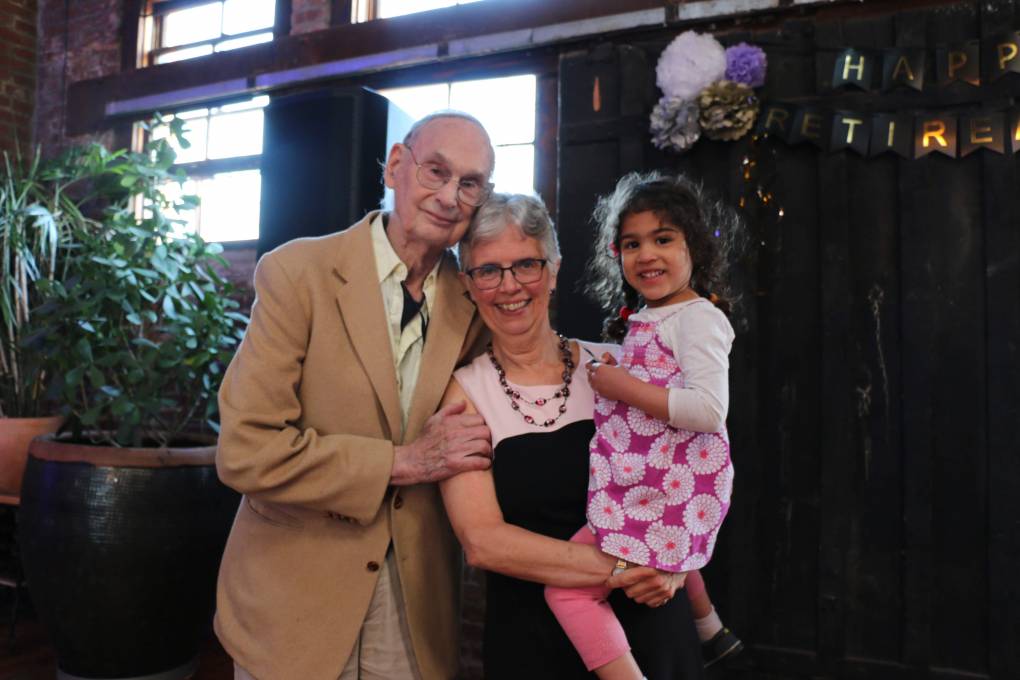
"caption": "Duane Bay with his daughter, Louise Bay Waters, and his granddaughter.",
"description": null,
"title": "IMG_8758",
"credit": "Courtesy of Louise Bay Waters",
"status": "inherit",
"isLoading": false,
"fetchFailed": false
},
"science_1964719": {
"type": "attachments",
"id": "science_1964719",
"meta": {
"index": "attachments_1716263798",
"site": "science",
"id": "1964719",
"found": true
},
"parent": 1964706,
"imgSizes": {
"twentyfourteen-full-width": {
"file": "https://ww2.kqed.org/app/uploads/sites/35/2020/05/Retail-shops-1038x576.jpg",
"width": 1038,
"mimeType": "image/jpeg",
"height": 576
},
"thumbnail": {
"file": "https://ww2.kqed.org/app/uploads/sites/35/2020/05/Retail-shops-160x107.jpg",
"width": 160,
"mimeType": "image/jpeg",
"height": 107
},
"post-thumbnail": {
"file": "https://ww2.kqed.org/app/uploads/sites/35/2020/05/Retail-shops-672x372.jpg",
"width": 672,
"mimeType": "image/jpeg",
"height": 372
},
"kqedFullSize": {
"file": "https://ww2.kqed.org/app/uploads/sites/35/2020/05/Retail-shops.jpg",
"width": 1920,
"height": 1280
},
"large": {
"file": "https://ww2.kqed.org/app/uploads/sites/35/2020/05/Retail-shops-1020x680.jpg",
"width": 1020,
"mimeType": "image/jpeg",
"height": 680
},
"full-width": {
"file": "https://ww2.kqed.org/app/uploads/sites/35/2020/05/Retail-shops-1920x1280.jpg",
"width": 1920,
"mimeType": "image/jpeg",
"height": 1280
},
"medium": {
"file": "https://ww2.kqed.org/app/uploads/sites/35/2020/05/Retail-shops-800x533.jpg",
"width": 800,
"mimeType": "image/jpeg",
"height": 533
},
"medium_large": {
"file": "https://ww2.kqed.org/app/uploads/sites/35/2020/05/Retail-shops-768x512.jpg",
"width": 768,
"mimeType": "image/jpeg",
"height": 512
}
},
"publishDate": 1589996000,
"modified": 1590100839,
"caption": "People mingle close together as businesses in the flower district of Skid Row open in time for Mother's Day on May 8, 2020, in Los Angeles. ",
"description": null,
"title": "Retail shops",
"credit": "David McNew/Getty Images",
"status": "inherit",
"isLoading": false,
"fetchFailed": false
},
"science_1963374": {
"type": "attachments",
"id": "science_1963374",
"meta": {
"index": "attachments_1716263798",
"site": "science",
"id": "1963374",
"found": true
},
"parent": 1963373,
"imgSizes": {
"twentyfourteen-full-width": {
"file": "https://ww2.kqed.org/app/uploads/sites/35/2020/04/Sea-Nettles-Monterey-Bay-Aquarium-photo-by-Randy-Wilder-SCALED-1038x576.jpg",
"width": 1038,
"mimeType": "image/jpeg",
"height": 576
},
"thumbnail": {
"file": "https://ww2.kqed.org/app/uploads/sites/35/2020/04/Sea-Nettles-Monterey-Bay-Aquarium-photo-by-Randy-Wilder-SCALED-160x107.jpg",
"width": 160,
"mimeType": "image/jpeg",
"height": 107
},
"post-thumbnail": {
"file": "https://ww2.kqed.org/app/uploads/sites/35/2020/04/Sea-Nettles-Monterey-Bay-Aquarium-photo-by-Randy-Wilder-SCALED-672x372.jpg",
"width": 672,
"mimeType": "image/jpeg",
"height": 372
},
"kqedFullSize": {
"file": "https://ww2.kqed.org/app/uploads/sites/35/2020/04/Sea-Nettles-Monterey-Bay-Aquarium-photo-by-Randy-Wilder-SCALED.jpg",
"width": 1920,
"height": 1280
},
"large": {
"file": "https://ww2.kqed.org/app/uploads/sites/35/2020/04/Sea-Nettles-Monterey-Bay-Aquarium-photo-by-Randy-Wilder-SCALED-1020x680.jpg",
"width": 1020,
"mimeType": "image/jpeg",
"height": 680
},
"full-width": {
"file": "https://ww2.kqed.org/app/uploads/sites/35/2020/04/Sea-Nettles-Monterey-Bay-Aquarium-photo-by-Randy-Wilder-SCALED-1920x1280.jpg",
"width": 1920,
"mimeType": "image/jpeg",
"height": 1280
},
"medium": {
"file": "https://ww2.kqed.org/app/uploads/sites/35/2020/04/Sea-Nettles-Monterey-Bay-Aquarium-photo-by-Randy-Wilder-SCALED-800x533.jpg",
"width": 800,
"mimeType": "image/jpeg",
"height": 533
},
"medium_large": {
"file": "https://ww2.kqed.org/app/uploads/sites/35/2020/04/Sea-Nettles-Monterey-Bay-Aquarium-photo-by-Randy-Wilder-SCALED-768x512.jpg",
"width": 768,
"mimeType": "image/jpeg",
"height": 512
}
},
"publishDate": 1588295446,
"modified": 1588295535,
"caption": "You can watch jelly fish at the Monterey Bay Aquarium live cams. ",
"description": null,
"title": "Sea Nettles Monterey Bay Aquarium, photo by Randy Wilder SCALED",
"credit": "Monterey Bay Aquarium, photo by Randy Wilder",
"status": "inherit",
"isLoading": false,
"fetchFailed": false
},
"science_1964642": {
"type": "attachments",
"id": "science_1964642",
"meta": {
"index": "attachments_1716263798",
"site": "science",
"id": "1964642",
"found": true
},
"parent": 1964630,
"imgSizes": {
"twentyfourteen-full-width": {
"file": "https://ww2.kqed.org/app/uploads/sites/35/2020/05/RS43236_GettyImages-1207389900-qut-1038x576.jpg",
"width": 1038,
"mimeType": "image/jpeg",
"height": 576
},
"thumbnail": {
"file": "https://ww2.kqed.org/app/uploads/sites/35/2020/05/RS43236_GettyImages-1207389900-qut-160x97.jpg",
"width": 160,
"mimeType": "image/jpeg",
"height": 97
},
"post-thumbnail": {
"file": "https://ww2.kqed.org/app/uploads/sites/35/2020/05/RS43236_GettyImages-1207389900-qut-672x372.jpg",
"width": 672,
"mimeType": "image/jpeg",
"height": 372
},
"kqedFullSize": {
"file": "https://ww2.kqed.org/app/uploads/sites/35/2020/05/RS43236_GettyImages-1207389900-qut.jpg",
"width": 1920,
"height": 1169
},
"large": {
"file": "https://ww2.kqed.org/app/uploads/sites/35/2020/05/RS43236_GettyImages-1207389900-qut-1020x621.jpg",
"width": 1020,
"mimeType": "image/jpeg",
"height": 621
},
"full-width": {
"file": "https://ww2.kqed.org/app/uploads/sites/35/2020/05/RS43236_GettyImages-1207389900-qut-1920x1169.jpg",
"width": 1920,
"mimeType": "image/jpeg",
"height": 1169
},
"medium": {
"file": "https://ww2.kqed.org/app/uploads/sites/35/2020/05/RS43236_GettyImages-1207389900-qut-800x487.jpg",
"width": 800,
"mimeType": "image/jpeg",
"height": 487
},
"medium_large": {
"file": "https://ww2.kqed.org/app/uploads/sites/35/2020/05/RS43236_GettyImages-1207389900-qut-768x468.jpg",
"width": 768,
"mimeType": "image/jpeg",
"height": 468
}
},
"publishDate": 1589920814,
"modified": 1590004131,
"caption": "A police car is parked nearby as workers in protective gear process a patient in a car at one of the drive-through testing facilities for the coronavirus at the University of Utah. ",
"description": null,
"title": "US-HEALTH-VIRUS-TEST-UTAH",
"credit": "George Frey/AFP via Getty Images",
"status": "inherit",
"isLoading": false,
"fetchFailed": false
},
"science_1964619": {
"type": "attachments",
"id": "science_1964619",
"meta": {
"index": "attachments_1716263798",
"site": "science",
"id": "1964619",
"found": true
},
"parent": 1964618,
"imgSizes": {
"thumbnail": {
"file": "https://ww2.kqed.org/app/uploads/sites/35/2020/05/Kids-800x450-1-160x90.jpg",
"width": 160,
"mimeType": "image/jpeg",
"height": 90
},
"post-thumbnail": {
"file": "https://ww2.kqed.org/app/uploads/sites/35/2020/05/Kids-800x450-1-672x372.jpg",
"width": 672,
"mimeType": "image/jpeg",
"height": 372
},
"kqedFullSize": {
"file": "https://ww2.kqed.org/app/uploads/sites/35/2020/05/Kids-800x450-1.jpg",
"width": 800,
"height": 450
},
"medium": {
"file": "https://ww2.kqed.org/app/uploads/sites/35/2020/05/Kids-800x450-1-800x450.jpg",
"width": 800,
"mimeType": "image/jpeg",
"height": 450
},
"medium_large": {
"file": "https://ww2.kqed.org/app/uploads/sites/35/2020/05/Kids-800x450-1-768x432.jpg",
"width": 768,
"mimeType": "image/jpeg",
"height": 432
}
},
"publishDate": 1589908950,
"modified": 1589908963,
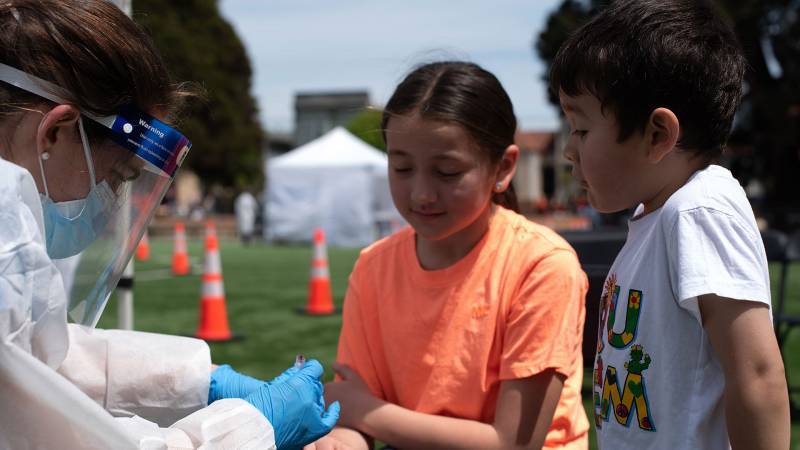
"caption": "Los funcionarios de salud pública examinan a los niños en el parque Garfield para detectar el coronavirus. ",
"description": "Los funcionarios de salud pública examinan a los niños en el parque Garfield para detectar el coronavirus. ",
"title": "Kids-800x450",
"credit": "Mike Kai Chen",
"status": "inherit",
"isLoading": false,
"fetchFailed": false
},
"science_1964455": {
"type": "attachments",
"id": "science_1964455",
"meta": {
"index": "attachments_1716263798",
"site": "science",
"id": "1964455",
"found": true
},
"parent": 1964051,
"imgSizes": {
"twentyfourteen-full-width": {
"file": "https://ww2.kqed.org/app/uploads/sites/35/2020/05/DEEP_709_KQED_marquee-1038x576.jpg",
"width": 1038,
"mimeType": "image/jpeg",
"height": 576
},
"thumbnail": {
"file": "https://ww2.kqed.org/app/uploads/sites/35/2020/05/DEEP_709_KQED_marquee-160x90.jpg",
"width": 160,
"mimeType": "image/jpeg",
"height": 90
},
"post-thumbnail": {
"file": "https://ww2.kqed.org/app/uploads/sites/35/2020/05/DEEP_709_KQED_marquee-672x372.jpg",
"width": 672,
"mimeType": "image/jpeg",
"height": 372
},
"kqedFullSize": {
"file": "https://ww2.kqed.org/app/uploads/sites/35/2020/05/DEEP_709_KQED_marquee.jpg",
"width": 1921,
"height": 1081
},
"large": {
"file": "https://ww2.kqed.org/app/uploads/sites/35/2020/05/DEEP_709_KQED_marquee-1020x574.jpg",
"width": 1020,
"mimeType": "image/jpeg",
"height": 574
},
"full-width": {
"file": "https://ww2.kqed.org/app/uploads/sites/35/2020/05/DEEP_709_KQED_marquee-1920x1080.jpg",
"width": 1920,
"mimeType": "image/jpeg",
"height": 1080
},
"medium": {
"file": "https://ww2.kqed.org/app/uploads/sites/35/2020/05/DEEP_709_KQED_marquee-800x450.jpg",
"width": 800,
"mimeType": "image/jpeg",
"height": 450
},
"medium_large": {
"file": "https://ww2.kqed.org/app/uploads/sites/35/2020/05/DEEP_709_KQED_marquee-768x432.jpg",
"width": 768,
"mimeType": "image/jpeg",
"height": 432
}
},
"publishDate": 1589586935,
"modified": 1589586984,
"caption": "A blue-green sharpshooter on a grapevine. The insects transmit Pierce's disease, which kills grapevines.",
"description": null,
"title": "DEEP_709_KQED_marquee",
"credit": "Josh Cassidy/KQED",
"status": "inherit",
"isLoading": false,
"fetchFailed": false
}
},
"audioPlayerReducer": {
"postId": "stream_live",
"isPaused": true,
"isPlaying": false,
"pfsActive": false,
"pledgeModalIsOpen": true,
"playerDrawerIsOpen": false,
"liveAudioPlayStartedAt": 0,
"liveAudioPlayContext": ""
},
"authorsReducer": {
"byline_science_1965023": {
"type": "authors",
"id": "byline_science_1965023",
"meta": {
"override": true
},
"slug": "byline_science_1965023",
"name": "Marcia Dunn\u003cbr />Associated Press ",
"isLoading": false
},
"byline_science_1964927": {
"type": "authors",
"id": "byline_science_1964927",
"meta": {
"override": true
},
"slug": "byline_science_1964927",
"name": "Nell Greenfieldboyce \u003cbr />NPR\u003cbr>",
"isLoading": false
},
"byline_science_1964857": {
"type": "authors",
"id": "byline_science_1964857",
"meta": {
"override": true
},
"slug": "byline_science_1964857",
"name": "Matthew Herper \u003cbr /> STAT \u003cbr>",
"isLoading": false
},
"byline_science_1964630": {
"type": "authors",
"id": "byline_science_1964630",
"meta": {
"override": true
},
"slug": "byline_science_1964630",
"name": "Andrew Joseph \u003cbr />STAT\u003cbr>",
"isLoading": false
},
"gabriela-quiros": {
"type": "authors",
"id": "6186",
"meta": {
"index": "authors_1716337520",
"id": "6186",
"found": true
},
"name": "Gabriela Quirós",
"firstName": "Gabriela",
"lastName": "Quirós",
"slug": "gabriela-quiros",
"email": "gquiros@kqed.org",
"display_author_email": false,
"staff_mastheads": [],
"title": "Supervising Producer",
"bio": "Gabriela Quirós is the \u003cstrong>supervising producer for KQED's web science video series \u003ca href=\"https://www.kqed.org/deeplook\">Deep Look\u003c/a>\u003c/strong>. She joined KQED as a TV producer when its science series QUEST started in 2006 and has covered everything from Alzheimer’s to bee die-offs to dark energy.\r\n\r\nShe won a 2022 AAAS Kavli Science Journalism Award with a team of her Deep Look colleagues. She has won six regional Emmys as a video producer and has shared eight more as the coordinating producer of Deep Look. The episode she produced about \u003ca href=\"https://www.kqed.org/science/728086/how-mosquitoes-use-six-needles-to-suck-your-blood\">How Mosquitoes Use Six Needles to Suck Your Blood\u003c/a> won a Webby \"People's Voice\" award. She has also earned awards from the Jackson Hole Wildlife Film Festival, the Society of Professional Journalists and the Society of Environmental Journalists.\r\n\r\nHer videos for KQED have also aired on NOVA scienceNOW and the PBS NewsHour, and appeared on NPR.org.\r\n\r\nAs an independent filmmaker, she produced and directed the hour-long documentary \u003ca href=\"http://lpbp.org/beautiful-sin-qa-with-producer-gabriela-quiros/\">\u003cem>Beautiful Sin\u003c/em>\u003c/a>, about the surprising story of how Costa Rica became the only country in the world to outlaw in vitro fertilization. The film aired in 2015 on public television stations throughout the U.S., and in Costa Rica.\r\n\r\nShe started her journalism career as a newspaper reporter in Costa Rica, where she grew up. She won the National Science Journalism Award there for a series of articles about organic agriculture, and developed a life-long interest in health reporting. She moved to the Bay Area in 1996 to study documentary filmmaking at the University of California, Berkeley, where she received master’s degrees in journalism and Latin American studies.",
"avatar": "https://secure.gravatar.com/avatar/6d82c20152affd1b434c31a904c40809?s=600&d=blank&r=g",
"twitter": "gabrielaquirosr",
"facebook": null,
"instagram": null,
"linkedin": null,
"sites": [
{
"site": "science",
"roles": []
},
{
"site": "quest",
"roles": [
"ef_view_calendar",
"ef_view_story_budget"
]
}
],
"headData": {
"title": "Gabriela Quirós | KQED",
"description": "Supervising Producer",
"ogImgSrc": "https://secure.gravatar.com/avatar/6d82c20152affd1b434c31a904c40809?s=600&d=blank&r=g",
"twImgSrc": "https://secure.gravatar.com/avatar/6d82c20152affd1b434c31a904c40809?s=600&d=blank&r=g"
},
"isLoading": false,
"link": "/author/gabriela-quiros"
},
"mpeterson": {
"type": "authors",
"id": "11223",
"meta": {
"index": "authors_1716337520",
"id": "11223",
"found": true
},
"name": "Molly Peterson",
"firstName": "Molly",
"lastName": "Peterson",
"slug": "mpeterson",
"email": "mpeterson@kqed.org",
"display_author_email": false,
"staff_mastheads": [],
"title": null,
"bio": "Molly Peterson reports for KQED science and news on climate change, catastrophe and risk. Previously she was environment correspondent at Southern California Public Radio. Her work has also appeared at The New York Times, The Guardian, on NPR, at High Country News, on Code Switch, and other national outlets. She has been honored with awards from Public Radio News Directors Incorporated, Investigative Reporters and Editors, the Society for Professional Journalists, the Los Angeles Press Club, and RTNDA Edward R. Murrow awards, among others.",
"avatar": "https://secure.gravatar.com/avatar/7908e2807131f776cc8165c649530b05?s=600&d=blank&r=g",
"twitter": "Mollydacious",
"facebook": null,
"instagram": "https://www.instagram.com/radiomolly/",
"linkedin": null,
"sites": [
{
"site": "news",
"roles": [
"subscriber"
]
},
{
"site": "futureofyou",
"roles": [
"editor"
]
},
{
"site": "science",
"roles": [
"editor"
]
}
],
"headData": {
"title": "Molly Peterson | KQED",
"description": null,
"ogImgSrc": "https://secure.gravatar.com/avatar/7908e2807131f776cc8165c649530b05?s=600&d=blank&r=g",
"twImgSrc": "https://secure.gravatar.com/avatar/7908e2807131f776cc8165c649530b05?s=600&d=blank&r=g"
},
"isLoading": false,
"link": "/author/mpeterson"
},
"lesleymcclurg": {
"type": "authors",
"id": "11229",
"meta": {
"index": "authors_1716337520",
"id": "11229",
"found": true
},
"name": "Lesley McClurg",
"firstName": "Lesley",
"lastName": "McClurg",
"slug": "lesleymcclurg",
"email": "lmcclurg@KQED.org",
"display_author_email": false,
"staff_mastheads": [
"news",
"science"
],
"title": "KQED Health Correspondent",
"bio": "Lesley McClurg is a health correspondent and fill-in host whose work is regularly rebroadcast on NPR and PBS programs. She’s earned multiple regional Emmy awards, a national and a regional Edward R. Murrow award, and was named Best Beat Reporter by the Association of Health Care Journalists. The Society of Professional Journalists has recognized her work several times, and the Society of Environmental Journalists spotlighted her coverage of California’s historic drought.\r\n\r\nBefore joining KQED in 2016, Lesley covered food and sustainability for Capital Public Radio, environmental issues for Colorado Public Radio, and reported for KUOW and KCTS 9 in Seattle. Away from the newsroom, she loves skiing with her daughter, mountain biking with her partner, and playing with Ollie, the family’s goldendoodle. On deadline, she runs almost entirely on chocolate chips.\r\n\r\n ",
"avatar": "https://secure.gravatar.com/avatar/bab49e972ea10c774fe0f5e29dba1722b158f7c0d58a360923d1389d380b2978?s=600&d=blank&r=g",
"twitter": "lesleywmcclurg",
"bluesky": null,
"facebook": null,
"instagram": null,
"linkedin": null,
"sites": [
{
"site": "arts",
"roles": [
"author"
]
},
{
"site": "news",
"roles": [
"editor"
]
},
{
"site": "futureofyou",
"roles": [
"editor"
]
},
{
"site": "stateofhealth",
"roles": [
"author"
]
},
{
"site": "science",
"roles": [
"editor"
]
},
{
"site": "quest",
"roles": [
"subscriber"
]
},
{
"site": "forum",
"roles": [
"administrator"
]
},
{
"site": "liveblog",
"roles": [
"author"
]
}
],
"headData": {
"title": "Lesley McClurg | KQED",
"description": "KQED Health Correspondent",
"ogImgSrc": "https://secure.gravatar.com/avatar/bab49e972ea10c774fe0f5e29dba1722b158f7c0d58a360923d1389d380b2978?s=600&d=blank&r=g",
"twImgSrc": "https://secure.gravatar.com/avatar/bab49e972ea10c774fe0f5e29dba1722b158f7c0d58a360923d1389d380b2978?s=600&d=blank&r=g"
},
"isLoading": false,
"link": "/author/lesleymcclurg"
},
"kevinstark": {
"type": "authors",
"id": "11608",
"meta": {
"index": "authors_1716337520",
"id": "11608",
"found": true
},
"name": "Kevin Stark",
"firstName": "Kevin",
"lastName": "Stark",
"slug": "kevinstark",
"email": "kstark@kqed.org",
"display_author_email": true,
"staff_mastheads": [
"science"
],
"title": "Senior Editor",
"bio": "Kevin is a senior editor for KQED Science, managing the station's health and climate desks. His journalism career began in the Pacific Northwest, and he later became a lead reporter for the San Francisco Public Press. His work has appeared in Pacific Standard magazine, the Energy News Network, the Center for Investigative Reporting's Reveal and WBEZ in Chicago. Kevin joined KQED in 2019, and has covered issues related to energy, wildfire, climate change and the environment.",
"avatar": "https://secure.gravatar.com/avatar/365aaa4b597d3a8374f67504ff0facd323d7906e8eb4be0a7efd2427408e802c?s=600&d=blank&r=g",
"twitter": "starkkev",
"bluesky": null,
"facebook": null,
"instagram": null,
"linkedin": null,
"sites": [
{
"site": "",
"roles": [
"editor"
]
},
{
"site": "news",
"roles": [
"editor"
]
},
{
"site": "science",
"roles": [
"administrator"
]
}
],
"headData": {
"title": "Kevin Stark | KQED",
"description": "Senior Editor",
"ogImgSrc": "https://secure.gravatar.com/avatar/365aaa4b597d3a8374f67504ff0facd323d7906e8eb4be0a7efd2427408e802c?s=600&d=blank&r=g",
"twImgSrc": "https://secure.gravatar.com/avatar/365aaa4b597d3a8374f67504ff0facd323d7906e8eb4be0a7efd2427408e802c?s=600&d=blank&r=g"
},
"isLoading": false,
"link": "/author/kevinstark"
},
"aremmel": {
"type": "authors",
"id": "11653",
"meta": {
"index": "authors_1716337520",
"id": "11653",
"found": true
},
"name": "Ariana Remmel",
"firstName": "Ariana",
"lastName": "Remmel",
"slug": "aremmel",
"email": "aremmel@kqed.org",
"display_author_email": false,
"staff_mastheads": [],
"title": null,
"bio": null,
"avatar": "https://secure.gravatar.com/avatar/88d31419d97c3f81993d2d8db8608039?s=600&d=blank&r=g",
"twitter": null,
"facebook": null,
"instagram": null,
"linkedin": null,
"sites": [
{
"site": "science",
"roles": [
"editor"
]
}
],
"headData": {
"title": "Ariana Remmel | KQED",
"description": null,
"ogImgSrc": "https://secure.gravatar.com/avatar/88d31419d97c3f81993d2d8db8608039?s=600&d=blank&r=g",
"twImgSrc": "https://secure.gravatar.com/avatar/88d31419d97c3f81993d2d8db8608039?s=600&d=blank&r=g"
},
"isLoading": false,
"link": "/author/aremmel"
}
},
"pagesReducer": {
"science_category_news": {
"type": "terms",
"id": "science_40",
"meta": {
"index": "terms_1716263798",
"site": "science",
"id": "40",
"score": 10.814009
},
"featImg": null,
"name": "News",
"description": null,
"taxonomy": "category",
"headData": {
"twImgId": null,
"twTitle": null,
"ogTitle": null,
"ogImgId": null,
"twDescription": null,
"description": null,
"title": "News Archives | KQED Science",
"ogDescription": null
},
"ttid": 42,
"slug": "news",
"isLoading": false,
"title": "News",
"pageMeta": {
"site": "science",
"WpPageTemplate": "page-topic-editorial",
"currentPage": 99
},
"blocks": [
{
"blockName": "kqed/post-list",
"attrs": {
"layout": "cardArticle2",
"query": "posts/science?category=news",
"seeMore": false,
"paginated": true,
"page": 99
}
},
{
"blockName": "kqed/ad"
}
]
}
},
"pfsSessionReducer": {},
"postsReducer": {
"stream_live": {
"type": "live",
"id": "stream_live",
"audioUrl": "https://streams.kqed.org/kqedradio",
"title": "Live Stream",
"excerpt": "Live Stream information currently unavailable.",
"link": "/radio",
"featImg": "",
"label": {
"name": "KQED Live",
"link": "/"
}
},
"stream_kqedNewscast": {
"type": "posts",
"id": "stream_kqedNewscast",
"audioUrl": "https://www.kqed.org/.stream/anon/radio/RDnews/newscast.mp3?_=1",
"title": "KQED Newscast",
"featImg": "",
"label": {
"name": "88.5 FM",
"link": "/"
}
},
"science_1965124": {
"type": "posts",
"id": "science_1965124",
"meta": {
"index": "posts_1716263798",
"site": "science",
"id": "1965124",
"score": null,
"sort": [
1590713786000
]
},
"parent": 0,
"labelTerm": {},
"blocks": [],
"publishDate": 1590713786,
"format": "standard",
"title": "California’s Cap-and-Trade Program Generates Severely Reduced Revenue",
"headTitle": "California’s Cap-and-Trade Program Generates Severely Reduced Revenue | KQED",
"content": "\u003cp class=\"p1\">With demand for fossil fuels down across the state, California’s latest quarterly cap-and-trade auction generated very little money for the state to spend on key environmental programs.\u003c/p>\n\u003cp>The auction results are another sign that industrial activity in California has been severely weakened by the statewide shelter-in-place order meant to slow the spread of the coronavirus that causes COVID-19.\u003c/p>\n\u003cp>The state’s cap-and-trade program aims to limit greenhouse gases, which cause climate change, by capping industry emissions and allowing businesses to buy and sell credits at auction on a state-sponsored marketplace.\u003cspan class=\"Apple-converted-space\"> \u003c/span>\u003c/p>\n\u003cp>The money generated from those sales is then used by the state for environmental programs.\u003c/p>\n\u003cp class=\"p1\">The latest auction produced just $25 million in revenue, significantly less than the $600 million to $850 million raised at similar auctions during the last three years.\u003c/p>\n\u003cp>[ad fullwidth]\u003c/p>\n\u003cp>California sold only 37% of its allowances at the auction, which was held May 20. That was the lowest percentage since August 2016, when 35% of allowances were sold.\u003c/p>\n\u003cp>The California Air Resources Board, which oversees the program, released the \u003ca href=\"https://ww3.arb.ca.gov/cc/capandtrade/auction/results_summary.pdf\" target=\"_blank\" rel=\"noopener noreferrer\">\u003cspan class=\"s1\">results\u003c/span>\u003c/a> Thursday.\u003c/p>\n\u003cp>\u003cb>Demand for Fossil Fuels Plummets\u003c/b>\u003c/p>\n\u003cp>California’s economy has rapidly constricted during the coronavirus pandemic, as a statewide stay-at-home order severely reduced business activity.\u003c/p>\n\u003cp class=\"p1\">Refinery operations have contracted due to travel restrictions and reduced demand for gas. According to the \u003ca href=\"https://www.energy.ca.gov/sites/default/files/2020-05/Energy_Insights_ada.pdf\" target=\"_blank\" rel=\"noopener noreferrer\">\u003cspan class=\"s1\">state’s energy commission\u003c/span>\u003c/a>, gasoline production in California declined 47.5% between March and April.\u003c/p>\n\u003cp>Jet fuel production declined 68.3% during that time, and diesel production fell 33.2%.\u003c/p>\n\u003cp class=\"p1\">Demand for natural gas has actually been higher during the pandemic compared to the same time period last year, likely due to colder weather rather than any impacts from the coronavirus. Commercial power usage has been way down, but with people sheltering at home, residential usage has been up.\u003c/p>\n\u003cp class=\"p1\">With emissions reduced, businesses appear to find little need to buy credits that allow them to release more.\u003c/p>\n\u003cp>“I think that’s mainly what’s going on here,” said Chris Field, an earth scientist at Stanford. “Cap-and-trade is still a very effective way to drive emissions down. At the same time, it can generate revenues from important processes. It’s important not to overinterpret any mismatch between supply and demand during this really challenging period.”\u003c/p>\n\u003cp>\u003cb>Weaknesses in the Program?\u003c/b>\u003c/p>\n\u003cp>But an undersold market could also signal that the state’s market is bloated with more allowances than are necessary, given the paucity of economic activity in the state. \u003cspan class=\"Apple-converted-space\"> \u003c/span>\u003c/p>\n\u003cp>“It’s basically the worst-case result,” said Danny Cullenward, an energy economist and lecturer at Stanford, referring to the latest auction. “Almost no revenue is coming into the state.\u003c/p>\n\u003cp>“The bad outcome will get blamed on COVID, but is much more the product of a weak program design that was vulnerable to surprises, with way too many allowances,” he said.\u003c/p>\n\u003cp>Field agrees the program might need to be adjusted, but he said it’s too soon to tell. As the state allows businesses to reopen, economic activity is expected to increase.\u003c/p>\n\u003cp>“It may be a long-term consequence of the pandemic is an opportunity to decarbonize more rapidly,” Field said. “I hope that’s the case, but I don’t think we should take a hit to the economy to indicate that.”\u003c/p>\n\u003cp>Katelyn Roedner Sutter, U.S. climate program manager for the Environmental Defense Fund, which co-sponsored legislation to create the cap-and-trade program in 2006, wrote in a \u003ca href=\"http://blogs.edf.org/climate411/author/kroedner/\" target=\"_blank\" rel=\"noopener noreferrer\">\u003cspan class=\"s1\">blog post\u003c/span>\u003c/a> that the results “demonstrate the durability of cap-and-trade” because even when the program is underfunded, it still “\u003cspan class=\"s2\">provides a critical backstop, ensuring California’s targets for reductions in climate pollution are achieved.”\u003c/span>\u003c/p>\n\u003cp>\u003cimg loading=\"lazy\" decoding=\"async\" class=\"alignright wp-image-1965133 size-full\" src=\"https://ww2.kqed.org/app/uploads/sites/35/2020/05/Image-5-28-20-at-12.53-PM.jpg\" alt=\"\" width=\"795\" height=\"498\" srcset=\"https://cdn.kqed.org/wp-content/uploads/sites/35/2020/05/Image-5-28-20-at-12.53-PM.jpg 795w, https://cdn.kqed.org/wp-content/uploads/sites/35/2020/05/Image-5-28-20-at-12.53-PM-160x100.jpg 160w, https://cdn.kqed.org/wp-content/uploads/sites/35/2020/05/Image-5-28-20-at-12.53-PM-768x481.jpg 768w\" sizes=\"(max-width: 795px) 100vw, 795px\">\u003c/p>\n\u003cp>But the auction illustrates the “need to diversify funding for complementary climate investments,” she acknowledged. “Rather than relying solely on a program specifically designed to \u003ci>reduce\u003c/i> emissions and lower mitigation costs (and therefore revenue), California should move toward ensuring climate priorities are a core part of the state’s long-term fiscal priorities.”\u003c/p>\n\u003cp>Twice in 2016 and once in 2017, California’s quarterly auction generated similarly low revenue. But for the last three years, the market has been stable.\u003cspan class=\"Apple-converted-space\"> \u003c/span>\u003c/p>\n\u003cp>\u003cb>Cuts to Environmental Programs\u003c/b>\u003c/p>\n\u003cp>Because the state’s climate program is not generating revenue as expected, many of the state’s climate programs are facing the prospect of budget cuts.\u003c/p>\n\u003cp>California uses the money to clean dirty drinking water, encourage electric vehicles use and create programs that reduce emissions.\u003c/p>\n\u003cp>Gov. Gavin Newsom signaled uncertainty about cap-and-trade when he released his May revision to the state budget. The governor proposed a $965 million budget for the program, down from $1.4 billion last year.\u003c/p>\n\u003cp>But he acknowledged that California does not know how much revenue the program will generate this year and proposed spending the money as it comes in.\u003c/p>\n\u003cp class=\"p1\">Jared Blumenfeld, secretary of California’s Environmental Protection Agency, said the agency would not be able to maintain current funding levels. “We are going to have to make hard decisions,” he said.\u003c/p>\n\u003cp>\u003c/p>\n\u003cp class=\"p1\">He said the state will prioritize initiatives to improve air quality in disadvantaged communities, fire prevention, and a program to clean up contaminated drinking water across the state.\u003c/p>\n\n",
"stats": {
"hasVideo": false,
"hasChartOrMap": false,
"hasAudio": false,
"hasPolis": false,
"wordCount": 910,
"hasGoogleForm": false,
"hasGallery": false,
"hasHearkenModule": false,
"iframeSrcs": [],
"paragraphCount": 26
},
"modified": 1704847361,
"excerpt": "The program's May auction produced just $25 million in revenue, significantly less than the $600 to $850 million raised at similar auctions the last three years. That means state environmental programs now face budget cuts.",
"headData": {
"twImgId": "",
"twTitle": "",
"ogTitle": "",
"ogImgId": "",
"twDescription": "",
"description": "The program's May auction produced just $25 million in revenue, significantly less than the $600 to $850 million raised at similar auctions the last three years. That means state environmental programs now face budget cuts.",
"title": "California’s Cap-and-Trade Program Generates Severely Reduced Revenue | KQED",
"ogDescription": "",
"schema": {
"@context": "https://schema.org",
"@type": "Article",
"headline": "California’s Cap-and-Trade Program Generates Severely Reduced Revenue",
"datePublished": "2020-05-28T17:56:26-07:00",
"dateModified": "2024-01-09T16:42:41-08:00",
"image": "https://cdn.kqed.org/wp-content/uploads/2020/02/KQED-OG-Image@1x.png"
}
},
"guestAuthors": [],
"slug": "californias-cap-and-trade-program-generates-severely-reduced-revenue",
"status": "publish",
"audioUrl": "https://traffic.omny.fm/d/clips/0af137ef-751e-4b19-a055-aaef00d2d578/ffca7e9f-6831-41c5-bcaf-aaef00f5a073/ca13a634-ba4b-4347-8729-abca010ffbde/audio.mp3",
"sticky": false,
"source": "Climate",
"path": "/science/1965124/californias-cap-and-trade-program-generates-severely-reduced-revenue",
"audioTrackLength": null,
"parsedContent": [
{
"type": "contentString",
"content": "\u003cdiv class=\"post-body\">\u003cp>\u003cp class=\"p1\">With demand for fossil fuels down across the state, California’s latest quarterly cap-and-trade auction generated very little money for the state to spend on key environmental programs.\u003c/p>\n\u003cp>The auction results are another sign that industrial activity in California has been severely weakened by the statewide shelter-in-place order meant to slow the spread of the coronavirus that causes COVID-19.\u003c/p>\n\u003cp>The state’s cap-and-trade program aims to limit greenhouse gases, which cause climate change, by capping industry emissions and allowing businesses to buy and sell credits at auction on a state-sponsored marketplace.\u003cspan class=\"Apple-converted-space\"> \u003c/span>\u003c/p>\n\u003cp>The money generated from those sales is then used by the state for environmental programs.\u003c/p>\n\u003cp class=\"p1\">The latest auction produced just $25 million in revenue, significantly less than the $600 million to $850 million raised at similar auctions during the last three years.\u003c/p>\n\u003cp>\u003c/p>\u003c/div>",
"attributes": {
"named": {},
"numeric": []
}
},
{
"type": "component",
"content": "",
"name": "ad",
"attributes": {
"named": {
"label": "fullwidth"
},
"numeric": [
"fullwidth"
]
}
},
{
"type": "contentString",
"content": "\u003cdiv class=\"post-body\">\u003cp>\u003c/p>\n\u003cp>California sold only 37% of its allowances at the auction, which was held May 20. That was the lowest percentage since August 2016, when 35% of allowances were sold.\u003c/p>\n\u003cp>The California Air Resources Board, which oversees the program, released the \u003ca href=\"https://ww3.arb.ca.gov/cc/capandtrade/auction/results_summary.pdf\" target=\"_blank\" rel=\"noopener noreferrer\">\u003cspan class=\"s1\">results\u003c/span>\u003c/a> Thursday.\u003c/p>\n\u003cp>\u003cb>Demand for Fossil Fuels Plummets\u003c/b>\u003c/p>\n\u003cp>California’s economy has rapidly constricted during the coronavirus pandemic, as a statewide stay-at-home order severely reduced business activity.\u003c/p>\n\u003cp class=\"p1\">Refinery operations have contracted due to travel restrictions and reduced demand for gas. According to the \u003ca href=\"https://www.energy.ca.gov/sites/default/files/2020-05/Energy_Insights_ada.pdf\" target=\"_blank\" rel=\"noopener noreferrer\">\u003cspan class=\"s1\">state’s energy commission\u003c/span>\u003c/a>, gasoline production in California declined 47.5% between March and April.\u003c/p>\n\u003cp>Jet fuel production declined 68.3% during that time, and diesel production fell 33.2%.\u003c/p>\n\u003cp class=\"p1\">Demand for natural gas has actually been higher during the pandemic compared to the same time period last year, likely due to colder weather rather than any impacts from the coronavirus. Commercial power usage has been way down, but with people sheltering at home, residential usage has been up.\u003c/p>\n\u003cp class=\"p1\">With emissions reduced, businesses appear to find little need to buy credits that allow them to release more.\u003c/p>\n\u003cp>“I think that’s mainly what’s going on here,” said Chris Field, an earth scientist at Stanford. “Cap-and-trade is still a very effective way to drive emissions down. At the same time, it can generate revenues from important processes. It’s important not to overinterpret any mismatch between supply and demand during this really challenging period.”\u003c/p>\n\u003cp>\u003cb>Weaknesses in the Program?\u003c/b>\u003c/p>\n\u003cp>But an undersold market could also signal that the state’s market is bloated with more allowances than are necessary, given the paucity of economic activity in the state. \u003cspan class=\"Apple-converted-space\"> \u003c/span>\u003c/p>\n\u003cp>“It’s basically the worst-case result,” said Danny Cullenward, an energy economist and lecturer at Stanford, referring to the latest auction. “Almost no revenue is coming into the state.\u003c/p>\n\u003cp>“The bad outcome will get blamed on COVID, but is much more the product of a weak program design that was vulnerable to surprises, with way too many allowances,” he said.\u003c/p>\n\u003cp>Field agrees the program might need to be adjusted, but he said it’s too soon to tell. As the state allows businesses to reopen, economic activity is expected to increase.\u003c/p>\n\u003cp>“It may be a long-term consequence of the pandemic is an opportunity to decarbonize more rapidly,” Field said. “I hope that’s the case, but I don’t think we should take a hit to the economy to indicate that.”\u003c/p>\n\u003cp>Katelyn Roedner Sutter, U.S. climate program manager for the Environmental Defense Fund, which co-sponsored legislation to create the cap-and-trade program in 2006, wrote in a \u003ca href=\"http://blogs.edf.org/climate411/author/kroedner/\" target=\"_blank\" rel=\"noopener noreferrer\">\u003cspan class=\"s1\">blog post\u003c/span>\u003c/a> that the results “demonstrate the durability of cap-and-trade” because even when the program is underfunded, it still “\u003cspan class=\"s2\">provides a critical backstop, ensuring California’s targets for reductions in climate pollution are achieved.”\u003c/span>\u003c/p>\n\u003cp>\u003cimg loading=\"lazy\" decoding=\"async\" class=\"alignright wp-image-1965133 size-full\" src=\"https://ww2.kqed.org/app/uploads/sites/35/2020/05/Image-5-28-20-at-12.53-PM.jpg\" alt=\"\" width=\"795\" height=\"498\" srcset=\"https://cdn.kqed.org/wp-content/uploads/sites/35/2020/05/Image-5-28-20-at-12.53-PM.jpg 795w, https://cdn.kqed.org/wp-content/uploads/sites/35/2020/05/Image-5-28-20-at-12.53-PM-160x100.jpg 160w, https://cdn.kqed.org/wp-content/uploads/sites/35/2020/05/Image-5-28-20-at-12.53-PM-768x481.jpg 768w\" sizes=\"(max-width: 795px) 100vw, 795px\">\u003c/p>\n\u003cp>But the auction illustrates the “need to diversify funding for complementary climate investments,” she acknowledged. “Rather than relying solely on a program specifically designed to \u003ci>reduce\u003c/i> emissions and lower mitigation costs (and therefore revenue), California should move toward ensuring climate priorities are a core part of the state’s long-term fiscal priorities.”\u003c/p>\n\u003cp>Twice in 2016 and once in 2017, California’s quarterly auction generated similarly low revenue. But for the last three years, the market has been stable.\u003cspan class=\"Apple-converted-space\"> \u003c/span>\u003c/p>\n\u003cp>\u003cb>Cuts to Environmental Programs\u003c/b>\u003c/p>\n\u003cp>Because the state’s climate program is not generating revenue as expected, many of the state’s climate programs are facing the prospect of budget cuts.\u003c/p>\n\u003cp>California uses the money to clean dirty drinking water, encourage electric vehicles use and create programs that reduce emissions.\u003c/p>\n\u003cp>Gov. Gavin Newsom signaled uncertainty about cap-and-trade when he released his May revision to the state budget. The governor proposed a $965 million budget for the program, down from $1.4 billion last year.\u003c/p>\n\u003cp>But he acknowledged that California does not know how much revenue the program will generate this year and proposed spending the money as it comes in.\u003c/p>\n\u003cp class=\"p1\">Jared Blumenfeld, secretary of California’s Environmental Protection Agency, said the agency would not be able to maintain current funding levels. “We are going to have to make hard decisions,” he said.\u003c/p>\n\u003cp>\u003c/p>\n\u003cp class=\"p1\">He said the state will prioritize initiatives to improve air quality in disadvantaged communities, fire prevention, and a program to clean up contaminated drinking water across the state.\u003c/p>\n\n\u003c/div>\u003c/p>",
"attributes": {
"named": {},
"numeric": []
}
}
],
"link": "/science/1965124/californias-cap-and-trade-program-generates-severely-reduced-revenue",
"authors": [
"11608"
],
"categories": [
"science_31",
"science_33",
"science_35",
"science_40"
],
"tags": [
"science_194",
"science_4414"
],
"featImg": "science_1924239",
"label": "source_science_1965124"
},
"science_1965009": {
"type": "posts",
"id": "science_1965009",
"meta": {
"index": "posts_1716263798",
"site": "science",
"id": "1965009",
"score": null,
"sort": [
1590615483000
]
},
"parent": 0,
"labelTerm": {
"site": "science"
},
"blocks": [],
"publishDate": 1590615483,
"format": "standard",
"title": "For Daughter of 96-Year-Old, COVID-19 Rules Against Seeing Mom Are Especially Painful",
"headTitle": "For Daughter of 96-Year-Old, COVID-19 Rules Against Seeing Mom Are Especially Painful | KQED",
"content": "\u003cp>A milkshake got into the nursing home; the daughter of the patient it was intended for could not.\u003c/p>\n\u003cp>Ninety-six-year-old Betty Odette, a resident at the Astoria Nursing and Rehabilitation Center in the San Fernando Valley, has a sweet tooth. Often brownies and vanilla ice cream, says her daughter Randy, who in early March came to the lobby of the facility with a shamrock shake instead.\u003c/p>\n\u003cp>[pullquote citation='Randy Odette, barred from seeing her mom in a nursing home due to the coronavirus']‘I mean, test me, go ahead and test me, and then let me in.’[/pullquote] State and county orders, and the way health care professionals interpret them, stopped her from seeing her mother; a care aide let the shake in.\u003c/p>\n\u003cp>“I mean, test me, go ahead and test me, and then let me in,” Randy said.\u003c/p>\n\u003cp>Nearly 8,000 Californians in skilled nursing facilities have tested positive for COVID-19. According to the most recent state data, almost 20 percent of those patients have died — a far greater percentage than among the general population. That heightened risk is why the state has locked down nursing homes to most visitors, with a few exceptions.\u003c/p>\n\u003cp>[ad fullwidth]\u003c/p>\n\u003cp>So far, Randy Odette has not been one of them.\u003c/p>\n\u003cp>By April, the coronavirus crept into Astoria. On May 4, the nursing home \u003ca href=\"https://www.cdph.ca.gov/Programs/CID/DCDC/CDPH%20Document%20Library/COVID-19/SNF%20DATA%20-%20May%204.xlsx\">reported\u003c/a> that 19 workers were sick. At the outbreak’s peak, on May 11, the nursing home \u003ca href=\"https://www.cdph.ca.gov/Programs/CID/DCDC/CDPH%20Document%20Library/COVID-19/SNF%20DATA%20-%20May%2011.xlsx\">reported\u003c/a> 52 residents had tested positive.\u003c/p>\n\u003cp>Including Betty Odette.\u003c/p>\n\u003cp>\u003cem>\u003ca href=\"#callout\">Click here if you know someone in a nursing home or assisted facility … share your story!\u003c/a>\u003c/em>\u003c/p>\n\u003cp>As of early May, officials \u003ca href=\"https://www.cdph.ca.gov/Programs/CHCQ/LCP/Pages/AFL-20-38.aspx\">have recommended\u003c/a> to all licensed facilities in California that they permit some exceptions to the lockdown, including support visits for end-of-life visitors, and for people experiencing cognitive impairments when medically necessary.\u003c/p>\n\u003cp>What the state offers is guidance, not a rule. The federal Centers for Disease Control and Prevention \u003ca href=\"https://www.cdc.gov/coronavirus/2019-ncov/hcp/long-term-care-strategies.html\">recommends\u003c/a> screening everyone who enters a nursing home and restricting visitors except in “compassionate care” situations. Those, too, are only guidelines.\u003c/p>\n\u003cp>Advocates and family members report wide variation in how state and federal guidance is interpreted.\u003c/p>\n\u003cp>At Astoria, “They basically have to be at death’s door, you know, suffered a massive stroke or they’re gonna die that day, that night,” Randy Odette said.\u003c/p>\n\u003cp>That’s a call she fears. Because she’s already received it, about a month ago. Early one weekend morning, around 3 a.m., her mother’s blood pressure plummeted. Astoria care workers called Randy, who is her mother’s guardian, to ask about end-of-life plans. So Randy asked to come in.\u003c/p>\n\u003cp>The night shift told her to call back in the day. She did, a few times.\u003c/p>\n\u003cp>“Finally, I was a little bit persuasive and they tell me, OK, are you ready to go in today, if we got you all garbed up?” Randy remembers. “And then he goes, oh, tomorrow, tomorrow; I’ll call you and we’ll set up a time.”\u003c/p>\n\u003cp>Tomorrow came; a call did not. Randy called back, and she said they told her “no.”\u003c/p>\n\u003cp>Manny Ruiz is the home’s administrator. He said it was against doctor’s orders to permit Randy inside.\u003c/p>\n\u003cp>“It is a medical decision, it is not an administrative decision,” he said. “There [are] no visitors allowed to be in the facility unless it’s a critical situation. And if that is a critical situation, it has to be defined by the attending physician.”\u003c/p>\n\u003cp>Ruiz said doctors are worried about liability for spreading COVID-19 beyond Astoria’s walls, and that Betty is not critical. “I feel for these residents, not being seen by their relatives. But we want to play safe as well.”\u003c/p>\n\u003cfigure id=\"attachment_1965015\" class=\"wp-caption aligncenter\" style=\"max-width: 756px\">\u003ca href=\"https://ww2.kqed.org/app/uploads/sites/35/2020/05/Resized_20191114_161656_15798583451002.jpg\">\u003cimg loading=\"lazy\" decoding=\"async\" class=\"wp-image-1965015 size-full\" src=\"https://ww2.kqed.org/app/uploads/sites/35/2020/05/Resized_20191114_161656_15798583451002.jpg\" alt=\"\" width=\"756\" height=\"1008\" srcset=\"https://cdn.kqed.org/wp-content/uploads/sites/35/2020/05/Resized_20191114_161656_15798583451002.jpg 756w, https://cdn.kqed.org/wp-content/uploads/sites/35/2020/05/Resized_20191114_161656_15798583451002-160x213.jpg 160w\" sizes=\"(max-width: 756px) 100vw, 756px\">\u003c/a>\u003cfigcaption class=\"wp-caption-text\">Betty Odette, 96, has Alzheimer’s – and COVID-19. Her daughter has sought to visit her at a Sylmar nursing home, but is not allowed. \u003ccite>(Courtesy Randy Odette)\u003c/cite>\u003c/figcaption>\u003c/figure>\n\u003cp>Betty’s doctor works for Kaiser Permanente. Kaiser spokesman Terry Kanakri didn’t respond to questions about liability, emphasizing that while Kaiser doesn’t own Astoria or any other nursing homes in California, “our physicians assess and treat patients being cared for in these facilities, and their health and safety are our top priorities.”\u003c/p>\n\u003cp>Kaiser says it is Ruiz’s call.\u003c/p>\n\u003cp>“As far as the rules and policies at each site, including visitation, they are set at the discretion of the management teams at the nursing homes,” Kanakri said.\u003c/p>\n\u003cp>“They all were like passing the buck and didn’t want to take any responsibility for what I was asking,” Randy said. “That’s the way I took it.”\u003c/p>\n\u003cp>Back in January, Randy and her mother both made big moves: Betty, to the nursing home; 62-year-old Randy to an RV now parked 20 minutes from Astoria’s door. A retired hairdresser, she took care of her mother at home for almost a dozen years. The last two were especially hard. Randy was hoping to visit friends around the country in her RV; the national shutdown has delayed her plan indefinitely.\u003c/p>\n\u003cp>Everything she owns is inside the vehicle, including family pictures.\u003c/p>\n\u003cp>“She was like a movie star type,” Randy said, pulling snapshots of her mother from behind the front seat. “You’ll see.”\u003c/p>\n\u003cfigure id=\"attachment_1965011\" class=\"wp-caption alignright\" style=\"max-width: 315px\">\u003ca href=\"https://ww2.kqed.org/app/uploads/sites/35/2020/05/IMG_7903.jpg\">\u003cimg loading=\"lazy\" decoding=\"async\" class=\"wp-image-1965011\" src=\"https://ww2.kqed.org/app/uploads/sites/35/2020/05/IMG_7903-1020x1360.jpg\" alt=\"Betty Odette is 96\" width=\"315\" height=\"420\" srcset=\"https://cdn.kqed.org/wp-content/uploads/sites/35/2020/05/IMG_7903-1020x1360.jpg 1020w, https://cdn.kqed.org/wp-content/uploads/sites/35/2020/05/IMG_7903-160x213.jpg 160w, https://cdn.kqed.org/wp-content/uploads/sites/35/2020/05/IMG_7903-800x1067.jpg 800w, https://cdn.kqed.org/wp-content/uploads/sites/35/2020/05/IMG_7903-768x1024.jpg 768w, https://cdn.kqed.org/wp-content/uploads/sites/35/2020/05/IMG_7903-1920x2560.jpg 1920w, https://cdn.kqed.org/wp-content/uploads/sites/35/2020/05/IMG_7903.jpg 2000w\" sizes=\"(max-width: 315px) 100vw, 315px\">\u003c/a>\u003cfigcaption class=\"wp-caption-text\">An undated photo of Betty Odette, a 96-year-old resident of Astoria Nursing and Rehabilitation Center in the San Fernando Valley, who has tested positive for COVID-19. \u003ccite>(KQED/Molly Peterson)\u003c/cite>\u003c/figcaption>\u003c/figure>\n\u003cp>They’re glamorous: a candid shot from 1969 of her mother in a beaded shift dress and drop earrings; an undated portrait shows off her perfectly waved red hair and lipstick to match. In a recent picture, that glamour remains in a tilt of her chin, even as memory loss has hollowed her gaze, while age and disease have shrunk her body.\u003c/p>\n\u003cp>Randy says after a dozen years of caretaking, she knows her mother’s health as well as the facility does. Four years ago, doctors told her Betty was in the last stages of Alzheimer’s.\u003c/p>\n\u003cp>“I know she’s going to pass soon. I can’t even believe she made it to 96,” she said, her voice rising and cracking. Then more quietly: “I just haven’t seen her for two-and-a-half months. I want to see her before she passes.”\u003c/p>\n\u003cp>Randy vows she would take any test, or put on any amount of personal protective gear. She’s not worried she’ll get COVID-19. She just wants to touch her mom one last time.\u003c/p>\n\u003cp>“When she goes, I think she’s just gonna go in her sleep, and there won’t be any time to drive down to the hospital,” she says. “And they should know that.”\u003c/p>\n\u003cp>Betty remains at Astoria, in a ward for residents with COVID-19.\u003c/p>\n\u003cp>The nursing home just turned Randy away again. For now, she remains at her RV.\u003c/p>\n\u003cp>Waiting.\u003c/p>\n\u003cp> \u003c/p>\n\u003ch3>Help KQED Science report on the pandemic!\u003c/h3>\n\u003cp>[ad floatright]\u003c/p>\n\u003cp>[hearken src=\"https://modules.wearehearken.com/kqed/embed/5489.js\"]\u003c/p>\n\n",
"stats": {
"hasVideo": false,
"hasChartOrMap": false,
"hasAudio": false,
"hasPolis": false,
"wordCount": 1240,
"hasGoogleForm": false,
"hasGallery": false,
"hasHearkenModule": true,
"iframeSrcs": [],
"paragraphCount": 38
},
"modified": 1704847368,
"excerpt": "The state has locked down nursing homes to most visitors because of the pandemic, and one Southern California woman has been unsuccessfully trying to see her 96-year-old mom. ",
"headData": {
"twImgId": "",
"twTitle": "",
"ogTitle": "",
"ogImgId": "",
"twDescription": "",
"description": "The state has locked down nursing homes to most visitors because of the pandemic, and one Southern California woman has been unsuccessfully trying to see her 96-year-old mom. ",
"title": "For Daughter of 96-Year-Old, COVID-19 Rules Against Seeing Mom Are Especially Painful | KQED",
"ogDescription": "",
"schema": {
"@context": "https://schema.org",
"@type": "Article",
"headline": "For Daughter of 96-Year-Old, COVID-19 Rules Against Seeing Mom Are Especially Painful",
"datePublished": "2020-05-27T14:38:03-07:00",
"dateModified": "2024-01-09T16:42:48-08:00",
"image": "https://cdn.kqed.org/wp-content/uploads/2020/02/KQED-OG-Image@1x.png"
}
},
"guestAuthors": [],
"slug": "for-daughter-of-96-year-old-covid-19-rules-against-seeing-mom-is-especially-painful",
"status": "publish",
"audioUrl": "https://traffic.omny.fm/d/clips/0af137ef-751e-4b19-a055-aaef00d2d578/ffca7e9f-6831-41c5-bcaf-aaef00f5a073/7d7ecf26-b832-4379-b8c1-abc80106e4b0/audio.mp3",
"sticky": false,
"path": "/science/1965009/for-daughter-of-96-year-old-covid-19-rules-against-seeing-mom-is-especially-painful",
"audioDuration": 203000,
"audioTrackLength": null,
"parsedContent": [
{
"type": "contentString",
"content": "\u003cdiv class=\"post-body\">\u003cp>\u003cp>A milkshake got into the nursing home; the daughter of the patient it was intended for could not.\u003c/p>\n\u003cp>Ninety-six-year-old Betty Odette, a resident at the Astoria Nursing and Rehabilitation Center in the San Fernando Valley, has a sweet tooth. Often brownies and vanilla ice cream, says her daughter Randy, who in early March came to the lobby of the facility with a shamrock shake instead.\u003c/p>\n\u003cp>\u003c/p>\u003c/div>",
"attributes": {
"named": {},
"numeric": []
}
},
{
"type": "component",
"content": "‘I mean, test me, go ahead and test me, and then let me in.’",
"name": "pullquote",
"attributes": {
"named": {
"citation": "Randy Odette, barred from seeing her mom in a nursing home due to the coronavirus",
"label": ""
},
"numeric": []
}
},
{
"type": "contentString",
"content": "\u003cdiv class=\"post-body\">\u003cp> State and county orders, and the way health care professionals interpret them, stopped her from seeing her mother; a care aide let the shake in.\u003c/p>\n\u003cp>“I mean, test me, go ahead and test me, and then let me in,” Randy said.\u003c/p>\n\u003cp>Nearly 8,000 Californians in skilled nursing facilities have tested positive for COVID-19. According to the most recent state data, almost 20 percent of those patients have died — a far greater percentage than among the general population. That heightened risk is why the state has locked down nursing homes to most visitors, with a few exceptions.\u003c/p>\n\u003cp>\u003c/p>\u003c/div>",
"attributes": {
"named": {},
"numeric": []
}
},
{
"type": "component",
"content": "",
"name": "ad",
"attributes": {
"named": {
"label": "fullwidth"
},
"numeric": [
"fullwidth"
]
}
},
{
"type": "contentString",
"content": "\u003cdiv class=\"post-body\">\u003cp>\u003c/p>\n\u003cp>So far, Randy Odette has not been one of them.\u003c/p>\n\u003cp>By April, the coronavirus crept into Astoria. On May 4, the nursing home \u003ca href=\"https://www.cdph.ca.gov/Programs/CID/DCDC/CDPH%20Document%20Library/COVID-19/SNF%20DATA%20-%20May%204.xlsx\">reported\u003c/a> that 19 workers were sick. At the outbreak’s peak, on May 11, the nursing home \u003ca href=\"https://www.cdph.ca.gov/Programs/CID/DCDC/CDPH%20Document%20Library/COVID-19/SNF%20DATA%20-%20May%2011.xlsx\">reported\u003c/a> 52 residents had tested positive.\u003c/p>\n\u003cp>Including Betty Odette.\u003c/p>\n\u003cp>\u003cem>\u003ca href=\"#callout\">Click here if you know someone in a nursing home or assisted facility … share your story!\u003c/a>\u003c/em>\u003c/p>\n\u003cp>As of early May, officials \u003ca href=\"https://www.cdph.ca.gov/Programs/CHCQ/LCP/Pages/AFL-20-38.aspx\">have recommended\u003c/a> to all licensed facilities in California that they permit some exceptions to the lockdown, including support visits for end-of-life visitors, and for people experiencing cognitive impairments when medically necessary.\u003c/p>\n\u003cp>What the state offers is guidance, not a rule. The federal Centers for Disease Control and Prevention \u003ca href=\"https://www.cdc.gov/coronavirus/2019-ncov/hcp/long-term-care-strategies.html\">recommends\u003c/a> screening everyone who enters a nursing home and restricting visitors except in “compassionate care” situations. Those, too, are only guidelines.\u003c/p>\n\u003cp>Advocates and family members report wide variation in how state and federal guidance is interpreted.\u003c/p>\n\u003cp>At Astoria, “They basically have to be at death’s door, you know, suffered a massive stroke or they’re gonna die that day, that night,” Randy Odette said.\u003c/p>\n\u003cp>That’s a call she fears. Because she’s already received it, about a month ago. Early one weekend morning, around 3 a.m., her mother’s blood pressure plummeted. Astoria care workers called Randy, who is her mother’s guardian, to ask about end-of-life plans. So Randy asked to come in.\u003c/p>\n\u003cp>The night shift told her to call back in the day. She did, a few times.\u003c/p>\n\u003cp>“Finally, I was a little bit persuasive and they tell me, OK, are you ready to go in today, if we got you all garbed up?” Randy remembers. “And then he goes, oh, tomorrow, tomorrow; I’ll call you and we’ll set up a time.”\u003c/p>\n\u003cp>Tomorrow came; a call did not. Randy called back, and she said they told her “no.”\u003c/p>\n\u003cp>Manny Ruiz is the home’s administrator. He said it was against doctor’s orders to permit Randy inside.\u003c/p>\n\u003cp>“It is a medical decision, it is not an administrative decision,” he said. “There [are] no visitors allowed to be in the facility unless it’s a critical situation. And if that is a critical situation, it has to be defined by the attending physician.”\u003c/p>\n\u003cp>Ruiz said doctors are worried about liability for spreading COVID-19 beyond Astoria’s walls, and that Betty is not critical. “I feel for these residents, not being seen by their relatives. But we want to play safe as well.”\u003c/p>\n\u003cfigure id=\"attachment_1965015\" class=\"wp-caption aligncenter\" style=\"max-width: 756px\">\u003ca href=\"https://ww2.kqed.org/app/uploads/sites/35/2020/05/Resized_20191114_161656_15798583451002.jpg\">\u003cimg loading=\"lazy\" decoding=\"async\" class=\"wp-image-1965015 size-full\" src=\"https://ww2.kqed.org/app/uploads/sites/35/2020/05/Resized_20191114_161656_15798583451002.jpg\" alt=\"\" width=\"756\" height=\"1008\" srcset=\"https://cdn.kqed.org/wp-content/uploads/sites/35/2020/05/Resized_20191114_161656_15798583451002.jpg 756w, https://cdn.kqed.org/wp-content/uploads/sites/35/2020/05/Resized_20191114_161656_15798583451002-160x213.jpg 160w\" sizes=\"(max-width: 756px) 100vw, 756px\">\u003c/a>\u003cfigcaption class=\"wp-caption-text\">Betty Odette, 96, has Alzheimer’s – and COVID-19. Her daughter has sought to visit her at a Sylmar nursing home, but is not allowed. \u003ccite>(Courtesy Randy Odette)\u003c/cite>\u003c/figcaption>\u003c/figure>\n\u003cp>Betty’s doctor works for Kaiser Permanente. Kaiser spokesman Terry Kanakri didn’t respond to questions about liability, emphasizing that while Kaiser doesn’t own Astoria or any other nursing homes in California, “our physicians assess and treat patients being cared for in these facilities, and their health and safety are our top priorities.”\u003c/p>\n\u003cp>Kaiser says it is Ruiz’s call.\u003c/p>\n\u003cp>“As far as the rules and policies at each site, including visitation, they are set at the discretion of the management teams at the nursing homes,” Kanakri said.\u003c/p>\n\u003cp>“They all were like passing the buck and didn’t want to take any responsibility for what I was asking,” Randy said. “That’s the way I took it.”\u003c/p>\n\u003cp>Back in January, Randy and her mother both made big moves: Betty, to the nursing home; 62-year-old Randy to an RV now parked 20 minutes from Astoria’s door. A retired hairdresser, she took care of her mother at home for almost a dozen years. The last two were especially hard. Randy was hoping to visit friends around the country in her RV; the national shutdown has delayed her plan indefinitely.\u003c/p>\n\u003cp>Everything she owns is inside the vehicle, including family pictures.\u003c/p>\n\u003cp>“She was like a movie star type,” Randy said, pulling snapshots of her mother from behind the front seat. “You’ll see.”\u003c/p>\n\u003cfigure id=\"attachment_1965011\" class=\"wp-caption alignright\" style=\"max-width: 315px\">\u003ca href=\"https://ww2.kqed.org/app/uploads/sites/35/2020/05/IMG_7903.jpg\">\u003cimg loading=\"lazy\" decoding=\"async\" class=\"wp-image-1965011\" src=\"https://ww2.kqed.org/app/uploads/sites/35/2020/05/IMG_7903-1020x1360.jpg\" alt=\"Betty Odette is 96\" width=\"315\" height=\"420\" srcset=\"https://cdn.kqed.org/wp-content/uploads/sites/35/2020/05/IMG_7903-1020x1360.jpg 1020w, https://cdn.kqed.org/wp-content/uploads/sites/35/2020/05/IMG_7903-160x213.jpg 160w, https://cdn.kqed.org/wp-content/uploads/sites/35/2020/05/IMG_7903-800x1067.jpg 800w, https://cdn.kqed.org/wp-content/uploads/sites/35/2020/05/IMG_7903-768x1024.jpg 768w, https://cdn.kqed.org/wp-content/uploads/sites/35/2020/05/IMG_7903-1920x2560.jpg 1920w, https://cdn.kqed.org/wp-content/uploads/sites/35/2020/05/IMG_7903.jpg 2000w\" sizes=\"(max-width: 315px) 100vw, 315px\">\u003c/a>\u003cfigcaption class=\"wp-caption-text\">An undated photo of Betty Odette, a 96-year-old resident of Astoria Nursing and Rehabilitation Center in the San Fernando Valley, who has tested positive for COVID-19. \u003ccite>(KQED/Molly Peterson)\u003c/cite>\u003c/figcaption>\u003c/figure>\n\u003cp>They’re glamorous: a candid shot from 1969 of her mother in a beaded shift dress and drop earrings; an undated portrait shows off her perfectly waved red hair and lipstick to match. In a recent picture, that glamour remains in a tilt of her chin, even as memory loss has hollowed her gaze, while age and disease have shrunk her body.\u003c/p>\n\u003cp>Randy says after a dozen years of caretaking, she knows her mother’s health as well as the facility does. Four years ago, doctors told her Betty was in the last stages of Alzheimer’s.\u003c/p>\n\u003cp>“I know she’s going to pass soon. I can’t even believe she made it to 96,” she said, her voice rising and cracking. Then more quietly: “I just haven’t seen her for two-and-a-half months. I want to see her before she passes.”\u003c/p>\n\u003cp>Randy vows she would take any test, or put on any amount of personal protective gear. She’s not worried she’ll get COVID-19. She just wants to touch her mom one last time.\u003c/p>\n\u003cp>“When she goes, I think she’s just gonna go in her sleep, and there won’t be any time to drive down to the hospital,” she says. “And they should know that.”\u003c/p>\n\u003cp>Betty remains at Astoria, in a ward for residents with COVID-19.\u003c/p>\n\u003cp>The nursing home just turned Randy away again. For now, she remains at her RV.\u003c/p>\n\u003cp>Waiting.\u003c/p>\n\u003cp> \u003c/p>\n\u003ch3>Help KQED Science report on the pandemic!\u003c/h3>\n\u003cp>\u003c/p>\u003c/div>",
"attributes": {
"named": {},
"numeric": []
}
},
{
"type": "component",
"content": "",
"name": "ad",
"attributes": {
"named": {
"label": "floatright"
},
"numeric": [
"floatright"
]
}
},
{
"type": "contentString",
"content": "\u003cdiv class=\"post-body\">\u003cp>\u003c/p>\n\u003cp>\u003c/p>\u003c/div>",
"attributes": {
"named": {},
"numeric": []
}
},
{
"type": "component",
"content": "",
"name": "hearken",
"attributes": {
"named": {
"src": "https://modules.wearehearken.com/kqed/embed/5489.js",
"label": ""
},
"numeric": []
}
},
{
"type": "contentString",
"content": "\u003cdiv class=\"post-body\">\u003cp>\u003c/p>\n\n\u003c/div>\u003c/p>",
"attributes": {
"named": {},
"numeric": []
}
}
],
"link": "/science/1965009/for-daughter-of-96-year-old-covid-19-rules-against-seeing-mom-is-especially-painful",
"authors": [
"11223"
],
"categories": [
"science_39",
"science_40",
"science_4450"
],
"tags": [
"science_4329",
"science_4414"
],
"featImg": "science_1965012",
"label": "science"
},
"science_1965023": {
"type": "posts",
"id": "science_1965023",
"meta": {
"index": "posts_1716263798",
"site": "science",
"id": "1965023",
"score": null,
"sort": [
1590601426000
]
},
"parent": 0,
"labelTerm": {},
"blocks": [],
"publishDate": 1590601426,
"format": "standard",
"title": "SpaceX Launch Carrying NASA Astronauts Postponed Due to Weather",
"headTitle": "SpaceX Launch Carrying NASA Astronauts Postponed Due to Weather | KQED",
"content": "\u003cp>The launch of a SpaceX rocket ship with two NASA astronauts on a history-making flight into orbit was called off with 16 minutes to go in the countdown Wednesday because of thunderclouds and the danger of lightning in Florida.\u003c/p>\n\u003cp>Liftoff was rescheduled for Saturday afternoon.\u003c/p>\n\u003cp>The commercially designed, built and owned spacecraft was set to blast off in the afternoon for the International Space Station, ushering in a new era in commercial spaceflight and putting NASA back in the business of launching astronauts from U.S. soil for the first time in nearly a decade.\u003c/p>\n\u003cp>But thunderstorms for much of the day threatened to force a postponement, and the word finally came down that the atmosphere was so electrically charged that the spacecraft with NASA astronauts Doug Hurley and Bob Behnken aboard could get hit by a bolt of lightning.\u003c/p>\n\u003cp>“No launch for today — safety for our crew members @Astro_Doug and @AstroBehnken is our top priority,” NASA Administrator Jim Bridenstine tweeted, using a lightning emoji.\u003c/p>\n\u003cp>The two men were scheduled to ride into orbit aboard the SpaceX’s bullet-shaped Dragon capsule on top of a Falcon 9 rocket, taking off from the same launch pad used during the Apollo moon missions a half-century ago. Both President Donald Trump and Vice President Mike Pence had arrived to watch.\u003c/p>\n\u003cp>The flight — the long-held dream of SpaceX founder Elon Musk — would have marked the first time a private company sent humans into orbit.\u003c/p>\n\u003cp>It would also have been the first time in nearly a decade that the United States launched astronauts into orbit from U.S. soil. Ever since the space shuttle was retired in 2011, NASA has relied on Russian spaceships launched from Kazakhstan to take U.S. astronauts to and from the space station.\u003c/p>\n\u003cp>During the day, thunder could be heard as the astronauts made their way to the pad at NASA’s Kennedy Space Center, and a tornado warning was issued moments after they climbed into their capsule.\u003c/p>\n\u003cp>The preparations took place in the shadow of the coronavirus outbreak that has killed an estimated 100,000 Americans.\u003c/p>\n\u003cp>“We’re launching American astronauts on American rockets from American soil. We haven’t done this really since 2011, so this is a unique moment in time,” Bridenstine said.\u003c/p>\n\u003cp>With this launch, he said, “everybody can look up and say, ‘Look, the future is so much brighter than the present.′ And I really hope that this is an inspiration to the world.”\u003c/p>\n\u003cp>The mission would put Musk and SpaceX in the same league as only three spacefaring countries — Russia, the U.S. and China, all of which sent astronauts into orbit.\u003c/p>\n\u003cp>“What today is about is reigniting the dream of space and getting people fired up about the future,” he said in a NASA interview before the flight was scrubbed.\u003c/p>\n\u003cp>A solemn-sounding Musk said he felt his responsibilities most strongly when he saw the astronauts’ wives and sons just before launch. He said he told them: “We’ve done everything we can to make sure your dads come back OK.”\u003c/p>\n\u003cp>NASA pushed ahead with the launch despite the viral outbreak, but kept the guest list at Kennedy extremely limited and asked spectators to stay at home. Still, beaches and parks along Florida’s Space Coast are open again, and hours before the launch, cars and RVs already were lining the causeway in Cape Canaveral.\u003c/p>\n\u003cp>The space agency also estimated 1.7 million people were watching the launch preparations online during the afternoon.\u003c/p>\n\u003cp>Among the sightseers was Erin Gatz, who came prepared for both rain and pandemic. Accompanied by her 14-year-old daughter and 12-year-old son, she brought face masks and a small tent to protect against the elements.\u003c/p>\n\u003cp>She said the children had faint memories of watching in person one of the last shuttle launches almost a decade ago when they were preschoolers.\u003c/p>\n\u003cp>“I wanted them to see the flip side and get to see the next era of space travel,” said Gatz, who lives in Deltona, Florida. “It’s exciting and hopeful.”\u003c/p>\n\u003cp>NASA hired SpaceX and Boeing in 2014 to transport astronauts to the space station in a new kind of public-private partnership. Development of SpaceX’s Dragon and Boeing’s Starliner capsules took longer than expected, however. Boeing’s ship is not expected to fly astronauts into space until early 2021.\u003c/p>\n\u003cp>“We’re doing it differently than we’ve ever done it before,” Bridenstine said. “We’re transforming how we do spaceflight in the future.”\u003c/p>\n\u003cp>[ad fullwidth]\u003c/p>\n\u003cp>\u003c/p>\n",
"stats": {
"hasVideo": false,
"hasChartOrMap": false,
"hasAudio": false,
"hasPolis": false,
"wordCount": 793,
"hasGoogleForm": false,
"hasGallery": false,
"hasHearkenModule": false,
"iframeSrcs": [],
"paragraphCount": 24
},
"modified": 1704847370,
"excerpt": "The launch of a SpaceX rocket ship with two NASA astronauts on a history-making flight into orbit was called off with 16 minutes to go in the countdown Wednesday because of thunderclouds and the danger of lightning. Liftoff is rescheduled for Saturday.",
"headData": {
"twImgId": "",
"twTitle": "",
"ogTitle": "",
"ogImgId": "",
"twDescription": "",
"description": "The launch of a SpaceX rocket ship with two NASA astronauts on a history-making flight into orbit was called off with 16 minutes to go in the countdown Wednesday because of thunderclouds and the danger of lightning. Liftoff is rescheduled for Saturday.",
"title": "SpaceX Launch Carrying NASA Astronauts Postponed Due to Weather | KQED",
"ogDescription": "",
"schema": {
"@context": "https://schema.org",
"@type": "Article",
"headline": "SpaceX Launch Carrying NASA Astronauts Postponed Due to Weather",
"datePublished": "2020-05-27T10:43:46-07:00",
"dateModified": "2024-01-09T16:42:50-08:00",
"image": "https://cdn.kqed.org/wp-content/uploads/2020/02/KQED-OG-Image@1x.png"
}
},
"guestAuthors": [],
"slug": "live-coverage-spacex-launch-with-nasa-astronauts-scheduled-for-133-p-m-pt",
"status": "publish",
"nprByline": "Marcia Dunn\u003cbr />Associated Press ",
"sticky": false,
"source": "Space",
"path": "/science/1965023/live-coverage-spacex-launch-with-nasa-astronauts-scheduled-for-133-p-m-pt",
"audioTrackLength": null,
"parsedContent": [
{
"type": "contentString",
"content": "\u003cdiv class=\"post-body\">\u003cp>\u003cp>The launch of a SpaceX rocket ship with two NASA astronauts on a history-making flight into orbit was called off with 16 minutes to go in the countdown Wednesday because of thunderclouds and the danger of lightning in Florida.\u003c/p>\n\u003cp>Liftoff was rescheduled for Saturday afternoon.\u003c/p>\n\u003cp>The commercially designed, built and owned spacecraft was set to blast off in the afternoon for the International Space Station, ushering in a new era in commercial spaceflight and putting NASA back in the business of launching astronauts from U.S. soil for the first time in nearly a decade.\u003c/p>\n\u003cp>But thunderstorms for much of the day threatened to force a postponement, and the word finally came down that the atmosphere was so electrically charged that the spacecraft with NASA astronauts Doug Hurley and Bob Behnken aboard could get hit by a bolt of lightning.\u003c/p>\n\u003cp>“No launch for today — safety for our crew members @Astro_Doug and @AstroBehnken is our top priority,” NASA Administrator Jim Bridenstine tweeted, using a lightning emoji.\u003c/p>\n\u003cp>The two men were scheduled to ride into orbit aboard the SpaceX’s bullet-shaped Dragon capsule on top of a Falcon 9 rocket, taking off from the same launch pad used during the Apollo moon missions a half-century ago. Both President Donald Trump and Vice President Mike Pence had arrived to watch.\u003c/p>\n\u003cp>The flight — the long-held dream of SpaceX founder Elon Musk — would have marked the first time a private company sent humans into orbit.\u003c/p>\n\u003cp>It would also have been the first time in nearly a decade that the United States launched astronauts into orbit from U.S. soil. Ever since the space shuttle was retired in 2011, NASA has relied on Russian spaceships launched from Kazakhstan to take U.S. astronauts to and from the space station.\u003c/p>\n\u003cp>During the day, thunder could be heard as the astronauts made their way to the pad at NASA’s Kennedy Space Center, and a tornado warning was issued moments after they climbed into their capsule.\u003c/p>\n\u003cp>The preparations took place in the shadow of the coronavirus outbreak that has killed an estimated 100,000 Americans.\u003c/p>\n\u003cp>“We’re launching American astronauts on American rockets from American soil. We haven’t done this really since 2011, so this is a unique moment in time,” Bridenstine said.\u003c/p>\n\u003cp>With this launch, he said, “everybody can look up and say, ‘Look, the future is so much brighter than the present.′ And I really hope that this is an inspiration to the world.”\u003c/p>\n\u003cp>The mission would put Musk and SpaceX in the same league as only three spacefaring countries — Russia, the U.S. and China, all of which sent astronauts into orbit.\u003c/p>\n\u003cp>“What today is about is reigniting the dream of space and getting people fired up about the future,” he said in a NASA interview before the flight was scrubbed.\u003c/p>\n\u003cp>A solemn-sounding Musk said he felt his responsibilities most strongly when he saw the astronauts’ wives and sons just before launch. He said he told them: “We’ve done everything we can to make sure your dads come back OK.”\u003c/p>\n\u003cp>NASA pushed ahead with the launch despite the viral outbreak, but kept the guest list at Kennedy extremely limited and asked spectators to stay at home. Still, beaches and parks along Florida’s Space Coast are open again, and hours before the launch, cars and RVs already were lining the causeway in Cape Canaveral.\u003c/p>\n\u003cp>The space agency also estimated 1.7 million people were watching the launch preparations online during the afternoon.\u003c/p>\n\u003cp>Among the sightseers was Erin Gatz, who came prepared for both rain and pandemic. Accompanied by her 14-year-old daughter and 12-year-old son, she brought face masks and a small tent to protect against the elements.\u003c/p>\n\u003cp>She said the children had faint memories of watching in person one of the last shuttle launches almost a decade ago when they were preschoolers.\u003c/p>\n\u003cp>“I wanted them to see the flip side and get to see the next era of space travel,” said Gatz, who lives in Deltona, Florida. “It’s exciting and hopeful.”\u003c/p>\n\u003cp>NASA hired SpaceX and Boeing in 2014 to transport astronauts to the space station in a new kind of public-private partnership. Development of SpaceX’s Dragon and Boeing’s Starliner capsules took longer than expected, however. Boeing’s ship is not expected to fly astronauts into space until early 2021.\u003c/p>\n\u003cp>“We’re doing it differently than we’ve ever done it before,” Bridenstine said. “We’re transforming how we do spaceflight in the future.”\u003c/p>\n\u003cp>\u003c/p>\u003c/div>",
"attributes": {
"named": {},
"numeric": []
}
},
{
"type": "component",
"content": "",
"name": "ad",
"attributes": {
"named": {
"label": "fullwidth"
},
"numeric": [
"fullwidth"
]
}
},
{
"type": "contentString",
"content": "\u003cdiv class=\"post-body\">\u003cp>\u003c/p>\n\u003cp>\u003c/p>\n\u003c/div>\u003c/p>",
"attributes": {
"named": {},
"numeric": []
}
}
],
"link": "/science/1965023/live-coverage-spacex-launch-with-nasa-astronauts-scheduled-for-133-p-m-pt",
"authors": [
"byline_science_1965023"
],
"categories": [
"science_40",
"science_4450",
"science_3947"
],
"tags": [
"science_970"
],
"featImg": "science_1965030",
"label": "source_science_1965023"
},
"science_1964947": {
"type": "posts",
"id": "science_1964947",
"meta": {
"index": "posts_1716263798",
"site": "science",
"id": "1964947",
"score": null,
"sort": [
1590528576000
]
},
"parent": 0,
"labelTerm": {},
"blocks": [],
"publishDate": 1590528576,
"format": "standard",
"title": "Climate Lawsuits by California Cities, Counties Transferred to State Court in Victory Over Oil Companies",
"headTitle": "Climate Lawsuits by California Cities, Counties Transferred to State Court in Victory Over Oil Companies | KQED",
"content": "\u003cp class=\"p1\">A panel of federal judges on the \u003cspan class=\"s1\">9th U.S. Circuit Court of Appeals in\u003c/span> Pasadena handed major fossil fuel companies a setback in two climate-related cases brought by California cities and counties.\u003c/p>\n\u003cp>The two unanimous rulings by the three-judge panel move the cases back to state court, where they were initially filed, \u003cspan style=\"font-weight: 400\">clearing a major hurdle for the litigation following a string of \u003ca href=\"https://www.kqed.org/science/1956561/after-setbacks-calif-governments-press-their-climate-suit-against-fossil-fuel-companies\" target=\"_blank\" rel=\"noopener noreferrer\">\u003cspan class=\"s2\">setbacks \u003c/span>\u003c/a>that included the transfer of the cases to \u003c/span>federal court.\u003c/p>\n\u003cp class=\"p1\">The lawsuits, one brought by the the counties of San Mateo, Marin and Santa Cruz and the cities of Richmond and Imperial Beach, and the other brought by Oakland and San Francisco, seek billions of dollars in damages from oil and gas companies to pay for the effects of climate change.\u003c/p>\n\u003cp class=\"p1\">The lawsuits argue that fossil fuel companies are responsible for the remediation costs and property damage from increasingly severe wildfires, rising sea levels and intense storms that batter coastal communities.\u003c/p>\n\u003cp>In the latest \u003ca href=\"https://cdn.ca9.uscourts.gov/datastore/opinions/2020/05/26/18-15499.pdf\" target=\"_blank\" rel=\"noopener noreferrer\">decision\u003c/a>, the judges \u003ca href=\"https://cdn.ca9.uscourts.gov/datastore/opinions/2020/05/26/18-15499.pdf\" target=\"_blank\" rel=\"noopener noreferrer\">\u003cspan class=\"s2\">affirmed\u003c/span>\u003c/a> a 9th Circuit ruling that municipalities can pursue climate cases in state court and applying state law, seeking damages from 30 oil and gas companies including Chevron, ExxonMobil and Phillips 66.\u003c/p>\n\u003cp>[ad fullwidth]\u003c/p>\n\u003cp class=\"p1\">The judges also \u003ca href=\"https://cdn.ca9.uscourts.gov/datastore/opinions/2020/05/26/18-16663.pdf\" target=\"_blank\" rel=\"noopener noreferrer\">\u003cspan class=\"s2\">revived\u003c/span>\u003c/a> the case brought by San Francisco and Oakland against BP, Chevron, and three other oil companies; a U.S. District court judge \u003ca href=\"https://www.kqed.org/science/1926396/federal-judge-dismisses-climate-case-against-big-oil\" target=\"_blank\" rel=\"noopener noreferrer\">\u003cspan class=\"s2\">dismissed\u003c/span>\u003c/a> that lawsuit in 2018, saying the scope of the case required a global solution beyond the purview of the court.\u003c/p>\n\u003cp>“San Francisco and Oakland taxpayers are already incurring the costs of dealing with the damage these fossil fuel companies knowingly caused,” San Francisco City Attorney Dennis Herrera said Tuesday in an email. “It is time for these companies to pay their fair share. They should not be able to stick taxpayers with the bill for the damage they knew they were causing.”\u003c/p>\n\u003cp class=\"p1\">Sean Comey, senior adviser for external affairs at Chevron, wrote in an email that the cities are trying to “penalize the production of affordable, reliable and ever cleaner energy, which for decades has been authorized and encouraged by law and government policy makers.”\u003c/p>\n\u003cp>The company has argued in legal briefs that the cities are trying to use state courts to regulate global energy policy.\u003c/p>\n\u003cp class=\"p1\">“Chevron believes the cases belong in federal court,” Comey said. “They present substantial issues of national law and policy which makes them inappropriate for state law.”\u003c/p>\n\u003cp>Despite the rulings in favor of the California communities, a final decision in the cases is still months or even years away.\u003c/p>\n\u003cp>\u003c/p>\n\u003cp class=\"p3\">\u003cem>Associated Press contributed to this report.\u003c/em>\u003c/p>\n\n",
"stats": {
"hasVideo": false,
"hasChartOrMap": false,
"hasAudio": false,
"hasPolis": false,
"wordCount": 436,
"hasGoogleForm": false,
"hasGallery": false,
"hasHearkenModule": false,
"iframeSrcs": [],
"paragraphCount": 7
},
"modified": 1704847374,
"excerpt": "A pair of high-profile climate lawsuits brought by California cities and counties cleared a major hurdle Tuesday.",
"headData": {
"twImgId": "",
"twTitle": "",
"ogTitle": "",
"ogImgId": "",
"twDescription": "",
"description": "A pair of high-profile climate lawsuits brought by California cities and counties cleared a major hurdle Tuesday.",
"title": "Climate Lawsuits by California Cities, Counties Transferred to State Court in Victory Over Oil Companies | KQED",
"ogDescription": "",
"schema": {
"@context": "https://schema.org",
"@type": "Article",
"headline": "Climate Lawsuits by California Cities, Counties Transferred to State Court in Victory Over Oil Companies",
"datePublished": "2020-05-26T14:29:36-07:00",
"dateModified": "2024-01-09T16:42:54-08:00",
"image": "https://cdn.kqed.org/wp-content/uploads/2020/02/KQED-OG-Image@1x.png"
}
},
"guestAuthors": [],
"slug": "climate-lawsuits-by-california-cities-counties-transferred-to-state-court-in-victory-over-oil-companies",
"status": "publish",
"sticky": false,
"source": "Climate",
"path": "/science/1964947/climate-lawsuits-by-california-cities-counties-transferred-to-state-court-in-victory-over-oil-companies",
"audioTrackLength": null,
"parsedContent": [
{
"type": "contentString",
"content": "\u003cdiv class=\"post-body\">\u003cp>\u003cp class=\"p1\">A panel of federal judges on the \u003cspan class=\"s1\">9th U.S. Circuit Court of Appeals in\u003c/span> Pasadena handed major fossil fuel companies a setback in two climate-related cases brought by California cities and counties.\u003c/p>\n\u003cp>The two unanimous rulings by the three-judge panel move the cases back to state court, where they were initially filed, \u003cspan style=\"font-weight: 400\">clearing a major hurdle for the litigation following a string of \u003ca href=\"https://www.kqed.org/science/1956561/after-setbacks-calif-governments-press-their-climate-suit-against-fossil-fuel-companies\" target=\"_blank\" rel=\"noopener noreferrer\">\u003cspan class=\"s2\">setbacks \u003c/span>\u003c/a>that included the transfer of the cases to \u003c/span>federal court.\u003c/p>\n\u003cp class=\"p1\">The lawsuits, one brought by the the counties of San Mateo, Marin and Santa Cruz and the cities of Richmond and Imperial Beach, and the other brought by Oakland and San Francisco, seek billions of dollars in damages from oil and gas companies to pay for the effects of climate change.\u003c/p>\n\u003cp class=\"p1\">The lawsuits argue that fossil fuel companies are responsible for the remediation costs and property damage from increasingly severe wildfires, rising sea levels and intense storms that batter coastal communities.\u003c/p>\n\u003cp>In the latest \u003ca href=\"https://cdn.ca9.uscourts.gov/datastore/opinions/2020/05/26/18-15499.pdf\" target=\"_blank\" rel=\"noopener noreferrer\">decision\u003c/a>, the judges \u003ca href=\"https://cdn.ca9.uscourts.gov/datastore/opinions/2020/05/26/18-15499.pdf\" target=\"_blank\" rel=\"noopener noreferrer\">\u003cspan class=\"s2\">affirmed\u003c/span>\u003c/a> a 9th Circuit ruling that municipalities can pursue climate cases in state court and applying state law, seeking damages from 30 oil and gas companies including Chevron, ExxonMobil and Phillips 66.\u003c/p>\n\u003cp>\u003c/p>\u003c/div>",
"attributes": {
"named": {},
"numeric": []
}
},
{
"type": "component",
"content": "",
"name": "ad",
"attributes": {
"named": {
"label": "fullwidth"
},
"numeric": [
"fullwidth"
]
}
},
{
"type": "contentString",
"content": "\u003cdiv class=\"post-body\">\u003cp>\u003c/p>\n\u003cp class=\"p1\">The judges also \u003ca href=\"https://cdn.ca9.uscourts.gov/datastore/opinions/2020/05/26/18-16663.pdf\" target=\"_blank\" rel=\"noopener noreferrer\">\u003cspan class=\"s2\">revived\u003c/span>\u003c/a> the case brought by San Francisco and Oakland against BP, Chevron, and three other oil companies; a U.S. District court judge \u003ca href=\"https://www.kqed.org/science/1926396/federal-judge-dismisses-climate-case-against-big-oil\" target=\"_blank\" rel=\"noopener noreferrer\">\u003cspan class=\"s2\">dismissed\u003c/span>\u003c/a> that lawsuit in 2018, saying the scope of the case required a global solution beyond the purview of the court.\u003c/p>\n\u003cp>“San Francisco and Oakland taxpayers are already incurring the costs of dealing with the damage these fossil fuel companies knowingly caused,” San Francisco City Attorney Dennis Herrera said Tuesday in an email. “It is time for these companies to pay their fair share. They should not be able to stick taxpayers with the bill for the damage they knew they were causing.”\u003c/p>\n\u003cp class=\"p1\">Sean Comey, senior adviser for external affairs at Chevron, wrote in an email that the cities are trying to “penalize the production of affordable, reliable and ever cleaner energy, which for decades has been authorized and encouraged by law and government policy makers.”\u003c/p>\n\u003cp>The company has argued in legal briefs that the cities are trying to use state courts to regulate global energy policy.\u003c/p>\n\u003cp class=\"p1\">“Chevron believes the cases belong in federal court,” Comey said. “They present substantial issues of national law and policy which makes them inappropriate for state law.”\u003c/p>\n\u003cp>Despite the rulings in favor of the California communities, a final decision in the cases is still months or even years away.\u003c/p>\n\u003cp>\u003c/p>\n\u003cp class=\"p3\">\u003cem>Associated Press contributed to this report.\u003c/em>\u003c/p>\n\n\u003c/div>\u003c/p>",
"attributes": {
"named": {},
"numeric": []
}
}
],
"link": "/science/1964947/climate-lawsuits-by-california-cities-counties-transferred-to-state-court-in-victory-over-oil-companies",
"authors": [
"11608"
],
"categories": [
"science_31",
"science_33",
"science_39",
"science_40",
"science_4450"
],
"tags": [
"science_194"
],
"featImg": "science_1964948",
"label": "source_science_1964947"
},
"science_1964927": {
"type": "posts",
"id": "science_1964927",
"meta": {
"index": "posts_1716263798",
"site": "science",
"id": "1964927",
"score": null,
"sort": [
1590515713000
]
},
"parent": 0,
"labelTerm": {},
"blocks": [],
"publishDate": 1590515713,
"format": "standard",
"title": "A New SpaceX Spacecraft Will Launch Wednesday, With NASA Astronauts on Board",
"headTitle": "A New SpaceX Spacecraft Will Launch Wednesday, With NASA Astronauts on Board | KQED",
"content": "\u003cp>Almost 40 years have passed since the last \u003ca href=\"https://www.nasa.gov/mission_pages/shuttle/shuttlemissions/archives/sts-1.html\" target=\"_blank\" rel=\"noopener noreferrer\">time\u003c/a> NASA astronauts blasted off into space on a brand new spaceship.\u003c/p>\n\u003cp>Now, as NASA looks forward to Wednesday’s planned \u003ca href=\"https://www.nasa.gov/specials/dm2/\">test flight\u003c/a> of the SpaceX Crew Dragon with a pair of astronauts on board, some in the spaceflight community have a little bit of déjà vu.\u003c/p>\n\u003cp>The first space shuttle, Columbia, \u003ca href=\"https://www.nasa.gov/specials/dm2/\" target=\"_blank\" rel=\"noopener noreferrer\">flew\u003c/a> on April 12, 1981. Crowds gathered in Florida to watch this strange new spacecraft. It looked more like an airplane than the familiar bell-shaped capsules of the Apollo moon missions.\u003c/p>\n\u003cp>\u003ca href=\"https://twitter.com/waynehale?ref_src=twsrc%5Egoogle%7Ctwcamp%5Eserp%7Ctwgr%5Eauthor\" target=\"_blank\" rel=\"noopener noreferrer\">Wayne Hale’s\u003c/a> wife woke him up for the shuttle launch and he watched it on television in his bedroom, where he’d been trying to get a little sleep after working a prelaunch shift at Houston’s Mission Control. He’d just come to NASA a few years before, and he says that a lot about that time was not so different from now.\u003c/p>\n\u003cp>“The substantially similar thing is that we’ve been waiting too long without being able to send Americans into orbit from America,” says Hale, who went on to be a flight director for dozens of shuttle missions and head of the shuttle program.\u003c/p>\n\u003cp>[ad fullwidth]\u003c/p>\n\u003cp>Almost six years went by between the last \u003ca href=\"https://www.nasa.gov/apollo-soyuz/overview\" target=\"_blank\" rel=\"noopener noreferrer\">flight\u003c/a> of an Apollo spacecraft and the first space shuttle launch. “I remember a lot of talk about, ‘Well, we should never be in the position as a nation again of not being able to send astronauts into space for this long,'” Hale says.\u003c/p>\n\u003cp>This time around, though, NASA has been waiting even longer — almost nine years.\u003c/p>\n\u003cp>NASA \u003ca href=\"https://www.npr.org/series/137712255/the-end-of-the-space-shuttle-era\" target=\"_blank\" rel=\"noopener noreferrer\">retired\u003c/a> its space shuttles in 2011 and, since then, it has been paying for seats on the Russian \u003ca href=\"https://www.nasa.gov/subject/3591/soyuz-spacecraft/\" target=\"_blank\" rel=\"noopener noreferrer\">Soyuz\u003c/a> spacecraft to get its astronauts to the International Space Station. That means American astronauts have been launching from Kazakhstan.\u003c/p>\n\u003cp>Meanwhile, the space agency has been partnering with companies such as SpaceX and Boeing to help them build their own space vehicles. The \u003ca href=\"https://www.nasa.gov/content/commercial-crew-overview\" target=\"_blank\" rel=\"noopener noreferrer\">idea\u003c/a> was that NASA would focus on more ambitious missions like a return to the lunar surface, while letting space companies basically operate a taxi service to nearby station.\u003c/p>\n\u003cp>\u003ca href=\"https://www.nasa.gov/subject/11844/crew-dragon/\" target=\"_blank\" rel=\"noopener noreferrer\">One\u003c/a> of them — the SpaceX Crew Dragon — is finally ready to blast off with people on board. And some in the space industry think that this historic launch marks the start of a revolution for space travel.\u003c/p>\n\u003cp>That’s because folks outside of NASA will be able to fly on these space taxis, too, if they can afford the fare, opening up space as a more accessible travel destination. Already there’s talk of \u003ca href=\"https://www.npr.org/2020/05/05/851048199/tom-cruise-and-nasa-could-be-a-match-made-in-the-heavens\" target=\"_blank\" rel=\"noopener noreferrer\">Tom Cruise\u003c/a> riding a SpaceX capsule to the station to shoot an action movie.\u003c/p>\n\u003cp>Here again, history is repeating itself. Hale says the reusable space shuttle was supposed to transform space travel in a similar way.\u003c/p>\n\u003cp>“We were going to take Walter Cronkite, my goodness, we were going to have journalists in space, we were going to take entertainers,” he recalls. “We were going to take John Denver into space.”\u003c/p>\n\u003cp>All of that ended with the \u003ca href=\"https://www.nasa.gov/multimedia/imagegallery/image_gallery_2437.html\" target=\"_blank\" rel=\"noopener noreferrer\">Challenger\u003c/a> disaster and the deaths of all on board, including teacher Christa McAuliffe. The shuttle was more dangerous and more expensive than originally planned, and it flew far less often than NASA had hoped. The agency had to shelve its vision of bringing up lots of ordinary people.\u003c/p>\n\u003cp>“Let’s hope that this new generation of spacecraft really work out to be safe enough where we really can do that,” says Hale.\u003c/p>\n\u003cp>The safety of SpaceX’s capsule and rocket is better understood than the shuttle was at its start. SpaceX had a successful flight \u003ca href=\"https://www.npr.org/2019/02/28/698073318/spacex-readies-for-key-test-of-capsule-built-to-carry-astronauts-into-space\" target=\"_blank\" rel=\"noopener noreferrer\">test\u003c/a> to the station and back with no people on board — except after it had docked to the station, when astronauts on board the outpost \u003ca href=\"https://blogs.nasa.gov/commercialcrew/2019/03/04/spacex-crew-dragon-hatch-opened-after-successfully-docking-to-station/\" target=\"_blank\" rel=\"noopener noreferrer\">opened\u003c/a> the hatch and went inside.\u003c/p>\n\u003cp>The company also \u003ca href=\"https://www.youtube.com/watch?v=ARIZnaMXTEU\" target=\"_blank\" rel=\"noopener noreferrer\">checked\u003c/a> out the safety system for astronauts by deliberately destroying one of its rockets and checking to ensure that the capsule escaped without harm.\u003c/p>\n\u003cp>Nothing like that was true for the space shuttle. NASA had never launched anything like it before sending it up with two astronauts: veteran \u003ca href=\"https://www.nasa.gov/astronautprofiles/young/\" target=\"_blank\" rel=\"noopener noreferrer\">John Young\u003c/a> and rookie \u003ca href=\"https://www.nasa.gov/missions/highlights/webcasts/history/bcrippen-bio.html\" target=\"_blank\" rel=\"noopener noreferrer\">Robert Crippen\u003c/a>.\u003c/p>\n\u003cp>On Wednesday afternoon at 4:33 p.m. EDT, from the very same launch pad, the Space X vehicle is scheduled to carry up another pair of astronauts: \u003ca href=\"https://www.nasa.gov/astronauts/biographies/douglas-g-hurley/biography\" target=\"_blank\" rel=\"noopener noreferrer\">Douglas Hurley\u003c/a> and \u003ca href=\"https://www.nasa.gov/astronauts/biographies/robert-l-behnken\" target=\"_blank\" rel=\"noopener noreferrer\">Robert Behnken\u003c/a>.\u003c/p>\n\u003cp>“It’s probably a dream of every test pilot school student to have the opportunity to fly on a brand-new spaceship and I’m lucky enough to get that opportunity,” says Behnken.\u003c/p>\n\u003cp>Hurley says that during their time in the astronaut corps, they both had an opportunity to interact with the first space shuttle flyers. He recently saw Crippen at an event in Texas a few years ago, and they talked about that first shuttle launch.\u003c/p>\n\u003cp>“I think one thing that really registered with me with what Bob Crippen said was, you know, ‘We were so focused on flying the mission, flying the vehicle, and executing and not making a mistake,'” says Hurley.\u003c/p>\n\u003cp>That’s the kind of intense focus Hurley has to have, even in the midst of a pandemic that has NASA \u003ca href=\"https://www.npr.org/2020/05/01/849119650/coronavirus-fears-have-nasa-urging-space-fans-to-stay-away-from-historic-launch\" target=\"_blank\" rel=\"noopener noreferrer\">begging\u003c/a> people not to gather in crowds to watch as they’ve done in the past for the shuttle.\u003c/p>\n\u003cp>Both Behnken and Hurley have flown on the space shuttle — in fact, Hurley was on its last mission. The shuttle had a cockpit crammed full of switches and dials, but the more modern SpaceX capsule is controlled with a sleek touchscreen.\u003c/p>\n\u003cp>“Growing up as a pilot, my whole career, having a certain way to control a vehicle,” says Hurley. “This is certainly different.”\u003c/p>\n\u003cp>And when the duo returns to Earth, they’ll splash down in the ocean rather than coasting to a stop on a landing strip.\u003c/p>\n\u003cp>[ad floatright]\u003c/p>\n\u003cp>They will, however, be carrying some familiar cargo: an American \u003ca href=\"https://www.nasa.gov/mission_pages/shuttle/shuttlemissions/sts135/multimedia/gallery/fd11flag.html\">flag\u003c/a>. It flew on the first shuttle mission and the last. It’s been hung up on the space station for years, just waiting for a crew to launch from the U.S. and bring it back home.\u003c/p>\n\u003cdiv class=\"fullattribution\">Copyright 2020 NPR. To see more, visit https://www.npr.org.\u003cimg decoding=\"async\" src=\"https://www.google-analytics.com/__utm.gif?utmac=UA-5828686-4&utmdt=New+Spaceship+Prepares+To+Blast+Off+And+Make+History&utme=8(APIKey)9(MDAxOTAwOTE4MDEyMTkxMDAzNjczZDljZA004)\">\u003c/div>\n\n",
"stats": {
"hasVideo": false,
"hasChartOrMap": false,
"hasAudio": false,
"hasPolis": false,
"wordCount": 1070,
"hasGoogleForm": false,
"hasGallery": false,
"hasHearkenModule": false,
"iframeSrcs": [],
"paragraphCount": 29
},
"modified": 1704847377,
"excerpt": "NASA and SpaceX plan to launch astronauts to the International Space Station on Wednesday, It'll be the first time a new kind of spacecraft has launched astronauts into orbit since the space shuttle.",
"headData": {
"twImgId": "",
"twTitle": "",
"ogTitle": "",
"ogImgId": "",
"twDescription": "",
"description": "NASA and SpaceX plan to launch astronauts to the International Space Station on Wednesday, It'll be the first time a new kind of spacecraft has launched astronauts into orbit since the space shuttle.",
"title": "A New SpaceX Spacecraft Will Launch Wednesday, With NASA Astronauts on Board | KQED",
"ogDescription": "",
"schema": {
"@context": "https://schema.org",
"@type": "Article",
"headline": "A New SpaceX Spacecraft Will Launch Wednesday, With NASA Astronauts on Board",
"datePublished": "2020-05-26T10:55:13-07:00",
"dateModified": "2024-01-09T16:42:57-08:00",
"image": "https://cdn.kqed.org/wp-content/uploads/2020/02/KQED-OG-Image@1x.png"
}
},
"guestAuthors": [],
"slug": "a-new-spacex-spacecraft-will-launch-wednesday-with-nasa-astronauts-on-board",
"status": "publish",
"sourceUrl": "NPR",
"nprApiLink": "http://api.npr.org/query?id=858043994&apiKey=MDAxOTAwOTE4MDEyMTkxMDAzNjczZDljZA004",
"nprByline": "Nell Greenfieldboyce \u003cbr />NPR\u003cbr>",
"nprStoryDate": "Tue, 26 May 2020 11:12:03 -0400",
"nprLastModifiedDate": "Tue, 26 May 2020 13:01:21 -0400",
"sticky": false,
"nprHtmlLink": "https://www.npr.org/2020/05/26/858043994/new-spaceship-prepares-to-blast-off-and-make-history?ft=nprml&f=858043994",
"nprImageAgency": "SpaceX",
"source": "Space Exploration",
"nprStoryId": "858043994",
"nprRetrievedStory": "1",
"nprPubDate": "Tue, 26 May 2020 13:01:00 -0400",
"path": "/science/1964927/a-new-spacex-spacecraft-will-launch-wednesday-with-nasa-astronauts-on-board",
"audioTrackLength": null,
"parsedContent": [
{
"type": "contentString",
"content": "\u003cdiv class=\"post-body\">\u003cp>\u003cp>Almost 40 years have passed since the last \u003ca href=\"https://www.nasa.gov/mission_pages/shuttle/shuttlemissions/archives/sts-1.html\" target=\"_blank\" rel=\"noopener noreferrer\">time\u003c/a> NASA astronauts blasted off into space on a brand new spaceship.\u003c/p>\n\u003cp>Now, as NASA looks forward to Wednesday’s planned \u003ca href=\"https://www.nasa.gov/specials/dm2/\">test flight\u003c/a> of the SpaceX Crew Dragon with a pair of astronauts on board, some in the spaceflight community have a little bit of déjà vu.\u003c/p>\n\u003cp>The first space shuttle, Columbia, \u003ca href=\"https://www.nasa.gov/specials/dm2/\" target=\"_blank\" rel=\"noopener noreferrer\">flew\u003c/a> on April 12, 1981. Crowds gathered in Florida to watch this strange new spacecraft. It looked more like an airplane than the familiar bell-shaped capsules of the Apollo moon missions.\u003c/p>\n\u003cp>\u003ca href=\"https://twitter.com/waynehale?ref_src=twsrc%5Egoogle%7Ctwcamp%5Eserp%7Ctwgr%5Eauthor\" target=\"_blank\" rel=\"noopener noreferrer\">Wayne Hale’s\u003c/a> wife woke him up for the shuttle launch and he watched it on television in his bedroom, where he’d been trying to get a little sleep after working a prelaunch shift at Houston’s Mission Control. He’d just come to NASA a few years before, and he says that a lot about that time was not so different from now.\u003c/p>\n\u003cp>“The substantially similar thing is that we’ve been waiting too long without being able to send Americans into orbit from America,” says Hale, who went on to be a flight director for dozens of shuttle missions and head of the shuttle program.\u003c/p>\n\u003cp>\u003c/p>\u003c/div>",
"attributes": {
"named": {},
"numeric": []
}
},
{
"type": "component",
"content": "",
"name": "ad",
"attributes": {
"named": {
"label": "fullwidth"
},
"numeric": [
"fullwidth"
]
}
},
{
"type": "contentString",
"content": "\u003cdiv class=\"post-body\">\u003cp>\u003c/p>\n\u003cp>Almost six years went by between the last \u003ca href=\"https://www.nasa.gov/apollo-soyuz/overview\" target=\"_blank\" rel=\"noopener noreferrer\">flight\u003c/a> of an Apollo spacecraft and the first space shuttle launch. “I remember a lot of talk about, ‘Well, we should never be in the position as a nation again of not being able to send astronauts into space for this long,'” Hale says.\u003c/p>\n\u003cp>This time around, though, NASA has been waiting even longer — almost nine years.\u003c/p>\n\u003cp>NASA \u003ca href=\"https://www.npr.org/series/137712255/the-end-of-the-space-shuttle-era\" target=\"_blank\" rel=\"noopener noreferrer\">retired\u003c/a> its space shuttles in 2011 and, since then, it has been paying for seats on the Russian \u003ca href=\"https://www.nasa.gov/subject/3591/soyuz-spacecraft/\" target=\"_blank\" rel=\"noopener noreferrer\">Soyuz\u003c/a> spacecraft to get its astronauts to the International Space Station. That means American astronauts have been launching from Kazakhstan.\u003c/p>\n\u003cp>Meanwhile, the space agency has been partnering with companies such as SpaceX and Boeing to help them build their own space vehicles. The \u003ca href=\"https://www.nasa.gov/content/commercial-crew-overview\" target=\"_blank\" rel=\"noopener noreferrer\">idea\u003c/a> was that NASA would focus on more ambitious missions like a return to the lunar surface, while letting space companies basically operate a taxi service to nearby station.\u003c/p>\n\u003cp>\u003ca href=\"https://www.nasa.gov/subject/11844/crew-dragon/\" target=\"_blank\" rel=\"noopener noreferrer\">One\u003c/a> of them — the SpaceX Crew Dragon — is finally ready to blast off with people on board. And some in the space industry think that this historic launch marks the start of a revolution for space travel.\u003c/p>\n\u003cp>That’s because folks outside of NASA will be able to fly on these space taxis, too, if they can afford the fare, opening up space as a more accessible travel destination. Already there’s talk of \u003ca href=\"https://www.npr.org/2020/05/05/851048199/tom-cruise-and-nasa-could-be-a-match-made-in-the-heavens\" target=\"_blank\" rel=\"noopener noreferrer\">Tom Cruise\u003c/a> riding a SpaceX capsule to the station to shoot an action movie.\u003c/p>\n\u003cp>Here again, history is repeating itself. Hale says the reusable space shuttle was supposed to transform space travel in a similar way.\u003c/p>\n\u003cp>“We were going to take Walter Cronkite, my goodness, we were going to have journalists in space, we were going to take entertainers,” he recalls. “We were going to take John Denver into space.”\u003c/p>\n\u003cp>All of that ended with the \u003ca href=\"https://www.nasa.gov/multimedia/imagegallery/image_gallery_2437.html\" target=\"_blank\" rel=\"noopener noreferrer\">Challenger\u003c/a> disaster and the deaths of all on board, including teacher Christa McAuliffe. The shuttle was more dangerous and more expensive than originally planned, and it flew far less often than NASA had hoped. The agency had to shelve its vision of bringing up lots of ordinary people.\u003c/p>\n\u003cp>“Let’s hope that this new generation of spacecraft really work out to be safe enough where we really can do that,” says Hale.\u003c/p>\n\u003cp>The safety of SpaceX’s capsule and rocket is better understood than the shuttle was at its start. SpaceX had a successful flight \u003ca href=\"https://www.npr.org/2019/02/28/698073318/spacex-readies-for-key-test-of-capsule-built-to-carry-astronauts-into-space\" target=\"_blank\" rel=\"noopener noreferrer\">test\u003c/a> to the station and back with no people on board — except after it had docked to the station, when astronauts on board the outpost \u003ca href=\"https://blogs.nasa.gov/commercialcrew/2019/03/04/spacex-crew-dragon-hatch-opened-after-successfully-docking-to-station/\" target=\"_blank\" rel=\"noopener noreferrer\">opened\u003c/a> the hatch and went inside.\u003c/p>\n\u003cp>The company also \u003ca href=\"https://www.youtube.com/watch?v=ARIZnaMXTEU\" target=\"_blank\" rel=\"noopener noreferrer\">checked\u003c/a> out the safety system for astronauts by deliberately destroying one of its rockets and checking to ensure that the capsule escaped without harm.\u003c/p>\n\u003cp>Nothing like that was true for the space shuttle. NASA had never launched anything like it before sending it up with two astronauts: veteran \u003ca href=\"https://www.nasa.gov/astronautprofiles/young/\" target=\"_blank\" rel=\"noopener noreferrer\">John Young\u003c/a> and rookie \u003ca href=\"https://www.nasa.gov/missions/highlights/webcasts/history/bcrippen-bio.html\" target=\"_blank\" rel=\"noopener noreferrer\">Robert Crippen\u003c/a>.\u003c/p>\n\u003cp>On Wednesday afternoon at 4:33 p.m. EDT, from the very same launch pad, the Space X vehicle is scheduled to carry up another pair of astronauts: \u003ca href=\"https://www.nasa.gov/astronauts/biographies/douglas-g-hurley/biography\" target=\"_blank\" rel=\"noopener noreferrer\">Douglas Hurley\u003c/a> and \u003ca href=\"https://www.nasa.gov/astronauts/biographies/robert-l-behnken\" target=\"_blank\" rel=\"noopener noreferrer\">Robert Behnken\u003c/a>.\u003c/p>\n\u003cp>“It’s probably a dream of every test pilot school student to have the opportunity to fly on a brand-new spaceship and I’m lucky enough to get that opportunity,” says Behnken.\u003c/p>\n\u003cp>Hurley says that during their time in the astronaut corps, they both had an opportunity to interact with the first space shuttle flyers. He recently saw Crippen at an event in Texas a few years ago, and they talked about that first shuttle launch.\u003c/p>\n\u003cp>“I think one thing that really registered with me with what Bob Crippen said was, you know, ‘We were so focused on flying the mission, flying the vehicle, and executing and not making a mistake,'” says Hurley.\u003c/p>\n\u003cp>That’s the kind of intense focus Hurley has to have, even in the midst of a pandemic that has NASA \u003ca href=\"https://www.npr.org/2020/05/01/849119650/coronavirus-fears-have-nasa-urging-space-fans-to-stay-away-from-historic-launch\" target=\"_blank\" rel=\"noopener noreferrer\">begging\u003c/a> people not to gather in crowds to watch as they’ve done in the past for the shuttle.\u003c/p>\n\u003cp>Both Behnken and Hurley have flown on the space shuttle — in fact, Hurley was on its last mission. The shuttle had a cockpit crammed full of switches and dials, but the more modern SpaceX capsule is controlled with a sleek touchscreen.\u003c/p>\n\u003cp>“Growing up as a pilot, my whole career, having a certain way to control a vehicle,” says Hurley. “This is certainly different.”\u003c/p>\n\u003cp>And when the duo returns to Earth, they’ll splash down in the ocean rather than coasting to a stop on a landing strip.\u003c/p>\n\u003cp>\u003c/p>\u003c/div>",
"attributes": {
"named": {},
"numeric": []
}
},
{
"type": "component",
"content": "",
"name": "ad",
"attributes": {
"named": {
"label": "floatright"
},
"numeric": [
"floatright"
]
}
},
{
"type": "contentString",
"content": "\u003cdiv class=\"post-body\">\u003cp>\u003c/p>\n\u003cp>They will, however, be carrying some familiar cargo: an American \u003ca href=\"https://www.nasa.gov/mission_pages/shuttle/shuttlemissions/sts135/multimedia/gallery/fd11flag.html\">flag\u003c/a>. It flew on the first shuttle mission and the last. It’s been hung up on the space station for years, just waiting for a crew to launch from the U.S. and bring it back home.\u003c/p>\n\u003cdiv class=\"fullattribution\">Copyright 2020 NPR. To see more, visit https://www.npr.org.\u003cimg decoding=\"async\" src=\"https://www.google-analytics.com/__utm.gif?utmac=UA-5828686-4&utmdt=New+Spaceship+Prepares+To+Blast+Off+And+Make+History&utme=8(APIKey)9(MDAxOTAwOTE4MDEyMTkxMDAzNjczZDljZA004)\">\u003c/div>\n\n\u003c/div>\u003c/p>",
"attributes": {
"named": {},
"numeric": []
}
}
],
"link": "/science/1964927/a-new-spacex-spacecraft-will-launch-wednesday-with-nasa-astronauts-on-board",
"authors": [
"byline_science_1964927"
],
"categories": [
"science_40",
"science_4450",
"science_3947"
],
"tags": [
"science_4414",
"science_5175",
"science_2936",
"science_970"
],
"featImg": "science_1964928",
"label": "source_science_1964927"
},
"science_1964857": {
"type": "posts",
"id": "science_1964857",
"meta": {
"index": "posts_1716263798",
"site": "science",
"id": "1964857",
"score": null,
"sort": [
1590174378000
]
},
"parent": 0,
"labelTerm": {},
"blocks": [],
"publishDate": 1590174378,
"format": "standard",
"title": "Major Health Risks From Taking Hydroxychloroquine for COVID-19, Latest Research Finds",
"headTitle": "Major Health Risks From Taking Hydroxychloroquine for COVID-19, Latest Research Finds | KQED",
"content": "\u003cp>\u003cspan class=\"big-cap-wrap\">\u003cspan class=\"big-cap\">A \u003c/span>\u003c/span>new study underlines safety concerns about using the malaria drugs hydroxychloroquine and chloroquine to treat COVID-19, and heightens questions about whether or not the drugs are effective at all.\u003c/p>\n\u003cp>[pullquote citation=\"Dr. Steven Nissen, Cleveland Clinic\"]‘Based upon these findings and others, no one should take hydroxychloroquine with or without an antibiotic unless they are in a randomized controlled trial. It should not be used in the general population to prevent or to treat COVID-19 infection.’[/pullquote]The study, which was published in \u003ca href=\"https://marlin-prod.literatumonline.com/pb-assets/Lancet/pdfs/S0140673620311806.pdf\" target=\"_blank\" rel=\"noopener noreferrer\">The Lancet\u003c/a>, cannot answer the question of whether or not hydroxychloroquine and chloroquine can help patients fight off COVID-19 or whether the drugs increase or decrease the death rates in those patients. Those answers can only come from large studies in which patients are randomly assigned to either receive the drugs or a placebo. Dozens of such studies are ongoing.\u003c/p>\n\u003cp>The results, however, are a reminder of the risks of deciding to use medicines without clear evidence of their benefits and risks.\u003c/p>\n\u003cp>One of the findings of the current study seems hard to ignore: that the drugs increase the risk of dangerous disturbances in heart rhythms. These are known side effects of both medicines, but the increases in the study are striking. After adjustment for other risk factors, it appears that patients on hydroxychloroquine had double the risk of ventricular arrhythmias, and those on chloroquine had triple. When an antibiotic such as azithromycin was added, as some proponents have advocated, the risk jumped to fivefold.\u003c/p>\n\u003cp>“It’s a very striking finding and it’s convincing to me,” said Steven Nissen, a cardiologist at the Cleveland Clinic. “Based upon these findings and others, no one should take hydroxychloroquine with or without an antibiotic unless they are in a randomized controlled trial. It should not be used in the general population to prevent or to treat COVID-19 infection.”\u003c/p>\n\u003cp>[ad fullwidth]\u003c/p>\n\u003cp>Eric Topol, director and founder of the Scripps Research Translational Institute and a cardiologist, noted the risk \u003ca href=\"https://twitter.com/EricTopol/status/1263811764287725574\" target=\"_blank\" rel=\"noopener noreferrer\">in a series of tweets.\u003c/a> “It’s no longer that hydroxychloroquine has no sign of efficacy,” he wrote, “it is associated with an increase in mortality.”\u003c/p>\n\u003cp>The study is the largest observational study so far on the use of chloroquine and hydroxychloroquine to treat COVID-19; it combined data from 15,000 COVID-19 patients at 671 hospitals on six continents who were treated with the drugs. Those patients were compared to 81,000 patients who had COVID-19 but did not receive the drugs.\u003c/p>\n\u003cp>Other observational studies have made comparisons in smaller populations. A study of 368 U.S. veterans also showed that the drugs might be potentially harmful. But two \u003ca href=\"https://jamanetwork.com/journals/jama/fullarticle/2766117\" target=\"_blank\" rel=\"noopener noreferrer\">different\u003c/a> \u003ca href=\"https://www.nejm.org/doi/full/10.1056/NEJMoa2012410\" target=\"_blank\" rel=\"noopener noreferrer\">studies\u003c/a> each including 1,400 patients treated in New York during the COVID-19 pandemic showed no impact on mortality at all.\u003c/p>\n\u003cp>The difficulty with observational (sometimes called “real-world”) studies is that, often, the patients whom doctors choose to treat with a drug are different — in this case, probably sicker — than those who go untreated.\u003c/p>\n\u003cp>The study in veterans “basically was a paper that showed that sick patients were more likely to get prescribed hydroxychloroquine, and the sick patients die. Now is it that it’s hydroxychloroquine that’s causing the death, or is it the fact that sick patients are the ones that more frequently die of COVID-19?” Amy Abernethy, the principal deputy commissioner at the Food and Drug Administration, told STAT this earlier this week.\u003c/p>\n\u003cp>Adding more patients helps. But the problem is that, while researchers can control for risk factors that they know about, they can’t rule out that patients getting chloroquine and hydroxychloroquine are dying for reasons they don’t understand that have nothing to do with the drugs.\u003c/p>\n\u003cp>Still, the results don’t bode well for the malaria drugs as COVID-19 treatments. After controlling for risks such as weight, heart disease, and lung disease, the mortality rate in the control group was 9%. For those who received hydroxychloroquine, it was 18%; when an antibiotic was added, it was more than 20%. That’s not what would be expected if the drugs were highly effective treatments.\u003c/p>\n\u003cp>The results about heart rhythm issues are harder to discount, because they are known side effects of the drugs. Observational studies are generally seen as useful for picking up side effects.\u003c/p>\n\u003cp>Trying hydroxychloroquine as a COVID-19 treatment was sensible. Just as early laboratory studies showed that remdesivir, the drug developed by Gilead Sciences that the National Institute of Allergy and Infectious Disease found might shorten the time it took patients to recover from Covid-19 in a randomized clinical trial, so too did hydroxychloroquine. And results are conflicting. A \u003ca href=\"https://www.medrxiv.org/content/10.1101/2020.03.22.20040758v3\" target=\"_blank\" rel=\"noopener noreferrer\">62-patient randomized study \u003c/a>in China even seemed to show some benefit from the drug.\u003c/p>\n\u003cp>Even if the results from the new study, led by researchers at the Brigham and Women’s Hospital Center for Advanced Heart Disease/Cardiomyopathy in Boston, hold up, it’s still possible the drug could have some benefit. Researchers are testing it for preventing people who are exposed to the virus from being infected. Again, that can only come from randomized controlled studies.\u003c/p>\n\u003cp>Hydroxychloroquine use spiked dramatically after the drug was embraced by President Trump, who on Monday said that he himself was taking the drug, and commentators on Fox News. Sean Hannity read a letter from a doctor recounting his own experience using the drugs as a treatment on air.\u003c/p>\n\u003cp>Results from some of the first large, randomized studies of hydroxychloroquine are expected soon, including a study being conducted by the French government and one at the University of Minnesota. If they show that the drugs were actually harmful, it will be another giant misstep in the response to the virus. If they show it works, we’ll have another tool — probably a small one — in combating the pandemic.\u003c/p>\n\u003cp>\u003c/p>\n\u003cp>\u003cem>This \u003ca href=\"https://www.statnews.com/2020/05/22/what-a-big-new-study-on-malaria-drugs-as-covid-19-treatments-tells-us-and-what-it-doesnt/\" target=\"_blank\" rel=\"noopener noreferrer\">story\u003c/a> was originally published by \u003ca href=\"https://www.statnews.com/\">STAT\u003c/a>, an online publication of Boston Globe Media that covers health, medicine, and scientific discovery.\u003c/em>\u003c/p>\n\n",
"stats": {
"hasVideo": false,
"hasChartOrMap": false,
"hasAudio": false,
"hasPolis": false,
"wordCount": 1037,
"hasGoogleForm": false,
"hasGallery": false,
"hasHearkenModule": false,
"iframeSrcs": [],
"paragraphCount": 20
},
"modified": 1704847381,
"excerpt": "A new study underlines safety concerns about using the malaria drugs hydroxychloroquine and chloroquine to treat COVID-19, and heightens questions about whether or not the drugs are effective at all.",
"headData": {
"twImgId": "",
"twTitle": "",
"ogTitle": "",
"ogImgId": "",
"twDescription": "",
"description": "A new study underlines safety concerns about using the malaria drugs hydroxychloroquine and chloroquine to treat COVID-19, and heightens questions about whether or not the drugs are effective at all.",
"title": "Major Health Risks From Taking Hydroxychloroquine for COVID-19, Latest Research Finds | KQED",
"ogDescription": "",
"schema": {
"@context": "https://schema.org",
"@type": "Article",
"headline": "Major Health Risks From Taking Hydroxychloroquine for COVID-19, Latest Research Finds",
"datePublished": "2020-05-22T12:06:18-07:00",
"dateModified": "2024-01-09T16:43:01-08:00",
"image": "https://cdn.kqed.org/wp-content/uploads/2020/02/KQED-OG-Image@1x.png"
}
},
"guestAuthors": [],
"slug": "major-health-risks-from-taking-hydroxychloroquine-for-covid-19-latest-research-finds",
"status": "publish",
"nprByline": "Matthew Herper \u003cbr /> STAT \u003cbr>",
"sticky": false,
"source": "STAT",
"path": "/science/1964857/major-health-risks-from-taking-hydroxychloroquine-for-covid-19-latest-research-finds",
"audioTrackLength": null,
"parsedContent": [
{
"type": "contentString",
"content": "\u003cdiv class=\"post-body\">\u003cp>\u003cp>\u003cspan class=\"big-cap-wrap\">\u003cspan class=\"big-cap\">A \u003c/span>\u003c/span>new study underlines safety concerns about using the malaria drugs hydroxychloroquine and chloroquine to treat COVID-19, and heightens questions about whether or not the drugs are effective at all.\u003c/p>\n\u003cp>\u003c/p>\u003c/div>",
"attributes": {
"named": {},
"numeric": []
}
},
{
"type": "component",
"content": "‘Based upon these findings and others, no one should take hydroxychloroquine with or without an antibiotic unless they are in a randomized controlled trial. It should not be used in the general population to prevent or to treat COVID-19 infection.’",
"name": "pullquote",
"attributes": {
"named": {
"citation": "Dr. Steven Nissen, Cleveland Clinic",
"label": ""
},
"numeric": []
}
},
{
"type": "contentString",
"content": "\u003cdiv class=\"post-body\">\u003cp>The study, which was published in \u003ca href=\"https://marlin-prod.literatumonline.com/pb-assets/Lancet/pdfs/S0140673620311806.pdf\" target=\"_blank\" rel=\"noopener noreferrer\">The Lancet\u003c/a>, cannot answer the question of whether or not hydroxychloroquine and chloroquine can help patients fight off COVID-19 or whether the drugs increase or decrease the death rates in those patients. Those answers can only come from large studies in which patients are randomly assigned to either receive the drugs or a placebo. Dozens of such studies are ongoing.\u003c/p>\n\u003cp>The results, however, are a reminder of the risks of deciding to use medicines without clear evidence of their benefits and risks.\u003c/p>\n\u003cp>One of the findings of the current study seems hard to ignore: that the drugs increase the risk of dangerous disturbances in heart rhythms. These are known side effects of both medicines, but the increases in the study are striking. After adjustment for other risk factors, it appears that patients on hydroxychloroquine had double the risk of ventricular arrhythmias, and those on chloroquine had triple. When an antibiotic such as azithromycin was added, as some proponents have advocated, the risk jumped to fivefold.\u003c/p>\n\u003cp>“It’s a very striking finding and it’s convincing to me,” said Steven Nissen, a cardiologist at the Cleveland Clinic. “Based upon these findings and others, no one should take hydroxychloroquine with or without an antibiotic unless they are in a randomized controlled trial. It should not be used in the general population to prevent or to treat COVID-19 infection.”\u003c/p>\n\u003cp>\u003c/p>\u003c/div>",
"attributes": {
"named": {},
"numeric": []
}
},
{
"type": "component",
"content": "",
"name": "ad",
"attributes": {
"named": {
"label": "fullwidth"
},
"numeric": [
"fullwidth"
]
}
},
{
"type": "contentString",
"content": "\u003cdiv class=\"post-body\">\u003cp>\u003c/p>\n\u003cp>Eric Topol, director and founder of the Scripps Research Translational Institute and a cardiologist, noted the risk \u003ca href=\"https://twitter.com/EricTopol/status/1263811764287725574\" target=\"_blank\" rel=\"noopener noreferrer\">in a series of tweets.\u003c/a> “It’s no longer that hydroxychloroquine has no sign of efficacy,” he wrote, “it is associated with an increase in mortality.”\u003c/p>\n\u003cp>The study is the largest observational study so far on the use of chloroquine and hydroxychloroquine to treat COVID-19; it combined data from 15,000 COVID-19 patients at 671 hospitals on six continents who were treated with the drugs. Those patients were compared to 81,000 patients who had COVID-19 but did not receive the drugs.\u003c/p>\n\u003cp>Other observational studies have made comparisons in smaller populations. A study of 368 U.S. veterans also showed that the drugs might be potentially harmful. But two \u003ca href=\"https://jamanetwork.com/journals/jama/fullarticle/2766117\" target=\"_blank\" rel=\"noopener noreferrer\">different\u003c/a> \u003ca href=\"https://www.nejm.org/doi/full/10.1056/NEJMoa2012410\" target=\"_blank\" rel=\"noopener noreferrer\">studies\u003c/a> each including 1,400 patients treated in New York during the COVID-19 pandemic showed no impact on mortality at all.\u003c/p>\n\u003cp>The difficulty with observational (sometimes called “real-world”) studies is that, often, the patients whom doctors choose to treat with a drug are different — in this case, probably sicker — than those who go untreated.\u003c/p>\n\u003cp>The study in veterans “basically was a paper that showed that sick patients were more likely to get prescribed hydroxychloroquine, and the sick patients die. Now is it that it’s hydroxychloroquine that’s causing the death, or is it the fact that sick patients are the ones that more frequently die of COVID-19?” Amy Abernethy, the principal deputy commissioner at the Food and Drug Administration, told STAT this earlier this week.\u003c/p>\n\u003cp>Adding more patients helps. But the problem is that, while researchers can control for risk factors that they know about, they can’t rule out that patients getting chloroquine and hydroxychloroquine are dying for reasons they don’t understand that have nothing to do with the drugs.\u003c/p>\n\u003cp>Still, the results don’t bode well for the malaria drugs as COVID-19 treatments. After controlling for risks such as weight, heart disease, and lung disease, the mortality rate in the control group was 9%. For those who received hydroxychloroquine, it was 18%; when an antibiotic was added, it was more than 20%. That’s not what would be expected if the drugs were highly effective treatments.\u003c/p>\n\u003cp>The results about heart rhythm issues are harder to discount, because they are known side effects of the drugs. Observational studies are generally seen as useful for picking up side effects.\u003c/p>\n\u003cp>Trying hydroxychloroquine as a COVID-19 treatment was sensible. Just as early laboratory studies showed that remdesivir, the drug developed by Gilead Sciences that the National Institute of Allergy and Infectious Disease found might shorten the time it took patients to recover from Covid-19 in a randomized clinical trial, so too did hydroxychloroquine. And results are conflicting. A \u003ca href=\"https://www.medrxiv.org/content/10.1101/2020.03.22.20040758v3\" target=\"_blank\" rel=\"noopener noreferrer\">62-patient randomized study \u003c/a>in China even seemed to show some benefit from the drug.\u003c/p>\n\u003cp>Even if the results from the new study, led by researchers at the Brigham and Women’s Hospital Center for Advanced Heart Disease/Cardiomyopathy in Boston, hold up, it’s still possible the drug could have some benefit. Researchers are testing it for preventing people who are exposed to the virus from being infected. Again, that can only come from randomized controlled studies.\u003c/p>\n\u003cp>Hydroxychloroquine use spiked dramatically after the drug was embraced by President Trump, who on Monday said that he himself was taking the drug, and commentators on Fox News. Sean Hannity read a letter from a doctor recounting his own experience using the drugs as a treatment on air.\u003c/p>\n\u003cp>Results from some of the first large, randomized studies of hydroxychloroquine are expected soon, including a study being conducted by the French government and one at the University of Minnesota. If they show that the drugs were actually harmful, it will be another giant misstep in the response to the virus. If they show it works, we’ll have another tool — probably a small one — in combating the pandemic.\u003c/p>\n\u003cp>\u003c/p>\n\u003cp>\u003cem>This \u003ca href=\"https://www.statnews.com/2020/05/22/what-a-big-new-study-on-malaria-drugs-as-covid-19-treatments-tells-us-and-what-it-doesnt/\" target=\"_blank\" rel=\"noopener noreferrer\">story\u003c/a> was originally published by \u003ca href=\"https://www.statnews.com/\">STAT\u003c/a>, an online publication of Boston Globe Media that covers health, medicine, and scientific discovery.\u003c/em>\u003c/p>\n\n\u003c/div>\u003c/p>",
"attributes": {
"named": {},
"numeric": []
}
}
],
"link": "/science/1964857/major-health-risks-from-taking-hydroxychloroquine-for-covid-19-latest-research-finds",
"authors": [
"byline_science_1964857"
],
"categories": [
"science_39",
"science_3890",
"science_40",
"science_4450"
],
"tags": [
"science_4329",
"science_5181",
"science_3977"
],
"featImg": "science_1964863",
"label": "source_science_1964857"
},
"science_1964792": {
"type": "posts",
"id": "science_1964792",
"meta": {
"index": "posts_1716263798",
"site": "science",
"id": "1964792",
"score": null,
"sort": [
1590096523000
]
},
"parent": 0,
"labelTerm": {},
"blocks": [],
"publishDate": 1590096523,
"format": "standard",
"title": "Dad Jokes and a Song From 1892: Connecting With a Father Who Has Dementia During Pandemic",
"headTitle": "Dad Jokes and a Song From 1892: Connecting With a Father Who Has Dementia During Pandemic | KQED",
"content": "\u003cp>As the coronavirus has been spreading, the world of patients in assisted living facilities has been shrinking. Including for 93-year-old Duane Bay, who has dementia.\u003c/p>\n\u003cp>Even until a few years ago, Bay was active and independent, climbing his own roof to do fix-it projects. Then in January, he moved to an assisted living facility in East Palo Alto. Since the pandemic prompted state and local authorities to close facilities to visitors, care workers at Bay Breeze Serenity have helped him to connect with his family on an iPad.\u003c/p>\n\u003cp>“It took him a little while to figure out what FaceTime was,” said his daughter, Louise Bay Waters. “He now gets it.”\u003c/p>\n\u003cp>\u003cem>\u003ca href=\"#callout\">Click here if you know someone in a nursing home or assisted facility to share your story.\u003c/a>\u003c/em>\u003c/p>\n\u003cp>Whether he’s up to conversation or not, her father’s care workers say he lights up when the iPad connects. Waters says video chats bring her comfort, too, sometimes in the form of “really bad dad jokes.”\u003c/p>\n\u003cp>[ad fullwidth]\u003c/p>\n\u003cp>Bay, apparently, was famous for puns. “They aren’t as good or complicated and it’s not regularly,” she says. “But at least once a week in a phone call, there’s something where he will make a pun, a joke or laugh.”\u003c/p>\n\u003cfigure id=\"attachment_1964794\" class=\"wp-caption alignright\" style=\"max-width: 424px\">\u003ca href=\"https://ww2.kqed.org/app/uploads/sites/35/2020/05/Dad-Bay-Breeze-5-4-20-1.jpeg\">\u003cimg loading=\"lazy\" decoding=\"async\" class=\"wp-image-1964794\" src=\"https://ww2.kqed.org/app/uploads/sites/35/2020/05/Dad-Bay-Breeze-5-4-20-1-1020x1094.jpeg\" alt=\"Duane Bay, on May 4, 2020, at Bay Breeze Serenity Assisted Living in East Palo Alto\" width=\"424\" height=\"455\" srcset=\"https://cdn.kqed.org/wp-content/uploads/sites/35/2020/05/Dad-Bay-Breeze-5-4-20-1-1020x1094.jpeg 1020w, https://cdn.kqed.org/wp-content/uploads/sites/35/2020/05/Dad-Bay-Breeze-5-4-20-1-160x172.jpeg 160w, https://cdn.kqed.org/wp-content/uploads/sites/35/2020/05/Dad-Bay-Breeze-5-4-20-1-800x858.jpeg 800w, https://cdn.kqed.org/wp-content/uploads/sites/35/2020/05/Dad-Bay-Breeze-5-4-20-1-768x824.jpeg 768w, https://cdn.kqed.org/wp-content/uploads/sites/35/2020/05/Dad-Bay-Breeze-5-4-20-1.jpeg 1766w\" sizes=\"(max-width: 424px) 100vw, 424px\">\u003c/a>\u003cfigcaption class=\"wp-caption-text\">Duane Bay “lights up” when he sees his family via FaceTime on an iPad. Photo taken on May 4, 2020, at the Bay Breeze Serenity assisted living facility in East Palo Alto. (Courtesy of Louise Bay Waters) \u003ccite>(Courtesy Louise Bay Waters)\u003c/cite>\u003c/figcaption>\u003c/figure>\n\u003cp>Bay Breeze Serenity cares for just five residents. The day’s events, including meal times, are more flexible than larger care homes with set schedules, so Louise says it’s easier for staffers to see her father’s good moments, and when he’s not napping, and choose the best time to call.\u003c/p>\n\u003cp>As Bay’s memory slips, he asks when Waters is coming to see him, again and again. Maybe, when health orders loosen up, she could stand outside his window and wave. But maybe, she thinks, that’s not better.\u003c/p>\n\u003cp>“If we could visit but had to wear masks and stand six feet away and couldn’t touch, I don’t know if that would be any more comprehensible or, you know, soothing or whatever than FaceTime is,” says Waters.\u003c/p>\n\u003cp>Waters is nearly 70. She says the coronavirus pandemic is revealing what’s not working about society, about health care, about the economy — and making her think differently about her future.\u003c/p>\n\u003cp>“A lot of us are optimists who always believe there are answers and things will get better if we just put our minds to it,” she says. “You know, it’s sort of a sobering thing to go, well, if it doesn’t, what am I going to do?”\u003c/p>\n\u003cp>At the same time, she sees what is working for her father: the helpers at the assisted living center, and the song, “Daisy Bell.” Written in 1892, the tune was still popular a century ago: and Waters is amazed her father knows it. “My dad is not a singer,” she says. “He can’t carry a tune.”\u003c/p>\n\u003cp>Not long ago she asked him, “Do you remember when mom would play the piano and you’d sing this?” He nodded. So she started to sing the song “Daisy Bell,” with its lyrics about riding a bicycle built for two. Then, Bay joined in, singing back to his daughter on FaceTime.\u003c/p>\n\u003cp>COVID-19 has changed everything, Louise Bay Waters says — just as dementia has changed her father. But she’s still grateful that as those changes come, she and her father can ride along together a little while longer.\u003c/p>\n\u003cp> \u003c/p>\n\u003ch3>Help KQED Science report on the pandemic!\u003c/h3>\n\u003cp>\u003c/p>\n\u003cp>[hearken src=\"https://modules.wearehearken.com/kqed/embed/5489.js\"]\u003c/p>\n\n",
"stats": {
"hasVideo": false,
"hasChartOrMap": false,
"hasAudio": false,
"hasPolis": false,
"wordCount": 680,
"hasGoogleForm": false,
"hasGallery": false,
"hasHearkenModule": true,
"iframeSrcs": [],
"paragraphCount": 17
},
"modified": 1704847388,
"excerpt": "As the coronavirus has been spreading, the world of patients in assisted living facilities has been shrinking, including for 93-year-old Duane Bay, who has dementia.",
"headData": {
"twImgId": "",
"twTitle": "",
"ogTitle": "",
"ogImgId": "",
"twDescription": "",
"description": "As the coronavirus has been spreading, the world of patients in assisted living facilities has been shrinking, including for 93-year-old Duane Bay, who has dementia.",
"title": "Dad Jokes and a Song From 1892: Connecting With a Father Who Has Dementia During Pandemic | KQED",
"ogDescription": "",
"schema": {
"@context": "https://schema.org",
"@type": "Article",
"headline": "Dad Jokes and a Song From 1892: Connecting With a Father Who Has Dementia During Pandemic",
"datePublished": "2020-05-21T14:28:43-07:00",
"dateModified": "2024-01-09T16:43:08-08:00",
"image": "https://cdn.kqed.org/wp-content/uploads/2020/02/KQED-OG-Image@1x.png"
}
},
"guestAuthors": [],
"slug": "connecting-with-a-father-who-has-dementia-during-the-coronavirus-pandemic",
"status": "publish",
"audioUrl": "https://www.kqed.org/.stream/anon/radio/RDnews/2020/05/PetersonLouiseWaters.mp3",
"sticky": false,
"source": "Coronavirus",
"path": "/science/1964792/connecting-with-a-father-who-has-dementia-during-the-coronavirus-pandemic",
"audioTrackLength": null,
"parsedContent": [
{
"type": "contentString",
"content": "\u003cdiv class=\"post-body\">\u003cp>\u003cp>As the coronavirus has been spreading, the world of patients in assisted living facilities has been shrinking. Including for 93-year-old Duane Bay, who has dementia.\u003c/p>\n\u003cp>Even until a few years ago, Bay was active and independent, climbing his own roof to do fix-it projects. Then in January, he moved to an assisted living facility in East Palo Alto. Since the pandemic prompted state and local authorities to close facilities to visitors, care workers at Bay Breeze Serenity have helped him to connect with his family on an iPad.\u003c/p>\n\u003cp>“It took him a little while to figure out what FaceTime was,” said his daughter, Louise Bay Waters. “He now gets it.”\u003c/p>\n\u003cp>\u003cem>\u003ca href=\"#callout\">Click here if you know someone in a nursing home or assisted facility to share your story.\u003c/a>\u003c/em>\u003c/p>\n\u003cp>Whether he’s up to conversation or not, her father’s care workers say he lights up when the iPad connects. Waters says video chats bring her comfort, too, sometimes in the form of “really bad dad jokes.”\u003c/p>\n\u003cp>\u003c/p>\u003c/div>",
"attributes": {
"named": {},
"numeric": []
}
},
{
"type": "component",
"content": "",
"name": "ad",
"attributes": {
"named": {
"label": "fullwidth"
},
"numeric": [
"fullwidth"
]
}
},
{
"type": "contentString",
"content": "\u003cdiv class=\"post-body\">\u003cp>\u003c/p>\n\u003cp>Bay, apparently, was famous for puns. “They aren’t as good or complicated and it’s not regularly,” she says. “But at least once a week in a phone call, there’s something where he will make a pun, a joke or laugh.”\u003c/p>\n\u003cfigure id=\"attachment_1964794\" class=\"wp-caption alignright\" style=\"max-width: 424px\">\u003ca href=\"https://ww2.kqed.org/app/uploads/sites/35/2020/05/Dad-Bay-Breeze-5-4-20-1.jpeg\">\u003cimg loading=\"lazy\" decoding=\"async\" class=\"wp-image-1964794\" src=\"https://ww2.kqed.org/app/uploads/sites/35/2020/05/Dad-Bay-Breeze-5-4-20-1-1020x1094.jpeg\" alt=\"Duane Bay, on May 4, 2020, at Bay Breeze Serenity Assisted Living in East Palo Alto\" width=\"424\" height=\"455\" srcset=\"https://cdn.kqed.org/wp-content/uploads/sites/35/2020/05/Dad-Bay-Breeze-5-4-20-1-1020x1094.jpeg 1020w, https://cdn.kqed.org/wp-content/uploads/sites/35/2020/05/Dad-Bay-Breeze-5-4-20-1-160x172.jpeg 160w, https://cdn.kqed.org/wp-content/uploads/sites/35/2020/05/Dad-Bay-Breeze-5-4-20-1-800x858.jpeg 800w, https://cdn.kqed.org/wp-content/uploads/sites/35/2020/05/Dad-Bay-Breeze-5-4-20-1-768x824.jpeg 768w, https://cdn.kqed.org/wp-content/uploads/sites/35/2020/05/Dad-Bay-Breeze-5-4-20-1.jpeg 1766w\" sizes=\"(max-width: 424px) 100vw, 424px\">\u003c/a>\u003cfigcaption class=\"wp-caption-text\">Duane Bay “lights up” when he sees his family via FaceTime on an iPad. Photo taken on May 4, 2020, at the Bay Breeze Serenity assisted living facility in East Palo Alto. (Courtesy of Louise Bay Waters) \u003ccite>(Courtesy Louise Bay Waters)\u003c/cite>\u003c/figcaption>\u003c/figure>\n\u003cp>Bay Breeze Serenity cares for just five residents. The day’s events, including meal times, are more flexible than larger care homes with set schedules, so Louise says it’s easier for staffers to see her father’s good moments, and when he’s not napping, and choose the best time to call.\u003c/p>\n\u003cp>As Bay’s memory slips, he asks when Waters is coming to see him, again and again. Maybe, when health orders loosen up, she could stand outside his window and wave. But maybe, she thinks, that’s not better.\u003c/p>\n\u003cp>“If we could visit but had to wear masks and stand six feet away and couldn’t touch, I don’t know if that would be any more comprehensible or, you know, soothing or whatever than FaceTime is,” says Waters.\u003c/p>\n\u003cp>Waters is nearly 70. She says the coronavirus pandemic is revealing what’s not working about society, about health care, about the economy — and making her think differently about her future.\u003c/p>\n\u003cp>“A lot of us are optimists who always believe there are answers and things will get better if we just put our minds to it,” she says. “You know, it’s sort of a sobering thing to go, well, if it doesn’t, what am I going to do?”\u003c/p>\n\u003cp>At the same time, she sees what is working for her father: the helpers at the assisted living center, and the song, “Daisy Bell.” Written in 1892, the tune was still popular a century ago: and Waters is amazed her father knows it. “My dad is not a singer,” she says. “He can’t carry a tune.”\u003c/p>\n\u003cp>Not long ago she asked him, “Do you remember when mom would play the piano and you’d sing this?” He nodded. So she started to sing the song “Daisy Bell,” with its lyrics about riding a bicycle built for two. Then, Bay joined in, singing back to his daughter on FaceTime.\u003c/p>\n\u003cp>COVID-19 has changed everything, Louise Bay Waters says — just as dementia has changed her father. But she’s still grateful that as those changes come, she and her father can ride along together a little while longer.\u003c/p>\n\u003cp> \u003c/p>\n\u003ch3>Help KQED Science report on the pandemic!\u003c/h3>\n\u003cp>\u003c/p>\n\u003cp>\u003c/p>\u003c/div>",
"attributes": {
"named": {},
"numeric": []
}
},
{
"type": "component",
"content": "",
"name": "hearken",
"attributes": {
"named": {
"src": "https://modules.wearehearken.com/kqed/embed/5489.js",
"label": ""
},
"numeric": []
}
},
{
"type": "contentString",
"content": "\u003cdiv class=\"post-body\">\u003cp>\u003c/p>\n\n\u003c/div>\u003c/p>",
"attributes": {
"named": {},
"numeric": []
}
}
],
"link": "/science/1964792/connecting-with-a-father-who-has-dementia-during-the-coronavirus-pandemic",
"authors": [
"11223"
],
"categories": [
"science_39",
"science_40",
"science_4450"
],
"tags": [
"science_4329",
"science_1785"
],
"featImg": "science_1964795",
"label": "source_science_1964792"
},
"science_1964706": {
"type": "posts",
"id": "science_1964706",
"meta": {
"index": "posts_1716263798",
"site": "science",
"id": "1964706",
"score": null,
"sort": [
1590089690000
]
},
"parent": 0,
"labelTerm": {},
"blocks": [],
"publishDate": 1590089690,
"format": "audio",
"title": "If I Can Now Shop in California, When Can I See My Friends in Person? Some Guidelines",
"headTitle": "If I Can Now Shop in California, When Can I See My Friends in Person? Some Guidelines | KQED",
"content": "\u003cp>As a sunny Memorial Day weekend approaches, many, including me, wonder what a pandemic summer looks like.\u003c/p>\n\u003cp>I can squash the longing to go to concerts and festivals. But what about a socially distanced, mask-wearing picnic with a neighbor? Or a stroll on the beach with a friend?\u003c/p>\n\u003cp>The official answer is still no.\u003c/p>\n\u003cp>“At this time, mixing of households is not permitted, so most socializing should still only occur virtually,” said Neetu Balrum, a spokesperson for the Alameda County Public Health Department.\u003c/p>\n\u003cp>Contra Costa County Health Officer Dr. Chris Farnitano, agreed.\u003c/p>\n\u003cp>“Gatherings outside of your household are a big risk for the spread of this virus,” he said “We still don’t know yet when we will be able to encourage people to get together with people outside of their households.”\u003c/p>\n\u003cp>Public health officials in San Francisco, Solano and San Mateo counties provided a similar response.\u003c/p>\n\u003cp>\u003cstrong>Stir Crazy, and Lonely\u003c/strong>\u003c/p>\n\u003cp>\u003cspan style=\"font-weight: 400;\">Even though officials aren’t budging, increased movement on the streets reflects changing sentiment among residents. My Oakland neighborhood, for instance, is starting to hum with the return of vehicles, and a KQED analysis of traffic over the last five weeks found a big \u003ca href=\"https://www.kqed.org/coronavirusliveupdates/news/11819347/no-youre-not-imagining-things-traffic-is-back\" target=\"_blank\" rel=\"noopener noreferrer\">increase in miles traveled\u003c/a> since April. Meanwhile, neighborhood parks are filled with clusters of people sprawling on picnic blankets.\u003c/span>\u003c/p>\n\u003cp>\u003cspan style=\"font-weight: 400;\">“\u003ca href=\"https://www.theatlantic.com/ideas/archive/2020/05/quarantine-fatigue-real-and-shaming-people-wont-help/611482/\">Quarantine Fatigue is Real\u003c/a>” — that’s \u003c/span>\u003cspan style=\"font-weight: 400;\">the name of an Atlantic article byJulia Marcus, professor of population medicine at Harvard Medical School. She\u003c/span>\u003cspan style=\"font-weight: 400;\"> \u003c/span>\u003cspan style=\"font-weight: 400;\">argues that refraining from social contact is unsustainable and could lead to negative consequences. \u003c/span>\u003c/p>\n\u003cp>“I’m talking about those who are experiencing the profound burden of extreme physical and social distancing,” she wrote. “In addition to the economic hardship it causes, isolation can severely damage psychological well-being, especially for people who were \u003ca href=\"https://www.theatlantic.com/health/archive/2020/05/pandemic-lockdown-depression-anxiety/611248/\">already depressed\u003c/a> or anxious before the crisis started.”\u003c/p>\n\u003cp>\u003cspan style=\"font-weight: 400;\">Asking Americans to abstain from nearly all in-person social contact will not work any better than abstinence-only messaging \u003ca href=\"https://www.jahonline.org/article/S1054-139X(17)30260-4/fulltext\" target=\"_blank\" rel=\"noopener noreferrer\">does\u003c/a> for the discouragement of sex, Marcus says. She suggests that officials offer nuanced directives to reduce risk rather than try to eliminate it.\u003c/span>\u003c/p>\n\u003cp>“What Americans need now is a manual on how to have a life in a pandemic,” wrote Marcus. If they don’t, she says, we will need to figure it out on our own.\u003c/p>\n\u003cp>\u003cspan style=\"font-weight: 400;\">California state Sen. Scott Weiner agrees with this approach.\u003c/span>\u003c/p>\n\u003cp>\u003cimg loading=\"lazy\" decoding=\"async\" class=\"aligncenter size-full wp-image-1964710\" src=\"https://ww2.kqed.org/app/uploads/sites/35/2020/05/Screen-Shot-2020-05-19-at-5.10.06-PM.png\" alt=\"\" width=\"597\" height=\"141\" srcset=\"https://cdn.kqed.org/wp-content/uploads/sites/35/2020/05/Screen-Shot-2020-05-19-at-5.10.06-PM.png 597w, https://cdn.kqed.org/wp-content/uploads/sites/35/2020/05/Screen-Shot-2020-05-19-at-5.10.06-PM-160x38.png 160w\" sizes=\"(max-width: 597px) 100vw, 597px\">\u003c/p>\n\u003cp>\u003cb>\u003c/b>“People are going to start seeing their friends,” Wiener said. “And we have to acknowledge that that is the reality of human existence, and we can’t pretend otherwise. I think it is important in the near future for the state and for Bay Area officials to start giving more precise guidance about how you reduce risk.”\u003c/p>\n\u003cp>[ad fullwidth]\u003c/p>\n\u003cp>\u003cspan style=\"font-weight: 400;\">\u003cstrong>Shopping OK’d\u003c/strong>\u003c/span>\u003c/p>\n\u003cp>Citing progress made on a series of metrics related to the pandemic, public health officials in the Bay Area this week allowed more stores to \u003ca href=\"https://www.kqed.org/science/1963889/coronavirus-some-bay-area-counties-are-about-to-open-up-more-heres-where-your-county-stands\" target=\"_blank\" rel=\"noopener noreferrer\">reopen\u003c/a>, albeit with major limitations like restricting sales to curbside pickup. The state authorized this move earlier in the month. San Francisco’s public health officer said on Tuesday it will wait until early-to-late June before considering the next phase of loosening restrictions, and a reversal of course is still possible.\u003c/p>\n\u003cp>“If needed, we will dial back \u003ci>— \u003c/i>if the curve goes up or we see indication that the virus is spreading in the community at an alarming rate,” said Dr. Grant Colfax.\u003c/p>\n\u003cp>\u003cspan style=\"font-weight: 400;\">Gov. Gavin Newsom says 70 percent of California’s economy is now open for business. But he hasn’t offered any further guidance on when and if people can socialize with friends or family outside the household. Newsom and health officials continue to stress that new cases are recorded daily, and if there’s one thing for certain, this pandemic is not over. In California on Monday, 102 people died from COVID-19, the highest number of \u003ca href=\"https://www.kqed.org/science/1962884/bay_area_coronavirus_data\" target=\"_blank\" rel=\"noopener noreferrer\">deaths\u003c/a> in a month.\u003c/span>\u003c/p>\n\u003cp>\u003cstrong>Safer Ways to Socialize\u003c/strong>\u003c/p>\n\u003cp>If you are determined to socialize despite public health recommendations, there are ways to reduce your risk. Marcus suggests meeting outside because the sun, heat and humidity likely assist in killing the virus. Also, you should definitely wear a mask, wash your hands frequently, and avoid sharing food or drinks.\u003c/p>\n\u003cp>\u003cspan style=\"font-weight: 400;\">This Los Angeles Times \u003c/span>\u003ca href=\"https://www.latimes.com/science/story/2020-05-16/so-you-really-want-to-see-your-friends-heres-how-to-assess-the-risk?fbclid=IwAR3bGUHD3MM8mPnCFh0vjB77f2LBjKmyp8J2HeF8XfD2xhue2lsXiGaqh3A\">\u003cspan style=\"font-weight: 400;\">article\u003c/span>\u003c/a>\u003cspan style=\"font-weight: 400;\"> lays out seven scenarios to help you decide which activities are safer than others. Some takeaways: Backyard barbecues with kids are out, socially distanced walks are fine, and allowing a friend to use your bathroom is a safe bet.\u003c/span>\u003c/p>\n\u003cp>\u003cspan style=\"font-weight: 400;\">The question agonizing many families is when to see the grandparents. It’s especially tricky if you must fly to see older family members. Based on this \u003c/span>\u003ca href=\"https://www.theatlantic.com/politics/archive/2020/05/is-flying-safe-coronavirus/611335/\">\u003cspan style=\"font-weight: 400;\">account\u003c/span>\u003c/a>\u003cspan style=\"font-weight: 400;\"> in the \u003c/span>\u003cspan style=\"font-weight: 400;\">Atlantic\u003c/span>\u003cspan style=\"font-weight: 400;\"> (“We apologize for the alarming amount of passengers on this flight”), I’m leery about booking a flight to see gramma. In fact scientists say it’s a good idea to avoid indoor spaces as much as possible because limited air exchange and recycled air leads to more infections. \u003c/span>\u003c/p>\n\u003cp>\u003cspan style=\"font-weight: 400;\">A recent \u003c/span>\u003cspan style=\"font-weight: 400;\">post,” \u003c/span>\u003cspan class=\"post-title__text blog-post-title-font blog-post-title-color\">\u003cspan class=\"blog-post-title-font blog-post-title-color\">\u003ca href=\"https://www.erinbromage.com/post/the-risks-know-them-avoid-them\" target=\"_blank\" rel=\"noopener noreferrer\">The Risks – Know Them – Avoid Them\u003c/a>,” \u003c/span>\u003c/span>\u003cspan style=\"font-weight: 400;\">by Erin Bromage, a University of Massachusetts Dartmouth associate professor of biology, details how droplets move indoors, leading to increased virus transmission. For example, if you’re dining inside, airflow vents will carry the virus to 75 percent of people sitting downwind of an asymptomatic carrier \u003c/span>breathing normally during a 90-minute meal.\u003c/p>\n\u003cp>\u003cspan style=\"font-weight: 400;\">Gulp. \u003c/span>\u003c/p>\n\u003cp>\u003cspan style=\"font-weight: 400;\">For me, takeout is the ticket for the foreseeable future. \u003c/span>\u003c/p>\n\u003cp>\u003cspan style=\"font-weight: 400;\">“The main sources for infection are home, workplace, public transport, social gatherings, and restaurants,” Bromage wrote. “This accounts for 90% of all transmission events. In contrast, outbreaks spread from shopping appear to be responsible for a small percentage of traced infections.”\u003c/span>\u003c/p>\n\u003cp>Bromage wrote the equation that people should remember is “dose plus time.” You have to be in someone’s physical airstream for longer than five minutes to catch the virus. Therefore, enjoy your next distanced walk, but wash your hands when you get back home. Don’t touch your face. And stay home if you’re sick.\u003c/p>\n\u003cp>Personally it’s difficult for my brain to weigh risks, especially when we are talking about something that is potentially life and death. For now, I’m choosing to err on the cautious side, while hoping officials offer more detailed directives soon.\u003c/p>\n\u003cp>[ad floatright]\u003c/p>\n",
"stats": {
"hasVideo": false,
"hasChartOrMap": false,
"hasAudio": false,
"hasPolis": false,
"wordCount": 1093,
"hasGoogleForm": false,
"hasGallery": false,
"hasHearkenModule": false,
"iframeSrcs": [],
"paragraphCount": 32
},
"modified": 1704847390,
"excerpt": "Even though the state and now the Bay Area have relaxed social distancing orders, officials aren't budging on their directive that people should avoid meeting in person. But some observers say it's unrealistic to ask people to abstain from socializing over the long haul.",
"headData": {
"twImgId": "",
"twTitle": "",
"ogTitle": "",
"ogImgId": "",
"twDescription": "",
"description": "Even though the state and now the Bay Area have relaxed social distancing orders, officials aren't budging on their directive that people should avoid meeting in person. But some observers say it's unrealistic to ask people to abstain from socializing over the long haul.",
"title": "If I Can Now Shop in California, When Can I See My Friends in Person? Some Guidelines | KQED",
"ogDescription": "",
"schema": {
"@context": "https://schema.org",
"@type": "Article",
"headline": "If I Can Now Shop in California, When Can I See My Friends in Person? Some Guidelines",
"datePublished": "2020-05-21T12:34:50-07:00",
"dateModified": "2024-01-09T16:43:10-08:00",
"image": "https://cdn.kqed.org/wp-content/uploads/2020/02/KQED-OG-Image@1x.png"
}
},
"guestAuthors": [],
"slug": "if-i-can-now-shop-in-california-when-can-i-see-my-friends-in-person-some-guidelines",
"status": "publish",
"audioUrl": "https://traffic.omny.fm/d/clips/0af137ef-751e-4b19-a055-aaef00d2d578/ffca7e9f-6831-41c5-bcaf-aaef00f5a073/e6840423-fddc-4fa5-9cdf-abc3011b33e1/audio.mp3",
"sticky": false,
"source": "Coronavirus",
"path": "/science/1964706/if-i-can-now-shop-in-california-when-can-i-see-my-friends-in-person-some-guidelines",
"audioTrackLength": null,
"parsedContent": [
{
"type": "contentString",
"content": "\u003cdiv class=\"post-body\">\u003cp>\u003cp>As a sunny Memorial Day weekend approaches, many, including me, wonder what a pandemic summer looks like.\u003c/p>\n\u003cp>I can squash the longing to go to concerts and festivals. But what about a socially distanced, mask-wearing picnic with a neighbor? Or a stroll on the beach with a friend?\u003c/p>\n\u003cp>The official answer is still no.\u003c/p>\n\u003cp>“At this time, mixing of households is not permitted, so most socializing should still only occur virtually,” said Neetu Balrum, a spokesperson for the Alameda County Public Health Department.\u003c/p>\n\u003cp>Contra Costa County Health Officer Dr. Chris Farnitano, agreed.\u003c/p>\n\u003cp>“Gatherings outside of your household are a big risk for the spread of this virus,” he said “We still don’t know yet when we will be able to encourage people to get together with people outside of their households.”\u003c/p>\n\u003cp>Public health officials in San Francisco, Solano and San Mateo counties provided a similar response.\u003c/p>\n\u003cp>\u003cstrong>Stir Crazy, and Lonely\u003c/strong>\u003c/p>\n\u003cp>\u003cspan style=\"font-weight: 400;\">Even though officials aren’t budging, increased movement on the streets reflects changing sentiment among residents. My Oakland neighborhood, for instance, is starting to hum with the return of vehicles, and a KQED analysis of traffic over the last five weeks found a big \u003ca href=\"https://www.kqed.org/coronavirusliveupdates/news/11819347/no-youre-not-imagining-things-traffic-is-back\" target=\"_blank\" rel=\"noopener noreferrer\">increase in miles traveled\u003c/a> since April. Meanwhile, neighborhood parks are filled with clusters of people sprawling on picnic blankets.\u003c/span>\u003c/p>\n\u003cp>\u003cspan style=\"font-weight: 400;\">“\u003ca href=\"https://www.theatlantic.com/ideas/archive/2020/05/quarantine-fatigue-real-and-shaming-people-wont-help/611482/\">Quarantine Fatigue is Real\u003c/a>” — that’s \u003c/span>\u003cspan style=\"font-weight: 400;\">the name of an Atlantic article byJulia Marcus, professor of population medicine at Harvard Medical School. She\u003c/span>\u003cspan style=\"font-weight: 400;\"> \u003c/span>\u003cspan style=\"font-weight: 400;\">argues that refraining from social contact is unsustainable and could lead to negative consequences. \u003c/span>\u003c/p>\n\u003cp>“I’m talking about those who are experiencing the profound burden of extreme physical and social distancing,” she wrote. “In addition to the economic hardship it causes, isolation can severely damage psychological well-being, especially for people who were \u003ca href=\"https://www.theatlantic.com/health/archive/2020/05/pandemic-lockdown-depression-anxiety/611248/\">already depressed\u003c/a> or anxious before the crisis started.”\u003c/p>\n\u003cp>\u003cspan style=\"font-weight: 400;\">Asking Americans to abstain from nearly all in-person social contact will not work any better than abstinence-only messaging \u003ca href=\"https://www.jahonline.org/article/S1054-139X(17)30260-4/fulltext\" target=\"_blank\" rel=\"noopener noreferrer\">does\u003c/a> for the discouragement of sex, Marcus says. She suggests that officials offer nuanced directives to reduce risk rather than try to eliminate it.\u003c/span>\u003c/p>\n\u003cp>“What Americans need now is a manual on how to have a life in a pandemic,” wrote Marcus. If they don’t, she says, we will need to figure it out on our own.\u003c/p>\n\u003cp>\u003cspan style=\"font-weight: 400;\">California state Sen. Scott Weiner agrees with this approach.\u003c/span>\u003c/p>\n\u003cp>\u003cimg loading=\"lazy\" decoding=\"async\" class=\"aligncenter size-full wp-image-1964710\" src=\"https://ww2.kqed.org/app/uploads/sites/35/2020/05/Screen-Shot-2020-05-19-at-5.10.06-PM.png\" alt=\"\" width=\"597\" height=\"141\" srcset=\"https://cdn.kqed.org/wp-content/uploads/sites/35/2020/05/Screen-Shot-2020-05-19-at-5.10.06-PM.png 597w, https://cdn.kqed.org/wp-content/uploads/sites/35/2020/05/Screen-Shot-2020-05-19-at-5.10.06-PM-160x38.png 160w\" sizes=\"(max-width: 597px) 100vw, 597px\">\u003c/p>\n\u003cp>\u003cb>\u003c/b>“People are going to start seeing their friends,” Wiener said. “And we have to acknowledge that that is the reality of human existence, and we can’t pretend otherwise. I think it is important in the near future for the state and for Bay Area officials to start giving more precise guidance about how you reduce risk.”\u003c/p>\n\u003cp>\u003c/p>\u003c/div>",
"attributes": {
"named": {},
"numeric": []
}
},
{
"type": "component",
"content": "",
"name": "ad",
"attributes": {
"named": {
"label": "fullwidth"
},
"numeric": [
"fullwidth"
]
}
},
{
"type": "contentString",
"content": "\u003cdiv class=\"post-body\">\u003cp>\u003c/p>\n\u003cp>\u003cspan style=\"font-weight: 400;\">\u003cstrong>Shopping OK’d\u003c/strong>\u003c/span>\u003c/p>\n\u003cp>Citing progress made on a series of metrics related to the pandemic, public health officials in the Bay Area this week allowed more stores to \u003ca href=\"https://www.kqed.org/science/1963889/coronavirus-some-bay-area-counties-are-about-to-open-up-more-heres-where-your-county-stands\" target=\"_blank\" rel=\"noopener noreferrer\">reopen\u003c/a>, albeit with major limitations like restricting sales to curbside pickup. The state authorized this move earlier in the month. San Francisco’s public health officer said on Tuesday it will wait until early-to-late June before considering the next phase of loosening restrictions, and a reversal of course is still possible.\u003c/p>\n\u003cp>“If needed, we will dial back \u003ci>— \u003c/i>if the curve goes up or we see indication that the virus is spreading in the community at an alarming rate,” said Dr. Grant Colfax.\u003c/p>\n\u003cp>\u003cspan style=\"font-weight: 400;\">Gov. Gavin Newsom says 70 percent of California’s economy is now open for business. But he hasn’t offered any further guidance on when and if people can socialize with friends or family outside the household. Newsom and health officials continue to stress that new cases are recorded daily, and if there’s one thing for certain, this pandemic is not over. In California on Monday, 102 people died from COVID-19, the highest number of \u003ca href=\"https://www.kqed.org/science/1962884/bay_area_coronavirus_data\" target=\"_blank\" rel=\"noopener noreferrer\">deaths\u003c/a> in a month.\u003c/span>\u003c/p>\n\u003cp>\u003cstrong>Safer Ways to Socialize\u003c/strong>\u003c/p>\n\u003cp>If you are determined to socialize despite public health recommendations, there are ways to reduce your risk. Marcus suggests meeting outside because the sun, heat and humidity likely assist in killing the virus. Also, you should definitely wear a mask, wash your hands frequently, and avoid sharing food or drinks.\u003c/p>\n\u003cp>\u003cspan style=\"font-weight: 400;\">This Los Angeles Times \u003c/span>\u003ca href=\"https://www.latimes.com/science/story/2020-05-16/so-you-really-want-to-see-your-friends-heres-how-to-assess-the-risk?fbclid=IwAR3bGUHD3MM8mPnCFh0vjB77f2LBjKmyp8J2HeF8XfD2xhue2lsXiGaqh3A\">\u003cspan style=\"font-weight: 400;\">article\u003c/span>\u003c/a>\u003cspan style=\"font-weight: 400;\"> lays out seven scenarios to help you decide which activities are safer than others. Some takeaways: Backyard barbecues with kids are out, socially distanced walks are fine, and allowing a friend to use your bathroom is a safe bet.\u003c/span>\u003c/p>\n\u003cp>\u003cspan style=\"font-weight: 400;\">The question agonizing many families is when to see the grandparents. It’s especially tricky if you must fly to see older family members. Based on this \u003c/span>\u003ca href=\"https://www.theatlantic.com/politics/archive/2020/05/is-flying-safe-coronavirus/611335/\">\u003cspan style=\"font-weight: 400;\">account\u003c/span>\u003c/a>\u003cspan style=\"font-weight: 400;\"> in the \u003c/span>\u003cspan style=\"font-weight: 400;\">Atlantic\u003c/span>\u003cspan style=\"font-weight: 400;\"> (“We apologize for the alarming amount of passengers on this flight”), I’m leery about booking a flight to see gramma. In fact scientists say it’s a good idea to avoid indoor spaces as much as possible because limited air exchange and recycled air leads to more infections. \u003c/span>\u003c/p>\n\u003cp>\u003cspan style=\"font-weight: 400;\">A recent \u003c/span>\u003cspan style=\"font-weight: 400;\">post,” \u003c/span>\u003cspan class=\"post-title__text blog-post-title-font blog-post-title-color\">\u003cspan class=\"blog-post-title-font blog-post-title-color\">\u003ca href=\"https://www.erinbromage.com/post/the-risks-know-them-avoid-them\" target=\"_blank\" rel=\"noopener noreferrer\">The Risks – Know Them – Avoid Them\u003c/a>,” \u003c/span>\u003c/span>\u003cspan style=\"font-weight: 400;\">by Erin Bromage, a University of Massachusetts Dartmouth associate professor of biology, details how droplets move indoors, leading to increased virus transmission. For example, if you’re dining inside, airflow vents will carry the virus to 75 percent of people sitting downwind of an asymptomatic carrier \u003c/span>breathing normally during a 90-minute meal.\u003c/p>\n\u003cp>\u003cspan style=\"font-weight: 400;\">Gulp. \u003c/span>\u003c/p>\n\u003cp>\u003cspan style=\"font-weight: 400;\">For me, takeout is the ticket for the foreseeable future. \u003c/span>\u003c/p>\n\u003cp>\u003cspan style=\"font-weight: 400;\">“The main sources for infection are home, workplace, public transport, social gatherings, and restaurants,” Bromage wrote. “This accounts for 90% of all transmission events. In contrast, outbreaks spread from shopping appear to be responsible for a small percentage of traced infections.”\u003c/span>\u003c/p>\n\u003cp>Bromage wrote the equation that people should remember is “dose plus time.” You have to be in someone’s physical airstream for longer than five minutes to catch the virus. Therefore, enjoy your next distanced walk, but wash your hands when you get back home. Don’t touch your face. And stay home if you’re sick.\u003c/p>\n\u003cp>Personally it’s difficult for my brain to weigh risks, especially when we are talking about something that is potentially life and death. For now, I’m choosing to err on the cautious side, while hoping officials offer more detailed directives soon.\u003c/p>\n\u003cp>\u003c/p>\u003c/div>",
"attributes": {
"named": {},
"numeric": []
}
},
{
"type": "component",
"content": "",
"name": "ad",
"attributes": {
"named": {
"label": "floatright"
},
"numeric": [
"floatright"
]
}
},
{
"type": "contentString",
"content": "\u003cdiv class=\"post-body\">\u003cp>\u003c/p>\n\u003c/div>\u003c/p>",
"attributes": {
"named": {},
"numeric": []
}
}
],
"link": "/science/1964706/if-i-can-now-shop-in-california-when-can-i-see-my-friends-in-person-some-guidelines",
"authors": [
"11229"
],
"categories": [
"science_39",
"science_40",
"science_4450"
],
"tags": [
"science_4329",
"science_5181"
],
"featImg": "science_1964719",
"label": "source_science_1964706"
},
"science_1963373": {
"type": "posts",
"id": "science_1963373",
"meta": {
"index": "posts_1716263798",
"site": "science",
"id": "1963373",
"score": null,
"sort": [
1589940021000
]
},
"parent": 0,
"labelTerm": {},
"blocks": [],
"publishDate": 1589940021,
"format": "aside",
"title": "Escape From Coronavirus Frustration With Animal Webcams",
"headTitle": "Escape From Coronavirus Frustration With Animal Webcams | KQED",
"content": "\u003cp>School’s out in a couple of weeks. And summer camps? Who knows. So for that moment when your child has had enough, or when you have, here’s a little something. After stomping, running, punching a pillow or sounding your barbaric yawp over the roofs of the world, pull up one of these webcams and let it all slip away.\u003c/p>\n\u003cp>\u003c!-- iframe plugin v.4.3 wordpress.org/plugins/iframe/ -->\u003cbr>\n\u003ciframe loading=\"lazy\" width=\"560\" height=\"315\" src=\"https://www.youtube.com/embed/seIooitd85w\" frameborder=\"0\" allow=\"accelerometer; autoplay; encrypted-media; gyroscope; picture-in-picture\" scrolling=\"yes\" class=\"iframe-class\">\u003c/iframe>\u003c/p>\n\u003cp>The \u003ca href=\"https://www.montereybayaquarium.org/\" target=\"_blank\" rel=\"noopener noreferrer\">Monterey Bay Aquarium’s\u003c/a> otters spiral so deliciously through the water, they might inspire you to go out and roll on the grass. There are \u003ca href=\"https://www.montereybayaquarium.org/animals/live-cams\" target=\"_blank\" rel=\"noopener noreferrer\">10 webcams\u003c/a> and some let you pop into some exhibits for a live feeding.\u003c/p>\n\u003cp>\u003c!-- iframe plugin v.4.3 wordpress.org/plugins/iframe/ -->\u003cbr>\n\u003ciframe loading=\"lazy\" width=\"560\" height=\"315\" src=\"https://www.youtube.com/embed/2gHKDHmgVlU\" frameborder=\"0\" allow=\"accelerometer; autoplay; encrypted-media; gyroscope; picture-in-picture\" scrolling=\"yes\" class=\"iframe-class\">\u003c/iframe>\u003c/p>\n\u003cp>The aquarium created the most soothing experience this side of a hammock on the beach with a series of videos from the jellyfish cam. There’s the live cam above, and a \u003ca href=\"https://www.youtube.com/results?search_query=monterey+bay+aquarium+morning+meditocean\" target=\"_blank\" rel=\"noopener noreferrer\">meditation series\u003c/a> with music and guided breathing invitations.\u003c/p>\n\u003cp>The Oakland Zoo has two grizzly bears and two brown bears who drink and play in the water near the grizzly webcam. The zoo also has \u003ca href=\"https://www.oaklandzoo.org/webcams\" target=\"_blank\" rel=\"noopener noreferrer\">\u003cspan class=\"s1\">animal cams\u003c/span>\u003c/a> watching black bears, sun bears and sometimes others.\u003c/p>\n\u003cp>\u003c!-- iframe plugin v.4.3 wordpress.org/plugins/iframe/ -->\u003cbr>\n\u003ciframe loading=\"lazy\" style=\"left:0px; top: 0px; width:100%; height:100%; padding:0px; border:0px\" seamless=\"seamless\" scrolling=\"no\" marginwidth=\"0\" marginheight=\"0\" frameborder=\"0\" src=\"https://relay.ozolio.com/pub.api?cmd=iframe&oid=CID_JSVB00000BA1&app_mode=control\" width=\"100%\" height=\"500\" class=\"iframe-class\">\u003c/iframe>\u003c/p>\n\u003cp>The penguins at the \u003ca href=\"https://www.calacademy.org/\" target=\"_blank\" rel=\"noopener noreferrer\">California Academy of Sciences\u003c/a> are impossibly cute. And now there’s a \u003ca href=\"https://www.calacademy.org/explore-science/pocket-penguins-app\" target=\"_blank\" rel=\"noopener noreferrer\">\u003cspan class=\"s1\">Pocket Penguins App\u003c/span>\u003c/a>, which lets you watch the African penguins on your phone while you’re — oh, I don’t know — waiting for 30 minutes to get into a grocery store.\u003c/p>\n\u003cp>https://www.youtube.com/watch?v=-34BwGBz83U\u003c/p>\n\u003cp>You’re not likely to see much movement on the \u003ca href=\"https://zoo.sandiegozoo.org/cams/koala-cam\" target=\"_blank\" rel=\"noopener noreferrer\">koala cam\u003c/a> at the San Diego Zoo, because they sleep for 18 to 22 hours a day, but koalas manage to be adorable just dozing. And honestly, it’s nice to see these little ones resting peacefully despite the pandemic. Click on the photo to be taken to the site.\u003c/p>\n\u003cfigure id=\"attachment_1963823\" class=\"wp-caption alignnone\" style=\"max-width: 800px\">\u003ca href=\"https://zoo.sandiegozoo.org/cams/koala-cam\">\u003cimg loading=\"lazy\" decoding=\"async\" class=\"size-medium wp-image-1963823\" src=\"https://ww2.kqed.org/app/uploads/sites/35/2025/08/San-Diego-Zoo-Koalas-SCALED-800x507.jpg\" alt=\"\" width=\"800\" height=\"507\" srcset=\"https://cdn.kqed.org/wp-content/uploads/sites/35/2025/08/San-Diego-Zoo-Koalas-SCALED-800x507.jpg 800w, https://cdn.kqed.org/wp-content/uploads/sites/35/2025/08/San-Diego-Zoo-Koalas-SCALED-160x101.jpg 160w, https://cdn.kqed.org/wp-content/uploads/sites/35/2025/08/San-Diego-Zoo-Koalas-SCALED-768x486.jpg 768w, https://cdn.kqed.org/wp-content/uploads/sites/35/2025/08/San-Diego-Zoo-Koalas-SCALED-1020x646.jpg 1020w, https://cdn.kqed.org/wp-content/uploads/sites/35/2025/08/San-Diego-Zoo-Koalas-SCALED.jpg 1920w\" sizes=\"(max-width: 800px) 100vw, 800px\">\u003c/a>\u003cfigcaption class=\"wp-caption-text\">Koalas at the San Diego Zoo spend all day eating eucalyptus leaves in their trees.\u003c/figcaption>\u003c/figure>\n\u003cp>With \u003ca href=\"https://www.earthcam.com/cams/earth/space/?cam=nasa\" target=\"_blank\" rel=\"noopener noreferrer\">EarthCam\u003c/a>, you can take a full orbit around Earth from the International Space Station. The ISS completes a full orbit every 90 minutes, with a dramatic sunrise or sunset every 45 minutes. But you may have to be patient — when the ISS loses signal, the screen will be dark. You can still see the day’s visual highlights in a photo gallery on the site. Click on the photo to be taken to the site.\u003c/p>\n\u003cfigure id=\"attachment_1963824\" class=\"wp-caption alignnone\" style=\"max-width: 800px\">\u003ca href=\"https://www.earthcam.com/cams/earth/space/?cam=nasa\">\u003cimg loading=\"lazy\" decoding=\"async\" class=\"size-medium wp-image-1963824\" src=\"https://ww2.kqed.org/app/uploads/sites/35/2025/08/EarthCam-800x450.jpg\" alt=\"\" width=\"800\" height=\"450\" srcset=\"https://cdn.kqed.org/wp-content/uploads/sites/35/2025/08/EarthCam-800x450.jpg 800w, https://cdn.kqed.org/wp-content/uploads/sites/35/2025/08/EarthCam-160x90.jpg 160w, https://cdn.kqed.org/wp-content/uploads/sites/35/2025/08/EarthCam-768x432.jpg 768w, https://cdn.kqed.org/wp-content/uploads/sites/35/2025/08/EarthCam.jpg 960w\" sizes=\"(max-width: 800px) 100vw, 800px\">\u003c/a>\u003cfigcaption class=\"wp-caption-text\">A view of Earth from the International Space Station, transmitted to us by EarthCam.\u003c/figcaption>\u003c/figure>\n\u003cp>Never seen Old Faithful, the iconic geyser in Yellowstone National Park? Take a visit to the geyser’s livestream, one of \u003ca href=\"https://www.nps.gov/yell/learn/photosmultimedia/webcams.htm\" target=\"_blank\" rel=\"noopener noreferrer\">nine webcams\u003c/a> that show you what the park is looking like while it’s closed to the public.\u003c/p>\n\u003cp>\u003c!-- iframe plugin v.4.3 wordpress.org/plugins/iframe/ -->\u003cbr>\n\u003ciframe loading=\"lazy\" width=\"560\" height=\"315\" src=\"https://www.youtube.com/embed/L6L-tnFClr8\" frameborder=\"0\" allow=\"accelerometer; autoplay; encrypted-media; gyroscope; picture-in-picture\" scrolling=\"yes\" class=\"iframe-class\">\u003c/iframe>\u003c/p>\n\u003cp>Maybe it’s late at night, and all of the other live cams have gone dark. You can always find a live stream on \u003ca href=\"https://www.africam.com/wildlife/live-african-wildlife-safari-channels/\">Africam\u003c/a> with an intimate view of watering holes across the continent. These oases attract all kinds of animals from big cats and antelopes to crocodiles and storks. These live cams have night vision capabilities, so there is always a chance to spy on the creatures taking refuge near the water.\u003c/p>\n\u003cp>\u003c!-- iframe plugin v.4.3 wordpress.org/plugins/iframe/ -->\u003cbr>\n\u003ciframe loading=\"lazy\" width=\"560\" height=\"315\" src=\"https://www.youtube.com/embed/xKvNSPPbgMg\" frameborder=\"0\" allow=\"accelerometer; autoplay; encrypted-media; gyroscope; picture-in-picture\" scrolling=\"yes\" class=\"iframe-class\">\u003c/iframe>\u003c/p>\n\u003cp>Finally, we can’t forget the beloved peregrine falcons raising three fuzzy chicks in their nest atop UC Berkeley’s Campanile. The \u003ca href=\"https://calfalcons.berkeley.edu/webcams/\" target=\"_blank\" rel=\"noopener noreferrer\">\u003cspan class=\"s1\">Cal Falcon Cam\u003c/span>\u003c/a> is maintained by five organizations, including the Raptor Observatory.\u003c/p>\n\u003cp>https://www.youtube.com/watch?v=k_ghtsndkf4&feature=emb_logo\u003c/p>\n\u003cp class=\"p1\">The falcon chicks aren’t expected to take their first flight until late May, said Allen Fish, director of the Golden Gate Raptor Observatory, and they’ll likely stay close to the nest well into July. So no matter what’s happening with the coronavirus pandemic, you can still watch these baby raptors grow up.\u003c/p>\n\u003cp>[ad fullwidth]\u003c/p>\n\u003cp>\u003c/p>\n",
"stats": {
"hasVideo": true,
"hasChartOrMap": true,
"hasAudio": false,
"hasPolis": false,
"wordCount": 633,
"hasGoogleForm": false,
"hasGallery": false,
"hasHearkenModule": false,
"iframeSrcs": [
"https://relay.ozolio.com/pub.api"
],
"paragraphCount": 17
},
"modified": 1704847396,
"excerpt": "Everyone's feeling it. The restrictions, the homeschooling, the uncertainty about an unpredictable future. Here's your remedy.",
"headData": {
"twImgId": "",
"twTitle": "",
"ogTitle": "",
"ogImgId": "",
"twDescription": "",
"description": "Everyone's feeling it. The restrictions, the homeschooling, the uncertainty about an unpredictable future. Here's your remedy.",
"title": "Escape From Coronavirus Frustration With Animal Webcams | KQED",
"ogDescription": "",
"schema": {
"@context": "https://schema.org",
"@type": "Article",
"headline": "Escape From Coronavirus Frustration With Animal Webcams",
"datePublished": "2020-05-19T19:00:21-07:00",
"dateModified": "2024-01-09T16:43:16-08:00",
"image": "https://cdn.kqed.org/wp-content/uploads/2020/02/KQED-OG-Image@1x.png"
}
},
"guestAuthors": [],
"slug": "escape-from-coronavirus-frustration-with-animal-webcams",
"status": "publish",
"templateType": "standard",
"featuredImageType": "standard",
"sticky": false,
"source": "Animals",
"path": "/science/1963373/escape-from-coronavirus-frustration-with-animal-webcams",
"audioTrackLength": null,
"parsedContent": [
{
"type": "contentString",
"content": "\u003cdiv class=\"post-body\">\u003cp>\u003cp>School’s out in a couple of weeks. And summer camps? Who knows. So for that moment when your child has had enough, or when you have, here’s a little something. After stomping, running, punching a pillow or sounding your barbaric yawp over the roofs of the world, pull up one of these webcams and let it all slip away.\u003c/p>\n\u003cp>\u003c!-- iframe plugin v.4.3 wordpress.org/plugins/iframe/ -->\u003cbr>\n\u003ciframe loading=\"lazy\" width=\"560\" height=\"315\" src=\"https://www.youtube.com/embed/seIooitd85w\" frameborder=\"0\" allow=\"accelerometer; autoplay; encrypted-media; gyroscope; picture-in-picture\" scrolling=\"yes\" class=\"iframe-class\">\u003c/iframe>\u003c/p>\n\u003cp>The \u003ca href=\"https://www.montereybayaquarium.org/\" target=\"_blank\" rel=\"noopener noreferrer\">Monterey Bay Aquarium’s\u003c/a> otters spiral so deliciously through the water, they might inspire you to go out and roll on the grass. There are \u003ca href=\"https://www.montereybayaquarium.org/animals/live-cams\" target=\"_blank\" rel=\"noopener noreferrer\">10 webcams\u003c/a> and some let you pop into some exhibits for a live feeding.\u003c/p>\n\u003cp>\u003c!-- iframe plugin v.4.3 wordpress.org/plugins/iframe/ -->\u003cbr>\n\u003ciframe loading=\"lazy\" width=\"560\" height=\"315\" src=\"https://www.youtube.com/embed/2gHKDHmgVlU\" frameborder=\"0\" allow=\"accelerometer; autoplay; encrypted-media; gyroscope; picture-in-picture\" scrolling=\"yes\" class=\"iframe-class\">\u003c/iframe>\u003c/p>\n\u003cp>The aquarium created the most soothing experience this side of a hammock on the beach with a series of videos from the jellyfish cam. There’s the live cam above, and a \u003ca href=\"https://www.youtube.com/results?search_query=monterey+bay+aquarium+morning+meditocean\" target=\"_blank\" rel=\"noopener noreferrer\">meditation series\u003c/a> with music and guided breathing invitations.\u003c/p>\n\u003cp>The Oakland Zoo has two grizzly bears and two brown bears who drink and play in the water near the grizzly webcam. The zoo also has \u003ca href=\"https://www.oaklandzoo.org/webcams\" target=\"_blank\" rel=\"noopener noreferrer\">\u003cspan class=\"s1\">animal cams\u003c/span>\u003c/a> watching black bears, sun bears and sometimes others.\u003c/p>\n\u003cp>\u003c!-- iframe plugin v.4.3 wordpress.org/plugins/iframe/ -->\u003cbr>\n\u003ciframe loading=\"lazy\" style=\"left:0px; top: 0px; width:100%; height:100%; padding:0px; border:0px\" seamless=\"seamless\" scrolling=\"no\" marginwidth=\"0\" marginheight=\"0\" frameborder=\"0\" src=\"https://relay.ozolio.com/pub.api?cmd=iframe&oid=CID_JSVB00000BA1&app_mode=control\" width=\"100%\" height=\"500\" class=\"iframe-class\">\u003c/iframe>\u003c/p>\n\u003cp>The penguins at the \u003ca href=\"https://www.calacademy.org/\" target=\"_blank\" rel=\"noopener noreferrer\">California Academy of Sciences\u003c/a> are impossibly cute. And now there’s a \u003ca href=\"https://www.calacademy.org/explore-science/pocket-penguins-app\" target=\"_blank\" rel=\"noopener noreferrer\">\u003cspan class=\"s1\">Pocket Penguins App\u003c/span>\u003c/a>, which lets you watch the African penguins on your phone while you’re — oh, I don’t know — waiting for 30 minutes to get into a grocery store.\u003c/p>\u003c/p>\u003cp>\u003cspan class='utils-parseShortcode-shortcodes-__youtubeShortcode__embedYoutube'>\n \u003cspan class='utils-parseShortcode-shortcodes-__youtubeShortcode__embedYoutubeInside'>\n \u003ciframe\n loading='lazy'\n class='utils-parseShortcode-shortcodes-__youtubeShortcode__youtubePlayer'\n type='text/html'\n src='//www.youtube.com/embed/-34BwGBz83U'\n title='//www.youtube.com/embed/-34BwGBz83U'\n allowfullscreen='true'\n style='border:0;'>\u003c/iframe>\n \u003c/span>\n \u003c/span>\u003c/p>\u003cp>\u003cp>You’re not likely to see much movement on the \u003ca href=\"https://zoo.sandiegozoo.org/cams/koala-cam\" target=\"_blank\" rel=\"noopener noreferrer\">koala cam\u003c/a> at the San Diego Zoo, because they sleep for 18 to 22 hours a day, but koalas manage to be adorable just dozing. And honestly, it’s nice to see these little ones resting peacefully despite the pandemic. Click on the photo to be taken to the site.\u003c/p>\n\u003cfigure id=\"attachment_1963823\" class=\"wp-caption alignnone\" style=\"max-width: 800px\">\u003ca href=\"https://zoo.sandiegozoo.org/cams/koala-cam\">\u003cimg loading=\"lazy\" decoding=\"async\" class=\"size-medium wp-image-1963823\" src=\"https://ww2.kqed.org/app/uploads/sites/35/2025/08/San-Diego-Zoo-Koalas-SCALED-800x507.jpg\" alt=\"\" width=\"800\" height=\"507\" srcset=\"https://cdn.kqed.org/wp-content/uploads/sites/35/2025/08/San-Diego-Zoo-Koalas-SCALED-800x507.jpg 800w, https://cdn.kqed.org/wp-content/uploads/sites/35/2025/08/San-Diego-Zoo-Koalas-SCALED-160x101.jpg 160w, https://cdn.kqed.org/wp-content/uploads/sites/35/2025/08/San-Diego-Zoo-Koalas-SCALED-768x486.jpg 768w, https://cdn.kqed.org/wp-content/uploads/sites/35/2025/08/San-Diego-Zoo-Koalas-SCALED-1020x646.jpg 1020w, https://cdn.kqed.org/wp-content/uploads/sites/35/2025/08/San-Diego-Zoo-Koalas-SCALED.jpg 1920w\" sizes=\"(max-width: 800px) 100vw, 800px\">\u003c/a>\u003cfigcaption class=\"wp-caption-text\">Koalas at the San Diego Zoo spend all day eating eucalyptus leaves in their trees.\u003c/figcaption>\u003c/figure>\n\u003cp>With \u003ca href=\"https://www.earthcam.com/cams/earth/space/?cam=nasa\" target=\"_blank\" rel=\"noopener noreferrer\">EarthCam\u003c/a>, you can take a full orbit around Earth from the International Space Station. The ISS completes a full orbit every 90 minutes, with a dramatic sunrise or sunset every 45 minutes. But you may have to be patient — when the ISS loses signal, the screen will be dark. You can still see the day’s visual highlights in a photo gallery on the site. Click on the photo to be taken to the site.\u003c/p>\n\u003cfigure id=\"attachment_1963824\" class=\"wp-caption alignnone\" style=\"max-width: 800px\">\u003ca href=\"https://www.earthcam.com/cams/earth/space/?cam=nasa\">\u003cimg loading=\"lazy\" decoding=\"async\" class=\"size-medium wp-image-1963824\" src=\"https://ww2.kqed.org/app/uploads/sites/35/2025/08/EarthCam-800x450.jpg\" alt=\"\" width=\"800\" height=\"450\" srcset=\"https://cdn.kqed.org/wp-content/uploads/sites/35/2025/08/EarthCam-800x450.jpg 800w, https://cdn.kqed.org/wp-content/uploads/sites/35/2025/08/EarthCam-160x90.jpg 160w, https://cdn.kqed.org/wp-content/uploads/sites/35/2025/08/EarthCam-768x432.jpg 768w, https://cdn.kqed.org/wp-content/uploads/sites/35/2025/08/EarthCam.jpg 960w\" sizes=\"(max-width: 800px) 100vw, 800px\">\u003c/a>\u003cfigcaption class=\"wp-caption-text\">A view of Earth from the International Space Station, transmitted to us by EarthCam.\u003c/figcaption>\u003c/figure>\n\u003cp>Never seen Old Faithful, the iconic geyser in Yellowstone National Park? Take a visit to the geyser’s livestream, one of \u003ca href=\"https://www.nps.gov/yell/learn/photosmultimedia/webcams.htm\" target=\"_blank\" rel=\"noopener noreferrer\">nine webcams\u003c/a> that show you what the park is looking like while it’s closed to the public.\u003c/p>\n\u003cp>\u003c!-- iframe plugin v.4.3 wordpress.org/plugins/iframe/ -->\u003cbr>\n\u003ciframe loading=\"lazy\" width=\"560\" height=\"315\" src=\"https://www.youtube.com/embed/L6L-tnFClr8\" frameborder=\"0\" allow=\"accelerometer; autoplay; encrypted-media; gyroscope; picture-in-picture\" scrolling=\"yes\" class=\"iframe-class\">\u003c/iframe>\u003c/p>\n\u003cp>Maybe it’s late at night, and all of the other live cams have gone dark. You can always find a live stream on \u003ca href=\"https://www.africam.com/wildlife/live-african-wildlife-safari-channels/\">Africam\u003c/a> with an intimate view of watering holes across the continent. These oases attract all kinds of animals from big cats and antelopes to crocodiles and storks. These live cams have night vision capabilities, so there is always a chance to spy on the creatures taking refuge near the water.\u003c/p>\n\u003cp>\u003c!-- iframe plugin v.4.3 wordpress.org/plugins/iframe/ -->\u003cbr>\n\u003ciframe loading=\"lazy\" width=\"560\" height=\"315\" src=\"https://www.youtube.com/embed/xKvNSPPbgMg\" frameborder=\"0\" allow=\"accelerometer; autoplay; encrypted-media; gyroscope; picture-in-picture\" scrolling=\"yes\" class=\"iframe-class\">\u003c/iframe>\u003c/p>\n\u003cp>Finally, we can’t forget the beloved peregrine falcons raising three fuzzy chicks in their nest atop UC Berkeley’s Campanile. The \u003ca href=\"https://calfalcons.berkeley.edu/webcams/\" target=\"_blank\" rel=\"noopener noreferrer\">\u003cspan class=\"s1\">Cal Falcon Cam\u003c/span>\u003c/a> is maintained by five organizations, including the Raptor Observatory.\u003c/p>\u003c/p>\u003cp>\u003cspan class='utils-parseShortcode-shortcodes-__youtubeShortcode__embedYoutube'>\n \u003cspan class='utils-parseShortcode-shortcodes-__youtubeShortcode__embedYoutubeInside'>\n \u003ciframe\n loading='lazy'\n class='utils-parseShortcode-shortcodes-__youtubeShortcode__youtubePlayer'\n type='text/html'\n src='//www.youtube.com/embed/k_ghtsndkf4'\n title='//www.youtube.com/embed/k_ghtsndkf4'\n allowfullscreen='true'\n style='border:0;'>\u003c/iframe>\n \u003c/span>\n \u003c/span>\u003c/p>\u003cp>\u003cp class=\"p1\">The falcon chicks aren’t expected to take their first flight until late May, said Allen Fish, director of the Golden Gate Raptor Observatory, and they’ll likely stay close to the nest well into July. So no matter what’s happening with the coronavirus pandemic, you can still watch these baby raptors grow up.\u003c/p>\n\u003cp>\u003c/p>\u003c/div>",
"attributes": {
"named": {},
"numeric": []
}
},
{
"type": "component",
"content": "",
"name": "ad",
"attributes": {
"named": {
"label": "fullwidth"
},
"numeric": [
"fullwidth"
]
}
},
{
"type": "contentString",
"content": "\u003cdiv class=\"post-body\">\u003cp>\u003c/p>\n\u003cp>\u003c/p>\n\u003c/div>\u003c/p>",
"attributes": {
"named": {},
"numeric": []
}
}
],
"link": "/science/1963373/escape-from-coronavirus-frustration-with-animal-webcams",
"authors": [
"11653"
],
"categories": [
"science_40",
"science_4450"
],
"tags": [
"science_4329"
],
"featImg": "science_1963374",
"label": "source_science_1963373"
},
"science_1964630": {
"type": "posts",
"id": "science_1964630",
"meta": {
"index": "posts_1716263798",
"site": "science",
"id": "1964630",
"score": null,
"sort": [
1589923055000
]
},
"parent": 0,
"labelTerm": {},
"blocks": [],
"publishDate": 1589923055,
"format": "standard",
"title": "Utah Went All In on Unproven Hydroxychloroquine Before Medical Experts Prevailed",
"headTitle": "Utah Went All In on Unproven Hydroxychloroquine Before Medical Experts Prevailed | KQED",
"content": "\u003cp>\u003cem>Note: On Monday, May 19, after this post was written, President Trump \u003ca href=\"https://www.npr.org/sections/coronavirus-live-updates/2020/05/18/858335915/despite-fdas-caution-trump-says-he-is-taking-hydroxychloroquine-preventatively\" target=\"_blank\" rel=\"noopener noreferrer\">said\u003c/a> he’s taking hydroxychloroquine, prompting \u003ca href=\"https://www.nytimes.com/2020/05/18/us/politics/trump-hydroxychloroquine-covid-coronavirus.html\" target=\"_blank\" rel=\"noopener noreferrer\">immediate criticism\u003c/a> from a range of medical experts who warned it posed a danger to his health and set a bad example.\u003c/em>\u003c/p>\n\u003cp>Even before President Trump started plugging chloroquine and \u003ca href=\"https://www.statnews.com/2020/04/06/trump-hydroxychloroquine-fact-check/\" target=\"_blank\" rel=\"noopener noreferrer\">hydroxychloroquine\u003c/a> as COVID-19 treatments, enthusiasm for the old malaria drugs was swelling in the state of Utah.\u003c/p>\n\u003cp>The “stunning medications” led to “responses that are equivalent to Lazarus” — the biblical figure brought back to life by Jesus — one physician said at an event at the state Capitol. The deputy director of the state health department, even as he acknowledged there was not “FDA-type of evidence” showing the drugs worked, said he was willing to put stock in case reports and “test tube evidence.”\u003c/p>\n\u003cp>Propelled by that hype, as well as mounting fears of the oncoming pandemic, the state pursued a sweeping — and eyebrow-raising — policy that would have let pharmacies dispense the unproven medications to patients with COVID-19 without a prescription. Utah, which took perhaps the most aggressive strategy with the drugs of any state, also put in an order for $800,000 worth of chloroquine and hydroxychloroquine to build a stockpile, and considered buying millions of dollars more.\u003c/p>\n\u003cp>The state did all of that without any rigorous evidence the drugs can help patients recover faster from COVID-19. Clinical trials that will answer that question are ongoing, but recent observational studies have cast doubt on an effect. And in the weeks since Utah’s efforts to promote and procure the drugs, the Food and Drug Administration has \u003ca href=\"https://www.statnews.com/2020/04/24/fda-warns-against-widespread-use-of-hydroxychloroquine-drug-touted-by-trump/\" target=\"_blank\" rel=\"noopener noreferrer\">warned\u003c/a> they should not be taken for COVID-19 outside a hospital or a clinical trial, citing “reports of serious heart rhythm problems.”\u003c/p>\n\u003cp>[ad fullwidth]\u003c/p>\n\u003cp>Utah eventually abandoned its plans to make the drugs available without prescriptions and canceled its order.\u003c/p>\n\u003cp>\u003cstrong>A Drugs’ Rise and Fall\u003c/strong>\u003c/p>\n\u003cp>The saga of the drugs’ rise and fall in Utah, pieced together from documents STAT obtained through a public records request, provides a case study of what happens when hope and excitement about therapies outpace the evidence. It underscores the pressure officials felt to demonstrate they were on top of the response, even as such efforts sowed confusion among the medical community and led them into initiatives they came to regret. And, mirroring the hydroxychloroquine debate in the Trump administration, it shows how experts scrambled to inject restraint and plead for leaders to follow evidence at a time when promises of easy remedies were more enticing.\u003c/p>\n\u003cp>When, for example, the Utah Medical Association issued a bulletin to physicians, since rescinded, that suggested the state was recommending hydroxychloroquine or chloroquine for COVID-19 patients, the state epidemiologist wrote to others in the health department, “I disagree with this approach.” A top infectious disease specialist at the University of Utah was more blunt, sending a message with only “WTF?????”\u003c/p>\n\u003cp>\u003cspan class=\"big-cap-wrap\">\u003cspan class=\"big-cap\">I\u003c/span>\u003c/span>n Utah, the hydroxychloroquine hype reached the public on March 20, at \u003ca href=\"https://www.youtube.com/watch?v=chedMU777bU\" target=\"_blank\" rel=\"noopener noreferrer\">a press conference\u003c/a> at the state Capitol. A group of policymakers and health professionals reassured people that they’d begun working on ways to get patients chloroquine and hydroxychloroquine. They cast their efforts as a reason for hope, while glossing over the concerns experts were raising about the medications as COVID-19 therapies. The drugs, Stuart Adams, the president of the state Senate, said, “may help bend that curve and keep people out of hospitals.”\u003c/p>\n\u003cp>Other speakers at the event carried the same message. Dan Richards, a pharmacist, suggested the drugs contributed to South Korea’s success in stemming its outbreak. Kurt Hegmann, a physician, made the comparison to Lazarus, and Marc Babitz, the deputy director of the state health department, delivered his comments about the quality of evidence. At one point, Babitz cited Trump as a reason for suggesting the drugs might work.\u003c/p>\n\u003cp>“Our president came out and suggested the medications,” Babitz said. “So we’re very confident this could make a significant difference.”\u003c/p>\n\u003cp>One reason why hydroxychloroquine and chloroquine attracted attention was because they were old. New drugs to fight COVID-19 would take months to develop, but these drugs had long been used to treat malaria, as well as lupus and rheumatoid arthritis. That meant that doctors could prescribe them off-label to people with COVID-19 immediately.\u003c/p>\n\u003cp>Driving much of the Utah officials’ interest in the drugs was Richards, the CEO of a local pharmacy chain, Meds in Motion. In a March 12 email to the executive director of the Utah health department, Joseph Miner, he suggested there was already demand for chloroquine.\u003c/p>\n\u003cp>Richards also suggested the state pursue a standing order, essentially a blanket prescription that would allow pharmacies to ship compounded versions of the drugs directly to patients when they tested positive for the coronavirus. He indicated doing so might help patients stay healthy enough they could avoid hospitals, at a time when a major fear of the pandemic was that it would swamp health systems.\u003c/p>\n\u003cp>“Utah needs this to have the potential for an epidemic curve like that for South Korea,” Hegmann, the physician working with Richards, wrote to health department leaders on March 17. (Experts say South Korea’s success in minimizing its outbreak stems not from these drugs, but from strategies like widespread testing, isolating people who are infected, and contact tracing.)\u003c/p>\n\u003cp>Hegmann does not appear to be an infectious disease specialist or critical care physician; his \u003ca href=\"https://healthcare.utah.edu/fad/mddetail.php?physicianID=u0206373\" target=\"_blank\" rel=\"noopener noreferrer\">University of Utah biography\u003c/a> says he is the chief of the division of occupational and environmental health with “expertise in musculoskeletal disorders and the evaluation of commercial drivers.” But the records indicate Hegmann and Richards were part of a public-private initiative backed by some state senators to find ways to expedite the screening of Utahns for COVID-19 and refer them to treatment; Hegmann is president of a company that was helping develop an online screening tool. (The \u003ca href=\"https://www.deseret.com/utah/2020/5/5/21248656/utah-coronavirus-covid-health-department-malaria-drugs-chloroquine-hydroxychloroquine\" target=\"_blank\" rel=\"noopener noreferrer\">Deseret News\u003c/a> and \u003ca href=\"https://www.sltrib.com/news/2020/05/13/start-team-utah-execs/\" target=\"_blank\" rel=\"noopener noreferrer\">Salt Lake Tribune\u003c/a> separately obtained the records and reported on some of their contents earlier this month.)\u003c/p>\n\u003cp>“We are not a state-appointed, organized task force,” \u003ca href=\"https://www.deseret.com/utah/2020/3/23/21191657/coronavirus-covid-19-hydroxychloroquine-chloroquine-malaria-treatment-utah\" target=\"_blank\" rel=\"noopener noreferrer\">Richards told the Deseret News\u003c/a> in March. “We are just a bunch of people who raised our hands and said something had to be done.”\u003c/p>\n\u003cp>But they quickly gained sway with the state. Hegmann, Richards, and the health department’s Miner and Babitz were soon swapping drafts and suggested edits for the standing order. A draft showed that the online screening tool would refer certain people to testing and then, if positive, to treatment with compounded hydroxychloroquine or chloroquine. The drugs, the draft said, have “the potential to help stop the spread of this virus, reduce need for hospitalization, and reduce mortality rates.”\u003c/p>\n\u003cp>The group thought it was a way to speed the drugs to patients, who wouldn’t need to consult with a physician after testing positive. By getting pharmacies to compound the medications, it wouldn’t cause a shortage of the versions used by patients with lupus and rheumatoid arthritis, they argued. The health department officials did not appear to raise questions about whether a pharmacist should be involved in crafting a policy that could benefit pharmacies, the records indicate.\u003c/p>\n\u003cp>Hegmann, Richards, and a spokesman for the state health department did not respond to emails from STAT seeking comment.\u003c/p>\n\u003cp>\u003cstrong>Trump Touts the Unproven Drug\u003c/strong>\u003c/p>\n\u003cp>Around the same time, Trump started talking up the drugs.\u003c/p>\n\u003cp>“Trump is touting chloroquine and hydroxychloroquine at [a] news conference right now,” Miner wrote to the group on March 19.\u003c/p>\n\u003cp>“That should help with community acceptance of this option,” Babitz replied. “I will say privately that I wish we had ‘trumped’ his announcement with this great plan.”\u003c/p>\n\u003cp>Trump’s support for the drugs came as they were being cheered on Fox News and among his political allies. Their arguments relied on results from small and flawed studies that weren’t designed to prove whether the drugs were effective or not. The view was that this was an emergency, and people couldn’t afford to wait for the results of randomized controlled trials, the types of studies that can show whether a drug works.\u003c/p>\n\u003cp>“What do you have to lose?” Trump said, even as federal health officials said they needed to wait on the trials results. Experts also noted that the drugs carried risks to people’s hearts.\u003c/p>\n\u003cp>Soon, Utah’s “great plan” was raising concerns with experts, too.\u003c/p>\n\u003cp>“The use of an unproven therapy in this way could be a grave mistake medically,” Andrew Pavia, the chief of pediatric infectious diseases at the University of Utah, wrote on March 22 to Miner and the lieutenant governor after finding out about the standing order.\u003c/p>\n\u003cp>He stressed that the state should wait for solid evidence before recommending the drugs, particularly to people who weren’t that sick. Hospitalized patients might be treated with hydroxychloroquine — cases where the potential benefits outweighed the risk — but patients shouldn’t take the medications at home without a physician’s oversight, Pavia said. “There is as yet no real evidence of clinical benefit for these drugs,” Pavia wrote. “Wide use of unproven therapies in outpatients and low risk patients exposes them to potential harm with little evidence of benefit.”\u003c/p>\n\u003cp>Within a few days, Gov. Gary Herbert’s office pulled the plug on the standing order, saying that there was enough capacity for people with COVID-19 to first consult with a clinician, who could decide whether or not to prescribe the medications, emails show.\u003c/p>\n\u003cp>But the state was not done with hydroxychloroquine. About a week later, a state purchasing agency — a separate agency from the health department — agreed to buy 20,000 packets of compounded chloroquine and hydroxychloroquine from Meds in Motion, Richards’ pharmacy, for $800,000.\u003c/p>\n\u003cp>[pullquote align='right' citation='Scott Aberegg, University of Utah, in an email']‘This smacks as irresponsible and even reckless.’[/pullquote]\u003c/p>\n\u003cp>State officials’ support for the drugs led to confusion — and backlash.\u003c/p>\n\u003cp>The clearest example: the swift reaction to \u003ca href=\"https://utahmed.org/docs/COVID/Hydroxychloroquine%20Letter%203-27-2020.pdf\" target=\"_blank\" rel=\"noopener noreferrer\">a March 27 email\u003c/a> from the Utah Medical Association to the state’s doctors, which said that Utah’s health department was “recommending that providers use a longstanding medication to treat COVID-19.” Listed were forms of chloroquine and hydroxychloroquine.\u003c/p>\n\u003cp>The email included suggested dosages, and added: “The state has arranged for production of compounded medication, so we do not anticipate this will cause a shortage for patients who need it for other conditions.”\u003c/p>\n\u003cp>Pavia, the infectious disease expert, fired off an email to Angela Dunn, the state epidemiologist who has been helping lead Utah’s COVID-19 response, that only said “WTF?????” Dunn quickly wrote to Babitz and Miner: “Do you know who put out these recommendations from UDOH?” In a follow up, she wrote, “As you know I disagree with this approach.”\u003c/p>\n\u003cp>It was only the beginning. “This smacks as irresponsible and even reckless,” Scott Aberegg of the University of Utah’s division of pulmonary and critical care medicine wrote to state health officials, adding there was “no credible data that support a recommendation for this drug for this indication.” He said that patients should be in monitored clinical trials if they were going to be taking the drugs.\u003c/p>\n\u003cp>Eventually, Babitz clarified. What happened, he said, was that he had supplied the association with recommended doses of the drugs should doctors want to prescribe them to treat COVID-19. It wasn’t meant to suggest that all COVID-19 patients get these drugs, he said.\u003c/p>\n\u003cp>In his explanation, Babitz spelled out a timeline of what had occurred leading up to the medical association’s email. The first bullet point: “President Trump announces to the world that chloroquine and hydroxychloroquine can combat COVID19.” He concluded: “If a healthcare provider, for whatever reason, decides s/he wishes to treat a COVID19 positive patient, our desire was to recommend the safest dosing of these medications.”\u003c/p>\n\u003cp>Miner emailed the head of the medical association asking for a corrected statement. “I admit there was much enthusiasm among some clinicians, pharmacists and political leaders locally and nationally about the prospects of using these medications to see if they would help blunt the severity of this pandemic,” he wrote. He added: “After further consideration we know we must have better scientific research before recommending them.”\u003c/p>\n\u003cp>The following day, the association sent out another email: “The UDOH has withdrawn its guidance on hydroxychloroquine from March 27. They are instead endorsing the launching of the clinical studies and urging patients to participate in the trial to get access to the investigative drugs in a controlled environment with gathering of data.”\u003c/p>\n\u003cp>\u003cspan class=\"big-cap-wrap\">\u003cspan class=\"big-cap\">H\u003c/span>\u003c/span>ydroxychloroquine and chloroquine’s moments in the spotlight did not last very long — at the national level, and in Utah.\u003c/p>\n\u003cp>The drugs \u003ca href=\"https://www.nytimes.com/2020/04/22/business/media/virus-fox-news-hydroxychloroquine.html\" target=\"_blank\" rel=\"noopener noreferrer\">stopped getting\u003c/a> as much attention from Trump and Fox News. Observational studies found no benefits, and the FDA issued its warning about heart rhythm problems. Prescriptions tapered off — a relief to people who take them for autoimmune conditions.\u003c/p>\n\u003cp>In Utah, criticism quickly built once the state’s $800,000 purchase came to light. Some state \u003ca href=\"http://www.utahhousedemocrats.org/news/2020/4/21/house-democrats-concerned-with-state-purchasenbspof-unproven-drug-for-covid-19-patients\" target=\"_blank\" rel=\"noopener noreferrer\">lawmakers questioned\u003c/a> why taxpayer dollars were being spent on unproven drugs. On April 24, Herbert, the governor, said he did not know about the initial purchase and said the health department’s talks to buy another 200,000 treatment courses from Meds in Motion had “ceased.”\u003ca href=\"https://www.sltrib.com/news/2020/04/26/robert-gehrke-not-only/\" target=\"_blank\" rel=\"noopener noreferrer\"> The Salt Lake Tribune reported\u003c/a> the state far overpaid for the drugs compared to other formulations of hydroxychloroquine, and that the state was not experiencing any shortages.\u003c/p>\n\u003cp>“It was never more than a questionable COVID-19 treatment, and Utahns were never at risk of running out of it,” the\u003ca href=\"https://www.sltrib.com/opinion/editorial/2020/04/29/tribune-editorial-bad/\" target=\"_blank\" rel=\"noopener noreferrer\"> Tribune editorial board wrote\u003c/a> on April 29. “But that didn’t stop state officials from making a purchase that far exceeded any known need in the state. … State political leaders have given money and license to shameless promoters of baseless medical claims.”\u003c/p>\n\u003cp>That day, Herbert announced Meds in Motion refunded the state its $800,000. “A state supply of chloroquine/hydroxychloroquine is no longer prudent,” \u003ca href=\"https://governor.utah.gov/2020/04/30/governors-office-statement-on-internal-review-of-compounded-chloroquine-and-hydroxychloroquine-purchase/\" target=\"_blank\" rel=\"noopener noreferrer\">the governor’s office said\u003c/a>.\u003c/p>\n\u003cp>Herbert’s office cited “breakdowns in communication between state agencies,” but there were no ramifications. “All involved acted proactively, preemptively, and prudently during an emergency in an effort to save lives,” a statement said.\u003c/p>\n\u003cp>As for Richards, he said his goal had always been to contribute to the state’s response.\u003c/p>\n\u003cp>“We did it to help the state, and it didn’t work out,” Richards \u003ca href=\"https://kutv.com/news/coronavirus/man-who-refunded-utah-800k-for-malaria-drug-i-got-left-holding-the-bag\" target=\"_blank\" rel=\"noopener noreferrer\">told KUTV\u003c/a>. “And we move on.”\u003c/p>\n\u003cp>[ad floatright]\u003c/p>\n\u003cp>\u003cem>This \u003ca href=\"https://www.statnews.com/2020/05/18/utah-hydroxychloroquine-scramble-course-correct/?utm_source=STAT+Newsletters&utm_campaign=62e8419eda-Daily_Recap&utm_medium=email&utm_term=0_8cab1d7961-62e8419eda-149648249\" target=\"_blank\" rel=\"noopener noreferrer\">story\u003c/a> was originally published by \u003ca href=\"https://www.statnews.com/\">STAT\u003c/a>, an online publication of Boston Globe Media that covers health, medicine, and scientific discovery.\u003c/em>\u003c/p>\n\n",
"stats": {
"hasVideo": false,
"hasChartOrMap": false,
"hasAudio": false,
"hasPolis": false,
"wordCount": 2583,
"hasGoogleForm": false,
"hasGallery": false,
"hasHearkenModule": false,
"iframeSrcs": [],
"paragraphCount": 53
},
"modified": 1704847400,
"excerpt": "Utah pursued a sweeping — and eyebrow-raising — policy that would have let pharmacies dispense unproven medications to patients with COVID-19 without a prescription.",
"headData": {
"twImgId": "",
"twTitle": "",
"ogTitle": "",
"ogImgId": "",
"twDescription": "",
"description": "Utah pursued a sweeping — and eyebrow-raising — policy that would have let pharmacies dispense unproven medications to patients with COVID-19 without a prescription.",
"title": "Utah Went All In on Unproven Hydroxychloroquine Before Medical Experts Prevailed | KQED",
"ogDescription": "",
"schema": {
"@context": "https://schema.org",
"@type": "Article",
"headline": "Utah Went All In on Unproven Hydroxychloroquine Before Medical Experts Prevailed",
"datePublished": "2020-05-19T14:17:35-07:00",
"dateModified": "2024-01-09T16:43:20-08:00",
"image": "https://cdn.kqed.org/wp-content/uploads/2020/02/KQED-OG-Image@1x.png"
}
},
"guestAuthors": [],
"slug": "utah-went-all-in-on-unproven-hydroxychloroquine-as-coronavirus-treatment-before-medical-expets-prevailed",
"status": "publish",
"nprByline": "Andrew Joseph \u003cbr />STAT\u003cbr>",
"sticky": false,
"source": "STAT",
"path": "/science/1964630/utah-went-all-in-on-unproven-hydroxychloroquine-as-coronavirus-treatment-before-medical-expets-prevailed",
"audioTrackLength": null,
"parsedContent": [
{
"type": "contentString",
"content": "\u003cdiv class=\"post-body\">\u003cp>\u003cp>\u003cem>Note: On Monday, May 19, after this post was written, President Trump \u003ca href=\"https://www.npr.org/sections/coronavirus-live-updates/2020/05/18/858335915/despite-fdas-caution-trump-says-he-is-taking-hydroxychloroquine-preventatively\" target=\"_blank\" rel=\"noopener noreferrer\">said\u003c/a> he’s taking hydroxychloroquine, prompting \u003ca href=\"https://www.nytimes.com/2020/05/18/us/politics/trump-hydroxychloroquine-covid-coronavirus.html\" target=\"_blank\" rel=\"noopener noreferrer\">immediate criticism\u003c/a> from a range of medical experts who warned it posed a danger to his health and set a bad example.\u003c/em>\u003c/p>\n\u003cp>Even before President Trump started plugging chloroquine and \u003ca href=\"https://www.statnews.com/2020/04/06/trump-hydroxychloroquine-fact-check/\" target=\"_blank\" rel=\"noopener noreferrer\">hydroxychloroquine\u003c/a> as COVID-19 treatments, enthusiasm for the old malaria drugs was swelling in the state of Utah.\u003c/p>\n\u003cp>The “stunning medications” led to “responses that are equivalent to Lazarus” — the biblical figure brought back to life by Jesus — one physician said at an event at the state Capitol. The deputy director of the state health department, even as he acknowledged there was not “FDA-type of evidence” showing the drugs worked, said he was willing to put stock in case reports and “test tube evidence.”\u003c/p>\n\u003cp>Propelled by that hype, as well as mounting fears of the oncoming pandemic, the state pursued a sweeping — and eyebrow-raising — policy that would have let pharmacies dispense the unproven medications to patients with COVID-19 without a prescription. Utah, which took perhaps the most aggressive strategy with the drugs of any state, also put in an order for $800,000 worth of chloroquine and hydroxychloroquine to build a stockpile, and considered buying millions of dollars more.\u003c/p>\n\u003cp>The state did all of that without any rigorous evidence the drugs can help patients recover faster from COVID-19. Clinical trials that will answer that question are ongoing, but recent observational studies have cast doubt on an effect. And in the weeks since Utah’s efforts to promote and procure the drugs, the Food and Drug Administration has \u003ca href=\"https://www.statnews.com/2020/04/24/fda-warns-against-widespread-use-of-hydroxychloroquine-drug-touted-by-trump/\" target=\"_blank\" rel=\"noopener noreferrer\">warned\u003c/a> they should not be taken for COVID-19 outside a hospital or a clinical trial, citing “reports of serious heart rhythm problems.”\u003c/p>\n\u003cp>\u003c/p>\u003c/div>",
"attributes": {
"named": {},
"numeric": []
}
},
{
"type": "component",
"content": "",
"name": "ad",
"attributes": {
"named": {
"label": "fullwidth"
},
"numeric": [
"fullwidth"
]
}
},
{
"type": "contentString",
"content": "\u003cdiv class=\"post-body\">\u003cp>\u003c/p>\n\u003cp>Utah eventually abandoned its plans to make the drugs available without prescriptions and canceled its order.\u003c/p>\n\u003cp>\u003cstrong>A Drugs’ Rise and Fall\u003c/strong>\u003c/p>\n\u003cp>The saga of the drugs’ rise and fall in Utah, pieced together from documents STAT obtained through a public records request, provides a case study of what happens when hope and excitement about therapies outpace the evidence. It underscores the pressure officials felt to demonstrate they were on top of the response, even as such efforts sowed confusion among the medical community and led them into initiatives they came to regret. And, mirroring the hydroxychloroquine debate in the Trump administration, it shows how experts scrambled to inject restraint and plead for leaders to follow evidence at a time when promises of easy remedies were more enticing.\u003c/p>\n\u003cp>When, for example, the Utah Medical Association issued a bulletin to physicians, since rescinded, that suggested the state was recommending hydroxychloroquine or chloroquine for COVID-19 patients, the state epidemiologist wrote to others in the health department, “I disagree with this approach.” A top infectious disease specialist at the University of Utah was more blunt, sending a message with only “WTF?????”\u003c/p>\n\u003cp>\u003cspan class=\"big-cap-wrap\">\u003cspan class=\"big-cap\">I\u003c/span>\u003c/span>n Utah, the hydroxychloroquine hype reached the public on March 20, at \u003ca href=\"https://www.youtube.com/watch?v=chedMU777bU\" target=\"_blank\" rel=\"noopener noreferrer\">a press conference\u003c/a> at the state Capitol. A group of policymakers and health professionals reassured people that they’d begun working on ways to get patients chloroquine and hydroxychloroquine. They cast their efforts as a reason for hope, while glossing over the concerns experts were raising about the medications as COVID-19 therapies. The drugs, Stuart Adams, the president of the state Senate, said, “may help bend that curve and keep people out of hospitals.”\u003c/p>\n\u003cp>Other speakers at the event carried the same message. Dan Richards, a pharmacist, suggested the drugs contributed to South Korea’s success in stemming its outbreak. Kurt Hegmann, a physician, made the comparison to Lazarus, and Marc Babitz, the deputy director of the state health department, delivered his comments about the quality of evidence. At one point, Babitz cited Trump as a reason for suggesting the drugs might work.\u003c/p>\n\u003cp>“Our president came out and suggested the medications,” Babitz said. “So we’re very confident this could make a significant difference.”\u003c/p>\n\u003cp>One reason why hydroxychloroquine and chloroquine attracted attention was because they were old. New drugs to fight COVID-19 would take months to develop, but these drugs had long been used to treat malaria, as well as lupus and rheumatoid arthritis. That meant that doctors could prescribe them off-label to people with COVID-19 immediately.\u003c/p>\n\u003cp>Driving much of the Utah officials’ interest in the drugs was Richards, the CEO of a local pharmacy chain, Meds in Motion. In a March 12 email to the executive director of the Utah health department, Joseph Miner, he suggested there was already demand for chloroquine.\u003c/p>\n\u003cp>Richards also suggested the state pursue a standing order, essentially a blanket prescription that would allow pharmacies to ship compounded versions of the drugs directly to patients when they tested positive for the coronavirus. He indicated doing so might help patients stay healthy enough they could avoid hospitals, at a time when a major fear of the pandemic was that it would swamp health systems.\u003c/p>\n\u003cp>“Utah needs this to have the potential for an epidemic curve like that for South Korea,” Hegmann, the physician working with Richards, wrote to health department leaders on March 17. (Experts say South Korea’s success in minimizing its outbreak stems not from these drugs, but from strategies like widespread testing, isolating people who are infected, and contact tracing.)\u003c/p>\n\u003cp>Hegmann does not appear to be an infectious disease specialist or critical care physician; his \u003ca href=\"https://healthcare.utah.edu/fad/mddetail.php?physicianID=u0206373\" target=\"_blank\" rel=\"noopener noreferrer\">University of Utah biography\u003c/a> says he is the chief of the division of occupational and environmental health with “expertise in musculoskeletal disorders and the evaluation of commercial drivers.” But the records indicate Hegmann and Richards were part of a public-private initiative backed by some state senators to find ways to expedite the screening of Utahns for COVID-19 and refer them to treatment; Hegmann is president of a company that was helping develop an online screening tool. (The \u003ca href=\"https://www.deseret.com/utah/2020/5/5/21248656/utah-coronavirus-covid-health-department-malaria-drugs-chloroquine-hydroxychloroquine\" target=\"_blank\" rel=\"noopener noreferrer\">Deseret News\u003c/a> and \u003ca href=\"https://www.sltrib.com/news/2020/05/13/start-team-utah-execs/\" target=\"_blank\" rel=\"noopener noreferrer\">Salt Lake Tribune\u003c/a> separately obtained the records and reported on some of their contents earlier this month.)\u003c/p>\n\u003cp>“We are not a state-appointed, organized task force,” \u003ca href=\"https://www.deseret.com/utah/2020/3/23/21191657/coronavirus-covid-19-hydroxychloroquine-chloroquine-malaria-treatment-utah\" target=\"_blank\" rel=\"noopener noreferrer\">Richards told the Deseret News\u003c/a> in March. “We are just a bunch of people who raised our hands and said something had to be done.”\u003c/p>\n\u003cp>But they quickly gained sway with the state. Hegmann, Richards, and the health department’s Miner and Babitz were soon swapping drafts and suggested edits for the standing order. A draft showed that the online screening tool would refer certain people to testing and then, if positive, to treatment with compounded hydroxychloroquine or chloroquine. The drugs, the draft said, have “the potential to help stop the spread of this virus, reduce need for hospitalization, and reduce mortality rates.”\u003c/p>\n\u003cp>The group thought it was a way to speed the drugs to patients, who wouldn’t need to consult with a physician after testing positive. By getting pharmacies to compound the medications, it wouldn’t cause a shortage of the versions used by patients with lupus and rheumatoid arthritis, they argued. The health department officials did not appear to raise questions about whether a pharmacist should be involved in crafting a policy that could benefit pharmacies, the records indicate.\u003c/p>\n\u003cp>Hegmann, Richards, and a spokesman for the state health department did not respond to emails from STAT seeking comment.\u003c/p>\n\u003cp>\u003cstrong>Trump Touts the Unproven Drug\u003c/strong>\u003c/p>\n\u003cp>Around the same time, Trump started talking up the drugs.\u003c/p>\n\u003cp>“Trump is touting chloroquine and hydroxychloroquine at [a] news conference right now,” Miner wrote to the group on March 19.\u003c/p>\n\u003cp>“That should help with community acceptance of this option,” Babitz replied. “I will say privately that I wish we had ‘trumped’ his announcement with this great plan.”\u003c/p>\n\u003cp>Trump’s support for the drugs came as they were being cheered on Fox News and among his political allies. Their arguments relied on results from small and flawed studies that weren’t designed to prove whether the drugs were effective or not. The view was that this was an emergency, and people couldn’t afford to wait for the results of randomized controlled trials, the types of studies that can show whether a drug works.\u003c/p>\n\u003cp>“What do you have to lose?” Trump said, even as federal health officials said they needed to wait on the trials results. Experts also noted that the drugs carried risks to people’s hearts.\u003c/p>\n\u003cp>Soon, Utah’s “great plan” was raising concerns with experts, too.\u003c/p>\n\u003cp>“The use of an unproven therapy in this way could be a grave mistake medically,” Andrew Pavia, the chief of pediatric infectious diseases at the University of Utah, wrote on March 22 to Miner and the lieutenant governor after finding out about the standing order.\u003c/p>\n\u003cp>He stressed that the state should wait for solid evidence before recommending the drugs, particularly to people who weren’t that sick. Hospitalized patients might be treated with hydroxychloroquine — cases where the potential benefits outweighed the risk — but patients shouldn’t take the medications at home without a physician’s oversight, Pavia said. “There is as yet no real evidence of clinical benefit for these drugs,” Pavia wrote. “Wide use of unproven therapies in outpatients and low risk patients exposes them to potential harm with little evidence of benefit.”\u003c/p>\n\u003cp>Within a few days, Gov. Gary Herbert’s office pulled the plug on the standing order, saying that there was enough capacity for people with COVID-19 to first consult with a clinician, who could decide whether or not to prescribe the medications, emails show.\u003c/p>\n\u003cp>But the state was not done with hydroxychloroquine. About a week later, a state purchasing agency — a separate agency from the health department — agreed to buy 20,000 packets of compounded chloroquine and hydroxychloroquine from Meds in Motion, Richards’ pharmacy, for $800,000.\u003c/p>\n\u003cp>\u003c/p>\u003c/div>",
"attributes": {
"named": {},
"numeric": []
}
},
{
"type": "component",
"content": "‘This smacks as irresponsible and even reckless.’",
"name": "pullquote",
"attributes": {
"named": {
"align": "right",
"citation": "Scott Aberegg, University of Utah, in an email",
"label": ""
},
"numeric": []
}
},
{
"type": "contentString",
"content": "\u003cdiv class=\"post-body\">\u003cp>\u003c/p>\n\u003cp>State officials’ support for the drugs led to confusion — and backlash.\u003c/p>\n\u003cp>The clearest example: the swift reaction to \u003ca href=\"https://utahmed.org/docs/COVID/Hydroxychloroquine%20Letter%203-27-2020.pdf\" target=\"_blank\" rel=\"noopener noreferrer\">a March 27 email\u003c/a> from the Utah Medical Association to the state’s doctors, which said that Utah’s health department was “recommending that providers use a longstanding medication to treat COVID-19.” Listed were forms of chloroquine and hydroxychloroquine.\u003c/p>\n\u003cp>The email included suggested dosages, and added: “The state has arranged for production of compounded medication, so we do not anticipate this will cause a shortage for patients who need it for other conditions.”\u003c/p>\n\u003cp>Pavia, the infectious disease expert, fired off an email to Angela Dunn, the state epidemiologist who has been helping lead Utah’s COVID-19 response, that only said “WTF?????” Dunn quickly wrote to Babitz and Miner: “Do you know who put out these recommendations from UDOH?” In a follow up, she wrote, “As you know I disagree with this approach.”\u003c/p>\n\u003cp>It was only the beginning. “This smacks as irresponsible and even reckless,” Scott Aberegg of the University of Utah’s division of pulmonary and critical care medicine wrote to state health officials, adding there was “no credible data that support a recommendation for this drug for this indication.” He said that patients should be in monitored clinical trials if they were going to be taking the drugs.\u003c/p>\n\u003cp>Eventually, Babitz clarified. What happened, he said, was that he had supplied the association with recommended doses of the drugs should doctors want to prescribe them to treat COVID-19. It wasn’t meant to suggest that all COVID-19 patients get these drugs, he said.\u003c/p>\n\u003cp>In his explanation, Babitz spelled out a timeline of what had occurred leading up to the medical association’s email. The first bullet point: “President Trump announces to the world that chloroquine and hydroxychloroquine can combat COVID19.” He concluded: “If a healthcare provider, for whatever reason, decides s/he wishes to treat a COVID19 positive patient, our desire was to recommend the safest dosing of these medications.”\u003c/p>\n\u003cp>Miner emailed the head of the medical association asking for a corrected statement. “I admit there was much enthusiasm among some clinicians, pharmacists and political leaders locally and nationally about the prospects of using these medications to see if they would help blunt the severity of this pandemic,” he wrote. He added: “After further consideration we know we must have better scientific research before recommending them.”\u003c/p>\n\u003cp>The following day, the association sent out another email: “The UDOH has withdrawn its guidance on hydroxychloroquine from March 27. They are instead endorsing the launching of the clinical studies and urging patients to participate in the trial to get access to the investigative drugs in a controlled environment with gathering of data.”\u003c/p>\n\u003cp>\u003cspan class=\"big-cap-wrap\">\u003cspan class=\"big-cap\">H\u003c/span>\u003c/span>ydroxychloroquine and chloroquine’s moments in the spotlight did not last very long — at the national level, and in Utah.\u003c/p>\n\u003cp>The drugs \u003ca href=\"https://www.nytimes.com/2020/04/22/business/media/virus-fox-news-hydroxychloroquine.html\" target=\"_blank\" rel=\"noopener noreferrer\">stopped getting\u003c/a> as much attention from Trump and Fox News. Observational studies found no benefits, and the FDA issued its warning about heart rhythm problems. Prescriptions tapered off — a relief to people who take them for autoimmune conditions.\u003c/p>\n\u003cp>In Utah, criticism quickly built once the state’s $800,000 purchase came to light. Some state \u003ca href=\"http://www.utahhousedemocrats.org/news/2020/4/21/house-democrats-concerned-with-state-purchasenbspof-unproven-drug-for-covid-19-patients\" target=\"_blank\" rel=\"noopener noreferrer\">lawmakers questioned\u003c/a> why taxpayer dollars were being spent on unproven drugs. On April 24, Herbert, the governor, said he did not know about the initial purchase and said the health department’s talks to buy another 200,000 treatment courses from Meds in Motion had “ceased.”\u003ca href=\"https://www.sltrib.com/news/2020/04/26/robert-gehrke-not-only/\" target=\"_blank\" rel=\"noopener noreferrer\"> The Salt Lake Tribune reported\u003c/a> the state far overpaid for the drugs compared to other formulations of hydroxychloroquine, and that the state was not experiencing any shortages.\u003c/p>\n\u003cp>“It was never more than a questionable COVID-19 treatment, and Utahns were never at risk of running out of it,” the\u003ca href=\"https://www.sltrib.com/opinion/editorial/2020/04/29/tribune-editorial-bad/\" target=\"_blank\" rel=\"noopener noreferrer\"> Tribune editorial board wrote\u003c/a> on April 29. “But that didn’t stop state officials from making a purchase that far exceeded any known need in the state. … State political leaders have given money and license to shameless promoters of baseless medical claims.”\u003c/p>\n\u003cp>That day, Herbert announced Meds in Motion refunded the state its $800,000. “A state supply of chloroquine/hydroxychloroquine is no longer prudent,” \u003ca href=\"https://governor.utah.gov/2020/04/30/governors-office-statement-on-internal-review-of-compounded-chloroquine-and-hydroxychloroquine-purchase/\" target=\"_blank\" rel=\"noopener noreferrer\">the governor’s office said\u003c/a>.\u003c/p>\n\u003cp>Herbert’s office cited “breakdowns in communication between state agencies,” but there were no ramifications. “All involved acted proactively, preemptively, and prudently during an emergency in an effort to save lives,” a statement said.\u003c/p>\n\u003cp>As for Richards, he said his goal had always been to contribute to the state’s response.\u003c/p>\n\u003cp>“We did it to help the state, and it didn’t work out,” Richards \u003ca href=\"https://kutv.com/news/coronavirus/man-who-refunded-utah-800k-for-malaria-drug-i-got-left-holding-the-bag\" target=\"_blank\" rel=\"noopener noreferrer\">told KUTV\u003c/a>. “And we move on.”\u003c/p>\n\u003cp>\u003c/p>\u003c/div>",
"attributes": {
"named": {},
"numeric": []
}
},
{
"type": "component",
"content": "",
"name": "ad",
"attributes": {
"named": {
"label": "floatright"
},
"numeric": [
"floatright"
]
}
},
{
"type": "contentString",
"content": "\u003cdiv class=\"post-body\">\u003cp>\u003c/p>\n\u003cp>\u003cem>This \u003ca href=\"https://www.statnews.com/2020/05/18/utah-hydroxychloroquine-scramble-course-correct/?utm_source=STAT+Newsletters&utm_campaign=62e8419eda-Daily_Recap&utm_medium=email&utm_term=0_8cab1d7961-62e8419eda-149648249\" target=\"_blank\" rel=\"noopener noreferrer\">story\u003c/a> was originally published by \u003ca href=\"https://www.statnews.com/\">STAT\u003c/a>, an online publication of Boston Globe Media that covers health, medicine, and scientific discovery.\u003c/em>\u003c/p>\n\n\u003c/div>\u003c/p>",
"attributes": {
"named": {},
"numeric": []
}
}
],
"link": "/science/1964630/utah-went-all-in-on-unproven-hydroxychloroquine-as-coronavirus-treatment-before-medical-expets-prevailed",
"authors": [
"byline_science_1964630"
],
"categories": [
"science_39",
"science_3890",
"science_40",
"science_4450"
],
"tags": [
"science_4329",
"science_3977"
],
"featImg": "science_1964642",
"label": "source_science_1964630"
},
"science_1964618": {
"type": "posts",
"id": "science_1964618",
"meta": {
"index": "posts_1716263798",
"site": "science",
"id": "1964618",
"score": null,
"sort": [
1589919006000
]
},
"parent": 0,
"labelTerm": {},
"blocks": [],
"publishDate": 1589919006,
"format": "standard",
"title": "'Primero Mi Hermana, Luego Su Esposo, Luego Mi Sobrina': La Comunidad Latina es La Más Afectada Por COVID-19",
"headTitle": "‘Primero Mi Hermana, Luego Su Esposo, Luego Mi Sobrina’: La Comunidad Latina es La Más Afectada Por COVID-19 | KQED",
"content": "\u003cp>A medida que la pandemia del coronavirus se propaga, expone las desigualdades de raza y clase social que existen en los Estados Unidos.\u003c/p>\n\u003cp>En California, el virus está afectando a los latinos de manera desproporcionada. El grupo representa el 39% de la población del estado, pero el 51% de los casos confirmados.\u003c/p>\n\u003cp>Los números son aún mayores en el Área de la Bahía. En San Francisco, los latinos son aproximadamente el 15% de la población, pero el 40% de los casos confirmados de COVID-19.\u003c/p>\n\u003cp>Recientemente, médicos y voluntarios evaluaron a casi 3,000 personas en el denso Distrito de La Misión de San Francisco para detectar el coronavirus. Las tres cuartas partes de los casos positivos eran hombres y el 95% eran latinos.\u003c/p>\n\u003cp>“Cero eran de la raza blanca,” dice Jon Jacobo, presidente del Grupo de Trabajo Latino (Latino Task Force) en COVID-19, un esfuerzo dirigido por voluntarios que opera en conjunto con la Universidad de California en San Francisco (UCSF por sus siglas en inglés). “El noventa por ciento de los que dieron positivo dijeron que no podían trabajar desde casa.”\u003c/p>\n\u003cp>Más de la mitad de los casos positivos en La Misión fueron asintomáticos, lo que significa que 1 de cada 50 personas que viven y trabajan en La Misión podrían, sin saberlo, propagar la enfermedad a compañeros de trabajo y a familiares.\u003c/p>\n\u003cp>\u003c!-- iframe plugin v.4.3 wordpress.org/plugins/iframe/ -->\u003cbr>\n\u003ciframe loading=\"lazy\" src=\"https://datawrapper.dwcdn.net/8U1ZI/2/\" height=\"420\" width=\"100%\" scrolling=\"yes\" class=\"iframe-class\" frameborder=\"0\">\u003c/iframe>\u003c/p>\n\u003ch3>\u003cstrong>Sin poder quedarse en casa\u003c/strong>\u003c/h3>\n\u003cp>Hace dos meses, Socorro Díaz dejó de limpiar casas en Santa Rosa. Ella se ha adherido religiosamente a la orden de quedarse en casa. Pero la madre de tres hijos, de 39 años, ya no puede seguir dándose ese lujo.\u003c/p>\n\u003cp>“Honestamente no quiero trabajar,” dijo Díaz. “Tengo miedo de contraer el virus. Pero las deudas se están acumulando. Tengo que volver a trabajar.”\u003c/p>\n\u003cp>Cada vez que Díaz sale de la casa, la persigue lo que le sucedió a su familia que vive en el condado de Santa Clara, donde el virus se propagó rápidamente en el pequeño departamento en donde residen.\u003c/p>\n\u003cp>Unos días después de que su hermana llegara a casa de su trabajo en una fábrica de productos electrónicos, donde los suministros de máscaras se agotaron, los miembros de la familia comenzaron a toser.\u003c/p>\n\u003cp>“Primero mi hermana, luego su esposo, luego mi sobrina, su esposo, su hija,” dice Díaz. “Eventualmente toda la familia.”\u003c/p>\n\u003cp>Los ocho miembros de la familia se fueron a dormir sintiendo escalofríos y dolores de cuerpo. COVID-19 golpeó más fuerte al hermano mayor de Díaz. Los médicos lo conectaron a un ventilador hace dos semanas, y esperan que esté en la unidad de cuidados intensivos durante al menos otras dos semanas.\u003c/p>\n\u003cp>\u003c!-- iframe plugin v.4.3 wordpress.org/plugins/iframe/ -->\u003cbr>\n\u003ciframe loading=\"lazy\" src=\"https://datawrapper.dwcdn.net/M2jkH/2/\" height=\"275\" width=\"100%\" scrolling=\"yes\" class=\"iframe-class\" frameborder=\"0\">\u003c/iframe>\u003c/p>\n\u003ch3>\u003cstrong>Enfermedades crónicas\u003c/strong>\u003c/h3>\n\u003cp>En el Hospital General de San Francisco, más del 80% de los pacientes hospitalizados con coronavirus son latinos, los cuales generalmente representan solo el 30% de la población total de pacientes.\u003c/p>\n\u003cp>“Al parecer estamos viendo una situación de condiciones de vivienda densa, y desafortunadamente las personas tienen mayor riesgo debido a los trabajos que realizan, tener que salir de casa para ir a trabajar, y tener dificultades para distanciarse de los demás,” dice Vivek Jain, especialista en enfermedades infecciosas en el hospital.\u003c/p>\n\u003cp>Él dice que muchos de sus pacientes latinos sufren de enfermedades crónicas como obesidad, asma, hipertensión y diabetes, las cuales son factores de riesgo para COVID-19.\u003c/p>\n\u003cp>Adriana Villatoro Ortez sufre de asma y diabetes. Durante la orden de quedarse en casa, ella no salió excepto para ir al supermercado. El mes pasado, unos días después de haber salido a comprar comida en el vecindario Outer Sunset de San Francisco, comenzó a sentirse enferma. La mujer de 62 años tuvo náuseas, dolores en el cuerpo y ardor en las costillas durante tres días antes de que finalmente fuera al hospital con fiebre alta. Las radiografías y una tomografía revelaron inflamación en sus pulmones y espalda.\u003c/p>\n\u003cp>“Me dieron una gran cantidad de medicamentos,” dijo Ortez. “Algo para regular mi presión arterial, para calmar mi estómago y algo para reducir el dolor.”\u003c/p>\n\u003cp>Ella dice que las náuseas fueron tal, que le impidieron poder tomar líquidos o comer. Al cuarto día en el hospital recibió una prueba COVID-19 que fue positiva. Ese mismo día sus niveles de oxígeno en la sangre disminuyeron.\u003c/p>\n\u003cp>“Pensé que el virus iba a progresar, y no iba a librarla,” dijo Ortez.\u003c/p>\n\u003cp>Después de nueve largos días en el hospital, los médicos la dieron de alta. Ahora se está recuperando lentamente en casa. Ortez dice que su estómago todavía le arde por estar tomando tantos medicamentos.\u003c/p>\n\u003cp>[ad fullwidth]\u003c/p>\n\u003ch3>\u003cstrong>Falta de datos\u003c/strong>\u003c/h3>\n\u003cp>En el condado de Santa Clara, los latinos representan aproximadamente el 26% de la población y el 38% de los casos confirmados. En el condado de Alameda, es el 22.5% de la población y el 38% de los casos. Junto con San Francisco, estos tres condados tienen algunos de los números y tasas más altas de casos confirmados de COVID-19 en el Área de la Bahía.\u003c/p>\n\u003cp>Muchos departamentos de salud en California no incluyen información demográfica racial. Y cuando hay datos, a menudo hay muchas incógnitas. En los condados de San Francisco, Alameda y Santa Clara, se desconoce el origen étnico del 16% al 20% de los casos del coronavirus.\u003c/p>\n\u003cp>“Necesitamos mucha más información de la que estamos obteniendo”, dijo el Dr. Richard Besser, ex director interino de los Centros para el Control y la Prevención de Enfermedades, y el director de la Fundación Robert Wood Johnson. “Y debemos asegurarnos de que en cada comunidad no solo obtengamos el número total de casos y el número total de hospitalizaciones y muertes, sino que obtengamos datos desglosados por raza, origen étnico, género y discapacidad.”\u003c/p>\n\u003cp>Besser dice que se necesitan cifras precisas para los proyectos legislativos que protegen a las poblaciones más vulnerables. Exhorta a los funcionarios públicos a garantizar que existan protocolos como mensajes de salud en español, mascarillas para los trabajadores que regresan a trabajar y diversidad entre aquellos a cargo de tomar decisiones.\u003c/p>\n\u003cp>“Mi mayor temor es que a medida que abrimos la economía, los mismos grupos que han sido afectados, continuarán siendo los que más sufran”, enfatiza Besser. “El dia de hoy en los Estados Unidos, sus ingresos y el color de su piel son los factores que determinan cómo le está yendo con la pandemia, y eso simplemente no debería ser.”\u003c/p>\n\u003cp>\u003cem>Este artículo fue traducido por la periodista, \u003ca href=\"https://www.kqed.org/author/azucenarasilla\" target=\"_blank\" rel=\"noopener noreferrer\">Azucena Rasilla\u003c/a>.\u003c/em>\u003c/p>\n\u003chr>\n\u003cp>[ad floatright]\u003c/p>\n",
"stats": {
"hasVideo": false,
"hasChartOrMap": true,
"hasAudio": false,
"hasPolis": false,
"wordCount": 1276,
"hasGoogleForm": false,
"hasGallery": false,
"hasHearkenModule": false,
"iframeSrcs": [
"https://datawrapper.dwcdn.net/8U1ZI/2/",
"https://datawrapper.dwcdn.net/M2jkH/2/"
],
"paragraphCount": 30
},
"modified": 1704847402,
"excerpt": "Se evaluaron a casi 3,000 personas en el Distrito de La Misión para detectar coronavirus. Las tres cuartas partes de los casos positivos eran hombres y el 95% eran latinos.",
"headData": {
"twImgId": "",
"twTitle": "",
"ogTitle": "",
"ogImgId": "",
"twDescription": "",
"description": "Se evaluaron a casi 3,000 personas en el Distrito de La Misión para detectar coronavirus. Las tres cuartas partes de los casos positivos eran hombres y el 95% eran latinos.",
"title": "'Primero Mi Hermana, Luego Su Esposo, Luego Mi Sobrina': La Comunidad Latina es La Más Afectada Por COVID-19 | KQED",
"ogDescription": "",
"schema": {
"@context": "https://schema.org",
"@type": "Article",
"headline": "'Primero Mi Hermana, Luego Su Esposo, Luego Mi Sobrina': La Comunidad Latina es La Más Afectada Por COVID-19",
"datePublished": "2020-05-19T13:10:06-07:00",
"dateModified": "2024-01-09T16:43:22-08:00",
"image": "https://cdn.kqed.org/wp-content/uploads/2020/02/KQED-OG-Image@1x.png"
}
},
"guestAuthors": [],
"slug": "primero-mi-hermana-luego-su-esposo-luego-mi-sobrina-la-comunidad-latina-es-la-mas-afectada-por-covid-19",
"status": "publish",
"sticky": false,
"source": "Coronavirus",
"path": "/science/1964618/primero-mi-hermana-luego-su-esposo-luego-mi-sobrina-la-comunidad-latina-es-la-mas-afectada-por-covid-19",
"audioTrackLength": null,
"parsedContent": [
{
"type": "contentString",
"content": "\u003cdiv class=\"post-body\">\u003cp>\u003cp>A medida que la pandemia del coronavirus se propaga, expone las desigualdades de raza y clase social que existen en los Estados Unidos.\u003c/p>\n\u003cp>En California, el virus está afectando a los latinos de manera desproporcionada. El grupo representa el 39% de la población del estado, pero el 51% de los casos confirmados.\u003c/p>\n\u003cp>Los números son aún mayores en el Área de la Bahía. En San Francisco, los latinos son aproximadamente el 15% de la población, pero el 40% de los casos confirmados de COVID-19.\u003c/p>\n\u003cp>Recientemente, médicos y voluntarios evaluaron a casi 3,000 personas en el denso Distrito de La Misión de San Francisco para detectar el coronavirus. Las tres cuartas partes de los casos positivos eran hombres y el 95% eran latinos.\u003c/p>\n\u003cp>“Cero eran de la raza blanca,” dice Jon Jacobo, presidente del Grupo de Trabajo Latino (Latino Task Force) en COVID-19, un esfuerzo dirigido por voluntarios que opera en conjunto con la Universidad de California en San Francisco (UCSF por sus siglas en inglés). “El noventa por ciento de los que dieron positivo dijeron que no podían trabajar desde casa.”\u003c/p>\n\u003cp>Más de la mitad de los casos positivos en La Misión fueron asintomáticos, lo que significa que 1 de cada 50 personas que viven y trabajan en La Misión podrían, sin saberlo, propagar la enfermedad a compañeros de trabajo y a familiares.\u003c/p>\n\u003cp>\u003c!-- iframe plugin v.4.3 wordpress.org/plugins/iframe/ -->\u003cbr>\n\u003ciframe loading=\"lazy\" src=\"https://datawrapper.dwcdn.net/8U1ZI/2/\" height=\"420\" width=\"100%\" scrolling=\"yes\" class=\"iframe-class\" frameborder=\"0\">\u003c/iframe>\u003c/p>\n\u003ch3>\u003cstrong>Sin poder quedarse en casa\u003c/strong>\u003c/h3>\n\u003cp>Hace dos meses, Socorro Díaz dejó de limpiar casas en Santa Rosa. Ella se ha adherido religiosamente a la orden de quedarse en casa. Pero la madre de tres hijos, de 39 años, ya no puede seguir dándose ese lujo.\u003c/p>\n\u003cp>“Honestamente no quiero trabajar,” dijo Díaz. “Tengo miedo de contraer el virus. Pero las deudas se están acumulando. Tengo que volver a trabajar.”\u003c/p>\n\u003cp>Cada vez que Díaz sale de la casa, la persigue lo que le sucedió a su familia que vive en el condado de Santa Clara, donde el virus se propagó rápidamente en el pequeño departamento en donde residen.\u003c/p>\n\u003cp>Unos días después de que su hermana llegara a casa de su trabajo en una fábrica de productos electrónicos, donde los suministros de máscaras se agotaron, los miembros de la familia comenzaron a toser.\u003c/p>\n\u003cp>“Primero mi hermana, luego su esposo, luego mi sobrina, su esposo, su hija,” dice Díaz. “Eventualmente toda la familia.”\u003c/p>\n\u003cp>Los ocho miembros de la familia se fueron a dormir sintiendo escalofríos y dolores de cuerpo. COVID-19 golpeó más fuerte al hermano mayor de Díaz. Los médicos lo conectaron a un ventilador hace dos semanas, y esperan que esté en la unidad de cuidados intensivos durante al menos otras dos semanas.\u003c/p>\n\u003cp>\u003c!-- iframe plugin v.4.3 wordpress.org/plugins/iframe/ -->\u003cbr>\n\u003ciframe loading=\"lazy\" src=\"https://datawrapper.dwcdn.net/M2jkH/2/\" height=\"275\" width=\"100%\" scrolling=\"yes\" class=\"iframe-class\" frameborder=\"0\">\u003c/iframe>\u003c/p>\n\u003ch3>\u003cstrong>Enfermedades crónicas\u003c/strong>\u003c/h3>\n\u003cp>En el Hospital General de San Francisco, más del 80% de los pacientes hospitalizados con coronavirus son latinos, los cuales generalmente representan solo el 30% de la población total de pacientes.\u003c/p>\n\u003cp>“Al parecer estamos viendo una situación de condiciones de vivienda densa, y desafortunadamente las personas tienen mayor riesgo debido a los trabajos que realizan, tener que salir de casa para ir a trabajar, y tener dificultades para distanciarse de los demás,” dice Vivek Jain, especialista en enfermedades infecciosas en el hospital.\u003c/p>\n\u003cp>Él dice que muchos de sus pacientes latinos sufren de enfermedades crónicas como obesidad, asma, hipertensión y diabetes, las cuales son factores de riesgo para COVID-19.\u003c/p>\n\u003cp>Adriana Villatoro Ortez sufre de asma y diabetes. Durante la orden de quedarse en casa, ella no salió excepto para ir al supermercado. El mes pasado, unos días después de haber salido a comprar comida en el vecindario Outer Sunset de San Francisco, comenzó a sentirse enferma. La mujer de 62 años tuvo náuseas, dolores en el cuerpo y ardor en las costillas durante tres días antes de que finalmente fuera al hospital con fiebre alta. Las radiografías y una tomografía revelaron inflamación en sus pulmones y espalda.\u003c/p>\n\u003cp>“Me dieron una gran cantidad de medicamentos,” dijo Ortez. “Algo para regular mi presión arterial, para calmar mi estómago y algo para reducir el dolor.”\u003c/p>\n\u003cp>Ella dice que las náuseas fueron tal, que le impidieron poder tomar líquidos o comer. Al cuarto día en el hospital recibió una prueba COVID-19 que fue positiva. Ese mismo día sus niveles de oxígeno en la sangre disminuyeron.\u003c/p>\n\u003cp>“Pensé que el virus iba a progresar, y no iba a librarla,” dijo Ortez.\u003c/p>\n\u003cp>Después de nueve largos días en el hospital, los médicos la dieron de alta. Ahora se está recuperando lentamente en casa. Ortez dice que su estómago todavía le arde por estar tomando tantos medicamentos.\u003c/p>\n\u003cp>\u003c/p>\u003c/div>",
"attributes": {
"named": {},
"numeric": []
}
},
{
"type": "component",
"content": "",
"name": "ad",
"attributes": {
"named": {
"label": "fullwidth"
},
"numeric": [
"fullwidth"
]
}
},
{
"type": "contentString",
"content": "\u003cdiv class=\"post-body\">\u003cp>\u003c/p>\n\u003ch3>\u003cstrong>Falta de datos\u003c/strong>\u003c/h3>\n\u003cp>En el condado de Santa Clara, los latinos representan aproximadamente el 26% de la población y el 38% de los casos confirmados. En el condado de Alameda, es el 22.5% de la población y el 38% de los casos. Junto con San Francisco, estos tres condados tienen algunos de los números y tasas más altas de casos confirmados de COVID-19 en el Área de la Bahía.\u003c/p>\n\u003cp>Muchos departamentos de salud en California no incluyen información demográfica racial. Y cuando hay datos, a menudo hay muchas incógnitas. En los condados de San Francisco, Alameda y Santa Clara, se desconoce el origen étnico del 16% al 20% de los casos del coronavirus.\u003c/p>\n\u003cp>“Necesitamos mucha más información de la que estamos obteniendo”, dijo el Dr. Richard Besser, ex director interino de los Centros para el Control y la Prevención de Enfermedades, y el director de la Fundación Robert Wood Johnson. “Y debemos asegurarnos de que en cada comunidad no solo obtengamos el número total de casos y el número total de hospitalizaciones y muertes, sino que obtengamos datos desglosados por raza, origen étnico, género y discapacidad.”\u003c/p>\n\u003cp>Besser dice que se necesitan cifras precisas para los proyectos legislativos que protegen a las poblaciones más vulnerables. Exhorta a los funcionarios públicos a garantizar que existan protocolos como mensajes de salud en español, mascarillas para los trabajadores que regresan a trabajar y diversidad entre aquellos a cargo de tomar decisiones.\u003c/p>\n\u003cp>“Mi mayor temor es que a medida que abrimos la economía, los mismos grupos que han sido afectados, continuarán siendo los que más sufran”, enfatiza Besser. “El dia de hoy en los Estados Unidos, sus ingresos y el color de su piel son los factores que determinan cómo le está yendo con la pandemia, y eso simplemente no debería ser.”\u003c/p>\n\u003cp>\u003cem>Este artículo fue traducido por la periodista, \u003ca href=\"https://www.kqed.org/author/azucenarasilla\" target=\"_blank\" rel=\"noopener noreferrer\">Azucena Rasilla\u003c/a>.\u003c/em>\u003c/p>\n\u003chr>\n\u003cp>\u003c/p>\u003c/div>",
"attributes": {
"named": {},
"numeric": []
}
},
{
"type": "component",
"content": "",
"name": "ad",
"attributes": {
"named": {
"label": "floatright"
},
"numeric": [
"floatright"
]
}
},
{
"type": "contentString",
"content": "\u003cdiv class=\"post-body\">\u003cp>\u003c/p>\n\u003c/div>\u003c/p>",
"attributes": {
"named": {},
"numeric": []
}
}
],
"link": "/science/1964618/primero-mi-hermana-luego-su-esposo-luego-mi-sobrina-la-comunidad-latina-es-la-mas-afectada-por-covid-19",
"authors": [
"11229"
],
"categories": [
"science_39",
"science_40",
"science_4450"
],
"tags": [
"science_5184"
],
"featImg": "science_1964619",
"label": "source_science_1964618"
},
"science_1964051": {
"type": "posts",
"id": "science_1964051",
"meta": {
"index": "posts_1716263798",
"site": "science",
"id": "1964051",
"score": null,
"sort": [
1589893202000
]
},
"guestAuthors": [],
"slug": "sharpshooter-insects-sexy-vibrations-spell-trouble-in-the-vineyard",
"title": "Sharpshooter Insects’ Sexy Vibrations Spell Trouble in the Vineyard",
"publishDate": 1589893202,
"format": "video",
"headTitle": "Sharpshooter Insects’ Sexy Vibrations Spell Trouble in the Vineyard | KQED",
"labelTerm": {},
"content": "\u003cp>[dl_subscribe]Entomologist \u003ca href=\"https://www.ars.usda.gov/people-locations/person/?person-id=41697\">Rodrigo Krugner\u003c/a> has spent days on end listening to insects’ intimate conversations. This esoteric and painstaking bit of spy work is for a good cause: protecting your glass of California wine and bunch of table grapes.\u003c/p>\n\u003cp>Krugner studies the mating calls of sap-sucking insects called sharpshooters at the U.S. Department of Agriculture’s research facility in Parlier, near Fresno. As it turns out, the insects’ pillow talk is pretty entertaining.\u003c/p>\n\u003cp>“They have harmonics and some are beautiful,” Krugner said. “Some sound like a baby crying, some sound like a motorcycle.”\u003c/p>\n\u003cfigure id=\"attachment_1964445\" class=\"wp-caption aligncenter\" style=\"max-width: 500px\">\u003ca href=\"https://ww2.kqed.org/app/uploads/sites/35/2020/05/DL709_Glassy-winged_sharpshooter_male_vibrates_abdomen.gif\">\u003cimg loading=\"lazy\" decoding=\"async\" class=\"size-full wp-image-1964445\" src=\"https://ww2.kqed.org/app/uploads/sites/35/2020/05/DL709_Glassy-winged_sharpshooter_male_vibrates_abdomen.gif\" alt=\"\" width=\"500\" height=\"281\">\u003c/a>\u003cfigcaption class=\"wp-caption-text\">A male glassy-winged sharpshooter vibrates its abdomen to call a potential mate. The insect slams its wings against its body to add some energy to its call. To hear this call – which sounds like a revving engine – click on the video above. \u003ccite>(Josh Cassidy/KQED)\u003c/cite>\u003c/figcaption>\u003c/figure>\n\u003cp>Sharpshooters make a living hopping around plants like grapevines and feeding on their sap. They dig their mouthpart into a grapevine’s xylem, the tissue that carries up water and small amounts of sugars and minerals from the roots and distributes this sap throughout the plant. To get enough of the nutritious stuff, some sharpshooters drink up to 300 times their bodyweight each day. They shoot out the excess liquid, known as “insect honeydew,” from their rear ends — folks standing near a grapevine might feel a refreshing mist.\u003c/p>\n\u003cfigure id=\"attachment_1964458\" class=\"wp-caption aligncenter\" style=\"max-width: 1920px\">\u003ca href=\"https://ww2.kqed.org/app/uploads/sites/35/2020/05/DL709_Glassy-winged_sharpshooter_stylet_1920.jpg\">\u003cimg loading=\"lazy\" decoding=\"async\" class=\"size-full wp-image-1964458\" src=\"https://ww2.kqed.org/app/uploads/sites/35/2020/05/DL709_Glassy-winged_sharpshooter_stylet_1920.jpg\" alt=\"\" width=\"1920\" height=\"1080\" srcset=\"https://cdn.kqed.org/wp-content/uploads/sites/35/2020/05/DL709_Glassy-winged_sharpshooter_stylet_1920.jpg 1920w, https://cdn.kqed.org/wp-content/uploads/sites/35/2020/05/DL709_Glassy-winged_sharpshooter_stylet_1920-160x90.jpg 160w, https://cdn.kqed.org/wp-content/uploads/sites/35/2020/05/DL709_Glassy-winged_sharpshooter_stylet_1920-800x450.jpg 800w, https://cdn.kqed.org/wp-content/uploads/sites/35/2020/05/DL709_Glassy-winged_sharpshooter_stylet_1920-768x432.jpg 768w, https://cdn.kqed.org/wp-content/uploads/sites/35/2020/05/DL709_Glassy-winged_sharpshooter_stylet_1920-1020x574.jpg 1020w\" sizes=\"auto, (max-width: 1920px) 100vw, 1920px\">\u003c/a>\u003cfigcaption class=\"wp-caption-text\">A female glassy-winged sharpshooter has inserted its mouthpart – called a stylet – into a grapevine stem to drink the plant’s sap. The white dot on its wing is protein that the insect will rub onto its eggs after laying them. \u003ccite>(Josh Cassidy/KQED)\u003c/cite>\u003c/figcaption>\u003c/figure>\n\u003cp>The problem for grape growers is that while sharpshooters stuff themselves, they inject a bacterium called \u003cem>Xylella fastidiosa\u003c/em> into grapevines, which makes their leaves turn yellow and eventually kills them.\u003c/p>\n\u003cp>[ad fullwidth]\u003c/p>\n\u003cp>“The complete details aren’t sorted out,” said UC Berkeley plant pathologist \u003ca href=\"https://nature.berkeley.edu/almeidalab/members/rodrigo-almeida/\">Rodrigo Almeida\u003c/a>, “but it kills the plant sort of by dehydration.”\u003c/p>\n\u003cp>Known as Pierce’s disease, this infection costs California more than $100 million each year in lost grapevines and efforts to combat it, according to \u003ca href=\"http://calag.ucanr.edu/archive/?type=pdf&article=ca.v068n01p20\">a 2014 report\u003c/a>. In Napa and Sonoma valleys and along the coast, the most recent outbreak of Pierce’s disease — which started in 2013 and is just starting to wane — caused some vineyards to lose 50% to 60% of their grapevines, said \u003ca href=\"http://cenapa.ucanr.edu/about/contact/?facultyid=4979\">Monica Cooper\u003c/a>, a University of California farm adviser based in Napa.\u003c/p>\n\u003cfigure id=\"attachment_1964459\" class=\"wp-caption aligncenter\" style=\"max-width: 1920px\">\u003ca href=\"https://ww2.kqed.org/app/uploads/sites/35/2020/05/DL709_Grapevines_damaged_by_Pierces_disease_USDA_1920.jpg\">\u003cimg loading=\"lazy\" decoding=\"async\" class=\"wp-image-1964459 size-full\" src=\"https://ww2.kqed.org/app/uploads/sites/35/2020/05/DL709_Grapevines_damaged_by_Pierces_disease_USDA_1920.jpg\" alt=\"\" width=\"1920\" height=\"1080\" srcset=\"https://cdn.kqed.org/wp-content/uploads/sites/35/2020/05/DL709_Grapevines_damaged_by_Pierces_disease_USDA_1920.jpg 1920w, https://cdn.kqed.org/wp-content/uploads/sites/35/2020/05/DL709_Grapevines_damaged_by_Pierces_disease_USDA_1920-160x90.jpg 160w, https://cdn.kqed.org/wp-content/uploads/sites/35/2020/05/DL709_Grapevines_damaged_by_Pierces_disease_USDA_1920-800x450.jpg 800w, https://cdn.kqed.org/wp-content/uploads/sites/35/2020/05/DL709_Grapevines_damaged_by_Pierces_disease_USDA_1920-768x432.jpg 768w, https://cdn.kqed.org/wp-content/uploads/sites/35/2020/05/DL709_Grapevines_damaged_by_Pierces_disease_USDA_1920-1020x574.jpg 1020w\" sizes=\"auto, (max-width: 1920px) 100vw, 1920px\">\u003c/a>\u003cfigcaption class=\"wp-caption-text\">While they feed on grapevines, sharpshooters unwillingly inject a bacterium into the plants that causes Pierce’s disease. The pathogen makes the vines dry out and eventually kills them. \u003ccite>(Lindsey Burbank/USDA)\u003c/cite>\u003c/figcaption>\u003c/figure>\n\u003cp>Different types of sharpshooters transmit Pierce’s disease in different parts of the state. In Napa and Sonoma and on the coast, the native blue-green sharpshooter is the main culprit. In Southern California and the San Joaquin Valley, the invasive glassy-winged sharpshooter — a larger red and brown insect — spreads the disease.\u003c/p>\n\u003cfigure id=\"attachment_1964444\" class=\"wp-caption aligncenter\" style=\"max-width: 500px\">\u003ca href=\"https://ww2.kqed.org/app/uploads/sites/35/2020/05/DL709_Blue-green_sharpshooter_male_jumps.gif\">\u003cimg loading=\"lazy\" decoding=\"async\" class=\"size-full wp-image-1964444\" src=\"https://ww2.kqed.org/app/uploads/sites/35/2020/05/DL709_Blue-green_sharpshooter_male_jumps.gif\" alt=\"\" width=\"500\" height=\"281\">\u003c/a>\u003cfigcaption class=\"wp-caption-text\">A blue-green sharpshooter jumps on a grapevine in a U.S. Department of Agriculture research facility in Parlier, near Fresno. Blue-green sharpshooters transmit a bacterium that kills grapevines in the Napa and Sonoma valleys and along the coast. \u003ccite>(Josh Cassidy/KQED)\u003c/cite>\u003c/figcaption>\u003c/figure>\n\u003cp>To keep down sharpshooter populations, growers spray vines with pesticides or with a clay that discourages the insects from feeding and laying eggs. When spraying insecticides isn’t possible, such as in residential areas and on organic farms, a tiny insect is released that lays its eggs inside the sharpshooters’ eggs and kills them. And because blue-green sharpshooters spend the winter feeding on vegetation along rivers and creeks, pulling out invasive plants like the Himalayan blackberry along the Napa River has also helped keep their populations down, Cooper said.\u003c/p>\n\u003cp>Krugner has been researching a different approach. He has found a way to turn sharpshooters’ sexual habits against them to dissuade them from reproducing.\u003c/p>\n\u003cp>Sharpshooters vibrate their abdominal muscles to call out to potential mates on grapevines.\u003c/p>\n\u003cfigure id=\"attachment_1964471\" class=\"wp-caption aligncenter\" style=\"max-width: 500px\">\u003ca href=\"https://ww2.kqed.org/app/uploads/sites/35/2020/05/DL709_Blue-green_sharpshooter_calls.gif\">\u003cimg loading=\"lazy\" decoding=\"async\" class=\"wp-image-1964471 size-full\" src=\"https://ww2.kqed.org/app/uploads/sites/35/2020/05/DL709_Blue-green_sharpshooter_calls.gif\" alt=\"\" width=\"500\" height=\"281\">\u003c/a>\u003cfigcaption class=\"wp-caption-text\">A blue-green sharpshooter climbs a grapevine and calls out to a potential mate that’s standing under a grape leaf. The red dot on the leaf is a laser that USDA entomologist Rodrigo Krugner uses to hear the insects calling each other. To hear what this sounds like click on the video above. \u003ccite>(Josh Cassidy/KQED)\u003c/cite>\u003c/figcaption>\u003c/figure>\n\u003cp>While other insects, such as cicadas, have air sacs that help them communicate, sharpshooters use their entire bodies as noisemakers.\u003c/p>\n\u003cp>“Insects aren’t one solid piece,” Krugner said. “The source of the signal is the muscles. Once they vibrate the muscles, the exoskeleton moves. Every tiny bit moves.”\u003c/p>\n\u003cp>The sharpshooters’ vibrations travel down to the roots and from one vine to another.\u003c/p>\n\u003cp>Normally, humans can’t hear any of these shenanigans. But Krugner can point a laser beam at a grapevine where sharpshooters are calling out and amplify their vibrations using a computer.\u003c/p>\n\u003cfigure id=\"attachment_1964476\" class=\"wp-caption aligncenter\" style=\"max-width: 1920px\">\u003ca href=\"https://ww2.kqed.org/app/uploads/sites/35/2020/05/DL709_Rodrigo_Krugner_1920.jpg\">\u003cimg loading=\"lazy\" decoding=\"async\" class=\"size-full wp-image-1964476\" src=\"https://ww2.kqed.org/app/uploads/sites/35/2020/05/DL709_Rodrigo_Krugner_1920.jpg\" alt=\"\" width=\"1920\" height=\"1080\" srcset=\"https://cdn.kqed.org/wp-content/uploads/sites/35/2020/05/DL709_Rodrigo_Krugner_1920.jpg 1920w, https://cdn.kqed.org/wp-content/uploads/sites/35/2020/05/DL709_Rodrigo_Krugner_1920-160x90.jpg 160w, https://cdn.kqed.org/wp-content/uploads/sites/35/2020/05/DL709_Rodrigo_Krugner_1920-800x450.jpg 800w, https://cdn.kqed.org/wp-content/uploads/sites/35/2020/05/DL709_Rodrigo_Krugner_1920-768x432.jpg 768w, https://cdn.kqed.org/wp-content/uploads/sites/35/2020/05/DL709_Rodrigo_Krugner_1920-1020x574.jpg 1020w\" sizes=\"auto, (max-width: 1920px) 100vw, 1920px\">\u003c/a>\u003cfigcaption class=\"wp-caption-text\">USDA entomologist Rodrigo Krugner points a laser at a grapevine to listen in on the mating calls of sharpshooter insects. \u003ccite>(Josh Cassidy/KQED)\u003c/cite>\u003c/figcaption>\u003c/figure>\n\u003cp>When he plays back the vibrations as sound waves, a raucous concert comes alive. Blue-green sharpshooters’ calls sound like howling monkeys or clucking chickens. Glassy-winged sharpshooters make a sound more like revving engines.\u003c/p>\n\u003cp>Male and female sharpshooters first call out to identify a potential mate of their same species. Once a related male and female are on the same plant, they play a version of the Marco Polo game to find each other — that’s how they make up for the fact that they don’t see very well. When they’re finally near each other, they perform a courtship call, then join their rear ends and copulate for two to four hours, depending on the species.\u003c/p>\n\u003cp>Krugner observed that if several female sharpshooters were seeking a mate, one of them would sing longer and stronger and establish herself as the dominant female. All the other females quieted down and only the dominant one mated with the male. He saw the potential to use this information to halt reproduction in the grapevine by confusing insects out searching for action. He played back a recording of a dominant female’s call throughout vineyard rows by vibrating a metallic electromagnetic shaker he hung from a trellis. This made the grapevines vibrate and broadcast the fake female’s call to the insects.\u003c/p>\n\u003cp>“I thought ‘I’m going to be the dominant female out there. That way I can just shut up all the real ones on the vine,’” Krugner said. “And sure enough, that’s what happened.”\u003c/p>\n\u003cp>The males ignored the real female sharpshooters on the grapevine and ended up not mating at all.\u003c/p>\n\u003cfigure id=\"attachment_1964477\" class=\"wp-caption aligncenter\" style=\"max-width: 1920px\">\u003ca href=\"https://ww2.kqed.org/app/uploads/sites/35/2020/05/DL709_Electromagnetic_shaker_1920.jpg\">\u003cimg loading=\"lazy\" decoding=\"async\" class=\"size-full wp-image-1964477\" src=\"https://ww2.kqed.org/app/uploads/sites/35/2020/05/DL709_Electromagnetic_shaker_1920.jpg\" alt=\"\" width=\"1920\" height=\"1080\" srcset=\"https://cdn.kqed.org/wp-content/uploads/sites/35/2020/05/DL709_Electromagnetic_shaker_1920.jpg 1920w, https://cdn.kqed.org/wp-content/uploads/sites/35/2020/05/DL709_Electromagnetic_shaker_1920-160x90.jpg 160w, https://cdn.kqed.org/wp-content/uploads/sites/35/2020/05/DL709_Electromagnetic_shaker_1920-800x450.jpg 800w, https://cdn.kqed.org/wp-content/uploads/sites/35/2020/05/DL709_Electromagnetic_shaker_1920-768x432.jpg 768w, https://cdn.kqed.org/wp-content/uploads/sites/35/2020/05/DL709_Electromagnetic_shaker_1920-1020x574.jpg 1020w\" sizes=\"auto, (max-width: 1920px) 100vw, 1920px\">\u003c/a>\u003cfigcaption class=\"wp-caption-text\">Krugner got sharpshooters to stop mating by playing back a recording of a dominant female’s call using metallic electromagnetic shakers hanging on a trellis. He played the call back by vibrating the shakers. This made the grapevines vibrate and broadcast the fake female’s call to the insects. The males ignored the real female sharpshooters on the grapevine and ended up not mating at all. \u003ccite>(Josh Cassidy/KQED)\u003c/cite>\u003c/figcaption>\u003c/figure>\n\u003cp>Krugner’s mating-disruption electromagnetic shaker, which he developed using glassy-winged sharpshooters as his model, is still in the prototype phase and hasn’t been adopted by growers yet. But he sees a lot of potential. His idea is to make it possible for a grower to play back the calls of several different pests they want to control.\u003c/p>\n\u003cp>“It would be like iTunes,” he said.\u003c/p>\n\u003cp>In addition to studying sharpshooters and a related pest, the variegated leafhopper, Krugner is also investigating the vibrations that black widow spiders make on their spider webs to keep other black widows away. These arachnids can live on table grapes and be mistakenly packed in with the fruit when it’s harvested into plastic bags.\u003c/p>\n\u003cp>“There’s a number of other pests of grapevines that use vibrational communication, and if I’m using my shakers out there, why not hit them all?” Krugner said. “But to hit them, you need to know what they’re saying to each other.”\u003c/p>\n\u003cp>[ad floatright]\u003c/p>\n\u003cp>And so his spying continues.\u003c/p>\n\n",
"blocks": [],
"excerpt": "When it’s time to mate, these pests of grapevines shake their abdomens to make strange calls that sound like a clucking chicken, a howling monkey or a revving engine. Now scientists have found a way to use the insects’ songs against them. ",
"status": "publish",
"parent": 0,
"modified": 1738909013,
"stats": {
"hasAudio": false,
"hasVideo": false,
"hasChartOrMap": false,
"iframeSrcs": [],
"hasGoogleForm": false,
"hasGallery": false,
"hasHearkenModule": false,
"hasPolis": false,
"paragraphCount": 27,
"wordCount": 1417
},
"headData": {
"title": "Sharpshooter Insects’ Sexy Vibrations Spell Trouble in the Vineyard | KQED",
"description": "When it’s time to mate, these pests of grapevines shake their abdomens to make strange calls that sound like a clucking chicken, a howling monkey or a revving engine. Now scientists have found a way to use the insects’ songs against them. ",
"ogTitle": "",
"ogDescription": "",
"ogImgId": "",
"twTitle": "",
"twDescription": "",
"twImgId": "",
"schema": {
"@context": "https://schema.org",
"@type": "Article",
"headline": "Sharpshooter Insects’ Sexy Vibrations Spell Trouble in the Vineyard",
"datePublished": "2020-05-19T06:00:02-07:00",
"dateModified": "2025-02-06T22:16:53-08:00",
"image": "https://cdn.kqed.org/wp-content/uploads/2020/02/KQED-OG-Image@1x.png"
}
},
"videoEmbed": "https://youtu.be/uFA614SEDMQ",
"pbsMediaId": "3045528560",
"source": "Food",
"sticky": false,
"excludeFromSiteSearch": "Include",
"articleAge": "0",
"path": "/science/1964051/sharpshooter-insects-sexy-vibrations-spell-trouble-in-the-vineyard",
"audioTrackLength": null,
"parsedContent": [
{
"type": "contentString",
"content": "\u003cdiv class=\"post-body\">\u003cp>\u003cp>\u003c/p>\u003c/div>",
"attributes": {
"named": {},
"numeric": []
}
},
{
"type": "component",
"content": "",
"name": "dl_subscribe",
"attributes": {
"named": {
"label": ""
},
"numeric": []
}
},
{
"type": "contentString",
"content": "\u003cdiv class=\"post-body\">\u003cp>Entomologist \u003ca href=\"https://www.ars.usda.gov/people-locations/person/?person-id=41697\">Rodrigo Krugner\u003c/a> has spent days on end listening to insects’ intimate conversations. This esoteric and painstaking bit of spy work is for a good cause: protecting your glass of California wine and bunch of table grapes.\u003c/p>\n\u003cp>Krugner studies the mating calls of sap-sucking insects called sharpshooters at the U.S. Department of Agriculture’s research facility in Parlier, near Fresno. As it turns out, the insects’ pillow talk is pretty entertaining.\u003c/p>\n\u003cp>“They have harmonics and some are beautiful,” Krugner said. “Some sound like a baby crying, some sound like a motorcycle.”\u003c/p>\n\u003cfigure id=\"attachment_1964445\" class=\"wp-caption aligncenter\" style=\"max-width: 500px\">\u003ca href=\"https://ww2.kqed.org/app/uploads/sites/35/2020/05/DL709_Glassy-winged_sharpshooter_male_vibrates_abdomen.gif\">\u003cimg loading=\"lazy\" decoding=\"async\" class=\"size-full wp-image-1964445\" src=\"https://ww2.kqed.org/app/uploads/sites/35/2020/05/DL709_Glassy-winged_sharpshooter_male_vibrates_abdomen.gif\" alt=\"\" width=\"500\" height=\"281\">\u003c/a>\u003cfigcaption class=\"wp-caption-text\">A male glassy-winged sharpshooter vibrates its abdomen to call a potential mate. The insect slams its wings against its body to add some energy to its call. To hear this call – which sounds like a revving engine – click on the video above. \u003ccite>(Josh Cassidy/KQED)\u003c/cite>\u003c/figcaption>\u003c/figure>\n\u003cp>Sharpshooters make a living hopping around plants like grapevines and feeding on their sap. They dig their mouthpart into a grapevine’s xylem, the tissue that carries up water and small amounts of sugars and minerals from the roots and distributes this sap throughout the plant. To get enough of the nutritious stuff, some sharpshooters drink up to 300 times their bodyweight each day. They shoot out the excess liquid, known as “insect honeydew,” from their rear ends — folks standing near a grapevine might feel a refreshing mist.\u003c/p>\n\u003cfigure id=\"attachment_1964458\" class=\"wp-caption aligncenter\" style=\"max-width: 1920px\">\u003ca href=\"https://ww2.kqed.org/app/uploads/sites/35/2020/05/DL709_Glassy-winged_sharpshooter_stylet_1920.jpg\">\u003cimg loading=\"lazy\" decoding=\"async\" class=\"size-full wp-image-1964458\" src=\"https://ww2.kqed.org/app/uploads/sites/35/2020/05/DL709_Glassy-winged_sharpshooter_stylet_1920.jpg\" alt=\"\" width=\"1920\" height=\"1080\" srcset=\"https://cdn.kqed.org/wp-content/uploads/sites/35/2020/05/DL709_Glassy-winged_sharpshooter_stylet_1920.jpg 1920w, https://cdn.kqed.org/wp-content/uploads/sites/35/2020/05/DL709_Glassy-winged_sharpshooter_stylet_1920-160x90.jpg 160w, https://cdn.kqed.org/wp-content/uploads/sites/35/2020/05/DL709_Glassy-winged_sharpshooter_stylet_1920-800x450.jpg 800w, https://cdn.kqed.org/wp-content/uploads/sites/35/2020/05/DL709_Glassy-winged_sharpshooter_stylet_1920-768x432.jpg 768w, https://cdn.kqed.org/wp-content/uploads/sites/35/2020/05/DL709_Glassy-winged_sharpshooter_stylet_1920-1020x574.jpg 1020w\" sizes=\"auto, (max-width: 1920px) 100vw, 1920px\">\u003c/a>\u003cfigcaption class=\"wp-caption-text\">A female glassy-winged sharpshooter has inserted its mouthpart – called a stylet – into a grapevine stem to drink the plant’s sap. The white dot on its wing is protein that the insect will rub onto its eggs after laying them. \u003ccite>(Josh Cassidy/KQED)\u003c/cite>\u003c/figcaption>\u003c/figure>\n\u003cp>The problem for grape growers is that while sharpshooters stuff themselves, they inject a bacterium called \u003cem>Xylella fastidiosa\u003c/em> into grapevines, which makes their leaves turn yellow and eventually kills them.\u003c/p>\n\u003cp>\u003c/p>\u003c/div>",
"attributes": {
"named": {},
"numeric": []
}
},
{
"type": "component",
"content": "",
"name": "ad",
"attributes": {
"named": {
"label": "fullwidth"
},
"numeric": [
"fullwidth"
]
}
},
{
"type": "contentString",
"content": "\u003cdiv class=\"post-body\">\u003cp>\u003c/p>\n\u003cp>“The complete details aren’t sorted out,” said UC Berkeley plant pathologist \u003ca href=\"https://nature.berkeley.edu/almeidalab/members/rodrigo-almeida/\">Rodrigo Almeida\u003c/a>, “but it kills the plant sort of by dehydration.”\u003c/p>\n\u003cp>Known as Pierce’s disease, this infection costs California more than $100 million each year in lost grapevines and efforts to combat it, according to \u003ca href=\"http://calag.ucanr.edu/archive/?type=pdf&article=ca.v068n01p20\">a 2014 report\u003c/a>. In Napa and Sonoma valleys and along the coast, the most recent outbreak of Pierce’s disease — which started in 2013 and is just starting to wane — caused some vineyards to lose 50% to 60% of their grapevines, said \u003ca href=\"http://cenapa.ucanr.edu/about/contact/?facultyid=4979\">Monica Cooper\u003c/a>, a University of California farm adviser based in Napa.\u003c/p>\n\u003cfigure id=\"attachment_1964459\" class=\"wp-caption aligncenter\" style=\"max-width: 1920px\">\u003ca href=\"https://ww2.kqed.org/app/uploads/sites/35/2020/05/DL709_Grapevines_damaged_by_Pierces_disease_USDA_1920.jpg\">\u003cimg loading=\"lazy\" decoding=\"async\" class=\"wp-image-1964459 size-full\" src=\"https://ww2.kqed.org/app/uploads/sites/35/2020/05/DL709_Grapevines_damaged_by_Pierces_disease_USDA_1920.jpg\" alt=\"\" width=\"1920\" height=\"1080\" srcset=\"https://cdn.kqed.org/wp-content/uploads/sites/35/2020/05/DL709_Grapevines_damaged_by_Pierces_disease_USDA_1920.jpg 1920w, https://cdn.kqed.org/wp-content/uploads/sites/35/2020/05/DL709_Grapevines_damaged_by_Pierces_disease_USDA_1920-160x90.jpg 160w, https://cdn.kqed.org/wp-content/uploads/sites/35/2020/05/DL709_Grapevines_damaged_by_Pierces_disease_USDA_1920-800x450.jpg 800w, https://cdn.kqed.org/wp-content/uploads/sites/35/2020/05/DL709_Grapevines_damaged_by_Pierces_disease_USDA_1920-768x432.jpg 768w, https://cdn.kqed.org/wp-content/uploads/sites/35/2020/05/DL709_Grapevines_damaged_by_Pierces_disease_USDA_1920-1020x574.jpg 1020w\" sizes=\"auto, (max-width: 1920px) 100vw, 1920px\">\u003c/a>\u003cfigcaption class=\"wp-caption-text\">While they feed on grapevines, sharpshooters unwillingly inject a bacterium into the plants that causes Pierce’s disease. The pathogen makes the vines dry out and eventually kills them. \u003ccite>(Lindsey Burbank/USDA)\u003c/cite>\u003c/figcaption>\u003c/figure>\n\u003cp>Different types of sharpshooters transmit Pierce’s disease in different parts of the state. In Napa and Sonoma and on the coast, the native blue-green sharpshooter is the main culprit. In Southern California and the San Joaquin Valley, the invasive glassy-winged sharpshooter — a larger red and brown insect — spreads the disease.\u003c/p>\n\u003cfigure id=\"attachment_1964444\" class=\"wp-caption aligncenter\" style=\"max-width: 500px\">\u003ca href=\"https://ww2.kqed.org/app/uploads/sites/35/2020/05/DL709_Blue-green_sharpshooter_male_jumps.gif\">\u003cimg loading=\"lazy\" decoding=\"async\" class=\"size-full wp-image-1964444\" src=\"https://ww2.kqed.org/app/uploads/sites/35/2020/05/DL709_Blue-green_sharpshooter_male_jumps.gif\" alt=\"\" width=\"500\" height=\"281\">\u003c/a>\u003cfigcaption class=\"wp-caption-text\">A blue-green sharpshooter jumps on a grapevine in a U.S. Department of Agriculture research facility in Parlier, near Fresno. Blue-green sharpshooters transmit a bacterium that kills grapevines in the Napa and Sonoma valleys and along the coast. \u003ccite>(Josh Cassidy/KQED)\u003c/cite>\u003c/figcaption>\u003c/figure>\n\u003cp>To keep down sharpshooter populations, growers spray vines with pesticides or with a clay that discourages the insects from feeding and laying eggs. When spraying insecticides isn’t possible, such as in residential areas and on organic farms, a tiny insect is released that lays its eggs inside the sharpshooters’ eggs and kills them. And because blue-green sharpshooters spend the winter feeding on vegetation along rivers and creeks, pulling out invasive plants like the Himalayan blackberry along the Napa River has also helped keep their populations down, Cooper said.\u003c/p>\n\u003cp>Krugner has been researching a different approach. He has found a way to turn sharpshooters’ sexual habits against them to dissuade them from reproducing.\u003c/p>\n\u003cp>Sharpshooters vibrate their abdominal muscles to call out to potential mates on grapevines.\u003c/p>\n\u003cfigure id=\"attachment_1964471\" class=\"wp-caption aligncenter\" style=\"max-width: 500px\">\u003ca href=\"https://ww2.kqed.org/app/uploads/sites/35/2020/05/DL709_Blue-green_sharpshooter_calls.gif\">\u003cimg loading=\"lazy\" decoding=\"async\" class=\"wp-image-1964471 size-full\" src=\"https://ww2.kqed.org/app/uploads/sites/35/2020/05/DL709_Blue-green_sharpshooter_calls.gif\" alt=\"\" width=\"500\" height=\"281\">\u003c/a>\u003cfigcaption class=\"wp-caption-text\">A blue-green sharpshooter climbs a grapevine and calls out to a potential mate that’s standing under a grape leaf. The red dot on the leaf is a laser that USDA entomologist Rodrigo Krugner uses to hear the insects calling each other. To hear what this sounds like click on the video above. \u003ccite>(Josh Cassidy/KQED)\u003c/cite>\u003c/figcaption>\u003c/figure>\n\u003cp>While other insects, such as cicadas, have air sacs that help them communicate, sharpshooters use their entire bodies as noisemakers.\u003c/p>\n\u003cp>“Insects aren’t one solid piece,” Krugner said. “The source of the signal is the muscles. Once they vibrate the muscles, the exoskeleton moves. Every tiny bit moves.”\u003c/p>\n\u003cp>The sharpshooters’ vibrations travel down to the roots and from one vine to another.\u003c/p>\n\u003cp>Normally, humans can’t hear any of these shenanigans. But Krugner can point a laser beam at a grapevine where sharpshooters are calling out and amplify their vibrations using a computer.\u003c/p>\n\u003cfigure id=\"attachment_1964476\" class=\"wp-caption aligncenter\" style=\"max-width: 1920px\">\u003ca href=\"https://ww2.kqed.org/app/uploads/sites/35/2020/05/DL709_Rodrigo_Krugner_1920.jpg\">\u003cimg loading=\"lazy\" decoding=\"async\" class=\"size-full wp-image-1964476\" src=\"https://ww2.kqed.org/app/uploads/sites/35/2020/05/DL709_Rodrigo_Krugner_1920.jpg\" alt=\"\" width=\"1920\" height=\"1080\" srcset=\"https://cdn.kqed.org/wp-content/uploads/sites/35/2020/05/DL709_Rodrigo_Krugner_1920.jpg 1920w, https://cdn.kqed.org/wp-content/uploads/sites/35/2020/05/DL709_Rodrigo_Krugner_1920-160x90.jpg 160w, https://cdn.kqed.org/wp-content/uploads/sites/35/2020/05/DL709_Rodrigo_Krugner_1920-800x450.jpg 800w, https://cdn.kqed.org/wp-content/uploads/sites/35/2020/05/DL709_Rodrigo_Krugner_1920-768x432.jpg 768w, https://cdn.kqed.org/wp-content/uploads/sites/35/2020/05/DL709_Rodrigo_Krugner_1920-1020x574.jpg 1020w\" sizes=\"auto, (max-width: 1920px) 100vw, 1920px\">\u003c/a>\u003cfigcaption class=\"wp-caption-text\">USDA entomologist Rodrigo Krugner points a laser at a grapevine to listen in on the mating calls of sharpshooter insects. \u003ccite>(Josh Cassidy/KQED)\u003c/cite>\u003c/figcaption>\u003c/figure>\n\u003cp>When he plays back the vibrations as sound waves, a raucous concert comes alive. Blue-green sharpshooters’ calls sound like howling monkeys or clucking chickens. Glassy-winged sharpshooters make a sound more like revving engines.\u003c/p>\n\u003cp>Male and female sharpshooters first call out to identify a potential mate of their same species. Once a related male and female are on the same plant, they play a version of the Marco Polo game to find each other — that’s how they make up for the fact that they don’t see very well. When they’re finally near each other, they perform a courtship call, then join their rear ends and copulate for two to four hours, depending on the species.\u003c/p>\n\u003cp>Krugner observed that if several female sharpshooters were seeking a mate, one of them would sing longer and stronger and establish herself as the dominant female. All the other females quieted down and only the dominant one mated with the male. He saw the potential to use this information to halt reproduction in the grapevine by confusing insects out searching for action. He played back a recording of a dominant female’s call throughout vineyard rows by vibrating a metallic electromagnetic shaker he hung from a trellis. This made the grapevines vibrate and broadcast the fake female’s call to the insects.\u003c/p>\n\u003cp>“I thought ‘I’m going to be the dominant female out there. That way I can just shut up all the real ones on the vine,’” Krugner said. “And sure enough, that’s what happened.”\u003c/p>\n\u003cp>The males ignored the real female sharpshooters on the grapevine and ended up not mating at all.\u003c/p>\n\u003cfigure id=\"attachment_1964477\" class=\"wp-caption aligncenter\" style=\"max-width: 1920px\">\u003ca href=\"https://ww2.kqed.org/app/uploads/sites/35/2020/05/DL709_Electromagnetic_shaker_1920.jpg\">\u003cimg loading=\"lazy\" decoding=\"async\" class=\"size-full wp-image-1964477\" src=\"https://ww2.kqed.org/app/uploads/sites/35/2020/05/DL709_Electromagnetic_shaker_1920.jpg\" alt=\"\" width=\"1920\" height=\"1080\" srcset=\"https://cdn.kqed.org/wp-content/uploads/sites/35/2020/05/DL709_Electromagnetic_shaker_1920.jpg 1920w, https://cdn.kqed.org/wp-content/uploads/sites/35/2020/05/DL709_Electromagnetic_shaker_1920-160x90.jpg 160w, https://cdn.kqed.org/wp-content/uploads/sites/35/2020/05/DL709_Electromagnetic_shaker_1920-800x450.jpg 800w, https://cdn.kqed.org/wp-content/uploads/sites/35/2020/05/DL709_Electromagnetic_shaker_1920-768x432.jpg 768w, https://cdn.kqed.org/wp-content/uploads/sites/35/2020/05/DL709_Electromagnetic_shaker_1920-1020x574.jpg 1020w\" sizes=\"auto, (max-width: 1920px) 100vw, 1920px\">\u003c/a>\u003cfigcaption class=\"wp-caption-text\">Krugner got sharpshooters to stop mating by playing back a recording of a dominant female’s call using metallic electromagnetic shakers hanging on a trellis. He played the call back by vibrating the shakers. This made the grapevines vibrate and broadcast the fake female’s call to the insects. The males ignored the real female sharpshooters on the grapevine and ended up not mating at all. \u003ccite>(Josh Cassidy/KQED)\u003c/cite>\u003c/figcaption>\u003c/figure>\n\u003cp>Krugner’s mating-disruption electromagnetic shaker, which he developed using glassy-winged sharpshooters as his model, is still in the prototype phase and hasn’t been adopted by growers yet. But he sees a lot of potential. His idea is to make it possible for a grower to play back the calls of several different pests they want to control.\u003c/p>\n\u003cp>“It would be like iTunes,” he said.\u003c/p>\n\u003cp>In addition to studying sharpshooters and a related pest, the variegated leafhopper, Krugner is also investigating the vibrations that black widow spiders make on their spider webs to keep other black widows away. These arachnids can live on table grapes and be mistakenly packed in with the fruit when it’s harvested into plastic bags.\u003c/p>\n\u003cp>“There’s a number of other pests of grapevines that use vibrational communication, and if I’m using my shakers out there, why not hit them all?” Krugner said. “But to hit them, you need to know what they’re saying to each other.”\u003c/p>\n\u003cp>\u003c/p>\u003c/div>",
"attributes": {
"named": {},
"numeric": []
}
},
{
"type": "component",
"content": "",
"name": "ad",
"attributes": {
"named": {
"label": "floatright"
},
"numeric": [
"floatright"
]
}
},
{
"type": "contentString",
"content": "\u003cdiv class=\"post-body\">\u003cp>\u003c/p>\n\u003cp>And so his spying continues.\u003c/p>\n\n\u003c/div>\u003c/p>",
"attributes": {
"named": {},
"numeric": []
}
}
],
"link": "/science/1964051/sharpshooter-insects-sexy-vibrations-spell-trouble-in-the-vineyard",
"authors": [
"6186"
],
"series": [
"science_1935"
],
"categories": [
"science_2874",
"science_30",
"science_36",
"science_40",
"science_4450",
"science_86"
],
"tags": [
"science_4414",
"science_393"
],
"featImg": "science_1964455",
"label": "source_science_1964051"
}
},
"podcastsReducer": {
"isFetching": false,
"fetchFailed": false,
"hasFetched": false,
"podcasts": {}
},
"radioProgramsReducer": {
"isFetching": false,
"fetchFailed": false,
"hasFetched": false,
"radioPrograms": {}
},
"radioSearchSegmentsReducer": {},
"programsReducer": {
"all-things-considered": {
"id": "all-things-considered",
"title": "All Things Considered",
"info": "Every weekday, \u003cem>All Things Considered\u003c/em> hosts Robert Siegel, Audie Cornish, Ari Shapiro, and Kelly McEvers present the program's trademark mix of news, interviews, commentaries, reviews, and offbeat features. Michel Martin hosts on the weekends.",
"airtime": "MON-FRI 1pm-2pm, 4:30pm-6:30pm\u003cbr />SAT-SUN 5pm-6pm",
"imageSrc": "https://cdn.kqed.org/wp-content/uploads/2024/04/All-Things-Considered-Podcast-Tile-360x360-1.jpg",
"officialWebsiteLink": "https://www.npr.org/programs/all-things-considered/",
"meta": {
"site": "news",
"source": "npr"
},
"link": "/radio/program/all-things-considered"
},
"american-suburb-podcast": {
"id": "american-suburb-podcast",
"title": "American Suburb: The Podcast",
"tagline": "The flip side of gentrification, told through one town",
"info": "Gentrification is changing cities across America, forcing people from neighborhoods they have long called home. Call them the displaced. Now those priced out of the Bay Area are looking for a better life in an unlikely place. American Suburb follows this migration to one California town along the Delta, 45 miles from San Francisco. But is this once sleepy suburb ready for them?",
"imageSrc": "https://cdn.kqed.org/wp-content/uploads/2024/04/American-Suburb-Podcast-Tile-703x703-1.jpg",
"officialWebsiteLink": "/news/series/american-suburb-podcast",
"meta": {
"site": "news",
"source": "kqed",
"order": 19
},
"link": "/news/series/american-suburb-podcast/",
"subscribe": {
"npr": "https://rpb3r.app.goo.gl/RBrW",
"apple": "https://itunes.apple.com/WebObjects/MZStore.woa/wa/viewPodcast?mt=2&id=1287748328",
"tuneIn": "https://tunein.com/radio/American-Suburb-p1086805/",
"rss": "https://ww2.kqed.org/news/series/american-suburb-podcast/feed/podcast",
"google": "https://podcasts.google.com/feed/aHR0cHM6Ly9mZWVkcy5tZWdhcGhvbmUuZm0vS1FJTkMzMDExODgxNjA5"
}
},
"baycurious": {
"id": "baycurious",
"title": "Bay Curious",
"tagline": "Exploring the Bay Area, one question at a time",
"info": "KQED’s new podcast, Bay Curious, gets to the bottom of the mysteries — both profound and peculiar — that give the Bay Area its unique identity. And we’ll do it with your help! You ask the questions. You decide what Bay Curious investigates. And you join us on the journey to find the answers.",
"imageSrc": "https://cdn.kqed.org/wp-content/uploads/2024/04/Bay-Curious-Podcast-Tile-703x703-1.jpg",
"imageAlt": "KQED Bay Curious",
"officialWebsiteLink": "/news/series/baycurious",
"meta": {
"site": "news",
"source": "kqed",
"order": 3
},
"link": "/podcasts/baycurious",
"subscribe": {
"apple": "https://podcasts.apple.com/us/podcast/bay-curious/id1172473406",
"npr": "https://www.npr.org/podcasts/500557090/bay-curious",
"rss": "https://ww2.kqed.org/news/category/bay-curious-podcast/feed/podcast",
"amazon": "https://music.amazon.com/podcasts/9a90d476-aa04-455d-9a4c-0871ed6216d4/bay-curious",
"stitcher": "https://www.stitcher.com/podcast/kqed/bay-curious",
"spotify": "https://open.spotify.com/show/6O76IdmhixfijmhTZLIJ8k"
}
},
"bbc-world-service": {
"id": "bbc-world-service",
"title": "BBC World Service",
"info": "The day's top stories from BBC News compiled twice daily in the week, once at weekends.",
"airtime": "MON-FRI 9pm-10pm, TUE-FRI 1am-2am",
"imageSrc": "https://cdn.kqed.org/wp-content/uploads/2024/04/BBC-World-Service-Podcast-Tile-360x360-1.jpg",
"officialWebsiteLink": "https://www.bbc.co.uk/sounds/play/live:bbc_world_service",
"meta": {
"site": "news",
"source": "BBC World Service"
},
"link": "/radio/program/bbc-world-service",
"subscribe": {
"apple": "https://itunes.apple.com/us/podcast/global-news-podcast/id135067274?mt=2",
"tuneIn": "https://tunein.com/radio/BBC-World-Service-p455581/",
"rss": "https://podcasts.files.bbci.co.uk/p02nq0gn.rss"
}
},
"californiareport": {
"id": "californiareport",
"title": "The California Report",
"tagline": "California, day by day",
"info": "KQED’s statewide radio news program providing daily coverage of issues, trends and public policy decisions.",
"imageSrc": "https://cdn.kqed.org/wp-content/uploads/2024/04/The-California-Report-Podcast-Tile-703x703-1.jpg",
"imageAlt": "KQED The California Report",
"officialWebsiteLink": "/californiareport",
"meta": {
"site": "news",
"source": "kqed",
"order": 8
},
"link": "/californiareport",
"subscribe": {
"apple": "https://podcasts.apple.com/us/podcast/kqeds-the-california-report/id79681292",
"amazon": "https://music.amazon.com/podcasts/26099305-72af-4542-9dde-ac1807fe36d5/kqed-s-the-california-report",
"npr": "https://www.npr.org/podcasts/432285393/the-california-report",
"stitcher": "https://www.stitcher.com/podcast/kqedfm-kqeds-the-california-report-podcast-8838",
"rss": "https://ww2.kqed.org/news/tag/tcram/feed/podcast"
}
},
"californiareportmagazine": {
"id": "californiareportmagazine",
"title": "The California Report Magazine",
"tagline": "Your state, your stories",
"info": "Every week, The California Report Magazine takes you on a road trip for the ears: to visit the places and meet the people who make California unique. The in-depth storytelling podcast from the California Report.",
"airtime": "FRI 4:30pm-5pm, 6:30pm-7pm, 11pm-11:30pm",
"imageSrc": "https://cdn.kqed.org/wp-content/uploads/2024/04/The-California-Report-Magazine-Podcast-Tile-703x703-1.jpg",
"imageAlt": "KQED The California Report Magazine",
"officialWebsiteLink": "/californiareportmagazine",
"meta": {
"site": "news",
"source": "kqed",
"order": 10
},
"link": "/californiareportmagazine",
"subscribe": {
"apple": "https://podcasts.apple.com/us/podcast/the-california-report-magazine/id1314750545",
"google": "https://podcasts.google.com/feed/aHR0cHM6Ly9mZWVkcy5tZWdhcGhvbmUuZm0vS1FJTkM3NjkwNjk1OTAz",
"npr": "https://www.npr.org/podcasts/564733126/the-california-report-magazine",
"stitcher": "https://www.stitcher.com/podcast/kqed/the-california-report-magazine",
"rss": "https://ww2.kqed.org/news/tag/tcrmag/feed/podcast"
}
},
"city-arts": {
"id": "city-arts",
"title": "City Arts & Lectures",
"info": "A one-hour radio program to hear celebrated writers, artists and thinkers address contemporary ideas and values, often discussing the creative process. Please note: tapes or transcripts are not available",
"imageSrc": "https://ww2.kqed.org/radio/wp-content/uploads/sites/50/2018/05/cityartsandlecture-300x300.jpg",
"officialWebsiteLink": "https://www.cityarts.net/",
"airtime": "SUN 1pm-2pm, TUE 10pm, WED 1am",
"meta": {
"site": "news",
"source": "City Arts & Lectures"
},
"link": "https://www.cityarts.net",
"subscribe": {
"tuneIn": "https://tunein.com/radio/City-Arts-and-Lectures-p692/",
"rss": "https://www.cityarts.net/feed/"
}
},
"closealltabs": {
"id": "closealltabs",
"title": "Close All Tabs",
"tagline": "Your irreverent guide to the trends redefining our world",
"info": "Close All Tabs breaks down how digital culture shapes our world through thoughtful insights and irreverent humor.",
"imageSrc": "https://cdn.kqed.org/wp-content/uploads/2025/02/CAT_2_Tile-scaled.jpg",
"imageAlt": "KQED Close All Tabs",
"officialWebsiteLink": "/podcasts/closealltabs",
"meta": {
"site": "news",
"source": "kqed",
"order": 1
},
"link": "/podcasts/closealltabs",
"subscribe": {
"apple": "https://podcasts.apple.com/us/podcast/close-all-tabs/id214663465",
"rss": "https://feeds.megaphone.fm/KQINC6993880386",
"amazon": "https://music.amazon.com/podcasts/92d9d4ac-67a3-4eed-b10a-fb45d45b1ef2/close-all-tabs",
"spotify": "https://open.spotify.com/show/6LAJFHnGK1pYXYzv6SIol6?si=deb0cae19813417c"
}
},
"code-switch-life-kit": {
"id": "code-switch-life-kit",
"title": "Code Switch / Life Kit",
"info": "\u003cem>Code Switch\u003c/em>, which listeners will hear in the first part of the hour, has fearless and much-needed conversations about race. Hosted by journalists of color, the show tackles the subject of race head-on, exploring how it impacts every part of society — from politics and pop culture to history, sports and more.\u003cbr />\u003cbr />\u003cem>Life Kit\u003c/em>, which will be in the second part of the hour, guides you through spaces and feelings no one prepares you for — from finances to mental health, from workplace microaggressions to imposter syndrome, from relationships to parenting. The show features experts with real world experience and shares their knowledge. Because everyone needs a little help being human.\u003cbr />\u003cbr />\u003ca href=\"https://www.npr.org/podcasts/510312/codeswitch\">\u003cem>Code Switch\u003c/em> offical site and podcast\u003c/a>\u003cbr />\u003ca href=\"https://www.npr.org/lifekit\">\u003cem>Life Kit\u003c/em> offical site and podcast\u003c/a>\u003cbr />",
"airtime": "SUN 9pm-10pm",
"imageSrc": "https://cdn.kqed.org/wp-content/uploads/2024/04/Code-Switch-Life-Kit-Podcast-Tile-360x360-1.jpg",
"meta": {
"site": "radio",
"source": "npr"
},
"link": "/radio/program/code-switch-life-kit",
"subscribe": {
"apple": "https://podcasts.apple.com/podcast/1112190608?mt=2&at=11l79Y&ct=nprdirectory",
"google": "https://podcasts.google.com/feed/aHR0cHM6Ly93d3cubnByLm9yZy9yc3MvcG9kY2FzdC5waHA_aWQ9NTEwMzEy",
"spotify": "https://open.spotify.com/show/3bExJ9JQpkwNhoHvaIIuyV",
"rss": "https://feeds.npr.org/510312/podcast.xml"
}
},
"commonwealth-club": {
"id": "commonwealth-club",
"title": "Commonwealth Club of California Podcast",
"info": "The Commonwealth Club of California is the nation's oldest and largest public affairs forum. As a non-partisan forum, The Club brings to the public airwaves diverse viewpoints on important topics. The Club's weekly radio broadcast - the oldest in the U.S., dating back to 1924 - is carried across the nation on public radio stations and is now podcasting. Our website archive features audio of our recent programs, as well as selected speeches from our long and distinguished history. This podcast feed is usually updated twice a week and is always un-edited.",
"airtime": "THU 10pm, FRI 1am",
"imageSrc": "https://cdn.kqed.org/wp-content/uploads/2024/04/Commonwealth-Club-Podcast-Tile-360x360-1.jpg",
"officialWebsiteLink": "https://www.commonwealthclub.org/podcasts",
"meta": {
"site": "news",
"source": "Commonwealth Club of California"
},
"link": "/radio/program/commonwealth-club",
"subscribe": {
"apple": "https://itunes.apple.com/us/podcast/commonwealth-club-of-california-podcast/id976334034?mt=2",
"google": "https://podcasts.google.com/feed/aHR0cDovL3d3dy5jb21tb253ZWFsdGhjbHViLm9yZy9hdWRpby9wb2RjYXN0L3dlZWtseS54bWw",
"tuneIn": "https://tunein.com/radio/Commonwealth-Club-of-California-p1060/"
}
},
"forum": {
"id": "forum",
"title": "Forum",
"tagline": "The conversation starts here",
"info": "KQED’s live call-in program discussing local, state, national and international issues, as well as in-depth interviews.",
"airtime": "MON-FRI 9am-11am, 10pm-11pm",
"imageSrc": "https://cdn.kqed.org/wp-content/uploads/2024/04/Forum-Podcast-Tile-703x703-1.jpg",
"imageAlt": "KQED Forum with Mina Kim and Alexis Madrigal",
"officialWebsiteLink": "/forum",
"meta": {
"site": "news",
"source": "kqed",
"order": 9
},
"link": "/forum",
"subscribe": {
"apple": "https://podcasts.apple.com/us/podcast/kqeds-forum/id73329719",
"google": "https://podcasts.google.com/feed/aHR0cHM6Ly9mZWVkcy5tZWdhcGhvbmUuZm0vS1FJTkM5NTU3MzgxNjMz",
"npr": "https://www.npr.org/podcasts/432307980/forum",
"stitcher": "https://www.stitcher.com/podcast/kqedfm-kqeds-forum-podcast",
"rss": "https://feeds.megaphone.fm/KQINC9557381633"
}
},
"freakonomics-radio": {
"id": "freakonomics-radio",
"title": "Freakonomics Radio",
"info": "Freakonomics Radio is a one-hour award-winning podcast and public-radio project hosted by Stephen Dubner, with co-author Steve Levitt as a regular guest. It is produced in partnership with WNYC.",
"imageSrc": "https://ww2.kqed.org/news/wp-content/uploads/sites/10/2018/05/freakonomicsRadio.png",
"officialWebsiteLink": "http://freakonomics.com/",
"airtime": "SUN 1am-2am, SAT 3pm-4pm",
"meta": {
"site": "radio",
"source": "WNYC"
},
"link": "/radio/program/freakonomics-radio",
"subscribe": {
"npr": "https://rpb3r.app.goo.gl/4s8b",
"apple": "https://itunes.apple.com/us/podcast/freakonomics-radio/id354668519",
"tuneIn": "https://tunein.com/podcasts/WNYC-Podcasts/Freakonomics-Radio-p272293/",
"rss": "https://feeds.feedburner.com/freakonomicsradio"
}
},
"fresh-air": {
"id": "fresh-air",
"title": "Fresh Air",
"info": "Hosted by Terry Gross, \u003cem>Fresh Air from WHYY\u003c/em> is the Peabody Award-winning weekday magazine of contemporary arts and issues. One of public radio's most popular programs, Fresh Air features intimate conversations with today's biggest luminaries.",
"airtime": "MON-FRI 7pm-8pm",
"imageSrc": "https://cdn.kqed.org/wp-content/uploads/2024/04/Fresh-Air-Podcast-Tile-360x360-1.jpg",
"officialWebsiteLink": "https://www.npr.org/programs/fresh-air/",
"meta": {
"site": "radio",
"source": "npr"
},
"link": "/radio/program/fresh-air",
"subscribe": {
"npr": "https://rpb3r.app.goo.gl/4s8b",
"apple": "https://itunes.apple.com/WebObjects/MZStore.woa/wa/viewPodcast?s=143441&mt=2&id=214089682&at=11l79Y&ct=nprdirectory",
"tuneIn": "https://tunein.com/radio/Fresh-Air-p17/",
"rss": "https://feeds.npr.org/381444908/podcast.xml"
}
},
"here-and-now": {
"id": "here-and-now",
"title": "Here & Now",
"info": "A live production of NPR and WBUR Boston, in collaboration with stations across the country, Here & Now reflects the fluid world of news as it's happening in the middle of the day, with timely, in-depth news, interviews and conversation. Hosted by Robin Young, Jeremy Hobson and Tonya Mosley.",
"airtime": "MON-THU 11am-12pm",
"imageSrc": "https://cdn.kqed.org/wp-content/uploads/2024/04/Here-And-Now-Podcast-Tile-360x360-1.jpg",
"officialWebsiteLink": "http://www.wbur.org/hereandnow",
"meta": {
"site": "news",
"source": "npr"
},
"link": "/radio/program/here-and-now",
"subsdcribe": {
"apple": "https://itunes.apple.com/WebObjects/MZStore.woa/wa/viewPodcast?mt=2&id=426698661",
"tuneIn": "https://tunein.com/radio/Here--Now-p211/",
"rss": "https://feeds.npr.org/510051/podcast.xml"
}
},
"hidden-brain": {
"id": "hidden-brain",
"title": "Hidden Brain",
"info": "Shankar Vedantam uses science and storytelling to reveal the unconscious patterns that drive human behavior, shape our choices and direct our relationships.",
"imageSrc": "https://ww2.kqed.org/radio/wp-content/uploads/sites/50/2018/05/hiddenbrain.jpg",
"officialWebsiteLink": "https://www.npr.org/series/423302056/hidden-brain",
"airtime": "SUN 7pm-8pm",
"meta": {
"site": "news",
"source": "NPR"
},
"link": "/radio/program/hidden-brain",
"subscribe": {
"apple": "https://itunes.apple.com/us/podcast/hidden-brain/id1028908750?mt=2",
"tuneIn": "https://tunein.com/podcasts/Science-Podcasts/Hidden-Brain-p787503/",
"rss": "https://feeds.npr.org/510308/podcast.xml"
}
},
"how-i-built-this": {
"id": "how-i-built-this",
"title": "How I Built This with Guy Raz",
"info": "Guy Raz dives into the stories behind some of the world's best known companies. How I Built This weaves a narrative journey about innovators, entrepreneurs and idealists—and the movements they built.",
"imageSrc": "https://ww2.kqed.org/news/wp-content/uploads/sites/10/2018/05/howIBuiltThis.png",
"officialWebsiteLink": "https://www.npr.org/podcasts/510313/how-i-built-this",
"airtime": "SUN 7:30pm-8pm",
"meta": {
"site": "news",
"source": "npr"
},
"link": "/radio/program/how-i-built-this",
"subscribe": {
"npr": "https://rpb3r.app.goo.gl/3zxy",
"apple": "https://itunes.apple.com/us/podcast/how-i-built-this-with-guy-raz/id1150510297?mt=2",
"tuneIn": "https://tunein.com/podcasts/Arts--Culture-Podcasts/How-I-Built-This-p910896/",
"rss": "https://feeds.npr.org/510313/podcast.xml"
}
},
"hyphenacion": {
"id": "hyphenacion",
"title": "Hyphenación",
"tagline": "Where conversation and cultura meet",
"info": "What kind of no sabo word is Hyphenación? For us, it’s about living within a hyphenation. Like being a third-gen Mexican-American from the Texas border now living that Bay Area Chicano life. Like Xorje! Each week we bring together a couple of hyphenated Latinos to talk all about personal life choices: family, careers, relationships, belonging … everything is on the table. ",
"imageSrc": "https://cdn.kqed.org/wp-content/uploads/2025/03/Hyphenacion_FinalAssets_PodcastTile.png",
"imageAlt": "KQED Hyphenación",
"officialWebsiteLink": "/podcasts/hyphenacion",
"meta": {
"site": "news",
"source": "kqed",
"order": 15
},
"link": "/podcasts/hyphenacion",
"subscribe": {
"apple": "https://podcasts.apple.com/us/podcast/hyphenaci%C3%B3n/id1191591838",
"spotify": "https://open.spotify.com/show/2p3Fifq96nw9BPcmFdIq0o?si=39209f7b25774f38",
"youtube": "https://www.youtube.com/c/kqedarts",
"amazon": "https://music.amazon.com/podcasts/6c3dd23c-93fb-4aab-97ba-1725fa6315f1/hyphenaci%C3%B3n",
"rss": "https://feeds.megaphone.fm/KQINC2275451163"
}
},
"jerrybrown": {
"id": "jerrybrown",
"title": "The Political Mind of Jerry Brown",
"tagline": "Lessons from a lifetime in politics",
"info": "The Political Mind of Jerry Brown brings listeners the wisdom of the former Governor, Mayor, and presidential candidate. Scott Shafer interviewed Brown for more than 40 hours, covering the former governor's life and half-century in the political game – and Brown has some lessons he'd like to share. ",
"imageSrc": "https://cdn.kqed.org/wp-content/uploads/2024/04/The-Political-Mind-of-Jerry-Brown-Podcast-Tile-703x703-1.jpg",
"imageAlt": "KQED The Political Mind of Jerry Brown",
"officialWebsiteLink": "/podcasts/jerrybrown",
"meta": {
"site": "news",
"source": "kqed",
"order": 18
},
"link": "/podcasts/jerrybrown",
"subscribe": {
"npr": "https://www.npr.org/podcasts/790253322/the-political-mind-of-jerry-brown",
"apple": "https://itunes.apple.com/us/podcast/id1492194549",
"rss": "https://ww2.kqed.org/news/series/jerrybrown/feed/podcast/",
"tuneIn": "http://tun.in/pjGcK",
"stitcher": "https://www.stitcher.com/podcast/kqed/the-political-mind-of-jerry-brown",
"spotify": "https://open.spotify.com/show/54C1dmuyFyKMFttY6X2j6r?si=K8SgRCoISNK6ZbjpXrX5-w",
"amazon": "https://music.amazon.com/podcasts/44420f75-3b0e-4301-ab3b-16da6b09e543/the-political-mind-of-jerry-brown"
}
},
"latino-usa": {
"id": "latino-usa",
"title": "Latino USA",
"airtime": "MON 1am-2am, SUN 6pm-7pm",
"info": "Latino USA, the radio journal of news and culture, is the only national, English-language radio program produced from a Latino perspective.",
"imageSrc": "https://ww2.kqed.org/radio/wp-content/uploads/sites/50/2018/04/latinoUsa.jpg",
"officialWebsiteLink": "http://latinousa.org/",
"meta": {
"site": "news",
"source": "npr"
},
"link": "/radio/program/latino-usa",
"subscribe": {
"npr": "https://rpb3r.app.goo.gl/xtTd",
"apple": "https://itunes.apple.com/WebObjects/MZStore.woa/wa/viewPodcast?s=143441&mt=2&id=79681317&at=11l79Y&ct=nprdirectory",
"tuneIn": "https://tunein.com/radio/Latino-USA-p621/",
"rss": "https://feeds.npr.org/510016/podcast.xml"
}
},
"marketplace": {
"id": "marketplace",
"title": "Marketplace",
"info": "Our flagship program, helmed by Kai Ryssdal, examines what the day in money delivered, through stories, conversations, newsworthy numbers and more. Updated Monday through Friday at about 3:30 p.m. PT.",
"airtime": "MON-FRI 4pm-4:30pm, MON-WED 6:30pm-7pm",
"imageSrc": "https://cdn.kqed.org/wp-content/uploads/2024/04/Marketplace-Podcast-Tile-360x360-1.jpg",
"officialWebsiteLink": "https://www.marketplace.org/",
"meta": {
"site": "news",
"source": "American Public Media"
},
"link": "/radio/program/marketplace",
"subscribe": {
"apple": "https://itunes.apple.com/WebObjects/MZStore.woa/wa/viewPodcast?s=143441&mt=2&id=201853034&at=11l79Y&ct=nprdirectory",
"tuneIn": "https://tunein.com/radio/APM-Marketplace-p88/",
"rss": "https://feeds.publicradio.org/public_feeds/marketplace-pm/rss/rss"
}
},
"masters-of-scale": {
"id": "masters-of-scale",
"title": "Masters of Scale",
"info": "Masters of Scale is an original podcast in which LinkedIn co-founder and Greylock Partner Reid Hoffman sets out to describe and prove theories that explain how great entrepreneurs take their companies from zero to a gazillion in ingenious fashion.",
"airtime": "Every other Wednesday June 12 through October 16 at 8pm (repeats Thursdays at 2am)",
"imageSrc": "https://cdn.kqed.org/wp-content/uploads/2024/04/Masters-of-Scale-Podcast-Tile-360x360-1.jpg",
"officialWebsiteLink": "https://mastersofscale.com/",
"meta": {
"site": "radio",
"source": "WaitWhat"
},
"link": "/radio/program/masters-of-scale",
"subscribe": {
"apple": "http://mastersofscale.app.link/",
"rss": "https://rss.art19.com/masters-of-scale"
}
},
"mindshift": {
"id": "mindshift",
"title": "MindShift",
"tagline": "A podcast about the future of learning and how we raise our kids",
"info": "The MindShift podcast explores the innovations in education that are shaping how kids learn. Hosts Ki Sung and Katrina Schwartz introduce listeners to educators, researchers, parents and students who are developing effective ways to improve how kids learn. We cover topics like how fed-up administrators are developing surprising tactics to deal with classroom disruptions; how listening to podcasts are helping kids develop reading skills; the consequences of overparenting; and why interdisciplinary learning can engage students on all ends of the traditional achievement spectrum. This podcast is part of the MindShift education site, a division of KQED News. KQED is an NPR/PBS member station based in San Francisco. You can also visit the MindShift website for episodes and supplemental blog posts or tweet us \u003ca href=\"https://twitter.com/MindShiftKQED\">@MindShiftKQED\u003c/a> or visit us at \u003ca href=\"/mindshift\">MindShift.KQED.org\u003c/a>",
"imageSrc": "https://cdn.kqed.org/wp-content/uploads/2024/04/Mindshift-Podcast-Tile-703x703-1.jpg",
"imageAlt": "KQED MindShift: How We Will Learn",
"officialWebsiteLink": "/mindshift/",
"meta": {
"site": "news",
"source": "kqed",
"order": 12
},
"link": "/podcasts/mindshift",
"subscribe": {
"apple": "https://podcasts.apple.com/us/podcast/mindshift-podcast/id1078765985",
"google": "https://podcasts.google.com/feed/aHR0cHM6Ly9mZWVkcy5tZWdhcGhvbmUuZm0vS1FJTkM1NzY0NjAwNDI5",
"npr": "https://www.npr.org/podcasts/464615685/mind-shift-podcast",
"stitcher": "https://www.stitcher.com/podcast/kqed/stories-teachers-share",
"spotify": "https://open.spotify.com/show/0MxSpNYZKNprFLCl7eEtyx"
}
},
"morning-edition": {
"id": "morning-edition",
"title": "Morning Edition",
"info": "\u003cem>Morning Edition\u003c/em> takes listeners around the country and the world with multi-faceted stories and commentaries every weekday. Hosts Steve Inskeep, David Greene and Rachel Martin bring you the latest breaking news and features to prepare you for the day.",
"airtime": "MON-FRI 3am-9am",
"imageSrc": "https://cdn.kqed.org/wp-content/uploads/2024/04/Morning-Edition-Podcast-Tile-360x360-1.jpg",
"officialWebsiteLink": "https://www.npr.org/programs/morning-edition/",
"meta": {
"site": "news",
"source": "npr"
},
"link": "/radio/program/morning-edition"
},
"onourwatch": {
"id": "onourwatch",
"title": "On Our Watch",
"tagline": "Deeply-reported investigative journalism",
"info": "For decades, the process for how police police themselves has been inconsistent – if not opaque. In some states, like California, these proceedings were completely hidden. After a new police transparency law unsealed scores of internal affairs files, our reporters set out to examine these cases and the shadow world of police discipline. On Our Watch brings listeners into the rooms where officers are questioned and witnesses are interrogated to find out who this system is really protecting. Is it the officers, or the public they've sworn to serve?",
"imageSrc": "https://cdn.kqed.org/wp-content/uploads/2024/04/On-Our-Watch-Podcast-Tile-703x703-1.jpg",
"imageAlt": "On Our Watch from NPR and KQED",
"officialWebsiteLink": "/podcasts/onourwatch",
"meta": {
"site": "news",
"source": "kqed",
"order": 11
},
"link": "/podcasts/onourwatch",
"subscribe": {
"apple": "https://podcasts.apple.com/podcast/id1567098962",
"google": "https://podcasts.google.com/feed/aHR0cHM6Ly9mZWVkcy5ucHIub3JnLzUxMDM2MC9wb2RjYXN0LnhtbD9zYz1nb29nbGVwb2RjYXN0cw",
"npr": "https://rpb3r.app.goo.gl/onourwatch",
"spotify": "https://open.spotify.com/show/0OLWoyizopu6tY1XiuX70x",
"tuneIn": "https://tunein.com/radio/On-Our-Watch-p1436229/",
"stitcher": "https://www.stitcher.com/show/on-our-watch",
"rss": "https://feeds.npr.org/510360/podcast.xml"
}
},
"on-the-media": {
"id": "on-the-media",
"title": "On The Media",
"info": "Our weekly podcast explores how the media 'sausage' is made, casts an incisive eye on fluctuations in the marketplace of ideas, and examines threats to the freedom of information and expression in America and abroad. For one hour a week, the show tries to lift the veil from the process of \"making media,\" especially news media, because it's through that lens that we see the world and the world sees us",
"airtime": "SUN 2pm-3pm, MON 12am-1am",
"imageSrc": "https://ww2.kqed.org/radio/wp-content/uploads/sites/50/2018/04/onTheMedia.png",
"officialWebsiteLink": "https://www.wnycstudios.org/shows/otm",
"meta": {
"site": "news",
"source": "wnyc"
},
"link": "/radio/program/on-the-media",
"subscribe": {
"apple": "https://itunes.apple.com/us/podcast/on-the-media/id73330715?mt=2",
"tuneIn": "https://tunein.com/radio/On-the-Media-p69/",
"rss": "http://feeds.wnyc.org/onthemedia"
}
},
"pbs-newshour": {
"id": "pbs-newshour",
"title": "PBS NewsHour",
"info": "Analysis, background reports and updates from the PBS NewsHour putting today's news in context.",
"airtime": "MON-FRI 3pm-4pm",
"imageSrc": "https://cdn.kqed.org/wp-content/uploads/2024/04/PBS-News-Hour-Podcast-Tile-360x360-1.jpg",
"officialWebsiteLink": "https://www.pbs.org/newshour/",
"meta": {
"site": "news",
"source": "pbs"
},
"link": "/radio/program/pbs-newshour",
"subscribe": {
"apple": "https://itunes.apple.com/us/podcast/pbs-newshour-full-show/id394432287?mt=2",
"tuneIn": "https://tunein.com/radio/PBS-NewsHour---Full-Show-p425698/",
"rss": "https://www.pbs.org/newshour/feeds/rss/podcasts/show"
}
},
"perspectives": {
"id": "perspectives",
"title": "Perspectives",
"tagline": "KQED's series of daily listener commentaries since 1991",
"info": "KQED's series of daily listener commentaries since 1991.",
"imageSrc": "https://cdn.kqed.org/wp-content/uploads/2025/01/Perspectives_Tile_Final.jpg",
"imageAlt": "KQED Perspectives",
"officialWebsiteLink": "/perspectives/",
"meta": {
"site": "radio",
"source": "kqed",
"order": 14
},
"link": "/perspectives",
"subscribe": {
"apple": "https://podcasts.apple.com/us/podcast/id73801135",
"npr": "https://www.npr.org/podcasts/432309616/perspectives",
"rss": "https://ww2.kqed.org/perspectives/category/perspectives/feed/",
"google": "https://podcasts.google.com/feed/aHR0cHM6Ly93dzIua3FlZC5vcmcvcGVyc3BlY3RpdmVzL2NhdGVnb3J5L3BlcnNwZWN0aXZlcy9mZWVkLw"
}
},
"planet-money": {
"id": "planet-money",
"title": "Planet Money",
"info": "The economy explained. Imagine you could call up a friend and say, Meet me at the bar and tell me what's going on with the economy. Now imagine that's actually a fun evening.",
"airtime": "SUN 3pm-4pm",
"imageSrc": "https://ww2.kqed.org/radio/wp-content/uploads/sites/50/2018/04/planetmoney.jpg",
"officialWebsiteLink": "https://www.npr.org/sections/money/",
"meta": {
"site": "news",
"source": "npr"
},
"link": "/radio/program/planet-money",
"subscribe": {
"npr": "https://rpb3r.app.goo.gl/M4f5",
"apple": "https://itunes.apple.com/us/podcast/planet-money/id290783428?mt=2",
"tuneIn": "https://tunein.com/podcasts/Business--Economics-Podcasts/Planet-Money-p164680/",
"rss": "https://feeds.npr.org/510289/podcast.xml"
}
},
"politicalbreakdown": {
"id": "politicalbreakdown",
"title": "Political Breakdown",
"tagline": "Politics from a personal perspective",
"info": "Political Breakdown is a new series that explores the political intersection of California and the nation. Each week hosts Scott Shafer and Marisa Lagos are joined with a new special guest to unpack politics -- with personality — and offer an insider’s glimpse at how politics happens.",
"airtime": "THU 6:30pm-7pm",
"imageSrc": "https://cdn.kqed.org/wp-content/uploads/2024/04/Political-Breakdown-2024-Podcast-Tile-703x703-1.jpg",
"imageAlt": "KQED Political Breakdown",
"officialWebsiteLink": "/podcasts/politicalbreakdown",
"meta": {
"site": "radio",
"source": "kqed",
"order": 5
},
"link": "/podcasts/politicalbreakdown",
"subscribe": {
"apple": "https://podcasts.apple.com/us/podcast/political-breakdown/id1327641087",
"amazon": "https://music.amazon.com/podcasts/e0c2d153-ad36-4c8d-901d-f1da6a724824/political-breakdown",
"npr": "https://www.npr.org/podcasts/572155894/political-breakdown",
"stitcher": "https://www.stitcher.com/podcast/kqed/political-breakdown",
"spotify": "https://open.spotify.com/show/07RVyIjIdk2WDuVehvBMoN",
"rss": "https://ww2.kqed.org/news/tag/political-breakdown/feed/podcast"
}
},
"possible": {
"id": "possible",
"title": "Possible",
"info": "Possible is hosted by entrepreneur Reid Hoffman and writer Aria Finger. Together in Possible, Hoffman and Finger lead enlightening discussions about building a brighter collective future. The show features interviews with visionary guests like Trevor Noah, Sam Altman and Janette Sadik-Khan. Possible paints an optimistic portrait of the world we can create through science, policy, business, art and our shared humanity. It asks: What if everything goes right for once? How can we get there? Each episode also includes a short fiction story generated by advanced AI GPT-4, serving as a thought-provoking springboard to speculate how humanity could leverage technology for good.",
"airtime": "SUN 2pm",
"imageSrc": "https://cdn.kqed.org/wp-content/uploads/2024/04/Possible-Podcast-Tile-360x360-1.jpg",
"officialWebsiteLink": "https://www.possible.fm/",
"meta": {
"site": "news",
"source": "Possible"
},
"link": "/radio/program/possible",
"subscribe": {
"apple": "https://podcasts.apple.com/us/podcast/possible/id1677184070",
"spotify": "https://open.spotify.com/show/730YpdUSNlMyPQwNnyjp4k"
}
},
"pri-the-world": {
"id": "pri-the-world",
"title": "PRI's The World: Latest Edition",
"info": "Each weekday, host Marco Werman and his team of producers bring you the world's most interesting stories in an hour of radio that reminds us just how small our planet really is.",
"airtime": "MON-FRI 2pm-3pm",
"imageSrc": "https://cdn.kqed.org/wp-content/uploads/2024/04/The-World-Podcast-Tile-360x360-1.jpg",
"officialWebsiteLink": "https://www.pri.org/programs/the-world",
"meta": {
"site": "news",
"source": "PRI"
},
"link": "/radio/program/pri-the-world",
"subscribe": {
"apple": "https://itunes.apple.com/us/podcast/pris-the-world-latest-edition/id278196007?mt=2",
"tuneIn": "https://tunein.com/podcasts/News--Politics-Podcasts/PRIs-The-World-p24/",
"rss": "http://feeds.feedburner.com/pri/theworld"
}
},
"radiolab": {
"id": "radiolab",
"title": "Radiolab",
"info": "A two-time Peabody Award-winner, Radiolab is an investigation told through sounds and stories, and centered around one big idea. In the Radiolab world, information sounds like music and science and culture collide. Hosted by Jad Abumrad and Robert Krulwich, the show is designed for listeners who demand skepticism, but appreciate wonder. WNYC Studios is the producer of other leading podcasts including Freakonomics Radio, Death, Sex & Money, On the Media and many more.",
"airtime": "SUN 12am-1am, SAT 2pm-3pm",
"imageSrc": "https://ww2.kqed.org/radio/wp-content/uploads/sites/50/2018/04/radiolab1400.png",
"officialWebsiteLink": "https://www.wnycstudios.org/shows/radiolab/",
"meta": {
"site": "science",
"source": "WNYC"
},
"link": "/radio/program/radiolab",
"subscribe": {
"apple": "https://itunes.apple.com/us/podcast/radiolab/id152249110?mt=2",
"tuneIn": "https://tunein.com/radio/RadioLab-p68032/",
"rss": "https://feeds.wnyc.org/radiolab"
}
},
"reveal": {
"id": "reveal",
"title": "Reveal",
"info": "Created by The Center for Investigative Reporting and PRX, Reveal is public radios first one-hour weekly radio show and podcast dedicated to investigative reporting. Credible, fact based and without a partisan agenda, Reveal combines the power and artistry of driveway moment storytelling with data-rich reporting on critically important issues. The result is stories that inform and inspire, arming our listeners with information to right injustices, hold the powerful accountable and improve lives.Reveal is hosted by Al Letson and showcases the award-winning work of CIR and newsrooms large and small across the nation. In a radio and podcast market crowded with choices, Reveal focuses on important and often surprising stories that illuminate the world for our listeners.",
"airtime": "SAT 4pm-5pm",
"imageSrc": "https://ww2.kqed.org/radio/wp-content/uploads/sites/50/2018/04/reveal300px.png",
"officialWebsiteLink": "https://www.revealnews.org/episodes/",
"meta": {
"site": "news",
"source": "npr"
},
"link": "/radio/program/reveal",
"subscribe": {
"apple": "https://itunes.apple.com/us/podcast/reveal/id886009669",
"tuneIn": "https://tunein.com/radio/Reveal-p679597/",
"rss": "http://feeds.revealradio.org/revealpodcast"
}
},
"rightnowish": {
"id": "rightnowish",
"title": "Rightnowish",
"tagline": "Art is where you find it",
"info": "Rightnowish digs into life in the Bay Area right now… ish. Journalist Pendarvis Harshaw takes us to galleries painted on the sides of liquor stores in West Oakland. We'll dance in warehouses in the Bayview, make smoothies with kids in South Berkeley, and listen to classical music in a 1984 Cutlass Supreme in Richmond. Every week, Pen talks to movers and shakers about how the Bay Area shapes what they create, and how they shape the place we call home.",
"imageSrc": "https://cdn.kqed.org/wp-content/uploads/2024/04/Rightnowish-Podcast-Tile-500x500-1.jpg",
"imageAlt": "KQED Rightnowish with Pendarvis Harshaw",
"officialWebsiteLink": "/podcasts/rightnowish",
"meta": {
"site": "arts",
"source": "kqed",
"order": 16
},
"link": "/podcasts/rightnowish",
"subscribe": {
"npr": "https://www.npr.org/podcasts/721590300/rightnowish",
"rss": "https://ww2.kqed.org/arts/programs/rightnowish/feed/podcast",
"apple": "https://podcasts.apple.com/us/podcast/rightnowish/id1482187648",
"stitcher": "https://www.stitcher.com/podcast/kqed/rightnowish",
"google": "https://podcasts.google.com/feed/aHR0cHM6Ly9mZWVkcy5tZWdhcGhvbmUuZm0vS1FJTkMxMjU5MTY3NDc4",
"spotify": "https://open.spotify.com/show/7kEJuafTzTVan7B78ttz1I"
}
},
"science-friday": {
"id": "science-friday",
"title": "Science Friday",
"info": "Science Friday is a weekly science talk show, broadcast live over public radio stations nationwide. Each week, the show focuses on science topics that are in the news and tries to bring an educated, balanced discussion to bear on the scientific issues at hand. Panels of expert guests join host Ira Flatow, a veteran science journalist, to discuss science and to take questions from listeners during the call-in portion of the program.",
"airtime": "FRI 11am-1pm",
"imageSrc": "https://cdn.kqed.org/wp-content/uploads/2024/04/Science-Friday-Podcast-Tile-360x360-1.jpg",
"officialWebsiteLink": "https://www.wnycstudios.org/shows/science-friday",
"meta": {
"site": "news",
"source": "npr"
},
"link": "/radio/program/science-friday",
"subscribe": {
"apple": "https://itunes.apple.com/WebObjects/MZStore.woa/wa/viewPodcast?s=143441&mt=2&id=73329284&at=11l79Y&ct=nprdirectory",
"tuneIn": "https://tunein.com/radio/Science-Friday-p394/",
"rss": "http://feeds.wnyc.org/science-friday"
}
},
"snap-judgment": {
"id": "snap-judgment",
"title": "Snap Judgment",
"tagline": "Real stories with killer beats",
"info": "The Snap Judgment radio show and podcast mixes real stories with killer beats to produce cinematic, dramatic radio. Snap's musical brand of storytelling dares listeners to see the world through the eyes of another. This is storytelling... with a BEAT!! Snap first aired on public radio stations nationwide in July 2010. Today, Snap Judgment airs on over 450 public radio stations and is brought to the airwaves by KQED & PRX.",
"airtime": "SAT 1pm-2pm, 9pm-10pm",
"imageSrc": "https://cdn.kqed.org/wp-content/uploads/2024/05/Snap-Judgment-Podcast-Tile-703x703-1.jpg",
"imageAlt": "KQED Snap Judgment",
"officialWebsiteLink": "https://snapjudgment.org",
"meta": {
"site": "arts",
"source": "kqed",
"order": 4
},
"link": "https://snapjudgment.org",
"subscribe": {
"apple": "https://podcasts.apple.com/us/podcast/snap-judgment/id283657561",
"npr": "https://www.npr.org/podcasts/449018144/snap-judgment",
"stitcher": "https://www.pandora.com/podcast/snap-judgment/PC:241?source=stitcher-sunset",
"spotify": "https://open.spotify.com/show/3Cct7ZWmxHNAtLgBTqjC5v",
"rss": "https://snap.feed.snapjudgment.org/"
}
},
"soldout": {
"id": "soldout",
"title": "SOLD OUT: Rethinking Housing in America",
"tagline": "A new future for housing",
"info": "Sold Out: Rethinking Housing in America",
"imageSrc": "https://cdn.kqed.org/wp-content/uploads/2024/04/Sold-Out-Podcast-Tile-703x703-1.jpg",
"imageAlt": "KQED Sold Out: Rethinking Housing in America",
"officialWebsiteLink": "/podcasts/soldout",
"meta": {
"site": "news",
"source": "kqed",
"order": 13
},
"link": "/podcasts/soldout",
"subscribe": {
"npr": "https://www.npr.org/podcasts/911586047/s-o-l-d-o-u-t-a-new-future-for-housing",
"apple": "https://podcasts.apple.com/us/podcast/introducing-sold-out-rethinking-housing-in-america/id1531354937",
"rss": "https://feeds.megaphone.fm/soldout",
"spotify": "https://open.spotify.com/show/38dTBSk2ISFoPiyYNoKn1X",
"stitcher": "https://www.stitcher.com/podcast/kqed/sold-out-rethinking-housing-in-america",
"tunein": "https://tunein.com/radio/SOLD-OUT-Rethinking-Housing-in-America-p1365871/"
}
},
"spooked": {
"id": "spooked",
"title": "Spooked",
"tagline": "True-life supernatural stories",
"info": "",
"imageSrc": "https://cdn.kqed.org/wp-content/uploads/2024/10/Spooked-Podcast-Tile-703x703-1.jpg",
"imageAlt": "KQED Spooked",
"officialWebsiteLink": "https://spookedpodcast.org/",
"meta": {
"site": "news",
"source": "kqed",
"order": 7
},
"link": "https://spookedpodcast.org/",
"subscribe": {
"apple": "https://podcasts.apple.com/us/podcast/spooked/id1279361017",
"npr": "https://www.npr.org/podcasts/549547848/snap-judgment-presents-spooked",
"spotify": "https://open.spotify.com/show/76571Rfl3m7PLJQZKQIGCT",
"rss": "https://feeds.simplecast.com/TBotaapn"
}
},
"tech-nation": {
"id": "tech-nation",
"title": "Tech Nation Radio Podcast",
"info": "Tech Nation is a weekly public radio program, hosted by Dr. Moira Gunn. Founded in 1993, it has grown from a simple interview show to a multi-faceted production, featuring conversations with noted technology and science leaders, and a weekly science and technology-related commentary.",
"airtime": "FRI 10pm",
"imageSrc": "https://cdn.kqed.org/wp-content/uploads/2024/04/Tech-Nation-Radio-Podcast-Tile-360x360-1.jpg",
"officialWebsiteLink": "http://technation.podomatic.com/",
"meta": {
"site": "science",
"source": "Tech Nation Media"
},
"link": "/radio/program/tech-nation",
"subscribe": {
"rss": "https://technation.podomatic.com/rss2.xml"
}
},
"ted-radio-hour": {
"id": "ted-radio-hour",
"title": "TED Radio Hour",
"info": "The TED Radio Hour is a journey through fascinating ideas, astonishing inventions, fresh approaches to old problems, and new ways to think and create.",
"airtime": "SUN 3pm-4pm, SAT 10pm-11pm",
"imageSrc": "https://ww2.kqed.org/radio/wp-content/uploads/sites/50/2018/04/tedRadioHour.jpg",
"officialWebsiteLink": "https://www.npr.org/programs/ted-radio-hour/?showDate=2018-06-22",
"meta": {
"site": "news",
"source": "npr"
},
"link": "/radio/program/ted-radio-hour",
"subscribe": {
"npr": "https://rpb3r.app.goo.gl/8vsS",
"apple": "https://itunes.apple.com/WebObjects/MZStore.woa/wa/viewPodcast?s=143441&mt=2&id=523121474&at=11l79Y&ct=nprdirectory",
"tuneIn": "https://tunein.com/radio/TED-Radio-Hour-p418021/",
"rss": "https://feeds.npr.org/510298/podcast.xml"
}
},
"thebay": {
"id": "thebay",
"title": "The Bay",
"tagline": "Local news to keep you rooted",
"info": "Host Devin Katayama walks you through the biggest story of the day with reporters and newsmakers.",
"imageSrc": "https://cdn.kqed.org/wp-content/uploads/2024/04/The-Bay-Podcast-Tile-703x703-1.jpg",
"imageAlt": "KQED The Bay",
"officialWebsiteLink": "/podcasts/thebay",
"meta": {
"site": "radio",
"source": "kqed",
"order": 2
},
"link": "/podcasts/thebay",
"subscribe": {
"apple": "https://podcasts.apple.com/us/podcast/the-bay/id1350043452",
"amazon": "https://music.amazon.com/podcasts/d800ea4c-7a2c-42f2-b861-edaf78a5db0b/the-bay",
"npr": "https://www.npr.org/podcasts/586725995/the-bay",
"stitcher": "https://www.stitcher.com/podcast/kqed/the-bay",
"spotify": "https://open.spotify.com/show/4BIKBKIujizLHlIlBNaAqQ",
"rss": "https://feeds.megaphone.fm/KQINC8259786327"
}
},
"thelatest": {
"id": "thelatest",
"title": "The Latest",
"tagline": "Trusted local news in real time",
"info": "",
"imageSrc": "https://cdn.kqed.org/wp-content/uploads/2025/05/The-Latest-2025-Podcast-Tile-703x703-1.jpg",
"imageAlt": "KQED The Latest",
"officialWebsiteLink": "/thelatest",
"meta": {
"site": "news",
"source": "kqed",
"order": 6
},
"link": "/thelatest",
"subscribe": {
"apple": "https://podcasts.apple.com/us/podcast/the-latest-from-kqed/id1197721799",
"npr": "https://www.npr.org/podcasts/1257949365/the-latest-from-k-q-e-d",
"spotify": "https://open.spotify.com/show/5KIIXMgM9GTi5AepwOYvIZ?si=bd3053fec7244dba",
"rss": "https://feeds.megaphone.fm/KQINC9137121918"
}
},
"theleap": {
"id": "theleap",
"title": "The Leap",
"tagline": "What if you closed your eyes, and jumped?",
"info": "Stories about people making dramatic, risky changes, told by award-winning public radio reporter Judy Campbell.",
"imageSrc": "https://cdn.kqed.org/wp-content/uploads/2024/04/The-Leap-Podcast-Tile-703x703-1.jpg",
"imageAlt": "KQED The Leap",
"officialWebsiteLink": "/podcasts/theleap",
"meta": {
"site": "news",
"source": "kqed",
"order": 17
},
"link": "/podcasts/theleap",
"subscribe": {
"apple": "https://podcasts.apple.com/us/podcast/the-leap/id1046668171",
"npr": "https://www.npr.org/podcasts/447248267/the-leap",
"stitcher": "https://www.stitcher.com/podcast/kqed/the-leap",
"spotify": "https://open.spotify.com/show/3sSlVHHzU0ytLwuGs1SD1U",
"rss": "https://ww2.kqed.org/news/programs/the-leap/feed/podcast"
}
},
"the-moth-radio-hour": {
"id": "the-moth-radio-hour",
"title": "The Moth Radio Hour",
"info": "Since its launch in 1997, The Moth has presented thousands of true stories, told live and without notes, to standing-room-only crowds worldwide. Moth storytellers stand alone, under a spotlight, with only a microphone and a roomful of strangers. The storyteller and the audience embark on a high-wire act of shared experience which is both terrifying and exhilarating. Since 2008, The Moth podcast has featured many of our favorite stories told live on Moth stages around the country. For information on all of our programs and live events, visit themoth.org.",
"airtime": "SAT 8pm-9pm and SUN 11am-12pm",
"imageSrc": "https://ww2.kqed.org/radio/wp-content/uploads/sites/50/2018/04/theMoth.jpg",
"officialWebsiteLink": "https://themoth.org/",
"meta": {
"site": "arts",
"source": "prx"
},
"link": "/radio/program/the-moth-radio-hour",
"subscribe": {
"apple": "https://itunes.apple.com/us/podcast/the-moth-podcast/id275699983?mt=2",
"tuneIn": "https://tunein.com/radio/The-Moth-p273888/",
"rss": "http://feeds.themoth.org/themothpodcast"
}
},
"the-new-yorker-radio-hour": {
"id": "the-new-yorker-radio-hour",
"title": "The New Yorker Radio Hour",
"info": "The New Yorker Radio Hour is a weekly program presented by the magazine's editor, David Remnick, and produced by WNYC Studios and The New Yorker. Each episode features a diverse mix of interviews, profiles, storytelling, and an occasional burst of humor inspired by the magazine, and shaped by its writers, artists, and editors. This isn't a radio version of a magazine, but something all its own, reflecting the rich possibilities of audio storytelling and conversation. Theme music for the show was composed and performed by Merrill Garbus of tUnE-YArDs.",
"airtime": "SAT 10am-11am",
"imageSrc": "https://cdn.kqed.org/wp-content/uploads/2024/04/The-New-Yorker-Podcast-Tile-360x360-1.jpg",
"officialWebsiteLink": "https://www.wnycstudios.org/shows/tnyradiohour",
"meta": {
"site": "arts",
"source": "WNYC"
},
"link": "/radio/program/the-new-yorker-radio-hour",
"subscribe": {
"apple": "https://itunes.apple.com/us/podcast/id1050430296",
"tuneIn": "https://tunein.com/podcasts/WNYC-Podcasts/New-Yorker-Radio-Hour-p803804/",
"rss": "https://feeds.feedburner.com/newyorkerradiohour"
}
},
"the-sam-sanders-show": {
"id": "the-sam-sanders-show",
"title": "The Sam Sanders Show",
"info": "One of public radio's most dynamic voices, Sam Sanders helped launch The NPR Politics Podcast and hosted NPR's hit show It's Been A Minute. Now, the award-winning host returns with something brand new, The Sam Sanders Show. Every week, Sam Sanders and friends dig into the culture that shapes our lives: what's driving the biggest trends, how artists really think, and even the memes you can't stop scrolling past. Sam is beloved for his way of unpacking the world and bringing you up close to fresh currents and engaging conversations. The Sam Sanders Show is smart, funny and always a good time.",
"airtime": "FRI 12-1pm AND SAT 11am-12pm",
"imageSrc": "https://cdn.kqed.org/wp-content/uploads/2025/11/The-Sam-Sanders-Show-Podcast-Tile-400x400-1.jpg",
"officialWebsiteLink": "https://www.kcrw.com/shows/the-sam-sanders-show/latest",
"meta": {
"site": "arts",
"source": "KCRW"
},
"link": "https://www.kcrw.com/shows/the-sam-sanders-show/latest",
"subscribe": {
"rss": "https://feed.cdnstream1.com/zjb/feed/download/ac/28/59/ac28594c-e1d0-4231-8728-61865cdc80e8.xml"
}
},
"the-splendid-table": {
"id": "the-splendid-table",
"title": "The Splendid Table",
"info": "\u003cem>The Splendid Table\u003c/em> hosts our nation's conversations about cooking, sustainability and food culture.",
"imageSrc": "https://cdn.kqed.org/wp-content/uploads/2024/04/The-Splendid-Table-Podcast-Tile-360x360-1.jpg",
"officialWebsiteLink": "https://www.splendidtable.org/",
"airtime": "SUN 10-11 pm",
"meta": {
"site": "radio",
"source": "npr"
},
"link": "/radio/program/the-splendid-table"
},
"this-american-life": {
"id": "this-american-life",
"title": "This American Life",
"info": "This American Life is a weekly public radio show, heard by 2.2 million people on more than 500 stations. Another 2.5 million people download the weekly podcast. It is hosted by Ira Glass, produced in collaboration with Chicago Public Media, delivered to stations by PRX The Public Radio Exchange, and has won all of the major broadcasting awards.",
"airtime": "SAT 12pm-1pm, 7pm-8pm",
"imageSrc": "https://ww2.kqed.org/radio/wp-content/uploads/sites/50/2018/04/thisAmericanLife.png",
"officialWebsiteLink": "https://www.thisamericanlife.org/",
"meta": {
"site": "news",
"source": "wbez"
},
"link": "/radio/program/this-american-life",
"subscribe": {
"apple": "https://itunes.apple.com/WebObjects/MZStore.woa/wa/viewPodcast?s=143441&mt=2&id=201671138&at=11l79Y&ct=nprdirectory",
"rss": "https://www.thisamericanlife.org/podcast/rss.xml"
}
},
"tinydeskradio": {
"id": "tinydeskradio",
"title": "Tiny Desk Radio",
"info": "We're bringing the best of Tiny Desk to the airwaves, only on public radio.",
"airtime": "SUN 8pm and SAT 9pm",
"imageSrc": "https://cdn.kqed.org/wp-content/uploads/2025/04/300x300-For-Member-Station-Logo-Tiny-Desk-Radio-@2x.png",
"officialWebsiteLink": "https://www.npr.org/series/g-s1-52030/tiny-desk-radio",
"meta": {
"site": "news",
"source": "npr"
},
"link": "/radio/program/tinydeskradio",
"subscribe": {
"rss": "https://feeds.npr.org/g-s1-52030/rss.xml"
}
},
"wait-wait-dont-tell-me": {
"id": "wait-wait-dont-tell-me",
"title": "Wait Wait... Don't Tell Me!",
"info": "Peter Sagal and Bill Kurtis host the weekly NPR News quiz show alongside some of the best and brightest news and entertainment personalities.",
"airtime": "SUN 10am-11am, SAT 11am-12pm, SAT 6pm-7pm",
"imageSrc": "https://cdn.kqed.org/wp-content/uploads/2024/04/Wait-Wait-Podcast-Tile-300x300-1.jpg",
"officialWebsiteLink": "https://www.npr.org/programs/wait-wait-dont-tell-me/",
"meta": {
"site": "news",
"source": "npr"
},
"link": "/radio/program/wait-wait-dont-tell-me",
"subscribe": {
"npr": "https://rpb3r.app.goo.gl/Xogv",
"apple": "https://itunes.apple.com/WebObjects/MZStore.woa/wa/viewPodcast?s=143441&mt=2&id=121493804&at=11l79Y&ct=nprdirectory",
"tuneIn": "https://tunein.com/radio/Wait-Wait-Dont-Tell-Me-p46/",
"rss": "https://feeds.npr.org/344098539/podcast.xml"
}
},
"weekend-edition-saturday": {
"id": "weekend-edition-saturday",
"title": "Weekend Edition Saturday",
"info": "Weekend Edition Saturday wraps up the week's news and offers a mix of analysis and features on a wide range of topics, including arts, sports, entertainment, and human interest stories. The two-hour program is hosted by NPR's Peabody Award-winning Scott Simon.",
"airtime": "SAT 5am-10am",
"imageSrc": "https://cdn.kqed.org/wp-content/uploads/2024/04/Weekend-Edition-Podcast-Tile-360x360-1.jpg",
"officialWebsiteLink": "https://www.npr.org/programs/weekend-edition-saturday/",
"meta": {
"site": "news",
"source": "npr"
},
"link": "/radio/program/weekend-edition-saturday"
},
"weekend-edition-sunday": {
"id": "weekend-edition-sunday",
"title": "Weekend Edition Sunday",
"info": "Weekend Edition Sunday features interviews with newsmakers, artists, scientists, politicians, musicians, writers, theologians and historians. The program has covered news events from Nelson Mandela's 1990 release from a South African prison to the capture of Saddam Hussein.",
"airtime": "SUN 5am-10am",
"imageSrc": "https://cdn.kqed.org/wp-content/uploads/2024/04/Weekend-Edition-Podcast-Tile-360x360-1.jpg",
"officialWebsiteLink": "https://www.npr.org/programs/weekend-edition-sunday/",
"meta": {
"site": "news",
"source": "npr"
},
"link": "/radio/program/weekend-edition-sunday"
}
},
"racesReducer": {},
"racesGenElectionReducer": {},
"racesGenElection2026Reducer": {},
"racesGenElection2026PresidentialReducer": {},
"radioSchedulesReducer": {},
"listsReducer": {
"posts/science?category=news": {
"isFetching": false,
"latestQuery": {
"from": 1176,
"size": 12
},
"vitalsOnly": false,
"totalRequested": 12,
"isLoading": false,
"isLoadingMore": true,
"total": {
"value": 3379,
"relation": "eq"
},
"items": [
"science_1965124",
"science_1965009",
"science_1965023",
"science_1964947",
"science_1964927",
"science_1964857",
"science_1964792",
"science_1964706",
"science_1963373",
"science_1964630",
"science_1964618",
"science_1964051"
],
"complete": true
}
},
"recallGuideReducer": {
"intros": {},
"policy": {},
"candidates": {}
},
"savedArticleReducer": {
"articles": [],
"status": {}
},
"newslettersReducer": {
"isFetching": false,
"fetchFailed": false,
"hasFetched": false,
"newsletters": {},
"isSubscribing": false,
"isUnsubscribing": false,
"subscribedNewsletters": {}
},
"termsReducer": {
"about": {
"name": "About",
"type": "terms",
"id": "about",
"slug": "about",
"link": "/about",
"taxonomy": "site"
},
"arts": {
"name": "Arts & Culture",
"grouping": [
"arts",
"pop",
"trulyca"
],
"description": "KQED Arts provides daily in-depth coverage of the Bay Area's music, art, film, performing arts, literature and arts news, as well as cultural commentary and criticism.",
"type": "terms",
"id": "arts",
"slug": "arts",
"link": "/arts",
"taxonomy": "site"
},
"artschool": {
"name": "Art School",
"parent": "arts",
"type": "terms",
"id": "artschool",
"slug": "artschool",
"link": "/artschool",
"taxonomy": "site"
},
"bayareabites": {
"name": "KQED food",
"grouping": [
"food",
"bayareabites",
"checkplease"
],
"parent": "food",
"type": "terms",
"id": "bayareabites",
"slug": "bayareabites",
"link": "/food",
"taxonomy": "site"
},
"bayareahiphop": {
"name": "Bay Area Hiphop",
"type": "terms",
"id": "bayareahiphop",
"slug": "bayareahiphop",
"link": "/bayareahiphop",
"taxonomy": "site"
},
"campaign21": {
"name": "Campaign 21",
"type": "terms",
"id": "campaign21",
"slug": "campaign21",
"link": "/campaign21",
"taxonomy": "site"
},
"careers": {
"name": "Careers",
"type": "terms",
"id": "careers",
"slug": "careers",
"link": "/careers",
"taxonomy": "site"
},
"checkplease": {
"name": "KQED food",
"grouping": [
"food",
"bayareabites",
"checkplease"
],
"parent": "food",
"type": "terms",
"id": "checkplease",
"slug": "checkplease",
"link": "/food",
"taxonomy": "site"
},
"education": {
"name": "Education",
"grouping": [
"education"
],
"type": "terms",
"id": "education",
"slug": "education",
"link": "/education",
"taxonomy": "site"
},
"elections": {
"name": "Elections",
"type": "terms",
"id": "elections",
"slug": "elections",
"link": "/elections",
"taxonomy": "site"
},
"events": {
"name": "Events",
"type": "terms",
"id": "events",
"slug": "events",
"link": "/events",
"taxonomy": "site"
},
"event": {
"name": "Event",
"alias": "events",
"type": "terms",
"id": "event",
"slug": "event",
"link": "/event",
"taxonomy": "site"
},
"filmschoolshorts": {
"name": "Film School Shorts",
"type": "terms",
"id": "filmschoolshorts",
"slug": "filmschoolshorts",
"link": "/filmschoolshorts",
"taxonomy": "site"
},
"food": {
"name": "KQED food",
"grouping": [
"food",
"bayareabites",
"checkplease"
],
"type": "terms",
"id": "food",
"slug": "food",
"link": "/food",
"taxonomy": "site"
},
"forum": {
"name": "Forum",
"relatedContentQuery": "posts/forum?",
"parent": "news",
"type": "terms",
"id": "forum",
"slug": "forum",
"link": "/forum",
"taxonomy": "site"
},
"futureofyou": {
"name": "Future of You",
"grouping": [
"science",
"futureofyou"
],
"parent": "science",
"type": "terms",
"id": "futureofyou",
"slug": "futureofyou",
"link": "/futureofyou",
"taxonomy": "site"
},
"jpepinheart": {
"name": "KQED food",
"relatedContentQuery": "posts/food,bayareabites,checkplease",
"parent": "food",
"type": "terms",
"id": "jpepinheart",
"slug": "jpepinheart",
"link": "/food",
"taxonomy": "site"
},
"liveblog": {
"name": "Live Blog",
"type": "terms",
"id": "liveblog",
"slug": "liveblog",
"link": "/liveblog",
"taxonomy": "site"
},
"livetv": {
"name": "Live TV",
"parent": "tv",
"type": "terms",
"id": "livetv",
"slug": "livetv",
"link": "/livetv",
"taxonomy": "site"
},
"lowdown": {
"name": "The Lowdown",
"relatedContentQuery": "posts/lowdown?",
"parent": "news",
"type": "terms",
"id": "lowdown",
"slug": "lowdown",
"link": "/lowdown",
"taxonomy": "site"
},
"mindshift": {
"name": "Mindshift",
"parent": "news",
"description": "MindShift explores the future of education by highlighting the innovative – and sometimes counterintuitive – ways educators and parents are helping all children succeed.",
"type": "terms",
"id": "mindshift",
"slug": "mindshift",
"link": "/mindshift",
"taxonomy": "site"
},
"news": {
"name": "News",
"grouping": [
"news",
"forum"
],
"type": "terms",
"id": "news",
"slug": "news",
"link": "/news",
"taxonomy": "site"
},
"newsletters": {
"name": "newsletters",
"type": "terms",
"id": "newsletters",
"slug": "newsletters",
"link": "/newsletters",
"taxonomy": "site"
},
"perspectives": {
"name": "Perspectives",
"parent": "radio",
"type": "terms",
"id": "perspectives",
"slug": "perspectives",
"link": "/perspectives",
"taxonomy": "site"
},
"podcasts": {
"name": "Podcasts",
"type": "terms",
"id": "podcasts",
"slug": "podcasts",
"link": "/podcasts",
"taxonomy": "site"
},
"pop": {
"name": "Pop",
"parent": "arts",
"type": "terms",
"id": "pop",
"slug": "pop",
"link": "/pop",
"taxonomy": "site"
},
"pressroom": {
"name": "Pressroom",
"type": "terms",
"id": "pressroom",
"slug": "pressroom",
"link": "/pressroom",
"taxonomy": "site"
},
"quest": {
"name": "Quest",
"parent": "science",
"type": "terms",
"id": "quest",
"slug": "quest",
"link": "/quest",
"taxonomy": "site"
},
"radio": {
"name": "Radio",
"grouping": [
"forum",
"perspectives"
],
"description": "Listen to KQED Public Radio – home of Forum and The California Report – on 88.5 FM in San Francisco, 89.3 FM in Sacramento, 88.3 FM in Santa Rosa and 88.1 FM in Martinez.",
"type": "terms",
"id": "radio",
"slug": "radio",
"link": "/radio",
"taxonomy": "site"
},
"root": {
"name": "KQED",
"image": "https://ww2.kqed.org/app/uploads/2020/02/KQED-OG-Image@1x.png",
"imageWidth": 1200,
"imageHeight": 630,
"headData": {
"title": "KQED | News, Radio, Podcasts, TV | Public Media for Northern California",
"description": "KQED provides public radio, television, and independent reporting on issues that matter to the Bay Area. We’re the NPR and PBS member station for Northern California."
},
"type": "terms",
"id": "root",
"slug": "root",
"link": "/root",
"taxonomy": "site"
},
"science": {
"name": "Science",
"grouping": [
"science",
"futureofyou"
],
"description": "KQED Science brings you award-winning science and environment coverage from the Bay Area and beyond.",
"type": "terms",
"id": "science",
"slug": "science",
"link": "/science",
"taxonomy": "site"
},
"stateofhealth": {
"name": "State of Health",
"parent": "science",
"type": "terms",
"id": "stateofhealth",
"slug": "stateofhealth",
"link": "/stateofhealth",
"taxonomy": "site"
},
"support": {
"name": "Support",
"type": "terms",
"id": "support",
"slug": "support",
"link": "/support",
"taxonomy": "site"
},
"thedolist": {
"name": "The Do List",
"parent": "arts",
"type": "terms",
"id": "thedolist",
"slug": "thedolist",
"link": "/thedolist",
"taxonomy": "site"
},
"trulyca": {
"name": "Truly CA",
"grouping": [
"arts",
"pop",
"trulyca"
],
"parent": "arts",
"type": "terms",
"id": "trulyca",
"slug": "trulyca",
"link": "/trulyca",
"taxonomy": "site"
},
"tv": {
"name": "TV",
"type": "terms",
"id": "tv",
"slug": "tv",
"link": "/tv",
"taxonomy": "site"
},
"voterguide": {
"name": "Voter Guide",
"parent": "elections",
"alias": "elections",
"type": "terms",
"id": "voterguide",
"slug": "voterguide",
"link": "/voterguide",
"taxonomy": "site"
},
"guiaelectoral": {
"name": "Guia Electoral",
"parent": "elections",
"alias": "elections",
"type": "terms",
"id": "guiaelectoral",
"slug": "guiaelectoral",
"link": "/guiaelectoral",
"taxonomy": "site"
},
"science_category_news": {
"isLoading": true
},
"science_40": {
"type": "terms",
"id": "science_40",
"meta": {
"index": "terms_1716263798",
"site": "science",
"id": "40",
"found": true
},
"relationships": {},
"featImg": null,
"name": "News",
"description": null,
"taxonomy": "category",
"headData": {
"twImgId": null,
"twTitle": null,
"ogTitle": null,
"ogImgId": null,
"twDescription": null,
"description": null,
"title": "News Archives | KQED Science",
"ogDescription": null
},
"ttid": 42,
"slug": "news",
"isLoading": false,
"link": "/science/category/news"
},
"source_science_1965124": {
"type": "terms",
"id": "source_science_1965124",
"meta": {
"override": true
},
"name": "Climate",
"isLoading": false
},
"source_science_1965023": {
"type": "terms",
"id": "source_science_1965023",
"meta": {
"override": true
},
"name": "Space",
"isLoading": false
},
"source_science_1964947": {
"type": "terms",
"id": "source_science_1964947",
"meta": {
"override": true
},
"name": "Climate",
"isLoading": false
},
"source_science_1964927": {
"type": "terms",
"id": "source_science_1964927",
"meta": {
"override": true
},
"name": "Space Exploration",
"link": "NPR",
"isLoading": false
},
"source_science_1964857": {
"type": "terms",
"id": "source_science_1964857",
"meta": {
"override": true
},
"name": "STAT",
"isLoading": false
},
"source_science_1964792": {
"type": "terms",
"id": "source_science_1964792",
"meta": {
"override": true
},
"name": "Coronavirus",
"isLoading": false
},
"source_science_1964706": {
"type": "terms",
"id": "source_science_1964706",
"meta": {
"override": true
},
"name": "Coronavirus",
"isLoading": false
},
"source_science_1963373": {
"type": "terms",
"id": "source_science_1963373",
"meta": {
"override": true
},
"name": "Animals",
"isLoading": false
},
"source_science_1964630": {
"type": "terms",
"id": "source_science_1964630",
"meta": {
"override": true
},
"name": "STAT",
"isLoading": false
},
"source_science_1964618": {
"type": "terms",
"id": "source_science_1964618",
"meta": {
"override": true
},
"name": "Coronavirus",
"isLoading": false
},
"source_science_1964051": {
"type": "terms",
"id": "source_science_1964051",
"meta": {
"override": true
},
"name": "Food",
"isLoading": false
},
"science_31": {
"type": "terms",
"id": "science_31",
"meta": {
"index": "terms_1716263798",
"site": "science",
"id": "31",
"found": true
},
"relationships": {},
"featImg": null,
"name": "Climate",
"description": null,
"taxonomy": "category",
"headData": {
"twImgId": null,
"twTitle": null,
"ogTitle": null,
"ogImgId": null,
"twDescription": null,
"description": null,
"title": "Climate Archives | KQED Science",
"ogDescription": null
},
"ttid": 33,
"slug": "climate",
"isLoading": false,
"link": "/science/category/climate"
},
"science_33": {
"type": "terms",
"id": "science_33",
"meta": {
"index": "terms_1716263798",
"site": "science",
"id": "33",
"found": true
},
"relationships": {},
"featImg": null,
"name": "Energy",
"description": null,
"taxonomy": "category",
"headData": {
"twImgId": null,
"twTitle": null,
"ogTitle": null,
"ogImgId": null,
"twDescription": null,
"description": null,
"title": "Energy Archives | KQED Science",
"ogDescription": null
},
"ttid": 35,
"slug": "energy",
"isLoading": false,
"link": "/science/category/energy"
},
"science_35": {
"type": "terms",
"id": "science_35",
"meta": {
"index": "terms_1716263798",
"site": "science",
"id": "35",
"found": true
},
"relationships": {},
"featImg": null,
"name": "Environment",
"description": null,
"taxonomy": "category",
"headData": {
"twImgId": null,
"twTitle": null,
"ogTitle": null,
"ogImgId": null,
"twDescription": null,
"description": null,
"title": "Environment Archives | KQED Science",
"ogDescription": null
},
"ttid": 37,
"slug": "environment",
"isLoading": false,
"link": "/science/category/environment"
},
"science_194": {
"type": "terms",
"id": "science_194",
"meta": {
"index": "terms_1716263798",
"site": "science",
"id": "194",
"found": true
},
"relationships": {},
"featImg": null,
"name": "climate change",
"description": null,
"taxonomy": "tag",
"headData": {
"twImgId": null,
"twTitle": null,
"ogTitle": null,
"ogImgId": null,
"twDescription": null,
"description": null,
"title": "climate change Archives | KQED Science",
"ogDescription": null
},
"ttid": 198,
"slug": "climate-change",
"isLoading": false,
"link": "/science/tag/climate-change"
},
"science_4414": {
"type": "terms",
"id": "science_4414",
"meta": {
"index": "terms_1716263798",
"site": "science",
"id": "4414",
"found": true
},
"relationships": {},
"featImg": null,
"name": "featured-science",
"description": null,
"taxonomy": "tag",
"headData": {
"twImgId": null,
"twTitle": null,
"ogTitle": null,
"ogImgId": null,
"twDescription": null,
"description": null,
"title": "featured-science Archives | KQED Science",
"ogDescription": null
},
"ttid": 4414,
"slug": "featured-science",
"isLoading": false,
"link": "/science/tag/featured-science"
},
"science_39": {
"type": "terms",
"id": "science_39",
"meta": {
"index": "terms_1716263798",
"site": "science",
"id": "39",
"found": true
},
"relationships": {},
"featImg": null,
"name": "Health",
"description": null,
"taxonomy": "category",
"headData": {
"twImgId": null,
"twTitle": null,
"ogTitle": null,
"ogImgId": null,
"twDescription": null,
"description": null,
"title": "Health Archives | KQED Science",
"ogDescription": null
},
"ttid": 41,
"slug": "health",
"isLoading": false,
"link": "/science/category/health"
},
"science_4450": {
"type": "terms",
"id": "science_4450",
"meta": {
"index": "terms_1716263798",
"site": "science",
"id": "4450",
"found": true
},
"relationships": {},
"featImg": null,
"name": "Science",
"description": null,
"taxonomy": "category",
"headData": {
"twImgId": null,
"twTitle": null,
"ogTitle": null,
"ogImgId": null,
"twDescription": null,
"description": null,
"title": "Science Archives | KQED Science",
"ogDescription": null
},
"ttid": 4450,
"slug": "science",
"isLoading": false,
"link": "/science/category/science"
},
"science_4329": {
"type": "terms",
"id": "science_4329",
"meta": {
"index": "terms_1716263798",
"site": "science",
"id": "4329",
"found": true
},
"relationships": {},
"featImg": null,
"name": "Coronavirus",
"description": null,
"taxonomy": "tag",
"headData": {
"twImgId": null,
"twTitle": null,
"ogTitle": null,
"ogImgId": null,
"twDescription": null,
"description": null,
"title": "Coronavirus Archives | KQED Science",
"ogDescription": null
},
"ttid": 4329,
"slug": "coronavirus",
"isLoading": false,
"link": "/science/tag/coronavirus"
},
"science_3947": {
"type": "terms",
"id": "science_3947",
"meta": {
"index": "terms_1716263798",
"site": "science",
"id": "3947",
"found": true
},
"relationships": {},
"featImg": null,
"name": "Space",
"description": null,
"taxonomy": "category",
"headData": {
"twImgId": null,
"twTitle": null,
"ogTitle": null,
"ogImgId": null,
"twDescription": null,
"description": null,
"title": "Space Archives | KQED Science",
"ogDescription": null
},
"ttid": 3947,
"slug": "space",
"isLoading": false,
"link": "/science/category/space"
},
"science_970": {
"type": "terms",
"id": "science_970",
"meta": {
"index": "terms_1716263798",
"site": "science",
"id": "970",
"found": true
},
"relationships": {},
"featImg": null,
"name": "SpaceX",
"description": null,
"taxonomy": "tag",
"headData": {
"twImgId": null,
"twTitle": null,
"ogTitle": null,
"ogImgId": null,
"twDescription": null,
"description": null,
"title": "SpaceX Archives | KQED Science",
"ogDescription": null
},
"ttid": 977,
"slug": "spacex",
"isLoading": false,
"link": "/science/tag/spacex"
},
"science_5175": {
"type": "terms",
"id": "science_5175",
"meta": {
"index": "terms_1716263798",
"site": "science",
"id": "5175",
"found": true
},
"relationships": {},
"featImg": null,
"name": "NASA",
"description": null,
"taxonomy": "tag",
"headData": {
"twImgId": null,
"twTitle": null,
"ogTitle": null,
"ogImgId": null,
"twDescription": null,
"description": null,
"title": "NASA Archives | KQED Science",
"ogDescription": null
},
"ttid": 5175,
"slug": "nasa",
"isLoading": false,
"link": "/science/tag/nasa"
},
"science_2936": {
"type": "terms",
"id": "science_2936",
"meta": {
"index": "terms_1716263798",
"site": "science",
"id": "2936",
"found": true
},
"relationships": {},
"featImg": null,
"name": "NPR",
"description": null,
"taxonomy": "tag",
"headData": {
"twImgId": null,
"twTitle": null,
"ogTitle": null,
"ogImgId": null,
"twDescription": null,
"description": null,
"title": "NPR Archives | KQED Science",
"ogDescription": null
},
"ttid": 2936,
"slug": "npr",
"isLoading": false,
"link": "/science/tag/npr"
},
"science_3890": {
"type": "terms",
"id": "science_3890",
"meta": {
"index": "terms_1716263798",
"site": "science",
"id": "3890",
"found": true
},
"relationships": {},
"featImg": null,
"name": "Medical Science",
"description": null,
"taxonomy": "category",
"headData": {
"twImgId": null,
"twTitle": null,
"ogTitle": null,
"ogImgId": null,
"twDescription": null,
"description": null,
"title": "Medical Science Archives | KQED Science",
"ogDescription": null
},
"ttid": 3890,
"slug": "medical-science",
"isLoading": false,
"link": "/science/category/medical-science"
},
"science_5181": {
"type": "terms",
"id": "science_5181",
"meta": {
"index": "terms_1716263798",
"site": "science",
"id": "5181",
"found": true
},
"relationships": {},
"featImg": null,
"name": "health",
"description": null,
"taxonomy": "tag",
"headData": {
"twImgId": null,
"twTitle": null,
"ogTitle": null,
"ogImgId": null,
"twDescription": null,
"description": null,
"title": "health Archives | KQED Science",
"ogDescription": null
},
"ttid": 5181,
"slug": "health",
"isLoading": false,
"link": "/science/tag/health"
},
"science_3977": {
"type": "terms",
"id": "science_3977",
"meta": {
"index": "terms_1716263798",
"site": "science",
"id": "3977",
"found": true
},
"relationships": {},
"featImg": null,
"name": "STAT",
"description": null,
"taxonomy": "tag",
"headData": {
"twImgId": null,
"twTitle": null,
"ogTitle": null,
"ogImgId": null,
"twDescription": null,
"description": null,
"title": "STAT Archives | KQED Science",
"ogDescription": null
},
"ttid": 3977,
"slug": "stat",
"isLoading": false,
"link": "/science/tag/stat"
},
"science_1785": {
"type": "terms",
"id": "science_1785",
"meta": {
"index": "terms_1716263798",
"site": "science",
"id": "1785",
"found": true
},
"relationships": {},
"featImg": null,
"name": "dementia",
"description": null,
"taxonomy": "tag",
"headData": {
"twImgId": null,
"twTitle": null,
"ogTitle": null,
"ogImgId": null,
"twDescription": null,
"description": null,
"title": "dementia Archives | KQED Science",
"ogDescription": null
},
"ttid": 1796,
"slug": "dementia",
"isLoading": false,
"link": "/science/tag/dementia"
},
"science_5184": {
"type": "terms",
"id": "science_5184",
"meta": {
"index": "terms_1716263798",
"site": "science",
"id": "5184",
"found": true
},
"relationships": {},
"featImg": null,
"name": "KQED en español",
"description": null,
"taxonomy": "tag",
"headData": {
"twImgId": null,
"twTitle": null,
"ogTitle": null,
"ogImgId": null,
"twDescription": null,
"description": null,
"title": "KQED en español Archives | KQED Science",
"ogDescription": null
},
"ttid": 5184,
"slug": "kqed-en-espanol",
"isLoading": false,
"link": "/science/tag/kqed-en-espanol"
},
"science_1935": {
"type": "terms",
"id": "science_1935",
"meta": {
"index": "terms_1716263798",
"site": "science",
"id": "1935",
"found": true
},
"relationships": {},
"featImg": null,
"name": "Deep Look",
"description": "[youtube https://www.youtube.com/watch?v=mpAc7SyETD4?rel=0&w=640&h=360]\r\n\r\n\u003cbr/>\r\n\r\n\u003ch2>About Deep Look\u003c/h2>\r\n\r\n[dl_subscribe]\r\n\r\n\u003cp>See the unseen at the very edge of our visible world. Get a new perspective on our place in the universe and meet extraordinary new friends. Explore big scientific mysteries by going incredibly small with Deep Look, a new ultra-HD (4K) short video series created by KQED San Francisco and presented by PBS Digital Studios.\u003c/p>\r\n\r\n\u003cp>Don't miss an episode! \u003ca href=\"http://goo.gl/8NwXqt\">SUBSCRIBE to Deep Look on YouTube.\u003c/a>\u003c/p>\r\n",
"taxonomy": "series",
"headData": {
"twImgId": null,
"twTitle": null,
"ogTitle": null,
"ogImgId": null,
"twDescription": null,
"description": "[youtube https://www.youtube.com/watch?v=mpAc7SyETD4?rel=0&w=640&h=360] About Deep Look [dl_subscribe] See the unseen at the very edge of our visible world. Get a new perspective on our place in the universe and meet extraordinary new friends. Explore big scientific mysteries by going incredibly small with Deep Look, a new ultra-HD (4K) short video series created by KQED San Francisco and presented by PBS Digital Studios. Don't miss an episode! SUBSCRIBE to Deep Look on YouTube.",
"title": "Deep Look Archives | KQED Science",
"ogDescription": null
},
"ttid": 1946,
"slug": "deep-look",
"isLoading": false,
"link": "/science/series/deep-look"
},
"science_2874": {
"type": "terms",
"id": "science_2874",
"meta": {
"index": "terms_1716263798",
"site": "science",
"id": "2874",
"found": true
},
"relationships": {},
"featImg": null,
"name": "Animals",
"description": null,
"taxonomy": "category",
"headData": {
"twImgId": null,
"twTitle": null,
"ogTitle": null,
"ogImgId": null,
"twDescription": null,
"description": null,
"title": "Animals Archives | KQED Science",
"ogDescription": null
},
"ttid": 2874,
"slug": "animals",
"isLoading": false,
"link": "/science/category/animals"
},
"science_30": {
"type": "terms",
"id": "science_30",
"meta": {
"index": "terms_1716263798",
"site": "science",
"id": "30",
"found": true
},
"relationships": {},
"featImg": null,
"name": "Biology",
"description": null,
"taxonomy": "category",
"headData": {
"twImgId": null,
"twTitle": null,
"ogTitle": null,
"ogImgId": null,
"twDescription": null,
"description": null,
"title": "Biology Archives | KQED Science",
"ogDescription": null
},
"ttid": 32,
"slug": "biology",
"isLoading": false,
"link": "/science/category/biology"
},
"science_36": {
"type": "terms",
"id": "science_36",
"meta": {
"index": "terms_1716263798",
"site": "science",
"id": "36",
"found": true
},
"relationships": {},
"featImg": null,
"name": "Food",
"description": null,
"taxonomy": "category",
"headData": {
"twImgId": null,
"twTitle": null,
"ogTitle": null,
"ogImgId": null,
"twDescription": null,
"description": null,
"title": "Food Archives | KQED Science",
"ogDescription": null
},
"ttid": 38,
"slug": "food",
"isLoading": false,
"link": "/science/category/food"
},
"science_86": {
"type": "terms",
"id": "science_86",
"meta": {
"index": "terms_1716263798",
"site": "science",
"id": "86",
"found": true
},
"relationships": {},
"featImg": null,
"name": "Video",
"description": null,
"taxonomy": "category",
"headData": {
"twImgId": null,
"twTitle": null,
"ogTitle": null,
"ogImgId": null,
"twDescription": null,
"description": null,
"title": "Video Archives | KQED Science",
"ogDescription": null
},
"ttid": 89,
"slug": "video",
"isLoading": false,
"link": "/science/category/video"
},
"science_393": {
"type": "terms",
"id": "science_393",
"meta": {
"index": "terms_1716263798",
"site": "science",
"id": "393",
"found": true
},
"relationships": {},
"featImg": null,
"name": "wine",
"description": null,
"taxonomy": "tag",
"headData": {
"twImgId": null,
"twTitle": null,
"ogTitle": null,
"ogImgId": null,
"twDescription": null,
"description": null,
"title": "wine Archives | KQED Science",
"ogDescription": null
},
"ttid": 399,
"slug": "wine",
"isLoading": false,
"link": "/science/tag/wine"
}
},
"userPermissionsReducer": {
"wpLoggedIn": false
},
"eventsReducer": {},
"fssReducer": {},
"tvDailyScheduleReducer": {},
"tvWeeklyScheduleReducer": {},
"tvPrimetimeScheduleReducer": {},
"tvMonthlyScheduleReducer": {},
"userAccountReducer": {
"user": {
"email": null,
"emailStatus": "EMAIL_UNVALIDATED",
"loggedStatus": "LOGGED_OUT",
"loggingChecked": false,
"articles": [],
"firstName": null,
"lastName": null,
"phoneNumber": null,
"fetchingMembership": false,
"membershipError": false,
"memberships": [
{
"id": null,
"startDate": null,
"firstName": null,
"lastName": null,
"familyNumber": null,
"memberNumber": null,
"memberSince": null,
"expirationDate": null,
"pfsEligible": false,
"isSustaining": false,
"membershipLevel": "Prospect",
"membershipStatus": "Non Member",
"lastGiftDate": null,
"renewalDate": null,
"lastDonationAmount": null
}
]
},
"authModal": {
"isOpen": false,
"view": "LANDING_VIEW"
},
"error": null
},
"youthMediaReducer": {},
"checkPleaseReducer": {
"filterData": {
"region": {
"key": "Restaurant Region",
"filters": [
"Any Region"
]
},
"cuisine": {
"key": "Restaurant Cuisine",
"filters": [
"Any Cuisine"
]
}
},
"restaurantDataById": {},
"restaurantIdsSorted": [],
"error": null
},
"userAgentReducer": {
"userAgent": "Mozilla/5.0 AppleWebKit/537.36 (KHTML, like Gecko; compatible; ClaudeBot/1.0; +claudebot@anthropic.com)",
"isBot": true
},
"requestOutcomesReducer": {
"notFound": []
}
}