window.__IS_SSR__=true
window.__INITIAL_STATE__={
"attachmentsReducer": {
"audio_0": {
"type": "attachments",
"id": "audio_0",
"imgSizes": {
"kqedFullSize": {
"file": "https://ww2.kqed.org/news/wp-content/themes/KQED-unified/img/audio_bgs/background0.jpg"
}
}
},
"audio_1": {
"type": "attachments",
"id": "audio_1",
"imgSizes": {
"kqedFullSize": {
"file": "https://ww2.kqed.org/news/wp-content/themes/KQED-unified/img/audio_bgs/background1.jpg"
}
}
},
"audio_2": {
"type": "attachments",
"id": "audio_2",
"imgSizes": {
"kqedFullSize": {
"file": "https://ww2.kqed.org/news/wp-content/themes/KQED-unified/img/audio_bgs/background2.jpg"
}
}
},
"audio_3": {
"type": "attachments",
"id": "audio_3",
"imgSizes": {
"kqedFullSize": {
"file": "https://ww2.kqed.org/news/wp-content/themes/KQED-unified/img/audio_bgs/background3.jpg"
}
}
},
"audio_4": {
"type": "attachments",
"id": "audio_4",
"imgSizes": {
"kqedFullSize": {
"file": "https://ww2.kqed.org/news/wp-content/themes/KQED-unified/img/audio_bgs/background4.jpg"
}
}
},
"placeholder": {
"type": "attachments",
"id": "placeholder",
"imgSizes": {
"thumbnail": {
"file": "https://cdn.kqed.org/wp-content/uploads/2024/12/KQED-Default-Image-816638274-2000x1333-1-160x107.jpg",
"width": 160,
"height": 107,
"mimeType": "image/jpeg"
},
"medium": {
"file": "https://cdn.kqed.org/wp-content/uploads/2024/12/KQED-Default-Image-816638274-2000x1333-1-800x533.jpg",
"width": 800,
"height": 533,
"mimeType": "image/jpeg"
},
"medium_large": {
"file": "https://cdn.kqed.org/wp-content/uploads/2024/12/KQED-Default-Image-816638274-2000x1333-1-768x512.jpg",
"width": 768,
"height": 512,
"mimeType": "image/jpeg"
},
"large": {
"file": "https://cdn.kqed.org/wp-content/uploads/2024/12/KQED-Default-Image-816638274-2000x1333-1-1020x680.jpg",
"width": 1020,
"height": 680,
"mimeType": "image/jpeg"
},
"1536x1536": {
"file": "https://cdn.kqed.org/wp-content/uploads/2024/12/KQED-Default-Image-816638274-2000x1333-1-1536x1024.jpg",
"width": 1536,
"height": 1024,
"mimeType": "image/jpeg"
},
"fd-lrg": {
"file": "https://cdn.kqed.org/wp-content/uploads/2024/12/KQED-Default-Image-816638274-2000x1333-1-1536x1024.jpg",
"width": 1536,
"height": 1024,
"mimeType": "image/jpeg"
},
"fd-med": {
"file": "https://cdn.kqed.org/wp-content/uploads/2024/12/KQED-Default-Image-816638274-2000x1333-1-1020x680.jpg",
"width": 1020,
"height": 680,
"mimeType": "image/jpeg"
},
"fd-sm": {
"file": "https://cdn.kqed.org/wp-content/uploads/2024/12/KQED-Default-Image-816638274-2000x1333-1-800x533.jpg",
"width": 800,
"height": 533,
"mimeType": "image/jpeg"
},
"post-thumbnail": {
"file": "https://cdn.kqed.org/wp-content/uploads/2024/12/KQED-Default-Image-816638274-2000x1333-1-672x372.jpg",
"width": 672,
"height": 372,
"mimeType": "image/jpeg"
},
"twentyfourteen-full-width": {
"file": "https://cdn.kqed.org/wp-content/uploads/2024/12/KQED-Default-Image-816638274-2000x1333-1-1038x576.jpg",
"width": 1038,
"height": 576,
"mimeType": "image/jpeg"
},
"xxsmall": {
"file": "https://cdn.kqed.org/wp-content/uploads/2024/12/KQED-Default-Image-816638274-2000x1333-1-160x107.jpg",
"width": 160,
"height": 107,
"mimeType": "image/jpeg"
},
"xsmall": {
"file": "https://cdn.kqed.org/wp-content/uploads/2024/12/KQED-Default-Image-816638274-2000x1333-1-672x372.jpg",
"width": 672,
"height": 372,
"mimeType": "image/jpeg"
},
"small": {
"file": "https://cdn.kqed.org/wp-content/uploads/2024/12/KQED-Default-Image-816638274-2000x1333-1-672x372.jpg",
"width": 672,
"height": 372,
"mimeType": "image/jpeg"
},
"xlarge": {
"file": "https://cdn.kqed.org/wp-content/uploads/2024/12/KQED-Default-Image-816638274-2000x1333-1-1020x680.jpg",
"width": 1020,
"height": 680,
"mimeType": "image/jpeg"
},
"full-width": {
"file": "https://cdn.kqed.org/wp-content/uploads/2024/12/KQED-Default-Image-816638274-2000x1333-1-1920x1280.jpg",
"width": 1920,
"height": 1280,
"mimeType": "image/jpeg"
},
"guest-author-32": {
"file": "https://cdn.kqed.org/wp-content/uploads/2025/01/KQED-Default-Image-816638274-1333x1333-1-160x160.jpg",
"width": 32,
"height": 32,
"mimeType": "image/jpeg"
},
"guest-author-50": {
"file": "https://cdn.kqed.org/wp-content/uploads/2025/01/KQED-Default-Image-816638274-1333x1333-1-160x160.jpg",
"width": 50,
"height": 50,
"mimeType": "image/jpeg"
},
"guest-author-64": {
"file": "https://cdn.kqed.org/wp-content/uploads/2025/01/KQED-Default-Image-816638274-1333x1333-1-160x160.jpg",
"width": 64,
"height": 64,
"mimeType": "image/jpeg"
},
"guest-author-96": {
"file": "https://cdn.kqed.org/wp-content/uploads/2025/01/KQED-Default-Image-816638274-1333x1333-1-160x160.jpg",
"width": 96,
"height": 96,
"mimeType": "image/jpeg"
},
"guest-author-128": {
"file": "https://cdn.kqed.org/wp-content/uploads/2025/01/KQED-Default-Image-816638274-1333x1333-1-160x160.jpg",
"width": 128,
"height": 128,
"mimeType": "image/jpeg"
},
"detail": {
"file": "https://cdn.kqed.org/wp-content/uploads/2025/01/KQED-Default-Image-816638274-1333x1333-1-160x160.jpg",
"width": 160,
"height": 160,
"mimeType": "image/jpeg"
},
"kqedFullSize": {
"file": "https://cdn.kqed.org/wp-content/uploads/2024/12/KQED-Default-Image-816638274-2000x1333-1.jpg",
"width": 2000,
"height": 1333
}
}
},
"science_1967451": {
"type": "attachments",
"id": "science_1967451",
"meta": {
"index": "attachments_1716263798",
"site": "science",
"id": "1967451",
"found": true
},
"parent": 1967449,
"imgSizes": {
"twentyfourteen-full-width": {
"file": "https://ww2.kqed.org/app/uploads/sites/35/2020/07/GettyImages-1212974131-1600x900-1-1038x576.jpg",
"width": 1038,
"mimeType": "image/jpeg",
"height": 576
},
"thumbnail": {
"file": "https://ww2.kqed.org/app/uploads/sites/35/2020/07/GettyImages-1212974131-1600x900-1-160x90.jpg",
"width": 160,
"mimeType": "image/jpeg",
"height": 90
},
"post-thumbnail": {
"file": "https://ww2.kqed.org/app/uploads/sites/35/2020/07/GettyImages-1212974131-1600x900-1-672x372.jpg",
"width": 672,
"mimeType": "image/jpeg",
"height": 372
},
"kqedFullSize": {
"file": "https://ww2.kqed.org/app/uploads/sites/35/2020/07/GettyImages-1212974131-1600x900-1.jpg",
"width": 1600,
"height": 900
},
"large": {
"file": "https://ww2.kqed.org/app/uploads/sites/35/2020/07/GettyImages-1212974131-1600x900-1-1020x574.jpg",
"width": 1020,
"mimeType": "image/jpeg",
"height": 574
},
"1536x1536": {
"file": "https://ww2.kqed.org/app/uploads/sites/35/2020/07/GettyImages-1212974131-1600x900-1-1536x864.jpg",
"width": 1536,
"mimeType": "image/jpeg",
"height": 864
},
"medium": {
"file": "https://ww2.kqed.org/app/uploads/sites/35/2020/07/GettyImages-1212974131-1600x900-1-800x450.jpg",
"width": 800,
"mimeType": "image/jpeg",
"height": 450
},
"medium_large": {
"file": "https://ww2.kqed.org/app/uploads/sites/35/2020/07/GettyImages-1212974131-1600x900-1-768x432.jpg",
"width": 768,
"mimeType": "image/jpeg",
"height": 432
}
},
"publishDate": 1595366125,
"modified": 1595372439,
"caption": "A registered nurse draws blood to test for COVID-19 antibodies at Abyssinian Baptist Church in the Harlem neighborhood of New York City.\n",
"description": null,
"title": "GettyImages-1212974131-1600x900",
"credit": "Angela Weiss/AFP via Getty Images ",
"status": "inherit",
"isLoading": false,
"fetchFailed": false
},
"science_1967410": {
"type": "attachments",
"id": "science_1967410",
"meta": {
"index": "attachments_1716263798",
"site": "science",
"id": "1967410",
"found": true
},
"parent": 1967293,
"imgSizes": {
"twentyfourteen-full-width": {
"file": "https://ww2.kqed.org/app/uploads/sites/35/2020/07/Garden-Cacti-1038x576.jpg",
"width": 1038,
"mimeType": "image/jpeg",
"height": 576
},
"thumbnail": {
"file": "https://ww2.kqed.org/app/uploads/sites/35/2020/07/Garden-Cacti-160x107.jpg",
"width": 160,
"mimeType": "image/jpeg",
"height": 107
},
"post-thumbnail": {
"file": "https://ww2.kqed.org/app/uploads/sites/35/2020/07/Garden-Cacti-672x372.jpg",
"width": 672,
"mimeType": "image/jpeg",
"height": 372
},
"kqedFullSize": {
"file": "https://ww2.kqed.org/app/uploads/sites/35/2020/07/Garden-Cacti.jpg",
"width": 1500,
"height": 1000
},
"large": {
"file": "https://ww2.kqed.org/app/uploads/sites/35/2020/07/Garden-Cacti-1020x680.jpg",
"width": 1020,
"mimeType": "image/jpeg",
"height": 680
},
"medium": {
"file": "https://ww2.kqed.org/app/uploads/sites/35/2020/07/Garden-Cacti-800x533.jpg",
"width": 800,
"mimeType": "image/jpeg",
"height": 533
},
"medium_large": {
"file": "https://ww2.kqed.org/app/uploads/sites/35/2020/07/Garden-Cacti-768x512.jpg",
"width": 768,
"mimeType": "image/jpeg",
"height": 512
}
},
"publishDate": 1595270049,
"modified": 1595281261,
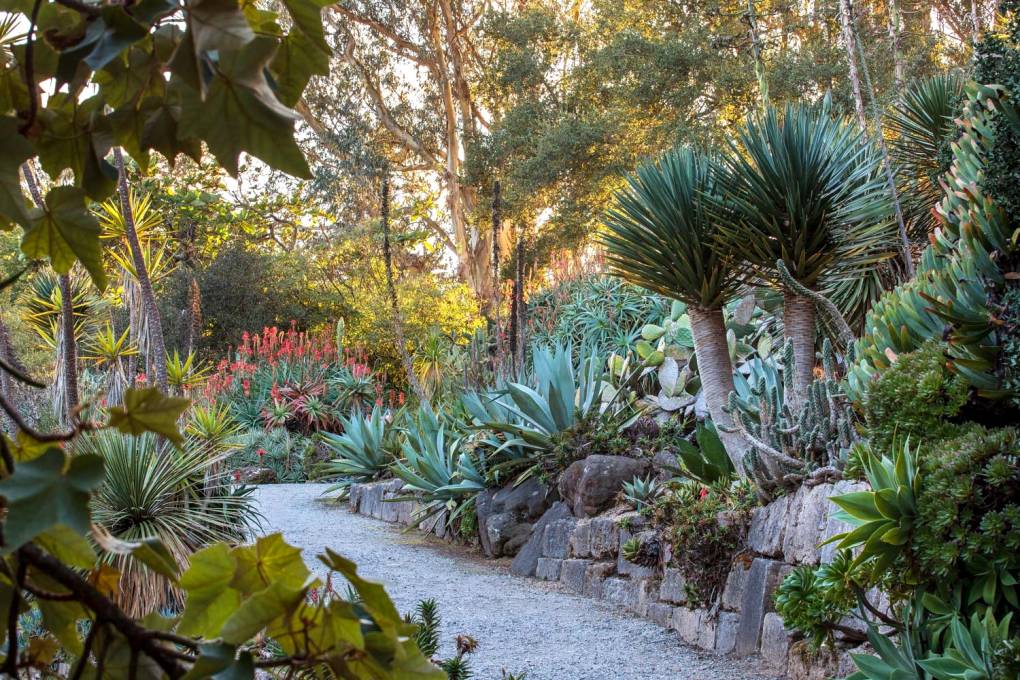
"caption": "The succulents garden at the San Francisco Botanical Garden, which is home to more than 9,000 different kinds of plants from around the world.",
"description": null,
"title": "holt_286_6307.tif",
"credit": "Courtesy of S.F. Botanical Garden",
"status": "inherit",
"isLoading": false,
"fetchFailed": false
},
"science_1967317": {
"type": "attachments",
"id": "science_1967317",
"meta": {
"index": "attachments_1716263798",
"site": "science",
"id": "1967317",
"found": true
},
"parent": 1967315,
"imgSizes": {
"twentyfourteen-full-width": {
"file": "https://ww2.kqed.org/app/uploads/sites/35/2020/07/RS43989_GettyImages-1219233550-qut-1038x576.jpg",
"width": 1038,
"mimeType": "image/jpeg",
"height": 576
},
"thumbnail": {
"file": "https://ww2.kqed.org/app/uploads/sites/35/2020/07/RS43989_GettyImages-1219233550-qut-160x104.jpg",
"width": 160,
"mimeType": "image/jpeg",
"height": 104
},
"post-thumbnail": {
"file": "https://ww2.kqed.org/app/uploads/sites/35/2020/07/RS43989_GettyImages-1219233550-qut-672x372.jpg",
"width": 672,
"mimeType": "image/jpeg",
"height": 372
},
"kqedFullSize": {
"file": "https://ww2.kqed.org/app/uploads/sites/35/2020/07/RS43989_GettyImages-1219233550-qut.jpg",
"width": 1920,
"height": 1242
},
"large": {
"file": "https://ww2.kqed.org/app/uploads/sites/35/2020/07/RS43989_GettyImages-1219233550-qut-1020x660.jpg",
"width": 1020,
"mimeType": "image/jpeg",
"height": 660
},
"1536x1536": {
"file": "https://ww2.kqed.org/app/uploads/sites/35/2020/07/RS43989_GettyImages-1219233550-qut-1536x994.jpg",
"width": 1536,
"mimeType": "image/jpeg",
"height": 994
},
"medium": {
"file": "https://ww2.kqed.org/app/uploads/sites/35/2020/07/RS43989_GettyImages-1219233550-qut-800x518.jpg",
"width": 800,
"mimeType": "image/jpeg",
"height": 518
},
"medium_large": {
"file": "https://ww2.kqed.org/app/uploads/sites/35/2020/07/RS43989_GettyImages-1219233550-qut-768x497.jpg",
"width": 768,
"mimeType": "image/jpeg",
"height": 497
}
},
"publishDate": 1595028720,
"modified": 1595033382,
"caption": "A driver wears a face mask and gloves as Uber and Lyft drivers with Rideshare Drivers United and the Transport Workers Union of America conduct a \"caravan protest\" outside the California Labor Commissioner’s Office amid the coronavirus pandemic on April 16, 2020, in Los Angeles, California. ",
"description": null,
"title": "Transportation Union And Rideshare Drivers United Members Hold Rolling Vehicle Protest Calling On State To Enforce AB5",
"credit": "Mario Tama/Getty Images",
"status": "inherit",
"isLoading": false,
"fetchFailed": false
},
"science_1967207": {
"type": "attachments",
"id": "science_1967207",
"meta": {
"index": "attachments_1716263798",
"site": "science",
"id": "1967207",
"found": true
},
"parent": 0,
"imgSizes": {
"thumbnail": {
"file": "https://ww2.kqed.org/app/uploads/sites/35/2020/07/NEOWISE-DeerValleyUtah-NASA-July9-160x90.jpg",
"width": 160,
"mimeType": "image/jpeg",
"height": 90
},
"post-thumbnail": {
"file": "https://ww2.kqed.org/app/uploads/sites/35/2020/07/NEOWISE-DeerValleyUtah-NASA-July9-672x372.jpg",
"width": 672,
"mimeType": "image/jpeg",
"height": 372
},
"kqedFullSize": {
"file": "https://ww2.kqed.org/app/uploads/sites/35/2020/07/NEOWISE-DeerValleyUtah-NASA-July9.jpg",
"width": 800,
"height": 450
},
"medium_large": {
"file": "https://ww2.kqed.org/app/uploads/sites/35/2020/07/NEOWISE-DeerValleyUtah-NASA-July9-768x432.jpg",
"width": 768,
"mimeType": "image/jpeg",
"height": 432
}
},
"publishDate": 1594853413,
"modified": 1594853459,
"caption": "Picture of comet NEOWISE in the skies over Deer Park, Utah, taken on July 9, 2020. ",
"description": "Picture of comet NEOWISE in the skies over Deer Park, Utah, taken on July 9, 2020. ",
"title": "NEOWISE-DeerValleyUtah-NASA-July9",
"credit": "NASA",
"status": "inherit",
"isLoading": false,
"fetchFailed": false
},
"science_1948672": {
"type": "attachments",
"id": "science_1948672",
"meta": {
"index": "attachments_1716263798",
"site": "science",
"id": "1948672",
"found": true
},
"parent": 1948659,
"imgSizes": {
"twentyfourteen-full-width": {
"file": "https://ww2.kqed.org/app/uploads/sites/35/2019/10/GettyImages-1004100802-1038x576.jpg",
"width": 1038,
"mimeType": "image/jpeg",
"height": 576
},
"thumbnail": {
"file": "https://ww2.kqed.org/app/uploads/sites/35/2019/10/GettyImages-1004100802-160x107.jpg",
"width": 160,
"mimeType": "image/jpeg",
"height": 107
},
"post-thumbnail": {
"file": "https://ww2.kqed.org/app/uploads/sites/35/2019/10/GettyImages-1004100802-672x372.jpg",
"width": 672,
"mimeType": "image/jpeg",
"height": 372
},
"kqedFullSize": {
"file": "https://ww2.kqed.org/app/uploads/sites/35/2019/10/GettyImages-1004100802.jpg",
"width": 2048,
"height": 1365
},
"large": {
"file": "https://ww2.kqed.org/app/uploads/sites/35/2019/10/GettyImages-1004100802-1020x680.jpg",
"width": 1020,
"mimeType": "image/jpeg",
"height": 680
},
"complete_open_graph": {
"file": "https://ww2.kqed.org/app/uploads/sites/35/2019/10/GettyImages-1004100802-1200x800.jpg",
"width": 1200,
"mimeType": "image/jpeg",
"height": 800
},
"full-width": {
"file": "https://ww2.kqed.org/app/uploads/sites/35/2019/10/GettyImages-1004100802-1920x1280.jpg",
"width": 1920,
"mimeType": "image/jpeg",
"height": 1280
},
"medium": {
"file": "https://ww2.kqed.org/app/uploads/sites/35/2019/10/GettyImages-1004100802-800x533.jpg",
"width": 800,
"mimeType": "image/jpeg",
"height": 533
},
"medium_large": {
"file": "https://ww2.kqed.org/app/uploads/sites/35/2019/10/GettyImages-1004100802-768x512.jpg",
"width": 768,
"mimeType": "image/jpeg",
"height": 512
}
},
"publishDate": 1570470958,
"modified": 1594928229,
"caption": "Inmate firefighters battle the Ferguson fire in Jerseydale, California, on July 22, 2018. ",
"description": null,
"title": "GettyImages-1004100802",
"credit": "Noah Bergern/AFP/Getty Images",
"status": "inherit",
"isLoading": false,
"fetchFailed": false
},
"science_1967191": {
"type": "attachments",
"id": "science_1967191",
"meta": {
"index": "attachments_1716263798",
"site": "science",
"id": "1967191",
"found": true
},
"parent": 1967186,
"imgSizes": {
"twentyfourteen-full-width": {
"file": "https://ww2.kqed.org/app/uploads/sites/35/2020/07/Helen-Dumpster-Fire-6-1600x900-1-1038x576.jpg",
"width": 1038,
"mimeType": "image/jpeg",
"height": 576
},
"thumbnail": {
"file": "https://ww2.kqed.org/app/uploads/sites/35/2020/07/Helen-Dumpster-Fire-6-1600x900-1-160x90.jpg",
"width": 160,
"mimeType": "image/jpeg",
"height": 90
},
"post-thumbnail": {
"file": "https://ww2.kqed.org/app/uploads/sites/35/2020/07/Helen-Dumpster-Fire-6-1600x900-1-672x372.jpg",
"width": 672,
"mimeType": "image/jpeg",
"height": 372
},
"kqedFullSize": {
"file": "https://ww2.kqed.org/app/uploads/sites/35/2020/07/Helen-Dumpster-Fire-6-1600x900-1.jpg",
"width": 1600,
"height": 900
},
"large": {
"file": "https://ww2.kqed.org/app/uploads/sites/35/2020/07/Helen-Dumpster-Fire-6-1600x900-1-1020x574.jpg",
"width": 1020,
"mimeType": "image/jpeg",
"height": 574
},
"1536x1536": {
"file": "https://ww2.kqed.org/app/uploads/sites/35/2020/07/Helen-Dumpster-Fire-6-1600x900-1-1536x864.jpg",
"width": 1536,
"mimeType": "image/jpeg",
"height": 864
},
"medium": {
"file": "https://ww2.kqed.org/app/uploads/sites/35/2020/07/Helen-Dumpster-Fire-6-1600x900-1-800x450.jpg",
"width": 800,
"mimeType": "image/jpeg",
"height": 450
},
"medium_large": {
"file": "https://ww2.kqed.org/app/uploads/sites/35/2020/07/Helen-Dumpster-Fire-6-1600x900-1-768x432.jpg",
"width": 768,
"mimeType": "image/jpeg",
"height": 432
}
},
"publishDate": 1594841590,
"modified": 1594853511,
"caption": null,
"description": null,
"title": "Helen-Dumpster-Fire-6-1600x900",
"credit": "Hyacinth Empinado/STAT",
"status": "inherit",
"isLoading": false,
"fetchFailed": false
},
"science_1967114": {
"type": "attachments",
"id": "science_1967114",
"meta": {
"index": "attachments_1716263798",
"site": "science",
"id": "1967114",
"found": true
},
"parent": 1967111,
"imgSizes": {
"twentyfourteen-full-width": {
"file": "https://ww2.kqed.org/app/uploads/sites/35/2020/07/Joe-Biden-climate-1038x576.jpg",
"width": 1038,
"mimeType": "image/jpeg",
"height": 576
},
"thumbnail": {
"file": "https://ww2.kqed.org/app/uploads/sites/35/2020/07/Joe-Biden-climate-160x107.jpg",
"width": 160,
"mimeType": "image/jpeg",
"height": 107
},
"post-thumbnail": {
"file": "https://ww2.kqed.org/app/uploads/sites/35/2020/07/Joe-Biden-climate-672x372.jpg",
"width": 672,
"mimeType": "image/jpeg",
"height": 372
},
"kqedFullSize": {
"file": "https://ww2.kqed.org/app/uploads/sites/35/2020/07/Joe-Biden-climate-scaled-e1594747722556.jpg",
"width": 1920,
"height": 1280
},
"2048x2048": {
"file": "https://ww2.kqed.org/app/uploads/sites/35/2020/07/Joe-Biden-climate-2048x1366.jpg",
"width": 2048,
"mimeType": "image/jpeg",
"height": 1366
},
"large": {
"file": "https://ww2.kqed.org/app/uploads/sites/35/2020/07/Joe-Biden-climate-1020x680.jpg",
"width": 1020,
"mimeType": "image/jpeg",
"height": 680
},
"1536x1536": {
"file": "https://ww2.kqed.org/app/uploads/sites/35/2020/07/Joe-Biden-climate-1536x1024.jpg",
"width": 1536,
"mimeType": "image/jpeg",
"height": 1024
},
"full-width": {
"file": "https://ww2.kqed.org/app/uploads/sites/35/2020/07/Joe-Biden-climate-1920x1280.jpg",
"width": 1920,
"mimeType": "image/jpeg",
"height": 1280
},
"medium": {
"file": "https://ww2.kqed.org/app/uploads/sites/35/2020/07/Joe-Biden-climate-800x533.jpg",
"width": 800,
"mimeType": "image/jpeg",
"height": 533
},
"medium_large": {
"file": "https://ww2.kqed.org/app/uploads/sites/35/2020/07/Joe-Biden-climate-768x512.jpg",
"width": 768,
"mimeType": "image/jpeg",
"height": 512
}
},
"publishDate": 1594747697,
"modified": 1594747832,
"caption": "Joe Biden at McGregor Industries on July 9, 2020. Biden released a plan Tuesday aimed at combating climate change and spurring economic growth in part by overhauling America’s energy industry.",
"description": null,
"title": "Presidential Candidate Joe Biden Delivers Remarks In Pennsylvania",
"credit": "Spencer Platt/Getty Images",
"status": "inherit",
"isLoading": false,
"fetchFailed": false
},
"science_1966975": {
"type": "attachments",
"id": "science_1966975",
"meta": {
"index": "attachments_1716263798",
"site": "science",
"id": "1966975",
"found": true
},
"parent": 1966972,
"imgSizes": {
"twentyfourteen-full-width": {
"file": "https://ww2.kqed.org/app/uploads/sites/35/2020/07/from-Hellman-foundation-video-2-1038x576.jpeg",
"width": 1038,
"mimeType": "image/jpeg",
"height": 576
},
"thumbnail": {
"file": "https://ww2.kqed.org/app/uploads/sites/35/2020/07/from-Hellman-foundation-video-2-160x90.jpeg",
"width": 160,
"mimeType": "image/jpeg",
"height": 90
},
"post-thumbnail": {
"file": "https://ww2.kqed.org/app/uploads/sites/35/2020/07/from-Hellman-foundation-video-2-672x372.jpeg",
"width": 672,
"mimeType": "image/jpeg",
"height": 372
},
"kqedFullSize": {
"file": "https://ww2.kqed.org/app/uploads/sites/35/2020/07/from-Hellman-foundation-video-2.jpeg",
"width": 1280,
"height": 723
},
"large": {
"file": "https://ww2.kqed.org/app/uploads/sites/35/2020/07/from-Hellman-foundation-video-2-1020x576.jpeg",
"width": 1020,
"mimeType": "image/jpeg",
"height": 576
},
"medium": {
"file": "https://ww2.kqed.org/app/uploads/sites/35/2020/07/from-Hellman-foundation-video-2-800x452.jpeg",
"width": 800,
"mimeType": "image/jpeg",
"height": 452
},
"medium_large": {
"file": "https://ww2.kqed.org/app/uploads/sites/35/2020/07/from-Hellman-foundation-video-2-768x434.jpeg",
"width": 768,
"mimeType": "image/jpeg",
"height": 434
}
},
"publishDate": 1594301879,
"modified": 1594409048,
"caption": "Professor Asmeret Asefaw Berhe studies how soil helps regulate the Earth's climate at UC Merced.",
"description": "A woman analyzing samples at a lab bench.",
"title": "from Hellman foundation video 2",
"credit": "Courtesy of the Berhe lab, used with permission.",
"status": "inherit",
"isLoading": false,
"fetchFailed": false
},
"science_1967004": {
"type": "attachments",
"id": "science_1967004",
"meta": {
"index": "attachments_1716263798",
"site": "science",
"id": "1967004",
"found": true
},
"parent": 1966998,
"imgSizes": {
"twentyfourteen-full-width": {
"file": "https://ww2.kqed.org/app/uploads/sites/35/2020/07/GettyImages-467979700-1038x576.jpg",
"width": 1038,
"mimeType": "image/jpeg",
"height": 576
},
"thumbnail": {
"file": "https://ww2.kqed.org/app/uploads/sites/35/2020/07/GettyImages-467979700-160x104.jpg",
"width": 160,
"mimeType": "image/jpeg",
"height": 104
},
"post-thumbnail": {
"file": "https://ww2.kqed.org/app/uploads/sites/35/2020/07/GettyImages-467979700-672x372.jpg",
"width": 672,
"mimeType": "image/jpeg",
"height": 372
},
"kqedFullSize": {
"file": "https://ww2.kqed.org/app/uploads/sites/35/2020/07/GettyImages-467979700-scaled.jpg",
"width": 2560,
"height": 1669
},
"2048x2048": {
"file": "https://ww2.kqed.org/app/uploads/sites/35/2020/07/GettyImages-467979700-2048x1335.jpg",
"width": 2048,
"mimeType": "image/jpeg",
"height": 1335
},
"large": {
"file": "https://ww2.kqed.org/app/uploads/sites/35/2020/07/GettyImages-467979700-1020x665.jpg",
"width": 1020,
"mimeType": "image/jpeg",
"height": 665
},
"1536x1536": {
"file": "https://ww2.kqed.org/app/uploads/sites/35/2020/07/GettyImages-467979700-1536x1001.jpg",
"width": 1536,
"mimeType": "image/jpeg",
"height": 1001
},
"full-width": {
"file": "https://ww2.kqed.org/app/uploads/sites/35/2020/07/GettyImages-467979700-1920x1252.jpg",
"width": 1920,
"mimeType": "image/jpeg",
"height": 1252
},
"medium": {
"file": "https://ww2.kqed.org/app/uploads/sites/35/2020/07/GettyImages-467979700-800x522.jpg",
"width": 800,
"mimeType": "image/jpeg",
"height": 522
},
"medium_large": {
"file": "https://ww2.kqed.org/app/uploads/sites/35/2020/07/GettyImages-467979700-768x501.jpg",
"width": 768,
"mimeType": "image/jpeg",
"height": 501
}
},
"publishDate": 1594336763,
"modified": 1594752221,
"caption": "A boat navigates the waters of Lake Powell on March 28, 2015, in Page, Arizona. ",
"description": null,
"title": "Severe Drought Drains Colorado River Basin",
"credit": "Justin Sullivan/Getty Images",
"status": "inherit",
"isLoading": false,
"fetchFailed": false
},
"science_1956856": {
"type": "attachments",
"id": "science_1956856",
"meta": {
"index": "attachments_1716263798",
"site": "science",
"id": "1956856",
"found": true
},
"parent": 1956855,
"imgSizes": {
"twentyfourteen-full-width": {
"file": "https://ww2.kqed.org/app/uploads/sites/35/2020/02/RS41317_GettyImages-512019574-qut-1038x576.jpg",
"width": 1038,
"mimeType": "image/jpeg",
"height": 576
},
"thumbnail": {
"file": "https://ww2.kqed.org/app/uploads/sites/35/2020/02/RS41317_GettyImages-512019574-qut-160x112.jpg",
"width": 160,
"mimeType": "image/jpeg",
"height": 112
},
"post-thumbnail": {
"file": "https://ww2.kqed.org/app/uploads/sites/35/2020/02/RS41317_GettyImages-512019574-qut-672x372.jpg",
"width": 672,
"mimeType": "image/jpeg",
"height": 372
},
"kqedFullSize": {
"file": "https://ww2.kqed.org/app/uploads/sites/35/2020/02/RS41317_GettyImages-512019574-qut.jpg",
"width": 1920,
"height": 1344
},
"large": {
"file": "https://ww2.kqed.org/app/uploads/sites/35/2020/02/RS41317_GettyImages-512019574-qut-1020x714.jpg",
"width": 1020,
"mimeType": "image/jpeg",
"height": 714
},
"full-width": {
"file": "https://ww2.kqed.org/app/uploads/sites/35/2020/02/RS41317_GettyImages-512019574-qut-1920x1344.jpg",
"width": 1920,
"mimeType": "image/jpeg",
"height": 1344
},
"medium": {
"file": "https://ww2.kqed.org/app/uploads/sites/35/2020/02/RS41317_GettyImages-512019574-qut-800x560.jpg",
"width": 800,
"mimeType": "image/jpeg",
"height": 560
},
"medium_large": {
"file": "https://ww2.kqed.org/app/uploads/sites/35/2020/02/RS41317_GettyImages-512019574-qut-768x538.jpg",
"width": 768,
"mimeType": "image/jpeg",
"height": 538
}
},
"publishDate": 1581539693,
"modified": 1594426179,
"caption": "Dr. Anthony Fauci. ",
"description": null,
"title": "US-POLITICS-HEALTH-ZIKA",
"credit": "Saul Loeb/AFP via Getty Images",
"status": "inherit",
"isLoading": false,
"fetchFailed": false
},
"science_1966969": {
"type": "attachments",
"id": "science_1966969",
"meta": {
"index": "attachments_1716263798",
"site": "science",
"id": "1966969",
"found": true
},
"parent": 1966967,
"imgSizes": {
"twentyfourteen-full-width": {
"file": "https://ww2.kqed.org/app/uploads/sites/35/2020/07/RS43888_GettyImages-1252246465-qut-1038x576.jpg",
"width": 1038,
"mimeType": "image/jpeg",
"height": 576
},
"thumbnail": {
"file": "https://ww2.kqed.org/app/uploads/sites/35/2020/07/RS43888_GettyImages-1252246465-qut-160x104.jpg",
"width": 160,
"mimeType": "image/jpeg",
"height": 104
},
"post-thumbnail": {
"file": "https://ww2.kqed.org/app/uploads/sites/35/2020/07/RS43888_GettyImages-1252246465-qut-672x372.jpg",
"width": 672,
"mimeType": "image/jpeg",
"height": 372
},
"kqedFullSize": {
"file": "https://ww2.kqed.org/app/uploads/sites/35/2020/07/RS43888_GettyImages-1252246465-qut.jpg",
"width": 1920,
"height": 1251
},
"large": {
"file": "https://ww2.kqed.org/app/uploads/sites/35/2020/07/RS43888_GettyImages-1252246465-qut-1020x665.jpg",
"width": 1020,
"mimeType": "image/jpeg",
"height": 665
},
"1536x1536": {
"file": "https://ww2.kqed.org/app/uploads/sites/35/2020/07/RS43888_GettyImages-1252246465-qut-1536x1001.jpg",
"width": 1536,
"mimeType": "image/jpeg",
"height": 1001
},
"medium": {
"file": "https://ww2.kqed.org/app/uploads/sites/35/2020/07/RS43888_GettyImages-1252246465-qut-800x521.jpg",
"width": 800,
"mimeType": "image/jpeg",
"height": 521
},
"medium_large": {
"file": "https://ww2.kqed.org/app/uploads/sites/35/2020/07/RS43888_GettyImages-1252246465-qut-768x500.jpg",
"width": 768,
"mimeType": "image/jpeg",
"height": 500
}
},
"publishDate": 1594259390,
"modified": 1594259694,
"caption": "Travelers walk past thermal imaging cameras that show body temperatures on a video screen at Los Angeles International Airport in June. The system is being tested in the international terminal and can flag passengers who have a fever, one of the symptoms of COVID-19. ",
"description": null,
"title": "Los Angeles Int'l Airport Tests Thermal Screening Cameras To Detect COVID-19",
"credit": "Mario Tama/Getty Images",
"status": "inherit",
"isLoading": false,
"fetchFailed": false
},
"science_1966835": {
"type": "attachments",
"id": "science_1966835",
"meta": {
"index": "attachments_1716263798",
"site": "science",
"id": "1966835",
"found": true
},
"parent": 1966832,
"imgSizes": {
"twentyfourteen-full-width": {
"file": "https://ww2.kqed.org/app/uploads/sites/35/2020/07/RS43864_james-edward-mills-by-anna-belle-peevey-924x576.png",
"width": 924,
"mimeType": "image/png",
"height": 576
},
"thumbnail": {
"file": "https://ww2.kqed.org/app/uploads/sites/35/2020/07/RS43864_james-edward-mills-by-anna-belle-peevey-160x100.png",
"width": 160,
"mimeType": "image/png",
"height": 100
},
"post-thumbnail": {
"file": "https://ww2.kqed.org/app/uploads/sites/35/2020/07/RS43864_james-edward-mills-by-anna-belle-peevey-672x372.png",
"width": 672,
"mimeType": "image/png",
"height": 372
},
"kqedFullSize": {
"file": "https://ww2.kqed.org/app/uploads/sites/35/2020/07/RS43864_james-edward-mills-by-anna-belle-peevey.png",
"width": 924,
"height": 579
},
"medium": {
"file": "https://ww2.kqed.org/app/uploads/sites/35/2020/07/RS43864_james-edward-mills-by-anna-belle-peevey-800x501.png",
"width": 800,
"mimeType": "image/png",
"height": 501
},
"medium_large": {
"file": "https://ww2.kqed.org/app/uploads/sites/35/2020/07/RS43864_james-edward-mills-by-anna-belle-peevey-768x481.png",
"width": 768,
"mimeType": "image/png",
"height": 481
}
},
"publishDate": 1594051455,
"modified": 1594053473,
"caption": "James Edward Mills, a Black freelance journalist in Madison, Wisconsin, is the author of “\u003ca href=\"https://www.amazon.com/Adventure-Gap-Changing-Face-Outdoors/dp/1594858683\" target=\"_blank\" rel=\"noopener noreferrer\">The Adventure Gap: Changing the Face of the Outdoors\u003c/a>” ",
"description": null,
"title": "RS43864_james-edward-mills-by-anna-belle-peevey",
"credit": "Anna Belle Peevey/InsideClimate News",
"status": "inherit",
"isLoading": false,
"fetchFailed": false
}
},
"audioPlayerReducer": {
"postId": "stream_live",
"isPaused": true,
"isPlaying": false,
"pfsActive": false,
"pledgeModalIsOpen": true,
"playerDrawerIsOpen": false,
"liveAudioPlayStartedAt": 0,
"liveAudioPlayContext": ""
},
"authorsReducer": {
"byline_science_1967449": {
"type": "authors",
"id": "byline_science_1967449",
"meta": {
"override": true
},
"slug": "byline_science_1967449",
"name": "Andrew Joseph \u003cbr />STAT\u003cbr>",
"isLoading": false
},
"byline_science_1967232": {
"type": "authors",
"id": "byline_science_1967232",
"meta": {
"override": true
},
"slug": "byline_science_1967232",
"name": "Ben Burress",
"isLoading": false
},
"byline_science_1967186": {
"type": "authors",
"id": "byline_science_1967186",
"meta": {
"override": true
},
"slug": "byline_science_1967186",
"name": "Helen Branswell \u003cbr />STAT\u003cbr>",
"isLoading": false
},
"byline_science_1967111": {
"type": "authors",
"id": "byline_science_1967111",
"meta": {
"override": true
},
"slug": "byline_science_1967111",
"name": "ALEXANDRA JAFFE, ELLEN KNICKMEYER and WILL WEISSERT\u003cbr /> Associated Press",
"isLoading": false
},
"byline_science_1966998": {
"type": "authors",
"id": "byline_science_1966998",
"meta": {
"override": true
},
"slug": "byline_science_1966998",
"name": " Judy Fahys \u003cbr />InsideClimate News\u003cbr>",
"isLoading": false
},
"byline_science_1966967": {
"type": "authors",
"id": "byline_science_1966967",
"meta": {
"override": true
},
"slug": "byline_science_1966967",
"name": "Sharon Begly, STAT",
"isLoading": false
},
"byline_science_1966832": {
"type": "authors",
"id": "byline_science_1966832",
"meta": {
"override": true
},
"slug": "byline_science_1966832",
"name": "Anna Belle Peevey, InsideClimate News",
"isLoading": false
},
"dventon": {
"type": "authors",
"id": "11088",
"meta": {
"index": "authors_1716337520",
"id": "11088",
"found": true
},
"name": "Danielle Venton",
"firstName": "Danielle",
"lastName": "Venton",
"slug": "dventon",
"email": "dventon@kqed.org",
"display_author_email": true,
"staff_mastheads": [
"science"
],
"title": "Science reporter",
"bio": "Danielle Venton is a reporter for KQED Science. She covers wildfires, space and oceans (though she is prone to sea sickness).\r\n\r\nBefore joining KQED in 2015, Danielle was a staff reporter at KRCB in Sonoma County and a freelancer. She studied science communication at UC Santa Cruz and formerly worked at CERN in Geneva, Switzerland where she wrote about computing. She lives in Sonoma County and enjoys backpacking.",
"avatar": "https://secure.gravatar.com/avatar/37b292b5c40c8d93959c4f48d73b5286f41b7abd8588277e941905a3ed4c801c?s=600&d=blank&r=g",
"twitter": "DanielleVenton",
"bluesky": null,
"facebook": null,
"instagram": null,
"linkedin": null,
"sites": [
{
"site": "arts",
"roles": [
"contributor"
]
},
{
"site": "news",
"roles": [
"editor"
]
},
{
"site": "futureofyou",
"roles": [
"editor"
]
},
{
"site": "science",
"roles": [
"editor"
]
},
{
"site": "liveblog",
"roles": [
"contributor"
]
}
],
"headData": {
"title": "Danielle Venton | KQED",
"description": "Science reporter",
"ogImgSrc": "https://secure.gravatar.com/avatar/37b292b5c40c8d93959c4f48d73b5286f41b7abd8588277e941905a3ed4c801c?s=600&d=blank&r=g",
"twImgSrc": "https://secure.gravatar.com/avatar/37b292b5c40c8d93959c4f48d73b5286f41b7abd8588277e941905a3ed4c801c?s=600&d=blank&r=g"
},
"isLoading": false,
"link": "/author/dventon"
},
"parcuni": {
"type": "authors",
"id": "11368",
"meta": {
"index": "authors_1716337520",
"id": "11368",
"found": true
},
"name": "Peter Arcuni",
"firstName": "Peter",
"lastName": "Arcuni",
"slug": "parcuni",
"email": "parcuni@KQED.org",
"display_author_email": false,
"staff_mastheads": [
"science"
],
"title": "Reporter",
"bio": "Peter reports radio and online stories for \u003cem>KQED Science\u003c/em>. His work has also appeared on the \u003cem>The California Report\u003c/em> morning show and \u003cem>KQED News\u003c/em>. His production credits include \u003cem>The California Report, The California Report Magazine\u003c/em> and KQED's local news podcast \u003cem>The Bay\u003c/em>. Other credits include NPR's \u003cem>All Things Considered\u003c/em>, WNYC's \u003cem>Science Friday\u003c/em>, WBUR's \u003cem>Here & Now\u003c/em>, WIRED and SFGate. Peter graduated from Brown University and earned a master's degree in journalism from Stanford. He's covered everything from homelessness to wildfires, health, the environment, arts and Thanksgiving in San Quentin prison. In other lives, he played rock n roll music and studied neuroscience. You can email him at: parcuni@kqed.org",
"avatar": "https://secure.gravatar.com/avatar/d5032f6f27199d478af34ad2e1d98732?s=600&d=blank&r=g",
"twitter": "peterarcuni",
"facebook": null,
"instagram": null,
"linkedin": null,
"sites": [
{
"site": "news",
"roles": [
"editor"
]
},
{
"site": "science",
"roles": [
"editor"
]
}
],
"headData": {
"title": "Peter Arcuni | KQED",
"description": "Reporter",
"ogImgSrc": "https://secure.gravatar.com/avatar/d5032f6f27199d478af34ad2e1d98732?s=600&d=blank&r=g",
"twImgSrc": "https://secure.gravatar.com/avatar/d5032f6f27199d478af34ad2e1d98732?s=600&d=blank&r=g"
},
"isLoading": false,
"link": "/author/parcuni"
},
"kevinstark": {
"type": "authors",
"id": "11608",
"meta": {
"index": "authors_1716337520",
"id": "11608",
"found": true
},
"name": "Kevin Stark",
"firstName": "Kevin",
"lastName": "Stark",
"slug": "kevinstark",
"email": "kstark@kqed.org",
"display_author_email": true,
"staff_mastheads": [
"science"
],
"title": "Senior Editor",
"bio": "Kevin is a senior editor for KQED Science, managing the station's health and climate desks. His journalism career began in the Pacific Northwest, and he later became a lead reporter for the San Francisco Public Press. His work has appeared in Pacific Standard magazine, the Energy News Network, the Center for Investigative Reporting's Reveal and WBEZ in Chicago. Kevin joined KQED in 2019, and has covered issues related to energy, wildfire, climate change and the environment.",
"avatar": "https://secure.gravatar.com/avatar/365aaa4b597d3a8374f67504ff0facd323d7906e8eb4be0a7efd2427408e802c?s=600&d=blank&r=g",
"twitter": "starkkev",
"bluesky": null,
"facebook": null,
"instagram": null,
"linkedin": null,
"sites": [
{
"site": "",
"roles": [
"editor"
]
},
{
"site": "news",
"roles": [
"editor"
]
},
{
"site": "science",
"roles": [
"administrator"
]
}
],
"headData": {
"title": "Kevin Stark | KQED",
"description": "Senior Editor",
"ogImgSrc": "https://secure.gravatar.com/avatar/365aaa4b597d3a8374f67504ff0facd323d7906e8eb4be0a7efd2427408e802c?s=600&d=blank&r=g",
"twImgSrc": "https://secure.gravatar.com/avatar/365aaa4b597d3a8374f67504ff0facd323d7906e8eb4be0a7efd2427408e802c?s=600&d=blank&r=g"
},
"isLoading": false,
"link": "/author/kevinstark"
}
},
"pagesReducer": {
"science_category_news": {
"type": "terms",
"id": "science_40",
"meta": {
"index": "terms_1716263798",
"site": "science",
"id": "40",
"score": 10.8111
},
"featImg": null,
"name": "News",
"description": null,
"taxonomy": "category",
"headData": {
"twImgId": null,
"twTitle": null,
"ogTitle": null,
"ogImgId": null,
"twDescription": null,
"description": null,
"title": "News Archives | KQED Science",
"ogDescription": null
},
"ttid": 42,
"slug": "news",
"isLoading": false,
"title": "News",
"pageMeta": {
"site": "science",
"WpPageTemplate": "page-topic-editorial",
"currentPage": 96
},
"blocks": [
{
"blockName": "kqed/post-list",
"attrs": {
"layout": "cardArticle2",
"query": "posts/science?category=news",
"seeMore": false,
"paginated": true,
"page": 96
}
},
{
"blockName": "kqed/ad"
}
]
}
},
"pfsSessionReducer": {},
"postsReducer": {
"stream_live": {
"type": "live",
"id": "stream_live",
"audioUrl": "https://hls.kqed.org/hls/kqed_app/playlist.m3u8",
"title": "Live Stream",
"excerpt": "Live Stream information currently unavailable.",
"link": "/radio",
"featImg": "",
"label": {
"name": "KQED Live",
"link": "/"
}
},
"stream_kqedNewscast": {
"type": "posts",
"id": "stream_kqedNewscast",
"audioUrl": "https://www.kqed.org/.stream/anon/radio/RDnews/newscast.mp3?_=1",
"title": "KQED Newscast",
"featImg": "",
"label": {
"name": "88.5 FM",
"link": "/"
}
},
"science_1967449": {
"type": "posts",
"id": "science_1967449",
"meta": {
"index": "posts_1716263798",
"site": "science",
"id": "1967449",
"score": null,
"sort": [
1595368353000
]
},
"parent": 0,
"labelTerm": {},
"blocks": [],
"publishDate": 1595368353,
"format": "standard",
"title": "Federal Study Shows Testing Is Capturing Only a Fraction of U.S. COVID-19 Cases",
"headTitle": "Federal Study Shows Testing Is Capturing Only a Fraction of U.S. COVID-19 Cases | KQED",
"content": "\u003cp>\u003cspan class=\"big-cap-wrap\">\u003cspan class=\"big-cap\">T\u003c/span>\u003c/span>he true number of coronavirus cases in the U.S. could be anywhere from six to 24 times higher than the confirmed number of cases, depending on location, according to a large federal study that relied on data from 10 U.S. cities and states.\u003c/p>\n\u003cp>The vast majority of Americans, however, are still vulnerable to COVID-19.\u003c/p>\n\u003cp>\u003ca href=\"https://jamanetwork.com/journals/jamainternalmedicine/fullarticle/10.1001/jamainternmed.2020.4130?guestAccessKey=7a5c32e6-3c27-41b3-b46c-43c4a38bbe00&utm_source=For_The_Media&utm_medium=referral&utm_campaign=ftm_links&utm_content=tfl&utm_term=072120\" target=\"_blank\" rel=\"noopener noreferrer\">The study\u003c/a>, published Tuesday in JAMA Internal Medicine, relied on \u003ca href=\"https://www.statnews.com/2020/03/27/serological-tests-reveal-immune-coronavirus/\" target=\"_blank\" rel=\"noopener noreferrer\">serological tests\u003c/a> — blood screens that search for antibodies to the virus and that determine whether someone was previously infected. They are different from diagnostic tests, which only detect people who currently have the virus, called SARS-CoV-2.\u003c/p>\n\u003cp>Overall, an estimated 1% of people in the San Francisco Bay Area have had COVID-19, while 6.9% of people in New York City have, according to the paper’s authors, who included researchers at the Centers for Disease Control and Prevention and state health departments. In seven of the 10 sites, the estimated number of cases was 10 times the number of reported cases.\u003c/p>\n\u003cp>The study was based on tests from more than 16,000 people across the 10 sites, but one limitation is that it relies on old data. The San Francisco samples were collected from April 23-27, while the New York tests were on blood from March 23 to April 1. The latest tests were conducted in May, and a lot can change during two months in the course of an outbreak. In South Florida, for example, researchers estimated that 1.9% of the population had antibodies to the virus. But that figure is based on samples collected from April 6-10, and given the spread of the virus since then in the state, the number now would certainly be some amount higher.\u003c/p>\n\u003cp>[ad fullwidth]\u003c/p>\n\u003cp>Still, the data reflect what CDC Director Robert Redfield recently said — that true case numbers are\u003ca href=\"https://www.washingtonpost.com/health/2020/06/25/coronavirus-cases-10-times-larger/\" target=\"_blank\" rel=\"noopener noreferrer\"> 10 times higher\u003c/a> than confirmed diagnoses. Confirmed cases in the U.S. stand at more than 3.8 million.\u003c/p>\n\u003cp>The data underscore two other points: that \u003ca href=\"https://www.statnews.com/2020/07/20/trump-said-more-covid19-testing-creates-more-cases-we-did-the-math/\" target=\"_blank\" rel=\"noopener noreferrer\">testing in the U.S. is not capturing\u003c/a> the full scope of the outbreak, and that even hard-hit communities are not close to reaching a herd immunity threshold — where enough people are immune from the virus (which \u003ca href=\"https://www.statnews.com/2020/04/20/everything-we-know-about-coronavirus-immunity-and-antibodies-and-plenty-we-still-dont/\" target=\"_blank\" rel=\"noopener noreferrer\">scientists expect will happen for some amount of time\u003c/a> after an initial infection) to slow down its spread to the point that unprotected people have a natural buffer.\u003c/p>\n\u003cp>“The study rebukes the idea that current population-wide levels of acquired immunity (so-called herd immunity) will pose any substantial impediment to the propagation of SARS-CoV-2 in the U.S., at least for now,” infectious disease experts Tyler Brown and Rochelle Walensky of Massachusetts General Hospital wrote in \u003ca href=\"https://jamanetwork.com/journals/jama/fullarticle/2768835\" target=\"_blank\" rel=\"noopener noreferrer\">an editorial\u003c/a> accompanying the study. Experts estimate that 60% to 70% of people in a given area would need to be protected from the virus — either through recovering from an infection or vaccination — to reach herd immunity.\u003c/p>\n\u003cp>Other locations included in the study and the estimated levels of antibodies in their residents:\u003c/p>\n\u003cul>\n\u003cli>Western Washington: 1.1%\u003c/li>\n\u003cli>Louisiana: 5.8%\u003c/li>\n\u003cli>Philadelphia area: 3.2%\u003c/li>\n\u003cli>Missouri: 2.7%\u003c/li>\n\u003cli>Utah: 2.2%\u003c/li>\n\u003cli>Connecticut: 4.9%\u003c/li>\n\u003cli>Minneapolis-St. Paul area: 2.4%\u003c/li>\n\u003c/ul>\n\u003cp>Overall, the researchers found that there was no association between infection rates and age or sex.\u003c/p>\n\u003cp>The results fit with \u003ca href=\"https://www.statnews.com/2020/04/24/the-results-of-coronavirus-serosurveys-are-starting-to-be-released-heres-how-to-kick-their-tires/\" target=\"_blank\" rel=\"noopener noreferrer\">other serosurveys\u003c/a> that have found just a few percent of people in a given place have been infected with the SARS-CoV-2 virus, which causes the disease COVID-19. There have been a few outliers: One study in the hard-hit Boston suburb of Chelsea estimated that 30% of people had been exposed to the virus, while another survey in a German town where a carnival drove an outbreak found 14% of residents had antibodies.\u003c/p>\n\u003cp>Still, the new study landed on different estimates for New York City than \u003ca href=\"https://www.nytimes.com/2020/04/23/nyregion/coronavirus-antibodies-test-ny.html\" target=\"_blank\" rel=\"noopener noreferrer\">a state-run survey released in April\u003c/a>, which found that 1 in 5 people in the city had antibodies. The disparate results highlight how study design — such as how participants are recruited or what blood samples are included — can influence findings.\u003c/p>\n\u003cp>The new study relied on leftover blood samples collected from patients who sought medical care for any reason from March through May. Because so many appointments and procedures were canceled then, and because so many people were avoiding medical care during stay-at-home periods, the samples “are likely not representative of a typical prepandemic cohort,” Brown and Walensky wrote.\u003c/p>\n\u003cp>Experts note that the inability of diagnostic testing to keep up with cases is not just limited to problems with the tests, which have included a botched rollout, overwhelmed labs, and supply shortages. It’s also that some 20% to 40% of COVID-19 infections are asymptomatic. Those people \u003ca href=\"https://www.statnews.com/2020/06/09/who-comments-asymptomatic-spread-covid-19/\" target=\"_blank\" rel=\"noopener noreferrer\">can still spread the virus\u003c/a>, as can people who eventually develop symptoms but don’t feel sick yet — which has complicated efforts to rein in the spread.\u003c/p>\n\u003cp>Researchers also \u003ca href=\"https://www.statnews.com/2020/06/11/coronavirus-immunity-vaccine-development/\" target=\"_blank\" rel=\"noopener noreferrer\">stress that it’s still not confirmed\u003c/a> if people who recover from COVID-19 are protected or for how long, or what levels (or titer) of antibody would be required to confer immunity. Some people with COVID-19 may not generate a robust antibody response, perhaps depending on how sick they get, though that remains an open question as well.\u003c/p>\n\u003cp>“At present, the relationship between detectable antibodies to SARS-CoV-2 and protective immunity against future infection is not known,” the study’s authors wrote. “Extrapolating these estimates to make assumptions about population immunity should not be done until more is known about the correlations between the presence, titer, and duration of antibodies and protection against this novel, emerging disease.”\u003c/p>\n\u003cp>\u003c/p>\n\u003cp>\u003cem>This \u003ca href=\"https://www.statnews.com/2020/07/21/cdc-study-actual-covid-19-cases/?utm_source=STAT+Newsletters&utm_campaign=23aab8214a-Daily_Recap&utm_medium=email&utm_term=0_8cab1d7961-23aab8214a-152227318\" target=\"_blank\" rel=\"noopener noreferrer\">story\u003c/a> was originally published by \u003ca href=\"https://www.statnews.com/\">STAT\u003c/a>, an online publication of Boston Globe Media that covers health, medicine, and scientific discovery.\u003c/em>\u003c/p>\n\n",
"stats": {
"hasVideo": false,
"hasChartOrMap": false,
"hasAudio": false,
"hasPolis": false,
"wordCount": 998,
"hasGoogleForm": false,
"hasGallery": false,
"hasHearkenModule": false,
"iframeSrcs": [],
"paragraphCount": 19
},
"modified": 1704847171,
"excerpt": "Actual Covid-19 case count could be 6 to 24 times higher than official estimates, CDC study shows.",
"headData": {
"twImgId": "",
"twTitle": "",
"ogTitle": "",
"ogImgId": "",
"twDescription": "",
"description": "Actual Covid-19 case count could be 6 to 24 times higher than official estimates, CDC study shows.",
"title": "Federal Study Shows Testing Is Capturing Only a Fraction of U.S. COVID-19 Cases | KQED",
"ogDescription": "",
"schema": {
"@context": "https://schema.org",
"@type": "Article",
"headline": "Federal Study Shows Testing Is Capturing Only a Fraction of U.S. COVID-19 Cases",
"datePublished": "2020-07-21T14:52:33-07:00",
"dateModified": "2024-01-09T16:39:31-08:00",
"image": "https://cdn.kqed.org/wp-content/uploads/2020/02/KQED-OG-Image@1x.png"
}
},
"guestAuthors": [],
"slug": "federal-study-shows-testing-is-capturing-only-a-fraction-of-u-s-covid-19-cases",
"status": "publish",
"nprByline": "Andrew Joseph \u003cbr />STAT\u003cbr>",
"sticky": false,
"source": "STAT",
"path": "/science/1967449/federal-study-shows-testing-is-capturing-only-a-fraction-of-u-s-covid-19-cases",
"audioTrackLength": null,
"parsedContent": [
{
"type": "contentString",
"content": "\u003cdiv class=\"post-body\">\u003cp>\u003cp>\u003cspan class=\"big-cap-wrap\">\u003cspan class=\"big-cap\">T\u003c/span>\u003c/span>he true number of coronavirus cases in the U.S. could be anywhere from six to 24 times higher than the confirmed number of cases, depending on location, according to a large federal study that relied on data from 10 U.S. cities and states.\u003c/p>\n\u003cp>The vast majority of Americans, however, are still vulnerable to COVID-19.\u003c/p>\n\u003cp>\u003ca href=\"https://jamanetwork.com/journals/jamainternalmedicine/fullarticle/10.1001/jamainternmed.2020.4130?guestAccessKey=7a5c32e6-3c27-41b3-b46c-43c4a38bbe00&utm_source=For_The_Media&utm_medium=referral&utm_campaign=ftm_links&utm_content=tfl&utm_term=072120\" target=\"_blank\" rel=\"noopener noreferrer\">The study\u003c/a>, published Tuesday in JAMA Internal Medicine, relied on \u003ca href=\"https://www.statnews.com/2020/03/27/serological-tests-reveal-immune-coronavirus/\" target=\"_blank\" rel=\"noopener noreferrer\">serological tests\u003c/a> — blood screens that search for antibodies to the virus and that determine whether someone was previously infected. They are different from diagnostic tests, which only detect people who currently have the virus, called SARS-CoV-2.\u003c/p>\n\u003cp>Overall, an estimated 1% of people in the San Francisco Bay Area have had COVID-19, while 6.9% of people in New York City have, according to the paper’s authors, who included researchers at the Centers for Disease Control and Prevention and state health departments. In seven of the 10 sites, the estimated number of cases was 10 times the number of reported cases.\u003c/p>\n\u003cp>The study was based on tests from more than 16,000 people across the 10 sites, but one limitation is that it relies on old data. The San Francisco samples were collected from April 23-27, while the New York tests were on blood from March 23 to April 1. The latest tests were conducted in May, and a lot can change during two months in the course of an outbreak. In South Florida, for example, researchers estimated that 1.9% of the population had antibodies to the virus. But that figure is based on samples collected from April 6-10, and given the spread of the virus since then in the state, the number now would certainly be some amount higher.\u003c/p>\n\u003cp>\u003c/p>\u003c/div>",
"attributes": {
"named": {},
"numeric": []
}
},
{
"type": "component",
"content": "",
"name": "ad",
"attributes": {
"named": {
"label": "fullwidth"
},
"numeric": [
"fullwidth"
]
}
},
{
"type": "contentString",
"content": "\u003cdiv class=\"post-body\">\u003cp>\u003c/p>\n\u003cp>Still, the data reflect what CDC Director Robert Redfield recently said — that true case numbers are\u003ca href=\"https://www.washingtonpost.com/health/2020/06/25/coronavirus-cases-10-times-larger/\" target=\"_blank\" rel=\"noopener noreferrer\"> 10 times higher\u003c/a> than confirmed diagnoses. Confirmed cases in the U.S. stand at more than 3.8 million.\u003c/p>\n\u003cp>The data underscore two other points: that \u003ca href=\"https://www.statnews.com/2020/07/20/trump-said-more-covid19-testing-creates-more-cases-we-did-the-math/\" target=\"_blank\" rel=\"noopener noreferrer\">testing in the U.S. is not capturing\u003c/a> the full scope of the outbreak, and that even hard-hit communities are not close to reaching a herd immunity threshold — where enough people are immune from the virus (which \u003ca href=\"https://www.statnews.com/2020/04/20/everything-we-know-about-coronavirus-immunity-and-antibodies-and-plenty-we-still-dont/\" target=\"_blank\" rel=\"noopener noreferrer\">scientists expect will happen for some amount of time\u003c/a> after an initial infection) to slow down its spread to the point that unprotected people have a natural buffer.\u003c/p>\n\u003cp>“The study rebukes the idea that current population-wide levels of acquired immunity (so-called herd immunity) will pose any substantial impediment to the propagation of SARS-CoV-2 in the U.S., at least for now,” infectious disease experts Tyler Brown and Rochelle Walensky of Massachusetts General Hospital wrote in \u003ca href=\"https://jamanetwork.com/journals/jama/fullarticle/2768835\" target=\"_blank\" rel=\"noopener noreferrer\">an editorial\u003c/a> accompanying the study. Experts estimate that 60% to 70% of people in a given area would need to be protected from the virus — either through recovering from an infection or vaccination — to reach herd immunity.\u003c/p>\n\u003cp>Other locations included in the study and the estimated levels of antibodies in their residents:\u003c/p>\n\u003cul>\n\u003cli>Western Washington: 1.1%\u003c/li>\n\u003cli>Louisiana: 5.8%\u003c/li>\n\u003cli>Philadelphia area: 3.2%\u003c/li>\n\u003cli>Missouri: 2.7%\u003c/li>\n\u003cli>Utah: 2.2%\u003c/li>\n\u003cli>Connecticut: 4.9%\u003c/li>\n\u003cli>Minneapolis-St. Paul area: 2.4%\u003c/li>\n\u003c/ul>\n\u003cp>Overall, the researchers found that there was no association between infection rates and age or sex.\u003c/p>\n\u003cp>The results fit with \u003ca href=\"https://www.statnews.com/2020/04/24/the-results-of-coronavirus-serosurveys-are-starting-to-be-released-heres-how-to-kick-their-tires/\" target=\"_blank\" rel=\"noopener noreferrer\">other serosurveys\u003c/a> that have found just a few percent of people in a given place have been infected with the SARS-CoV-2 virus, which causes the disease COVID-19. There have been a few outliers: One study in the hard-hit Boston suburb of Chelsea estimated that 30% of people had been exposed to the virus, while another survey in a German town where a carnival drove an outbreak found 14% of residents had antibodies.\u003c/p>\n\u003cp>Still, the new study landed on different estimates for New York City than \u003ca href=\"https://www.nytimes.com/2020/04/23/nyregion/coronavirus-antibodies-test-ny.html\" target=\"_blank\" rel=\"noopener noreferrer\">a state-run survey released in April\u003c/a>, which found that 1 in 5 people in the city had antibodies. The disparate results highlight how study design — such as how participants are recruited or what blood samples are included — can influence findings.\u003c/p>\n\u003cp>The new study relied on leftover blood samples collected from patients who sought medical care for any reason from March through May. Because so many appointments and procedures were canceled then, and because so many people were avoiding medical care during stay-at-home periods, the samples “are likely not representative of a typical prepandemic cohort,” Brown and Walensky wrote.\u003c/p>\n\u003cp>Experts note that the inability of diagnostic testing to keep up with cases is not just limited to problems with the tests, which have included a botched rollout, overwhelmed labs, and supply shortages. It’s also that some 20% to 40% of COVID-19 infections are asymptomatic. Those people \u003ca href=\"https://www.statnews.com/2020/06/09/who-comments-asymptomatic-spread-covid-19/\" target=\"_blank\" rel=\"noopener noreferrer\">can still spread the virus\u003c/a>, as can people who eventually develop symptoms but don’t feel sick yet — which has complicated efforts to rein in the spread.\u003c/p>\n\u003cp>Researchers also \u003ca href=\"https://www.statnews.com/2020/06/11/coronavirus-immunity-vaccine-development/\" target=\"_blank\" rel=\"noopener noreferrer\">stress that it’s still not confirmed\u003c/a> if people who recover from COVID-19 are protected or for how long, or what levels (or titer) of antibody would be required to confer immunity. Some people with COVID-19 may not generate a robust antibody response, perhaps depending on how sick they get, though that remains an open question as well.\u003c/p>\n\u003cp>“At present, the relationship between detectable antibodies to SARS-CoV-2 and protective immunity against future infection is not known,” the study’s authors wrote. “Extrapolating these estimates to make assumptions about population immunity should not be done until more is known about the correlations between the presence, titer, and duration of antibodies and protection against this novel, emerging disease.”\u003c/p>\n\u003cp>\u003c/p>\n\u003cp>\u003cem>This \u003ca href=\"https://www.statnews.com/2020/07/21/cdc-study-actual-covid-19-cases/?utm_source=STAT+Newsletters&utm_campaign=23aab8214a-Daily_Recap&utm_medium=email&utm_term=0_8cab1d7961-23aab8214a-152227318\" target=\"_blank\" rel=\"noopener noreferrer\">story\u003c/a> was originally published by \u003ca href=\"https://www.statnews.com/\">STAT\u003c/a>, an online publication of Boston Globe Media that covers health, medicine, and scientific discovery.\u003c/em>\u003c/p>\n\n\u003c/div>\u003c/p>",
"attributes": {
"named": {},
"numeric": []
}
}
],
"link": "/science/1967449/federal-study-shows-testing-is-capturing-only-a-fraction-of-u-s-covid-19-cases",
"authors": [
"byline_science_1967449"
],
"categories": [
"science_39",
"science_3890",
"science_40",
"science_4450"
],
"tags": [
"science_4329",
"science_3977"
],
"featImg": "science_1967451",
"label": "source_science_1967449"
},
"science_1967293": {
"type": "posts",
"id": "science_1967293",
"meta": {
"index": "posts_1716263798",
"site": "science",
"id": "1967293",
"score": null,
"sort": [
1595250017000
]
},
"guestAuthors": [],
"slug": "meet-the-plants-sf-botanical-garden-is-a-refuge-for-rare-and-disappearing-flora",
"title": "Meet the Plants! SF Botanical Garden Looks Like Willy Wonka's Chocolate Factory for Flora",
"publishDate": 1595250017,
"format": "audio",
"headTitle": "Meet the Plants! SF Botanical Garden Looks Like Willy Wonka’s Chocolate Factory for Flora | KQED",
"labelTerm": {},
"content": "\u003cp>Stepping onto the 55-acre grounds of the \u003ca href=\"https://www.sfbg.org/\" target=\"_blank\" rel=\"noopener noreferrer\">San Francisco Botanical Garden\u003c/a> feels a bit like entering the \u003ca href=\"https://www.google.com/search?q=willy+wonka+chocolate+room&rlz=1C5CHFA_enUS713US713&sxsrf=ALeKk00S0TQAe5qnyjx1nlMRJMht0PP7Aw:1595006275195&tbm=isch&source=iu&ictx=1&fir=neWbfqjFQpbtyM%252CXDtTsL3n2vNpnM%252C_&vet=1&usg=AI4_-kSqV4eGiK9f39dAzPlcnNkeZeKEyA&sa=X&ved=2ahUKEwiU5smz5dTqAhUDgp4KHZE5C34Q_h0wAXoECAkQBA&biw=1583&bih=935\" target=\"_blank\" rel=\"noopener noreferrer\">chocolate room\u003c/a> at Willy Wonka’s factory, if that storybook setting were bursting with real plants instead of ones made of candy.\u003c/p>\n\u003cp>Located in the heart of Golden Gate Park, just blocks away from bustling city life (though not as bustling during these days of the pandemic), the garden is home to an astounding array of more than 9,000 types of flowers, plants and trees from across the globe. When not subject to various levels of quarantine, roughly 400,000 visitors a year tour the grounds, which are open seven days a week and are free to city residents. Horticulturist John McLaren, the Golden Gate Park superintendent for over 50 years, first devised plans for the garden in the late 1800s. But funding problems prevented an official opening until 1940.\u003c/p>\n\u003cfigure id=\"attachment_1967325\" class=\"wp-caption alignright\" style=\"max-width: 800px\">\u003cimg loading=\"lazy\" decoding=\"async\" class=\"size-full wp-image-1967325\" src=\"https://ww2.kqed.org/app/uploads/sites/35/2020/07/Magnolia-1978.jpg\" alt=\"\" width=\"800\" height=\"535\" srcset=\"https://cdn.kqed.org/wp-content/uploads/sites/35/2020/07/Magnolia-1978.jpg 800w, https://cdn.kqed.org/wp-content/uploads/sites/35/2020/07/Magnolia-1978-160x107.jpg 160w, https://cdn.kqed.org/wp-content/uploads/sites/35/2020/07/Magnolia-1978-768x514.jpg 768w\" sizes=\"(max-width: 800px) 100vw, 800px\">\u003cfigcaption class=\"wp-caption-text\">Artist Patricia Forrester painting magnolias in the garden in 1978. \u003ccite>(Courtesy of the SF Botanical Garden)\u003c/cite>\u003c/figcaption>\u003c/figure>\n\u003cp>Here they can take in velvety pink and magenta flowering magnolias from the Himalayas; endangered South African proteas that grow on a single mountain; and something called a monkey puzzle tree, a rare evergreen from Chile with \u003ca href=\"https://images-na.ssl-images-amazon.com/images/I/718%2BFoHyN6L._AC_SL1000_.jpg\" target=\"_blank\" rel=\"noopener noreferrer\">limbs of sharp, succulent-like leaves\u003c/a> unfolding from its trunk. As for native species, the garden hosts everything from California lilac to giant sequoias.\u003c/p>\n\u003cp>In this 150th year of Golden Gate Park and 80th of the Botanical Garden, the garden has unveiled plans for a brand new nursery to advance its mission of preserving endangered plants increasingly threatened by climate change.\u003c/p>\n\u003cp>\u003cb>From Big Beach to Big Garden\u003c/b>\u003c/p>\n\u003cp>Staring out at the sanctuary’s lush lawns and winding forested foot trails, it’s hard to imagine this was all once nothing but sand dunes.\u003c/p>\n\u003cp>Before Golden Gate Park was established in 1870, the dunes stretched out over its thousand-acres, extending east from Ocean Beach, where San Francisco meets the Pacific at the edge of the continent.\u003c/p>\n\u003cfigure id=\"attachment_1967328\" class=\"wp-caption alignnone\" style=\"max-width: 800px\">\u003cimg loading=\"lazy\" decoding=\"async\" class=\"size-full wp-image-1967328\" src=\"https://ww2.kqed.org/app/uploads/sites/35/2020/07/Sand-dunes.jpg\" alt=\"\" width=\"800\" height=\"320\" srcset=\"https://cdn.kqed.org/wp-content/uploads/sites/35/2020/07/Sand-dunes.jpg 800w, https://cdn.kqed.org/wp-content/uploads/sites/35/2020/07/Sand-dunes-160x64.jpg 160w, https://cdn.kqed.org/wp-content/uploads/sites/35/2020/07/Sand-dunes-768x307.jpg 768w\" sizes=\"(max-width: 800px) 100vw, 800px\">\u003cfigcaption class=\"wp-caption-text\">Golden Gate Park, as pictured in the late 1800s, was once sand dunes stretching east from Ocean Beach. \u003ccite>(Courtesy of SF Botanical Garden)\u003c/cite>\u003c/figcaption>\u003c/figure>\n\u003cp>“This was just a big dune all the way out. If you dig down 2 feet anywhere here, it’s gonna be sand,” said garden docent Kyle Pierce, while leading a tour in late February, just weeks before the pandemic shut the garden down for several months. It reopened in June, with safety protocols requiring masks and a capacity limit of 2,500 people.\u003c/p>\n\u003cp>To transform the terrain from beach to garden, he says, the city plowed in horse manure and nutrient-rich soil, so plants could take root and thrive.\u003c/p>\n\u003cfigure id=\"attachment_1967327\" class=\"wp-caption alignright\" style=\"max-width: 800px\">\u003cimg loading=\"lazy\" decoding=\"async\" class=\"size-full wp-image-1967327\" src=\"https://ww2.kqed.org/app/uploads/sites/35/2020/07/Magnolia-Campbelli.jpg\" alt=\"\" width=\"800\" height=\"522\" srcset=\"https://cdn.kqed.org/wp-content/uploads/sites/35/2020/07/Magnolia-Campbelli.jpg 800w, https://cdn.kqed.org/wp-content/uploads/sites/35/2020/07/Magnolia-Campbelli-160x104.jpg 160w, https://cdn.kqed.org/wp-content/uploads/sites/35/2020/07/Magnolia-Campbelli-768x501.jpg 768w\" sizes=\"(max-width: 800px) 100vw, 800px\">\u003cfigcaption class=\"wp-caption-text\">Eric Walther, the garden’s first director, pictured next to a blooming Magnolia campbellii, his favorite plant, in the 1940s. \u003ccite>(Courtesy of the SF Botanical Garden)\u003c/cite>\u003c/figcaption>\u003c/figure>\n\u003cp>“If you amend it enough, you can grow anything,” he said. “By 1879 they’d already planted 150,000 trees.”\u003c/p>\n\u003cp>Many of the initial Monterey cypress, Monterey pine and blue gum eucalyptus trees remain in the park today, 150 years later. The species were chosen, Pierce says, to serve as a windbreak for other plants to grow.\u003c/p>\n\u003cp>\u003cb>Preserving Flora From Across the Globe \u003c/b>\u003c/p>\n\u003cp>Over time, the garden has become a refuge for threatened plants from all over the world. One of its main attractions is a collection of more than a hundred different types of \u003ca href=\"https://www.sfbg.org/magnolias\" target=\"_blank\" rel=\"noopener noreferrer\">magnolia trees\u003c/a>, which bloom for three months at the start of each year.\u003c/p>\n\u003cp>These trees have been dubbed the most significant collection of magnolias for the purposes of conservation outside of China by \u003ca href=\"https://www.bgci.org/\" target=\"_blank\" rel=\"noopener noreferrer\">Botanic Garden Conservation International\u003c/a>, a global plant preservation society.\u003c/p>\n\u003cfigure id=\"attachment_1967300\" class=\"wp-caption alignright\" style=\"max-width: 800px\">\u003cimg loading=\"lazy\" decoding=\"async\" class=\"size-medium wp-image-1967300\" src=\"https://ww2.kqed.org/app/uploads/sites/35/2020/07/Zen-Magnolia-2-800x600.jpg\" alt=\"\" width=\"800\" height=\"600\" srcset=\"https://cdn.kqed.org/wp-content/uploads/sites/35/2020/07/Zen-Magnolia-2-800x600.jpg 800w, https://cdn.kqed.org/wp-content/uploads/sites/35/2020/07/Zen-Magnolia-2-1020x765.jpg 1020w, https://cdn.kqed.org/wp-content/uploads/sites/35/2020/07/Zen-Magnolia-2-160x120.jpg 160w, https://cdn.kqed.org/wp-content/uploads/sites/35/2020/07/Zen-Magnolia-2-768x576.jpg 768w, https://cdn.kqed.org/wp-content/uploads/sites/35/2020/07/Zen-Magnolia-2-1536x1152.jpg 1536w, https://cdn.kqed.org/wp-content/uploads/sites/35/2020/07/Zen-Magnolia-2-2048x1536.jpg 2048w, https://cdn.kqed.org/wp-content/uploads/sites/35/2020/07/Zen-Magnolia-2-1920x1440.jpg 1920w\" sizes=\"(max-width: 800px) 100vw, 800px\">\u003cfigcaption class=\"wp-caption-text\">A zen magnolia blossoming at the San Francisco Botanical Garden in February 2020. Less than 20 of these trees are left in the wild. \u003ccite>(Peter Arcuni/KQED)\u003c/cite>\u003c/figcaption>\u003c/figure>\n\u003cp>On our walk, Pierce points out the distinct cup-and-saucer arrangement of one magnolia’s pink-hued petals. This \u003ci>Magnolia campbellii\u003c/i>, a native to Himalayan valleys, became the first of its kind to blossom in the U.S. back when the garden opened in the winter of 1940.\u003c/p>\n\u003cp>The rarest tree of the bunch is the \u003ci>Magnolia zenii\u003c/i>, or the zen magnolia. Its flowers, snowy white with purple stripes, are smaller and more delicate than the others we passed.\u003c/p>\n\u003cp>“Only 18 individuals exist in the wild within one province in China, with no sign of regeneration,” Pierce said. “A lot of the garden’s magnolias are wild-collected. So they’re preserving a DNA of wild species.”\u003c/p>\n\u003cp>The San Francisco Botanical Garden and \u003ca href=\"https://www.kqed.org/science/1926500/a-glimpse-into-the-future-of-northern-california-plantlife\" target=\"_blank\" rel=\"noopener noreferrer\">other created havens\u003c/a> for flora play a critical role in protecting plants that are at risk of extinction due to climate change and deforestation.\u003c/p>\n\u003cp>“Botanical gardens, public gardens, are a key mechanism in making sure those plants don’t disappear from humanity,” said the San Francisco garden’s director, Matthew Stephens. “Because what the research suggests is that they probably won’t be wherever they’re growing now in 150 or 200 years.”\u003c/p>\n\u003cfigure id=\"attachment_1967324\" class=\"wp-caption alignright\" style=\"max-width: 800px\">\u003cimg loading=\"lazy\" decoding=\"async\" class=\"size-medium wp-image-1967324\" src=\"https://ww2.kqed.org/app/uploads/sites/35/2020/07/Greenhouse-1-800x533.jpg\" alt=\"\" width=\"800\" height=\"533\" srcset=\"https://cdn.kqed.org/wp-content/uploads/sites/35/2020/07/Greenhouse-1-800x533.jpg 800w, https://cdn.kqed.org/wp-content/uploads/sites/35/2020/07/Greenhouse-1-1020x680.jpg 1020w, https://cdn.kqed.org/wp-content/uploads/sites/35/2020/07/Greenhouse-1-160x107.jpg 160w, https://cdn.kqed.org/wp-content/uploads/sites/35/2020/07/Greenhouse-1-768x512.jpg 768w, https://cdn.kqed.org/wp-content/uploads/sites/35/2020/07/Greenhouse-1-1536x1024.jpg 1536w, https://cdn.kqed.org/wp-content/uploads/sites/35/2020/07/Greenhouse-1-2048x1365.jpg 2048w, https://cdn.kqed.org/wp-content/uploads/sites/35/2020/07/Greenhouse-1-1920x1280.jpg 1920w\" sizes=\"(max-width: 800px) 100vw, 800px\">\u003cfigcaption class=\"wp-caption-text\">In the greenhouse, horticulturists raise plants from seeds or seedlings until they’re ready to move to the garden outside. \u003ccite>(Peter Arcuni/KQED)\u003c/cite>\u003c/figcaption>\u003c/figure>\n\u003cp>To protect threatened species, he says, the garden partners with greenhouses, nonprofits and governments from around the world. The hope is that preserving a population across a network of different gardens will act as insurance against the extinction of a species in decline.\u003c/p>\n\u003cp>“The core function of the nursery is to be a pipeline for plants into the garden,” Stephens said. “Through our network of collaborators, new plants arrive at the garden all the time.”\u003c/p>\n\u003cp>Ethically sourced seeds and seedlings are reared in the greenhouse until they’re hardy enough for planting in the garden outside. Earlier this year, garden officials announced a nearly $7 million project for a new climate-controlled greenhouse and outdoor nursery to replace the current facility, which is more than 50 years old and was originally envisioned as a temporary structure.\u003c/p>\n\u003cp>“With a new modern nursery,” Stephens said, “it enables us to bring a more sophisticated approach to that new wave, new pipeline of plants for today, but also for future generations.”\u003c/p>\n\u003cfigure id=\"attachment_1967326\" class=\"wp-caption alignright\" style=\"max-width: 800px\">\u003cimg loading=\"lazy\" decoding=\"async\" class=\"size-medium wp-image-1967326\" src=\"https://ww2.kqed.org/app/uploads/sites/35/2020/07/New-Nursery-Rendering-Siegel-and-Strai-800x508.jpg\" alt=\"\" width=\"800\" height=\"508\" srcset=\"https://cdn.kqed.org/wp-content/uploads/sites/35/2020/07/New-Nursery-Rendering-Siegel-and-Strai-800x508.jpg 800w, https://cdn.kqed.org/wp-content/uploads/sites/35/2020/07/New-Nursery-Rendering-Siegel-and-Strai-1020x648.jpg 1020w, https://cdn.kqed.org/wp-content/uploads/sites/35/2020/07/New-Nursery-Rendering-Siegel-and-Strai-160x102.jpg 160w, https://cdn.kqed.org/wp-content/uploads/sites/35/2020/07/New-Nursery-Rendering-Siegel-and-Strai-768x488.jpg 768w, https://cdn.kqed.org/wp-content/uploads/sites/35/2020/07/New-Nursery-Rendering-Siegel-and-Strai.jpg 1489w\" sizes=\"(max-width: 800px) 100vw, 800px\">\u003cfigcaption class=\"wp-caption-text\">The garden has plans to break ground on a new climate-controlled greenhouse and outdoor plant nursery in 2021. \u003ccite>(Courtesy of the SF Botanical Garden)\u003c/cite>\u003c/figcaption>\u003c/figure>\n\u003cp>\u003cb>From High Altitude Cloud Forests to San Francisco Fog\u003c/b>\u003c/p>\n\u003cp>The successful conservation of rare flora in gardens like this often depends on how well the environment matches the plants’ wild conditions. A species that thrives in San Francisco, for instance, may not do well in \u003ca href=\"https://botanicalgarden.berkeley.edu/\">Berkeley\u003c/a>, even though it’s just across the bay.\u003c/p>\n\u003cp>“We are blessed with this very cool, foggy, mild climate here in San Francisco,” said garden curator Ryan Guillou. “So we can grow a lot of things that most other gardens can’t.”\u003c/p>\n\u003cp>In particular, he says, these year-round conditions make the botanical garden a refuge for plants from the cool, high-elevation cloud forests of Africa and South America.\u003c/p>\n\u003cp>Guillou says less than 1% of the world’s land surface has the right climate to support cloud forest flora, and with climate change, even that small number will decline.\u003c/p>\n\u003cp>“Their habitat is definitely shrinking because these plants can’t move fast enough up the mountain to stay cool and they’re disappearing,” he said.\u003c/p>\n\u003cfigure id=\"attachment_1967298\" class=\"wp-caption alignright\" style=\"max-width: 800px\">\u003cimg loading=\"lazy\" decoding=\"async\" class=\"size-medium wp-image-1967298\" src=\"https://ww2.kqed.org/app/uploads/sites/35/2020/07/Andean-Wax-Palm-1-800x608.jpg\" alt=\"\" width=\"800\" height=\"608\" srcset=\"https://cdn.kqed.org/wp-content/uploads/sites/35/2020/07/Andean-Wax-Palm-1-800x608.jpg 800w, https://cdn.kqed.org/wp-content/uploads/sites/35/2020/07/Andean-Wax-Palm-1-1020x775.jpg 1020w, https://cdn.kqed.org/wp-content/uploads/sites/35/2020/07/Andean-Wax-Palm-1-160x122.jpg 160w, https://cdn.kqed.org/wp-content/uploads/sites/35/2020/07/Andean-Wax-Palm-1-768x583.jpg 768w, https://cdn.kqed.org/wp-content/uploads/sites/35/2020/07/Andean-Wax-Palm-1-1536x1167.jpg 1536w, https://cdn.kqed.org/wp-content/uploads/sites/35/2020/07/Andean-Wax-Palm-1-2048x1556.jpg 2048w, https://cdn.kqed.org/wp-content/uploads/sites/35/2020/07/Andean-Wax-Palm-1-1920x1459.jpg 1920w\" sizes=\"(max-width: 800px) 100vw, 800px\">\u003cfigcaption class=\"wp-caption-text\">Two towering specimens of Ceroxylon quindiuense, or Andean wax palm. Plants from the mountainous cloud forests of South America are under increasing threat from climate change. \u003ccite>(Peter Arcuni/KQED)\u003c/cite>\u003c/figcaption>\u003c/figure>\n\u003cp>A prominent feature of the garden’s Andean Cloud Forest collection are two side-by-side specimens of \u003ci>Ceroxylon quindiuense,\u003c/i> or the Andean wax palm. These towering trees grow at elevations higher than any palm species in the world. They’re also the tallest palm trees, growing up to 200 feet in the wild. The bark is chalky white with charcoal-colored rings extending up the trunk, impressions left by falling leaves as the tree grew.\u003c/p>\n\u003cp>During my visit, I helped Guillou plant another palm species that came to the nursery as a seedling six years ago from the highlands of Colombia. The baby \u003ci>Ceroxylon alpinum\u003c/i>, or alpine wax palm, may look like an ordinary house plant now, but Guillou says over the next hundred years it will sprout up 60 feet, and its leaves will develop a glowing silvery sheen.\u003c/p>\n\u003cp>“These guys are actually one of the more endangered species of the \u003ci>Ceroxylon\u003c/i> group,\u003ci>” \u003c/i>Guillou said while covering the palm’s roots with soil. “It’s one of the classic examples of species that has to grow here. And if they go extinct in the wild, where else are they going to grow?”\u003c/p>\n\u003cfigure id=\"attachment_1967302\" class=\"wp-caption alignnone\" style=\"max-width: 800px\">\u003cimg loading=\"lazy\" decoding=\"async\" class=\"size-medium wp-image-1967302\" src=\"https://ww2.kqed.org/app/uploads/sites/35/2020/07/alpine-palm-2-800x533.jpg\" alt=\"\" width=\"800\" height=\"533\" srcset=\"https://cdn.kqed.org/wp-content/uploads/sites/35/2020/07/alpine-palm-2-800x533.jpg 800w, https://cdn.kqed.org/wp-content/uploads/sites/35/2020/07/alpine-palm-2-1020x680.jpg 1020w, https://cdn.kqed.org/wp-content/uploads/sites/35/2020/07/alpine-palm-2-160x107.jpg 160w, https://cdn.kqed.org/wp-content/uploads/sites/35/2020/07/alpine-palm-2-768x512.jpg 768w, https://cdn.kqed.org/wp-content/uploads/sites/35/2020/07/alpine-palm-2-1536x1024.jpg 1536w, https://cdn.kqed.org/wp-content/uploads/sites/35/2020/07/alpine-palm-2-2048x1365.jpg 2048w, https://cdn.kqed.org/wp-content/uploads/sites/35/2020/07/alpine-palm-2-1920x1280.jpg 1920w\" sizes=\"(max-width: 800px) 100vw, 800px\">\u003cfigcaption class=\"wp-caption-text\">San Francisco Botanical Garden curator Ryan Guillou adds the ID tag to a newly planted endangered Alpine wax palm. \u003ccite>(Peter Arcuni/KQED)\u003c/cite>\u003c/figcaption>\u003c/figure>\n\u003cp>\u003cb>Coping With COVID-19\u003c/b>\u003c/p>\n\u003cp>The three-month coronavirus shutdown cost the Botanical Garden roughly a million dollars in revenue. The garden, which is managed jointly by the San Francisco Recreation and Park Department and the San Francisco Botanical Garden Society, laid off 25 staff (12 of whom were hired back upon reopening). Dozens of programs and special events had to be canceled.\u003c/p>\n\u003cfigure id=\"attachment_1967369\" class=\"wp-caption alignright\" style=\"max-width: 800px\">\u003cimg loading=\"lazy\" decoding=\"async\" class=\"size-medium wp-image-1967369\" src=\"https://ww2.kqed.org/app/uploads/sites/35/2020/07/Magnolia-x-color-corrected-800x533.jpg\" alt=\"\" width=\"800\" height=\"533\" srcset=\"https://cdn.kqed.org/wp-content/uploads/sites/35/2020/07/Magnolia-x-color-corrected-800x533.jpg 800w, https://cdn.kqed.org/wp-content/uploads/sites/35/2020/07/Magnolia-x-color-corrected-1020x680.jpg 1020w, https://cdn.kqed.org/wp-content/uploads/sites/35/2020/07/Magnolia-x-color-corrected-160x107.jpg 160w, https://cdn.kqed.org/wp-content/uploads/sites/35/2020/07/Magnolia-x-color-corrected-768x512.jpg 768w, https://cdn.kqed.org/wp-content/uploads/sites/35/2020/07/Magnolia-x-color-corrected-1536x1024.jpg 1536w, https://cdn.kqed.org/wp-content/uploads/sites/35/2020/07/Magnolia-x-color-corrected-2048x1365.jpg 2048w, https://cdn.kqed.org/wp-content/uploads/sites/35/2020/07/Magnolia-x-color-corrected-1920x1280.jpg 1920w\" sizes=\"(max-width: 800px) 100vw, 800px\">\u003cfigcaption class=\"wp-caption-text\">A Magnolia x veitchii flower blooms at the San Francisco Botanical Garden in February 2020. \u003ccite>(Peter Arcuni/KQED)\u003c/cite>\u003c/figcaption>\u003c/figure>\n\u003cp>But despite the closure, Executive Director Stephanie Linder says plantings and other critical projects have continued, including preparations for the new greenhouse and nursery. Garden officials say plans to break ground on the project in 2021 are still on track.\u003c/p>\n\u003cp>With the garden now reopened to the public, Linder hopes it can be not only a refuge for plants, but for people who can connect with nature again after being trapped at home for so long.\u003c/p>\n\u003cp>“We’ve known for quite some time that there is scientific evidence that time spent outdoors in nature boosts immunity, lowers stress hormones, lowers blood pressure, just gives people a sense of well-being, reflection,” Linder said. “And all of those things are needed now more than ever.”\u003c/p>\n\u003cp>If recent attendance is any indication, Linder is right. The garden welcomed roughly 50,000 visitors in June, a 40 percent jump from last year.\u003c/p>\n\u003cfigure id=\"attachment_1967329\" class=\"wp-caption alignnone\" style=\"max-width: 800px\">\u003cimg loading=\"lazy\" decoding=\"async\" class=\"size-full wp-image-1967329\" src=\"https://ww2.kqed.org/app/uploads/sites/35/2020/07/Map-1970s.jpg\" alt=\"\" width=\"800\" height=\"486\" srcset=\"https://cdn.kqed.org/wp-content/uploads/sites/35/2020/07/Map-1970s.jpg 800w, https://cdn.kqed.org/wp-content/uploads/sites/35/2020/07/Map-1970s-160x97.jpg 160w, https://cdn.kqed.org/wp-content/uploads/sites/35/2020/07/Map-1970s-768x467.jpg 768w\" sizes=\"(max-width: 800px) 100vw, 800px\">\u003cfigcaption class=\"wp-caption-text\">A hand-illustrated map of the garden from the 1970s. \u003ccite>(Courtesy of the SF Botanical Garden)\u003c/cite>\u003c/figcaption>\u003c/figure>\n\u003cp>[ad fullwidth]\u003c/p>\n\u003cp>[ad floatright]\u003c/p>\n",
"blocks": [],
"excerpt": "From rare magnolias to towering palm trees, the San Francisco Botanical Garden is a haven for plants threatened by climate change and deforestation around the globe.",
"status": "publish",
"parent": 0,
"modified": 1727135464,
"stats": {
"hasAudio": false,
"hasVideo": false,
"hasChartOrMap": false,
"iframeSrcs": [],
"hasGoogleForm": false,
"hasGallery": false,
"hasHearkenModule": false,
"hasPolis": false,
"paragraphCount": 40,
"wordCount": 1773
},
"headData": {
"title": "Meet the Plants! SF Botanical Garden Looks Like Willy Wonka's Chocolate Factory for Flora | KQED",
"description": "From rare magnolias to towering palm trees, the San Francisco Botanical Garden is a haven for plants threatened by climate change and deforestation around the globe.",
"ogTitle": "",
"ogDescription": "",
"ogImgId": "",
"twTitle": "",
"twDescription": "",
"twImgId": "",
"schema": {
"@context": "https://schema.org",
"@type": "Article",
"headline": "Meet the Plants! SF Botanical Garden Looks Like Willy Wonka's Chocolate Factory for Flora",
"datePublished": "2020-07-20T06:00:17-07:00",
"dateModified": "2024-09-23T16:51:04-07:00",
"image": "https://cdn.kqed.org/wp-content/uploads/2020/02/KQED-OG-Image@1x.png"
}
},
"source": "Environment",
"audioUrl": "https://traffic.omny.fm/d/clips/0af137ef-751e-4b19-a055-aaef00d2d578/ffca7e9f-6831-41c5-bcaf-aaef00f5a073/2263d083-bb2f-48ac-820c-abff0128a255/audio.mp3",
"sticky": false,
"templateType": "standard",
"featuredImageType": "standard",
"path": "/science/1967293/meet-the-plants-sf-botanical-garden-is-a-refuge-for-rare-and-disappearing-flora",
"audioDuration": 282000,
"audioTrackLength": null,
"parsedContent": [
{
"type": "contentString",
"content": "\u003cdiv class=\"post-body\">\u003cp>\u003cp>Stepping onto the 55-acre grounds of the \u003ca href=\"https://www.sfbg.org/\" target=\"_blank\" rel=\"noopener noreferrer\">San Francisco Botanical Garden\u003c/a> feels a bit like entering the \u003ca href=\"https://www.google.com/search?q=willy+wonka+chocolate+room&rlz=1C5CHFA_enUS713US713&sxsrf=ALeKk00S0TQAe5qnyjx1nlMRJMht0PP7Aw:1595006275195&tbm=isch&source=iu&ictx=1&fir=neWbfqjFQpbtyM%252CXDtTsL3n2vNpnM%252C_&vet=1&usg=AI4_-kSqV4eGiK9f39dAzPlcnNkeZeKEyA&sa=X&ved=2ahUKEwiU5smz5dTqAhUDgp4KHZE5C34Q_h0wAXoECAkQBA&biw=1583&bih=935\" target=\"_blank\" rel=\"noopener noreferrer\">chocolate room\u003c/a> at Willy Wonka’s factory, if that storybook setting were bursting with real plants instead of ones made of candy.\u003c/p>\n\u003cp>Located in the heart of Golden Gate Park, just blocks away from bustling city life (though not as bustling during these days of the pandemic), the garden is home to an astounding array of more than 9,000 types of flowers, plants and trees from across the globe. When not subject to various levels of quarantine, roughly 400,000 visitors a year tour the grounds, which are open seven days a week and are free to city residents. Horticulturist John McLaren, the Golden Gate Park superintendent for over 50 years, first devised plans for the garden in the late 1800s. But funding problems prevented an official opening until 1940.\u003c/p>\n\u003cfigure id=\"attachment_1967325\" class=\"wp-caption alignright\" style=\"max-width: 800px\">\u003cimg loading=\"lazy\" decoding=\"async\" class=\"size-full wp-image-1967325\" src=\"https://ww2.kqed.org/app/uploads/sites/35/2020/07/Magnolia-1978.jpg\" alt=\"\" width=\"800\" height=\"535\" srcset=\"https://cdn.kqed.org/wp-content/uploads/sites/35/2020/07/Magnolia-1978.jpg 800w, https://cdn.kqed.org/wp-content/uploads/sites/35/2020/07/Magnolia-1978-160x107.jpg 160w, https://cdn.kqed.org/wp-content/uploads/sites/35/2020/07/Magnolia-1978-768x514.jpg 768w\" sizes=\"(max-width: 800px) 100vw, 800px\">\u003cfigcaption class=\"wp-caption-text\">Artist Patricia Forrester painting magnolias in the garden in 1978. \u003ccite>(Courtesy of the SF Botanical Garden)\u003c/cite>\u003c/figcaption>\u003c/figure>\n\u003cp>Here they can take in velvety pink and magenta flowering magnolias from the Himalayas; endangered South African proteas that grow on a single mountain; and something called a monkey puzzle tree, a rare evergreen from Chile with \u003ca href=\"https://images-na.ssl-images-amazon.com/images/I/718%2BFoHyN6L._AC_SL1000_.jpg\" target=\"_blank\" rel=\"noopener noreferrer\">limbs of sharp, succulent-like leaves\u003c/a> unfolding from its trunk. As for native species, the garden hosts everything from California lilac to giant sequoias.\u003c/p>\n\u003cp>In this 150th year of Golden Gate Park and 80th of the Botanical Garden, the garden has unveiled plans for a brand new nursery to advance its mission of preserving endangered plants increasingly threatened by climate change.\u003c/p>\n\u003cp>\u003cb>From Big Beach to Big Garden\u003c/b>\u003c/p>\n\u003cp>Staring out at the sanctuary’s lush lawns and winding forested foot trails, it’s hard to imagine this was all once nothing but sand dunes.\u003c/p>\n\u003cp>Before Golden Gate Park was established in 1870, the dunes stretched out over its thousand-acres, extending east from Ocean Beach, where San Francisco meets the Pacific at the edge of the continent.\u003c/p>\n\u003cfigure id=\"attachment_1967328\" class=\"wp-caption alignnone\" style=\"max-width: 800px\">\u003cimg loading=\"lazy\" decoding=\"async\" class=\"size-full wp-image-1967328\" src=\"https://ww2.kqed.org/app/uploads/sites/35/2020/07/Sand-dunes.jpg\" alt=\"\" width=\"800\" height=\"320\" srcset=\"https://cdn.kqed.org/wp-content/uploads/sites/35/2020/07/Sand-dunes.jpg 800w, https://cdn.kqed.org/wp-content/uploads/sites/35/2020/07/Sand-dunes-160x64.jpg 160w, https://cdn.kqed.org/wp-content/uploads/sites/35/2020/07/Sand-dunes-768x307.jpg 768w\" sizes=\"(max-width: 800px) 100vw, 800px\">\u003cfigcaption class=\"wp-caption-text\">Golden Gate Park, as pictured in the late 1800s, was once sand dunes stretching east from Ocean Beach. \u003ccite>(Courtesy of SF Botanical Garden)\u003c/cite>\u003c/figcaption>\u003c/figure>\n\u003cp>“This was just a big dune all the way out. If you dig down 2 feet anywhere here, it’s gonna be sand,” said garden docent Kyle Pierce, while leading a tour in late February, just weeks before the pandemic shut the garden down for several months. It reopened in June, with safety protocols requiring masks and a capacity limit of 2,500 people.\u003c/p>\n\u003cp>To transform the terrain from beach to garden, he says, the city plowed in horse manure and nutrient-rich soil, so plants could take root and thrive.\u003c/p>\n\u003cfigure id=\"attachment_1967327\" class=\"wp-caption alignright\" style=\"max-width: 800px\">\u003cimg loading=\"lazy\" decoding=\"async\" class=\"size-full wp-image-1967327\" src=\"https://ww2.kqed.org/app/uploads/sites/35/2020/07/Magnolia-Campbelli.jpg\" alt=\"\" width=\"800\" height=\"522\" srcset=\"https://cdn.kqed.org/wp-content/uploads/sites/35/2020/07/Magnolia-Campbelli.jpg 800w, https://cdn.kqed.org/wp-content/uploads/sites/35/2020/07/Magnolia-Campbelli-160x104.jpg 160w, https://cdn.kqed.org/wp-content/uploads/sites/35/2020/07/Magnolia-Campbelli-768x501.jpg 768w\" sizes=\"(max-width: 800px) 100vw, 800px\">\u003cfigcaption class=\"wp-caption-text\">Eric Walther, the garden’s first director, pictured next to a blooming Magnolia campbellii, his favorite plant, in the 1940s. \u003ccite>(Courtesy of the SF Botanical Garden)\u003c/cite>\u003c/figcaption>\u003c/figure>\n\u003cp>“If you amend it enough, you can grow anything,” he said. “By 1879 they’d already planted 150,000 trees.”\u003c/p>\n\u003cp>Many of the initial Monterey cypress, Monterey pine and blue gum eucalyptus trees remain in the park today, 150 years later. The species were chosen, Pierce says, to serve as a windbreak for other plants to grow.\u003c/p>\n\u003cp>\u003cb>Preserving Flora From Across the Globe \u003c/b>\u003c/p>\n\u003cp>Over time, the garden has become a refuge for threatened plants from all over the world. One of its main attractions is a collection of more than a hundred different types of \u003ca href=\"https://www.sfbg.org/magnolias\" target=\"_blank\" rel=\"noopener noreferrer\">magnolia trees\u003c/a>, which bloom for three months at the start of each year.\u003c/p>\n\u003cp>These trees have been dubbed the most significant collection of magnolias for the purposes of conservation outside of China by \u003ca href=\"https://www.bgci.org/\" target=\"_blank\" rel=\"noopener noreferrer\">Botanic Garden Conservation International\u003c/a>, a global plant preservation society.\u003c/p>\n\u003cfigure id=\"attachment_1967300\" class=\"wp-caption alignright\" style=\"max-width: 800px\">\u003cimg loading=\"lazy\" decoding=\"async\" class=\"size-medium wp-image-1967300\" src=\"https://ww2.kqed.org/app/uploads/sites/35/2020/07/Zen-Magnolia-2-800x600.jpg\" alt=\"\" width=\"800\" height=\"600\" srcset=\"https://cdn.kqed.org/wp-content/uploads/sites/35/2020/07/Zen-Magnolia-2-800x600.jpg 800w, https://cdn.kqed.org/wp-content/uploads/sites/35/2020/07/Zen-Magnolia-2-1020x765.jpg 1020w, https://cdn.kqed.org/wp-content/uploads/sites/35/2020/07/Zen-Magnolia-2-160x120.jpg 160w, https://cdn.kqed.org/wp-content/uploads/sites/35/2020/07/Zen-Magnolia-2-768x576.jpg 768w, https://cdn.kqed.org/wp-content/uploads/sites/35/2020/07/Zen-Magnolia-2-1536x1152.jpg 1536w, https://cdn.kqed.org/wp-content/uploads/sites/35/2020/07/Zen-Magnolia-2-2048x1536.jpg 2048w, https://cdn.kqed.org/wp-content/uploads/sites/35/2020/07/Zen-Magnolia-2-1920x1440.jpg 1920w\" sizes=\"(max-width: 800px) 100vw, 800px\">\u003cfigcaption class=\"wp-caption-text\">A zen magnolia blossoming at the San Francisco Botanical Garden in February 2020. Less than 20 of these trees are left in the wild. \u003ccite>(Peter Arcuni/KQED)\u003c/cite>\u003c/figcaption>\u003c/figure>\n\u003cp>On our walk, Pierce points out the distinct cup-and-saucer arrangement of one magnolia’s pink-hued petals. This \u003ci>Magnolia campbellii\u003c/i>, a native to Himalayan valleys, became the first of its kind to blossom in the U.S. back when the garden opened in the winter of 1940.\u003c/p>\n\u003cp>The rarest tree of the bunch is the \u003ci>Magnolia zenii\u003c/i>, or the zen magnolia. Its flowers, snowy white with purple stripes, are smaller and more delicate than the others we passed.\u003c/p>\n\u003cp>“Only 18 individuals exist in the wild within one province in China, with no sign of regeneration,” Pierce said. “A lot of the garden’s magnolias are wild-collected. So they’re preserving a DNA of wild species.”\u003c/p>\n\u003cp>The San Francisco Botanical Garden and \u003ca href=\"https://www.kqed.org/science/1926500/a-glimpse-into-the-future-of-northern-california-plantlife\" target=\"_blank\" rel=\"noopener noreferrer\">other created havens\u003c/a> for flora play a critical role in protecting plants that are at risk of extinction due to climate change and deforestation.\u003c/p>\n\u003cp>“Botanical gardens, public gardens, are a key mechanism in making sure those plants don’t disappear from humanity,” said the San Francisco garden’s director, Matthew Stephens. “Because what the research suggests is that they probably won’t be wherever they’re growing now in 150 or 200 years.”\u003c/p>\n\u003cfigure id=\"attachment_1967324\" class=\"wp-caption alignright\" style=\"max-width: 800px\">\u003cimg loading=\"lazy\" decoding=\"async\" class=\"size-medium wp-image-1967324\" src=\"https://ww2.kqed.org/app/uploads/sites/35/2020/07/Greenhouse-1-800x533.jpg\" alt=\"\" width=\"800\" height=\"533\" srcset=\"https://cdn.kqed.org/wp-content/uploads/sites/35/2020/07/Greenhouse-1-800x533.jpg 800w, https://cdn.kqed.org/wp-content/uploads/sites/35/2020/07/Greenhouse-1-1020x680.jpg 1020w, https://cdn.kqed.org/wp-content/uploads/sites/35/2020/07/Greenhouse-1-160x107.jpg 160w, https://cdn.kqed.org/wp-content/uploads/sites/35/2020/07/Greenhouse-1-768x512.jpg 768w, https://cdn.kqed.org/wp-content/uploads/sites/35/2020/07/Greenhouse-1-1536x1024.jpg 1536w, https://cdn.kqed.org/wp-content/uploads/sites/35/2020/07/Greenhouse-1-2048x1365.jpg 2048w, https://cdn.kqed.org/wp-content/uploads/sites/35/2020/07/Greenhouse-1-1920x1280.jpg 1920w\" sizes=\"(max-width: 800px) 100vw, 800px\">\u003cfigcaption class=\"wp-caption-text\">In the greenhouse, horticulturists raise plants from seeds or seedlings until they’re ready to move to the garden outside. \u003ccite>(Peter Arcuni/KQED)\u003c/cite>\u003c/figcaption>\u003c/figure>\n\u003cp>To protect threatened species, he says, the garden partners with greenhouses, nonprofits and governments from around the world. The hope is that preserving a population across a network of different gardens will act as insurance against the extinction of a species in decline.\u003c/p>\n\u003cp>“The core function of the nursery is to be a pipeline for plants into the garden,” Stephens said. “Through our network of collaborators, new plants arrive at the garden all the time.”\u003c/p>\n\u003cp>Ethically sourced seeds and seedlings are reared in the greenhouse until they’re hardy enough for planting in the garden outside. Earlier this year, garden officials announced a nearly $7 million project for a new climate-controlled greenhouse and outdoor nursery to replace the current facility, which is more than 50 years old and was originally envisioned as a temporary structure.\u003c/p>\n\u003cp>“With a new modern nursery,” Stephens said, “it enables us to bring a more sophisticated approach to that new wave, new pipeline of plants for today, but also for future generations.”\u003c/p>\n\u003cfigure id=\"attachment_1967326\" class=\"wp-caption alignright\" style=\"max-width: 800px\">\u003cimg loading=\"lazy\" decoding=\"async\" class=\"size-medium wp-image-1967326\" src=\"https://ww2.kqed.org/app/uploads/sites/35/2020/07/New-Nursery-Rendering-Siegel-and-Strai-800x508.jpg\" alt=\"\" width=\"800\" height=\"508\" srcset=\"https://cdn.kqed.org/wp-content/uploads/sites/35/2020/07/New-Nursery-Rendering-Siegel-and-Strai-800x508.jpg 800w, https://cdn.kqed.org/wp-content/uploads/sites/35/2020/07/New-Nursery-Rendering-Siegel-and-Strai-1020x648.jpg 1020w, https://cdn.kqed.org/wp-content/uploads/sites/35/2020/07/New-Nursery-Rendering-Siegel-and-Strai-160x102.jpg 160w, https://cdn.kqed.org/wp-content/uploads/sites/35/2020/07/New-Nursery-Rendering-Siegel-and-Strai-768x488.jpg 768w, https://cdn.kqed.org/wp-content/uploads/sites/35/2020/07/New-Nursery-Rendering-Siegel-and-Strai.jpg 1489w\" sizes=\"(max-width: 800px) 100vw, 800px\">\u003cfigcaption class=\"wp-caption-text\">The garden has plans to break ground on a new climate-controlled greenhouse and outdoor plant nursery in 2021. \u003ccite>(Courtesy of the SF Botanical Garden)\u003c/cite>\u003c/figcaption>\u003c/figure>\n\u003cp>\u003cb>From High Altitude Cloud Forests to San Francisco Fog\u003c/b>\u003c/p>\n\u003cp>The successful conservation of rare flora in gardens like this often depends on how well the environment matches the plants’ wild conditions. A species that thrives in San Francisco, for instance, may not do well in \u003ca href=\"https://botanicalgarden.berkeley.edu/\">Berkeley\u003c/a>, even though it’s just across the bay.\u003c/p>\n\u003cp>“We are blessed with this very cool, foggy, mild climate here in San Francisco,” said garden curator Ryan Guillou. “So we can grow a lot of things that most other gardens can’t.”\u003c/p>\n\u003cp>In particular, he says, these year-round conditions make the botanical garden a refuge for plants from the cool, high-elevation cloud forests of Africa and South America.\u003c/p>\n\u003cp>Guillou says less than 1% of the world’s land surface has the right climate to support cloud forest flora, and with climate change, even that small number will decline.\u003c/p>\n\u003cp>“Their habitat is definitely shrinking because these plants can’t move fast enough up the mountain to stay cool and they’re disappearing,” he said.\u003c/p>\n\u003cfigure id=\"attachment_1967298\" class=\"wp-caption alignright\" style=\"max-width: 800px\">\u003cimg loading=\"lazy\" decoding=\"async\" class=\"size-medium wp-image-1967298\" src=\"https://ww2.kqed.org/app/uploads/sites/35/2020/07/Andean-Wax-Palm-1-800x608.jpg\" alt=\"\" width=\"800\" height=\"608\" srcset=\"https://cdn.kqed.org/wp-content/uploads/sites/35/2020/07/Andean-Wax-Palm-1-800x608.jpg 800w, https://cdn.kqed.org/wp-content/uploads/sites/35/2020/07/Andean-Wax-Palm-1-1020x775.jpg 1020w, https://cdn.kqed.org/wp-content/uploads/sites/35/2020/07/Andean-Wax-Palm-1-160x122.jpg 160w, https://cdn.kqed.org/wp-content/uploads/sites/35/2020/07/Andean-Wax-Palm-1-768x583.jpg 768w, https://cdn.kqed.org/wp-content/uploads/sites/35/2020/07/Andean-Wax-Palm-1-1536x1167.jpg 1536w, https://cdn.kqed.org/wp-content/uploads/sites/35/2020/07/Andean-Wax-Palm-1-2048x1556.jpg 2048w, https://cdn.kqed.org/wp-content/uploads/sites/35/2020/07/Andean-Wax-Palm-1-1920x1459.jpg 1920w\" sizes=\"(max-width: 800px) 100vw, 800px\">\u003cfigcaption class=\"wp-caption-text\">Two towering specimens of Ceroxylon quindiuense, or Andean wax palm. Plants from the mountainous cloud forests of South America are under increasing threat from climate change. \u003ccite>(Peter Arcuni/KQED)\u003c/cite>\u003c/figcaption>\u003c/figure>\n\u003cp>A prominent feature of the garden’s Andean Cloud Forest collection are two side-by-side specimens of \u003ci>Ceroxylon quindiuense,\u003c/i> or the Andean wax palm. These towering trees grow at elevations higher than any palm species in the world. They’re also the tallest palm trees, growing up to 200 feet in the wild. The bark is chalky white with charcoal-colored rings extending up the trunk, impressions left by falling leaves as the tree grew.\u003c/p>\n\u003cp>During my visit, I helped Guillou plant another palm species that came to the nursery as a seedling six years ago from the highlands of Colombia. The baby \u003ci>Ceroxylon alpinum\u003c/i>, or alpine wax palm, may look like an ordinary house plant now, but Guillou says over the next hundred years it will sprout up 60 feet, and its leaves will develop a glowing silvery sheen.\u003c/p>\n\u003cp>“These guys are actually one of the more endangered species of the \u003ci>Ceroxylon\u003c/i> group,\u003ci>” \u003c/i>Guillou said while covering the palm’s roots with soil. “It’s one of the classic examples of species that has to grow here. And if they go extinct in the wild, where else are they going to grow?”\u003c/p>\n\u003cfigure id=\"attachment_1967302\" class=\"wp-caption alignnone\" style=\"max-width: 800px\">\u003cimg loading=\"lazy\" decoding=\"async\" class=\"size-medium wp-image-1967302\" src=\"https://ww2.kqed.org/app/uploads/sites/35/2020/07/alpine-palm-2-800x533.jpg\" alt=\"\" width=\"800\" height=\"533\" srcset=\"https://cdn.kqed.org/wp-content/uploads/sites/35/2020/07/alpine-palm-2-800x533.jpg 800w, https://cdn.kqed.org/wp-content/uploads/sites/35/2020/07/alpine-palm-2-1020x680.jpg 1020w, https://cdn.kqed.org/wp-content/uploads/sites/35/2020/07/alpine-palm-2-160x107.jpg 160w, https://cdn.kqed.org/wp-content/uploads/sites/35/2020/07/alpine-palm-2-768x512.jpg 768w, https://cdn.kqed.org/wp-content/uploads/sites/35/2020/07/alpine-palm-2-1536x1024.jpg 1536w, https://cdn.kqed.org/wp-content/uploads/sites/35/2020/07/alpine-palm-2-2048x1365.jpg 2048w, https://cdn.kqed.org/wp-content/uploads/sites/35/2020/07/alpine-palm-2-1920x1280.jpg 1920w\" sizes=\"(max-width: 800px) 100vw, 800px\">\u003cfigcaption class=\"wp-caption-text\">San Francisco Botanical Garden curator Ryan Guillou adds the ID tag to a newly planted endangered Alpine wax palm. \u003ccite>(Peter Arcuni/KQED)\u003c/cite>\u003c/figcaption>\u003c/figure>\n\u003cp>\u003cb>Coping With COVID-19\u003c/b>\u003c/p>\n\u003cp>The three-month coronavirus shutdown cost the Botanical Garden roughly a million dollars in revenue. The garden, which is managed jointly by the San Francisco Recreation and Park Department and the San Francisco Botanical Garden Society, laid off 25 staff (12 of whom were hired back upon reopening). Dozens of programs and special events had to be canceled.\u003c/p>\n\u003cfigure id=\"attachment_1967369\" class=\"wp-caption alignright\" style=\"max-width: 800px\">\u003cimg loading=\"lazy\" decoding=\"async\" class=\"size-medium wp-image-1967369\" src=\"https://ww2.kqed.org/app/uploads/sites/35/2020/07/Magnolia-x-color-corrected-800x533.jpg\" alt=\"\" width=\"800\" height=\"533\" srcset=\"https://cdn.kqed.org/wp-content/uploads/sites/35/2020/07/Magnolia-x-color-corrected-800x533.jpg 800w, https://cdn.kqed.org/wp-content/uploads/sites/35/2020/07/Magnolia-x-color-corrected-1020x680.jpg 1020w, https://cdn.kqed.org/wp-content/uploads/sites/35/2020/07/Magnolia-x-color-corrected-160x107.jpg 160w, https://cdn.kqed.org/wp-content/uploads/sites/35/2020/07/Magnolia-x-color-corrected-768x512.jpg 768w, https://cdn.kqed.org/wp-content/uploads/sites/35/2020/07/Magnolia-x-color-corrected-1536x1024.jpg 1536w, https://cdn.kqed.org/wp-content/uploads/sites/35/2020/07/Magnolia-x-color-corrected-2048x1365.jpg 2048w, https://cdn.kqed.org/wp-content/uploads/sites/35/2020/07/Magnolia-x-color-corrected-1920x1280.jpg 1920w\" sizes=\"(max-width: 800px) 100vw, 800px\">\u003cfigcaption class=\"wp-caption-text\">A Magnolia x veitchii flower blooms at the San Francisco Botanical Garden in February 2020. \u003ccite>(Peter Arcuni/KQED)\u003c/cite>\u003c/figcaption>\u003c/figure>\n\u003cp>But despite the closure, Executive Director Stephanie Linder says plantings and other critical projects have continued, including preparations for the new greenhouse and nursery. Garden officials say plans to break ground on the project in 2021 are still on track.\u003c/p>\n\u003cp>With the garden now reopened to the public, Linder hopes it can be not only a refuge for plants, but for people who can connect with nature again after being trapped at home for so long.\u003c/p>\n\u003cp>“We’ve known for quite some time that there is scientific evidence that time spent outdoors in nature boosts immunity, lowers stress hormones, lowers blood pressure, just gives people a sense of well-being, reflection,” Linder said. “And all of those things are needed now more than ever.”\u003c/p>\n\u003cp>If recent attendance is any indication, Linder is right. The garden welcomed roughly 50,000 visitors in June, a 40 percent jump from last year.\u003c/p>\n\u003cfigure id=\"attachment_1967329\" class=\"wp-caption alignnone\" style=\"max-width: 800px\">\u003cimg loading=\"lazy\" decoding=\"async\" class=\"size-full wp-image-1967329\" src=\"https://ww2.kqed.org/app/uploads/sites/35/2020/07/Map-1970s.jpg\" alt=\"\" width=\"800\" height=\"486\" srcset=\"https://cdn.kqed.org/wp-content/uploads/sites/35/2020/07/Map-1970s.jpg 800w, https://cdn.kqed.org/wp-content/uploads/sites/35/2020/07/Map-1970s-160x97.jpg 160w, https://cdn.kqed.org/wp-content/uploads/sites/35/2020/07/Map-1970s-768x467.jpg 768w\" sizes=\"(max-width: 800px) 100vw, 800px\">\u003cfigcaption class=\"wp-caption-text\">A hand-illustrated map of the garden from the 1970s. \u003ccite>(Courtesy of the SF Botanical Garden)\u003c/cite>\u003c/figcaption>\u003c/figure>\n\u003cp>\u003c/p>\u003c/div>",
"attributes": {
"named": {},
"numeric": []
}
},
{
"type": "component",
"content": "",
"name": "ad",
"attributes": {
"named": {
"label": "fullwidth"
},
"numeric": [
"fullwidth"
]
}
},
{
"type": "contentString",
"content": "\u003cdiv class=\"post-body\">\u003cp>\u003c/p>\n\u003cp>\u003c/p>\u003c/div>",
"attributes": {
"named": {},
"numeric": []
}
},
{
"type": "component",
"content": "",
"name": "ad",
"attributes": {
"named": {
"label": "floatright"
},
"numeric": [
"floatright"
]
}
},
{
"type": "contentString",
"content": "\u003cdiv class=\"post-body\">\u003cp>\u003c/p>\n\u003c/div>\u003c/p>",
"attributes": {
"named": {},
"numeric": []
}
}
],
"link": "/science/1967293/meet-the-plants-sf-botanical-garden-is-a-refuge-for-rare-and-disappearing-flora",
"authors": [
"11368"
],
"programs": [
"science_5376"
],
"categories": [
"science_31",
"science_35",
"science_40",
"science_5141",
"science_4450",
"science_3423"
],
"tags": [
"science_194",
"science_4414",
"science_2377",
"science_1097",
"science_787"
],
"featImg": "science_1967410",
"label": "source_science_1967293"
},
"science_1967315": {
"type": "posts",
"id": "science_1967315",
"meta": {
"index": "posts_1716263798",
"site": "science",
"id": "1967315",
"score": null,
"sort": [
1595032124000
]
},
"parent": 0,
"labelTerm": {},
"blocks": [],
"publishDate": 1595032124,
"format": "standard",
"title": "California Dials Back Plan to Require Uber, Lyft Go Electric",
"headTitle": "California Dials Back Plan to Require Uber, Lyft Go Electric | KQED",
"content": "\u003cp>California on Friday scaled back a proposal to mandate Lyft and Uber to use more electric vehicles on their platforms, with regulators acknowledging that demand for ride-hailing services has cratered during the coronavirus pandemic.\u003c/p>\n\u003cp>The California Air Resources Board now wants to require that electric or zero-emission vehicles provide 60% of the miles driven on ride-service trips by 2030, agency staff \u003ca href=\"https://ww2.arb.ca.gov/sites/default/files/2020-07/CMS%20Workshop%205_Public%20.pdf\">announced\u003c/a> during a livestreamed workshop Friday. That’s down from 70%-80%, the figure stipulated in early draft regulations.\u003c/p>\n\u003cp>The state hopes requiring cleaner cars on ride-hailing platforms will spur innovation in electric vehicles and reduce the emissions of planet-warming gases in a small but rapidly growing part of the state’s transportation sector.\u003c/p>\n\u003cp>Vehicles driving for Transportation Network Company, as companies like Lyft and Uber are called in California, represented about 1% of greenhouse gas emissions from small vehicles driving on state roads in 2018, according to \u003ca href=\"https://content.govdelivery.com/accounts/CARB/bulletins/2959d74\" target=\"_blank\" rel=\"noopener noreferrer\">CARB\u003c/a>.\u003c/p>\n\u003cp>But Lyft and Uber are weathering a storm of events that have ravaged their businesses: the coronavirus pandemic, the ensuing recession and people’s fear of riding in a car with a stranger while the coronavirus continues to rapidly spread in many communities across California and the U.S.\u003c/p>\n\u003cp>[ad fullwidth]\u003c/p>\n\u003cp>Regulators cited a projection that demand for Uber and Lyft rides won’t rebound to previous levels until 2023.\u003c/p>\n\u003cp>People driving for Lyft and Uber use newer and more efficient cars than are owned by the public at large, but \u003ca href=\"https://www.ucsusa.org/sites/default/files/2020-02/Ride-Hailing%27s-Climate-Risks.pdf\">research\u003c/a> has shown that the average ride-hailing trip emits several times the amount of greenhouse gas emissions compared to the transportation it supplants, mostly because of all the miles driven between pickups.\u003c/p>\n\u003cp>Substituting an electric vehicle for a conventional car or truck used in the ride-hailing business can achieve nearly three times the reduction in carbon emissions of an electric vehicle that replaces a private car, according to \u003ca href=\"https://www.nature.com/articles/s41560-020-0632-7?proof=trueIn\">research\u003c/a> from UC Davis published in the journal \u003cem>Nature Energy\u003c/em>. \u003cem> \u003c/em>\u003c/p>\n\u003cp>\u003c/p>\n\u003cp>Lyft recently \u003ca href=\"https://www.kqed.org/science/1966119/lyft-sets-target-for-electric-vehicles-ahead-of-a-clean-air-mandate\">said\u003c/a> it wants every vehicle on its platform to be electric by 2030, but critics \u003ca href=\"https://medium.com/@adam.winer/lyft-announcement-on-electrification-shows-why-consumers-need-stronger-state-standards-60c4074bb2bc\">point\u003c/a> \u003ca href=\"https://medium.com/@adam.winer/lyft-announcement-on-electrification-shows-why-consumers-need-stronger-state-standards-60c4074bb2bc\">out\u003c/a> the goal is nonbinding, and Lyft’s leaders have been noncommittal about actually blocking gasoline-powered vehicles on its platform.\u003c/p>\n\n",
"stats": {
"hasVideo": false,
"hasChartOrMap": false,
"hasAudio": false,
"hasPolis": false,
"wordCount": 372,
"hasGoogleForm": false,
"hasGallery": false,
"hasHearkenModule": false,
"iframeSrcs": [],
"paragraphCount": 11
},
"modified": 1704847174,
"excerpt": "The state hopes requiring cleaner cars on ride-hailing platforms will reduce the emissions of planet-warming gases. ",
"headData": {
"twImgId": "",
"twTitle": "",
"ogTitle": "",
"ogImgId": "",
"twDescription": "",
"description": "The state hopes requiring cleaner cars on ride-hailing platforms will reduce the emissions of planet-warming gases. ",
"title": "California Dials Back Plan to Require Uber, Lyft Go Electric | KQED",
"ogDescription": "",
"schema": {
"@context": "https://schema.org",
"@type": "Article",
"headline": "California Dials Back Plan to Require Uber, Lyft Go Electric",
"datePublished": "2020-07-17T17:28:44-07:00",
"dateModified": "2024-01-09T16:39:34-08:00",
"image": "https://cdn.kqed.org/wp-content/uploads/2020/02/KQED-OG-Image@1x.png"
}
},
"guestAuthors": [],
"slug": "california-dials-back-plan-to-require-uber-lyft-go-electric",
"status": "publish",
"sticky": false,
"source": "Climate Change",
"path": "/science/1967315/california-dials-back-plan-to-require-uber-lyft-go-electric",
"audioTrackLength": null,
"parsedContent": [
{
"type": "contentString",
"content": "\u003cdiv class=\"post-body\">\u003cp>\u003cp>California on Friday scaled back a proposal to mandate Lyft and Uber to use more electric vehicles on their platforms, with regulators acknowledging that demand for ride-hailing services has cratered during the coronavirus pandemic.\u003c/p>\n\u003cp>The California Air Resources Board now wants to require that electric or zero-emission vehicles provide 60% of the miles driven on ride-service trips by 2030, agency staff \u003ca href=\"https://ww2.arb.ca.gov/sites/default/files/2020-07/CMS%20Workshop%205_Public%20.pdf\">announced\u003c/a> during a livestreamed workshop Friday. That’s down from 70%-80%, the figure stipulated in early draft regulations.\u003c/p>\n\u003cp>The state hopes requiring cleaner cars on ride-hailing platforms will spur innovation in electric vehicles and reduce the emissions of planet-warming gases in a small but rapidly growing part of the state’s transportation sector.\u003c/p>\n\u003cp>Vehicles driving for Transportation Network Company, as companies like Lyft and Uber are called in California, represented about 1% of greenhouse gas emissions from small vehicles driving on state roads in 2018, according to \u003ca href=\"https://content.govdelivery.com/accounts/CARB/bulletins/2959d74\" target=\"_blank\" rel=\"noopener noreferrer\">CARB\u003c/a>.\u003c/p>\n\u003cp>But Lyft and Uber are weathering a storm of events that have ravaged their businesses: the coronavirus pandemic, the ensuing recession and people’s fear of riding in a car with a stranger while the coronavirus continues to rapidly spread in many communities across California and the U.S.\u003c/p>\n\u003cp>\u003c/p>\u003c/div>",
"attributes": {
"named": {},
"numeric": []
}
},
{
"type": "component",
"content": "",
"name": "ad",
"attributes": {
"named": {
"label": "fullwidth"
},
"numeric": [
"fullwidth"
]
}
},
{
"type": "contentString",
"content": "\u003cdiv class=\"post-body\">\u003cp>\u003c/p>\n\u003cp>Regulators cited a projection that demand for Uber and Lyft rides won’t rebound to previous levels until 2023.\u003c/p>\n\u003cp>People driving for Lyft and Uber use newer and more efficient cars than are owned by the public at large, but \u003ca href=\"https://www.ucsusa.org/sites/default/files/2020-02/Ride-Hailing%27s-Climate-Risks.pdf\">research\u003c/a> has shown that the average ride-hailing trip emits several times the amount of greenhouse gas emissions compared to the transportation it supplants, mostly because of all the miles driven between pickups.\u003c/p>\n\u003cp>Substituting an electric vehicle for a conventional car or truck used in the ride-hailing business can achieve nearly three times the reduction in carbon emissions of an electric vehicle that replaces a private car, according to \u003ca href=\"https://www.nature.com/articles/s41560-020-0632-7?proof=trueIn\">research\u003c/a> from UC Davis published in the journal \u003cem>Nature Energy\u003c/em>. \u003cem> \u003c/em>\u003c/p>\n\u003cp>\u003c/p>\n\u003cp>Lyft recently \u003ca href=\"https://www.kqed.org/science/1966119/lyft-sets-target-for-electric-vehicles-ahead-of-a-clean-air-mandate\">said\u003c/a> it wants every vehicle on its platform to be electric by 2030, but critics \u003ca href=\"https://medium.com/@adam.winer/lyft-announcement-on-electrification-shows-why-consumers-need-stronger-state-standards-60c4074bb2bc\">point\u003c/a> \u003ca href=\"https://medium.com/@adam.winer/lyft-announcement-on-electrification-shows-why-consumers-need-stronger-state-standards-60c4074bb2bc\">out\u003c/a> the goal is nonbinding, and Lyft’s leaders have been noncommittal about actually blocking gasoline-powered vehicles on its platform.\u003c/p>\n\n\u003c/div>\u003c/p>",
"attributes": {
"named": {},
"numeric": []
}
}
],
"link": "/science/1967315/california-dials-back-plan-to-require-uber-lyft-go-electric",
"authors": [
"11608"
],
"categories": [
"science_31",
"science_35",
"science_40",
"science_4450"
],
"tags": [
"science_5178",
"science_4093",
"science_194"
],
"featImg": "science_1967317",
"label": "source_science_1967315"
},
"science_1967232": {
"type": "posts",
"id": "science_1967232",
"meta": {
"index": "posts_1716263798",
"site": "science",
"id": "1967232",
"score": null,
"sort": [
1594923203000
]
},
"parent": 0,
"labelTerm": {},
"blocks": [],
"publishDate": 1594923203,
"format": "standard",
"title": "Hey Bay Area, Don’t Miss NEOWISE, the Brightest Naked-Eye Comet Since Hale-Bopp!",
"headTitle": "Hey Bay Area, Don’t Miss NEOWISE, the Brightest Naked-Eye Comet Since Hale-Bopp! | KQED",
"content": "\u003cp>\u003cspan style=\"font-weight: 400;\">Have you heard? There’s a comet appearing in the evening and morning skies, bright enough to give even city dwellers a chance to see it.\u003c/span>\u003c/p>\n\u003cp>\u003cspan style=\"font-weight: 400;\">The comet is named “NEOWISE” after the spacecraft that first spotted it. Discovered on March 27 — not long after the coronavirus lockdowns and stay-at-home orders went into effect — the comet has since grown closer and brighter.\u003c/span>\u003c/p>\n\u003cp>\u003cspan style=\"font-weight: 400;\">After swinging close to the sun in early July, the comet is now getting closer to Earth, and has grown its familiar tail, a silver lining to grace the twilight and give us something special to look up to as we continue our pandemic hunkering in place.\u003c/span>\u003c/p>\n\u003cp>\u003cb>Where To Look\u003c/b>\u003c/p>\n\u003cp>\u003cspan style=\"font-weight: 400;\">Comet NEOWISE is visible now in the early evening sky. Though it’s changing position nightly, as comets do, this weekend it may be found just above the northwestern horizon during the last of the evening twilight, close to where the sun set. If you can spot the familiar pattern of stars of the Big Dipper, which hangs vertically with its “cup” on the bottom, comet NEOWISE will be almost directly below, just above the horizon.\u003c/span>\u003c/p>\n\u003cfigure id=\"attachment_1967209\" class=\"wp-caption alignright\" style=\"max-width: 800px\">\u003ca href=\"https://ww2.kqed.org/app/uploads/sites/35/2020/07/NEOWISE-July18-Stellarium.jpg\">\u003cimg loading=\"lazy\" decoding=\"async\" class=\"size-medium wp-image-1967209\" src=\"https://ww2.kqed.org/app/uploads/sites/35/2020/07/NEOWISE-July18-Stellarium-800x431.jpg\" alt=\"\" width=\"800\" height=\"431\" srcset=\"https://cdn.kqed.org/wp-content/uploads/sites/35/2020/07/NEOWISE-July18-Stellarium-800x431.jpg 800w, https://cdn.kqed.org/wp-content/uploads/sites/35/2020/07/NEOWISE-July18-Stellarium-160x86.jpg 160w, https://cdn.kqed.org/wp-content/uploads/sites/35/2020/07/NEOWISE-July18-Stellarium-768x414.jpg 768w, https://cdn.kqed.org/wp-content/uploads/sites/35/2020/07/NEOWISE-July18-Stellarium.jpg 1013w\" sizes=\"(max-width: 800px) 100vw, 800px\">\u003c/a>\u003cfigcaption class=\"wp-caption-text\">Sky map showing the position of comet NEOWISE during the weekend of July 18. The comet will be low near the horizon shortly after sunset, located under the Big Dipper. This photo was taken using the Stellarium at the Chabot Space & Science Center, which filters in a wide range of colors of light. (Ben Burress/Chabot Space & Science Center) \u003ccite>(Ben Burress)\u003c/cite>\u003c/figcaption>\u003c/figure>\n\u003cp>\u003cspan style=\"font-weight: 400;\">Over the next week, comet NEOWISE will climb higher and more westerly night by night. Earlier, the comet put on its best appearance in the morning sky, but now is better to view after sunset.\u003c/span>\u003c/p>\n\u003cp>\u003cspan style=\"font-weight: 400;\">To see comet \u003c/span>\u003ca href=\"https://earthsky.org/space/how-to-see-comet-c2020-f3-neowise\">\u003cspan style=\"font-weight: 400;\">NEOWISE\u003c/span>\u003c/a>\u003cspan style=\"font-weight: 400;\"> you need an unobstructed view of the northwest horizon, with no tall trees, buildings or hills blocking the view. \u003c/span>\u003c/p>\n\u003cp>\u003cspan style=\"font-weight: 400;\">Interference from city light pollution will also limit your viewing experience, so if you can find a place to observe away from light-congested areas, you’ll have a better shot at seeing the comet. The darker your sky, the more of the comet and its tail you will be able to see. (And if you choose to travel to a better viewing spot, be sure to maintain proper physical distance from other comet watchers!)\u003c/span>\u003c/p>\n\u003cp>[ad fullwidth]\u003c/p>\n\u003cp>\u003cspan style=\"font-weight: 400;\">If urban light pollution \u003c/span>\u003ci>\u003cspan style=\"font-weight: 400;\">is \u003c/span>\u003c/i>\u003cspan style=\"font-weight: 400;\">a problem where you live, you may have a difficult time spotting the comet with your eyes, but if you have a pair of binoculars you should be able to see it. \u003c/span>\u003c/p>\n\u003cp>\u003cb>Virtual Comet Viewing From Chabot Space & Science Center\u003c/b>\u003c/p>\n\u003cp>\u003ca href=\"https://chabotspace.org/\">\u003cspan style=\"font-weight: 400;\">Chabot Space & Science Center\u003c/span>\u003c/a>\u003cspan style=\"font-weight: 400;\"> will hold a virtual presentation and Q&A \u003c/span>\u003ca href=\"https://baynature.org/2020/07/14/how-to-see-the-comet-neowise-from-the-bay-area/\">\u003cspan style=\"font-weight: 400;\">featuring comet NEOWISE\u003c/span>\u003c/a>\u003cspan style=\"font-weight: 400;\"> at 8 p.m. on Friday, July 17, during the regular “\u003c/span>\u003ca href=\"https://chabotspace.org/calendar/12558/\">\u003cspan style=\"font-weight: 400;\">The Sky This Month\u003c/span>\u003c/a>\u003cspan style=\"font-weight: 400;\">” livestream. \u003c/span>\u003c/p>\n\u003cp>\u003cspan style=\"font-weight: 400;\">Then, during Chabot’s regular \u003c/span>\u003ca href=\"https://chabotspace.org/calendar/free-telescope-viewings/2020-07-18/\">\u003cspan style=\"font-weight: 400;\">Virtual Telescope Viewing\u003c/span>\u003c/a>\u003cspan style=\"font-weight: 400;\"> events on Saturday, July 18, and a week later on July 25, astronomers will attempt to livestream the comet through the observatory’s 36-inch telescope, Nellie. The events begin at 9:30 p.m., weather permitting. \u003c/span>\u003c/p>\n\u003cfigure id=\"attachment_1967210\" class=\"wp-caption alignright\" style=\"max-width: 800px\">\u003ca href=\"https://ww2.kqed.org/app/uploads/sites/35/2020/07/TzREYnU5osffnRFfPjVJnX-970-80-CometNEOWISE-June24-PSP-NASA-STEREO-William-Thompson.jpg\">\u003cimg loading=\"lazy\" decoding=\"async\" class=\"size-medium wp-image-1967210\" src=\"https://ww2.kqed.org/app/uploads/sites/35/2020/07/TzREYnU5osffnRFfPjVJnX-970-80-CometNEOWISE-June24-PSP-NASA-STEREO-William-Thompson-800x595.jpg\" alt=\"\" width=\"800\" height=\"595\" srcset=\"https://cdn.kqed.org/wp-content/uploads/sites/35/2020/07/TzREYnU5osffnRFfPjVJnX-970-80-CometNEOWISE-June24-PSP-NASA-STEREO-William-Thompson-800x595.jpg 800w, https://cdn.kqed.org/wp-content/uploads/sites/35/2020/07/TzREYnU5osffnRFfPjVJnX-970-80-CometNEOWISE-June24-PSP-NASA-STEREO-William-Thompson-160x119.jpg 160w, https://cdn.kqed.org/wp-content/uploads/sites/35/2020/07/TzREYnU5osffnRFfPjVJnX-970-80-CometNEOWISE-June24-PSP-NASA-STEREO-William-Thompson-768x572.jpg 768w, https://cdn.kqed.org/wp-content/uploads/sites/35/2020/07/TzREYnU5osffnRFfPjVJnX-970-80-CometNEOWISE-June24-PSP-NASA-STEREO-William-Thompson.jpg 970w\" sizes=\"(max-width: 800px) 100vw, 800px\">\u003c/a>\u003cfigcaption class=\"wp-caption-text\">Image of comet NEOWISE captured by NASA’s STEREO solar observatory spacecraft on June 24, 2020. (William Thompson/NASA/STEREO) \u003ccite>(William Thompson/NASA/STEREO)\u003c/cite>\u003c/figcaption>\u003c/figure>\n\u003cp>\u003cb>Comet NEOWISE, Also Known As C/2020 F3\u003c/b>\u003c/p>\n\u003cp>\u003cspan style=\"font-weight: 400;\">NEOWISE is a \u003c/span>\u003ca href=\"https://astronomy.swin.edu.au/cosmos/L/Long-period+Comets\">\u003cspan style=\"font-weight: 400;\">“long period” comet\u003c/span>\u003c/a>\u003cspan style=\"font-weight: 400;\"> that originates in the cold, distant reaches of our solar system called the \u003c/span>\u003ca href=\"https://solarsystem.nasa.gov/solar-system/oort-cloud/in-depth/\">\u003cspan style=\"font-weight: 400;\">Oort Cloud\u003c/span>\u003c/a>\u003cspan style=\"font-weight: 400;\">. This is a vast, sparsely populated “bubble” of icy objects — comets and primordial “planetesimals” — that surrounds the solar system, extending trillions of miles into space.\u003c/span>\u003c/p>\n\u003cp>\u003cspan style=\"font-weight: 400;\">Comet NEOWISE’s extremely elongated orbit carried it to within 27 million miles of the sun on July 3, closer than the planet Mercury. The comet will pass closest to Earth on July 23, about 64 million miles away.\u003c/span>\u003c/p>\n\u003cp>\u003cspan style=\"font-weight: 400;\">On July 5, two days after the comet’s hot encounter with the sun, \u003c/span>\u003ca href=\"https://www.nasa.gov/content/goddard/parker-solar-probe\">\u003cspan style=\"font-weight: 400;\">NASA’s Parker Solar Probe\u003c/span>\u003c/a>\u003cspan style=\"font-weight: 400;\"> was in the right position to capture an \u003c/span>\u003ca href=\"https://www.nasa.gov/feature/goddard/2020/nasa-s-parker-solar-probe-spies-newly-discovered-comet-neowise/\">\u003cspan style=\"font-weight: 400;\">image showing the comet’s twin tails\u003c/span>\u003c/a>\u003cspan style=\"font-weight: 400;\">. Comets often have multiple tails, one composed of gas from frozen volatile materials (like water) sublimating under solar heating, and one made of dust particles shed by the outgassing. Pressure from sunlight “blows” the gas tail away from the sun more strongly, producing separate tails.\u003c/span>\u003c/p>\n\u003cp>\u003cspan style=\"font-weight: 400;\">Now outbound and heading back to the Oort Cloud, the comet’s “slingshot” fling through the sun’s gravitational field has boosted its speed, and it won’t pass by Earth again for almost 7,000 years. \u003c/span>\u003c/p>\n\u003cfigure id=\"attachment_1967212\" class=\"wp-caption alignright\" style=\"max-width: 800px\">\u003ca href=\"https://ww2.kqed.org/app/uploads/sites/35/2020/07/800px-C_2020_F3_NEOWISE-NASA.jpg\">\u003cimg loading=\"lazy\" decoding=\"async\" class=\"size-full wp-image-1967212\" src=\"https://ww2.kqed.org/app/uploads/sites/35/2020/07/800px-C_2020_F3_NEOWISE-NASA.jpg\" alt=\"\" width=\"800\" height=\"533\" srcset=\"https://cdn.kqed.org/wp-content/uploads/sites/35/2020/07/800px-C_2020_F3_NEOWISE-NASA.jpg 800w, https://cdn.kqed.org/wp-content/uploads/sites/35/2020/07/800px-C_2020_F3_NEOWISE-NASA-160x107.jpg 160w, https://cdn.kqed.org/wp-content/uploads/sites/35/2020/07/800px-C_2020_F3_NEOWISE-NASA-768x512.jpg 768w\" sizes=\"(max-width: 800px) 100vw, 800px\">\u003c/a>\u003cfigcaption class=\"wp-caption-text\">Diagram showing the perihelion end of comet NEOWISE’s orbit around the sun. At closest approach (perihelion), the comet is only 29 million miles from the sun, closer than the planet Mercury. Though the diagram suggests the comet crosses Earth’s orbital path, the high inclination of the comet’s orbit brings it no closer than 64 million miles from Earth. (NASA) \u003ccite>(NASA)\u003c/cite>\u003c/figcaption>\u003c/figure>\n\u003cp>\u003cspan style=\"font-weight: 400;\">When it reaches its farthest point from the sun over 3 millennia from now, NEOWISE will be about 77 billion miles away — roughly 20 times farther than Pluto.\u003c/span>\u003c/p>\n\u003cp>\u003cb>NASA’s NEOWISE Spacecraft\u003c/b>\u003c/p>\n\u003cp>\u003cspan style=\"font-weight: 400;\">The comet’s namesake discoverer, NASA’s \u003c/span>\u003ca href=\"https://www.nasa.gov/mission_pages/neowise/main/index.html\">\u003cspan style=\"font-weight: 400;\">NEOWISE spacecraft\u003c/span>\u003c/a>\u003cspan style=\"font-weight: 400;\">, is on a repurposed mission to hunt for \u003c/span>\u003ca href=\"https://cneos.jpl.nasa.gov/about/basics.html\">\u003cspan style=\"font-weight: 400;\">Near Earth Objects\u003c/span>\u003c/a>\u003cspan style=\"font-weight: 400;\"> (NEOs) — asteroids and comets that may pose an impact risk to Earth. And though this comet is no threat to us, and won’t return for almost 7 millennia, NEOWISE is well suited to the job of detecting comets, because it uses an infrared telescope to survey sources of heat in the cosmos.\u003c/span>\u003c/p>\n\u003cp>\u003cspan style=\"font-weight: 400;\">Since beginning its new career as NEO-hunter in 2013, NEOWISE has detected around 158,000 asteroids, including about 700 Near Earth Objects. Of these detections, about 34,000 are new discoveries, including 135 NEOs. \u003c/span>\u003c/p>\n\u003cp>\u003cb>Don’t Miss It\u003c/b>\u003c/p>\n\u003cp>\u003cspan style=\"font-weight: 400;\">Comets come and go, and there are usually a handful of them lurking somewhere in the sky, if you have a telescope to see them with. \u003c/span>\u003c/p>\n\u003cp>\u003cspan style=\"font-weight: 400;\">Rarer are those that come close enough to the sun and Earth for us to see with our unaided eyes. Not since the encounter with comet Hale-Bopp in 1996/1997 has there been a naked-eye comet as bright as NEOWISE. There were a few that showed some promise, only to fizzle out. Comet apparitions are notoriously unpredictable. \u003c/span>\u003c/p>\n\u003cp>\u003cspan style=\"font-weight: 400;\">So, if you miss NEOWISE, there will be other comet spectacles in the future — but there’s no telling when.\u003c/span>\u003c/p>\n\u003cp>\u003cspan style=\"font-weight: 400;\">[ad fullwidth]\u003c/span>\u003c/p>\n\u003cp>[ad floatright]\u003c/p>\n",
"stats": {
"hasVideo": false,
"hasChartOrMap": false,
"hasAudio": false,
"hasPolis": false,
"wordCount": 1114,
"hasGoogleForm": false,
"hasGallery": false,
"hasHearkenModule": false,
"iframeSrcs": [],
"paragraphCount": 28
},
"modified": 1704847179,
"excerpt": "To see comet NEOWISE you need an unobstructed view of the northwest horizon, with no tall trees, buildings or hills blocking the view. ",
"headData": {
"twImgId": "",
"twTitle": "",
"ogTitle": "",
"ogImgId": "",
"twDescription": "",
"description": "To see comet NEOWISE you need an unobstructed view of the northwest horizon, with no tall trees, buildings or hills blocking the view. ",
"title": "Hey Bay Area, Don’t Miss NEOWISE, the Brightest Naked-Eye Comet Since Hale-Bopp! | KQED",
"ogDescription": "",
"schema": {
"@context": "https://schema.org",
"@type": "Article",
"headline": "Hey Bay Area, Don’t Miss NEOWISE, the Brightest Naked-Eye Comet Since Hale-Bopp!",
"datePublished": "2020-07-16T11:13:23-07:00",
"dateModified": "2024-01-09T16:39:39-08:00",
"image": "https://cdn.kqed.org/wp-content/uploads/2020/02/KQED-OG-Image@1x.png"
}
},
"guestAuthors": [],
"slug": "dont-miss-neowise-the-brightest-naked-eye-comet-since-hale-bopp",
"status": "publish",
"nprByline": "Ben Burress",
"sticky": false,
"source": "Astronomy",
"path": "/science/1967232/dont-miss-neowise-the-brightest-naked-eye-comet-since-hale-bopp",
"audioTrackLength": null,
"parsedContent": [
{
"type": "contentString",
"content": "\u003cdiv class=\"post-body\">\u003cp>\u003cp>\u003cspan style=\"font-weight: 400;\">Have you heard? There’s a comet appearing in the evening and morning skies, bright enough to give even city dwellers a chance to see it.\u003c/span>\u003c/p>\n\u003cp>\u003cspan style=\"font-weight: 400;\">The comet is named “NEOWISE” after the spacecraft that first spotted it. Discovered on March 27 — not long after the coronavirus lockdowns and stay-at-home orders went into effect — the comet has since grown closer and brighter.\u003c/span>\u003c/p>\n\u003cp>\u003cspan style=\"font-weight: 400;\">After swinging close to the sun in early July, the comet is now getting closer to Earth, and has grown its familiar tail, a silver lining to grace the twilight and give us something special to look up to as we continue our pandemic hunkering in place.\u003c/span>\u003c/p>\n\u003cp>\u003cb>Where To Look\u003c/b>\u003c/p>\n\u003cp>\u003cspan style=\"font-weight: 400;\">Comet NEOWISE is visible now in the early evening sky. Though it’s changing position nightly, as comets do, this weekend it may be found just above the northwestern horizon during the last of the evening twilight, close to where the sun set. If you can spot the familiar pattern of stars of the Big Dipper, which hangs vertically with its “cup” on the bottom, comet NEOWISE will be almost directly below, just above the horizon.\u003c/span>\u003c/p>\n\u003cfigure id=\"attachment_1967209\" class=\"wp-caption alignright\" style=\"max-width: 800px\">\u003ca href=\"https://ww2.kqed.org/app/uploads/sites/35/2020/07/NEOWISE-July18-Stellarium.jpg\">\u003cimg loading=\"lazy\" decoding=\"async\" class=\"size-medium wp-image-1967209\" src=\"https://ww2.kqed.org/app/uploads/sites/35/2020/07/NEOWISE-July18-Stellarium-800x431.jpg\" alt=\"\" width=\"800\" height=\"431\" srcset=\"https://cdn.kqed.org/wp-content/uploads/sites/35/2020/07/NEOWISE-July18-Stellarium-800x431.jpg 800w, https://cdn.kqed.org/wp-content/uploads/sites/35/2020/07/NEOWISE-July18-Stellarium-160x86.jpg 160w, https://cdn.kqed.org/wp-content/uploads/sites/35/2020/07/NEOWISE-July18-Stellarium-768x414.jpg 768w, https://cdn.kqed.org/wp-content/uploads/sites/35/2020/07/NEOWISE-July18-Stellarium.jpg 1013w\" sizes=\"(max-width: 800px) 100vw, 800px\">\u003c/a>\u003cfigcaption class=\"wp-caption-text\">Sky map showing the position of comet NEOWISE during the weekend of July 18. The comet will be low near the horizon shortly after sunset, located under the Big Dipper. This photo was taken using the Stellarium at the Chabot Space & Science Center, which filters in a wide range of colors of light. (Ben Burress/Chabot Space & Science Center) \u003ccite>(Ben Burress)\u003c/cite>\u003c/figcaption>\u003c/figure>\n\u003cp>\u003cspan style=\"font-weight: 400;\">Over the next week, comet NEOWISE will climb higher and more westerly night by night. Earlier, the comet put on its best appearance in the morning sky, but now is better to view after sunset.\u003c/span>\u003c/p>\n\u003cp>\u003cspan style=\"font-weight: 400;\">To see comet \u003c/span>\u003ca href=\"https://earthsky.org/space/how-to-see-comet-c2020-f3-neowise\">\u003cspan style=\"font-weight: 400;\">NEOWISE\u003c/span>\u003c/a>\u003cspan style=\"font-weight: 400;\"> you need an unobstructed view of the northwest horizon, with no tall trees, buildings or hills blocking the view. \u003c/span>\u003c/p>\n\u003cp>\u003cspan style=\"font-weight: 400;\">Interference from city light pollution will also limit your viewing experience, so if you can find a place to observe away from light-congested areas, you’ll have a better shot at seeing the comet. The darker your sky, the more of the comet and its tail you will be able to see. (And if you choose to travel to a better viewing spot, be sure to maintain proper physical distance from other comet watchers!)\u003c/span>\u003c/p>\n\u003cp>\u003c/p>\u003c/div>",
"attributes": {
"named": {},
"numeric": []
}
},
{
"type": "component",
"content": "",
"name": "ad",
"attributes": {
"named": {
"label": "fullwidth"
},
"numeric": [
"fullwidth"
]
}
},
{
"type": "contentString",
"content": "\u003cdiv class=\"post-body\">\u003cp>\u003c/p>\n\u003cp>\u003cspan style=\"font-weight: 400;\">If urban light pollution \u003c/span>\u003ci>\u003cspan style=\"font-weight: 400;\">is \u003c/span>\u003c/i>\u003cspan style=\"font-weight: 400;\">a problem where you live, you may have a difficult time spotting the comet with your eyes, but if you have a pair of binoculars you should be able to see it. \u003c/span>\u003c/p>\n\u003cp>\u003cb>Virtual Comet Viewing From Chabot Space & Science Center\u003c/b>\u003c/p>\n\u003cp>\u003ca href=\"https://chabotspace.org/\">\u003cspan style=\"font-weight: 400;\">Chabot Space & Science Center\u003c/span>\u003c/a>\u003cspan style=\"font-weight: 400;\"> will hold a virtual presentation and Q&A \u003c/span>\u003ca href=\"https://baynature.org/2020/07/14/how-to-see-the-comet-neowise-from-the-bay-area/\">\u003cspan style=\"font-weight: 400;\">featuring comet NEOWISE\u003c/span>\u003c/a>\u003cspan style=\"font-weight: 400;\"> at 8 p.m. on Friday, July 17, during the regular “\u003c/span>\u003ca href=\"https://chabotspace.org/calendar/12558/\">\u003cspan style=\"font-weight: 400;\">The Sky This Month\u003c/span>\u003c/a>\u003cspan style=\"font-weight: 400;\">” livestream. \u003c/span>\u003c/p>\n\u003cp>\u003cspan style=\"font-weight: 400;\">Then, during Chabot’s regular \u003c/span>\u003ca href=\"https://chabotspace.org/calendar/free-telescope-viewings/2020-07-18/\">\u003cspan style=\"font-weight: 400;\">Virtual Telescope Viewing\u003c/span>\u003c/a>\u003cspan style=\"font-weight: 400;\"> events on Saturday, July 18, and a week later on July 25, astronomers will attempt to livestream the comet through the observatory’s 36-inch telescope, Nellie. The events begin at 9:30 p.m., weather permitting. \u003c/span>\u003c/p>\n\u003cfigure id=\"attachment_1967210\" class=\"wp-caption alignright\" style=\"max-width: 800px\">\u003ca href=\"https://ww2.kqed.org/app/uploads/sites/35/2020/07/TzREYnU5osffnRFfPjVJnX-970-80-CometNEOWISE-June24-PSP-NASA-STEREO-William-Thompson.jpg\">\u003cimg loading=\"lazy\" decoding=\"async\" class=\"size-medium wp-image-1967210\" src=\"https://ww2.kqed.org/app/uploads/sites/35/2020/07/TzREYnU5osffnRFfPjVJnX-970-80-CometNEOWISE-June24-PSP-NASA-STEREO-William-Thompson-800x595.jpg\" alt=\"\" width=\"800\" height=\"595\" srcset=\"https://cdn.kqed.org/wp-content/uploads/sites/35/2020/07/TzREYnU5osffnRFfPjVJnX-970-80-CometNEOWISE-June24-PSP-NASA-STEREO-William-Thompson-800x595.jpg 800w, https://cdn.kqed.org/wp-content/uploads/sites/35/2020/07/TzREYnU5osffnRFfPjVJnX-970-80-CometNEOWISE-June24-PSP-NASA-STEREO-William-Thompson-160x119.jpg 160w, https://cdn.kqed.org/wp-content/uploads/sites/35/2020/07/TzREYnU5osffnRFfPjVJnX-970-80-CometNEOWISE-June24-PSP-NASA-STEREO-William-Thompson-768x572.jpg 768w, https://cdn.kqed.org/wp-content/uploads/sites/35/2020/07/TzREYnU5osffnRFfPjVJnX-970-80-CometNEOWISE-June24-PSP-NASA-STEREO-William-Thompson.jpg 970w\" sizes=\"(max-width: 800px) 100vw, 800px\">\u003c/a>\u003cfigcaption class=\"wp-caption-text\">Image of comet NEOWISE captured by NASA’s STEREO solar observatory spacecraft on June 24, 2020. (William Thompson/NASA/STEREO) \u003ccite>(William Thompson/NASA/STEREO)\u003c/cite>\u003c/figcaption>\u003c/figure>\n\u003cp>\u003cb>Comet NEOWISE, Also Known As C/2020 F3\u003c/b>\u003c/p>\n\u003cp>\u003cspan style=\"font-weight: 400;\">NEOWISE is a \u003c/span>\u003ca href=\"https://astronomy.swin.edu.au/cosmos/L/Long-period+Comets\">\u003cspan style=\"font-weight: 400;\">“long period” comet\u003c/span>\u003c/a>\u003cspan style=\"font-weight: 400;\"> that originates in the cold, distant reaches of our solar system called the \u003c/span>\u003ca href=\"https://solarsystem.nasa.gov/solar-system/oort-cloud/in-depth/\">\u003cspan style=\"font-weight: 400;\">Oort Cloud\u003c/span>\u003c/a>\u003cspan style=\"font-weight: 400;\">. This is a vast, sparsely populated “bubble” of icy objects — comets and primordial “planetesimals” — that surrounds the solar system, extending trillions of miles into space.\u003c/span>\u003c/p>\n\u003cp>\u003cspan style=\"font-weight: 400;\">Comet NEOWISE’s extremely elongated orbit carried it to within 27 million miles of the sun on July 3, closer than the planet Mercury. The comet will pass closest to Earth on July 23, about 64 million miles away.\u003c/span>\u003c/p>\n\u003cp>\u003cspan style=\"font-weight: 400;\">On July 5, two days after the comet’s hot encounter with the sun, \u003c/span>\u003ca href=\"https://www.nasa.gov/content/goddard/parker-solar-probe\">\u003cspan style=\"font-weight: 400;\">NASA’s Parker Solar Probe\u003c/span>\u003c/a>\u003cspan style=\"font-weight: 400;\"> was in the right position to capture an \u003c/span>\u003ca href=\"https://www.nasa.gov/feature/goddard/2020/nasa-s-parker-solar-probe-spies-newly-discovered-comet-neowise/\">\u003cspan style=\"font-weight: 400;\">image showing the comet’s twin tails\u003c/span>\u003c/a>\u003cspan style=\"font-weight: 400;\">. Comets often have multiple tails, one composed of gas from frozen volatile materials (like water) sublimating under solar heating, and one made of dust particles shed by the outgassing. Pressure from sunlight “blows” the gas tail away from the sun more strongly, producing separate tails.\u003c/span>\u003c/p>\n\u003cp>\u003cspan style=\"font-weight: 400;\">Now outbound and heading back to the Oort Cloud, the comet’s “slingshot” fling through the sun’s gravitational field has boosted its speed, and it won’t pass by Earth again for almost 7,000 years. \u003c/span>\u003c/p>\n\u003cfigure id=\"attachment_1967212\" class=\"wp-caption alignright\" style=\"max-width: 800px\">\u003ca href=\"https://ww2.kqed.org/app/uploads/sites/35/2020/07/800px-C_2020_F3_NEOWISE-NASA.jpg\">\u003cimg loading=\"lazy\" decoding=\"async\" class=\"size-full wp-image-1967212\" src=\"https://ww2.kqed.org/app/uploads/sites/35/2020/07/800px-C_2020_F3_NEOWISE-NASA.jpg\" alt=\"\" width=\"800\" height=\"533\" srcset=\"https://cdn.kqed.org/wp-content/uploads/sites/35/2020/07/800px-C_2020_F3_NEOWISE-NASA.jpg 800w, https://cdn.kqed.org/wp-content/uploads/sites/35/2020/07/800px-C_2020_F3_NEOWISE-NASA-160x107.jpg 160w, https://cdn.kqed.org/wp-content/uploads/sites/35/2020/07/800px-C_2020_F3_NEOWISE-NASA-768x512.jpg 768w\" sizes=\"(max-width: 800px) 100vw, 800px\">\u003c/a>\u003cfigcaption class=\"wp-caption-text\">Diagram showing the perihelion end of comet NEOWISE’s orbit around the sun. At closest approach (perihelion), the comet is only 29 million miles from the sun, closer than the planet Mercury. Though the diagram suggests the comet crosses Earth’s orbital path, the high inclination of the comet’s orbit brings it no closer than 64 million miles from Earth. (NASA) \u003ccite>(NASA)\u003c/cite>\u003c/figcaption>\u003c/figure>\n\u003cp>\u003cspan style=\"font-weight: 400;\">When it reaches its farthest point from the sun over 3 millennia from now, NEOWISE will be about 77 billion miles away — roughly 20 times farther than Pluto.\u003c/span>\u003c/p>\n\u003cp>\u003cb>NASA’s NEOWISE Spacecraft\u003c/b>\u003c/p>\n\u003cp>\u003cspan style=\"font-weight: 400;\">The comet’s namesake discoverer, NASA’s \u003c/span>\u003ca href=\"https://www.nasa.gov/mission_pages/neowise/main/index.html\">\u003cspan style=\"font-weight: 400;\">NEOWISE spacecraft\u003c/span>\u003c/a>\u003cspan style=\"font-weight: 400;\">, is on a repurposed mission to hunt for \u003c/span>\u003ca href=\"https://cneos.jpl.nasa.gov/about/basics.html\">\u003cspan style=\"font-weight: 400;\">Near Earth Objects\u003c/span>\u003c/a>\u003cspan style=\"font-weight: 400;\"> (NEOs) — asteroids and comets that may pose an impact risk to Earth. And though this comet is no threat to us, and won’t return for almost 7 millennia, NEOWISE is well suited to the job of detecting comets, because it uses an infrared telescope to survey sources of heat in the cosmos.\u003c/span>\u003c/p>\n\u003cp>\u003cspan style=\"font-weight: 400;\">Since beginning its new career as NEO-hunter in 2013, NEOWISE has detected around 158,000 asteroids, including about 700 Near Earth Objects. Of these detections, about 34,000 are new discoveries, including 135 NEOs. \u003c/span>\u003c/p>\n\u003cp>\u003cb>Don’t Miss It\u003c/b>\u003c/p>\n\u003cp>\u003cspan style=\"font-weight: 400;\">Comets come and go, and there are usually a handful of them lurking somewhere in the sky, if you have a telescope to see them with. \u003c/span>\u003c/p>\n\u003cp>\u003cspan style=\"font-weight: 400;\">Rarer are those that come close enough to the sun and Earth for us to see with our unaided eyes. Not since the encounter with comet Hale-Bopp in 1996/1997 has there been a naked-eye comet as bright as NEOWISE. There were a few that showed some promise, only to fizzle out. Comet apparitions are notoriously unpredictable. \u003c/span>\u003c/p>\n\u003cp>\u003cspan style=\"font-weight: 400;\">So, if you miss NEOWISE, there will be other comet spectacles in the future — but there’s no telling when.\u003c/span>\u003c/p>\n\u003cp>\u003cspan style=\"font-weight: 400;\">\u003c/p>\u003c/div>",
"attributes": {
"named": {},
"numeric": []
}
},
{
"type": "component",
"content": "",
"name": "ad",
"attributes": {
"named": {
"label": "fullwidth"
},
"numeric": [
"fullwidth"
]
}
},
{
"type": "contentString",
"content": "\u003cdiv class=\"post-body\">\u003cp>\u003c/span>\u003c/p>\n\u003cp>\u003c/p>\u003c/div>",
"attributes": {
"named": {},
"numeric": []
}
},
{
"type": "component",
"content": "",
"name": "ad",
"attributes": {
"named": {
"label": "floatright"
},
"numeric": [
"floatright"
]
}
},
{
"type": "contentString",
"content": "\u003cdiv class=\"post-body\">\u003cp>\u003c/p>\n\u003c/div>\u003c/p>",
"attributes": {
"named": {},
"numeric": []
}
}
],
"link": "/science/1967232/dont-miss-neowise-the-brightest-naked-eye-comet-since-hale-bopp",
"authors": [
"byline_science_1967232"
],
"categories": [
"science_28",
"science_40",
"science_4450"
],
"tags": [
"science_1073",
"science_4414",
"science_309"
],
"featImg": "science_1967207",
"label": "source_science_1967232"
},
"science_1967141": {
"type": "posts",
"id": "science_1967141",
"meta": {
"index": "posts_1716263798",
"site": "science",
"id": "1967141",
"score": null,
"sort": [
1594922913000
]
},
"parent": 0,
"labelTerm": {},
"blocks": [],
"publishDate": 1594922913,
"format": "standard",
"title": "Prison Fire Camps Remain Quarantined After Nurse Team Exposes Inmates",
"headTitle": "Prison Fire Camps Remain Quarantined After Nurse Team Exposes Inmates | KQED",
"content": "\u003cp>Four of 12 Northern California prison fire camps under a coronavirus quarantine will have that quarantine extended because the hundreds of inmates housed there were potentially exposed to the coronavirus a second time. That possible contact with the virus came from one or more nurses brought in to test the inmates and who later became sick with COVID-19, according to a camp commander and two people incarcerated at one of the camps.\u003c/p>\n\u003cp>[pullquote citation='Lt. Ben Ingwerson, Valley View fire camp commander']‘It’s like being a football player who is starting quarterback and now you’re sitting on the sidelines.’[/pullquote]The firefighters at the four camps make up as many as 16 of the state’s 77 Northern California prison crews, each of which typically contains 12 to 16 inmates. That means for several more weeks, about 250 of the state’s firefighters could be unavailable in case of a big fire. Currently, hundreds of more inmates at the other quarantined fire camps are also inactive, though many will be returned to duty soon, according to the California Department of Corrections and Rehabilitation.\u003c/p>\n\u003cp>The out-of-commission inmates make up a small but significant chunk of Cal Fire’s 11,450 full-time and seasonal firefighters and other employees.\u003c/p>\n\u003cp>Last week, Gov. Gavin Newsom announced the hiring of 858 more fire personnel to replace some of the prison crews sidelined by lockdowns or thinned by the early release of 10,000 prisoners, which decreased the population of the crowded penitentiary system in order to slow the spread of the virus.\u003c/p>\n\u003cp>That hiring is “underway right now,”said Christine McMorrow\u003cem>, \u003c/em>a Cal Fire spokesperson\u003cem>. “\u003c/em>The hires are going to help us to cover the number of crews that we’ve lost from the camps program.”\u003c/p>\n\u003cp>[ad fullwidth]\u003c/p>\n\u003cp>But she acknowledged it will take some time to hire the seasonal workers, and that the fire camps play an important role in helping the state fight wildfires. “The folks that are on quarantine, we’re hoping they’re going to get off of that and be available again this fire season,” she said.\u003c/p>\n\u003cp>The setback highlights the challenges that California and other Western states are facing heading into the most dangerous part of fire season amid the worst global pandemic in 100 years.\u003c/p>\n\u003cp>This year, the northern part of California received a moderate amount of winter rain, and the region faces a worse-than-average \u003ca href=\"https://www.predictiveservices.nifc.gov/outlooks/monthly_seasonal_outlook.pdf\">outlook\u003c/a> for wildfires. The recent coronavirus surge across California, just as the state enters its hottest, driest and most fire-prone months, could make this current fire season especially \u003ca href=\"https://www.kqed.org/science/1962364/how-can-california-fight-wildfires-in-the-middle-of-a-pandemic-in-a-few-months-well-likely-find-out\">complicated \u003c/a>and perilous.\u003c/p>\n\u003cp>Lt. Ben Ingwerson, the CDCR officer in charge of Valley View, one of the four camps under the prolonged quarantine, expressed frustration that his crews remain under lockdown at such a critical time.\u003c/p>\n\u003cp>“It’s like being a football player who is starting quarterback and now you’re sitting on the sidelines,” he said. “We risk our lives to save houses, property and people. That’s what we do. That’s the mission we signed up for. So it sucks sitting on the sideline. Nobody is going to like that.”\u003c/p>\n\u003cp>\u003cstrong>Multiple Exposures at CDCR\u003c/strong>\u003c/p>\n\u003cp>The possible exposure of more prisoners to the coronavirus also comes on the heels of widespread \u003ca class=\"c-link\" href=\"https://www.kqed.org/news/11826469/shocking-heartbreaking-san-quentin-coronavirus-outbreak-alarms-health-officials\" target=\"_blank\" rel=\"noopener noreferrer\" data-stringify-link=\"https://www.kqed.org/news/11826469/shocking-heartbreaking-san-quentin-coronavirus-outbreak-alarms-health-officials\" data-sk=\"tooltip_parent\" aria-describedby=\"sk-tooltip-5805\">criticism\u003c/a> of CDCR by lawmakers, advocates and public health officials for the way the department has handled outbreaks at penitentiaries. In the most high-profile incident, the transfer of inmates at the virus-riddled California Institution for Men in Chino to San Quentin State Prison in Marin County resulted in an explosion of some 2,000 \u003ca href=\"https://www.cdcr.ca.gov/covid19/population-status-tracking/\" target=\"_blank\" rel=\"noopener noreferrer\">infections\u003c/a> at San Quentin, including 12 deaths.\u003c/p>\n\u003cp>The inmates at the 12 quarantined fire camps were initially exposed to the coronavirus during a \u003ca href=\"https://www.sacbee.com/news/coronavirus/article243822702.html\">large\u003c/a> \u003ca href=\"https://www.sacbee.com/news/coronavirus/article243822702.html\">outbreak\u003c/a> at the California Correctional Center in Susanville. They were put under quarantine after CDCR officials learned from contact tracing that the inmates had stopped at that prison, a hub for prisoner firefighter training, before they headed to the rural fire camps, where the state can quickly dispatch them to fight wildfires.\u003c/p>\n\u003cp>CDCR did not find any confirmed infections at the 12 camps that were connected to the Susanville outbreak. One person thought to have the coronavirus was “a false positive,” according to CDCR spokesperson Aaron Francis.\u003c/p>\n\u003cp>“The quarantine was placed out of an abundance of caution and CDCR expects that many of the conservation camps will return to active service by next week,” he said in an email.\u003c/p>\n\u003cp>The extended quarantine is occurring at Intermountain, Sugar Pine and Salt Creek conservation camps, in addition to Valley View, according to Ingwerson, the CDCR lieutenant.\u003c/p>\n\u003cp>Ingwerson said at least one of the four nurses who conducted coronavirus tests on inmates at the four camps is now sick with COVID-19 herself, necessitating the extended lockdown.\u003c/p>\n\u003cp>Two inmates also told KQED that prison officials informed them they were exposed to the virus through nurses who had come down with COVID-19.\u003c/p>\n\u003cp>Beyond confirming the extended quarantine, the CDCR’s Francis wouldn’t discuss details of the camps affected or the nurse or nurses believed to be the source of the infections.\u003c/p>\n\u003cp>So far, the crews housed at the four camps are still not experiencing any symptoms, according to Ingwerson. CDCR plans to test the inmates again this week, but in a best-case scenario, the lockdown at the four facilities won’t be lifted for at least two weeks, and only if no cases are found, he said.\u003c/p>\n\u003cp>“If the tests both come back negative, then we’ll be up and running with the rest of the crews.”\u003c/p>\n\u003cp>Jason Dixon, who is incarcerated at Valley View, located in rural Glenn County, said, \u003cem>“\u003c/em>We got a lot of motivated, hardworking firefighters here. We’re trying hard to get out there on the fires.”\u003c/p>\n\u003cp>Compared to a prison like San Quentin, Dixon says, it is easier to keep physically distanced at the camp. Inmates sleep on single beds instead of bunk beds, and they have an hour or two each day in an exercise yard, where they can keep distant from other people. Each night they can use the telephone, which is sanitized in-between calls, he said.\u003c/p>\n\u003cp>\u003cem>“\u003c/em>We have guys that are daily cleaning the bathrooms, cleaning the dorms, disinfecting everything.” While the crews are “trying to stay positive,” he said they’re “getting thrown speed bumps left and right.”\u003c/p>\n\u003cp>During the lockdown, most people incarcerated in the camps are required to spend the bulk of the day at their bunks, and they do pushups and other exercises to stay in firefighting shape, Dixon says.\u003c/p>\n\u003cp>\u003cem>“\u003c/em>All of us here worked very hard to come to fire camp,” said Tony Simoneau, another inmate at Valley View. “And it’s been a nightmare.”\u003c/p>\n\u003cp>While there may be more space in a fire camp, said Charles Pattillo, former executive director of the California Prison Industry Authority\u003cstrong>,\u003c/strong> which manages businesses that hire CDCR prisoners, “You’re basically just running a prison in the woods. You have lower security issues. But you don’t have access to medical there.”\u003c/p>\n\u003cp>[ad floatright]\u003c/p>\n\u003cp>The use of inmate firefighters in dangerous wildfires has been criticized by criminal justice advocates, who point out the inmates are paid a small wage of a few dollars a day, plus an additional $1 per hour when they are fighting fires.\u003c/p>\n\n",
"stats": {
"hasVideo": false,
"hasChartOrMap": false,
"hasAudio": false,
"hasPolis": false,
"wordCount": 1275,
"hasGoogleForm": false,
"hasGallery": false,
"hasHearkenModule": false,
"iframeSrcs": [],
"paragraphCount": 30
},
"modified": 1704847181,
"excerpt": "The extended quarantine will apply to four of 12 Northern California prison fire camps. That means for several more weeks, about 250 of the state’s firefighters could be unavailable in case of a big fire.",
"headData": {
"twImgId": "",
"twTitle": "",
"ogTitle": "",
"ogImgId": "",
"twDescription": "",
"description": "The extended quarantine will apply to four of 12 Northern California prison fire camps. That means for several more weeks, about 250 of the state’s firefighters could be unavailable in case of a big fire.",
"title": "Prison Fire Camps Remain Quarantined After Nurse Team Exposes Inmates | KQED",
"ogDescription": "",
"schema": {
"@context": "https://schema.org",
"@type": "Article",
"headline": "Prison Fire Camps Remain Quarantined After Nurse Team Exposes Inmates",
"datePublished": "2020-07-16T11:08:33-07:00",
"dateModified": "2024-01-09T16:39:41-08:00",
"image": "https://cdn.kqed.org/wp-content/uploads/2020/02/KQED-OG-Image@1x.png"
}
},
"guestAuthors": [],
"slug": "prison-fire-camps-remain-on-covid-19-lockdown-after-inmates-exposed-to-the-virus-by-nurse-team",
"status": "publish",
"audioUrl": "https://www.kqed.org/.stream/anon/radio/RDnews/2020/07/StarkMyrowFirecampQuarantine2Way.mp3",
"sticky": false,
"source": "Coronavirus",
"path": "/science/1967141/prison-fire-camps-remain-on-covid-19-lockdown-after-inmates-exposed-to-the-virus-by-nurse-team",
"audioTrackLength": null,
"parsedContent": [
{
"type": "contentString",
"content": "\u003cdiv class=\"post-body\">\u003cp>\u003cp>Four of 12 Northern California prison fire camps under a coronavirus quarantine will have that quarantine extended because the hundreds of inmates housed there were potentially exposed to the coronavirus a second time. That possible contact with the virus came from one or more nurses brought in to test the inmates and who later became sick with COVID-19, according to a camp commander and two people incarcerated at one of the camps.\u003c/p>\n\u003cp>\u003c/p>\u003c/div>",
"attributes": {
"named": {},
"numeric": []
}
},
{
"type": "component",
"content": "‘It’s like being a football player who is starting quarterback and now you’re sitting on the sidelines.’",
"name": "pullquote",
"attributes": {
"named": {
"citation": "Lt. Ben Ingwerson, Valley View fire camp commander",
"label": ""
},
"numeric": []
}
},
{
"type": "contentString",
"content": "\u003cdiv class=\"post-body\">\u003cp>The firefighters at the four camps make up as many as 16 of the state’s 77 Northern California prison crews, each of which typically contains 12 to 16 inmates. That means for several more weeks, about 250 of the state’s firefighters could be unavailable in case of a big fire. Currently, hundreds of more inmates at the other quarantined fire camps are also inactive, though many will be returned to duty soon, according to the California Department of Corrections and Rehabilitation.\u003c/p>\n\u003cp>The out-of-commission inmates make up a small but significant chunk of Cal Fire’s 11,450 full-time and seasonal firefighters and other employees.\u003c/p>\n\u003cp>Last week, Gov. Gavin Newsom announced the hiring of 858 more fire personnel to replace some of the prison crews sidelined by lockdowns or thinned by the early release of 10,000 prisoners, which decreased the population of the crowded penitentiary system in order to slow the spread of the virus.\u003c/p>\n\u003cp>That hiring is “underway right now,”said Christine McMorrow\u003cem>, \u003c/em>a Cal Fire spokesperson\u003cem>. “\u003c/em>The hires are going to help us to cover the number of crews that we’ve lost from the camps program.”\u003c/p>\n\u003cp>\u003c/p>\u003c/div>",
"attributes": {
"named": {},
"numeric": []
}
},
{
"type": "component",
"content": "",
"name": "ad",
"attributes": {
"named": {
"label": "fullwidth"
},
"numeric": [
"fullwidth"
]
}
},
{
"type": "contentString",
"content": "\u003cdiv class=\"post-body\">\u003cp>\u003c/p>\n\u003cp>But she acknowledged it will take some time to hire the seasonal workers, and that the fire camps play an important role in helping the state fight wildfires. “The folks that are on quarantine, we’re hoping they’re going to get off of that and be available again this fire season,” she said.\u003c/p>\n\u003cp>The setback highlights the challenges that California and other Western states are facing heading into the most dangerous part of fire season amid the worst global pandemic in 100 years.\u003c/p>\n\u003cp>This year, the northern part of California received a moderate amount of winter rain, and the region faces a worse-than-average \u003ca href=\"https://www.predictiveservices.nifc.gov/outlooks/monthly_seasonal_outlook.pdf\">outlook\u003c/a> for wildfires. The recent coronavirus surge across California, just as the state enters its hottest, driest and most fire-prone months, could make this current fire season especially \u003ca href=\"https://www.kqed.org/science/1962364/how-can-california-fight-wildfires-in-the-middle-of-a-pandemic-in-a-few-months-well-likely-find-out\">complicated \u003c/a>and perilous.\u003c/p>\n\u003cp>Lt. Ben Ingwerson, the CDCR officer in charge of Valley View, one of the four camps under the prolonged quarantine, expressed frustration that his crews remain under lockdown at such a critical time.\u003c/p>\n\u003cp>“It’s like being a football player who is starting quarterback and now you’re sitting on the sidelines,” he said. “We risk our lives to save houses, property and people. That’s what we do. That’s the mission we signed up for. So it sucks sitting on the sideline. Nobody is going to like that.”\u003c/p>\n\u003cp>\u003cstrong>Multiple Exposures at CDCR\u003c/strong>\u003c/p>\n\u003cp>The possible exposure of more prisoners to the coronavirus also comes on the heels of widespread \u003ca class=\"c-link\" href=\"https://www.kqed.org/news/11826469/shocking-heartbreaking-san-quentin-coronavirus-outbreak-alarms-health-officials\" target=\"_blank\" rel=\"noopener noreferrer\" data-stringify-link=\"https://www.kqed.org/news/11826469/shocking-heartbreaking-san-quentin-coronavirus-outbreak-alarms-health-officials\" data-sk=\"tooltip_parent\" aria-describedby=\"sk-tooltip-5805\">criticism\u003c/a> of CDCR by lawmakers, advocates and public health officials for the way the department has handled outbreaks at penitentiaries. In the most high-profile incident, the transfer of inmates at the virus-riddled California Institution for Men in Chino to San Quentin State Prison in Marin County resulted in an explosion of some 2,000 \u003ca href=\"https://www.cdcr.ca.gov/covid19/population-status-tracking/\" target=\"_blank\" rel=\"noopener noreferrer\">infections\u003c/a> at San Quentin, including 12 deaths.\u003c/p>\n\u003cp>The inmates at the 12 quarantined fire camps were initially exposed to the coronavirus during a \u003ca href=\"https://www.sacbee.com/news/coronavirus/article243822702.html\">large\u003c/a> \u003ca href=\"https://www.sacbee.com/news/coronavirus/article243822702.html\">outbreak\u003c/a> at the California Correctional Center in Susanville. They were put under quarantine after CDCR officials learned from contact tracing that the inmates had stopped at that prison, a hub for prisoner firefighter training, before they headed to the rural fire camps, where the state can quickly dispatch them to fight wildfires.\u003c/p>\n\u003cp>CDCR did not find any confirmed infections at the 12 camps that were connected to the Susanville outbreak. One person thought to have the coronavirus was “a false positive,” according to CDCR spokesperson Aaron Francis.\u003c/p>\n\u003cp>“The quarantine was placed out of an abundance of caution and CDCR expects that many of the conservation camps will return to active service by next week,” he said in an email.\u003c/p>\n\u003cp>The extended quarantine is occurring at Intermountain, Sugar Pine and Salt Creek conservation camps, in addition to Valley View, according to Ingwerson, the CDCR lieutenant.\u003c/p>\n\u003cp>Ingwerson said at least one of the four nurses who conducted coronavirus tests on inmates at the four camps is now sick with COVID-19 herself, necessitating the extended lockdown.\u003c/p>\n\u003cp>Two inmates also told KQED that prison officials informed them they were exposed to the virus through nurses who had come down with COVID-19.\u003c/p>\n\u003cp>Beyond confirming the extended quarantine, the CDCR’s Francis wouldn’t discuss details of the camps affected or the nurse or nurses believed to be the source of the infections.\u003c/p>\n\u003cp>So far, the crews housed at the four camps are still not experiencing any symptoms, according to Ingwerson. CDCR plans to test the inmates again this week, but in a best-case scenario, the lockdown at the four facilities won’t be lifted for at least two weeks, and only if no cases are found, he said.\u003c/p>\n\u003cp>“If the tests both come back negative, then we’ll be up and running with the rest of the crews.”\u003c/p>\n\u003cp>Jason Dixon, who is incarcerated at Valley View, located in rural Glenn County, said, \u003cem>“\u003c/em>We got a lot of motivated, hardworking firefighters here. We’re trying hard to get out there on the fires.”\u003c/p>\n\u003cp>Compared to a prison like San Quentin, Dixon says, it is easier to keep physically distanced at the camp. Inmates sleep on single beds instead of bunk beds, and they have an hour or two each day in an exercise yard, where they can keep distant from other people. Each night they can use the telephone, which is sanitized in-between calls, he said.\u003c/p>\n\u003cp>\u003cem>“\u003c/em>We have guys that are daily cleaning the bathrooms, cleaning the dorms, disinfecting everything.” While the crews are “trying to stay positive,” he said they’re “getting thrown speed bumps left and right.”\u003c/p>\n\u003cp>During the lockdown, most people incarcerated in the camps are required to spend the bulk of the day at their bunks, and they do pushups and other exercises to stay in firefighting shape, Dixon says.\u003c/p>\n\u003cp>\u003cem>“\u003c/em>All of us here worked very hard to come to fire camp,” said Tony Simoneau, another inmate at Valley View. “And it’s been a nightmare.”\u003c/p>\n\u003cp>While there may be more space in a fire camp, said Charles Pattillo, former executive director of the California Prison Industry Authority\u003cstrong>,\u003c/strong> which manages businesses that hire CDCR prisoners, “You’re basically just running a prison in the woods. You have lower security issues. But you don’t have access to medical there.”\u003c/p>\n\u003cp>\u003c/p>\u003c/div>",
"attributes": {
"named": {},
"numeric": []
}
},
{
"type": "component",
"content": "",
"name": "ad",
"attributes": {
"named": {
"label": "floatright"
},
"numeric": [
"floatright"
]
}
},
{
"type": "contentString",
"content": "\u003cdiv class=\"post-body\">\u003cp>\u003c/p>\n\u003cp>The use of inmate firefighters in dangerous wildfires has been criticized by criminal justice advocates, who point out the inmates are paid a small wage of a few dollars a day, plus an additional $1 per hour when they are fighting fires.\u003c/p>\n\n\u003c/div>\u003c/p>",
"attributes": {
"named": {},
"numeric": []
}
}
],
"link": "/science/1967141/prison-fire-camps-remain-on-covid-19-lockdown-after-inmates-exposed-to-the-virus-by-nurse-team",
"authors": [
"11608"
],
"categories": [
"science_40",
"science_4450",
"science_3730"
],
"tags": [
"science_4329",
"science_113"
],
"featImg": "science_1948672",
"label": "source_science_1967141"
},
"science_1967186": {
"type": "posts",
"id": "science_1967186",
"meta": {
"index": "posts_1716263798",
"site": "science",
"id": "1967186",
"score": null,
"sort": [
1594847580000
]
},
"parent": 0,
"labelTerm": {},
"blocks": [],
"publishDate": 1594847580,
"format": "standard",
"title": "How Do We Get Out of This Mess? Public Health Experts Give Their Top Suggestion",
"headTitle": "How Do We Get Out of This Mess? Public Health Experts Give Their Top Suggestion | KQED",
"content": "\u003cp>\u003cspan class=\"big-cap-wrap\">\u003cspan class=\"big-cap\">T\u003c/span>\u003c/span>here’s no point in sugarcoating this. The U.S. response to the COVID-19 pandemic is a raging dumpster fire.\u003c/p>\n\u003cp>Where a number of countries in Asia and Europe have managed to dampen spread of the SARS-CoV-2 virus to the point where they can consider returning to a semblance of normalcy — friends from Paris just emailed me pictures from their Sicilian vacation — many international borders remain closed to Americans.\u003c/p>\n\u003cp>On Sunday, Florida reported more than 15,000 cases — \u003cem>in a single day.\u003c/em> South Korea hasn’t registered 15,000 cases in the entire pandemic to date. One day last week the U.S. recorded more than 68,000 cases.\u003c/p>\n\u003cp>The website \u003ca href=\"https://www.covidexitstrategy.org/\" target=\"_blank\" rel=\"noopener noreferrer\">Covidexitstrategy.org\u003c/a> has updated its previously tri-colored U.S. map, which showed states as either green, signifying they are trending better; yellow, making progress; or red, trending poorly. A fourth designation, called “bruised red,” signals states with uncontrolled spread; criteria for this category includes hospitals nearing capacity both in terms of overall beds and ICU space. Already, 17 states are wearing bruised red.\u003c/p>\n\u003cp>The virus suppression gains earned through the painful societal shutdowns of March, April and May — the flattened epidemiological curves — have been squandered in many parts of the country, dejected public health experts agree. A vaccine for the masses is still months away. What can be done?\u003c/p>\n\u003cp>[ad fullwidth]\u003c/p>\n\u003cp>One thing is clear, according to public health experts: Widespread returns to lockdown must be a last resort — and may not be doable.\u003c/p>\n\u003cp>“It would be really a morale breaker,” Dr. Anthony Fauci, director of the National Institute for Allergy and Infectious Diseases, told STAT. “The stress and strain that people were under during prolonged lockdown is the genesis of why, when they were given the opportunity to try and open up, they rebounded so abruptly. Because what I think happened is, they overshot.”\u003c/p>\n\u003cp>But this is not a binary choice between societal lockdowns and the “party like it’s 2019” approach that put the country in the bind it’s in now. With that in mind, STAT asked a number of public health experts for a single suggestion of how we get ourselves out of this mess. We got lots.\u003c/p>\n\u003cp>None is a magic bullet. This is going to be a painful and slow process. But there are things individuals, public health departments, state and local governments, and the Trump administration can do.\u003c/p>\n\u003cp>The fire brigade needs us all.\u003c/p>\n\u003cp>\u003cstrong>Turn the Clock Back\u003c/strong>\u003c/p>\n\u003cp>Pent-up people embraced newfound freedoms over-exuberantly, Fauci said. He suggests going back to Phase 1 of the reopening process and then working forward with more caution. “Do it the way they should have done it in the beginning,” he said.\u003c/p>\n\u003cp>“If we do that, particularly closing the bars, avoiding anything that has a congregation of a large number of people, wearing masks outside essentially all the time, keep distancing … I would almost guarantee that we would see a turnaround of the resurgence that we’re seeing now.”\u003c/p>\n\u003cp>\u003cstrong>Embrace Al Fresco Living …\u003c/strong>\u003c/p>\n\u003cp>Ashish Jha, director of Harvard’s Global Health Institute, favors banning all indoor public activities that bring together groups of people, for now — including church services.\u003c/p>\n\u003cp>“My best read of the data is that a large chunk of the transmission is happening when people gather indoors. So, cut out the indoors. No restaurants, no bars, no nightclubs, obviously no schools right now,” Jha said.\u003c/p>\n\u003cp>He’d close stores, except pharmacies and grocery stores, and require those to limit the number of people they admit at any one time. Staff and customers would have to wear face coverings.\u003c/p>\n\u003cp>\u003cstrong>… But Tailor Tools to Local Settings\u003c/strong>\u003c/p>\n\u003cp>Saskia Popescu, an infection prevention epidemiologist at the University of Arizona, thinks advice like this needs to be pragmatic and take into account that conditions vary across the country. Like where she lives, in sweltering Phoenix.\u003c/p>\n\u003cp>“Everyone likes to say ‘eat outside!’ she notes. “You can’t do that in 115 F heat, so let’s give people the tools to apply infection prevention strategies for these environments.\u003c/p>\n\u003cp>“Social responsibility is huge, but if we don’t do effective risk communication and education, you’re failing people,” Popescu said.\u003c/p>\n\u003cp>\u003cstrong>Get Creative with Risk Communications\u003c/strong>\u003c/p>\n\u003cp>Marm Kilpatrick listens to a lot of NPR. On NPR, he hears a lot of public service announcements from the Centers for Disease Control and Prevention urging people to cover their coughs, wash their hands, practice social distancing. Kilpatrick, an infectious diseases dynamics researcher at UC Santa Cruz, thinks most of that advice is, by now, not useful.\u003c/p>\n\u003cp>People should be wearing masks, so by definition coughs are covered. (Plus, people who are coughing should be staying home.) Fomites — viruses coughed onto surfaces — are no longer thought to be a major mode of transmission. And people don’t really get how to social distance except “avoid strangers,” he said.\u003c/p>\n\u003cp>They need better, more useful messages telling them how to do the things they want to do, but safely. Kilpatrick gives it a go: “Wear a mask. Meet outside. Give space.”\u003c/p>\n\u003cp>\u003cstrong>Teach People to Think in Terms of Harm Reduction\u003c/strong>\u003c/p>\n\u003cp>“One thing I notice is that when people ask me a question, they say ‘yet.’ ‘Can I do this yet?’’’ said Amesh Adalja, an expert on emerging infectious disease and pandemic preparedness at Johns Hopkins Center for Health Security. “And I say, ‘There is no ‘yet.’”\u003c/p>\n\u003cp>He suggests borrowing a page from the harm reduction work that has been done to address sexually transmitted diseases and the opioid epidemic — helping people figure out the risks they face and how to navigate them.\u003c/p>\n\u003cp>“We have to get better at individual risk calculus,” Adalja said. “It’s not something that people are very good at. And I think that’s why when bars opened in certain places it was like the whole town turned 21.”\u003c/p>\n\u003cp>\u003cstrong>Accept That for Now the Virus Has the Upper Hand\u003c/strong>\u003c/p>\n\u003cp>We need to learn to live with SARS-CoV-2, said Michael Osterholm, director of the University of Minnesota’s Center for Infectious Diseases Research and Policy.\u003c/p>\n\u003cp>Pretending the virus is not a threat or trying to will it away is a recipe for disaster. “You have less chance of winning a policy debate against this virus than you do of … winning a debate against 2,000 angry 2-year-olds,” Osterholm said.\u003c/p>\n\u003cp>“People have to understand that. It’s like trying to defy gravity. Just because you want to doesn’t mean you can.”\u003c/p>\n\u003cp>\u003cstrong>Mine the Data More Efficiently\u003c/strong>\u003c/p>\n\u003cp>Public health is amassing lots of information about who is getting sick and where they’re getting infected. That data should be put to better use, said Caitlin Rivers, an assistant professor of epidemiology at the Johns Hopkins Center for Health Security.\u003c/p>\n\u003cp>“We can use that information to better direct resources and interventions, for example by closing high-risk activities rather than broad shutdowns,” Rivers said. These kinds of analyses will need to be ongoing, because conditions will change, and should be made public to help people assess their personal risks and guide their decision-making.\u003c/p>\n\u003cp>\u003cstrong>Cloudy with a Chance of COVID\u003c/strong>\u003c/p>\n\u003cp>Data mining could be used to develop local forecasting services, said William Hanage, an epidemiologist at Harvard’s T.H. Chan School of Public Health.\u003c/p>\n\u003cp>He envisages something like: “COVID activity in your area is currently low. While the risk is not zero, all you need to do is wear a mask while indoors in a public space,” or “COVID activity is expected to be very high and you are advised to shelter in place. Please avoid contact with at-risk persons.”\u003c/p>\n\u003cp>\u003cstrong>Consistent Consistency\u003c/strong>\u003c/p>\n\u003cp>Enough with the “but the flu” and “it’s getting better” and “it’s going to go away on its own” talk. There needs to be consistent communications from all levels of government about the risk the virus poses, said Alessandro Vespignani, director of the Network Science Institute at Northeastern University.\u003c/p>\n\u003cp>“I know it sounds trivial,” Vespignani said, “but I have the feeling that is impossible to win the fight if a large fraction of the population is not believing there is something to fight.”\u003c/p>\n\u003cp>\u003cstrong>Cut out the Politics\u003c/strong>\u003c/p>\n\u003cp>With more than six months’ worth of experience with COVID-19, the world has good evidence about what works to suppress spread of the virus. All levels of government should be urging people to take those steps, said Tom Inglesby, director of the Center for Health Security at Johns Hopkins.\u003c/p>\n\u003cp>“If leaders from this point forward spoke with the same messages, consistently, clearly, without division, they likely have the power to change the views of many who have been less convinced of the right things to do because of conflicting, confusing messages they have been hearing,” he said.\u003c/p>\n\u003cp>Leaders should also practice what they preach — masks in public, avoiding large gatherings — and be guided by science, Inglesby said.\u003c/p>\n\u003cp>\u003cstrong>Provide More Help for the Hardest Hit\u003c/strong>\u003c/p>\n\u003cp>Black, Latinx, and Native American communities have been disproportionately hard hit by this pandemic, said Richard Besser, president and CEO of the Robert Wood Johnson Foundation. And too little has been done to ensure that essential workers, many in low-paying jobs, have the tools to protect their health and the health of their families and communities.\u003c/p>\n\u003cp>Fixing this means providing income support so people who are sick or exposed can stay home, and ensuring they have sick leave and family medical leave. It also means funding unemployment insurance for the millions of people who have lost their jobs in the pandemic, and extending rent forgiveness and moratoriums on evictions and foreclosures, Besser said, as well as providing safe places for people who need to isolate or quarantine but don’t have the space to do it at home.\u003c/p>\n\u003cp>\u003cstrong>Pop-up Testing Sites\u003c/strong>\u003c/p>\n\u003cp>Natalie Dean said more geographically focused testing would turn up cases that are being missed. And bringing the tests to where the people are would result in a lot more people being tested. Dean, an assistant professor of biostatistics at the University of Florida, said more mobile testing vans could help identify where transmission is happening. That’s a different approach than the efforts to find and quarantine people who have been contacts of confirmed cases.\u003c/p>\n\u003cp>“So, it is less about using tracing to reconstruct a chain, and more about identifying a hot spot and trying to flood the area with tests,” she said.\u003c/p>\n\u003cp>\u003cstrong>Daily Home Testing, on Uncle Sam\u003c/strong>\u003c/p>\n\u003cp>Low-cost — $1 a day or less — home testing for COVID-19 is doable, said Michael Mina, a Harvard epidemiologist and associate medical director of clinical microbiology at Boston’s Brigham and Women’s Hospital.\u003c/p>\n\u003cp>“The tests exist. The technology exists. They could be manufactured tomorrow and they would detect people on the days that they are most likely to be transmitting,” Mina said.\u003c/p>\n\u003cp>These tests aren’t as sensitive as laboratory tests — they miss some cases — but they have the advantage of giving an instant answer. The turnaround for lab testing can be a week. If everyone in a high transmission zone could test themselves daily and stay home while they test positive, it would dramatically lower transmission, he said, arguing the government should pay for these tests.\u003c/p>\n\u003cp>\u003cstrong>Contact Tracing, With National Support\u003c/strong>\u003c/p>\n\u003cp>Too few states have the capacity to do effective contact tracing, says Crystal Watson, an epidemiologist at the Johns Hopkins Bloomberg School of Public Health.\u003c/p>\n\u003cp>“We need this capacity now and we will need it in the fall,” said Watson, alluding to the fact that COVID-19 and influenza will be co-circulating as we get into the autumn and winter. “The White House should embrace a national initiative for contact tracing, and Congress should provide additional funding for state and local public health authorities to expand contact tracing capacity.”\u003c/p>\n\u003cp>[ad floatright]\u003c/p>\n\u003cp>\u003cem>This \u003ca href=\"https://www.statnews.com/2020/07/14/fix-covid-19-dumpster-fire-us/\" target=\"_blank\" rel=\"noopener noreferrer\">story\u003c/a> was originally published by \u003ca href=\"https://www.statnews.com/\">STAT\u003c/a>, an online publication of Boston Globe Media that covers health, medicine, and scientific discovery.\u003c/em>\u003c/p>\n\n",
"stats": {
"hasVideo": false,
"hasChartOrMap": false,
"hasAudio": false,
"hasPolis": false,
"wordCount": 2113,
"hasGoogleForm": false,
"hasGallery": false,
"hasHearkenModule": false,
"iframeSrcs": [],
"paragraphCount": 62
},
"modified": 1704847182,
"excerpt": "Let's face it: The U.S. response to the COVID-19 pandemic is a raging dumpster fire, as the coronavirus suppression gains earned through the painful shutdowns of spring have been squandered. So STAT asked public health experts for a single suggestion on how to tackle COVID-19.",
"headData": {
"twImgId": "",
"twTitle": "",
"ogTitle": "",
"ogImgId": "",
"twDescription": "",
"description": "Let's face it: The U.S. response to the COVID-19 pandemic is a raging dumpster fire, as the coronavirus suppression gains earned through the painful shutdowns of spring have been squandered. So STAT asked public health experts for a single suggestion on how to tackle COVID-19.",
"title": "How Do We Get Out of This Mess? Public Health Experts Give Their Top Suggestion | KQED",
"ogDescription": "",
"schema": {
"@context": "https://schema.org",
"@type": "Article",
"headline": "How Do We Get Out of This Mess? Public Health Experts Give Their Top Suggestion",
"datePublished": "2020-07-15T14:13:00-07:00",
"dateModified": "2024-01-09T16:39:42-08:00",
"image": "https://cdn.kqed.org/wp-content/uploads/2020/02/KQED-OG-Image@1x.png"
}
},
"guestAuthors": [],
"slug": "how-do-we-get-out-of-this-mess-public-health-experts-give-their-top-suggestion",
"status": "publish",
"nprByline": "Helen Branswell \u003cbr />STAT\u003cbr>",
"sticky": false,
"source": "STAT",
"path": "/science/1967186/how-do-we-get-out-of-this-mess-public-health-experts-give-their-top-suggestion",
"audioTrackLength": null,
"parsedContent": [
{
"type": "contentString",
"content": "\u003cdiv class=\"post-body\">\u003cp>\u003cp>\u003cspan class=\"big-cap-wrap\">\u003cspan class=\"big-cap\">T\u003c/span>\u003c/span>here’s no point in sugarcoating this. The U.S. response to the COVID-19 pandemic is a raging dumpster fire.\u003c/p>\n\u003cp>Where a number of countries in Asia and Europe have managed to dampen spread of the SARS-CoV-2 virus to the point where they can consider returning to a semblance of normalcy — friends from Paris just emailed me pictures from their Sicilian vacation — many international borders remain closed to Americans.\u003c/p>\n\u003cp>On Sunday, Florida reported more than 15,000 cases — \u003cem>in a single day.\u003c/em> South Korea hasn’t registered 15,000 cases in the entire pandemic to date. One day last week the U.S. recorded more than 68,000 cases.\u003c/p>\n\u003cp>The website \u003ca href=\"https://www.covidexitstrategy.org/\" target=\"_blank\" rel=\"noopener noreferrer\">Covidexitstrategy.org\u003c/a> has updated its previously tri-colored U.S. map, which showed states as either green, signifying they are trending better; yellow, making progress; or red, trending poorly. A fourth designation, called “bruised red,” signals states with uncontrolled spread; criteria for this category includes hospitals nearing capacity both in terms of overall beds and ICU space. Already, 17 states are wearing bruised red.\u003c/p>\n\u003cp>The virus suppression gains earned through the painful societal shutdowns of March, April and May — the flattened epidemiological curves — have been squandered in many parts of the country, dejected public health experts agree. A vaccine for the masses is still months away. What can be done?\u003c/p>\n\u003cp>\u003c/p>\u003c/div>",
"attributes": {
"named": {},
"numeric": []
}
},
{
"type": "component",
"content": "",
"name": "ad",
"attributes": {
"named": {
"label": "fullwidth"
},
"numeric": [
"fullwidth"
]
}
},
{
"type": "contentString",
"content": "\u003cdiv class=\"post-body\">\u003cp>\u003c/p>\n\u003cp>One thing is clear, according to public health experts: Widespread returns to lockdown must be a last resort — and may not be doable.\u003c/p>\n\u003cp>“It would be really a morale breaker,” Dr. Anthony Fauci, director of the National Institute for Allergy and Infectious Diseases, told STAT. “The stress and strain that people were under during prolonged lockdown is the genesis of why, when they were given the opportunity to try and open up, they rebounded so abruptly. Because what I think happened is, they overshot.”\u003c/p>\n\u003cp>But this is not a binary choice between societal lockdowns and the “party like it’s 2019” approach that put the country in the bind it’s in now. With that in mind, STAT asked a number of public health experts for a single suggestion of how we get ourselves out of this mess. We got lots.\u003c/p>\n\u003cp>None is a magic bullet. This is going to be a painful and slow process. But there are things individuals, public health departments, state and local governments, and the Trump administration can do.\u003c/p>\n\u003cp>The fire brigade needs us all.\u003c/p>\n\u003cp>\u003cstrong>Turn the Clock Back\u003c/strong>\u003c/p>\n\u003cp>Pent-up people embraced newfound freedoms over-exuberantly, Fauci said. He suggests going back to Phase 1 of the reopening process and then working forward with more caution. “Do it the way they should have done it in the beginning,” he said.\u003c/p>\n\u003cp>“If we do that, particularly closing the bars, avoiding anything that has a congregation of a large number of people, wearing masks outside essentially all the time, keep distancing … I would almost guarantee that we would see a turnaround of the resurgence that we’re seeing now.”\u003c/p>\n\u003cp>\u003cstrong>Embrace Al Fresco Living …\u003c/strong>\u003c/p>\n\u003cp>Ashish Jha, director of Harvard’s Global Health Institute, favors banning all indoor public activities that bring together groups of people, for now — including church services.\u003c/p>\n\u003cp>“My best read of the data is that a large chunk of the transmission is happening when people gather indoors. So, cut out the indoors. No restaurants, no bars, no nightclubs, obviously no schools right now,” Jha said.\u003c/p>\n\u003cp>He’d close stores, except pharmacies and grocery stores, and require those to limit the number of people they admit at any one time. Staff and customers would have to wear face coverings.\u003c/p>\n\u003cp>\u003cstrong>… But Tailor Tools to Local Settings\u003c/strong>\u003c/p>\n\u003cp>Saskia Popescu, an infection prevention epidemiologist at the University of Arizona, thinks advice like this needs to be pragmatic and take into account that conditions vary across the country. Like where she lives, in sweltering Phoenix.\u003c/p>\n\u003cp>“Everyone likes to say ‘eat outside!’ she notes. “You can’t do that in 115 F heat, so let’s give people the tools to apply infection prevention strategies for these environments.\u003c/p>\n\u003cp>“Social responsibility is huge, but if we don’t do effective risk communication and education, you’re failing people,” Popescu said.\u003c/p>\n\u003cp>\u003cstrong>Get Creative with Risk Communications\u003c/strong>\u003c/p>\n\u003cp>Marm Kilpatrick listens to a lot of NPR. On NPR, he hears a lot of public service announcements from the Centers for Disease Control and Prevention urging people to cover their coughs, wash their hands, practice social distancing. Kilpatrick, an infectious diseases dynamics researcher at UC Santa Cruz, thinks most of that advice is, by now, not useful.\u003c/p>\n\u003cp>People should be wearing masks, so by definition coughs are covered. (Plus, people who are coughing should be staying home.) Fomites — viruses coughed onto surfaces — are no longer thought to be a major mode of transmission. And people don’t really get how to social distance except “avoid strangers,” he said.\u003c/p>\n\u003cp>They need better, more useful messages telling them how to do the things they want to do, but safely. Kilpatrick gives it a go: “Wear a mask. Meet outside. Give space.”\u003c/p>\n\u003cp>\u003cstrong>Teach People to Think in Terms of Harm Reduction\u003c/strong>\u003c/p>\n\u003cp>“One thing I notice is that when people ask me a question, they say ‘yet.’ ‘Can I do this yet?’’’ said Amesh Adalja, an expert on emerging infectious disease and pandemic preparedness at Johns Hopkins Center for Health Security. “And I say, ‘There is no ‘yet.’”\u003c/p>\n\u003cp>He suggests borrowing a page from the harm reduction work that has been done to address sexually transmitted diseases and the opioid epidemic — helping people figure out the risks they face and how to navigate them.\u003c/p>\n\u003cp>“We have to get better at individual risk calculus,” Adalja said. “It’s not something that people are very good at. And I think that’s why when bars opened in certain places it was like the whole town turned 21.”\u003c/p>\n\u003cp>\u003cstrong>Accept That for Now the Virus Has the Upper Hand\u003c/strong>\u003c/p>\n\u003cp>We need to learn to live with SARS-CoV-2, said Michael Osterholm, director of the University of Minnesota’s Center for Infectious Diseases Research and Policy.\u003c/p>\n\u003cp>Pretending the virus is not a threat or trying to will it away is a recipe for disaster. “You have less chance of winning a policy debate against this virus than you do of … winning a debate against 2,000 angry 2-year-olds,” Osterholm said.\u003c/p>\n\u003cp>“People have to understand that. It’s like trying to defy gravity. Just because you want to doesn’t mean you can.”\u003c/p>\n\u003cp>\u003cstrong>Mine the Data More Efficiently\u003c/strong>\u003c/p>\n\u003cp>Public health is amassing lots of information about who is getting sick and where they’re getting infected. That data should be put to better use, said Caitlin Rivers, an assistant professor of epidemiology at the Johns Hopkins Center for Health Security.\u003c/p>\n\u003cp>“We can use that information to better direct resources and interventions, for example by closing high-risk activities rather than broad shutdowns,” Rivers said. These kinds of analyses will need to be ongoing, because conditions will change, and should be made public to help people assess their personal risks and guide their decision-making.\u003c/p>\n\u003cp>\u003cstrong>Cloudy with a Chance of COVID\u003c/strong>\u003c/p>\n\u003cp>Data mining could be used to develop local forecasting services, said William Hanage, an epidemiologist at Harvard’s T.H. Chan School of Public Health.\u003c/p>\n\u003cp>He envisages something like: “COVID activity in your area is currently low. While the risk is not zero, all you need to do is wear a mask while indoors in a public space,” or “COVID activity is expected to be very high and you are advised to shelter in place. Please avoid contact with at-risk persons.”\u003c/p>\n\u003cp>\u003cstrong>Consistent Consistency\u003c/strong>\u003c/p>\n\u003cp>Enough with the “but the flu” and “it’s getting better” and “it’s going to go away on its own” talk. There needs to be consistent communications from all levels of government about the risk the virus poses, said Alessandro Vespignani, director of the Network Science Institute at Northeastern University.\u003c/p>\n\u003cp>“I know it sounds trivial,” Vespignani said, “but I have the feeling that is impossible to win the fight if a large fraction of the population is not believing there is something to fight.”\u003c/p>\n\u003cp>\u003cstrong>Cut out the Politics\u003c/strong>\u003c/p>\n\u003cp>With more than six months’ worth of experience with COVID-19, the world has good evidence about what works to suppress spread of the virus. All levels of government should be urging people to take those steps, said Tom Inglesby, director of the Center for Health Security at Johns Hopkins.\u003c/p>\n\u003cp>“If leaders from this point forward spoke with the same messages, consistently, clearly, without division, they likely have the power to change the views of many who have been less convinced of the right things to do because of conflicting, confusing messages they have been hearing,” he said.\u003c/p>\n\u003cp>Leaders should also practice what they preach — masks in public, avoiding large gatherings — and be guided by science, Inglesby said.\u003c/p>\n\u003cp>\u003cstrong>Provide More Help for the Hardest Hit\u003c/strong>\u003c/p>\n\u003cp>Black, Latinx, and Native American communities have been disproportionately hard hit by this pandemic, said Richard Besser, president and CEO of the Robert Wood Johnson Foundation. And too little has been done to ensure that essential workers, many in low-paying jobs, have the tools to protect their health and the health of their families and communities.\u003c/p>\n\u003cp>Fixing this means providing income support so people who are sick or exposed can stay home, and ensuring they have sick leave and family medical leave. It also means funding unemployment insurance for the millions of people who have lost their jobs in the pandemic, and extending rent forgiveness and moratoriums on evictions and foreclosures, Besser said, as well as providing safe places for people who need to isolate or quarantine but don’t have the space to do it at home.\u003c/p>\n\u003cp>\u003cstrong>Pop-up Testing Sites\u003c/strong>\u003c/p>\n\u003cp>Natalie Dean said more geographically focused testing would turn up cases that are being missed. And bringing the tests to where the people are would result in a lot more people being tested. Dean, an assistant professor of biostatistics at the University of Florida, said more mobile testing vans could help identify where transmission is happening. That’s a different approach than the efforts to find and quarantine people who have been contacts of confirmed cases.\u003c/p>\n\u003cp>“So, it is less about using tracing to reconstruct a chain, and more about identifying a hot spot and trying to flood the area with tests,” she said.\u003c/p>\n\u003cp>\u003cstrong>Daily Home Testing, on Uncle Sam\u003c/strong>\u003c/p>\n\u003cp>Low-cost — $1 a day or less — home testing for COVID-19 is doable, said Michael Mina, a Harvard epidemiologist and associate medical director of clinical microbiology at Boston’s Brigham and Women’s Hospital.\u003c/p>\n\u003cp>“The tests exist. The technology exists. They could be manufactured tomorrow and they would detect people on the days that they are most likely to be transmitting,” Mina said.\u003c/p>\n\u003cp>These tests aren’t as sensitive as laboratory tests — they miss some cases — but they have the advantage of giving an instant answer. The turnaround for lab testing can be a week. If everyone in a high transmission zone could test themselves daily and stay home while they test positive, it would dramatically lower transmission, he said, arguing the government should pay for these tests.\u003c/p>\n\u003cp>\u003cstrong>Contact Tracing, With National Support\u003c/strong>\u003c/p>\n\u003cp>Too few states have the capacity to do effective contact tracing, says Crystal Watson, an epidemiologist at the Johns Hopkins Bloomberg School of Public Health.\u003c/p>\n\u003cp>“We need this capacity now and we will need it in the fall,” said Watson, alluding to the fact that COVID-19 and influenza will be co-circulating as we get into the autumn and winter. “The White House should embrace a national initiative for contact tracing, and Congress should provide additional funding for state and local public health authorities to expand contact tracing capacity.”\u003c/p>\n\u003cp>\u003c/p>\u003c/div>",
"attributes": {
"named": {},
"numeric": []
}
},
{
"type": "component",
"content": "",
"name": "ad",
"attributes": {
"named": {
"label": "floatright"
},
"numeric": [
"floatright"
]
}
},
{
"type": "contentString",
"content": "\u003cdiv class=\"post-body\">\u003cp>\u003c/p>\n\u003cp>\u003cem>This \u003ca href=\"https://www.statnews.com/2020/07/14/fix-covid-19-dumpster-fire-us/\" target=\"_blank\" rel=\"noopener noreferrer\">story\u003c/a> was originally published by \u003ca href=\"https://www.statnews.com/\">STAT\u003c/a>, an online publication of Boston Globe Media that covers health, medicine, and scientific discovery.\u003c/em>\u003c/p>\n\n\u003c/div>\u003c/p>",
"attributes": {
"named": {},
"numeric": []
}
}
],
"link": "/science/1967186/how-do-we-get-out-of-this-mess-public-health-experts-give-their-top-suggestion",
"authors": [
"byline_science_1967186"
],
"categories": [
"science_39",
"science_3890",
"science_40",
"science_4450"
],
"tags": [
"science_4329",
"science_4414",
"science_3977"
],
"featImg": "science_1967191",
"label": "source_science_1967186"
},
"science_1967111": {
"type": "posts",
"id": "science_1967111",
"meta": {
"index": "posts_1716263798",
"site": "science",
"id": "1967111",
"score": null,
"sort": [
1594747977000
]
},
"guestAuthors": [],
"slug": "biden-climate-change-plan-calls-for-carbon-free-energy-by-2035",
"title": "Biden Climate Change Plan Calls for Carbon-Free Energy by 2035",
"publishDate": 1594747977,
"format": "standard",
"headTitle": "Biden Climate Change Plan Calls for Carbon-Free Energy by 2035 | KQED",
"labelTerm": {},
"content": "\u003cp>Joe Biden released a plan Tuesday aimed at combating climate change and spurring economic growth in part by overhauling America’s energy industry, with a proposal to achieve entirely carbon pollution-free power by 2035.\u003c/p>\n\u003cp>The presumptive Democratic presidential nominee will discuss the proposal later Tuesday near his home in Wilmington, Delaware. It marks his latest effort to build out a legislative agenda with measures that could animate progressives who may be skeptical of Biden, who waged a more centrist campaign during the Democratic primary.\u003c/p>\n\u003cp>The plan reflects ideas embraced by some of Biden’s more progressive allies during the primary, like Jay Inslee, whose campaign centered on the issue of climate change. The Washington governor first proposed achieving entirely carbon-free electricity by 2035. But it doesn’t go as far as the Green New Deal, the sweeping proposal from progressives in Congress that calls for achieving net-zero greenhouse gas emissions across the economy by 2030.\u003c/p>\n\u003cp>Biden’s plan does align with a climate bill spearheaded by House Speaker Nancy Pelosi in reducing emissions to zero by 2050, however. And it goes farther than that bill on achieving a carbon-neutral power sector. House Democrats’ proposal sets a 2040 deadline for that goal, while Biden’s aims to achieve it five years faster.\u003c/p>\n\u003cp>In the plan, Biden pledges to spend $2 trillion over four years to promote his energy proposals, a significant acceleration of the $1.7 trillion over 10 years he proposed spending in his climate plan during the primary.\u003c/p>\n\u003cp>[ad fullwidth]\u003c/p>\n\u003cp>The proposal doesn’t include specifics on how it would be paid for. Senior campaign officials who requested anonymity to discuss strategy said it would require a mix of tax increases on corporations and the wealthy and deficit spending aimed at stimulating the economy.\u003c/p>\n\u003cp>Unlike several of his Democratic rivals in the primary, Biden makes no mention of banning dirtier-burning coal or prohibiting fracking, a method of extracting oil and gas that triggered a natural gas boom in the United States over the last decade. The issue is politically sensitive in some key battleground states such as Pennsylvania, and during the primary Biden limited his opposition to new fracking permits.\u003c/p>\n\u003cp>Biden’s new plan instead describes an easing out of burning of oil and gas and coal, through more efficient vehicles and public transport and buildings and power plants.\u003c/p>\n\u003cp>Instead of an all-out ban on climate-damaging fossil fuels, he talks about carbon capture technologies to catch coal and petroleum pollution from power plant smokestacks.\u003c/p>\n\u003cp>Biden also embraces nuclear power, unlike some other Democratic opponents earlier. He calls for pumping up research on still-developing power technologies like hydrogen power and grid-size storage to stash power from solar and wind, overcoming a key drawback of those carbon-free energy sources now.\u003c/p>\n\u003cp>Earlier Democratic rivals found themselves targeted by ad campaigns from the petroleum industry after calling for aggressive ramp downs of fossil fuel use. Biden avoids even mentioning fossil fuels in his plan, referring simply to “clean energy” from alternate or cleaned-up sources.\u003c/p>\n\u003cp>The plan places a heavy emphasis on updating America’s infrastructure, and includes investments in improving energy efficiency in buildings and housing as well as promoting production of electric vehicles and conservation efforts in the agriculture industry.\u003c/p>\n\u003cp>It also includes a portion focused on environmental justice, including a requirement that 40% of the money he wants to spend on clean energy deployment, reduction of legacy pollution and other investments, will go to historically disadvantaged communities.\u003c/p>\n\u003cp>President Donald Trump campaign surrogates on Tuesday described Biden’s energy plan as a waste of taxpayer money and sought to compare it to the Obama administration’s clean energy loan guarantee program created as part of the 2009 stimulus effort to bolster an economy reeling from the Great Recession.\u003c/p>\n\u003cp>Some companies that benefited from that program, including solar panel manufacturer Solyndra, which won a $528 million taxpayer-backed loan guarantee, collapsed after receiving federal subsidies.\u003c/p>\n\u003cp>“That is Solyndra on steroids,” said Republican House Minority Whip Steve Scalise, in a call with reporters organized by the Trump campaign about the Biden energy plan.\u003c/p>\n\u003cp>“Joe Biden has been here before, you can see his track record.”\u003c/p>\n\u003cp>On a Monday evening fundraising call with renewable energy executives, Biden pledged to make an irreversible impact on the nation’s efforts to combat climate change.\u003c/p>\n\u003cp>“God willing I win and even if I serve eight years, I want to make sure we put down such a marker that it’s impossible for the next president to turn it around,” he said.\u003c/p>\n\u003cp>Senior campaign officials said Tuesday morning that the plan includes planks that could be achieved by executive action, and others that would require legislation. The officials, who requested anonymity to discuss the campaign’s thinking, said many of the energy measures would be included in the first stimulus package Biden plans to bring to Congress.\u003c/p>\n\u003cp>It would likely face steep opposition from elected Republicans. Democrats need to pick up at least three seats to take back the Senate, and Biden has pledged to campaign hard to help Democrats win back control.\u003c/p>\n\u003cp>But he argued during his Monday evening fundraiser that the current “historic set of crises — a pandemic, an economic crisis and systemic racism” would make it “easier” to pass major reforms like his climate plan.\u003c/p>\n\u003cp>Climate change, Biden said, “is the existential threat to humanity, and it is real. It is real. And it is urgent, and the public is becoming aware of it. And it may be the very answer to get us out of this economic situation we’re in.”\u003c/p>\n\u003cp>\u003c/p>\n\u003cp>\u003cem>Associated Press writer Aamer Madhani contributed to this report.\u003c/em>\u003c/p>\n\n",
"blocks": [],
"excerpt": "Biden released a plan Tuesday aimed at combating climate change and spurring economic growth in part by overhauling America’s energy industry.",
"status": "publish",
"parent": 0,
"modified": 1725577891,
"stats": {
"hasAudio": false,
"hasVideo": false,
"hasChartOrMap": false,
"iframeSrcs": [],
"hasGoogleForm": false,
"hasGallery": false,
"hasHearkenModule": false,
"hasPolis": false,
"paragraphCount": 26,
"wordCount": 976
},
"headData": {
"title": "Biden Climate Change Plan Calls for Carbon-Free Energy by 2035 | KQED",
"description": "Biden released a plan Tuesday aimed at combating climate change and spurring economic growth in part by overhauling America’s energy industry.",
"ogTitle": "",
"ogDescription": "",
"ogImgId": "",
"twTitle": "",
"twDescription": "",
"twImgId": "",
"schema": {
"@context": "https://schema.org",
"@type": "Article",
"headline": "Biden Climate Change Plan Calls for Carbon-Free Energy by 2035",
"datePublished": "2020-07-14T10:32:57-07:00",
"dateModified": "2024-09-05T16:11:31-07:00",
"image": "https://cdn.kqed.org/wp-content/uploads/2020/02/KQED-OG-Image@1x.png"
}
},
"source": "Climate Change",
"sticky": false,
"nprByline": "ALEXANDRA JAFFE, ELLEN KNICKMEYER and WILL WEISSERT\u003cbr /> Associated Press",
"path": "/science/1967111/biden-climate-change-plan-calls-for-carbon-free-energy-by-2035",
"audioTrackLength": null,
"parsedContent": [
{
"type": "contentString",
"content": "\u003cdiv class=\"post-body\">\u003cp>\u003cp>Joe Biden released a plan Tuesday aimed at combating climate change and spurring economic growth in part by overhauling America’s energy industry, with a proposal to achieve entirely carbon pollution-free power by 2035.\u003c/p>\n\u003cp>The presumptive Democratic presidential nominee will discuss the proposal later Tuesday near his home in Wilmington, Delaware. It marks his latest effort to build out a legislative agenda with measures that could animate progressives who may be skeptical of Biden, who waged a more centrist campaign during the Democratic primary.\u003c/p>\n\u003cp>The plan reflects ideas embraced by some of Biden’s more progressive allies during the primary, like Jay Inslee, whose campaign centered on the issue of climate change. The Washington governor first proposed achieving entirely carbon-free electricity by 2035. But it doesn’t go as far as the Green New Deal, the sweeping proposal from progressives in Congress that calls for achieving net-zero greenhouse gas emissions across the economy by 2030.\u003c/p>\n\u003cp>Biden’s plan does align with a climate bill spearheaded by House Speaker Nancy Pelosi in reducing emissions to zero by 2050, however. And it goes farther than that bill on achieving a carbon-neutral power sector. House Democrats’ proposal sets a 2040 deadline for that goal, while Biden’s aims to achieve it five years faster.\u003c/p>\n\u003cp>In the plan, Biden pledges to spend $2 trillion over four years to promote his energy proposals, a significant acceleration of the $1.7 trillion over 10 years he proposed spending in his climate plan during the primary.\u003c/p>\n\u003cp>\u003c/p>\u003c/div>",
"attributes": {
"named": {},
"numeric": []
}
},
{
"type": "component",
"content": "",
"name": "ad",
"attributes": {
"named": {
"label": "fullwidth"
},
"numeric": [
"fullwidth"
]
}
},
{
"type": "contentString",
"content": "\u003cdiv class=\"post-body\">\u003cp>\u003c/p>\n\u003cp>The proposal doesn’t include specifics on how it would be paid for. Senior campaign officials who requested anonymity to discuss strategy said it would require a mix of tax increases on corporations and the wealthy and deficit spending aimed at stimulating the economy.\u003c/p>\n\u003cp>Unlike several of his Democratic rivals in the primary, Biden makes no mention of banning dirtier-burning coal or prohibiting fracking, a method of extracting oil and gas that triggered a natural gas boom in the United States over the last decade. The issue is politically sensitive in some key battleground states such as Pennsylvania, and during the primary Biden limited his opposition to new fracking permits.\u003c/p>\n\u003cp>Biden’s new plan instead describes an easing out of burning of oil and gas and coal, through more efficient vehicles and public transport and buildings and power plants.\u003c/p>\n\u003cp>Instead of an all-out ban on climate-damaging fossil fuels, he talks about carbon capture technologies to catch coal and petroleum pollution from power plant smokestacks.\u003c/p>\n\u003cp>Biden also embraces nuclear power, unlike some other Democratic opponents earlier. He calls for pumping up research on still-developing power technologies like hydrogen power and grid-size storage to stash power from solar and wind, overcoming a key drawback of those carbon-free energy sources now.\u003c/p>\n\u003cp>Earlier Democratic rivals found themselves targeted by ad campaigns from the petroleum industry after calling for aggressive ramp downs of fossil fuel use. Biden avoids even mentioning fossil fuels in his plan, referring simply to “clean energy” from alternate or cleaned-up sources.\u003c/p>\n\u003cp>The plan places a heavy emphasis on updating America’s infrastructure, and includes investments in improving energy efficiency in buildings and housing as well as promoting production of electric vehicles and conservation efforts in the agriculture industry.\u003c/p>\n\u003cp>It also includes a portion focused on environmental justice, including a requirement that 40% of the money he wants to spend on clean energy deployment, reduction of legacy pollution and other investments, will go to historically disadvantaged communities.\u003c/p>\n\u003cp>President Donald Trump campaign surrogates on Tuesday described Biden’s energy plan as a waste of taxpayer money and sought to compare it to the Obama administration’s clean energy loan guarantee program created as part of the 2009 stimulus effort to bolster an economy reeling from the Great Recession.\u003c/p>\n\u003cp>Some companies that benefited from that program, including solar panel manufacturer Solyndra, which won a $528 million taxpayer-backed loan guarantee, collapsed after receiving federal subsidies.\u003c/p>\n\u003cp>“That is Solyndra on steroids,” said Republican House Minority Whip Steve Scalise, in a call with reporters organized by the Trump campaign about the Biden energy plan.\u003c/p>\n\u003cp>“Joe Biden has been here before, you can see his track record.”\u003c/p>\n\u003cp>On a Monday evening fundraising call with renewable energy executives, Biden pledged to make an irreversible impact on the nation’s efforts to combat climate change.\u003c/p>\n\u003cp>“God willing I win and even if I serve eight years, I want to make sure we put down such a marker that it’s impossible for the next president to turn it around,” he said.\u003c/p>\n\u003cp>Senior campaign officials said Tuesday morning that the plan includes planks that could be achieved by executive action, and others that would require legislation. The officials, who requested anonymity to discuss the campaign’s thinking, said many of the energy measures would be included in the first stimulus package Biden plans to bring to Congress.\u003c/p>\n\u003cp>It would likely face steep opposition from elected Republicans. Democrats need to pick up at least three seats to take back the Senate, and Biden has pledged to campaign hard to help Democrats win back control.\u003c/p>\n\u003cp>But he argued during his Monday evening fundraiser that the current “historic set of crises — a pandemic, an economic crisis and systemic racism” would make it “easier” to pass major reforms like his climate plan.\u003c/p>\n\u003cp>Climate change, Biden said, “is the existential threat to humanity, and it is real. It is real. And it is urgent, and the public is becoming aware of it. And it may be the very answer to get us out of this economic situation we’re in.”\u003c/p>\n\u003cp>\u003c/p>\n\u003cp>\u003cem>Associated Press writer Aamer Madhani contributed to this report.\u003c/em>\u003c/p>\n\n\u003c/div>\u003c/p>",
"attributes": {
"named": {},
"numeric": []
}
}
],
"link": "/science/1967111/biden-climate-change-plan-calls-for-carbon-free-energy-by-2035",
"authors": [
"byline_science_1967111"
],
"categories": [
"science_31",
"science_40",
"science_4450"
],
"tags": [
"science_182",
"science_194",
"science_4414"
],
"featImg": "science_1967114",
"label": "source_science_1967111"
},
"science_1966972": {
"type": "posts",
"id": "science_1966972",
"meta": {
"index": "posts_1716263798",
"site": "science",
"id": "1966972",
"score": null,
"sort": [
1594623664000
]
},
"guestAuthors": [],
"slug": "ten-simple-rules-for-building-an-anti-racist-research-lab",
"title": "Ten Simple Rules for Building an Anti-Racist Research Lab",
"publishDate": 1594623664,
"format": "audio",
"headTitle": "Ten Simple Rules for Building an Anti-Racist Research Lab | KQED",
"labelTerm": {},
"content": "\u003cp>Black, Latino and indigenous people are severely under-represented as learners and teachers of science, technology, engineering and math in academia. The lack of diversity has been \u003ca href=\"https://www.nature.com/articles/s41561-018-0116-6\" rel=\"noopener noreferrer\" target=\"_blank\">documented\u003c/a> for decades with little or no improvement. Minority youths experience bias, discrimination and harassment, contributing to persistent power imbalances. \u003c/p>\n\u003cp>As the societal reckoning over systemic racism reaches into the halls of universities, two researchers, who are heads of ecology and Earth science labs, wrote a paper with recommendations for how professors can take steps to protect their students and create a more welcoming environment. \u003c/p>\n\u003cp>The paper, “\u003ca href=\"https://ecoevorxiv.org/4a9p8/?fbclid=IwAR1aVIM3I3Ieyyb4VYSVXyCdjAcFNP0iy8dxu1HjAU9s66yrt8VAJCQH_PQ\" target=\"_blank\" rel=\"noopener noreferrer\">Ten simple rules for building an anti-racist lab,\u003c/a>” is currently in review with PLOS Computational Biology. The authors, \u003ca href=\"http://www.balachaudhary.com/index.html\" target=\"_blank\" rel=\"noopener noreferrer\">V. Bala Chaudhary\u003c/a> and \u003ca href=\"https://news.ucmerced.edu/news/2020/professor-and-falasco-chair-berhe-recognized-carnegie-corporation-distinguished-immigrant\" target=\"_blank\" rel=\"noopener noreferrer\">Asmeret Asefaw Berhe\u003c/a>, emphasise that the list is a simple starting point and not meant to be comprehensive. KQED spoke with Berhe, who heads a \u003ca href=\"https://aaberhe.com/\" target=\"_blank\" rel=\"noopener noreferrer\">research group\u003c/a> studying soils and climate at UC Merced.\u003c/p>\n\u003cp>\u003cem>This interview has been edited for length and clarity.\u003c/em>\u003c/p>\n\u003cp>\u003cstrong>What motivated you to write this paper?\u003c/strong>\u003c/p>\n\u003cp>Bala Chaudhary, the co-author, and I, have both been very active on Twitter around these issues for a long time. In the last few weeks, what happened with George Floyd and with Amy Cooper in New York started a lot of discussion within the academic community on Twitter and in general about what we do — how do we move forward? Society as a whole is having a reckoning with these issues.\u003c/p>\n\u003caside class=\"alignright\">\n\u003ch3>\u003ca href=\"https://ecoevorxiv.org/4a9p8/?fbclid=IwAR2WibqI1krTmuF_dtRUhMsV_CoSQe5kJuzlCpiACe06_ZDfu0D2F0dWiFQ\">\u003cb>Ten Simple Rules for Building an Anti-Racist Lab\u003c/b>\u003c/a>\u003c/h3>\n\u003cp>Rule 1: Lead informed discussions about anti-racism in your lab regularly\u003cbr>\nRule 2: Address racism in your lab and field safety guidelines\u003cbr>\nRule 3: Publish papers and write grants with BIPOC colleagues\u003cbr>\nRule 4: Evaluate your lab’s mentoring practices\u003cbr>\nRule 5: Amplify voices of BIPOC scientists in your field\u003cbr>\nRule 6: Support POC in their efforts to organize\u003cbr>\nRule 7: Intentionally recruit BIPOC students and staff\u003cbr>\nRule 8: Adopt a dynamic research agenda\u003cbr>\nRule 9: Advocate for racially diverse leadership in science\u003cbr>\nRule 10: Hold the powerful accountable and don’t expect gratitude\u003c/p>\n\u003c/aside>\n\u003cp>But let’s be real, our academic institutions also face very, very similar concerns. I think the issue in New York hit a chord with Earth and environmental scientists because working outside is what we do. It’s what we’re supposed to be doing. But it’s a concern that a lot of Black, indigenous, and people of color have pointed out — how dangerous it can be for us to be out doing fieldwork. By design, the areas that we spend a lot of time in doing fieldwork don’t really have a high population. And we encounter all sorts of people that don’t have, let’s just say, the best intentions, especially when they see somebody that looks like me. They don’t even take me seriously as a scientist.\u003c/p>\n\u003cp>Many people that I know have come very close to danger in these kinds of encounters. This issue didn’t get the kind of attention it should until there was something so egregious it was undeniable. I think Amy Cooper pointing out the fact that he’s African American multiple times as a threat hit a chord with a lot of people. I think the message finally got across that this is real.\u003c/p>\n\u003cp>Bala had worked on a similar [10 simple rules] article with a group in Germany about \u003ca href=\"https://www.researchgate.net/publication/340151721_Ten_Simple_Rules_for_Increased_Lab_Resilience\" target=\"_blank\" rel=\"noopener noreferrer\">lab management\u003c/a> and she had this great idea. A whole lot of people seem to be willing to listen right now, but they don’t know where to start.\u003c/p>\n\u003cp>\u003cstrong>So — ‘10 Simple Rules’?\u003c/strong>\u003c/p>\n\u003cp>With the complete acknowledgement that nothing having to do with addressing racism is really simple, right? These are hard questions, hard conversations. But this 10 simple rules format is a \u003ca href=\"https://journals.plos.org/ploscompbiol/search?q=Ten+Simple+Rules&filterJournals=PLoSCompBiol\" target=\"_blank\" rel=\"noopener noreferrer\">pretty popular format\u003c/a> for PLOS Computational Biology. And it’s also a way to get a message across for beginners.\u003c/p>\n\u003cp>I should say here that in academic institutions we’ve done a better job in addressing \u003ca href=\"https://www.kqed.org/science/1925592/sexual-harassment-is-rampant-in-science-landmark-report-finds\" target=\"_blank\" rel=\"noopener noreferrer\">sexism\u003c/a> and issues of women. But we have been very, very hesitant to address issues around race. There’s a lot of reluctance in acknowledging that racism even happens.\u003c/p>\n\u003cp>We’re geoscientists and ecologists \u003cstrong>—\u003c/strong> this is not even our expertise \u003cstrong>—\u003c/strong> but we’ve been forced to study this literature because it’s something we deal with all the time, to try and understand what’s happening to us, what’s happening to other people who look like us. We wanted to make sure we didn’t come across, as it were, saying we’re experts in this, but rather point people to the well-established scholarship in these areas and ideas that we all can embrace in making the situation better.\u003c/p>\n\u003cp>\u003cstrong>What’s the reception been? \u003c/strong>\u003c/p>\n\u003cp>This has been getting a lot of attention. As you know, there’s a lot of talk in academic institutions right now about how to address issues of racism, and Blackness, in the academy. I mean, the \u003ca href=\"https://www.nap.edu/\" target=\"_blank\" rel=\"noopener noreferrer\">National Academies\u003c/a> have come up with \u003ca href=\"https://www.nap.edu/collection/97/diversity-equity-and-inclusion\" target=\"_blank\" rel=\"noopener noreferrer\">tons of reports\u003c/a> on these topics over the years. Right? So we wanted to cut across all of that. Right now, with the people that you’re mentoring, in labs that you’re managing, you can do some things differently and improve the working conditions for people you have influence over.\u003c/p>\n\u003cp>And I’m pleasantly surprised with the kind of attention that it’s been getting and the number of people who’ve reached out to say this was in our lab group discussion, first thing. We moved everything away to go over this together with our groups and make sure that our mentees know we have their back. And yeah, that’s kind of what was the whole point.\u003c/p>\n\u003cp>\u003cstrong>If you had a magic wand and could choose just three rules that all labs would implement, which would they be?\u003c/strong>\u003c/p>\n\u003cp>The first one I’d point out was recently brought to light on Twitter by a geophysicist who was doing fieldwork and came into contact with neo-Nazis and was terrified for his life. It’s our Rule 2 — ‘Address racism in your lab and field safety guidelines.’ I’ve been a long proponent of people saying if you’re going to send people of color out into nature, into uninhabited areas, you need to figure out a way to at least make sure they have a partner. And that they have communications, a way to reach help with radio, phone or satellite phone.\u003c/p>\n\u003cp>https://twitter.com/blckthghtz/status/1274882680233103360\u003c/p>\n\u003cp>I’d also select Rule 3 \u003cstrong>—\u003c/strong> ‘Publish papers and write grants with BIPOC colleagues.’ A lot of scientists would tell you that they are adopting great broader impact statements. They are mentoring and recruiting people to work in their labs to expose them to science. But in reality, they are doing little tasks, never really becoming part of the big intellectual endeavors, never given an opportunity to basically make intellectual contributions, which are the things that matter. It’s the only currency we respect in the academy. So when you bring in an underrepresented scholar student to work in your lab, make sure that they actually get a chance to be part of the big papers and grants that you write, not just a paper published in the student journal somewhere in the back.\u003c/p>\n\u003cp>And the third one, now that I have tenured job security, I will say, is Rule No. 10 \u003cstrong>—\u003c/strong> ‘Hold the powerful accountable.’ Many, many academic institutions talk a big game about diversity and equity and inclusion. And they have a chief diversity officer or the vice chancellor for diversity and inclusion in this and that. And they have many, many, many initiatives that are great and work well if they are adopted by departments and faculty. But they are goodwill efforts. There’s no enforcement mechanism. The only people who actually carry out the recommendations are the already converted.\u003c/p>\n\u003cfigure id=\"attachment_1966976\" class=\"wp-caption alignright\" style=\"max-width: 800px\">\u003cimg loading=\"lazy\" decoding=\"async\" class=\"wp-image-1966976 size-full\" src=\"https://ww2.kqed.org/app/uploads/sites/35/2020/07/field_work.jpg\" alt=\"\" width=\"800\" height=\"600\" srcset=\"https://cdn.kqed.org/wp-content/uploads/sites/35/2020/07/field_work.jpg 800w, https://cdn.kqed.org/wp-content/uploads/sites/35/2020/07/field_work-160x120.jpg 160w, https://cdn.kqed.org/wp-content/uploads/sites/35/2020/07/field_work-768x576.jpg 768w\" sizes=\"(max-width: 800px) 100vw, 800px\">\u003cfigcaption class=\"wp-caption-text\">Asmeret Asefaw Berhe, second from left, and students doing fieldwork. Having a safety plan when working in remote regions is one of the “10 simple rules” for building an anti-racist lab. \u003ccite>(Berhe lab, used with permission.)\u003c/cite>\u003c/figcaption>\u003c/figure>\n\u003cp>This means we’re left with pockets of resistance in academic institutions that for too long don’t do anything. In fact, they end up becoming pretty toxic places, a terrible workplace climate for a very, very long time. We need to push our institutions to do better, not just with coming up with great ideas, but actually enforcing them.\u003c/p>\n\u003cp>So academics are pretty notorious for how we judge people who mishandle data or engage in plagiarism. We are very, very quick to kick people out of this exclusive club if they try anything like that. But think about how hesitant we are to take to task people who mistreat individuals who actually produce that data and text. One of the arguments we’ve been pushing is, if data fabrication and plagiarism constitute scientific misconduct or scholarly misconduct, there is no reason why harassment and discrimination should not rise to that level. The people who produced this data and knowledge in the text should be as valuable as the data and text. \u003ca href=\"https://www.nature.com/articles/d41586-018-05076-2\" target=\"_blank\" rel=\"noopener noreferrer\">Mistreating people\u003c/a> is also scholarly misconduct.\u003c/p>\n\u003cp>\u003cstrong>Do you see a willingness to change?\u003c/strong>\u003c/p>\n\u003cp>I feel like this veil has finally been lifted and it’s kind of hard to put it back. There are still plenty of pockets of resistance, but I think overall there is a broader desire for change. I do feel like things are changing for the better.\u003c/p>\n\u003cp>\u003cstrong>What do you expect the peer review process to be like? \u003c/strong>\u003c/p>\n\u003cp>It’s a little hard to judge because, you know, an anti-racist agenda is not necessarily something that PLOS Computational Biology deals with. So I’m expecting that it would be either really smooth because most people don’t really see anything negative with what we’re up to here. Or this could turn into a discussion about what this whole field of race theory is all about.\u003c/p>\n\u003cp>\u003cstrong>I thought it was interesting to read about how more diverse research groups lead to better science. \u003c/strong>\u003c/p>\n\u003cp>That’s been \u003ca href=\"https://www.pnas.org/content/117/17/9284\" target=\"_blank\" rel=\"noopener noreferrer\">documented\u003c/a> for decades.\u003c/p>\n\u003cp>\u003cstrong>It makes sense. Newsrooms are better when they are more diverse. \u003c/strong>\u003c/p>\n\u003cp>It’s exactly the same idea. You come up with more novel ideas, more novel ways of presenting the work. And it tends to lead more citations and more influential work.\u003c/p>\n\u003cp>\u003cstrong>And it’s also just the right thing to do, right?\u003c/strong>\u003c/p>\n\u003cp>Right. Any of us who work in public institutions of higher learning, we’re not doing anybody any favors when we actually make sure that we represent the population of the state or the country with equitable workplaces and inclusive practices. The public taxpayers that are made up of a diverse population are paying to let us do this job that we like. So I don’t want anybody to see this as a favor they’re doing to the brown and Black people or something like that. Those people pay you to be here. It’s literally your job [as a public institution] to represent the public.\u003c/p>\n\u003cp>[ad fullwidth]\u003c/p>\n\u003cp>[ad floatright]\u003c/p>\n",
"blocks": [],
"excerpt": "There's nothing simple about solving racial inequity in science, but here is one place to start.",
"status": "publish",
"parent": 0,
"modified": 1727135475,
"stats": {
"hasAudio": false,
"hasVideo": false,
"hasChartOrMap": false,
"iframeSrcs": [],
"hasGoogleForm": false,
"hasGallery": false,
"hasHearkenModule": false,
"hasPolis": false,
"paragraphCount": 35,
"wordCount": 1928
},
"headData": {
"title": "Ten Simple Rules for Building an Anti-Racist Research Lab | KQED",
"description": "There's nothing simple about solving racial inequity in science, but here is one place to start.",
"ogTitle": "",
"ogDescription": "",
"ogImgId": "",
"twTitle": "",
"twDescription": "",
"twImgId": "",
"schema": {
"@context": "https://schema.org",
"@type": "Article",
"headline": "Ten Simple Rules for Building an Anti-Racist Research Lab",
"datePublished": "2020-07-13T00:01:04-07:00",
"dateModified": "2024-09-23T16:51:15-07:00",
"image": "https://cdn.kqed.org/wp-content/uploads/2020/02/KQED-OG-Image@1x.png"
}
},
"source": "Education",
"audioUrl": "https://traffic.omny.fm/d/clips/0af137ef-751e-4b19-a055-aaef00d2d578/ffca7e9f-6831-41c5-bcaf-aaef00f5a073/b9705b28-cf28-4259-8ef7-abf701207381/audio.mp3",
"sticky": false,
"path": "/science/1966972/ten-simple-rules-for-building-an-anti-racist-research-lab",
"audioDuration": 274000,
"audioTrackLength": null,
"parsedContent": [
{
"type": "contentString",
"content": "\u003cdiv class=\"post-body\">\u003cp>\u003cp>Black, Latino and indigenous people are severely under-represented as learners and teachers of science, technology, engineering and math in academia. The lack of diversity has been \u003ca href=\"https://www.nature.com/articles/s41561-018-0116-6\" rel=\"noopener noreferrer\" target=\"_blank\">documented\u003c/a> for decades with little or no improvement. Minority youths experience bias, discrimination and harassment, contributing to persistent power imbalances. \u003c/p>\n\u003cp>As the societal reckoning over systemic racism reaches into the halls of universities, two researchers, who are heads of ecology and Earth science labs, wrote a paper with recommendations for how professors can take steps to protect their students and create a more welcoming environment. \u003c/p>\n\u003cp>The paper, “\u003ca href=\"https://ecoevorxiv.org/4a9p8/?fbclid=IwAR1aVIM3I3Ieyyb4VYSVXyCdjAcFNP0iy8dxu1HjAU9s66yrt8VAJCQH_PQ\" target=\"_blank\" rel=\"noopener noreferrer\">Ten simple rules for building an anti-racist lab,\u003c/a>” is currently in review with PLOS Computational Biology. The authors, \u003ca href=\"http://www.balachaudhary.com/index.html\" target=\"_blank\" rel=\"noopener noreferrer\">V. Bala Chaudhary\u003c/a> and \u003ca href=\"https://news.ucmerced.edu/news/2020/professor-and-falasco-chair-berhe-recognized-carnegie-corporation-distinguished-immigrant\" target=\"_blank\" rel=\"noopener noreferrer\">Asmeret Asefaw Berhe\u003c/a>, emphasise that the list is a simple starting point and not meant to be comprehensive. KQED spoke with Berhe, who heads a \u003ca href=\"https://aaberhe.com/\" target=\"_blank\" rel=\"noopener noreferrer\">research group\u003c/a> studying soils and climate at UC Merced.\u003c/p>\n\u003cp>\u003cem>This interview has been edited for length and clarity.\u003c/em>\u003c/p>\n\u003cp>\u003cstrong>What motivated you to write this paper?\u003c/strong>\u003c/p>\n\u003cp>Bala Chaudhary, the co-author, and I, have both been very active on Twitter around these issues for a long time. In the last few weeks, what happened with George Floyd and with Amy Cooper in New York started a lot of discussion within the academic community on Twitter and in general about what we do — how do we move forward? Society as a whole is having a reckoning with these issues.\u003c/p>\n\u003caside class=\"alignright\">\n\u003ch3>\u003ca href=\"https://ecoevorxiv.org/4a9p8/?fbclid=IwAR2WibqI1krTmuF_dtRUhMsV_CoSQe5kJuzlCpiACe06_ZDfu0D2F0dWiFQ\">\u003cb>Ten Simple Rules for Building an Anti-Racist Lab\u003c/b>\u003c/a>\u003c/h3>\n\u003cp>Rule 1: Lead informed discussions about anti-racism in your lab regularly\u003cbr>\nRule 2: Address racism in your lab and field safety guidelines\u003cbr>\nRule 3: Publish papers and write grants with BIPOC colleagues\u003cbr>\nRule 4: Evaluate your lab’s mentoring practices\u003cbr>\nRule 5: Amplify voices of BIPOC scientists in your field\u003cbr>\nRule 6: Support POC in their efforts to organize\u003cbr>\nRule 7: Intentionally recruit BIPOC students and staff\u003cbr>\nRule 8: Adopt a dynamic research agenda\u003cbr>\nRule 9: Advocate for racially diverse leadership in science\u003cbr>\nRule 10: Hold the powerful accountable and don’t expect gratitude\u003c/p>\n\u003c/aside>\n\u003cp>But let’s be real, our academic institutions also face very, very similar concerns. I think the issue in New York hit a chord with Earth and environmental scientists because working outside is what we do. It’s what we’re supposed to be doing. But it’s a concern that a lot of Black, indigenous, and people of color have pointed out — how dangerous it can be for us to be out doing fieldwork. By design, the areas that we spend a lot of time in doing fieldwork don’t really have a high population. And we encounter all sorts of people that don’t have, let’s just say, the best intentions, especially when they see somebody that looks like me. They don’t even take me seriously as a scientist.\u003c/p>\n\u003cp>Many people that I know have come very close to danger in these kinds of encounters. This issue didn’t get the kind of attention it should until there was something so egregious it was undeniable. I think Amy Cooper pointing out the fact that he’s African American multiple times as a threat hit a chord with a lot of people. I think the message finally got across that this is real.\u003c/p>\n\u003cp>Bala had worked on a similar [10 simple rules] article with a group in Germany about \u003ca href=\"https://www.researchgate.net/publication/340151721_Ten_Simple_Rules_for_Increased_Lab_Resilience\" target=\"_blank\" rel=\"noopener noreferrer\">lab management\u003c/a> and she had this great idea. A whole lot of people seem to be willing to listen right now, but they don’t know where to start.\u003c/p>\n\u003cp>\u003cstrong>So — ‘10 Simple Rules’?\u003c/strong>\u003c/p>\n\u003cp>With the complete acknowledgement that nothing having to do with addressing racism is really simple, right? These are hard questions, hard conversations. But this 10 simple rules format is a \u003ca href=\"https://journals.plos.org/ploscompbiol/search?q=Ten+Simple+Rules&filterJournals=PLoSCompBiol\" target=\"_blank\" rel=\"noopener noreferrer\">pretty popular format\u003c/a> for PLOS Computational Biology. And it’s also a way to get a message across for beginners.\u003c/p>\n\u003cp>I should say here that in academic institutions we’ve done a better job in addressing \u003ca href=\"https://www.kqed.org/science/1925592/sexual-harassment-is-rampant-in-science-landmark-report-finds\" target=\"_blank\" rel=\"noopener noreferrer\">sexism\u003c/a> and issues of women. But we have been very, very hesitant to address issues around race. There’s a lot of reluctance in acknowledging that racism even happens.\u003c/p>\n\u003cp>We’re geoscientists and ecologists \u003cstrong>—\u003c/strong> this is not even our expertise \u003cstrong>—\u003c/strong> but we’ve been forced to study this literature because it’s something we deal with all the time, to try and understand what’s happening to us, what’s happening to other people who look like us. We wanted to make sure we didn’t come across, as it were, saying we’re experts in this, but rather point people to the well-established scholarship in these areas and ideas that we all can embrace in making the situation better.\u003c/p>\n\u003cp>\u003cstrong>What’s the reception been? \u003c/strong>\u003c/p>\n\u003cp>This has been getting a lot of attention. As you know, there’s a lot of talk in academic institutions right now about how to address issues of racism, and Blackness, in the academy. I mean, the \u003ca href=\"https://www.nap.edu/\" target=\"_blank\" rel=\"noopener noreferrer\">National Academies\u003c/a> have come up with \u003ca href=\"https://www.nap.edu/collection/97/diversity-equity-and-inclusion\" target=\"_blank\" rel=\"noopener noreferrer\">tons of reports\u003c/a> on these topics over the years. Right? So we wanted to cut across all of that. Right now, with the people that you’re mentoring, in labs that you’re managing, you can do some things differently and improve the working conditions for people you have influence over.\u003c/p>\n\u003cp>And I’m pleasantly surprised with the kind of attention that it’s been getting and the number of people who’ve reached out to say this was in our lab group discussion, first thing. We moved everything away to go over this together with our groups and make sure that our mentees know we have their back. And yeah, that’s kind of what was the whole point.\u003c/p>\n\u003cp>\u003cstrong>If you had a magic wand and could choose just three rules that all labs would implement, which would they be?\u003c/strong>\u003c/p>\n\u003cp>The first one I’d point out was recently brought to light on Twitter by a geophysicist who was doing fieldwork and came into contact with neo-Nazis and was terrified for his life. It’s our Rule 2 — ‘Address racism in your lab and field safety guidelines.’ I’ve been a long proponent of people saying if you’re going to send people of color out into nature, into uninhabited areas, you need to figure out a way to at least make sure they have a partner. And that they have communications, a way to reach help with radio, phone or satellite phone.\u003c/p>\u003c/p>\u003c/div>",
"attributes": {
"named": {},
"numeric": []
}
},
{
"type": "component",
"content": "",
"name": "singleTwitterStatus",
"attributes": {
"named": {
"id": "1274882680233103360"
},
"numeric": []
}
},
{
"type": "contentString",
"content": "\u003cdiv class=\"post-body\">\u003cp>\n\u003cp>I’d also select Rule 3 \u003cstrong>—\u003c/strong> ‘Publish papers and write grants with BIPOC colleagues.’ A lot of scientists would tell you that they are adopting great broader impact statements. They are mentoring and recruiting people to work in their labs to expose them to science. But in reality, they are doing little tasks, never really becoming part of the big intellectual endeavors, never given an opportunity to basically make intellectual contributions, which are the things that matter. It’s the only currency we respect in the academy. So when you bring in an underrepresented scholar student to work in your lab, make sure that they actually get a chance to be part of the big papers and grants that you write, not just a paper published in the student journal somewhere in the back.\u003c/p>\n\u003cp>And the third one, now that I have tenured job security, I will say, is Rule No. 10 \u003cstrong>—\u003c/strong> ‘Hold the powerful accountable.’ Many, many academic institutions talk a big game about diversity and equity and inclusion. And they have a chief diversity officer or the vice chancellor for diversity and inclusion in this and that. And they have many, many, many initiatives that are great and work well if they are adopted by departments and faculty. But they are goodwill efforts. There’s no enforcement mechanism. The only people who actually carry out the recommendations are the already converted.\u003c/p>\n\u003cfigure id=\"attachment_1966976\" class=\"wp-caption alignright\" style=\"max-width: 800px\">\u003cimg loading=\"lazy\" decoding=\"async\" class=\"wp-image-1966976 size-full\" src=\"https://ww2.kqed.org/app/uploads/sites/35/2020/07/field_work.jpg\" alt=\"\" width=\"800\" height=\"600\" srcset=\"https://cdn.kqed.org/wp-content/uploads/sites/35/2020/07/field_work.jpg 800w, https://cdn.kqed.org/wp-content/uploads/sites/35/2020/07/field_work-160x120.jpg 160w, https://cdn.kqed.org/wp-content/uploads/sites/35/2020/07/field_work-768x576.jpg 768w\" sizes=\"(max-width: 800px) 100vw, 800px\">\u003cfigcaption class=\"wp-caption-text\">Asmeret Asefaw Berhe, second from left, and students doing fieldwork. Having a safety plan when working in remote regions is one of the “10 simple rules” for building an anti-racist lab. \u003ccite>(Berhe lab, used with permission.)\u003c/cite>\u003c/figcaption>\u003c/figure>\n\u003cp>This means we’re left with pockets of resistance in academic institutions that for too long don’t do anything. In fact, they end up becoming pretty toxic places, a terrible workplace climate for a very, very long time. We need to push our institutions to do better, not just with coming up with great ideas, but actually enforcing them.\u003c/p>\n\u003cp>So academics are pretty notorious for how we judge people who mishandle data or engage in plagiarism. We are very, very quick to kick people out of this exclusive club if they try anything like that. But think about how hesitant we are to take to task people who mistreat individuals who actually produce that data and text. One of the arguments we’ve been pushing is, if data fabrication and plagiarism constitute scientific misconduct or scholarly misconduct, there is no reason why harassment and discrimination should not rise to that level. The people who produced this data and knowledge in the text should be as valuable as the data and text. \u003ca href=\"https://www.nature.com/articles/d41586-018-05076-2\" target=\"_blank\" rel=\"noopener noreferrer\">Mistreating people\u003c/a> is also scholarly misconduct.\u003c/p>\n\u003cp>\u003cstrong>Do you see a willingness to change?\u003c/strong>\u003c/p>\n\u003cp>I feel like this veil has finally been lifted and it’s kind of hard to put it back. There are still plenty of pockets of resistance, but I think overall there is a broader desire for change. I do feel like things are changing for the better.\u003c/p>\n\u003cp>\u003cstrong>What do you expect the peer review process to be like? \u003c/strong>\u003c/p>\n\u003cp>It’s a little hard to judge because, you know, an anti-racist agenda is not necessarily something that PLOS Computational Biology deals with. So I’m expecting that it would be either really smooth because most people don’t really see anything negative with what we’re up to here. Or this could turn into a discussion about what this whole field of race theory is all about.\u003c/p>\n\u003cp>\u003cstrong>I thought it was interesting to read about how more diverse research groups lead to better science. \u003c/strong>\u003c/p>\n\u003cp>That’s been \u003ca href=\"https://www.pnas.org/content/117/17/9284\" target=\"_blank\" rel=\"noopener noreferrer\">documented\u003c/a> for decades.\u003c/p>\n\u003cp>\u003cstrong>It makes sense. Newsrooms are better when they are more diverse. \u003c/strong>\u003c/p>\n\u003cp>It’s exactly the same idea. You come up with more novel ideas, more novel ways of presenting the work. And it tends to lead more citations and more influential work.\u003c/p>\n\u003cp>\u003cstrong>And it’s also just the right thing to do, right?\u003c/strong>\u003c/p>\n\u003cp>Right. Any of us who work in public institutions of higher learning, we’re not doing anybody any favors when we actually make sure that we represent the population of the state or the country with equitable workplaces and inclusive practices. The public taxpayers that are made up of a diverse population are paying to let us do this job that we like. So I don’t want anybody to see this as a favor they’re doing to the brown and Black people or something like that. Those people pay you to be here. It’s literally your job [as a public institution] to represent the public.\u003c/p>\n\u003cp>\u003c/p>\u003c/div>",
"attributes": {
"named": {},
"numeric": []
}
},
{
"type": "component",
"content": "",
"name": "ad",
"attributes": {
"named": {
"label": "fullwidth"
},
"numeric": [
"fullwidth"
]
}
},
{
"type": "contentString",
"content": "\u003cdiv class=\"post-body\">\u003cp>\u003c/p>\n\u003cp>\u003c/p>\u003c/div>",
"attributes": {
"named": {},
"numeric": []
}
},
{
"type": "component",
"content": "",
"name": "ad",
"attributes": {
"named": {
"label": "floatright"
},
"numeric": [
"floatright"
]
}
},
{
"type": "contentString",
"content": "\u003cdiv class=\"post-body\">\u003cp>\u003c/p>\n\u003c/div>\u003c/p>",
"attributes": {
"named": {},
"numeric": []
}
}
],
"link": "/science/1966972/ten-simple-rules-for-building-an-anti-racist-research-lab",
"authors": [
"11088"
],
"programs": [
"science_5376"
],
"categories": [
"science_32",
"science_40",
"science_5141",
"science_4450",
"science_3423"
],
"tags": [
"science_1947",
"science_4417"
],
"featImg": "science_1966975",
"label": "source_science_1966972"
},
"science_1966998": {
"type": "posts",
"id": "science_1966998",
"meta": {
"index": "posts_1716263798",
"site": "science",
"id": "1966998",
"score": null,
"sort": [
1594596733000
]
},
"parent": 0,
"labelTerm": {},
"blocks": [],
"publishDate": 1594596733,
"format": "standard",
"title": "The Modest Fish at the Center of the Mighty Colorado River Water Rights Battle",
"headTitle": "The Modest Fish at the Center of the Mighty Colorado River Water Rights Battle | KQED",
"content": "\u003cp style=\"font-weight: 400\">Charismatic is hardly the best word to describe the humpback chub, a fish with a frowny eel face jammed onto a sportfish body in a way that suggests evolution has a sense of humor. Nor did tastiness build a fan base for this “trash fish” across its natural habitat throughout the Colorado River Basin. But, in 1973, the humpback chub became famous by winning federal protection under the \u003ca href=\"https://www.coloradoriverrecovery.org/general-information/the-fish/humpback-chub.html\" target=\"_blank\" rel=\"noopener noreferrer\">Endangered Species Act\u003c/a>.\u003c/p>\n\u003cp style=\"font-weight: 400\">Researchers in the Grand Canyon now spend weeks at a time, several times a year, monitoring humpback chub, which has become central to an ecosystem science program with implications for millions of Westerners who rely on Colorado River water.\u003c/p>\n\u003cp style=\"font-weight: 400\">Dennis Harris, who guides an electrofishing boat for a research contractor, is part of the science crew that briefed me last year at the world’s largest known humpback chub hangout, just below the confluence of the Little Colorado River with the Colorado in Arizona. He spun a yarn about what fish say upon their return to home waters — how they survived an alien abduction.\u003c/p>\n\u003cp>“They scooped me up in a net and took me to the Mother Ship and stuck me with a piece of glass and brought me back here,'” Harris said, throwing his head back and splaying his arms to imitate fish stunned by the electric current.\u003c/p>\n\u003cp>\u003cimg loading=\"lazy\" decoding=\"async\" class=\"size-full wp-image-1967000 alignnone\" src=\"https://ww2.kqed.org/app/uploads/sites/35/2020/07/HumpbackChubColoradoRiver.png\" alt=\"\" width=\"700\" height=\"712\" srcset=\"https://cdn.kqed.org/wp-content/uploads/sites/35/2020/07/HumpbackChubColoradoRiver.png 700w, https://cdn.kqed.org/wp-content/uploads/sites/35/2020/07/HumpbackChubColoradoRiver-160x163.png 160w\" sizes=\"(max-width: 700px) 100vw, 700px\">\u003c/p>\n\u003cp>[ad fullwidth]\u003c/p>\n\u003cp>“And all their friends go, ‘Yeah, right.'”\u003c/p>\n\u003cp style=\"font-weight: 400\">Funny as that sounds, the humpback chub’s experience is surprisingly meaningful now, as its river habitat deep in the iconic, redrock canyon becomes the subject of new scrutiny. New negotiations about the Colorado’s future begin later this year in a world that has fundamentally changed since foundational water agreements were drawn up, back when the river was flush and the entire basin was treated like a giant network of irrigation ditches.\u003c/p>\n\u003cp style=\"font-weight: 400\">Now, nearly a century after the original Colorado River Compact was forged, river stakeholders also find themselves in alien terrain as they try to reconcile an old management scheme with new realities, such as tribal rights, environmental protection and, especially, climate change.\u003c/p>\n\u003cp>\u003cstrong>‘The Pie is Getting Smaller’\u003c/strong>\u003c/p>\n\u003cp style=\"font-weight: 400\">About 40 million people in seven states and Mexico rely on the Colorado River for irrigation, drinking and even hydropower. Most of the water is used in agriculture to irrigate more than 5.5 million acres.\u003c/p>\n\u003cp style=\"font-weight: 400\">Meanwhile, the Colorado is shrinking. Average river flows have dropped \u003ca href=\"https://agupubs.onlinelibrary.wiley.com/doi/full/10.1002/2016WR019638\" target=\"_blank\" rel=\"noopener noreferrer\">19% \u003c/a>over the last century. About half of the decline is blamed on global warming, and scientists project that unchecked climate change could nearly triple flow reductions by the century’s end. Meanwhile, basin tribes want to tap into allocations they haven’t been able to use because they lack means to store and pipe the water.\u003c/p>\n\u003cp style=\"font-weight: 400\">And thanks to research mandated by the 1992 Grand Canyon Protection Act, the fate of the chub and the canyon ecology are factors that will also need to be considered in the yet-to-be-scheduled negotiations. Ultimately, everyone’s worried about losing their share of the Colorado River, of going home with partly empty buckets because there’s just not enough water to go around.\u003c/p>\n\u003cp style=\"font-weight: 400\">“The pie is getting smaller,” said Jack Schmidt, director of Utah State University’s \u003ca href=\"https://qcnr.usu.edu/coloradoriver/\" target=\"_blank\" rel=\"noopener noreferrer\">Center for Colorado River Studies\u003c/a>, noting that more users sharing less water increases pressure to revamp water agreements.\u003c/p>\n\u003cp style=\"font-weight: 400\">To understand what he means, here’s a quick primer on Colorado River allocations beginning with the term “acre feet.” It’s roughly the water needed to fill a football field a foot deep or about 326,000 gallons.\u003c/p>\n\u003cp style=\"font-weight: 400\">Under original agreements, including the Colorado River Compact, Schmidt’s “pie” amounted to 17.5 million acre feet of water, which has proven to be an overestimation of “average” flows because the calculation was made when the river was unusually full. So over the last two decades, thanks in part to climate change and drought, the size of that pie has shrunk to an average annual flow of about 12.5 million acre feet. In short, the pie is about one-third smaller on average than when water users divvied up the river.\u003c/p>\n\u003cp style=\"font-weight: 400\">“People have to come to terms with the fact that they can’t keep the size of that [accustomed] slice when the whole pie is getting smaller,” said Schmidt.\u003cbr>\n\u003cimg loading=\"lazy\" decoding=\"async\" class=\"size-full wp-image-1967001 alignright\" src=\"https://ww2.kqed.org/app/uploads/sites/35/2020/07/ColoradoRiverBasinDrought.png\" alt=\"\" width=\"529\" height=\"821\" srcset=\"https://cdn.kqed.org/wp-content/uploads/sites/35/2020/07/ColoradoRiverBasinDrought.png 529w, https://cdn.kqed.org/wp-content/uploads/sites/35/2020/07/ColoradoRiverBasinDrought-160x248.png 160w\" sizes=\"(max-width: 529px) 100vw, 529px\">\u003c/p>\n\u003cp>Having once led the humpback chub “alien abductions” and the rest of the scientific program at the U.S. Geological Survey’s Grand Canyon Monitoring and Research Center, Schmidt is now studying how climate change might affect not just the endangered fish species and the basin environment overall, but also traditional river flows and hydropower output. And, although he says environmental concerns in the canyon typically have been “an afterthought” in how the river is managed, he hopes the research becomes central during upcoming negotiations.\u003c/p>\n\u003cp style=\"font-weight: 400\">Opportunities to tinker with river management plans are coming up fast.\u003c/p>\n\u003cp>\u003cstrong>Water Rights: A Dramatic Struggle\u003c/strong>\u003c/p>\n\u003cp style=\"font-weight: 400\">The U.S. Interior Department must begin updating plans for managing the river, and convene all the states that rely on it, by the end of the year under the \u003ca href=\"https://www.usbr.gov/lc/region/programs/strategies.html\" target=\"_blank\" rel=\"noopener noreferrer\">Colorado River Interim Guidelines\u003c/a>, one of the agreements that determine how much water is allocated for each stakeholder to use or develop.\u003c/p>\n\u003cp style=\"font-weight: 400\">Like everything about Colorado River management, it’s legally complex and controlled by a deeply entrenched power structure involving the seven basin states, the federal Bureau of Reclamation, and established users in agriculture and municipalities that have assigned positions in the line to the spigot — spots known as “water rights.” Dry as it might sound, it’s dramatic stuff, grist for a neo-noir thriller like the 1974 film, “\u003ca href=\"https://www.rottentomatoes.com/m/chinatown\" target=\"_blank\" rel=\"noopener noreferrer\">Chinatown\u003c/a>.”\u003c/p>\n\u003cp style=\"font-weight: 400\">But even the guidelines, which were implemented in 2007, have fallen short in the new, drier West. Last year, Congress approved a pair of \u003ca href=\"https://www.usbr.gov/dcp/index.html\" target=\"_blank\" rel=\"noopener noreferrer\">Drought Contingency Plans\u003c/a>, requiring varying levels of conservation to be implemented, state-by-state, whenever water levels sank too low at Lake Powell or Lake Mead, the ginormous storage reservoirs for Colorado River water. Both lakes dropped to emergency levels within months.\u003c/p>\n\u003cp style=\"font-weight: 400\">The original compact guarantees certain water volumes to the lower basin states — Arizona, Nevada and California. The upper basin states — Wyoming, Utah, Colorado and New Mexico — historically haven’t used all of their allocations, but plan to develop theirs, too. For example, Utah is pressing forward with a \u003ca href=\"https://lpputah.org/?utm_source=Online&utm_medium=Google%20AdWords&utm_campaign=LPP2020\" target=\"_blank\" rel=\"noopener noreferrer\">multibillion-dollar project\u003c/a> to pipe 86,000 acre feet halfway across the state to the fast-growing southwestern part of the state. A diversion of water from the Utah-Wyoming border to Colorado’s populous Front Range — killed and resurrected so many times it’s called the \u003ca href=\"https://www.greeleytribune.com/2019/01/06/a-zombie-pipeline-rises-from-the-dead-in-effort-to-bring-more-water-to-front-range/\" target=\"_blank\" rel=\"noopener noreferrer\">“zombie pipeline” \u003c/a>— would use 55,000 acre feet.\u003c/p>\n\u003cp style=\"font-weight: 400\">Still, Schmidt said: “I am actually very hopeful. I believe that climate change and the real need to renegotiate agreements have brought us together.”\u003c/p>\n\u003cp style=\"font-weight: 400\">The role of global warming as a motivator for revisiting the water allocations probably can’t be overstated. The average temperature in the Southwest has already risen twice as fast as the global average and future temperatures are projected to increase as much as \u003ca href=\"https://source.colostate.edu/climate-change-shrinking-colorado-river/\">9.5 degrees\u003c/a> Fahrenheit by 2100.\u003c/p>\n\u003cp style=\"font-weight: 400\">Climate change is just one reason Daryl Vigil, water director for the Jicarilla Apache Nation and interim director of the Ten Tribes Partnership, is determined to see tribes \u003ca href=\"https://indiancountrytoday.com/opinion/water-is-life-it-s-time-5Qzqa2pSRku-hfrYiYjEDg\">at the table\u003c/a> in the next round of negotiations. He says the 29 basin tribes have priority rights to about 20 percent of the Colorado River’s water, but were snubbed by current users from past Colorado River talks.\u003c/p>\n\u003cp style=\"font-weight: 400\">\u003cimg loading=\"lazy\" decoding=\"async\" class=\"size-full wp-image-1966999 alignleft\" src=\"https://ww2.kqed.org/app/uploads/sites/35/2020/07/ColoradoRiverBasinTribes.png\" alt=\"\" width=\"529\" height=\"723\" srcset=\"https://cdn.kqed.org/wp-content/uploads/sites/35/2020/07/ColoradoRiverBasinTribes.png 529w, https://cdn.kqed.org/wp-content/uploads/sites/35/2020/07/ColoradoRiverBasinTribes-160x219.png 160w\" sizes=\"(max-width: 529px) 100vw, 529px\">“The system is going to protect itself, to perpetuate what it already does because it benefits those who already are doing OK” he said. “Familiar story, right?”\u003c/p>\n\u003cp style=\"font-weight: 400\">The exclusion, which amounts to environmental racism, means tens of thousands of indigenous people have not been able to access their water and tap into the associated economic opportunities, such as selling their water rights and using the water for energy projects, he said. Instead, other stakeholders are using tribal water without paying for it.\u003c/p>\n\u003cp style=\"font-weight: 400\">Another reason the tribes should be part of the decision making, he said, is because of their experience — thousands of years of dealing with water scarcity in the region — and their cultural views about the environment belong in any critical conversations about the Colorado. Otherwise the future looks “pretty catastrophic to us,” Vigil told High Country News this spring.\u003c/p>\n\u003cp style=\"font-weight: 400\">“When we start talking about climate change,” he said, “absolutely pushing to make sure that we’re thinking about a mindset of how we fit into nature, rather than nature fitting into us.”\u003c/p>\n\u003cp>\u003cstrong>Humpback Chub Science Informs Decision\u003c/strong>\u003c/p>\n\u003cp style=\"font-weight: 400\">The humpback chub helps illustrate Vigil’s point that water is living, that the river basin is more than a plumbing system.\u003c/p>\n\u003cp style=\"font-weight: 400\">Preserving the chub’s DNA — and data about what’s enabled the fish to survive 3 million to 5 million years of life in the basin — did not become a priority until the 1992 Grand Canyon Protection Act. Experimental releases at Glen Canyon Dam, studies about predation, water chemistry, temperature changes and insects have helped revive populations, and now the U.S. Fish and Wildlife Service is proposing to \u003ca href=\"https://www.federalregister.gov/documents/2020/01/22/2020-00512/endangered-and-threatened-wildlife-and-plants-reclassification-of-the-humpback-chub-from-endangered\">downlist\u003c/a> the humpback chub from endangered to threatened status.\u003c/p>\n\u003cp style=\"font-weight: 400\">The U.S. Geological Survey’s Grand Canyon Research and Monitoring Center, directed by Scott VanderKooi, has led efforts to monitor environmental balance while dam operations continue to generate energy and regulate reservoir levels.\u003c/p>\n\u003cp style=\"font-weight: 400\">When the pandemic prompted the closure of the river to boating this spring, several scientific trips had to be scrapped or postponed, he explained. They included cultural resource monitoring, the juvenile humpback chub “abductions” and an important three-year test of ways to boost insect life along the river.\u003c/p>\n\u003cp style=\"font-weight: 400\">“For short-term changes, we’re missing some data,” VanderKooi said. “But for looking at these longer-term trends, we’re confident that we’ll have enough information to determine whether or not the experiment was successful and whether we were able to instigate those changes in the aquatic ecosystem that we believe will occur by altering these flows.”\u003c/p>\n\u003cp style=\"font-weight: 400\">John Fleck described a long history of ignoring science in managing basin water in the recent book, “Science Be Dammed: How Ignoring Inconvenient Science Drained the Colorado River,” co-authored with Eric Kuhn.\u003c/p>\n\u003cfigure id=\"attachment_1967002\" class=\"wp-caption alignnone\" style=\"max-width: 924px\">\u003cimg loading=\"lazy\" decoding=\"async\" class=\"size-full wp-image-1967002\" src=\"https://ww2.kqed.org/app/uploads/sites/35/2020/07/HumpbackChub.USFWS__0.png\" alt=\"\" width=\"924\" height=\"355\" srcset=\"https://cdn.kqed.org/wp-content/uploads/sites/35/2020/07/HumpbackChub.USFWS__0.png 924w, https://cdn.kqed.org/wp-content/uploads/sites/35/2020/07/HumpbackChub.USFWS__0-800x307.png 800w, https://cdn.kqed.org/wp-content/uploads/sites/35/2020/07/HumpbackChub.USFWS__0-160x61.png 160w, https://cdn.kqed.org/wp-content/uploads/sites/35/2020/07/HumpbackChub.USFWS__0-768x295.png 768w\" sizes=\"(max-width: 924px) 100vw, 924px\">\u003cfigcaption class=\"wp-caption-text\">Populations of humpback chub have stabilized in the Colorado River Basin, and earlier this year the U.S. Fish and Wildlife Service proposed changing the legal status from “endangered” to “threatened.” The fate of this species is tied to operations of the Glen Canyon Dam which irrigates 5.5 million acres of farmland and provides water to around 40 million people. \u003ccite>(U.S. Fish and Wildlife Service)\u003c/cite>\u003c/figcaption>\u003c/figure>\n\u003cp style=\"font-weight: 400\">“We’re in the midst of this huge experiment that’s really open-ended in terms of how we manage this river going forward, and we need all of this science to inform it,” he said. “You can’t just … say, ‘Well, we’re going to ignore that piece,’ because you’re going to have these unintended consequences.”\u003c/p>\n\u003cp style=\"font-weight: 400\">Fleck said the people deciding the basin’s fate need information about the trade-offs. And data from Grand Canyon research will help them understand not only how to preserve a “sacred space” in American culture but also how to continue relying on a resource essential to the West.\u003c/p>\n\u003cp style=\"font-weight: 400\">It’s hard to imagine that those funny-faced fish have much to teach us. But, in a sense, they already have. Those “alien abductions” of humpback chub deep in the redrock canyon have generated scientific understanding that we’ve used to slow the species’ slide toward extinction.\u003c/p>\n\u003cp style=\"font-weight: 400\">The chub’s story shows how probing natural systems on a small scale can lead to workable solutions. Now the question is whether that lesson will be scaled up and how well the next Colorado River management plan takes climate into account. In the end, research can only bring focus to the Colorado’s real-world questions.\u003c/p>\n\u003cp style=\"font-weight: 400\">Data alone won’t decide the river’s future. Only people can do that.\u003c/p>\n\u003cp>\u003cem>\u003ca href=\"https://insideclimatenews.org/\" target=\"_blank\" rel=\"noopener noreferrer\">InsideClimate News\u003c/a> is a nonprofit, independent news organization that covers climate, energy and the environment. Sign up for the ICN newsletter \u003ca href=\"https://insideclimatenews.org/newsletter/icn-weekly\" target=\"_blank\" rel=\"noopener noreferrer\">here\u003c/a>.\u003c/em>\u003c/p>\n\u003cp>[ad floatright]\u003c/p>\n\u003cp style=\"font-weight: 400\">\u003ci>\u003cem>This story is part of a project covering the Colorado River basin and water in the West, and was produced by InsideClimate News in collaboration with public radio station KUNC.\u003c/em>\u003c/i>\u003c/p>\n\n",
"stats": {
"hasVideo": false,
"hasChartOrMap": false,
"hasAudio": false,
"hasPolis": false,
"wordCount": 2186,
"hasGoogleForm": false,
"hasGallery": false,
"hasHearkenModule": false,
"iframeSrcs": [],
"paragraphCount": 10
},
"modified": 1704847196,
"excerpt": "Why the frowny, eel-faced \"trash fish\" is at the heart of upcoming water rights negotiations.",
"headData": {
"twImgId": "",
"twTitle": "",
"ogTitle": "",
"ogImgId": "",
"twDescription": "",
"description": "Why the frowny, eel-faced "trash fish" is at the heart of upcoming water rights negotiations.",
"title": "The Modest Fish at the Center of the Mighty Colorado River Water Rights Battle | KQED",
"ogDescription": "",
"schema": {
"@context": "https://schema.org",
"@type": "Article",
"headline": "The Modest Fish at the Center of the Mighty Colorado River Water Rights Battle",
"datePublished": "2020-07-12T16:32:13-07:00",
"dateModified": "2024-01-09T16:39:56-08:00",
"image": "https://cdn.kqed.org/wp-content/uploads/2020/02/KQED-OG-Image@1x.png"
}
},
"guestAuthors": [],
"slug": "the-frowny-fish-at-the-center-of-the-mighty-colorado-river-water-rights-battle",
"status": "publish",
"nprByline": " Judy Fahys \u003cbr />InsideClimate News\u003cbr>",
"sticky": false,
"source": "InsideClimate News",
"path": "/science/1966998/the-frowny-fish-at-the-center-of-the-mighty-colorado-river-water-rights-battle",
"audioTrackLength": null,
"parsedContent": [
{
"type": "contentString",
"content": "\u003cdiv class=\"post-body\">\u003cp>\u003cp style=\"font-weight: 400\">Charismatic is hardly the best word to describe the humpback chub, a fish with a frowny eel face jammed onto a sportfish body in a way that suggests evolution has a sense of humor. Nor did tastiness build a fan base for this “trash fish” across its natural habitat throughout the Colorado River Basin. But, in 1973, the humpback chub became famous by winning federal protection under the \u003ca href=\"https://www.coloradoriverrecovery.org/general-information/the-fish/humpback-chub.html\" target=\"_blank\" rel=\"noopener noreferrer\">Endangered Species Act\u003c/a>.\u003c/p>\n\u003cp style=\"font-weight: 400\">Researchers in the Grand Canyon now spend weeks at a time, several times a year, monitoring humpback chub, which has become central to an ecosystem science program with implications for millions of Westerners who rely on Colorado River water.\u003c/p>\n\u003cp style=\"font-weight: 400\">Dennis Harris, who guides an electrofishing boat for a research contractor, is part of the science crew that briefed me last year at the world’s largest known humpback chub hangout, just below the confluence of the Little Colorado River with the Colorado in Arizona. He spun a yarn about what fish say upon their return to home waters — how they survived an alien abduction.\u003c/p>\n\u003cp>“They scooped me up in a net and took me to the Mother Ship and stuck me with a piece of glass and brought me back here,'” Harris said, throwing his head back and splaying his arms to imitate fish stunned by the electric current.\u003c/p>\n\u003cp>\u003cimg loading=\"lazy\" decoding=\"async\" class=\"size-full wp-image-1967000 alignnone\" src=\"https://ww2.kqed.org/app/uploads/sites/35/2020/07/HumpbackChubColoradoRiver.png\" alt=\"\" width=\"700\" height=\"712\" srcset=\"https://cdn.kqed.org/wp-content/uploads/sites/35/2020/07/HumpbackChubColoradoRiver.png 700w, https://cdn.kqed.org/wp-content/uploads/sites/35/2020/07/HumpbackChubColoradoRiver-160x163.png 160w\" sizes=\"(max-width: 700px) 100vw, 700px\">\u003c/p>\n\u003cp>\u003c/p>\u003c/div>",
"attributes": {
"named": {},
"numeric": []
}
},
{
"type": "component",
"content": "",
"name": "ad",
"attributes": {
"named": {
"label": "fullwidth"
},
"numeric": [
"fullwidth"
]
}
},
{
"type": "contentString",
"content": "\u003cdiv class=\"post-body\">\u003cp>\u003c/p>\n\u003cp>“And all their friends go, ‘Yeah, right.'”\u003c/p>\n\u003cp style=\"font-weight: 400\">Funny as that sounds, the humpback chub’s experience is surprisingly meaningful now, as its river habitat deep in the iconic, redrock canyon becomes the subject of new scrutiny. New negotiations about the Colorado’s future begin later this year in a world that has fundamentally changed since foundational water agreements were drawn up, back when the river was flush and the entire basin was treated like a giant network of irrigation ditches.\u003c/p>\n\u003cp style=\"font-weight: 400\">Now, nearly a century after the original Colorado River Compact was forged, river stakeholders also find themselves in alien terrain as they try to reconcile an old management scheme with new realities, such as tribal rights, environmental protection and, especially, climate change.\u003c/p>\n\u003cp>\u003cstrong>‘The Pie is Getting Smaller’\u003c/strong>\u003c/p>\n\u003cp style=\"font-weight: 400\">About 40 million people in seven states and Mexico rely on the Colorado River for irrigation, drinking and even hydropower. Most of the water is used in agriculture to irrigate more than 5.5 million acres.\u003c/p>\n\u003cp style=\"font-weight: 400\">Meanwhile, the Colorado is shrinking. Average river flows have dropped \u003ca href=\"https://agupubs.onlinelibrary.wiley.com/doi/full/10.1002/2016WR019638\" target=\"_blank\" rel=\"noopener noreferrer\">19% \u003c/a>over the last century. About half of the decline is blamed on global warming, and scientists project that unchecked climate change could nearly triple flow reductions by the century’s end. Meanwhile, basin tribes want to tap into allocations they haven’t been able to use because they lack means to store and pipe the water.\u003c/p>\n\u003cp style=\"font-weight: 400\">And thanks to research mandated by the 1992 Grand Canyon Protection Act, the fate of the chub and the canyon ecology are factors that will also need to be considered in the yet-to-be-scheduled negotiations. Ultimately, everyone’s worried about losing their share of the Colorado River, of going home with partly empty buckets because there’s just not enough water to go around.\u003c/p>\n\u003cp style=\"font-weight: 400\">“The pie is getting smaller,” said Jack Schmidt, director of Utah State University’s \u003ca href=\"https://qcnr.usu.edu/coloradoriver/\" target=\"_blank\" rel=\"noopener noreferrer\">Center for Colorado River Studies\u003c/a>, noting that more users sharing less water increases pressure to revamp water agreements.\u003c/p>\n\u003cp style=\"font-weight: 400\">To understand what he means, here’s a quick primer on Colorado River allocations beginning with the term “acre feet.” It’s roughly the water needed to fill a football field a foot deep or about 326,000 gallons.\u003c/p>\n\u003cp style=\"font-weight: 400\">Under original agreements, including the Colorado River Compact, Schmidt’s “pie” amounted to 17.5 million acre feet of water, which has proven to be an overestimation of “average” flows because the calculation was made when the river was unusually full. So over the last two decades, thanks in part to climate change and drought, the size of that pie has shrunk to an average annual flow of about 12.5 million acre feet. In short, the pie is about one-third smaller on average than when water users divvied up the river.\u003c/p>\n\u003cp style=\"font-weight: 400\">“People have to come to terms with the fact that they can’t keep the size of that [accustomed] slice when the whole pie is getting smaller,” said Schmidt.\u003cbr>\n\u003cimg loading=\"lazy\" decoding=\"async\" class=\"size-full wp-image-1967001 alignright\" src=\"https://ww2.kqed.org/app/uploads/sites/35/2020/07/ColoradoRiverBasinDrought.png\" alt=\"\" width=\"529\" height=\"821\" srcset=\"https://cdn.kqed.org/wp-content/uploads/sites/35/2020/07/ColoradoRiverBasinDrought.png 529w, https://cdn.kqed.org/wp-content/uploads/sites/35/2020/07/ColoradoRiverBasinDrought-160x248.png 160w\" sizes=\"(max-width: 529px) 100vw, 529px\">\u003c/p>\n\u003cp>Having once led the humpback chub “alien abductions” and the rest of the scientific program at the U.S. Geological Survey’s Grand Canyon Monitoring and Research Center, Schmidt is now studying how climate change might affect not just the endangered fish species and the basin environment overall, but also traditional river flows and hydropower output. And, although he says environmental concerns in the canyon typically have been “an afterthought” in how the river is managed, he hopes the research becomes central during upcoming negotiations.\u003c/p>\n\u003cp style=\"font-weight: 400\">Opportunities to tinker with river management plans are coming up fast.\u003c/p>\n\u003cp>\u003cstrong>Water Rights: A Dramatic Struggle\u003c/strong>\u003c/p>\n\u003cp style=\"font-weight: 400\">The U.S. Interior Department must begin updating plans for managing the river, and convene all the states that rely on it, by the end of the year under the \u003ca href=\"https://www.usbr.gov/lc/region/programs/strategies.html\" target=\"_blank\" rel=\"noopener noreferrer\">Colorado River Interim Guidelines\u003c/a>, one of the agreements that determine how much water is allocated for each stakeholder to use or develop.\u003c/p>\n\u003cp style=\"font-weight: 400\">Like everything about Colorado River management, it’s legally complex and controlled by a deeply entrenched power structure involving the seven basin states, the federal Bureau of Reclamation, and established users in agriculture and municipalities that have assigned positions in the line to the spigot — spots known as “water rights.” Dry as it might sound, it’s dramatic stuff, grist for a neo-noir thriller like the 1974 film, “\u003ca href=\"https://www.rottentomatoes.com/m/chinatown\" target=\"_blank\" rel=\"noopener noreferrer\">Chinatown\u003c/a>.”\u003c/p>\n\u003cp style=\"font-weight: 400\">But even the guidelines, which were implemented in 2007, have fallen short in the new, drier West. Last year, Congress approved a pair of \u003ca href=\"https://www.usbr.gov/dcp/index.html\" target=\"_blank\" rel=\"noopener noreferrer\">Drought Contingency Plans\u003c/a>, requiring varying levels of conservation to be implemented, state-by-state, whenever water levels sank too low at Lake Powell or Lake Mead, the ginormous storage reservoirs for Colorado River water. Both lakes dropped to emergency levels within months.\u003c/p>\n\u003cp style=\"font-weight: 400\">The original compact guarantees certain water volumes to the lower basin states — Arizona, Nevada and California. The upper basin states — Wyoming, Utah, Colorado and New Mexico — historically haven’t used all of their allocations, but plan to develop theirs, too. For example, Utah is pressing forward with a \u003ca href=\"https://lpputah.org/?utm_source=Online&utm_medium=Google%20AdWords&utm_campaign=LPP2020\" target=\"_blank\" rel=\"noopener noreferrer\">multibillion-dollar project\u003c/a> to pipe 86,000 acre feet halfway across the state to the fast-growing southwestern part of the state. A diversion of water from the Utah-Wyoming border to Colorado’s populous Front Range — killed and resurrected so many times it’s called the \u003ca href=\"https://www.greeleytribune.com/2019/01/06/a-zombie-pipeline-rises-from-the-dead-in-effort-to-bring-more-water-to-front-range/\" target=\"_blank\" rel=\"noopener noreferrer\">“zombie pipeline” \u003c/a>— would use 55,000 acre feet.\u003c/p>\n\u003cp style=\"font-weight: 400\">Still, Schmidt said: “I am actually very hopeful. I believe that climate change and the real need to renegotiate agreements have brought us together.”\u003c/p>\n\u003cp style=\"font-weight: 400\">The role of global warming as a motivator for revisiting the water allocations probably can’t be overstated. The average temperature in the Southwest has already risen twice as fast as the global average and future temperatures are projected to increase as much as \u003ca href=\"https://source.colostate.edu/climate-change-shrinking-colorado-river/\">9.5 degrees\u003c/a> Fahrenheit by 2100.\u003c/p>\n\u003cp style=\"font-weight: 400\">Climate change is just one reason Daryl Vigil, water director for the Jicarilla Apache Nation and interim director of the Ten Tribes Partnership, is determined to see tribes \u003ca href=\"https://indiancountrytoday.com/opinion/water-is-life-it-s-time-5Qzqa2pSRku-hfrYiYjEDg\">at the table\u003c/a> in the next round of negotiations. He says the 29 basin tribes have priority rights to about 20 percent of the Colorado River’s water, but were snubbed by current users from past Colorado River talks.\u003c/p>\n\u003cp style=\"font-weight: 400\">\u003cimg loading=\"lazy\" decoding=\"async\" class=\"size-full wp-image-1966999 alignleft\" src=\"https://ww2.kqed.org/app/uploads/sites/35/2020/07/ColoradoRiverBasinTribes.png\" alt=\"\" width=\"529\" height=\"723\" srcset=\"https://cdn.kqed.org/wp-content/uploads/sites/35/2020/07/ColoradoRiverBasinTribes.png 529w, https://cdn.kqed.org/wp-content/uploads/sites/35/2020/07/ColoradoRiverBasinTribes-160x219.png 160w\" sizes=\"(max-width: 529px) 100vw, 529px\">“The system is going to protect itself, to perpetuate what it already does because it benefits those who already are doing OK” he said. “Familiar story, right?”\u003c/p>\n\u003cp style=\"font-weight: 400\">The exclusion, which amounts to environmental racism, means tens of thousands of indigenous people have not been able to access their water and tap into the associated economic opportunities, such as selling their water rights and using the water for energy projects, he said. Instead, other stakeholders are using tribal water without paying for it.\u003c/p>\n\u003cp style=\"font-weight: 400\">Another reason the tribes should be part of the decision making, he said, is because of their experience — thousands of years of dealing with water scarcity in the region — and their cultural views about the environment belong in any critical conversations about the Colorado. Otherwise the future looks “pretty catastrophic to us,” Vigil told High Country News this spring.\u003c/p>\n\u003cp style=\"font-weight: 400\">“When we start talking about climate change,” he said, “absolutely pushing to make sure that we’re thinking about a mindset of how we fit into nature, rather than nature fitting into us.”\u003c/p>\n\u003cp>\u003cstrong>Humpback Chub Science Informs Decision\u003c/strong>\u003c/p>\n\u003cp style=\"font-weight: 400\">The humpback chub helps illustrate Vigil’s point that water is living, that the river basin is more than a plumbing system.\u003c/p>\n\u003cp style=\"font-weight: 400\">Preserving the chub’s DNA — and data about what’s enabled the fish to survive 3 million to 5 million years of life in the basin — did not become a priority until the 1992 Grand Canyon Protection Act. Experimental releases at Glen Canyon Dam, studies about predation, water chemistry, temperature changes and insects have helped revive populations, and now the U.S. Fish and Wildlife Service is proposing to \u003ca href=\"https://www.federalregister.gov/documents/2020/01/22/2020-00512/endangered-and-threatened-wildlife-and-plants-reclassification-of-the-humpback-chub-from-endangered\">downlist\u003c/a> the humpback chub from endangered to threatened status.\u003c/p>\n\u003cp style=\"font-weight: 400\">The U.S. Geological Survey’s Grand Canyon Research and Monitoring Center, directed by Scott VanderKooi, has led efforts to monitor environmental balance while dam operations continue to generate energy and regulate reservoir levels.\u003c/p>\n\u003cp style=\"font-weight: 400\">When the pandemic prompted the closure of the river to boating this spring, several scientific trips had to be scrapped or postponed, he explained. They included cultural resource monitoring, the juvenile humpback chub “abductions” and an important three-year test of ways to boost insect life along the river.\u003c/p>\n\u003cp style=\"font-weight: 400\">“For short-term changes, we’re missing some data,” VanderKooi said. “But for looking at these longer-term trends, we’re confident that we’ll have enough information to determine whether or not the experiment was successful and whether we were able to instigate those changes in the aquatic ecosystem that we believe will occur by altering these flows.”\u003c/p>\n\u003cp style=\"font-weight: 400\">John Fleck described a long history of ignoring science in managing basin water in the recent book, “Science Be Dammed: How Ignoring Inconvenient Science Drained the Colorado River,” co-authored with Eric Kuhn.\u003c/p>\n\u003cfigure id=\"attachment_1967002\" class=\"wp-caption alignnone\" style=\"max-width: 924px\">\u003cimg loading=\"lazy\" decoding=\"async\" class=\"size-full wp-image-1967002\" src=\"https://ww2.kqed.org/app/uploads/sites/35/2020/07/HumpbackChub.USFWS__0.png\" alt=\"\" width=\"924\" height=\"355\" srcset=\"https://cdn.kqed.org/wp-content/uploads/sites/35/2020/07/HumpbackChub.USFWS__0.png 924w, https://cdn.kqed.org/wp-content/uploads/sites/35/2020/07/HumpbackChub.USFWS__0-800x307.png 800w, https://cdn.kqed.org/wp-content/uploads/sites/35/2020/07/HumpbackChub.USFWS__0-160x61.png 160w, https://cdn.kqed.org/wp-content/uploads/sites/35/2020/07/HumpbackChub.USFWS__0-768x295.png 768w\" sizes=\"(max-width: 924px) 100vw, 924px\">\u003cfigcaption class=\"wp-caption-text\">Populations of humpback chub have stabilized in the Colorado River Basin, and earlier this year the U.S. Fish and Wildlife Service proposed changing the legal status from “endangered” to “threatened.” The fate of this species is tied to operations of the Glen Canyon Dam which irrigates 5.5 million acres of farmland and provides water to around 40 million people. \u003ccite>(U.S. Fish and Wildlife Service)\u003c/cite>\u003c/figcaption>\u003c/figure>\n\u003cp style=\"font-weight: 400\">“We’re in the midst of this huge experiment that’s really open-ended in terms of how we manage this river going forward, and we need all of this science to inform it,” he said. “You can’t just … say, ‘Well, we’re going to ignore that piece,’ because you’re going to have these unintended consequences.”\u003c/p>\n\u003cp style=\"font-weight: 400\">Fleck said the people deciding the basin’s fate need information about the trade-offs. And data from Grand Canyon research will help them understand not only how to preserve a “sacred space” in American culture but also how to continue relying on a resource essential to the West.\u003c/p>\n\u003cp style=\"font-weight: 400\">It’s hard to imagine that those funny-faced fish have much to teach us. But, in a sense, they already have. Those “alien abductions” of humpback chub deep in the redrock canyon have generated scientific understanding that we’ve used to slow the species’ slide toward extinction.\u003c/p>\n\u003cp style=\"font-weight: 400\">The chub’s story shows how probing natural systems on a small scale can lead to workable solutions. Now the question is whether that lesson will be scaled up and how well the next Colorado River management plan takes climate into account. In the end, research can only bring focus to the Colorado’s real-world questions.\u003c/p>\n\u003cp style=\"font-weight: 400\">Data alone won’t decide the river’s future. Only people can do that.\u003c/p>\n\u003cp>\u003cem>\u003ca href=\"https://insideclimatenews.org/\" target=\"_blank\" rel=\"noopener noreferrer\">InsideClimate News\u003c/a> is a nonprofit, independent news organization that covers climate, energy and the environment. Sign up for the ICN newsletter \u003ca href=\"https://insideclimatenews.org/newsletter/icn-weekly\" target=\"_blank\" rel=\"noopener noreferrer\">here\u003c/a>.\u003c/em>\u003c/p>\n\u003cp>\u003c/p>\u003c/div>",
"attributes": {
"named": {},
"numeric": []
}
},
{
"type": "component",
"content": "",
"name": "ad",
"attributes": {
"named": {
"label": "floatright"
},
"numeric": [
"floatright"
]
}
},
{
"type": "contentString",
"content": "\u003cdiv class=\"post-body\">\u003cp>\u003c/p>\n\u003cp style=\"font-weight: 400\">\u003ci>\u003cem>This story is part of a project covering the Colorado River basin and water in the West, and was produced by InsideClimate News in collaboration with public radio station KUNC.\u003c/em>\u003c/i>\u003c/p>\n\n\u003c/div>\u003c/p>",
"attributes": {
"named": {},
"numeric": []
}
}
],
"link": "/science/1966998/the-frowny-fish-at-the-center-of-the-mighty-colorado-river-water-rights-battle",
"authors": [
"byline_science_1966998"
],
"categories": [
"science_2874",
"science_31",
"science_35",
"science_40",
"science_4450",
"science_98"
],
"featImg": "science_1967004",
"label": "source_science_1966998"
},
"science_1966995": {
"type": "posts",
"id": "science_1966995",
"meta": {
"index": "posts_1716263798",
"site": "science",
"id": "1966995",
"score": null,
"sort": [
1594429213000
]
},
"parent": 0,
"labelTerm": {},
"blocks": [],
"publishDate": 1594429213,
"format": "aside",
"title": "Video Replay: Dr. Fauci Joins Stanford Medicine to Talk COVID-19 in California",
"headTitle": "Video Replay: Dr. Fauci Joins Stanford Medicine to Talk COVID-19 in California | KQED",
"content": "\u003cp>https://www.youtube.com/watch?v=-aGz6mRqN2I&feature=youtu.be\u003c/p>\n\u003cp>Dr. Anthony Fauci, a leading infectious disease expert, will join Dr. Lloyd Minor, dean of Stanford Medical School, for what the university is billing as a “virtual fireside chat” about California’s battle with the surging coronavirus.\u003c/p>\n\u003cp>Fauci has directed the National Institute of Allergy and Infectious Diseases for more than 30 years. He’s advised six presidents on a range of viral epidemics — HIV, Ebola and avian influenza, among others — and is a leading voice arguing for measures meant to slow the spread of COVID-19 in the U.S.\u003c/p>\n\u003cp>In recent days, Fauci has offered an increasingly grim assessment of the spread of COVID-19 in the U.S., saying that the number of new cases identified could soon surpass 100,000 a day. Meanwhile, Trump administration officials tried to undercut Fauci by anonymously circulating a memo to various news outlets detailing statements he made early in the pandemic that they described as inaccurate.\u003c/p>\n\u003cp>The memo was first\u003ca href=\"https://www.washingtonpost.com/politics/2020/07/11/fauci-trump-coronavirus/\" target=\"_blank\" rel=\"noopener noreferrer\"> reported\u003c/a> on by The Washington Post.\u003c/p>\n\u003cp>This year, Fauci has so frequently advocated mask-wearing and social distancing on television, online and in newspapers that The New Yorker \u003ca href=\"https://www.newyorker.com/magazine/2020/04/20/how-anthony-fauci-became-americas-doctor\" target=\"_blank\" rel=\"noopener noreferrer\">dubbed\u003c/a> him “America’s doctor.”\u003c/p>\n\u003cp>Stanford will stream the conversation on Monday, July 13, beginning at 10:30 a.m.\u003c/p>\n\u003cp>Fauci and Minor will address pre-submitted questions. You can submit yours to Stanford’s site \u003ca href=\"https://docs.google.com/forms/d/e/1FAIpQLSeYFOJvthaVpuiDRphUZ6cR5h7sz5L3Z5TNn74X2GflvQ5K1Q/viewform\" target=\"_blank\" rel=\"noopener noreferrer\">here\u003c/a>.\u003c/p>\n\u003cp>[ad fullwidth]\u003c/p>\n\u003cp>\u003c/p>\n",
"stats": {
"hasVideo": true,
"hasChartOrMap": false,
"hasAudio": false,
"hasPolis": false,
"wordCount": 249,
"hasGoogleForm": false,
"hasGallery": false,
"hasHearkenModule": false,
"iframeSrcs": [],
"paragraphCount": 9
},
"modified": 1704847198,
"excerpt": "You can submit questions for the conversation ahead of time, and watch the livestream right here.",
"headData": {
"twImgId": "",
"twTitle": "",
"ogTitle": "",
"ogImgId": "",
"twDescription": "",
"description": "You can submit questions for the conversation ahead of time, and watch the livestream right here.",
"title": "Video Replay: Dr. Fauci Joins Stanford Medicine to Talk COVID-19 in California | KQED",
"ogDescription": "",
"schema": {
"@context": "https://schema.org",
"@type": "Article",
"headline": "Video Replay: Dr. Fauci Joins Stanford Medicine to Talk COVID-19 in California",
"datePublished": "2020-07-10T18:00:13-07:00",
"dateModified": "2024-01-09T16:39:58-08:00",
"image": "https://cdn.kqed.org/wp-content/uploads/2020/02/KQED-OG-Image@1x.png"
}
},
"guestAuthors": [],
"slug": "live-monday-dr-fauci-joins-stanfordmed-to-talk-covid-19-in-california",
"status": "publish",
"sticky": false,
"source": "Coronavirus",
"path": "/science/1966995/live-monday-dr-fauci-joins-stanfordmed-to-talk-covid-19-in-california",
"audioTrackLength": null,
"parsedContent": [
{
"type": "contentString",
"content": "\u003cdiv class=\"post-body\">\u003cp>\u003c/p>\u003cp>\u003cspan class='utils-parseShortcode-shortcodes-__youtubeShortcode__embedYoutube'>\n \u003cspan class='utils-parseShortcode-shortcodes-__youtubeShortcode__embedYoutubeInside'>\n \u003ciframe\n loading='lazy'\n class='utils-parseShortcode-shortcodes-__youtubeShortcode__youtubePlayer'\n type='text/html'\n src='//www.youtube.com/embed/-aGz6mRqN2I'\n title='//www.youtube.com/embed/-aGz6mRqN2I'\n allowfullscreen='true'\n style='border:0;'>\u003c/iframe>\n \u003c/span>\n \u003c/span>\u003c/p>\u003cp>\u003cp>Dr. Anthony Fauci, a leading infectious disease expert, will join Dr. Lloyd Minor, dean of Stanford Medical School, for what the university is billing as a “virtual fireside chat” about California’s battle with the surging coronavirus.\u003c/p>\n\u003cp>Fauci has directed the National Institute of Allergy and Infectious Diseases for more than 30 years. He’s advised six presidents on a range of viral epidemics — HIV, Ebola and avian influenza, among others — and is a leading voice arguing for measures meant to slow the spread of COVID-19 in the U.S.\u003c/p>\n\u003cp>In recent days, Fauci has offered an increasingly grim assessment of the spread of COVID-19 in the U.S., saying that the number of new cases identified could soon surpass 100,000 a day. Meanwhile, Trump administration officials tried to undercut Fauci by anonymously circulating a memo to various news outlets detailing statements he made early in the pandemic that they described as inaccurate.\u003c/p>\n\u003cp>The memo was first\u003ca href=\"https://www.washingtonpost.com/politics/2020/07/11/fauci-trump-coronavirus/\" target=\"_blank\" rel=\"noopener noreferrer\"> reported\u003c/a> on by The Washington Post.\u003c/p>\n\u003cp>This year, Fauci has so frequently advocated mask-wearing and social distancing on television, online and in newspapers that The New Yorker \u003ca href=\"https://www.newyorker.com/magazine/2020/04/20/how-anthony-fauci-became-americas-doctor\" target=\"_blank\" rel=\"noopener noreferrer\">dubbed\u003c/a> him “America’s doctor.”\u003c/p>\n\u003cp>Stanford will stream the conversation on Monday, July 13, beginning at 10:30 a.m.\u003c/p>\n\u003cp>Fauci and Minor will address pre-submitted questions. You can submit yours to Stanford’s site \u003ca href=\"https://docs.google.com/forms/d/e/1FAIpQLSeYFOJvthaVpuiDRphUZ6cR5h7sz5L3Z5TNn74X2GflvQ5K1Q/viewform\" target=\"_blank\" rel=\"noopener noreferrer\">here\u003c/a>.\u003c/p>\n\u003cp>\u003c/p>\u003c/div>",
"attributes": {
"named": {},
"numeric": []
}
},
{
"type": "component",
"content": "",
"name": "ad",
"attributes": {
"named": {
"label": "fullwidth"
},
"numeric": [
"fullwidth"
]
}
},
{
"type": "contentString",
"content": "\u003cdiv class=\"post-body\">\u003cp>\u003c/p>\n\u003cp>\u003c/p>\n\u003c/div>\u003c/p>",
"attributes": {
"named": {},
"numeric": []
}
}
],
"link": "/science/1966995/live-monday-dr-fauci-joins-stanfordmed-to-talk-covid-19-in-california",
"authors": [
"11608"
],
"categories": [
"science_39",
"science_3890",
"science_40",
"science_4450"
],
"tags": [
"science_4329",
"science_5181"
],
"featImg": "science_1956856",
"label": "source_science_1966995"
},
"science_1966967": {
"type": "posts",
"id": "science_1966967",
"meta": {
"index": "posts_1716263798",
"site": "science",
"id": "1966967",
"score": null,
"sort": [
1594261168000
]
},
"parent": 0,
"labelTerm": {},
"blocks": [],
"publishDate": 1594261168,
"format": "standard",
"title": "Fever Checks Are a Flawed Way To Flag COVID-19 Cases. Enter Smell Tests",
"headTitle": "Fever Checks Are a Flawed Way To Flag COVID-19 Cases. Enter Smell Tests | KQED",
"content": "\u003cp>\u003cspan class=\"big-cap-wrap\">\u003cspan class=\"big-cap\">W\u003c/span>\u003c/span>orkplaces do it. Newly reopened public libraries do it. LAX does it. Some restaurants, bars, and retail stores started doing it when governors let them serve customers again: Use temperature checks — almost always with “non-contact infrared thermometers” — to identify people who might have, and therefore spread, the infectious disease.\u003c/p>\n\u003cp>Unfortunately, temperature checks could well join the long list of fumbled responses to the pandemic, from the testing debacle to federal officials’ about-face on masks.\u003c/p>\n\u003cp>[pullquote size='medium' citation='Carol Yan, UC San Diego Health']‘I hope it will be used as a screening measure for the virus across the world.’[/pullquote]Because many contagious people have no symptoms, using temperature checks to catch them is like trying to catch tennis balls in a soccer net: way too many can get through. On Tuesday, the head of the Transportation Security Administration told reporters, “I know in talking to our medical professionals and talking to the Centers for Disease Control … that temperature checks are not a guarantee that passengers who don’t have an elevated temperature also don’t have COVID-19.” The reverse is also true: Feverish travelers might not have COVID-19.\u003c/p>\n\u003cp>In this case, however, a growing body of science suggests a simple fix: make smell tests another part of routine screenings.\u003c/p>\n\u003ch4>Loss of Smell Is One of the Earliest Signs\u003c/h4>\n\u003cp> \u003c/p>\n\u003cp>Of all the \u003ca href=\"https://www.statnews.com/2020/06/26/from-nose-to-toe-covid19-virus-attacks-like-no-other-respiratory-infection/\">nose-to-toes symptoms\u003c/a> of COVID-19, the \u003ca href=\"https://www.statnews.com/2020/03/23/coronavirus-sense-of-smell-anosmia/\">loss of the sense of smell\u003c/a> — also known as anosmia — could work particularly well as an add-on to temperature checks, significantly increasing the proportion of infected people identified by screening in airports, workplaces, and other public places.\u003c/p>\n\u003cp>“My impression is that anosmia is an earlier symptom of COVID-19 relative to fever, and some infected people can have anosmia and nothing else,” said physician Andrew Badley, who heads a virus lab at the Mayo Clinic. “So it’s potentially a more sensitive screen for asymptomatic patients.”\u003c/p>\n\u003cp>In a recent \u003ca href=\"https://www.medrxiv.org/content/10.1101/2020.04.19.20067660v4\" target=\"_blank\" rel=\"noopener noreferrer\">study\u003c/a>, Badley and colleagues found that COVID-19 patients were 27 times more likely than others to have lost their sense of smell. But they were only 2.6 times more likely to have fever or chills, suggesting that anosmia produces a clearer signal and may therefore be a better COVID-catching net than fever.\u003c/p>\n\u003cp>[ad fullwidth]\u003c/p>\n\u003cp>There is no definitive study on the predictive value of temperature checks for COVID-19. But there are clues from when that strategy was used during the SARS epidemic of 2003. Deployed at airports, especially in Asia, the devices fell far short of the ideal, an \u003ca href=\"https://www.eurosurveillance.org/content/10.2807/ese.14.06.19115-en\" target=\"_blank\" rel=\"noopener noreferrer\">analysis\u003c/a> found. Although contactless thermometers are quite \u003ca href=\"https://www.community.healthcare.mic.nihr.ac.uk/reports-and-resources/horizon-scanning-reports/hs-report-0025\" target=\"_blank\" rel=\"noopener noreferrer\">accurate\u003c/a> if used correctly, many \u003ca href=\"http://www.emdocs.net/nuances-to-the-management-of-febrile-patients-non-infectious-causes-of-fever/\" target=\"_blank\" rel=\"noopener noreferrer\">other conditions\u003c/a> (including medications and inflammatory disease) can cause fever. As a result, the likelihood that someone with a fever had SARS ranged from 4% to 65%, depending on the underlying prevalence of the disease.\u003c/p>\n\u003cp>The likelihood that someone with a normal temperature reading was SARS-free was at least 86%. That suggests SARS fever checks didn’t miss many infected people. Unlike SARS, unfortunately, COVID-19 can be contagious even before an infected person runs a fever, which makes missed cases more likely.\u003c/p>\n\u003cp>As experts have cast around for other screening tools, some have zeroed in on smell tests, which could be as simple as asking people to identify a particular scent from a scratch-and-sniff card. Though not a universal symptom, loss of smell is one of the earliest signs of COVID-19 because of how the virus acts. Support cells in the olfactory epithelium, the tissue that lines the nasal cavities, are covered with the receptors that SARS-CoV-2 uses to enter cells. They become infected very early in the disease process, often before the body has mounted the immune response that causes fever.\u003c/p>\n\u003cp>“These support cells either secrete molecules that shut down the olfactory receptor neurons, or stop working and starve the neurons, or somehow fail to support the neurons,” said Danielle Reed, associate director of the Monell Chemical Senses Center, a world leader in the science of taste and smell. As a result, “the [olfactory neurons] either stop working or die.”\u003c/p>\n\u003ch4>Can You Smell This Dill Pickle?\u003c/h4>\n\u003cp> \u003c/p>\n\u003cp>In an analysis of 24 individual studies, with data from 8,438 test-confirmed COVID-19 patients from 13 countries, 41% reported that they had lost their sense of smell partly or completely, researchers \u003ca href=\"https://www.mayoclinicproceedings.org/article/S0025-6196(20)30546-2/pdf\" target=\"_blank\" rel=\"noopener noreferrer\">reported\u003c/a> in Mayo Clinic Proceedings. But in studies that used objective measurements of smell rather than simply asking patients, the incidence of anosmia was 2.3 times higher.\u003c/p>\n\u003cp>A Monell analysis of 47 studies finds that nearly 80% of COVID-19 patients have lost their sense of smell as determined by scratch-and sniff tests, Reed said. But only about 50% include that in self-reported symptoms. In other words, people don’t realize they have partly or even completely lost their sense of smell. That may be because they’re suffering other, more serious symptoms and so don’t notice this one, or because smell isn’t something they focus on.\u003c/p>\n\u003cp>In a recent \u003ca href=\"https://onlinelibrary.wiley.com/doi/abs/10.1002/alr.22592\" target=\"_blank\" rel=\"noopener noreferrer\">study\u003c/a> of 1,480 patients led by otolaryngologist Carol Yan of UC San Diego Health, someone with anosmia was “more than 10 times more likely to have COVID-19 than other causes of infection,” she said. Nasal inflammation from some 200 cold, flu, and other viruses can cause it, she said, but especially during the summer, when those infections are pretty rare, the chance that anosmia is the result of COVID-19 rises.\u003c/p>\n\u003cp>“Anosmia was quite specific to COVID-19,” she said.\u003c/p>\n\u003cp>Fever, in contrast, has many possible causes. Temperature checks will therefore flag more people as potentially infected with COVID-19 than smell tests will. The likelihood that anosmia indicates COVID-19, called a test’s positive predictive value, increases as the prevalence of COVID-19 increases, as it is in many areas of the U.S.\u003c/p>\n\u003cp>A key unanswered question is a smell test’s “negative predictive value”: If someone has a normal sense of smell, the chance that he or she is nevertheless infected and likely contagious. Because at least some people infected with SARS-CoV-2 will have a normal sense of smell, especially early on, even experts who believe that anosmia screening can be widely beneficial — “I hope it will be used as a screening measure for the virus across the world,” Yan said — say it should be added to fever checks or other screening tools, but shouldn’t replace them.\u003c/p>\n\u003cp>“There is value in evaluating anosmia screening as a way to identify asymptomatic spreaders,” said Badley, the Mayo Clinic researcher.\u003c/p>\n\u003cp>UC San Diego Health is doing that. It asks about loss of smell (and taste) when it screens visitors and staff before allowing them to enter its buildings.\u003c/p>\n\u003cp>Because many people are unaware of their anosmia, testing would be even better than asking, Reed said.\u003c/p>\n\u003cp>The gold-standard test is the University of Pennsylvania Smell Identification Test, called UPSIT. It uses 40 microencapsulated scents — including dill pickle, turpentine, banana, soap, licorice, and cedar — released by scratching with a pencil. The test taker has a choice of four answers for each, and the whole thing takes 10 to 15 minutes.\u003c/p>\n\u003cp>A screening test for anosmia in the context of COVID-19 could be much simpler, experts say, especially since the idea is to identify whether individuals can smell or not, rather than whether they can discriminate different scents.\u003c/p>\n\u003cp>“I can see several practical ways is to have people check their sense of smell as a routine matter when entering public areas,” Reed said. Medical offices could “ask people to smell a scratch-and-sniff card and pick the correct odor out of four choices. For workplaces and schools, one way is to ask people to ‘stop and smell the roses’ as they enter buildings and report abrupt reductions in their ratings of odor intensity.”\u003c/p>\n\u003cp>To avoid cultural bias (not everyone knows what bubblegum or grass smells like), a test for anosmia in COVID-19 could have a standard amount of phenyl-ethyl alcohol (which smells like roses) on a swab or stick and have people sniff it, Reed said. A second stick could have less, testing for diminished sense of smell. A third stick could be a blank, to identify people who falsely claim they can smell.\u003c/p>\n\u003cp>\u003cem>This \u003ca href=\"https://www.statnews.com/2020/07/02/smell-tests-temperature-checks-covid19/\" target=\"_blank\" rel=\"noopener noreferrer\">story \u003c/a>was originally published by \u003ca href=\"https://www.statnews.com/\" target=\"_blank\" rel=\"noopener noreferrer\">STAT\u003c/a>, an online publication of Boston Globe Media that covers health, medicine, and scientific discovery.\u003c/em>\u003c/p>\n\u003cp>[ad floatright]\u003c/p>\n",
"stats": {
"hasVideo": false,
"hasChartOrMap": false,
"hasAudio": false,
"hasPolis": false,
"wordCount": 1478,
"hasGoogleForm": false,
"hasGallery": false,
"hasHearkenModule": false,
"iframeSrcs": [],
"paragraphCount": 27
},
"modified": 1704847200,
"excerpt": "An analysis of several dozen studies found 80% of people with COVID-19 had lost their sense of smell. But many don't realize it.",
"headData": {
"twImgId": "",
"twTitle": "",
"ogTitle": "",
"ogImgId": "",
"twDescription": "",
"description": "An analysis of several dozen studies found 80% of people with COVID-19 had lost their sense of smell. But many don't realize it.",
"title": "Fever Checks Are a Flawed Way To Flag COVID-19 Cases. Enter Smell Tests | KQED",
"ogDescription": "",
"schema": {
"@context": "https://schema.org",
"@type": "Article",
"headline": "Fever Checks Are a Flawed Way To Flag COVID-19 Cases. Enter Smell Tests",
"datePublished": "2020-07-08T19:19:28-07:00",
"dateModified": "2024-01-09T16:40:00-08:00",
"image": "https://cdn.kqed.org/wp-content/uploads/2020/02/KQED-OG-Image@1x.png"
}
},
"guestAuthors": [],
"slug": "fever-checks-are-a-flawed-way-to-flag-covid-19-cases-enter-smell-tests",
"status": "publish",
"nprByline": "Sharon Begly, STAT",
"sticky": false,
"source": "STAT",
"path": "/science/1966967/fever-checks-are-a-flawed-way-to-flag-covid-19-cases-enter-smell-tests",
"audioTrackLength": null,
"parsedContent": [
{
"type": "contentString",
"content": "\u003cdiv class=\"post-body\">\u003cp>\u003cp>\u003cspan class=\"big-cap-wrap\">\u003cspan class=\"big-cap\">W\u003c/span>\u003c/span>orkplaces do it. Newly reopened public libraries do it. LAX does it. Some restaurants, bars, and retail stores started doing it when governors let them serve customers again: Use temperature checks — almost always with “non-contact infrared thermometers” — to identify people who might have, and therefore spread, the infectious disease.\u003c/p>\n\u003cp>Unfortunately, temperature checks could well join the long list of fumbled responses to the pandemic, from the testing debacle to federal officials’ about-face on masks.\u003c/p>\n\u003cp>\u003c/p>\u003c/div>",
"attributes": {
"named": {},
"numeric": []
}
},
{
"type": "component",
"content": "‘I hope it will be used as a screening measure for the virus across the world.’",
"name": "pullquote",
"attributes": {
"named": {
"size": "medium",
"citation": "Carol Yan, UC San Diego Health",
"label": ""
},
"numeric": []
}
},
{
"type": "contentString",
"content": "\u003cdiv class=\"post-body\">\u003cp>Because many contagious people have no symptoms, using temperature checks to catch them is like trying to catch tennis balls in a soccer net: way too many can get through. On Tuesday, the head of the Transportation Security Administration told reporters, “I know in talking to our medical professionals and talking to the Centers for Disease Control … that temperature checks are not a guarantee that passengers who don’t have an elevated temperature also don’t have COVID-19.” The reverse is also true: Feverish travelers might not have COVID-19.\u003c/p>\n\u003cp>In this case, however, a growing body of science suggests a simple fix: make smell tests another part of routine screenings.\u003c/p>\n\u003ch4>Loss of Smell Is One of the Earliest Signs\u003c/h4>\n\u003cp> \u003c/p>\n\u003cp>Of all the \u003ca href=\"https://www.statnews.com/2020/06/26/from-nose-to-toe-covid19-virus-attacks-like-no-other-respiratory-infection/\">nose-to-toes symptoms\u003c/a> of COVID-19, the \u003ca href=\"https://www.statnews.com/2020/03/23/coronavirus-sense-of-smell-anosmia/\">loss of the sense of smell\u003c/a> — also known as anosmia — could work particularly well as an add-on to temperature checks, significantly increasing the proportion of infected people identified by screening in airports, workplaces, and other public places.\u003c/p>\n\u003cp>“My impression is that anosmia is an earlier symptom of COVID-19 relative to fever, and some infected people can have anosmia and nothing else,” said physician Andrew Badley, who heads a virus lab at the Mayo Clinic. “So it’s potentially a more sensitive screen for asymptomatic patients.”\u003c/p>\n\u003cp>In a recent \u003ca href=\"https://www.medrxiv.org/content/10.1101/2020.04.19.20067660v4\" target=\"_blank\" rel=\"noopener noreferrer\">study\u003c/a>, Badley and colleagues found that COVID-19 patients were 27 times more likely than others to have lost their sense of smell. But they were only 2.6 times more likely to have fever or chills, suggesting that anosmia produces a clearer signal and may therefore be a better COVID-catching net than fever.\u003c/p>\n\u003cp>\u003c/p>\u003c/div>",
"attributes": {
"named": {},
"numeric": []
}
},
{
"type": "component",
"content": "",
"name": "ad",
"attributes": {
"named": {
"label": "fullwidth"
},
"numeric": [
"fullwidth"
]
}
},
{
"type": "contentString",
"content": "\u003cdiv class=\"post-body\">\u003cp>\u003c/p>\n\u003cp>There is no definitive study on the predictive value of temperature checks for COVID-19. But there are clues from when that strategy was used during the SARS epidemic of 2003. Deployed at airports, especially in Asia, the devices fell far short of the ideal, an \u003ca href=\"https://www.eurosurveillance.org/content/10.2807/ese.14.06.19115-en\" target=\"_blank\" rel=\"noopener noreferrer\">analysis\u003c/a> found. Although contactless thermometers are quite \u003ca href=\"https://www.community.healthcare.mic.nihr.ac.uk/reports-and-resources/horizon-scanning-reports/hs-report-0025\" target=\"_blank\" rel=\"noopener noreferrer\">accurate\u003c/a> if used correctly, many \u003ca href=\"http://www.emdocs.net/nuances-to-the-management-of-febrile-patients-non-infectious-causes-of-fever/\" target=\"_blank\" rel=\"noopener noreferrer\">other conditions\u003c/a> (including medications and inflammatory disease) can cause fever. As a result, the likelihood that someone with a fever had SARS ranged from 4% to 65%, depending on the underlying prevalence of the disease.\u003c/p>\n\u003cp>The likelihood that someone with a normal temperature reading was SARS-free was at least 86%. That suggests SARS fever checks didn’t miss many infected people. Unlike SARS, unfortunately, COVID-19 can be contagious even before an infected person runs a fever, which makes missed cases more likely.\u003c/p>\n\u003cp>As experts have cast around for other screening tools, some have zeroed in on smell tests, which could be as simple as asking people to identify a particular scent from a scratch-and-sniff card. Though not a universal symptom, loss of smell is one of the earliest signs of COVID-19 because of how the virus acts. Support cells in the olfactory epithelium, the tissue that lines the nasal cavities, are covered with the receptors that SARS-CoV-2 uses to enter cells. They become infected very early in the disease process, often before the body has mounted the immune response that causes fever.\u003c/p>\n\u003cp>“These support cells either secrete molecules that shut down the olfactory receptor neurons, or stop working and starve the neurons, or somehow fail to support the neurons,” said Danielle Reed, associate director of the Monell Chemical Senses Center, a world leader in the science of taste and smell. As a result, “the [olfactory neurons] either stop working or die.”\u003c/p>\n\u003ch4>Can You Smell This Dill Pickle?\u003c/h4>\n\u003cp> \u003c/p>\n\u003cp>In an analysis of 24 individual studies, with data from 8,438 test-confirmed COVID-19 patients from 13 countries, 41% reported that they had lost their sense of smell partly or completely, researchers \u003ca href=\"https://www.mayoclinicproceedings.org/article/S0025-6196(20)30546-2/pdf\" target=\"_blank\" rel=\"noopener noreferrer\">reported\u003c/a> in Mayo Clinic Proceedings. But in studies that used objective measurements of smell rather than simply asking patients, the incidence of anosmia was 2.3 times higher.\u003c/p>\n\u003cp>A Monell analysis of 47 studies finds that nearly 80% of COVID-19 patients have lost their sense of smell as determined by scratch-and sniff tests, Reed said. But only about 50% include that in self-reported symptoms. In other words, people don’t realize they have partly or even completely lost their sense of smell. That may be because they’re suffering other, more serious symptoms and so don’t notice this one, or because smell isn’t something they focus on.\u003c/p>\n\u003cp>In a recent \u003ca href=\"https://onlinelibrary.wiley.com/doi/abs/10.1002/alr.22592\" target=\"_blank\" rel=\"noopener noreferrer\">study\u003c/a> of 1,480 patients led by otolaryngologist Carol Yan of UC San Diego Health, someone with anosmia was “more than 10 times more likely to have COVID-19 than other causes of infection,” she said. Nasal inflammation from some 200 cold, flu, and other viruses can cause it, she said, but especially during the summer, when those infections are pretty rare, the chance that anosmia is the result of COVID-19 rises.\u003c/p>\n\u003cp>“Anosmia was quite specific to COVID-19,” she said.\u003c/p>\n\u003cp>Fever, in contrast, has many possible causes. Temperature checks will therefore flag more people as potentially infected with COVID-19 than smell tests will. The likelihood that anosmia indicates COVID-19, called a test’s positive predictive value, increases as the prevalence of COVID-19 increases, as it is in many areas of the U.S.\u003c/p>\n\u003cp>A key unanswered question is a smell test’s “negative predictive value”: If someone has a normal sense of smell, the chance that he or she is nevertheless infected and likely contagious. Because at least some people infected with SARS-CoV-2 will have a normal sense of smell, especially early on, even experts who believe that anosmia screening can be widely beneficial — “I hope it will be used as a screening measure for the virus across the world,” Yan said — say it should be added to fever checks or other screening tools, but shouldn’t replace them.\u003c/p>\n\u003cp>“There is value in evaluating anosmia screening as a way to identify asymptomatic spreaders,” said Badley, the Mayo Clinic researcher.\u003c/p>\n\u003cp>UC San Diego Health is doing that. It asks about loss of smell (and taste) when it screens visitors and staff before allowing them to enter its buildings.\u003c/p>\n\u003cp>Because many people are unaware of their anosmia, testing would be even better than asking, Reed said.\u003c/p>\n\u003cp>The gold-standard test is the University of Pennsylvania Smell Identification Test, called UPSIT. It uses 40 microencapsulated scents — including dill pickle, turpentine, banana, soap, licorice, and cedar — released by scratching with a pencil. The test taker has a choice of four answers for each, and the whole thing takes 10 to 15 minutes.\u003c/p>\n\u003cp>A screening test for anosmia in the context of COVID-19 could be much simpler, experts say, especially since the idea is to identify whether individuals can smell or not, rather than whether they can discriminate different scents.\u003c/p>\n\u003cp>“I can see several practical ways is to have people check their sense of smell as a routine matter when entering public areas,” Reed said. Medical offices could “ask people to smell a scratch-and-sniff card and pick the correct odor out of four choices. For workplaces and schools, one way is to ask people to ‘stop and smell the roses’ as they enter buildings and report abrupt reductions in their ratings of odor intensity.”\u003c/p>\n\u003cp>To avoid cultural bias (not everyone knows what bubblegum or grass smells like), a test for anosmia in COVID-19 could have a standard amount of phenyl-ethyl alcohol (which smells like roses) on a swab or stick and have people sniff it, Reed said. A second stick could have less, testing for diminished sense of smell. A third stick could be a blank, to identify people who falsely claim they can smell.\u003c/p>\n\u003cp>\u003cem>This \u003ca href=\"https://www.statnews.com/2020/07/02/smell-tests-temperature-checks-covid19/\" target=\"_blank\" rel=\"noopener noreferrer\">story \u003c/a>was originally published by \u003ca href=\"https://www.statnews.com/\" target=\"_blank\" rel=\"noopener noreferrer\">STAT\u003c/a>, an online publication of Boston Globe Media that covers health, medicine, and scientific discovery.\u003c/em>\u003c/p>\n\u003cp>\u003c/p>\u003c/div>",
"attributes": {
"named": {},
"numeric": []
}
},
{
"type": "component",
"content": "",
"name": "ad",
"attributes": {
"named": {
"label": "floatright"
},
"numeric": [
"floatright"
]
}
},
{
"type": "contentString",
"content": "\u003cdiv class=\"post-body\">\u003cp>\u003c/p>\n\u003c/div>\u003c/p>",
"attributes": {
"named": {},
"numeric": []
}
}
],
"link": "/science/1966967/fever-checks-are-a-flawed-way-to-flag-covid-19-cases-enter-smell-tests",
"authors": [
"byline_science_1966967"
],
"categories": [
"science_39",
"science_40",
"science_4450"
],
"tags": [
"science_4329",
"science_4414",
"science_5181"
],
"featImg": "science_1966969",
"label": "source_science_1966967"
},
"science_1966832": {
"type": "posts",
"id": "science_1966832",
"meta": {
"index": "posts_1716263798",
"site": "science",
"id": "1966832",
"score": null,
"sort": [
1594087241000
]
},
"parent": 0,
"labelTerm": {},
"blocks": [],
"publishDate": 1594087241,
"format": "standard",
"title": "VIDEO: Access to Nature Is About Environmental Justice",
"headTitle": "VIDEO: Access to Nature Is About Environmental Justice | KQED",
"content": "\u003cp style=\"font-weight: 400\">\u003cem>\u003ca href=\"https://protect-us.mimecast.com/s/Neq_CwpkPvsGmMG7hVOy7A?domain=insideclimatenews.org\" target=\"_blank\" rel=\"noopener noreferrer\">InsideClimate News\u003c/a> is a nonprofit, independent news organization that covers climate, energy and the environment. Sign up for the ICN newsletter \u003ca href=\"https://protect-us.mimecast.com/s/pD-rCxklQwf1V61yTviMEq?domain=insideclimatenews.org\" target=\"_blank\" rel=\"noopener noreferrer\">here\u003c/a>.\u003c/em>\u003c/p>\n\u003cp style=\"font-weight: 400\">When a viral video showed a white woman calling the police on Christian Cooper, a Black man, as he was birding in New York City’s Central Park this past Memorial Day, it highlighted yet another danger facing African Americans: the notion that people of color don’t belong in the great outdoors.\u003c/p>\n\u003cp>\u003cspan style=\"font-weight: 400\">[aside postID='science_877072,news_10481490' label='National Parks Have Some Work To Do To Become Parks for All'\u003c/span>\u003cspan style=\"font-weight: 400\">]\u003c/span>\u003c/p>\n\u003cp style=\"font-weight: 400\">It’s a perception that James Edward Mills has been fighting for years. Mills, a Black freelance journalist in Madison, Wisconsin, is the author of “The Adventure Gap: Changing The Face of the Outdoors.” The book is an account of the first-ever all African-American summit attempt on Denali in 2013, but also looks deep into the challenges Black people have faced in America’s wide-open spaces. Outdoor recreation, according to Mills “is one more of the many things that people of color in this country are underrepresented in.”\u003c/p>\n\u003cp>\u003c!-- iframe plugin v.4.3 wordpress.org/plugins/iframe/ -->\u003cbr>\n\u003ciframe loading=\"lazy\" width=\"560\" height=\"315\" src=\"https://www.youtube.com/embed/jl0El0iruOY\" frameborder=\"0\" allow=\"accelerometer; autoplay; encrypted-media; gyroscope; picture-in-picture\" scrolling=\"yes\" class=\"iframe-class\">\u003c/iframe>\u003c/p>\n\u003cp style=\"font-weight: 400\">That could trickle down into weaker protections for the nation’s climate and environment.\u003c/p>\n\u003cp style=\"font-weight: 400\">People of color, in general, are more supportive of environmental protections than the U.S. population at large, and a higher percentage of them believe in human-driven climate change than the nation’s white population. According to a \u003cb>\u003ca href=\"https://climatecommunication.yale.edu/publications/race-and-climate-change/\">recent study\u003c/a>\u003c/b> put out by the Yale Program on Climate Change Communication, people of color are more concerned about climate change than their white counterparts, with 57 percent of African Americans being “alarmed” or “concerned” about global warming compared to 49 percent of whites. And Black communities are \u003cb>\u003ca href=\"https://thehill.com/opinion/energy-environment/405753-young-voters-and-voters-of-color-are-key-to-halting-climate-change\">big voting blocs\u003c/a>\u003c/b> when it comes to environmental issues. With 2010 census data estimating that the U.S. will be a “majority minority” \u003cb>\u003ca href=\"https://www.brookings.edu/blog/the-avenue/2018/03/14/the-us-will-become-minority-white-in-2045-census-projects/\">population by 2045\u003c/a>\u003c/b>, Mills argues the need to have people of color involved in the outdoors is not only a justice issue, but critical to the nation’s environmental protections.\u003c/p>\n\u003cp style=\"font-weight: 400\">“What happens if a majority of our nation has no affinity for nature?” he asks. “How long will Yosemite last?”\u003c/p>\n\u003cp style=\"font-weight: 400\">[pullquote citation='James Edward Mills, Black journalist and author']I think that in many ways, spending time in the outdoors — going camping, going climbing, going skiing — is a profound act of defiance.’[/pullquote]Misperceptions that Black people don’t appreciate the outdoors or care about environmental protections is a reflection of the nation’s racist past, he says.\u003c/p>\n\u003cp style=\"font-weight: 400\">“The conceit is that people of color don’t like spending time in nature,” Mills said, but that notion is “culturally designed.” For much of the 20th century, racist housing policies such as \u003cb>\u003ca href=\"https://www.washingtonpost.com/news/wonk/wp/2018/03/28/redlining-was-banned-50-years-ago-its-still-hurting-minorities-today/\">redlining\u003c/a>\u003c/b> denied people of color mortgages and the opportunity to own their homes, and cut off African Americans from housing in desirable neighborhoods near open spaces. In fact, the deeds for many suburban homes across the U.S. specified that the residences couldn’t be sold to Black people.\u003c/p>\n\u003cp style=\"font-weight: 400\">“There were people … literally forced to live in cities because they couldn’t live anyplace else,” Mills said. Although outlawed 50 years ago, the policies’ ramifications persist today.\u003c/p>\n\u003cp>[ad fullwidth]\u003c/p>\n\u003cp style=\"font-weight: 400\">“You can’t create the intergenerational wealth that the baby boomers used to put their kids through college,” Mills said. “The notion of going outside, in its inception, is incredibly privileged. So much so that up until the ’50s, really only middle-class white people could go into the outdoors.”\u003c/p>\n\u003cp style=\"font-weight: 400\">Traditionally, the outdoor industry has long favored white people. Before Mills turned to journalism, he worked for outdoor brands like North Face and REI. “Through the course of my professional career,” he said, “there weren’t very many people who look like me.”\u003c/p>\n\u003cp style=\"font-weight: 400\">Carolyn Finney, cultural geographer and author of “Black Faces, White Spaces,” \u003cb>\u003ca href=\"https://uncpress.org/book/9781469614489/black-faces-white-spaces/\">studied\u003c/a>\u003c/b> issues of Outside magazine over the 10 years from 1991 to 2001 and found that out of 4,600 faces, only 103 were non-white.\u003c/p>\n\u003cp style=\"font-weight: 400\">Outdoor spaces, including national parks, were segregated up until the 1950s, alongside restaurants and public transportation. Half a century later, the legacy of such exclusion persists. A \u003cb>\u003ca href=\"https://irma.nps.gov/DataStore/DownloadFile/495294\">2014 report\u003c/a>\u003c/b> released by the National Park Service estimated that white people accounted for an overwhelming 95 percent of its visitors. Mills notes that, to some degree, low visitation numbers to national parks reflect the fact that African Americans sometimes don’t feel safe in them. Another \u003cb>\u003ca href=\"https://mylearning.nps.gov/wp-content/uploads/2016/08/Racial-and-Ethnic-Diversity-of-National-Park-System-Visitors-and-Non-Visitors-2008-2009.pdf\">NPS report from 2011\u003c/a>\u003c/b> found that Black people were more than three times more likely to find parks unsafe than were white visitors.\u003c/p>\n\u003cp style=\"font-weight: 400\">While people of color have largely been excluded from the mainstream veneer of outdoor recreation, they have a long history in environmental protection, exploration and adventure sports. There are countless stories of Black people in the outdoors, and Mills maintains that it is these stories that can help change the narrative. The \u003cb>\u003ca href=\"https://www.nps.gov/yose/learn/historyculture/buffalo-soldiers.htm\">Buffalo Soldiers\u003c/a>\u003c/b>, originally members of the 101st Cavalry Regiment of the U.S. Army after the Civil War, went on to become some of the nation’s first park rangers. \u003cb>\u003ca href=\"https://joytripproject.com/in-memory-of-charles-m-crenchaw/\">Charles Crenchaw\u003c/a>\u003c/b>, one of the original Tuskegee Airmen, became the first Black man to summit Denali (then Mount McKinley) in 1964. \u003cb>\u003ca href=\"https://www.nationalgeographic.com/adventure/adventure-blog/2014/02/28/the-legacy-of-arctic-explorer-matthew-henson/\">Matthew Henson\u003c/a>\u003c/b> is credited by many as the first person to reach the North Pole in 1909. \u003cb>\u003ca href=\"https://barbarahillary.com/\">Barbara Hillary\u003c/a>\u003c/b> became the first Black woman to reach the North Pole at age 75, and the South Pole at age 79.\u003c/p>\n\u003cp style=\"font-weight: 400\">“The stories of people doing these things are not in the magazines, they’re not on television, they’re not in the movies,” Mills said. “It’s really not until you deliberately dismantle the image by creating a new one, by creating a new set of role models, by creating a new narrative based on authentic, genuine characters having real experiences in real environments.”\u003c/p>\n\u003cp style=\"font-weight: 400\">In the wake of the Christian Cooper’s harassment in Central Park, new groups have formed to do just that, Black Birder Week and Black AF in STEM among them. They join an already active network of groups aimed at engaging people of color in the outdoors, including Oakland-based \u003cb>\u003ca href=\"https://outdoorafro.com/\">Outdoor Afro\u003c/a>\u003c/b>, the \u003cb>\u003ca href=\"http://www.nbs.org/\">National Brotherhood of Skiers\u003c/a>\u003c/b> and \u003cb>\u003ca href=\"https://www.melaninbasecamp.com/\">Melanin Base Camp, which \u003c/a>\u003c/b>have been reaching out and organizing outdoor adventures for people of color for years.\u003c/p>\n\u003cp style=\"font-weight: 400\">For Mills, being a person of color in the outdoors can also be symbolic. “I think that in many ways, spending time in the outdoors — going camping, going climbing, going skiing — is a profound act of defiance,” he said. “You are basically telling them that ‘I know, you think that I don’t belong here, but I’m telling you that I do. And I’m going to be here anyway.'”\u003c/p>\n\u003cp>[ad floatright]\u003c/p>\n",
"stats": {
"hasVideo": true,
"hasChartOrMap": false,
"hasAudio": false,
"hasPolis": false,
"wordCount": 1207,
"hasGoogleForm": false,
"hasGallery": false,
"hasHearkenModule": false,
"iframeSrcs": [],
"paragraphCount": 4
},
"modified": 1704847205,
"excerpt": "Misperceptions that Black people don't appreciate the outdoors or care about environmental protections are reflections of the nation's racist past, says book author James Edward Mills.",
"headData": {
"twImgId": "",
"twTitle": "",
"ogTitle": "",
"ogImgId": "",
"twDescription": "",
"description": "Misperceptions that Black people don't appreciate the outdoors or care about environmental protections are reflections of the nation's racist past, says book author James Edward Mills.",
"title": "VIDEO: Access to Nature Is About Environmental Justice | KQED",
"ogDescription": "",
"schema": {
"@context": "https://schema.org",
"@type": "Article",
"headline": "VIDEO: Access to Nature Is About Environmental Justice",
"datePublished": "2020-07-06T19:00:41-07:00",
"dateModified": "2024-01-09T16:40:05-08:00",
"image": "https://cdn.kqed.org/wp-content/uploads/2020/02/KQED-OG-Image@1x.png"
}
},
"guestAuthors": [],
"slug": "video-access-to-nature-is-about-environmental-justice",
"status": "publish",
"templateType": "standard",
"nprByline": "Anna Belle Peevey, InsideClimate News",
"featuredImageType": "standard",
"sticky": false,
"source": "InsideClimate News",
"path": "/science/1966832/video-access-to-nature-is-about-environmental-justice",
"audioTrackLength": null,
"parsedContent": [
{
"type": "contentString",
"content": "\u003cdiv class=\"post-body\">\u003cp>\u003cp style=\"font-weight: 400\">\u003cem>\u003ca href=\"https://protect-us.mimecast.com/s/Neq_CwpkPvsGmMG7hVOy7A?domain=insideclimatenews.org\" target=\"_blank\" rel=\"noopener noreferrer\">InsideClimate News\u003c/a> is a nonprofit, independent news organization that covers climate, energy and the environment. Sign up for the ICN newsletter \u003ca href=\"https://protect-us.mimecast.com/s/pD-rCxklQwf1V61yTviMEq?domain=insideclimatenews.org\" target=\"_blank\" rel=\"noopener noreferrer\">here\u003c/a>.\u003c/em>\u003c/p>\n\u003cp style=\"font-weight: 400\">When a viral video showed a white woman calling the police on Christian Cooper, a Black man, as he was birding in New York City’s Central Park this past Memorial Day, it highlighted yet another danger facing African Americans: the notion that people of color don’t belong in the great outdoors.\u003c/p>\n\u003cp>\u003cspan style=\"font-weight: 400\">\u003c/p>\u003c/div>",
"attributes": {
"named": {},
"numeric": []
}
},
{
"type": "component",
"content": "",
"name": "aside",
"attributes": {
"named": {
"postid": "science_877072,news_10481490",
"label": "label='National Parks Have Some Work To Do To Become Parks for All'\u003c/span>\u003cspan style=\"font-weight: 400\">"
},
"numeric": [
"label='National",
"Parks",
"Have",
"Some",
"Work",
"To",
"Do",
"To",
"Become",
"Parks",
"for",
"All'\u003c/span>\u003cspan",
"style=\"font-weight:",
"400\">"
]
}
},
{
"type": "contentString",
"content": "\u003cdiv class=\"post-body\">\u003cp>\u003c/span>\u003c/p>\n\u003cp style=\"font-weight: 400\">It’s a perception that James Edward Mills has been fighting for years. Mills, a Black freelance journalist in Madison, Wisconsin, is the author of “The Adventure Gap: Changing The Face of the Outdoors.” The book is an account of the first-ever all African-American summit attempt on Denali in 2013, but also looks deep into the challenges Black people have faced in America’s wide-open spaces. Outdoor recreation, according to Mills “is one more of the many things that people of color in this country are underrepresented in.”\u003c/p>\n\u003cp>\u003c!-- iframe plugin v.4.3 wordpress.org/plugins/iframe/ -->\u003cbr>\n\u003ciframe loading=\"lazy\" width=\"560\" height=\"315\" src=\"https://www.youtube.com/embed/jl0El0iruOY\" frameborder=\"0\" allow=\"accelerometer; autoplay; encrypted-media; gyroscope; picture-in-picture\" scrolling=\"yes\" class=\"iframe-class\">\u003c/iframe>\u003c/p>\n\u003cp style=\"font-weight: 400\">That could trickle down into weaker protections for the nation’s climate and environment.\u003c/p>\n\u003cp style=\"font-weight: 400\">People of color, in general, are more supportive of environmental protections than the U.S. population at large, and a higher percentage of them believe in human-driven climate change than the nation’s white population. According to a \u003cb>\u003ca href=\"https://climatecommunication.yale.edu/publications/race-and-climate-change/\">recent study\u003c/a>\u003c/b> put out by the Yale Program on Climate Change Communication, people of color are more concerned about climate change than their white counterparts, with 57 percent of African Americans being “alarmed” or “concerned” about global warming compared to 49 percent of whites. And Black communities are \u003cb>\u003ca href=\"https://thehill.com/opinion/energy-environment/405753-young-voters-and-voters-of-color-are-key-to-halting-climate-change\">big voting blocs\u003c/a>\u003c/b> when it comes to environmental issues. With 2010 census data estimating that the U.S. will be a “majority minority” \u003cb>\u003ca href=\"https://www.brookings.edu/blog/the-avenue/2018/03/14/the-us-will-become-minority-white-in-2045-census-projects/\">population by 2045\u003c/a>\u003c/b>, Mills argues the need to have people of color involved in the outdoors is not only a justice issue, but critical to the nation’s environmental protections.\u003c/p>\n\u003cp style=\"font-weight: 400\">“What happens if a majority of our nation has no affinity for nature?” he asks. “How long will Yosemite last?”\u003c/p>\n\u003cp style=\"font-weight: 400\">\u003c/p>\u003c/div>",
"attributes": {
"named": {},
"numeric": []
}
},
{
"type": "component",
"content": "I think that in many ways, spending time in the outdoors — going camping, going climbing, going skiing — is a profound act of defiance.’",
"name": "pullquote",
"attributes": {
"named": {
"citation": "James Edward Mills, Black journalist and author",
"label": ""
},
"numeric": []
}
},
{
"type": "contentString",
"content": "\u003cdiv class=\"post-body\">\u003cp>Misperceptions that Black people don’t appreciate the outdoors or care about environmental protections is a reflection of the nation’s racist past, he says.\u003c/p>\n\u003cp style=\"font-weight: 400\">“The conceit is that people of color don’t like spending time in nature,” Mills said, but that notion is “culturally designed.” For much of the 20th century, racist housing policies such as \u003cb>\u003ca href=\"https://www.washingtonpost.com/news/wonk/wp/2018/03/28/redlining-was-banned-50-years-ago-its-still-hurting-minorities-today/\">redlining\u003c/a>\u003c/b> denied people of color mortgages and the opportunity to own their homes, and cut off African Americans from housing in desirable neighborhoods near open spaces. In fact, the deeds for many suburban homes across the U.S. specified that the residences couldn’t be sold to Black people.\u003c/p>\n\u003cp style=\"font-weight: 400\">“There were people … literally forced to live in cities because they couldn’t live anyplace else,” Mills said. Although outlawed 50 years ago, the policies’ ramifications persist today.\u003c/p>\n\u003cp>\u003c/p>\u003c/div>",
"attributes": {
"named": {},
"numeric": []
}
},
{
"type": "component",
"content": "",
"name": "ad",
"attributes": {
"named": {
"label": "fullwidth"
},
"numeric": [
"fullwidth"
]
}
},
{
"type": "contentString",
"content": "\u003cdiv class=\"post-body\">\u003cp>\u003c/p>\n\u003cp style=\"font-weight: 400\">“You can’t create the intergenerational wealth that the baby boomers used to put their kids through college,” Mills said. “The notion of going outside, in its inception, is incredibly privileged. So much so that up until the ’50s, really only middle-class white people could go into the outdoors.”\u003c/p>\n\u003cp style=\"font-weight: 400\">Traditionally, the outdoor industry has long favored white people. Before Mills turned to journalism, he worked for outdoor brands like North Face and REI. “Through the course of my professional career,” he said, “there weren’t very many people who look like me.”\u003c/p>\n\u003cp style=\"font-weight: 400\">Carolyn Finney, cultural geographer and author of “Black Faces, White Spaces,” \u003cb>\u003ca href=\"https://uncpress.org/book/9781469614489/black-faces-white-spaces/\">studied\u003c/a>\u003c/b> issues of Outside magazine over the 10 years from 1991 to 2001 and found that out of 4,600 faces, only 103 were non-white.\u003c/p>\n\u003cp style=\"font-weight: 400\">Outdoor spaces, including national parks, were segregated up until the 1950s, alongside restaurants and public transportation. Half a century later, the legacy of such exclusion persists. A \u003cb>\u003ca href=\"https://irma.nps.gov/DataStore/DownloadFile/495294\">2014 report\u003c/a>\u003c/b> released by the National Park Service estimated that white people accounted for an overwhelming 95 percent of its visitors. Mills notes that, to some degree, low visitation numbers to national parks reflect the fact that African Americans sometimes don’t feel safe in them. Another \u003cb>\u003ca href=\"https://mylearning.nps.gov/wp-content/uploads/2016/08/Racial-and-Ethnic-Diversity-of-National-Park-System-Visitors-and-Non-Visitors-2008-2009.pdf\">NPS report from 2011\u003c/a>\u003c/b> found that Black people were more than three times more likely to find parks unsafe than were white visitors.\u003c/p>\n\u003cp style=\"font-weight: 400\">While people of color have largely been excluded from the mainstream veneer of outdoor recreation, they have a long history in environmental protection, exploration and adventure sports. There are countless stories of Black people in the outdoors, and Mills maintains that it is these stories that can help change the narrative. The \u003cb>\u003ca href=\"https://www.nps.gov/yose/learn/historyculture/buffalo-soldiers.htm\">Buffalo Soldiers\u003c/a>\u003c/b>, originally members of the 101st Cavalry Regiment of the U.S. Army after the Civil War, went on to become some of the nation’s first park rangers. \u003cb>\u003ca href=\"https://joytripproject.com/in-memory-of-charles-m-crenchaw/\">Charles Crenchaw\u003c/a>\u003c/b>, one of the original Tuskegee Airmen, became the first Black man to summit Denali (then Mount McKinley) in 1964. \u003cb>\u003ca href=\"https://www.nationalgeographic.com/adventure/adventure-blog/2014/02/28/the-legacy-of-arctic-explorer-matthew-henson/\">Matthew Henson\u003c/a>\u003c/b> is credited by many as the first person to reach the North Pole in 1909. \u003cb>\u003ca href=\"https://barbarahillary.com/\">Barbara Hillary\u003c/a>\u003c/b> became the first Black woman to reach the North Pole at age 75, and the South Pole at age 79.\u003c/p>\n\u003cp style=\"font-weight: 400\">“The stories of people doing these things are not in the magazines, they’re not on television, they’re not in the movies,” Mills said. “It’s really not until you deliberately dismantle the image by creating a new one, by creating a new set of role models, by creating a new narrative based on authentic, genuine characters having real experiences in real environments.”\u003c/p>\n\u003cp style=\"font-weight: 400\">In the wake of the Christian Cooper’s harassment in Central Park, new groups have formed to do just that, Black Birder Week and Black AF in STEM among them. They join an already active network of groups aimed at engaging people of color in the outdoors, including Oakland-based \u003cb>\u003ca href=\"https://outdoorafro.com/\">Outdoor Afro\u003c/a>\u003c/b>, the \u003cb>\u003ca href=\"http://www.nbs.org/\">National Brotherhood of Skiers\u003c/a>\u003c/b> and \u003cb>\u003ca href=\"https://www.melaninbasecamp.com/\">Melanin Base Camp, which \u003c/a>\u003c/b>have been reaching out and organizing outdoor adventures for people of color for years.\u003c/p>\n\u003cp style=\"font-weight: 400\">For Mills, being a person of color in the outdoors can also be symbolic. “I think that in many ways, spending time in the outdoors — going camping, going climbing, going skiing — is a profound act of defiance,” he said. “You are basically telling them that ‘I know, you think that I don’t belong here, but I’m telling you that I do. And I’m going to be here anyway.'”\u003c/p>\n\u003cp>\u003c/p>\u003c/div>",
"attributes": {
"named": {},
"numeric": []
}
},
{
"type": "component",
"content": "",
"name": "ad",
"attributes": {
"named": {
"label": "floatright"
},
"numeric": [
"floatright"
]
}
},
{
"type": "contentString",
"content": "\u003cdiv class=\"post-body\">\u003cp>\u003c/p>\n\u003c/div>\u003c/p>",
"attributes": {
"named": {},
"numeric": []
}
}
],
"link": "/science/1966832/video-access-to-nature-is-about-environmental-justice",
"authors": [
"byline_science_1966832"
],
"categories": [
"science_35",
"science_39",
"science_40",
"science_4450",
"science_86"
],
"tags": [
"science_192",
"science_4414",
"science_4122"
],
"featImg": "science_1966835",
"label": "source_science_1966832"
}
},
"podcastsReducer": {
"isFetching": false,
"fetchFailed": false,
"hasFetched": false,
"podcasts": {}
},
"radioProgramsReducer": {
"isFetching": false,
"fetchFailed": false,
"hasFetched": false,
"radioPrograms": {}
},
"radioSearchSegmentsReducer": {},
"programsReducer": {
"all-things-considered": {
"id": "all-things-considered",
"title": "All Things Considered",
"info": "Every weekday, \u003cem>All Things Considered\u003c/em> hosts Robert Siegel, Audie Cornish, Ari Shapiro, and Kelly McEvers present the program's trademark mix of news, interviews, commentaries, reviews, and offbeat features. Michel Martin hosts on the weekends.",
"airtime": "MON-FRI 1pm-2pm, 4:30pm-6:30pm\u003cbr />SAT-SUN 5pm-6pm",
"imageSrc": "https://cdn.kqed.org/wp-content/uploads/2024/04/All-Things-Considered-Podcast-Tile-360x360-1.jpg",
"officialWebsiteLink": "https://www.npr.org/programs/all-things-considered/",
"meta": {
"site": "news",
"source": "npr"
},
"link": "/radio/program/all-things-considered"
},
"american-suburb-podcast": {
"id": "american-suburb-podcast",
"title": "American Suburb: The Podcast",
"tagline": "The flip side of gentrification, told through one town",
"info": "Gentrification is changing cities across America, forcing people from neighborhoods they have long called home. Call them the displaced. Now those priced out of the Bay Area are looking for a better life in an unlikely place. American Suburb follows this migration to one California town along the Delta, 45 miles from San Francisco. But is this once sleepy suburb ready for them?",
"imageSrc": "https://cdn.kqed.org/wp-content/uploads/2024/04/American-Suburb-Podcast-Tile-703x703-1.jpg",
"officialWebsiteLink": "/news/series/american-suburb-podcast",
"meta": {
"site": "news",
"source": "kqed",
"order": 19
},
"link": "/news/series/american-suburb-podcast/",
"subscribe": {
"npr": "https://rpb3r.app.goo.gl/RBrW",
"apple": "https://itunes.apple.com/WebObjects/MZStore.woa/wa/viewPodcast?mt=2&id=1287748328",
"tuneIn": "https://tunein.com/radio/American-Suburb-p1086805/",
"rss": "https://ww2.kqed.org/news/series/american-suburb-podcast/feed/podcast",
"google": "https://podcasts.google.com/feed/aHR0cHM6Ly9mZWVkcy5tZWdhcGhvbmUuZm0vS1FJTkMzMDExODgxNjA5"
}
},
"baycurious": {
"id": "baycurious",
"title": "Bay Curious",
"tagline": "Exploring the Bay Area, one question at a time",
"info": "KQED’s new podcast, Bay Curious, gets to the bottom of the mysteries — both profound and peculiar — that give the Bay Area its unique identity. And we’ll do it with your help! You ask the questions. You decide what Bay Curious investigates. And you join us on the journey to find the answers.",
"imageSrc": "https://cdn.kqed.org/wp-content/uploads/2024/04/Bay-Curious-Podcast-Tile-703x703-1.jpg",
"imageAlt": "KQED Bay Curious",
"officialWebsiteLink": "/news/series/baycurious",
"meta": {
"site": "news",
"source": "kqed",
"order": 3
},
"link": "/podcasts/baycurious",
"subscribe": {
"apple": "https://podcasts.apple.com/us/podcast/bay-curious/id1172473406",
"npr": "https://www.npr.org/podcasts/500557090/bay-curious",
"rss": "https://ww2.kqed.org/news/category/bay-curious-podcast/feed/podcast",
"amazon": "https://music.amazon.com/podcasts/9a90d476-aa04-455d-9a4c-0871ed6216d4/bay-curious",
"stitcher": "https://www.stitcher.com/podcast/kqed/bay-curious",
"spotify": "https://open.spotify.com/show/6O76IdmhixfijmhTZLIJ8k"
}
},
"bbc-world-service": {
"id": "bbc-world-service",
"title": "BBC World Service",
"info": "The day's top stories from BBC News compiled twice daily in the week, once at weekends.",
"airtime": "MON-FRI 9pm-10pm, TUE-FRI 1am-2am",
"imageSrc": "https://cdn.kqed.org/wp-content/uploads/2024/04/BBC-World-Service-Podcast-Tile-360x360-1.jpg",
"officialWebsiteLink": "https://www.bbc.co.uk/sounds/play/live:bbc_world_service",
"meta": {
"site": "news",
"source": "BBC World Service"
},
"link": "/radio/program/bbc-world-service",
"subscribe": {
"apple": "https://itunes.apple.com/us/podcast/global-news-podcast/id135067274?mt=2",
"tuneIn": "https://tunein.com/radio/BBC-World-Service-p455581/",
"rss": "https://podcasts.files.bbci.co.uk/p02nq0gn.rss"
}
},
"californiareport": {
"id": "californiareport",
"title": "The California Report",
"tagline": "California, day by day",
"info": "KQED’s statewide radio news program providing daily coverage of issues, trends and public policy decisions.",
"imageSrc": "https://cdn.kqed.org/wp-content/uploads/2024/04/The-California-Report-Podcast-Tile-703x703-1.jpg",
"imageAlt": "KQED The California Report",
"officialWebsiteLink": "/californiareport",
"meta": {
"site": "news",
"source": "kqed",
"order": 8
},
"link": "/californiareport",
"subscribe": {
"apple": "https://podcasts.apple.com/us/podcast/kqeds-the-california-report/id79681292",
"amazon": "https://music.amazon.com/podcasts/26099305-72af-4542-9dde-ac1807fe36d5/kqed-s-the-california-report",
"npr": "https://www.npr.org/podcasts/432285393/the-california-report",
"stitcher": "https://www.stitcher.com/podcast/kqedfm-kqeds-the-california-report-podcast-8838",
"rss": "https://ww2.kqed.org/news/tag/tcram/feed/podcast"
}
},
"californiareportmagazine": {
"id": "californiareportmagazine",
"title": "The California Report Magazine",
"tagline": "Your state, your stories",
"info": "Every week, The California Report Magazine takes you on a road trip for the ears: to visit the places and meet the people who make California unique. The in-depth storytelling podcast from the California Report.",
"airtime": "FRI 4:30pm-5pm, 6:30pm-7pm, 11pm-11:30pm",
"imageSrc": "https://cdn.kqed.org/wp-content/uploads/2024/04/The-California-Report-Magazine-Podcast-Tile-703x703-1.jpg",
"imageAlt": "KQED The California Report Magazine",
"officialWebsiteLink": "/californiareportmagazine",
"meta": {
"site": "news",
"source": "kqed",
"order": 10
},
"link": "/californiareportmagazine",
"subscribe": {
"apple": "https://podcasts.apple.com/us/podcast/the-california-report-magazine/id1314750545",
"google": "https://podcasts.google.com/feed/aHR0cHM6Ly9mZWVkcy5tZWdhcGhvbmUuZm0vS1FJTkM3NjkwNjk1OTAz",
"npr": "https://www.npr.org/podcasts/564733126/the-california-report-magazine",
"stitcher": "https://www.stitcher.com/podcast/kqed/the-california-report-magazine",
"rss": "https://ww2.kqed.org/news/tag/tcrmag/feed/podcast"
}
},
"city-arts": {
"id": "city-arts",
"title": "City Arts & Lectures",
"info": "A one-hour radio program to hear celebrated writers, artists and thinkers address contemporary ideas and values, often discussing the creative process. Please note: tapes or transcripts are not available",
"imageSrc": "https://ww2.kqed.org/radio/wp-content/uploads/sites/50/2018/05/cityartsandlecture-300x300.jpg",
"officialWebsiteLink": "https://www.cityarts.net/",
"airtime": "SUN 1pm-2pm, TUE 10pm, WED 1am",
"meta": {
"site": "news",
"source": "City Arts & Lectures"
},
"link": "https://www.cityarts.net",
"subscribe": {
"tuneIn": "https://tunein.com/radio/City-Arts-and-Lectures-p692/",
"rss": "https://www.cityarts.net/feed/"
}
},
"closealltabs": {
"id": "closealltabs",
"title": "Close All Tabs",
"tagline": "Your irreverent guide to the trends redefining our world",
"info": "Close All Tabs breaks down how digital culture shapes our world through thoughtful insights and irreverent humor.",
"imageSrc": "https://cdn.kqed.org/wp-content/uploads/2025/02/CAT_2_Tile-scaled.jpg",
"imageAlt": "KQED Close All Tabs",
"officialWebsiteLink": "/podcasts/closealltabs",
"meta": {
"site": "news",
"source": "kqed",
"order": 1
},
"link": "/podcasts/closealltabs",
"subscribe": {
"apple": "https://podcasts.apple.com/us/podcast/close-all-tabs/id214663465",
"rss": "https://feeds.megaphone.fm/KQINC6993880386",
"amazon": "https://music.amazon.com/podcasts/92d9d4ac-67a3-4eed-b10a-fb45d45b1ef2/close-all-tabs",
"spotify": "https://open.spotify.com/show/6LAJFHnGK1pYXYzv6SIol6?si=deb0cae19813417c"
}
},
"code-switch-life-kit": {
"id": "code-switch-life-kit",
"title": "Code Switch / Life Kit",
"info": "\u003cem>Code Switch\u003c/em>, which listeners will hear in the first part of the hour, has fearless and much-needed conversations about race. Hosted by journalists of color, the show tackles the subject of race head-on, exploring how it impacts every part of society — from politics and pop culture to history, sports and more.\u003cbr />\u003cbr />\u003cem>Life Kit\u003c/em>, which will be in the second part of the hour, guides you through spaces and feelings no one prepares you for — from finances to mental health, from workplace microaggressions to imposter syndrome, from relationships to parenting. The show features experts with real world experience and shares their knowledge. Because everyone needs a little help being human.\u003cbr />\u003cbr />\u003ca href=\"https://www.npr.org/podcasts/510312/codeswitch\">\u003cem>Code Switch\u003c/em> offical site and podcast\u003c/a>\u003cbr />\u003ca href=\"https://www.npr.org/lifekit\">\u003cem>Life Kit\u003c/em> offical site and podcast\u003c/a>\u003cbr />",
"airtime": "SUN 9pm-10pm",
"imageSrc": "https://cdn.kqed.org/wp-content/uploads/2024/04/Code-Switch-Life-Kit-Podcast-Tile-360x360-1.jpg",
"meta": {
"site": "radio",
"source": "npr"
},
"link": "/radio/program/code-switch-life-kit",
"subscribe": {
"apple": "https://podcasts.apple.com/podcast/1112190608?mt=2&at=11l79Y&ct=nprdirectory",
"google": "https://podcasts.google.com/feed/aHR0cHM6Ly93d3cubnByLm9yZy9yc3MvcG9kY2FzdC5waHA_aWQ9NTEwMzEy",
"spotify": "https://open.spotify.com/show/3bExJ9JQpkwNhoHvaIIuyV",
"rss": "https://feeds.npr.org/510312/podcast.xml"
}
},
"commonwealth-club": {
"id": "commonwealth-club",
"title": "Commonwealth Club of California Podcast",
"info": "The Commonwealth Club of California is the nation's oldest and largest public affairs forum. As a non-partisan forum, The Club brings to the public airwaves diverse viewpoints on important topics. The Club's weekly radio broadcast - the oldest in the U.S., dating back to 1924 - is carried across the nation on public radio stations and is now podcasting. Our website archive features audio of our recent programs, as well as selected speeches from our long and distinguished history. This podcast feed is usually updated twice a week and is always un-edited.",
"airtime": "THU 10pm, FRI 1am",
"imageSrc": "https://cdn.kqed.org/wp-content/uploads/2024/04/Commonwealth-Club-Podcast-Tile-360x360-1.jpg",
"officialWebsiteLink": "https://www.commonwealthclub.org/podcasts",
"meta": {
"site": "news",
"source": "Commonwealth Club of California"
},
"link": "/radio/program/commonwealth-club",
"subscribe": {
"apple": "https://itunes.apple.com/us/podcast/commonwealth-club-of-california-podcast/id976334034?mt=2",
"google": "https://podcasts.google.com/feed/aHR0cDovL3d3dy5jb21tb253ZWFsdGhjbHViLm9yZy9hdWRpby9wb2RjYXN0L3dlZWtseS54bWw",
"tuneIn": "https://tunein.com/radio/Commonwealth-Club-of-California-p1060/"
}
},
"forum": {
"id": "forum",
"title": "Forum",
"tagline": "The conversation starts here",
"info": "KQED’s live call-in program discussing local, state, national and international issues, as well as in-depth interviews.",
"airtime": "MON-FRI 9am-11am, 10pm-11pm",
"imageSrc": "https://cdn.kqed.org/wp-content/uploads/2024/04/Forum-Podcast-Tile-703x703-1.jpg",
"imageAlt": "KQED Forum with Mina Kim and Alexis Madrigal",
"officialWebsiteLink": "/forum",
"meta": {
"site": "news",
"source": "kqed",
"order": 9
},
"link": "/forum",
"subscribe": {
"apple": "https://podcasts.apple.com/us/podcast/kqeds-forum/id73329719",
"google": "https://podcasts.google.com/feed/aHR0cHM6Ly9mZWVkcy5tZWdhcGhvbmUuZm0vS1FJTkM5NTU3MzgxNjMz",
"npr": "https://www.npr.org/podcasts/432307980/forum",
"stitcher": "https://www.stitcher.com/podcast/kqedfm-kqeds-forum-podcast",
"rss": "https://feeds.megaphone.fm/KQINC9557381633"
}
},
"freakonomics-radio": {
"id": "freakonomics-radio",
"title": "Freakonomics Radio",
"info": "Freakonomics Radio is a one-hour award-winning podcast and public-radio project hosted by Stephen Dubner, with co-author Steve Levitt as a regular guest. It is produced in partnership with WNYC.",
"imageSrc": "https://ww2.kqed.org/news/wp-content/uploads/sites/10/2018/05/freakonomicsRadio.png",
"officialWebsiteLink": "http://freakonomics.com/",
"airtime": "SUN 1am-2am, SAT 3pm-4pm",
"meta": {
"site": "radio",
"source": "WNYC"
},
"link": "/radio/program/freakonomics-radio",
"subscribe": {
"npr": "https://rpb3r.app.goo.gl/4s8b",
"apple": "https://itunes.apple.com/us/podcast/freakonomics-radio/id354668519",
"tuneIn": "https://tunein.com/podcasts/WNYC-Podcasts/Freakonomics-Radio-p272293/",
"rss": "https://feeds.feedburner.com/freakonomicsradio"
}
},
"fresh-air": {
"id": "fresh-air",
"title": "Fresh Air",
"info": "Hosted by Terry Gross, \u003cem>Fresh Air from WHYY\u003c/em> is the Peabody Award-winning weekday magazine of contemporary arts and issues. One of public radio's most popular programs, Fresh Air features intimate conversations with today's biggest luminaries.",
"airtime": "MON-FRI 7pm-8pm",
"imageSrc": "https://cdn.kqed.org/wp-content/uploads/2024/04/Fresh-Air-Podcast-Tile-360x360-1.jpg",
"officialWebsiteLink": "https://www.npr.org/programs/fresh-air/",
"meta": {
"site": "radio",
"source": "npr"
},
"link": "/radio/program/fresh-air",
"subscribe": {
"npr": "https://rpb3r.app.goo.gl/4s8b",
"apple": "https://itunes.apple.com/WebObjects/MZStore.woa/wa/viewPodcast?s=143441&mt=2&id=214089682&at=11l79Y&ct=nprdirectory",
"tuneIn": "https://tunein.com/radio/Fresh-Air-p17/",
"rss": "https://feeds.npr.org/381444908/podcast.xml"
}
},
"here-and-now": {
"id": "here-and-now",
"title": "Here & Now",
"info": "A live production of NPR and WBUR Boston, in collaboration with stations across the country, Here & Now reflects the fluid world of news as it's happening in the middle of the day, with timely, in-depth news, interviews and conversation. Hosted by Robin Young, Jeremy Hobson and Tonya Mosley.",
"airtime": "MON-THU 11am-12pm",
"imageSrc": "https://cdn.kqed.org/wp-content/uploads/2024/04/Here-And-Now-Podcast-Tile-360x360-1.jpg",
"officialWebsiteLink": "http://www.wbur.org/hereandnow",
"meta": {
"site": "news",
"source": "npr"
},
"link": "/radio/program/here-and-now",
"subsdcribe": {
"apple": "https://itunes.apple.com/WebObjects/MZStore.woa/wa/viewPodcast?mt=2&id=426698661",
"tuneIn": "https://tunein.com/radio/Here--Now-p211/",
"rss": "https://feeds.npr.org/510051/podcast.xml"
}
},
"hidden-brain": {
"id": "hidden-brain",
"title": "Hidden Brain",
"info": "Shankar Vedantam uses science and storytelling to reveal the unconscious patterns that drive human behavior, shape our choices and direct our relationships.",
"imageSrc": "https://ww2.kqed.org/radio/wp-content/uploads/sites/50/2018/05/hiddenbrain.jpg",
"officialWebsiteLink": "https://www.npr.org/series/423302056/hidden-brain",
"airtime": "SUN 7pm-8pm",
"meta": {
"site": "news",
"source": "NPR"
},
"link": "/radio/program/hidden-brain",
"subscribe": {
"apple": "https://itunes.apple.com/us/podcast/hidden-brain/id1028908750?mt=2",
"tuneIn": "https://tunein.com/podcasts/Science-Podcasts/Hidden-Brain-p787503/",
"rss": "https://feeds.npr.org/510308/podcast.xml"
}
},
"how-i-built-this": {
"id": "how-i-built-this",
"title": "How I Built This with Guy Raz",
"info": "Guy Raz dives into the stories behind some of the world's best known companies. How I Built This weaves a narrative journey about innovators, entrepreneurs and idealists—and the movements they built.",
"imageSrc": "https://ww2.kqed.org/news/wp-content/uploads/sites/10/2018/05/howIBuiltThis.png",
"officialWebsiteLink": "https://www.npr.org/podcasts/510313/how-i-built-this",
"airtime": "SUN 7:30pm-8pm",
"meta": {
"site": "news",
"source": "npr"
},
"link": "/radio/program/how-i-built-this",
"subscribe": {
"npr": "https://rpb3r.app.goo.gl/3zxy",
"apple": "https://itunes.apple.com/us/podcast/how-i-built-this-with-guy-raz/id1150510297?mt=2",
"tuneIn": "https://tunein.com/podcasts/Arts--Culture-Podcasts/How-I-Built-This-p910896/",
"rss": "https://feeds.npr.org/510313/podcast.xml"
}
},
"hyphenacion": {
"id": "hyphenacion",
"title": "Hyphenación",
"tagline": "Where conversation and cultura meet",
"info": "What kind of no sabo word is Hyphenación? For us, it’s about living within a hyphenation. Like being a third-gen Mexican-American from the Texas border now living that Bay Area Chicano life. Like Xorje! Each week we bring together a couple of hyphenated Latinos to talk all about personal life choices: family, careers, relationships, belonging … everything is on the table. ",
"imageSrc": "https://cdn.kqed.org/wp-content/uploads/2025/03/Hyphenacion_FinalAssets_PodcastTile.png",
"imageAlt": "KQED Hyphenación",
"officialWebsiteLink": "/podcasts/hyphenacion",
"meta": {
"site": "news",
"source": "kqed",
"order": 15
},
"link": "/podcasts/hyphenacion",
"subscribe": {
"apple": "https://podcasts.apple.com/us/podcast/hyphenaci%C3%B3n/id1191591838",
"spotify": "https://open.spotify.com/show/2p3Fifq96nw9BPcmFdIq0o?si=39209f7b25774f38",
"youtube": "https://www.youtube.com/c/kqedarts",
"amazon": "https://music.amazon.com/podcasts/6c3dd23c-93fb-4aab-97ba-1725fa6315f1/hyphenaci%C3%B3n",
"rss": "https://feeds.megaphone.fm/KQINC2275451163"
}
},
"jerrybrown": {
"id": "jerrybrown",
"title": "The Political Mind of Jerry Brown",
"tagline": "Lessons from a lifetime in politics",
"info": "The Political Mind of Jerry Brown brings listeners the wisdom of the former Governor, Mayor, and presidential candidate. Scott Shafer interviewed Brown for more than 40 hours, covering the former governor's life and half-century in the political game – and Brown has some lessons he'd like to share. ",
"imageSrc": "https://cdn.kqed.org/wp-content/uploads/2024/04/The-Political-Mind-of-Jerry-Brown-Podcast-Tile-703x703-1.jpg",
"imageAlt": "KQED The Political Mind of Jerry Brown",
"officialWebsiteLink": "/podcasts/jerrybrown",
"meta": {
"site": "news",
"source": "kqed",
"order": 18
},
"link": "/podcasts/jerrybrown",
"subscribe": {
"npr": "https://www.npr.org/podcasts/790253322/the-political-mind-of-jerry-brown",
"apple": "https://itunes.apple.com/us/podcast/id1492194549",
"rss": "https://ww2.kqed.org/news/series/jerrybrown/feed/podcast/",
"tuneIn": "http://tun.in/pjGcK",
"stitcher": "https://www.stitcher.com/podcast/kqed/the-political-mind-of-jerry-brown",
"spotify": "https://open.spotify.com/show/54C1dmuyFyKMFttY6X2j6r?si=K8SgRCoISNK6ZbjpXrX5-w",
"amazon": "https://music.amazon.com/podcasts/44420f75-3b0e-4301-ab3b-16da6b09e543/the-political-mind-of-jerry-brown"
}
},
"latino-usa": {
"id": "latino-usa",
"title": "Latino USA",
"airtime": "MON 1am-2am, SUN 6pm-7pm",
"info": "Latino USA, the radio journal of news and culture, is the only national, English-language radio program produced from a Latino perspective.",
"imageSrc": "https://ww2.kqed.org/radio/wp-content/uploads/sites/50/2018/04/latinoUsa.jpg",
"officialWebsiteLink": "http://latinousa.org/",
"meta": {
"site": "news",
"source": "npr"
},
"link": "/radio/program/latino-usa",
"subscribe": {
"npr": "https://rpb3r.app.goo.gl/xtTd",
"apple": "https://itunes.apple.com/WebObjects/MZStore.woa/wa/viewPodcast?s=143441&mt=2&id=79681317&at=11l79Y&ct=nprdirectory",
"tuneIn": "https://tunein.com/radio/Latino-USA-p621/",
"rss": "https://feeds.npr.org/510016/podcast.xml"
}
},
"marketplace": {
"id": "marketplace",
"title": "Marketplace",
"info": "Our flagship program, helmed by Kai Ryssdal, examines what the day in money delivered, through stories, conversations, newsworthy numbers and more. Updated Monday through Friday at about 3:30 p.m. PT.",
"airtime": "MON-FRI 4pm-4:30pm, MON-WED 6:30pm-7pm",
"imageSrc": "https://cdn.kqed.org/wp-content/uploads/2024/04/Marketplace-Podcast-Tile-360x360-1.jpg",
"officialWebsiteLink": "https://www.marketplace.org/",
"meta": {
"site": "news",
"source": "American Public Media"
},
"link": "/radio/program/marketplace",
"subscribe": {
"apple": "https://itunes.apple.com/WebObjects/MZStore.woa/wa/viewPodcast?s=143441&mt=2&id=201853034&at=11l79Y&ct=nprdirectory",
"tuneIn": "https://tunein.com/radio/APM-Marketplace-p88/",
"rss": "https://feeds.publicradio.org/public_feeds/marketplace-pm/rss/rss"
}
},
"masters-of-scale": {
"id": "masters-of-scale",
"title": "Masters of Scale",
"info": "Masters of Scale is an original podcast in which LinkedIn co-founder and Greylock Partner Reid Hoffman sets out to describe and prove theories that explain how great entrepreneurs take their companies from zero to a gazillion in ingenious fashion.",
"airtime": "Every other Wednesday June 12 through October 16 at 8pm (repeats Thursdays at 2am)",
"imageSrc": "https://cdn.kqed.org/wp-content/uploads/2024/04/Masters-of-Scale-Podcast-Tile-360x360-1.jpg",
"officialWebsiteLink": "https://mastersofscale.com/",
"meta": {
"site": "radio",
"source": "WaitWhat"
},
"link": "/radio/program/masters-of-scale",
"subscribe": {
"apple": "http://mastersofscale.app.link/",
"rss": "https://rss.art19.com/masters-of-scale"
}
},
"mindshift": {
"id": "mindshift",
"title": "MindShift",
"tagline": "A podcast about the future of learning and how we raise our kids",
"info": "The MindShift podcast explores the innovations in education that are shaping how kids learn. Hosts Ki Sung and Katrina Schwartz introduce listeners to educators, researchers, parents and students who are developing effective ways to improve how kids learn. We cover topics like how fed-up administrators are developing surprising tactics to deal with classroom disruptions; how listening to podcasts are helping kids develop reading skills; the consequences of overparenting; and why interdisciplinary learning can engage students on all ends of the traditional achievement spectrum. This podcast is part of the MindShift education site, a division of KQED News. KQED is an NPR/PBS member station based in San Francisco. You can also visit the MindShift website for episodes and supplemental blog posts or tweet us \u003ca href=\"https://twitter.com/MindShiftKQED\">@MindShiftKQED\u003c/a> or visit us at \u003ca href=\"/mindshift\">MindShift.KQED.org\u003c/a>",
"imageSrc": "https://cdn.kqed.org/wp-content/uploads/2024/04/Mindshift-Podcast-Tile-703x703-1.jpg",
"imageAlt": "KQED MindShift: How We Will Learn",
"officialWebsiteLink": "/mindshift/",
"meta": {
"site": "news",
"source": "kqed",
"order": 12
},
"link": "/podcasts/mindshift",
"subscribe": {
"apple": "https://podcasts.apple.com/us/podcast/mindshift-podcast/id1078765985",
"google": "https://podcasts.google.com/feed/aHR0cHM6Ly9mZWVkcy5tZWdhcGhvbmUuZm0vS1FJTkM1NzY0NjAwNDI5",
"npr": "https://www.npr.org/podcasts/464615685/mind-shift-podcast",
"stitcher": "https://www.stitcher.com/podcast/kqed/stories-teachers-share",
"spotify": "https://open.spotify.com/show/0MxSpNYZKNprFLCl7eEtyx"
}
},
"morning-edition": {
"id": "morning-edition",
"title": "Morning Edition",
"info": "\u003cem>Morning Edition\u003c/em> takes listeners around the country and the world with multi-faceted stories and commentaries every weekday. Hosts Steve Inskeep, David Greene and Rachel Martin bring you the latest breaking news and features to prepare you for the day.",
"airtime": "MON-FRI 3am-9am",
"imageSrc": "https://cdn.kqed.org/wp-content/uploads/2024/04/Morning-Edition-Podcast-Tile-360x360-1.jpg",
"officialWebsiteLink": "https://www.npr.org/programs/morning-edition/",
"meta": {
"site": "news",
"source": "npr"
},
"link": "/radio/program/morning-edition"
},
"onourwatch": {
"id": "onourwatch",
"title": "On Our Watch",
"tagline": "Deeply-reported investigative journalism",
"info": "For decades, the process for how police police themselves has been inconsistent – if not opaque. In some states, like California, these proceedings were completely hidden. After a new police transparency law unsealed scores of internal affairs files, our reporters set out to examine these cases and the shadow world of police discipline. On Our Watch brings listeners into the rooms where officers are questioned and witnesses are interrogated to find out who this system is really protecting. Is it the officers, or the public they've sworn to serve?",
"imageSrc": "https://cdn.kqed.org/wp-content/uploads/2024/04/On-Our-Watch-Podcast-Tile-703x703-1.jpg",
"imageAlt": "On Our Watch from NPR and KQED",
"officialWebsiteLink": "/podcasts/onourwatch",
"meta": {
"site": "news",
"source": "kqed",
"order": 11
},
"link": "/podcasts/onourwatch",
"subscribe": {
"apple": "https://podcasts.apple.com/podcast/id1567098962",
"google": "https://podcasts.google.com/feed/aHR0cHM6Ly9mZWVkcy5ucHIub3JnLzUxMDM2MC9wb2RjYXN0LnhtbD9zYz1nb29nbGVwb2RjYXN0cw",
"npr": "https://rpb3r.app.goo.gl/onourwatch",
"spotify": "https://open.spotify.com/show/0OLWoyizopu6tY1XiuX70x",
"tuneIn": "https://tunein.com/radio/On-Our-Watch-p1436229/",
"stitcher": "https://www.stitcher.com/show/on-our-watch",
"rss": "https://feeds.npr.org/510360/podcast.xml"
}
},
"on-the-media": {
"id": "on-the-media",
"title": "On The Media",
"info": "Our weekly podcast explores how the media 'sausage' is made, casts an incisive eye on fluctuations in the marketplace of ideas, and examines threats to the freedom of information and expression in America and abroad. For one hour a week, the show tries to lift the veil from the process of \"making media,\" especially news media, because it's through that lens that we see the world and the world sees us",
"airtime": "SUN 2pm-3pm, MON 12am-1am",
"imageSrc": "https://ww2.kqed.org/radio/wp-content/uploads/sites/50/2018/04/onTheMedia.png",
"officialWebsiteLink": "https://www.wnycstudios.org/shows/otm",
"meta": {
"site": "news",
"source": "wnyc"
},
"link": "/radio/program/on-the-media",
"subscribe": {
"apple": "https://itunes.apple.com/us/podcast/on-the-media/id73330715?mt=2",
"tuneIn": "https://tunein.com/radio/On-the-Media-p69/",
"rss": "http://feeds.wnyc.org/onthemedia"
}
},
"pbs-newshour": {
"id": "pbs-newshour",
"title": "PBS NewsHour",
"info": "Analysis, background reports and updates from the PBS NewsHour putting today's news in context.",
"airtime": "MON-FRI 3pm-4pm",
"imageSrc": "https://cdn.kqed.org/wp-content/uploads/2024/04/PBS-News-Hour-Podcast-Tile-360x360-1.jpg",
"officialWebsiteLink": "https://www.pbs.org/newshour/",
"meta": {
"site": "news",
"source": "pbs"
},
"link": "/radio/program/pbs-newshour",
"subscribe": {
"apple": "https://itunes.apple.com/us/podcast/pbs-newshour-full-show/id394432287?mt=2",
"tuneIn": "https://tunein.com/radio/PBS-NewsHour---Full-Show-p425698/",
"rss": "https://www.pbs.org/newshour/feeds/rss/podcasts/show"
}
},
"perspectives": {
"id": "perspectives",
"title": "Perspectives",
"tagline": "KQED's series of daily listener commentaries since 1991",
"info": "KQED's series of daily listener commentaries since 1991.",
"imageSrc": "https://cdn.kqed.org/wp-content/uploads/2025/01/Perspectives_Tile_Final.jpg",
"imageAlt": "KQED Perspectives",
"officialWebsiteLink": "/perspectives/",
"meta": {
"site": "radio",
"source": "kqed",
"order": 14
},
"link": "/perspectives",
"subscribe": {
"apple": "https://podcasts.apple.com/us/podcast/id73801135",
"npr": "https://www.npr.org/podcasts/432309616/perspectives",
"rss": "https://ww2.kqed.org/perspectives/category/perspectives/feed/",
"google": "https://podcasts.google.com/feed/aHR0cHM6Ly93dzIua3FlZC5vcmcvcGVyc3BlY3RpdmVzL2NhdGVnb3J5L3BlcnNwZWN0aXZlcy9mZWVkLw"
}
},
"planet-money": {
"id": "planet-money",
"title": "Planet Money",
"info": "The economy explained. Imagine you could call up a friend and say, Meet me at the bar and tell me what's going on with the economy. Now imagine that's actually a fun evening.",
"airtime": "SUN 3pm-4pm",
"imageSrc": "https://ww2.kqed.org/radio/wp-content/uploads/sites/50/2018/04/planetmoney.jpg",
"officialWebsiteLink": "https://www.npr.org/sections/money/",
"meta": {
"site": "news",
"source": "npr"
},
"link": "/radio/program/planet-money",
"subscribe": {
"npr": "https://rpb3r.app.goo.gl/M4f5",
"apple": "https://itunes.apple.com/us/podcast/planet-money/id290783428?mt=2",
"tuneIn": "https://tunein.com/podcasts/Business--Economics-Podcasts/Planet-Money-p164680/",
"rss": "https://feeds.npr.org/510289/podcast.xml"
}
},
"politicalbreakdown": {
"id": "politicalbreakdown",
"title": "Political Breakdown",
"tagline": "Politics from a personal perspective",
"info": "Political Breakdown is a new series that explores the political intersection of California and the nation. Each week hosts Scott Shafer and Marisa Lagos are joined with a new special guest to unpack politics -- with personality — and offer an insider’s glimpse at how politics happens.",
"airtime": "THU 6:30pm-7pm",
"imageSrc": "https://cdn.kqed.org/wp-content/uploads/2024/04/Political-Breakdown-2024-Podcast-Tile-703x703-1.jpg",
"imageAlt": "KQED Political Breakdown",
"officialWebsiteLink": "/podcasts/politicalbreakdown",
"meta": {
"site": "radio",
"source": "kqed",
"order": 5
},
"link": "/podcasts/politicalbreakdown",
"subscribe": {
"apple": "https://podcasts.apple.com/us/podcast/political-breakdown/id1327641087",
"amazon": "https://music.amazon.com/podcasts/e0c2d153-ad36-4c8d-901d-f1da6a724824/political-breakdown",
"npr": "https://www.npr.org/podcasts/572155894/political-breakdown",
"stitcher": "https://www.stitcher.com/podcast/kqed/political-breakdown",
"spotify": "https://open.spotify.com/show/07RVyIjIdk2WDuVehvBMoN",
"rss": "https://ww2.kqed.org/news/tag/political-breakdown/feed/podcast"
}
},
"possible": {
"id": "possible",
"title": "Possible",
"info": "Possible is hosted by entrepreneur Reid Hoffman and writer Aria Finger. Together in Possible, Hoffman and Finger lead enlightening discussions about building a brighter collective future. The show features interviews with visionary guests like Trevor Noah, Sam Altman and Janette Sadik-Khan. Possible paints an optimistic portrait of the world we can create through science, policy, business, art and our shared humanity. It asks: What if everything goes right for once? How can we get there? Each episode also includes a short fiction story generated by advanced AI GPT-4, serving as a thought-provoking springboard to speculate how humanity could leverage technology for good.",
"airtime": "SUN 2pm",
"imageSrc": "https://cdn.kqed.org/wp-content/uploads/2024/04/Possible-Podcast-Tile-360x360-1.jpg",
"officialWebsiteLink": "https://www.possible.fm/",
"meta": {
"site": "news",
"source": "Possible"
},
"link": "/radio/program/possible",
"subscribe": {
"apple": "https://podcasts.apple.com/us/podcast/possible/id1677184070",
"spotify": "https://open.spotify.com/show/730YpdUSNlMyPQwNnyjp4k"
}
},
"pri-the-world": {
"id": "pri-the-world",
"title": "PRI's The World: Latest Edition",
"info": "Each weekday, host Marco Werman and his team of producers bring you the world's most interesting stories in an hour of radio that reminds us just how small our planet really is.",
"airtime": "MON-FRI 2pm-3pm",
"imageSrc": "https://cdn.kqed.org/wp-content/uploads/2024/04/The-World-Podcast-Tile-360x360-1.jpg",
"officialWebsiteLink": "https://www.pri.org/programs/the-world",
"meta": {
"site": "news",
"source": "PRI"
},
"link": "/radio/program/pri-the-world",
"subscribe": {
"apple": "https://itunes.apple.com/us/podcast/pris-the-world-latest-edition/id278196007?mt=2",
"tuneIn": "https://tunein.com/podcasts/News--Politics-Podcasts/PRIs-The-World-p24/",
"rss": "http://feeds.feedburner.com/pri/theworld"
}
},
"radiolab": {
"id": "radiolab",
"title": "Radiolab",
"info": "A two-time Peabody Award-winner, Radiolab is an investigation told through sounds and stories, and centered around one big idea. In the Radiolab world, information sounds like music and science and culture collide. Hosted by Jad Abumrad and Robert Krulwich, the show is designed for listeners who demand skepticism, but appreciate wonder. WNYC Studios is the producer of other leading podcasts including Freakonomics Radio, Death, Sex & Money, On the Media and many more.",
"airtime": "SUN 12am-1am, SAT 2pm-3pm",
"imageSrc": "https://ww2.kqed.org/radio/wp-content/uploads/sites/50/2018/04/radiolab1400.png",
"officialWebsiteLink": "https://www.wnycstudios.org/shows/radiolab/",
"meta": {
"site": "science",
"source": "WNYC"
},
"link": "/radio/program/radiolab",
"subscribe": {
"apple": "https://itunes.apple.com/us/podcast/radiolab/id152249110?mt=2",
"tuneIn": "https://tunein.com/radio/RadioLab-p68032/",
"rss": "https://feeds.wnyc.org/radiolab"
}
},
"reveal": {
"id": "reveal",
"title": "Reveal",
"info": "Created by The Center for Investigative Reporting and PRX, Reveal is public radios first one-hour weekly radio show and podcast dedicated to investigative reporting. Credible, fact based and without a partisan agenda, Reveal combines the power and artistry of driveway moment storytelling with data-rich reporting on critically important issues. The result is stories that inform and inspire, arming our listeners with information to right injustices, hold the powerful accountable and improve lives.Reveal is hosted by Al Letson and showcases the award-winning work of CIR and newsrooms large and small across the nation. In a radio and podcast market crowded with choices, Reveal focuses on important and often surprising stories that illuminate the world for our listeners.",
"airtime": "SAT 4pm-5pm",
"imageSrc": "https://ww2.kqed.org/radio/wp-content/uploads/sites/50/2018/04/reveal300px.png",
"officialWebsiteLink": "https://www.revealnews.org/episodes/",
"meta": {
"site": "news",
"source": "npr"
},
"link": "/radio/program/reveal",
"subscribe": {
"apple": "https://itunes.apple.com/us/podcast/reveal/id886009669",
"tuneIn": "https://tunein.com/radio/Reveal-p679597/",
"rss": "http://feeds.revealradio.org/revealpodcast"
}
},
"rightnowish": {
"id": "rightnowish",
"title": "Rightnowish",
"tagline": "Art is where you find it",
"info": "Rightnowish digs into life in the Bay Area right now… ish. Journalist Pendarvis Harshaw takes us to galleries painted on the sides of liquor stores in West Oakland. We'll dance in warehouses in the Bayview, make smoothies with kids in South Berkeley, and listen to classical music in a 1984 Cutlass Supreme in Richmond. Every week, Pen talks to movers and shakers about how the Bay Area shapes what they create, and how they shape the place we call home.",
"imageSrc": "https://cdn.kqed.org/wp-content/uploads/2024/04/Rightnowish-Podcast-Tile-500x500-1.jpg",
"imageAlt": "KQED Rightnowish with Pendarvis Harshaw",
"officialWebsiteLink": "/podcasts/rightnowish",
"meta": {
"site": "arts",
"source": "kqed",
"order": 16
},
"link": "/podcasts/rightnowish",
"subscribe": {
"npr": "https://www.npr.org/podcasts/721590300/rightnowish",
"rss": "https://ww2.kqed.org/arts/programs/rightnowish/feed/podcast",
"apple": "https://podcasts.apple.com/us/podcast/rightnowish/id1482187648",
"stitcher": "https://www.stitcher.com/podcast/kqed/rightnowish",
"google": "https://podcasts.google.com/feed/aHR0cHM6Ly9mZWVkcy5tZWdhcGhvbmUuZm0vS1FJTkMxMjU5MTY3NDc4",
"spotify": "https://open.spotify.com/show/7kEJuafTzTVan7B78ttz1I"
}
},
"science-friday": {
"id": "science-friday",
"title": "Science Friday",
"info": "Science Friday is a weekly science talk show, broadcast live over public radio stations nationwide. Each week, the show focuses on science topics that are in the news and tries to bring an educated, balanced discussion to bear on the scientific issues at hand. Panels of expert guests join host Ira Flatow, a veteran science journalist, to discuss science and to take questions from listeners during the call-in portion of the program.",
"airtime": "FRI 11am-1pm",
"imageSrc": "https://cdn.kqed.org/wp-content/uploads/2024/04/Science-Friday-Podcast-Tile-360x360-1.jpg",
"officialWebsiteLink": "https://www.wnycstudios.org/shows/science-friday",
"meta": {
"site": "news",
"source": "npr"
},
"link": "/radio/program/science-friday",
"subscribe": {
"apple": "https://itunes.apple.com/WebObjects/MZStore.woa/wa/viewPodcast?s=143441&mt=2&id=73329284&at=11l79Y&ct=nprdirectory",
"tuneIn": "https://tunein.com/radio/Science-Friday-p394/",
"rss": "http://feeds.wnyc.org/science-friday"
}
},
"snap-judgment": {
"id": "snap-judgment",
"title": "Snap Judgment",
"tagline": "Real stories with killer beats",
"info": "The Snap Judgment radio show and podcast mixes real stories with killer beats to produce cinematic, dramatic radio. Snap's musical brand of storytelling dares listeners to see the world through the eyes of another. This is storytelling... with a BEAT!! Snap first aired on public radio stations nationwide in July 2010. Today, Snap Judgment airs on over 450 public radio stations and is brought to the airwaves by KQED & PRX.",
"airtime": "SAT 1pm-2pm, 9pm-10pm",
"imageSrc": "https://cdn.kqed.org/wp-content/uploads/2024/05/Snap-Judgment-Podcast-Tile-703x703-1.jpg",
"imageAlt": "KQED Snap Judgment",
"officialWebsiteLink": "https://snapjudgment.org",
"meta": {
"site": "arts",
"source": "kqed",
"order": 4
},
"link": "https://snapjudgment.org",
"subscribe": {
"apple": "https://podcasts.apple.com/us/podcast/snap-judgment/id283657561",
"npr": "https://www.npr.org/podcasts/449018144/snap-judgment",
"stitcher": "https://www.pandora.com/podcast/snap-judgment/PC:241?source=stitcher-sunset",
"spotify": "https://open.spotify.com/show/3Cct7ZWmxHNAtLgBTqjC5v",
"rss": "https://snap.feed.snapjudgment.org/"
}
},
"soldout": {
"id": "soldout",
"title": "SOLD OUT: Rethinking Housing in America",
"tagline": "A new future for housing",
"info": "Sold Out: Rethinking Housing in America",
"imageSrc": "https://cdn.kqed.org/wp-content/uploads/2024/04/Sold-Out-Podcast-Tile-703x703-1.jpg",
"imageAlt": "KQED Sold Out: Rethinking Housing in America",
"officialWebsiteLink": "/podcasts/soldout",
"meta": {
"site": "news",
"source": "kqed",
"order": 13
},
"link": "/podcasts/soldout",
"subscribe": {
"npr": "https://www.npr.org/podcasts/911586047/s-o-l-d-o-u-t-a-new-future-for-housing",
"apple": "https://podcasts.apple.com/us/podcast/introducing-sold-out-rethinking-housing-in-america/id1531354937",
"rss": "https://feeds.megaphone.fm/soldout",
"spotify": "https://open.spotify.com/show/38dTBSk2ISFoPiyYNoKn1X",
"stitcher": "https://www.stitcher.com/podcast/kqed/sold-out-rethinking-housing-in-america",
"tunein": "https://tunein.com/radio/SOLD-OUT-Rethinking-Housing-in-America-p1365871/"
}
},
"spooked": {
"id": "spooked",
"title": "Spooked",
"tagline": "True-life supernatural stories",
"info": "",
"imageSrc": "https://cdn.kqed.org/wp-content/uploads/2024/10/Spooked-Podcast-Tile-703x703-1.jpg",
"imageAlt": "KQED Spooked",
"officialWebsiteLink": "https://spookedpodcast.org/",
"meta": {
"site": "news",
"source": "kqed",
"order": 7
},
"link": "https://spookedpodcast.org/",
"subscribe": {
"apple": "https://podcasts.apple.com/us/podcast/spooked/id1279361017",
"npr": "https://www.npr.org/podcasts/549547848/snap-judgment-presents-spooked",
"spotify": "https://open.spotify.com/show/76571Rfl3m7PLJQZKQIGCT",
"rss": "https://feeds.simplecast.com/TBotaapn"
}
},
"tech-nation": {
"id": "tech-nation",
"title": "Tech Nation Radio Podcast",
"info": "Tech Nation is a weekly public radio program, hosted by Dr. Moira Gunn. Founded in 1993, it has grown from a simple interview show to a multi-faceted production, featuring conversations with noted technology and science leaders, and a weekly science and technology-related commentary.",
"airtime": "FRI 10pm",
"imageSrc": "https://cdn.kqed.org/wp-content/uploads/2024/04/Tech-Nation-Radio-Podcast-Tile-360x360-1.jpg",
"officialWebsiteLink": "http://technation.podomatic.com/",
"meta": {
"site": "science",
"source": "Tech Nation Media"
},
"link": "/radio/program/tech-nation",
"subscribe": {
"rss": "https://technation.podomatic.com/rss2.xml"
}
},
"ted-radio-hour": {
"id": "ted-radio-hour",
"title": "TED Radio Hour",
"info": "The TED Radio Hour is a journey through fascinating ideas, astonishing inventions, fresh approaches to old problems, and new ways to think and create.",
"airtime": "SUN 3pm-4pm, SAT 10pm-11pm",
"imageSrc": "https://ww2.kqed.org/radio/wp-content/uploads/sites/50/2018/04/tedRadioHour.jpg",
"officialWebsiteLink": "https://www.npr.org/programs/ted-radio-hour/?showDate=2018-06-22",
"meta": {
"site": "news",
"source": "npr"
},
"link": "/radio/program/ted-radio-hour",
"subscribe": {
"npr": "https://rpb3r.app.goo.gl/8vsS",
"apple": "https://itunes.apple.com/WebObjects/MZStore.woa/wa/viewPodcast?s=143441&mt=2&id=523121474&at=11l79Y&ct=nprdirectory",
"tuneIn": "https://tunein.com/radio/TED-Radio-Hour-p418021/",
"rss": "https://feeds.npr.org/510298/podcast.xml"
}
},
"thebay": {
"id": "thebay",
"title": "The Bay",
"tagline": "Local news to keep you rooted",
"info": "Host Devin Katayama walks you through the biggest story of the day with reporters and newsmakers.",
"imageSrc": "https://cdn.kqed.org/wp-content/uploads/2024/04/The-Bay-Podcast-Tile-703x703-1.jpg",
"imageAlt": "KQED The Bay",
"officialWebsiteLink": "/podcasts/thebay",
"meta": {
"site": "radio",
"source": "kqed",
"order": 2
},
"link": "/podcasts/thebay",
"subscribe": {
"apple": "https://podcasts.apple.com/us/podcast/the-bay/id1350043452",
"amazon": "https://music.amazon.com/podcasts/d800ea4c-7a2c-42f2-b861-edaf78a5db0b/the-bay",
"npr": "https://www.npr.org/podcasts/586725995/the-bay",
"stitcher": "https://www.stitcher.com/podcast/kqed/the-bay",
"spotify": "https://open.spotify.com/show/4BIKBKIujizLHlIlBNaAqQ",
"rss": "https://feeds.megaphone.fm/KQINC8259786327"
}
},
"thelatest": {
"id": "thelatest",
"title": "The Latest",
"tagline": "Trusted local news in real time",
"info": "",
"imageSrc": "https://cdn.kqed.org/wp-content/uploads/2025/05/The-Latest-2025-Podcast-Tile-703x703-1.jpg",
"imageAlt": "KQED The Latest",
"officialWebsiteLink": "/thelatest",
"meta": {
"site": "news",
"source": "kqed",
"order": 6
},
"link": "/thelatest",
"subscribe": {
"apple": "https://podcasts.apple.com/us/podcast/the-latest-from-kqed/id1197721799",
"npr": "https://www.npr.org/podcasts/1257949365/the-latest-from-k-q-e-d",
"spotify": "https://open.spotify.com/show/5KIIXMgM9GTi5AepwOYvIZ?si=bd3053fec7244dba",
"rss": "https://feeds.megaphone.fm/KQINC9137121918"
}
},
"theleap": {
"id": "theleap",
"title": "The Leap",
"tagline": "What if you closed your eyes, and jumped?",
"info": "Stories about people making dramatic, risky changes, told by award-winning public radio reporter Judy Campbell.",
"imageSrc": "https://cdn.kqed.org/wp-content/uploads/2024/04/The-Leap-Podcast-Tile-703x703-1.jpg",
"imageAlt": "KQED The Leap",
"officialWebsiteLink": "/podcasts/theleap",
"meta": {
"site": "news",
"source": "kqed",
"order": 17
},
"link": "/podcasts/theleap",
"subscribe": {
"apple": "https://podcasts.apple.com/us/podcast/the-leap/id1046668171",
"npr": "https://www.npr.org/podcasts/447248267/the-leap",
"stitcher": "https://www.stitcher.com/podcast/kqed/the-leap",
"spotify": "https://open.spotify.com/show/3sSlVHHzU0ytLwuGs1SD1U",
"rss": "https://ww2.kqed.org/news/programs/the-leap/feed/podcast"
}
},
"the-moth-radio-hour": {
"id": "the-moth-radio-hour",
"title": "The Moth Radio Hour",
"info": "Since its launch in 1997, The Moth has presented thousands of true stories, told live and without notes, to standing-room-only crowds worldwide. Moth storytellers stand alone, under a spotlight, with only a microphone and a roomful of strangers. The storyteller and the audience embark on a high-wire act of shared experience which is both terrifying and exhilarating. Since 2008, The Moth podcast has featured many of our favorite stories told live on Moth stages around the country. For information on all of our programs and live events, visit themoth.org.",
"airtime": "SAT 8pm-9pm and SUN 11am-12pm",
"imageSrc": "https://ww2.kqed.org/radio/wp-content/uploads/sites/50/2018/04/theMoth.jpg",
"officialWebsiteLink": "https://themoth.org/",
"meta": {
"site": "arts",
"source": "prx"
},
"link": "/radio/program/the-moth-radio-hour",
"subscribe": {
"apple": "https://itunes.apple.com/us/podcast/the-moth-podcast/id275699983?mt=2",
"tuneIn": "https://tunein.com/radio/The-Moth-p273888/",
"rss": "http://feeds.themoth.org/themothpodcast"
}
},
"the-new-yorker-radio-hour": {
"id": "the-new-yorker-radio-hour",
"title": "The New Yorker Radio Hour",
"info": "The New Yorker Radio Hour is a weekly program presented by the magazine's editor, David Remnick, and produced by WNYC Studios and The New Yorker. Each episode features a diverse mix of interviews, profiles, storytelling, and an occasional burst of humor inspired by the magazine, and shaped by its writers, artists, and editors. This isn't a radio version of a magazine, but something all its own, reflecting the rich possibilities of audio storytelling and conversation. Theme music for the show was composed and performed by Merrill Garbus of tUnE-YArDs.",
"airtime": "SAT 10am-11am",
"imageSrc": "https://cdn.kqed.org/wp-content/uploads/2024/04/The-New-Yorker-Podcast-Tile-360x360-1.jpg",
"officialWebsiteLink": "https://www.wnycstudios.org/shows/tnyradiohour",
"meta": {
"site": "arts",
"source": "WNYC"
},
"link": "/radio/program/the-new-yorker-radio-hour",
"subscribe": {
"apple": "https://itunes.apple.com/us/podcast/id1050430296",
"tuneIn": "https://tunein.com/podcasts/WNYC-Podcasts/New-Yorker-Radio-Hour-p803804/",
"rss": "https://feeds.feedburner.com/newyorkerradiohour"
}
},
"the-sam-sanders-show": {
"id": "the-sam-sanders-show",
"title": "The Sam Sanders Show",
"info": "One of public radio's most dynamic voices, Sam Sanders helped launch The NPR Politics Podcast and hosted NPR's hit show It's Been A Minute. Now, the award-winning host returns with something brand new, The Sam Sanders Show. Every week, Sam Sanders and friends dig into the culture that shapes our lives: what's driving the biggest trends, how artists really think, and even the memes you can't stop scrolling past. Sam is beloved for his way of unpacking the world and bringing you up close to fresh currents and engaging conversations. The Sam Sanders Show is smart, funny and always a good time.",
"airtime": "FRI 12-1pm AND SAT 11am-12pm",
"imageSrc": "https://cdn.kqed.org/wp-content/uploads/2025/11/The-Sam-Sanders-Show-Podcast-Tile-400x400-1.jpg",
"officialWebsiteLink": "https://www.kcrw.com/shows/the-sam-sanders-show/latest",
"meta": {
"site": "arts",
"source": "KCRW"
},
"link": "https://www.kcrw.com/shows/the-sam-sanders-show/latest",
"subscribe": {
"rss": "https://feed.cdnstream1.com/zjb/feed/download/ac/28/59/ac28594c-e1d0-4231-8728-61865cdc80e8.xml"
}
},
"the-splendid-table": {
"id": "the-splendid-table",
"title": "The Splendid Table",
"info": "\u003cem>The Splendid Table\u003c/em> hosts our nation's conversations about cooking, sustainability and food culture.",
"imageSrc": "https://cdn.kqed.org/wp-content/uploads/2024/04/The-Splendid-Table-Podcast-Tile-360x360-1.jpg",
"officialWebsiteLink": "https://www.splendidtable.org/",
"airtime": "SUN 10-11 pm",
"meta": {
"site": "radio",
"source": "npr"
},
"link": "/radio/program/the-splendid-table"
},
"this-american-life": {
"id": "this-american-life",
"title": "This American Life",
"info": "This American Life is a weekly public radio show, heard by 2.2 million people on more than 500 stations. Another 2.5 million people download the weekly podcast. It is hosted by Ira Glass, produced in collaboration with Chicago Public Media, delivered to stations by PRX The Public Radio Exchange, and has won all of the major broadcasting awards.",
"airtime": "SAT 12pm-1pm, 7pm-8pm",
"imageSrc": "https://ww2.kqed.org/radio/wp-content/uploads/sites/50/2018/04/thisAmericanLife.png",
"officialWebsiteLink": "https://www.thisamericanlife.org/",
"meta": {
"site": "news",
"source": "wbez"
},
"link": "/radio/program/this-american-life",
"subscribe": {
"apple": "https://itunes.apple.com/WebObjects/MZStore.woa/wa/viewPodcast?s=143441&mt=2&id=201671138&at=11l79Y&ct=nprdirectory",
"rss": "https://www.thisamericanlife.org/podcast/rss.xml"
}
},
"tinydeskradio": {
"id": "tinydeskradio",
"title": "Tiny Desk Radio",
"info": "We're bringing the best of Tiny Desk to the airwaves, only on public radio.",
"airtime": "SUN 8pm and SAT 9pm",
"imageSrc": "https://cdn.kqed.org/wp-content/uploads/2025/04/300x300-For-Member-Station-Logo-Tiny-Desk-Radio-@2x.png",
"officialWebsiteLink": "https://www.npr.org/series/g-s1-52030/tiny-desk-radio",
"meta": {
"site": "news",
"source": "npr"
},
"link": "/radio/program/tinydeskradio",
"subscribe": {
"rss": "https://feeds.npr.org/g-s1-52030/rss.xml"
}
},
"wait-wait-dont-tell-me": {
"id": "wait-wait-dont-tell-me",
"title": "Wait Wait... Don't Tell Me!",
"info": "Peter Sagal and Bill Kurtis host the weekly NPR News quiz show alongside some of the best and brightest news and entertainment personalities.",
"airtime": "SUN 10am-11am, SAT 11am-12pm, SAT 6pm-7pm",
"imageSrc": "https://cdn.kqed.org/wp-content/uploads/2024/04/Wait-Wait-Podcast-Tile-300x300-1.jpg",
"officialWebsiteLink": "https://www.npr.org/programs/wait-wait-dont-tell-me/",
"meta": {
"site": "news",
"source": "npr"
},
"link": "/radio/program/wait-wait-dont-tell-me",
"subscribe": {
"npr": "https://rpb3r.app.goo.gl/Xogv",
"apple": "https://itunes.apple.com/WebObjects/MZStore.woa/wa/viewPodcast?s=143441&mt=2&id=121493804&at=11l79Y&ct=nprdirectory",
"tuneIn": "https://tunein.com/radio/Wait-Wait-Dont-Tell-Me-p46/",
"rss": "https://feeds.npr.org/344098539/podcast.xml"
}
},
"weekend-edition-saturday": {
"id": "weekend-edition-saturday",
"title": "Weekend Edition Saturday",
"info": "Weekend Edition Saturday wraps up the week's news and offers a mix of analysis and features on a wide range of topics, including arts, sports, entertainment, and human interest stories. The two-hour program is hosted by NPR's Peabody Award-winning Scott Simon.",
"airtime": "SAT 5am-10am",
"imageSrc": "https://cdn.kqed.org/wp-content/uploads/2024/04/Weekend-Edition-Podcast-Tile-360x360-1.jpg",
"officialWebsiteLink": "https://www.npr.org/programs/weekend-edition-saturday/",
"meta": {
"site": "news",
"source": "npr"
},
"link": "/radio/program/weekend-edition-saturday"
},
"weekend-edition-sunday": {
"id": "weekend-edition-sunday",
"title": "Weekend Edition Sunday",
"info": "Weekend Edition Sunday features interviews with newsmakers, artists, scientists, politicians, musicians, writers, theologians and historians. The program has covered news events from Nelson Mandela's 1990 release from a South African prison to the capture of Saddam Hussein.",
"airtime": "SUN 5am-10am",
"imageSrc": "https://cdn.kqed.org/wp-content/uploads/2024/04/Weekend-Edition-Podcast-Tile-360x360-1.jpg",
"officialWebsiteLink": "https://www.npr.org/programs/weekend-edition-sunday/",
"meta": {
"site": "news",
"source": "npr"
},
"link": "/radio/program/weekend-edition-sunday"
}
},
"racesReducer": {},
"racesGenElectionReducer": {},
"racesGenElection2026Reducer": {},
"racesGeneralEl2026Reducer": {},
"radioSchedulesReducer": {},
"listsReducer": {
"posts/science?category=news": {
"isFetching": false,
"latestQuery": {
"from": 1140,
"size": 12
},
"vitalsOnly": false,
"totalRequested": 12,
"isLoading": false,
"isLoadingMore": true,
"total": {
"value": 3396,
"relation": "eq"
},
"items": [
"science_1967449",
"science_1967293",
"science_1967315",
"science_1967232",
"science_1967141",
"science_1967186",
"science_1967111",
"science_1966972",
"science_1966998",
"science_1966995",
"science_1966967",
"science_1966832"
],
"complete": true
}
},
"recallGuideReducer": {
"intros": {},
"policy": {},
"candidates": {}
},
"savedArticleReducer": {
"articles": [],
"status": {}
},
"newslettersReducer": {
"isFetching": false,
"fetchFailed": false,
"hasFetched": false,
"newsletters": {},
"isSubscribing": false,
"isUnsubscribing": false,
"subscribedNewsletters": {}
},
"termsReducer": {
"about": {
"name": "About",
"type": "terms",
"id": "about",
"slug": "about",
"link": "/about",
"taxonomy": "site"
},
"arts": {
"name": "Arts & Culture",
"grouping": [
"arts",
"pop",
"trulyca"
],
"description": "KQED Arts provides daily in-depth coverage of the Bay Area's music, art, film, performing arts, literature and arts news, as well as cultural commentary and criticism.",
"type": "terms",
"id": "arts",
"slug": "arts",
"link": "/arts",
"taxonomy": "site"
},
"artschool": {
"name": "Art School",
"parent": "arts",
"type": "terms",
"id": "artschool",
"slug": "artschool",
"link": "/artschool",
"taxonomy": "site"
},
"bayareabites": {
"name": "KQED food",
"grouping": [
"food",
"bayareabites",
"checkplease"
],
"parent": "food",
"type": "terms",
"id": "bayareabites",
"slug": "bayareabites",
"link": "/food",
"taxonomy": "site"
},
"bayareahiphop": {
"name": "Bay Area Hiphop",
"type": "terms",
"id": "bayareahiphop",
"slug": "bayareahiphop",
"link": "/bayareahiphop",
"taxonomy": "site"
},
"campaign21": {
"name": "Campaign 21",
"type": "terms",
"id": "campaign21",
"slug": "campaign21",
"link": "/campaign21",
"taxonomy": "site"
},
"careers": {
"name": "Careers",
"type": "terms",
"id": "careers",
"slug": "careers",
"link": "/careers",
"taxonomy": "site"
},
"checkplease": {
"name": "KQED food",
"grouping": [
"food",
"bayareabites",
"checkplease"
],
"parent": "food",
"type": "terms",
"id": "checkplease",
"slug": "checkplease",
"link": "/food",
"taxonomy": "site"
},
"education": {
"name": "Education",
"grouping": [
"education"
],
"type": "terms",
"id": "education",
"slug": "education",
"link": "/education",
"taxonomy": "site"
},
"elections": {
"name": "Elections",
"type": "terms",
"id": "elections",
"slug": "elections",
"link": "/elections",
"taxonomy": "site"
},
"events": {
"name": "Events",
"type": "terms",
"id": "events",
"slug": "events",
"link": "/events",
"taxonomy": "site"
},
"event": {
"name": "Event",
"alias": "events",
"type": "terms",
"id": "event",
"slug": "event",
"link": "/event",
"taxonomy": "site"
},
"filmschoolshorts": {
"name": "Film School Shorts",
"type": "terms",
"id": "filmschoolshorts",
"slug": "filmschoolshorts",
"link": "/filmschoolshorts",
"taxonomy": "site"
},
"food": {
"name": "KQED food",
"grouping": [
"food",
"bayareabites",
"checkplease"
],
"type": "terms",
"id": "food",
"slug": "food",
"link": "/food",
"taxonomy": "site"
},
"forum": {
"name": "Forum",
"relatedContentQuery": "posts/forum?",
"parent": "news",
"type": "terms",
"id": "forum",
"slug": "forum",
"link": "/forum",
"taxonomy": "site"
},
"futureofyou": {
"name": "Future of You",
"grouping": [
"science",
"futureofyou"
],
"parent": "science",
"type": "terms",
"id": "futureofyou",
"slug": "futureofyou",
"link": "/futureofyou",
"taxonomy": "site"
},
"jpepinheart": {
"name": "KQED food",
"relatedContentQuery": "posts/food,bayareabites,checkplease",
"parent": "food",
"type": "terms",
"id": "jpepinheart",
"slug": "jpepinheart",
"link": "/food",
"taxonomy": "site"
},
"liveblog": {
"name": "Live Blog",
"type": "terms",
"id": "liveblog",
"slug": "liveblog",
"link": "/liveblog",
"taxonomy": "site"
},
"livetv": {
"name": "Live TV",
"parent": "tv",
"type": "terms",
"id": "livetv",
"slug": "livetv",
"link": "/livetv",
"taxonomy": "site"
},
"lowdown": {
"name": "The Lowdown",
"relatedContentQuery": "posts/lowdown?",
"parent": "news",
"type": "terms",
"id": "lowdown",
"slug": "lowdown",
"link": "/lowdown",
"taxonomy": "site"
},
"mindshift": {
"name": "Mindshift",
"parent": "news",
"description": "MindShift explores the future of education by highlighting the innovative – and sometimes counterintuitive – ways educators and parents are helping all children succeed.",
"type": "terms",
"id": "mindshift",
"slug": "mindshift",
"link": "/mindshift",
"taxonomy": "site"
},
"news": {
"name": "News",
"grouping": [
"news",
"forum"
],
"type": "terms",
"id": "news",
"slug": "news",
"link": "/news",
"taxonomy": "site"
},
"newsletters": {
"name": "newsletters",
"type": "terms",
"id": "newsletters",
"slug": "newsletters",
"link": "/newsletters",
"taxonomy": "site"
},
"perspectives": {
"name": "Perspectives",
"parent": "radio",
"type": "terms",
"id": "perspectives",
"slug": "perspectives",
"link": "/perspectives",
"taxonomy": "site"
},
"podcasts": {
"name": "Podcasts",
"type": "terms",
"id": "podcasts",
"slug": "podcasts",
"link": "/podcasts",
"taxonomy": "site"
},
"pop": {
"name": "Pop",
"parent": "arts",
"type": "terms",
"id": "pop",
"slug": "pop",
"link": "/pop",
"taxonomy": "site"
},
"pressroom": {
"name": "Pressroom",
"type": "terms",
"id": "pressroom",
"slug": "pressroom",
"link": "/pressroom",
"taxonomy": "site"
},
"quest": {
"name": "Quest",
"parent": "science",
"type": "terms",
"id": "quest",
"slug": "quest",
"link": "/quest",
"taxonomy": "site"
},
"radio": {
"name": "Radio",
"grouping": [
"forum",
"perspectives"
],
"description": "Listen to KQED Public Radio – home of Forum and The California Report – on 88.5 FM in San Francisco, 89.3 FM in Sacramento, 88.3 FM in Santa Rosa and 88.1 FM in Martinez.",
"type": "terms",
"id": "radio",
"slug": "radio",
"link": "/radio",
"taxonomy": "site"
},
"root": {
"name": "KQED",
"image": "https://ww2.kqed.org/app/uploads/2020/02/KQED-OG-Image@1x.png",
"imageWidth": 1200,
"imageHeight": 630,
"headData": {
"title": "KQED | News, Radio, Podcasts, TV | Public Media for Northern California",
"description": "KQED provides public radio, television, and independent reporting on issues that matter to the Bay Area. We’re the NPR and PBS member station for Northern California."
},
"type": "terms",
"id": "root",
"slug": "root",
"link": "/root",
"taxonomy": "site"
},
"science": {
"name": "Science",
"grouping": [
"science",
"futureofyou"
],
"description": "KQED Science brings you award-winning science and environment coverage from the Bay Area and beyond.",
"type": "terms",
"id": "science",
"slug": "science",
"link": "/science",
"taxonomy": "site"
},
"stateofhealth": {
"name": "State of Health",
"parent": "science",
"type": "terms",
"id": "stateofhealth",
"slug": "stateofhealth",
"link": "/stateofhealth",
"taxonomy": "site"
},
"support": {
"name": "Support",
"type": "terms",
"id": "support",
"slug": "support",
"link": "/support",
"taxonomy": "site"
},
"thedolist": {
"name": "The Do List",
"parent": "arts",
"type": "terms",
"id": "thedolist",
"slug": "thedolist",
"link": "/thedolist",
"taxonomy": "site"
},
"trulyca": {
"name": "Truly CA",
"grouping": [
"arts",
"pop",
"trulyca"
],
"parent": "arts",
"type": "terms",
"id": "trulyca",
"slug": "trulyca",
"link": "/trulyca",
"taxonomy": "site"
},
"tv": {
"name": "TV",
"type": "terms",
"id": "tv",
"slug": "tv",
"link": "/tv",
"taxonomy": "site"
},
"voterguide": {
"name": "Voter Guide",
"parent": "elections",
"alias": "elections",
"type": "terms",
"id": "voterguide",
"slug": "voterguide",
"link": "/voterguide",
"taxonomy": "site"
},
"guiaelectoral": {
"name": "Guia Electoral",
"parent": "elections",
"alias": "elections",
"type": "terms",
"id": "guiaelectoral",
"slug": "guiaelectoral",
"link": "/guiaelectoral",
"taxonomy": "site"
},
"science_category_news": {
"isLoading": true
},
"science_40": {
"type": "terms",
"id": "science_40",
"meta": {
"index": "terms_1716263798",
"site": "science",
"id": "40",
"found": true
},
"relationships": {},
"featImg": null,
"name": "News",
"description": null,
"taxonomy": "category",
"headData": {
"twImgId": null,
"twTitle": null,
"ogTitle": null,
"ogImgId": null,
"twDescription": null,
"description": null,
"title": "News Archives | KQED Science",
"ogDescription": null
},
"ttid": 42,
"slug": "news",
"isLoading": false,
"link": "/science/category/news"
},
"source_science_1967449": {
"type": "terms",
"id": "source_science_1967449",
"meta": {
"override": true
},
"name": "STAT",
"isLoading": false
},
"source_science_1967293": {
"type": "terms",
"id": "source_science_1967293",
"meta": {
"override": true
},
"name": "Environment",
"isLoading": false
},
"source_science_1967315": {
"type": "terms",
"id": "source_science_1967315",
"meta": {
"override": true
},
"name": "Climate Change",
"isLoading": false
},
"source_science_1967232": {
"type": "terms",
"id": "source_science_1967232",
"meta": {
"override": true
},
"name": "Astronomy",
"isLoading": false
},
"source_science_1967141": {
"type": "terms",
"id": "source_science_1967141",
"meta": {
"override": true
},
"name": "Coronavirus",
"isLoading": false
},
"source_science_1967186": {
"type": "terms",
"id": "source_science_1967186",
"meta": {
"override": true
},
"name": "STAT",
"isLoading": false
},
"source_science_1967111": {
"type": "terms",
"id": "source_science_1967111",
"meta": {
"override": true
},
"name": "Climate Change",
"isLoading": false
},
"source_science_1966972": {
"type": "terms",
"id": "source_science_1966972",
"meta": {
"override": true
},
"name": "Education",
"isLoading": false
},
"source_science_1966998": {
"type": "terms",
"id": "source_science_1966998",
"meta": {
"override": true
},
"name": "InsideClimate News",
"isLoading": false
},
"source_science_1966995": {
"type": "terms",
"id": "source_science_1966995",
"meta": {
"override": true
},
"name": "Coronavirus",
"isLoading": false
},
"source_science_1966967": {
"type": "terms",
"id": "source_science_1966967",
"meta": {
"override": true
},
"name": "STAT",
"isLoading": false
},
"source_science_1966832": {
"type": "terms",
"id": "source_science_1966832",
"meta": {
"override": true
},
"name": "InsideClimate News",
"isLoading": false
},
"science_39": {
"type": "terms",
"id": "science_39",
"meta": {
"index": "terms_1716263798",
"site": "science",
"id": "39",
"found": true
},
"relationships": {},
"featImg": null,
"name": "Health",
"description": null,
"taxonomy": "category",
"headData": {
"twImgId": null,
"twTitle": null,
"ogTitle": null,
"ogImgId": null,
"twDescription": null,
"description": null,
"title": "Health Archives | KQED Science",
"ogDescription": null
},
"ttid": 41,
"slug": "health",
"isLoading": false,
"link": "/science/category/health"
},
"science_3890": {
"type": "terms",
"id": "science_3890",
"meta": {
"index": "terms_1716263798",
"site": "science",
"id": "3890",
"found": true
},
"relationships": {},
"featImg": null,
"name": "Medical Science",
"description": null,
"taxonomy": "category",
"headData": {
"twImgId": null,
"twTitle": null,
"ogTitle": null,
"ogImgId": null,
"twDescription": null,
"description": null,
"title": "Medical Science Archives | KQED Science",
"ogDescription": null
},
"ttid": 3890,
"slug": "medical-science",
"isLoading": false,
"link": "/science/category/medical-science"
},
"science_4450": {
"type": "terms",
"id": "science_4450",
"meta": {
"index": "terms_1716263798",
"site": "science",
"id": "4450",
"found": true
},
"relationships": {},
"featImg": null,
"name": "Science",
"description": null,
"taxonomy": "category",
"headData": {
"twImgId": null,
"twTitle": null,
"ogTitle": null,
"ogImgId": null,
"twDescription": null,
"description": null,
"title": "Science Archives | KQED Science",
"ogDescription": null
},
"ttid": 4450,
"slug": "science",
"isLoading": false,
"link": "/science/category/science"
},
"science_4329": {
"type": "terms",
"id": "science_4329",
"meta": {
"index": "terms_1716263798",
"site": "science",
"id": "4329",
"found": true
},
"relationships": {},
"featImg": null,
"name": "Coronavirus",
"description": null,
"taxonomy": "tag",
"headData": {
"twImgId": null,
"twTitle": null,
"ogTitle": null,
"ogImgId": null,
"twDescription": null,
"description": null,
"title": "Coronavirus Archives | KQED Science",
"ogDescription": null
},
"ttid": 4329,
"slug": "coronavirus",
"isLoading": false,
"link": "/science/tag/coronavirus"
},
"science_3977": {
"type": "terms",
"id": "science_3977",
"meta": {
"index": "terms_1716263798",
"site": "science",
"id": "3977",
"found": true
},
"relationships": {},
"featImg": null,
"name": "STAT",
"description": null,
"taxonomy": "tag",
"headData": {
"twImgId": null,
"twTitle": null,
"ogTitle": null,
"ogImgId": null,
"twDescription": null,
"description": null,
"title": "STAT Archives | KQED Science",
"ogDescription": null
},
"ttid": 3977,
"slug": "stat",
"isLoading": false,
"link": "/science/tag/stat"
},
"science_5376": {
"type": "terms",
"id": "science_5376",
"meta": {
"index": "terms_1716263798",
"site": "science",
"id": "5376",
"found": true
},
"relationships": {},
"name": "Science Podcast",
"slug": "science-podcast",
"taxonomy": "program",
"description": null,
"featImg": null,
"headData": {
"title": "Science Podcast | KQED Science",
"description": null,
"ogTitle": null,
"ogDescription": null,
"ogImgId": null,
"twTitle": null,
"twDescription": null,
"twImgId": null
},
"ttid": 5376,
"isLoading": false,
"link": "/science/program/science-podcast"
},
"science_31": {
"type": "terms",
"id": "science_31",
"meta": {
"index": "terms_1716263798",
"site": "science",
"id": "31",
"found": true
},
"relationships": {},
"featImg": null,
"name": "Climate",
"description": null,
"taxonomy": "category",
"headData": {
"twImgId": null,
"twTitle": null,
"ogTitle": null,
"ogImgId": null,
"twDescription": null,
"description": null,
"title": "Climate Archives | KQED Science",
"ogDescription": null
},
"ttid": 33,
"slug": "climate",
"isLoading": false,
"link": "/science/category/climate"
},
"science_35": {
"type": "terms",
"id": "science_35",
"meta": {
"index": "terms_1716263798",
"site": "science",
"id": "35",
"found": true
},
"relationships": {},
"featImg": null,
"name": "Environment",
"description": null,
"taxonomy": "category",
"headData": {
"twImgId": null,
"twTitle": null,
"ogTitle": null,
"ogImgId": null,
"twDescription": null,
"description": null,
"title": "Environment Archives | KQED Science",
"ogDescription": null
},
"ttid": 37,
"slug": "environment",
"isLoading": false,
"link": "/science/category/environment"
},
"science_5141": {
"type": "terms",
"id": "science_5141",
"meta": {
"index": "terms_1716263798",
"site": "science",
"id": "5141",
"found": true
},
"relationships": {},
"featImg": null,
"name": "Podcast",
"description": null,
"taxonomy": "category",
"headData": {
"twImgId": null,
"twTitle": null,
"ogTitle": null,
"ogImgId": null,
"twDescription": null,
"description": null,
"title": "Podcast Archives | KQED Science",
"ogDescription": null
},
"ttid": 5141,
"slug": "podcast",
"isLoading": false,
"link": "/science/category/podcast"
},
"science_3423": {
"type": "terms",
"id": "science_3423",
"meta": {
"index": "terms_1716263798",
"site": "science",
"id": "3423",
"found": true
},
"relationships": {},
"featImg": null,
"name": "Science Podcast",
"description": null,
"taxonomy": "category",
"headData": {
"twImgId": null,
"twTitle": null,
"socialTitle": "Bay Area Science: Stories & Insights with KQED's Science Podcasts",
"ogTitle": null,
"ogImgId": null,
"twDescription": null,
"description": "Our captivating podcasts take you on a journey through the Bay Area's vibrant scientific landscape. Discover groundbreaking research & hear expert insights.",
"title": "Bay Area Science: Stories & Insights with KQED's Science Podcasts",
"ogDescription": null
},
"ttid": 3423,
"slug": "science-podcast",
"isLoading": false,
"link": "/science/category/science-podcast"
},
"science_194": {
"type": "terms",
"id": "science_194",
"meta": {
"index": "terms_1716263798",
"site": "science",
"id": "194",
"found": true
},
"relationships": {},
"featImg": null,
"name": "climate change",
"description": null,
"taxonomy": "tag",
"headData": {
"twImgId": null,
"twTitle": null,
"ogTitle": null,
"ogImgId": null,
"twDescription": null,
"description": null,
"title": "climate change Archives | KQED Science",
"ogDescription": null
},
"ttid": 198,
"slug": "climate-change",
"isLoading": false,
"link": "/science/tag/climate-change"
},
"science_4414": {
"type": "terms",
"id": "science_4414",
"meta": {
"index": "terms_1716263798",
"site": "science",
"id": "4414",
"found": true
},
"relationships": {},
"featImg": null,
"name": "featured-science",
"description": null,
"taxonomy": "tag",
"headData": {
"twImgId": null,
"twTitle": null,
"ogTitle": null,
"ogImgId": null,
"twDescription": null,
"description": null,
"title": "featured-science Archives | KQED Science",
"ogDescription": null
},
"ttid": 4414,
"slug": "featured-science",
"isLoading": false,
"link": "/science/tag/featured-science"
},
"science_2377": {
"type": "terms",
"id": "science_2377",
"meta": {
"index": "terms_1716263798",
"site": "science",
"id": "2377",
"found": true
},
"relationships": {},
"featImg": null,
"name": "flowers",
"description": null,
"taxonomy": "tag",
"headData": {
"twImgId": null,
"twTitle": null,
"ogTitle": null,
"ogImgId": null,
"twDescription": null,
"description": null,
"title": "flowers Archives | KQED Science",
"ogDescription": null
},
"ttid": 2389,
"slug": "flowers",
"isLoading": false,
"link": "/science/tag/flowers"
},
"science_1097": {
"type": "terms",
"id": "science_1097",
"meta": {
"index": "terms_1716263798",
"site": "science",
"id": "1097",
"found": true
},
"relationships": {},
"featImg": null,
"name": "Plants",
"description": null,
"taxonomy": "tag",
"headData": {
"twImgId": null,
"twTitle": null,
"ogTitle": null,
"ogImgId": null,
"twDescription": null,
"description": null,
"title": "Plants Archives | KQED Science",
"ogDescription": null
},
"ttid": 1105,
"slug": "plants",
"isLoading": false,
"link": "/science/tag/plants"
},
"science_787": {
"type": "terms",
"id": "science_787",
"meta": {
"index": "terms_1716263798",
"site": "science",
"id": "787",
"found": true
},
"relationships": {},
"featImg": null,
"name": "trees",
"description": null,
"taxonomy": "tag",
"headData": {
"twImgId": null,
"twTitle": null,
"ogTitle": null,
"ogImgId": null,
"twDescription": null,
"description": null,
"title": "trees Archives | KQED Science",
"ogDescription": null
},
"ttid": 794,
"slug": "trees",
"isLoading": false,
"link": "/science/tag/trees"
},
"science_5178": {
"type": "terms",
"id": "science_5178",
"meta": {
"index": "terms_1716263798",
"site": "science",
"id": "5178",
"found": true
},
"relationships": {},
"featImg": null,
"name": "California",
"description": null,
"taxonomy": "tag",
"headData": {
"twImgId": null,
"twTitle": null,
"ogTitle": null,
"ogImgId": null,
"twDescription": null,
"description": null,
"title": "California Archives | KQED Science",
"ogDescription": null
},
"ttid": 5178,
"slug": "california",
"isLoading": false,
"link": "/science/tag/california"
},
"science_4093": {
"type": "terms",
"id": "science_4093",
"meta": {
"index": "terms_1716263798",
"site": "science",
"id": "4093",
"found": true
},
"relationships": {},
"featImg": null,
"name": "CARB",
"description": null,
"taxonomy": "tag",
"headData": {
"twImgId": null,
"twTitle": null,
"ogTitle": null,
"ogImgId": null,
"twDescription": null,
"description": null,
"title": "CARB Archives | KQED Science",
"ogDescription": null
},
"ttid": 4093,
"slug": "carb",
"isLoading": false,
"link": "/science/tag/carb"
},
"science_28": {
"type": "terms",
"id": "science_28",
"meta": {
"index": "terms_1716263798",
"site": "science",
"id": "28",
"found": true
},
"relationships": {},
"featImg": null,
"name": "Astronomy",
"description": "Explore the universe with KQED Science! Dive into the latest astronomy news, discover celestial events, and unravel the mysteries of outer space.",
"taxonomy": "category",
"headData": {
"twImgId": null,
"twTitle": null,
"ogTitle": null,
"ogImgId": null,
"twDescription": null,
"description": "Explore the universe with KQED Science! Dive into the latest astronomy news, discover celestial events, and unravel the mysteries of outer space.",
"title": "Astronomy Articles | KQED Science",
"ogDescription": null
},
"ttid": 30,
"slug": "astronomy",
"isLoading": false,
"link": "/science/category/astronomy"
},
"science_1073": {
"type": "terms",
"id": "science_1073",
"meta": {
"index": "terms_1716263798",
"site": "science",
"id": "1073",
"found": true
},
"relationships": {},
"featImg": null,
"name": "astronomy",
"description": null,
"taxonomy": "tag",
"headData": {
"twImgId": null,
"twTitle": null,
"ogTitle": null,
"ogImgId": null,
"twDescription": null,
"description": null,
"title": "astronomy Archives | KQED Science",
"ogDescription": null
},
"ttid": 1081,
"slug": "astronomy-2",
"isLoading": false,
"link": "/science/tag/astronomy-2"
},
"science_309": {
"type": "terms",
"id": "science_309",
"meta": {
"index": "terms_1716263798",
"site": "science",
"id": "309",
"found": true
},
"relationships": {},
"featImg": null,
"name": "science",
"description": null,
"taxonomy": "tag",
"headData": {
"twImgId": null,
"twTitle": null,
"ogTitle": null,
"ogImgId": null,
"twDescription": null,
"description": null,
"title": "science Archives | KQED Science",
"ogDescription": null
},
"ttid": 314,
"slug": "science",
"isLoading": false,
"link": "/science/tag/science"
},
"science_3730": {
"type": "terms",
"id": "science_3730",
"meta": {
"index": "terms_1716263798",
"site": "science",
"id": "3730",
"found": true
},
"relationships": {},
"featImg": null,
"name": "Wildfires",
"description": null,
"taxonomy": "category",
"headData": {
"twImgId": null,
"twTitle": null,
"ogTitle": null,
"ogImgId": null,
"twDescription": null,
"description": null,
"title": "Wildfires Archives | KQED Science",
"ogDescription": null
},
"ttid": 3730,
"slug": "wildfires",
"isLoading": false,
"link": "/science/category/wildfires"
},
"science_113": {
"type": "terms",
"id": "science_113",
"meta": {
"index": "terms_1716263798",
"site": "science",
"id": "113",
"found": true
},
"relationships": {},
"featImg": null,
"name": "wildfire",
"description": null,
"taxonomy": "tag",
"headData": {
"twImgId": null,
"twTitle": null,
"ogTitle": null,
"ogImgId": null,
"twDescription": null,
"description": null,
"title": "wildfire Archives | KQED Science",
"ogDescription": null
},
"ttid": 117,
"slug": "wildfire",
"isLoading": false,
"link": "/science/tag/wildfire"
},
"science_182": {
"type": "terms",
"id": "science_182",
"meta": {
"index": "terms_1716263798",
"site": "science",
"id": "182",
"found": true
},
"relationships": {},
"featImg": null,
"name": "climate",
"description": null,
"taxonomy": "tag",
"headData": {
"twImgId": null,
"twTitle": null,
"ogTitle": null,
"ogImgId": null,
"twDescription": null,
"description": null,
"title": "climate Archives | KQED Science",
"ogDescription": null
},
"ttid": 186,
"slug": "climate-2",
"isLoading": false,
"link": "/science/tag/climate-2"
},
"science_32": {
"type": "terms",
"id": "science_32",
"meta": {
"index": "terms_1716263798",
"site": "science",
"id": "32",
"found": true
},
"relationships": {},
"featImg": null,
"name": "Education",
"description": null,
"taxonomy": "category",
"headData": {
"twImgId": null,
"twTitle": null,
"ogTitle": null,
"ogImgId": null,
"twDescription": null,
"description": null,
"title": "Education Archives | KQED Science",
"ogDescription": null
},
"ttid": 34,
"slug": "education",
"isLoading": false,
"link": "/science/category/education"
},
"science_1947": {
"type": "terms",
"id": "science_1947",
"meta": {
"index": "terms_1716263798",
"site": "science",
"id": "1947",
"found": true
},
"relationships": {},
"featImg": null,
"name": "education",
"description": null,
"taxonomy": "tag",
"headData": {
"twImgId": null,
"twTitle": null,
"ogTitle": null,
"ogImgId": null,
"twDescription": null,
"description": null,
"title": "education Archives | KQED Science",
"ogDescription": null
},
"ttid": 1958,
"slug": "education-2",
"isLoading": false,
"link": "/science/tag/education-2"
},
"science_4417": {
"type": "terms",
"id": "science_4417",
"meta": {
"index": "terms_1716263798",
"site": "science",
"id": "4417",
"found": true
},
"relationships": {},
"featImg": null,
"name": "featured-news",
"description": null,
"taxonomy": "tag",
"headData": {
"twImgId": null,
"twTitle": null,
"ogTitle": null,
"ogImgId": null,
"twDescription": null,
"description": null,
"title": "featured-news Archives | KQED Science",
"ogDescription": null
},
"ttid": 4417,
"slug": "featured-news",
"isLoading": false,
"link": "/science/tag/featured-news"
},
"science_2874": {
"type": "terms",
"id": "science_2874",
"meta": {
"index": "terms_1716263798",
"site": "science",
"id": "2874",
"found": true
},
"relationships": {},
"featImg": null,
"name": "Animals",
"description": null,
"taxonomy": "category",
"headData": {
"twImgId": null,
"twTitle": null,
"ogTitle": null,
"ogImgId": null,
"twDescription": null,
"description": null,
"title": "Animals Archives | KQED Science",
"ogDescription": null
},
"ttid": 2874,
"slug": "animals",
"isLoading": false,
"link": "/science/category/animals"
},
"science_98": {
"type": "terms",
"id": "science_98",
"meta": {
"index": "terms_1716263798",
"site": "science",
"id": "98",
"found": true
},
"relationships": {},
"featImg": null,
"name": "Water",
"description": null,
"taxonomy": "category",
"headData": {
"twImgId": null,
"twTitle": null,
"ogTitle": null,
"ogImgId": null,
"twDescription": null,
"description": null,
"title": "Water Archives | KQED Science",
"ogDescription": null
},
"ttid": 102,
"slug": "water",
"isLoading": false,
"link": "/science/category/water"
},
"science_5181": {
"type": "terms",
"id": "science_5181",
"meta": {
"index": "terms_1716263798",
"site": "science",
"id": "5181",
"found": true
},
"relationships": {},
"featImg": null,
"name": "health",
"description": null,
"taxonomy": "tag",
"headData": {
"twImgId": null,
"twTitle": null,
"ogTitle": null,
"ogImgId": null,
"twDescription": null,
"description": null,
"title": "health Archives | KQED Science",
"ogDescription": null
},
"ttid": 5181,
"slug": "health",
"isLoading": false,
"link": "/science/tag/health"
},
"science_86": {
"type": "terms",
"id": "science_86",
"meta": {
"index": "terms_1716263798",
"site": "science",
"id": "86",
"found": true
},
"relationships": {},
"featImg": null,
"name": "Video",
"description": null,
"taxonomy": "category",
"headData": {
"twImgId": null,
"twTitle": null,
"ogTitle": null,
"ogImgId": null,
"twDescription": null,
"description": null,
"title": "Video Archives | KQED Science",
"ogDescription": null
},
"ttid": 89,
"slug": "video",
"isLoading": false,
"link": "/science/category/video"
},
"science_192": {
"type": "terms",
"id": "science_192",
"meta": {
"index": "terms_1716263798",
"site": "science",
"id": "192",
"found": true
},
"relationships": {},
"featImg": null,
"name": "environment",
"description": null,
"taxonomy": "tag",
"headData": {
"twImgId": null,
"twTitle": null,
"ogTitle": null,
"ogImgId": null,
"twDescription": null,
"description": null,
"title": "environment Archives | KQED Science",
"ogDescription": null
},
"ttid": 196,
"slug": "environment-2",
"isLoading": false,
"link": "/science/tag/environment-2"
},
"science_4122": {
"type": "terms",
"id": "science_4122",
"meta": {
"index": "terms_1716263798",
"site": "science",
"id": "4122",
"found": true
},
"relationships": {},
"featImg": null,
"name": "InsideClimate News",
"description": null,
"taxonomy": "tag",
"headData": {
"twImgId": null,
"twTitle": null,
"ogTitle": null,
"ogImgId": null,
"twDescription": null,
"description": null,
"title": "InsideClimate News Archives | KQED Science",
"ogDescription": null
},
"ttid": 4122,
"slug": "insideclimate-news",
"isLoading": false,
"link": "/science/tag/insideclimate-news"
}
},
"userPermissionsReducer": {
"wpLoggedIn": false
},
"eventsReducer": {},
"fssReducer": {},
"tvDailyScheduleReducer": {},
"tvWeeklyScheduleReducer": {},
"tvPrimetimeScheduleReducer": {},
"tvMonthlyScheduleReducer": {},
"userAccountReducer": {
"user": {
"email": null,
"emailStatus": "EMAIL_UNVALIDATED",
"loggedStatus": "LOGGED_OUT",
"loggingChecked": false,
"articles": [],
"firstName": null,
"lastName": null,
"phoneNumber": null,
"fetchingMembership": false,
"membershipError": false,
"memberships": [
{
"id": null,
"startDate": null,
"firstName": null,
"lastName": null,
"familyNumber": null,
"memberNumber": null,
"memberSince": null,
"expirationDate": null,
"pfsEligible": false,
"isSustaining": false,
"membershipLevel": "Prospect",
"membershipStatus": "Non Member",
"lastGiftDate": null,
"renewalDate": null,
"lastDonationAmount": null
}
]
},
"authModal": {
"isOpen": false,
"view": "LANDING_VIEW"
},
"error": null
},
"youthMediaReducer": {},
"checkPleaseReducer": {
"filterData": {
"region": {
"key": "Restaurant Region",
"filters": [
"Any Region"
]
},
"cuisine": {
"key": "Restaurant Cuisine",
"filters": [
"Any Cuisine"
]
}
},
"restaurantDataById": {},
"restaurantIdsSorted": [],
"error": null
},
"userAgentReducer": {
"userAgent": "Mozilla/5.0 AppleWebKit/537.36 (KHTML, like Gecko; compatible; ClaudeBot/1.0; +claudebot@anthropic.com)",
"isBot": true
},
"requestOutcomesReducer": {
"notFound": []
},
"navPromosReducer": {
"isFetching": false,
"fetchFailed": false,
"hasFetched": true,
"promos": {
"news": {},
"podcasts-radio": {},
"video-tv": {},
"events": {},
"support": {
"name": "Shop exclusive Bay Area offers",
"link": "https://shop.kqed.org/",
"imageURL": "https://cdn.kqed.org/wp-content/uploads/2026/11/Nav-Support-KQED-Marketplace@2x-e29b8111.png",
"description": "100% of net proceeds go to support KQED’s mission."
}
}
}
}