window.__IS_SSR__=true
window.__INITIAL_STATE__={
"attachmentsReducer": {
"audio_0": {
"type": "attachments",
"id": "audio_0",
"imgSizes": {
"kqedFullSize": {
"file": "https://ww2.kqed.org/news/wp-content/themes/KQED-unified/img/audio_bgs/background0.jpg"
}
}
},
"audio_1": {
"type": "attachments",
"id": "audio_1",
"imgSizes": {
"kqedFullSize": {
"file": "https://ww2.kqed.org/news/wp-content/themes/KQED-unified/img/audio_bgs/background1.jpg"
}
}
},
"audio_2": {
"type": "attachments",
"id": "audio_2",
"imgSizes": {
"kqedFullSize": {
"file": "https://ww2.kqed.org/news/wp-content/themes/KQED-unified/img/audio_bgs/background2.jpg"
}
}
},
"audio_3": {
"type": "attachments",
"id": "audio_3",
"imgSizes": {
"kqedFullSize": {
"file": "https://ww2.kqed.org/news/wp-content/themes/KQED-unified/img/audio_bgs/background3.jpg"
}
}
},
"audio_4": {
"type": "attachments",
"id": "audio_4",
"imgSizes": {
"kqedFullSize": {
"file": "https://ww2.kqed.org/news/wp-content/themes/KQED-unified/img/audio_bgs/background4.jpg"
}
}
},
"placeholder": {
"type": "attachments",
"id": "placeholder",
"imgSizes": {
"thumbnail": {
"file": "https://cdn.kqed.org/wp-content/uploads/2024/12/KQED-Default-Image-816638274-2000x1333-1-160x107.jpg",
"width": 160,
"height": 107,
"mimeType": "image/jpeg"
},
"medium": {
"file": "https://cdn.kqed.org/wp-content/uploads/2024/12/KQED-Default-Image-816638274-2000x1333-1-800x533.jpg",
"width": 800,
"height": 533,
"mimeType": "image/jpeg"
},
"medium_large": {
"file": "https://cdn.kqed.org/wp-content/uploads/2024/12/KQED-Default-Image-816638274-2000x1333-1-768x512.jpg",
"width": 768,
"height": 512,
"mimeType": "image/jpeg"
},
"large": {
"file": "https://cdn.kqed.org/wp-content/uploads/2024/12/KQED-Default-Image-816638274-2000x1333-1-1020x680.jpg",
"width": 1020,
"height": 680,
"mimeType": "image/jpeg"
},
"1536x1536": {
"file": "https://cdn.kqed.org/wp-content/uploads/2024/12/KQED-Default-Image-816638274-2000x1333-1-1536x1024.jpg",
"width": 1536,
"height": 1024,
"mimeType": "image/jpeg"
},
"fd-lrg": {
"file": "https://cdn.kqed.org/wp-content/uploads/2024/12/KQED-Default-Image-816638274-2000x1333-1-1536x1024.jpg",
"width": 1536,
"height": 1024,
"mimeType": "image/jpeg"
},
"fd-med": {
"file": "https://cdn.kqed.org/wp-content/uploads/2024/12/KQED-Default-Image-816638274-2000x1333-1-1020x680.jpg",
"width": 1020,
"height": 680,
"mimeType": "image/jpeg"
},
"fd-sm": {
"file": "https://cdn.kqed.org/wp-content/uploads/2024/12/KQED-Default-Image-816638274-2000x1333-1-800x533.jpg",
"width": 800,
"height": 533,
"mimeType": "image/jpeg"
},
"post-thumbnail": {
"file": "https://cdn.kqed.org/wp-content/uploads/2024/12/KQED-Default-Image-816638274-2000x1333-1-672x372.jpg",
"width": 672,
"height": 372,
"mimeType": "image/jpeg"
},
"twentyfourteen-full-width": {
"file": "https://cdn.kqed.org/wp-content/uploads/2024/12/KQED-Default-Image-816638274-2000x1333-1-1038x576.jpg",
"width": 1038,
"height": 576,
"mimeType": "image/jpeg"
},
"xxsmall": {
"file": "https://cdn.kqed.org/wp-content/uploads/2024/12/KQED-Default-Image-816638274-2000x1333-1-160x107.jpg",
"width": 160,
"height": 107,
"mimeType": "image/jpeg"
},
"xsmall": {
"file": "https://cdn.kqed.org/wp-content/uploads/2024/12/KQED-Default-Image-816638274-2000x1333-1-672x372.jpg",
"width": 672,
"height": 372,
"mimeType": "image/jpeg"
},
"small": {
"file": "https://cdn.kqed.org/wp-content/uploads/2024/12/KQED-Default-Image-816638274-2000x1333-1-672x372.jpg",
"width": 672,
"height": 372,
"mimeType": "image/jpeg"
},
"xlarge": {
"file": "https://cdn.kqed.org/wp-content/uploads/2024/12/KQED-Default-Image-816638274-2000x1333-1-1020x680.jpg",
"width": 1020,
"height": 680,
"mimeType": "image/jpeg"
},
"full-width": {
"file": "https://cdn.kqed.org/wp-content/uploads/2024/12/KQED-Default-Image-816638274-2000x1333-1-1920x1280.jpg",
"width": 1920,
"height": 1280,
"mimeType": "image/jpeg"
},
"guest-author-32": {
"file": "https://cdn.kqed.org/wp-content/uploads/2025/01/KQED-Default-Image-816638274-1333x1333-1-160x160.jpg",
"width": 32,
"height": 32,
"mimeType": "image/jpeg"
},
"guest-author-50": {
"file": "https://cdn.kqed.org/wp-content/uploads/2025/01/KQED-Default-Image-816638274-1333x1333-1-160x160.jpg",
"width": 50,
"height": 50,
"mimeType": "image/jpeg"
},
"guest-author-64": {
"file": "https://cdn.kqed.org/wp-content/uploads/2025/01/KQED-Default-Image-816638274-1333x1333-1-160x160.jpg",
"width": 64,
"height": 64,
"mimeType": "image/jpeg"
},
"guest-author-96": {
"file": "https://cdn.kqed.org/wp-content/uploads/2025/01/KQED-Default-Image-816638274-1333x1333-1-160x160.jpg",
"width": 96,
"height": 96,
"mimeType": "image/jpeg"
},
"guest-author-128": {
"file": "https://cdn.kqed.org/wp-content/uploads/2025/01/KQED-Default-Image-816638274-1333x1333-1-160x160.jpg",
"width": 128,
"height": 128,
"mimeType": "image/jpeg"
},
"detail": {
"file": "https://cdn.kqed.org/wp-content/uploads/2025/01/KQED-Default-Image-816638274-1333x1333-1-160x160.jpg",
"width": 160,
"height": 160,
"mimeType": "image/jpeg"
},
"kqedFullSize": {
"file": "https://cdn.kqed.org/wp-content/uploads/2024/12/KQED-Default-Image-816638274-2000x1333-1.jpg",
"width": 2000,
"height": 1333
}
}
},
"science_1976781": {
"type": "attachments",
"id": "science_1976781",
"meta": {
"index": "attachments_1716263798",
"site": "science",
"id": "1976781",
"found": true
},
"parent": 1976780,
"imgSizes": {
"twentyfourteen-full-width": {
"file": "https://ww2.kqed.org/app/uploads/sites/35/2021/09/gettyimages-1217319639-d78862b233e672f601dd705fdc304a24d1834f0a-1038x576.jpg",
"width": 1038,
"mimeType": "image/jpeg",
"height": 576
},
"thumbnail": {
"file": "https://ww2.kqed.org/app/uploads/sites/35/2021/09/gettyimages-1217319639-d78862b233e672f601dd705fdc304a24d1834f0a-160x120.jpg",
"width": 160,
"mimeType": "image/jpeg",
"height": 120
},
"post-thumbnail": {
"file": "https://ww2.kqed.org/app/uploads/sites/35/2021/09/gettyimages-1217319639-d78862b233e672f601dd705fdc304a24d1834f0a-672x372.jpg",
"width": 672,
"mimeType": "image/jpeg",
"height": 372
},
"kqedFullSize": {
"file": "https://ww2.kqed.org/app/uploads/sites/35/2021/09/gettyimages-1217319639-d78862b233e672f601dd705fdc304a24d1834f0a.jpg",
"width": 1883,
"height": 1412
},
"large": {
"file": "https://ww2.kqed.org/app/uploads/sites/35/2021/09/gettyimages-1217319639-d78862b233e672f601dd705fdc304a24d1834f0a-1020x765.jpg",
"width": 1020,
"mimeType": "image/jpeg",
"height": 765
},
"1536x1536": {
"file": "https://ww2.kqed.org/app/uploads/sites/35/2021/09/gettyimages-1217319639-d78862b233e672f601dd705fdc304a24d1834f0a-1536x1152.jpg",
"width": 1536,
"mimeType": "image/jpeg",
"height": 1152
},
"medium": {
"file": "https://ww2.kqed.org/app/uploads/sites/35/2021/09/gettyimages-1217319639-d78862b233e672f601dd705fdc304a24d1834f0a-800x600.jpg",
"width": 800,
"mimeType": "image/jpeg",
"height": 600
},
"medium_large": {
"file": "https://ww2.kqed.org/app/uploads/sites/35/2021/09/gettyimages-1217319639-d78862b233e672f601dd705fdc304a24d1834f0a-768x576.jpg",
"width": 768,
"mimeType": "image/jpeg",
"height": 576
}
},
"publishDate": 1631556560,
"modified": 1631558346,
"caption": "A \"mild\" breakthrough COVID-19 infection may not feel mild at all.",
"description": "Photo taken in Dhaka, Bangladesh",
"title": "gettyimages-1217319639-d78862b233e672f601dd705fdc304a24d1834f0a",
"credit": "Towfiqu Barbhuiya/EyeEm/Getty Images",
"status": "inherit",
"altTag": "A person examines a white thermometer.",
"isLoading": false,
"fetchFailed": false
},
"science_1976710": {
"type": "attachments",
"id": "science_1976710",
"meta": {
"index": "attachments_1716263798",
"site": "science",
"id": "1976710",
"found": true
},
"parent": 1976510,
"imgSizes": {
"twentyfourteen-full-width": {
"file": "https://ww2.kqed.org/app/uploads/sites/35/2021/09/Porterville_Farm-1920x1080-1-1038x576.jpg",
"width": 1038,
"mimeType": "image/jpeg",
"height": 576
},
"thumbnail": {
"file": "https://ww2.kqed.org/app/uploads/sites/35/2021/09/Porterville_Farm-1920x1080-1-160x90.jpg",
"width": 160,
"mimeType": "image/jpeg",
"height": 90
},
"post-thumbnail": {
"file": "https://ww2.kqed.org/app/uploads/sites/35/2021/09/Porterville_Farm-1920x1080-1-672x372.jpg",
"width": 672,
"mimeType": "image/jpeg",
"height": 372
},
"kqedFullSize": {
"file": "https://ww2.kqed.org/app/uploads/sites/35/2021/09/Porterville_Farm-1920x1080-1.jpg",
"width": 1920,
"height": 1080
},
"large": {
"file": "https://ww2.kqed.org/app/uploads/sites/35/2021/09/Porterville_Farm-1920x1080-1-1020x574.jpg",
"width": 1020,
"mimeType": "image/jpeg",
"height": 574
},
"1536x1536": {
"file": "https://ww2.kqed.org/app/uploads/sites/35/2021/09/Porterville_Farm-1920x1080-1-1536x864.jpg",
"width": 1536,
"mimeType": "image/jpeg",
"height": 864
},
"medium": {
"file": "https://ww2.kqed.org/app/uploads/sites/35/2021/09/Porterville_Farm-1920x1080-1-800x450.jpg",
"width": 800,
"mimeType": "image/jpeg",
"height": 450
},
"medium_large": {
"file": "https://ww2.kqed.org/app/uploads/sites/35/2021/09/Porterville_Farm-1920x1080-1-768x432.jpg",
"width": 768,
"mimeType": "image/jpeg",
"height": 432
}
},
"publishDate": 1631219990,
"modified": 1631384019,
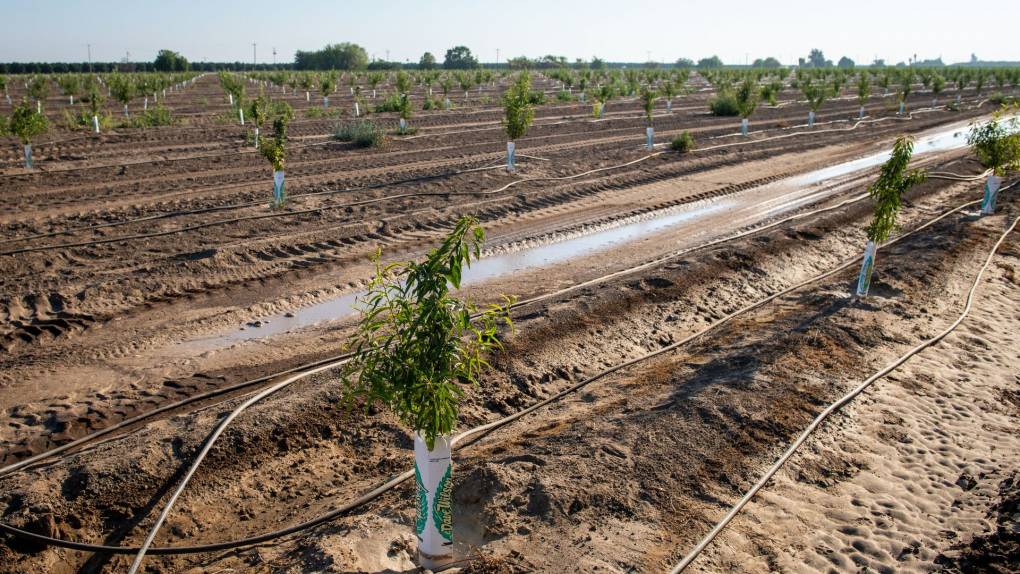
"caption": "Irrigation lines run along a farm in Porterville, California, on Aug. 10, 2021.",
"description": "Irrigation lines run along a farm in Porterville, California, on August 10, 202",
"title": "Porterville_Farm 1920x1080",
"credit": "Beth LaBerge/KQED",
"status": "inherit",
"altTag": null,
"isLoading": false,
"fetchFailed": false
},
"science_1976726": {
"type": "attachments",
"id": "science_1976726",
"meta": {
"index": "attachments_1716263798",
"site": "science",
"id": "1976726",
"found": true
},
"parent": 1976722,
"imgSizes": {
"twentyfourteen-full-width": {
"file": "https://ww2.kqed.org/app/uploads/sites/35/2021/09/Delta-Mu-variant-1038x576.jpg",
"width": 1038,
"mimeType": "image/jpeg",
"height": 576
},
"thumbnail": {
"file": "https://ww2.kqed.org/app/uploads/sites/35/2021/09/Delta-Mu-variant-160x108.jpg",
"width": 160,
"mimeType": "image/jpeg",
"height": 108
},
"post-thumbnail": {
"file": "https://ww2.kqed.org/app/uploads/sites/35/2021/09/Delta-Mu-variant-672x372.jpg",
"width": 672,
"mimeType": "image/jpeg",
"height": 372
},
"kqedFullSize": {
"file": "https://ww2.kqed.org/app/uploads/sites/35/2021/09/Delta-Mu-variant-scaled-e1631234474966.jpg",
"width": 1920,
"height": 1295
},
"2048x2048": {
"file": "https://ww2.kqed.org/app/uploads/sites/35/2021/09/Delta-Mu-variant-2048x1380.jpg",
"width": 2048,
"mimeType": "image/jpeg",
"height": 1380
},
"large": {
"file": "https://ww2.kqed.org/app/uploads/sites/35/2021/09/Delta-Mu-variant-1020x688.jpg",
"width": 1020,
"mimeType": "image/jpeg",
"height": 688
},
"1536x1536": {
"file": "https://ww2.kqed.org/app/uploads/sites/35/2021/09/Delta-Mu-variant-1536x1035.jpg",
"width": 1536,
"mimeType": "image/jpeg",
"height": 1035
},
"full-width": {
"file": "https://ww2.kqed.org/app/uploads/sites/35/2021/09/Delta-Mu-variant-1920x1294.jpg",
"width": 1920,
"mimeType": "image/jpeg",
"height": 1294
},
"medium": {
"file": "https://ww2.kqed.org/app/uploads/sites/35/2021/09/Delta-Mu-variant-800x539.jpg",
"width": 800,
"mimeType": "image/jpeg",
"height": 539
},
"medium_large": {
"file": "https://ww2.kqed.org/app/uploads/sites/35/2021/09/Delta-Mu-variant-768x518.jpg",
"width": 768,
"mimeType": "image/jpeg",
"height": 518
}
},
"publishDate": 1631234222,
"modified": 1631234495,
"caption": "A waiter serving a customer a beer during a July performance in San Francisco, as the delta variant began to drive another surge. Scientists and public health officials are now keeping an eye on the next variant of interest, named mu.",
"description": "SAN FRANCISCO, CALIFORNIA - JULY 29: A waiter serves a customer a beer during a performance at Oasis on July 29, 2021 in San Francisco, California. As COVID-19 begins to surge due to the Delta variant, The San Francisco Bar Owner Alliance, which consists of over 500 bars in San Francisco, is implementing a new policy that requires bar customers to show proof of vaccination or a negative COVID-19 test within 72 hours of the bar visit. The new rule begins today and is unknown how many bars will participate. (Photo by Justin Sullivan/Getty Images)",
"title": "San Francisco Bar Group Encourages Members To Require Proof Of Vaccine For Entry",
"credit": "Justin Sullivan/Getty Images",
"status": "inherit",
"altTag": null,
"isLoading": false,
"fetchFailed": false
},
"science_1976707": {
"type": "attachments",
"id": "science_1976707",
"meta": {
"index": "attachments_1716263798",
"site": "science",
"id": "1976707",
"found": true
},
"parent": 1976705,
"imgSizes": {
"twentyfourteen-full-width": {
"file": "https://ww2.kqed.org/app/uploads/sites/35/2021/09/MexicanCrew-Casimiro-1038x576.jpg",
"width": 1038,
"mimeType": "image/jpeg",
"height": 576
},
"thumbnail": {
"file": "https://ww2.kqed.org/app/uploads/sites/35/2021/09/MexicanCrew-Casimiro-160x120.jpg",
"width": 160,
"mimeType": "image/jpeg",
"height": 120
},
"post-thumbnail": {
"file": "https://ww2.kqed.org/app/uploads/sites/35/2021/09/MexicanCrew-Casimiro-672x372.jpg",
"width": 672,
"mimeType": "image/jpeg",
"height": 372
},
"kqedFullSize": {
"file": "https://ww2.kqed.org/app/uploads/sites/35/2021/09/MexicanCrew-Casimiro-scaled-e1631219367938.jpg",
"width": 1920,
"height": 1440
},
"2048x2048": {
"file": "https://ww2.kqed.org/app/uploads/sites/35/2021/09/MexicanCrew-Casimiro-2048x1536.jpg",
"width": 2048,
"mimeType": "image/jpeg",
"height": 1536
},
"large": {
"file": "https://ww2.kqed.org/app/uploads/sites/35/2021/09/MexicanCrew-Casimiro-1020x765.jpg",
"width": 1020,
"mimeType": "image/jpeg",
"height": 765
},
"1536x1536": {
"file": "https://ww2.kqed.org/app/uploads/sites/35/2021/09/MexicanCrew-Casimiro-1536x1152.jpg",
"width": 1536,
"mimeType": "image/jpeg",
"height": 1152
},
"full-width": {
"file": "https://ww2.kqed.org/app/uploads/sites/35/2021/09/MexicanCrew-Casimiro-1920x1440.jpg",
"width": 1920,
"mimeType": "image/jpeg",
"height": 1440
},
"medium": {
"file": "https://ww2.kqed.org/app/uploads/sites/35/2021/09/MexicanCrew-Casimiro-800x600.jpg",
"width": 800,
"mimeType": "image/jpeg",
"height": 600
},
"medium_large": {
"file": "https://ww2.kqed.org/app/uploads/sites/35/2021/09/MexicanCrew-Casimiro-768x576.jpg",
"width": 768,
"mimeType": "image/jpeg",
"height": 576
}
},
"publishDate": 1631219250,
"modified": 1631231445,
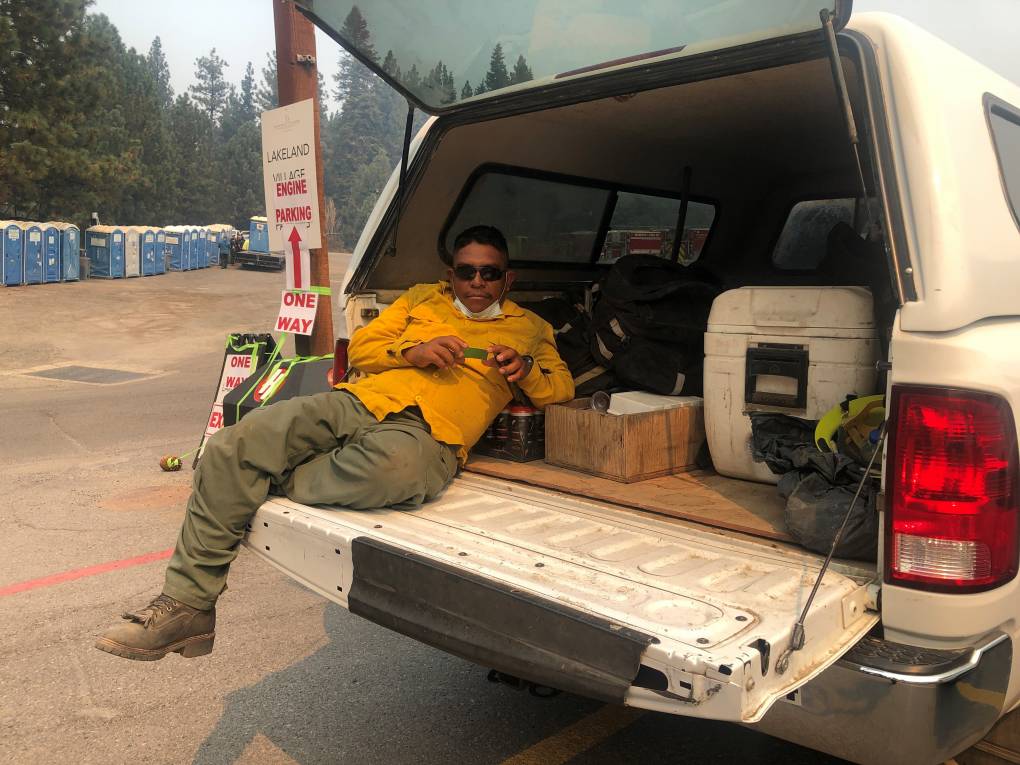
"caption": "Casimiro Calvario Dominguez, after being deployed to the Dixie Fire for 28 days, waits at the firefighting base camp in South Lake Tahoe for orders on where to make a stand against the Caldor Fire.",
"description": null,
"title": "MexicanCrew-Casimiro",
"credit": null,
"status": "inherit",
"altTag": "A man in work pants, boots and a long-sleeved shirt reclines in a truck bed in a cab.",
"isLoading": false,
"fetchFailed": false
},
"science_1976683": {
"type": "attachments",
"id": "science_1976683",
"meta": {
"index": "attachments_1716263798",
"site": "science",
"id": "1976683",
"found": true
},
"parent": 1976679,
"imgSizes": {
"twentyfourteen-full-width": {
"file": "https://ww2.kqed.org/app/uploads/sites/35/2021/09/climate-california-agriculture-1038x576.jpeg",
"width": 1038,
"mimeType": "image/jpeg",
"height": 576
},
"thumbnail": {
"file": "https://ww2.kqed.org/app/uploads/sites/35/2021/09/climate-california-agriculture-160x107.jpeg",
"width": 160,
"mimeType": "image/jpeg",
"height": 107
},
"post-thumbnail": {
"file": "https://ww2.kqed.org/app/uploads/sites/35/2021/09/climate-california-agriculture-672x372.jpeg",
"width": 672,
"mimeType": "image/jpeg",
"height": 372
},
"kqedFullSize": {
"file": "https://ww2.kqed.org/app/uploads/sites/35/2021/09/climate-california-agriculture.jpeg",
"width": 2560,
"height": 1710
},
"2048x2048": {
"file": "https://ww2.kqed.org/app/uploads/sites/35/2021/09/climate-california-agriculture-2048x1368.jpeg",
"width": 2048,
"mimeType": "image/jpeg",
"height": 1368
},
"large": {
"file": "https://ww2.kqed.org/app/uploads/sites/35/2021/09/climate-california-agriculture-1020x681.jpeg",
"width": 1020,
"mimeType": "image/jpeg",
"height": 681
},
"1536x1536": {
"file": "https://ww2.kqed.org/app/uploads/sites/35/2021/09/climate-california-agriculture-1536x1026.jpeg",
"width": 1536,
"mimeType": "image/jpeg",
"height": 1026
},
"full-width": {
"file": "https://ww2.kqed.org/app/uploads/sites/35/2021/09/climate-california-agriculture-1920x1283.jpeg",
"width": 1920,
"mimeType": "image/jpeg",
"height": 1283
},
"medium": {
"file": "https://ww2.kqed.org/app/uploads/sites/35/2021/09/climate-california-agriculture-800x534.jpeg",
"width": 800,
"mimeType": "image/jpeg",
"height": 534
},
"medium_large": {
"file": "https://ww2.kqed.org/app/uploads/sites/35/2021/09/climate-california-agriculture-768x513.jpeg",
"width": 768,
"mimeType": "image/jpeg",
"height": 513
}
},
"publishDate": 1631208253,
"modified": 1631208279,
"caption": "Farmworkers harvest cucumbers at Full Belly Farm in Guinda, California.",
"description": null,
"title": "climate-california-agriculture",
"credit": "Liza Gross",
"status": "inherit",
"altTag": null,
"isLoading": false,
"fetchFailed": false
},
"science_1975263": {
"type": "attachments",
"id": "science_1975263",
"meta": {
"index": "attachments_1716263798",
"site": "science",
"id": "1975263",
"found": true
},
"parent": 1975262,
"imgSizes": {
"twentyfourteen-full-width": {
"file": "https://ww2.kqed.org/app/uploads/sites/35/2021/06/oroville-drought_custom-21f30a6c6bd7d461408a015ffe94746ec6b5cd7e-1038x576.jpg",
"width": 1038,
"mimeType": "image/jpeg",
"height": 576
},
"thumbnail": {
"file": "https://ww2.kqed.org/app/uploads/sites/35/2021/06/oroville-drought_custom-21f30a6c6bd7d461408a015ffe94746ec6b5cd7e-160x107.jpg",
"width": 160,
"mimeType": "image/jpeg",
"height": 107
},
"post-thumbnail": {
"file": "https://ww2.kqed.org/app/uploads/sites/35/2021/06/oroville-drought_custom-21f30a6c6bd7d461408a015ffe94746ec6b5cd7e-672x372.jpg",
"width": 672,
"mimeType": "image/jpeg",
"height": 372
},
"kqedFullSize": {
"file": "https://ww2.kqed.org/app/uploads/sites/35/2021/06/oroville-drought_custom-21f30a6c6bd7d461408a015ffe94746ec6b5cd7e-e1630694845258.jpg",
"width": 1920,
"height": 1278
},
"2048x2048": {
"file": "https://ww2.kqed.org/app/uploads/sites/35/2021/06/oroville-drought_custom-21f30a6c6bd7d461408a015ffe94746ec6b5cd7e-2048x1364.jpg",
"width": 2048,
"mimeType": "image/jpeg",
"height": 1364
},
"large": {
"file": "https://ww2.kqed.org/app/uploads/sites/35/2021/06/oroville-drought_custom-21f30a6c6bd7d461408a015ffe94746ec6b5cd7e-1020x679.jpg",
"width": 1020,
"mimeType": "image/jpeg",
"height": 679
},
"1536x1536": {
"file": "https://ww2.kqed.org/app/uploads/sites/35/2021/06/oroville-drought_custom-21f30a6c6bd7d461408a015ffe94746ec6b5cd7e-1536x1023.jpg",
"width": 1536,
"mimeType": "image/jpeg",
"height": 1023
},
"full-width": {
"file": "https://ww2.kqed.org/app/uploads/sites/35/2021/06/oroville-drought_custom-21f30a6c6bd7d461408a015ffe94746ec6b5cd7e-1920x1278.jpg",
"width": 1920,
"mimeType": "image/jpeg",
"height": 1278
},
"medium": {
"file": "https://ww2.kqed.org/app/uploads/sites/35/2021/06/oroville-drought_custom-21f30a6c6bd7d461408a015ffe94746ec6b5cd7e-800x533.jpg",
"width": 800,
"mimeType": "image/jpeg",
"height": 533
},
"medium_large": {
"file": "https://ww2.kqed.org/app/uploads/sites/35/2021/06/oroville-drought_custom-21f30a6c6bd7d461408a015ffe94746ec6b5cd7e-768x511.jpg",
"width": 768,
"mimeType": "image/jpeg",
"height": 511
}
},
"publishDate": 1623279131,
"modified": 1630694949,
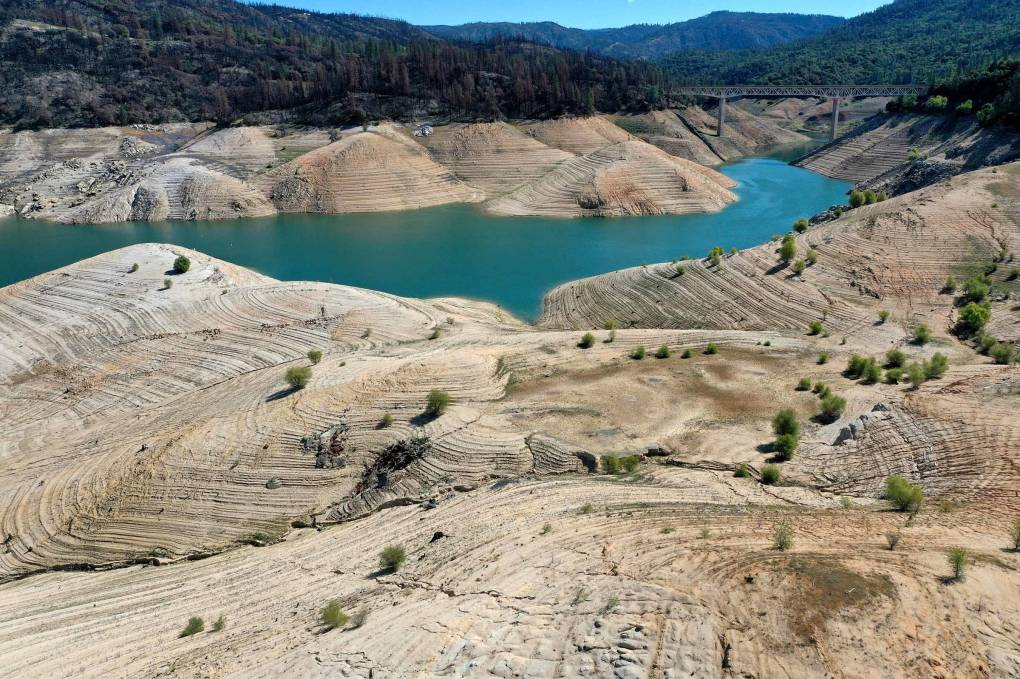
"caption": "Low water levels visible at Lake Oroville on April 27, 2021.",
"description": "OROVILLE, CALIFORNIA - APRIL 27: In an aerial view, low water levels are visible at Lake Oroville on April 27, 2021 in Oroville, California. Four years after then California Gov. Jerry Brown signed an executive order to lift the California's drought emergency, the state has re-entered a drought emergency with water levels dropping in the state's reservoirs. Water levels at Lake Oroville have dropped to 42 percent of its 3,537,577 acre foot capacity. ",
"title": "Warmer temperatures are leading to emptier reservoirs across the West, such as Lake Oroville in Northern California.",
"credit": "Photo: Justin Sullivan/Getty Images",
"status": "inherit",
"altTag": "In an aerial view, low water levels are visible at Lake Oroville on April 27, 2021 in Oroville, California.",
"isLoading": false,
"fetchFailed": false
},
"science_1976478": {
"type": "attachments",
"id": "science_1976478",
"meta": {
"index": "attachments_1716263798",
"site": "science",
"id": "1976478",
"found": true
},
"parent": 0,
"imgSizes": {
"thumbnail": {
"file": "https://ww2.kqed.org/app/uploads/sites/35/2021/08/Ophiuchus-region-Spitzer-160x90.jpg",
"width": 160,
"mimeType": "image/jpeg",
"height": 90
},
"post-thumbnail": {
"file": "https://ww2.kqed.org/app/uploads/sites/35/2021/08/Ophiuchus-region-Spitzer-672x372.jpg",
"width": 672,
"mimeType": "image/jpeg",
"height": 372
},
"kqedFullSize": {
"file": "https://ww2.kqed.org/app/uploads/sites/35/2021/08/Ophiuchus-region-Spitzer.jpg",
"width": 800,
"height": 450
},
"medium_large": {
"file": "https://ww2.kqed.org/app/uploads/sites/35/2021/08/Ophiuchus-region-Spitzer-768x432.jpg",
"width": 768,
"mimeType": "image/jpeg",
"height": 432
}
},
"publishDate": 1629816398,
"modified": 1630638499,
"caption": "An infrared image of the Ophiuchus star-forming nebula reveals new stars wrapped up in the clouds of gas they are forming in. The Ophiuchus cloud is the closest star-forming region to our solar system, only 407 light-years away. ",
"description": "An infrared image of the Ophiuchus star-forming nebula reveals new stars wrapped up in the clouds of gas they are forming in. The Ophiuchus cloud is the closest star-forming region to our solar system, only 407 light years away. ",
"title": "Ophiuchus region - Spitzer",
"credit": "NASA/Spitzer",
"status": "inherit",
"altTag": null,
"isLoading": false,
"fetchFailed": false
},
"science_1976585": {
"type": "attachments",
"id": "science_1976585",
"meta": {
"index": "attachments_1716263798",
"site": "science",
"id": "1976585",
"found": true
},
"title": "winter-oak-woodland-burning-2b67dc9298069f3e95da35a79dcd1b2aa432876f",
"publishDate": 1630434423,
"status": "inherit",
"parent": 1976584,
"modified": 1749764612,
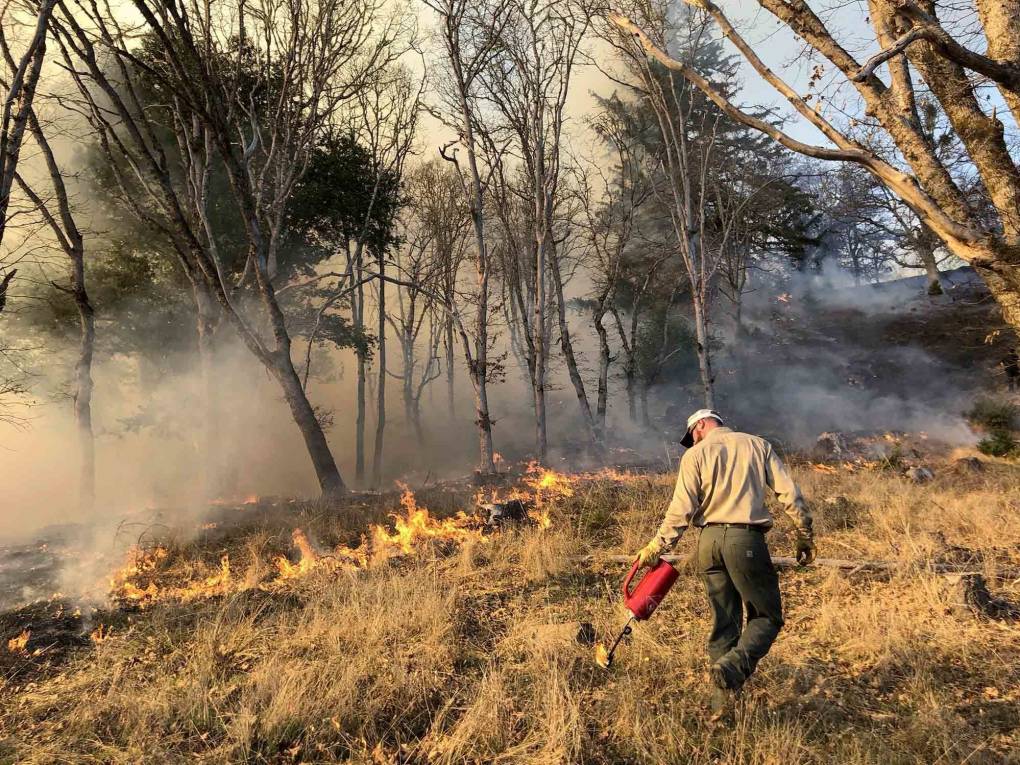
"caption": "Prescribed burns, like this one in Humboldt County, California, reduce the underbrush without destroying trees.",
"credit": "Lenya Quinn-Davidson/NPR",
"altTag": "A firefighter lights a prescribed burn in Humboldt County to reduce the underbrush without killing trees.",
"description": null,
"imgSizes": {
"medium": {
"file": "https://cdn.kqed.org/wp-content/uploads/sites/35/2021/08/winter-oak-woodland-burning-2b67dc9298069f3e95da35a79dcd1b2aa432876f-800x600.jpg",
"width": 800,
"height": 600,
"mimeType": "image/jpeg"
},
"large": {
"file": "https://cdn.kqed.org/wp-content/uploads/sites/35/2021/08/winter-oak-woodland-burning-2b67dc9298069f3e95da35a79dcd1b2aa432876f-1020x765.jpg",
"width": 1020,
"height": 765,
"mimeType": "image/jpeg"
},
"thumbnail": {
"file": "https://cdn.kqed.org/wp-content/uploads/sites/35/2021/08/winter-oak-woodland-burning-2b67dc9298069f3e95da35a79dcd1b2aa432876f-160x120.jpg",
"width": 160,
"height": 120,
"mimeType": "image/jpeg"
},
"medium_large": {
"file": "https://cdn.kqed.org/wp-content/uploads/sites/35/2021/08/winter-oak-woodland-burning-2b67dc9298069f3e95da35a79dcd1b2aa432876f-768x576.jpg",
"width": 768,
"height": 576,
"mimeType": "image/jpeg"
},
"1536x1536": {
"file": "https://cdn.kqed.org/wp-content/uploads/sites/35/2021/08/winter-oak-woodland-burning-2b67dc9298069f3e95da35a79dcd1b2aa432876f-1536x1152.jpg",
"width": 1536,
"height": 1152,
"mimeType": "image/jpeg"
},
"post-thumbnail": {
"file": "https://cdn.kqed.org/wp-content/uploads/sites/35/2021/08/winter-oak-woodland-burning-2b67dc9298069f3e95da35a79dcd1b2aa432876f-672x372.jpg",
"width": 672,
"height": 372,
"mimeType": "image/jpeg"
},
"twentyfourteen-full-width": {
"file": "https://cdn.kqed.org/wp-content/uploads/sites/35/2021/08/winter-oak-woodland-burning-2b67dc9298069f3e95da35a79dcd1b2aa432876f-1038x576.jpg",
"width": 1038,
"height": 576,
"mimeType": "image/jpeg"
},
"full-width": {
"file": "https://cdn.kqed.org/wp-content/uploads/sites/35/2021/08/winter-oak-woodland-burning-2b67dc9298069f3e95da35a79dcd1b2aa432876f-1920x1440.jpg",
"width": 1920,
"height": 1440,
"mimeType": "image/jpeg"
},
"kqedFullSize": {
"file": "https://cdn.kqed.org/wp-content/uploads/sites/35/2021/08/winter-oak-woodland-burning-2b67dc9298069f3e95da35a79dcd1b2aa432876f.jpg",
"width": 1998,
"height": 1499
}
},
"isLoading": false,
"fetchFailed": false
},
"science_1976561": {
"type": "attachments",
"id": "science_1976561",
"meta": {
"index": "attachments_1716263798",
"site": "science",
"id": "1976561",
"found": true
},
"parent": 0,
"imgSizes": {
"twentyfourteen-full-width": {
"file": "https://ww2.kqed.org/app/uploads/sites/35/2021/08/RS33891_SFBridge-qut-1038x576.jpg",
"width": 1038,
"mimeType": "image/jpeg",
"height": 576
},
"thumbnail": {
"file": "https://ww2.kqed.org/app/uploads/sites/35/2021/08/RS33891_SFBridge-qut-160x107.jpg",
"width": 160,
"mimeType": "image/jpeg",
"height": 107
},
"post-thumbnail": {
"file": "https://ww2.kqed.org/app/uploads/sites/35/2021/08/RS33891_SFBridge-qut-672x372.jpg",
"width": 672,
"mimeType": "image/jpeg",
"height": 372
},
"kqedFullSize": {
"file": "https://ww2.kqed.org/app/uploads/sites/35/2021/08/RS33891_SFBridge-qut.jpg",
"width": 1100,
"height": 733
},
"large": {
"file": "https://ww2.kqed.org/app/uploads/sites/35/2021/08/RS33891_SFBridge-qut-1020x680.jpg",
"width": 1020,
"mimeType": "image/jpeg",
"height": 680
},
"medium": {
"file": "https://ww2.kqed.org/app/uploads/sites/35/2021/08/RS33891_SFBridge-qut-800x533.jpg",
"width": 800,
"mimeType": "image/jpeg",
"height": 533
},
"medium_large": {
"file": "https://ww2.kqed.org/app/uploads/sites/35/2021/08/RS33891_SFBridge-qut-768x512.jpg",
"width": 768,
"mimeType": "image/jpeg",
"height": 512
}
},
"publishDate": 1630365187,
"modified": 1630453214,
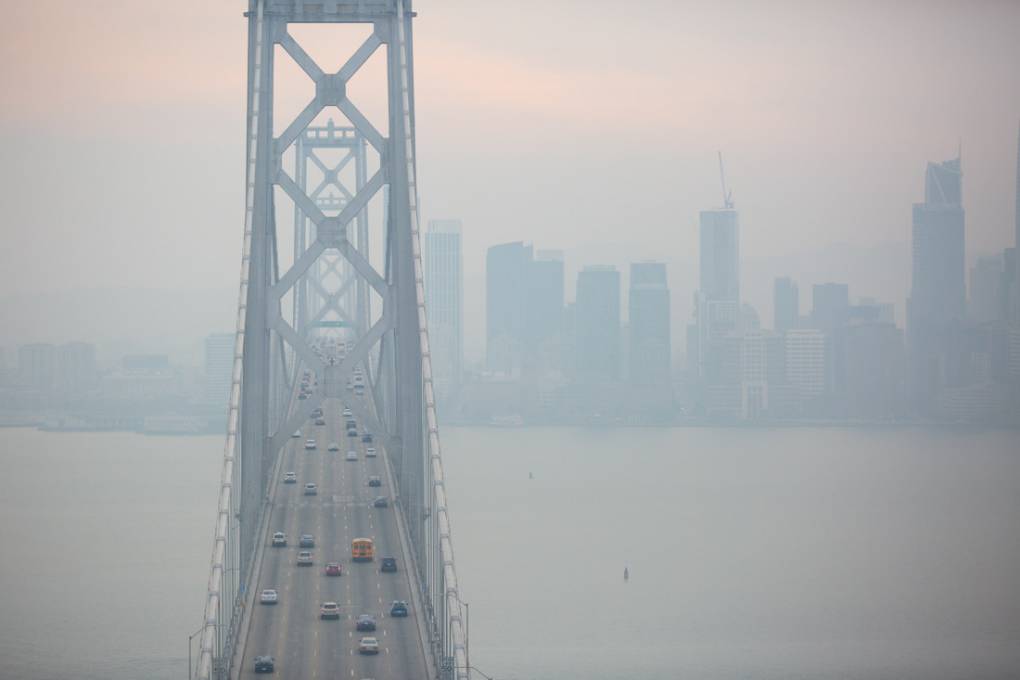
"caption": "Smoke from the Camp Fire blankets the Bay Bridge and the city of San Francisco on November 13, 2018.",
"description": null,
"title": "RS33891_SFBridge-qut",
"credit": "Samantha Shanahan/KQED",
"status": "inherit",
"altTag": null,
"isLoading": false,
"fetchFailed": false
},
"science_1976550": {
"type": "attachments",
"id": "science_1976550",
"meta": {
"index": "attachments_1716263798",
"site": "science",
"id": "1976550",
"found": true
},
"parent": 1976488,
"imgSizes": {
"twentyfourteen-full-width": {
"file": "https://ww2.kqed.org/app/uploads/sites/35/2021/08/DEEP_814_Once_a_Spawn_a_Time_Horseshoe_Crabs_Mob_the_Beach_KQED-1038x576.jpg",
"width": 1038,
"mimeType": "image/jpeg",
"height": 576
},
"thumbnail": {
"file": "https://ww2.kqed.org/app/uploads/sites/35/2021/08/DEEP_814_Once_a_Spawn_a_Time_Horseshoe_Crabs_Mob_the_Beach_KQED-160x90.jpg",
"width": 160,
"mimeType": "image/jpeg",
"height": 90
},
"post-thumbnail": {
"file": "https://ww2.kqed.org/app/uploads/sites/35/2021/08/DEEP_814_Once_a_Spawn_a_Time_Horseshoe_Crabs_Mob_the_Beach_KQED-672x372.jpg",
"width": 672,
"mimeType": "image/jpeg",
"height": 372
},
"kqedFullSize": {
"file": "https://ww2.kqed.org/app/uploads/sites/35/2021/08/DEEP_814_Once_a_Spawn_a_Time_Horseshoe_Crabs_Mob_the_Beach_KQED.jpg",
"width": 1920,
"height": 1080
},
"large": {
"file": "https://ww2.kqed.org/app/uploads/sites/35/2021/08/DEEP_814_Once_a_Spawn_a_Time_Horseshoe_Crabs_Mob_the_Beach_KQED-1020x574.jpg",
"width": 1020,
"mimeType": "image/jpeg",
"height": 574
},
"1536x1536": {
"file": "https://ww2.kqed.org/app/uploads/sites/35/2021/08/DEEP_814_Once_a_Spawn_a_Time_Horseshoe_Crabs_Mob_the_Beach_KQED-1536x864.jpg",
"width": 1536,
"mimeType": "image/jpeg",
"height": 864
},
"medium": {
"file": "https://ww2.kqed.org/app/uploads/sites/35/2021/08/DEEP_814_Once_a_Spawn_a_Time_Horseshoe_Crabs_Mob_the_Beach_KQED-800x450.jpg",
"width": 800,
"mimeType": "image/jpeg",
"height": 450
},
"medium_large": {
"file": "https://ww2.kqed.org/app/uploads/sites/35/2021/08/DEEP_814_Once_a_Spawn_a_Time_Horseshoe_Crabs_Mob_the_Beach_KQED-768x432.jpg",
"width": 768,
"mimeType": "image/jpeg",
"height": 432
}
},
"publishDate": 1630359614,
"modified": 1630359703,
"caption": null,
"description": "A microscopic view of tightly packed, transparent horseshoe crab eggs containing tiny larvae.",
"title": "DEEP_814_Once_a_Spawn_a_Time_Horseshoe_Crabs_Mob_the_Beach_KQED",
"credit": null,
"status": "inherit",
"altTag": "A microscopic view of tightly packed, transparent horsehoe crab eggs containing tiny larvae.",
"isLoading": false,
"fetchFailed": false
},
"science_1976504": {
"type": "attachments",
"id": "science_1976504",
"meta": {
"index": "attachments_1716263798",
"site": "science",
"id": "1976504",
"found": true
},
"parent": 1976490,
"imgSizes": {
"twentyfourteen-full-width": {
"file": "https://ww2.kqed.org/app/uploads/sites/35/2021/08/download-1023x576.jpeg",
"width": 1023,
"mimeType": "image/jpeg",
"height": 576
},
"thumbnail": {
"file": "https://ww2.kqed.org/app/uploads/sites/35/2021/08/download-160x98.jpeg",
"width": 160,
"mimeType": "image/jpeg",
"height": 98
},
"post-thumbnail": {
"file": "https://ww2.kqed.org/app/uploads/sites/35/2021/08/download-672x372.jpeg",
"width": 672,
"mimeType": "image/jpeg",
"height": 372
},
"kqedFullSize": {
"file": "https://ww2.kqed.org/app/uploads/sites/35/2021/08/download.jpeg",
"width": 1023,
"height": 629
},
"large": {
"file": "https://ww2.kqed.org/app/uploads/sites/35/2021/08/download-1020x627.jpeg",
"width": 1020,
"mimeType": "image/jpeg",
"height": 627
},
"medium": {
"file": "https://ww2.kqed.org/app/uploads/sites/35/2021/08/download-800x492.jpeg",
"width": 800,
"mimeType": "image/jpeg",
"height": 492
},
"medium_large": {
"file": "https://ww2.kqed.org/app/uploads/sites/35/2021/08/download-768x472.jpeg",
"width": 768,
"mimeType": "image/jpeg",
"height": 472
}
},
"publishDate": 1630001267,
"modified": 1630022200,
"caption": "A firefighter from the Southern Marin Fire District cools down a structure, ignited when the Dixie Fire made a push into Indian Valley on Monday, Aug. 9, 2021. ",
"description": null,
"title": "download",
"credit": "Kent Porter/Press Democrat",
"status": "inherit",
"altTag": null,
"isLoading": false,
"fetchFailed": false
},
"science_1976485": {
"type": "attachments",
"id": "science_1976485",
"meta": {
"index": "attachments_1716263798",
"site": "science",
"id": "1976485",
"found": true
},
"parent": 1976483,
"imgSizes": {
"twentyfourteen-full-width": {
"file": "https://ww2.kqed.org/app/uploads/sites/35/2021/08/winery-fire_jane-tyska-digital-first-media-east-bay-times-getty-2048x1430-1-1038x576.jpeg",
"width": 1038,
"mimeType": "image/jpeg",
"height": 576
},
"thumbnail": {
"file": "https://ww2.kqed.org/app/uploads/sites/35/2021/08/winery-fire_jane-tyska-digital-first-media-east-bay-times-getty-2048x1430-1-160x112.jpeg",
"width": 160,
"mimeType": "image/jpeg",
"height": 112
},
"post-thumbnail": {
"file": "https://ww2.kqed.org/app/uploads/sites/35/2021/08/winery-fire_jane-tyska-digital-first-media-east-bay-times-getty-2048x1430-1-672x372.jpeg",
"width": 672,
"mimeType": "image/jpeg",
"height": 372
},
"kqedFullSize": {
"file": "https://ww2.kqed.org/app/uploads/sites/35/2021/08/winery-fire_jane-tyska-digital-first-media-east-bay-times-getty-2048x1430-1.jpeg",
"width": 2048,
"height": 1430
},
"large": {
"file": "https://ww2.kqed.org/app/uploads/sites/35/2021/08/winery-fire_jane-tyska-digital-first-media-east-bay-times-getty-2048x1430-1-1020x712.jpeg",
"width": 1020,
"mimeType": "image/jpeg",
"height": 712
},
"1536x1536": {
"file": "https://ww2.kqed.org/app/uploads/sites/35/2021/08/winery-fire_jane-tyska-digital-first-media-east-bay-times-getty-2048x1430-1-1536x1073.jpeg",
"width": 1536,
"mimeType": "image/jpeg",
"height": 1073
},
"full-width": {
"file": "https://ww2.kqed.org/app/uploads/sites/35/2021/08/winery-fire_jane-tyska-digital-first-media-east-bay-times-getty-2048x1430-1-1920x1341.jpeg",
"width": 1920,
"mimeType": "image/jpeg",
"height": 1341
},
"medium": {
"file": "https://ww2.kqed.org/app/uploads/sites/35/2021/08/winery-fire_jane-tyska-digital-first-media-east-bay-times-getty-2048x1430-1-800x559.jpeg",
"width": 800,
"mimeType": "image/jpeg",
"height": 559
},
"medium_large": {
"file": "https://ww2.kqed.org/app/uploads/sites/35/2021/08/winery-fire_jane-tyska-digital-first-media-east-bay-times-getty-2048x1430-1-768x536.jpeg",
"width": 768,
"mimeType": "image/jpeg",
"height": 536
}
},
"publishDate": 1629909978,
"modified": 1629910095,
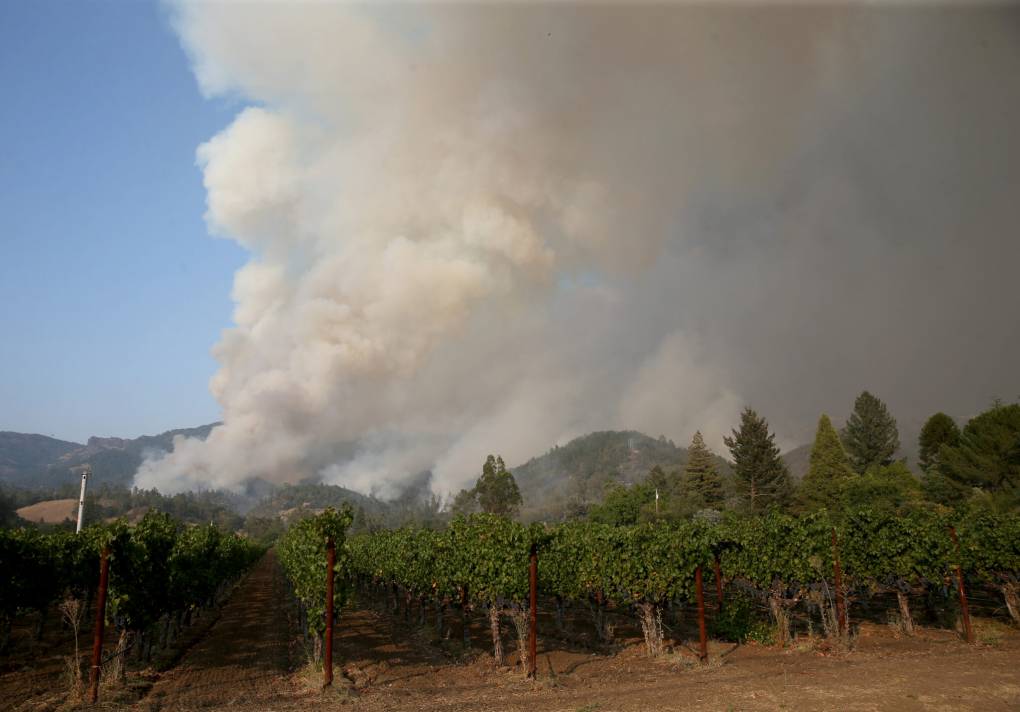
"caption": "The Glass Fire burns near the Jericho Canyon Vineyard and Winery about a mile out of downtown Calistoga, California, on Wednesday, Sept. 30, 2020. (Jane Tyska/Digital First Media/East Bay Times via Getty Images)",
"description": null,
"title": "winery-fire_jane-tyska-digital-first-media-east-bay-times-getty-2048x1430-1",
"credit": "Jane Tyska/Digital First Media/East Bay Times via Getty Images",
"status": "inherit",
"altTag": "Smoke from the Glass Fire rises above the Jericho Canyon Vineyard and Winery about a mile out of downtown Calistoga, California.",
"isLoading": false,
"fetchFailed": false
}
},
"audioPlayerReducer": {
"postId": "stream_live",
"isPaused": true,
"isPlaying": false,
"pfsActive": false,
"pledgeModalIsOpen": true,
"playerDrawerIsOpen": false,
"liveAudioPlayStartedAt": 0,
"liveAudioPlayContext": ""
},
"authorsReducer": {
"byline_science_1976780": {
"type": "authors",
"id": "byline_science_1976780",
"meta": {
"override": true
},
"slug": "byline_science_1976780",
"name": "Will Stone \u003cbr />NPR\u003cbr>",
"isLoading": false
},
"byline_science_1976679": {
"type": "authors",
"id": "byline_science_1976679",
"meta": {
"override": true
},
"slug": "byline_science_1976679",
"name": "Liza Gross, Inside Climate News",
"isLoading": false
},
"byline_science_1976639": {
"type": "authors",
"id": "byline_science_1976639",
"meta": {
"override": true
},
"slug": "byline_science_1976639",
"name": "Adam Beam \u003cbr />Associated Press",
"isLoading": false
},
"byline_science_1976584": {
"type": "authors",
"id": "byline_science_1976584",
"meta": {
"override": true
},
"slug": "byline_science_1976584",
"name": "Lauren Sommer \u003cbr />NPR\u003cbr>",
"isLoading": false
},
"byline_science_1976483": {
"type": "authors",
"id": "byline_science_1976483",
"meta": {
"override": true
},
"slug": "byline_science_1976483",
"name": " Liza Gross \u003cbr />InsideClimate News\u003cbr>",
"isLoading": false
},
"astupi": {
"type": "authors",
"id": "70",
"meta": {
"index": "authors_1716337520",
"id": "70",
"found": true
},
"name": "Amanda Stupi",
"firstName": "Amanda",
"lastName": "Stupi",
"slug": "astupi",
"email": "astupi@kqed.org",
"display_author_email": false,
"staff_mastheads": [],
"title": "Senior Engagement Producer",
"bio": "Amanda joined KQED Science’s engagement team as a Senior Audience Engagement Strategist in the spring of 2019. She has helped craft messaging around wildfires, the coronavirus pandemic, climate change and many other stories. She has also brought KQED Science to new platforms such as Reddit’s Ask Me Anything series. Prior to joining KQED Science, Amanda spent seven years as an engagement producer with Forum, KQED’s daily live call-in show. She got her start in radio at KALW's weekly call in show, City Visions, before going on to an internship and stint at NPR's Talk of the Nation.\r\n\r\nPrior to journalism, Amanda taught English at Lowell High School. She's a native of Petaluma and currently lives under the \"South San Francisco the Industrial City\" sign in South City. She believes that engagement is vital to news’s future and that good journalism listens as much as it asks questions.",
"avatar": "https://secure.gravatar.com/avatar/e981c503e5c162da701dcaccfbf87e35?s=600&d=blank&r=g",
"twitter": null,
"facebook": null,
"instagram": null,
"linkedin": null,
"sites": [
{
"site": "arts",
"roles": [
"Contributor"
]
},
{
"site": "news",
"roles": [
"editor"
]
},
{
"site": "pop",
"roles": [
"contributor"
]
},
{
"site": "stateofhealth",
"roles": [
"editor"
]
},
{
"site": "science",
"roles": []
},
{
"site": "perspectives",
"roles": [
"editor"
]
}
],
"headData": {
"title": "Amanda Stupi | KQED",
"description": "Senior Engagement Producer",
"ogImgSrc": "https://secure.gravatar.com/avatar/e981c503e5c162da701dcaccfbf87e35?s=600&d=blank&r=g",
"twImgSrc": "https://secure.gravatar.com/avatar/e981c503e5c162da701dcaccfbf87e35?s=600&d=blank&r=g"
},
"isLoading": false,
"link": "/author/astupi"
},
"ben-burress": {
"type": "authors",
"id": "6180",
"meta": {
"index": "authors_1716337520",
"id": "6180",
"found": true
},
"name": "Ben Burress",
"firstName": "Ben",
"lastName": "Burress",
"slug": "ben-burress",
"email": "bburress@chabotspace.org",
"display_author_email": false,
"staff_mastheads": [],
"title": null,
"bio": "\u003cstrong>Benjamin Burress\u003c/strong> has been a staff astronomer at Chabot Space & Science Center since July 1999. He graduated from Sonoma State University in 1985 with a bachelor’s degree in physics (and minor in astronomy), after which he signed on for a two-year stint in the Peace Corps, where he taught physics and mathematics in the African nation of Cameroon. From 1989-96 he served on the crew of NASA’s Kuiper Airborne Observatory at Ames Research Center in Mountain View, CA. From 1996-99, he was Head Observer at the Naval Prototype Optical Interferometer program at Lowell Observatory in Flagstaff, AZ.\r\n\r\nRead his \u003ca href=\"http://science.kqed.org/quest/author/ben-burress/\">previous contributions\u003c/a> to \u003ca href=\"http://science.kqed.org/quest/\">QUEST\u003c/a>, a project dedicated to exploring the Science of Sustainability.",
"avatar": "https://secure.gravatar.com/avatar/8263bffa345b7e4923a0b8b9f0f6a161?s=600&d=blank&r=g",
"twitter": null,
"facebook": null,
"instagram": null,
"linkedin": null,
"sites": [
{
"site": "science",
"roles": [
"editor"
]
},
{
"site": "quest",
"roles": [
"subscriber"
]
}
],
"headData": {
"title": "Ben Burress | KQED",
"description": null,
"ogImgSrc": "https://secure.gravatar.com/avatar/8263bffa345b7e4923a0b8b9f0f6a161?s=600&d=blank&r=g",
"twImgSrc": "https://secure.gravatar.com/avatar/8263bffa345b7e4923a0b8b9f0f6a161?s=600&d=blank&r=g"
},
"isLoading": false,
"link": "/author/ben-burress"
},
"joshua-cassidy": {
"type": "authors",
"id": "6219",
"meta": {
"index": "authors_1716337520",
"id": "6219",
"found": true
},
"name": "Josh Cassidy",
"firstName": "Josh",
"lastName": "Cassidy",
"slug": "joshua-cassidy",
"email": "jcassidy@kqed.org",
"display_author_email": false,
"staff_mastheads": [
"science"
],
"title": "Digital Video Producer",
"bio": "Josh is a Senior Video Producer for KQED Science, and the Lead Producer and Cinematographer for Deep Look. After receiving his BS in Wildlife Biology from Ohio University, he went on to participate in marine mammal research for NOAA, USGS and the Intersea Foundation. He also served as the president of The Pacific Cetacean Group, a nonprofit organization dedicated to teaching students K-6 about whales. Josh studied science and natural history filmmaking at San Francisco State University and Montana State University.",
"avatar": "https://secure.gravatar.com/avatar/f2582a0801a35af53b734d56bcac2bbe?s=600&d=blank&r=g",
"twitter": null,
"facebook": null,
"instagram": null,
"linkedin": null,
"sites": [
{
"site": "science",
"roles": [
"editor"
]
},
{
"site": "quest",
"roles": [
"author",
"edit_others_posts"
]
}
],
"headData": {
"title": "Josh Cassidy | KQED",
"description": "Digital Video Producer",
"ogImgSrc": "https://secure.gravatar.com/avatar/f2582a0801a35af53b734d56bcac2bbe?s=600&d=blank&r=g",
"twImgSrc": "https://secure.gravatar.com/avatar/f2582a0801a35af53b734d56bcac2bbe?s=600&d=blank&r=g"
},
"isLoading": false,
"link": "/author/joshua-cassidy"
},
"lklivans": {
"type": "authors",
"id": "8648",
"meta": {
"index": "authors_1716337520",
"id": "8648",
"found": true
},
"name": "Laura Klivans",
"firstName": "Laura",
"lastName": "Klivans",
"slug": "lklivans",
"email": "lklivans@kqed.org",
"display_author_email": true,
"staff_mastheads": [
"news",
"science"
],
"title": "Reporter",
"bio": "Laura Klivans is an award-winning science reporter for KQED News, where she covers climate change with an eye on both groundbreaking progress and gaps in action. She is the former host of KQED's blockbuster video series about tiny, amazing animals, \u003cem>Deep Look\u003c/em>. Her work reaches national audiences through NPR, \u003cem>Here & Now, \u003c/em>PRI, and other major outlets. \r\n\r\nLaura’s won five Northern California Area Emmy Awards for Deep Look and First Place in the Greater Bay Area Journalism Awards for a podcast exploring how one Oakland neighborhood teamed up to reduce planet-heating pollution.\r\n\r\nBeyond her reporting, she hosts and moderates events. In the past, she taught audio storytelling at the UC Berkeley Graduate School of Journalism, led international education programs, worked with immigrants and refugees along the Thai-Burmese border, taught high schoolers sex ed, and was an actress. \r\n\r\nShe's a former UC Berkeley Human Rights Fellow, USC Center for Health Journalism's California Fellow and Coro Fellow in Public Affairs. Laura has a master’s in journalism from UC Berkeley, a master’s in education from Harvard, and an undergraduate degree from Northwestern University.\r\n\r\nShe loves trying to riddle the meaning out of vanity license plates.",
"avatar": "https://secure.gravatar.com/avatar/2d2ecd1550a494cc10ad4a503406965585902124739e775a9b3817eebf1d88be?s=600&d=blank&r=g",
"twitter": "lauraklivans",
"bluesky": null,
"facebook": null,
"instagram": null,
"linkedin": null,
"sites": [
{
"site": "news",
"roles": [
"editor"
]
},
{
"site": "stateofhealth",
"roles": [
"contributor",
"editor"
]
},
{
"site": "science",
"roles": [
"editor"
]
},
{
"site": "forum",
"roles": [
"editor"
]
}
],
"headData": {
"title": "Laura Klivans | KQED",
"description": "Reporter",
"ogImgSrc": "https://secure.gravatar.com/avatar/2d2ecd1550a494cc10ad4a503406965585902124739e775a9b3817eebf1d88be?s=600&d=blank&r=g",
"twImgSrc": "https://secure.gravatar.com/avatar/2d2ecd1550a494cc10ad4a503406965585902124739e775a9b3817eebf1d88be?s=600&d=blank&r=g"
},
"isLoading": false,
"link": "/author/lklivans"
},
"rdillon": {
"type": "authors",
"id": "11495",
"meta": {
"index": "authors_1716337520",
"id": "11495",
"found": true
},
"name": "Raquel Maria Dillon",
"firstName": "Raquel Maria",
"lastName": "Dillon",
"slug": "rdillon",
"email": "rdillon@kqed.org",
"display_author_email": false,
"staff_mastheads": [],
"title": null,
"bio": "Raquel Maria Dillon was a reporter and host for KQED News. Previously, she produced the daily statewide California Report, edited newscasts, and covered health and education stories. Before returning to the Bay Area in 2016, she worked in Los Angeles as a wire reporter and one-woman-band video journalist for the Associated Press, where she shot, edited and reported breaking news and features across the West. Her work has appeared online and in print around the globe, and also on NPR’s Morning Edition, All Things Considered, Here and Now, Marketplace, On The Media, and Studio 360. She previously edited and mentored up-and-coming reporters at KALW, produced social videos for Timeline.com, and was a local TV news videographer for KTVU and digital producer for KNTV. She got her start as a Radio News Trainee at KQED, produced a weekly public affairs roundtable show for OPB, and covered health and politics at New Hampshire Public Radio. She has a BA in political science from Barnard College and a MA in video journalism from UC Berkeley, where she was awarded the Faith Fancher Scholarship and a Student Emmy. She has received numerous local awards from the Associated Press and the Society of Professional Journalists.",
"avatar": "https://secure.gravatar.com/avatar/b8e02ae982913d0950df605910267c1b?s=600&d=blank&r=g",
"twitter": "RaquelMDillon",
"facebook": null,
"instagram": null,
"linkedin": null,
"sites": [
{
"site": "news",
"roles": [
"subscriber"
]
},
{
"site": "stateofhealth",
"roles": [
"editor"
]
},
{
"site": "science",
"roles": [
"editor"
]
},
{
"site": "forum",
"roles": [
"editor"
]
}
],
"headData": {
"title": "Raquel Maria Dillon | KQED",
"description": null,
"ogImgSrc": "https://secure.gravatar.com/avatar/b8e02ae982913d0950df605910267c1b?s=600&d=blank&r=g",
"twImgSrc": "https://secure.gravatar.com/avatar/b8e02ae982913d0950df605910267c1b?s=600&d=blank&r=g"
},
"isLoading": false,
"link": "/author/rdillon"
},
"kevinstark": {
"type": "authors",
"id": "11608",
"meta": {
"index": "authors_1716337520",
"id": "11608",
"found": true
},
"name": "Kevin Stark",
"firstName": "Kevin",
"lastName": "Stark",
"slug": "kevinstark",
"email": "kstark@kqed.org",
"display_author_email": true,
"staff_mastheads": [
"science"
],
"title": "Senior Editor",
"bio": "Kevin is a senior editor for KQED Science, managing the station's health and climate desks. His journalism career began in the Pacific Northwest, and he later became a lead reporter for the San Francisco Public Press. His work has appeared in Pacific Standard magazine, the Energy News Network, the Center for Investigative Reporting's Reveal and WBEZ in Chicago. Kevin joined KQED in 2019, and has covered issues related to energy, wildfire, climate change and the environment.",
"avatar": "https://secure.gravatar.com/avatar/365aaa4b597d3a8374f67504ff0facd323d7906e8eb4be0a7efd2427408e802c?s=600&d=blank&r=g",
"twitter": "starkkev",
"bluesky": null,
"facebook": null,
"instagram": null,
"linkedin": null,
"sites": [
{
"site": "",
"roles": [
"editor"
]
},
{
"site": "news",
"roles": [
"editor"
]
},
{
"site": "science",
"roles": [
"administrator"
]
}
],
"headData": {
"title": "Kevin Stark | KQED",
"description": "Senior Editor",
"ogImgSrc": "https://secure.gravatar.com/avatar/365aaa4b597d3a8374f67504ff0facd323d7906e8eb4be0a7efd2427408e802c?s=600&d=blank&r=g",
"twImgSrc": "https://secure.gravatar.com/avatar/365aaa4b597d3a8374f67504ff0facd323d7906e8eb4be0a7efd2427408e802c?s=600&d=blank&r=g"
},
"isLoading": false,
"link": "/author/kevinstark"
},
"ccabreralomeli": {
"type": "authors",
"id": "11708",
"meta": {
"index": "authors_1716337520",
"id": "11708",
"found": true
},
"name": "Carlos Cabrera-Lomelí",
"firstName": "Carlos",
"lastName": "Cabrera-Lomelí",
"slug": "ccabreralomeli",
"email": "ccabreralomeli@KQED.org",
"display_author_email": true,
"staff_mastheads": [
"news"
],
"title": "Community Reporter",
"bio": "Carlos Cabrera-Lomelí is a community reporter with KQED's digital engagement team. He also reports and co-produces for KQED's bilingual news hub KQED en Español. He grew up in San Francisco's Mission District and has previously worked with Univision, 48 Hills and REFORMA in Mexico City.",
"avatar": "https://secure.gravatar.com/avatar/c309be9665e484f887b818c89e273ecc673004f426f36b24d00a4d813a2e0518?s=600&d=blank&r=g",
"twitter": "@LomeliCabrera",
"bluesky": null,
"facebook": null,
"instagram": null,
"linkedin": null,
"sites": [
{
"site": "arts",
"roles": [
"editor"
]
},
{
"site": "news",
"roles": [
"editor"
]
},
{
"site": "about",
"roles": [
"editor"
]
},
{
"site": "science",
"roles": [
"editor"
]
},
{
"site": "perspectives",
"roles": [
"editor"
]
},
{
"site": "elections",
"roles": [
"editor"
]
},
{
"site": "liveblog",
"roles": [
"contributor"
]
}
],
"headData": {
"title": "Carlos Cabrera-Lomelí | KQED",
"description": "Community Reporter",
"ogImgSrc": "https://secure.gravatar.com/avatar/c309be9665e484f887b818c89e273ecc673004f426f36b24d00a4d813a2e0518?s=600&d=blank&r=g",
"twImgSrc": "https://secure.gravatar.com/avatar/c309be9665e484f887b818c89e273ecc673004f426f36b24d00a4d813a2e0518?s=600&d=blank&r=g"
},
"isLoading": false,
"link": "/author/ccabreralomeli"
}
},
"pagesReducer": {
"science_category_news": {
"type": "terms",
"id": "science_40",
"meta": {
"index": "terms_1716263798",
"site": "science",
"id": "40",
"score": 10.813459
},
"featImg": null,
"name": "News",
"description": null,
"taxonomy": "category",
"headData": {
"twImgId": null,
"twTitle": null,
"ogTitle": null,
"ogImgId": null,
"twDescription": null,
"description": null,
"title": "News Archives | KQED Science",
"ogDescription": null
},
"ttid": 42,
"slug": "news",
"isLoading": false,
"title": "News",
"pageMeta": {
"site": "science",
"WpPageTemplate": "page-topic-editorial",
"currentPage": 69
},
"blocks": [
{
"blockName": "kqed/post-list",
"attrs": {
"layout": "cardArticle2",
"query": "posts/science?category=news",
"seeMore": false,
"paginated": true,
"page": 69
}
},
{
"blockName": "kqed/ad"
}
]
}
},
"pfsSessionReducer": {},
"postsReducer": {
"stream_live": {
"type": "live",
"id": "stream_live",
"audioUrl": "https://streams.kqed.org/kqedradio",
"title": "Live Stream",
"excerpt": "Live Stream information currently unavailable.",
"link": "/radio",
"featImg": "",
"label": {
"name": "KQED Live",
"link": "/"
}
},
"stream_kqedNewscast": {
"type": "posts",
"id": "stream_kqedNewscast",
"audioUrl": "https://www.kqed.org/.stream/anon/radio/RDnews/newscast.mp3?_=1",
"title": "KQED Newscast",
"featImg": "",
"label": {
"name": "88.5 FM",
"link": "/"
}
},
"science_1976780": {
"type": "posts",
"id": "science_1976780",
"meta": {
"index": "posts_1716263798",
"site": "science",
"id": "1976780",
"score": null,
"sort": [
1631560383000
]
},
"parent": 0,
"labelTerm": {},
"blocks": [],
"publishDate": 1631560383,
"format": "standard",
"title": "What I Learned From My 'Mild' Breakthrough Case of COVID",
"headTitle": "What I Learned From My ‘Mild’ Breakthrough Case of COVID | KQED",
"content": "\u003cp>The test results that hot day in early August shouldn’t have surprised me — all the symptoms were there. A few days earlier, fatigue had enveloped me like a weighted blanket. I chalked it up to my weekend of travel. Next, a headache clamped down on the back of my skull. Then my eyeballs started to ache. And soon enough, everything tasted like nothing.\u003c/p>\n\u003cp>As a reporter who’s covered the coronavirus since the first confirmed U.S. case landed in Seattle, where I live, I should have known what was coming, but there was some part of me that couldn’t quite believe it. I had a breakthrough case of COVID-19 — despite my two shots of the Pfizer vaccine, the second one in April.\u003c/p>\n\u003cp>I was just one more example of our country’s tug and pull between fantasies of a post-COVID-19 summer and the realities of our still-raging pandemic, where even the vaccinated can get sick.\u003c/p>\n\u003cp>Not only was I sick, but I’d brought the virus home and exposed my 67-year-old father and extended family during my first trip back to the East Coast since the start of the pandemic. It was just the scenario I had tried to avoid for a year and a half. And it definitely was not the summer vacation I had anticipated.\u003c/p>\n\u003cp>Where did I get it? Who knows. Like so many Americans, I had loosened up with wearing masks and social distancing after getting fully vaccinated. We had flown across the country, seen friends, stayed at a hotel, eaten indoors and, yes, even went to a long-delayed wedding with other vaccinated people.\u003c/p>\n\u003cp>[ad fullwidth]\u003c/p>\n\u003cp>I ended up in quarantine at my father’s house. \u003ca href=\"https://www.npr.org/2021/09/04/1034281124/more-people-are-relying-on-covid-19-tests-but-experts-say-theyre-not-foolproof\" target=\"_blank\" rel=\"noopener noreferrer\">Two rapid antigen tests \u003c/a>(taken a day apart) came back negative, but I could tell I was starting to feel sick. After my second negative test, the nurse leveled with me. “Don’t hang your hat on this,” she said of the results. Sure enough, a few days later the results of a PCR test for the coronavirus (this one sent to a lab) confirmed what had become obvious by then.\u003c/p>\n\u003cp>It was a miserable five days. My legs and arms ached, my fever crept up to 103 and every few hours of sleep would leave my sheets drenched in sweat. I’d drop into bed exhausted after a quick trip down to the kitchen. To sum it up, I’d put my breakthrough case of COVID-19 right up there with my worst bouts of flu. Even after my fever cleared up, I spent the next few weeks feeling low.\u003c/p>\n\u003cp>Of course, I am very lucky. I didn’t go up against the virus with a naive immune system, like millions of Americans did until vaccines were widely available. And, in much of the world, vaccines are \u003cem>still \u003c/em>a distant promise.\u003c/p>\n\u003cp>“You probably would have gotten much sicker if you had not been vaccinated,” \u003ca href=\"https://providers.ucsd.edu/details/11556/infectious-diseases-hiv/aids\">Francesca Torriani\u003c/a>, an infectious disease physician at the University of California, San Diego, explained to me recently.\u003c/p>\n\u003cp>As I shuffled around my room checking my fever, it was also reassuring to know that my chances of ending up in the hospital were slim, even with the delta variant. And now, about a month later, I’ve made a full recovery.\u003c/p>\n\u003cp>The reality is breakthrough cases are becoming more common. Here’s what you should know about getting a breakthrough case — and what I wish I’d known when those first symptoms laid me low:\u003c/p>\n\u003ch3>Is it time for a reality check about what the vaccines can — and can’t do?\u003c/h3>\n\u003cp>The vaccines aren’t a force field that ward off all things COVID-19. They were given the greenlight because they greatly lower your chance of getting seriously ill or dying.\u003c/p>\n\u003cp>But it was easy for me — and I’m not the only one — to grab onto the idea that, after so many months of trying not to get COVID-19, that the vaccine was, more or less, the finish line. And that made getting sick from the virus unnerving.\u003c/p>\n\u003cp>After all, there were reassuring findings\u003ca href=\"https://www.cdc.gov/mmwr/volumes/70/wr/mm7013e3.htm\"> earlier this year\u003c/a> that the vaccine was remarkably good at stopping any infection, even mild ones. This was a kind of bonus, we were told. And then in May the Centers for Disease Control and Prevention said go ahead and shed your mask if you’re vaccinated.\u003c/p>\n\u003cp>“There was so much initial euphoria about how well these vaccines work,” says \u003ca href=\"https://kingcounty.gov/depts/health/about-us/health-officer.aspx\" target=\"_blank\" rel=\"noopener noreferrer\">Jeff Duchin\u003c/a>, an infectious disease physician and the public health officer for Seattle and King County. “I think we — in the public health community, in the medical community — facilitated the impression that these vaccines are bulletproof.”\u003c/p>\n\u003cp>It’s hard to keep dialing up and down your risk calculations. So if you’d hoped to avoid getting sick at all, even slightly, it may be time for a “reset,” Duchin says. This isn’t to be alarmist but to clear away expectations that COVID-19 is out of your life, and keep up your vigilance about common-sense precautions.\u003c/p>\n\u003cp>With more people vaccinated, the total number of breakthrough infections will rise, and that’s not unexpected, he says. “I don’t think our goal should be to achieve zero risk, because that’s unrealistic.”\u003c/p>\n\u003ch3>How high are my chances of getting a breakthrough case these days?\u003c/h3>\n\u003cp>It used to be quite rare, but the rise of delta has changed the odds.\u003c/p>\n\u003cp>“It’s a totally different ballgame with this delta phase,” says \u003ca href=\"https://www.scripps.edu/faculty/topol/\">Dr. Eric Topol\u003c/a>, a professor of molecular medicine at the Scripps Research Translational Institute in La Jolla, Calif. “I think the chance of having a symptomatic infection has gone up substantially.”\u003c/p>\n\u003cp>But he adds, “Quantifying that in the U.S. is very challenging” because our “data is so shoddy.”\u003c/p>\n\u003cp>The vaccinated still have a considerably lower chance of getting infected than those who aren’t protected that way. Look at data collected from Los Angeles County over the summer as the delta variant started to surge in Southern California: Unvaccinated people were \u003ca href=\"https://www.cdc.gov/mmwr/volumes/70/wr/mm7034e5.htm\">five times more likely to test positive\u003c/a> than those who were vaccinated.\u003c/p>\n\u003cp>Recent research has tried to pin down how well the vaccines are working against preventing any breakthrough cases during the delta surge, but much of that comes from other countries and estimates vary significantly.\u003c/p>\n\u003cp>In the U.S., a study published recently in \u003ca href=\"https://www.nejm.org/doi/full/10.1056/NEJMc2112981\" target=\"_blank\" rel=\"noopener noreferrer\">\u003cem>The New England Journal of Medicine\u003c/em>\u003c/a> concluded that vaccine effectiveness “against any symptomatic disease is considerably lower against the delta variant,” dropping from over 90% earlier in the year before delta was the predominant strain to only about 65% in July. Research on breakthrough infections over the summer in New York found the vaccines were still overall \u003ca href=\"https://www.cdc.gov/mmwr/volumes/70/wr/mm7034e1.htm\" target=\"_blank\" rel=\"noopener noreferrer\">about 80% effective against any infection\u003c/a>. Each study has its limits.\u003c/p>\n\u003cp>It’s hard to disentangle what’s most responsible for the rise in breakthrough infections this summer — whether it’s the delta variant itself, waning immunity in some people or that much of the U.S. dropped public health precautions such as masking.\u003c/p>\n\u003cp>“We don’t have good evidence of what’s the cause, but we do know all of these things coming together are associated with more breakthroughs,” says\u003ca href=\"https://www.hsph.harvard.edu/community-safety/people/rachael-piltch-loeb-phd/\"> Rachael Piltch-Loeb\u003c/a>, a public health researcher at the Harvard T.H. Chan School of Public Health.\u003c/p>\n\u003ch3>How careful do I need to be if I want to avoid a breakthrough?\u003c/h3>\n\u003cp>Looking back, I wish I’d taken some more precautions.\u003c/p>\n\u003cp>And my advice is different now when friends and family tell me they want to avoid having a breakthrough case such as mine: Don’t leave it all up to the vaccine. Wear masks, stay away from big gatherings with unvaccinated people, cut down on travel, at least until things calm down.\u003c/p>\n\u003cp>The U.S. \u003ca href=\"https://www.cdc.gov/coronavirus/2019-ncov/covid-data/covidview/index.html\">is averaging more than 130,000\u003c/a> coronavirus infections a day (about twice what it was when I fell sick), hospitals are being crushed and the White House has proposed booster shots. Scientists are still making sense of what’s happening with breakthrough cases.\u003c/p>\n\u003cp>What’s clear is that in many parts of the U.S., we’re all more likely to run into the virus than we were in the spring. “Your risk is going to be different if you are in a place that’s very highly vaccinated, with very low level of community spread,” says \u003ca href=\"https://www.uofmhealth.org/profile/922/preeti-n-malani-md\">Preeti Malani\u003c/a>, an infectious disease specialist at the University of Michigan. “The piece that’s important is what’s happening in your community.”\u003c/p>\n\u003cp>Even with delta, the goal is not to go back to a lockdown mindset though, Malani says. “My hope is that people who are fully vaccinated should really feel like this risk is manageable.”\u003c/p>\n\u003cp>She says, “Feel good about spending time with your friends or having a small dinner party, but make sure everyone is vaccinated.”\u003c/p>\n\u003ch3>What does a “mild” case of COVID-19 feel like?\u003c/h3>\n\u003cp>In my case, it was worse than expected, but in the parlance of public health, it was “mild,” meaning I didn’t end up in the hospital or require oxygen.\u003c/p>\n\u003cp>This mild category is essentially a catchall, says \u003ca href=\"https://profiles.ucsf.edu/robert.wachter\" target=\"_blank\" rel=\"noopener noreferrer\">Dr. Bob Wachter\u003c/a>, who chairs the Department of Medicine at the UCSF. “Mild” can be “a day of feeling crummy to being completely laid up in bed for a week, all of your bones hurt and your brain isn’t working well.”\u003c/p>\n\u003cp>“So even if we call them mild cases, as you’ve seen, sometimes these are ones you really don’t want to have if you can avoid it,” he says.\u003c/p>\n\u003cp>There’s not great data on the details of these mild breakthrough infections, but so far it appears that “you do way better than those who are not vaccinated,” says\u003ca href=\"https://healthcare.utah.edu/fad/mddetail.php?physicianID=u1074771&name=sarang-k-yoon\"> Dr. Sarang Yoon\u003c/a>, an occupational medicine specialist at the University of Utah Rocky Mountain Center for Occupational Environmental Health who was part of a nationwide CDC study on breakthrough infections. “In general, in terms of symptom duration, it’s much shorter.”\u003c/p>\n\u003cp>Yoon’s study, published in June with data collected before the delta surge, offers some reassurance: The presence of fever was cut in half, and the days spent in bed reduced by 60% among people with breakthrough infections, compared with unvaccinated people who got sick. “These are meaningful decreases,” says \u003ca href=\"https://medicine.utah.edu/faculty/mddetail.php?facultyID=u0067419\">Matt Thiese\u003c/a>, an epidemiologist and colleague of Yoon’s who worked on the study. “It can be the difference between having a fever for almost nine days and having a fever for just under three days.”\u003c/p>\n\u003cp>A recent study from the U.K. also shows that if you’re sick because of a breakthrough case, it’s generally not as bad, and people have fewer symptoms. In fact, the \u003ca href=\"https://covid.joinzoe.com/post/new-top-5-covid-symptoms\" target=\"_blank\" rel=\"noopener noreferrer\">top five symptoms\u003c/a> for people with a breakthrough infection were headache, sneezing, runny nose, sore throat and loss of smell. Notably absent: fever and persistent cough, which are in the top five for unvaccinated people, according to the data compiled by the U.K. researchers.\u003c/p>\n\u003ch3>If I get a breakthrough infection, how sick could I get?\u003c/h3>\n\u003cp>Even with delta, the chance of getting a case of COVID-19 that’s bad enough to send you to the hospital is still rare.\u003c/p>\n\u003cp>If you’re vaccinated, the\u003ca href=\"https://www.cdc.gov/mmwr/volumes/70/wr/mm7037e2.htm?s_cid=mm7037e2_w\" target=\"_blank\" rel=\"noopener noreferrer\"> risk of being hospitalized is 10 times lower\u003c/a> than if you weren’t vaccinated, according to the latest data from the CDC. Those who get severely and critically ill with a breakthrough case tend to be older — in one study done before delta, \u003ca href=\"https://news.yale.edu/2021/09/07/study-examines-severe-breakthrough-cases-covid-19\">the median age was 80\u003c/a> — with underlying medical conditions such as cardiovascular disease.\u003c/p>\n\u003cp>When I was sick, one thing was in the back of my mind as I monitored my symptoms: Would I have problems catching my breath?\u003c/p>\n\u003cp>Thankfully, when you get exposed, the vaccine has already set you up with antibodies, a first line of defense, that will neutralize parts of the virus that attach to the mucosal surfaces of your upper respiratory tract, says Torriani at UC San Diego.\u003c/p>\n\u003cp>“That initial moment when our body is attacked by the virus, that \u003cem>can\u003c/em> lead to some disease,” she says. It’s a bit of a race.\u003c/p>\n\u003cp>The virus may cause you to get a cold, but, in most people, your immune system will “get its act together and thwart that infection from going down into your lungs,” Wachter says.\u003c/p>\n\u003cp>That later stage of COVID-19 also seems to trigger the immune system to get “overly exuberant” and attack your own body, causing severe respiratory problems such as shortness of breath and destructive inflammation. “So if you can prevent that sort of second stage from happening,” Wachter says, “you can prevent a lot of the severe illness from COVID.” Other parts of your immune system, such as T-cells, are also ready to kick into action if you get sick.\u003c/p>\n\u003cp>If you’re concerned, you can keep an eye on your oxygen levels with a pulse oximeter. That’s much more important than your temperature or symptoms, he says.\u003c/p>\n\u003ch3>Can I spread it to others, and do I need to isolate?\u003c/h3>\n\u003cp>Unfortunately, you still have COVID-19 and need to act like it.\u003c/p>\n\u003cp>Even though my first two tests were negative, I started wearing a mask at my house and keeping my distance from my vaccinated family members. I’m glad I did: No one else got sick.\u003c/p>\n\u003cp>The delta variant is more than two times as contagious as the original strain of the virus and can build up quickly in your upper respiratory tract, as was shown in \u003ca href=\"https://www.npr.org/sections/health-shots/2021/08/06/1025553638/how-a-gay-community-helped-the-cdc-spot-a-covid-outbreak-and-learn-more-about-de\" target=\"_blank\" rel=\"noopener noreferrer\">a cluster of breakthrough infections linked to Provincetown, Mass\u003c/a>., over the summer.\u003c/p>\n\u003cp>“Even in fully vaccinated, asymptomatic individuals, they can have enough virus to transmit it,” says \u003ca href=\"https://www.rockefeller.edu/our-scientists/heads-of-laboratories/952-robert-b-darnell/\">Robert Darnell\u003c/a>, a physician scientist at the Rockefeller University. “Delta is very good at replicating, attaching and inserting itself into cells.”\u003c/p>\n\u003cp>The science isn’t settled about just how likely vaccinated people are to spread the virus, and it does appear that \u003ca href=\"https://www.nature.com/articles/s41591-021-01316-7\" target=\"_blank\" rel=\"noopener noreferrer\">the amount of virus in the nose decreases\u003c/a> faster in people who are vaccinated.\u003c/p>\n\u003cp>Even so, wearing masks and staying isolated from others if you test positive or have symptoms is absolutely critical, Darnell says. He also advises getting tested if you are exposed to someone who has COVID-19, even if you’ve been vaccinated, “because you could very well get infected or ill, and you want to protect those around you, including all the children who aren’t vaccinated.”\u003c/p>\n\u003ch3>Could I get long COVID-19 after a breakthrough infection?\u003c/h3>\n\u003cp>The chance I \u003ca href=\"https://www.cdc.gov/coronavirus/2019-ncov/long-term-effects.html\">might go on to develop long COVID-19\u003c/a> was front and center in my mind when I had a breakthrough case.\u003c/p>\n\u003cp>While there’s not a lot of data yet, research does show that breakthrough infections can lead to the kind of persistent symptoms that characterize long COVID-19, including brain fog, fatigue and headaches. “Hopefully that number is low. Hopefully it doesn’t last as long and it’s not as severe, but it’s just too early to know these things,” Topol says.\u003c/p>\n\u003cp>Recent research from the U.K. \u003ca href=\"https://www.thelancet.com/journals/laninf/article/PIIS1473-3099(21)00460-6/fulltext\" target=\"_blank\" rel=\"noopener noreferrer\">suggests that vaccinated people\u003c/a> are about 50% less likely to develop long COVID-19 than those who are unvaccinated. The underlying cause of long COVID-19 is still not yet known, so it complicates the picture for researchers even more, but this early evidence offers some reassurance.\u003c/p>\n\u003cp>“There may be some symptoms like fatigue [that linger], but studies appear to show that vaccination might also decrease the chances of getting long COVID symptoms,” Torriani says.\u003c/p>\n\u003cp>[ad floatright]\u003c/p>\n\u003cp>This is not true for everyone, and it’s a compelling reason to avoid getting infected altogether, Wachter says. “Some of those mild cases will go on to be long COVID, so you have to factor that in,” he says.\u003c/p>\n\u003cdiv class=\"fullattribution\">Copyright 2021 NPR. To see more, visit https://www.npr.org.\u003cimg decoding=\"async\" src=\"https://www.google-analytics.com/__utm.gif?utmac=UA-5828686-4&utmdt=I+Got+A+%27Mild%27+Breakthrough+Case.+Here%27s+What+I+Wish+I%27d+Known&utme=8(APIKey)9(MDAxOTAwOTE4MDEyMTkxMDAzNjczZDljZA004)\">\u003c/div>\n\n",
"stats": {
"hasVideo": false,
"hasChartOrMap": false,
"hasAudio": false,
"hasPolis": false,
"wordCount": 2785,
"hasGoogleForm": false,
"hasGallery": false,
"hasHearkenModule": false,
"iframeSrcs": [],
"paragraphCount": 58
},
"modified": 1704846438,
"excerpt": "After a year and a half of being COVID-cautious, a fully vaccinated health journalist thought he could finally travel and socialize this summer. The resulting illness didn't feel \"mild\" at all.",
"headData": {
"twImgId": "",
"twTitle": "",
"ogTitle": "",
"ogImgId": "",
"twDescription": "",
"description": "After a year and a half of being COVID-cautious, a fully vaccinated health journalist thought he could finally travel and socialize this summer. The resulting illness didn't feel "mild" at all.",
"title": "What I Learned From My 'Mild' Breakthrough Case of COVID | KQED",
"ogDescription": "",
"schema": {
"@context": "https://schema.org",
"@type": "Article",
"headline": "What I Learned From My 'Mild' Breakthrough Case of COVID",
"datePublished": "2021-09-13T12:13:03-07:00",
"dateModified": "2024-01-09T16:27:18-08:00",
"image": "https://cdn.kqed.org/wp-content/uploads/2020/02/KQED-OG-Image@1x.png"
}
},
"guestAuthors": [],
"slug": "what-i-learned-from-my-mild-breakthrough-case-of-covid",
"status": "publish",
"nprApiLink": "http://api.npr.org/query?id=1036356773&apiKey=MDAxOTAwOTE4MDEyMTkxMDAzNjczZDljZA004",
"nprByline": "Will Stone \u003cbr />NPR\u003cbr>",
"nprStoryDate": "Sun, 12 Sep 2021 07:02:01 -0400",
"nprLastModifiedDate": "Mon, 13 Sep 2021 13:28:35 -0400",
"sticky": false,
"nprHtmlLink": "https://www.npr.org/sections/health-shots/2021/09/12/1036356773/i-got-a-mild-breakthrough-case-heres-what-i-wish-id-known?ft=nprml&f=1036356773",
"nprImageAgency": "Getty Images",
"nprImageCredit": "Towfiqu Barbhuiya/EyeEm",
"source": "NPR",
"nprStoryId": "1036356773",
"nprRetrievedStory": "1",
"nprPubDate": "Mon, 13 Sep 2021 13:28:00 -0400",
"path": "/science/1976780/what-i-learned-from-my-mild-breakthrough-case-of-covid",
"audioTrackLength": null,
"parsedContent": [
{
"type": "contentString",
"content": "\u003cdiv class=\"post-body\">\u003cp>\u003cp>The test results that hot day in early August shouldn’t have surprised me — all the symptoms were there. A few days earlier, fatigue had enveloped me like a weighted blanket. I chalked it up to my weekend of travel. Next, a headache clamped down on the back of my skull. Then my eyeballs started to ache. And soon enough, everything tasted like nothing.\u003c/p>\n\u003cp>As a reporter who’s covered the coronavirus since the first confirmed U.S. case landed in Seattle, where I live, I should have known what was coming, but there was some part of me that couldn’t quite believe it. I had a breakthrough case of COVID-19 — despite my two shots of the Pfizer vaccine, the second one in April.\u003c/p>\n\u003cp>I was just one more example of our country’s tug and pull between fantasies of a post-COVID-19 summer and the realities of our still-raging pandemic, where even the vaccinated can get sick.\u003c/p>\n\u003cp>Not only was I sick, but I’d brought the virus home and exposed my 67-year-old father and extended family during my first trip back to the East Coast since the start of the pandemic. It was just the scenario I had tried to avoid for a year and a half. And it definitely was not the summer vacation I had anticipated.\u003c/p>\n\u003cp>Where did I get it? Who knows. Like so many Americans, I had loosened up with wearing masks and social distancing after getting fully vaccinated. We had flown across the country, seen friends, stayed at a hotel, eaten indoors and, yes, even went to a long-delayed wedding with other vaccinated people.\u003c/p>\n\u003cp>\u003c/p>\u003c/div>",
"attributes": {
"named": {},
"numeric": []
}
},
{
"type": "component",
"content": "",
"name": "ad",
"attributes": {
"named": {
"label": "fullwidth"
},
"numeric": [
"fullwidth"
]
}
},
{
"type": "contentString",
"content": "\u003cdiv class=\"post-body\">\u003cp>\u003c/p>\n\u003cp>I ended up in quarantine at my father’s house. \u003ca href=\"https://www.npr.org/2021/09/04/1034281124/more-people-are-relying-on-covid-19-tests-but-experts-say-theyre-not-foolproof\" target=\"_blank\" rel=\"noopener noreferrer\">Two rapid antigen tests \u003c/a>(taken a day apart) came back negative, but I could tell I was starting to feel sick. After my second negative test, the nurse leveled with me. “Don’t hang your hat on this,” she said of the results. Sure enough, a few days later the results of a PCR test for the coronavirus (this one sent to a lab) confirmed what had become obvious by then.\u003c/p>\n\u003cp>It was a miserable five days. My legs and arms ached, my fever crept up to 103 and every few hours of sleep would leave my sheets drenched in sweat. I’d drop into bed exhausted after a quick trip down to the kitchen. To sum it up, I’d put my breakthrough case of COVID-19 right up there with my worst bouts of flu. Even after my fever cleared up, I spent the next few weeks feeling low.\u003c/p>\n\u003cp>Of course, I am very lucky. I didn’t go up against the virus with a naive immune system, like millions of Americans did until vaccines were widely available. And, in much of the world, vaccines are \u003cem>still \u003c/em>a distant promise.\u003c/p>\n\u003cp>“You probably would have gotten much sicker if you had not been vaccinated,” \u003ca href=\"https://providers.ucsd.edu/details/11556/infectious-diseases-hiv/aids\">Francesca Torriani\u003c/a>, an infectious disease physician at the University of California, San Diego, explained to me recently.\u003c/p>\n\u003cp>As I shuffled around my room checking my fever, it was also reassuring to know that my chances of ending up in the hospital were slim, even with the delta variant. And now, about a month later, I’ve made a full recovery.\u003c/p>\n\u003cp>The reality is breakthrough cases are becoming more common. Here’s what you should know about getting a breakthrough case — and what I wish I’d known when those first symptoms laid me low:\u003c/p>\n\u003ch3>Is it time for a reality check about what the vaccines can — and can’t do?\u003c/h3>\n\u003cp>The vaccines aren’t a force field that ward off all things COVID-19. They were given the greenlight because they greatly lower your chance of getting seriously ill or dying.\u003c/p>\n\u003cp>But it was easy for me — and I’m not the only one — to grab onto the idea that, after so many months of trying not to get COVID-19, that the vaccine was, more or less, the finish line. And that made getting sick from the virus unnerving.\u003c/p>\n\u003cp>After all, there were reassuring findings\u003ca href=\"https://www.cdc.gov/mmwr/volumes/70/wr/mm7013e3.htm\"> earlier this year\u003c/a> that the vaccine was remarkably good at stopping any infection, even mild ones. This was a kind of bonus, we were told. And then in May the Centers for Disease Control and Prevention said go ahead and shed your mask if you’re vaccinated.\u003c/p>\n\u003cp>“There was so much initial euphoria about how well these vaccines work,” says \u003ca href=\"https://kingcounty.gov/depts/health/about-us/health-officer.aspx\" target=\"_blank\" rel=\"noopener noreferrer\">Jeff Duchin\u003c/a>, an infectious disease physician and the public health officer for Seattle and King County. “I think we — in the public health community, in the medical community — facilitated the impression that these vaccines are bulletproof.”\u003c/p>\n\u003cp>It’s hard to keep dialing up and down your risk calculations. So if you’d hoped to avoid getting sick at all, even slightly, it may be time for a “reset,” Duchin says. This isn’t to be alarmist but to clear away expectations that COVID-19 is out of your life, and keep up your vigilance about common-sense precautions.\u003c/p>\n\u003cp>With more people vaccinated, the total number of breakthrough infections will rise, and that’s not unexpected, he says. “I don’t think our goal should be to achieve zero risk, because that’s unrealistic.”\u003c/p>\n\u003ch3>How high are my chances of getting a breakthrough case these days?\u003c/h3>\n\u003cp>It used to be quite rare, but the rise of delta has changed the odds.\u003c/p>\n\u003cp>“It’s a totally different ballgame with this delta phase,” says \u003ca href=\"https://www.scripps.edu/faculty/topol/\">Dr. Eric Topol\u003c/a>, a professor of molecular medicine at the Scripps Research Translational Institute in La Jolla, Calif. “I think the chance of having a symptomatic infection has gone up substantially.”\u003c/p>\n\u003cp>But he adds, “Quantifying that in the U.S. is very challenging” because our “data is so shoddy.”\u003c/p>\n\u003cp>The vaccinated still have a considerably lower chance of getting infected than those who aren’t protected that way. Look at data collected from Los Angeles County over the summer as the delta variant started to surge in Southern California: Unvaccinated people were \u003ca href=\"https://www.cdc.gov/mmwr/volumes/70/wr/mm7034e5.htm\">five times more likely to test positive\u003c/a> than those who were vaccinated.\u003c/p>\n\u003cp>Recent research has tried to pin down how well the vaccines are working against preventing any breakthrough cases during the delta surge, but much of that comes from other countries and estimates vary significantly.\u003c/p>\n\u003cp>In the U.S., a study published recently in \u003ca href=\"https://www.nejm.org/doi/full/10.1056/NEJMc2112981\" target=\"_blank\" rel=\"noopener noreferrer\">\u003cem>The New England Journal of Medicine\u003c/em>\u003c/a> concluded that vaccine effectiveness “against any symptomatic disease is considerably lower against the delta variant,” dropping from over 90% earlier in the year before delta was the predominant strain to only about 65% in July. Research on breakthrough infections over the summer in New York found the vaccines were still overall \u003ca href=\"https://www.cdc.gov/mmwr/volumes/70/wr/mm7034e1.htm\" target=\"_blank\" rel=\"noopener noreferrer\">about 80% effective against any infection\u003c/a>. Each study has its limits.\u003c/p>\n\u003cp>It’s hard to disentangle what’s most responsible for the rise in breakthrough infections this summer — whether it’s the delta variant itself, waning immunity in some people or that much of the U.S. dropped public health precautions such as masking.\u003c/p>\n\u003cp>“We don’t have good evidence of what’s the cause, but we do know all of these things coming together are associated with more breakthroughs,” says\u003ca href=\"https://www.hsph.harvard.edu/community-safety/people/rachael-piltch-loeb-phd/\"> Rachael Piltch-Loeb\u003c/a>, a public health researcher at the Harvard T.H. Chan School of Public Health.\u003c/p>\n\u003ch3>How careful do I need to be if I want to avoid a breakthrough?\u003c/h3>\n\u003cp>Looking back, I wish I’d taken some more precautions.\u003c/p>\n\u003cp>And my advice is different now when friends and family tell me they want to avoid having a breakthrough case such as mine: Don’t leave it all up to the vaccine. Wear masks, stay away from big gatherings with unvaccinated people, cut down on travel, at least until things calm down.\u003c/p>\n\u003cp>The U.S. \u003ca href=\"https://www.cdc.gov/coronavirus/2019-ncov/covid-data/covidview/index.html\">is averaging more than 130,000\u003c/a> coronavirus infections a day (about twice what it was when I fell sick), hospitals are being crushed and the White House has proposed booster shots. Scientists are still making sense of what’s happening with breakthrough cases.\u003c/p>\n\u003cp>What’s clear is that in many parts of the U.S., we’re all more likely to run into the virus than we were in the spring. “Your risk is going to be different if you are in a place that’s very highly vaccinated, with very low level of community spread,” says \u003ca href=\"https://www.uofmhealth.org/profile/922/preeti-n-malani-md\">Preeti Malani\u003c/a>, an infectious disease specialist at the University of Michigan. “The piece that’s important is what’s happening in your community.”\u003c/p>\n\u003cp>Even with delta, the goal is not to go back to a lockdown mindset though, Malani says. “My hope is that people who are fully vaccinated should really feel like this risk is manageable.”\u003c/p>\n\u003cp>She says, “Feel good about spending time with your friends or having a small dinner party, but make sure everyone is vaccinated.”\u003c/p>\n\u003ch3>What does a “mild” case of COVID-19 feel like?\u003c/h3>\n\u003cp>In my case, it was worse than expected, but in the parlance of public health, it was “mild,” meaning I didn’t end up in the hospital or require oxygen.\u003c/p>\n\u003cp>This mild category is essentially a catchall, says \u003ca href=\"https://profiles.ucsf.edu/robert.wachter\" target=\"_blank\" rel=\"noopener noreferrer\">Dr. Bob Wachter\u003c/a>, who chairs the Department of Medicine at the UCSF. “Mild” can be “a day of feeling crummy to being completely laid up in bed for a week, all of your bones hurt and your brain isn’t working well.”\u003c/p>\n\u003cp>“So even if we call them mild cases, as you’ve seen, sometimes these are ones you really don’t want to have if you can avoid it,” he says.\u003c/p>\n\u003cp>There’s not great data on the details of these mild breakthrough infections, but so far it appears that “you do way better than those who are not vaccinated,” says\u003ca href=\"https://healthcare.utah.edu/fad/mddetail.php?physicianID=u1074771&name=sarang-k-yoon\"> Dr. Sarang Yoon\u003c/a>, an occupational medicine specialist at the University of Utah Rocky Mountain Center for Occupational Environmental Health who was part of a nationwide CDC study on breakthrough infections. “In general, in terms of symptom duration, it’s much shorter.”\u003c/p>\n\u003cp>Yoon’s study, published in June with data collected before the delta surge, offers some reassurance: The presence of fever was cut in half, and the days spent in bed reduced by 60% among people with breakthrough infections, compared with unvaccinated people who got sick. “These are meaningful decreases,” says \u003ca href=\"https://medicine.utah.edu/faculty/mddetail.php?facultyID=u0067419\">Matt Thiese\u003c/a>, an epidemiologist and colleague of Yoon’s who worked on the study. “It can be the difference between having a fever for almost nine days and having a fever for just under three days.”\u003c/p>\n\u003cp>A recent study from the U.K. also shows that if you’re sick because of a breakthrough case, it’s generally not as bad, and people have fewer symptoms. In fact, the \u003ca href=\"https://covid.joinzoe.com/post/new-top-5-covid-symptoms\" target=\"_blank\" rel=\"noopener noreferrer\">top five symptoms\u003c/a> for people with a breakthrough infection were headache, sneezing, runny nose, sore throat and loss of smell. Notably absent: fever and persistent cough, which are in the top five for unvaccinated people, according to the data compiled by the U.K. researchers.\u003c/p>\n\u003ch3>If I get a breakthrough infection, how sick could I get?\u003c/h3>\n\u003cp>Even with delta, the chance of getting a case of COVID-19 that’s bad enough to send you to the hospital is still rare.\u003c/p>\n\u003cp>If you’re vaccinated, the\u003ca href=\"https://www.cdc.gov/mmwr/volumes/70/wr/mm7037e2.htm?s_cid=mm7037e2_w\" target=\"_blank\" rel=\"noopener noreferrer\"> risk of being hospitalized is 10 times lower\u003c/a> than if you weren’t vaccinated, according to the latest data from the CDC. Those who get severely and critically ill with a breakthrough case tend to be older — in one study done before delta, \u003ca href=\"https://news.yale.edu/2021/09/07/study-examines-severe-breakthrough-cases-covid-19\">the median age was 80\u003c/a> — with underlying medical conditions such as cardiovascular disease.\u003c/p>\n\u003cp>When I was sick, one thing was in the back of my mind as I monitored my symptoms: Would I have problems catching my breath?\u003c/p>\n\u003cp>Thankfully, when you get exposed, the vaccine has already set you up with antibodies, a first line of defense, that will neutralize parts of the virus that attach to the mucosal surfaces of your upper respiratory tract, says Torriani at UC San Diego.\u003c/p>\n\u003cp>“That initial moment when our body is attacked by the virus, that \u003cem>can\u003c/em> lead to some disease,” she says. It’s a bit of a race.\u003c/p>\n\u003cp>The virus may cause you to get a cold, but, in most people, your immune system will “get its act together and thwart that infection from going down into your lungs,” Wachter says.\u003c/p>\n\u003cp>That later stage of COVID-19 also seems to trigger the immune system to get “overly exuberant” and attack your own body, causing severe respiratory problems such as shortness of breath and destructive inflammation. “So if you can prevent that sort of second stage from happening,” Wachter says, “you can prevent a lot of the severe illness from COVID.” Other parts of your immune system, such as T-cells, are also ready to kick into action if you get sick.\u003c/p>\n\u003cp>If you’re concerned, you can keep an eye on your oxygen levels with a pulse oximeter. That’s much more important than your temperature or symptoms, he says.\u003c/p>\n\u003ch3>Can I spread it to others, and do I need to isolate?\u003c/h3>\n\u003cp>Unfortunately, you still have COVID-19 and need to act like it.\u003c/p>\n\u003cp>Even though my first two tests were negative, I started wearing a mask at my house and keeping my distance from my vaccinated family members. I’m glad I did: No one else got sick.\u003c/p>\n\u003cp>The delta variant is more than two times as contagious as the original strain of the virus and can build up quickly in your upper respiratory tract, as was shown in \u003ca href=\"https://www.npr.org/sections/health-shots/2021/08/06/1025553638/how-a-gay-community-helped-the-cdc-spot-a-covid-outbreak-and-learn-more-about-de\" target=\"_blank\" rel=\"noopener noreferrer\">a cluster of breakthrough infections linked to Provincetown, Mass\u003c/a>., over the summer.\u003c/p>\n\u003cp>“Even in fully vaccinated, asymptomatic individuals, they can have enough virus to transmit it,” says \u003ca href=\"https://www.rockefeller.edu/our-scientists/heads-of-laboratories/952-robert-b-darnell/\">Robert Darnell\u003c/a>, a physician scientist at the Rockefeller University. “Delta is very good at replicating, attaching and inserting itself into cells.”\u003c/p>\n\u003cp>The science isn’t settled about just how likely vaccinated people are to spread the virus, and it does appear that \u003ca href=\"https://www.nature.com/articles/s41591-021-01316-7\" target=\"_blank\" rel=\"noopener noreferrer\">the amount of virus in the nose decreases\u003c/a> faster in people who are vaccinated.\u003c/p>\n\u003cp>Even so, wearing masks and staying isolated from others if you test positive or have symptoms is absolutely critical, Darnell says. He also advises getting tested if you are exposed to someone who has COVID-19, even if you’ve been vaccinated, “because you could very well get infected or ill, and you want to protect those around you, including all the children who aren’t vaccinated.”\u003c/p>\n\u003ch3>Could I get long COVID-19 after a breakthrough infection?\u003c/h3>\n\u003cp>The chance I \u003ca href=\"https://www.cdc.gov/coronavirus/2019-ncov/long-term-effects.html\">might go on to develop long COVID-19\u003c/a> was front and center in my mind when I had a breakthrough case.\u003c/p>\n\u003cp>While there’s not a lot of data yet, research does show that breakthrough infections can lead to the kind of persistent symptoms that characterize long COVID-19, including brain fog, fatigue and headaches. “Hopefully that number is low. Hopefully it doesn’t last as long and it’s not as severe, but it’s just too early to know these things,” Topol says.\u003c/p>\n\u003cp>Recent research from the U.K. \u003ca href=\"https://www.thelancet.com/journals/laninf/article/PIIS1473-3099(21)00460-6/fulltext\" target=\"_blank\" rel=\"noopener noreferrer\">suggests that vaccinated people\u003c/a> are about 50% less likely to develop long COVID-19 than those who are unvaccinated. The underlying cause of long COVID-19 is still not yet known, so it complicates the picture for researchers even more, but this early evidence offers some reassurance.\u003c/p>\n\u003cp>“There may be some symptoms like fatigue [that linger], but studies appear to show that vaccination might also decrease the chances of getting long COVID symptoms,” Torriani says.\u003c/p>\n\u003cp>\u003c/p>\u003c/div>",
"attributes": {
"named": {},
"numeric": []
}
},
{
"type": "component",
"content": "",
"name": "ad",
"attributes": {
"named": {
"label": "floatright"
},
"numeric": [
"floatright"
]
}
},
{
"type": "contentString",
"content": "\u003cdiv class=\"post-body\">\u003cp>\u003c/p>\n\u003cp>This is not true for everyone, and it’s a compelling reason to avoid getting infected altogether, Wachter says. “Some of those mild cases will go on to be long COVID, so you have to factor that in,” he says.\u003c/p>\n\u003cdiv class=\"fullattribution\">Copyright 2021 NPR. To see more, visit https://www.npr.org.\u003cimg decoding=\"async\" src=\"https://www.google-analytics.com/__utm.gif?utmac=UA-5828686-4&utmdt=I+Got+A+%27Mild%27+Breakthrough+Case.+Here%27s+What+I+Wish+I%27d+Known&utme=8(APIKey)9(MDAxOTAwOTE4MDEyMTkxMDAzNjczZDljZA004)\">\u003c/div>\n\n\u003c/div>\u003c/p>",
"attributes": {
"named": {},
"numeric": []
}
}
],
"link": "/science/1976780/what-i-learned-from-my-mild-breakthrough-case-of-covid",
"authors": [
"byline_science_1976780"
],
"categories": [
"science_39",
"science_3890",
"science_40",
"science_4450"
],
"tags": [
"science_4329",
"science_4368",
"science_2936"
],
"featImg": "science_1976781",
"label": "source_science_1976780"
},
"science_1976510": {
"type": "posts",
"id": "science_1976510",
"meta": {
"index": "posts_1716263798",
"site": "science",
"id": "1976510",
"score": null,
"sort": [
1631559623000
]
},
"parent": 0,
"labelTerm": {},
"blocks": [],
"publishDate": 1631559623,
"format": "standard",
"title": "Central Valley Farmers Weigh in on California's Historic Drought",
"headTitle": "Central Valley Farmers Weigh in on California’s Historic Drought | KQED",
"content": "\u003cp>Unless you have a personal connection to the Central Valley or work in agriculture, chances are you haven’t been able to speak directly to a farmer about how they’re experiencing this year’s historic drought.\u003c/p>\n\u003cp>Recently on \u003ca href=\"https://www.kqed.org/forum/2010101885168/drought-felt-by-california-farmers-%E2%80%8B%E2%80%8Bwho-fear-worst-is-yet-to-come\" target=\"_blank\" rel=\"noopener noreferrer\">KQED Forum\u003c/a>, three farmers from the Central Valley, where roughly 40% of the nation’s fruits, vegetables and nuts are grown, shared just how little water they have to work with, how they’re adapting, and what the drought means for their industry long term.\u003c/p>\n\u003cp>Here are some highlights from the conversation, edited for length and clarity.\u003c/p>\n\u003cp>\u003cstrong>How little water are farmers working with?\u003c/strong>\u003c/p>\n\u003cp>\u003cstrong>Joe Del Bosque, CEO of Del Bosque Farms:\u003c/strong> This year, we got zero water from the Bureau of Reclamation. So we’ve had to look toward other irrigation districts that have higher water rights, and purchase water from them. If it hadn’t been for our ability to buy from other farmers, we would not be able to farm today.\u003c/p>\n\u003cp>[ad fullwidth]\u003c/p>\n\u003cp>\u003cstrong>Don Cameron, Terranova Ranch, California State Board of Food and Agriculture president:\u003c/strong> We rely primarily on groundwater pumped in our region. About 5%, in a normal year, [is] surface water. So we have depended on the groundwater for years. And we are in a critically overdrafting basin, which means we are now dealing with sustainable groundwater management; we need to stop the decline in groundwater.\u003c/p>\n\u003cp>\u003cstrong>Stuart Woolf, Woolf Farming & Processing:\u003c/strong> Our surface water was taken to zero. We have maintained some wells in the area. Traditionally in dry years, we’d lean into our wells, and years ago when we had adequate surface supplies, we would then recharge our aquifers. But we’re seeing the loss of our surface supplies now, and that is basically exacerbating the issues with groundwater out here.\u003c/p>\n\u003cp>\u003cstrong>How much more does water cost right now?\u003c/strong>\u003c/p>\n\u003cp>\u003cstrong>Stuart Woolf:\u003c/strong> In a normal year in Westlands [Water District], for our surface water, we end up paying about $250 an acre-foot. And in a year like this, if you can find it and actually buy it, we’re thinking in terms of like $2,000 to $2,500 per acre-foot, on an incremental cost basis. You can have surface water that you receive that costs $400, $500, the incremental cost being much, much higher. Pumping costs are closer to that $250.\u003c/p>\n\u003cp>\u003cstrong>Less water means fewer crops, smaller yields\u003c/strong>\u003c/p>\n\u003cp>\u003cstrong>Joe Del Bosque:\u003c/strong> We’ve cut back our melon program. We’ve grown asparagus for 20 years and we took that out. We removed the asparagus to try to save our melon program because that’s where our largest focus is. So we sacrificed that crop. And we may also have to sacrifice the sweet corn crop next year.\u003c/p>\n\u003cp>\u003cstrong>Don Cameron:\u003c/strong> It’s been more of an issue with climate. We have the heat. We had 114-degree heat in early June, which caused our tomato plants to abort the flowers and essentially come up with a yield lower than we’ve seen in the 40 years I’ve been farming.\u003c/p>\n\u003cp>\u003cstrong>Stuart Woolf:\u003c/strong> We’ve had to make some difficult decisions, like pulling out almond trees prematurely. Normally they would last 20, 25 years, and we pulled some out recently that were about 15 years old simply because we were looking at the incremental cost of trying to get water to them if we could get it. We just came to the conclusion that when you kind of worked out all the economics and looked at the orchard itself, we’d be better off pulling the trees out early and using water we had on our tomato crop.\u003c/p>\n\u003cp>\u003cstrong>Market share matters\u003c/strong>\u003c/p>\n\u003cp>\u003cstrong>Joe Del Bosque:\u003c/strong> We have some market share with our melons. It’s something that we need to protect. If we do not plant our melons, we lose our market share. And not only that, we lose our very skilled workforce that has been with us for decades. We have people who work in our harvest that have been with us for many years and have done this job very well. Just because we have annual crops doesn’t mean that they’re that easy to fallow. And so that concerns me. If we are not able to plant melons next year, we’re basically out of that program.\u003c/p>\n\u003cp>\u003cstrong>Effects on workers\u003c/strong>\u003c/p>\n\u003cp>\u003cstrong>Joe Del Bosque\u003c/strong> That asparagus [we pulled up], it sustained 70 people for about two months in the early spring, when there aren’t a lot of jobs in this area. So those jobs are going to be gone. Those folks will probably have to migrate somewhere else to look for work.\u003c/p>\n\u003cp>\u003cstrong>Don Cameron:\u003c/strong> We’ve seen some land retirement near us in the past, and the local communities suffer. You see half of some of these small towns boarded up. You don’t see the the economy increasing. It’s really difficult for the communities. It’s hard for our workers. But, you know, it actually stretches even beyond our local reach here. So many of the crops are exported through the Port of Oakland or Long Beach. So the effect is really far-reaching within California.\u003c/p>\n\u003cp>\u003cstrong>Don Cameron:\u003c/strong> Right now there are more farms for sale than I’ve seen in the time I’ve been farming. People understand that there are changes, and for a lot of reasons they’re getting out of farming or they’re trying to get out of farming. It’s more difficult to sell a piece of farmland without an adequate water supply that we’re faced with during a drought. .\u003c/p>\n\u003cp>\u003cstrong>How farmers are adapting\u003c/strong>\u003c/p>\n\u003cp>\u003cstrong>Don Cameron:\u003c/strong> We have been very proactive and have developed a groundwater recharge system and put in canals and infrastructure, to bring floodwater onto the farm to actually recharge our groundwater, so that we can be more sustainable in the future and have a much better supply of groundwater.\u003c/p>\n\u003cp>\u003cstrong>Stuart Woolf:\u003c/strong> I think my charge right now is to try to figure out how to optimize the lands that I’m likely going to be fallowing. And so we are looking at industrial solar as kind of a new crop. We are leasing ground, putting solar projects out there. We have one breaking ground in November; it will be about 1,300 acres. So we’re covering up some very productive and diverse farmland with a lease, but we’re generating some rental income, and we’ll take what water allocations we have on those lands and use them on the properties that we are irrigating.\u003c/p>\n\u003cp>We’re looking at some alternative crops. I’m experimenting. I happen to be a tequila drinker, so I’m planting some agave. We’ve partnered with some other neighbors and taken part of our property to set it aside as a water bank, so when those flood flows do show up and we have access to water, we’ll be sinking it in the ground. And honestly, we’ve looked at other parts of the state where there’s better groundwater or better rights, and we’ve actually developed and invested in some properties in those other areas to try to mitigate the pressure that we have here in western Fresno County.\u003c/p>\n\u003cp>\u003cstrong>Stuart Woolf:\u003c/strong> I think long term, what’s going to happen, we will gravitate to more crops that are just specialty crops that are unique to California that will likely go up in value. And we’ll be growing fewer acres of lower-value crops or water-intensive crops like alfalfa or cotton or grains and what have you. I think our cropping patterns will change over time.\u003c/p>\n\u003cp>\u003cstrong>Don Cameron:\u003c/strong> The state left this at the local level and you’ve got growers and water districts involved, and we will get to sustainability. We have to. I have realized now for many, many years that we have to do something about declining groundwater, and so we took it upon ourselves to get involved early on and put a large project together, that when it’s complete, will actually serve 30,000 acres.\u003c/p>\n\u003cp>\u003cstrong>Changes farmers would like to see\u003c/strong>\u003c/p>\n\u003cp>\u003cstrong>Joe Del Bosque:\u003c/strong> In the short run, [water] transfers would help get us out of this predicament we’re in now. It takes months to get a transfer approved. And even when you have them approved, sometimes they’re still held up.\u003c/p>\n\u003cp>We should facilitate storm flows to go to places where we can recharge groundwater.\u003c/p>\n\u003cp>In the long run, we have to have more storage. Today, we’re getting more rain, it seems, and that’s not stored up in the mountains. That needs to come down and be stored here. I think that there are some projects that could be done fairly easily, something as simple as raising San Luis Reservoir 15 feet. I think we have to look at all of these things, because in the future, our storage may not be adequate for the state.\u003c/p>\n\u003cp>\u003cstrong>Don Cameron:\u003c/strong> We know that we have to capture floodwater when it is available. It comes quick. It comes fast. Now we need to be ready. Let’s face it, during the drought is when we need to be building the infrastructure for floodwater capture.\u003c/p>\n\u003cp>\u003cstrong>Effects on consumers\u003c/strong>\u003c/p>\n\u003cp>[ad floatright]\u003c/p>\n\u003cp>\u003cstrong>Don Cameron:\u003c/strong> We’re already seeing price increases of 15% to 25% for the fall planted crops. We know that if we get to the end of December and there really isn’t much of a snowpack, a grower is not going to put seeds in a greenhouse to plant tomatoes, let’s say, for next year’s crop. This coming winter is going to be absolutely critical, but you’re definitely going to see higher food prices for things that are grown within California, and if we don’t see adequate snowpack, this will continue into 2023, with limited products possible on your food shelf. We’re growing food here for people, and I think it is sometimes forgotten that if we don’t have the water to produce a crop, someone is going to be short.\u003c/p>\n\n",
"stats": {
"hasVideo": false,
"hasChartOrMap": false,
"hasAudio": false,
"hasPolis": false,
"wordCount": 1742,
"hasGoogleForm": false,
"hasGallery": false,
"hasHearkenModule": false,
"iframeSrcs": [],
"paragraphCount": 34
},
"modified": 1704846440,
"excerpt": "Farmers in California's Central Valley share how they're adapting and what they're losing to the current drought. They also discuss how California's agriculture industry may change for the long-term as the state becomes warmer and drier. ",
"headData": {
"twImgId": "",
"twTitle": "",
"ogTitle": "",
"ogImgId": "",
"twDescription": "",
"description": "Farmers in California's Central Valley share how they're adapting and what they're losing to the current drought. They also discuss how California's agriculture industry may change for the long-term as the state becomes warmer and drier. ",
"title": "Central Valley Farmers Weigh in on California's Historic Drought | KQED",
"ogDescription": "",
"schema": {
"@context": "https://schema.org",
"@type": "Article",
"headline": "Central Valley Farmers Weigh in on California's Historic Drought",
"datePublished": "2021-09-13T12:00:23-07:00",
"dateModified": "2024-01-09T16:27:20-08:00",
"image": "https://cdn.kqed.org/wp-content/uploads/2020/02/KQED-OG-Image@1x.png"
}
},
"guestAuthors": [],
"slug": "central-valley-farmers-weigh-in-on-californias-historic-drought",
"status": "publish",
"sticky": false,
"source": "Agriculture",
"path": "/science/1976510/central-valley-farmers-weigh-in-on-californias-historic-drought",
"audioTrackLength": null,
"parsedContent": [
{
"type": "contentString",
"content": "\u003cdiv class=\"post-body\">\u003cp>\u003cp>Unless you have a personal connection to the Central Valley or work in agriculture, chances are you haven’t been able to speak directly to a farmer about how they’re experiencing this year’s historic drought.\u003c/p>\n\u003cp>Recently on \u003ca href=\"https://www.kqed.org/forum/2010101885168/drought-felt-by-california-farmers-%E2%80%8B%E2%80%8Bwho-fear-worst-is-yet-to-come\" target=\"_blank\" rel=\"noopener noreferrer\">KQED Forum\u003c/a>, three farmers from the Central Valley, where roughly 40% of the nation’s fruits, vegetables and nuts are grown, shared just how little water they have to work with, how they’re adapting, and what the drought means for their industry long term.\u003c/p>\n\u003cp>Here are some highlights from the conversation, edited for length and clarity.\u003c/p>\n\u003cp>\u003cstrong>How little water are farmers working with?\u003c/strong>\u003c/p>\n\u003cp>\u003cstrong>Joe Del Bosque, CEO of Del Bosque Farms:\u003c/strong> This year, we got zero water from the Bureau of Reclamation. So we’ve had to look toward other irrigation districts that have higher water rights, and purchase water from them. If it hadn’t been for our ability to buy from other farmers, we would not be able to farm today.\u003c/p>\n\u003cp>\u003c/p>\u003c/div>",
"attributes": {
"named": {},
"numeric": []
}
},
{
"type": "component",
"content": "",
"name": "ad",
"attributes": {
"named": {
"label": "fullwidth"
},
"numeric": [
"fullwidth"
]
}
},
{
"type": "contentString",
"content": "\u003cdiv class=\"post-body\">\u003cp>\u003c/p>\n\u003cp>\u003cstrong>Don Cameron, Terranova Ranch, California State Board of Food and Agriculture president:\u003c/strong> We rely primarily on groundwater pumped in our region. About 5%, in a normal year, [is] surface water. So we have depended on the groundwater for years. And we are in a critically overdrafting basin, which means we are now dealing with sustainable groundwater management; we need to stop the decline in groundwater.\u003c/p>\n\u003cp>\u003cstrong>Stuart Woolf, Woolf Farming & Processing:\u003c/strong> Our surface water was taken to zero. We have maintained some wells in the area. Traditionally in dry years, we’d lean into our wells, and years ago when we had adequate surface supplies, we would then recharge our aquifers. But we’re seeing the loss of our surface supplies now, and that is basically exacerbating the issues with groundwater out here.\u003c/p>\n\u003cp>\u003cstrong>How much more does water cost right now?\u003c/strong>\u003c/p>\n\u003cp>\u003cstrong>Stuart Woolf:\u003c/strong> In a normal year in Westlands [Water District], for our surface water, we end up paying about $250 an acre-foot. And in a year like this, if you can find it and actually buy it, we’re thinking in terms of like $2,000 to $2,500 per acre-foot, on an incremental cost basis. You can have surface water that you receive that costs $400, $500, the incremental cost being much, much higher. Pumping costs are closer to that $250.\u003c/p>\n\u003cp>\u003cstrong>Less water means fewer crops, smaller yields\u003c/strong>\u003c/p>\n\u003cp>\u003cstrong>Joe Del Bosque:\u003c/strong> We’ve cut back our melon program. We’ve grown asparagus for 20 years and we took that out. We removed the asparagus to try to save our melon program because that’s where our largest focus is. So we sacrificed that crop. And we may also have to sacrifice the sweet corn crop next year.\u003c/p>\n\u003cp>\u003cstrong>Don Cameron:\u003c/strong> It’s been more of an issue with climate. We have the heat. We had 114-degree heat in early June, which caused our tomato plants to abort the flowers and essentially come up with a yield lower than we’ve seen in the 40 years I’ve been farming.\u003c/p>\n\u003cp>\u003cstrong>Stuart Woolf:\u003c/strong> We’ve had to make some difficult decisions, like pulling out almond trees prematurely. Normally they would last 20, 25 years, and we pulled some out recently that were about 15 years old simply because we were looking at the incremental cost of trying to get water to them if we could get it. We just came to the conclusion that when you kind of worked out all the economics and looked at the orchard itself, we’d be better off pulling the trees out early and using water we had on our tomato crop.\u003c/p>\n\u003cp>\u003cstrong>Market share matters\u003c/strong>\u003c/p>\n\u003cp>\u003cstrong>Joe Del Bosque:\u003c/strong> We have some market share with our melons. It’s something that we need to protect. If we do not plant our melons, we lose our market share. And not only that, we lose our very skilled workforce that has been with us for decades. We have people who work in our harvest that have been with us for many years and have done this job very well. Just because we have annual crops doesn’t mean that they’re that easy to fallow. And so that concerns me. If we are not able to plant melons next year, we’re basically out of that program.\u003c/p>\n\u003cp>\u003cstrong>Effects on workers\u003c/strong>\u003c/p>\n\u003cp>\u003cstrong>Joe Del Bosque\u003c/strong> That asparagus [we pulled up], it sustained 70 people for about two months in the early spring, when there aren’t a lot of jobs in this area. So those jobs are going to be gone. Those folks will probably have to migrate somewhere else to look for work.\u003c/p>\n\u003cp>\u003cstrong>Don Cameron:\u003c/strong> We’ve seen some land retirement near us in the past, and the local communities suffer. You see half of some of these small towns boarded up. You don’t see the the economy increasing. It’s really difficult for the communities. It’s hard for our workers. But, you know, it actually stretches even beyond our local reach here. So many of the crops are exported through the Port of Oakland or Long Beach. So the effect is really far-reaching within California.\u003c/p>\n\u003cp>\u003cstrong>Don Cameron:\u003c/strong> Right now there are more farms for sale than I’ve seen in the time I’ve been farming. People understand that there are changes, and for a lot of reasons they’re getting out of farming or they’re trying to get out of farming. It’s more difficult to sell a piece of farmland without an adequate water supply that we’re faced with during a drought. .\u003c/p>\n\u003cp>\u003cstrong>How farmers are adapting\u003c/strong>\u003c/p>\n\u003cp>\u003cstrong>Don Cameron:\u003c/strong> We have been very proactive and have developed a groundwater recharge system and put in canals and infrastructure, to bring floodwater onto the farm to actually recharge our groundwater, so that we can be more sustainable in the future and have a much better supply of groundwater.\u003c/p>\n\u003cp>\u003cstrong>Stuart Woolf:\u003c/strong> I think my charge right now is to try to figure out how to optimize the lands that I’m likely going to be fallowing. And so we are looking at industrial solar as kind of a new crop. We are leasing ground, putting solar projects out there. We have one breaking ground in November; it will be about 1,300 acres. So we’re covering up some very productive and diverse farmland with a lease, but we’re generating some rental income, and we’ll take what water allocations we have on those lands and use them on the properties that we are irrigating.\u003c/p>\n\u003cp>We’re looking at some alternative crops. I’m experimenting. I happen to be a tequila drinker, so I’m planting some agave. We’ve partnered with some other neighbors and taken part of our property to set it aside as a water bank, so when those flood flows do show up and we have access to water, we’ll be sinking it in the ground. And honestly, we’ve looked at other parts of the state where there’s better groundwater or better rights, and we’ve actually developed and invested in some properties in those other areas to try to mitigate the pressure that we have here in western Fresno County.\u003c/p>\n\u003cp>\u003cstrong>Stuart Woolf:\u003c/strong> I think long term, what’s going to happen, we will gravitate to more crops that are just specialty crops that are unique to California that will likely go up in value. And we’ll be growing fewer acres of lower-value crops or water-intensive crops like alfalfa or cotton or grains and what have you. I think our cropping patterns will change over time.\u003c/p>\n\u003cp>\u003cstrong>Don Cameron:\u003c/strong> The state left this at the local level and you’ve got growers and water districts involved, and we will get to sustainability. We have to. I have realized now for many, many years that we have to do something about declining groundwater, and so we took it upon ourselves to get involved early on and put a large project together, that when it’s complete, will actually serve 30,000 acres.\u003c/p>\n\u003cp>\u003cstrong>Changes farmers would like to see\u003c/strong>\u003c/p>\n\u003cp>\u003cstrong>Joe Del Bosque:\u003c/strong> In the short run, [water] transfers would help get us out of this predicament we’re in now. It takes months to get a transfer approved. And even when you have them approved, sometimes they’re still held up.\u003c/p>\n\u003cp>We should facilitate storm flows to go to places where we can recharge groundwater.\u003c/p>\n\u003cp>In the long run, we have to have more storage. Today, we’re getting more rain, it seems, and that’s not stored up in the mountains. That needs to come down and be stored here. I think that there are some projects that could be done fairly easily, something as simple as raising San Luis Reservoir 15 feet. I think we have to look at all of these things, because in the future, our storage may not be adequate for the state.\u003c/p>\n\u003cp>\u003cstrong>Don Cameron:\u003c/strong> We know that we have to capture floodwater when it is available. It comes quick. It comes fast. Now we need to be ready. Let’s face it, during the drought is when we need to be building the infrastructure for floodwater capture.\u003c/p>\n\u003cp>\u003cstrong>Effects on consumers\u003c/strong>\u003c/p>\n\u003cp>\u003c/p>\u003c/div>",
"attributes": {
"named": {},
"numeric": []
}
},
{
"type": "component",
"content": "",
"name": "ad",
"attributes": {
"named": {
"label": "floatright"
},
"numeric": [
"floatright"
]
}
},
{
"type": "contentString",
"content": "\u003cdiv class=\"post-body\">\u003cp>\u003c/p>\n\u003cp>\u003cstrong>Don Cameron:\u003c/strong> We’re already seeing price increases of 15% to 25% for the fall planted crops. We know that if we get to the end of December and there really isn’t much of a snowpack, a grower is not going to put seeds in a greenhouse to plant tomatoes, let’s say, for next year’s crop. This coming winter is going to be absolutely critical, but you’re definitely going to see higher food prices for things that are grown within California, and if we don’t see adequate snowpack, this will continue into 2023, with limited products possible on your food shelf. We’re growing food here for people, and I think it is sometimes forgotten that if we don’t have the water to produce a crop, someone is going to be short.\u003c/p>\n\n\u003c/div>\u003c/p>",
"attributes": {
"named": {},
"numeric": []
}
}
],
"link": "/science/1976510/central-valley-farmers-weigh-in-on-californias-historic-drought",
"authors": [
"70"
],
"categories": [
"science_40",
"science_4450"
],
"tags": [
"science_392"
],
"featImg": "science_1976710",
"label": "source_science_1976510"
},
"science_1976722": {
"type": "posts",
"id": "science_1976722",
"meta": {
"index": "posts_1716263798",
"site": "science",
"id": "1976722",
"score": null,
"sort": [
1631297241000
]
},
"parent": 0,
"labelTerm": {},
"blocks": [],
"publishDate": 1631297241,
"format": "standard",
"title": "Evaluating the New Mu Variant in California",
"headTitle": "Evaluating the New Mu Variant in California | KQED",
"content": "\u003cp>The delta variant pretty much ruined summer by setting back the pandemic recovery by months. So if the public is feeling wary of any new coronavirus variants, it’s understandable.\u003c/p>\n\u003cp>The latest new strain, called mu, after the Greek letter, is now present in California, with 348 cases having been identified.\u003c/p>\n\u003cp>\u003cstrong>Dr. Peter Chin-Hong\u003c/strong>, an infectious disease specialist at UCSF, joined KQED’s Raquel Maria Dillon this week to discuss this new variant and how much of a risk it is to prolonging the pandemic.\u003c/p>\n\u003cp>The following has been edited for length and clarity.\u003c/p>\n\u003cp>\u003cstrong>Why are epidemiologists watching mu so closely?\u003c/strong>\u003c/p>\n\u003cp>\u003cem>Chin-Hong:\u003c/em> It kind of took over the landscape of viruses in Colombia. In the last month or so, it accounted for up to 40% of cases there and also surrounding countries like Ecuador. And now it may be even higher in Colombia; some estimates are above 90%. Nevertheless, it hasn’t really taken off around the world, making up less than 1% of cases around the world. In fact, in the United States, it’s 0.1-0.2% of the cases sequenced last month.\u003c/p>\n\u003cp>\u003cstrong>When should we start to worry about a new variant?\u003c/strong>\u003c/p>\n\u003cp>I think about three questions that I ask myself every time there’s a new variant. Is it more transmissible? Is it more vaccine-evading or vaccine resistant? And does it make you sicker compared to the regular COVID? Personally, what I look at is tempo. If you remember with delta, it took us by surprise. It was found to be so transmissible in taking over the landscape at a tempo that was breathtaking. In May, it was 5% of cases in California. The next month, it started to go to 25%, then 50%. We are not really seeing that with mu outside of Colombia at this moment.\u003c/p>\n\u003cp>\u003cstrong>What’s your personal assessment of mu? And is it here in the Bay Area?\u003c/strong>\u003c/p>\n\u003cp>Mu is definitely here. It’s in 45 countries and in all of the states in the U.S. It’s here because there’s a lot of travel back and forth between the northern part of South America, where it’s dominant, and California.\u003c/p>\n\u003cp>I’m not dispensing with it; it’s something to watch. I’m also not losing sleep over it. These variants may look scary in the lab. But when they come on to the boxing ring that is life, they all play off against each other. And so far, delta is very, very dominant. It’s bullyish. It’s keeping all these other variants in subjugation.\u003c/p>\n\u003cp>\u003cstrong>Are we going to have to be on guard against new variants forever and ever?\u003c/strong>\u003c/p>\n\u003cp>Yes, unfortunately, until more of us get vaccinated. SARS-CoV-2, the virus itself, isn’t very precise; it’s like it’s using a cheap photocopy machine to make copies of itself. Every time it makes a copy, there’s a little bit of an error in it, like a smudge. And that smudge may confer new superpowers — that’s a new variant being created. Every time it makes a copy, there’s that possibility of mutation. In fact, scientists believe every two weeks there’s a new variant somewhere in the world being created, but only a few rise to the rogues gallery of fame, like delta, like mu, like lamda.\u003c/p>\n\u003cp>[ad fullwidth]\u003c/p>\n\u003cp>\u003cstrong>We’ve heard that viruses generally evolve to be less deadly and more contagious. Is that going to be true with COVID-19?\u003c/strong>\u003c/p>\n\u003cp>The virus has to survive in some way; it doesn’t want to die off completely. So some of these superpowers the variants have are probably going to attenuate. These powers of the new variants have been selected for the variants to be prevalent in the community, but not necessarily to be super lethal and kill off all the hosts. So it gets to the point that we want to probably live with COVID, learn to manage it rather than to fear it.\u003c/p>\n\u003cp>\u003cstrong>Should we jump every time a variant gets an official letter, or should we just chill out?\u003c/strong>\u003c/p>\n\u003cp>I definitely think we have to pay attention to each one of them. I think we have to anticipate, be prepared. It’s exhausting, but we have to be in this state of readiness. It reminds us that we’re living with this virus and we need to engage in conversations with folks who haven’t been vaccinated. Really, vaccination is a powerful ally as we battle mu, iota, delta, lambda, the future variants that don’t even have Greek letters yet.\u003c/p>\n\u003cp>\u003cstrong>I like your superpower metaphor, but what I really want is for the vaccines to grant me superpowers …\u003c/strong>\u003c/p>\n\u003cp>I know, but the vaccines \u003cem>are\u003c/em> giving us superpowers. So I think we just have to believe in them more as a country overall.\u003c/p>\n\u003cp>\u003c/p>\n",
"stats": {
"hasVideo": false,
"hasChartOrMap": false,
"hasAudio": false,
"hasPolis": false,
"wordCount": 837,
"hasGoogleForm": false,
"hasGallery": false,
"hasHearkenModule": false,
"iframeSrcs": [],
"paragraphCount": 21
},
"modified": 1704846444,
"excerpt": "The latest new coronavirus strain, called mu, is now present in California, with 348 cases having been identified. Dr. Peter Chin-Hong, an infectious disease specialist at UCSF, discusses how scientists are evaluating this new variant.",
"headData": {
"twImgId": "",
"twTitle": "",
"ogTitle": "",
"ogImgId": "",
"twDescription": "",
"description": "The latest new coronavirus strain, called mu, is now present in California, with 348 cases having been identified. Dr. Peter Chin-Hong, an infectious disease specialist at UCSF, discusses how scientists are evaluating this new variant.",
"title": "Evaluating the New Mu Variant in California | KQED",
"ogDescription": "",
"schema": {
"@context": "https://schema.org",
"@type": "Article",
"headline": "Evaluating the New Mu Variant in California",
"datePublished": "2021-09-10T11:07:21-07:00",
"dateModified": "2024-01-09T16:27:24-08:00",
"image": "https://cdn.kqed.org/wp-content/uploads/2020/02/KQED-OG-Image@1x.png"
}
},
"guestAuthors": [],
"slug": "evaluating-the-new-mu-variant-in-california",
"status": "publish",
"audioUrl": "https://od1.kqed.org/anon.kqed/radio/science/2021/09/MuVariantChinHong.mp3?listeningSessionID=5fd45ddf091ab54f_23549204_lB10kaa7__00000004evK",
"sticky": false,
"source": "Coronavirus",
"path": "/science/1976722/evaluating-the-new-mu-variant-in-california",
"audioTrackLength": null,
"parsedContent": [
{
"type": "contentString",
"content": "\u003cdiv class=\"post-body\">\u003cp>\u003cp>The delta variant pretty much ruined summer by setting back the pandemic recovery by months. So if the public is feeling wary of any new coronavirus variants, it’s understandable.\u003c/p>\n\u003cp>The latest new strain, called mu, after the Greek letter, is now present in California, with 348 cases having been identified.\u003c/p>\n\u003cp>\u003cstrong>Dr. Peter Chin-Hong\u003c/strong>, an infectious disease specialist at UCSF, joined KQED’s Raquel Maria Dillon this week to discuss this new variant and how much of a risk it is to prolonging the pandemic.\u003c/p>\n\u003cp>The following has been edited for length and clarity.\u003c/p>\n\u003cp>\u003cstrong>Why are epidemiologists watching mu so closely?\u003c/strong>\u003c/p>\n\u003cp>\u003cem>Chin-Hong:\u003c/em> It kind of took over the landscape of viruses in Colombia. In the last month or so, it accounted for up to 40% of cases there and also surrounding countries like Ecuador. And now it may be even higher in Colombia; some estimates are above 90%. Nevertheless, it hasn’t really taken off around the world, making up less than 1% of cases around the world. In fact, in the United States, it’s 0.1-0.2% of the cases sequenced last month.\u003c/p>\n\u003cp>\u003cstrong>When should we start to worry about a new variant?\u003c/strong>\u003c/p>\n\u003cp>I think about three questions that I ask myself every time there’s a new variant. Is it more transmissible? Is it more vaccine-evading or vaccine resistant? And does it make you sicker compared to the regular COVID? Personally, what I look at is tempo. If you remember with delta, it took us by surprise. It was found to be so transmissible in taking over the landscape at a tempo that was breathtaking. In May, it was 5% of cases in California. The next month, it started to go to 25%, then 50%. We are not really seeing that with mu outside of Colombia at this moment.\u003c/p>\n\u003cp>\u003cstrong>What’s your personal assessment of mu? And is it here in the Bay Area?\u003c/strong>\u003c/p>\n\u003cp>Mu is definitely here. It’s in 45 countries and in all of the states in the U.S. It’s here because there’s a lot of travel back and forth between the northern part of South America, where it’s dominant, and California.\u003c/p>\n\u003cp>I’m not dispensing with it; it’s something to watch. I’m also not losing sleep over it. These variants may look scary in the lab. But when they come on to the boxing ring that is life, they all play off against each other. And so far, delta is very, very dominant. It’s bullyish. It’s keeping all these other variants in subjugation.\u003c/p>\n\u003cp>\u003cstrong>Are we going to have to be on guard against new variants forever and ever?\u003c/strong>\u003c/p>\n\u003cp>Yes, unfortunately, until more of us get vaccinated. SARS-CoV-2, the virus itself, isn’t very precise; it’s like it’s using a cheap photocopy machine to make copies of itself. Every time it makes a copy, there’s a little bit of an error in it, like a smudge. And that smudge may confer new superpowers — that’s a new variant being created. Every time it makes a copy, there’s that possibility of mutation. In fact, scientists believe every two weeks there’s a new variant somewhere in the world being created, but only a few rise to the rogues gallery of fame, like delta, like mu, like lamda.\u003c/p>\n\u003cp>\u003c/p>\u003c/div>",
"attributes": {
"named": {},
"numeric": []
}
},
{
"type": "component",
"content": "",
"name": "ad",
"attributes": {
"named": {
"label": "fullwidth"
},
"numeric": [
"fullwidth"
]
}
},
{
"type": "contentString",
"content": "\u003cdiv class=\"post-body\">\u003cp>\u003c/p>\n\u003cp>\u003cstrong>We’ve heard that viruses generally evolve to be less deadly and more contagious. Is that going to be true with COVID-19?\u003c/strong>\u003c/p>\n\u003cp>The virus has to survive in some way; it doesn’t want to die off completely. So some of these superpowers the variants have are probably going to attenuate. These powers of the new variants have been selected for the variants to be prevalent in the community, but not necessarily to be super lethal and kill off all the hosts. So it gets to the point that we want to probably live with COVID, learn to manage it rather than to fear it.\u003c/p>\n\u003cp>\u003cstrong>Should we jump every time a variant gets an official letter, or should we just chill out?\u003c/strong>\u003c/p>\n\u003cp>I definitely think we have to pay attention to each one of them. I think we have to anticipate, be prepared. It’s exhausting, but we have to be in this state of readiness. It reminds us that we’re living with this virus and we need to engage in conversations with folks who haven’t been vaccinated. Really, vaccination is a powerful ally as we battle mu, iota, delta, lambda, the future variants that don’t even have Greek letters yet.\u003c/p>\n\u003cp>\u003cstrong>I like your superpower metaphor, but what I really want is for the vaccines to grant me superpowers …\u003c/strong>\u003c/p>\n\u003cp>I know, but the vaccines \u003cem>are\u003c/em> giving us superpowers. So I think we just have to believe in them more as a country overall.\u003c/p>\n\u003cp>\u003c/p>\n\u003c/div>\u003c/p>",
"attributes": {
"named": {},
"numeric": []
}
}
],
"link": "/science/1976722/evaluating-the-new-mu-variant-in-california",
"authors": [
"11495"
],
"categories": [
"science_39",
"science_40",
"science_4450"
],
"tags": [
"science_4329",
"science_4414"
],
"featImg": "science_1976726",
"label": "source_science_1976722"
},
"science_1976705": {
"type": "posts",
"id": "science_1976705",
"meta": {
"index": "posts_1716263798",
"site": "science",
"id": "1976705",
"score": null,
"sort": [
1631224375000
]
},
"parent": 0,
"labelTerm": {},
"blocks": [],
"publishDate": 1631224375,
"format": "audio",
"title": "Firefighters From Mexico Battle California Fires, One After the Other",
"headTitle": "Firefighters From Mexico Battle California Fires, One After the Other | KQED",
"content": "\u003cp>When a big wildfire sweeps through a rugged corner of California, fire crews come from all over.\u003c/p>\n\u003cp>At the incident command center for the Caldor Fire in South Lake Tahoe, red engines emblazoned with the seals of municipal fire departments across California, as well as green Forest Service engines with license plates from other states, sit side by side.\u003cbr>\nBut some of the firefighters who have come from farthest away are migrant workers from Mexico, hired by private contractors and working these dangerous jobs on temporary work visas.\u003c/p>\n\u003cp>Rodrigo Rangel Aguilar is working his third year as a wildland firefighter for Franco’s Fire Service outside Salem, Oregon. His crew spent 28 days on the Dixie Fire, got two days off, then headed out to the Caldor Fire.\u003c/p>\n\u003cp>He’s 25 years old, from a small town in Morelia, and the second youngest of seven siblings. Three of his brothers also are working as firefighters in the U.S. Two are heading to the Caldor Fire.\u003c/p>\n\u003cp>“I don’t know exactly which crew, but they’re … arriving soon,” he said in Spanish.\u003c/p>\n\u003cp>[ad fullwidth]\u003c/p>\n\u003cp>Depending on where they’re assigned on the sprawling fire, he plans on tracking them down. Otherwise, he’ll see them back in his hometown in Morelia, a ranchito of only 800 people.\u003c/p>\n\u003cp>“The work there is mostly in the fields, growing corn, avocados, sawmills,” he said.\u003c/p>\n\u003cp>Entry-level contract firefighters on hand crews typically make about $15-$16 per hour, plus lots of overtime. Hand crews do the hard work of containment, hiking the steep hillsides to cut fire lines with hoses and Pulaski axes.\u003c/p>\n\u003cp>Lounging on a tailgate next to Aguilar was Casimiro Calvario Dominguez, who’s working his first season as a firefighter.\u003c/p>\n\u003cp>“The work in Mexico is harder and pays less,” he said. “I’m not saying we make money sitting around here. We’re working, but it’s more relaxed.”\u003c/p>\n\u003cp>Calvario Dominguez used a choice Mexican curse word to sum up his dilemma: Leave his family to earn wages paid in dollars so he can provide for them, or stay and work himself into the ground while still earning too little to feed them. Firefighting is tough, he said, but the dollars he makes here support four kids, a wife and his parents.\u003cbr>\nDespite the risks, he’s grateful for the steady work. So far, he’s been able to stay safe, healthy and ready to work.\u003c/p>\n\u003cp>This is the nature of fighting a major wildfire. People converge from all over the continent to engage in perilous labor: contractors, pilots and thousands of workers.\u003c/p>\n\u003cp>One of the crew’s bosses, Manuel Carrillo, is from Porterville, in the Central Valley, and he had to brush up on his Spanish to communicate with the 20 men who work for him.\u003c/p>\n\u003cp>“My crew is very strong, passionate — very good men, hard workers,” he said. “They’ve taught me a lot, how to work hard.”\u003c/p>\n\u003cp>As the boss on the ground, his responsibility is to keep his crew members safe. That was hard in Greenville, when the Dixie Fire blasted through.\u003c/p>\n\u003cp>“I’m always looking out for them as they’re working, looking up above for trees, buildings and dangerous things that could explode, like propane tanks,” he said.\u003c/p>\n\u003cp>The risks his crew had to take and the losses that the town of Greenville suffered stick with him. Firefighters, no matter what their citizenship, should be paid more for the risks they take to defend homes, he said.\u003c/p>\n\u003cp>“It’s exhausting. You’re dirty, sweaty — grease, oils, smoke. You got to keep your mental coolness, and direct the crew in the right path and make sure we’re all going home to our families.”\u003c/p>\n\u003cp>Carrillo is half Mexican American, half Native American from the Santa Inez band of Chumash Indians.\u003c/p>\n\u003cp>“What I’ve been told is that I’m Mother Earth’s protector. I’m helping calm these fires down, stop them from burning our lands,” he said, adding that his company does forest restoration work in the winter.\u003c/p>\n\u003cp>“We help build these forests all over again, from the ground up until these trees are hundreds of feet tall.”\u003c/p>\n\u003cp>He relishes not only the adventure of firefighting, but also his role as protector of the wildlands. While his job is to save homes, those same dwellings are encroaching on the land that he loves, and that his crew members have come to appreciate.\u003c/p>\n\u003cp>“Having these cities in the heart of these forests. That’s where it hurts, because we see animals, once in a while we’ll run into them, burned alive,” he said.\u003c/p>\n\u003cp>\u003c/p>\n\u003cp>Everyone on his crew is curious to see which will end sooner, their work visas or this ferocious fire season.\u003c/p>\n\n",
"stats": {
"hasVideo": false,
"hasChartOrMap": false,
"hasAudio": false,
"hasPolis": false,
"wordCount": 839,
"hasGoogleForm": false,
"hasGallery": false,
"hasHearkenModule": false,
"iframeSrcs": [],
"paragraphCount": 26
},
"modified": 1704846446,
"excerpt": "Some of the firefighting crews in Northern California who have come from farthest away are migrants from Mexico, hired by private contractors and working on temporary work visas.",
"headData": {
"twImgId": "",
"twTitle": "",
"ogTitle": "",
"ogImgId": "",
"twDescription": "",
"description": "Some of the firefighting crews in Northern California who have come from farthest away are migrants from Mexico, hired by private contractors and working on temporary work visas.",
"title": "Firefighters From Mexico Battle California Fires, One After the Other | KQED",
"ogDescription": "",
"schema": {
"@context": "https://schema.org",
"@type": "Article",
"headline": "Firefighters From Mexico Battle California Fires, One After the Other",
"datePublished": "2021-09-09T14:52:55-07:00",
"dateModified": "2024-01-09T16:27:26-08:00",
"image": "https://cdn.kqed.org/wp-content/uploads/2020/02/KQED-OG-Image@1x.png"
}
},
"guestAuthors": [],
"slug": "firefighters-from-mexico-battle-california-fires-one-after-the-other",
"status": "publish",
"audioUrl": "https://www.kqed.org/.stream/anon/radio/tcr/2021/09/MexicanCrewTCR210906.mp3",
"sticky": false,
"source": "Wildfires",
"path": "/science/1976705/firefighters-from-mexico-battle-california-fires-one-after-the-other",
"audioTrackLength": null,
"parsedContent": [
{
"type": "contentString",
"content": "\u003cdiv class=\"post-body\">\u003cp>\u003cp>When a big wildfire sweeps through a rugged corner of California, fire crews come from all over.\u003c/p>\n\u003cp>At the incident command center for the Caldor Fire in South Lake Tahoe, red engines emblazoned with the seals of municipal fire departments across California, as well as green Forest Service engines with license plates from other states, sit side by side.\u003cbr>\nBut some of the firefighters who have come from farthest away are migrant workers from Mexico, hired by private contractors and working these dangerous jobs on temporary work visas.\u003c/p>\n\u003cp>Rodrigo Rangel Aguilar is working his third year as a wildland firefighter for Franco’s Fire Service outside Salem, Oregon. His crew spent 28 days on the Dixie Fire, got two days off, then headed out to the Caldor Fire.\u003c/p>\n\u003cp>He’s 25 years old, from a small town in Morelia, and the second youngest of seven siblings. Three of his brothers also are working as firefighters in the U.S. Two are heading to the Caldor Fire.\u003c/p>\n\u003cp>“I don’t know exactly which crew, but they’re … arriving soon,” he said in Spanish.\u003c/p>\n\u003cp>\u003c/p>\u003c/div>",
"attributes": {
"named": {},
"numeric": []
}
},
{
"type": "component",
"content": "",
"name": "ad",
"attributes": {
"named": {
"label": "fullwidth"
},
"numeric": [
"fullwidth"
]
}
},
{
"type": "contentString",
"content": "\u003cdiv class=\"post-body\">\u003cp>\u003c/p>\n\u003cp>Depending on where they’re assigned on the sprawling fire, he plans on tracking them down. Otherwise, he’ll see them back in his hometown in Morelia, a ranchito of only 800 people.\u003c/p>\n\u003cp>“The work there is mostly in the fields, growing corn, avocados, sawmills,” he said.\u003c/p>\n\u003cp>Entry-level contract firefighters on hand crews typically make about $15-$16 per hour, plus lots of overtime. Hand crews do the hard work of containment, hiking the steep hillsides to cut fire lines with hoses and Pulaski axes.\u003c/p>\n\u003cp>Lounging on a tailgate next to Aguilar was Casimiro Calvario Dominguez, who’s working his first season as a firefighter.\u003c/p>\n\u003cp>“The work in Mexico is harder and pays less,” he said. “I’m not saying we make money sitting around here. We’re working, but it’s more relaxed.”\u003c/p>\n\u003cp>Calvario Dominguez used a choice Mexican curse word to sum up his dilemma: Leave his family to earn wages paid in dollars so he can provide for them, or stay and work himself into the ground while still earning too little to feed them. Firefighting is tough, he said, but the dollars he makes here support four kids, a wife and his parents.\u003cbr>\nDespite the risks, he’s grateful for the steady work. So far, he’s been able to stay safe, healthy and ready to work.\u003c/p>\n\u003cp>This is the nature of fighting a major wildfire. People converge from all over the continent to engage in perilous labor: contractors, pilots and thousands of workers.\u003c/p>\n\u003cp>One of the crew’s bosses, Manuel Carrillo, is from Porterville, in the Central Valley, and he had to brush up on his Spanish to communicate with the 20 men who work for him.\u003c/p>\n\u003cp>“My crew is very strong, passionate — very good men, hard workers,” he said. “They’ve taught me a lot, how to work hard.”\u003c/p>\n\u003cp>As the boss on the ground, his responsibility is to keep his crew members safe. That was hard in Greenville, when the Dixie Fire blasted through.\u003c/p>\n\u003cp>“I’m always looking out for them as they’re working, looking up above for trees, buildings and dangerous things that could explode, like propane tanks,” he said.\u003c/p>\n\u003cp>The risks his crew had to take and the losses that the town of Greenville suffered stick with him. Firefighters, no matter what their citizenship, should be paid more for the risks they take to defend homes, he said.\u003c/p>\n\u003cp>“It’s exhausting. You’re dirty, sweaty — grease, oils, smoke. You got to keep your mental coolness, and direct the crew in the right path and make sure we’re all going home to our families.”\u003c/p>\n\u003cp>Carrillo is half Mexican American, half Native American from the Santa Inez band of Chumash Indians.\u003c/p>\n\u003cp>“What I’ve been told is that I’m Mother Earth’s protector. I’m helping calm these fires down, stop them from burning our lands,” he said, adding that his company does forest restoration work in the winter.\u003c/p>\n\u003cp>“We help build these forests all over again, from the ground up until these trees are hundreds of feet tall.”\u003c/p>\n\u003cp>He relishes not only the adventure of firefighting, but also his role as protector of the wildlands. While his job is to save homes, those same dwellings are encroaching on the land that he loves, and that his crew members have come to appreciate.\u003c/p>\n\u003cp>“Having these cities in the heart of these forests. That’s where it hurts, because we see animals, once in a while we’ll run into them, burned alive,” he said.\u003c/p>\n\u003cp>\u003c/p>\n\u003cp>Everyone on his crew is curious to see which will end sooner, their work visas or this ferocious fire season.\u003c/p>\n\n\u003c/div>\u003c/p>",
"attributes": {
"named": {},
"numeric": []
}
}
],
"link": "/science/1976705/firefighters-from-mexico-battle-california-fires-one-after-the-other",
"authors": [
"11495"
],
"categories": [
"science_35",
"science_40",
"science_4450",
"science_3730"
],
"tags": [
"science_4414",
"science_113"
],
"featImg": "science_1976707",
"label": "source_science_1976705"
},
"science_1976679": {
"type": "posts",
"id": "science_1976679",
"meta": {
"index": "posts_1716263798",
"site": "science",
"id": "1976679",
"score": null,
"sort": [
1631216725000
]
},
"parent": 0,
"labelTerm": {},
"blocks": [],
"publishDate": 1631216725,
"format": "standard",
"title": "California’s Sustainable Farms, Models for Agriculture in Warming World, Need Help Surviving It",
"headTitle": "California’s Sustainable Farms, Models for Agriculture in Warming World, Need Help Surviving It | KQED",
"content": "\u003cp>The bustle of birds and insect pollinators is the first thing you notice at Full Belly Farm in Guinda, about 100 miles northeast of San Francisco in the Capay Valley, where Judith Redmond and her partners started farming four decades ago.\u003c/p>\n\u003cp>On this early morning in August, a hot, dry wind is blowing through the valley, fanning the flames that are devouring the parched lands on either side of Redmond’s 400-acre organic farm, where chickens, pigs and sheep forage alongside vegetables, fruits, nuts, grains and flowers.\u003c/p>\n\u003cp>The day before, that wind fueled a fast-moving fire about 25 miles northwest of the farm that incinerated dozens of mobile homes. The massive Caldor and Dixie fires were continuing to spread to the east and north, and a gray smoky haze hung in the air.\u003c/p>\n\u003cp>But fire is just one of the farm’s climate-related challenges, Redmond said. “At the moment, all of us are very, very concerned about the water situation and the drought.”\u003c/p>\n\u003cp>Farmers have always labored at the mercy of the elements, but climate change has brought overlapping calamities of wildfires, drought, prolonged heat waves and power outages. Small-scale sustainable farmers with direct access to consumers through community-supported agriculture, or CSA, programs hold the key to boosting agricultural resilience in the face of a warming world. They know how to reduce agriculture’s carbon emissions, curb water and air pollution and boost biodiversity. But economic incentives and policies still favor large industrial farms that rely on chemicals and fossil fuels and raise only a few types of livestock or crops.\u003c/p>\n\u003cp>[ad fullwidth]\u003c/p>\n\u003cp>Without access to the same subsidies, technical assistance and other resources available to large-scale operations, small farms are struggling to survive a rapidly changing climate.\u003c/p>\n\u003cp>“For a long time we were seeing an increase in both large and small farms, but in the last ag census we saw a decline in small farms,” said Jeanne Merrill, policy director at California Climate and Agriculture Network, or CalCAN, a coalition of sustainable and organic farming organizations.\u003c/p>\n\u003cp>Diversified small and midsize farmers, who tend to 500 acres or less, can’t rely on the stable of consultants and university extension advisers that help larger operations get through extreme weather events, said Merrill. “It is getting much harder with water constraints, with heat events, with catastrophic wildfire to survive.”\u003c/p>\n\u003cp>Fires aren’t likely to make it through vast acres of irrigated crops on large farms, said Evan Wiig, communications director for the Community Alliance with Family Farmers. But, he said, since 2017, the most destructive fire season in California on record at the time, “we’ve seen small farmers hit at an unprecedented scale.”\u003c/p>\n\u003cfigure id=\"attachment_1976684\" class=\"wp-caption alignright\" style=\"max-width: 800px\">\u003ca href=\"https://ww2.kqed.org/app/uploads/sites/35/2021/09/JudithEatingFigs-2048x1368-1.jpeg\">\u003cimg loading=\"lazy\" decoding=\"async\" class=\"size-medium wp-image-1976684\" src=\"https://ww2.kqed.org/app/uploads/sites/35/2021/09/JudithEatingFigs-2048x1368-1-800x534.jpeg\" alt=\"\" width=\"800\" height=\"534\" srcset=\"https://cdn.kqed.org/wp-content/uploads/sites/35/2021/09/JudithEatingFigs-2048x1368-1-800x534.jpeg 800w, https://cdn.kqed.org/wp-content/uploads/sites/35/2021/09/JudithEatingFigs-2048x1368-1-1020x681.jpeg 1020w, https://cdn.kqed.org/wp-content/uploads/sites/35/2021/09/JudithEatingFigs-2048x1368-1-160x107.jpeg 160w, https://cdn.kqed.org/wp-content/uploads/sites/35/2021/09/JudithEatingFigs-2048x1368-1-768x513.jpeg 768w, https://cdn.kqed.org/wp-content/uploads/sites/35/2021/09/JudithEatingFigs-2048x1368-1-1536x1026.jpeg 1536w, https://cdn.kqed.org/wp-content/uploads/sites/35/2021/09/JudithEatingFigs-2048x1368-1-1920x1283.jpeg 1920w, https://cdn.kqed.org/wp-content/uploads/sites/35/2021/09/JudithEatingFigs-2048x1368-1.jpeg 2048w\" sizes=\"(max-width: 800px) 100vw, 800px\">\u003c/a>\u003cfigcaption class=\"wp-caption-text\">Judith Redmond, one of six owners of Full Belly Farm, samples a turkey fig. \u003ccite>(Liza Gross)\u003c/cite>\u003c/figcaption>\u003c/figure>\n\u003cp>Wildfires mostly skirted the edges of Full Belly Farm until a few years ago, when the Sand Fire torched a 25-acre field of heirloom wheat on its way to burning thousands of acres. Securing their “extremely expensive” fire insurance is a constant struggle, Redmond said. “Every year is more difficult.”\u003c/p>\n\u003cp>It’s no wonder that small farms are disappearing in California, even as experts say the need for sustainable farming has never been greater.\u003c/p>\n\u003cp>Sustainable agriculture is “urgently needed” to tackle the environmental and climate crisis, agricultural experts argued in a 2019 \u003ca href=\"https://online.ucpress.edu/elementa/article/doi/10.1525/elementa.356/112494/Securing-the-future-of-US-agriculture-The-case-for\" target=\"_blank\" rel=\"noopener noreferrer\">paper\u003c/a>. But the U.S. agricultural system, they wrote, puts practitioners “at a distinct disadvantage.”\u003c/p>\n\u003cp>Federal farm policy is set up to support chemically dependent monocultures through things like crop insurance and university research assistance, said Liz Carlisle, a lead author on the study and assistant professor of environmental studies at the University of California, Santa Barbara. “It’s definitely not set up for something like a 20-acre diversified vegetable farm with a community-supported agricultural operation.”\u003c/p>\n\u003cp>There’s an entire apparatus built around industrial farming to standardize technologies like synthetic pesticides and fertilizers to maximize production for just a few crops, said study coauthor Ryan Galt, who directs the Agricultural Sustainability Institute at the University of California, Davis.\u003c/p>\n\u003cp>The vast majority of federal money goes to funding commodities like corn and soy that provide cheap raw materials for meat and processed food, Galt said. “There are a patchwork of programs that help out diversified farming systems, but they’re pretty meager compared to those resources that are channeled towards propping up commodity production.”\u003c/p>\n\u003cp>Another major barrier to sustainable farming is access to affordable land. Close to \u003ca href=\"https://www.ers.usda.gov/webdocs/publications/74672/eib-161.pdf\" target=\"_blank\" rel=\"noopener noreferrer\">45%\u003c/a> of California farmland is rented, which vastly increases overhead expenses and makes it harder for farmers to invest in long-term sustainability practices.\u003c/p>\n\u003cp>Early farmers who moved away from monocultures, harmful pesticides and synthetic fertilizers that contaminate water resources were highly motivated to implement environmentally friendly practices, Galt said.\u003c/p>\n\u003cp>“Do you know the kind of will and intelligence that takes? They had to really go against the grain and be supermotivated,” he said. “There weren’t any incentives for them to do it.”\u003c/p>\n\u003ch3>Replacing fossil fuels with biology\u003c/h3>\n\u003cp>Agriculture accounts for \u003ca href=\"https://www.epa.gov/ghgemissions/sources-greenhouse-gas-emissions\" target=\"_blank\" rel=\"noopener noreferrer\">10%\u003c/a> of U.S. greenhouse gas emissions, mostly from industrial practices used to manage crops and livestock.\u003c/p>\n\u003cp>Most of the work on U.S. farms runs on fossil fuel power, Carlisle said. “The fertility comes from synthetic fertilizer. For the most part, that’s fossil fuel derived. The pest control comes from synthetic pesticides that are fossil fuel derived. And, of course, a lot of work is done by diesel-powered tractors.”\u003c/p>\n\u003cp>In contrast, smaller farms rely on people power and organisms in the farm system to do the work, Carlisle said. Fertility comes from the manure of an animal or from soil-building cover crops. While pest control comes from planting flowers that attract beneficial insects, or from creating a functioning ecosystem where no single population of organisms gets out of control.\u003c/p>\n\u003cp>“You also have the work that would be done with a diesel-powered tractor more frequently done by people,” Carlisle said.\u003c/p>\n\u003cp>Redmond and her partners have long experimented with such fossil-free approaches to produce environmentally sustainable, chemical-free food as pioneers of the CSA movement. Everything they do is geared toward farming for “more layers of life.”\u003c/p>\n\u003cp>They see building soil health as critical not just to fertilizing crops but also to boosting the farm’s resilience to climate change. They avoid or minimize tilling the soil, which supports healthy microbial communities and sequesters carbon. The use of so-called cover crops—non-cash crops planted to prevent soil erosion and nurture soil health—adds organic matter to soil, which helps retain moisture in the event of drought and absorbs water during floods. Using compost and pasture-grazing their sheep also feeds soils while planting hedgerows flush with native vegetation attracts pollinators.\u003c/p>\n\u003cp>This low-carbon, high-touch approach to farming keeps their farmhands employed year-round.\u003c/p>\n\u003cp>As Redmond walks along a field of ornamental broomcorn and flowers, sparrows and chickadees dart past dragonflies to a grove of Asian pears. Decades ago, Redmond’s crew started planting bushes, trees and shrubs that would grow naturally in the region to provide habitat and food for native beneficial insects. In turn, the beneficial insects control pests.\u003c/p>\n\u003cp>Last year, researchers at the U.S. Department of Agriculture’s California Climate Hub highlighted some of the farm’s practices to show growers how they can adapt to changing climate conditions and maintain productivity.\u003c/p>\n\u003cp>Full Belly Farm has been doing “a lot of really innovative work” experimenting with practices like no-till farming while advocating for practices that nurture the land, said Emilie Winfield, who led the project at the Climate Hub while still a graduate student at the UC Davis.\u003c/p>\n\u003cp>“It felt like a natural choice to partner with them, because they’ve been thinking about these issues for a long time,” said Winfield, who now coordinates the Marin Resource Conservation District’s North Coast Soil Hub. Plus, she added, they’re going to see “fairly severe impacts from climate change.”\u003c/p>\n\u003cp>Average maximum temperatures in the region are likely to increase by more than \u003ca href=\"https://cal-adapt.org/tools/annual-averages/\" target=\"_blank\" rel=\"noopener noreferrer\">3 degrees\u003c/a> Fahrenheit within the next 30 years, according to Cal Adapt, bringing more heat waves, lower soil moisture and more plant stress.\u003c/p>\n\u003cp>To protect their diverse pepper crops, Redmond and her partners erected a large shade structure over two-acres of jalapeños, Jimmy Nardellos and several other pepper varieties. The shade cloth keeps the peppers from getting sunburned, reducing stress on the plants, and plastic mulch retains water in the soil.\u003c/p>\n\u003cp>“The plants just look absolutely healthy and happy,” Redmond said.\u003c/p>\n\u003cp>But some tomatoes have lost their flowers in the heat. No flowers means no fruit. And heat can also disrupt pollination in corn, which loses kernels when pollen fails to find every silk tube.\u003c/p>\n\u003cp>The region has seen several searing heat waves this season, which increases water demands. Full Belly Farm has two wells on the property, and in a normal year draws water from the creek that flows along its eastern edge. This is not a normal year.\u003c/p>\n\u003cp>Nearly half of the state, including the Capay Valley, is in “exceptional” drought. Redmond’s local water district ended water deliveries that feed the creek and farmers to the south in late June.\u003c/p>\n\u003cp>Redmond said the farm will probably rely on groundwater, as it did when the creek went dry during the devastating five-year drought that ended in 2016.\u003c/p>\n\u003cp>“But we’ve really changed our plans for the fall,” Redmond said. “We’re growing less, we’re not going to have cover crops. There’s various pieces of land that we rent that we’re just not going to be able to plant because there’s just not enough water.”\u003c/p>\n\u003ch3>Creating a sustainability safety net\u003c/h3>\n\u003cp>For agriculture to reduce its carbon footprint and survive the challenges of a rapidly changing climate, experts like Carlisle and Galt believe, it will need to replace fossil-fuel intensive management with “knowledge-intensive” management. Farmers like Redmond acquired a deep understanding of how to harness the region’s natural resources over years of experimenting with different strategies to figure out how to boost productivity.\u003c/p>\n\u003cp>It’s the difference between seeing biodiversity as an asset to the farm or a threat, Carlisle said.\u003c/p>\n\u003cp>“In most indigenous food systems, there was not a clear distinction between wild lands, and a farm,” Carlisle said. “Ecological agriculture is a functioning ecosystem that looks, in many ways, like the surrounding natural ecosystem. It’s just managed for the purpose of growing human foods.”\u003c/p>\n\u003cp>So-called agroecology requires valuing human knowledge and labor, but the current system has been optimized to minimize both, Carlisle said.\u003c/p>\n\u003cp>“Less than 2% of the population farms in the United States,” she said. “What we need to be optimizing for in a world where we’re facing climate change, and a lot of other challenges, is minimizing fossil fuel use, and embracing the idea that people can have really good lives and really good jobs on farms, if we actually prioritize that as a society.”\u003c/p>\n\u003cp>That’s the approach many European countries have taken, said Galt of UC Davis, referring to initiatives in the \u003ca href=\"https://ec.europa.eu/info/food-farming-fisheries/farming/organic-farming_en\">European Union\u003c/a>, which has invested in organic farming as the future of its agricultural production. But there’s still not much direct federal support for U.S. farmers who want to pursue sustainable practices, he said.\u003c/p>\n\u003cp>California has a suite of climate smart agriculture programs, including the \u003ca href=\"https://www.cdfa.ca.gov/oefi/healthysoils/\">Healthy Soils Program\u003c/a>, which subsidizes practices like cover cropping and no-till farming, and the \u003ca href=\"https://www.cdfa.ca.gov/oefi/sweep/\">State Water Efficiency and Enhancement Program\u003c/a>, or SWEEP, which provides funds for irrigation that conserves water and reduces greenhouse gas emissions.\u003c/p>\n\u003cp>But those programs ran out of money and didn’t get funded in the pandemic budget that passed last year, said CalCAN’s Merrill. In the budget bills Gov. Gavin Newsom signed earlier in the summer, both healthy soils and SWEEP received increased funding.\u003c/p>\n\u003cp>“Those are good things, but there was no money yet for farmland conservation or the alternative manure management program,” Merrill said, referring to practices like pasture grazing that reduce potent greenhouse gas emissions in contrast to industrial dairies that store animal waste in large open pits.\u003c/p>\n\u003cp>With a historic surplus delaying passage of the final budget, “there’s a lot yet to be decided,” Merrill said. “Will we see funding that prioritizes climate resilience for small and midscale farmers? That’s the outstanding question.”\u003c/p>\n\u003cp>Even when programs offer financial incentives for sustainable practices, the hurdles to accessing those funds can be high.\u003c/p>\n\u003cp>“We need to think about what a system looks like that really supports small and innovative farmers,” said Winfield of the Marin Resource Conservation District. “If the applications are too lengthy or if some of the reporting is too time consuming, we’re putting a lot of demands on farmers’ and ranchers’ time.”\u003c/p>\n\u003cp>Carlisle believes every sustainable farmer needs access to someone who can answer questions about how to manage vegetation that could fuel wildfires on their property, for example, or help crops tolerate droughts. That technical assistance, she said, should be linked with cost-sharing public funds to help farmers implement recommended measures.\u003c/p>\n\u003cp>“A lot of the things we’re asking farmers to do, in adapting to climate change and mitigating climate change, have tremendous public benefit,” Carlisle said. “We’re asking them to manage public resources like the atmosphere and the soil and the watershed. So we need to have programs like the healthy soils initiative available to pitch in for things that farmers are doing on behalf of all of us.”\u003c/p>\n\u003cp>But the funding for those programs is woefully inadequate to cover the scale of transition needed for farmers to adapt to climate change, Carlisle said. If taxpayer money is going to support agriculture, she said, “let’s target it for public benefit.”\u003c/p>\n\u003cp>Instead of insuring commodity crops like corn, for example, farmers could be paid for cover cropping as ecological insurance to mitigate the risk of flooding.\u003c/p>\n\u003cp>Sustainable farmers provide “multiple, pretty massive benefits” for society without compensation, Galt said.\u003c/p>\n\u003cp>“If you look at Full Belly, you’ve probably greatly reduced the amount of runoff pollution from the farm compared to a conventional farm. You’ve created a ton of wildlife habitat that benefits the area around you and you’re absorbing more water more slowly in the ecosystems, so you’re not contributing to flash floods downstream. And you’re sequestering carbon in the soil, which is benefiting all of us,” he said.\u003c/p>\n\u003cp>Galt added, “They also provide really good wages and benefits to farmworkers, which we don’t often see on farms.”\u003c/p>\n\u003cp>Yet the only thing farmers get in return for all these services, Galt said, is the revenue from selling whatever they produce on the farm.\u003c/p>\n\u003cp>And that’s making it hard for some small farmers to compete in the highly consolidated agricultural industry. A recent survey of dozens of small farms that sell to consumers through farmers markets and CSAs in four mid-Atlantic states found that most farmers earned near poverty-level wages.\u003c/p>\n\u003cp>As California struggles to cope with another disastrous fire season in the midst of a punishing drought, Galt sees an opportunity. “The costs of climate change are becoming really apparent,” he said. “Can we use this moment and do something quickly?”\u003c/p>\n\u003cp>Redmond and Full Belly Farm aren’t waiting for policymakers to give sustainable farmers their due. “We’ve learned to adapt to a changing environment,” she said.\u003c/p>\n\u003cp>In talking with other farmers, she said, she realized that everyone’s in the same day-to-day, season-to-season planning mode, figuring out how to survive the abnormal vagaries of climate change.\u003c/p>\n\u003cp>“We have to keep going. We have to keep harvesting. We have to keep our crew employed,” she said. “I think that’s where most people are at.”\u003c/p>\n\u003cp>[ad floatright]\u003c/p>\n\u003cp>\u003cem>\u003ca href=\"https://insideclimatenews.org/\" target=\"_blank\" rel=\"noopener noreferrer\">InsideClimate News\u003c/a> is a nonprofit, independent news organization that covers climate, energy and the environment. Sign up for the ICN newsletter \u003ca href=\"https://insideclimatenews.org/newsletter\" target=\"_blank\" rel=\"noopener noreferrer\">here\u003c/a>.\u003c/em>\u003c/p>\n\n",
"stats": {
"hasVideo": false,
"hasChartOrMap": false,
"hasAudio": false,
"hasPolis": false,
"wordCount": 2806,
"hasGoogleForm": false,
"hasGallery": false,
"hasHearkenModule": false,
"iframeSrcs": [],
"paragraphCount": 65
},
"modified": 1704846447,
"excerpt": "Small-scale sustainable farmers with direct access to consumers through community-supported agriculture programs hold the key to boosting agricultural resilience in a warming world. But economic incentives and policies still favor large industrial farms.",
"headData": {
"twImgId": "",
"twTitle": "",
"ogTitle": "",
"ogImgId": "",
"twDescription": "",
"description": "Small-scale sustainable farmers with direct access to consumers through community-supported agriculture programs hold the key to boosting agricultural resilience in a warming world. But economic incentives and policies still favor large industrial farms.",
"title": "California’s Sustainable Farms, Models for Agriculture in Warming World, Need Help Surviving It | KQED",
"ogDescription": "",
"schema": {
"@context": "https://schema.org",
"@type": "Article",
"headline": "California’s Sustainable Farms, Models for Agriculture in Warming World, Need Help Surviving It",
"datePublished": "2021-09-09T12:45:25-07:00",
"dateModified": "2024-01-09T16:27:27-08:00",
"image": "https://cdn.kqed.org/wp-content/uploads/2020/02/KQED-OG-Image@1x.png"
}
},
"guestAuthors": [],
"slug": "californias-sustainable-farms-models-for-agriculture-in-warming-world-need-help-surviving-it",
"status": "publish",
"nprByline": "Liza Gross, Inside Climate News",
"sticky": false,
"source": "InsideClimate News",
"path": "/science/1976679/californias-sustainable-farms-models-for-agriculture-in-warming-world-need-help-surviving-it",
"audioTrackLength": null,
"parsedContent": [
{
"type": "contentString",
"content": "\u003cdiv class=\"post-body\">\u003cp>\u003cp>The bustle of birds and insect pollinators is the first thing you notice at Full Belly Farm in Guinda, about 100 miles northeast of San Francisco in the Capay Valley, where Judith Redmond and her partners started farming four decades ago.\u003c/p>\n\u003cp>On this early morning in August, a hot, dry wind is blowing through the valley, fanning the flames that are devouring the parched lands on either side of Redmond’s 400-acre organic farm, where chickens, pigs and sheep forage alongside vegetables, fruits, nuts, grains and flowers.\u003c/p>\n\u003cp>The day before, that wind fueled a fast-moving fire about 25 miles northwest of the farm that incinerated dozens of mobile homes. The massive Caldor and Dixie fires were continuing to spread to the east and north, and a gray smoky haze hung in the air.\u003c/p>\n\u003cp>But fire is just one of the farm’s climate-related challenges, Redmond said. “At the moment, all of us are very, very concerned about the water situation and the drought.”\u003c/p>\n\u003cp>Farmers have always labored at the mercy of the elements, but climate change has brought overlapping calamities of wildfires, drought, prolonged heat waves and power outages. Small-scale sustainable farmers with direct access to consumers through community-supported agriculture, or CSA, programs hold the key to boosting agricultural resilience in the face of a warming world. They know how to reduce agriculture’s carbon emissions, curb water and air pollution and boost biodiversity. But economic incentives and policies still favor large industrial farms that rely on chemicals and fossil fuels and raise only a few types of livestock or crops.\u003c/p>\n\u003cp>\u003c/p>\u003c/div>",
"attributes": {
"named": {},
"numeric": []
}
},
{
"type": "component",
"content": "",
"name": "ad",
"attributes": {
"named": {
"label": "fullwidth"
},
"numeric": [
"fullwidth"
]
}
},
{
"type": "contentString",
"content": "\u003cdiv class=\"post-body\">\u003cp>\u003c/p>\n\u003cp>Without access to the same subsidies, technical assistance and other resources available to large-scale operations, small farms are struggling to survive a rapidly changing climate.\u003c/p>\n\u003cp>“For a long time we were seeing an increase in both large and small farms, but in the last ag census we saw a decline in small farms,” said Jeanne Merrill, policy director at California Climate and Agriculture Network, or CalCAN, a coalition of sustainable and organic farming organizations.\u003c/p>\n\u003cp>Diversified small and midsize farmers, who tend to 500 acres or less, can’t rely on the stable of consultants and university extension advisers that help larger operations get through extreme weather events, said Merrill. “It is getting much harder with water constraints, with heat events, with catastrophic wildfire to survive.”\u003c/p>\n\u003cp>Fires aren’t likely to make it through vast acres of irrigated crops on large farms, said Evan Wiig, communications director for the Community Alliance with Family Farmers. But, he said, since 2017, the most destructive fire season in California on record at the time, “we’ve seen small farmers hit at an unprecedented scale.”\u003c/p>\n\u003cfigure id=\"attachment_1976684\" class=\"wp-caption alignright\" style=\"max-width: 800px\">\u003ca href=\"https://ww2.kqed.org/app/uploads/sites/35/2021/09/JudithEatingFigs-2048x1368-1.jpeg\">\u003cimg loading=\"lazy\" decoding=\"async\" class=\"size-medium wp-image-1976684\" src=\"https://ww2.kqed.org/app/uploads/sites/35/2021/09/JudithEatingFigs-2048x1368-1-800x534.jpeg\" alt=\"\" width=\"800\" height=\"534\" srcset=\"https://cdn.kqed.org/wp-content/uploads/sites/35/2021/09/JudithEatingFigs-2048x1368-1-800x534.jpeg 800w, https://cdn.kqed.org/wp-content/uploads/sites/35/2021/09/JudithEatingFigs-2048x1368-1-1020x681.jpeg 1020w, https://cdn.kqed.org/wp-content/uploads/sites/35/2021/09/JudithEatingFigs-2048x1368-1-160x107.jpeg 160w, https://cdn.kqed.org/wp-content/uploads/sites/35/2021/09/JudithEatingFigs-2048x1368-1-768x513.jpeg 768w, https://cdn.kqed.org/wp-content/uploads/sites/35/2021/09/JudithEatingFigs-2048x1368-1-1536x1026.jpeg 1536w, https://cdn.kqed.org/wp-content/uploads/sites/35/2021/09/JudithEatingFigs-2048x1368-1-1920x1283.jpeg 1920w, https://cdn.kqed.org/wp-content/uploads/sites/35/2021/09/JudithEatingFigs-2048x1368-1.jpeg 2048w\" sizes=\"(max-width: 800px) 100vw, 800px\">\u003c/a>\u003cfigcaption class=\"wp-caption-text\">Judith Redmond, one of six owners of Full Belly Farm, samples a turkey fig. \u003ccite>(Liza Gross)\u003c/cite>\u003c/figcaption>\u003c/figure>\n\u003cp>Wildfires mostly skirted the edges of Full Belly Farm until a few years ago, when the Sand Fire torched a 25-acre field of heirloom wheat on its way to burning thousands of acres. Securing their “extremely expensive” fire insurance is a constant struggle, Redmond said. “Every year is more difficult.”\u003c/p>\n\u003cp>It’s no wonder that small farms are disappearing in California, even as experts say the need for sustainable farming has never been greater.\u003c/p>\n\u003cp>Sustainable agriculture is “urgently needed” to tackle the environmental and climate crisis, agricultural experts argued in a 2019 \u003ca href=\"https://online.ucpress.edu/elementa/article/doi/10.1525/elementa.356/112494/Securing-the-future-of-US-agriculture-The-case-for\" target=\"_blank\" rel=\"noopener noreferrer\">paper\u003c/a>. But the U.S. agricultural system, they wrote, puts practitioners “at a distinct disadvantage.”\u003c/p>\n\u003cp>Federal farm policy is set up to support chemically dependent monocultures through things like crop insurance and university research assistance, said Liz Carlisle, a lead author on the study and assistant professor of environmental studies at the University of California, Santa Barbara. “It’s definitely not set up for something like a 20-acre diversified vegetable farm with a community-supported agricultural operation.”\u003c/p>\n\u003cp>There’s an entire apparatus built around industrial farming to standardize technologies like synthetic pesticides and fertilizers to maximize production for just a few crops, said study coauthor Ryan Galt, who directs the Agricultural Sustainability Institute at the University of California, Davis.\u003c/p>\n\u003cp>The vast majority of federal money goes to funding commodities like corn and soy that provide cheap raw materials for meat and processed food, Galt said. “There are a patchwork of programs that help out diversified farming systems, but they’re pretty meager compared to those resources that are channeled towards propping up commodity production.”\u003c/p>\n\u003cp>Another major barrier to sustainable farming is access to affordable land. Close to \u003ca href=\"https://www.ers.usda.gov/webdocs/publications/74672/eib-161.pdf\" target=\"_blank\" rel=\"noopener noreferrer\">45%\u003c/a> of California farmland is rented, which vastly increases overhead expenses and makes it harder for farmers to invest in long-term sustainability practices.\u003c/p>\n\u003cp>Early farmers who moved away from monocultures, harmful pesticides and synthetic fertilizers that contaminate water resources were highly motivated to implement environmentally friendly practices, Galt said.\u003c/p>\n\u003cp>“Do you know the kind of will and intelligence that takes? They had to really go against the grain and be supermotivated,” he said. “There weren’t any incentives for them to do it.”\u003c/p>\n\u003ch3>Replacing fossil fuels with biology\u003c/h3>\n\u003cp>Agriculture accounts for \u003ca href=\"https://www.epa.gov/ghgemissions/sources-greenhouse-gas-emissions\" target=\"_blank\" rel=\"noopener noreferrer\">10%\u003c/a> of U.S. greenhouse gas emissions, mostly from industrial practices used to manage crops and livestock.\u003c/p>\n\u003cp>Most of the work on U.S. farms runs on fossil fuel power, Carlisle said. “The fertility comes from synthetic fertilizer. For the most part, that’s fossil fuel derived. The pest control comes from synthetic pesticides that are fossil fuel derived. And, of course, a lot of work is done by diesel-powered tractors.”\u003c/p>\n\u003cp>In contrast, smaller farms rely on people power and organisms in the farm system to do the work, Carlisle said. Fertility comes from the manure of an animal or from soil-building cover crops. While pest control comes from planting flowers that attract beneficial insects, or from creating a functioning ecosystem where no single population of organisms gets out of control.\u003c/p>\n\u003cp>“You also have the work that would be done with a diesel-powered tractor more frequently done by people,” Carlisle said.\u003c/p>\n\u003cp>Redmond and her partners have long experimented with such fossil-free approaches to produce environmentally sustainable, chemical-free food as pioneers of the CSA movement. Everything they do is geared toward farming for “more layers of life.”\u003c/p>\n\u003cp>They see building soil health as critical not just to fertilizing crops but also to boosting the farm’s resilience to climate change. They avoid or minimize tilling the soil, which supports healthy microbial communities and sequesters carbon. The use of so-called cover crops—non-cash crops planted to prevent soil erosion and nurture soil health—adds organic matter to soil, which helps retain moisture in the event of drought and absorbs water during floods. Using compost and pasture-grazing their sheep also feeds soils while planting hedgerows flush with native vegetation attracts pollinators.\u003c/p>\n\u003cp>This low-carbon, high-touch approach to farming keeps their farmhands employed year-round.\u003c/p>\n\u003cp>As Redmond walks along a field of ornamental broomcorn and flowers, sparrows and chickadees dart past dragonflies to a grove of Asian pears. Decades ago, Redmond’s crew started planting bushes, trees and shrubs that would grow naturally in the region to provide habitat and food for native beneficial insects. In turn, the beneficial insects control pests.\u003c/p>\n\u003cp>Last year, researchers at the U.S. Department of Agriculture’s California Climate Hub highlighted some of the farm’s practices to show growers how they can adapt to changing climate conditions and maintain productivity.\u003c/p>\n\u003cp>Full Belly Farm has been doing “a lot of really innovative work” experimenting with practices like no-till farming while advocating for practices that nurture the land, said Emilie Winfield, who led the project at the Climate Hub while still a graduate student at the UC Davis.\u003c/p>\n\u003cp>“It felt like a natural choice to partner with them, because they’ve been thinking about these issues for a long time,” said Winfield, who now coordinates the Marin Resource Conservation District’s North Coast Soil Hub. Plus, she added, they’re going to see “fairly severe impacts from climate change.”\u003c/p>\n\u003cp>Average maximum temperatures in the region are likely to increase by more than \u003ca href=\"https://cal-adapt.org/tools/annual-averages/\" target=\"_blank\" rel=\"noopener noreferrer\">3 degrees\u003c/a> Fahrenheit within the next 30 years, according to Cal Adapt, bringing more heat waves, lower soil moisture and more plant stress.\u003c/p>\n\u003cp>To protect their diverse pepper crops, Redmond and her partners erected a large shade structure over two-acres of jalapeños, Jimmy Nardellos and several other pepper varieties. The shade cloth keeps the peppers from getting sunburned, reducing stress on the plants, and plastic mulch retains water in the soil.\u003c/p>\n\u003cp>“The plants just look absolutely healthy and happy,” Redmond said.\u003c/p>\n\u003cp>But some tomatoes have lost their flowers in the heat. No flowers means no fruit. And heat can also disrupt pollination in corn, which loses kernels when pollen fails to find every silk tube.\u003c/p>\n\u003cp>The region has seen several searing heat waves this season, which increases water demands. Full Belly Farm has two wells on the property, and in a normal year draws water from the creek that flows along its eastern edge. This is not a normal year.\u003c/p>\n\u003cp>Nearly half of the state, including the Capay Valley, is in “exceptional” drought. Redmond’s local water district ended water deliveries that feed the creek and farmers to the south in late June.\u003c/p>\n\u003cp>Redmond said the farm will probably rely on groundwater, as it did when the creek went dry during the devastating five-year drought that ended in 2016.\u003c/p>\n\u003cp>“But we’ve really changed our plans for the fall,” Redmond said. “We’re growing less, we’re not going to have cover crops. There’s various pieces of land that we rent that we’re just not going to be able to plant because there’s just not enough water.”\u003c/p>\n\u003ch3>Creating a sustainability safety net\u003c/h3>\n\u003cp>For agriculture to reduce its carbon footprint and survive the challenges of a rapidly changing climate, experts like Carlisle and Galt believe, it will need to replace fossil-fuel intensive management with “knowledge-intensive” management. Farmers like Redmond acquired a deep understanding of how to harness the region’s natural resources over years of experimenting with different strategies to figure out how to boost productivity.\u003c/p>\n\u003cp>It’s the difference between seeing biodiversity as an asset to the farm or a threat, Carlisle said.\u003c/p>\n\u003cp>“In most indigenous food systems, there was not a clear distinction between wild lands, and a farm,” Carlisle said. “Ecological agriculture is a functioning ecosystem that looks, in many ways, like the surrounding natural ecosystem. It’s just managed for the purpose of growing human foods.”\u003c/p>\n\u003cp>So-called agroecology requires valuing human knowledge and labor, but the current system has been optimized to minimize both, Carlisle said.\u003c/p>\n\u003cp>“Less than 2% of the population farms in the United States,” she said. “What we need to be optimizing for in a world where we’re facing climate change, and a lot of other challenges, is minimizing fossil fuel use, and embracing the idea that people can have really good lives and really good jobs on farms, if we actually prioritize that as a society.”\u003c/p>\n\u003cp>That’s the approach many European countries have taken, said Galt of UC Davis, referring to initiatives in the \u003ca href=\"https://ec.europa.eu/info/food-farming-fisheries/farming/organic-farming_en\">European Union\u003c/a>, which has invested in organic farming as the future of its agricultural production. But there’s still not much direct federal support for U.S. farmers who want to pursue sustainable practices, he said.\u003c/p>\n\u003cp>California has a suite of climate smart agriculture programs, including the \u003ca href=\"https://www.cdfa.ca.gov/oefi/healthysoils/\">Healthy Soils Program\u003c/a>, which subsidizes practices like cover cropping and no-till farming, and the \u003ca href=\"https://www.cdfa.ca.gov/oefi/sweep/\">State Water Efficiency and Enhancement Program\u003c/a>, or SWEEP, which provides funds for irrigation that conserves water and reduces greenhouse gas emissions.\u003c/p>\n\u003cp>But those programs ran out of money and didn’t get funded in the pandemic budget that passed last year, said CalCAN’s Merrill. In the budget bills Gov. Gavin Newsom signed earlier in the summer, both healthy soils and SWEEP received increased funding.\u003c/p>\n\u003cp>“Those are good things, but there was no money yet for farmland conservation or the alternative manure management program,” Merrill said, referring to practices like pasture grazing that reduce potent greenhouse gas emissions in contrast to industrial dairies that store animal waste in large open pits.\u003c/p>\n\u003cp>With a historic surplus delaying passage of the final budget, “there’s a lot yet to be decided,” Merrill said. “Will we see funding that prioritizes climate resilience for small and midscale farmers? That’s the outstanding question.”\u003c/p>\n\u003cp>Even when programs offer financial incentives for sustainable practices, the hurdles to accessing those funds can be high.\u003c/p>\n\u003cp>“We need to think about what a system looks like that really supports small and innovative farmers,” said Winfield of the Marin Resource Conservation District. “If the applications are too lengthy or if some of the reporting is too time consuming, we’re putting a lot of demands on farmers’ and ranchers’ time.”\u003c/p>\n\u003cp>Carlisle believes every sustainable farmer needs access to someone who can answer questions about how to manage vegetation that could fuel wildfires on their property, for example, or help crops tolerate droughts. That technical assistance, she said, should be linked with cost-sharing public funds to help farmers implement recommended measures.\u003c/p>\n\u003cp>“A lot of the things we’re asking farmers to do, in adapting to climate change and mitigating climate change, have tremendous public benefit,” Carlisle said. “We’re asking them to manage public resources like the atmosphere and the soil and the watershed. So we need to have programs like the healthy soils initiative available to pitch in for things that farmers are doing on behalf of all of us.”\u003c/p>\n\u003cp>But the funding for those programs is woefully inadequate to cover the scale of transition needed for farmers to adapt to climate change, Carlisle said. If taxpayer money is going to support agriculture, she said, “let’s target it for public benefit.”\u003c/p>\n\u003cp>Instead of insuring commodity crops like corn, for example, farmers could be paid for cover cropping as ecological insurance to mitigate the risk of flooding.\u003c/p>\n\u003cp>Sustainable farmers provide “multiple, pretty massive benefits” for society without compensation, Galt said.\u003c/p>\n\u003cp>“If you look at Full Belly, you’ve probably greatly reduced the amount of runoff pollution from the farm compared to a conventional farm. You’ve created a ton of wildlife habitat that benefits the area around you and you’re absorbing more water more slowly in the ecosystems, so you’re not contributing to flash floods downstream. And you’re sequestering carbon in the soil, which is benefiting all of us,” he said.\u003c/p>\n\u003cp>Galt added, “They also provide really good wages and benefits to farmworkers, which we don’t often see on farms.”\u003c/p>\n\u003cp>Yet the only thing farmers get in return for all these services, Galt said, is the revenue from selling whatever they produce on the farm.\u003c/p>\n\u003cp>And that’s making it hard for some small farmers to compete in the highly consolidated agricultural industry. A recent survey of dozens of small farms that sell to consumers through farmers markets and CSAs in four mid-Atlantic states found that most farmers earned near poverty-level wages.\u003c/p>\n\u003cp>As California struggles to cope with another disastrous fire season in the midst of a punishing drought, Galt sees an opportunity. “The costs of climate change are becoming really apparent,” he said. “Can we use this moment and do something quickly?”\u003c/p>\n\u003cp>Redmond and Full Belly Farm aren’t waiting for policymakers to give sustainable farmers their due. “We’ve learned to adapt to a changing environment,” she said.\u003c/p>\n\u003cp>In talking with other farmers, she said, she realized that everyone’s in the same day-to-day, season-to-season planning mode, figuring out how to survive the abnormal vagaries of climate change.\u003c/p>\n\u003cp>“We have to keep going. We have to keep harvesting. We have to keep our crew employed,” she said. “I think that’s where most people are at.”\u003c/p>\n\u003cp>\u003c/p>\u003c/div>",
"attributes": {
"named": {},
"numeric": []
}
},
{
"type": "component",
"content": "",
"name": "ad",
"attributes": {
"named": {
"label": "floatright"
},
"numeric": [
"floatright"
]
}
},
{
"type": "contentString",
"content": "\u003cdiv class=\"post-body\">\u003cp>\u003c/p>\n\u003cp>\u003cem>\u003ca href=\"https://insideclimatenews.org/\" target=\"_blank\" rel=\"noopener noreferrer\">InsideClimate News\u003c/a> is a nonprofit, independent news organization that covers climate, energy and the environment. Sign up for the ICN newsletter \u003ca href=\"https://insideclimatenews.org/newsletter\" target=\"_blank\" rel=\"noopener noreferrer\">here\u003c/a>.\u003c/em>\u003c/p>\n\n\u003c/div>\u003c/p>",
"attributes": {
"named": {},
"numeric": []
}
}
],
"link": "/science/1976679/californias-sustainable-farms-models-for-agriculture-in-warming-world-need-help-surviving-it",
"authors": [
"byline_science_1976679"
],
"categories": [
"science_31",
"science_40",
"science_4450"
],
"tags": [
"science_182",
"science_194",
"science_4414",
"science_4122"
],
"featImg": "science_1976683",
"label": "source_science_1976679"
},
"science_1976639": {
"type": "posts",
"id": "science_1976639",
"meta": {
"index": "posts_1716263798",
"site": "science",
"id": "1976639",
"score": null,
"sort": [
1630709409000
]
},
"parent": 0,
"labelTerm": {},
"blocks": [],
"publishDate": 1630709409,
"format": "image",
"title": "2 Droughts Later, Californians Still Waiting for Those Billion-Dollar Water Storage Projects",
"headTitle": "2 Droughts Later, Californians Still Waiting for Those Billion-Dollar Water Storage Projects | KQED",
"content": "\u003cp>In 2014, in the middle of a severe drought that would test California’s complex water storage system like never before, voters told the state to borrow $7.5 billion and use part of it to build projects to stockpile more water.\u003c/p>\n\u003cp>Seven years later, that drought has come and gone, replaced by an even hotter and drier one that is draining the state’s reservoirs at an alarming rate. But none of the more than half-dozen water storage projects scheduled to receive that money have been built.\u003c/p>\n\u003cp>The largest project by far is a proposed lake in Northern California, which would be the state’s first new reservoir of significant size in more than 40 years. People have talked about building the Sites Reservoir since the 1950s. But the cost, plus shifting political priorities, stopped it from happening.\u003c/p>\n\u003cp>Now, a major drought gripping the western United States has put the project back in the spotlight. It’s slated to get $836 million in taxpayer money to help cover it’s $3.9 billion price tag if project officials can meet a deadline by year’s end. The Biden administration recently committed $80 million to the reservoir, the largest appropriation of any water storage scheduled to receive funding next year.\u003c/p>\n\u003cp>And the project could get some of the $1.15 billion included in an infrastructure bill that has passed the U.S. Senate.\u003c/p>\n\u003cp>[ad fullwidth]\u003c/p>\n\u003cp>Still, the delay has frustrated some lawmakers, who view it as a wasted opportunity now that the state is preparing to cut off water to thousands of farmers in the Central Valley because of a shortage.\u003c/p>\n\u003cp>“The longer you don’t build, the more expensive it gets,” said Republican state Sen. Brian Dahle, whose rural Northern California district includes farmers.\u003c/p>\n\u003cp>Storage was once the centerpiece of California’s water management strategy, highlighted by a building bonanza in the mid-20th century of a number of dams and reservoirs. But in the more than 40 years since California last opened a major new reservoir, the politics and policy have shifted toward a more environmental focus that has caused tension between urban and rural legislators and the communities they represent.\u003c/p>\n\u003cp>The voter-approved bond in 2014 was supposed to jump-start a number of long-delayed storage projects. But some experts say the delays aren’t surprising, given the complexities and environmental hazards that come with building new water projects.\u003c/p>\n\u003cp>“We have about 1,500 reservoirs in California. If you assume people are smart — which they kind of are most of the time — they will have built reservoirs at the 1,500 best reservoir sites already,” said Jay Lund, co-director of the Center for Watershed Sciences at the University of California-Davis. “What you have left over is more expensive sites that give you less water.”\u003c/p>\n\u003cp>California’s Mediterranean climate means it gets most of its rain and snow in the winter and spring, followed by hot, dry summers and falls that see rivers and streams dry up. The largest of California’s reservoirs are operated by the state and federal governments, although neither has built a new one since the 1979 New Melones Lake near Sonora, about 50 miles (80 kilometers) northwest of Yosemite National Park.\u003c/p>\n\u003cp>That could change with the Sites Reservoir project, which would flood what’s left of the town of Sites, located in a valley amid California’s coast range mountains.\u003c/p>\n\u003cp>The town’s roots go back to the 1850s, when John Sites, a German immigrant, settled there. At its peak in the late 1800s and early 1900s, it was known for a sandstone quarry that provided building materials throughout the state, including the iconic Ferry Building in San Francisco.\u003c/p>\n\u003cp>But when the quarry closed shortly after World War I, the town slowly dwindled. Fire destroyed many of the buildings, leaving behind about 10 houses on unirrigated land that can only be used for agriculture during the rainy season. Officials would have to eventually buy those properties from residents to build the reservoir. With only two ways in and out of the valley, it’s an ideal spot to flood and turn into a massive lake to store water.\u003c/p>\n\u003cp>But unlike most California reservoirs, Sites would not be connected to a river or stream. Instead, operators would have to pump water from the Sacramento River whenever it has extra to give. The idea is to take advantage of wet years like 2018, when California got so much rain and snow in the Sierra Nevada mountains that reservoirs were filled beyond capacity.\u003c/p>\n\u003cp>“We’re really redefining how water is developed in California,” said Jerry Brown, executive director of the Sites Project Authority, who has no relation to the former governor of the same name.\u003c/p>\n\u003cp>Pumping the water is expensive, which, along with concern from environmental groups, is one reason the reservoir has been talked about for more than 60 years but never built. Many environmental groups argue the reservoir would do more harm than good because they say operators would have to pull way more water than is environmentally safe from the Sacramento River to make the project feasible.\u003c/p>\n\u003cp>“Fundamentally, it is a deadbeat dam, a pretty marginal project, or else it would have been built years ago,” said Ron Stork, a senior policy advocate for Friends of the River, an environmental advocacy group.\u003c/p>\n\u003cp>Gov. Gavin Newsom’s administration, which included the Sites Reservoir in its water plan, sees the reservoir as a way to prepare for a future impacted by climate change. California’s reservoir system is designed to capture water from melted snow in the mountains. But climate change could mean less snow and more rain, which the state is not as equipped to capture.\u003c/p>\n\u003cp>“We are going to start swinging to more extremes, (a) dry, deep drought or big flood,” said Karla Nemeth, director of the California Department of Water Resources. “I do think there is some value to those kinds of projects.”\u003c/p>\n\u003cp>It will cost $3.9 billion to build the Sites Reservoir, and that’s after project leaders made it smaller to shave about $1 billion off the price tag. Most of the money will come from customers who will buy the water, the federal government and bank loans. California taxpayers have pledged about $836 million to the project from a bond voters approved in 2014.\u003c/p>\n\u003cp>But to use that money, project leaders have to meet a deadline by the end of the year to show the idea is feasible.\u003c/p>\n\u003cp>[ad floatright]\u003c/p>\n\u003cp>“I’m absolutely confident,” Brown said. “It’s going to be close, but it’s going to make it.”\u003c/p>\n\n",
"stats": {
"hasVideo": false,
"hasChartOrMap": false,
"hasAudio": false,
"hasPolis": false,
"wordCount": 1147,
"hasGoogleForm": false,
"hasGallery": false,
"hasHearkenModule": false,
"iframeSrcs": [],
"paragraphCount": 25
},
"modified": 1704846449,
"excerpt": "It's been seven years since California voters agreed to borrow billions of dollars to build more water storage projects, yet none of the more than half-dozen projects have been built. Now, a severe drought gripping the western United States has put those projects back in the spotlight. ",
"headData": {
"twImgId": "",
"twTitle": "",
"ogTitle": "",
"ogImgId": "",
"twDescription": "",
"description": "It's been seven years since California voters agreed to borrow billions of dollars to build more water storage projects, yet none of the more than half-dozen projects have been built. Now, a severe drought gripping the western United States has put those projects back in the spotlight. ",
"title": "2 Droughts Later, Californians Still Waiting for Those Billion-Dollar Water Storage Projects | KQED",
"ogDescription": "",
"schema": {
"@context": "https://schema.org",
"@type": "Article",
"headline": "2 Droughts Later, Californians Still Waiting for Those Billion-Dollar Water Storage Projects",
"datePublished": "2021-09-03T15:50:09-07:00",
"dateModified": "2024-01-09T16:27:29-08:00",
"image": "https://cdn.kqed.org/wp-content/uploads/2020/02/KQED-OG-Image@1x.png"
}
},
"guestAuthors": [],
"slug": "2-droughts-later-californians-still-waiting-for-those-billion-dollar-water-storage-projects",
"status": "publish",
"nprByline": "Adam Beam \u003cbr />Associated Press",
"sticky": false,
"source": "Associated Press",
"path": "/science/1976639/2-droughts-later-californians-still-waiting-for-those-billion-dollar-water-storage-projects",
"audioTrackLength": null,
"parsedContent": [
{
"type": "contentString",
"content": "\u003cdiv class=\"post-body\">\u003cp>\u003cp>In 2014, in the middle of a severe drought that would test California’s complex water storage system like never before, voters told the state to borrow $7.5 billion and use part of it to build projects to stockpile more water.\u003c/p>\n\u003cp>Seven years later, that drought has come and gone, replaced by an even hotter and drier one that is draining the state’s reservoirs at an alarming rate. But none of the more than half-dozen water storage projects scheduled to receive that money have been built.\u003c/p>\n\u003cp>The largest project by far is a proposed lake in Northern California, which would be the state’s first new reservoir of significant size in more than 40 years. People have talked about building the Sites Reservoir since the 1950s. But the cost, plus shifting political priorities, stopped it from happening.\u003c/p>\n\u003cp>Now, a major drought gripping the western United States has put the project back in the spotlight. It’s slated to get $836 million in taxpayer money to help cover it’s $3.9 billion price tag if project officials can meet a deadline by year’s end. The Biden administration recently committed $80 million to the reservoir, the largest appropriation of any water storage scheduled to receive funding next year.\u003c/p>\n\u003cp>And the project could get some of the $1.15 billion included in an infrastructure bill that has passed the U.S. Senate.\u003c/p>\n\u003cp>\u003c/p>\u003c/div>",
"attributes": {
"named": {},
"numeric": []
}
},
{
"type": "component",
"content": "",
"name": "ad",
"attributes": {
"named": {
"label": "fullwidth"
},
"numeric": [
"fullwidth"
]
}
},
{
"type": "contentString",
"content": "\u003cdiv class=\"post-body\">\u003cp>\u003c/p>\n\u003cp>Still, the delay has frustrated some lawmakers, who view it as a wasted opportunity now that the state is preparing to cut off water to thousands of farmers in the Central Valley because of a shortage.\u003c/p>\n\u003cp>“The longer you don’t build, the more expensive it gets,” said Republican state Sen. Brian Dahle, whose rural Northern California district includes farmers.\u003c/p>\n\u003cp>Storage was once the centerpiece of California’s water management strategy, highlighted by a building bonanza in the mid-20th century of a number of dams and reservoirs. But in the more than 40 years since California last opened a major new reservoir, the politics and policy have shifted toward a more environmental focus that has caused tension between urban and rural legislators and the communities they represent.\u003c/p>\n\u003cp>The voter-approved bond in 2014 was supposed to jump-start a number of long-delayed storage projects. But some experts say the delays aren’t surprising, given the complexities and environmental hazards that come with building new water projects.\u003c/p>\n\u003cp>“We have about 1,500 reservoirs in California. If you assume people are smart — which they kind of are most of the time — they will have built reservoirs at the 1,500 best reservoir sites already,” said Jay Lund, co-director of the Center for Watershed Sciences at the University of California-Davis. “What you have left over is more expensive sites that give you less water.”\u003c/p>\n\u003cp>California’s Mediterranean climate means it gets most of its rain and snow in the winter and spring, followed by hot, dry summers and falls that see rivers and streams dry up. The largest of California’s reservoirs are operated by the state and federal governments, although neither has built a new one since the 1979 New Melones Lake near Sonora, about 50 miles (80 kilometers) northwest of Yosemite National Park.\u003c/p>\n\u003cp>That could change with the Sites Reservoir project, which would flood what’s left of the town of Sites, located in a valley amid California’s coast range mountains.\u003c/p>\n\u003cp>The town’s roots go back to the 1850s, when John Sites, a German immigrant, settled there. At its peak in the late 1800s and early 1900s, it was known for a sandstone quarry that provided building materials throughout the state, including the iconic Ferry Building in San Francisco.\u003c/p>\n\u003cp>But when the quarry closed shortly after World War I, the town slowly dwindled. Fire destroyed many of the buildings, leaving behind about 10 houses on unirrigated land that can only be used for agriculture during the rainy season. Officials would have to eventually buy those properties from residents to build the reservoir. With only two ways in and out of the valley, it’s an ideal spot to flood and turn into a massive lake to store water.\u003c/p>\n\u003cp>But unlike most California reservoirs, Sites would not be connected to a river or stream. Instead, operators would have to pump water from the Sacramento River whenever it has extra to give. The idea is to take advantage of wet years like 2018, when California got so much rain and snow in the Sierra Nevada mountains that reservoirs were filled beyond capacity.\u003c/p>\n\u003cp>“We’re really redefining how water is developed in California,” said Jerry Brown, executive director of the Sites Project Authority, who has no relation to the former governor of the same name.\u003c/p>\n\u003cp>Pumping the water is expensive, which, along with concern from environmental groups, is one reason the reservoir has been talked about for more than 60 years but never built. Many environmental groups argue the reservoir would do more harm than good because they say operators would have to pull way more water than is environmentally safe from the Sacramento River to make the project feasible.\u003c/p>\n\u003cp>“Fundamentally, it is a deadbeat dam, a pretty marginal project, or else it would have been built years ago,” said Ron Stork, a senior policy advocate for Friends of the River, an environmental advocacy group.\u003c/p>\n\u003cp>Gov. Gavin Newsom’s administration, which included the Sites Reservoir in its water plan, sees the reservoir as a way to prepare for a future impacted by climate change. California’s reservoir system is designed to capture water from melted snow in the mountains. But climate change could mean less snow and more rain, which the state is not as equipped to capture.\u003c/p>\n\u003cp>“We are going to start swinging to more extremes, (a) dry, deep drought or big flood,” said Karla Nemeth, director of the California Department of Water Resources. “I do think there is some value to those kinds of projects.”\u003c/p>\n\u003cp>It will cost $3.9 billion to build the Sites Reservoir, and that’s after project leaders made it smaller to shave about $1 billion off the price tag. Most of the money will come from customers who will buy the water, the federal government and bank loans. California taxpayers have pledged about $836 million to the project from a bond voters approved in 2014.\u003c/p>\n\u003cp>But to use that money, project leaders have to meet a deadline by the end of the year to show the idea is feasible.\u003c/p>\n\u003cp>\u003c/p>\u003c/div>",
"attributes": {
"named": {},
"numeric": []
}
},
{
"type": "component",
"content": "",
"name": "ad",
"attributes": {
"named": {
"label": "floatright"
},
"numeric": [
"floatright"
]
}
},
{
"type": "contentString",
"content": "\u003cdiv class=\"post-body\">\u003cp>\u003c/p>\n\u003cp>“I’m absolutely confident,” Brown said. “It’s going to be close, but it’s going to make it.”\u003c/p>\n\n\u003c/div>\u003c/p>",
"attributes": {
"named": {},
"numeric": []
}
}
],
"link": "/science/1976639/2-droughts-later-californians-still-waiting-for-those-billion-dollar-water-storage-projects",
"authors": [
"byline_science_1976639"
],
"categories": [
"science_40",
"science_4450",
"science_98"
],
"featImg": "science_1975263",
"label": "source_science_1976639"
},
"science_1976539": {
"type": "posts",
"id": "science_1976539",
"meta": {
"index": "posts_1716263798",
"site": "science",
"id": "1976539",
"score": null,
"sort": [
1630697876000
]
},
"parent": 0,
"labelTerm": {},
"blocks": [],
"publishDate": 1630697876,
"format": "standard",
"title": "Exploding Stars Likely Shaped the Destiny of Planet Earth",
"headTitle": "Exploding Stars Likely Shaped the Destiny of Planet Earth | KQED",
"content": "\u003cp>Scientists are investigating the origin of our planet and \u003ca href=\"https://solarsystem.nasa.gov/solar-system/our-solar-system/in-depth/\" target=\"_blank\" rel=\"noopener noreferrer\"> solar system by examining\u003c/a> other, younger stars and planetary systems currently being formed.\u003c/p>\n\u003cp>They are looking at a \u003ca href=\"https://science.nasa.gov/astrophysics/focus-areas/how-do-stars-form-and-evolve\" target=\"_blank\" rel=\"noopener noreferrer\"> star-forming region \u003c/a> in the constellation \u003ca href=\"https://earthsky.org/constellations/born-between-november-29-and-december-18-heres-your-constellation/\" target=\"_blank\" rel=\"noopener noreferrer\">Ophiuchus.\u003c/a> The area is a window into the origins of other solar systems, and the vast cloud of dust and molecules in which they form.\u003c/p>\n\u003cp>Nascent stellar embryos are providing insight into the raw ingredients that shaped the course of our planet’s development. Researchers are peeking inside the cosmic kitchen to observe how Earth might have been cooked up.\u003c/p>\n\u003cfigure id=\"attachment_1976468\" class=\"wp-caption alignnone\" style=\"max-width: 800px\">\u003cimg loading=\"lazy\" decoding=\"async\" class=\"wp-image-1976468 size-medium\" src=\"https://ww2.kqed.org/app/uploads/sites/35/2021/08/532864main_pia13974-43_946-710-nasa-jpl-caltech-ucla-800x600.jpg\" alt=\"\" width=\"800\" height=\"600\" srcset=\"https://cdn.kqed.org/wp-content/uploads/sites/35/2021/08/532864main_pia13974-43_946-710-nasa-jpl-caltech-ucla-800x600.jpg 800w, https://cdn.kqed.org/wp-content/uploads/sites/35/2021/08/532864main_pia13974-43_946-710-nasa-jpl-caltech-ucla-160x120.jpg 160w, https://cdn.kqed.org/wp-content/uploads/sites/35/2021/08/532864main_pia13974-43_946-710-nasa-jpl-caltech-ucla-768x576.jpg 768w, https://cdn.kqed.org/wp-content/uploads/sites/35/2021/08/532864main_pia13974-43_946-710-nasa-jpl-caltech-ucla.jpg 946w\" sizes=\"(max-width: 800px) 100vw, 800px\">\u003cfigcaption class=\"wp-caption-text\">Star-forming nebula Rho Ophiuchi, captured by NASA’s WISE spacecraft. The colors represent different wavelengths of infrared light, revealing thermal emissions from stars and surrounding clouds of gas and dust in the nebula. \u003ccite>(NASA/JPL-Caltech/UCLA)\u003c/cite>\u003c/figcaption>\u003c/figure>\n\u003cp>Scientists have long suspected that \u003ca href=\"https://spaceplace.nasa.gov/supernova/en/\" target=\"_blank\" rel=\"noopener noreferrer\"> supernovas \u003c/a> — the titanic death-blasts of massive stars — contributed to the special sauce that created Earth, but the new data from Ophiuchus gives researchers the ability to apply rigorous mathematical analysis and direct observations to test that hypothesis.\u003c/p>\n\u003cp>Early findings suggest it might have been multiple exploding stars that created our solar system.\u003c/p>\n\u003ch3>\u003cb>Ophiuchus observations\u003c/b>\u003c/h3>\n\u003cp>Several observatories, \u003cspan style=\"font-weight: 400\">including from NASA, the European Space Agency, and Chile,\u003c/span> took new measurements\u003ca href=\"https://www.nature.com/articles/s41550-021-01442-9\" target=\"_blank\" rel=\"noopener noreferrer\"> of multiple wavelengths of light\u003c/a> from the star-forming region.\u003c/p>\n\u003cp>[ad fullwidth]\u003c/p>\n\u003cp>Researchers from UC Santa Cruz and elsewhere are examining the observations, which show abundance of aluminum-26, an isotope of the element aluminum.\u003c/p>\n\u003cp>\u003ca href=\"https://www.energy.gov/science/doe-explainsisotopes\" target=\"_blank\" rel=\"noopener noreferrer\"> Isotopes \u003c/a> are heavier forms of elements, containing more neutrons in an atomic nucleus than the ordinary atom. They are often unstable and prone to decaying into lighter elements, a radioactive process that releases heat. A \u003ca href=\"https://rps.nasa.gov/technology/\">nuclear power system\u003c/a> generates heat from the decay of radioactive atoms in a similar way.\u003c/p>\n\u003cp>Though most of the aluminum-26 originally infused in our solar system’s primordial star-forming cloud has long since decayed, the elements it broke into remain, preserved in meteorites fallen to Earth.\u003c/p>\n\u003cfigure id=\"attachment_1976469\" class=\"wp-caption aligncenter\" style=\"max-width: 777px\">\u003cimg loading=\"lazy\" decoding=\"async\" class=\"size-full wp-image-1976469\" src=\"https://ww2.kqed.org/app/uploads/sites/35/2021/08/L1688-NIR-777x766-Jo%C3%A3o-Alves-ESO-VISIONS.jpg\" alt=\"\" width=\"777\" height=\"766\" srcset=\"https://cdn.kqed.org/wp-content/uploads/sites/35/2021/08/L1688-NIR-777x766-João-Alves-ESO-VISIONS.jpg 777w, https://cdn.kqed.org/wp-content/uploads/sites/35/2021/08/L1688-NIR-777x766-João-Alves-ESO-VISIONS-160x158.jpg 160w, https://cdn.kqed.org/wp-content/uploads/sites/35/2021/08/L1688-NIR-777x766-João-Alves-ESO-VISIONS-768x757.jpg 768w\" sizes=\"(max-width: 777px) 100vw, 777px\">\u003cfigcaption class=\"wp-caption-text\">An infrared composite image from the Ophiuchus star-forming nebula. The gas and dust clouds of the nebula are shown in relation to dense proto-stellar embryos, where new star systems are being born. \u003ccite>(João Alves/ESO)\u003c/cite>\u003c/figcaption>\u003c/figure>\n\u003cp>The amount of a radioactive isotope like aluminum-26 that is present during a planet’s formation may be crucial to its development, and the amount of heat released by their decay could determine how wet or dry the planet becomes. And though aluminium-26 has been detected throughout the Ophiuchus complex, its abundance in each forming star system was found to vary enormously.\u003c/p>\n\u003cp>So what does the math say? Which spice shelves might the mystery chef who cooked up our solar system have grabbed from?\u003c/p>\n\u003cp>Using a numerical analysis, the researchers calculate a 59% probability that the aluminum-26 in a star system’s mix is supplied by a supernova, and a 68% chance that the material originates from multiple supernovas, as opposed to a single star explosion.\u003c/p>\n\u003cp>In other words, for nature to cook up a solar system with rocky, water-bearing planets like Earth, likely more than one massive star had to perish in spectacular fashion, billions of years ago.\u003c/p>\n\u003cp>This finding is important for understanding how our planet was formed and what other worlds might be like in the galaxy around us.\u003c/p>\n\u003cp>Are there other planets like ours out there? A clearer understanding of the confluence of conditions and materials that produced our solar system can offer insight.\u003c/p>\n\u003cp>“There is nothing special about Ophiuchus as a star formation region,” said João Alves of the University of Vienna, a co-author of the Ophiuchus paper. “It is just a typical configuration of gas and young massive stars, so our results should be representative of the enrichment of short-lived radioactive elements in star and planet formations across the galaxy.”\u003c/p>\n\u003ch3>\u003cb>Reverse engineering the recipe for our solar system\u003c/b>\u003c/h3>\n\u003cp>It’s difficult to peer 5 billion years into the past to understand exactly what conditions shaped our solar system, planet, and life on Earth.\u003c/p>\n\u003cfigure id=\"attachment_1976477\" class=\"wp-caption aligncenter\" style=\"max-width: 800px\">\u003cimg loading=\"lazy\" decoding=\"async\" class=\"wp-image-1976477 size-medium\" src=\"https://ww2.kqed.org/app/uploads/sites/35/2021/08/EagleNebula-vis-and-ir-nasa-800x395.jpg\" alt=\"\" width=\"800\" height=\"395\" srcset=\"https://cdn.kqed.org/wp-content/uploads/sites/35/2021/08/EagleNebula-vis-and-ir-nasa-800x395.jpg 800w, https://cdn.kqed.org/wp-content/uploads/sites/35/2021/08/EagleNebula-vis-and-ir-nasa-1020x503.jpg 1020w, https://cdn.kqed.org/wp-content/uploads/sites/35/2021/08/EagleNebula-vis-and-ir-nasa-160x79.jpg 160w, https://cdn.kqed.org/wp-content/uploads/sites/35/2021/08/EagleNebula-vis-and-ir-nasa-768x379.jpg 768w, https://cdn.kqed.org/wp-content/uploads/sites/35/2021/08/EagleNebula-vis-and-ir-nasa.jpg 1166w\" sizes=\"(max-width: 800px) 100vw, 800px\">\u003cfigcaption class=\"wp-caption-text\">The Eagle Nebula, a stellar nursery 5,700 light-years from our solar system, hides nascent proto-planetary systems within its gas clouds. The visible-light image (left) was captured by NASA’s Hubble Space Telescope and nicknamed the “Pillars of Creation.” A near-infrared image (right) reveals what’s inside: A proto-star can be seen swaddled in the nebula at the topmost tip of the pillar on the left. \u003ccite>(NASA)\u003c/cite>\u003c/figcaption>\u003c/figure>\n\u003cp>Scientists can piece together forensic evidence, traces of material and remnant surface features of planets, moons, asteroids and comets preserved over eons. But this reconstruction of the past can be like an episode of “\u003ca href=\"https://www.fox.com/crime-scene-kitchen/\">\u003cspan style=\"font-weight: 400\">Crime Scene Kitchen\u003c/span>\u003c/a>\u003cspan style=\"font-weight: 400\">,” where investigators puzzle over what dishes were cooked up by examining scraps of food left on the cutting board and burned residues in the oven. \u003c/span>\u003c/p>\n\u003cp>For decades scientists have believed that our solar system was formed by clouds of interstellar gas and dust condensing under gravity, enriched with oxygen, iron, uranium and other special chemical elements, atoms heavier than the hydrogen and helium that make up most of a star-forming cloud.\u003c/p>\n\u003cp>\u003c/p>\n\u003cp>The new, direct observations of forming star systems give the researchers solid numbers to work with, mathematical tools that give more definite shape to the nebulous ideas of the past few decades.\u003c/p>\n\n",
"stats": {
"hasVideo": false,
"hasChartOrMap": false,
"hasAudio": false,
"hasPolis": false,
"wordCount": 901,
"hasGoogleForm": false,
"hasGallery": false,
"hasHearkenModule": false,
"iframeSrcs": [],
"paragraphCount": 22
},
"modified": 1704846450,
"excerpt": "Researchers studying a nearby star-formation region are learning about the conditions in which the Earth formed.",
"headData": {
"twImgId": "",
"twTitle": "",
"ogTitle": "",
"ogImgId": "",
"twDescription": "",
"description": "Researchers studying a nearby star-formation region are learning about the conditions in which the Earth formed.",
"title": "Exploding Stars Likely Shaped the Destiny of Planet Earth | KQED",
"ogDescription": "",
"schema": {
"@context": "https://schema.org",
"@type": "Article",
"headline": "Exploding Stars Likely Shaped the Destiny of Planet Earth",
"datePublished": "2021-09-03T12:37:56-07:00",
"dateModified": "2024-01-09T16:27:30-08:00",
"image": "https://cdn.kqed.org/wp-content/uploads/2020/02/KQED-OG-Image@1x.png"
}
},
"guestAuthors": [],
"slug": "exploding-stars-likely-shaped-the-destiny-of-planet-earth",
"status": "publish",
"sticky": false,
"source": "Astronomy",
"path": "/science/1976539/exploding-stars-likely-shaped-the-destiny-of-planet-earth",
"audioTrackLength": null,
"parsedContent": [
{
"type": "contentString",
"content": "\u003cdiv class=\"post-body\">\u003cp>\u003cp>Scientists are investigating the origin of our planet and \u003ca href=\"https://solarsystem.nasa.gov/solar-system/our-solar-system/in-depth/\" target=\"_blank\" rel=\"noopener noreferrer\"> solar system by examining\u003c/a> other, younger stars and planetary systems currently being formed.\u003c/p>\n\u003cp>They are looking at a \u003ca href=\"https://science.nasa.gov/astrophysics/focus-areas/how-do-stars-form-and-evolve\" target=\"_blank\" rel=\"noopener noreferrer\"> star-forming region \u003c/a> in the constellation \u003ca href=\"https://earthsky.org/constellations/born-between-november-29-and-december-18-heres-your-constellation/\" target=\"_blank\" rel=\"noopener noreferrer\">Ophiuchus.\u003c/a> The area is a window into the origins of other solar systems, and the vast cloud of dust and molecules in which they form.\u003c/p>\n\u003cp>Nascent stellar embryos are providing insight into the raw ingredients that shaped the course of our planet’s development. Researchers are peeking inside the cosmic kitchen to observe how Earth might have been cooked up.\u003c/p>\n\u003cfigure id=\"attachment_1976468\" class=\"wp-caption alignnone\" style=\"max-width: 800px\">\u003cimg loading=\"lazy\" decoding=\"async\" class=\"wp-image-1976468 size-medium\" src=\"https://ww2.kqed.org/app/uploads/sites/35/2021/08/532864main_pia13974-43_946-710-nasa-jpl-caltech-ucla-800x600.jpg\" alt=\"\" width=\"800\" height=\"600\" srcset=\"https://cdn.kqed.org/wp-content/uploads/sites/35/2021/08/532864main_pia13974-43_946-710-nasa-jpl-caltech-ucla-800x600.jpg 800w, https://cdn.kqed.org/wp-content/uploads/sites/35/2021/08/532864main_pia13974-43_946-710-nasa-jpl-caltech-ucla-160x120.jpg 160w, https://cdn.kqed.org/wp-content/uploads/sites/35/2021/08/532864main_pia13974-43_946-710-nasa-jpl-caltech-ucla-768x576.jpg 768w, https://cdn.kqed.org/wp-content/uploads/sites/35/2021/08/532864main_pia13974-43_946-710-nasa-jpl-caltech-ucla.jpg 946w\" sizes=\"(max-width: 800px) 100vw, 800px\">\u003cfigcaption class=\"wp-caption-text\">Star-forming nebula Rho Ophiuchi, captured by NASA’s WISE spacecraft. The colors represent different wavelengths of infrared light, revealing thermal emissions from stars and surrounding clouds of gas and dust in the nebula. \u003ccite>(NASA/JPL-Caltech/UCLA)\u003c/cite>\u003c/figcaption>\u003c/figure>\n\u003cp>Scientists have long suspected that \u003ca href=\"https://spaceplace.nasa.gov/supernova/en/\" target=\"_blank\" rel=\"noopener noreferrer\"> supernovas \u003c/a> — the titanic death-blasts of massive stars — contributed to the special sauce that created Earth, but the new data from Ophiuchus gives researchers the ability to apply rigorous mathematical analysis and direct observations to test that hypothesis.\u003c/p>\n\u003cp>Early findings suggest it might have been multiple exploding stars that created our solar system.\u003c/p>\n\u003ch3>\u003cb>Ophiuchus observations\u003c/b>\u003c/h3>\n\u003cp>Several observatories, \u003cspan style=\"font-weight: 400\">including from NASA, the European Space Agency, and Chile,\u003c/span> took new measurements\u003ca href=\"https://www.nature.com/articles/s41550-021-01442-9\" target=\"_blank\" rel=\"noopener noreferrer\"> of multiple wavelengths of light\u003c/a> from the star-forming region.\u003c/p>\n\u003cp>\u003c/p>\u003c/div>",
"attributes": {
"named": {},
"numeric": []
}
},
{
"type": "component",
"content": "",
"name": "ad",
"attributes": {
"named": {
"label": "fullwidth"
},
"numeric": [
"fullwidth"
]
}
},
{
"type": "contentString",
"content": "\u003cdiv class=\"post-body\">\u003cp>\u003c/p>\n\u003cp>Researchers from UC Santa Cruz and elsewhere are examining the observations, which show abundance of aluminum-26, an isotope of the element aluminum.\u003c/p>\n\u003cp>\u003ca href=\"https://www.energy.gov/science/doe-explainsisotopes\" target=\"_blank\" rel=\"noopener noreferrer\"> Isotopes \u003c/a> are heavier forms of elements, containing more neutrons in an atomic nucleus than the ordinary atom. They are often unstable and prone to decaying into lighter elements, a radioactive process that releases heat. A \u003ca href=\"https://rps.nasa.gov/technology/\">nuclear power system\u003c/a> generates heat from the decay of radioactive atoms in a similar way.\u003c/p>\n\u003cp>Though most of the aluminum-26 originally infused in our solar system’s primordial star-forming cloud has long since decayed, the elements it broke into remain, preserved in meteorites fallen to Earth.\u003c/p>\n\u003cfigure id=\"attachment_1976469\" class=\"wp-caption aligncenter\" style=\"max-width: 777px\">\u003cimg loading=\"lazy\" decoding=\"async\" class=\"size-full wp-image-1976469\" src=\"https://ww2.kqed.org/app/uploads/sites/35/2021/08/L1688-NIR-777x766-Jo%C3%A3o-Alves-ESO-VISIONS.jpg\" alt=\"\" width=\"777\" height=\"766\" srcset=\"https://cdn.kqed.org/wp-content/uploads/sites/35/2021/08/L1688-NIR-777x766-João-Alves-ESO-VISIONS.jpg 777w, https://cdn.kqed.org/wp-content/uploads/sites/35/2021/08/L1688-NIR-777x766-João-Alves-ESO-VISIONS-160x158.jpg 160w, https://cdn.kqed.org/wp-content/uploads/sites/35/2021/08/L1688-NIR-777x766-João-Alves-ESO-VISIONS-768x757.jpg 768w\" sizes=\"(max-width: 777px) 100vw, 777px\">\u003cfigcaption class=\"wp-caption-text\">An infrared composite image from the Ophiuchus star-forming nebula. The gas and dust clouds of the nebula are shown in relation to dense proto-stellar embryos, where new star systems are being born. \u003ccite>(João Alves/ESO)\u003c/cite>\u003c/figcaption>\u003c/figure>\n\u003cp>The amount of a radioactive isotope like aluminum-26 that is present during a planet’s formation may be crucial to its development, and the amount of heat released by their decay could determine how wet or dry the planet becomes. And though aluminium-26 has been detected throughout the Ophiuchus complex, its abundance in each forming star system was found to vary enormously.\u003c/p>\n\u003cp>So what does the math say? Which spice shelves might the mystery chef who cooked up our solar system have grabbed from?\u003c/p>\n\u003cp>Using a numerical analysis, the researchers calculate a 59% probability that the aluminum-26 in a star system’s mix is supplied by a supernova, and a 68% chance that the material originates from multiple supernovas, as opposed to a single star explosion.\u003c/p>\n\u003cp>In other words, for nature to cook up a solar system with rocky, water-bearing planets like Earth, likely more than one massive star had to perish in spectacular fashion, billions of years ago.\u003c/p>\n\u003cp>This finding is important for understanding how our planet was formed and what other worlds might be like in the galaxy around us.\u003c/p>\n\u003cp>Are there other planets like ours out there? A clearer understanding of the confluence of conditions and materials that produced our solar system can offer insight.\u003c/p>\n\u003cp>“There is nothing special about Ophiuchus as a star formation region,” said João Alves of the University of Vienna, a co-author of the Ophiuchus paper. “It is just a typical configuration of gas and young massive stars, so our results should be representative of the enrichment of short-lived radioactive elements in star and planet formations across the galaxy.”\u003c/p>\n\u003ch3>\u003cb>Reverse engineering the recipe for our solar system\u003c/b>\u003c/h3>\n\u003cp>It’s difficult to peer 5 billion years into the past to understand exactly what conditions shaped our solar system, planet, and life on Earth.\u003c/p>\n\u003cfigure id=\"attachment_1976477\" class=\"wp-caption aligncenter\" style=\"max-width: 800px\">\u003cimg loading=\"lazy\" decoding=\"async\" class=\"wp-image-1976477 size-medium\" src=\"https://ww2.kqed.org/app/uploads/sites/35/2021/08/EagleNebula-vis-and-ir-nasa-800x395.jpg\" alt=\"\" width=\"800\" height=\"395\" srcset=\"https://cdn.kqed.org/wp-content/uploads/sites/35/2021/08/EagleNebula-vis-and-ir-nasa-800x395.jpg 800w, https://cdn.kqed.org/wp-content/uploads/sites/35/2021/08/EagleNebula-vis-and-ir-nasa-1020x503.jpg 1020w, https://cdn.kqed.org/wp-content/uploads/sites/35/2021/08/EagleNebula-vis-and-ir-nasa-160x79.jpg 160w, https://cdn.kqed.org/wp-content/uploads/sites/35/2021/08/EagleNebula-vis-and-ir-nasa-768x379.jpg 768w, https://cdn.kqed.org/wp-content/uploads/sites/35/2021/08/EagleNebula-vis-and-ir-nasa.jpg 1166w\" sizes=\"(max-width: 800px) 100vw, 800px\">\u003cfigcaption class=\"wp-caption-text\">The Eagle Nebula, a stellar nursery 5,700 light-years from our solar system, hides nascent proto-planetary systems within its gas clouds. The visible-light image (left) was captured by NASA’s Hubble Space Telescope and nicknamed the “Pillars of Creation.” A near-infrared image (right) reveals what’s inside: A proto-star can be seen swaddled in the nebula at the topmost tip of the pillar on the left. \u003ccite>(NASA)\u003c/cite>\u003c/figcaption>\u003c/figure>\n\u003cp>Scientists can piece together forensic evidence, traces of material and remnant surface features of planets, moons, asteroids and comets preserved over eons. But this reconstruction of the past can be like an episode of “\u003ca href=\"https://www.fox.com/crime-scene-kitchen/\">\u003cspan style=\"font-weight: 400\">Crime Scene Kitchen\u003c/span>\u003c/a>\u003cspan style=\"font-weight: 400\">,” where investigators puzzle over what dishes were cooked up by examining scraps of food left on the cutting board and burned residues in the oven. \u003c/span>\u003c/p>\n\u003cp>For decades scientists have believed that our solar system was formed by clouds of interstellar gas and dust condensing under gravity, enriched with oxygen, iron, uranium and other special chemical elements, atoms heavier than the hydrogen and helium that make up most of a star-forming cloud.\u003c/p>\n\u003cp>\u003c/p>\n\u003cp>The new, direct observations of forming star systems give the researchers solid numbers to work with, mathematical tools that give more definite shape to the nebulous ideas of the past few decades.\u003c/p>\n\n\u003c/div>\u003c/p>",
"attributes": {
"named": {},
"numeric": []
}
}
],
"link": "/science/1976539/exploding-stars-likely-shaped-the-destiny-of-planet-earth",
"authors": [
"6180"
],
"categories": [
"science_28",
"science_40",
"science_4450"
],
"tags": [
"science_74",
"science_584",
"science_4414"
],
"featImg": "science_1976478",
"label": "source_science_1976539"
},
"science_1976584": {
"type": "posts",
"id": "science_1976584",
"meta": {
"index": "posts_1716263798",
"site": "science",
"id": "1976584",
"score": null,
"sort": [
1630521544000
]
},
"parent": 0,
"labelTerm": {},
"blocks": [],
"publishDate": 1630521544,
"format": "standard",
"title": "What California Can Learn From The South About Wildfire Prevention",
"headTitle": "What California Can Learn From The South About Wildfire Prevention | KQED",
"content": "\u003cp>In early May, flames began to spread through a pine forest, consuming a dense carpet of leaves and underbrush. The burn was the definition of a “good fire,” intentionally ignited to clear vegetation that could fuel future infernos.\u003c/p>\n\u003cp>It happened in the state leading the nation in controlled burns: Florida.\u003c/p>\n\u003cp>As Western states contend with increasingly catastrophic wildfires, some are looking to the Southeastern U.S., where prescribed fire is widespread thanks to policies put in place decades ago. From 1998 to 2018, \u003ca href=\"https://www.mdpi.com/2571-6255/2/2/30/htm\">70% of all controlled burning\u003c/a> in the country was in the Southeast.\u003c/p>\n\u003cp>While a continent apart, both regions have a similar need for fire. For thousands of years, forests and woodlands experienced regular burning, both sparked by lightning and \u003ca href=\"https://www.npr.org/2020/08/24/899422710/to-manage-wildfire-california-looks-to-what-tribes-have-known-all-along\">used by Native American tribes\u003c/a>, which prevented the build up of flammable growth. Without fire, the landscape is prone to intense, potentially devastating wildfires.\u003c/p>\n\u003cp>Despite that risk, Western states have struggled to expand the use of controlled burns. This month, the \u003ca href=\"https://www.npr.org/2021/08/09/1026137249/with-extreme-fires-burning-forest-service-stops-good-fires-too\">U.S. Forest Service suspended them\u003c/a> because of the extensive fires burning in record-dry conditions.\u003c/p>\n\u003cp>[ad fullwidth]\u003c/p>\n\u003cp>Now, several Western states are moving to adopt the fire policies pioneered by Florida and other Southern states as a hedge against the future. They include training for burn leaders and providing liability protection for them. The bigger challenge is changing the culture around fire, so that residents know that tolerating a little smoke from good fires can help stop the destructive blazes that cloud the air for weeks.\u003c/p>\n\u003cp>“We have this generational gap in fire knowledge in the Western U.S. that we’re trying to rebuild now,” says Lenya Quinn-Davidson, a fire adviser for the University of California Cooperative Extension. “But Florida and the Southeast still have it.”\u003c/p>\n\u003ch3>How good fire became routine in the South\u003c/h3>\n\u003cp>Low-intensity fires were once common across the U.S.. Tribes would burn woodlands to encourage plant growth, improve food and weaving resources, and attract game. In the fast-growing forests of the Southeast, fires would happen every few years.\u003c/p>\n\u003cp>After colonization, some settlers in the Southeast adopted similar burning practices on lands taken from tribes. But by the early 1900s, the era of fire suppression began. Burning was seen as a threat to timber harvests. The U.S. Forest Service implemented an edict to extinguish all fires. On billboards and in ads, Smokey Bear spread the idea that fire was the enemy.\u003c/p>\n\u003cp>By the 1960s, land managers realized that many landscapes had become choked with brush, grasses, and small trees. In the Southeast, where the majority of land is privately owned, some residents had continued controlled burning and wanted to see the practice grow.\u003c/p>\n\u003cp>“We’re here since the 1800s, my family has been,” says Frank Riley, executive director of the Chestatee-Chattahoochee Resource Conservation and Development Commission, a nonprofit in Demorest, Ga., that works on land management. “They used to light a fire and just let it burn till it quit, wherever over yonder it quit. Because it kept the forest open. The deer had something to eat. The cattle back then had something to eat because it burned all the briars and bushes.”\u003c/p>\n\u003cp>In 1990, Florida passed a law to encourage prescribed burns, recognizing that the state would lose significant biodiversity without it. After firestorms burned almost 500,000 acres in 1998, the law was strengthened.\u003c/p>\n\u003cp>Florida set up a certification system for burn managers, also known as “burn bosses,” requiring candidates to get special training on weather and landscape conditions for safe burning. With that certification, burners are protected from liability lawsuits in the rare event a burn gets out of control, unless it’s shown there was “gross negligence” on their part.\u003c/p>\n\u003cp>In total, 11 Southern states have burn manager certification programs. As a result, controlled burning has become part of the social fabric.\u003c/p>\n\u003cp>“The city embraces the natural areas that surround it,” says Morgan Varner, director of fire research at \u003ca href=\"https://talltimbers.org/\">Tall Timbers\u003c/a>, a research station and land conservancy in Tallahassee, Fla. “They love the green space and they associate that with the burning that takes place. So there’s a bit of a social license that has to be reborn or restored in the rest of the country that’s really not present.”\u003c/p>\n\u003cp>Varner says many private landowners burn every other year, usually in the spring. As long as the weather and wind conditions are safe, burn bosses can get a required permit in 15 minutes over the phone. In Western states, prescribed burn planning can take weeks or even months in some places.\u003c/p>\n\u003cp>“People don’t just accept it there — they look for it,” says Crystal Kolden, a fire scientist at the University of California, Merced. “They demand it, because they know how important it is for maintaining those landscapes.”\u003c/p>\n\u003ch3>Western states have a long way to go\u003c/h3>\n\u003cp>Florida has \u003ca href=\"https://gacc.nifc.gov/sacc/predictive/intelligence/NationalYTDbyStateandAgency.pdf\">done prescribed burns on more than 1.6 million acres\u003c/a> so far this year. California has only burned around 35,000 acres. The state is 2.5 times larger than Florida.\u003c/p>\n\u003cp>California \u003ca href=\"https://www.gov.ca.gov/2020/08/13/california-u-s-forest-service-establish-shared-long-term-strategy-to-manage-forests-and-rangelands/\">recently signed an agreement\u003c/a> with the U.S. Forest Service to reduce vegetation on 1 million acres of public lands, but the goal is still out of reach. Experts estimate that tens of millions of acres need addressing statewide, but lack of funding, personnel and political will has limited the work on public lands.\u003c/p>\n\u003cp>About half of California is privately owned, and landowners have had little support from public agencies to conduct burns on their property. Permits from firefighting agencies and air quality regulators can be cumbersome to secure.\u003c/p>\n\u003cp>“It’s very important that we have private landowners and community groups involved because they are managing and taking care of the lands around our towns and communities,” Quinn-Davidson says. “They’re critical in this larger vision of California living with fire.”\u003c/p>\n\u003cp>While federal and state firefighters are protected from liability claims for prescribing burning, most burn bosses on private land in California are unable to get insurance to protect themselves.\u003c/p>\n\u003cp>“When I go out and I burn, I have no liability protection,” Quinn-Davidson says. “I’m assuming full responsibility for those projects. And most of the time, we’re doing those projects for public benefit, to reduce wildfire risk, to restore habitat, for cultural reasons.”\u003c/p>\n\u003cp>California legislators are \u003ca href=\"https://leginfo.legislature.ca.gov/faces/billTextClient.xhtml?bill_id=202120220SB332\">currently considering a bill\u003c/a> that would protect burners from being charged for the firefighting resources that would be needed if a burn escapes.\u003c/p>\n\u003cp>An earlier version of the bill would have copied laws from Southeastern states, protecting burners from civil liability, too, unless they were grossly negligent. After opposition from the insurance industry, that provision was removed. While rare, some prescribed burns have escaped and burned into developed areas, threatening or even destroying homes.\u003c/p>\n\u003cp>Other Western states are beginning to move in the same direction. In March, \u003ca href=\"https://www.governor.state.nm.us/2021/03/18/gov-signs-bipartisan-measure-to-improve-forest-management-help-n-m-avoid-catastrophic-fires/\">New Mexico passed a law\u003c/a> limiting liability for prescribed burning and establishing a burn boss training program. \u003ca href=\"https://olis.oregonlegislature.gov/liz/2021R1/Measures/Overview/SB762\">Oregon passed a bill in July\u003c/a> that established its first burn boss certification, as well as a bill that directs agencies to study issues around liability.\u003c/p>\n\u003cp>At the federal level, several Democratic senators are hoping to help states with added funding from the \u003ca href=\"https://www.wyden.senate.gov/imo/media/doc/National%20Prescribed%20Fire%20Act%20of%202020%20One%20Pager.pdf\">National Prescribed Fire Act of 2021\u003c/a>, which would provide $300 million for federal agency burns.\u003c/p>\n\u003cp>While Western states have a long way to go, some experts say the resurgence of burning has already begun, led by communities and Native American tribes.\u003c/p>\n\u003cp>In May, Quinn-Davidson helped lead the first burn manager certification course in California. Fourteen local groups, known as \u003ca href=\"https://calpba.org/\">prescribed burn associations\u003c/a>, recently formed to help private landowners with burns across the state.\u003c/p>\n\u003cp>[ad floatright]\u003c/p>\n\u003cp>“California is, in some ways, in the dark ages with prescribed fire,” Varner says. “But they’re in a time now, a special time, that they can go from No. 49 in the country to No. 1.”\u003c/p>\n\u003cdiv class=\"fullattribution\">Copyright 2021 NPR. To see more, visit https://www.npr.org.\u003cimg decoding=\"async\" src=\"https://www.google-analytics.com/__utm.gif?utmac=UA-5828686-4&utmdt=Why+The+South+Is+Decades+Ahead+Of+The+West+In+Wildfire+Prevention&utme=8(APIKey)9(MDAxOTAwOTE4MDEyMTkxMDAzNjczZDljZA004)\">\u003c/div>\n\n",
"stats": {
"hasVideo": false,
"hasChartOrMap": false,
"hasAudio": false,
"hasPolis": false,
"wordCount": 1366,
"hasGoogleForm": false,
"hasGallery": false,
"hasHearkenModule": false,
"iframeSrcs": [],
"paragraphCount": 32
},
"modified": 1704846452,
"excerpt": "Another destructive fire season has California searching for ways to prevent it. The Southeast just might have the answers: setting controlled fires before the wildfires come.",
"headData": {
"twImgId": "",
"twTitle": "",
"ogTitle": "",
"ogImgId": "",
"twDescription": "",
"description": "Another destructive fire season has California searching for ways to prevent it. The Southeast just might have the answers: setting controlled fires before the wildfires come.",
"title": "What California Can Learn From The South About Wildfire Prevention | KQED",
"ogDescription": "",
"schema": {
"@context": "https://schema.org",
"@type": "Article",
"headline": "What California Can Learn From The South About Wildfire Prevention",
"datePublished": "2021-09-01T11:39:04-07:00",
"dateModified": "2024-01-09T16:27:32-08:00",
"image": "https://cdn.kqed.org/wp-content/uploads/2020/02/KQED-OG-Image@1x.png"
}
},
"guestAuthors": [],
"slug": "what-california-can-learn-from-the-south-about-wildfire-prevention",
"status": "publish",
"nprApiLink": "http://api.npr.org/query?id=1029821831&apiKey=MDAxOTAwOTE4MDEyMTkxMDAzNjczZDljZA004",
"nprStoryDate": "Tue, 31 Aug 2021 05:08:00 -0400",
"nprLastModifiedDate": "Tue, 31 Aug 2021 12:02:51 -0400",
"nprHtmlLink": "https://www.npr.org/2021/08/31/1029821831/to-stop-extreme-wildfires-california-is-learning-from-florida?ft=nprml&f=1029821831",
"nprAudio": "https://ondemand.npr.org/anon.npr-mp3/npr/me/2021/08/20210831_me_to_stop_extreme_wildfires_california_is_learning_from_florida.mp3?orgId=1&topicId=1025&d=249&p=3&story=1029821831&ft=nprml&f=1029821831",
"nprImageAgency": "Lenya Quinn-Davidson",
"source": "NPR",
"nprAudioM3u": "http://api.npr.org/m3u/11032738437-12a504.m3u?orgId=1&topicId=1025&d=249&p=3&story=1029821831&ft=nprml&f=1029821831",
"nprStoryId": "1029821831",
"nprByline": "Lauren Sommer \u003cbr />NPR\u003cbr>",
"sticky": false,
"nprRetrievedStory": "1",
"nprPubDate": "Tue, 31 Aug 2021 12:02:00 -0400",
"path": "/science/1976584/what-california-can-learn-from-the-south-about-wildfire-prevention",
"audioUrl": "https://ondemand.npr.org/anon.npr-mp3/npr/me/2021/08/20210831_me_to_stop_extreme_wildfires_california_is_learning_from_florida.mp3?orgId=1&topicId=1025&d=249&p=3&story=1029821831&ft=nprml&f=1029821831",
"audioTrackLength": null,
"parsedContent": [
{
"type": "contentString",
"content": "\u003cdiv class=\"post-body\">\u003cp>\u003cp>In early May, flames began to spread through a pine forest, consuming a dense carpet of leaves and underbrush. The burn was the definition of a “good fire,” intentionally ignited to clear vegetation that could fuel future infernos.\u003c/p>\n\u003cp>It happened in the state leading the nation in controlled burns: Florida.\u003c/p>\n\u003cp>As Western states contend with increasingly catastrophic wildfires, some are looking to the Southeastern U.S., where prescribed fire is widespread thanks to policies put in place decades ago. From 1998 to 2018, \u003ca href=\"https://www.mdpi.com/2571-6255/2/2/30/htm\">70% of all controlled burning\u003c/a> in the country was in the Southeast.\u003c/p>\n\u003cp>While a continent apart, both regions have a similar need for fire. For thousands of years, forests and woodlands experienced regular burning, both sparked by lightning and \u003ca href=\"https://www.npr.org/2020/08/24/899422710/to-manage-wildfire-california-looks-to-what-tribes-have-known-all-along\">used by Native American tribes\u003c/a>, which prevented the build up of flammable growth. Without fire, the landscape is prone to intense, potentially devastating wildfires.\u003c/p>\n\u003cp>Despite that risk, Western states have struggled to expand the use of controlled burns. This month, the \u003ca href=\"https://www.npr.org/2021/08/09/1026137249/with-extreme-fires-burning-forest-service-stops-good-fires-too\">U.S. Forest Service suspended them\u003c/a> because of the extensive fires burning in record-dry conditions.\u003c/p>\n\u003cp>\u003c/p>\u003c/div>",
"attributes": {
"named": {},
"numeric": []
}
},
{
"type": "component",
"content": "",
"name": "ad",
"attributes": {
"named": {
"label": "fullwidth"
},
"numeric": [
"fullwidth"
]
}
},
{
"type": "contentString",
"content": "\u003cdiv class=\"post-body\">\u003cp>\u003c/p>\n\u003cp>Now, several Western states are moving to adopt the fire policies pioneered by Florida and other Southern states as a hedge against the future. They include training for burn leaders and providing liability protection for them. The bigger challenge is changing the culture around fire, so that residents know that tolerating a little smoke from good fires can help stop the destructive blazes that cloud the air for weeks.\u003c/p>\n\u003cp>“We have this generational gap in fire knowledge in the Western U.S. that we’re trying to rebuild now,” says Lenya Quinn-Davidson, a fire adviser for the University of California Cooperative Extension. “But Florida and the Southeast still have it.”\u003c/p>\n\u003ch3>How good fire became routine in the South\u003c/h3>\n\u003cp>Low-intensity fires were once common across the U.S.. Tribes would burn woodlands to encourage plant growth, improve food and weaving resources, and attract game. In the fast-growing forests of the Southeast, fires would happen every few years.\u003c/p>\n\u003cp>After colonization, some settlers in the Southeast adopted similar burning practices on lands taken from tribes. But by the early 1900s, the era of fire suppression began. Burning was seen as a threat to timber harvests. The U.S. Forest Service implemented an edict to extinguish all fires. On billboards and in ads, Smokey Bear spread the idea that fire was the enemy.\u003c/p>\n\u003cp>By the 1960s, land managers realized that many landscapes had become choked with brush, grasses, and small trees. In the Southeast, where the majority of land is privately owned, some residents had continued controlled burning and wanted to see the practice grow.\u003c/p>\n\u003cp>“We’re here since the 1800s, my family has been,” says Frank Riley, executive director of the Chestatee-Chattahoochee Resource Conservation and Development Commission, a nonprofit in Demorest, Ga., that works on land management. “They used to light a fire and just let it burn till it quit, wherever over yonder it quit. Because it kept the forest open. The deer had something to eat. The cattle back then had something to eat because it burned all the briars and bushes.”\u003c/p>\n\u003cp>In 1990, Florida passed a law to encourage prescribed burns, recognizing that the state would lose significant biodiversity without it. After firestorms burned almost 500,000 acres in 1998, the law was strengthened.\u003c/p>\n\u003cp>Florida set up a certification system for burn managers, also known as “burn bosses,” requiring candidates to get special training on weather and landscape conditions for safe burning. With that certification, burners are protected from liability lawsuits in the rare event a burn gets out of control, unless it’s shown there was “gross negligence” on their part.\u003c/p>\n\u003cp>In total, 11 Southern states have burn manager certification programs. As a result, controlled burning has become part of the social fabric.\u003c/p>\n\u003cp>“The city embraces the natural areas that surround it,” says Morgan Varner, director of fire research at \u003ca href=\"https://talltimbers.org/\">Tall Timbers\u003c/a>, a research station and land conservancy in Tallahassee, Fla. “They love the green space and they associate that with the burning that takes place. So there’s a bit of a social license that has to be reborn or restored in the rest of the country that’s really not present.”\u003c/p>\n\u003cp>Varner says many private landowners burn every other year, usually in the spring. As long as the weather and wind conditions are safe, burn bosses can get a required permit in 15 minutes over the phone. In Western states, prescribed burn planning can take weeks or even months in some places.\u003c/p>\n\u003cp>“People don’t just accept it there — they look for it,” says Crystal Kolden, a fire scientist at the University of California, Merced. “They demand it, because they know how important it is for maintaining those landscapes.”\u003c/p>\n\u003ch3>Western states have a long way to go\u003c/h3>\n\u003cp>Florida has \u003ca href=\"https://gacc.nifc.gov/sacc/predictive/intelligence/NationalYTDbyStateandAgency.pdf\">done prescribed burns on more than 1.6 million acres\u003c/a> so far this year. California has only burned around 35,000 acres. The state is 2.5 times larger than Florida.\u003c/p>\n\u003cp>California \u003ca href=\"https://www.gov.ca.gov/2020/08/13/california-u-s-forest-service-establish-shared-long-term-strategy-to-manage-forests-and-rangelands/\">recently signed an agreement\u003c/a> with the U.S. Forest Service to reduce vegetation on 1 million acres of public lands, but the goal is still out of reach. Experts estimate that tens of millions of acres need addressing statewide, but lack of funding, personnel and political will has limited the work on public lands.\u003c/p>\n\u003cp>About half of California is privately owned, and landowners have had little support from public agencies to conduct burns on their property. Permits from firefighting agencies and air quality regulators can be cumbersome to secure.\u003c/p>\n\u003cp>“It’s very important that we have private landowners and community groups involved because they are managing and taking care of the lands around our towns and communities,” Quinn-Davidson says. “They’re critical in this larger vision of California living with fire.”\u003c/p>\n\u003cp>While federal and state firefighters are protected from liability claims for prescribing burning, most burn bosses on private land in California are unable to get insurance to protect themselves.\u003c/p>\n\u003cp>“When I go out and I burn, I have no liability protection,” Quinn-Davidson says. “I’m assuming full responsibility for those projects. And most of the time, we’re doing those projects for public benefit, to reduce wildfire risk, to restore habitat, for cultural reasons.”\u003c/p>\n\u003cp>California legislators are \u003ca href=\"https://leginfo.legislature.ca.gov/faces/billTextClient.xhtml?bill_id=202120220SB332\">currently considering a bill\u003c/a> that would protect burners from being charged for the firefighting resources that would be needed if a burn escapes.\u003c/p>\n\u003cp>An earlier version of the bill would have copied laws from Southeastern states, protecting burners from civil liability, too, unless they were grossly negligent. After opposition from the insurance industry, that provision was removed. While rare, some prescribed burns have escaped and burned into developed areas, threatening or even destroying homes.\u003c/p>\n\u003cp>Other Western states are beginning to move in the same direction. In March, \u003ca href=\"https://www.governor.state.nm.us/2021/03/18/gov-signs-bipartisan-measure-to-improve-forest-management-help-n-m-avoid-catastrophic-fires/\">New Mexico passed a law\u003c/a> limiting liability for prescribed burning and establishing a burn boss training program. \u003ca href=\"https://olis.oregonlegislature.gov/liz/2021R1/Measures/Overview/SB762\">Oregon passed a bill in July\u003c/a> that established its first burn boss certification, as well as a bill that directs agencies to study issues around liability.\u003c/p>\n\u003cp>At the federal level, several Democratic senators are hoping to help states with added funding from the \u003ca href=\"https://www.wyden.senate.gov/imo/media/doc/National%20Prescribed%20Fire%20Act%20of%202020%20One%20Pager.pdf\">National Prescribed Fire Act of 2021\u003c/a>, which would provide $300 million for federal agency burns.\u003c/p>\n\u003cp>While Western states have a long way to go, some experts say the resurgence of burning has already begun, led by communities and Native American tribes.\u003c/p>\n\u003cp>In May, Quinn-Davidson helped lead the first burn manager certification course in California. Fourteen local groups, known as \u003ca href=\"https://calpba.org/\">prescribed burn associations\u003c/a>, recently formed to help private landowners with burns across the state.\u003c/p>\n\u003cp>\u003c/p>\u003c/div>",
"attributes": {
"named": {},
"numeric": []
}
},
{
"type": "component",
"content": "",
"name": "ad",
"attributes": {
"named": {
"label": "floatright"
},
"numeric": [
"floatright"
]
}
},
{
"type": "contentString",
"content": "\u003cdiv class=\"post-body\">\u003cp>\u003c/p>\n\u003cp>“California is, in some ways, in the dark ages with prescribed fire,” Varner says. “But they’re in a time now, a special time, that they can go from No. 49 in the country to No. 1.”\u003c/p>\n\u003cdiv class=\"fullattribution\">Copyright 2021 NPR. To see more, visit https://www.npr.org.\u003cimg decoding=\"async\" src=\"https://www.google-analytics.com/__utm.gif?utmac=UA-5828686-4&utmdt=Why+The+South+Is+Decades+Ahead+Of+The+West+In+Wildfire+Prevention&utme=8(APIKey)9(MDAxOTAwOTE4MDEyMTkxMDAzNjczZDljZA004)\">\u003c/div>\n\n\u003c/div>\u003c/p>",
"attributes": {
"named": {},
"numeric": []
}
}
],
"link": "/science/1976584/what-california-can-learn-from-the-south-about-wildfire-prevention",
"authors": [
"byline_science_1976584"
],
"categories": [
"science_31",
"science_40",
"science_4450",
"science_3730"
],
"tags": [
"science_194",
"science_2936",
"science_113"
],
"featImg": "science_1976585",
"label": "source_science_1976584"
},
"science_1976551": {
"type": "posts",
"id": "science_1976551",
"meta": {
"index": "posts_1716263798",
"site": "science",
"id": "1976551",
"score": null,
"sort": [
1630443030000
]
},
"guestAuthors": [],
"slug": "how-to-get-or-make-a-free-low-cost-air-purifier-for-your-home",
"title": "How to Get — Or Make — a Free Or Low-Cost Air Purifier For Your Home",
"publishDate": 1630443030,
"format": "standard",
"headTitle": "How to Get — Or Make — a Free Or Low-Cost Air Purifier For Your Home | KQED",
"labelTerm": {},
"content": "\u003cp>Bay Area residents have navigated hazardous smoke each year since 2017. At this point, “smoke days” are expected.\u003c/p>\n\u003cp>This year is no exception. Wildfires are burning across Northern California, producing noxious air that covers large swaths of the state, forcing people to evacuate or spend weeks inside to spare their lungs.\u003c/p>\n\u003cp>https://twitter.com/KQEDscience/status/1432805403394519040?s=20\u003c/p>\n\u003cp>To\u003ca href=\"https://www.kqed.org/science/1975710/how-to-keep-indoor-air-clean-during-a-wildfire\" target=\"_blank\" rel=\"noopener noreferrer\"> keep that indoor air clean\u003c/a>, it’s crucial to limit additional contaminants, like gas from stoves, fumes from scented candles, and outdoor air that may sneak in through leaky windows or exhaust fans. It’s also important to clean that indoor air. The best way to do this is with an air purifier or, if you have in-home air filtration, \u003ca href=\"https://newscenter.lbl.gov/2018/11/14/qa-how-to-protect-yourself-and-your-family-from-wildfire-smoke/\" target=\"_blank\" rel=\"noopener noreferrer\">upgrading the filters you use in your system\u003c/a>.\u003c/p>\n\u003cp>But preparation — including acquiring air purifiers — is expensive and largely left up to individuals, says Amee Raval, policy and research director at the environmental justice organization \u003ca href=\"https://apen4ej.org/\" target=\"_blank\" rel=\"noopener noreferrer\">Asian Pacific Environmental Network\u003c/a>.\u003c/p>\n\u003cp>[ad fullwidth]\u003c/p>\n\u003cp>There are very few programs run by state and local governments to help people secure air purifiers.\u003c/p>\n\u003cp>“We’re told every year, that preparedness means going out and spending hundreds of dollars on air purifiers,” Raval said.\u003c/p>\n\u003cp>“These individual approaches are based on how much money you have and worsen the divide between people who have the means to spend hundreds of dollars on equipment and people who don’t,” Raval said.\u003c/p>\n\u003cp>“Right now the government and county run approaches are largely failing us,” she said.\u003c/p>\n\u003cp>Until we address the root causes of these extreme fires (a century of fire suppression and warming temperatures driven by burning fossil fuels to start), individuals, community groups and governments must adapt.\u003c/p>\n\u003cp>We asked counties, government agencies, and community-based organizations about programs that provide free or discounted assistance to help people attain cleaner indoor air when the smoke hits. Here’s what we found.\u003c/p>\n\u003cul>\n\u003cli>\u003cstrong>\u003ca href=\"#localgov\">Resources run by local government\u003c/a>\u003c/strong>\u003c/li>\n\u003cli>\u003cstrong>\u003ca href=\"#community\">Resources run by community organizations\u003c/a>\u003c/strong>\u003c/li>\n\u003cli>\u003cstrong>\u003ca href=\"#air\">How to make your own air purifier\u003cbr>\n\u003c/a>\u003c/strong>\u003c/li>\n\u003cli>\u003cstrong>\u003ca href=\"#diy\">Tips for using your DIY air purifier\u003cbr>\n\u003c/a>\u003c/strong>\u003c/li>\n\u003c/ul>\n\u003ch3>\u003cstrong>Where are the programs?\u003c/strong>\u003c/h3>\n\u003cp>Counties and state agencies point to the\u003ca href=\"https://www.baaqmd.gov/\" target=\"_blank\" rel=\"noopener noreferrer\"> Bay Area Air Quality Management District’s\u003c/a> new \u003ca href=\"https://www.baaqmd.gov/news-and-events/page-resources/2021-news/082621-cafp\" target=\"_blank\" rel=\"noopener noreferrer\">Clean Air Filtration Program\u003c/a>. The district will spend $350,000 to provide 3,000 portable air purifiers to mostly people with respiratory illnesses. The program will prioritize low-income areas and residents, and install larger air purifiers at homeless shelters and cooling centers. The regulator’s goal is to distribute all air purifiers before the end of this fire season, and to expand the program.\u003c/p>\n\u003cp>The \u003ca href=\"https://ww2.arb.ca.gov/\" target=\"_blank\" rel=\"noopener noreferrer\">California Air Resources Board\u003c/a> doesn’t offer free air filters but intends to spend \u003ca style=\"color: #41a62a\" href=\"https://ww2.arb.ca.gov/our-work/programs/wildfire-smoke-clean-air-center-grant/about\">$5 million\u003c/a> to help communities upgrade ventilation systems and purchase portable air cleaners for cooling centers this year.\u003c/p>\n\u003cp>While this is a start, the scope of these programs are limited.\u003c/p>\n\u003cfigure id=\"attachment_1976556\" class=\"wp-caption alignright\" style=\"max-width: 800px\">\u003cimg loading=\"lazy\" decoding=\"async\" class=\"size-medium wp-image-1976556\" src=\"https://ww2.kqed.org/app/uploads/sites/35/2021/08/BreatheOaklandFlyer-1-800x800.jpg\" alt=\"A Roots Community Health Program flyer advertises a program in which it partners with the Bay Area Air Quality Management District. One aspect of this program involves receiving a free air purifier for your home.\" width=\"800\" height=\"800\" srcset=\"https://cdn.kqed.org/wp-content/uploads/sites/35/2021/08/BreatheOaklandFlyer-1-800x800.jpg 800w, https://cdn.kqed.org/wp-content/uploads/sites/35/2021/08/BreatheOaklandFlyer-1-1020x1020.jpg 1020w, https://cdn.kqed.org/wp-content/uploads/sites/35/2021/08/BreatheOaklandFlyer-1-160x160.jpg 160w, https://cdn.kqed.org/wp-content/uploads/sites/35/2021/08/BreatheOaklandFlyer-1-768x768.jpg 768w, https://cdn.kqed.org/wp-content/uploads/sites/35/2021/08/BreatheOaklandFlyer-1.jpg 1080w\" sizes=\"(max-width: 800px) 100vw, 800px\">\u003cfigcaption class=\"wp-caption-text\">A Roots Community Health Program flyer advertises an air filter partner program with the Bay Area Air Quality Management District.\u003c/figcaption>\u003c/figure>\n\u003cp>Julia Hatton, CEO at \u003ca href=\"https://risingsunopp.org/\" target=\"_blank\" rel=\"noopener noreferrer\">Rising Sun Center for Opportunity\u003c/a>, a workforce development organization that helps people make their homes more climate resilient, says there are a lot of programs that will measure air quality in local communities. “But they don’t necessarily offer any solutions for the residents of those communities,” Hatton said.\u003c/p>\n\u003cp>She says many conversations around air quality are focused on installing air quality monitors in homes, “which is great. But if someone finds out their indoor air quality is really bad and they don’t have the ability to address that issue or leave the house, you’re not really contributing to a solution.”\u003c/p>\n\u003cp>Hatton says distributing air purifiers could be straightforward for programs like hers, which regularly provide other energy upgrades and could include air purifiers in their services. Funding, she says, is another story. She’d like to see financial support come from the entities responsible for sparking some of the state’s wildfires, like PG&E, or local or state air districts.\u003c/p>\n\u003cp>The nonprofit organization, \u003ca href=\"https://aea.us.org/\" target=\"_blank\" rel=\"noopener noreferrer\">Association for Energy Affordability,\u003c/a> also focuses on energy efficiency and healthy housing, centering their work in low-income communities. Andy Brooks is senior director of the West Coast office and agrees more programs are needed to secure air purifiers for communities around the Bay Area, “everyone in my space talks about it all the time,” he said.\u003c/p>\n\u003cp>A reason there are not more programs providing air purifiers or other filtration, he says, is that a lot of funding for housing improvements comes from utilities and must be tied to energy efficiency. Air purifiers do not fall into that category.\u003c/p>\n\u003cp>Brooks says collaboration between the Bay Area’s air district and organizations like his could address both energy and carbon use in residences, as well as health.\u003c/p>\n\u003cp>Counties reported few resources for people seeking free or discounted air purifiers, apart from the air district’s program. Several suggested people seek a respite from poor indoor air quality by going to public centers with strong air systems. But during a pandemic, community centers can be a hard sell, and put people at more risk of exposure to COVID-19.\u003c/p>\n\u003cp>“Clean air respite centers, or cooling centers, are largely being underutilized,” Raval said. “And that’s because the solutions aren’t being designed with the leadership and partnership of community residents and advocates in mind.”\u003c/p>\n\u003cp>Raval says working with community groups will help better get the word out and build trust in centers like these, which are a good way to serve the community as a whole.\u003c/p>\n\u003cp>State and local counties do have some initiatives addressing cleaning up air in people’s homes, such as weatherization programs for people with low or fixed incomes.\u003c/p>\n\u003cp>While “weatherizing” a home includes things like installing carbon monoxide filters and water-saving devices, it also involves improvements that will keep dangerous particulates out of your house, says Michael Kent, hazardous materials ombudsman at \u003ca href=\"https://cchealth.org/\" target=\"_blank\" rel=\"noopener noreferrer\">Contra Costa Health Services\u003c/a>. Improvements like sealing cracks, replacing damaged windows, and putting weatherstripping around drafty windows or doors.\u003c/p>\n\u003cp>California’s \u003ca href=\"https://www.csd.ca.gov/Pages/Assistance-HomeEnergyEfficiency.aspx\" target=\"_blank\" rel=\"noopener noreferrer\">Department of Community Services and Development\u003c/a> also has \u003ca href=\"https://www.csd.ca.gov/Pages/FindServicesInYourArea.aspx\" target=\"_blank\" rel=\"noopener noreferrer\">weatherization programs\u003c/a>, including the federally funded Low Income Home Energy Assistance Program (LIHEAP) and Weatherization Assistance Program (WAP), and the state cap-and-trade funded Low-Income Weatherization Program (LIWP). All \u003ca href=\"https://www.csd.ca.gov/programs\" target=\"_blank\" rel=\"noopener noreferrer\">three programs\u003c/a> are available for low-income households at no cost.\u003c/p>\n\u003ch3>\u003cstrong>Resources run by local government\u003cbr>\n\u003ca id=\"localgov\">\u003c/a>\u003c/strong>\u003c/h3>\n\u003cp style=\"padding-left: 40px\">\u003ca href=\"https://www.baaqmd.gov/news-and-events/page-resources/2021-news/082621-cafp\" target=\"_blank\" rel=\"noopener noreferrer\">The Clean Air Filtration Program\u003c/a>\u003c/p>\n\u003cp style=\"padding-left: 40px\">\u003cstrong>Supply:\u003c/strong> 3,000 air purifiers for Bay Area counties, plus larger purifiers for shelters and emergency centers.\u003c/p>\n\u003cp style=\"padding-left: 40px\">\u003cstrong>Who’s it for: \u003c/strong>Medi-Cal patients and undocumented people without Medi-Cal. Most people who will qualify must have “moderate to severe” or “poorly controlled” asthma and be enrolled in the state’s \u003ca href=\"https://www.baaqmd.gov/~/media/files/communications-and-outreach/publications/fact-sheets/asthma-mitigation-FAQ_final_080521r_web%20pdf\" target=\"_blank\" rel=\"noopener noreferrer\">Asthma Mitigation Project\u003c/a>.\u003c/p>\n\u003cp style=\"padding-left: 40px\">\u003cstrong>How to access:\u003c/strong> Email the air district: airfilters@baaqmd.gov. Note: the process could take several weeks, according to partner organizations.\u003c/p>\n\u003ch3>\u003cstrong>Resources run by community organizations\u003ca id=\"community\">\u003c/a>\u003c/strong>\u003c/h3>\n\u003cp>Several community-based organizations are building or providing materials and training for people to make their own air purifiers \u003ca href=\"https://www.kqed.org/science/1968863/helping-kids-protect-themselves-from-dirty-air-one-diy-filter-at-a-time\" target=\"_blank\" rel=\"noopener noreferrer\">out of a box fan and filter\u003c/a>.\u003c/p>\n\u003cp>One of them is the East Oakland-based community organization \u003ca href=\"http://www.homiesempowerment.com/\" target=\"_blank\" rel=\"noopener noreferrer\">Homies Empowerment\u003c/a>. The nonprofit already provides free food, toiletries, diapers and other basics at their \u003ca href=\"http://www.homiesempowerment.com/freedom-store.html\" target=\"_blank\" rel=\"noopener noreferrer\">FREEdom Store\u003c/a>. In September of last year, customers said they were struggling to breathe. So the Homies Empowerment team added air purifiers to their offerings.\u003c/p>\n\u003cp>“We took matters into our own hands and we did it do-it-yourself, DIY, style,” one of the group’s founders, César Cruz, said. The organization raised money to purchase a hundred fans and air filters. “They went like hotcakes,” he said.\u003c/p>\n\u003cp>This year, the group is partnering with \u003ca href=\"https://www.acemakerspace.org/\" target=\"_blank\" rel=\"noopener noreferrer\">Ace Makerspace\u003c/a>, to bring the community 500 DIY air purifier kits.\u003c/p>\n\u003cp>Community-based organizations providing air purifiers:\u003c/p>\n\u003cp style=\"padding-left: 40px\">\u003ca href=\"http://www.homiesempowerment.com/\" target=\"_blank\" rel=\"noopener noreferrer\">\u003cstrong>Homies Empowerment\u003c/strong>\u003c/a>\u003c/p>\n\u003cp style=\"padding-left: 40px\">\u003cstrong>Supply:\u003c/strong> 500 DIY air purifier kits, with instructions in various languages.\u003c/p>\n\u003cp style=\"padding-left: 40px\">\u003cstrong>Who’s it for:\u003c/strong> “You can be from anywhere,” Cruz said.\u003c/p>\n\u003cp style=\"padding-left: 40px\">\u003cstrong>How to access:\u003c/strong> Air purifier kits will be at the FREEdom Store, 7631 MacArthur Blvd., Oakland, CA 94605. The store is open on Tuesdays from 10 a.m. – 3 p.m.\u003c/p>\n\u003cp style=\"padding-left: 40px\">\u003ca href=\"https://northfoca.org/\" target=\"_blank\" rel=\"noopener noreferrer\">\u003cstrong>North Fair Oaks Community Alliance\u003c/strong>\u003c/a>\u003c/p>\n\u003cp style=\"padding-left: 40px\">\u003cstrong>Supply:\u003c/strong> 40 DIY air purifier kits.\u003c/p>\n\u003cp style=\"padding-left: 40px\">\u003cstrong>Who’s it for:\u003c/strong> Priority for residents of North Fair Oaks in San Mateo County, a community of roughly 4,200 households.\u003c/p>\n\u003cp style=\"padding-left: 40px\">North Fair Oaks Community Alliance President Ever Rodriguez said “ideally, we would like to open it up to the surrounding communities. If more resources are available, we will be happy to continue giving those out to our surrounding neighbors.”\u003c/p>\n\u003cp style=\"padding-left: 40px\">\u003cstrong>How to access:\u003c/strong> Contact \u003ca href=\"https://northfoca.org/contact/\" target=\"_blank\" rel=\"noopener noreferrer\">North Fair Oaks Community Alliance\u003c/a> directly. Purifier kits available in September.\u003c/p>\n\u003cp style=\"padding-left: 40px\">\u003ca href=\"https://www.brightlinedefense.org/\" target=\"_blank\" rel=\"noopener noreferrer\">\u003cstrong>Brightline Defense\u003c/strong>\u003c/a>\u003c/p>\n\u003cp style=\"padding-left: 40px\">\u003cstrong>Supply:\u003c/strong> 20 DIY air purifiers, and workshops on assemblage and use.\u003c/p>\n\u003cp style=\"padding-left: 40px\">\u003cstrong>Who’s it for:\u003c/strong> SRO tenants anywhere in San Francisco, with a focus on SRO tenant leaders from Central City SRO Collaborative. The DIY purifiers are intended to be shared between tenants, as SRO rooms are small, and air can be cleaned relatively quickly.\u003c/p>\n\u003cp style=\"padding-left: 40px\">\u003cstrong>How to access:\u003c/strong> Contact Brightline Defense directly.\u003c/p>\n\u003ch3>\u003cstrong>How to make your own air purifier\u003ca id=\"air\">\u003c/a>\u003c/strong>\u003c/h3>\n\u003cp>Not able to access an air purifier through any of the narrow means above? No problem. You can make your own:\u003c/p>\n\u003cp style=\"padding-left: 40px\">Materials:\u003c/p>\n\u003col>\n\u003cli style=\"list-style-type: none\">\n\u003col>\n\u003cli style=\"list-style-type: none\">\n\u003col>\n\u003cli>A new, 20″ box fan (the cord should come out of the bottom, not the center)\u003c/li>\n\u003cli>A 20″ x 20″ MERV 12 or 13 furnace/HVAC filter\u003c/li>\n\u003cli>Heavy-duty tape (clear plastic or duct tape)\u003c/li>\n\u003c/ol>\n\u003c/li>\n\u003c/ol>\n\u003c/li>\n\u003c/ol>\n\u003cp style=\"padding-left: 40px\">Steps:\u003c/p>\n\u003col>\n\u003cli style=\"list-style-type: none\">\n\u003col>\n\u003cli style=\"list-style-type: none\">\n\u003col>\n\u003cli>Place the MERV filter on the back of the fan (the filter can be put on the front too, but can stress the motor).\u003c/li>\n\u003cli>Make sure the filter is facing the correct direction for air to flow through.\u003c/li>\n\u003cli>Tape around the edges, making a seal between the box fan and the filter.\u003c/li>\n\u003c/ol>\n\u003c/li>\n\u003c/ol>\n\u003c/li>\n\u003c/ol>\n\u003cp style=\"padding-left: 40px\">Cost: roughly $40\u003c/p>\n\u003cp>The makeshift devices are “not rocket science,” but are effective, said \u003ca href=\"https://cires.colorado.edu/council-fellows/jose-luis-jimenez\" target=\"_blank\" rel=\"noopener noreferrer\">Jose-Luis Jimenez\u003c/a>, a chemistry professor at the University of Colorado Boulder. He’s been looking into how \u003ca href=\"https://www.nytimes.com/wirecutter/blog/how-to-diy-an-air-purifier/\" target=\"_blank\" rel=\"noopener noreferrer\">Do-It-Yourself purifiers\u003c/a> can help filter air from both COVID-19 and wildfire smoke.\u003c/p>\n\u003cp>He points to a \u003ca href=\"https://www.sciencedirect.com/science/article/abs/pii/S0360132317305498?via%3Dihub\" target=\"_blank\" rel=\"noopener noreferrer\">peer-reviewed study\u003c/a> out of Singapore, which found similar DIY air filters removing around 75% of particulate matter.\u003c/p>\n\u003cp>The purifiers in that study pulled air from outside, something doctors and scientists recommend avoiding when thick wildfire smoke infiltrates indoors. Instead, they say, it’s better to keep the windows closed and to focus on cleaning the air that’s already in your home.\u003c/p>\n\u003cp>It’s also more effective to clean the air in a limited area, says \u003ca href=\"https://wcec.ucdavis.edu/about/directory/theresa-pistochini/\" target=\"_blank\" rel=\"noopener noreferrer\">Theresa Pistochini\u003c/a>, engineering manager at the \u003ca href=\"https://wcec.ucdavis.edu/\" target=\"_blank\" rel=\"noopener noreferrer\">UC Davis Western Cooling Efficiency Center.\u003c/a>\u003c/p>\n\u003cp>“You want a smaller, enclosed space,” she said. “Like a bedroom that you’re trying to drop the smoke levels in. When [the smoke] was really bad, a couple of us were sleeping in one room, so we could manage to filter better,” she said, referring to her experience during the 2018 Camp Fire.\u003c/p>\n\u003ch3>\u003cstrong>Tips for your DIY filter\u003c/strong>\u003ca id=\"diy\">\u003c/a>\u003c/h3>\n\u003col>\n\u003cli>Use a MERV 12 or 13 filter. HEPA filters are stronger but their thickness could cause the box fan to overheat or fail. Placing the filter on the back of the fan reduces the filtration a little, but is recommended over placing the filter on the front, which can tax the motor more.\u003c/li>\n\u003cli> Purchase box fans at a local hardware store or larger retailer. If filters are harder to find, try \u003ca href=\"https://filterbuy.com/air-filters/20x20x2/?gclid=CjwKCAjw8cCGBhB6EiwAgORey__i0-xU7wUDMz_YAqv2_KD_kQ8pcodn1qMap6cebT5jyA8vnJ_A1xoC_5MQAvD_BwE\" target=\"_blank\" rel=\"noopener noreferrer\">Filter Buy\u003c/a>, \u003ca href=\"https://www.target.com/p/aerostar-ac-furnace-air-filter-health-merv-13-box-of-6/-/A-80014134?preselect=80014135#lnk=sametab\" target=\"_blank\" rel=\"noopener noreferrer\">Target\u003c/a>, or \u003ca href=\"https://www.homedepot.com/p/BestAir-20-x-20-x-1-Pleated-Air-Filter-FPR-10-MERV-13-B1-2020-13-6/314412067\" target=\"_blank\" rel=\"noopener noreferrer\">Home Depot\u003c/a>.\u003c/li>\n\u003cli data-stringify-indent=\"0\" data-stringify-border=\"0\">Don’t leave the DIY purifier unattended, it could become a fire hazard.\u003c/li>\n\u003cli data-stringify-indent=\"0\" data-stringify-border=\"0\">Place the DIY purifier in the middle of the room at a height midway between the floor and the ceiling.\u003c/li>\n\u003cli data-stringify-indent=\"0\" data-stringify-border=\"0\">DIY air purifiers are a short-term solution, for a few months or “until it’s visibly obstructed with smoke or dirt” Pistochini said.\u003c/li>\n\u003c/ol>\n\u003cp>[ad floatright]\u003c/p>\n\u003cp>\u003cem>\u003ca href=\"https://www.kqed.org/author/jrodriguez\" target=\"_blank\" rel=\"noopener noreferrer\">Joe Fitzgerald Rodriguez\u003c/a> contributed reporting to this post.\u003c/em>\u003c/p>\n\n",
"blocks": [],
"excerpt": "Bay Area air regulators offer free purifiers for wildfire smoke. Here's how to qualify, or make a DIY filter at home.",
"status": "publish",
"parent": 0,
"modified": 1725577034,
"stats": {
"hasAudio": false,
"hasVideo": false,
"hasChartOrMap": false,
"iframeSrcs": [],
"hasGoogleForm": false,
"hasGallery": false,
"hasHearkenModule": false,
"hasPolis": false,
"paragraphCount": 39,
"wordCount": 2030
},
"headData": {
"title": "How to Get — Or Make — a Free Or Low-Cost Air Purifier For Your Home | KQED",
"description": "Bay Area air regulators offer free purifiers for wildfire smoke. Here's how to qualify, or make a DIY filter at home.",
"ogTitle": "",
"ogDescription": "",
"ogImgId": "",
"twTitle": "",
"twDescription": "",
"twImgId": "",
"schema": {
"@context": "https://schema.org",
"@type": "Article",
"headline": "How to Get — Or Make — a Free Or Low-Cost Air Purifier For Your Home",
"datePublished": "2021-08-31T13:50:30-07:00",
"dateModified": "2024-09-05T15:57:14-07:00",
"image": "https://cdn.kqed.org/wp-content/uploads/2020/02/KQED-OG-Image@1x.png"
}
},
"source": "Wildfire Smoke",
"sticky": false,
"path": "/science/1976551/how-to-get-or-make-a-free-low-cost-air-purifier-for-your-home",
"audioTrackLength": null,
"parsedContent": [
{
"type": "contentString",
"content": "\u003cdiv class=\"post-body\">\u003cp>\u003cp>Bay Area residents have navigated hazardous smoke each year since 2017. At this point, “smoke days” are expected.\u003c/p>\n\u003cp>This year is no exception. Wildfires are burning across Northern California, producing noxious air that covers large swaths of the state, forcing people to evacuate or spend weeks inside to spare their lungs.\u003c/p>\u003c/p>\u003c/div>",
"attributes": {
"named": {},
"numeric": []
}
},
{
"type": "component",
"content": "",
"name": "singleTwitterStatus",
"attributes": {
"named": {
"id": "1432805403394519040"
},
"numeric": []
}
},
{
"type": "contentString",
"content": "\u003cdiv class=\"post-body\">\u003cp>\n\u003cp>To\u003ca href=\"https://www.kqed.org/science/1975710/how-to-keep-indoor-air-clean-during-a-wildfire\" target=\"_blank\" rel=\"noopener noreferrer\"> keep that indoor air clean\u003c/a>, it’s crucial to limit additional contaminants, like gas from stoves, fumes from scented candles, and outdoor air that may sneak in through leaky windows or exhaust fans. It’s also important to clean that indoor air. The best way to do this is with an air purifier or, if you have in-home air filtration, \u003ca href=\"https://newscenter.lbl.gov/2018/11/14/qa-how-to-protect-yourself-and-your-family-from-wildfire-smoke/\" target=\"_blank\" rel=\"noopener noreferrer\">upgrading the filters you use in your system\u003c/a>.\u003c/p>\n\u003cp>But preparation — including acquiring air purifiers — is expensive and largely left up to individuals, says Amee Raval, policy and research director at the environmental justice organization \u003ca href=\"https://apen4ej.org/\" target=\"_blank\" rel=\"noopener noreferrer\">Asian Pacific Environmental Network\u003c/a>.\u003c/p>\n\u003cp>\u003c/p>\u003c/div>",
"attributes": {
"named": {},
"numeric": []
}
},
{
"type": "component",
"content": "",
"name": "ad",
"attributes": {
"named": {
"label": "fullwidth"
},
"numeric": [
"fullwidth"
]
}
},
{
"type": "contentString",
"content": "\u003cdiv class=\"post-body\">\u003cp>\u003c/p>\n\u003cp>There are very few programs run by state and local governments to help people secure air purifiers.\u003c/p>\n\u003cp>“We’re told every year, that preparedness means going out and spending hundreds of dollars on air purifiers,” Raval said.\u003c/p>\n\u003cp>“These individual approaches are based on how much money you have and worsen the divide between people who have the means to spend hundreds of dollars on equipment and people who don’t,” Raval said.\u003c/p>\n\u003cp>“Right now the government and county run approaches are largely failing us,” she said.\u003c/p>\n\u003cp>Until we address the root causes of these extreme fires (a century of fire suppression and warming temperatures driven by burning fossil fuels to start), individuals, community groups and governments must adapt.\u003c/p>\n\u003cp>We asked counties, government agencies, and community-based organizations about programs that provide free or discounted assistance to help people attain cleaner indoor air when the smoke hits. Here’s what we found.\u003c/p>\n\u003cul>\n\u003cli>\u003cstrong>\u003ca href=\"#localgov\">Resources run by local government\u003c/a>\u003c/strong>\u003c/li>\n\u003cli>\u003cstrong>\u003ca href=\"#community\">Resources run by community organizations\u003c/a>\u003c/strong>\u003c/li>\n\u003cli>\u003cstrong>\u003ca href=\"#air\">How to make your own air purifier\u003cbr>\n\u003c/a>\u003c/strong>\u003c/li>\n\u003cli>\u003cstrong>\u003ca href=\"#diy\">Tips for using your DIY air purifier\u003cbr>\n\u003c/a>\u003c/strong>\u003c/li>\n\u003c/ul>\n\u003ch3>\u003cstrong>Where are the programs?\u003c/strong>\u003c/h3>\n\u003cp>Counties and state agencies point to the\u003ca href=\"https://www.baaqmd.gov/\" target=\"_blank\" rel=\"noopener noreferrer\"> Bay Area Air Quality Management District’s\u003c/a> new \u003ca href=\"https://www.baaqmd.gov/news-and-events/page-resources/2021-news/082621-cafp\" target=\"_blank\" rel=\"noopener noreferrer\">Clean Air Filtration Program\u003c/a>. The district will spend $350,000 to provide 3,000 portable air purifiers to mostly people with respiratory illnesses. The program will prioritize low-income areas and residents, and install larger air purifiers at homeless shelters and cooling centers. The regulator’s goal is to distribute all air purifiers before the end of this fire season, and to expand the program.\u003c/p>\n\u003cp>The \u003ca href=\"https://ww2.arb.ca.gov/\" target=\"_blank\" rel=\"noopener noreferrer\">California Air Resources Board\u003c/a> doesn’t offer free air filters but intends to spend \u003ca style=\"color: #41a62a\" href=\"https://ww2.arb.ca.gov/our-work/programs/wildfire-smoke-clean-air-center-grant/about\">$5 million\u003c/a> to help communities upgrade ventilation systems and purchase portable air cleaners for cooling centers this year.\u003c/p>\n\u003cp>While this is a start, the scope of these programs are limited.\u003c/p>\n\u003cfigure id=\"attachment_1976556\" class=\"wp-caption alignright\" style=\"max-width: 800px\">\u003cimg loading=\"lazy\" decoding=\"async\" class=\"size-medium wp-image-1976556\" src=\"https://ww2.kqed.org/app/uploads/sites/35/2021/08/BreatheOaklandFlyer-1-800x800.jpg\" alt=\"A Roots Community Health Program flyer advertises a program in which it partners with the Bay Area Air Quality Management District. One aspect of this program involves receiving a free air purifier for your home.\" width=\"800\" height=\"800\" srcset=\"https://cdn.kqed.org/wp-content/uploads/sites/35/2021/08/BreatheOaklandFlyer-1-800x800.jpg 800w, https://cdn.kqed.org/wp-content/uploads/sites/35/2021/08/BreatheOaklandFlyer-1-1020x1020.jpg 1020w, https://cdn.kqed.org/wp-content/uploads/sites/35/2021/08/BreatheOaklandFlyer-1-160x160.jpg 160w, https://cdn.kqed.org/wp-content/uploads/sites/35/2021/08/BreatheOaklandFlyer-1-768x768.jpg 768w, https://cdn.kqed.org/wp-content/uploads/sites/35/2021/08/BreatheOaklandFlyer-1.jpg 1080w\" sizes=\"(max-width: 800px) 100vw, 800px\">\u003cfigcaption class=\"wp-caption-text\">A Roots Community Health Program flyer advertises an air filter partner program with the Bay Area Air Quality Management District.\u003c/figcaption>\u003c/figure>\n\u003cp>Julia Hatton, CEO at \u003ca href=\"https://risingsunopp.org/\" target=\"_blank\" rel=\"noopener noreferrer\">Rising Sun Center for Opportunity\u003c/a>, a workforce development organization that helps people make their homes more climate resilient, says there are a lot of programs that will measure air quality in local communities. “But they don’t necessarily offer any solutions for the residents of those communities,” Hatton said.\u003c/p>\n\u003cp>She says many conversations around air quality are focused on installing air quality monitors in homes, “which is great. But if someone finds out their indoor air quality is really bad and they don’t have the ability to address that issue or leave the house, you’re not really contributing to a solution.”\u003c/p>\n\u003cp>Hatton says distributing air purifiers could be straightforward for programs like hers, which regularly provide other energy upgrades and could include air purifiers in their services. Funding, she says, is another story. She’d like to see financial support come from the entities responsible for sparking some of the state’s wildfires, like PG&E, or local or state air districts.\u003c/p>\n\u003cp>The nonprofit organization, \u003ca href=\"https://aea.us.org/\" target=\"_blank\" rel=\"noopener noreferrer\">Association for Energy Affordability,\u003c/a> also focuses on energy efficiency and healthy housing, centering their work in low-income communities. Andy Brooks is senior director of the West Coast office and agrees more programs are needed to secure air purifiers for communities around the Bay Area, “everyone in my space talks about it all the time,” he said.\u003c/p>\n\u003cp>A reason there are not more programs providing air purifiers or other filtration, he says, is that a lot of funding for housing improvements comes from utilities and must be tied to energy efficiency. Air purifiers do not fall into that category.\u003c/p>\n\u003cp>Brooks says collaboration between the Bay Area’s air district and organizations like his could address both energy and carbon use in residences, as well as health.\u003c/p>\n\u003cp>Counties reported few resources for people seeking free or discounted air purifiers, apart from the air district’s program. Several suggested people seek a respite from poor indoor air quality by going to public centers with strong air systems. But during a pandemic, community centers can be a hard sell, and put people at more risk of exposure to COVID-19.\u003c/p>\n\u003cp>“Clean air respite centers, or cooling centers, are largely being underutilized,” Raval said. “And that’s because the solutions aren’t being designed with the leadership and partnership of community residents and advocates in mind.”\u003c/p>\n\u003cp>Raval says working with community groups will help better get the word out and build trust in centers like these, which are a good way to serve the community as a whole.\u003c/p>\n\u003cp>State and local counties do have some initiatives addressing cleaning up air in people’s homes, such as weatherization programs for people with low or fixed incomes.\u003c/p>\n\u003cp>While “weatherizing” a home includes things like installing carbon monoxide filters and water-saving devices, it also involves improvements that will keep dangerous particulates out of your house, says Michael Kent, hazardous materials ombudsman at \u003ca href=\"https://cchealth.org/\" target=\"_blank\" rel=\"noopener noreferrer\">Contra Costa Health Services\u003c/a>. Improvements like sealing cracks, replacing damaged windows, and putting weatherstripping around drafty windows or doors.\u003c/p>\n\u003cp>California’s \u003ca href=\"https://www.csd.ca.gov/Pages/Assistance-HomeEnergyEfficiency.aspx\" target=\"_blank\" rel=\"noopener noreferrer\">Department of Community Services and Development\u003c/a> also has \u003ca href=\"https://www.csd.ca.gov/Pages/FindServicesInYourArea.aspx\" target=\"_blank\" rel=\"noopener noreferrer\">weatherization programs\u003c/a>, including the federally funded Low Income Home Energy Assistance Program (LIHEAP) and Weatherization Assistance Program (WAP), and the state cap-and-trade funded Low-Income Weatherization Program (LIWP). All \u003ca href=\"https://www.csd.ca.gov/programs\" target=\"_blank\" rel=\"noopener noreferrer\">three programs\u003c/a> are available for low-income households at no cost.\u003c/p>\n\u003ch3>\u003cstrong>Resources run by local government\u003cbr>\n\u003ca id=\"localgov\">\u003c/a>\u003c/strong>\u003c/h3>\n\u003cp style=\"padding-left: 40px\">\u003ca href=\"https://www.baaqmd.gov/news-and-events/page-resources/2021-news/082621-cafp\" target=\"_blank\" rel=\"noopener noreferrer\">The Clean Air Filtration Program\u003c/a>\u003c/p>\n\u003cp style=\"padding-left: 40px\">\u003cstrong>Supply:\u003c/strong> 3,000 air purifiers for Bay Area counties, plus larger purifiers for shelters and emergency centers.\u003c/p>\n\u003cp style=\"padding-left: 40px\">\u003cstrong>Who’s it for: \u003c/strong>Medi-Cal patients and undocumented people without Medi-Cal. Most people who will qualify must have “moderate to severe” or “poorly controlled” asthma and be enrolled in the state’s \u003ca href=\"https://www.baaqmd.gov/~/media/files/communications-and-outreach/publications/fact-sheets/asthma-mitigation-FAQ_final_080521r_web%20pdf\" target=\"_blank\" rel=\"noopener noreferrer\">Asthma Mitigation Project\u003c/a>.\u003c/p>\n\u003cp style=\"padding-left: 40px\">\u003cstrong>How to access:\u003c/strong> Email the air district: airfilters@baaqmd.gov. Note: the process could take several weeks, according to partner organizations.\u003c/p>\n\u003ch3>\u003cstrong>Resources run by community organizations\u003ca id=\"community\">\u003c/a>\u003c/strong>\u003c/h3>\n\u003cp>Several community-based organizations are building or providing materials and training for people to make their own air purifiers \u003ca href=\"https://www.kqed.org/science/1968863/helping-kids-protect-themselves-from-dirty-air-one-diy-filter-at-a-time\" target=\"_blank\" rel=\"noopener noreferrer\">out of a box fan and filter\u003c/a>.\u003c/p>\n\u003cp>One of them is the East Oakland-based community organization \u003ca href=\"http://www.homiesempowerment.com/\" target=\"_blank\" rel=\"noopener noreferrer\">Homies Empowerment\u003c/a>. The nonprofit already provides free food, toiletries, diapers and other basics at their \u003ca href=\"http://www.homiesempowerment.com/freedom-store.html\" target=\"_blank\" rel=\"noopener noreferrer\">FREEdom Store\u003c/a>. In September of last year, customers said they were struggling to breathe. So the Homies Empowerment team added air purifiers to their offerings.\u003c/p>\n\u003cp>“We took matters into our own hands and we did it do-it-yourself, DIY, style,” one of the group’s founders, César Cruz, said. The organization raised money to purchase a hundred fans and air filters. “They went like hotcakes,” he said.\u003c/p>\n\u003cp>This year, the group is partnering with \u003ca href=\"https://www.acemakerspace.org/\" target=\"_blank\" rel=\"noopener noreferrer\">Ace Makerspace\u003c/a>, to bring the community 500 DIY air purifier kits.\u003c/p>\n\u003cp>Community-based organizations providing air purifiers:\u003c/p>\n\u003cp style=\"padding-left: 40px\">\u003ca href=\"http://www.homiesempowerment.com/\" target=\"_blank\" rel=\"noopener noreferrer\">\u003cstrong>Homies Empowerment\u003c/strong>\u003c/a>\u003c/p>\n\u003cp style=\"padding-left: 40px\">\u003cstrong>Supply:\u003c/strong> 500 DIY air purifier kits, with instructions in various languages.\u003c/p>\n\u003cp style=\"padding-left: 40px\">\u003cstrong>Who’s it for:\u003c/strong> “You can be from anywhere,” Cruz said.\u003c/p>\n\u003cp style=\"padding-left: 40px\">\u003cstrong>How to access:\u003c/strong> Air purifier kits will be at the FREEdom Store, 7631 MacArthur Blvd., Oakland, CA 94605. The store is open on Tuesdays from 10 a.m. – 3 p.m.\u003c/p>\n\u003cp style=\"padding-left: 40px\">\u003ca href=\"https://northfoca.org/\" target=\"_blank\" rel=\"noopener noreferrer\">\u003cstrong>North Fair Oaks Community Alliance\u003c/strong>\u003c/a>\u003c/p>\n\u003cp style=\"padding-left: 40px\">\u003cstrong>Supply:\u003c/strong> 40 DIY air purifier kits.\u003c/p>\n\u003cp style=\"padding-left: 40px\">\u003cstrong>Who’s it for:\u003c/strong> Priority for residents of North Fair Oaks in San Mateo County, a community of roughly 4,200 households.\u003c/p>\n\u003cp style=\"padding-left: 40px\">North Fair Oaks Community Alliance President Ever Rodriguez said “ideally, we would like to open it up to the surrounding communities. If more resources are available, we will be happy to continue giving those out to our surrounding neighbors.”\u003c/p>\n\u003cp style=\"padding-left: 40px\">\u003cstrong>How to access:\u003c/strong> Contact \u003ca href=\"https://northfoca.org/contact/\" target=\"_blank\" rel=\"noopener noreferrer\">North Fair Oaks Community Alliance\u003c/a> directly. Purifier kits available in September.\u003c/p>\n\u003cp style=\"padding-left: 40px\">\u003ca href=\"https://www.brightlinedefense.org/\" target=\"_blank\" rel=\"noopener noreferrer\">\u003cstrong>Brightline Defense\u003c/strong>\u003c/a>\u003c/p>\n\u003cp style=\"padding-left: 40px\">\u003cstrong>Supply:\u003c/strong> 20 DIY air purifiers, and workshops on assemblage and use.\u003c/p>\n\u003cp style=\"padding-left: 40px\">\u003cstrong>Who’s it for:\u003c/strong> SRO tenants anywhere in San Francisco, with a focus on SRO tenant leaders from Central City SRO Collaborative. The DIY purifiers are intended to be shared between tenants, as SRO rooms are small, and air can be cleaned relatively quickly.\u003c/p>\n\u003cp style=\"padding-left: 40px\">\u003cstrong>How to access:\u003c/strong> Contact Brightline Defense directly.\u003c/p>\n\u003ch3>\u003cstrong>How to make your own air purifier\u003ca id=\"air\">\u003c/a>\u003c/strong>\u003c/h3>\n\u003cp>Not able to access an air purifier through any of the narrow means above? No problem. You can make your own:\u003c/p>\n\u003cp style=\"padding-left: 40px\">Materials:\u003c/p>\n\u003col>\n\u003cli style=\"list-style-type: none\">\n\u003col>\n\u003cli style=\"list-style-type: none\">\n\u003col>\n\u003cli>A new, 20″ box fan (the cord should come out of the bottom, not the center)\u003c/li>\n\u003cli>A 20″ x 20″ MERV 12 or 13 furnace/HVAC filter\u003c/li>\n\u003cli>Heavy-duty tape (clear plastic or duct tape)\u003c/li>\n\u003c/ol>\n\u003c/li>\n\u003c/ol>\n\u003c/li>\n\u003c/ol>\n\u003cp style=\"padding-left: 40px\">Steps:\u003c/p>\n\u003col>\n\u003cli style=\"list-style-type: none\">\n\u003col>\n\u003cli style=\"list-style-type: none\">\n\u003col>\n\u003cli>Place the MERV filter on the back of the fan (the filter can be put on the front too, but can stress the motor).\u003c/li>\n\u003cli>Make sure the filter is facing the correct direction for air to flow through.\u003c/li>\n\u003cli>Tape around the edges, making a seal between the box fan and the filter.\u003c/li>\n\u003c/ol>\n\u003c/li>\n\u003c/ol>\n\u003c/li>\n\u003c/ol>\n\u003cp style=\"padding-left: 40px\">Cost: roughly $40\u003c/p>\n\u003cp>The makeshift devices are “not rocket science,” but are effective, said \u003ca href=\"https://cires.colorado.edu/council-fellows/jose-luis-jimenez\" target=\"_blank\" rel=\"noopener noreferrer\">Jose-Luis Jimenez\u003c/a>, a chemistry professor at the University of Colorado Boulder. He’s been looking into how \u003ca href=\"https://www.nytimes.com/wirecutter/blog/how-to-diy-an-air-purifier/\" target=\"_blank\" rel=\"noopener noreferrer\">Do-It-Yourself purifiers\u003c/a> can help filter air from both COVID-19 and wildfire smoke.\u003c/p>\n\u003cp>He points to a \u003ca href=\"https://www.sciencedirect.com/science/article/abs/pii/S0360132317305498?via%3Dihub\" target=\"_blank\" rel=\"noopener noreferrer\">peer-reviewed study\u003c/a> out of Singapore, which found similar DIY air filters removing around 75% of particulate matter.\u003c/p>\n\u003cp>The purifiers in that study pulled air from outside, something doctors and scientists recommend avoiding when thick wildfire smoke infiltrates indoors. Instead, they say, it’s better to keep the windows closed and to focus on cleaning the air that’s already in your home.\u003c/p>\n\u003cp>It’s also more effective to clean the air in a limited area, says \u003ca href=\"https://wcec.ucdavis.edu/about/directory/theresa-pistochini/\" target=\"_blank\" rel=\"noopener noreferrer\">Theresa Pistochini\u003c/a>, engineering manager at the \u003ca href=\"https://wcec.ucdavis.edu/\" target=\"_blank\" rel=\"noopener noreferrer\">UC Davis Western Cooling Efficiency Center.\u003c/a>\u003c/p>\n\u003cp>“You want a smaller, enclosed space,” she said. “Like a bedroom that you’re trying to drop the smoke levels in. When [the smoke] was really bad, a couple of us were sleeping in one room, so we could manage to filter better,” she said, referring to her experience during the 2018 Camp Fire.\u003c/p>\n\u003ch3>\u003cstrong>Tips for your DIY filter\u003c/strong>\u003ca id=\"diy\">\u003c/a>\u003c/h3>\n\u003col>\n\u003cli>Use a MERV 12 or 13 filter. HEPA filters are stronger but their thickness could cause the box fan to overheat or fail. Placing the filter on the back of the fan reduces the filtration a little, but is recommended over placing the filter on the front, which can tax the motor more.\u003c/li>\n\u003cli> Purchase box fans at a local hardware store or larger retailer. If filters are harder to find, try \u003ca href=\"https://filterbuy.com/air-filters/20x20x2/?gclid=CjwKCAjw8cCGBhB6EiwAgORey__i0-xU7wUDMz_YAqv2_KD_kQ8pcodn1qMap6cebT5jyA8vnJ_A1xoC_5MQAvD_BwE\" target=\"_blank\" rel=\"noopener noreferrer\">Filter Buy\u003c/a>, \u003ca href=\"https://www.target.com/p/aerostar-ac-furnace-air-filter-health-merv-13-box-of-6/-/A-80014134?preselect=80014135#lnk=sametab\" target=\"_blank\" rel=\"noopener noreferrer\">Target\u003c/a>, or \u003ca href=\"https://www.homedepot.com/p/BestAir-20-x-20-x-1-Pleated-Air-Filter-FPR-10-MERV-13-B1-2020-13-6/314412067\" target=\"_blank\" rel=\"noopener noreferrer\">Home Depot\u003c/a>.\u003c/li>\n\u003cli data-stringify-indent=\"0\" data-stringify-border=\"0\">Don’t leave the DIY purifier unattended, it could become a fire hazard.\u003c/li>\n\u003cli data-stringify-indent=\"0\" data-stringify-border=\"0\">Place the DIY purifier in the middle of the room at a height midway between the floor and the ceiling.\u003c/li>\n\u003cli data-stringify-indent=\"0\" data-stringify-border=\"0\">DIY air purifiers are a short-term solution, for a few months or “until it’s visibly obstructed with smoke or dirt” Pistochini said.\u003c/li>\n\u003c/ol>\n\u003cp>\u003c/p>\u003c/div>",
"attributes": {
"named": {},
"numeric": []
}
},
{
"type": "component",
"content": "",
"name": "ad",
"attributes": {
"named": {
"label": "floatright"
},
"numeric": [
"floatright"
]
}
},
{
"type": "contentString",
"content": "\u003cdiv class=\"post-body\">\u003cp>\u003c/p>\n\u003cp>\u003cem>\u003ca href=\"https://www.kqed.org/author/jrodriguez\" target=\"_blank\" rel=\"noopener noreferrer\">Joe Fitzgerald Rodriguez\u003c/a> contributed reporting to this post.\u003c/em>\u003c/p>\n\n\u003c/div>\u003c/p>",
"attributes": {
"named": {},
"numeric": []
}
}
],
"link": "/science/1976551/how-to-get-or-make-a-free-low-cost-air-purifier-for-your-home",
"authors": [
"8648",
"11708"
],
"categories": [
"science_31",
"science_35",
"science_40",
"science_4450"
],
"tags": [
"science_524",
"science_194",
"science_3693"
],
"featImg": "science_1976561",
"label": "source_science_1976551"
},
"science_1976488": {
"type": "posts",
"id": "science_1976488",
"meta": {
"index": "posts_1716263798",
"site": "science",
"id": "1976488",
"score": null,
"sort": [
1630414844000
]
},
"guestAuthors": [],
"slug": "once-a-spawn-a-time-horseshoe-crabs-mob-the-beach",
"title": "Once a Spawn a Time: Horseshoe Crabs Mob the Beach",
"publishDate": 1630414844,
"format": "video",
"headTitle": "Once a Spawn a Time: Horseshoe Crabs Mob the Beach | KQED",
"labelTerm": {
"term": 1935,
"site": "science"
},
"content": "\u003cp>[dl_subscribe]\u003cem>Horseshoe crabs may look scary, but when it’s springtime in Delaware Bay, millions of these arthropods show they’re lovers, not fighters. They lay masses of blue-green eggs up on the shore. At just the right time, they pop and release the larvae within to the sea.\u003c/em>\u003c/p>\n\u003ch3>\u003cstrong>TRANSCRIPT\u003c/strong>\u003c/h3>\n\u003cp>These delicate, otherworldly creatures are just starting their lives —twitching and twirling inside their translucent homes.\u003c/p>\n\u003cp>They’re baby horseshoe crabs, preparing for the moment they can break free.\u003c/p>\n\u003cp>It all started two weeks ago, when the tides were at their highest.\u003c/p>\n\u003cp>Horseshoe crabs emerge from the briny deep.\u003c/p>\n\u003cp>[ad fullwidth]\u003c/p>\n\u003cp>And head for the shore with only one thing on their minds.\u003c/p>\n\u003cp>A springtime spawning spree.\u003c/p>\n\u003cp>Atlantic horseshoe crabs gather, by the millions, along the East Coast of North America — from Maine to the Gulf of Mexico.\u003c/p>\n\u003cp>The crowds here in Delaware are some of the biggest.\u003c/p>\n\u003cp>The males show up first, hanging out on the beach and in the shallows of the bay.\u003c/p>\n\u003cp>They scramble to latch on to the backs of passing females.\u003c/p>\n\u003cp>The females can be the size of dinner plates, way bigger than the males.\u003c/p>\n\u003cp>Success!\u003c/p>\n\u003cp>They take advantage of the fleeting high tides to haul their precious cargo as high up the beach as possible.\u003c/p>\n\u003cp>The females muscle their way up the beach, with the males in tow.\u003c/p>\n\u003cp>The greatest danger for these horseshoe crabs is flipping over, exposing their vulnerable underside.\u003c/p>\n\u003cp>And it only takes a small wave to do it.\u003c/p>\n\u003cp>Under the hood, horseshoe crabs’ legs end in pincers.\u003c/p>\n\u003cp>But mature males have something special on their front legs …\u003c/p>\n\u003cp>This “clasper” that looks like a little boxing glove with a hooked finger.\u003c/p>\n\u003cp>It’s perfect for gripping the back of a female’s shell.\u003c/p>\n\u003cp>To flip back over, the animals use their long, spiky tail, called a telson.\u003c/p>\n\u003cp>It looks a little scary, but horseshoe crabs don’t sting.\u003c/p>\n\u003cp>Horseshoe crabs have been making these high-tide treks under the glow of the full moon since before the dinosaurs.\u003c/p>\n\u003cp>That’s more than 400 million years ago.\u003c/p>\n\u003cp>Not everyone finds a date.\u003c/p>\n\u003cp>Especially those younger males.\u003c/p>\n\u003cp>But they hike up the beach anyway in hopes of getting in on the action.\u003c/p>\n\u003cp>This female is dragging around two admirers.\u003c/p>\n\u003cp>When a female finds a good spot, she digs and digs into the wet sand.\u003c/p>\n\u003cp>The female lays roughly 4,000 eggs in one go.\u003c/p>\n\u003cp>The male that clung to her all this time is in the best position to fertilize the most eggs.\u003c/p>\n\u003cp>All those single dudes crowd around too, vying to fertilize the rest.\u003c/p>\n\u003cp>As the party winds down, the grown-ups start heading back to sea,\u003c/p>\n\u003cp>But they’ll return for more of these high-tide soirees throughout the season.\u003c/p>\n\u003cp>They leave their fertilized eggs behind, buried in the damp sand.\u003c/p>\n\u003cp>Each one is smaller than a pea.\u003c/p>\n\u003cp>Over the next couple of weeks the embryos inside develop.\u003c/p>\n\u003cp>By the time the high tides return — these larvae are ready to hatch.\u003c/p>\n\u003cp>The jostling of the waves stimulates them to break out of their shell.\u003c/p>\n\u003cp>This is their chance.\u003c/p>\n\u003cp>They have just a few hours to scramble into the turbulent surf, before the high tide recedes.\u003c/p>\n\u003cp>They’ll mature beneath the waves for roughly a decade before they’re ready to return as adults themselves.\u003c/p>\n\u003cp>\u003c/p>\n\u003cp>… Where they’ll take their turn in this ancient dance of the moon, tides and sand.\u003c/p>\n\n",
"blocks": [],
"excerpt": null,
"status": "publish",
"parent": 0,
"modified": 1738877236,
"stats": {
"hasAudio": false,
"hasVideo": false,
"hasChartOrMap": false,
"iframeSrcs": [],
"hasGoogleForm": false,
"hasGallery": false,
"hasHearkenModule": false,
"hasPolis": false,
"paragraphCount": 46,
"wordCount": 589
},
"headData": {
"title": "Once a Spawn a Time: Horseshoe Crabs Mob the Beach | KQED",
"description": "Horseshoe crabs may look scary, but when it's springtime in Delaware Bay, millions of these arthropods show they're lovers, not fighters. They lay masses of blue-green eggs up on the shore. At just the right time, they pop and release the larvae within to the sea. TRANSCRIPT These delicate, otherworldly creatures are just starting their lives —twitching and twirling inside their translucent homes. They’re baby horseshoe crabs, preparing for the moment they can break free. It all started two weeks ago, when the tides were at their highest. Horseshoe crabs emerge from the briny deep. And head for the shore",
"ogTitle": "",
"ogDescription": "",
"ogImgId": "",
"twTitle": "",
"twDescription": "",
"twImgId": "",
"schema": {
"@context": "https://schema.org",
"@type": "Article",
"headline": "Once a Spawn a Time: Horseshoe Crabs Mob the Beach",
"datePublished": "2021-08-31T06:00:44-07:00",
"dateModified": "2025-02-06T13:27:16-08:00",
"image": "https://cdn.kqed.org/wp-content/uploads/2020/02/KQED-OG-Image@1x.png"
}
},
"videoEmbed": "https://youtu.be/iYvWssvg1YU",
"pbsMediaId": "3058172533",
"sticky": false,
"excludeFromSiteSearch": "Include",
"articleAge": "0",
"path": "/science/1976488/once-a-spawn-a-time-horseshoe-crabs-mob-the-beach",
"audioTrackLength": null,
"parsedContent": [
{
"type": "contentString",
"content": "\u003cdiv class=\"post-body\">\u003cp>\u003cp>\u003c/p>\u003c/div>",
"attributes": {
"named": {},
"numeric": []
}
},
{
"type": "component",
"content": "",
"name": "dl_subscribe",
"attributes": {
"named": {
"label": ""
},
"numeric": []
}
},
{
"type": "contentString",
"content": "\u003cdiv class=\"post-body\">\u003cp>\u003cem>Horseshoe crabs may look scary, but when it’s springtime in Delaware Bay, millions of these arthropods show they’re lovers, not fighters. They lay masses of blue-green eggs up on the shore. At just the right time, they pop and release the larvae within to the sea.\u003c/em>\u003c/p>\n\u003ch3>\u003cstrong>TRANSCRIPT\u003c/strong>\u003c/h3>\n\u003cp>These delicate, otherworldly creatures are just starting their lives —twitching and twirling inside their translucent homes.\u003c/p>\n\u003cp>They’re baby horseshoe crabs, preparing for the moment they can break free.\u003c/p>\n\u003cp>It all started two weeks ago, when the tides were at their highest.\u003c/p>\n\u003cp>Horseshoe crabs emerge from the briny deep.\u003c/p>\n\u003cp>\u003c/p>\u003c/div>",
"attributes": {
"named": {},
"numeric": []
}
},
{
"type": "component",
"content": "",
"name": "ad",
"attributes": {
"named": {
"label": "fullwidth"
},
"numeric": [
"fullwidth"
]
}
},
{
"type": "contentString",
"content": "\u003cdiv class=\"post-body\">\u003cp>\u003c/p>\n\u003cp>And head for the shore with only one thing on their minds.\u003c/p>\n\u003cp>A springtime spawning spree.\u003c/p>\n\u003cp>Atlantic horseshoe crabs gather, by the millions, along the East Coast of North America — from Maine to the Gulf of Mexico.\u003c/p>\n\u003cp>The crowds here in Delaware are some of the biggest.\u003c/p>\n\u003cp>The males show up first, hanging out on the beach and in the shallows of the bay.\u003c/p>\n\u003cp>They scramble to latch on to the backs of passing females.\u003c/p>\n\u003cp>The females can be the size of dinner plates, way bigger than the males.\u003c/p>\n\u003cp>Success!\u003c/p>\n\u003cp>They take advantage of the fleeting high tides to haul their precious cargo as high up the beach as possible.\u003c/p>\n\u003cp>The females muscle their way up the beach, with the males in tow.\u003c/p>\n\u003cp>The greatest danger for these horseshoe crabs is flipping over, exposing their vulnerable underside.\u003c/p>\n\u003cp>And it only takes a small wave to do it.\u003c/p>\n\u003cp>Under the hood, horseshoe crabs’ legs end in pincers.\u003c/p>\n\u003cp>But mature males have something special on their front legs …\u003c/p>\n\u003cp>This “clasper” that looks like a little boxing glove with a hooked finger.\u003c/p>\n\u003cp>It’s perfect for gripping the back of a female’s shell.\u003c/p>\n\u003cp>To flip back over, the animals use their long, spiky tail, called a telson.\u003c/p>\n\u003cp>It looks a little scary, but horseshoe crabs don’t sting.\u003c/p>\n\u003cp>Horseshoe crabs have been making these high-tide treks under the glow of the full moon since before the dinosaurs.\u003c/p>\n\u003cp>That’s more than 400 million years ago.\u003c/p>\n\u003cp>Not everyone finds a date.\u003c/p>\n\u003cp>Especially those younger males.\u003c/p>\n\u003cp>But they hike up the beach anyway in hopes of getting in on the action.\u003c/p>\n\u003cp>This female is dragging around two admirers.\u003c/p>\n\u003cp>When a female finds a good spot, she digs and digs into the wet sand.\u003c/p>\n\u003cp>The female lays roughly 4,000 eggs in one go.\u003c/p>\n\u003cp>The male that clung to her all this time is in the best position to fertilize the most eggs.\u003c/p>\n\u003cp>All those single dudes crowd around too, vying to fertilize the rest.\u003c/p>\n\u003cp>As the party winds down, the grown-ups start heading back to sea,\u003c/p>\n\u003cp>But they’ll return for more of these high-tide soirees throughout the season.\u003c/p>\n\u003cp>They leave their fertilized eggs behind, buried in the damp sand.\u003c/p>\n\u003cp>Each one is smaller than a pea.\u003c/p>\n\u003cp>Over the next couple of weeks the embryos inside develop.\u003c/p>\n\u003cp>By the time the high tides return — these larvae are ready to hatch.\u003c/p>\n\u003cp>The jostling of the waves stimulates them to break out of their shell.\u003c/p>\n\u003cp>This is their chance.\u003c/p>\n\u003cp>They have just a few hours to scramble into the turbulent surf, before the high tide recedes.\u003c/p>\n\u003cp>They’ll mature beneath the waves for roughly a decade before they’re ready to return as adults themselves.\u003c/p>\n\u003cp>\u003c/p>\n\u003cp>… Where they’ll take their turn in this ancient dance of the moon, tides and sand.\u003c/p>\n\n\u003c/div>\u003c/p>",
"attributes": {
"named": {},
"numeric": []
}
}
],
"link": "/science/1976488/once-a-spawn-a-time-horseshoe-crabs-mob-the-beach",
"authors": [
"6219"
],
"series": [
"science_1935"
],
"categories": [
"science_2874",
"science_30",
"science_35",
"science_40",
"science_2873",
"science_4450",
"science_86"
],
"tags": [
"science_4414"
],
"featImg": "science_1976550",
"label": "science_1935"
},
"science_1976490": {
"type": "posts",
"id": "science_1976490",
"meta": {
"index": "posts_1716263798",
"site": "science",
"id": "1976490",
"score": null,
"sort": [
1630017009000
]
},
"parent": 0,
"labelTerm": {},
"blocks": [],
"publishDate": 1630017009,
"format": "standard",
"title": "'Showing Climate Change as it Happens': A Veteran Photojournalist on Capturing California's Intensifying Wildfires",
"headTitle": "‘Showing Climate Change as it Happens’: A Veteran Photojournalist on Capturing California’s Intensifying Wildfires | KQED",
"content": "\u003cp>Kent Porter’s specialty as a photographer for the Santa Rosa Press Democrat is capturing images of wildfires, but he broke format to write an \u003ca href=\"https://www.pressdemocrat.com/article/news/kent-porter-capturing-climate-change-on-the-front-lines-of-the-dixie-fire/\" target=\"_blank\" rel=\"noopener noreferrer\">essay\u003c/a> about how he sees reporting on fire as documenting climate change.\u003c/p>\n\u003cp>“I’ve just passed my 34th year as a photojournalist with The Press Democrat,” he writes. “Every year I think fire season can’t get worse, and it does.”\u003c/p>\n\u003cp>Porter writes about a “wake-up moment” in 2015, when the Valley Fire and two other wildfires torched Lake County, where he grew up. He describes it as “a preview of the new era of catastrophic wildfire in California.”\u003c/p>\n\u003cfigure id=\"attachment_1976495\" class=\"wp-caption aligncenter\" style=\"max-width: 1023px\">\u003cimg loading=\"lazy\" decoding=\"async\" class=\"wp-image-1976495 size-full\" src=\"https://ww2.kqed.org/app/uploads/sites/35/2021/08/download-1.jpeg\" alt=\"\" width=\"1023\" height=\"584\" srcset=\"https://cdn.kqed.org/wp-content/uploads/sites/35/2021/08/download-1.jpeg 1023w, https://cdn.kqed.org/wp-content/uploads/sites/35/2021/08/download-1-800x457.jpeg 800w, https://cdn.kqed.org/wp-content/uploads/sites/35/2021/08/download-1-1020x582.jpeg 1020w, https://cdn.kqed.org/wp-content/uploads/sites/35/2021/08/download-1-160x91.jpeg 160w, https://cdn.kqed.org/wp-content/uploads/sites/35/2021/08/download-1-768x438.jpeg 768w\" sizes=\"(max-width: 1023px) 100vw, 1023px\">\u003cfigcaption class=\"wp-caption-text\">Smoke from the Dixie Fire hangs in the air as television lights eerily illuminate a burned hotel and restaurant in downtown Greenville. \u003ccite>(Kent Porter/Press Democrat)\u003c/cite>\u003c/figcaption>\u003c/figure>\n\u003cp>Porter recalls fire racing through “bug-killed and parched forest atop Cobb Mountain before storming into Middletown, destroying more than 1,300 homes in all and killing four people.”\u003c/p>\n\u003cp>Ever since then, Porter writes, he has felt a sense of responsibility to show how that “threat is escalating amid the onslaught of climate change.”\u003c/p>\n\u003cp>[ad fullwidth]\u003c/p>\n\u003cp>“The daily record is important, but I also feel compelled to help chronicle this for history, to show just how dominant a force wildfire has become in our lives.”\u003c/p>\n\u003cp>Earlier this week, Porter spoke with KQED’s Raquel Maria Dillon about what it has been like covering this summer’s Dixie Fire, the largest single fire in California history, and the first recorded blaze to burn clear across the Sierra Nevada.\u003c/p>\n\u003cp>The following interview has been lightly edited for length and clarity.\u003c/p>\n\u003cfigure id=\"attachment_1976498\" class=\"wp-caption aligncenter\" style=\"max-width: 800px\">\u003cimg loading=\"lazy\" decoding=\"async\" class=\"size-medium wp-image-1976498\" src=\"https://ww2.kqed.org/app/uploads/sites/35/2021/08/download-3-800x606.jpeg\" alt=\"A fire crew uses teamwork to refresh, rest and maintain equipment after cutting miles of fire break in the Rush Creek area of the Feather River Canyon.\" width=\"800\" height=\"606\" srcset=\"https://cdn.kqed.org/wp-content/uploads/sites/35/2021/08/download-3-800x606.jpeg 800w, https://cdn.kqed.org/wp-content/uploads/sites/35/2021/08/download-3-1020x773.jpeg 1020w, https://cdn.kqed.org/wp-content/uploads/sites/35/2021/08/download-3-160x121.jpeg 160w, https://cdn.kqed.org/wp-content/uploads/sites/35/2021/08/download-3-768x582.jpeg 768w, https://cdn.kqed.org/wp-content/uploads/sites/35/2021/08/download-3.jpeg 1024w\" sizes=\"(max-width: 800px) 100vw, 800px\">\u003cfigcaption class=\"wp-caption-text\">The Tehachapi Valley 11 fire crew uses teamwork to refresh, rest and maintain equipment after cutting miles of fire break in the Rush Creek area of the Feather River Canyon, July 25, 2021. \u003ccite>(Kent Porter/Press Democrat)\u003c/cite>\u003c/figcaption>\u003c/figure>\n\u003cp>\u003cstrong>What has it been like on the lines of the Dixie Fire?\u003c/strong>\u003c/p>\n\u003cp>I went up to the Dixie Fire twice, once on my own and once for the newspaper. I realized that it was going to be one of the biggest fires that we’ve covered.[pullquote align=\"right\" size=\"medium\" citation=\"Kent Porter, photojournalist\"]‘The daily record is important, but I also feel compelled to help chronicle this for history, to show just how dominant a force wildfire has become in our lives.’[/pullquote]It was amazing to see the amount of damage that was there. You never really get used to it, even after covering all these fires. One part of the fire blew up and burned 13,000 acres in an afternoon. There was a fire tornado. It’s amazing how dry everything is. The part of the fire that I was on had burned in 2009 and it went through there like it had not burned before, like a virgin forest.\u003c/p>\n\u003cp>\u003cstrong>Describe how you do this, because I don’t think people realize what an individual photographer has to do.\u003c/strong>\u003c/p>\n\u003cp>With the advent of these climate change-induced fires, I prepare very carefully. I have all the things firefighters need to get on the line except for the firefighting tools. We carry fire shelters. We wear helmets, goggles, and gloves. When you’re in the fire, you’re pretty much there with the firefighters, documenting what they do. And that’s the reason I do it. I want to show people that fighting a fire is not all dropping fire retardant from airplanes and water from helicopters. It’s about the man hours.\u003c/p>\n\u003cp>And with a fire like the Dixie Fire, you can only manage it. It’s hard to put it out, there’s just no way. The fire does what it wants to do on any given day. All the fires that we’ve experienced within the last six years since the Valley Fire, they just run until they want to stop running.\u003c/p>\n\u003cfigure id=\"attachment_1976500\" class=\"wp-caption aligncenter\" style=\"max-width: 800px\">\u003cimg loading=\"lazy\" decoding=\"async\" class=\"size-medium wp-image-1976500\" src=\"https://ww2.kqed.org/app/uploads/sites/35/2021/08/download-6-800x504.jpeg\" alt=\"United States Forest Service firefighters from the Los Padres National Forest turn away from wind driven embers and smoke as they protect a structure from the Dixie fire.\" width=\"800\" height=\"504\" srcset=\"https://cdn.kqed.org/wp-content/uploads/sites/35/2021/08/download-6-800x504.jpeg 800w, https://cdn.kqed.org/wp-content/uploads/sites/35/2021/08/download-6-1020x643.jpeg 1020w, https://cdn.kqed.org/wp-content/uploads/sites/35/2021/08/download-6-160x101.jpeg 160w, https://cdn.kqed.org/wp-content/uploads/sites/35/2021/08/download-6-768x484.jpeg 768w, https://cdn.kqed.org/wp-content/uploads/sites/35/2021/08/download-6.jpeg 1023w\" sizes=\"(max-width: 800px) 100vw, 800px\">\u003cfigcaption class=\"wp-caption-text\">United States Forest Service firefighters from the Los Padres National Forest turn away from wind driven embers and smoke as they protect a structure from the Dixie fire as it enters Indian Valley, Monday night, Aug. 9, 2021. \u003ccite>(Kent Porter/Press Democrat)\u003c/cite>\u003c/figcaption>\u003c/figure>\n\u003cp>\u003cstrong>You mentioned the 2015 Valley Fire in Lake County. What changed then when it comes to wildfire?\u003c/strong>\u003c/p>\n\u003cp>I noticed changes around 2012. Almost every wildland fire that I went to was involving structures, which was odd because the first several years that I did this job, I covered grass fires, but they were in unincorporated areas and there were no structures around. I just did it as part of my job, even though it was becoming a little bit more intense.\u003c/p>\n\u003cp>[aside label=\"related coverage\" tag=\"wildfires\"]In September of 2015, the Valley Fire went off. That was my wake up call, seeing the rates of spread and the flame lengths and how fast the fire moved in one afternoon, it just blew me away. I realized, we’re in a different era now.\u003c/p>\n\u003cp>\u003cstrong>We keep hearing this from veteran firefighters. Fire behavior is off the charts, extreme this year and in recent years. But they often attribute it to forest management practices as opposed to climate change. What do you think?\u003c/strong>\u003c/p>\n\u003cp>It’s both. The forest management could be stronger. Climate change definitely has something to do with it. But with forest management, we’re so far behind right now, it’s going to take a long time to catch up. Climate change has exacerbated the problem. After you burn, you’ve got to go back every couple of years and retreat to that area. It’s a constant cycle to go on forever, really. If we want these fires to become under control, it’s something that we’re going to have to do. We have to face it.\u003c/p>\n\u003cp>\u003cstrong>When do you really get scared? How do you decide that it’s too dangerous, that the photos aren’t worth it?\u003c/strong>\u003c/p>\n\u003cp>A good rule of thumb — if I drive down a road and I see the fire laying over the road and the wind has caught it, I don’t go in there. I will go in after the fire burns all the brush. I’m really careful about where I drive my vehicle. I always make sure I have two exit points. These big fires, they create pyrocumulous columns that go up 40,000 feet, dropping embers behind you, everywhere. Spot fires start in front of you, behind you, on the side. I’m very cautious about that. If the firefighters leave, it’s a good idea for me to leave, too.\u003c/p>\n\u003cfigure id=\"attachment_1976502\" class=\"wp-caption aligncenter\" style=\"max-width: 800px\">\u003cimg loading=\"lazy\" decoding=\"async\" class=\"size-medium wp-image-1976502\" src=\"https://ww2.kqed.org/app/uploads/sites/35/2021/08/download-4-800x855.jpeg\" alt=\"Garth Foster, of Grass Valley, rests after cutting hazard trees in the Highway 89 corridor.\" width=\"800\" height=\"855\" srcset=\"https://cdn.kqed.org/wp-content/uploads/sites/35/2021/08/download-4-800x855.jpeg 800w, https://cdn.kqed.org/wp-content/uploads/sites/35/2021/08/download-4-1020x1090.jpeg 1020w, https://cdn.kqed.org/wp-content/uploads/sites/35/2021/08/download-4-160x171.jpeg 160w, https://cdn.kqed.org/wp-content/uploads/sites/35/2021/08/download-4-768x821.jpeg 768w, https://cdn.kqed.org/wp-content/uploads/sites/35/2021/08/download-4.jpeg 1024w\" sizes=\"(max-width: 800px) 100vw, 800px\">\u003cfigcaption class=\"wp-caption-text\">Garth Foster, who fells trees for the Barry Mickleburgh Tree Company, of Grass Valley, rests after cutting hazard trees in the Highway 89 corridor, Sunday, Aug. 8, 2021. \u003ccite>(Kent Porter/Press Democrat)\u003c/cite>\u003c/figcaption>\u003c/figure>\n\u003cp>\u003cstrong>You have quite a following on Twitter, and Santa Rosa newspaper readers, locals, they know you and your work. Why did you write that essay now?\u003c/strong>\u003c/p>\n\u003cp>Our communities in California suffer a great deal of PTSD when the wind blows, when it gets hot. We’re very fire aware in Santa Rosa and Sonoma County. I felt like I owed it to the readers of the Press Democrat, to go out there and to kind of show them what it’s like.\u003c/p>\n\u003cp>We photograph and report on things that go on in Sonoma County about our fires, but this is a statewide problem. Whether you agree if there’s climate change or not, fire behavior has changed within the last six years, in our region. It’s worse, much worse, off the charts, worse. We’re showing climate change as it happens, witnessing history. We’re witnessing climate change on a daily basis.\u003c/p>\n\u003cfigure id=\"attachment_1976499\" class=\"wp-caption aligncenter\" style=\"max-width: 800px\">\u003cimg loading=\"lazy\" decoding=\"async\" class=\"wp-image-1976499 size-medium\" src=\"https://ww2.kqed.org/app/uploads/sites/35/2021/08/download-5-800x500.jpeg\" alt=\"Woman in shorts, tank top and pink hair sits in front seat of truck cuddling a dog while another dog sits in passenger seat\" width=\"800\" height=\"500\" srcset=\"https://cdn.kqed.org/wp-content/uploads/sites/35/2021/08/download-5-800x500.jpeg 800w, https://cdn.kqed.org/wp-content/uploads/sites/35/2021/08/download-5-1020x638.jpeg 1020w, https://cdn.kqed.org/wp-content/uploads/sites/35/2021/08/download-5-160x100.jpeg 160w, https://cdn.kqed.org/wp-content/uploads/sites/35/2021/08/download-5-768x480.jpeg 768w, https://cdn.kqed.org/wp-content/uploads/sites/35/2021/08/download-5.jpeg 1023w\" sizes=\"(max-width: 800px) 100vw, 800px\">\u003cfigcaption class=\"wp-caption-text\">With most of her personal possessions packed in the truck bed, Chester resident Regina Rutledge takes comfort in Allie and Sally Sue, Monday, Aug. 9, 2021. \u003ccite>(Kent Porter/Press Democrat)\u003c/cite>\u003c/figcaption>\u003c/figure>\n\u003cp>\u003cstrong>You talk about a sense of camaraderie and an obligation to the firefighters that you see out in the field that you take pictures of?\u003c/strong>\u003c/p>\n\u003cp>[ad floatright]\u003c/p>\n\u003cp>They really work hard on the front lines. Imagine being on a fire for 24 hours and breathing the smoke for 24 hours. Think about last year when we had our orange sunrise in the Bay Area. That’s what firefighters live with every single day on a campaign fire. If you’re on a strike team, you’re up there for 15 or 21 days, and you’re breathing that smoke all day long. All night long. When you sleep, when you eat. I want to show people the kind of conditions that firefighters must work in to save communities. I just want to tell these human stories.\u003c/p>\n\n",
"stats": {
"hasVideo": false,
"hasChartOrMap": false,
"hasAudio": false,
"hasPolis": false,
"wordCount": 1499,
"hasGoogleForm": false,
"hasGallery": false,
"hasHearkenModule": false,
"iframeSrcs": [],
"paragraphCount": 27
},
"modified": 1704846458,
"excerpt": "Kent Porter documents California wildfires as a photographer with the Santa Rosa Press Democrat and says the “threat is escalating amid the onslaught of climate change.”",
"headData": {
"twImgId": "",
"twTitle": "",
"ogTitle": "",
"ogImgId": "",
"twDescription": "",
"description": "Kent Porter documents California wildfires as a photographer with the Santa Rosa Press Democrat and says the “threat is escalating amid the onslaught of climate change.”",
"title": "'Showing Climate Change as it Happens': A Veteran Photojournalist on Capturing California's Intensifying Wildfires | KQED",
"ogDescription": "",
"schema": {
"@context": "https://schema.org",
"@type": "Article",
"headline": "'Showing Climate Change as it Happens': A Veteran Photojournalist on Capturing California's Intensifying Wildfires",
"datePublished": "2021-08-26T15:30:09-07:00",
"dateModified": "2024-01-09T16:27:38-08:00",
"image": "https://cdn.kqed.org/wp-content/uploads/2020/02/KQED-OG-Image@1x.png"
}
},
"guestAuthors": [],
"slug": "showing-climate-change-as-it-happens-a-veteran-photojournalist-on-capturing-californias-intensifying-wildfires",
"status": "publish",
"audioUrl": "https://traffic.omny.fm/d/clips/0af137ef-751e-4b19-a055-aaef00d2d578/ffca7e9f-6831-4[…]f-aaef00f5a073/012a4637-85ac-4485-8c23-ad8f012810b0/audio.mp3",
"sticky": false,
"source": "Climate Change",
"path": "/science/1976490/showing-climate-change-as-it-happens-a-veteran-photojournalist-on-capturing-californias-intensifying-wildfires",
"audioTrackLength": null,
"parsedContent": [
{
"type": "contentString",
"content": "\u003cdiv class=\"post-body\">\u003cp>\u003cp>Kent Porter’s specialty as a photographer for the Santa Rosa Press Democrat is capturing images of wildfires, but he broke format to write an \u003ca href=\"https://www.pressdemocrat.com/article/news/kent-porter-capturing-climate-change-on-the-front-lines-of-the-dixie-fire/\" target=\"_blank\" rel=\"noopener noreferrer\">essay\u003c/a> about how he sees reporting on fire as documenting climate change.\u003c/p>\n\u003cp>“I’ve just passed my 34th year as a photojournalist with The Press Democrat,” he writes. “Every year I think fire season can’t get worse, and it does.”\u003c/p>\n\u003cp>Porter writes about a “wake-up moment” in 2015, when the Valley Fire and two other wildfires torched Lake County, where he grew up. He describes it as “a preview of the new era of catastrophic wildfire in California.”\u003c/p>\n\u003cfigure id=\"attachment_1976495\" class=\"wp-caption aligncenter\" style=\"max-width: 1023px\">\u003cimg loading=\"lazy\" decoding=\"async\" class=\"wp-image-1976495 size-full\" src=\"https://ww2.kqed.org/app/uploads/sites/35/2021/08/download-1.jpeg\" alt=\"\" width=\"1023\" height=\"584\" srcset=\"https://cdn.kqed.org/wp-content/uploads/sites/35/2021/08/download-1.jpeg 1023w, https://cdn.kqed.org/wp-content/uploads/sites/35/2021/08/download-1-800x457.jpeg 800w, https://cdn.kqed.org/wp-content/uploads/sites/35/2021/08/download-1-1020x582.jpeg 1020w, https://cdn.kqed.org/wp-content/uploads/sites/35/2021/08/download-1-160x91.jpeg 160w, https://cdn.kqed.org/wp-content/uploads/sites/35/2021/08/download-1-768x438.jpeg 768w\" sizes=\"(max-width: 1023px) 100vw, 1023px\">\u003cfigcaption class=\"wp-caption-text\">Smoke from the Dixie Fire hangs in the air as television lights eerily illuminate a burned hotel and restaurant in downtown Greenville. \u003ccite>(Kent Porter/Press Democrat)\u003c/cite>\u003c/figcaption>\u003c/figure>\n\u003cp>Porter recalls fire racing through “bug-killed and parched forest atop Cobb Mountain before storming into Middletown, destroying more than 1,300 homes in all and killing four people.”\u003c/p>\n\u003cp>Ever since then, Porter writes, he has felt a sense of responsibility to show how that “threat is escalating amid the onslaught of climate change.”\u003c/p>\n\u003cp>\u003c/p>\u003c/div>",
"attributes": {
"named": {},
"numeric": []
}
},
{
"type": "component",
"content": "",
"name": "ad",
"attributes": {
"named": {
"label": "fullwidth"
},
"numeric": [
"fullwidth"
]
}
},
{
"type": "contentString",
"content": "\u003cdiv class=\"post-body\">\u003cp>\u003c/p>\n\u003cp>“The daily record is important, but I also feel compelled to help chronicle this for history, to show just how dominant a force wildfire has become in our lives.”\u003c/p>\n\u003cp>Earlier this week, Porter spoke with KQED’s Raquel Maria Dillon about what it has been like covering this summer’s Dixie Fire, the largest single fire in California history, and the first recorded blaze to burn clear across the Sierra Nevada.\u003c/p>\n\u003cp>The following interview has been lightly edited for length and clarity.\u003c/p>\n\u003cfigure id=\"attachment_1976498\" class=\"wp-caption aligncenter\" style=\"max-width: 800px\">\u003cimg loading=\"lazy\" decoding=\"async\" class=\"size-medium wp-image-1976498\" src=\"https://ww2.kqed.org/app/uploads/sites/35/2021/08/download-3-800x606.jpeg\" alt=\"A fire crew uses teamwork to refresh, rest and maintain equipment after cutting miles of fire break in the Rush Creek area of the Feather River Canyon.\" width=\"800\" height=\"606\" srcset=\"https://cdn.kqed.org/wp-content/uploads/sites/35/2021/08/download-3-800x606.jpeg 800w, https://cdn.kqed.org/wp-content/uploads/sites/35/2021/08/download-3-1020x773.jpeg 1020w, https://cdn.kqed.org/wp-content/uploads/sites/35/2021/08/download-3-160x121.jpeg 160w, https://cdn.kqed.org/wp-content/uploads/sites/35/2021/08/download-3-768x582.jpeg 768w, https://cdn.kqed.org/wp-content/uploads/sites/35/2021/08/download-3.jpeg 1024w\" sizes=\"(max-width: 800px) 100vw, 800px\">\u003cfigcaption class=\"wp-caption-text\">The Tehachapi Valley 11 fire crew uses teamwork to refresh, rest and maintain equipment after cutting miles of fire break in the Rush Creek area of the Feather River Canyon, July 25, 2021. \u003ccite>(Kent Porter/Press Democrat)\u003c/cite>\u003c/figcaption>\u003c/figure>\n\u003cp>\u003cstrong>What has it been like on the lines of the Dixie Fire?\u003c/strong>\u003c/p>\n\u003cp>I went up to the Dixie Fire twice, once on my own and once for the newspaper. I realized that it was going to be one of the biggest fires that we’ve covered.\u003c/p>\u003c/div>",
"attributes": {
"named": {},
"numeric": []
}
},
{
"type": "component",
"content": "‘The daily record is important, but I also feel compelled to help chronicle this for history, to show just how dominant a force wildfire has become in our lives.’",
"name": "pullquote",
"attributes": {
"named": {
"align": "right",
"size": "medium",
"citation": "Kent Porter, photojournalist",
"label": ""
},
"numeric": []
}
},
{
"type": "contentString",
"content": "\u003cdiv class=\"post-body\">\u003cp>It was amazing to see the amount of damage that was there. You never really get used to it, even after covering all these fires. One part of the fire blew up and burned 13,000 acres in an afternoon. There was a fire tornado. It’s amazing how dry everything is. The part of the fire that I was on had burned in 2009 and it went through there like it had not burned before, like a virgin forest.\u003c/p>\n\u003cp>\u003cstrong>Describe how you do this, because I don’t think people realize what an individual photographer has to do.\u003c/strong>\u003c/p>\n\u003cp>With the advent of these climate change-induced fires, I prepare very carefully. I have all the things firefighters need to get on the line except for the firefighting tools. We carry fire shelters. We wear helmets, goggles, and gloves. When you’re in the fire, you’re pretty much there with the firefighters, documenting what they do. And that’s the reason I do it. I want to show people that fighting a fire is not all dropping fire retardant from airplanes and water from helicopters. It’s about the man hours.\u003c/p>\n\u003cp>And with a fire like the Dixie Fire, you can only manage it. It’s hard to put it out, there’s just no way. The fire does what it wants to do on any given day. All the fires that we’ve experienced within the last six years since the Valley Fire, they just run until they want to stop running.\u003c/p>\n\u003cfigure id=\"attachment_1976500\" class=\"wp-caption aligncenter\" style=\"max-width: 800px\">\u003cimg loading=\"lazy\" decoding=\"async\" class=\"size-medium wp-image-1976500\" src=\"https://ww2.kqed.org/app/uploads/sites/35/2021/08/download-6-800x504.jpeg\" alt=\"United States Forest Service firefighters from the Los Padres National Forest turn away from wind driven embers and smoke as they protect a structure from the Dixie fire.\" width=\"800\" height=\"504\" srcset=\"https://cdn.kqed.org/wp-content/uploads/sites/35/2021/08/download-6-800x504.jpeg 800w, https://cdn.kqed.org/wp-content/uploads/sites/35/2021/08/download-6-1020x643.jpeg 1020w, https://cdn.kqed.org/wp-content/uploads/sites/35/2021/08/download-6-160x101.jpeg 160w, https://cdn.kqed.org/wp-content/uploads/sites/35/2021/08/download-6-768x484.jpeg 768w, https://cdn.kqed.org/wp-content/uploads/sites/35/2021/08/download-6.jpeg 1023w\" sizes=\"(max-width: 800px) 100vw, 800px\">\u003cfigcaption class=\"wp-caption-text\">United States Forest Service firefighters from the Los Padres National Forest turn away from wind driven embers and smoke as they protect a structure from the Dixie fire as it enters Indian Valley, Monday night, Aug. 9, 2021. \u003ccite>(Kent Porter/Press Democrat)\u003c/cite>\u003c/figcaption>\u003c/figure>\n\u003cp>\u003cstrong>You mentioned the 2015 Valley Fire in Lake County. What changed then when it comes to wildfire?\u003c/strong>\u003c/p>\n\u003cp>I noticed changes around 2012. Almost every wildland fire that I went to was involving structures, which was odd because the first several years that I did this job, I covered grass fires, but they were in unincorporated areas and there were no structures around. I just did it as part of my job, even though it was becoming a little bit more intense.\u003c/p>\n\u003cp>\u003c/p>\u003c/div>",
"attributes": {
"named": {},
"numeric": []
}
},
{
"type": "component",
"content": "",
"name": "aside",
"attributes": {
"named": {
"label": "related coverage ",
"tag": "wildfires"
},
"numeric": []
}
},
{
"type": "contentString",
"content": "\u003cdiv class=\"post-body\">\u003cp>In September of 2015, the Valley Fire went off. That was my wake up call, seeing the rates of spread and the flame lengths and how fast the fire moved in one afternoon, it just blew me away. I realized, we’re in a different era now.\u003c/p>\n\u003cp>\u003cstrong>We keep hearing this from veteran firefighters. Fire behavior is off the charts, extreme this year and in recent years. But they often attribute it to forest management practices as opposed to climate change. What do you think?\u003c/strong>\u003c/p>\n\u003cp>It’s both. The forest management could be stronger. Climate change definitely has something to do with it. But with forest management, we’re so far behind right now, it’s going to take a long time to catch up. Climate change has exacerbated the problem. After you burn, you’ve got to go back every couple of years and retreat to that area. It’s a constant cycle to go on forever, really. If we want these fires to become under control, it’s something that we’re going to have to do. We have to face it.\u003c/p>\n\u003cp>\u003cstrong>When do you really get scared? How do you decide that it’s too dangerous, that the photos aren’t worth it?\u003c/strong>\u003c/p>\n\u003cp>A good rule of thumb — if I drive down a road and I see the fire laying over the road and the wind has caught it, I don’t go in there. I will go in after the fire burns all the brush. I’m really careful about where I drive my vehicle. I always make sure I have two exit points. These big fires, they create pyrocumulous columns that go up 40,000 feet, dropping embers behind you, everywhere. Spot fires start in front of you, behind you, on the side. I’m very cautious about that. If the firefighters leave, it’s a good idea for me to leave, too.\u003c/p>\n\u003cfigure id=\"attachment_1976502\" class=\"wp-caption aligncenter\" style=\"max-width: 800px\">\u003cimg loading=\"lazy\" decoding=\"async\" class=\"size-medium wp-image-1976502\" src=\"https://ww2.kqed.org/app/uploads/sites/35/2021/08/download-4-800x855.jpeg\" alt=\"Garth Foster, of Grass Valley, rests after cutting hazard trees in the Highway 89 corridor.\" width=\"800\" height=\"855\" srcset=\"https://cdn.kqed.org/wp-content/uploads/sites/35/2021/08/download-4-800x855.jpeg 800w, https://cdn.kqed.org/wp-content/uploads/sites/35/2021/08/download-4-1020x1090.jpeg 1020w, https://cdn.kqed.org/wp-content/uploads/sites/35/2021/08/download-4-160x171.jpeg 160w, https://cdn.kqed.org/wp-content/uploads/sites/35/2021/08/download-4-768x821.jpeg 768w, https://cdn.kqed.org/wp-content/uploads/sites/35/2021/08/download-4.jpeg 1024w\" sizes=\"(max-width: 800px) 100vw, 800px\">\u003cfigcaption class=\"wp-caption-text\">Garth Foster, who fells trees for the Barry Mickleburgh Tree Company, of Grass Valley, rests after cutting hazard trees in the Highway 89 corridor, Sunday, Aug. 8, 2021. \u003ccite>(Kent Porter/Press Democrat)\u003c/cite>\u003c/figcaption>\u003c/figure>\n\u003cp>\u003cstrong>You have quite a following on Twitter, and Santa Rosa newspaper readers, locals, they know you and your work. Why did you write that essay now?\u003c/strong>\u003c/p>\n\u003cp>Our communities in California suffer a great deal of PTSD when the wind blows, when it gets hot. We’re very fire aware in Santa Rosa and Sonoma County. I felt like I owed it to the readers of the Press Democrat, to go out there and to kind of show them what it’s like.\u003c/p>\n\u003cp>We photograph and report on things that go on in Sonoma County about our fires, but this is a statewide problem. Whether you agree if there’s climate change or not, fire behavior has changed within the last six years, in our region. It’s worse, much worse, off the charts, worse. We’re showing climate change as it happens, witnessing history. We’re witnessing climate change on a daily basis.\u003c/p>\n\u003cfigure id=\"attachment_1976499\" class=\"wp-caption aligncenter\" style=\"max-width: 800px\">\u003cimg loading=\"lazy\" decoding=\"async\" class=\"wp-image-1976499 size-medium\" src=\"https://ww2.kqed.org/app/uploads/sites/35/2021/08/download-5-800x500.jpeg\" alt=\"Woman in shorts, tank top and pink hair sits in front seat of truck cuddling a dog while another dog sits in passenger seat\" width=\"800\" height=\"500\" srcset=\"https://cdn.kqed.org/wp-content/uploads/sites/35/2021/08/download-5-800x500.jpeg 800w, https://cdn.kqed.org/wp-content/uploads/sites/35/2021/08/download-5-1020x638.jpeg 1020w, https://cdn.kqed.org/wp-content/uploads/sites/35/2021/08/download-5-160x100.jpeg 160w, https://cdn.kqed.org/wp-content/uploads/sites/35/2021/08/download-5-768x480.jpeg 768w, https://cdn.kqed.org/wp-content/uploads/sites/35/2021/08/download-5.jpeg 1023w\" sizes=\"(max-width: 800px) 100vw, 800px\">\u003cfigcaption class=\"wp-caption-text\">With most of her personal possessions packed in the truck bed, Chester resident Regina Rutledge takes comfort in Allie and Sally Sue, Monday, Aug. 9, 2021. \u003ccite>(Kent Porter/Press Democrat)\u003c/cite>\u003c/figcaption>\u003c/figure>\n\u003cp>\u003cstrong>You talk about a sense of camaraderie and an obligation to the firefighters that you see out in the field that you take pictures of?\u003c/strong>\u003c/p>\n\u003cp>\u003c/p>\u003c/div>",
"attributes": {
"named": {},
"numeric": []
}
},
{
"type": "component",
"content": "",
"name": "ad",
"attributes": {
"named": {
"label": "floatright"
},
"numeric": [
"floatright"
]
}
},
{
"type": "contentString",
"content": "\u003cdiv class=\"post-body\">\u003cp>\u003c/p>\n\u003cp>They really work hard on the front lines. Imagine being on a fire for 24 hours and breathing the smoke for 24 hours. Think about last year when we had our orange sunrise in the Bay Area. That’s what firefighters live with every single day on a campaign fire. If you’re on a strike team, you’re up there for 15 or 21 days, and you’re breathing that smoke all day long. All night long. When you sleep, when you eat. I want to show people the kind of conditions that firefighters must work in to save communities. I just want to tell these human stories.\u003c/p>\n\n\u003c/div>\u003c/p>",
"attributes": {
"named": {},
"numeric": []
}
}
],
"link": "/science/1976490/showing-climate-change-as-it-happens-a-veteran-photojournalist-on-capturing-californias-intensifying-wildfires",
"authors": [
"11608"
],
"categories": [
"science_31",
"science_35",
"science_40",
"science_4450",
"science_3730"
],
"tags": [
"science_194",
"science_4414",
"science_113"
],
"featImg": "science_1976504",
"label": "source_science_1976490"
},
"science_1976483": {
"type": "posts",
"id": "science_1976483",
"meta": {
"index": "posts_1716263798",
"site": "science",
"id": "1976483",
"score": null,
"sort": [
1629912070000
]
},
"parent": 0,
"labelTerm": {},
"blocks": [],
"publishDate": 1629912070,
"format": "standard",
"title": "Wildfire Smoke The 'Greatest Challenge' Facing California Wine Industry",
"headTitle": "Wildfire Smoke The ‘Greatest Challenge’ Facing California Wine Industry | KQED",
"content": "\u003cp>In August 2013, Ron and Cheryl Harms were eagerly anticipating the third harvest from their boutique vineyard in the Sierra Foothills when the massive, fast-moving Rim Fire zigzagged perilously close to their property.\u003c/p>\n\u003cp>The couple’s four-acre Yosemite Cellars vineyard sits on a rocky hillside surrounded by forest about 20 miles west of Yosemite National Park. From their perch high above the valley, the Harms watched helplessly as planes released flame retardant around the gathering firestorm and thick clouds of smoke settled on their ripening grapes.\u003c/p>\n\u003cp>“Once we convinced ourselves that we were probably going to be okay, personally, and that our property was going to be okay, it was fascinating to just see where the fire was going and how it was being fought,” said Ron Harms.\u003c/p>\n\u003cp>Fascinating yet terrifying, said Cheryl Harms, fighting back tears. “I have PTSD from it,” she said.\u003c/p>\n\u003cp>The Rim Fire, at the time California’s third-largest wildfire, torched more than a quarter of a million acres of Sierra forestland, including nearly 80,000 acres in Yosemite. The inferno spared the Harms’ home and vineyard. But it left the couple grappling with a grape affliction that has emerged as the West Coast wine industry’s latest scourge: smoke taint.\u003c/p>\n\u003cp>[ad fullwidth]\u003c/p>\n\u003cp>“Our grapes were very smoky,” said Cheryl Harms. When they had juice from their grapes analyzed, she said, “it was smokier than anything they’d ever tested.”\u003c/p>\n\u003cp>And there was little they could do to remove the taint.\u003c/p>\n\u003cp>Wildfires can cause extensive damage throughout the agricultural industry, destroying crops and killing livestock. But grapes appear to be the only commodity affected by smoke taint.\u003c/p>\n\u003cp>Winemakers intentionally add subtle smoky notes to increase the complexity of wines by aging them in toasted oak barrels. But wildfire smoke can make wines undrinkable. Smoke-tainted wines have unpleasant aromas often described as disinfectant or burnt rubber and taste “like licking an ashtray,” experts say.\u003c/p>\n\u003cp>“Imagine being a 5-year-old who thinks it’s fun to put dad’s old cigarette in their mouth,” said Anita Oberholster, an enology extension specialist who studies smoke taint at the University of California, Davis. Smoke taint, like sucking on a cigarette butt, assaults the back of your throat with a trademark campfire smoke or ashtray quality, she said. “The only thing I’ve ever seen that gives you that character is smoke exposure.”\u003c/p>\n\u003cp>Smoke taint can ruin a wine as surely as a bad cork. And as climate change increases the likelihood of drought-fueled conflagrations in fire-prone California, wildfire’s effects on grape quality have emerged as one of the biggest threats to the state’s $43 billion wine industry.\u003c/p>\n\u003cp>“The pandemic was an enormous challenge,” said John Aguirre, president of the California Association of Winegrape Growers. “But now, without question, I think the threat of wildfire in many different ways is the greatest challenge of the day for the industry.”\u003c/p>\n\u003cp>Rising global temperatures have made droughts and heatwaves more common and intense, fueling ever more devastating wildfires. Last year, thousands of drought-primed fires scorched more than 4 million acres in California—close to 40% of the national total—making 2020 the state’s largest wildfire season on record.\u003c/p>\n\u003cp>Still in the throes of severe drought, nearly a million and a half acres have already burned in the state this year, according to Cal Fire.\u003c/p>\n\u003cp>After several devastating fire seasons, many California vintners and wineries found themselves either \u003ca href=\"https://napavalleyregister.com/news/local/denied-property-insurance-napa-valley-wineries-extremely-vulnerable-this-fire-season/article_709a9690-11bf-54aa-b603-6a6a09fbc147.html\" target=\"_blank\" rel=\"noopener noreferrer\">denied fire insurance\u003c/a> because they were too risky or priced out of coverage as rates skyrocketed.\u003c/p>\n\u003cp>Wildfires can cause serious economic losses through direct damage to vineyards and wineries. But vineyards tend to be fairly resistant to the flames, Aguirre said.\u003c/p>\n\u003cp>“In wine country vineyards have demonstrated themselves to be good fire breaks. They can really help prevent the movement of fire,” he said. “But the smoke is a problem.”\u003c/p>\n\u003cp>Losses incurred from smoke drifting into vineyards before harvest \u003ca href=\"https://www.wineaustralia.com/getmedia/07c52619-2f6a-44a6-8502-2a67f238abd7/Krstic_et_al-2015-Australian_Journal_of_Grape_and_Wine_Research.pdf\">far outweigh\u003c/a> direct losses from fires, industry analysts say\u003cstrong>\u003cem>.\u003c/em>\u003c/strong>\u003c/p>\n\u003cp>With fire season already in high gear, scientists are scrambling to help growers figure out how to protect their harvests.\u003c/p>\n\u003ch3>\u003cstrong>Adapting to smoke\u003c/strong>\u003c/h3>\n\u003cp>Scientists first recognized wildfire smoke’s growing threat to wine grapes less than two decades ago, around the same time \u003ca href=\"https://www.pnas.org/content/113/42/11770\" target=\"_blank\" rel=\"noopener noreferrer\">climate change was driving\u003c/a> more and more destructive fires.\u003c/p>\n\u003cp>The devastating 2003 Canberra bushfires in southeastern Australia followed one of the most severe droughts on record, and left winegrowing regions shrouded in smoke for weeks.\u003c/p>\n\u003cp>Inundated by inquiries for help from wineries and grape growers, the Australian Wine Research Institute ran experimental trials to understand the nature and extent of the problem.\u003c/p>\n\u003cp>Few vineyards sustained fire damage, the \u003ca href=\"https://www.awri.com.au/wp-content/uploads/2003_AWRI_Annual_Report.pdf\" target=\"_blank\" rel=\"noopener noreferrer\">institute found\u003c/a>, but damage from smoke exposure was widespread. Institute scientists identified compounds associated with smoke taint’s hallmark ashtray qualities. But solutions, they concluded, “remain elusive.”\u003c/p>\n\u003cp>“Historically, Australia had the brunt of the wildfires,” said Oberholster, of UC Davis. “And now since 2017, the West Coast is in the same boat.”\u003c/p>\n\u003cp>In 2017, California endured “one of the deadliest and most destructive fire seasons in modern history,” according to Cal Fire. Fewer fires burned the following year, but they tore through hundreds of thousands more acres to cause some of the worst destruction ever seen.\u003c/p>\n\u003cfigure id=\"attachment_1976484\" class=\"wp-caption aligncenter\" style=\"max-width: 800px\">\u003cimg loading=\"lazy\" decoding=\"async\" class=\"size-medium wp-image-1976484\" src=\"https://ww2.kqed.org/app/uploads/sites/35/2021/08/RyanleftEricright.Harms_-800x538.jpg\" alt=\"Ryan Harms and Eric Harms stand in front of big oak wine barrels. \" width=\"800\" height=\"538\" srcset=\"https://cdn.kqed.org/wp-content/uploads/sites/35/2021/08/RyanleftEricright.Harms_-800x538.jpg 800w, https://cdn.kqed.org/wp-content/uploads/sites/35/2021/08/RyanleftEricright.Harms_-1020x685.jpg 1020w, https://cdn.kqed.org/wp-content/uploads/sites/35/2021/08/RyanleftEricright.Harms_-160x108.jpg 160w, https://cdn.kqed.org/wp-content/uploads/sites/35/2021/08/RyanleftEricright.Harms_-768x516.jpg 768w, https://cdn.kqed.org/wp-content/uploads/sites/35/2021/08/RyanleftEricright.Harms_.jpg 1024w\" sizes=\"(max-width: 800px) 100vw, 800px\">\u003cfigcaption class=\"wp-caption-text\">Two of the Harms’ sons, Ryan (left) and Eric Harms, took over management of Yosemite Cellars in June. \u003ccite>(Yosemite Cellars/Inside Climate News)\u003c/cite>\u003c/figcaption>\u003c/figure>\n\u003cp>Devastating firestorms were no longer an anomaly in wine country, but the new norm.\u003c/p>\n\u003cp>As Ron Harms looked out his window in early July, he could see smoke on the horizon. “It’s from the Dixie Fire, I presume, though there are also some fires in Yosemite that might be contributing to that,” he said.\u003c/p>\n\u003cp>The Dixie Fire, now California’s second-largest fire on record, incinerated most of the small Sierra Nevada town of Greenville a few weeks ago, and has barely slowed down.\u003c/p>\n\u003cp>There’s little Harms can do about the smoke, he said. “Our reality as a grower and wine producer is that we just have to roll with it.”\u003c/p>\n\u003cp>After yet another record-breaking fire season in 2020, wine grape growers suffered substantial economic losses due to concerns about smoke exposure. An estimated 165,000 to 325,000 tons of California wine grapes went unharvested last year, contributing to more than $600 million in losses from wildfire and smoke, according to an analysis \u003ca href=\"https://wineindustryadvisor.com/2021/07/08/cawg-legal-analysis-2020-winegrape-rejections\" target=\"_blank\" rel=\"noopener noreferrer\">released in July\u003c/a> by the California Association of Winegrape Growers and Allied Grape Growers.\u003c/p>\n\u003cp>Many wineries rejected growers’ wine grapes, the analysis found, “often with little evidence to support the rejection and without basis in the grape purchase contract.”\u003c/p>\n\u003cp>A major problem stemmed from fuzzy language in contracts about “quality standards.” Contracts drawn up before severe wildfires had become a recurring wine country hazard did not mention smoke exposure. More recent contracts referenced “smoke taint” or “smoke compounds,” without clear definitions or evaluation criteria.\u003c/p>\n\u003cp>“The lack of understanding and science around smoke issues has meant that people are acting very conservatively and rejecting grapes,” Aguirre said. “The purpose of our report is to highlight that, regrettably, some of these actions by wineries were just inconsistent with contracts.”\u003c/p>\n\u003cp>Wildfires are contributing in a substantial way to economic losses in the industry, Aguirre added. “And we’ve got to change the way we’re doing things.”\u003c/p>\n\u003cp>Toward that end, Aguirre and other industry leaders from California, Oregon and Washington formed the West Coast Smoke Exposure Task Force to advocate for federal funding for research on managing smoke.\u003c/p>\n\u003cp>The task force won a $2 million grant to support smoke exposure research last year from the U.S. Department of Agriculture’s Agricultural Research Service, and expects an additional $5 million for research when the 2022 federal appropriations bill passes. The hope is to find ways to predict the risk of smoke taint in the vineyard and mitigate its effects in the winery.\u003c/p>\n\u003cp>“We’re optimistic that funding for research will help a great deal,” Aguirre said.\u003c/p>\n\u003ch3>\u003cstrong>Dissecting smoke’s effects\u003c/strong>\u003c/h3>\n\u003cp>UC Davis’ Oberholster is among the scientists leading that research. One of her top priorities will be to identify objective markers of smoke-affected grapes. The task is complicated by the fact that some of the same chemical compounds associated with taint occur naturally in berries at levels that vary among grape varieties.\u003c/p>\n\u003cp>Some of the growers’ contracts talk about “elevated” levels, Oberholster said. But to know what’s elevated, you need to know what’s normal. “We need to figure out a baseline for each variety to figure out what’s normal,” she said.\u003c/p>\n\u003cp>Concentrations of the compounds vary seasonally, so it will take multiple seasons to get an accurate picture of what’s normal. Australian scientists identified markers for their top 12 varieties, but it took them seven years because wildfire smoke kept interfering with their efforts.\u003c/p>\n\u003cp>Oberholster had been studying a grapevine virus in an experimental Napa vineyard when the 2017 firestorms broke out. She couldn’t get to her plot for 10 days, as wildfire smoke settled on her vineyard.\u003c/p>\n\u003cp>“That’s when my smoke exposure research started,” she said.\u003c/p>\n\u003cp>[ad floatright]\u003c/p>\n\u003cp>\u003cem>\u003ca href=\"https://insideclimatenews.org/\" target=\"_blank\" rel=\"noopener noreferrer\">InsideClimate News\u003c/a> is a nonprofit, independent news organization that covers climate, energy and the environment. Sign up for the ICN newsletter \u003ca href=\"https://insideclimatenews.org/newsletter\" target=\"_blank\" rel=\"noopener noreferrer\">here\u003c/a>.\u003c/em>\u003c/p>\n\n",
"stats": {
"hasVideo": false,
"hasChartOrMap": false,
"hasAudio": false,
"hasPolis": false,
"wordCount": 1636,
"hasGoogleForm": false,
"hasGallery": false,
"hasHearkenModule": false,
"iframeSrcs": [],
"paragraphCount": 45
},
"modified": 1704846460,
"excerpt": "As climate change brings longer, more destructive fire seasons, the California wine industry scrambles to protect vineyards from the dreaded taint of smoke.",
"headData": {
"twImgId": "",
"twTitle": "",
"ogTitle": "",
"ogImgId": "",
"twDescription": "",
"description": "As climate change brings longer, more destructive fire seasons, the California wine industry scrambles to protect vineyards from the dreaded taint of smoke.",
"title": "Wildfire Smoke The 'Greatest Challenge' Facing California Wine Industry | KQED",
"ogDescription": "",
"schema": {
"@context": "https://schema.org",
"@type": "Article",
"headline": "Wildfire Smoke The 'Greatest Challenge' Facing California Wine Industry",
"datePublished": "2021-08-25T10:21:10-07:00",
"dateModified": "2024-01-09T16:27:40-08:00",
"image": "https://cdn.kqed.org/wp-content/uploads/2020/02/KQED-OG-Image@1x.png"
}
},
"guestAuthors": [],
"slug": "wildfire-smoke-the-greatest-challenge-facing-california-wine-industry",
"status": "publish",
"nprByline": " Liza Gross \u003cbr />InsideClimate News\u003cbr>",
"sticky": false,
"source": "InsideClimate News",
"path": "/science/1976483/wildfire-smoke-the-greatest-challenge-facing-california-wine-industry",
"audioTrackLength": null,
"parsedContent": [
{
"type": "contentString",
"content": "\u003cdiv class=\"post-body\">\u003cp>\u003cp>In August 2013, Ron and Cheryl Harms were eagerly anticipating the third harvest from their boutique vineyard in the Sierra Foothills when the massive, fast-moving Rim Fire zigzagged perilously close to their property.\u003c/p>\n\u003cp>The couple’s four-acre Yosemite Cellars vineyard sits on a rocky hillside surrounded by forest about 20 miles west of Yosemite National Park. From their perch high above the valley, the Harms watched helplessly as planes released flame retardant around the gathering firestorm and thick clouds of smoke settled on their ripening grapes.\u003c/p>\n\u003cp>“Once we convinced ourselves that we were probably going to be okay, personally, and that our property was going to be okay, it was fascinating to just see where the fire was going and how it was being fought,” said Ron Harms.\u003c/p>\n\u003cp>Fascinating yet terrifying, said Cheryl Harms, fighting back tears. “I have PTSD from it,” she said.\u003c/p>\n\u003cp>The Rim Fire, at the time California’s third-largest wildfire, torched more than a quarter of a million acres of Sierra forestland, including nearly 80,000 acres in Yosemite. The inferno spared the Harms’ home and vineyard. But it left the couple grappling with a grape affliction that has emerged as the West Coast wine industry’s latest scourge: smoke taint.\u003c/p>\n\u003cp>\u003c/p>\u003c/div>",
"attributes": {
"named": {},
"numeric": []
}
},
{
"type": "component",
"content": "",
"name": "ad",
"attributes": {
"named": {
"label": "fullwidth"
},
"numeric": [
"fullwidth"
]
}
},
{
"type": "contentString",
"content": "\u003cdiv class=\"post-body\">\u003cp>\u003c/p>\n\u003cp>“Our grapes were very smoky,” said Cheryl Harms. When they had juice from their grapes analyzed, she said, “it was smokier than anything they’d ever tested.”\u003c/p>\n\u003cp>And there was little they could do to remove the taint.\u003c/p>\n\u003cp>Wildfires can cause extensive damage throughout the agricultural industry, destroying crops and killing livestock. But grapes appear to be the only commodity affected by smoke taint.\u003c/p>\n\u003cp>Winemakers intentionally add subtle smoky notes to increase the complexity of wines by aging them in toasted oak barrels. But wildfire smoke can make wines undrinkable. Smoke-tainted wines have unpleasant aromas often described as disinfectant or burnt rubber and taste “like licking an ashtray,” experts say.\u003c/p>\n\u003cp>“Imagine being a 5-year-old who thinks it’s fun to put dad’s old cigarette in their mouth,” said Anita Oberholster, an enology extension specialist who studies smoke taint at the University of California, Davis. Smoke taint, like sucking on a cigarette butt, assaults the back of your throat with a trademark campfire smoke or ashtray quality, she said. “The only thing I’ve ever seen that gives you that character is smoke exposure.”\u003c/p>\n\u003cp>Smoke taint can ruin a wine as surely as a bad cork. And as climate change increases the likelihood of drought-fueled conflagrations in fire-prone California, wildfire’s effects on grape quality have emerged as one of the biggest threats to the state’s $43 billion wine industry.\u003c/p>\n\u003cp>“The pandemic was an enormous challenge,” said John Aguirre, president of the California Association of Winegrape Growers. “But now, without question, I think the threat of wildfire in many different ways is the greatest challenge of the day for the industry.”\u003c/p>\n\u003cp>Rising global temperatures have made droughts and heatwaves more common and intense, fueling ever more devastating wildfires. Last year, thousands of drought-primed fires scorched more than 4 million acres in California—close to 40% of the national total—making 2020 the state’s largest wildfire season on record.\u003c/p>\n\u003cp>Still in the throes of severe drought, nearly a million and a half acres have already burned in the state this year, according to Cal Fire.\u003c/p>\n\u003cp>After several devastating fire seasons, many California vintners and wineries found themselves either \u003ca href=\"https://napavalleyregister.com/news/local/denied-property-insurance-napa-valley-wineries-extremely-vulnerable-this-fire-season/article_709a9690-11bf-54aa-b603-6a6a09fbc147.html\" target=\"_blank\" rel=\"noopener noreferrer\">denied fire insurance\u003c/a> because they were too risky or priced out of coverage as rates skyrocketed.\u003c/p>\n\u003cp>Wildfires can cause serious economic losses through direct damage to vineyards and wineries. But vineyards tend to be fairly resistant to the flames, Aguirre said.\u003c/p>\n\u003cp>“In wine country vineyards have demonstrated themselves to be good fire breaks. They can really help prevent the movement of fire,” he said. “But the smoke is a problem.”\u003c/p>\n\u003cp>Losses incurred from smoke drifting into vineyards before harvest \u003ca href=\"https://www.wineaustralia.com/getmedia/07c52619-2f6a-44a6-8502-2a67f238abd7/Krstic_et_al-2015-Australian_Journal_of_Grape_and_Wine_Research.pdf\">far outweigh\u003c/a> direct losses from fires, industry analysts say\u003cstrong>\u003cem>.\u003c/em>\u003c/strong>\u003c/p>\n\u003cp>With fire season already in high gear, scientists are scrambling to help growers figure out how to protect their harvests.\u003c/p>\n\u003ch3>\u003cstrong>Adapting to smoke\u003c/strong>\u003c/h3>\n\u003cp>Scientists first recognized wildfire smoke’s growing threat to wine grapes less than two decades ago, around the same time \u003ca href=\"https://www.pnas.org/content/113/42/11770\" target=\"_blank\" rel=\"noopener noreferrer\">climate change was driving\u003c/a> more and more destructive fires.\u003c/p>\n\u003cp>The devastating 2003 Canberra bushfires in southeastern Australia followed one of the most severe droughts on record, and left winegrowing regions shrouded in smoke for weeks.\u003c/p>\n\u003cp>Inundated by inquiries for help from wineries and grape growers, the Australian Wine Research Institute ran experimental trials to understand the nature and extent of the problem.\u003c/p>\n\u003cp>Few vineyards sustained fire damage, the \u003ca href=\"https://www.awri.com.au/wp-content/uploads/2003_AWRI_Annual_Report.pdf\" target=\"_blank\" rel=\"noopener noreferrer\">institute found\u003c/a>, but damage from smoke exposure was widespread. Institute scientists identified compounds associated with smoke taint’s hallmark ashtray qualities. But solutions, they concluded, “remain elusive.”\u003c/p>\n\u003cp>“Historically, Australia had the brunt of the wildfires,” said Oberholster, of UC Davis. “And now since 2017, the West Coast is in the same boat.”\u003c/p>\n\u003cp>In 2017, California endured “one of the deadliest and most destructive fire seasons in modern history,” according to Cal Fire. Fewer fires burned the following year, but they tore through hundreds of thousands more acres to cause some of the worst destruction ever seen.\u003c/p>\n\u003cfigure id=\"attachment_1976484\" class=\"wp-caption aligncenter\" style=\"max-width: 800px\">\u003cimg loading=\"lazy\" decoding=\"async\" class=\"size-medium wp-image-1976484\" src=\"https://ww2.kqed.org/app/uploads/sites/35/2021/08/RyanleftEricright.Harms_-800x538.jpg\" alt=\"Ryan Harms and Eric Harms stand in front of big oak wine barrels. \" width=\"800\" height=\"538\" srcset=\"https://cdn.kqed.org/wp-content/uploads/sites/35/2021/08/RyanleftEricright.Harms_-800x538.jpg 800w, https://cdn.kqed.org/wp-content/uploads/sites/35/2021/08/RyanleftEricright.Harms_-1020x685.jpg 1020w, https://cdn.kqed.org/wp-content/uploads/sites/35/2021/08/RyanleftEricright.Harms_-160x108.jpg 160w, https://cdn.kqed.org/wp-content/uploads/sites/35/2021/08/RyanleftEricright.Harms_-768x516.jpg 768w, https://cdn.kqed.org/wp-content/uploads/sites/35/2021/08/RyanleftEricright.Harms_.jpg 1024w\" sizes=\"(max-width: 800px) 100vw, 800px\">\u003cfigcaption class=\"wp-caption-text\">Two of the Harms’ sons, Ryan (left) and Eric Harms, took over management of Yosemite Cellars in June. \u003ccite>(Yosemite Cellars/Inside Climate News)\u003c/cite>\u003c/figcaption>\u003c/figure>\n\u003cp>Devastating firestorms were no longer an anomaly in wine country, but the new norm.\u003c/p>\n\u003cp>As Ron Harms looked out his window in early July, he could see smoke on the horizon. “It’s from the Dixie Fire, I presume, though there are also some fires in Yosemite that might be contributing to that,” he said.\u003c/p>\n\u003cp>The Dixie Fire, now California’s second-largest fire on record, incinerated most of the small Sierra Nevada town of Greenville a few weeks ago, and has barely slowed down.\u003c/p>\n\u003cp>There’s little Harms can do about the smoke, he said. “Our reality as a grower and wine producer is that we just have to roll with it.”\u003c/p>\n\u003cp>After yet another record-breaking fire season in 2020, wine grape growers suffered substantial economic losses due to concerns about smoke exposure. An estimated 165,000 to 325,000 tons of California wine grapes went unharvested last year, contributing to more than $600 million in losses from wildfire and smoke, according to an analysis \u003ca href=\"https://wineindustryadvisor.com/2021/07/08/cawg-legal-analysis-2020-winegrape-rejections\" target=\"_blank\" rel=\"noopener noreferrer\">released in July\u003c/a> by the California Association of Winegrape Growers and Allied Grape Growers.\u003c/p>\n\u003cp>Many wineries rejected growers’ wine grapes, the analysis found, “often with little evidence to support the rejection and without basis in the grape purchase contract.”\u003c/p>\n\u003cp>A major problem stemmed from fuzzy language in contracts about “quality standards.” Contracts drawn up before severe wildfires had become a recurring wine country hazard did not mention smoke exposure. More recent contracts referenced “smoke taint” or “smoke compounds,” without clear definitions or evaluation criteria.\u003c/p>\n\u003cp>“The lack of understanding and science around smoke issues has meant that people are acting very conservatively and rejecting grapes,” Aguirre said. “The purpose of our report is to highlight that, regrettably, some of these actions by wineries were just inconsistent with contracts.”\u003c/p>\n\u003cp>Wildfires are contributing in a substantial way to economic losses in the industry, Aguirre added. “And we’ve got to change the way we’re doing things.”\u003c/p>\n\u003cp>Toward that end, Aguirre and other industry leaders from California, Oregon and Washington formed the West Coast Smoke Exposure Task Force to advocate for federal funding for research on managing smoke.\u003c/p>\n\u003cp>The task force won a $2 million grant to support smoke exposure research last year from the U.S. Department of Agriculture’s Agricultural Research Service, and expects an additional $5 million for research when the 2022 federal appropriations bill passes. The hope is to find ways to predict the risk of smoke taint in the vineyard and mitigate its effects in the winery.\u003c/p>\n\u003cp>“We’re optimistic that funding for research will help a great deal,” Aguirre said.\u003c/p>\n\u003ch3>\u003cstrong>Dissecting smoke’s effects\u003c/strong>\u003c/h3>\n\u003cp>UC Davis’ Oberholster is among the scientists leading that research. One of her top priorities will be to identify objective markers of smoke-affected grapes. The task is complicated by the fact that some of the same chemical compounds associated with taint occur naturally in berries at levels that vary among grape varieties.\u003c/p>\n\u003cp>Some of the growers’ contracts talk about “elevated” levels, Oberholster said. But to know what’s elevated, you need to know what’s normal. “We need to figure out a baseline for each variety to figure out what’s normal,” she said.\u003c/p>\n\u003cp>Concentrations of the compounds vary seasonally, so it will take multiple seasons to get an accurate picture of what’s normal. Australian scientists identified markers for their top 12 varieties, but it took them seven years because wildfire smoke kept interfering with their efforts.\u003c/p>\n\u003cp>Oberholster had been studying a grapevine virus in an experimental Napa vineyard when the 2017 firestorms broke out. She couldn’t get to her plot for 10 days, as wildfire smoke settled on her vineyard.\u003c/p>\n\u003cp>“That’s when my smoke exposure research started,” she said.\u003c/p>\n\u003cp>\u003c/p>\u003c/div>",
"attributes": {
"named": {},
"numeric": []
}
},
{
"type": "component",
"content": "",
"name": "ad",
"attributes": {
"named": {
"label": "floatright"
},
"numeric": [
"floatright"
]
}
},
{
"type": "contentString",
"content": "\u003cdiv class=\"post-body\">\u003cp>\u003c/p>\n\u003cp>\u003cem>\u003ca href=\"https://insideclimatenews.org/\" target=\"_blank\" rel=\"noopener noreferrer\">InsideClimate News\u003c/a> is a nonprofit, independent news organization that covers climate, energy and the environment. Sign up for the ICN newsletter \u003ca href=\"https://insideclimatenews.org/newsletter\" target=\"_blank\" rel=\"noopener noreferrer\">here\u003c/a>.\u003c/em>\u003c/p>\n\n\u003c/div>\u003c/p>",
"attributes": {
"named": {},
"numeric": []
}
}
],
"link": "/science/1976483/wildfire-smoke-the-greatest-challenge-facing-california-wine-industry",
"authors": [
"byline_science_1976483"
],
"categories": [
"science_31",
"science_35",
"science_36",
"science_40",
"science_4450"
],
"tags": [
"science_4414",
"science_4122",
"science_3463",
"science_113",
"science_393"
],
"featImg": "science_1976485",
"label": "source_science_1976483"
}
},
"podcastsReducer": {
"isFetching": false,
"fetchFailed": false,
"hasFetched": false,
"podcasts": {}
},
"radioProgramsReducer": {
"isFetching": false,
"fetchFailed": false,
"hasFetched": false,
"radioPrograms": {}
},
"radioSearchSegmentsReducer": {},
"programsReducer": {
"all-things-considered": {
"id": "all-things-considered",
"title": "All Things Considered",
"info": "Every weekday, \u003cem>All Things Considered\u003c/em> hosts Robert Siegel, Audie Cornish, Ari Shapiro, and Kelly McEvers present the program's trademark mix of news, interviews, commentaries, reviews, and offbeat features. Michel Martin hosts on the weekends.",
"airtime": "MON-FRI 1pm-2pm, 4:30pm-6:30pm\u003cbr />SAT-SUN 5pm-6pm",
"imageSrc": "https://cdn.kqed.org/wp-content/uploads/2024/04/All-Things-Considered-Podcast-Tile-360x360-1.jpg",
"officialWebsiteLink": "https://www.npr.org/programs/all-things-considered/",
"meta": {
"site": "news",
"source": "npr"
},
"link": "/radio/program/all-things-considered"
},
"american-suburb-podcast": {
"id": "american-suburb-podcast",
"title": "American Suburb: The Podcast",
"tagline": "The flip side of gentrification, told through one town",
"info": "Gentrification is changing cities across America, forcing people from neighborhoods they have long called home. Call them the displaced. Now those priced out of the Bay Area are looking for a better life in an unlikely place. American Suburb follows this migration to one California town along the Delta, 45 miles from San Francisco. But is this once sleepy suburb ready for them?",
"imageSrc": "https://cdn.kqed.org/wp-content/uploads/2024/04/American-Suburb-Podcast-Tile-703x703-1.jpg",
"officialWebsiteLink": "/news/series/american-suburb-podcast",
"meta": {
"site": "news",
"source": "kqed",
"order": 19
},
"link": "/news/series/american-suburb-podcast/",
"subscribe": {
"npr": "https://rpb3r.app.goo.gl/RBrW",
"apple": "https://itunes.apple.com/WebObjects/MZStore.woa/wa/viewPodcast?mt=2&id=1287748328",
"tuneIn": "https://tunein.com/radio/American-Suburb-p1086805/",
"rss": "https://ww2.kqed.org/news/series/american-suburb-podcast/feed/podcast",
"google": "https://podcasts.google.com/feed/aHR0cHM6Ly9mZWVkcy5tZWdhcGhvbmUuZm0vS1FJTkMzMDExODgxNjA5"
}
},
"baycurious": {
"id": "baycurious",
"title": "Bay Curious",
"tagline": "Exploring the Bay Area, one question at a time",
"info": "KQED’s new podcast, Bay Curious, gets to the bottom of the mysteries — both profound and peculiar — that give the Bay Area its unique identity. And we’ll do it with your help! You ask the questions. You decide what Bay Curious investigates. And you join us on the journey to find the answers.",
"imageSrc": "https://cdn.kqed.org/wp-content/uploads/2024/04/Bay-Curious-Podcast-Tile-703x703-1.jpg",
"imageAlt": "KQED Bay Curious",
"officialWebsiteLink": "/news/series/baycurious",
"meta": {
"site": "news",
"source": "kqed",
"order": 3
},
"link": "/podcasts/baycurious",
"subscribe": {
"apple": "https://podcasts.apple.com/us/podcast/bay-curious/id1172473406",
"npr": "https://www.npr.org/podcasts/500557090/bay-curious",
"rss": "https://ww2.kqed.org/news/category/bay-curious-podcast/feed/podcast",
"amazon": "https://music.amazon.com/podcasts/9a90d476-aa04-455d-9a4c-0871ed6216d4/bay-curious",
"stitcher": "https://www.stitcher.com/podcast/kqed/bay-curious",
"spotify": "https://open.spotify.com/show/6O76IdmhixfijmhTZLIJ8k"
}
},
"bbc-world-service": {
"id": "bbc-world-service",
"title": "BBC World Service",
"info": "The day's top stories from BBC News compiled twice daily in the week, once at weekends.",
"airtime": "MON-FRI 9pm-10pm, TUE-FRI 1am-2am",
"imageSrc": "https://cdn.kqed.org/wp-content/uploads/2024/04/BBC-World-Service-Podcast-Tile-360x360-1.jpg",
"officialWebsiteLink": "https://www.bbc.co.uk/sounds/play/live:bbc_world_service",
"meta": {
"site": "news",
"source": "BBC World Service"
},
"link": "/radio/program/bbc-world-service",
"subscribe": {
"apple": "https://itunes.apple.com/us/podcast/global-news-podcast/id135067274?mt=2",
"tuneIn": "https://tunein.com/radio/BBC-World-Service-p455581/",
"rss": "https://podcasts.files.bbci.co.uk/p02nq0gn.rss"
}
},
"californiareport": {
"id": "californiareport",
"title": "The California Report",
"tagline": "California, day by day",
"info": "KQED’s statewide radio news program providing daily coverage of issues, trends and public policy decisions.",
"imageSrc": "https://cdn.kqed.org/wp-content/uploads/2024/04/The-California-Report-Podcast-Tile-703x703-1.jpg",
"imageAlt": "KQED The California Report",
"officialWebsiteLink": "/californiareport",
"meta": {
"site": "news",
"source": "kqed",
"order": 8
},
"link": "/californiareport",
"subscribe": {
"apple": "https://podcasts.apple.com/us/podcast/kqeds-the-california-report/id79681292",
"amazon": "https://music.amazon.com/podcasts/26099305-72af-4542-9dde-ac1807fe36d5/kqed-s-the-california-report",
"npr": "https://www.npr.org/podcasts/432285393/the-california-report",
"stitcher": "https://www.stitcher.com/podcast/kqedfm-kqeds-the-california-report-podcast-8838",
"rss": "https://ww2.kqed.org/news/tag/tcram/feed/podcast"
}
},
"californiareportmagazine": {
"id": "californiareportmagazine",
"title": "The California Report Magazine",
"tagline": "Your state, your stories",
"info": "Every week, The California Report Magazine takes you on a road trip for the ears: to visit the places and meet the people who make California unique. The in-depth storytelling podcast from the California Report.",
"airtime": "FRI 4:30pm-5pm, 6:30pm-7pm, 11pm-11:30pm",
"imageSrc": "https://cdn.kqed.org/wp-content/uploads/2024/04/The-California-Report-Magazine-Podcast-Tile-703x703-1.jpg",
"imageAlt": "KQED The California Report Magazine",
"officialWebsiteLink": "/californiareportmagazine",
"meta": {
"site": "news",
"source": "kqed",
"order": 10
},
"link": "/californiareportmagazine",
"subscribe": {
"apple": "https://podcasts.apple.com/us/podcast/the-california-report-magazine/id1314750545",
"google": "https://podcasts.google.com/feed/aHR0cHM6Ly9mZWVkcy5tZWdhcGhvbmUuZm0vS1FJTkM3NjkwNjk1OTAz",
"npr": "https://www.npr.org/podcasts/564733126/the-california-report-magazine",
"stitcher": "https://www.stitcher.com/podcast/kqed/the-california-report-magazine",
"rss": "https://ww2.kqed.org/news/tag/tcrmag/feed/podcast"
}
},
"city-arts": {
"id": "city-arts",
"title": "City Arts & Lectures",
"info": "A one-hour radio program to hear celebrated writers, artists and thinkers address contemporary ideas and values, often discussing the creative process. Please note: tapes or transcripts are not available",
"imageSrc": "https://ww2.kqed.org/radio/wp-content/uploads/sites/50/2018/05/cityartsandlecture-300x300.jpg",
"officialWebsiteLink": "https://www.cityarts.net/",
"airtime": "SUN 1pm-2pm, TUE 10pm, WED 1am",
"meta": {
"site": "news",
"source": "City Arts & Lectures"
},
"link": "https://www.cityarts.net",
"subscribe": {
"tuneIn": "https://tunein.com/radio/City-Arts-and-Lectures-p692/",
"rss": "https://www.cityarts.net/feed/"
}
},
"closealltabs": {
"id": "closealltabs",
"title": "Close All Tabs",
"tagline": "Your irreverent guide to the trends redefining our world",
"info": "Close All Tabs breaks down how digital culture shapes our world through thoughtful insights and irreverent humor.",
"imageSrc": "https://cdn.kqed.org/wp-content/uploads/2025/02/CAT_2_Tile-scaled.jpg",
"imageAlt": "KQED Close All Tabs",
"officialWebsiteLink": "/podcasts/closealltabs",
"meta": {
"site": "news",
"source": "kqed",
"order": 1
},
"link": "/podcasts/closealltabs",
"subscribe": {
"apple": "https://podcasts.apple.com/us/podcast/close-all-tabs/id214663465",
"rss": "https://feeds.megaphone.fm/KQINC6993880386",
"amazon": "https://music.amazon.com/podcasts/92d9d4ac-67a3-4eed-b10a-fb45d45b1ef2/close-all-tabs",
"spotify": "https://open.spotify.com/show/6LAJFHnGK1pYXYzv6SIol6?si=deb0cae19813417c"
}
},
"code-switch-life-kit": {
"id": "code-switch-life-kit",
"title": "Code Switch / Life Kit",
"info": "\u003cem>Code Switch\u003c/em>, which listeners will hear in the first part of the hour, has fearless and much-needed conversations about race. Hosted by journalists of color, the show tackles the subject of race head-on, exploring how it impacts every part of society — from politics and pop culture to history, sports and more.\u003cbr />\u003cbr />\u003cem>Life Kit\u003c/em>, which will be in the second part of the hour, guides you through spaces and feelings no one prepares you for — from finances to mental health, from workplace microaggressions to imposter syndrome, from relationships to parenting. The show features experts with real world experience and shares their knowledge. Because everyone needs a little help being human.\u003cbr />\u003cbr />\u003ca href=\"https://www.npr.org/podcasts/510312/codeswitch\">\u003cem>Code Switch\u003c/em> offical site and podcast\u003c/a>\u003cbr />\u003ca href=\"https://www.npr.org/lifekit\">\u003cem>Life Kit\u003c/em> offical site and podcast\u003c/a>\u003cbr />",
"airtime": "SUN 9pm-10pm",
"imageSrc": "https://cdn.kqed.org/wp-content/uploads/2024/04/Code-Switch-Life-Kit-Podcast-Tile-360x360-1.jpg",
"meta": {
"site": "radio",
"source": "npr"
},
"link": "/radio/program/code-switch-life-kit",
"subscribe": {
"apple": "https://podcasts.apple.com/podcast/1112190608?mt=2&at=11l79Y&ct=nprdirectory",
"google": "https://podcasts.google.com/feed/aHR0cHM6Ly93d3cubnByLm9yZy9yc3MvcG9kY2FzdC5waHA_aWQ9NTEwMzEy",
"spotify": "https://open.spotify.com/show/3bExJ9JQpkwNhoHvaIIuyV",
"rss": "https://feeds.npr.org/510312/podcast.xml"
}
},
"commonwealth-club": {
"id": "commonwealth-club",
"title": "Commonwealth Club of California Podcast",
"info": "The Commonwealth Club of California is the nation's oldest and largest public affairs forum. As a non-partisan forum, The Club brings to the public airwaves diverse viewpoints on important topics. The Club's weekly radio broadcast - the oldest in the U.S., dating back to 1924 - is carried across the nation on public radio stations and is now podcasting. Our website archive features audio of our recent programs, as well as selected speeches from our long and distinguished history. This podcast feed is usually updated twice a week and is always un-edited.",
"airtime": "THU 10pm, FRI 1am",
"imageSrc": "https://cdn.kqed.org/wp-content/uploads/2024/04/Commonwealth-Club-Podcast-Tile-360x360-1.jpg",
"officialWebsiteLink": "https://www.commonwealthclub.org/podcasts",
"meta": {
"site": "news",
"source": "Commonwealth Club of California"
},
"link": "/radio/program/commonwealth-club",
"subscribe": {
"apple": "https://itunes.apple.com/us/podcast/commonwealth-club-of-california-podcast/id976334034?mt=2",
"google": "https://podcasts.google.com/feed/aHR0cDovL3d3dy5jb21tb253ZWFsdGhjbHViLm9yZy9hdWRpby9wb2RjYXN0L3dlZWtseS54bWw",
"tuneIn": "https://tunein.com/radio/Commonwealth-Club-of-California-p1060/"
}
},
"forum": {
"id": "forum",
"title": "Forum",
"tagline": "The conversation starts here",
"info": "KQED’s live call-in program discussing local, state, national and international issues, as well as in-depth interviews.",
"airtime": "MON-FRI 9am-11am, 10pm-11pm",
"imageSrc": "https://cdn.kqed.org/wp-content/uploads/2024/04/Forum-Podcast-Tile-703x703-1.jpg",
"imageAlt": "KQED Forum with Mina Kim and Alexis Madrigal",
"officialWebsiteLink": "/forum",
"meta": {
"site": "news",
"source": "kqed",
"order": 9
},
"link": "/forum",
"subscribe": {
"apple": "https://podcasts.apple.com/us/podcast/kqeds-forum/id73329719",
"google": "https://podcasts.google.com/feed/aHR0cHM6Ly9mZWVkcy5tZWdhcGhvbmUuZm0vS1FJTkM5NTU3MzgxNjMz",
"npr": "https://www.npr.org/podcasts/432307980/forum",
"stitcher": "https://www.stitcher.com/podcast/kqedfm-kqeds-forum-podcast",
"rss": "https://feeds.megaphone.fm/KQINC9557381633"
}
},
"freakonomics-radio": {
"id": "freakonomics-radio",
"title": "Freakonomics Radio",
"info": "Freakonomics Radio is a one-hour award-winning podcast and public-radio project hosted by Stephen Dubner, with co-author Steve Levitt as a regular guest. It is produced in partnership with WNYC.",
"imageSrc": "https://ww2.kqed.org/news/wp-content/uploads/sites/10/2018/05/freakonomicsRadio.png",
"officialWebsiteLink": "http://freakonomics.com/",
"airtime": "SUN 1am-2am, SAT 3pm-4pm",
"meta": {
"site": "radio",
"source": "WNYC"
},
"link": "/radio/program/freakonomics-radio",
"subscribe": {
"npr": "https://rpb3r.app.goo.gl/4s8b",
"apple": "https://itunes.apple.com/us/podcast/freakonomics-radio/id354668519",
"tuneIn": "https://tunein.com/podcasts/WNYC-Podcasts/Freakonomics-Radio-p272293/",
"rss": "https://feeds.feedburner.com/freakonomicsradio"
}
},
"fresh-air": {
"id": "fresh-air",
"title": "Fresh Air",
"info": "Hosted by Terry Gross, \u003cem>Fresh Air from WHYY\u003c/em> is the Peabody Award-winning weekday magazine of contemporary arts and issues. One of public radio's most popular programs, Fresh Air features intimate conversations with today's biggest luminaries.",
"airtime": "MON-FRI 7pm-8pm",
"imageSrc": "https://cdn.kqed.org/wp-content/uploads/2024/04/Fresh-Air-Podcast-Tile-360x360-1.jpg",
"officialWebsiteLink": "https://www.npr.org/programs/fresh-air/",
"meta": {
"site": "radio",
"source": "npr"
},
"link": "/radio/program/fresh-air",
"subscribe": {
"npr": "https://rpb3r.app.goo.gl/4s8b",
"apple": "https://itunes.apple.com/WebObjects/MZStore.woa/wa/viewPodcast?s=143441&mt=2&id=214089682&at=11l79Y&ct=nprdirectory",
"tuneIn": "https://tunein.com/radio/Fresh-Air-p17/",
"rss": "https://feeds.npr.org/381444908/podcast.xml"
}
},
"here-and-now": {
"id": "here-and-now",
"title": "Here & Now",
"info": "A live production of NPR and WBUR Boston, in collaboration with stations across the country, Here & Now reflects the fluid world of news as it's happening in the middle of the day, with timely, in-depth news, interviews and conversation. Hosted by Robin Young, Jeremy Hobson and Tonya Mosley.",
"airtime": "MON-THU 11am-12pm",
"imageSrc": "https://cdn.kqed.org/wp-content/uploads/2024/04/Here-And-Now-Podcast-Tile-360x360-1.jpg",
"officialWebsiteLink": "http://www.wbur.org/hereandnow",
"meta": {
"site": "news",
"source": "npr"
},
"link": "/radio/program/here-and-now",
"subsdcribe": {
"apple": "https://itunes.apple.com/WebObjects/MZStore.woa/wa/viewPodcast?mt=2&id=426698661",
"tuneIn": "https://tunein.com/radio/Here--Now-p211/",
"rss": "https://feeds.npr.org/510051/podcast.xml"
}
},
"hidden-brain": {
"id": "hidden-brain",
"title": "Hidden Brain",
"info": "Shankar Vedantam uses science and storytelling to reveal the unconscious patterns that drive human behavior, shape our choices and direct our relationships.",
"imageSrc": "https://ww2.kqed.org/radio/wp-content/uploads/sites/50/2018/05/hiddenbrain.jpg",
"officialWebsiteLink": "https://www.npr.org/series/423302056/hidden-brain",
"airtime": "SUN 7pm-8pm",
"meta": {
"site": "news",
"source": "NPR"
},
"link": "/radio/program/hidden-brain",
"subscribe": {
"apple": "https://itunes.apple.com/us/podcast/hidden-brain/id1028908750?mt=2",
"tuneIn": "https://tunein.com/podcasts/Science-Podcasts/Hidden-Brain-p787503/",
"rss": "https://feeds.npr.org/510308/podcast.xml"
}
},
"how-i-built-this": {
"id": "how-i-built-this",
"title": "How I Built This with Guy Raz",
"info": "Guy Raz dives into the stories behind some of the world's best known companies. How I Built This weaves a narrative journey about innovators, entrepreneurs and idealists—and the movements they built.",
"imageSrc": "https://ww2.kqed.org/news/wp-content/uploads/sites/10/2018/05/howIBuiltThis.png",
"officialWebsiteLink": "https://www.npr.org/podcasts/510313/how-i-built-this",
"airtime": "SUN 7:30pm-8pm",
"meta": {
"site": "news",
"source": "npr"
},
"link": "/radio/program/how-i-built-this",
"subscribe": {
"npr": "https://rpb3r.app.goo.gl/3zxy",
"apple": "https://itunes.apple.com/us/podcast/how-i-built-this-with-guy-raz/id1150510297?mt=2",
"tuneIn": "https://tunein.com/podcasts/Arts--Culture-Podcasts/How-I-Built-This-p910896/",
"rss": "https://feeds.npr.org/510313/podcast.xml"
}
},
"hyphenacion": {
"id": "hyphenacion",
"title": "Hyphenación",
"tagline": "Where conversation and cultura meet",
"info": "What kind of no sabo word is Hyphenación? For us, it’s about living within a hyphenation. Like being a third-gen Mexican-American from the Texas border now living that Bay Area Chicano life. Like Xorje! Each week we bring together a couple of hyphenated Latinos to talk all about personal life choices: family, careers, relationships, belonging … everything is on the table. ",
"imageSrc": "https://cdn.kqed.org/wp-content/uploads/2025/03/Hyphenacion_FinalAssets_PodcastTile.png",
"imageAlt": "KQED Hyphenación",
"officialWebsiteLink": "/podcasts/hyphenacion",
"meta": {
"site": "news",
"source": "kqed",
"order": 15
},
"link": "/podcasts/hyphenacion",
"subscribe": {
"apple": "https://podcasts.apple.com/us/podcast/hyphenaci%C3%B3n/id1191591838",
"spotify": "https://open.spotify.com/show/2p3Fifq96nw9BPcmFdIq0o?si=39209f7b25774f38",
"youtube": "https://www.youtube.com/c/kqedarts",
"amazon": "https://music.amazon.com/podcasts/6c3dd23c-93fb-4aab-97ba-1725fa6315f1/hyphenaci%C3%B3n",
"rss": "https://feeds.megaphone.fm/KQINC2275451163"
}
},
"jerrybrown": {
"id": "jerrybrown",
"title": "The Political Mind of Jerry Brown",
"tagline": "Lessons from a lifetime in politics",
"info": "The Political Mind of Jerry Brown brings listeners the wisdom of the former Governor, Mayor, and presidential candidate. Scott Shafer interviewed Brown for more than 40 hours, covering the former governor's life and half-century in the political game – and Brown has some lessons he'd like to share. ",
"imageSrc": "https://cdn.kqed.org/wp-content/uploads/2024/04/The-Political-Mind-of-Jerry-Brown-Podcast-Tile-703x703-1.jpg",
"imageAlt": "KQED The Political Mind of Jerry Brown",
"officialWebsiteLink": "/podcasts/jerrybrown",
"meta": {
"site": "news",
"source": "kqed",
"order": 18
},
"link": "/podcasts/jerrybrown",
"subscribe": {
"npr": "https://www.npr.org/podcasts/790253322/the-political-mind-of-jerry-brown",
"apple": "https://itunes.apple.com/us/podcast/id1492194549",
"rss": "https://ww2.kqed.org/news/series/jerrybrown/feed/podcast/",
"tuneIn": "http://tun.in/pjGcK",
"stitcher": "https://www.stitcher.com/podcast/kqed/the-political-mind-of-jerry-brown",
"spotify": "https://open.spotify.com/show/54C1dmuyFyKMFttY6X2j6r?si=K8SgRCoISNK6ZbjpXrX5-w",
"amazon": "https://music.amazon.com/podcasts/44420f75-3b0e-4301-ab3b-16da6b09e543/the-political-mind-of-jerry-brown"
}
},
"latino-usa": {
"id": "latino-usa",
"title": "Latino USA",
"airtime": "MON 1am-2am, SUN 6pm-7pm",
"info": "Latino USA, the radio journal of news and culture, is the only national, English-language radio program produced from a Latino perspective.",
"imageSrc": "https://ww2.kqed.org/radio/wp-content/uploads/sites/50/2018/04/latinoUsa.jpg",
"officialWebsiteLink": "http://latinousa.org/",
"meta": {
"site": "news",
"source": "npr"
},
"link": "/radio/program/latino-usa",
"subscribe": {
"npr": "https://rpb3r.app.goo.gl/xtTd",
"apple": "https://itunes.apple.com/WebObjects/MZStore.woa/wa/viewPodcast?s=143441&mt=2&id=79681317&at=11l79Y&ct=nprdirectory",
"tuneIn": "https://tunein.com/radio/Latino-USA-p621/",
"rss": "https://feeds.npr.org/510016/podcast.xml"
}
},
"marketplace": {
"id": "marketplace",
"title": "Marketplace",
"info": "Our flagship program, helmed by Kai Ryssdal, examines what the day in money delivered, through stories, conversations, newsworthy numbers and more. Updated Monday through Friday at about 3:30 p.m. PT.",
"airtime": "MON-FRI 4pm-4:30pm, MON-WED 6:30pm-7pm",
"imageSrc": "https://cdn.kqed.org/wp-content/uploads/2024/04/Marketplace-Podcast-Tile-360x360-1.jpg",
"officialWebsiteLink": "https://www.marketplace.org/",
"meta": {
"site": "news",
"source": "American Public Media"
},
"link": "/radio/program/marketplace",
"subscribe": {
"apple": "https://itunes.apple.com/WebObjects/MZStore.woa/wa/viewPodcast?s=143441&mt=2&id=201853034&at=11l79Y&ct=nprdirectory",
"tuneIn": "https://tunein.com/radio/APM-Marketplace-p88/",
"rss": "https://feeds.publicradio.org/public_feeds/marketplace-pm/rss/rss"
}
},
"masters-of-scale": {
"id": "masters-of-scale",
"title": "Masters of Scale",
"info": "Masters of Scale is an original podcast in which LinkedIn co-founder and Greylock Partner Reid Hoffman sets out to describe and prove theories that explain how great entrepreneurs take their companies from zero to a gazillion in ingenious fashion.",
"airtime": "Every other Wednesday June 12 through October 16 at 8pm (repeats Thursdays at 2am)",
"imageSrc": "https://cdn.kqed.org/wp-content/uploads/2024/04/Masters-of-Scale-Podcast-Tile-360x360-1.jpg",
"officialWebsiteLink": "https://mastersofscale.com/",
"meta": {
"site": "radio",
"source": "WaitWhat"
},
"link": "/radio/program/masters-of-scale",
"subscribe": {
"apple": "http://mastersofscale.app.link/",
"rss": "https://rss.art19.com/masters-of-scale"
}
},
"mindshift": {
"id": "mindshift",
"title": "MindShift",
"tagline": "A podcast about the future of learning and how we raise our kids",
"info": "The MindShift podcast explores the innovations in education that are shaping how kids learn. Hosts Ki Sung and Katrina Schwartz introduce listeners to educators, researchers, parents and students who are developing effective ways to improve how kids learn. We cover topics like how fed-up administrators are developing surprising tactics to deal with classroom disruptions; how listening to podcasts are helping kids develop reading skills; the consequences of overparenting; and why interdisciplinary learning can engage students on all ends of the traditional achievement spectrum. This podcast is part of the MindShift education site, a division of KQED News. KQED is an NPR/PBS member station based in San Francisco. You can also visit the MindShift website for episodes and supplemental blog posts or tweet us \u003ca href=\"https://twitter.com/MindShiftKQED\">@MindShiftKQED\u003c/a> or visit us at \u003ca href=\"/mindshift\">MindShift.KQED.org\u003c/a>",
"imageSrc": "https://cdn.kqed.org/wp-content/uploads/2024/04/Mindshift-Podcast-Tile-703x703-1.jpg",
"imageAlt": "KQED MindShift: How We Will Learn",
"officialWebsiteLink": "/mindshift/",
"meta": {
"site": "news",
"source": "kqed",
"order": 12
},
"link": "/podcasts/mindshift",
"subscribe": {
"apple": "https://podcasts.apple.com/us/podcast/mindshift-podcast/id1078765985",
"google": "https://podcasts.google.com/feed/aHR0cHM6Ly9mZWVkcy5tZWdhcGhvbmUuZm0vS1FJTkM1NzY0NjAwNDI5",
"npr": "https://www.npr.org/podcasts/464615685/mind-shift-podcast",
"stitcher": "https://www.stitcher.com/podcast/kqed/stories-teachers-share",
"spotify": "https://open.spotify.com/show/0MxSpNYZKNprFLCl7eEtyx"
}
},
"morning-edition": {
"id": "morning-edition",
"title": "Morning Edition",
"info": "\u003cem>Morning Edition\u003c/em> takes listeners around the country and the world with multi-faceted stories and commentaries every weekday. Hosts Steve Inskeep, David Greene and Rachel Martin bring you the latest breaking news and features to prepare you for the day.",
"airtime": "MON-FRI 3am-9am",
"imageSrc": "https://cdn.kqed.org/wp-content/uploads/2024/04/Morning-Edition-Podcast-Tile-360x360-1.jpg",
"officialWebsiteLink": "https://www.npr.org/programs/morning-edition/",
"meta": {
"site": "news",
"source": "npr"
},
"link": "/radio/program/morning-edition"
},
"onourwatch": {
"id": "onourwatch",
"title": "On Our Watch",
"tagline": "Deeply-reported investigative journalism",
"info": "For decades, the process for how police police themselves has been inconsistent – if not opaque. In some states, like California, these proceedings were completely hidden. After a new police transparency law unsealed scores of internal affairs files, our reporters set out to examine these cases and the shadow world of police discipline. On Our Watch brings listeners into the rooms where officers are questioned and witnesses are interrogated to find out who this system is really protecting. Is it the officers, or the public they've sworn to serve?",
"imageSrc": "https://cdn.kqed.org/wp-content/uploads/2024/04/On-Our-Watch-Podcast-Tile-703x703-1.jpg",
"imageAlt": "On Our Watch from NPR and KQED",
"officialWebsiteLink": "/podcasts/onourwatch",
"meta": {
"site": "news",
"source": "kqed",
"order": 11
},
"link": "/podcasts/onourwatch",
"subscribe": {
"apple": "https://podcasts.apple.com/podcast/id1567098962",
"google": "https://podcasts.google.com/feed/aHR0cHM6Ly9mZWVkcy5ucHIub3JnLzUxMDM2MC9wb2RjYXN0LnhtbD9zYz1nb29nbGVwb2RjYXN0cw",
"npr": "https://rpb3r.app.goo.gl/onourwatch",
"spotify": "https://open.spotify.com/show/0OLWoyizopu6tY1XiuX70x",
"tuneIn": "https://tunein.com/radio/On-Our-Watch-p1436229/",
"stitcher": "https://www.stitcher.com/show/on-our-watch",
"rss": "https://feeds.npr.org/510360/podcast.xml"
}
},
"on-the-media": {
"id": "on-the-media",
"title": "On The Media",
"info": "Our weekly podcast explores how the media 'sausage' is made, casts an incisive eye on fluctuations in the marketplace of ideas, and examines threats to the freedom of information and expression in America and abroad. For one hour a week, the show tries to lift the veil from the process of \"making media,\" especially news media, because it's through that lens that we see the world and the world sees us",
"airtime": "SUN 2pm-3pm, MON 12am-1am",
"imageSrc": "https://ww2.kqed.org/radio/wp-content/uploads/sites/50/2018/04/onTheMedia.png",
"officialWebsiteLink": "https://www.wnycstudios.org/shows/otm",
"meta": {
"site": "news",
"source": "wnyc"
},
"link": "/radio/program/on-the-media",
"subscribe": {
"apple": "https://itunes.apple.com/us/podcast/on-the-media/id73330715?mt=2",
"tuneIn": "https://tunein.com/radio/On-the-Media-p69/",
"rss": "http://feeds.wnyc.org/onthemedia"
}
},
"pbs-newshour": {
"id": "pbs-newshour",
"title": "PBS NewsHour",
"info": "Analysis, background reports and updates from the PBS NewsHour putting today's news in context.",
"airtime": "MON-FRI 3pm-4pm",
"imageSrc": "https://cdn.kqed.org/wp-content/uploads/2024/04/PBS-News-Hour-Podcast-Tile-360x360-1.jpg",
"officialWebsiteLink": "https://www.pbs.org/newshour/",
"meta": {
"site": "news",
"source": "pbs"
},
"link": "/radio/program/pbs-newshour",
"subscribe": {
"apple": "https://itunes.apple.com/us/podcast/pbs-newshour-full-show/id394432287?mt=2",
"tuneIn": "https://tunein.com/radio/PBS-NewsHour---Full-Show-p425698/",
"rss": "https://www.pbs.org/newshour/feeds/rss/podcasts/show"
}
},
"perspectives": {
"id": "perspectives",
"title": "Perspectives",
"tagline": "KQED's series of daily listener commentaries since 1991",
"info": "KQED's series of daily listener commentaries since 1991.",
"imageSrc": "https://cdn.kqed.org/wp-content/uploads/2025/01/Perspectives_Tile_Final.jpg",
"imageAlt": "KQED Perspectives",
"officialWebsiteLink": "/perspectives/",
"meta": {
"site": "radio",
"source": "kqed",
"order": 14
},
"link": "/perspectives",
"subscribe": {
"apple": "https://podcasts.apple.com/us/podcast/id73801135",
"npr": "https://www.npr.org/podcasts/432309616/perspectives",
"rss": "https://ww2.kqed.org/perspectives/category/perspectives/feed/",
"google": "https://podcasts.google.com/feed/aHR0cHM6Ly93dzIua3FlZC5vcmcvcGVyc3BlY3RpdmVzL2NhdGVnb3J5L3BlcnNwZWN0aXZlcy9mZWVkLw"
}
},
"planet-money": {
"id": "planet-money",
"title": "Planet Money",
"info": "The economy explained. Imagine you could call up a friend and say, Meet me at the bar and tell me what's going on with the economy. Now imagine that's actually a fun evening.",
"airtime": "SUN 3pm-4pm",
"imageSrc": "https://ww2.kqed.org/radio/wp-content/uploads/sites/50/2018/04/planetmoney.jpg",
"officialWebsiteLink": "https://www.npr.org/sections/money/",
"meta": {
"site": "news",
"source": "npr"
},
"link": "/radio/program/planet-money",
"subscribe": {
"npr": "https://rpb3r.app.goo.gl/M4f5",
"apple": "https://itunes.apple.com/us/podcast/planet-money/id290783428?mt=2",
"tuneIn": "https://tunein.com/podcasts/Business--Economics-Podcasts/Planet-Money-p164680/",
"rss": "https://feeds.npr.org/510289/podcast.xml"
}
},
"politicalbreakdown": {
"id": "politicalbreakdown",
"title": "Political Breakdown",
"tagline": "Politics from a personal perspective",
"info": "Political Breakdown is a new series that explores the political intersection of California and the nation. Each week hosts Scott Shafer and Marisa Lagos are joined with a new special guest to unpack politics -- with personality — and offer an insider’s glimpse at how politics happens.",
"airtime": "THU 6:30pm-7pm",
"imageSrc": "https://cdn.kqed.org/wp-content/uploads/2024/04/Political-Breakdown-2024-Podcast-Tile-703x703-1.jpg",
"imageAlt": "KQED Political Breakdown",
"officialWebsiteLink": "/podcasts/politicalbreakdown",
"meta": {
"site": "radio",
"source": "kqed",
"order": 5
},
"link": "/podcasts/politicalbreakdown",
"subscribe": {
"apple": "https://podcasts.apple.com/us/podcast/political-breakdown/id1327641087",
"amazon": "https://music.amazon.com/podcasts/e0c2d153-ad36-4c8d-901d-f1da6a724824/political-breakdown",
"npr": "https://www.npr.org/podcasts/572155894/political-breakdown",
"stitcher": "https://www.stitcher.com/podcast/kqed/political-breakdown",
"spotify": "https://open.spotify.com/show/07RVyIjIdk2WDuVehvBMoN",
"rss": "https://ww2.kqed.org/news/tag/political-breakdown/feed/podcast"
}
},
"possible": {
"id": "possible",
"title": "Possible",
"info": "Possible is hosted by entrepreneur Reid Hoffman and writer Aria Finger. Together in Possible, Hoffman and Finger lead enlightening discussions about building a brighter collective future. The show features interviews with visionary guests like Trevor Noah, Sam Altman and Janette Sadik-Khan. Possible paints an optimistic portrait of the world we can create through science, policy, business, art and our shared humanity. It asks: What if everything goes right for once? How can we get there? Each episode also includes a short fiction story generated by advanced AI GPT-4, serving as a thought-provoking springboard to speculate how humanity could leverage technology for good.",
"airtime": "SUN 2pm",
"imageSrc": "https://cdn.kqed.org/wp-content/uploads/2024/04/Possible-Podcast-Tile-360x360-1.jpg",
"officialWebsiteLink": "https://www.possible.fm/",
"meta": {
"site": "news",
"source": "Possible"
},
"link": "/radio/program/possible",
"subscribe": {
"apple": "https://podcasts.apple.com/us/podcast/possible/id1677184070",
"spotify": "https://open.spotify.com/show/730YpdUSNlMyPQwNnyjp4k"
}
},
"pri-the-world": {
"id": "pri-the-world",
"title": "PRI's The World: Latest Edition",
"info": "Each weekday, host Marco Werman and his team of producers bring you the world's most interesting stories in an hour of radio that reminds us just how small our planet really is.",
"airtime": "MON-FRI 2pm-3pm",
"imageSrc": "https://cdn.kqed.org/wp-content/uploads/2024/04/The-World-Podcast-Tile-360x360-1.jpg",
"officialWebsiteLink": "https://www.pri.org/programs/the-world",
"meta": {
"site": "news",
"source": "PRI"
},
"link": "/radio/program/pri-the-world",
"subscribe": {
"apple": "https://itunes.apple.com/us/podcast/pris-the-world-latest-edition/id278196007?mt=2",
"tuneIn": "https://tunein.com/podcasts/News--Politics-Podcasts/PRIs-The-World-p24/",
"rss": "http://feeds.feedburner.com/pri/theworld"
}
},
"radiolab": {
"id": "radiolab",
"title": "Radiolab",
"info": "A two-time Peabody Award-winner, Radiolab is an investigation told through sounds and stories, and centered around one big idea. In the Radiolab world, information sounds like music and science and culture collide. Hosted by Jad Abumrad and Robert Krulwich, the show is designed for listeners who demand skepticism, but appreciate wonder. WNYC Studios is the producer of other leading podcasts including Freakonomics Radio, Death, Sex & Money, On the Media and many more.",
"airtime": "SUN 12am-1am, SAT 2pm-3pm",
"imageSrc": "https://ww2.kqed.org/radio/wp-content/uploads/sites/50/2018/04/radiolab1400.png",
"officialWebsiteLink": "https://www.wnycstudios.org/shows/radiolab/",
"meta": {
"site": "science",
"source": "WNYC"
},
"link": "/radio/program/radiolab",
"subscribe": {
"apple": "https://itunes.apple.com/us/podcast/radiolab/id152249110?mt=2",
"tuneIn": "https://tunein.com/radio/RadioLab-p68032/",
"rss": "https://feeds.wnyc.org/radiolab"
}
},
"reveal": {
"id": "reveal",
"title": "Reveal",
"info": "Created by The Center for Investigative Reporting and PRX, Reveal is public radios first one-hour weekly radio show and podcast dedicated to investigative reporting. Credible, fact based and without a partisan agenda, Reveal combines the power and artistry of driveway moment storytelling with data-rich reporting on critically important issues. The result is stories that inform and inspire, arming our listeners with information to right injustices, hold the powerful accountable and improve lives.Reveal is hosted by Al Letson and showcases the award-winning work of CIR and newsrooms large and small across the nation. In a radio and podcast market crowded with choices, Reveal focuses on important and often surprising stories that illuminate the world for our listeners.",
"airtime": "SAT 4pm-5pm",
"imageSrc": "https://ww2.kqed.org/radio/wp-content/uploads/sites/50/2018/04/reveal300px.png",
"officialWebsiteLink": "https://www.revealnews.org/episodes/",
"meta": {
"site": "news",
"source": "npr"
},
"link": "/radio/program/reveal",
"subscribe": {
"apple": "https://itunes.apple.com/us/podcast/reveal/id886009669",
"tuneIn": "https://tunein.com/radio/Reveal-p679597/",
"rss": "http://feeds.revealradio.org/revealpodcast"
}
},
"rightnowish": {
"id": "rightnowish",
"title": "Rightnowish",
"tagline": "Art is where you find it",
"info": "Rightnowish digs into life in the Bay Area right now… ish. Journalist Pendarvis Harshaw takes us to galleries painted on the sides of liquor stores in West Oakland. We'll dance in warehouses in the Bayview, make smoothies with kids in South Berkeley, and listen to classical music in a 1984 Cutlass Supreme in Richmond. Every week, Pen talks to movers and shakers about how the Bay Area shapes what they create, and how they shape the place we call home.",
"imageSrc": "https://cdn.kqed.org/wp-content/uploads/2024/04/Rightnowish-Podcast-Tile-500x500-1.jpg",
"imageAlt": "KQED Rightnowish with Pendarvis Harshaw",
"officialWebsiteLink": "/podcasts/rightnowish",
"meta": {
"site": "arts",
"source": "kqed",
"order": 16
},
"link": "/podcasts/rightnowish",
"subscribe": {
"npr": "https://www.npr.org/podcasts/721590300/rightnowish",
"rss": "https://ww2.kqed.org/arts/programs/rightnowish/feed/podcast",
"apple": "https://podcasts.apple.com/us/podcast/rightnowish/id1482187648",
"stitcher": "https://www.stitcher.com/podcast/kqed/rightnowish",
"google": "https://podcasts.google.com/feed/aHR0cHM6Ly9mZWVkcy5tZWdhcGhvbmUuZm0vS1FJTkMxMjU5MTY3NDc4",
"spotify": "https://open.spotify.com/show/7kEJuafTzTVan7B78ttz1I"
}
},
"science-friday": {
"id": "science-friday",
"title": "Science Friday",
"info": "Science Friday is a weekly science talk show, broadcast live over public radio stations nationwide. Each week, the show focuses on science topics that are in the news and tries to bring an educated, balanced discussion to bear on the scientific issues at hand. Panels of expert guests join host Ira Flatow, a veteran science journalist, to discuss science and to take questions from listeners during the call-in portion of the program.",
"airtime": "FRI 11am-1pm",
"imageSrc": "https://cdn.kqed.org/wp-content/uploads/2024/04/Science-Friday-Podcast-Tile-360x360-1.jpg",
"officialWebsiteLink": "https://www.wnycstudios.org/shows/science-friday",
"meta": {
"site": "news",
"source": "npr"
},
"link": "/radio/program/science-friday",
"subscribe": {
"apple": "https://itunes.apple.com/WebObjects/MZStore.woa/wa/viewPodcast?s=143441&mt=2&id=73329284&at=11l79Y&ct=nprdirectory",
"tuneIn": "https://tunein.com/radio/Science-Friday-p394/",
"rss": "http://feeds.wnyc.org/science-friday"
}
},
"snap-judgment": {
"id": "snap-judgment",
"title": "Snap Judgment",
"tagline": "Real stories with killer beats",
"info": "The Snap Judgment radio show and podcast mixes real stories with killer beats to produce cinematic, dramatic radio. Snap's musical brand of storytelling dares listeners to see the world through the eyes of another. This is storytelling... with a BEAT!! Snap first aired on public radio stations nationwide in July 2010. Today, Snap Judgment airs on over 450 public radio stations and is brought to the airwaves by KQED & PRX.",
"airtime": "SAT 1pm-2pm, 9pm-10pm",
"imageSrc": "https://cdn.kqed.org/wp-content/uploads/2024/05/Snap-Judgment-Podcast-Tile-703x703-1.jpg",
"imageAlt": "KQED Snap Judgment",
"officialWebsiteLink": "https://snapjudgment.org",
"meta": {
"site": "arts",
"source": "kqed",
"order": 4
},
"link": "https://snapjudgment.org",
"subscribe": {
"apple": "https://podcasts.apple.com/us/podcast/snap-judgment/id283657561",
"npr": "https://www.npr.org/podcasts/449018144/snap-judgment",
"stitcher": "https://www.pandora.com/podcast/snap-judgment/PC:241?source=stitcher-sunset",
"spotify": "https://open.spotify.com/show/3Cct7ZWmxHNAtLgBTqjC5v",
"rss": "https://snap.feed.snapjudgment.org/"
}
},
"soldout": {
"id": "soldout",
"title": "SOLD OUT: Rethinking Housing in America",
"tagline": "A new future for housing",
"info": "Sold Out: Rethinking Housing in America",
"imageSrc": "https://cdn.kqed.org/wp-content/uploads/2024/04/Sold-Out-Podcast-Tile-703x703-1.jpg",
"imageAlt": "KQED Sold Out: Rethinking Housing in America",
"officialWebsiteLink": "/podcasts/soldout",
"meta": {
"site": "news",
"source": "kqed",
"order": 13
},
"link": "/podcasts/soldout",
"subscribe": {
"npr": "https://www.npr.org/podcasts/911586047/s-o-l-d-o-u-t-a-new-future-for-housing",
"apple": "https://podcasts.apple.com/us/podcast/introducing-sold-out-rethinking-housing-in-america/id1531354937",
"rss": "https://feeds.megaphone.fm/soldout",
"spotify": "https://open.spotify.com/show/38dTBSk2ISFoPiyYNoKn1X",
"stitcher": "https://www.stitcher.com/podcast/kqed/sold-out-rethinking-housing-in-america",
"tunein": "https://tunein.com/radio/SOLD-OUT-Rethinking-Housing-in-America-p1365871/"
}
},
"spooked": {
"id": "spooked",
"title": "Spooked",
"tagline": "True-life supernatural stories",
"info": "",
"imageSrc": "https://cdn.kqed.org/wp-content/uploads/2024/10/Spooked-Podcast-Tile-703x703-1.jpg",
"imageAlt": "KQED Spooked",
"officialWebsiteLink": "https://spookedpodcast.org/",
"meta": {
"site": "news",
"source": "kqed",
"order": 7
},
"link": "https://spookedpodcast.org/",
"subscribe": {
"apple": "https://podcasts.apple.com/us/podcast/spooked/id1279361017",
"npr": "https://www.npr.org/podcasts/549547848/snap-judgment-presents-spooked",
"spotify": "https://open.spotify.com/show/76571Rfl3m7PLJQZKQIGCT",
"rss": "https://feeds.simplecast.com/TBotaapn"
}
},
"tech-nation": {
"id": "tech-nation",
"title": "Tech Nation Radio Podcast",
"info": "Tech Nation is a weekly public radio program, hosted by Dr. Moira Gunn. Founded in 1993, it has grown from a simple interview show to a multi-faceted production, featuring conversations with noted technology and science leaders, and a weekly science and technology-related commentary.",
"airtime": "FRI 10pm",
"imageSrc": "https://cdn.kqed.org/wp-content/uploads/2024/04/Tech-Nation-Radio-Podcast-Tile-360x360-1.jpg",
"officialWebsiteLink": "http://technation.podomatic.com/",
"meta": {
"site": "science",
"source": "Tech Nation Media"
},
"link": "/radio/program/tech-nation",
"subscribe": {
"rss": "https://technation.podomatic.com/rss2.xml"
}
},
"ted-radio-hour": {
"id": "ted-radio-hour",
"title": "TED Radio Hour",
"info": "The TED Radio Hour is a journey through fascinating ideas, astonishing inventions, fresh approaches to old problems, and new ways to think and create.",
"airtime": "SUN 3pm-4pm, SAT 10pm-11pm",
"imageSrc": "https://ww2.kqed.org/radio/wp-content/uploads/sites/50/2018/04/tedRadioHour.jpg",
"officialWebsiteLink": "https://www.npr.org/programs/ted-radio-hour/?showDate=2018-06-22",
"meta": {
"site": "news",
"source": "npr"
},
"link": "/radio/program/ted-radio-hour",
"subscribe": {
"npr": "https://rpb3r.app.goo.gl/8vsS",
"apple": "https://itunes.apple.com/WebObjects/MZStore.woa/wa/viewPodcast?s=143441&mt=2&id=523121474&at=11l79Y&ct=nprdirectory",
"tuneIn": "https://tunein.com/radio/TED-Radio-Hour-p418021/",
"rss": "https://feeds.npr.org/510298/podcast.xml"
}
},
"thebay": {
"id": "thebay",
"title": "The Bay",
"tagline": "Local news to keep you rooted",
"info": "Host Devin Katayama walks you through the biggest story of the day with reporters and newsmakers.",
"imageSrc": "https://cdn.kqed.org/wp-content/uploads/2024/04/The-Bay-Podcast-Tile-703x703-1.jpg",
"imageAlt": "KQED The Bay",
"officialWebsiteLink": "/podcasts/thebay",
"meta": {
"site": "radio",
"source": "kqed",
"order": 2
},
"link": "/podcasts/thebay",
"subscribe": {
"apple": "https://podcasts.apple.com/us/podcast/the-bay/id1350043452",
"amazon": "https://music.amazon.com/podcasts/d800ea4c-7a2c-42f2-b861-edaf78a5db0b/the-bay",
"npr": "https://www.npr.org/podcasts/586725995/the-bay",
"stitcher": "https://www.stitcher.com/podcast/kqed/the-bay",
"spotify": "https://open.spotify.com/show/4BIKBKIujizLHlIlBNaAqQ",
"rss": "https://feeds.megaphone.fm/KQINC8259786327"
}
},
"thelatest": {
"id": "thelatest",
"title": "The Latest",
"tagline": "Trusted local news in real time",
"info": "",
"imageSrc": "https://cdn.kqed.org/wp-content/uploads/2025/05/The-Latest-2025-Podcast-Tile-703x703-1.jpg",
"imageAlt": "KQED The Latest",
"officialWebsiteLink": "/thelatest",
"meta": {
"site": "news",
"source": "kqed",
"order": 6
},
"link": "/thelatest",
"subscribe": {
"apple": "https://podcasts.apple.com/us/podcast/the-latest-from-kqed/id1197721799",
"npr": "https://www.npr.org/podcasts/1257949365/the-latest-from-k-q-e-d",
"spotify": "https://open.spotify.com/show/5KIIXMgM9GTi5AepwOYvIZ?si=bd3053fec7244dba",
"rss": "https://feeds.megaphone.fm/KQINC9137121918"
}
},
"theleap": {
"id": "theleap",
"title": "The Leap",
"tagline": "What if you closed your eyes, and jumped?",
"info": "Stories about people making dramatic, risky changes, told by award-winning public radio reporter Judy Campbell.",
"imageSrc": "https://cdn.kqed.org/wp-content/uploads/2024/04/The-Leap-Podcast-Tile-703x703-1.jpg",
"imageAlt": "KQED The Leap",
"officialWebsiteLink": "/podcasts/theleap",
"meta": {
"site": "news",
"source": "kqed",
"order": 17
},
"link": "/podcasts/theleap",
"subscribe": {
"apple": "https://podcasts.apple.com/us/podcast/the-leap/id1046668171",
"npr": "https://www.npr.org/podcasts/447248267/the-leap",
"stitcher": "https://www.stitcher.com/podcast/kqed/the-leap",
"spotify": "https://open.spotify.com/show/3sSlVHHzU0ytLwuGs1SD1U",
"rss": "https://ww2.kqed.org/news/programs/the-leap/feed/podcast"
}
},
"the-moth-radio-hour": {
"id": "the-moth-radio-hour",
"title": "The Moth Radio Hour",
"info": "Since its launch in 1997, The Moth has presented thousands of true stories, told live and without notes, to standing-room-only crowds worldwide. Moth storytellers stand alone, under a spotlight, with only a microphone and a roomful of strangers. The storyteller and the audience embark on a high-wire act of shared experience which is both terrifying and exhilarating. Since 2008, The Moth podcast has featured many of our favorite stories told live on Moth stages around the country. For information on all of our programs and live events, visit themoth.org.",
"airtime": "SAT 8pm-9pm and SUN 11am-12pm",
"imageSrc": "https://ww2.kqed.org/radio/wp-content/uploads/sites/50/2018/04/theMoth.jpg",
"officialWebsiteLink": "https://themoth.org/",
"meta": {
"site": "arts",
"source": "prx"
},
"link": "/radio/program/the-moth-radio-hour",
"subscribe": {
"apple": "https://itunes.apple.com/us/podcast/the-moth-podcast/id275699983?mt=2",
"tuneIn": "https://tunein.com/radio/The-Moth-p273888/",
"rss": "http://feeds.themoth.org/themothpodcast"
}
},
"the-new-yorker-radio-hour": {
"id": "the-new-yorker-radio-hour",
"title": "The New Yorker Radio Hour",
"info": "The New Yorker Radio Hour is a weekly program presented by the magazine's editor, David Remnick, and produced by WNYC Studios and The New Yorker. Each episode features a diverse mix of interviews, profiles, storytelling, and an occasional burst of humor inspired by the magazine, and shaped by its writers, artists, and editors. This isn't a radio version of a magazine, but something all its own, reflecting the rich possibilities of audio storytelling and conversation. Theme music for the show was composed and performed by Merrill Garbus of tUnE-YArDs.",
"airtime": "SAT 10am-11am",
"imageSrc": "https://cdn.kqed.org/wp-content/uploads/2024/04/The-New-Yorker-Podcast-Tile-360x360-1.jpg",
"officialWebsiteLink": "https://www.wnycstudios.org/shows/tnyradiohour",
"meta": {
"site": "arts",
"source": "WNYC"
},
"link": "/radio/program/the-new-yorker-radio-hour",
"subscribe": {
"apple": "https://itunes.apple.com/us/podcast/id1050430296",
"tuneIn": "https://tunein.com/podcasts/WNYC-Podcasts/New-Yorker-Radio-Hour-p803804/",
"rss": "https://feeds.feedburner.com/newyorkerradiohour"
}
},
"the-sam-sanders-show": {
"id": "the-sam-sanders-show",
"title": "The Sam Sanders Show",
"info": "One of public radio's most dynamic voices, Sam Sanders helped launch The NPR Politics Podcast and hosted NPR's hit show It's Been A Minute. Now, the award-winning host returns with something brand new, The Sam Sanders Show. Every week, Sam Sanders and friends dig into the culture that shapes our lives: what's driving the biggest trends, how artists really think, and even the memes you can't stop scrolling past. Sam is beloved for his way of unpacking the world and bringing you up close to fresh currents and engaging conversations. The Sam Sanders Show is smart, funny and always a good time.",
"airtime": "FRI 12-1pm AND SAT 11am-12pm",
"imageSrc": "https://cdn.kqed.org/wp-content/uploads/2025/11/The-Sam-Sanders-Show-Podcast-Tile-400x400-1.jpg",
"officialWebsiteLink": "https://www.kcrw.com/shows/the-sam-sanders-show/latest",
"meta": {
"site": "arts",
"source": "KCRW"
},
"link": "https://www.kcrw.com/shows/the-sam-sanders-show/latest",
"subscribe": {
"rss": "https://feed.cdnstream1.com/zjb/feed/download/ac/28/59/ac28594c-e1d0-4231-8728-61865cdc80e8.xml"
}
},
"the-splendid-table": {
"id": "the-splendid-table",
"title": "The Splendid Table",
"info": "\u003cem>The Splendid Table\u003c/em> hosts our nation's conversations about cooking, sustainability and food culture.",
"imageSrc": "https://cdn.kqed.org/wp-content/uploads/2024/04/The-Splendid-Table-Podcast-Tile-360x360-1.jpg",
"officialWebsiteLink": "https://www.splendidtable.org/",
"airtime": "SUN 10-11 pm",
"meta": {
"site": "radio",
"source": "npr"
},
"link": "/radio/program/the-splendid-table"
},
"this-american-life": {
"id": "this-american-life",
"title": "This American Life",
"info": "This American Life is a weekly public radio show, heard by 2.2 million people on more than 500 stations. Another 2.5 million people download the weekly podcast. It is hosted by Ira Glass, produced in collaboration with Chicago Public Media, delivered to stations by PRX The Public Radio Exchange, and has won all of the major broadcasting awards.",
"airtime": "SAT 12pm-1pm, 7pm-8pm",
"imageSrc": "https://ww2.kqed.org/radio/wp-content/uploads/sites/50/2018/04/thisAmericanLife.png",
"officialWebsiteLink": "https://www.thisamericanlife.org/",
"meta": {
"site": "news",
"source": "wbez"
},
"link": "/radio/program/this-american-life",
"subscribe": {
"apple": "https://itunes.apple.com/WebObjects/MZStore.woa/wa/viewPodcast?s=143441&mt=2&id=201671138&at=11l79Y&ct=nprdirectory",
"rss": "https://www.thisamericanlife.org/podcast/rss.xml"
}
},
"tinydeskradio": {
"id": "tinydeskradio",
"title": "Tiny Desk Radio",
"info": "We're bringing the best of Tiny Desk to the airwaves, only on public radio.",
"airtime": "SUN 8pm and SAT 9pm",
"imageSrc": "https://cdn.kqed.org/wp-content/uploads/2025/04/300x300-For-Member-Station-Logo-Tiny-Desk-Radio-@2x.png",
"officialWebsiteLink": "https://www.npr.org/series/g-s1-52030/tiny-desk-radio",
"meta": {
"site": "news",
"source": "npr"
},
"link": "/radio/program/tinydeskradio",
"subscribe": {
"rss": "https://feeds.npr.org/g-s1-52030/rss.xml"
}
},
"wait-wait-dont-tell-me": {
"id": "wait-wait-dont-tell-me",
"title": "Wait Wait... Don't Tell Me!",
"info": "Peter Sagal and Bill Kurtis host the weekly NPR News quiz show alongside some of the best and brightest news and entertainment personalities.",
"airtime": "SUN 10am-11am, SAT 11am-12pm, SAT 6pm-7pm",
"imageSrc": "https://cdn.kqed.org/wp-content/uploads/2024/04/Wait-Wait-Podcast-Tile-300x300-1.jpg",
"officialWebsiteLink": "https://www.npr.org/programs/wait-wait-dont-tell-me/",
"meta": {
"site": "news",
"source": "npr"
},
"link": "/radio/program/wait-wait-dont-tell-me",
"subscribe": {
"npr": "https://rpb3r.app.goo.gl/Xogv",
"apple": "https://itunes.apple.com/WebObjects/MZStore.woa/wa/viewPodcast?s=143441&mt=2&id=121493804&at=11l79Y&ct=nprdirectory",
"tuneIn": "https://tunein.com/radio/Wait-Wait-Dont-Tell-Me-p46/",
"rss": "https://feeds.npr.org/344098539/podcast.xml"
}
},
"weekend-edition-saturday": {
"id": "weekend-edition-saturday",
"title": "Weekend Edition Saturday",
"info": "Weekend Edition Saturday wraps up the week's news and offers a mix of analysis and features on a wide range of topics, including arts, sports, entertainment, and human interest stories. The two-hour program is hosted by NPR's Peabody Award-winning Scott Simon.",
"airtime": "SAT 5am-10am",
"imageSrc": "https://cdn.kqed.org/wp-content/uploads/2024/04/Weekend-Edition-Podcast-Tile-360x360-1.jpg",
"officialWebsiteLink": "https://www.npr.org/programs/weekend-edition-saturday/",
"meta": {
"site": "news",
"source": "npr"
},
"link": "/radio/program/weekend-edition-saturday"
},
"weekend-edition-sunday": {
"id": "weekend-edition-sunday",
"title": "Weekend Edition Sunday",
"info": "Weekend Edition Sunday features interviews with newsmakers, artists, scientists, politicians, musicians, writers, theologians and historians. The program has covered news events from Nelson Mandela's 1990 release from a South African prison to the capture of Saddam Hussein.",
"airtime": "SUN 5am-10am",
"imageSrc": "https://cdn.kqed.org/wp-content/uploads/2024/04/Weekend-Edition-Podcast-Tile-360x360-1.jpg",
"officialWebsiteLink": "https://www.npr.org/programs/weekend-edition-sunday/",
"meta": {
"site": "news",
"source": "npr"
},
"link": "/radio/program/weekend-edition-sunday"
}
},
"racesReducer": {},
"racesGenElectionReducer": {},
"racesGenElection2026Reducer": {},
"racesGenElection2026PresidentialReducer": {},
"radioSchedulesReducer": {},
"listsReducer": {
"posts/science?category=news": {
"isFetching": false,
"latestQuery": {
"from": 816,
"size": 12
},
"vitalsOnly": false,
"totalRequested": 12,
"isLoading": false,
"isLoadingMore": true,
"total": {
"value": 3378,
"relation": "eq"
},
"items": [
"science_1976780",
"science_1976510",
"science_1976722",
"science_1976705",
"science_1976679",
"science_1976639",
"science_1976539",
"science_1976584",
"science_1976551",
"science_1976488",
"science_1976490",
"science_1976483"
],
"complete": true
}
},
"recallGuideReducer": {
"intros": {},
"policy": {},
"candidates": {}
},
"savedArticleReducer": {
"articles": [],
"status": {}
},
"newslettersReducer": {
"isFetching": false,
"fetchFailed": false,
"hasFetched": false,
"newsletters": {},
"isSubscribing": false,
"isUnsubscribing": false,
"subscribedNewsletters": {}
},
"termsReducer": {
"about": {
"name": "About",
"type": "terms",
"id": "about",
"slug": "about",
"link": "/about",
"taxonomy": "site"
},
"arts": {
"name": "Arts & Culture",
"grouping": [
"arts",
"pop",
"trulyca"
],
"description": "KQED Arts provides daily in-depth coverage of the Bay Area's music, art, film, performing arts, literature and arts news, as well as cultural commentary and criticism.",
"type": "terms",
"id": "arts",
"slug": "arts",
"link": "/arts",
"taxonomy": "site"
},
"artschool": {
"name": "Art School",
"parent": "arts",
"type": "terms",
"id": "artschool",
"slug": "artschool",
"link": "/artschool",
"taxonomy": "site"
},
"bayareabites": {
"name": "KQED food",
"grouping": [
"food",
"bayareabites",
"checkplease"
],
"parent": "food",
"type": "terms",
"id": "bayareabites",
"slug": "bayareabites",
"link": "/food",
"taxonomy": "site"
},
"bayareahiphop": {
"name": "Bay Area Hiphop",
"type": "terms",
"id": "bayareahiphop",
"slug": "bayareahiphop",
"link": "/bayareahiphop",
"taxonomy": "site"
},
"campaign21": {
"name": "Campaign 21",
"type": "terms",
"id": "campaign21",
"slug": "campaign21",
"link": "/campaign21",
"taxonomy": "site"
},
"careers": {
"name": "Careers",
"type": "terms",
"id": "careers",
"slug": "careers",
"link": "/careers",
"taxonomy": "site"
},
"checkplease": {
"name": "KQED food",
"grouping": [
"food",
"bayareabites",
"checkplease"
],
"parent": "food",
"type": "terms",
"id": "checkplease",
"slug": "checkplease",
"link": "/food",
"taxonomy": "site"
},
"education": {
"name": "Education",
"grouping": [
"education"
],
"type": "terms",
"id": "education",
"slug": "education",
"link": "/education",
"taxonomy": "site"
},
"elections": {
"name": "Elections",
"type": "terms",
"id": "elections",
"slug": "elections",
"link": "/elections",
"taxonomy": "site"
},
"events": {
"name": "Events",
"type": "terms",
"id": "events",
"slug": "events",
"link": "/events",
"taxonomy": "site"
},
"event": {
"name": "Event",
"alias": "events",
"type": "terms",
"id": "event",
"slug": "event",
"link": "/event",
"taxonomy": "site"
},
"filmschoolshorts": {
"name": "Film School Shorts",
"type": "terms",
"id": "filmschoolshorts",
"slug": "filmschoolshorts",
"link": "/filmschoolshorts",
"taxonomy": "site"
},
"food": {
"name": "KQED food",
"grouping": [
"food",
"bayareabites",
"checkplease"
],
"type": "terms",
"id": "food",
"slug": "food",
"link": "/food",
"taxonomy": "site"
},
"forum": {
"name": "Forum",
"relatedContentQuery": "posts/forum?",
"parent": "news",
"type": "terms",
"id": "forum",
"slug": "forum",
"link": "/forum",
"taxonomy": "site"
},
"futureofyou": {
"name": "Future of You",
"grouping": [
"science",
"futureofyou"
],
"parent": "science",
"type": "terms",
"id": "futureofyou",
"slug": "futureofyou",
"link": "/futureofyou",
"taxonomy": "site"
},
"jpepinheart": {
"name": "KQED food",
"relatedContentQuery": "posts/food,bayareabites,checkplease",
"parent": "food",
"type": "terms",
"id": "jpepinheart",
"slug": "jpepinheart",
"link": "/food",
"taxonomy": "site"
},
"liveblog": {
"name": "Live Blog",
"type": "terms",
"id": "liveblog",
"slug": "liveblog",
"link": "/liveblog",
"taxonomy": "site"
},
"livetv": {
"name": "Live TV",
"parent": "tv",
"type": "terms",
"id": "livetv",
"slug": "livetv",
"link": "/livetv",
"taxonomy": "site"
},
"lowdown": {
"name": "The Lowdown",
"relatedContentQuery": "posts/lowdown?",
"parent": "news",
"type": "terms",
"id": "lowdown",
"slug": "lowdown",
"link": "/lowdown",
"taxonomy": "site"
},
"mindshift": {
"name": "Mindshift",
"parent": "news",
"description": "MindShift explores the future of education by highlighting the innovative – and sometimes counterintuitive – ways educators and parents are helping all children succeed.",
"type": "terms",
"id": "mindshift",
"slug": "mindshift",
"link": "/mindshift",
"taxonomy": "site"
},
"news": {
"name": "News",
"grouping": [
"news",
"forum"
],
"type": "terms",
"id": "news",
"slug": "news",
"link": "/news",
"taxonomy": "site"
},
"newsletters": {
"name": "newsletters",
"type": "terms",
"id": "newsletters",
"slug": "newsletters",
"link": "/newsletters",
"taxonomy": "site"
},
"perspectives": {
"name": "Perspectives",
"parent": "radio",
"type": "terms",
"id": "perspectives",
"slug": "perspectives",
"link": "/perspectives",
"taxonomy": "site"
},
"podcasts": {
"name": "Podcasts",
"type": "terms",
"id": "podcasts",
"slug": "podcasts",
"link": "/podcasts",
"taxonomy": "site"
},
"pop": {
"name": "Pop",
"parent": "arts",
"type": "terms",
"id": "pop",
"slug": "pop",
"link": "/pop",
"taxonomy": "site"
},
"pressroom": {
"name": "Pressroom",
"type": "terms",
"id": "pressroom",
"slug": "pressroom",
"link": "/pressroom",
"taxonomy": "site"
},
"quest": {
"name": "Quest",
"parent": "science",
"type": "terms",
"id": "quest",
"slug": "quest",
"link": "/quest",
"taxonomy": "site"
},
"radio": {
"name": "Radio",
"grouping": [
"forum",
"perspectives"
],
"description": "Listen to KQED Public Radio – home of Forum and The California Report – on 88.5 FM in San Francisco, 89.3 FM in Sacramento, 88.3 FM in Santa Rosa and 88.1 FM in Martinez.",
"type": "terms",
"id": "radio",
"slug": "radio",
"link": "/radio",
"taxonomy": "site"
},
"root": {
"name": "KQED",
"image": "https://ww2.kqed.org/app/uploads/2020/02/KQED-OG-Image@1x.png",
"imageWidth": 1200,
"imageHeight": 630,
"headData": {
"title": "KQED | News, Radio, Podcasts, TV | Public Media for Northern California",
"description": "KQED provides public radio, television, and independent reporting on issues that matter to the Bay Area. We’re the NPR and PBS member station for Northern California."
},
"type": "terms",
"id": "root",
"slug": "root",
"link": "/root",
"taxonomy": "site"
},
"science": {
"name": "Science",
"grouping": [
"science",
"futureofyou"
],
"description": "KQED Science brings you award-winning science and environment coverage from the Bay Area and beyond.",
"type": "terms",
"id": "science",
"slug": "science",
"link": "/science",
"taxonomy": "site"
},
"stateofhealth": {
"name": "State of Health",
"parent": "science",
"type": "terms",
"id": "stateofhealth",
"slug": "stateofhealth",
"link": "/stateofhealth",
"taxonomy": "site"
},
"support": {
"name": "Support",
"type": "terms",
"id": "support",
"slug": "support",
"link": "/support",
"taxonomy": "site"
},
"thedolist": {
"name": "The Do List",
"parent": "arts",
"type": "terms",
"id": "thedolist",
"slug": "thedolist",
"link": "/thedolist",
"taxonomy": "site"
},
"trulyca": {
"name": "Truly CA",
"grouping": [
"arts",
"pop",
"trulyca"
],
"parent": "arts",
"type": "terms",
"id": "trulyca",
"slug": "trulyca",
"link": "/trulyca",
"taxonomy": "site"
},
"tv": {
"name": "TV",
"type": "terms",
"id": "tv",
"slug": "tv",
"link": "/tv",
"taxonomy": "site"
},
"voterguide": {
"name": "Voter Guide",
"parent": "elections",
"alias": "elections",
"type": "terms",
"id": "voterguide",
"slug": "voterguide",
"link": "/voterguide",
"taxonomy": "site"
},
"guiaelectoral": {
"name": "Guia Electoral",
"parent": "elections",
"alias": "elections",
"type": "terms",
"id": "guiaelectoral",
"slug": "guiaelectoral",
"link": "/guiaelectoral",
"taxonomy": "site"
},
"science_category_news": {
"isLoading": true
},
"science_40": {
"type": "terms",
"id": "science_40",
"meta": {
"index": "terms_1716263798",
"site": "science",
"id": "40",
"found": true
},
"relationships": {},
"featImg": null,
"name": "News",
"description": null,
"taxonomy": "category",
"headData": {
"twImgId": null,
"twTitle": null,
"ogTitle": null,
"ogImgId": null,
"twDescription": null,
"description": null,
"title": "News Archives | KQED Science",
"ogDescription": null
},
"ttid": 42,
"slug": "news",
"isLoading": false,
"link": "/science/category/news"
},
"source_science_1976780": {
"type": "terms",
"id": "source_science_1976780",
"meta": {
"override": true
},
"name": "NPR",
"isLoading": false
},
"source_science_1976510": {
"type": "terms",
"id": "source_science_1976510",
"meta": {
"override": true
},
"name": "Agriculture",
"isLoading": false
},
"source_science_1976722": {
"type": "terms",
"id": "source_science_1976722",
"meta": {
"override": true
},
"name": "Coronavirus",
"isLoading": false
},
"source_science_1976705": {
"type": "terms",
"id": "source_science_1976705",
"meta": {
"override": true
},
"name": "Wildfires",
"isLoading": false
},
"source_science_1976679": {
"type": "terms",
"id": "source_science_1976679",
"meta": {
"override": true
},
"name": "InsideClimate News",
"isLoading": false
},
"source_science_1976639": {
"type": "terms",
"id": "source_science_1976639",
"meta": {
"override": true
},
"name": "Associated Press",
"isLoading": false
},
"source_science_1976539": {
"type": "terms",
"id": "source_science_1976539",
"meta": {
"override": true
},
"name": "Astronomy",
"isLoading": false
},
"source_science_1976584": {
"type": "terms",
"id": "source_science_1976584",
"meta": {
"override": true
},
"name": "NPR",
"isLoading": false
},
"source_science_1976551": {
"type": "terms",
"id": "source_science_1976551",
"meta": {
"override": true
},
"name": "Wildfire Smoke",
"isLoading": false
},
"source_science_1976490": {
"type": "terms",
"id": "source_science_1976490",
"meta": {
"override": true
},
"name": "Climate Change",
"isLoading": false
},
"source_science_1976483": {
"type": "terms",
"id": "source_science_1976483",
"meta": {
"override": true
},
"name": "InsideClimate News",
"isLoading": false
},
"science_39": {
"type": "terms",
"id": "science_39",
"meta": {
"index": "terms_1716263798",
"site": "science",
"id": "39",
"found": true
},
"relationships": {},
"featImg": null,
"name": "Health",
"description": null,
"taxonomy": "category",
"headData": {
"twImgId": null,
"twTitle": null,
"ogTitle": null,
"ogImgId": null,
"twDescription": null,
"description": null,
"title": "Health Archives | KQED Science",
"ogDescription": null
},
"ttid": 41,
"slug": "health",
"isLoading": false,
"link": "/science/category/health"
},
"science_3890": {
"type": "terms",
"id": "science_3890",
"meta": {
"index": "terms_1716263798",
"site": "science",
"id": "3890",
"found": true
},
"relationships": {},
"featImg": null,
"name": "Medical Science",
"description": null,
"taxonomy": "category",
"headData": {
"twImgId": null,
"twTitle": null,
"ogTitle": null,
"ogImgId": null,
"twDescription": null,
"description": null,
"title": "Medical Science Archives | KQED Science",
"ogDescription": null
},
"ttid": 3890,
"slug": "medical-science",
"isLoading": false,
"link": "/science/category/medical-science"
},
"science_4450": {
"type": "terms",
"id": "science_4450",
"meta": {
"index": "terms_1716263798",
"site": "science",
"id": "4450",
"found": true
},
"relationships": {},
"featImg": null,
"name": "Science",
"description": null,
"taxonomy": "category",
"headData": {
"twImgId": null,
"twTitle": null,
"ogTitle": null,
"ogImgId": null,
"twDescription": null,
"description": null,
"title": "Science Archives | KQED Science",
"ogDescription": null
},
"ttid": 4450,
"slug": "science",
"isLoading": false,
"link": "/science/category/science"
},
"science_4329": {
"type": "terms",
"id": "science_4329",
"meta": {
"index": "terms_1716263798",
"site": "science",
"id": "4329",
"found": true
},
"relationships": {},
"featImg": null,
"name": "Coronavirus",
"description": null,
"taxonomy": "tag",
"headData": {
"twImgId": null,
"twTitle": null,
"ogTitle": null,
"ogImgId": null,
"twDescription": null,
"description": null,
"title": "Coronavirus Archives | KQED Science",
"ogDescription": null
},
"ttid": 4329,
"slug": "coronavirus",
"isLoading": false,
"link": "/science/tag/coronavirus"
},
"science_4368": {
"type": "terms",
"id": "science_4368",
"meta": {
"index": "terms_1716263798",
"site": "science",
"id": "4368",
"found": true
},
"relationships": {},
"featImg": null,
"name": "COVID-19",
"description": null,
"taxonomy": "tag",
"headData": {
"twImgId": null,
"twTitle": null,
"ogTitle": null,
"ogImgId": null,
"twDescription": null,
"description": null,
"title": "COVID-19 Archives | KQED Science",
"ogDescription": null
},
"ttid": 4368,
"slug": "covid-19",
"isLoading": false,
"link": "/science/tag/covid-19"
},
"science_2936": {
"type": "terms",
"id": "science_2936",
"meta": {
"index": "terms_1716263798",
"site": "science",
"id": "2936",
"found": true
},
"relationships": {},
"featImg": null,
"name": "NPR",
"description": null,
"taxonomy": "tag",
"headData": {
"twImgId": null,
"twTitle": null,
"ogTitle": null,
"ogImgId": null,
"twDescription": null,
"description": null,
"title": "NPR Archives | KQED Science",
"ogDescription": null
},
"ttid": 2936,
"slug": "npr",
"isLoading": false,
"link": "/science/tag/npr"
},
"science_392": {
"type": "terms",
"id": "science_392",
"meta": {
"index": "terms_1716263798",
"site": "science",
"id": "392",
"found": true
},
"relationships": {},
"featImg": null,
"name": "agriculture",
"description": null,
"taxonomy": "tag",
"headData": {
"twImgId": null,
"twTitle": null,
"ogTitle": null,
"ogImgId": null,
"twDescription": null,
"description": null,
"title": "agriculture Archives | KQED Science",
"ogDescription": null
},
"ttid": 398,
"slug": "agriculture",
"isLoading": false,
"link": "/science/tag/agriculture"
},
"science_4414": {
"type": "terms",
"id": "science_4414",
"meta": {
"index": "terms_1716263798",
"site": "science",
"id": "4414",
"found": true
},
"relationships": {},
"featImg": null,
"name": "featured-science",
"description": null,
"taxonomy": "tag",
"headData": {
"twImgId": null,
"twTitle": null,
"ogTitle": null,
"ogImgId": null,
"twDescription": null,
"description": null,
"title": "featured-science Archives | KQED Science",
"ogDescription": null
},
"ttid": 4414,
"slug": "featured-science",
"isLoading": false,
"link": "/science/tag/featured-science"
},
"science_35": {
"type": "terms",
"id": "science_35",
"meta": {
"index": "terms_1716263798",
"site": "science",
"id": "35",
"found": true
},
"relationships": {},
"featImg": null,
"name": "Environment",
"description": null,
"taxonomy": "category",
"headData": {
"twImgId": null,
"twTitle": null,
"ogTitle": null,
"ogImgId": null,
"twDescription": null,
"description": null,
"title": "Environment Archives | KQED Science",
"ogDescription": null
},
"ttid": 37,
"slug": "environment",
"isLoading": false,
"link": "/science/category/environment"
},
"science_3730": {
"type": "terms",
"id": "science_3730",
"meta": {
"index": "terms_1716263798",
"site": "science",
"id": "3730",
"found": true
},
"relationships": {},
"featImg": null,
"name": "Wildfires",
"description": null,
"taxonomy": "category",
"headData": {
"twImgId": null,
"twTitle": null,
"ogTitle": null,
"ogImgId": null,
"twDescription": null,
"description": null,
"title": "Wildfires Archives | KQED Science",
"ogDescription": null
},
"ttid": 3730,
"slug": "wildfires",
"isLoading": false,
"link": "/science/category/wildfires"
},
"science_113": {
"type": "terms",
"id": "science_113",
"meta": {
"index": "terms_1716263798",
"site": "science",
"id": "113",
"found": true
},
"relationships": {},
"featImg": null,
"name": "wildfire",
"description": null,
"taxonomy": "tag",
"headData": {
"twImgId": null,
"twTitle": null,
"ogTitle": null,
"ogImgId": null,
"twDescription": null,
"description": null,
"title": "wildfire Archives | KQED Science",
"ogDescription": null
},
"ttid": 117,
"slug": "wildfire",
"isLoading": false,
"link": "/science/tag/wildfire"
},
"science_31": {
"type": "terms",
"id": "science_31",
"meta": {
"index": "terms_1716263798",
"site": "science",
"id": "31",
"found": true
},
"relationships": {},
"featImg": null,
"name": "Climate",
"description": null,
"taxonomy": "category",
"headData": {
"twImgId": null,
"twTitle": null,
"ogTitle": null,
"ogImgId": null,
"twDescription": null,
"description": null,
"title": "Climate Archives | KQED Science",
"ogDescription": null
},
"ttid": 33,
"slug": "climate",
"isLoading": false,
"link": "/science/category/climate"
},
"science_182": {
"type": "terms",
"id": "science_182",
"meta": {
"index": "terms_1716263798",
"site": "science",
"id": "182",
"found": true
},
"relationships": {},
"featImg": null,
"name": "climate",
"description": null,
"taxonomy": "tag",
"headData": {
"twImgId": null,
"twTitle": null,
"ogTitle": null,
"ogImgId": null,
"twDescription": null,
"description": null,
"title": "climate Archives | KQED Science",
"ogDescription": null
},
"ttid": 186,
"slug": "climate-2",
"isLoading": false,
"link": "/science/tag/climate-2"
},
"science_194": {
"type": "terms",
"id": "science_194",
"meta": {
"index": "terms_1716263798",
"site": "science",
"id": "194",
"found": true
},
"relationships": {},
"featImg": null,
"name": "climate change",
"description": null,
"taxonomy": "tag",
"headData": {
"twImgId": null,
"twTitle": null,
"ogTitle": null,
"ogImgId": null,
"twDescription": null,
"description": null,
"title": "climate change Archives | KQED Science",
"ogDescription": null
},
"ttid": 198,
"slug": "climate-change",
"isLoading": false,
"link": "/science/tag/climate-change"
},
"science_4122": {
"type": "terms",
"id": "science_4122",
"meta": {
"index": "terms_1716263798",
"site": "science",
"id": "4122",
"found": true
},
"relationships": {},
"featImg": null,
"name": "InsideClimate News",
"description": null,
"taxonomy": "tag",
"headData": {
"twImgId": null,
"twTitle": null,
"ogTitle": null,
"ogImgId": null,
"twDescription": null,
"description": null,
"title": "InsideClimate News Archives | KQED Science",
"ogDescription": null
},
"ttid": 4122,
"slug": "insideclimate-news",
"isLoading": false,
"link": "/science/tag/insideclimate-news"
},
"science_98": {
"type": "terms",
"id": "science_98",
"meta": {
"index": "terms_1716263798",
"site": "science",
"id": "98",
"found": true
},
"relationships": {},
"featImg": null,
"name": "Water",
"description": null,
"taxonomy": "category",
"headData": {
"twImgId": null,
"twTitle": null,
"ogTitle": null,
"ogImgId": null,
"twDescription": null,
"description": null,
"title": "Water Archives | KQED Science",
"ogDescription": null
},
"ttid": 102,
"slug": "water",
"isLoading": false,
"link": "/science/category/water"
},
"science_28": {
"type": "terms",
"id": "science_28",
"meta": {
"index": "terms_1716263798",
"site": "science",
"id": "28",
"found": true
},
"relationships": {},
"featImg": null,
"name": "Astronomy",
"description": "Explore the universe with KQED Science! Dive into the latest astronomy news, discover celestial events, and unravel the mysteries of outer space.",
"taxonomy": "category",
"headData": {
"twImgId": null,
"twTitle": null,
"ogTitle": null,
"ogImgId": null,
"twDescription": null,
"description": "Explore the universe with KQED Science! Dive into the latest astronomy news, discover celestial events, and unravel the mysteries of outer space.",
"title": "Astronomy Articles | KQED Science",
"ogDescription": null
},
"ttid": 30,
"slug": "astronomy",
"isLoading": false,
"link": "/science/category/astronomy"
},
"science_74": {
"type": "terms",
"id": "science_74",
"meta": {
"index": "terms_1716263798",
"site": "science",
"id": "74",
"found": true
},
"relationships": {},
"featImg": null,
"name": "earth",
"description": null,
"taxonomy": "tag",
"headData": {
"twImgId": null,
"twTitle": null,
"ogTitle": null,
"ogImgId": null,
"twDescription": null,
"description": null,
"title": "earth Archives | KQED Science",
"ogDescription": null
},
"ttid": 77,
"slug": "earth",
"isLoading": false,
"link": "/science/tag/earth"
},
"science_584": {
"type": "terms",
"id": "science_584",
"meta": {
"index": "terms_1716263798",
"site": "science",
"id": "584",
"found": true
},
"relationships": {},
"featImg": null,
"name": "extrasolar planet",
"description": null,
"taxonomy": "tag",
"headData": {
"twImgId": null,
"twTitle": null,
"ogTitle": null,
"ogImgId": null,
"twDescription": null,
"description": null,
"title": "extrasolar planet Archives | KQED Science",
"ogDescription": null
},
"ttid": 590,
"slug": "extrasolar-planet",
"isLoading": false,
"link": "/science/tag/extrasolar-planet"
},
"science_524": {
"type": "terms",
"id": "science_524",
"meta": {
"index": "terms_1716263798",
"site": "science",
"id": "524",
"found": true
},
"relationships": {},
"featImg": null,
"name": "air quality",
"description": null,
"taxonomy": "tag",
"headData": {
"twImgId": null,
"twTitle": null,
"ogTitle": null,
"ogImgId": null,
"twDescription": null,
"description": null,
"title": "air quality Archives | KQED Science",
"ogDescription": null
},
"ttid": 530,
"slug": "air-quality",
"isLoading": false,
"link": "/science/tag/air-quality"
},
"science_3693": {
"type": "terms",
"id": "science_3693",
"meta": {
"index": "terms_1716263798",
"site": "science",
"id": "3693",
"found": true
},
"relationships": {},
"featImg": null,
"name": "wildfire smoke",
"description": null,
"taxonomy": "tag",
"headData": {
"twImgId": null,
"twTitle": null,
"ogTitle": null,
"ogImgId": null,
"twDescription": null,
"description": null,
"title": "wildfire smoke Archives | KQED Science",
"ogDescription": null
},
"ttid": 3693,
"slug": "wildfire-smoke",
"isLoading": false,
"link": "/science/tag/wildfire-smoke"
},
"science_1935": {
"type": "terms",
"id": "science_1935",
"meta": {
"index": "terms_1716263798",
"site": "science",
"id": "1935",
"found": true
},
"relationships": {},
"featImg": null,
"name": "Deep Look",
"description": "[youtube https://www.youtube.com/watch?v=mpAc7SyETD4?rel=0&w=640&h=360]\r\n\r\n\u003cbr/>\r\n\r\n\u003ch2>About Deep Look\u003c/h2>\r\n\r\n[dl_subscribe]\r\n\r\n\u003cp>See the unseen at the very edge of our visible world. Get a new perspective on our place in the universe and meet extraordinary new friends. Explore big scientific mysteries by going incredibly small with Deep Look, a new ultra-HD (4K) short video series created by KQED San Francisco and presented by PBS Digital Studios.\u003c/p>\r\n\r\n\u003cp>Don't miss an episode! \u003ca href=\"http://goo.gl/8NwXqt\">SUBSCRIBE to Deep Look on YouTube.\u003c/a>\u003c/p>\r\n",
"taxonomy": "series",
"headData": {
"twImgId": null,
"twTitle": null,
"ogTitle": null,
"ogImgId": null,
"twDescription": null,
"description": "[youtube https://www.youtube.com/watch?v=mpAc7SyETD4?rel=0&w=640&h=360] About Deep Look [dl_subscribe] See the unseen at the very edge of our visible world. Get a new perspective on our place in the universe and meet extraordinary new friends. Explore big scientific mysteries by going incredibly small with Deep Look, a new ultra-HD (4K) short video series created by KQED San Francisco and presented by PBS Digital Studios. Don't miss an episode! SUBSCRIBE to Deep Look on YouTube.",
"title": "Deep Look Archives | KQED Science",
"ogDescription": null
},
"ttid": 1946,
"slug": "deep-look",
"isLoading": false,
"link": "/science/series/deep-look"
},
"science_2874": {
"type": "terms",
"id": "science_2874",
"meta": {
"index": "terms_1716263798",
"site": "science",
"id": "2874",
"found": true
},
"relationships": {},
"featImg": null,
"name": "Animals",
"description": null,
"taxonomy": "category",
"headData": {
"twImgId": null,
"twTitle": null,
"ogTitle": null,
"ogImgId": null,
"twDescription": null,
"description": null,
"title": "Animals Archives | KQED Science",
"ogDescription": null
},
"ttid": 2874,
"slug": "animals",
"isLoading": false,
"link": "/science/category/animals"
},
"science_30": {
"type": "terms",
"id": "science_30",
"meta": {
"index": "terms_1716263798",
"site": "science",
"id": "30",
"found": true
},
"relationships": {},
"featImg": null,
"name": "Biology",
"description": null,
"taxonomy": "category",
"headData": {
"twImgId": null,
"twTitle": null,
"ogTitle": null,
"ogImgId": null,
"twDescription": null,
"description": null,
"title": "Biology Archives | KQED Science",
"ogDescription": null
},
"ttid": 32,
"slug": "biology",
"isLoading": false,
"link": "/science/category/biology"
},
"science_2873": {
"type": "terms",
"id": "science_2873",
"meta": {
"index": "terms_1716263798",
"site": "science",
"id": "2873",
"found": true
},
"relationships": {},
"featImg": null,
"name": "Oceans",
"description": null,
"taxonomy": "category",
"headData": {
"twImgId": null,
"twTitle": null,
"ogTitle": null,
"ogImgId": null,
"twDescription": null,
"description": null,
"title": "Oceans Archives | KQED Science",
"ogDescription": null
},
"ttid": 2873,
"slug": "oceans",
"isLoading": false,
"link": "/science/category/oceans"
},
"science_86": {
"type": "terms",
"id": "science_86",
"meta": {
"index": "terms_1716263798",
"site": "science",
"id": "86",
"found": true
},
"relationships": {},
"featImg": null,
"name": "Video",
"description": null,
"taxonomy": "category",
"headData": {
"twImgId": null,
"twTitle": null,
"ogTitle": null,
"ogImgId": null,
"twDescription": null,
"description": null,
"title": "Video Archives | KQED Science",
"ogDescription": null
},
"ttid": 89,
"slug": "video",
"isLoading": false,
"link": "/science/category/video"
},
"science_36": {
"type": "terms",
"id": "science_36",
"meta": {
"index": "terms_1716263798",
"site": "science",
"id": "36",
"found": true
},
"relationships": {},
"featImg": null,
"name": "Food",
"description": null,
"taxonomy": "category",
"headData": {
"twImgId": null,
"twTitle": null,
"ogTitle": null,
"ogImgId": null,
"twDescription": null,
"description": null,
"title": "Food Archives | KQED Science",
"ogDescription": null
},
"ttid": 38,
"slug": "food",
"isLoading": false,
"link": "/science/category/food"
},
"science_3463": {
"type": "terms",
"id": "science_3463",
"meta": {
"index": "terms_1716263798",
"site": "science",
"id": "3463",
"found": true
},
"relationships": {},
"featImg": null,
"name": "smoke",
"description": null,
"taxonomy": "tag",
"headData": {
"twImgId": null,
"twTitle": null,
"ogTitle": null,
"ogImgId": null,
"twDescription": null,
"description": null,
"title": "smoke Archives | KQED Science",
"ogDescription": null
},
"ttid": 3463,
"slug": "smoke",
"isLoading": false,
"link": "/science/tag/smoke"
},
"science_393": {
"type": "terms",
"id": "science_393",
"meta": {
"index": "terms_1716263798",
"site": "science",
"id": "393",
"found": true
},
"relationships": {},
"featImg": null,
"name": "wine",
"description": null,
"taxonomy": "tag",
"headData": {
"twImgId": null,
"twTitle": null,
"ogTitle": null,
"ogImgId": null,
"twDescription": null,
"description": null,
"title": "wine Archives | KQED Science",
"ogDescription": null
},
"ttid": 399,
"slug": "wine",
"isLoading": false,
"link": "/science/tag/wine"
}
},
"userPermissionsReducer": {
"wpLoggedIn": false
},
"eventsReducer": {},
"fssReducer": {},
"tvDailyScheduleReducer": {},
"tvWeeklyScheduleReducer": {},
"tvPrimetimeScheduleReducer": {},
"tvMonthlyScheduleReducer": {},
"userAccountReducer": {
"user": {
"email": null,
"emailStatus": "EMAIL_UNVALIDATED",
"loggedStatus": "LOGGED_OUT",
"loggingChecked": false,
"articles": [],
"firstName": null,
"lastName": null,
"phoneNumber": null,
"fetchingMembership": false,
"membershipError": false,
"memberships": [
{
"id": null,
"startDate": null,
"firstName": null,
"lastName": null,
"familyNumber": null,
"memberNumber": null,
"memberSince": null,
"expirationDate": null,
"pfsEligible": false,
"isSustaining": false,
"membershipLevel": "Prospect",
"membershipStatus": "Non Member",
"lastGiftDate": null,
"renewalDate": null,
"lastDonationAmount": null
}
]
},
"authModal": {
"isOpen": false,
"view": "LANDING_VIEW"
},
"error": null
},
"youthMediaReducer": {},
"checkPleaseReducer": {
"filterData": {
"region": {
"key": "Restaurant Region",
"filters": [
"Any Region"
]
},
"cuisine": {
"key": "Restaurant Cuisine",
"filters": [
"Any Cuisine"
]
}
},
"restaurantDataById": {},
"restaurantIdsSorted": [],
"error": null
},
"userAgentReducer": {
"userAgent": "Mozilla/5.0 AppleWebKit/537.36 (KHTML, like Gecko; compatible; ClaudeBot/1.0; +claudebot@anthropic.com)",
"isBot": true
},
"requestOutcomesReducer": {
"notFound": []
}
}