window.__IS_SSR__=true
window.__INITIAL_STATE__={
"attachmentsReducer": {
"audio_0": {
"type": "attachments",
"id": "audio_0",
"imgSizes": {
"kqedFullSize": {
"file": "https://ww2.kqed.org/news/wp-content/themes/KQED-unified/img/audio_bgs/background0.jpg"
}
}
},
"audio_1": {
"type": "attachments",
"id": "audio_1",
"imgSizes": {
"kqedFullSize": {
"file": "https://ww2.kqed.org/news/wp-content/themes/KQED-unified/img/audio_bgs/background1.jpg"
}
}
},
"audio_2": {
"type": "attachments",
"id": "audio_2",
"imgSizes": {
"kqedFullSize": {
"file": "https://ww2.kqed.org/news/wp-content/themes/KQED-unified/img/audio_bgs/background2.jpg"
}
}
},
"audio_3": {
"type": "attachments",
"id": "audio_3",
"imgSizes": {
"kqedFullSize": {
"file": "https://ww2.kqed.org/news/wp-content/themes/KQED-unified/img/audio_bgs/background3.jpg"
}
}
},
"audio_4": {
"type": "attachments",
"id": "audio_4",
"imgSizes": {
"kqedFullSize": {
"file": "https://ww2.kqed.org/news/wp-content/themes/KQED-unified/img/audio_bgs/background4.jpg"
}
}
},
"placeholder": {
"type": "attachments",
"id": "placeholder",
"imgSizes": {
"thumbnail": {
"file": "https://cdn.kqed.org/wp-content/uploads/2024/12/KQED-Default-Image-816638274-2000x1333-1-160x107.jpg",
"width": 160,
"height": 107,
"mimeType": "image/jpeg"
},
"medium": {
"file": "https://cdn.kqed.org/wp-content/uploads/2024/12/KQED-Default-Image-816638274-2000x1333-1-800x533.jpg",
"width": 800,
"height": 533,
"mimeType": "image/jpeg"
},
"medium_large": {
"file": "https://cdn.kqed.org/wp-content/uploads/2024/12/KQED-Default-Image-816638274-2000x1333-1-768x512.jpg",
"width": 768,
"height": 512,
"mimeType": "image/jpeg"
},
"large": {
"file": "https://cdn.kqed.org/wp-content/uploads/2024/12/KQED-Default-Image-816638274-2000x1333-1-1020x680.jpg",
"width": 1020,
"height": 680,
"mimeType": "image/jpeg"
},
"1536x1536": {
"file": "https://cdn.kqed.org/wp-content/uploads/2024/12/KQED-Default-Image-816638274-2000x1333-1-1536x1024.jpg",
"width": 1536,
"height": 1024,
"mimeType": "image/jpeg"
},
"fd-lrg": {
"file": "https://cdn.kqed.org/wp-content/uploads/2024/12/KQED-Default-Image-816638274-2000x1333-1-1536x1024.jpg",
"width": 1536,
"height": 1024,
"mimeType": "image/jpeg"
},
"fd-med": {
"file": "https://cdn.kqed.org/wp-content/uploads/2024/12/KQED-Default-Image-816638274-2000x1333-1-1020x680.jpg",
"width": 1020,
"height": 680,
"mimeType": "image/jpeg"
},
"fd-sm": {
"file": "https://cdn.kqed.org/wp-content/uploads/2024/12/KQED-Default-Image-816638274-2000x1333-1-800x533.jpg",
"width": 800,
"height": 533,
"mimeType": "image/jpeg"
},
"post-thumbnail": {
"file": "https://cdn.kqed.org/wp-content/uploads/2024/12/KQED-Default-Image-816638274-2000x1333-1-672x372.jpg",
"width": 672,
"height": 372,
"mimeType": "image/jpeg"
},
"twentyfourteen-full-width": {
"file": "https://cdn.kqed.org/wp-content/uploads/2024/12/KQED-Default-Image-816638274-2000x1333-1-1038x576.jpg",
"width": 1038,
"height": 576,
"mimeType": "image/jpeg"
},
"xxsmall": {
"file": "https://cdn.kqed.org/wp-content/uploads/2024/12/KQED-Default-Image-816638274-2000x1333-1-160x107.jpg",
"width": 160,
"height": 107,
"mimeType": "image/jpeg"
},
"xsmall": {
"file": "https://cdn.kqed.org/wp-content/uploads/2024/12/KQED-Default-Image-816638274-2000x1333-1-672x372.jpg",
"width": 672,
"height": 372,
"mimeType": "image/jpeg"
},
"small": {
"file": "https://cdn.kqed.org/wp-content/uploads/2024/12/KQED-Default-Image-816638274-2000x1333-1-672x372.jpg",
"width": 672,
"height": 372,
"mimeType": "image/jpeg"
},
"xlarge": {
"file": "https://cdn.kqed.org/wp-content/uploads/2024/12/KQED-Default-Image-816638274-2000x1333-1-1020x680.jpg",
"width": 1020,
"height": 680,
"mimeType": "image/jpeg"
},
"full-width": {
"file": "https://cdn.kqed.org/wp-content/uploads/2024/12/KQED-Default-Image-816638274-2000x1333-1-1920x1280.jpg",
"width": 1920,
"height": 1280,
"mimeType": "image/jpeg"
},
"guest-author-32": {
"file": "https://cdn.kqed.org/wp-content/uploads/2025/01/KQED-Default-Image-816638274-1333x1333-1-160x160.jpg",
"width": 32,
"height": 32,
"mimeType": "image/jpeg"
},
"guest-author-50": {
"file": "https://cdn.kqed.org/wp-content/uploads/2025/01/KQED-Default-Image-816638274-1333x1333-1-160x160.jpg",
"width": 50,
"height": 50,
"mimeType": "image/jpeg"
},
"guest-author-64": {
"file": "https://cdn.kqed.org/wp-content/uploads/2025/01/KQED-Default-Image-816638274-1333x1333-1-160x160.jpg",
"width": 64,
"height": 64,
"mimeType": "image/jpeg"
},
"guest-author-96": {
"file": "https://cdn.kqed.org/wp-content/uploads/2025/01/KQED-Default-Image-816638274-1333x1333-1-160x160.jpg",
"width": 96,
"height": 96,
"mimeType": "image/jpeg"
},
"guest-author-128": {
"file": "https://cdn.kqed.org/wp-content/uploads/2025/01/KQED-Default-Image-816638274-1333x1333-1-160x160.jpg",
"width": 128,
"height": 128,
"mimeType": "image/jpeg"
},
"detail": {
"file": "https://cdn.kqed.org/wp-content/uploads/2025/01/KQED-Default-Image-816638274-1333x1333-1-160x160.jpg",
"width": 160,
"height": 160,
"mimeType": "image/jpeg"
},
"kqedFullSize": {
"file": "https://cdn.kqed.org/wp-content/uploads/2024/12/KQED-Default-Image-816638274-2000x1333-1.jpg",
"width": 2000,
"height": 1333
}
}
},
"science_1959715": {
"type": "attachments",
"id": "science_1959715",
"meta": {
"index": "attachments_1716263798",
"site": "science",
"id": "1959715",
"found": true
},
"parent": 1959700,
"imgSizes": {
"thumbnail": {
"file": "https://ww2.kqed.org/app/uploads/sites/35/2020/03/Carl-Corona-160x85.png",
"width": 160,
"mimeType": "image/png",
"height": 85
},
"kqedFullSize": {
"file": "https://ww2.kqed.org/app/uploads/sites/35/2020/03/Carl-Corona.png",
"width": 620,
"height": 330
}
},
"publishDate": 1584765602,
"modified": 1584765731,
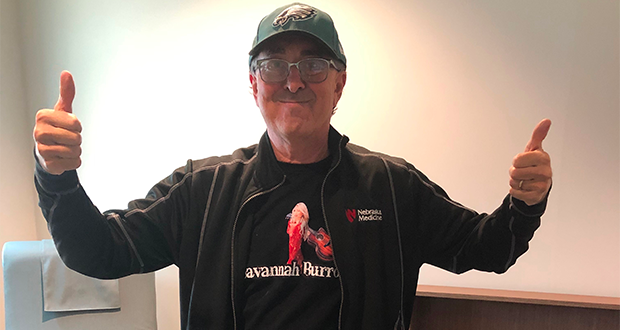
"caption": "Carl Goldman is now back home in Santa Clarita after having been in coronavirus quarantine since Feb. 4, 2020.",
"description": null,
"title": "Carl Corona",
"credit": "KHTS Radio",
"status": "inherit",
"isLoading": false,
"fetchFailed": false
},
"science_1959860": {
"type": "attachments",
"id": "science_1959860",
"meta": {
"index": "attachments_1716263798",
"site": "science",
"id": "1959860",
"found": true
},
"parent": 1959856,
"imgSizes": {
"twentyfourteen-full-width": {
"file": "https://ww2.kqed.org/app/uploads/sites/35/2020/03/RS42225_Screen-Shot-2020-03-23-at-11.58.36-AM-qut-1038x576.jpg",
"width": 1038,
"mimeType": "image/jpeg",
"height": 576
},
"thumbnail": {
"file": "https://ww2.kqed.org/app/uploads/sites/35/2020/03/RS42225_Screen-Shot-2020-03-23-at-11.58.36-AM-qut-160x84.jpg",
"width": 160,
"mimeType": "image/jpeg",
"height": 84
},
"post-thumbnail": {
"file": "https://ww2.kqed.org/app/uploads/sites/35/2020/03/RS42225_Screen-Shot-2020-03-23-at-11.58.36-AM-qut-672x372.jpg",
"width": 672,
"mimeType": "image/jpeg",
"height": 372
},
"kqedFullSize": {
"file": "https://ww2.kqed.org/app/uploads/sites/35/2020/03/RS42225_Screen-Shot-2020-03-23-at-11.58.36-AM-qut.jpg",
"width": 1920,
"height": 1005
},
"large": {
"file": "https://ww2.kqed.org/app/uploads/sites/35/2020/03/RS42225_Screen-Shot-2020-03-23-at-11.58.36-AM-qut-1020x534.jpg",
"width": 1020,
"mimeType": "image/jpeg",
"height": 534
},
"full-width": {
"file": "https://ww2.kqed.org/app/uploads/sites/35/2020/03/RS42225_Screen-Shot-2020-03-23-at-11.58.36-AM-qut-1920x1005.jpg",
"width": 1920,
"mimeType": "image/jpeg",
"height": 1005
},
"medium": {
"file": "https://ww2.kqed.org/app/uploads/sites/35/2020/03/RS42225_Screen-Shot-2020-03-23-at-11.58.36-AM-qut-800x419.jpg",
"width": 800,
"mimeType": "image/jpeg",
"height": 419
},
"medium_large": {
"file": "https://ww2.kqed.org/app/uploads/sites/35/2020/03/RS42225_Screen-Shot-2020-03-23-at-11.58.36-AM-qut-768x402.jpg",
"width": 768,
"mimeType": "image/jpeg",
"height": 402
}
},
"publishDate": 1584990149,
"modified": 1584990149,
"caption": null,
"description": null,
"title": "RS42225_Screen Shot 2020-03-23 at 11.58.36 AM-qut",
"credit": null,
"status": "inherit",
"isLoading": false,
"fetchFailed": false
},
"science_1959647": {
"type": "attachments",
"id": "science_1959647",
"meta": {
"index": "attachments_1716263798",
"site": "science",
"id": "1959647",
"found": true
},
"parent": 1959626,
"imgSizes": {
"twentyfourteen-full-width": {
"file": "https://ww2.kqed.org/app/uploads/sites/35/2020/03/RS24441_3050240908_520abecbfb_o-qut-1038x576.jpg",
"width": 1038,
"mimeType": "image/jpeg",
"height": 576
},
"thumbnail": {
"file": "https://ww2.kqed.org/app/uploads/sites/35/2020/03/RS24441_3050240908_520abecbfb_o-qut-160x93.jpg",
"width": 160,
"mimeType": "image/jpeg",
"height": 93
},
"post-thumbnail": {
"file": "https://ww2.kqed.org/app/uploads/sites/35/2020/03/RS24441_3050240908_520abecbfb_o-qut-672x372.jpg",
"width": 672,
"mimeType": "image/jpeg",
"height": 372
},
"kqedFullSize": {
"file": "https://ww2.kqed.org/app/uploads/sites/35/2020/03/RS24441_3050240908_520abecbfb_o-qut.jpg",
"width": 1920,
"height": 1110
},
"large": {
"file": "https://ww2.kqed.org/app/uploads/sites/35/2020/03/RS24441_3050240908_520abecbfb_o-qut-1020x590.jpg",
"width": 1020,
"mimeType": "image/jpeg",
"height": 590
},
"full-width": {
"file": "https://ww2.kqed.org/app/uploads/sites/35/2020/03/RS24441_3050240908_520abecbfb_o-qut-1920x1110.jpg",
"width": 1920,
"mimeType": "image/jpeg",
"height": 1110
},
"medium": {
"file": "https://ww2.kqed.org/app/uploads/sites/35/2020/03/RS24441_3050240908_520abecbfb_o-qut-800x463.jpg",
"width": 800,
"mimeType": "image/jpeg",
"height": 463
},
"medium_large": {
"file": "https://ww2.kqed.org/app/uploads/sites/35/2020/03/RS24441_3050240908_520abecbfb_o-qut-768x444.jpg",
"width": 768,
"mimeType": "image/jpeg",
"height": 444
}
},
"publishDate": 1584729407,
"modified": 1584729407,
"caption": null,
"description": null,
"title": "RS24441_3050240908_520abecbfb_o-qut",
"credit": null,
"status": "inherit",
"isLoading": false,
"fetchFailed": false
},
"science_1959600": {
"type": "attachments",
"id": "science_1959600",
"meta": {
"index": "attachments_1716263798",
"site": "science",
"id": "1959600",
"found": true
},
"parent": 1959596,
"imgSizes": {
"twentyfourteen-full-width": {
"file": "https://ww2.kqed.org/app/uploads/sites/35/2020/03/Confronting-Coronavirus-PBS-NewsHour-1038x576.png",
"width": 1038,
"mimeType": "image/png",
"height": 576
},
"thumbnail": {
"file": "https://ww2.kqed.org/app/uploads/sites/35/2020/03/Confronting-Coronavirus-PBS-NewsHour-160x95.png",
"width": 160,
"mimeType": "image/png",
"height": 95
},
"post-thumbnail": {
"file": "https://ww2.kqed.org/app/uploads/sites/35/2020/03/Confronting-Coronavirus-PBS-NewsHour-672x372.png",
"width": 672,
"mimeType": "image/png",
"height": 372
},
"kqedFullSize": {
"file": "https://ww2.kqed.org/app/uploads/sites/35/2020/03/Confronting-Coronavirus-PBS-NewsHour-e1584716831363.png",
"width": 1920,
"height": 1142
},
"large": {
"file": "https://ww2.kqed.org/app/uploads/sites/35/2020/03/Confronting-Coronavirus-PBS-NewsHour-1020x607.png",
"width": 1020,
"mimeType": "image/png",
"height": 607
},
"full-width": {
"file": "https://ww2.kqed.org/app/uploads/sites/35/2020/03/Confronting-Coronavirus-PBS-NewsHour-1920x1142.png",
"width": 1920,
"mimeType": "image/png",
"height": 1142
},
"medium": {
"file": "https://ww2.kqed.org/app/uploads/sites/35/2020/03/Confronting-Coronavirus-PBS-NewsHour-800x476.png",
"width": 800,
"mimeType": "image/png",
"height": 476
},
"medium_large": {
"file": "https://ww2.kqed.org/app/uploads/sites/35/2020/03/Confronting-Coronavirus-PBS-NewsHour-768x457.png",
"width": 768,
"mimeType": "image/png",
"height": 457
}
},
"publishDate": 1584716812,
"modified": 1584716812,
"caption": null,
"description": null,
"title": "Confronting Coronavirus PBS NewsHour",
"credit": null,
"status": "inherit",
"isLoading": false,
"fetchFailed": false
},
"science_1959568": {
"type": "attachments",
"id": "science_1959568",
"meta": {
"index": "attachments_1716263798",
"site": "science",
"id": "1959568",
"found": true
},
"parent": 1959566,
"imgSizes": {
"twentyfourteen-full-width": {
"file": "https://ww2.kqed.org/app/uploads/sites/35/2020/03/GettyImages-1207638287-1024x576.jpg",
"width": 1024,
"mimeType": "image/jpeg",
"height": 576
},
"thumbnail": {
"file": "https://ww2.kqed.org/app/uploads/sites/35/2020/03/GettyImages-1207638287-160x104.jpg",
"width": 160,
"mimeType": "image/jpeg",
"height": 104
},
"post-thumbnail": {
"file": "https://ww2.kqed.org/app/uploads/sites/35/2020/03/GettyImages-1207638287-672x372.jpg",
"width": 672,
"mimeType": "image/jpeg",
"height": 372
},
"kqedFullSize": {
"file": "https://ww2.kqed.org/app/uploads/sites/35/2020/03/GettyImages-1207638287.jpg",
"width": 1024,
"height": 666
},
"large": {
"file": "https://ww2.kqed.org/app/uploads/sites/35/2020/03/GettyImages-1207638287-1020x663.jpg",
"width": 1020,
"mimeType": "image/jpeg",
"height": 663
},
"medium": {
"file": "https://ww2.kqed.org/app/uploads/sites/35/2020/03/GettyImages-1207638287-800x520.jpg",
"width": 800,
"mimeType": "image/jpeg",
"height": 520
},
"medium_large": {
"file": "https://ww2.kqed.org/app/uploads/sites/35/2020/03/GettyImages-1207638287-768x500.jpg",
"width": 768,
"mimeType": "image/jpeg",
"height": 500
}
},
"publishDate": 1584670648,
"modified": 1591907072,
"caption": "People wearing face masks walk by a closed theatre in Berkeley on March 18, 2020. ",
"description": "People wearing face masks walk by a closed theatre with a message about staying healthy in Berkeley, California on March 18, 2020. - San Francisco, along with seven other Bay Area counties, have ordered residents to shelter in place in an effort to help prevent the spread of the coronavirus.",
"title": "US-VIRUS-HEALTH",
"credit": "Josh Edelson/AFP via Getty Images",
"status": "inherit",
"isLoading": false,
"fetchFailed": false
},
"science_1959536": {
"type": "attachments",
"id": "science_1959536",
"meta": {
"index": "attachments_1716263798",
"site": "science",
"id": "1959536",
"found": true
},
"parent": 1959509,
"imgSizes": {
"twentyfourteen-full-width": {
"file": "https://ww2.kqed.org/app/uploads/sites/35/2020/03/RS42191_357A3881-qut-1038x576.jpg",
"width": 1038,
"mimeType": "image/jpeg",
"height": 576
},
"thumbnail": {
"file": "https://ww2.kqed.org/app/uploads/sites/35/2020/03/RS42191_357A3881-qut-160x103.jpg",
"width": 160,
"mimeType": "image/jpeg",
"height": 103
},
"post-thumbnail": {
"file": "https://ww2.kqed.org/app/uploads/sites/35/2020/03/RS42191_357A3881-qut-672x372.jpg",
"width": 672,
"mimeType": "image/jpeg",
"height": 372
},
"kqedFullSize": {
"file": "https://ww2.kqed.org/app/uploads/sites/35/2020/03/RS42191_357A3881-qut.jpg",
"width": 1920,
"height": 1233
},
"large": {
"file": "https://ww2.kqed.org/app/uploads/sites/35/2020/03/RS42191_357A3881-qut-1020x655.jpg",
"width": 1020,
"mimeType": "image/jpeg",
"height": 655
},
"full-width": {
"file": "https://ww2.kqed.org/app/uploads/sites/35/2020/03/RS42191_357A3881-qut-1920x1233.jpg",
"width": 1920,
"mimeType": "image/jpeg",
"height": 1233
},
"medium": {
"file": "https://ww2.kqed.org/app/uploads/sites/35/2020/03/RS42191_357A3881-qut-800x514.jpg",
"width": 800,
"mimeType": "image/jpeg",
"height": 514
},
"medium_large": {
"file": "https://ww2.kqed.org/app/uploads/sites/35/2020/03/RS42191_357A3881-qut-768x493.jpg",
"width": 768,
"mimeType": "image/jpeg",
"height": 493
}
},
"publishDate": 1584657565,
"modified": 1584657656,
"caption": "London Breed and city officials tour San Francisco's Emergency Operations Center, temporarily located in the Moscone Center. ",
"description": null,
"title": "RS42191_357A3881-qut",
"credit": "Mayor's Press Office",
"status": "inherit",
"isLoading": false,
"fetchFailed": false
},
"science_1959437": {
"type": "attachments",
"id": "science_1959437",
"meta": {
"index": "attachments_1716263798",
"site": "science",
"id": "1959437",
"found": true
},
"parent": 1959432,
"imgSizes": {
"twentyfourteen-full-width": {
"file": "https://ww2.kqed.org/app/uploads/sites/35/2020/03/RS42184_IMG_5294-qut-1038x576.jpg",
"width": 1038,
"mimeType": "image/jpeg",
"height": 576
},
"thumbnail": {
"file": "https://ww2.kqed.org/app/uploads/sites/35/2020/03/RS42184_IMG_5294-qut-160x120.jpg",
"width": 160,
"mimeType": "image/jpeg",
"height": 120
},
"post-thumbnail": {
"file": "https://ww2.kqed.org/app/uploads/sites/35/2020/03/RS42184_IMG_5294-qut-672x372.jpg",
"width": 672,
"mimeType": "image/jpeg",
"height": 372
},
"kqedFullSize": {
"file": "https://ww2.kqed.org/app/uploads/sites/35/2020/03/RS42184_IMG_5294-qut.jpg",
"width": 1920,
"height": 1439
},
"large": {
"file": "https://ww2.kqed.org/app/uploads/sites/35/2020/03/RS42184_IMG_5294-qut-1020x764.jpg",
"width": 1020,
"mimeType": "image/jpeg",
"height": 764
},
"full-width": {
"file": "https://ww2.kqed.org/app/uploads/sites/35/2020/03/RS42184_IMG_5294-qut-1920x1439.jpg",
"width": 1920,
"mimeType": "image/jpeg",
"height": 1439
},
"medium": {
"file": "https://ww2.kqed.org/app/uploads/sites/35/2020/03/RS42184_IMG_5294-qut-800x600.jpg",
"width": 800,
"mimeType": "image/jpeg",
"height": 600
},
"medium_large": {
"file": "https://ww2.kqed.org/app/uploads/sites/35/2020/03/RS42184_IMG_5294-qut-768x576.jpg",
"width": 768,
"mimeType": "image/jpeg",
"height": 576
}
},
"publishDate": 1584582972,
"modified": 1584661822,
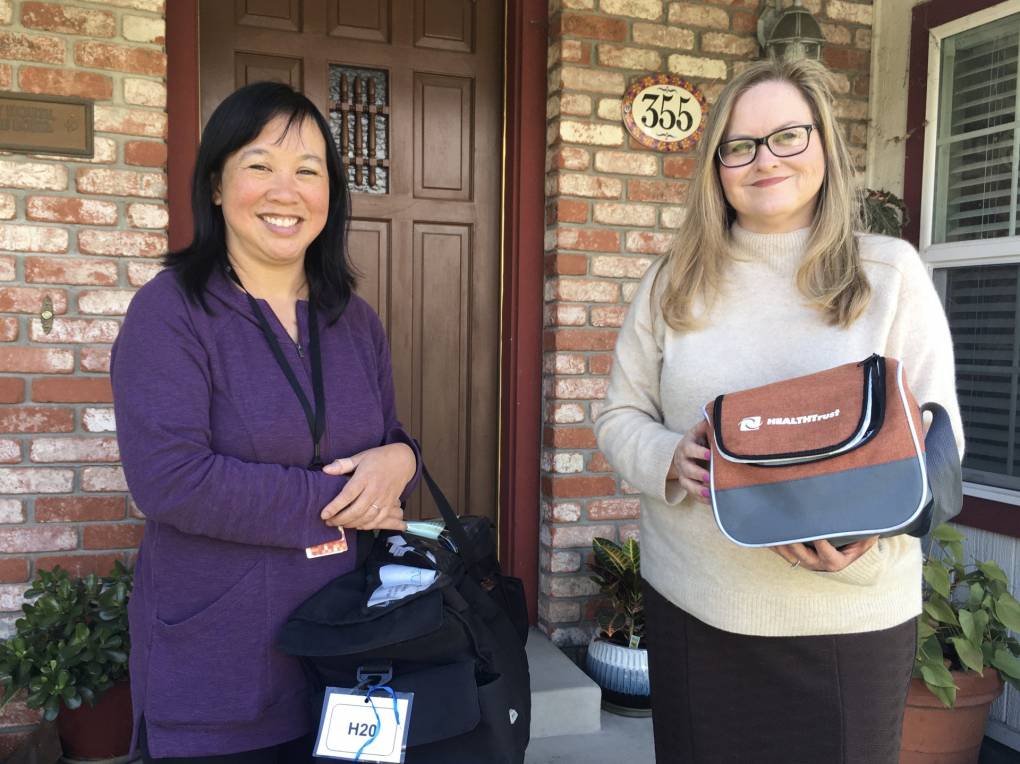
"caption": "Health Trust Meals on Wheels program CEO Michelle Lew and Santa Clara County Supervisor Cindy Chavez deliver a couple of meals to a San Jose couple sheltering in place.",
"description": "Health Trust Meals on Wheels program CEO Michelle Lew and Santa Clara County Supervisor Cindy Chavez deliver a couple of meals to a San Jose couple sheltering in place.",
"title": "RS42184_IMG_5294-qut",
"credit": "Rachael Myrow/KQED",
"status": "inherit",
"isLoading": false,
"fetchFailed": false
},
"science_1959469": {
"type": "attachments",
"id": "science_1959469",
"meta": {
"index": "attachments_1716263798",
"site": "science",
"id": "1959469",
"found": true
},
"parent": 1959462,
"imgSizes": {
"twentyfourteen-full-width": {
"file": "https://ww2.kqed.org/app/uploads/sites/35/2020/03/RS42187_GettyImages-1205222438-qut-1038x576.jpg",
"width": 1038,
"mimeType": "image/jpeg",
"height": 576
},
"thumbnail": {
"file": "https://ww2.kqed.org/app/uploads/sites/35/2020/03/RS42187_GettyImages-1205222438-qut-160x107.jpg",
"width": 160,
"mimeType": "image/jpeg",
"height": 107
},
"post-thumbnail": {
"file": "https://ww2.kqed.org/app/uploads/sites/35/2020/03/RS42187_GettyImages-1205222438-qut-672x372.jpg",
"width": 672,
"mimeType": "image/jpeg",
"height": 372
},
"kqedFullSize": {
"file": "https://ww2.kqed.org/app/uploads/sites/35/2020/03/RS42187_GettyImages-1205222438-qut.jpg",
"width": 1920,
"height": 1282
},
"large": {
"file": "https://ww2.kqed.org/app/uploads/sites/35/2020/03/RS42187_GettyImages-1205222438-qut-1020x681.jpg",
"width": 1020,
"mimeType": "image/jpeg",
"height": 681
},
"full-width": {
"file": "https://ww2.kqed.org/app/uploads/sites/35/2020/03/RS42187_GettyImages-1205222438-qut-1920x1282.jpg",
"width": 1920,
"mimeType": "image/jpeg",
"height": 1282
},
"medium": {
"file": "https://ww2.kqed.org/app/uploads/sites/35/2020/03/RS42187_GettyImages-1205222438-qut-800x534.jpg",
"width": 800,
"mimeType": "image/jpeg",
"height": 534
},
"medium_large": {
"file": "https://ww2.kqed.org/app/uploads/sites/35/2020/03/RS42187_GettyImages-1205222438-qut-768x513.jpg",
"width": 768,
"mimeType": "image/jpeg",
"height": 513
}
},
"publishDate": 1584632430,
"modified": 1584632570,
"caption": "MTA cleaning staff disinfect the 86th St. Q train station in New York City. ",
"description": null,
"title": "MTA Cleans Subway Stations As More Coronavirus Cases Confirmed In New York City Area",
"credit": "Yana Paskova/Getty Images",
"status": "inherit",
"isLoading": false,
"fetchFailed": false
},
"science_1959395": {
"type": "attachments",
"id": "science_1959395",
"meta": {
"index": "attachments_1716263798",
"site": "science",
"id": "1959395",
"found": true
},
"parent": 1957767,
"imgSizes": {
"twentyfourteen-full-width": {
"file": "https://ww2.kqed.org/app/uploads/sites/35/2020/02/coronavirus-symptoms-1038x576.jpg",
"width": 1038,
"mimeType": "image/jpeg",
"height": 576
},
"thumbnail": {
"file": "https://ww2.kqed.org/app/uploads/sites/35/2020/02/coronavirus-symptoms-160x107.jpg",
"width": 160,
"mimeType": "image/jpeg",
"height": 107
},
"post-thumbnail": {
"file": "https://ww2.kqed.org/app/uploads/sites/35/2020/02/coronavirus-symptoms-672x372.jpg",
"width": 672,
"mimeType": "image/jpeg",
"height": 372
},
"kqedFullSize": {
"file": "https://ww2.kqed.org/app/uploads/sites/35/2020/02/coronavirus-symptoms.jpg",
"width": 1920,
"height": 1280
},
"large": {
"file": "https://ww2.kqed.org/app/uploads/sites/35/2020/02/coronavirus-symptoms-1020x680.jpg",
"width": 1020,
"mimeType": "image/jpeg",
"height": 680
},
"full-width": {
"file": "https://ww2.kqed.org/app/uploads/sites/35/2020/02/coronavirus-symptoms-1920x1280.jpg",
"width": 1920,
"mimeType": "image/jpeg",
"height": 1280
},
"medium": {
"file": "https://ww2.kqed.org/app/uploads/sites/35/2020/02/coronavirus-symptoms-800x533.jpg",
"width": 800,
"mimeType": "image/jpeg",
"height": 533
},
"medium_large": {
"file": "https://ww2.kqed.org/app/uploads/sites/35/2020/02/coronavirus-symptoms-768x512.jpg",
"width": 768,
"mimeType": "image/jpeg",
"height": 512
}
},
"publishDate": 1584559319,
"modified": 1584559415,
"caption": "Zuckerberg San Francisco General Hospital on Tuesday, Mar. 10, 2020.\n\n",
"description": null,
"title": "coronavirus symptoms",
"credit": "Beth LaBerge/KQED",
"status": "inherit",
"isLoading": false,
"fetchFailed": false
},
"science_1959365": {
"type": "attachments",
"id": "science_1959365",
"meta": {
"index": "attachments_1716263798",
"site": "science",
"id": "1959365",
"found": true
},
"parent": 1959361,
"imgSizes": {
"twentyfourteen-full-width": {
"file": "https://ww2.kqed.org/app/uploads/sites/35/2020/03/RS42134_GettyImages-1077345682-qut-1038x576.jpg",
"width": 1038,
"mimeType": "image/jpeg",
"height": 576
},
"thumbnail": {
"file": "https://ww2.kqed.org/app/uploads/sites/35/2020/03/RS42134_GettyImages-1077345682-qut-160x106.jpg",
"width": 160,
"mimeType": "image/jpeg",
"height": 106
},
"post-thumbnail": {
"file": "https://ww2.kqed.org/app/uploads/sites/35/2020/03/RS42134_GettyImages-1077345682-qut-672x372.jpg",
"width": 672,
"mimeType": "image/jpeg",
"height": 372
},
"kqedFullSize": {
"file": "https://ww2.kqed.org/app/uploads/sites/35/2020/03/RS42134_GettyImages-1077345682-qut.jpg",
"width": 1920,
"height": 1266
},
"large": {
"file": "https://ww2.kqed.org/app/uploads/sites/35/2020/03/RS42134_GettyImages-1077345682-qut-1020x673.jpg",
"width": 1020,
"mimeType": "image/jpeg",
"height": 673
},
"full-width": {
"file": "https://ww2.kqed.org/app/uploads/sites/35/2020/03/RS42134_GettyImages-1077345682-qut-1920x1266.jpg",
"width": 1920,
"mimeType": "image/jpeg",
"height": 1266
},
"medium": {
"file": "https://ww2.kqed.org/app/uploads/sites/35/2020/03/RS42134_GettyImages-1077345682-qut-800x528.jpg",
"width": 800,
"mimeType": "image/jpeg",
"height": 528
},
"medium_large": {
"file": "https://ww2.kqed.org/app/uploads/sites/35/2020/03/RS42134_GettyImages-1077345682-qut-768x506.jpg",
"width": 768,
"mimeType": "image/jpeg",
"height": 506
}
},
"publishDate": 1584550608,
"modified": 1584556848,
"caption": "Visitor centers and some roads are closed at Joshua Tree National Park.",
"description": "Visitor centers and some roads are closed at Joshua Tree National Park.",
"title": "National Parks Threatened As Government Shutdown Continues",
"credit": "Mario Tama/Getty Images",
"status": "inherit",
"isLoading": false,
"fetchFailed": false
},
"science_1959294": {
"type": "attachments",
"id": "science_1959294",
"meta": {
"index": "attachments_1716263798",
"site": "science",
"id": "1959294",
"found": true
},
"parent": 1959292,
"imgSizes": {
"twentyfourteen-full-width": {
"file": "https://ww2.kqed.org/app/uploads/sites/35/2020/03/RS42125_GettyImages-1212590490-qut-1038x576.jpg",
"width": 1038,
"mimeType": "image/jpeg",
"height": 576
},
"thumbnail": {
"file": "https://ww2.kqed.org/app/uploads/sites/35/2020/03/RS42125_GettyImages-1212590490-qut-160x103.jpg",
"width": 160,
"mimeType": "image/jpeg",
"height": 103
},
"post-thumbnail": {
"file": "https://ww2.kqed.org/app/uploads/sites/35/2020/03/RS42125_GettyImages-1212590490-qut-672x372.jpg",
"width": 672,
"mimeType": "image/jpeg",
"height": 372
},
"kqedFullSize": {
"file": "https://ww2.kqed.org/app/uploads/sites/35/2020/03/RS42125_GettyImages-1212590490-qut.jpg",
"width": 1920,
"height": 1238
},
"large": {
"file": "https://ww2.kqed.org/app/uploads/sites/35/2020/03/RS42125_GettyImages-1212590490-qut-1020x658.jpg",
"width": 1020,
"mimeType": "image/jpeg",
"height": 658
},
"full-width": {
"file": "https://ww2.kqed.org/app/uploads/sites/35/2020/03/RS42125_GettyImages-1212590490-qut-1920x1238.jpg",
"width": 1920,
"mimeType": "image/jpeg",
"height": 1238
},
"medium": {
"file": "https://ww2.kqed.org/app/uploads/sites/35/2020/03/RS42125_GettyImages-1212590490-qut-800x516.jpg",
"width": 800,
"mimeType": "image/jpeg",
"height": 516
},
"medium_large": {
"file": "https://ww2.kqed.org/app/uploads/sites/35/2020/03/RS42125_GettyImages-1212590490-qut-768x495.jpg",
"width": 768,
"mimeType": "image/jpeg",
"height": 495
}
},
"publishDate": 1584491919,
"modified": 1584492022,
"caption": "Worshippers practice social distancing at Sunday Mass at the Cathedral of Our Lady of the Angels on March 15, 2020 in Los Angeles, California. ",
"description": null,
"title": "RS42125_GettyImages-1212590490-qut",
"credit": "Mario Tama/Getty Images",
"status": "inherit",
"isLoading": false,
"fetchFailed": false
},
"science_1959288": {
"type": "attachments",
"id": "science_1959288",
"meta": {
"index": "attachments_1716263798",
"site": "science",
"id": "1959288",
"found": true
},
"parent": 1959285,
"imgSizes": {
"thumbnail": {
"file": "https://ww2.kqed.org/app/uploads/sites/35/2020/03/13220sfi-160x160.jpg",
"width": 160,
"mimeType": "image/jpeg",
"height": 160
},
"kqedFullSize": {
"file": "https://ww2.kqed.org/app/uploads/sites/35/2020/03/13220sfi.jpg",
"width": 360,
"height": 360
}
},
"publishDate": 1584490332,
"modified": 1584490451,
"caption": "Nursing homes have locked down against coronavirus, ending visits by family members, regulators and advocates.",
"description": null,
"title": "13220sfi",
"credit": "Getty Images",
"status": "inherit",
"isLoading": false,
"fetchFailed": false
}
},
"audioPlayerReducer": {
"postId": "stream_live",
"isPaused": true,
"isPlaying": false,
"pfsActive": false,
"pledgeModalIsOpen": true,
"playerDrawerIsOpen": false,
"liveAudioPlayStartedAt": 0,
"liveAudioPlayContext": ""
},
"authorsReducer": {
"byline_science_1959596": {
"type": "authors",
"id": "byline_science_1959596",
"meta": {
"override": true
},
"slug": "byline_science_1959596",
"name": "PBS NewsHour",
"isLoading": false
},
"byline_science_1959462": {
"type": "authors",
"id": "byline_science_1959462",
"meta": {
"override": true
},
"slug": "byline_science_1959462",
"name": "Sharon Begley \u003c/br>STAT\u003cbr>",
"isLoading": false
},
"pollystryker": {
"type": "authors",
"id": "250",
"meta": {
"index": "authors_1716337520",
"id": "250",
"found": true
},
"name": "Polly Stryker",
"firstName": "Polly",
"lastName": "Stryker",
"slug": "pollystryker",
"email": "pstryker@kqed.org",
"display_author_email": false,
"staff_mastheads": [
"science"
],
"title": "Editor",
"bio": "Polly Stryker is a former editor for KQED's Science desk. She and reporter/host Rachael Myrow produced the KQED podcast, \u003ca href=\"http://www.npr.org/podcasts/448072249/love-in-the-digital-age\">Love in the Digital Age\u003c/a>.\r\n\r\nPolly has worked for a variety of news and public affairs programs, including most recently as editor of \u003cem>The California Report\u003c/em>. She also edited \u003ca href=\"https://ww2.kqed.org/news/programs/the-california-report\" target=\"_blank\" rel=\"noopener noreferrer\">\u003cem>The California Report'\u003c/em>s\u003c/a> \u003ca href=\"http://www.californiareport.org/healthdialogues/\" target=\"_blank\" rel=\"noopener noreferrer\">“Health Dialogues.”\u003c/a> Before that, she was a producer on \u003cem>\u003ca href=\"http://www.scpr.org/programs/airtalk/\" target=\"_blank\" rel=\"noopener noreferrer\">AirTalk\u003c/a>\u003c/em> with Larry Mantle on \u003ca href=\"http://www.scpr.org/\" target=\"_blank\" rel=\"noopener noreferrer\">KPCC\u003c/a> radio, and \u003cem>\u003ca href=\"http://www.kpbs.org/news/midday-edition/\">These Days\u003c/a>\u003c/em> on KPBS. Polly’s work has won awards from the Radio and Television News Directors Association of Northern California, the Society of Professional Journalists (Southern California and Northern California chapters), the Radio and Television News Association. She's also won a Taste Award.\r\n\r\nShe considers herself to be a citizen of the world, having grown up in Cairo before coming to the United States. Polly speaks Arabic and can say, \"I’d like a martini, please\" in Swahili.",
"avatar": "https://secure.gravatar.com/avatar/5012854a99868cb15a517a876d88f736?s=600&d=blank&r=g",
"twitter": null,
"facebook": null,
"instagram": null,
"linkedin": null,
"sites": [
{
"site": "",
"roles": [
"editor"
]
},
{
"site": "arts",
"roles": [
"administrator"
]
},
{
"site": "news",
"roles": [
"subscriber"
]
},
{
"site": "stateofhealth",
"roles": [
"author"
]
},
{
"site": "science",
"roles": [
"editor"
]
},
{
"site": "forum",
"roles": [
"editor"
]
}
],
"headData": {
"title": "Polly Stryker | KQED",
"description": "Editor",
"ogImgSrc": "https://secure.gravatar.com/avatar/5012854a99868cb15a517a876d88f736?s=600&d=blank&r=g",
"twImgSrc": "https://secure.gravatar.com/avatar/5012854a99868cb15a517a876d88f736?s=600&d=blank&r=g"
},
"isLoading": false,
"link": "/author/pollystryker"
},
"rachael-myrow": {
"type": "authors",
"id": "251",
"meta": {
"index": "authors_1716337520",
"id": "251",
"found": true
},
"name": "Rachael Myrow",
"firstName": "Rachael",
"lastName": "Myrow",
"slug": "rachael-myrow",
"email": "rmyrow@kqed.org",
"display_author_email": true,
"staff_mastheads": [
"news"
],
"title": "Senior Editor of KQED's Silicon Valley News Desk",
"bio": "• I write and edit stories about how Silicon Valley power and policies shape everyday life in California. I’m also passionate about making Bay Area history and culture more accessible to a broad public. • I’ve been a journalist for most of my life, starting in high school with The Franklin Press in Los Angeles, where I grew up. While earning my first degree in English at UC Berkeley, I got my start in public radio at KALX-FM. After completing a second degree in journalism at Cal, I landed my first professional job at Marketplace, then moved on to KPCC (now LAist), and then KQED, where I hosted The California Report for more than seven years. • My reporting has appeared on NPR, The World, WBUR’s \u003ci>Here & Now\u003c/i>, and the BBC. I also guest host for KQED’s \u003ci>Forum\u003c/i>, as well as the Commonwealth Club in San Francisco. • I speak periodically on media, democracy and technology issues, and do voiceover work for documentaries and educational video projects. • Outside of the studio, you'll find me hiking Bay Area trails and whipping up Insta-ready meals in my kitchen. • I do not accept gifts, money, or favors from anyone connected to my reporting, I don't pay people for information, and I do not support or donate to political causes. • I strive to treat the people I report on with fairness, honesty, and respect. I also recognize there are often multiple sides to a story and work to verify information through multiple sources and documentation. If I get something wrong, I correct it.",
"avatar": "https://secure.gravatar.com/avatar/3ed8a3c5f26025e4a805ba634cda8cd764906b97438a6d9ce216b044e340da4e?s=600&d=blank&r=g",
"twitter": "rachaelmyrow",
"bluesky": null,
"facebook": null,
"instagram": null,
"linkedin": "https://www.linkedin.com/in/rachaelmyrow/",
"sites": [
{
"site": "arts",
"roles": [
"administrator"
]
},
{
"site": "news",
"roles": [
"edit_others_posts",
"editor"
]
},
{
"site": "futureofyou",
"roles": [
"editor"
]
},
{
"site": "bayareabites",
"roles": [
"editor"
]
},
{
"site": "stateofhealth",
"roles": [
"editor"
]
},
{
"site": "science",
"roles": [
"editor"
]
},
{
"site": "food",
"roles": [
"editor"
]
},
{
"site": "forum",
"roles": [
"editor"
]
},
{
"site": "liveblog",
"roles": [
"author"
]
}
],
"headData": {
"title": "Rachael Myrow | KQED",
"description": "Senior Editor of KQED's Silicon Valley News Desk",
"ogImgSrc": "https://secure.gravatar.com/avatar/3ed8a3c5f26025e4a805ba634cda8cd764906b97438a6d9ce216b044e340da4e?s=600&d=blank&r=g",
"twImgSrc": "https://secure.gravatar.com/avatar/3ed8a3c5f26025e4a805ba634cda8cd764906b97438a6d9ce216b044e340da4e?s=600&d=blank&r=g"
},
"isLoading": false,
"link": "/author/rachael-myrow"
},
"kqedscience": {
"type": "authors",
"id": "6387",
"meta": {
"index": "authors_1716337520",
"id": "6387",
"found": true
},
"name": "KQED Science",
"firstName": "KQED",
"lastName": "Science",
"slug": "kqedscience",
"email": "kqedscience@gmail.com",
"display_author_email": false,
"staff_mastheads": [],
"title": null,
"bio": "KQED Science brings you award-winning science and environment coverage from the Bay Area and beyond by the flagship Northern California PBS and NPR affiliate.",
"avatar": "https://secure.gravatar.com/avatar/5a295ff49cf82a8c0f30937d3f788b2f?s=600&d=blank&r=g",
"twitter": null,
"facebook": null,
"instagram": null,
"linkedin": null,
"sites": [
{
"site": "science",
"roles": [
"contributor"
]
},
{
"site": "quest",
"roles": [
"editor"
]
},
{
"site": "food",
"roles": [
"contributor"
]
}
],
"headData": {
"title": "KQED Science | KQED",
"description": null,
"ogImgSrc": "https://secure.gravatar.com/avatar/5a295ff49cf82a8c0f30937d3f788b2f?s=600&d=blank&r=g",
"twImgSrc": "https://secure.gravatar.com/avatar/5a295ff49cf82a8c0f30937d3f788b2f?s=600&d=blank&r=g"
},
"isLoading": false,
"link": "/author/kqedscience"
},
"mpeterson": {
"type": "authors",
"id": "11223",
"meta": {
"index": "authors_1716337520",
"id": "11223",
"found": true
},
"name": "Molly Peterson",
"firstName": "Molly",
"lastName": "Peterson",
"slug": "mpeterson",
"email": "mpeterson@kqed.org",
"display_author_email": false,
"staff_mastheads": [],
"title": null,
"bio": "Molly Peterson reports for KQED science and news on climate change, catastrophe and risk. Previously she was environment correspondent at Southern California Public Radio. Her work has also appeared at The New York Times, The Guardian, on NPR, at High Country News, on Code Switch, and other national outlets. She has been honored with awards from Public Radio News Directors Incorporated, Investigative Reporters and Editors, the Society for Professional Journalists, the Los Angeles Press Club, and RTNDA Edward R. Murrow awards, among others.",
"avatar": "https://secure.gravatar.com/avatar/7908e2807131f776cc8165c649530b05?s=600&d=blank&r=g",
"twitter": "Mollydacious",
"facebook": null,
"instagram": "https://www.instagram.com/radiomolly/",
"linkedin": null,
"sites": [
{
"site": "news",
"roles": [
"subscriber"
]
},
{
"site": "futureofyou",
"roles": [
"editor"
]
},
{
"site": "science",
"roles": [
"editor"
]
}
],
"headData": {
"title": "Molly Peterson | KQED",
"description": null,
"ogImgSrc": "https://secure.gravatar.com/avatar/7908e2807131f776cc8165c649530b05?s=600&d=blank&r=g",
"twImgSrc": "https://secure.gravatar.com/avatar/7908e2807131f776cc8165c649530b05?s=600&d=blank&r=g"
},
"isLoading": false,
"link": "/author/mpeterson"
},
"lesleymcclurg": {
"type": "authors",
"id": "11229",
"meta": {
"index": "authors_1716337520",
"id": "11229",
"found": true
},
"name": "Lesley McClurg",
"firstName": "Lesley",
"lastName": "McClurg",
"slug": "lesleymcclurg",
"email": "lmcclurg@KQED.org",
"display_author_email": false,
"staff_mastheads": [
"news",
"science"
],
"title": "KQED Health Correspondent",
"bio": "Lesley McClurg is a health correspondent and fill-in host whose work is regularly rebroadcast on NPR and PBS programs. She’s earned multiple regional Emmy awards, a national and a regional Edward R. Murrow award, and was named Best Beat Reporter by the Association of Health Care Journalists. The Society of Professional Journalists has recognized her work several times, and the Society of Environmental Journalists spotlighted her coverage of California’s historic drought.\r\n\r\nBefore joining KQED in 2016, Lesley covered food and sustainability for Capital Public Radio, environmental issues for Colorado Public Radio, and reported for KUOW and KCTS 9 in Seattle. Away from the newsroom, she loves skiing with her daughter, mountain biking with her partner, and playing with Ollie, the family’s goldendoodle. On deadline, she runs almost entirely on chocolate chips.\r\n\r\n ",
"avatar": "https://secure.gravatar.com/avatar/bab49e972ea10c774fe0f5e29dba1722b158f7c0d58a360923d1389d380b2978?s=600&d=blank&r=g",
"twitter": "lesleywmcclurg",
"bluesky": null,
"facebook": null,
"instagram": null,
"linkedin": null,
"sites": [
{
"site": "arts",
"roles": [
"author"
]
},
{
"site": "news",
"roles": [
"editor"
]
},
{
"site": "futureofyou",
"roles": [
"editor"
]
},
{
"site": "stateofhealth",
"roles": [
"author"
]
},
{
"site": "science",
"roles": [
"editor"
]
},
{
"site": "quest",
"roles": [
"subscriber"
]
},
{
"site": "forum",
"roles": [
"administrator"
]
},
{
"site": "liveblog",
"roles": [
"author"
]
}
],
"headData": {
"title": "Lesley McClurg | KQED",
"description": "KQED Health Correspondent",
"ogImgSrc": "https://secure.gravatar.com/avatar/bab49e972ea10c774fe0f5e29dba1722b158f7c0d58a360923d1389d380b2978?s=600&d=blank&r=g",
"twImgSrc": "https://secure.gravatar.com/avatar/bab49e972ea10c774fe0f5e29dba1722b158f7c0d58a360923d1389d380b2978?s=600&d=blank&r=g"
},
"isLoading": false,
"link": "/author/lesleymcclurg"
},
"parcuni": {
"type": "authors",
"id": "11368",
"meta": {
"index": "authors_1716337520",
"id": "11368",
"found": true
},
"name": "Peter Arcuni",
"firstName": "Peter",
"lastName": "Arcuni",
"slug": "parcuni",
"email": "parcuni@KQED.org",
"display_author_email": false,
"staff_mastheads": [
"science"
],
"title": "Reporter",
"bio": "Peter reports radio and online stories for \u003cem>KQED Science\u003c/em>. His work has also appeared on the \u003cem>The California Report\u003c/em> morning show and \u003cem>KQED News\u003c/em>. His production credits include \u003cem>The California Report, The California Report Magazine\u003c/em> and KQED's local news podcast \u003cem>The Bay\u003c/em>. Other credits include NPR's \u003cem>All Things Considered\u003c/em>, WNYC's \u003cem>Science Friday\u003c/em>, WBUR's \u003cem>Here & Now\u003c/em>, WIRED and SFGate. Peter graduated from Brown University and earned a master's degree in journalism from Stanford. He's covered everything from homelessness to wildfires, health, the environment, arts and Thanksgiving in San Quentin prison. In other lives, he played rock n roll music and studied neuroscience. You can email him at: parcuni@kqed.org",
"avatar": "https://secure.gravatar.com/avatar/d5032f6f27199d478af34ad2e1d98732?s=600&d=blank&r=g",
"twitter": "peterarcuni",
"facebook": null,
"instagram": null,
"linkedin": null,
"sites": [
{
"site": "news",
"roles": [
"editor"
]
},
{
"site": "science",
"roles": [
"editor"
]
}
],
"headData": {
"title": "Peter Arcuni | KQED",
"description": "Reporter",
"ogImgSrc": "https://secure.gravatar.com/avatar/d5032f6f27199d478af34ad2e1d98732?s=600&d=blank&r=g",
"twImgSrc": "https://secure.gravatar.com/avatar/d5032f6f27199d478af34ad2e1d98732?s=600&d=blank&r=g"
},
"isLoading": false,
"link": "/author/parcuni"
},
"kevinstark": {
"type": "authors",
"id": "11608",
"meta": {
"index": "authors_1716337520",
"id": "11608",
"found": true
},
"name": "Kevin Stark",
"firstName": "Kevin",
"lastName": "Stark",
"slug": "kevinstark",
"email": "kstark@kqed.org",
"display_author_email": true,
"staff_mastheads": [
"science"
],
"title": "Senior Editor",
"bio": "Kevin is a senior editor for KQED Science, managing the station's health and climate desks. His journalism career began in the Pacific Northwest, and he later became a lead reporter for the San Francisco Public Press. His work has appeared in Pacific Standard magazine, the Energy News Network, the Center for Investigative Reporting's Reveal and WBEZ in Chicago. Kevin joined KQED in 2019, and has covered issues related to energy, wildfire, climate change and the environment.",
"avatar": "https://secure.gravatar.com/avatar/365aaa4b597d3a8374f67504ff0facd323d7906e8eb4be0a7efd2427408e802c?s=600&d=blank&r=g",
"twitter": "starkkev",
"bluesky": null,
"facebook": null,
"instagram": null,
"linkedin": null,
"sites": [
{
"site": "",
"roles": [
"editor"
]
},
{
"site": "news",
"roles": [
"editor"
]
},
{
"site": "science",
"roles": [
"administrator"
]
}
],
"headData": {
"title": "Kevin Stark | KQED",
"description": "Senior Editor",
"ogImgSrc": "https://secure.gravatar.com/avatar/365aaa4b597d3a8374f67504ff0facd323d7906e8eb4be0a7efd2427408e802c?s=600&d=blank&r=g",
"twImgSrc": "https://secure.gravatar.com/avatar/365aaa4b597d3a8374f67504ff0facd323d7906e8eb4be0a7efd2427408e802c?s=600&d=blank&r=g"
},
"isLoading": false,
"link": "/author/kevinstark"
}
},
"pagesReducer": {
"science_category_news": {
"type": "terms",
"id": "science_40",
"meta": {
"index": "terms_1716263798",
"site": "science",
"id": "40",
"score": 10.8141775
},
"featImg": null,
"name": "News",
"description": null,
"taxonomy": "category",
"headData": {
"twImgId": null,
"twTitle": null,
"ogTitle": null,
"ogImgId": null,
"twDescription": null,
"description": null,
"title": "News Archives | KQED Science",
"ogDescription": null
},
"ttid": 42,
"slug": "news",
"isLoading": false,
"title": "News",
"pageMeta": {
"site": "science",
"WpPageTemplate": "page-topic-editorial",
"currentPage": 107
},
"blocks": [
{
"blockName": "kqed/post-list",
"attrs": {
"layout": "cardArticle2",
"query": "posts/science?category=news",
"seeMore": false,
"paginated": true,
"page": 107
}
},
{
"blockName": "kqed/ad"
}
]
}
},
"pfsSessionReducer": {},
"postsReducer": {
"stream_live": {
"type": "live",
"id": "stream_live",
"audioUrl": "https://streams.kqed.org/kqedradio",
"title": "Live Stream",
"excerpt": "Live Stream information currently unavailable.",
"link": "/radio",
"featImg": "",
"label": {
"name": "KQED Live",
"link": "/"
}
},
"stream_kqedNewscast": {
"type": "posts",
"id": "stream_kqedNewscast",
"audioUrl": "https://www.kqed.org/.stream/anon/radio/RDnews/newscast.mp3?_=1",
"title": "KQED Newscast",
"featImg": "",
"label": {
"name": "88.5 FM",
"link": "/"
}
},
"science_1959700": {
"type": "posts",
"id": "science_1959700",
"meta": {
"index": "posts_1716263798",
"site": "science",
"id": "1959700",
"score": null,
"sort": [
1584997127000
]
},
"parent": 0,
"labelTerm": {},
"blocks": [],
"publishDate": 1584997127,
"format": "standard",
"title": "After Six Weeks in Quarantine, a Coronavirus Patient Is Back Home in California",
"headTitle": "After Six Weeks in Quarantine, a Coronavirus Patient Is Back Home in California | KQED",
"content": "\u003cp>Carl Goldman’s coronavirus quarantine began on Feb. 4 aboard the Diamond Princess cruise ship in Japan. After nearly two weeks in his cabin on the ship, a feverish flight back to the U.S., and another month quarantined at a Nebraska medical center where he tested positive for the virus for 27 days, Carl is finally back home in Santa Clarita, California. That is, Carl is now sheltering at home for the foreseeable future along with 40 million other Californians.\u003c/p>\n\u003cp>“It feels wonderful to be back in Santa Clarita,” Carl said, then added, “I came back to California and here we are now quarantined in our state totally. So I’m the longest person in quarantine with corona, having been in quarantine now since February 4.”\u003c/p>\n\u003cp>Through the ordeal, he has not lost his sense of humor.\u003c/p>\n\u003cp>Carl, who owns the local radio station KHTS in Santa Clarita with his wife Jeri, has been \u003ca href=\"https://www.hometownstation.com/home-town-station/carl-goldman-coronavirus-journals-316093\" target=\"_blank\" rel=\"noopener noreferrer\">blogging\u003c/a> about his coronavirus experience since the couple was quarantined aboard the Diamond Princess. The trip through Southeast Asia was a Christmas present from Carl to his wife.\u003c/p>\n\u003cp>When we first \u003ca href=\"https://www.kqed.org/science/1958262/whats-it-like-to-be-in-quarantine-with-the-coronavirus-meet-carl-34-days-counting\" target=\"_blank\" rel=\"noopener noreferrer\">told you Carl’s story\u003c/a>, he was 34 days into his quarantine and doing well at Nebraska Medicine in Omaha, but still testing positive for the COVID-19 virus.\u003c/p>\n\u003cfigure id=\"attachment_1959718\" class=\"wp-caption alignright\" style=\"max-width: 620px\">\u003cimg loading=\"lazy\" decoding=\"async\" class=\"size-full wp-image-1959718\" src=\"https://ww2.kqed.org/app/uploads/sites/35/2020/03/carl-blogging.jpg\" alt=\"\" width=\"620\" height=\"330\" srcset=\"https://cdn.kqed.org/wp-content/uploads/sites/35/2020/03/carl-blogging.jpg 620w, https://cdn.kqed.org/wp-content/uploads/sites/35/2020/03/carl-blogging-160x85.jpg 160w\" sizes=\"(max-width: 620px) 100vw, 620px\">\u003cfigcaption class=\"wp-caption-text\">While in quarantine with coronavirus, Carl Goldman blogged about his experience for KHTS in Santa Clarita, a radio station he owns with his wife. \u003ccite>(KHTS Radio)\u003c/cite>\u003c/figcaption>\u003c/figure>\n\u003cp>He told us about his flight back to the U.S. spent in isolation with a 103-degree fever, celebrating his 67th birthday in biocontainment lockdown, and logging his 10,000 steps a day from the confines of a tiny hospital room.\u003c/p>\n\u003cp>Aside from the fever, which Carl said had broken by the time he got to Omaha on Feb. 17, his only symptoms were some shortness of breath early on and a lingering dry cough. For several weeks, he says, he’s felt pretty healthy. Yet Carl’s body was slow to shed the virus — something he says may be related to Guillain-Barré syndrome, an autoimmune disorder that gives him numbness in his hands and feet. But his doctors really aren’t sure.\u003c/p>\n\u003cp>Carl’s flight home to California left Nebraska on Monday, March 16.\u003c/p>\n\u003cp>So how does it feel to be back home after all this time?\u003c/p>\n\u003cp>“As much as I loved Omaha and would love to go back in a different time and different era and see everybody that were my angels there and actually get to see Omaha,” Carl said, “I was thrilled to be home.”\u003c/p>\n\u003cp>A good friend picked him up from Van Nuys Airport with a giant tub of peanut butter and chocolate ice cream from Cold Stone Creamery, Carl’s favorite.\u003c/p>\n\u003cfigure id=\"attachment_1959716\" class=\"wp-caption alignright\" style=\"max-width: 264px\">\u003cimg loading=\"lazy\" decoding=\"async\" class=\"size-full wp-image-1959716\" src=\"https://ww2.kqed.org/app/uploads/sites/35/2020/03/carl-negative-test.jpg\" alt=\"\" width=\"264\" height=\"300\" srcset=\"https://cdn.kqed.org/wp-content/uploads/sites/35/2020/03/carl-negative-test.jpg 264w, https://cdn.kqed.org/wp-content/uploads/sites/35/2020/03/carl-negative-test-160x182.jpg 160w\" sizes=\"(max-width: 264px) 100vw, 264px\">\u003cfigcaption class=\"wp-caption-text\">Carl Goldman received his first negative COVID-19 virus test result after testing positive for 27 days. Medical staff delivered the news on a sticky note. \u003ccite>(KHTS Radio)\u003c/cite>\u003c/figcaption>\u003c/figure>\n\u003cp>“I dug into that and didn’t realize how much I’d missed stuff until I started re-experiencing things like that,” Carl said. “Then, of course, getting home, being able to hug my wife, pet my dogs, have them lick me, and just be back in my home after being away for two full months was just a delight. And being able to go outside.”\u003c/p>\n\u003cp>Jeri was also quarantined in Nebraska, but never tested positive for the virus and was discharged two weeks before her husband.\u003c/p>\n\u003cp>Carl had already made the decision to self-isolate at home for 14 days upon returning to Santa Clarita. While he says public support for what he has been through has been overwhelmingly warm, concerns from a small portion of the community prompted him to be extra cautious about his re-entry. With the entire state of California under stay-at-home orders, Carl’s time in quarantine of some form or other could extend even longer.\u003c/p>\n\u003cp>Still, he manages to look on the bright side — a perspective he says he’s maintained living through other disasters like earthquakes, floods and wildfires.\u003c/p>\n\u003cp>While he may be sheltering at home, Carl says he now has a lot more room to log his 10,000 steps. “I no longer have only 14 steps until I hit the wall.”\u003c/p>\n\u003cp>He offers this advice to those facing quarantine for the first time:\u003c/p>\n\u003cp>“Get into a routine. Get up, shower, dress like you’re going to work. Designate x amount of hours where you are going to work, whatever that looks like. If you’re not working, then same thing, set up some stuff for the kids.”\u003c/p>\n\u003cp>“And as a guy who owns a radio station, I shouldn’t be saying this, but my belief is that right now, with social media going crazy and the 24/7 all corona all the time, take time off from the media, you know, do 30 minute shots two or three times a day and call that the end.”\u003c/p>\n\u003cp>All the stress, he thinks, is bad for the immune system.\u003c/p>\n\u003cp> \u003c/p>\n\u003cp>[ad fullwidth]\u003c/p>\n\u003cp>\u003c/p>\n",
"stats": {
"hasVideo": false,
"hasChartOrMap": false,
"hasAudio": false,
"hasPolis": false,
"wordCount": 876,
"hasGoogleForm": false,
"hasGallery": false,
"hasHearkenModule": false,
"iframeSrcs": [],
"paragraphCount": 22
},
"modified": 1704847633,
"excerpt": "After spending six weeks in quarantine and testing positive for the COVID-19 virus for 27 days, Carl Goldman returns home.",
"headData": {
"twImgId": "",
"twTitle": "",
"ogTitle": "",
"ogImgId": "",
"twDescription": "",
"description": "After spending six weeks in quarantine and testing positive for the COVID-19 virus for 27 days, Carl Goldman returns home.",
"title": "After Six Weeks in Quarantine, a Coronavirus Patient Is Back Home in California | KQED",
"ogDescription": "",
"schema": {
"@context": "https://schema.org",
"@type": "Article",
"headline": "After Six Weeks in Quarantine, a Coronavirus Patient Is Back Home in California",
"datePublished": "2020-03-23T13:58:47-07:00",
"dateModified": "2024-01-09T16:47:13-08:00",
"image": "https://cdn.kqed.org/wp-content/uploads/2020/02/KQED-OG-Image@1x.png"
}
},
"guestAuthors": [],
"slug": "after-six-weeks-in-quarantine-a-coronavirus-patient-is-back-home-in-california",
"status": "publish",
"sticky": false,
"source": "Coronavirus",
"path": "/science/1959700/after-six-weeks-in-quarantine-a-coronavirus-patient-is-back-home-in-california",
"audioTrackLength": null,
"parsedContent": [
{
"type": "contentString",
"content": "\u003cdiv class=\"post-body\">\u003cp>\u003cp>Carl Goldman’s coronavirus quarantine began on Feb. 4 aboard the Diamond Princess cruise ship in Japan. After nearly two weeks in his cabin on the ship, a feverish flight back to the U.S., and another month quarantined at a Nebraska medical center where he tested positive for the virus for 27 days, Carl is finally back home in Santa Clarita, California. That is, Carl is now sheltering at home for the foreseeable future along with 40 million other Californians.\u003c/p>\n\u003cp>“It feels wonderful to be back in Santa Clarita,” Carl said, then added, “I came back to California and here we are now quarantined in our state totally. So I’m the longest person in quarantine with corona, having been in quarantine now since February 4.”\u003c/p>\n\u003cp>Through the ordeal, he has not lost his sense of humor.\u003c/p>\n\u003cp>Carl, who owns the local radio station KHTS in Santa Clarita with his wife Jeri, has been \u003ca href=\"https://www.hometownstation.com/home-town-station/carl-goldman-coronavirus-journals-316093\" target=\"_blank\" rel=\"noopener noreferrer\">blogging\u003c/a> about his coronavirus experience since the couple was quarantined aboard the Diamond Princess. The trip through Southeast Asia was a Christmas present from Carl to his wife.\u003c/p>\n\u003cp>When we first \u003ca href=\"https://www.kqed.org/science/1958262/whats-it-like-to-be-in-quarantine-with-the-coronavirus-meet-carl-34-days-counting\" target=\"_blank\" rel=\"noopener noreferrer\">told you Carl’s story\u003c/a>, he was 34 days into his quarantine and doing well at Nebraska Medicine in Omaha, but still testing positive for the COVID-19 virus.\u003c/p>\n\u003cfigure id=\"attachment_1959718\" class=\"wp-caption alignright\" style=\"max-width: 620px\">\u003cimg loading=\"lazy\" decoding=\"async\" class=\"size-full wp-image-1959718\" src=\"https://ww2.kqed.org/app/uploads/sites/35/2020/03/carl-blogging.jpg\" alt=\"\" width=\"620\" height=\"330\" srcset=\"https://cdn.kqed.org/wp-content/uploads/sites/35/2020/03/carl-blogging.jpg 620w, https://cdn.kqed.org/wp-content/uploads/sites/35/2020/03/carl-blogging-160x85.jpg 160w\" sizes=\"(max-width: 620px) 100vw, 620px\">\u003cfigcaption class=\"wp-caption-text\">While in quarantine with coronavirus, Carl Goldman blogged about his experience for KHTS in Santa Clarita, a radio station he owns with his wife. \u003ccite>(KHTS Radio)\u003c/cite>\u003c/figcaption>\u003c/figure>\n\u003cp>He told us about his flight back to the U.S. spent in isolation with a 103-degree fever, celebrating his 67th birthday in biocontainment lockdown, and logging his 10,000 steps a day from the confines of a tiny hospital room.\u003c/p>\n\u003cp>Aside from the fever, which Carl said had broken by the time he got to Omaha on Feb. 17, his only symptoms were some shortness of breath early on and a lingering dry cough. For several weeks, he says, he’s felt pretty healthy. Yet Carl’s body was slow to shed the virus — something he says may be related to Guillain-Barré syndrome, an autoimmune disorder that gives him numbness in his hands and feet. But his doctors really aren’t sure.\u003c/p>\n\u003cp>Carl’s flight home to California left Nebraska on Monday, March 16.\u003c/p>\n\u003cp>So how does it feel to be back home after all this time?\u003c/p>\n\u003cp>“As much as I loved Omaha and would love to go back in a different time and different era and see everybody that were my angels there and actually get to see Omaha,” Carl said, “I was thrilled to be home.”\u003c/p>\n\u003cp>A good friend picked him up from Van Nuys Airport with a giant tub of peanut butter and chocolate ice cream from Cold Stone Creamery, Carl’s favorite.\u003c/p>\n\u003cfigure id=\"attachment_1959716\" class=\"wp-caption alignright\" style=\"max-width: 264px\">\u003cimg loading=\"lazy\" decoding=\"async\" class=\"size-full wp-image-1959716\" src=\"https://ww2.kqed.org/app/uploads/sites/35/2020/03/carl-negative-test.jpg\" alt=\"\" width=\"264\" height=\"300\" srcset=\"https://cdn.kqed.org/wp-content/uploads/sites/35/2020/03/carl-negative-test.jpg 264w, https://cdn.kqed.org/wp-content/uploads/sites/35/2020/03/carl-negative-test-160x182.jpg 160w\" sizes=\"(max-width: 264px) 100vw, 264px\">\u003cfigcaption class=\"wp-caption-text\">Carl Goldman received his first negative COVID-19 virus test result after testing positive for 27 days. Medical staff delivered the news on a sticky note. \u003ccite>(KHTS Radio)\u003c/cite>\u003c/figcaption>\u003c/figure>\n\u003cp>“I dug into that and didn’t realize how much I’d missed stuff until I started re-experiencing things like that,” Carl said. “Then, of course, getting home, being able to hug my wife, pet my dogs, have them lick me, and just be back in my home after being away for two full months was just a delight. And being able to go outside.”\u003c/p>\n\u003cp>Jeri was also quarantined in Nebraska, but never tested positive for the virus and was discharged two weeks before her husband.\u003c/p>\n\u003cp>Carl had already made the decision to self-isolate at home for 14 days upon returning to Santa Clarita. While he says public support for what he has been through has been overwhelmingly warm, concerns from a small portion of the community prompted him to be extra cautious about his re-entry. With the entire state of California under stay-at-home orders, Carl’s time in quarantine of some form or other could extend even longer.\u003c/p>\n\u003cp>Still, he manages to look on the bright side — a perspective he says he’s maintained living through other disasters like earthquakes, floods and wildfires.\u003c/p>\n\u003cp>While he may be sheltering at home, Carl says he now has a lot more room to log his 10,000 steps. “I no longer have only 14 steps until I hit the wall.”\u003c/p>\n\u003cp>He offers this advice to those facing quarantine for the first time:\u003c/p>\n\u003cp>“Get into a routine. Get up, shower, dress like you’re going to work. Designate x amount of hours where you are going to work, whatever that looks like. If you’re not working, then same thing, set up some stuff for the kids.”\u003c/p>\n\u003cp>“And as a guy who owns a radio station, I shouldn’t be saying this, but my belief is that right now, with social media going crazy and the 24/7 all corona all the time, take time off from the media, you know, do 30 minute shots two or three times a day and call that the end.”\u003c/p>\n\u003cp>All the stress, he thinks, is bad for the immune system.\u003c/p>\n\u003cp> \u003c/p>\n\u003cp>\u003c/p>\u003c/div>",
"attributes": {
"named": {},
"numeric": []
}
},
{
"type": "component",
"content": "",
"name": "ad",
"attributes": {
"named": {
"label": "fullwidth"
},
"numeric": [
"fullwidth"
]
}
},
{
"type": "contentString",
"content": "\u003cdiv class=\"post-body\">\u003cp>\u003c/p>\n\u003cp>\u003c/p>\n\u003c/div>\u003c/p>",
"attributes": {
"named": {},
"numeric": []
}
}
],
"link": "/science/1959700/after-six-weeks-in-quarantine-a-coronavirus-patient-is-back-home-in-california",
"authors": [
"11368"
],
"categories": [
"science_39",
"science_3890",
"science_40"
],
"tags": [
"science_4329",
"science_4368",
"science_5181"
],
"featImg": "science_1959715",
"label": "source_science_1959700"
},
"science_1959856": {
"type": "posts",
"id": "science_1959856",
"meta": {
"index": "posts_1716263798",
"site": "science",
"id": "1959856",
"score": null,
"sort": [
1584991779000
]
},
"parent": 0,
"labelTerm": {},
"blocks": [],
"publishDate": 1584991779,
"format": "aside",
"title": "Video: Marin's Public Health Officer Announces He Has COVID-19",
"headTitle": "Video: Marin’s Public Health Officer Announces He Has COVID-19 | KQED",
"content": "\u003cp>https://www.youtube.com/watch?v=E2OvRR_ejzI&feature=youtu.be\u003c/p>\n\u003cp>Marin County’s top health officer is now one of the county’s 39 confirmed cases of COVID-19.\u003c/p>\n\u003cp>Matt Willis, Marin’s public health officer, has been in charge of the county response to the spread of the new coronavirus.\u003c/p>\n\u003cp>On Sunday night, he released a video announcing that he’d acquired the disease, and he included a direct appeal to the public.\u003c/p>\n\u003cp>“Here’s what you can do: Stay in place,” he said.\u003c/p>\n\u003cp>[ad fullwidth]\u003c/p>\n\u003cp>\u003cb>\u003c/b>Willis says he began feeling “feverish with a worsening cough” last Friday. He recorded the message from his home a few hours after his test results were confirmed.\u003c/p>\n\u003cp>“I’m here on home quarantine as Marin’s 39th confirmed case,” he said. “My symptoms have actually improved somewhat since Friday, although I still have a cough. I don’t have any more fevers.”\u003c/p>\n\u003cp>Willis says he doesn’t know the origin of his exposure, but it could be from the community or from his interactions with frontline health workers and first responders.\u003c/p>\n\u003cp>“Either way is a clear sign of what we’ve been saying all along,” he said. “I didn’t necessarily think that I’d be such an early example of the fact that this is in our community.” He added that people need to stay at home and slow the spread of the coronavirus by limiting social contact.\u003c/p>\n\u003cp>He said he’s “frustrated to be sidelined at this important time, but I’m part of a very large and excellent team.”\u003c/p>\n\u003cp>Lisa Santora, the county’s deputy health officer, will be leading the county’s effort to slow the spread of the disease until Willis has recovered.\u003c/p>\n\u003cp>“According to the CDC, after three days without symptoms, I’m hoping that time comes soon after that I should be more immune and can be more confident to stay active as our local incidents increases, which we know it will,” he said. “So that’s a small silver lining. In the meantime, I’ll be quarantined for my wife and three kids here at home.”\u003c/p>\n\u003cp>\u003c/p>\n\u003cp>Marin County issued calls for residents to adhere to the stay-at-home orders after its parks saw a huge number of visitors over the weekend.\u003c/p>\n\n",
"stats": {
"hasVideo": true,
"hasChartOrMap": false,
"hasAudio": false,
"hasPolis": false,
"wordCount": 416,
"hasGoogleForm": false,
"hasGallery": false,
"hasHearkenModule": false,
"iframeSrcs": [],
"paragraphCount": 14
},
"modified": 1704847634,
"excerpt": "Marin County's top health officer announced that he is the county's 39 confirmed case of COVID-19.",
"headData": {
"twImgId": "",
"twTitle": "",
"ogTitle": "",
"ogImgId": "",
"twDescription": "",
"description": "Marin County's top health officer announced that he is the county's 39 confirmed case of COVID-19.",
"title": "Video: Marin's Public Health Officer Announces He Has COVID-19 | KQED",
"ogDescription": "",
"schema": {
"@context": "https://schema.org",
"@type": "Article",
"headline": "Video: Marin's Public Health Officer Announces He Has COVID-19",
"datePublished": "2020-03-23T12:29:39-07:00",
"dateModified": "2024-01-09T16:47:14-08:00",
"image": "https://cdn.kqed.org/wp-content/uploads/2020/02/KQED-OG-Image@1x.png"
}
},
"guestAuthors": [],
"slug": "video-marins-public-health-officer-announces-he-has-covid-19",
"status": "publish",
"sticky": false,
"source": "Coronavirus",
"path": "/science/1959856/video-marins-public-health-officer-announces-he-has-covid-19",
"audioTrackLength": null,
"parsedContent": [
{
"type": "contentString",
"content": "\u003cdiv class=\"post-body\">\u003cp>\u003c/p>\u003cp>\u003cspan class='utils-parseShortcode-shortcodes-__youtubeShortcode__embedYoutube'>\n \u003cspan class='utils-parseShortcode-shortcodes-__youtubeShortcode__embedYoutubeInside'>\n \u003ciframe\n loading='lazy'\n class='utils-parseShortcode-shortcodes-__youtubeShortcode__youtubePlayer'\n type='text/html'\n src='//www.youtube.com/embed/E2OvRR_ejzI'\n title='//www.youtube.com/embed/E2OvRR_ejzI'\n allowfullscreen='true'\n style='border:0;'>\u003c/iframe>\n \u003c/span>\n \u003c/span>\u003c/p>\u003cp>\u003cp>Marin County’s top health officer is now one of the county’s 39 confirmed cases of COVID-19.\u003c/p>\n\u003cp>Matt Willis, Marin’s public health officer, has been in charge of the county response to the spread of the new coronavirus.\u003c/p>\n\u003cp>On Sunday night, he released a video announcing that he’d acquired the disease, and he included a direct appeal to the public.\u003c/p>\n\u003cp>“Here’s what you can do: Stay in place,” he said.\u003c/p>\n\u003cp>\u003c/p>\u003c/div>",
"attributes": {
"named": {},
"numeric": []
}
},
{
"type": "component",
"content": "",
"name": "ad",
"attributes": {
"named": {
"label": "fullwidth"
},
"numeric": [
"fullwidth"
]
}
},
{
"type": "contentString",
"content": "\u003cdiv class=\"post-body\">\u003cp>\u003c/p>\n\u003cp>\u003cb>\u003c/b>Willis says he began feeling “feverish with a worsening cough” last Friday. He recorded the message from his home a few hours after his test results were confirmed.\u003c/p>\n\u003cp>“I’m here on home quarantine as Marin’s 39th confirmed case,” he said. “My symptoms have actually improved somewhat since Friday, although I still have a cough. I don’t have any more fevers.”\u003c/p>\n\u003cp>Willis says he doesn’t know the origin of his exposure, but it could be from the community or from his interactions with frontline health workers and first responders.\u003c/p>\n\u003cp>“Either way is a clear sign of what we’ve been saying all along,” he said. “I didn’t necessarily think that I’d be such an early example of the fact that this is in our community.” He added that people need to stay at home and slow the spread of the coronavirus by limiting social contact.\u003c/p>\n\u003cp>He said he’s “frustrated to be sidelined at this important time, but I’m part of a very large and excellent team.”\u003c/p>\n\u003cp>Lisa Santora, the county’s deputy health officer, will be leading the county’s effort to slow the spread of the disease until Willis has recovered.\u003c/p>\n\u003cp>“According to the CDC, after three days without symptoms, I’m hoping that time comes soon after that I should be more immune and can be more confident to stay active as our local incidents increases, which we know it will,” he said. “So that’s a small silver lining. In the meantime, I’ll be quarantined for my wife and three kids here at home.”\u003c/p>\n\u003cp>\u003c/p>\n\u003cp>Marin County issued calls for residents to adhere to the stay-at-home orders after its parks saw a huge number of visitors over the weekend.\u003c/p>\n\n\u003c/div>\u003c/p>",
"attributes": {
"named": {},
"numeric": []
}
}
],
"link": "/science/1959856/video-marins-public-health-officer-announces-he-has-covid-19",
"authors": [
"11608"
],
"categories": [
"science_39",
"science_3890",
"science_40"
],
"tags": [
"science_4329",
"science_3840",
"science_5181"
],
"featImg": "science_1959860",
"label": "source_science_1959856"
},
"science_1959626": {
"type": "posts",
"id": "science_1959626",
"meta": {
"index": "posts_1716263798",
"site": "science",
"id": "1959626",
"score": null,
"sort": [
1584734731000
]
},
"parent": 0,
"labelTerm": {},
"blocks": [],
"publishDate": 1584734731,
"format": "aside",
"title": "What's It Like Inside UCSF's Hospital Right Now? Doctor Tweets From the Coronavirus Frontlines",
"headTitle": "What’s It Like Inside UCSF’s Hospital Right Now? Doctor Tweets From the Coronavirus Frontlines | KQED",
"content": "\u003cp>A UCSF medical doctor is tweeting daily updates detailing life inside the university hospital system during this coronavirus pandemic.\u003c/p>\n\u003cp>Robert Wachter, chair of the school’s Department of Medicine, is posting updates using his personal \u003ca href=\"https://twitter.com/Bob_Wachter\" target=\"_blank\" rel=\"noopener noreferrer\">twitter handle\u003c/a>.\u003c/p>\n\u003cp>California has mandated that most people stay at home in an effort to slow the spread of the coronavirus, and to protect hospitals from being overwhelmed by an influx of patients who are all sick at once. What happens inside major systems like UCSF’s in the coming weeks could determine how long Californians will need to shelter in place. Wachter’s tweets provide an inside look at the frontlines of the fight against the coronavirus.\u003c/p>\n\u003cp>“Everybody with cough/flu symptoms feels like they have COVID,” he writes. “Yet our positive test rate (we’re testing only patients with symptoms) is just 3-5% – meaning most (patients) don’t have it.”\u003c/p>\n\u003cp>In another tweet, he writes, “PPE (personal protective equipment) dire, limiting MDs seeing pts (patients) to one (& subbing inpt televisits), no pt visitors, reusing PPE if safe.”\u003c/p>\n\u003cp>Wachter also writes the hospital is doing about 80 tests per day and is hoping to increase that number to 1,000.\u003c/p>\n\u003cp>Here’s Wachter’s thread from Thursday, March 19, below. You can also \u003ca href=\"https://threadreaderapp.com/thread/1240860128150085632.html\" rel=\"noopener noreferrer\" target=\"_blank\">read it on Thread Reader\u003c/a>. You can \u003ca href=\"https://threadreaderapp.com/thread/124037756583\" rel=\"noopener noreferrer\" target=\"_blank\">read his Day One thread here\u003c/a>.\u003c/p>\n\u003cp>https://twitter.com/Bob_Wachter/status/1240860128150085632?s=20\u003c/p>\n\u003cp>https://twitter.com/Bob_Wachter/status/1240860132193361921?s=20\u003c/p>\n\u003cp>https://twitter.com/Bob_Wachter/status/1240860133044793346\u003c/p>\n\u003cp>https://twitter.com/Bob_Wachter/status/1240860135909539840?s=20\u003c/p>\n\u003cp>https://twitter.com/Bob_Wachter/status/1240860137826308096?s=20\u003c/p>\n\u003cp>[ad fullwidth]\u003c/p>\n\u003cp>\u003c/p>\n",
"stats": {
"hasVideo": false,
"hasChartOrMap": false,
"hasAudio": false,
"hasPolis": false,
"wordCount": 278,
"hasGoogleForm": false,
"hasGallery": false,
"hasHearkenModule": false,
"iframeSrcs": [],
"paragraphCount": 9
},
"modified": 1704847639,
"excerpt": "Robert Wachter, chair of the Department of Medicine at UCSF, is tweeting daily updates about the coronavirus from inside the university hospital.",
"headData": {
"twImgId": "",
"twTitle": "",
"ogTitle": "",
"ogImgId": "",
"twDescription": "",
"description": "Robert Wachter, chair of the Department of Medicine at UCSF, is tweeting daily updates about the coronavirus from inside the university hospital.",
"title": "What's It Like Inside UCSF's Hospital Right Now? Doctor Tweets From the Coronavirus Frontlines | KQED",
"ogDescription": "",
"schema": {
"@context": "https://schema.org",
"@type": "Article",
"headline": "What's It Like Inside UCSF's Hospital Right Now? Doctor Tweets From the Coronavirus Frontlines",
"datePublished": "2020-03-20T13:05:31-07:00",
"dateModified": "2024-01-09T16:47:19-08:00",
"image": "https://cdn.kqed.org/wp-content/uploads/2020/02/KQED-OG-Image@1x.png"
}
},
"guestAuthors": [],
"slug": "coronavirus-whats-it-like-inside-ucsfs-hospital-right-now-this-doctor-is-tweeting-about-it",
"status": "publish",
"sticky": false,
"source": "Coronavirus",
"path": "/science/1959626/coronavirus-whats-it-like-inside-ucsfs-hospital-right-now-this-doctor-is-tweeting-about-it",
"audioTrackLength": null,
"parsedContent": [
{
"type": "contentString",
"content": "\u003cdiv class=\"post-body\">\u003cp>\u003cp>A UCSF medical doctor is tweeting daily updates detailing life inside the university hospital system during this coronavirus pandemic.\u003c/p>\n\u003cp>Robert Wachter, chair of the school’s Department of Medicine, is posting updates using his personal \u003ca href=\"https://twitter.com/Bob_Wachter\" target=\"_blank\" rel=\"noopener noreferrer\">twitter handle\u003c/a>.\u003c/p>\n\u003cp>California has mandated that most people stay at home in an effort to slow the spread of the coronavirus, and to protect hospitals from being overwhelmed by an influx of patients who are all sick at once. What happens inside major systems like UCSF’s in the coming weeks could determine how long Californians will need to shelter in place. Wachter’s tweets provide an inside look at the frontlines of the fight against the coronavirus.\u003c/p>\n\u003cp>“Everybody with cough/flu symptoms feels like they have COVID,” he writes. “Yet our positive test rate (we’re testing only patients with symptoms) is just 3-5% – meaning most (patients) don’t have it.”\u003c/p>\n\u003cp>In another tweet, he writes, “PPE (personal protective equipment) dire, limiting MDs seeing pts (patients) to one (& subbing inpt televisits), no pt visitors, reusing PPE if safe.”\u003c/p>\n\u003cp>Wachter also writes the hospital is doing about 80 tests per day and is hoping to increase that number to 1,000.\u003c/p>\n\u003cp>Here’s Wachter’s thread from Thursday, March 19, below. You can also \u003ca href=\"https://threadreaderapp.com/thread/1240860128150085632.html\" rel=\"noopener noreferrer\" target=\"_blank\">read it on Thread Reader\u003c/a>. You can \u003ca href=\"https://threadreaderapp.com/thread/124037756583\" rel=\"noopener noreferrer\" target=\"_blank\">read his Day One thread here\u003c/a>.\u003c/p>\u003c/p>\u003c/div>",
"attributes": {
"named": {},
"numeric": []
}
},
{
"type": "component",
"content": "",
"name": "singleTwitterStatus",
"attributes": {
"named": {
"id": "1240860128150085632"
},
"numeric": []
}
},
{
"type": "contentString",
"content": "\u003cdiv class=\"post-body\">\u003cp>\u003c/p>\u003c/div>",
"attributes": {
"named": {},
"numeric": []
}
},
{
"type": "component",
"content": "",
"name": "singleTwitterStatus",
"attributes": {
"named": {
"id": "1240860132193361921"
},
"numeric": []
}
},
{
"type": "contentString",
"content": "\u003cdiv class=\"post-body\">\u003cp>\u003c/p>\u003c/div>",
"attributes": {
"named": {},
"numeric": []
}
},
{
"type": "component",
"content": "",
"name": "singleTwitterStatus",
"attributes": {
"named": {
"id": "1240860133044793346"
},
"numeric": []
}
},
{
"type": "contentString",
"content": "\u003cdiv class=\"post-body\">\u003cp>\u003c/p>\u003c/div>",
"attributes": {
"named": {},
"numeric": []
}
},
{
"type": "component",
"content": "",
"name": "singleTwitterStatus",
"attributes": {
"named": {
"id": "1240860135909539840"
},
"numeric": []
}
},
{
"type": "contentString",
"content": "\u003cdiv class=\"post-body\">\u003cp>\u003c/p>\u003c/div>",
"attributes": {
"named": {},
"numeric": []
}
},
{
"type": "component",
"content": "",
"name": "singleTwitterStatus",
"attributes": {
"named": {
"id": "1240860137826308096"
},
"numeric": []
}
},
{
"type": "contentString",
"content": "\u003cdiv class=\"post-body\">\u003cp>\n\u003cp>\u003c/p>\u003c/div>",
"attributes": {
"named": {},
"numeric": []
}
},
{
"type": "component",
"content": "",
"name": "ad",
"attributes": {
"named": {
"label": "fullwidth"
},
"numeric": [
"fullwidth"
]
}
},
{
"type": "contentString",
"content": "\u003cdiv class=\"post-body\">\u003cp>\u003c/p>\n\u003cp>\u003c/p>\n\u003c/div>\u003c/p>",
"attributes": {
"named": {},
"numeric": []
}
}
],
"link": "/science/1959626/coronavirus-whats-it-like-inside-ucsfs-hospital-right-now-this-doctor-is-tweeting-about-it",
"authors": [
"11608"
],
"categories": [
"science_39",
"science_3890",
"science_40"
],
"tags": [
"science_4329",
"science_3840",
"science_5181",
"science_5155"
],
"featImg": "science_1959647",
"label": "source_science_1959626"
},
"science_1959596": {
"type": "posts",
"id": "science_1959596",
"meta": {
"index": "posts_1716263798",
"site": "science",
"id": "1959596",
"score": null,
"sort": [
1584717033000
]
},
"parent": 0,
"labelTerm": {},
"blocks": [],
"publishDate": 1584717033,
"format": "aside",
"title": "Full Video Replay: Confronting Coronavirus - a PBS NewsHour Special",
"headTitle": "Full Video Replay: Confronting Coronavirus – a PBS NewsHour Special | KQED",
"content": "\u003cp>Novel coronavirus has, in just a few months, grown into a full-blown pandemic. It has stressed governments and health systems around the globe, ended an era of economic expansion and reshaped public life. To offer context around these uncertain times, the PBS NewsHour aired “Confronting Coronavirus: A PBS NewsHour Special” on stations across the country on Thursday, March 19. The show covers health precautions and the pandemic’s economic impact, as well as a virtual town hall with curated questions from across the U.S.\u003c/p>\n\u003cp>https://www.youtube.com/watch?v=bQZ5F-iTFYA&feature=youtu.be\u003c/p>\n\u003cp>[ad fullwidth]\u003c/p>\u003cp>\u003c/p>\n",
"stats": {
"hasVideo": true,
"hasChartOrMap": false,
"hasAudio": false,
"hasPolis": false,
"wordCount": 103,
"hasGoogleForm": false,
"hasGallery": false,
"hasHearkenModule": false,
"iframeSrcs": [],
"paragraphCount": 3
},
"modified": 1704847641,
"excerpt": "Watch the full one-hour show seen on PBS stations across the country, covering health precautions and the pandemic’s economic impact, as well as a virtual town hall with questions from across the U.S.",
"headData": {
"twImgId": "",
"twTitle": "",
"ogTitle": "",
"ogImgId": "",
"twDescription": "",
"description": "Watch the one-hour special broadcast on PBS stations across the U.S. on Thursday, March 19.",
"socialDescription": "Watch the one-hour special broadcast on PBS stations across the U.S. on Thursday, March 19.",
"title": "Full Video Replay: Confronting Coronavirus - a PBS NewsHour Special | KQED",
"ogDescription": "",
"schema": {
"@context": "https://schema.org",
"@type": "Article",
"headline": "Full Video Replay: Confronting Coronavirus - a PBS NewsHour Special",
"datePublished": "2020-03-20T08:10:33-07:00",
"dateModified": "2024-01-09T16:47:21-08:00",
"image": "https://cdn.kqed.org/wp-content/uploads/2020/02/KQED-OG-Image@1x.png"
}
},
"guestAuthors": [],
"slug": "full-video-replay-confronting-coronavirus-a-pbs-newshour-special",
"status": "publish",
"nprByline": "PBS NewsHour",
"sticky": false,
"source": "Coronavirus",
"path": "/science/1959596/full-video-replay-confronting-coronavirus-a-pbs-newshour-special",
"audioTrackLength": null,
"parsedContent": [
{
"type": "contentString",
"content": "\u003cdiv class=\"post-body\">\u003cp>\u003cp>Novel coronavirus has, in just a few months, grown into a full-blown pandemic. It has stressed governments and health systems around the globe, ended an era of economic expansion and reshaped public life. To offer context around these uncertain times, the PBS NewsHour aired “Confronting Coronavirus: A PBS NewsHour Special” on stations across the country on Thursday, March 19. The show covers health precautions and the pandemic’s economic impact, as well as a virtual town hall with curated questions from across the U.S.\u003c/p>\u003c/p>\u003cp>\u003cspan class='utils-parseShortcode-shortcodes-__youtubeShortcode__embedYoutube'>\n \u003cspan class='utils-parseShortcode-shortcodes-__youtubeShortcode__embedYoutubeInside'>\n \u003ciframe\n loading='lazy'\n class='utils-parseShortcode-shortcodes-__youtubeShortcode__youtubePlayer'\n type='text/html'\n src='//www.youtube.com/embed/bQZ5F-iTFYA'\n title='//www.youtube.com/embed/bQZ5F-iTFYA'\n allowfullscreen='true'\n style='border:0;'>\u003c/iframe>\n \u003c/span>\n \u003c/span>\u003c/p>\u003cp>\u003cp>\u003c/p>\u003c/div>",
"attributes": {
"named": {},
"numeric": []
}
},
{
"type": "component",
"content": "",
"name": "ad",
"attributes": {
"named": {
"label": "fullwidth"
},
"numeric": [
"fullwidth"
]
}
},
{
"type": "contentString",
"content": "\u003cdiv class=\"post-body\">\u003cp>\u003c/p>\u003cp>\u003c/p>\n\u003c/div>\u003c/p>",
"attributes": {
"named": {},
"numeric": []
}
}
],
"link": "/science/1959596/full-video-replay-confronting-coronavirus-a-pbs-newshour-special",
"authors": [
"byline_science_1959596"
],
"categories": [
"science_39",
"science_3890",
"science_40"
],
"tags": [
"science_4329",
"science_5181"
],
"featImg": "science_1959600",
"label": "source_science_1959596"
},
"science_1959566": {
"type": "posts",
"id": "science_1959566",
"meta": {
"index": "posts_1716263798",
"site": "science",
"id": "1959566",
"score": null,
"sort": [
1584671914000
]
},
"parent": 0,
"labelTerm": {},
"blocks": [],
"publishDate": 1584671914,
"format": "standard",
"title": "California Gov. Gavin Newsom Issues Statewide Shelter-in-Place Order",
"headTitle": "California Gov. Gavin Newsom Issues Statewide Shelter-in-Place Order | KQED",
"content": "\u003cp>Gov. Gavin Newsom announced a statewide shelter-in-place order Thursday evening.\u003c/p>\n\u003cp>Saying “we have to meet this moment,” the governor said the rest of the state will join many Northern California counties already under public health orders to mandate social distancing. The \u003ca href=\"https://covid19.ca.gov/stay-home-except-for-essential-needs/\" target=\"_blank\" rel=\"noopener noreferrer\">order\u003c/a> immediately went into effect Thursday night.\u003c/p>\n\u003cp>[aside postID='news_11806988' label='How to stay at home and stay sane']More than 21 million of the state’s nearly 40 million residents were already under similar orders imposed at the county level over the past several days.\u003c/p>\n\u003cp>Unlike those county directives, first issued across the Bay Area on Monday, the state order has no specific termination date. The state order supersedes those by the counties, according to Newsom’s press secretary, Jesse Melgar. On Friday, San Francisco Mayor London Breed tweeted this: \u003c/p>\n\u003cp>https://twitter.com/LondonBreed/status/1241032054533263360\u003c/p>\n\u003cp>Newsom assured people that his administration will be transparent and update the state in the coming weeks. “I don’t expect this will be many months,” he said, but acknowledged it could last eight weeks or more.\u003c/p>\n\u003cp>https://twitter.com/GavinNewsom/status/1240820390407991296\u003c/p>\n\u003cp>Newsom said the state has been conducting pandemic planning for a decade, using artificial intelligence and modeling. Planning projections show as many as 56% of people in the state could become infected by the novel coronavirus over a period of about eight weeks, if steps to mitigate the spread — like tonight’s order — are not taken.\u003c/p>\n\u003cp>Newsom said, with the hospitalization rate predicted by some models, the state would need an additional 19,543 hospital beds over and above current capacity. That need could be reduced, he said, by changing behavior.\u003c/p>\n\u003cp>“If we meet this moment, we can truly bend the curve to reduce the need to surge, to reduce the need to have to go out and cobble all those assets together,” the governor said. “Though I want you to know we are doing just that.”\u003c/p>\n\u003cp>This shelter-in-place order mirrors what’s happening in the Bay Area and elsewhere. Californians can go out for essential errands such as medical appointments, grocery shopping or to do critical jobs, but are otherwise advised to stay away from others.\u003c/p>\n\u003cp>“You can still take your kids outside, practicing common sense and social distancing. You can still walk your dog,” Newsom said of the state order.\u003c/p>\n\u003cp>Essental services such as gas stations, pharmacies, grocery stores, banks and laundromats can remain open. Dine-in restaurants, bars and nightclubs, entertainment venues and gyms are specifically mentioned as prohibited from opening.\u003c/p>\n\u003cp>Newsom’s executive order also defines workplace exceptions to the order as those included on the U.S. Department of Homeland Security’s list of “\u003ca href=\"https://www.cisa.gov/identifying-critical-infrastructure-during-covid-19\" target=\"_blank\" rel=\"noopener noreferrer\">critical infrastructure sectors\u003c/a>,” which would include a wide variety of jobs, from communications to finance to food and agriculture.\u003c/p>\n\u003cp>The governor said intense efforts are being made to arrange for more hospital beds and ventilators, and he said that Seton Medical Center in Daly City has been secured to provide around 700 more beds. He said the state will acquire access to a Southern California hospital in the coming days.\u003c/p>\n\u003cp>He said the state is also continuing to work to find motel rooms for people who are homeless, and added that officials are in talks with the University of California and California State University systems to reserve dormitory space for future virus patients.\u003c/p>\n\u003cp>Newsom said the state received the first national stockpile transfer of assets, which included hundreds of thousands of gloves and protective masks. Those items, along with protective gear from the state’s own supplies, is being distributed to communities throughout California, he said.\u003c/p>\n\u003cp>The governor said he knows the new shelter-in-place order is disruptive to families, especially to families with children.\u003c/p>\n\u003cp>“Check in on loved ones; check in on your neighbors,” Newsom said. He said the state will be announcing partnerships to aid residents, including with the neighborhood online site Nextdoor.com He added, “This is not a permanent state. This is a moment in time, and we will meet this moment together.”\u003c/p>\n\u003cp>\u003cem>Jon Brooks contributed to this post.\u003c/em>\u003c/p>\n\u003cp>[ad fullwidth]\u003c/p>\n\u003cp>\u003c/p>\n",
"stats": {
"hasVideo": false,
"hasChartOrMap": false,
"hasAudio": false,
"hasPolis": false,
"wordCount": 707,
"hasGoogleForm": false,
"hasGallery": false,
"hasHearkenModule": false,
"iframeSrcs": [],
"paragraphCount": 20
},
"modified": 1704847642,
"excerpt": "Governor says order is needed to 'bend the curve' of the coronavirus pandemic and prevent state's hospitals from being overrun with critically ill patients. ",
"headData": {
"twImgId": "",
"twTitle": "",
"ogTitle": "",
"ogImgId": "",
"twDescription": "",
"description": "Governor says order is needed to 'bend the curve' of the coronavirus pandemic and prevent state's hospitals from being overrun with critically ill patients. ",
"title": "California Gov. Gavin Newsom Issues Statewide Shelter-in-Place Order | KQED",
"ogDescription": "",
"schema": {
"@context": "https://schema.org",
"@type": "Article",
"headline": "California Gov. Gavin Newsom Issues Statewide Shelter-in-Place Order",
"datePublished": "2020-03-19T19:38:34-07:00",
"dateModified": "2024-01-09T16:47:22-08:00",
"image": "https://cdn.kqed.org/wp-content/uploads/2020/02/KQED-OG-Image@1x.png"
}
},
"guestAuthors": [],
"slug": "california-gov-gavin-newsom-orders-state-to-shelter-in-place",
"status": "publish",
"sticky": false,
"source": "Coronavirus",
"path": "/science/1959566/california-gov-gavin-newsom-orders-state-to-shelter-in-place",
"audioTrackLength": null,
"parsedContent": [
{
"type": "contentString",
"content": "\u003cdiv class=\"post-body\">\u003cp>\u003cp>Gov. Gavin Newsom announced a statewide shelter-in-place order Thursday evening.\u003c/p>\n\u003cp>Saying “we have to meet this moment,” the governor said the rest of the state will join many Northern California counties already under public health orders to mandate social distancing. The \u003ca href=\"https://covid19.ca.gov/stay-home-except-for-essential-needs/\" target=\"_blank\" rel=\"noopener noreferrer\">order\u003c/a> immediately went into effect Thursday night.\u003c/p>\n\u003cp>\u003c/p>\u003c/div>",
"attributes": {
"named": {},
"numeric": []
}
},
{
"type": "component",
"content": "",
"name": "aside",
"attributes": {
"named": {
"postid": "news_11806988",
"label": "How to stay at home and stay sane "
},
"numeric": []
}
},
{
"type": "contentString",
"content": "\u003cdiv class=\"post-body\">\u003cp>More than 21 million of the state’s nearly 40 million residents were already under similar orders imposed at the county level over the past several days.\u003c/p>\n\u003cp>Unlike those county directives, first issued across the Bay Area on Monday, the state order has no specific termination date. The state order supersedes those by the counties, according to Newsom’s press secretary, Jesse Melgar. On Friday, San Francisco Mayor London Breed tweeted this: \u003c/p>\u003c/p>\u003c/div>",
"attributes": {
"named": {},
"numeric": []
}
},
{
"type": "component",
"content": "",
"name": "singleTwitterStatus",
"attributes": {
"named": {
"id": "1241032054533263360"
},
"numeric": []
}
},
{
"type": "contentString",
"content": "\u003cdiv class=\"post-body\">\u003cp>\n\u003cp>Newsom assured people that his administration will be transparent and update the state in the coming weeks. “I don’t expect this will be many months,” he said, but acknowledged it could last eight weeks or more.\u003c/p>\u003c/p>\u003c/div>",
"attributes": {
"named": {},
"numeric": []
}
},
{
"type": "component",
"content": "",
"name": "singleTwitterStatus",
"attributes": {
"named": {
"id": "1240820390407991296"
},
"numeric": []
}
},
{
"type": "contentString",
"content": "\u003cdiv class=\"post-body\">\u003cp>\n\u003cp>Newsom said the state has been conducting pandemic planning for a decade, using artificial intelligence and modeling. Planning projections show as many as 56% of people in the state could become infected by the novel coronavirus over a period of about eight weeks, if steps to mitigate the spread — like tonight’s order — are not taken.\u003c/p>\n\u003cp>Newsom said, with the hospitalization rate predicted by some models, the state would need an additional 19,543 hospital beds over and above current capacity. That need could be reduced, he said, by changing behavior.\u003c/p>\n\u003cp>“If we meet this moment, we can truly bend the curve to reduce the need to surge, to reduce the need to have to go out and cobble all those assets together,” the governor said. “Though I want you to know we are doing just that.”\u003c/p>\n\u003cp>This shelter-in-place order mirrors what’s happening in the Bay Area and elsewhere. Californians can go out for essential errands such as medical appointments, grocery shopping or to do critical jobs, but are otherwise advised to stay away from others.\u003c/p>\n\u003cp>“You can still take your kids outside, practicing common sense and social distancing. You can still walk your dog,” Newsom said of the state order.\u003c/p>\n\u003cp>Essental services such as gas stations, pharmacies, grocery stores, banks and laundromats can remain open. Dine-in restaurants, bars and nightclubs, entertainment venues and gyms are specifically mentioned as prohibited from opening.\u003c/p>\n\u003cp>Newsom’s executive order also defines workplace exceptions to the order as those included on the U.S. Department of Homeland Security’s list of “\u003ca href=\"https://www.cisa.gov/identifying-critical-infrastructure-during-covid-19\" target=\"_blank\" rel=\"noopener noreferrer\">critical infrastructure sectors\u003c/a>,” which would include a wide variety of jobs, from communications to finance to food and agriculture.\u003c/p>\n\u003cp>The governor said intense efforts are being made to arrange for more hospital beds and ventilators, and he said that Seton Medical Center in Daly City has been secured to provide around 700 more beds. He said the state will acquire access to a Southern California hospital in the coming days.\u003c/p>\n\u003cp>He said the state is also continuing to work to find motel rooms for people who are homeless, and added that officials are in talks with the University of California and California State University systems to reserve dormitory space for future virus patients.\u003c/p>\n\u003cp>Newsom said the state received the first national stockpile transfer of assets, which included hundreds of thousands of gloves and protective masks. Those items, along with protective gear from the state’s own supplies, is being distributed to communities throughout California, he said.\u003c/p>\n\u003cp>The governor said he knows the new shelter-in-place order is disruptive to families, especially to families with children.\u003c/p>\n\u003cp>“Check in on loved ones; check in on your neighbors,” Newsom said. He said the state will be announcing partnerships to aid residents, including with the neighborhood online site Nextdoor.com He added, “This is not a permanent state. This is a moment in time, and we will meet this moment together.”\u003c/p>\n\u003cp>\u003cem>Jon Brooks contributed to this post.\u003c/em>\u003c/p>\n\u003cp>\u003c/p>\u003c/div>",
"attributes": {
"named": {},
"numeric": []
}
},
{
"type": "component",
"content": "",
"name": "ad",
"attributes": {
"named": {
"label": "fullwidth"
},
"numeric": [
"fullwidth"
]
}
},
{
"type": "contentString",
"content": "\u003cdiv class=\"post-body\">\u003cp>\u003c/p>\n\u003cp>\u003c/p>\n\u003c/div>\u003c/p>",
"attributes": {
"named": {},
"numeric": []
}
}
],
"link": "/science/1959566/california-gov-gavin-newsom-orders-state-to-shelter-in-place",
"authors": [
"11368",
"250"
],
"categories": [
"science_39",
"science_3890",
"science_40"
],
"tags": [
"science_4329",
"science_5181",
"science_813"
],
"featImg": "science_1959568",
"label": "source_science_1959566"
},
"science_1959509": {
"type": "posts",
"id": "science_1959509",
"meta": {
"index": "posts_1716263798",
"site": "science",
"id": "1959509",
"score": null,
"sort": [
1584651758000
]
},
"parent": 0,
"labelTerm": {},
"blocks": [],
"publishDate": 1584651758,
"format": "standard",
"title": "San Francisco Preps for COVID-19 Surge; Mayor Calls Trump's Comments Racist and Divisive",
"headTitle": "San Francisco Preps for COVID-19 Surge; Mayor Calls Trump’s Comments Racist and Divisive | KQED",
"content": "\u003cp>San Francisco is expanding its staff and beefing up efforts to slow the spread of the new coronavirus, Mayor London Breed announced during a Thursday press conference.\u003c/p>\n\u003cp>City leaders expect a surge in COVID-19-related hospitalizations in the coming weeks. Health officials urged residents to forgo visits to urgent care and hospital emergency rooms, except for “life threatening emergencies.”\u003c/p>\n\u003cp>In preparation for the spike, San Francisco has hired 70 nurses and is hosting a job fair this weekend to hire more “on the spot,” said\u003cspan class=\"s3\"> Grant Colfax\u003c/span>, San Francisco’s health department director.\u003c/p>\n\u003cp>“We know that the virus is here in our community and yet we still must fight aggressively to interrupt it,” he said.\u003c/p>\n\u003cp class=\"p1\">\u003cspan class=\"s1\">Breed also pushed back on President Donald Trump’s repeated references to the new coronavirus as “the Chinese virus.”\u003c/span>\u003c/p>\n\u003cp>[ad fullwidth]\u003c/p>\n\u003cp>“The president continues to stand by his messaging around his labeling of the coronavirus and we want to make it clear that that is not something that is acceptable or tolerated here in San Francisco,” the mayor said. “The longer we perpetuate this divisiveness, this racism, the words that continue to allow for the focus to be on that particular issue, the less we are able to deal with this together.”\u003c/p>\n\u003cp>In apparent defiance of critics, Trump opened his Thursday task force briefing, declaring that, “We continue our relentless efforts to defeat the Chinese virus.”\u003c/p>\n\u003cp class=\"p3\">“\u003cspan class=\"s2\">I really thought that we were already past the xenophobia that has existed since the beginning of learning about the coronavirus and its origin,” Breed continued. “It is very unfortunate that this continues to be an issue and it is offensive — not only to our Chinese community here in San Francisco; it’s offensive to our city as a whole, where we pride ourselves on our diversity.”\u003c/span>\u003c/p>\n\u003cp>San Francisco is moving its Emergency Operations Center from the location on Turk Street to the city’s downtown convention complex, Moscone Center. Breed said the move will help San Francisco meet “a significant challenge to our city.”\u003cspan class=\"Apple-converted-space\">\u003cbr>\n\u003c/span>\u003c/p>\n\u003cp>The convention center has more space and will allow staff to remain six feet apart from one other, per the city’s orders to practice “social distancing.”\u003c/p>\n\u003cp class=\"p1\">San Francisco now has 70 confirmed cases of COVID-19, according to Breed. The mayor reiterated that San Franciscans must follow the city’s mandate to stay home except for essential outings and exercise.\u003c/p>\n\u003cp>\u003c/p>\n\u003cp>\u003cspan class=\"s1\">“We want people to shelter in place and stay at home,” she said. “In every single instance. We are only on Day 3 and this is an evolving situation.”\u003cbr>\n\u003c/span>\u003c/p>\n\n",
"stats": {
"hasVideo": false,
"hasChartOrMap": false,
"hasAudio": false,
"hasPolis": false,
"wordCount": 461,
"hasGoogleForm": false,
"hasGallery": false,
"hasHearkenModule": false,
"iframeSrcs": [],
"paragraphCount": 11
},
"modified": 1704847644,
"excerpt": "Breed called some of President Donald Trump's rhetoric around the new coronavirus offensive. ",
"headData": {
"twImgId": "",
"twTitle": "",
"ogTitle": "",
"ogImgId": "",
"twDescription": "",
"description": "Breed called some of President Donald Trump's rhetoric around the new coronavirus offensive. ",
"title": "San Francisco Preps for COVID-19 Surge; Mayor Calls Trump's Comments Racist and Divisive | KQED",
"ogDescription": "",
"schema": {
"@context": "https://schema.org",
"@type": "Article",
"headline": "San Francisco Preps for COVID-19 Surge; Mayor Calls Trump's Comments Racist and Divisive",
"datePublished": "2020-03-19T14:02:38-07:00",
"dateModified": "2024-01-09T16:47:24-08:00",
"image": "https://cdn.kqed.org/wp-content/uploads/2020/02/KQED-OG-Image@1x.png"
}
},
"guestAuthors": [],
"slug": "san-francisco-preps-for-covid-19-surge-mayor-calls-trumps-comments-racist-and-divisive",
"status": "publish",
"sticky": false,
"source": "Coronavirus",
"path": "/science/1959509/san-francisco-preps-for-covid-19-surge-mayor-calls-trumps-comments-racist-and-divisive",
"audioTrackLength": null,
"parsedContent": [
{
"type": "contentString",
"content": "\u003cdiv class=\"post-body\">\u003cp>\u003cp>San Francisco is expanding its staff and beefing up efforts to slow the spread of the new coronavirus, Mayor London Breed announced during a Thursday press conference.\u003c/p>\n\u003cp>City leaders expect a surge in COVID-19-related hospitalizations in the coming weeks. Health officials urged residents to forgo visits to urgent care and hospital emergency rooms, except for “life threatening emergencies.”\u003c/p>\n\u003cp>In preparation for the spike, San Francisco has hired 70 nurses and is hosting a job fair this weekend to hire more “on the spot,” said\u003cspan class=\"s3\"> Grant Colfax\u003c/span>, San Francisco’s health department director.\u003c/p>\n\u003cp>“We know that the virus is here in our community and yet we still must fight aggressively to interrupt it,” he said.\u003c/p>\n\u003cp class=\"p1\">\u003cspan class=\"s1\">Breed also pushed back on President Donald Trump’s repeated references to the new coronavirus as “the Chinese virus.”\u003c/span>\u003c/p>\n\u003cp>\u003c/p>\u003c/div>",
"attributes": {
"named": {},
"numeric": []
}
},
{
"type": "component",
"content": "",
"name": "ad",
"attributes": {
"named": {
"label": "fullwidth"
},
"numeric": [
"fullwidth"
]
}
},
{
"type": "contentString",
"content": "\u003cdiv class=\"post-body\">\u003cp>\u003c/p>\n\u003cp>“The president continues to stand by his messaging around his labeling of the coronavirus and we want to make it clear that that is not something that is acceptable or tolerated here in San Francisco,” the mayor said. “The longer we perpetuate this divisiveness, this racism, the words that continue to allow for the focus to be on that particular issue, the less we are able to deal with this together.”\u003c/p>\n\u003cp>In apparent defiance of critics, Trump opened his Thursday task force briefing, declaring that, “We continue our relentless efforts to defeat the Chinese virus.”\u003c/p>\n\u003cp class=\"p3\">“\u003cspan class=\"s2\">I really thought that we were already past the xenophobia that has existed since the beginning of learning about the coronavirus and its origin,” Breed continued. “It is very unfortunate that this continues to be an issue and it is offensive — not only to our Chinese community here in San Francisco; it’s offensive to our city as a whole, where we pride ourselves on our diversity.”\u003c/span>\u003c/p>\n\u003cp>San Francisco is moving its Emergency Operations Center from the location on Turk Street to the city’s downtown convention complex, Moscone Center. Breed said the move will help San Francisco meet “a significant challenge to our city.”\u003cspan class=\"Apple-converted-space\">\u003cbr>\n\u003c/span>\u003c/p>\n\u003cp>The convention center has more space and will allow staff to remain six feet apart from one other, per the city’s orders to practice “social distancing.”\u003c/p>\n\u003cp class=\"p1\">San Francisco now has 70 confirmed cases of COVID-19, according to Breed. The mayor reiterated that San Franciscans must follow the city’s mandate to stay home except for essential outings and exercise.\u003c/p>\n\u003cp>\u003c/p>\n\u003cp>\u003cspan class=\"s1\">“We want people to shelter in place and stay at home,” she said. “In every single instance. We are only on Day 3 and this is an evolving situation.”\u003cbr>\n\u003c/span>\u003c/p>\n\n\u003c/div>\u003c/p>",
"attributes": {
"named": {},
"numeric": []
}
}
],
"link": "/science/1959509/san-francisco-preps-for-covid-19-surge-mayor-calls-trumps-comments-racist-and-divisive",
"authors": [
"11608"
],
"categories": [
"science_39",
"science_3890",
"science_40"
],
"tags": [
"science_4329",
"science_3840",
"science_5181"
],
"featImg": "science_1959536",
"label": "source_science_1959509"
},
"science_1959432": {
"type": "posts",
"id": "science_1959432",
"meta": {
"index": "posts_1716263798",
"site": "science",
"id": "1959432",
"score": null,
"sort": [
1584643197000
]
},
"parent": 0,
"labelTerm": {},
"blocks": [],
"publishDate": 1584643197,
"format": "audio",
"title": "Bay Area Rallies to Ensure Seniors Don't Go Hungry During Coronavirus Pandemic",
"headTitle": "Bay Area Rallies to Ensure Seniors Don’t Go Hungry During Coronavirus Pandemic | KQED",
"content": "\u003cp>With senior citizens in the Bay Area directed to shelter in place and otherwise steer clear of coronavirus vectors, this huge population of more than 878,000 people (according to the \u003ca href=\"http://www.bayareacensus.ca.gov/bayarea.htm\">2010 U.S. Census\u003c/a>) is suddenly deluged with offers of help from family, neighbors and non-profits.[aside postID=\"news_11806966\" label=\"Look Up Local Food Banks That Need Your Help\" hero=\"https://cdn.kqed.org/wp-content/uploads/sites/10/2020/03/RS42178_012_KQED_SanFranciscoMarinFoodBank_03182020_-qut-1020x680.jpg\"]\u003c/p>\n\u003cp>\u003ca href=\"https://www.kqed.org/news/11644545/the-holocaust-survivor-who-made-resolving-conflict-her-lifes-work\" target=\"_blank\" rel=\"noopener noreferrer\">Elisabeth Seaman\u003c/a> of Mountain View is a great-grandmother, but she’s not typically in need of help getting things done. “That’s for sure. I’m much more used to helping other people than to getting help.”\u003c/p>\n\u003cp>The professional mediator and author can still pull produce from the communal garden in her cohousing community. But finally, when yet another friend offered to shop for her, she relented and said yes.\u003c/p>\n\u003cp>“She couldn’t do it all in one day, but she went to Safeway on Monday, and Trader Joe’s. Of course, she couldn’t find everything, but what she could find she got!” Seaman said.\u003c/p>\n\u003cp>On hyperlocal newsgroups, email chains and Twitter threads across the region, people who don’t personally know a senior — or anyone medically vulnerable — are putting out word they want to help. Jon Davis, a junior at Acalanes High School in Lafayette, is looking.\u003c/p>\n\u003cfigure id=\"attachment_1959496\" class=\"wp-caption aligncenter\" style=\"max-width: 1920px\">\u003cimg loading=\"lazy\" decoding=\"async\" class=\"size-full wp-image-1959496\" src=\"https://ww2.kqed.org/app/uploads/sites/35/2020/03/RS42185_121-Edit-qut.jpg\" alt=\"Eagle Scout Jon Davis, a Senior Patrol Leader for Troop 204 in Lafayette, is making himself available to shop for seniors local to him who need food or hardware supplies over the next few weeks.\" width=\"1920\" height=\"2475\" srcset=\"https://cdn.kqed.org/wp-content/uploads/sites/35/2020/03/RS42185_121-Edit-qut.jpg 1920w, https://cdn.kqed.org/wp-content/uploads/sites/35/2020/03/RS42185_121-Edit-qut-160x206.jpg 160w, https://cdn.kqed.org/wp-content/uploads/sites/35/2020/03/RS42185_121-Edit-qut-800x1031.jpg 800w, https://cdn.kqed.org/wp-content/uploads/sites/35/2020/03/RS42185_121-Edit-qut-768x990.jpg 768w, https://cdn.kqed.org/wp-content/uploads/sites/35/2020/03/RS42185_121-Edit-qut-1020x1315.jpg 1020w\" sizes=\"(max-width: 1920px) 100vw, 1920px\">\u003cfigcaption class=\"wp-caption-text\">Eagle Scout Jon Davis, a Senior Patrol Leader for Troop 204 in Lafayette, is making himself available to shop for seniors local to him who need food or hardware supplies over the next few weeks. \u003ccite>(Courtesy of Jon Davis)\u003c/cite>\u003c/figcaption>\u003c/figure>\n\u003cp>So far, just one couple has signed on for his shopping service. He’ll be procuring critical crisis survival items like ice cream and hand sanitizer. The 17 year-old from Lafayette is hopeful more people will say yes to his offer; and just to be clear: he’s NOT doing this to add to his massive collection of merit badges. “I have grandparents, and I know that they don’t want to leave the house right now, and I thought some of my neighbors might be in the same situation,” he said\u003c/p>\n\u003cp>[ad fullwidth]\u003c/p>\n\u003cp>He might consider volunteering at a Bay Area food bank. \u003ca href=\"https://www.shfb.org/\" target=\"_blank\" rel=\"noopener noreferrer\">Second Harvest of Silicon Valley\u003c/a>, for instance, works with more than 300 different partners to provide food for more than a quarter of a million people every month at a thousand distribution sites in San Mateo and Santa Clara Counties.\u003c/p>\n\u003cp>“This crisis is challenging for all of us, but for people who are living paycheck to paycheck, this becomes a time of even more anxiety,” says CEO Leslie Bacco.\u003c/p>\n\u003cp>She adds, “We are serving more and more working families. We are serving more and more seniors. More and more folks who are really struggling to live here on a fixed income. But now that so many people are going to see their wages cut, are going to see their hours cut, are going to potentially be losing their jobs, we are anticipating see a huge increase in the people who need our services.”\u003c/p>\n\u003cp>But just as the non profit food delivery system ramps up to address the Covid-19 crisis, there’s been a sudden drop in volunteers. Legions of seniors who used to help package and deliver food are now sheltering in place. \u003ca href=\"https://healthtrust.org\" target=\"_blank\" rel=\"noopener noreferrer\">The Health Trust\u003c/a> Meals on Wheels program in San Jose, which usually serves 500 individuals a week, anticipates needing to deliver meals to 1,000 people next week. How they will do that is an open question.\u003c/p>\n\u003cfigure id=\"attachment_1959440\" class=\"wp-caption aligncenter\" style=\"max-width: 1388px\">\u003cimg loading=\"lazy\" decoding=\"async\" class=\"size-full wp-image-1959440\" src=\"https://ww2.kqed.org/app/uploads/sites/35/2020/03/RS42186_Screen-Shot-2020-03-18-at-10.50.21-AM.jpeg\" alt=\"Second Harvest Silicon Valley CEO Leslie Bacco speaks at a press conference March 18, 2020 announcing a new initiative to, among other things, alleviate food insecurity during the Coronavirus pandemic.\" width=\"1388\" height=\"773\" srcset=\"https://cdn.kqed.org/wp-content/uploads/sites/35/2020/03/RS42186_Screen-Shot-2020-03-18-at-10.50.21-AM.jpeg 1388w, https://cdn.kqed.org/wp-content/uploads/sites/35/2020/03/RS42186_Screen-Shot-2020-03-18-at-10.50.21-AM-160x89.jpeg 160w, https://cdn.kqed.org/wp-content/uploads/sites/35/2020/03/RS42186_Screen-Shot-2020-03-18-at-10.50.21-AM-800x446.jpeg 800w, https://cdn.kqed.org/wp-content/uploads/sites/35/2020/03/RS42186_Screen-Shot-2020-03-18-at-10.50.21-AM-768x428.jpeg 768w, https://cdn.kqed.org/wp-content/uploads/sites/35/2020/03/RS42186_Screen-Shot-2020-03-18-at-10.50.21-AM-1020x568.jpeg 1020w\" sizes=\"(max-width: 1388px) 100vw, 1388px\">\u003cfigcaption class=\"wp-caption-text\">Second Harvest Silicon Valley CEO Leslie Bacco speaks at a press conference March 18, 2020 announcing a new initiative to, among other things, alleviate food insecurity during the Coronavirus pandemic. \u003ccite>(Rachael Myrow/KQED)\u003c/cite>\u003c/figcaption>\u003c/figure>\n\u003cp>“On a pre-Covid day, we usually have 36 drivers,” says CEO Michelle Lew. “About half of our drivers have had to drop out. They are retired folks, and they themselves need to self isolate. So we are scrambling to find more drivers, as well as generate cash donations to buy the meals for people in need.”\u003c/p>\n\u003cp>Programs like this one are also hiring. “We have a lot of restaurants and other places that are now letting staff go, and so, I frankly think the needs are gonna get greater. There’s an incredible opportunity for people who are looking for both work and to help in a meaningful way,” says Santa Clara County Supervisor \u003ca href=\"https://www.sccgov.org/sites/d2/Pages/D2-Supervisor-Cindy-Chavez.aspx\" target=\"_blank\" rel=\"noopener noreferrer\">Cindy Chavez\u003c/a>.\u003c/p>\n\u003cp>San Jose is also developing a countywide food distribution plan in partnership with Santa Clara County, non-profits and the private sector. The city is encouraging volunteers to sign up at its web site \u003ca href=\"https://www.sanjoseca.gov/your-government/departments-offices/mayor-and-city-council/mayor-s-office/san-jose-strong/volunteer\" target=\"_blank\" rel=\"noopener noreferrer\">Silicon Valley Strong\u003c/a>.\u003c/p>\n\u003cp>“At a time like this, when so many are struggling, we need to do more to ensure that all in our community have access to food through this crisis,” Mayor Sam Liccardo said at the press conference announcing the partnership.\u003c/p>\n\u003cp>Silicon Valley tech titans like Facebook, Cisco and Apple have already contributed large sums to various organizations around the Bay Area, as well as to the \u003ca href=\"https://www.siliconvalleycf.org/coronavirus-fund\" target=\"_blank\" rel=\"noopener noreferrer\">Silicon Valley Community Foundation\u003c/a> to distribute to groups focused on food stability.\u003c/p>\n\u003cp>Facebook, for example, has donated roughly $700,000 in cash and food to local senior centers, schools, food pantries. John Tenanes, Facebook’s Vice President of Global Facilities and Real Estate, says, “The current COVID-19 situation has impacted people everywhere, including many of our neighbors, and we’re committed to help them weather this storm.”\u003c/p>\n\u003cp>\u003c/p>\n\u003cp>Going stir crazy at home? Consider getting involved yourself.\u003c/p>\n\n",
"stats": {
"hasVideo": false,
"hasChartOrMap": false,
"hasAudio": false,
"hasPolis": false,
"wordCount": 962,
"hasGoogleForm": false,
"hasGallery": false,
"hasHearkenModule": false,
"iframeSrcs": [],
"paragraphCount": 19
},
"modified": 1704847646,
"excerpt": "Individuals and organizations are rallying to address skyrocketing food insecurity during the Coronavirus pandemic.",
"headData": {
"twImgId": "",
"twTitle": "",
"ogTitle": "",
"ogImgId": "",
"twDescription": "",
"description": "Individuals and organizations are rallying to address skyrocketing food insecurity during the Coronavirus pandemic.",
"title": "Bay Area Rallies to Ensure Seniors Don't Go Hungry During Coronavirus Pandemic | KQED",
"ogDescription": "",
"schema": {
"@context": "https://schema.org",
"@type": "Article",
"headline": "Bay Area Rallies to Ensure Seniors Don't Go Hungry During Coronavirus Pandemic",
"datePublished": "2020-03-19T11:39:57-07:00",
"dateModified": "2024-01-09T16:47:26-08:00",
"image": "https://cdn.kqed.org/wp-content/uploads/2020/02/KQED-OG-Image@1x.png"
}
},
"guestAuthors": [],
"slug": "bay-area-rallies-to-ensure-seniors-dont-go-hungry-during-coronavirus-pandemic",
"status": "publish",
"audioUrl": "https://traffic.omny.fm/d/clips/0af137ef-751e-4b19-a055-aaef00d2d578/ffca7e9f-6831-41c5-bcaf-aaef00f5a073/5b1ff9c8-111e-4a94-af41-ab8301287b6b/audio.mp3",
"sticky": false,
"path": "/science/1959432/bay-area-rallies-to-ensure-seniors-dont-go-hungry-during-coronavirus-pandemic",
"audioDuration": 249000,
"audioTrackLength": null,
"parsedContent": [
{
"type": "contentString",
"content": "\u003cdiv class=\"post-body\">\u003cp>\u003cp>With senior citizens in the Bay Area directed to shelter in place and otherwise steer clear of coronavirus vectors, this huge population of more than 878,000 people (according to the \u003ca href=\"http://www.bayareacensus.ca.gov/bayarea.htm\">2010 U.S. Census\u003c/a>) is suddenly deluged with offers of help from family, neighbors and non-profits.\u003c/p>\u003c/div>",
"attributes": {
"named": {},
"numeric": []
}
},
{
"type": "component",
"content": "",
"name": "aside",
"attributes": {
"named": {
"postid": "news_11806966",
"label": "Look Up Local Food Banks That Need Your Help ",
"hero": "https://cdn.kqed.org/wp-content/uploads/sites/10/2020/03/RS42178_012_KQED_SanFranciscoMarinFoodBank_03182020_-qut-1020x680.jpg"
},
"numeric": []
}
},
{
"type": "contentString",
"content": "\u003cdiv class=\"post-body\">\u003cp>\u003c/p>\n\u003cp>\u003ca href=\"https://www.kqed.org/news/11644545/the-holocaust-survivor-who-made-resolving-conflict-her-lifes-work\" target=\"_blank\" rel=\"noopener noreferrer\">Elisabeth Seaman\u003c/a> of Mountain View is a great-grandmother, but she’s not typically in need of help getting things done. “That’s for sure. I’m much more used to helping other people than to getting help.”\u003c/p>\n\u003cp>The professional mediator and author can still pull produce from the communal garden in her cohousing community. But finally, when yet another friend offered to shop for her, she relented and said yes.\u003c/p>\n\u003cp>“She couldn’t do it all in one day, but she went to Safeway on Monday, and Trader Joe’s. Of course, she couldn’t find everything, but what she could find she got!” Seaman said.\u003c/p>\n\u003cp>On hyperlocal newsgroups, email chains and Twitter threads across the region, people who don’t personally know a senior — or anyone medically vulnerable — are putting out word they want to help. Jon Davis, a junior at Acalanes High School in Lafayette, is looking.\u003c/p>\n\u003cfigure id=\"attachment_1959496\" class=\"wp-caption aligncenter\" style=\"max-width: 1920px\">\u003cimg loading=\"lazy\" decoding=\"async\" class=\"size-full wp-image-1959496\" src=\"https://ww2.kqed.org/app/uploads/sites/35/2020/03/RS42185_121-Edit-qut.jpg\" alt=\"Eagle Scout Jon Davis, a Senior Patrol Leader for Troop 204 in Lafayette, is making himself available to shop for seniors local to him who need food or hardware supplies over the next few weeks.\" width=\"1920\" height=\"2475\" srcset=\"https://cdn.kqed.org/wp-content/uploads/sites/35/2020/03/RS42185_121-Edit-qut.jpg 1920w, https://cdn.kqed.org/wp-content/uploads/sites/35/2020/03/RS42185_121-Edit-qut-160x206.jpg 160w, https://cdn.kqed.org/wp-content/uploads/sites/35/2020/03/RS42185_121-Edit-qut-800x1031.jpg 800w, https://cdn.kqed.org/wp-content/uploads/sites/35/2020/03/RS42185_121-Edit-qut-768x990.jpg 768w, https://cdn.kqed.org/wp-content/uploads/sites/35/2020/03/RS42185_121-Edit-qut-1020x1315.jpg 1020w\" sizes=\"(max-width: 1920px) 100vw, 1920px\">\u003cfigcaption class=\"wp-caption-text\">Eagle Scout Jon Davis, a Senior Patrol Leader for Troop 204 in Lafayette, is making himself available to shop for seniors local to him who need food or hardware supplies over the next few weeks. \u003ccite>(Courtesy of Jon Davis)\u003c/cite>\u003c/figcaption>\u003c/figure>\n\u003cp>So far, just one couple has signed on for his shopping service. He’ll be procuring critical crisis survival items like ice cream and hand sanitizer. The 17 year-old from Lafayette is hopeful more people will say yes to his offer; and just to be clear: he’s NOT doing this to add to his massive collection of merit badges. “I have grandparents, and I know that they don’t want to leave the house right now, and I thought some of my neighbors might be in the same situation,” he said\u003c/p>\n\u003cp>\u003c/p>\u003c/div>",
"attributes": {
"named": {},
"numeric": []
}
},
{
"type": "component",
"content": "",
"name": "ad",
"attributes": {
"named": {
"label": "fullwidth"
},
"numeric": [
"fullwidth"
]
}
},
{
"type": "contentString",
"content": "\u003cdiv class=\"post-body\">\u003cp>\u003c/p>\n\u003cp>He might consider volunteering at a Bay Area food bank. \u003ca href=\"https://www.shfb.org/\" target=\"_blank\" rel=\"noopener noreferrer\">Second Harvest of Silicon Valley\u003c/a>, for instance, works with more than 300 different partners to provide food for more than a quarter of a million people every month at a thousand distribution sites in San Mateo and Santa Clara Counties.\u003c/p>\n\u003cp>“This crisis is challenging for all of us, but for people who are living paycheck to paycheck, this becomes a time of even more anxiety,” says CEO Leslie Bacco.\u003c/p>\n\u003cp>She adds, “We are serving more and more working families. We are serving more and more seniors. More and more folks who are really struggling to live here on a fixed income. But now that so many people are going to see their wages cut, are going to see their hours cut, are going to potentially be losing their jobs, we are anticipating see a huge increase in the people who need our services.”\u003c/p>\n\u003cp>But just as the non profit food delivery system ramps up to address the Covid-19 crisis, there’s been a sudden drop in volunteers. Legions of seniors who used to help package and deliver food are now sheltering in place. \u003ca href=\"https://healthtrust.org\" target=\"_blank\" rel=\"noopener noreferrer\">The Health Trust\u003c/a> Meals on Wheels program in San Jose, which usually serves 500 individuals a week, anticipates needing to deliver meals to 1,000 people next week. How they will do that is an open question.\u003c/p>\n\u003cfigure id=\"attachment_1959440\" class=\"wp-caption aligncenter\" style=\"max-width: 1388px\">\u003cimg loading=\"lazy\" decoding=\"async\" class=\"size-full wp-image-1959440\" src=\"https://ww2.kqed.org/app/uploads/sites/35/2020/03/RS42186_Screen-Shot-2020-03-18-at-10.50.21-AM.jpeg\" alt=\"Second Harvest Silicon Valley CEO Leslie Bacco speaks at a press conference March 18, 2020 announcing a new initiative to, among other things, alleviate food insecurity during the Coronavirus pandemic.\" width=\"1388\" height=\"773\" srcset=\"https://cdn.kqed.org/wp-content/uploads/sites/35/2020/03/RS42186_Screen-Shot-2020-03-18-at-10.50.21-AM.jpeg 1388w, https://cdn.kqed.org/wp-content/uploads/sites/35/2020/03/RS42186_Screen-Shot-2020-03-18-at-10.50.21-AM-160x89.jpeg 160w, https://cdn.kqed.org/wp-content/uploads/sites/35/2020/03/RS42186_Screen-Shot-2020-03-18-at-10.50.21-AM-800x446.jpeg 800w, https://cdn.kqed.org/wp-content/uploads/sites/35/2020/03/RS42186_Screen-Shot-2020-03-18-at-10.50.21-AM-768x428.jpeg 768w, https://cdn.kqed.org/wp-content/uploads/sites/35/2020/03/RS42186_Screen-Shot-2020-03-18-at-10.50.21-AM-1020x568.jpeg 1020w\" sizes=\"(max-width: 1388px) 100vw, 1388px\">\u003cfigcaption class=\"wp-caption-text\">Second Harvest Silicon Valley CEO Leslie Bacco speaks at a press conference March 18, 2020 announcing a new initiative to, among other things, alleviate food insecurity during the Coronavirus pandemic. \u003ccite>(Rachael Myrow/KQED)\u003c/cite>\u003c/figcaption>\u003c/figure>\n\u003cp>“On a pre-Covid day, we usually have 36 drivers,” says CEO Michelle Lew. “About half of our drivers have had to drop out. They are retired folks, and they themselves need to self isolate. So we are scrambling to find more drivers, as well as generate cash donations to buy the meals for people in need.”\u003c/p>\n\u003cp>Programs like this one are also hiring. “We have a lot of restaurants and other places that are now letting staff go, and so, I frankly think the needs are gonna get greater. There’s an incredible opportunity for people who are looking for both work and to help in a meaningful way,” says Santa Clara County Supervisor \u003ca href=\"https://www.sccgov.org/sites/d2/Pages/D2-Supervisor-Cindy-Chavez.aspx\" target=\"_blank\" rel=\"noopener noreferrer\">Cindy Chavez\u003c/a>.\u003c/p>\n\u003cp>San Jose is also developing a countywide food distribution plan in partnership with Santa Clara County, non-profits and the private sector. The city is encouraging volunteers to sign up at its web site \u003ca href=\"https://www.sanjoseca.gov/your-government/departments-offices/mayor-and-city-council/mayor-s-office/san-jose-strong/volunteer\" target=\"_blank\" rel=\"noopener noreferrer\">Silicon Valley Strong\u003c/a>.\u003c/p>\n\u003cp>“At a time like this, when so many are struggling, we need to do more to ensure that all in our community have access to food through this crisis,” Mayor Sam Liccardo said at the press conference announcing the partnership.\u003c/p>\n\u003cp>Silicon Valley tech titans like Facebook, Cisco and Apple have already contributed large sums to various organizations around the Bay Area, as well as to the \u003ca href=\"https://www.siliconvalleycf.org/coronavirus-fund\" target=\"_blank\" rel=\"noopener noreferrer\">Silicon Valley Community Foundation\u003c/a> to distribute to groups focused on food stability.\u003c/p>\n\u003cp>Facebook, for example, has donated roughly $700,000 in cash and food to local senior centers, schools, food pantries. John Tenanes, Facebook’s Vice President of Global Facilities and Real Estate, says, “The current COVID-19 situation has impacted people everywhere, including many of our neighbors, and we’re committed to help them weather this storm.”\u003c/p>\n\u003cp>\u003c/p>\n\u003cp>Going stir crazy at home? Consider getting involved yourself.\u003c/p>\n\n\u003c/div>\u003c/p>",
"attributes": {
"named": {},
"numeric": []
}
}
],
"link": "/science/1959432/bay-area-rallies-to-ensure-seniors-dont-go-hungry-during-coronavirus-pandemic",
"authors": [
"251"
],
"categories": [
"science_36",
"science_39",
"science_40",
"science_43"
],
"tags": [
"science_507",
"science_2003",
"science_968"
],
"featImg": "science_1959437",
"label": "science"
},
"science_1959462": {
"type": "posts",
"id": "science_1959462",
"meta": {
"index": "posts_1716263798",
"site": "science",
"id": "1959462",
"score": null,
"sort": [
1584635031000
]
},
"parent": 0,
"labelTerm": {},
"blocks": [],
"publishDate": 1584635031,
"format": "aside",
"title": "Here's How Long the Durable Coronavirus Survives on Different Surfaces",
"headTitle": "Here’s How Long the Durable Coronavirus Survives on Different Surfaces | KQED",
"content": "\u003cp>\u003c!-- iframe plugin v.4.3 wordpress.org/plugins/iframe/ -->\u003cbr>\n\u003ciframe loading=\"lazy\" src=\"//content.jwplatform.com/players/ySLz2WhF-jEuQjxp9.html\" scrolling=\"auto\" width=\"100%\" height=\"500\" class=\"iframe-class\" frameborder=\"0\">\u003c/iframe>\u003c/p>\n\u003cp>Viruses didn’t become ubiquitous by being wimps: From the rhinoviruses that cause the common cold to the new coronavirus that has spread across the world, they are able to survive on surfaces far away from the living cells that they need in order to reproduce.\u003cbr>\n[pullquote align='right']\u003cem>On plastic, after eight hours only 10% of what researchers deposited was still there, according to a study published on Tuesday in the New England Journal of Medicine. But the virus didn’t become undetectable until after 72 hours. On stainless steel, the numbers began plummeting after just four hours, becoming undetectable by about 48 hours. On copper and cardboard, virus was undetectable by eight hours and 48 hours, respectively.\u003c/em>\u003c/p>\n\u003cp>\u003cem> The fewer the virus particles on a surface, the lower the chances that someone touching it will become infected. But because the virus that causes COVID-19 is, like other microbes, so durable, throughly washing hands after touching surfaces that anyone else might have touched — or not touching them in the first place — is the first line of defense against infection.\u003c/em>[/pullquote]\u003c/p>\n\u003cp>How long they can lurk before a living organism comes along to infect depends on the kind of surface and the properties of the virus: The COVID-19 virus, according to a new study, sticks around on plastic surfaces for up to three days, but for a shorter period on metals.\u003c/p>\n\u003cp>Rhinoviruses can survive on human skin for hours, which is why shaking hands with someone who has a cold is a good way to catch it. Influenza viruses remain infectious for up to 48 hours after landing on nonporous surfaces such as stainless steel or plastic such as that in computer keyboards, but that seems like the outer limit: A 2011 study found that the H1N1 flu virus that caused the 2009 pandemic could be recovered from glass, stainless steel, plastic, and aluminum for up to 48 hours, but most was gone after nine hours. Both cold and flu viruses survive for much shorter times on porous surfaces such as cloth, paper, or tissue, with very little infectious virus remaining after four hours.\u003c/p>\n\u003cp>[ad fullwidth]\u003c/p>\n\u003cp>Viruses covered in “envelopes” have the most trouble surviving outside a living cell. On surfaces, the surrounding light, heat, and dryness break down the envelope, killing the virus. (Porous surfaces pull moisture away from viruses that land on them, accelerating the destruction of the envelope.) Most rhinoviruses have such envelopes; so do some influenza viruses. Norovirus doesn’t, enabling it to last longer in the environment.\u003c/p>\n\u003cp>Then there’s the new coronavirus. Its survival on surfaces is similar to that of the SARS virus, to which it’s related. On plastic, after eight hours only 10% of what researchers deposited was still there, according to a \u003ca href=\"https://www.nejm.org/doi/full/10.1056/NEJMc2004973?query=featured_home\" target=\"_blank\" rel=\"noopener noreferrer\">study\u003c/a> published on Tuesday in the New England Journal of Medicine. But the virus didn’t become undetectable until after 72 hours. On stainless steel, the numbers began plummeting after just four hours, becoming undetectable by about 48 hours. On copper and cardboard, virus was undetectable by eight hours and 48 hours, respectively.\u003c/p>\n\u003cp>The fewer the virus particles on a surface, the lower the chances that someone touching it will become infected. But because the virus that causes COVID-19 is, like other microbes, so durable, throughly washing hands after touching surfaces that anyone else might have touched — or not touching them in the first place — is the first line of defense against infection.\u003c/p>\n\u003cp>\u003c/p>\n\u003cp>\u003cem>This \u003ca href=\"https://www.statnews.com/2020/03/19/coronavirus-survives-on-surfaces-how-to-protect-yourself/\" target=\"_blank\" rel=\"noopener noreferrer\">story\u003c/a> was originally published by \u003ca href=\"https://www.statnews.com/\">STAT\u003c/a>, an online publication of Boston Globe Media that covers health, medicine, and scientific discovery.\u003c/em>\u003c/p>\n\n",
"stats": {
"hasVideo": false,
"hasChartOrMap": true,
"hasAudio": false,
"hasPolis": false,
"wordCount": 617,
"hasGoogleForm": false,
"hasGallery": false,
"hasHearkenModule": false,
"iframeSrcs": [
"//content.jwplatform.com/players/ySLz2WhF-jEuQjxp9.html"
],
"paragraphCount": 11
},
"modified": 1704847647,
"excerpt": "How long viruses can lurk before a living organism comes along to infect depends on the kind of surface and the properties of the virus.",
"headData": {
"twImgId": "",
"twTitle": "",
"ogTitle": "",
"ogImgId": "",
"twDescription": "",
"description": "How long viruses can lurk before a living organism comes along to infect depends on the kind of surface and the properties of the virus.",
"title": "Here's How Long the Durable Coronavirus Survives on Different Surfaces | KQED",
"ogDescription": "",
"schema": {
"@context": "https://schema.org",
"@type": "Article",
"headline": "Here's How Long the Durable Coronavirus Survives on Different Surfaces",
"datePublished": "2020-03-19T09:23:51-07:00",
"dateModified": "2024-01-09T16:47:27-08:00",
"image": "https://cdn.kqed.org/wp-content/uploads/2020/02/KQED-OG-Image@1x.png"
}
},
"guestAuthors": [],
"slug": "durable-coronavirus-survives-for-days-on-some-surfaces-heres-how-to-protect-yourself",
"status": "publish",
"nprByline": "Sharon Begley \u003c/br>STAT\u003cbr>",
"sticky": false,
"source": "STAT",
"path": "/science/1959462/durable-coronavirus-survives-for-days-on-some-surfaces-heres-how-to-protect-yourself",
"audioTrackLength": null,
"parsedContent": [
{
"type": "contentString",
"content": "\u003cdiv class=\"post-body\">\u003cp>\u003cp>\u003c!-- iframe plugin v.4.3 wordpress.org/plugins/iframe/ -->\u003cbr>\n\u003ciframe loading=\"lazy\" src=\"//content.jwplatform.com/players/ySLz2WhF-jEuQjxp9.html\" scrolling=\"auto\" width=\"100%\" height=\"500\" class=\"iframe-class\" frameborder=\"0\">\u003c/iframe>\u003c/p>\n\u003cp>Viruses didn’t become ubiquitous by being wimps: From the rhinoviruses that cause the common cold to the new coronavirus that has spread across the world, they are able to survive on surfaces far away from the living cells that they need in order to reproduce.\u003cbr>\n\u003c/p>\u003c/div>",
"attributes": {
"named": {},
"numeric": []
}
},
{
"type": "component",
"content": "\u003cem>On plastic, after eight hours only 10% of what researchers deposited was still there, according to a study published on Tuesday in the New England Journal of Medicine. But the virus didn’t become undetectable until after 72 hours. On stainless steel, the numbers began plummeting after just four hours, becoming undetectable by about 48 hours. On copper and cardboard, virus was undetectable by eight hours and 48 hours, respectively.\u003c/em>\u003c/p>\n\u003cp>\u003cem> The fewer the virus particles on a surface, the lower the chances that someone touching it will become infected. But because the virus that causes COVID-19 is, like other microbes, so durable, throughly washing hands after touching surfaces that anyone else might have touched — or not touching them in the first place — is the first line of defense against infection.\u003c/em>",
"name": "pullquote",
"attributes": {
"named": {
"align": "right",
"label": ""
},
"numeric": []
}
},
{
"type": "contentString",
"content": "\u003cdiv class=\"post-body\">\u003cp>\u003c/p>\n\u003cp>How long they can lurk before a living organism comes along to infect depends on the kind of surface and the properties of the virus: The COVID-19 virus, according to a new study, sticks around on plastic surfaces for up to three days, but for a shorter period on metals.\u003c/p>\n\u003cp>Rhinoviruses can survive on human skin for hours, which is why shaking hands with someone who has a cold is a good way to catch it. Influenza viruses remain infectious for up to 48 hours after landing on nonporous surfaces such as stainless steel or plastic such as that in computer keyboards, but that seems like the outer limit: A 2011 study found that the H1N1 flu virus that caused the 2009 pandemic could be recovered from glass, stainless steel, plastic, and aluminum for up to 48 hours, but most was gone after nine hours. Both cold and flu viruses survive for much shorter times on porous surfaces such as cloth, paper, or tissue, with very little infectious virus remaining after four hours.\u003c/p>\n\u003cp>\u003c/p>\u003c/div>",
"attributes": {
"named": {},
"numeric": []
}
},
{
"type": "component",
"content": "",
"name": "ad",
"attributes": {
"named": {
"label": "fullwidth"
},
"numeric": [
"fullwidth"
]
}
},
{
"type": "contentString",
"content": "\u003cdiv class=\"post-body\">\u003cp>\u003c/p>\n\u003cp>Viruses covered in “envelopes” have the most trouble surviving outside a living cell. On surfaces, the surrounding light, heat, and dryness break down the envelope, killing the virus. (Porous surfaces pull moisture away from viruses that land on them, accelerating the destruction of the envelope.) Most rhinoviruses have such envelopes; so do some influenza viruses. Norovirus doesn’t, enabling it to last longer in the environment.\u003c/p>\n\u003cp>Then there’s the new coronavirus. Its survival on surfaces is similar to that of the SARS virus, to which it’s related. On plastic, after eight hours only 10% of what researchers deposited was still there, according to a \u003ca href=\"https://www.nejm.org/doi/full/10.1056/NEJMc2004973?query=featured_home\" target=\"_blank\" rel=\"noopener noreferrer\">study\u003c/a> published on Tuesday in the New England Journal of Medicine. But the virus didn’t become undetectable until after 72 hours. On stainless steel, the numbers began plummeting after just four hours, becoming undetectable by about 48 hours. On copper and cardboard, virus was undetectable by eight hours and 48 hours, respectively.\u003c/p>\n\u003cp>The fewer the virus particles on a surface, the lower the chances that someone touching it will become infected. But because the virus that causes COVID-19 is, like other microbes, so durable, throughly washing hands after touching surfaces that anyone else might have touched — or not touching them in the first place — is the first line of defense against infection.\u003c/p>\n\u003cp>\u003c/p>\n\u003cp>\u003cem>This \u003ca href=\"https://www.statnews.com/2020/03/19/coronavirus-survives-on-surfaces-how-to-protect-yourself/\" target=\"_blank\" rel=\"noopener noreferrer\">story\u003c/a> was originally published by \u003ca href=\"https://www.statnews.com/\">STAT\u003c/a>, an online publication of Boston Globe Media that covers health, medicine, and scientific discovery.\u003c/em>\u003c/p>\n\n\u003c/div>\u003c/p>",
"attributes": {
"named": {},
"numeric": []
}
}
],
"link": "/science/1959462/durable-coronavirus-survives-for-days-on-some-surfaces-heres-how-to-protect-yourself",
"authors": [
"byline_science_1959462"
],
"categories": [
"science_30",
"science_39",
"science_3890",
"science_40"
],
"tags": [
"science_4329",
"science_5181",
"science_3838",
"science_813",
"science_3977"
],
"featImg": "science_1959469",
"label": "source_science_1959462"
},
"science_1957767": {
"type": "posts",
"id": "science_1957767",
"meta": {
"index": "posts_1716263798",
"site": "science",
"id": "1957767",
"score": null,
"sort": [
1584558011000
]
},
"parent": 0,
"labelTerm": {},
"blocks": [],
"publishDate": 1584558011,
"format": "standard",
"title": "I’m Sick: How Do I Know If It’s the Coronavirus?",
"headTitle": "I’m Sick: How Do I Know If It’s the Coronavirus? | KQED",
"content": "\u003cp>\u003cem>Updated, March 18, 2020\u003c/em>\u003c/p>\n\u003cp>Most people who contract COVID-19 experience cold-like symptoms like shortness of breath, sore throat, cough and fever. A small percentage of people may also get a runny nose and feel sick to their stomach.\u003c/p>\n\u003cp>If you believe you were exposed to COVID-19 and develop flu-like symptoms or have difficulty breathing, call your doctor or emergency department for medical advice, according to the Centers for Disease Control and Prevention.\u003c/p>\n\u003cp>A typical bout of COVID-19 ranges from a few days to a few weeks. If you’re exposed to the bug you might not feel sick for up to 14 days.\u003c/p>\n\u003cp>The tricky part is that this year’s flu causes very similar symptoms.\u003c/p>\n\u003cp>“It’s going to be very difficult to distinguish those two infections without any type of actual testing,” said Dr. Jeffrey Klausner, adjunct professor of epidemiology at the UCLA Fielding School of Public Health, on KQED “Forum.”\u003c/p>\n\u003cp>If you start coming down with something, the CDC recommends you stay home except to get medical care. Stay in touch with your doctor. Avoid public transportation. If you live in the San Francisco Bay Area, shelter-in-place orders already prohibit most residents from leaving their homes except to perform essential tasks like getting food and supplies.\u003c/p>\n\u003cp>“About 20% of people [with COVID-19] have more severe symptoms … they will have a fever and cough, maybe some early signs of pneumonia, which can be discomfort in the chest and some difficulty breathing,” said Klausner. “Those are the people that certainly should seek medical attention.”\u003c/p>\n\u003cp>The first step is to call your primary care provider.\u003c/p>\n\u003cp>“They will provide you with further instructions on how to move forward with your visit to the clinic or hospital accordingly,” said Veronica Vien, public information officer for the San Francisco Department of Public Health.\u003c/p>\n\u003cp>The number of people who have the novel coronavirus and need intensive treatment is growing.\u003c/p>\n\u003cp>“We’ve also seen, unfortunately, a few percent have very severe pneumonia, and those people definitely will need hospitalization and sometimes ventilatory support,” said Klausner. “The good news is that more than 98 percent of people do have a successful recovery, and there’s no evidence that they have any serious chronic complications once they’ve recovered.”\u003c/p>\n\u003cp>Remember. Don’t panic. Most people will not need medical attention. However, if you’re over 65 or you have an underlying medical condition, reach out to a doctor immediately if you have any trouble breathing. For everyone else, lay low and stay home. Your illness will likely resolve.\u003c/p>\n\u003cp>The best way to protect yourself from COVID-19 is to wash your hands thoroughly with soap and water frequently throughout the day. Public health experts do not currently recommend wearing a mask. According to the CDC, you should also clean frequently touched surfaces and objects like those tables, countertops, light switches, doorknobs and handles using regular household detergent and water. \u003ca href=\"https://www.cdc.gov/coronavirus/2019-ncov/prepare/get-your-household-ready-for-COVID-19.html\" rel=\"noopener noreferrer\" target=\"_blank\">More from the CDC here\u003c/a>.\u003c/p>\n\u003cp>[ad fullwidth]\u003c/p>\n\u003cp>\u003c/p>\n",
"stats": {
"hasVideo": false,
"hasChartOrMap": false,
"hasAudio": false,
"hasPolis": false,
"wordCount": 520,
"hasGoogleForm": false,
"hasGallery": false,
"hasHearkenModule": false,
"iframeSrcs": [],
"paragraphCount": 16
},
"modified": 1704847649,
"excerpt": "Most people who contract COVID-19 either do not have symptoms or experience mild symptoms like shortness of breath, dry cough and fever. ",
"headData": {
"twImgId": "",
"twTitle": "",
"ogTitle": "",
"ogImgId": "",
"twDescription": "",
"description": "Most people who contract COVID-19 either do not have symptoms or experience mild symptoms like shortness of breath, dry cough and fever. ",
"title": "I’m Sick: How Do I Know If It’s the Coronavirus? | KQED",
"ogDescription": "",
"schema": {
"@context": "https://schema.org",
"@type": "Article",
"headline": "I’m Sick: How Do I Know If It’s the Coronavirus?",
"datePublished": "2020-03-18T12:00:11-07:00",
"dateModified": "2024-01-09T16:47:29-08:00",
"image": "https://cdn.kqed.org/wp-content/uploads/2020/02/KQED-OG-Image@1x.png"
}
},
"guestAuthors": [],
"slug": "im-sick-how-do-i-know-if-its-the-coronavirus",
"status": "publish",
"sticky": false,
"source": "Coronavirus",
"path": "/science/1957767/im-sick-how-do-i-know-if-its-the-coronavirus",
"audioTrackLength": null,
"parsedContent": [
{
"type": "contentString",
"content": "\u003cdiv class=\"post-body\">\u003cp>\u003cp>\u003cem>Updated, March 18, 2020\u003c/em>\u003c/p>\n\u003cp>Most people who contract COVID-19 experience cold-like symptoms like shortness of breath, sore throat, cough and fever. A small percentage of people may also get a runny nose and feel sick to their stomach.\u003c/p>\n\u003cp>If you believe you were exposed to COVID-19 and develop flu-like symptoms or have difficulty breathing, call your doctor or emergency department for medical advice, according to the Centers for Disease Control and Prevention.\u003c/p>\n\u003cp>A typical bout of COVID-19 ranges from a few days to a few weeks. If you’re exposed to the bug you might not feel sick for up to 14 days.\u003c/p>\n\u003cp>The tricky part is that this year’s flu causes very similar symptoms.\u003c/p>\n\u003cp>“It’s going to be very difficult to distinguish those two infections without any type of actual testing,” said Dr. Jeffrey Klausner, adjunct professor of epidemiology at the UCLA Fielding School of Public Health, on KQED “Forum.”\u003c/p>\n\u003cp>If you start coming down with something, the CDC recommends you stay home except to get medical care. Stay in touch with your doctor. Avoid public transportation. If you live in the San Francisco Bay Area, shelter-in-place orders already prohibit most residents from leaving their homes except to perform essential tasks like getting food and supplies.\u003c/p>\n\u003cp>“About 20% of people [with COVID-19] have more severe symptoms … they will have a fever and cough, maybe some early signs of pneumonia, which can be discomfort in the chest and some difficulty breathing,” said Klausner. “Those are the people that certainly should seek medical attention.”\u003c/p>\n\u003cp>The first step is to call your primary care provider.\u003c/p>\n\u003cp>“They will provide you with further instructions on how to move forward with your visit to the clinic or hospital accordingly,” said Veronica Vien, public information officer for the San Francisco Department of Public Health.\u003c/p>\n\u003cp>The number of people who have the novel coronavirus and need intensive treatment is growing.\u003c/p>\n\u003cp>“We’ve also seen, unfortunately, a few percent have very severe pneumonia, and those people definitely will need hospitalization and sometimes ventilatory support,” said Klausner. “The good news is that more than 98 percent of people do have a successful recovery, and there’s no evidence that they have any serious chronic complications once they’ve recovered.”\u003c/p>\n\u003cp>Remember. Don’t panic. Most people will not need medical attention. However, if you’re over 65 or you have an underlying medical condition, reach out to a doctor immediately if you have any trouble breathing. For everyone else, lay low and stay home. Your illness will likely resolve.\u003c/p>\n\u003cp>The best way to protect yourself from COVID-19 is to wash your hands thoroughly with soap and water frequently throughout the day. Public health experts do not currently recommend wearing a mask. According to the CDC, you should also clean frequently touched surfaces and objects like those tables, countertops, light switches, doorknobs and handles using regular household detergent and water. \u003ca href=\"https://www.cdc.gov/coronavirus/2019-ncov/prepare/get-your-household-ready-for-COVID-19.html\" rel=\"noopener noreferrer\" target=\"_blank\">More from the CDC here\u003c/a>.\u003c/p>\n\u003cp>\u003c/p>\u003c/div>",
"attributes": {
"named": {},
"numeric": []
}
},
{
"type": "component",
"content": "",
"name": "ad",
"attributes": {
"named": {
"label": "fullwidth"
},
"numeric": [
"fullwidth"
]
}
},
{
"type": "contentString",
"content": "\u003cdiv class=\"post-body\">\u003cp>\u003c/p>\n\u003cp>\u003c/p>\n\u003c/div>\u003c/p>",
"attributes": {
"named": {},
"numeric": []
}
}
],
"link": "/science/1957767/im-sick-how-do-i-know-if-its-the-coronavirus",
"authors": [
"11229"
],
"categories": [
"science_39",
"science_40"
],
"tags": [
"science_4329",
"science_5181"
],
"featImg": "science_1959395",
"label": "source_science_1957767"
},
"science_1959361": {
"type": "posts",
"id": "science_1959361",
"meta": {
"index": "posts_1716263798",
"site": "science",
"id": "1959361",
"score": null,
"sort": [
1584557187000
]
},
"parent": 0,
"labelTerm": {},
"blocks": [],
"publishDate": 1584557187,
"format": "standard",
"title": "California Parks Close and Limit Services Amid Coronavirus Outbreak",
"headTitle": "California Parks Close and Limit Services Amid Coronavirus Outbreak | KQED",
"content": "\u003cp class=\"p1\">National parks and recreation areas located in the Bay Area are closed or scaling back services to comply with local “shelter-in-place” orders from county officials.\u003cspan class=\"Apple-converted-space\"> \u003c/span>\u003c/p>\n\u003cp>In San Francisco, Alcatraz Island is temporarily shut down along with visitor centers in the Presidio, Fort Point and Land’s End. The welcome center at the south end of Golden Gate Bridge is also closed.\u003c/p>\n\u003cp>People who are looking to escape the city for fresh air will find similar closures in the Marin Headlands, where the Point Bonita Lighthouse and visitor center are both shuttered, as well as, all the campgrounds.\u003c/p>\n\u003cp>Muir Woods National Monument has closed its park and parking lot.\u003c/p>\n\u003cp class=\"p1\">Golden Gate Recreation Area says staffing and trash pickup are limited and are asking visitors to pack out any trash. Read more \u003ca href=\"https://www.nps.gov/goga/planyourvisit/temporary-facilities-closure-advisory.htm\" target=\"_blank\" rel=\"noopener noreferrer\">\u003cspan class=\"s1\">here\u003c/span>\u003c/a>.\u003c/p>\n\u003cp>[ad fullwidth]\u003c/p>\n\u003cp class=\"p1\">This week, national parks across the U.S. finally began barring entrance, closing facilities and amending other services to adhere to the latest COVID-19 \u003ca href=\"https://www.cdc.gov/coronavirus/2019-ncov/community/large-events/mass-gatherings-ready-for-covid-19.html\" target=\"_blank\" rel=\"noopener noreferrer\">\u003cspan class=\"s1\">guidance\u003c/span>\u003c/a> from the Centers for Disease Control.\u003c/p>\n\u003cp>Park rangers and public health officials expressed outrage that many national park visitor centers remained open as late as Tuesday, as the novel coronavirus spread throughout the U.S., the Guardian \u003ca href=\"https://www.theguardian.com/environment/2020/mar/17/national-parks-cause-public-health-concern-visitors-flood-in?utm_term=Autofeed&CMP=twt_gu&utm_medium&utm_source=Twitter#Echobox=1584471791\" target=\"_blank\" rel=\"noopener noreferrer\">\u003cspan class=\"s1\">reported\u003c/span>\u003c/a>.\u003cspan class=\"Apple-converted-space\"> \u003c/span>\u003c/p>\n\u003cp>Now, Yosemite has scaled back services; Death Valley and Joshua Tree have closed roads and visitor centers. Pt. Reyes National Seashore has shut down its center along with all of its campsites until at least April 7.\u003c/p>\n\u003cp>If you are visiting the parks, \u003cspan class=\"s2\">officials urge you to help prevent the spread of COVID-19 by “maintaining a safe distance between yourself and other groups; washing your hands often with soap and water for at least 20 seconds; avoiding touching your eyes, nose, and mouth; covering your mouth and nose when you cough or sneeze; and most importantly, staying home if you feel sick.”\u003c/span>\u003c/p>\n\u003cp>Read more from the park service \u003ca href=\"https://www.nps.gov/aboutus/news/public-health-update.htm\" target=\"_blank\" rel=\"noopener noreferrer\">\u003cspan class=\"s1\">here\u003c/span>\u003c/a> and look up information about individual parks \u003ca href=\"https://www.nps.gov/planyourvisit/alerts.htm?s=CA&t=Closure&p=1&v=0\" target=\"_blank\" rel=\"noopener noreferrer\">\u003cspan class=\"s1\">here\u003c/span>\u003c/a>.\u003c/p>\n\u003cp>People across the Bay Area are living under mandatory orders to stay in their homes except for essential outings. But people can still go outside, walk their dog, bike for exercise, or even drive to a trail and go for a hike.\u003c/p>\n\u003cp>https://twitter.com/sfbike/status/1239658920718643200?s=20\u003c/p>\n\u003cp>If you’re wondering whether it’s safe to surf, the Surfrider Foundation is \u003ca href=\"https://www.surfrider.org/coastal-blog/entry/covid-19-and-beach-water-quality-updates-from-the-research-community\" target=\"_blank\" rel=\"noopener noreferrer\">\u003cspan class=\"s1\">tracking\u003c/span>\u003c/a> the latest science on COVID-19 and water, but there is still a lot that researchers do not know.\u003c/p>\n\u003cp>The virus “has been shown to remain viable and infectious, at least temporarily, in natural freshwater environments including lakes and streams,” the foundation wrote in a blog, adding that the risk is likely low due to dilution.\u003c/p>\n\u003cp>\u003c/p>\n\u003cp>The foundation says researchers still do not know if “swimming at saltwater beaches elevates the risk of contracting COVID-19.”\u003cbr>\n\u003cspan class=\"Apple-converted-space\"> \u003c/span>\u003cbr>\nHealth officials are asking walkers and hikers to be considerate, use common sense and proceed as if they are carrying the virus, even if they are not experiencing symptoms.\u003c/p>\n\n",
"stats": {
"hasVideo": false,
"hasChartOrMap": false,
"hasAudio": false,
"hasPolis": false,
"wordCount": 501,
"hasGoogleForm": false,
"hasGallery": false,
"hasHearkenModule": false,
"iframeSrcs": [],
"paragraphCount": 13
},
"modified": 1704847652,
"excerpt": "Parks are closed or limiting services at Alcatraz, Fort Point, Lands End and in the Presidio and Marin Headlands. ",
"headData": {
"twImgId": "",
"twTitle": "",
"ogTitle": "",
"ogImgId": "",
"twDescription": "",
"description": "Parks are closed or limiting services at Alcatraz, Fort Point, Lands End and in the Presidio and Marin Headlands. ",
"title": "California Parks Close and Limit Services Amid Coronavirus Outbreak | KQED",
"ogDescription": "",
"schema": {
"@context": "https://schema.org",
"@type": "Article",
"headline": "California Parks Close and Limit Services Amid Coronavirus Outbreak",
"datePublished": "2020-03-18T11:46:27-07:00",
"dateModified": "2024-01-09T16:47:32-08:00",
"image": "https://cdn.kqed.org/wp-content/uploads/2020/02/KQED-OG-Image@1x.png"
}
},
"guestAuthors": [],
"slug": "california-parks-close-and-limit-services-amid-coronavirus-outbreak",
"status": "publish",
"sticky": false,
"source": "Coronavirus",
"path": "/science/1959361/california-parks-close-and-limit-services-amid-coronavirus-outbreak",
"audioTrackLength": null,
"parsedContent": [
{
"type": "contentString",
"content": "\u003cdiv class=\"post-body\">\u003cp>\u003cp class=\"p1\">National parks and recreation areas located in the Bay Area are closed or scaling back services to comply with local “shelter-in-place” orders from county officials.\u003cspan class=\"Apple-converted-space\"> \u003c/span>\u003c/p>\n\u003cp>In San Francisco, Alcatraz Island is temporarily shut down along with visitor centers in the Presidio, Fort Point and Land’s End. The welcome center at the south end of Golden Gate Bridge is also closed.\u003c/p>\n\u003cp>People who are looking to escape the city for fresh air will find similar closures in the Marin Headlands, where the Point Bonita Lighthouse and visitor center are both shuttered, as well as, all the campgrounds.\u003c/p>\n\u003cp>Muir Woods National Monument has closed its park and parking lot.\u003c/p>\n\u003cp class=\"p1\">Golden Gate Recreation Area says staffing and trash pickup are limited and are asking visitors to pack out any trash. Read more \u003ca href=\"https://www.nps.gov/goga/planyourvisit/temporary-facilities-closure-advisory.htm\" target=\"_blank\" rel=\"noopener noreferrer\">\u003cspan class=\"s1\">here\u003c/span>\u003c/a>.\u003c/p>\n\u003cp>\u003c/p>\u003c/div>",
"attributes": {
"named": {},
"numeric": []
}
},
{
"type": "component",
"content": "",
"name": "ad",
"attributes": {
"named": {
"label": "fullwidth"
},
"numeric": [
"fullwidth"
]
}
},
{
"type": "contentString",
"content": "\u003cdiv class=\"post-body\">\u003cp>\u003c/p>\n\u003cp class=\"p1\">This week, national parks across the U.S. finally began barring entrance, closing facilities and amending other services to adhere to the latest COVID-19 \u003ca href=\"https://www.cdc.gov/coronavirus/2019-ncov/community/large-events/mass-gatherings-ready-for-covid-19.html\" target=\"_blank\" rel=\"noopener noreferrer\">\u003cspan class=\"s1\">guidance\u003c/span>\u003c/a> from the Centers for Disease Control.\u003c/p>\n\u003cp>Park rangers and public health officials expressed outrage that many national park visitor centers remained open as late as Tuesday, as the novel coronavirus spread throughout the U.S., the Guardian \u003ca href=\"https://www.theguardian.com/environment/2020/mar/17/national-parks-cause-public-health-concern-visitors-flood-in?utm_term=Autofeed&CMP=twt_gu&utm_medium&utm_source=Twitter#Echobox=1584471791\" target=\"_blank\" rel=\"noopener noreferrer\">\u003cspan class=\"s1\">reported\u003c/span>\u003c/a>.\u003cspan class=\"Apple-converted-space\"> \u003c/span>\u003c/p>\n\u003cp>Now, Yosemite has scaled back services; Death Valley and Joshua Tree have closed roads and visitor centers. Pt. Reyes National Seashore has shut down its center along with all of its campsites until at least April 7.\u003c/p>\n\u003cp>If you are visiting the parks, \u003cspan class=\"s2\">officials urge you to help prevent the spread of COVID-19 by “maintaining a safe distance between yourself and other groups; washing your hands often with soap and water for at least 20 seconds; avoiding touching your eyes, nose, and mouth; covering your mouth and nose when you cough or sneeze; and most importantly, staying home if you feel sick.”\u003c/span>\u003c/p>\n\u003cp>Read more from the park service \u003ca href=\"https://www.nps.gov/aboutus/news/public-health-update.htm\" target=\"_blank\" rel=\"noopener noreferrer\">\u003cspan class=\"s1\">here\u003c/span>\u003c/a> and look up information about individual parks \u003ca href=\"https://www.nps.gov/planyourvisit/alerts.htm?s=CA&t=Closure&p=1&v=0\" target=\"_blank\" rel=\"noopener noreferrer\">\u003cspan class=\"s1\">here\u003c/span>\u003c/a>.\u003c/p>\n\u003cp>People across the Bay Area are living under mandatory orders to stay in their homes except for essential outings. But people can still go outside, walk their dog, bike for exercise, or even drive to a trail and go for a hike.\u003c/p>\u003c/p>\u003c/div>",
"attributes": {
"named": {},
"numeric": []
}
},
{
"type": "component",
"content": "",
"name": "singleTwitterStatus",
"attributes": {
"named": {
"id": "1239658920718643200"
},
"numeric": []
}
},
{
"type": "contentString",
"content": "\u003cdiv class=\"post-body\">\u003cp>\n\u003cp>If you’re wondering whether it’s safe to surf, the Surfrider Foundation is \u003ca href=\"https://www.surfrider.org/coastal-blog/entry/covid-19-and-beach-water-quality-updates-from-the-research-community\" target=\"_blank\" rel=\"noopener noreferrer\">\u003cspan class=\"s1\">tracking\u003c/span>\u003c/a> the latest science on COVID-19 and water, but there is still a lot that researchers do not know.\u003c/p>\n\u003cp>The virus “has been shown to remain viable and infectious, at least temporarily, in natural freshwater environments including lakes and streams,” the foundation wrote in a blog, adding that the risk is likely low due to dilution.\u003c/p>\n\u003cp>\u003c/p>\n\u003cp>The foundation says researchers still do not know if “swimming at saltwater beaches elevates the risk of contracting COVID-19.”\u003cbr>\n\u003cspan class=\"Apple-converted-space\"> \u003c/span>\u003cbr>\nHealth officials are asking walkers and hikers to be considerate, use common sense and proceed as if they are carrying the virus, even if they are not experiencing symptoms.\u003c/p>\n\n\u003c/div>\u003c/p>",
"attributes": {
"named": {},
"numeric": []
}
}
],
"link": "/science/1959361/california-parks-close-and-limit-services-amid-coronavirus-outbreak",
"authors": [
"11608"
],
"categories": [
"science_39",
"science_40",
"science_98"
],
"tags": [
"science_4329",
"science_3840",
"science_5181"
],
"featImg": "science_1959365",
"label": "source_science_1959361"
},
"science_1959292": {
"type": "posts",
"id": "science_1959292",
"meta": {
"index": "posts_1716263798",
"site": "science",
"id": "1959292",
"score": null,
"sort": [
1584556546000
]
},
"parent": 0,
"labelTerm": {},
"blocks": [],
"publishDate": 1584556546,
"format": "standard",
"title": "Controlling the Double Whammy of Anxiety and Isolation: Here’s What You Can Do",
"headTitle": "Controlling the Double Whammy of Anxiety and Isolation: Here’s What You Can Do | KQED",
"content": "\u003cp>\u003cem>Updated March 26, 2020\u003c/em>\u003c/p>\n\u003cp class=\"p1\">Amidst the COVID-19 pandemic, Calfornia has ordered people to stay at home except to go out for essential tasks like shopping for food and supplies.\u003c/p>\n\u003cp>In times of great stress, people normally turn to others for support and strength, but slowing the spread of an uncontrolled pathogen means limiting social contact.\u003c/p>\n\u003cp>\u003cspan class=\"s2\">Elissa Epel, professor and vice chair of the Department of Psychiatry at UCSF, \u003c/span> says one of the best ways to deal with anxiety and isolation is to “prioritize self-care during this time.”\u003cbr>\n\u003cb>\u003cbr>\n“\u003c/b>We absolutely should be getting enough sleep, which helps build immunity to viruses; exercising, having social support, but at a social distance,” \u003cspan class=\"s2\">Epel says.\u003cbr>\n\u003c/span>\u003cbr>\nEpel and two of her colleagues shared tips for how to do that with KQED’s Mina Kim on an \u003ca href=\"https://www.kqed.org/forum/2010101876402/navigating-anxiety-and-isolation-during-the-coronavirus-pandemic\" target=\"_blank\" rel=\"noopener noreferrer\">\u003cspan class=\"s1\">episode\u003c/span>\u003c/a> of Forum.\u003c/p>\n\u003cp>\u003cb>Anxiety is okay but worst-case scenario thinking can lead to panic. \u003c/b>\u003cspan class=\"s2\">\u003cb>Manage anxiety by absorbing facts, limiting media consumption and tuning into reliable sources. \u003c/b>\u003c/span>\u003cb>\u003ci>\u003c/i>\u003c/b>\u003c/p>\n\u003cp>If you are not feeling at least some anxiety, you are not facing reality, Epel says.\u003c/p>\n\u003cp class=\"p1\">But anxiety is our friend as it leads to good behavior and risk mitigation. “It’s really just a matter of being OK with appropriate anxiety, managing it well and not letting it turn into panic,” she said, adding that limiting media helps, especially sensationalized material.\u003c/p>\n\u003cp class=\"p2\">Because when people focus on worst-case scenarios, it can lead to panic.\u003c/p>\n\u003cp>“In psychology, we know this as herding behavior, where people follow the crowd rather than making rational decisions,” she said. “Just like how the stock market falls. It’s very important that we just stick with the facts and with reliable sources.”\u003ci>\u003c/i>\u003c/p>\n\u003cp>\u003cspan class=\"s3\">\u003cb>Develop local networks to extend a helping hand to other people\u003c/b>\u003c/span>\u003c/p>\n\u003cp>You should think about ways to stay engaged with friends and family as much as possible, even while practicing social distancing, says\u003cb> \u003c/b>Eric Klinenberg, director of the Institute for Public Knowledge at New York University.\u003c/p>\n\u003cp>“As much as we need social distancing right now, we also need social solidarity,” he said.\u003c/p>\n\u003cp>Klinenberg suggests setting up volunteer networks of people who can teach or entertain your friend’s children for 30-minute blocks online. Said Klinenberg: “A lot of people are home, isolated with kids right now, and their kids must be going nuts.” You can also help older adults learn to use online tools. High school- or college-age students who are home from school can be especially helpful, he said.\u003c/p>\n\u003cp>The pandemic is affecting many older people, who were already marginalized in the U.S., says Carla Perissinotto, associate chief of Geriatrics Clinical Programs at UCSF. For seniors who are less comfortable with online networking tools, Perissinotto recommends phone-based programs for coping with anxiety. These include the \u003ca href=\"https://www.ioaging.org/services/all-inclusive-health-care/friendship-line\" target=\"_blank\" rel=\"noopener noreferrer\">Institute on Aging’s friendship line\u003c/a> and \u003ca href=\"https://covia.org/services/well-connected/\" target=\"_blank\" rel=\"noopener noreferrer\">Well-Connected by Covia\u003c/a>.\u003c/p>\n\u003cp>\u003cb>We can’t control the situation. But mindfulness will help regulate our emotions.\u003c/b>\u003c/p>\n\u003cp>Managing the outbreak is a marathon and not a sprint. Consider how you can live well, Epel says.\u003c/p>\n\u003cp>“Mindfulness is absolutely helpful in times like this,” she said.\u003c/p>\n\u003cp>Familiar with the concept of mindfulness but not sure how to practice it? There’s an app for that. “There are apps that promote 10 minutes of mindfulness a day,” Epel said. “We’ve tried them at UCSF and found thate we are reducing stress levels within weeks.”\u003c/p>\n\u003cp class=\"p2\">UCSF recommends mindfulness apps for its students. Find the list \u003ca href=\"https://studenthealth.ucsf.edu/stress-tool-kit-and-resources\" target=\"_blank\" rel=\"noopener noreferrer\">\u003cspan class=\"s1\">here\u003c/span>\u003c/a>.\u003c/p>\n\u003cp>Kaiser Permanente compiled a reviewed list of mindfulness apps \u003ca href=\"https://wa-health.kaiserpermanente.org/best-meditation-apps/\" target=\"_blank\" rel=\"noopener noreferrer\">\u003cspan class=\"s1\">here\u003c/span>\u003c/a>.\u003c/p>\n\u003cp>[ad fullwidth]\u003c/p>\n\u003cp>\u003c/p>\n",
"stats": {
"hasVideo": false,
"hasChartOrMap": false,
"hasAudio": false,
"hasPolis": false,
"wordCount": 609,
"hasGoogleForm": false,
"hasGallery": false,
"hasHearkenModule": false,
"iframeSrcs": [],
"paragraphCount": 18
},
"modified": 1704847654,
"excerpt": "In times of great stress, people normally turn to others for support and strength, but slowing the spread of an uncontrolled pathogen means limiting social contact. How to cope? ",
"headData": {
"twImgId": "",
"twTitle": "",
"ogTitle": "",
"ogImgId": "",
"twDescription": "",
"description": "In times of great stress, people normally turn to others for support and strength, but slowing the spread of an uncontrolled pathogen means limiting social contact. How to cope? ",
"title": "Controlling the Double Whammy of Anxiety and Isolation: Here’s What You Can Do | KQED",
"ogDescription": "",
"schema": {
"@context": "https://schema.org",
"@type": "Article",
"headline": "Controlling the Double Whammy of Anxiety and Isolation: Here’s What You Can Do",
"datePublished": "2020-03-18T11:35:46-07:00",
"dateModified": "2024-01-09T16:47:34-08:00",
"image": "https://cdn.kqed.org/wp-content/uploads/2020/02/KQED-OG-Image@1x.png"
}
},
"guestAuthors": [],
"slug": "controlling-the-double-whammy-of-anxiety-and-isolation-heres-what-you-can-do",
"status": "publish",
"templateType": "standard",
"featuredImageType": "standard",
"sticky": false,
"source": "Coronavirus",
"WpOldSlug": "controlling-the-double-whammy-of-anxiety-and-isolation-heres-what-you-can-do-%e2%80%a8",
"path": "/science/1959292/controlling-the-double-whammy-of-anxiety-and-isolation-heres-what-you-can-do",
"audioTrackLength": null,
"parsedContent": [
{
"type": "contentString",
"content": "\u003cdiv class=\"post-body\">\u003cp>\u003cp>\u003cem>Updated March 26, 2020\u003c/em>\u003c/p>\n\u003cp class=\"p1\">Amidst the COVID-19 pandemic, Calfornia has ordered people to stay at home except to go out for essential tasks like shopping for food and supplies.\u003c/p>\n\u003cp>In times of great stress, people normally turn to others for support and strength, but slowing the spread of an uncontrolled pathogen means limiting social contact.\u003c/p>\n\u003cp>\u003cspan class=\"s2\">Elissa Epel, professor and vice chair of the Department of Psychiatry at UCSF, \u003c/span> says one of the best ways to deal with anxiety and isolation is to “prioritize self-care during this time.”\u003cbr>\n\u003cb>\u003cbr>\n“\u003c/b>We absolutely should be getting enough sleep, which helps build immunity to viruses; exercising, having social support, but at a social distance,” \u003cspan class=\"s2\">Epel says.\u003cbr>\n\u003c/span>\u003cbr>\nEpel and two of her colleagues shared tips for how to do that with KQED’s Mina Kim on an \u003ca href=\"https://www.kqed.org/forum/2010101876402/navigating-anxiety-and-isolation-during-the-coronavirus-pandemic\" target=\"_blank\" rel=\"noopener noreferrer\">\u003cspan class=\"s1\">episode\u003c/span>\u003c/a> of Forum.\u003c/p>\n\u003cp>\u003cb>Anxiety is okay but worst-case scenario thinking can lead to panic. \u003c/b>\u003cspan class=\"s2\">\u003cb>Manage anxiety by absorbing facts, limiting media consumption and tuning into reliable sources. \u003c/b>\u003c/span>\u003cb>\u003ci>\u003c/i>\u003c/b>\u003c/p>\n\u003cp>If you are not feeling at least some anxiety, you are not facing reality, Epel says.\u003c/p>\n\u003cp class=\"p1\">But anxiety is our friend as it leads to good behavior and risk mitigation. “It’s really just a matter of being OK with appropriate anxiety, managing it well and not letting it turn into panic,” she said, adding that limiting media helps, especially sensationalized material.\u003c/p>\n\u003cp class=\"p2\">Because when people focus on worst-case scenarios, it can lead to panic.\u003c/p>\n\u003cp>“In psychology, we know this as herding behavior, where people follow the crowd rather than making rational decisions,” she said. “Just like how the stock market falls. It’s very important that we just stick with the facts and with reliable sources.”\u003ci>\u003c/i>\u003c/p>\n\u003cp>\u003cspan class=\"s3\">\u003cb>Develop local networks to extend a helping hand to other people\u003c/b>\u003c/span>\u003c/p>\n\u003cp>You should think about ways to stay engaged with friends and family as much as possible, even while practicing social distancing, says\u003cb> \u003c/b>Eric Klinenberg, director of the Institute for Public Knowledge at New York University.\u003c/p>\n\u003cp>“As much as we need social distancing right now, we also need social solidarity,” he said.\u003c/p>\n\u003cp>Klinenberg suggests setting up volunteer networks of people who can teach or entertain your friend’s children for 30-minute blocks online. Said Klinenberg: “A lot of people are home, isolated with kids right now, and their kids must be going nuts.” You can also help older adults learn to use online tools. High school- or college-age students who are home from school can be especially helpful, he said.\u003c/p>\n\u003cp>The pandemic is affecting many older people, who were already marginalized in the U.S., says Carla Perissinotto, associate chief of Geriatrics Clinical Programs at UCSF. For seniors who are less comfortable with online networking tools, Perissinotto recommends phone-based programs for coping with anxiety. These include the \u003ca href=\"https://www.ioaging.org/services/all-inclusive-health-care/friendship-line\" target=\"_blank\" rel=\"noopener noreferrer\">Institute on Aging’s friendship line\u003c/a> and \u003ca href=\"https://covia.org/services/well-connected/\" target=\"_blank\" rel=\"noopener noreferrer\">Well-Connected by Covia\u003c/a>.\u003c/p>\n\u003cp>\u003cb>We can’t control the situation. But mindfulness will help regulate our emotions.\u003c/b>\u003c/p>\n\u003cp>Managing the outbreak is a marathon and not a sprint. Consider how you can live well, Epel says.\u003c/p>\n\u003cp>“Mindfulness is absolutely helpful in times like this,” she said.\u003c/p>\n\u003cp>Familiar with the concept of mindfulness but not sure how to practice it? There’s an app for that. “There are apps that promote 10 minutes of mindfulness a day,” Epel said. “We’ve tried them at UCSF and found thate we are reducing stress levels within weeks.”\u003c/p>\n\u003cp class=\"p2\">UCSF recommends mindfulness apps for its students. Find the list \u003ca href=\"https://studenthealth.ucsf.edu/stress-tool-kit-and-resources\" target=\"_blank\" rel=\"noopener noreferrer\">\u003cspan class=\"s1\">here\u003c/span>\u003c/a>.\u003c/p>\n\u003cp>Kaiser Permanente compiled a reviewed list of mindfulness apps \u003ca href=\"https://wa-health.kaiserpermanente.org/best-meditation-apps/\" target=\"_blank\" rel=\"noopener noreferrer\">\u003cspan class=\"s1\">here\u003c/span>\u003c/a>.\u003c/p>\n\u003cp>\u003c/p>\u003c/div>",
"attributes": {
"named": {},
"numeric": []
}
},
{
"type": "component",
"content": "",
"name": "ad",
"attributes": {
"named": {
"label": "fullwidth"
},
"numeric": [
"fullwidth"
]
}
},
{
"type": "contentString",
"content": "\u003cdiv class=\"post-body\">\u003cp>\u003c/p>\n\u003cp>\u003c/p>\n\u003c/div>\u003c/p>",
"attributes": {
"named": {},
"numeric": []
}
}
],
"link": "/science/1959292/controlling-the-double-whammy-of-anxiety-and-isolation-heres-what-you-can-do",
"authors": [
"6387"
],
"categories": [
"science_39",
"science_40"
],
"tags": [
"science_4329",
"science_3840",
"science_5181",
"science_813",
"science_4470"
],
"featImg": "science_1959294",
"label": "source_science_1959292"
},
"science_1959285": {
"type": "posts",
"id": "science_1959285",
"meta": {
"index": "posts_1716263798",
"site": "science",
"id": "1959285",
"score": null,
"sort": [
1584496372000
]
},
"parent": 0,
"labelTerm": {
"site": "science"
},
"blocks": [],
"publishDate": 1584496372,
"format": "standard",
"title": "Coronavirus Isolates Californians in Nursing Homes, Long-Term Care Facilities",
"headTitle": "Coronavirus Isolates Californians in Nursing Homes, Long-Term Care Facilities | KQED",
"content": "\u003cp>\u003ca href=\"#callout\">Click here if you know someone in a nursing home or assisted facility…share your story!\u003c/a>\u003c/p>\n\u003cp>Family members and friends aren’t the only visitors banned at long-term care facilities in California: The threat of coronavirus to older and medically fragile patients is so severe that state regulators and patient advocates have now ended visits to them as well.\u003c/p>\n\u003cp>The long-term care ombudsman, a publicly funded advocate for patients in each county, is no longer visiting facilities in person under a directive from the state Department of Aging.\u003c/p>\n\u003cp>“It’s just going to make things more difficult,” said Joseph Rodrigues, the state long-term care ombudsman. He oversees 35 local offices employing more than 1,000 certified watchdogs. “We’re going to become more reliant on others to get our jobs done and to make sure that residents are safe.”\u003c/p>\n\u003cp>\u003cstrong>Social Isolation a Risk\u003c/strong>\u003c/p>\n\u003cp>[ad fullwidth]\u003c/p>\n\u003cp>Guidance from the federal Centers for Medicare and Medicaid Services now prohibits most visits to skilled nursing facilities except in “compassionate care” circumstances, including when patients are nearing the end of life. Facilities are taking all kinds of additional precautions against coronavirus transmission, including deeper cleaning protocols and caring for patients with symptoms separately.\u003c/p>\n\u003cp>Rodrigues agrees that locking down long-term care facilities makes sense, but says he’s concerned about increased social isolation for patients there.\u003c/p>\n\u003cp>“I encourage families and friends of residents to make contact with residents, call, use FaceTime, use Skype,” he said. “Let these people know that they’re loved and that they’re cared for.”\u003c/p>\n\u003cp>With group activities and communal dining deemed too risky, long-term care facilities are working to minimize social isolation in a number of ways, says Deborah Pacyna, who directs public affairs for the California Association of Healthcare Facilities.\u003c/p>\n\u003cp>“Really people are turning to technology,” Pacyna says, adding that some facilities have organized efforts to get schoolkids to make greeting cards for people in nursing homes.\u003c/p>\n\u003cp>She recommends that members of the public who wish to support long-term care patients in greater isolation should call facilities directly, donate or loan iPads or old iPhones to enable FaceTime, or send greeting cards and flowers to the main desk.\u003c/p>\n\u003cp>\u003cstrong>Other Consequences for Patients?\u003c/strong>\u003c/p>\n\u003cp>An aggressive response against coronavirus protects patients against a fast-moving risk, but other safety concerns for residents remain.\u003c/p>\n\u003cp>The California Department of Public Health, which regulates skilled nursing facilities, and the Department of Social Services, which oversees assisted living facilities, have put in-person inspections on hold. A spokesman for CDPH says that investigations of complaints and facility-reported incidents continue, “but surveyors have been advised to do so through virtual, audio, or electronic methods.”\u003c/p>\n\u003cp>California’s regulators are taking a slightly more cautious route than federal rules require. Federal rules still include an exception permitting surveyors to enter nursing homes as long as their risk of transmitting coronavirus is low.\u003c/p>\n\u003cp>Patients’ rights advocates say regulatory inspections are a necessary tool for protecting patients in long-term care facilities, so ending those surveys is a loss. Nearly 82% of California nursing homes have failed infection control standards in the last two years, according to a Kaiser Health News analysis. (The California Association of Healthcare Facilities argues that statistic is misleading, since most of the deficiency notices given to nursing homes are not “immediate jeopardy” cases.)\u003c/p>\n\u003cp>“They need to think that we can walk in the door anytime,” says Nicole Howell, the executive director of ombudsman services for Alameda, Contra Costa and Solano counties.\u003c/p>\n\u003cp>Long-term care ombudsmen perform a wide range of services for patients in California, from investigating abuse complaints to handling medical and legal problems to visiting patients without close family members.\u003c/p>\n\u003cp>“We are by their bedside or standing with them in their room,” says Benson Nadell, the long-term care ombudsman for San Francisco. Nadell says some patients are nonverbal but still communicative, and they need visual cues; others have memory loss and disorientation, and respond more positively to in-person visits. “We have to somehow reassure them over the phone, and hope that this restriction on visiting is not into May and June,” Nadell says. “That would be really awful.”\u003c/p>\n\u003cp>Julie Pollock, a program manager with California Advocates for Nursing Home Reform, says the coronavirus response is highlighting existing hazards for patients.\u003c/p>\n\u003cp>Pollock says her group has heard from family members who regularly visit facilities to fill the gaps in care for loved ones. One woman says she and her family were round-the-clock visitors after finding her mother choking on secretions around a tracheostomy tube. She says she is worried now that she cannot be there to watch over her.\u003c/p>\n\u003cp>“With these new orders, who is looking out for the residents?” Pollock says. “Why is there not a better plan to keep them safe?”\u003c/p>\n\u003cp>\u003ca id=\"callout\">\u003c/a>\u003c/p>\n\u003ch3>Help KQED Science report on the pandemic!\u003c/h3>\n\u003cp>\u003c/p>\n\u003cp>[hearken src=\"https://modules.wearehearken.com/kqed/embed/5489.js\"]\u003c/p>\n\n",
"stats": {
"hasVideo": false,
"hasChartOrMap": false,
"hasAudio": false,
"hasPolis": false,
"wordCount": 854,
"hasGoogleForm": false,
"hasGallery": false,
"hasHearkenModule": true,
"iframeSrcs": [],
"paragraphCount": 26
},
"modified": 1704847656,
"excerpt": "Family members and friends aren’t the only visitors banned at long-term care facilities in California: The threat of coronavirus to older and medically fragile patients is so severe that state regulators and patient advocates have now ended visits as well.",
"headData": {
"twImgId": "",
"twTitle": "",
"ogTitle": "",
"ogImgId": "",
"twDescription": "",
"description": "Family members and friends aren’t the only visitors banned at long-term care facilities in California: The threat of coronavirus to older and medically fragile patients is so severe that state regulators and patient advocates have now ended visits to them as well.",
"socialDescription": "Family members and friends aren’t the only visitors banned at long-term care facilities in California: The threat of coronavirus to older and medically fragile patients is so severe that state regulators and patient advocates have now ended visits to them as well.",
"title": "Coronavirus Isolates Californians in Nursing Homes, Long-Term Care Facilities | KQED",
"ogDescription": "",
"schema": {
"@context": "https://schema.org",
"@type": "Article",
"headline": "Coronavirus Isolates Californians in Nursing Homes, Long-Term Care Facilities",
"datePublished": "2020-03-17T18:52:52-07:00",
"dateModified": "2024-01-09T16:47:36-08:00",
"image": "https://cdn.kqed.org/wp-content/uploads/2020/02/KQED-OG-Image@1x.png"
}
},
"guestAuthors": [],
"slug": "coronavirus-isolates-californians-in-nursing-homes-long-term-care-facilities",
"status": "publish",
"sticky": false,
"path": "/science/1959285/coronavirus-isolates-californians-in-nursing-homes-long-term-care-facilities",
"audioTrackLength": null,
"parsedContent": [
{
"type": "contentString",
"content": "\u003cdiv class=\"post-body\">\u003cp>\u003cp>\u003ca href=\"#callout\">Click here if you know someone in a nursing home or assisted facility…share your story!\u003c/a>\u003c/p>\n\u003cp>Family members and friends aren’t the only visitors banned at long-term care facilities in California: The threat of coronavirus to older and medically fragile patients is so severe that state regulators and patient advocates have now ended visits to them as well.\u003c/p>\n\u003cp>The long-term care ombudsman, a publicly funded advocate for patients in each county, is no longer visiting facilities in person under a directive from the state Department of Aging.\u003c/p>\n\u003cp>“It’s just going to make things more difficult,” said Joseph Rodrigues, the state long-term care ombudsman. He oversees 35 local offices employing more than 1,000 certified watchdogs. “We’re going to become more reliant on others to get our jobs done and to make sure that residents are safe.”\u003c/p>\n\u003cp>\u003cstrong>Social Isolation a Risk\u003c/strong>\u003c/p>\n\u003cp>\u003c/p>\u003c/div>",
"attributes": {
"named": {},
"numeric": []
}
},
{
"type": "component",
"content": "",
"name": "ad",
"attributes": {
"named": {
"label": "fullwidth"
},
"numeric": [
"fullwidth"
]
}
},
{
"type": "contentString",
"content": "\u003cdiv class=\"post-body\">\u003cp>\u003c/p>\n\u003cp>Guidance from the federal Centers for Medicare and Medicaid Services now prohibits most visits to skilled nursing facilities except in “compassionate care” circumstances, including when patients are nearing the end of life. Facilities are taking all kinds of additional precautions against coronavirus transmission, including deeper cleaning protocols and caring for patients with symptoms separately.\u003c/p>\n\u003cp>Rodrigues agrees that locking down long-term care facilities makes sense, but says he’s concerned about increased social isolation for patients there.\u003c/p>\n\u003cp>“I encourage families and friends of residents to make contact with residents, call, use FaceTime, use Skype,” he said. “Let these people know that they’re loved and that they’re cared for.”\u003c/p>\n\u003cp>With group activities and communal dining deemed too risky, long-term care facilities are working to minimize social isolation in a number of ways, says Deborah Pacyna, who directs public affairs for the California Association of Healthcare Facilities.\u003c/p>\n\u003cp>“Really people are turning to technology,” Pacyna says, adding that some facilities have organized efforts to get schoolkids to make greeting cards for people in nursing homes.\u003c/p>\n\u003cp>She recommends that members of the public who wish to support long-term care patients in greater isolation should call facilities directly, donate or loan iPads or old iPhones to enable FaceTime, or send greeting cards and flowers to the main desk.\u003c/p>\n\u003cp>\u003cstrong>Other Consequences for Patients?\u003c/strong>\u003c/p>\n\u003cp>An aggressive response against coronavirus protects patients against a fast-moving risk, but other safety concerns for residents remain.\u003c/p>\n\u003cp>The California Department of Public Health, which regulates skilled nursing facilities, and the Department of Social Services, which oversees assisted living facilities, have put in-person inspections on hold. A spokesman for CDPH says that investigations of complaints and facility-reported incidents continue, “but surveyors have been advised to do so through virtual, audio, or electronic methods.”\u003c/p>\n\u003cp>California’s regulators are taking a slightly more cautious route than federal rules require. Federal rules still include an exception permitting surveyors to enter nursing homes as long as their risk of transmitting coronavirus is low.\u003c/p>\n\u003cp>Patients’ rights advocates say regulatory inspections are a necessary tool for protecting patients in long-term care facilities, so ending those surveys is a loss. Nearly 82% of California nursing homes have failed infection control standards in the last two years, according to a Kaiser Health News analysis. (The California Association of Healthcare Facilities argues that statistic is misleading, since most of the deficiency notices given to nursing homes are not “immediate jeopardy” cases.)\u003c/p>\n\u003cp>“They need to think that we can walk in the door anytime,” says Nicole Howell, the executive director of ombudsman services for Alameda, Contra Costa and Solano counties.\u003c/p>\n\u003cp>Long-term care ombudsmen perform a wide range of services for patients in California, from investigating abuse complaints to handling medical and legal problems to visiting patients without close family members.\u003c/p>\n\u003cp>“We are by their bedside or standing with them in their room,” says Benson Nadell, the long-term care ombudsman for San Francisco. Nadell says some patients are nonverbal but still communicative, and they need visual cues; others have memory loss and disorientation, and respond more positively to in-person visits. “We have to somehow reassure them over the phone, and hope that this restriction on visiting is not into May and June,” Nadell says. “That would be really awful.”\u003c/p>\n\u003cp>Julie Pollock, a program manager with California Advocates for Nursing Home Reform, says the coronavirus response is highlighting existing hazards for patients.\u003c/p>\n\u003cp>Pollock says her group has heard from family members who regularly visit facilities to fill the gaps in care for loved ones. One woman says she and her family were round-the-clock visitors after finding her mother choking on secretions around a tracheostomy tube. She says she is worried now that she cannot be there to watch over her.\u003c/p>\n\u003cp>“With these new orders, who is looking out for the residents?” Pollock says. “Why is there not a better plan to keep them safe?”\u003c/p>\n\u003cp>\u003ca id=\"callout\">\u003c/a>\u003c/p>\n\u003ch3>Help KQED Science report on the pandemic!\u003c/h3>\n\u003cp>\u003c/p>\n\u003cp>\u003c/p>\u003c/div>",
"attributes": {
"named": {},
"numeric": []
}
},
{
"type": "component",
"content": "",
"name": "hearken",
"attributes": {
"named": {
"src": "https://modules.wearehearken.com/kqed/embed/5489.js",
"label": ""
},
"numeric": []
}
},
{
"type": "contentString",
"content": "\u003cdiv class=\"post-body\">\u003cp>\u003c/p>\n\n\u003c/div>\u003c/p>",
"attributes": {
"named": {},
"numeric": []
}
}
],
"link": "/science/1959285/coronavirus-isolates-californians-in-nursing-homes-long-term-care-facilities",
"authors": [
"11223"
],
"categories": [
"science_39",
"science_3890",
"science_40"
],
"tags": [
"science_4329",
"science_5181"
],
"featImg": "science_1959288",
"label": "science"
}
},
"podcastsReducer": {
"isFetching": false,
"fetchFailed": false,
"hasFetched": false,
"podcasts": {}
},
"radioProgramsReducer": {
"isFetching": false,
"fetchFailed": false,
"hasFetched": false,
"radioPrograms": {}
},
"radioSearchSegmentsReducer": {},
"programsReducer": {
"all-things-considered": {
"id": "all-things-considered",
"title": "All Things Considered",
"info": "Every weekday, \u003cem>All Things Considered\u003c/em> hosts Robert Siegel, Audie Cornish, Ari Shapiro, and Kelly McEvers present the program's trademark mix of news, interviews, commentaries, reviews, and offbeat features. Michel Martin hosts on the weekends.",
"airtime": "MON-FRI 1pm-2pm, 4:30pm-6:30pm\u003cbr />SAT-SUN 5pm-6pm",
"imageSrc": "https://cdn.kqed.org/wp-content/uploads/2024/04/All-Things-Considered-Podcast-Tile-360x360-1.jpg",
"officialWebsiteLink": "https://www.npr.org/programs/all-things-considered/",
"meta": {
"site": "news",
"source": "npr"
},
"link": "/radio/program/all-things-considered"
},
"american-suburb-podcast": {
"id": "american-suburb-podcast",
"title": "American Suburb: The Podcast",
"tagline": "The flip side of gentrification, told through one town",
"info": "Gentrification is changing cities across America, forcing people from neighborhoods they have long called home. Call them the displaced. Now those priced out of the Bay Area are looking for a better life in an unlikely place. American Suburb follows this migration to one California town along the Delta, 45 miles from San Francisco. But is this once sleepy suburb ready for them?",
"imageSrc": "https://cdn.kqed.org/wp-content/uploads/2024/04/American-Suburb-Podcast-Tile-703x703-1.jpg",
"officialWebsiteLink": "/news/series/american-suburb-podcast",
"meta": {
"site": "news",
"source": "kqed",
"order": 19
},
"link": "/news/series/american-suburb-podcast/",
"subscribe": {
"npr": "https://rpb3r.app.goo.gl/RBrW",
"apple": "https://itunes.apple.com/WebObjects/MZStore.woa/wa/viewPodcast?mt=2&id=1287748328",
"tuneIn": "https://tunein.com/radio/American-Suburb-p1086805/",
"rss": "https://ww2.kqed.org/news/series/american-suburb-podcast/feed/podcast",
"google": "https://podcasts.google.com/feed/aHR0cHM6Ly9mZWVkcy5tZWdhcGhvbmUuZm0vS1FJTkMzMDExODgxNjA5"
}
},
"baycurious": {
"id": "baycurious",
"title": "Bay Curious",
"tagline": "Exploring the Bay Area, one question at a time",
"info": "KQED’s new podcast, Bay Curious, gets to the bottom of the mysteries — both profound and peculiar — that give the Bay Area its unique identity. And we’ll do it with your help! You ask the questions. You decide what Bay Curious investigates. And you join us on the journey to find the answers.",
"imageSrc": "https://cdn.kqed.org/wp-content/uploads/2024/04/Bay-Curious-Podcast-Tile-703x703-1.jpg",
"imageAlt": "KQED Bay Curious",
"officialWebsiteLink": "/news/series/baycurious",
"meta": {
"site": "news",
"source": "kqed",
"order": 3
},
"link": "/podcasts/baycurious",
"subscribe": {
"apple": "https://podcasts.apple.com/us/podcast/bay-curious/id1172473406",
"npr": "https://www.npr.org/podcasts/500557090/bay-curious",
"rss": "https://ww2.kqed.org/news/category/bay-curious-podcast/feed/podcast",
"amazon": "https://music.amazon.com/podcasts/9a90d476-aa04-455d-9a4c-0871ed6216d4/bay-curious",
"stitcher": "https://www.stitcher.com/podcast/kqed/bay-curious",
"spotify": "https://open.spotify.com/show/6O76IdmhixfijmhTZLIJ8k"
}
},
"bbc-world-service": {
"id": "bbc-world-service",
"title": "BBC World Service",
"info": "The day's top stories from BBC News compiled twice daily in the week, once at weekends.",
"airtime": "MON-FRI 9pm-10pm, TUE-FRI 1am-2am",
"imageSrc": "https://cdn.kqed.org/wp-content/uploads/2024/04/BBC-World-Service-Podcast-Tile-360x360-1.jpg",
"officialWebsiteLink": "https://www.bbc.co.uk/sounds/play/live:bbc_world_service",
"meta": {
"site": "news",
"source": "BBC World Service"
},
"link": "/radio/program/bbc-world-service",
"subscribe": {
"apple": "https://itunes.apple.com/us/podcast/global-news-podcast/id135067274?mt=2",
"tuneIn": "https://tunein.com/radio/BBC-World-Service-p455581/",
"rss": "https://podcasts.files.bbci.co.uk/p02nq0gn.rss"
}
},
"californiareport": {
"id": "californiareport",
"title": "The California Report",
"tagline": "California, day by day",
"info": "KQED’s statewide radio news program providing daily coverage of issues, trends and public policy decisions.",
"imageSrc": "https://cdn.kqed.org/wp-content/uploads/2024/04/The-California-Report-Podcast-Tile-703x703-1.jpg",
"imageAlt": "KQED The California Report",
"officialWebsiteLink": "/californiareport",
"meta": {
"site": "news",
"source": "kqed",
"order": 8
},
"link": "/californiareport",
"subscribe": {
"apple": "https://podcasts.apple.com/us/podcast/kqeds-the-california-report/id79681292",
"amazon": "https://music.amazon.com/podcasts/26099305-72af-4542-9dde-ac1807fe36d5/kqed-s-the-california-report",
"npr": "https://www.npr.org/podcasts/432285393/the-california-report",
"stitcher": "https://www.stitcher.com/podcast/kqedfm-kqeds-the-california-report-podcast-8838",
"rss": "https://ww2.kqed.org/news/tag/tcram/feed/podcast"
}
},
"californiareportmagazine": {
"id": "californiareportmagazine",
"title": "The California Report Magazine",
"tagline": "Your state, your stories",
"info": "Every week, The California Report Magazine takes you on a road trip for the ears: to visit the places and meet the people who make California unique. The in-depth storytelling podcast from the California Report.",
"airtime": "FRI 4:30pm-5pm, 6:30pm-7pm, 11pm-11:30pm",
"imageSrc": "https://cdn.kqed.org/wp-content/uploads/2024/04/The-California-Report-Magazine-Podcast-Tile-703x703-1.jpg",
"imageAlt": "KQED The California Report Magazine",
"officialWebsiteLink": "/californiareportmagazine",
"meta": {
"site": "news",
"source": "kqed",
"order": 10
},
"link": "/californiareportmagazine",
"subscribe": {
"apple": "https://podcasts.apple.com/us/podcast/the-california-report-magazine/id1314750545",
"google": "https://podcasts.google.com/feed/aHR0cHM6Ly9mZWVkcy5tZWdhcGhvbmUuZm0vS1FJTkM3NjkwNjk1OTAz",
"npr": "https://www.npr.org/podcasts/564733126/the-california-report-magazine",
"stitcher": "https://www.stitcher.com/podcast/kqed/the-california-report-magazine",
"rss": "https://ww2.kqed.org/news/tag/tcrmag/feed/podcast"
}
},
"city-arts": {
"id": "city-arts",
"title": "City Arts & Lectures",
"info": "A one-hour radio program to hear celebrated writers, artists and thinkers address contemporary ideas and values, often discussing the creative process. Please note: tapes or transcripts are not available",
"imageSrc": "https://ww2.kqed.org/radio/wp-content/uploads/sites/50/2018/05/cityartsandlecture-300x300.jpg",
"officialWebsiteLink": "https://www.cityarts.net/",
"airtime": "SUN 1pm-2pm, TUE 10pm, WED 1am",
"meta": {
"site": "news",
"source": "City Arts & Lectures"
},
"link": "https://www.cityarts.net",
"subscribe": {
"tuneIn": "https://tunein.com/radio/City-Arts-and-Lectures-p692/",
"rss": "https://www.cityarts.net/feed/"
}
},
"closealltabs": {
"id": "closealltabs",
"title": "Close All Tabs",
"tagline": "Your irreverent guide to the trends redefining our world",
"info": "Close All Tabs breaks down how digital culture shapes our world through thoughtful insights and irreverent humor.",
"imageSrc": "https://cdn.kqed.org/wp-content/uploads/2025/02/CAT_2_Tile-scaled.jpg",
"imageAlt": "KQED Close All Tabs",
"officialWebsiteLink": "/podcasts/closealltabs",
"meta": {
"site": "news",
"source": "kqed",
"order": 1
},
"link": "/podcasts/closealltabs",
"subscribe": {
"apple": "https://podcasts.apple.com/us/podcast/close-all-tabs/id214663465",
"rss": "https://feeds.megaphone.fm/KQINC6993880386",
"amazon": "https://music.amazon.com/podcasts/92d9d4ac-67a3-4eed-b10a-fb45d45b1ef2/close-all-tabs",
"spotify": "https://open.spotify.com/show/6LAJFHnGK1pYXYzv6SIol6?si=deb0cae19813417c"
}
},
"code-switch-life-kit": {
"id": "code-switch-life-kit",
"title": "Code Switch / Life Kit",
"info": "\u003cem>Code Switch\u003c/em>, which listeners will hear in the first part of the hour, has fearless and much-needed conversations about race. Hosted by journalists of color, the show tackles the subject of race head-on, exploring how it impacts every part of society — from politics and pop culture to history, sports and more.\u003cbr />\u003cbr />\u003cem>Life Kit\u003c/em>, which will be in the second part of the hour, guides you through spaces and feelings no one prepares you for — from finances to mental health, from workplace microaggressions to imposter syndrome, from relationships to parenting. The show features experts with real world experience and shares their knowledge. Because everyone needs a little help being human.\u003cbr />\u003cbr />\u003ca href=\"https://www.npr.org/podcasts/510312/codeswitch\">\u003cem>Code Switch\u003c/em> offical site and podcast\u003c/a>\u003cbr />\u003ca href=\"https://www.npr.org/lifekit\">\u003cem>Life Kit\u003c/em> offical site and podcast\u003c/a>\u003cbr />",
"airtime": "SUN 9pm-10pm",
"imageSrc": "https://cdn.kqed.org/wp-content/uploads/2024/04/Code-Switch-Life-Kit-Podcast-Tile-360x360-1.jpg",
"meta": {
"site": "radio",
"source": "npr"
},
"link": "/radio/program/code-switch-life-kit",
"subscribe": {
"apple": "https://podcasts.apple.com/podcast/1112190608?mt=2&at=11l79Y&ct=nprdirectory",
"google": "https://podcasts.google.com/feed/aHR0cHM6Ly93d3cubnByLm9yZy9yc3MvcG9kY2FzdC5waHA_aWQ9NTEwMzEy",
"spotify": "https://open.spotify.com/show/3bExJ9JQpkwNhoHvaIIuyV",
"rss": "https://feeds.npr.org/510312/podcast.xml"
}
},
"commonwealth-club": {
"id": "commonwealth-club",
"title": "Commonwealth Club of California Podcast",
"info": "The Commonwealth Club of California is the nation's oldest and largest public affairs forum. As a non-partisan forum, The Club brings to the public airwaves diverse viewpoints on important topics. The Club's weekly radio broadcast - the oldest in the U.S., dating back to 1924 - is carried across the nation on public radio stations and is now podcasting. Our website archive features audio of our recent programs, as well as selected speeches from our long and distinguished history. This podcast feed is usually updated twice a week and is always un-edited.",
"airtime": "THU 10pm, FRI 1am",
"imageSrc": "https://cdn.kqed.org/wp-content/uploads/2024/04/Commonwealth-Club-Podcast-Tile-360x360-1.jpg",
"officialWebsiteLink": "https://www.commonwealthclub.org/podcasts",
"meta": {
"site": "news",
"source": "Commonwealth Club of California"
},
"link": "/radio/program/commonwealth-club",
"subscribe": {
"apple": "https://itunes.apple.com/us/podcast/commonwealth-club-of-california-podcast/id976334034?mt=2",
"google": "https://podcasts.google.com/feed/aHR0cDovL3d3dy5jb21tb253ZWFsdGhjbHViLm9yZy9hdWRpby9wb2RjYXN0L3dlZWtseS54bWw",
"tuneIn": "https://tunein.com/radio/Commonwealth-Club-of-California-p1060/"
}
},
"forum": {
"id": "forum",
"title": "Forum",
"tagline": "The conversation starts here",
"info": "KQED’s live call-in program discussing local, state, national and international issues, as well as in-depth interviews.",
"airtime": "MON-FRI 9am-11am, 10pm-11pm",
"imageSrc": "https://cdn.kqed.org/wp-content/uploads/2024/04/Forum-Podcast-Tile-703x703-1.jpg",
"imageAlt": "KQED Forum with Mina Kim and Alexis Madrigal",
"officialWebsiteLink": "/forum",
"meta": {
"site": "news",
"source": "kqed",
"order": 9
},
"link": "/forum",
"subscribe": {
"apple": "https://podcasts.apple.com/us/podcast/kqeds-forum/id73329719",
"google": "https://podcasts.google.com/feed/aHR0cHM6Ly9mZWVkcy5tZWdhcGhvbmUuZm0vS1FJTkM5NTU3MzgxNjMz",
"npr": "https://www.npr.org/podcasts/432307980/forum",
"stitcher": "https://www.stitcher.com/podcast/kqedfm-kqeds-forum-podcast",
"rss": "https://feeds.megaphone.fm/KQINC9557381633"
}
},
"freakonomics-radio": {
"id": "freakonomics-radio",
"title": "Freakonomics Radio",
"info": "Freakonomics Radio is a one-hour award-winning podcast and public-radio project hosted by Stephen Dubner, with co-author Steve Levitt as a regular guest. It is produced in partnership with WNYC.",
"imageSrc": "https://ww2.kqed.org/news/wp-content/uploads/sites/10/2018/05/freakonomicsRadio.png",
"officialWebsiteLink": "http://freakonomics.com/",
"airtime": "SUN 1am-2am, SAT 3pm-4pm",
"meta": {
"site": "radio",
"source": "WNYC"
},
"link": "/radio/program/freakonomics-radio",
"subscribe": {
"npr": "https://rpb3r.app.goo.gl/4s8b",
"apple": "https://itunes.apple.com/us/podcast/freakonomics-radio/id354668519",
"tuneIn": "https://tunein.com/podcasts/WNYC-Podcasts/Freakonomics-Radio-p272293/",
"rss": "https://feeds.feedburner.com/freakonomicsradio"
}
},
"fresh-air": {
"id": "fresh-air",
"title": "Fresh Air",
"info": "Hosted by Terry Gross, \u003cem>Fresh Air from WHYY\u003c/em> is the Peabody Award-winning weekday magazine of contemporary arts and issues. One of public radio's most popular programs, Fresh Air features intimate conversations with today's biggest luminaries.",
"airtime": "MON-FRI 7pm-8pm",
"imageSrc": "https://cdn.kqed.org/wp-content/uploads/2024/04/Fresh-Air-Podcast-Tile-360x360-1.jpg",
"officialWebsiteLink": "https://www.npr.org/programs/fresh-air/",
"meta": {
"site": "radio",
"source": "npr"
},
"link": "/radio/program/fresh-air",
"subscribe": {
"npr": "https://rpb3r.app.goo.gl/4s8b",
"apple": "https://itunes.apple.com/WebObjects/MZStore.woa/wa/viewPodcast?s=143441&mt=2&id=214089682&at=11l79Y&ct=nprdirectory",
"tuneIn": "https://tunein.com/radio/Fresh-Air-p17/",
"rss": "https://feeds.npr.org/381444908/podcast.xml"
}
},
"here-and-now": {
"id": "here-and-now",
"title": "Here & Now",
"info": "A live production of NPR and WBUR Boston, in collaboration with stations across the country, Here & Now reflects the fluid world of news as it's happening in the middle of the day, with timely, in-depth news, interviews and conversation. Hosted by Robin Young, Jeremy Hobson and Tonya Mosley.",
"airtime": "MON-THU 11am-12pm",
"imageSrc": "https://cdn.kqed.org/wp-content/uploads/2024/04/Here-And-Now-Podcast-Tile-360x360-1.jpg",
"officialWebsiteLink": "http://www.wbur.org/hereandnow",
"meta": {
"site": "news",
"source": "npr"
},
"link": "/radio/program/here-and-now",
"subsdcribe": {
"apple": "https://itunes.apple.com/WebObjects/MZStore.woa/wa/viewPodcast?mt=2&id=426698661",
"tuneIn": "https://tunein.com/radio/Here--Now-p211/",
"rss": "https://feeds.npr.org/510051/podcast.xml"
}
},
"hidden-brain": {
"id": "hidden-brain",
"title": "Hidden Brain",
"info": "Shankar Vedantam uses science and storytelling to reveal the unconscious patterns that drive human behavior, shape our choices and direct our relationships.",
"imageSrc": "https://ww2.kqed.org/radio/wp-content/uploads/sites/50/2018/05/hiddenbrain.jpg",
"officialWebsiteLink": "https://www.npr.org/series/423302056/hidden-brain",
"airtime": "SUN 7pm-8pm",
"meta": {
"site": "news",
"source": "NPR"
},
"link": "/radio/program/hidden-brain",
"subscribe": {
"apple": "https://itunes.apple.com/us/podcast/hidden-brain/id1028908750?mt=2",
"tuneIn": "https://tunein.com/podcasts/Science-Podcasts/Hidden-Brain-p787503/",
"rss": "https://feeds.npr.org/510308/podcast.xml"
}
},
"how-i-built-this": {
"id": "how-i-built-this",
"title": "How I Built This with Guy Raz",
"info": "Guy Raz dives into the stories behind some of the world's best known companies. How I Built This weaves a narrative journey about innovators, entrepreneurs and idealists—and the movements they built.",
"imageSrc": "https://ww2.kqed.org/news/wp-content/uploads/sites/10/2018/05/howIBuiltThis.png",
"officialWebsiteLink": "https://www.npr.org/podcasts/510313/how-i-built-this",
"airtime": "SUN 7:30pm-8pm",
"meta": {
"site": "news",
"source": "npr"
},
"link": "/radio/program/how-i-built-this",
"subscribe": {
"npr": "https://rpb3r.app.goo.gl/3zxy",
"apple": "https://itunes.apple.com/us/podcast/how-i-built-this-with-guy-raz/id1150510297?mt=2",
"tuneIn": "https://tunein.com/podcasts/Arts--Culture-Podcasts/How-I-Built-This-p910896/",
"rss": "https://feeds.npr.org/510313/podcast.xml"
}
},
"hyphenacion": {
"id": "hyphenacion",
"title": "Hyphenación",
"tagline": "Where conversation and cultura meet",
"info": "What kind of no sabo word is Hyphenación? For us, it’s about living within a hyphenation. Like being a third-gen Mexican-American from the Texas border now living that Bay Area Chicano life. Like Xorje! Each week we bring together a couple of hyphenated Latinos to talk all about personal life choices: family, careers, relationships, belonging … everything is on the table. ",
"imageSrc": "https://cdn.kqed.org/wp-content/uploads/2025/03/Hyphenacion_FinalAssets_PodcastTile.png",
"imageAlt": "KQED Hyphenación",
"officialWebsiteLink": "/podcasts/hyphenacion",
"meta": {
"site": "news",
"source": "kqed",
"order": 15
},
"link": "/podcasts/hyphenacion",
"subscribe": {
"apple": "https://podcasts.apple.com/us/podcast/hyphenaci%C3%B3n/id1191591838",
"spotify": "https://open.spotify.com/show/2p3Fifq96nw9BPcmFdIq0o?si=39209f7b25774f38",
"youtube": "https://www.youtube.com/c/kqedarts",
"amazon": "https://music.amazon.com/podcasts/6c3dd23c-93fb-4aab-97ba-1725fa6315f1/hyphenaci%C3%B3n",
"rss": "https://feeds.megaphone.fm/KQINC2275451163"
}
},
"jerrybrown": {
"id": "jerrybrown",
"title": "The Political Mind of Jerry Brown",
"tagline": "Lessons from a lifetime in politics",
"info": "The Political Mind of Jerry Brown brings listeners the wisdom of the former Governor, Mayor, and presidential candidate. Scott Shafer interviewed Brown for more than 40 hours, covering the former governor's life and half-century in the political game – and Brown has some lessons he'd like to share. ",
"imageSrc": "https://cdn.kqed.org/wp-content/uploads/2024/04/The-Political-Mind-of-Jerry-Brown-Podcast-Tile-703x703-1.jpg",
"imageAlt": "KQED The Political Mind of Jerry Brown",
"officialWebsiteLink": "/podcasts/jerrybrown",
"meta": {
"site": "news",
"source": "kqed",
"order": 18
},
"link": "/podcasts/jerrybrown",
"subscribe": {
"npr": "https://www.npr.org/podcasts/790253322/the-political-mind-of-jerry-brown",
"apple": "https://itunes.apple.com/us/podcast/id1492194549",
"rss": "https://ww2.kqed.org/news/series/jerrybrown/feed/podcast/",
"tuneIn": "http://tun.in/pjGcK",
"stitcher": "https://www.stitcher.com/podcast/kqed/the-political-mind-of-jerry-brown",
"spotify": "https://open.spotify.com/show/54C1dmuyFyKMFttY6X2j6r?si=K8SgRCoISNK6ZbjpXrX5-w",
"amazon": "https://music.amazon.com/podcasts/44420f75-3b0e-4301-ab3b-16da6b09e543/the-political-mind-of-jerry-brown"
}
},
"latino-usa": {
"id": "latino-usa",
"title": "Latino USA",
"airtime": "MON 1am-2am, SUN 6pm-7pm",
"info": "Latino USA, the radio journal of news and culture, is the only national, English-language radio program produced from a Latino perspective.",
"imageSrc": "https://ww2.kqed.org/radio/wp-content/uploads/sites/50/2018/04/latinoUsa.jpg",
"officialWebsiteLink": "http://latinousa.org/",
"meta": {
"site": "news",
"source": "npr"
},
"link": "/radio/program/latino-usa",
"subscribe": {
"npr": "https://rpb3r.app.goo.gl/xtTd",
"apple": "https://itunes.apple.com/WebObjects/MZStore.woa/wa/viewPodcast?s=143441&mt=2&id=79681317&at=11l79Y&ct=nprdirectory",
"tuneIn": "https://tunein.com/radio/Latino-USA-p621/",
"rss": "https://feeds.npr.org/510016/podcast.xml"
}
},
"marketplace": {
"id": "marketplace",
"title": "Marketplace",
"info": "Our flagship program, helmed by Kai Ryssdal, examines what the day in money delivered, through stories, conversations, newsworthy numbers and more. Updated Monday through Friday at about 3:30 p.m. PT.",
"airtime": "MON-FRI 4pm-4:30pm, MON-WED 6:30pm-7pm",
"imageSrc": "https://cdn.kqed.org/wp-content/uploads/2024/04/Marketplace-Podcast-Tile-360x360-1.jpg",
"officialWebsiteLink": "https://www.marketplace.org/",
"meta": {
"site": "news",
"source": "American Public Media"
},
"link": "/radio/program/marketplace",
"subscribe": {
"apple": "https://itunes.apple.com/WebObjects/MZStore.woa/wa/viewPodcast?s=143441&mt=2&id=201853034&at=11l79Y&ct=nprdirectory",
"tuneIn": "https://tunein.com/radio/APM-Marketplace-p88/",
"rss": "https://feeds.publicradio.org/public_feeds/marketplace-pm/rss/rss"
}
},
"masters-of-scale": {
"id": "masters-of-scale",
"title": "Masters of Scale",
"info": "Masters of Scale is an original podcast in which LinkedIn co-founder and Greylock Partner Reid Hoffman sets out to describe and prove theories that explain how great entrepreneurs take their companies from zero to a gazillion in ingenious fashion.",
"airtime": "Every other Wednesday June 12 through October 16 at 8pm (repeats Thursdays at 2am)",
"imageSrc": "https://cdn.kqed.org/wp-content/uploads/2024/04/Masters-of-Scale-Podcast-Tile-360x360-1.jpg",
"officialWebsiteLink": "https://mastersofscale.com/",
"meta": {
"site": "radio",
"source": "WaitWhat"
},
"link": "/radio/program/masters-of-scale",
"subscribe": {
"apple": "http://mastersofscale.app.link/",
"rss": "https://rss.art19.com/masters-of-scale"
}
},
"mindshift": {
"id": "mindshift",
"title": "MindShift",
"tagline": "A podcast about the future of learning and how we raise our kids",
"info": "The MindShift podcast explores the innovations in education that are shaping how kids learn. Hosts Ki Sung and Katrina Schwartz introduce listeners to educators, researchers, parents and students who are developing effective ways to improve how kids learn. We cover topics like how fed-up administrators are developing surprising tactics to deal with classroom disruptions; how listening to podcasts are helping kids develop reading skills; the consequences of overparenting; and why interdisciplinary learning can engage students on all ends of the traditional achievement spectrum. This podcast is part of the MindShift education site, a division of KQED News. KQED is an NPR/PBS member station based in San Francisco. You can also visit the MindShift website for episodes and supplemental blog posts or tweet us \u003ca href=\"https://twitter.com/MindShiftKQED\">@MindShiftKQED\u003c/a> or visit us at \u003ca href=\"/mindshift\">MindShift.KQED.org\u003c/a>",
"imageSrc": "https://cdn.kqed.org/wp-content/uploads/2024/04/Mindshift-Podcast-Tile-703x703-1.jpg",
"imageAlt": "KQED MindShift: How We Will Learn",
"officialWebsiteLink": "/mindshift/",
"meta": {
"site": "news",
"source": "kqed",
"order": 12
},
"link": "/podcasts/mindshift",
"subscribe": {
"apple": "https://podcasts.apple.com/us/podcast/mindshift-podcast/id1078765985",
"google": "https://podcasts.google.com/feed/aHR0cHM6Ly9mZWVkcy5tZWdhcGhvbmUuZm0vS1FJTkM1NzY0NjAwNDI5",
"npr": "https://www.npr.org/podcasts/464615685/mind-shift-podcast",
"stitcher": "https://www.stitcher.com/podcast/kqed/stories-teachers-share",
"spotify": "https://open.spotify.com/show/0MxSpNYZKNprFLCl7eEtyx"
}
},
"morning-edition": {
"id": "morning-edition",
"title": "Morning Edition",
"info": "\u003cem>Morning Edition\u003c/em> takes listeners around the country and the world with multi-faceted stories and commentaries every weekday. Hosts Steve Inskeep, David Greene and Rachel Martin bring you the latest breaking news and features to prepare you for the day.",
"airtime": "MON-FRI 3am-9am",
"imageSrc": "https://cdn.kqed.org/wp-content/uploads/2024/04/Morning-Edition-Podcast-Tile-360x360-1.jpg",
"officialWebsiteLink": "https://www.npr.org/programs/morning-edition/",
"meta": {
"site": "news",
"source": "npr"
},
"link": "/radio/program/morning-edition"
},
"onourwatch": {
"id": "onourwatch",
"title": "On Our Watch",
"tagline": "Deeply-reported investigative journalism",
"info": "For decades, the process for how police police themselves has been inconsistent – if not opaque. In some states, like California, these proceedings were completely hidden. After a new police transparency law unsealed scores of internal affairs files, our reporters set out to examine these cases and the shadow world of police discipline. On Our Watch brings listeners into the rooms where officers are questioned and witnesses are interrogated to find out who this system is really protecting. Is it the officers, or the public they've sworn to serve?",
"imageSrc": "https://cdn.kqed.org/wp-content/uploads/2024/04/On-Our-Watch-Podcast-Tile-703x703-1.jpg",
"imageAlt": "On Our Watch from NPR and KQED",
"officialWebsiteLink": "/podcasts/onourwatch",
"meta": {
"site": "news",
"source": "kqed",
"order": 11
},
"link": "/podcasts/onourwatch",
"subscribe": {
"apple": "https://podcasts.apple.com/podcast/id1567098962",
"google": "https://podcasts.google.com/feed/aHR0cHM6Ly9mZWVkcy5ucHIub3JnLzUxMDM2MC9wb2RjYXN0LnhtbD9zYz1nb29nbGVwb2RjYXN0cw",
"npr": "https://rpb3r.app.goo.gl/onourwatch",
"spotify": "https://open.spotify.com/show/0OLWoyizopu6tY1XiuX70x",
"tuneIn": "https://tunein.com/radio/On-Our-Watch-p1436229/",
"stitcher": "https://www.stitcher.com/show/on-our-watch",
"rss": "https://feeds.npr.org/510360/podcast.xml"
}
},
"on-the-media": {
"id": "on-the-media",
"title": "On The Media",
"info": "Our weekly podcast explores how the media 'sausage' is made, casts an incisive eye on fluctuations in the marketplace of ideas, and examines threats to the freedom of information and expression in America and abroad. For one hour a week, the show tries to lift the veil from the process of \"making media,\" especially news media, because it's through that lens that we see the world and the world sees us",
"airtime": "SUN 2pm-3pm, MON 12am-1am",
"imageSrc": "https://ww2.kqed.org/radio/wp-content/uploads/sites/50/2018/04/onTheMedia.png",
"officialWebsiteLink": "https://www.wnycstudios.org/shows/otm",
"meta": {
"site": "news",
"source": "wnyc"
},
"link": "/radio/program/on-the-media",
"subscribe": {
"apple": "https://itunes.apple.com/us/podcast/on-the-media/id73330715?mt=2",
"tuneIn": "https://tunein.com/radio/On-the-Media-p69/",
"rss": "http://feeds.wnyc.org/onthemedia"
}
},
"pbs-newshour": {
"id": "pbs-newshour",
"title": "PBS NewsHour",
"info": "Analysis, background reports and updates from the PBS NewsHour putting today's news in context.",
"airtime": "MON-FRI 3pm-4pm",
"imageSrc": "https://cdn.kqed.org/wp-content/uploads/2024/04/PBS-News-Hour-Podcast-Tile-360x360-1.jpg",
"officialWebsiteLink": "https://www.pbs.org/newshour/",
"meta": {
"site": "news",
"source": "pbs"
},
"link": "/radio/program/pbs-newshour",
"subscribe": {
"apple": "https://itunes.apple.com/us/podcast/pbs-newshour-full-show/id394432287?mt=2",
"tuneIn": "https://tunein.com/radio/PBS-NewsHour---Full-Show-p425698/",
"rss": "https://www.pbs.org/newshour/feeds/rss/podcasts/show"
}
},
"perspectives": {
"id": "perspectives",
"title": "Perspectives",
"tagline": "KQED's series of daily listener commentaries since 1991",
"info": "KQED's series of daily listener commentaries since 1991.",
"imageSrc": "https://cdn.kqed.org/wp-content/uploads/2025/01/Perspectives_Tile_Final.jpg",
"imageAlt": "KQED Perspectives",
"officialWebsiteLink": "/perspectives/",
"meta": {
"site": "radio",
"source": "kqed",
"order": 14
},
"link": "/perspectives",
"subscribe": {
"apple": "https://podcasts.apple.com/us/podcast/id73801135",
"npr": "https://www.npr.org/podcasts/432309616/perspectives",
"rss": "https://ww2.kqed.org/perspectives/category/perspectives/feed/",
"google": "https://podcasts.google.com/feed/aHR0cHM6Ly93dzIua3FlZC5vcmcvcGVyc3BlY3RpdmVzL2NhdGVnb3J5L3BlcnNwZWN0aXZlcy9mZWVkLw"
}
},
"planet-money": {
"id": "planet-money",
"title": "Planet Money",
"info": "The economy explained. Imagine you could call up a friend and say, Meet me at the bar and tell me what's going on with the economy. Now imagine that's actually a fun evening.",
"airtime": "SUN 3pm-4pm",
"imageSrc": "https://ww2.kqed.org/radio/wp-content/uploads/sites/50/2018/04/planetmoney.jpg",
"officialWebsiteLink": "https://www.npr.org/sections/money/",
"meta": {
"site": "news",
"source": "npr"
},
"link": "/radio/program/planet-money",
"subscribe": {
"npr": "https://rpb3r.app.goo.gl/M4f5",
"apple": "https://itunes.apple.com/us/podcast/planet-money/id290783428?mt=2",
"tuneIn": "https://tunein.com/podcasts/Business--Economics-Podcasts/Planet-Money-p164680/",
"rss": "https://feeds.npr.org/510289/podcast.xml"
}
},
"politicalbreakdown": {
"id": "politicalbreakdown",
"title": "Political Breakdown",
"tagline": "Politics from a personal perspective",
"info": "Political Breakdown is a new series that explores the political intersection of California and the nation. Each week hosts Scott Shafer and Marisa Lagos are joined with a new special guest to unpack politics -- with personality — and offer an insider’s glimpse at how politics happens.",
"airtime": "THU 6:30pm-7pm",
"imageSrc": "https://cdn.kqed.org/wp-content/uploads/2024/04/Political-Breakdown-2024-Podcast-Tile-703x703-1.jpg",
"imageAlt": "KQED Political Breakdown",
"officialWebsiteLink": "/podcasts/politicalbreakdown",
"meta": {
"site": "radio",
"source": "kqed",
"order": 5
},
"link": "/podcasts/politicalbreakdown",
"subscribe": {
"apple": "https://podcasts.apple.com/us/podcast/political-breakdown/id1327641087",
"amazon": "https://music.amazon.com/podcasts/e0c2d153-ad36-4c8d-901d-f1da6a724824/political-breakdown",
"npr": "https://www.npr.org/podcasts/572155894/political-breakdown",
"stitcher": "https://www.stitcher.com/podcast/kqed/political-breakdown",
"spotify": "https://open.spotify.com/show/07RVyIjIdk2WDuVehvBMoN",
"rss": "https://ww2.kqed.org/news/tag/political-breakdown/feed/podcast"
}
},
"possible": {
"id": "possible",
"title": "Possible",
"info": "Possible is hosted by entrepreneur Reid Hoffman and writer Aria Finger. Together in Possible, Hoffman and Finger lead enlightening discussions about building a brighter collective future. The show features interviews with visionary guests like Trevor Noah, Sam Altman and Janette Sadik-Khan. Possible paints an optimistic portrait of the world we can create through science, policy, business, art and our shared humanity. It asks: What if everything goes right for once? How can we get there? Each episode also includes a short fiction story generated by advanced AI GPT-4, serving as a thought-provoking springboard to speculate how humanity could leverage technology for good.",
"airtime": "SUN 2pm",
"imageSrc": "https://cdn.kqed.org/wp-content/uploads/2024/04/Possible-Podcast-Tile-360x360-1.jpg",
"officialWebsiteLink": "https://www.possible.fm/",
"meta": {
"site": "news",
"source": "Possible"
},
"link": "/radio/program/possible",
"subscribe": {
"apple": "https://podcasts.apple.com/us/podcast/possible/id1677184070",
"spotify": "https://open.spotify.com/show/730YpdUSNlMyPQwNnyjp4k"
}
},
"pri-the-world": {
"id": "pri-the-world",
"title": "PRI's The World: Latest Edition",
"info": "Each weekday, host Marco Werman and his team of producers bring you the world's most interesting stories in an hour of radio that reminds us just how small our planet really is.",
"airtime": "MON-FRI 2pm-3pm",
"imageSrc": "https://cdn.kqed.org/wp-content/uploads/2024/04/The-World-Podcast-Tile-360x360-1.jpg",
"officialWebsiteLink": "https://www.pri.org/programs/the-world",
"meta": {
"site": "news",
"source": "PRI"
},
"link": "/radio/program/pri-the-world",
"subscribe": {
"apple": "https://itunes.apple.com/us/podcast/pris-the-world-latest-edition/id278196007?mt=2",
"tuneIn": "https://tunein.com/podcasts/News--Politics-Podcasts/PRIs-The-World-p24/",
"rss": "http://feeds.feedburner.com/pri/theworld"
}
},
"radiolab": {
"id": "radiolab",
"title": "Radiolab",
"info": "A two-time Peabody Award-winner, Radiolab is an investigation told through sounds and stories, and centered around one big idea. In the Radiolab world, information sounds like music and science and culture collide. Hosted by Jad Abumrad and Robert Krulwich, the show is designed for listeners who demand skepticism, but appreciate wonder. WNYC Studios is the producer of other leading podcasts including Freakonomics Radio, Death, Sex & Money, On the Media and many more.",
"airtime": "SUN 12am-1am, SAT 2pm-3pm",
"imageSrc": "https://ww2.kqed.org/radio/wp-content/uploads/sites/50/2018/04/radiolab1400.png",
"officialWebsiteLink": "https://www.wnycstudios.org/shows/radiolab/",
"meta": {
"site": "science",
"source": "WNYC"
},
"link": "/radio/program/radiolab",
"subscribe": {
"apple": "https://itunes.apple.com/us/podcast/radiolab/id152249110?mt=2",
"tuneIn": "https://tunein.com/radio/RadioLab-p68032/",
"rss": "https://feeds.wnyc.org/radiolab"
}
},
"reveal": {
"id": "reveal",
"title": "Reveal",
"info": "Created by The Center for Investigative Reporting and PRX, Reveal is public radios first one-hour weekly radio show and podcast dedicated to investigative reporting. Credible, fact based and without a partisan agenda, Reveal combines the power and artistry of driveway moment storytelling with data-rich reporting on critically important issues. The result is stories that inform and inspire, arming our listeners with information to right injustices, hold the powerful accountable and improve lives.Reveal is hosted by Al Letson and showcases the award-winning work of CIR and newsrooms large and small across the nation. In a radio and podcast market crowded with choices, Reveal focuses on important and often surprising stories that illuminate the world for our listeners.",
"airtime": "SAT 4pm-5pm",
"imageSrc": "https://ww2.kqed.org/radio/wp-content/uploads/sites/50/2018/04/reveal300px.png",
"officialWebsiteLink": "https://www.revealnews.org/episodes/",
"meta": {
"site": "news",
"source": "npr"
},
"link": "/radio/program/reveal",
"subscribe": {
"apple": "https://itunes.apple.com/us/podcast/reveal/id886009669",
"tuneIn": "https://tunein.com/radio/Reveal-p679597/",
"rss": "http://feeds.revealradio.org/revealpodcast"
}
},
"rightnowish": {
"id": "rightnowish",
"title": "Rightnowish",
"tagline": "Art is where you find it",
"info": "Rightnowish digs into life in the Bay Area right now… ish. Journalist Pendarvis Harshaw takes us to galleries painted on the sides of liquor stores in West Oakland. We'll dance in warehouses in the Bayview, make smoothies with kids in South Berkeley, and listen to classical music in a 1984 Cutlass Supreme in Richmond. Every week, Pen talks to movers and shakers about how the Bay Area shapes what they create, and how they shape the place we call home.",
"imageSrc": "https://cdn.kqed.org/wp-content/uploads/2024/04/Rightnowish-Podcast-Tile-500x500-1.jpg",
"imageAlt": "KQED Rightnowish with Pendarvis Harshaw",
"officialWebsiteLink": "/podcasts/rightnowish",
"meta": {
"site": "arts",
"source": "kqed",
"order": 16
},
"link": "/podcasts/rightnowish",
"subscribe": {
"npr": "https://www.npr.org/podcasts/721590300/rightnowish",
"rss": "https://ww2.kqed.org/arts/programs/rightnowish/feed/podcast",
"apple": "https://podcasts.apple.com/us/podcast/rightnowish/id1482187648",
"stitcher": "https://www.stitcher.com/podcast/kqed/rightnowish",
"google": "https://podcasts.google.com/feed/aHR0cHM6Ly9mZWVkcy5tZWdhcGhvbmUuZm0vS1FJTkMxMjU5MTY3NDc4",
"spotify": "https://open.spotify.com/show/7kEJuafTzTVan7B78ttz1I"
}
},
"science-friday": {
"id": "science-friday",
"title": "Science Friday",
"info": "Science Friday is a weekly science talk show, broadcast live over public radio stations nationwide. Each week, the show focuses on science topics that are in the news and tries to bring an educated, balanced discussion to bear on the scientific issues at hand. Panels of expert guests join host Ira Flatow, a veteran science journalist, to discuss science and to take questions from listeners during the call-in portion of the program.",
"airtime": "FRI 11am-1pm",
"imageSrc": "https://cdn.kqed.org/wp-content/uploads/2024/04/Science-Friday-Podcast-Tile-360x360-1.jpg",
"officialWebsiteLink": "https://www.wnycstudios.org/shows/science-friday",
"meta": {
"site": "news",
"source": "npr"
},
"link": "/radio/program/science-friday",
"subscribe": {
"apple": "https://itunes.apple.com/WebObjects/MZStore.woa/wa/viewPodcast?s=143441&mt=2&id=73329284&at=11l79Y&ct=nprdirectory",
"tuneIn": "https://tunein.com/radio/Science-Friday-p394/",
"rss": "http://feeds.wnyc.org/science-friday"
}
},
"snap-judgment": {
"id": "snap-judgment",
"title": "Snap Judgment",
"tagline": "Real stories with killer beats",
"info": "The Snap Judgment radio show and podcast mixes real stories with killer beats to produce cinematic, dramatic radio. Snap's musical brand of storytelling dares listeners to see the world through the eyes of another. This is storytelling... with a BEAT!! Snap first aired on public radio stations nationwide in July 2010. Today, Snap Judgment airs on over 450 public radio stations and is brought to the airwaves by KQED & PRX.",
"airtime": "SAT 1pm-2pm, 9pm-10pm",
"imageSrc": "https://cdn.kqed.org/wp-content/uploads/2024/05/Snap-Judgment-Podcast-Tile-703x703-1.jpg",
"imageAlt": "KQED Snap Judgment",
"officialWebsiteLink": "https://snapjudgment.org",
"meta": {
"site": "arts",
"source": "kqed",
"order": 4
},
"link": "https://snapjudgment.org",
"subscribe": {
"apple": "https://podcasts.apple.com/us/podcast/snap-judgment/id283657561",
"npr": "https://www.npr.org/podcasts/449018144/snap-judgment",
"stitcher": "https://www.pandora.com/podcast/snap-judgment/PC:241?source=stitcher-sunset",
"spotify": "https://open.spotify.com/show/3Cct7ZWmxHNAtLgBTqjC5v",
"rss": "https://snap.feed.snapjudgment.org/"
}
},
"soldout": {
"id": "soldout",
"title": "SOLD OUT: Rethinking Housing in America",
"tagline": "A new future for housing",
"info": "Sold Out: Rethinking Housing in America",
"imageSrc": "https://cdn.kqed.org/wp-content/uploads/2024/04/Sold-Out-Podcast-Tile-703x703-1.jpg",
"imageAlt": "KQED Sold Out: Rethinking Housing in America",
"officialWebsiteLink": "/podcasts/soldout",
"meta": {
"site": "news",
"source": "kqed",
"order": 13
},
"link": "/podcasts/soldout",
"subscribe": {
"npr": "https://www.npr.org/podcasts/911586047/s-o-l-d-o-u-t-a-new-future-for-housing",
"apple": "https://podcasts.apple.com/us/podcast/introducing-sold-out-rethinking-housing-in-america/id1531354937",
"rss": "https://feeds.megaphone.fm/soldout",
"spotify": "https://open.spotify.com/show/38dTBSk2ISFoPiyYNoKn1X",
"stitcher": "https://www.stitcher.com/podcast/kqed/sold-out-rethinking-housing-in-america",
"tunein": "https://tunein.com/radio/SOLD-OUT-Rethinking-Housing-in-America-p1365871/"
}
},
"spooked": {
"id": "spooked",
"title": "Spooked",
"tagline": "True-life supernatural stories",
"info": "",
"imageSrc": "https://cdn.kqed.org/wp-content/uploads/2024/10/Spooked-Podcast-Tile-703x703-1.jpg",
"imageAlt": "KQED Spooked",
"officialWebsiteLink": "https://spookedpodcast.org/",
"meta": {
"site": "news",
"source": "kqed",
"order": 7
},
"link": "https://spookedpodcast.org/",
"subscribe": {
"apple": "https://podcasts.apple.com/us/podcast/spooked/id1279361017",
"npr": "https://www.npr.org/podcasts/549547848/snap-judgment-presents-spooked",
"spotify": "https://open.spotify.com/show/76571Rfl3m7PLJQZKQIGCT",
"rss": "https://feeds.simplecast.com/TBotaapn"
}
},
"tech-nation": {
"id": "tech-nation",
"title": "Tech Nation Radio Podcast",
"info": "Tech Nation is a weekly public radio program, hosted by Dr. Moira Gunn. Founded in 1993, it has grown from a simple interview show to a multi-faceted production, featuring conversations with noted technology and science leaders, and a weekly science and technology-related commentary.",
"airtime": "FRI 10pm",
"imageSrc": "https://cdn.kqed.org/wp-content/uploads/2024/04/Tech-Nation-Radio-Podcast-Tile-360x360-1.jpg",
"officialWebsiteLink": "http://technation.podomatic.com/",
"meta": {
"site": "science",
"source": "Tech Nation Media"
},
"link": "/radio/program/tech-nation",
"subscribe": {
"rss": "https://technation.podomatic.com/rss2.xml"
}
},
"ted-radio-hour": {
"id": "ted-radio-hour",
"title": "TED Radio Hour",
"info": "The TED Radio Hour is a journey through fascinating ideas, astonishing inventions, fresh approaches to old problems, and new ways to think and create.",
"airtime": "SUN 3pm-4pm, SAT 10pm-11pm",
"imageSrc": "https://ww2.kqed.org/radio/wp-content/uploads/sites/50/2018/04/tedRadioHour.jpg",
"officialWebsiteLink": "https://www.npr.org/programs/ted-radio-hour/?showDate=2018-06-22",
"meta": {
"site": "news",
"source": "npr"
},
"link": "/radio/program/ted-radio-hour",
"subscribe": {
"npr": "https://rpb3r.app.goo.gl/8vsS",
"apple": "https://itunes.apple.com/WebObjects/MZStore.woa/wa/viewPodcast?s=143441&mt=2&id=523121474&at=11l79Y&ct=nprdirectory",
"tuneIn": "https://tunein.com/radio/TED-Radio-Hour-p418021/",
"rss": "https://feeds.npr.org/510298/podcast.xml"
}
},
"thebay": {
"id": "thebay",
"title": "The Bay",
"tagline": "Local news to keep you rooted",
"info": "Host Devin Katayama walks you through the biggest story of the day with reporters and newsmakers.",
"imageSrc": "https://cdn.kqed.org/wp-content/uploads/2024/04/The-Bay-Podcast-Tile-703x703-1.jpg",
"imageAlt": "KQED The Bay",
"officialWebsiteLink": "/podcasts/thebay",
"meta": {
"site": "radio",
"source": "kqed",
"order": 2
},
"link": "/podcasts/thebay",
"subscribe": {
"apple": "https://podcasts.apple.com/us/podcast/the-bay/id1350043452",
"amazon": "https://music.amazon.com/podcasts/d800ea4c-7a2c-42f2-b861-edaf78a5db0b/the-bay",
"npr": "https://www.npr.org/podcasts/586725995/the-bay",
"stitcher": "https://www.stitcher.com/podcast/kqed/the-bay",
"spotify": "https://open.spotify.com/show/4BIKBKIujizLHlIlBNaAqQ",
"rss": "https://feeds.megaphone.fm/KQINC8259786327"
}
},
"thelatest": {
"id": "thelatest",
"title": "The Latest",
"tagline": "Trusted local news in real time",
"info": "",
"imageSrc": "https://cdn.kqed.org/wp-content/uploads/2025/05/The-Latest-2025-Podcast-Tile-703x703-1.jpg",
"imageAlt": "KQED The Latest",
"officialWebsiteLink": "/thelatest",
"meta": {
"site": "news",
"source": "kqed",
"order": 6
},
"link": "/thelatest",
"subscribe": {
"apple": "https://podcasts.apple.com/us/podcast/the-latest-from-kqed/id1197721799",
"npr": "https://www.npr.org/podcasts/1257949365/the-latest-from-k-q-e-d",
"spotify": "https://open.spotify.com/show/5KIIXMgM9GTi5AepwOYvIZ?si=bd3053fec7244dba",
"rss": "https://feeds.megaphone.fm/KQINC9137121918"
}
},
"theleap": {
"id": "theleap",
"title": "The Leap",
"tagline": "What if you closed your eyes, and jumped?",
"info": "Stories about people making dramatic, risky changes, told by award-winning public radio reporter Judy Campbell.",
"imageSrc": "https://cdn.kqed.org/wp-content/uploads/2024/04/The-Leap-Podcast-Tile-703x703-1.jpg",
"imageAlt": "KQED The Leap",
"officialWebsiteLink": "/podcasts/theleap",
"meta": {
"site": "news",
"source": "kqed",
"order": 17
},
"link": "/podcasts/theleap",
"subscribe": {
"apple": "https://podcasts.apple.com/us/podcast/the-leap/id1046668171",
"npr": "https://www.npr.org/podcasts/447248267/the-leap",
"stitcher": "https://www.stitcher.com/podcast/kqed/the-leap",
"spotify": "https://open.spotify.com/show/3sSlVHHzU0ytLwuGs1SD1U",
"rss": "https://ww2.kqed.org/news/programs/the-leap/feed/podcast"
}
},
"the-moth-radio-hour": {
"id": "the-moth-radio-hour",
"title": "The Moth Radio Hour",
"info": "Since its launch in 1997, The Moth has presented thousands of true stories, told live and without notes, to standing-room-only crowds worldwide. Moth storytellers stand alone, under a spotlight, with only a microphone and a roomful of strangers. The storyteller and the audience embark on a high-wire act of shared experience which is both terrifying and exhilarating. Since 2008, The Moth podcast has featured many of our favorite stories told live on Moth stages around the country. For information on all of our programs and live events, visit themoth.org.",
"airtime": "SAT 8pm-9pm and SUN 11am-12pm",
"imageSrc": "https://ww2.kqed.org/radio/wp-content/uploads/sites/50/2018/04/theMoth.jpg",
"officialWebsiteLink": "https://themoth.org/",
"meta": {
"site": "arts",
"source": "prx"
},
"link": "/radio/program/the-moth-radio-hour",
"subscribe": {
"apple": "https://itunes.apple.com/us/podcast/the-moth-podcast/id275699983?mt=2",
"tuneIn": "https://tunein.com/radio/The-Moth-p273888/",
"rss": "http://feeds.themoth.org/themothpodcast"
}
},
"the-new-yorker-radio-hour": {
"id": "the-new-yorker-radio-hour",
"title": "The New Yorker Radio Hour",
"info": "The New Yorker Radio Hour is a weekly program presented by the magazine's editor, David Remnick, and produced by WNYC Studios and The New Yorker. Each episode features a diverse mix of interviews, profiles, storytelling, and an occasional burst of humor inspired by the magazine, and shaped by its writers, artists, and editors. This isn't a radio version of a magazine, but something all its own, reflecting the rich possibilities of audio storytelling and conversation. Theme music for the show was composed and performed by Merrill Garbus of tUnE-YArDs.",
"airtime": "SAT 10am-11am",
"imageSrc": "https://cdn.kqed.org/wp-content/uploads/2024/04/The-New-Yorker-Podcast-Tile-360x360-1.jpg",
"officialWebsiteLink": "https://www.wnycstudios.org/shows/tnyradiohour",
"meta": {
"site": "arts",
"source": "WNYC"
},
"link": "/radio/program/the-new-yorker-radio-hour",
"subscribe": {
"apple": "https://itunes.apple.com/us/podcast/id1050430296",
"tuneIn": "https://tunein.com/podcasts/WNYC-Podcasts/New-Yorker-Radio-Hour-p803804/",
"rss": "https://feeds.feedburner.com/newyorkerradiohour"
}
},
"the-sam-sanders-show": {
"id": "the-sam-sanders-show",
"title": "The Sam Sanders Show",
"info": "One of public radio's most dynamic voices, Sam Sanders helped launch The NPR Politics Podcast and hosted NPR's hit show It's Been A Minute. Now, the award-winning host returns with something brand new, The Sam Sanders Show. Every week, Sam Sanders and friends dig into the culture that shapes our lives: what's driving the biggest trends, how artists really think, and even the memes you can't stop scrolling past. Sam is beloved for his way of unpacking the world and bringing you up close to fresh currents and engaging conversations. The Sam Sanders Show is smart, funny and always a good time.",
"airtime": "FRI 12-1pm AND SAT 11am-12pm",
"imageSrc": "https://cdn.kqed.org/wp-content/uploads/2025/11/The-Sam-Sanders-Show-Podcast-Tile-400x400-1.jpg",
"officialWebsiteLink": "https://www.kcrw.com/shows/the-sam-sanders-show/latest",
"meta": {
"site": "arts",
"source": "KCRW"
},
"link": "https://www.kcrw.com/shows/the-sam-sanders-show/latest",
"subscribe": {
"rss": "https://feed.cdnstream1.com/zjb/feed/download/ac/28/59/ac28594c-e1d0-4231-8728-61865cdc80e8.xml"
}
},
"the-splendid-table": {
"id": "the-splendid-table",
"title": "The Splendid Table",
"info": "\u003cem>The Splendid Table\u003c/em> hosts our nation's conversations about cooking, sustainability and food culture.",
"imageSrc": "https://cdn.kqed.org/wp-content/uploads/2024/04/The-Splendid-Table-Podcast-Tile-360x360-1.jpg",
"officialWebsiteLink": "https://www.splendidtable.org/",
"airtime": "SUN 10-11 pm",
"meta": {
"site": "radio",
"source": "npr"
},
"link": "/radio/program/the-splendid-table"
},
"this-american-life": {
"id": "this-american-life",
"title": "This American Life",
"info": "This American Life is a weekly public radio show, heard by 2.2 million people on more than 500 stations. Another 2.5 million people download the weekly podcast. It is hosted by Ira Glass, produced in collaboration with Chicago Public Media, delivered to stations by PRX The Public Radio Exchange, and has won all of the major broadcasting awards.",
"airtime": "SAT 12pm-1pm, 7pm-8pm",
"imageSrc": "https://ww2.kqed.org/radio/wp-content/uploads/sites/50/2018/04/thisAmericanLife.png",
"officialWebsiteLink": "https://www.thisamericanlife.org/",
"meta": {
"site": "news",
"source": "wbez"
},
"link": "/radio/program/this-american-life",
"subscribe": {
"apple": "https://itunes.apple.com/WebObjects/MZStore.woa/wa/viewPodcast?s=143441&mt=2&id=201671138&at=11l79Y&ct=nprdirectory",
"rss": "https://www.thisamericanlife.org/podcast/rss.xml"
}
},
"tinydeskradio": {
"id": "tinydeskradio",
"title": "Tiny Desk Radio",
"info": "We're bringing the best of Tiny Desk to the airwaves, only on public radio.",
"airtime": "SUN 8pm and SAT 9pm",
"imageSrc": "https://cdn.kqed.org/wp-content/uploads/2025/04/300x300-For-Member-Station-Logo-Tiny-Desk-Radio-@2x.png",
"officialWebsiteLink": "https://www.npr.org/series/g-s1-52030/tiny-desk-radio",
"meta": {
"site": "news",
"source": "npr"
},
"link": "/radio/program/tinydeskradio",
"subscribe": {
"rss": "https://feeds.npr.org/g-s1-52030/rss.xml"
}
},
"wait-wait-dont-tell-me": {
"id": "wait-wait-dont-tell-me",
"title": "Wait Wait... Don't Tell Me!",
"info": "Peter Sagal and Bill Kurtis host the weekly NPR News quiz show alongside some of the best and brightest news and entertainment personalities.",
"airtime": "SUN 10am-11am, SAT 11am-12pm, SAT 6pm-7pm",
"imageSrc": "https://cdn.kqed.org/wp-content/uploads/2024/04/Wait-Wait-Podcast-Tile-300x300-1.jpg",
"officialWebsiteLink": "https://www.npr.org/programs/wait-wait-dont-tell-me/",
"meta": {
"site": "news",
"source": "npr"
},
"link": "/radio/program/wait-wait-dont-tell-me",
"subscribe": {
"npr": "https://rpb3r.app.goo.gl/Xogv",
"apple": "https://itunes.apple.com/WebObjects/MZStore.woa/wa/viewPodcast?s=143441&mt=2&id=121493804&at=11l79Y&ct=nprdirectory",
"tuneIn": "https://tunein.com/radio/Wait-Wait-Dont-Tell-Me-p46/",
"rss": "https://feeds.npr.org/344098539/podcast.xml"
}
},
"weekend-edition-saturday": {
"id": "weekend-edition-saturday",
"title": "Weekend Edition Saturday",
"info": "Weekend Edition Saturday wraps up the week's news and offers a mix of analysis and features on a wide range of topics, including arts, sports, entertainment, and human interest stories. The two-hour program is hosted by NPR's Peabody Award-winning Scott Simon.",
"airtime": "SAT 5am-10am",
"imageSrc": "https://cdn.kqed.org/wp-content/uploads/2024/04/Weekend-Edition-Podcast-Tile-360x360-1.jpg",
"officialWebsiteLink": "https://www.npr.org/programs/weekend-edition-saturday/",
"meta": {
"site": "news",
"source": "npr"
},
"link": "/radio/program/weekend-edition-saturday"
},
"weekend-edition-sunday": {
"id": "weekend-edition-sunday",
"title": "Weekend Edition Sunday",
"info": "Weekend Edition Sunday features interviews with newsmakers, artists, scientists, politicians, musicians, writers, theologians and historians. The program has covered news events from Nelson Mandela's 1990 release from a South African prison to the capture of Saddam Hussein.",
"airtime": "SUN 5am-10am",
"imageSrc": "https://cdn.kqed.org/wp-content/uploads/2024/04/Weekend-Edition-Podcast-Tile-360x360-1.jpg",
"officialWebsiteLink": "https://www.npr.org/programs/weekend-edition-sunday/",
"meta": {
"site": "news",
"source": "npr"
},
"link": "/radio/program/weekend-edition-sunday"
}
},
"racesReducer": {},
"racesGenElectionReducer": {},
"racesGenElection2026Reducer": {},
"racesGenElection2026PresidentialReducer": {},
"radioSchedulesReducer": {},
"listsReducer": {
"posts/science?category=news": {
"isFetching": false,
"latestQuery": {
"from": 1272,
"size": 12
},
"vitalsOnly": false,
"totalRequested": 12,
"isLoading": false,
"isLoadingMore": true,
"total": {
"value": 3379,
"relation": "eq"
},
"items": [
"science_1959700",
"science_1959856",
"science_1959626",
"science_1959596",
"science_1959566",
"science_1959509",
"science_1959432",
"science_1959462",
"science_1957767",
"science_1959361",
"science_1959292",
"science_1959285"
],
"complete": true
}
},
"recallGuideReducer": {
"intros": {},
"policy": {},
"candidates": {}
},
"savedArticleReducer": {
"articles": [],
"status": {}
},
"newslettersReducer": {
"isFetching": false,
"fetchFailed": false,
"hasFetched": false,
"newsletters": {},
"isSubscribing": false,
"isUnsubscribing": false,
"subscribedNewsletters": {}
},
"termsReducer": {
"about": {
"name": "About",
"type": "terms",
"id": "about",
"slug": "about",
"link": "/about",
"taxonomy": "site"
},
"arts": {
"name": "Arts & Culture",
"grouping": [
"arts",
"pop",
"trulyca"
],
"description": "KQED Arts provides daily in-depth coverage of the Bay Area's music, art, film, performing arts, literature and arts news, as well as cultural commentary and criticism.",
"type": "terms",
"id": "arts",
"slug": "arts",
"link": "/arts",
"taxonomy": "site"
},
"artschool": {
"name": "Art School",
"parent": "arts",
"type": "terms",
"id": "artschool",
"slug": "artschool",
"link": "/artschool",
"taxonomy": "site"
},
"bayareabites": {
"name": "KQED food",
"grouping": [
"food",
"bayareabites",
"checkplease"
],
"parent": "food",
"type": "terms",
"id": "bayareabites",
"slug": "bayareabites",
"link": "/food",
"taxonomy": "site"
},
"bayareahiphop": {
"name": "Bay Area Hiphop",
"type": "terms",
"id": "bayareahiphop",
"slug": "bayareahiphop",
"link": "/bayareahiphop",
"taxonomy": "site"
},
"campaign21": {
"name": "Campaign 21",
"type": "terms",
"id": "campaign21",
"slug": "campaign21",
"link": "/campaign21",
"taxonomy": "site"
},
"careers": {
"name": "Careers",
"type": "terms",
"id": "careers",
"slug": "careers",
"link": "/careers",
"taxonomy": "site"
},
"checkplease": {
"name": "KQED food",
"grouping": [
"food",
"bayareabites",
"checkplease"
],
"parent": "food",
"type": "terms",
"id": "checkplease",
"slug": "checkplease",
"link": "/food",
"taxonomy": "site"
},
"education": {
"name": "Education",
"grouping": [
"education"
],
"type": "terms",
"id": "education",
"slug": "education",
"link": "/education",
"taxonomy": "site"
},
"elections": {
"name": "Elections",
"type": "terms",
"id": "elections",
"slug": "elections",
"link": "/elections",
"taxonomy": "site"
},
"events": {
"name": "Events",
"type": "terms",
"id": "events",
"slug": "events",
"link": "/events",
"taxonomy": "site"
},
"event": {
"name": "Event",
"alias": "events",
"type": "terms",
"id": "event",
"slug": "event",
"link": "/event",
"taxonomy": "site"
},
"filmschoolshorts": {
"name": "Film School Shorts",
"type": "terms",
"id": "filmschoolshorts",
"slug": "filmschoolshorts",
"link": "/filmschoolshorts",
"taxonomy": "site"
},
"food": {
"name": "KQED food",
"grouping": [
"food",
"bayareabites",
"checkplease"
],
"type": "terms",
"id": "food",
"slug": "food",
"link": "/food",
"taxonomy": "site"
},
"forum": {
"name": "Forum",
"relatedContentQuery": "posts/forum?",
"parent": "news",
"type": "terms",
"id": "forum",
"slug": "forum",
"link": "/forum",
"taxonomy": "site"
},
"futureofyou": {
"name": "Future of You",
"grouping": [
"science",
"futureofyou"
],
"parent": "science",
"type": "terms",
"id": "futureofyou",
"slug": "futureofyou",
"link": "/futureofyou",
"taxonomy": "site"
},
"jpepinheart": {
"name": "KQED food",
"relatedContentQuery": "posts/food,bayareabites,checkplease",
"parent": "food",
"type": "terms",
"id": "jpepinheart",
"slug": "jpepinheart",
"link": "/food",
"taxonomy": "site"
},
"liveblog": {
"name": "Live Blog",
"type": "terms",
"id": "liveblog",
"slug": "liveblog",
"link": "/liveblog",
"taxonomy": "site"
},
"livetv": {
"name": "Live TV",
"parent": "tv",
"type": "terms",
"id": "livetv",
"slug": "livetv",
"link": "/livetv",
"taxonomy": "site"
},
"lowdown": {
"name": "The Lowdown",
"relatedContentQuery": "posts/lowdown?",
"parent": "news",
"type": "terms",
"id": "lowdown",
"slug": "lowdown",
"link": "/lowdown",
"taxonomy": "site"
},
"mindshift": {
"name": "Mindshift",
"parent": "news",
"description": "MindShift explores the future of education by highlighting the innovative – and sometimes counterintuitive – ways educators and parents are helping all children succeed.",
"type": "terms",
"id": "mindshift",
"slug": "mindshift",
"link": "/mindshift",
"taxonomy": "site"
},
"news": {
"name": "News",
"grouping": [
"news",
"forum"
],
"type": "terms",
"id": "news",
"slug": "news",
"link": "/news",
"taxonomy": "site"
},
"newsletters": {
"name": "newsletters",
"type": "terms",
"id": "newsletters",
"slug": "newsletters",
"link": "/newsletters",
"taxonomy": "site"
},
"perspectives": {
"name": "Perspectives",
"parent": "radio",
"type": "terms",
"id": "perspectives",
"slug": "perspectives",
"link": "/perspectives",
"taxonomy": "site"
},
"podcasts": {
"name": "Podcasts",
"type": "terms",
"id": "podcasts",
"slug": "podcasts",
"link": "/podcasts",
"taxonomy": "site"
},
"pop": {
"name": "Pop",
"parent": "arts",
"type": "terms",
"id": "pop",
"slug": "pop",
"link": "/pop",
"taxonomy": "site"
},
"pressroom": {
"name": "Pressroom",
"type": "terms",
"id": "pressroom",
"slug": "pressroom",
"link": "/pressroom",
"taxonomy": "site"
},
"quest": {
"name": "Quest",
"parent": "science",
"type": "terms",
"id": "quest",
"slug": "quest",
"link": "/quest",
"taxonomy": "site"
},
"radio": {
"name": "Radio",
"grouping": [
"forum",
"perspectives"
],
"description": "Listen to KQED Public Radio – home of Forum and The California Report – on 88.5 FM in San Francisco, 89.3 FM in Sacramento, 88.3 FM in Santa Rosa and 88.1 FM in Martinez.",
"type": "terms",
"id": "radio",
"slug": "radio",
"link": "/radio",
"taxonomy": "site"
},
"root": {
"name": "KQED",
"image": "https://ww2.kqed.org/app/uploads/2020/02/KQED-OG-Image@1x.png",
"imageWidth": 1200,
"imageHeight": 630,
"headData": {
"title": "KQED | News, Radio, Podcasts, TV | Public Media for Northern California",
"description": "KQED provides public radio, television, and independent reporting on issues that matter to the Bay Area. We’re the NPR and PBS member station for Northern California."
},
"type": "terms",
"id": "root",
"slug": "root",
"link": "/root",
"taxonomy": "site"
},
"science": {
"name": "Science",
"grouping": [
"science",
"futureofyou"
],
"description": "KQED Science brings you award-winning science and environment coverage from the Bay Area and beyond.",
"type": "terms",
"id": "science",
"slug": "science",
"link": "/science",
"taxonomy": "site"
},
"stateofhealth": {
"name": "State of Health",
"parent": "science",
"type": "terms",
"id": "stateofhealth",
"slug": "stateofhealth",
"link": "/stateofhealth",
"taxonomy": "site"
},
"support": {
"name": "Support",
"type": "terms",
"id": "support",
"slug": "support",
"link": "/support",
"taxonomy": "site"
},
"thedolist": {
"name": "The Do List",
"parent": "arts",
"type": "terms",
"id": "thedolist",
"slug": "thedolist",
"link": "/thedolist",
"taxonomy": "site"
},
"trulyca": {
"name": "Truly CA",
"grouping": [
"arts",
"pop",
"trulyca"
],
"parent": "arts",
"type": "terms",
"id": "trulyca",
"slug": "trulyca",
"link": "/trulyca",
"taxonomy": "site"
},
"tv": {
"name": "TV",
"type": "terms",
"id": "tv",
"slug": "tv",
"link": "/tv",
"taxonomy": "site"
},
"voterguide": {
"name": "Voter Guide",
"parent": "elections",
"alias": "elections",
"type": "terms",
"id": "voterguide",
"slug": "voterguide",
"link": "/voterguide",
"taxonomy": "site"
},
"guiaelectoral": {
"name": "Guia Electoral",
"parent": "elections",
"alias": "elections",
"type": "terms",
"id": "guiaelectoral",
"slug": "guiaelectoral",
"link": "/guiaelectoral",
"taxonomy": "site"
},
"science_category_news": {
"isLoading": true
},
"science_40": {
"type": "terms",
"id": "science_40",
"meta": {
"index": "terms_1716263798",
"site": "science",
"id": "40",
"found": true
},
"relationships": {},
"featImg": null,
"name": "News",
"description": null,
"taxonomy": "category",
"headData": {
"twImgId": null,
"twTitle": null,
"ogTitle": null,
"ogImgId": null,
"twDescription": null,
"description": null,
"title": "News Archives | KQED Science",
"ogDescription": null
},
"ttid": 42,
"slug": "news",
"isLoading": false,
"link": "/science/category/news"
},
"source_science_1959700": {
"type": "terms",
"id": "source_science_1959700",
"meta": {
"override": true
},
"name": "Coronavirus",
"isLoading": false
},
"source_science_1959856": {
"type": "terms",
"id": "source_science_1959856",
"meta": {
"override": true
},
"name": "Coronavirus",
"isLoading": false
},
"source_science_1959626": {
"type": "terms",
"id": "source_science_1959626",
"meta": {
"override": true
},
"name": "Coronavirus",
"isLoading": false
},
"source_science_1959596": {
"type": "terms",
"id": "source_science_1959596",
"meta": {
"override": true
},
"name": "Coronavirus",
"isLoading": false
},
"source_science_1959566": {
"type": "terms",
"id": "source_science_1959566",
"meta": {
"override": true
},
"name": "Coronavirus",
"isLoading": false
},
"source_science_1959509": {
"type": "terms",
"id": "source_science_1959509",
"meta": {
"override": true
},
"name": "Coronavirus",
"isLoading": false
},
"source_science_1959462": {
"type": "terms",
"id": "source_science_1959462",
"meta": {
"override": true
},
"name": "STAT",
"isLoading": false
},
"source_science_1957767": {
"type": "terms",
"id": "source_science_1957767",
"meta": {
"override": true
},
"name": "Coronavirus",
"isLoading": false
},
"source_science_1959361": {
"type": "terms",
"id": "source_science_1959361",
"meta": {
"override": true
},
"name": "Coronavirus",
"isLoading": false
},
"source_science_1959292": {
"type": "terms",
"id": "source_science_1959292",
"meta": {
"override": true
},
"name": "Coronavirus",
"isLoading": false
},
"science_39": {
"type": "terms",
"id": "science_39",
"meta": {
"index": "terms_1716263798",
"site": "science",
"id": "39",
"found": true
},
"relationships": {},
"featImg": null,
"name": "Health",
"description": null,
"taxonomy": "category",
"headData": {
"twImgId": null,
"twTitle": null,
"ogTitle": null,
"ogImgId": null,
"twDescription": null,
"description": null,
"title": "Health Archives | KQED Science",
"ogDescription": null
},
"ttid": 41,
"slug": "health",
"isLoading": false,
"link": "/science/category/health"
},
"science_3890": {
"type": "terms",
"id": "science_3890",
"meta": {
"index": "terms_1716263798",
"site": "science",
"id": "3890",
"found": true
},
"relationships": {},
"featImg": null,
"name": "Medical Science",
"description": null,
"taxonomy": "category",
"headData": {
"twImgId": null,
"twTitle": null,
"ogTitle": null,
"ogImgId": null,
"twDescription": null,
"description": null,
"title": "Medical Science Archives | KQED Science",
"ogDescription": null
},
"ttid": 3890,
"slug": "medical-science",
"isLoading": false,
"link": "/science/category/medical-science"
},
"science_4329": {
"type": "terms",
"id": "science_4329",
"meta": {
"index": "terms_1716263798",
"site": "science",
"id": "4329",
"found": true
},
"relationships": {},
"featImg": null,
"name": "Coronavirus",
"description": null,
"taxonomy": "tag",
"headData": {
"twImgId": null,
"twTitle": null,
"ogTitle": null,
"ogImgId": null,
"twDescription": null,
"description": null,
"title": "Coronavirus Archives | KQED Science",
"ogDescription": null
},
"ttid": 4329,
"slug": "coronavirus",
"isLoading": false,
"link": "/science/tag/coronavirus"
},
"science_4368": {
"type": "terms",
"id": "science_4368",
"meta": {
"index": "terms_1716263798",
"site": "science",
"id": "4368",
"found": true
},
"relationships": {},
"featImg": null,
"name": "COVID-19",
"description": null,
"taxonomy": "tag",
"headData": {
"twImgId": null,
"twTitle": null,
"ogTitle": null,
"ogImgId": null,
"twDescription": null,
"description": null,
"title": "COVID-19 Archives | KQED Science",
"ogDescription": null
},
"ttid": 4368,
"slug": "covid-19",
"isLoading": false,
"link": "/science/tag/covid-19"
},
"science_5181": {
"type": "terms",
"id": "science_5181",
"meta": {
"index": "terms_1716263798",
"site": "science",
"id": "5181",
"found": true
},
"relationships": {},
"featImg": null,
"name": "health",
"description": null,
"taxonomy": "tag",
"headData": {
"twImgId": null,
"twTitle": null,
"ogTitle": null,
"ogImgId": null,
"twDescription": null,
"description": null,
"title": "health Archives | KQED Science",
"ogDescription": null
},
"ttid": 5181,
"slug": "health",
"isLoading": false,
"link": "/science/tag/health"
},
"science_3840": {
"type": "terms",
"id": "science_3840",
"meta": {
"index": "terms_1716263798",
"site": "science",
"id": "3840",
"found": true
},
"relationships": {},
"featImg": null,
"name": "daily",
"description": null,
"taxonomy": "tag",
"headData": {
"twImgId": null,
"twTitle": null,
"ogTitle": null,
"ogImgId": null,
"twDescription": null,
"description": null,
"title": "daily Archives | KQED Science",
"ogDescription": null
},
"ttid": 3840,
"slug": "daily",
"isLoading": false,
"link": "/science/tag/daily"
},
"science_5155": {
"type": "terms",
"id": "science_5155",
"meta": {
"index": "terms_1716263798",
"site": "science",
"id": "5155",
"found": true
},
"relationships": {},
"featImg": null,
"name": "UCSF",
"description": null,
"taxonomy": "tag",
"headData": {
"twImgId": null,
"twTitle": null,
"ogTitle": null,
"ogImgId": null,
"twDescription": null,
"description": null,
"title": "UCSF Archives | KQED Science",
"ogDescription": null
},
"ttid": 5155,
"slug": "ucsf",
"isLoading": false,
"link": "/science/tag/ucsf"
},
"science_813": {
"type": "terms",
"id": "science_813",
"meta": {
"index": "terms_1716263798",
"site": "science",
"id": "813",
"found": true
},
"relationships": {},
"featImg": null,
"name": "news",
"description": null,
"taxonomy": "tag",
"headData": {
"twImgId": null,
"twTitle": null,
"ogTitle": null,
"ogImgId": null,
"twDescription": null,
"description": null,
"title": "news Archives | KQED Science",
"ogDescription": null
},
"ttid": 820,
"slug": "news-2",
"isLoading": false,
"link": "/science/tag/news-2"
},
"science_36": {
"type": "terms",
"id": "science_36",
"meta": {
"index": "terms_1716263798",
"site": "science",
"id": "36",
"found": true
},
"relationships": {},
"featImg": null,
"name": "Food",
"description": null,
"taxonomy": "category",
"headData": {
"twImgId": null,
"twTitle": null,
"ogTitle": null,
"ogImgId": null,
"twDescription": null,
"description": null,
"title": "Food Archives | KQED Science",
"ogDescription": null
},
"ttid": 38,
"slug": "food",
"isLoading": false,
"link": "/science/category/food"
},
"science_43": {
"type": "terms",
"id": "science_43",
"meta": {
"index": "terms_1716263798",
"site": "science",
"id": "43",
"found": true
},
"relationships": {},
"featImg": null,
"name": "Radio",
"description": null,
"taxonomy": "category",
"headData": {
"twImgId": null,
"twTitle": null,
"ogTitle": null,
"ogImgId": null,
"twDescription": null,
"description": null,
"title": "Radio Archives | KQED Science",
"ogDescription": null
},
"ttid": 45,
"slug": "radio",
"isLoading": false,
"link": "/science/category/radio"
},
"science_507": {
"type": "terms",
"id": "science_507",
"meta": {
"index": "terms_1716263798",
"site": "science",
"id": "507",
"found": true
},
"relationships": {},
"featImg": null,
"name": "food",
"description": null,
"taxonomy": "tag",
"headData": {
"twImgId": null,
"twTitle": null,
"ogTitle": null,
"ogImgId": null,
"twDescription": null,
"description": null,
"title": "food Archives | KQED Science",
"ogDescription": null
},
"ttid": 513,
"slug": "food-2",
"isLoading": false,
"link": "/science/tag/food-2"
},
"science_2003": {
"type": "terms",
"id": "science_2003",
"meta": {
"index": "terms_1716263798",
"site": "science",
"id": "2003",
"found": true
},
"relationships": {},
"featImg": null,
"name": "Santa Clara County",
"description": null,
"taxonomy": "tag",
"headData": {
"twImgId": null,
"twTitle": null,
"ogTitle": null,
"ogImgId": null,
"twDescription": null,
"description": null,
"title": "Santa Clara County Archives | KQED Science",
"ogDescription": null
},
"ttid": 2014,
"slug": "santa-clara-county",
"isLoading": false,
"link": "/science/tag/santa-clara-county"
},
"science_968": {
"type": "terms",
"id": "science_968",
"meta": {
"index": "terms_1716263798",
"site": "science",
"id": "968",
"found": true
},
"relationships": {},
"featImg": null,
"name": "silicon valley",
"description": null,
"taxonomy": "tag",
"headData": {
"twImgId": null,
"twTitle": null,
"ogTitle": null,
"ogImgId": null,
"twDescription": null,
"description": null,
"title": "silicon valley Archives | KQED Science",
"ogDescription": null
},
"ttid": 975,
"slug": "silicon-valley",
"isLoading": false,
"link": "/science/tag/silicon-valley"
},
"science_30": {
"type": "terms",
"id": "science_30",
"meta": {
"index": "terms_1716263798",
"site": "science",
"id": "30",
"found": true
},
"relationships": {},
"featImg": null,
"name": "Biology",
"description": null,
"taxonomy": "category",
"headData": {
"twImgId": null,
"twTitle": null,
"ogTitle": null,
"ogImgId": null,
"twDescription": null,
"description": null,
"title": "Biology Archives | KQED Science",
"ogDescription": null
},
"ttid": 32,
"slug": "biology",
"isLoading": false,
"link": "/science/category/biology"
},
"science_3838": {
"type": "terms",
"id": "science_3838",
"meta": {
"index": "terms_1716263798",
"site": "science",
"id": "3838",
"found": true
},
"relationships": {},
"featImg": null,
"name": "ingest",
"description": null,
"taxonomy": "tag",
"headData": {
"twImgId": null,
"twTitle": null,
"ogTitle": null,
"ogImgId": null,
"twDescription": null,
"description": null,
"title": "ingest Archives | KQED Science",
"ogDescription": null
},
"ttid": 3838,
"slug": "ingest",
"isLoading": false,
"link": "/science/tag/ingest"
},
"science_3977": {
"type": "terms",
"id": "science_3977",
"meta": {
"index": "terms_1716263798",
"site": "science",
"id": "3977",
"found": true
},
"relationships": {},
"featImg": null,
"name": "STAT",
"description": null,
"taxonomy": "tag",
"headData": {
"twImgId": null,
"twTitle": null,
"ogTitle": null,
"ogImgId": null,
"twDescription": null,
"description": null,
"title": "STAT Archives | KQED Science",
"ogDescription": null
},
"ttid": 3977,
"slug": "stat",
"isLoading": false,
"link": "/science/tag/stat"
},
"science_98": {
"type": "terms",
"id": "science_98",
"meta": {
"index": "terms_1716263798",
"site": "science",
"id": "98",
"found": true
},
"relationships": {},
"featImg": null,
"name": "Water",
"description": null,
"taxonomy": "category",
"headData": {
"twImgId": null,
"twTitle": null,
"ogTitle": null,
"ogImgId": null,
"twDescription": null,
"description": null,
"title": "Water Archives | KQED Science",
"ogDescription": null
},
"ttid": 102,
"slug": "water",
"isLoading": false,
"link": "/science/category/water"
},
"science_4470": {
"type": "terms",
"id": "science_4470",
"meta": {
"index": "terms_1716263798",
"site": "science",
"id": "4470",
"found": true
},
"relationships": {},
"featImg": null,
"name": "resource",
"description": null,
"taxonomy": "tag",
"headData": {
"twImgId": null,
"twTitle": null,
"ogTitle": null,
"ogImgId": null,
"twDescription": null,
"description": null,
"title": "resource Archives | KQED Science",
"ogDescription": null
},
"ttid": 4470,
"slug": "resource",
"isLoading": false,
"link": "/science/tag/resource"
}
},
"userPermissionsReducer": {
"wpLoggedIn": false
},
"eventsReducer": {},
"fssReducer": {},
"tvDailyScheduleReducer": {},
"tvWeeklyScheduleReducer": {},
"tvPrimetimeScheduleReducer": {},
"tvMonthlyScheduleReducer": {},
"userAccountReducer": {
"user": {
"email": null,
"emailStatus": "EMAIL_UNVALIDATED",
"loggedStatus": "LOGGED_OUT",
"loggingChecked": false,
"articles": [],
"firstName": null,
"lastName": null,
"phoneNumber": null,
"fetchingMembership": false,
"membershipError": false,
"memberships": [
{
"id": null,
"startDate": null,
"firstName": null,
"lastName": null,
"familyNumber": null,
"memberNumber": null,
"memberSince": null,
"expirationDate": null,
"pfsEligible": false,
"isSustaining": false,
"membershipLevel": "Prospect",
"membershipStatus": "Non Member",
"lastGiftDate": null,
"renewalDate": null,
"lastDonationAmount": null
}
]
},
"authModal": {
"isOpen": false,
"view": "LANDING_VIEW"
},
"error": null
},
"youthMediaReducer": {},
"checkPleaseReducer": {
"filterData": {
"region": {
"key": "Restaurant Region",
"filters": [
"Any Region"
]
},
"cuisine": {
"key": "Restaurant Cuisine",
"filters": [
"Any Cuisine"
]
}
},
"restaurantDataById": {},
"restaurantIdsSorted": [],
"error": null
},
"userAgentReducer": {
"userAgent": "Mozilla/5.0 AppleWebKit/537.36 (KHTML, like Gecko; compatible; ClaudeBot/1.0; +claudebot@anthropic.com)",
"isBot": true
},
"requestOutcomesReducer": {
"notFound": []
}
}