window.__IS_SSR__=true
window.__INITIAL_STATE__={
"attachmentsReducer": {
"audio_0": {
"type": "attachments",
"id": "audio_0",
"imgSizes": {
"kqedFullSize": {
"file": "https://ww2.kqed.org/news/wp-content/themes/KQED-unified/img/audio_bgs/background0.jpg"
}
}
},
"audio_1": {
"type": "attachments",
"id": "audio_1",
"imgSizes": {
"kqedFullSize": {
"file": "https://ww2.kqed.org/news/wp-content/themes/KQED-unified/img/audio_bgs/background1.jpg"
}
}
},
"audio_2": {
"type": "attachments",
"id": "audio_2",
"imgSizes": {
"kqedFullSize": {
"file": "https://ww2.kqed.org/news/wp-content/themes/KQED-unified/img/audio_bgs/background2.jpg"
}
}
},
"audio_3": {
"type": "attachments",
"id": "audio_3",
"imgSizes": {
"kqedFullSize": {
"file": "https://ww2.kqed.org/news/wp-content/themes/KQED-unified/img/audio_bgs/background3.jpg"
}
}
},
"audio_4": {
"type": "attachments",
"id": "audio_4",
"imgSizes": {
"kqedFullSize": {
"file": "https://ww2.kqed.org/news/wp-content/themes/KQED-unified/img/audio_bgs/background4.jpg"
}
}
},
"placeholder": {
"type": "attachments",
"id": "placeholder",
"imgSizes": {
"thumbnail": {
"file": "https://cdn.kqed.org/wp-content/uploads/2024/12/KQED-Default-Image-816638274-2000x1333-1-160x107.jpg",
"width": 160,
"height": 107,
"mimeType": "image/jpeg"
},
"medium": {
"file": "https://cdn.kqed.org/wp-content/uploads/2024/12/KQED-Default-Image-816638274-2000x1333-1-800x533.jpg",
"width": 800,
"height": 533,
"mimeType": "image/jpeg"
},
"medium_large": {
"file": "https://cdn.kqed.org/wp-content/uploads/2024/12/KQED-Default-Image-816638274-2000x1333-1-768x512.jpg",
"width": 768,
"height": 512,
"mimeType": "image/jpeg"
},
"large": {
"file": "https://cdn.kqed.org/wp-content/uploads/2024/12/KQED-Default-Image-816638274-2000x1333-1-1020x680.jpg",
"width": 1020,
"height": 680,
"mimeType": "image/jpeg"
},
"1536x1536": {
"file": "https://cdn.kqed.org/wp-content/uploads/2024/12/KQED-Default-Image-816638274-2000x1333-1-1536x1024.jpg",
"width": 1536,
"height": 1024,
"mimeType": "image/jpeg"
},
"fd-lrg": {
"file": "https://cdn.kqed.org/wp-content/uploads/2024/12/KQED-Default-Image-816638274-2000x1333-1-1536x1024.jpg",
"width": 1536,
"height": 1024,
"mimeType": "image/jpeg"
},
"fd-med": {
"file": "https://cdn.kqed.org/wp-content/uploads/2024/12/KQED-Default-Image-816638274-2000x1333-1-1020x680.jpg",
"width": 1020,
"height": 680,
"mimeType": "image/jpeg"
},
"fd-sm": {
"file": "https://cdn.kqed.org/wp-content/uploads/2024/12/KQED-Default-Image-816638274-2000x1333-1-800x533.jpg",
"width": 800,
"height": 533,
"mimeType": "image/jpeg"
},
"post-thumbnail": {
"file": "https://cdn.kqed.org/wp-content/uploads/2024/12/KQED-Default-Image-816638274-2000x1333-1-672x372.jpg",
"width": 672,
"height": 372,
"mimeType": "image/jpeg"
},
"twentyfourteen-full-width": {
"file": "https://cdn.kqed.org/wp-content/uploads/2024/12/KQED-Default-Image-816638274-2000x1333-1-1038x576.jpg",
"width": 1038,
"height": 576,
"mimeType": "image/jpeg"
},
"xxsmall": {
"file": "https://cdn.kqed.org/wp-content/uploads/2024/12/KQED-Default-Image-816638274-2000x1333-1-160x107.jpg",
"width": 160,
"height": 107,
"mimeType": "image/jpeg"
},
"xsmall": {
"file": "https://cdn.kqed.org/wp-content/uploads/2024/12/KQED-Default-Image-816638274-2000x1333-1-672x372.jpg",
"width": 672,
"height": 372,
"mimeType": "image/jpeg"
},
"small": {
"file": "https://cdn.kqed.org/wp-content/uploads/2024/12/KQED-Default-Image-816638274-2000x1333-1-672x372.jpg",
"width": 672,
"height": 372,
"mimeType": "image/jpeg"
},
"xlarge": {
"file": "https://cdn.kqed.org/wp-content/uploads/2024/12/KQED-Default-Image-816638274-2000x1333-1-1020x680.jpg",
"width": 1020,
"height": 680,
"mimeType": "image/jpeg"
},
"full-width": {
"file": "https://cdn.kqed.org/wp-content/uploads/2024/12/KQED-Default-Image-816638274-2000x1333-1-1920x1280.jpg",
"width": 1920,
"height": 1280,
"mimeType": "image/jpeg"
},
"guest-author-32": {
"file": "https://cdn.kqed.org/wp-content/uploads/2025/01/KQED-Default-Image-816638274-1333x1333-1-160x160.jpg",
"width": 32,
"height": 32,
"mimeType": "image/jpeg"
},
"guest-author-50": {
"file": "https://cdn.kqed.org/wp-content/uploads/2025/01/KQED-Default-Image-816638274-1333x1333-1-160x160.jpg",
"width": 50,
"height": 50,
"mimeType": "image/jpeg"
},
"guest-author-64": {
"file": "https://cdn.kqed.org/wp-content/uploads/2025/01/KQED-Default-Image-816638274-1333x1333-1-160x160.jpg",
"width": 64,
"height": 64,
"mimeType": "image/jpeg"
},
"guest-author-96": {
"file": "https://cdn.kqed.org/wp-content/uploads/2025/01/KQED-Default-Image-816638274-1333x1333-1-160x160.jpg",
"width": 96,
"height": 96,
"mimeType": "image/jpeg"
},
"guest-author-128": {
"file": "https://cdn.kqed.org/wp-content/uploads/2025/01/KQED-Default-Image-816638274-1333x1333-1-160x160.jpg",
"width": 128,
"height": 128,
"mimeType": "image/jpeg"
},
"detail": {
"file": "https://cdn.kqed.org/wp-content/uploads/2025/01/KQED-Default-Image-816638274-1333x1333-1-160x160.jpg",
"width": 160,
"height": 160,
"mimeType": "image/jpeg"
},
"kqedFullSize": {
"file": "https://cdn.kqed.org/wp-content/uploads/2024/12/KQED-Default-Image-816638274-2000x1333-1.jpg",
"width": 2000,
"height": 1333
}
}
},
"stateofhealth_16285": {
"type": "attachments",
"id": "stateofhealth_16285",
"meta": {
"index": "attachments_1716263798",
"site": "stateofhealth",
"id": "16285",
"found": true
},
"parent": 16243,
"imgSizes": {
"thumbnail": {
"file": "https://ww2.kqed.org/app/uploads/sites/27/2013/11/55908498-e1384822483114-400x233.jpg",
"width": 400,
"mimeType": "image/jpeg",
"height": 233
},
"fd-sm": {
"file": "https://ww2.kqed.org/app/uploads/sites/27/2013/11/55908498-e1384822483114-320x187.jpg",
"width": 320,
"mimeType": "image/jpeg",
"height": 187
},
"post-thumbnail": {
"file": "https://ww2.kqed.org/app/uploads/sites/27/2013/11/55908498-e1384822483114-640x372.jpg",
"width": 640,
"mimeType": "image/jpeg",
"height": 372
},
"kqedFullSize": {
"file": "https://ww2.kqed.org/app/uploads/sites/27/2013/11/55908498-e1384822483114.jpg",
"width": 640,
"height": 373
},
"guest-author-96": {
"file": "https://ww2.kqed.org/app/uploads/sites/27/2013/11/55908498-e1384822483114-96x96.jpg",
"width": 96,
"mimeType": "image/jpeg",
"height": 96
},
"guest-author-64": {
"file": "https://ww2.kqed.org/app/uploads/sites/27/2013/11/55908498-e1384822483114-64x64.jpg",
"width": 64,
"mimeType": "image/jpeg",
"height": 64
},
"detail": {
"file": "https://ww2.kqed.org/app/uploads/sites/27/2013/11/55908498-e1384822483114-75x75.jpg",
"width": 75,
"mimeType": "image/jpeg",
"height": 75
},
"guest-author-32": {
"file": "https://ww2.kqed.org/app/uploads/sites/27/2013/11/55908498-e1384822483114-32x32.jpg",
"width": 32,
"mimeType": "image/jpeg",
"height": 32
},
"guest-author-128": {
"file": "https://ww2.kqed.org/app/uploads/sites/27/2013/11/55908498-e1384822483114-128x128.jpg",
"width": 128,
"mimeType": "image/jpeg",
"height": 128
}
},
"publishDate": 1384822462,
"modified": 1384822462,
"caption": "A prescription label for the cholesterol-lowering drug Lipitor, a brand name statin medicine. (Tim Boyle/Getty Images)",
"description": "Lipitor label, statin",
"title": "55908498",
"credit": null,
"status": "inherit",
"isLoading": false,
"fetchFailed": false
},
"stateofhealth_16162": {
"type": "attachments",
"id": "stateofhealth_16162",
"meta": {
"index": "attachments_1716263798",
"site": "stateofhealth",
"id": "16162",
"found": true
},
"parent": 16161,
"imgSizes": {
"thumbnail": {
"file": "https://ww2.kqed.org/app/uploads/sites/27/2013/11/Alice_LanareStory-e1383958739240-400x301.jpg",
"width": 400,
"mimeType": "image/jpeg",
"height": 301
},
"fd-sm": {
"file": "https://ww2.kqed.org/app/uploads/sites/27/2013/11/Alice_LanareStory-e1383958739240-320x241.jpg",
"width": 320,
"mimeType": "image/jpeg",
"height": 241
},
"post-thumbnail": {
"file": "https://ww2.kqed.org/app/uploads/sites/27/2013/11/Alice_LanareStory-e1383958739240-640x372.jpg",
"width": 640,
"mimeType": "image/jpeg",
"height": 372
},
"kqedFullSize": {
"file": "https://ww2.kqed.org/app/uploads/sites/27/2013/11/Alice_LanareStory-e1383958739240.jpg",
"width": 640,
"height": 481
},
"guest-author-96": {
"file": "https://ww2.kqed.org/app/uploads/sites/27/2013/11/Alice_LanareStory-e1383958739240-96x96.jpg",
"width": 96,
"mimeType": "image/jpeg",
"height": 96
},
"guest-author-64": {
"file": "https://ww2.kqed.org/app/uploads/sites/27/2013/11/Alice_LanareStory-e1383958739240-64x64.jpg",
"width": 64,
"mimeType": "image/jpeg",
"height": 64
},
"detail": {
"file": "https://ww2.kqed.org/app/uploads/sites/27/2013/11/Alice_LanareStory-e1383958739240-75x75.jpg",
"width": 75,
"mimeType": "image/jpeg",
"height": 75
},
"guest-author-32": {
"file": "https://ww2.kqed.org/app/uploads/sites/27/2013/11/Alice_LanareStory-e1383958739240-32x32.jpg",
"width": 32,
"mimeType": "image/jpeg",
"height": 32
},
"guest-author-128": {
"file": "https://ww2.kqed.org/app/uploads/sites/27/2013/11/Alice_LanareStory-e1383958739240-128x128.jpg",
"width": 128,
"mimeType": "image/jpeg",
"height": 128
}
},
"publishDate": 1383958728,
"modified": 1383958728,
"caption": "(Alice Daniel/KQED)",
"description": "Lanare",
"title": "Alice_LanareStory",
"credit": null,
"status": "inherit",
"isLoading": false,
"fetchFailed": false
},
"science_11121": {
"type": "attachments",
"id": "science_11121",
"meta": {
"index": "attachments_1716263798",
"site": "science",
"id": "11121",
"found": true
},
"parent": 11115,
"imgSizes": {
"kqedFullSize": {
"file": "https://ww2.kqed.org/app/uploads/sites/35/2013/11/5417497780_b808bd9450_z_flickr_olumi_day_640x360.jpg",
"width": 640,
"height": 360
}
},
"publishDate": 1384651570,
"modified": 1384651570,
"caption": "Photograph courtesy of olumi_day via a Creative Commons license.",
"description": "cigarette stubs in an ashtray",
"title": "5417497780_b808bd9450_z_flickr_olumi_day_640x360",
"credit": null,
"status": "inherit",
"isLoading": false,
"fetchFailed": false
},
"science_10824": {
"type": "attachments",
"id": "science_10824",
"meta": {
"index": "attachments_1716263798",
"site": "science",
"id": "10824",
"found": true
},
"parent": 10784,
"imgSizes": {
"kqedFullSize": {
"file": "https://ww2.kqed.org/app/uploads/sites/35/2013/11/military.jpg",
"width": 640,
"height": 360
}
},
"publishDate": 1383955031,
"modified": 1383955031,
"caption": "U.S. Army soldiers walk off the plane as they arrive at their home base after leaving Iraq. (Joe Raedle/Getty Images)",
"description": "U.S. Army soldiers walk off the plane as they arrive at their home base after leaving Iraq. (Joe Raedle/Getty Images)",
"title": "military",
"credit": null,
"status": "inherit",
"isLoading": false,
"fetchFailed": false
},
"science_10444": {
"type": "attachments",
"id": "science_10444",
"meta": {
"index": "attachments_1716263798",
"site": "science",
"id": "10444",
"found": true
},
"parent": 10438,
"imgSizes": {
"kqedFullSize": {
"file": "https://ww2.kqed.org/app/uploads/sites/35/2013/10/CalciumTablets_commons.wikimedia.com_640x360.jpg",
"width": 640,
"height": 360
}
},
"publishDate": 1383095291,
"modified": 1383095291,
"caption": "By Kham Tran (www.khamtran.com) via Wikimedia Commons.",
"description": "calcium tablets, http://commons.wikimedia.org/wiki/File:Calcium-Tablets-2007.jpg ",
"title": "CalciumTablets_commons.wikimedia.com_640x360",
"credit": null,
"status": "inherit",
"isLoading": false,
"fetchFailed": false
},
"stateofhealth_16084": {
"type": "attachments",
"id": "stateofhealth_16084",
"meta": {
"index": "attachments_1716263798",
"site": "stateofhealth",
"id": "16084",
"found": true
},
"parent": 16029,
"imgSizes": {
"twentyfourteen-full-width": {
"file": "https://ww2.kqed.org/app/uploads/sites/27/2013/11/girlsCROP-1038x576.jpg",
"width": 1038,
"mimeType": "image/jpeg",
"height": 576
},
"thumbnail": {
"file": "https://ww2.kqed.org/app/uploads/sites/27/2013/11/girlsCROP-400x344.jpg",
"width": 400,
"mimeType": "image/jpeg",
"height": 344
},
"fd-sm": {
"file": "https://ww2.kqed.org/app/uploads/sites/27/2013/11/girlsCROP-320x276.jpg",
"width": 320,
"mimeType": "image/jpeg",
"height": 276
},
"post-thumbnail": {
"file": "https://ww2.kqed.org/app/uploads/sites/27/2013/11/girlsCROP-672x372.jpg",
"width": 672,
"mimeType": "image/jpeg",
"height": 372
},
"kqedFullSize": {
"file": "https://ww2.kqed.org/app/uploads/sites/27/2013/11/girlsCROP.jpg",
"width": 1352,
"height": 1164
},
"guest-author-96": {
"file": "https://ww2.kqed.org/app/uploads/sites/27/2013/11/girlsCROP-96x96.jpg",
"width": 96,
"mimeType": "image/jpeg",
"height": 96
},
"medium": {
"file": "https://ww2.kqed.org/app/uploads/sites/27/2013/11/girlsCROP-800x689.jpg",
"width": 800,
"mimeType": "image/jpeg",
"height": 689
},
"guest-author-64": {
"file": "https://ww2.kqed.org/app/uploads/sites/27/2013/11/girlsCROP-64x64.jpg",
"width": 64,
"mimeType": "image/jpeg",
"height": 64
},
"guest-author-32": {
"file": "https://ww2.kqed.org/app/uploads/sites/27/2013/11/girlsCROP-32x32.jpg",
"width": 32,
"mimeType": "image/jpeg",
"height": 32
},
"fd-lrg": {
"file": "https://ww2.kqed.org/app/uploads/sites/27/2013/11/girlsCROP-1180x1016.jpg",
"width": 1180,
"mimeType": "image/jpeg",
"height": 1016
},
"fd-med": {
"file": "https://ww2.kqed.org/app/uploads/sites/27/2013/11/girlsCROP-768x661.jpg",
"width": 768,
"mimeType": "image/jpeg",
"height": 661
},
"detail": {
"file": "https://ww2.kqed.org/app/uploads/sites/27/2013/11/girlsCROP-75x75.jpg",
"width": 75,
"mimeType": "image/jpeg",
"height": 75
},
"guest-author-128": {
"file": "https://ww2.kqed.org/app/uploads/sites/27/2013/11/girlsCROP-128x128.jpg",
"width": 128,
"mimeType": "image/jpeg",
"height": 128
}
},
"publishDate": 1383593895,
"modified": 1383593895,
"caption": null,
"description": null,
"title": "girlsCROP",
"credit": null,
"status": "inherit",
"isLoading": false,
"fetchFailed": false
},
"stateofhealth_16022": {
"type": "attachments",
"id": "stateofhealth_16022",
"meta": {
"index": "attachments_1716263798",
"site": "stateofhealth",
"id": "16022",
"found": true
},
"parent": 16007,
"imgSizes": {
"thumbnail": {
"file": "https://ww2.kqed.org/app/uploads/sites/27/2013/11/2576355770_4c78a887b8_b-e1383329768685-400x300.jpg",
"width": 400,
"mimeType": "image/jpeg",
"height": 300
},
"fd-sm": {
"file": "https://ww2.kqed.org/app/uploads/sites/27/2013/11/2576355770_4c78a887b8_b-e1383329768685-320x240.jpg",
"width": 320,
"mimeType": "image/jpeg",
"height": 240
},
"post-thumbnail": {
"file": "https://ww2.kqed.org/app/uploads/sites/27/2013/11/2576355770_4c78a887b8_b-e1383329768685-640x372.jpg",
"width": 640,
"mimeType": "image/jpeg",
"height": 372
},
"kqedFullSize": {
"file": "https://ww2.kqed.org/app/uploads/sites/27/2013/11/2576355770_4c78a887b8_b-e1383329768685.jpg",
"width": 640,
"height": 480
},
"guest-author-96": {
"file": "https://ww2.kqed.org/app/uploads/sites/27/2013/11/2576355770_4c78a887b8_b-e1383329768685-96x96.jpg",
"width": 96,
"mimeType": "image/jpeg",
"height": 96
},
"guest-author-64": {
"file": "https://ww2.kqed.org/app/uploads/sites/27/2013/11/2576355770_4c78a887b8_b-e1383329768685-64x64.jpg",
"width": 64,
"mimeType": "image/jpeg",
"height": 64
},
"detail": {
"file": "https://ww2.kqed.org/app/uploads/sites/27/2013/11/2576355770_4c78a887b8_b-e1383329768685-75x75.jpg",
"width": 75,
"mimeType": "image/jpeg",
"height": 75
},
"guest-author-32": {
"file": "https://ww2.kqed.org/app/uploads/sites/27/2013/11/2576355770_4c78a887b8_b-e1383329768685-32x32.jpg",
"width": 32,
"mimeType": "image/jpeg",
"height": 32
},
"guest-author-128": {
"file": "https://ww2.kqed.org/app/uploads/sites/27/2013/11/2576355770_4c78a887b8_b-e1383329768685-128x128.jpg",
"width": 128,
"mimeType": "image/jpeg",
"height": 128
}
},
"publishDate": 1383329758,
"modified": 1383329758,
"caption": "Where the kissing event happens, just not during the day. (rolfkleef/Flickr)",
"description": "Stanford Quad",
"title": "2576355770_4c78a887b8_b",
"credit": null,
"status": "inherit",
"isLoading": false,
"fetchFailed": false
},
"stateofhealth_15872": {
"type": "attachments",
"id": "stateofhealth_15872",
"meta": {
"index": "attachments_1716263798",
"site": "stateofhealth",
"id": "15872",
"found": true
},
"parent": 15867,
"imgSizes": {
"thumbnail": {
"file": "https://ww2.kqed.org/app/uploads/sites/27/2013/10/4566653777_3def509bde_o-e1382979362416-400x266.jpg",
"width": 400,
"mimeType": "image/jpeg",
"height": 266
},
"fd-sm": {
"file": "https://ww2.kqed.org/app/uploads/sites/27/2013/10/4566653777_3def509bde_o-e1382979362416-320x213.jpg",
"width": 320,
"mimeType": "image/jpeg",
"height": 213
},
"post-thumbnail": {
"file": "https://ww2.kqed.org/app/uploads/sites/27/2013/10/4566653777_3def509bde_o-e1382979362416-641x372.jpg",
"width": 641,
"mimeType": "image/jpeg",
"height": 372
},
"kqedFullSize": {
"file": "https://ww2.kqed.org/app/uploads/sites/27/2013/10/4566653777_3def509bde_o-e1382979362416.jpg",
"width": 641,
"height": 427
},
"guest-author-96": {
"file": "https://ww2.kqed.org/app/uploads/sites/27/2013/10/4566653777_3def509bde_o-e1382979362416-96x96.jpg",
"width": 96,
"mimeType": "image/jpeg",
"height": 96
},
"guest-author-64": {
"file": "https://ww2.kqed.org/app/uploads/sites/27/2013/10/4566653777_3def509bde_o-e1382979362416-64x64.jpg",
"width": 64,
"mimeType": "image/jpeg",
"height": 64
},
"detail": {
"file": "https://ww2.kqed.org/app/uploads/sites/27/2013/10/4566653777_3def509bde_o-e1382979362416-75x75.jpg",
"width": 75,
"mimeType": "image/jpeg",
"height": 75
},
"guest-author-32": {
"file": "https://ww2.kqed.org/app/uploads/sites/27/2013/10/4566653777_3def509bde_o-e1382979362416-32x32.jpg",
"width": 32,
"mimeType": "image/jpeg",
"height": 32
},
"guest-author-128": {
"file": "https://ww2.kqed.org/app/uploads/sites/27/2013/10/4566653777_3def509bde_o-e1382979362416-128x128.jpg",
"width": 128,
"mimeType": "image/jpeg",
"height": 128
}
},
"publishDate": 1382979337,
"modified": 1382979337,
"caption": "Exercise helps build strong bones for a lifetime, says one expert. (KG Sand Soccer/Flickr)",
"description": "girls playing soccer",
"title": "4566653777_3def509bde_o",
"credit": null,
"status": "inherit",
"isLoading": false,
"fetchFailed": false
},
"science_10320": {
"type": "attachments",
"id": "science_10320",
"meta": {
"index": "attachments_1716263798",
"site": "science",
"id": "10320",
"found": true
},
"parent": 10310,
"imgSizes": {
"kqedFullSize": {
"file": "https://ww2.kqed.org/app/uploads/sites/35/2013/10/amyeeg.jpg",
"width": 640,
"height": 360
}
},
"publishDate": 1382746631,
"modified": 1382746631,
"caption": "Neuroscientist Erica Warp fits an EEG on Amy Standen. (Sara Bloomberg/KQED)",
"description": "Neuroscientist Erica Warp fits an EEG on Amy Standen. (Sara Bloomberg/KQED)",
"title": "amyeeg",
"credit": null,
"status": "inherit",
"isLoading": false,
"fetchFailed": false
},
"science_10140": {
"type": "attachments",
"id": "science_10140",
"meta": {
"index": "attachments_1716263798",
"site": "science",
"id": "10140",
"found": true
},
"parent": 10129,
"imgSizes": {
"kqedFullSize": {
"file": "https://ww2.kqed.org/app/uploads/sites/35/2013/10/NuclearTransferMod.jpg",
"width": 640,
"height": 448
}
},
"publishDate": 1382110265,
"modified": 1382110265,
"caption": "Transferring the nucleus of a couple's fertilized egg to a donated egg can result in a healthy baby who shares mom's DNA. Image courtesy of Wikimedia Commons.",
"description": null,
"title": "NuclearTransferMod",
"credit": null,
"status": "inherit",
"isLoading": false,
"fetchFailed": false
},
"stateofhealth_15792": {
"type": "attachments",
"id": "stateofhealth_15792",
"meta": {
"index": "attachments_1716263798",
"site": "stateofhealth",
"id": "15792",
"found": true
},
"parent": 15783,
"imgSizes": {
"thumbnail": {
"file": "https://ww2.kqed.org/app/uploads/sites/27/2013/10/oak-tech-ice-tea-400x267.jpg",
"width": 400,
"mimeType": "image/jpeg",
"height": 267
},
"fd-sm": {
"file": "https://ww2.kqed.org/app/uploads/sites/27/2013/10/oak-tech-ice-tea-320x214.jpg",
"width": 320,
"mimeType": "image/jpeg",
"height": 214
},
"post-thumbnail": {
"file": "https://ww2.kqed.org/app/uploads/sites/27/2013/10/oak-tech-ice-tea-640x372.jpg",
"width": 640,
"mimeType": "image/jpeg",
"height": 372
},
"kqedFullSize": {
"file": "https://ww2.kqed.org/app/uploads/sites/27/2013/10/oak-tech-ice-tea.jpg",
"width": 640,
"height": 427
},
"guest-author-96": {
"file": "https://ww2.kqed.org/app/uploads/sites/27/2013/10/oak-tech-ice-tea-96x96.jpg",
"width": 96,
"mimeType": "image/jpeg",
"height": 96
},
"guest-author-64": {
"file": "https://ww2.kqed.org/app/uploads/sites/27/2013/10/oak-tech-ice-tea-64x64.jpg",
"width": 64,
"mimeType": "image/jpeg",
"height": 64
},
"detail": {
"file": "https://ww2.kqed.org/app/uploads/sites/27/2013/10/oak-tech-ice-tea-75x75.jpg",
"width": 75,
"mimeType": "image/jpeg",
"height": 75
},
"guest-author-32": {
"file": "https://ww2.kqed.org/app/uploads/sites/27/2013/10/oak-tech-ice-tea-32x32.jpg",
"width": 32,
"mimeType": "image/jpeg",
"height": 32
},
"guest-author-128": {
"file": "https://ww2.kqed.org/app/uploads/sites/27/2013/10/oak-tech-ice-tea-128x128.jpg",
"width": 128,
"mimeType": "image/jpeg",
"height": 128
}
},
"publishDate": 1382120718,
"modified": 1382120718,
"caption": "Arizona Green Tea is popular with teens, but this 23.5 ounce can has 51 grams -- or more than one-third of a cup -- of sugar.(Jane Meredith Adams/EdSource)",
"description": "Arizona Green Tea",
"title": "oak tech ice tea",
"credit": null,
"status": "inherit",
"isLoading": false,
"fetchFailed": false
},
"stateofhealth_15708": {
"type": "attachments",
"id": "stateofhealth_15708",
"meta": {
"index": "attachments_1716263798",
"site": "stateofhealth",
"id": "15708",
"found": true
},
"parent": 15702,
"imgSizes": {
"thumbnail": {
"file": "https://ww2.kqed.org/app/uploads/sites/27/2013/10/TANNING-1-e1381947482948-400x266.jpg",
"width": 400,
"mimeType": "image/jpeg",
"height": 266
},
"fd-sm": {
"file": "https://ww2.kqed.org/app/uploads/sites/27/2013/10/TANNING-1-e1381947482948-320x213.jpg",
"width": 320,
"mimeType": "image/jpeg",
"height": 213
},
"post-thumbnail": {
"file": "https://ww2.kqed.org/app/uploads/sites/27/2013/10/TANNING-1-e1381947482948-639x372.jpg",
"width": 639,
"mimeType": "image/jpeg",
"height": 372
},
"kqedFullSize": {
"file": "https://ww2.kqed.org/app/uploads/sites/27/2013/10/TANNING-1-e1381947482948.jpg",
"width": 639,
"height": 425
},
"guest-author-96": {
"file": "https://ww2.kqed.org/app/uploads/sites/27/2013/10/TANNING-1-e1381947482948-96x96.jpg",
"width": 96,
"mimeType": "image/jpeg",
"height": 96
},
"guest-author-64": {
"file": "https://ww2.kqed.org/app/uploads/sites/27/2013/10/TANNING-1-e1381947482948-64x64.jpg",
"width": 64,
"mimeType": "image/jpeg",
"height": 64
},
"detail": {
"file": "https://ww2.kqed.org/app/uploads/sites/27/2013/10/TANNING-1-e1381947482948-75x75.jpg",
"width": 75,
"mimeType": "image/jpeg",
"height": 75
},
"guest-author-32": {
"file": "https://ww2.kqed.org/app/uploads/sites/27/2013/10/TANNING-1-e1381947482948-32x32.jpg",
"width": 32,
"mimeType": "image/jpeg",
"height": 32
},
"guest-author-128": {
"file": "https://ww2.kqed.org/app/uploads/sites/27/2013/10/TANNING-1-e1381947482948-128x128.jpg",
"width": 128,
"mimeType": "image/jpeg",
"height": 128
}
},
"publishDate": 1381946980,
"modified": 1381946980,
"caption": "Exposure to ultraviolet tanning devices before age 30 increases the risk of skin cancer by 75 percent. (Evil Erin/Flickr)",
"description": "Tanning bed; ultraviolet",
"title": "TANNING-1",
"credit": null,
"status": "inherit",
"isLoading": false,
"fetchFailed": false
}
},
"audioPlayerReducer": {
"postId": "stream_live",
"isPaused": true,
"isPlaying": false,
"pfsActive": false,
"pledgeModalIsOpen": true,
"playerDrawerIsOpen": false,
"liveAudioPlayStartedAt": 0,
"liveAudioPlayContext": ""
},
"authorsReducer": {
"amystanden": {
"type": "authors",
"id": "210",
"meta": {
"index": "authors_1716337520",
"id": "210",
"found": true
},
"name": "Amy Standen",
"firstName": "Amy",
"lastName": "Standen",
"slug": "amystanden",
"email": "astanden@kqed.org",
"display_author_email": false,
"staff_mastheads": [],
"title": "KQED Contributor",
"bio": "Amy Standen (@amystanden) is co-host of #\u003ca href=\"https://ww2.kqed.org/news/programs/the-leap\">TheLeapPodcast\u003c/a> (subscribe on iTunes or Stitcher!) and host of KQED and PBSDigital Studios' science video series, \u003ca href=\"https://www.youtube.com/user/KQEDDeepLook\">Deep Look\u003c/a>. Her science radio stories appear on KQED and NPR.\r\n\r\nEmail her at astanden@kqed.org",
"avatar": "https://secure.gravatar.com/avatar/3d021b72de685a788b0487b059d0a6a1?s=600&d=blank&r=g",
"twitter": null,
"facebook": null,
"instagram": null,
"linkedin": null,
"sites": [
{
"site": "news",
"roles": [
"subscriber"
]
},
{
"site": "futureofyou",
"roles": [
"subscriber"
]
},
{
"site": "stateofhealth",
"roles": [
"subscriber"
]
},
{
"site": "science",
"roles": []
},
{
"site": "quest",
"roles": [
"subscriber"
]
}
],
"headData": {
"title": "Amy Standen | KQED",
"description": "KQED Contributor",
"ogImgSrc": "https://secure.gravatar.com/avatar/3d021b72de685a788b0487b059d0a6a1?s=600&d=blank&r=g",
"twImgSrc": "https://secure.gravatar.com/avatar/3d021b72de685a788b0487b059d0a6a1?s=600&d=blank&r=g"
},
"isLoading": false,
"link": "/author/amystanden"
},
"lisaaliferis": {
"type": "authors",
"id": "240",
"meta": {
"index": "authors_1716337520",
"id": "240",
"found": true
},
"name": "Lisa Aliferis",
"firstName": "Lisa",
"lastName": "Aliferis",
"slug": "lisaaliferis",
"email": "laliferis@kqed.org",
"display_author_email": false,
"staff_mastheads": [],
"title": "KQED Contributor",
"bio": "Lisa Aliferis is the founding editor of KQED's \u003cem>State of Health\u003c/em> blog. Since 2011, she's been writing and editing stories for the site. Before taking up blogging, she toiled for many years (more than we can count) producing health stories for television, including\u003cem> Dateline NBC\u003c/em> and San Francisco's CBS affiliate, KPIX-TV. She also wrote up a \u003ca title=\"http://www.kqed.org/news/health/obamacare/obamacare-guide.jsp\" href=\"http://www.kqed.org/news/health/obamacare/obamacare-guide.jsp\">handy guide to the Affordable Care Act\u003c/a>, especially for Californians. Her work has been honored for many awards. Most recently she was a finalist for \"Best Topical Reporting\" from the Online News Association. You can follow her on Twitter: \u003ca title=\"https://twitter.com/laliferis\" href=\"https://twitter.com/laliferis\">@laliferis\u003c/a>",
"avatar": "https://secure.gravatar.com/avatar/86c339d5cdcb0dcd2b6cf5d7c3f5886b?s=600&d=mm&r=g",
"twitter": "laliferis",
"facebook": null,
"instagram": null,
"linkedin": null,
"sites": [
{
"site": "news",
"roles": [
"subscriber"
]
},
{
"site": "futureofyou",
"roles": [
"subscriber"
]
},
{
"site": "stateofhealth",
"roles": [
"subscriber"
]
},
{
"site": "science",
"roles": [
"subscriber"
]
},
{
"site": "food",
"roles": []
}
],
"headData": {
"title": "Lisa Aliferis | KQED",
"description": "KQED Contributor",
"ogImgSrc": "https://secure.gravatar.com/avatar/86c339d5cdcb0dcd2b6cf5d7c3f5886b?s=600&d=mm&r=g",
"twImgSrc": "https://secure.gravatar.com/avatar/86c339d5cdcb0dcd2b6cf5d7c3f5886b?s=600&d=mm&r=g"
},
"isLoading": false,
"link": "/author/lisaaliferis"
},
"dr-barry-starr": {
"type": "authors",
"id": "6177",
"meta": {
"index": "authors_1716337520",
"id": "6177",
"found": true
},
"name": "Dr. Barry Starr",
"firstName": "Dr. Barry",
"lastName": "Starr",
"slug": "dr-barry-starr",
"email": "bstarr@thetech.org",
"display_author_email": false,
"staff_mastheads": [],
"title": "KQED Contributor",
"bio": "Dr. Barry Starr (\u003ca href=\"https://twitter.com/geneticsboy\">@geneticsboy\u003c/a>) is a Geneticist-in-Residence at The Tech Museum of Innovation in San Jose, CA and runs their Stanford at The Tech program. The program is part of an ongoing collaboration between the \u003ca href=\"http://genetics.stanford.edu/\">Stanford Department of Genetics\u003c/a> and \u003ca href=\"http://www.thetech.org/\">The Tech Museum of Innovation\u003c/a>. Together these two partners created the \u003ca href=\"http://www.thetech.org/exhibits/permanent/index.php?sGalKey=gtwt&galKey=lt\">Genetics: Technology with a Twist\u003c/a> exhibition.\r\n\r\nYou can also see \u003ca href=\"https://ww2.kqed.org/science/author/dr-barry-starr/\">additional posts by Barry at KQED Science\u003c/a>, and read his \u003ca href=\"http://science.kqed.org/quest/author/dr-barry-starr/\">previous contributions\u003c/a> to \u003ca href=\"http://science.kqed.org/quest/\">QUEST\u003c/a>, a project dedicated to exploring the Science of Sustainability.",
"avatar": "https://secure.gravatar.com/avatar/4a5680e4c642ea0f0f3041af16018969?s=600&d=blank&r=g",
"twitter": "geneticsboy",
"facebook": null,
"instagram": null,
"linkedin": null,
"sites": [
{
"site": "futureofyou",
"roles": []
},
{
"site": "science",
"roles": [
"author"
]
},
{
"site": "quest",
"roles": [
"subscriber"
]
}
],
"headData": {
"title": "Dr. Barry Starr | KQED",
"description": "KQED Contributor",
"ogImgSrc": "https://secure.gravatar.com/avatar/4a5680e4c642ea0f0f3041af16018969?s=600&d=blank&r=g",
"twImgSrc": "https://secure.gravatar.com/avatar/4a5680e4c642ea0f0f3041af16018969?s=600&d=blank&r=g"
},
"isLoading": false,
"link": "/author/dr-barry-starr"
},
"jenniferhuber": {
"type": "authors",
"id": "6360",
"meta": {
"index": "authors_1716337520",
"id": "6360",
"found": true
},
"name": "Jennifer Huber",
"firstName": "Jennifer",
"lastName": "Huber",
"slug": "jenniferhuber",
"email": "jshuber@lbl.gov",
"display_author_email": false,
"staff_mastheads": [],
"title": null,
"bio": "Jennifer Huber is a medical imaging scientist at the Lawrence Berkeley National Laboratory with more than 20 years of experience in academic science writing. She received her Ph.D. in Physics from the University of California Santa Barbara. She is also a freelance science writer, editor and blogger, as well as a science-writing instructor for the University of California Berkeley Extension. Jennifer has lived in the San Francisco Bay Area most of her life and she frequently enjoys the eclectic cultural, culinary and outdoor activities available in the area.\r\n\r\nRead her \u003ca href=\"http://science.kqed.org/quest/author/jenniferhuber/\">previous contributions\u003c/a> to \u003ci>QUEST\u003c/i>, a project dedicated to exploring the Science of Sustainability.",
"avatar": "https://secure.gravatar.com/avatar/ca897c62a710c0bf8c5f429c89331765?s=600&d=blank&r=g",
"twitter": null,
"facebook": null,
"instagram": null,
"linkedin": null,
"sites": [
{
"site": "science",
"roles": [
"author"
]
},
{
"site": "quest",
"roles": [
"subscriber"
]
}
],
"headData": {
"title": "Jennifer Huber | KQED",
"description": null,
"ogImgSrc": "https://secure.gravatar.com/avatar/ca897c62a710c0bf8c5f429c89331765?s=600&d=blank&r=g",
"twImgSrc": "https://secure.gravatar.com/avatar/ca897c62a710c0bf8c5f429c89331765?s=600&d=blank&r=g"
},
"isLoading": false,
"link": "/author/jenniferhuber"
},
"state-of-health": {
"type": "authors",
"id": "8344",
"meta": {
"index": "authors_1716337520",
"id": "8344",
"found": true
},
"name": "State of Health",
"firstName": "State of Health",
"lastName": null,
"slug": "state-of-health",
"email": "stateofhealth@kqed.org",
"display_author_email": false,
"staff_mastheads": [],
"title": null,
"bio": null,
"avatar": "https://secure.gravatar.com/avatar/66de4bf6d331fa7402bba1ffe8135e17?s=600&d=blank&r=g",
"twitter": null,
"facebook": null,
"instagram": null,
"linkedin": null,
"sites": [
{
"site": "arts",
"roles": [
"author"
]
},
{
"site": "stateofhealth",
"roles": [
"editor"
]
}
],
"headData": {
"title": "State of Health | KQED",
"description": null,
"ogImgSrc": "https://secure.gravatar.com/avatar/66de4bf6d331fa7402bba1ffe8135e17?s=600&d=blank&r=g",
"twImgSrc": "https://secure.gravatar.com/avatar/66de4bf6d331fa7402bba1ffe8135e17?s=600&d=blank&r=g"
},
"isLoading": false,
"link": "/author/state-of-health"
}
},
"pagesReducer": {
"science_category_health": {
"type": "terms",
"id": "science_39",
"meta": {
"index": "terms_1716263798",
"site": "science",
"id": "39",
"score": 10.889561
},
"featImg": null,
"name": "Health",
"description": null,
"taxonomy": "category",
"headData": {
"twImgId": null,
"twTitle": null,
"ogTitle": null,
"ogImgId": null,
"twDescription": null,
"description": null,
"title": "Health Archives | KQED Science",
"ogDescription": null
},
"ttid": 41,
"slug": "health",
"isLoading": false,
"title": "Health",
"pageMeta": {
"site": "science",
"WpPageTemplate": "page-topic-editorial",
"currentPage": 100
},
"blocks": [
{
"blockName": "kqed/post-list",
"attrs": {
"layout": "cardArticle2",
"query": "posts/science?category=health",
"seeMore": false,
"paginated": true,
"page": 100
}
},
{
"blockName": "kqed/ad"
}
]
}
},
"pfsSessionReducer": {},
"postsReducer": {
"stream_live": {
"type": "live",
"id": "stream_live",
"audioUrl": "https://streams.kqed.org/kqedradio",
"title": "Live Stream",
"excerpt": "Live Stream information currently unavailable.",
"link": "/radio",
"featImg": "",
"label": {
"name": "KQED Live",
"link": "/"
}
},
"stream_kqedNewscast": {
"type": "posts",
"id": "stream_kqedNewscast",
"audioUrl": "https://www.kqed.org/.stream/anon/radio/RDnews/newscast.mp3?_=1",
"title": "KQED Newscast",
"featImg": "",
"label": {
"name": "88.5 FM",
"link": "/"
}
},
"stateofhealth_16243": {
"type": "posts",
"id": "stateofhealth_16243",
"meta": {
"index": "posts_1716263798",
"site": "stateofhealth",
"id": "16243",
"score": null,
"sort": [
1384823004000
]
},
"parent": 0,
"labelTerm": {
"site": "stateofhealth"
},
"blocks": [],
"publishDate": 1384823004,
"format": "aside",
"disqusTitle": "New Cholesterol Guidelines Will Lead to Overprescribing Statins, Critics Say",
"title": "New Cholesterol Guidelines Will Lead to Overprescribing Statins, Critics Say",
"headTitle": "State of Health | KQED News",
"content": "\u003cfigure id=\"attachment_16285\" class=\"wp-caption alignnone\" style=\"max-width: 640px\">\u003ca href=\"http://ww2.kqed.org/stateofhealth/wp-content/uploads/sites/27/2013/11/55908498-e1384822483114.jpg\">\u003cimg class=\"size-large wp-image-16285\" title=\"\" src=\"http://ww2.kqed.org/stateofhealth/wp-content/uploads/sites/27/2013/11/55908498-640x373.jpg\" alt=\"A prescription label for the cholesterol-lowering drug Lipitor, a brand name statin medicine. (Tim Boyle/Getty Images)\" width=\"640\" height=\"373\">\u003c/a>\u003cfigcaption class=\"wp-caption-text\">A prescription label for the cholesterol-lowering drug Lipitor, a brand name statin medicine. (Tim Boyle/Getty Images)\u003c/figcaption>\u003c/figure>\n\u003cp>Last Monday two major groups released a set of \u003ca href=\"http://circ.ahajournals.org/content/early/2013/11/11/01.cir.0000437738.63853.7a\" target=\"_blank\">new guidelines\u003c/a> designed to lower cholesterol. Now, it appears a major component of the guidelines — an online risk calculator — may be flawed, the \u003ca href=\"http://www.nytimes.com/2013/11/18/health/risk-calculator-for-cholesterol-appears-flawed.html?hpw&rref=us\" target=\"_blank\">New York Times reports\u003c/a>.\u003c/p>\n\u003cp>Since the publication of the guidelines, two Harvard Medical School professors \"evaluated the guidelines using three large studies that involved thousands of people and continued for at least a decade,\" the Times reported. They knew the patients' health status at the start and then they looked to see how many had had a heart attack or stroke in the next decade. How accurate was the new calculator in predicting risk? From the Times:\u003c/p>\n\u003cblockquote>\u003cp>The answer was that the calculator overpredicted risk by 75 to 150 percent, depending on the population. A man whose risk was 4 percent, for example, might show up as having an 8 percent risk. With a 4 percent risk, he would not warrant treatment — the guidelines that say treatment is advised for those with at least a 7.5 percent risk and that treatment can be considered for those whose risk is 5 percent.\u003c/p>\u003c/blockquote>\n\u003cp>\u003c!--more-->If this critique is accurate, it could mean that millions more people could be prescribed statins unnecessarily. That's a problem because \"most of those people will see no benefits and have a lot of harm\" from the statins, said Dr. Rita Redberg, a cardiologist at UC San Francisco. Redberg is also editor of JAMA Internal Medicine, where she has directed the \u003ca href=\"http://iom.edu/Global/Perspectives/2012/LessIsMore.aspx\" target=\"_blank\">Less is More\u003c/a> campaign, designed to cut down on health tests or treatments where there are few (or no) benefits and lots of potential for harm.\u003c/p>\n\u003cp>In the case of statins, side effects include muscle problems, fatigue, memory loss and diabetes risk, Redberg says. And cumulatively, these side effects can happen to 20 percent of people taking the drug. Redberg is concerned that many people at low risk for heart disease will be prescribed a statin and be much more likely to experience harm than benefit from the drug.\u003c/p>\n\u003cp>\"The chance of having a benefit from that medicine depends proportionately on how high your risk is of getting the disease in the first place,\" Redberg said. \"If you're already at low risk to have a heart problem, it's very hard to make that even lower with medicines.\"\u003c/p>\n\u003cp>[ad fullwidth]\u003c/p>\n\u003cp>Medical \u003ca href=\"http://www.thennt.com/nnt/statins-for-heart-disease-prevention-with-known-heart-disease/\" target=\"_blank\">evidence is strong\u003c/a> that certain groups of people can benefit from taking statins. These groups include people who have had a heart attack or stroke and people who have diabetes. If these people take statins, the drug can reduce their risk of death from a heart attack.\u003c/p>\n\u003cp>But for people without known heart disease, the evidence stacks up differently. Redberg had the numbers at her fingertips. Take 100 people without heart disease but who do have a 20 percent risk of heart attack in the next 10 years, she explained to me. If you put all of them on statins, here's what the evidence shows:\u003c/p>\n\u003cul>\n\u003cli>98 of those 100 people would see no benefit from taking a statin over a 5-year period\u003c/li>\n\u003cli>20 will have side effects (muscle pain, fatigue, memory loss, diabetes onset)\u003c/li>\n\u003cli>2 people who would have had a heart attack will avoid having one, because of the statin\u003c/li>\n\u003cli>\u003cspan>0 will live longer than they would have, if they had not taken a statin\u003c/span>\u003c/li>\n\u003c/ul>\n\u003cp>In other words, for people who haven't had a heart attack, \"you can take that drug for years and you won't live any longer,\" says Redberg.\u003c/p>\n\u003cp>\"There are a lot of people who have risk factors for heart disease,\" Redberg said. Many people have high blood pressure, about 1 in 5 Americans smoke. \"The best way to reduce your (heart disease) risk is to change your diet, do more physical activity, and if you're a smoker, to stop smoking.\"\u003c/p>\n\u003cp>I pointed out that many Americans seem to resist the kinds of lifestyle changes doctors recommend, that people really cling to the idea of a magic pill.\u003c/p>\n\u003cp>\"Of course!\" Redberg replied. \"Everyone wants a magic pill, but we don't have a magic pill.\" Worse, she says, recommending a pill creates a \"moral hazard\" where people say to themselves, 'OK, I don't have to pay attention to my diet because I have this magic pill and it's going to make it all right.' Unfortunately, statins are not a magic pill.\"\u003c/p>\n\u003cp>\u003cstrong>Learn more:\u003c/strong>\u003c/p>\n\u003cp>\u003c/p>\n\u003cp>\u003cem>From KQED's Forum \u003ca href=\"http://www.kqed.org/a/forum/R201311190900\" target=\"_blank\">Doctors Divided Over New Cholesterol Guidelines\u003c/a>\u003cbr>\n\u003c/em>\u003cbr>\n\u003cobject width=\"335\" height=\"85\" classid=\"d27cdb6e-ae6d-11cf-96b8-444553540000\" codebase=\"http://download.macromedia.com/pub/shockwave/cabs/flash/swflash.cab#version=6,0,40,0\">\u003cparam name=\"flashvars\" value=\"file=http://www.kqed.org/radio/archives/R201311190900.xml\">\u003cparam name=\"src\" value=\"http://www.kqed.org/assets/flash/kqedplayer.swf\">\u003cembed width=\"335\" height=\"85\" type=\"application/x-shockwave-flash\" src=\"http://www.kqed.org/assets/flash/kqedplayer.swf\" flashvars=\"file=http://www.kqed.org/radio/archives/R201311190900.xml\">\u003c/embed>\u003c/object>\u003c/p>\n\n",
"disqusIdentifier": "16243 http://blogs.kqed.org/stateofhealth/?p=16243",
"disqusUrl": "https://ww2.kqed.org/stateofhealth/2013/11/18/calculator-in-new-cholesterol-guidelines-may-be-flawed-ucsf-cardiologist/",
"stats": {
"hasVideo": false,
"hasChartOrMap": false,
"hasAudio": false,
"hasPolis": false,
"wordCount": 765,
"hasGoogleForm": false,
"hasGallery": false,
"hasHearkenModule": false,
"iframeSrcs": [],
"paragraphCount": 16
},
"modified": 1385055897,
"excerpt": "Last Monday two major groups released a set of new guidelines designed to lower cholesterol. Now, it appears a major component of the guidelines — an online risk calculator — may be flawed, the New York Times reports.\r\n\r\nSince the publication of the guidelines, two Harvard Medical School professors \"evaluated the guidelines using three large studies that involved thousands of people and continued for at least a decade,\" the Times reported. They knew the patients' health status at the start and then they looked to see how many had had a heart attack or stroke in the next decade. How accurate was the new calculator in predicting risk? From the Times:",
"headData": {
"twImgId": "",
"twTitle": "",
"ogTitle": "",
"ogImgId": "",
"twDescription": "",
"description": "Last Monday two major groups released a set of new guidelines designed to lower cholesterol. Now, it appears a major component of the guidelines — an online risk calculator — may be flawed, the New York Times reports.\r\n\r\nSince the publication of the guidelines, two Harvard Medical School professors "evaluated the guidelines using three large studies that involved thousands of people and continued for at least a decade," the Times reported. They knew the patients' health status at the start and then they looked to see how many had had a heart attack or stroke in the next decade. How accurate was the new calculator in predicting risk? From the Times:",
"title": "New Cholesterol Guidelines Will Lead to Overprescribing Statins, Critics Say | KQED",
"ogDescription": "",
"schema": {
"@context": "https://schema.org",
"@type": "Article",
"headline": "New Cholesterol Guidelines Will Lead to Overprescribing Statins, Critics Say",
"datePublished": "2013-11-18T17:03:24-08:00",
"dateModified": "2013-11-21T09:44:57-08:00",
"image": "https://cdn.kqed.org/wp-content/uploads/2020/02/KQED-OG-Image@1x.png"
}
},
"guestAuthors": [],
"slug": "calculator-in-new-cholesterol-guidelines-may-be-flawed-ucsf-cardiologist",
"status": "publish",
"path": "/stateofhealth/16243/calculator-in-new-cholesterol-guidelines-may-be-flawed-ucsf-cardiologist",
"audioTrackLength": null,
"parsedContent": [
{
"type": "contentString",
"content": "\u003cdiv class=\"post-body\">\u003cp>\u003cfigure id=\"attachment_16285\" class=\"wp-caption alignnone\" style=\"max-width: 640px\">\u003ca href=\"http://ww2.kqed.org/stateofhealth/wp-content/uploads/sites/27/2013/11/55908498-e1384822483114.jpg\">\u003cimg class=\"size-large wp-image-16285\" title=\"\" src=\"http://ww2.kqed.org/stateofhealth/wp-content/uploads/sites/27/2013/11/55908498-640x373.jpg\" alt=\"A prescription label for the cholesterol-lowering drug Lipitor, a brand name statin medicine. (Tim Boyle/Getty Images)\" width=\"640\" height=\"373\">\u003c/a>\u003cfigcaption class=\"wp-caption-text\">A prescription label for the cholesterol-lowering drug Lipitor, a brand name statin medicine. (Tim Boyle/Getty Images)\u003c/figcaption>\u003c/figure>\n\u003cp>Last Monday two major groups released a set of \u003ca href=\"http://circ.ahajournals.org/content/early/2013/11/11/01.cir.0000437738.63853.7a\" target=\"_blank\">new guidelines\u003c/a> designed to lower cholesterol. Now, it appears a major component of the guidelines — an online risk calculator — may be flawed, the \u003ca href=\"http://www.nytimes.com/2013/11/18/health/risk-calculator-for-cholesterol-appears-flawed.html?hpw&rref=us\" target=\"_blank\">New York Times reports\u003c/a>.\u003c/p>\n\u003cp>Since the publication of the guidelines, two Harvard Medical School professors \"evaluated the guidelines using three large studies that involved thousands of people and continued for at least a decade,\" the Times reported. They knew the patients' health status at the start and then they looked to see how many had had a heart attack or stroke in the next decade. How accurate was the new calculator in predicting risk? From the Times:\u003c/p>\n\u003cblockquote>\u003cp>The answer was that the calculator overpredicted risk by 75 to 150 percent, depending on the population. A man whose risk was 4 percent, for example, might show up as having an 8 percent risk. With a 4 percent risk, he would not warrant treatment — the guidelines that say treatment is advised for those with at least a 7.5 percent risk and that treatment can be considered for those whose risk is 5 percent.\u003c/p>\u003c/blockquote>\n\u003cp>\u003c!--more-->If this critique is accurate, it could mean that millions more people could be prescribed statins unnecessarily. That's a problem because \"most of those people will see no benefits and have a lot of harm\" from the statins, said Dr. Rita Redberg, a cardiologist at UC San Francisco. Redberg is also editor of JAMA Internal Medicine, where she has directed the \u003ca href=\"http://iom.edu/Global/Perspectives/2012/LessIsMore.aspx\" target=\"_blank\">Less is More\u003c/a> campaign, designed to cut down on health tests or treatments where there are few (or no) benefits and lots of potential for harm.\u003c/p>\n\u003cp>In the case of statins, side effects include muscle problems, fatigue, memory loss and diabetes risk, Redberg says. And cumulatively, these side effects can happen to 20 percent of people taking the drug. Redberg is concerned that many people at low risk for heart disease will be prescribed a statin and be much more likely to experience harm than benefit from the drug.\u003c/p>\n\u003cp>\"The chance of having a benefit from that medicine depends proportionately on how high your risk is of getting the disease in the first place,\" Redberg said. \"If you're already at low risk to have a heart problem, it's very hard to make that even lower with medicines.\"\u003c/p>\n\u003cp>\u003c/p>\u003c/div>",
"attributes": {
"named": {},
"numeric": []
}
},
{
"type": "component",
"content": "",
"name": "ad",
"attributes": {
"named": {
"label": "fullwidth"
},
"numeric": [
"fullwidth"
]
}
},
{
"type": "contentString",
"content": "\u003cdiv class=\"post-body\">\u003cp>\u003c/p>\n\u003cp>Medical \u003ca href=\"http://www.thennt.com/nnt/statins-for-heart-disease-prevention-with-known-heart-disease/\" target=\"_blank\">evidence is strong\u003c/a> that certain groups of people can benefit from taking statins. These groups include people who have had a heart attack or stroke and people who have diabetes. If these people take statins, the drug can reduce their risk of death from a heart attack.\u003c/p>\n\u003cp>But for people without known heart disease, the evidence stacks up differently. Redberg had the numbers at her fingertips. Take 100 people without heart disease but who do have a 20 percent risk of heart attack in the next 10 years, she explained to me. If you put all of them on statins, here's what the evidence shows:\u003c/p>\n\u003cul>\n\u003cli>98 of those 100 people would see no benefit from taking a statin over a 5-year period\u003c/li>\n\u003cli>20 will have side effects (muscle pain, fatigue, memory loss, diabetes onset)\u003c/li>\n\u003cli>2 people who would have had a heart attack will avoid having one, because of the statin\u003c/li>\n\u003cli>\u003cspan>0 will live longer than they would have, if they had not taken a statin\u003c/span>\u003c/li>\n\u003c/ul>\n\u003cp>In other words, for people who haven't had a heart attack, \"you can take that drug for years and you won't live any longer,\" says Redberg.\u003c/p>\n\u003cp>\"There are a lot of people who have risk factors for heart disease,\" Redberg said. Many people have high blood pressure, about 1 in 5 Americans smoke. \"The best way to reduce your (heart disease) risk is to change your diet, do more physical activity, and if you're a smoker, to stop smoking.\"\u003c/p>\n\u003cp>I pointed out that many Americans seem to resist the kinds of lifestyle changes doctors recommend, that people really cling to the idea of a magic pill.\u003c/p>\n\u003cp>\"Of course!\" Redberg replied. \"Everyone wants a magic pill, but we don't have a magic pill.\" Worse, she says, recommending a pill creates a \"moral hazard\" where people say to themselves, 'OK, I don't have to pay attention to my diet because I have this magic pill and it's going to make it all right.' Unfortunately, statins are not a magic pill.\"\u003c/p>\n\u003cp>\u003cstrong>Learn more:\u003c/strong>\u003c/p>\n\u003cp>\u003c/p>\n\u003cp>\u003cem>From KQED's Forum \u003ca href=\"http://www.kqed.org/a/forum/R201311190900\" target=\"_blank\">Doctors Divided Over New Cholesterol Guidelines\u003c/a>\u003cbr>\n\u003c/em>\u003cbr>\n\u003cobject width=\"335\" height=\"85\" classid=\"d27cdb6e-ae6d-11cf-96b8-444553540000\" codebase=\"http://download.macromedia.com/pub/shockwave/cabs/flash/swflash.cab#version=6,0,40,0\">\u003cparam name=\"flashvars\" value=\"file=http://www.kqed.org/radio/archives/R201311190900.xml\">\u003cparam name=\"src\" value=\"http://www.kqed.org/assets/flash/kqedplayer.swf\">\u003cembed width=\"335\" height=\"85\" type=\"application/x-shockwave-flash\" src=\"http://www.kqed.org/assets/flash/kqedplayer.swf\" flashvars=\"file=http://www.kqed.org/radio/archives/R201311190900.xml\">\u003c/embed>\u003c/object>\u003c/p>\n\n\u003c/div>\u003c/p>",
"attributes": {
"named": {},
"numeric": []
}
}
],
"link": "/stateofhealth/16243/calculator-in-new-cholesterol-guidelines-may-be-flawed-ucsf-cardiologist",
"authors": [
"240"
],
"categories": [
"stateofhealth_13"
],
"tags": [
"stateofhealth_167",
"stateofhealth_461"
],
"featImg": "stateofhealth_16285",
"label": "stateofhealth"
},
"stateofhealth_16161": {
"type": "posts",
"id": "stateofhealth_16161",
"meta": {
"index": "posts_1716263798",
"site": "stateofhealth",
"id": "16161",
"score": null,
"sort": [
1384767042000
]
},
"parent": 0,
"labelTerm": {
"site": "stateofhealth"
},
"blocks": [],
"publishDate": 1384767042,
"format": "aside",
"disqusTitle": "Central Valley Community Fights for Clean Drinking Water",
"title": "Central Valley Community Fights for Clean Drinking Water",
"headTitle": "State of Health | KQED News",
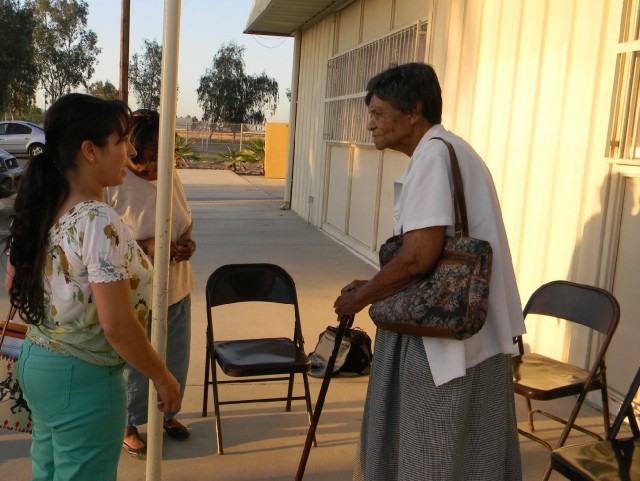
"content": "\u003cfigure id=\"attachment_16162\" class=\"wp-caption alignnone\" style=\"max-width: 640px\">\u003ca href=\"http://ww2.kqed.org/stateofhealth/wp-content/uploads/sites/27/2013/11/Alice_LanareStory-e1383958739240.jpg\">\u003cimg class=\"size-large wp-image-16162 \" src=\"http://ww2.kqed.org/stateofhealth/wp-content/uploads/sites/27/2013/11/Alice_LanareStory-640x480.jpg\" alt=\"(Alice Daniel/KQED)\" width=\"640\" height=\"480\">\u003c/a>\u003cfigcaption class=\"wp-caption-text\">Isabel Solorio (left) and Carrie Bonner talk about water issues outside the Lanare Community Center. (Alice Daniel/KQED)\u003c/figcaption>\u003c/figure>\n\u003cp>\u003cstrong>By Alice Daniel, KQED\u003c/strong>\u003c/p>\n\u003cp>There are no streetlights here in Lanare, no sidewalks, no sewer system in this tiny, rural enclave of 600 smack dab in the middle of farming country in the Central Valley.\u003c/p>\n\u003cp>There is a community center and on this night, many locals are here dancing and eating.\u003c/p>\n\u003cp>“Tonight I make salad and my friend makes beans, and I make beans so just, you know, everybody help,” said Isabel Solorio.\u003c/p>\n\u003caside class=\"pullquote alignleft\">Many people stopped drinking the tap water years ago because it has high levels of arsenic.\u003c/aside>\n\u003cp>Solorio is the president of a local group that holds fundraisers twice a year to support the community center. The group also advocates for clean drinking water –- something Lanare doesn’t have. Lanare did not come out of an organized planning process. Like many unincorporated communities in the San Joaquin Valley, the town arose out of the fields surrounding it.\u003c/p>\n\u003cp>[ad fullwidth]\u003c/p>\n\u003cp>“It was a lot of labor camps, they call them,” said Carrie Bonner, a Lanare resident still tall and strong at 89. “Cotton chopping, picking and cutting grapes. … Whatever season it was, that’s what they would do.”\u003c!--more-->\u003c/p>\n\u003cp>Lanare was once a series of shacks for African-American farmworkers, Bonner says. Her father-in-law ran a juke joint not far from here and was a labor contractor.\u003c/p>\n\u003cp>She said when she first moved to Lanare in the 1950s, there were very few farmworkers who came from Mexico. But as time went on, the population changed. “Now it’s just a few blacks and more Spanish, you know,” she said.\u003c/p>\n\u003cp>\u003cstrong>Water lines arrived in the 70s -- but drinkable water didn't last\u003c/strong>\u003c/p>\n\u003cp>In the 1970s, a Quaker organization helped the people of Lanare build houses and put in water lines. Bonner was one of the first to move into a new home, the one she still lives in today. But she and others stopped drinking the tap water years ago because it has high levels of arsenic.\u003c/p>\n\u003cp>In 2002, the town got some federal grant money to clean the water. “The county allocated it, 1.3 million dollars,” said Veronica Garibay of the Leadership Council for Justice and Accountability.\u003c/p>\n\u003cp>The town used the money to build a water treatment facility in 2006. But there was trouble from the start. Fresno county rubber-stamped the federally funded plant without an adequate cost analysis, said Garibay. It’s expensive to treat arsenic, and costs spiraled beyond what the community could manage. The town had no water meters to track residents’ usage. And some of the pricey filtered water was unintentionally going to irrigate fields. On top of that, the local water district lacked financial and technical expertise.\u003c/p>\n\u003cp>“A board of five volunteers from the community without any background in water operation or maintenance are running a treatment plant,” said Garibay.\u003c/p>\n\u003cp>Lanare couldn’t afford to run it, and the state shut down the plant after just six months. Now the town’s water system is operated by a private company or receiver. Residents pay a monthly bill for running water –- but they still can’t drink it. Instead, many spend $20 to $30 more each month for bottled water. That’s not uncommon in the valley where hundreds more small water districts have problems with pollutants, including nitrates and selenium.\u003c/p>\n\u003cp>\u003cstrong>\"Who gets control of the good water?\"\u003c/strong>\u003c/p>\n\u003cp>“It’s a really complicated story,” said John Capitman, a public policy expert at Fresno State University. “It may be the farming practices of somebody 20 miles away 20 years ago that spoiled the water that your well draws on. So this is something about a long term process of connected aquifers underneath the ground, pumping, history, exploitation. Who gets the control of the good water? It plays out all over the region.”\u003c/p>\n\u003cp>These small, volunteer water districts not only lack the political clout, but also technical and financial wherewithal, he says. “The patience to make it through crazy bureaucratic systems,” he added.\u003c/p>\n\u003cp>And there’s a catch when it comes to technical and financial expertise.\u003c/p>\n\u003cp>\u003cspan>“Those capabilities are also federal requirements in order to get funding,” said Mark Starr, deputy director of the Center for Environmental Health at the California Department of Public Health. His agency is charged with helping these communities comply with the Safe Drinking Water Act.\u003c/span>\u003c/p>\n\u003cp>\u003cstrong>Millions for water improvements left unspent\u003c/strong>\u003c/p>\n\u003cp>But last spring, the EPA scolded the Department of Public Health for failing to spend hundreds of millions of dollars for water improvements. The state said it is working harder to move the funds more quickly and provide more technical assistance.\u003c/p>\n\u003cp>Lanare recently got grants to take steps toward a permanent solution, said Starr. The grants “were used to install water meters, a project that’s underway -- and also educate Lanare residents about conservation.”\u003c/p>\n\u003cp>A study to explore solutions for Lanare will be completed by June, said Starr. These options include digging a new well, restarting the old treatment plant and hooking into a nearby town’s water treatment facility.\u003c/p>\n\u003cp>Back\u003cem> \u003c/em>at the community center, Isabel Solorio said she knows the town is poor and treating tainted water is expensive. But she and other residents won’t quit pushing for clean water.\u003cem> \u003c/em>\u003c/p>\n\u003cp>\u003c/p>\n\u003cp>“It’s a lot of work, but you know what? I am so happy when I see part of my community here and tell everybody ‘come on let’s go working together,’” she said. “Because this is your community.”\u003c/p>\n\n",
"disqusIdentifier": "16161 http://blogs.kqed.org/stateofhealth/?p=16161",
"disqusUrl": "https://ww2.kqed.org/stateofhealth/2013/11/18/central-valley-community-fights-for-clean-water/",
"stats": {
"hasVideo": false,
"hasChartOrMap": false,
"hasAudio": false,
"hasPolis": false,
"wordCount": 970,
"hasGoogleForm": false,
"hasGallery": false,
"hasHearkenModule": false,
"iframeSrcs": [],
"paragraphCount": 27
},
"modified": 1385055931,
"excerpt": "In the 1970s, a Quaker organization helped the people of Lanare build houses and put in water lines. Bonner was one of the first to move into a new home, the one she still lives in today. But she and others stopped drinking the tap water years ago because it has high levels of arsenic.",
"headData": {
"twImgId": "",
"twTitle": "",
"ogTitle": "",
"ogImgId": "",
"twDescription": "",
"description": "In the 1970s, a Quaker organization helped the people of Lanare build houses and put in water lines. Bonner was one of the first to move into a new home, the one she still lives in today. But she and others stopped drinking the tap water years ago because it has high levels of arsenic.",
"title": "Central Valley Community Fights for Clean Drinking Water | KQED",
"ogDescription": "",
"schema": {
"@context": "https://schema.org",
"@type": "Article",
"headline": "Central Valley Community Fights for Clean Drinking Water",
"datePublished": "2013-11-18T01:30:42-08:00",
"dateModified": "2013-11-21T09:45:31-08:00",
"image": "https://cdn.kqed.org/wp-content/uploads/2020/02/KQED-OG-Image@1x.png"
}
},
"guestAuthors": [],
"slug": "central-valley-community-fights-for-clean-water",
"status": "publish",
"path": "/stateofhealth/16161/central-valley-community-fights-for-clean-water",
"audioTrackLength": null,
"parsedContent": [
{
"type": "contentString",
"content": "\u003cdiv class=\"post-body\">\u003cp>\u003cfigure id=\"attachment_16162\" class=\"wp-caption alignnone\" style=\"max-width: 640px\">\u003ca href=\"http://ww2.kqed.org/stateofhealth/wp-content/uploads/sites/27/2013/11/Alice_LanareStory-e1383958739240.jpg\">\u003cimg class=\"size-large wp-image-16162 \" src=\"http://ww2.kqed.org/stateofhealth/wp-content/uploads/sites/27/2013/11/Alice_LanareStory-640x480.jpg\" alt=\"(Alice Daniel/KQED)\" width=\"640\" height=\"480\">\u003c/a>\u003cfigcaption class=\"wp-caption-text\">Isabel Solorio (left) and Carrie Bonner talk about water issues outside the Lanare Community Center. (Alice Daniel/KQED)\u003c/figcaption>\u003c/figure>\n\u003cp>\u003cstrong>By Alice Daniel, KQED\u003c/strong>\u003c/p>\n\u003cp>There are no streetlights here in Lanare, no sidewalks, no sewer system in this tiny, rural enclave of 600 smack dab in the middle of farming country in the Central Valley.\u003c/p>\n\u003cp>There is a community center and on this night, many locals are here dancing and eating.\u003c/p>\n\u003cp>“Tonight I make salad and my friend makes beans, and I make beans so just, you know, everybody help,” said Isabel Solorio.\u003c/p>\n\u003caside class=\"pullquote alignleft\">Many people stopped drinking the tap water years ago because it has high levels of arsenic.\u003c/aside>\n\u003cp>Solorio is the president of a local group that holds fundraisers twice a year to support the community center. The group also advocates for clean drinking water –- something Lanare doesn’t have. Lanare did not come out of an organized planning process. Like many unincorporated communities in the San Joaquin Valley, the town arose out of the fields surrounding it.\u003c/p>\n\u003cp>\u003c/p>\u003c/div>",
"attributes": {
"named": {},
"numeric": []
}
},
{
"type": "component",
"content": "",
"name": "ad",
"attributes": {
"named": {
"label": "fullwidth"
},
"numeric": [
"fullwidth"
]
}
},
{
"type": "contentString",
"content": "\u003cdiv class=\"post-body\">\u003cp>\u003c/p>\n\u003cp>“It was a lot of labor camps, they call them,” said Carrie Bonner, a Lanare resident still tall and strong at 89. “Cotton chopping, picking and cutting grapes. … Whatever season it was, that’s what they would do.”\u003c!--more-->\u003c/p>\n\u003cp>Lanare was once a series of shacks for African-American farmworkers, Bonner says. Her father-in-law ran a juke joint not far from here and was a labor contractor.\u003c/p>\n\u003cp>She said when she first moved to Lanare in the 1950s, there were very few farmworkers who came from Mexico. But as time went on, the population changed. “Now it’s just a few blacks and more Spanish, you know,” she said.\u003c/p>\n\u003cp>\u003cstrong>Water lines arrived in the 70s -- but drinkable water didn't last\u003c/strong>\u003c/p>\n\u003cp>In the 1970s, a Quaker organization helped the people of Lanare build houses and put in water lines. Bonner was one of the first to move into a new home, the one she still lives in today. But she and others stopped drinking the tap water years ago because it has high levels of arsenic.\u003c/p>\n\u003cp>In 2002, the town got some federal grant money to clean the water. “The county allocated it, 1.3 million dollars,” said Veronica Garibay of the Leadership Council for Justice and Accountability.\u003c/p>\n\u003cp>The town used the money to build a water treatment facility in 2006. But there was trouble from the start. Fresno county rubber-stamped the federally funded plant without an adequate cost analysis, said Garibay. It’s expensive to treat arsenic, and costs spiraled beyond what the community could manage. The town had no water meters to track residents’ usage. And some of the pricey filtered water was unintentionally going to irrigate fields. On top of that, the local water district lacked financial and technical expertise.\u003c/p>\n\u003cp>“A board of five volunteers from the community without any background in water operation or maintenance are running a treatment plant,” said Garibay.\u003c/p>\n\u003cp>Lanare couldn’t afford to run it, and the state shut down the plant after just six months. Now the town’s water system is operated by a private company or receiver. Residents pay a monthly bill for running water –- but they still can’t drink it. Instead, many spend $20 to $30 more each month for bottled water. That’s not uncommon in the valley where hundreds more small water districts have problems with pollutants, including nitrates and selenium.\u003c/p>\n\u003cp>\u003cstrong>\"Who gets control of the good water?\"\u003c/strong>\u003c/p>\n\u003cp>“It’s a really complicated story,” said John Capitman, a public policy expert at Fresno State University. “It may be the farming practices of somebody 20 miles away 20 years ago that spoiled the water that your well draws on. So this is something about a long term process of connected aquifers underneath the ground, pumping, history, exploitation. Who gets the control of the good water? It plays out all over the region.”\u003c/p>\n\u003cp>These small, volunteer water districts not only lack the political clout, but also technical and financial wherewithal, he says. “The patience to make it through crazy bureaucratic systems,” he added.\u003c/p>\n\u003cp>And there’s a catch when it comes to technical and financial expertise.\u003c/p>\n\u003cp>\u003cspan>“Those capabilities are also federal requirements in order to get funding,” said Mark Starr, deputy director of the Center for Environmental Health at the California Department of Public Health. His agency is charged with helping these communities comply with the Safe Drinking Water Act.\u003c/span>\u003c/p>\n\u003cp>\u003cstrong>Millions for water improvements left unspent\u003c/strong>\u003c/p>\n\u003cp>But last spring, the EPA scolded the Department of Public Health for failing to spend hundreds of millions of dollars for water improvements. The state said it is working harder to move the funds more quickly and provide more technical assistance.\u003c/p>\n\u003cp>Lanare recently got grants to take steps toward a permanent solution, said Starr. The grants “were used to install water meters, a project that’s underway -- and also educate Lanare residents about conservation.”\u003c/p>\n\u003cp>A study to explore solutions for Lanare will be completed by June, said Starr. These options include digging a new well, restarting the old treatment plant and hooking into a nearby town’s water treatment facility.\u003c/p>\n\u003cp>Back\u003cem> \u003c/em>at the community center, Isabel Solorio said she knows the town is poor and treating tainted water is expensive. But she and other residents won’t quit pushing for clean water.\u003cem> \u003c/em>\u003c/p>\n\u003cp>\u003c/p>\n\u003cp>“It’s a lot of work, but you know what? I am so happy when I see part of my community here and tell everybody ‘come on let’s go working together,’” she said. “Because this is your community.”\u003c/p>\n\n\u003c/div>\u003c/p>",
"attributes": {
"named": {},
"numeric": []
}
}
],
"link": "/stateofhealth/16161/central-valley-community-fights-for-clean-water",
"authors": [
"8344"
],
"categories": [
"stateofhealth_11"
],
"tags": [
"stateofhealth_280",
"stateofhealth_461"
],
"featImg": "stateofhealth_16162",
"label": "stateofhealth"
},
"science_11115": {
"type": "posts",
"id": "science_11115",
"meta": {
"index": "posts_1716263798",
"site": "science",
"id": "11115",
"score": null,
"sort": [
1384803489000
]
},
"parent": 0,
"labelTerm": {
"site": "science"
},
"blocks": [],
"publishDate": 1384803489,
"format": "aside",
"title": "Great American Smokeout: Time to Quit",
"headTitle": "Great American Smokeout: Time to Quit | KQED",
"content": "\u003cfigure id=\"attachment_11121\" class=\"wp-caption alignnone\" style=\"max-width: 640px\">\u003ca href=\"http://ww2.kqed.org/science/wp-content/uploads/sites/35/2013/11/5417497780_b808bd9450_z_flickr_olumi_day_640x360.jpg\" rel=\"attachment wp-att-11121\">\u003cimg loading=\"lazy\" decoding=\"async\" src=\"http://ww2.kqed.org/science/wp-content/uploads/sites/35/2013/11/5417497780_b808bd9450_z_flickr_olumi_day_640x360.jpg\" alt=\"cigarette stubs in an ashtray\" width=\"640\" height=\"360\" class=\"size-full wp-image-11121\">\u003c/a>\u003cfigcaption class=\"wp-caption-text\">Photograph courtesy of \u003ca href=\"http://www.flickr.com/photos/olumi_day/5417497780/\">olumi_day\u003c/a> via a Creative Commons license.\u003c/figcaption>\u003c/figure>\n\u003cp>Smoking used to be portrayed as being glamorous in advertisements and movies. In old films, actors constantly smoked cigarettes and a tough guy usually had one hanging out the side of his mouth. It’s debatable whether smoking still makes you look cool, especially since there are fewer and fewer public places you’re even allowed to smoke. Plus we now better understand the health risks of tobacco products.\u003c/p>\n\u003cp>\u003ca href=\"http://www.cdc.gov/tobacco/data_statistics/fact_sheets/index.htm\" title=\"CDC statistics on tobacco use\">Tobacco use\u003c/a> is the single largest preventable cause of disease and premature death in the United States, but nearly 44 million Americans still smoke cigarettes – 1 in every 5 adults. There are also 14 million cigar smokers and 2 million pipe smokers. \u003c/p>\n\u003cp>Tobacco use is not quite as widespread \u003ca href=\"http://www.cdc.gov/tobacco/data_statistics/state_data/state_highlights/2012/states/california/\" title=\"CDC statistics on California tobacco use\">in California\u003c/a>, where just over 1 in every 7 adults smokes cigarettes. In the past year, 61 percent of these smokers attempted to quit. \u003c/p>\n\u003cp>There are many good reasons to quit smoking, and health concerns usually top the list. Half of all smokers who keep smoking die from a smoking-related illness, including lung cancer, other types of cancer, heart attack, stroke, or lung disease. Women who smoke are also more likely to miscarry or have a baby with a low birth-weight.\u003c/p>\n\u003cp>There are both immediate and long-term \u003ca href=\"http://www.cancer.org/healthy/stayawayfromtobacco/guidetoquittingsmoking/guide-to-quitting-smoking-benefits\" title=\"American Cancer Society: health benefits for quitting\">health benefits when smokers quit\u003c/a>. After quitting for:\u003c/p>\n\u003cul>\n\u003cli>\u003cem>20 minutes\u003c/em>, your heart rate and blood pressure drop.\u003c/li>\n\u003cli>\u003cem>12 hours\u003c/em>, the carbon monoxide level in your blood drops to normal.\u003c/li>\n\u003cli>\u003cem>2 weeks – 3 months\u003c/em>, your circulation improves and lung function increases.\u003c/li>\n\u003cli>\u003cem>1 – 9 months\u003c/em>, your coughing and shortness of breath decrease.\u003c/li>\n\u003cli>\u003cem>1 year\u003c/em>, your risk of heart disease due to smoking cuts in half.\u003c/li>\n\u003cli>\u003cem>5 years\u003c/em>, your risk of various cancers (mouth, throat, esophagus, and bladder) is cut in half.\u003c/li>\n\u003cli>\u003cem>15 years\u003c/em>, your risk of heart disease is the same as a non-smoker.\u003c/li>\n\u003c/ul>\n\u003cp>Cigarettes are also expensive. You can use a \u003ca href=\"http://www.ucanquit2.org/calculator/\" title=\"cigarette use cost calculator\">savings calculator\u003c/a> to see how much money you would save if you quit smoking. For example, a pack of \u003ca href=\"http://www.theawl.com/2013/07/what-a-pack-of-cigarettes-costs-now-state-by-state\" title=\"average cigarette cost by state\">cigarettes costs\u003c/a> $6.77 on average in California. If you smoke a half pack (10 cigarettes) per day, this adds up $24 per week or $1220 per year. \u003c/p>\n\u003cp>[ad fullwidth]\u003c/p>\n\u003cp>Of course, the nicotine in tobacco is very addictive so quitting can be difficult, but the chance of success is increased with help. There are many \u003ca href=\"http://smokefree.gov/explore-quit-methods\" title=\"Treatment Options for Quitting\">treatment options\u003c/a> used to help smokers quit and many of these treatments are covered by health insurance. \u003c/p>\n\u003cp>The most effective quitting method is a combination of counseling, social support and the use of cessation medication. The most common form of counseling is through telephone-quit lines, which provide free support and advice from an experienced cessation counselor. The counselor can provide a personalized quit plan, self-help materials, the latest information on cessation medications, and social support. For instance, 1-800-QUIT-NOW is a free national counseling service. Many clinics and hospitals also have counselors and support groups that you can meet with face-to-face. Counseling and support groups are also available online.\u003c/p>\n\u003cp>There are a variety of cessation medications that are available either over the counter or with a prescription. Nicotine replacement therapies deliver nicotine to help reduce the severity of nicotine withdrawal symptoms. The nicotine dose is gradually reduced over time. Nicotine gum, lozenges and patches can be purchased over the counter, whereas nicotine inhalers or nasal sprays require a doctor’s prescription. \u003c/p>\n\u003cp>Bupropioin SR (Wellbutrin or Zyban) is a non-nicotine prescription medication that acts on the chemicals in the brain that are related to nicotine craving. It can be used alone or with nicotine replacement products. Verenicline (Chantix) is a non-nicotine prescription medication that blocks the effects of nicotine, so it should not be used in combination with nicotine replacement products.\u003c/p>\n\u003cp>It is important for smokers to speak with their doctor and/or a cessation counselor to make a personalized quit plan that is right for them. And this week is a good time to get started, just in time to take part in the \u003ca href=\"http://www.cancer.org/healthy/stayawayfromtobacco/greatamericansmokeout/index\" title=\"ACS Great American Smokeout\">Great American Smokeout\u003c/a> on November 21. Smokers across the nation will use this Thursday to make a quit plan, or plan in advance and quit smoking.\u003c/p>\n\u003cp>The Great American Smokeout happens every year on the third Thursday of November. It started in California back in 1976 when nearly 1 million smokers quit for the day, then the American Cancer Society expanded the program nationwide the next year. It has drawn attention to the deaths and chronic diseases caused by smoking, resulting in laws that ban smoking in restaurants and other public places.\u003c/p>\n\u003cp>\u003c/p>\n\u003cp>The Great American Smokeout is celebrated with rallies, parades, stunts, quit programs, and “cold turkey” menu items. For instance, the community is invited to receive up-to-date cessation information, resources and giveaways at \u003ca href=\"http://smokingcessationleadership.ucsf.edu/gaso.htm\" title=\"UCSF event information\">UCSF Medical Center’s Great American Smokeout event\u003c/a> from 9-10 am and 12-1 pm on their Parnassus, Laurel Heights, Mission Bay and Mount Zion campuses. \u003ca href=\"http://www.uhs.berkeley.edu/home/news/gaso2013.shtml\" title=\"UC Berkeley event information\">UC Berkeley\u003c/a> is also celebrating the event with a “cold turkey” give-away – get a free cold turkey sandwich in exchange for a pack of cigarettes from 11 am – 2 pm at Sproul plaza. \u003c/p>\n\n",
"stats": {
"hasVideo": false,
"hasChartOrMap": false,
"hasAudio": false,
"hasPolis": false,
"wordCount": 875,
"hasGoogleForm": false,
"hasGallery": false,
"hasHearkenModule": false,
"iframeSrcs": [],
"paragraphCount": 15
},
"modified": 1704934682,
"excerpt": "There are many good reasons to quit smoking, including better health and saving money. There is also a good time to quit: this Thursday during the Great American Smokeout. ",
"headData": {
"twImgId": "",
"twTitle": "",
"ogTitle": "",
"ogImgId": "",
"twDescription": "",
"description": "There are many good reasons to quit smoking, including better health and saving money. There is also a good time to quit: this Thursday during the Great American Smokeout. ",
"title": "Great American Smokeout: Time to Quit | KQED",
"ogDescription": "",
"schema": {
"@context": "https://schema.org",
"@type": "Article",
"headline": "Great American Smokeout: Time to Quit",
"datePublished": "2013-11-18T11:38:09-08:00",
"dateModified": "2024-01-10T16:58:02-08:00",
"image": "https://cdn.kqed.org/wp-content/uploads/2020/02/KQED-OG-Image@1x.png"
}
},
"guestAuthors": [],
"slug": "great-american-smokeout-time-to-quit",
"status": "publish",
"sticky": false,
"path": "/science/11115/great-american-smokeout-time-to-quit",
"audioTrackLength": null,
"parsedContent": [
{
"type": "contentString",
"content": "\u003cdiv class=\"post-body\">\u003cp>\u003cfigure id=\"attachment_11121\" class=\"wp-caption alignnone\" style=\"max-width: 640px\">\u003ca href=\"http://ww2.kqed.org/science/wp-content/uploads/sites/35/2013/11/5417497780_b808bd9450_z_flickr_olumi_day_640x360.jpg\" rel=\"attachment wp-att-11121\">\u003cimg loading=\"lazy\" decoding=\"async\" src=\"http://ww2.kqed.org/science/wp-content/uploads/sites/35/2013/11/5417497780_b808bd9450_z_flickr_olumi_day_640x360.jpg\" alt=\"cigarette stubs in an ashtray\" width=\"640\" height=\"360\" class=\"size-full wp-image-11121\">\u003c/a>\u003cfigcaption class=\"wp-caption-text\">Photograph courtesy of \u003ca href=\"http://www.flickr.com/photos/olumi_day/5417497780/\">olumi_day\u003c/a> via a Creative Commons license.\u003c/figcaption>\u003c/figure>\n\u003cp>Smoking used to be portrayed as being glamorous in advertisements and movies. In old films, actors constantly smoked cigarettes and a tough guy usually had one hanging out the side of his mouth. It’s debatable whether smoking still makes you look cool, especially since there are fewer and fewer public places you’re even allowed to smoke. Plus we now better understand the health risks of tobacco products.\u003c/p>\n\u003cp>\u003ca href=\"http://www.cdc.gov/tobacco/data_statistics/fact_sheets/index.htm\" title=\"CDC statistics on tobacco use\">Tobacco use\u003c/a> is the single largest preventable cause of disease and premature death in the United States, but nearly 44 million Americans still smoke cigarettes – 1 in every 5 adults. There are also 14 million cigar smokers and 2 million pipe smokers. \u003c/p>\n\u003cp>Tobacco use is not quite as widespread \u003ca href=\"http://www.cdc.gov/tobacco/data_statistics/state_data/state_highlights/2012/states/california/\" title=\"CDC statistics on California tobacco use\">in California\u003c/a>, where just over 1 in every 7 adults smokes cigarettes. In the past year, 61 percent of these smokers attempted to quit. \u003c/p>\n\u003cp>There are many good reasons to quit smoking, and health concerns usually top the list. Half of all smokers who keep smoking die from a smoking-related illness, including lung cancer, other types of cancer, heart attack, stroke, or lung disease. Women who smoke are also more likely to miscarry or have a baby with a low birth-weight.\u003c/p>\n\u003cp>There are both immediate and long-term \u003ca href=\"http://www.cancer.org/healthy/stayawayfromtobacco/guidetoquittingsmoking/guide-to-quitting-smoking-benefits\" title=\"American Cancer Society: health benefits for quitting\">health benefits when smokers quit\u003c/a>. After quitting for:\u003c/p>\n\u003cul>\n\u003cli>\u003cem>20 minutes\u003c/em>, your heart rate and blood pressure drop.\u003c/li>\n\u003cli>\u003cem>12 hours\u003c/em>, the carbon monoxide level in your blood drops to normal.\u003c/li>\n\u003cli>\u003cem>2 weeks – 3 months\u003c/em>, your circulation improves and lung function increases.\u003c/li>\n\u003cli>\u003cem>1 – 9 months\u003c/em>, your coughing and shortness of breath decrease.\u003c/li>\n\u003cli>\u003cem>1 year\u003c/em>, your risk of heart disease due to smoking cuts in half.\u003c/li>\n\u003cli>\u003cem>5 years\u003c/em>, your risk of various cancers (mouth, throat, esophagus, and bladder) is cut in half.\u003c/li>\n\u003cli>\u003cem>15 years\u003c/em>, your risk of heart disease is the same as a non-smoker.\u003c/li>\n\u003c/ul>\n\u003cp>Cigarettes are also expensive. You can use a \u003ca href=\"http://www.ucanquit2.org/calculator/\" title=\"cigarette use cost calculator\">savings calculator\u003c/a> to see how much money you would save if you quit smoking. For example, a pack of \u003ca href=\"http://www.theawl.com/2013/07/what-a-pack-of-cigarettes-costs-now-state-by-state\" title=\"average cigarette cost by state\">cigarettes costs\u003c/a> $6.77 on average in California. If you smoke a half pack (10 cigarettes) per day, this adds up $24 per week or $1220 per year. \u003c/p>\n\u003cp>\u003c/p>\u003c/div>",
"attributes": {
"named": {},
"numeric": []
}
},
{
"type": "component",
"content": "",
"name": "ad",
"attributes": {
"named": {
"label": "fullwidth"
},
"numeric": [
"fullwidth"
]
}
},
{
"type": "contentString",
"content": "\u003cdiv class=\"post-body\">\u003cp>\u003c/p>\n\u003cp>Of course, the nicotine in tobacco is very addictive so quitting can be difficult, but the chance of success is increased with help. There are many \u003ca href=\"http://smokefree.gov/explore-quit-methods\" title=\"Treatment Options for Quitting\">treatment options\u003c/a> used to help smokers quit and many of these treatments are covered by health insurance. \u003c/p>\n\u003cp>The most effective quitting method is a combination of counseling, social support and the use of cessation medication. The most common form of counseling is through telephone-quit lines, which provide free support and advice from an experienced cessation counselor. The counselor can provide a personalized quit plan, self-help materials, the latest information on cessation medications, and social support. For instance, 1-800-QUIT-NOW is a free national counseling service. Many clinics and hospitals also have counselors and support groups that you can meet with face-to-face. Counseling and support groups are also available online.\u003c/p>\n\u003cp>There are a variety of cessation medications that are available either over the counter or with a prescription. Nicotine replacement therapies deliver nicotine to help reduce the severity of nicotine withdrawal symptoms. The nicotine dose is gradually reduced over time. Nicotine gum, lozenges and patches can be purchased over the counter, whereas nicotine inhalers or nasal sprays require a doctor’s prescription. \u003c/p>\n\u003cp>Bupropioin SR (Wellbutrin or Zyban) is a non-nicotine prescription medication that acts on the chemicals in the brain that are related to nicotine craving. It can be used alone or with nicotine replacement products. Verenicline (Chantix) is a non-nicotine prescription medication that blocks the effects of nicotine, so it should not be used in combination with nicotine replacement products.\u003c/p>\n\u003cp>It is important for smokers to speak with their doctor and/or a cessation counselor to make a personalized quit plan that is right for them. And this week is a good time to get started, just in time to take part in the \u003ca href=\"http://www.cancer.org/healthy/stayawayfromtobacco/greatamericansmokeout/index\" title=\"ACS Great American Smokeout\">Great American Smokeout\u003c/a> on November 21. Smokers across the nation will use this Thursday to make a quit plan, or plan in advance and quit smoking.\u003c/p>\n\u003cp>The Great American Smokeout happens every year on the third Thursday of November. It started in California back in 1976 when nearly 1 million smokers quit for the day, then the American Cancer Society expanded the program nationwide the next year. It has drawn attention to the deaths and chronic diseases caused by smoking, resulting in laws that ban smoking in restaurants and other public places.\u003c/p>\n\u003cp>\u003c/p>\n\u003cp>The Great American Smokeout is celebrated with rallies, parades, stunts, quit programs, and “cold turkey” menu items. For instance, the community is invited to receive up-to-date cessation information, resources and giveaways at \u003ca href=\"http://smokingcessationleadership.ucsf.edu/gaso.htm\" title=\"UCSF event information\">UCSF Medical Center’s Great American Smokeout event\u003c/a> from 9-10 am and 12-1 pm on their Parnassus, Laurel Heights, Mission Bay and Mount Zion campuses. \u003ca href=\"http://www.uhs.berkeley.edu/home/news/gaso2013.shtml\" title=\"UC Berkeley event information\">UC Berkeley\u003c/a> is also celebrating the event with a “cold turkey” give-away – get a free cold turkey sandwich in exchange for a pack of cigarettes from 11 am – 2 pm at Sproul plaza. \u003c/p>\n\n\u003c/div>\u003c/p>",
"attributes": {
"named": {},
"numeric": []
}
}
],
"link": "/science/11115/great-american-smokeout-time-to-quit",
"authors": [
"6360"
],
"categories": [
"science_37",
"science_39"
],
"tags": [
"science_64"
],
"featImg": "science_11121",
"label": "science"
},
"science_10784": {
"type": "posts",
"id": "science_10784",
"meta": {
"index": "posts_1716263798",
"site": "science",
"id": "10784",
"score": null,
"sort": [
1383955933000
]
},
"parent": 0,
"labelTerm": {
"site": "science"
},
"blocks": [],
"publishDate": 1383955933,
"format": "aside",
"title": "Meditation May Ease PTSD in Combat Vets",
"headTitle": "Meditation May Ease PTSD in Combat Vets | KQED",
"content": "\u003cdiv class=\"audio-wrap\">\n\u003ch2>Listen:\u003c/h2>\n\u003cp>http://www.kqed.org/.stream/anon/radio/science/2013/11/20131111science.mp3\u003c/p>\n\u003c/div>\n\u003cp>\u003cem>This is a revised version of a story originally broadcast in October, 2012. \u003c/em>\u003c/p>\n\u003cfigure id=\"attachment_10824\" class=\"wp-caption alignleft\" style=\"max-width: 640px\">\u003ca href=\"http://ww2.kqed.org/science/wp-content/uploads/sites/35/2013/11/military.jpg\">\u003cimg loading=\"lazy\" decoding=\"async\" src=\"http://ww2.kqed.org/science/wp-content/uploads/sites/35/2013/11/military.jpg\" alt=\"U.S. Army soldiers walk off the plane as they arrive at their home base after leaving Iraq. (Joe Raedle/Getty Images)\" width=\"640\" height=\"360\" class=\"size-full wp-image-10824\">\u003c/a>\u003cfigcaption class=\"wp-caption-text\">U.S. Army soldiers walk off the plane as they arrive at their home base after leaving Iraq. (Joe Raedle/Getty Images)\u003c/figcaption>\u003c/figure>\n\u003cp>Every Veterans Day, we talk about the challenges veterans face back home from war. And in recent years, we’ve heard a lot about one challenge in particular: post-traumatic stress disorder.\u003c/p>\n\u003cp>It’s estimated that 15 percent of soldiers who have returned from conflicts in Iraq and Afghanistan suffer from PTSD. That amounts to—and it’s a conservative estimate—some 250,000 people in the United States who experience PTSD-related symptoms.\u003c/p>\n\u003cp>Of course, there’s nothing new about PTSD, and what that number leaves out are the veterans of previous wars whose lives have been derailed by the disease to some extent, even decades after they returned from war.\u003c/p>\n\u003cp>Despite all the attention on PTSD, the disease remains stubbornly hard to treat. That has forced the Department of Veterans Affairs to explore treatments that would have been considered decidedly from-the-fringes a generation ago. Some of that work is taking place at the Menlo Park division of the VA Palo Alto Health Care System.\u003cbr>\n\u003cstrong>\u003cbr>\n“My little safe zone”\u003c/strong>\u003c/p>\n\u003caside class=\"pullquote alignleft\">Our society teaches us to go to school, live with our families and stuff, not to blow somebody else up.\u003c/aside>\n\u003cp>John Montgomery is a Vietnam vet with a bushy gray mustache and a tattoo of a scorpion on each forearm.\u003c/p>\n\u003cp>[ad fullwidth]\u003c/p>\n\u003cp>I met him at the Menlo Park VA hospital, where he was being treated for the PTSD that had haunted him ever since he came back from the war.\u003c/p>\n\u003cp>During his time in the clinic, Montgomery had been thinking a lot about his life before the war. What relaxed him, he said, was to think about his childhood on the family farm.\u003c/p>\n\u003cp>“We were dirt farmer kids,” he tells me. “It was the summer of 1957. We were irrigating 80 acres of cotton. I was laying back on a haystack at home. My brother was yelling, off in the distance, and I was just laying back.”\u003c/p>\n\u003cp>Montgomery trails off for a moment, lost in the memory. “Yeah, that’s my little safe zone,” he says.\u003c/p>\n\u003cp>But when he talks about Vietnam and what he saw there, something in his voice changes. Montgomery speaks louder and more quickly.\u003c/p>\n\u003cp>“Our society teaches us to go to school, live with our families and stuff, not to blow somebody else up,” he says. The image he can’t shake—even now, nearly four decades after his return—is of Vietnamese children trying to kill him. “They were after you, you know?”\u003c/p>\n\u003cp>Montgomery hadn’t even heard of PTSD until a few years ago. He sought help after decades of what he calls failed relationships and self-abuse. Part of his treatment is a twice-weekly guided meditation session.\u003c/p>\n\u003cp>On a bright fall afternoon, four men slouch in armchairs arranged in a circle. One younger vet in board shorts and flip flops lies on the floor. A couple of therapy dogs—golden retrievers named Eldridge and Elaine—settle at their owners’ feet.\u003c/p>\n\u003cp>Two of the vets served in Vietnam; three younger men served in Iraq.\u003c/p>\n\u003cp>Leah Weiss, a meditation trainer from \u003ca href=\"http://ccare.stanford.edu/\" target=\"_blank\" rel=\"noopener\">Stanford’s Center for Compassion and Altruism Research and Education\u003c/a>, begins the session.\u003c/p>\n\u003cp>“Let’s start with three deep, cleansing breaths,” she says.\u003cbr>\n\u003cstrong>\u003cbr>\nAn old approach, revisited.\u003c/strong>\u003c/p>\n\u003cp>The VA first began exploring meditation as a complementary treatment for PTSD back in the 1970s, says Stephen Xenakis, a retired brigadier general who formerly oversaw the Southeast Army Regional Medical Command.\u003c/p>\n\u003cp>In the 1970s, Xenakis worked as a psychiatrist with Vietnam vets at the former Letterman Army Medical Center, in San Francisco’s Presidio. He says meditation was one of several Eastern-inspired treatments that he and others were experimenting with.\u003c/p>\n\u003caside class=\"pullquote alignleft\">These other options that we had learned were helpful, back in the ‘70s, kind of fell off to the wayside.\u003c/aside>\n\u003cp>Even back then, he says, it was clear that \u003ca href=\"http://www.ncbi.nlm.nih.gov/pubmed/22669968\" target=\"_blank\" rel=\"noopener\">meditation could help\u003c/a> calm the nervous systems not just of veterans, but also prisoners and other people suffering from trauma.\u003c/p>\n\u003cp>But getting the VA to integrate meditation into its standard treatment was tough, especially after the late 1980s when drugs like Prozac came on the scene. The drugs were easy to study and prescribe, cheap to administer. For a lot of patients, they were very effective.\u003c/p>\n\u003cp>“I think in many ways,” he says, “these other options that we had learned were helpful, back in the ‘70s, kind of fell off to the wayside.”\u003c/p>\n\u003cp>In recent years, it’s become clear that drugs are no panacea. Side effects are common. And for about half of PTSD patients, the drugs don’t work at all. A \u003ca href=\"http://www.iom.edu/Reports/2012/Treatment-for-Posttraumatic-Stress-Disorder-in-Military-and-Veteran-Populations-Initial-Assessment.aspx\" target=\"_blank\" rel=\"noopener\">recent report\u003c/a> from the Institute of Medicine concluded that “the evidence is inadequate” to demonstrate that SSRIs like Prozac are generally effective in treating PTSD.\u003c/p>\n\u003cp>Those limitations have spurred renewed interest in other approaches, such as meditation.\u003c/p>\n\u003cp>\u003cstrong>What meditation may do for the brain\u003c/strong>\u003c/p>\n\u003cp>Back in the TV room at the Menlo Park VA, Weiss’s voice is calm, almost hypnotic. She tells the men to “bring to mind a stranger, maybe someone you pass by when you’re commuting.”\u003c/p>\n\u003cp>“Consider,” she instructs them, “that just like me, this person has had ups and downs in his or her life. Just like me, this person has had goals and dreams. Just like me, this person knows what it’s like to be disappointed, or to feel afraid.”\u003c/p>\n\u003cp>This particular practice, called “\u003ca href=\"http://www.ncbi.nlm.nih.gov/pubmed/21840289\" target=\"_blank\" rel=\"noopener\">compassion meditation\u003c/a>,” aims at a specific and widely held hypothesis about what is happening in the brain of someone like Vietnam vet John Montgomery.\u003c/p>\n\u003cp>The idea is that in combat, a switch—a fight-or-flight survival mode located in a part of the brain called the amygdala—has been turned on, and essentially become stuck. Meanwhile, another part, the frontal cortex, takes the backseat. And that’s critical. Because this part of the brain helps us relate to other people.\u003c/p>\n\u003cp>“The frontal cortex,” says Stephen Xenakis, “is what allows us to have relationships and families, what gives us a sense that there are rules of society and morality. It’s part of what is different about our brains from even other primates, and clearly other mammals.”\u003c/p>\n\u003cp>Whether or not this kind of meditation is effective in treating PTSD is, from a scientific standpoint, still unknown. According to a \u003ca href=\"http://www.ncbi.nlm.nih.gov/pubmed/22669968\" target=\"_blank\" rel=\"noopener\">2012 meta-analysis\u003c/a> on the efficacy of different kinds of meditation in treating PTSD, studies have shown that repeated sessions can increase “positive affect” and “social connectedness,” both of which are deficient in PTSD patients.\u003c/p>\n\u003cp>Meditation in general, wrote the authors, “holds some promise” as a treatment for PTSD.\u003c/p>\n\u003cp>\u003cstrong>Advice from an older veteran\u003c/strong>\u003c/p>\n\u003cp>After about 20 minutes, Weiss asks the men to open their eyes and to reflect on what the meditation made them feel.\u003c/p>\n\u003cp>Most of the men have been taking part in these sessions for a couple months now. They’ve been listening to CDs with Weiss’s voice back in their rooms. They say they feel calmer, and more compassionate toward other people.\u003c/p>\n\u003cp>But one of them, Esteban Brojas, is newer to this. Brojas served during the Iraq invasion in 2003. In some ways, he says, it’s like he’s still there.\u003c/p>\n\u003cp>[soundcloud url=”https://api.soundcloud.com/tracks/119088392″ width=”100%” height=”166″ iframe=”true” /]\u003c/p>\n\u003cp>Coming back to civilian life has been “a culture shock,” he says. “You’re still with that adrenaline; you’re still hyper-vigilant.”\u003c/p>\n\u003cp>Brojas’s wife gave birth to their daughter while he was in Iraq. When he came back, he didn’t know how to hold her. “After taking someone’s life? It’s hard,” he says.\u003c/p>\n\u003cp>As he speaks, Brojas’s voice starts to tremble and speed up. He rubs his hands together quickly as he rocks back and forth in his armchair.\u003c/p>\n\u003cp>“After the fact that you’re going into a building and there’s a grenade being popped in there and there’s a woman and a child in there? And you’re part of that? That’s hard. And to come home and hold your daughter in your hands?”\u003c/p>\n\u003cp>Doreen, the therapist steps in. “I would say…” she begins, tentatively.\u003c/p>\n\u003cp>John Montgomery steps in.\u003c/p>\n\u003cp>“You’re not there right now, you’re right here,” he tells Brojas, firmly. “You’re in this environment, here. I mean, it’ll take time, it’s like a wave coming. It’ll subside.”\u003c/p>\n\u003cp>Montgomery’s doing something he thought he had forgotten how to do: feel compassion.\u003c/p>\n\u003cp>[ad floatright]\u003c/p>\n\u003cp>VA officials are now expanding the program and bringing it to women veterans, among others. The hope is to reach more vets sooner than it took John Montgomery to find the help he needs.\u003c/p>\n\n",
"stats": {
"hasVideo": false,
"hasChartOrMap": false,
"hasAudio": true,
"hasPolis": false,
"wordCount": 1609,
"hasGoogleForm": false,
"hasGallery": false,
"hasHearkenModule": false,
"iframeSrcs": [],
"paragraphCount": 48
},
"modified": 1704934730,
"excerpt": "The crisis of post-traumatic stress disorder -- both for newly returned vets and Vietnam vets who have lived with PTSD for decades -- is forcing the US military to explore some unorthodox treatments, including \"compassion meditation.\"",
"headData": {
"twImgId": "",
"twTitle": "",
"ogTitle": "",
"ogImgId": "",
"twDescription": "",
"description": "The crisis of post-traumatic stress disorder -- both for newly returned vets and Vietnam vets who have lived with PTSD for decades -- is forcing the US military to explore some unorthodox treatments, including "compassion meditation."",
"title": "Meditation May Ease PTSD in Combat Vets | KQED",
"ogDescription": "",
"schema": {
"@context": "https://schema.org",
"@type": "Article",
"headline": "Meditation May Ease PTSD in Combat Vets",
"datePublished": "2013-11-08T16:12:13-08:00",
"dateModified": "2024-01-10T16:58:50-08:00",
"image": "https://cdn.kqed.org/wp-content/uploads/2020/02/KQED-OG-Image@1x.png"
}
},
"guestAuthors": [],
"slug": "meditation-may-ease-ptsd-in-combat-vets",
"status": "publish",
"audioUrl": "http://www.kqed.org/.stream/anon/radio/science/2013/11/20131111science.mp3",
"sticky": false,
"path": "/science/10784/meditation-may-ease-ptsd-in-combat-vets",
"audioTrackLength": null,
"parsedContent": [
{
"type": "contentString",
"content": "\u003cdiv class=\"post-body\">\u003cp>\u003cdiv class=\"audio-wrap\">\n\u003ch2>Listen:\u003c/h2>\u003c/p>\u003c/div>",
"attributes": {
"named": {},
"numeric": []
}
},
{
"type": "component",
"content": "",
"name": "audioLink",
"attributes": {
"named": {
"src": "http://www.kqed.org/.stream/anon/radio/science/2013/11/20131111science.mp3"
},
"numeric": []
}
},
{
"type": "contentString",
"content": "\u003cdiv class=\"post-body\">\u003cp>\u003c/div>\n\u003cp>\u003cem>This is a revised version of a story originally broadcast in October, 2012. \u003c/em>\u003c/p>\n\u003cfigure id=\"attachment_10824\" class=\"wp-caption alignleft\" style=\"max-width: 640px\">\u003ca href=\"http://ww2.kqed.org/science/wp-content/uploads/sites/35/2013/11/military.jpg\">\u003cimg loading=\"lazy\" decoding=\"async\" src=\"http://ww2.kqed.org/science/wp-content/uploads/sites/35/2013/11/military.jpg\" alt=\"U.S. Army soldiers walk off the plane as they arrive at their home base after leaving Iraq. (Joe Raedle/Getty Images)\" width=\"640\" height=\"360\" class=\"size-full wp-image-10824\">\u003c/a>\u003cfigcaption class=\"wp-caption-text\">U.S. Army soldiers walk off the plane as they arrive at their home base after leaving Iraq. (Joe Raedle/Getty Images)\u003c/figcaption>\u003c/figure>\n\u003cp>Every Veterans Day, we talk about the challenges veterans face back home from war. And in recent years, we’ve heard a lot about one challenge in particular: post-traumatic stress disorder.\u003c/p>\n\u003cp>It’s estimated that 15 percent of soldiers who have returned from conflicts in Iraq and Afghanistan suffer from PTSD. That amounts to—and it’s a conservative estimate—some 250,000 people in the United States who experience PTSD-related symptoms.\u003c/p>\n\u003cp>Of course, there’s nothing new about PTSD, and what that number leaves out are the veterans of previous wars whose lives have been derailed by the disease to some extent, even decades after they returned from war.\u003c/p>\n\u003cp>Despite all the attention on PTSD, the disease remains stubbornly hard to treat. That has forced the Department of Veterans Affairs to explore treatments that would have been considered decidedly from-the-fringes a generation ago. Some of that work is taking place at the Menlo Park division of the VA Palo Alto Health Care System.\u003cbr>\n\u003cstrong>\u003cbr>\n“My little safe zone”\u003c/strong>\u003c/p>\n\u003caside class=\"pullquote alignleft\">Our society teaches us to go to school, live with our families and stuff, not to blow somebody else up.\u003c/aside>\n\u003cp>John Montgomery is a Vietnam vet with a bushy gray mustache and a tattoo of a scorpion on each forearm.\u003c/p>\n\u003cp>\u003c/p>\u003c/div>",
"attributes": {
"named": {},
"numeric": []
}
},
{
"type": "component",
"content": "",
"name": "ad",
"attributes": {
"named": {
"label": "fullwidth"
},
"numeric": [
"fullwidth"
]
}
},
{
"type": "contentString",
"content": "\u003cdiv class=\"post-body\">\u003cp>\u003c/p>\n\u003cp>I met him at the Menlo Park VA hospital, where he was being treated for the PTSD that had haunted him ever since he came back from the war.\u003c/p>\n\u003cp>During his time in the clinic, Montgomery had been thinking a lot about his life before the war. What relaxed him, he said, was to think about his childhood on the family farm.\u003c/p>\n\u003cp>“We were dirt farmer kids,” he tells me. “It was the summer of 1957. We were irrigating 80 acres of cotton. I was laying back on a haystack at home. My brother was yelling, off in the distance, and I was just laying back.”\u003c/p>\n\u003cp>Montgomery trails off for a moment, lost in the memory. “Yeah, that’s my little safe zone,” he says.\u003c/p>\n\u003cp>But when he talks about Vietnam and what he saw there, something in his voice changes. Montgomery speaks louder and more quickly.\u003c/p>\n\u003cp>“Our society teaches us to go to school, live with our families and stuff, not to blow somebody else up,” he says. The image he can’t shake—even now, nearly four decades after his return—is of Vietnamese children trying to kill him. “They were after you, you know?”\u003c/p>\n\u003cp>Montgomery hadn’t even heard of PTSD until a few years ago. He sought help after decades of what he calls failed relationships and self-abuse. Part of his treatment is a twice-weekly guided meditation session.\u003c/p>\n\u003cp>On a bright fall afternoon, four men slouch in armchairs arranged in a circle. One younger vet in board shorts and flip flops lies on the floor. A couple of therapy dogs—golden retrievers named Eldridge and Elaine—settle at their owners’ feet.\u003c/p>\n\u003cp>Two of the vets served in Vietnam; three younger men served in Iraq.\u003c/p>\n\u003cp>Leah Weiss, a meditation trainer from \u003ca href=\"http://ccare.stanford.edu/\" target=\"_blank\" rel=\"noopener\">Stanford’s Center for Compassion and Altruism Research and Education\u003c/a>, begins the session.\u003c/p>\n\u003cp>“Let’s start with three deep, cleansing breaths,” she says.\u003cbr>\n\u003cstrong>\u003cbr>\nAn old approach, revisited.\u003c/strong>\u003c/p>\n\u003cp>The VA first began exploring meditation as a complementary treatment for PTSD back in the 1970s, says Stephen Xenakis, a retired brigadier general who formerly oversaw the Southeast Army Regional Medical Command.\u003c/p>\n\u003cp>In the 1970s, Xenakis worked as a psychiatrist with Vietnam vets at the former Letterman Army Medical Center, in San Francisco’s Presidio. He says meditation was one of several Eastern-inspired treatments that he and others were experimenting with.\u003c/p>\n\u003caside class=\"pullquote alignleft\">These other options that we had learned were helpful, back in the ‘70s, kind of fell off to the wayside.\u003c/aside>\n\u003cp>Even back then, he says, it was clear that \u003ca href=\"http://www.ncbi.nlm.nih.gov/pubmed/22669968\" target=\"_blank\" rel=\"noopener\">meditation could help\u003c/a> calm the nervous systems not just of veterans, but also prisoners and other people suffering from trauma.\u003c/p>\n\u003cp>But getting the VA to integrate meditation into its standard treatment was tough, especially after the late 1980s when drugs like Prozac came on the scene. The drugs were easy to study and prescribe, cheap to administer. For a lot of patients, they were very effective.\u003c/p>\n\u003cp>“I think in many ways,” he says, “these other options that we had learned were helpful, back in the ‘70s, kind of fell off to the wayside.”\u003c/p>\n\u003cp>In recent years, it’s become clear that drugs are no panacea. Side effects are common. And for about half of PTSD patients, the drugs don’t work at all. A \u003ca href=\"http://www.iom.edu/Reports/2012/Treatment-for-Posttraumatic-Stress-Disorder-in-Military-and-Veteran-Populations-Initial-Assessment.aspx\" target=\"_blank\" rel=\"noopener\">recent report\u003c/a> from the Institute of Medicine concluded that “the evidence is inadequate” to demonstrate that SSRIs like Prozac are generally effective in treating PTSD.\u003c/p>\n\u003cp>Those limitations have spurred renewed interest in other approaches, such as meditation.\u003c/p>\n\u003cp>\u003cstrong>What meditation may do for the brain\u003c/strong>\u003c/p>\n\u003cp>Back in the TV room at the Menlo Park VA, Weiss’s voice is calm, almost hypnotic. She tells the men to “bring to mind a stranger, maybe someone you pass by when you’re commuting.”\u003c/p>\n\u003cp>“Consider,” she instructs them, “that just like me, this person has had ups and downs in his or her life. Just like me, this person has had goals and dreams. Just like me, this person knows what it’s like to be disappointed, or to feel afraid.”\u003c/p>\n\u003cp>This particular practice, called “\u003ca href=\"http://www.ncbi.nlm.nih.gov/pubmed/21840289\" target=\"_blank\" rel=\"noopener\">compassion meditation\u003c/a>,” aims at a specific and widely held hypothesis about what is happening in the brain of someone like Vietnam vet John Montgomery.\u003c/p>\n\u003cp>The idea is that in combat, a switch—a fight-or-flight survival mode located in a part of the brain called the amygdala—has been turned on, and essentially become stuck. Meanwhile, another part, the frontal cortex, takes the backseat. And that’s critical. Because this part of the brain helps us relate to other people.\u003c/p>\n\u003cp>“The frontal cortex,” says Stephen Xenakis, “is what allows us to have relationships and families, what gives us a sense that there are rules of society and morality. It’s part of what is different about our brains from even other primates, and clearly other mammals.”\u003c/p>\n\u003cp>Whether or not this kind of meditation is effective in treating PTSD is, from a scientific standpoint, still unknown. According to a \u003ca href=\"http://www.ncbi.nlm.nih.gov/pubmed/22669968\" target=\"_blank\" rel=\"noopener\">2012 meta-analysis\u003c/a> on the efficacy of different kinds of meditation in treating PTSD, studies have shown that repeated sessions can increase “positive affect” and “social connectedness,” both of which are deficient in PTSD patients.\u003c/p>\n\u003cp>Meditation in general, wrote the authors, “holds some promise” as a treatment for PTSD.\u003c/p>\n\u003cp>\u003cstrong>Advice from an older veteran\u003c/strong>\u003c/p>\n\u003cp>After about 20 minutes, Weiss asks the men to open their eyes and to reflect on what the meditation made them feel.\u003c/p>\n\u003cp>Most of the men have been taking part in these sessions for a couple months now. They’ve been listening to CDs with Weiss’s voice back in their rooms. They say they feel calmer, and more compassionate toward other people.\u003c/p>\n\u003cp>But one of them, Esteban Brojas, is newer to this. Brojas served during the Iraq invasion in 2003. In some ways, he says, it’s like he’s still there.\u003c/p>\n\u003cp>\u003c/p>\u003cp>\u003cdiv class='utils-parseShortcode-shortcodes-__shortcodes__shortcodeWrapper'>\n \u003ciframe width='”100%”' height='”166″'\n scrolling='no' frameborder='no'\n src='https://w.soundcloud.com/player/?url=”https://api.soundcloud.com/tracks/119088392″&visual=true&undefined'\n title='”https://api.soundcloud.com/tracks/119088392″'>\n \u003c/iframe>\n \u003c/div>\u003c/p>\u003cp>\u003c/p>\n\u003cp>Coming back to civilian life has been “a culture shock,” he says. “You’re still with that adrenaline; you’re still hyper-vigilant.”\u003c/p>\n\u003cp>Brojas’s wife gave birth to their daughter while he was in Iraq. When he came back, he didn’t know how to hold her. “After taking someone’s life? It’s hard,” he says.\u003c/p>\n\u003cp>As he speaks, Brojas’s voice starts to tremble and speed up. He rubs his hands together quickly as he rocks back and forth in his armchair.\u003c/p>\n\u003cp>“After the fact that you’re going into a building and there’s a grenade being popped in there and there’s a woman and a child in there? And you’re part of that? That’s hard. And to come home and hold your daughter in your hands?”\u003c/p>\n\u003cp>Doreen, the therapist steps in. “I would say…” she begins, tentatively.\u003c/p>\n\u003cp>John Montgomery steps in.\u003c/p>\n\u003cp>“You’re not there right now, you’re right here,” he tells Brojas, firmly. “You’re in this environment, here. I mean, it’ll take time, it’s like a wave coming. It’ll subside.”\u003c/p>\n\u003cp>Montgomery’s doing something he thought he had forgotten how to do: feel compassion.\u003c/p>\n\u003cp>\u003c/p>\u003c/div>",
"attributes": {
"named": {},
"numeric": []
}
},
{
"type": "component",
"content": "",
"name": "ad",
"attributes": {
"named": {
"label": "floatright"
},
"numeric": [
"floatright"
]
}
},
{
"type": "contentString",
"content": "\u003cdiv class=\"post-body\">\u003cp>\u003c/p>\n\u003cp>VA officials are now expanding the program and bringing it to women veterans, among others. The hope is to reach more vets sooner than it took John Montgomery to find the help he needs.\u003c/p>\n\n\u003c/div>\u003c/p>",
"attributes": {
"named": {},
"numeric": []
}
}
],
"link": "/science/10784/meditation-may-ease-ptsd-in-combat-vets",
"authors": [
"210"
],
"categories": [
"science_46",
"science_30",
"science_39",
"science_40",
"science_43"
],
"tags": [
"science_64",
"science_5181"
],
"featImg": "science_10824",
"label": "science"
},
"science_10438": {
"type": "posts",
"id": "science_10438",
"meta": {
"index": "posts_1716263798",
"site": "science",
"id": "10438",
"score": null,
"sort": [
1383667222000
]
},
"parent": 0,
"labelTerm": {
"site": "science"
},
"blocks": [],
"publishDate": 1383667222,
"format": "aside",
"title": "The Controversy Over Calcium Supplements",
"headTitle": "The Controversy Over Calcium Supplements | KQED",
"content": "\u003cfigure id=\"attachment_10444\" class=\"wp-caption alignnone\" style=\"max-width: 640px\">\u003ca href=\"http://ww2.kqed.org/science/wp-content/uploads/sites/35/2013/10/CalciumTablets_commons.wikimedia.com_640x360.jpg\" rel=\"attachment wp-att-10444\">\u003cimg loading=\"lazy\" decoding=\"async\" class=\"size-full wp-image-10444\" src=\"http://ww2.kqed.org/science/wp-content/uploads/sites/35/2013/10/CalciumTablets_commons.wikimedia.com_640x360.jpg\" alt=\"calcium tablets\" width=\"640\" height=\"360\">\u003c/a>\u003cfigcaption class=\"wp-caption-text\">By \u003ca href=\"http://commons.wikimedia.org/wiki/File:Calcium-Tablets-2007.jpg\" target=\"_blank\" rel=\"noopener\">Kham Tran\u003c/a> (www.khamtran.com) via Wikimedia Commons.\u003c/figcaption>\u003c/figure>\n\u003cp>You’ve probably seen the, “Got milk?” commercials featuring celebrities with milk mustaches, which advertise the nutritional benefit of drinking calcium-rich milk. Your body needs calcium to maintain strong bones and perform other important functions like moving your muscles. If you don’t get enough calcium by eating foods like milk or supplements, then your body pulls calcium from bone.\u003c/p>\n\u003cp>Your bones are alive. Your body constantly removes old bone and replaces it with new. But as you get older, you often lose bone faster than you can grow it so bones can become weak and break easily. \u003ca title=\"International Osteoporosis Foundation Facts and Statistics\" href=\"http://www.iofbonehealth.org/facts-statistics\">Osteoporosis\u003c/a> and low bone mass affect about 52 million people in the United States and result in a fracture every 3 seconds worldwide.\u003c/p>\n\u003cp>To help prevent osteoporosis, the \u003ca title=\"office of dietary supplements calcium fact sheet\" href=\"http://ods.od.nih.gov/factsheets/Calcium-HealthProfessional/\">use of calcium supplements\u003c/a> is common – 43% of U.S. adults and almost 70% of postmenopausal women regularly take calcium supplements. But are these effective and safe? \u003ca title=\"New England Journal of Medicine review article\" href=\"http://www.nejm.org/doi/full/10.1056/NEJMcp1210380\">Recent research studies\u003c/a> have reported inconsistent results on the benefits and risks of taking calcium supplements.\u003c/p>\n\u003cp>Calcium supplements commonly cause indigestion and minor constipation, and they infrequently cause kidney stones. Several recent studies suggest that they also increase the risk of heart attacks, but other recent studies disagree.\u003c/p>\n\u003cp>At the center of the controversy is a \u003ca title=\"British Medical Journal article\" href=\"http://www.ncbi.nlm.nih.gov/pubmed/20671013\">2010 study published\u003c/a> in the \u003cem>British Medical Journal\u003c/em>. The study analyzed data from 15 randomized, placebo controlled studies of calcium-only supplements. The authors conclude that calcium supplements are associated with a modest increased risk of having a heart attack. Due to the wide use of these supplements, this could affect a large portion of the population. They advise, “A reassessment of the role of calcium supplements in the management of osteoporosis is warranted.”\u003c/p>\n\u003cp>[ad fullwidth]\u003c/p>\n\u003cp>The authors speculate that taking a calcium supplement causes a dramatic increase in the amount of calcium in your blood, unlike when you gradually get calcium from eating dairy products. This may cause calcifications in your blood vessels and heart, leading to an increased likelihood of having a heart attack. High levels of calcium in the blood may also increase blood clotting and stiffen arteries, both known to cause heart problems.\u003c/p>\n\u003cp>Although several studies agree with the 2010 \u003cem>British Medical Journal\u003c/em> study, they have been criticized by other scientists. The criticisms focus on their patient selection, the number of patients who didn’t take the supplements for the entire study, the methods of statistical analysis and not monitoring the intake of other dietary nutrients that might alter calcium effects.\u003c/p>\n\u003cp>In addition, several other research studies recently found no risk of heart problems due to calcium supplement use. For instance, the 2010 \u003ca title=\"Women's Health Initiative clinical trial\" href=\"https://cleo.whi.org/about/SitePages/About%20WHI.aspx\">Women’s Health Initiative trial\u003c/a> analyzed data from over 36,000 women taking calcium and vitamin D supplements and it showed no significant increase in heart problems.\u003c/p>\n\u003cp>Further research is needed to sort out these inconsistent research findings. But experts seem to agree that it’s best to get your recommended daily calcium by eating calcium-rich foods. “A reasonable approach is to preferentially encourage dietary calcium intake and discourage the routine use of calcium supplements,” advises \u003ca title=\"New England Journal of Medicine review article\" href=\"http://www.nejm.org/doi/full/10.1056/NEJMcp1210380\">Dr. Douglas Bauer\u003c/a>, a professor at the UCSF Medical Center.\u003c/p>\n\u003cp>How much calcium you need depends on your age. The \u003ca title=\"Institute of Medicine's recommended daily allowance of calcium\" href=\"http://www.iom.edu/Reports/2010/Dietary-Reference-Intakes-for-Calcium-and-Vitamin-D/DRI-Values.aspx\">Institute of Medicine recommends\u003c/a> healthy adults to eat foods containing 1000 to 1200 mg of calcium per day. But more calcium isn’t always better. They also recommend avoiding a calcium intake above 2000 to 2500 mg per day to reduce risk of health problems like kidney stones.\u003c/p>\n\u003cp>In order to meet these recommendations, a useful first step can be to track what you eat during a typical week using a food diary. After \u003ca title=\"WebMD calcium calculator\" href=\"http://www.webmd.com/diet/calcium-food-calculator/default.htm\">calculating\u003c/a> how much calcium you usually eat each day, you may need to change your diet to include more calcium-rich foods.\u003c/p>\n\u003cp>The top \u003ca title=\"calcium-rich foods\" href=\"http://www.webmd.com/food-recipes/features/10-calcium-rich-foods\">calcium-rich foods\u003c/a> are yogurt, cheese, milk, sardines, dark leafy greens (collard greens, kale, bok choy, and spinach), fortified cereals, fortified orange juice, and soybeans. For example, you can get the recommended daily 1000 mg of calcium by eating 1 packet of fortified oatmeal (100 mg), 1 cup of 1% milk (305 mg), 8 ounces of nonfat plain yogurt (452 mg) and ½ cup of cooked spinach (146 mg).\u003c/p>\n\u003cp>\u003c/p>\n\u003cp>“If it is not possible to consume enough calcium from the diet, the use of calcium supplements is most likely safe and not associated with cardiovascular outcomes,” said Dr. Douglas Bauer in a recent \u003ca title=\"UCSF press release\" href=\"http://www.ucsf.edu/news/2013/10/109826/making-sense-conflicting-advice-calcium-intake\">press release\u003c/a>. But he advises against exceeding the Institute of Medicine guidelines.\u003c/p>\n\n",
"stats": {
"hasVideo": false,
"hasChartOrMap": false,
"hasAudio": false,
"hasPolis": false,
"wordCount": 771,
"hasGoogleForm": false,
"hasGallery": false,
"hasHearkenModule": false,
"iframeSrcs": [],
"paragraphCount": 15
},
"modified": 1704934751,
"excerpt": "To help prevent osteoporosis, the use of calcium supplements is very common. But recent research studies question whether these calcium supplements are effective or safe. ",
"headData": {
"twImgId": "",
"twTitle": "",
"ogTitle": "",
"ogImgId": "",
"twDescription": "",
"description": "To help prevent osteoporosis, the use of calcium supplements is very common. But recent research studies question whether these calcium supplements are effective or safe. ",
"title": "The Controversy Over Calcium Supplements | KQED",
"ogDescription": "",
"schema": {
"@context": "https://schema.org",
"@type": "Article",
"headline": "The Controversy Over Calcium Supplements",
"datePublished": "2013-11-05T08:00:22-08:00",
"dateModified": "2024-01-10T16:59:11-08:00",
"image": "https://cdn.kqed.org/wp-content/uploads/2020/02/KQED-OG-Image@1x.png"
}
},
"guestAuthors": [],
"slug": "controversy-over-calcium-tablets",
"status": "publish",
"sticky": false,
"path": "/science/10438/controversy-over-calcium-tablets",
"audioTrackLength": null,
"parsedContent": [
{
"type": "contentString",
"content": "\u003cdiv class=\"post-body\">\u003cp>\u003cfigure id=\"attachment_10444\" class=\"wp-caption alignnone\" style=\"max-width: 640px\">\u003ca href=\"http://ww2.kqed.org/science/wp-content/uploads/sites/35/2013/10/CalciumTablets_commons.wikimedia.com_640x360.jpg\" rel=\"attachment wp-att-10444\">\u003cimg loading=\"lazy\" decoding=\"async\" class=\"size-full wp-image-10444\" src=\"http://ww2.kqed.org/science/wp-content/uploads/sites/35/2013/10/CalciumTablets_commons.wikimedia.com_640x360.jpg\" alt=\"calcium tablets\" width=\"640\" height=\"360\">\u003c/a>\u003cfigcaption class=\"wp-caption-text\">By \u003ca href=\"http://commons.wikimedia.org/wiki/File:Calcium-Tablets-2007.jpg\" target=\"_blank\" rel=\"noopener\">Kham Tran\u003c/a> (www.khamtran.com) via Wikimedia Commons.\u003c/figcaption>\u003c/figure>\n\u003cp>You’ve probably seen the, “Got milk?” commercials featuring celebrities with milk mustaches, which advertise the nutritional benefit of drinking calcium-rich milk. Your body needs calcium to maintain strong bones and perform other important functions like moving your muscles. If you don’t get enough calcium by eating foods like milk or supplements, then your body pulls calcium from bone.\u003c/p>\n\u003cp>Your bones are alive. Your body constantly removes old bone and replaces it with new. But as you get older, you often lose bone faster than you can grow it so bones can become weak and break easily. \u003ca title=\"International Osteoporosis Foundation Facts and Statistics\" href=\"http://www.iofbonehealth.org/facts-statistics\">Osteoporosis\u003c/a> and low bone mass affect about 52 million people in the United States and result in a fracture every 3 seconds worldwide.\u003c/p>\n\u003cp>To help prevent osteoporosis, the \u003ca title=\"office of dietary supplements calcium fact sheet\" href=\"http://ods.od.nih.gov/factsheets/Calcium-HealthProfessional/\">use of calcium supplements\u003c/a> is common – 43% of U.S. adults and almost 70% of postmenopausal women regularly take calcium supplements. But are these effective and safe? \u003ca title=\"New England Journal of Medicine review article\" href=\"http://www.nejm.org/doi/full/10.1056/NEJMcp1210380\">Recent research studies\u003c/a> have reported inconsistent results on the benefits and risks of taking calcium supplements.\u003c/p>\n\u003cp>Calcium supplements commonly cause indigestion and minor constipation, and they infrequently cause kidney stones. Several recent studies suggest that they also increase the risk of heart attacks, but other recent studies disagree.\u003c/p>\n\u003cp>At the center of the controversy is a \u003ca title=\"British Medical Journal article\" href=\"http://www.ncbi.nlm.nih.gov/pubmed/20671013\">2010 study published\u003c/a> in the \u003cem>British Medical Journal\u003c/em>. The study analyzed data from 15 randomized, placebo controlled studies of calcium-only supplements. The authors conclude that calcium supplements are associated with a modest increased risk of having a heart attack. Due to the wide use of these supplements, this could affect a large portion of the population. They advise, “A reassessment of the role of calcium supplements in the management of osteoporosis is warranted.”\u003c/p>\n\u003cp>\u003c/p>\u003c/div>",
"attributes": {
"named": {},
"numeric": []
}
},
{
"type": "component",
"content": "",
"name": "ad",
"attributes": {
"named": {
"label": "fullwidth"
},
"numeric": [
"fullwidth"
]
}
},
{
"type": "contentString",
"content": "\u003cdiv class=\"post-body\">\u003cp>\u003c/p>\n\u003cp>The authors speculate that taking a calcium supplement causes a dramatic increase in the amount of calcium in your blood, unlike when you gradually get calcium from eating dairy products. This may cause calcifications in your blood vessels and heart, leading to an increased likelihood of having a heart attack. High levels of calcium in the blood may also increase blood clotting and stiffen arteries, both known to cause heart problems.\u003c/p>\n\u003cp>Although several studies agree with the 2010 \u003cem>British Medical Journal\u003c/em> study, they have been criticized by other scientists. The criticisms focus on their patient selection, the number of patients who didn’t take the supplements for the entire study, the methods of statistical analysis and not monitoring the intake of other dietary nutrients that might alter calcium effects.\u003c/p>\n\u003cp>In addition, several other research studies recently found no risk of heart problems due to calcium supplement use. For instance, the 2010 \u003ca title=\"Women's Health Initiative clinical trial\" href=\"https://cleo.whi.org/about/SitePages/About%20WHI.aspx\">Women’s Health Initiative trial\u003c/a> analyzed data from over 36,000 women taking calcium and vitamin D supplements and it showed no significant increase in heart problems.\u003c/p>\n\u003cp>Further research is needed to sort out these inconsistent research findings. But experts seem to agree that it’s best to get your recommended daily calcium by eating calcium-rich foods. “A reasonable approach is to preferentially encourage dietary calcium intake and discourage the routine use of calcium supplements,” advises \u003ca title=\"New England Journal of Medicine review article\" href=\"http://www.nejm.org/doi/full/10.1056/NEJMcp1210380\">Dr. Douglas Bauer\u003c/a>, a professor at the UCSF Medical Center.\u003c/p>\n\u003cp>How much calcium you need depends on your age. The \u003ca title=\"Institute of Medicine's recommended daily allowance of calcium\" href=\"http://www.iom.edu/Reports/2010/Dietary-Reference-Intakes-for-Calcium-and-Vitamin-D/DRI-Values.aspx\">Institute of Medicine recommends\u003c/a> healthy adults to eat foods containing 1000 to 1200 mg of calcium per day. But more calcium isn’t always better. They also recommend avoiding a calcium intake above 2000 to 2500 mg per day to reduce risk of health problems like kidney stones.\u003c/p>\n\u003cp>In order to meet these recommendations, a useful first step can be to track what you eat during a typical week using a food diary. After \u003ca title=\"WebMD calcium calculator\" href=\"http://www.webmd.com/diet/calcium-food-calculator/default.htm\">calculating\u003c/a> how much calcium you usually eat each day, you may need to change your diet to include more calcium-rich foods.\u003c/p>\n\u003cp>The top \u003ca title=\"calcium-rich foods\" href=\"http://www.webmd.com/food-recipes/features/10-calcium-rich-foods\">calcium-rich foods\u003c/a> are yogurt, cheese, milk, sardines, dark leafy greens (collard greens, kale, bok choy, and spinach), fortified cereals, fortified orange juice, and soybeans. For example, you can get the recommended daily 1000 mg of calcium by eating 1 packet of fortified oatmeal (100 mg), 1 cup of 1% milk (305 mg), 8 ounces of nonfat plain yogurt (452 mg) and ½ cup of cooked spinach (146 mg).\u003c/p>\n\u003cp>\u003c/p>\n\u003cp>“If it is not possible to consume enough calcium from the diet, the use of calcium supplements is most likely safe and not associated with cardiovascular outcomes,” said Dr. Douglas Bauer in a recent \u003ca title=\"UCSF press release\" href=\"http://www.ucsf.edu/news/2013/10/109826/making-sense-conflicting-advice-calcium-intake\">press release\u003c/a>. But he advises against exceeding the Institute of Medicine guidelines.\u003c/p>\n\n\u003c/div>\u003c/p>",
"attributes": {
"named": {},
"numeric": []
}
}
],
"link": "/science/10438/controversy-over-calcium-tablets",
"authors": [
"6360"
],
"categories": [
"science_39"
],
"featImg": "science_10444",
"label": "science"
},
"stateofhealth_16029": {
"type": "posts",
"id": "stateofhealth_16029",
"meta": {
"index": "posts_1716263798",
"site": "stateofhealth",
"id": "16029",
"score": null,
"sort": [
1383555799000
]
},
"parent": 0,
"labelTerm": {
"site": "stateofhealth"
},
"blocks": [],
"publishDate": 1383555799,
"format": "aside",
"disqusTitle": "Study Finds Girls Entering Puberty Younger; Obesity Implicated",
"title": "Study Finds Girls Entering Puberty Younger; Obesity Implicated",
"headTitle": "State of Health | KQED News",
"content": "\u003cfigure id=\"attachment_16054\" class=\"wp-caption alignnone\" style=\"max-width: 640px\">\u003ca href=\"http://ww2.kqed.org/stateofhealth/wp-content/uploads/sites/27/2013/11/50781677-2-e1383511143227.jpg\">\u003cimg class=\"size-large wp-image-16054\" title=\"\" src=\"http://ww2.kqed.org/stateofhealth/wp-content/uploads/sites/27/2013/11/50781677-2-640x427.jpg\" alt=\"Retailer J.C. Penney features a Girls Plus clothing department tailored to overweight girls in this April, 2004 photo. (Scott Olson/Getty Images)\" width=\"640\" height=\"427\">\u003c/a>\u003cfigcaption class=\"wp-caption-text\">Retailer J.C. Penney features a Girls Plus clothing department tailored to overweight girls. (Scott Olson/Getty Images)\u003c/figcaption>\u003c/figure>\n\u003cp>Building on earlier research a major new study has found that girls are starting puberty at even younger ages. The most significant changes were seen in Caucasian girls and in girls who are overweight or obese. Still, girls who were not overweight were also entering puberty younger, the study found.\u003c/p>\n\u003cp>Researchers at three sites around the country -- including the San Francisco Bay Area -- followed 1,239 ethnically diverse girls from 2004 to 2011. They looked at breast development, a key marker for the start of puberty.\u003c/p>\n\u003caside class=\"pullquote alignleft\">Girls who mature earlier are at risk for lower self-esteem and higher rates of depression.\u003c/aside>\n\u003cp>Earlier studies had shown that African-American girls had reached this milestone at younger ages. \"Now it looks like it's happening earlier for Caucasian girls,\" said Dr. Louise Greenspan, a pediatric endocrinologist with Kaiser San Francisco and one of the authors of the study. \"Particularly, the overweight Caucasian girls are developing earlier than they have in the past.\"\u003c/p>\n\u003cp>Researchers looked at a number of factors, but the \"obesity epidemic appears to be a prime driver in the decrease in age at onset of breast development,\" the authors wrote. \u003c!--more-->\u003c/p>\n\u003cp>Researchers cannot say that being overweight or obese actually causes the earlier development, but there are biological reasons to suggest how body fat could contribute to the change. \"Fat makes hormones,\" Greenspan noted, \"and the hormones that are being made by the fat might also be generating high enough levels to make true breast development.\"\u003c/p>\n\u003cp>[ad fullwidth]\u003c/p>\n\u003cp>Greenspan specified \"true\" breast development, because their research was based on examining girls at least annually during the 7-year study period as opposed to other studies which had relied on observation. \"That's been a major criticism of prior studies,\" Greenspan said. \"Because when you look at a girl's chest, you can't tell whether there's fat tissue or true breast development, and our study was different because we examined the girls physically and were able to feel the difference between fat and real breast tissue.\"\u003c/p>\n\u003cp>The study, \u003ca href=\"http://pediatrics.aappublications.org/content/future/132/6#MONTHLYFEATURE\" target=\"_blank\">Onset of Breast Development in a Longitudinal Cohort\u003c/a>, was published online Monday in the journal Pediatrics. It was funded by the National Cancer Institute and the National Institute of Environmental Health Sciences.\u003c/p>\n\u003cp>\u003cstrong>Differences noted by ethnicity and race\u003c/strong>\u003c/p>\n\u003cp>\u003ca href=\"http://children.webmd.com/tc/growth-and-development-ages-11-to-14-years-what-to-expect\" target=\"_blank\">Common sources\u003c/a> for health information often list puberty as starting around age 11 for girls. But in 1997, a \u003ca href=\"http://pediatrics.aappublications.org/content/99/4/505.abstract\" target=\"_blank\">landmark study \u003c/a>concluded that puberty was starting earlier, and African-American girls in particular were entering puberty younger than their peers. This study found average ages for the even-earlier breast development as follows:\u003c/p>\n\u003cul>\n\u003cli>8.76 years for African-American girls\u003c/li>\n\u003cli>9.23 years for Hispanic girls\u003c/li>\n\u003cli>9.62 years for Caucasian\u003c/li>\n\u003c/ul>\n\u003cul>\n\u003cli>9.92 years for Asian-American girls\u003c/li>\n\u003c/ul>\n\u003cp>This study is essentially the first to determine onset of puberty for Asian-American girls, although their study sample was still small. \"Previous studies have largely focused on the white/black difference,\" said Lawrence Kushi, Directory of Scientific Policy at Kaiser's Division of Research and the principal investigator for the \u003ca href=\"https://www.cygnetstudy.com/component/content/category/8-about-cygnet\" target=\"_blank\">San Francisco site\u003c/a> in this report. Hispanic girls have been somewhat more represented in prior studies than Asian-American girls, and Hispanic girls have \"shifted to somewhat younger ages,\" Kushi said.\u003c/p>\n\u003cp>The big difference is in Caucasian girls. The average age of breast development for them was four months earlier than seen in the 1997 study, and that's \"a pretty significant reduction\" on a percentage basis, says Greenspan, since puberty only lasts two to three years. But that's the average. The more obese girls had a \"greater shift,\" Kushi said. Some of these heavier girls were entering puberty close to a year earlier than previously reported.\u003c/p>\n\u003cp>African-American girls appeared to be \"holding steady\" compared to earlier studies, said Greenspan.\u003c/p>\n\u003cp>What's not clear from this study is if girls are also having their first period at a younger age. The research team has been following this group of girls since they were ages 6 to 8. Now they are 14 to 16. The researchers plan to analyze ages of the girls' first period once all the girls in the study have reached that milestone. \"One question we have,\" Greenspan said, \"is puberty starting earlier and ending earlier so there's an entire shift to an earlier age; or is puberty starting earlier and ending at the same time?\"\u003c/p>\n\u003cp>\u003cstrong>Psychological and physical health risks\u003c/strong>\u003c/p>\n\u003cp>This earlier onset of puberty puts girls at risk for certain mental and physical health issues. From the study:\u003c/p>\n\u003cblockquote>\u003cp>Girls with earlier maturation are at risk for lower self-esteem and higher rates of depression. They are more likely to be influenced by older peers and more deviant peers, and initiate intercourse, substance use and other norm-breaking behaviors at younger ages.\u003c/p>\u003c/blockquote>\n\u003cp>Many schools include classes about puberty and sexuality in 5th or 6th grade, Greenspan noted. But according to this new data, many girls are entering puberty in 3rd or 4th grade. This creates a \"real disconnect between the timing of girls' puberty and the timing of the education they receive about the puberty and their bodies in general.\" She argued for splitting the subject matter and teaching girls about puberty in the earlier grades and leaving sexuality for the later grades.\u003c/p>\n\u003cp>Girls who enter puberty younger are at higher risk for developing certain cancers as adults, including breast cancer -- possibly because earlier puberty increases exposure to estrogen, a known breast cancer risk. Greenspan hopes that the researchers will continue to receive funding to follow the girls into adulthood, which could yield better understanding of breast cancer risk.\u003c/p>\n\u003cp>The researchers also collected blood and urine samples from the girls at the beginning of the study and are analyzing certain chemicals to see what associations there may be between chemicals and breast development. They are looking at \u003ca href=\"http://www.npr.org/templates/archives/archive.php?thingId=141118712\" target=\"_blank\">Bisphenol A \u003c/a>(BPA), flame retardants, \u003ca href=\"http://www.cdc.gov/biomonitoring/Phthalates_FactSheet.html\" target=\"_blank\">phthalates\u003c/a>, heavy metals and chemicals used in nonstick cookware.\u003c/p>\n\u003cp>Karuna Jagger, executive director of Breast Cancer Action, a San Francisco-based advocacy group, called the study \"very important\" especially since causes of breast cancer are not fully understood, she said. She wants to know if chemical exposure means \"creating breasts that are susceptible to future insult and higher risk of breast cancer.\"\u003c/p>\n\u003cp>\u003cstrong>Living with uncertainty\u003c/strong>\u003c/p>\n\u003cp>In an \u003ca href=\"http://pediatrics.aappublications.org/content/future/132/6#COMMENTARIES\" target=\"_blank\">accompanying commentary\u003c/a> in Pediatrics, Marcia Herman-Giddens, lead researcher in the 1997 study, said that we may have to \"live with uncertainty\" for a long time, since the \"exact trigger for pubertal initiation is still unknown.\"\u003c/p>\n\u003cp>Herman-Giddens agreed that \"considerable research\" implicates obesity as a factor in the declining age of onset of puberty, but also points to other complex changes:\u003c/p>\n\u003cblockquote>\u003cp>Extensive interacting variables are known to be associated with earlier development in addition to weight and genetics: certain intrauterine conditions and exposures, preschool high-meat diets, dairy products, low fiber intake, isoflavones, high-stress families, absent fathers, certain endocrine disruptors, the microbiome as it influences weight, epigenetics, light exposure, hormone-laced hair products, insulin resistance, activity level, geographical location, and others.\u003c/p>\u003c/blockquote>\n\u003cp>This study did not look at boys. Greenspan noted there's \"mixed data\" for them, some suggesting boys are going through puberty earlier, some not. Further investigation needs to be done on boys, she said. \"The issue is that the chemicals or even fat may have a different effect on boys' puberty because [boys] have a different set of hormones.\"\u003c/p>\n\u003cp>[ad floatright]\u003c/p>\n\u003cp>\u003cem>This post has been updated with additional information about the range in onset of puberty for Caucasian girls.\u003c/em>\u003c/p>\n\n",
"disqusIdentifier": "16029 http://blogs.kqed.org/stateofhealth/?p=16029",
"disqusUrl": "https://ww2.kqed.org/stateofhealth/2013/11/04/study-girls-entering-puberty-younger-obesity-appears-major-factor-kaiser-san-francisco/",
"stats": {
"hasVideo": false,
"hasChartOrMap": false,
"hasAudio": false,
"hasPolis": false,
"wordCount": 1271,
"hasGoogleForm": false,
"hasGallery": false,
"hasHearkenModule": false,
"iframeSrcs": [],
"paragraphCount": 28
},
"modified": 1383602394,
"excerpt": "Building on earlier research a major new study has found that girls are starting puberty at even younger ages. The most significant changes were seen in Caucasian girls and in girls who are overweight or obese. Still, girls who were not overweight were also entering puberty younger, the study found.\r\n\r\nResearchers at three sites around the country -- including the San Francisco Bay Area -- followed 1,239 ethnically diverse girls from 2004 to 2011. They looked at breast development, a key marker for the start of puberty.",
"headData": {
"twImgId": "",
"twTitle": "",
"ogTitle": "",
"ogImgId": "",
"twDescription": "",
"description": "Building on earlier research a major new study has found that girls are starting puberty at even younger ages. The most significant changes were seen in Caucasian girls and in girls who are overweight or obese. Still, girls who were not overweight were also entering puberty younger, the study found.\r\n\r\nResearchers at three sites around the country -- including the San Francisco Bay Area -- followed 1,239 ethnically diverse girls from 2004 to 2011. They looked at breast development, a key marker for the start of puberty.",
"title": "Study Finds Girls Entering Puberty Younger; Obesity Implicated | KQED",
"ogDescription": "",
"schema": {
"@context": "https://schema.org",
"@type": "Article",
"headline": "Study Finds Girls Entering Puberty Younger; Obesity Implicated",
"datePublished": "2013-11-04T01:03:19-08:00",
"dateModified": "2013-11-04T13:59:54-08:00",
"image": "https://cdn.kqed.org/wp-content/uploads/2020/02/KQED-OG-Image@1x.png"
}
},
"guestAuthors": [],
"slug": "study-girls-entering-puberty-younger-obesity-appears-major-factor-kaiser-san-francisco",
"status": "publish",
"path": "/stateofhealth/16029/study-girls-entering-puberty-younger-obesity-appears-major-factor-kaiser-san-francisco",
"audioTrackLength": null,
"parsedContent": [
{
"type": "contentString",
"content": "\u003cdiv class=\"post-body\">\u003cp>\u003cfigure id=\"attachment_16054\" class=\"wp-caption alignnone\" style=\"max-width: 640px\">\u003ca href=\"http://ww2.kqed.org/stateofhealth/wp-content/uploads/sites/27/2013/11/50781677-2-e1383511143227.jpg\">\u003cimg class=\"size-large wp-image-16054\" title=\"\" src=\"http://ww2.kqed.org/stateofhealth/wp-content/uploads/sites/27/2013/11/50781677-2-640x427.jpg\" alt=\"Retailer J.C. Penney features a Girls Plus clothing department tailored to overweight girls in this April, 2004 photo. (Scott Olson/Getty Images)\" width=\"640\" height=\"427\">\u003c/a>\u003cfigcaption class=\"wp-caption-text\">Retailer J.C. Penney features a Girls Plus clothing department tailored to overweight girls. (Scott Olson/Getty Images)\u003c/figcaption>\u003c/figure>\n\u003cp>Building on earlier research a major new study has found that girls are starting puberty at even younger ages. The most significant changes were seen in Caucasian girls and in girls who are overweight or obese. Still, girls who were not overweight were also entering puberty younger, the study found.\u003c/p>\n\u003cp>Researchers at three sites around the country -- including the San Francisco Bay Area -- followed 1,239 ethnically diverse girls from 2004 to 2011. They looked at breast development, a key marker for the start of puberty.\u003c/p>\n\u003caside class=\"pullquote alignleft\">Girls who mature earlier are at risk for lower self-esteem and higher rates of depression.\u003c/aside>\n\u003cp>Earlier studies had shown that African-American girls had reached this milestone at younger ages. \"Now it looks like it's happening earlier for Caucasian girls,\" said Dr. Louise Greenspan, a pediatric endocrinologist with Kaiser San Francisco and one of the authors of the study. \"Particularly, the overweight Caucasian girls are developing earlier than they have in the past.\"\u003c/p>\n\u003cp>Researchers looked at a number of factors, but the \"obesity epidemic appears to be a prime driver in the decrease in age at onset of breast development,\" the authors wrote. \u003c!--more-->\u003c/p>\n\u003cp>Researchers cannot say that being overweight or obese actually causes the earlier development, but there are biological reasons to suggest how body fat could contribute to the change. \"Fat makes hormones,\" Greenspan noted, \"and the hormones that are being made by the fat might also be generating high enough levels to make true breast development.\"\u003c/p>\n\u003cp>\u003c/p>\u003c/div>",
"attributes": {
"named": {},
"numeric": []
}
},
{
"type": "component",
"content": "",
"name": "ad",
"attributes": {
"named": {
"label": "fullwidth"
},
"numeric": [
"fullwidth"
]
}
},
{
"type": "contentString",
"content": "\u003cdiv class=\"post-body\">\u003cp>\u003c/p>\n\u003cp>Greenspan specified \"true\" breast development, because their research was based on examining girls at least annually during the 7-year study period as opposed to other studies which had relied on observation. \"That's been a major criticism of prior studies,\" Greenspan said. \"Because when you look at a girl's chest, you can't tell whether there's fat tissue or true breast development, and our study was different because we examined the girls physically and were able to feel the difference between fat and real breast tissue.\"\u003c/p>\n\u003cp>The study, \u003ca href=\"http://pediatrics.aappublications.org/content/future/132/6#MONTHLYFEATURE\" target=\"_blank\">Onset of Breast Development in a Longitudinal Cohort\u003c/a>, was published online Monday in the journal Pediatrics. It was funded by the National Cancer Institute and the National Institute of Environmental Health Sciences.\u003c/p>\n\u003cp>\u003cstrong>Differences noted by ethnicity and race\u003c/strong>\u003c/p>\n\u003cp>\u003ca href=\"http://children.webmd.com/tc/growth-and-development-ages-11-to-14-years-what-to-expect\" target=\"_blank\">Common sources\u003c/a> for health information often list puberty as starting around age 11 for girls. But in 1997, a \u003ca href=\"http://pediatrics.aappublications.org/content/99/4/505.abstract\" target=\"_blank\">landmark study \u003c/a>concluded that puberty was starting earlier, and African-American girls in particular were entering puberty younger than their peers. This study found average ages for the even-earlier breast development as follows:\u003c/p>\n\u003cul>\n\u003cli>8.76 years for African-American girls\u003c/li>\n\u003cli>9.23 years for Hispanic girls\u003c/li>\n\u003cli>9.62 years for Caucasian\u003c/li>\n\u003c/ul>\n\u003cul>\n\u003cli>9.92 years for Asian-American girls\u003c/li>\n\u003c/ul>\n\u003cp>This study is essentially the first to determine onset of puberty for Asian-American girls, although their study sample was still small. \"Previous studies have largely focused on the white/black difference,\" said Lawrence Kushi, Directory of Scientific Policy at Kaiser's Division of Research and the principal investigator for the \u003ca href=\"https://www.cygnetstudy.com/component/content/category/8-about-cygnet\" target=\"_blank\">San Francisco site\u003c/a> in this report. Hispanic girls have been somewhat more represented in prior studies than Asian-American girls, and Hispanic girls have \"shifted to somewhat younger ages,\" Kushi said.\u003c/p>\n\u003cp>The big difference is in Caucasian girls. The average age of breast development for them was four months earlier than seen in the 1997 study, and that's \"a pretty significant reduction\" on a percentage basis, says Greenspan, since puberty only lasts two to three years. But that's the average. The more obese girls had a \"greater shift,\" Kushi said. Some of these heavier girls were entering puberty close to a year earlier than previously reported.\u003c/p>\n\u003cp>African-American girls appeared to be \"holding steady\" compared to earlier studies, said Greenspan.\u003c/p>\n\u003cp>What's not clear from this study is if girls are also having their first period at a younger age. The research team has been following this group of girls since they were ages 6 to 8. Now they are 14 to 16. The researchers plan to analyze ages of the girls' first period once all the girls in the study have reached that milestone. \"One question we have,\" Greenspan said, \"is puberty starting earlier and ending earlier so there's an entire shift to an earlier age; or is puberty starting earlier and ending at the same time?\"\u003c/p>\n\u003cp>\u003cstrong>Psychological and physical health risks\u003c/strong>\u003c/p>\n\u003cp>This earlier onset of puberty puts girls at risk for certain mental and physical health issues. From the study:\u003c/p>\n\u003cblockquote>\u003cp>Girls with earlier maturation are at risk for lower self-esteem and higher rates of depression. They are more likely to be influenced by older peers and more deviant peers, and initiate intercourse, substance use and other norm-breaking behaviors at younger ages.\u003c/p>\u003c/blockquote>\n\u003cp>Many schools include classes about puberty and sexuality in 5th or 6th grade, Greenspan noted. But according to this new data, many girls are entering puberty in 3rd or 4th grade. This creates a \"real disconnect between the timing of girls' puberty and the timing of the education they receive about the puberty and their bodies in general.\" She argued for splitting the subject matter and teaching girls about puberty in the earlier grades and leaving sexuality for the later grades.\u003c/p>\n\u003cp>Girls who enter puberty younger are at higher risk for developing certain cancers as adults, including breast cancer -- possibly because earlier puberty increases exposure to estrogen, a known breast cancer risk. Greenspan hopes that the researchers will continue to receive funding to follow the girls into adulthood, which could yield better understanding of breast cancer risk.\u003c/p>\n\u003cp>The researchers also collected blood and urine samples from the girls at the beginning of the study and are analyzing certain chemicals to see what associations there may be between chemicals and breast development. They are looking at \u003ca href=\"http://www.npr.org/templates/archives/archive.php?thingId=141118712\" target=\"_blank\">Bisphenol A \u003c/a>(BPA), flame retardants, \u003ca href=\"http://www.cdc.gov/biomonitoring/Phthalates_FactSheet.html\" target=\"_blank\">phthalates\u003c/a>, heavy metals and chemicals used in nonstick cookware.\u003c/p>\n\u003cp>Karuna Jagger, executive director of Breast Cancer Action, a San Francisco-based advocacy group, called the study \"very important\" especially since causes of breast cancer are not fully understood, she said. She wants to know if chemical exposure means \"creating breasts that are susceptible to future insult and higher risk of breast cancer.\"\u003c/p>\n\u003cp>\u003cstrong>Living with uncertainty\u003c/strong>\u003c/p>\n\u003cp>In an \u003ca href=\"http://pediatrics.aappublications.org/content/future/132/6#COMMENTARIES\" target=\"_blank\">accompanying commentary\u003c/a> in Pediatrics, Marcia Herman-Giddens, lead researcher in the 1997 study, said that we may have to \"live with uncertainty\" for a long time, since the \"exact trigger for pubertal initiation is still unknown.\"\u003c/p>\n\u003cp>Herman-Giddens agreed that \"considerable research\" implicates obesity as a factor in the declining age of onset of puberty, but also points to other complex changes:\u003c/p>\n\u003cblockquote>\u003cp>Extensive interacting variables are known to be associated with earlier development in addition to weight and genetics: certain intrauterine conditions and exposures, preschool high-meat diets, dairy products, low fiber intake, isoflavones, high-stress families, absent fathers, certain endocrine disruptors, the microbiome as it influences weight, epigenetics, light exposure, hormone-laced hair products, insulin resistance, activity level, geographical location, and others.\u003c/p>\u003c/blockquote>\n\u003cp>This study did not look at boys. Greenspan noted there's \"mixed data\" for them, some suggesting boys are going through puberty earlier, some not. Further investigation needs to be done on boys, she said. \"The issue is that the chemicals or even fat may have a different effect on boys' puberty because [boys] have a different set of hormones.\"\u003c/p>\n\u003cp>\u003c/p>\u003c/div>",
"attributes": {
"named": {},
"numeric": []
}
},
{
"type": "component",
"content": "",
"name": "ad",
"attributes": {
"named": {
"label": "floatright"
},
"numeric": [
"floatright"
]
}
},
{
"type": "contentString",
"content": "\u003cdiv class=\"post-body\">\u003cp>\u003c/p>\n\u003cp>\u003cem>This post has been updated with additional information about the range in onset of puberty for Caucasian girls.\u003c/em>\u003c/p>\n\n\u003c/div>\u003c/p>",
"attributes": {
"named": {},
"numeric": []
}
}
],
"link": "/stateofhealth/16029/study-girls-entering-puberty-younger-obesity-appears-major-factor-kaiser-san-francisco",
"authors": [
"240"
],
"categories": [
"stateofhealth_11"
],
"tags": [
"stateofhealth_46",
"stateofhealth_96",
"stateofhealth_117",
"stateofhealth_461"
],
"featImg": "stateofhealth_16084",
"label": "stateofhealth"
},
"stateofhealth_16007": {
"type": "posts",
"id": "stateofhealth_16007",
"meta": {
"index": "posts_1716263798",
"site": "stateofhealth",
"id": "16007",
"score": null,
"sort": [
1383328815000
]
},
"parent": 0,
"labelTerm": {
"site": "stateofhealth"
},
"blocks": [],
"publishDate": 1383328815,
"format": "aside",
"disqusTitle": "Stanford Kissing Event: Fun for the Evening, But Now Students Have Stomach Flu",
"title": "Stanford Kissing Event: Fun for the Evening, But Now Students Have Stomach Flu",
"headTitle": "State of Health | KQED News",
"content": "\u003cfigure id=\"attachment_16022\" class=\"wp-caption alignnone\" style=\"max-width: 640px\">\u003ca href=\"http://www.flickr.com/photos/11863277@N00/2576355770/in/photolist-4VEuP5-uAzAm-fwxynu-dZoSVP-hHqoq-9T3Q2R-4Hf7AU-4PBjqd-5TQJMf-4CkYnv-asLYeP-dLFQxc-sogFv-5C4fLo-sogrW-apMDU4-apQn7m-dZusmd-6rVL69-9hpkA8-4Pvxvo-8Tc6mx-4PriGF-7vMuE-7vMtd-7vMA2-7vMy8-7vMvC-7vMwq-7vMzn-7vMxg-7vMxA-7vMyX-7vMtG-7vMu9-4PrjFH-agqrmm-agnL5F-agqphq-2NGfo-exgZjv-4t4pV2-tpiq9-942jpj-7dbSwP-bMTugX-6stDX-5LsjfK-6G8FJB-bkYEMP-6MeLsD\">\u003cimg class=\"size-large wp-image-16022\" title=\"\" src=\"http://ww2.kqed.org/stateofhealth/wp-content/uploads/sites/27/2013/11/2576355770_4c78a887b8_b-640x480.jpg\" alt=\"Where the kissing event happens, just not during the day. (rolfkleef/Flickr)\" width=\"640\" height=\"480\">\u003c/a>\u003cfigcaption class=\"wp-caption-text\">Where the kissing event happens, just not during the day. (rolfkleef/Flickr)\u003c/figcaption>\u003c/figure>\n\u003cp>I've lived in the Bay Area for more than 20 years, but somehow missed this tradition at Stanford: \u003ca href=\"http://www.stanforddaily.com/2013/10/18/roxy-sass-full-moon-on-the-quad-cheat-sheet/\" target=\"_blank\">Full Moon on the Quad\u003c/a>.\u003c/p>\n\u003cp>As the New York Times \u003ca href=\"http://www.nytimes.com/2013/11/01/education/welcomed-with-kisses-stanford-freshmen-risk-the-kissing-disease.html?partner=rss&emc=rss&_r=1&\" target=\"_blank\">reported\u003c/a> Friday it's \"an event unique in American education: an orgy of interclass kissing reluctantly but officially sanctioned by the university.\"\u003c/p>\n\u003cp>How you respond to this might depend on your age.\u003c/p>\n\u003cp>My initial reaction was \"ewwww!\" But a (younger) colleague asked, \"Is it horrible to confess to you: I'd probably join in?!?!\"\u003c/p>\n\u003cp>The event was held last week, on Oct. 22. With thousands of students milling around waiting, the Times described what happened next:\u003c/p>\n\u003cblockquote>\u003cp>Finally, a male senior saunters over to a group of the youngest-looking women and asks: “Hey! You freshmen? Can I kiss you?”\u003c!--more-->\u003c/p>\n\u003cp>As the Stanford Band plays and a giant screen shows famous movie clutches, the bravest women step forward and receive the traditional welcome to one of the nation’s most prestigious universities: a big wet upperclassman smack.\u003c/p>\u003c/blockquote>\n\u003cp>I think you can guess why this is a health story.\u003c/p>\n\u003cp>[ad fullwidth]\u003c/p>\n\u003cp>\"Days later, another tradition arrives: flu and mononucleosis, the 'kissing disease,' sweep the dorms,\" says the Times.\u003c/p>\n\u003cp>It's now been 10 days since Full Moon on the Quad or FMOTQ.\u003c/p>\n\u003cp>Just a few minutes after I read the Times' piece, a release from Stanford popped up in my inbox -- 52 students had come down with norovirus. That's the virus commonly called \"stomach flu\" and generally causes vomiting and diarrhea.\u003c/p>\n\u003cp>Norovirus spreads like wildfire and risk factors for contracting the virus include having \"close personal contact\" with an infected person, says \u003ca href=\"http://www.cdc.gov/norovirus/downloads/keyfacts.pdf\" target=\"_blank\">the CDC\u003c/a>.\u003c/p>\n\u003cp>While any reasonable person might think that \"an orgy of interclass kissing\" would qualify as \"close personal contact,\" it's also true that association does not equal causation, as a reader notes in the comments below.\u003c/p>\n\u003cp>The Stanford Daily is following the health story, from a different angle. On Friday the paper \u003ca href=\"http://www.stanforddaily.com/2013/11/01/five-campus-study-spots-ranked-by-coughing-awkwardness/\" target=\"_blank\">reported\u003c/a> \"there's no shortage of illness going around campus\" now that FMOTQ is over. And what's the \"worst, and probably most ubiquitous, symptom\" of post-FMOTQ sickness? Coughing, the Daily believes. So the paper \u003ca href=\"http://www.stanforddaily.com/2013/11/01/five-campus-study-spots-ranked-by-coughing-awkwardness/\" target=\"_blank\">helpfully ranks\u003c/a> five campus study spots by \"coughing awkwardness.\"\u003c/p>\n\u003cp>Yet there's a more serious health story, too. Not surprisingly, an event that involves kissing a bunch of strangers can make people nervous. That kind of social anxiety can lead to excess alcohol consumption. The Daily \u003ca href=\"http://www.stanforddaily.com/2013/10/24/fmotq-medical-transports-drop-to-two/\" target=\"_blank\">reported last week\u003c/a> that medical transports related to FMOTQ were down this year possibly due to attempts to emphasize \"safe drinking vs. unsafe drinking.\"\u003c/p>\n\u003cp>And yes, Stanford officials have tried to ban the event, The Times notes, but since they've been unsuccessful, the university is focusing on trying to make the event safer.\u003c/p>\n\u003cblockquote>\u003cp>The evening is overseen by student sobriety monitors and decorated with hand-drawn signs — of the ilk that usually say \"Beat Cal” — but bearing slogans like “Consent is Sexy.”\u003c/p>\u003c/blockquote>\n\u003cp>\u003c/p>\n\u003cp>\u003cstrong>This post has been updated with more information about norovirus.\u003c/strong>\u003c/p>\n\n",
"disqusIdentifier": "16007 http://blogs.kqed.org/stateofhealth/?p=16007",
"disqusUrl": "https://ww2.kqed.org/stateofhealth/2013/11/01/stanford-kissing-event-fun-for-the-evening-but-now-students-have-stomach-flu/",
"stats": {
"hasVideo": false,
"hasChartOrMap": false,
"hasAudio": false,
"hasPolis": false,
"wordCount": 521,
"hasGoogleForm": false,
"hasGallery": false,
"hasHearkenModule": false,
"iframeSrcs": [],
"paragraphCount": 20
},
"modified": 1383487011,
"excerpt": "I've lived in the Bay Area for more than 20 years, but somehow missed this tradition at Stanford: Full Moon on the Quad.\r\n\r\nAs the New York Times reported Friday it's \"an event unique in American education: an orgy of interclass kissing reluctantly but officially sanctioned by the university.\"\r\n\r\nHow you respond to this might depend on your age.",
"headData": {
"twImgId": "",
"twTitle": "",
"ogTitle": "",
"ogImgId": "",
"twDescription": "",
"description": "I've lived in the Bay Area for more than 20 years, but somehow missed this tradition at Stanford: Full Moon on the Quad.\r\n\r\nAs the New York Times reported Friday it's "an event unique in American education: an orgy of interclass kissing reluctantly but officially sanctioned by the university."\r\n\r\nHow you respond to this might depend on your age.",
"title": "Stanford Kissing Event: Fun for the Evening, But Now Students Have Stomach Flu | KQED",
"ogDescription": "",
"schema": {
"@context": "https://schema.org",
"@type": "Article",
"headline": "Stanford Kissing Event: Fun for the Evening, But Now Students Have Stomach Flu",
"datePublished": "2013-11-01T11:00:15-07:00",
"dateModified": "2013-11-03T05:56:51-08:00",
"image": "https://cdn.kqed.org/wp-content/uploads/2020/02/KQED-OG-Image@1x.png"
}
},
"guestAuthors": [],
"slug": "stanford-kissing-event-fun-for-the-evening-but-now-students-have-stomach-flu",
"status": "publish",
"path": "/stateofhealth/16007/stanford-kissing-event-fun-for-the-evening-but-now-students-have-stomach-flu",
"audioTrackLength": null,
"parsedContent": [
{
"type": "contentString",
"content": "\u003cdiv class=\"post-body\">\u003cp>\u003cfigure id=\"attachment_16022\" class=\"wp-caption alignnone\" style=\"max-width: 640px\">\u003ca href=\"http://www.flickr.com/photos/11863277@N00/2576355770/in/photolist-4VEuP5-uAzAm-fwxynu-dZoSVP-hHqoq-9T3Q2R-4Hf7AU-4PBjqd-5TQJMf-4CkYnv-asLYeP-dLFQxc-sogFv-5C4fLo-sogrW-apMDU4-apQn7m-dZusmd-6rVL69-9hpkA8-4Pvxvo-8Tc6mx-4PriGF-7vMuE-7vMtd-7vMA2-7vMy8-7vMvC-7vMwq-7vMzn-7vMxg-7vMxA-7vMyX-7vMtG-7vMu9-4PrjFH-agqrmm-agnL5F-agqphq-2NGfo-exgZjv-4t4pV2-tpiq9-942jpj-7dbSwP-bMTugX-6stDX-5LsjfK-6G8FJB-bkYEMP-6MeLsD\">\u003cimg class=\"size-large wp-image-16022\" title=\"\" src=\"http://ww2.kqed.org/stateofhealth/wp-content/uploads/sites/27/2013/11/2576355770_4c78a887b8_b-640x480.jpg\" alt=\"Where the kissing event happens, just not during the day. (rolfkleef/Flickr)\" width=\"640\" height=\"480\">\u003c/a>\u003cfigcaption class=\"wp-caption-text\">Where the kissing event happens, just not during the day. (rolfkleef/Flickr)\u003c/figcaption>\u003c/figure>\n\u003cp>I've lived in the Bay Area for more than 20 years, but somehow missed this tradition at Stanford: \u003ca href=\"http://www.stanforddaily.com/2013/10/18/roxy-sass-full-moon-on-the-quad-cheat-sheet/\" target=\"_blank\">Full Moon on the Quad\u003c/a>.\u003c/p>\n\u003cp>As the New York Times \u003ca href=\"http://www.nytimes.com/2013/11/01/education/welcomed-with-kisses-stanford-freshmen-risk-the-kissing-disease.html?partner=rss&emc=rss&_r=1&\" target=\"_blank\">reported\u003c/a> Friday it's \"an event unique in American education: an orgy of interclass kissing reluctantly but officially sanctioned by the university.\"\u003c/p>\n\u003cp>How you respond to this might depend on your age.\u003c/p>\n\u003cp>My initial reaction was \"ewwww!\" But a (younger) colleague asked, \"Is it horrible to confess to you: I'd probably join in?!?!\"\u003c/p>\n\u003cp>The event was held last week, on Oct. 22. With thousands of students milling around waiting, the Times described what happened next:\u003c/p>\n\u003cblockquote>\u003cp>Finally, a male senior saunters over to a group of the youngest-looking women and asks: “Hey! You freshmen? Can I kiss you?”\u003c!--more-->\u003c/p>\n\u003cp>As the Stanford Band plays and a giant screen shows famous movie clutches, the bravest women step forward and receive the traditional welcome to one of the nation’s most prestigious universities: a big wet upperclassman smack.\u003c/p>\u003c/blockquote>\n\u003cp>I think you can guess why this is a health story.\u003c/p>\n\u003cp>\u003c/p>\u003c/div>",
"attributes": {
"named": {},
"numeric": []
}
},
{
"type": "component",
"content": "",
"name": "ad",
"attributes": {
"named": {
"label": "fullwidth"
},
"numeric": [
"fullwidth"
]
}
},
{
"type": "contentString",
"content": "\u003cdiv class=\"post-body\">\u003cp>\u003c/p>\n\u003cp>\"Days later, another tradition arrives: flu and mononucleosis, the 'kissing disease,' sweep the dorms,\" says the Times.\u003c/p>\n\u003cp>It's now been 10 days since Full Moon on the Quad or FMOTQ.\u003c/p>\n\u003cp>Just a few minutes after I read the Times' piece, a release from Stanford popped up in my inbox -- 52 students had come down with norovirus. That's the virus commonly called \"stomach flu\" and generally causes vomiting and diarrhea.\u003c/p>\n\u003cp>Norovirus spreads like wildfire and risk factors for contracting the virus include having \"close personal contact\" with an infected person, says \u003ca href=\"http://www.cdc.gov/norovirus/downloads/keyfacts.pdf\" target=\"_blank\">the CDC\u003c/a>.\u003c/p>\n\u003cp>While any reasonable person might think that \"an orgy of interclass kissing\" would qualify as \"close personal contact,\" it's also true that association does not equal causation, as a reader notes in the comments below.\u003c/p>\n\u003cp>The Stanford Daily is following the health story, from a different angle. On Friday the paper \u003ca href=\"http://www.stanforddaily.com/2013/11/01/five-campus-study-spots-ranked-by-coughing-awkwardness/\" target=\"_blank\">reported\u003c/a> \"there's no shortage of illness going around campus\" now that FMOTQ is over. And what's the \"worst, and probably most ubiquitous, symptom\" of post-FMOTQ sickness? Coughing, the Daily believes. So the paper \u003ca href=\"http://www.stanforddaily.com/2013/11/01/five-campus-study-spots-ranked-by-coughing-awkwardness/\" target=\"_blank\">helpfully ranks\u003c/a> five campus study spots by \"coughing awkwardness.\"\u003c/p>\n\u003cp>Yet there's a more serious health story, too. Not surprisingly, an event that involves kissing a bunch of strangers can make people nervous. That kind of social anxiety can lead to excess alcohol consumption. The Daily \u003ca href=\"http://www.stanforddaily.com/2013/10/24/fmotq-medical-transports-drop-to-two/\" target=\"_blank\">reported last week\u003c/a> that medical transports related to FMOTQ were down this year possibly due to attempts to emphasize \"safe drinking vs. unsafe drinking.\"\u003c/p>\n\u003cp>And yes, Stanford officials have tried to ban the event, The Times notes, but since they've been unsuccessful, the university is focusing on trying to make the event safer.\u003c/p>\n\u003cblockquote>\u003cp>The evening is overseen by student sobriety monitors and decorated with hand-drawn signs — of the ilk that usually say \"Beat Cal” — but bearing slogans like “Consent is Sexy.”\u003c/p>\u003c/blockquote>\n\u003cp>\u003c/p>\n\u003cp>\u003cstrong>This post has been updated with more information about norovirus.\u003c/strong>\u003c/p>\n\n\u003c/div>\u003c/p>",
"attributes": {
"named": {},
"numeric": []
}
}
],
"link": "/stateofhealth/16007/stanford-kissing-event-fun-for-the-evening-but-now-students-have-stomach-flu",
"authors": [
"240"
],
"categories": [
"stateofhealth_11"
],
"tags": [
"stateofhealth_562",
"stateofhealth_461"
],
"featImg": "stateofhealth_16022",
"label": "stateofhealth"
},
"stateofhealth_15867": {
"type": "posts",
"id": "stateofhealth_15867",
"meta": {
"index": "posts_1716263798",
"site": "stateofhealth",
"id": "15867",
"score": null,
"sort": [
1382980085000
]
},
"parent": 0,
"labelTerm": {
"site": "stateofhealth"
},
"blocks": [],
"publishDate": 1382980085,
"format": "aside",
"disqusTitle": "Recipe For Strong Teen Bones: Exercise, Calcium and Vitamin D",
"title": "Recipe For Strong Teen Bones: Exercise, Calcium and Vitamin D",
"headTitle": "State of Health | KQED News",
"content": "\u003cfigure id=\"attachment_15872\" class=\"wp-caption alignnone\" style=\"max-width: 640px\">\u003ca href=\"http://www.flickr.com/photos/39255507@N03/4566653777/in/photolist-7Xxi4X-7XxipH-7XAxqo-7XxihR-7Xxion-7Xxicp-7XxijP-7XxhYi-awfLC9-fEG3yB-fEYAfj-fEYC2G-fEYAgY-fEG4vp-fEG2MB-fEG4uc-fEG3zH-fEYAgE-fEYB55-fEYC2W-fEYAgb-fEG3A4-fEG3y2-fEG3xP-7Qw4Yw-7Qw4LN-7QsJKt-7QsJDV-7QsJFP-7Qw4QQ-7QsJCD-7Qw4P1-7Qw4SC-KSPPn-KSPXp-KSEEj-KSEU5-KSQ5T-KSQ4K-KSPNc-KSEM3-KSPRM-KSENE-KSQdX-KSEKE-KSPLX-KSEA1-KSQbe-KSPTg-KSESY-KSPYk\">\u003cimg class=\"size-large wp-image-15872\" title=\"\" src=\"http://ww2.kqed.org/stateofhealth/wp-content/uploads/sites/27/2013/10/4566653777_3def509bde_o-640x426.jpg\" alt=\"Exercise helps build strong bones for a lifetime, says one expert. (KG Sand Soccer/Flickr)\" width=\"640\" height=\"426\">\u003c/a>\u003cfigcaption class=\"wp-caption-text\">Exercise helps build strong bones for a lifetime, says one expert. (KG Sand Soccer/Flickr)\u003c/figcaption>\u003c/figure>\n\u003cp>\u003cstrong>By Patti Neighmond\u003c/strong>, \u003ca href=\"http://www.npr.org/blogs/health/2013/10/28/240553878/the-recipe-for-strong-teenage-bones-exercise-calcium-and-d\" target=\"_blank\">NPR\u003c/a>\u003c/p>\n\u003cp>It's really only a sliver of time when humans build the bulk of their skeleton. At age 9, the bones start a big growth spurt. And by the time puberty ends, around 14 or 15 years old, the adult-sized skeleton is all but done, about 90 percent complete.\u003c/p>\n\u003cp>But doctors say a lot of children aren't getting what they need to do that. Calcium and vitamin D are essential, sure, but so is lots of time jumping and running.\u003c/p>\n\u003caside class=\"pullquote alignleft\">\"It's the magic window of time when bone is built.\"\u003c/aside>\n\u003cp>\"It's the magic window of time when bone is built,\" says \u003ca href=\"http://www.childrensnational.org/departmentsandprograms/default.aspx?Id=6112&Type=Program&Name=Bone%20Health%20Program\">Dr. Laura Tosi\u003c/a>, an orthopedic surgeon who directs the pediatric bone health program at Children's National Health system in Washington, D.C. And when it comes to bones, \"bigger is definitely better,\" she says. \"The wider and thicker the bone, the harder it is to break or tear.\"\u003c/p>\n\u003cp>Just about everybody knows that calcium and vitamin D are essential to build strong bones. But children and teenagers are all too often shunning the foods that would help them get enough calcium and vitamin D to build those bones.\u003c/p>\n\u003cp>[ad fullwidth]\u003c/p>\n\u003cp>Federal health officials recommend that children between the ages of 9 and 18 get 1,300 milligrams of calcium every day. That translates into four to five glasses of milk or the equivalent. According to \u003ca href=\"http://med.stanford.edu/profiles/Neville_Golden/\">Dr. Neville Golden\u003c/a>, an adolescent medicine specialist at the Stanford University School of Medicine, most teens are not drinking anywhere near that amount.\u003c!--more-->\u003c/p>\n\u003cp>Only about 15 percent of high school students are drinking milk, according to a 2011 federal\u003ca href=\"http://www.cdc.gov/mmwr/preview/mmwrhtml/ss6104a1.htm\">survey\u003c/a>. And only about 9 percent of girls do. In part that's because milk drinking is viewed as \"uncool,\" says Golden, and teens, particularly girls, often think of milk as fattening.\u003c/p>\n\u003cp>But that's not true, he says. One glass of skim milk contains no fat and approximately 80 calories, about the same caloric content as an apple.\u003c/p>\n\u003cdiv>\u003c/div>\n\u003cp>Now of course there are other sources of calcium — yogurt and cheese, for example. But lots of kids think those are fattening, too, Golden says. And while vegetables can be a source of calcium, you'd have to eat an awful lot of them to reach the recommended levels — one cup of broccoli has just 42 mg of calcium. Fortunately, there are other food sources, including fortified orange juice, breakfast cereals and tofu.\u003c/p>\n\u003cp>Calcium supplements are often recommended for adults to meet their recommended daily requirement. But for kids, Golden says, it's far better to eat calcium-rich foods. That's because the body absorbs calcium better from food than it does from supplements.\u003c/p>\n\u003cp>Even if boys and girls get the recommended amount of calcium, if they're not also getting vitamin D it won't make a difference. \"You can drink as much calcium as you like, but if you don't have enough vitamin D, you're not going to absorb it,\" Golden says. The vitamin, which is actually a hormone, interacts with the lining of the stomach and intestines to help calcium get absorbed.\u003c/p>\n\u003cp>In 2010, the Institute of Medicine \u003ca href=\"http://www.iom.edu/Reports/2010/Dietary-Reference-Intakes-for-calcium-and-vitamin-D.aspx\">said\u003c/a> that children and most adults need 600 international units of vitamin D a day. They found no evidence of widespread vitamin D deficiency, though people these days spend much less time out in the sun, which stimulates the body's production of vitamin D.\u003c/p>\n\u003cp>Vitamin D is found in foods like fatty fish such as salmon and sardines, but teenage girls were least likely of all age groups to get enough vitamin D in food, according to a 2010 \u003ca href=\"http://jn.nutrition.org/content/140/4/817.full?sid=462ff172-96d3-455d-8958-cf4941c10251\">study\u003c/a>. One interesting point, says Golden: Farmed salmon is not as vitamin D rich as wild-caught salmon. And like calcium, vitamin D is added to foods like milk and orange juice.\u003c/p>\n\u003cp>If a teenager still isn't getting enough vitamin D from fish, milk and other healthy foods, Golden says, a reasonable workaround is taking supplements of about 400 international units per day.\u003c/p>\n\u003cp>Perhaps the secret ingredient to building strong bones for a lifetime is exercise, says orthopedic surgeon Tosi. One \u003ca href=\"http://onlinelibrary.wiley.com/doi/10.1359/jbmr.061205/full\">study\u003c/a> found that when children jumped up and down between classes, totaling about 15 minutes a day, they added mass to their leg bones.\u003c/p>\n\u003cp>The bounce is what's important, Tosi says. \"We think the bounce probably sends an electrical or other signal right up the skeleton, saying, 'OK, time to give more, time to build more bone.' \"\u003c/p>\n\u003cp>\u003c/p>\n\u003cp>So, jumping, jogging, tennis and basketball are all good options. Federal health officials suggest kids get at least one hour of exercise every day.\u003c/p>\n\n",
"disqusIdentifier": "15867 http://blogs.kqed.org/stateofhealth/?p=15867",
"disqusUrl": "https://ww2.kqed.org/stateofhealth/2013/10/28/recipe-for-strong-teen-bones-exercise-calcium-and-vitamin-d/",
"stats": {
"hasVideo": false,
"hasChartOrMap": false,
"hasAudio": false,
"hasPolis": false,
"wordCount": 794,
"hasGoogleForm": false,
"hasGallery": false,
"hasHearkenModule": false,
"iframeSrcs": [],
"paragraphCount": 19
},
"modified": 1383005227,
"excerpt": "It's really only a sliver of time when humans build the bulk of their skeleton. At age 9, the bones start a big growth spurt. And by the time puberty ends, around 14 or 15 years old, the adult-sized skeleton is all but done, about 90 percent complete.\r\n\r\nBut doctors say a lot of children aren't getting what they need to do that. Calcium and vitamin D are essential, sure, but so is lots of time jumping and running.",
"headData": {
"twImgId": "",
"twTitle": "",
"ogTitle": "",
"ogImgId": "",
"twDescription": "",
"description": "It's really only a sliver of time when humans build the bulk of their skeleton. At age 9, the bones start a big growth spurt. And by the time puberty ends, around 14 or 15 years old, the adult-sized skeleton is all but done, about 90 percent complete.\r\n\r\nBut doctors say a lot of children aren't getting what they need to do that. Calcium and vitamin D are essential, sure, but so is lots of time jumping and running.",
"title": "Recipe For Strong Teen Bones: Exercise, Calcium and Vitamin D | KQED",
"ogDescription": "",
"schema": {
"@context": "https://schema.org",
"@type": "Article",
"headline": "Recipe For Strong Teen Bones: Exercise, Calcium and Vitamin D",
"datePublished": "2013-10-28T10:08:05-07:00",
"dateModified": "2013-10-28T17:07:07-07:00",
"image": "https://cdn.kqed.org/wp-content/uploads/2020/02/KQED-OG-Image@1x.png"
}
},
"guestAuthors": [],
"slug": "recipe-for-strong-teen-bones-exercise-calcium-and-vitamin-d",
"status": "publish",
"path": "/stateofhealth/15867/recipe-for-strong-teen-bones-exercise-calcium-and-vitamin-d",
"audioTrackLength": null,
"parsedContent": [
{
"type": "contentString",
"content": "\u003cdiv class=\"post-body\">\u003cp>\u003cfigure id=\"attachment_15872\" class=\"wp-caption alignnone\" style=\"max-width: 640px\">\u003ca href=\"http://www.flickr.com/photos/39255507@N03/4566653777/in/photolist-7Xxi4X-7XxipH-7XAxqo-7XxihR-7Xxion-7Xxicp-7XxijP-7XxhYi-awfLC9-fEG3yB-fEYAfj-fEYC2G-fEYAgY-fEG4vp-fEG2MB-fEG4uc-fEG3zH-fEYAgE-fEYB55-fEYC2W-fEYAgb-fEG3A4-fEG3y2-fEG3xP-7Qw4Yw-7Qw4LN-7QsJKt-7QsJDV-7QsJFP-7Qw4QQ-7QsJCD-7Qw4P1-7Qw4SC-KSPPn-KSPXp-KSEEj-KSEU5-KSQ5T-KSQ4K-KSPNc-KSEM3-KSPRM-KSENE-KSQdX-KSEKE-KSPLX-KSEA1-KSQbe-KSPTg-KSESY-KSPYk\">\u003cimg class=\"size-large wp-image-15872\" title=\"\" src=\"http://ww2.kqed.org/stateofhealth/wp-content/uploads/sites/27/2013/10/4566653777_3def509bde_o-640x426.jpg\" alt=\"Exercise helps build strong bones for a lifetime, says one expert. (KG Sand Soccer/Flickr)\" width=\"640\" height=\"426\">\u003c/a>\u003cfigcaption class=\"wp-caption-text\">Exercise helps build strong bones for a lifetime, says one expert. (KG Sand Soccer/Flickr)\u003c/figcaption>\u003c/figure>\n\u003cp>\u003cstrong>By Patti Neighmond\u003c/strong>, \u003ca href=\"http://www.npr.org/blogs/health/2013/10/28/240553878/the-recipe-for-strong-teenage-bones-exercise-calcium-and-d\" target=\"_blank\">NPR\u003c/a>\u003c/p>\n\u003cp>It's really only a sliver of time when humans build the bulk of their skeleton. At age 9, the bones start a big growth spurt. And by the time puberty ends, around 14 or 15 years old, the adult-sized skeleton is all but done, about 90 percent complete.\u003c/p>\n\u003cp>But doctors say a lot of children aren't getting what they need to do that. Calcium and vitamin D are essential, sure, but so is lots of time jumping and running.\u003c/p>\n\u003caside class=\"pullquote alignleft\">\"It's the magic window of time when bone is built.\"\u003c/aside>\n\u003cp>\"It's the magic window of time when bone is built,\" says \u003ca href=\"http://www.childrensnational.org/departmentsandprograms/default.aspx?Id=6112&Type=Program&Name=Bone%20Health%20Program\">Dr. Laura Tosi\u003c/a>, an orthopedic surgeon who directs the pediatric bone health program at Children's National Health system in Washington, D.C. And when it comes to bones, \"bigger is definitely better,\" she says. \"The wider and thicker the bone, the harder it is to break or tear.\"\u003c/p>\n\u003cp>Just about everybody knows that calcium and vitamin D are essential to build strong bones. But children and teenagers are all too often shunning the foods that would help them get enough calcium and vitamin D to build those bones.\u003c/p>\n\u003cp>\u003c/p>\u003c/div>",
"attributes": {
"named": {},
"numeric": []
}
},
{
"type": "component",
"content": "",
"name": "ad",
"attributes": {
"named": {
"label": "fullwidth"
},
"numeric": [
"fullwidth"
]
}
},
{
"type": "contentString",
"content": "\u003cdiv class=\"post-body\">\u003cp>\u003c/p>\n\u003cp>Federal health officials recommend that children between the ages of 9 and 18 get 1,300 milligrams of calcium every day. That translates into four to five glasses of milk or the equivalent. According to \u003ca href=\"http://med.stanford.edu/profiles/Neville_Golden/\">Dr. Neville Golden\u003c/a>, an adolescent medicine specialist at the Stanford University School of Medicine, most teens are not drinking anywhere near that amount.\u003c!--more-->\u003c/p>\n\u003cp>Only about 15 percent of high school students are drinking milk, according to a 2011 federal\u003ca href=\"http://www.cdc.gov/mmwr/preview/mmwrhtml/ss6104a1.htm\">survey\u003c/a>. And only about 9 percent of girls do. In part that's because milk drinking is viewed as \"uncool,\" says Golden, and teens, particularly girls, often think of milk as fattening.\u003c/p>\n\u003cp>But that's not true, he says. One glass of skim milk contains no fat and approximately 80 calories, about the same caloric content as an apple.\u003c/p>\n\u003cdiv>\u003c/div>\n\u003cp>Now of course there are other sources of calcium — yogurt and cheese, for example. But lots of kids think those are fattening, too, Golden says. And while vegetables can be a source of calcium, you'd have to eat an awful lot of them to reach the recommended levels — one cup of broccoli has just 42 mg of calcium. Fortunately, there are other food sources, including fortified orange juice, breakfast cereals and tofu.\u003c/p>\n\u003cp>Calcium supplements are often recommended for adults to meet their recommended daily requirement. But for kids, Golden says, it's far better to eat calcium-rich foods. That's because the body absorbs calcium better from food than it does from supplements.\u003c/p>\n\u003cp>Even if boys and girls get the recommended amount of calcium, if they're not also getting vitamin D it won't make a difference. \"You can drink as much calcium as you like, but if you don't have enough vitamin D, you're not going to absorb it,\" Golden says. The vitamin, which is actually a hormone, interacts with the lining of the stomach and intestines to help calcium get absorbed.\u003c/p>\n\u003cp>In 2010, the Institute of Medicine \u003ca href=\"http://www.iom.edu/Reports/2010/Dietary-Reference-Intakes-for-calcium-and-vitamin-D.aspx\">said\u003c/a> that children and most adults need 600 international units of vitamin D a day. They found no evidence of widespread vitamin D deficiency, though people these days spend much less time out in the sun, which stimulates the body's production of vitamin D.\u003c/p>\n\u003cp>Vitamin D is found in foods like fatty fish such as salmon and sardines, but teenage girls were least likely of all age groups to get enough vitamin D in food, according to a 2010 \u003ca href=\"http://jn.nutrition.org/content/140/4/817.full?sid=462ff172-96d3-455d-8958-cf4941c10251\">study\u003c/a>. One interesting point, says Golden: Farmed salmon is not as vitamin D rich as wild-caught salmon. And like calcium, vitamin D is added to foods like milk and orange juice.\u003c/p>\n\u003cp>If a teenager still isn't getting enough vitamin D from fish, milk and other healthy foods, Golden says, a reasonable workaround is taking supplements of about 400 international units per day.\u003c/p>\n\u003cp>Perhaps the secret ingredient to building strong bones for a lifetime is exercise, says orthopedic surgeon Tosi. One \u003ca href=\"http://onlinelibrary.wiley.com/doi/10.1359/jbmr.061205/full\">study\u003c/a> found that when children jumped up and down between classes, totaling about 15 minutes a day, they added mass to their leg bones.\u003c/p>\n\u003cp>The bounce is what's important, Tosi says. \"We think the bounce probably sends an electrical or other signal right up the skeleton, saying, 'OK, time to give more, time to build more bone.' \"\u003c/p>\n\u003cp>\u003c/p>\n\u003cp>So, jumping, jogging, tennis and basketball are all good options. Federal health officials suggest kids get at least one hour of exercise every day.\u003c/p>\n\n\u003c/div>\u003c/p>",
"attributes": {
"named": {},
"numeric": []
}
}
],
"link": "/stateofhealth/15867/recipe-for-strong-teen-bones-exercise-calcium-and-vitamin-d",
"authors": [
"8344"
],
"categories": [
"stateofhealth_12"
],
"tags": [
"stateofhealth_96",
"stateofhealth_58",
"stateofhealth_461",
"stateofhealth_491"
],
"featImg": "stateofhealth_15872",
"label": "stateofhealth"
},
"science_10310": {
"type": "posts",
"id": "science_10310",
"meta": {
"index": "posts_1716263798",
"site": "science",
"id": "10310",
"score": null,
"sort": [
1382748779000
]
},
"parent": 0,
"labelTerm": {
"site": "science"
},
"blocks": [],
"publishDate": 1382748779,
"format": "aside",
"title": "How to Fly a Model Helicopter With Your Brain and Other Adventures in EEG Gaming",
"headTitle": "How to Fly a Model Helicopter With Your Brain and Other Adventures in EEG Gaming | KQED",
"content": "\u003cdiv class=\"audio-wrap\">\n\u003ch2>Listen:\u003c/h2>\n\u003cp>http://www.kqed.org/.stream/anon/radio/science/2013/10/20131028science.mp3\u003c/p>\n\u003c/div>\n\u003cp>As audiences for the 2013 \u003ca href=\"http://www.youtube.com/embed/6dz2gdXP6Zs\">“Carrie”\u003c/a> re-make are finding out in theaters across the country, the power to move things with your mind can be hazardous to one’s well-being and pretty much everyone else’s, too.\u003c/p>\n\u003cp>My own experience with telekinesis, by contrast, was pretty tame.\u003c/p>\n\u003cp>\u003c!-- iframe plugin v.4.3 wordpress.org/plugins/iframe/ -->\u003cbr>\n\u003ciframe loading=\"lazy\" src=\"//instagram.com/p/fx0qiDI_Ka/embed/\" frameborder=\"0\" scrolling=\"no\" width=\"612\" height=\"710\" class=\"iframe-class\">\u003c/iframe>\u003c/p>\n\u003cp>\u003cem>In order to get the helicopter to fly, reporter Amy Standen, wearing a headset that captures her brain waves, has to concentrate on a single thought. She doesn’t have to think about the helicopter flying; it can be any thought, but she can’t be distracted and think, “Wow,” once the helicopter starts to fly.\u003c/em>\u003c/p>\n\u003cp>Technically, I’d have a hard time doing this without the use of an EEG headset, in this case the MindWave Mobile, which is made by a San Jose company called NeuroSky.\u003c/p>\n\u003cp>[ad fullwidth]\u003c/p>\n\u003cp>The MindWave Mobile—much like two other mobile brain-wave-sensing devices called the Emotiv and Interaxon—is a pared-down version of something you’ve seen in science fiction movies anytime someone’s head is covered in electrodes. It’s an EEG, or electroencephalogram.\u003c/p>\n\u003cp>The EEG is a device that measures electrical activity inside the brain. It’s good at revealing patterns, like what happens during an epileptic seizure, or during sleep. (Sleep scientists using an EEG discovered the REM, or rapid eye movement state.) It can also detect patterns associated with certain emotional states.\u003c/p>\n\u003cp>In recent years, these headsets have gotten easier to use and much less expensive; the MindWave Mobile costs $99. And this has encouraged developers to come up with ways to harness them for fun, by connecting mobile EEG headsets to other consumer devices like video games, smartphones and—as you see in the video above—miniature helicopters.\u003c/p>\n\u003cp>Johnny Liu, who directs the developer program at NeuroSky, came into the KQED studios recently to show me how to use a headset in combination with the \u003ca href=\"http://www.kickstarter.com/projects/puzzlebox/puzzlebox-orbit-brain-controlled-helicopter\">Puzzlebox Orbit Brain-Controlled Helicopter\u003c/a>. It’s a spherical cage about eight inches in diameter containing three small propellers. Liu positioned the headset’s single sensor over his forehead and powered up an iPad. Then, he just sat there.\u003c/p>\n\u003cfigure id=\"attachment_10324\" class=\"wp-caption aligncenter\" style=\"max-width: 640px\">\u003ca href=\"http://ww2.kqed.org/science/wp-content/uploads/sites/35/2013/10/Science_Drone_0017_web-e1382747907800.jpg\">\u003cimg loading=\"lazy\" decoding=\"async\" src=\"http://ww2.kqed.org/science/wp-content/uploads/sites/35/2013/10/Science_Drone_0017_web-e1382747907800.jpg\" alt=\"The helicopter waits for the brain waves to kick in. (Sara Bloomberg/KQED)\" width=\"640\" height=\"360\" class=\"size-full wp-image-10324\">\u003c/a>\u003cfigcaption class=\"wp-caption-text\">The helicopter waits for the brain waves to kick in. (Sara Bloomberg/KQED)\u003c/figcaption>\u003c/figure>\n\u003cp>“I’m driving up my attention level,” he explained.\u003c/p>\n\u003cp>Soon we had proof: A red bar on the iPad screen began to rise. When it passed the three-quarters mark, the helicopter’s propellers began to whir as the Orbit lifted from the table.\u003c/p>\n\u003cp>Telekinesis is a lot harder than it looks.\u003c/p>\n\u003cp>When it was my turn, Liu told me to pick something, anything, to focus on. I thought about the fog I’d seen on a walk that morning. Nothing. I fixedly pictured my breakfast. Zilch.\u003c/p>\n\u003cp>“How about you just try thinking about the helicopter?” Liu suggested.\u003c/p>\n\u003cp>It worked! For about three seconds. (The video above makes it look as if the helicopter flew after I focused on fog; that’s a flattering by-product of Instagram’s 15-second video limit.)\u003c/p>\n\u003cp>You can’t get frustrated with the helicopter, it turns out, because that’s different from concentration. You have to calmly focus on it, really hard.\u003c/p>\n\u003caside class=\"pullquote alignleft\">You’re doing the same thing as a meditator, a Buddhist monk might do. It’s just we in the West maybe need a device to do it.\u003c/aside>\n\u003cp>“Imagine,” Liu coached, “that you actually have telekinetic powers.”\u003c/p>\n\u003cp>Success: six seconds.\u003c/p>\n\u003cp>Fortunately for the aerodynamically challenged, there are other brain training devices in development. One is the \u003ca href=\"http://ericawarp.com/?projects=neurodisco\">NeuroDisco\u003c/a>, a prototype computer program that can be used with an EEG headset. It’s designed by the composer-husband and neuroscientist-wife team of Richard and Erica Warp, along with designer Chung-Hay Luk.\u003c/p>\n\u003cp>The NeuroDisco reads brainwaves from an EEG headset called the Emotiv, whose 16 sensors must be carefully positioned around the temples and the back of your head.\u003c/p>\n\u003cp>(Fruitlessly, in my case. Apparently I have too much hair—or not enough brain. The Emotiv failed to pick up a signal.)\u003c/p>\n\u003cp>Instead of flying a helicopter, the Emotive feeds brain signals wirelessly into a laptop, where the NeuroDisco, a computer program designed by Richard in composing software called Max/MSP, translates the brain’s electrical patterns into music.\u003c/p>\n\u003cp>The underlying beat corresponds to the type of emotional state. The Emotiv can’t read much of the range of human emotion, but it can, says Erica, “differentiate an excited state from a meditative state from a frustrated state, for example.”\u003c/p>\n\u003cfigure id=\"attachment_10326\" class=\"wp-caption aligncenter\" style=\"max-width: 640px\">\u003ca href=\"http://ww2.kqed.org/science/wp-content/uploads/sites/35/2013/10/Amyeeg2.jpg\">\u003cimg loading=\"lazy\" decoding=\"async\" src=\"http://ww2.kqed.org/science/wp-content/uploads/sites/35/2013/10/Amyeeg2.jpg\" alt=\"Erica Warp explains to me how the NeuroDisco works. (Josh Cassidy/KQED)\" width=\"640\" height=\"427\" class=\"size-full wp-image-10326\">\u003c/a>\u003cfigcaption class=\"wp-caption-text\">Erica Warp explains to me how the NeuroDisco works. (Sara Bloomberg/KQED)\u003c/figcaption>\u003c/figure>\n\u003cp>In a “frustrated” state, the beat is pounding and loud, “like a Nine Inch Nails song,” Richard says. As you become calmer and more meditative, the beat becomes softer and recedes.\u003c/p>\n\u003cp>[soundcloud url=”https://api.soundcloud.com/tracks/116956297″ width=”100%” height=”166″ iframe=”true” /]\u003c/p>\n\u003cp>The notes, meanwhile, correspond to the intensity, or “push” of the emotional state. The stronger your meditative state becomes, for instance, the closer the notes come together, the more “shimmery” the music sounds. A more distracted, less focused state produces tones that are farther away from each other and more discordant.\u003c/p>\n\u003cp>Richard, a former club-goer from London, says he wanted NeuroDisco’s music to be “subtle” and pleasant enough that a user might keep working with it, or as Richard puts it, “communing” with it. The idea is that over time, users will learn how to compose music by subtly changing their brain states, maybe increasing the intensity of their meditative states, for example.\u003c/p>\n\u003cp>Key to this learning process is the experience of biofeedback, where seeing a helicopter lift or hearing music shift tells the user in real time what his or her brain is doing and how it’s changing.\u003c/p>\n\u003cp>[soundcloud url=”https://api.soundcloud.com/tracks/116956835″ width=”100%” height=”166″ iframe=”true” /]\u003c/p>\n\u003cp>“That’s how you would train to be a brain musician,” says Richard. Instead of listening to the sounds the piano produces when you hit the keys, “you’re training to control your mental processes.”\u003c/p>\n\u003cp>Richard says he’s always been an anxious person. The desire to feel more grounded is part of what led him to work on this project.\u003c/p>\n\u003cp>“I was interested in creating an environment where people can really commune with their internal state,” he says.\u003c/p>\n\u003cp>But is more technology really what we need to help us relax? Haven’t people been communing with their internal states without technology for thousands of years?\u003c/p>\n\u003cp>At this, Warp laughs.\u003c/p>\n\u003cp>“You’re doing the same thing as a meditator, a Buddhist monk might do. It’s just we in the West maybe need a device to do it.”\u003c/p>\n\u003cp>I asked that question of Adam Gazzaley, a neuroscientist who studies distraction and technology at University of California-San Francisco: Is technology what we need to help us relax? What about taking a walk, or actually learning to meditate?\u003c/p>\n\u003cp>Gazzaley points out that for some people, that’s a lot to ask, particularly meditation.\u003c/p>\n\u003cp>“A lot of people find it really hard to get started, because they’re not very good at it in the beginning,” he says. EEG games can help engage those people by offering tools they’re comfortable with.\u003c/p>\n\u003cp>Perhaps for some, he adds, EEG feedback could one day be diagnostic—even therapeutic.\u003c/p>\n\u003cp>“Imagine your child is diagnosed with ADHD,” says Gazzaley, “and you take them to the doctor. Instead of being given a box of pills, they put an EEG cap on and they play a video game that looks at how they pay attention to relevant information, how they ignore information, how they sustain attention, how they deal with multiple tasks.”\u003c/p>\n\u003cp>Then, that data gets turned into a game—one the child will actually want to play—that can train him or her to focus more.\u003c/p>\n\u003cp>“Over time, they might see ‘wow, we’ve corrected those things and we didn’t need medication,’ or ‘we needed a lot less medication.’”\u003c/p>\n\u003cp>[ad floatright]\u003c/p>\n\u003cp>As for the rest of us, Gazzaley says, think of EEG games as baby steps toward learning new ways of calming down. Technology helped get us into this mess, maybe technology can help get us out.\u003c/p>\n\n",
"stats": {
"hasVideo": true,
"hasChartOrMap": true,
"hasAudio": true,
"hasPolis": false,
"wordCount": 1481,
"hasGoogleForm": false,
"hasGallery": false,
"hasHearkenModule": false,
"iframeSrcs": [
"//instagram.com/p/fx0qiDI_Ka/embed/"
],
"paragraphCount": 45
},
"modified": 1704934811,
"excerpt": "In recent years EEGs, devices that measure brain waves, have gotten easier to use and much less expensive. They used to be mainly for scientific and medical research, but now developers are coming up with ways to harness them for fun.",
"headData": {
"twImgId": "",
"twTitle": "",
"ogTitle": "",
"ogImgId": "",
"twDescription": "",
"description": "In recent years EEGs, devices that measure brain waves, have gotten easier to use and much less expensive. They used to be mainly for scientific and medical research, but now developers are coming up with ways to harness them for fun.",
"title": "How to Fly a Model Helicopter With Your Brain and Other Adventures in EEG Gaming | KQED",
"ogDescription": "",
"schema": {
"@context": "https://schema.org",
"@type": "Article",
"headline": "How to Fly a Model Helicopter With Your Brain and Other Adventures in EEG Gaming",
"datePublished": "2013-10-25T17:52:59-07:00",
"dateModified": "2024-01-10T17:00:11-08:00",
"image": "https://cdn.kqed.org/wp-content/uploads/2020/02/KQED-OG-Image@1x.png"
}
},
"guestAuthors": [],
"slug": "how-to-fly-a-model-helicopter-with-your-brain-and-other-adventures-in-eeg-gaming",
"status": "publish",
"audioUrl": "http://www.kqed.org/.stream/anon/radio/science/2013/10/20131028science.mp3",
"sticky": false,
"path": "/science/10310/how-to-fly-a-model-helicopter-with-your-brain-and-other-adventures-in-eeg-gaming",
"audioTrackLength": null,
"parsedContent": [
{
"type": "contentString",
"content": "\u003cdiv class=\"post-body\">\u003cp>\u003cdiv class=\"audio-wrap\">\n\u003ch2>Listen:\u003c/h2>\u003c/p>\u003c/div>",
"attributes": {
"named": {},
"numeric": []
}
},
{
"type": "component",
"content": "",
"name": "audioLink",
"attributes": {
"named": {
"src": "http://www.kqed.org/.stream/anon/radio/science/2013/10/20131028science.mp3"
},
"numeric": []
}
},
{
"type": "contentString",
"content": "\u003cdiv class=\"post-body\">\u003cp>\u003c/div>\n\u003cp>As audiences for the 2013 \u003ca href=\"http://www.youtube.com/embed/6dz2gdXP6Zs\">“Carrie”\u003c/a> re-make are finding out in theaters across the country, the power to move things with your mind can be hazardous to one’s well-being and pretty much everyone else’s, too.\u003c/p>\n\u003cp>My own experience with telekinesis, by contrast, was pretty tame.\u003c/p>\n\u003cp>\u003c!-- iframe plugin v.4.3 wordpress.org/plugins/iframe/ -->\u003cbr>\n\u003ciframe loading=\"lazy\" src=\"//instagram.com/p/fx0qiDI_Ka/embed/\" frameborder=\"0\" scrolling=\"no\" width=\"612\" height=\"710\" class=\"iframe-class\">\u003c/iframe>\u003c/p>\n\u003cp>\u003cem>In order to get the helicopter to fly, reporter Amy Standen, wearing a headset that captures her brain waves, has to concentrate on a single thought. She doesn’t have to think about the helicopter flying; it can be any thought, but she can’t be distracted and think, “Wow,” once the helicopter starts to fly.\u003c/em>\u003c/p>\n\u003cp>Technically, I’d have a hard time doing this without the use of an EEG headset, in this case the MindWave Mobile, which is made by a San Jose company called NeuroSky.\u003c/p>\n\u003cp>\u003c/p>\u003c/div>",
"attributes": {
"named": {},
"numeric": []
}
},
{
"type": "component",
"content": "",
"name": "ad",
"attributes": {
"named": {
"label": "fullwidth"
},
"numeric": [
"fullwidth"
]
}
},
{
"type": "contentString",
"content": "\u003cdiv class=\"post-body\">\u003cp>\u003c/p>\n\u003cp>The MindWave Mobile—much like two other mobile brain-wave-sensing devices called the Emotiv and Interaxon—is a pared-down version of something you’ve seen in science fiction movies anytime someone’s head is covered in electrodes. It’s an EEG, or electroencephalogram.\u003c/p>\n\u003cp>The EEG is a device that measures electrical activity inside the brain. It’s good at revealing patterns, like what happens during an epileptic seizure, or during sleep. (Sleep scientists using an EEG discovered the REM, or rapid eye movement state.) It can also detect patterns associated with certain emotional states.\u003c/p>\n\u003cp>In recent years, these headsets have gotten easier to use and much less expensive; the MindWave Mobile costs $99. And this has encouraged developers to come up with ways to harness them for fun, by connecting mobile EEG headsets to other consumer devices like video games, smartphones and—as you see in the video above—miniature helicopters.\u003c/p>\n\u003cp>Johnny Liu, who directs the developer program at NeuroSky, came into the KQED studios recently to show me how to use a headset in combination with the \u003ca href=\"http://www.kickstarter.com/projects/puzzlebox/puzzlebox-orbit-brain-controlled-helicopter\">Puzzlebox Orbit Brain-Controlled Helicopter\u003c/a>. It’s a spherical cage about eight inches in diameter containing three small propellers. Liu positioned the headset’s single sensor over his forehead and powered up an iPad. Then, he just sat there.\u003c/p>\n\u003cfigure id=\"attachment_10324\" class=\"wp-caption aligncenter\" style=\"max-width: 640px\">\u003ca href=\"http://ww2.kqed.org/science/wp-content/uploads/sites/35/2013/10/Science_Drone_0017_web-e1382747907800.jpg\">\u003cimg loading=\"lazy\" decoding=\"async\" src=\"http://ww2.kqed.org/science/wp-content/uploads/sites/35/2013/10/Science_Drone_0017_web-e1382747907800.jpg\" alt=\"The helicopter waits for the brain waves to kick in. (Sara Bloomberg/KQED)\" width=\"640\" height=\"360\" class=\"size-full wp-image-10324\">\u003c/a>\u003cfigcaption class=\"wp-caption-text\">The helicopter waits for the brain waves to kick in. (Sara Bloomberg/KQED)\u003c/figcaption>\u003c/figure>\n\u003cp>“I’m driving up my attention level,” he explained.\u003c/p>\n\u003cp>Soon we had proof: A red bar on the iPad screen began to rise. When it passed the three-quarters mark, the helicopter’s propellers began to whir as the Orbit lifted from the table.\u003c/p>\n\u003cp>Telekinesis is a lot harder than it looks.\u003c/p>\n\u003cp>When it was my turn, Liu told me to pick something, anything, to focus on. I thought about the fog I’d seen on a walk that morning. Nothing. I fixedly pictured my breakfast. Zilch.\u003c/p>\n\u003cp>“How about you just try thinking about the helicopter?” Liu suggested.\u003c/p>\n\u003cp>It worked! For about three seconds. (The video above makes it look as if the helicopter flew after I focused on fog; that’s a flattering by-product of Instagram’s 15-second video limit.)\u003c/p>\n\u003cp>You can’t get frustrated with the helicopter, it turns out, because that’s different from concentration. You have to calmly focus on it, really hard.\u003c/p>\n\u003caside class=\"pullquote alignleft\">You’re doing the same thing as a meditator, a Buddhist monk might do. It’s just we in the West maybe need a device to do it.\u003c/aside>\n\u003cp>“Imagine,” Liu coached, “that you actually have telekinetic powers.”\u003c/p>\n\u003cp>Success: six seconds.\u003c/p>\n\u003cp>Fortunately for the aerodynamically challenged, there are other brain training devices in development. One is the \u003ca href=\"http://ericawarp.com/?projects=neurodisco\">NeuroDisco\u003c/a>, a prototype computer program that can be used with an EEG headset. It’s designed by the composer-husband and neuroscientist-wife team of Richard and Erica Warp, along with designer Chung-Hay Luk.\u003c/p>\n\u003cp>The NeuroDisco reads brainwaves from an EEG headset called the Emotiv, whose 16 sensors must be carefully positioned around the temples and the back of your head.\u003c/p>\n\u003cp>(Fruitlessly, in my case. Apparently I have too much hair—or not enough brain. The Emotiv failed to pick up a signal.)\u003c/p>\n\u003cp>Instead of flying a helicopter, the Emotive feeds brain signals wirelessly into a laptop, where the NeuroDisco, a computer program designed by Richard in composing software called Max/MSP, translates the brain’s electrical patterns into music.\u003c/p>\n\u003cp>The underlying beat corresponds to the type of emotional state. The Emotiv can’t read much of the range of human emotion, but it can, says Erica, “differentiate an excited state from a meditative state from a frustrated state, for example.”\u003c/p>\n\u003cfigure id=\"attachment_10326\" class=\"wp-caption aligncenter\" style=\"max-width: 640px\">\u003ca href=\"http://ww2.kqed.org/science/wp-content/uploads/sites/35/2013/10/Amyeeg2.jpg\">\u003cimg loading=\"lazy\" decoding=\"async\" src=\"http://ww2.kqed.org/science/wp-content/uploads/sites/35/2013/10/Amyeeg2.jpg\" alt=\"Erica Warp explains to me how the NeuroDisco works. (Josh Cassidy/KQED)\" width=\"640\" height=\"427\" class=\"size-full wp-image-10326\">\u003c/a>\u003cfigcaption class=\"wp-caption-text\">Erica Warp explains to me how the NeuroDisco works. (Sara Bloomberg/KQED)\u003c/figcaption>\u003c/figure>\n\u003cp>In a “frustrated” state, the beat is pounding and loud, “like a Nine Inch Nails song,” Richard says. As you become calmer and more meditative, the beat becomes softer and recedes.\u003c/p>\n\u003cp>\u003c/p>\u003cp>\u003cdiv class='utils-parseShortcode-shortcodes-__shortcodes__shortcodeWrapper'>\n \u003ciframe width='”100%”' height='”166″'\n scrolling='no' frameborder='no'\n src='https://w.soundcloud.com/player/?url=”https://api.soundcloud.com/tracks/116956297″&visual=true&undefined'\n title='”https://api.soundcloud.com/tracks/116956297″'>\n \u003c/iframe>\n \u003c/div>\u003c/p>\u003cp>\u003c/p>\n\u003cp>The notes, meanwhile, correspond to the intensity, or “push” of the emotional state. The stronger your meditative state becomes, for instance, the closer the notes come together, the more “shimmery” the music sounds. A more distracted, less focused state produces tones that are farther away from each other and more discordant.\u003c/p>\n\u003cp>Richard, a former club-goer from London, says he wanted NeuroDisco’s music to be “subtle” and pleasant enough that a user might keep working with it, or as Richard puts it, “communing” with it. The idea is that over time, users will learn how to compose music by subtly changing their brain states, maybe increasing the intensity of their meditative states, for example.\u003c/p>\n\u003cp>Key to this learning process is the experience of biofeedback, where seeing a helicopter lift or hearing music shift tells the user in real time what his or her brain is doing and how it’s changing.\u003c/p>\n\u003cp>\u003c/p>\u003cp>\u003cdiv class='utils-parseShortcode-shortcodes-__shortcodes__shortcodeWrapper'>\n \u003ciframe width='”100%”' height='”166″'\n scrolling='no' frameborder='no'\n src='https://w.soundcloud.com/player/?url=”https://api.soundcloud.com/tracks/116956835″&visual=true&undefined'\n title='”https://api.soundcloud.com/tracks/116956835″'>\n \u003c/iframe>\n \u003c/div>\u003c/p>\u003cp>\u003c/p>\n\u003cp>“That’s how you would train to be a brain musician,” says Richard. Instead of listening to the sounds the piano produces when you hit the keys, “you’re training to control your mental processes.”\u003c/p>\n\u003cp>Richard says he’s always been an anxious person. The desire to feel more grounded is part of what led him to work on this project.\u003c/p>\n\u003cp>“I was interested in creating an environment where people can really commune with their internal state,” he says.\u003c/p>\n\u003cp>But is more technology really what we need to help us relax? Haven’t people been communing with their internal states without technology for thousands of years?\u003c/p>\n\u003cp>At this, Warp laughs.\u003c/p>\n\u003cp>“You’re doing the same thing as a meditator, a Buddhist monk might do. It’s just we in the West maybe need a device to do it.”\u003c/p>\n\u003cp>I asked that question of Adam Gazzaley, a neuroscientist who studies distraction and technology at University of California-San Francisco: Is technology what we need to help us relax? What about taking a walk, or actually learning to meditate?\u003c/p>\n\u003cp>Gazzaley points out that for some people, that’s a lot to ask, particularly meditation.\u003c/p>\n\u003cp>“A lot of people find it really hard to get started, because they’re not very good at it in the beginning,” he says. EEG games can help engage those people by offering tools they’re comfortable with.\u003c/p>\n\u003cp>Perhaps for some, he adds, EEG feedback could one day be diagnostic—even therapeutic.\u003c/p>\n\u003cp>“Imagine your child is diagnosed with ADHD,” says Gazzaley, “and you take them to the doctor. Instead of being given a box of pills, they put an EEG cap on and they play a video game that looks at how they pay attention to relevant information, how they ignore information, how they sustain attention, how they deal with multiple tasks.”\u003c/p>\n\u003cp>Then, that data gets turned into a game—one the child will actually want to play—that can train him or her to focus more.\u003c/p>\n\u003cp>“Over time, they might see ‘wow, we’ve corrected those things and we didn’t need medication,’ or ‘we needed a lot less medication.’”\u003c/p>\n\u003cp>\u003c/p>\u003c/div>",
"attributes": {
"named": {},
"numeric": []
}
},
{
"type": "component",
"content": "",
"name": "ad",
"attributes": {
"named": {
"label": "floatright"
},
"numeric": [
"floatright"
]
}
},
{
"type": "contentString",
"content": "\u003cdiv class=\"post-body\">\u003cp>\u003c/p>\n\u003cp>As for the rest of us, Gazzaley says, think of EEG games as baby steps toward learning new ways of calming down. Technology helped get us into this mess, maybe technology can help get us out.\u003c/p>\n\n\u003c/div>\u003c/p>",
"attributes": {
"named": {},
"numeric": []
}
}
],
"link": "/science/10310/how-to-fly-a-model-helicopter-with-your-brain-and-other-adventures-in-eeg-gaming",
"authors": [
"210"
],
"categories": [
"science_89",
"science_39",
"science_40"
],
"tags": [
"science_64",
"science_807"
],
"featImg": "science_10320",
"label": "science"
},
"science_10129": {
"type": "posts",
"id": "science_10129",
"meta": {
"index": "posts_1716263798",
"site": "science",
"id": "10129",
"score": null,
"sort": [
1382367643000
]
},
"parent": 0,
"labelTerm": {
"site": "science"
},
"blocks": [],
"publishDate": 1382367643,
"format": "aside",
"title": "Controversial Genetic Engineering Technique Could Prevent Fatal Illnesses in Children",
"headTitle": "Controversial Genetic Engineering Technique Could Prevent Fatal Illnesses in Children | KQED",
"content": "\u003cfigure id=\"attachment_10140\" class=\"wp-caption aligncenter\" style=\"max-width: 640px\">\u003ca href=\"http://ww2.kqed.org/science/wp-content/uploads/sites/35/2013/10/NuclearTransferMod.jpg\" rel=\"attachment wp-att-10140\">\u003cimg loading=\"lazy\" decoding=\"async\" class=\"size-full wp-image-10140\" src=\"http://ww2.kqed.org/science/wp-content/uploads/sites/35/2013/10/NuclearTransferMod.jpg\" alt=\"Transferring the nucleus of a couple's fertilized egg to a donated egg can result in a healthy baby who shares mom's DNA. Image courtesy of Wikimedia Commons.\" width=\"640\" height=\"448\">\u003c/a>\u003cfigcaption class=\"wp-caption-text\">Transferring the nucleus of a couple’s fertilized egg to a donated egg can result in a healthy baby who shares mom’s DNA. Image courtesy of \u003ca href=\"http://commons.wikimedia.org/wiki/File:Microinjection_of_a_human_egg.svg\">Wikimedia Commons\u003c/a>.\u003c/figcaption>\u003c/figure>\n\u003cp>If scientists are allowed to perform a simple genetic engineering procedure, they will be able to offer a reprieve to a small group of women who are condemned to pass certain fatal genetic diseases to each and every one of their children. This relatively straightforward procedure will allow a woman with one of these diseases to have a healthy baby with whom she will pretty much share half of her DNA. Only the tiniest snippet of DNA would come from an egg donor.\u003c/p>\n\u003cp>This procedure isn’t for all women in this situation though; it can only help women who carry certain \u003ca href=\"http://www.umdf.org/site/pp.aspx?c=8qKOJ0MvF7LUG&b=7934627\">mitochondrial diseases\u003c/a>. People with these genetic diseases suffer because they have \u003ca href=\"http://www.nature.com/scitable/topicpage/mitochondria-14053590\">mitochondria\u003c/a> that don’t work properly. Since the mitochondria are the organelles in the cell responsible for making the energy that keeps each of us running, defective mitochondria can have pretty severe effects. In some cases, it causes death at a very early age.\u003c/p>\n\u003cfigure id=\"attachment_10142\" class=\"wp-caption alignright\" style=\"max-width: 250px\">\u003ca href=\"http://ww2.kqed.org/science/wp-content/uploads/sites/35/2013/10/NuclearTransfer.jpg\" rel=\"attachment wp-att-10142\">\u003cimg loading=\"lazy\" decoding=\"async\" class=\"size-full wp-image-10142\" src=\"http://ww2.kqed.org/science/wp-content/uploads/sites/35/2013/10/NuclearTransfer.jpg\" alt=\"Switching out nuclei is a relatively straightforward procedure.\" width=\"250\" height=\"422\">\u003c/a>\u003cfigcaption class=\"wp-caption-text\">Switching out nuclei is a relatively straightforward procedure.\u003c/figcaption>\u003c/figure>\n\u003cp>As you can see in the image on the right, the procedure to deal with this swaps out the defective mitochondria in a woman’s egg for the functioning mitochondria of a donated egg. It really is just taking a perfectly healthy nucleus from the fertilized egg and putting it into an egg with perfectly healthy mitochondria. The newly combined fertilized egg is then put back into mom where it can go on to develop into a mitochondrial disease-free baby.\u003c/p>\n\u003cp>Unfortunately, not every woman carrying a mitochondrial disease can be helped with this procedure. Only those who carry a mitochondrial disease caused by mutation(s) in her mitochondrial DNA (mtDNA) can benefit.\u003c/p>\n\u003cp>Mitochondria are unique in animal cells because they \u003ca href=\"http://genetics.thetech.org/ask/ask165\">have a tiny bit of their own DNA\u003c/a> (probably an \u003ca href=\"http://www.nature.com/scitable/topicpage/the-origin-of-mitochondria-14232356\">evolutionary leftover\u003c/a> from when they were free living beasts hundreds of millions of years ago). This mtDNA only makes up about 1/300,000th of our total DNA and has only about 37 genes, but it can still cause problems when it is damaged. And it is this DNA that also makes this procedure so controversial.\u003c/p>\n\u003cp>[ad fullwidth]\u003c/p>\n\u003cp>Ever since scientists have been able to tinker with people’s DNA, it has been strictly taboo for them to engineer any DNA in egg or sperm cells. This made perfect sense in the past because the tweaking they were doing involved actually changing a patient’s DNA. They didn’t want any unintended side effects that resulted from their genetic engineering to be passed on to the next generation. Their genetic tinkering was meant to stop with the patient.\u003c/p>\n\u003cp>The genetic engineering here is done on an egg and does involve tinkering that could be passed on to the next generation and so would seem to be taboo as well. But this sort of genetic engineering is fundamentally different from procedures done in the past.\u003c/p>\n\u003cp>There are no real changes in a patient’s DNA with this procedure. No one is mutating a gene or inserting a new gene in some random place in a patient’s DNA. Instead they are simply exchanging a complete, bundled set of DNA for a nearly identical, bundled set of DNA.\u003c/p>\n\u003cp>It is like replacing your Firefox browser for the Chrome browser on your computer as opposed to tweaking the Firefox browser so it is more like Chrome. In the first case, there is very little risk of any issues but in the second, there is a real chance for some sort of fatal bug (especially since we don’t have a good grasp of the programming language we are playing with).\u003c/p>\n\u003cfigure id=\"attachment_10144\" class=\"wp-caption alignleft\" style=\"max-width: 200px\">\u003ca href=\"http://ww2.kqed.org/science/wp-content/uploads/sites/35/2013/10/Mitochondrion.jpg\" rel=\"attachment wp-att-10144\">\u003cimg loading=\"lazy\" decoding=\"async\" class=\"size-full wp-image-10144\" src=\"http://ww2.kqed.org/science/wp-content/uploads/sites/35/2013/10/Mitochondrion.jpg\" alt=\"These mitochondria have their own bit of DNA that can cause problems if mutated. Image courtesy of Wikimedia Commons.\" width=\"200\" height=\"150\">\u003c/a>\u003cfigcaption class=\"wp-caption-text\">These mitochondria have their own bit of DNA that can cause problems if mutated. Image courtesy of \u003ca href=\"http://commons.wikimedia.org/wiki/File:Mitochondria,_mammalian_lung_-_TEM.jpg\">Wikimedia Commons\u003c/a>.\u003c/figcaption>\u003c/figure>\n\u003cp>Given that this is such a simple and straightforward switch, it is hard to come up with why exchanging mitochondria would pose a safety issue. There is no risk of causing cancer (as has happened with adding a gene in the wrong place) or creating some never before seen trait or anything like that. It is a clean swap of a discrete bit of DNA.\u003c/p>\n\u003cp>And in fact, \u003ca href=\"http://genetics.thetech.org/ask/ask70\">this procedure was used over a decade ago\u003c/a> with the end result being at least twenty healthy babies being born. There have been no reports of any issues with any of these children. Thus far it appears to be safe.\u003c/p>\n\u003cp>All of this taken together means it is extremely unlikely that children conceived this way will have any adverse side effects to pass on to the next generation. But if the worry about passing on this mtDNA is the major hurdle to letting these women give birth to healthy babies, then maybe a good compromise might be to let these women only have sons with this procedure. \u003ca href=\"http://genetics.thetech.org/ask-a-geneticist/mtdna-comes-only-mom\">Men do not pass on their mtDNA\u003c/a>, only women do. (The egg destroys any sperm mitochondria lurking around after fertilization). The genetic engineering would stop with the engineered child.\u003c/p>\n\u003cp>Of course, the safety of future generations is not the only concern. Bioethicists are concerned that these children might be confused as to their identity as they technically have three parents. Yes, this might be a concern but it seems like lots of kids are dealing with very similar issues these days. For example, if the couple had used an egg donor then the child would have to deal with the fact that their mom isn’t their biological mom. The same sorts of issues arise with same sex couples, adoptions and so on.\u003c/p>\n\u003cp>Another objection is that these women should not take even this small risk and should instead elect to adopt. Undoubtedly many women would choose this option but they probably shouldn’t be forced to. If it is important to a woman that her child share her DNA and there is a safe way to do it, then she should probably have the option.\u003c/p>\n\u003cp>It will be interesting to see how this all shakes out. Replacing malfunctioning mitochondria is fundamentally different than any other genetic engineering that has been done in the past and so would seem to be exempt from the previous taboo. If any genetic engineering is ever allowed in the egg, this is probably the one that should be.\u003c/p>\n\u003cp>[ad floatright]\u003c/p>\n\u003cp>Read more about this in this \u003ca href=\"http://www.npr.org/blogs/health/2013/10/09/229167219/proposed-treatment-to-fix-genetic-diseases-raising-ethics-issues\">NPR story\u003c/a>.\u003c/p>\n\n",
"stats": {
"hasVideo": false,
"hasChartOrMap": false,
"hasAudio": false,
"hasPolis": false,
"wordCount": 1093,
"hasGoogleForm": false,
"hasGallery": false,
"hasHearkenModule": false,
"iframeSrcs": [],
"paragraphCount": 18
},
"modified": 1704934845,
"excerpt": "If scientists are allowed to perform a simple genetic engineering procedure, they will be able to offer a reprieve to a small group of women who are condemned to pass certain fatal genetic diseases to each and every one of their children.",
"headData": {
"twImgId": "",
"twTitle": "",
"ogTitle": "",
"ogImgId": "",
"twDescription": "",
"description": "If scientists are allowed to perform a simple genetic engineering procedure, they will be able to offer a reprieve to a small group of women who are condemned to pass certain fatal genetic diseases to each and every one of their children.",
"title": "Controversial Genetic Engineering Technique Could Prevent Fatal Illnesses in Children | KQED",
"ogDescription": "",
"schema": {
"@context": "https://schema.org",
"@type": "Article",
"headline": "Controversial Genetic Engineering Technique Could Prevent Fatal Illnesses in Children",
"datePublished": "2013-10-21T08:00:43-07:00",
"dateModified": "2024-01-10T17:00:45-08:00",
"image": "https://cdn.kqed.org/wp-content/uploads/2020/02/KQED-OG-Image@1x.png"
}
},
"guestAuthors": [],
"slug": "controversial-technique-can-prevent-fatal-illnesses-in-children",
"status": "publish",
"sticky": false,
"path": "/science/10129/controversial-technique-can-prevent-fatal-illnesses-in-children",
"audioTrackLength": null,
"parsedContent": [
{
"type": "contentString",
"content": "\u003cdiv class=\"post-body\">\u003cp>\u003cfigure id=\"attachment_10140\" class=\"wp-caption aligncenter\" style=\"max-width: 640px\">\u003ca href=\"http://ww2.kqed.org/science/wp-content/uploads/sites/35/2013/10/NuclearTransferMod.jpg\" rel=\"attachment wp-att-10140\">\u003cimg loading=\"lazy\" decoding=\"async\" class=\"size-full wp-image-10140\" src=\"http://ww2.kqed.org/science/wp-content/uploads/sites/35/2013/10/NuclearTransferMod.jpg\" alt=\"Transferring the nucleus of a couple's fertilized egg to a donated egg can result in a healthy baby who shares mom's DNA. Image courtesy of Wikimedia Commons.\" width=\"640\" height=\"448\">\u003c/a>\u003cfigcaption class=\"wp-caption-text\">Transferring the nucleus of a couple’s fertilized egg to a donated egg can result in a healthy baby who shares mom’s DNA. Image courtesy of \u003ca href=\"http://commons.wikimedia.org/wiki/File:Microinjection_of_a_human_egg.svg\">Wikimedia Commons\u003c/a>.\u003c/figcaption>\u003c/figure>\n\u003cp>If scientists are allowed to perform a simple genetic engineering procedure, they will be able to offer a reprieve to a small group of women who are condemned to pass certain fatal genetic diseases to each and every one of their children. This relatively straightforward procedure will allow a woman with one of these diseases to have a healthy baby with whom she will pretty much share half of her DNA. Only the tiniest snippet of DNA would come from an egg donor.\u003c/p>\n\u003cp>This procedure isn’t for all women in this situation though; it can only help women who carry certain \u003ca href=\"http://www.umdf.org/site/pp.aspx?c=8qKOJ0MvF7LUG&b=7934627\">mitochondrial diseases\u003c/a>. People with these genetic diseases suffer because they have \u003ca href=\"http://www.nature.com/scitable/topicpage/mitochondria-14053590\">mitochondria\u003c/a> that don’t work properly. Since the mitochondria are the organelles in the cell responsible for making the energy that keeps each of us running, defective mitochondria can have pretty severe effects. In some cases, it causes death at a very early age.\u003c/p>\n\u003cfigure id=\"attachment_10142\" class=\"wp-caption alignright\" style=\"max-width: 250px\">\u003ca href=\"http://ww2.kqed.org/science/wp-content/uploads/sites/35/2013/10/NuclearTransfer.jpg\" rel=\"attachment wp-att-10142\">\u003cimg loading=\"lazy\" decoding=\"async\" class=\"size-full wp-image-10142\" src=\"http://ww2.kqed.org/science/wp-content/uploads/sites/35/2013/10/NuclearTransfer.jpg\" alt=\"Switching out nuclei is a relatively straightforward procedure.\" width=\"250\" height=\"422\">\u003c/a>\u003cfigcaption class=\"wp-caption-text\">Switching out nuclei is a relatively straightforward procedure.\u003c/figcaption>\u003c/figure>\n\u003cp>As you can see in the image on the right, the procedure to deal with this swaps out the defective mitochondria in a woman’s egg for the functioning mitochondria of a donated egg. It really is just taking a perfectly healthy nucleus from the fertilized egg and putting it into an egg with perfectly healthy mitochondria. The newly combined fertilized egg is then put back into mom where it can go on to develop into a mitochondrial disease-free baby.\u003c/p>\n\u003cp>Unfortunately, not every woman carrying a mitochondrial disease can be helped with this procedure. Only those who carry a mitochondrial disease caused by mutation(s) in her mitochondrial DNA (mtDNA) can benefit.\u003c/p>\n\u003cp>Mitochondria are unique in animal cells because they \u003ca href=\"http://genetics.thetech.org/ask/ask165\">have a tiny bit of their own DNA\u003c/a> (probably an \u003ca href=\"http://www.nature.com/scitable/topicpage/the-origin-of-mitochondria-14232356\">evolutionary leftover\u003c/a> from when they were free living beasts hundreds of millions of years ago). This mtDNA only makes up about 1/300,000th of our total DNA and has only about 37 genes, but it can still cause problems when it is damaged. And it is this DNA that also makes this procedure so controversial.\u003c/p>\n\u003cp>\u003c/p>\u003c/div>",
"attributes": {
"named": {},
"numeric": []
}
},
{
"type": "component",
"content": "",
"name": "ad",
"attributes": {
"named": {
"label": "fullwidth"
},
"numeric": [
"fullwidth"
]
}
},
{
"type": "contentString",
"content": "\u003cdiv class=\"post-body\">\u003cp>\u003c/p>\n\u003cp>Ever since scientists have been able to tinker with people’s DNA, it has been strictly taboo for them to engineer any DNA in egg or sperm cells. This made perfect sense in the past because the tweaking they were doing involved actually changing a patient’s DNA. They didn’t want any unintended side effects that resulted from their genetic engineering to be passed on to the next generation. Their genetic tinkering was meant to stop with the patient.\u003c/p>\n\u003cp>The genetic engineering here is done on an egg and does involve tinkering that could be passed on to the next generation and so would seem to be taboo as well. But this sort of genetic engineering is fundamentally different from procedures done in the past.\u003c/p>\n\u003cp>There are no real changes in a patient’s DNA with this procedure. No one is mutating a gene or inserting a new gene in some random place in a patient’s DNA. Instead they are simply exchanging a complete, bundled set of DNA for a nearly identical, bundled set of DNA.\u003c/p>\n\u003cp>It is like replacing your Firefox browser for the Chrome browser on your computer as opposed to tweaking the Firefox browser so it is more like Chrome. In the first case, there is very little risk of any issues but in the second, there is a real chance for some sort of fatal bug (especially since we don’t have a good grasp of the programming language we are playing with).\u003c/p>\n\u003cfigure id=\"attachment_10144\" class=\"wp-caption alignleft\" style=\"max-width: 200px\">\u003ca href=\"http://ww2.kqed.org/science/wp-content/uploads/sites/35/2013/10/Mitochondrion.jpg\" rel=\"attachment wp-att-10144\">\u003cimg loading=\"lazy\" decoding=\"async\" class=\"size-full wp-image-10144\" src=\"http://ww2.kqed.org/science/wp-content/uploads/sites/35/2013/10/Mitochondrion.jpg\" alt=\"These mitochondria have their own bit of DNA that can cause problems if mutated. Image courtesy of Wikimedia Commons.\" width=\"200\" height=\"150\">\u003c/a>\u003cfigcaption class=\"wp-caption-text\">These mitochondria have their own bit of DNA that can cause problems if mutated. Image courtesy of \u003ca href=\"http://commons.wikimedia.org/wiki/File:Mitochondria,_mammalian_lung_-_TEM.jpg\">Wikimedia Commons\u003c/a>.\u003c/figcaption>\u003c/figure>\n\u003cp>Given that this is such a simple and straightforward switch, it is hard to come up with why exchanging mitochondria would pose a safety issue. There is no risk of causing cancer (as has happened with adding a gene in the wrong place) or creating some never before seen trait or anything like that. It is a clean swap of a discrete bit of DNA.\u003c/p>\n\u003cp>And in fact, \u003ca href=\"http://genetics.thetech.org/ask/ask70\">this procedure was used over a decade ago\u003c/a> with the end result being at least twenty healthy babies being born. There have been no reports of any issues with any of these children. Thus far it appears to be safe.\u003c/p>\n\u003cp>All of this taken together means it is extremely unlikely that children conceived this way will have any adverse side effects to pass on to the next generation. But if the worry about passing on this mtDNA is the major hurdle to letting these women give birth to healthy babies, then maybe a good compromise might be to let these women only have sons with this procedure. \u003ca href=\"http://genetics.thetech.org/ask-a-geneticist/mtdna-comes-only-mom\">Men do not pass on their mtDNA\u003c/a>, only women do. (The egg destroys any sperm mitochondria lurking around after fertilization). The genetic engineering would stop with the engineered child.\u003c/p>\n\u003cp>Of course, the safety of future generations is not the only concern. Bioethicists are concerned that these children might be confused as to their identity as they technically have three parents. Yes, this might be a concern but it seems like lots of kids are dealing with very similar issues these days. For example, if the couple had used an egg donor then the child would have to deal with the fact that their mom isn’t their biological mom. The same sorts of issues arise with same sex couples, adoptions and so on.\u003c/p>\n\u003cp>Another objection is that these women should not take even this small risk and should instead elect to adopt. Undoubtedly many women would choose this option but they probably shouldn’t be forced to. If it is important to a woman that her child share her DNA and there is a safe way to do it, then she should probably have the option.\u003c/p>\n\u003cp>It will be interesting to see how this all shakes out. Replacing malfunctioning mitochondria is fundamentally different than any other genetic engineering that has been done in the past and so would seem to be exempt from the previous taboo. If any genetic engineering is ever allowed in the egg, this is probably the one that should be.\u003c/p>\n\u003cp>\u003c/p>\u003c/div>",
"attributes": {
"named": {},
"numeric": []
}
},
{
"type": "component",
"content": "",
"name": "ad",
"attributes": {
"named": {
"label": "floatright"
},
"numeric": [
"floatright"
]
}
},
{
"type": "contentString",
"content": "\u003cdiv class=\"post-body\">\u003cp>\u003c/p>\n\u003cp>Read more about this in this \u003ca href=\"http://www.npr.org/blogs/health/2013/10/09/229167219/proposed-treatment-to-fix-genetic-diseases-raising-ethics-issues\">NPR story\u003c/a>.\u003c/p>\n\n\u003c/div>\u003c/p>",
"attributes": {
"named": {},
"numeric": []
}
}
],
"link": "/science/10129/controversial-technique-can-prevent-fatal-illnesses-in-children",
"authors": [
"6177"
],
"categories": [
"science_30",
"science_39"
],
"tags": [
"science_791"
],
"featImg": "science_10140",
"label": "science"
},
"stateofhealth_15783": {
"type": "posts",
"id": "stateofhealth_15783",
"meta": {
"index": "posts_1716263798",
"site": "stateofhealth",
"id": "15783",
"score": null,
"sort": [
1382122312000
]
},
"parent": 0,
"labelTerm": {
"site": "stateofhealth"
},
"blocks": [],
"publishDate": 1382122312,
"format": "aside",
"disqusTitle": "California Teens Slurping More Sugary Drinks ",
"title": "California Teens Slurping More Sugary Drinks ",
"headTitle": "State of Health | KQED News",
"content": "\u003cfigure id=\"attachment_15792\" class=\"wp-caption alignnone\" style=\"max-width: 640px\">\u003ca href=\"http://ww2.kqed.org/stateofhealth/wp-content/uploads/sites/27/2013/10/oak-tech-ice-tea.jpg\">\u003cimg class=\"size-full wp-image-15792\" title=\"\" src=\"http://ww2.kqed.org/stateofhealth/wp-content/uploads/sites/27/2013/10/oak-tech-ice-tea.jpg\" alt=\"Arizona Green Tea is popular with teens, but this 23.5 ounce can has 51 grams -- or more than one-third of a cup -- of sugar.(Jane Meredith Adams/EdSource)\" width=\"640\" height=\"427\" srcset=\"https://ww2.kqed.org/app/uploads/sites/27/2013/10/oak-tech-ice-tea.jpg 640w, https://ww2.kqed.org/app/uploads/sites/27/2013/10/oak-tech-ice-tea-400x267.jpg 400w, https://ww2.kqed.org/app/uploads/sites/27/2013/10/oak-tech-ice-tea-320x214.jpg 320w\" sizes=\"(max-width: 640px) 100vw, 640px\">\u003c/a>\u003cfigcaption class=\"wp-caption-text\">Arizona Green Tea is popular with teens, but this 23 ounce can has 51 grams -- or more than one-third of a cup -- of sugar. (Jane Meredith Adams/EdSource)\u003c/figcaption>\u003c/figure>\n\u003cp>\u003cstrong>By Jane Meredith Adams\u003c/strong>, \u003ca href=\"http://www.edsource.org/today/2013/more-teens-drinking-sugary-beverages-study-finds/40531#.UmFrIxZRYRk\" target=\"_blank\">EdSource\u003c/a>\u003c/p>\n\u003cp>As the clock ticks toward a 2014 federal ban on the sale of sports drinks at high schools, California teenagers are showing an increasing fondness for the sugary beverages, with an alarming 23 percent spike in the consumption of sports and energy drinks since 2005, according to a \u003ca href=\"http://www.publichealthadvocacy.org/_PDFs/stillbubblingover/PolicyBrief.pdf\" target=\"_blank\">new study\u003c/a>.\u003c/p>\n\u003cp>At the same time, consumption of sugary drinks by young children is declining sharply, according to the study by researchers at the California Center for Public Health Advocacy and the UCLA Center for Health Policy Research. The study tracked youth consumption of the beverages from 2005 to 2012.\u003c/p>\n\u003cp>Both trends – the surge in teens guzzling sugary drinks and the drop in consumption for younger children – are tied to regulations governing the sale of the beverages in California schools, said Harold Goldstein, executive director of the California Center for Public Health Advocacy.\u003c/p>\n\u003cp>“Taking sodas out of schools contributed to a precipitous drop in consumption among younger kids,” he said, “while older kids have switched to sports drinks and energy drinks, and those products are available in schools.”\u003c!--more-->\u003c/p>\n\u003cp>[ad fullwidth]\u003c/p>\n\u003cp>In California, soda sales have been banned in elementary and middle schools since 2006 and in high schools since 2009, but \u003ca href=\"http://www.leginfo.ca.gov/cgi-bin/displaycode?section=edc&group=49001-50000&file=49430-49436\" target=\"_blank\">a loophole \u003c/a>in the state education code allows the sale of electrolyte replacement beverages, otherwise known as sports drinks, in high school cafeterias, vending machines, snack bars and other on-campus venues. That loophole will close on July 1, 2014, when \u003ca href=\"http://www.fns.usda.gov/cnd/Governance/Legislation/allfoods_beverages.pdf\" target=\"_blank\">new regulations\u003c/a> from the U.S. Department of Agriculture take effect to ban the sale on school campuses of sugary sports and energy drinks that have more than 40 calories in 8 ounces or 60 calories in 12 ounces.\u003c/p>\n\u003cp>“That means your typical 20-ounce Gatorade won’t be in schools,” said Margo Wootan, director of nutrition policy at the Center for Science in the Public Interest, a nonprofit organization.\u003c/p>\n\u003cp>Some 65 percent of adolescents drink at least one sugary sports drink or soda a day, an 8 percent jump since an earlier survey tracking consumption habits, researchers said.\u003c/p>\n\u003cp>\u003cstrong>Sodas, sport drinks should be \"treats,\" advocates say\u003c/strong>\u003c/p>\n\u003cp>Given the close association between daily sugary beverage consumption and obesity, the rise is cause for alarm for schools that are working to address the effects of obesity on student attendance, self-esteem and health.\u003c/p>\n\u003cp>“California has made real progress in reducing the consumption of sugary beverages among young children,” said Susan Babey, the report’s lead author. “But teens are in trouble.”\u003c/p>\n\u003cp>She said sodas and sports drinks should be regarded as occasional “treats,” not part of a daily meal plan.\u003c/p>\n\u003cp>The study’s most encouraging finding was that young children are consuming markedly fewer sugary beverages. About 19 percent of 2- to 5-year-olds drink a sugary beverage every day, the study said, a 30 percent decline since the earlier survey. Among 6- to 11-year-olds, 32 percent are daily consumers, down 26 percent since 2005-2007.\u003c/p>\n\u003cp>The study was based on data collected in the \u003ca href=\"http://healthpolicy.ucla.edu/chis/about/Pages/about.aspx\" target=\"_blank\">California Health Interview Survey,\u003c/a> the nation’s largest state health survey. Researchers completed interviews with more than 40,000 households.\u003c/p>\n\u003cp>\u003cstrong>Snapshot from one \"open campus\" high school\u003c/strong>\u003c/p>\n\u003cp>Still, banning the beverages from schools won’t stop teenagers from finding the drinks. Some 75 percent of high school campuses in California are “closed” and don’t allow students to leave the grounds without supervision during the school day. “It’s the 25 percent we need to worry about it,” said Wootan at the Center for Science in the Public Interest.\u003c/p>\n\u003cp>At Oakland Technical High School – which has an open campus policy allowing students to leave during lunch – many students sitting on the front lawn at lunchtime Thursday drank from water bottles, while other students returned from local stores with pizza and sugared beverages, including Arizona iced tea, Shasta Cola and a 7-11 Slurpee.\u003c/p>\n\u003cp>Many were well aware of the amount of sugar they were consuming, but didn’t feel it was a serious problem. One student said bottled water was more expensive than his canned iced tea.\u003c/p>\n\u003cp>“I buy it because it tastes good,” said Will, a freshman carrying a can of Shasta Cola.\u003c/p>\n\u003cp>His friend, Ethan, had a 23.5-ounce can of Arizona Green Tea containing 51 grams of sugar. “This has a lot of sugar, but it’s better than soda,” Ethan said. “It’s Arizona and it’s green tea.”\u003c/p>\n\u003cp>Public perception may hold that iced teas and fruit drinks are a better choice than sodas, yet high concentrations of sugar in the beverages make them something to consume in moderation, experts said.\u003c/p>\n\u003cp>The \u003ca href=\"http://www.publichealthadvocacy.org/_PDFs/stillbubblingover/PolicyBrief.pdf\" target=\"_blank\">counties \u003c/a>with the largest declines in percentage of youth drinking soda or other sugary beverages every day included Ventura County, with a 37 percent decrease since 2005; Yuba County, with a 32 percent decrease; and Napa County, with a 31 percent decrease.\u003c/p>\n\u003cp>\u003c/p>\n\u003cp>Counties with the largest increase in daily sugary drink consumption among youth of all ages were Lake County, with a 36 percent increase; Monterey County, with a 29 percent increase; and Solano County, with a 24 percent increase.\u003c/p>\n\n",
"disqusIdentifier": "15783 http://blogs.kqed.org/stateofhealth/?p=15783",
"disqusUrl": "https://ww2.kqed.org/stateofhealth/2013/10/18/california-teens-slurping-more-sugary-drinks-soda-sugar-sweetened-beverages/",
"stats": {
"hasVideo": false,
"hasChartOrMap": false,
"hasAudio": false,
"hasPolis": false,
"wordCount": 927,
"hasGoogleForm": false,
"hasGallery": false,
"hasHearkenModule": false,
"iframeSrcs": [],
"paragraphCount": 25
},
"modified": 1382400488,
"excerpt": "As the clock ticks toward a 2014 federal ban on the sale of sports drinks at high schools, California teenagers are showing an increasing fondness for the sugary beverages, with an alarming 23 percent spike in the consumption of sports and energy drinks since 2005, according to a new study.\r\n\r\nAt the same time, consumption of sugary drinks by young children is declining sharply, according to the study by researchers at the California Center for Public Health Advocacy and the UCLA Center for Health Policy Research. The study tracked youth consumption of the beverages from 2005 to 2012.",
"headData": {
"twImgId": "",
"twTitle": "",
"ogTitle": "",
"ogImgId": "",
"twDescription": "",
"description": "As the clock ticks toward a 2014 federal ban on the sale of sports drinks at high schools, California teenagers are showing an increasing fondness for the sugary beverages, with an alarming 23 percent spike in the consumption of sports and energy drinks since 2005, according to a new study.\r\n\r\nAt the same time, consumption of sugary drinks by young children is declining sharply, according to the study by researchers at the California Center for Public Health Advocacy and the UCLA Center for Health Policy Research. The study tracked youth consumption of the beverages from 2005 to 2012.",
"title": "California Teens Slurping More Sugary Drinks | KQED",
"ogDescription": "",
"schema": {
"@context": "https://schema.org",
"@type": "Article",
"headline": "California Teens Slurping More Sugary Drinks ",
"datePublished": "2013-10-18T11:51:52-07:00",
"dateModified": "2013-10-21T17:08:08-07:00",
"image": "https://cdn.kqed.org/wp-content/uploads/2020/02/KQED-OG-Image@1x.png"
}
},
"guestAuthors": [],
"slug": "california-teens-slurping-more-sugary-drinks-soda-sugar-sweetened-beverages",
"status": "publish",
"path": "/stateofhealth/15783/california-teens-slurping-more-sugary-drinks-soda-sugar-sweetened-beverages",
"audioTrackLength": null,
"parsedContent": [
{
"type": "contentString",
"content": "\u003cdiv class=\"post-body\">\u003cp>\u003cfigure id=\"attachment_15792\" class=\"wp-caption alignnone\" style=\"max-width: 640px\">\u003ca href=\"http://ww2.kqed.org/stateofhealth/wp-content/uploads/sites/27/2013/10/oak-tech-ice-tea.jpg\">\u003cimg class=\"size-full wp-image-15792\" title=\"\" src=\"http://ww2.kqed.org/stateofhealth/wp-content/uploads/sites/27/2013/10/oak-tech-ice-tea.jpg\" alt=\"Arizona Green Tea is popular with teens, but this 23.5 ounce can has 51 grams -- or more than one-third of a cup -- of sugar.(Jane Meredith Adams/EdSource)\" width=\"640\" height=\"427\" srcset=\"https://ww2.kqed.org/app/uploads/sites/27/2013/10/oak-tech-ice-tea.jpg 640w, https://ww2.kqed.org/app/uploads/sites/27/2013/10/oak-tech-ice-tea-400x267.jpg 400w, https://ww2.kqed.org/app/uploads/sites/27/2013/10/oak-tech-ice-tea-320x214.jpg 320w\" sizes=\"(max-width: 640px) 100vw, 640px\">\u003c/a>\u003cfigcaption class=\"wp-caption-text\">Arizona Green Tea is popular with teens, but this 23 ounce can has 51 grams -- or more than one-third of a cup -- of sugar. (Jane Meredith Adams/EdSource)\u003c/figcaption>\u003c/figure>\n\u003cp>\u003cstrong>By Jane Meredith Adams\u003c/strong>, \u003ca href=\"http://www.edsource.org/today/2013/more-teens-drinking-sugary-beverages-study-finds/40531#.UmFrIxZRYRk\" target=\"_blank\">EdSource\u003c/a>\u003c/p>\n\u003cp>As the clock ticks toward a 2014 federal ban on the sale of sports drinks at high schools, California teenagers are showing an increasing fondness for the sugary beverages, with an alarming 23 percent spike in the consumption of sports and energy drinks since 2005, according to a \u003ca href=\"http://www.publichealthadvocacy.org/_PDFs/stillbubblingover/PolicyBrief.pdf\" target=\"_blank\">new study\u003c/a>.\u003c/p>\n\u003cp>At the same time, consumption of sugary drinks by young children is declining sharply, according to the study by researchers at the California Center for Public Health Advocacy and the UCLA Center for Health Policy Research. The study tracked youth consumption of the beverages from 2005 to 2012.\u003c/p>\n\u003cp>Both trends – the surge in teens guzzling sugary drinks and the drop in consumption for younger children – are tied to regulations governing the sale of the beverages in California schools, said Harold Goldstein, executive director of the California Center for Public Health Advocacy.\u003c/p>\n\u003cp>“Taking sodas out of schools contributed to a precipitous drop in consumption among younger kids,” he said, “while older kids have switched to sports drinks and energy drinks, and those products are available in schools.”\u003c!--more-->\u003c/p>\n\u003cp>\u003c/p>\u003c/div>",
"attributes": {
"named": {},
"numeric": []
}
},
{
"type": "component",
"content": "",
"name": "ad",
"attributes": {
"named": {
"label": "fullwidth"
},
"numeric": [
"fullwidth"
]
}
},
{
"type": "contentString",
"content": "\u003cdiv class=\"post-body\">\u003cp>\u003c/p>\n\u003cp>In California, soda sales have been banned in elementary and middle schools since 2006 and in high schools since 2009, but \u003ca href=\"http://www.leginfo.ca.gov/cgi-bin/displaycode?section=edc&group=49001-50000&file=49430-49436\" target=\"_blank\">a loophole \u003c/a>in the state education code allows the sale of electrolyte replacement beverages, otherwise known as sports drinks, in high school cafeterias, vending machines, snack bars and other on-campus venues. That loophole will close on July 1, 2014, when \u003ca href=\"http://www.fns.usda.gov/cnd/Governance/Legislation/allfoods_beverages.pdf\" target=\"_blank\">new regulations\u003c/a> from the U.S. Department of Agriculture take effect to ban the sale on school campuses of sugary sports and energy drinks that have more than 40 calories in 8 ounces or 60 calories in 12 ounces.\u003c/p>\n\u003cp>“That means your typical 20-ounce Gatorade won’t be in schools,” said Margo Wootan, director of nutrition policy at the Center for Science in the Public Interest, a nonprofit organization.\u003c/p>\n\u003cp>Some 65 percent of adolescents drink at least one sugary sports drink or soda a day, an 8 percent jump since an earlier survey tracking consumption habits, researchers said.\u003c/p>\n\u003cp>\u003cstrong>Sodas, sport drinks should be \"treats,\" advocates say\u003c/strong>\u003c/p>\n\u003cp>Given the close association between daily sugary beverage consumption and obesity, the rise is cause for alarm for schools that are working to address the effects of obesity on student attendance, self-esteem and health.\u003c/p>\n\u003cp>“California has made real progress in reducing the consumption of sugary beverages among young children,” said Susan Babey, the report’s lead author. “But teens are in trouble.”\u003c/p>\n\u003cp>She said sodas and sports drinks should be regarded as occasional “treats,” not part of a daily meal plan.\u003c/p>\n\u003cp>The study’s most encouraging finding was that young children are consuming markedly fewer sugary beverages. About 19 percent of 2- to 5-year-olds drink a sugary beverage every day, the study said, a 30 percent decline since the earlier survey. Among 6- to 11-year-olds, 32 percent are daily consumers, down 26 percent since 2005-2007.\u003c/p>\n\u003cp>The study was based on data collected in the \u003ca href=\"http://healthpolicy.ucla.edu/chis/about/Pages/about.aspx\" target=\"_blank\">California Health Interview Survey,\u003c/a> the nation’s largest state health survey. Researchers completed interviews with more than 40,000 households.\u003c/p>\n\u003cp>\u003cstrong>Snapshot from one \"open campus\" high school\u003c/strong>\u003c/p>\n\u003cp>Still, banning the beverages from schools won’t stop teenagers from finding the drinks. Some 75 percent of high school campuses in California are “closed” and don’t allow students to leave the grounds without supervision during the school day. “It’s the 25 percent we need to worry about it,” said Wootan at the Center for Science in the Public Interest.\u003c/p>\n\u003cp>At Oakland Technical High School – which has an open campus policy allowing students to leave during lunch – many students sitting on the front lawn at lunchtime Thursday drank from water bottles, while other students returned from local stores with pizza and sugared beverages, including Arizona iced tea, Shasta Cola and a 7-11 Slurpee.\u003c/p>\n\u003cp>Many were well aware of the amount of sugar they were consuming, but didn’t feel it was a serious problem. One student said bottled water was more expensive than his canned iced tea.\u003c/p>\n\u003cp>“I buy it because it tastes good,” said Will, a freshman carrying a can of Shasta Cola.\u003c/p>\n\u003cp>His friend, Ethan, had a 23.5-ounce can of Arizona Green Tea containing 51 grams of sugar. “This has a lot of sugar, but it’s better than soda,” Ethan said. “It’s Arizona and it’s green tea.”\u003c/p>\n\u003cp>Public perception may hold that iced teas and fruit drinks are a better choice than sodas, yet high concentrations of sugar in the beverages make them something to consume in moderation, experts said.\u003c/p>\n\u003cp>The \u003ca href=\"http://www.publichealthadvocacy.org/_PDFs/stillbubblingover/PolicyBrief.pdf\" target=\"_blank\">counties \u003c/a>with the largest declines in percentage of youth drinking soda or other sugary beverages every day included Ventura County, with a 37 percent decrease since 2005; Yuba County, with a 32 percent decrease; and Napa County, with a 31 percent decrease.\u003c/p>\n\u003cp>\u003c/p>\n\u003cp>Counties with the largest increase in daily sugary drink consumption among youth of all ages were Lake County, with a 36 percent increase; Monterey County, with a 29 percent increase; and Solano County, with a 24 percent increase.\u003c/p>\n\n\u003c/div>\u003c/p>",
"attributes": {
"named": {},
"numeric": []
}
}
],
"link": "/stateofhealth/15783/california-teens-slurping-more-sugary-drinks-soda-sugar-sweetened-beverages",
"authors": [
"8344"
],
"categories": [
"stateofhealth_166",
"stateofhealth_12",
"stateofhealth_14"
],
"tags": [
"stateofhealth_96",
"stateofhealth_461",
"stateofhealth_438"
],
"featImg": "stateofhealth_15792",
"label": "stateofhealth"
},
"stateofhealth_15702": {
"type": "posts",
"id": "stateofhealth_15702",
"meta": {
"index": "posts_1716263798",
"site": "stateofhealth",
"id": "15702",
"score": null,
"sort": [
1381947658000
]
},
"parent": 0,
"labelTerm": {
"site": "stateofhealth"
},
"blocks": [],
"publishDate": 1381947658,
"format": "aside",
"disqusTitle": "Teens Turned Away from Tanning Salons, That's the Good News …",
"title": "Teens Turned Away from Tanning Salons, That's the Good News …",
"headTitle": "State of Health | KQED News",
"content": "\u003cfigure id=\"attachment_15708\" class=\"wp-caption alignnone\" style=\"max-width: 640px\">\u003ca href=\"http://www.flickr.com/photos/evilerin/3096163337/in/set-72157608357937086\">\u003cimg class=\"size-large wp-image-15708\" title=\"\" src=\"http://ww2.kqed.org/stateofhealth/wp-content/uploads/sites/27/2013/10/TANNING-1-640x425.jpg\" alt=\"Exposure to ultraviolet tanning devices before age 30 increases the risk of skin cancer by 75 percent. (Evil Erin/Flickr)\" width=\"640\" height=\"425\">\u003c/a>\u003cfigcaption class=\"wp-caption-text\">Exposure to ultraviolet tanning devices before age 30 increases the risk of skin cancer by 75 percent. (Evil Erin/Flickr)\u003c/figcaption>\u003c/figure>\n\u003cp>\u003cstrong>By Angela Hart\u003c/strong>\u003c/p>\n\u003cp>California was the first state to \u003ca href=\"http://www.leginfo.ca.gov/pub/11-12/bill/sen/sb_0701-0750/sb_746_bill_20111009_chaptered.pdf\">ban people under 18-years-old\u003c/a> from using tanning salons, and now new research takes a look at how well the law is working.\u003c/p>\n\u003cp>In \u003ca href=\"http://www.jaad.org/article/S0190-9622(13)00967-5/abstract\">the study\u003c/a> researchers, including a team at UC San Francisco, surveyed hundreds of tanning salons and found roughly three-quarters of them were adhering with key aspects of the law, although many also misrepresented health benefits of indoor tanning.\u003c/p>\n\u003cp>\"The good news was that the majority of salons were complying with the law,\" said Jack Resneck, the study's senior author and an associate professor of dermatology at UCSF. \"The bad news was that we got rampant misinformation — a lot of which is prohibited by law.\"\u003c/p>\n\u003cp>Resneck said tanning beds can have significant health consequences for young people. Exposure to ultraviolet tanning devices before age 30 increases the risk of skin cancer by 75 percent, and nationally, the tanning industry aggressively targets minors in advertising.\u003c/p>\n\u003cp>[ad fullwidth]\u003c/p>\n\u003cp>The researchers said that despite what they called clear evidence of cancer risk, \"indoor tanning remains popular in the United States.\"\u003c/p>\n\u003cp>Nationwide, more than 3.5 million cases of skin cancer are diagnosed each year, according to the study.\u003c!--more-->\u003c/p>\n\u003cp>The survey was conducted in May, 2013. A female medical student who identified herself as a 17-year-old called a random sample of salons in California that advertised on Yellowpages.com, the majority of which were clustered in metropolitan areas. She told respondents that she wanted a base tan before summer, asked how frequently she could tan, whether there were any dangers, and if tanning was good for her.\u003c/p>\n\u003cp>Of the tanning salons she called, 77 percent — 260 out of 338 — told the female caller that she could not use their tanning beds.\u003c/p>\n\u003cp>But some said she could use their tanning beds with a doctor's note, and some told her she could use their facilities with parental consent. In addition, researchers said out of the 338 salons, 61 percent \"made unlawful claims of specific health benefits,\" including vitamin D production, skin disease treatment, prevention of future sunburns, and remedies for depression.\u003c/p>\n\u003cp>\"That was extremely troubling, because we have overwhelming evidence that tanning, especially at an early age, causes cancer, and it's killing people,\" Resneck said. \"When you're young and invincible and there's people telling you tanning is safe, that information is going to be much more believable, even if it's not backed up by facts.\"\u003c/p>\n\u003cp>\"There's a common misconception that tanning helps your health, and is better or the same as the sun,\" Resneck added. \"So we thought this was critical to look at, knowing that the tanning industry is marketing to teenagers, and knowing that early tanning exposure causes cancer.\"\u003c/p>\n\u003cp>Researchers attributed the misinformation to salons workers not being familiar with the law -- or with lack of law enforcement.\u003c/p>\n\u003cp>Resneck said despite lack of education and enforcement, that the study's results were a big leap forward in an industry that doesn't have a lot of good data and that hasn't accurately tracked enforcement of laws that prevent or restrict tanning among minors.\u003c/p>\n\u003cp>\u003c/p>\n\u003cp>California lawmakers were the first to pass an outright ban on minors using indoor ultraviolet tanning salons in 2011. Since, California passed its ban on minors using indoor tanning beds, eight other states have passed similar laws. Statewide, salons that violate the law are required to pay a civil violation fine of $2,500 a day.\u003c/p>\n\n",
"disqusIdentifier": "15702 http://blogs.kqed.org/stateofhealth/?p=15702",
"disqusUrl": "https://ww2.kqed.org/stateofhealth/2013/10/16/teens-turned-away-from-tanning-salons-thats-the-good-news/",
"stats": {
"hasVideo": false,
"hasChartOrMap": false,
"hasAudio": false,
"hasPolis": false,
"wordCount": 603,
"hasGoogleForm": false,
"hasGallery": false,
"hasHearkenModule": false,
"iframeSrcs": [],
"paragraphCount": 17
},
"modified": 1382075786,
"excerpt": "California was the first state to ban people under 18-years-old from using tanning salons, and now new research takes a look at how well the law is working. \r\n\r\nIn the study researchers, including a team at UC San Francisco, surveyed hundreds of tanning salons and found roughly three-quarters of them were adhering with key aspects of the law, although many also misrepresented health benefits of indoor tanning.",
"headData": {
"twImgId": "",
"twTitle": "",
"ogTitle": "",
"ogImgId": "",
"twDescription": "",
"description": "California was the first state to ban people under 18-years-old from using tanning salons, and now new research takes a look at how well the law is working. \r\n\r\nIn the study researchers, including a team at UC San Francisco, surveyed hundreds of tanning salons and found roughly three-quarters of them were adhering with key aspects of the law, although many also misrepresented health benefits of indoor tanning.",
"title": "Teens Turned Away from Tanning Salons, That's the Good News … | KQED",
"ogDescription": "",
"schema": {
"@context": "https://schema.org",
"@type": "Article",
"headline": "Teens Turned Away from Tanning Salons, That's the Good News …",
"datePublished": "2013-10-16T11:20:58-07:00",
"dateModified": "2013-10-17T22:56:26-07:00",
"image": "https://cdn.kqed.org/wp-content/uploads/2020/02/KQED-OG-Image@1x.png"
}
},
"guestAuthors": [],
"slug": "teens-turned-away-from-tanning-salons-thats-the-good-news",
"status": "publish",
"path": "/stateofhealth/15702/teens-turned-away-from-tanning-salons-thats-the-good-news",
"audioTrackLength": null,
"parsedContent": [
{
"type": "contentString",
"content": "\u003cdiv class=\"post-body\">\u003cp>\u003cfigure id=\"attachment_15708\" class=\"wp-caption alignnone\" style=\"max-width: 640px\">\u003ca href=\"http://www.flickr.com/photos/evilerin/3096163337/in/set-72157608357937086\">\u003cimg class=\"size-large wp-image-15708\" title=\"\" src=\"http://ww2.kqed.org/stateofhealth/wp-content/uploads/sites/27/2013/10/TANNING-1-640x425.jpg\" alt=\"Exposure to ultraviolet tanning devices before age 30 increases the risk of skin cancer by 75 percent. (Evil Erin/Flickr)\" width=\"640\" height=\"425\">\u003c/a>\u003cfigcaption class=\"wp-caption-text\">Exposure to ultraviolet tanning devices before age 30 increases the risk of skin cancer by 75 percent. (Evil Erin/Flickr)\u003c/figcaption>\u003c/figure>\n\u003cp>\u003cstrong>By Angela Hart\u003c/strong>\u003c/p>\n\u003cp>California was the first state to \u003ca href=\"http://www.leginfo.ca.gov/pub/11-12/bill/sen/sb_0701-0750/sb_746_bill_20111009_chaptered.pdf\">ban people under 18-years-old\u003c/a> from using tanning salons, and now new research takes a look at how well the law is working.\u003c/p>\n\u003cp>In \u003ca href=\"http://www.jaad.org/article/S0190-9622(13)00967-5/abstract\">the study\u003c/a> researchers, including a team at UC San Francisco, surveyed hundreds of tanning salons and found roughly three-quarters of them were adhering with key aspects of the law, although many also misrepresented health benefits of indoor tanning.\u003c/p>\n\u003cp>\"The good news was that the majority of salons were complying with the law,\" said Jack Resneck, the study's senior author and an associate professor of dermatology at UCSF. \"The bad news was that we got rampant misinformation — a lot of which is prohibited by law.\"\u003c/p>\n\u003cp>Resneck said tanning beds can have significant health consequences for young people. Exposure to ultraviolet tanning devices before age 30 increases the risk of skin cancer by 75 percent, and nationally, the tanning industry aggressively targets minors in advertising.\u003c/p>\n\u003cp>\u003c/p>\u003c/div>",
"attributes": {
"named": {},
"numeric": []
}
},
{
"type": "component",
"content": "",
"name": "ad",
"attributes": {
"named": {
"label": "fullwidth"
},
"numeric": [
"fullwidth"
]
}
},
{
"type": "contentString",
"content": "\u003cdiv class=\"post-body\">\u003cp>\u003c/p>\n\u003cp>The researchers said that despite what they called clear evidence of cancer risk, \"indoor tanning remains popular in the United States.\"\u003c/p>\n\u003cp>Nationwide, more than 3.5 million cases of skin cancer are diagnosed each year, according to the study.\u003c!--more-->\u003c/p>\n\u003cp>The survey was conducted in May, 2013. A female medical student who identified herself as a 17-year-old called a random sample of salons in California that advertised on Yellowpages.com, the majority of which were clustered in metropolitan areas. She told respondents that she wanted a base tan before summer, asked how frequently she could tan, whether there were any dangers, and if tanning was good for her.\u003c/p>\n\u003cp>Of the tanning salons she called, 77 percent — 260 out of 338 — told the female caller that she could not use their tanning beds.\u003c/p>\n\u003cp>But some said she could use their tanning beds with a doctor's note, and some told her she could use their facilities with parental consent. In addition, researchers said out of the 338 salons, 61 percent \"made unlawful claims of specific health benefits,\" including vitamin D production, skin disease treatment, prevention of future sunburns, and remedies for depression.\u003c/p>\n\u003cp>\"That was extremely troubling, because we have overwhelming evidence that tanning, especially at an early age, causes cancer, and it's killing people,\" Resneck said. \"When you're young and invincible and there's people telling you tanning is safe, that information is going to be much more believable, even if it's not backed up by facts.\"\u003c/p>\n\u003cp>\"There's a common misconception that tanning helps your health, and is better or the same as the sun,\" Resneck added. \"So we thought this was critical to look at, knowing that the tanning industry is marketing to teenagers, and knowing that early tanning exposure causes cancer.\"\u003c/p>\n\u003cp>Researchers attributed the misinformation to salons workers not being familiar with the law -- or with lack of law enforcement.\u003c/p>\n\u003cp>Resneck said despite lack of education and enforcement, that the study's results were a big leap forward in an industry that doesn't have a lot of good data and that hasn't accurately tracked enforcement of laws that prevent or restrict tanning among minors.\u003c/p>\n\u003cp>\u003c/p>\n\u003cp>California lawmakers were the first to pass an outright ban on minors using indoor ultraviolet tanning salons in 2011. Since, California passed its ban on minors using indoor tanning beds, eight other states have passed similar laws. Statewide, salons that violate the law are required to pay a civil violation fine of $2,500 a day.\u003c/p>\n\n\u003c/div>\u003c/p>",
"attributes": {
"named": {},
"numeric": []
}
}
],
"link": "/stateofhealth/15702/teens-turned-away-from-tanning-salons-thats-the-good-news",
"authors": [
"8344"
],
"categories": [
"stateofhealth_12",
"stateofhealth_14"
],
"tags": [
"stateofhealth_461"
],
"featImg": "stateofhealth_15708",
"label": "stateofhealth"
}
},
"podcastsReducer": {
"isFetching": false,
"fetchFailed": false,
"hasFetched": false,
"podcasts": {}
},
"radioProgramsReducer": {
"isFetching": false,
"fetchFailed": false,
"hasFetched": false,
"radioPrograms": {}
},
"radioSearchSegmentsReducer": {},
"programsReducer": {
"all-things-considered": {
"id": "all-things-considered",
"title": "All Things Considered",
"info": "Every weekday, \u003cem>All Things Considered\u003c/em> hosts Robert Siegel, Audie Cornish, Ari Shapiro, and Kelly McEvers present the program's trademark mix of news, interviews, commentaries, reviews, and offbeat features. Michel Martin hosts on the weekends.",
"airtime": "MON-FRI 1pm-2pm, 4:30pm-6:30pm\u003cbr />SAT-SUN 5pm-6pm",
"imageSrc": "https://cdn.kqed.org/wp-content/uploads/2024/04/All-Things-Considered-Podcast-Tile-360x360-1.jpg",
"officialWebsiteLink": "https://www.npr.org/programs/all-things-considered/",
"meta": {
"site": "news",
"source": "npr"
},
"link": "/radio/program/all-things-considered"
},
"american-suburb-podcast": {
"id": "american-suburb-podcast",
"title": "American Suburb: The Podcast",
"tagline": "The flip side of gentrification, told through one town",
"info": "Gentrification is changing cities across America, forcing people from neighborhoods they have long called home. Call them the displaced. Now those priced out of the Bay Area are looking for a better life in an unlikely place. American Suburb follows this migration to one California town along the Delta, 45 miles from San Francisco. But is this once sleepy suburb ready for them?",
"imageSrc": "https://cdn.kqed.org/wp-content/uploads/2024/04/American-Suburb-Podcast-Tile-703x703-1.jpg",
"officialWebsiteLink": "/news/series/american-suburb-podcast",
"meta": {
"site": "news",
"source": "kqed",
"order": 19
},
"link": "/news/series/american-suburb-podcast/",
"subscribe": {
"npr": "https://rpb3r.app.goo.gl/RBrW",
"apple": "https://itunes.apple.com/WebObjects/MZStore.woa/wa/viewPodcast?mt=2&id=1287748328",
"tuneIn": "https://tunein.com/radio/American-Suburb-p1086805/",
"rss": "https://ww2.kqed.org/news/series/american-suburb-podcast/feed/podcast",
"google": "https://podcasts.google.com/feed/aHR0cHM6Ly9mZWVkcy5tZWdhcGhvbmUuZm0vS1FJTkMzMDExODgxNjA5"
}
},
"baycurious": {
"id": "baycurious",
"title": "Bay Curious",
"tagline": "Exploring the Bay Area, one question at a time",
"info": "KQED’s new podcast, Bay Curious, gets to the bottom of the mysteries — both profound and peculiar — that give the Bay Area its unique identity. And we’ll do it with your help! You ask the questions. You decide what Bay Curious investigates. And you join us on the journey to find the answers.",
"imageSrc": "https://cdn.kqed.org/wp-content/uploads/2024/04/Bay-Curious-Podcast-Tile-703x703-1.jpg",
"imageAlt": "KQED Bay Curious",
"officialWebsiteLink": "/news/series/baycurious",
"meta": {
"site": "news",
"source": "kqed",
"order": 3
},
"link": "/podcasts/baycurious",
"subscribe": {
"apple": "https://podcasts.apple.com/us/podcast/bay-curious/id1172473406",
"npr": "https://www.npr.org/podcasts/500557090/bay-curious",
"rss": "https://ww2.kqed.org/news/category/bay-curious-podcast/feed/podcast",
"amazon": "https://music.amazon.com/podcasts/9a90d476-aa04-455d-9a4c-0871ed6216d4/bay-curious",
"stitcher": "https://www.stitcher.com/podcast/kqed/bay-curious",
"spotify": "https://open.spotify.com/show/6O76IdmhixfijmhTZLIJ8k"
}
},
"bbc-world-service": {
"id": "bbc-world-service",
"title": "BBC World Service",
"info": "The day's top stories from BBC News compiled twice daily in the week, once at weekends.",
"airtime": "MON-FRI 9pm-10pm, TUE-FRI 1am-2am",
"imageSrc": "https://cdn.kqed.org/wp-content/uploads/2024/04/BBC-World-Service-Podcast-Tile-360x360-1.jpg",
"officialWebsiteLink": "https://www.bbc.co.uk/sounds/play/live:bbc_world_service",
"meta": {
"site": "news",
"source": "BBC World Service"
},
"link": "/radio/program/bbc-world-service",
"subscribe": {
"apple": "https://itunes.apple.com/us/podcast/global-news-podcast/id135067274?mt=2",
"tuneIn": "https://tunein.com/radio/BBC-World-Service-p455581/",
"rss": "https://podcasts.files.bbci.co.uk/p02nq0gn.rss"
}
},
"californiareport": {
"id": "californiareport",
"title": "The California Report",
"tagline": "California, day by day",
"info": "KQED’s statewide radio news program providing daily coverage of issues, trends and public policy decisions.",
"imageSrc": "https://cdn.kqed.org/wp-content/uploads/2024/04/The-California-Report-Podcast-Tile-703x703-1.jpg",
"imageAlt": "KQED The California Report",
"officialWebsiteLink": "/californiareport",
"meta": {
"site": "news",
"source": "kqed",
"order": 8
},
"link": "/californiareport",
"subscribe": {
"apple": "https://podcasts.apple.com/us/podcast/kqeds-the-california-report/id79681292",
"amazon": "https://music.amazon.com/podcasts/26099305-72af-4542-9dde-ac1807fe36d5/kqed-s-the-california-report",
"npr": "https://www.npr.org/podcasts/432285393/the-california-report",
"stitcher": "https://www.stitcher.com/podcast/kqedfm-kqeds-the-california-report-podcast-8838",
"rss": "https://ww2.kqed.org/news/tag/tcram/feed/podcast"
}
},
"californiareportmagazine": {
"id": "californiareportmagazine",
"title": "The California Report Magazine",
"tagline": "Your state, your stories",
"info": "Every week, The California Report Magazine takes you on a road trip for the ears: to visit the places and meet the people who make California unique. The in-depth storytelling podcast from the California Report.",
"airtime": "FRI 4:30pm-5pm, 6:30pm-7pm, 11pm-11:30pm",
"imageSrc": "https://cdn.kqed.org/wp-content/uploads/2024/04/The-California-Report-Magazine-Podcast-Tile-703x703-1.jpg",
"imageAlt": "KQED The California Report Magazine",
"officialWebsiteLink": "/californiareportmagazine",
"meta": {
"site": "news",
"source": "kqed",
"order": 10
},
"link": "/californiareportmagazine",
"subscribe": {
"apple": "https://podcasts.apple.com/us/podcast/the-california-report-magazine/id1314750545",
"google": "https://podcasts.google.com/feed/aHR0cHM6Ly9mZWVkcy5tZWdhcGhvbmUuZm0vS1FJTkM3NjkwNjk1OTAz",
"npr": "https://www.npr.org/podcasts/564733126/the-california-report-magazine",
"stitcher": "https://www.stitcher.com/podcast/kqed/the-california-report-magazine",
"rss": "https://ww2.kqed.org/news/tag/tcrmag/feed/podcast"
}
},
"city-arts": {
"id": "city-arts",
"title": "City Arts & Lectures",
"info": "A one-hour radio program to hear celebrated writers, artists and thinkers address contemporary ideas and values, often discussing the creative process. Please note: tapes or transcripts are not available",
"imageSrc": "https://ww2.kqed.org/radio/wp-content/uploads/sites/50/2018/05/cityartsandlecture-300x300.jpg",
"officialWebsiteLink": "https://www.cityarts.net/",
"airtime": "SUN 1pm-2pm, TUE 10pm, WED 1am",
"meta": {
"site": "news",
"source": "City Arts & Lectures"
},
"link": "https://www.cityarts.net",
"subscribe": {
"tuneIn": "https://tunein.com/radio/City-Arts-and-Lectures-p692/",
"rss": "https://www.cityarts.net/feed/"
}
},
"closealltabs": {
"id": "closealltabs",
"title": "Close All Tabs",
"tagline": "Your irreverent guide to the trends redefining our world",
"info": "Close All Tabs breaks down how digital culture shapes our world through thoughtful insights and irreverent humor.",
"imageSrc": "https://cdn.kqed.org/wp-content/uploads/2025/02/CAT_2_Tile-scaled.jpg",
"imageAlt": "KQED Close All Tabs",
"officialWebsiteLink": "/podcasts/closealltabs",
"meta": {
"site": "news",
"source": "kqed",
"order": 1
},
"link": "/podcasts/closealltabs",
"subscribe": {
"apple": "https://podcasts.apple.com/us/podcast/close-all-tabs/id214663465",
"rss": "https://feeds.megaphone.fm/KQINC6993880386",
"amazon": "https://music.amazon.com/podcasts/92d9d4ac-67a3-4eed-b10a-fb45d45b1ef2/close-all-tabs",
"spotify": "https://open.spotify.com/show/6LAJFHnGK1pYXYzv6SIol6?si=deb0cae19813417c"
}
},
"code-switch-life-kit": {
"id": "code-switch-life-kit",
"title": "Code Switch / Life Kit",
"info": "\u003cem>Code Switch\u003c/em>, which listeners will hear in the first part of the hour, has fearless and much-needed conversations about race. Hosted by journalists of color, the show tackles the subject of race head-on, exploring how it impacts every part of society — from politics and pop culture to history, sports and more.\u003cbr />\u003cbr />\u003cem>Life Kit\u003c/em>, which will be in the second part of the hour, guides you through spaces and feelings no one prepares you for — from finances to mental health, from workplace microaggressions to imposter syndrome, from relationships to parenting. The show features experts with real world experience and shares their knowledge. Because everyone needs a little help being human.\u003cbr />\u003cbr />\u003ca href=\"https://www.npr.org/podcasts/510312/codeswitch\">\u003cem>Code Switch\u003c/em> offical site and podcast\u003c/a>\u003cbr />\u003ca href=\"https://www.npr.org/lifekit\">\u003cem>Life Kit\u003c/em> offical site and podcast\u003c/a>\u003cbr />",
"airtime": "SUN 9pm-10pm",
"imageSrc": "https://cdn.kqed.org/wp-content/uploads/2024/04/Code-Switch-Life-Kit-Podcast-Tile-360x360-1.jpg",
"meta": {
"site": "radio",
"source": "npr"
},
"link": "/radio/program/code-switch-life-kit",
"subscribe": {
"apple": "https://podcasts.apple.com/podcast/1112190608?mt=2&at=11l79Y&ct=nprdirectory",
"google": "https://podcasts.google.com/feed/aHR0cHM6Ly93d3cubnByLm9yZy9yc3MvcG9kY2FzdC5waHA_aWQ9NTEwMzEy",
"spotify": "https://open.spotify.com/show/3bExJ9JQpkwNhoHvaIIuyV",
"rss": "https://feeds.npr.org/510312/podcast.xml"
}
},
"commonwealth-club": {
"id": "commonwealth-club",
"title": "Commonwealth Club of California Podcast",
"info": "The Commonwealth Club of California is the nation's oldest and largest public affairs forum. As a non-partisan forum, The Club brings to the public airwaves diverse viewpoints on important topics. The Club's weekly radio broadcast - the oldest in the U.S., dating back to 1924 - is carried across the nation on public radio stations and is now podcasting. Our website archive features audio of our recent programs, as well as selected speeches from our long and distinguished history. This podcast feed is usually updated twice a week and is always un-edited.",
"airtime": "THU 10pm, FRI 1am",
"imageSrc": "https://cdn.kqed.org/wp-content/uploads/2024/04/Commonwealth-Club-Podcast-Tile-360x360-1.jpg",
"officialWebsiteLink": "https://www.commonwealthclub.org/podcasts",
"meta": {
"site": "news",
"source": "Commonwealth Club of California"
},
"link": "/radio/program/commonwealth-club",
"subscribe": {
"apple": "https://itunes.apple.com/us/podcast/commonwealth-club-of-california-podcast/id976334034?mt=2",
"google": "https://podcasts.google.com/feed/aHR0cDovL3d3dy5jb21tb253ZWFsdGhjbHViLm9yZy9hdWRpby9wb2RjYXN0L3dlZWtseS54bWw",
"tuneIn": "https://tunein.com/radio/Commonwealth-Club-of-California-p1060/"
}
},
"forum": {
"id": "forum",
"title": "Forum",
"tagline": "The conversation starts here",
"info": "KQED’s live call-in program discussing local, state, national and international issues, as well as in-depth interviews.",
"airtime": "MON-FRI 9am-11am, 10pm-11pm",
"imageSrc": "https://cdn.kqed.org/wp-content/uploads/2024/04/Forum-Podcast-Tile-703x703-1.jpg",
"imageAlt": "KQED Forum with Mina Kim and Alexis Madrigal",
"officialWebsiteLink": "/forum",
"meta": {
"site": "news",
"source": "kqed",
"order": 9
},
"link": "/forum",
"subscribe": {
"apple": "https://podcasts.apple.com/us/podcast/kqeds-forum/id73329719",
"google": "https://podcasts.google.com/feed/aHR0cHM6Ly9mZWVkcy5tZWdhcGhvbmUuZm0vS1FJTkM5NTU3MzgxNjMz",
"npr": "https://www.npr.org/podcasts/432307980/forum",
"stitcher": "https://www.stitcher.com/podcast/kqedfm-kqeds-forum-podcast",
"rss": "https://feeds.megaphone.fm/KQINC9557381633"
}
},
"freakonomics-radio": {
"id": "freakonomics-radio",
"title": "Freakonomics Radio",
"info": "Freakonomics Radio is a one-hour award-winning podcast and public-radio project hosted by Stephen Dubner, with co-author Steve Levitt as a regular guest. It is produced in partnership with WNYC.",
"imageSrc": "https://ww2.kqed.org/news/wp-content/uploads/sites/10/2018/05/freakonomicsRadio.png",
"officialWebsiteLink": "http://freakonomics.com/",
"airtime": "SUN 1am-2am, SAT 3pm-4pm",
"meta": {
"site": "radio",
"source": "WNYC"
},
"link": "/radio/program/freakonomics-radio",
"subscribe": {
"npr": "https://rpb3r.app.goo.gl/4s8b",
"apple": "https://itunes.apple.com/us/podcast/freakonomics-radio/id354668519",
"tuneIn": "https://tunein.com/podcasts/WNYC-Podcasts/Freakonomics-Radio-p272293/",
"rss": "https://feeds.feedburner.com/freakonomicsradio"
}
},
"fresh-air": {
"id": "fresh-air",
"title": "Fresh Air",
"info": "Hosted by Terry Gross, \u003cem>Fresh Air from WHYY\u003c/em> is the Peabody Award-winning weekday magazine of contemporary arts and issues. One of public radio's most popular programs, Fresh Air features intimate conversations with today's biggest luminaries.",
"airtime": "MON-FRI 7pm-8pm",
"imageSrc": "https://cdn.kqed.org/wp-content/uploads/2024/04/Fresh-Air-Podcast-Tile-360x360-1.jpg",
"officialWebsiteLink": "https://www.npr.org/programs/fresh-air/",
"meta": {
"site": "radio",
"source": "npr"
},
"link": "/radio/program/fresh-air",
"subscribe": {
"npr": "https://rpb3r.app.goo.gl/4s8b",
"apple": "https://itunes.apple.com/WebObjects/MZStore.woa/wa/viewPodcast?s=143441&mt=2&id=214089682&at=11l79Y&ct=nprdirectory",
"tuneIn": "https://tunein.com/radio/Fresh-Air-p17/",
"rss": "https://feeds.npr.org/381444908/podcast.xml"
}
},
"here-and-now": {
"id": "here-and-now",
"title": "Here & Now",
"info": "A live production of NPR and WBUR Boston, in collaboration with stations across the country, Here & Now reflects the fluid world of news as it's happening in the middle of the day, with timely, in-depth news, interviews and conversation. Hosted by Robin Young, Jeremy Hobson and Tonya Mosley.",
"airtime": "MON-THU 11am-12pm",
"imageSrc": "https://cdn.kqed.org/wp-content/uploads/2024/04/Here-And-Now-Podcast-Tile-360x360-1.jpg",
"officialWebsiteLink": "http://www.wbur.org/hereandnow",
"meta": {
"site": "news",
"source": "npr"
},
"link": "/radio/program/here-and-now",
"subsdcribe": {
"apple": "https://itunes.apple.com/WebObjects/MZStore.woa/wa/viewPodcast?mt=2&id=426698661",
"tuneIn": "https://tunein.com/radio/Here--Now-p211/",
"rss": "https://feeds.npr.org/510051/podcast.xml"
}
},
"hidden-brain": {
"id": "hidden-brain",
"title": "Hidden Brain",
"info": "Shankar Vedantam uses science and storytelling to reveal the unconscious patterns that drive human behavior, shape our choices and direct our relationships.",
"imageSrc": "https://ww2.kqed.org/radio/wp-content/uploads/sites/50/2018/05/hiddenbrain.jpg",
"officialWebsiteLink": "https://www.npr.org/series/423302056/hidden-brain",
"airtime": "SUN 7pm-8pm",
"meta": {
"site": "news",
"source": "NPR"
},
"link": "/radio/program/hidden-brain",
"subscribe": {
"apple": "https://itunes.apple.com/us/podcast/hidden-brain/id1028908750?mt=2",
"tuneIn": "https://tunein.com/podcasts/Science-Podcasts/Hidden-Brain-p787503/",
"rss": "https://feeds.npr.org/510308/podcast.xml"
}
},
"how-i-built-this": {
"id": "how-i-built-this",
"title": "How I Built This with Guy Raz",
"info": "Guy Raz dives into the stories behind some of the world's best known companies. How I Built This weaves a narrative journey about innovators, entrepreneurs and idealists—and the movements they built.",
"imageSrc": "https://ww2.kqed.org/news/wp-content/uploads/sites/10/2018/05/howIBuiltThis.png",
"officialWebsiteLink": "https://www.npr.org/podcasts/510313/how-i-built-this",
"airtime": "SUN 7:30pm-8pm",
"meta": {
"site": "news",
"source": "npr"
},
"link": "/radio/program/how-i-built-this",
"subscribe": {
"npr": "https://rpb3r.app.goo.gl/3zxy",
"apple": "https://itunes.apple.com/us/podcast/how-i-built-this-with-guy-raz/id1150510297?mt=2",
"tuneIn": "https://tunein.com/podcasts/Arts--Culture-Podcasts/How-I-Built-This-p910896/",
"rss": "https://feeds.npr.org/510313/podcast.xml"
}
},
"hyphenacion": {
"id": "hyphenacion",
"title": "Hyphenación",
"tagline": "Where conversation and cultura meet",
"info": "What kind of no sabo word is Hyphenación? For us, it’s about living within a hyphenation. Like being a third-gen Mexican-American from the Texas border now living that Bay Area Chicano life. Like Xorje! Each week we bring together a couple of hyphenated Latinos to talk all about personal life choices: family, careers, relationships, belonging … everything is on the table. ",
"imageSrc": "https://cdn.kqed.org/wp-content/uploads/2025/03/Hyphenacion_FinalAssets_PodcastTile.png",
"imageAlt": "KQED Hyphenación",
"officialWebsiteLink": "/podcasts/hyphenacion",
"meta": {
"site": "news",
"source": "kqed",
"order": 15
},
"link": "/podcasts/hyphenacion",
"subscribe": {
"apple": "https://podcasts.apple.com/us/podcast/hyphenaci%C3%B3n/id1191591838",
"spotify": "https://open.spotify.com/show/2p3Fifq96nw9BPcmFdIq0o?si=39209f7b25774f38",
"youtube": "https://www.youtube.com/c/kqedarts",
"amazon": "https://music.amazon.com/podcasts/6c3dd23c-93fb-4aab-97ba-1725fa6315f1/hyphenaci%C3%B3n",
"rss": "https://feeds.megaphone.fm/KQINC2275451163"
}
},
"jerrybrown": {
"id": "jerrybrown",
"title": "The Political Mind of Jerry Brown",
"tagline": "Lessons from a lifetime in politics",
"info": "The Political Mind of Jerry Brown brings listeners the wisdom of the former Governor, Mayor, and presidential candidate. Scott Shafer interviewed Brown for more than 40 hours, covering the former governor's life and half-century in the political game – and Brown has some lessons he'd like to share. ",
"imageSrc": "https://cdn.kqed.org/wp-content/uploads/2024/04/The-Political-Mind-of-Jerry-Brown-Podcast-Tile-703x703-1.jpg",
"imageAlt": "KQED The Political Mind of Jerry Brown",
"officialWebsiteLink": "/podcasts/jerrybrown",
"meta": {
"site": "news",
"source": "kqed",
"order": 18
},
"link": "/podcasts/jerrybrown",
"subscribe": {
"npr": "https://www.npr.org/podcasts/790253322/the-political-mind-of-jerry-brown",
"apple": "https://itunes.apple.com/us/podcast/id1492194549",
"rss": "https://ww2.kqed.org/news/series/jerrybrown/feed/podcast/",
"tuneIn": "http://tun.in/pjGcK",
"stitcher": "https://www.stitcher.com/podcast/kqed/the-political-mind-of-jerry-brown",
"spotify": "https://open.spotify.com/show/54C1dmuyFyKMFttY6X2j6r?si=K8SgRCoISNK6ZbjpXrX5-w",
"amazon": "https://music.amazon.com/podcasts/44420f75-3b0e-4301-ab3b-16da6b09e543/the-political-mind-of-jerry-brown"
}
},
"latino-usa": {
"id": "latino-usa",
"title": "Latino USA",
"airtime": "MON 1am-2am, SUN 6pm-7pm",
"info": "Latino USA, the radio journal of news and culture, is the only national, English-language radio program produced from a Latino perspective.",
"imageSrc": "https://ww2.kqed.org/radio/wp-content/uploads/sites/50/2018/04/latinoUsa.jpg",
"officialWebsiteLink": "http://latinousa.org/",
"meta": {
"site": "news",
"source": "npr"
},
"link": "/radio/program/latino-usa",
"subscribe": {
"npr": "https://rpb3r.app.goo.gl/xtTd",
"apple": "https://itunes.apple.com/WebObjects/MZStore.woa/wa/viewPodcast?s=143441&mt=2&id=79681317&at=11l79Y&ct=nprdirectory",
"tuneIn": "https://tunein.com/radio/Latino-USA-p621/",
"rss": "https://feeds.npr.org/510016/podcast.xml"
}
},
"marketplace": {
"id": "marketplace",
"title": "Marketplace",
"info": "Our flagship program, helmed by Kai Ryssdal, examines what the day in money delivered, through stories, conversations, newsworthy numbers and more. Updated Monday through Friday at about 3:30 p.m. PT.",
"airtime": "MON-FRI 4pm-4:30pm, MON-WED 6:30pm-7pm",
"imageSrc": "https://cdn.kqed.org/wp-content/uploads/2024/04/Marketplace-Podcast-Tile-360x360-1.jpg",
"officialWebsiteLink": "https://www.marketplace.org/",
"meta": {
"site": "news",
"source": "American Public Media"
},
"link": "/radio/program/marketplace",
"subscribe": {
"apple": "https://itunes.apple.com/WebObjects/MZStore.woa/wa/viewPodcast?s=143441&mt=2&id=201853034&at=11l79Y&ct=nprdirectory",
"tuneIn": "https://tunein.com/radio/APM-Marketplace-p88/",
"rss": "https://feeds.publicradio.org/public_feeds/marketplace-pm/rss/rss"
}
},
"masters-of-scale": {
"id": "masters-of-scale",
"title": "Masters of Scale",
"info": "Masters of Scale is an original podcast in which LinkedIn co-founder and Greylock Partner Reid Hoffman sets out to describe and prove theories that explain how great entrepreneurs take their companies from zero to a gazillion in ingenious fashion.",
"airtime": "Every other Wednesday June 12 through October 16 at 8pm (repeats Thursdays at 2am)",
"imageSrc": "https://cdn.kqed.org/wp-content/uploads/2024/04/Masters-of-Scale-Podcast-Tile-360x360-1.jpg",
"officialWebsiteLink": "https://mastersofscale.com/",
"meta": {
"site": "radio",
"source": "WaitWhat"
},
"link": "/radio/program/masters-of-scale",
"subscribe": {
"apple": "http://mastersofscale.app.link/",
"rss": "https://rss.art19.com/masters-of-scale"
}
},
"mindshift": {
"id": "mindshift",
"title": "MindShift",
"tagline": "A podcast about the future of learning and how we raise our kids",
"info": "The MindShift podcast explores the innovations in education that are shaping how kids learn. Hosts Ki Sung and Katrina Schwartz introduce listeners to educators, researchers, parents and students who are developing effective ways to improve how kids learn. We cover topics like how fed-up administrators are developing surprising tactics to deal with classroom disruptions; how listening to podcasts are helping kids develop reading skills; the consequences of overparenting; and why interdisciplinary learning can engage students on all ends of the traditional achievement spectrum. This podcast is part of the MindShift education site, a division of KQED News. KQED is an NPR/PBS member station based in San Francisco. You can also visit the MindShift website for episodes and supplemental blog posts or tweet us \u003ca href=\"https://twitter.com/MindShiftKQED\">@MindShiftKQED\u003c/a> or visit us at \u003ca href=\"/mindshift\">MindShift.KQED.org\u003c/a>",
"imageSrc": "https://cdn.kqed.org/wp-content/uploads/2024/04/Mindshift-Podcast-Tile-703x703-1.jpg",
"imageAlt": "KQED MindShift: How We Will Learn",
"officialWebsiteLink": "/mindshift/",
"meta": {
"site": "news",
"source": "kqed",
"order": 12
},
"link": "/podcasts/mindshift",
"subscribe": {
"apple": "https://podcasts.apple.com/us/podcast/mindshift-podcast/id1078765985",
"google": "https://podcasts.google.com/feed/aHR0cHM6Ly9mZWVkcy5tZWdhcGhvbmUuZm0vS1FJTkM1NzY0NjAwNDI5",
"npr": "https://www.npr.org/podcasts/464615685/mind-shift-podcast",
"stitcher": "https://www.stitcher.com/podcast/kqed/stories-teachers-share",
"spotify": "https://open.spotify.com/show/0MxSpNYZKNprFLCl7eEtyx"
}
},
"morning-edition": {
"id": "morning-edition",
"title": "Morning Edition",
"info": "\u003cem>Morning Edition\u003c/em> takes listeners around the country and the world with multi-faceted stories and commentaries every weekday. Hosts Steve Inskeep, David Greene and Rachel Martin bring you the latest breaking news and features to prepare you for the day.",
"airtime": "MON-FRI 3am-9am",
"imageSrc": "https://cdn.kqed.org/wp-content/uploads/2024/04/Morning-Edition-Podcast-Tile-360x360-1.jpg",
"officialWebsiteLink": "https://www.npr.org/programs/morning-edition/",
"meta": {
"site": "news",
"source": "npr"
},
"link": "/radio/program/morning-edition"
},
"onourwatch": {
"id": "onourwatch",
"title": "On Our Watch",
"tagline": "Deeply-reported investigative journalism",
"info": "For decades, the process for how police police themselves has been inconsistent – if not opaque. In some states, like California, these proceedings were completely hidden. After a new police transparency law unsealed scores of internal affairs files, our reporters set out to examine these cases and the shadow world of police discipline. On Our Watch brings listeners into the rooms where officers are questioned and witnesses are interrogated to find out who this system is really protecting. Is it the officers, or the public they've sworn to serve?",
"imageSrc": "https://cdn.kqed.org/wp-content/uploads/2024/04/On-Our-Watch-Podcast-Tile-703x703-1.jpg",
"imageAlt": "On Our Watch from NPR and KQED",
"officialWebsiteLink": "/podcasts/onourwatch",
"meta": {
"site": "news",
"source": "kqed",
"order": 11
},
"link": "/podcasts/onourwatch",
"subscribe": {
"apple": "https://podcasts.apple.com/podcast/id1567098962",
"google": "https://podcasts.google.com/feed/aHR0cHM6Ly9mZWVkcy5ucHIub3JnLzUxMDM2MC9wb2RjYXN0LnhtbD9zYz1nb29nbGVwb2RjYXN0cw",
"npr": "https://rpb3r.app.goo.gl/onourwatch",
"spotify": "https://open.spotify.com/show/0OLWoyizopu6tY1XiuX70x",
"tuneIn": "https://tunein.com/radio/On-Our-Watch-p1436229/",
"stitcher": "https://www.stitcher.com/show/on-our-watch",
"rss": "https://feeds.npr.org/510360/podcast.xml"
}
},
"on-the-media": {
"id": "on-the-media",
"title": "On The Media",
"info": "Our weekly podcast explores how the media 'sausage' is made, casts an incisive eye on fluctuations in the marketplace of ideas, and examines threats to the freedom of information and expression in America and abroad. For one hour a week, the show tries to lift the veil from the process of \"making media,\" especially news media, because it's through that lens that we see the world and the world sees us",
"airtime": "SUN 2pm-3pm, MON 12am-1am",
"imageSrc": "https://ww2.kqed.org/radio/wp-content/uploads/sites/50/2018/04/onTheMedia.png",
"officialWebsiteLink": "https://www.wnycstudios.org/shows/otm",
"meta": {
"site": "news",
"source": "wnyc"
},
"link": "/radio/program/on-the-media",
"subscribe": {
"apple": "https://itunes.apple.com/us/podcast/on-the-media/id73330715?mt=2",
"tuneIn": "https://tunein.com/radio/On-the-Media-p69/",
"rss": "http://feeds.wnyc.org/onthemedia"
}
},
"pbs-newshour": {
"id": "pbs-newshour",
"title": "PBS NewsHour",
"info": "Analysis, background reports and updates from the PBS NewsHour putting today's news in context.",
"airtime": "MON-FRI 3pm-4pm",
"imageSrc": "https://cdn.kqed.org/wp-content/uploads/2024/04/PBS-News-Hour-Podcast-Tile-360x360-1.jpg",
"officialWebsiteLink": "https://www.pbs.org/newshour/",
"meta": {
"site": "news",
"source": "pbs"
},
"link": "/radio/program/pbs-newshour",
"subscribe": {
"apple": "https://itunes.apple.com/us/podcast/pbs-newshour-full-show/id394432287?mt=2",
"tuneIn": "https://tunein.com/radio/PBS-NewsHour---Full-Show-p425698/",
"rss": "https://www.pbs.org/newshour/feeds/rss/podcasts/show"
}
},
"perspectives": {
"id": "perspectives",
"title": "Perspectives",
"tagline": "KQED's series of daily listener commentaries since 1991",
"info": "KQED's series of daily listener commentaries since 1991.",
"imageSrc": "https://cdn.kqed.org/wp-content/uploads/2025/01/Perspectives_Tile_Final.jpg",
"imageAlt": "KQED Perspectives",
"officialWebsiteLink": "/perspectives/",
"meta": {
"site": "radio",
"source": "kqed",
"order": 14
},
"link": "/perspectives",
"subscribe": {
"apple": "https://podcasts.apple.com/us/podcast/id73801135",
"npr": "https://www.npr.org/podcasts/432309616/perspectives",
"rss": "https://ww2.kqed.org/perspectives/category/perspectives/feed/",
"google": "https://podcasts.google.com/feed/aHR0cHM6Ly93dzIua3FlZC5vcmcvcGVyc3BlY3RpdmVzL2NhdGVnb3J5L3BlcnNwZWN0aXZlcy9mZWVkLw"
}
},
"planet-money": {
"id": "planet-money",
"title": "Planet Money",
"info": "The economy explained. Imagine you could call up a friend and say, Meet me at the bar and tell me what's going on with the economy. Now imagine that's actually a fun evening.",
"airtime": "SUN 3pm-4pm",
"imageSrc": "https://ww2.kqed.org/radio/wp-content/uploads/sites/50/2018/04/planetmoney.jpg",
"officialWebsiteLink": "https://www.npr.org/sections/money/",
"meta": {
"site": "news",
"source": "npr"
},
"link": "/radio/program/planet-money",
"subscribe": {
"npr": "https://rpb3r.app.goo.gl/M4f5",
"apple": "https://itunes.apple.com/us/podcast/planet-money/id290783428?mt=2",
"tuneIn": "https://tunein.com/podcasts/Business--Economics-Podcasts/Planet-Money-p164680/",
"rss": "https://feeds.npr.org/510289/podcast.xml"
}
},
"politicalbreakdown": {
"id": "politicalbreakdown",
"title": "Political Breakdown",
"tagline": "Politics from a personal perspective",
"info": "Political Breakdown is a new series that explores the political intersection of California and the nation. Each week hosts Scott Shafer and Marisa Lagos are joined with a new special guest to unpack politics -- with personality — and offer an insider’s glimpse at how politics happens.",
"airtime": "THU 6:30pm-7pm",
"imageSrc": "https://cdn.kqed.org/wp-content/uploads/2024/04/Political-Breakdown-2024-Podcast-Tile-703x703-1.jpg",
"imageAlt": "KQED Political Breakdown",
"officialWebsiteLink": "/podcasts/politicalbreakdown",
"meta": {
"site": "radio",
"source": "kqed",
"order": 5
},
"link": "/podcasts/politicalbreakdown",
"subscribe": {
"apple": "https://podcasts.apple.com/us/podcast/political-breakdown/id1327641087",
"amazon": "https://music.amazon.com/podcasts/e0c2d153-ad36-4c8d-901d-f1da6a724824/political-breakdown",
"npr": "https://www.npr.org/podcasts/572155894/political-breakdown",
"stitcher": "https://www.stitcher.com/podcast/kqed/political-breakdown",
"spotify": "https://open.spotify.com/show/07RVyIjIdk2WDuVehvBMoN",
"rss": "https://ww2.kqed.org/news/tag/political-breakdown/feed/podcast"
}
},
"possible": {
"id": "possible",
"title": "Possible",
"info": "Possible is hosted by entrepreneur Reid Hoffman and writer Aria Finger. Together in Possible, Hoffman and Finger lead enlightening discussions about building a brighter collective future. The show features interviews with visionary guests like Trevor Noah, Sam Altman and Janette Sadik-Khan. Possible paints an optimistic portrait of the world we can create through science, policy, business, art and our shared humanity. It asks: What if everything goes right for once? How can we get there? Each episode also includes a short fiction story generated by advanced AI GPT-4, serving as a thought-provoking springboard to speculate how humanity could leverage technology for good.",
"airtime": "SUN 2pm",
"imageSrc": "https://cdn.kqed.org/wp-content/uploads/2024/04/Possible-Podcast-Tile-360x360-1.jpg",
"officialWebsiteLink": "https://www.possible.fm/",
"meta": {
"site": "news",
"source": "Possible"
},
"link": "/radio/program/possible",
"subscribe": {
"apple": "https://podcasts.apple.com/us/podcast/possible/id1677184070",
"spotify": "https://open.spotify.com/show/730YpdUSNlMyPQwNnyjp4k"
}
},
"pri-the-world": {
"id": "pri-the-world",
"title": "PRI's The World: Latest Edition",
"info": "Each weekday, host Marco Werman and his team of producers bring you the world's most interesting stories in an hour of radio that reminds us just how small our planet really is.",
"airtime": "MON-FRI 2pm-3pm",
"imageSrc": "https://cdn.kqed.org/wp-content/uploads/2024/04/The-World-Podcast-Tile-360x360-1.jpg",
"officialWebsiteLink": "https://www.pri.org/programs/the-world",
"meta": {
"site": "news",
"source": "PRI"
},
"link": "/radio/program/pri-the-world",
"subscribe": {
"apple": "https://itunes.apple.com/us/podcast/pris-the-world-latest-edition/id278196007?mt=2",
"tuneIn": "https://tunein.com/podcasts/News--Politics-Podcasts/PRIs-The-World-p24/",
"rss": "http://feeds.feedburner.com/pri/theworld"
}
},
"radiolab": {
"id": "radiolab",
"title": "Radiolab",
"info": "A two-time Peabody Award-winner, Radiolab is an investigation told through sounds and stories, and centered around one big idea. In the Radiolab world, information sounds like music and science and culture collide. Hosted by Jad Abumrad and Robert Krulwich, the show is designed for listeners who demand skepticism, but appreciate wonder. WNYC Studios is the producer of other leading podcasts including Freakonomics Radio, Death, Sex & Money, On the Media and many more.",
"airtime": "SUN 12am-1am, SAT 2pm-3pm",
"imageSrc": "https://ww2.kqed.org/radio/wp-content/uploads/sites/50/2018/04/radiolab1400.png",
"officialWebsiteLink": "https://www.wnycstudios.org/shows/radiolab/",
"meta": {
"site": "science",
"source": "WNYC"
},
"link": "/radio/program/radiolab",
"subscribe": {
"apple": "https://itunes.apple.com/us/podcast/radiolab/id152249110?mt=2",
"tuneIn": "https://tunein.com/radio/RadioLab-p68032/",
"rss": "https://feeds.wnyc.org/radiolab"
}
},
"reveal": {
"id": "reveal",
"title": "Reveal",
"info": "Created by The Center for Investigative Reporting and PRX, Reveal is public radios first one-hour weekly radio show and podcast dedicated to investigative reporting. Credible, fact based and without a partisan agenda, Reveal combines the power and artistry of driveway moment storytelling with data-rich reporting on critically important issues. The result is stories that inform and inspire, arming our listeners with information to right injustices, hold the powerful accountable and improve lives.Reveal is hosted by Al Letson and showcases the award-winning work of CIR and newsrooms large and small across the nation. In a radio and podcast market crowded with choices, Reveal focuses on important and often surprising stories that illuminate the world for our listeners.",
"airtime": "SAT 4pm-5pm",
"imageSrc": "https://ww2.kqed.org/radio/wp-content/uploads/sites/50/2018/04/reveal300px.png",
"officialWebsiteLink": "https://www.revealnews.org/episodes/",
"meta": {
"site": "news",
"source": "npr"
},
"link": "/radio/program/reveal",
"subscribe": {
"apple": "https://itunes.apple.com/us/podcast/reveal/id886009669",
"tuneIn": "https://tunein.com/radio/Reveal-p679597/",
"rss": "http://feeds.revealradio.org/revealpodcast"
}
},
"rightnowish": {
"id": "rightnowish",
"title": "Rightnowish",
"tagline": "Art is where you find it",
"info": "Rightnowish digs into life in the Bay Area right now… ish. Journalist Pendarvis Harshaw takes us to galleries painted on the sides of liquor stores in West Oakland. We'll dance in warehouses in the Bayview, make smoothies with kids in South Berkeley, and listen to classical music in a 1984 Cutlass Supreme in Richmond. Every week, Pen talks to movers and shakers about how the Bay Area shapes what they create, and how they shape the place we call home.",
"imageSrc": "https://cdn.kqed.org/wp-content/uploads/2024/04/Rightnowish-Podcast-Tile-500x500-1.jpg",
"imageAlt": "KQED Rightnowish with Pendarvis Harshaw",
"officialWebsiteLink": "/podcasts/rightnowish",
"meta": {
"site": "arts",
"source": "kqed",
"order": 16
},
"link": "/podcasts/rightnowish",
"subscribe": {
"npr": "https://www.npr.org/podcasts/721590300/rightnowish",
"rss": "https://ww2.kqed.org/arts/programs/rightnowish/feed/podcast",
"apple": "https://podcasts.apple.com/us/podcast/rightnowish/id1482187648",
"stitcher": "https://www.stitcher.com/podcast/kqed/rightnowish",
"google": "https://podcasts.google.com/feed/aHR0cHM6Ly9mZWVkcy5tZWdhcGhvbmUuZm0vS1FJTkMxMjU5MTY3NDc4",
"spotify": "https://open.spotify.com/show/7kEJuafTzTVan7B78ttz1I"
}
},
"science-friday": {
"id": "science-friday",
"title": "Science Friday",
"info": "Science Friday is a weekly science talk show, broadcast live over public radio stations nationwide. Each week, the show focuses on science topics that are in the news and tries to bring an educated, balanced discussion to bear on the scientific issues at hand. Panels of expert guests join host Ira Flatow, a veteran science journalist, to discuss science and to take questions from listeners during the call-in portion of the program.",
"airtime": "FRI 11am-1pm",
"imageSrc": "https://cdn.kqed.org/wp-content/uploads/2024/04/Science-Friday-Podcast-Tile-360x360-1.jpg",
"officialWebsiteLink": "https://www.wnycstudios.org/shows/science-friday",
"meta": {
"site": "news",
"source": "npr"
},
"link": "/radio/program/science-friday",
"subscribe": {
"apple": "https://itunes.apple.com/WebObjects/MZStore.woa/wa/viewPodcast?s=143441&mt=2&id=73329284&at=11l79Y&ct=nprdirectory",
"tuneIn": "https://tunein.com/radio/Science-Friday-p394/",
"rss": "http://feeds.wnyc.org/science-friday"
}
},
"snap-judgment": {
"id": "snap-judgment",
"title": "Snap Judgment",
"tagline": "Real stories with killer beats",
"info": "The Snap Judgment radio show and podcast mixes real stories with killer beats to produce cinematic, dramatic radio. Snap's musical brand of storytelling dares listeners to see the world through the eyes of another. This is storytelling... with a BEAT!! Snap first aired on public radio stations nationwide in July 2010. Today, Snap Judgment airs on over 450 public radio stations and is brought to the airwaves by KQED & PRX.",
"airtime": "SAT 1pm-2pm, 9pm-10pm",
"imageSrc": "https://cdn.kqed.org/wp-content/uploads/2024/05/Snap-Judgment-Podcast-Tile-703x703-1.jpg",
"imageAlt": "KQED Snap Judgment",
"officialWebsiteLink": "https://snapjudgment.org",
"meta": {
"site": "arts",
"source": "kqed",
"order": 4
},
"link": "https://snapjudgment.org",
"subscribe": {
"apple": "https://podcasts.apple.com/us/podcast/snap-judgment/id283657561",
"npr": "https://www.npr.org/podcasts/449018144/snap-judgment",
"stitcher": "https://www.pandora.com/podcast/snap-judgment/PC:241?source=stitcher-sunset",
"spotify": "https://open.spotify.com/show/3Cct7ZWmxHNAtLgBTqjC5v",
"rss": "https://snap.feed.snapjudgment.org/"
}
},
"soldout": {
"id": "soldout",
"title": "SOLD OUT: Rethinking Housing in America",
"tagline": "A new future for housing",
"info": "Sold Out: Rethinking Housing in America",
"imageSrc": "https://cdn.kqed.org/wp-content/uploads/2024/04/Sold-Out-Podcast-Tile-703x703-1.jpg",
"imageAlt": "KQED Sold Out: Rethinking Housing in America",
"officialWebsiteLink": "/podcasts/soldout",
"meta": {
"site": "news",
"source": "kqed",
"order": 13
},
"link": "/podcasts/soldout",
"subscribe": {
"npr": "https://www.npr.org/podcasts/911586047/s-o-l-d-o-u-t-a-new-future-for-housing",
"apple": "https://podcasts.apple.com/us/podcast/introducing-sold-out-rethinking-housing-in-america/id1531354937",
"rss": "https://feeds.megaphone.fm/soldout",
"spotify": "https://open.spotify.com/show/38dTBSk2ISFoPiyYNoKn1X",
"stitcher": "https://www.stitcher.com/podcast/kqed/sold-out-rethinking-housing-in-america",
"tunein": "https://tunein.com/radio/SOLD-OUT-Rethinking-Housing-in-America-p1365871/"
}
},
"spooked": {
"id": "spooked",
"title": "Spooked",
"tagline": "True-life supernatural stories",
"info": "",
"imageSrc": "https://cdn.kqed.org/wp-content/uploads/2024/10/Spooked-Podcast-Tile-703x703-1.jpg",
"imageAlt": "KQED Spooked",
"officialWebsiteLink": "https://spookedpodcast.org/",
"meta": {
"site": "news",
"source": "kqed",
"order": 7
},
"link": "https://spookedpodcast.org/",
"subscribe": {
"apple": "https://podcasts.apple.com/us/podcast/spooked/id1279361017",
"npr": "https://www.npr.org/podcasts/549547848/snap-judgment-presents-spooked",
"spotify": "https://open.spotify.com/show/76571Rfl3m7PLJQZKQIGCT",
"rss": "https://feeds.simplecast.com/TBotaapn"
}
},
"tech-nation": {
"id": "tech-nation",
"title": "Tech Nation Radio Podcast",
"info": "Tech Nation is a weekly public radio program, hosted by Dr. Moira Gunn. Founded in 1993, it has grown from a simple interview show to a multi-faceted production, featuring conversations with noted technology and science leaders, and a weekly science and technology-related commentary.",
"airtime": "FRI 10pm",
"imageSrc": "https://cdn.kqed.org/wp-content/uploads/2024/04/Tech-Nation-Radio-Podcast-Tile-360x360-1.jpg",
"officialWebsiteLink": "http://technation.podomatic.com/",
"meta": {
"site": "science",
"source": "Tech Nation Media"
},
"link": "/radio/program/tech-nation",
"subscribe": {
"rss": "https://technation.podomatic.com/rss2.xml"
}
},
"ted-radio-hour": {
"id": "ted-radio-hour",
"title": "TED Radio Hour",
"info": "The TED Radio Hour is a journey through fascinating ideas, astonishing inventions, fresh approaches to old problems, and new ways to think and create.",
"airtime": "SUN 3pm-4pm, SAT 10pm-11pm",
"imageSrc": "https://ww2.kqed.org/radio/wp-content/uploads/sites/50/2018/04/tedRadioHour.jpg",
"officialWebsiteLink": "https://www.npr.org/programs/ted-radio-hour/?showDate=2018-06-22",
"meta": {
"site": "news",
"source": "npr"
},
"link": "/radio/program/ted-radio-hour",
"subscribe": {
"npr": "https://rpb3r.app.goo.gl/8vsS",
"apple": "https://itunes.apple.com/WebObjects/MZStore.woa/wa/viewPodcast?s=143441&mt=2&id=523121474&at=11l79Y&ct=nprdirectory",
"tuneIn": "https://tunein.com/radio/TED-Radio-Hour-p418021/",
"rss": "https://feeds.npr.org/510298/podcast.xml"
}
},
"thebay": {
"id": "thebay",
"title": "The Bay",
"tagline": "Local news to keep you rooted",
"info": "Host Devin Katayama walks you through the biggest story of the day with reporters and newsmakers.",
"imageSrc": "https://cdn.kqed.org/wp-content/uploads/2024/04/The-Bay-Podcast-Tile-703x703-1.jpg",
"imageAlt": "KQED The Bay",
"officialWebsiteLink": "/podcasts/thebay",
"meta": {
"site": "radio",
"source": "kqed",
"order": 2
},
"link": "/podcasts/thebay",
"subscribe": {
"apple": "https://podcasts.apple.com/us/podcast/the-bay/id1350043452",
"amazon": "https://music.amazon.com/podcasts/d800ea4c-7a2c-42f2-b861-edaf78a5db0b/the-bay",
"npr": "https://www.npr.org/podcasts/586725995/the-bay",
"stitcher": "https://www.stitcher.com/podcast/kqed/the-bay",
"spotify": "https://open.spotify.com/show/4BIKBKIujizLHlIlBNaAqQ",
"rss": "https://feeds.megaphone.fm/KQINC8259786327"
}
},
"thelatest": {
"id": "thelatest",
"title": "The Latest",
"tagline": "Trusted local news in real time",
"info": "",
"imageSrc": "https://cdn.kqed.org/wp-content/uploads/2025/05/The-Latest-2025-Podcast-Tile-703x703-1.jpg",
"imageAlt": "KQED The Latest",
"officialWebsiteLink": "/thelatest",
"meta": {
"site": "news",
"source": "kqed",
"order": 6
},
"link": "/thelatest",
"subscribe": {
"apple": "https://podcasts.apple.com/us/podcast/the-latest-from-kqed/id1197721799",
"npr": "https://www.npr.org/podcasts/1257949365/the-latest-from-k-q-e-d",
"spotify": "https://open.spotify.com/show/5KIIXMgM9GTi5AepwOYvIZ?si=bd3053fec7244dba",
"rss": "https://feeds.megaphone.fm/KQINC9137121918"
}
},
"theleap": {
"id": "theleap",
"title": "The Leap",
"tagline": "What if you closed your eyes, and jumped?",
"info": "Stories about people making dramatic, risky changes, told by award-winning public radio reporter Judy Campbell.",
"imageSrc": "https://cdn.kqed.org/wp-content/uploads/2024/04/The-Leap-Podcast-Tile-703x703-1.jpg",
"imageAlt": "KQED The Leap",
"officialWebsiteLink": "/podcasts/theleap",
"meta": {
"site": "news",
"source": "kqed",
"order": 17
},
"link": "/podcasts/theleap",
"subscribe": {
"apple": "https://podcasts.apple.com/us/podcast/the-leap/id1046668171",
"npr": "https://www.npr.org/podcasts/447248267/the-leap",
"stitcher": "https://www.stitcher.com/podcast/kqed/the-leap",
"spotify": "https://open.spotify.com/show/3sSlVHHzU0ytLwuGs1SD1U",
"rss": "https://ww2.kqed.org/news/programs/the-leap/feed/podcast"
}
},
"the-moth-radio-hour": {
"id": "the-moth-radio-hour",
"title": "The Moth Radio Hour",
"info": "Since its launch in 1997, The Moth has presented thousands of true stories, told live and without notes, to standing-room-only crowds worldwide. Moth storytellers stand alone, under a spotlight, with only a microphone and a roomful of strangers. The storyteller and the audience embark on a high-wire act of shared experience which is both terrifying and exhilarating. Since 2008, The Moth podcast has featured many of our favorite stories told live on Moth stages around the country. For information on all of our programs and live events, visit themoth.org.",
"airtime": "SAT 8pm-9pm and SUN 11am-12pm",
"imageSrc": "https://ww2.kqed.org/radio/wp-content/uploads/sites/50/2018/04/theMoth.jpg",
"officialWebsiteLink": "https://themoth.org/",
"meta": {
"site": "arts",
"source": "prx"
},
"link": "/radio/program/the-moth-radio-hour",
"subscribe": {
"apple": "https://itunes.apple.com/us/podcast/the-moth-podcast/id275699983?mt=2",
"tuneIn": "https://tunein.com/radio/The-Moth-p273888/",
"rss": "http://feeds.themoth.org/themothpodcast"
}
},
"the-new-yorker-radio-hour": {
"id": "the-new-yorker-radio-hour",
"title": "The New Yorker Radio Hour",
"info": "The New Yorker Radio Hour is a weekly program presented by the magazine's editor, David Remnick, and produced by WNYC Studios and The New Yorker. Each episode features a diverse mix of interviews, profiles, storytelling, and an occasional burst of humor inspired by the magazine, and shaped by its writers, artists, and editors. This isn't a radio version of a magazine, but something all its own, reflecting the rich possibilities of audio storytelling and conversation. Theme music for the show was composed and performed by Merrill Garbus of tUnE-YArDs.",
"airtime": "SAT 10am-11am",
"imageSrc": "https://cdn.kqed.org/wp-content/uploads/2024/04/The-New-Yorker-Podcast-Tile-360x360-1.jpg",
"officialWebsiteLink": "https://www.wnycstudios.org/shows/tnyradiohour",
"meta": {
"site": "arts",
"source": "WNYC"
},
"link": "/radio/program/the-new-yorker-radio-hour",
"subscribe": {
"apple": "https://itunes.apple.com/us/podcast/id1050430296",
"tuneIn": "https://tunein.com/podcasts/WNYC-Podcasts/New-Yorker-Radio-Hour-p803804/",
"rss": "https://feeds.feedburner.com/newyorkerradiohour"
}
},
"the-sam-sanders-show": {
"id": "the-sam-sanders-show",
"title": "The Sam Sanders Show",
"info": "One of public radio's most dynamic voices, Sam Sanders helped launch The NPR Politics Podcast and hosted NPR's hit show It's Been A Minute. Now, the award-winning host returns with something brand new, The Sam Sanders Show. Every week, Sam Sanders and friends dig into the culture that shapes our lives: what's driving the biggest trends, how artists really think, and even the memes you can't stop scrolling past. Sam is beloved for his way of unpacking the world and bringing you up close to fresh currents and engaging conversations. The Sam Sanders Show is smart, funny and always a good time.",
"airtime": "FRI 12-1pm AND SAT 11am-12pm",
"imageSrc": "https://cdn.kqed.org/wp-content/uploads/2025/11/The-Sam-Sanders-Show-Podcast-Tile-400x400-1.jpg",
"officialWebsiteLink": "https://www.kcrw.com/shows/the-sam-sanders-show/latest",
"meta": {
"site": "arts",
"source": "KCRW"
},
"link": "https://www.kcrw.com/shows/the-sam-sanders-show/latest",
"subscribe": {
"rss": "https://feed.cdnstream1.com/zjb/feed/download/ac/28/59/ac28594c-e1d0-4231-8728-61865cdc80e8.xml"
}
},
"the-splendid-table": {
"id": "the-splendid-table",
"title": "The Splendid Table",
"info": "\u003cem>The Splendid Table\u003c/em> hosts our nation's conversations about cooking, sustainability and food culture.",
"imageSrc": "https://cdn.kqed.org/wp-content/uploads/2024/04/The-Splendid-Table-Podcast-Tile-360x360-1.jpg",
"officialWebsiteLink": "https://www.splendidtable.org/",
"airtime": "SUN 10-11 pm",
"meta": {
"site": "radio",
"source": "npr"
},
"link": "/radio/program/the-splendid-table"
},
"this-american-life": {
"id": "this-american-life",
"title": "This American Life",
"info": "This American Life is a weekly public radio show, heard by 2.2 million people on more than 500 stations. Another 2.5 million people download the weekly podcast. It is hosted by Ira Glass, produced in collaboration with Chicago Public Media, delivered to stations by PRX The Public Radio Exchange, and has won all of the major broadcasting awards.",
"airtime": "SAT 12pm-1pm, 7pm-8pm",
"imageSrc": "https://ww2.kqed.org/radio/wp-content/uploads/sites/50/2018/04/thisAmericanLife.png",
"officialWebsiteLink": "https://www.thisamericanlife.org/",
"meta": {
"site": "news",
"source": "wbez"
},
"link": "/radio/program/this-american-life",
"subscribe": {
"apple": "https://itunes.apple.com/WebObjects/MZStore.woa/wa/viewPodcast?s=143441&mt=2&id=201671138&at=11l79Y&ct=nprdirectory",
"rss": "https://www.thisamericanlife.org/podcast/rss.xml"
}
},
"tinydeskradio": {
"id": "tinydeskradio",
"title": "Tiny Desk Radio",
"info": "We're bringing the best of Tiny Desk to the airwaves, only on public radio.",
"airtime": "SUN 8pm and SAT 9pm",
"imageSrc": "https://cdn.kqed.org/wp-content/uploads/2025/04/300x300-For-Member-Station-Logo-Tiny-Desk-Radio-@2x.png",
"officialWebsiteLink": "https://www.npr.org/series/g-s1-52030/tiny-desk-radio",
"meta": {
"site": "news",
"source": "npr"
},
"link": "/radio/program/tinydeskradio",
"subscribe": {
"rss": "https://feeds.npr.org/g-s1-52030/rss.xml"
}
},
"wait-wait-dont-tell-me": {
"id": "wait-wait-dont-tell-me",
"title": "Wait Wait... Don't Tell Me!",
"info": "Peter Sagal and Bill Kurtis host the weekly NPR News quiz show alongside some of the best and brightest news and entertainment personalities.",
"airtime": "SUN 10am-11am, SAT 11am-12pm, SAT 6pm-7pm",
"imageSrc": "https://cdn.kqed.org/wp-content/uploads/2024/04/Wait-Wait-Podcast-Tile-300x300-1.jpg",
"officialWebsiteLink": "https://www.npr.org/programs/wait-wait-dont-tell-me/",
"meta": {
"site": "news",
"source": "npr"
},
"link": "/radio/program/wait-wait-dont-tell-me",
"subscribe": {
"npr": "https://rpb3r.app.goo.gl/Xogv",
"apple": "https://itunes.apple.com/WebObjects/MZStore.woa/wa/viewPodcast?s=143441&mt=2&id=121493804&at=11l79Y&ct=nprdirectory",
"tuneIn": "https://tunein.com/radio/Wait-Wait-Dont-Tell-Me-p46/",
"rss": "https://feeds.npr.org/344098539/podcast.xml"
}
},
"weekend-edition-saturday": {
"id": "weekend-edition-saturday",
"title": "Weekend Edition Saturday",
"info": "Weekend Edition Saturday wraps up the week's news and offers a mix of analysis and features on a wide range of topics, including arts, sports, entertainment, and human interest stories. The two-hour program is hosted by NPR's Peabody Award-winning Scott Simon.",
"airtime": "SAT 5am-10am",
"imageSrc": "https://cdn.kqed.org/wp-content/uploads/2024/04/Weekend-Edition-Podcast-Tile-360x360-1.jpg",
"officialWebsiteLink": "https://www.npr.org/programs/weekend-edition-saturday/",
"meta": {
"site": "news",
"source": "npr"
},
"link": "/radio/program/weekend-edition-saturday"
},
"weekend-edition-sunday": {
"id": "weekend-edition-sunday",
"title": "Weekend Edition Sunday",
"info": "Weekend Edition Sunday features interviews with newsmakers, artists, scientists, politicians, musicians, writers, theologians and historians. The program has covered news events from Nelson Mandela's 1990 release from a South African prison to the capture of Saddam Hussein.",
"airtime": "SUN 5am-10am",
"imageSrc": "https://cdn.kqed.org/wp-content/uploads/2024/04/Weekend-Edition-Podcast-Tile-360x360-1.jpg",
"officialWebsiteLink": "https://www.npr.org/programs/weekend-edition-sunday/",
"meta": {
"site": "news",
"source": "npr"
},
"link": "/radio/program/weekend-edition-sunday"
}
},
"racesReducer": {},
"racesGenElectionReducer": {},
"racesGenElection2026Reducer": {},
"radioSchedulesReducer": {},
"listsReducer": {
"posts/science?category=health": {
"isFetching": false,
"latestQuery": {
"from": 1188,
"size": 12
},
"vitalsOnly": false,
"totalRequested": 12,
"isLoading": false,
"isLoadingMore": true,
"total": {
"value": 1299,
"relation": "eq"
},
"items": [
"stateofhealth_16243",
"stateofhealth_16161",
"science_11115",
"science_10784",
"science_10438",
"stateofhealth_16029",
"stateofhealth_16007",
"stateofhealth_15867",
"science_10310",
"science_10129",
"stateofhealth_15783",
"stateofhealth_15702"
],
"complete": true
}
},
"recallGuideReducer": {
"intros": {},
"policy": {},
"candidates": {}
},
"savedArticleReducer": {
"articles": [],
"status": {}
},
"newslettersReducer": {
"isFetching": false,
"fetchFailed": false,
"hasFetched": false,
"newsletters": {},
"isSubscribing": false,
"isUnsubscribing": false,
"subscribedNewsletters": {}
},
"termsReducer": {
"about": {
"name": "About",
"type": "terms",
"id": "about",
"slug": "about",
"link": "/about",
"taxonomy": "site"
},
"arts": {
"name": "Arts & Culture",
"grouping": [
"arts",
"pop",
"trulyca"
],
"description": "KQED Arts provides daily in-depth coverage of the Bay Area's music, art, film, performing arts, literature and arts news, as well as cultural commentary and criticism.",
"type": "terms",
"id": "arts",
"slug": "arts",
"link": "/arts",
"taxonomy": "site"
},
"artschool": {
"name": "Art School",
"parent": "arts",
"type": "terms",
"id": "artschool",
"slug": "artschool",
"link": "/artschool",
"taxonomy": "site"
},
"bayareabites": {
"name": "KQED food",
"grouping": [
"food",
"bayareabites",
"checkplease"
],
"parent": "food",
"type": "terms",
"id": "bayareabites",
"slug": "bayareabites",
"link": "/food",
"taxonomy": "site"
},
"bayareahiphop": {
"name": "Bay Area Hiphop",
"type": "terms",
"id": "bayareahiphop",
"slug": "bayareahiphop",
"link": "/bayareahiphop",
"taxonomy": "site"
},
"campaign21": {
"name": "Campaign 21",
"type": "terms",
"id": "campaign21",
"slug": "campaign21",
"link": "/campaign21",
"taxonomy": "site"
},
"careers": {
"name": "Careers",
"type": "terms",
"id": "careers",
"slug": "careers",
"link": "/careers",
"taxonomy": "site"
},
"checkplease": {
"name": "KQED food",
"grouping": [
"food",
"bayareabites",
"checkplease"
],
"parent": "food",
"type": "terms",
"id": "checkplease",
"slug": "checkplease",
"link": "/food",
"taxonomy": "site"
},
"education": {
"name": "Education",
"grouping": [
"education"
],
"type": "terms",
"id": "education",
"slug": "education",
"link": "/education",
"taxonomy": "site"
},
"elections": {
"name": "Elections",
"type": "terms",
"id": "elections",
"slug": "elections",
"link": "/elections",
"taxonomy": "site"
},
"events": {
"name": "Events",
"type": "terms",
"id": "events",
"slug": "events",
"link": "/events",
"taxonomy": "site"
},
"event": {
"name": "Event",
"alias": "events",
"type": "terms",
"id": "event",
"slug": "event",
"link": "/event",
"taxonomy": "site"
},
"filmschoolshorts": {
"name": "Film School Shorts",
"type": "terms",
"id": "filmschoolshorts",
"slug": "filmschoolshorts",
"link": "/filmschoolshorts",
"taxonomy": "site"
},
"food": {
"name": "KQED food",
"grouping": [
"food",
"bayareabites",
"checkplease"
],
"type": "terms",
"id": "food",
"slug": "food",
"link": "/food",
"taxonomy": "site"
},
"forum": {
"name": "Forum",
"relatedContentQuery": "posts/forum?",
"parent": "news",
"type": "terms",
"id": "forum",
"slug": "forum",
"link": "/forum",
"taxonomy": "site"
},
"futureofyou": {
"name": "Future of You",
"grouping": [
"science",
"futureofyou"
],
"parent": "science",
"type": "terms",
"id": "futureofyou",
"slug": "futureofyou",
"link": "/futureofyou",
"taxonomy": "site"
},
"jpepinheart": {
"name": "KQED food",
"relatedContentQuery": "posts/food,bayareabites,checkplease",
"parent": "food",
"type": "terms",
"id": "jpepinheart",
"slug": "jpepinheart",
"link": "/food",
"taxonomy": "site"
},
"liveblog": {
"name": "Live Blog",
"type": "terms",
"id": "liveblog",
"slug": "liveblog",
"link": "/liveblog",
"taxonomy": "site"
},
"livetv": {
"name": "Live TV",
"parent": "tv",
"type": "terms",
"id": "livetv",
"slug": "livetv",
"link": "/livetv",
"taxonomy": "site"
},
"lowdown": {
"name": "The Lowdown",
"relatedContentQuery": "posts/lowdown?",
"parent": "news",
"type": "terms",
"id": "lowdown",
"slug": "lowdown",
"link": "/lowdown",
"taxonomy": "site"
},
"mindshift": {
"name": "Mindshift",
"parent": "news",
"description": "MindShift explores the future of education by highlighting the innovative – and sometimes counterintuitive – ways educators and parents are helping all children succeed.",
"type": "terms",
"id": "mindshift",
"slug": "mindshift",
"link": "/mindshift",
"taxonomy": "site"
},
"news": {
"name": "News",
"grouping": [
"news",
"forum"
],
"type": "terms",
"id": "news",
"slug": "news",
"link": "/news",
"taxonomy": "site"
},
"newsletters": {
"name": "newsletters",
"type": "terms",
"id": "newsletters",
"slug": "newsletters",
"link": "/newsletters",
"taxonomy": "site"
},
"perspectives": {
"name": "Perspectives",
"parent": "radio",
"type": "terms",
"id": "perspectives",
"slug": "perspectives",
"link": "/perspectives",
"taxonomy": "site"
},
"podcasts": {
"name": "Podcasts",
"type": "terms",
"id": "podcasts",
"slug": "podcasts",
"link": "/podcasts",
"taxonomy": "site"
},
"pop": {
"name": "Pop",
"parent": "arts",
"type": "terms",
"id": "pop",
"slug": "pop",
"link": "/pop",
"taxonomy": "site"
},
"pressroom": {
"name": "Pressroom",
"type": "terms",
"id": "pressroom",
"slug": "pressroom",
"link": "/pressroom",
"taxonomy": "site"
},
"quest": {
"name": "Quest",
"parent": "science",
"type": "terms",
"id": "quest",
"slug": "quest",
"link": "/quest",
"taxonomy": "site"
},
"radio": {
"name": "Radio",
"grouping": [
"forum",
"perspectives"
],
"description": "Listen to KQED Public Radio – home of Forum and The California Report – on 88.5 FM in San Francisco, 89.3 FM in Sacramento, 88.3 FM in Santa Rosa and 88.1 FM in Martinez.",
"type": "terms",
"id": "radio",
"slug": "radio",
"link": "/radio",
"taxonomy": "site"
},
"root": {
"name": "KQED",
"image": "https://ww2.kqed.org/app/uploads/2020/02/KQED-OG-Image@1x.png",
"imageWidth": 1200,
"imageHeight": 630,
"headData": {
"title": "KQED | News, Radio, Podcasts, TV | Public Media for Northern California",
"description": "KQED provides public radio, television, and independent reporting on issues that matter to the Bay Area. We’re the NPR and PBS member station for Northern California."
},
"type": "terms",
"id": "root",
"slug": "root",
"link": "/root",
"taxonomy": "site"
},
"science": {
"name": "Science",
"grouping": [
"science",
"futureofyou"
],
"description": "KQED Science brings you award-winning science and environment coverage from the Bay Area and beyond.",
"type": "terms",
"id": "science",
"slug": "science",
"link": "/science",
"taxonomy": "site"
},
"stateofhealth": {
"name": "State of Health",
"parent": "science",
"type": "terms",
"id": "stateofhealth",
"slug": "stateofhealth",
"link": "/stateofhealth",
"taxonomy": "site"
},
"support": {
"name": "Support",
"type": "terms",
"id": "support",
"slug": "support",
"link": "/support",
"taxonomy": "site"
},
"thedolist": {
"name": "The Do List",
"parent": "arts",
"type": "terms",
"id": "thedolist",
"slug": "thedolist",
"link": "/thedolist",
"taxonomy": "site"
},
"trulyca": {
"name": "Truly CA",
"grouping": [
"arts",
"pop",
"trulyca"
],
"parent": "arts",
"type": "terms",
"id": "trulyca",
"slug": "trulyca",
"link": "/trulyca",
"taxonomy": "site"
},
"tv": {
"name": "TV",
"type": "terms",
"id": "tv",
"slug": "tv",
"link": "/tv",
"taxonomy": "site"
},
"voterguide": {
"name": "Voter Guide",
"parent": "elections",
"alias": "elections",
"type": "terms",
"id": "voterguide",
"slug": "voterguide",
"link": "/voterguide",
"taxonomy": "site"
},
"guiaelectoral": {
"name": "Guia Electoral",
"parent": "elections",
"alias": "elections",
"type": "terms",
"id": "guiaelectoral",
"slug": "guiaelectoral",
"link": "/guiaelectoral",
"taxonomy": "site"
},
"science_category_health": {
"isLoading": true
},
"science_39": {
"type": "terms",
"id": "science_39",
"meta": {
"index": "terms_1716263798",
"site": "science",
"id": "39",
"found": true
},
"relationships": {},
"featImg": null,
"name": "Health",
"description": null,
"taxonomy": "category",
"headData": {
"twImgId": null,
"twTitle": null,
"ogTitle": null,
"ogImgId": null,
"twDescription": null,
"description": null,
"title": "Health Archives | KQED Science",
"ogDescription": null
},
"ttid": 41,
"slug": "health",
"isLoading": false,
"link": "/science/category/health"
},
"stateofhealth_13": {
"type": "terms",
"id": "stateofhealth_13",
"meta": {
"index": "terms_1716263798",
"site": "stateofhealth",
"id": "13",
"found": true
},
"relationships": {},
"featImg": null,
"name": "Tests & Treatments",
"description": "Information and new research about advances in discovering and treating diseases and conditions.",
"taxonomy": "category",
"headData": {
"twImgId": null,
"twTitle": null,
"ogTitle": null,
"ogImgId": null,
"twDescription": null,
"description": "Information and new research about advances in discovering and treating diseases and conditions.",
"title": "Tests & Treatments Archives | KQED Arts",
"ogDescription": null
},
"ttid": 13,
"slug": "tests-treatments",
"isLoading": false,
"link": "/stateofhealth/category/tests-treatments"
},
"stateofhealth_167": {
"type": "terms",
"id": "stateofhealth_167",
"meta": {
"index": "terms_1716263798",
"site": "stateofhealth",
"id": "167",
"found": true
},
"relationships": {},
"featImg": null,
"name": "Heart Disease",
"description": null,
"taxonomy": "tag",
"headData": {
"twImgId": null,
"twTitle": null,
"ogTitle": null,
"ogImgId": null,
"twDescription": null,
"description": null,
"title": "Heart Disease Archives | KQED Arts",
"ogDescription": null
},
"ttid": 167,
"slug": "heart-disease",
"isLoading": false,
"link": "/stateofhealth/tag/heart-disease"
},
"stateofhealth_461": {
"type": "terms",
"id": "stateofhealth_461",
"meta": {
"index": "terms_1716263798",
"site": "stateofhealth",
"id": "461",
"found": true
},
"relationships": {},
"featImg": null,
"name": "Science",
"description": null,
"taxonomy": "tag",
"headData": {
"twImgId": null,
"twTitle": null,
"ogTitle": null,
"ogImgId": null,
"twDescription": null,
"description": null,
"title": "Science Archives | KQED Arts",
"ogDescription": null
},
"ttid": 462,
"slug": "science",
"isLoading": false,
"link": "/stateofhealth/tag/science"
},
"stateofhealth_11": {
"type": "terms",
"id": "stateofhealth_11",
"meta": {
"index": "terms_1716263798",
"site": "stateofhealth",
"id": "11",
"found": true
},
"relationships": {},
"featImg": null,
"name": "Community Health",
"description": "\r\n\r\nFrom rural California to urban neighborhoods, where you live affects your health",
"taxonomy": "category",
"headData": {
"twImgId": null,
"twTitle": null,
"ogTitle": null,
"ogImgId": null,
"twDescription": null,
"description": "From rural California to urban neighborhoods, where you live affects your health",
"title": "Community Health Archives | KQED Arts",
"ogDescription": null
},
"ttid": 11,
"slug": "place-matters",
"isLoading": false,
"link": "/stateofhealth/category/place-matters"
},
"stateofhealth_280": {
"type": "terms",
"id": "stateofhealth_280",
"meta": {
"index": "terms_1716263798",
"site": "stateofhealth",
"id": "280",
"found": true
},
"relationships": {},
"featImg": null,
"name": "Central Valley",
"description": null,
"taxonomy": "tag",
"headData": {
"twImgId": null,
"twTitle": null,
"ogTitle": null,
"ogImgId": null,
"twDescription": null,
"description": null,
"title": "Central Valley Archives | KQED Arts",
"ogDescription": null
},
"ttid": 280,
"slug": "central-valley",
"isLoading": false,
"link": "/stateofhealth/tag/central-valley"
},
"science_37": {
"type": "terms",
"id": "science_37",
"meta": {
"index": "terms_1716263798",
"site": "science",
"id": "37",
"found": true
},
"relationships": {},
"featImg": null,
"name": "Events",
"description": null,
"taxonomy": "category",
"headData": {
"twImgId": null,
"twTitle": null,
"ogTitle": null,
"ogImgId": null,
"twDescription": null,
"description": null,
"title": "Events Archives | KQED Science",
"ogDescription": null
},
"ttid": 39,
"slug": "events",
"isLoading": false,
"link": "/science/category/events"
},
"science_64": {
"type": "terms",
"id": "science_64",
"meta": {
"index": "terms_1716263798",
"site": "science",
"id": "64",
"found": true
},
"relationships": {},
"featImg": null,
"name": "full-image",
"description": null,
"taxonomy": "tag",
"headData": {
"twImgId": null,
"twTitle": null,
"ogTitle": null,
"ogImgId": null,
"twDescription": null,
"description": null,
"title": "full-image Archives | KQED Science",
"ogDescription": null
},
"ttid": 67,
"slug": "full-image",
"isLoading": false,
"link": "/science/tag/full-image"
},
"science_46": {
"type": "terms",
"id": "science_46",
"meta": {
"index": "terms_1716263798",
"site": "science",
"id": "46",
"found": true
},
"relationships": {},
"featImg": null,
"name": "Audio",
"description": null,
"taxonomy": "category",
"headData": {
"twImgId": null,
"twTitle": null,
"ogTitle": null,
"ogImgId": null,
"twDescription": null,
"description": null,
"title": "Audio Archives | KQED Science",
"ogDescription": null
},
"ttid": 48,
"slug": "audio",
"isLoading": false,
"link": "/science/category/audio"
},
"science_30": {
"type": "terms",
"id": "science_30",
"meta": {
"index": "terms_1716263798",
"site": "science",
"id": "30",
"found": true
},
"relationships": {},
"featImg": null,
"name": "Biology",
"description": null,
"taxonomy": "category",
"headData": {
"twImgId": null,
"twTitle": null,
"ogTitle": null,
"ogImgId": null,
"twDescription": null,
"description": null,
"title": "Biology Archives | KQED Science",
"ogDescription": null
},
"ttid": 32,
"slug": "biology",
"isLoading": false,
"link": "/science/category/biology"
},
"science_40": {
"type": "terms",
"id": "science_40",
"meta": {
"index": "terms_1716263798",
"site": "science",
"id": "40",
"found": true
},
"relationships": {},
"featImg": null,
"name": "News",
"description": null,
"taxonomy": "category",
"headData": {
"twImgId": null,
"twTitle": null,
"ogTitle": null,
"ogImgId": null,
"twDescription": null,
"description": null,
"title": "News Archives | KQED Science",
"ogDescription": null
},
"ttid": 42,
"slug": "news",
"isLoading": false,
"link": "/science/category/news"
},
"science_43": {
"type": "terms",
"id": "science_43",
"meta": {
"index": "terms_1716263798",
"site": "science",
"id": "43",
"found": true
},
"relationships": {},
"featImg": null,
"name": "Radio",
"description": null,
"taxonomy": "category",
"headData": {
"twImgId": null,
"twTitle": null,
"ogTitle": null,
"ogImgId": null,
"twDescription": null,
"description": null,
"title": "Radio Archives | KQED Science",
"ogDescription": null
},
"ttid": 45,
"slug": "radio",
"isLoading": false,
"link": "/science/category/radio"
},
"science_5181": {
"type": "terms",
"id": "science_5181",
"meta": {
"index": "terms_1716263798",
"site": "science",
"id": "5181",
"found": true
},
"relationships": {},
"featImg": null,
"name": "health",
"description": null,
"taxonomy": "tag",
"headData": {
"twImgId": null,
"twTitle": null,
"ogTitle": null,
"ogImgId": null,
"twDescription": null,
"description": null,
"title": "health Archives | KQED Science",
"ogDescription": null
},
"ttid": 5181,
"slug": "health",
"isLoading": false,
"link": "/science/tag/health"
},
"stateofhealth_46": {
"type": "terms",
"id": "stateofhealth_46",
"meta": {
"index": "terms_1716263798",
"site": "stateofhealth",
"id": "46",
"found": true
},
"relationships": {},
"featImg": null,
"name": "Breast Cancer",
"description": null,
"taxonomy": "tag",
"headData": {
"twImgId": null,
"twTitle": null,
"ogTitle": null,
"ogImgId": null,
"twDescription": null,
"description": null,
"title": "Breast Cancer Archives | KQED Arts",
"ogDescription": null
},
"ttid": 46,
"slug": "breast-cancer",
"isLoading": false,
"link": "/stateofhealth/tag/breast-cancer"
},
"stateofhealth_96": {
"type": "terms",
"id": "stateofhealth_96",
"meta": {
"index": "terms_1716263798",
"site": "stateofhealth",
"id": "96",
"found": true
},
"relationships": {},
"featImg": null,
"name": "Children's Health",
"description": null,
"taxonomy": "tag",
"headData": {
"twImgId": null,
"twTitle": null,
"ogTitle": null,
"ogImgId": null,
"twDescription": null,
"description": null,
"title": "Children's Health Archives | KQED Arts",
"ogDescription": null
},
"ttid": 96,
"slug": "childrens-health",
"isLoading": false,
"link": "/stateofhealth/tag/childrens-health"
},
"stateofhealth_117": {
"type": "terms",
"id": "stateofhealth_117",
"meta": {
"index": "terms_1716263798",
"site": "stateofhealth",
"id": "117",
"found": true
},
"relationships": {},
"featImg": null,
"name": "Obesity",
"description": null,
"taxonomy": "tag",
"headData": {
"twImgId": null,
"twTitle": null,
"ogTitle": null,
"ogImgId": null,
"twDescription": null,
"description": null,
"title": "Obesity Archives | KQED Arts",
"ogDescription": null
},
"ttid": 117,
"slug": "obesity",
"isLoading": false,
"link": "/stateofhealth/tag/obesity"
},
"stateofhealth_562": {
"type": "terms",
"id": "stateofhealth_562",
"meta": {
"index": "terms_1716263798",
"site": "stateofhealth",
"id": "562",
"found": true
},
"relationships": {},
"featImg": null,
"name": "Alcohol",
"description": null,
"taxonomy": "tag",
"headData": {
"twImgId": null,
"twTitle": null,
"ogTitle": null,
"ogImgId": null,
"twDescription": null,
"description": null,
"title": "Alcohol Archives | KQED Arts",
"ogDescription": null
},
"ttid": 563,
"slug": "alcohol",
"isLoading": false,
"link": "/stateofhealth/tag/alcohol"
},
"stateofhealth_12": {
"type": "terms",
"id": "stateofhealth_12",
"meta": {
"index": "terms_1716263798",
"site": "stateofhealth",
"id": "12",
"found": true
},
"relationships": {},
"featImg": null,
"name": "Living Healthy",
"description": "Health is about much more than medicine. We show you what's new to help you attain and maintain a healthy life",
"taxonomy": "category",
"headData": {
"twImgId": null,
"twTitle": null,
"ogTitle": null,
"ogImgId": null,
"twDescription": null,
"description": "Health is about much more than medicine. We show you what's new to help you attain and maintain a healthy life",
"title": "Living Healthy Archives | KQED Arts",
"ogDescription": null
},
"ttid": 12,
"slug": "living-healthy",
"isLoading": false,
"link": "/stateofhealth/category/living-healthy"
},
"stateofhealth_58": {
"type": "terms",
"id": "stateofhealth_58",
"meta": {
"index": "terms_1716263798",
"site": "stateofhealth",
"id": "58",
"found": true
},
"relationships": {},
"featImg": null,
"name": "Exercise",
"description": null,
"taxonomy": "tag",
"headData": {
"twImgId": null,
"twTitle": null,
"ogTitle": null,
"ogImgId": null,
"twDescription": null,
"description": null,
"title": "Exercise Archives | KQED Arts",
"ogDescription": null
},
"ttid": 58,
"slug": "exercise",
"isLoading": false,
"link": "/stateofhealth/tag/exercise"
},
"stateofhealth_491": {
"type": "terms",
"id": "stateofhealth_491",
"meta": {
"index": "terms_1716263798",
"site": "stateofhealth",
"id": "491",
"found": true
},
"relationships": {},
"featImg": null,
"name": "Teen Health",
"description": null,
"taxonomy": "tag",
"headData": {
"twImgId": null,
"twTitle": null,
"ogTitle": null,
"ogImgId": null,
"twDescription": null,
"description": null,
"title": "Teen Health Archives | KQED Arts",
"ogDescription": null
},
"ttid": 492,
"slug": "teen-health",
"isLoading": false,
"link": "/stateofhealth/tag/teen-health"
},
"science_89": {
"type": "terms",
"id": "science_89",
"meta": {
"index": "terms_1716263798",
"site": "science",
"id": "89",
"found": true
},
"relationships": {},
"featImg": null,
"name": "Engineering",
"description": null,
"taxonomy": "category",
"headData": {
"twImgId": null,
"twTitle": null,
"ogTitle": null,
"ogImgId": null,
"twDescription": null,
"description": null,
"title": "Engineering Archives | KQED Science",
"ogDescription": null
},
"ttid": 92,
"slug": "engineering",
"isLoading": false,
"link": "/science/category/engineering"
},
"science_807": {
"type": "terms",
"id": "science_807",
"meta": {
"index": "terms_1716263798",
"site": "science",
"id": "807",
"found": true
},
"relationships": {},
"featImg": null,
"name": "neuroscience",
"description": null,
"taxonomy": "tag",
"headData": {
"twImgId": null,
"twTitle": null,
"ogTitle": null,
"ogImgId": null,
"twDescription": null,
"description": null,
"title": "neuroscience Archives | KQED Science",
"ogDescription": null
},
"ttid": 814,
"slug": "neuroscience",
"isLoading": false,
"link": "/science/tag/neuroscience"
},
"science_791": {
"type": "terms",
"id": "science_791",
"meta": {
"index": "terms_1716263798",
"site": "science",
"id": "791",
"found": true
},
"relationships": {},
"featImg": null,
"name": "genetic engineering",
"description": null,
"taxonomy": "tag",
"headData": {
"twImgId": null,
"twTitle": null,
"ogTitle": null,
"ogImgId": null,
"twDescription": null,
"description": null,
"title": "genetic engineering Archives | KQED Science",
"ogDescription": null
},
"ttid": 798,
"slug": "genetic-engineering",
"isLoading": false,
"link": "/science/tag/genetic-engineering"
},
"stateofhealth_166": {
"type": "terms",
"id": "stateofhealth_166",
"meta": {
"index": "terms_1716263798",
"site": "stateofhealth",
"id": "166",
"found": true
},
"relationships": {},
"featImg": null,
"name": "KQED blogs",
"description": null,
"taxonomy": "category",
"headData": {
"twImgId": null,
"twTitle": null,
"ogTitle": null,
"ogImgId": null,
"twDescription": null,
"description": null,
"title": "KQED blogs Archives | KQED Arts",
"ogDescription": null
},
"ttid": 166,
"slug": "kqed-blogs",
"isLoading": false,
"link": "/stateofhealth/category/kqed-blogs"
},
"stateofhealth_14": {
"type": "terms",
"id": "stateofhealth_14",
"meta": {
"index": "terms_1716263798",
"site": "stateofhealth",
"id": "14",
"found": true
},
"relationships": {},
"featImg": null,
"name": "Policy",
"description": "Actions by people in power – lawmakers, regulators and the like – can make a difference to your health, for better or for worse. We keep you informed",
"taxonomy": "category",
"headData": {
"twImgId": null,
"twTitle": null,
"ogTitle": null,
"ogImgId": null,
"twDescription": null,
"description": "Actions by people in power – lawmakers, regulators and the like – can make a difference to your health, for better or for worse. We keep you informed",
"title": "Policy Archives | KQED Arts",
"ogDescription": null
},
"ttid": 14,
"slug": "policy",
"isLoading": false,
"link": "/stateofhealth/category/policy"
},
"stateofhealth_438": {
"type": "terms",
"id": "stateofhealth_438",
"meta": {
"index": "terms_1716263798",
"site": "stateofhealth",
"id": "438",
"found": true
},
"relationships": {},
"featImg": null,
"name": "Sugar-Sweetend Beverages",
"description": null,
"taxonomy": "tag",
"headData": {
"twImgId": null,
"twTitle": null,
"ogTitle": null,
"ogImgId": null,
"twDescription": null,
"description": null,
"title": "Sugar-Sweetend Beverages Archives | KQED Arts",
"ogDescription": null
},
"ttid": 439,
"slug": "sugar-sweetend-beverages",
"isLoading": false,
"link": "/stateofhealth/tag/sugar-sweetend-beverages"
}
},
"userPermissionsReducer": {
"wpLoggedIn": false
},
"eventsReducer": {},
"fssReducer": {},
"tvDailyScheduleReducer": {},
"tvWeeklyScheduleReducer": {},
"tvPrimetimeScheduleReducer": {},
"tvMonthlyScheduleReducer": {},
"userAccountReducer": {
"user": {
"email": null,
"emailStatus": "EMAIL_UNVALIDATED",
"loggedStatus": "LOGGED_OUT",
"loggingChecked": false,
"articles": [],
"firstName": null,
"lastName": null,
"phoneNumber": null,
"fetchingMembership": false,
"membershipError": false,
"memberships": [
{
"id": null,
"startDate": null,
"firstName": null,
"lastName": null,
"familyNumber": null,
"memberNumber": null,
"memberSince": null,
"expirationDate": null,
"pfsEligible": false,
"isSustaining": false,
"membershipLevel": "Prospect",
"membershipStatus": "Non Member",
"lastGiftDate": null,
"renewalDate": null,
"lastDonationAmount": null
}
]
},
"authModal": {
"isOpen": false,
"view": "LANDING_VIEW"
},
"error": null
},
"youthMediaReducer": {},
"checkPleaseReducer": {
"filterData": {
"region": {
"key": "Restaurant Region",
"filters": [
"Any Region"
]
},
"cuisine": {
"key": "Restaurant Cuisine",
"filters": [
"Any Cuisine"
]
}
},
"restaurantDataById": {},
"restaurantIdsSorted": [],
"error": null
},
"userAgentReducer": {
"userAgent": "Mozilla/5.0 AppleWebKit/537.36 (KHTML, like Gecko; compatible; ClaudeBot/1.0; +claudebot@anthropic.com)",
"isBot": true
},
"requestOutcomesReducer": {
"notFound": []
}
}