window.__IS_SSR__=true
window.__INITIAL_STATE__={
"attachmentsReducer": {
"audio_0": {
"type": "attachments",
"id": "audio_0",
"imgSizes": {
"kqedFullSize": {
"file": "https://ww2.kqed.org/news/wp-content/themes/KQED-unified/img/audio_bgs/background0.jpg"
}
}
},
"audio_1": {
"type": "attachments",
"id": "audio_1",
"imgSizes": {
"kqedFullSize": {
"file": "https://ww2.kqed.org/news/wp-content/themes/KQED-unified/img/audio_bgs/background1.jpg"
}
}
},
"audio_2": {
"type": "attachments",
"id": "audio_2",
"imgSizes": {
"kqedFullSize": {
"file": "https://ww2.kqed.org/news/wp-content/themes/KQED-unified/img/audio_bgs/background2.jpg"
}
}
},
"audio_3": {
"type": "attachments",
"id": "audio_3",
"imgSizes": {
"kqedFullSize": {
"file": "https://ww2.kqed.org/news/wp-content/themes/KQED-unified/img/audio_bgs/background3.jpg"
}
}
},
"audio_4": {
"type": "attachments",
"id": "audio_4",
"imgSizes": {
"kqedFullSize": {
"file": "https://ww2.kqed.org/news/wp-content/themes/KQED-unified/img/audio_bgs/background4.jpg"
}
}
},
"placeholder": {
"type": "attachments",
"id": "placeholder",
"imgSizes": {
"thumbnail": {
"file": "https://cdn.kqed.org/wp-content/uploads/2024/12/KQED-Default-Image-816638274-2000x1333-1-160x107.jpg",
"width": 160,
"height": 107,
"mimeType": "image/jpeg"
},
"medium": {
"file": "https://cdn.kqed.org/wp-content/uploads/2024/12/KQED-Default-Image-816638274-2000x1333-1-800x533.jpg",
"width": 800,
"height": 533,
"mimeType": "image/jpeg"
},
"medium_large": {
"file": "https://cdn.kqed.org/wp-content/uploads/2024/12/KQED-Default-Image-816638274-2000x1333-1-768x512.jpg",
"width": 768,
"height": 512,
"mimeType": "image/jpeg"
},
"large": {
"file": "https://cdn.kqed.org/wp-content/uploads/2024/12/KQED-Default-Image-816638274-2000x1333-1-1020x680.jpg",
"width": 1020,
"height": 680,
"mimeType": "image/jpeg"
},
"1536x1536": {
"file": "https://cdn.kqed.org/wp-content/uploads/2024/12/KQED-Default-Image-816638274-2000x1333-1-1536x1024.jpg",
"width": 1536,
"height": 1024,
"mimeType": "image/jpeg"
},
"fd-lrg": {
"file": "https://cdn.kqed.org/wp-content/uploads/2024/12/KQED-Default-Image-816638274-2000x1333-1-1536x1024.jpg",
"width": 1536,
"height": 1024,
"mimeType": "image/jpeg"
},
"fd-med": {
"file": "https://cdn.kqed.org/wp-content/uploads/2024/12/KQED-Default-Image-816638274-2000x1333-1-1020x680.jpg",
"width": 1020,
"height": 680,
"mimeType": "image/jpeg"
},
"fd-sm": {
"file": "https://cdn.kqed.org/wp-content/uploads/2024/12/KQED-Default-Image-816638274-2000x1333-1-800x533.jpg",
"width": 800,
"height": 533,
"mimeType": "image/jpeg"
},
"post-thumbnail": {
"file": "https://cdn.kqed.org/wp-content/uploads/2024/12/KQED-Default-Image-816638274-2000x1333-1-672x372.jpg",
"width": 672,
"height": 372,
"mimeType": "image/jpeg"
},
"twentyfourteen-full-width": {
"file": "https://cdn.kqed.org/wp-content/uploads/2024/12/KQED-Default-Image-816638274-2000x1333-1-1038x576.jpg",
"width": 1038,
"height": 576,
"mimeType": "image/jpeg"
},
"xxsmall": {
"file": "https://cdn.kqed.org/wp-content/uploads/2024/12/KQED-Default-Image-816638274-2000x1333-1-160x107.jpg",
"width": 160,
"height": 107,
"mimeType": "image/jpeg"
},
"xsmall": {
"file": "https://cdn.kqed.org/wp-content/uploads/2024/12/KQED-Default-Image-816638274-2000x1333-1-672x372.jpg",
"width": 672,
"height": 372,
"mimeType": "image/jpeg"
},
"small": {
"file": "https://cdn.kqed.org/wp-content/uploads/2024/12/KQED-Default-Image-816638274-2000x1333-1-672x372.jpg",
"width": 672,
"height": 372,
"mimeType": "image/jpeg"
},
"xlarge": {
"file": "https://cdn.kqed.org/wp-content/uploads/2024/12/KQED-Default-Image-816638274-2000x1333-1-1020x680.jpg",
"width": 1020,
"height": 680,
"mimeType": "image/jpeg"
},
"full-width": {
"file": "https://cdn.kqed.org/wp-content/uploads/2024/12/KQED-Default-Image-816638274-2000x1333-1-1920x1280.jpg",
"width": 1920,
"height": 1280,
"mimeType": "image/jpeg"
},
"guest-author-32": {
"file": "https://cdn.kqed.org/wp-content/uploads/2025/01/KQED-Default-Image-816638274-1333x1333-1-160x160.jpg",
"width": 32,
"height": 32,
"mimeType": "image/jpeg"
},
"guest-author-50": {
"file": "https://cdn.kqed.org/wp-content/uploads/2025/01/KQED-Default-Image-816638274-1333x1333-1-160x160.jpg",
"width": 50,
"height": 50,
"mimeType": "image/jpeg"
},
"guest-author-64": {
"file": "https://cdn.kqed.org/wp-content/uploads/2025/01/KQED-Default-Image-816638274-1333x1333-1-160x160.jpg",
"width": 64,
"height": 64,
"mimeType": "image/jpeg"
},
"guest-author-96": {
"file": "https://cdn.kqed.org/wp-content/uploads/2025/01/KQED-Default-Image-816638274-1333x1333-1-160x160.jpg",
"width": 96,
"height": 96,
"mimeType": "image/jpeg"
},
"guest-author-128": {
"file": "https://cdn.kqed.org/wp-content/uploads/2025/01/KQED-Default-Image-816638274-1333x1333-1-160x160.jpg",
"width": 128,
"height": 128,
"mimeType": "image/jpeg"
},
"detail": {
"file": "https://cdn.kqed.org/wp-content/uploads/2025/01/KQED-Default-Image-816638274-1333x1333-1-160x160.jpg",
"width": 160,
"height": 160,
"mimeType": "image/jpeg"
},
"kqedFullSize": {
"file": "https://cdn.kqed.org/wp-content/uploads/2024/12/KQED-Default-Image-816638274-2000x1333-1.jpg",
"width": 2000,
"height": 1333
}
}
},
"perspectives_201601146663": {
"type": "attachments",
"id": "perspectives_201601146663",
"meta": {
"index": "attachments_1716263798",
"site": "perspectives",
"id": "201601146663",
"found": true
},
"title": "Justin Kan at KQED in San Francisco on Nov. 4, 2025.",
"publishDate": 1762278379,
"status": "inherit",
"parent": 0,
"modified": 1762278729,
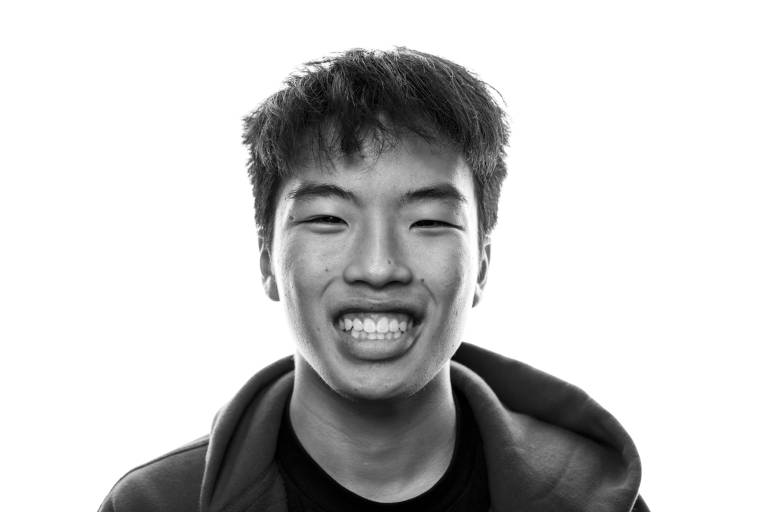
"caption": "Justin Kan at KQED in San Francisco on Nov. 3, 2025.",
"credit": "Jennifer Ng/KQED",
"altTag": null,
"description": null,
"imgSizes": {
"thumbnail": {
"file": "https://cdn.kqed.org/wp-content/uploads/sites/44/2025/11/251104-JUSTIN-KAN-PERSPECTIVES-JN-01-KQED-160x107.jpg",
"width": 160,
"height": 107,
"mimeType": "image/jpeg"
},
"medium_large": {
"file": "https://cdn.kqed.org/wp-content/uploads/sites/44/2025/11/251104-JUSTIN-KAN-PERSPECTIVES-JN-01-KQED-768x512.jpg",
"width": 768,
"height": 512,
"mimeType": "image/jpeg"
},
"1536x1536": {
"file": "https://cdn.kqed.org/wp-content/uploads/sites/44/2025/11/251104-JUSTIN-KAN-PERSPECTIVES-JN-01-KQED-1536x1025.jpg",
"width": 1536,
"height": 1025,
"mimeType": "image/jpeg"
},
"post-thumbnail": {
"file": "https://cdn.kqed.org/wp-content/uploads/sites/44/2025/11/251104-JUSTIN-KAN-PERSPECTIVES-JN-01-KQED-672x372.jpg",
"width": 672,
"height": 372,
"mimeType": "image/jpeg"
},
"twentyfourteen-full-width": {
"file": "https://cdn.kqed.org/wp-content/uploads/sites/44/2025/11/251104-JUSTIN-KAN-PERSPECTIVES-JN-01-KQED-1038x576.jpg",
"width": 1038,
"height": 576,
"mimeType": "image/jpeg"
},
"kqedFullSize": {
"file": "https://cdn.kqed.org/wp-content/uploads/sites/44/2025/11/251104-JUSTIN-KAN-PERSPECTIVES-JN-01-KQED.jpg",
"width": 2000,
"height": 1334
}
},
"isLoading": false,
"fetchFailed": false
},
"perspectives_201601146717": {
"type": "attachments",
"id": "perspectives_201601146717",
"meta": {
"index": "attachments_1716263798",
"site": "perspectives",
"id": "201601146717",
"found": true
},
"title": "Lina Lin Hoshino",
"publishDate": 1762980355,
"status": "inherit",
"parent": 201601146716,
"modified": 1762980364,
"caption": null,
"credit": null,
"altTag": null,
"description": null,
"imgSizes": {
"thumbnail": {
"file": "https://cdn.kqed.org/wp-content/uploads/sites/44/2025/11/LLhoshino-160x181.jpeg",
"width": 160,
"height": 181,
"mimeType": "image/jpeg"
},
"post-thumbnail": {
"file": "https://cdn.kqed.org/wp-content/uploads/sites/44/2025/11/LLhoshino-480x372.jpeg",
"width": 480,
"height": 372,
"mimeType": "image/jpeg"
},
"kqedFullSize": {
"file": "https://cdn.kqed.org/wp-content/uploads/sites/44/2025/11/LLhoshino.jpeg",
"width": 480,
"height": 544
}
},
"isLoading": false,
"fetchFailed": false
},
"perspectives_201601146711": {
"type": "attachments",
"id": "perspectives_201601146711",
"meta": {
"index": "attachments_1716263798",
"site": "perspectives",
"id": "201601146711",
"found": true
},
"title": "Katy Haynes",
"publishDate": 1762897758,
"status": "inherit",
"parent": 201601146709,
"modified": 1762897768,
"caption": null,
"credit": null,
"altTag": null,
"description": null,
"imgSizes": {
"thumbnail": {
"file": "https://cdn.kqed.org/wp-content/uploads/sites/44/2025/11/Screenshot-2025-11-11-at-1.49.07 PM-160x207.png",
"width": 160,
"height": 207,
"mimeType": "image/png"
},
"medium_large": {
"file": "https://cdn.kqed.org/wp-content/uploads/sites/44/2025/11/Screenshot-2025-11-11-at-1.49.07 PM-768x992.png",
"width": 768,
"height": 992,
"mimeType": "image/png"
},
"post-thumbnail": {
"file": "https://cdn.kqed.org/wp-content/uploads/sites/44/2025/11/Screenshot-2025-11-11-at-1.49.07 PM-672x372.png",
"width": 672,
"height": 372,
"mimeType": "image/png"
},
"twentyfourteen-full-width": {
"file": "https://cdn.kqed.org/wp-content/uploads/sites/44/2025/11/Screenshot-2025-11-11-at-1.49.07 PM-1038x576.png",
"width": 1038,
"height": 576,
"mimeType": "image/png"
},
"kqedFullSize": {
"file": "https://cdn.kqed.org/wp-content/uploads/sites/44/2025/11/Screenshot-2025-11-11-at-1.49.07 PM.png",
"width": 1160,
"height": 1498
}
},
"isLoading": false,
"fetchFailed": false
},
"perspectives_201601146701": {
"type": "attachments",
"id": "perspectives_201601146701",
"meta": {
"index": "attachments_1716263798",
"site": "perspectives",
"id": "201601146701",
"found": true
},
"title": "Matthew Spaur",
"publishDate": 1762797307,
"status": "inherit",
"parent": 201601146700,
"modified": 1762797320,
"caption": null,
"credit": null,
"altTag": null,
"description": null,
"imgSizes": {
"thumbnail": {
"file": "https://cdn.kqed.org/wp-content/uploads/sites/44/2025/11/Spaur-headshot-png-800x800-transparent-160x160.png",
"width": 160,
"height": 160,
"mimeType": "image/png"
},
"medium_large": {
"file": "https://cdn.kqed.org/wp-content/uploads/sites/44/2025/11/Spaur-headshot-png-800x800-transparent-768x768.png",
"width": 768,
"height": 768,
"mimeType": "image/png"
},
"post-thumbnail": {
"file": "https://cdn.kqed.org/wp-content/uploads/sites/44/2025/11/Spaur-headshot-png-800x800-transparent-672x372.png",
"width": 672,
"height": 372,
"mimeType": "image/png"
},
"twentyfourteen-full-width": {
"file": "https://cdn.kqed.org/wp-content/uploads/sites/44/2025/11/Spaur-headshot-png-800x800-transparent-800x576.png",
"width": 800,
"height": 576,
"mimeType": "image/png"
},
"kqedFullSize": {
"file": "https://cdn.kqed.org/wp-content/uploads/sites/44/2025/11/Spaur-headshot-png-800x800-transparent.png",
"width": 800,
"height": 800
}
},
"isLoading": false,
"fetchFailed": false
},
"perspectives_201601146685": {
"type": "attachments",
"id": "perspectives_201601146685",
"meta": {
"index": "attachments_1716263798",
"site": "perspectives",
"id": "201601146685",
"found": true
},
"title": "Andrea Solis",
"publishDate": 1762374140,
"status": "inherit",
"parent": 201601146683,
"modified": 1762374154,
"caption": null,
"credit": null,
"altTag": null,
"description": null,
"imgSizes": {
"thumbnail": {
"file": "https://cdn.kqed.org/wp-content/uploads/sites/44/2025/11/Screenshot-2025-11-05-at-12.22.09 PM-160x191.png",
"width": 160,
"height": 191,
"mimeType": "image/png"
},
"medium_large": {
"file": "https://cdn.kqed.org/wp-content/uploads/sites/44/2025/11/Screenshot-2025-11-05-at-12.22.09 PM-768x917.png",
"width": 768,
"height": 917,
"mimeType": "image/png"
},
"post-thumbnail": {
"file": "https://cdn.kqed.org/wp-content/uploads/sites/44/2025/11/Screenshot-2025-11-05-at-12.22.09 PM-672x372.png",
"width": 672,
"height": 372,
"mimeType": "image/png"
},
"twentyfourteen-full-width": {
"file": "https://cdn.kqed.org/wp-content/uploads/sites/44/2025/11/Screenshot-2025-11-05-at-12.22.09 PM-1038x576.png",
"width": 1038,
"height": 576,
"mimeType": "image/png"
},
"kqedFullSize": {
"file": "https://cdn.kqed.org/wp-content/uploads/sites/44/2025/11/Screenshot-2025-11-05-at-12.22.09 PM.png",
"width": 1136,
"height": 1356
}
},
"isLoading": false,
"fetchFailed": false
},
"perspectives_201601146664": {
"type": "attachments",
"id": "perspectives_201601146664",
"meta": {
"index": "attachments_1716263798",
"site": "perspectives",
"id": "201601146664",
"found": true
},
"title": "Shia Shabazz Smith at KQED in San Francisco on Nov. 3, 2025.",
"publishDate": 1762278721,
"status": "inherit",
"parent": 0,
"modified": 1762278737,
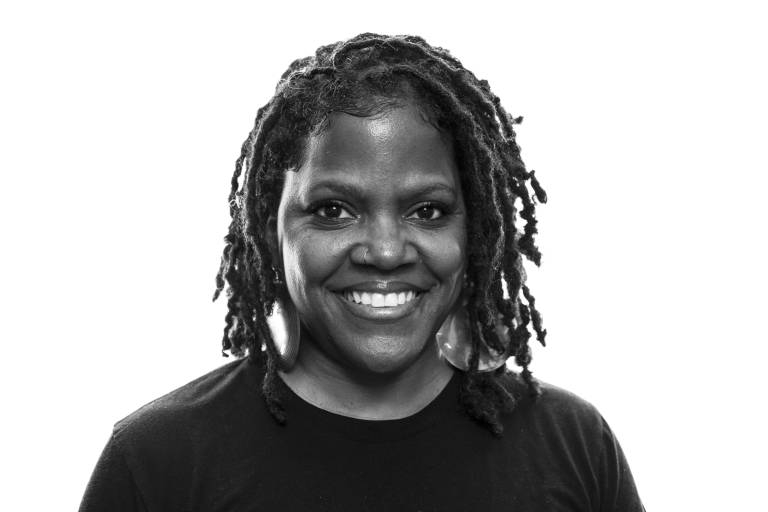
"caption": "Shia Shabazz Smith at KQED in San Francisco on Nov. 3, 2025.",
"credit": "Spencer Whitney/KQED",
"altTag": null,
"description": null,
"imgSizes": {
"thumbnail": {
"file": "https://cdn.kqed.org/wp-content/uploads/sites/44/2025/11/251103-SHIA-SHABAZZ-SMITH-SW-01-KQED-160x107.jpg",
"width": 160,
"height": 107,
"mimeType": "image/jpeg"
},
"medium_large": {
"file": "https://cdn.kqed.org/wp-content/uploads/sites/44/2025/11/251103-SHIA-SHABAZZ-SMITH-SW-01-KQED-768x512.jpg",
"width": 768,
"height": 512,
"mimeType": "image/jpeg"
},
"1536x1536": {
"file": "https://cdn.kqed.org/wp-content/uploads/sites/44/2025/11/251103-SHIA-SHABAZZ-SMITH-SW-01-KQED-1536x1025.jpg",
"width": 1536,
"height": 1025,
"mimeType": "image/jpeg"
},
"post-thumbnail": {
"file": "https://cdn.kqed.org/wp-content/uploads/sites/44/2025/11/251103-SHIA-SHABAZZ-SMITH-SW-01-KQED-672x372.jpg",
"width": 672,
"height": 372,
"mimeType": "image/jpeg"
},
"twentyfourteen-full-width": {
"file": "https://cdn.kqed.org/wp-content/uploads/sites/44/2025/11/251103-SHIA-SHABAZZ-SMITH-SW-01-KQED-1038x576.jpg",
"width": 1038,
"height": 576,
"mimeType": "image/jpeg"
},
"kqedFullSize": {
"file": "https://cdn.kqed.org/wp-content/uploads/sites/44/2025/11/251103-SHIA-SHABAZZ-SMITH-SW-01-KQED.jpg",
"width": 2000,
"height": 1334
}
},
"isLoading": false,
"fetchFailed": false
},
"perspectives_201601146677": {
"type": "attachments",
"id": "perspectives_201601146677",
"meta": {
"index": "attachments_1716263798",
"site": "perspectives",
"id": "201601146677",
"found": true
},
"title": "Dorin Greenwood",
"publishDate": 1762372039,
"status": "inherit",
"parent": 201601146675,
"modified": 1762372244,
"caption": null,
"credit": null,
"altTag": null,
"description": null,
"imgSizes": {
"thumbnail": {
"file": "https://cdn.kqed.org/wp-content/uploads/sites/44/2025/11/dorin_5-281x300-1-160x171.jpg",
"width": 160,
"height": 171,
"mimeType": "image/jpeg"
},
"kqedFullSize": {
"file": "https://cdn.kqed.org/wp-content/uploads/sites/44/2025/11/dorin_5-281x300-1.jpg",
"width": 281,
"height": 300
}
},
"isLoading": false,
"fetchFailed": false
},
"perspectives_201601146666": {
"type": "attachments",
"id": "perspectives_201601146666",
"meta": {
"index": "attachments_1716263798",
"site": "perspectives",
"id": "201601146666",
"found": true
},
"title": "Arjun Rajkumar",
"publishDate": 1762295796,
"status": "inherit",
"parent": 201601146665,
"modified": 1762295812,
"caption": null,
"credit": null,
"altTag": null,
"description": null,
"imgSizes": {
"thumbnail": {
"file": "https://cdn.kqed.org/wp-content/uploads/sites/44/2025/11/Screenshot-2025-10-29-at-10.34.23 AM-160x218.png",
"width": 160,
"height": 218,
"mimeType": "image/png"
},
"post-thumbnail": {
"file": "https://cdn.kqed.org/wp-content/uploads/sites/44/2025/11/Screenshot-2025-10-29-at-10.34.23 AM-672x372.png",
"width": 672,
"height": 372,
"mimeType": "image/png"
},
"twentyfourteen-full-width": {
"file": "https://cdn.kqed.org/wp-content/uploads/sites/44/2025/11/Screenshot-2025-10-29-at-10.34.23 AM-724x576.png",
"width": 724,
"height": 576,
"mimeType": "image/png"
},
"kqedFullSize": {
"file": "https://cdn.kqed.org/wp-content/uploads/sites/44/2025/11/Screenshot-2025-10-29-at-10.34.23 AM.png",
"width": 724,
"height": 986
}
},
"isLoading": false,
"fetchFailed": false
},
"perspectives_201601146659": {
"type": "attachments",
"id": "perspectives_201601146659",
"meta": {
"index": "attachments_1716263798",
"site": "perspectives",
"id": "201601146659",
"found": true
},
"title": "Vivienne Wu",
"publishDate": 1762201512,
"status": "inherit",
"parent": 201601146657,
"modified": 1762201525,
"caption": null,
"credit": null,
"altTag": null,
"description": null,
"imgSizes": {
"thumbnail": {
"file": "https://cdn.kqed.org/wp-content/uploads/sites/44/2025/11/Screenshot-2025-10-27-at-11.49.48 PM-160x235.png",
"width": 160,
"height": 235,
"mimeType": "image/png"
},
"medium_large": {
"file": "https://cdn.kqed.org/wp-content/uploads/sites/44/2025/11/Screenshot-2025-10-27-at-11.49.48 PM-768x1129.png",
"width": 768,
"height": 1129,
"mimeType": "image/png"
},
"post-thumbnail": {
"file": "https://cdn.kqed.org/wp-content/uploads/sites/44/2025/11/Screenshot-2025-10-27-at-11.49.48 PM-672x372.png",
"width": 672,
"height": 372,
"mimeType": "image/png"
},
"twentyfourteen-full-width": {
"file": "https://cdn.kqed.org/wp-content/uploads/sites/44/2025/11/Screenshot-2025-10-27-at-11.49.48 PM-880x576.png",
"width": 880,
"height": 576,
"mimeType": "image/png"
},
"kqedFullSize": {
"file": "https://cdn.kqed.org/wp-content/uploads/sites/44/2025/11/Screenshot-2025-10-27-at-11.49.48 PM.png",
"width": 880,
"height": 1294
}
},
"isLoading": false,
"fetchFailed": false
},
"perspectives_201601146655": {
"type": "attachments",
"id": "perspectives_201601146655",
"meta": {
"index": "attachments_1716263798",
"site": "perspectives",
"id": "201601146655",
"found": true
},
"title": "Ansh Singh",
"publishDate": 1762113920,
"status": "inherit",
"parent": 201601146648,
"modified": 1762113931,
"caption": null,
"credit": null,
"altTag": null,
"description": null,
"imgSizes": {
"thumbnail": {
"file": "https://cdn.kqed.org/wp-content/uploads/sites/44/2025/11/Screenshot-2025-11-02-at-12.05.04 PM-160x214.png",
"width": 160,
"height": 214,
"mimeType": "image/png"
},
"medium_large": {
"file": "https://cdn.kqed.org/wp-content/uploads/sites/44/2025/11/Screenshot-2025-11-02-at-12.05.04 PM-768x1028.png",
"width": 768,
"height": 1028,
"mimeType": "image/png"
},
"post-thumbnail": {
"file": "https://cdn.kqed.org/wp-content/uploads/sites/44/2025/11/Screenshot-2025-11-02-at-12.05.04 PM-672x372.png",
"width": 672,
"height": 372,
"mimeType": "image/png"
},
"twentyfourteen-full-width": {
"file": "https://cdn.kqed.org/wp-content/uploads/sites/44/2025/11/Screenshot-2025-11-02-at-12.05.04 PM-1038x576.png",
"width": 1038,
"height": 576,
"mimeType": "image/png"
},
"kqedFullSize": {
"file": "https://cdn.kqed.org/wp-content/uploads/sites/44/2025/11/Screenshot-2025-11-02-at-12.05.04 PM.png",
"width": 1124,
"height": 1504
}
},
"isLoading": false,
"fetchFailed": false
},
"perspectives_201601146644": {
"type": "attachments",
"id": "perspectives_201601146644",
"meta": {
"index": "attachments_1716263798",
"site": "perspectives",
"id": "201601146644",
"found": true
},
"title": "Laura Fay",
"publishDate": 1761845323,
"status": "inherit",
"parent": 201601146642,
"modified": 1761845331,
"caption": null,
"credit": null,
"altTag": null,
"description": null,
"imgSizes": {
"thumbnail": {
"file": "https://cdn.kqed.org/wp-content/uploads/sites/44/2025/10/Laura-1-160x126.jpg",
"width": 160,
"height": 126,
"mimeType": "image/jpeg"
},
"post-thumbnail": {
"file": "https://cdn.kqed.org/wp-content/uploads/sites/44/2025/10/Laura-1-614x372.jpg",
"width": 614,
"height": 372,
"mimeType": "image/jpeg"
},
"kqedFullSize": {
"file": "https://cdn.kqed.org/wp-content/uploads/sites/44/2025/10/Laura-1.jpg",
"width": 614,
"height": 485
}
},
"isLoading": false,
"fetchFailed": false
},
"perspectives_201601146635": {
"type": "attachments",
"id": "perspectives_201601146635",
"meta": {
"index": "attachments_1716263798",
"site": "perspectives",
"id": "201601146635",
"found": true
},
"title": "Lisa Liu Grady",
"publishDate": 1761763510,
"status": "inherit",
"parent": 201601146634,
"modified": 1761763585,
"caption": "Lisa Liu Grady",
"credit": "Courtesy of Alex Grady",
"altTag": null,
"description": null,
"imgSizes": {
"medium": {
"file": "https://cdn.kqed.org/wp-content/uploads/sites/44/2025/10/Attachment-1-2000x3000.jpeg",
"width": 2000,
"height": 3000,
"mimeType": "image/jpeg"
},
"large": {
"file": "https://cdn.kqed.org/wp-content/uploads/sites/44/2025/10/Attachment-1-2000x3000.jpeg",
"width": 2000,
"height": 3000,
"mimeType": "image/jpeg"
},
"thumbnail": {
"file": "https://cdn.kqed.org/wp-content/uploads/sites/44/2025/10/Attachment-1-160x240.jpeg",
"width": 160,
"height": 240,
"mimeType": "image/jpeg"
},
"medium_large": {
"file": "https://cdn.kqed.org/wp-content/uploads/sites/44/2025/10/Attachment-1-768x1152.jpeg",
"width": 768,
"height": 1152,
"mimeType": "image/jpeg"
},
"1536x1536": {
"file": "https://cdn.kqed.org/wp-content/uploads/sites/44/2025/10/Attachment-1-1024x1536.jpeg",
"width": 1024,
"height": 1536,
"mimeType": "image/jpeg"
},
"2048x2048": {
"file": "https://cdn.kqed.org/wp-content/uploads/sites/44/2025/10/Attachment-1-1365x2048.jpeg",
"width": 1365,
"height": 2048,
"mimeType": "image/jpeg"
},
"post-thumbnail": {
"file": "https://cdn.kqed.org/wp-content/uploads/sites/44/2025/10/Attachment-1-672x372.jpeg",
"width": 672,
"height": 372,
"mimeType": "image/jpeg"
},
"twentyfourteen-full-width": {
"file": "https://cdn.kqed.org/wp-content/uploads/sites/44/2025/10/Attachment-1-1038x576.jpeg",
"width": 1038,
"height": 576,
"mimeType": "image/jpeg"
},
"full-width": {
"file": "https://cdn.kqed.org/wp-content/uploads/sites/44/2025/10/Attachment-1-2000x3000.jpeg",
"width": 2000,
"height": 3000,
"mimeType": "image/jpeg"
},
"kqedFullSize": {
"file": "https://cdn.kqed.org/wp-content/uploads/sites/44/2025/10/Attachment-1-scaled.jpeg",
"width": 1707,
"height": 2560
}
},
"isLoading": false,
"fetchFailed": false
}
},
"audioPlayerReducer": {
"postId": "stream_live",
"isPaused": true,
"isPlaying": false,
"pfsActive": false,
"pledgeModalIsOpen": true,
"playerDrawerIsOpen": false,
"liveAudioPlayStartedAt": 0,
"liveAudioPlayContext": ""
},
"authorsReducer": {
"byline_perspectives_201601146722": {
"type": "authors",
"id": "byline_perspectives_201601146722",
"meta": {
"override": true
},
"slug": "byline_perspectives_201601146722",
"name": "Justin Kan",
"isLoading": false
},
"byline_perspectives_201601146716": {
"type": "authors",
"id": "byline_perspectives_201601146716",
"meta": {
"override": true
},
"slug": "byline_perspectives_201601146716",
"name": "Lina Lin Hoshino",
"isLoading": false
},
"byline_perspectives_201601146709": {
"type": "authors",
"id": "byline_perspectives_201601146709",
"meta": {
"override": true
},
"slug": "byline_perspectives_201601146709",
"name": "Katy Haynes",
"isLoading": false
},
"byline_perspectives_201601146700": {
"type": "authors",
"id": "byline_perspectives_201601146700",
"meta": {
"override": true
},
"slug": "byline_perspectives_201601146700",
"name": "Matthew Spaur",
"isLoading": false
},
"byline_perspectives_201601146698": {
"type": "authors",
"id": "byline_perspectives_201601146698",
"meta": {
"override": true
},
"slug": "byline_perspectives_201601146698",
"name": "Andrea Solis",
"isLoading": false
},
"byline_perspectives_201601146693": {
"type": "authors",
"id": "byline_perspectives_201601146693",
"meta": {
"override": true
},
"slug": "byline_perspectives_201601146693",
"name": "Shia Shabazz Smith",
"isLoading": false
},
"byline_perspectives_201601146675": {
"type": "authors",
"id": "byline_perspectives_201601146675",
"meta": {
"override": true
},
"slug": "byline_perspectives_201601146675",
"name": "Dorin Greenwood",
"isLoading": false
},
"byline_perspectives_201601146665": {
"type": "authors",
"id": "byline_perspectives_201601146665",
"meta": {
"override": true
},
"slug": "byline_perspectives_201601146665",
"name": "Arjun Rajkumar",
"isLoading": false
},
"byline_perspectives_201601146657": {
"type": "authors",
"id": "byline_perspectives_201601146657",
"meta": {
"override": true
},
"slug": "byline_perspectives_201601146657",
"name": "Vivienne Wu",
"isLoading": false
},
"byline_perspectives_201601146648": {
"type": "authors",
"id": "byline_perspectives_201601146648",
"meta": {
"override": true
},
"slug": "byline_perspectives_201601146648",
"name": "Ansh Singh",
"isLoading": false
},
"byline_perspectives_201601146642": {
"type": "authors",
"id": "byline_perspectives_201601146642",
"meta": {
"override": true
},
"slug": "byline_perspectives_201601146642",
"name": "Laura Fay",
"isLoading": false
},
"byline_perspectives_201601146634": {
"type": "authors",
"id": "byline_perspectives_201601146634",
"meta": {
"override": true
},
"slug": "byline_perspectives_201601146634",
"name": "Lisa Liu Grady",
"isLoading": false
}
},
"pagesReducer": {
"perspectives_category_podcast": {
"type": "terms",
"id": "perspectives_2052",
"meta": {
"index": "terms_1716263798",
"site": "perspectives",
"id": "2052",
"score": 12.071791
},
"name": "podcast",
"slug": "podcast",
"taxonomy": "category",
"description": null,
"featImg": null,
"headData": {
"title": "podcast - Perspectives",
"description": null,
"ogTitle": null,
"ogDescription": null,
"ogImgId": null,
"twTitle": null,
"twDescription": null,
"twImgId": null
},
"ttid": 2052,
"isLoading": false,
"title": "podcast",
"pageMeta": {
"site": "perspectives",
"WpPageTemplate": "page-topic-editorial",
"currentPage": 18
},
"blocks": [
{
"blockName": "kqed/post-list",
"attrs": {
"layout": "cardArticle2",
"query": "posts/perspectives?category=podcast",
"seeMore": false,
"paginated": true,
"page": 18
}
},
{
"blockName": "kqed/ad"
}
]
}
},
"pfsSessionReducer": {},
"postsReducer": {
"stream_live": {
"type": "live",
"id": "stream_live",
"audioUrl": "https://streams.kqed.org/kqedradio",
"title": "Live Stream",
"excerpt": "Live Stream information currently unavailable.",
"link": "/radio",
"featImg": "",
"label": {
"name": "KQED Live",
"link": "/"
}
},
"stream_kqedNewscast": {
"type": "posts",
"id": "stream_kqedNewscast",
"audioUrl": "https://www.kqed.org/.stream/anon/radio/RDnews/newscast.mp3?_=1",
"title": "KQED Newscast",
"featImg": "",
"label": {
"name": "88.5 FM",
"link": "/"
}
},
"perspectives_201601146722": {
"type": "posts",
"id": "perspectives_201601146722",
"meta": {
"index": "posts_1716263798",
"site": "perspectives",
"id": "201601146722",
"score": null,
"sort": [
1763107293000
]
},
"guestAuthors": [],
"slug": "justin-kan-more-than-a-backyard-game",
"title": "Justin Kan: More Than a Backyard Game",
"publishDate": 1763107293,
"format": "standard",
"headTitle": "Justin Kan: More Than a Backyard Game | KQED",
"labelTerm": {
"term": 3,
"site": "perspectives"
},
"content": "\u003cp>\u003cem>Justin Kan explains why he enjoys badminton and how more people should invest in the sport.\u003c/em>\u003c/p>\n\u003cp>Whenever people ask what sport I play, I tell them, “badminton.” They usually laugh and say, “The backyard game?” What they don’t realize is that badminton is one of the most popular sports in the world.\u003c/p>\n\u003cp>In countries like China, Indonesia and Malaysia, stadiums are packed with the athletes being treated like stars. I’ve loved badminton since I first played with my brother. It is fast, strategic, and connects me to my culture and family. Most importantly, badminton deserves to be a part of a broader conversation about cultural visibility and recognition.\u003c/p>\n\u003cp>But in the U.S., badminton is almost invisible as it’s often seen as a casual game rather than the competitive sport I dedicate my life to. That difference shows how culture and media shape which sports are celebrated and which are overlooked.\u003c/p>\n\u003cp>This past summer, I went to England to represent the U.S. in an international tournament. After my quarterfinal match, a reporter asked me what changes I’d like to see in American badminton. The question stuck with me because badminton in the U.S. lacks structure.\u003c/p>\n\u003cp>[ad fullwidth]\u003c/p>\n\u003cp>It’s not an official NCAA sport, so players don’t have a college path to compete and study. Without that support, many talented athletes often quit in their teenage years to focus on academics or other sports.\u003c/p>\n\u003cp>Although in the U.S., the sport I love feels as if it’s not a part of American culture. But badminton shouldn’t be seen this way as it requires qualities that every sport has. In the diverse country we live in, recognizing badminton is about acknowledging global traditions that strengthen our society.\u003c/p>\n\u003cp>With enough awareness and respect, American badminton can become the sport it already is around the world. When we recognize sports like badminton, we’re embracing the culture and communities that form American identity. With a Perspective, I’m Justin Kan.\u003c/p>\n\u003cp>\u003c/p>\n\u003cp>\u003cem>Justin Kan is a student and badminton player from the Bay Area. He enjoys exploring how culture and sports intersect.\u003c/em>\u003c/p>\n\n",
"blocks": [],
"excerpt": "Justin Kan explains why he enjoys badminton and how more people should invest in the sport.",
"status": "publish",
"parent": 0,
"modified": 1763061458,
"stats": {
"hasAudio": false,
"hasVideo": false,
"hasChartOrMap": false,
"iframeSrcs": [],
"hasGoogleForm": false,
"hasGallery": false,
"hasHearkenModule": false,
"hasPolis": false,
"paragraphCount": 11,
"wordCount": 370
},
"headData": {
"title": "Justin Kan: More Than a Backyard Game | KQED",
"description": "Justin Kan explains why he enjoys badminton and how more people should invest in the sport.",
"ogTitle": "",
"ogDescription": "",
"ogImgId": "",
"twTitle": "",
"twDescription": "",
"twImgId": "",
"schema": {
"@context": "https://schema.org",
"@type": "Article",
"headline": "Justin Kan: More Than a Backyard Game",
"datePublished": "2025-11-14T00:01:33-08:00",
"dateModified": "2025-11-13T11:17:38-08:00",
"image": "https://cdn.kqed.org/wp-content/uploads/2020/02/KQED-OG-Image@1x.png"
}
},
"primaryCategory": {
"termId": 2052,
"slug": "podcast",
"name": "podcast"
},
"audioUrl": "https://www.podtrac.com/pts/redirect.mp3/pdst.fm/e/chrt.fm/track/G6C7C3/traffic.megaphone.fm/KQINC1341730079.mp3",
"sticky": false,
"nprByline": "Justin Kan",
"templateType": "standard",
"featuredImageType": "standard",
"excludeFromSiteSearch": "Include",
"showOnAuthorArchivePages": "No",
"articleAge": "0",
"path": "/perspectives/201601146722/justin-kan-more-than-a-backyard-game",
"audioTrackLength": null,
"parsedContent": [
{
"type": "contentString",
"content": "\u003cdiv class=\"post-body\">\u003cp>\u003cp>\u003cem>Justin Kan explains why he enjoys badminton and how more people should invest in the sport.\u003c/em>\u003c/p>\n\u003cp>Whenever people ask what sport I play, I tell them, “badminton.” They usually laugh and say, “The backyard game?” What they don’t realize is that badminton is one of the most popular sports in the world.\u003c/p>\n\u003cp>In countries like China, Indonesia and Malaysia, stadiums are packed with the athletes being treated like stars. I’ve loved badminton since I first played with my brother. It is fast, strategic, and connects me to my culture and family. Most importantly, badminton deserves to be a part of a broader conversation about cultural visibility and recognition.\u003c/p>\n\u003cp>But in the U.S., badminton is almost invisible as it’s often seen as a casual game rather than the competitive sport I dedicate my life to. That difference shows how culture and media shape which sports are celebrated and which are overlooked.\u003c/p>\n\u003cp>This past summer, I went to England to represent the U.S. in an international tournament. After my quarterfinal match, a reporter asked me what changes I’d like to see in American badminton. The question stuck with me because badminton in the U.S. lacks structure.\u003c/p>\n\u003cp>\u003c/p>\u003c/div>",
"attributes": {
"named": {},
"numeric": []
}
},
{
"type": "component",
"content": "",
"name": "ad",
"attributes": {
"named": {
"label": "fullwidth"
},
"numeric": [
"fullwidth"
]
}
},
{
"type": "contentString",
"content": "\u003cdiv class=\"post-body\">\u003cp>\u003c/p>\n\u003cp>It’s not an official NCAA sport, so players don’t have a college path to compete and study. Without that support, many talented athletes often quit in their teenage years to focus on academics or other sports.\u003c/p>\n\u003cp>Although in the U.S., the sport I love feels as if it’s not a part of American culture. But badminton shouldn’t be seen this way as it requires qualities that every sport has. In the diverse country we live in, recognizing badminton is about acknowledging global traditions that strengthen our society.\u003c/p>\n\u003cp>With enough awareness and respect, American badminton can become the sport it already is around the world. When we recognize sports like badminton, we’re embracing the culture and communities that form American identity. With a Perspective, I’m Justin Kan.\u003c/p>\n\u003cp>\u003c/p>\n\u003cp>\u003cem>Justin Kan is a student and badminton player from the Bay Area. He enjoys exploring how culture and sports intersect.\u003c/em>\u003c/p>\n\n\u003c/div>\u003c/p>",
"attributes": {
"named": {},
"numeric": []
}
}
],
"link": "/perspectives/201601146722/justin-kan-more-than-a-backyard-game",
"authors": [
"byline_perspectives_201601146722"
],
"programs": [
"perspectives_3"
],
"series": [
"perspectives_2023"
],
"categories": [
"perspectives_2",
"perspectives_2052"
],
"featImg": "perspectives_201601146663",
"label": "perspectives_3"
},
"perspectives_201601146716": {
"type": "posts",
"id": "perspectives_201601146716",
"meta": {
"index": "posts_1716263798",
"site": "perspectives",
"id": "201601146716",
"score": null,
"sort": [
1763020869000
]
},
"guestAuthors": [],
"slug": "lina-lin-hoshino-a-late-night-call",
"title": "Lina Lin Hoshino: A Late-Night Call",
"publishDate": 1763020869,
"format": "standard",
"headTitle": "Lina Lin Hoshino: A Late-Night Call | KQED",
"labelTerm": {
"term": 3,
"site": "perspectives"
},
"content": "\u003cp>\u003cem>Lina Lin Hoshino reflects on a call where she was able to assist worried parents with their baby.\u003c/em>\u003c/p>\n\u003cp>During one of my first late-night shifts as a remote Japanese-language healthcare interpreter, I received a call from somewhere in the U.S. from a hospital room filled with the hum of machines. After I introduced myself to the provider and the baby’s parents, I learned that their newborn was struggling to breathe.\u003c/p>\n\u003cp>The doctor explained that she had a collapsed windpipe that blocked the airway when she tried to take a breath. I was called in so the doctor could communicate that surgery was urgent. In the background, the monitor tracking the baby’s oxygen level beeped alarmingly. The father, his voice strained, asked about the alarms. \u003c/p>\n\u003cp>The doctor gently reassured him before stepping out to alert the team, ending our session. When the line disconnected, I sat, absorbing what had just unfolded. I was still new to interpreting, trying to stay steady and precise as I’d been trained to do. I was struck by the parents’ composure — as they faced the unthinkable in a country where they could not easily communicate.\u003c/p>\n\u003cp>Months later, I got another call on a sunny afternoon. The calls are randomly assigned, but I recognized the father’s voice — and the baby’s name. I heard the baby cooing, as the nurse asked the parents how she was doing. The parents’ voices were bright — she was on the mend.\u003c/p>\n\u003cp>[ad fullwidth]\u003c/p>\n\u003cp>I felt privileged to share in their relief after witnessing one of the most vulnerable moments of their lives. It reminded me how unseen this work often is. Interpreters, caregivers and transporters do so for pay that barely acknowledges their skill or the emotional weight they carry.\u003c/p>\n\u003cp>I think about not only the skill, but also the humanity that we bring to this work. I believe that the extreme moments of need in our lives call for both competence and empathy — from all the healthcare workers who provide essential support. With a Perspective, I’m Lina Lin Hoshino.\u003c/p>\n\u003cp>\u003c/p>\n\u003cp>\u003cem>Lina Lin Hoshino is a Japanese language healthcare interpreter. She lives in Petaluma.\u003c/em>\u003c/p>\n\n",
"blocks": [],
"excerpt": "Lina Lin Hoshino reflects on a call where she was able to assist worried parents with their baby.",
"status": "publish",
"parent": 0,
"modified": 1762981558,
"stats": {
"hasAudio": false,
"hasVideo": false,
"hasChartOrMap": false,
"iframeSrcs": [],
"hasGoogleForm": false,
"hasGallery": false,
"hasHearkenModule": false,
"hasPolis": false,
"paragraphCount": 10,
"wordCount": 372
},
"headData": {
"title": "Lina Lin Hoshino: A Late-Night Call | KQED",
"description": "Lina Lin Hoshino reflects on a call where she was able to assist worried parents with their baby.",
"ogTitle": "",
"ogDescription": "",
"ogImgId": "",
"twTitle": "",
"twDescription": "",
"twImgId": "",
"schema": {
"@context": "https://schema.org",
"@type": "Article",
"headline": "Lina Lin Hoshino: A Late-Night Call",
"datePublished": "2025-11-13T00:01:09-08:00",
"dateModified": "2025-11-12T13:05:58-08:00",
"image": "https://cdn.kqed.org/wp-content/uploads/2020/02/KQED-OG-Image@1x.png"
}
},
"primaryCategory": {
"termId": 2052,
"slug": "podcast",
"name": "podcast"
},
"audioUrl": "https://www.podtrac.com/pts/redirect.mp3/pdst.fm/e/chrt.fm/track/G6C7C3/traffic.megaphone.fm/KQINC7611386919.mp3",
"sticky": false,
"nprByline": "Lina Lin Hoshino",
"templateType": "standard",
"featuredImageType": "standard",
"excludeFromSiteSearch": "Include",
"showOnAuthorArchivePages": "No",
"articleAge": "0",
"path": "/perspectives/201601146716/lina-lin-hoshino-a-late-night-call",
"audioTrackLength": null,
"parsedContent": [
{
"type": "contentString",
"content": "\u003cdiv class=\"post-body\">\u003cp>\u003cp>\u003cem>Lina Lin Hoshino reflects on a call where she was able to assist worried parents with their baby.\u003c/em>\u003c/p>\n\u003cp>During one of my first late-night shifts as a remote Japanese-language healthcare interpreter, I received a call from somewhere in the U.S. from a hospital room filled with the hum of machines. After I introduced myself to the provider and the baby’s parents, I learned that their newborn was struggling to breathe.\u003c/p>\n\u003cp>The doctor explained that she had a collapsed windpipe that blocked the airway when she tried to take a breath. I was called in so the doctor could communicate that surgery was urgent. In the background, the monitor tracking the baby’s oxygen level beeped alarmingly. The father, his voice strained, asked about the alarms. \u003c/p>\n\u003cp>The doctor gently reassured him before stepping out to alert the team, ending our session. When the line disconnected, I sat, absorbing what had just unfolded. I was still new to interpreting, trying to stay steady and precise as I’d been trained to do. I was struck by the parents’ composure — as they faced the unthinkable in a country where they could not easily communicate.\u003c/p>\n\u003cp>Months later, I got another call on a sunny afternoon. The calls are randomly assigned, but I recognized the father’s voice — and the baby’s name. I heard the baby cooing, as the nurse asked the parents how she was doing. The parents’ voices were bright — she was on the mend.\u003c/p>\n\u003cp>\u003c/p>\u003c/div>",
"attributes": {
"named": {},
"numeric": []
}
},
{
"type": "component",
"content": "",
"name": "ad",
"attributes": {
"named": {
"label": "fullwidth"
},
"numeric": [
"fullwidth"
]
}
},
{
"type": "contentString",
"content": "\u003cdiv class=\"post-body\">\u003cp>\u003c/p>\n\u003cp>I felt privileged to share in their relief after witnessing one of the most vulnerable moments of their lives. It reminded me how unseen this work often is. Interpreters, caregivers and transporters do so for pay that barely acknowledges their skill or the emotional weight they carry.\u003c/p>\n\u003cp>I think about not only the skill, but also the humanity that we bring to this work. I believe that the extreme moments of need in our lives call for both competence and empathy — from all the healthcare workers who provide essential support. With a Perspective, I’m Lina Lin Hoshino.\u003c/p>\n\u003cp>\u003c/p>\n\u003cp>\u003cem>Lina Lin Hoshino is a Japanese language healthcare interpreter. She lives in Petaluma.\u003c/em>\u003c/p>\n\n\u003c/div>\u003c/p>",
"attributes": {
"named": {},
"numeric": []
}
}
],
"link": "/perspectives/201601146716/lina-lin-hoshino-a-late-night-call",
"authors": [
"byline_perspectives_201601146716"
],
"programs": [
"perspectives_3"
],
"series": [
"perspectives_2023"
],
"categories": [
"perspectives_2",
"perspectives_2052"
],
"featImg": "perspectives_201601146717",
"label": "perspectives_3"
},
"perspectives_201601146709": {
"type": "posts",
"id": "perspectives_201601146709",
"meta": {
"index": "posts_1716263798",
"site": "perspectives",
"id": "201601146709",
"score": null,
"sort": [
1762934493000
]
},
"guestAuthors": [],
"slug": "katy-haynes-living-inside-the-graph",
"title": "Katy Haynes: Living Inside the Graph",
"publishDate": 1762934493,
"format": "standard",
"headTitle": "Katy Haynes: Living Inside the Graph | KQED",
"labelTerm": {
"term": 3,
"site": "perspectives"
},
"content": "\u003cp>\u003cem>Katy Haynes reflects on enjoying her time parenting her young son.\u003c/em>\u003c/p>\n\u003cp>I saw something online recently that stopped me in my tracks. It was a simple graph showing parent-child in-person time over a lifetime, plotted against the child’s age. According to it, more than 40 percent of your total parenting time has already passed by the time your kid starts kindergarten.\u003c/p>\n\u003cp>By middle school, two-thirds is gone. I saved the picture on my phone and looked at it every day that week. My son is five and in kindergarten. How could nearly half our time together already be behind us? My world feels like it’s contracting and expanding at the same time. It’s small: wake up, get the kids off to school and daycare, work, pickup kids, dinner, bedtime. Repeat. \u003c/p>\n\u003cp>But it’s also enormous: A fascination with bears led us to discover Wedge, the biggest grizzly in Alaska. A months-long obsession with “the tube” — what my son calls the esophagus — taught me more than I ever wanted to know about digestion. And during one of our endless talks about death, I mentioned reincarnation. He thought for a moment and said, “I want to come back as a book, so people can read me.” \u003c/p>\n\u003cp>My days are tightly bound but filled with the texture and color of being in his world. Right now, I’m living inside that graph, the bar where the in-person hours are still high. Sometimes I want to step outside it, to have my evenings back, free from Memory Game marathons and bedtime negotiations.\u003c/p>\n\u003cp>[ad fullwidth]\u003c/p>\n\u003cp>\u003c/p>\n\u003cp>He loves it when I ask him questions before sleep: “Mommy, do you want to ask me a question?” So I say, “What do you like better, oceans or lakes?” I know that when the line flattens, I’ll long to be here, with my little boy on my lap, asking for one more book. So, I settle in, and I open it. With a Perspective, I’m Katy Haynes.\u003cbr>\n\u003cem>\u003cbr>\nKaty Haynes lives in Berkeley and works in healthcare. She loves good books and being outside.\u003c/em>\u003c/p>\n\n",
"blocks": [],
"excerpt": "Katy Haynes reflects on enjoying her time parenting her young son.",
"status": "publish",
"parent": 0,
"modified": 1762898094,
"stats": {
"hasAudio": false,
"hasVideo": false,
"hasChartOrMap": false,
"iframeSrcs": [],
"hasGoogleForm": false,
"hasGallery": false,
"hasHearkenModule": false,
"hasPolis": false,
"paragraphCount": 8,
"wordCount": 371
},
"headData": {
"title": "Katy Haynes: Living Inside the Graph | KQED",
"description": "Katy Haynes reflects on enjoying her time parenting her young son.",
"ogTitle": "",
"ogDescription": "",
"ogImgId": "",
"twTitle": "",
"twDescription": "",
"twImgId": "",
"schema": {
"@context": "https://schema.org",
"@type": "Article",
"headline": "Katy Haynes: Living Inside the Graph",
"datePublished": "2025-11-12T00:01:33-08:00",
"dateModified": "2025-11-11T13:54:54-08:00",
"image": "https://cdn.kqed.org/wp-content/uploads/2020/02/KQED-OG-Image@1x.png"
}
},
"primaryCategory": {
"termId": 2052,
"slug": "podcast",
"name": "podcast"
},
"audioUrl": "https://www.podtrac.com/pts/redirect.mp3/pdst.fm/e/chrt.fm/track/G6C7C3/traffic.megaphone.fm/KQINC6683519796.mp3",
"sticky": false,
"nprByline": "Katy Haynes",
"templateType": "standard",
"featuredImageType": "standard",
"excludeFromSiteSearch": "Include",
"showOnAuthorArchivePages": "No",
"articleAge": "0",
"path": "/perspectives/201601146709/katy-haynes-living-inside-the-graph",
"audioTrackLength": null,
"parsedContent": [
{
"type": "contentString",
"content": "\u003cdiv class=\"post-body\">\u003cp>\u003cp>\u003cem>Katy Haynes reflects on enjoying her time parenting her young son.\u003c/em>\u003c/p>\n\u003cp>I saw something online recently that stopped me in my tracks. It was a simple graph showing parent-child in-person time over a lifetime, plotted against the child’s age. According to it, more than 40 percent of your total parenting time has already passed by the time your kid starts kindergarten.\u003c/p>\n\u003cp>By middle school, two-thirds is gone. I saved the picture on my phone and looked at it every day that week. My son is five and in kindergarten. How could nearly half our time together already be behind us? My world feels like it’s contracting and expanding at the same time. It’s small: wake up, get the kids off to school and daycare, work, pickup kids, dinner, bedtime. Repeat. \u003c/p>\n\u003cp>But it’s also enormous: A fascination with bears led us to discover Wedge, the biggest grizzly in Alaska. A months-long obsession with “the tube” — what my son calls the esophagus — taught me more than I ever wanted to know about digestion. And during one of our endless talks about death, I mentioned reincarnation. He thought for a moment and said, “I want to come back as a book, so people can read me.” \u003c/p>\n\u003cp>My days are tightly bound but filled with the texture and color of being in his world. Right now, I’m living inside that graph, the bar where the in-person hours are still high. Sometimes I want to step outside it, to have my evenings back, free from Memory Game marathons and bedtime negotiations.\u003c/p>\n\u003cp>\u003c/p>\u003c/div>",
"attributes": {
"named": {},
"numeric": []
}
},
{
"type": "component",
"content": "",
"name": "ad",
"attributes": {
"named": {
"label": "fullwidth"
},
"numeric": [
"fullwidth"
]
}
},
{
"type": "contentString",
"content": "\u003cdiv class=\"post-body\">\u003cp>\u003c/p>\n\u003cp>\u003c/p>\n\u003cp>He loves it when I ask him questions before sleep: “Mommy, do you want to ask me a question?” So I say, “What do you like better, oceans or lakes?” I know that when the line flattens, I’ll long to be here, with my little boy on my lap, asking for one more book. So, I settle in, and I open it. With a Perspective, I’m Katy Haynes.\u003cbr>\n\u003cem>\u003cbr>\nKaty Haynes lives in Berkeley and works in healthcare. She loves good books and being outside.\u003c/em>\u003c/p>\n\n\u003c/div>\u003c/p>",
"attributes": {
"named": {},
"numeric": []
}
}
],
"link": "/perspectives/201601146709/katy-haynes-living-inside-the-graph",
"authors": [
"byline_perspectives_201601146709"
],
"programs": [
"perspectives_3"
],
"series": [
"perspectives_2023"
],
"categories": [
"perspectives_2",
"perspectives_2052"
],
"featImg": "perspectives_201601146711",
"label": "perspectives_3"
},
"perspectives_201601146700": {
"type": "posts",
"id": "perspectives_201601146700",
"meta": {
"index": "posts_1716263798",
"site": "perspectives",
"id": "201601146700",
"score": null,
"sort": [
1762848102000
]
},
"guestAuthors": [],
"slug": "matthew-spaur-love-for-san-pablo-bay",
"title": "Matthew Spaur: Love for San Pablo Bay",
"publishDate": 1762848102,
"format": "standard",
"headTitle": "Matthew Spaur: Love for San Pablo Bay | KQED",
"labelTerm": {
"term": 3,
"site": "perspectives"
},
"content": "\u003cp>\u003cem>Matthew Spaur reflects on why he enjoys the water, birds and other wildlife in the San Pablo Bay.\u003c/em>\u003c/p>\n\u003cp>I’ve spent ten years of afternoon walks along San Pablo Bay with a part of me comparing the view to Puget Sound, where I grew up, and finding the profile of Mt. Tamalpais lacking the majesty of the Olympic Mountains west of Seattle. Or comparing my backyard bay to Monterey Bay, where I’ve vacationed and author John Steinbeck wrote, and wishing I was looking out on the otters playing in the kelp forests of the vast Pacific. \u003c/p>\n\u003cp>San Pablo Bay doesn’t have the bridges of San Francisco Bay, the surf sounds of Pacifica, or the laid-back vibe of Bolinas. But none of those spots are around the corner for me like San Pablo Bay, which I can reach in five minutes to stroll along the shore after a day of sitting at my desk. Familiarity bred in me not contempt but complacency. \u003c/p>\n\u003cp>This year, though, I’ve finally come to love San Pablo Bay for what it is. Mt. Tamalpais and the Marin Hills now have their own beauty, not jagged and snowy but long and low along the western shore. The bay’s aventurine waters display their own moods depending on the light and the tides. Ferries, freighters and sailboats skim silently north and south. Maybe it was the pelicans that won me over. \u003c/p>\n\u003cp>This fall, I’ve watched brown pelicans gliding along the shore, then diving in with a small splash to capture fish. Spotting pelicans has always been a reliable sign that I was truly on vacation, though, until now, pelicans have remained features of tropical San Diego or San Juan. Throughout California in recent years these birds have struggled to find enough suitable food. \u003c/p>\n\u003cp>[ad fullwidth]\u003c/p>\n\u003cp>Still, I welcome seeing these surprisingly graceful flyers so close to home. Theodore Roosevelt, himself an avid bird watcher, said that comparison is the thief of joy. With fresh eyes, I now see that San Pablo Bay stands on its own as a natural wonder. With a Perspective, I’m Matthew Spaur.\u003c/p>\n\u003cp>\u003c/p>\n\u003cp>\u003cem>Matthew Spaur is a writer and actor. He lives in El Sobrante.\u003c/em>\u003c/p>\n\n",
"blocks": [],
"excerpt": "Matthew Spaur reflects on why he enjoys the water, birds and other wildlife in the San Pablo Bay.",
"status": "publish",
"parent": 0,
"modified": 1762797718,
"stats": {
"hasAudio": false,
"hasVideo": false,
"hasChartOrMap": false,
"iframeSrcs": [],
"hasGoogleForm": false,
"hasGallery": false,
"hasHearkenModule": false,
"hasPolis": false,
"paragraphCount": 9,
"wordCount": 373
},
"headData": {
"title": "Matthew Spaur: Love for San Pablo Bay | KQED",
"description": "Matthew Spaur reflects on why he enjoys the water, birds and other wildlife in the San Pablo Bay.",
"ogTitle": "",
"ogDescription": "",
"ogImgId": "",
"twTitle": "",
"twDescription": "",
"twImgId": "",
"schema": {
"@context": "https://schema.org",
"@type": "Article",
"headline": "Matthew Spaur: Love for San Pablo Bay",
"datePublished": "2025-11-11T00:01:42-08:00",
"dateModified": "2025-11-10T10:01:58-08:00",
"image": "https://cdn.kqed.org/wp-content/uploads/2020/02/KQED-OG-Image@1x.png"
}
},
"primaryCategory": {
"termId": 2052,
"slug": "podcast",
"name": "podcast"
},
"audioUrl": "https://www.podtrac.com/pts/redirect.mp3/pdst.fm/e/chrt.fm/track/G6C7C3/traffic.megaphone.fm/KQINC7462398556.mp3",
"sticky": false,
"nprByline": "Matthew Spaur",
"templateType": "standard",
"featuredImageType": "standard",
"excludeFromSiteSearch": "Include",
"showOnAuthorArchivePages": "No",
"articleAge": "0",
"path": "/perspectives/201601146700/matthew-spaur-love-for-san-pablo-bay",
"audioTrackLength": null,
"parsedContent": [
{
"type": "contentString",
"content": "\u003cdiv class=\"post-body\">\u003cp>\u003cp>\u003cem>Matthew Spaur reflects on why he enjoys the water, birds and other wildlife in the San Pablo Bay.\u003c/em>\u003c/p>\n\u003cp>I’ve spent ten years of afternoon walks along San Pablo Bay with a part of me comparing the view to Puget Sound, where I grew up, and finding the profile of Mt. Tamalpais lacking the majesty of the Olympic Mountains west of Seattle. Or comparing my backyard bay to Monterey Bay, where I’ve vacationed and author John Steinbeck wrote, and wishing I was looking out on the otters playing in the kelp forests of the vast Pacific. \u003c/p>\n\u003cp>San Pablo Bay doesn’t have the bridges of San Francisco Bay, the surf sounds of Pacifica, or the laid-back vibe of Bolinas. But none of those spots are around the corner for me like San Pablo Bay, which I can reach in five minutes to stroll along the shore after a day of sitting at my desk. Familiarity bred in me not contempt but complacency. \u003c/p>\n\u003cp>This year, though, I’ve finally come to love San Pablo Bay for what it is. Mt. Tamalpais and the Marin Hills now have their own beauty, not jagged and snowy but long and low along the western shore. The bay’s aventurine waters display their own moods depending on the light and the tides. Ferries, freighters and sailboats skim silently north and south. Maybe it was the pelicans that won me over. \u003c/p>\n\u003cp>This fall, I’ve watched brown pelicans gliding along the shore, then diving in with a small splash to capture fish. Spotting pelicans has always been a reliable sign that I was truly on vacation, though, until now, pelicans have remained features of tropical San Diego or San Juan. Throughout California in recent years these birds have struggled to find enough suitable food. \u003c/p>\n\u003cp>\u003c/p>\u003c/div>",
"attributes": {
"named": {},
"numeric": []
}
},
{
"type": "component",
"content": "",
"name": "ad",
"attributes": {
"named": {
"label": "fullwidth"
},
"numeric": [
"fullwidth"
]
}
},
{
"type": "contentString",
"content": "\u003cdiv class=\"post-body\">\u003cp>\u003c/p>\n\u003cp>Still, I welcome seeing these surprisingly graceful flyers so close to home. Theodore Roosevelt, himself an avid bird watcher, said that comparison is the thief of joy. With fresh eyes, I now see that San Pablo Bay stands on its own as a natural wonder. With a Perspective, I’m Matthew Spaur.\u003c/p>\n\u003cp>\u003c/p>\n\u003cp>\u003cem>Matthew Spaur is a writer and actor. He lives in El Sobrante.\u003c/em>\u003c/p>\n\n\u003c/div>\u003c/p>",
"attributes": {
"named": {},
"numeric": []
}
}
],
"link": "/perspectives/201601146700/matthew-spaur-love-for-san-pablo-bay",
"authors": [
"byline_perspectives_201601146700"
],
"programs": [
"perspectives_3"
],
"series": [
"perspectives_2023"
],
"categories": [
"perspectives_2",
"perspectives_2052"
],
"featImg": "perspectives_201601146701",
"label": "perspectives_3"
},
"perspectives_201601146698": {
"type": "posts",
"id": "perspectives_201601146698",
"meta": {
"index": "posts_1716263798",
"site": "perspectives",
"id": "201601146698",
"score": null,
"sort": [
1762761661000
]
},
"guestAuthors": [],
"slug": "andrea-solis-the-road-to-recovery-2",
"title": "Andrea Solis: The Road to Recovery",
"publishDate": 1762761661,
"format": "standard",
"headTitle": "Andrea Solis: The Road to Recovery | KQED",
"labelTerm": {
"term": 3,
"site": "perspectives"
},
"content": "\u003cp>\u003cem>Andrea Solis shares about her struggles with mental health, identity and her recovery process. \u003c/em>\u003c/p>\n\u003cp>“Who am I?” That’s the question I asked myself the moment I realized depression and anxiety no longer consumed me. I realized I was not the same person that I was before. My peers and family knew me as the happy girl, someone who would never let a bad experience bring her down.\u003c/p>\n\u003cp>I was a good student, I was a loving sister, I was full of laughter, I loved life… I loved myself. It started with random outbursts of tears and wanting to be isolated from the world. I didn’t understand, why couldn’t I stop crying? I was diagnosed with Major Depressive Disorder and Panic Disorder. What came after that were four years of substance abuse and going against my own beliefs. I felt distant from my loved ones and even my own self, I had never felt so lonely. One day, I decided that I no longer wanted to live that way. Through years of consistent therapy and support from my family, the days of being absorbed by depression were over. But from that experience, I was left feeling stripped of my identity.\u003c/p>\n\u003cp>Everyone always talks about the journey of overcoming depression, but not what comes after the storm. After everything I experienced, how was I supposed to go back to my old self? My therapist assisted me with these identity issues, through us exploring and deciding what was important to me now. I learned how to progressively integrate new morals and views, I even tried out new hobbies, such as pottery and snowboarding and re-enrolled in college.\u003c/p>\n\u003cp>I may no longer be the person I was before, but I am starting fresh with an identity that I am growing to love more each day. Many of my peers have experienced mental health disorders in their young age, but I feel that the recovery from the experience is not talked about enough. I want everyone who suffered to know that they are not alone in the path of recovery. It is all going to be OK. With a Perspective, I’m Andrea Solis.\u003c/p>\n\u003cp>[ad fullwidth]\u003c/p>\n\u003cp>\u003c/p>\n\u003cp>\u003cem>Andrea Solis is from Livermore and is currently attending community college.\u003c/em> \u003c/p>\n\n",
"blocks": [],
"excerpt": "Andrea Solis shares about her struggles with mental health, identity and her recovery process.",
"status": "publish",
"parent": 0,
"modified": 1762708940,
"stats": {
"hasAudio": false,
"hasVideo": false,
"hasChartOrMap": false,
"iframeSrcs": [],
"hasGoogleForm": false,
"hasGallery": false,
"hasHearkenModule": false,
"hasPolis": false,
"paragraphCount": 8,
"wordCount": 383
},
"headData": {
"title": "Andrea Solis: The Road to Recovery | KQED",
"description": "Andrea Solis shares about her struggles with mental health, identity and her recovery process.",
"ogTitle": "",
"ogDescription": "",
"ogImgId": "",
"twTitle": "",
"twDescription": "",
"twImgId": "",
"schema": {
"@context": "https://schema.org",
"@type": "Article",
"headline": "Andrea Solis: The Road to Recovery",
"datePublished": "2025-11-10T00:01:01-08:00",
"dateModified": "2025-11-09T09:22:20-08:00",
"image": "https://cdn.kqed.org/wp-content/uploads/2020/02/KQED-OG-Image@1x.png"
}
},
"primaryCategory": {
"termId": 2052,
"slug": "podcast",
"name": "podcast"
},
"audioUrl": "https://www.podtrac.com/pts/redirect.mp3/pdst.fm/e/chrt.fm/track/G6C7C3/traffic.megaphone.fm/KQINC7634443501.mp3",
"sticky": false,
"nprByline": "Andrea Solis",
"templateType": "standard",
"featuredImageType": "standard",
"excludeFromSiteSearch": "Include",
"showOnAuthorArchivePages": "No",
"articleAge": "0",
"path": "/perspectives/201601146698/andrea-solis-the-road-to-recovery-2",
"audioTrackLength": null,
"parsedContent": [
{
"type": "contentString",
"content": "\u003cdiv class=\"post-body\">\u003cp>\u003cp>\u003cem>Andrea Solis shares about her struggles with mental health, identity and her recovery process. \u003c/em>\u003c/p>\n\u003cp>“Who am I?” That’s the question I asked myself the moment I realized depression and anxiety no longer consumed me. I realized I was not the same person that I was before. My peers and family knew me as the happy girl, someone who would never let a bad experience bring her down.\u003c/p>\n\u003cp>I was a good student, I was a loving sister, I was full of laughter, I loved life… I loved myself. It started with random outbursts of tears and wanting to be isolated from the world. I didn’t understand, why couldn’t I stop crying? I was diagnosed with Major Depressive Disorder and Panic Disorder. What came after that were four years of substance abuse and going against my own beliefs. I felt distant from my loved ones and even my own self, I had never felt so lonely. One day, I decided that I no longer wanted to live that way. Through years of consistent therapy and support from my family, the days of being absorbed by depression were over. But from that experience, I was left feeling stripped of my identity.\u003c/p>\n\u003cp>Everyone always talks about the journey of overcoming depression, but not what comes after the storm. After everything I experienced, how was I supposed to go back to my old self? My therapist assisted me with these identity issues, through us exploring and deciding what was important to me now. I learned how to progressively integrate new morals and views, I even tried out new hobbies, such as pottery and snowboarding and re-enrolled in college.\u003c/p>\n\u003cp>I may no longer be the person I was before, but I am starting fresh with an identity that I am growing to love more each day. Many of my peers have experienced mental health disorders in their young age, but I feel that the recovery from the experience is not talked about enough. I want everyone who suffered to know that they are not alone in the path of recovery. It is all going to be OK. With a Perspective, I’m Andrea Solis.\u003c/p>\n\u003cp>\u003c/p>\u003c/div>",
"attributes": {
"named": {},
"numeric": []
}
},
{
"type": "component",
"content": "",
"name": "ad",
"attributes": {
"named": {
"label": "fullwidth"
},
"numeric": [
"fullwidth"
]
}
},
{
"type": "contentString",
"content": "\u003cdiv class=\"post-body\">\u003cp>\u003c/p>\n\u003cp>\u003c/p>\n\u003cp>\u003cem>Andrea Solis is from Livermore and is currently attending community college.\u003c/em> \u003c/p>\n\n\u003c/div>\u003c/p>",
"attributes": {
"named": {},
"numeric": []
}
}
],
"link": "/perspectives/201601146698/andrea-solis-the-road-to-recovery-2",
"authors": [
"byline_perspectives_201601146698"
],
"programs": [
"perspectives_3"
],
"series": [
"perspectives_2023"
],
"categories": [
"perspectives_2",
"perspectives_2052"
],
"featImg": "perspectives_201601146685",
"label": "perspectives_3"
},
"perspectives_201601146693": {
"type": "posts",
"id": "perspectives_201601146693",
"meta": {
"index": "posts_1716263798",
"site": "perspectives",
"id": "201601146693",
"score": null,
"sort": [
1762539088000
]
},
"guestAuthors": [],
"slug": "shia-shabazz-smith-transformed-by-love",
"title": "Shia Shabazz Smith: Transformed By Love",
"publishDate": 1762539088,
"format": "standard",
"headTitle": "Shia Shabazz Smith: Transformed By Love | KQED",
"labelTerm": {
"term": 3,
"site": "perspectives"
},
"content": "\u003cp>\u003cem>Shia Shabazz Smith shares about her faith and journey to embrace the fullness of life.\u003c/em>\u003c/p>\n\u003cp>I’ve always been fascinated by butterflies. They begin as hidden caterpillars navigating a world that doesn’t always feel safe. Then, after transformation, they emerge vibrant and fully themselves — connected in ways they never imagined. What can we learn from that resilience? \u003c/p>\n\u003cp>I’m finally finding my place — emerging from a lifetime of complexities and contradictions, holding both pain and hope. I grew up between two worlds: my mother, who was Christian, where I experienced trauma, and my father, who is Muslim, whose quiet faith continues to guide me. For years, I wrestled with identity — wondering how all the parts of me could coexist.\u003c/p>\n\u003cp>I’ve learned that belonging doesn’t come from fitting in. It comes from embracing the fullness of who we are — and recognizing that vulnerability allows others to connect with us. As a writer, director, mother and educator, I tell stories and teach lessons that reflect that truth: that our intersections — of culture, faith and experience — are where empathy lives. \u003c/p>\n\u003cp>In my classroom and at home, I share three lessons I hope my students and children carry with them: don’t lose hope, even when life feels fractured; be active in shaping your path; and surround yourself with people who make life worth living. The political climate today has created more division than I’ve seen in my lifetime. It can feel overwhelming, isolating even hopeless. But nature — and humanity — teaches resilience. \u003c/p>\n\u003cp>[ad fullwidth]\u003c/p>\n\u003cp>Like the butterfly, we can emerge transformed, carrying lessons from struggle into beauty, connection and growth. Community begins in small acts of care: listening, showing up, being curious about someone else’s story. Our differences can deepen us, just like a butterfly’s wings are colored by every stage in its transformation. With a Perspective, I’m Shia Shabazz Smith.\u003c/p>\n\u003cp>\u003c/p>\n\u003cp>\u003cem>Shia Shabazz Smith is an Education Specialist and a writer-director. She lives in her beloved city of Oakland.\u003c/em>\u003c/p>\n\n",
"blocks": [],
"excerpt": "Shia Shabazz Smith shares about her faith and journey to embrace the fullness of life.",
"status": "publish",
"parent": 0,
"modified": 1762708829,
"stats": {
"hasAudio": false,
"hasVideo": false,
"hasChartOrMap": false,
"iframeSrcs": [],
"hasGoogleForm": false,
"hasGallery": false,
"hasHearkenModule": false,
"hasPolis": false,
"paragraphCount": 9,
"wordCount": 351
},
"headData": {
"title": "Shia Shabazz Smith: Transformed By Love | KQED",
"description": "Shia Shabazz Smith shares about her faith and journey to embrace the fullness of life.",
"ogTitle": "",
"ogDescription": "",
"ogImgId": "",
"twTitle": "",
"twDescription": "",
"twImgId": "",
"schema": {
"@context": "https://schema.org",
"@type": "Article",
"headline": "Shia Shabazz Smith: Transformed By Love",
"datePublished": "2025-11-07T10:11:28-08:00",
"dateModified": "2025-11-09T09:20:29-08:00",
"image": "https://cdn.kqed.org/wp-content/uploads/2020/02/KQED-OG-Image@1x.png"
}
},
"primaryCategory": {
"termId": 2052,
"slug": "podcast",
"name": "podcast"
},
"audioUrl": "https://www.podtrac.com/pts/redirect.mp3/pdst.fm/e/chrt.fm/track/G6C7C3/traffic.megaphone.fm/KQINC3651166569.mp3",
"sticky": false,
"nprByline": "Shia Shabazz Smith",
"templateType": "standard",
"featuredImageType": "standard",
"excludeFromSiteSearch": "Include",
"showOnAuthorArchivePages": "No",
"articleAge": "0",
"path": "/perspectives/201601146693/shia-shabazz-smith-transformed-by-love",
"audioTrackLength": null,
"parsedContent": [
{
"type": "contentString",
"content": "\u003cdiv class=\"post-body\">\u003cp>\u003cp>\u003cem>Shia Shabazz Smith shares about her faith and journey to embrace the fullness of life.\u003c/em>\u003c/p>\n\u003cp>I’ve always been fascinated by butterflies. They begin as hidden caterpillars navigating a world that doesn’t always feel safe. Then, after transformation, they emerge vibrant and fully themselves — connected in ways they never imagined. What can we learn from that resilience? \u003c/p>\n\u003cp>I’m finally finding my place — emerging from a lifetime of complexities and contradictions, holding both pain and hope. I grew up between two worlds: my mother, who was Christian, where I experienced trauma, and my father, who is Muslim, whose quiet faith continues to guide me. For years, I wrestled with identity — wondering how all the parts of me could coexist.\u003c/p>\n\u003cp>I’ve learned that belonging doesn’t come from fitting in. It comes from embracing the fullness of who we are — and recognizing that vulnerability allows others to connect with us. As a writer, director, mother and educator, I tell stories and teach lessons that reflect that truth: that our intersections — of culture, faith and experience — are where empathy lives. \u003c/p>\n\u003cp>In my classroom and at home, I share three lessons I hope my students and children carry with them: don’t lose hope, even when life feels fractured; be active in shaping your path; and surround yourself with people who make life worth living. The political climate today has created more division than I’ve seen in my lifetime. It can feel overwhelming, isolating even hopeless. But nature — and humanity — teaches resilience. \u003c/p>\n\u003cp>\u003c/p>\u003c/div>",
"attributes": {
"named": {},
"numeric": []
}
},
{
"type": "component",
"content": "",
"name": "ad",
"attributes": {
"named": {
"label": "fullwidth"
},
"numeric": [
"fullwidth"
]
}
},
{
"type": "contentString",
"content": "\u003cdiv class=\"post-body\">\u003cp>\u003c/p>\n\u003cp>Like the butterfly, we can emerge transformed, carrying lessons from struggle into beauty, connection and growth. Community begins in small acts of care: listening, showing up, being curious about someone else’s story. Our differences can deepen us, just like a butterfly’s wings are colored by every stage in its transformation. With a Perspective, I’m Shia Shabazz Smith.\u003c/p>\n\u003cp>\u003c/p>\n\u003cp>\u003cem>Shia Shabazz Smith is an Education Specialist and a writer-director. She lives in her beloved city of Oakland.\u003c/em>\u003c/p>\n\n\u003c/div>\u003c/p>",
"attributes": {
"named": {},
"numeric": []
}
}
],
"link": "/perspectives/201601146693/shia-shabazz-smith-transformed-by-love",
"authors": [
"byline_perspectives_201601146693"
],
"programs": [
"perspectives_3"
],
"series": [
"perspectives_2023"
],
"categories": [
"perspectives_2",
"perspectives_2052"
],
"featImg": "perspectives_201601146664",
"label": "perspectives_3"
},
"perspectives_201601146675": {
"type": "posts",
"id": "perspectives_201601146675",
"meta": {
"index": "posts_1716263798",
"site": "perspectives",
"id": "201601146675",
"score": null,
"sort": [
1762416090000
]
},
"guestAuthors": [],
"slug": "dorin-greenwood-between-two-homes",
"title": "Dorin Greenwood: Between Two Homes",
"publishDate": 1762416090,
"format": "standard",
"headTitle": "Dorin Greenwood: Between Two Homes | KQED",
"labelTerm": {
"term": 3,
"site": "perspectives"
},
"content": "\u003cp>\u003cem>Dorin Greenwood shares about her experience after moving from Canada to the Bay Area. \u003c/em>\u003c/p>\n\u003cp>Every few months, I launch a letter-writing campaign to my friends back in Toronto. I write about the highlights of my day-to-day life. But what I’m really doing is writing to them and saying, “Hey, you! Remember me?” We moved to California almost 8 years ago for my husband’s job.\u003c/p>\n\u003cp>For all the Canadian expats listening, you will know that moving away from home is not easy, even under the best of circumstances. I suffered terrible bouts of homesickness and loneliness, and to this day, that feeling returns in waves when I least expect it. I still feel a sense of loss for my community, and despite my best efforts to integrate into a new place, it remains a work in progress. That is why I desperately cling to my former home by penning letters to friends. \u003c/p>\n\u003cp>The act of writing helps me feel connected in a corporeal way.. I send the letters without any expectation of a response and for my own gratification. Once in a while, I get a card back. More often, I get a text saying, “I got your card in the mail” (usually with the postscript, “you are so good at keeping in touch”). \u003c/p>\n\u003cp>This response is both heartwarming and disappointing. It’s an acknowledgment that the only reason we keep in touch is because I write letters. I have fully accepted that when one moves away, the onus lies with that person to keep in touch with their friends, but it doesn’t take away the sting of feeling, in some part, forgotten. This paradox of belonging and estrangement becomes even more pronounced on visits back home.\u003c/p>\n\u003cp>[ad fullwidth]\u003c/p>\n\u003cp>Despite my years abroad, I still straddle two homes. Just as I am proud of my Canadian heritage, I am proud to show off the place I now call home. What I long for is community – something that I believe Canadians are known for and envied for the world over. So, I’m reaching out now, reminding my community: “Hey you! Remember me?” With a Perspective, I’m Dorin Greenwood.\u003c/p>\n\u003cp>\u003c/p>\n\u003cp>\u003cem>Dorin Greenwood is a writer and communications professional based in San Jose. When she isn’t writing, she likes to take dance classes, bake treats for her family and friends, and grow veggies in her garden.\u003c/em>\u003c/p>\n\n",
"blocks": [],
"excerpt": "Dorin Greenwood shares about her experience after moving from Canada to the Bay Area.",
"status": "publish",
"parent": 0,
"modified": 1762372395,
"stats": {
"hasAudio": false,
"hasVideo": false,
"hasChartOrMap": false,
"iframeSrcs": [],
"hasGoogleForm": false,
"hasGallery": false,
"hasHearkenModule": false,
"hasPolis": false,
"paragraphCount": 9,
"wordCount": 416
},
"headData": {
"title": "Dorin Greenwood: Between Two Homes | KQED",
"description": "Dorin Greenwood shares about her experience after moving from Canada to the Bay Area.",
"ogTitle": "",
"ogDescription": "",
"ogImgId": "",
"twTitle": "",
"twDescription": "",
"twImgId": "",
"schema": {
"@context": "https://schema.org",
"@type": "Article",
"headline": "Dorin Greenwood: Between Two Homes",
"datePublished": "2025-11-06T00:01:30-08:00",
"dateModified": "2025-11-05T11:53:15-08:00",
"image": "https://cdn.kqed.org/wp-content/uploads/2020/02/KQED-OG-Image@1x.png"
}
},
"primaryCategory": {
"termId": 2052,
"slug": "podcast",
"name": "podcast"
},
"audioUrl": "https://www.podtrac.com/pts/redirect.mp3/pdst.fm/e/chrt.fm/track/G6C7C3/traffic.megaphone.fm/KQINC1435786790.mp3",
"sticky": false,
"nprByline": "Dorin Greenwood",
"templateType": "standard",
"featuredImageType": "standard",
"excludeFromSiteSearch": "Include",
"showOnAuthorArchivePages": "No",
"articleAge": "0",
"path": "/perspectives/201601146675/dorin-greenwood-between-two-homes",
"audioTrackLength": null,
"parsedContent": [
{
"type": "contentString",
"content": "\u003cdiv class=\"post-body\">\u003cp>\u003cp>\u003cem>Dorin Greenwood shares about her experience after moving from Canada to the Bay Area. \u003c/em>\u003c/p>\n\u003cp>Every few months, I launch a letter-writing campaign to my friends back in Toronto. I write about the highlights of my day-to-day life. But what I’m really doing is writing to them and saying, “Hey, you! Remember me?” We moved to California almost 8 years ago for my husband’s job.\u003c/p>\n\u003cp>For all the Canadian expats listening, you will know that moving away from home is not easy, even under the best of circumstances. I suffered terrible bouts of homesickness and loneliness, and to this day, that feeling returns in waves when I least expect it. I still feel a sense of loss for my community, and despite my best efforts to integrate into a new place, it remains a work in progress. That is why I desperately cling to my former home by penning letters to friends. \u003c/p>\n\u003cp>The act of writing helps me feel connected in a corporeal way.. I send the letters without any expectation of a response and for my own gratification. Once in a while, I get a card back. More often, I get a text saying, “I got your card in the mail” (usually with the postscript, “you are so good at keeping in touch”). \u003c/p>\n\u003cp>This response is both heartwarming and disappointing. It’s an acknowledgment that the only reason we keep in touch is because I write letters. I have fully accepted that when one moves away, the onus lies with that person to keep in touch with their friends, but it doesn’t take away the sting of feeling, in some part, forgotten. This paradox of belonging and estrangement becomes even more pronounced on visits back home.\u003c/p>\n\u003cp>\u003c/p>\u003c/div>",
"attributes": {
"named": {},
"numeric": []
}
},
{
"type": "component",
"content": "",
"name": "ad",
"attributes": {
"named": {
"label": "fullwidth"
},
"numeric": [
"fullwidth"
]
}
},
{
"type": "contentString",
"content": "\u003cdiv class=\"post-body\">\u003cp>\u003c/p>\n\u003cp>Despite my years abroad, I still straddle two homes. Just as I am proud of my Canadian heritage, I am proud to show off the place I now call home. What I long for is community – something that I believe Canadians are known for and envied for the world over. So, I’m reaching out now, reminding my community: “Hey you! Remember me?” With a Perspective, I’m Dorin Greenwood.\u003c/p>\n\u003cp>\u003c/p>\n\u003cp>\u003cem>Dorin Greenwood is a writer and communications professional based in San Jose. When she isn’t writing, she likes to take dance classes, bake treats for her family and friends, and grow veggies in her garden.\u003c/em>\u003c/p>\n\n\u003c/div>\u003c/p>",
"attributes": {
"named": {},
"numeric": []
}
}
],
"link": "/perspectives/201601146675/dorin-greenwood-between-two-homes",
"authors": [
"byline_perspectives_201601146675"
],
"programs": [
"perspectives_3"
],
"series": [
"perspectives_2023"
],
"categories": [
"perspectives_2",
"perspectives_2052"
],
"featImg": "perspectives_201601146677",
"label": "perspectives_3"
},
"perspectives_201601146665": {
"type": "posts",
"id": "perspectives_201601146665",
"meta": {
"index": "posts_1716263798",
"site": "perspectives",
"id": "201601146665",
"score": null,
"sort": [
1762329667000
]
},
"guestAuthors": [],
"slug": "arjun-rajkumar-dont-chase-perfection",
"title": "Arjun Rajkumar: Don't Chase Perfection",
"publishDate": 1762329667,
"format": "standard",
"headTitle": "Arjun Rajkumar: Don’t Chase Perfection | KQED",
"labelTerm": {
"term": 3,
"site": "perspectives"
},
"content": "\u003cp>\u003cem>After receiving a disappointing grade, Arjun Rajkumar changes his view on what perfection means.\u003c/em>\u003c/p>\n\u003cp>On an October morning, I sat at my cold, hard desk with a math test marked with a big 77 percent in red ink. To me, anything below an A- is failing. I thought this was the end of my life, and I would never succeed. Now in high school, this repeating moment has stayed with me. \u003c/p>\n\u003cp>As a kid, I was obsessed with the idea of perfection and fate. I believed everything should line up exactly the way I wanted it to, almost like magic. But I wasn’t a magician. When things didn’t go perfectly, I’d get frustrated. \u003c/p>\n\u003cp>I remember finally getting a new coloring set I had begged for, only to open the box and find the colored pencils scrambled. I burst into tears, demanding a new one because it wasn’t “perfect.” In my mind, the delivery driver should have checked each pencil, arranged them by the rainbow, and gently placed the box on my doorstep.\u003c/p>\n\u003cp>However, my fantasy clearly didn’t come true. I couldn’t yet understand that the world wasn’t built to meet my idea of perfect order. But now, in the beginning of my freshman year, I understand that the idea of “automatic perfection” can never happen. Realizing perfection can’t come by itself took a long time, and I partly have to thank my 8th grade math teacher. \u003c/p>\n\u003cp>[ad fullwidth]\u003c/p>\n\u003cp>During 8th grade, my teacher was known for giving the hardest tests in the school, and every single time, I would get an 80 percent. It was frustrating because this didn’t fit with my idea of perfection, however, I got used to this pattern around halfway into the school year. \u003c/p>\n\u003cp>I had figured out how my teacher was grading and started working. Slowly, my fantasy started becoming true. I was actually happy with myself, and at the end of the year, I was – according to myself – “perfect.” So no, you aren’t automatically perfect from the moment you are born, you have to build your own reality and put in the hard work to become “perfect.” Because that’s what growing up is, not chasing perfection, but creating it within yourself. With a Perspective, I’m Arjun Rajkumar.\u003c/p>\n\u003cp>\u003c/p>\n\u003cp>\u003cem>Arjun Rajkumar is a student and lives in San Ramon.\u003c/em>\u003c/p>\n\n",
"blocks": [],
"excerpt": "After receiving a disappointing grade, Arjun Rajkumar changes his view on what perfection means.",
"status": "publish",
"parent": 0,
"modified": 1762296572,
"stats": {
"hasAudio": false,
"hasVideo": false,
"hasChartOrMap": false,
"iframeSrcs": [],
"hasGoogleForm": false,
"hasGallery": false,
"hasHearkenModule": false,
"hasPolis": false,
"paragraphCount": 10,
"wordCount": 417
},
"headData": {
"title": "Arjun Rajkumar: Don't Chase Perfection | KQED",
"description": "After receiving a disappointing grade, Arjun Rajkumar changes his view on what perfection means.",
"ogTitle": "",
"ogDescription": "",
"ogImgId": "",
"twTitle": "",
"twDescription": "",
"twImgId": "",
"schema": {
"@context": "https://schema.org",
"@type": "Article",
"headline": "Arjun Rajkumar: Don't Chase Perfection",
"datePublished": "2025-11-05T00:01:07-08:00",
"dateModified": "2025-11-04T14:49:32-08:00",
"image": "https://cdn.kqed.org/wp-content/uploads/2020/02/KQED-OG-Image@1x.png"
}
},
"primaryCategory": {
"termId": 2052,
"slug": "podcast",
"name": "podcast"
},
"audioUrl": "https://www.podtrac.com/pts/redirect.mp3/pdst.fm/e/chrt.fm/track/G6C7C3/traffic.megaphone.fm/KQINC2426437540.mp3",
"sticky": false,
"nprByline": "Arjun Rajkumar",
"templateType": "standard",
"featuredImageType": "standard",
"excludeFromSiteSearch": "Include",
"showOnAuthorArchivePages": "No",
"articleAge": "0",
"path": "/perspectives/201601146665/arjun-rajkumar-dont-chase-perfection",
"audioTrackLength": null,
"parsedContent": [
{
"type": "contentString",
"content": "\u003cdiv class=\"post-body\">\u003cp>\u003cp>\u003cem>After receiving a disappointing grade, Arjun Rajkumar changes his view on what perfection means.\u003c/em>\u003c/p>\n\u003cp>On an October morning, I sat at my cold, hard desk with a math test marked with a big 77 percent in red ink. To me, anything below an A- is failing. I thought this was the end of my life, and I would never succeed. Now in high school, this repeating moment has stayed with me. \u003c/p>\n\u003cp>As a kid, I was obsessed with the idea of perfection and fate. I believed everything should line up exactly the way I wanted it to, almost like magic. But I wasn’t a magician. When things didn’t go perfectly, I’d get frustrated. \u003c/p>\n\u003cp>I remember finally getting a new coloring set I had begged for, only to open the box and find the colored pencils scrambled. I burst into tears, demanding a new one because it wasn’t “perfect.” In my mind, the delivery driver should have checked each pencil, arranged them by the rainbow, and gently placed the box on my doorstep.\u003c/p>\n\u003cp>However, my fantasy clearly didn’t come true. I couldn’t yet understand that the world wasn’t built to meet my idea of perfect order. But now, in the beginning of my freshman year, I understand that the idea of “automatic perfection” can never happen. Realizing perfection can’t come by itself took a long time, and I partly have to thank my 8th grade math teacher. \u003c/p>\n\u003cp>\u003c/p>\u003c/div>",
"attributes": {
"named": {},
"numeric": []
}
},
{
"type": "component",
"content": "",
"name": "ad",
"attributes": {
"named": {
"label": "fullwidth"
},
"numeric": [
"fullwidth"
]
}
},
{
"type": "contentString",
"content": "\u003cdiv class=\"post-body\">\u003cp>\u003c/p>\n\u003cp>During 8th grade, my teacher was known for giving the hardest tests in the school, and every single time, I would get an 80 percent. It was frustrating because this didn’t fit with my idea of perfection, however, I got used to this pattern around halfway into the school year. \u003c/p>\n\u003cp>I had figured out how my teacher was grading and started working. Slowly, my fantasy started becoming true. I was actually happy with myself, and at the end of the year, I was – according to myself – “perfect.” So no, you aren’t automatically perfect from the moment you are born, you have to build your own reality and put in the hard work to become “perfect.” Because that’s what growing up is, not chasing perfection, but creating it within yourself. With a Perspective, I’m Arjun Rajkumar.\u003c/p>\n\u003cp>\u003c/p>\n\u003cp>\u003cem>Arjun Rajkumar is a student and lives in San Ramon.\u003c/em>\u003c/p>\n\n\u003c/div>\u003c/p>",
"attributes": {
"named": {},
"numeric": []
}
}
],
"link": "/perspectives/201601146665/arjun-rajkumar-dont-chase-perfection",
"authors": [
"byline_perspectives_201601146665"
],
"programs": [
"perspectives_3"
],
"series": [
"perspectives_2023"
],
"categories": [
"perspectives_2",
"perspectives_2052"
],
"featImg": "perspectives_201601146666",
"label": "perspectives_3"
},
"perspectives_201601146657": {
"type": "posts",
"id": "perspectives_201601146657",
"meta": {
"index": "posts_1716263798",
"site": "perspectives",
"id": "201601146657",
"score": null,
"sort": [
1762243282000
]
},
"guestAuthors": [],
"slug": "vivienne-wu-learning-can-be-messy",
"title": "Vivienne Wu: Learning Can Be Messy",
"publishDate": 1762243282,
"format": "standard",
"headTitle": "Vivienne Wu: Learning Can Be Messy | KQED",
"labelTerm": {
"term": 3,
"site": "perspectives"
},
"content": "\u003cp>\u003cem>Vivienne Wu shares how writing and learning are not always a clear path.\u003c/em>\u003c/p>\n\u003cp>The scratch of my pen used to feel alive, like each word had its own pulse, dancing across the page. I loved bending language, playing with rhythm and letting my sentences breathe the way people do when they talk. But somewhere along the way, that freedom started to shrink. \u003c/p>\n\u003cp>Red marks bled across the page, notes scattered in the margins: “Too casual.” “Too poetic.” “Too much.” Slowly, my voice began to fade beneath corrections. It felt like sanding down something raw and real until a polished, lifeless echo was all that remained. \u003c/p>\n\u003cp>My writing looked perfect on paper, but it felt hollow — like it had been written by a machine that no longer cared why it mattered. Each time I filtered my voice, I lost a little piece of what made writing a joy. To be honest, I wasn’t even writing anymore. I was performing. At first, I thought that maybe my writing style didn’t belong in the classroom. But the more I wrote, the more I realized the problem was bigger than a few red marks. \u003c/p>\n\u003cp>School often teaches us to value compliance over curiosity — to fit our thoughts into neat, uniform boxes. The system isn’t trying to destroy creativity; it just doesn’t know what to do with it. It rewards precision and predictability, things that are easy to measure. But learning isn’t always measurable. Growth is messy; it grows in cracks and corners where perfection can’t reach. Real learning should feel alive, not automatic. \u003c/p>\n\u003cp>[ad fullwidth]\u003c/p>\n\u003cp>It should make us curious, not cautious. A classroom should be a place where voices expand, not shrink — where growth is diverse, each mind unfolding into its own shape, not forced into the same mold. \u003c/p>\n\u003cp>I remind myself that creativity and clarity can live in the same sentence. School doesn’t need to turn us into perfect robots to make us successful. The point isn’t to program every mind the same way, but to let each one sound like itself. With a Perspective, I’m Vivienne Wu.\u003c/p>\n\u003cp>\u003c/p>\n\u003cp>\u003cem>Vivienne Wu is a freshman in Dublin. When not writing, she enjoys marathon swimming, drawing and being around animals and nature.\u003c/em>\u003c/p>\n\n",
"blocks": [],
"excerpt": "Vivienne Wu shares how writing and learning are not always a clear path.",
"status": "publish",
"parent": 0,
"modified": 1762209913,
"stats": {
"hasAudio": false,
"hasVideo": false,
"hasChartOrMap": false,
"iframeSrcs": [],
"hasGoogleForm": false,
"hasGallery": false,
"hasHearkenModule": false,
"hasPolis": false,
"paragraphCount": 10,
"wordCount": 394
},
"headData": {
"title": "Vivienne Wu: Learning Can Be Messy | KQED",
"description": "Vivienne Wu shares how writing and learning are not always a clear path.",
"ogTitle": "",
"ogDescription": "",
"ogImgId": "",
"twTitle": "",
"twDescription": "",
"twImgId": "",
"schema": {
"@context": "https://schema.org",
"@type": "Article",
"headline": "Vivienne Wu: Learning Can Be Messy",
"datePublished": "2025-11-04T00:01:22-08:00",
"dateModified": "2025-11-03T14:45:13-08:00",
"image": "https://cdn.kqed.org/wp-content/uploads/2020/02/KQED-OG-Image@1x.png"
}
},
"primaryCategory": {
"termId": 2052,
"slug": "podcast",
"name": "podcast"
},
"audioUrl": "https://www.podtrac.com/pts/redirect.mp3/pdst.fm/e/chrt.fm/track/G6C7C3/traffic.megaphone.fm/KQINC6321874942.mp3",
"sticky": false,
"nprByline": "Vivienne Wu",
"templateType": "standard",
"featuredImageType": "standard",
"excludeFromSiteSearch": "Include",
"showOnAuthorArchivePages": "No",
"articleAge": "0",
"path": "/perspectives/201601146657/vivienne-wu-learning-can-be-messy",
"audioTrackLength": null,
"parsedContent": [
{
"type": "contentString",
"content": "\u003cdiv class=\"post-body\">\u003cp>\u003cp>\u003cem>Vivienne Wu shares how writing and learning are not always a clear path.\u003c/em>\u003c/p>\n\u003cp>The scratch of my pen used to feel alive, like each word had its own pulse, dancing across the page. I loved bending language, playing with rhythm and letting my sentences breathe the way people do when they talk. But somewhere along the way, that freedom started to shrink. \u003c/p>\n\u003cp>Red marks bled across the page, notes scattered in the margins: “Too casual.” “Too poetic.” “Too much.” Slowly, my voice began to fade beneath corrections. It felt like sanding down something raw and real until a polished, lifeless echo was all that remained. \u003c/p>\n\u003cp>My writing looked perfect on paper, but it felt hollow — like it had been written by a machine that no longer cared why it mattered. Each time I filtered my voice, I lost a little piece of what made writing a joy. To be honest, I wasn’t even writing anymore. I was performing. At first, I thought that maybe my writing style didn’t belong in the classroom. But the more I wrote, the more I realized the problem was bigger than a few red marks. \u003c/p>\n\u003cp>School often teaches us to value compliance over curiosity — to fit our thoughts into neat, uniform boxes. The system isn’t trying to destroy creativity; it just doesn’t know what to do with it. It rewards precision and predictability, things that are easy to measure. But learning isn’t always measurable. Growth is messy; it grows in cracks and corners where perfection can’t reach. Real learning should feel alive, not automatic. \u003c/p>\n\u003cp>\u003c/p>\u003c/div>",
"attributes": {
"named": {},
"numeric": []
}
},
{
"type": "component",
"content": "",
"name": "ad",
"attributes": {
"named": {
"label": "fullwidth"
},
"numeric": [
"fullwidth"
]
}
},
{
"type": "contentString",
"content": "\u003cdiv class=\"post-body\">\u003cp>\u003c/p>\n\u003cp>It should make us curious, not cautious. A classroom should be a place where voices expand, not shrink — where growth is diverse, each mind unfolding into its own shape, not forced into the same mold. \u003c/p>\n\u003cp>I remind myself that creativity and clarity can live in the same sentence. School doesn’t need to turn us into perfect robots to make us successful. The point isn’t to program every mind the same way, but to let each one sound like itself. With a Perspective, I’m Vivienne Wu.\u003c/p>\n\u003cp>\u003c/p>\n\u003cp>\u003cem>Vivienne Wu is a freshman in Dublin. When not writing, she enjoys marathon swimming, drawing and being around animals and nature.\u003c/em>\u003c/p>\n\n\u003c/div>\u003c/p>",
"attributes": {
"named": {},
"numeric": []
}
}
],
"link": "/perspectives/201601146657/vivienne-wu-learning-can-be-messy",
"authors": [
"byline_perspectives_201601146657"
],
"programs": [
"perspectives_3"
],
"series": [
"perspectives_2023"
],
"categories": [
"perspectives_2",
"perspectives_2052"
],
"featImg": "perspectives_201601146659",
"label": "perspectives_3"
},
"perspectives_201601146648": {
"type": "posts",
"id": "perspectives_201601146648",
"meta": {
"index": "posts_1716263798",
"site": "perspectives",
"id": "201601146648",
"score": null,
"sort": [
1762156860000
]
},
"guestAuthors": [],
"slug": "ansh-singh-exhausted-by-explanations",
"title": "Ansh Singh: Exhausted By Explanations",
"publishDate": 1762156860,
"format": "standard",
"headTitle": "Ansh Singh: Exhausted By Explanations | KQED",
"labelTerm": {
"term": 3,
"site": "perspectives"
},
"content": "\u003cp>\u003cem>Ansh Singh shares about the stress of explaining his identity to his classmates.\u003c/em>\u003c/p>\n\u003cp>Have you ever walked into a room and felt like you didn’t belong, not because of anything you said, but because of what you looked like? I am a teenager who wears a turban. In America, I realize many people may have never seen a Sikh person in their life. When I walk into an unfamiliar place where I am the only one wearing a turban, I am always expected to explain my identity with pride, but I am also left to cope with the exhaustion that comes with it. \u003c/p>\n\u003cp>My first day of high school was a disaster: We were supposed to do icebreakers, and had to share something unique about ourselves. When it was my turn, I said I was Sikh. Immediately after I said that, multiple hands shot up. People turned to ask me why I wore a turban and what it meant. \u003c/p>\n\u003cp>I was already nervous. But as more questions came in, I felt more like a walking textbook. No one saw my values or hobbies; Just the Sikh boy who is different. This experience isn’t just unique to me; it’s shared with thousands of students around the world — being reduced to a stereotype and expected to educate just to be accepted.\u003c/p>\n\u003cp>Representation isn’t always powerful and good; it can be tiring, and that’s OK. The problem isn’t curiosity itself, but it’s the pressure the questions place on the person answering. We don’t need to stop asking about culture, but we should take the time to get to know each other as individuals first.\u003c/p>\n\u003cp>[ad fullwidth]\u003c/p>\n\u003cp>Start with questions like “Tell me more about yourself,” or “What do you like to do?” This small shift isn’t hard — it just takes empathy, understanding and a heart. Maybe if everyone paused and simply put themselves in the others’ shoes, we could turn these spaces of anxiety and discomfort into a welcoming hug. With a Perspective, I’m Ansh Singh.\u003c/p>\n\u003cp>\u003c/p>\n\u003cp>\u003cem>Ansh Singh is a high school senior, currently living in North Carolina. He visits the Bay Area and enjoys going on hikes, spending time with his family and running cross country.\u003c/em>\u003c/p>\n\n",
"blocks": [],
"excerpt": "Ansh Singh shares about the stress of explaining his identity to his classmates.",
"status": "publish",
"parent": 0,
"modified": 1762376816,
"stats": {
"hasAudio": false,
"hasVideo": false,
"hasChartOrMap": false,
"iframeSrcs": [],
"hasGoogleForm": false,
"hasGallery": false,
"hasHearkenModule": false,
"hasPolis": false,
"paragraphCount": 9,
"wordCount": 391
},
"headData": {
"title": "Ansh Singh: Exhausted By Explanations | KQED",
"description": "Ansh Singh shares about the stress of explaining his identity to his classmates.",
"ogTitle": "",
"ogDescription": "",
"ogImgId": "",
"twTitle": "",
"twDescription": "",
"twImgId": "",
"schema": {
"@context": "https://schema.org",
"@type": "Article",
"headline": "Ansh Singh: Exhausted By Explanations",
"datePublished": "2025-11-03T00:01:00-08:00",
"dateModified": "2025-11-05T13:06:56-08:00",
"image": "https://cdn.kqed.org/wp-content/uploads/2020/02/KQED-OG-Image@1x.png"
}
},
"primaryCategory": {
"termId": 2052,
"slug": "podcast",
"name": "podcast"
},
"audioUrl": "https://www.podtrac.com/pts/redirect.mp3/pdst.fm/e/chrt.fm/track/G6C7C3/traffic.megaphone.fm/KQINC3866033142.mp3",
"sticky": false,
"nprByline": "Ansh Singh",
"templateType": "standard",
"featuredImageType": "standard",
"excludeFromSiteSearch": "Include",
"showOnAuthorArchivePages": "No",
"articleAge": "0",
"path": "/perspectives/201601146648/ansh-singh-exhausted-by-explanations",
"audioTrackLength": null,
"parsedContent": [
{
"type": "contentString",
"content": "\u003cdiv class=\"post-body\">\u003cp>\u003cp>\u003cem>Ansh Singh shares about the stress of explaining his identity to his classmates.\u003c/em>\u003c/p>\n\u003cp>Have you ever walked into a room and felt like you didn’t belong, not because of anything you said, but because of what you looked like? I am a teenager who wears a turban. In America, I realize many people may have never seen a Sikh person in their life. When I walk into an unfamiliar place where I am the only one wearing a turban, I am always expected to explain my identity with pride, but I am also left to cope with the exhaustion that comes with it. \u003c/p>\n\u003cp>My first day of high school was a disaster: We were supposed to do icebreakers, and had to share something unique about ourselves. When it was my turn, I said I was Sikh. Immediately after I said that, multiple hands shot up. People turned to ask me why I wore a turban and what it meant. \u003c/p>\n\u003cp>I was already nervous. But as more questions came in, I felt more like a walking textbook. No one saw my values or hobbies; Just the Sikh boy who is different. This experience isn’t just unique to me; it’s shared with thousands of students around the world — being reduced to a stereotype and expected to educate just to be accepted.\u003c/p>\n\u003cp>Representation isn’t always powerful and good; it can be tiring, and that’s OK. The problem isn’t curiosity itself, but it’s the pressure the questions place on the person answering. We don’t need to stop asking about culture, but we should take the time to get to know each other as individuals first.\u003c/p>\n\u003cp>\u003c/p>\u003c/div>",
"attributes": {
"named": {},
"numeric": []
}
},
{
"type": "component",
"content": "",
"name": "ad",
"attributes": {
"named": {
"label": "fullwidth"
},
"numeric": [
"fullwidth"
]
}
},
{
"type": "contentString",
"content": "\u003cdiv class=\"post-body\">\u003cp>\u003c/p>\n\u003cp>Start with questions like “Tell me more about yourself,” or “What do you like to do?” This small shift isn’t hard — it just takes empathy, understanding and a heart. Maybe if everyone paused and simply put themselves in the others’ shoes, we could turn these spaces of anxiety and discomfort into a welcoming hug. With a Perspective, I’m Ansh Singh.\u003c/p>\n\u003cp>\u003c/p>\n\u003cp>\u003cem>Ansh Singh is a high school senior, currently living in North Carolina. He visits the Bay Area and enjoys going on hikes, spending time with his family and running cross country.\u003c/em>\u003c/p>\n\n\u003c/div>\u003c/p>",
"attributes": {
"named": {},
"numeric": []
}
}
],
"link": "/perspectives/201601146648/ansh-singh-exhausted-by-explanations",
"authors": [
"byline_perspectives_201601146648"
],
"programs": [
"perspectives_3"
],
"series": [
"perspectives_2023"
],
"categories": [
"perspectives_2",
"perspectives_2052"
],
"featImg": "perspectives_201601146655",
"label": "perspectives_3"
},
"perspectives_201601146642": {
"type": "posts",
"id": "perspectives_201601146642",
"meta": {
"index": "posts_1716263798",
"site": "perspectives",
"id": "201601146642",
"score": null,
"sort": [
1761894115000
]
},
"guestAuthors": [],
"slug": "laura-fay-a-haunted-holiday",
"title": "Laura Fay: A Haunted Holiday",
"publishDate": 1761894115,
"format": "standard",
"headTitle": "Laura Fay: A Haunted Holiday | KQED",
"labelTerm": {
"term": 3,
"site": "perspectives"
},
"content": "\u003cp>\u003cem>Laura Fay shares about her first experience with Halloween in California after moving from Ireland.\u003c/em>\u003c/p>\n\u003cp>When I moved from Ireland to California, I got a spooky surprise on my first Halloween – adults in elaborate costumes during the daylight hours, and supermarkets exploding with fake cobwebs, cartoon ghosts, and mountains of candy. Radio ads blared on about “Halloween Super Sales,” and my neighbors turned their yards into elaborate graveyards. I found it dazzling, but strangely hollow. \u003c/p>\n\u003cp>I tried to reconcile this spectacle with the Halloween I had known back home that evolved from “Samhain,” the ancient Celtic festival marking the end of harvest and the beginning of winter. Two thousand years ago, our ancestors believed that on this night, the boundary between the living and the dead grew thin. \u003c/p>\n\u003cp>Halloween was a night of fire and mischief—bonfires in parks, lads tossing bangers, us kids dashing door to door in homemade witch costumes. When we knocked, we didn’t shout “Trick or Treat,” but implored, “Help the Halloween Party.” \u003c/p>\n\u003cp>Here, watching the parade of perfect store-bought disguises, I couldn’t help feel that America had taken our humble, ancient tradition and inflated it into a vast commercial pumpkin. \u003c/p>\n\u003cp>[ad fullwidth]\u003c/p>\n\u003cp>Over time, as I stood at my door handing out candy, I began to notice something familiar: the laughter, the shared delight and the moments of connection between strangers. Beneath the gloss and the glitter, there was still that flicker of communal joy — the sense of stepping into the dark with mischief and mirth.\u003c/p>\n\u003cp>Halloween hadn’t been stolen, only transformed. It had crossed an ocean and adapted to a new land. Turnips became pumpkins, bonfires became porch lights, costume wearers included adults, and yet the heart of it all endured.\u003cbr>\nI felt proud that our small Irish night of spirits had bewitched my adopted homeland.\u003c/p>\n\u003cp>With a Perspective, I’m Laura Fay.\u003c/p>\n\u003cp>\u003c/p>\n\u003cp>\u003cem>Laura Fay is a retired technology executive, writer and environmental advocate. She lives in Los Altos.\u003c/em>\u003c/p>\n\n",
"blocks": [],
"excerpt": "Laura Fay shares about her first experience with Halloween in California after moving from Ireland.",
"status": "publish",
"parent": 0,
"modified": 1762123662,
"stats": {
"hasAudio": false,
"hasVideo": false,
"hasChartOrMap": false,
"iframeSrcs": [],
"hasGoogleForm": false,
"hasGallery": false,
"hasHearkenModule": false,
"hasPolis": false,
"paragraphCount": 11,
"wordCount": 344
},
"headData": {
"title": "Laura Fay: A Haunted Holiday | KQED",
"description": "Laura Fay shares about her first experience with Halloween in California after moving from Ireland.",
"ogTitle": "",
"ogDescription": "",
"ogImgId": "",
"twTitle": "",
"twDescription": "",
"twImgId": "",
"schema": {
"@context": "https://schema.org",
"@type": "Article",
"headline": "Laura Fay: A Haunted Holiday",
"datePublished": "2025-10-31T00:01:55-07:00",
"dateModified": "2025-11-02T14:47:42-08:00",
"image": "https://cdn.kqed.org/wp-content/uploads/2020/02/KQED-OG-Image@1x.png"
}
},
"primaryCategory": {
"termId": 2052,
"slug": "podcast",
"name": "podcast"
},
"audioUrl": "https://www.podtrac.com/pts/redirect.mp3/pdst.fm/e/chrt.fm/track/G6C7C3/traffic.megaphone.fm/KQINC4085344460.mp3?updated=1762123925",
"sticky": false,
"nprByline": "Laura Fay",
"templateType": "standard",
"featuredImageType": "standard",
"excludeFromSiteSearch": "Include",
"showOnAuthorArchivePages": "No",
"articleAge": "0",
"path": "/perspectives/201601146642/laura-fay-a-haunted-holiday",
"audioTrackLength": null,
"parsedContent": [
{
"type": "contentString",
"content": "\u003cdiv class=\"post-body\">\u003cp>\u003cp>\u003cem>Laura Fay shares about her first experience with Halloween in California after moving from Ireland.\u003c/em>\u003c/p>\n\u003cp>When I moved from Ireland to California, I got a spooky surprise on my first Halloween – adults in elaborate costumes during the daylight hours, and supermarkets exploding with fake cobwebs, cartoon ghosts, and mountains of candy. Radio ads blared on about “Halloween Super Sales,” and my neighbors turned their yards into elaborate graveyards. I found it dazzling, but strangely hollow. \u003c/p>\n\u003cp>I tried to reconcile this spectacle with the Halloween I had known back home that evolved from “Samhain,” the ancient Celtic festival marking the end of harvest and the beginning of winter. Two thousand years ago, our ancestors believed that on this night, the boundary between the living and the dead grew thin. \u003c/p>\n\u003cp>Halloween was a night of fire and mischief—bonfires in parks, lads tossing bangers, us kids dashing door to door in homemade witch costumes. When we knocked, we didn’t shout “Trick or Treat,” but implored, “Help the Halloween Party.” \u003c/p>\n\u003cp>Here, watching the parade of perfect store-bought disguises, I couldn’t help feel that America had taken our humble, ancient tradition and inflated it into a vast commercial pumpkin. \u003c/p>\n\u003cp>\u003c/p>\u003c/div>",
"attributes": {
"named": {},
"numeric": []
}
},
{
"type": "component",
"content": "",
"name": "ad",
"attributes": {
"named": {
"label": "fullwidth"
},
"numeric": [
"fullwidth"
]
}
},
{
"type": "contentString",
"content": "\u003cdiv class=\"post-body\">\u003cp>\u003c/p>\n\u003cp>Over time, as I stood at my door handing out candy, I began to notice something familiar: the laughter, the shared delight and the moments of connection between strangers. Beneath the gloss and the glitter, there was still that flicker of communal joy — the sense of stepping into the dark with mischief and mirth.\u003c/p>\n\u003cp>Halloween hadn’t been stolen, only transformed. It had crossed an ocean and adapted to a new land. Turnips became pumpkins, bonfires became porch lights, costume wearers included adults, and yet the heart of it all endured.\u003cbr>\nI felt proud that our small Irish night of spirits had bewitched my adopted homeland.\u003c/p>\n\u003cp>With a Perspective, I’m Laura Fay.\u003c/p>\n\u003cp>\u003c/p>\n\u003cp>\u003cem>Laura Fay is a retired technology executive, writer and environmental advocate. She lives in Los Altos.\u003c/em>\u003c/p>\n\n\u003c/div>\u003c/p>",
"attributes": {
"named": {},
"numeric": []
}
}
],
"link": "/perspectives/201601146642/laura-fay-a-haunted-holiday",
"authors": [
"byline_perspectives_201601146642"
],
"programs": [
"perspectives_3"
],
"series": [
"perspectives_2023"
],
"categories": [
"perspectives_2",
"perspectives_2052"
],
"featImg": "perspectives_201601146644",
"label": "perspectives_3"
},
"perspectives_201601146634": {
"type": "posts",
"id": "perspectives_201601146634",
"meta": {
"index": "posts_1716263798",
"site": "perspectives",
"id": "201601146634",
"score": null,
"sort": [
1761807719000
]
},
"guestAuthors": [],
"slug": "lisa-liu-grady-holding-on-to-tradition",
"title": "Lisa Liu Grady: Holding On to Tradition",
"publishDate": 1761807719,
"format": "standard",
"headTitle": "Lisa Liu Grady: Holding On to Tradition | KQED",
"labelTerm": {
"term": 3,
"site": "perspectives"
},
"content": "\u003cp>\u003cem>After a change in her personal life, Lisa Liu Grady shares how she plans to navigate the upcoming holiday.\u003c/em>\u003c/p>\n\u003cp>Life recently spun me in a new direction. My husband and I divorced, splitting in half the life that we spent decades building. I moved from a big house to a cozy apartment in a new town, just as my two children flew in opposite directions: my oldest to college, my youngest away to boarding school. \u003c/p>\n\u003cp>Formerly a stay-at-home mom, and now official empty nester, I find myself in a smaller, quieter world. It’s mid-October and I’m asking myself a question I never thought I’d ask: should I decorate for Halloween or not? The cardboard boxes of Halloween’s past made the move with me: giant fuzzy spiders, witty tombstones and old costumes that I still can’t bear to give away. They’re all stacked in the garage, waiting.\u003c/p>\n\u003cp>My old neighborhood was Halloween Central. Every October 31st, it was ground zero for trick-or-treaters with its wide well-lit sidewalks and spooky porch displays. My doorbell rang nonstop. My dog hated it, but I loved every second. I’d marvel at the nonstop parade of joy that led to my doorstep. The tiny toddlers too shy to say, “Trick or Treat,” the young families in matching outfits and the almost-too-old teens squeezing in one last year before retiring their costumes for good. \u003c/p>\n\u003cp>Every encounter started with a smile and ended with a polite thank you. Sometimes, I’d count 700 Halloween revelers by night’s end based upon how many Costco bags of candy I went through. But here? My new place with its unfortunate rear-facing front door isn’t exactly the warmest Halloween welcome. I honestly don’t even know if a single kid will show up. \u003c/p>\n\u003cp>[ad fullwidth]\u003c/p>\n\u003cp>Perhaps this year isn’t about what I’ve lost but about what I can still hold onto: fun, tradition, a sense of belonging and comfort in community. Maybe decorating isn’t just for kids, or neighbors or nostalgia. Maybe it’s also for me. So, I’ll head to the garage, roll up my sleeves, unpack those boxes and rally. With a Perspective, I’m Lisa Liu Grady.\u003c/p>\n\u003cp>\u003c/p>\n\u003cp>\u003cem>Lisa Liu Grady loves to write and listen to personal stories. She lives in the Bay Area where she’s usually journaling, people-watching or walking her dog.\u003c/em>\u003c/p>\n\n",
"blocks": [],
"excerpt": "After a change in her personal life, Lisa Liu Grady shares how she plans to navigate the upcoming holiday.",
"status": "publish",
"parent": 0,
"modified": 1761764385,
"stats": {
"hasAudio": false,
"hasVideo": false,
"hasChartOrMap": false,
"iframeSrcs": [],
"hasGoogleForm": false,
"hasGallery": false,
"hasHearkenModule": false,
"hasPolis": false,
"paragraphCount": 9,
"wordCount": 428
},
"headData": {
"title": "Lisa Liu Grady: Holding On to Tradition | KQED",
"description": "After a change in her personal life, Lisa Liu Grady shares how she plans to navigate the upcoming holiday.",
"ogTitle": "",
"ogDescription": "",
"ogImgId": "",
"twTitle": "",
"twDescription": "",
"twImgId": "",
"schema": {
"@context": "https://schema.org",
"@type": "Article",
"headline": "Lisa Liu Grady: Holding On to Tradition",
"datePublished": "2025-10-30T00:01:59-07:00",
"dateModified": "2025-10-29T11:59:45-07:00",
"image": "https://cdn.kqed.org/wp-content/uploads/2020/02/KQED-OG-Image@1x.png"
}
},
"primaryCategory": {
"termId": 2052,
"slug": "podcast",
"name": "podcast"
},
"audioUrl": "https://www.podtrac.com/pts/redirect.mp3/pdst.fm/e/chrt.fm/track/G6C7C3/traffic.megaphone.fm/KQINC7637619582.mp3",
"sticky": false,
"nprByline": "Lisa Liu Grady",
"templateType": "standard",
"featuredImageType": "standard",
"excludeFromSiteSearch": "Include",
"showOnAuthorArchivePages": "No",
"articleAge": "0",
"path": "/perspectives/201601146634/lisa-liu-grady-holding-on-to-tradition",
"audioTrackLength": null,
"parsedContent": [
{
"type": "contentString",
"content": "\u003cdiv class=\"post-body\">\u003cp>\u003cp>\u003cem>After a change in her personal life, Lisa Liu Grady shares how she plans to navigate the upcoming holiday.\u003c/em>\u003c/p>\n\u003cp>Life recently spun me in a new direction. My husband and I divorced, splitting in half the life that we spent decades building. I moved from a big house to a cozy apartment in a new town, just as my two children flew in opposite directions: my oldest to college, my youngest away to boarding school. \u003c/p>\n\u003cp>Formerly a stay-at-home mom, and now official empty nester, I find myself in a smaller, quieter world. It’s mid-October and I’m asking myself a question I never thought I’d ask: should I decorate for Halloween or not? The cardboard boxes of Halloween’s past made the move with me: giant fuzzy spiders, witty tombstones and old costumes that I still can’t bear to give away. They’re all stacked in the garage, waiting.\u003c/p>\n\u003cp>My old neighborhood was Halloween Central. Every October 31st, it was ground zero for trick-or-treaters with its wide well-lit sidewalks and spooky porch displays. My doorbell rang nonstop. My dog hated it, but I loved every second. I’d marvel at the nonstop parade of joy that led to my doorstep. The tiny toddlers too shy to say, “Trick or Treat,” the young families in matching outfits and the almost-too-old teens squeezing in one last year before retiring their costumes for good. \u003c/p>\n\u003cp>Every encounter started with a smile and ended with a polite thank you. Sometimes, I’d count 700 Halloween revelers by night’s end based upon how many Costco bags of candy I went through. But here? My new place with its unfortunate rear-facing front door isn’t exactly the warmest Halloween welcome. I honestly don’t even know if a single kid will show up. \u003c/p>\n\u003cp>\u003c/p>\u003c/div>",
"attributes": {
"named": {},
"numeric": []
}
},
{
"type": "component",
"content": "",
"name": "ad",
"attributes": {
"named": {
"label": "fullwidth"
},
"numeric": [
"fullwidth"
]
}
},
{
"type": "contentString",
"content": "\u003cdiv class=\"post-body\">\u003cp>\u003c/p>\n\u003cp>Perhaps this year isn’t about what I’ve lost but about what I can still hold onto: fun, tradition, a sense of belonging and comfort in community. Maybe decorating isn’t just for kids, or neighbors or nostalgia. Maybe it’s also for me. So, I’ll head to the garage, roll up my sleeves, unpack those boxes and rally. With a Perspective, I’m Lisa Liu Grady.\u003c/p>\n\u003cp>\u003c/p>\n\u003cp>\u003cem>Lisa Liu Grady loves to write and listen to personal stories. She lives in the Bay Area where she’s usually journaling, people-watching or walking her dog.\u003c/em>\u003c/p>\n\n\u003c/div>\u003c/p>",
"attributes": {
"named": {},
"numeric": []
}
}
],
"link": "/perspectives/201601146634/lisa-liu-grady-holding-on-to-tradition",
"authors": [
"byline_perspectives_201601146634"
],
"programs": [
"perspectives_3"
],
"series": [
"perspectives_2023"
],
"categories": [
"perspectives_2",
"perspectives_2052"
],
"featImg": "perspectives_201601146635",
"label": "perspectives_3"
}
},
"podcastsReducer": {
"isFetching": false,
"fetchFailed": false,
"hasFetched": false,
"podcasts": {}
},
"radioProgramsReducer": {
"isFetching": false,
"fetchFailed": false,
"hasFetched": false,
"radioPrograms": {}
},
"radioSearchSegmentsReducer": {},
"programsReducer": {
"all-things-considered": {
"id": "all-things-considered",
"title": "All Things Considered",
"info": "Every weekday, \u003cem>All Things Considered\u003c/em> hosts Robert Siegel, Audie Cornish, Ari Shapiro, and Kelly McEvers present the program's trademark mix of news, interviews, commentaries, reviews, and offbeat features. Michel Martin hosts on the weekends.",
"airtime": "MON-FRI 1pm-2pm, 4:30pm-6:30pm\u003cbr />SAT-SUN 5pm-6pm",
"imageSrc": "https://cdn.kqed.org/wp-content/uploads/2024/04/All-Things-Considered-Podcast-Tile-360x360-1.jpg",
"officialWebsiteLink": "https://www.npr.org/programs/all-things-considered/",
"meta": {
"site": "news",
"source": "npr"
},
"link": "/radio/program/all-things-considered"
},
"american-suburb-podcast": {
"id": "american-suburb-podcast",
"title": "American Suburb: The Podcast",
"tagline": "The flip side of gentrification, told through one town",
"info": "Gentrification is changing cities across America, forcing people from neighborhoods they have long called home. Call them the displaced. Now those priced out of the Bay Area are looking for a better life in an unlikely place. American Suburb follows this migration to one California town along the Delta, 45 miles from San Francisco. But is this once sleepy suburb ready for them?",
"imageSrc": "https://cdn.kqed.org/wp-content/uploads/2024/04/American-Suburb-Podcast-Tile-703x703-1.jpg",
"officialWebsiteLink": "/news/series/american-suburb-podcast",
"meta": {
"site": "news",
"source": "kqed",
"order": 19
},
"link": "/news/series/american-suburb-podcast/",
"subscribe": {
"npr": "https://rpb3r.app.goo.gl/RBrW",
"apple": "https://itunes.apple.com/WebObjects/MZStore.woa/wa/viewPodcast?mt=2&id=1287748328",
"tuneIn": "https://tunein.com/radio/American-Suburb-p1086805/",
"rss": "https://ww2.kqed.org/news/series/american-suburb-podcast/feed/podcast",
"google": "https://podcasts.google.com/feed/aHR0cHM6Ly9mZWVkcy5tZWdhcGhvbmUuZm0vS1FJTkMzMDExODgxNjA5"
}
},
"baycurious": {
"id": "baycurious",
"title": "Bay Curious",
"tagline": "Exploring the Bay Area, one question at a time",
"info": "KQED’s new podcast, Bay Curious, gets to the bottom of the mysteries — both profound and peculiar — that give the Bay Area its unique identity. And we’ll do it with your help! You ask the questions. You decide what Bay Curious investigates. And you join us on the journey to find the answers.",
"imageSrc": "https://cdn.kqed.org/wp-content/uploads/2024/04/Bay-Curious-Podcast-Tile-703x703-1.jpg",
"imageAlt": "KQED Bay Curious",
"officialWebsiteLink": "/news/series/baycurious",
"meta": {
"site": "news",
"source": "kqed",
"order": 3
},
"link": "/podcasts/baycurious",
"subscribe": {
"apple": "https://podcasts.apple.com/us/podcast/bay-curious/id1172473406",
"npr": "https://www.npr.org/podcasts/500557090/bay-curious",
"rss": "https://ww2.kqed.org/news/category/bay-curious-podcast/feed/podcast",
"amazon": "https://music.amazon.com/podcasts/9a90d476-aa04-455d-9a4c-0871ed6216d4/bay-curious",
"stitcher": "https://www.stitcher.com/podcast/kqed/bay-curious",
"spotify": "https://open.spotify.com/show/6O76IdmhixfijmhTZLIJ8k"
}
},
"bbc-world-service": {
"id": "bbc-world-service",
"title": "BBC World Service",
"info": "The day's top stories from BBC News compiled twice daily in the week, once at weekends.",
"airtime": "MON-FRI 9pm-10pm, TUE-FRI 1am-2am",
"imageSrc": "https://cdn.kqed.org/wp-content/uploads/2024/04/BBC-World-Service-Podcast-Tile-360x360-1.jpg",
"officialWebsiteLink": "https://www.bbc.co.uk/sounds/play/live:bbc_world_service",
"meta": {
"site": "news",
"source": "BBC World Service"
},
"link": "/radio/program/bbc-world-service",
"subscribe": {
"apple": "https://itunes.apple.com/us/podcast/global-news-podcast/id135067274?mt=2",
"tuneIn": "https://tunein.com/radio/BBC-World-Service-p455581/",
"rss": "https://podcasts.files.bbci.co.uk/p02nq0gn.rss"
}
},
"californiareport": {
"id": "californiareport",
"title": "The California Report",
"tagline": "California, day by day",
"info": "KQED’s statewide radio news program providing daily coverage of issues, trends and public policy decisions.",
"imageSrc": "https://cdn.kqed.org/wp-content/uploads/2024/04/The-California-Report-Podcast-Tile-703x703-1.jpg",
"imageAlt": "KQED The California Report",
"officialWebsiteLink": "/californiareport",
"meta": {
"site": "news",
"source": "kqed",
"order": 8
},
"link": "/californiareport",
"subscribe": {
"apple": "https://podcasts.apple.com/us/podcast/kqeds-the-california-report/id79681292",
"amazon": "https://music.amazon.com/podcasts/26099305-72af-4542-9dde-ac1807fe36d5/kqed-s-the-california-report",
"npr": "https://www.npr.org/podcasts/432285393/the-california-report",
"stitcher": "https://www.stitcher.com/podcast/kqedfm-kqeds-the-california-report-podcast-8838",
"rss": "https://ww2.kqed.org/news/tag/tcram/feed/podcast"
}
},
"californiareportmagazine": {
"id": "californiareportmagazine",
"title": "The California Report Magazine",
"tagline": "Your state, your stories",
"info": "Every week, The California Report Magazine takes you on a road trip for the ears: to visit the places and meet the people who make California unique. The in-depth storytelling podcast from the California Report.",
"airtime": "FRI 4:30pm-5pm, 6:30pm-7pm, 11pm-11:30pm",
"imageSrc": "https://cdn.kqed.org/wp-content/uploads/2024/04/The-California-Report-Magazine-Podcast-Tile-703x703-1.jpg",
"imageAlt": "KQED The California Report Magazine",
"officialWebsiteLink": "/californiareportmagazine",
"meta": {
"site": "news",
"source": "kqed",
"order": 10
},
"link": "/californiareportmagazine",
"subscribe": {
"apple": "https://podcasts.apple.com/us/podcast/the-california-report-magazine/id1314750545",
"google": "https://podcasts.google.com/feed/aHR0cHM6Ly9mZWVkcy5tZWdhcGhvbmUuZm0vS1FJTkM3NjkwNjk1OTAz",
"npr": "https://www.npr.org/podcasts/564733126/the-california-report-magazine",
"stitcher": "https://www.stitcher.com/podcast/kqed/the-california-report-magazine",
"rss": "https://ww2.kqed.org/news/tag/tcrmag/feed/podcast"
}
},
"city-arts": {
"id": "city-arts",
"title": "City Arts & Lectures",
"info": "A one-hour radio program to hear celebrated writers, artists and thinkers address contemporary ideas and values, often discussing the creative process. Please note: tapes or transcripts are not available",
"imageSrc": "https://ww2.kqed.org/radio/wp-content/uploads/sites/50/2018/05/cityartsandlecture-300x300.jpg",
"officialWebsiteLink": "https://www.cityarts.net/",
"airtime": "SUN 1pm-2pm, TUE 10pm, WED 1am",
"meta": {
"site": "news",
"source": "City Arts & Lectures"
},
"link": "https://www.cityarts.net",
"subscribe": {
"tuneIn": "https://tunein.com/radio/City-Arts-and-Lectures-p692/",
"rss": "https://www.cityarts.net/feed/"
}
},
"closealltabs": {
"id": "closealltabs",
"title": "Close All Tabs",
"tagline": "Your irreverent guide to the trends redefining our world",
"info": "Close All Tabs breaks down how digital culture shapes our world through thoughtful insights and irreverent humor.",
"imageSrc": "https://cdn.kqed.org/wp-content/uploads/2025/02/CAT_2_Tile-scaled.jpg",
"imageAlt": "KQED Close All Tabs",
"officialWebsiteLink": "/podcasts/closealltabs",
"meta": {
"site": "news",
"source": "kqed",
"order": 1
},
"link": "/podcasts/closealltabs",
"subscribe": {
"apple": "https://podcasts.apple.com/us/podcast/close-all-tabs/id214663465",
"rss": "https://feeds.megaphone.fm/KQINC6993880386",
"amazon": "https://music.amazon.com/podcasts/92d9d4ac-67a3-4eed-b10a-fb45d45b1ef2/close-all-tabs",
"spotify": "https://open.spotify.com/show/6LAJFHnGK1pYXYzv6SIol6?si=deb0cae19813417c"
}
},
"code-switch-life-kit": {
"id": "code-switch-life-kit",
"title": "Code Switch / Life Kit",
"info": "\u003cem>Code Switch\u003c/em>, which listeners will hear in the first part of the hour, has fearless and much-needed conversations about race. Hosted by journalists of color, the show tackles the subject of race head-on, exploring how it impacts every part of society — from politics and pop culture to history, sports and more.\u003cbr />\u003cbr />\u003cem>Life Kit\u003c/em>, which will be in the second part of the hour, guides you through spaces and feelings no one prepares you for — from finances to mental health, from workplace microaggressions to imposter syndrome, from relationships to parenting. The show features experts with real world experience and shares their knowledge. Because everyone needs a little help being human.\u003cbr />\u003cbr />\u003ca href=\"https://www.npr.org/podcasts/510312/codeswitch\">\u003cem>Code Switch\u003c/em> offical site and podcast\u003c/a>\u003cbr />\u003ca href=\"https://www.npr.org/lifekit\">\u003cem>Life Kit\u003c/em> offical site and podcast\u003c/a>\u003cbr />",
"airtime": "SUN 9pm-10pm",
"imageSrc": "https://cdn.kqed.org/wp-content/uploads/2024/04/Code-Switch-Life-Kit-Podcast-Tile-360x360-1.jpg",
"meta": {
"site": "radio",
"source": "npr"
},
"link": "/radio/program/code-switch-life-kit",
"subscribe": {
"apple": "https://podcasts.apple.com/podcast/1112190608?mt=2&at=11l79Y&ct=nprdirectory",
"google": "https://podcasts.google.com/feed/aHR0cHM6Ly93d3cubnByLm9yZy9yc3MvcG9kY2FzdC5waHA_aWQ9NTEwMzEy",
"spotify": "https://open.spotify.com/show/3bExJ9JQpkwNhoHvaIIuyV",
"rss": "https://feeds.npr.org/510312/podcast.xml"
}
},
"commonwealth-club": {
"id": "commonwealth-club",
"title": "Commonwealth Club of California Podcast",
"info": "The Commonwealth Club of California is the nation's oldest and largest public affairs forum. As a non-partisan forum, The Club brings to the public airwaves diverse viewpoints on important topics. The Club's weekly radio broadcast - the oldest in the U.S., dating back to 1924 - is carried across the nation on public radio stations and is now podcasting. Our website archive features audio of our recent programs, as well as selected speeches from our long and distinguished history. This podcast feed is usually updated twice a week and is always un-edited.",
"airtime": "THU 10pm, FRI 1am",
"imageSrc": "https://cdn.kqed.org/wp-content/uploads/2024/04/Commonwealth-Club-Podcast-Tile-360x360-1.jpg",
"officialWebsiteLink": "https://www.commonwealthclub.org/podcasts",
"meta": {
"site": "news",
"source": "Commonwealth Club of California"
},
"link": "/radio/program/commonwealth-club",
"subscribe": {
"apple": "https://itunes.apple.com/us/podcast/commonwealth-club-of-california-podcast/id976334034?mt=2",
"google": "https://podcasts.google.com/feed/aHR0cDovL3d3dy5jb21tb253ZWFsdGhjbHViLm9yZy9hdWRpby9wb2RjYXN0L3dlZWtseS54bWw",
"tuneIn": "https://tunein.com/radio/Commonwealth-Club-of-California-p1060/"
}
},
"forum": {
"id": "forum",
"title": "Forum",
"tagline": "The conversation starts here",
"info": "KQED’s live call-in program discussing local, state, national and international issues, as well as in-depth interviews.",
"airtime": "MON-FRI 9am-11am, 10pm-11pm",
"imageSrc": "https://cdn.kqed.org/wp-content/uploads/2024/04/Forum-Podcast-Tile-703x703-1.jpg",
"imageAlt": "KQED Forum with Mina Kim and Alexis Madrigal",
"officialWebsiteLink": "/forum",
"meta": {
"site": "news",
"source": "kqed",
"order": 9
},
"link": "/forum",
"subscribe": {
"apple": "https://podcasts.apple.com/us/podcast/kqeds-forum/id73329719",
"google": "https://podcasts.google.com/feed/aHR0cHM6Ly9mZWVkcy5tZWdhcGhvbmUuZm0vS1FJTkM5NTU3MzgxNjMz",
"npr": "https://www.npr.org/podcasts/432307980/forum",
"stitcher": "https://www.stitcher.com/podcast/kqedfm-kqeds-forum-podcast",
"rss": "https://feeds.megaphone.fm/KQINC9557381633"
}
},
"freakonomics-radio": {
"id": "freakonomics-radio",
"title": "Freakonomics Radio",
"info": "Freakonomics Radio is a one-hour award-winning podcast and public-radio project hosted by Stephen Dubner, with co-author Steve Levitt as a regular guest. It is produced in partnership with WNYC.",
"imageSrc": "https://ww2.kqed.org/news/wp-content/uploads/sites/10/2018/05/freakonomicsRadio.png",
"officialWebsiteLink": "http://freakonomics.com/",
"airtime": "SUN 1am-2am, SAT 3pm-4pm",
"meta": {
"site": "radio",
"source": "WNYC"
},
"link": "/radio/program/freakonomics-radio",
"subscribe": {
"npr": "https://rpb3r.app.goo.gl/4s8b",
"apple": "https://itunes.apple.com/us/podcast/freakonomics-radio/id354668519",
"tuneIn": "https://tunein.com/podcasts/WNYC-Podcasts/Freakonomics-Radio-p272293/",
"rss": "https://feeds.feedburner.com/freakonomicsradio"
}
},
"fresh-air": {
"id": "fresh-air",
"title": "Fresh Air",
"info": "Hosted by Terry Gross, \u003cem>Fresh Air from WHYY\u003c/em> is the Peabody Award-winning weekday magazine of contemporary arts and issues. One of public radio's most popular programs, Fresh Air features intimate conversations with today's biggest luminaries.",
"airtime": "MON-FRI 7pm-8pm",
"imageSrc": "https://cdn.kqed.org/wp-content/uploads/2024/04/Fresh-Air-Podcast-Tile-360x360-1.jpg",
"officialWebsiteLink": "https://www.npr.org/programs/fresh-air/",
"meta": {
"site": "radio",
"source": "npr"
},
"link": "/radio/program/fresh-air",
"subscribe": {
"npr": "https://rpb3r.app.goo.gl/4s8b",
"apple": "https://itunes.apple.com/WebObjects/MZStore.woa/wa/viewPodcast?s=143441&mt=2&id=214089682&at=11l79Y&ct=nprdirectory",
"tuneIn": "https://tunein.com/radio/Fresh-Air-p17/",
"rss": "https://feeds.npr.org/381444908/podcast.xml"
}
},
"here-and-now": {
"id": "here-and-now",
"title": "Here & Now",
"info": "A live production of NPR and WBUR Boston, in collaboration with stations across the country, Here & Now reflects the fluid world of news as it's happening in the middle of the day, with timely, in-depth news, interviews and conversation. Hosted by Robin Young, Jeremy Hobson and Tonya Mosley.",
"airtime": "MON-THU 11am-12pm",
"imageSrc": "https://cdn.kqed.org/wp-content/uploads/2024/04/Here-And-Now-Podcast-Tile-360x360-1.jpg",
"officialWebsiteLink": "http://www.wbur.org/hereandnow",
"meta": {
"site": "news",
"source": "npr"
},
"link": "/radio/program/here-and-now",
"subsdcribe": {
"apple": "https://itunes.apple.com/WebObjects/MZStore.woa/wa/viewPodcast?mt=2&id=426698661",
"tuneIn": "https://tunein.com/radio/Here--Now-p211/",
"rss": "https://feeds.npr.org/510051/podcast.xml"
}
},
"hidden-brain": {
"id": "hidden-brain",
"title": "Hidden Brain",
"info": "Shankar Vedantam uses science and storytelling to reveal the unconscious patterns that drive human behavior, shape our choices and direct our relationships.",
"imageSrc": "https://ww2.kqed.org/radio/wp-content/uploads/sites/50/2018/05/hiddenbrain.jpg",
"officialWebsiteLink": "https://www.npr.org/series/423302056/hidden-brain",
"airtime": "SUN 7pm-8pm",
"meta": {
"site": "news",
"source": "NPR"
},
"link": "/radio/program/hidden-brain",
"subscribe": {
"apple": "https://itunes.apple.com/us/podcast/hidden-brain/id1028908750?mt=2",
"tuneIn": "https://tunein.com/podcasts/Science-Podcasts/Hidden-Brain-p787503/",
"rss": "https://feeds.npr.org/510308/podcast.xml"
}
},
"how-i-built-this": {
"id": "how-i-built-this",
"title": "How I Built This with Guy Raz",
"info": "Guy Raz dives into the stories behind some of the world's best known companies. How I Built This weaves a narrative journey about innovators, entrepreneurs and idealists—and the movements they built.",
"imageSrc": "https://ww2.kqed.org/news/wp-content/uploads/sites/10/2018/05/howIBuiltThis.png",
"officialWebsiteLink": "https://www.npr.org/podcasts/510313/how-i-built-this",
"airtime": "SUN 7:30pm-8pm",
"meta": {
"site": "news",
"source": "npr"
},
"link": "/radio/program/how-i-built-this",
"subscribe": {
"npr": "https://rpb3r.app.goo.gl/3zxy",
"apple": "https://itunes.apple.com/us/podcast/how-i-built-this-with-guy-raz/id1150510297?mt=2",
"tuneIn": "https://tunein.com/podcasts/Arts--Culture-Podcasts/How-I-Built-This-p910896/",
"rss": "https://feeds.npr.org/510313/podcast.xml"
}
},
"hyphenacion": {
"id": "hyphenacion",
"title": "Hyphenación",
"tagline": "Where conversation and cultura meet",
"info": "What kind of no sabo word is Hyphenación? For us, it’s about living within a hyphenation. Like being a third-gen Mexican-American from the Texas border now living that Bay Area Chicano life. Like Xorje! Each week we bring together a couple of hyphenated Latinos to talk all about personal life choices: family, careers, relationships, belonging … everything is on the table. ",
"imageSrc": "https://cdn.kqed.org/wp-content/uploads/2025/03/Hyphenacion_FinalAssets_PodcastTile.png",
"imageAlt": "KQED Hyphenación",
"officialWebsiteLink": "/podcasts/hyphenacion",
"meta": {
"site": "news",
"source": "kqed",
"order": 15
},
"link": "/podcasts/hyphenacion",
"subscribe": {
"apple": "https://podcasts.apple.com/us/podcast/hyphenaci%C3%B3n/id1191591838",
"spotify": "https://open.spotify.com/show/2p3Fifq96nw9BPcmFdIq0o?si=39209f7b25774f38",
"youtube": "https://www.youtube.com/c/kqedarts",
"amazon": "https://music.amazon.com/podcasts/6c3dd23c-93fb-4aab-97ba-1725fa6315f1/hyphenaci%C3%B3n",
"rss": "https://feeds.megaphone.fm/KQINC2275451163"
}
},
"jerrybrown": {
"id": "jerrybrown",
"title": "The Political Mind of Jerry Brown",
"tagline": "Lessons from a lifetime in politics",
"info": "The Political Mind of Jerry Brown brings listeners the wisdom of the former Governor, Mayor, and presidential candidate. Scott Shafer interviewed Brown for more than 40 hours, covering the former governor's life and half-century in the political game – and Brown has some lessons he'd like to share. ",
"imageSrc": "https://cdn.kqed.org/wp-content/uploads/2024/04/The-Political-Mind-of-Jerry-Brown-Podcast-Tile-703x703-1.jpg",
"imageAlt": "KQED The Political Mind of Jerry Brown",
"officialWebsiteLink": "/podcasts/jerrybrown",
"meta": {
"site": "news",
"source": "kqed",
"order": 18
},
"link": "/podcasts/jerrybrown",
"subscribe": {
"npr": "https://www.npr.org/podcasts/790253322/the-political-mind-of-jerry-brown",
"apple": "https://itunes.apple.com/us/podcast/id1492194549",
"rss": "https://ww2.kqed.org/news/series/jerrybrown/feed/podcast/",
"tuneIn": "http://tun.in/pjGcK",
"stitcher": "https://www.stitcher.com/podcast/kqed/the-political-mind-of-jerry-brown",
"spotify": "https://open.spotify.com/show/54C1dmuyFyKMFttY6X2j6r?si=K8SgRCoISNK6ZbjpXrX5-w",
"amazon": "https://music.amazon.com/podcasts/44420f75-3b0e-4301-ab3b-16da6b09e543/the-political-mind-of-jerry-brown"
}
},
"latino-usa": {
"id": "latino-usa",
"title": "Latino USA",
"airtime": "MON 1am-2am, SUN 6pm-7pm",
"info": "Latino USA, the radio journal of news and culture, is the only national, English-language radio program produced from a Latino perspective.",
"imageSrc": "https://ww2.kqed.org/radio/wp-content/uploads/sites/50/2018/04/latinoUsa.jpg",
"officialWebsiteLink": "http://latinousa.org/",
"meta": {
"site": "news",
"source": "npr"
},
"link": "/radio/program/latino-usa",
"subscribe": {
"npr": "https://rpb3r.app.goo.gl/xtTd",
"apple": "https://itunes.apple.com/WebObjects/MZStore.woa/wa/viewPodcast?s=143441&mt=2&id=79681317&at=11l79Y&ct=nprdirectory",
"tuneIn": "https://tunein.com/radio/Latino-USA-p621/",
"rss": "https://feeds.npr.org/510016/podcast.xml"
}
},
"marketplace": {
"id": "marketplace",
"title": "Marketplace",
"info": "Our flagship program, helmed by Kai Ryssdal, examines what the day in money delivered, through stories, conversations, newsworthy numbers and more. Updated Monday through Friday at about 3:30 p.m. PT.",
"airtime": "MON-FRI 4pm-4:30pm, MON-WED 6:30pm-7pm",
"imageSrc": "https://cdn.kqed.org/wp-content/uploads/2024/04/Marketplace-Podcast-Tile-360x360-1.jpg",
"officialWebsiteLink": "https://www.marketplace.org/",
"meta": {
"site": "news",
"source": "American Public Media"
},
"link": "/radio/program/marketplace",
"subscribe": {
"apple": "https://itunes.apple.com/WebObjects/MZStore.woa/wa/viewPodcast?s=143441&mt=2&id=201853034&at=11l79Y&ct=nprdirectory",
"tuneIn": "https://tunein.com/radio/APM-Marketplace-p88/",
"rss": "https://feeds.publicradio.org/public_feeds/marketplace-pm/rss/rss"
}
},
"masters-of-scale": {
"id": "masters-of-scale",
"title": "Masters of Scale",
"info": "Masters of Scale is an original podcast in which LinkedIn co-founder and Greylock Partner Reid Hoffman sets out to describe and prove theories that explain how great entrepreneurs take their companies from zero to a gazillion in ingenious fashion.",
"airtime": "Every other Wednesday June 12 through October 16 at 8pm (repeats Thursdays at 2am)",
"imageSrc": "https://cdn.kqed.org/wp-content/uploads/2024/04/Masters-of-Scale-Podcast-Tile-360x360-1.jpg",
"officialWebsiteLink": "https://mastersofscale.com/",
"meta": {
"site": "radio",
"source": "WaitWhat"
},
"link": "/radio/program/masters-of-scale",
"subscribe": {
"apple": "http://mastersofscale.app.link/",
"rss": "https://rss.art19.com/masters-of-scale"
}
},
"mindshift": {
"id": "mindshift",
"title": "MindShift",
"tagline": "A podcast about the future of learning and how we raise our kids",
"info": "The MindShift podcast explores the innovations in education that are shaping how kids learn. Hosts Ki Sung and Katrina Schwartz introduce listeners to educators, researchers, parents and students who are developing effective ways to improve how kids learn. We cover topics like how fed-up administrators are developing surprising tactics to deal with classroom disruptions; how listening to podcasts are helping kids develop reading skills; the consequences of overparenting; and why interdisciplinary learning can engage students on all ends of the traditional achievement spectrum. This podcast is part of the MindShift education site, a division of KQED News. KQED is an NPR/PBS member station based in San Francisco. You can also visit the MindShift website for episodes and supplemental blog posts or tweet us \u003ca href=\"https://twitter.com/MindShiftKQED\">@MindShiftKQED\u003c/a> or visit us at \u003ca href=\"/mindshift\">MindShift.KQED.org\u003c/a>",
"imageSrc": "https://cdn.kqed.org/wp-content/uploads/2024/04/Mindshift-Podcast-Tile-703x703-1.jpg",
"imageAlt": "KQED MindShift: How We Will Learn",
"officialWebsiteLink": "/mindshift/",
"meta": {
"site": "news",
"source": "kqed",
"order": 12
},
"link": "/podcasts/mindshift",
"subscribe": {
"apple": "https://podcasts.apple.com/us/podcast/mindshift-podcast/id1078765985",
"google": "https://podcasts.google.com/feed/aHR0cHM6Ly9mZWVkcy5tZWdhcGhvbmUuZm0vS1FJTkM1NzY0NjAwNDI5",
"npr": "https://www.npr.org/podcasts/464615685/mind-shift-podcast",
"stitcher": "https://www.stitcher.com/podcast/kqed/stories-teachers-share",
"spotify": "https://open.spotify.com/show/0MxSpNYZKNprFLCl7eEtyx"
}
},
"morning-edition": {
"id": "morning-edition",
"title": "Morning Edition",
"info": "\u003cem>Morning Edition\u003c/em> takes listeners around the country and the world with multi-faceted stories and commentaries every weekday. Hosts Steve Inskeep, David Greene and Rachel Martin bring you the latest breaking news and features to prepare you for the day.",
"airtime": "MON-FRI 3am-9am",
"imageSrc": "https://cdn.kqed.org/wp-content/uploads/2024/04/Morning-Edition-Podcast-Tile-360x360-1.jpg",
"officialWebsiteLink": "https://www.npr.org/programs/morning-edition/",
"meta": {
"site": "news",
"source": "npr"
},
"link": "/radio/program/morning-edition"
},
"onourwatch": {
"id": "onourwatch",
"title": "On Our Watch",
"tagline": "Deeply-reported investigative journalism",
"info": "For decades, the process for how police police themselves has been inconsistent – if not opaque. In some states, like California, these proceedings were completely hidden. After a new police transparency law unsealed scores of internal affairs files, our reporters set out to examine these cases and the shadow world of police discipline. On Our Watch brings listeners into the rooms where officers are questioned and witnesses are interrogated to find out who this system is really protecting. Is it the officers, or the public they've sworn to serve?",
"imageSrc": "https://cdn.kqed.org/wp-content/uploads/2024/04/On-Our-Watch-Podcast-Tile-703x703-1.jpg",
"imageAlt": "On Our Watch from NPR and KQED",
"officialWebsiteLink": "/podcasts/onourwatch",
"meta": {
"site": "news",
"source": "kqed",
"order": 11
},
"link": "/podcasts/onourwatch",
"subscribe": {
"apple": "https://podcasts.apple.com/podcast/id1567098962",
"google": "https://podcasts.google.com/feed/aHR0cHM6Ly9mZWVkcy5ucHIub3JnLzUxMDM2MC9wb2RjYXN0LnhtbD9zYz1nb29nbGVwb2RjYXN0cw",
"npr": "https://rpb3r.app.goo.gl/onourwatch",
"spotify": "https://open.spotify.com/show/0OLWoyizopu6tY1XiuX70x",
"tuneIn": "https://tunein.com/radio/On-Our-Watch-p1436229/",
"stitcher": "https://www.stitcher.com/show/on-our-watch",
"rss": "https://feeds.npr.org/510360/podcast.xml"
}
},
"on-the-media": {
"id": "on-the-media",
"title": "On The Media",
"info": "Our weekly podcast explores how the media 'sausage' is made, casts an incisive eye on fluctuations in the marketplace of ideas, and examines threats to the freedom of information and expression in America and abroad. For one hour a week, the show tries to lift the veil from the process of \"making media,\" especially news media, because it's through that lens that we see the world and the world sees us",
"airtime": "SUN 2pm-3pm, MON 12am-1am",
"imageSrc": "https://ww2.kqed.org/radio/wp-content/uploads/sites/50/2018/04/onTheMedia.png",
"officialWebsiteLink": "https://www.wnycstudios.org/shows/otm",
"meta": {
"site": "news",
"source": "wnyc"
},
"link": "/radio/program/on-the-media",
"subscribe": {
"apple": "https://itunes.apple.com/us/podcast/on-the-media/id73330715?mt=2",
"tuneIn": "https://tunein.com/radio/On-the-Media-p69/",
"rss": "http://feeds.wnyc.org/onthemedia"
}
},
"pbs-newshour": {
"id": "pbs-newshour",
"title": "PBS NewsHour",
"info": "Analysis, background reports and updates from the PBS NewsHour putting today's news in context.",
"airtime": "MON-FRI 3pm-4pm",
"imageSrc": "https://cdn.kqed.org/wp-content/uploads/2024/04/PBS-News-Hour-Podcast-Tile-360x360-1.jpg",
"officialWebsiteLink": "https://www.pbs.org/newshour/",
"meta": {
"site": "news",
"source": "pbs"
},
"link": "/radio/program/pbs-newshour",
"subscribe": {
"apple": "https://itunes.apple.com/us/podcast/pbs-newshour-full-show/id394432287?mt=2",
"tuneIn": "https://tunein.com/radio/PBS-NewsHour---Full-Show-p425698/",
"rss": "https://www.pbs.org/newshour/feeds/rss/podcasts/show"
}
},
"perspectives": {
"id": "perspectives",
"title": "Perspectives",
"tagline": "KQED's series of daily listener commentaries since 1991",
"info": "KQED's series of daily listener commentaries since 1991.",
"imageSrc": "https://cdn.kqed.org/wp-content/uploads/2025/01/Perspectives_Tile_Final.jpg",
"imageAlt": "KQED Perspectives",
"officialWebsiteLink": "/perspectives/",
"meta": {
"site": "radio",
"source": "kqed",
"order": 14
},
"link": "/perspectives",
"subscribe": {
"apple": "https://podcasts.apple.com/us/podcast/id73801135",
"npr": "https://www.npr.org/podcasts/432309616/perspectives",
"rss": "https://ww2.kqed.org/perspectives/category/perspectives/feed/",
"google": "https://podcasts.google.com/feed/aHR0cHM6Ly93dzIua3FlZC5vcmcvcGVyc3BlY3RpdmVzL2NhdGVnb3J5L3BlcnNwZWN0aXZlcy9mZWVkLw"
}
},
"planet-money": {
"id": "planet-money",
"title": "Planet Money",
"info": "The economy explained. Imagine you could call up a friend and say, Meet me at the bar and tell me what's going on with the economy. Now imagine that's actually a fun evening.",
"airtime": "SUN 3pm-4pm",
"imageSrc": "https://ww2.kqed.org/radio/wp-content/uploads/sites/50/2018/04/planetmoney.jpg",
"officialWebsiteLink": "https://www.npr.org/sections/money/",
"meta": {
"site": "news",
"source": "npr"
},
"link": "/radio/program/planet-money",
"subscribe": {
"npr": "https://rpb3r.app.goo.gl/M4f5",
"apple": "https://itunes.apple.com/us/podcast/planet-money/id290783428?mt=2",
"tuneIn": "https://tunein.com/podcasts/Business--Economics-Podcasts/Planet-Money-p164680/",
"rss": "https://feeds.npr.org/510289/podcast.xml"
}
},
"politicalbreakdown": {
"id": "politicalbreakdown",
"title": "Political Breakdown",
"tagline": "Politics from a personal perspective",
"info": "Political Breakdown is a new series that explores the political intersection of California and the nation. Each week hosts Scott Shafer and Marisa Lagos are joined with a new special guest to unpack politics -- with personality — and offer an insider’s glimpse at how politics happens.",
"airtime": "THU 6:30pm-7pm",
"imageSrc": "https://cdn.kqed.org/wp-content/uploads/2024/04/Political-Breakdown-2024-Podcast-Tile-703x703-1.jpg",
"imageAlt": "KQED Political Breakdown",
"officialWebsiteLink": "/podcasts/politicalbreakdown",
"meta": {
"site": "radio",
"source": "kqed",
"order": 5
},
"link": "/podcasts/politicalbreakdown",
"subscribe": {
"apple": "https://podcasts.apple.com/us/podcast/political-breakdown/id1327641087",
"amazon": "https://music.amazon.com/podcasts/e0c2d153-ad36-4c8d-901d-f1da6a724824/political-breakdown",
"npr": "https://www.npr.org/podcasts/572155894/political-breakdown",
"stitcher": "https://www.stitcher.com/podcast/kqed/political-breakdown",
"spotify": "https://open.spotify.com/show/07RVyIjIdk2WDuVehvBMoN",
"rss": "https://ww2.kqed.org/news/tag/political-breakdown/feed/podcast"
}
},
"possible": {
"id": "possible",
"title": "Possible",
"info": "Possible is hosted by entrepreneur Reid Hoffman and writer Aria Finger. Together in Possible, Hoffman and Finger lead enlightening discussions about building a brighter collective future. The show features interviews with visionary guests like Trevor Noah, Sam Altman and Janette Sadik-Khan. Possible paints an optimistic portrait of the world we can create through science, policy, business, art and our shared humanity. It asks: What if everything goes right for once? How can we get there? Each episode also includes a short fiction story generated by advanced AI GPT-4, serving as a thought-provoking springboard to speculate how humanity could leverage technology for good.",
"airtime": "SUN 2pm",
"imageSrc": "https://cdn.kqed.org/wp-content/uploads/2024/04/Possible-Podcast-Tile-360x360-1.jpg",
"officialWebsiteLink": "https://www.possible.fm/",
"meta": {
"site": "news",
"source": "Possible"
},
"link": "/radio/program/possible",
"subscribe": {
"apple": "https://podcasts.apple.com/us/podcast/possible/id1677184070",
"spotify": "https://open.spotify.com/show/730YpdUSNlMyPQwNnyjp4k"
}
},
"pri-the-world": {
"id": "pri-the-world",
"title": "PRI's The World: Latest Edition",
"info": "Each weekday, host Marco Werman and his team of producers bring you the world's most interesting stories in an hour of radio that reminds us just how small our planet really is.",
"airtime": "MON-FRI 2pm-3pm",
"imageSrc": "https://cdn.kqed.org/wp-content/uploads/2024/04/The-World-Podcast-Tile-360x360-1.jpg",
"officialWebsiteLink": "https://www.pri.org/programs/the-world",
"meta": {
"site": "news",
"source": "PRI"
},
"link": "/radio/program/pri-the-world",
"subscribe": {
"apple": "https://itunes.apple.com/us/podcast/pris-the-world-latest-edition/id278196007?mt=2",
"tuneIn": "https://tunein.com/podcasts/News--Politics-Podcasts/PRIs-The-World-p24/",
"rss": "http://feeds.feedburner.com/pri/theworld"
}
},
"radiolab": {
"id": "radiolab",
"title": "Radiolab",
"info": "A two-time Peabody Award-winner, Radiolab is an investigation told through sounds and stories, and centered around one big idea. In the Radiolab world, information sounds like music and science and culture collide. Hosted by Jad Abumrad and Robert Krulwich, the show is designed for listeners who demand skepticism, but appreciate wonder. WNYC Studios is the producer of other leading podcasts including Freakonomics Radio, Death, Sex & Money, On the Media and many more.",
"airtime": "SUN 12am-1am, SAT 2pm-3pm",
"imageSrc": "https://ww2.kqed.org/radio/wp-content/uploads/sites/50/2018/04/radiolab1400.png",
"officialWebsiteLink": "https://www.wnycstudios.org/shows/radiolab/",
"meta": {
"site": "science",
"source": "WNYC"
},
"link": "/radio/program/radiolab",
"subscribe": {
"apple": "https://itunes.apple.com/us/podcast/radiolab/id152249110?mt=2",
"tuneIn": "https://tunein.com/radio/RadioLab-p68032/",
"rss": "https://feeds.wnyc.org/radiolab"
}
},
"reveal": {
"id": "reveal",
"title": "Reveal",
"info": "Created by The Center for Investigative Reporting and PRX, Reveal is public radios first one-hour weekly radio show and podcast dedicated to investigative reporting. Credible, fact based and without a partisan agenda, Reveal combines the power and artistry of driveway moment storytelling with data-rich reporting on critically important issues. The result is stories that inform and inspire, arming our listeners with information to right injustices, hold the powerful accountable and improve lives.Reveal is hosted by Al Letson and showcases the award-winning work of CIR and newsrooms large and small across the nation. In a radio and podcast market crowded with choices, Reveal focuses on important and often surprising stories that illuminate the world for our listeners.",
"airtime": "SAT 4pm-5pm",
"imageSrc": "https://ww2.kqed.org/radio/wp-content/uploads/sites/50/2018/04/reveal300px.png",
"officialWebsiteLink": "https://www.revealnews.org/episodes/",
"meta": {
"site": "news",
"source": "npr"
},
"link": "/radio/program/reveal",
"subscribe": {
"apple": "https://itunes.apple.com/us/podcast/reveal/id886009669",
"tuneIn": "https://tunein.com/radio/Reveal-p679597/",
"rss": "http://feeds.revealradio.org/revealpodcast"
}
},
"rightnowish": {
"id": "rightnowish",
"title": "Rightnowish",
"tagline": "Art is where you find it",
"info": "Rightnowish digs into life in the Bay Area right now… ish. Journalist Pendarvis Harshaw takes us to galleries painted on the sides of liquor stores in West Oakland. We'll dance in warehouses in the Bayview, make smoothies with kids in South Berkeley, and listen to classical music in a 1984 Cutlass Supreme in Richmond. Every week, Pen talks to movers and shakers about how the Bay Area shapes what they create, and how they shape the place we call home.",
"imageSrc": "https://cdn.kqed.org/wp-content/uploads/2024/04/Rightnowish-Podcast-Tile-500x500-1.jpg",
"imageAlt": "KQED Rightnowish with Pendarvis Harshaw",
"officialWebsiteLink": "/podcasts/rightnowish",
"meta": {
"site": "arts",
"source": "kqed",
"order": 16
},
"link": "/podcasts/rightnowish",
"subscribe": {
"npr": "https://www.npr.org/podcasts/721590300/rightnowish",
"rss": "https://ww2.kqed.org/arts/programs/rightnowish/feed/podcast",
"apple": "https://podcasts.apple.com/us/podcast/rightnowish/id1482187648",
"stitcher": "https://www.stitcher.com/podcast/kqed/rightnowish",
"google": "https://podcasts.google.com/feed/aHR0cHM6Ly9mZWVkcy5tZWdhcGhvbmUuZm0vS1FJTkMxMjU5MTY3NDc4",
"spotify": "https://open.spotify.com/show/7kEJuafTzTVan7B78ttz1I"
}
},
"science-friday": {
"id": "science-friday",
"title": "Science Friday",
"info": "Science Friday is a weekly science talk show, broadcast live over public radio stations nationwide. Each week, the show focuses on science topics that are in the news and tries to bring an educated, balanced discussion to bear on the scientific issues at hand. Panels of expert guests join host Ira Flatow, a veteran science journalist, to discuss science and to take questions from listeners during the call-in portion of the program.",
"airtime": "FRI 11am-1pm",
"imageSrc": "https://cdn.kqed.org/wp-content/uploads/2024/04/Science-Friday-Podcast-Tile-360x360-1.jpg",
"officialWebsiteLink": "https://www.wnycstudios.org/shows/science-friday",
"meta": {
"site": "news",
"source": "npr"
},
"link": "/radio/program/science-friday",
"subscribe": {
"apple": "https://itunes.apple.com/WebObjects/MZStore.woa/wa/viewPodcast?s=143441&mt=2&id=73329284&at=11l79Y&ct=nprdirectory",
"tuneIn": "https://tunein.com/radio/Science-Friday-p394/",
"rss": "http://feeds.wnyc.org/science-friday"
}
},
"snap-judgment": {
"id": "snap-judgment",
"title": "Snap Judgment",
"tagline": "Real stories with killer beats",
"info": "The Snap Judgment radio show and podcast mixes real stories with killer beats to produce cinematic, dramatic radio. Snap's musical brand of storytelling dares listeners to see the world through the eyes of another. This is storytelling... with a BEAT!! Snap first aired on public radio stations nationwide in July 2010. Today, Snap Judgment airs on over 450 public radio stations and is brought to the airwaves by KQED & PRX.",
"airtime": "SAT 1pm-2pm, 9pm-10pm",
"imageSrc": "https://cdn.kqed.org/wp-content/uploads/2024/05/Snap-Judgment-Podcast-Tile-703x703-1.jpg",
"imageAlt": "KQED Snap Judgment",
"officialWebsiteLink": "https://snapjudgment.org",
"meta": {
"site": "arts",
"source": "kqed",
"order": 4
},
"link": "https://snapjudgment.org",
"subscribe": {
"apple": "https://podcasts.apple.com/us/podcast/snap-judgment/id283657561",
"npr": "https://www.npr.org/podcasts/449018144/snap-judgment",
"stitcher": "https://www.pandora.com/podcast/snap-judgment/PC:241?source=stitcher-sunset",
"spotify": "https://open.spotify.com/show/3Cct7ZWmxHNAtLgBTqjC5v",
"rss": "https://snap.feed.snapjudgment.org/"
}
},
"soldout": {
"id": "soldout",
"title": "SOLD OUT: Rethinking Housing in America",
"tagline": "A new future for housing",
"info": "Sold Out: Rethinking Housing in America",
"imageSrc": "https://cdn.kqed.org/wp-content/uploads/2024/04/Sold-Out-Podcast-Tile-703x703-1.jpg",
"imageAlt": "KQED Sold Out: Rethinking Housing in America",
"officialWebsiteLink": "/podcasts/soldout",
"meta": {
"site": "news",
"source": "kqed",
"order": 13
},
"link": "/podcasts/soldout",
"subscribe": {
"npr": "https://www.npr.org/podcasts/911586047/s-o-l-d-o-u-t-a-new-future-for-housing",
"apple": "https://podcasts.apple.com/us/podcast/introducing-sold-out-rethinking-housing-in-america/id1531354937",
"rss": "https://feeds.megaphone.fm/soldout",
"spotify": "https://open.spotify.com/show/38dTBSk2ISFoPiyYNoKn1X",
"stitcher": "https://www.stitcher.com/podcast/kqed/sold-out-rethinking-housing-in-america",
"tunein": "https://tunein.com/radio/SOLD-OUT-Rethinking-Housing-in-America-p1365871/"
}
},
"spooked": {
"id": "spooked",
"title": "Spooked",
"tagline": "True-life supernatural stories",
"info": "",
"imageSrc": "https://cdn.kqed.org/wp-content/uploads/2024/10/Spooked-Podcast-Tile-703x703-1.jpg",
"imageAlt": "KQED Spooked",
"officialWebsiteLink": "https://spookedpodcast.org/",
"meta": {
"site": "news",
"source": "kqed",
"order": 7
},
"link": "https://spookedpodcast.org/",
"subscribe": {
"apple": "https://podcasts.apple.com/us/podcast/spooked/id1279361017",
"npr": "https://www.npr.org/podcasts/549547848/snap-judgment-presents-spooked",
"spotify": "https://open.spotify.com/show/76571Rfl3m7PLJQZKQIGCT",
"rss": "https://feeds.simplecast.com/TBotaapn"
}
},
"tech-nation": {
"id": "tech-nation",
"title": "Tech Nation Radio Podcast",
"info": "Tech Nation is a weekly public radio program, hosted by Dr. Moira Gunn. Founded in 1993, it has grown from a simple interview show to a multi-faceted production, featuring conversations with noted technology and science leaders, and a weekly science and technology-related commentary.",
"airtime": "FRI 10pm",
"imageSrc": "https://cdn.kqed.org/wp-content/uploads/2024/04/Tech-Nation-Radio-Podcast-Tile-360x360-1.jpg",
"officialWebsiteLink": "http://technation.podomatic.com/",
"meta": {
"site": "science",
"source": "Tech Nation Media"
},
"link": "/radio/program/tech-nation",
"subscribe": {
"rss": "https://technation.podomatic.com/rss2.xml"
}
},
"ted-radio-hour": {
"id": "ted-radio-hour",
"title": "TED Radio Hour",
"info": "The TED Radio Hour is a journey through fascinating ideas, astonishing inventions, fresh approaches to old problems, and new ways to think and create.",
"airtime": "SUN 3pm-4pm, SAT 10pm-11pm",
"imageSrc": "https://ww2.kqed.org/radio/wp-content/uploads/sites/50/2018/04/tedRadioHour.jpg",
"officialWebsiteLink": "https://www.npr.org/programs/ted-radio-hour/?showDate=2018-06-22",
"meta": {
"site": "news",
"source": "npr"
},
"link": "/radio/program/ted-radio-hour",
"subscribe": {
"npr": "https://rpb3r.app.goo.gl/8vsS",
"apple": "https://itunes.apple.com/WebObjects/MZStore.woa/wa/viewPodcast?s=143441&mt=2&id=523121474&at=11l79Y&ct=nprdirectory",
"tuneIn": "https://tunein.com/radio/TED-Radio-Hour-p418021/",
"rss": "https://feeds.npr.org/510298/podcast.xml"
}
},
"thebay": {
"id": "thebay",
"title": "The Bay",
"tagline": "Local news to keep you rooted",
"info": "Host Devin Katayama walks you through the biggest story of the day with reporters and newsmakers.",
"imageSrc": "https://cdn.kqed.org/wp-content/uploads/2024/04/The-Bay-Podcast-Tile-703x703-1.jpg",
"imageAlt": "KQED The Bay",
"officialWebsiteLink": "/podcasts/thebay",
"meta": {
"site": "radio",
"source": "kqed",
"order": 2
},
"link": "/podcasts/thebay",
"subscribe": {
"apple": "https://podcasts.apple.com/us/podcast/the-bay/id1350043452",
"amazon": "https://music.amazon.com/podcasts/d800ea4c-7a2c-42f2-b861-edaf78a5db0b/the-bay",
"npr": "https://www.npr.org/podcasts/586725995/the-bay",
"stitcher": "https://www.stitcher.com/podcast/kqed/the-bay",
"spotify": "https://open.spotify.com/show/4BIKBKIujizLHlIlBNaAqQ",
"rss": "https://feeds.megaphone.fm/KQINC8259786327"
}
},
"thelatest": {
"id": "thelatest",
"title": "The Latest",
"tagline": "Trusted local news in real time",
"info": "",
"imageSrc": "https://cdn.kqed.org/wp-content/uploads/2025/05/The-Latest-2025-Podcast-Tile-703x703-1.jpg",
"imageAlt": "KQED The Latest",
"officialWebsiteLink": "/thelatest",
"meta": {
"site": "news",
"source": "kqed",
"order": 6
},
"link": "/thelatest",
"subscribe": {
"apple": "https://podcasts.apple.com/us/podcast/the-latest-from-kqed/id1197721799",
"npr": "https://www.npr.org/podcasts/1257949365/the-latest-from-k-q-e-d",
"spotify": "https://open.spotify.com/show/5KIIXMgM9GTi5AepwOYvIZ?si=bd3053fec7244dba",
"rss": "https://feeds.megaphone.fm/KQINC9137121918"
}
},
"theleap": {
"id": "theleap",
"title": "The Leap",
"tagline": "What if you closed your eyes, and jumped?",
"info": "Stories about people making dramatic, risky changes, told by award-winning public radio reporter Judy Campbell.",
"imageSrc": "https://cdn.kqed.org/wp-content/uploads/2024/04/The-Leap-Podcast-Tile-703x703-1.jpg",
"imageAlt": "KQED The Leap",
"officialWebsiteLink": "/podcasts/theleap",
"meta": {
"site": "news",
"source": "kqed",
"order": 17
},
"link": "/podcasts/theleap",
"subscribe": {
"apple": "https://podcasts.apple.com/us/podcast/the-leap/id1046668171",
"npr": "https://www.npr.org/podcasts/447248267/the-leap",
"stitcher": "https://www.stitcher.com/podcast/kqed/the-leap",
"spotify": "https://open.spotify.com/show/3sSlVHHzU0ytLwuGs1SD1U",
"rss": "https://ww2.kqed.org/news/programs/the-leap/feed/podcast"
}
},
"the-moth-radio-hour": {
"id": "the-moth-radio-hour",
"title": "The Moth Radio Hour",
"info": "Since its launch in 1997, The Moth has presented thousands of true stories, told live and without notes, to standing-room-only crowds worldwide. Moth storytellers stand alone, under a spotlight, with only a microphone and a roomful of strangers. The storyteller and the audience embark on a high-wire act of shared experience which is both terrifying and exhilarating. Since 2008, The Moth podcast has featured many of our favorite stories told live on Moth stages around the country. For information on all of our programs and live events, visit themoth.org.",
"airtime": "SAT 8pm-9pm and SUN 11am-12pm",
"imageSrc": "https://ww2.kqed.org/radio/wp-content/uploads/sites/50/2018/04/theMoth.jpg",
"officialWebsiteLink": "https://themoth.org/",
"meta": {
"site": "arts",
"source": "prx"
},
"link": "/radio/program/the-moth-radio-hour",
"subscribe": {
"apple": "https://itunes.apple.com/us/podcast/the-moth-podcast/id275699983?mt=2",
"tuneIn": "https://tunein.com/radio/The-Moth-p273888/",
"rss": "http://feeds.themoth.org/themothpodcast"
}
},
"the-new-yorker-radio-hour": {
"id": "the-new-yorker-radio-hour",
"title": "The New Yorker Radio Hour",
"info": "The New Yorker Radio Hour is a weekly program presented by the magazine's editor, David Remnick, and produced by WNYC Studios and The New Yorker. Each episode features a diverse mix of interviews, profiles, storytelling, and an occasional burst of humor inspired by the magazine, and shaped by its writers, artists, and editors. This isn't a radio version of a magazine, but something all its own, reflecting the rich possibilities of audio storytelling and conversation. Theme music for the show was composed and performed by Merrill Garbus of tUnE-YArDs.",
"airtime": "SAT 10am-11am",
"imageSrc": "https://cdn.kqed.org/wp-content/uploads/2024/04/The-New-Yorker-Podcast-Tile-360x360-1.jpg",
"officialWebsiteLink": "https://www.wnycstudios.org/shows/tnyradiohour",
"meta": {
"site": "arts",
"source": "WNYC"
},
"link": "/radio/program/the-new-yorker-radio-hour",
"subscribe": {
"apple": "https://itunes.apple.com/us/podcast/id1050430296",
"tuneIn": "https://tunein.com/podcasts/WNYC-Podcasts/New-Yorker-Radio-Hour-p803804/",
"rss": "https://feeds.feedburner.com/newyorkerradiohour"
}
},
"the-sam-sanders-show": {
"id": "the-sam-sanders-show",
"title": "The Sam Sanders Show",
"info": "One of public radio's most dynamic voices, Sam Sanders helped launch The NPR Politics Podcast and hosted NPR's hit show It's Been A Minute. Now, the award-winning host returns with something brand new, The Sam Sanders Show. Every week, Sam Sanders and friends dig into the culture that shapes our lives: what's driving the biggest trends, how artists really think, and even the memes you can't stop scrolling past. Sam is beloved for his way of unpacking the world and bringing you up close to fresh currents and engaging conversations. The Sam Sanders Show is smart, funny and always a good time.",
"airtime": "FRI 12-1pm AND SAT 11am-12pm",
"imageSrc": "https://cdn.kqed.org/wp-content/uploads/2025/11/The-Sam-Sanders-Show-Podcast-Tile-400x400-1.jpg",
"officialWebsiteLink": "https://www.kcrw.com/shows/the-sam-sanders-show/latest",
"meta": {
"site": "arts",
"source": "KCRW"
},
"link": "https://www.kcrw.com/shows/the-sam-sanders-show/latest",
"subscribe": {
"rss": "https://feed.cdnstream1.com/zjb/feed/download/ac/28/59/ac28594c-e1d0-4231-8728-61865cdc80e8.xml"
}
},
"the-splendid-table": {
"id": "the-splendid-table",
"title": "The Splendid Table",
"info": "\u003cem>The Splendid Table\u003c/em> hosts our nation's conversations about cooking, sustainability and food culture.",
"imageSrc": "https://cdn.kqed.org/wp-content/uploads/2024/04/The-Splendid-Table-Podcast-Tile-360x360-1.jpg",
"officialWebsiteLink": "https://www.splendidtable.org/",
"airtime": "SUN 10-11 pm",
"meta": {
"site": "radio",
"source": "npr"
},
"link": "/radio/program/the-splendid-table"
},
"this-american-life": {
"id": "this-american-life",
"title": "This American Life",
"info": "This American Life is a weekly public radio show, heard by 2.2 million people on more than 500 stations. Another 2.5 million people download the weekly podcast. It is hosted by Ira Glass, produced in collaboration with Chicago Public Media, delivered to stations by PRX The Public Radio Exchange, and has won all of the major broadcasting awards.",
"airtime": "SAT 12pm-1pm, 7pm-8pm",
"imageSrc": "https://ww2.kqed.org/radio/wp-content/uploads/sites/50/2018/04/thisAmericanLife.png",
"officialWebsiteLink": "https://www.thisamericanlife.org/",
"meta": {
"site": "news",
"source": "wbez"
},
"link": "/radio/program/this-american-life",
"subscribe": {
"apple": "https://itunes.apple.com/WebObjects/MZStore.woa/wa/viewPodcast?s=143441&mt=2&id=201671138&at=11l79Y&ct=nprdirectory",
"rss": "https://www.thisamericanlife.org/podcast/rss.xml"
}
},
"tinydeskradio": {
"id": "tinydeskradio",
"title": "Tiny Desk Radio",
"info": "We're bringing the best of Tiny Desk to the airwaves, only on public radio.",
"airtime": "SUN 8pm and SAT 9pm",
"imageSrc": "https://cdn.kqed.org/wp-content/uploads/2025/04/300x300-For-Member-Station-Logo-Tiny-Desk-Radio-@2x.png",
"officialWebsiteLink": "https://www.npr.org/series/g-s1-52030/tiny-desk-radio",
"meta": {
"site": "news",
"source": "npr"
},
"link": "/radio/program/tinydeskradio",
"subscribe": {
"rss": "https://feeds.npr.org/g-s1-52030/rss.xml"
}
},
"wait-wait-dont-tell-me": {
"id": "wait-wait-dont-tell-me",
"title": "Wait Wait... Don't Tell Me!",
"info": "Peter Sagal and Bill Kurtis host the weekly NPR News quiz show alongside some of the best and brightest news and entertainment personalities.",
"airtime": "SUN 10am-11am, SAT 11am-12pm, SAT 6pm-7pm",
"imageSrc": "https://cdn.kqed.org/wp-content/uploads/2024/04/Wait-Wait-Podcast-Tile-300x300-1.jpg",
"officialWebsiteLink": "https://www.npr.org/programs/wait-wait-dont-tell-me/",
"meta": {
"site": "news",
"source": "npr"
},
"link": "/radio/program/wait-wait-dont-tell-me",
"subscribe": {
"npr": "https://rpb3r.app.goo.gl/Xogv",
"apple": "https://itunes.apple.com/WebObjects/MZStore.woa/wa/viewPodcast?s=143441&mt=2&id=121493804&at=11l79Y&ct=nprdirectory",
"tuneIn": "https://tunein.com/radio/Wait-Wait-Dont-Tell-Me-p46/",
"rss": "https://feeds.npr.org/344098539/podcast.xml"
}
},
"weekend-edition-saturday": {
"id": "weekend-edition-saturday",
"title": "Weekend Edition Saturday",
"info": "Weekend Edition Saturday wraps up the week's news and offers a mix of analysis and features on a wide range of topics, including arts, sports, entertainment, and human interest stories. The two-hour program is hosted by NPR's Peabody Award-winning Scott Simon.",
"airtime": "SAT 5am-10am",
"imageSrc": "https://cdn.kqed.org/wp-content/uploads/2024/04/Weekend-Edition-Podcast-Tile-360x360-1.jpg",
"officialWebsiteLink": "https://www.npr.org/programs/weekend-edition-saturday/",
"meta": {
"site": "news",
"source": "npr"
},
"link": "/radio/program/weekend-edition-saturday"
},
"weekend-edition-sunday": {
"id": "weekend-edition-sunday",
"title": "Weekend Edition Sunday",
"info": "Weekend Edition Sunday features interviews with newsmakers, artists, scientists, politicians, musicians, writers, theologians and historians. The program has covered news events from Nelson Mandela's 1990 release from a South African prison to the capture of Saddam Hussein.",
"airtime": "SUN 5am-10am",
"imageSrc": "https://cdn.kqed.org/wp-content/uploads/2024/04/Weekend-Edition-Podcast-Tile-360x360-1.jpg",
"officialWebsiteLink": "https://www.npr.org/programs/weekend-edition-sunday/",
"meta": {
"site": "news",
"source": "npr"
},
"link": "/radio/program/weekend-edition-sunday"
}
},
"racesReducer": {},
"racesGenElectionReducer": {},
"racesGenElection2026Reducer": {},
"racesGenElection2026PresidentialReducer": {},
"radioSchedulesReducer": {},
"listsReducer": {
"posts/perspectives?category=podcast": {
"isFetching": false,
"latestQuery": {
"from": 204,
"size": 12
},
"vitalsOnly": false,
"totalRequested": 12,
"isLoading": false,
"isLoadingMore": true,
"total": {
"value": 492,
"relation": "eq"
},
"items": [
"perspectives_201601146722",
"perspectives_201601146716",
"perspectives_201601146709",
"perspectives_201601146700",
"perspectives_201601146698",
"perspectives_201601146693",
"perspectives_201601146675",
"perspectives_201601146665",
"perspectives_201601146657",
"perspectives_201601146648",
"perspectives_201601146642",
"perspectives_201601146634"
],
"complete": true
}
},
"recallGuideReducer": {
"intros": {},
"policy": {},
"candidates": {}
},
"savedArticleReducer": {
"articles": [],
"status": {}
},
"newslettersReducer": {
"isFetching": false,
"fetchFailed": false,
"hasFetched": false,
"newsletters": {},
"isSubscribing": false,
"isUnsubscribing": false,
"subscribedNewsletters": {}
},
"termsReducer": {
"about": {
"name": "About",
"type": "terms",
"id": "about",
"slug": "about",
"link": "/about",
"taxonomy": "site"
},
"arts": {
"name": "Arts & Culture",
"grouping": [
"arts",
"pop",
"trulyca"
],
"description": "KQED Arts provides daily in-depth coverage of the Bay Area's music, art, film, performing arts, literature and arts news, as well as cultural commentary and criticism.",
"type": "terms",
"id": "arts",
"slug": "arts",
"link": "/arts",
"taxonomy": "site"
},
"artschool": {
"name": "Art School",
"parent": "arts",
"type": "terms",
"id": "artschool",
"slug": "artschool",
"link": "/artschool",
"taxonomy": "site"
},
"bayareabites": {
"name": "KQED food",
"grouping": [
"food",
"bayareabites",
"checkplease"
],
"parent": "food",
"type": "terms",
"id": "bayareabites",
"slug": "bayareabites",
"link": "/food",
"taxonomy": "site"
},
"bayareahiphop": {
"name": "Bay Area Hiphop",
"type": "terms",
"id": "bayareahiphop",
"slug": "bayareahiphop",
"link": "/bayareahiphop",
"taxonomy": "site"
},
"campaign21": {
"name": "Campaign 21",
"type": "terms",
"id": "campaign21",
"slug": "campaign21",
"link": "/campaign21",
"taxonomy": "site"
},
"careers": {
"name": "Careers",
"type": "terms",
"id": "careers",
"slug": "careers",
"link": "/careers",
"taxonomy": "site"
},
"checkplease": {
"name": "KQED food",
"grouping": [
"food",
"bayareabites",
"checkplease"
],
"parent": "food",
"type": "terms",
"id": "checkplease",
"slug": "checkplease",
"link": "/food",
"taxonomy": "site"
},
"education": {
"name": "Education",
"grouping": [
"education"
],
"type": "terms",
"id": "education",
"slug": "education",
"link": "/education",
"taxonomy": "site"
},
"elections": {
"name": "Elections",
"type": "terms",
"id": "elections",
"slug": "elections",
"link": "/elections",
"taxonomy": "site"
},
"events": {
"name": "Events",
"type": "terms",
"id": "events",
"slug": "events",
"link": "/events",
"taxonomy": "site"
},
"event": {
"name": "Event",
"alias": "events",
"type": "terms",
"id": "event",
"slug": "event",
"link": "/event",
"taxonomy": "site"
},
"filmschoolshorts": {
"name": "Film School Shorts",
"type": "terms",
"id": "filmschoolshorts",
"slug": "filmschoolshorts",
"link": "/filmschoolshorts",
"taxonomy": "site"
},
"food": {
"name": "KQED food",
"grouping": [
"food",
"bayareabites",
"checkplease"
],
"type": "terms",
"id": "food",
"slug": "food",
"link": "/food",
"taxonomy": "site"
},
"forum": {
"name": "Forum",
"relatedContentQuery": "posts/forum?",
"parent": "news",
"type": "terms",
"id": "forum",
"slug": "forum",
"link": "/forum",
"taxonomy": "site"
},
"futureofyou": {
"name": "Future of You",
"grouping": [
"science",
"futureofyou"
],
"parent": "science",
"type": "terms",
"id": "futureofyou",
"slug": "futureofyou",
"link": "/futureofyou",
"taxonomy": "site"
},
"jpepinheart": {
"name": "KQED food",
"relatedContentQuery": "posts/food,bayareabites,checkplease",
"parent": "food",
"type": "terms",
"id": "jpepinheart",
"slug": "jpepinheart",
"link": "/food",
"taxonomy": "site"
},
"liveblog": {
"name": "Live Blog",
"type": "terms",
"id": "liveblog",
"slug": "liveblog",
"link": "/liveblog",
"taxonomy": "site"
},
"livetv": {
"name": "Live TV",
"parent": "tv",
"type": "terms",
"id": "livetv",
"slug": "livetv",
"link": "/livetv",
"taxonomy": "site"
},
"lowdown": {
"name": "The Lowdown",
"relatedContentQuery": "posts/lowdown?",
"parent": "news",
"type": "terms",
"id": "lowdown",
"slug": "lowdown",
"link": "/lowdown",
"taxonomy": "site"
},
"mindshift": {
"name": "Mindshift",
"parent": "news",
"description": "MindShift explores the future of education by highlighting the innovative – and sometimes counterintuitive – ways educators and parents are helping all children succeed.",
"type": "terms",
"id": "mindshift",
"slug": "mindshift",
"link": "/mindshift",
"taxonomy": "site"
},
"news": {
"name": "News",
"grouping": [
"news",
"forum"
],
"type": "terms",
"id": "news",
"slug": "news",
"link": "/news",
"taxonomy": "site"
},
"newsletters": {
"name": "newsletters",
"type": "terms",
"id": "newsletters",
"slug": "newsletters",
"link": "/newsletters",
"taxonomy": "site"
},
"perspectives": {
"name": "Perspectives",
"parent": "radio",
"type": "terms",
"id": "perspectives",
"slug": "perspectives",
"link": "/perspectives",
"taxonomy": "site"
},
"podcasts": {
"name": "Podcasts",
"type": "terms",
"id": "podcasts",
"slug": "podcasts",
"link": "/podcasts",
"taxonomy": "site"
},
"pop": {
"name": "Pop",
"parent": "arts",
"type": "terms",
"id": "pop",
"slug": "pop",
"link": "/pop",
"taxonomy": "site"
},
"pressroom": {
"name": "Pressroom",
"type": "terms",
"id": "pressroom",
"slug": "pressroom",
"link": "/pressroom",
"taxonomy": "site"
},
"quest": {
"name": "Quest",
"parent": "science",
"type": "terms",
"id": "quest",
"slug": "quest",
"link": "/quest",
"taxonomy": "site"
},
"radio": {
"name": "Radio",
"grouping": [
"forum",
"perspectives"
],
"description": "Listen to KQED Public Radio – home of Forum and The California Report – on 88.5 FM in San Francisco, 89.3 FM in Sacramento, 88.3 FM in Santa Rosa and 88.1 FM in Martinez.",
"type": "terms",
"id": "radio",
"slug": "radio",
"link": "/radio",
"taxonomy": "site"
},
"root": {
"name": "KQED",
"image": "https://ww2.kqed.org/app/uploads/2020/02/KQED-OG-Image@1x.png",
"imageWidth": 1200,
"imageHeight": 630,
"headData": {
"title": "KQED | News, Radio, Podcasts, TV | Public Media for Northern California",
"description": "KQED provides public radio, television, and independent reporting on issues that matter to the Bay Area. We’re the NPR and PBS member station for Northern California."
},
"type": "terms",
"id": "root",
"slug": "root",
"link": "/root",
"taxonomy": "site"
},
"science": {
"name": "Science",
"grouping": [
"science",
"futureofyou"
],
"description": "KQED Science brings you award-winning science and environment coverage from the Bay Area and beyond.",
"type": "terms",
"id": "science",
"slug": "science",
"link": "/science",
"taxonomy": "site"
},
"stateofhealth": {
"name": "State of Health",
"parent": "science",
"type": "terms",
"id": "stateofhealth",
"slug": "stateofhealth",
"link": "/stateofhealth",
"taxonomy": "site"
},
"support": {
"name": "Support",
"type": "terms",
"id": "support",
"slug": "support",
"link": "/support",
"taxonomy": "site"
},
"thedolist": {
"name": "The Do List",
"parent": "arts",
"type": "terms",
"id": "thedolist",
"slug": "thedolist",
"link": "/thedolist",
"taxonomy": "site"
},
"trulyca": {
"name": "Truly CA",
"grouping": [
"arts",
"pop",
"trulyca"
],
"parent": "arts",
"type": "terms",
"id": "trulyca",
"slug": "trulyca",
"link": "/trulyca",
"taxonomy": "site"
},
"tv": {
"name": "TV",
"type": "terms",
"id": "tv",
"slug": "tv",
"link": "/tv",
"taxonomy": "site"
},
"voterguide": {
"name": "Voter Guide",
"parent": "elections",
"alias": "elections",
"type": "terms",
"id": "voterguide",
"slug": "voterguide",
"link": "/voterguide",
"taxonomy": "site"
},
"guiaelectoral": {
"name": "Guia Electoral",
"parent": "elections",
"alias": "elections",
"type": "terms",
"id": "guiaelectoral",
"slug": "guiaelectoral",
"link": "/guiaelectoral",
"taxonomy": "site"
},
"perspectives_category_podcast": {
"isLoading": true
},
"perspectives_2052": {
"type": "terms",
"id": "perspectives_2052",
"meta": {
"index": "terms_1716263798",
"site": "perspectives",
"id": "2052",
"found": true
},
"relationships": {},
"name": "podcast",
"slug": "podcast",
"taxonomy": "category",
"description": null,
"featImg": null,
"headData": {
"title": "podcast - Perspectives",
"description": null,
"ogTitle": null,
"ogDescription": null,
"ogImgId": null,
"twTitle": null,
"twDescription": null,
"twImgId": null
},
"ttid": 2052,
"isLoading": false,
"link": "/perspectives/category/podcast"
},
"perspectives_3": {
"type": "terms",
"id": "perspectives_3",
"meta": {
"index": "terms_1716263798",
"site": "perspectives",
"id": "3",
"found": true
},
"relationships": {},
"featImg": null,
"name": "Perspectives",
"description": null,
"taxonomy": "program",
"headData": {
"twImgId": null,
"twTitle": null,
"ogTitle": null,
"ogImgId": null,
"twDescription": null,
"description": "Read through KQED's Perspectives archives of essays, interviews, and videos from people from all walks of life, as we explore the different ways that people see the world.",
"title": "Perspectives - Archive | KQED",
"ogDescription": null
},
"ttid": 3,
"slug": "perspectives",
"isLoading": false,
"link": "/perspectives/program/perspectives"
},
"perspectives_2023": {
"type": "terms",
"id": "perspectives_2023",
"meta": {
"index": "terms_1716263798",
"site": "perspectives",
"id": "2023",
"found": true
},
"relationships": {},
"featImg": null,
"name": "Perspectives",
"description": null,
"taxonomy": "series",
"headData": {
"twImgId": null,
"twTitle": null,
"ogTitle": null,
"ogImgId": null,
"twDescription": null,
"description": null,
"title": "Perspectives Archives - Perspectives",
"ogDescription": null
},
"ttid": 2023,
"slug": "perspectives",
"isLoading": false,
"link": "/perspectives/series/perspectives"
},
"perspectives_2": {
"type": "terms",
"id": "perspectives_2",
"meta": {
"index": "terms_1716263798",
"site": "perspectives",
"id": "2",
"found": true
},
"relationships": {},
"featImg": null,
"name": "Perspectives",
"description": null,
"taxonomy": "category",
"headData": {
"twImgId": null,
"twTitle": null,
"ogTitle": null,
"ogImgId": null,
"twDescription": null,
"description": null,
"title": "Perspectives Archives | KQED Arts",
"ogDescription": null
},
"ttid": 2,
"slug": "perspectives",
"isLoading": false,
"link": "/perspectives/category/perspectives"
}
},
"userPermissionsReducer": {
"wpLoggedIn": false
},
"eventsReducer": {},
"fssReducer": {},
"tvDailyScheduleReducer": {},
"tvWeeklyScheduleReducer": {},
"tvPrimetimeScheduleReducer": {},
"tvMonthlyScheduleReducer": {},
"userAccountReducer": {
"user": {
"email": null,
"emailStatus": "EMAIL_UNVALIDATED",
"loggedStatus": "LOGGED_OUT",
"loggingChecked": false,
"articles": [],
"firstName": null,
"lastName": null,
"phoneNumber": null,
"fetchingMembership": false,
"membershipError": false,
"memberships": [
{
"id": null,
"startDate": null,
"firstName": null,
"lastName": null,
"familyNumber": null,
"memberNumber": null,
"memberSince": null,
"expirationDate": null,
"pfsEligible": false,
"isSustaining": false,
"membershipLevel": "Prospect",
"membershipStatus": "Non Member",
"lastGiftDate": null,
"renewalDate": null,
"lastDonationAmount": null
}
]
},
"authModal": {
"isOpen": false,
"view": "LANDING_VIEW"
},
"error": null
},
"youthMediaReducer": {},
"checkPleaseReducer": {
"filterData": {
"region": {
"key": "Restaurant Region",
"filters": [
"Any Region"
]
},
"cuisine": {
"key": "Restaurant Cuisine",
"filters": [
"Any Cuisine"
]
}
},
"restaurantDataById": {},
"restaurantIdsSorted": [],
"error": null
},
"userAgentReducer": {
"userAgent": "Mozilla/5.0 AppleWebKit/537.36 (KHTML, like Gecko; compatible; ClaudeBot/1.0; +claudebot@anthropic.com)",
"isBot": true
},
"requestOutcomesReducer": {
"notFound": []
}
}