window.__IS_SSR__=true
window.__INITIAL_STATE__={
"attachmentsReducer": {
"audio_0": {
"type": "attachments",
"id": "audio_0",
"imgSizes": {
"kqedFullSize": {
"file": "https://ww2.kqed.org/news/wp-content/themes/KQED-unified/img/audio_bgs/background0.jpg"
}
}
},
"audio_1": {
"type": "attachments",
"id": "audio_1",
"imgSizes": {
"kqedFullSize": {
"file": "https://ww2.kqed.org/news/wp-content/themes/KQED-unified/img/audio_bgs/background1.jpg"
}
}
},
"audio_2": {
"type": "attachments",
"id": "audio_2",
"imgSizes": {
"kqedFullSize": {
"file": "https://ww2.kqed.org/news/wp-content/themes/KQED-unified/img/audio_bgs/background2.jpg"
}
}
},
"audio_3": {
"type": "attachments",
"id": "audio_3",
"imgSizes": {
"kqedFullSize": {
"file": "https://ww2.kqed.org/news/wp-content/themes/KQED-unified/img/audio_bgs/background3.jpg"
}
}
},
"audio_4": {
"type": "attachments",
"id": "audio_4",
"imgSizes": {
"kqedFullSize": {
"file": "https://ww2.kqed.org/news/wp-content/themes/KQED-unified/img/audio_bgs/background4.jpg"
}
}
},
"placeholder": {
"type": "attachments",
"id": "placeholder",
"imgSizes": {
"thumbnail": {
"file": "https://cdn.kqed.org/wp-content/uploads/2024/12/KQED-Default-Image-816638274-2000x1333-1-160x107.jpg",
"width": 160,
"height": 107,
"mimeType": "image/jpeg"
},
"medium": {
"file": "https://cdn.kqed.org/wp-content/uploads/2024/12/KQED-Default-Image-816638274-2000x1333-1-800x533.jpg",
"width": 800,
"height": 533,
"mimeType": "image/jpeg"
},
"medium_large": {
"file": "https://cdn.kqed.org/wp-content/uploads/2024/12/KQED-Default-Image-816638274-2000x1333-1-768x512.jpg",
"width": 768,
"height": 512,
"mimeType": "image/jpeg"
},
"large": {
"file": "https://cdn.kqed.org/wp-content/uploads/2024/12/KQED-Default-Image-816638274-2000x1333-1-1020x680.jpg",
"width": 1020,
"height": 680,
"mimeType": "image/jpeg"
},
"1536x1536": {
"file": "https://cdn.kqed.org/wp-content/uploads/2024/12/KQED-Default-Image-816638274-2000x1333-1-1536x1024.jpg",
"width": 1536,
"height": 1024,
"mimeType": "image/jpeg"
},
"fd-lrg": {
"file": "https://cdn.kqed.org/wp-content/uploads/2024/12/KQED-Default-Image-816638274-2000x1333-1-1536x1024.jpg",
"width": 1536,
"height": 1024,
"mimeType": "image/jpeg"
},
"fd-med": {
"file": "https://cdn.kqed.org/wp-content/uploads/2024/12/KQED-Default-Image-816638274-2000x1333-1-1020x680.jpg",
"width": 1020,
"height": 680,
"mimeType": "image/jpeg"
},
"fd-sm": {
"file": "https://cdn.kqed.org/wp-content/uploads/2024/12/KQED-Default-Image-816638274-2000x1333-1-800x533.jpg",
"width": 800,
"height": 533,
"mimeType": "image/jpeg"
},
"post-thumbnail": {
"file": "https://cdn.kqed.org/wp-content/uploads/2024/12/KQED-Default-Image-816638274-2000x1333-1-672x372.jpg",
"width": 672,
"height": 372,
"mimeType": "image/jpeg"
},
"twentyfourteen-full-width": {
"file": "https://cdn.kqed.org/wp-content/uploads/2024/12/KQED-Default-Image-816638274-2000x1333-1-1038x576.jpg",
"width": 1038,
"height": 576,
"mimeType": "image/jpeg"
},
"xxsmall": {
"file": "https://cdn.kqed.org/wp-content/uploads/2024/12/KQED-Default-Image-816638274-2000x1333-1-160x107.jpg",
"width": 160,
"height": 107,
"mimeType": "image/jpeg"
},
"xsmall": {
"file": "https://cdn.kqed.org/wp-content/uploads/2024/12/KQED-Default-Image-816638274-2000x1333-1-672x372.jpg",
"width": 672,
"height": 372,
"mimeType": "image/jpeg"
},
"small": {
"file": "https://cdn.kqed.org/wp-content/uploads/2024/12/KQED-Default-Image-816638274-2000x1333-1-672x372.jpg",
"width": 672,
"height": 372,
"mimeType": "image/jpeg"
},
"xlarge": {
"file": "https://cdn.kqed.org/wp-content/uploads/2024/12/KQED-Default-Image-816638274-2000x1333-1-1020x680.jpg",
"width": 1020,
"height": 680,
"mimeType": "image/jpeg"
},
"full-width": {
"file": "https://cdn.kqed.org/wp-content/uploads/2024/12/KQED-Default-Image-816638274-2000x1333-1-1920x1280.jpg",
"width": 1920,
"height": 1280,
"mimeType": "image/jpeg"
},
"guest-author-32": {
"file": "https://cdn.kqed.org/wp-content/uploads/2025/01/KQED-Default-Image-816638274-1333x1333-1-160x160.jpg",
"width": 32,
"height": 32,
"mimeType": "image/jpeg"
},
"guest-author-50": {
"file": "https://cdn.kqed.org/wp-content/uploads/2025/01/KQED-Default-Image-816638274-1333x1333-1-160x160.jpg",
"width": 50,
"height": 50,
"mimeType": "image/jpeg"
},
"guest-author-64": {
"file": "https://cdn.kqed.org/wp-content/uploads/2025/01/KQED-Default-Image-816638274-1333x1333-1-160x160.jpg",
"width": 64,
"height": 64,
"mimeType": "image/jpeg"
},
"guest-author-96": {
"file": "https://cdn.kqed.org/wp-content/uploads/2025/01/KQED-Default-Image-816638274-1333x1333-1-160x160.jpg",
"width": 96,
"height": 96,
"mimeType": "image/jpeg"
},
"guest-author-128": {
"file": "https://cdn.kqed.org/wp-content/uploads/2025/01/KQED-Default-Image-816638274-1333x1333-1-160x160.jpg",
"width": 128,
"height": 128,
"mimeType": "image/jpeg"
},
"detail": {
"file": "https://cdn.kqed.org/wp-content/uploads/2025/01/KQED-Default-Image-816638274-1333x1333-1-160x160.jpg",
"width": 160,
"height": 160,
"mimeType": "image/jpeg"
},
"kqedFullSize": {
"file": "https://cdn.kqed.org/wp-content/uploads/2024/12/KQED-Default-Image-816638274-2000x1333-1.jpg",
"width": 2000,
"height": 1333
}
}
},
"perspectives_201601146772": {
"type": "attachments",
"id": "perspectives_201601146772",
"meta": {
"index": "attachments_1716263798",
"site": "perspectives",
"id": "201601146772",
"found": true
},
"title": "Alby Corrin at KQED in San Franciscon on Nov. 24, 2025.",
"publishDate": 1764092116,
"status": "inherit",
"parent": 0,
"modified": 1764092130,
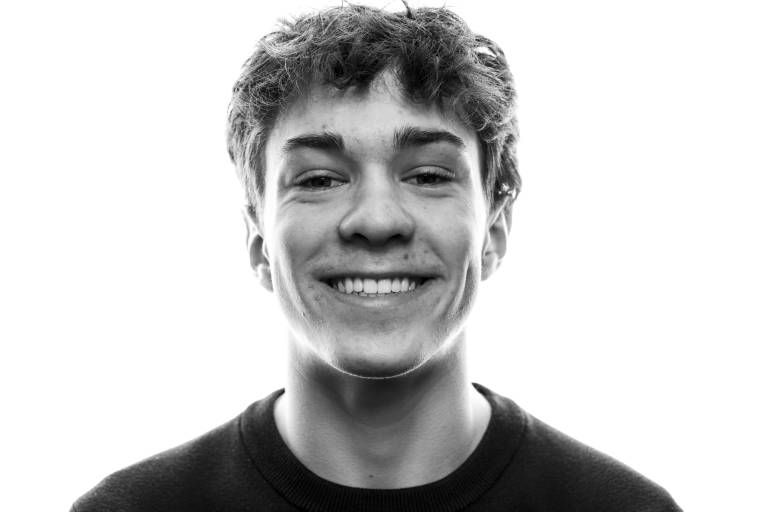
"caption": "Alby Corrin at KQED in San Franciscon on Nov. 24, 2025.",
"credit": "Spencer Whitney/KQED",
"altTag": null,
"description": null,
"imgSizes": {
"thumbnail": {
"file": "https://cdn.kqed.org/wp-content/uploads/sites/44/2025/11/251124-ALBY-CORRIN-PERSPECTIVES-SW-02-KQED-160x107.jpg",
"width": 160,
"height": 107,
"mimeType": "image/jpeg"
},
"medium_large": {
"file": "https://cdn.kqed.org/wp-content/uploads/sites/44/2025/11/251124-ALBY-CORRIN-PERSPECTIVES-SW-02-KQED-768x512.jpg",
"width": 768,
"height": 512,
"mimeType": "image/jpeg"
},
"1536x1536": {
"file": "https://cdn.kqed.org/wp-content/uploads/sites/44/2025/11/251124-ALBY-CORRIN-PERSPECTIVES-SW-02-KQED-1536x1025.jpg",
"width": 1536,
"height": 1025,
"mimeType": "image/jpeg"
},
"post-thumbnail": {
"file": "https://cdn.kqed.org/wp-content/uploads/sites/44/2025/11/251124-ALBY-CORRIN-PERSPECTIVES-SW-02-KQED-672x372.jpg",
"width": 672,
"height": 372,
"mimeType": "image/jpeg"
},
"twentyfourteen-full-width": {
"file": "https://cdn.kqed.org/wp-content/uploads/sites/44/2025/11/251124-ALBY-CORRIN-PERSPECTIVES-SW-02-KQED-1038x576.jpg",
"width": 1038,
"height": 576,
"mimeType": "image/jpeg"
},
"kqedFullSize": {
"file": "https://cdn.kqed.org/wp-content/uploads/sites/44/2025/11/251124-ALBY-CORRIN-PERSPECTIVES-SW-02-KQED.jpg",
"width": 2000,
"height": 1334
}
},
"isLoading": false,
"fetchFailed": false
},
"perspectives_201601146742": {
"type": "attachments",
"id": "perspectives_201601146742",
"meta": {
"index": "attachments_1716263798",
"site": "perspectives",
"id": "201601146742",
"found": true
},
"title": "Keira Sisuphan at KQED in San Francisco on Nov. 17, 2025.",
"publishDate": 1763485098,
"status": "inherit",
"parent": 0,
"modified": 1763485108,
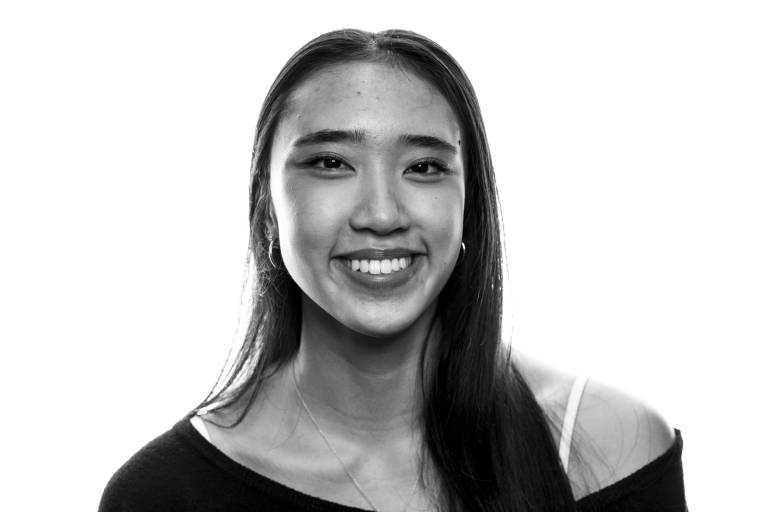
"caption": "Keira Sisuphan at KQED in San Francisco on Nov. 17, 2025.",
"credit": "Spencer Whitney/KQED",
"altTag": null,
"description": null,
"imgSizes": {
"thumbnail": {
"file": "https://cdn.kqed.org/wp-content/uploads/sites/44/2025/11/251117-KEIRA-SISUPHAN-PERSPECTIVES-01-KQED-160x107.jpg",
"width": 160,
"height": 107,
"mimeType": "image/jpeg"
},
"medium_large": {
"file": "https://cdn.kqed.org/wp-content/uploads/sites/44/2025/11/251117-KEIRA-SISUPHAN-PERSPECTIVES-01-KQED-768x512.jpg",
"width": 768,
"height": 512,
"mimeType": "image/jpeg"
},
"1536x1536": {
"file": "https://cdn.kqed.org/wp-content/uploads/sites/44/2025/11/251117-KEIRA-SISUPHAN-PERSPECTIVES-01-KQED-1536x1025.jpg",
"width": 1536,
"height": 1025,
"mimeType": "image/jpeg"
},
"post-thumbnail": {
"file": "https://cdn.kqed.org/wp-content/uploads/sites/44/2025/11/251117-KEIRA-SISUPHAN-PERSPECTIVES-01-KQED-672x372.jpg",
"width": 672,
"height": 372,
"mimeType": "image/jpeg"
},
"twentyfourteen-full-width": {
"file": "https://cdn.kqed.org/wp-content/uploads/sites/44/2025/11/251117-KEIRA-SISUPHAN-PERSPECTIVES-01-KQED-1038x576.jpg",
"width": 1038,
"height": 576,
"mimeType": "image/jpeg"
},
"kqedFullSize": {
"file": "https://cdn.kqed.org/wp-content/uploads/sites/44/2025/11/251117-KEIRA-SISUPHAN-PERSPECTIVES-01-KQED.jpg",
"width": 2000,
"height": 1334
}
},
"isLoading": false,
"fetchFailed": false
},
"perspectives_201601146781": {
"type": "attachments",
"id": "perspectives_201601146781",
"meta": {
"index": "attachments_1716263798",
"site": "perspectives",
"id": "201601146781",
"found": true
},
"title": "Esmeralda Garrido-Reyes",
"publishDate": 1764699781,
"status": "inherit",
"parent": 201601146780,
"modified": 1764699789,
"caption": null,
"credit": null,
"altTag": null,
"description": null,
"imgSizes": {
"thumbnail": {
"file": "https://cdn.kqed.org/wp-content/uploads/sites/44/2025/12/Picture-of-myself-160x217.jpeg",
"width": 160,
"height": 217,
"mimeType": "image/jpeg"
},
"medium_large": {
"file": "https://cdn.kqed.org/wp-content/uploads/sites/44/2025/12/Picture-of-myself-768x1042.jpeg",
"width": 768,
"height": 1042,
"mimeType": "image/jpeg"
},
"post-thumbnail": {
"file": "https://cdn.kqed.org/wp-content/uploads/sites/44/2025/12/Picture-of-myself-672x372.jpeg",
"width": 672,
"height": 372,
"mimeType": "image/jpeg"
},
"twentyfourteen-full-width": {
"file": "https://cdn.kqed.org/wp-content/uploads/sites/44/2025/12/Picture-of-myself-976x576.jpeg",
"width": 976,
"height": 576,
"mimeType": "image/jpeg"
},
"kqedFullSize": {
"file": "https://cdn.kqed.org/wp-content/uploads/sites/44/2025/12/Picture-of-myself.jpeg",
"width": 976,
"height": 1324
}
},
"isLoading": false,
"fetchFailed": false
},
"perspectives_201601146774": {
"type": "attachments",
"id": "perspectives_201601146774",
"meta": {
"index": "attachments_1716263798",
"site": "perspectives",
"id": "201601146774",
"found": true
},
"title": "Valeriia Shynkarenko",
"publishDate": 1764095259,
"status": "inherit",
"parent": 201601146773,
"modified": 1764095266,
"caption": "Screenshot",
"credit": null,
"altTag": null,
"description": null,
"imgSizes": {
"thumbnail": {
"file": "https://cdn.kqed.org/wp-content/uploads/sites/44/2025/11/image0-6-160x204.jpeg",
"width": 160,
"height": 204,
"mimeType": "image/jpeg"
},
"medium_large": {
"file": "https://cdn.kqed.org/wp-content/uploads/sites/44/2025/11/image0-6-768x978.jpeg",
"width": 768,
"height": 978,
"mimeType": "image/jpeg"
},
"1536x1536": {
"file": "https://cdn.kqed.org/wp-content/uploads/sites/44/2025/11/image0-6-1206x1536.jpeg",
"width": 1206,
"height": 1536,
"mimeType": "image/jpeg"
},
"post-thumbnail": {
"file": "https://cdn.kqed.org/wp-content/uploads/sites/44/2025/11/image0-6-672x372.jpeg",
"width": 672,
"height": 372,
"mimeType": "image/jpeg"
},
"twentyfourteen-full-width": {
"file": "https://cdn.kqed.org/wp-content/uploads/sites/44/2025/11/image0-6-1038x576.jpeg",
"width": 1038,
"height": 576,
"mimeType": "image/jpeg"
},
"kqedFullSize": {
"file": "https://cdn.kqed.org/wp-content/uploads/sites/44/2025/11/image0-6.jpeg",
"width": 1320,
"height": 1681
}
},
"isLoading": false,
"fetchFailed": false
},
"perspectives_201601145071": {
"type": "attachments",
"id": "perspectives_201601145071",
"meta": {
"index": "attachments_1716263798",
"site": "perspectives",
"id": "201601145071",
"found": true
},
"title": "JennyFanRaj",
"publishDate": 1731524482,
"status": "inherit",
"parent": 201601145070,
"modified": 1731524482,
"caption": null,
"credit": null,
"altTag": null,
"description": null,
"imgSizes": {
"medium": {
"file": "https://cdn.kqed.org/wp-content/uploads/sites/44/2024/11/JennyFanRaj-800x1067.jpg",
"width": 800,
"height": 1067,
"mimeType": "image/jpeg"
},
"large": {
"file": "https://cdn.kqed.org/wp-content/uploads/sites/44/2024/11/JennyFanRaj-1020x1360.jpg",
"width": 1020,
"height": 1360,
"mimeType": "image/jpeg"
},
"thumbnail": {
"file": "https://cdn.kqed.org/wp-content/uploads/sites/44/2024/11/JennyFanRaj-160x213.jpg",
"width": 160,
"height": 213,
"mimeType": "image/jpeg"
},
"medium_large": {
"file": "https://cdn.kqed.org/wp-content/uploads/sites/44/2024/11/JennyFanRaj-768x1024.jpg",
"width": 768,
"height": 1024,
"mimeType": "image/jpeg"
},
"1536x1536": {
"file": "https://cdn.kqed.org/wp-content/uploads/sites/44/2024/11/JennyFanRaj-1152x1536.jpg",
"width": 1152,
"height": 1536,
"mimeType": "image/jpeg"
},
"2048x2048": {
"file": "https://cdn.kqed.org/wp-content/uploads/sites/44/2024/11/JennyFanRaj-1536x2048.jpg",
"width": 1536,
"height": 2048,
"mimeType": "image/jpeg"
},
"post-thumbnail": {
"file": "https://cdn.kqed.org/wp-content/uploads/sites/44/2024/11/JennyFanRaj-672x372.jpg",
"width": 672,
"height": 372,
"mimeType": "image/jpeg"
},
"twentyfourteen-full-width": {
"file": "https://cdn.kqed.org/wp-content/uploads/sites/44/2024/11/JennyFanRaj-1038x576.jpg",
"width": 1038,
"height": 576,
"mimeType": "image/jpeg"
},
"full-width": {
"file": "https://cdn.kqed.org/wp-content/uploads/sites/44/2024/11/JennyFanRaj-1920x2560.jpg",
"width": 1920,
"height": 2560,
"mimeType": "image/jpeg"
},
"kqedFullSize": {
"file": "https://cdn.kqed.org/wp-content/uploads/sites/44/2024/11/JennyFanRaj-scaled.jpg",
"width": 1920,
"height": 2560
}
},
"isLoading": false,
"fetchFailed": false
},
"perspectives_201601145064": {
"type": "attachments",
"id": "perspectives_201601145064",
"meta": {
"index": "attachments_1716263798",
"site": "perspectives",
"id": "201601145064",
"found": true
},
"title": "2_VickiLarson_May2023_KTS_147_Rprint",
"publishDate": 1731444251,
"status": "inherit",
"parent": 201601145063,
"modified": 1731444251,
"caption": null,
"credit": null,
"altTag": null,
"description": null,
"imgSizes": {
"medium": {
"file": "https://cdn.kqed.org/wp-content/uploads/sites/44/2024/11/2_VickiLarson_May2023_KTS_147_Rprint-800x1200.jpg",
"width": 800,
"height": 1200,
"mimeType": "image/jpeg"
},
"large": {
"file": "https://cdn.kqed.org/wp-content/uploads/sites/44/2024/11/2_VickiLarson_May2023_KTS_147_Rprint-1020x1530.jpg",
"width": 1020,
"height": 1530,
"mimeType": "image/jpeg"
},
"thumbnail": {
"file": "https://cdn.kqed.org/wp-content/uploads/sites/44/2024/11/2_VickiLarson_May2023_KTS_147_Rprint-160x240.jpg",
"width": 160,
"height": 240,
"mimeType": "image/jpeg"
},
"medium_large": {
"file": "https://cdn.kqed.org/wp-content/uploads/sites/44/2024/11/2_VickiLarson_May2023_KTS_147_Rprint-768x1152.jpg",
"width": 768,
"height": 1152,
"mimeType": "image/jpeg"
},
"1536x1536": {
"file": "https://cdn.kqed.org/wp-content/uploads/sites/44/2024/11/2_VickiLarson_May2023_KTS_147_Rprint-1024x1536.jpg",
"width": 1024,
"height": 1536,
"mimeType": "image/jpeg"
},
"2048x2048": {
"file": "https://cdn.kqed.org/wp-content/uploads/sites/44/2024/11/2_VickiLarson_May2023_KTS_147_Rprint-1366x2048.jpg",
"width": 1366,
"height": 2048,
"mimeType": "image/jpeg"
},
"post-thumbnail": {
"file": "https://cdn.kqed.org/wp-content/uploads/sites/44/2024/11/2_VickiLarson_May2023_KTS_147_Rprint-672x372.jpg",
"width": 672,
"height": 372,
"mimeType": "image/jpeg"
},
"twentyfourteen-full-width": {
"file": "https://cdn.kqed.org/wp-content/uploads/sites/44/2024/11/2_VickiLarson_May2023_KTS_147_Rprint-1038x576.jpg",
"width": 1038,
"height": 576,
"mimeType": "image/jpeg"
},
"kqedFullSize": {
"file": "https://cdn.kqed.org/wp-content/uploads/sites/44/2024/11/2_VickiLarson_May2023_KTS_147_Rprint.jpg",
"width": 1667,
"height": 2500
}
},
"isLoading": false,
"fetchFailed": false
},
"perspectives_201601146730": {
"type": "attachments",
"id": "perspectives_201601146730",
"meta": {
"index": "attachments_1716263798",
"site": "perspectives",
"id": "201601146730",
"found": true
},
"title": "Praneetha Goluguri at KQED in San Francisco on Nov. 13, 2025.",
"publishDate": 1763067649,
"status": "inherit",
"parent": 0,
"modified": 1763067669,
"caption": "Praneetha Goluguri at KQED in San Francisco on Nov. 13, 2025.",
"credit": "Spencer Whitney/KQED",
"altTag": null,
"description": null,
"imgSizes": {
"thumbnail": {
"file": "https://cdn.kqed.org/wp-content/uploads/sites/44/2025/11/251112-Praneetha-Goluguri-PERSPECTIVES-SW-01-KQED-160x107.jpg",
"width": 160,
"height": 107,
"mimeType": "image/jpeg"
},
"medium_large": {
"file": "https://cdn.kqed.org/wp-content/uploads/sites/44/2025/11/251112-Praneetha-Goluguri-PERSPECTIVES-SW-01-KQED-768x512.jpg",
"width": 768,
"height": 512,
"mimeType": "image/jpeg"
},
"1536x1536": {
"file": "https://cdn.kqed.org/wp-content/uploads/sites/44/2025/11/251112-Praneetha-Goluguri-PERSPECTIVES-SW-01-KQED-1536x1025.jpg",
"width": 1536,
"height": 1025,
"mimeType": "image/jpeg"
},
"post-thumbnail": {
"file": "https://cdn.kqed.org/wp-content/uploads/sites/44/2025/11/251112-Praneetha-Goluguri-PERSPECTIVES-SW-01-KQED-672x372.jpg",
"width": 672,
"height": 372,
"mimeType": "image/jpeg"
},
"twentyfourteen-full-width": {
"file": "https://cdn.kqed.org/wp-content/uploads/sites/44/2025/11/251112-Praneetha-Goluguri-PERSPECTIVES-SW-01-KQED-1038x576.jpg",
"width": 1038,
"height": 576,
"mimeType": "image/jpeg"
},
"kqedFullSize": {
"file": "https://cdn.kqed.org/wp-content/uploads/sites/44/2025/11/251112-Praneetha-Goluguri-PERSPECTIVES-SW-01-KQED.jpg",
"width": 2000,
"height": 1334
}
},
"isLoading": false,
"fetchFailed": false
},
"perspectives_201601146761": {
"type": "attachments",
"id": "perspectives_201601146761",
"meta": {
"index": "attachments_1716263798",
"site": "perspectives",
"id": "201601146761",
"found": true
},
"title": "Brenda Walker",
"publishDate": 1763678676,
"status": "inherit",
"parent": 201601146759,
"modified": 1763678700,
"caption": null,
"credit": null,
"altTag": null,
"description": null,
"imgSizes": {
"thumbnail": {
"file": "https://cdn.kqed.org/wp-content/uploads/sites/44/2025/11/Brenda-Prof-Pic-160x160.jpg",
"width": 160,
"height": 160,
"mimeType": "image/jpeg"
},
"medium_large": {
"file": "https://cdn.kqed.org/wp-content/uploads/sites/44/2025/11/Brenda-Prof-Pic-768x768.jpg",
"width": 768,
"height": 768,
"mimeType": "image/jpeg"
},
"post-thumbnail": {
"file": "https://cdn.kqed.org/wp-content/uploads/sites/44/2025/11/Brenda-Prof-Pic-672x372.jpg",
"width": 672,
"height": 372,
"mimeType": "image/jpeg"
},
"twentyfourteen-full-width": {
"file": "https://cdn.kqed.org/wp-content/uploads/sites/44/2025/11/Brenda-Prof-Pic-1038x576.jpg",
"width": 1038,
"height": 576,
"mimeType": "image/jpeg"
},
"kqedFullSize": {
"file": "https://cdn.kqed.org/wp-content/uploads/sites/44/2025/11/Brenda-Prof-Pic.jpg",
"width": 1440,
"height": 1440
}
},
"isLoading": false,
"fetchFailed": false
},
"perspectives_201601146750": {
"type": "attachments",
"id": "perspectives_201601146750",
"meta": {
"index": "attachments_1716263798",
"site": "perspectives",
"id": "201601146750",
"found": true
},
"title": "Jaden Vassallo",
"publishDate": 1763588247,
"status": "inherit",
"parent": 201601146749,
"modified": 1763588247,
"caption": null,
"credit": null,
"altTag": null,
"description": null,
"imgSizes": {
"medium": {
"file": "https://cdn.kqed.org/wp-content/uploads/sites/44/2025/11/image0-5-2000x3000.jpeg",
"width": 2000,
"height": 3000,
"mimeType": "image/jpeg"
},
"large": {
"file": "https://cdn.kqed.org/wp-content/uploads/sites/44/2025/11/image0-5-2000x3000.jpeg",
"width": 2000,
"height": 3000,
"mimeType": "image/jpeg"
},
"thumbnail": {
"file": "https://cdn.kqed.org/wp-content/uploads/sites/44/2025/11/image0-5-160x240.jpeg",
"width": 160,
"height": 240,
"mimeType": "image/jpeg"
},
"medium_large": {
"file": "https://cdn.kqed.org/wp-content/uploads/sites/44/2025/11/image0-5-768x1152.jpeg",
"width": 768,
"height": 1152,
"mimeType": "image/jpeg"
},
"1536x1536": {
"file": "https://cdn.kqed.org/wp-content/uploads/sites/44/2025/11/image0-5-1024x1536.jpeg",
"width": 1024,
"height": 1536,
"mimeType": "image/jpeg"
},
"2048x2048": {
"file": "https://cdn.kqed.org/wp-content/uploads/sites/44/2025/11/image0-5-1366x2048.jpeg",
"width": 1366,
"height": 2048,
"mimeType": "image/jpeg"
},
"post-thumbnail": {
"file": "https://cdn.kqed.org/wp-content/uploads/sites/44/2025/11/image0-5-672x372.jpeg",
"width": 672,
"height": 372,
"mimeType": "image/jpeg"
},
"twentyfourteen-full-width": {
"file": "https://cdn.kqed.org/wp-content/uploads/sites/44/2025/11/image0-5-1038x576.jpeg",
"width": 1038,
"height": 576,
"mimeType": "image/jpeg"
},
"full-width": {
"file": "https://cdn.kqed.org/wp-content/uploads/sites/44/2025/11/image0-5-2000x3000.jpeg",
"width": 2000,
"height": 3000,
"mimeType": "image/jpeg"
},
"kqedFullSize": {
"file": "https://cdn.kqed.org/wp-content/uploads/sites/44/2025/11/image0-5-scaled.jpeg",
"width": 1707,
"height": 2560
}
},
"isLoading": false,
"fetchFailed": false
},
"perspectives_201601146732": {
"type": "attachments",
"id": "perspectives_201601146732",
"meta": {
"index": "attachments_1716263798",
"site": "perspectives",
"id": "201601146732",
"found": true
},
"title": "251114-Perspectives-AndreaIbanez-04-BL_qed",
"publishDate": 1763148841,
"status": "inherit",
"parent": 0,
"modified": 1768510248,
"caption": "Andrea Ibanez Terrazas at KQED in San Francisco on Nov. 14, 2025.",
"credit": "Beth LaBerge/KQED",
"altTag": null,
"description": null,
"imgSizes": {
"thumbnail": {
"file": "https://cdn.kqed.org/wp-content/uploads/sites/44/2025/11/251114-Perspectives-AndreaIbanez-04-BL_qed-160x107.jpg",
"width": 160,
"height": 107,
"mimeType": "image/jpeg"
},
"medium_large": {
"file": "https://cdn.kqed.org/wp-content/uploads/sites/44/2025/11/251114-Perspectives-AndreaIbanez-04-BL_qed-768x512.jpg",
"width": 768,
"height": 512,
"mimeType": "image/jpeg"
},
"1536x1536": {
"file": "https://cdn.kqed.org/wp-content/uploads/sites/44/2025/11/251114-Perspectives-AndreaIbanez-04-BL_qed-1536x1024.jpg",
"width": 1536,
"height": 1024,
"mimeType": "image/jpeg"
},
"post-thumbnail": {
"file": "https://cdn.kqed.org/wp-content/uploads/sites/44/2025/11/251114-Perspectives-AndreaIbanez-04-BL_qed-672x372.jpg",
"width": 672,
"height": 372,
"mimeType": "image/jpeg"
},
"twentyfourteen-full-width": {
"file": "https://cdn.kqed.org/wp-content/uploads/sites/44/2025/11/251114-Perspectives-AndreaIbanez-04-BL_qed-1038x576.jpg",
"width": 1038,
"height": 576,
"mimeType": "image/jpeg"
},
"kqedFullSize": {
"file": "https://cdn.kqed.org/wp-content/uploads/sites/44/2025/11/251114-Perspectives-AndreaIbanez-04-BL_qed.jpg",
"width": 1999,
"height": 1333
}
},
"isLoading": false,
"fetchFailed": false
},
"perspectives_201601146077": {
"type": "attachments",
"id": "perspectives_201601146077",
"meta": {
"index": "attachments_1716263798",
"site": "perspectives",
"id": "201601146077",
"found": true
},
"title": "Richard Swerdlow at KQED in San Francisco on June 12, 2025.",
"publishDate": 1749755287,
"status": "inherit",
"parent": 0,
"modified": 1749755301,
"caption": "Richard Swerdlow at KQED in San Francisco on June 12, 2025.",
"credit": "Jennifer Ng/KQED",
"altTag": null,
"description": null,
"imgSizes": {
"thumbnail": {
"file": "https://cdn.kqed.org/wp-content/uploads/sites/44/2025/06/250612-RICHARD-SWERDLOW-PERSPECTIVES-JN-01-KQED-160x107.jpg",
"width": 160,
"height": 107,
"mimeType": "image/jpeg"
},
"medium_large": {
"file": "https://cdn.kqed.org/wp-content/uploads/sites/44/2025/06/250612-RICHARD-SWERDLOW-PERSPECTIVES-JN-01-KQED-768x512.jpg",
"width": 768,
"height": 512,
"mimeType": "image/jpeg"
},
"1536x1536": {
"file": "https://cdn.kqed.org/wp-content/uploads/sites/44/2025/06/250612-RICHARD-SWERDLOW-PERSPECTIVES-JN-01-KQED-1536x1025.jpg",
"width": 1536,
"height": 1025,
"mimeType": "image/jpeg"
},
"post-thumbnail": {
"file": "https://cdn.kqed.org/wp-content/uploads/sites/44/2025/06/250612-RICHARD-SWERDLOW-PERSPECTIVES-JN-01-KQED-672x372.jpg",
"width": 672,
"height": 372,
"mimeType": "image/jpeg"
},
"twentyfourteen-full-width": {
"file": "https://cdn.kqed.org/wp-content/uploads/sites/44/2025/06/250612-RICHARD-SWERDLOW-PERSPECTIVES-JN-01-KQED-1038x576.jpg",
"width": 1038,
"height": 576,
"mimeType": "image/jpeg"
},
"kqedFullSize": {
"file": "https://cdn.kqed.org/wp-content/uploads/sites/44/2025/06/250612-RICHARD-SWERDLOW-PERSPECTIVES-JN-01-KQED.jpg",
"width": 2000,
"height": 1334
}
},
"isLoading": false,
"fetchFailed": false
},
"perspectives_201601146708": {
"type": "attachments",
"id": "perspectives_201601146708",
"meta": {
"index": "attachments_1716263798",
"site": "perspectives",
"id": "201601146708",
"found": true
},
"title": "Brayan Llanos at KQED in San Francisco on Nov. 7, 2025.",
"publishDate": 1762809784,
"status": "inherit",
"parent": 0,
"modified": 1762809799,
"caption": "Brayan Llanos at KQED in San Francisco on Nov. 7, 2025.",
"credit": "Jennifer Ng/KQED",
"altTag": null,
"description": null,
"imgSizes": {
"thumbnail": {
"file": "https://cdn.kqed.org/wp-content/uploads/sites/44/2025/11/251107-BRAYAN-LLANOS-PERSPECTIVES-JN-02-KQED-160x107.jpg",
"width": 160,
"height": 107,
"mimeType": "image/jpeg"
},
"medium_large": {
"file": "https://cdn.kqed.org/wp-content/uploads/sites/44/2025/11/251107-BRAYAN-LLANOS-PERSPECTIVES-JN-02-KQED-768x512.jpg",
"width": 768,
"height": 512,
"mimeType": "image/jpeg"
},
"1536x1536": {
"file": "https://cdn.kqed.org/wp-content/uploads/sites/44/2025/11/251107-BRAYAN-LLANOS-PERSPECTIVES-JN-02-KQED-1536x1025.jpg",
"width": 1536,
"height": 1025,
"mimeType": "image/jpeg"
},
"post-thumbnail": {
"file": "https://cdn.kqed.org/wp-content/uploads/sites/44/2025/11/251107-BRAYAN-LLANOS-PERSPECTIVES-JN-02-KQED-672x372.jpg",
"width": 672,
"height": 372,
"mimeType": "image/jpeg"
},
"twentyfourteen-full-width": {
"file": "https://cdn.kqed.org/wp-content/uploads/sites/44/2025/11/251107-BRAYAN-LLANOS-PERSPECTIVES-JN-02-KQED-1038x576.jpg",
"width": 1038,
"height": 576,
"mimeType": "image/jpeg"
},
"kqedFullSize": {
"file": "https://cdn.kqed.org/wp-content/uploads/sites/44/2025/11/251107-BRAYAN-LLANOS-PERSPECTIVES-JN-02-KQED.jpg",
"width": 2000,
"height": 1334
}
},
"isLoading": false,
"fetchFailed": false
}
},
"audioPlayerReducer": {
"postId": "stream_live",
"isPaused": true,
"isPlaying": false,
"pfsActive": false,
"pledgeModalIsOpen": true,
"playerDrawerIsOpen": false,
"liveAudioPlayStartedAt": 0,
"liveAudioPlayContext": ""
},
"authorsReducer": {
"byline_perspectives_201601146790": {
"type": "authors",
"id": "byline_perspectives_201601146790",
"meta": {
"override": true
},
"slug": "byline_perspectives_201601146790",
"name": "Alby Corrin",
"isLoading": false
},
"byline_perspectives_201601146784": {
"type": "authors",
"id": "byline_perspectives_201601146784",
"meta": {
"override": true
},
"slug": "byline_perspectives_201601146784",
"name": "Keira Sisuphan",
"isLoading": false
},
"byline_perspectives_201601146780": {
"type": "authors",
"id": "byline_perspectives_201601146780",
"meta": {
"override": true
},
"slug": "byline_perspectives_201601146780",
"name": "Esmeralda Garrido-Reyes",
"isLoading": false
},
"byline_perspectives_201601146773": {
"type": "authors",
"id": "byline_perspectives_201601146773",
"meta": {
"override": true
},
"slug": "byline_perspectives_201601146773",
"name": "Valeriia Shynkarenko",
"isLoading": false
},
"byline_perspectives_201601146767": {
"type": "authors",
"id": "byline_perspectives_201601146767",
"meta": {
"override": true
},
"slug": "byline_perspectives_201601146767",
"name": "Jenny Fan Raj",
"isLoading": false
},
"byline_perspectives_201601146765": {
"type": "authors",
"id": "byline_perspectives_201601146765",
"meta": {
"override": true
},
"slug": "byline_perspectives_201601146765",
"name": "Vicki Larson",
"isLoading": false
},
"byline_perspectives_201601146755": {
"type": "authors",
"id": "byline_perspectives_201601146755",
"meta": {
"override": true
},
"slug": "byline_perspectives_201601146755",
"name": "Praneetha Goluguri",
"isLoading": false
},
"byline_perspectives_201601146759": {
"type": "authors",
"id": "byline_perspectives_201601146759",
"meta": {
"override": true
},
"slug": "byline_perspectives_201601146759",
"name": "Brenda Walker",
"isLoading": false
},
"byline_perspectives_201601146749": {
"type": "authors",
"id": "byline_perspectives_201601146749",
"meta": {
"override": true
},
"slug": "byline_perspectives_201601146749",
"name": "Jaden Vassallo",
"isLoading": false
},
"byline_perspectives_201601146743": {
"type": "authors",
"id": "byline_perspectives_201601146743",
"meta": {
"override": true
},
"slug": "byline_perspectives_201601146743",
"name": "Andrea Ibanez",
"isLoading": false
},
"byline_perspectives_201601146733": {
"type": "authors",
"id": "byline_perspectives_201601146733",
"meta": {
"override": true
},
"slug": "byline_perspectives_201601146733",
"name": "Richard Swerdlow",
"isLoading": false
},
"byline_perspectives_201601146725": {
"type": "authors",
"id": "byline_perspectives_201601146725",
"meta": {
"override": true
},
"slug": "byline_perspectives_201601146725",
"name": "Brayan Llanos",
"isLoading": false
}
},
"pagesReducer": {
"perspectives_category_podcast": {
"type": "terms",
"id": "perspectives_2052",
"meta": {
"index": "terms_1716263798",
"site": "perspectives",
"id": "2052",
"score": 12.071791
},
"name": "podcast",
"slug": "podcast",
"taxonomy": "category",
"description": null,
"featImg": null,
"headData": {
"title": "podcast - Perspectives",
"description": null,
"ogTitle": null,
"ogDescription": null,
"ogImgId": null,
"twTitle": null,
"twDescription": null,
"twImgId": null
},
"ttid": 2052,
"isLoading": false,
"title": "podcast",
"pageMeta": {
"site": "perspectives",
"WpPageTemplate": "page-topic-editorial",
"currentPage": 17
},
"blocks": [
{
"blockName": "kqed/post-list",
"attrs": {
"layout": "cardArticle2",
"query": "posts/perspectives?category=podcast",
"seeMore": false,
"paginated": true,
"page": 17
}
},
{
"blockName": "kqed/ad"
}
]
}
},
"pfsSessionReducer": {},
"postsReducer": {
"stream_live": {
"type": "live",
"id": "stream_live",
"audioUrl": "https://streams.kqed.org/kqedradio",
"title": "Live Stream",
"excerpt": "Live Stream information currently unavailable.",
"link": "/radio",
"featImg": "",
"label": {
"name": "KQED Live",
"link": "/"
}
},
"stream_kqedNewscast": {
"type": "posts",
"id": "stream_kqedNewscast",
"audioUrl": "https://www.kqed.org/.stream/anon/radio/RDnews/newscast.mp3?_=1",
"title": "KQED Newscast",
"featImg": "",
"label": {
"name": "88.5 FM",
"link": "/"
}
},
"perspectives_201601146790": {
"type": "posts",
"id": "perspectives_201601146790",
"meta": {
"index": "posts_1716263798",
"site": "perspectives",
"id": "201601146790",
"score": null,
"sort": [
1764921684000
]
},
"guestAuthors": [],
"slug": "alby-corrin-a-great-divorce",
"title": "Alby Corrin: A Great Divorce",
"publishDate": 1764921684,
"format": "standard",
"headTitle": "Alby Corrin: A Great Divorce | KQED",
"labelTerm": {
"term": 3,
"site": "perspectives"
},
"content": "\u003cp>\u003cem>Alby Corrin shares his experiences and what he learned after his parents’ divorce.\u003c/em>\u003c/p>\n\u003cp>When I was 11 years old, I was shocked to hear my parents were getting a divorce. Filled with rage and confusion, I was certain my life and family would shatter. Like many kids whose parents get divorced, I expected the worst. But this dramatic change caused unexpected growth. \u003c/p>\n\u003cp>Soon after my parents’ divorce, my mom moved to an unfamiliar nearby county while my dad remained an hour away in San Francisco. My mom kept herself occupied and spent a lot of time meeting friends as she went through this difficult period. \u003c/p>\n\u003cp>I frequently found myself alone without any pressure from my parents. With my isolation at home, I knew I had a lot of freedom and therefore responsibility. For a long time I struggled; I had inconsistent sleeping, eating and working habits.\u003c/p>\n\u003cp>I constantly received average grades and felt extremely disappointed with how I spent my time. Through this struggle though, I learned that nothing would change without personal responsibility and discipline. Instead of slacking off I made an effort to work hard knowing that I didn’t have external pressure to motivate me. \u003c/p>\n\u003cp>[ad fullwidth]\u003c/p>\n\u003cp>This period of my life helped me expand my mindset, but more importantly I gained an ability to be independent. I developed a mature outlook at a young age and even found my love for cooking. I am confident I will settle quickly in college because I have spent time taking care of myself. \u003c/p>\n\u003cp>While common stigmas suggest single-parent homes cause behavioral problems in kids, I developed a deep sense of responsibility and self-care through my unconventional family situation. Unique family dynamics do not have to be a bad thing. Whatever the situation, accepting it and finding a way to thrive is extremely beneficial and possible. What might seem like a catastrophic change in one’s life (Like a divorce) will likely have some unexpectedly positive outcomes. Furthermore , these dynamics are not always a hindrance, but an asset. With a Perspective, I’m Alby Corrin.\u003c/p>\n\u003cp>\u003c/p>\n\u003cp>\u003cem>Alby Corrin is a senior at Redwood High School where he serves as president of the Sports Management Club. He plans to pursue a career in the sports industry.\u003c/em>\u003c/p>\n\n",
"blocks": [],
"excerpt": "Alby Corrin shares his experiences and what he learned after his parents' divorce.",
"status": "publish",
"parent": 0,
"modified": 1764890139,
"stats": {
"hasAudio": false,
"hasVideo": false,
"hasChartOrMap": false,
"iframeSrcs": [],
"hasGoogleForm": false,
"hasGallery": false,
"hasHearkenModule": false,
"hasPolis": false,
"paragraphCount": 10,
"wordCount": 381
},
"headData": {
"title": "Alby Corrin: A Great Divorce | KQED",
"description": "Alby Corrin shares his experiences and what he learned after his parents' divorce.",
"ogTitle": "",
"ogDescription": "",
"ogImgId": "",
"twTitle": "",
"twDescription": "",
"twImgId": "",
"schema": {
"@context": "https://schema.org",
"@type": "Article",
"headline": "Alby Corrin: A Great Divorce",
"datePublished": "2025-12-05T00:01:24-08:00",
"dateModified": "2025-12-04T15:15:39-08:00",
"image": "https://cdn.kqed.org/wp-content/uploads/2020/02/KQED-OG-Image@1x.png"
}
},
"primaryCategory": {
"termId": 2052,
"slug": "podcast",
"name": "podcast"
},
"audioUrl": "https://www.podtrac.com/pts/redirect.mp3/pdst.fm/e/chrt.fm/track/G6C7C3/traffic.megaphone.fm/KQINC4418467152.mp3",
"sticky": false,
"nprByline": "Alby Corrin",
"templateType": "standard",
"featuredImageType": "standard",
"excludeFromSiteSearch": "Include",
"showOnAuthorArchivePages": "No",
"articleAge": "0",
"path": "/perspectives/201601146790/alby-corrin-a-great-divorce",
"audioTrackLength": null,
"parsedContent": [
{
"type": "contentString",
"content": "\u003cdiv class=\"post-body\">\u003cp>\u003cp>\u003cem>Alby Corrin shares his experiences and what he learned after his parents’ divorce.\u003c/em>\u003c/p>\n\u003cp>When I was 11 years old, I was shocked to hear my parents were getting a divorce. Filled with rage and confusion, I was certain my life and family would shatter. Like many kids whose parents get divorced, I expected the worst. But this dramatic change caused unexpected growth. \u003c/p>\n\u003cp>Soon after my parents’ divorce, my mom moved to an unfamiliar nearby county while my dad remained an hour away in San Francisco. My mom kept herself occupied and spent a lot of time meeting friends as she went through this difficult period. \u003c/p>\n\u003cp>I frequently found myself alone without any pressure from my parents. With my isolation at home, I knew I had a lot of freedom and therefore responsibility. For a long time I struggled; I had inconsistent sleeping, eating and working habits.\u003c/p>\n\u003cp>I constantly received average grades and felt extremely disappointed with how I spent my time. Through this struggle though, I learned that nothing would change without personal responsibility and discipline. Instead of slacking off I made an effort to work hard knowing that I didn’t have external pressure to motivate me. \u003c/p>\n\u003cp>\u003c/p>\u003c/div>",
"attributes": {
"named": {},
"numeric": []
}
},
{
"type": "component",
"content": "",
"name": "ad",
"attributes": {
"named": {
"label": "fullwidth"
},
"numeric": [
"fullwidth"
]
}
},
{
"type": "contentString",
"content": "\u003cdiv class=\"post-body\">\u003cp>\u003c/p>\n\u003cp>This period of my life helped me expand my mindset, but more importantly I gained an ability to be independent. I developed a mature outlook at a young age and even found my love for cooking. I am confident I will settle quickly in college because I have spent time taking care of myself. \u003c/p>\n\u003cp>While common stigmas suggest single-parent homes cause behavioral problems in kids, I developed a deep sense of responsibility and self-care through my unconventional family situation. Unique family dynamics do not have to be a bad thing. Whatever the situation, accepting it and finding a way to thrive is extremely beneficial and possible. What might seem like a catastrophic change in one’s life (Like a divorce) will likely have some unexpectedly positive outcomes. Furthermore , these dynamics are not always a hindrance, but an asset. With a Perspective, I’m Alby Corrin.\u003c/p>\n\u003cp>\u003c/p>\n\u003cp>\u003cem>Alby Corrin is a senior at Redwood High School where he serves as president of the Sports Management Club. He plans to pursue a career in the sports industry.\u003c/em>\u003c/p>\n\n\u003c/div>\u003c/p>",
"attributes": {
"named": {},
"numeric": []
}
}
],
"link": "/perspectives/201601146790/alby-corrin-a-great-divorce",
"authors": [
"byline_perspectives_201601146790"
],
"programs": [
"perspectives_3"
],
"series": [
"perspectives_2023"
],
"categories": [
"perspectives_2",
"perspectives_2052"
],
"featImg": "perspectives_201601146772",
"label": "perspectives_3"
},
"perspectives_201601146784": {
"type": "posts",
"id": "perspectives_201601146784",
"meta": {
"index": "posts_1716263798",
"site": "perspectives",
"id": "201601146784",
"score": null,
"sort": [
1764835267000
]
},
"guestAuthors": [],
"slug": "keira-sisuphan-the-healing-process",
"title": "Keira Sisuphan: The Healing Process",
"publishDate": 1764835267,
"format": "standard",
"headTitle": "Keira Sisuphan: The Healing Process | KQED",
"labelTerm": {
"term": 3,
"site": "perspectives"
},
"content": "\u003cp>\u003cem>After having back surgery, Keira Sisuphan shares about her journey of recovery and playing sports. \u003c/em>\u003c/p>\n\u003cp>I remember walking into the cold, sterile hospital in October of my sophomore year. It was the day of my long-awaited back surgery to correct scoliosis. I slipped into a thin, itchy blue hospital gown and grip socks. \u003c/p>\n\u003cp>It was six in the morning, and I hadn’t had anything to eat or drink. I wasn’t scared or nervous — just ready for it to be over. The process was long and tedious: blood pressure checked, heart rate monitored, urine test completed. It took four painful tries to get the IV in, each one a sharp pinch. \u003c/p>\n\u003cp>Before they put me under anesthesia, my mom asked the nurses to play Norah Jones — the same music she used to play to help me fall asleep as a kid. The surgery lasted eight hours. When I woke up, needles, tubes, wires and machines surrounded me. Despite the heavy medication, the pain was unbearable. I felt weak and tired, wondering what my friends were doing at school or if my dog missed me. Getting out of bed felt impossible. \u003c/p>\n\u003cp>Each step was small but exhausting, yet I knew I had to push myself to recover. For five long months, my mom cared for me nonstop. I hated feeling like a burden, especially knowing she wasn’t working. Watching her stress over money made me determined to heal faster. Three years later, I pushed through the challenge of returning to sports — using physical therapy, clinics and any resource I could find.\u003c/p>\n\u003cp>[ad fullwidth]\u003c/p>\n\u003cp>Now I’m a varsity starter on my high school volleyball team and have played two seasons of competitive club volleyball, helping my team reach nationals three times. My back is no longer an issue — just a scar I often forget is there. Coming back to volleyball, and to life, after surgery was hard. \u003c/p>\n\u003cp>But volleyball was my passion, the thing that kept me motivated through the pain. Looking back, every moment of that five-month recovery was worth it. With a Perspective, I’m Keira Sisuphan.\u003c/p>\n\u003cp>\u003c/p>\n\u003cp>\u003cem>Keira Sisuphan is a senior in high school in California. She loves guitar, creating art and playing volleyball.\u003c/em>\u003c/p>\n\n",
"blocks": [],
"excerpt": "After having back surgery, Keira Sisuphan shares about her journey to recover and play sports. ",
"status": "publish",
"parent": 0,
"modified": 1764792432,
"stats": {
"hasAudio": false,
"hasVideo": false,
"hasChartOrMap": false,
"iframeSrcs": [],
"hasGoogleForm": false,
"hasGallery": false,
"hasHearkenModule": false,
"hasPolis": false,
"paragraphCount": 10,
"wordCount": 379
},
"headData": {
"title": "Keira Sisuphan: The Healing Process | KQED",
"description": "After having back surgery, Keira Sisuphan shares about her journey to recover and play sports. ",
"ogTitle": "",
"ogDescription": "",
"ogImgId": "",
"twTitle": "",
"twDescription": "",
"twImgId": "",
"schema": {
"@context": "https://schema.org",
"@type": "Article",
"headline": "Keira Sisuphan: The Healing Process",
"datePublished": "2025-12-04T00:01:07-08:00",
"dateModified": "2025-12-03T12:07:12-08:00",
"image": "https://cdn.kqed.org/wp-content/uploads/2020/02/KQED-OG-Image@1x.png"
}
},
"primaryCategory": {
"termId": 2052,
"slug": "podcast",
"name": "podcast"
},
"audioUrl": "https://www.podtrac.com/pts/redirect.mp3/pdst.fm/e/chrt.fm/track/G6C7C3/traffic.megaphone.fm/KQINC7324533696.mp3",
"sticky": false,
"nprByline": "Keira Sisuphan",
"templateType": "standard",
"featuredImageType": "standard",
"excludeFromSiteSearch": "Include",
"showOnAuthorArchivePages": "No",
"articleAge": "0",
"path": "/perspectives/201601146784/keira-sisuphan-the-healing-process",
"audioTrackLength": null,
"parsedContent": [
{
"type": "contentString",
"content": "\u003cdiv class=\"post-body\">\u003cp>\u003cp>\u003cem>After having back surgery, Keira Sisuphan shares about her journey of recovery and playing sports. \u003c/em>\u003c/p>\n\u003cp>I remember walking into the cold, sterile hospital in October of my sophomore year. It was the day of my long-awaited back surgery to correct scoliosis. I slipped into a thin, itchy blue hospital gown and grip socks. \u003c/p>\n\u003cp>It was six in the morning, and I hadn’t had anything to eat or drink. I wasn’t scared or nervous — just ready for it to be over. The process was long and tedious: blood pressure checked, heart rate monitored, urine test completed. It took four painful tries to get the IV in, each one a sharp pinch. \u003c/p>\n\u003cp>Before they put me under anesthesia, my mom asked the nurses to play Norah Jones — the same music she used to play to help me fall asleep as a kid. The surgery lasted eight hours. When I woke up, needles, tubes, wires and machines surrounded me. Despite the heavy medication, the pain was unbearable. I felt weak and tired, wondering what my friends were doing at school or if my dog missed me. Getting out of bed felt impossible. \u003c/p>\n\u003cp>Each step was small but exhausting, yet I knew I had to push myself to recover. For five long months, my mom cared for me nonstop. I hated feeling like a burden, especially knowing she wasn’t working. Watching her stress over money made me determined to heal faster. Three years later, I pushed through the challenge of returning to sports — using physical therapy, clinics and any resource I could find.\u003c/p>\n\u003cp>\u003c/p>\u003c/div>",
"attributes": {
"named": {},
"numeric": []
}
},
{
"type": "component",
"content": "",
"name": "ad",
"attributes": {
"named": {
"label": "fullwidth"
},
"numeric": [
"fullwidth"
]
}
},
{
"type": "contentString",
"content": "\u003cdiv class=\"post-body\">\u003cp>\u003c/p>\n\u003cp>Now I’m a varsity starter on my high school volleyball team and have played two seasons of competitive club volleyball, helping my team reach nationals three times. My back is no longer an issue — just a scar I often forget is there. Coming back to volleyball, and to life, after surgery was hard. \u003c/p>\n\u003cp>But volleyball was my passion, the thing that kept me motivated through the pain. Looking back, every moment of that five-month recovery was worth it. With a Perspective, I’m Keira Sisuphan.\u003c/p>\n\u003cp>\u003c/p>\n\u003cp>\u003cem>Keira Sisuphan is a senior in high school in California. She loves guitar, creating art and playing volleyball.\u003c/em>\u003c/p>\n\n\u003c/div>\u003c/p>",
"attributes": {
"named": {},
"numeric": []
}
}
],
"link": "/perspectives/201601146784/keira-sisuphan-the-healing-process",
"authors": [
"byline_perspectives_201601146784"
],
"programs": [
"perspectives_3"
],
"series": [
"perspectives_2023"
],
"categories": [
"perspectives_2",
"perspectives_2052"
],
"featImg": "perspectives_201601146742",
"label": "perspectives_3"
},
"perspectives_201601146780": {
"type": "posts",
"id": "perspectives_201601146780",
"meta": {
"index": "posts_1716263798",
"site": "perspectives",
"id": "201601146780",
"score": null,
"sort": [
1764748860000
]
},
"guestAuthors": [],
"slug": "esmeralda-garrido-reyes-cut-down-on-consumption",
"title": "Esmeralda Garrido-Reyes: Cut Down on Consumption",
"publishDate": 1764748860,
"format": "standard",
"headTitle": "Esmeralda Garrido-Reyes: Cut Down on Consumption | KQED",
"labelTerm": {
"term": 3,
"site": "perspectives"
},
"content": "\u003cp>\u003cem>Esmeralda Garrido-Reyes shares why they feel overconsumption is an issue.\u003c/em>\u003c/p>\n\u003cp>After seeing Labubu dolls all over the internet, I thought “I want one too.” But I decided against it when I realized that over consumption is clearly prevalent in today’s world. Viral marketing, making trend chasers want to rush over, buy the newest, hottest products never sat right with me.\u003c/p>\n\u003cp>Although I feel this way, I won’t deny that I have participated in some trends as well. I’m influenced by what I see and what’s popular at the moment. The problem is, many of us buy things we don’t necessarily need. Micro fashion trends, Labubu dolls, Stanley cups, or similar products skyrocket in popularity and after time, quickly become unpopular as people move on to the next trend. For many people, it becomes a cycle. A cycle of waste and over consumption is created, which leads to unused and unwanted products that could end up harming the environment in the long run.\u003c/p>\n\u003cp>Like me, a lot of people are influenced to participate in trends pushed by the media we see. Online, we see videos of social media influencers with cabinets full of makeup products they’ll never use or have promoted only once. Some influencers make videos of opening packages receiving free products to possibly promote to viewers, and often these packages come in large cardboard boxes or plastic containers, only to be thrown away without a second thought.\u003c/p>\n\u003cp>The products, like the packaging it comes with, end up in landfills and in oceans. Getting more plastic in the water not only further harms animals, but humans too. Realizing that we participate in overconsumption is not a hard thing to do. The hard part is stopping or at least pausing to think, and if everyone can stop themselves from buying what they truly don’t need then, maybe we can lessen our damage to the Earth. With a Perspective, I’m Esmeralda Garrido-Reyes.\u003c/p>\n\u003cp>[ad fullwidth]\u003c/p>\n\u003cp>\u003c/p>\n\u003cp>\u003cem>Esmeralda Garrido-Reyes is a student at a community college. They are studying anthropology, with a hope of being an archaeologist in the future. \u003c/em>\u003c/p>\n\n",
"blocks": [],
"excerpt": "Esmeralda Garrido-Reyes shares why they feel overconsumption is an issue.",
"status": "publish",
"parent": 0,
"modified": 1764706601,
"stats": {
"hasAudio": false,
"hasVideo": false,
"hasChartOrMap": false,
"iframeSrcs": [],
"hasGoogleForm": false,
"hasGallery": false,
"hasHearkenModule": false,
"hasPolis": false,
"paragraphCount": 8,
"wordCount": 366
},
"headData": {
"title": "Esmeralda Garrido-Reyes: Cut Down on Consumption | KQED",
"description": "Esmeralda Garrido-Reyes shares why they feel overconsumption is an issue.",
"ogTitle": "",
"ogDescription": "",
"ogImgId": "",
"twTitle": "",
"twDescription": "",
"twImgId": "",
"schema": {
"@context": "https://schema.org",
"@type": "Article",
"headline": "Esmeralda Garrido-Reyes: Cut Down on Consumption",
"datePublished": "2025-12-03T00:01:00-08:00",
"dateModified": "2025-12-02T12:16:41-08:00",
"image": "https://cdn.kqed.org/wp-content/uploads/2020/02/KQED-OG-Image@1x.png"
}
},
"primaryCategory": {
"termId": 2052,
"slug": "podcast",
"name": "podcast"
},
"audioUrl": "https://www.podtrac.com/pts/redirect.mp3/pdst.fm/e/chrt.fm/track/G6C7C3/traffic.megaphone.fm/KQINC4523063610.mp3",
"sticky": false,
"nprByline": "Esmeralda Garrido-Reyes",
"templateType": "standard",
"featuredImageType": "standard",
"excludeFromSiteSearch": "Include",
"showOnAuthorArchivePages": "No",
"articleAge": "0",
"path": "/perspectives/201601146780/esmeralda-garrido-reyes-cut-down-on-consumption",
"audioTrackLength": null,
"parsedContent": [
{
"type": "contentString",
"content": "\u003cdiv class=\"post-body\">\u003cp>\u003cp>\u003cem>Esmeralda Garrido-Reyes shares why they feel overconsumption is an issue.\u003c/em>\u003c/p>\n\u003cp>After seeing Labubu dolls all over the internet, I thought “I want one too.” But I decided against it when I realized that over consumption is clearly prevalent in today’s world. Viral marketing, making trend chasers want to rush over, buy the newest, hottest products never sat right with me.\u003c/p>\n\u003cp>Although I feel this way, I won’t deny that I have participated in some trends as well. I’m influenced by what I see and what’s popular at the moment. The problem is, many of us buy things we don’t necessarily need. Micro fashion trends, Labubu dolls, Stanley cups, or similar products skyrocket in popularity and after time, quickly become unpopular as people move on to the next trend. For many people, it becomes a cycle. A cycle of waste and over consumption is created, which leads to unused and unwanted products that could end up harming the environment in the long run.\u003c/p>\n\u003cp>Like me, a lot of people are influenced to participate in trends pushed by the media we see. Online, we see videos of social media influencers with cabinets full of makeup products they’ll never use or have promoted only once. Some influencers make videos of opening packages receiving free products to possibly promote to viewers, and often these packages come in large cardboard boxes or plastic containers, only to be thrown away without a second thought.\u003c/p>\n\u003cp>The products, like the packaging it comes with, end up in landfills and in oceans. Getting more plastic in the water not only further harms animals, but humans too. Realizing that we participate in overconsumption is not a hard thing to do. The hard part is stopping or at least pausing to think, and if everyone can stop themselves from buying what they truly don’t need then, maybe we can lessen our damage to the Earth. With a Perspective, I’m Esmeralda Garrido-Reyes.\u003c/p>\n\u003cp>\u003c/p>\u003c/div>",
"attributes": {
"named": {},
"numeric": []
}
},
{
"type": "component",
"content": "",
"name": "ad",
"attributes": {
"named": {
"label": "fullwidth"
},
"numeric": [
"fullwidth"
]
}
},
{
"type": "contentString",
"content": "\u003cdiv class=\"post-body\">\u003cp>\u003c/p>\n\u003cp>\u003c/p>\n\u003cp>\u003cem>Esmeralda Garrido-Reyes is a student at a community college. They are studying anthropology, with a hope of being an archaeologist in the future. \u003c/em>\u003c/p>\n\n\u003c/div>\u003c/p>",
"attributes": {
"named": {},
"numeric": []
}
}
],
"link": "/perspectives/201601146780/esmeralda-garrido-reyes-cut-down-on-consumption",
"authors": [
"byline_perspectives_201601146780"
],
"programs": [
"perspectives_3"
],
"series": [
"perspectives_2023"
],
"categories": [
"perspectives_2",
"perspectives_2052"
],
"featImg": "perspectives_201601146781",
"label": "perspectives_3"
},
"perspectives_201601146773": {
"type": "posts",
"id": "perspectives_201601146773",
"meta": {
"index": "posts_1716263798",
"site": "perspectives",
"id": "201601146773",
"score": null,
"sort": [
1764576115000
]
},
"guestAuthors": [],
"slug": "valeriia-shynkarenko-my-immigration",
"title": "Valeriia Shynkarenko: My Immigration",
"publishDate": 1764576115,
"format": "standard",
"headTitle": "Valeriia Shynkarenko: My Immigration | KQED",
"labelTerm": {
"term": 3,
"site": "perspectives"
},
"content": "\u003cp>\u003cem>Valeriia Shynkarenko shares about adjusting to life in the U.S. after immigrating from Ukraine.\u003c/em>\u003c/p>\n\u003cp>When I first immigrated to the United States from Ukraine, it felt like entering a new world. Everything was different — the language, the educational system, even the way people greet one another. Immigration is always talked about as a journey, but for me, it felt like walking across a bridge that was being built beneath my feet.\u003c/p>\n\u003cp>To succeed, I had to tap into the courage to take the initiative, patience to adapt to a new society and determination to give back to the community that was now my home. Courage was the most important element for me at the beginning. Saying goodbye to friends, school, sports and routines was terrifying.\u003c/p>\n\u003cp>I remember the first day in an American classroom — unable to understand half of what the teacher was explaining and afraid to ask anything. With time, I learned that courage doesn’t mean being fearless — it means moving forward even when you are scared. Then came the adjustment phase.\u003c/p>\n\u003cp>Living in a foreign country is not just about learning a language, but about understanding a culture. I realized that blending in is not losing yourself — it’s about combining your origins with a new environment. Sharing Ukrainian cuisine with classmates and joining community activities helped me slowly feel at home. The most rewarding part has been learning how to give back.\u003c/p>\n\u003cp>[ad fullwidth]\u003c/p>\n\u003cp>Immigrants bring energy, creativity and perspectives that improve society. Now, I understand that immigration is not just relocation, but transformation. I arrived as a shy teenager and emerged stronger, more resilient and determined to contribute to my community. Sharing these stories reminds others that immigrants are not outsiders, but neighbors working toward the same future. With a Perspective, I’m Valeriia Shynkarenko.\u003c/p>\n\u003cp>\u003c/p>\n\u003cp>\u003cem>Valeriia Shynkarenko is a college student studying business administration. She lives in Pleasanton and enjoys snowboarding and traveling across the U.S.\u003c/em>\u003c/p>\n\n",
"blocks": [],
"excerpt": "Valeriia Shynkarenko shares about adjusting to life in the U.S. after immigrating from Ukraine.",
"status": "publish",
"parent": 0,
"modified": 1764696891,
"stats": {
"hasAudio": false,
"hasVideo": false,
"hasChartOrMap": false,
"iframeSrcs": [],
"hasGoogleForm": false,
"hasGallery": false,
"hasHearkenModule": false,
"hasPolis": false,
"paragraphCount": 9,
"wordCount": 330
},
"headData": {
"title": "Valeriia Shynkarenko: My Immigration | KQED",
"description": "Valeriia Shynkarenko shares about adjusting to life in the U.S. after immigrating from Ukraine.",
"ogTitle": "",
"ogDescription": "",
"ogImgId": "",
"twTitle": "",
"twDescription": "",
"twImgId": "",
"schema": {
"@context": "https://schema.org",
"@type": "Article",
"headline": "Valeriia Shynkarenko: My Immigration",
"datePublished": "2025-12-01T00:01:55-08:00",
"dateModified": "2025-12-02T09:34:51-08:00",
"image": "https://cdn.kqed.org/wp-content/uploads/2020/02/KQED-OG-Image@1x.png"
}
},
"primaryCategory": {
"termId": 2052,
"slug": "podcast",
"name": "podcast"
},
"audioUrl": "https://www.podtrac.com/pts/redirect.mp3/pdst.fm/e/chrt.fm/track/G6C7C3/traffic.megaphone.fm/KQINC6722518488.mp3",
"sticky": false,
"nprByline": "Valeriia Shynkarenko",
"templateType": "standard",
"featuredImageType": "standard",
"excludeFromSiteSearch": "Include",
"showOnAuthorArchivePages": "No",
"articleAge": "0",
"path": "/perspectives/201601146773/valeriia-shynkarenko-my-immigration",
"audioTrackLength": null,
"parsedContent": [
{
"type": "contentString",
"content": "\u003cdiv class=\"post-body\">\u003cp>\u003cp>\u003cem>Valeriia Shynkarenko shares about adjusting to life in the U.S. after immigrating from Ukraine.\u003c/em>\u003c/p>\n\u003cp>When I first immigrated to the United States from Ukraine, it felt like entering a new world. Everything was different — the language, the educational system, even the way people greet one another. Immigration is always talked about as a journey, but for me, it felt like walking across a bridge that was being built beneath my feet.\u003c/p>\n\u003cp>To succeed, I had to tap into the courage to take the initiative, patience to adapt to a new society and determination to give back to the community that was now my home. Courage was the most important element for me at the beginning. Saying goodbye to friends, school, sports and routines was terrifying.\u003c/p>\n\u003cp>I remember the first day in an American classroom — unable to understand half of what the teacher was explaining and afraid to ask anything. With time, I learned that courage doesn’t mean being fearless — it means moving forward even when you are scared. Then came the adjustment phase.\u003c/p>\n\u003cp>Living in a foreign country is not just about learning a language, but about understanding a culture. I realized that blending in is not losing yourself — it’s about combining your origins with a new environment. Sharing Ukrainian cuisine with classmates and joining community activities helped me slowly feel at home. The most rewarding part has been learning how to give back.\u003c/p>\n\u003cp>\u003c/p>\u003c/div>",
"attributes": {
"named": {},
"numeric": []
}
},
{
"type": "component",
"content": "",
"name": "ad",
"attributes": {
"named": {
"label": "fullwidth"
},
"numeric": [
"fullwidth"
]
}
},
{
"type": "contentString",
"content": "\u003cdiv class=\"post-body\">\u003cp>\u003c/p>\n\u003cp>Immigrants bring energy, creativity and perspectives that improve society. Now, I understand that immigration is not just relocation, but transformation. I arrived as a shy teenager and emerged stronger, more resilient and determined to contribute to my community. Sharing these stories reminds others that immigrants are not outsiders, but neighbors working toward the same future. With a Perspective, I’m Valeriia Shynkarenko.\u003c/p>\n\u003cp>\u003c/p>\n\u003cp>\u003cem>Valeriia Shynkarenko is a college student studying business administration. She lives in Pleasanton and enjoys snowboarding and traveling across the U.S.\u003c/em>\u003c/p>\n\n\u003c/div>\u003c/p>",
"attributes": {
"named": {},
"numeric": []
}
}
],
"link": "/perspectives/201601146773/valeriia-shynkarenko-my-immigration",
"authors": [
"byline_perspectives_201601146773"
],
"programs": [
"perspectives_3"
],
"series": [
"perspectives_2023"
],
"categories": [
"perspectives_2",
"perspectives_2052"
],
"featImg": "perspectives_201601146774",
"label": "perspectives_3"
},
"perspectives_201601146767": {
"type": "posts",
"id": "perspectives_201601146767",
"meta": {
"index": "posts_1716263798",
"site": "perspectives",
"id": "201601146767",
"score": null,
"sort": [
1764230492000
]
},
"guestAuthors": [],
"slug": "jenny-fan-raj-finding-common-ground",
"title": "Jenny Fan Raj: Finding Common Ground",
"publishDate": 1764230492,
"format": "standard",
"headTitle": "Jenny Fan Raj: Finding Common Ground | KQED",
"labelTerm": {
"term": 3,
"site": "perspectives"
},
"content": "\u003cp>\u003cem>Jenny Fan Raj gives an update on navigating tough conversations with her family on Thanksgiving. \u003c/em>\u003c/p>\n\u003cp>Last year, I wrote a perspective about navigating political differences at the Thanksgiving table, and then another with an update on how it turned out to be more complicated than I’d expected.\u003c/p>\n\u003cp>This year, as we head towards another family get-together, it feels even more urgent to be able to hold meaningful conversations that allow us to look past polarized opinions and see the person behind the vote. It hasn’t been an easy year for me. It feels like I’ve been traversing eleven months of anxiety, each day bringing news that makes me worry about the future of this country and my children’s place within it.\u003c/p>\n\u003cp>More than ever, I yearn for the comfort of my bubble in the Bay Area, where I can find validation for my concerns and relish in shared outrage. When we’re assaulted by the news cycle, it’s natural to choose the soothing reverberations of our preferred echo chamber. But while self-care is important, it does not promote progress. We\u003cbr>\nneed to get better at being uncomfortable in order to make change.\u003c/p>\n\u003cp>What does that look like? My siblings and I have taken our conversation beyond once-a-year gatherings into casual lunches and even our group chat. Instead of focusing on the few things we disagree tremendously about, we look for the nuance, and anchor ourselves on common\u003cbr>\nground.\u003c/p>\n\u003cp>[ad fullwidth]\u003c/p>\n\u003cp>By doing so, we found that we’re driven by the same things: love for our children, a desire for respect, hope for a better future. Seeing the humanity in my siblings allows me to see how it might also exist in many of those I consider to be on the other side. I’ve been thinking about the phrase “we find what we look for,” because these days it is all too easy to find demons in those who we disagree with.\u003c/p>\n\u003cp>What if, instead of focusing on erasing the bad, we start from our common goodness? Just because we can’t change each other’s minds, doesn’t mean we can’t help pull each other back from the extremes. By conversing to understand, rather than judge, we may just find our way back to each other again. With a Perspective, I’m Jenny Fan Raj.\u003c/p>\n\u003cp>\u003c/p>\n\u003cp>\u003cem>Jenny Fan Raj is a design strategist and writer. She serves on the board of Challenge Success, whose mission is to transform the student experience by centering on student well-being and belonging. Current obsessions include ropes courses, travel and all things fruit. She lives in San Francisco with her husband and two children. \u003c/em>\u003c/p>\n\n",
"blocks": [],
"excerpt": "Jenny Fan Raj gives an update on navigating tough conversations with her family on Thanksgiving.",
"status": "publish",
"parent": 0,
"modified": 1764027456,
"stats": {
"hasAudio": false,
"hasVideo": false,
"hasChartOrMap": false,
"iframeSrcs": [],
"hasGoogleForm": false,
"hasGallery": false,
"hasHearkenModule": false,
"hasPolis": false,
"paragraphCount": 10,
"wordCount": 466
},
"headData": {
"title": "Jenny Fan Raj: Finding Common Ground | KQED",
"description": "Jenny Fan Raj gives an update on navigating tough conversations with her family on Thanksgiving.",
"ogTitle": "",
"ogDescription": "",
"ogImgId": "",
"twTitle": "",
"twDescription": "",
"twImgId": "",
"schema": {
"@context": "https://schema.org",
"@type": "Article",
"headline": "Jenny Fan Raj: Finding Common Ground",
"datePublished": "2025-11-27T00:01:32-08:00",
"dateModified": "2025-11-24T15:37:36-08:00",
"image": "https://cdn.kqed.org/wp-content/uploads/2020/02/KQED-OG-Image@1x.png"
}
},
"primaryCategory": {
"termId": 2052,
"slug": "podcast",
"name": "podcast"
},
"audioUrl": "https://www.podtrac.com/pts/redirect.mp3/pdst.fm/e/chrt.fm/track/G6C7C3/traffic.megaphone.fm/KQINC2320270086.mp3",
"sticky": false,
"nprByline": "Jenny Fan Raj",
"templateType": "standard",
"featuredImageType": "standard",
"excludeFromSiteSearch": "Include",
"showOnAuthorArchivePages": "No",
"articleAge": "0",
"path": "/perspectives/201601146767/jenny-fan-raj-finding-common-ground",
"audioTrackLength": null,
"parsedContent": [
{
"type": "contentString",
"content": "\u003cdiv class=\"post-body\">\u003cp>\u003cp>\u003cem>Jenny Fan Raj gives an update on navigating tough conversations with her family on Thanksgiving. \u003c/em>\u003c/p>\n\u003cp>Last year, I wrote a perspective about navigating political differences at the Thanksgiving table, and then another with an update on how it turned out to be more complicated than I’d expected.\u003c/p>\n\u003cp>This year, as we head towards another family get-together, it feels even more urgent to be able to hold meaningful conversations that allow us to look past polarized opinions and see the person behind the vote. It hasn’t been an easy year for me. It feels like I’ve been traversing eleven months of anxiety, each day bringing news that makes me worry about the future of this country and my children’s place within it.\u003c/p>\n\u003cp>More than ever, I yearn for the comfort of my bubble in the Bay Area, where I can find validation for my concerns and relish in shared outrage. When we’re assaulted by the news cycle, it’s natural to choose the soothing reverberations of our preferred echo chamber. But while self-care is important, it does not promote progress. We\u003cbr>\nneed to get better at being uncomfortable in order to make change.\u003c/p>\n\u003cp>What does that look like? My siblings and I have taken our conversation beyond once-a-year gatherings into casual lunches and even our group chat. Instead of focusing on the few things we disagree tremendously about, we look for the nuance, and anchor ourselves on common\u003cbr>\nground.\u003c/p>\n\u003cp>\u003c/p>\u003c/div>",
"attributes": {
"named": {},
"numeric": []
}
},
{
"type": "component",
"content": "",
"name": "ad",
"attributes": {
"named": {
"label": "fullwidth"
},
"numeric": [
"fullwidth"
]
}
},
{
"type": "contentString",
"content": "\u003cdiv class=\"post-body\">\u003cp>\u003c/p>\n\u003cp>By doing so, we found that we’re driven by the same things: love for our children, a desire for respect, hope for a better future. Seeing the humanity in my siblings allows me to see how it might also exist in many of those I consider to be on the other side. I’ve been thinking about the phrase “we find what we look for,” because these days it is all too easy to find demons in those who we disagree with.\u003c/p>\n\u003cp>What if, instead of focusing on erasing the bad, we start from our common goodness? Just because we can’t change each other’s minds, doesn’t mean we can’t help pull each other back from the extremes. By conversing to understand, rather than judge, we may just find our way back to each other again. With a Perspective, I’m Jenny Fan Raj.\u003c/p>\n\u003cp>\u003c/p>\n\u003cp>\u003cem>Jenny Fan Raj is a design strategist and writer. She serves on the board of Challenge Success, whose mission is to transform the student experience by centering on student well-being and belonging. Current obsessions include ropes courses, travel and all things fruit. She lives in San Francisco with her husband and two children. \u003c/em>\u003c/p>\n\n\u003c/div>\u003c/p>",
"attributes": {
"named": {},
"numeric": []
}
}
],
"link": "/perspectives/201601146767/jenny-fan-raj-finding-common-ground",
"authors": [
"byline_perspectives_201601146767"
],
"programs": [
"perspectives_3"
],
"series": [
"perspectives_2023"
],
"categories": [
"perspectives_2",
"perspectives_2052"
],
"featImg": "perspectives_201601145071",
"label": "perspectives_3"
},
"perspectives_201601146765": {
"type": "posts",
"id": "perspectives_201601146765",
"meta": {
"index": "posts_1716263798",
"site": "perspectives",
"id": "201601146765",
"score": null,
"sort": [
1764144067000
]
},
"guestAuthors": [],
"slug": "an-unexpected-reason-to-be-thankful",
"title": "An Unexpected Reason to be Thankful",
"publishDate": 1764144067,
"format": "standard",
"headTitle": "An Unexpected Reason to be Thankful | KQED",
"labelTerm": {
"term": 3,
"site": "perspectives"
},
"content": "\u003cp>\u003cem>Vicki Larson shares how the holiday season changed for her and her family.\u003c/em>\u003c/p>\n\u003cp>I don’t have a favorite holiday, but Thanksgiving is pretty close ever since I convinced my mom to let me bake the pumpkin pie — and it turned out green. Surprisingly and probably unwisely, we ate it. My parents declared it was the best pumpkin pie they’d ever tasted. When I moved to California, Thanksgiving was the first holiday I shared with my future in-laws.\u003c/p>\n\u003cp>There were just two little ones then. I always brought trinkets, eventually becoming known as Fun Auntie. Soon there were four more, including my own two boys. Somehow, we got the cousins to sit still long enough for an annual photo. Every year, I’d write a humorous poem about each family member’s memorable moment of the past 12 months. Reading it as we gathered at the table became part of our tradition. All that changed in 2004, when I got divorced. We agreed that our boys should spend Thanksgiving with their cousins, aunts and uncles. \u003c/p>\n\u003cp>My Thanksgivings were small. Three years ago, my former husband’s niece — now a mom in her 40s — invited me to join the family. I was touched. I didn’t write a poem — we hadn’t really been in contact in years although I sometimes heard stories from my kids or former husband. \u003c/p>\n\u003cp>I didn’t dare bring a pumpkin pie in case it came out green. I did, however, bring a trinket for her tween daughter who I was meeting for the first time. It was a one-off invite, I was sure, but I was grateful. But then there was another invite to Thanksgiving last year, and for Christmas Eve. too.\u003c/p>\n\u003cp>[ad fullwidth]\u003c/p>\n\u003cp>And just last week, another invite. I’m thankful to be part of this boisterous, fun-loving family again and to get to know the youngest member, so sweet and smart. She told her mom she thought I was pretty cool, so who knows — maybe I’ll get to be Fun Auntie again. With a Perspective, I’m Vicki Larson.\u003c/p>\n\u003cp>\u003c/p>\n\u003cp>\u003cem>Vicki Larson is a longtime journalist, author, mom, outdoor enthusiast and occasional Fun Auntie who has called the North Bay home for nearly four decades.\u003c/em>\u003c/p>\n\n",
"blocks": [],
"excerpt": "Vicki Larson shares how the holiday season changed for her and her family.",
"status": "publish",
"parent": 0,
"modified": 1764024302,
"stats": {
"hasAudio": false,
"hasVideo": false,
"hasChartOrMap": false,
"iframeSrcs": [],
"hasGoogleForm": false,
"hasGallery": false,
"hasHearkenModule": false,
"hasPolis": false,
"paragraphCount": 9,
"wordCount": 393
},
"headData": {
"title": "An Unexpected Reason to be Thankful | KQED",
"description": "Vicki Larson shares how the holiday season changed for her and her family.",
"ogTitle": "",
"ogDescription": "",
"ogImgId": "",
"twTitle": "",
"twDescription": "",
"twImgId": "",
"schema": {
"@context": "https://schema.org",
"@type": "Article",
"headline": "An Unexpected Reason to be Thankful",
"datePublished": "2025-11-26T00:01:07-08:00",
"dateModified": "2025-11-24T14:45:02-08:00",
"image": "https://cdn.kqed.org/wp-content/uploads/2020/02/KQED-OG-Image@1x.png"
}
},
"primaryCategory": {
"termId": 2052,
"slug": "podcast",
"name": "podcast"
},
"audioUrl": "https://www.podtrac.com/pts/redirect.mp3/pdst.fm/e/chrt.fm/track/G6C7C3/traffic.megaphone.fm/KQINC9550954343.mp3",
"sticky": false,
"nprByline": "Vicki Larson",
"templateType": "standard",
"featuredImageType": "standard",
"excludeFromSiteSearch": "Include",
"showOnAuthorArchivePages": "No",
"articleAge": "0",
"path": "/perspectives/201601146765/an-unexpected-reason-to-be-thankful",
"audioTrackLength": null,
"parsedContent": [
{
"type": "contentString",
"content": "\u003cdiv class=\"post-body\">\u003cp>\u003cp>\u003cem>Vicki Larson shares how the holiday season changed for her and her family.\u003c/em>\u003c/p>\n\u003cp>I don’t have a favorite holiday, but Thanksgiving is pretty close ever since I convinced my mom to let me bake the pumpkin pie — and it turned out green. Surprisingly and probably unwisely, we ate it. My parents declared it was the best pumpkin pie they’d ever tasted. When I moved to California, Thanksgiving was the first holiday I shared with my future in-laws.\u003c/p>\n\u003cp>There were just two little ones then. I always brought trinkets, eventually becoming known as Fun Auntie. Soon there were four more, including my own two boys. Somehow, we got the cousins to sit still long enough for an annual photo. Every year, I’d write a humorous poem about each family member’s memorable moment of the past 12 months. Reading it as we gathered at the table became part of our tradition. All that changed in 2004, when I got divorced. We agreed that our boys should spend Thanksgiving with their cousins, aunts and uncles. \u003c/p>\n\u003cp>My Thanksgivings were small. Three years ago, my former husband’s niece — now a mom in her 40s — invited me to join the family. I was touched. I didn’t write a poem — we hadn’t really been in contact in years although I sometimes heard stories from my kids or former husband. \u003c/p>\n\u003cp>I didn’t dare bring a pumpkin pie in case it came out green. I did, however, bring a trinket for her tween daughter who I was meeting for the first time. It was a one-off invite, I was sure, but I was grateful. But then there was another invite to Thanksgiving last year, and for Christmas Eve. too.\u003c/p>\n\u003cp>\u003c/p>\u003c/div>",
"attributes": {
"named": {},
"numeric": []
}
},
{
"type": "component",
"content": "",
"name": "ad",
"attributes": {
"named": {
"label": "fullwidth"
},
"numeric": [
"fullwidth"
]
}
},
{
"type": "contentString",
"content": "\u003cdiv class=\"post-body\">\u003cp>\u003c/p>\n\u003cp>And just last week, another invite. I’m thankful to be part of this boisterous, fun-loving family again and to get to know the youngest member, so sweet and smart. She told her mom she thought I was pretty cool, so who knows — maybe I’ll get to be Fun Auntie again. With a Perspective, I’m Vicki Larson.\u003c/p>\n\u003cp>\u003c/p>\n\u003cp>\u003cem>Vicki Larson is a longtime journalist, author, mom, outdoor enthusiast and occasional Fun Auntie who has called the North Bay home for nearly four decades.\u003c/em>\u003c/p>\n\n\u003c/div>\u003c/p>",
"attributes": {
"named": {},
"numeric": []
}
}
],
"link": "/perspectives/201601146765/an-unexpected-reason-to-be-thankful",
"authors": [
"byline_perspectives_201601146765"
],
"programs": [
"perspectives_3"
],
"series": [
"perspectives_2023"
],
"categories": [
"perspectives_2",
"perspectives_2052"
],
"featImg": "perspectives_201601145064",
"label": "perspectives_3"
},
"perspectives_201601146755": {
"type": "posts",
"id": "perspectives_201601146755",
"meta": {
"index": "posts_1716263798",
"site": "perspectives",
"id": "201601146755",
"score": null,
"sort": [
1763971311000
]
},
"guestAuthors": [],
"slug": "praneetha-goluguri-the-science-experiment",
"title": "Praneetha Goluguri: The Science Experiment",
"publishDate": 1763971311,
"format": "standard",
"headTitle": "Praneetha Goluguri: The Science Experiment | KQED",
"labelTerm": {
"term": 3,
"site": "perspectives"
},
"content": "\u003cp>\u003cem>Praneetha Goluguri shares about how she is learning from her mistakes.\u003c/em>\u003c/p>\n\u003cp>The smell of vinegar and baking soda still reminds me of my fifth grade science class. My favorite part of class wasn’t the experiments themselves, but the mystery of each one. What happens if I pour this here, or mix that here?\u003c/p>\n\u003cp>Science felt like freedom. There was no wrong answer, only discoveries waiting to happen. At least, that’s what I thought. Until I got my grades back. “Eighty percent?” my teacher had circled at the top of my paper. Eighty again. And again. Each score chipped away at my excitement. Instead of rereading my mistakes, I’d stare at that number, my stomach tightening. When I showed my parents, they didn’t see curiosity and effort. \u003c/p>\n\u003cp>They saw imperfection. “How could you make such a mistake?” my mom scolded. I didn’t have an answer. I just knew the experiments that once made me feel like a scientist now made me feel small. So, I stopped asking questions. I stopped experimenting. My reports became shorter, my curiosity dimmer. I wrote what I thought the teachers wanted to hear, not what I wanted to explore. The number rose, but my love for science fell. It wasn’t until a few years later, in my middle school, that things changed. \u003c/p>\n\u003cp>During a lab on chemical reactions, I grabbed the hydrogen peroxide bottle when I meant to get distilled water. The result was an immediate, foaming eruption that spilled over my tray. My lab partner jumped back, and the whole class laughed. \u003c/p>\n\u003cp>[ad fullwidth]\u003c/p>\n\u003cp>But instead of scolding me, my teacher smiled. “Well,” she said, “that’s one way to learn what not to do.” For the first time since fifth grade, I laughed about a mistake. My curiosity bubbled back up just like that messy experiment. Now I treat my errors like data, not like proof that I failed but clues that I’m still learning. With a Perspective, I’m Praneetha Goluguri.\u003c/p>\n\u003cp>\u003c/p>\n\u003cp>\u003cem>Praneetha Goluguri is a student who likes to swim, paint on canvases and really loves doing origami. \u003c/em>\u003c/p>\n\n",
"blocks": [],
"excerpt": "Praneetha Goluguri shares about how she is learning from her mistakes.",
"status": "publish",
"parent": 0,
"modified": 1763684806,
"stats": {
"hasAudio": false,
"hasVideo": false,
"hasChartOrMap": false,
"iframeSrcs": [],
"hasGoogleForm": false,
"hasGallery": false,
"hasHearkenModule": false,
"hasPolis": false,
"paragraphCount": 9,
"wordCount": 369
},
"headData": {
"title": "Praneetha Goluguri: The Science Experiment | KQED",
"description": "Praneetha Goluguri shares about how she is learning from her mistakes.",
"ogTitle": "",
"ogDescription": "",
"ogImgId": "",
"twTitle": "",
"twDescription": "",
"twImgId": "",
"schema": {
"@context": "https://schema.org",
"@type": "Article",
"headline": "Praneetha Goluguri: The Science Experiment",
"datePublished": "2025-11-24T00:01:51-08:00",
"dateModified": "2025-11-20T16:26:46-08:00",
"image": "https://cdn.kqed.org/wp-content/uploads/2020/02/KQED-OG-Image@1x.png"
}
},
"primaryCategory": {
"termId": 2052,
"slug": "podcast",
"name": "podcast"
},
"audioUrl": "https://www.podtrac.com/pts/redirect.mp3/pdst.fm/e/chrt.fm/track/G6C7C3/traffic.megaphone.fm/KQINC3141605941.mp3",
"sticky": false,
"nprByline": "Praneetha Goluguri",
"templateType": "standard",
"featuredImageType": "standard",
"excludeFromSiteSearch": "Include",
"showOnAuthorArchivePages": "No",
"articleAge": "0",
"path": "/perspectives/201601146755/praneetha-goluguri-the-science-experiment",
"audioTrackLength": null,
"parsedContent": [
{
"type": "contentString",
"content": "\u003cdiv class=\"post-body\">\u003cp>\u003cp>\u003cem>Praneetha Goluguri shares about how she is learning from her mistakes.\u003c/em>\u003c/p>\n\u003cp>The smell of vinegar and baking soda still reminds me of my fifth grade science class. My favorite part of class wasn’t the experiments themselves, but the mystery of each one. What happens if I pour this here, or mix that here?\u003c/p>\n\u003cp>Science felt like freedom. There was no wrong answer, only discoveries waiting to happen. At least, that’s what I thought. Until I got my grades back. “Eighty percent?” my teacher had circled at the top of my paper. Eighty again. And again. Each score chipped away at my excitement. Instead of rereading my mistakes, I’d stare at that number, my stomach tightening. When I showed my parents, they didn’t see curiosity and effort. \u003c/p>\n\u003cp>They saw imperfection. “How could you make such a mistake?” my mom scolded. I didn’t have an answer. I just knew the experiments that once made me feel like a scientist now made me feel small. So, I stopped asking questions. I stopped experimenting. My reports became shorter, my curiosity dimmer. I wrote what I thought the teachers wanted to hear, not what I wanted to explore. The number rose, but my love for science fell. It wasn’t until a few years later, in my middle school, that things changed. \u003c/p>\n\u003cp>During a lab on chemical reactions, I grabbed the hydrogen peroxide bottle when I meant to get distilled water. The result was an immediate, foaming eruption that spilled over my tray. My lab partner jumped back, and the whole class laughed. \u003c/p>\n\u003cp>\u003c/p>\u003c/div>",
"attributes": {
"named": {},
"numeric": []
}
},
{
"type": "component",
"content": "",
"name": "ad",
"attributes": {
"named": {
"label": "fullwidth"
},
"numeric": [
"fullwidth"
]
}
},
{
"type": "contentString",
"content": "\u003cdiv class=\"post-body\">\u003cp>\u003c/p>\n\u003cp>But instead of scolding me, my teacher smiled. “Well,” she said, “that’s one way to learn what not to do.” For the first time since fifth grade, I laughed about a mistake. My curiosity bubbled back up just like that messy experiment. Now I treat my errors like data, not like proof that I failed but clues that I’m still learning. With a Perspective, I’m Praneetha Goluguri.\u003c/p>\n\u003cp>\u003c/p>\n\u003cp>\u003cem>Praneetha Goluguri is a student who likes to swim, paint on canvases and really loves doing origami. \u003c/em>\u003c/p>\n\n\u003c/div>\u003c/p>",
"attributes": {
"named": {},
"numeric": []
}
}
],
"link": "/perspectives/201601146755/praneetha-goluguri-the-science-experiment",
"authors": [
"byline_perspectives_201601146755"
],
"programs": [
"perspectives_3"
],
"series": [
"perspectives_2023"
],
"categories": [
"perspectives_2",
"perspectives_2052"
],
"featImg": "perspectives_201601146730",
"label": "perspectives_3"
},
"perspectives_201601146759": {
"type": "posts",
"id": "perspectives_201601146759",
"meta": {
"index": "posts_1716263798",
"site": "perspectives",
"id": "201601146759",
"score": null,
"sort": [
1763712116000
]
},
"guestAuthors": [],
"slug": "brenda-walker-remembering-martine",
"title": "Brenda Walker: Remembering Martine",
"publishDate": 1763712116,
"format": "standard",
"headTitle": "Brenda Walker: Remembering Martine | KQED",
"labelTerm": {
"term": 3,
"site": "perspectives"
},
"content": "\u003cp>\u003cem>Brenda Walker shares about the life of her sister and support for the transgender community.\u003c/em>\u003c/p>\n\u003cp>Six years ago, I sat in a sailboat under the Golden Gate Bridge at sunset, holding the ashes of my transgender sister. Thirty-seven years earlier, her body was found in a hotel, now within the Historic Transgender District. She was 29.\u003c/p>\n\u003cp>When Martine was 19, she packed a green duffelbag, placed an envelope on the kitchen counter before dawn and slipped out of our home in Huntsville, Alabama.\u003c/p>\n\u003cp>In her own words, she was “looking for a place for myself.” She headed to San Francisco. It was the summer of 1972.\u003cbr>\nI idolized her. When I came home from high school to find her wearing one of my dresses, I did not understand that borrowing clothes can be a moment of affirmation for a trans woman. Our parents dismissed her actions as a sign of mental illness.\u003c/p>\n\u003cp>After Mom and Dad died, I began sorting through their papers and piecing together the truth: Martine sought gender-affirming care and hormone therapy. She legally changed her name just four months before she died.\u003c/p>\n\u003cp>[ad fullwidth]\u003c/p>\n\u003cp>November 20 was Transgender Day of Remembrance. The same patterns that harmed Martine are harming trans people today. The same dismissal, the same pathologizing, the same refusal to see transgender people as fully human.\u003c/p>\n\u003cp>If only places like the Transgender District, a resource for housing, legal support, wellness, and gender-affirming care, had existed when Martine sought refuge and community. She died alone. We did not even know she had died until four months later, when our Granny hired a private detective to come to San Francisco. In many ways, the District is the home she was searching for.\u003c/p>\n\u003cp>What happened to Martine is what happens when trans lives are not valued: mysteries unsolved, families without answers, cases uninvestigated. San Francisco’s trans history calls us to do better. It is a legacy to be lived and a promise to be kept by ensuring safety and healing for trans people today.\u003c/p>\n\u003cp>I imagine Martine standing on the beach at sunset, gazing at the Golden Gate Bridge, at the place she so loved.\u003cbr>\nWith a Perspective, I’m Brenda Walker.\u003c/p>\n\u003cp>\u003c/p>\n\u003cp>\u003cem>Rev. Dr. Brenda Walker is an advocate for transgender people and their loved ones.\u003c/em>\u003c/p>\n\n",
"blocks": [],
"excerpt": "Brenda Walker shares about the life of her sister and support for the transgender community.",
"status": "publish",
"parent": 0,
"modified": 1763684741,
"stats": {
"hasAudio": false,
"hasVideo": false,
"hasChartOrMap": false,
"iframeSrcs": [],
"hasGoogleForm": false,
"hasGallery": false,
"hasHearkenModule": false,
"hasPolis": false,
"paragraphCount": 12,
"wordCount": 387
},
"headData": {
"title": "Brenda Walker: Remembering Martine | KQED",
"description": "Brenda Walker shares about the life of her sister and support for the transgender community.",
"ogTitle": "",
"ogDescription": "",
"ogImgId": "",
"twTitle": "",
"twDescription": "",
"twImgId": "",
"schema": {
"@context": "https://schema.org",
"@type": "Article",
"headline": "Brenda Walker: Remembering Martine",
"datePublished": "2025-11-21T00:01:56-08:00",
"dateModified": "2025-11-20T16:25:41-08:00",
"image": "https://cdn.kqed.org/wp-content/uploads/2020/02/KQED-OG-Image@1x.png"
}
},
"primaryCategory": {
"termId": 2052,
"slug": "podcast",
"name": "podcast"
},
"audioUrl": "https://www.podtrac.com/pts/redirect.mp3/pdst.fm/e/chrt.fm/track/G6C7C3/traffic.megaphone.fm/KQINC3540317501.mp3",
"sticky": false,
"nprByline": "Brenda Walker",
"templateType": "standard",
"featuredImageType": "standard",
"excludeFromSiteSearch": "Include",
"showOnAuthorArchivePages": "No",
"articleAge": "0",
"path": "/perspectives/201601146759/brenda-walker-remembering-martine",
"audioTrackLength": null,
"parsedContent": [
{
"type": "contentString",
"content": "\u003cdiv class=\"post-body\">\u003cp>\u003cp>\u003cem>Brenda Walker shares about the life of her sister and support for the transgender community.\u003c/em>\u003c/p>\n\u003cp>Six years ago, I sat in a sailboat under the Golden Gate Bridge at sunset, holding the ashes of my transgender sister. Thirty-seven years earlier, her body was found in a hotel, now within the Historic Transgender District. She was 29.\u003c/p>\n\u003cp>When Martine was 19, she packed a green duffelbag, placed an envelope on the kitchen counter before dawn and slipped out of our home in Huntsville, Alabama.\u003c/p>\n\u003cp>In her own words, she was “looking for a place for myself.” She headed to San Francisco. It was the summer of 1972.\u003cbr>\nI idolized her. When I came home from high school to find her wearing one of my dresses, I did not understand that borrowing clothes can be a moment of affirmation for a trans woman. Our parents dismissed her actions as a sign of mental illness.\u003c/p>\n\u003cp>After Mom and Dad died, I began sorting through their papers and piecing together the truth: Martine sought gender-affirming care and hormone therapy. She legally changed her name just four months before she died.\u003c/p>\n\u003cp>\u003c/p>\u003c/div>",
"attributes": {
"named": {},
"numeric": []
}
},
{
"type": "component",
"content": "",
"name": "ad",
"attributes": {
"named": {
"label": "fullwidth"
},
"numeric": [
"fullwidth"
]
}
},
{
"type": "contentString",
"content": "\u003cdiv class=\"post-body\">\u003cp>\u003c/p>\n\u003cp>November 20 was Transgender Day of Remembrance. The same patterns that harmed Martine are harming trans people today. The same dismissal, the same pathologizing, the same refusal to see transgender people as fully human.\u003c/p>\n\u003cp>If only places like the Transgender District, a resource for housing, legal support, wellness, and gender-affirming care, had existed when Martine sought refuge and community. She died alone. We did not even know she had died until four months later, when our Granny hired a private detective to come to San Francisco. In many ways, the District is the home she was searching for.\u003c/p>\n\u003cp>What happened to Martine is what happens when trans lives are not valued: mysteries unsolved, families without answers, cases uninvestigated. San Francisco’s trans history calls us to do better. It is a legacy to be lived and a promise to be kept by ensuring safety and healing for trans people today.\u003c/p>\n\u003cp>I imagine Martine standing on the beach at sunset, gazing at the Golden Gate Bridge, at the place she so loved.\u003cbr>\nWith a Perspective, I’m Brenda Walker.\u003c/p>\n\u003cp>\u003c/p>\n\u003cp>\u003cem>Rev. Dr. Brenda Walker is an advocate for transgender people and their loved ones.\u003c/em>\u003c/p>\n\n\u003c/div>\u003c/p>",
"attributes": {
"named": {},
"numeric": []
}
}
],
"link": "/perspectives/201601146759/brenda-walker-remembering-martine",
"authors": [
"byline_perspectives_201601146759"
],
"programs": [
"perspectives_3"
],
"series": [
"perspectives_2023"
],
"categories": [
"perspectives_2",
"perspectives_2052"
],
"featImg": "perspectives_201601146761",
"label": "perspectives_3"
},
"perspectives_201601146749": {
"type": "posts",
"id": "perspectives_201601146749",
"meta": {
"index": "posts_1716263798",
"site": "perspectives",
"id": "201601146749",
"score": null,
"sort": [
1763625710000
]
},
"guestAuthors": [],
"slug": "jaden-vassallo-an-expensive-visit",
"title": "Jaden Vassallo: An Expensive Visit",
"publishDate": 1763625710,
"format": "standard",
"headTitle": "Jaden Vassallo: An Expensive Visit | KQED",
"labelTerm": {
"term": 3,
"site": "perspectives"
},
"content": "\u003cp>\u003cem>Jaden Vassallo shares why he believes healthcare is too expensive.\u003c/em>\u003c/p>\n\u003cp>My last visit to urgent care showed me that our healthcare system is more of a business than an actual health-providing service. I waited two hours for a fifteen-minute consultation, a quick prescription and a $450 bill.\u003c/p>\n\u003cp>My family has insurance, yet we still paid that out of pocket. While my emergency wasn’t life-threatening, for many Americans it could be. That experience revealed how broken the system truly is. We pay for a system that promises care but delivers stress and debt. I’m not saying we don’t receive help — but it comes with a price tag that makes you question how “sick” or “hurt” you really are. I fear a future where one accident could ruin me financially. My parents already stress enough about the monthly payments, and it’s scary to worry about whether or not we can afford care when we need it.\u003c/p>\n\u003cp>Nearly 30 percent of Americans report avoiding medical care due to cost, even when they know they need it. This isn’t just inconvenient—it can be life-threatening. We should be able to walk into a doctor’s office without financial fear lingering in the back of our minds. Everyone deserves affordable healthcare. What’s worse is how normalized this has\u003cbr>\nbecome in our society. Memes and jokes online about avoiding doctors aren’t just dark humor—they’re coping mechanisms for a generation living with chronic financial stress. We’ve accepted a broken system instead of demanding a better one. \u003c/p>\n\u003cp>And while we laugh, countless people are skipping needed care, letting preventable conditions worsen because they can’t afford help. Normalizing this struggle hides the urgency of the problem. It’s ironic that one of the richest countries in the world has families launching GoFundMe campaigns to cover medical bills. We call ourselves “developed,” yet access to basic healthcare feels like a luxury.\u003c/p>\n\u003cp>[ad fullwidth]\u003c/p>\n\u003cp>No one should have to choose between staying alive and staying afloat. With a Perspective, I’m Jaden Vassallo.\u003c/p>\n\u003cp>\u003c/p>\n\u003cp>\u003cem>Jaden Vassallo is a student who lives in Livermore.\u003c/em>\u003c/p>\n\n",
"blocks": [],
"excerpt": "Jaden Vassallo shares why he believes healthcare is too expensive.",
"status": "publish",
"parent": 0,
"modified": 1763589240,
"stats": {
"hasAudio": false,
"hasVideo": false,
"hasChartOrMap": false,
"iframeSrcs": [],
"hasGoogleForm": false,
"hasGallery": false,
"hasHearkenModule": false,
"hasPolis": false,
"paragraphCount": 9,
"wordCount": 378
},
"headData": {
"title": "Jaden Vassallo: An Expensive Visit | KQED",
"description": "Jaden Vassallo shares why he believes healthcare is too expensive.",
"ogTitle": "",
"ogDescription": "",
"ogImgId": "",
"twTitle": "",
"twDescription": "",
"twImgId": "",
"schema": {
"@context": "https://schema.org",
"@type": "Article",
"headline": "Jaden Vassallo: An Expensive Visit",
"datePublished": "2025-11-20T00:01:50-08:00",
"dateModified": "2025-11-19T13:54:00-08:00",
"image": "https://cdn.kqed.org/wp-content/uploads/2020/02/KQED-OG-Image@1x.png"
}
},
"primaryCategory": {
"termId": 2052,
"slug": "podcast",
"name": "podcast"
},
"audioUrl": "https://www.podtrac.com/pts/redirect.mp3/pdst.fm/e/chrt.fm/track/G6C7C3/traffic.megaphone.fm/KQINC8674241609.mp3",
"sticky": false,
"nprByline": "Jaden Vassallo",
"templateType": "standard",
"featuredImageType": "standard",
"excludeFromSiteSearch": "Include",
"showOnAuthorArchivePages": "No",
"articleAge": "0",
"path": "/perspectives/201601146749/jaden-vassallo-an-expensive-visit",
"audioTrackLength": null,
"parsedContent": [
{
"type": "contentString",
"content": "\u003cdiv class=\"post-body\">\u003cp>\u003cp>\u003cem>Jaden Vassallo shares why he believes healthcare is too expensive.\u003c/em>\u003c/p>\n\u003cp>My last visit to urgent care showed me that our healthcare system is more of a business than an actual health-providing service. I waited two hours for a fifteen-minute consultation, a quick prescription and a $450 bill.\u003c/p>\n\u003cp>My family has insurance, yet we still paid that out of pocket. While my emergency wasn’t life-threatening, for many Americans it could be. That experience revealed how broken the system truly is. We pay for a system that promises care but delivers stress and debt. I’m not saying we don’t receive help — but it comes with a price tag that makes you question how “sick” or “hurt” you really are. I fear a future where one accident could ruin me financially. My parents already stress enough about the monthly payments, and it’s scary to worry about whether or not we can afford care when we need it.\u003c/p>\n\u003cp>Nearly 30 percent of Americans report avoiding medical care due to cost, even when they know they need it. This isn’t just inconvenient—it can be life-threatening. We should be able to walk into a doctor’s office without financial fear lingering in the back of our minds. Everyone deserves affordable healthcare. What’s worse is how normalized this has\u003cbr>\nbecome in our society. Memes and jokes online about avoiding doctors aren’t just dark humor—they’re coping mechanisms for a generation living with chronic financial stress. We’ve accepted a broken system instead of demanding a better one. \u003c/p>\n\u003cp>And while we laugh, countless people are skipping needed care, letting preventable conditions worsen because they can’t afford help. Normalizing this struggle hides the urgency of the problem. It’s ironic that one of the richest countries in the world has families launching GoFundMe campaigns to cover medical bills. We call ourselves “developed,” yet access to basic healthcare feels like a luxury.\u003c/p>\n\u003cp>\u003c/p>\u003c/div>",
"attributes": {
"named": {},
"numeric": []
}
},
{
"type": "component",
"content": "",
"name": "ad",
"attributes": {
"named": {
"label": "fullwidth"
},
"numeric": [
"fullwidth"
]
}
},
{
"type": "contentString",
"content": "\u003cdiv class=\"post-body\">\u003cp>\u003c/p>\n\u003cp>No one should have to choose between staying alive and staying afloat. With a Perspective, I’m Jaden Vassallo.\u003c/p>\n\u003cp>\u003c/p>\n\u003cp>\u003cem>Jaden Vassallo is a student who lives in Livermore.\u003c/em>\u003c/p>\n\n\u003c/div>\u003c/p>",
"attributes": {
"named": {},
"numeric": []
}
}
],
"link": "/perspectives/201601146749/jaden-vassallo-an-expensive-visit",
"authors": [
"byline_perspectives_201601146749"
],
"programs": [
"perspectives_3"
],
"series": [
"perspectives_2023"
],
"categories": [
"perspectives_2",
"perspectives_2052"
],
"featImg": "perspectives_201601146750",
"label": "perspectives_3"
},
"perspectives_201601146743": {
"type": "posts",
"id": "perspectives_201601146743",
"meta": {
"index": "posts_1716263798",
"site": "perspectives",
"id": "201601146743",
"score": null,
"sort": [
1763539295000
]
},
"guestAuthors": [],
"slug": "andrea-ibanez-the-art-of-not-belonging",
"title": "Andrea Ibanez: The Art of Not Belonging",
"publishDate": 1763539295,
"format": "standard",
"headTitle": "Andrea Ibanez: The Art of Not Belonging | KQED",
"labelTerm": {
"term": 3,
"site": "perspectives"
},
"content": "\u003cp>\u003cem>Andrea Ibanez shares her frustration navigating English grammar as an immigrant.\u003c/em>\u003c/p>\n\u003cp>Cultural shock in my journey as an immigrant has been less about grammar, and more about the hidden Bolivian words that carry whole worlds inside them — words of affection, manners and ritual that English has no space for. \u003c/p>\n\u003cp>The first time I was invited to a friend’s house, the table was full of food and laughter. Before picking up my fork, my instinct was automatic. I looked up, ready to say “provecho,” the word that blesses the meal and makes food feel shared. But when I asked how to say it in English, they said, “Enjoy your food.” \u003c/p>\n\u003cp>It felt flat. Cold. That day, I realized “benefit” didn’t exist here. And when I swallowed that first bite, it felt like swallowing part of myself. But that wasn’t the only word that got lost. On a cloudy day, I asked my friends if they were “friolentas” — people who get cold easily. They laughed and said, “No, I’m not cold.” But they didn’t understand. I wasn’t asking about temperature. I was asking if they were the kind of people who felt the chill before everyone else. \u003c/p>\n\u003cp>That’s when I learned that Spanish affection has levels, and English sometimes skips straight to the extremes. These moments used to frustrate me. But now I see them as proof of growth — the quiet rewiring of a brain learning to build bridges not just between words, but between emotions.\u003c/p>\n\u003cp>[ad fullwidth]\u003c/p>\n\u003cp>Because English hasn’t erased my language. It’s made me protect it fiercely. Now, when I speak, I don’t belong to one tongue. I belong to the bridge I’ve built — between Spanish and English, between Bolivia and California. And maybe that’s the real art of not belonging: turning every word into proof that I carry both worlds — and love them — wherever I go. With a Perspective, I’m Andrea Ibanez.\u003c/p>\n\u003cp>\u003c/p>\n\u003cp>\u003cem>Andrea Ibanez was born in Bolivia and is currently a student at a community college in California who is majoring in music industry studies.\u003c/em> \u003c/p>\n\n",
"blocks": [],
"excerpt": "Andrea Ibanez shares her frustration navigating English grammar as an immigrant.",
"status": "publish",
"parent": 0,
"modified": 1763490673,
"stats": {
"hasAudio": false,
"hasVideo": false,
"hasChartOrMap": false,
"iframeSrcs": [],
"hasGoogleForm": false,
"hasGallery": false,
"hasHearkenModule": false,
"hasPolis": false,
"paragraphCount": 9,
"wordCount": 380
},
"headData": {
"title": "Andrea Ibanez: The Art of Not Belonging | KQED",
"description": "Andrea Ibanez shares her frustration navigating English grammar as an immigrant.",
"ogTitle": "",
"ogDescription": "",
"ogImgId": "",
"twTitle": "",
"twDescription": "",
"twImgId": "",
"schema": {
"@context": "https://schema.org",
"@type": "Article",
"headline": "Andrea Ibanez: The Art of Not Belonging",
"datePublished": "2025-11-19T00:01:35-08:00",
"dateModified": "2025-11-18T10:31:13-08:00",
"image": "https://cdn.kqed.org/wp-content/uploads/2020/02/KQED-OG-Image@1x.png"
}
},
"primaryCategory": {
"termId": 2052,
"slug": "podcast",
"name": "podcast"
},
"audioUrl": "https://www.podtrac.com/pts/redirect.mp3/pdst.fm/e/chrt.fm/track/G6C7C3/traffic.megaphone.fm/KQINC1003933040.mp3",
"sticky": false,
"nprByline": "Andrea Ibanez",
"templateType": "standard",
"featuredImageType": "standard",
"excludeFromSiteSearch": "Include",
"showOnAuthorArchivePages": "No",
"articleAge": "0",
"path": "/perspectives/201601146743/andrea-ibanez-the-art-of-not-belonging",
"audioTrackLength": null,
"parsedContent": [
{
"type": "contentString",
"content": "\u003cdiv class=\"post-body\">\u003cp>\u003cp>\u003cem>Andrea Ibanez shares her frustration navigating English grammar as an immigrant.\u003c/em>\u003c/p>\n\u003cp>Cultural shock in my journey as an immigrant has been less about grammar, and more about the hidden Bolivian words that carry whole worlds inside them — words of affection, manners and ritual that English has no space for. \u003c/p>\n\u003cp>The first time I was invited to a friend’s house, the table was full of food and laughter. Before picking up my fork, my instinct was automatic. I looked up, ready to say “provecho,” the word that blesses the meal and makes food feel shared. But when I asked how to say it in English, they said, “Enjoy your food.” \u003c/p>\n\u003cp>It felt flat. Cold. That day, I realized “benefit” didn’t exist here. And when I swallowed that first bite, it felt like swallowing part of myself. But that wasn’t the only word that got lost. On a cloudy day, I asked my friends if they were “friolentas” — people who get cold easily. They laughed and said, “No, I’m not cold.” But they didn’t understand. I wasn’t asking about temperature. I was asking if they were the kind of people who felt the chill before everyone else. \u003c/p>\n\u003cp>That’s when I learned that Spanish affection has levels, and English sometimes skips straight to the extremes. These moments used to frustrate me. But now I see them as proof of growth — the quiet rewiring of a brain learning to build bridges not just between words, but between emotions.\u003c/p>\n\u003cp>\u003c/p>\u003c/div>",
"attributes": {
"named": {},
"numeric": []
}
},
{
"type": "component",
"content": "",
"name": "ad",
"attributes": {
"named": {
"label": "fullwidth"
},
"numeric": [
"fullwidth"
]
}
},
{
"type": "contentString",
"content": "\u003cdiv class=\"post-body\">\u003cp>\u003c/p>\n\u003cp>Because English hasn’t erased my language. It’s made me protect it fiercely. Now, when I speak, I don’t belong to one tongue. I belong to the bridge I’ve built — between Spanish and English, between Bolivia and California. And maybe that’s the real art of not belonging: turning every word into proof that I carry both worlds — and love them — wherever I go. With a Perspective, I’m Andrea Ibanez.\u003c/p>\n\u003cp>\u003c/p>\n\u003cp>\u003cem>Andrea Ibanez was born in Bolivia and is currently a student at a community college in California who is majoring in music industry studies.\u003c/em> \u003c/p>\n\n\u003c/div>\u003c/p>",
"attributes": {
"named": {},
"numeric": []
}
}
],
"link": "/perspectives/201601146743/andrea-ibanez-the-art-of-not-belonging",
"authors": [
"byline_perspectives_201601146743"
],
"programs": [
"perspectives_3"
],
"series": [
"perspectives_2023"
],
"categories": [
"perspectives_2",
"perspectives_2052"
],
"featImg": "perspectives_201601146732",
"label": "perspectives_3"
},
"perspectives_201601146733": {
"type": "posts",
"id": "perspectives_201601146733",
"meta": {
"index": "posts_1716263798",
"site": "perspectives",
"id": "201601146733",
"score": null,
"sort": [
1763452914000
]
},
"guestAuthors": [],
"slug": "richard-swerdlow-official-language",
"title": "Richard Swerdlow: Official Language",
"publishDate": 1763452914,
"format": "standard",
"headTitle": "Richard Swerdlow: Official Language | KQED",
"labelTerm": {
"term": 3,
"site": "perspectives"
},
"content": "\u003cp>\u003cem>Richard Swerdlow weighs in on why Americans should be open to learning new languages.\u003c/em>\u003c/p>\n\u003cp>Recently, in line at my neighborhood coffee shop, I got to chatting with the guy standing in front of me. Our conversation was in English, but he could have just as easily shot the breeze in Swedish, Danish, or German, since this man – a tourist from Sweden – spoke those four languages. I complimented his polyglot ability, and he shrugged it off. In his country, he explained, it was not unusual, in fact, most kids speak fluent English by fifth grade. \u003c/p>\n\u003cp>Our chitchat got me thinking about our own nation’s lack of multilingual adults, let alone fifth graders. And we’re not going to catch up with Sweden soon. Last March, President Trump signed an executive order declaring English the official language, first time an official language has been declared in the United States.\u003c/p>\n\u003cp>It was hardly necessary, since 80 percent of our population speaks only English. And, even before this order, English proficiency was required for U.S. citizenship. But now, with English our official language, I remembered an old joke – If you speak three languages, you’re trilingual. If you speak two languages, you’re bilingual. If you speak one language, you’re American.\u003c/p>\n\u003cp>Like that coffee shop customer, I’ve done some traveling and cringed at American tourists who think if they just speak English loudly enough, locals will understand.\u003c/p>\n\u003cp>[ad fullwidth]\u003c/p>\n\u003cp>And you don’t even need to travel abroad. The Bay Area provides fantastic opportunities to experience life in another language. Hearing Spanish in the Mission or Chinese in Chinatown adds immeasurably to the adventure of living in this cosmopolitan place. An English-only San Francisco would be a drearier city for all of us. \u003c/p>\n\u003cp>Instead of banning other languages, let’s start learning other languages. If fifth graders in Sweden can learn a second language, Americans can too. After all, most of us like to think we’re smarter than a fifth grader. \u003c/p>\n\u003cp>With a Perspective, I’m Richard Swerdlow.\u003c/p>\n\u003cp>\u003c/p>\n\u003cp>\u003cem>Richard Swerdlow is a retired San Francisco teacher.\u003c/em>\u003c/p>\n\n",
"blocks": [],
"excerpt": null,
"status": "publish",
"parent": 0,
"modified": 1763473515,
"stats": {
"hasAudio": false,
"hasVideo": false,
"hasChartOrMap": false,
"iframeSrcs": [],
"hasGoogleForm": false,
"hasGallery": false,
"hasHearkenModule": false,
"hasPolis": false,
"paragraphCount": 11,
"wordCount": 361
},
"headData": {
"title": "Richard Swerdlow: Official Language | KQED",
"description": "Richard Swerdlow weighs in on why Americans should be open to learning new languages. Recently, in line at my neighborhood coffee shop, I got to chatting with the guy standing in front of me. Our conversation was in English, but he could have just as easily shot the breeze in Swedish, Danish, or German, since this man - a tourist from Sweden - spoke those four languages. I complimented his polyglot ability, and he shrugged it off. In his country, he explained, it was not unusual, in fact, most kids speak fluent English by fifth grade. Our chitchat got me",
"ogTitle": "",
"ogDescription": "",
"ogImgId": "",
"twTitle": "",
"twDescription": "",
"twImgId": "",
"schema": {
"@context": "https://schema.org",
"@type": "Article",
"headline": "Richard Swerdlow: Official Language",
"datePublished": "2025-11-18T00:01:54-08:00",
"dateModified": "2025-11-18T05:45:15-08:00",
"image": "https://cdn.kqed.org/wp-content/uploads/2020/02/KQED-OG-Image@1x.png"
}
},
"primaryCategory": {
"termId": 2052,
"slug": "podcast",
"name": "podcast"
},
"audioUrl": "https://www.podtrac.com/pts/redirect.mp3/pdst.fm/e/chrt.fm/track/G6C7C3/traffic.megaphone.fm/KQINC6936338849.mp3",
"sticky": false,
"nprByline": "Richard Swerdlow",
"templateType": "standard",
"featuredImageType": "standard",
"excludeFromSiteSearch": "Include",
"showOnAuthorArchivePages": "No",
"articleAge": "0",
"path": "/perspectives/201601146733/richard-swerdlow-official-language",
"audioTrackLength": null,
"parsedContent": [
{
"type": "contentString",
"content": "\u003cdiv class=\"post-body\">\u003cp>\u003cp>\u003cem>Richard Swerdlow weighs in on why Americans should be open to learning new languages.\u003c/em>\u003c/p>\n\u003cp>Recently, in line at my neighborhood coffee shop, I got to chatting with the guy standing in front of me. Our conversation was in English, but he could have just as easily shot the breeze in Swedish, Danish, or German, since this man – a tourist from Sweden – spoke those four languages. I complimented his polyglot ability, and he shrugged it off. In his country, he explained, it was not unusual, in fact, most kids speak fluent English by fifth grade. \u003c/p>\n\u003cp>Our chitchat got me thinking about our own nation’s lack of multilingual adults, let alone fifth graders. And we’re not going to catch up with Sweden soon. Last March, President Trump signed an executive order declaring English the official language, first time an official language has been declared in the United States.\u003c/p>\n\u003cp>It was hardly necessary, since 80 percent of our population speaks only English. And, even before this order, English proficiency was required for U.S. citizenship. But now, with English our official language, I remembered an old joke – If you speak three languages, you’re trilingual. If you speak two languages, you’re bilingual. If you speak one language, you’re American.\u003c/p>\n\u003cp>Like that coffee shop customer, I’ve done some traveling and cringed at American tourists who think if they just speak English loudly enough, locals will understand.\u003c/p>\n\u003cp>\u003c/p>\u003c/div>",
"attributes": {
"named": {},
"numeric": []
}
},
{
"type": "component",
"content": "",
"name": "ad",
"attributes": {
"named": {
"label": "fullwidth"
},
"numeric": [
"fullwidth"
]
}
},
{
"type": "contentString",
"content": "\u003cdiv class=\"post-body\">\u003cp>\u003c/p>\n\u003cp>And you don’t even need to travel abroad. The Bay Area provides fantastic opportunities to experience life in another language. Hearing Spanish in the Mission or Chinese in Chinatown adds immeasurably to the adventure of living in this cosmopolitan place. An English-only San Francisco would be a drearier city for all of us. \u003c/p>\n\u003cp>Instead of banning other languages, let’s start learning other languages. If fifth graders in Sweden can learn a second language, Americans can too. After all, most of us like to think we’re smarter than a fifth grader. \u003c/p>\n\u003cp>With a Perspective, I’m Richard Swerdlow.\u003c/p>\n\u003cp>\u003c/p>\n\u003cp>\u003cem>Richard Swerdlow is a retired San Francisco teacher.\u003c/em>\u003c/p>\n\n\u003c/div>\u003c/p>",
"attributes": {
"named": {},
"numeric": []
}
}
],
"link": "/perspectives/201601146733/richard-swerdlow-official-language",
"authors": [
"byline_perspectives_201601146733"
],
"programs": [
"perspectives_3"
],
"series": [
"perspectives_2023"
],
"categories": [
"perspectives_2",
"perspectives_2052"
],
"featImg": "perspectives_201601146077",
"label": "perspectives_3"
},
"perspectives_201601146725": {
"type": "posts",
"id": "perspectives_201601146725",
"meta": {
"index": "posts_1716263798",
"site": "perspectives",
"id": "201601146725",
"score": null,
"sort": [
1763366487000
]
},
"guestAuthors": [],
"slug": "brayan-llanos-more-than-a-policy",
"title": "Brayan Llanos: More Than A Policy",
"publishDate": 1763366487,
"format": "standard",
"headTitle": "Brayan Llanos: More Than A Policy | KQED",
"labelTerm": {
"term": 3,
"site": "perspectives"
},
"content": "\u003cp>\u003cem>Brayan Llanos shares the challenges of navigating immigration paperwork with his parents.\u003c/em>\u003c/p>\n\u003cp>When I was young, I often found my mom at the kitchen table late at night, carefully filling out immigration forms that looked like impossible puzzles. The letters blurred together, and the instructions were in English, a language she was still learning. Sometimes she whispered the words to herself, her voice filled with exhaustion and determination.\u003c/p>\n\u003cp>I didn’t understand the weight of those papers then, but I knew they held the key to our family’s future. My parents came to the United States seeking safety, stability, and opportunity for their children.\u003c/p>\n\u003cp>Their journey was never easy filled with confusing paperwork, endless waiting and the struggle. My mom still fights for our family today, supporting three children and her parents while chasing her own dreams. Her perseverance reminds me what real strength looks like and what it means to never give up. Growing up in the Bay Area, I realized my family’s story wasn’t unique. \u003c/p>\n\u003cp>Many of my friends’ families shared the same fears of paperwork that never seems to end, discrimination when applying for jobs, and the uncertainty of what tomorrow might bring. Immigration is often reduced to headlines or debates, but for me, it’s personal.\u003c/p>\n\u003cp>[ad fullwidth]\u003c/p>\n\u003cp>It’s the anxiety of waiting for one approval that can change a life, and the pride of finally passing a citizenship test after years of effort and sacrifice. Because of my family’s experiences, I’ve learned the importance of giving back.\u003c/p>\n\u003cp>I’ve helped translate forms, listened to other stories and reminded them they’re not alone in their struggles. These small actions connect me to my community and remind me that immigration is more than policy; it’s a human story of hope, pain and resilience. My family’s journey has shaped who I am and what I value. Every challenge taught me compassion, responsibility and the importance of honoring where we came from. With a Perspective, I’m Brayan Dionicio Llanos.\u003c/p>\n\u003cp>\u003c/p>\n\u003cp>\u003cem>Brayan Llanos is a student from Las Positas College in Livermore, who enjoys spending time with his girlfriend and family and exploring new places in the Bay Area.\u003c/em>\u003c/p>\n\n",
"blocks": [],
"excerpt": "Brayan Llanos shares the challenges of navigating immigration paperwork with his parents.",
"status": "publish",
"parent": 0,
"modified": 1763061829,
"stats": {
"hasAudio": false,
"hasVideo": false,
"hasChartOrMap": false,
"iframeSrcs": [],
"hasGoogleForm": false,
"hasGallery": false,
"hasHearkenModule": false,
"hasPolis": false,
"paragraphCount": 10,
"wordCount": 382
},
"headData": {
"title": "Brayan Llanos: More Than A Policy | KQED",
"description": "Brayan Llanos shares the challenges of navigating immigration paperwork with his parents.",
"ogTitle": "",
"ogDescription": "",
"ogImgId": "",
"twTitle": "",
"twDescription": "",
"twImgId": "",
"schema": {
"@context": "https://schema.org",
"@type": "Article",
"headline": "Brayan Llanos: More Than A Policy",
"datePublished": "2025-11-17T00:01:27-08:00",
"dateModified": "2025-11-13T11:23:49-08:00",
"image": "https://cdn.kqed.org/wp-content/uploads/2020/02/KQED-OG-Image@1x.png"
}
},
"primaryCategory": {
"termId": 2052,
"slug": "podcast",
"name": "podcast"
},
"audioUrl": "https://www.podtrac.com/pts/redirect.mp3/pdst.fm/e/chrt.fm/track/G6C7C3/traffic.megaphone.fm/KQINC2792020366.mp3",
"sticky": false,
"nprByline": "Brayan Llanos",
"templateType": "standard",
"featuredImageType": "standard",
"excludeFromSiteSearch": "Include",
"showOnAuthorArchivePages": "No",
"articleAge": "0",
"path": "/perspectives/201601146725/brayan-llanos-more-than-a-policy",
"audioTrackLength": null,
"parsedContent": [
{
"type": "contentString",
"content": "\u003cdiv class=\"post-body\">\u003cp>\u003cp>\u003cem>Brayan Llanos shares the challenges of navigating immigration paperwork with his parents.\u003c/em>\u003c/p>\n\u003cp>When I was young, I often found my mom at the kitchen table late at night, carefully filling out immigration forms that looked like impossible puzzles. The letters blurred together, and the instructions were in English, a language she was still learning. Sometimes she whispered the words to herself, her voice filled with exhaustion and determination.\u003c/p>\n\u003cp>I didn’t understand the weight of those papers then, but I knew they held the key to our family’s future. My parents came to the United States seeking safety, stability, and opportunity for their children.\u003c/p>\n\u003cp>Their journey was never easy filled with confusing paperwork, endless waiting and the struggle. My mom still fights for our family today, supporting three children and her parents while chasing her own dreams. Her perseverance reminds me what real strength looks like and what it means to never give up. Growing up in the Bay Area, I realized my family’s story wasn’t unique. \u003c/p>\n\u003cp>Many of my friends’ families shared the same fears of paperwork that never seems to end, discrimination when applying for jobs, and the uncertainty of what tomorrow might bring. Immigration is often reduced to headlines or debates, but for me, it’s personal.\u003c/p>\n\u003cp>\u003c/p>\u003c/div>",
"attributes": {
"named": {},
"numeric": []
}
},
{
"type": "component",
"content": "",
"name": "ad",
"attributes": {
"named": {
"label": "fullwidth"
},
"numeric": [
"fullwidth"
]
}
},
{
"type": "contentString",
"content": "\u003cdiv class=\"post-body\">\u003cp>\u003c/p>\n\u003cp>It’s the anxiety of waiting for one approval that can change a life, and the pride of finally passing a citizenship test after years of effort and sacrifice. Because of my family’s experiences, I’ve learned the importance of giving back.\u003c/p>\n\u003cp>I’ve helped translate forms, listened to other stories and reminded them they’re not alone in their struggles. These small actions connect me to my community and remind me that immigration is more than policy; it’s a human story of hope, pain and resilience. My family’s journey has shaped who I am and what I value. Every challenge taught me compassion, responsibility and the importance of honoring where we came from. With a Perspective, I’m Brayan Dionicio Llanos.\u003c/p>\n\u003cp>\u003c/p>\n\u003cp>\u003cem>Brayan Llanos is a student from Las Positas College in Livermore, who enjoys spending time with his girlfriend and family and exploring new places in the Bay Area.\u003c/em>\u003c/p>\n\n\u003c/div>\u003c/p>",
"attributes": {
"named": {},
"numeric": []
}
}
],
"link": "/perspectives/201601146725/brayan-llanos-more-than-a-policy",
"authors": [
"byline_perspectives_201601146725"
],
"programs": [
"perspectives_3"
],
"series": [
"perspectives_2023"
],
"categories": [
"perspectives_2",
"perspectives_2052"
],
"featImg": "perspectives_201601146708",
"label": "perspectives_3"
}
},
"podcastsReducer": {
"isFetching": false,
"fetchFailed": false,
"hasFetched": false,
"podcasts": {}
},
"radioProgramsReducer": {
"isFetching": false,
"fetchFailed": false,
"hasFetched": false,
"radioPrograms": {}
},
"radioSearchSegmentsReducer": {},
"programsReducer": {
"all-things-considered": {
"id": "all-things-considered",
"title": "All Things Considered",
"info": "Every weekday, \u003cem>All Things Considered\u003c/em> hosts Robert Siegel, Audie Cornish, Ari Shapiro, and Kelly McEvers present the program's trademark mix of news, interviews, commentaries, reviews, and offbeat features. Michel Martin hosts on the weekends.",
"airtime": "MON-FRI 1pm-2pm, 4:30pm-6:30pm\u003cbr />SAT-SUN 5pm-6pm",
"imageSrc": "https://cdn.kqed.org/wp-content/uploads/2024/04/All-Things-Considered-Podcast-Tile-360x360-1.jpg",
"officialWebsiteLink": "https://www.npr.org/programs/all-things-considered/",
"meta": {
"site": "news",
"source": "npr"
},
"link": "/radio/program/all-things-considered"
},
"american-suburb-podcast": {
"id": "american-suburb-podcast",
"title": "American Suburb: The Podcast",
"tagline": "The flip side of gentrification, told through one town",
"info": "Gentrification is changing cities across America, forcing people from neighborhoods they have long called home. Call them the displaced. Now those priced out of the Bay Area are looking for a better life in an unlikely place. American Suburb follows this migration to one California town along the Delta, 45 miles from San Francisco. But is this once sleepy suburb ready for them?",
"imageSrc": "https://cdn.kqed.org/wp-content/uploads/2024/04/American-Suburb-Podcast-Tile-703x703-1.jpg",
"officialWebsiteLink": "/news/series/american-suburb-podcast",
"meta": {
"site": "news",
"source": "kqed",
"order": 19
},
"link": "/news/series/american-suburb-podcast/",
"subscribe": {
"npr": "https://rpb3r.app.goo.gl/RBrW",
"apple": "https://itunes.apple.com/WebObjects/MZStore.woa/wa/viewPodcast?mt=2&id=1287748328",
"tuneIn": "https://tunein.com/radio/American-Suburb-p1086805/",
"rss": "https://ww2.kqed.org/news/series/american-suburb-podcast/feed/podcast",
"google": "https://podcasts.google.com/feed/aHR0cHM6Ly9mZWVkcy5tZWdhcGhvbmUuZm0vS1FJTkMzMDExODgxNjA5"
}
},
"baycurious": {
"id": "baycurious",
"title": "Bay Curious",
"tagline": "Exploring the Bay Area, one question at a time",
"info": "KQED’s new podcast, Bay Curious, gets to the bottom of the mysteries — both profound and peculiar — that give the Bay Area its unique identity. And we’ll do it with your help! You ask the questions. You decide what Bay Curious investigates. And you join us on the journey to find the answers.",
"imageSrc": "https://cdn.kqed.org/wp-content/uploads/2024/04/Bay-Curious-Podcast-Tile-703x703-1.jpg",
"imageAlt": "KQED Bay Curious",
"officialWebsiteLink": "/news/series/baycurious",
"meta": {
"site": "news",
"source": "kqed",
"order": 3
},
"link": "/podcasts/baycurious",
"subscribe": {
"apple": "https://podcasts.apple.com/us/podcast/bay-curious/id1172473406",
"npr": "https://www.npr.org/podcasts/500557090/bay-curious",
"rss": "https://ww2.kqed.org/news/category/bay-curious-podcast/feed/podcast",
"amazon": "https://music.amazon.com/podcasts/9a90d476-aa04-455d-9a4c-0871ed6216d4/bay-curious",
"stitcher": "https://www.stitcher.com/podcast/kqed/bay-curious",
"spotify": "https://open.spotify.com/show/6O76IdmhixfijmhTZLIJ8k"
}
},
"bbc-world-service": {
"id": "bbc-world-service",
"title": "BBC World Service",
"info": "The day's top stories from BBC News compiled twice daily in the week, once at weekends.",
"airtime": "MON-FRI 9pm-10pm, TUE-FRI 1am-2am",
"imageSrc": "https://cdn.kqed.org/wp-content/uploads/2024/04/BBC-World-Service-Podcast-Tile-360x360-1.jpg",
"officialWebsiteLink": "https://www.bbc.co.uk/sounds/play/live:bbc_world_service",
"meta": {
"site": "news",
"source": "BBC World Service"
},
"link": "/radio/program/bbc-world-service",
"subscribe": {
"apple": "https://itunes.apple.com/us/podcast/global-news-podcast/id135067274?mt=2",
"tuneIn": "https://tunein.com/radio/BBC-World-Service-p455581/",
"rss": "https://podcasts.files.bbci.co.uk/p02nq0gn.rss"
}
},
"californiareport": {
"id": "californiareport",
"title": "The California Report",
"tagline": "California, day by day",
"info": "KQED’s statewide radio news program providing daily coverage of issues, trends and public policy decisions.",
"imageSrc": "https://cdn.kqed.org/wp-content/uploads/2024/04/The-California-Report-Podcast-Tile-703x703-1.jpg",
"imageAlt": "KQED The California Report",
"officialWebsiteLink": "/californiareport",
"meta": {
"site": "news",
"source": "kqed",
"order": 8
},
"link": "/californiareport",
"subscribe": {
"apple": "https://podcasts.apple.com/us/podcast/kqeds-the-california-report/id79681292",
"amazon": "https://music.amazon.com/podcasts/26099305-72af-4542-9dde-ac1807fe36d5/kqed-s-the-california-report",
"npr": "https://www.npr.org/podcasts/432285393/the-california-report",
"stitcher": "https://www.stitcher.com/podcast/kqedfm-kqeds-the-california-report-podcast-8838",
"rss": "https://ww2.kqed.org/news/tag/tcram/feed/podcast"
}
},
"californiareportmagazine": {
"id": "californiareportmagazine",
"title": "The California Report Magazine",
"tagline": "Your state, your stories",
"info": "Every week, The California Report Magazine takes you on a road trip for the ears: to visit the places and meet the people who make California unique. The in-depth storytelling podcast from the California Report.",
"airtime": "FRI 4:30pm-5pm, 6:30pm-7pm, 11pm-11:30pm",
"imageSrc": "https://cdn.kqed.org/wp-content/uploads/2024/04/The-California-Report-Magazine-Podcast-Tile-703x703-1.jpg",
"imageAlt": "KQED The California Report Magazine",
"officialWebsiteLink": "/californiareportmagazine",
"meta": {
"site": "news",
"source": "kqed",
"order": 10
},
"link": "/californiareportmagazine",
"subscribe": {
"apple": "https://podcasts.apple.com/us/podcast/the-california-report-magazine/id1314750545",
"google": "https://podcasts.google.com/feed/aHR0cHM6Ly9mZWVkcy5tZWdhcGhvbmUuZm0vS1FJTkM3NjkwNjk1OTAz",
"npr": "https://www.npr.org/podcasts/564733126/the-california-report-magazine",
"stitcher": "https://www.stitcher.com/podcast/kqed/the-california-report-magazine",
"rss": "https://ww2.kqed.org/news/tag/tcrmag/feed/podcast"
}
},
"city-arts": {
"id": "city-arts",
"title": "City Arts & Lectures",
"info": "A one-hour radio program to hear celebrated writers, artists and thinkers address contemporary ideas and values, often discussing the creative process. Please note: tapes or transcripts are not available",
"imageSrc": "https://ww2.kqed.org/radio/wp-content/uploads/sites/50/2018/05/cityartsandlecture-300x300.jpg",
"officialWebsiteLink": "https://www.cityarts.net/",
"airtime": "SUN 1pm-2pm, TUE 10pm, WED 1am",
"meta": {
"site": "news",
"source": "City Arts & Lectures"
},
"link": "https://www.cityarts.net",
"subscribe": {
"tuneIn": "https://tunein.com/radio/City-Arts-and-Lectures-p692/",
"rss": "https://www.cityarts.net/feed/"
}
},
"closealltabs": {
"id": "closealltabs",
"title": "Close All Tabs",
"tagline": "Your irreverent guide to the trends redefining our world",
"info": "Close All Tabs breaks down how digital culture shapes our world through thoughtful insights and irreverent humor.",
"imageSrc": "https://cdn.kqed.org/wp-content/uploads/2025/02/CAT_2_Tile-scaled.jpg",
"imageAlt": "KQED Close All Tabs",
"officialWebsiteLink": "/podcasts/closealltabs",
"meta": {
"site": "news",
"source": "kqed",
"order": 1
},
"link": "/podcasts/closealltabs",
"subscribe": {
"apple": "https://podcasts.apple.com/us/podcast/close-all-tabs/id214663465",
"rss": "https://feeds.megaphone.fm/KQINC6993880386",
"amazon": "https://music.amazon.com/podcasts/92d9d4ac-67a3-4eed-b10a-fb45d45b1ef2/close-all-tabs",
"spotify": "https://open.spotify.com/show/6LAJFHnGK1pYXYzv6SIol6?si=deb0cae19813417c"
}
},
"code-switch-life-kit": {
"id": "code-switch-life-kit",
"title": "Code Switch / Life Kit",
"info": "\u003cem>Code Switch\u003c/em>, which listeners will hear in the first part of the hour, has fearless and much-needed conversations about race. Hosted by journalists of color, the show tackles the subject of race head-on, exploring how it impacts every part of society — from politics and pop culture to history, sports and more.\u003cbr />\u003cbr />\u003cem>Life Kit\u003c/em>, which will be in the second part of the hour, guides you through spaces and feelings no one prepares you for — from finances to mental health, from workplace microaggressions to imposter syndrome, from relationships to parenting. The show features experts with real world experience and shares their knowledge. Because everyone needs a little help being human.\u003cbr />\u003cbr />\u003ca href=\"https://www.npr.org/podcasts/510312/codeswitch\">\u003cem>Code Switch\u003c/em> offical site and podcast\u003c/a>\u003cbr />\u003ca href=\"https://www.npr.org/lifekit\">\u003cem>Life Kit\u003c/em> offical site and podcast\u003c/a>\u003cbr />",
"airtime": "SUN 9pm-10pm",
"imageSrc": "https://cdn.kqed.org/wp-content/uploads/2024/04/Code-Switch-Life-Kit-Podcast-Tile-360x360-1.jpg",
"meta": {
"site": "radio",
"source": "npr"
},
"link": "/radio/program/code-switch-life-kit",
"subscribe": {
"apple": "https://podcasts.apple.com/podcast/1112190608?mt=2&at=11l79Y&ct=nprdirectory",
"google": "https://podcasts.google.com/feed/aHR0cHM6Ly93d3cubnByLm9yZy9yc3MvcG9kY2FzdC5waHA_aWQ9NTEwMzEy",
"spotify": "https://open.spotify.com/show/3bExJ9JQpkwNhoHvaIIuyV",
"rss": "https://feeds.npr.org/510312/podcast.xml"
}
},
"commonwealth-club": {
"id": "commonwealth-club",
"title": "Commonwealth Club of California Podcast",
"info": "The Commonwealth Club of California is the nation's oldest and largest public affairs forum. As a non-partisan forum, The Club brings to the public airwaves diverse viewpoints on important topics. The Club's weekly radio broadcast - the oldest in the U.S., dating back to 1924 - is carried across the nation on public radio stations and is now podcasting. Our website archive features audio of our recent programs, as well as selected speeches from our long and distinguished history. This podcast feed is usually updated twice a week and is always un-edited.",
"airtime": "THU 10pm, FRI 1am",
"imageSrc": "https://cdn.kqed.org/wp-content/uploads/2024/04/Commonwealth-Club-Podcast-Tile-360x360-1.jpg",
"officialWebsiteLink": "https://www.commonwealthclub.org/podcasts",
"meta": {
"site": "news",
"source": "Commonwealth Club of California"
},
"link": "/radio/program/commonwealth-club",
"subscribe": {
"apple": "https://itunes.apple.com/us/podcast/commonwealth-club-of-california-podcast/id976334034?mt=2",
"google": "https://podcasts.google.com/feed/aHR0cDovL3d3dy5jb21tb253ZWFsdGhjbHViLm9yZy9hdWRpby9wb2RjYXN0L3dlZWtseS54bWw",
"tuneIn": "https://tunein.com/radio/Commonwealth-Club-of-California-p1060/"
}
},
"forum": {
"id": "forum",
"title": "Forum",
"tagline": "The conversation starts here",
"info": "KQED’s live call-in program discussing local, state, national and international issues, as well as in-depth interviews.",
"airtime": "MON-FRI 9am-11am, 10pm-11pm",
"imageSrc": "https://cdn.kqed.org/wp-content/uploads/2024/04/Forum-Podcast-Tile-703x703-1.jpg",
"imageAlt": "KQED Forum with Mina Kim and Alexis Madrigal",
"officialWebsiteLink": "/forum",
"meta": {
"site": "news",
"source": "kqed",
"order": 9
},
"link": "/forum",
"subscribe": {
"apple": "https://podcasts.apple.com/us/podcast/kqeds-forum/id73329719",
"google": "https://podcasts.google.com/feed/aHR0cHM6Ly9mZWVkcy5tZWdhcGhvbmUuZm0vS1FJTkM5NTU3MzgxNjMz",
"npr": "https://www.npr.org/podcasts/432307980/forum",
"stitcher": "https://www.stitcher.com/podcast/kqedfm-kqeds-forum-podcast",
"rss": "https://feeds.megaphone.fm/KQINC9557381633"
}
},
"freakonomics-radio": {
"id": "freakonomics-radio",
"title": "Freakonomics Radio",
"info": "Freakonomics Radio is a one-hour award-winning podcast and public-radio project hosted by Stephen Dubner, with co-author Steve Levitt as a regular guest. It is produced in partnership with WNYC.",
"imageSrc": "https://ww2.kqed.org/news/wp-content/uploads/sites/10/2018/05/freakonomicsRadio.png",
"officialWebsiteLink": "http://freakonomics.com/",
"airtime": "SUN 1am-2am, SAT 3pm-4pm",
"meta": {
"site": "radio",
"source": "WNYC"
},
"link": "/radio/program/freakonomics-radio",
"subscribe": {
"npr": "https://rpb3r.app.goo.gl/4s8b",
"apple": "https://itunes.apple.com/us/podcast/freakonomics-radio/id354668519",
"tuneIn": "https://tunein.com/podcasts/WNYC-Podcasts/Freakonomics-Radio-p272293/",
"rss": "https://feeds.feedburner.com/freakonomicsradio"
}
},
"fresh-air": {
"id": "fresh-air",
"title": "Fresh Air",
"info": "Hosted by Terry Gross, \u003cem>Fresh Air from WHYY\u003c/em> is the Peabody Award-winning weekday magazine of contemporary arts and issues. One of public radio's most popular programs, Fresh Air features intimate conversations with today's biggest luminaries.",
"airtime": "MON-FRI 7pm-8pm",
"imageSrc": "https://cdn.kqed.org/wp-content/uploads/2024/04/Fresh-Air-Podcast-Tile-360x360-1.jpg",
"officialWebsiteLink": "https://www.npr.org/programs/fresh-air/",
"meta": {
"site": "radio",
"source": "npr"
},
"link": "/radio/program/fresh-air",
"subscribe": {
"npr": "https://rpb3r.app.goo.gl/4s8b",
"apple": "https://itunes.apple.com/WebObjects/MZStore.woa/wa/viewPodcast?s=143441&mt=2&id=214089682&at=11l79Y&ct=nprdirectory",
"tuneIn": "https://tunein.com/radio/Fresh-Air-p17/",
"rss": "https://feeds.npr.org/381444908/podcast.xml"
}
},
"here-and-now": {
"id": "here-and-now",
"title": "Here & Now",
"info": "A live production of NPR and WBUR Boston, in collaboration with stations across the country, Here & Now reflects the fluid world of news as it's happening in the middle of the day, with timely, in-depth news, interviews and conversation. Hosted by Robin Young, Jeremy Hobson and Tonya Mosley.",
"airtime": "MON-THU 11am-12pm",
"imageSrc": "https://cdn.kqed.org/wp-content/uploads/2024/04/Here-And-Now-Podcast-Tile-360x360-1.jpg",
"officialWebsiteLink": "http://www.wbur.org/hereandnow",
"meta": {
"site": "news",
"source": "npr"
},
"link": "/radio/program/here-and-now",
"subsdcribe": {
"apple": "https://itunes.apple.com/WebObjects/MZStore.woa/wa/viewPodcast?mt=2&id=426698661",
"tuneIn": "https://tunein.com/radio/Here--Now-p211/",
"rss": "https://feeds.npr.org/510051/podcast.xml"
}
},
"hidden-brain": {
"id": "hidden-brain",
"title": "Hidden Brain",
"info": "Shankar Vedantam uses science and storytelling to reveal the unconscious patterns that drive human behavior, shape our choices and direct our relationships.",
"imageSrc": "https://ww2.kqed.org/radio/wp-content/uploads/sites/50/2018/05/hiddenbrain.jpg",
"officialWebsiteLink": "https://www.npr.org/series/423302056/hidden-brain",
"airtime": "SUN 7pm-8pm",
"meta": {
"site": "news",
"source": "NPR"
},
"link": "/radio/program/hidden-brain",
"subscribe": {
"apple": "https://itunes.apple.com/us/podcast/hidden-brain/id1028908750?mt=2",
"tuneIn": "https://tunein.com/podcasts/Science-Podcasts/Hidden-Brain-p787503/",
"rss": "https://feeds.npr.org/510308/podcast.xml"
}
},
"how-i-built-this": {
"id": "how-i-built-this",
"title": "How I Built This with Guy Raz",
"info": "Guy Raz dives into the stories behind some of the world's best known companies. How I Built This weaves a narrative journey about innovators, entrepreneurs and idealists—and the movements they built.",
"imageSrc": "https://ww2.kqed.org/news/wp-content/uploads/sites/10/2018/05/howIBuiltThis.png",
"officialWebsiteLink": "https://www.npr.org/podcasts/510313/how-i-built-this",
"airtime": "SUN 7:30pm-8pm",
"meta": {
"site": "news",
"source": "npr"
},
"link": "/radio/program/how-i-built-this",
"subscribe": {
"npr": "https://rpb3r.app.goo.gl/3zxy",
"apple": "https://itunes.apple.com/us/podcast/how-i-built-this-with-guy-raz/id1150510297?mt=2",
"tuneIn": "https://tunein.com/podcasts/Arts--Culture-Podcasts/How-I-Built-This-p910896/",
"rss": "https://feeds.npr.org/510313/podcast.xml"
}
},
"hyphenacion": {
"id": "hyphenacion",
"title": "Hyphenación",
"tagline": "Where conversation and cultura meet",
"info": "What kind of no sabo word is Hyphenación? For us, it’s about living within a hyphenation. Like being a third-gen Mexican-American from the Texas border now living that Bay Area Chicano life. Like Xorje! Each week we bring together a couple of hyphenated Latinos to talk all about personal life choices: family, careers, relationships, belonging … everything is on the table. ",
"imageSrc": "https://cdn.kqed.org/wp-content/uploads/2025/03/Hyphenacion_FinalAssets_PodcastTile.png",
"imageAlt": "KQED Hyphenación",
"officialWebsiteLink": "/podcasts/hyphenacion",
"meta": {
"site": "news",
"source": "kqed",
"order": 15
},
"link": "/podcasts/hyphenacion",
"subscribe": {
"apple": "https://podcasts.apple.com/us/podcast/hyphenaci%C3%B3n/id1191591838",
"spotify": "https://open.spotify.com/show/2p3Fifq96nw9BPcmFdIq0o?si=39209f7b25774f38",
"youtube": "https://www.youtube.com/c/kqedarts",
"amazon": "https://music.amazon.com/podcasts/6c3dd23c-93fb-4aab-97ba-1725fa6315f1/hyphenaci%C3%B3n",
"rss": "https://feeds.megaphone.fm/KQINC2275451163"
}
},
"jerrybrown": {
"id": "jerrybrown",
"title": "The Political Mind of Jerry Brown",
"tagline": "Lessons from a lifetime in politics",
"info": "The Political Mind of Jerry Brown brings listeners the wisdom of the former Governor, Mayor, and presidential candidate. Scott Shafer interviewed Brown for more than 40 hours, covering the former governor's life and half-century in the political game – and Brown has some lessons he'd like to share. ",
"imageSrc": "https://cdn.kqed.org/wp-content/uploads/2024/04/The-Political-Mind-of-Jerry-Brown-Podcast-Tile-703x703-1.jpg",
"imageAlt": "KQED The Political Mind of Jerry Brown",
"officialWebsiteLink": "/podcasts/jerrybrown",
"meta": {
"site": "news",
"source": "kqed",
"order": 18
},
"link": "/podcasts/jerrybrown",
"subscribe": {
"npr": "https://www.npr.org/podcasts/790253322/the-political-mind-of-jerry-brown",
"apple": "https://itunes.apple.com/us/podcast/id1492194549",
"rss": "https://ww2.kqed.org/news/series/jerrybrown/feed/podcast/",
"tuneIn": "http://tun.in/pjGcK",
"stitcher": "https://www.stitcher.com/podcast/kqed/the-political-mind-of-jerry-brown",
"spotify": "https://open.spotify.com/show/54C1dmuyFyKMFttY6X2j6r?si=K8SgRCoISNK6ZbjpXrX5-w",
"amazon": "https://music.amazon.com/podcasts/44420f75-3b0e-4301-ab3b-16da6b09e543/the-political-mind-of-jerry-brown"
}
},
"latino-usa": {
"id": "latino-usa",
"title": "Latino USA",
"airtime": "MON 1am-2am, SUN 6pm-7pm",
"info": "Latino USA, the radio journal of news and culture, is the only national, English-language radio program produced from a Latino perspective.",
"imageSrc": "https://ww2.kqed.org/radio/wp-content/uploads/sites/50/2018/04/latinoUsa.jpg",
"officialWebsiteLink": "http://latinousa.org/",
"meta": {
"site": "news",
"source": "npr"
},
"link": "/radio/program/latino-usa",
"subscribe": {
"npr": "https://rpb3r.app.goo.gl/xtTd",
"apple": "https://itunes.apple.com/WebObjects/MZStore.woa/wa/viewPodcast?s=143441&mt=2&id=79681317&at=11l79Y&ct=nprdirectory",
"tuneIn": "https://tunein.com/radio/Latino-USA-p621/",
"rss": "https://feeds.npr.org/510016/podcast.xml"
}
},
"marketplace": {
"id": "marketplace",
"title": "Marketplace",
"info": "Our flagship program, helmed by Kai Ryssdal, examines what the day in money delivered, through stories, conversations, newsworthy numbers and more. Updated Monday through Friday at about 3:30 p.m. PT.",
"airtime": "MON-FRI 4pm-4:30pm, MON-WED 6:30pm-7pm",
"imageSrc": "https://cdn.kqed.org/wp-content/uploads/2024/04/Marketplace-Podcast-Tile-360x360-1.jpg",
"officialWebsiteLink": "https://www.marketplace.org/",
"meta": {
"site": "news",
"source": "American Public Media"
},
"link": "/radio/program/marketplace",
"subscribe": {
"apple": "https://itunes.apple.com/WebObjects/MZStore.woa/wa/viewPodcast?s=143441&mt=2&id=201853034&at=11l79Y&ct=nprdirectory",
"tuneIn": "https://tunein.com/radio/APM-Marketplace-p88/",
"rss": "https://feeds.publicradio.org/public_feeds/marketplace-pm/rss/rss"
}
},
"masters-of-scale": {
"id": "masters-of-scale",
"title": "Masters of Scale",
"info": "Masters of Scale is an original podcast in which LinkedIn co-founder and Greylock Partner Reid Hoffman sets out to describe and prove theories that explain how great entrepreneurs take their companies from zero to a gazillion in ingenious fashion.",
"airtime": "Every other Wednesday June 12 through October 16 at 8pm (repeats Thursdays at 2am)",
"imageSrc": "https://cdn.kqed.org/wp-content/uploads/2024/04/Masters-of-Scale-Podcast-Tile-360x360-1.jpg",
"officialWebsiteLink": "https://mastersofscale.com/",
"meta": {
"site": "radio",
"source": "WaitWhat"
},
"link": "/radio/program/masters-of-scale",
"subscribe": {
"apple": "http://mastersofscale.app.link/",
"rss": "https://rss.art19.com/masters-of-scale"
}
},
"mindshift": {
"id": "mindshift",
"title": "MindShift",
"tagline": "A podcast about the future of learning and how we raise our kids",
"info": "The MindShift podcast explores the innovations in education that are shaping how kids learn. Hosts Ki Sung and Katrina Schwartz introduce listeners to educators, researchers, parents and students who are developing effective ways to improve how kids learn. We cover topics like how fed-up administrators are developing surprising tactics to deal with classroom disruptions; how listening to podcasts are helping kids develop reading skills; the consequences of overparenting; and why interdisciplinary learning can engage students on all ends of the traditional achievement spectrum. This podcast is part of the MindShift education site, a division of KQED News. KQED is an NPR/PBS member station based in San Francisco. You can also visit the MindShift website for episodes and supplemental blog posts or tweet us \u003ca href=\"https://twitter.com/MindShiftKQED\">@MindShiftKQED\u003c/a> or visit us at \u003ca href=\"/mindshift\">MindShift.KQED.org\u003c/a>",
"imageSrc": "https://cdn.kqed.org/wp-content/uploads/2024/04/Mindshift-Podcast-Tile-703x703-1.jpg",
"imageAlt": "KQED MindShift: How We Will Learn",
"officialWebsiteLink": "/mindshift/",
"meta": {
"site": "news",
"source": "kqed",
"order": 12
},
"link": "/podcasts/mindshift",
"subscribe": {
"apple": "https://podcasts.apple.com/us/podcast/mindshift-podcast/id1078765985",
"google": "https://podcasts.google.com/feed/aHR0cHM6Ly9mZWVkcy5tZWdhcGhvbmUuZm0vS1FJTkM1NzY0NjAwNDI5",
"npr": "https://www.npr.org/podcasts/464615685/mind-shift-podcast",
"stitcher": "https://www.stitcher.com/podcast/kqed/stories-teachers-share",
"spotify": "https://open.spotify.com/show/0MxSpNYZKNprFLCl7eEtyx"
}
},
"morning-edition": {
"id": "morning-edition",
"title": "Morning Edition",
"info": "\u003cem>Morning Edition\u003c/em> takes listeners around the country and the world with multi-faceted stories and commentaries every weekday. Hosts Steve Inskeep, David Greene and Rachel Martin bring you the latest breaking news and features to prepare you for the day.",
"airtime": "MON-FRI 3am-9am",
"imageSrc": "https://cdn.kqed.org/wp-content/uploads/2024/04/Morning-Edition-Podcast-Tile-360x360-1.jpg",
"officialWebsiteLink": "https://www.npr.org/programs/morning-edition/",
"meta": {
"site": "news",
"source": "npr"
},
"link": "/radio/program/morning-edition"
},
"onourwatch": {
"id": "onourwatch",
"title": "On Our Watch",
"tagline": "Deeply-reported investigative journalism",
"info": "For decades, the process for how police police themselves has been inconsistent – if not opaque. In some states, like California, these proceedings were completely hidden. After a new police transparency law unsealed scores of internal affairs files, our reporters set out to examine these cases and the shadow world of police discipline. On Our Watch brings listeners into the rooms where officers are questioned and witnesses are interrogated to find out who this system is really protecting. Is it the officers, or the public they've sworn to serve?",
"imageSrc": "https://cdn.kqed.org/wp-content/uploads/2024/04/On-Our-Watch-Podcast-Tile-703x703-1.jpg",
"imageAlt": "On Our Watch from NPR and KQED",
"officialWebsiteLink": "/podcasts/onourwatch",
"meta": {
"site": "news",
"source": "kqed",
"order": 11
},
"link": "/podcasts/onourwatch",
"subscribe": {
"apple": "https://podcasts.apple.com/podcast/id1567098962",
"google": "https://podcasts.google.com/feed/aHR0cHM6Ly9mZWVkcy5ucHIub3JnLzUxMDM2MC9wb2RjYXN0LnhtbD9zYz1nb29nbGVwb2RjYXN0cw",
"npr": "https://rpb3r.app.goo.gl/onourwatch",
"spotify": "https://open.spotify.com/show/0OLWoyizopu6tY1XiuX70x",
"tuneIn": "https://tunein.com/radio/On-Our-Watch-p1436229/",
"stitcher": "https://www.stitcher.com/show/on-our-watch",
"rss": "https://feeds.npr.org/510360/podcast.xml"
}
},
"on-the-media": {
"id": "on-the-media",
"title": "On The Media",
"info": "Our weekly podcast explores how the media 'sausage' is made, casts an incisive eye on fluctuations in the marketplace of ideas, and examines threats to the freedom of information and expression in America and abroad. For one hour a week, the show tries to lift the veil from the process of \"making media,\" especially news media, because it's through that lens that we see the world and the world sees us",
"airtime": "SUN 2pm-3pm, MON 12am-1am",
"imageSrc": "https://ww2.kqed.org/radio/wp-content/uploads/sites/50/2018/04/onTheMedia.png",
"officialWebsiteLink": "https://www.wnycstudios.org/shows/otm",
"meta": {
"site": "news",
"source": "wnyc"
},
"link": "/radio/program/on-the-media",
"subscribe": {
"apple": "https://itunes.apple.com/us/podcast/on-the-media/id73330715?mt=2",
"tuneIn": "https://tunein.com/radio/On-the-Media-p69/",
"rss": "http://feeds.wnyc.org/onthemedia"
}
},
"pbs-newshour": {
"id": "pbs-newshour",
"title": "PBS NewsHour",
"info": "Analysis, background reports and updates from the PBS NewsHour putting today's news in context.",
"airtime": "MON-FRI 3pm-4pm",
"imageSrc": "https://cdn.kqed.org/wp-content/uploads/2024/04/PBS-News-Hour-Podcast-Tile-360x360-1.jpg",
"officialWebsiteLink": "https://www.pbs.org/newshour/",
"meta": {
"site": "news",
"source": "pbs"
},
"link": "/radio/program/pbs-newshour",
"subscribe": {
"apple": "https://itunes.apple.com/us/podcast/pbs-newshour-full-show/id394432287?mt=2",
"tuneIn": "https://tunein.com/radio/PBS-NewsHour---Full-Show-p425698/",
"rss": "https://www.pbs.org/newshour/feeds/rss/podcasts/show"
}
},
"perspectives": {
"id": "perspectives",
"title": "Perspectives",
"tagline": "KQED's series of daily listener commentaries since 1991",
"info": "KQED's series of daily listener commentaries since 1991.",
"imageSrc": "https://cdn.kqed.org/wp-content/uploads/2025/01/Perspectives_Tile_Final.jpg",
"imageAlt": "KQED Perspectives",
"officialWebsiteLink": "/perspectives/",
"meta": {
"site": "radio",
"source": "kqed",
"order": 14
},
"link": "/perspectives",
"subscribe": {
"apple": "https://podcasts.apple.com/us/podcast/id73801135",
"npr": "https://www.npr.org/podcasts/432309616/perspectives",
"rss": "https://ww2.kqed.org/perspectives/category/perspectives/feed/",
"google": "https://podcasts.google.com/feed/aHR0cHM6Ly93dzIua3FlZC5vcmcvcGVyc3BlY3RpdmVzL2NhdGVnb3J5L3BlcnNwZWN0aXZlcy9mZWVkLw"
}
},
"planet-money": {
"id": "planet-money",
"title": "Planet Money",
"info": "The economy explained. Imagine you could call up a friend and say, Meet me at the bar and tell me what's going on with the economy. Now imagine that's actually a fun evening.",
"airtime": "SUN 3pm-4pm",
"imageSrc": "https://ww2.kqed.org/radio/wp-content/uploads/sites/50/2018/04/planetmoney.jpg",
"officialWebsiteLink": "https://www.npr.org/sections/money/",
"meta": {
"site": "news",
"source": "npr"
},
"link": "/radio/program/planet-money",
"subscribe": {
"npr": "https://rpb3r.app.goo.gl/M4f5",
"apple": "https://itunes.apple.com/us/podcast/planet-money/id290783428?mt=2",
"tuneIn": "https://tunein.com/podcasts/Business--Economics-Podcasts/Planet-Money-p164680/",
"rss": "https://feeds.npr.org/510289/podcast.xml"
}
},
"politicalbreakdown": {
"id": "politicalbreakdown",
"title": "Political Breakdown",
"tagline": "Politics from a personal perspective",
"info": "Political Breakdown is a new series that explores the political intersection of California and the nation. Each week hosts Scott Shafer and Marisa Lagos are joined with a new special guest to unpack politics -- with personality — and offer an insider’s glimpse at how politics happens.",
"airtime": "THU 6:30pm-7pm",
"imageSrc": "https://cdn.kqed.org/wp-content/uploads/2024/04/Political-Breakdown-2024-Podcast-Tile-703x703-1.jpg",
"imageAlt": "KQED Political Breakdown",
"officialWebsiteLink": "/podcasts/politicalbreakdown",
"meta": {
"site": "radio",
"source": "kqed",
"order": 5
},
"link": "/podcasts/politicalbreakdown",
"subscribe": {
"apple": "https://podcasts.apple.com/us/podcast/political-breakdown/id1327641087",
"amazon": "https://music.amazon.com/podcasts/e0c2d153-ad36-4c8d-901d-f1da6a724824/political-breakdown",
"npr": "https://www.npr.org/podcasts/572155894/political-breakdown",
"stitcher": "https://www.stitcher.com/podcast/kqed/political-breakdown",
"spotify": "https://open.spotify.com/show/07RVyIjIdk2WDuVehvBMoN",
"rss": "https://ww2.kqed.org/news/tag/political-breakdown/feed/podcast"
}
},
"possible": {
"id": "possible",
"title": "Possible",
"info": "Possible is hosted by entrepreneur Reid Hoffman and writer Aria Finger. Together in Possible, Hoffman and Finger lead enlightening discussions about building a brighter collective future. The show features interviews with visionary guests like Trevor Noah, Sam Altman and Janette Sadik-Khan. Possible paints an optimistic portrait of the world we can create through science, policy, business, art and our shared humanity. It asks: What if everything goes right for once? How can we get there? Each episode also includes a short fiction story generated by advanced AI GPT-4, serving as a thought-provoking springboard to speculate how humanity could leverage technology for good.",
"airtime": "SUN 2pm",
"imageSrc": "https://cdn.kqed.org/wp-content/uploads/2024/04/Possible-Podcast-Tile-360x360-1.jpg",
"officialWebsiteLink": "https://www.possible.fm/",
"meta": {
"site": "news",
"source": "Possible"
},
"link": "/radio/program/possible",
"subscribe": {
"apple": "https://podcasts.apple.com/us/podcast/possible/id1677184070",
"spotify": "https://open.spotify.com/show/730YpdUSNlMyPQwNnyjp4k"
}
},
"pri-the-world": {
"id": "pri-the-world",
"title": "PRI's The World: Latest Edition",
"info": "Each weekday, host Marco Werman and his team of producers bring you the world's most interesting stories in an hour of radio that reminds us just how small our planet really is.",
"airtime": "MON-FRI 2pm-3pm",
"imageSrc": "https://cdn.kqed.org/wp-content/uploads/2024/04/The-World-Podcast-Tile-360x360-1.jpg",
"officialWebsiteLink": "https://www.pri.org/programs/the-world",
"meta": {
"site": "news",
"source": "PRI"
},
"link": "/radio/program/pri-the-world",
"subscribe": {
"apple": "https://itunes.apple.com/us/podcast/pris-the-world-latest-edition/id278196007?mt=2",
"tuneIn": "https://tunein.com/podcasts/News--Politics-Podcasts/PRIs-The-World-p24/",
"rss": "http://feeds.feedburner.com/pri/theworld"
}
},
"radiolab": {
"id": "radiolab",
"title": "Radiolab",
"info": "A two-time Peabody Award-winner, Radiolab is an investigation told through sounds and stories, and centered around one big idea. In the Radiolab world, information sounds like music and science and culture collide. Hosted by Jad Abumrad and Robert Krulwich, the show is designed for listeners who demand skepticism, but appreciate wonder. WNYC Studios is the producer of other leading podcasts including Freakonomics Radio, Death, Sex & Money, On the Media and many more.",
"airtime": "SUN 12am-1am, SAT 2pm-3pm",
"imageSrc": "https://ww2.kqed.org/radio/wp-content/uploads/sites/50/2018/04/radiolab1400.png",
"officialWebsiteLink": "https://www.wnycstudios.org/shows/radiolab/",
"meta": {
"site": "science",
"source": "WNYC"
},
"link": "/radio/program/radiolab",
"subscribe": {
"apple": "https://itunes.apple.com/us/podcast/radiolab/id152249110?mt=2",
"tuneIn": "https://tunein.com/radio/RadioLab-p68032/",
"rss": "https://feeds.wnyc.org/radiolab"
}
},
"reveal": {
"id": "reveal",
"title": "Reveal",
"info": "Created by The Center for Investigative Reporting and PRX, Reveal is public radios first one-hour weekly radio show and podcast dedicated to investigative reporting. Credible, fact based and without a partisan agenda, Reveal combines the power and artistry of driveway moment storytelling with data-rich reporting on critically important issues. The result is stories that inform and inspire, arming our listeners with information to right injustices, hold the powerful accountable and improve lives.Reveal is hosted by Al Letson and showcases the award-winning work of CIR and newsrooms large and small across the nation. In a radio and podcast market crowded with choices, Reveal focuses on important and often surprising stories that illuminate the world for our listeners.",
"airtime": "SAT 4pm-5pm",
"imageSrc": "https://ww2.kqed.org/radio/wp-content/uploads/sites/50/2018/04/reveal300px.png",
"officialWebsiteLink": "https://www.revealnews.org/episodes/",
"meta": {
"site": "news",
"source": "npr"
},
"link": "/radio/program/reveal",
"subscribe": {
"apple": "https://itunes.apple.com/us/podcast/reveal/id886009669",
"tuneIn": "https://tunein.com/radio/Reveal-p679597/",
"rss": "http://feeds.revealradio.org/revealpodcast"
}
},
"rightnowish": {
"id": "rightnowish",
"title": "Rightnowish",
"tagline": "Art is where you find it",
"info": "Rightnowish digs into life in the Bay Area right now… ish. Journalist Pendarvis Harshaw takes us to galleries painted on the sides of liquor stores in West Oakland. We'll dance in warehouses in the Bayview, make smoothies with kids in South Berkeley, and listen to classical music in a 1984 Cutlass Supreme in Richmond. Every week, Pen talks to movers and shakers about how the Bay Area shapes what they create, and how they shape the place we call home.",
"imageSrc": "https://cdn.kqed.org/wp-content/uploads/2024/04/Rightnowish-Podcast-Tile-500x500-1.jpg",
"imageAlt": "KQED Rightnowish with Pendarvis Harshaw",
"officialWebsiteLink": "/podcasts/rightnowish",
"meta": {
"site": "arts",
"source": "kqed",
"order": 16
},
"link": "/podcasts/rightnowish",
"subscribe": {
"npr": "https://www.npr.org/podcasts/721590300/rightnowish",
"rss": "https://ww2.kqed.org/arts/programs/rightnowish/feed/podcast",
"apple": "https://podcasts.apple.com/us/podcast/rightnowish/id1482187648",
"stitcher": "https://www.stitcher.com/podcast/kqed/rightnowish",
"google": "https://podcasts.google.com/feed/aHR0cHM6Ly9mZWVkcy5tZWdhcGhvbmUuZm0vS1FJTkMxMjU5MTY3NDc4",
"spotify": "https://open.spotify.com/show/7kEJuafTzTVan7B78ttz1I"
}
},
"science-friday": {
"id": "science-friday",
"title": "Science Friday",
"info": "Science Friday is a weekly science talk show, broadcast live over public radio stations nationwide. Each week, the show focuses on science topics that are in the news and tries to bring an educated, balanced discussion to bear on the scientific issues at hand. Panels of expert guests join host Ira Flatow, a veteran science journalist, to discuss science and to take questions from listeners during the call-in portion of the program.",
"airtime": "FRI 11am-1pm",
"imageSrc": "https://cdn.kqed.org/wp-content/uploads/2024/04/Science-Friday-Podcast-Tile-360x360-1.jpg",
"officialWebsiteLink": "https://www.wnycstudios.org/shows/science-friday",
"meta": {
"site": "news",
"source": "npr"
},
"link": "/radio/program/science-friday",
"subscribe": {
"apple": "https://itunes.apple.com/WebObjects/MZStore.woa/wa/viewPodcast?s=143441&mt=2&id=73329284&at=11l79Y&ct=nprdirectory",
"tuneIn": "https://tunein.com/radio/Science-Friday-p394/",
"rss": "http://feeds.wnyc.org/science-friday"
}
},
"snap-judgment": {
"id": "snap-judgment",
"title": "Snap Judgment",
"tagline": "Real stories with killer beats",
"info": "The Snap Judgment radio show and podcast mixes real stories with killer beats to produce cinematic, dramatic radio. Snap's musical brand of storytelling dares listeners to see the world through the eyes of another. This is storytelling... with a BEAT!! Snap first aired on public radio stations nationwide in July 2010. Today, Snap Judgment airs on over 450 public radio stations and is brought to the airwaves by KQED & PRX.",
"airtime": "SAT 1pm-2pm, 9pm-10pm",
"imageSrc": "https://cdn.kqed.org/wp-content/uploads/2024/05/Snap-Judgment-Podcast-Tile-703x703-1.jpg",
"imageAlt": "KQED Snap Judgment",
"officialWebsiteLink": "https://snapjudgment.org",
"meta": {
"site": "arts",
"source": "kqed",
"order": 4
},
"link": "https://snapjudgment.org",
"subscribe": {
"apple": "https://podcasts.apple.com/us/podcast/snap-judgment/id283657561",
"npr": "https://www.npr.org/podcasts/449018144/snap-judgment",
"stitcher": "https://www.pandora.com/podcast/snap-judgment/PC:241?source=stitcher-sunset",
"spotify": "https://open.spotify.com/show/3Cct7ZWmxHNAtLgBTqjC5v",
"rss": "https://snap.feed.snapjudgment.org/"
}
},
"soldout": {
"id": "soldout",
"title": "SOLD OUT: Rethinking Housing in America",
"tagline": "A new future for housing",
"info": "Sold Out: Rethinking Housing in America",
"imageSrc": "https://cdn.kqed.org/wp-content/uploads/2024/04/Sold-Out-Podcast-Tile-703x703-1.jpg",
"imageAlt": "KQED Sold Out: Rethinking Housing in America",
"officialWebsiteLink": "/podcasts/soldout",
"meta": {
"site": "news",
"source": "kqed",
"order": 13
},
"link": "/podcasts/soldout",
"subscribe": {
"npr": "https://www.npr.org/podcasts/911586047/s-o-l-d-o-u-t-a-new-future-for-housing",
"apple": "https://podcasts.apple.com/us/podcast/introducing-sold-out-rethinking-housing-in-america/id1531354937",
"rss": "https://feeds.megaphone.fm/soldout",
"spotify": "https://open.spotify.com/show/38dTBSk2ISFoPiyYNoKn1X",
"stitcher": "https://www.stitcher.com/podcast/kqed/sold-out-rethinking-housing-in-america",
"tunein": "https://tunein.com/radio/SOLD-OUT-Rethinking-Housing-in-America-p1365871/"
}
},
"spooked": {
"id": "spooked",
"title": "Spooked",
"tagline": "True-life supernatural stories",
"info": "",
"imageSrc": "https://cdn.kqed.org/wp-content/uploads/2024/10/Spooked-Podcast-Tile-703x703-1.jpg",
"imageAlt": "KQED Spooked",
"officialWebsiteLink": "https://spookedpodcast.org/",
"meta": {
"site": "news",
"source": "kqed",
"order": 7
},
"link": "https://spookedpodcast.org/",
"subscribe": {
"apple": "https://podcasts.apple.com/us/podcast/spooked/id1279361017",
"npr": "https://www.npr.org/podcasts/549547848/snap-judgment-presents-spooked",
"spotify": "https://open.spotify.com/show/76571Rfl3m7PLJQZKQIGCT",
"rss": "https://feeds.simplecast.com/TBotaapn"
}
},
"tech-nation": {
"id": "tech-nation",
"title": "Tech Nation Radio Podcast",
"info": "Tech Nation is a weekly public radio program, hosted by Dr. Moira Gunn. Founded in 1993, it has grown from a simple interview show to a multi-faceted production, featuring conversations with noted technology and science leaders, and a weekly science and technology-related commentary.",
"airtime": "FRI 10pm",
"imageSrc": "https://cdn.kqed.org/wp-content/uploads/2024/04/Tech-Nation-Radio-Podcast-Tile-360x360-1.jpg",
"officialWebsiteLink": "http://technation.podomatic.com/",
"meta": {
"site": "science",
"source": "Tech Nation Media"
},
"link": "/radio/program/tech-nation",
"subscribe": {
"rss": "https://technation.podomatic.com/rss2.xml"
}
},
"ted-radio-hour": {
"id": "ted-radio-hour",
"title": "TED Radio Hour",
"info": "The TED Radio Hour is a journey through fascinating ideas, astonishing inventions, fresh approaches to old problems, and new ways to think and create.",
"airtime": "SUN 3pm-4pm, SAT 10pm-11pm",
"imageSrc": "https://ww2.kqed.org/radio/wp-content/uploads/sites/50/2018/04/tedRadioHour.jpg",
"officialWebsiteLink": "https://www.npr.org/programs/ted-radio-hour/?showDate=2018-06-22",
"meta": {
"site": "news",
"source": "npr"
},
"link": "/radio/program/ted-radio-hour",
"subscribe": {
"npr": "https://rpb3r.app.goo.gl/8vsS",
"apple": "https://itunes.apple.com/WebObjects/MZStore.woa/wa/viewPodcast?s=143441&mt=2&id=523121474&at=11l79Y&ct=nprdirectory",
"tuneIn": "https://tunein.com/radio/TED-Radio-Hour-p418021/",
"rss": "https://feeds.npr.org/510298/podcast.xml"
}
},
"thebay": {
"id": "thebay",
"title": "The Bay",
"tagline": "Local news to keep you rooted",
"info": "Host Devin Katayama walks you through the biggest story of the day with reporters and newsmakers.",
"imageSrc": "https://cdn.kqed.org/wp-content/uploads/2024/04/The-Bay-Podcast-Tile-703x703-1.jpg",
"imageAlt": "KQED The Bay",
"officialWebsiteLink": "/podcasts/thebay",
"meta": {
"site": "radio",
"source": "kqed",
"order": 2
},
"link": "/podcasts/thebay",
"subscribe": {
"apple": "https://podcasts.apple.com/us/podcast/the-bay/id1350043452",
"amazon": "https://music.amazon.com/podcasts/d800ea4c-7a2c-42f2-b861-edaf78a5db0b/the-bay",
"npr": "https://www.npr.org/podcasts/586725995/the-bay",
"stitcher": "https://www.stitcher.com/podcast/kqed/the-bay",
"spotify": "https://open.spotify.com/show/4BIKBKIujizLHlIlBNaAqQ",
"rss": "https://feeds.megaphone.fm/KQINC8259786327"
}
},
"thelatest": {
"id": "thelatest",
"title": "The Latest",
"tagline": "Trusted local news in real time",
"info": "",
"imageSrc": "https://cdn.kqed.org/wp-content/uploads/2025/05/The-Latest-2025-Podcast-Tile-703x703-1.jpg",
"imageAlt": "KQED The Latest",
"officialWebsiteLink": "/thelatest",
"meta": {
"site": "news",
"source": "kqed",
"order": 6
},
"link": "/thelatest",
"subscribe": {
"apple": "https://podcasts.apple.com/us/podcast/the-latest-from-kqed/id1197721799",
"npr": "https://www.npr.org/podcasts/1257949365/the-latest-from-k-q-e-d",
"spotify": "https://open.spotify.com/show/5KIIXMgM9GTi5AepwOYvIZ?si=bd3053fec7244dba",
"rss": "https://feeds.megaphone.fm/KQINC9137121918"
}
},
"theleap": {
"id": "theleap",
"title": "The Leap",
"tagline": "What if you closed your eyes, and jumped?",
"info": "Stories about people making dramatic, risky changes, told by award-winning public radio reporter Judy Campbell.",
"imageSrc": "https://cdn.kqed.org/wp-content/uploads/2024/04/The-Leap-Podcast-Tile-703x703-1.jpg",
"imageAlt": "KQED The Leap",
"officialWebsiteLink": "/podcasts/theleap",
"meta": {
"site": "news",
"source": "kqed",
"order": 17
},
"link": "/podcasts/theleap",
"subscribe": {
"apple": "https://podcasts.apple.com/us/podcast/the-leap/id1046668171",
"npr": "https://www.npr.org/podcasts/447248267/the-leap",
"stitcher": "https://www.stitcher.com/podcast/kqed/the-leap",
"spotify": "https://open.spotify.com/show/3sSlVHHzU0ytLwuGs1SD1U",
"rss": "https://ww2.kqed.org/news/programs/the-leap/feed/podcast"
}
},
"the-moth-radio-hour": {
"id": "the-moth-radio-hour",
"title": "The Moth Radio Hour",
"info": "Since its launch in 1997, The Moth has presented thousands of true stories, told live and without notes, to standing-room-only crowds worldwide. Moth storytellers stand alone, under a spotlight, with only a microphone and a roomful of strangers. The storyteller and the audience embark on a high-wire act of shared experience which is both terrifying and exhilarating. Since 2008, The Moth podcast has featured many of our favorite stories told live on Moth stages around the country. For information on all of our programs and live events, visit themoth.org.",
"airtime": "SAT 8pm-9pm and SUN 11am-12pm",
"imageSrc": "https://ww2.kqed.org/radio/wp-content/uploads/sites/50/2018/04/theMoth.jpg",
"officialWebsiteLink": "https://themoth.org/",
"meta": {
"site": "arts",
"source": "prx"
},
"link": "/radio/program/the-moth-radio-hour",
"subscribe": {
"apple": "https://itunes.apple.com/us/podcast/the-moth-podcast/id275699983?mt=2",
"tuneIn": "https://tunein.com/radio/The-Moth-p273888/",
"rss": "http://feeds.themoth.org/themothpodcast"
}
},
"the-new-yorker-radio-hour": {
"id": "the-new-yorker-radio-hour",
"title": "The New Yorker Radio Hour",
"info": "The New Yorker Radio Hour is a weekly program presented by the magazine's editor, David Remnick, and produced by WNYC Studios and The New Yorker. Each episode features a diverse mix of interviews, profiles, storytelling, and an occasional burst of humor inspired by the magazine, and shaped by its writers, artists, and editors. This isn't a radio version of a magazine, but something all its own, reflecting the rich possibilities of audio storytelling and conversation. Theme music for the show was composed and performed by Merrill Garbus of tUnE-YArDs.",
"airtime": "SAT 10am-11am",
"imageSrc": "https://cdn.kqed.org/wp-content/uploads/2024/04/The-New-Yorker-Podcast-Tile-360x360-1.jpg",
"officialWebsiteLink": "https://www.wnycstudios.org/shows/tnyradiohour",
"meta": {
"site": "arts",
"source": "WNYC"
},
"link": "/radio/program/the-new-yorker-radio-hour",
"subscribe": {
"apple": "https://itunes.apple.com/us/podcast/id1050430296",
"tuneIn": "https://tunein.com/podcasts/WNYC-Podcasts/New-Yorker-Radio-Hour-p803804/",
"rss": "https://feeds.feedburner.com/newyorkerradiohour"
}
},
"the-sam-sanders-show": {
"id": "the-sam-sanders-show",
"title": "The Sam Sanders Show",
"info": "One of public radio's most dynamic voices, Sam Sanders helped launch The NPR Politics Podcast and hosted NPR's hit show It's Been A Minute. Now, the award-winning host returns with something brand new, The Sam Sanders Show. Every week, Sam Sanders and friends dig into the culture that shapes our lives: what's driving the biggest trends, how artists really think, and even the memes you can't stop scrolling past. Sam is beloved for his way of unpacking the world and bringing you up close to fresh currents and engaging conversations. The Sam Sanders Show is smart, funny and always a good time.",
"airtime": "FRI 12-1pm AND SAT 11am-12pm",
"imageSrc": "https://cdn.kqed.org/wp-content/uploads/2025/11/The-Sam-Sanders-Show-Podcast-Tile-400x400-1.jpg",
"officialWebsiteLink": "https://www.kcrw.com/shows/the-sam-sanders-show/latest",
"meta": {
"site": "arts",
"source": "KCRW"
},
"link": "https://www.kcrw.com/shows/the-sam-sanders-show/latest",
"subscribe": {
"rss": "https://feed.cdnstream1.com/zjb/feed/download/ac/28/59/ac28594c-e1d0-4231-8728-61865cdc80e8.xml"
}
},
"the-splendid-table": {
"id": "the-splendid-table",
"title": "The Splendid Table",
"info": "\u003cem>The Splendid Table\u003c/em> hosts our nation's conversations about cooking, sustainability and food culture.",
"imageSrc": "https://cdn.kqed.org/wp-content/uploads/2024/04/The-Splendid-Table-Podcast-Tile-360x360-1.jpg",
"officialWebsiteLink": "https://www.splendidtable.org/",
"airtime": "SUN 10-11 pm",
"meta": {
"site": "radio",
"source": "npr"
},
"link": "/radio/program/the-splendid-table"
},
"this-american-life": {
"id": "this-american-life",
"title": "This American Life",
"info": "This American Life is a weekly public radio show, heard by 2.2 million people on more than 500 stations. Another 2.5 million people download the weekly podcast. It is hosted by Ira Glass, produced in collaboration with Chicago Public Media, delivered to stations by PRX The Public Radio Exchange, and has won all of the major broadcasting awards.",
"airtime": "SAT 12pm-1pm, 7pm-8pm",
"imageSrc": "https://ww2.kqed.org/radio/wp-content/uploads/sites/50/2018/04/thisAmericanLife.png",
"officialWebsiteLink": "https://www.thisamericanlife.org/",
"meta": {
"site": "news",
"source": "wbez"
},
"link": "/radio/program/this-american-life",
"subscribe": {
"apple": "https://itunes.apple.com/WebObjects/MZStore.woa/wa/viewPodcast?s=143441&mt=2&id=201671138&at=11l79Y&ct=nprdirectory",
"rss": "https://www.thisamericanlife.org/podcast/rss.xml"
}
},
"tinydeskradio": {
"id": "tinydeskradio",
"title": "Tiny Desk Radio",
"info": "We're bringing the best of Tiny Desk to the airwaves, only on public radio.",
"airtime": "SUN 8pm and SAT 9pm",
"imageSrc": "https://cdn.kqed.org/wp-content/uploads/2025/04/300x300-For-Member-Station-Logo-Tiny-Desk-Radio-@2x.png",
"officialWebsiteLink": "https://www.npr.org/series/g-s1-52030/tiny-desk-radio",
"meta": {
"site": "news",
"source": "npr"
},
"link": "/radio/program/tinydeskradio",
"subscribe": {
"rss": "https://feeds.npr.org/g-s1-52030/rss.xml"
}
},
"wait-wait-dont-tell-me": {
"id": "wait-wait-dont-tell-me",
"title": "Wait Wait... Don't Tell Me!",
"info": "Peter Sagal and Bill Kurtis host the weekly NPR News quiz show alongside some of the best and brightest news and entertainment personalities.",
"airtime": "SUN 10am-11am, SAT 11am-12pm, SAT 6pm-7pm",
"imageSrc": "https://cdn.kqed.org/wp-content/uploads/2024/04/Wait-Wait-Podcast-Tile-300x300-1.jpg",
"officialWebsiteLink": "https://www.npr.org/programs/wait-wait-dont-tell-me/",
"meta": {
"site": "news",
"source": "npr"
},
"link": "/radio/program/wait-wait-dont-tell-me",
"subscribe": {
"npr": "https://rpb3r.app.goo.gl/Xogv",
"apple": "https://itunes.apple.com/WebObjects/MZStore.woa/wa/viewPodcast?s=143441&mt=2&id=121493804&at=11l79Y&ct=nprdirectory",
"tuneIn": "https://tunein.com/radio/Wait-Wait-Dont-Tell-Me-p46/",
"rss": "https://feeds.npr.org/344098539/podcast.xml"
}
},
"weekend-edition-saturday": {
"id": "weekend-edition-saturday",
"title": "Weekend Edition Saturday",
"info": "Weekend Edition Saturday wraps up the week's news and offers a mix of analysis and features on a wide range of topics, including arts, sports, entertainment, and human interest stories. The two-hour program is hosted by NPR's Peabody Award-winning Scott Simon.",
"airtime": "SAT 5am-10am",
"imageSrc": "https://cdn.kqed.org/wp-content/uploads/2024/04/Weekend-Edition-Podcast-Tile-360x360-1.jpg",
"officialWebsiteLink": "https://www.npr.org/programs/weekend-edition-saturday/",
"meta": {
"site": "news",
"source": "npr"
},
"link": "/radio/program/weekend-edition-saturday"
},
"weekend-edition-sunday": {
"id": "weekend-edition-sunday",
"title": "Weekend Edition Sunday",
"info": "Weekend Edition Sunday features interviews with newsmakers, artists, scientists, politicians, musicians, writers, theologians and historians. The program has covered news events from Nelson Mandela's 1990 release from a South African prison to the capture of Saddam Hussein.",
"airtime": "SUN 5am-10am",
"imageSrc": "https://cdn.kqed.org/wp-content/uploads/2024/04/Weekend-Edition-Podcast-Tile-360x360-1.jpg",
"officialWebsiteLink": "https://www.npr.org/programs/weekend-edition-sunday/",
"meta": {
"site": "news",
"source": "npr"
},
"link": "/radio/program/weekend-edition-sunday"
}
},
"racesReducer": {},
"racesGenElectionReducer": {},
"racesGenElection2026Reducer": {},
"racesGenElection2026PresidentialReducer": {},
"radioSchedulesReducer": {},
"listsReducer": {
"posts/perspectives?category=podcast": {
"isFetching": false,
"latestQuery": {
"from": 192,
"size": 12
},
"vitalsOnly": false,
"totalRequested": 12,
"isLoading": false,
"isLoadingMore": true,
"total": {
"value": 492,
"relation": "eq"
},
"items": [
"perspectives_201601146790",
"perspectives_201601146784",
"perspectives_201601146780",
"perspectives_201601146773",
"perspectives_201601146767",
"perspectives_201601146765",
"perspectives_201601146755",
"perspectives_201601146759",
"perspectives_201601146749",
"perspectives_201601146743",
"perspectives_201601146733",
"perspectives_201601146725"
],
"complete": true
}
},
"recallGuideReducer": {
"intros": {},
"policy": {},
"candidates": {}
},
"savedArticleReducer": {
"articles": [],
"status": {}
},
"newslettersReducer": {
"isFetching": false,
"fetchFailed": false,
"hasFetched": false,
"newsletters": {},
"isSubscribing": false,
"isUnsubscribing": false,
"subscribedNewsletters": {}
},
"termsReducer": {
"about": {
"name": "About",
"type": "terms",
"id": "about",
"slug": "about",
"link": "/about",
"taxonomy": "site"
},
"arts": {
"name": "Arts & Culture",
"grouping": [
"arts",
"pop",
"trulyca"
],
"description": "KQED Arts provides daily in-depth coverage of the Bay Area's music, art, film, performing arts, literature and arts news, as well as cultural commentary and criticism.",
"type": "terms",
"id": "arts",
"slug": "arts",
"link": "/arts",
"taxonomy": "site"
},
"artschool": {
"name": "Art School",
"parent": "arts",
"type": "terms",
"id": "artschool",
"slug": "artschool",
"link": "/artschool",
"taxonomy": "site"
},
"bayareabites": {
"name": "KQED food",
"grouping": [
"food",
"bayareabites",
"checkplease"
],
"parent": "food",
"type": "terms",
"id": "bayareabites",
"slug": "bayareabites",
"link": "/food",
"taxonomy": "site"
},
"bayareahiphop": {
"name": "Bay Area Hiphop",
"type": "terms",
"id": "bayareahiphop",
"slug": "bayareahiphop",
"link": "/bayareahiphop",
"taxonomy": "site"
},
"campaign21": {
"name": "Campaign 21",
"type": "terms",
"id": "campaign21",
"slug": "campaign21",
"link": "/campaign21",
"taxonomy": "site"
},
"careers": {
"name": "Careers",
"type": "terms",
"id": "careers",
"slug": "careers",
"link": "/careers",
"taxonomy": "site"
},
"checkplease": {
"name": "KQED food",
"grouping": [
"food",
"bayareabites",
"checkplease"
],
"parent": "food",
"type": "terms",
"id": "checkplease",
"slug": "checkplease",
"link": "/food",
"taxonomy": "site"
},
"education": {
"name": "Education",
"grouping": [
"education"
],
"type": "terms",
"id": "education",
"slug": "education",
"link": "/education",
"taxonomy": "site"
},
"elections": {
"name": "Elections",
"type": "terms",
"id": "elections",
"slug": "elections",
"link": "/elections",
"taxonomy": "site"
},
"events": {
"name": "Events",
"type": "terms",
"id": "events",
"slug": "events",
"link": "/events",
"taxonomy": "site"
},
"event": {
"name": "Event",
"alias": "events",
"type": "terms",
"id": "event",
"slug": "event",
"link": "/event",
"taxonomy": "site"
},
"filmschoolshorts": {
"name": "Film School Shorts",
"type": "terms",
"id": "filmschoolshorts",
"slug": "filmschoolshorts",
"link": "/filmschoolshorts",
"taxonomy": "site"
},
"food": {
"name": "KQED food",
"grouping": [
"food",
"bayareabites",
"checkplease"
],
"type": "terms",
"id": "food",
"slug": "food",
"link": "/food",
"taxonomy": "site"
},
"forum": {
"name": "Forum",
"relatedContentQuery": "posts/forum?",
"parent": "news",
"type": "terms",
"id": "forum",
"slug": "forum",
"link": "/forum",
"taxonomy": "site"
},
"futureofyou": {
"name": "Future of You",
"grouping": [
"science",
"futureofyou"
],
"parent": "science",
"type": "terms",
"id": "futureofyou",
"slug": "futureofyou",
"link": "/futureofyou",
"taxonomy": "site"
},
"jpepinheart": {
"name": "KQED food",
"relatedContentQuery": "posts/food,bayareabites,checkplease",
"parent": "food",
"type": "terms",
"id": "jpepinheart",
"slug": "jpepinheart",
"link": "/food",
"taxonomy": "site"
},
"liveblog": {
"name": "Live Blog",
"type": "terms",
"id": "liveblog",
"slug": "liveblog",
"link": "/liveblog",
"taxonomy": "site"
},
"livetv": {
"name": "Live TV",
"parent": "tv",
"type": "terms",
"id": "livetv",
"slug": "livetv",
"link": "/livetv",
"taxonomy": "site"
},
"lowdown": {
"name": "The Lowdown",
"relatedContentQuery": "posts/lowdown?",
"parent": "news",
"type": "terms",
"id": "lowdown",
"slug": "lowdown",
"link": "/lowdown",
"taxonomy": "site"
},
"mindshift": {
"name": "Mindshift",
"parent": "news",
"description": "MindShift explores the future of education by highlighting the innovative – and sometimes counterintuitive – ways educators and parents are helping all children succeed.",
"type": "terms",
"id": "mindshift",
"slug": "mindshift",
"link": "/mindshift",
"taxonomy": "site"
},
"news": {
"name": "News",
"grouping": [
"news",
"forum"
],
"type": "terms",
"id": "news",
"slug": "news",
"link": "/news",
"taxonomy": "site"
},
"newsletters": {
"name": "newsletters",
"type": "terms",
"id": "newsletters",
"slug": "newsletters",
"link": "/newsletters",
"taxonomy": "site"
},
"perspectives": {
"name": "Perspectives",
"parent": "radio",
"type": "terms",
"id": "perspectives",
"slug": "perspectives",
"link": "/perspectives",
"taxonomy": "site"
},
"podcasts": {
"name": "Podcasts",
"type": "terms",
"id": "podcasts",
"slug": "podcasts",
"link": "/podcasts",
"taxonomy": "site"
},
"pop": {
"name": "Pop",
"parent": "arts",
"type": "terms",
"id": "pop",
"slug": "pop",
"link": "/pop",
"taxonomy": "site"
},
"pressroom": {
"name": "Pressroom",
"type": "terms",
"id": "pressroom",
"slug": "pressroom",
"link": "/pressroom",
"taxonomy": "site"
},
"quest": {
"name": "Quest",
"parent": "science",
"type": "terms",
"id": "quest",
"slug": "quest",
"link": "/quest",
"taxonomy": "site"
},
"radio": {
"name": "Radio",
"grouping": [
"forum",
"perspectives"
],
"description": "Listen to KQED Public Radio – home of Forum and The California Report – on 88.5 FM in San Francisco, 89.3 FM in Sacramento, 88.3 FM in Santa Rosa and 88.1 FM in Martinez.",
"type": "terms",
"id": "radio",
"slug": "radio",
"link": "/radio",
"taxonomy": "site"
},
"root": {
"name": "KQED",
"image": "https://ww2.kqed.org/app/uploads/2020/02/KQED-OG-Image@1x.png",
"imageWidth": 1200,
"imageHeight": 630,
"headData": {
"title": "KQED | News, Radio, Podcasts, TV | Public Media for Northern California",
"description": "KQED provides public radio, television, and independent reporting on issues that matter to the Bay Area. We’re the NPR and PBS member station for Northern California."
},
"type": "terms",
"id": "root",
"slug": "root",
"link": "/root",
"taxonomy": "site"
},
"science": {
"name": "Science",
"grouping": [
"science",
"futureofyou"
],
"description": "KQED Science brings you award-winning science and environment coverage from the Bay Area and beyond.",
"type": "terms",
"id": "science",
"slug": "science",
"link": "/science",
"taxonomy": "site"
},
"stateofhealth": {
"name": "State of Health",
"parent": "science",
"type": "terms",
"id": "stateofhealth",
"slug": "stateofhealth",
"link": "/stateofhealth",
"taxonomy": "site"
},
"support": {
"name": "Support",
"type": "terms",
"id": "support",
"slug": "support",
"link": "/support",
"taxonomy": "site"
},
"thedolist": {
"name": "The Do List",
"parent": "arts",
"type": "terms",
"id": "thedolist",
"slug": "thedolist",
"link": "/thedolist",
"taxonomy": "site"
},
"trulyca": {
"name": "Truly CA",
"grouping": [
"arts",
"pop",
"trulyca"
],
"parent": "arts",
"type": "terms",
"id": "trulyca",
"slug": "trulyca",
"link": "/trulyca",
"taxonomy": "site"
},
"tv": {
"name": "TV",
"type": "terms",
"id": "tv",
"slug": "tv",
"link": "/tv",
"taxonomy": "site"
},
"voterguide": {
"name": "Voter Guide",
"parent": "elections",
"alias": "elections",
"type": "terms",
"id": "voterguide",
"slug": "voterguide",
"link": "/voterguide",
"taxonomy": "site"
},
"guiaelectoral": {
"name": "Guia Electoral",
"parent": "elections",
"alias": "elections",
"type": "terms",
"id": "guiaelectoral",
"slug": "guiaelectoral",
"link": "/guiaelectoral",
"taxonomy": "site"
},
"perspectives_category_podcast": {
"isLoading": true
},
"perspectives_2052": {
"type": "terms",
"id": "perspectives_2052",
"meta": {
"index": "terms_1716263798",
"site": "perspectives",
"id": "2052",
"found": true
},
"relationships": {},
"name": "podcast",
"slug": "podcast",
"taxonomy": "category",
"description": null,
"featImg": null,
"headData": {
"title": "podcast - Perspectives",
"description": null,
"ogTitle": null,
"ogDescription": null,
"ogImgId": null,
"twTitle": null,
"twDescription": null,
"twImgId": null
},
"ttid": 2052,
"isLoading": false,
"link": "/perspectives/category/podcast"
},
"perspectives_3": {
"type": "terms",
"id": "perspectives_3",
"meta": {
"index": "terms_1716263798",
"site": "perspectives",
"id": "3",
"found": true
},
"relationships": {},
"featImg": null,
"name": "Perspectives",
"description": null,
"taxonomy": "program",
"headData": {
"twImgId": null,
"twTitle": null,
"ogTitle": null,
"ogImgId": null,
"twDescription": null,
"description": "Read through KQED's Perspectives archives of essays, interviews, and videos from people from all walks of life, as we explore the different ways that people see the world.",
"title": "Perspectives - Archive | KQED",
"ogDescription": null
},
"ttid": 3,
"slug": "perspectives",
"isLoading": false,
"link": "/perspectives/program/perspectives"
},
"perspectives_2023": {
"type": "terms",
"id": "perspectives_2023",
"meta": {
"index": "terms_1716263798",
"site": "perspectives",
"id": "2023",
"found": true
},
"relationships": {},
"featImg": null,
"name": "Perspectives",
"description": null,
"taxonomy": "series",
"headData": {
"twImgId": null,
"twTitle": null,
"ogTitle": null,
"ogImgId": null,
"twDescription": null,
"description": null,
"title": "Perspectives Archives - Perspectives",
"ogDescription": null
},
"ttid": 2023,
"slug": "perspectives",
"isLoading": false,
"link": "/perspectives/series/perspectives"
},
"perspectives_2": {
"type": "terms",
"id": "perspectives_2",
"meta": {
"index": "terms_1716263798",
"site": "perspectives",
"id": "2",
"found": true
},
"relationships": {},
"featImg": null,
"name": "Perspectives",
"description": null,
"taxonomy": "category",
"headData": {
"twImgId": null,
"twTitle": null,
"ogTitle": null,
"ogImgId": null,
"twDescription": null,
"description": null,
"title": "Perspectives Archives | KQED Arts",
"ogDescription": null
},
"ttid": 2,
"slug": "perspectives",
"isLoading": false,
"link": "/perspectives/category/perspectives"
}
},
"userPermissionsReducer": {
"wpLoggedIn": false
},
"eventsReducer": {},
"fssReducer": {},
"tvDailyScheduleReducer": {},
"tvWeeklyScheduleReducer": {},
"tvPrimetimeScheduleReducer": {},
"tvMonthlyScheduleReducer": {},
"userAccountReducer": {
"user": {
"email": null,
"emailStatus": "EMAIL_UNVALIDATED",
"loggedStatus": "LOGGED_OUT",
"loggingChecked": false,
"articles": [],
"firstName": null,
"lastName": null,
"phoneNumber": null,
"fetchingMembership": false,
"membershipError": false,
"memberships": [
{
"id": null,
"startDate": null,
"firstName": null,
"lastName": null,
"familyNumber": null,
"memberNumber": null,
"memberSince": null,
"expirationDate": null,
"pfsEligible": false,
"isSustaining": false,
"membershipLevel": "Prospect",
"membershipStatus": "Non Member",
"lastGiftDate": null,
"renewalDate": null,
"lastDonationAmount": null
}
]
},
"authModal": {
"isOpen": false,
"view": "LANDING_VIEW"
},
"error": null
},
"youthMediaReducer": {},
"checkPleaseReducer": {
"filterData": {
"region": {
"key": "Restaurant Region",
"filters": [
"Any Region"
]
},
"cuisine": {
"key": "Restaurant Cuisine",
"filters": [
"Any Cuisine"
]
}
},
"restaurantDataById": {},
"restaurantIdsSorted": [],
"error": null
},
"userAgentReducer": {
"userAgent": "Mozilla/5.0 AppleWebKit/537.36 (KHTML, like Gecko; compatible; ClaudeBot/1.0; +claudebot@anthropic.com)",
"isBot": true
},
"requestOutcomesReducer": {
"notFound": []
}
}