window.__IS_SSR__=true
window.__INITIAL_STATE__={
"attachmentsReducer": {
"audio_0": {
"type": "attachments",
"id": "audio_0",
"imgSizes": {
"kqedFullSize": {
"file": "https://ww2.kqed.org/news/wp-content/themes/KQED-unified/img/audio_bgs/background0.jpg"
}
}
},
"audio_1": {
"type": "attachments",
"id": "audio_1",
"imgSizes": {
"kqedFullSize": {
"file": "https://ww2.kqed.org/news/wp-content/themes/KQED-unified/img/audio_bgs/background1.jpg"
}
}
},
"audio_2": {
"type": "attachments",
"id": "audio_2",
"imgSizes": {
"kqedFullSize": {
"file": "https://ww2.kqed.org/news/wp-content/themes/KQED-unified/img/audio_bgs/background2.jpg"
}
}
},
"audio_3": {
"type": "attachments",
"id": "audio_3",
"imgSizes": {
"kqedFullSize": {
"file": "https://ww2.kqed.org/news/wp-content/themes/KQED-unified/img/audio_bgs/background3.jpg"
}
}
},
"audio_4": {
"type": "attachments",
"id": "audio_4",
"imgSizes": {
"kqedFullSize": {
"file": "https://ww2.kqed.org/news/wp-content/themes/KQED-unified/img/audio_bgs/background4.jpg"
}
}
},
"placeholder": {
"type": "attachments",
"id": "placeholder",
"imgSizes": {
"thumbnail": {
"file": "https://cdn.kqed.org/wp-content/uploads/2024/12/KQED-Default-Image-816638274-2000x1333-1-160x107.jpg",
"width": 160,
"height": 107,
"mimeType": "image/jpeg"
},
"medium": {
"file": "https://cdn.kqed.org/wp-content/uploads/2024/12/KQED-Default-Image-816638274-2000x1333-1-800x533.jpg",
"width": 800,
"height": 533,
"mimeType": "image/jpeg"
},
"medium_large": {
"file": "https://cdn.kqed.org/wp-content/uploads/2024/12/KQED-Default-Image-816638274-2000x1333-1-768x512.jpg",
"width": 768,
"height": 512,
"mimeType": "image/jpeg"
},
"large": {
"file": "https://cdn.kqed.org/wp-content/uploads/2024/12/KQED-Default-Image-816638274-2000x1333-1-1020x680.jpg",
"width": 1020,
"height": 680,
"mimeType": "image/jpeg"
},
"1536x1536": {
"file": "https://cdn.kqed.org/wp-content/uploads/2024/12/KQED-Default-Image-816638274-2000x1333-1-1536x1024.jpg",
"width": 1536,
"height": 1024,
"mimeType": "image/jpeg"
},
"fd-lrg": {
"file": "https://cdn.kqed.org/wp-content/uploads/2024/12/KQED-Default-Image-816638274-2000x1333-1-1536x1024.jpg",
"width": 1536,
"height": 1024,
"mimeType": "image/jpeg"
},
"fd-med": {
"file": "https://cdn.kqed.org/wp-content/uploads/2024/12/KQED-Default-Image-816638274-2000x1333-1-1020x680.jpg",
"width": 1020,
"height": 680,
"mimeType": "image/jpeg"
},
"fd-sm": {
"file": "https://cdn.kqed.org/wp-content/uploads/2024/12/KQED-Default-Image-816638274-2000x1333-1-800x533.jpg",
"width": 800,
"height": 533,
"mimeType": "image/jpeg"
},
"post-thumbnail": {
"file": "https://cdn.kqed.org/wp-content/uploads/2024/12/KQED-Default-Image-816638274-2000x1333-1-672x372.jpg",
"width": 672,
"height": 372,
"mimeType": "image/jpeg"
},
"twentyfourteen-full-width": {
"file": "https://cdn.kqed.org/wp-content/uploads/2024/12/KQED-Default-Image-816638274-2000x1333-1-1038x576.jpg",
"width": 1038,
"height": 576,
"mimeType": "image/jpeg"
},
"xxsmall": {
"file": "https://cdn.kqed.org/wp-content/uploads/2024/12/KQED-Default-Image-816638274-2000x1333-1-160x107.jpg",
"width": 160,
"height": 107,
"mimeType": "image/jpeg"
},
"xsmall": {
"file": "https://cdn.kqed.org/wp-content/uploads/2024/12/KQED-Default-Image-816638274-2000x1333-1-672x372.jpg",
"width": 672,
"height": 372,
"mimeType": "image/jpeg"
},
"small": {
"file": "https://cdn.kqed.org/wp-content/uploads/2024/12/KQED-Default-Image-816638274-2000x1333-1-672x372.jpg",
"width": 672,
"height": 372,
"mimeType": "image/jpeg"
},
"xlarge": {
"file": "https://cdn.kqed.org/wp-content/uploads/2024/12/KQED-Default-Image-816638274-2000x1333-1-1020x680.jpg",
"width": 1020,
"height": 680,
"mimeType": "image/jpeg"
},
"full-width": {
"file": "https://cdn.kqed.org/wp-content/uploads/2024/12/KQED-Default-Image-816638274-2000x1333-1-1920x1280.jpg",
"width": 1920,
"height": 1280,
"mimeType": "image/jpeg"
},
"guest-author-32": {
"file": "https://cdn.kqed.org/wp-content/uploads/2025/01/KQED-Default-Image-816638274-1333x1333-1-160x160.jpg",
"width": 32,
"height": 32,
"mimeType": "image/jpeg"
},
"guest-author-50": {
"file": "https://cdn.kqed.org/wp-content/uploads/2025/01/KQED-Default-Image-816638274-1333x1333-1-160x160.jpg",
"width": 50,
"height": 50,
"mimeType": "image/jpeg"
},
"guest-author-64": {
"file": "https://cdn.kqed.org/wp-content/uploads/2025/01/KQED-Default-Image-816638274-1333x1333-1-160x160.jpg",
"width": 64,
"height": 64,
"mimeType": "image/jpeg"
},
"guest-author-96": {
"file": "https://cdn.kqed.org/wp-content/uploads/2025/01/KQED-Default-Image-816638274-1333x1333-1-160x160.jpg",
"width": 96,
"height": 96,
"mimeType": "image/jpeg"
},
"guest-author-128": {
"file": "https://cdn.kqed.org/wp-content/uploads/2025/01/KQED-Default-Image-816638274-1333x1333-1-160x160.jpg",
"width": 128,
"height": 128,
"mimeType": "image/jpeg"
},
"detail": {
"file": "https://cdn.kqed.org/wp-content/uploads/2025/01/KQED-Default-Image-816638274-1333x1333-1-160x160.jpg",
"width": 160,
"height": 160,
"mimeType": "image/jpeg"
},
"kqedFullSize": {
"file": "https://cdn.kqed.org/wp-content/uploads/2024/12/KQED-Default-Image-816638274-2000x1333-1.jpg",
"width": 2000,
"height": 1333
}
}
},
"news_11849507": {
"type": "attachments",
"id": "news_11849507",
"meta": {
"index": "attachments_1716263798",
"site": "news",
"id": "11849507",
"found": true
},
"parent": 11849485,
"imgSizes": {
"apple_news_ca_landscape_5_5": {
"file": "https://ww2.kqed.org/app/uploads/sites/10/2020/12/RS46182_IMG_4913-qut-1044x783.jpg",
"width": 1044,
"mimeType": "image/jpeg",
"height": 783
},
"apple_news_ca_square_4_0": {
"file": "https://ww2.kqed.org/app/uploads/sites/10/2020/12/RS46182_IMG_4913-qut-470x470.jpg",
"width": 470,
"mimeType": "image/jpeg",
"height": 470
},
"twentyfourteen-full-width": {
"file": "https://ww2.kqed.org/app/uploads/sites/10/2020/12/RS46182_IMG_4913-qut-1038x576.jpg",
"width": 1038,
"mimeType": "image/jpeg",
"height": 576
},
"thumbnail": {
"file": "https://ww2.kqed.org/app/uploads/sites/10/2020/12/RS46182_IMG_4913-qut-160x120.jpg",
"width": 160,
"mimeType": "image/jpeg",
"height": 120
},
"post-thumbnail": {
"file": "https://ww2.kqed.org/app/uploads/sites/10/2020/12/RS46182_IMG_4913-qut-672x372.jpg",
"width": 672,
"mimeType": "image/jpeg",
"height": 372
},
"kqedFullSize": {
"file": "https://ww2.kqed.org/app/uploads/sites/10/2020/12/RS46182_IMG_4913-qut.jpg",
"width": 1920,
"height": 1440
},
"apple_news_ca_landscape_4_7": {
"file": "https://ww2.kqed.org/app/uploads/sites/10/2020/12/RS46182_IMG_4913-qut-632x474.jpg",
"width": 632,
"mimeType": "image/jpeg",
"height": 474
},
"large": {
"file": "https://ww2.kqed.org/app/uploads/sites/10/2020/12/RS46182_IMG_4913-qut-1020x765.jpg",
"width": 1020,
"mimeType": "image/jpeg",
"height": 765
},
"apple_news_ca_landscape_4_0": {
"file": "https://ww2.kqed.org/app/uploads/sites/10/2020/12/RS46182_IMG_4913-qut-536x402.jpg",
"width": 536,
"mimeType": "image/jpeg",
"height": 402
},
"apple_news_ca_portrait_12_9": {
"file": "https://ww2.kqed.org/app/uploads/sites/10/2020/12/RS46182_IMG_4913-qut-1122x1440.jpg",
"width": 1122,
"mimeType": "image/jpeg",
"height": 1440
},
"medium": {
"file": "https://ww2.kqed.org/app/uploads/sites/10/2020/12/RS46182_IMG_4913-qut-800x600.jpg",
"width": 800,
"mimeType": "image/jpeg",
"height": 600
},
"apple_news_ca_portrait_4_0": {
"file": "https://ww2.kqed.org/app/uploads/sites/10/2020/12/RS46182_IMG_4913-qut-354x472.jpg",
"width": 354,
"mimeType": "image/jpeg",
"height": 472
},
"apple_news_ca_portrait_9_7": {
"file": "https://ww2.kqed.org/app/uploads/sites/10/2020/12/RS46182_IMG_4913-qut-840x1120.jpg",
"width": 840,
"mimeType": "image/jpeg",
"height": 1120
},
"apple_news_ca_landscape_12_9": {
"file": "https://ww2.kqed.org/app/uploads/sites/10/2020/12/RS46182_IMG_4913-qut-1832x1374.jpg",
"width": 1832,
"mimeType": "image/jpeg",
"height": 1374
},
"apple_news_ca_square_9_7": {
"file": "https://ww2.kqed.org/app/uploads/sites/10/2020/12/RS46182_IMG_4913-qut-1104x1104.jpg",
"width": 1104,
"mimeType": "image/jpeg",
"height": 1104
},
"1536x1536": {
"file": "https://ww2.kqed.org/app/uploads/sites/10/2020/12/RS46182_IMG_4913-qut-1536x1152.jpg",
"width": 1536,
"mimeType": "image/jpeg",
"height": 1152
},
"apple_news_ca_portrait_4_7": {
"file": "https://ww2.kqed.org/app/uploads/sites/10/2020/12/RS46182_IMG_4913-qut-414x552.jpg",
"width": 414,
"mimeType": "image/jpeg",
"height": 552
},
"apple_news_ca_square_12_9": {
"file": "https://ww2.kqed.org/app/uploads/sites/10/2020/12/RS46182_IMG_4913-qut-1472x1440.jpg",
"width": 1472,
"mimeType": "image/jpeg",
"height": 1440
},
"apple_news_ca_portrait_5_5": {
"file": "https://ww2.kqed.org/app/uploads/sites/10/2020/12/RS46182_IMG_4913-qut-687x916.jpg",
"width": 687,
"mimeType": "image/jpeg",
"height": 916
},
"apple_news_ca_square_4_7": {
"file": "https://ww2.kqed.org/app/uploads/sites/10/2020/12/RS46182_IMG_4913-qut-550x550.jpg",
"width": 550,
"mimeType": "image/jpeg",
"height": 550
},
"apple_news_ca_landscape_9_7": {
"file": "https://ww2.kqed.org/app/uploads/sites/10/2020/12/RS46182_IMG_4913-qut-1376x1032.jpg",
"width": 1376,
"mimeType": "image/jpeg",
"height": 1032
},
"apple_news_ca_square_5_5": {
"file": "https://ww2.kqed.org/app/uploads/sites/10/2020/12/RS46182_IMG_4913-qut-912x912.jpg",
"width": 912,
"mimeType": "image/jpeg",
"height": 912
}
},
"publishDate": 1607025349,
"modified": 1607032186,
"caption": "UC Berkeley student association president and political science major Victoria Vera pictured outside The Golden Bear Cafe. Students and dining staff have been hit particularly hard by the school's short- and long-term financial woes.",
"description": "UC Berkeley student association president and political science major Victoria Vera pictured outside The Golden Bear Cafe. Students and dining staff have been hit particularly hard by the school's short- and long-term financial woes.",
"title": "RS46182_IMG_4913-qut",
"credit": "Chloe Veltman/KQED",
"status": "inherit",
"altTag": "\"\"",
"isLoading": false,
"fetchFailed": false
},
"news_11847974": {
"type": "attachments",
"id": "news_11847974",
"meta": {
"index": "attachments_1716263798",
"site": "news",
"id": "11847974",
"found": true
},
"parent": 11847924,
"imgSizes": {
"apple_news_ca_landscape_5_5": {
"file": "https://ww2.kqed.org/app/uploads/sites/10/2020/11/LeConte-Hall-UC-Berkeley-1044x783.jpg",
"width": 1044,
"mimeType": "image/jpeg",
"height": 783
},
"apple_news_ca_square_4_0": {
"file": "https://ww2.kqed.org/app/uploads/sites/10/2020/11/LeConte-Hall-UC-Berkeley-470x470.jpg",
"width": 470,
"mimeType": "image/jpeg",
"height": 470
},
"twentyfourteen-full-width": {
"file": "https://ww2.kqed.org/app/uploads/sites/10/2020/11/LeConte-Hall-UC-Berkeley-1038x576.jpg",
"width": 1038,
"mimeType": "image/jpeg",
"height": 576
},
"thumbnail": {
"file": "https://ww2.kqed.org/app/uploads/sites/10/2020/11/LeConte-Hall-UC-Berkeley-160x107.jpg",
"width": 160,
"mimeType": "image/jpeg",
"height": 107
},
"post-thumbnail": {
"file": "https://ww2.kqed.org/app/uploads/sites/10/2020/11/LeConte-Hall-UC-Berkeley-672x372.jpg",
"width": 672,
"mimeType": "image/jpeg",
"height": 372
},
"kqedFullSize": {
"file": "https://ww2.kqed.org/app/uploads/sites/10/2020/11/LeConte-Hall-UC-Berkeley.jpg",
"width": 1920,
"height": 1280
},
"apple_news_ca_landscape_4_7": {
"file": "https://ww2.kqed.org/app/uploads/sites/10/2020/11/LeConte-Hall-UC-Berkeley-632x474.jpg",
"width": 632,
"mimeType": "image/jpeg",
"height": 474
},
"large": {
"file": "https://ww2.kqed.org/app/uploads/sites/10/2020/11/LeConte-Hall-UC-Berkeley-1020x680.jpg",
"width": 1020,
"mimeType": "image/jpeg",
"height": 680
},
"apple_news_ca_landscape_4_0": {
"file": "https://ww2.kqed.org/app/uploads/sites/10/2020/11/LeConte-Hall-UC-Berkeley-536x402.jpg",
"width": 536,
"mimeType": "image/jpeg",
"height": 402
},
"apple_news_ca_portrait_12_9": {
"file": "https://ww2.kqed.org/app/uploads/sites/10/2020/11/LeConte-Hall-UC-Berkeley-1122x1280.jpg",
"width": 1122,
"mimeType": "image/jpeg",
"height": 1280
},
"medium": {
"file": "https://ww2.kqed.org/app/uploads/sites/10/2020/11/LeConte-Hall-UC-Berkeley-800x533.jpg",
"width": 800,
"mimeType": "image/jpeg",
"height": 533
},
"apple_news_ca_portrait_4_0": {
"file": "https://ww2.kqed.org/app/uploads/sites/10/2020/11/LeConte-Hall-UC-Berkeley-354x472.jpg",
"width": 354,
"mimeType": "image/jpeg",
"height": 472
},
"apple_news_ca_portrait_9_7": {
"file": "https://ww2.kqed.org/app/uploads/sites/10/2020/11/LeConte-Hall-UC-Berkeley-840x1120.jpg",
"width": 840,
"mimeType": "image/jpeg",
"height": 1120
},
"apple_news_ca_landscape_12_9": {
"file": "https://ww2.kqed.org/app/uploads/sites/10/2020/11/LeConte-Hall-UC-Berkeley-1832x1280.jpg",
"width": 1832,
"mimeType": "image/jpeg",
"height": 1280
},
"apple_news_ca_square_9_7": {
"file": "https://ww2.kqed.org/app/uploads/sites/10/2020/11/LeConte-Hall-UC-Berkeley-1104x1104.jpg",
"width": 1104,
"mimeType": "image/jpeg",
"height": 1104
},
"1536x1536": {
"file": "https://ww2.kqed.org/app/uploads/sites/10/2020/11/LeConte-Hall-UC-Berkeley-1536x1024.jpg",
"width": 1536,
"mimeType": "image/jpeg",
"height": 1024
},
"apple_news_ca_portrait_4_7": {
"file": "https://ww2.kqed.org/app/uploads/sites/10/2020/11/LeConte-Hall-UC-Berkeley-414x552.jpg",
"width": 414,
"mimeType": "image/jpeg",
"height": 552
},
"apple_news_ca_square_12_9": {
"file": "https://ww2.kqed.org/app/uploads/sites/10/2020/11/LeConte-Hall-UC-Berkeley-1472x1280.jpg",
"width": 1472,
"mimeType": "image/jpeg",
"height": 1280
},
"apple_news_ca_portrait_5_5": {
"file": "https://ww2.kqed.org/app/uploads/sites/10/2020/11/LeConte-Hall-UC-Berkeley-687x916.jpg",
"width": 687,
"mimeType": "image/jpeg",
"height": 916
},
"apple_news_ca_square_4_7": {
"file": "https://ww2.kqed.org/app/uploads/sites/10/2020/11/LeConte-Hall-UC-Berkeley-550x550.jpg",
"width": 550,
"mimeType": "image/jpeg",
"height": 550
},
"apple_news_ca_landscape_9_7": {
"file": "https://ww2.kqed.org/app/uploads/sites/10/2020/11/LeConte-Hall-UC-Berkeley-1376x1032.jpg",
"width": 1376,
"mimeType": "image/jpeg",
"height": 1032
},
"apple_news_ca_square_5_5": {
"file": "https://ww2.kqed.org/app/uploads/sites/10/2020/11/LeConte-Hall-UC-Berkeley-912x912.jpg",
"width": 912,
"mimeType": "image/jpeg",
"height": 912
}
},
"publishDate": 1605737949,
"modified": 1605738095,
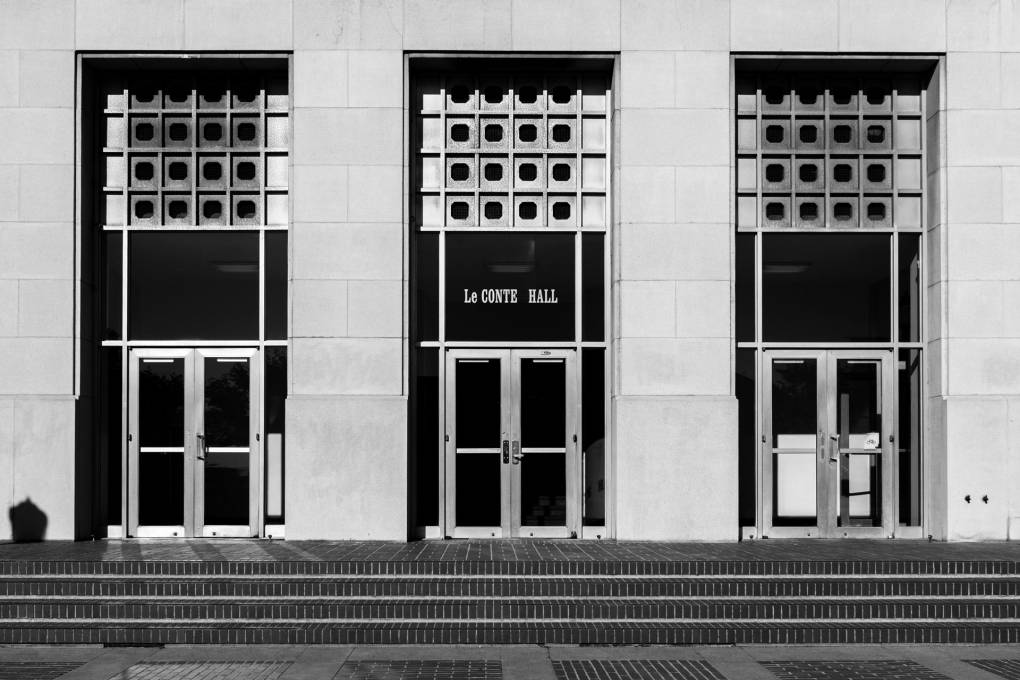
"caption": "LeConte Hall, which houses UC Berkeley's physics department, will be renamed.",
"description": null,
"title": "LeConte-Hall-UC-Berkeley",
"credit": "\u003ca href=\"https://www.flickr.com/photos/alisinan/\">ali sinan köksal\u003c/a>/Flickr",
"status": "inherit",
"isLoading": false,
"fetchFailed": false
},
"news_11842021": {
"type": "attachments",
"id": "news_11842021",
"meta": {
"index": "attachments_1716263798",
"site": "news",
"id": "11842021",
"found": true
},
"parent": 11841946,
"imgSizes": {
"apple_news_ca_landscape_5_5": {
"file": "https://ww2.kqed.org/app/uploads/sites/10/2020/10/RS45301_warriors-qut-1044x783.jpg",
"width": 1044,
"mimeType": "image/jpeg",
"height": 783
},
"apple_news_ca_square_4_0": {
"file": "https://ww2.kqed.org/app/uploads/sites/10/2020/10/RS45301_warriors-qut-470x470.jpg",
"width": 470,
"mimeType": "image/jpeg",
"height": 470
},
"twentyfourteen-full-width": {
"file": "https://ww2.kqed.org/app/uploads/sites/10/2020/10/RS45301_warriors-qut-1038x576.jpg",
"width": 1038,
"mimeType": "image/jpeg",
"height": 576
},
"thumbnail": {
"file": "https://ww2.kqed.org/app/uploads/sites/10/2020/10/RS45301_warriors-qut-160x120.jpg",
"width": 160,
"mimeType": "image/jpeg",
"height": 120
},
"post-thumbnail": {
"file": "https://ww2.kqed.org/app/uploads/sites/10/2020/10/RS45301_warriors-qut-672x372.jpg",
"width": 672,
"mimeType": "image/jpeg",
"height": 372
},
"kqedFullSize": {
"file": "https://ww2.kqed.org/app/uploads/sites/10/2020/10/RS45301_warriors-qut.jpg",
"width": 1920,
"height": 1440
},
"apple_news_ca_landscape_4_7": {
"file": "https://ww2.kqed.org/app/uploads/sites/10/2020/10/RS45301_warriors-qut-632x474.jpg",
"width": 632,
"mimeType": "image/jpeg",
"height": 474
},
"large": {
"file": "https://ww2.kqed.org/app/uploads/sites/10/2020/10/RS45301_warriors-qut-1020x765.jpg",
"width": 1020,
"mimeType": "image/jpeg",
"height": 765
},
"apple_news_ca_landscape_4_0": {
"file": "https://ww2.kqed.org/app/uploads/sites/10/2020/10/RS45301_warriors-qut-536x402.jpg",
"width": 536,
"mimeType": "image/jpeg",
"height": 402
},
"apple_news_ca_portrait_12_9": {
"file": "https://ww2.kqed.org/app/uploads/sites/10/2020/10/RS45301_warriors-qut-1122x1440.jpg",
"width": 1122,
"mimeType": "image/jpeg",
"height": 1440
},
"medium": {
"file": "https://ww2.kqed.org/app/uploads/sites/10/2020/10/RS45301_warriors-qut-800x600.jpg",
"width": 800,
"mimeType": "image/jpeg",
"height": 600
},
"apple_news_ca_portrait_4_0": {
"file": "https://ww2.kqed.org/app/uploads/sites/10/2020/10/RS45301_warriors-qut-354x472.jpg",
"width": 354,
"mimeType": "image/jpeg",
"height": 472
},
"apple_news_ca_portrait_9_7": {
"file": "https://ww2.kqed.org/app/uploads/sites/10/2020/10/RS45301_warriors-qut-840x1120.jpg",
"width": 840,
"mimeType": "image/jpeg",
"height": 1120
},
"apple_news_ca_landscape_12_9": {
"file": "https://ww2.kqed.org/app/uploads/sites/10/2020/10/RS45301_warriors-qut-1832x1374.jpg",
"width": 1832,
"mimeType": "image/jpeg",
"height": 1374
},
"apple_news_ca_square_9_7": {
"file": "https://ww2.kqed.org/app/uploads/sites/10/2020/10/RS45301_warriors-qut-1104x1104.jpg",
"width": 1104,
"mimeType": "image/jpeg",
"height": 1104
},
"1536x1536": {
"file": "https://ww2.kqed.org/app/uploads/sites/10/2020/10/RS45301_warriors-qut-1536x1152.jpg",
"width": 1536,
"mimeType": "image/jpeg",
"height": 1152
},
"apple_news_ca_portrait_4_7": {
"file": "https://ww2.kqed.org/app/uploads/sites/10/2020/10/RS45301_warriors-qut-414x552.jpg",
"width": 414,
"mimeType": "image/jpeg",
"height": 552
},
"apple_news_ca_square_12_9": {
"file": "https://ww2.kqed.org/app/uploads/sites/10/2020/10/RS45301_warriors-qut-1472x1440.jpg",
"width": 1472,
"mimeType": "image/jpeg",
"height": 1440
},
"apple_news_ca_portrait_5_5": {
"file": "https://ww2.kqed.org/app/uploads/sites/10/2020/10/RS45301_warriors-qut-687x916.jpg",
"width": 687,
"mimeType": "image/jpeg",
"height": 916
},
"apple_news_ca_square_4_7": {
"file": "https://ww2.kqed.org/app/uploads/sites/10/2020/10/RS45301_warriors-qut-550x550.jpg",
"width": 550,
"mimeType": "image/jpeg",
"height": 550
},
"apple_news_ca_landscape_9_7": {
"file": "https://ww2.kqed.org/app/uploads/sites/10/2020/10/RS45301_warriors-qut-1376x1032.jpg",
"width": 1376,
"mimeType": "image/jpeg",
"height": 1032
},
"apple_news_ca_square_5_5": {
"file": "https://ww2.kqed.org/app/uploads/sites/10/2020/10/RS45301_warriors-qut-912x912.jpg",
"width": 912,
"mimeType": "image/jpeg",
"height": 912
}
},
"publishDate": 1602547371,
"modified": 1602885309,
"caption": "From left: UC Berkeley student activists Riya Master, Sam Warren, Derek Imai and Nicole Anyanwu\npose under Sather Gate, on Sproul Plaza, a site of many student actions over the years.",
"description": "From left: UC Berkeley student activists Riya Master, Sam Warren, Derek Imai and Nicole Anyanwu\npose under Sather Gate, on Sproul Plaza, a site of many student actions over the years.",
"title": "RS45301_warriors-qut",
"credit": "Chloe Veltman/KQED",
"status": "inherit",
"isLoading": false,
"fetchFailed": false
},
"news_11839311": {
"type": "attachments",
"id": "news_11839311",
"meta": {
"index": "attachments_1716263798",
"site": "news",
"id": "11839311",
"found": true
},
"parent": 11839307,
"imgSizes": {
"apple_news_ca_landscape_5_5": {
"file": "https://ww2.kqed.org/app/uploads/sites/10/2020/09/cashletes_092320_final-1044x783.png",
"width": 1044,
"mimeType": "image/png",
"height": 783
},
"apple_news_ca_square_4_0": {
"file": "https://ww2.kqed.org/app/uploads/sites/10/2020/09/cashletes_092320_final-470x470.png",
"width": 470,
"mimeType": "image/png",
"height": 470
},
"twentyfourteen-full-width": {
"file": "https://ww2.kqed.org/app/uploads/sites/10/2020/09/cashletes_092320_final-1038x576.png",
"width": 1038,
"mimeType": "image/png",
"height": 576
},
"thumbnail": {
"file": "https://ww2.kqed.org/app/uploads/sites/10/2020/09/cashletes_092320_final-160x118.png",
"width": 160,
"mimeType": "image/png",
"height": 118
},
"post-thumbnail": {
"file": "https://ww2.kqed.org/app/uploads/sites/10/2020/09/cashletes_092320_final-672x372.png",
"width": 672,
"mimeType": "image/png",
"height": 372
},
"kqedFullSize": {
"file": "https://ww2.kqed.org/app/uploads/sites/10/2020/09/cashletes_092320_final.png",
"width": 1920,
"height": 1413
},
"apple_news_ca_landscape_4_7": {
"file": "https://ww2.kqed.org/app/uploads/sites/10/2020/09/cashletes_092320_final-632x474.png",
"width": 632,
"mimeType": "image/png",
"height": 474
},
"large": {
"file": "https://ww2.kqed.org/app/uploads/sites/10/2020/09/cashletes_092320_final-1020x751.png",
"width": 1020,
"mimeType": "image/png",
"height": 751
},
"apple_news_ca_landscape_4_0": {
"file": "https://ww2.kqed.org/app/uploads/sites/10/2020/09/cashletes_092320_final-536x402.png",
"width": 536,
"mimeType": "image/png",
"height": 402
},
"apple_news_ca_portrait_12_9": {
"file": "https://ww2.kqed.org/app/uploads/sites/10/2020/09/cashletes_092320_final-1122x1413.png",
"width": 1122,
"mimeType": "image/png",
"height": 1413
},
"medium": {
"file": "https://ww2.kqed.org/app/uploads/sites/10/2020/09/cashletes_092320_final-800x589.png",
"width": 800,
"mimeType": "image/png",
"height": 589
},
"apple_news_ca_portrait_4_0": {
"file": "https://ww2.kqed.org/app/uploads/sites/10/2020/09/cashletes_092320_final-354x472.png",
"width": 354,
"mimeType": "image/png",
"height": 472
},
"apple_news_ca_portrait_9_7": {
"file": "https://ww2.kqed.org/app/uploads/sites/10/2020/09/cashletes_092320_final-840x1120.png",
"width": 840,
"mimeType": "image/png",
"height": 1120
},
"apple_news_ca_landscape_12_9": {
"file": "https://ww2.kqed.org/app/uploads/sites/10/2020/09/cashletes_092320_final-1832x1374.png",
"width": 1832,
"mimeType": "image/png",
"height": 1374
},
"apple_news_ca_square_9_7": {
"file": "https://ww2.kqed.org/app/uploads/sites/10/2020/09/cashletes_092320_final-1104x1104.png",
"width": 1104,
"mimeType": "image/png",
"height": 1104
},
"1536x1536": {
"file": "https://ww2.kqed.org/app/uploads/sites/10/2020/09/cashletes_092320_final-1536x1130.png",
"width": 1536,
"mimeType": "image/png",
"height": 1130
},
"apple_news_ca_portrait_4_7": {
"file": "https://ww2.kqed.org/app/uploads/sites/10/2020/09/cashletes_092320_final-414x552.png",
"width": 414,
"mimeType": "image/png",
"height": 552
},
"apple_news_ca_square_12_9": {
"file": "https://ww2.kqed.org/app/uploads/sites/10/2020/09/cashletes_092320_final-1472x1413.png",
"width": 1472,
"mimeType": "image/png",
"height": 1413
},
"apple_news_ca_portrait_5_5": {
"file": "https://ww2.kqed.org/app/uploads/sites/10/2020/09/cashletes_092320_final-687x916.png",
"width": 687,
"mimeType": "image/png",
"height": 916
},
"apple_news_ca_square_4_7": {
"file": "https://ww2.kqed.org/app/uploads/sites/10/2020/09/cashletes_092320_final-550x550.png",
"width": 550,
"mimeType": "image/png",
"height": 550
},
"apple_news_ca_landscape_9_7": {
"file": "https://ww2.kqed.org/app/uploads/sites/10/2020/09/cashletes_092320_final-1376x1032.png",
"width": 1376,
"mimeType": "image/png",
"height": 1032
},
"apple_news_ca_square_5_5": {
"file": "https://ww2.kqed.org/app/uploads/sites/10/2020/09/cashletes_092320_final-912x912.png",
"width": 912,
"mimeType": "image/png",
"height": 912
}
},
"publishDate": 1600894020,
"modified": 1600894062,
"caption": null,
"description": null,
"title": "cashletes_092320_final",
"credit": null,
"status": "inherit",
"isLoading": false,
"fetchFailed": false
},
"news_11839089": {
"type": "attachments",
"id": "news_11839089",
"meta": {
"index": "attachments_1716263798",
"site": "news",
"id": "11839089",
"found": true
},
"parent": 11839078,
"imgSizes": {
"apple_news_ca_landscape_5_5": {
"file": "https://ww2.kqed.org/app/uploads/sites/10/2020/09/GettyImages-1257653148-1044x783.jpg",
"width": 1044,
"mimeType": "image/jpeg",
"height": 783
},
"apple_news_ca_square_4_0": {
"file": "https://ww2.kqed.org/app/uploads/sites/10/2020/09/GettyImages-1257653148-470x470.jpg",
"width": 470,
"mimeType": "image/jpeg",
"height": 470
},
"twentyfourteen-full-width": {
"file": "https://ww2.kqed.org/app/uploads/sites/10/2020/09/GettyImages-1257653148-1038x576.jpg",
"width": 1038,
"mimeType": "image/jpeg",
"height": 576
},
"thumbnail": {
"file": "https://ww2.kqed.org/app/uploads/sites/10/2020/09/GettyImages-1257653148-160x107.jpg",
"width": 160,
"mimeType": "image/jpeg",
"height": 107
},
"post-thumbnail": {
"file": "https://ww2.kqed.org/app/uploads/sites/10/2020/09/GettyImages-1257653148-672x372.jpg",
"width": 672,
"mimeType": "image/jpeg",
"height": 372
},
"kqedFullSize": {
"file": "https://ww2.kqed.org/app/uploads/sites/10/2020/09/GettyImages-1257653148-scaled-e1600803815104.jpg",
"width": 1920,
"height": 1280
},
"2048x2048": {
"file": "https://ww2.kqed.org/app/uploads/sites/10/2020/09/GettyImages-1257653148-2048x1365.jpg",
"width": 2048,
"mimeType": "image/jpeg",
"height": 1365
},
"apple_news_ca_landscape_4_7": {
"file": "https://ww2.kqed.org/app/uploads/sites/10/2020/09/GettyImages-1257653148-632x474.jpg",
"width": 632,
"mimeType": "image/jpeg",
"height": 474
},
"large": {
"file": "https://ww2.kqed.org/app/uploads/sites/10/2020/09/GettyImages-1257653148-1020x680.jpg",
"width": 1020,
"mimeType": "image/jpeg",
"height": 680
},
"apple_news_ca_landscape_4_0": {
"file": "https://ww2.kqed.org/app/uploads/sites/10/2020/09/GettyImages-1257653148-536x402.jpg",
"width": 536,
"mimeType": "image/jpeg",
"height": 402
},
"apple_news_ca_portrait_12_9": {
"file": "https://ww2.kqed.org/app/uploads/sites/10/2020/09/GettyImages-1257653148-1122x1496.jpg",
"width": 1122,
"mimeType": "image/jpeg",
"height": 1496
},
"medium": {
"file": "https://ww2.kqed.org/app/uploads/sites/10/2020/09/GettyImages-1257653148-800x533.jpg",
"width": 800,
"mimeType": "image/jpeg",
"height": 533
},
"apple_news_ca_portrait_4_0": {
"file": "https://ww2.kqed.org/app/uploads/sites/10/2020/09/GettyImages-1257653148-354x472.jpg",
"width": 354,
"mimeType": "image/jpeg",
"height": 472
},
"apple_news_ca_portrait_9_7": {
"file": "https://ww2.kqed.org/app/uploads/sites/10/2020/09/GettyImages-1257653148-840x1120.jpg",
"width": 840,
"mimeType": "image/jpeg",
"height": 1120
},
"apple_news_ca_landscape_12_9": {
"file": "https://ww2.kqed.org/app/uploads/sites/10/2020/09/GettyImages-1257653148-1832x1374.jpg",
"width": 1832,
"mimeType": "image/jpeg",
"height": 1374
},
"apple_news_ca_square_9_7": {
"file": "https://ww2.kqed.org/app/uploads/sites/10/2020/09/GettyImages-1257653148-1104x1104.jpg",
"width": 1104,
"mimeType": "image/jpeg",
"height": 1104
},
"1536x1536": {
"file": "https://ww2.kqed.org/app/uploads/sites/10/2020/09/GettyImages-1257653148-1536x1024.jpg",
"width": 1536,
"mimeType": "image/jpeg",
"height": 1024
},
"apple_news_ca_portrait_4_7": {
"file": "https://ww2.kqed.org/app/uploads/sites/10/2020/09/GettyImages-1257653148-414x552.jpg",
"width": 414,
"mimeType": "image/jpeg",
"height": 552
},
"apple_news_ca_square_12_9": {
"file": "https://ww2.kqed.org/app/uploads/sites/10/2020/09/GettyImages-1257653148-1472x1472.jpg",
"width": 1472,
"mimeType": "image/jpeg",
"height": 1472
},
"apple_news_ca_portrait_5_5": {
"file": "https://ww2.kqed.org/app/uploads/sites/10/2020/09/GettyImages-1257653148-687x916.jpg",
"width": 687,
"mimeType": "image/jpeg",
"height": 916
},
"full-width": {
"file": "https://ww2.kqed.org/app/uploads/sites/10/2020/09/GettyImages-1257653148-1920x1280.jpg",
"width": 1920,
"mimeType": "image/jpeg",
"height": 1280
},
"apple_news_ca_square_4_7": {
"file": "https://ww2.kqed.org/app/uploads/sites/10/2020/09/GettyImages-1257653148-550x550.jpg",
"width": 550,
"mimeType": "image/jpeg",
"height": 550
},
"apple_news_ca_landscape_9_7": {
"file": "https://ww2.kqed.org/app/uploads/sites/10/2020/09/GettyImages-1257653148-1376x1032.jpg",
"width": 1376,
"mimeType": "image/jpeg",
"height": 1032
},
"apple_news_ca_square_5_5": {
"file": "https://ww2.kqed.org/app/uploads/sites/10/2020/09/GettyImages-1257653148-912x912.jpg",
"width": 912,
"mimeType": "image/jpeg",
"height": 912
}
},
"publishDate": 1600801063,
"modified": 1603721598,
"caption": null,
"description": null,
"title": "UC Berkeley To Begin Fall Semester With Online-Only Courses",
"credit": "Justin Sullivan/Getty Images",
"status": "inherit",
"isLoading": false,
"fetchFailed": false
},
"news_11810990": {
"type": "attachments",
"id": "news_11810990",
"meta": {
"index": "attachments_1716263798",
"site": "news",
"id": "11810990",
"found": true
},
"parent": 11810988,
"imgSizes": {
"apple_news_ca_landscape_5_5": {
"file": "https://ww2.kqed.org/app/uploads/sites/10/2020/04/SadiaKhan1-1044x783.jpg",
"width": 1044,
"mimeType": "image/jpeg",
"height": 783
},
"apple_news_ca_square_4_0": {
"file": "https://ww2.kqed.org/app/uploads/sites/10/2020/04/SadiaKhan1-470x470.jpg",
"width": 470,
"mimeType": "image/jpeg",
"height": 470
},
"twentyfourteen-full-width": {
"file": "https://ww2.kqed.org/app/uploads/sites/10/2020/04/SadiaKhan1-1038x576.jpg",
"width": 1038,
"mimeType": "image/jpeg",
"height": 576
},
"thumbnail": {
"file": "https://ww2.kqed.org/app/uploads/sites/10/2020/04/SadiaKhan1-160x120.jpg",
"width": 160,
"mimeType": "image/jpeg",
"height": 120
},
"post-thumbnail": {
"file": "https://ww2.kqed.org/app/uploads/sites/10/2020/04/SadiaKhan1-672x372.jpg",
"width": 672,
"mimeType": "image/jpeg",
"height": 372
},
"kqedFullSize": {
"file": "https://ww2.kqed.org/app/uploads/sites/10/2020/04/SadiaKhan1-e1586286132236.jpg",
"width": 1920,
"height": 1440
},
"apple_news_ca_landscape_4_7": {
"file": "https://ww2.kqed.org/app/uploads/sites/10/2020/04/SadiaKhan1-632x474.jpg",
"width": 632,
"mimeType": "image/jpeg",
"height": 474
},
"large": {
"file": "https://ww2.kqed.org/app/uploads/sites/10/2020/04/SadiaKhan1-1020x765.jpg",
"width": 1020,
"mimeType": "image/jpeg",
"height": 765
},
"apple_news_ca_landscape_4_0": {
"file": "https://ww2.kqed.org/app/uploads/sites/10/2020/04/SadiaKhan1-536x402.jpg",
"width": 536,
"mimeType": "image/jpeg",
"height": 402
},
"apple_news_ca_portrait_12_9": {
"file": "https://ww2.kqed.org/app/uploads/sites/10/2020/04/SadiaKhan1-1122x1496.jpg",
"width": 1122,
"mimeType": "image/jpeg",
"height": 1496
},
"medium": {
"file": "https://ww2.kqed.org/app/uploads/sites/10/2020/04/SadiaKhan1-800x600.jpg",
"width": 800,
"mimeType": "image/jpeg",
"height": 600
},
"apple_news_ca_portrait_4_0": {
"file": "https://ww2.kqed.org/app/uploads/sites/10/2020/04/SadiaKhan1-354x472.jpg",
"width": 354,
"mimeType": "image/jpeg",
"height": 472
},
"apple_news_ca_portrait_9_7": {
"file": "https://ww2.kqed.org/app/uploads/sites/10/2020/04/SadiaKhan1-840x1120.jpg",
"width": 840,
"mimeType": "image/jpeg",
"height": 1120
},
"apple_news_ca_landscape_12_9": {
"file": "https://ww2.kqed.org/app/uploads/sites/10/2020/04/SadiaKhan1-1832x1374.jpg",
"width": 1832,
"mimeType": "image/jpeg",
"height": 1374
},
"apple_news_ca_square_9_7": {
"file": "https://ww2.kqed.org/app/uploads/sites/10/2020/04/SadiaKhan1-1104x1104.jpg",
"width": 1104,
"mimeType": "image/jpeg",
"height": 1104
},
"apple_news_ca_portrait_4_7": {
"file": "https://ww2.kqed.org/app/uploads/sites/10/2020/04/SadiaKhan1-414x552.jpg",
"width": 414,
"mimeType": "image/jpeg",
"height": 552
},
"apple_news_ca_square_12_9": {
"file": "https://ww2.kqed.org/app/uploads/sites/10/2020/04/SadiaKhan1-1472x1472.jpg",
"width": 1472,
"mimeType": "image/jpeg",
"height": 1472
},
"apple_news_ca_portrait_5_5": {
"file": "https://ww2.kqed.org/app/uploads/sites/10/2020/04/SadiaKhan1-687x916.jpg",
"width": 687,
"mimeType": "image/jpeg",
"height": 916
},
"full-width": {
"file": "https://ww2.kqed.org/app/uploads/sites/10/2020/04/SadiaKhan1-1920x1440.jpg",
"width": 1920,
"mimeType": "image/jpeg",
"height": 1440
},
"apple_news_ca_square_4_7": {
"file": "https://ww2.kqed.org/app/uploads/sites/10/2020/04/SadiaKhan1-550x550.jpg",
"width": 550,
"mimeType": "image/jpeg",
"height": 550
},
"apple_news_ca_landscape_9_7": {
"file": "https://ww2.kqed.org/app/uploads/sites/10/2020/04/SadiaKhan1-1376x1032.jpg",
"width": 1376,
"mimeType": "image/jpeg",
"height": 1032
},
"apple_news_ca_square_5_5": {
"file": "https://ww2.kqed.org/app/uploads/sites/10/2020/04/SadiaKhan1-912x912.jpg",
"width": 912,
"mimeType": "image/jpeg",
"height": 912
}
},
"publishDate": 1586222412,
"modified": 1586286127,
"caption": "Sadia Khan with her son, Hashim, outside their apartment in University Village. \n\n",
"description": null,
"title": "SadiaKhan1",
"credit": "Vanessa Rancaño/KQED ",
"status": "inherit",
"isLoading": false,
"fetchFailed": false
},
"news_11808096": {
"type": "attachments",
"id": "news_11808096",
"meta": {
"index": "attachments_1716263798",
"site": "news",
"id": "11808096",
"found": true
},
"parent": 11808038,
"imgSizes": {
"apple_news_ca_landscape_5_5": {
"file": "https://ww2.kqed.org/app/uploads/sites/10/2020/03/IMG_3884.JPG-1044x783.jpg",
"width": 1044,
"mimeType": "image/jpeg",
"height": 783
},
"apple_news_ca_square_4_0": {
"file": "https://ww2.kqed.org/app/uploads/sites/10/2020/03/IMG_3884.JPG-470x470.jpg",
"width": 470,
"mimeType": "image/jpeg",
"height": 470
},
"twentyfourteen-full-width": {
"file": "https://ww2.kqed.org/app/uploads/sites/10/2020/03/IMG_3884.JPG-1038x576.jpg",
"width": 1038,
"mimeType": "image/jpeg",
"height": 576
},
"thumbnail": {
"file": "https://ww2.kqed.org/app/uploads/sites/10/2020/03/IMG_3884.JPG-160x120.jpg",
"width": 160,
"mimeType": "image/jpeg",
"height": 120
},
"post-thumbnail": {
"file": "https://ww2.kqed.org/app/uploads/sites/10/2020/03/IMG_3884.JPG-672x372.jpg",
"width": 672,
"mimeType": "image/jpeg",
"height": 372
},
"kqedFullSize": {
"file": "https://ww2.kqed.org/app/uploads/sites/10/2020/03/IMG_3884.JPG.jpg",
"width": 1920,
"height": 1440
},
"apple_news_ca_landscape_4_7": {
"file": "https://ww2.kqed.org/app/uploads/sites/10/2020/03/IMG_3884.JPG-632x474.jpg",
"width": 632,
"mimeType": "image/jpeg",
"height": 474
},
"large": {
"file": "https://ww2.kqed.org/app/uploads/sites/10/2020/03/IMG_3884.JPG-1020x765.jpg",
"width": 1020,
"mimeType": "image/jpeg",
"height": 765
},
"apple_news_ca_landscape_4_0": {
"file": "https://ww2.kqed.org/app/uploads/sites/10/2020/03/IMG_3884.JPG-536x402.jpg",
"width": 536,
"mimeType": "image/jpeg",
"height": 402
},
"apple_news_ca_portrait_12_9": {
"file": "https://ww2.kqed.org/app/uploads/sites/10/2020/03/IMG_3884.JPG-1122x1440.jpg",
"width": 1122,
"mimeType": "image/jpeg",
"height": 1440
},
"medium": {
"file": "https://ww2.kqed.org/app/uploads/sites/10/2020/03/IMG_3884.JPG-800x600.jpg",
"width": 800,
"mimeType": "image/jpeg",
"height": 600
},
"apple_news_ca_portrait_4_0": {
"file": "https://ww2.kqed.org/app/uploads/sites/10/2020/03/IMG_3884.JPG-354x472.jpg",
"width": 354,
"mimeType": "image/jpeg",
"height": 472
},
"apple_news_ca_portrait_9_7": {
"file": "https://ww2.kqed.org/app/uploads/sites/10/2020/03/IMG_3884.JPG-840x1120.jpg",
"width": 840,
"mimeType": "image/jpeg",
"height": 1120
},
"apple_news_ca_landscape_12_9": {
"file": "https://ww2.kqed.org/app/uploads/sites/10/2020/03/IMG_3884.JPG-1832x1374.jpg",
"width": 1832,
"mimeType": "image/jpeg",
"height": 1374
},
"apple_news_ca_square_9_7": {
"file": "https://ww2.kqed.org/app/uploads/sites/10/2020/03/IMG_3884.JPG-1104x1104.jpg",
"width": 1104,
"mimeType": "image/jpeg",
"height": 1104
},
"apple_news_ca_portrait_4_7": {
"file": "https://ww2.kqed.org/app/uploads/sites/10/2020/03/IMG_3884.JPG-414x552.jpg",
"width": 414,
"mimeType": "image/jpeg",
"height": 552
},
"apple_news_ca_square_12_9": {
"file": "https://ww2.kqed.org/app/uploads/sites/10/2020/03/IMG_3884.JPG-1472x1440.jpg",
"width": 1472,
"mimeType": "image/jpeg",
"height": 1440
},
"apple_news_ca_portrait_5_5": {
"file": "https://ww2.kqed.org/app/uploads/sites/10/2020/03/IMG_3884.JPG-687x916.jpg",
"width": 687,
"mimeType": "image/jpeg",
"height": 916
},
"full-width": {
"file": "https://ww2.kqed.org/app/uploads/sites/10/2020/03/IMG_3884.JPG-1920x1440.jpg",
"width": 1920,
"mimeType": "image/jpeg",
"height": 1440
},
"apple_news_ca_square_4_7": {
"file": "https://ww2.kqed.org/app/uploads/sites/10/2020/03/IMG_3884.JPG-550x550.jpg",
"width": 550,
"mimeType": "image/jpeg",
"height": 550
},
"apple_news_ca_landscape_9_7": {
"file": "https://ww2.kqed.org/app/uploads/sites/10/2020/03/IMG_3884.JPG-1376x1032.jpg",
"width": 1376,
"mimeType": "image/jpeg",
"height": 1032
},
"apple_news_ca_square_5_5": {
"file": "https://ww2.kqed.org/app/uploads/sites/10/2020/03/IMG_3884.JPG-912x912.jpg",
"width": 912,
"mimeType": "image/jpeg",
"height": 912
}
},
"publishDate": 1584906071,
"modified": 1584906160,
"caption": "Madeline Nielander, a senior communications major at the University of San Francisco.",
"description": null,
"title": "IMG_3884.JPG",
"credit": "Courtesy Madeline Nielander",
"status": "inherit",
"isLoading": false,
"fetchFailed": false
},
"news_11805489": {
"type": "attachments",
"id": "news_11805489",
"meta": {
"index": "attachments_1716263798",
"site": "news",
"id": "11805489",
"found": true
},
"parent": 11805470,
"imgSizes": {
"apple_news_ca_landscape_5_5": {
"file": "https://ww2.kqed.org/app/uploads/sites/10/2020/03/Wide-Cola-RS41894_IMG_2113-qut-1044x783.jpg",
"width": 1044,
"mimeType": "image/jpeg",
"height": 783
},
"apple_news_ca_square_4_0": {
"file": "https://ww2.kqed.org/app/uploads/sites/10/2020/03/Wide-Cola-RS41894_IMG_2113-qut-470x470.jpg",
"width": 470,
"mimeType": "image/jpeg",
"height": 470
},
"twentyfourteen-full-width": {
"file": "https://ww2.kqed.org/app/uploads/sites/10/2020/03/Wide-Cola-RS41894_IMG_2113-qut-1038x576.jpg",
"width": 1038,
"mimeType": "image/jpeg",
"height": 576
},
"thumbnail": {
"file": "https://ww2.kqed.org/app/uploads/sites/10/2020/03/Wide-Cola-RS41894_IMG_2113-qut-160x120.jpg",
"width": 160,
"mimeType": "image/jpeg",
"height": 120
},
"post-thumbnail": {
"file": "https://ww2.kqed.org/app/uploads/sites/10/2020/03/Wide-Cola-RS41894_IMG_2113-qut-672x372.jpg",
"width": 672,
"mimeType": "image/jpeg",
"height": 372
},
"kqedFullSize": {
"file": "https://ww2.kqed.org/app/uploads/sites/10/2020/03/Wide-Cola-RS41894_IMG_2113-qut.jpg",
"width": 1920,
"height": 1440
},
"apple_news_ca_landscape_4_7": {
"file": "https://ww2.kqed.org/app/uploads/sites/10/2020/03/Wide-Cola-RS41894_IMG_2113-qut-632x474.jpg",
"width": 632,
"mimeType": "image/jpeg",
"height": 474
},
"large": {
"file": "https://ww2.kqed.org/app/uploads/sites/10/2020/03/Wide-Cola-RS41894_IMG_2113-qut-1020x765.jpg",
"width": 1020,
"mimeType": "image/jpeg",
"height": 765
},
"apple_news_ca_landscape_4_0": {
"file": "https://ww2.kqed.org/app/uploads/sites/10/2020/03/Wide-Cola-RS41894_IMG_2113-qut-536x402.jpg",
"width": 536,
"mimeType": "image/jpeg",
"height": 402
},
"apple_news_ca_portrait_12_9": {
"file": "https://ww2.kqed.org/app/uploads/sites/10/2020/03/Wide-Cola-RS41894_IMG_2113-qut-1122x1440.jpg",
"width": 1122,
"mimeType": "image/jpeg",
"height": 1440
},
"medium": {
"file": "https://ww2.kqed.org/app/uploads/sites/10/2020/03/Wide-Cola-RS41894_IMG_2113-qut-800x600.jpg",
"width": 800,
"mimeType": "image/jpeg",
"height": 600
},
"apple_news_ca_portrait_4_0": {
"file": "https://ww2.kqed.org/app/uploads/sites/10/2020/03/Wide-Cola-RS41894_IMG_2113-qut-354x472.jpg",
"width": 354,
"mimeType": "image/jpeg",
"height": 472
},
"apple_news_ca_portrait_9_7": {
"file": "https://ww2.kqed.org/app/uploads/sites/10/2020/03/Wide-Cola-RS41894_IMG_2113-qut-840x1120.jpg",
"width": 840,
"mimeType": "image/jpeg",
"height": 1120
},
"apple_news_ca_landscape_12_9": {
"file": "https://ww2.kqed.org/app/uploads/sites/10/2020/03/Wide-Cola-RS41894_IMG_2113-qut-1832x1374.jpg",
"width": 1832,
"mimeType": "image/jpeg",
"height": 1374
},
"apple_news_ca_square_9_7": {
"file": "https://ww2.kqed.org/app/uploads/sites/10/2020/03/Wide-Cola-RS41894_IMG_2113-qut-1104x1104.jpg",
"width": 1104,
"mimeType": "image/jpeg",
"height": 1104
},
"apple_news_ca_portrait_4_7": {
"file": "https://ww2.kqed.org/app/uploads/sites/10/2020/03/Wide-Cola-RS41894_IMG_2113-qut-414x552.jpg",
"width": 414,
"mimeType": "image/jpeg",
"height": 552
},
"apple_news_ca_square_12_9": {
"file": "https://ww2.kqed.org/app/uploads/sites/10/2020/03/Wide-Cola-RS41894_IMG_2113-qut-1472x1440.jpg",
"width": 1472,
"mimeType": "image/jpeg",
"height": 1440
},
"apple_news_ca_portrait_5_5": {
"file": "https://ww2.kqed.org/app/uploads/sites/10/2020/03/Wide-Cola-RS41894_IMG_2113-qut-687x916.jpg",
"width": 687,
"mimeType": "image/jpeg",
"height": 916
},
"full-width": {
"file": "https://ww2.kqed.org/app/uploads/sites/10/2020/03/Wide-Cola-RS41894_IMG_2113-qut-1920x1440.jpg",
"width": 1920,
"mimeType": "image/jpeg",
"height": 1440
},
"apple_news_ca_square_4_7": {
"file": "https://ww2.kqed.org/app/uploads/sites/10/2020/03/Wide-Cola-RS41894_IMG_2113-qut-550x550.jpg",
"width": 550,
"mimeType": "image/jpeg",
"height": 550
},
"apple_news_ca_landscape_9_7": {
"file": "https://ww2.kqed.org/app/uploads/sites/10/2020/03/Wide-Cola-RS41894_IMG_2113-qut-1376x1032.jpg",
"width": 1376,
"mimeType": "image/jpeg",
"height": 1032
},
"apple_news_ca_square_5_5": {
"file": "https://ww2.kqed.org/app/uploads/sites/10/2020/03/Wide-Cola-RS41894_IMG_2113-qut-912x912.jpg",
"width": 912,
"mimeType": "image/jpeg",
"height": 912
}
},
"publishDate": 1583449225,
"modified": 1583456159,
"caption": "Students rally at UC Berkeley's Sproul Plaza in support of a cost-of-living adjustment.",
"description": "Students rally at UC Berkeley's Sproul Plaza in support of a cost-of-living adjustment.",
"title": "Wide-Cola-RS41894_IMG_2113-qut",
"credit": "Lakshmi Sarah/KQED",
"status": "inherit",
"isLoading": false,
"fetchFailed": false
},
"news_11802973": {
"type": "attachments",
"id": "news_11802973",
"meta": {
"index": "attachments_1716263798",
"site": "news",
"id": "11802973",
"found": true
},
"parent": 11802744,
"imgSizes": {
"apple_news_ca_landscape_5_5": {
"file": "https://ww2.kqed.org/app/uploads/sites/10/2020/02/RS41475_023_KQED_UCBerkeleyProtest_02212020_9193-qut-1044x783.jpg",
"width": 1044,
"mimeType": "image/jpeg",
"height": 783
},
"apple_news_ca_square_4_0": {
"file": "https://ww2.kqed.org/app/uploads/sites/10/2020/02/RS41475_023_KQED_UCBerkeleyProtest_02212020_9193-qut-470x470.jpg",
"width": 470,
"mimeType": "image/jpeg",
"height": 470
},
"twentyfourteen-full-width": {
"file": "https://ww2.kqed.org/app/uploads/sites/10/2020/02/RS41475_023_KQED_UCBerkeleyProtest_02212020_9193-qut-1038x576.jpg",
"width": 1038,
"mimeType": "image/jpeg",
"height": 576
},
"thumbnail": {
"file": "https://ww2.kqed.org/app/uploads/sites/10/2020/02/RS41475_023_KQED_UCBerkeleyProtest_02212020_9193-qut-160x107.jpg",
"width": 160,
"mimeType": "image/jpeg",
"height": 107
},
"post-thumbnail": {
"file": "https://ww2.kqed.org/app/uploads/sites/10/2020/02/RS41475_023_KQED_UCBerkeleyProtest_02212020_9193-qut-672x372.jpg",
"width": 672,
"mimeType": "image/jpeg",
"height": 372
},
"kqedFullSize": {
"file": "https://ww2.kqed.org/app/uploads/sites/10/2020/02/RS41475_023_KQED_UCBerkeleyProtest_02212020_9193-qut.jpg",
"width": 1920,
"height": 1278
},
"apple_news_ca_landscape_4_7": {
"file": "https://ww2.kqed.org/app/uploads/sites/10/2020/02/RS41475_023_KQED_UCBerkeleyProtest_02212020_9193-qut-632x474.jpg",
"width": 632,
"mimeType": "image/jpeg",
"height": 474
},
"large": {
"file": "https://ww2.kqed.org/app/uploads/sites/10/2020/02/RS41475_023_KQED_UCBerkeleyProtest_02212020_9193-qut-1020x679.jpg",
"width": 1020,
"mimeType": "image/jpeg",
"height": 679
},
"apple_news_ca_landscape_4_0": {
"file": "https://ww2.kqed.org/app/uploads/sites/10/2020/02/RS41475_023_KQED_UCBerkeleyProtest_02212020_9193-qut-536x402.jpg",
"width": 536,
"mimeType": "image/jpeg",
"height": 402
},
"apple_news_ca_portrait_12_9": {
"file": "https://ww2.kqed.org/app/uploads/sites/10/2020/02/RS41475_023_KQED_UCBerkeleyProtest_02212020_9193-qut-1122x1278.jpg",
"width": 1122,
"mimeType": "image/jpeg",
"height": 1278
},
"medium": {
"file": "https://ww2.kqed.org/app/uploads/sites/10/2020/02/RS41475_023_KQED_UCBerkeleyProtest_02212020_9193-qut-800x533.jpg",
"width": 800,
"mimeType": "image/jpeg",
"height": 533
},
"apple_news_ca_portrait_4_0": {
"file": "https://ww2.kqed.org/app/uploads/sites/10/2020/02/RS41475_023_KQED_UCBerkeleyProtest_02212020_9193-qut-354x472.jpg",
"width": 354,
"mimeType": "image/jpeg",
"height": 472
},
"apple_news_ca_portrait_9_7": {
"file": "https://ww2.kqed.org/app/uploads/sites/10/2020/02/RS41475_023_KQED_UCBerkeleyProtest_02212020_9193-qut-840x1120.jpg",
"width": 840,
"mimeType": "image/jpeg",
"height": 1120
},
"apple_news_ca_landscape_12_9": {
"file": "https://ww2.kqed.org/app/uploads/sites/10/2020/02/RS41475_023_KQED_UCBerkeleyProtest_02212020_9193-qut-1832x1278.jpg",
"width": 1832,
"mimeType": "image/jpeg",
"height": 1278
},
"apple_news_ca_square_9_7": {
"file": "https://ww2.kqed.org/app/uploads/sites/10/2020/02/RS41475_023_KQED_UCBerkeleyProtest_02212020_9193-qut-1104x1104.jpg",
"width": 1104,
"mimeType": "image/jpeg",
"height": 1104
},
"apple_news_ca_portrait_4_7": {
"file": "https://ww2.kqed.org/app/uploads/sites/10/2020/02/RS41475_023_KQED_UCBerkeleyProtest_02212020_9193-qut-414x552.jpg",
"width": 414,
"mimeType": "image/jpeg",
"height": 552
},
"apple_news_ca_square_12_9": {
"file": "https://ww2.kqed.org/app/uploads/sites/10/2020/02/RS41475_023_KQED_UCBerkeleyProtest_02212020_9193-qut-1472x1278.jpg",
"width": 1472,
"mimeType": "image/jpeg",
"height": 1278
},
"apple_news_ca_portrait_5_5": {
"file": "https://ww2.kqed.org/app/uploads/sites/10/2020/02/RS41475_023_KQED_UCBerkeleyProtest_02212020_9193-qut-687x916.jpg",
"width": 687,
"mimeType": "image/jpeg",
"height": 916
},
"full-width": {
"file": "https://ww2.kqed.org/app/uploads/sites/10/2020/02/RS41475_023_KQED_UCBerkeleyProtest_02212020_9193-qut-1920x1278.jpg",
"width": 1920,
"mimeType": "image/jpeg",
"height": 1278
},
"apple_news_ca_square_4_7": {
"file": "https://ww2.kqed.org/app/uploads/sites/10/2020/02/RS41475_023_KQED_UCBerkeleyProtest_02212020_9193-qut-550x550.jpg",
"width": 550,
"mimeType": "image/jpeg",
"height": 550
},
"apple_news_ca_landscape_9_7": {
"file": "https://ww2.kqed.org/app/uploads/sites/10/2020/02/RS41475_023_KQED_UCBerkeleyProtest_02212020_9193-qut-1376x1032.jpg",
"width": 1376,
"mimeType": "image/jpeg",
"height": 1032
},
"apple_news_ca_square_5_5": {
"file": "https://ww2.kqed.org/app/uploads/sites/10/2020/02/RS41475_023_KQED_UCBerkeleyProtest_02212020_9193-qut-912x912.jpg",
"width": 912,
"mimeType": "image/jpeg",
"height": 912
}
},
"publishDate": 1582333966,
"modified": 1583020064,
"caption": "Students rally at Sproul Plaza on UC Berkeley campus in support of striking UC Santa Cruz graduate students and to demand their own cost of living adjustment, Feb. 21, 2020.",
"description": "Students rally at Sproul Plaza on UC Berkeley campus in support of striking UC Santa Cruz graduate students and to demand their own cost of living adjustment, Feb. 21, 2020.",
"title": "UCBerkeleyProtest2",
"credit": "Beth LaBerge/KQED",
"status": "inherit",
"isLoading": false,
"fetchFailed": false
},
"news_11803331": {
"type": "attachments",
"id": "news_11803331",
"meta": {
"index": "attachments_1716263798",
"site": "news",
"id": "11803331",
"found": true
},
"parent": 11802744,
"imgSizes": {
"apple_news_ca_landscape_5_5": {
"file": "https://ww2.kqed.org/app/uploads/sites/10/2020/02/056_KQED_UCBerkeleyProtest_02212020_9162-1044x783.jpg",
"width": 1044,
"mimeType": "image/jpeg",
"height": 783
},
"apple_news_ca_square_4_0": {
"file": "https://ww2.kqed.org/app/uploads/sites/10/2020/02/056_KQED_UCBerkeleyProtest_02212020_9162-470x470.jpg",
"width": 470,
"mimeType": "image/jpeg",
"height": 470
},
"twentyfourteen-full-width": {
"file": "https://ww2.kqed.org/app/uploads/sites/10/2020/02/056_KQED_UCBerkeleyProtest_02212020_9162-1038x576.jpg",
"width": 1038,
"mimeType": "image/jpeg",
"height": 576
},
"thumbnail": {
"file": "https://ww2.kqed.org/app/uploads/sites/10/2020/02/056_KQED_UCBerkeleyProtest_02212020_9162-160x107.jpg",
"width": 160,
"mimeType": "image/jpeg",
"height": 107
},
"post-thumbnail": {
"file": "https://ww2.kqed.org/app/uploads/sites/10/2020/02/056_KQED_UCBerkeleyProtest_02212020_9162-672x372.jpg",
"width": 672,
"mimeType": "image/jpeg",
"height": 372
},
"kqedFullSize": {
"file": "https://ww2.kqed.org/app/uploads/sites/10/2020/02/056_KQED_UCBerkeleyProtest_02212020_9162.jpg",
"width": 1920,
"height": 1278
},
"apple_news_ca_landscape_4_7": {
"file": "https://ww2.kqed.org/app/uploads/sites/10/2020/02/056_KQED_UCBerkeleyProtest_02212020_9162-632x474.jpg",
"width": 632,
"mimeType": "image/jpeg",
"height": 474
},
"large": {
"file": "https://ww2.kqed.org/app/uploads/sites/10/2020/02/056_KQED_UCBerkeleyProtest_02212020_9162-1020x679.jpg",
"width": 1020,
"mimeType": "image/jpeg",
"height": 679
},
"apple_news_ca_landscape_4_0": {
"file": "https://ww2.kqed.org/app/uploads/sites/10/2020/02/056_KQED_UCBerkeleyProtest_02212020_9162-536x402.jpg",
"width": 536,
"mimeType": "image/jpeg",
"height": 402
},
"apple_news_ca_portrait_12_9": {
"file": "https://ww2.kqed.org/app/uploads/sites/10/2020/02/056_KQED_UCBerkeleyProtest_02212020_9162-1122x1278.jpg",
"width": 1122,
"mimeType": "image/jpeg",
"height": 1278
},
"medium": {
"file": "https://ww2.kqed.org/app/uploads/sites/10/2020/02/056_KQED_UCBerkeleyProtest_02212020_9162-800x533.jpg",
"width": 800,
"mimeType": "image/jpeg",
"height": 533
},
"apple_news_ca_portrait_4_0": {
"file": "https://ww2.kqed.org/app/uploads/sites/10/2020/02/056_KQED_UCBerkeleyProtest_02212020_9162-354x472.jpg",
"width": 354,
"mimeType": "image/jpeg",
"height": 472
},
"apple_news_ca_portrait_9_7": {
"file": "https://ww2.kqed.org/app/uploads/sites/10/2020/02/056_KQED_UCBerkeleyProtest_02212020_9162-840x1120.jpg",
"width": 840,
"mimeType": "image/jpeg",
"height": 1120
},
"apple_news_ca_landscape_12_9": {
"file": "https://ww2.kqed.org/app/uploads/sites/10/2020/02/056_KQED_UCBerkeleyProtest_02212020_9162-1832x1278.jpg",
"width": 1832,
"mimeType": "image/jpeg",
"height": 1278
},
"apple_news_ca_square_9_7": {
"file": "https://ww2.kqed.org/app/uploads/sites/10/2020/02/056_KQED_UCBerkeleyProtest_02212020_9162-1104x1104.jpg",
"width": 1104,
"mimeType": "image/jpeg",
"height": 1104
},
"apple_news_ca_portrait_4_7": {
"file": "https://ww2.kqed.org/app/uploads/sites/10/2020/02/056_KQED_UCBerkeleyProtest_02212020_9162-414x552.jpg",
"width": 414,
"mimeType": "image/jpeg",
"height": 552
},
"apple_news_ca_square_12_9": {
"file": "https://ww2.kqed.org/app/uploads/sites/10/2020/02/056_KQED_UCBerkeleyProtest_02212020_9162-1472x1278.jpg",
"width": 1472,
"mimeType": "image/jpeg",
"height": 1278
},
"apple_news_ca_portrait_5_5": {
"file": "https://ww2.kqed.org/app/uploads/sites/10/2020/02/056_KQED_UCBerkeleyProtest_02212020_9162-687x916.jpg",
"width": 687,
"mimeType": "image/jpeg",
"height": 916
},
"full-width": {
"file": "https://ww2.kqed.org/app/uploads/sites/10/2020/02/056_KQED_UCBerkeleyProtest_02212020_9162-1920x1278.jpg",
"width": 1920,
"mimeType": "image/jpeg",
"height": 1278
},
"apple_news_ca_square_4_7": {
"file": "https://ww2.kqed.org/app/uploads/sites/10/2020/02/056_KQED_UCBerkeleyProtest_02212020_9162-550x550.jpg",
"width": 550,
"mimeType": "image/jpeg",
"height": 550
},
"apple_news_ca_landscape_9_7": {
"file": "https://ww2.kqed.org/app/uploads/sites/10/2020/02/056_KQED_UCBerkeleyProtest_02212020_9162-1376x1032.jpg",
"width": 1376,
"mimeType": "image/jpeg",
"height": 1032
},
"apple_news_ca_square_5_5": {
"file": "https://ww2.kqed.org/app/uploads/sites/10/2020/02/056_KQED_UCBerkeleyProtest_02212020_9162-912x912.jpg",
"width": 912,
"mimeType": "image/jpeg",
"height": 912
}
},
"publishDate": 1582654929,
"modified": 1582655034,
"caption": "Students rally at Sproul Plaza on UC Berkeley campus in support of striking UC Santa Cruz graduate students and to demand a cost of living adjustment for UC Berkeley graduate students.",
"description": "Students rally at Sproul Plaza on UC Berkeley campus in support of striking UC Santa Cruz graduate students and to demand a cost of living adjustment for UC Berkeley graduate students.",
"title": "UCBerkeleyProtest5",
"credit": "Beth LaBerge/KQED",
"status": "inherit",
"isLoading": false,
"fetchFailed": false
},
"news_11798930": {
"type": "attachments",
"id": "news_11798930",
"meta": {
"index": "attachments_1716263798",
"site": "news",
"id": "11798930",
"found": true
},
"parent": 11798912,
"imgSizes": {
"apple_news_ca_square_4_0": {
"file": "https://ww2.kqed.org/app/uploads/sites/10/2020/01/BoaltHallChemerinsky750-3-470x470.jpg",
"width": 470,
"mimeType": "image/jpeg",
"height": 470
},
"thumbnail": {
"file": "https://ww2.kqed.org/app/uploads/sites/10/2020/01/BoaltHallChemerinsky750-3-160x107.jpg",
"width": 160,
"mimeType": "image/jpeg",
"height": 107
},
"post-thumbnail": {
"file": "https://ww2.kqed.org/app/uploads/sites/10/2020/01/BoaltHallChemerinsky750-3-672x372.jpg",
"width": 672,
"mimeType": "image/jpeg",
"height": 372
},
"kqedFullSize": {
"file": "https://ww2.kqed.org/app/uploads/sites/10/2020/01/BoaltHallChemerinsky750-3.jpg",
"width": 750,
"height": 500
},
"apple_news_ca_landscape_4_7": {
"file": "https://ww2.kqed.org/app/uploads/sites/10/2020/01/BoaltHallChemerinsky750-3-632x474.jpg",
"width": 632,
"mimeType": "image/jpeg",
"height": 474
},
"apple_news_ca_portrait_4_7": {
"file": "https://ww2.kqed.org/app/uploads/sites/10/2020/01/BoaltHallChemerinsky750-3-414x500.jpg",
"width": 414,
"mimeType": "image/jpeg",
"height": 500
},
"apple_news_ca_portrait_5_5": {
"file": "https://ww2.kqed.org/app/uploads/sites/10/2020/01/BoaltHallChemerinsky750-3-687x500.jpg",
"width": 687,
"mimeType": "image/jpeg",
"height": 500
},
"apple_news_ca_square_4_7": {
"file": "https://ww2.kqed.org/app/uploads/sites/10/2020/01/BoaltHallChemerinsky750-3-550x500.jpg",
"width": 550,
"mimeType": "image/jpeg",
"height": 500
},
"apple_news_ca_landscape_4_0": {
"file": "https://ww2.kqed.org/app/uploads/sites/10/2020/01/BoaltHallChemerinsky750-3-536x402.jpg",
"width": 536,
"mimeType": "image/jpeg",
"height": 402
},
"apple_news_ca_portrait_4_0": {
"file": "https://ww2.kqed.org/app/uploads/sites/10/2020/01/BoaltHallChemerinsky750-3-354x472.jpg",
"width": 354,
"mimeType": "image/jpeg",
"height": 472
}
},
"publishDate": 1580347667,
"modified": 1580413067,
"caption": "Berkeley Law School Dean Erwin Chemerinsky stands outside the main law school building on the UC Berkeley campus. The sign 'Boalt Hall' will be removed Thursday due to 19th-century attorney John Boalt's racist writings. ",
"description": "Berkeley Law School Dean Erwin Chemerinsky stands outside the main law school building on the UC Berkeley campus. The sign \"Boalt Hall\" will be removed Thursday due to 19th-century attorney John Boalt's racist writings.",
"title": "Chemerinsky",
"credit": "Gretchen Krell/UC Berkeley",
"status": "inherit",
"isLoading": false,
"fetchFailed": false
},
"news_11798030": {
"type": "attachments",
"id": "news_11798030",
"meta": {
"index": "attachments_1716263798",
"site": "news",
"id": "11798030",
"found": true
},
"parent": 11798025,
"imgSizes": {
"apple_news_ca_landscape_5_5": {
"file": "https://ww2.kqed.org/app/uploads/sites/10/2020/01/brown_kennedy-1000x783.jpg",
"width": 1000,
"mimeType": "image/jpeg",
"height": 783
},
"apple_news_ca_square_4_0": {
"file": "https://ww2.kqed.org/app/uploads/sites/10/2020/01/brown_kennedy-470x470.jpg",
"width": 470,
"mimeType": "image/jpeg",
"height": 470
},
"twentyfourteen-full-width": {
"file": "https://ww2.kqed.org/app/uploads/sites/10/2020/01/brown_kennedy-1000x576.jpg",
"width": 1000,
"mimeType": "image/jpeg",
"height": 576
},
"thumbnail": {
"file": "https://ww2.kqed.org/app/uploads/sites/10/2020/01/brown_kennedy-160x126.jpg",
"width": 160,
"mimeType": "image/jpeg",
"height": 126
},
"post-thumbnail": {
"file": "https://ww2.kqed.org/app/uploads/sites/10/2020/01/brown_kennedy-672x372.jpg",
"width": 672,
"mimeType": "image/jpeg",
"height": 372
},
"kqedFullSize": {
"file": "https://ww2.kqed.org/app/uploads/sites/10/2020/01/brown_kennedy.jpg",
"width": 1000,
"height": 789
},
"apple_news_ca_landscape_4_7": {
"file": "https://ww2.kqed.org/app/uploads/sites/10/2020/01/brown_kennedy-632x474.jpg",
"width": 632,
"mimeType": "image/jpeg",
"height": 474
},
"apple_news_ca_landscape_4_0": {
"file": "https://ww2.kqed.org/app/uploads/sites/10/2020/01/brown_kennedy-536x402.jpg",
"width": 536,
"mimeType": "image/jpeg",
"height": 402
},
"medium": {
"file": "https://ww2.kqed.org/app/uploads/sites/10/2020/01/brown_kennedy-800x631.jpg",
"width": 800,
"mimeType": "image/jpeg",
"height": 631
},
"apple_news_ca_portrait_4_0": {
"file": "https://ww2.kqed.org/app/uploads/sites/10/2020/01/brown_kennedy-354x472.jpg",
"width": 354,
"mimeType": "image/jpeg",
"height": 472
},
"apple_news_ca_portrait_9_7": {
"file": "https://ww2.kqed.org/app/uploads/sites/10/2020/01/brown_kennedy-840x789.jpg",
"width": 840,
"mimeType": "image/jpeg",
"height": 789
},
"apple_news_ca_portrait_4_7": {
"file": "https://ww2.kqed.org/app/uploads/sites/10/2020/01/brown_kennedy-414x552.jpg",
"width": 414,
"mimeType": "image/jpeg",
"height": 552
},
"apple_news_ca_portrait_5_5": {
"file": "https://ww2.kqed.org/app/uploads/sites/10/2020/01/brown_kennedy-687x789.jpg",
"width": 687,
"mimeType": "image/jpeg",
"height": 789
},
"apple_news_ca_square_4_7": {
"file": "https://ww2.kqed.org/app/uploads/sites/10/2020/01/brown_kennedy-550x550.jpg",
"width": 550,
"mimeType": "image/jpeg",
"height": 550
},
"apple_news_ca_square_5_5": {
"file": "https://ww2.kqed.org/app/uploads/sites/10/2020/01/brown_kennedy-912x789.jpg",
"width": 912,
"mimeType": "image/jpeg",
"height": 789
}
},
"publishDate": 1579993157,
"modified": 1580112261,
"caption": "Private letters between President John F. Kennedy and Edmund G. \"Pat\" Brown, as well as other items that had belonged to Brown when he was California governor, are being offered by the auction house Sotheby's, which estimates the value at $20,000 to $30,000.",
"description": "Private letters between Kennedy and Edmund G. \"Pat\" Brown, as well as other items that had belonged to Brown when he was California governor, are being offered by the auction house Sotheby's, which estimates the value at $20,000 to $30,000.",
"title": "Private letters between Kennedy and Edmund G. \"Pat\" Brown, as well as other items that had belonged to Brown when he was California governor, are being offered by the auction house Sotheby's, which estimates the value at $20,000 to $30,000.",
"credit": "Wikimedia Commons",
"status": "inherit",
"isLoading": false,
"fetchFailed": false
}
},
"audioPlayerReducer": {
"postId": "stream_live",
"isPaused": true,
"isPlaying": false,
"pfsActive": false,
"pledgeModalIsOpen": true,
"playerDrawerIsOpen": false,
"liveAudioPlayStartedAt": 0,
"liveAudioPlayContext": ""
},
"authorsReducer": {
"byline_news_11839078": {
"type": "authors",
"id": "byline_news_11839078",
"meta": {
"override": true
},
"slug": "byline_news_11839078",
"name": "Jocelyn Gecker and Juliet Williams\u003cbr>Associated Press",
"isLoading": false
},
"byline_news_11798025": {
"type": "authors",
"id": "byline_news_11798025",
"meta": {
"override": true
},
"slug": "byline_news_11798025",
"name": "\u003cstrong>Cuneyt Dil\u003cbr />Associated Press\u003c/strong>",
"isLoading": false
},
"mlam": {
"type": "authors",
"id": "244",
"meta": {
"index": "authors_1716337520",
"id": "244",
"found": true
},
"name": "Monica Lam",
"firstName": "Monica Z.",
"lastName": "Lam",
"slug": "mlam",
"email": "mlam@kqed.org",
"display_author_email": true,
"staff_mastheads": [
"news"
],
"title": "KQED Senior Producer",
"bio": "Monica is senior producer of the weekly current affairs program, \"KQED Newsroom.\" She's also served as senior editor of digital content at KQED. She likes to report and edit as well as produce video and take photos.\r\n\r\nBefore joining KQED, Monica worked at the Center for Investigative Reporting, where she examined conditions inside \u003cspan style=\"font-weight: 400;\">maximum security \u003c/span>prisons and abuse in state-run institutions for the developmentally disabled. Prior to that, she produced and directed \u003cem>Journey of the Bonesetter's Daughter,\u003c/em> a documentary that follows novelist Amy Tan as she creates an opera based on her family history.\r\n\r\nMonica's work has been honored with a duPont Award, five Emmys, regional and national Murrow Awards, and has been recognized by Investigative Reporters and Editors, the Society of Professional Journalists, Religion Newswriters Association and the San Francisco Peninsula Press Club. Monica studied urban studies at Stanford University and earned a master's in journalism at University of California at Berkeley. Follow her on twitter: @monicazlam",
"avatar": "https://secure.gravatar.com/avatar/018c474b2b71f43e0e6ca9b15a0ad36f?s=600&d=blank&r=g",
"twitter": "@monicazlam",
"facebook": null,
"instagram": null,
"linkedin": null,
"sites": [
{
"site": "arts",
"roles": [
"administrator"
]
},
{
"site": "news",
"roles": [
"editor"
]
},
{
"site": "trulyca",
"roles": [
"editor"
]
},
{
"site": "science",
"roles": [
"editor"
]
},
{
"site": "breakingnews",
"roles": [
"editor"
]
}
],
"headData": {
"title": "Monica Lam | KQED",
"description": "KQED Senior Producer",
"ogImgSrc": "https://secure.gravatar.com/avatar/018c474b2b71f43e0e6ca9b15a0ad36f?s=600&d=blank&r=g",
"twImgSrc": "https://secure.gravatar.com/avatar/018c474b2b71f43e0e6ca9b15a0ad36f?s=600&d=blank&r=g"
},
"isLoading": false,
"link": "/author/mlam"
},
"markfiore": {
"type": "authors",
"id": "3236",
"meta": {
"index": "authors_1716337520",
"id": "3236",
"found": true
},
"name": "Mark Fiore",
"firstName": "Mark",
"lastName": "Fiore",
"slug": "markfiore",
"email": "mark@markfiore.com",
"display_author_email": false,
"staff_mastheads": [
"news"
],
"title": "KQED News Cartoonist",
"bio": "\u003ca href=\"http://www.MarkFiore.com\">MarkFiore.com\u003c/a> | \u003ca href=\"https://twitter.com/markfiore\">Follow on Twitter\u003c/a> | \u003ca href=\"https://www.facebook.com/pages/Mark-Fiore-Animated-Political-Cartoons/94451707396?ref=bookmarks\">Facebook\u003c/a> | \u003ca href=\"mailto:mark@markfiore.com\">email\u003c/a>\r\n\r\nPulitzer Prize-winner, Mark Fiore, who the Wall Street Journal has called “the undisputed guru of the form,” creates animated political cartoons in San Francisco, where his work has been featured regularly on the San Francisco Chronicle’s web site, SFGate.com. His work has appeared on Newsweek.com, Slate.com, CBSNews.com, MotherJones.com, DailyKos.com and NPR’s web site. Fiore’s political animation has appeared on CNN, Frontline, Bill Moyers Journal, Salon.com and cable and broadcast outlets across the globe.\r\n\r\nBeginning his professional life by drawing traditional political cartoons for newspapers, Fiore’s work appeared in publications ranging from the Washington Post to the Los Angeles Times. In the late 1990s, he began to experiment with animating political cartoons and, after a short stint at the San Jose Mercury News as their staff cartoonist, Fiore devoted all his energies to animation.\r\nGrowing up in California, Fiore also spent a good portion of his life in the backwoods of Idaho. It was this combination that shaped him politically. Mark majored in political science at Colorado College, where, in a perfect send-off for a cartoonist, he received his diploma in 1991 as commencement speaker Dick Cheney smiled approvingly.\r\nMark Fiore was awarded the Pulitzer Prize for political cartooning in 2010, a Robert F. Kennedy Journalism Award in 2004 and has twice received an Online Journalism Award for commentary from the Online News Association (2002, 2008). Fiore has received two awards for his work in new media from the National Cartoonists Society (2001, 2002), and in 2006 received The James Madison Freedom of Information Award from The Society of Professional Journalists.",
"avatar": "https://secure.gravatar.com/avatar/fc4e2a612b15b67bad0c6f0e1db4ca9b?s=600&d=blank&r=g",
"twitter": "MarkFiore",
"facebook": null,
"instagram": "https://www.instagram.com/markfiore/?hl=en",
"linkedin": null,
"sites": [
{
"site": "arts",
"roles": [
"contributor"
]
},
{
"site": "news",
"roles": [
"editor"
]
},
{
"site": "futureofyou",
"roles": [
"editor"
]
},
{
"site": "science",
"roles": [
"editor"
]
}
],
"headData": {
"title": "Mark Fiore | KQED",
"description": "KQED News Cartoonist",
"ogImgSrc": "https://secure.gravatar.com/avatar/fc4e2a612b15b67bad0c6f0e1db4ca9b?s=600&d=blank&r=g",
"twImgSrc": "https://secure.gravatar.com/avatar/fc4e2a612b15b67bad0c6f0e1db4ca9b?s=600&d=blank&r=g"
},
"isLoading": false,
"link": "/author/markfiore"
},
"cveltman": {
"type": "authors",
"id": "8608",
"meta": {
"index": "authors_1716337520",
"id": "8608",
"found": true
},
"name": "Chloe Veltman",
"firstName": "Chloe",
"lastName": "Veltman",
"slug": "cveltman",
"email": "cveltman@kqed.org",
"display_author_email": true,
"staff_mastheads": [],
"title": "Arts and Culture Reporter",
"bio": "Chloe Veltman is a former arts and culture reporter for KQED. Prior to joining the organization, she launched and led the arts bureau at Colorado Public Radio, served as the Bay Area's culture columnist for the New York Times, and was the founder, host and executive producer of VoiceBox, a national award-winning weekly podcast/radio show and live events series all about the human voice. Chloe is the recipient of numerous prizes, grants and fellowships including a Webby Award for her work on interactive storytelling, both the John S Knight Journalism Fellowship and Humanities Center Fellowship at Stanford University, the Sundance Arts Writing Fellowship and a Library of Congress Research Fellowship. She is the author of the book \"On Acting\" and has appeared as a guest lecturer at Yale University and the San Francisco Conservatory of Music among other institutions. She holds a BA in english literature from King's College, Cambridge, and a Masters in Dramaturgy from the Central School of Speech and Drama/Harvard Institute for Advanced Theater Training.\r\n\u003ca href=\"https://www.chloeveltman.com\">www.chloeveltman.com\u003c/a>",
"avatar": "https://secure.gravatar.com/avatar/55403394b00a1ddab683952c2eb2cf85?s=600&d=blank&r=g",
"twitter": "chloeveltman",
"facebook": null,
"instagram": null,
"linkedin": null,
"sites": [
{
"site": "arts",
"roles": []
},
{
"site": "news",
"roles": [
"author"
]
},
{
"site": "pop",
"roles": [
"editor"
]
},
{
"site": "science",
"roles": []
}
],
"headData": {
"title": "Chloe Veltman | KQED",
"description": "Arts and Culture Reporter",
"ogImgSrc": "https://secure.gravatar.com/avatar/55403394b00a1ddab683952c2eb2cf85?s=600&d=blank&r=g",
"twImgSrc": "https://secure.gravatar.com/avatar/55403394b00a1ddab683952c2eb2cf85?s=600&d=blank&r=g"
},
"isLoading": false,
"link": "/author/cveltman"
},
"vrancano": {
"type": "authors",
"id": "11276",
"meta": {
"index": "authors_1716337520",
"id": "11276",
"found": true
},
"name": "Vanessa Rancaño",
"firstName": "Vanessa",
"lastName": "Rancaño",
"slug": "vrancano",
"email": "vrancano@kqed.org",
"display_author_email": false,
"staff_mastheads": [
"news"
],
"title": "Reporter",
"bio": "Vanessa Rancaño is a features reporter for KQED. She’s also covered homelessness and education for the station and reported from the Central Valley. Her work has aired across public radio, from flagship national news shows to longform narrative podcasts. Before taking up a mic, she worked as a freelance print journalist. She’s been recognized with a number of national and regional awards. Vanessa grew up in California's Central Valley. She's a former NPR Kroc Fellow, and a graduate of the UC Berkeley Graduate School of Journalism.",
"avatar": "https://secure.gravatar.com/avatar/b3a383dfb0e7ee1c17568f2cf067904ab654d6e3de9743fc661f3c788ade1bed?s=600&d=blank&r=g",
"twitter": "vanessarancano",
"bluesky": null,
"facebook": null,
"instagram": null,
"linkedin": null,
"sites": [
{
"site": "arts",
"roles": [
"editor"
]
},
{
"site": "news",
"roles": [
"editor"
]
},
{
"site": "liveblog",
"roles": [
"contributor"
]
}
],
"headData": {
"title": "Vanessa Rancaño | KQED",
"description": "Reporter",
"ogImgSrc": "https://secure.gravatar.com/avatar/b3a383dfb0e7ee1c17568f2cf067904ab654d6e3de9743fc661f3c788ade1bed?s=600&d=blank&r=g",
"twImgSrc": "https://secure.gravatar.com/avatar/b3a383dfb0e7ee1c17568f2cf067904ab654d6e3de9743fc661f3c788ade1bed?s=600&d=blank&r=g"
},
"isLoading": false,
"link": "/author/vrancano"
},
"katewolffe": {
"type": "authors",
"id": "11523",
"meta": {
"index": "authors_1716337520",
"id": "11523",
"found": true
},
"name": "Kate Wolffe",
"firstName": "Kate",
"lastName": "Wolffe",
"slug": "katewolffe",
"email": "kwolffe@kqed.org",
"display_author_email": true,
"staff_mastheads": [
"news"
],
"title": "KQED Reporter + Weekend Host",
"bio": "Kate Wolffe reports on local Bay Area happenings for KQED, and hosts the news on weekend afternoons. She joined KQED in 2018 as an intern on the Forum team, before moving to cover topics ranging from politics to criminal justice to homelessness. A Bay Area native and UC Berkeley graduate, Kate loves to discover new corners of the region.",
"avatar": "https://secure.gravatar.com/avatar/22455f14db824a03ee252f73052fe939?s=600&d=blank&r=g",
"twitter": "katewolffe",
"facebook": null,
"instagram": null,
"linkedin": null,
"sites": [
{
"site": "arts",
"roles": [
"editor"
]
},
{
"site": "news",
"roles": [
"author",
"edit_others_posts"
]
},
{
"site": "forum",
"roles": [
"editor"
]
}
],
"headData": {
"title": "Kate Wolffe | KQED",
"description": "KQED Reporter + Weekend Host",
"ogImgSrc": "https://secure.gravatar.com/avatar/22455f14db824a03ee252f73052fe939?s=600&d=blank&r=g",
"twImgSrc": "https://secure.gravatar.com/avatar/22455f14db824a03ee252f73052fe939?s=600&d=blank&r=g"
},
"isLoading": false,
"link": "/author/katewolffe"
},
"lsarah": {
"type": "authors",
"id": "11626",
"meta": {
"index": "authors_1716337520",
"id": "11626",
"found": true
},
"name": "Lakshmi Sarah",
"firstName": "Lakshmi",
"lastName": "Sarah",
"slug": "lsarah",
"email": "lsarah@kqed.org",
"display_author_email": false,
"staff_mastheads": [],
"title": "Digital Producer",
"bio": "Lakshmi Sarah is an educator, author and journalist with a focus on innovative storytelling. She has worked with newspapers, radio and magazines from Ahmedabad, India to Los Angeles, California. She has written and produced for Die Zeit, Global Voices, AJ+, KQED, Fusion Media Group and the New York Times.",
"avatar": "https://secure.gravatar.com/avatar/652dcaecd8b28826fc17a8b2d6bb4e93?s=600&d=blank&r=g",
"twitter": "lakitalki",
"facebook": null,
"instagram": "https://www.instagram.com/laki.talki/",
"linkedin": "https://www.linkedin.com/in/lakisarah/",
"sites": [
{
"site": "arts",
"roles": []
},
{
"site": "news",
"roles": []
},
{
"site": "bayareabites",
"roles": []
},
{
"site": "science",
"roles": []
}
],
"headData": {
"title": "Lakshmi Sarah | KQED",
"description": "Digital Producer",
"ogImgSrc": "https://secure.gravatar.com/avatar/652dcaecd8b28826fc17a8b2d6bb4e93?s=600&d=blank&r=g",
"twImgSrc": "https://secure.gravatar.com/avatar/652dcaecd8b28826fc17a8b2d6bb4e93?s=600&d=blank&r=g"
},
"isLoading": false,
"link": "/author/lsarah"
},
"ggreschler": {
"type": "authors",
"id": "11647",
"meta": {
"index": "authors_1716337520",
"id": "11647",
"found": true
},
"name": "Gabe Greschler",
"firstName": "Gabe",
"lastName": "Greschler",
"slug": "ggreschler",
"email": "ggreschler@KQED.org",
"display_author_email": false,
"staff_mastheads": [],
"title": "KQED Contributor",
"bio": null,
"avatar": "https://secure.gravatar.com/avatar/8bd5de335b7e37aabeaf326c05538f44?s=600&d=blank&r=g",
"twitter": null,
"facebook": null,
"instagram": null,
"linkedin": null,
"sites": [
{
"site": "news",
"roles": [
"author"
]
},
{
"site": "science",
"roles": [
"editor"
]
}
],
"headData": {
"title": "Gabe Greschler | KQED",
"description": "KQED Contributor",
"ogImgSrc": "https://secure.gravatar.com/avatar/8bd5de335b7e37aabeaf326c05538f44?s=600&d=blank&r=g",
"twImgSrc": "https://secure.gravatar.com/avatar/8bd5de335b7e37aabeaf326c05538f44?s=600&d=blank&r=g"
},
"isLoading": false,
"link": "/author/ggreschler"
}
},
"pagesReducer": {
"news_tag_uc-berkeley": {
"type": "terms",
"id": "news_17597",
"meta": {
"index": "terms_1716263798",
"site": "news",
"id": "17597",
"score": 8.462277
},
"featImg": null,
"name": "UC Berkeley",
"description": null,
"taxonomy": "tag",
"headData": {
"twImgId": null,
"twTitle": null,
"ogTitle": null,
"ogImgId": null,
"twDescription": null,
"description": null,
"title": "UC Berkeley Archives | KQED News",
"ogDescription": null
},
"ttid": 17631,
"slug": "uc-berkeley",
"isLoading": false,
"title": "UC Berkeley",
"pageMeta": {
"site": "news",
"WpPageTemplate": "page-topic-editorial",
"currentPage": 12
},
"blocks": [
{
"blockName": "kqed/post-list",
"attrs": {
"layout": "cardArticle2",
"query": "posts/news?tag=uc-berkeley",
"seeMore": false,
"paginated": true,
"page": 12
}
},
{
"blockName": "kqed/ad"
}
]
}
},
"pfsSessionReducer": {},
"postsReducer": {
"stream_live": {
"type": "live",
"id": "stream_live",
"audioUrl": "https://hls.kqed.org/hls/kqed_app/playlist.m3u8",
"title": "Live Stream",
"excerpt": "Live Stream information currently unavailable.",
"link": "/radio",
"featImg": "",
"label": {
"name": "KQED Live",
"link": "/"
}
},
"stream_kqedNewscast": {
"type": "posts",
"id": "stream_kqedNewscast",
"audioUrl": "https://www.kqed.org/.stream/anon/radio/RDnews/newscast.mp3?_=1",
"title": "KQED Newscast",
"featImg": "",
"label": {
"name": "88.5 FM",
"link": "/"
}
},
"news_11849485": {
"type": "posts",
"id": "news_11849485",
"meta": {
"index": "posts_1716263798",
"site": "news",
"id": "11849485",
"score": null,
"sort": [
1607094004000
]
},
"parent": 0,
"labelTerm": {
"site": "news"
},
"blocks": [],
"publishDate": 1607094004,
"format": "audio",
"disqusTitle": "'We're Fragile': UC Berkeley Officials Battle Budget Woes",
"title": "'We're Fragile': UC Berkeley Officials Battle Budget Woes",
"headTitle": "KQED News",
"content": "\u003cp>The Bay Area’s flagship public university, UC Berkeley, is trying to work its way out of an unprecedented \u003ca href=\"https://news.berkeley.edu/2020/07/15/update-on-budget-expense-reduction-measures/\" target=\"_blank\" rel=\"noopener noreferrer\">$340 million deficit\u003c/a> due to the pandemic. And that means some of the hardest-hit departments and individuals on campus are having to fend for themselves.\u003c/p>\n\u003cp>The campus has seen plunging revenue on several fronts, including $35 million gone in tuition fees.\u003c/p>\n\u003cp>\"We had about 800 students that decided not to come back to the fall,\" said Rosemarie Rae, Berkeley's vice chancellor of finance and chief financial officer.\u003c/p>\n\u003cfigure id=\"attachment_11849562\" class=\"wp-caption alignright\" style=\"max-width: 1806px\">\u003cimg class=\"size-full wp-image-11849562\" src=\"https://ww2.kqed.org/app/uploads/sites/10/2020/12/rosemarie-rae-scaled.jpg\" alt='\"\"' width=\"1806\" height=\"2560\" srcset=\"https://ww2.kqed.org/app/uploads/sites/10/2020/12/rosemarie-rae-scaled.jpg 1806w, https://ww2.kqed.org/app/uploads/sites/10/2020/12/rosemarie-rae-800x1134.jpg 800w, https://ww2.kqed.org/app/uploads/sites/10/2020/12/rosemarie-rae-1020x1446.jpg 1020w, https://ww2.kqed.org/app/uploads/sites/10/2020/12/rosemarie-rae-160x227.jpg 160w, https://ww2.kqed.org/app/uploads/sites/10/2020/12/rosemarie-rae-1084x1536.jpg 1084w, https://ww2.kqed.org/app/uploads/sites/10/2020/12/rosemarie-rae-1445x2048.jpg 1445w, https://ww2.kqed.org/app/uploads/sites/10/2020/12/rosemarie-rae-1920x2722.jpg 1920w\" sizes=\"(max-width: 1806px) 100vw, 1806px\">\u003cfigcaption class=\"wp-caption-text\">Rosemarie Rae, Berkeley's vice chancellor of finance and chief financial officer. \u003ccite>(Courtesy of UC Berkeley)\u003c/cite>\u003c/figcaption>\u003c/figure>\n\u003cp>Then there's the $100 million to $140 million anticipated loss in housing and dining income. Plus $33 million in revenue from sports events.\u003c/p>\n\u003cp>On top of all of the losses, Rae pointed to tens of millions of dollars in additional pandemic-related expenses — from COVID-19 testing and sanitization, to upgrading systems to accommodate remote learning and meetings.\u003c/p>\n\u003cp>That’s a lot of pain.\u003c/p>\n\u003cp>It’s been especially tough for Rae herself, who came in seven years ago to oversee the university’s complex $3 billion budget. She spent those years getting the campus out of a $150 million shortfall caused by declining state support, years of frozen tuition and substantial long-term debt.\u003c/p>\n\u003cp>\"We're fragile,\" Rae said. \"We were already running skinny as we came into COVID-19.\"\u003c/p>\n\u003cp>The university isn't reducing tuition costs — a pain-point for many students who decided to go ahead with their studies during the pandemic.\u003c/p>\n\u003cp>\"A lot of students are frustrated with this because we have a lot of fees here at Berkeley, like campus service fees and student service fees,\" said Victoria Vera, political science major and student union president. \"Their argument is, 'If I'm not on campus and I'm not in the area to utilize these services, why should I pay into them?' \"\u003c/p>\n\u003cp>Rae said the school's strategy for getting back on financial track includes digging into reserves, taking out loans and relying on federal support. Berkeley has received approximately $30 million in federal CARES Act funding.\u003c/p>\n\u003cp>But she said revenue-generating areas like athletics, and housing and dining, are supposed to be self-sustaining. So aside from some loans that UC Berkeley is making available to these areas, they’re largely on their own when it comes to navigating financial challenges.\u003c/p>\n\u003cp>[pullquote size='medium' align='right' citation='Victoria Vera, political science major and student union president']'A lot of students are frustrated with this because we have a lot of fees here at Berkeley, like campus service fees and student service fees ... Their argument is, 'If I'm not on campus and I'm not in the area to utilize these services, why should I pay into them?''[/pullquote]\u003c/p>\n\u003cp>\"My goal is to solve as much of our shortfall as we can through our own internal controls, through reductions to our operating budget, controls on compensation,\" said Tom Lowry, UC Berkeley's senior associate athletics director and chief financial officer. \"But depending on the way this football season plays out, we may need more or less of that borrowing authority to remain solvent.\"\u003c/p>\n\u003cp>Just under one third of the athletics department’s revenue comes from televised athletics events — especially football.\u003c/p>\n\u003cp>Berkeley's Nov. 15 game against UCLA, the first of the season, came after months of pandemic-related cancellations, delays and expenses that threw Cal’s athletics department into financial chaos. The original financial projections, based on an entirely canceled season, were harsh.\u003c/p>\n\u003cp>\"You're talking about losing 50% of your revenue just like that,\" Lowry said.\u003c/p>\n\u003cp>Now that some competitive play has started up again, Lowry said the financial picture is looking less grim. But he said the projections could change again with COVID-19 cases now on the upswing.\u003c/p>\n\u003cp>\"Our employees may sustain some unpaid time off in order to deal with this financial crisis,\" he said. [ad fullwidth]\u003c/p>\n\u003cp>Athletics isn’t the only part of campus taking a long, hard look at workforce costs.\u003c/p>\n\u003cp>CFO Rae said, \"65 percent of our budget is related to salaries and benefits. So if we're going to try to contain our costs, it primarily happens there.\"\u003c/p>\n\u003cp>Rae said the entire campus has implemented a hiring freeze. Some top administrators and senior athletics staff took a 10% dip in pay. And there have been well over 100 temporary layoffs, mainly in the realms of Housing & Dining, and Cal Performances, the university's performing arts presenter.\u003c/p>\n\u003cp>Omar Prevost is one of the people the university temporarily let go. He's lead custodian at The Golden Bear Cafe, one of the few eateries currently open on campus.\u003c/p>\n\u003cfigure id=\"attachment_11849510\" class=\"wp-caption aligncenter\" style=\"max-width: 800px\">\u003cimg class=\"size-medium wp-image-11849510\" src=\"https://ww2.kqed.org/app/uploads/sites/10/2020/12/RS46183_IMG_4907-qut-800x600.jpg\" alt=\"\" width=\"800\" height=\"600\" srcset=\"https://ww2.kqed.org/app/uploads/sites/10/2020/12/RS46183_IMG_4907-qut-800x600.jpg 800w, https://ww2.kqed.org/app/uploads/sites/10/2020/12/RS46183_IMG_4907-qut-1020x765.jpg 1020w, https://ww2.kqed.org/app/uploads/sites/10/2020/12/RS46183_IMG_4907-qut-160x120.jpg 160w, https://ww2.kqed.org/app/uploads/sites/10/2020/12/RS46183_IMG_4907-qut-1536x1152.jpg 1536w, https://ww2.kqed.org/app/uploads/sites/10/2020/12/RS46183_IMG_4907-qut-1832x1374.jpg 1832w, https://ww2.kqed.org/app/uploads/sites/10/2020/12/RS46183_IMG_4907-qut-1376x1032.jpg 1376w, https://ww2.kqed.org/app/uploads/sites/10/2020/12/RS46183_IMG_4907-qut-1044x783.jpg 1044w, https://ww2.kqed.org/app/uploads/sites/10/2020/12/RS46183_IMG_4907-qut-632x474.jpg 632w, https://ww2.kqed.org/app/uploads/sites/10/2020/12/RS46183_IMG_4907-qut-536x402.jpg 536w, https://ww2.kqed.org/app/uploads/sites/10/2020/12/RS46183_IMG_4907-qut.jpg 1920w\" sizes=\"(max-width: 800px) 100vw, 800px\">\u003cfigcaption class=\"wp-caption-text\">The Golden Bear Cafe. One of few eateries currently open on Berkeley's campus. The school's housing and dining operations have sustained enormous losses as a result of the pandemic. \u003ccite>(Chloe Veltman/KQED)\u003c/cite>\u003c/figcaption>\u003c/figure>\n\u003cp>\"We're doing simple stuff like coming out every 30 minutes and doing wipe downs on all high contact point areas inside and outside,\" he told KQED while making his rounds one recent lunch time as students chatted and ate around him on the Golden Bear's sunny patio. \"Just trying to stay on pace.\"\u003c/p>\n\u003cp>Prevost said he was out of work for five months while The Golden Bear was closed. According to UC Berkeley's media relations office, just over 100 campus dining services employees were temporarily laid off as a result of the pandemic.\u003c/p>\n\u003cp>\"It was the most challenging time,\" Prevost said. \"I definitely learned something about budgeting.\"\u003c/p>\n\u003cp>Prevost said since he's come back to work, he's been sharing his hard-earned financial know-how with his co-workers.\u003c/p>\n\u003cp>\"Especially with some of the newer people that are working here,\" he said. \"Like, a lot of us don't make a significant amount of money.\"\u003c/p>\n\u003cp>UC Berkeley reports no \u003cem>permanent\u003c/em> layoffs so far. However, that doesn’t take into account the roughly 100 lecturers — non-tenure-track teaching staff, also known as \"adjunct professors\" — who were on payroll last academic year, but not this one. [aside tag=\"higher-education\" label=\"more coverage\"]\u003c/p>\n\u003cp>\"They're usually hired on one-semester or one-year contracts that often aren't renewed,\" said Mia McIver, president of the \u003ca href=\"https://ucaft.org/\" target=\"_blank\" rel=\"noopener noreferrer\">University Council-American Federation of Teachers (UC-AFT)\u003c/a>, the union that advocates for non-tenure-track instructors in the UC system, and a lecturer in the writing program at UCLA.\u003c/p>\n\u003cp>Berkeley has set aside $10 million to minimize COVID-19-related layoffs, especially for low-income staff, funded through faculty and non-union staff pay freezes.\u003c/p>\n\u003cp>Though they praise the administration's handling of COVID-19-related health and safety measures, some of Berkeley's tenure-track professors are not happy with this type of approach to solving the university's short- and long-term financial woes.\u003c/p>\n\u003cp>\"We're concerned that the already uncompetitive salaries that we have — that don't really sustain a reasonable quality of life in the Bay Area for many — are going to be furloughed,\" said history professor and Berkeley Faculty Association co-chair James Vernon.\u003c/p>\n\u003cp>His concerns will not be unfounded if Berkeley moves ahead with further proposed cuts.\u003c/p>\n\u003cp>UC Berkeley's financial challenges mirror what's happening in the UC system overall. Since the onset of COVID-19, the 10 campuses have sustained around $1.4 billion in lost revenue and other costs, according to the UC Office of the President.\u003c/p>\n\u003cp>\"Campuses are using federal CARES Act funding and reserves to mitigate the negative impacts of some of the losses,\" said Office of the President spokesperson Stett Holbrook.\u003c/p>\n\u003cp>Many members of the Berkeley community are saying all of this belt-tightening points to a deeper systemic problem with how we fund higher education.\u003c/p>\n\u003cp>\"We need support as a public institution,\" said student union president Vera. \"We need support from our state government and we need support from our federal government, too.\"\u003c/p>\n\u003cp>[pullquote size='medium' align='right' citation='James Vernon, history professor and Berkeley Faculty Association co-chair']'Our campus leaders haven’t done a good enough job articulating why UC Berkeley education is a public good that should get publicly funded.'[/pullquote]\u003c/p>\n\u003cp>Three decades ago, the state provided half of Berkeley’s revenue. \u003ca href=\"https://calparents.berkeley.edu/the-funding-conundrum-cals-dwindling-state-support/#:~:text=Since%20UC%20Berkeley%20is%20a,vast%20majority%20of%20Cal's%20budget.&text=Today%2C%20the%20state%20funds%20just,other%20sources%20cover%20the%20rest\" target=\"_blank\" rel=\"noopener noreferrer\">Today, it covers roughly one-seventh\u003c/a>. Vernon said instead of focusing on cost-cutting measures and pursuing more commercial income streams, Berkeley should redouble its efforts to make the case for increased public funding.\u003c/p>\n\u003cp>\"Our campus leaders haven’t done a good enough job articulating why UC Berkeley education is a public good that should get publicly funded,\" Vernon said.\u003c/p>\n\u003cp>Rae said the university is continuing to advocate for more state and federal funding.\u003c/p>\n\u003cp>The Budget Act of 2020 included a stipulation that would have enabled campuses to receive up to $169.2 million. According to the UC Office of the President, this would have represented a 5% increase in funding equivalent to the FY20-21 state budget allocation before the pandemic. But Congress did not approve those funds.\u003c/p>\n\u003cp>Rae said Berkeley alone would have received around $40 million from the state if the funding had been approved.\u003c/p>\n\u003cp>Meanwhile, arguably the main reason for Berkeley's existence — its students — are getting hurt as a result of the longstanding drop in state support.\u003c/p>\n\u003cp>\"When we don't get the proper funding we need to maintain our university, that impacts marginalized students in particular,\" Vera said. \"Not having access to tutoring, to retention recruitment programing, to affordable housing, it really impacts what it's like to be a current student, what it's like to live in the Bay Area.\"\u003c/p>\n\u003cp>[ad floatright]\u003c/p>\n",
"disqusIdentifier": "11849485 https://ww2.kqed.org/news/?p=11849485",
"disqusUrl": "https://ww2.kqed.org/news/2020/12/04/were-fragile-uc-berkeley-officials-battle-budget-woes/",
"stats": {
"hasVideo": false,
"hasChartOrMap": false,
"hasAudio": false,
"hasPolis": false,
"wordCount": 1630,
"hasGoogleForm": false,
"hasGallery": false,
"hasHearkenModule": false,
"iframeSrcs": [],
"paragraphCount": 47
},
"modified": 1607121336,
"excerpt": "From lost income from televised football games to temporary layoffs for dining services staff, the unprecedented $340 million deficit is impacting all corners of the Bay Area's flagship public university. ",
"headData": {
"twImgId": "",
"twTitle": "",
"ogTitle": "",
"ogImgId": "",
"twDescription": "",
"description": "From lost income from televised football games to temporary layoffs for dining services staff, the unprecedented $340 million deficit is impacting all corners of the Bay Area's flagship public university. ",
"title": "'We're Fragile': UC Berkeley Officials Battle Budget Woes | KQED",
"ogDescription": "",
"schema": {
"@context": "https://schema.org",
"@type": "NewsArticle",
"headline": "'We're Fragile': UC Berkeley Officials Battle Budget Woes",
"datePublished": "2020-12-04T07:00:04-08:00",
"dateModified": "2020-12-04T14:35:36-08:00",
"image": "https://cdn.kqed.org/wp-content/uploads/2020/02/KQED-OG-Image@1x.png",
"isAccessibleForFree": "True",
"publisher": {
"@type": "NewsMediaOrganization",
"@id": "https://www.kqed.org/#organization",
"name": "KQED",
"logo": "https://cdn.kqed.org/wp-content/uploads/2020/02/KQED-OG-Image@1x.png",
"url": "https://www.kqed.org",
"sameAs": [
"https://www.facebook.com/KQED",
"https://twitter.com/KQED",
"https://www.instagram.com/kqed/",
"https://www.tiktok.com/@kqedofficial",
"https://www.linkedin.com/company/kqed",
"https://www.youtube.com/channel/UCeC0IOo7i1P_61zVUWbJ4nw"
]
}
}
},
"guestAuthors": [],
"slug": "were-fragile-uc-berkeley-officials-battle-budget-woes",
"status": "publish",
"audioUrl": "https://traffic.omny.fm/d/clips/0af137ef-751e-4b19-a055-aaef00d2d578/ffca7e9f-6831-41c5-bcaf-aaef00f5a073/2081a39a-c34f-4ba8-9b9f-ac8701313f01/audio.mp3",
"path": "/news/11849485/were-fragile-uc-berkeley-officials-battle-budget-woes",
"audioDuration": 275000,
"audioTrackLength": null,
"parsedContent": [
{
"type": "contentString",
"content": "\u003cdiv class=\"post-body\">\u003cp>\u003cp>The Bay Area’s flagship public university, UC Berkeley, is trying to work its way out of an unprecedented \u003ca href=\"https://news.berkeley.edu/2020/07/15/update-on-budget-expense-reduction-measures/\" target=\"_blank\" rel=\"noopener noreferrer\">$340 million deficit\u003c/a> due to the pandemic. And that means some of the hardest-hit departments and individuals on campus are having to fend for themselves.\u003c/p>\n\u003cp>The campus has seen plunging revenue on several fronts, including $35 million gone in tuition fees.\u003c/p>\n\u003cp>\"We had about 800 students that decided not to come back to the fall,\" said Rosemarie Rae, Berkeley's vice chancellor of finance and chief financial officer.\u003c/p>\n\u003cfigure id=\"attachment_11849562\" class=\"wp-caption alignright\" style=\"max-width: 1806px\">\u003cimg class=\"size-full wp-image-11849562\" src=\"https://ww2.kqed.org/app/uploads/sites/10/2020/12/rosemarie-rae-scaled.jpg\" alt='\"\"' width=\"1806\" height=\"2560\" srcset=\"https://ww2.kqed.org/app/uploads/sites/10/2020/12/rosemarie-rae-scaled.jpg 1806w, https://ww2.kqed.org/app/uploads/sites/10/2020/12/rosemarie-rae-800x1134.jpg 800w, https://ww2.kqed.org/app/uploads/sites/10/2020/12/rosemarie-rae-1020x1446.jpg 1020w, https://ww2.kqed.org/app/uploads/sites/10/2020/12/rosemarie-rae-160x227.jpg 160w, https://ww2.kqed.org/app/uploads/sites/10/2020/12/rosemarie-rae-1084x1536.jpg 1084w, https://ww2.kqed.org/app/uploads/sites/10/2020/12/rosemarie-rae-1445x2048.jpg 1445w, https://ww2.kqed.org/app/uploads/sites/10/2020/12/rosemarie-rae-1920x2722.jpg 1920w\" sizes=\"(max-width: 1806px) 100vw, 1806px\">\u003cfigcaption class=\"wp-caption-text\">Rosemarie Rae, Berkeley's vice chancellor of finance and chief financial officer. \u003ccite>(Courtesy of UC Berkeley)\u003c/cite>\u003c/figcaption>\u003c/figure>\n\u003cp>Then there's the $100 million to $140 million anticipated loss in housing and dining income. Plus $33 million in revenue from sports events.\u003c/p>\n\u003cp>On top of all of the losses, Rae pointed to tens of millions of dollars in additional pandemic-related expenses — from COVID-19 testing and sanitization, to upgrading systems to accommodate remote learning and meetings.\u003c/p>\n\u003cp>That’s a lot of pain.\u003c/p>\n\u003cp>It’s been especially tough for Rae herself, who came in seven years ago to oversee the university’s complex $3 billion budget. She spent those years getting the campus out of a $150 million shortfall caused by declining state support, years of frozen tuition and substantial long-term debt.\u003c/p>\n\u003cp>\"We're fragile,\" Rae said. \"We were already running skinny as we came into COVID-19.\"\u003c/p>\n\u003cp>The university isn't reducing tuition costs — a pain-point for many students who decided to go ahead with their studies during the pandemic.\u003c/p>\n\u003cp>\"A lot of students are frustrated with this because we have a lot of fees here at Berkeley, like campus service fees and student service fees,\" said Victoria Vera, political science major and student union president. \"Their argument is, 'If I'm not on campus and I'm not in the area to utilize these services, why should I pay into them?' \"\u003c/p>\n\u003cp>Rae said the school's strategy for getting back on financial track includes digging into reserves, taking out loans and relying on federal support. Berkeley has received approximately $30 million in federal CARES Act funding.\u003c/p>\n\u003cp>But she said revenue-generating areas like athletics, and housing and dining, are supposed to be self-sustaining. So aside from some loans that UC Berkeley is making available to these areas, they’re largely on their own when it comes to navigating financial challenges.\u003c/p>\n\u003cp>\u003c/p>\u003c/div>",
"attributes": {
"named": {},
"numeric": []
}
},
{
"type": "component",
"content": "'A lot of students are frustrated with this because we have a lot of fees here at Berkeley, like campus service fees and student service fees ... Their argument is, 'If I'm not on campus and I'm not in the area to utilize these services, why should I pay into them?''",
"name": "pullquote",
"attributes": {
"named": {
"size": "medium",
"align": "right",
"citation": "Victoria Vera, political science major and student union president",
"label": ""
},
"numeric": []
}
},
{
"type": "contentString",
"content": "\u003cdiv class=\"post-body\">\u003cp>\u003c/p>\n\u003cp>\"My goal is to solve as much of our shortfall as we can through our own internal controls, through reductions to our operating budget, controls on compensation,\" said Tom Lowry, UC Berkeley's senior associate athletics director and chief financial officer. \"But depending on the way this football season plays out, we may need more or less of that borrowing authority to remain solvent.\"\u003c/p>\n\u003cp>Just under one third of the athletics department’s revenue comes from televised athletics events — especially football.\u003c/p>\n\u003cp>Berkeley's Nov. 15 game against UCLA, the first of the season, came after months of pandemic-related cancellations, delays and expenses that threw Cal’s athletics department into financial chaos. The original financial projections, based on an entirely canceled season, were harsh.\u003c/p>\n\u003cp>\"You're talking about losing 50% of your revenue just like that,\" Lowry said.\u003c/p>\n\u003cp>Now that some competitive play has started up again, Lowry said the financial picture is looking less grim. But he said the projections could change again with COVID-19 cases now on the upswing.\u003c/p>\n\u003cp>\"Our employees may sustain some unpaid time off in order to deal with this financial crisis,\" he said. \u003c/p>\u003c/div>",
"attributes": {
"named": {},
"numeric": []
}
},
{
"type": "component",
"content": "",
"name": "ad",
"attributes": {
"named": {
"label": "fullwidth"
},
"numeric": [
"fullwidth"
]
}
},
{
"type": "contentString",
"content": "\u003cdiv class=\"post-body\">\u003cp>\u003c/p>\n\u003cp>Athletics isn’t the only part of campus taking a long, hard look at workforce costs.\u003c/p>\n\u003cp>CFO Rae said, \"65 percent of our budget is related to salaries and benefits. So if we're going to try to contain our costs, it primarily happens there.\"\u003c/p>\n\u003cp>Rae said the entire campus has implemented a hiring freeze. Some top administrators and senior athletics staff took a 10% dip in pay. And there have been well over 100 temporary layoffs, mainly in the realms of Housing & Dining, and Cal Performances, the university's performing arts presenter.\u003c/p>\n\u003cp>Omar Prevost is one of the people the university temporarily let go. He's lead custodian at The Golden Bear Cafe, one of the few eateries currently open on campus.\u003c/p>\n\u003cfigure id=\"attachment_11849510\" class=\"wp-caption aligncenter\" style=\"max-width: 800px\">\u003cimg class=\"size-medium wp-image-11849510\" src=\"https://ww2.kqed.org/app/uploads/sites/10/2020/12/RS46183_IMG_4907-qut-800x600.jpg\" alt=\"\" width=\"800\" height=\"600\" srcset=\"https://ww2.kqed.org/app/uploads/sites/10/2020/12/RS46183_IMG_4907-qut-800x600.jpg 800w, https://ww2.kqed.org/app/uploads/sites/10/2020/12/RS46183_IMG_4907-qut-1020x765.jpg 1020w, https://ww2.kqed.org/app/uploads/sites/10/2020/12/RS46183_IMG_4907-qut-160x120.jpg 160w, https://ww2.kqed.org/app/uploads/sites/10/2020/12/RS46183_IMG_4907-qut-1536x1152.jpg 1536w, https://ww2.kqed.org/app/uploads/sites/10/2020/12/RS46183_IMG_4907-qut-1832x1374.jpg 1832w, https://ww2.kqed.org/app/uploads/sites/10/2020/12/RS46183_IMG_4907-qut-1376x1032.jpg 1376w, https://ww2.kqed.org/app/uploads/sites/10/2020/12/RS46183_IMG_4907-qut-1044x783.jpg 1044w, https://ww2.kqed.org/app/uploads/sites/10/2020/12/RS46183_IMG_4907-qut-632x474.jpg 632w, https://ww2.kqed.org/app/uploads/sites/10/2020/12/RS46183_IMG_4907-qut-536x402.jpg 536w, https://ww2.kqed.org/app/uploads/sites/10/2020/12/RS46183_IMG_4907-qut.jpg 1920w\" sizes=\"(max-width: 800px) 100vw, 800px\">\u003cfigcaption class=\"wp-caption-text\">The Golden Bear Cafe. One of few eateries currently open on Berkeley's campus. The school's housing and dining operations have sustained enormous losses as a result of the pandemic. \u003ccite>(Chloe Veltman/KQED)\u003c/cite>\u003c/figcaption>\u003c/figure>\n\u003cp>\"We're doing simple stuff like coming out every 30 minutes and doing wipe downs on all high contact point areas inside and outside,\" he told KQED while making his rounds one recent lunch time as students chatted and ate around him on the Golden Bear's sunny patio. \"Just trying to stay on pace.\"\u003c/p>\n\u003cp>Prevost said he was out of work for five months while The Golden Bear was closed. According to UC Berkeley's media relations office, just over 100 campus dining services employees were temporarily laid off as a result of the pandemic.\u003c/p>\n\u003cp>\"It was the most challenging time,\" Prevost said. \"I definitely learned something about budgeting.\"\u003c/p>\n\u003cp>Prevost said since he's come back to work, he's been sharing his hard-earned financial know-how with his co-workers.\u003c/p>\n\u003cp>\"Especially with some of the newer people that are working here,\" he said. \"Like, a lot of us don't make a significant amount of money.\"\u003c/p>\n\u003cp>UC Berkeley reports no \u003cem>permanent\u003c/em> layoffs so far. However, that doesn’t take into account the roughly 100 lecturers — non-tenure-track teaching staff, also known as \"adjunct professors\" — who were on payroll last academic year, but not this one. \u003c/p>\u003c/div>",
"attributes": {
"named": {},
"numeric": []
}
},
{
"type": "component",
"content": "",
"name": "aside",
"attributes": {
"named": {
"tag": "higher-education",
"label": "more coverage "
},
"numeric": []
}
},
{
"type": "contentString",
"content": "\u003cdiv class=\"post-body\">\u003cp>\u003c/p>\n\u003cp>\"They're usually hired on one-semester or one-year contracts that often aren't renewed,\" said Mia McIver, president of the \u003ca href=\"https://ucaft.org/\" target=\"_blank\" rel=\"noopener noreferrer\">University Council-American Federation of Teachers (UC-AFT)\u003c/a>, the union that advocates for non-tenure-track instructors in the UC system, and a lecturer in the writing program at UCLA.\u003c/p>\n\u003cp>Berkeley has set aside $10 million to minimize COVID-19-related layoffs, especially for low-income staff, funded through faculty and non-union staff pay freezes.\u003c/p>\n\u003cp>Though they praise the administration's handling of COVID-19-related health and safety measures, some of Berkeley's tenure-track professors are not happy with this type of approach to solving the university's short- and long-term financial woes.\u003c/p>\n\u003cp>\"We're concerned that the already uncompetitive salaries that we have — that don't really sustain a reasonable quality of life in the Bay Area for many — are going to be furloughed,\" said history professor and Berkeley Faculty Association co-chair James Vernon.\u003c/p>\n\u003cp>His concerns will not be unfounded if Berkeley moves ahead with further proposed cuts.\u003c/p>\n\u003cp>UC Berkeley's financial challenges mirror what's happening in the UC system overall. Since the onset of COVID-19, the 10 campuses have sustained around $1.4 billion in lost revenue and other costs, according to the UC Office of the President.\u003c/p>\n\u003cp>\"Campuses are using federal CARES Act funding and reserves to mitigate the negative impacts of some of the losses,\" said Office of the President spokesperson Stett Holbrook.\u003c/p>\n\u003cp>Many members of the Berkeley community are saying all of this belt-tightening points to a deeper systemic problem with how we fund higher education.\u003c/p>\n\u003cp>\"We need support as a public institution,\" said student union president Vera. \"We need support from our state government and we need support from our federal government, too.\"\u003c/p>\n\u003cp>\u003c/p>\u003c/div>",
"attributes": {
"named": {},
"numeric": []
}
},
{
"type": "component",
"content": "'Our campus leaders haven’t done a good enough job articulating why UC Berkeley education is a public good that should get publicly funded.'",
"name": "pullquote",
"attributes": {
"named": {
"size": "medium",
"align": "right",
"citation": "James Vernon, history professor and Berkeley Faculty Association co-chair",
"label": ""
},
"numeric": []
}
},
{
"type": "contentString",
"content": "\u003cdiv class=\"post-body\">\u003cp>\u003c/p>\n\u003cp>Three decades ago, the state provided half of Berkeley’s revenue. \u003ca href=\"https://calparents.berkeley.edu/the-funding-conundrum-cals-dwindling-state-support/#:~:text=Since%20UC%20Berkeley%20is%20a,vast%20majority%20of%20Cal's%20budget.&text=Today%2C%20the%20state%20funds%20just,other%20sources%20cover%20the%20rest\" target=\"_blank\" rel=\"noopener noreferrer\">Today, it covers roughly one-seventh\u003c/a>. Vernon said instead of focusing on cost-cutting measures and pursuing more commercial income streams, Berkeley should redouble its efforts to make the case for increased public funding.\u003c/p>\n\u003cp>\"Our campus leaders haven’t done a good enough job articulating why UC Berkeley education is a public good that should get publicly funded,\" Vernon said.\u003c/p>\n\u003cp>Rae said the university is continuing to advocate for more state and federal funding.\u003c/p>\n\u003cp>The Budget Act of 2020 included a stipulation that would have enabled campuses to receive up to $169.2 million. According to the UC Office of the President, this would have represented a 5% increase in funding equivalent to the FY20-21 state budget allocation before the pandemic. But Congress did not approve those funds.\u003c/p>\n\u003cp>Rae said Berkeley alone would have received around $40 million from the state if the funding had been approved.\u003c/p>\n\u003cp>Meanwhile, arguably the main reason for Berkeley's existence — its students — are getting hurt as a result of the longstanding drop in state support.\u003c/p>\n\u003cp>\"When we don't get the proper funding we need to maintain our university, that impacts marginalized students in particular,\" Vera said. \"Not having access to tutoring, to retention recruitment programing, to affordable housing, it really impacts what it's like to be a current student, what it's like to live in the Bay Area.\"\u003c/p>\n\u003cp>\u003c/p>\u003c/div>",
"attributes": {
"named": {},
"numeric": []
}
},
{
"type": "component",
"content": "",
"name": "ad",
"attributes": {
"named": {
"label": "floatright"
},
"numeric": [
"floatright"
]
}
},
{
"type": "contentString",
"content": "\u003cdiv class=\"post-body\">\u003cp>\u003c/p>\n\u003c/div>\u003c/p>",
"attributes": {
"named": {},
"numeric": []
}
}
],
"link": "/news/11849485/were-fragile-uc-berkeley-officials-battle-budget-woes",
"authors": [
"8608"
],
"categories": [
"news_18540",
"news_8"
],
"tags": [
"news_27350",
"news_27504",
"news_20013",
"news_4843",
"news_17597"
],
"featImg": "news_11849507",
"label": "news"
},
"news_11847924": {
"type": "posts",
"id": "news_11847924",
"meta": {
"index": "posts_1716263798",
"site": "news",
"id": "11847924",
"score": null,
"sort": [
1605740209000
]
},
"parent": 0,
"labelTerm": {
"site": "news"
},
"blocks": [],
"publishDate": 1605740209,
"format": "audio",
"disqusTitle": "UC Berkeley Removes Names From 2 More Buildings With Racist Namesakes",
"title": "UC Berkeley Removes Names From 2 More Buildings With Racist Namesakes",
"headTitle": "KQED News",
"content": "\u003cp>After a formal review process lasting four months, officials at UC Berkeley announced the removal of the names on two of its buildings on Wednesday.\u003c/p>\n\u003cp>LeConte Hall, comprised of a north and south wing housing the physics department, and the social sciences-oriented Barrows Hall, which also houses campus radio station KALX, will be renamed because of their namesakes’ racist and white supremacist legacies.\u003c/p>\n\u003cp>Nineteenth-century science professor Joseph LeConte came from a slave-owning confederate family and used scientific language to promote racist ideas. LeConte's brother, John, also taught science at the university and shared similar ideas. Both brothers served the South in the Civil War.\u003c/p>\n\u003cp>\"Despite their service to the university, the brothers’ words and deeds profoundly conflict with our values, and with our commitment to equity, inclusion and a true sense of belonging for every member of our community,\" wrote UC Berkeley Chancellor Carol Christ in a \u003ca href=\"https://news.berkeley.edu/2020/11/18/chancellor-christ-on-the-unnaming-of-leconte-and-barrows-halls/\">statement\u003c/a> on Wednesday.\u003c/p>\n\u003cp>[pullquote size=\"medium\" align=\"right\" citation=\"Melissa Charles, assistant director of African American student development at UC Berkeley\"]'Unnamings are just the tip of the issue. They’re a step in the right direction — a necessary step, but a small step.'[/pullquote]\u003c/p>\n\u003cp>David Prescott Barrows was UC president from 1919 to 1923, and was also a white supremacist. A participant on the front lines of U.S. colonialism in the Philippines, he peppered his writings with dehumanizing statements about people of color.\u003c/p>\n\u003cp>\"Barrows' words and actions were anti-Black, anti-Filipinx, anti-Indigenous, xenophobic and Anglocentric” and “advanced the interests of white supremacy,” the \u003ca href=\"https://chancellor.berkeley.edu/task-forces/building-name-review-committee/building-name-review-barrows-hall\">proposal\u003c/a> to un-name Barrows Hall stated.\u003c/p>\n\u003cp>[ad fullwidth]\u003c/p>\n\u003cp>Until the buildings receive new names, university officials said the two wings of LeConte Hall will be known as \"Physics South\" and \"Physics North.\" Barrows Hall will be called \"The Social Sciences Building.\"\u003c/p>\n\u003cp>\"I think it's a step towards increasing inclusion on our campus and challenging our historic lens of the university,\" student union president and fourth year undergraduate political science major Victoria Vera told KQED earlier this week.\u003c/p>\n\u003cp>Vera said UC Berkeley is forming a task force to consider how to rename the buildings.\u003c/p>\n\u003cp>Earlier this year, the university removed namesake John Henry Boalt from its law school, due to his racist leanings. That building is currently called \"The Law Building.\"\u003c/p>\n\u003cp>[aside postID=news_11798912]In her statement, Chancellor Christ said the removal of legacy namesakes from buildings is part of a larger process.\u003c/p>\n\u003cp>\"I have committed my administration to doing everything in its power to identify and eliminate racism, wherever it may be found on our campus and in our community,\" Christ said.\u003c/p>\n\u003cp>“Unnamings are just the tip of the issue,\" said Melissa Charles, UC Berkeley’s assistant director of African American student development. \"They’re a step in the right direction — a necessary step, but a small step.\"\u003c/p>\n\u003cp>\u003c/p>\n",
"disqusIdentifier": "11847924 https://ww2.kqed.org/news/?p=11847924",
"disqusUrl": "https://ww2.kqed.org/news/2020/11/18/uc-berkeley-removes-names-from-2-more-buildings-with-racist-namesakes/",
"stats": {
"hasVideo": false,
"hasChartOrMap": false,
"hasAudio": false,
"hasPolis": false,
"wordCount": 479,
"hasGoogleForm": false,
"hasGallery": false,
"hasHearkenModule": false,
"iframeSrcs": [],
"paragraphCount": 16
},
"modified": 1605746368,
"excerpt": "LeConte Hall, which houses the physics department, and the social studies-oriented Barrows Hall will be de-named because of their namesakes’ racist and white supremacist legacies.",
"headData": {
"twImgId": "",
"twTitle": "",
"ogTitle": "",
"ogImgId": "",
"twDescription": "",
"description": "LeConte Hall, which houses the physics department, and the social studies-oriented Barrows Hall will be de-named because of their namesakes’ racist and white supremacist legacies.",
"title": "UC Berkeley Removes Names From 2 More Buildings With Racist Namesakes | KQED",
"ogDescription": "",
"schema": {
"@context": "https://schema.org",
"@type": "NewsArticle",
"headline": "UC Berkeley Removes Names From 2 More Buildings With Racist Namesakes",
"datePublished": "2020-11-18T14:56:49-08:00",
"dateModified": "2020-11-18T16:39:28-08:00",
"image": "https://cdn.kqed.org/wp-content/uploads/2020/02/KQED-OG-Image@1x.png",
"isAccessibleForFree": "True",
"publisher": {
"@type": "NewsMediaOrganization",
"@id": "https://www.kqed.org/#organization",
"name": "KQED",
"logo": "https://cdn.kqed.org/wp-content/uploads/2020/02/KQED-OG-Image@1x.png",
"url": "https://www.kqed.org",
"sameAs": [
"https://www.facebook.com/KQED",
"https://twitter.com/KQED",
"https://www.instagram.com/kqed/",
"https://www.tiktok.com/@kqedofficial",
"https://www.linkedin.com/company/kqed",
"https://www.youtube.com/channel/UCeC0IOo7i1P_61zVUWbJ4nw"
]
}
}
},
"guestAuthors": [],
"slug": "uc-berkeley-removes-names-from-2-more-buildings-with-racist-namesakes",
"status": "publish",
"audioUrl": "https://www.kqed.org/.stream/anon/radio/RDnews/2020/11/VeltmanUCBerkeleyNames.mp3",
"path": "/news/11847924/uc-berkeley-removes-names-from-2-more-buildings-with-racist-namesakes",
"audioDuration": 67000,
"audioTrackLength": null,
"parsedContent": [
{
"type": "contentString",
"content": "\u003cdiv class=\"post-body\">\u003cp>\u003cp>After a formal review process lasting four months, officials at UC Berkeley announced the removal of the names on two of its buildings on Wednesday.\u003c/p>\n\u003cp>LeConte Hall, comprised of a north and south wing housing the physics department, and the social sciences-oriented Barrows Hall, which also houses campus radio station KALX, will be renamed because of their namesakes’ racist and white supremacist legacies.\u003c/p>\n\u003cp>Nineteenth-century science professor Joseph LeConte came from a slave-owning confederate family and used scientific language to promote racist ideas. LeConte's brother, John, also taught science at the university and shared similar ideas. Both brothers served the South in the Civil War.\u003c/p>\n\u003cp>\"Despite their service to the university, the brothers’ words and deeds profoundly conflict with our values, and with our commitment to equity, inclusion and a true sense of belonging for every member of our community,\" wrote UC Berkeley Chancellor Carol Christ in a \u003ca href=\"https://news.berkeley.edu/2020/11/18/chancellor-christ-on-the-unnaming-of-leconte-and-barrows-halls/\">statement\u003c/a> on Wednesday.\u003c/p>\n\u003cp>\u003c/p>\u003c/div>",
"attributes": {
"named": {},
"numeric": []
}
},
{
"type": "component",
"content": "'Unnamings are just the tip of the issue. They’re a step in the right direction — a necessary step, but a small step.'",
"name": "pullquote",
"attributes": {
"named": {
"size": "medium",
"align": "right",
"citation": "Melissa Charles, assistant director of African American student development at UC Berkeley",
"label": ""
},
"numeric": []
}
},
{
"type": "contentString",
"content": "\u003cdiv class=\"post-body\">\u003cp>\u003c/p>\n\u003cp>David Prescott Barrows was UC president from 1919 to 1923, and was also a white supremacist. A participant on the front lines of U.S. colonialism in the Philippines, he peppered his writings with dehumanizing statements about people of color.\u003c/p>\n\u003cp>\"Barrows' words and actions were anti-Black, anti-Filipinx, anti-Indigenous, xenophobic and Anglocentric” and “advanced the interests of white supremacy,” the \u003ca href=\"https://chancellor.berkeley.edu/task-forces/building-name-review-committee/building-name-review-barrows-hall\">proposal\u003c/a> to un-name Barrows Hall stated.\u003c/p>\n\u003cp>\u003c/p>\u003c/div>",
"attributes": {
"named": {},
"numeric": []
}
},
{
"type": "component",
"content": "",
"name": "ad",
"attributes": {
"named": {
"label": "fullwidth"
},
"numeric": [
"fullwidth"
]
}
},
{
"type": "contentString",
"content": "\u003cdiv class=\"post-body\">\u003cp>\u003c/p>\n\u003cp>Until the buildings receive new names, university officials said the two wings of LeConte Hall will be known as \"Physics South\" and \"Physics North.\" Barrows Hall will be called \"The Social Sciences Building.\"\u003c/p>\n\u003cp>\"I think it's a step towards increasing inclusion on our campus and challenging our historic lens of the university,\" student union president and fourth year undergraduate political science major Victoria Vera told KQED earlier this week.\u003c/p>\n\u003cp>Vera said UC Berkeley is forming a task force to consider how to rename the buildings.\u003c/p>\n\u003cp>Earlier this year, the university removed namesake John Henry Boalt from its law school, due to his racist leanings. That building is currently called \"The Law Building.\"\u003c/p>\n\u003cp>\u003c/p>\u003c/div>",
"attributes": {
"named": {},
"numeric": []
}
},
{
"type": "component",
"content": "",
"name": "aside",
"attributes": {
"named": {
"postid": "news_11798912",
"label": ""
},
"numeric": []
}
},
{
"type": "contentString",
"content": "\u003cdiv class=\"post-body\">\u003cp>In her statement, Chancellor Christ said the removal of legacy namesakes from buildings is part of a larger process.\u003c/p>\n\u003cp>\"I have committed my administration to doing everything in its power to identify and eliminate racism, wherever it may be found on our campus and in our community,\" Christ said.\u003c/p>\n\u003cp>“Unnamings are just the tip of the issue,\" said Melissa Charles, UC Berkeley’s assistant director of African American student development. \"They’re a step in the right direction — a necessary step, but a small step.\"\u003c/p>\n\u003cp>\u003c/p>\n\u003c/div>\u003c/p>",
"attributes": {
"named": {},
"numeric": []
}
}
],
"link": "/news/11847924/uc-berkeley-removes-names-from-2-more-buildings-with-racist-namesakes",
"authors": [
"8608"
],
"categories": [
"news_18540",
"news_8"
],
"tags": [
"news_18538",
"news_20648",
"news_28820",
"news_28819",
"news_19216",
"news_28818",
"news_17597",
"news_206"
],
"featImg": "news_11847974",
"label": "news"
},
"news_11841946": {
"type": "posts",
"id": "news_11841946",
"meta": {
"index": "posts_1716263798",
"site": "news",
"id": "11841946",
"score": null,
"sort": [
1602856835000
]
},
"parent": 0,
"labelTerm": {
"site": "news"
},
"blocks": [],
"publishDate": 1602856835,
"format": "audio",
"disqusTitle": "Campus Protests Are Out (for Now), But Student Activism at UC Berkeley Is Still Alive and Well",
"title": "Campus Protests Are Out (for Now), But Student Activism at UC Berkeley Is Still Alive and Well",
"headTitle": "KQED News",
"content": "\u003cp>UC Berkeley has long been a national hub for student activism, from the free speech rallies of the 1960s to more recent protests to block far-right figureheads like Anne Coulter and Milo Yiannopoulos from speaking on campus.\u003c/p>\n\u003cp>[pullquote align=\"right\" size=\"medium\" citation=\"Miyako Iwata, a UC Berkeley senior\"]'There is this myth that our vote, especially as California voters, is just a drop in the bucket and that it doesn't make a difference. But the fact of the matter is that actually our vote has a huge potential to make our voices heard.'[/pullquote]\u003c/p>\n\u003cp>Sproul Plaza is usually the bustling heart of those activism efforts, not to mention one of the most trafficked thoroughfares on campus.\u003c/p>\n\u003cp>But these days, with many COVID-19 restrictions still in place, the plaza is pretty sleepy; aside from the sound of maintenance trucks, it's largely empty and quiet.\u003c/p>\n\u003cp>\"Usually there are students handing fliers directly in your face about issues that they're passionate about and organizations that they want you to join,\" said UC Berkeley junior and student activist Sam Warren, describing a typical pre-pandemic scene at the plaza.\u003c/p>\n\u003cp>This year, however, university officials are barring large in-person gatherings on campus because of the pandemic. But that has hardly stopped students from continuing to campaign for causes they care about.\u003c/p>\n\u003cp>“It is an unprecedented semester,\" said Nicole Anyanwu, a senior majoring in molecular biology. \"Students are going to school online, but they don't have access to the same academic resources at all.”\u003c/p>\n\u003cp>A student senator, Anyanwu said many of her peers are facing financial instability.\u003c/p>\n\u003cfigure id=\"attachment_11842004\" class=\"wp-caption aligncenter\" style=\"max-width: 800px\">\u003cimg class=\"size-medium wp-image-11842004\" src=\"https://ww2.kqed.org/app/uploads/sites/10/2020/10/RS45299_sproul-qut-800x600.jpg\" alt=\"\" width=\"800\" height=\"600\" srcset=\"https://ww2.kqed.org/app/uploads/sites/10/2020/10/RS45299_sproul-qut-800x600.jpg 800w, https://ww2.kqed.org/app/uploads/sites/10/2020/10/RS45299_sproul-qut-1020x765.jpg 1020w, https://ww2.kqed.org/app/uploads/sites/10/2020/10/RS45299_sproul-qut-160x120.jpg 160w, https://ww2.kqed.org/app/uploads/sites/10/2020/10/RS45299_sproul-qut-1536x1152.jpg 1536w, https://ww2.kqed.org/app/uploads/sites/10/2020/10/RS45299_sproul-qut-1832x1374.jpg 1832w, https://ww2.kqed.org/app/uploads/sites/10/2020/10/RS45299_sproul-qut-1376x1032.jpg 1376w, https://ww2.kqed.org/app/uploads/sites/10/2020/10/RS45299_sproul-qut-1044x783.jpg 1044w, https://ww2.kqed.org/app/uploads/sites/10/2020/10/RS45299_sproul-qut-632x474.jpg 632w, https://ww2.kqed.org/app/uploads/sites/10/2020/10/RS45299_sproul-qut-536x402.jpg 536w, https://ww2.kqed.org/app/uploads/sites/10/2020/10/RS45299_sproul-qut.jpg 1920w\" sizes=\"(max-width: 800px) 100vw, 800px\">\u003cfigcaption class=\"wp-caption-text\">Sproul Plaza is usually the student activism hub on campus. But these days, it is largely lifeless and empty. \u003ccite>(Chloe Veltman/KQED)\u003c/cite>\u003c/figcaption>\u003c/figure>\n\u003cp>“Many students have lost their homes,” she said. “And then, the general climate of what's going on around the nation — fires, protests, elections, all sorts of chaotic things. How do you rectify all of that?”\u003c/p>\n\u003cp>Like her fellow student activists, Anyanwu has had to find new ways this semester of organizing around social and political issues.\u003c/p>\n\u003cp>“We have been repeatedly conveying the message to our student organizations that all of their activities need to be virtual,” said Sunny Lee, UC Berkeley's assistant vice chancellor and dean of students. “We have a \u003ca href=\"https://coronavirus.berkeley.edu/events/\" target=\"_blank\" rel=\"noopener noreferrer\">COVID-19 temporary provision\u003c/a> to our student code of conduct, due to California’s public health guidance for higher education and local public health orders, that prohibits student organizations from sponsoring or organizing in-person meetings, gatherings, and events for students on or off-campus.”\u003c/p>\n\u003cp>So, like almost everything else, a lot of the organizing has moved online, from protests and petitions, to crowdfunding efforts on behalf of students in need.\u003c/p>\n\u003cp>“Getting through COVID is getting through COVID with the whole village,” said senior Derek Imai, who this year is also the external affairs vice president for the Associated Students of the University of California (ASUC). “And I think really, what I've seen on Facebook, is when friends are financially struggling or going through something, people will fundraise for their friends and communities.”\u003c/p>\n\u003cp>At a recent webinar, Miyako Iwata, a senior, answered students’ questions about the upcoming national election. The session kicked off with a fundamental question to participants: \"\u003cb>\u003c/b>Why is voting important?\"\u003c/p>\n\u003cfigure id=\"attachment_11842003\" class=\"wp-caption aligncenter\" style=\"max-width: 1920px\">\u003ca href=\"https://ww2.kqed.org/app/uploads/sites/10/2020/10/RS45292_derek-and-nicole-2-qut.jpg\">\u003cimg class=\"size-full wp-image-11842003\" src=\"https://ww2.kqed.org/app/uploads/sites/10/2020/10/RS45292_derek-and-nicole-2-qut.jpg\" alt=\"\" width=\"1920\" height=\"1440\" srcset=\"https://ww2.kqed.org/app/uploads/sites/10/2020/10/RS45292_derek-and-nicole-2-qut.jpg 1920w, https://ww2.kqed.org/app/uploads/sites/10/2020/10/RS45292_derek-and-nicole-2-qut-800x600.jpg 800w, https://ww2.kqed.org/app/uploads/sites/10/2020/10/RS45292_derek-and-nicole-2-qut-1020x765.jpg 1020w, https://ww2.kqed.org/app/uploads/sites/10/2020/10/RS45292_derek-and-nicole-2-qut-160x120.jpg 160w, https://ww2.kqed.org/app/uploads/sites/10/2020/10/RS45292_derek-and-nicole-2-qut-1536x1152.jpg 1536w, https://ww2.kqed.org/app/uploads/sites/10/2020/10/RS45292_derek-and-nicole-2-qut-1832x1374.jpg 1832w, https://ww2.kqed.org/app/uploads/sites/10/2020/10/RS45292_derek-and-nicole-2-qut-1376x1032.jpg 1376w, https://ww2.kqed.org/app/uploads/sites/10/2020/10/RS45292_derek-and-nicole-2-qut-1044x783.jpg 1044w, https://ww2.kqed.org/app/uploads/sites/10/2020/10/RS45292_derek-and-nicole-2-qut-632x474.jpg 632w, https://ww2.kqed.org/app/uploads/sites/10/2020/10/RS45292_derek-and-nicole-2-qut-536x402.jpg 536w\" sizes=\"(max-width: 1920px) 100vw, 1920px\">\u003c/a>\u003cfigcaption class=\"wp-caption-text\">UC Berkeley student activists Nicole Anyanwu and Derek Imai pose outside the Free Speech Movement Cafe on campus. \u003ccite>(Chloe Veltman/KQED)\u003c/cite>\u003c/figcaption>\u003c/figure>\n\u003cp>A recent \u003ca href=\"https://knightfoundation.org/reports/college-students-voting-and-the-covid-19-election/\" target=\"_blank\" rel=\"noopener noreferrer\">Knight Foundation poll\u003c/a> found that college students plan to vote in large numbers, but many have major concerns about the validity of their vote and the fairness of the electoral process.\u003c/p>\n\u003cp>“There is this myth that our vote, especially as California voters, is just a drop in the bucket and that it doesn't make a difference,” Iwata told the group of virtually-assembled students. “But the fact of the matter is that actually our vote has a huge potential to make our voices heard.”\u003c/p>\n\u003cp>The latest Tufts University \u003ca href=\"https://idhe.tufts.edu/nslve\" target=\"_blank\" rel=\"noopener noreferrer\">National Study of Learning, Voting and Engagement\u003c/a> found that UC Berkeley students vote at slightly higher rates than the national student average. Still, Iwata, who heads up UC Berkeley's \u003ca href=\"https://www.castudentvote.org\" target=\"_blank\" rel=\"noopener noreferrer\">Vote Coalition, \u003c/a>was disappointed with turnout in 2016, when just over 50% of the school's eligible student voters cast a ballot. She’s passionate about increasing that number this time around.\u003c/p>\n\u003cp>[ad fullwidth]\u003c/p>\n\u003cp>“We're a campus known for our activism,” Iwata said. “But we could certainly be doing a lot better.”\u003c/p>\n\u003cp>She and her team are currently attending a flurry of online meetings held by various groups and clubs around campus to underscore the importance of voting.\u003c/p>\n\u003cp>And their web-based \u003ca href=\"https://docs.google.com/document/d/17Johb9K6E73DloEnjdacQQvspeNfLY0lN9V6YwRrHPk/edit\" target=\"_blank\" rel=\"noopener noreferrer\">petition\u003c/a>, demanding a day off from class so students have the option of voting more easily in person, currently has more than 1,000 signatures.\u003c/p>\n\u003cp>“If we truly want to be a campus that is free of voter suppression and truly committed to the purpose of civic engagement, then we would have an Election Day non-instructional day,” Iwata said.\u003c/p>\n\u003cfigure id=\"attachment_11842024\" class=\"wp-caption alignright\" style=\"max-width: 800px\">\u003cimg class=\"size-medium wp-image-11842024\" src=\"https://ww2.kqed.org/app/uploads/sites/10/2020/10/RS45296_Miyako-Iwata-Headshot-qut-800x800.jpg\" alt=\"\" width=\"800\" height=\"800\" srcset=\"https://ww2.kqed.org/app/uploads/sites/10/2020/10/RS45296_Miyako-Iwata-Headshot-qut-800x800.jpg 800w, https://ww2.kqed.org/app/uploads/sites/10/2020/10/RS45296_Miyako-Iwata-Headshot-qut-1020x1020.jpg 1020w, https://ww2.kqed.org/app/uploads/sites/10/2020/10/RS45296_Miyako-Iwata-Headshot-qut-160x160.jpg 160w, https://ww2.kqed.org/app/uploads/sites/10/2020/10/RS45296_Miyako-Iwata-Headshot-qut-1104x1104.jpg 1104w, https://ww2.kqed.org/app/uploads/sites/10/2020/10/RS45296_Miyako-Iwata-Headshot-qut-912x912.jpg 912w, https://ww2.kqed.org/app/uploads/sites/10/2020/10/RS45296_Miyako-Iwata-Headshot-qut-550x550.jpg 550w, https://ww2.kqed.org/app/uploads/sites/10/2020/10/RS45296_Miyako-Iwata-Headshot-qut-470x470.jpg 470w, https://ww2.kqed.org/app/uploads/sites/10/2020/10/RS45296_Miyako-Iwata-Headshot-qut.jpg 1293w\" sizes=\"(max-width: 800px) 100vw, 800px\">\u003cfigcaption class=\"wp-caption-text\">Miyako Iwata, a senior, heads up UC Berkeley's Vote Coalition. \u003ccite>(Courtesy of Mikako Iwata)\u003c/cite>\u003c/figcaption>\u003c/figure>\n\u003cp>Despite the obvious obstacles, students have found impressive, creative ways to remain politically engaged, said Lee, the dean of students.\u003c/p>\n\u003cp>But she also has concerns.\u003c/p>\n\u003cp>\"Unfortunately, we've had our share of Zoom bombing incidents,\" she said.\u003c/p>\n\u003cp>Lee said both the campus and city police departments, and even the FBI, have been called in to investigate Zoom bombing incidents in recent months.\u003c/p>\n\u003cp>One such incident, involving hate speech, occurred on Sept. 9 at an ASUC public meeting\u003ca href=\"https://www.facebook.com/theASUC/videos/353554912496128\" target=\"_blank\" rel=\"noopener noreferrer\"> on Facebook\u003c/a> — while Black Student Union External Vice President Kyra Abrams delivered an impassioned speech urging students to support Proposition 16, a measure to remove California's affirmative action ban.\u003c/p>\n\u003cp>“We support affirmative action,\" Abrams said. \"If you don't support \u003ca href=\"https://www.kqed.org/news/11840892/prop-16-asks-should-california-allow-affirmative-action-once-again-transcript\" target=\"_blank\" rel=\"noopener noreferrer\">Prop 16\u003c/a>, you cannot say Black Lives Matter ever again.”\u003c/p>\n\u003cp>Suddenly, a group of gatecrashers burst into the meeting, scrawled the n-word across the screen, blasted loud music and jeered.\u003c/p>\n\u003cp>Abrams continued with poise.\u003c/p>\n\u003cp>“If there's any opposition tonight, after that just happened, I see how you guys really feel about Black lives,\" she said.\u003c/p>\n\u003cp>The event's organizers said the meeting was public, and that ASUC members would have to vote on restricting access to future meetings.\u003c/p>\n\u003cp>[aside label=\"related coverage\" tag=\"student-activism\"]Lee said the campus administration is monitoring these types of incidents, though the perpetrators can be hard to track.\u003c/p>\n\u003cp>“We're trying to do everything we can in terms of prevention, education and equipping students with the right tools,” she said.\u003c/p>\n\u003cp>In addition to dealing with \u003ca href=\"https://www.dailycal.org/2020/09/25/uc-berkeley-loses-30m-due-to-limited-housing-dining-amid-covid-19-pandemic/\" target=\"_blank\" rel=\"noopener noreferrer\">major financial crises\u003c/a> resulting from the pandemic, university officials around the country have been scrambling to adopt new rules for student activism, with few protocols in place.\u003c/p>\n\u003cp>And regardless of how well they are prepared to handle activism on campus, administrators can’t stop students — or protect them — if they decide to demonstrate off campus, as many have done throughout the pandemic.\u003c/p>\n\u003cp>Yet the UC Berkeley campus maintains its place in many students' hearts as the center for their activism.\u003c/p>\n\u003cp>Riya Master, a junior, said she misses the energy of on-campus gatherings. She’s been trying to get students to fill out the 2020 U.S. Census, selling it as an important way to bring in much-needed funds for the local community. And it's been a tough process.\u003c/p>\n\u003cp>“We've been doing giveaways. We've been doing census videos,” Master said. “And frankly, we haven't seen that much of an increase in the number of people who are filling it out.”\u003c/p>\n\u003cp>Master said things would be much easier if her team could do in-person outreach right on Sproul Plaza.\u003c/p>\n\u003cfigure id=\"attachment_11842025\" class=\"wp-caption aligncenter\" style=\"max-width: 800px\">\u003cimg class=\"size-medium wp-image-11842025\" src=\"https://ww2.kqed.org/app/uploads/sites/10/2020/10/RS45295_board-with-fliers-qut-800x600.jpg\" alt=\"\" width=\"800\" height=\"600\" srcset=\"https://ww2.kqed.org/app/uploads/sites/10/2020/10/RS45295_board-with-fliers-qut-800x600.jpg 800w, https://ww2.kqed.org/app/uploads/sites/10/2020/10/RS45295_board-with-fliers-qut-1020x765.jpg 1020w, https://ww2.kqed.org/app/uploads/sites/10/2020/10/RS45295_board-with-fliers-qut-160x120.jpg 160w, https://ww2.kqed.org/app/uploads/sites/10/2020/10/RS45295_board-with-fliers-qut-1536x1152.jpg 1536w, https://ww2.kqed.org/app/uploads/sites/10/2020/10/RS45295_board-with-fliers-qut-1832x1374.jpg 1832w, https://ww2.kqed.org/app/uploads/sites/10/2020/10/RS45295_board-with-fliers-qut-1376x1032.jpg 1376w, https://ww2.kqed.org/app/uploads/sites/10/2020/10/RS45295_board-with-fliers-qut-1044x783.jpg 1044w, https://ww2.kqed.org/app/uploads/sites/10/2020/10/RS45295_board-with-fliers-qut-632x474.jpg 632w, https://ww2.kqed.org/app/uploads/sites/10/2020/10/RS45295_board-with-fliers-qut-536x402.jpg 536w, https://ww2.kqed.org/app/uploads/sites/10/2020/10/RS45295_board-with-fliers-qut.jpg 1920w\" sizes=\"(max-width: 800px) 100vw, 800px\">\u003cfigcaption class=\"wp-caption-text\">A message board on Sproul Plaza. In pre-COVID-19 times, it would be covered with fliers for various political and social issues and groups. \u003ccite>(Chloe Veltman/KQED)\u003c/cite>\u003c/figcaption>\u003c/figure>\n\u003cp>“When kids are walking through, we'll literally just pull them aside for three minutes, and be like, ‘Hey! Can you fill this out right here on a computer?’ Super easy access,” she said. “And it just reduces that friction that's required when we're online and saying, ‘Hey, can you go to this link?’ ”\u003c/p>\n\u003cp>While the university can’t \u003cem>officially\u003c/em> sanction in-person activism on campus per\u003ca href=\"https://protect-us.mimecast.com/s/H5B3CZ6W5Nu75kBxUzzDW8?domain=cityofberkeley.info\"> local public health orders\u003c/a>, Lee said, there is some measure of at least unofficial support for gatherings of under 12 people that are held outdoors, with social distancing and mask requirements in place.\u003c/p>\n\u003cp>“We support students exercising their First Amendment rights,” Lee said. “There's nothing that replaces the energy, the spirit, the camaraderie which is gathering in person. In\u003cb>\u003c/b>-person activity will come back.”\u003c/p>\n\u003cp>[ad floatright]\u003c/p>\n",
"disqusIdentifier": "11841946 https://ww2.kqed.org/news/?p=11841946",
"disqusUrl": "https://ww2.kqed.org/news/2020/10/16/at-uc-berkeley-campus-protests-are-out-for-now-but-student-activism-is-still-alive-and-well/",
"stats": {
"hasVideo": false,
"hasChartOrMap": false,
"hasAudio": false,
"hasPolis": false,
"wordCount": 1505,
"hasGoogleForm": false,
"hasGallery": false,
"hasHearkenModule": false,
"iframeSrcs": [],
"paragraphCount": 44
},
"modified": 1603666748,
"excerpt": "The coronavirus pandemic has temporarily halted traditional forms of campus protest. But that’s not stopping UC Berkeley students from continuing to creatively campaign for causes they care about.",
"headData": {
"twImgId": "",
"twTitle": "",
"ogTitle": "",
"ogImgId": "",
"twDescription": "",
"description": "The coronavirus pandemic has temporarily halted traditional forms of campus protest. But that’s not stopping UC Berkeley students from continuing to creatively campaign for causes they care about.",
"title": "Campus Protests Are Out (for Now), But Student Activism at UC Berkeley Is Still Alive and Well | KQED",
"ogDescription": "",
"schema": {
"@context": "https://schema.org",
"@type": "NewsArticle",
"headline": "Campus Protests Are Out (for Now), But Student Activism at UC Berkeley Is Still Alive and Well",
"datePublished": "2020-10-16T07:00:35-07:00",
"dateModified": "2020-10-25T15:59:08-07:00",
"image": "https://cdn.kqed.org/wp-content/uploads/2020/02/KQED-OG-Image@1x.png",
"isAccessibleForFree": "True",
"publisher": {
"@type": "NewsMediaOrganization",
"@id": "https://www.kqed.org/#organization",
"name": "KQED",
"logo": "https://cdn.kqed.org/wp-content/uploads/2020/02/KQED-OG-Image@1x.png",
"url": "https://www.kqed.org",
"sameAs": [
"https://www.facebook.com/KQED",
"https://twitter.com/KQED",
"https://www.instagram.com/kqed/",
"https://www.tiktok.com/@kqedofficial",
"https://www.linkedin.com/company/kqed",
"https://www.youtube.com/channel/UCeC0IOo7i1P_61zVUWbJ4nw"
]
}
}
},
"guestAuthors": [],
"slug": "at-uc-berkeley-campus-protests-are-out-for-now-but-student-activism-is-still-alive-and-well",
"status": "publish",
"audioUrl": "https://traffic.omny.fm/d/clips/0af137ef-751e-4b19-a055-aaef00d2d578/ffca7e9f-6831-41c5-bcaf-aaef00f5a073/dcfcddf1-5412-4260-a012-ac5a012741af/audio.mp3",
"path": "/news/11841946/at-uc-berkeley-campus-protests-are-out-for-now-but-student-activism-is-still-alive-and-well",
"audioDuration": 276000,
"audioTrackLength": null,
"parsedContent": [
{
"type": "contentString",
"content": "\u003cdiv class=\"post-body\">\u003cp>\u003cp>UC Berkeley has long been a national hub for student activism, from the free speech rallies of the 1960s to more recent protests to block far-right figureheads like Anne Coulter and Milo Yiannopoulos from speaking on campus.\u003c/p>\n\u003cp>\u003c/p>\u003c/div>",
"attributes": {
"named": {},
"numeric": []
}
},
{
"type": "component",
"content": "'There is this myth that our vote, especially as California voters, is just a drop in the bucket and that it doesn't make a difference. But the fact of the matter is that actually our vote has a huge potential to make our voices heard.'",
"name": "pullquote",
"attributes": {
"named": {
"align": "right",
"size": "medium",
"citation": "Miyako Iwata, a UC Berkeley senior",
"label": ""
},
"numeric": []
}
},
{
"type": "contentString",
"content": "\u003cdiv class=\"post-body\">\u003cp>\u003c/p>\n\u003cp>Sproul Plaza is usually the bustling heart of those activism efforts, not to mention one of the most trafficked thoroughfares on campus.\u003c/p>\n\u003cp>But these days, with many COVID-19 restrictions still in place, the plaza is pretty sleepy; aside from the sound of maintenance trucks, it's largely empty and quiet.\u003c/p>\n\u003cp>\"Usually there are students handing fliers directly in your face about issues that they're passionate about and organizations that they want you to join,\" said UC Berkeley junior and student activist Sam Warren, describing a typical pre-pandemic scene at the plaza.\u003c/p>\n\u003cp>This year, however, university officials are barring large in-person gatherings on campus because of the pandemic. But that has hardly stopped students from continuing to campaign for causes they care about.\u003c/p>\n\u003cp>“It is an unprecedented semester,\" said Nicole Anyanwu, a senior majoring in molecular biology. \"Students are going to school online, but they don't have access to the same academic resources at all.”\u003c/p>\n\u003cp>A student senator, Anyanwu said many of her peers are facing financial instability.\u003c/p>\n\u003cfigure id=\"attachment_11842004\" class=\"wp-caption aligncenter\" style=\"max-width: 800px\">\u003cimg class=\"size-medium wp-image-11842004\" src=\"https://ww2.kqed.org/app/uploads/sites/10/2020/10/RS45299_sproul-qut-800x600.jpg\" alt=\"\" width=\"800\" height=\"600\" srcset=\"https://ww2.kqed.org/app/uploads/sites/10/2020/10/RS45299_sproul-qut-800x600.jpg 800w, https://ww2.kqed.org/app/uploads/sites/10/2020/10/RS45299_sproul-qut-1020x765.jpg 1020w, https://ww2.kqed.org/app/uploads/sites/10/2020/10/RS45299_sproul-qut-160x120.jpg 160w, https://ww2.kqed.org/app/uploads/sites/10/2020/10/RS45299_sproul-qut-1536x1152.jpg 1536w, https://ww2.kqed.org/app/uploads/sites/10/2020/10/RS45299_sproul-qut-1832x1374.jpg 1832w, https://ww2.kqed.org/app/uploads/sites/10/2020/10/RS45299_sproul-qut-1376x1032.jpg 1376w, https://ww2.kqed.org/app/uploads/sites/10/2020/10/RS45299_sproul-qut-1044x783.jpg 1044w, https://ww2.kqed.org/app/uploads/sites/10/2020/10/RS45299_sproul-qut-632x474.jpg 632w, https://ww2.kqed.org/app/uploads/sites/10/2020/10/RS45299_sproul-qut-536x402.jpg 536w, https://ww2.kqed.org/app/uploads/sites/10/2020/10/RS45299_sproul-qut.jpg 1920w\" sizes=\"(max-width: 800px) 100vw, 800px\">\u003cfigcaption class=\"wp-caption-text\">Sproul Plaza is usually the student activism hub on campus. But these days, it is largely lifeless and empty. \u003ccite>(Chloe Veltman/KQED)\u003c/cite>\u003c/figcaption>\u003c/figure>\n\u003cp>“Many students have lost their homes,” she said. “And then, the general climate of what's going on around the nation — fires, protests, elections, all sorts of chaotic things. How do you rectify all of that?”\u003c/p>\n\u003cp>Like her fellow student activists, Anyanwu has had to find new ways this semester of organizing around social and political issues.\u003c/p>\n\u003cp>“We have been repeatedly conveying the message to our student organizations that all of their activities need to be virtual,” said Sunny Lee, UC Berkeley's assistant vice chancellor and dean of students. “We have a \u003ca href=\"https://coronavirus.berkeley.edu/events/\" target=\"_blank\" rel=\"noopener noreferrer\">COVID-19 temporary provision\u003c/a> to our student code of conduct, due to California’s public health guidance for higher education and local public health orders, that prohibits student organizations from sponsoring or organizing in-person meetings, gatherings, and events for students on or off-campus.”\u003c/p>\n\u003cp>So, like almost everything else, a lot of the organizing has moved online, from protests and petitions, to crowdfunding efforts on behalf of students in need.\u003c/p>\n\u003cp>“Getting through COVID is getting through COVID with the whole village,” said senior Derek Imai, who this year is also the external affairs vice president for the Associated Students of the University of California (ASUC). “And I think really, what I've seen on Facebook, is when friends are financially struggling or going through something, people will fundraise for their friends and communities.”\u003c/p>\n\u003cp>At a recent webinar, Miyako Iwata, a senior, answered students’ questions about the upcoming national election. The session kicked off with a fundamental question to participants: \"\u003cb>\u003c/b>Why is voting important?\"\u003c/p>\n\u003cfigure id=\"attachment_11842003\" class=\"wp-caption aligncenter\" style=\"max-width: 1920px\">\u003ca href=\"https://ww2.kqed.org/app/uploads/sites/10/2020/10/RS45292_derek-and-nicole-2-qut.jpg\">\u003cimg class=\"size-full wp-image-11842003\" src=\"https://ww2.kqed.org/app/uploads/sites/10/2020/10/RS45292_derek-and-nicole-2-qut.jpg\" alt=\"\" width=\"1920\" height=\"1440\" srcset=\"https://ww2.kqed.org/app/uploads/sites/10/2020/10/RS45292_derek-and-nicole-2-qut.jpg 1920w, https://ww2.kqed.org/app/uploads/sites/10/2020/10/RS45292_derek-and-nicole-2-qut-800x600.jpg 800w, https://ww2.kqed.org/app/uploads/sites/10/2020/10/RS45292_derek-and-nicole-2-qut-1020x765.jpg 1020w, https://ww2.kqed.org/app/uploads/sites/10/2020/10/RS45292_derek-and-nicole-2-qut-160x120.jpg 160w, https://ww2.kqed.org/app/uploads/sites/10/2020/10/RS45292_derek-and-nicole-2-qut-1536x1152.jpg 1536w, https://ww2.kqed.org/app/uploads/sites/10/2020/10/RS45292_derek-and-nicole-2-qut-1832x1374.jpg 1832w, https://ww2.kqed.org/app/uploads/sites/10/2020/10/RS45292_derek-and-nicole-2-qut-1376x1032.jpg 1376w, https://ww2.kqed.org/app/uploads/sites/10/2020/10/RS45292_derek-and-nicole-2-qut-1044x783.jpg 1044w, https://ww2.kqed.org/app/uploads/sites/10/2020/10/RS45292_derek-and-nicole-2-qut-632x474.jpg 632w, https://ww2.kqed.org/app/uploads/sites/10/2020/10/RS45292_derek-and-nicole-2-qut-536x402.jpg 536w\" sizes=\"(max-width: 1920px) 100vw, 1920px\">\u003c/a>\u003cfigcaption class=\"wp-caption-text\">UC Berkeley student activists Nicole Anyanwu and Derek Imai pose outside the Free Speech Movement Cafe on campus. \u003ccite>(Chloe Veltman/KQED)\u003c/cite>\u003c/figcaption>\u003c/figure>\n\u003cp>A recent \u003ca href=\"https://knightfoundation.org/reports/college-students-voting-and-the-covid-19-election/\" target=\"_blank\" rel=\"noopener noreferrer\">Knight Foundation poll\u003c/a> found that college students plan to vote in large numbers, but many have major concerns about the validity of their vote and the fairness of the electoral process.\u003c/p>\n\u003cp>“There is this myth that our vote, especially as California voters, is just a drop in the bucket and that it doesn't make a difference,” Iwata told the group of virtually-assembled students. “But the fact of the matter is that actually our vote has a huge potential to make our voices heard.”\u003c/p>\n\u003cp>The latest Tufts University \u003ca href=\"https://idhe.tufts.edu/nslve\" target=\"_blank\" rel=\"noopener noreferrer\">National Study of Learning, Voting and Engagement\u003c/a> found that UC Berkeley students vote at slightly higher rates than the national student average. Still, Iwata, who heads up UC Berkeley's \u003ca href=\"https://www.castudentvote.org\" target=\"_blank\" rel=\"noopener noreferrer\">Vote Coalition, \u003c/a>was disappointed with turnout in 2016, when just over 50% of the school's eligible student voters cast a ballot. She’s passionate about increasing that number this time around.\u003c/p>\n\u003cp>\u003c/p>\u003c/div>",
"attributes": {
"named": {},
"numeric": []
}
},
{
"type": "component",
"content": "",
"name": "ad",
"attributes": {
"named": {
"label": "fullwidth"
},
"numeric": [
"fullwidth"
]
}
},
{
"type": "contentString",
"content": "\u003cdiv class=\"post-body\">\u003cp>\u003c/p>\n\u003cp>“We're a campus known for our activism,” Iwata said. “But we could certainly be doing a lot better.”\u003c/p>\n\u003cp>She and her team are currently attending a flurry of online meetings held by various groups and clubs around campus to underscore the importance of voting.\u003c/p>\n\u003cp>And their web-based \u003ca href=\"https://docs.google.com/document/d/17Johb9K6E73DloEnjdacQQvspeNfLY0lN9V6YwRrHPk/edit\" target=\"_blank\" rel=\"noopener noreferrer\">petition\u003c/a>, demanding a day off from class so students have the option of voting more easily in person, currently has more than 1,000 signatures.\u003c/p>\n\u003cp>“If we truly want to be a campus that is free of voter suppression and truly committed to the purpose of civic engagement, then we would have an Election Day non-instructional day,” Iwata said.\u003c/p>\n\u003cfigure id=\"attachment_11842024\" class=\"wp-caption alignright\" style=\"max-width: 800px\">\u003cimg class=\"size-medium wp-image-11842024\" src=\"https://ww2.kqed.org/app/uploads/sites/10/2020/10/RS45296_Miyako-Iwata-Headshot-qut-800x800.jpg\" alt=\"\" width=\"800\" height=\"800\" srcset=\"https://ww2.kqed.org/app/uploads/sites/10/2020/10/RS45296_Miyako-Iwata-Headshot-qut-800x800.jpg 800w, https://ww2.kqed.org/app/uploads/sites/10/2020/10/RS45296_Miyako-Iwata-Headshot-qut-1020x1020.jpg 1020w, https://ww2.kqed.org/app/uploads/sites/10/2020/10/RS45296_Miyako-Iwata-Headshot-qut-160x160.jpg 160w, https://ww2.kqed.org/app/uploads/sites/10/2020/10/RS45296_Miyako-Iwata-Headshot-qut-1104x1104.jpg 1104w, https://ww2.kqed.org/app/uploads/sites/10/2020/10/RS45296_Miyako-Iwata-Headshot-qut-912x912.jpg 912w, https://ww2.kqed.org/app/uploads/sites/10/2020/10/RS45296_Miyako-Iwata-Headshot-qut-550x550.jpg 550w, https://ww2.kqed.org/app/uploads/sites/10/2020/10/RS45296_Miyako-Iwata-Headshot-qut-470x470.jpg 470w, https://ww2.kqed.org/app/uploads/sites/10/2020/10/RS45296_Miyako-Iwata-Headshot-qut.jpg 1293w\" sizes=\"(max-width: 800px) 100vw, 800px\">\u003cfigcaption class=\"wp-caption-text\">Miyako Iwata, a senior, heads up UC Berkeley's Vote Coalition. \u003ccite>(Courtesy of Mikako Iwata)\u003c/cite>\u003c/figcaption>\u003c/figure>\n\u003cp>Despite the obvious obstacles, students have found impressive, creative ways to remain politically engaged, said Lee, the dean of students.\u003c/p>\n\u003cp>But she also has concerns.\u003c/p>\n\u003cp>\"Unfortunately, we've had our share of Zoom bombing incidents,\" she said.\u003c/p>\n\u003cp>Lee said both the campus and city police departments, and even the FBI, have been called in to investigate Zoom bombing incidents in recent months.\u003c/p>\n\u003cp>One such incident, involving hate speech, occurred on Sept. 9 at an ASUC public meeting\u003ca href=\"https://www.facebook.com/theASUC/videos/353554912496128\" target=\"_blank\" rel=\"noopener noreferrer\"> on Facebook\u003c/a> — while Black Student Union External Vice President Kyra Abrams delivered an impassioned speech urging students to support Proposition 16, a measure to remove California's affirmative action ban.\u003c/p>\n\u003cp>“We support affirmative action,\" Abrams said. \"If you don't support \u003ca href=\"https://www.kqed.org/news/11840892/prop-16-asks-should-california-allow-affirmative-action-once-again-transcript\" target=\"_blank\" rel=\"noopener noreferrer\">Prop 16\u003c/a>, you cannot say Black Lives Matter ever again.”\u003c/p>\n\u003cp>Suddenly, a group of gatecrashers burst into the meeting, scrawled the n-word across the screen, blasted loud music and jeered.\u003c/p>\n\u003cp>Abrams continued with poise.\u003c/p>\n\u003cp>“If there's any opposition tonight, after that just happened, I see how you guys really feel about Black lives,\" she said.\u003c/p>\n\u003cp>The event's organizers said the meeting was public, and that ASUC members would have to vote on restricting access to future meetings.\u003c/p>\n\u003cp>\u003c/p>\u003c/div>",
"attributes": {
"named": {},
"numeric": []
}
},
{
"type": "component",
"content": "",
"name": "aside",
"attributes": {
"named": {
"label": "related coverage ",
"tag": "student-activism"
},
"numeric": []
}
},
{
"type": "contentString",
"content": "\u003cdiv class=\"post-body\">\u003cp>Lee said the campus administration is monitoring these types of incidents, though the perpetrators can be hard to track.\u003c/p>\n\u003cp>“We're trying to do everything we can in terms of prevention, education and equipping students with the right tools,” she said.\u003c/p>\n\u003cp>In addition to dealing with \u003ca href=\"https://www.dailycal.org/2020/09/25/uc-berkeley-loses-30m-due-to-limited-housing-dining-amid-covid-19-pandemic/\" target=\"_blank\" rel=\"noopener noreferrer\">major financial crises\u003c/a> resulting from the pandemic, university officials around the country have been scrambling to adopt new rules for student activism, with few protocols in place.\u003c/p>\n\u003cp>And regardless of how well they are prepared to handle activism on campus, administrators can’t stop students — or protect them — if they decide to demonstrate off campus, as many have done throughout the pandemic.\u003c/p>\n\u003cp>Yet the UC Berkeley campus maintains its place in many students' hearts as the center for their activism.\u003c/p>\n\u003cp>Riya Master, a junior, said she misses the energy of on-campus gatherings. She’s been trying to get students to fill out the 2020 U.S. Census, selling it as an important way to bring in much-needed funds for the local community. And it's been a tough process.\u003c/p>\n\u003cp>“We've been doing giveaways. We've been doing census videos,” Master said. “And frankly, we haven't seen that much of an increase in the number of people who are filling it out.”\u003c/p>\n\u003cp>Master said things would be much easier if her team could do in-person outreach right on Sproul Plaza.\u003c/p>\n\u003cfigure id=\"attachment_11842025\" class=\"wp-caption aligncenter\" style=\"max-width: 800px\">\u003cimg class=\"size-medium wp-image-11842025\" src=\"https://ww2.kqed.org/app/uploads/sites/10/2020/10/RS45295_board-with-fliers-qut-800x600.jpg\" alt=\"\" width=\"800\" height=\"600\" srcset=\"https://ww2.kqed.org/app/uploads/sites/10/2020/10/RS45295_board-with-fliers-qut-800x600.jpg 800w, https://ww2.kqed.org/app/uploads/sites/10/2020/10/RS45295_board-with-fliers-qut-1020x765.jpg 1020w, https://ww2.kqed.org/app/uploads/sites/10/2020/10/RS45295_board-with-fliers-qut-160x120.jpg 160w, https://ww2.kqed.org/app/uploads/sites/10/2020/10/RS45295_board-with-fliers-qut-1536x1152.jpg 1536w, https://ww2.kqed.org/app/uploads/sites/10/2020/10/RS45295_board-with-fliers-qut-1832x1374.jpg 1832w, https://ww2.kqed.org/app/uploads/sites/10/2020/10/RS45295_board-with-fliers-qut-1376x1032.jpg 1376w, https://ww2.kqed.org/app/uploads/sites/10/2020/10/RS45295_board-with-fliers-qut-1044x783.jpg 1044w, https://ww2.kqed.org/app/uploads/sites/10/2020/10/RS45295_board-with-fliers-qut-632x474.jpg 632w, https://ww2.kqed.org/app/uploads/sites/10/2020/10/RS45295_board-with-fliers-qut-536x402.jpg 536w, https://ww2.kqed.org/app/uploads/sites/10/2020/10/RS45295_board-with-fliers-qut.jpg 1920w\" sizes=\"(max-width: 800px) 100vw, 800px\">\u003cfigcaption class=\"wp-caption-text\">A message board on Sproul Plaza. In pre-COVID-19 times, it would be covered with fliers for various political and social issues and groups. \u003ccite>(Chloe Veltman/KQED)\u003c/cite>\u003c/figcaption>\u003c/figure>\n\u003cp>“When kids are walking through, we'll literally just pull them aside for three minutes, and be like, ‘Hey! Can you fill this out right here on a computer?’ Super easy access,” she said. “And it just reduces that friction that's required when we're online and saying, ‘Hey, can you go to this link?’ ”\u003c/p>\n\u003cp>While the university can’t \u003cem>officially\u003c/em> sanction in-person activism on campus per\u003ca href=\"https://protect-us.mimecast.com/s/H5B3CZ6W5Nu75kBxUzzDW8?domain=cityofberkeley.info\"> local public health orders\u003c/a>, Lee said, there is some measure of at least unofficial support for gatherings of under 12 people that are held outdoors, with social distancing and mask requirements in place.\u003c/p>\n\u003cp>“We support students exercising their First Amendment rights,” Lee said. “There's nothing that replaces the energy, the spirit, the camaraderie which is gathering in person. In\u003cb>\u003c/b>-person activity will come back.”\u003c/p>\n\u003cp>\u003c/p>\u003c/div>",
"attributes": {
"named": {},
"numeric": []
}
},
{
"type": "component",
"content": "",
"name": "ad",
"attributes": {
"named": {
"label": "floatright"
},
"numeric": [
"floatright"
]
}
},
{
"type": "contentString",
"content": "\u003cdiv class=\"post-body\">\u003cp>\u003c/p>\n\u003c/div>\u003c/p>",
"attributes": {
"named": {},
"numeric": []
}
}
],
"link": "/news/11841946/at-uc-berkeley-campus-protests-are-out-for-now-but-student-activism-is-still-alive-and-well",
"authors": [
"8608"
],
"categories": [
"news_18540",
"news_8"
],
"tags": [
"news_27350",
"news_27504",
"news_22646",
"news_17597"
],
"featImg": "news_11842021",
"label": "news"
},
"news_11839307": {
"type": "posts",
"id": "news_11839307",
"meta": {
"index": "posts_1716263798",
"site": "news",
"id": "11839307",
"score": null,
"sort": [
1600895335000
]
},
"guestAuthors": [],
"slug": "about-those-student-athletes",
"title": "About Those Student 'Athletes'...",
"publishDate": 1600895335,
"format": "standard",
"headTitle": "About Those Student ‘Athletes’… | KQED",
"labelTerm": {
"term": 18515,
"site": "news"
},
"content": "\u003cp>Wealthy, well-connected students got special treatment according to an audit that highlighted \u003ca href=\"http://bit.ly/fioreucadmissions\">scores of “improperly admitted” students\u003c/a> across the University of California system, including 55 at UC Berkeley.\u003c/p>\n\u003cp>Some of the most egregious examples (and best for cartoon material) were students admitted as student-athletes who “had little or no athletic skills.”\u003c/p>\n\u003cp>It makes me wonder, if you were admitted as a student-athlete because of daddy’s money, how weird do you feel showing up for your first day of soccer practice?\u003c/p>\n\u003cp>[ad fullwidth]\u003c/p>\n\u003cp>\u003c/p>\n",
"blocks": [],
"excerpt": "Wealthy, well-connected students got special treatment according to an audit that highlighted scores of 'improperly admitted' students across the UC system, including 55 at UC Berkeley.",
"status": "publish",
"parent": 0,
"modified": 1721121066,
"stats": {
"hasAudio": false,
"hasVideo": false,
"hasChartOrMap": false,
"iframeSrcs": [],
"hasGoogleForm": false,
"hasGallery": false,
"hasHearkenModule": false,
"hasPolis": false,
"paragraphCount": 5,
"wordCount": 91
},
"headData": {
"title": "About Those Student 'Athletes'... | KQED",
"description": "Wealthy, well-connected students got special treatment according to an audit that highlighted scores of 'improperly admitted' students across the UC system, including 55 at UC Berkeley.",
"ogTitle": "",
"ogDescription": "",
"ogImgId": "",
"twTitle": "",
"twDescription": "",
"twImgId": "",
"schema": {
"@context": "https://schema.org",
"@type": "NewsArticle",
"headline": "About Those Student 'Athletes'...",
"datePublished": "2020-09-23T14:08:55-07:00",
"dateModified": "2024-07-16T02:11:06-07:00",
"image": "https://cdn.kqed.org/wp-content/uploads/2020/02/KQED-OG-Image@1x.png",
"isAccessibleForFree": "True",
"publisher": {
"@type": "NewsMediaOrganization",
"@id": "https://www.kqed.org/#organization",
"name": "KQED",
"logo": "https://cdn.kqed.org/wp-content/uploads/2020/02/KQED-OG-Image@1x.png",
"url": "https://www.kqed.org",
"sameAs": [
"https://www.facebook.com/KQED",
"https://twitter.com/KQED",
"https://www.instagram.com/kqed/",
"https://www.tiktok.com/@kqedofficial",
"https://www.linkedin.com/company/kqed",
"https://www.youtube.com/channel/UCeC0IOo7i1P_61zVUWbJ4nw"
]
}
}
},
"sticky": false,
"path": "/news/11839307/about-those-student-athletes",
"audioTrackLength": null,
"parsedContent": [
{
"type": "contentString",
"content": "\u003cdiv class=\"post-body\">\u003cp>\u003cp>Wealthy, well-connected students got special treatment according to an audit that highlighted \u003ca href=\"http://bit.ly/fioreucadmissions\">scores of “improperly admitted” students\u003c/a> across the University of California system, including 55 at UC Berkeley.\u003c/p>\n\u003cp>Some of the most egregious examples (and best for cartoon material) were students admitted as student-athletes who “had little or no athletic skills.”\u003c/p>\n\u003cp>It makes me wonder, if you were admitted as a student-athlete because of daddy’s money, how weird do you feel showing up for your first day of soccer practice?\u003c/p>\n\u003cp>\u003c/p>\u003c/div>",
"attributes": {
"named": {},
"numeric": []
}
},
{
"type": "component",
"content": "",
"name": "ad",
"attributes": {
"named": {
"label": "fullwidth"
},
"numeric": [
"fullwidth"
]
}
},
{
"type": "contentString",
"content": "\u003cdiv class=\"post-body\">\u003cp>\u003c/p>\n\u003cp>\u003c/p>\n\u003c/div>\u003c/p>",
"attributes": {
"named": {},
"numeric": []
}
}
],
"link": "/news/11839307/about-those-student-athletes",
"authors": [
"3236"
],
"series": [
"news_18515"
],
"categories": [
"news_18540",
"news_10"
],
"tags": [
"news_22809",
"news_25222",
"news_20013",
"news_20949",
"news_17597",
"news_4606",
"news_206"
],
"featImg": "news_11839311",
"label": "news_18515"
},
"news_11839078": {
"type": "posts",
"id": "news_11839078",
"meta": {
"index": "posts_1716263798",
"site": "news",
"id": "11839078",
"score": null,
"sort": [
1600804256000
]
},
"guestAuthors": [],
"slug": "state-auditor-uc-wrongly-admitted-well-connected-students-42-at-berkeley",
"title": "State Auditor: UC Wrongly Admitted Well-Connected Students, 55 at Berkeley",
"publishDate": 1600804256,
"format": "audio",
"headTitle": "State Auditor: UC Wrongly Admitted Well-Connected Students, 55 at Berkeley | KQED",
"labelTerm": {
"site": "news"
},
"content": "\u003cp>\u003cem>Updated Wednesday, 12:00 p.m.\u003c/em>\u003c/p>\n\u003cp>\u003cem>This story contains a \u003ca href=\"#clarification\">clarification\u003c/a>.\u003c/em>\u003c/p>\n\u003cp>The University of California “inappropriately admitted” at least 64 wealthy students over the past six years as “favors to donors, family, and friends,” according to an audit released Tuesday that found hundreds more questionable cases of student athletes accepted to the top UC schools.\u003c/p>\n\u003cp>Among them were a student whose family was friends with a member of the Board of Regents, the child of a major donor and an applicant who babysat for a colleague of a former admissions director, according to the report from the California State Auditor.\u003c/p>\n\u003cp>“This is a significant problem that the university needs to deal with,” State Auditor Elaine Howle said in a telephone interview.\u003c/p>\n\u003cp>\u003ca href=\"https://www.auditor.ca.gov/pdfs/reports/2019-113.pdf\">The audit examined admissions policies\u003c/a> and practices over a six-year period at four of the UC’s nine campuses — UCLA, UC Berkeley, UC San Diego and UC Santa Barbara. It reviewed the academic years of 2013-14 through 2018-19.\u003c/p>\n\u003cp>Auditors found that at least 22 applicants were falsely designated as student-athlete recruits “because of donations from or as favors to well-connected families.” These students “had little or no athletic skills,” Howle said.\u003c/p>\n\u003cp>[pullquote size=\"medium\" align=\"right\" citation=\"State Auditor Elaine Howle\"]‘UC Berkeley really had some significant weaknesses in their admissions process.’[/pullquote]\u003c/p>\n\u003cp>The report did not name students, coaches or specific sports but the investigators looked at a mix of teams at each campus, including soccer, crew, golf, water polo, swimming, track and field, women’s basketball and men’s tennis, the report said.\u003c/p>\n\u003cp>It identified at least 13 applicants improperly admitted as student athletes to UC Berkeley, four each at UCLA and UC Santa Barbara and one at UC San Diego.\u003c/p>\n\u003cp>“UC Berkeley really had some significant weaknesses in their admissions process,” Howle said. The audit found the elite school admitted an additional 42 other applicants based on their connections to donors and staff while denying admission to others who were more qualified.\u003c/p>\n\u003cp>This brings the total number of improperly admitted UC Berkeley students to 55, according to the audit.\u003c/p>\n\u003cp>In one case, the child of a major donor applied to UC Berkeley and received the lowest possible score on their application, which was marked, “Do Not Recommend,” the report said. But the application was revived by an associate director of the donor relations department who contacted a coach to say the family had “a huge capacity and is already a big supporter of Cal.” The coach backed up the applicant as a prospective student athlete, “even though the applicant had played only a single year of the sport in high school and at a low level of competition.” After admission, the applicant’s family donated several thousand dollars to the team, the report said. “The applicant never competed with the team, and the coaches removed the applicant from the team after the season ended.”\u003c/p>\n\u003cp>A UCLA coach admitted a student as an athlete, as a favor to a donor — even after the student’s application had been marked, “Denied,” the report said.\u003c/p>\n\u003cp>Howle said she believes the findings have barely scratched the surface of problems in the UC admissions process. The majority of the 64 applicants were white and at least half had annual family incomes of $150,000 or more, the audit said.\u003c/p>\n\u003cp>The 64 students identified as being improperly admitted were based on “definitive evidence,” such as emailed communications showing a student was denied admission but then reconsidered and accepted after an athletic coach or the development office got involved to suggest the student’s entry could lead to donations, Howle said.\u003c/p>\n\u003cp>“There’s at least another 400 or so students … that were really questionable,” Howle said, including some student athletes who didn’t appear to have any athletic ability.\u003c/p>\n\u003cp>Derek Imai, a UC Berkeley student and the vice president of external affairs for the student association \u003ca href=\"https://asuc.org\">ASUC,\u003c/a> said his university should be held accountable, and the admissions process needs to be reevaluated across all UC campuses.\u003c/p>\n\u003cp>“Our universities must continue to just acknowledge the experiences that low income students may face, and the lack of resources that may come about, being a low income student in comparison to being a rich, wealthy student, that may have a lot of resources,” Imai told KQED. “I think that these experiences truly disproportionately affect students of color, specifically that have been applying to UC systems.”\u003c/p>\n\u003cp>UC President Michael V. Drake, \u003ca href=\"https://www.kqed.org/news/11827813/uc-names-michael-drake-as-first-black-president\">who took over the job in July\u003c/a>, said in a statement that he took the findings and recommendations “very seriously and will do all I can to prevent inappropriate admissions” in the 285,000-student system.\u003c/p>\n\u003cp>“The University will swiftly address the concerns the State Auditor raised. Furthermore, individuals involved in improper activities will be disciplined appropriately,” Drake said. “Unethical means to gain admission, as rare as they may be, run contrary to our longstanding values of equity and fairness.”\u003c/p>\n\u003cp>The audit recommends the president’s office take a robust role in auditing admissions at the nine campuses, closely examining “admissions by exception,” that are granted for student athletes, artists, or those who have other specific talents that are attractive to a campus.\u003c/p>\n\u003cp>The audit was requested last year by state Assemblywoman Tasha Boerner Horvath in response to the national college admissions scandal, which embroiled prestigious universities nationwide, athletic coaches and dozens of wealthy parents. The scandal shed light on the murky world of U.S. college admissions and how the rich and famous exploit it to buy their children’s way into top schools with rigged test scores or fake athletic credentials. At the center of the scheme was Newport Beach-based college admissions consultant, William “Rick” Singer.\u003c/p>\n\u003cp>The audit’s findings go beyond those investigations, known as Operation Varsity Blues, which had previously identified at least three students at UCLA and UC Berkeley who were improperly admitted.\u003c/p>\n\u003cp>[ad fullwidth]\u003c/p>\n\u003cp>UCLA men’s soccer coach Jorge Salcedo was indicted on charges of racketeering conspiracy for allegedly accepting $200,000 in bribes from the scheme’s mastermind, Rick Singer, in exchange for helping two students gain admission to the school as soccer players, though they didn’t play the sport competitively. Salcedo pleaded guilty to one count and is expected to be sentenced next month.\u003c/p>\n\u003cp>[aside tag=\"university-of-california\" label=\"related coverage\"]\u003cbr>\nAt UC Berkeley, at least one student was known to have been admitted with fraudulent test scores, prosecutors allege. David Sidoo, a Canadian businessman and former professional football player, pleaded guilty to one charge of mail fraud conspiracy for paying Singer to fix entrance exams for his two sons and was sentenced to three months in prison. The younger song, Jordan Sidoo, attended UC Berkeley.\u003c/p>\n\u003cp>Then-UC President Janet Napolitano ordered an internal investigation of all UC campuses that resulted in a sweeping list of recommendations aimed at better policing of fraud and conflicts of interest in student admissions. It called for stronger verification of claims on students’ applications, reviewing potential links between donors and applicants and stricter scrutiny of students admitted for special talents.\u003c/p>\n\u003cp>However, Howle found that staff were insufficiently trained and supervised in reviewing applications, “which led to inconsistent reviews, and affected applicants’ chances of admission.”\u003c/p>\n\u003cp>“The Office of the President has allowed weaknesses to persist for years and has not ensured the admissions policies and processes have been consistently and fairly applied from campus to campus,” the audit said.\u003c/p>\n\u003cp>She also recommended that the president require campuses to verify athletic talent and review donation records before admitting prospective student athletes.\u003c/p>\n\u003cp>\u003cem>\u003ca id=\"clarification\">\u003c/a>Clarification, Sep. 23: A previous version of this story stated UC Berkeley wrongly admitted 42 students. The story has been updated to reflect an additional 13 student athletes who were also improperly admitted.\u003c/em>\u003c/p>\n\u003cp>\u003cem>KQED’s Chloe Veltman contributed to this report.\u003c/em>\u003c/p>\n\u003cp>[ad floatright]\u003c/p>\n",
"blocks": [],
"excerpt": "A California state audit found that UC Berkeley admitted 55 applicants based on their connections to donors and staff while denying admission to others who were more qualified.",
"status": "publish",
"parent": 0,
"modified": 1721155860,
"stats": {
"hasAudio": false,
"hasVideo": false,
"hasChartOrMap": false,
"iframeSrcs": [],
"hasGoogleForm": false,
"hasGallery": false,
"hasHearkenModule": false,
"hasPolis": false,
"paragraphCount": 34,
"wordCount": 1367
},
"headData": {
"title": "State Auditor: UC Wrongly Admitted Well-Connected Students, 55 at Berkeley | KQED",
"description": "A California state audit found that UC Berkeley admitted 55 applicants based on their connections to donors and staff while denying admission to others who were more qualified.",
"ogTitle": "",
"ogDescription": "",
"ogImgId": "",
"twTitle": "",
"twDescription": "",
"twImgId": "",
"schema": {
"@context": "https://schema.org",
"@type": "NewsArticle",
"headline": "State Auditor: UC Wrongly Admitted Well-Connected Students, 55 at Berkeley",
"datePublished": "2020-09-22T12:50:56-07:00",
"dateModified": "2024-07-16T11:51:00-07:00",
"image": "https://cdn.kqed.org/wp-content/uploads/2020/02/KQED-OG-Image@1x.png",
"isAccessibleForFree": "True",
"publisher": {
"@type": "NewsMediaOrganization",
"@id": "https://www.kqed.org/#organization",
"name": "KQED",
"logo": "https://cdn.kqed.org/wp-content/uploads/2020/02/KQED-OG-Image@1x.png",
"url": "https://www.kqed.org",
"sameAs": [
"https://www.facebook.com/KQED",
"https://twitter.com/KQED",
"https://www.instagram.com/kqed/",
"https://www.tiktok.com/@kqedofficial",
"https://www.linkedin.com/company/kqed",
"https://www.youtube.com/channel/UCeC0IOo7i1P_61zVUWbJ4nw"
]
}
}
},
"audioUrl": "https://www.kqed.org/.stream/anon/radio/RDnews/2020/09/VeltmanUCAdmissions.mp3",
"sticky": false,
"nprByline": "Jocelyn Gecker and Juliet Williams\u003cbr>Associated Press",
"path": "/news/11839078/state-auditor-uc-wrongly-admitted-well-connected-students-42-at-berkeley",
"audioDuration": 70000,
"audioTrackLength": null,
"parsedContent": [
{
"type": "contentString",
"content": "\u003cdiv class=\"post-body\">\u003cp>\u003cp>\u003cem>Updated Wednesday, 12:00 p.m.\u003c/em>\u003c/p>\n\u003cp>\u003cem>This story contains a \u003ca href=\"#clarification\">clarification\u003c/a>.\u003c/em>\u003c/p>\n\u003cp>The University of California “inappropriately admitted” at least 64 wealthy students over the past six years as “favors to donors, family, and friends,” according to an audit released Tuesday that found hundreds more questionable cases of student athletes accepted to the top UC schools.\u003c/p>\n\u003cp>Among them were a student whose family was friends with a member of the Board of Regents, the child of a major donor and an applicant who babysat for a colleague of a former admissions director, according to the report from the California State Auditor.\u003c/p>\n\u003cp>“This is a significant problem that the university needs to deal with,” State Auditor Elaine Howle said in a telephone interview.\u003c/p>\n\u003cp>\u003ca href=\"https://www.auditor.ca.gov/pdfs/reports/2019-113.pdf\">The audit examined admissions policies\u003c/a> and practices over a six-year period at four of the UC’s nine campuses — UCLA, UC Berkeley, UC San Diego and UC Santa Barbara. It reviewed the academic years of 2013-14 through 2018-19.\u003c/p>\n\u003cp>Auditors found that at least 22 applicants were falsely designated as student-athlete recruits “because of donations from or as favors to well-connected families.” These students “had little or no athletic skills,” Howle said.\u003c/p>\n\u003cp>\u003c/p>\u003c/div>",
"attributes": {
"named": {},
"numeric": []
}
},
{
"type": "component",
"content": "‘UC Berkeley really had some significant weaknesses in their admissions process.’",
"name": "pullquote",
"attributes": {
"named": {
"size": "medium",
"align": "right",
"citation": "State Auditor Elaine Howle",
"label": ""
},
"numeric": []
}
},
{
"type": "contentString",
"content": "\u003cdiv class=\"post-body\">\u003cp>\u003c/p>\n\u003cp>The report did not name students, coaches or specific sports but the investigators looked at a mix of teams at each campus, including soccer, crew, golf, water polo, swimming, track and field, women’s basketball and men’s tennis, the report said.\u003c/p>\n\u003cp>It identified at least 13 applicants improperly admitted as student athletes to UC Berkeley, four each at UCLA and UC Santa Barbara and one at UC San Diego.\u003c/p>\n\u003cp>“UC Berkeley really had some significant weaknesses in their admissions process,” Howle said. The audit found the elite school admitted an additional 42 other applicants based on their connections to donors and staff while denying admission to others who were more qualified.\u003c/p>\n\u003cp>This brings the total number of improperly admitted UC Berkeley students to 55, according to the audit.\u003c/p>\n\u003cp>In one case, the child of a major donor applied to UC Berkeley and received the lowest possible score on their application, which was marked, “Do Not Recommend,” the report said. But the application was revived by an associate director of the donor relations department who contacted a coach to say the family had “a huge capacity and is already a big supporter of Cal.” The coach backed up the applicant as a prospective student athlete, “even though the applicant had played only a single year of the sport in high school and at a low level of competition.” After admission, the applicant’s family donated several thousand dollars to the team, the report said. “The applicant never competed with the team, and the coaches removed the applicant from the team after the season ended.”\u003c/p>\n\u003cp>A UCLA coach admitted a student as an athlete, as a favor to a donor — even after the student’s application had been marked, “Denied,” the report said.\u003c/p>\n\u003cp>Howle said she believes the findings have barely scratched the surface of problems in the UC admissions process. The majority of the 64 applicants were white and at least half had annual family incomes of $150,000 or more, the audit said.\u003c/p>\n\u003cp>The 64 students identified as being improperly admitted were based on “definitive evidence,” such as emailed communications showing a student was denied admission but then reconsidered and accepted after an athletic coach or the development office got involved to suggest the student’s entry could lead to donations, Howle said.\u003c/p>\n\u003cp>“There’s at least another 400 or so students … that were really questionable,” Howle said, including some student athletes who didn’t appear to have any athletic ability.\u003c/p>\n\u003cp>Derek Imai, a UC Berkeley student and the vice president of external affairs for the student association \u003ca href=\"https://asuc.org\">ASUC,\u003c/a> said his university should be held accountable, and the admissions process needs to be reevaluated across all UC campuses.\u003c/p>\n\u003cp>“Our universities must continue to just acknowledge the experiences that low income students may face, and the lack of resources that may come about, being a low income student in comparison to being a rich, wealthy student, that may have a lot of resources,” Imai told KQED. “I think that these experiences truly disproportionately affect students of color, specifically that have been applying to UC systems.”\u003c/p>\n\u003cp>UC President Michael V. Drake, \u003ca href=\"https://www.kqed.org/news/11827813/uc-names-michael-drake-as-first-black-president\">who took over the job in July\u003c/a>, said in a statement that he took the findings and recommendations “very seriously and will do all I can to prevent inappropriate admissions” in the 285,000-student system.\u003c/p>\n\u003cp>“The University will swiftly address the concerns the State Auditor raised. Furthermore, individuals involved in improper activities will be disciplined appropriately,” Drake said. “Unethical means to gain admission, as rare as they may be, run contrary to our longstanding values of equity and fairness.”\u003c/p>\n\u003cp>The audit recommends the president’s office take a robust role in auditing admissions at the nine campuses, closely examining “admissions by exception,” that are granted for student athletes, artists, or those who have other specific talents that are attractive to a campus.\u003c/p>\n\u003cp>The audit was requested last year by state Assemblywoman Tasha Boerner Horvath in response to the national college admissions scandal, which embroiled prestigious universities nationwide, athletic coaches and dozens of wealthy parents. The scandal shed light on the murky world of U.S. college admissions and how the rich and famous exploit it to buy their children’s way into top schools with rigged test scores or fake athletic credentials. At the center of the scheme was Newport Beach-based college admissions consultant, William “Rick” Singer.\u003c/p>\n\u003cp>The audit’s findings go beyond those investigations, known as Operation Varsity Blues, which had previously identified at least three students at UCLA and UC Berkeley who were improperly admitted.\u003c/p>\n\u003cp>\u003c/p>\u003c/div>",
"attributes": {
"named": {},
"numeric": []
}
},
{
"type": "component",
"content": "",
"name": "ad",
"attributes": {
"named": {
"label": "fullwidth"
},
"numeric": [
"fullwidth"
]
}
},
{
"type": "contentString",
"content": "\u003cdiv class=\"post-body\">\u003cp>\u003c/p>\n\u003cp>UCLA men’s soccer coach Jorge Salcedo was indicted on charges of racketeering conspiracy for allegedly accepting $200,000 in bribes from the scheme’s mastermind, Rick Singer, in exchange for helping two students gain admission to the school as soccer players, though they didn’t play the sport competitively. Salcedo pleaded guilty to one count and is expected to be sentenced next month.\u003c/p>\n\u003cp>\u003c/p>\u003c/div>",
"attributes": {
"named": {},
"numeric": []
}
},
{
"type": "component",
"content": "",
"name": "aside",
"attributes": {
"named": {
"tag": "university-of-california",
"label": "related coverage "
},
"numeric": []
}
},
{
"type": "contentString",
"content": "\u003cdiv class=\"post-body\">\u003cp>\u003cbr>\nAt UC Berkeley, at least one student was known to have been admitted with fraudulent test scores, prosecutors allege. David Sidoo, a Canadian businessman and former professional football player, pleaded guilty to one charge of mail fraud conspiracy for paying Singer to fix entrance exams for his two sons and was sentenced to three months in prison. The younger song, Jordan Sidoo, attended UC Berkeley.\u003c/p>\n\u003cp>Then-UC President Janet Napolitano ordered an internal investigation of all UC campuses that resulted in a sweeping list of recommendations aimed at better policing of fraud and conflicts of interest in student admissions. It called for stronger verification of claims on students’ applications, reviewing potential links between donors and applicants and stricter scrutiny of students admitted for special talents.\u003c/p>\n\u003cp>However, Howle found that staff were insufficiently trained and supervised in reviewing applications, “which led to inconsistent reviews, and affected applicants’ chances of admission.”\u003c/p>\n\u003cp>“The Office of the President has allowed weaknesses to persist for years and has not ensured the admissions policies and processes have been consistently and fairly applied from campus to campus,” the audit said.\u003c/p>\n\u003cp>She also recommended that the president require campuses to verify athletic talent and review donation records before admitting prospective student athletes.\u003c/p>\n\u003cp>\u003cem>\u003ca id=\"clarification\">\u003c/a>Clarification, Sep. 23: A previous version of this story stated UC Berkeley wrongly admitted 42 students. The story has been updated to reflect an additional 13 student athletes who were also improperly admitted.\u003c/em>\u003c/p>\n\u003cp>\u003cem>KQED’s Chloe Veltman contributed to this report.\u003c/em>\u003c/p>\n\u003cp>\u003c/p>\u003c/div>",
"attributes": {
"named": {},
"numeric": []
}
},
{
"type": "component",
"content": "",
"name": "ad",
"attributes": {
"named": {
"label": "floatright"
},
"numeric": [
"floatright"
]
}
},
{
"type": "contentString",
"content": "\u003cdiv class=\"post-body\">\u003cp>\u003c/p>\n\u003c/div>\u003c/p>",
"attributes": {
"named": {},
"numeric": []
}
}
],
"link": "/news/11839078/state-auditor-uc-wrongly-admitted-well-connected-students-42-at-berkeley",
"authors": [
"byline_news_11839078"
],
"categories": [
"news_18540",
"news_8"
],
"tags": [
"news_1790",
"news_17597",
"news_2792",
"news_206"
],
"featImg": "news_11839089",
"label": "news"
},
"news_11810988": {
"type": "posts",
"id": "news_11810988",
"meta": {
"index": "posts_1716263798",
"site": "news",
"id": "11810988",
"score": null,
"sort": [
1586288565000
]
},
"parent": 0,
"labelTerm": {
"site": "news"
},
"blocks": [],
"publishDate": 1586288565,
"format": "standard",
"disqusTitle": "Student, Parent and Now Homeschool Teacher: UC Students Say They Need Relief",
"title": "Student, Parent and Now Homeschool Teacher: UC Students Say They Need Relief",
"headTitle": "KQED News",
"content": "\u003cp>As a student and a single dad, Pablo Paredes is used to hustling to make ends meet. While working toward his bachelor’s degree in Ethnic Studies at UC Berkeley, he moonlights as a barber, cook and video editor. “It's like a joke among people that know me,” he said. “Pablo does anything for money.”\u003c/p>\n\u003cp>Paredes is raising a 12-year-old and a 14-year-old, and he takes care of his mother, who’s close to 70 and has chronic health issues. Now, he’s also managing a home school.\u003c/p>\n\u003cp>Since the coronavirus pandemic shut down education as we know it, parents are adjusting to educating kids at home and students are adjusting to remote learning. Parents like Paredes, who are themselves students, are doing both.\u003c/p>\n\u003cp>“I'm taking care of my kids full-time, I'm still trying to do classes on Zoom while preparing three meals a day for a house of four,” he said. “It's a lot to manage.”\u003c/p>\n\u003cp>According to the most recent U.S. Department of Education data available, more than \u003ca href=\"https://www.gao.gov/assets/710/701002.pdf\" target=\"_blank\" rel=\"noopener noreferrer\">one in five\u003c/a> undergrads across the country was raising kids in 2015-2016, half of which were single parents.\u003c/p>\n\u003cp>[ad fullwidth]\u003c/p>\n\u003cp>“My degree progress has been totally frozen by this,” said UCLA Ph.D. candidate JoAnna Reyes, who’s raising a five-year-old and a 10-year-old on her own, while teaching 45 undergraduate students and working on her dissertation.\u003c/p>\n\u003cp>“I just don’t have time in the day,” she said. “I feel so much pressure right now between taking care of my students and teaching my own kids.”\u003c/p>\n\u003cp>Tough as it is to get schoolwork done under these circumstances, academics don’t top the list of student parents’ concerns these days. “We need to think about survival right now,” said Sadia Khan, UC Berkeley undergrad and single mom.\u003c/p>\n\u003cp>[pullquote size=\"medium\" align=\"right\" citation=\"Sadia Khan, UC Berkeley undergrad and single mom\"]'There's just a lot of panic; we're all terrified. We need a lot of support right now.'[/pullquote]\u003c/p>\n\u003cp>\u003ca href=\"https://www.documentcloud.org/documents/6827255-COVID-19-College-Student-Survey-Data-Press-Release.html\">A recent survey of college students nationwide\u003c/a> taken in the wake of the pandemic found half have been laid off or had hours reduced, almost a third lacked access to healthy meals and 17% lacked safe, reliable housing.\u003c/p>\n\u003cp>Students who are also parents — already far more likely to face challenges meeting basic needs — may be harder hit still.\u003c/p>\n\u003cp>“There's just a lot of panic; we're all terrified,” said Khan, who works at UC Berkeley’s Student Parent Center. “We need a lot of support right now.”\u003c/p>\n\u003cp>Khan said she’s heard from many student parents who have lost jobs or had hours cut. “They're barely managing to get food on the table,” she said.\u003c/p>\n\u003cp>\u003ca href=\"https://www.ucop.edu/institutional-research-academic-planning/_files/uc-parenting-students.pdf\">A 2019 survey by the University of California\u003c/a> found undergrad parents were more likely, by 15 percentage points, to deal with food insecurity than students without kids, and nearly three times as likely to have experienced homelessness.\u003c/p>\n\u003cp>At UCLA, Reyes has found herself relying on a food program that collects and distributes goods approaching their expiration date, and she says she’s not alone. “There are lines of students just waiting to go get bread that's going to go stale in a couple days — it's like actually waiting in bread lines,” Reyes said. “It's a bad feeling.”\u003c/p>\n\u003cp>Khan argues parenting students need special consideration from their schools during the crisis. Instead they often feel like an afterthought, she said.\u003c/p>\n\u003cp>She credits UC Berkeley for acting quickly to shift education online and make accommodations for students living in dorms, including allowing refunds for canceled housing and dining contracts. But for students living in the school’s family housing, Khan said, “there was no information sent out whatsoever.”\u003c/p>\n\u003cp>The school eventually told students in University Village family housing they can get out of rental contracts early and won’t be charged for late rental payments. Emergency loans are also available, and students can apply to have their financial aid adjusted based on their new economic reality.\u003c/p>\n\u003cp>Administrators will work with students who don’t pay rent, a university spokesperson said, and come up with a repayment plan. Rents at University Village in Albany range from $1,500 to $2,300.\u003c/p>\n\u003cp>“We are committed to allowing people to remain in their housing while the shelter in place remains in effect and while the campus has remote instruction and remote work in place,” the spokesperson said in a statement.\u003c/p>\n\u003cp>[aside postID=\"news_11809833,news_11806938,news_11806966\" label=\"Coronavirus Resources\" hero=\"https://cdn.kqed.org/wp-content/uploads/sites/10/2020/03/RS42178_012_KQED_SanFranciscoMarinFoodBank_03182020_-qut.jpg\"]\u003c/p>\n\u003cp>“The fear is that our eviction is being postponed,” Paredes said. “What's going to happen when this passes?”\u003c/p>\n\u003cp>He said he doesn’t know how he’ll make rent this month.\u003c/p>\n\u003cp>“Most of us lost the way that we can pay rent,” he said, “So you have parents that are figuring out ways to leave the village to work, and when they do that they put everybody at risk.”\u003c/p>\n\u003cp>Universities also have their own financial concerns. UC Berkeley Chancellor Carol Christ recently announced a freeze on hiring and asked faculty and staff to limit expenses. Revenue is down because of canceled housing and dining contracts, sports events and campus performances, plus the school just poured money into tech infrastructure to support online learning. All this is estimated to cost more than $100 million, a figure expected to rise as the shutdown continues.\u003c/p>\n\u003cp>For now, parenting students are organizing to help themselves. At UCLA, a student parent helped create \u003ca href=\"https://www.lacovidvolunteers.org/\">a volunteer network\u003c/a> to provide childcare and otherwise support healthcare workers — including many living in the school's family housing .\u003c/p>\n\u003cp>Meanwhile, Khan and her co-workers at the UC Berkeley Student Parent Center have been surveying student parents about their needs, organizing regular food pantry pop ups for students living in University Village and collecting educational supplies for kids.\u003c/p>\n\u003cp>They’ve also been advocating for faculty to give student parents and other nontraditional students more flexible grading options, including the choice to be evaluated for the semester solely on their work done up to this point.\u003c/p>\n\u003cp>[ad floatright]\u003c/p>\n\u003cp>“We're fighting with our instructors in some cases,” said UC Berkeley sociology major and single mom Grace Key. “There’s an unrealistic expectation that we'll just figure it out. It was barely manageable before. How do we do this now?”\u003c/p>\n\n",
"disqusIdentifier": "11810988 https://ww2.kqed.org/news/?p=11810988",
"disqusUrl": "https://ww2.kqed.org/news/2020/04/07/student-parent-and-now-homeschool-teacher-uc-students-say-they-need-relief/",
"stats": {
"hasVideo": false,
"hasChartOrMap": false,
"hasAudio": false,
"hasPolis": false,
"wordCount": 1136,
"hasGoogleForm": false,
"hasGallery": false,
"hasHearkenModule": false,
"iframeSrcs": [],
"paragraphCount": 31
},
"modified": 1588171685,
"excerpt": "Some parents who are students already face challenges meeting basic needs. The coronavirus pandemic is just making things worse. ",
"headData": {
"twImgId": "",
"twTitle": "",
"ogTitle": "",
"ogImgId": "",
"twDescription": "",
"description": "Some parents who are students already face challenges meeting basic needs. The coronavirus pandemic is just making things worse. ",
"title": "Student, Parent and Now Homeschool Teacher: UC Students Say They Need Relief | KQED",
"ogDescription": "",
"schema": {
"@context": "https://schema.org",
"@type": "NewsArticle",
"headline": "Student, Parent and Now Homeschool Teacher: UC Students Say They Need Relief",
"datePublished": "2020-04-07T12:42:45-07:00",
"dateModified": "2020-04-29T07:48:05-07:00",
"image": "https://cdn.kqed.org/wp-content/uploads/2020/02/KQED-OG-Image@1x.png",
"isAccessibleForFree": "True",
"publisher": {
"@type": "NewsMediaOrganization",
"@id": "https://www.kqed.org/#organization",
"name": "KQED",
"logo": "https://cdn.kqed.org/wp-content/uploads/2020/02/KQED-OG-Image@1x.png",
"url": "https://www.kqed.org",
"sameAs": [
"https://www.facebook.com/KQED",
"https://twitter.com/KQED",
"https://www.instagram.com/kqed/",
"https://www.tiktok.com/@kqedofficial",
"https://www.linkedin.com/company/kqed",
"https://www.youtube.com/channel/UCeC0IOo7i1P_61zVUWbJ4nw"
]
}
}
},
"guestAuthors": [],
"slug": "student-parent-and-now-homeschool-teacher-uc-students-say-they-need-relief",
"status": "publish",
"path": "/news/11810988/student-parent-and-now-homeschool-teacher-uc-students-say-they-need-relief",
"audioTrackLength": null,
"parsedContent": [
{
"type": "contentString",
"content": "\u003cdiv class=\"post-body\">\u003cp>\u003cp>As a student and a single dad, Pablo Paredes is used to hustling to make ends meet. While working toward his bachelor’s degree in Ethnic Studies at UC Berkeley, he moonlights as a barber, cook and video editor. “It's like a joke among people that know me,” he said. “Pablo does anything for money.”\u003c/p>\n\u003cp>Paredes is raising a 12-year-old and a 14-year-old, and he takes care of his mother, who’s close to 70 and has chronic health issues. Now, he’s also managing a home school.\u003c/p>\n\u003cp>Since the coronavirus pandemic shut down education as we know it, parents are adjusting to educating kids at home and students are adjusting to remote learning. Parents like Paredes, who are themselves students, are doing both.\u003c/p>\n\u003cp>“I'm taking care of my kids full-time, I'm still trying to do classes on Zoom while preparing three meals a day for a house of four,” he said. “It's a lot to manage.”\u003c/p>\n\u003cp>According to the most recent U.S. Department of Education data available, more than \u003ca href=\"https://www.gao.gov/assets/710/701002.pdf\" target=\"_blank\" rel=\"noopener noreferrer\">one in five\u003c/a> undergrads across the country was raising kids in 2015-2016, half of which were single parents.\u003c/p>\n\u003cp>\u003c/p>\u003c/div>",
"attributes": {
"named": {},
"numeric": []
}
},
{
"type": "component",
"content": "",
"name": "ad",
"attributes": {
"named": {
"label": "fullwidth"
},
"numeric": [
"fullwidth"
]
}
},
{
"type": "contentString",
"content": "\u003cdiv class=\"post-body\">\u003cp>\u003c/p>\n\u003cp>“My degree progress has been totally frozen by this,” said UCLA Ph.D. candidate JoAnna Reyes, who’s raising a five-year-old and a 10-year-old on her own, while teaching 45 undergraduate students and working on her dissertation.\u003c/p>\n\u003cp>“I just don’t have time in the day,” she said. “I feel so much pressure right now between taking care of my students and teaching my own kids.”\u003c/p>\n\u003cp>Tough as it is to get schoolwork done under these circumstances, academics don’t top the list of student parents’ concerns these days. “We need to think about survival right now,” said Sadia Khan, UC Berkeley undergrad and single mom.\u003c/p>\n\u003cp>\u003c/p>\u003c/div>",
"attributes": {
"named": {},
"numeric": []
}
},
{
"type": "component",
"content": "'There's just a lot of panic; we're all terrified. We need a lot of support right now.'",
"name": "pullquote",
"attributes": {
"named": {
"size": "medium",
"align": "right",
"citation": "Sadia Khan, UC Berkeley undergrad and single mom",
"label": ""
},
"numeric": []
}
},
{
"type": "contentString",
"content": "\u003cdiv class=\"post-body\">\u003cp>\u003c/p>\n\u003cp>\u003ca href=\"https://www.documentcloud.org/documents/6827255-COVID-19-College-Student-Survey-Data-Press-Release.html\">A recent survey of college students nationwide\u003c/a> taken in the wake of the pandemic found half have been laid off or had hours reduced, almost a third lacked access to healthy meals and 17% lacked safe, reliable housing.\u003c/p>\n\u003cp>Students who are also parents — already far more likely to face challenges meeting basic needs — may be harder hit still.\u003c/p>\n\u003cp>“There's just a lot of panic; we're all terrified,” said Khan, who works at UC Berkeley’s Student Parent Center. “We need a lot of support right now.”\u003c/p>\n\u003cp>Khan said she’s heard from many student parents who have lost jobs or had hours cut. “They're barely managing to get food on the table,” she said.\u003c/p>\n\u003cp>\u003ca href=\"https://www.ucop.edu/institutional-research-academic-planning/_files/uc-parenting-students.pdf\">A 2019 survey by the University of California\u003c/a> found undergrad parents were more likely, by 15 percentage points, to deal with food insecurity than students without kids, and nearly three times as likely to have experienced homelessness.\u003c/p>\n\u003cp>At UCLA, Reyes has found herself relying on a food program that collects and distributes goods approaching their expiration date, and she says she’s not alone. “There are lines of students just waiting to go get bread that's going to go stale in a couple days — it's like actually waiting in bread lines,” Reyes said. “It's a bad feeling.”\u003c/p>\n\u003cp>Khan argues parenting students need special consideration from their schools during the crisis. Instead they often feel like an afterthought, she said.\u003c/p>\n\u003cp>She credits UC Berkeley for acting quickly to shift education online and make accommodations for students living in dorms, including allowing refunds for canceled housing and dining contracts. But for students living in the school’s family housing, Khan said, “there was no information sent out whatsoever.”\u003c/p>\n\u003cp>The school eventually told students in University Village family housing they can get out of rental contracts early and won’t be charged for late rental payments. Emergency loans are also available, and students can apply to have their financial aid adjusted based on their new economic reality.\u003c/p>\n\u003cp>Administrators will work with students who don’t pay rent, a university spokesperson said, and come up with a repayment plan. Rents at University Village in Albany range from $1,500 to $2,300.\u003c/p>\n\u003cp>“We are committed to allowing people to remain in their housing while the shelter in place remains in effect and while the campus has remote instruction and remote work in place,” the spokesperson said in a statement.\u003c/p>\n\u003cp>\u003c/p>\u003c/div>",
"attributes": {
"named": {},
"numeric": []
}
},
{
"type": "component",
"content": "",
"name": "aside",
"attributes": {
"named": {
"postid": "news_11809833,news_11806938,news_11806966",
"label": "Coronavirus Resources ",
"hero": "https://cdn.kqed.org/wp-content/uploads/sites/10/2020/03/RS42178_012_KQED_SanFranciscoMarinFoodBank_03182020_-qut.jpg"
},
"numeric": []
}
},
{
"type": "contentString",
"content": "\u003cdiv class=\"post-body\">\u003cp>\u003c/p>\n\u003cp>“The fear is that our eviction is being postponed,” Paredes said. “What's going to happen when this passes?”\u003c/p>\n\u003cp>He said he doesn’t know how he’ll make rent this month.\u003c/p>\n\u003cp>“Most of us lost the way that we can pay rent,” he said, “So you have parents that are figuring out ways to leave the village to work, and when they do that they put everybody at risk.”\u003c/p>\n\u003cp>Universities also have their own financial concerns. UC Berkeley Chancellor Carol Christ recently announced a freeze on hiring and asked faculty and staff to limit expenses. Revenue is down because of canceled housing and dining contracts, sports events and campus performances, plus the school just poured money into tech infrastructure to support online learning. All this is estimated to cost more than $100 million, a figure expected to rise as the shutdown continues.\u003c/p>\n\u003cp>For now, parenting students are organizing to help themselves. At UCLA, a student parent helped create \u003ca href=\"https://www.lacovidvolunteers.org/\">a volunteer network\u003c/a> to provide childcare and otherwise support healthcare workers — including many living in the school's family housing .\u003c/p>\n\u003cp>Meanwhile, Khan and her co-workers at the UC Berkeley Student Parent Center have been surveying student parents about their needs, organizing regular food pantry pop ups for students living in University Village and collecting educational supplies for kids.\u003c/p>\n\u003cp>They’ve also been advocating for faculty to give student parents and other nontraditional students more flexible grading options, including the choice to be evaluated for the semester solely on their work done up to this point.\u003c/p>\n\u003cp>\u003c/p>\u003c/div>",
"attributes": {
"named": {},
"numeric": []
}
},
{
"type": "component",
"content": "",
"name": "ad",
"attributes": {
"named": {
"label": "floatright"
},
"numeric": [
"floatright"
]
}
},
{
"type": "contentString",
"content": "\u003cdiv class=\"post-body\">\u003cp>\u003c/p>\n\u003cp>“We're fighting with our instructors in some cases,” said UC Berkeley sociology major and single mom Grace Key. “There’s an unrealistic expectation that we'll just figure it out. It was barely manageable before. How do we do this now?”\u003c/p>\n\n\u003c/div>\u003c/p>",
"attributes": {
"named": {},
"numeric": []
}
}
],
"link": "/news/11810988/student-parent-and-now-homeschool-teacher-uc-students-say-they-need-relief",
"authors": [
"11276"
],
"categories": [
"news_18540",
"news_8"
],
"tags": [
"news_27350",
"news_27504",
"news_20013",
"news_17597",
"news_2792",
"news_206"
],
"featImg": "news_11810990",
"label": "news"
},
"news_11808038": {
"type": "posts",
"id": "news_11808038",
"meta": {
"index": "posts_1716263798",
"site": "news",
"id": "11808038",
"score": null,
"sort": [
1584913688000
]
},
"parent": 0,
"labelTerm": {
"site": "news"
},
"blocks": [],
"publishDate": 1584913688,
"format": "standard",
"disqusTitle": "What It's Like to Graduate College During a Pandemic",
"title": "What It's Like to Graduate College During a Pandemic",
"headTitle": "KQED News",
"content": "\u003cp>For Madeline Nielander, a senior at the University of San Francisco, this coming May was supposed to be a celebratory time.\u003c/p>\n\u003cp>Her family was going to see her graduate with a degree in communications. Then, she was going to try to work at a hotel in downtown San Francisco with a friend of hers.\u003c/p>\n\u003cp>\"Now, those plans have definitely dissolved,\" Nielander said.\u003c/p>\n\u003cp>Spring semester for Bay Area college seniors — usually a time filled with festivities and the excitement of future prospects — is now a frustrating and anxiety-ridden moment. For many of these students, the coronavirus pandemic is disrupting graduation ceremonies and stripping away employment opportunities just as they enter the job market. Many are already in a financially vulnerable situation.\u003c/p>\n\u003cp>USF has already announced that May graduation would be postponed. \"I am appointing a group comprised of representatives from across the university to study possibilities for alternative ceremonies and celebrations,\" USF President Paul J. Fitzgerald said in an \u003ca href=\"https://myusf.usfca.edu/announcement/spring-2020-commencement-ceremonies\" target=\"_blank\" rel=\"noopener noreferrer\">announcement\u003c/a> last week.\u003c/p>\n\u003cp>\"Honestly, it was a huge bummer,\" Nielander said after hearing about the postponement. \"Graduating has been something that I thought about for a long time. I feel like it's such a huge milestone.\"\u003c/p>\n\u003cp>Nielander, who has stayed in San Francisco since the \u003ca href=\"https://www.kqed.org/news/11806988/sheltering-in-place-what-you-need-to-know\" target=\"_blank\" rel=\"noopener noreferrer\">shelter-in-place order announced on March 16\u003c/a> by several counties, said that she's had to deal with another complicating factor: Her bartending job temporarily laid her off for 60 days without pay, with a promise to hire her back on. On Friday, she filed for unemployment.\u003c/p>\n\u003cp>While Nielander said she's saved up enough money to keep paying for rent and groceries, for now, she doesn't know what employment opportunities will look like after getting her degree.\u003c/p>\n\u003cp>An analysis by Goldman Sachs released on March 19 shows that Nielander's fears are real: The investment bank and financial services group said U.S. \u003ca href=\"https://www.bloomberg.com/news/articles/2020-03-20/u-s-weekly-jobless-claims-could-exceed-2-million-goldman-says\" target=\"_blank\" rel=\"noopener noreferrer\">jobless claims could exceed 2 million this coming week\u003c/a>. So far, in California, unemployment claims \u003ca href=\"https://www.ocregister.com/2020/03/19/coronavirus-pushes-california-unemployment-claims-to-80000-in-a-day/\" target=\"_blank\" rel=\"noopener noreferrer\">have spiked 42%\u003c/a> compared to last year. And analysts are now speculating that the economy may plunge into the worst crisis \u003ca href=\"https://www.cnbc.com/2020/03/20/analyst-anticipates-worst-crisis-since-1929-amid-recession-fears.html\" target=\"_blank\" rel=\"noopener noreferrer\">since the Great Depression\u003c/a>.\u003c/p>\n\u003cp>\"I'm trying not to focus too hard on what will happen after [I graduate],\" Nielander said. \"Because I really honestly don't know what will happen tomorrow.\"\u003c/p>\n\u003cp>Aaron Borunda, a senior at San Francisco State University, said he'd been looking forward to this spring semester for his whole college career. He'd gotten past his core classes and could now take more advanced ones.\u003c/p>\n\u003cp>But ever since SFSU \u003ca href=\"https://commencement.sfsu.edu/\" target=\"_blank\" rel=\"noopener noreferrer\">postponed graduation\u003c/a> and \u003ca href=\"https://news.sfsu.edu/announcements/university-suspends-face-face-classes-prepare-remote-instruction-and-services\" target=\"_blank\" rel=\"noopener noreferrer\">shifted classes online\u003c/a> on March 9, that excitement has drained. As a broadcast and communications arts major, most of his classes are almost impossible to do anymore, he said, since they normally would involve setting up video equipment and filming people.\u003c/p>\n\u003cfigure id=\"attachment_11808099\" class=\"wp-caption aligncenter\" style=\"max-width: 640px\">\u003cimg class=\"size-large wp-image-11808099\" src=\"https://ww2.kqed.org/app/uploads/sites/10/2020/03/IMG_1941-copy-1-1020x818.jpg\" alt=\"\" width=\"640\" height=\"513\" srcset=\"https://ww2.kqed.org/app/uploads/sites/10/2020/03/IMG_1941-copy-1-1020x818.jpg 1020w, https://ww2.kqed.org/app/uploads/sites/10/2020/03/IMG_1941-copy-1-160x128.jpg 160w, https://ww2.kqed.org/app/uploads/sites/10/2020/03/IMG_1941-copy-1-800x642.jpg 800w, https://ww2.kqed.org/app/uploads/sites/10/2020/03/IMG_1941-copy-1.jpg 1920w\" sizes=\"(max-width: 640px) 100vw, 640px\">\u003cfigcaption class=\"wp-caption-text\">Aaron Borunda, a senior broadcast and communications arts major at San Francisco State University. \u003ccite>(Courtesy Aaron Borunda)\u003c/cite>\u003c/figcaption>\u003c/figure>\n\u003cp>\"I know some people are kind of happy [about online classes],\" said Borunda, who is from Los Angeles. \"But for people that really want to learn and get their money's worth, I think we're all pretty pissed off right now.\" \u003c/p>\n\u003cp>He says he's considering asking the university for a refund. Some colleges around the country have already said they \u003ca href=\"https://www.wsj.com/articles/to-fight-coronavirus-colleges-sent-students-home-now-will-they-refund-tuition-11584625536\" target=\"_blank\" rel=\"noopener noreferrer\">will not offer refunds\u003c/a>, according to the Wall Street Journal.\u003c/p>\n\u003cp>Borunda also said his plans to stay in the city after graduation are now in limbo. He had hoped to get a job as a sound tech after school but thinks it'll be difficult since many music venues are now shuttered.\u003c/p>\n\u003cp>\"If I could, I would love to stay in the Bay Area, but that's gonna [be] harder than ever,\" Borunda said. He may have to move back to his parent’s home now as employment opportunities dry up and bills start coming in. \"I'm gonna be one in a million people that are looking for jobs.\"\u003c/p>\n\u003cp>Student debt is also a concern. \"It's gonna be a struggle enough to figure out how I'm gonna pay rent, but paying rent on top of student loans,” said Borunda. \"I'm probably gonna have only a couple hundred dollars of spending money a month.\"\u003c/p>\n\u003cp>On Friday, the Department of Education \u003ca href=\"https://www.npr.org/sections/coronavirus-live-updates/2020/03/20/818977484/education-dept-makes-changes-to-standardized-tests-student-loans-over-coronaviru\" target=\"_blank\" rel=\"noopener noreferrer\">announced several changes to federal student loan policy\u003c/a>, including that borrowers will have their interest rates set to zero percent for the next 60 days.\u003c/p>\n\u003cp>Jon Corn, a senior who transferred from Moorpark College to UC Berkeley, said he's worked hard to get his political science degree and is disappointed he won’t be able to walk the stage during graduation.\u003c/p>\n\u003cp>\"[We] wanted the celebration, this sense of closure, this moment to celebrate your accomplishments and make everyone proud, because we all know it's not just you, it's everyone who has helped you along the way,\" said Corn, who has temporarily moved back to be with his family in Los Angeles since Berkeley \u003ca href=\"https://news.berkeley.edu/2020/03/09/as-coronavirus-spreads-uc-berkeley-suspends-in-person-instruction/\" target=\"_blank\" rel=\"noopener noreferrer\">announced classes were to shift online on March 10\u003c/a>.\u003c/p>\n\u003cp>\"It's been an emotional roller coaster, to say the least,\" Corn said.\u003c/p>\n\u003cfigure id=\"attachment_11808097\" class=\"wp-caption aligncenter\" style=\"max-width: 640px\">\u003cimg class=\"wp-image-11808097 size-large\" src=\"https://ww2.kqed.org/app/uploads/sites/10/2020/03/IMG_4789-1020x680.jpg\" alt=\"\" width=\"640\" height=\"427\" srcset=\"https://ww2.kqed.org/app/uploads/sites/10/2020/03/IMG_4789-1020x680.jpg 1020w, https://ww2.kqed.org/app/uploads/sites/10/2020/03/IMG_4789-160x107.jpg 160w, https://ww2.kqed.org/app/uploads/sites/10/2020/03/IMG_4789-800x533.jpg 800w, https://ww2.kqed.org/app/uploads/sites/10/2020/03/IMG_4789-1920x1280.jpg 1920w, https://ww2.kqed.org/app/uploads/sites/10/2020/03/IMG_4789.jpg 2048w\" sizes=\"(max-width: 640px) 100vw, 640px\">\u003cfigcaption class=\"wp-caption-text\">Jon Corn, a senior political science major at UC Berkeley. \u003ccite>(Courtesy Jon Corn)\u003c/cite>\u003c/figcaption>\u003c/figure>\n\u003cp>Corn, who deals with a physical disability, said Berkeley was the first place where he had successfully managed to live on his own.\u003c/p>\n\u003cp>\"[It] was an incredible challenge that I had successfully been able to overcome and manage very well,\" Corn said. \"So the fact that there is no graduation to really celebrate my incredible accomplishments definitely frustrates me.\"\u003c/p>\n\u003cp>Corn's plan was to move to Washington, D.C., for a job in politics after graduation but he doesn't know if that's going to happen anymore.\u003c/p>\n\u003cp>\"No one knows,\" Corn said. \"I'm applying [to jobs]. I'm really trying to keep it as normal as possible, just applying and doing everything as I normally would.\"\u003c/p>\n\u003cp>[ad fullwidth]\u003c/p>\n\u003cp>\u003c/p>\n",
"disqusIdentifier": "11808038 https://ww2.kqed.org/news/?p=11808038",
"disqusUrl": "https://ww2.kqed.org/news/2020/03/22/what-its-like-to-graduate-college-during-a-pandemic/",
"stats": {
"hasVideo": false,
"hasChartOrMap": false,
"hasAudio": false,
"hasPolis": false,
"wordCount": 983,
"hasGoogleForm": false,
"hasGallery": false,
"hasHearkenModule": false,
"iframeSrcs": [],
"paragraphCount": 27
},
"modified": 1588171732,
"excerpt": "Spring semester for Bay Area college seniors — usually a time filled with festivities and the excitement of future prospects — is now a frustrating and anxiety-ridden moment for many of these students as the coronavirus pandemic disrupts their post-grad plans.",
"headData": {
"twImgId": "",
"twTitle": "",
"ogTitle": "",
"ogImgId": "",
"twDescription": "",
"description": "Spring semester for Bay Area college seniors — usually a time filled with festivities and the excitement of future prospects — is now a frustrating and anxiety-ridden moment for many of these students as the coronavirus pandemic disrupts their post-grad plans.",
"title": "What It's Like to Graduate College During a Pandemic | KQED",
"ogDescription": "",
"schema": {
"@context": "https://schema.org",
"@type": "NewsArticle",
"headline": "What It's Like to Graduate College During a Pandemic",
"datePublished": "2020-03-22T14:48:08-07:00",
"dateModified": "2020-04-29T07:48:52-07:00",
"image": "https://cdn.kqed.org/wp-content/uploads/2020/02/KQED-OG-Image@1x.png",
"isAccessibleForFree": "True",
"publisher": {
"@type": "NewsMediaOrganization",
"@id": "https://www.kqed.org/#organization",
"name": "KQED",
"logo": "https://cdn.kqed.org/wp-content/uploads/2020/02/KQED-OG-Image@1x.png",
"url": "https://www.kqed.org",
"sameAs": [
"https://www.facebook.com/KQED",
"https://twitter.com/KQED",
"https://www.instagram.com/kqed/",
"https://www.tiktok.com/@kqedofficial",
"https://www.linkedin.com/company/kqed",
"https://www.youtube.com/channel/UCeC0IOo7i1P_61zVUWbJ4nw"
]
}
}
},
"guestAuthors": [],
"slug": "what-its-like-to-graduate-college-during-a-pandemic",
"status": "publish",
"path": "/news/11808038/what-its-like-to-graduate-college-during-a-pandemic",
"audioTrackLength": null,
"parsedContent": [
{
"type": "contentString",
"content": "\u003cdiv class=\"post-body\">\u003cp>\u003cp>For Madeline Nielander, a senior at the University of San Francisco, this coming May was supposed to be a celebratory time.\u003c/p>\n\u003cp>Her family was going to see her graduate with a degree in communications. Then, she was going to try to work at a hotel in downtown San Francisco with a friend of hers.\u003c/p>\n\u003cp>\"Now, those plans have definitely dissolved,\" Nielander said.\u003c/p>\n\u003cp>Spring semester for Bay Area college seniors — usually a time filled with festivities and the excitement of future prospects — is now a frustrating and anxiety-ridden moment. For many of these students, the coronavirus pandemic is disrupting graduation ceremonies and stripping away employment opportunities just as they enter the job market. Many are already in a financially vulnerable situation.\u003c/p>\n\u003cp>USF has already announced that May graduation would be postponed. \"I am appointing a group comprised of representatives from across the university to study possibilities for alternative ceremonies and celebrations,\" USF President Paul J. Fitzgerald said in an \u003ca href=\"https://myusf.usfca.edu/announcement/spring-2020-commencement-ceremonies\" target=\"_blank\" rel=\"noopener noreferrer\">announcement\u003c/a> last week.\u003c/p>\n\u003cp>\"Honestly, it was a huge bummer,\" Nielander said after hearing about the postponement. \"Graduating has been something that I thought about for a long time. I feel like it's such a huge milestone.\"\u003c/p>\n\u003cp>Nielander, who has stayed in San Francisco since the \u003ca href=\"https://www.kqed.org/news/11806988/sheltering-in-place-what-you-need-to-know\" target=\"_blank\" rel=\"noopener noreferrer\">shelter-in-place order announced on March 16\u003c/a> by several counties, said that she's had to deal with another complicating factor: Her bartending job temporarily laid her off for 60 days without pay, with a promise to hire her back on. On Friday, she filed for unemployment.\u003c/p>\n\u003cp>While Nielander said she's saved up enough money to keep paying for rent and groceries, for now, she doesn't know what employment opportunities will look like after getting her degree.\u003c/p>\n\u003cp>An analysis by Goldman Sachs released on March 19 shows that Nielander's fears are real: The investment bank and financial services group said U.S. \u003ca href=\"https://www.bloomberg.com/news/articles/2020-03-20/u-s-weekly-jobless-claims-could-exceed-2-million-goldman-says\" target=\"_blank\" rel=\"noopener noreferrer\">jobless claims could exceed 2 million this coming week\u003c/a>. So far, in California, unemployment claims \u003ca href=\"https://www.ocregister.com/2020/03/19/coronavirus-pushes-california-unemployment-claims-to-80000-in-a-day/\" target=\"_blank\" rel=\"noopener noreferrer\">have spiked 42%\u003c/a> compared to last year. And analysts are now speculating that the economy may plunge into the worst crisis \u003ca href=\"https://www.cnbc.com/2020/03/20/analyst-anticipates-worst-crisis-since-1929-amid-recession-fears.html\" target=\"_blank\" rel=\"noopener noreferrer\">since the Great Depression\u003c/a>.\u003c/p>\n\u003cp>\"I'm trying not to focus too hard on what will happen after [I graduate],\" Nielander said. \"Because I really honestly don't know what will happen tomorrow.\"\u003c/p>\n\u003cp>Aaron Borunda, a senior at San Francisco State University, said he'd been looking forward to this spring semester for his whole college career. He'd gotten past his core classes and could now take more advanced ones.\u003c/p>\n\u003cp>But ever since SFSU \u003ca href=\"https://commencement.sfsu.edu/\" target=\"_blank\" rel=\"noopener noreferrer\">postponed graduation\u003c/a> and \u003ca href=\"https://news.sfsu.edu/announcements/university-suspends-face-face-classes-prepare-remote-instruction-and-services\" target=\"_blank\" rel=\"noopener noreferrer\">shifted classes online\u003c/a> on March 9, that excitement has drained. As a broadcast and communications arts major, most of his classes are almost impossible to do anymore, he said, since they normally would involve setting up video equipment and filming people.\u003c/p>\n\u003cfigure id=\"attachment_11808099\" class=\"wp-caption aligncenter\" style=\"max-width: 640px\">\u003cimg class=\"size-large wp-image-11808099\" src=\"https://ww2.kqed.org/app/uploads/sites/10/2020/03/IMG_1941-copy-1-1020x818.jpg\" alt=\"\" width=\"640\" height=\"513\" srcset=\"https://ww2.kqed.org/app/uploads/sites/10/2020/03/IMG_1941-copy-1-1020x818.jpg 1020w, https://ww2.kqed.org/app/uploads/sites/10/2020/03/IMG_1941-copy-1-160x128.jpg 160w, https://ww2.kqed.org/app/uploads/sites/10/2020/03/IMG_1941-copy-1-800x642.jpg 800w, https://ww2.kqed.org/app/uploads/sites/10/2020/03/IMG_1941-copy-1.jpg 1920w\" sizes=\"(max-width: 640px) 100vw, 640px\">\u003cfigcaption class=\"wp-caption-text\">Aaron Borunda, a senior broadcast and communications arts major at San Francisco State University. \u003ccite>(Courtesy Aaron Borunda)\u003c/cite>\u003c/figcaption>\u003c/figure>\n\u003cp>\"I know some people are kind of happy [about online classes],\" said Borunda, who is from Los Angeles. \"But for people that really want to learn and get their money's worth, I think we're all pretty pissed off right now.\" \u003c/p>\n\u003cp>He says he's considering asking the university for a refund. Some colleges around the country have already said they \u003ca href=\"https://www.wsj.com/articles/to-fight-coronavirus-colleges-sent-students-home-now-will-they-refund-tuition-11584625536\" target=\"_blank\" rel=\"noopener noreferrer\">will not offer refunds\u003c/a>, according to the Wall Street Journal.\u003c/p>\n\u003cp>Borunda also said his plans to stay in the city after graduation are now in limbo. He had hoped to get a job as a sound tech after school but thinks it'll be difficult since many music venues are now shuttered.\u003c/p>\n\u003cp>\"If I could, I would love to stay in the Bay Area, but that's gonna [be] harder than ever,\" Borunda said. He may have to move back to his parent’s home now as employment opportunities dry up and bills start coming in. \"I'm gonna be one in a million people that are looking for jobs.\"\u003c/p>\n\u003cp>Student debt is also a concern. \"It's gonna be a struggle enough to figure out how I'm gonna pay rent, but paying rent on top of student loans,” said Borunda. \"I'm probably gonna have only a couple hundred dollars of spending money a month.\"\u003c/p>\n\u003cp>On Friday, the Department of Education \u003ca href=\"https://www.npr.org/sections/coronavirus-live-updates/2020/03/20/818977484/education-dept-makes-changes-to-standardized-tests-student-loans-over-coronaviru\" target=\"_blank\" rel=\"noopener noreferrer\">announced several changes to federal student loan policy\u003c/a>, including that borrowers will have their interest rates set to zero percent for the next 60 days.\u003c/p>\n\u003cp>Jon Corn, a senior who transferred from Moorpark College to UC Berkeley, said he's worked hard to get his political science degree and is disappointed he won’t be able to walk the stage during graduation.\u003c/p>\n\u003cp>\"[We] wanted the celebration, this sense of closure, this moment to celebrate your accomplishments and make everyone proud, because we all know it's not just you, it's everyone who has helped you along the way,\" said Corn, who has temporarily moved back to be with his family in Los Angeles since Berkeley \u003ca href=\"https://news.berkeley.edu/2020/03/09/as-coronavirus-spreads-uc-berkeley-suspends-in-person-instruction/\" target=\"_blank\" rel=\"noopener noreferrer\">announced classes were to shift online on March 10\u003c/a>.\u003c/p>\n\u003cp>\"It's been an emotional roller coaster, to say the least,\" Corn said.\u003c/p>\n\u003cfigure id=\"attachment_11808097\" class=\"wp-caption aligncenter\" style=\"max-width: 640px\">\u003cimg class=\"wp-image-11808097 size-large\" src=\"https://ww2.kqed.org/app/uploads/sites/10/2020/03/IMG_4789-1020x680.jpg\" alt=\"\" width=\"640\" height=\"427\" srcset=\"https://ww2.kqed.org/app/uploads/sites/10/2020/03/IMG_4789-1020x680.jpg 1020w, https://ww2.kqed.org/app/uploads/sites/10/2020/03/IMG_4789-160x107.jpg 160w, https://ww2.kqed.org/app/uploads/sites/10/2020/03/IMG_4789-800x533.jpg 800w, https://ww2.kqed.org/app/uploads/sites/10/2020/03/IMG_4789-1920x1280.jpg 1920w, https://ww2.kqed.org/app/uploads/sites/10/2020/03/IMG_4789.jpg 2048w\" sizes=\"(max-width: 640px) 100vw, 640px\">\u003cfigcaption class=\"wp-caption-text\">Jon Corn, a senior political science major at UC Berkeley. \u003ccite>(Courtesy Jon Corn)\u003c/cite>\u003c/figcaption>\u003c/figure>\n\u003cp>Corn, who deals with a physical disability, said Berkeley was the first place where he had successfully managed to live on his own.\u003c/p>\n\u003cp>\"[It] was an incredible challenge that I had successfully been able to overcome and manage very well,\" Corn said. \"So the fact that there is no graduation to really celebrate my incredible accomplishments definitely frustrates me.\"\u003c/p>\n\u003cp>Corn's plan was to move to Washington, D.C., for a job in politics after graduation but he doesn't know if that's going to happen anymore.\u003c/p>\n\u003cp>\"No one knows,\" Corn said. \"I'm applying [to jobs]. I'm really trying to keep it as normal as possible, just applying and doing everything as I normally would.\"\u003c/p>\n\u003cp>\u003c/p>\u003c/div>",
"attributes": {
"named": {},
"numeric": []
}
},
{
"type": "component",
"content": "",
"name": "ad",
"attributes": {
"named": {
"label": "fullwidth"
},
"numeric": [
"fullwidth"
]
}
},
{
"type": "contentString",
"content": "\u003cdiv class=\"post-body\">\u003cp>\u003c/p>\n\u003cp>\u003c/p>\n\u003c/div>\u003c/p>",
"attributes": {
"named": {},
"numeric": []
}
}
],
"link": "/news/11808038/what-its-like-to-graduate-college-during-a-pandemic",
"authors": [
"11647"
],
"categories": [
"news_18540",
"news_8"
],
"tags": [
"news_18085",
"news_27350",
"news_20013",
"news_21749",
"news_27626",
"news_17597",
"news_631"
],
"featImg": "news_11808096",
"label": "news"
},
"news_11805470": {
"type": "posts",
"id": "news_11805470",
"meta": {
"index": "posts_1716263798",
"site": "news",
"id": "11805470",
"score": null,
"sort": [
1583460343000
]
},
"guestAuthors": [],
"slug": "uc-berkeley-graduate-students-stage-walkout-push-for-strike-authorization",
"title": "UC Berkeley Graduate Students Stage Walkout, Push for Strike Authorization",
"publishDate": 1583460343,
"format": "standard",
"headTitle": "UC Berkeley Graduate Students Stage Walkout, Push for Strike Authorization | KQED",
"labelTerm": {
"site": "news"
},
"content": "\u003cp>Students across the University of California system are demanding the reinstatement of UC Santa Cruz graduate students who were fired last week after withholding grades as part of a campaign to demand better wages.\u003c/p>\n\u003cp>On Thursday, hundreds of students gathered at UC Berkeley’s Sproul Plaza to rally support for staging a strike of their own, while students at the other UC campuses held picket lines and rallies.\u003c/p>\n\u003cp>“Cops off campus! COLA in my bank account!” students chanted, referring to cost of living adjustments, as they listened to speeches by UC Berkeley student-workers and visiting students from UC Santa Cruz.\u003c/p>\n\u003cp>Graduate students at the departments of African American studies, ethnic studies and anthropology have declared themselves strike-ready. Once at least 10 departments across the UC Berkeley campus have signed on as strike-ready, many graduate students say they will meet to determine the next steps.\u003c/p>\n\u003cp>In early February, UC Santa Cruz students launched a wildcat strike, so-called because the union representing graduate student-workers across the many campuses has not yet voted to officially authorize a strike.\u003c/p>\n\u003cp>After 54 of the striking students were terminated on Feb. 28, representatives of their union said it had \u003ca href=\"http://uaw2865.org/uc-student-worker-union-files-unfair-labor-practice-charge-against-the-university/\" target=\"_blank\" rel=\"noopener noreferrer\">filed an unfair labor practice charge against the University of California\u003c/a>. The union has also asked university officials to reopen negotiations on the contract, something the administration has previously said it would not do.\u003c/p>\n\u003cp>The bargaining team of UAW 2865, representing over 19,000 academic workers in the UC system, said in a March 3 statement that the union will hold an “Unfair Labor Practice Strike Authorization Vote” in early April. This could lead to a broader UC-wide strike.\u003c/p>\n\u003cp>For Jonathan Moore, a second-year doctoral student in the department of African American Studies, and many other students, it’s about the broader education system.\u003c/p>\n\u003cp>“The students at Santa Cruz have envisioned a long-haul transformation of the UC system that starts with ensuring that all graduate students are provided adequate wages to survive and to thrive in the absolutely appalling housing markets that so many UC’s are located in,” he said.\u003c/p>\n\u003cp>“It means a lot to me that graduate students in my department took it upon themselves to push the envelope here at Berkeley and respond to the demands of the students at Santa Cruz,” Moore said. “It is in alignment with our department’s history of demanding that the institution be held accountable, but also imagining beyond the confines of the university.”\u003c/p>\n\u003cfigure id=\"attachment_11805498\" class=\"wp-caption alignnone\" style=\"max-width: 1440px\">\u003cimg loading=\"lazy\" decoding=\"async\" class=\"wp-image-11805498 size-full\" src=\"https://ww2.kqed.org/app/uploads/sites/10/2020/03/RS41900_Lauren_Zane-qut-e1583450062479.jpg\" alt=\"\" width=\"1440\" height=\"1920\" srcset=\"https://cdn.kqed.org/wp-content/uploads/sites/10/2020/03/RS41900_Lauren_Zane-qut-e1583450062479.jpg 1440w, https://cdn.kqed.org/wp-content/uploads/sites/10/2020/03/RS41900_Lauren_Zane-qut-e1583450062479-160x213.jpg 160w, https://cdn.kqed.org/wp-content/uploads/sites/10/2020/03/RS41900_Lauren_Zane-qut-e1583450062479-800x1067.jpg 800w, https://cdn.kqed.org/wp-content/uploads/sites/10/2020/03/RS41900_Lauren_Zane-qut-e1583450062479-1020x1360.jpg 1020w, https://cdn.kqed.org/wp-content/uploads/sites/10/2020/03/RS41900_Lauren_Zane-qut-e1583450062479-1122x1496.jpg 1122w, https://cdn.kqed.org/wp-content/uploads/sites/10/2020/03/RS41900_Lauren_Zane-qut-e1583450062479-840x1120.jpg 840w, https://cdn.kqed.org/wp-content/uploads/sites/10/2020/03/RS41900_Lauren_Zane-qut-e1583450062479-687x916.jpg 687w, https://cdn.kqed.org/wp-content/uploads/sites/10/2020/03/RS41900_Lauren_Zane-qut-e1583450062479-414x552.jpg 414w, https://cdn.kqed.org/wp-content/uploads/sites/10/2020/03/RS41900_Lauren_Zane-qut-e1583450062479-354x472.jpg 354w\" sizes=\"auto, (max-width: 1440px) 100vw, 1440px\">\u003cfigcaption class=\"wp-caption-text\">Lauren Zane, a third-year undergraduate student came out to support graduate student instructors. \u003ccite>(Lakshmi Sarah/KQED)\u003c/cite>\u003c/figcaption>\u003c/figure>\n\u003cp>Lucy Gill, a Ph.D. candidate in the department of anthropology, addressed the audience, saying, “The UC administration is in fact directly complicit in the exorbitant rent and gentrification within and beyond the Bay Area.”\u003c/p>\n\u003cp>Angela Castillo, an international student and fellow Ph.D. candidate in the department of anthropology, also addressed the crowd. She said she is ready to go on strike, but reminded attendees of the reason for the rally.\u003c/p>\n\u003cp>“We are standing here in solidarity with our colleagues at UC Santa Cruz, whose contracts on spring appointments were terminated by the UC,” Castillo said.\u003c/p>\n\u003cp>[aside tag=\"graduate-student-strike\" label=\"Related Coverage\"]\u003c/p>\n\u003cp>Lauren Zane, a third-year undergraduate student in the department of integrated biology and molecular and cell biology held a sign reading “My GSIs [Graduate Student Instructor] deserve a livable wage.”\u003c/p>\n\u003cp>It’s important because many undergraduate classes are large, as Zane said, and without graduate student instructors “we wouldn’t be able to learn as well as we do.”\u003c/p>\n\u003cp>Zane has had graduate students who go above and beyond for students — planning field trips, offering additional office hours. “It’s not fair that they don’t have a livable wage,” she said.\u003c/p>\n\u003cp>UC Berkeley spokesman Dan Mogulof said he could not give an estimate of how many graduate students didn’t come to work on Thursday.\u003c/p>\n\u003cfigure id=\"attachment_11805496\" class=\"wp-caption alignnone\" style=\"max-width: 800px\">\u003cimg loading=\"lazy\" decoding=\"async\" class=\"size-medium wp-image-11805496\" src=\"https://ww2.kqed.org/app/uploads/sites/10/2020/03/Sign1-RS41886_IMG_2121-qut-800x600.jpg\" alt='\"We think it works on multiple levels,\" said Virginia Georgallas (center). She and Haden Smiley (left) are both graduate students in the music department.' width=\"800\" height=\"600\" srcset=\"https://cdn.kqed.org/wp-content/uploads/sites/10/2020/03/Sign1-RS41886_IMG_2121-qut-800x600.jpg 800w, https://cdn.kqed.org/wp-content/uploads/sites/10/2020/03/Sign1-RS41886_IMG_2121-qut-160x120.jpg 160w, https://cdn.kqed.org/wp-content/uploads/sites/10/2020/03/Sign1-RS41886_IMG_2121-qut-1020x765.jpg 1020w, https://cdn.kqed.org/wp-content/uploads/sites/10/2020/03/Sign1-RS41886_IMG_2121-qut.jpg 1920w, https://cdn.kqed.org/wp-content/uploads/sites/10/2020/03/Sign1-RS41886_IMG_2121-qut-1832x1374.jpg 1832w, https://cdn.kqed.org/wp-content/uploads/sites/10/2020/03/Sign1-RS41886_IMG_2121-qut-1376x1032.jpg 1376w, https://cdn.kqed.org/wp-content/uploads/sites/10/2020/03/Sign1-RS41886_IMG_2121-qut-1044x783.jpg 1044w, https://cdn.kqed.org/wp-content/uploads/sites/10/2020/03/Sign1-RS41886_IMG_2121-qut-632x474.jpg 632w, https://cdn.kqed.org/wp-content/uploads/sites/10/2020/03/Sign1-RS41886_IMG_2121-qut-536x402.jpg 536w\" sizes=\"auto, (max-width: 800px) 100vw, 800px\">\u003cfigcaption class=\"wp-caption-text\">“We think it works on multiple levels,” said Virginia Georgallas (center). She and Haden Smiley (left) are both graduate students in the music department. \u003ccite>(Lakshmi Sarah/KQED)\u003c/cite>\u003c/figcaption>\u003c/figure>\n\u003cp>Haden Smiley and Virginia Georgallas, both graduate students in the music department came and held signs, but their department is still in discussion on whether to declare themselves strike-ready. Many graduate students in the music department are on F-1 (student) visas, which makes it further complicated to take collective action.\u003c/p>\n\u003cp>Students from neighboring Mills College joined.\u003c/p>\n\u003cp>“Even though we’re not part of the UC system, we came out for solidarity,” said Lee Jue, a Mills College student.\u003c/p>\n\u003cp>https://twitter.com/neoliteralism/status/1235699412120162306?s=20\u003c/p>\n\u003cp>Students at several other UC campuses reportedly canceled or walked out of classes for the day.\u003c/p>\n\u003cp>Will Parrish, a Ph.D. student in history of consciousness at UC Santa Cruz and organizer with \u003ca href=\"https://payusmoreucsc.com/\" target=\"_blank\" rel=\"noopener noreferrer\">Pay Us More UCSC\u003c/a>, said 600 people attended the rally at UCLA, while the crowd was 1,000 strong at UC Berkeley, and 2,000 at UC Santa Barbara. According to Parrish, about 500 people participated in Thursday’s campus shutdown at UC Santa Cruz.\u003c/p>\n\u003cp>https://twitter.com/kv_swartz/status/1235665164470386688?s=20\u003c/p>\n\u003cp>[ad fullwidth]\u003c/p>\n\u003cp>\u003c/p>\n",
"blocks": [],
"excerpt": "The bargaining team of UAW 2865, representing over 19,000 academic workers in the UC system, said a strike authorization vote will be held in early April.",
"status": "publish",
"parent": 0,
"modified": 1740612717,
"stats": {
"hasAudio": false,
"hasVideo": false,
"hasChartOrMap": false,
"iframeSrcs": [],
"hasGoogleForm": false,
"hasGallery": false,
"hasHearkenModule": false,
"hasPolis": false,
"paragraphCount": 25,
"wordCount": 892
},
"headData": {
"title": "UC Berkeley Graduate Students Stage Walkout, Push for Strike Authorization | KQED",
"description": "The bargaining team of UAW 2865, representing over 19,000 academic workers in the UC system, said a strike authorization vote will be held in early April.",
"ogTitle": "",
"ogDescription": "",
"ogImgId": "",
"twTitle": "",
"twDescription": "",
"twImgId": "",
"schema": {
"@context": "https://schema.org",
"@type": "NewsArticle",
"headline": "UC Berkeley Graduate Students Stage Walkout, Push for Strike Authorization",
"datePublished": "2020-03-05T18:05:43-08:00",
"dateModified": "2025-02-26T15:31:57-08:00",
"image": "https://cdn.kqed.org/wp-content/uploads/2020/02/KQED-OG-Image@1x.png",
"isAccessibleForFree": "True",
"publisher": {
"@type": "NewsMediaOrganization",
"@id": "https://www.kqed.org/#organization",
"name": "KQED",
"logo": "https://cdn.kqed.org/wp-content/uploads/2020/02/KQED-OG-Image@1x.png",
"url": "https://www.kqed.org",
"sameAs": [
"https://www.facebook.com/KQED",
"https://twitter.com/KQED",
"https://www.instagram.com/kqed/",
"https://www.tiktok.com/@kqedofficial",
"https://www.linkedin.com/company/kqed",
"https://www.youtube.com/channel/UCeC0IOo7i1P_61zVUWbJ4nw"
]
}
}
},
"sticky": false,
"path": "/news/11805470/uc-berkeley-graduate-students-stage-walkout-push-for-strike-authorization",
"audioTrackLength": null,
"parsedContent": [
{
"type": "contentString",
"content": "\u003cdiv class=\"post-body\">\u003cp>\u003cp>Students across the University of California system are demanding the reinstatement of UC Santa Cruz graduate students who were fired last week after withholding grades as part of a campaign to demand better wages.\u003c/p>\n\u003cp>On Thursday, hundreds of students gathered at UC Berkeley’s Sproul Plaza to rally support for staging a strike of their own, while students at the other UC campuses held picket lines and rallies.\u003c/p>\n\u003cp>“Cops off campus! COLA in my bank account!” students chanted, referring to cost of living adjustments, as they listened to speeches by UC Berkeley student-workers and visiting students from UC Santa Cruz.\u003c/p>\n\u003cp>Graduate students at the departments of African American studies, ethnic studies and anthropology have declared themselves strike-ready. Once at least 10 departments across the UC Berkeley campus have signed on as strike-ready, many graduate students say they will meet to determine the next steps.\u003c/p>\n\u003cp>In early February, UC Santa Cruz students launched a wildcat strike, so-called because the union representing graduate student-workers across the many campuses has not yet voted to officially authorize a strike.\u003c/p>\n\u003cp>After 54 of the striking students were terminated on Feb. 28, representatives of their union said it had \u003ca href=\"http://uaw2865.org/uc-student-worker-union-files-unfair-labor-practice-charge-against-the-university/\" target=\"_blank\" rel=\"noopener noreferrer\">filed an unfair labor practice charge against the University of California\u003c/a>. The union has also asked university officials to reopen negotiations on the contract, something the administration has previously said it would not do.\u003c/p>\n\u003cp>The bargaining team of UAW 2865, representing over 19,000 academic workers in the UC system, said in a March 3 statement that the union will hold an “Unfair Labor Practice Strike Authorization Vote” in early April. This could lead to a broader UC-wide strike.\u003c/p>\n\u003cp>For Jonathan Moore, a second-year doctoral student in the department of African American Studies, and many other students, it’s about the broader education system.\u003c/p>\n\u003cp>“The students at Santa Cruz have envisioned a long-haul transformation of the UC system that starts with ensuring that all graduate students are provided adequate wages to survive and to thrive in the absolutely appalling housing markets that so many UC’s are located in,” he said.\u003c/p>\n\u003cp>“It means a lot to me that graduate students in my department took it upon themselves to push the envelope here at Berkeley and respond to the demands of the students at Santa Cruz,” Moore said. “It is in alignment with our department’s history of demanding that the institution be held accountable, but also imagining beyond the confines of the university.”\u003c/p>\n\u003cfigure id=\"attachment_11805498\" class=\"wp-caption alignnone\" style=\"max-width: 1440px\">\u003cimg loading=\"lazy\" decoding=\"async\" class=\"wp-image-11805498 size-full\" src=\"https://ww2.kqed.org/app/uploads/sites/10/2020/03/RS41900_Lauren_Zane-qut-e1583450062479.jpg\" alt=\"\" width=\"1440\" height=\"1920\" srcset=\"https://cdn.kqed.org/wp-content/uploads/sites/10/2020/03/RS41900_Lauren_Zane-qut-e1583450062479.jpg 1440w, https://cdn.kqed.org/wp-content/uploads/sites/10/2020/03/RS41900_Lauren_Zane-qut-e1583450062479-160x213.jpg 160w, https://cdn.kqed.org/wp-content/uploads/sites/10/2020/03/RS41900_Lauren_Zane-qut-e1583450062479-800x1067.jpg 800w, https://cdn.kqed.org/wp-content/uploads/sites/10/2020/03/RS41900_Lauren_Zane-qut-e1583450062479-1020x1360.jpg 1020w, https://cdn.kqed.org/wp-content/uploads/sites/10/2020/03/RS41900_Lauren_Zane-qut-e1583450062479-1122x1496.jpg 1122w, https://cdn.kqed.org/wp-content/uploads/sites/10/2020/03/RS41900_Lauren_Zane-qut-e1583450062479-840x1120.jpg 840w, https://cdn.kqed.org/wp-content/uploads/sites/10/2020/03/RS41900_Lauren_Zane-qut-e1583450062479-687x916.jpg 687w, https://cdn.kqed.org/wp-content/uploads/sites/10/2020/03/RS41900_Lauren_Zane-qut-e1583450062479-414x552.jpg 414w, https://cdn.kqed.org/wp-content/uploads/sites/10/2020/03/RS41900_Lauren_Zane-qut-e1583450062479-354x472.jpg 354w\" sizes=\"auto, (max-width: 1440px) 100vw, 1440px\">\u003cfigcaption class=\"wp-caption-text\">Lauren Zane, a third-year undergraduate student came out to support graduate student instructors. \u003ccite>(Lakshmi Sarah/KQED)\u003c/cite>\u003c/figcaption>\u003c/figure>\n\u003cp>Lucy Gill, a Ph.D. candidate in the department of anthropology, addressed the audience, saying, “The UC administration is in fact directly complicit in the exorbitant rent and gentrification within and beyond the Bay Area.”\u003c/p>\n\u003cp>Angela Castillo, an international student and fellow Ph.D. candidate in the department of anthropology, also addressed the crowd. She said she is ready to go on strike, but reminded attendees of the reason for the rally.\u003c/p>\n\u003cp>“We are standing here in solidarity with our colleagues at UC Santa Cruz, whose contracts on spring appointments were terminated by the UC,” Castillo said.\u003c/p>\n\u003cp>\u003c/p>\u003c/div>",
"attributes": {
"named": {},
"numeric": []
}
},
{
"type": "component",
"content": "",
"name": "aside",
"attributes": {
"named": {
"tag": "graduate-student-strike",
"label": "Related Coverage "
},
"numeric": []
}
},
{
"type": "contentString",
"content": "\u003cdiv class=\"post-body\">\u003cp>\u003c/p>\n\u003cp>Lauren Zane, a third-year undergraduate student in the department of integrated biology and molecular and cell biology held a sign reading “My GSIs [Graduate Student Instructor] deserve a livable wage.”\u003c/p>\n\u003cp>It’s important because many undergraduate classes are large, as Zane said, and without graduate student instructors “we wouldn’t be able to learn as well as we do.”\u003c/p>\n\u003cp>Zane has had graduate students who go above and beyond for students — planning field trips, offering additional office hours. “It’s not fair that they don’t have a livable wage,” she said.\u003c/p>\n\u003cp>UC Berkeley spokesman Dan Mogulof said he could not give an estimate of how many graduate students didn’t come to work on Thursday.\u003c/p>\n\u003cfigure id=\"attachment_11805496\" class=\"wp-caption alignnone\" style=\"max-width: 800px\">\u003cimg loading=\"lazy\" decoding=\"async\" class=\"size-medium wp-image-11805496\" src=\"https://ww2.kqed.org/app/uploads/sites/10/2020/03/Sign1-RS41886_IMG_2121-qut-800x600.jpg\" alt='\"We think it works on multiple levels,\" said Virginia Georgallas (center). She and Haden Smiley (left) are both graduate students in the music department.' width=\"800\" height=\"600\" srcset=\"https://cdn.kqed.org/wp-content/uploads/sites/10/2020/03/Sign1-RS41886_IMG_2121-qut-800x600.jpg 800w, https://cdn.kqed.org/wp-content/uploads/sites/10/2020/03/Sign1-RS41886_IMG_2121-qut-160x120.jpg 160w, https://cdn.kqed.org/wp-content/uploads/sites/10/2020/03/Sign1-RS41886_IMG_2121-qut-1020x765.jpg 1020w, https://cdn.kqed.org/wp-content/uploads/sites/10/2020/03/Sign1-RS41886_IMG_2121-qut.jpg 1920w, https://cdn.kqed.org/wp-content/uploads/sites/10/2020/03/Sign1-RS41886_IMG_2121-qut-1832x1374.jpg 1832w, https://cdn.kqed.org/wp-content/uploads/sites/10/2020/03/Sign1-RS41886_IMG_2121-qut-1376x1032.jpg 1376w, https://cdn.kqed.org/wp-content/uploads/sites/10/2020/03/Sign1-RS41886_IMG_2121-qut-1044x783.jpg 1044w, https://cdn.kqed.org/wp-content/uploads/sites/10/2020/03/Sign1-RS41886_IMG_2121-qut-632x474.jpg 632w, https://cdn.kqed.org/wp-content/uploads/sites/10/2020/03/Sign1-RS41886_IMG_2121-qut-536x402.jpg 536w\" sizes=\"auto, (max-width: 800px) 100vw, 800px\">\u003cfigcaption class=\"wp-caption-text\">“We think it works on multiple levels,” said Virginia Georgallas (center). She and Haden Smiley (left) are both graduate students in the music department. \u003ccite>(Lakshmi Sarah/KQED)\u003c/cite>\u003c/figcaption>\u003c/figure>\n\u003cp>Haden Smiley and Virginia Georgallas, both graduate students in the music department came and held signs, but their department is still in discussion on whether to declare themselves strike-ready. Many graduate students in the music department are on F-1 (student) visas, which makes it further complicated to take collective action.\u003c/p>\n\u003cp>Students from neighboring Mills College joined.\u003c/p>\n\u003cp>“Even though we’re not part of the UC system, we came out for solidarity,” said Lee Jue, a Mills College student.\u003c/p>\u003c/p>\u003c/div>",
"attributes": {
"named": {},
"numeric": []
}
},
{
"type": "component",
"content": "",
"name": "singleTwitterStatus",
"attributes": {
"named": {
"id": "1235699412120162306"
},
"numeric": []
}
},
{
"type": "contentString",
"content": "\u003cdiv class=\"post-body\">\u003cp>\n\u003cp>Students at several other UC campuses reportedly canceled or walked out of classes for the day.\u003c/p>\n\u003cp>Will Parrish, a Ph.D. student in history of consciousness at UC Santa Cruz and organizer with \u003ca href=\"https://payusmoreucsc.com/\" target=\"_blank\" rel=\"noopener noreferrer\">Pay Us More UCSC\u003c/a>, said 600 people attended the rally at UCLA, while the crowd was 1,000 strong at UC Berkeley, and 2,000 at UC Santa Barbara. According to Parrish, about 500 people participated in Thursday’s campus shutdown at UC Santa Cruz.\u003c/p>\u003c/p>\u003c/div>",
"attributes": {
"named": {},
"numeric": []
}
},
{
"type": "component",
"content": "",
"name": "singleTwitterStatus",
"attributes": {
"named": {
"id": "1235665164470386688"
},
"numeric": []
}
},
{
"type": "contentString",
"content": "\u003cdiv class=\"post-body\">\u003cp>\n\u003cp>\u003c/p>\u003c/div>",
"attributes": {
"named": {},
"numeric": []
}
},
{
"type": "component",
"content": "",
"name": "ad",
"attributes": {
"named": {
"label": "fullwidth"
},
"numeric": [
"fullwidth"
]
}
},
{
"type": "contentString",
"content": "\u003cdiv class=\"post-body\">\u003cp>\u003c/p>\n\u003cp>\u003c/p>\n\u003c/div>\u003c/p>",
"attributes": {
"named": {},
"numeric": []
}
}
],
"link": "/news/11805470/uc-berkeley-graduate-students-stage-walkout-push-for-strike-authorization",
"authors": [
"11626",
"244"
],
"categories": [
"news_1758",
"news_18540",
"news_8"
],
"tags": [
"news_1386",
"news_20013",
"news_4843",
"news_19904",
"news_17597",
"news_25682"
],
"featImg": "news_11805489",
"label": "news"
},
"news_11804391": {
"type": "posts",
"id": "news_11804391",
"meta": {
"index": "posts_1716263798",
"site": "news",
"id": "11804391",
"score": null,
"sort": [
1583020623000
]
},
"guestAuthors": [],
"slug": "calls-for-uc-berkeley-strike-renewed-after-uc-santa-cruz-fires-striking-graduate-students",
"title": "Calls For UC Berkeley Strike Renewed After UC Santa Cruz Fires Striking Graduate Students",
"publishDate": 1583020623,
"format": "standard",
"headTitle": "Calls For UC Berkeley Strike Renewed After UC Santa Cruz Fires Striking Graduate Students | KQED",
"labelTerm": {
"site": "news"
},
"content": "\u003cp>After UC Santa Cruz fired 54 graduate students who had been on strike, UC Berkeley graduate students are considering whether to stage their own strike in solidarity.\u003c/p>\n\u003cp>“This is only adding fuel to our fire,” said UC Berkeley graduate student organizer and Ph.D. candidate Tara Phillips. “I would not be surprised if there were a full strike sometime next week.”\u003c/p>\n\u003cp>The UC Santa Cruz students were dismissed Friday after failing to comply with a university-imposed deadline to submit grades they had been withholding since December.\u003c/p>\n\u003cp>“We have been left with no choice but to take an action that we had truly and deeply hoped to avoid,” wrote interim Campus Provost and Executive Vice Chancellor Lori Kletzer in an open letter. “Students who fail to meet their contractual obligations by withholding fall grade information will not receive spring quarter appointments, or if they have received them they will be dismissed from their spring quarter appointments.”\u003c/p>\n\u003cp>UC Santa Cruz strike organizer and fifth-year student Stephen David Engel received notice Friday that he’ll no longer be allowed to teach his own course this spring, something he had dreamed of doing for a decade. “I already had undergraduates both in the humanities and the sciences reaching out to me to tell me how excited they were about the course,” he said. “It’s pretty heartbreaking, actually, to not be able to teach that course.”\u003c/p>\n\u003cp>[ad fullwidth]\u003c/p>\n\u003cp>Some UC Berkeley students are more cautious about whether a solidarity strike will be effective.\u003c/p>\n\u003cp>“Students are trying to understand if direct action in Sacramento would be better [or] if direct action within student government would be better,” said Kerby Lynch, vice president of external affairs of the UC Berkeley Graduate Assembly. “We want to direct our energy in the most appropriate place.”\u003c/p>\n\u003cp>About 200 UC Santa Cruz teaching assistants decided in December to withhold fall quarter grades to demand an increase in pay of $1,412 a month to afford the area’s high cost of living.\u003c/p>\n\u003cp>The students escalated the grade strike in early February to a full work stoppage by refusing to teach, hold office hours, conduct research or post grades. Seventeen students were arrested at a campus protest Feb. 12, and UC Santa Cruz and the UC president published a series of letters online warning student workers they would be disciplined if they failed to submit grades.\u003c/p>\n\u003cp>The strike is considered a wildcat strike because it is not endorsed by the union that represents UC’s graduate student employees, who are working under a four-year contract that expires in 2022.\u003c/p>\n\u003cp>UC Santa Cruz spokesman Scott Hernandez-Jason said the administration has worked to hear and address teaching assistants’ concerns. This week, the university offered a $2,500 stipend and two temporary housing \u003ca href=\"https://campus-climate.ucsc.edu/graduate-student-compensation/\">assistance programs\u003c/a>. Hernandez-Jason added that 96% of grades have been submitted and the “vast majority” of graduate students have returned to work.\u003c/p>\n\u003cp>Engel said many students who accepted the stipend and turned in their grades remain committed to the movement, with some pledging not to replace fired students.\u003c/p>\n\u003cp>[aside tag=\"graduate-student-strike\" label=\"related coverage\"]\u003c/p>\n\u003cp>UC Santa Barbara graduate students voted Monday for a full strike, and UC Davis students decided Thursday to withhold student grades for the winter quarter until the university raises their housing supplement.\u003c/p>\n\u003cp>UC leadership has said it’s sympathetic to the housing burden, but won’t reopen its existing four-year contract with the statewide students’ union.\u003c/p>\n\u003cp>But student organizers like Engel said they intend to intensify their efforts. \u003c/p>\n\u003cp>“We want to force [UC President] Janet Napolitano to step back on her position, which has been , ‘I am unwilling to reopen the contract,’ ” he said.\u003c/p>\n\u003cp>Several campuses plan to hold general assemblies where graduate students will discuss next steps, including possible strikes. At UC Berkeley, a general assembly of graduate students is planned for 5 p.m. Monday at Eshleman Hall.\u003c/p>\n\u003cp>\u003c/p>\n\u003cp>\u003cem>KQED’s Sara Hossaini, Kate Wolffe and the Associated Press contributed to this story.\u003c/em>\u003c/p>\n\n",
"blocks": [],
"excerpt": "After 54 UC Santa Cruz students were fired for refusing to turn in grades, graduate students in Berkeley are debating the impact of a potential solidarity strike.",
"status": "publish",
"parent": 0,
"modified": 1740612725,
"stats": {
"hasAudio": false,
"hasVideo": false,
"hasChartOrMap": false,
"iframeSrcs": [],
"hasGoogleForm": false,
"hasGallery": false,
"hasHearkenModule": false,
"hasPolis": false,
"paragraphCount": 21,
"wordCount": 696
},
"headData": {
"title": "Calls For UC Berkeley Strike Renewed After UC Santa Cruz Fires Striking Graduate Students | KQED",
"description": "After 54 UC Santa Cruz students were fired for refusing to turn in grades, graduate students in Berkeley are debating the impact of a potential solidarity strike.",
"ogTitle": "",
"ogDescription": "",
"ogImgId": "",
"twTitle": "",
"twDescription": "",
"twImgId": "",
"schema": {
"@context": "https://schema.org",
"@type": "NewsArticle",
"headline": "Calls For UC Berkeley Strike Renewed After UC Santa Cruz Fires Striking Graduate Students",
"datePublished": "2020-02-29T15:57:03-08:00",
"dateModified": "2025-02-26T15:32:05-08:00",
"image": "https://cdn.kqed.org/wp-content/uploads/2020/02/KQED-OG-Image@1x.png",
"isAccessibleForFree": "True",
"publisher": {
"@type": "NewsMediaOrganization",
"@id": "https://www.kqed.org/#organization",
"name": "KQED",
"logo": "https://cdn.kqed.org/wp-content/uploads/2020/02/KQED-OG-Image@1x.png",
"url": "https://www.kqed.org",
"sameAs": [
"https://www.facebook.com/KQED",
"https://twitter.com/KQED",
"https://www.instagram.com/kqed/",
"https://www.tiktok.com/@kqedofficial",
"https://www.linkedin.com/company/kqed",
"https://www.youtube.com/channel/UCeC0IOo7i1P_61zVUWbJ4nw"
]
}
}
},
"sticky": false,
"path": "/news/11804391/calls-for-uc-berkeley-strike-renewed-after-uc-santa-cruz-fires-striking-graduate-students",
"audioTrackLength": null,
"parsedContent": [
{
"type": "contentString",
"content": "\u003cdiv class=\"post-body\">\u003cp>\u003cp>After UC Santa Cruz fired 54 graduate students who had been on strike, UC Berkeley graduate students are considering whether to stage their own strike in solidarity.\u003c/p>\n\u003cp>“This is only adding fuel to our fire,” said UC Berkeley graduate student organizer and Ph.D. candidate Tara Phillips. “I would not be surprised if there were a full strike sometime next week.”\u003c/p>\n\u003cp>The UC Santa Cruz students were dismissed Friday after failing to comply with a university-imposed deadline to submit grades they had been withholding since December.\u003c/p>\n\u003cp>“We have been left with no choice but to take an action that we had truly and deeply hoped to avoid,” wrote interim Campus Provost and Executive Vice Chancellor Lori Kletzer in an open letter. “Students who fail to meet their contractual obligations by withholding fall grade information will not receive spring quarter appointments, or if they have received them they will be dismissed from their spring quarter appointments.”\u003c/p>\n\u003cp>UC Santa Cruz strike organizer and fifth-year student Stephen David Engel received notice Friday that he’ll no longer be allowed to teach his own course this spring, something he had dreamed of doing for a decade. “I already had undergraduates both in the humanities and the sciences reaching out to me to tell me how excited they were about the course,” he said. “It’s pretty heartbreaking, actually, to not be able to teach that course.”\u003c/p>\n\u003cp>\u003c/p>\u003c/div>",
"attributes": {
"named": {},
"numeric": []
}
},
{
"type": "component",
"content": "",
"name": "ad",
"attributes": {
"named": {
"label": "fullwidth"
},
"numeric": [
"fullwidth"
]
}
},
{
"type": "contentString",
"content": "\u003cdiv class=\"post-body\">\u003cp>\u003c/p>\n\u003cp>Some UC Berkeley students are more cautious about whether a solidarity strike will be effective.\u003c/p>\n\u003cp>“Students are trying to understand if direct action in Sacramento would be better [or] if direct action within student government would be better,” said Kerby Lynch, vice president of external affairs of the UC Berkeley Graduate Assembly. “We want to direct our energy in the most appropriate place.”\u003c/p>\n\u003cp>About 200 UC Santa Cruz teaching assistants decided in December to withhold fall quarter grades to demand an increase in pay of $1,412 a month to afford the area’s high cost of living.\u003c/p>\n\u003cp>The students escalated the grade strike in early February to a full work stoppage by refusing to teach, hold office hours, conduct research or post grades. Seventeen students were arrested at a campus protest Feb. 12, and UC Santa Cruz and the UC president published a series of letters online warning student workers they would be disciplined if they failed to submit grades.\u003c/p>\n\u003cp>The strike is considered a wildcat strike because it is not endorsed by the union that represents UC’s graduate student employees, who are working under a four-year contract that expires in 2022.\u003c/p>\n\u003cp>UC Santa Cruz spokesman Scott Hernandez-Jason said the administration has worked to hear and address teaching assistants’ concerns. This week, the university offered a $2,500 stipend and two temporary housing \u003ca href=\"https://campus-climate.ucsc.edu/graduate-student-compensation/\">assistance programs\u003c/a>. Hernandez-Jason added that 96% of grades have been submitted and the “vast majority” of graduate students have returned to work.\u003c/p>\n\u003cp>Engel said many students who accepted the stipend and turned in their grades remain committed to the movement, with some pledging not to replace fired students.\u003c/p>\n\u003cp>\u003c/p>\u003c/div>",
"attributes": {
"named": {},
"numeric": []
}
},
{
"type": "component",
"content": "",
"name": "aside",
"attributes": {
"named": {
"tag": "graduate-student-strike",
"label": "related coverage "
},
"numeric": []
}
},
{
"type": "contentString",
"content": "\u003cdiv class=\"post-body\">\u003cp>\u003c/p>\n\u003cp>UC Santa Barbara graduate students voted Monday for a full strike, and UC Davis students decided Thursday to withhold student grades for the winter quarter until the university raises their housing supplement.\u003c/p>\n\u003cp>UC leadership has said it’s sympathetic to the housing burden, but won’t reopen its existing four-year contract with the statewide students’ union.\u003c/p>\n\u003cp>But student organizers like Engel said they intend to intensify their efforts. \u003c/p>\n\u003cp>“We want to force [UC President] Janet Napolitano to step back on her position, which has been , ‘I am unwilling to reopen the contract,’ ” he said.\u003c/p>\n\u003cp>Several campuses plan to hold general assemblies where graduate students will discuss next steps, including possible strikes. At UC Berkeley, a general assembly of graduate students is planned for 5 p.m. Monday at Eshleman Hall.\u003c/p>\n\u003cp>\u003c/p>\n\u003cp>\u003cem>KQED’s Sara Hossaini, Kate Wolffe and the Associated Press contributed to this story.\u003c/em>\u003c/p>\n\n\u003c/div>\u003c/p>",
"attributes": {
"named": {},
"numeric": []
}
}
],
"link": "/news/11804391/calls-for-uc-berkeley-strike-renewed-after-uc-santa-cruz-fires-striking-graduate-students",
"authors": [
"244"
],
"categories": [
"news_18540",
"news_6266",
"news_8",
"news_13"
],
"tags": [
"news_20013",
"news_19542",
"news_19904",
"news_17968",
"news_17597",
"news_25682"
],
"featImg": "news_11802973",
"label": "news"
},
"news_11802744": {
"type": "posts",
"id": "news_11802744",
"meta": {
"index": "posts_1716263798",
"site": "news",
"id": "11802744",
"score": null,
"sort": [
1582334649000
]
},
"guestAuthors": [],
"slug": "uc-berkeley-graduate-students-contemplate-solidarity-strike-with-uc-santa-cruz",
"title": "UC Berkeley Graduate Students Contemplate Solidarity Strike With UC Santa Cruz",
"publishDate": 1582334649,
"format": "standard",
"headTitle": "UC Berkeley Graduate Students Contemplate Solidarity Strike With UC Santa Cruz | KQED",
"labelTerm": {
"site": "news"
},
"content": "\u003cp>\u003cem>Updated 7:50 p.m.\u003c/em>\u003c/p>\n\u003cp>The fight for better wages for graduate students is gaining momentum across the state.\u003c/p>\n\u003cp>On Friday, students at several University of California campuses rallied to warn administrators from retaliating against striking students at UC Santa Cruz and to demand cost of living increases at their respective campuses.\u003c/p>\n\u003cp>Graduate student leaders at UC Berkeley said they’re seriously considering a strike of their own.\u003c/p>\n\u003cp>At a rally of a couple hundred people at Sproul Plaza, students read aloud a letter to administration officials demanding their own cost of living adjustment, or COLA, of $2,103 per month.\u003c/p>\n\u003cfigure id=\"attachment_11802991\" class=\"wp-caption alignnone\" style=\"max-width: 800px\">\u003cimg loading=\"lazy\" decoding=\"async\" class=\"size-medium wp-image-11802991\" src=\"https://ww2.kqed.org/app/uploads/sites/10/2020/02/053_KQED_UCBerkeleyProtest_02212020_9194-800x533.jpg\" alt=\"Students rally at Sproul Plaza on UC Berkeley campus in support of striking UC Santa Cruz graduate students and to demand their own cost of living adjustment.\" width=\"800\" height=\"533\" srcset=\"https://cdn.kqed.org/wp-content/uploads/sites/10/2020/02/053_KQED_UCBerkeleyProtest_02212020_9194-800x533.jpg 800w, https://cdn.kqed.org/wp-content/uploads/sites/10/2020/02/053_KQED_UCBerkeleyProtest_02212020_9194-160x107.jpg 160w, https://cdn.kqed.org/wp-content/uploads/sites/10/2020/02/053_KQED_UCBerkeleyProtest_02212020_9194-1020x679.jpg 1020w, https://cdn.kqed.org/wp-content/uploads/sites/10/2020/02/053_KQED_UCBerkeleyProtest_02212020_9194.jpg 1920w\" sizes=\"auto, (max-width: 800px) 100vw, 800px\">\u003cfigcaption class=\"wp-caption-text\">Students rally at Sproul Plaza on UC Berkeley campus in support of striking UC Santa Cruz graduate students and to demand their own cost of living adjustment. \u003ccite>(Beth LaBerge/KQED)\u003c/cite>\u003c/figcaption>\u003c/figure>\n\u003cp>Chemical engineering Ph.D. student Adrian Davey held a sign that said, “Fuck U Pay Me.”\u003c/p>\n\u003cp>“I think protest needs to be radical,” he said. “I think this [sign] very radically says what we want, very directly.”\u003c/p>\n\u003cp>The students raised the high cost of housing as a primary reason for demanding a wage adjustment on top of the 3% annual wage increase that’s in the current contract.\u003c/p>\n\u003cp>“I believe that the housing burden across California is crazy,” Davey said. “As graduate students, as lecturers, we’re literally running this institution. It’s absolutely ridiculous that we’re not being provided and subsidized with the amount of wage that we’re owed to even dwell here in California.”\u003c/p>\n\u003cp>After about an hour, students left Sproul Plaza and made their way to a nearby campus dining hall, where a group led primarily by undergraduate students staged a takeover. Calling it a “peaceful occupation,” students took and distributed food for free.\u003c/p>\n\u003cp>“This action is in solidarity with the students of UC Santa Cruz who were able to effectively shut down a dining commons and feed their students for a day,” said Alecia Harger, an undergraduate student at UC Berkeley. “We are saying that today the food is free because we as students pay for this food and graduate students are not paid enough to eat.”\u003c/p>\n\u003cp>https://twitter.com/monicazlam/status/1230989423665238017\u003c/p>\n\u003cp>A spokesperson with Student Affairs Communications, Adam Ratliff, said the action was unanticipated. “Some protesters may have entered the dining premises during their protest without properly paying upon entry and taken food,” he said in an email. “We are still looking into the matter.”\u003c/p>\n\u003cp>The current push for a cost of living adjustment began in December, when UC Santa Cruz graduate students withheld grades for classes they were teaching in a bid for higher wages.\u003c/p>\n\u003cp>Last week, students launched the \u003ca href=\"https://www.kqed.org/news/11802241/uc-santa-cruz-graduate-student-labor-strike-stretches-into-second-week\">current “wildcat” strike\u003c/a>, so called because it’s not sanctioned by the statewide union that represents graduate students. Students refused to teach, hold office hours or conduct research, and their supporters began picketing on campus.\u003c/p>\n\u003cp>On Feb. 12, police \u003ca href=\"https://www.kqed.org/news/11801554/striking-uc-santa-cruz-graduate-students-hold-picket-lines-after-police-arrest-17\">arrested 17 demonstrators\u003c/a> for obstructing a roadway. Students and faculty decried the use of force.\u003c/p>\n\u003cp>Two days later, UC President Janet Napolitano issued a \u003ca href=\"https://news.ucsc.edu/2020/02/letter-president-unsanctioned-strike.html\">statement\u003c/a> that “participation in the wildcat strike will have consequences, up to and including the termination of existing employment at the University.”\u003c/p>\n\u003cp>Democratic Vermont Sen. Bernie Sanders responded in a tweet that UC officials should stop threatening students, especially immigrant students.\u003c/p>\n\u003cp>https://twitter.com/BernieSanders/status/1230288311006134274\u003c/p>\n\u003cp>Meanwhile, UC Santa Cruz administrators doubled down and sent notices that students who don’t turn in grades by midnight Friday would not be able to work next quarter.\u003c/p>\n\u003cp>The movement has only grown, however, said Tara Phillips, a comparative literature Ph.D. candidate at UC Berkeley.\u003c/p>\n\u003cp>“People are excited,” she said. “They’re motivated … my sense is if people get fired at UCSC, that’s just going to fire people up here.”\u003c/p>\n\u003cfigure id=\"attachment_11802972\" class=\"wp-caption alignnone\" style=\"max-width: 800px\">\u003cimg loading=\"lazy\" decoding=\"async\" class=\"size-medium wp-image-11802972\" src=\"https://ww2.kqed.org/app/uploads/sites/10/2020/02/RS41474_006_KQED_UCBerkeleyProtest_02212020_9097-qut-800x533.jpg\" alt=\"UC Berkeley PhD student Tara Phillips read aloud a demand letter to university administrators during a rally at Sproul Plaza on Feb. 21, 2020.\" width=\"800\" height=\"533\" srcset=\"https://cdn.kqed.org/wp-content/uploads/sites/10/2020/02/RS41474_006_KQED_UCBerkeleyProtest_02212020_9097-qut-800x533.jpg 800w, https://cdn.kqed.org/wp-content/uploads/sites/10/2020/02/RS41474_006_KQED_UCBerkeleyProtest_02212020_9097-qut-160x107.jpg 160w, https://cdn.kqed.org/wp-content/uploads/sites/10/2020/02/RS41474_006_KQED_UCBerkeleyProtest_02212020_9097-qut-1020x679.jpg 1020w, https://cdn.kqed.org/wp-content/uploads/sites/10/2020/02/RS41474_006_KQED_UCBerkeleyProtest_02212020_9097-qut.jpg 1920w\" sizes=\"auto, (max-width: 800px) 100vw, 800px\">\u003cfigcaption class=\"wp-caption-text\">UC Berkeley Ph.D. student Tara Phillips read aloud a demand letter to university administrators during a rally at Sproul Plaza on Feb. 21, 2020. \u003ccite>(Beth LaBerge/KQED)\u003c/cite>\u003c/figcaption>\u003c/figure>\n\u003cp>Phillips attended an open forum Thursday hosted by student representatives on the UC Board of Regents, the governing body of the UC. Students expressed concern about the police presence in Santa Cruz and the future of international graduate students, whose visa status would be at threatened if they lose their positions.\u003c/p>\n\u003cp>Tensions ran high at some points as students asked repeatedly for student Regent Hayley Weddle, and her co-designee, Jamaal Muwwakkil, to make a public statement denouncing police presence and supporting the COLA demands. Weddle and Muwwakkil said they would consider it.\u003c/p>\n\u003cp>[aside label=\"More coverage\" tag=\"graduate-student-strike\"]\u003c/p>\n\u003cp>Meanwhile, Phillips said Berkeley students of all disciplines are feeling the burden of earning so little in a place where costs are high. She said it’s been socially isolating and stressful.\u003c/p>\n\u003cp>“I have to move out of my apartment in the summer and sublet in order to survive,” she said. “I am constantly counting pennies to figure out how to make it to the end of the month.”\u003c/p>\n\u003cp>The strike has received national media attention, and a GoFundMe for the Santa Cruz students raised more than $90,000.\u003c/p>\n\u003cp>Phillips said that among the 100 Berkeley students her group surveyed, 83% said they were willing to go on strike.\u003c/p>\n\u003cp>If university administrators fail to respond formally to their demand letter by March 6, Phillips and other student leaders say they are prepared to launch their own strike.\u003c/p>\n\u003cp>[ad fullwidth]\u003c/p>\n\u003cp>\u003c/p>\n",
"blocks": [],
"excerpt": "Students at several University of California campuses warned administrators from retaliating against striking students at UC Santa Cruz and to demand cost of living increases at their respective campuses. \r\n",
"status": "publish",
"parent": 0,
"modified": 1740612731,
"stats": {
"hasAudio": false,
"hasVideo": false,
"hasChartOrMap": false,
"iframeSrcs": [],
"hasGoogleForm": false,
"hasGallery": false,
"hasHearkenModule": false,
"hasPolis": false,
"paragraphCount": 30,
"wordCount": 936
},
"headData": {
"title": "UC Berkeley Graduate Students Contemplate Solidarity Strike With UC Santa Cruz | KQED",
"description": "Students at several University of California campuses warned administrators from retaliating against striking students at UC Santa Cruz and to demand cost of living increases at their respective campuses. \r\n",
"ogTitle": "",
"ogDescription": "",
"ogImgId": "",
"twTitle": "",
"twDescription": "",
"twImgId": "",
"schema": {
"@context": "https://schema.org",
"@type": "NewsArticle",
"headline": "UC Berkeley Graduate Students Contemplate Solidarity Strike With UC Santa Cruz",
"datePublished": "2020-02-21T17:24:09-08:00",
"dateModified": "2025-02-26T15:32:11-08:00",
"image": "https://cdn.kqed.org/wp-content/uploads/2020/02/KQED-OG-Image@1x.png",
"isAccessibleForFree": "True",
"publisher": {
"@type": "NewsMediaOrganization",
"@id": "https://www.kqed.org/#organization",
"name": "KQED",
"logo": "https://cdn.kqed.org/wp-content/uploads/2020/02/KQED-OG-Image@1x.png",
"url": "https://www.kqed.org",
"sameAs": [
"https://www.facebook.com/KQED",
"https://twitter.com/KQED",
"https://www.instagram.com/kqed/",
"https://www.tiktok.com/@kqedofficial",
"https://www.linkedin.com/company/kqed",
"https://www.youtube.com/channel/UCeC0IOo7i1P_61zVUWbJ4nw"
]
}
}
},
"sticky": false,
"audioTrackLength": 94,
"path": "/news/11802744/uc-berkeley-graduate-students-contemplate-solidarity-strike-with-uc-santa-cruz",
"audioUrl": "https://traffic.omny.fm/d/clips/0af137ef-751e-4b19-a055-aaef00d2d578/ffca7e9f-6831-41c5-bcaf-aaef00f5a073/81ce3854-8a9b-44fb-95f6-ab680138099b/audio.mp3",
"audioDuration": 94000,
"parsedContent": [
{
"type": "contentString",
"content": "\u003cdiv class=\"post-body\">\u003cp>\u003cp>\u003cem>Updated 7:50 p.m.\u003c/em>\u003c/p>\n\u003cp>The fight for better wages for graduate students is gaining momentum across the state.\u003c/p>\n\u003cp>On Friday, students at several University of California campuses rallied to warn administrators from retaliating against striking students at UC Santa Cruz and to demand cost of living increases at their respective campuses.\u003c/p>\n\u003cp>Graduate student leaders at UC Berkeley said they’re seriously considering a strike of their own.\u003c/p>\n\u003cp>At a rally of a couple hundred people at Sproul Plaza, students read aloud a letter to administration officials demanding their own cost of living adjustment, or COLA, of $2,103 per month.\u003c/p>\n\u003cfigure id=\"attachment_11802991\" class=\"wp-caption alignnone\" style=\"max-width: 800px\">\u003cimg loading=\"lazy\" decoding=\"async\" class=\"size-medium wp-image-11802991\" src=\"https://ww2.kqed.org/app/uploads/sites/10/2020/02/053_KQED_UCBerkeleyProtest_02212020_9194-800x533.jpg\" alt=\"Students rally at Sproul Plaza on UC Berkeley campus in support of striking UC Santa Cruz graduate students and to demand their own cost of living adjustment.\" width=\"800\" height=\"533\" srcset=\"https://cdn.kqed.org/wp-content/uploads/sites/10/2020/02/053_KQED_UCBerkeleyProtest_02212020_9194-800x533.jpg 800w, https://cdn.kqed.org/wp-content/uploads/sites/10/2020/02/053_KQED_UCBerkeleyProtest_02212020_9194-160x107.jpg 160w, https://cdn.kqed.org/wp-content/uploads/sites/10/2020/02/053_KQED_UCBerkeleyProtest_02212020_9194-1020x679.jpg 1020w, https://cdn.kqed.org/wp-content/uploads/sites/10/2020/02/053_KQED_UCBerkeleyProtest_02212020_9194.jpg 1920w\" sizes=\"auto, (max-width: 800px) 100vw, 800px\">\u003cfigcaption class=\"wp-caption-text\">Students rally at Sproul Plaza on UC Berkeley campus in support of striking UC Santa Cruz graduate students and to demand their own cost of living adjustment. \u003ccite>(Beth LaBerge/KQED)\u003c/cite>\u003c/figcaption>\u003c/figure>\n\u003cp>Chemical engineering Ph.D. student Adrian Davey held a sign that said, “Fuck U Pay Me.”\u003c/p>\n\u003cp>“I think protest needs to be radical,” he said. “I think this [sign] very radically says what we want, very directly.”\u003c/p>\n\u003cp>The students raised the high cost of housing as a primary reason for demanding a wage adjustment on top of the 3% annual wage increase that’s in the current contract.\u003c/p>\n\u003cp>“I believe that the housing burden across California is crazy,” Davey said. “As graduate students, as lecturers, we’re literally running this institution. It’s absolutely ridiculous that we’re not being provided and subsidized with the amount of wage that we’re owed to even dwell here in California.”\u003c/p>\n\u003cp>After about an hour, students left Sproul Plaza and made their way to a nearby campus dining hall, where a group led primarily by undergraduate students staged a takeover. Calling it a “peaceful occupation,” students took and distributed food for free.\u003c/p>\n\u003cp>“This action is in solidarity with the students of UC Santa Cruz who were able to effectively shut down a dining commons and feed their students for a day,” said Alecia Harger, an undergraduate student at UC Berkeley. “We are saying that today the food is free because we as students pay for this food and graduate students are not paid enough to eat.”\u003c/p>\u003c/p>\u003c/div>",
"attributes": {
"named": {},
"numeric": []
}
},
{
"type": "component",
"content": "",
"name": "singleTwitterStatus",
"attributes": {
"named": {
"id": "1230989423665238017"
},
"numeric": []
}
},
{
"type": "contentString",
"content": "\u003cdiv class=\"post-body\">\u003cp>\n\u003cp>A spokesperson with Student Affairs Communications, Adam Ratliff, said the action was unanticipated. “Some protesters may have entered the dining premises during their protest without properly paying upon entry and taken food,” he said in an email. “We are still looking into the matter.”\u003c/p>\n\u003cp>The current push for a cost of living adjustment began in December, when UC Santa Cruz graduate students withheld grades for classes they were teaching in a bid for higher wages.\u003c/p>\n\u003cp>Last week, students launched the \u003ca href=\"https://www.kqed.org/news/11802241/uc-santa-cruz-graduate-student-labor-strike-stretches-into-second-week\">current “wildcat” strike\u003c/a>, so called because it’s not sanctioned by the statewide union that represents graduate students. Students refused to teach, hold office hours or conduct research, and their supporters began picketing on campus.\u003c/p>\n\u003cp>On Feb. 12, police \u003ca href=\"https://www.kqed.org/news/11801554/striking-uc-santa-cruz-graduate-students-hold-picket-lines-after-police-arrest-17\">arrested 17 demonstrators\u003c/a> for obstructing a roadway. Students and faculty decried the use of force.\u003c/p>\n\u003cp>Two days later, UC President Janet Napolitano issued a \u003ca href=\"https://news.ucsc.edu/2020/02/letter-president-unsanctioned-strike.html\">statement\u003c/a> that “participation in the wildcat strike will have consequences, up to and including the termination of existing employment at the University.”\u003c/p>\n\u003cp>Democratic Vermont Sen. Bernie Sanders responded in a tweet that UC officials should stop threatening students, especially immigrant students.\u003c/p>\u003c/p>\u003c/div>",
"attributes": {
"named": {},
"numeric": []
}
},
{
"type": "component",
"content": "",
"name": "singleTwitterStatus",
"attributes": {
"named": {
"id": "1230288311006134274"
},
"numeric": []
}
},
{
"type": "contentString",
"content": "\u003cdiv class=\"post-body\">\u003cp>\n\u003cp>Meanwhile, UC Santa Cruz administrators doubled down and sent notices that students who don’t turn in grades by midnight Friday would not be able to work next quarter.\u003c/p>\n\u003cp>The movement has only grown, however, said Tara Phillips, a comparative literature Ph.D. candidate at UC Berkeley.\u003c/p>\n\u003cp>“People are excited,” she said. “They’re motivated … my sense is if people get fired at UCSC, that’s just going to fire people up here.”\u003c/p>\n\u003cfigure id=\"attachment_11802972\" class=\"wp-caption alignnone\" style=\"max-width: 800px\">\u003cimg loading=\"lazy\" decoding=\"async\" class=\"size-medium wp-image-11802972\" src=\"https://ww2.kqed.org/app/uploads/sites/10/2020/02/RS41474_006_KQED_UCBerkeleyProtest_02212020_9097-qut-800x533.jpg\" alt=\"UC Berkeley PhD student Tara Phillips read aloud a demand letter to university administrators during a rally at Sproul Plaza on Feb. 21, 2020.\" width=\"800\" height=\"533\" srcset=\"https://cdn.kqed.org/wp-content/uploads/sites/10/2020/02/RS41474_006_KQED_UCBerkeleyProtest_02212020_9097-qut-800x533.jpg 800w, https://cdn.kqed.org/wp-content/uploads/sites/10/2020/02/RS41474_006_KQED_UCBerkeleyProtest_02212020_9097-qut-160x107.jpg 160w, https://cdn.kqed.org/wp-content/uploads/sites/10/2020/02/RS41474_006_KQED_UCBerkeleyProtest_02212020_9097-qut-1020x679.jpg 1020w, https://cdn.kqed.org/wp-content/uploads/sites/10/2020/02/RS41474_006_KQED_UCBerkeleyProtest_02212020_9097-qut.jpg 1920w\" sizes=\"auto, (max-width: 800px) 100vw, 800px\">\u003cfigcaption class=\"wp-caption-text\">UC Berkeley Ph.D. student Tara Phillips read aloud a demand letter to university administrators during a rally at Sproul Plaza on Feb. 21, 2020. \u003ccite>(Beth LaBerge/KQED)\u003c/cite>\u003c/figcaption>\u003c/figure>\n\u003cp>Phillips attended an open forum Thursday hosted by student representatives on the UC Board of Regents, the governing body of the UC. Students expressed concern about the police presence in Santa Cruz and the future of international graduate students, whose visa status would be at threatened if they lose their positions.\u003c/p>\n\u003cp>Tensions ran high at some points as students asked repeatedly for student Regent Hayley Weddle, and her co-designee, Jamaal Muwwakkil, to make a public statement denouncing police presence and supporting the COLA demands. Weddle and Muwwakkil said they would consider it.\u003c/p>\n\u003cp>\u003c/p>\u003c/div>",
"attributes": {
"named": {},
"numeric": []
}
},
{
"type": "component",
"content": "",
"name": "aside",
"attributes": {
"named": {
"label": "More coverage ",
"tag": "graduate-student-strike"
},
"numeric": []
}
},
{
"type": "contentString",
"content": "\u003cdiv class=\"post-body\">\u003cp>\u003c/p>\n\u003cp>Meanwhile, Phillips said Berkeley students of all disciplines are feeling the burden of earning so little in a place where costs are high. She said it’s been socially isolating and stressful.\u003c/p>\n\u003cp>“I have to move out of my apartment in the summer and sublet in order to survive,” she said. “I am constantly counting pennies to figure out how to make it to the end of the month.”\u003c/p>\n\u003cp>The strike has received national media attention, and a GoFundMe for the Santa Cruz students raised more than $90,000.\u003c/p>\n\u003cp>Phillips said that among the 100 Berkeley students her group surveyed, 83% said they were willing to go on strike.\u003c/p>\n\u003cp>If university administrators fail to respond formally to their demand letter by March 6, Phillips and other student leaders say they are prepared to launch their own strike.\u003c/p>\n\u003cp>\u003c/p>\u003c/div>",
"attributes": {
"named": {},
"numeric": []
}
},
{
"type": "component",
"content": "",
"name": "ad",
"attributes": {
"named": {
"label": "fullwidth"
},
"numeric": [
"fullwidth"
]
}
},
{
"type": "contentString",
"content": "\u003cdiv class=\"post-body\">\u003cp>\u003c/p>\n\u003cp>\u003c/p>\n\u003c/div>\u003c/p>",
"attributes": {
"named": {},
"numeric": []
}
}
],
"link": "/news/11802744/uc-berkeley-graduate-students-contemplate-solidarity-strike-with-uc-santa-cruz",
"authors": [
"11523",
"244"
],
"categories": [
"news_8"
],
"tags": [
"news_19904",
"news_17597",
"news_25682"
],
"featImg": "news_11803331",
"label": "news"
},
"news_11798912": {
"type": "posts",
"id": "news_11798912",
"meta": {
"index": "posts_1716263798",
"site": "news",
"id": "11798912",
"score": null,
"sort": [
1580396426000
]
},
"parent": 0,
"labelTerm": {
"site": "news",
"term": 72
},
"blocks": [],
"publishDate": 1580396426,
"format": "standard",
"disqusTitle": "Boalt Name Removed From UC Berkeley Law Campus",
"title": "Boalt Name Removed From UC Berkeley Law Campus",
"headTitle": "The California Report | KQED News",
"content": "\u003cp>Work crews took down the iron \"Boalt Hall\" sign on the facade of the UC Berkeley Law campus Thursday.\u003c/p>\n\u003cp>It's all part of the process of separating the controversial legacy of John Boalt, a 19th-century Oakland lawyer, from the law school.\u003c/p>\n\u003cp>The move has been over two years in the making and will come as no surprise to many in the campus community. In 2018, Berkeley Law Dean Erwin Chemerinsky recommended that Boalt’s name be untangled from the campus, due to his newly unearthed anti-Chinese writings.\u003c/p>\n\u003cp>In order for the name to be removed, similar recommendations needed to be made by a campus committee, UC Berkeley Chancellor Carol Christ and UC President Janet Napolitano. That process was finished last week.\u003c/p>\n\u003cp>According to UC, Boalt’s name was attached to the building after his widow put property in San Francisco into a $100,000 trust for the university to construct a hall in his honor. That property was destroyed in the 1906 earthquake, but the university still named their newly erected hall \"Boalt\" in recognition of Elizabeth Boalt’s intentions. John Boalt himself never attended or taught at the university. When the law school moved from that building, now Durant Hall, to the new building in the southeast corner of campus, the name carried over, too.\u003c/p>\n\u003cp>[ad fullwidth]\u003c/p>\n\u003cp>It's the first building on the UC Berkeley campus to be renamed and the second instance in the 10-campus UC system. The first was at UC Irvine, when sexual assault allegations against geneticist Francisco J. Ayala were verified.\u003c/p>\n\u003cp>Chemerinsky said removing the name shows a united front.\u003c/p>\n\u003cp>“To me that's very powerful. And my hope is that those who have concerns about this will go back and read the reports and look at the facts. I think many who do will come to the same conclusions,” Chemerinsky said.\u003c/p>\n\u003cp>[pullquote size='medium' align='right' citation=\"Charles Reichmann, UC Berkeley Law\"]'It was a speech that was filled with very crude racial stereotyping and things that would certainly to modern ears be highly offensive.’[/pullquote]\u003c/p>\n\u003cp>Those reports were first put together in 2017 by Charles Reichmann, a UC Berkeley Law lecturer. Reichmann was researching Chinese immigration in the university’s Bancroft Library when he uncovered a speech filled with racial epithets by Boalt that advocated for “an immediate end to all immigration from China.”\u003c/p>\n\u003cp>“It was a speech that was filled with very crude racial stereotyping and things that would certainly, to modern ears, be highly offensive,” Reichmann said. He later publicized his findings.\u003c/p>\n\u003cp>Now, UC Berkeley’s law school will be called just that — Berkeley Law. According to Chemerinsky, the school has always been called Berkeley Law — Boalt was a colloquial term. However, the moniker has been pervasive. It’s plastered on signs throughout the building, serves as the title to alumni clubs and student organizations and exists on letterheads and business cards. The dean's table still has dark blue marbled coasters that say 'Boalt Hall.'\u003c/p>\n\u003cfigure id=\"attachment_11798966\" class=\"wp-caption aligncenter\" style=\"max-width: 1290px\">\u003cimg class=\"size-full wp-image-11798966\" src=\"https://ww2.kqed.org/app/uploads/sites/10/2020/01/Vera_Boalt_012920.jpg\" alt=\"\" width=\"1290\" height=\"968\" srcset=\"https://ww2.kqed.org/app/uploads/sites/10/2020/01/Vera_Boalt_012920.jpg 1290w, https://ww2.kqed.org/app/uploads/sites/10/2020/01/Vera_Boalt_012920-160x120.jpg 160w, https://ww2.kqed.org/app/uploads/sites/10/2020/01/Vera_Boalt_012920-800x600.jpg 800w, https://ww2.kqed.org/app/uploads/sites/10/2020/01/Vera_Boalt_012920-1020x765.jpg 1020w, https://ww2.kqed.org/app/uploads/sites/10/2020/01/Vera_Boalt_012920-1044x783.jpg 1044w, https://ww2.kqed.org/app/uploads/sites/10/2020/01/Vera_Boalt_012920-632x474.jpg 632w, https://ww2.kqed.org/app/uploads/sites/10/2020/01/Vera_Boalt_012920-536x402.jpg 536w\" sizes=\"(max-width: 1290px) 100vw, 1290px\">\u003cfigcaption class=\"wp-caption-text\">UC Berkeley junior Victoria Vera was part of a 13-member committee that made the decision to remove the name Boalt. \u003ccite>(Gretchen Krell/UC Berkeley)\u003c/cite>\u003c/figcaption>\u003c/figure>\n\u003cp>The name change is part of a larger movement. In 2017, in response to student and teacher protest regarding the names of various buildings, Chancellor Carol Christ began to put together the Building Name Review Committee. The 13-member committee approved the change for Boalt Hall in October.\u003c/p>\n\u003cp>[pullquote size='medium' align='left' citation=\"Victoria Vera, UC Berkeley junior\"]'It's really important to think about the longevity of this university and to make sure it's a place that I'm proud of.’[/pullquote]\u003c/p>\n\u003cp>Victoria Vera, a UC Berkeley junior and first-generation college student, was part of the naming committee. She said she’s proud to be part of a movement for “rational and inclusive thinking” on campus.\u003c/p>\n\u003cp>“It's really important to think about the longevity of this university and to make sure it's a place that I'm proud of,” Vera said. “More importantly, I want it to be a place that, if my children do decide to go here, they're proud of it; that my ancestors would be proud of if they were still alive to see this university.”\u003c/p>\n\u003cp>Other efforts, like those to address Barrows and LeConte halls, both named after UC presidents with complicated legacies, can also be submitted to the committee. Vera expects that they will.\u003c/p>\n\u003cp>\u003c/p>\n\u003cp>“The world is changing and so our conversations need to be changing with it,” she said.\u003c/p>\n\n",
"disqusIdentifier": "11798912 https://ww2.kqed.org/news/?p=11798912",
"disqusUrl": "https://ww2.kqed.org/news/2020/01/30/boalt-name-removed-from-berkeley-law-campus/",
"stats": {
"hasVideo": false,
"hasChartOrMap": false,
"hasAudio": false,
"hasPolis": false,
"wordCount": 782,
"hasGoogleForm": false,
"hasGallery": false,
"hasHearkenModule": false,
"iframeSrcs": [],
"paragraphCount": 20
},
"modified": 1582144508,
"excerpt": "In 2018, Berkeley Law Dean Erwin Chemerinsky recommended that 19th-century Oakland lawyer John Boalt’s name be untangled from the campus due to his anti-Chinese writings. ",
"headData": {
"twImgId": "",
"twTitle": "",
"ogTitle": "",
"ogImgId": "",
"twDescription": "",
"description": "In 2018, Berkeley Law Dean Erwin Chemerinsky recommended that 19th-century Oakland lawyer John Boalt’s name be untangled from the campus due to his anti-Chinese writings. ",
"title": "Boalt Name Removed From UC Berkeley Law Campus | KQED",
"ogDescription": "",
"schema": {
"@context": "https://schema.org",
"@type": "NewsArticle",
"headline": "Boalt Name Removed From UC Berkeley Law Campus",
"datePublished": "2020-01-30T07:00:26-08:00",
"dateModified": "2020-02-19T12:35:08-08:00",
"image": "https://cdn.kqed.org/wp-content/uploads/2020/02/KQED-OG-Image@1x.png",
"isAccessibleForFree": "True",
"publisher": {
"@type": "NewsMediaOrganization",
"@id": "https://www.kqed.org/#organization",
"name": "KQED",
"logo": "https://cdn.kqed.org/wp-content/uploads/2020/02/KQED-OG-Image@1x.png",
"url": "https://www.kqed.org",
"sameAs": [
"https://www.facebook.com/KQED",
"https://twitter.com/KQED",
"https://www.instagram.com/kqed/",
"https://www.tiktok.com/@kqedofficial",
"https://www.linkedin.com/company/kqed",
"https://www.youtube.com/channel/UCeC0IOo7i1P_61zVUWbJ4nw"
]
}
}
},
"guestAuthors": [],
"slug": "boalt-name-removed-from-berkeley-law-campus",
"status": "publish",
"path": "/news/11798912/boalt-name-removed-from-berkeley-law-campus",
"audioTrackLength": null,
"parsedContent": [
{
"type": "contentString",
"content": "\u003cdiv class=\"post-body\">\u003cp>\u003cp>Work crews took down the iron \"Boalt Hall\" sign on the facade of the UC Berkeley Law campus Thursday.\u003c/p>\n\u003cp>It's all part of the process of separating the controversial legacy of John Boalt, a 19th-century Oakland lawyer, from the law school.\u003c/p>\n\u003cp>The move has been over two years in the making and will come as no surprise to many in the campus community. In 2018, Berkeley Law Dean Erwin Chemerinsky recommended that Boalt’s name be untangled from the campus, due to his newly unearthed anti-Chinese writings.\u003c/p>\n\u003cp>In order for the name to be removed, similar recommendations needed to be made by a campus committee, UC Berkeley Chancellor Carol Christ and UC President Janet Napolitano. That process was finished last week.\u003c/p>\n\u003cp>According to UC, Boalt’s name was attached to the building after his widow put property in San Francisco into a $100,000 trust for the university to construct a hall in his honor. That property was destroyed in the 1906 earthquake, but the university still named their newly erected hall \"Boalt\" in recognition of Elizabeth Boalt’s intentions. John Boalt himself never attended or taught at the university. When the law school moved from that building, now Durant Hall, to the new building in the southeast corner of campus, the name carried over, too.\u003c/p>\n\u003cp>\u003c/p>\u003c/div>",
"attributes": {
"named": {},
"numeric": []
}
},
{
"type": "component",
"content": "",
"name": "ad",
"attributes": {
"named": {
"label": "fullwidth"
},
"numeric": [
"fullwidth"
]
}
},
{
"type": "contentString",
"content": "\u003cdiv class=\"post-body\">\u003cp>\u003c/p>\n\u003cp>It's the first building on the UC Berkeley campus to be renamed and the second instance in the 10-campus UC system. The first was at UC Irvine, when sexual assault allegations against geneticist Francisco J. Ayala were verified.\u003c/p>\n\u003cp>Chemerinsky said removing the name shows a united front.\u003c/p>\n\u003cp>“To me that's very powerful. And my hope is that those who have concerns about this will go back and read the reports and look at the facts. I think many who do will come to the same conclusions,” Chemerinsky said.\u003c/p>\n\u003cp>\u003c/p>\u003c/div>",
"attributes": {
"named": {},
"numeric": []
}
},
{
"type": "component",
"content": "'It was a speech that was filled with very crude racial stereotyping and things that would certainly to modern ears be highly offensive.’",
"name": "pullquote",
"attributes": {
"named": {
"size": "medium",
"align": "right",
"citation": "Charles Reichmann, UC Berkeley Law",
"label": ""
},
"numeric": []
}
},
{
"type": "contentString",
"content": "\u003cdiv class=\"post-body\">\u003cp>\u003c/p>\n\u003cp>Those reports were first put together in 2017 by Charles Reichmann, a UC Berkeley Law lecturer. Reichmann was researching Chinese immigration in the university’s Bancroft Library when he uncovered a speech filled with racial epithets by Boalt that advocated for “an immediate end to all immigration from China.”\u003c/p>\n\u003cp>“It was a speech that was filled with very crude racial stereotyping and things that would certainly, to modern ears, be highly offensive,” Reichmann said. He later publicized his findings.\u003c/p>\n\u003cp>Now, UC Berkeley’s law school will be called just that — Berkeley Law. According to Chemerinsky, the school has always been called Berkeley Law — Boalt was a colloquial term. However, the moniker has been pervasive. It’s plastered on signs throughout the building, serves as the title to alumni clubs and student organizations and exists on letterheads and business cards. The dean's table still has dark blue marbled coasters that say 'Boalt Hall.'\u003c/p>\n\u003cfigure id=\"attachment_11798966\" class=\"wp-caption aligncenter\" style=\"max-width: 1290px\">\u003cimg class=\"size-full wp-image-11798966\" src=\"https://ww2.kqed.org/app/uploads/sites/10/2020/01/Vera_Boalt_012920.jpg\" alt=\"\" width=\"1290\" height=\"968\" srcset=\"https://ww2.kqed.org/app/uploads/sites/10/2020/01/Vera_Boalt_012920.jpg 1290w, https://ww2.kqed.org/app/uploads/sites/10/2020/01/Vera_Boalt_012920-160x120.jpg 160w, https://ww2.kqed.org/app/uploads/sites/10/2020/01/Vera_Boalt_012920-800x600.jpg 800w, https://ww2.kqed.org/app/uploads/sites/10/2020/01/Vera_Boalt_012920-1020x765.jpg 1020w, https://ww2.kqed.org/app/uploads/sites/10/2020/01/Vera_Boalt_012920-1044x783.jpg 1044w, https://ww2.kqed.org/app/uploads/sites/10/2020/01/Vera_Boalt_012920-632x474.jpg 632w, https://ww2.kqed.org/app/uploads/sites/10/2020/01/Vera_Boalt_012920-536x402.jpg 536w\" sizes=\"(max-width: 1290px) 100vw, 1290px\">\u003cfigcaption class=\"wp-caption-text\">UC Berkeley junior Victoria Vera was part of a 13-member committee that made the decision to remove the name Boalt. \u003ccite>(Gretchen Krell/UC Berkeley)\u003c/cite>\u003c/figcaption>\u003c/figure>\n\u003cp>The name change is part of a larger movement. In 2017, in response to student and teacher protest regarding the names of various buildings, Chancellor Carol Christ began to put together the Building Name Review Committee. The 13-member committee approved the change for Boalt Hall in October.\u003c/p>\n\u003cp>\u003c/p>\u003c/div>",
"attributes": {
"named": {},
"numeric": []
}
},
{
"type": "component",
"content": "'It's really important to think about the longevity of this university and to make sure it's a place that I'm proud of.’",
"name": "pullquote",
"attributes": {
"named": {
"size": "medium",
"align": "left",
"citation": "Victoria Vera, UC Berkeley junior",
"label": ""
},
"numeric": []
}
},
{
"type": "contentString",
"content": "\u003cdiv class=\"post-body\">\u003cp>\u003c/p>\n\u003cp>Victoria Vera, a UC Berkeley junior and first-generation college student, was part of the naming committee. She said she’s proud to be part of a movement for “rational and inclusive thinking” on campus.\u003c/p>\n\u003cp>“It's really important to think about the longevity of this university and to make sure it's a place that I'm proud of,” Vera said. “More importantly, I want it to be a place that, if my children do decide to go here, they're proud of it; that my ancestors would be proud of if they were still alive to see this university.”\u003c/p>\n\u003cp>Other efforts, like those to address Barrows and LeConte halls, both named after UC presidents with complicated legacies, can also be submitted to the committee. Vera expects that they will.\u003c/p>\n\u003cp>\u003c/p>\n\u003cp>“The world is changing and so our conversations need to be changing with it,” she said.\u003c/p>\n\n\u003c/div>\u003c/p>",
"attributes": {
"named": {},
"numeric": []
}
}
],
"link": "/news/11798912/boalt-name-removed-from-berkeley-law-campus",
"authors": [
"11523"
],
"programs": [
"news_72"
],
"categories": [
"news_18540",
"news_8"
],
"tags": [
"news_20013",
"news_17597"
],
"featImg": "news_11798930",
"label": "news_72"
},
"news_11798025": {
"type": "posts",
"id": "news_11798025",
"meta": {
"index": "posts_1716263798",
"site": "news",
"id": "11798025",
"score": null,
"sort": [
1579993755000
]
},
"guestAuthors": [],
"slug": "seller-auctioning-jfk-docs-from-ex-california-governor",
"title": "Jerry Brown Criticizes Auction of Father's JFK Papers, and Wants to Know Who's Selling",
"publishDate": 1579993755,
"format": "standard",
"headTitle": "Jerry Brown Criticizes Auction of Father’s JFK Papers, and Wants to Know Who’s Selling | KQED",
"labelTerm": {},
"content": "\u003cp>Former California Gov. Jerry Brown wants to know who is trying to sell his father’s memorabilia related to the assassination of President John F. Kennedy.\u003c/p>\n\u003cp>Private letters and other items that had belonged to Edmund G. “Pat” Brown when he was governor are being offered by the auction house Sotheby’s, which estimates the value at $20,000 to $30,000. Sotheby’s says the seller wants to remain anonymous.\u003c/p>\n\u003cp>The elder Brown, who died in 1996, was a San Francisco district attorney and state attorney general before being elected governor in 1958. \u003c/p>\n\u003cp>He lost his bid for a third term to Republican Ronald Reagan in 1966, but eight years later his son started the first of his \u003ca href=\"https://www.kqed.org/podcasts/jerrybrown\" target=\"_blank\" rel=\"noopener noreferrer\">record four terms as governor\u003c/a>. \u003c/p>\n\u003cp>Jerry Brown was not consulted or informed of the sale and believes the items should instead reside at the UC Berkeley.\u003c/p>\n\u003cp>“I’d sure like to know why the seller is claiming anonymity and why these documents aren’t at the UC Berkeley archives with the rest of my father’s papers,” Brown said in a statement to The Associated Press.\u003c/p>\n\u003cp>[aside tag='jerry-brown' label='Related Coverage']Sotheby’s touts Brown’s materials for sale as unique because “it comes from a single source” and that it “chronicles a country in mourning.” The auction opens Monday.\u003c/p>\n\u003cp>Kalika Sands, who works in Sotheby’s book and manuscripts department, didn’t disclose how the anonymous seller acquired the collection.\u003c/p>\n\u003cp>Among the items are a letter from Kennedy to Brown written days before his assassination on Nov. 22, 1963. In it, Kennedy thanks Brown for supporting his tax-reform program.\u003c/p>\n\u003cp>There’s also a handwritten note from President Lyndon Johnson sent 10 days after he succeeded Kennedy. Johnson wrote: “Pat, I’m depending on you in the West.”\u003c/p>\n\u003cp>There’s also a copy of the first AP news bulletin sent after Kennedy was shot. It read: “President Kennedy was shot today just as his motorcade left downtown Dallas. Mrs. Kennedy jumped up and grabbed Mr. Kennedy. She cried, ‘Oh, no!’ The motorcade sped on.”\u003c/p>\n\u003cp>Other items being sold include a letter from Kennedy’s widow, Jacqueline, sent two years after the assassination. She expressed her “deepest appreciation” to Brown for contributing oral interviews to the John F. Kennedy Library.\u003c/p>\n\u003cp>While political allies as fellow Democrats, Brown and Kennedy were not particularly close personally, according to Ethan Rarick, who researched Brown for the biography “California Rising.” He suggested the items on auction may come from someone in Brown’s administration.\u003c/p>\n\u003cp>Peter Hanff, deputy director of UC Berkeley’s Bancroft Library that houses Pat Brown’s archives, shared that sentiment.\u003c/p>\n\u003cp>“I’m guessing that someone in Pat Brown’s administration probably just saved those pieces for autograph value,” Hanff said. He added a collector would have more use for it than a scholar.\u003c/p>\n\u003cp>“There’s not as much value for research,” he said.\u003c/p>\n\u003cp>The auction from Sotheby’s is part of its Americana collection sale, which includes a letter from John Hancock announcing the adoption of the Declaration of Independence, estimated to be worth up to $800,000. [ad fullwidth]\u003c/p>\n\u003cp>\u003c/p>\n",
"blocks": [],
"excerpt": "Private letters and other items that had belonged to the late Edmund G. \"Pat\" Brown are being offered at auction by the auction house Sotheby's, which estimates the value at about $30,000.",
"status": "publish",
"parent": 0,
"modified": 1721147917,
"stats": {
"hasAudio": false,
"hasVideo": false,
"hasChartOrMap": false,
"iframeSrcs": [],
"hasGoogleForm": false,
"hasGallery": false,
"hasHearkenModule": false,
"hasPolis": false,
"paragraphCount": 18,
"wordCount": 563
},
"headData": {
"title": "Jerry Brown Criticizes Auction of Father's JFK Papers, and Wants to Know Who's Selling | KQED",
"description": "Private letters and other items that had belonged to the late Edmund G. "Pat" Brown are being offered at auction by the auction house Sotheby's, which estimates the value at about $30,000.",
"ogTitle": "",
"ogDescription": "",
"ogImgId": "",
"twTitle": "",
"twDescription": "",
"twImgId": "",
"schema": {
"@context": "https://schema.org",
"@type": "NewsArticle",
"headline": "Jerry Brown Criticizes Auction of Father's JFK Papers, and Wants to Know Who's Selling",
"datePublished": "2020-01-25T15:09:15-08:00",
"dateModified": "2024-07-16T09:38:37-07:00",
"image": "https://cdn.kqed.org/wp-content/uploads/2020/02/KQED-OG-Image@1x.png",
"isAccessibleForFree": "True",
"publisher": {
"@type": "NewsMediaOrganization",
"@id": "https://www.kqed.org/#organization",
"name": "KQED",
"logo": "https://cdn.kqed.org/wp-content/uploads/2020/02/KQED-OG-Image@1x.png",
"url": "https://www.kqed.org",
"sameAs": [
"https://www.facebook.com/KQED",
"https://twitter.com/KQED",
"https://www.instagram.com/kqed/",
"https://www.tiktok.com/@kqedofficial",
"https://www.linkedin.com/company/kqed",
"https://www.youtube.com/channel/UCeC0IOo7i1P_61zVUWbJ4nw"
]
}
}
},
"source": "Associated Press",
"sourceUrl": "https://apnews.com/",
"sticky": false,
"nprByline": "\u003cstrong>Cuneyt Dil\u003cbr />Associated Press\u003c/strong>",
"path": "/news/11798025/seller-auctioning-jfk-docs-from-ex-california-governor",
"audioTrackLength": null,
"parsedContent": [
{
"type": "contentString",
"content": "\u003cdiv class=\"post-body\">\u003cp>\u003cp>Former California Gov. Jerry Brown wants to know who is trying to sell his father’s memorabilia related to the assassination of President John F. Kennedy.\u003c/p>\n\u003cp>Private letters and other items that had belonged to Edmund G. “Pat” Brown when he was governor are being offered by the auction house Sotheby’s, which estimates the value at $20,000 to $30,000. Sotheby’s says the seller wants to remain anonymous.\u003c/p>\n\u003cp>The elder Brown, who died in 1996, was a San Francisco district attorney and state attorney general before being elected governor in 1958. \u003c/p>\n\u003cp>He lost his bid for a third term to Republican Ronald Reagan in 1966, but eight years later his son started the first of his \u003ca href=\"https://www.kqed.org/podcasts/jerrybrown\" target=\"_blank\" rel=\"noopener noreferrer\">record four terms as governor\u003c/a>. \u003c/p>\n\u003cp>Jerry Brown was not consulted or informed of the sale and believes the items should instead reside at the UC Berkeley.\u003c/p>\n\u003cp>“I’d sure like to know why the seller is claiming anonymity and why these documents aren’t at the UC Berkeley archives with the rest of my father’s papers,” Brown said in a statement to The Associated Press.\u003c/p>\n\u003cp>\u003c/p>\u003c/div>",
"attributes": {
"named": {},
"numeric": []
}
},
{
"type": "component",
"content": "",
"name": "aside",
"attributes": {
"named": {
"tag": "jerry-brown",
"label": "Related Coverage "
},
"numeric": []
}
},
{
"type": "contentString",
"content": "\u003cdiv class=\"post-body\">\u003cp>Sotheby’s touts Brown’s materials for sale as unique because “it comes from a single source” and that it “chronicles a country in mourning.” The auction opens Monday.\u003c/p>\n\u003cp>Kalika Sands, who works in Sotheby’s book and manuscripts department, didn’t disclose how the anonymous seller acquired the collection.\u003c/p>\n\u003cp>Among the items are a letter from Kennedy to Brown written days before his assassination on Nov. 22, 1963. In it, Kennedy thanks Brown for supporting his tax-reform program.\u003c/p>\n\u003cp>There’s also a handwritten note from President Lyndon Johnson sent 10 days after he succeeded Kennedy. Johnson wrote: “Pat, I’m depending on you in the West.”\u003c/p>\n\u003cp>There’s also a copy of the first AP news bulletin sent after Kennedy was shot. It read: “President Kennedy was shot today just as his motorcade left downtown Dallas. Mrs. Kennedy jumped up and grabbed Mr. Kennedy. She cried, ‘Oh, no!’ The motorcade sped on.”\u003c/p>\n\u003cp>Other items being sold include a letter from Kennedy’s widow, Jacqueline, sent two years after the assassination. She expressed her “deepest appreciation” to Brown for contributing oral interviews to the John F. Kennedy Library.\u003c/p>\n\u003cp>While political allies as fellow Democrats, Brown and Kennedy were not particularly close personally, according to Ethan Rarick, who researched Brown for the biography “California Rising.” He suggested the items on auction may come from someone in Brown’s administration.\u003c/p>\n\u003cp>Peter Hanff, deputy director of UC Berkeley’s Bancroft Library that houses Pat Brown’s archives, shared that sentiment.\u003c/p>\n\u003cp>“I’m guessing that someone in Pat Brown’s administration probably just saved those pieces for autograph value,” Hanff said. He added a collector would have more use for it than a scholar.\u003c/p>\n\u003cp>“There’s not as much value for research,” he said.\u003c/p>\n\u003cp>The auction from Sotheby’s is part of its Americana collection sale, which includes a letter from John Hancock announcing the adoption of the Declaration of Independence, estimated to be worth up to $800,000. \u003c/p>\u003c/div>",
"attributes": {
"named": {},
"numeric": []
}
},
{
"type": "component",
"content": "",
"name": "ad",
"attributes": {
"named": {
"label": "fullwidth"
},
"numeric": [
"fullwidth"
]
}
},
{
"type": "contentString",
"content": "\u003cdiv class=\"post-body\">\u003cp>\u003c/p>\n\u003cp>\u003c/p>\n\u003c/div>\u003c/p>",
"attributes": {
"named": {},
"numeric": []
}
}
],
"link": "/news/11798025/seller-auctioning-jfk-docs-from-ex-california-governor",
"authors": [
"byline_news_11798025"
],
"programs": [
"news_72"
],
"categories": [
"news_8",
"news_13"
],
"tags": [
"news_23033",
"news_17968",
"news_17597"
],
"featImg": "news_11798030",
"label": "source_news_11798025"
}
},
"podcastsReducer": {
"isFetching": false,
"fetchFailed": false,
"hasFetched": false,
"podcasts": {}
},
"radioProgramsReducer": {
"isFetching": false,
"fetchFailed": false,
"hasFetched": false,
"radioPrograms": {}
},
"radioSearchSegmentsReducer": {},
"programsReducer": {
"all-things-considered": {
"id": "all-things-considered",
"title": "All Things Considered",
"info": "Every weekday, \u003cem>All Things Considered\u003c/em> hosts Robert Siegel, Audie Cornish, Ari Shapiro, and Kelly McEvers present the program's trademark mix of news, interviews, commentaries, reviews, and offbeat features. Michel Martin hosts on the weekends.",
"airtime": "MON-FRI 1pm-2pm, 4:30pm-6:30pm\u003cbr />SAT-SUN 5pm-6pm",
"imageSrc": "https://cdn.kqed.org/wp-content/uploads/2024/04/All-Things-Considered-Podcast-Tile-360x360-1.jpg",
"officialWebsiteLink": "https://www.npr.org/programs/all-things-considered/",
"meta": {
"site": "news",
"source": "npr"
},
"link": "/radio/program/all-things-considered"
},
"american-suburb-podcast": {
"id": "american-suburb-podcast",
"title": "American Suburb: The Podcast",
"tagline": "The flip side of gentrification, told through one town",
"info": "Gentrification is changing cities across America, forcing people from neighborhoods they have long called home. Call them the displaced. Now those priced out of the Bay Area are looking for a better life in an unlikely place. American Suburb follows this migration to one California town along the Delta, 45 miles from San Francisco. But is this once sleepy suburb ready for them?",
"imageSrc": "https://cdn.kqed.org/wp-content/uploads/2024/04/American-Suburb-Podcast-Tile-703x703-1.jpg",
"officialWebsiteLink": "/news/series/american-suburb-podcast",
"meta": {
"site": "news",
"source": "kqed",
"order": 19
},
"link": "/news/series/american-suburb-podcast/",
"subscribe": {
"npr": "https://rpb3r.app.goo.gl/RBrW",
"apple": "https://itunes.apple.com/WebObjects/MZStore.woa/wa/viewPodcast?mt=2&id=1287748328",
"tuneIn": "https://tunein.com/radio/American-Suburb-p1086805/",
"rss": "https://ww2.kqed.org/news/series/american-suburb-podcast/feed/podcast",
"google": "https://podcasts.google.com/feed/aHR0cHM6Ly9mZWVkcy5tZWdhcGhvbmUuZm0vS1FJTkMzMDExODgxNjA5"
}
},
"baycurious": {
"id": "baycurious",
"title": "Bay Curious",
"tagline": "Exploring the Bay Area, one question at a time",
"info": "KQED’s new podcast, Bay Curious, gets to the bottom of the mysteries — both profound and peculiar — that give the Bay Area its unique identity. And we’ll do it with your help! You ask the questions. You decide what Bay Curious investigates. And you join us on the journey to find the answers.",
"imageSrc": "https://cdn.kqed.org/wp-content/uploads/2024/04/Bay-Curious-Podcast-Tile-703x703-1.jpg",
"imageAlt": "KQED Bay Curious",
"officialWebsiteLink": "/news/series/baycurious",
"meta": {
"site": "news",
"source": "kqed",
"order": 3
},
"link": "/podcasts/baycurious",
"subscribe": {
"apple": "https://podcasts.apple.com/us/podcast/bay-curious/id1172473406",
"npr": "https://www.npr.org/podcasts/500557090/bay-curious",
"rss": "https://ww2.kqed.org/news/category/bay-curious-podcast/feed/podcast",
"amazon": "https://music.amazon.com/podcasts/9a90d476-aa04-455d-9a4c-0871ed6216d4/bay-curious",
"stitcher": "https://www.stitcher.com/podcast/kqed/bay-curious",
"spotify": "https://open.spotify.com/show/6O76IdmhixfijmhTZLIJ8k"
}
},
"bbc-world-service": {
"id": "bbc-world-service",
"title": "BBC World Service",
"info": "The day's top stories from BBC News compiled twice daily in the week, once at weekends.",
"airtime": "MON-FRI 9pm-10pm, TUE-FRI 1am-2am",
"imageSrc": "https://cdn.kqed.org/wp-content/uploads/2024/04/BBC-World-Service-Podcast-Tile-360x360-1.jpg",
"officialWebsiteLink": "https://www.bbc.co.uk/sounds/play/live:bbc_world_service",
"meta": {
"site": "news",
"source": "BBC World Service"
},
"link": "/radio/program/bbc-world-service",
"subscribe": {
"apple": "https://itunes.apple.com/us/podcast/global-news-podcast/id135067274?mt=2",
"tuneIn": "https://tunein.com/radio/BBC-World-Service-p455581/",
"rss": "https://podcasts.files.bbci.co.uk/p02nq0gn.rss"
}
},
"californiareport": {
"id": "californiareport",
"title": "The California Report",
"tagline": "California, day by day",
"info": "KQED’s statewide radio news program providing daily coverage of issues, trends and public policy decisions.",
"imageSrc": "https://cdn.kqed.org/wp-content/uploads/2024/04/The-California-Report-Podcast-Tile-703x703-1.jpg",
"imageAlt": "KQED The California Report",
"officialWebsiteLink": "/californiareport",
"meta": {
"site": "news",
"source": "kqed",
"order": 8
},
"link": "/californiareport",
"subscribe": {
"apple": "https://podcasts.apple.com/us/podcast/kqeds-the-california-report/id79681292",
"amazon": "https://music.amazon.com/podcasts/26099305-72af-4542-9dde-ac1807fe36d5/kqed-s-the-california-report",
"npr": "https://www.npr.org/podcasts/432285393/the-california-report",
"stitcher": "https://www.stitcher.com/podcast/kqedfm-kqeds-the-california-report-podcast-8838",
"rss": "https://ww2.kqed.org/news/tag/tcram/feed/podcast"
}
},
"californiareportmagazine": {
"id": "californiareportmagazine",
"title": "The California Report Magazine",
"tagline": "Your state, your stories",
"info": "Every week, The California Report Magazine takes you on a road trip for the ears: to visit the places and meet the people who make California unique. The in-depth storytelling podcast from the California Report.",
"airtime": "FRI 4:30pm-5pm, 6:30pm-7pm, 11pm-11:30pm",
"imageSrc": "https://cdn.kqed.org/wp-content/uploads/2024/04/The-California-Report-Magazine-Podcast-Tile-703x703-1.jpg",
"imageAlt": "KQED The California Report Magazine",
"officialWebsiteLink": "/californiareportmagazine",
"meta": {
"site": "news",
"source": "kqed",
"order": 10
},
"link": "/californiareportmagazine",
"subscribe": {
"apple": "https://podcasts.apple.com/us/podcast/the-california-report-magazine/id1314750545",
"google": "https://podcasts.google.com/feed/aHR0cHM6Ly9mZWVkcy5tZWdhcGhvbmUuZm0vS1FJTkM3NjkwNjk1OTAz",
"npr": "https://www.npr.org/podcasts/564733126/the-california-report-magazine",
"stitcher": "https://www.stitcher.com/podcast/kqed/the-california-report-magazine",
"rss": "https://ww2.kqed.org/news/tag/tcrmag/feed/podcast"
}
},
"city-arts": {
"id": "city-arts",
"title": "City Arts & Lectures",
"info": "A one-hour radio program to hear celebrated writers, artists and thinkers address contemporary ideas and values, often discussing the creative process. Please note: tapes or transcripts are not available",
"imageSrc": "https://ww2.kqed.org/radio/wp-content/uploads/sites/50/2018/05/cityartsandlecture-300x300.jpg",
"officialWebsiteLink": "https://www.cityarts.net/",
"airtime": "SUN 1pm-2pm, TUE 10pm, WED 1am",
"meta": {
"site": "news",
"source": "City Arts & Lectures"
},
"link": "https://www.cityarts.net",
"subscribe": {
"tuneIn": "https://tunein.com/radio/City-Arts-and-Lectures-p692/",
"rss": "https://www.cityarts.net/feed/"
}
},
"closealltabs": {
"id": "closealltabs",
"title": "Close All Tabs",
"tagline": "Your irreverent guide to the trends redefining our world",
"info": "Close All Tabs breaks down how digital culture shapes our world through thoughtful insights and irreverent humor.",
"imageSrc": "https://cdn.kqed.org/wp-content/uploads/2025/02/CAT_2_Tile-scaled.jpg",
"imageAlt": "KQED Close All Tabs",
"officialWebsiteLink": "/podcasts/closealltabs",
"meta": {
"site": "news",
"source": "kqed",
"order": 1
},
"link": "/podcasts/closealltabs",
"subscribe": {
"apple": "https://podcasts.apple.com/us/podcast/close-all-tabs/id214663465",
"rss": "https://feeds.megaphone.fm/KQINC6993880386",
"amazon": "https://music.amazon.com/podcasts/92d9d4ac-67a3-4eed-b10a-fb45d45b1ef2/close-all-tabs",
"spotify": "https://open.spotify.com/show/6LAJFHnGK1pYXYzv6SIol6?si=deb0cae19813417c"
}
},
"code-switch-life-kit": {
"id": "code-switch-life-kit",
"title": "Code Switch / Life Kit",
"info": "\u003cem>Code Switch\u003c/em>, which listeners will hear in the first part of the hour, has fearless and much-needed conversations about race. Hosted by journalists of color, the show tackles the subject of race head-on, exploring how it impacts every part of society — from politics and pop culture to history, sports and more.\u003cbr />\u003cbr />\u003cem>Life Kit\u003c/em>, which will be in the second part of the hour, guides you through spaces and feelings no one prepares you for — from finances to mental health, from workplace microaggressions to imposter syndrome, from relationships to parenting. The show features experts with real world experience and shares their knowledge. Because everyone needs a little help being human.\u003cbr />\u003cbr />\u003ca href=\"https://www.npr.org/podcasts/510312/codeswitch\">\u003cem>Code Switch\u003c/em> offical site and podcast\u003c/a>\u003cbr />\u003ca href=\"https://www.npr.org/lifekit\">\u003cem>Life Kit\u003c/em> offical site and podcast\u003c/a>\u003cbr />",
"airtime": "SUN 9pm-10pm",
"imageSrc": "https://cdn.kqed.org/wp-content/uploads/2024/04/Code-Switch-Life-Kit-Podcast-Tile-360x360-1.jpg",
"meta": {
"site": "radio",
"source": "npr"
},
"link": "/radio/program/code-switch-life-kit",
"subscribe": {
"apple": "https://podcasts.apple.com/podcast/1112190608?mt=2&at=11l79Y&ct=nprdirectory",
"google": "https://podcasts.google.com/feed/aHR0cHM6Ly93d3cubnByLm9yZy9yc3MvcG9kY2FzdC5waHA_aWQ9NTEwMzEy",
"spotify": "https://open.spotify.com/show/3bExJ9JQpkwNhoHvaIIuyV",
"rss": "https://feeds.npr.org/510312/podcast.xml"
}
},
"commonwealth-club": {
"id": "commonwealth-club",
"title": "Commonwealth Club of California Podcast",
"info": "The Commonwealth Club of California is the nation's oldest and largest public affairs forum. As a non-partisan forum, The Club brings to the public airwaves diverse viewpoints on important topics. The Club's weekly radio broadcast - the oldest in the U.S., dating back to 1924 - is carried across the nation on public radio stations and is now podcasting. Our website archive features audio of our recent programs, as well as selected speeches from our long and distinguished history. This podcast feed is usually updated twice a week and is always un-edited.",
"airtime": "THU 10pm, FRI 1am",
"imageSrc": "https://cdn.kqed.org/wp-content/uploads/2024/04/Commonwealth-Club-Podcast-Tile-360x360-1.jpg",
"officialWebsiteLink": "https://www.commonwealthclub.org/podcasts",
"meta": {
"site": "news",
"source": "Commonwealth Club of California"
},
"link": "/radio/program/commonwealth-club",
"subscribe": {
"apple": "https://itunes.apple.com/us/podcast/commonwealth-club-of-california-podcast/id976334034?mt=2",
"google": "https://podcasts.google.com/feed/aHR0cDovL3d3dy5jb21tb253ZWFsdGhjbHViLm9yZy9hdWRpby9wb2RjYXN0L3dlZWtseS54bWw",
"tuneIn": "https://tunein.com/radio/Commonwealth-Club-of-California-p1060/"
}
},
"forum": {
"id": "forum",
"title": "Forum",
"tagline": "The conversation starts here",
"info": "KQED’s live call-in program discussing local, state, national and international issues, as well as in-depth interviews.",
"airtime": "MON-FRI 9am-11am, 10pm-11pm",
"imageSrc": "https://cdn.kqed.org/wp-content/uploads/2024/04/Forum-Podcast-Tile-703x703-1.jpg",
"imageAlt": "KQED Forum with Mina Kim and Alexis Madrigal",
"officialWebsiteLink": "/forum",
"meta": {
"site": "news",
"source": "kqed",
"order": 9
},
"link": "/forum",
"subscribe": {
"apple": "https://podcasts.apple.com/us/podcast/kqeds-forum/id73329719",
"google": "https://podcasts.google.com/feed/aHR0cHM6Ly9mZWVkcy5tZWdhcGhvbmUuZm0vS1FJTkM5NTU3MzgxNjMz",
"npr": "https://www.npr.org/podcasts/432307980/forum",
"stitcher": "https://www.stitcher.com/podcast/kqedfm-kqeds-forum-podcast",
"rss": "https://feeds.megaphone.fm/KQINC9557381633"
}
},
"freakonomics-radio": {
"id": "freakonomics-radio",
"title": "Freakonomics Radio",
"info": "Freakonomics Radio is a one-hour award-winning podcast and public-radio project hosted by Stephen Dubner, with co-author Steve Levitt as a regular guest. It is produced in partnership with WNYC.",
"imageSrc": "https://ww2.kqed.org/news/wp-content/uploads/sites/10/2018/05/freakonomicsRadio.png",
"officialWebsiteLink": "http://freakonomics.com/",
"airtime": "SUN 1am-2am, SAT 3pm-4pm",
"meta": {
"site": "radio",
"source": "WNYC"
},
"link": "/radio/program/freakonomics-radio",
"subscribe": {
"npr": "https://rpb3r.app.goo.gl/4s8b",
"apple": "https://itunes.apple.com/us/podcast/freakonomics-radio/id354668519",
"tuneIn": "https://tunein.com/podcasts/WNYC-Podcasts/Freakonomics-Radio-p272293/",
"rss": "https://feeds.feedburner.com/freakonomicsradio"
}
},
"fresh-air": {
"id": "fresh-air",
"title": "Fresh Air",
"info": "Hosted by Terry Gross, \u003cem>Fresh Air from WHYY\u003c/em> is the Peabody Award-winning weekday magazine of contemporary arts and issues. One of public radio's most popular programs, Fresh Air features intimate conversations with today's biggest luminaries.",
"airtime": "MON-FRI 7pm-8pm",
"imageSrc": "https://cdn.kqed.org/wp-content/uploads/2024/04/Fresh-Air-Podcast-Tile-360x360-1.jpg",
"officialWebsiteLink": "https://www.npr.org/programs/fresh-air/",
"meta": {
"site": "radio",
"source": "npr"
},
"link": "/radio/program/fresh-air",
"subscribe": {
"npr": "https://rpb3r.app.goo.gl/4s8b",
"apple": "https://itunes.apple.com/WebObjects/MZStore.woa/wa/viewPodcast?s=143441&mt=2&id=214089682&at=11l79Y&ct=nprdirectory",
"tuneIn": "https://tunein.com/radio/Fresh-Air-p17/",
"rss": "https://feeds.npr.org/381444908/podcast.xml"
}
},
"here-and-now": {
"id": "here-and-now",
"title": "Here & Now",
"info": "A live production of NPR and WBUR Boston, in collaboration with stations across the country, Here & Now reflects the fluid world of news as it's happening in the middle of the day, with timely, in-depth news, interviews and conversation. Hosted by Robin Young, Jeremy Hobson and Tonya Mosley.",
"airtime": "MON-THU 11am-12pm",
"imageSrc": "https://cdn.kqed.org/wp-content/uploads/2024/04/Here-And-Now-Podcast-Tile-360x360-1.jpg",
"officialWebsiteLink": "http://www.wbur.org/hereandnow",
"meta": {
"site": "news",
"source": "npr"
},
"link": "/radio/program/here-and-now",
"subsdcribe": {
"apple": "https://itunes.apple.com/WebObjects/MZStore.woa/wa/viewPodcast?mt=2&id=426698661",
"tuneIn": "https://tunein.com/radio/Here--Now-p211/",
"rss": "https://feeds.npr.org/510051/podcast.xml"
}
},
"hidden-brain": {
"id": "hidden-brain",
"title": "Hidden Brain",
"info": "Shankar Vedantam uses science and storytelling to reveal the unconscious patterns that drive human behavior, shape our choices and direct our relationships.",
"imageSrc": "https://ww2.kqed.org/radio/wp-content/uploads/sites/50/2018/05/hiddenbrain.jpg",
"officialWebsiteLink": "https://www.npr.org/series/423302056/hidden-brain",
"airtime": "SUN 7pm-8pm",
"meta": {
"site": "news",
"source": "NPR"
},
"link": "/radio/program/hidden-brain",
"subscribe": {
"apple": "https://itunes.apple.com/us/podcast/hidden-brain/id1028908750?mt=2",
"tuneIn": "https://tunein.com/podcasts/Science-Podcasts/Hidden-Brain-p787503/",
"rss": "https://feeds.npr.org/510308/podcast.xml"
}
},
"how-i-built-this": {
"id": "how-i-built-this",
"title": "How I Built This with Guy Raz",
"info": "Guy Raz dives into the stories behind some of the world's best known companies. How I Built This weaves a narrative journey about innovators, entrepreneurs and idealists—and the movements they built.",
"imageSrc": "https://ww2.kqed.org/news/wp-content/uploads/sites/10/2018/05/howIBuiltThis.png",
"officialWebsiteLink": "https://www.npr.org/podcasts/510313/how-i-built-this",
"airtime": "SUN 7:30pm-8pm",
"meta": {
"site": "news",
"source": "npr"
},
"link": "/radio/program/how-i-built-this",
"subscribe": {
"npr": "https://rpb3r.app.goo.gl/3zxy",
"apple": "https://itunes.apple.com/us/podcast/how-i-built-this-with-guy-raz/id1150510297?mt=2",
"tuneIn": "https://tunein.com/podcasts/Arts--Culture-Podcasts/How-I-Built-This-p910896/",
"rss": "https://feeds.npr.org/510313/podcast.xml"
}
},
"hyphenacion": {
"id": "hyphenacion",
"title": "Hyphenación",
"tagline": "Where conversation and cultura meet",
"info": "What kind of no sabo word is Hyphenación? For us, it’s about living within a hyphenation. Like being a third-gen Mexican-American from the Texas border now living that Bay Area Chicano life. Like Xorje! Each week we bring together a couple of hyphenated Latinos to talk all about personal life choices: family, careers, relationships, belonging … everything is on the table. ",
"imageSrc": "https://cdn.kqed.org/wp-content/uploads/2025/03/Hyphenacion_FinalAssets_PodcastTile.png",
"imageAlt": "KQED Hyphenación",
"officialWebsiteLink": "/podcasts/hyphenacion",
"meta": {
"site": "news",
"source": "kqed",
"order": 15
},
"link": "/podcasts/hyphenacion",
"subscribe": {
"apple": "https://podcasts.apple.com/us/podcast/hyphenaci%C3%B3n/id1191591838",
"spotify": "https://open.spotify.com/show/2p3Fifq96nw9BPcmFdIq0o?si=39209f7b25774f38",
"youtube": "https://www.youtube.com/c/kqedarts",
"amazon": "https://music.amazon.com/podcasts/6c3dd23c-93fb-4aab-97ba-1725fa6315f1/hyphenaci%C3%B3n",
"rss": "https://feeds.megaphone.fm/KQINC2275451163"
}
},
"jerrybrown": {
"id": "jerrybrown",
"title": "The Political Mind of Jerry Brown",
"tagline": "Lessons from a lifetime in politics",
"info": "The Political Mind of Jerry Brown brings listeners the wisdom of the former Governor, Mayor, and presidential candidate. Scott Shafer interviewed Brown for more than 40 hours, covering the former governor's life and half-century in the political game – and Brown has some lessons he'd like to share. ",
"imageSrc": "https://cdn.kqed.org/wp-content/uploads/2024/04/The-Political-Mind-of-Jerry-Brown-Podcast-Tile-703x703-1.jpg",
"imageAlt": "KQED The Political Mind of Jerry Brown",
"officialWebsiteLink": "/podcasts/jerrybrown",
"meta": {
"site": "news",
"source": "kqed",
"order": 18
},
"link": "/podcasts/jerrybrown",
"subscribe": {
"npr": "https://www.npr.org/podcasts/790253322/the-political-mind-of-jerry-brown",
"apple": "https://itunes.apple.com/us/podcast/id1492194549",
"rss": "https://ww2.kqed.org/news/series/jerrybrown/feed/podcast/",
"tuneIn": "http://tun.in/pjGcK",
"stitcher": "https://www.stitcher.com/podcast/kqed/the-political-mind-of-jerry-brown",
"spotify": "https://open.spotify.com/show/54C1dmuyFyKMFttY6X2j6r?si=K8SgRCoISNK6ZbjpXrX5-w",
"amazon": "https://music.amazon.com/podcasts/44420f75-3b0e-4301-ab3b-16da6b09e543/the-political-mind-of-jerry-brown"
}
},
"latino-usa": {
"id": "latino-usa",
"title": "Latino USA",
"airtime": "MON 1am-2am, SUN 6pm-7pm",
"info": "Latino USA, the radio journal of news and culture, is the only national, English-language radio program produced from a Latino perspective.",
"imageSrc": "https://ww2.kqed.org/radio/wp-content/uploads/sites/50/2018/04/latinoUsa.jpg",
"officialWebsiteLink": "http://latinousa.org/",
"meta": {
"site": "news",
"source": "npr"
},
"link": "/radio/program/latino-usa",
"subscribe": {
"npr": "https://rpb3r.app.goo.gl/xtTd",
"apple": "https://itunes.apple.com/WebObjects/MZStore.woa/wa/viewPodcast?s=143441&mt=2&id=79681317&at=11l79Y&ct=nprdirectory",
"tuneIn": "https://tunein.com/radio/Latino-USA-p621/",
"rss": "https://feeds.npr.org/510016/podcast.xml"
}
},
"marketplace": {
"id": "marketplace",
"title": "Marketplace",
"info": "Our flagship program, helmed by Kai Ryssdal, examines what the day in money delivered, through stories, conversations, newsworthy numbers and more. Updated Monday through Friday at about 3:30 p.m. PT.",
"airtime": "MON-FRI 4pm-4:30pm, MON-WED 6:30pm-7pm",
"imageSrc": "https://cdn.kqed.org/wp-content/uploads/2024/04/Marketplace-Podcast-Tile-360x360-1.jpg",
"officialWebsiteLink": "https://www.marketplace.org/",
"meta": {
"site": "news",
"source": "American Public Media"
},
"link": "/radio/program/marketplace",
"subscribe": {
"apple": "https://itunes.apple.com/WebObjects/MZStore.woa/wa/viewPodcast?s=143441&mt=2&id=201853034&at=11l79Y&ct=nprdirectory",
"tuneIn": "https://tunein.com/radio/APM-Marketplace-p88/",
"rss": "https://feeds.publicradio.org/public_feeds/marketplace-pm/rss/rss"
}
},
"masters-of-scale": {
"id": "masters-of-scale",
"title": "Masters of Scale",
"info": "Masters of Scale is an original podcast in which LinkedIn co-founder and Greylock Partner Reid Hoffman sets out to describe and prove theories that explain how great entrepreneurs take their companies from zero to a gazillion in ingenious fashion.",
"airtime": "Every other Wednesday June 12 through October 16 at 8pm (repeats Thursdays at 2am)",
"imageSrc": "https://cdn.kqed.org/wp-content/uploads/2024/04/Masters-of-Scale-Podcast-Tile-360x360-1.jpg",
"officialWebsiteLink": "https://mastersofscale.com/",
"meta": {
"site": "radio",
"source": "WaitWhat"
},
"link": "/radio/program/masters-of-scale",
"subscribe": {
"apple": "http://mastersofscale.app.link/",
"rss": "https://rss.art19.com/masters-of-scale"
}
},
"mindshift": {
"id": "mindshift",
"title": "MindShift",
"tagline": "A podcast about the future of learning and how we raise our kids",
"info": "The MindShift podcast explores the innovations in education that are shaping how kids learn. Hosts Ki Sung and Katrina Schwartz introduce listeners to educators, researchers, parents and students who are developing effective ways to improve how kids learn. We cover topics like how fed-up administrators are developing surprising tactics to deal with classroom disruptions; how listening to podcasts are helping kids develop reading skills; the consequences of overparenting; and why interdisciplinary learning can engage students on all ends of the traditional achievement spectrum. This podcast is part of the MindShift education site, a division of KQED News. KQED is an NPR/PBS member station based in San Francisco. You can also visit the MindShift website for episodes and supplemental blog posts or tweet us \u003ca href=\"https://twitter.com/MindShiftKQED\">@MindShiftKQED\u003c/a> or visit us at \u003ca href=\"/mindshift\">MindShift.KQED.org\u003c/a>",
"imageSrc": "https://cdn.kqed.org/wp-content/uploads/2024/04/Mindshift-Podcast-Tile-703x703-1.jpg",
"imageAlt": "KQED MindShift: How We Will Learn",
"officialWebsiteLink": "/mindshift/",
"meta": {
"site": "news",
"source": "kqed",
"order": 12
},
"link": "/podcasts/mindshift",
"subscribe": {
"apple": "https://podcasts.apple.com/us/podcast/mindshift-podcast/id1078765985",
"google": "https://podcasts.google.com/feed/aHR0cHM6Ly9mZWVkcy5tZWdhcGhvbmUuZm0vS1FJTkM1NzY0NjAwNDI5",
"npr": "https://www.npr.org/podcasts/464615685/mind-shift-podcast",
"stitcher": "https://www.stitcher.com/podcast/kqed/stories-teachers-share",
"spotify": "https://open.spotify.com/show/0MxSpNYZKNprFLCl7eEtyx"
}
},
"morning-edition": {
"id": "morning-edition",
"title": "Morning Edition",
"info": "\u003cem>Morning Edition\u003c/em> takes listeners around the country and the world with multi-faceted stories and commentaries every weekday. Hosts Steve Inskeep, David Greene and Rachel Martin bring you the latest breaking news and features to prepare you for the day.",
"airtime": "MON-FRI 3am-9am",
"imageSrc": "https://cdn.kqed.org/wp-content/uploads/2024/04/Morning-Edition-Podcast-Tile-360x360-1.jpg",
"officialWebsiteLink": "https://www.npr.org/programs/morning-edition/",
"meta": {
"site": "news",
"source": "npr"
},
"link": "/radio/program/morning-edition"
},
"onourwatch": {
"id": "onourwatch",
"title": "On Our Watch",
"tagline": "Deeply-reported investigative journalism",
"info": "For decades, the process for how police police themselves has been inconsistent – if not opaque. In some states, like California, these proceedings were completely hidden. After a new police transparency law unsealed scores of internal affairs files, our reporters set out to examine these cases and the shadow world of police discipline. On Our Watch brings listeners into the rooms where officers are questioned and witnesses are interrogated to find out who this system is really protecting. Is it the officers, or the public they've sworn to serve?",
"imageSrc": "https://cdn.kqed.org/wp-content/uploads/2024/04/On-Our-Watch-Podcast-Tile-703x703-1.jpg",
"imageAlt": "On Our Watch from NPR and KQED",
"officialWebsiteLink": "/podcasts/onourwatch",
"meta": {
"site": "news",
"source": "kqed",
"order": 11
},
"link": "/podcasts/onourwatch",
"subscribe": {
"apple": "https://podcasts.apple.com/podcast/id1567098962",
"google": "https://podcasts.google.com/feed/aHR0cHM6Ly9mZWVkcy5ucHIub3JnLzUxMDM2MC9wb2RjYXN0LnhtbD9zYz1nb29nbGVwb2RjYXN0cw",
"npr": "https://rpb3r.app.goo.gl/onourwatch",
"spotify": "https://open.spotify.com/show/0OLWoyizopu6tY1XiuX70x",
"tuneIn": "https://tunein.com/radio/On-Our-Watch-p1436229/",
"stitcher": "https://www.stitcher.com/show/on-our-watch",
"rss": "https://feeds.npr.org/510360/podcast.xml"
}
},
"on-the-media": {
"id": "on-the-media",
"title": "On The Media",
"info": "Our weekly podcast explores how the media 'sausage' is made, casts an incisive eye on fluctuations in the marketplace of ideas, and examines threats to the freedom of information and expression in America and abroad. For one hour a week, the show tries to lift the veil from the process of \"making media,\" especially news media, because it's through that lens that we see the world and the world sees us",
"airtime": "SUN 2pm-3pm, MON 12am-1am",
"imageSrc": "https://ww2.kqed.org/radio/wp-content/uploads/sites/50/2018/04/onTheMedia.png",
"officialWebsiteLink": "https://www.wnycstudios.org/shows/otm",
"meta": {
"site": "news",
"source": "wnyc"
},
"link": "/radio/program/on-the-media",
"subscribe": {
"apple": "https://itunes.apple.com/us/podcast/on-the-media/id73330715?mt=2",
"tuneIn": "https://tunein.com/radio/On-the-Media-p69/",
"rss": "http://feeds.wnyc.org/onthemedia"
}
},
"pbs-newshour": {
"id": "pbs-newshour",
"title": "PBS NewsHour",
"info": "Analysis, background reports and updates from the PBS NewsHour putting today's news in context.",
"airtime": "MON-FRI 3pm-4pm",
"imageSrc": "https://cdn.kqed.org/wp-content/uploads/2024/04/PBS-News-Hour-Podcast-Tile-360x360-1.jpg",
"officialWebsiteLink": "https://www.pbs.org/newshour/",
"meta": {
"site": "news",
"source": "pbs"
},
"link": "/radio/program/pbs-newshour",
"subscribe": {
"apple": "https://itunes.apple.com/us/podcast/pbs-newshour-full-show/id394432287?mt=2",
"tuneIn": "https://tunein.com/radio/PBS-NewsHour---Full-Show-p425698/",
"rss": "https://www.pbs.org/newshour/feeds/rss/podcasts/show"
}
},
"perspectives": {
"id": "perspectives",
"title": "Perspectives",
"tagline": "KQED's series of daily listener commentaries since 1991",
"info": "KQED's series of daily listener commentaries since 1991.",
"imageSrc": "https://cdn.kqed.org/wp-content/uploads/2025/01/Perspectives_Tile_Final.jpg",
"imageAlt": "KQED Perspectives",
"officialWebsiteLink": "/perspectives/",
"meta": {
"site": "radio",
"source": "kqed",
"order": 14
},
"link": "/perspectives",
"subscribe": {
"apple": "https://podcasts.apple.com/us/podcast/id73801135",
"npr": "https://www.npr.org/podcasts/432309616/perspectives",
"rss": "https://ww2.kqed.org/perspectives/category/perspectives/feed/",
"google": "https://podcasts.google.com/feed/aHR0cHM6Ly93dzIua3FlZC5vcmcvcGVyc3BlY3RpdmVzL2NhdGVnb3J5L3BlcnNwZWN0aXZlcy9mZWVkLw"
}
},
"planet-money": {
"id": "planet-money",
"title": "Planet Money",
"info": "The economy explained. Imagine you could call up a friend and say, Meet me at the bar and tell me what's going on with the economy. Now imagine that's actually a fun evening.",
"airtime": "SUN 3pm-4pm",
"imageSrc": "https://ww2.kqed.org/radio/wp-content/uploads/sites/50/2018/04/planetmoney.jpg",
"officialWebsiteLink": "https://www.npr.org/sections/money/",
"meta": {
"site": "news",
"source": "npr"
},
"link": "/radio/program/planet-money",
"subscribe": {
"npr": "https://rpb3r.app.goo.gl/M4f5",
"apple": "https://itunes.apple.com/us/podcast/planet-money/id290783428?mt=2",
"tuneIn": "https://tunein.com/podcasts/Business--Economics-Podcasts/Planet-Money-p164680/",
"rss": "https://feeds.npr.org/510289/podcast.xml"
}
},
"politicalbreakdown": {
"id": "politicalbreakdown",
"title": "Political Breakdown",
"tagline": "Politics from a personal perspective",
"info": "Political Breakdown is a new series that explores the political intersection of California and the nation. Each week hosts Scott Shafer and Marisa Lagos are joined with a new special guest to unpack politics -- with personality — and offer an insider’s glimpse at how politics happens.",
"airtime": "THU 6:30pm-7pm",
"imageSrc": "https://cdn.kqed.org/wp-content/uploads/2024/04/Political-Breakdown-2024-Podcast-Tile-703x703-1.jpg",
"imageAlt": "KQED Political Breakdown",
"officialWebsiteLink": "/podcasts/politicalbreakdown",
"meta": {
"site": "radio",
"source": "kqed",
"order": 5
},
"link": "/podcasts/politicalbreakdown",
"subscribe": {
"apple": "https://podcasts.apple.com/us/podcast/political-breakdown/id1327641087",
"amazon": "https://music.amazon.com/podcasts/e0c2d153-ad36-4c8d-901d-f1da6a724824/political-breakdown",
"npr": "https://www.npr.org/podcasts/572155894/political-breakdown",
"stitcher": "https://www.stitcher.com/podcast/kqed/political-breakdown",
"spotify": "https://open.spotify.com/show/07RVyIjIdk2WDuVehvBMoN",
"rss": "https://ww2.kqed.org/news/tag/political-breakdown/feed/podcast"
}
},
"possible": {
"id": "possible",
"title": "Possible",
"info": "Possible is hosted by entrepreneur Reid Hoffman and writer Aria Finger. Together in Possible, Hoffman and Finger lead enlightening discussions about building a brighter collective future. The show features interviews with visionary guests like Trevor Noah, Sam Altman and Janette Sadik-Khan. Possible paints an optimistic portrait of the world we can create through science, policy, business, art and our shared humanity. It asks: What if everything goes right for once? How can we get there? Each episode also includes a short fiction story generated by advanced AI GPT-4, serving as a thought-provoking springboard to speculate how humanity could leverage technology for good.",
"airtime": "SUN 2pm",
"imageSrc": "https://cdn.kqed.org/wp-content/uploads/2024/04/Possible-Podcast-Tile-360x360-1.jpg",
"officialWebsiteLink": "https://www.possible.fm/",
"meta": {
"site": "news",
"source": "Possible"
},
"link": "/radio/program/possible",
"subscribe": {
"apple": "https://podcasts.apple.com/us/podcast/possible/id1677184070",
"spotify": "https://open.spotify.com/show/730YpdUSNlMyPQwNnyjp4k"
}
},
"pri-the-world": {
"id": "pri-the-world",
"title": "PRI's The World: Latest Edition",
"info": "Each weekday, host Marco Werman and his team of producers bring you the world's most interesting stories in an hour of radio that reminds us just how small our planet really is.",
"airtime": "MON-FRI 2pm-3pm",
"imageSrc": "https://cdn.kqed.org/wp-content/uploads/2024/04/The-World-Podcast-Tile-360x360-1.jpg",
"officialWebsiteLink": "https://www.pri.org/programs/the-world",
"meta": {
"site": "news",
"source": "PRI"
},
"link": "/radio/program/pri-the-world",
"subscribe": {
"apple": "https://itunes.apple.com/us/podcast/pris-the-world-latest-edition/id278196007?mt=2",
"tuneIn": "https://tunein.com/podcasts/News--Politics-Podcasts/PRIs-The-World-p24/",
"rss": "http://feeds.feedburner.com/pri/theworld"
}
},
"radiolab": {
"id": "radiolab",
"title": "Radiolab",
"info": "A two-time Peabody Award-winner, Radiolab is an investigation told through sounds and stories, and centered around one big idea. In the Radiolab world, information sounds like music and science and culture collide. Hosted by Jad Abumrad and Robert Krulwich, the show is designed for listeners who demand skepticism, but appreciate wonder. WNYC Studios is the producer of other leading podcasts including Freakonomics Radio, Death, Sex & Money, On the Media and many more.",
"airtime": "SUN 12am-1am, SAT 2pm-3pm",
"imageSrc": "https://ww2.kqed.org/radio/wp-content/uploads/sites/50/2018/04/radiolab1400.png",
"officialWebsiteLink": "https://www.wnycstudios.org/shows/radiolab/",
"meta": {
"site": "science",
"source": "WNYC"
},
"link": "/radio/program/radiolab",
"subscribe": {
"apple": "https://itunes.apple.com/us/podcast/radiolab/id152249110?mt=2",
"tuneIn": "https://tunein.com/radio/RadioLab-p68032/",
"rss": "https://feeds.wnyc.org/radiolab"
}
},
"reveal": {
"id": "reveal",
"title": "Reveal",
"info": "Created by The Center for Investigative Reporting and PRX, Reveal is public radios first one-hour weekly radio show and podcast dedicated to investigative reporting. Credible, fact based and without a partisan agenda, Reveal combines the power and artistry of driveway moment storytelling with data-rich reporting on critically important issues. The result is stories that inform and inspire, arming our listeners with information to right injustices, hold the powerful accountable and improve lives.Reveal is hosted by Al Letson and showcases the award-winning work of CIR and newsrooms large and small across the nation. In a radio and podcast market crowded with choices, Reveal focuses on important and often surprising stories that illuminate the world for our listeners.",
"airtime": "SAT 4pm-5pm",
"imageSrc": "https://ww2.kqed.org/radio/wp-content/uploads/sites/50/2018/04/reveal300px.png",
"officialWebsiteLink": "https://www.revealnews.org/episodes/",
"meta": {
"site": "news",
"source": "npr"
},
"link": "/radio/program/reveal",
"subscribe": {
"apple": "https://itunes.apple.com/us/podcast/reveal/id886009669",
"tuneIn": "https://tunein.com/radio/Reveal-p679597/",
"rss": "http://feeds.revealradio.org/revealpodcast"
}
},
"rightnowish": {
"id": "rightnowish",
"title": "Rightnowish",
"tagline": "Art is where you find it",
"info": "Rightnowish digs into life in the Bay Area right now… ish. Journalist Pendarvis Harshaw takes us to galleries painted on the sides of liquor stores in West Oakland. We'll dance in warehouses in the Bayview, make smoothies with kids in South Berkeley, and listen to classical music in a 1984 Cutlass Supreme in Richmond. Every week, Pen talks to movers and shakers about how the Bay Area shapes what they create, and how they shape the place we call home.",
"imageSrc": "https://cdn.kqed.org/wp-content/uploads/2024/04/Rightnowish-Podcast-Tile-500x500-1.jpg",
"imageAlt": "KQED Rightnowish with Pendarvis Harshaw",
"officialWebsiteLink": "/podcasts/rightnowish",
"meta": {
"site": "arts",
"source": "kqed",
"order": 16
},
"link": "/podcasts/rightnowish",
"subscribe": {
"npr": "https://www.npr.org/podcasts/721590300/rightnowish",
"rss": "https://ww2.kqed.org/arts/programs/rightnowish/feed/podcast",
"apple": "https://podcasts.apple.com/us/podcast/rightnowish/id1482187648",
"stitcher": "https://www.stitcher.com/podcast/kqed/rightnowish",
"google": "https://podcasts.google.com/feed/aHR0cHM6Ly9mZWVkcy5tZWdhcGhvbmUuZm0vS1FJTkMxMjU5MTY3NDc4",
"spotify": "https://open.spotify.com/show/7kEJuafTzTVan7B78ttz1I"
}
},
"science-friday": {
"id": "science-friday",
"title": "Science Friday",
"info": "Science Friday is a weekly science talk show, broadcast live over public radio stations nationwide. Each week, the show focuses on science topics that are in the news and tries to bring an educated, balanced discussion to bear on the scientific issues at hand. Panels of expert guests join host Ira Flatow, a veteran science journalist, to discuss science and to take questions from listeners during the call-in portion of the program.",
"airtime": "FRI 11am-1pm",
"imageSrc": "https://cdn.kqed.org/wp-content/uploads/2024/04/Science-Friday-Podcast-Tile-360x360-1.jpg",
"officialWebsiteLink": "https://www.wnycstudios.org/shows/science-friday",
"meta": {
"site": "news",
"source": "npr"
},
"link": "/radio/program/science-friday",
"subscribe": {
"apple": "https://itunes.apple.com/WebObjects/MZStore.woa/wa/viewPodcast?s=143441&mt=2&id=73329284&at=11l79Y&ct=nprdirectory",
"tuneIn": "https://tunein.com/radio/Science-Friday-p394/",
"rss": "http://feeds.wnyc.org/science-friday"
}
},
"snap-judgment": {
"id": "snap-judgment",
"title": "Snap Judgment",
"tagline": "Real stories with killer beats",
"info": "The Snap Judgment radio show and podcast mixes real stories with killer beats to produce cinematic, dramatic radio. Snap's musical brand of storytelling dares listeners to see the world through the eyes of another. This is storytelling... with a BEAT!! Snap first aired on public radio stations nationwide in July 2010. Today, Snap Judgment airs on over 450 public radio stations and is brought to the airwaves by KQED & PRX.",
"airtime": "SAT 1pm-2pm, 9pm-10pm",
"imageSrc": "https://cdn.kqed.org/wp-content/uploads/2024/05/Snap-Judgment-Podcast-Tile-703x703-1.jpg",
"imageAlt": "KQED Snap Judgment",
"officialWebsiteLink": "https://snapjudgment.org",
"meta": {
"site": "arts",
"source": "kqed",
"order": 4
},
"link": "https://snapjudgment.org",
"subscribe": {
"apple": "https://podcasts.apple.com/us/podcast/snap-judgment/id283657561",
"npr": "https://www.npr.org/podcasts/449018144/snap-judgment",
"stitcher": "https://www.pandora.com/podcast/snap-judgment/PC:241?source=stitcher-sunset",
"spotify": "https://open.spotify.com/show/3Cct7ZWmxHNAtLgBTqjC5v",
"rss": "https://snap.feed.snapjudgment.org/"
}
},
"soldout": {
"id": "soldout",
"title": "SOLD OUT: Rethinking Housing in America",
"tagline": "A new future for housing",
"info": "Sold Out: Rethinking Housing in America",
"imageSrc": "https://cdn.kqed.org/wp-content/uploads/2024/04/Sold-Out-Podcast-Tile-703x703-1.jpg",
"imageAlt": "KQED Sold Out: Rethinking Housing in America",
"officialWebsiteLink": "/podcasts/soldout",
"meta": {
"site": "news",
"source": "kqed",
"order": 13
},
"link": "/podcasts/soldout",
"subscribe": {
"npr": "https://www.npr.org/podcasts/911586047/s-o-l-d-o-u-t-a-new-future-for-housing",
"apple": "https://podcasts.apple.com/us/podcast/introducing-sold-out-rethinking-housing-in-america/id1531354937",
"rss": "https://feeds.megaphone.fm/soldout",
"spotify": "https://open.spotify.com/show/38dTBSk2ISFoPiyYNoKn1X",
"stitcher": "https://www.stitcher.com/podcast/kqed/sold-out-rethinking-housing-in-america",
"tunein": "https://tunein.com/radio/SOLD-OUT-Rethinking-Housing-in-America-p1365871/"
}
},
"spooked": {
"id": "spooked",
"title": "Spooked",
"tagline": "True-life supernatural stories",
"info": "",
"imageSrc": "https://cdn.kqed.org/wp-content/uploads/2024/10/Spooked-Podcast-Tile-703x703-1.jpg",
"imageAlt": "KQED Spooked",
"officialWebsiteLink": "https://spookedpodcast.org/",
"meta": {
"site": "news",
"source": "kqed",
"order": 7
},
"link": "https://spookedpodcast.org/",
"subscribe": {
"apple": "https://podcasts.apple.com/us/podcast/spooked/id1279361017",
"npr": "https://www.npr.org/podcasts/549547848/snap-judgment-presents-spooked",
"spotify": "https://open.spotify.com/show/76571Rfl3m7PLJQZKQIGCT",
"rss": "https://feeds.simplecast.com/TBotaapn"
}
},
"tech-nation": {
"id": "tech-nation",
"title": "Tech Nation Radio Podcast",
"info": "Tech Nation is a weekly public radio program, hosted by Dr. Moira Gunn. Founded in 1993, it has grown from a simple interview show to a multi-faceted production, featuring conversations with noted technology and science leaders, and a weekly science and technology-related commentary.",
"airtime": "FRI 10pm",
"imageSrc": "https://cdn.kqed.org/wp-content/uploads/2024/04/Tech-Nation-Radio-Podcast-Tile-360x360-1.jpg",
"officialWebsiteLink": "http://technation.podomatic.com/",
"meta": {
"site": "science",
"source": "Tech Nation Media"
},
"link": "/radio/program/tech-nation",
"subscribe": {
"rss": "https://technation.podomatic.com/rss2.xml"
}
},
"ted-radio-hour": {
"id": "ted-radio-hour",
"title": "TED Radio Hour",
"info": "The TED Radio Hour is a journey through fascinating ideas, astonishing inventions, fresh approaches to old problems, and new ways to think and create.",
"airtime": "SUN 3pm-4pm, SAT 10pm-11pm",
"imageSrc": "https://ww2.kqed.org/radio/wp-content/uploads/sites/50/2018/04/tedRadioHour.jpg",
"officialWebsiteLink": "https://www.npr.org/programs/ted-radio-hour/?showDate=2018-06-22",
"meta": {
"site": "news",
"source": "npr"
},
"link": "/radio/program/ted-radio-hour",
"subscribe": {
"npr": "https://rpb3r.app.goo.gl/8vsS",
"apple": "https://itunes.apple.com/WebObjects/MZStore.woa/wa/viewPodcast?s=143441&mt=2&id=523121474&at=11l79Y&ct=nprdirectory",
"tuneIn": "https://tunein.com/radio/TED-Radio-Hour-p418021/",
"rss": "https://feeds.npr.org/510298/podcast.xml"
}
},
"thebay": {
"id": "thebay",
"title": "The Bay",
"tagline": "Local news to keep you rooted",
"info": "Host Devin Katayama walks you through the biggest story of the day with reporters and newsmakers.",
"imageSrc": "https://cdn.kqed.org/wp-content/uploads/2024/04/The-Bay-Podcast-Tile-703x703-1.jpg",
"imageAlt": "KQED The Bay",
"officialWebsiteLink": "/podcasts/thebay",
"meta": {
"site": "radio",
"source": "kqed",
"order": 2
},
"link": "/podcasts/thebay",
"subscribe": {
"apple": "https://podcasts.apple.com/us/podcast/the-bay/id1350043452",
"amazon": "https://music.amazon.com/podcasts/d800ea4c-7a2c-42f2-b861-edaf78a5db0b/the-bay",
"npr": "https://www.npr.org/podcasts/586725995/the-bay",
"stitcher": "https://www.stitcher.com/podcast/kqed/the-bay",
"spotify": "https://open.spotify.com/show/4BIKBKIujizLHlIlBNaAqQ",
"rss": "https://feeds.megaphone.fm/KQINC8259786327"
}
},
"thelatest": {
"id": "thelatest",
"title": "The Latest",
"tagline": "Trusted local news in real time",
"info": "",
"imageSrc": "https://cdn.kqed.org/wp-content/uploads/2025/05/The-Latest-2025-Podcast-Tile-703x703-1.jpg",
"imageAlt": "KQED The Latest",
"officialWebsiteLink": "/thelatest",
"meta": {
"site": "news",
"source": "kqed",
"order": 6
},
"link": "/thelatest",
"subscribe": {
"apple": "https://podcasts.apple.com/us/podcast/the-latest-from-kqed/id1197721799",
"npr": "https://www.npr.org/podcasts/1257949365/the-latest-from-k-q-e-d",
"spotify": "https://open.spotify.com/show/5KIIXMgM9GTi5AepwOYvIZ?si=bd3053fec7244dba",
"rss": "https://feeds.megaphone.fm/KQINC9137121918"
}
},
"theleap": {
"id": "theleap",
"title": "The Leap",
"tagline": "What if you closed your eyes, and jumped?",
"info": "Stories about people making dramatic, risky changes, told by award-winning public radio reporter Judy Campbell.",
"imageSrc": "https://cdn.kqed.org/wp-content/uploads/2024/04/The-Leap-Podcast-Tile-703x703-1.jpg",
"imageAlt": "KQED The Leap",
"officialWebsiteLink": "/podcasts/theleap",
"meta": {
"site": "news",
"source": "kqed",
"order": 17
},
"link": "/podcasts/theleap",
"subscribe": {
"apple": "https://podcasts.apple.com/us/podcast/the-leap/id1046668171",
"npr": "https://www.npr.org/podcasts/447248267/the-leap",
"stitcher": "https://www.stitcher.com/podcast/kqed/the-leap",
"spotify": "https://open.spotify.com/show/3sSlVHHzU0ytLwuGs1SD1U",
"rss": "https://ww2.kqed.org/news/programs/the-leap/feed/podcast"
}
},
"the-moth-radio-hour": {
"id": "the-moth-radio-hour",
"title": "The Moth Radio Hour",
"info": "Since its launch in 1997, The Moth has presented thousands of true stories, told live and without notes, to standing-room-only crowds worldwide. Moth storytellers stand alone, under a spotlight, with only a microphone and a roomful of strangers. The storyteller and the audience embark on a high-wire act of shared experience which is both terrifying and exhilarating. Since 2008, The Moth podcast has featured many of our favorite stories told live on Moth stages around the country. For information on all of our programs and live events, visit themoth.org.",
"airtime": "SAT 8pm-9pm and SUN 11am-12pm",
"imageSrc": "https://ww2.kqed.org/radio/wp-content/uploads/sites/50/2018/04/theMoth.jpg",
"officialWebsiteLink": "https://themoth.org/",
"meta": {
"site": "arts",
"source": "prx"
},
"link": "/radio/program/the-moth-radio-hour",
"subscribe": {
"apple": "https://itunes.apple.com/us/podcast/the-moth-podcast/id275699983?mt=2",
"tuneIn": "https://tunein.com/radio/The-Moth-p273888/",
"rss": "http://feeds.themoth.org/themothpodcast"
}
},
"the-new-yorker-radio-hour": {
"id": "the-new-yorker-radio-hour",
"title": "The New Yorker Radio Hour",
"info": "The New Yorker Radio Hour is a weekly program presented by the magazine's editor, David Remnick, and produced by WNYC Studios and The New Yorker. Each episode features a diverse mix of interviews, profiles, storytelling, and an occasional burst of humor inspired by the magazine, and shaped by its writers, artists, and editors. This isn't a radio version of a magazine, but something all its own, reflecting the rich possibilities of audio storytelling and conversation. Theme music for the show was composed and performed by Merrill Garbus of tUnE-YArDs.",
"airtime": "SAT 10am-11am",
"imageSrc": "https://cdn.kqed.org/wp-content/uploads/2024/04/The-New-Yorker-Podcast-Tile-360x360-1.jpg",
"officialWebsiteLink": "https://www.wnycstudios.org/shows/tnyradiohour",
"meta": {
"site": "arts",
"source": "WNYC"
},
"link": "/radio/program/the-new-yorker-radio-hour",
"subscribe": {
"apple": "https://itunes.apple.com/us/podcast/id1050430296",
"tuneIn": "https://tunein.com/podcasts/WNYC-Podcasts/New-Yorker-Radio-Hour-p803804/",
"rss": "https://feeds.feedburner.com/newyorkerradiohour"
}
},
"the-sam-sanders-show": {
"id": "the-sam-sanders-show",
"title": "The Sam Sanders Show",
"info": "One of public radio's most dynamic voices, Sam Sanders helped launch The NPR Politics Podcast and hosted NPR's hit show It's Been A Minute. Now, the award-winning host returns with something brand new, The Sam Sanders Show. Every week, Sam Sanders and friends dig into the culture that shapes our lives: what's driving the biggest trends, how artists really think, and even the memes you can't stop scrolling past. Sam is beloved for his way of unpacking the world and bringing you up close to fresh currents and engaging conversations. The Sam Sanders Show is smart, funny and always a good time.",
"airtime": "FRI 12-1pm AND SAT 11am-12pm",
"imageSrc": "https://cdn.kqed.org/wp-content/uploads/2025/11/The-Sam-Sanders-Show-Podcast-Tile-400x400-1.jpg",
"officialWebsiteLink": "https://www.kcrw.com/shows/the-sam-sanders-show/latest",
"meta": {
"site": "arts",
"source": "KCRW"
},
"link": "https://www.kcrw.com/shows/the-sam-sanders-show/latest",
"subscribe": {
"rss": "https://feed.cdnstream1.com/zjb/feed/download/ac/28/59/ac28594c-e1d0-4231-8728-61865cdc80e8.xml"
}
},
"the-splendid-table": {
"id": "the-splendid-table",
"title": "The Splendid Table",
"info": "\u003cem>The Splendid Table\u003c/em> hosts our nation's conversations about cooking, sustainability and food culture.",
"imageSrc": "https://cdn.kqed.org/wp-content/uploads/2024/04/The-Splendid-Table-Podcast-Tile-360x360-1.jpg",
"officialWebsiteLink": "https://www.splendidtable.org/",
"airtime": "SUN 10-11 pm",
"meta": {
"site": "radio",
"source": "npr"
},
"link": "/radio/program/the-splendid-table"
},
"this-american-life": {
"id": "this-american-life",
"title": "This American Life",
"info": "This American Life is a weekly public radio show, heard by 2.2 million people on more than 500 stations. Another 2.5 million people download the weekly podcast. It is hosted by Ira Glass, produced in collaboration with Chicago Public Media, delivered to stations by PRX The Public Radio Exchange, and has won all of the major broadcasting awards.",
"airtime": "SAT 12pm-1pm, 7pm-8pm",
"imageSrc": "https://ww2.kqed.org/radio/wp-content/uploads/sites/50/2018/04/thisAmericanLife.png",
"officialWebsiteLink": "https://www.thisamericanlife.org/",
"meta": {
"site": "news",
"source": "wbez"
},
"link": "/radio/program/this-american-life",
"subscribe": {
"apple": "https://itunes.apple.com/WebObjects/MZStore.woa/wa/viewPodcast?s=143441&mt=2&id=201671138&at=11l79Y&ct=nprdirectory",
"rss": "https://www.thisamericanlife.org/podcast/rss.xml"
}
},
"tinydeskradio": {
"id": "tinydeskradio",
"title": "Tiny Desk Radio",
"info": "We're bringing the best of Tiny Desk to the airwaves, only on public radio.",
"airtime": "SUN 8pm and SAT 9pm",
"imageSrc": "https://cdn.kqed.org/wp-content/uploads/2025/04/300x300-For-Member-Station-Logo-Tiny-Desk-Radio-@2x.png",
"officialWebsiteLink": "https://www.npr.org/series/g-s1-52030/tiny-desk-radio",
"meta": {
"site": "news",
"source": "npr"
},
"link": "/radio/program/tinydeskradio",
"subscribe": {
"rss": "https://feeds.npr.org/g-s1-52030/rss.xml"
}
},
"wait-wait-dont-tell-me": {
"id": "wait-wait-dont-tell-me",
"title": "Wait Wait... Don't Tell Me!",
"info": "Peter Sagal and Bill Kurtis host the weekly NPR News quiz show alongside some of the best and brightest news and entertainment personalities.",
"airtime": "SUN 10am-11am, SAT 11am-12pm, SAT 6pm-7pm",
"imageSrc": "https://cdn.kqed.org/wp-content/uploads/2024/04/Wait-Wait-Podcast-Tile-300x300-1.jpg",
"officialWebsiteLink": "https://www.npr.org/programs/wait-wait-dont-tell-me/",
"meta": {
"site": "news",
"source": "npr"
},
"link": "/radio/program/wait-wait-dont-tell-me",
"subscribe": {
"npr": "https://rpb3r.app.goo.gl/Xogv",
"apple": "https://itunes.apple.com/WebObjects/MZStore.woa/wa/viewPodcast?s=143441&mt=2&id=121493804&at=11l79Y&ct=nprdirectory",
"tuneIn": "https://tunein.com/radio/Wait-Wait-Dont-Tell-Me-p46/",
"rss": "https://feeds.npr.org/344098539/podcast.xml"
}
},
"weekend-edition-saturday": {
"id": "weekend-edition-saturday",
"title": "Weekend Edition Saturday",
"info": "Weekend Edition Saturday wraps up the week's news and offers a mix of analysis and features on a wide range of topics, including arts, sports, entertainment, and human interest stories. The two-hour program is hosted by NPR's Peabody Award-winning Scott Simon.",
"airtime": "SAT 5am-10am",
"imageSrc": "https://cdn.kqed.org/wp-content/uploads/2024/04/Weekend-Edition-Podcast-Tile-360x360-1.jpg",
"officialWebsiteLink": "https://www.npr.org/programs/weekend-edition-saturday/",
"meta": {
"site": "news",
"source": "npr"
},
"link": "/radio/program/weekend-edition-saturday"
},
"weekend-edition-sunday": {
"id": "weekend-edition-sunday",
"title": "Weekend Edition Sunday",
"info": "Weekend Edition Sunday features interviews with newsmakers, artists, scientists, politicians, musicians, writers, theologians and historians. The program has covered news events from Nelson Mandela's 1990 release from a South African prison to the capture of Saddam Hussein.",
"airtime": "SUN 5am-10am",
"imageSrc": "https://cdn.kqed.org/wp-content/uploads/2024/04/Weekend-Edition-Podcast-Tile-360x360-1.jpg",
"officialWebsiteLink": "https://www.npr.org/programs/weekend-edition-sunday/",
"meta": {
"site": "news",
"source": "npr"
},
"link": "/radio/program/weekend-edition-sunday"
}
},
"racesReducer": {},
"racesGenElectionReducer": {},
"racesGenElection2026Reducer": {},
"racesGeneralEl2026Reducer": {},
"radioSchedulesReducer": {},
"listsReducer": {
"posts/news?tag=uc-berkeley": {
"isFetching": false,
"latestQuery": {
"from": 132,
"size": 12
},
"vitalsOnly": false,
"totalRequested": 12,
"isLoading": false,
"isLoadingMore": true,
"total": {
"value": 293,
"relation": "eq"
},
"items": [
"news_11849485",
"news_11847924",
"news_11841946",
"news_11839307",
"news_11839078",
"news_11810988",
"news_11808038",
"news_11805470",
"news_11804391",
"news_11802744",
"news_11798912",
"news_11798025"
],
"complete": true
}
},
"recallGuideReducer": {
"intros": {},
"policy": {},
"candidates": {}
},
"savedArticleReducer": {
"articles": [],
"status": {}
},
"newslettersReducer": {
"isFetching": false,
"fetchFailed": false,
"hasFetched": false,
"newsletters": {},
"isSubscribing": false,
"isUnsubscribing": false,
"subscribedNewsletters": {}
},
"termsReducer": {
"about": {
"name": "About",
"type": "terms",
"id": "about",
"slug": "about",
"link": "/about",
"taxonomy": "site"
},
"arts": {
"name": "Arts & Culture",
"grouping": [
"arts",
"pop",
"trulyca"
],
"description": "KQED Arts provides daily in-depth coverage of the Bay Area's music, art, film, performing arts, literature and arts news, as well as cultural commentary and criticism.",
"type": "terms",
"id": "arts",
"slug": "arts",
"link": "/arts",
"taxonomy": "site"
},
"artschool": {
"name": "Art School",
"parent": "arts",
"type": "terms",
"id": "artschool",
"slug": "artschool",
"link": "/artschool",
"taxonomy": "site"
},
"bayareabites": {
"name": "KQED food",
"grouping": [
"food",
"bayareabites",
"checkplease"
],
"parent": "food",
"type": "terms",
"id": "bayareabites",
"slug": "bayareabites",
"link": "/food",
"taxonomy": "site"
},
"bayareahiphop": {
"name": "Bay Area Hiphop",
"type": "terms",
"id": "bayareahiphop",
"slug": "bayareahiphop",
"link": "/bayareahiphop",
"taxonomy": "site"
},
"campaign21": {
"name": "Campaign 21",
"type": "terms",
"id": "campaign21",
"slug": "campaign21",
"link": "/campaign21",
"taxonomy": "site"
},
"careers": {
"name": "Careers",
"type": "terms",
"id": "careers",
"slug": "careers",
"link": "/careers",
"taxonomy": "site"
},
"checkplease": {
"name": "KQED food",
"grouping": [
"food",
"bayareabites",
"checkplease"
],
"parent": "food",
"type": "terms",
"id": "checkplease",
"slug": "checkplease",
"link": "/food",
"taxonomy": "site"
},
"education": {
"name": "Education",
"grouping": [
"education"
],
"type": "terms",
"id": "education",
"slug": "education",
"link": "/education",
"taxonomy": "site"
},
"elections": {
"name": "Elections",
"type": "terms",
"id": "elections",
"slug": "elections",
"link": "/elections",
"taxonomy": "site"
},
"events": {
"name": "Events",
"type": "terms",
"id": "events",
"slug": "events",
"link": "/events",
"taxonomy": "site"
},
"event": {
"name": "Event",
"alias": "events",
"type": "terms",
"id": "event",
"slug": "event",
"link": "/event",
"taxonomy": "site"
},
"filmschoolshorts": {
"name": "Film School Shorts",
"type": "terms",
"id": "filmschoolshorts",
"slug": "filmschoolshorts",
"link": "/filmschoolshorts",
"taxonomy": "site"
},
"food": {
"name": "KQED food",
"grouping": [
"food",
"bayareabites",
"checkplease"
],
"type": "terms",
"id": "food",
"slug": "food",
"link": "/food",
"taxonomy": "site"
},
"forum": {
"name": "Forum",
"relatedContentQuery": "posts/forum?",
"parent": "news",
"type": "terms",
"id": "forum",
"slug": "forum",
"link": "/forum",
"taxonomy": "site"
},
"futureofyou": {
"name": "Future of You",
"grouping": [
"science",
"futureofyou"
],
"parent": "science",
"type": "terms",
"id": "futureofyou",
"slug": "futureofyou",
"link": "/futureofyou",
"taxonomy": "site"
},
"jpepinheart": {
"name": "KQED food",
"relatedContentQuery": "posts/food,bayareabites,checkplease",
"parent": "food",
"type": "terms",
"id": "jpepinheart",
"slug": "jpepinheart",
"link": "/food",
"taxonomy": "site"
},
"liveblog": {
"name": "Live Blog",
"type": "terms",
"id": "liveblog",
"slug": "liveblog",
"link": "/liveblog",
"taxonomy": "site"
},
"livetv": {
"name": "Live TV",
"parent": "tv",
"type": "terms",
"id": "livetv",
"slug": "livetv",
"link": "/livetv",
"taxonomy": "site"
},
"lowdown": {
"name": "The Lowdown",
"relatedContentQuery": "posts/lowdown?",
"parent": "news",
"type": "terms",
"id": "lowdown",
"slug": "lowdown",
"link": "/lowdown",
"taxonomy": "site"
},
"mindshift": {
"name": "Mindshift",
"parent": "news",
"description": "MindShift explores the future of education by highlighting the innovative – and sometimes counterintuitive – ways educators and parents are helping all children succeed.",
"type": "terms",
"id": "mindshift",
"slug": "mindshift",
"link": "/mindshift",
"taxonomy": "site"
},
"news": {
"name": "News",
"grouping": [
"news",
"forum"
],
"type": "terms",
"id": "news",
"slug": "news",
"link": "/news",
"taxonomy": "site"
},
"newsletters": {
"name": "newsletters",
"type": "terms",
"id": "newsletters",
"slug": "newsletters",
"link": "/newsletters",
"taxonomy": "site"
},
"perspectives": {
"name": "Perspectives",
"parent": "radio",
"type": "terms",
"id": "perspectives",
"slug": "perspectives",
"link": "/perspectives",
"taxonomy": "site"
},
"podcasts": {
"name": "Podcasts",
"type": "terms",
"id": "podcasts",
"slug": "podcasts",
"link": "/podcasts",
"taxonomy": "site"
},
"pop": {
"name": "Pop",
"parent": "arts",
"type": "terms",
"id": "pop",
"slug": "pop",
"link": "/pop",
"taxonomy": "site"
},
"pressroom": {
"name": "Pressroom",
"type": "terms",
"id": "pressroom",
"slug": "pressroom",
"link": "/pressroom",
"taxonomy": "site"
},
"quest": {
"name": "Quest",
"parent": "science",
"type": "terms",
"id": "quest",
"slug": "quest",
"link": "/quest",
"taxonomy": "site"
},
"radio": {
"name": "Radio",
"grouping": [
"forum",
"perspectives"
],
"description": "Listen to KQED Public Radio – home of Forum and The California Report – on 88.5 FM in San Francisco, 89.3 FM in Sacramento, 88.3 FM in Santa Rosa and 88.1 FM in Martinez.",
"type": "terms",
"id": "radio",
"slug": "radio",
"link": "/radio",
"taxonomy": "site"
},
"root": {
"name": "KQED",
"image": "https://ww2.kqed.org/app/uploads/2020/02/KQED-OG-Image@1x.png",
"imageWidth": 1200,
"imageHeight": 630,
"headData": {
"title": "KQED | News, Radio, Podcasts, TV | Public Media for Northern California",
"description": "KQED provides public radio, television, and independent reporting on issues that matter to the Bay Area. We’re the NPR and PBS member station for Northern California."
},
"type": "terms",
"id": "root",
"slug": "root",
"link": "/root",
"taxonomy": "site"
},
"science": {
"name": "Science",
"grouping": [
"science",
"futureofyou"
],
"description": "KQED Science brings you award-winning science and environment coverage from the Bay Area and beyond.",
"type": "terms",
"id": "science",
"slug": "science",
"link": "/science",
"taxonomy": "site"
},
"stateofhealth": {
"name": "State of Health",
"parent": "science",
"type": "terms",
"id": "stateofhealth",
"slug": "stateofhealth",
"link": "/stateofhealth",
"taxonomy": "site"
},
"support": {
"name": "Support",
"type": "terms",
"id": "support",
"slug": "support",
"link": "/support",
"taxonomy": "site"
},
"thedolist": {
"name": "The Do List",
"parent": "arts",
"type": "terms",
"id": "thedolist",
"slug": "thedolist",
"link": "/thedolist",
"taxonomy": "site"
},
"trulyca": {
"name": "Truly CA",
"grouping": [
"arts",
"pop",
"trulyca"
],
"parent": "arts",
"type": "terms",
"id": "trulyca",
"slug": "trulyca",
"link": "/trulyca",
"taxonomy": "site"
},
"tv": {
"name": "TV",
"type": "terms",
"id": "tv",
"slug": "tv",
"link": "/tv",
"taxonomy": "site"
},
"voterguide": {
"name": "Voter Guide",
"parent": "elections",
"alias": "elections",
"type": "terms",
"id": "voterguide",
"slug": "voterguide",
"link": "/voterguide",
"taxonomy": "site"
},
"guiaelectoral": {
"name": "Guia Electoral",
"parent": "elections",
"alias": "elections",
"type": "terms",
"id": "guiaelectoral",
"slug": "guiaelectoral",
"link": "/guiaelectoral",
"taxonomy": "site"
},
"news_tag_uc-berkeley": {
"isLoading": true
},
"news_17597": {
"type": "terms",
"id": "news_17597",
"meta": {
"index": "terms_1716263798",
"site": "news",
"id": "17597",
"found": true
},
"relationships": {},
"featImg": null,
"name": "UC Berkeley",
"description": null,
"taxonomy": "tag",
"headData": {
"twImgId": null,
"twTitle": null,
"ogTitle": null,
"ogImgId": null,
"twDescription": null,
"description": null,
"title": "UC Berkeley Archives | KQED News",
"ogDescription": null
},
"ttid": 17631,
"slug": "uc-berkeley",
"isLoading": false,
"link": "/news/tag/uc-berkeley"
},
"source_news_11798025": {
"type": "terms",
"id": "source_news_11798025",
"meta": {
"override": true
},
"name": "Associated Press",
"link": "https://apnews.com/",
"isLoading": false
},
"news_18540": {
"type": "terms",
"id": "news_18540",
"meta": {
"index": "terms_1716263798",
"site": "news",
"id": "18540",
"found": true
},
"relationships": {},
"featImg": null,
"name": "Education",
"description": null,
"taxonomy": "category",
"headData": {
"twImgId": null,
"twTitle": null,
"ogTitle": null,
"ogImgId": null,
"twDescription": null,
"description": null,
"title": "Education Archives | KQED News",
"ogDescription": null
},
"ttid": 2595,
"slug": "education",
"isLoading": false,
"link": "/news/category/education"
},
"news_8": {
"type": "terms",
"id": "news_8",
"meta": {
"index": "terms_1716263798",
"site": "news",
"id": "8",
"found": true
},
"relationships": {},
"featImg": null,
"name": "News",
"description": null,
"taxonomy": "category",
"headData": {
"twImgId": null,
"twTitle": null,
"ogTitle": null,
"ogImgId": null,
"twDescription": null,
"description": null,
"title": "News Archives | KQED News",
"ogDescription": null
},
"ttid": 8,
"slug": "news",
"isLoading": false,
"link": "/news/category/news"
},
"news_27350": {
"type": "terms",
"id": "news_27350",
"meta": {
"index": "terms_1716263798",
"site": "news",
"id": "27350",
"found": true
},
"relationships": {},
"featImg": null,
"name": "coronavirus",
"description": null,
"taxonomy": "tag",
"headData": {
"twImgId": null,
"twTitle": null,
"ogTitle": null,
"ogImgId": null,
"twDescription": null,
"description": null,
"title": "coronavirus Archives | KQED News",
"ogDescription": null
},
"ttid": 27367,
"slug": "coronavirus",
"isLoading": false,
"link": "/news/tag/coronavirus"
},
"news_27504": {
"type": "terms",
"id": "news_27504",
"meta": {
"index": "terms_1716263798",
"site": "news",
"id": "27504",
"found": true
},
"relationships": {},
"featImg": null,
"name": "covid-19",
"description": null,
"taxonomy": "tag",
"headData": {
"twImgId": null,
"twTitle": null,
"ogTitle": null,
"ogImgId": null,
"twDescription": null,
"description": null,
"title": "covid-19 Archives | KQED News",
"ogDescription": null
},
"ttid": 27521,
"slug": "covid-19",
"isLoading": false,
"link": "/news/tag/covid-19"
},
"news_20013": {
"type": "terms",
"id": "news_20013",
"meta": {
"index": "terms_1716263798",
"site": "news",
"id": "20013",
"found": true
},
"relationships": {},
"featImg": null,
"name": "education",
"description": null,
"taxonomy": "tag",
"headData": {
"twImgId": null,
"twTitle": null,
"ogTitle": null,
"ogImgId": null,
"twDescription": null,
"description": null,
"title": "education Archives | KQED News",
"ogDescription": null
},
"ttid": 20030,
"slug": "education",
"isLoading": false,
"link": "/news/tag/education"
},
"news_4843": {
"type": "terms",
"id": "news_4843",
"meta": {
"index": "terms_1716263798",
"site": "news",
"id": "4843",
"found": true
},
"relationships": {},
"featImg": null,
"name": "higher education",
"description": null,
"taxonomy": "tag",
"headData": {
"twImgId": null,
"twTitle": null,
"ogTitle": null,
"ogImgId": null,
"twDescription": null,
"description": null,
"title": "higher education Archives | KQED News",
"ogDescription": null
},
"ttid": 4862,
"slug": "higher-education",
"isLoading": false,
"link": "/news/tag/higher-education"
},
"news_18538": {
"type": "terms",
"id": "news_18538",
"meta": {
"index": "terms_1716263798",
"site": "news",
"id": "18538",
"found": true
},
"relationships": {},
"featImg": null,
"name": "California",
"description": null,
"taxonomy": "tag",
"headData": {
"twImgId": null,
"twTitle": null,
"ogTitle": null,
"ogImgId": null,
"twDescription": null,
"description": null,
"title": "California Archives | KQED News",
"ogDescription": null
},
"ttid": 31,
"slug": "california",
"isLoading": false,
"link": "/news/tag/california"
},
"news_20648": {
"type": "terms",
"id": "news_20648",
"meta": {
"index": "terms_1716263798",
"site": "news",
"id": "20648",
"found": true
},
"relationships": {},
"featImg": null,
"name": "Carol Christ",
"description": null,
"taxonomy": "tag",
"headData": {
"twImgId": null,
"twTitle": null,
"ogTitle": null,
"ogImgId": null,
"twDescription": null,
"description": null,
"title": "Carol Christ Archives | KQED News",
"ogDescription": null
},
"ttid": 20665,
"slug": "carol-christ",
"isLoading": false,
"link": "/news/tag/carol-christ"
},
"news_19216": {
"type": "terms",
"id": "news_19216",
"meta": {
"index": "terms_1716263798",
"site": "news",
"id": "19216",
"found": true
},
"relationships": {},
"featImg": null,
"name": "racism",
"description": null,
"taxonomy": "tag",
"headData": {
"twImgId": null,
"twTitle": null,
"ogTitle": null,
"ogImgId": null,
"twDescription": null,
"description": null,
"title": "racism Archives | KQED News",
"ogDescription": null
},
"ttid": 19233,
"slug": "racism",
"isLoading": false,
"link": "/news/tag/racism"
},
"news_28818": {
"type": "terms",
"id": "news_28818",
"meta": {
"index": "terms_1716263798",
"site": "news",
"id": "28818",
"found": true
},
"relationships": {},
"featImg": null,
"name": "renaming",
"description": null,
"taxonomy": "tag",
"headData": {
"twImgId": null,
"twTitle": null,
"ogTitle": null,
"ogImgId": null,
"twDescription": null,
"description": null,
"title": "renaming Archives | KQED News",
"ogDescription": null
},
"ttid": 28835,
"slug": "renaming",
"isLoading": false,
"link": "/news/tag/renaming"
},
"news_206": {
"type": "terms",
"id": "news_206",
"meta": {
"index": "terms_1716263798",
"site": "news",
"id": "206",
"found": true
},
"relationships": {},
"featImg": null,
"name": "University of California",
"description": null,
"taxonomy": "tag",
"headData": {
"twImgId": null,
"twTitle": null,
"ogTitle": null,
"ogImgId": null,
"twDescription": null,
"description": null,
"title": "University of California Archives | KQED News",
"ogDescription": null
},
"ttid": 214,
"slug": "university-of-california",
"isLoading": false,
"link": "/news/tag/university-of-california"
},
"news_22646": {
"type": "terms",
"id": "news_22646",
"meta": {
"index": "terms_1716263798",
"site": "news",
"id": "22646",
"found": true
},
"relationships": {},
"featImg": null,
"name": "student activism",
"description": null,
"taxonomy": "tag",
"headData": {
"twImgId": null,
"twTitle": null,
"ogTitle": null,
"ogImgId": null,
"twDescription": null,
"description": null,
"title": "student activism Archives | KQED News",
"ogDescription": null
},
"ttid": 22663,
"slug": "student-activism",
"isLoading": false,
"link": "/news/tag/student-activism"
},
"news_18515": {
"type": "terms",
"id": "news_18515",
"meta": {
"index": "terms_1716263798",
"site": "news",
"id": "18515",
"found": true
},
"relationships": {},
"featImg": "https://ww2.kqed.org/app/uploads/sites/10/2015/09/DrawnBayHeader.jpg",
"name": "Mark Fiore: Drawn to the Bay",
"description": "\"Mark Fiore: Drawn to the Bay\" is a look at the Bay Area through the eyes of a longtime local cartoonist. Sometimes current, sometimes quirky, always interesting and engaging, you can find Drawn to the Bay here and on KQED’s Facebook, Twitter and Instagram feeds Monday through Friday. Mark Fiore is a Pulitzer Prize-winning political animator and cartoonist who hatched in California before the Intertubes were even invented.\r\n",
"taxonomy": "series",
"headData": {
"twImgId": null,
"twTitle": null,
"ogTitle": null,
"ogImgId": null,
"twDescription": null,
"description": "\"Mark Fiore: Drawn to the Bay\" is a look at the Bay Area through the eyes of a longtime local cartoonist. Sometimes current, sometimes quirky, always interesting and engaging, you can find Drawn to the Bay here and on KQED’s Facebook, Twitter and Instagram feeds Monday through Friday. Mark Fiore is a Pulitzer Prize-winning political animator and cartoonist who hatched in California before the Intertubes were even invented.",
"title": "Mark Fiore: Drawn to the Bay Archives | KQED News",
"ogDescription": null
},
"ttid": 18549,
"slug": "mark-fiore-drawn-to-the-bay",
"isLoading": false,
"link": "/news/series/mark-fiore-drawn-to-the-bay"
},
"news_10": {
"type": "terms",
"id": "news_10",
"meta": {
"index": "terms_1716263798",
"site": "news",
"id": "10",
"found": true
},
"relationships": {},
"featImg": null,
"name": "Sports",
"description": null,
"taxonomy": "category",
"headData": {
"twImgId": null,
"twTitle": null,
"ogTitle": null,
"ogImgId": null,
"twDescription": null,
"description": null,
"title": "Sports Archives | KQED News",
"ogDescription": null
},
"ttid": 10,
"slug": "sports",
"isLoading": false,
"link": "/news/category/sports"
},
"news_22809": {
"type": "terms",
"id": "news_22809",
"meta": {
"index": "terms_1716263798",
"site": "news",
"id": "22809",
"found": true
},
"relationships": {},
"featImg": null,
"name": "college admissions",
"description": null,
"taxonomy": "tag",
"headData": {
"twImgId": null,
"twTitle": null,
"ogTitle": null,
"ogImgId": null,
"twDescription": null,
"description": null,
"title": "college admissions Archives | KQED News",
"ogDescription": null
},
"ttid": 22826,
"slug": "college-admissions",
"isLoading": false,
"link": "/news/tag/college-admissions"
},
"news_25222": {
"type": "terms",
"id": "news_25222",
"meta": {
"index": "terms_1716263798",
"site": "news",
"id": "25222",
"found": true
},
"relationships": {},
"featImg": null,
"name": "college admissions bribery scandal",
"description": null,
"taxonomy": "tag",
"headData": {
"twImgId": null,
"twTitle": null,
"ogTitle": null,
"ogImgId": null,
"twDescription": null,
"description": null,
"title": "college admissions bribery scandal Archives | KQED News",
"ogDescription": null
},
"ttid": 25239,
"slug": "college-admissions-bribery-scandal",
"isLoading": false,
"link": "/news/tag/college-admissions-bribery-scandal"
},
"news_20949": {
"type": "terms",
"id": "news_20949",
"meta": {
"index": "terms_1716263798",
"site": "news",
"id": "20949",
"found": true
},
"relationships": {},
"featImg": null,
"name": "mark-fiore-drawn-to-the-bay-featured",
"description": null,
"taxonomy": "tag",
"headData": {
"twImgId": null,
"twTitle": null,
"ogTitle": null,
"ogImgId": null,
"twDescription": null,
"description": null,
"title": "mark-fiore-drawn-to-the-bay-featured Archives | KQED News",
"ogDescription": null
},
"ttid": 20966,
"slug": "mark-fiore-drawn-to-the-bay-featured",
"isLoading": false,
"link": "/news/tag/mark-fiore-drawn-to-the-bay-featured"
},
"news_4606": {
"type": "terms",
"id": "news_4606",
"meta": {
"index": "terms_1716263798",
"site": "news",
"id": "4606",
"found": true
},
"relationships": {},
"featImg": null,
"name": "UC system",
"description": null,
"taxonomy": "tag",
"headData": {
"twImgId": null,
"twTitle": null,
"ogTitle": null,
"ogImgId": null,
"twDescription": null,
"description": null,
"title": "UC system Archives | KQED News",
"ogDescription": null
},
"ttid": 4625,
"slug": "uc-system",
"isLoading": false,
"link": "/news/tag/uc-system"
},
"news_1790": {
"type": "terms",
"id": "news_1790",
"meta": {
"index": "terms_1716263798",
"site": "news",
"id": "1790",
"found": true
},
"relationships": {},
"featImg": null,
"name": "Janet Napolitano",
"description": null,
"taxonomy": "tag",
"headData": {
"twImgId": null,
"twTitle": null,
"ogTitle": null,
"ogImgId": null,
"twDescription": null,
"description": null,
"title": "Janet Napolitano Archives | KQED News",
"ogDescription": null
},
"ttid": 1805,
"slug": "janet-napolitano",
"isLoading": false,
"link": "/news/tag/janet-napolitano"
},
"news_2792": {
"type": "terms",
"id": "news_2792",
"meta": {
"index": "terms_1716263798",
"site": "news",
"id": "2792",
"found": true
},
"relationships": {},
"featImg": null,
"name": "UCLA",
"description": null,
"taxonomy": "tag",
"headData": {
"twImgId": null,
"twTitle": null,
"ogTitle": null,
"ogImgId": null,
"twDescription": null,
"description": null,
"title": "UCLA Archives | KQED News",
"ogDescription": null
},
"ttid": 2810,
"slug": "ucla",
"isLoading": false,
"link": "/news/tag/ucla"
},
"news_18085": {
"type": "terms",
"id": "news_18085",
"meta": {
"index": "terms_1716263798",
"site": "news",
"id": "18085",
"found": true
},
"relationships": {},
"name": "College",
"slug": "college",
"taxonomy": "tag",
"description": null,
"featImg": null,
"headData": {
"title": "College | KQED News",
"description": null,
"ogTitle": null,
"ogDescription": null,
"ogImgId": null,
"twTitle": null,
"twDescription": null,
"twImgId": null
},
"ttid": 18119,
"isLoading": false,
"link": "/news/tag/college"
},
"news_21749": {
"type": "terms",
"id": "news_21749",
"meta": {
"index": "terms_1716263798",
"site": "news",
"id": "21749",
"found": true
},
"relationships": {},
"featImg": null,
"name": "employment",
"description": null,
"taxonomy": "tag",
"headData": {
"twImgId": null,
"twTitle": null,
"ogTitle": null,
"ogImgId": null,
"twDescription": null,
"description": null,
"title": "employment Archives | KQED News",
"ogDescription": null
},
"ttid": 21766,
"slug": "employment",
"isLoading": false,
"link": "/news/tag/employment"
},
"news_27626": {
"type": "terms",
"id": "news_27626",
"meta": {
"index": "terms_1716263798",
"site": "news",
"id": "27626",
"found": true
},
"relationships": {},
"featImg": null,
"name": "featured-news",
"description": null,
"taxonomy": "tag",
"headData": {
"twImgId": null,
"twTitle": null,
"ogTitle": null,
"ogImgId": null,
"twDescription": null,
"description": null,
"title": "featured-news Archives | KQED News",
"ogDescription": null
},
"ttid": 27643,
"slug": "featured-news",
"isLoading": false,
"link": "/news/tag/featured-news"
},
"news_631": {
"type": "terms",
"id": "news_631",
"meta": {
"index": "terms_1716263798",
"site": "news",
"id": "631",
"found": true
},
"relationships": {},
"featImg": null,
"name": "unemployment",
"description": null,
"taxonomy": "tag",
"headData": {
"twImgId": null,
"twTitle": null,
"ogTitle": null,
"ogImgId": null,
"twDescription": null,
"description": null,
"title": "unemployment Archives | KQED News",
"ogDescription": null
},
"ttid": 640,
"slug": "unemployment",
"isLoading": false,
"link": "/news/tag/unemployment"
},
"news_1758": {
"type": "terms",
"id": "news_1758",
"meta": {
"index": "terms_1716263798",
"site": "news",
"id": "1758",
"found": true
},
"relationships": {},
"featImg": null,
"name": "Economy",
"description": null,
"taxonomy": "category",
"headData": {
"twImgId": null,
"twTitle": null,
"ogTitle": null,
"ogImgId": null,
"twDescription": null,
"description": "Full coverage of the economy",
"title": "Economy Archives | KQED News",
"ogDescription": null
},
"ttid": 2648,
"slug": "economy",
"isLoading": false,
"link": "/news/category/economy"
},
"news_1386": {
"type": "terms",
"id": "news_1386",
"meta": {
"index": "terms_1716263798",
"site": "news",
"id": "1386",
"found": true
},
"relationships": {},
"featImg": null,
"name": "Bay Area",
"description": null,
"taxonomy": "tag",
"headData": {
"twImgId": null,
"twTitle": null,
"ogTitle": null,
"ogImgId": null,
"twDescription": null,
"description": null,
"title": "Bay Area Archives | KQED News",
"ogDescription": null
},
"ttid": 1398,
"slug": "bay-area",
"isLoading": false,
"link": "/news/tag/bay-area"
},
"news_19904": {
"type": "terms",
"id": "news_19904",
"meta": {
"index": "terms_1716263798",
"site": "news",
"id": "19904",
"found": true
},
"relationships": {},
"name": "Labor",
"slug": "labor",
"taxonomy": "tag",
"description": null,
"featImg": null,
"headData": {
"title": "Labor | KQED News",
"description": null,
"ogTitle": null,
"ogDescription": null,
"ogImgId": null,
"twTitle": null,
"twDescription": null,
"twImgId": null
},
"ttid": 19921,
"isLoading": false,
"link": "/news/tag/labor"
},
"news_25682": {
"type": "terms",
"id": "news_25682",
"meta": {
"index": "terms_1716263798",
"site": "news",
"id": "25682",
"found": true
},
"relationships": {},
"featImg": null,
"name": "UC Santa Cruz",
"description": null,
"taxonomy": "tag",
"headData": {
"twImgId": null,
"twTitle": null,
"ogTitle": null,
"ogImgId": null,
"twDescription": null,
"description": null,
"title": "UC Santa Cruz Archives | KQED News",
"ogDescription": null
},
"ttid": 25699,
"slug": "uc-santa-cruz",
"isLoading": false,
"link": "/news/tag/uc-santa-cruz"
},
"news_6266": {
"type": "terms",
"id": "news_6266",
"meta": {
"index": "terms_1716263798",
"site": "news",
"id": "6266",
"found": true
},
"relationships": {},
"featImg": null,
"name": "Housing",
"description": null,
"taxonomy": "category",
"headData": {
"twImgId": null,
"twTitle": null,
"ogTitle": null,
"ogImgId": null,
"twDescription": null,
"description": null,
"title": "Housing Archives | KQED News",
"ogDescription": null
},
"ttid": 6290,
"slug": "housing",
"isLoading": false,
"link": "/news/category/housing"
},
"news_13": {
"type": "terms",
"id": "news_13",
"meta": {
"index": "terms_1716263798",
"site": "news",
"id": "13",
"found": true
},
"relationships": {},
"name": "Politics",
"slug": "politics",
"taxonomy": "category",
"description": null,
"featImg": null,
"headData": {
"title": "Politics | KQED News",
"description": null,
"ogTitle": null,
"ogDescription": null,
"ogImgId": null,
"twTitle": null,
"twDescription": null,
"twImgId": null
},
"ttid": 13,
"isLoading": false,
"link": "/news/category/politics"
},
"news_19542": {
"type": "terms",
"id": "news_19542",
"meta": {
"index": "terms_1716263798",
"site": "news",
"id": "19542",
"found": true
},
"relationships": {},
"featImg": null,
"name": "featured",
"description": null,
"taxonomy": "tag",
"headData": {
"twImgId": null,
"twTitle": null,
"ogTitle": null,
"ogImgId": null,
"twDescription": null,
"description": null,
"title": "featured Archives | KQED News",
"ogDescription": null
},
"ttid": 19559,
"slug": "featured",
"isLoading": false,
"link": "/news/tag/featured"
},
"news_17968": {
"type": "terms",
"id": "news_17968",
"meta": {
"index": "terms_1716263798",
"site": "news",
"id": "17968",
"found": true
},
"relationships": {},
"name": "Politics",
"slug": "politics",
"taxonomy": "tag",
"description": null,
"featImg": null,
"headData": {
"title": "Politics | KQED News",
"description": null,
"ogTitle": null,
"ogDescription": null,
"ogImgId": null,
"twTitle": null,
"twDescription": null,
"twImgId": null
},
"ttid": 18002,
"isLoading": false,
"link": "/news/tag/politics"
},
"news_72": {
"type": "terms",
"id": "news_72",
"meta": {
"index": "terms_1716263798",
"site": "news",
"id": "72",
"found": true
},
"relationships": {},
"featImg": "https://ww2.kqed.org/app/uploads/sites/10/2014/10/TCR-2-Logo-Web-Banners-03.png",
"name": "The California Report",
"description": null,
"taxonomy": "program",
"headData": {
"twImgId": null,
"twTitle": null,
"ogTitle": null,
"ogImgId": null,
"twDescription": null,
"description": null,
"title": "The California Report Archives | KQED News",
"ogDescription": null
},
"ttid": 6969,
"slug": "the-california-report",
"isLoading": false,
"link": "/news/program/the-california-report"
},
"news_23033": {
"type": "terms",
"id": "news_23033",
"meta": {
"index": "terms_1716263798",
"site": "news",
"id": "23033",
"found": true
},
"relationships": {},
"featImg": null,
"name": "Gov. Jerry Brown",
"description": null,
"taxonomy": "tag",
"headData": {
"twImgId": null,
"twTitle": null,
"ogTitle": null,
"ogImgId": null,
"twDescription": null,
"description": null,
"title": "Gov. Jerry Brown Archives | KQED News",
"ogDescription": null
},
"ttid": 23050,
"slug": "gov-jerry-brown",
"isLoading": false,
"link": "/news/tag/gov-jerry-brown"
}
},
"userPermissionsReducer": {
"wpLoggedIn": false
},
"eventsReducer": {},
"fssReducer": {},
"tvDailyScheduleReducer": {},
"tvWeeklyScheduleReducer": {},
"tvPrimetimeScheduleReducer": {},
"tvMonthlyScheduleReducer": {},
"userAccountReducer": {
"user": {
"email": null,
"emailStatus": "EMAIL_UNVALIDATED",
"loggedStatus": "LOGGED_OUT",
"loggingChecked": false,
"articles": [],
"firstName": null,
"lastName": null,
"phoneNumber": null,
"fetchingMembership": false,
"membershipError": false,
"memberships": [
{
"id": null,
"startDate": null,
"firstName": null,
"lastName": null,
"familyNumber": null,
"memberNumber": null,
"memberSince": null,
"expirationDate": null,
"pfsEligible": false,
"isSustaining": false,
"membershipLevel": "Prospect",
"membershipStatus": "Non Member",
"lastGiftDate": null,
"renewalDate": null,
"lastDonationAmount": null
}
]
},
"authModal": {
"isOpen": false,
"view": "LANDING_VIEW"
},
"error": null
},
"youthMediaReducer": {},
"checkPleaseReducer": {
"filterData": {
"region": {
"key": "Restaurant Region",
"filters": [
"Any Region"
]
},
"cuisine": {
"key": "Restaurant Cuisine",
"filters": [
"Any Cuisine"
]
}
},
"restaurantDataById": {},
"restaurantIdsSorted": [],
"error": null
},
"userAgentReducer": {
"userAgent": "Mozilla/5.0 AppleWebKit/537.36 (KHTML, like Gecko; compatible; ClaudeBot/1.0; +claudebot@anthropic.com)",
"isBot": true
},
"requestOutcomesReducer": {
"notFound": []
},
"navPromosReducer": {
"isFetching": false,
"fetchFailed": false,
"hasFetched": true,
"promos": {
"news": {},
"podcasts-radio": {},
"video-tv": {},
"events": {},
"support": {
"name": "Shop exclusive Bay Area offers",
"link": "https://shop.kqed.org/",
"imageURL": "https://cdn.kqed.org/wp-content/uploads/2026/11/Nav-Support-KQED-Marketplace@2x-e29b8111.png",
"description": "100% of net proceeds go to support KQED’s mission."
}
}
}
}