window.__IS_SSR__=true
window.__INITIAL_STATE__={
"attachmentsReducer": {
"audio_0": {
"type": "attachments",
"id": "audio_0",
"imgSizes": {
"kqedFullSize": {
"file": "https://ww2.kqed.org/news/wp-content/themes/KQED-unified/img/audio_bgs/background0.jpg"
}
}
},
"audio_1": {
"type": "attachments",
"id": "audio_1",
"imgSizes": {
"kqedFullSize": {
"file": "https://ww2.kqed.org/news/wp-content/themes/KQED-unified/img/audio_bgs/background1.jpg"
}
}
},
"audio_2": {
"type": "attachments",
"id": "audio_2",
"imgSizes": {
"kqedFullSize": {
"file": "https://ww2.kqed.org/news/wp-content/themes/KQED-unified/img/audio_bgs/background2.jpg"
}
}
},
"audio_3": {
"type": "attachments",
"id": "audio_3",
"imgSizes": {
"kqedFullSize": {
"file": "https://ww2.kqed.org/news/wp-content/themes/KQED-unified/img/audio_bgs/background3.jpg"
}
}
},
"audio_4": {
"type": "attachments",
"id": "audio_4",
"imgSizes": {
"kqedFullSize": {
"file": "https://ww2.kqed.org/news/wp-content/themes/KQED-unified/img/audio_bgs/background4.jpg"
}
}
},
"placeholder": {
"type": "attachments",
"id": "placeholder",
"imgSizes": {
"thumbnail": {
"file": "https://cdn.kqed.org/wp-content/uploads/2024/12/KQED-Default-Image-816638274-2000x1333-1-160x107.jpg",
"width": 160,
"height": 107,
"mimeType": "image/jpeg"
},
"medium": {
"file": "https://cdn.kqed.org/wp-content/uploads/2024/12/KQED-Default-Image-816638274-2000x1333-1-800x533.jpg",
"width": 800,
"height": 533,
"mimeType": "image/jpeg"
},
"medium_large": {
"file": "https://cdn.kqed.org/wp-content/uploads/2024/12/KQED-Default-Image-816638274-2000x1333-1-768x512.jpg",
"width": 768,
"height": 512,
"mimeType": "image/jpeg"
},
"large": {
"file": "https://cdn.kqed.org/wp-content/uploads/2024/12/KQED-Default-Image-816638274-2000x1333-1-1020x680.jpg",
"width": 1020,
"height": 680,
"mimeType": "image/jpeg"
},
"1536x1536": {
"file": "https://cdn.kqed.org/wp-content/uploads/2024/12/KQED-Default-Image-816638274-2000x1333-1-1536x1024.jpg",
"width": 1536,
"height": 1024,
"mimeType": "image/jpeg"
},
"fd-lrg": {
"file": "https://cdn.kqed.org/wp-content/uploads/2024/12/KQED-Default-Image-816638274-2000x1333-1-1536x1024.jpg",
"width": 1536,
"height": 1024,
"mimeType": "image/jpeg"
},
"fd-med": {
"file": "https://cdn.kqed.org/wp-content/uploads/2024/12/KQED-Default-Image-816638274-2000x1333-1-1020x680.jpg",
"width": 1020,
"height": 680,
"mimeType": "image/jpeg"
},
"fd-sm": {
"file": "https://cdn.kqed.org/wp-content/uploads/2024/12/KQED-Default-Image-816638274-2000x1333-1-800x533.jpg",
"width": 800,
"height": 533,
"mimeType": "image/jpeg"
},
"post-thumbnail": {
"file": "https://cdn.kqed.org/wp-content/uploads/2024/12/KQED-Default-Image-816638274-2000x1333-1-672x372.jpg",
"width": 672,
"height": 372,
"mimeType": "image/jpeg"
},
"twentyfourteen-full-width": {
"file": "https://cdn.kqed.org/wp-content/uploads/2024/12/KQED-Default-Image-816638274-2000x1333-1-1038x576.jpg",
"width": 1038,
"height": 576,
"mimeType": "image/jpeg"
},
"xxsmall": {
"file": "https://cdn.kqed.org/wp-content/uploads/2024/12/KQED-Default-Image-816638274-2000x1333-1-160x107.jpg",
"width": 160,
"height": 107,
"mimeType": "image/jpeg"
},
"xsmall": {
"file": "https://cdn.kqed.org/wp-content/uploads/2024/12/KQED-Default-Image-816638274-2000x1333-1-672x372.jpg",
"width": 672,
"height": 372,
"mimeType": "image/jpeg"
},
"small": {
"file": "https://cdn.kqed.org/wp-content/uploads/2024/12/KQED-Default-Image-816638274-2000x1333-1-672x372.jpg",
"width": 672,
"height": 372,
"mimeType": "image/jpeg"
},
"xlarge": {
"file": "https://cdn.kqed.org/wp-content/uploads/2024/12/KQED-Default-Image-816638274-2000x1333-1-1020x680.jpg",
"width": 1020,
"height": 680,
"mimeType": "image/jpeg"
},
"full-width": {
"file": "https://cdn.kqed.org/wp-content/uploads/2024/12/KQED-Default-Image-816638274-2000x1333-1-1920x1280.jpg",
"width": 1920,
"height": 1280,
"mimeType": "image/jpeg"
},
"guest-author-32": {
"file": "https://cdn.kqed.org/wp-content/uploads/2025/01/KQED-Default-Image-816638274-1333x1333-1-160x160.jpg",
"width": 32,
"height": 32,
"mimeType": "image/jpeg"
},
"guest-author-50": {
"file": "https://cdn.kqed.org/wp-content/uploads/2025/01/KQED-Default-Image-816638274-1333x1333-1-160x160.jpg",
"width": 50,
"height": 50,
"mimeType": "image/jpeg"
},
"guest-author-64": {
"file": "https://cdn.kqed.org/wp-content/uploads/2025/01/KQED-Default-Image-816638274-1333x1333-1-160x160.jpg",
"width": 64,
"height": 64,
"mimeType": "image/jpeg"
},
"guest-author-96": {
"file": "https://cdn.kqed.org/wp-content/uploads/2025/01/KQED-Default-Image-816638274-1333x1333-1-160x160.jpg",
"width": 96,
"height": 96,
"mimeType": "image/jpeg"
},
"guest-author-128": {
"file": "https://cdn.kqed.org/wp-content/uploads/2025/01/KQED-Default-Image-816638274-1333x1333-1-160x160.jpg",
"width": 128,
"height": 128,
"mimeType": "image/jpeg"
},
"detail": {
"file": "https://cdn.kqed.org/wp-content/uploads/2025/01/KQED-Default-Image-816638274-1333x1333-1-160x160.jpg",
"width": 160,
"height": 160,
"mimeType": "image/jpeg"
},
"kqedFullSize": {
"file": "https://cdn.kqed.org/wp-content/uploads/2024/12/KQED-Default-Image-816638274-2000x1333-1.jpg",
"width": 2000,
"height": 1333
}
}
},
"news_11959457": {
"type": "attachments",
"id": "news_11959457",
"meta": {
"index": "attachments_1716263798",
"site": "news",
"id": "11959457",
"found": true
},
"parent": 11959451,
"imgSizes": {
"twentyfourteen-full-width": {
"file": "https://ww2.kqed.org/app/uploads/sites/10/2023/08/08282023-Protect-Kids-California-Presser-RL-CM-03-1038x576.jpg",
"width": 1038,
"mimeType": "image/jpeg",
"height": 576
},
"thumbnail": {
"file": "https://ww2.kqed.org/app/uploads/sites/10/2023/08/08282023-Protect-Kids-California-Presser-RL-CM-03-160x107.jpg",
"width": 160,
"mimeType": "image/jpeg",
"height": 107
},
"post-thumbnail": {
"file": "https://ww2.kqed.org/app/uploads/sites/10/2023/08/08282023-Protect-Kids-California-Presser-RL-CM-03-672x372.jpg",
"width": 672,
"mimeType": "image/jpeg",
"height": 372
},
"kqedFullSize": {
"file": "https://ww2.kqed.org/app/uploads/sites/10/2023/08/08282023-Protect-Kids-California-Presser-RL-CM-03.jpg",
"width": 2000,
"height": 1333
},
"large": {
"file": "https://ww2.kqed.org/app/uploads/sites/10/2023/08/08282023-Protect-Kids-California-Presser-RL-CM-03-1020x680.jpg",
"width": 1020,
"mimeType": "image/jpeg",
"height": 680
},
"1536x1536": {
"file": "https://ww2.kqed.org/app/uploads/sites/10/2023/08/08282023-Protect-Kids-California-Presser-RL-CM-03-1536x1024.jpg",
"width": 1536,
"mimeType": "image/jpeg",
"height": 1024
},
"full-width": {
"file": "https://ww2.kqed.org/app/uploads/sites/10/2023/08/08282023-Protect-Kids-California-Presser-RL-CM-03-1920x1280.jpg",
"width": 1920,
"mimeType": "image/jpeg",
"height": 1280
},
"medium": {
"file": "https://ww2.kqed.org/app/uploads/sites/10/2023/08/08282023-Protect-Kids-California-Presser-RL-CM-03-800x533.jpg",
"width": 800,
"mimeType": "image/jpeg",
"height": 533
}
},
"publishDate": 1693332062,
"modified": 1693337950,
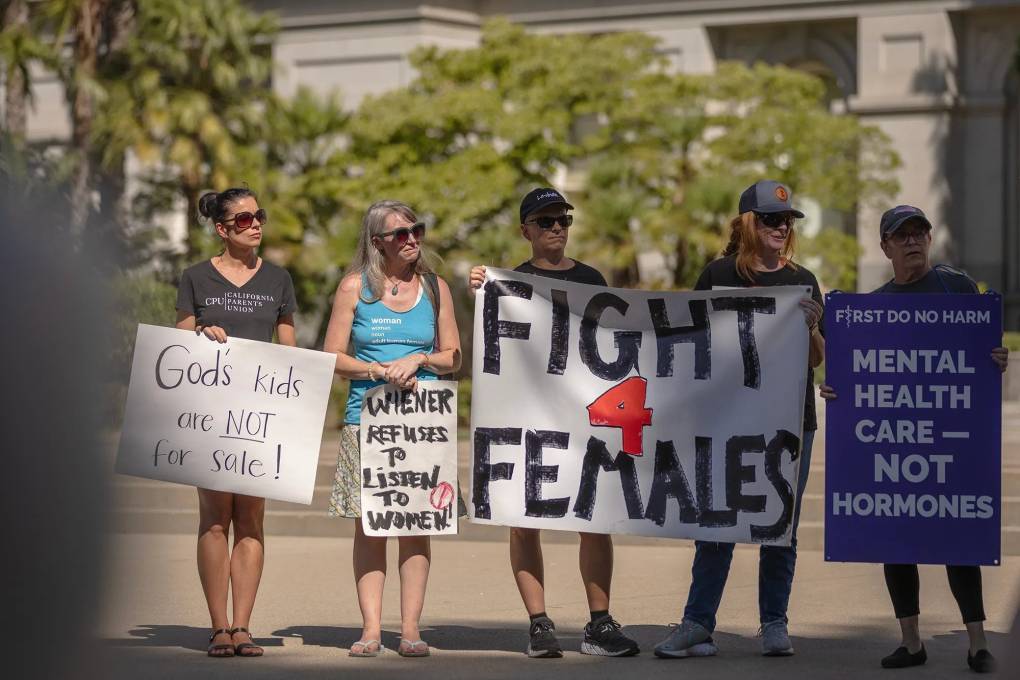
"caption": "People show support for 3 statewide initiatives at a press conference at the state Capitol in Sacramento on Aug. 28, 2023.",
"description": null,
"title": "08282023-Protect-Kids-California-Presser-RL-CM-03",
"credit": "Rahul Lal/CalMatters",
"status": "inherit",
"altTag": "People stand side-by-side holding up signs.",
"isLoading": false,
"fetchFailed": false
},
"news_11959327": {
"type": "attachments",
"id": "news_11959327",
"meta": {
"index": "attachments_1716263798",
"site": "news",
"id": "11959327",
"found": true
},
"parent": 11959323,
"imgSizes": {
"twentyfourteen-full-width": {
"file": "https://ww2.kqed.org/app/uploads/sites/10/2023/08/RS68373_AP23240639708868-qut-1038x576.jpg",
"width": 1038,
"mimeType": "image/jpeg",
"height": 576
},
"thumbnail": {
"file": "https://ww2.kqed.org/app/uploads/sites/10/2023/08/RS68373_AP23240639708868-qut-160x107.jpg",
"width": 160,
"mimeType": "image/jpeg",
"height": 107
},
"post-thumbnail": {
"file": "https://ww2.kqed.org/app/uploads/sites/10/2023/08/RS68373_AP23240639708868-qut-672x372.jpg",
"width": 672,
"mimeType": "image/jpeg",
"height": 372
},
"kqedFullSize": {
"file": "https://ww2.kqed.org/app/uploads/sites/10/2023/08/RS68373_AP23240639708868-qut.jpg?ver=1693250568",
"width": 2000,
"height": 1333
},
"large": {
"file": "https://ww2.kqed.org/app/uploads/sites/10/2023/08/RS68373_AP23240639708868-qut-1020x680.jpg",
"width": 1020,
"mimeType": "image/jpeg",
"height": 680
},
"1536x1536": {
"file": "https://ww2.kqed.org/app/uploads/sites/10/2023/08/RS68373_AP23240639708868-qut-1536x1024.jpg",
"width": 1536,
"mimeType": "image/jpeg",
"height": 1024
},
"full-width": {
"file": "https://ww2.kqed.org/app/uploads/sites/10/2023/08/RS68373_AP23240639708868-qut-1920x1280.jpg",
"width": 1920,
"mimeType": "image/jpeg",
"height": 1280
},
"medium": {
"file": "https://ww2.kqed.org/app/uploads/sites/10/2023/08/RS68373_AP23240639708868-qut-800x533.jpg",
"width": 800,
"mimeType": "image/jpeg",
"height": 533
}
},
"publishDate": 1693247362,
"modified": 1693251660,
"caption": "California Attorney General Rob Bonta fields questions during a press conference Monday, Aug. 28, 2023, in Los Angeles. Bonta is suing a Southern California school district Monday over its recently adopted policy that requires schools to notify parents if their children change their gender identification or pronouns.",
"description": null,
"title": "Rob Bonta",
"credit": "Marcio Jose Sanchez/AP Photo",
"status": "inherit",
"altTag": "California's Attorney General Rob Bonta stands behind a podium. Next to him is a poster that state laws and codes that he says is being violated by a school district.",
"isLoading": false,
"fetchFailed": false
},
"news_11954080": {
"type": "attachments",
"id": "news_11954080",
"meta": {
"index": "attachments_1716263798",
"site": "news",
"id": "11954080",
"found": true
},
"parent": 0,
"imgSizes": {
"twentyfourteen-full-width": {
"file": "https://ww2.kqed.org/app/uploads/sites/10/2023/06/230626-CALIFORNIA-PRISONERS-AP-RP-KQED-1038x576.jpg",
"width": 1038,
"mimeType": "image/jpeg",
"height": 576
},
"thumbnail": {
"file": "https://ww2.kqed.org/app/uploads/sites/10/2023/06/230626-CALIFORNIA-PRISONERS-AP-RP-KQED-160x115.jpg",
"width": 160,
"mimeType": "image/jpeg",
"height": 115
},
"post-thumbnail": {
"file": "https://ww2.kqed.org/app/uploads/sites/10/2023/06/230626-CALIFORNIA-PRISONERS-AP-RP-KQED-672x372.jpg",
"width": 672,
"mimeType": "image/jpeg",
"height": 372
},
"kqedFullSize": {
"file": "https://ww2.kqed.org/app/uploads/sites/10/2023/06/230626-CALIFORNIA-PRISONERS-AP-RP-KQED.jpg",
"width": 2000,
"height": 1442
},
"large": {
"file": "https://ww2.kqed.org/app/uploads/sites/10/2023/06/230626-CALIFORNIA-PRISONERS-AP-RP-KQED-1020x735.jpg",
"width": 1020,
"mimeType": "image/jpeg",
"height": 735
},
"1536x1536": {
"file": "https://ww2.kqed.org/app/uploads/sites/10/2023/06/230626-CALIFORNIA-PRISONERS-AP-RP-KQED-1536x1107.jpg",
"width": 1536,
"mimeType": "image/jpeg",
"height": 1107
},
"full-width": {
"file": "https://ww2.kqed.org/app/uploads/sites/10/2023/06/230626-CALIFORNIA-PRISONERS-AP-RP-KQED-1920x1384.jpg",
"width": 1920,
"mimeType": "image/jpeg",
"height": 1384
},
"medium": {
"file": "https://ww2.kqed.org/app/uploads/sites/10/2023/06/230626-CALIFORNIA-PRISONERS-AP-RP-KQED-800x577.jpg",
"width": 800,
"mimeType": "image/jpeg",
"height": 577
}
},
"publishDate": 1687803767,
"modified": 1687803893,
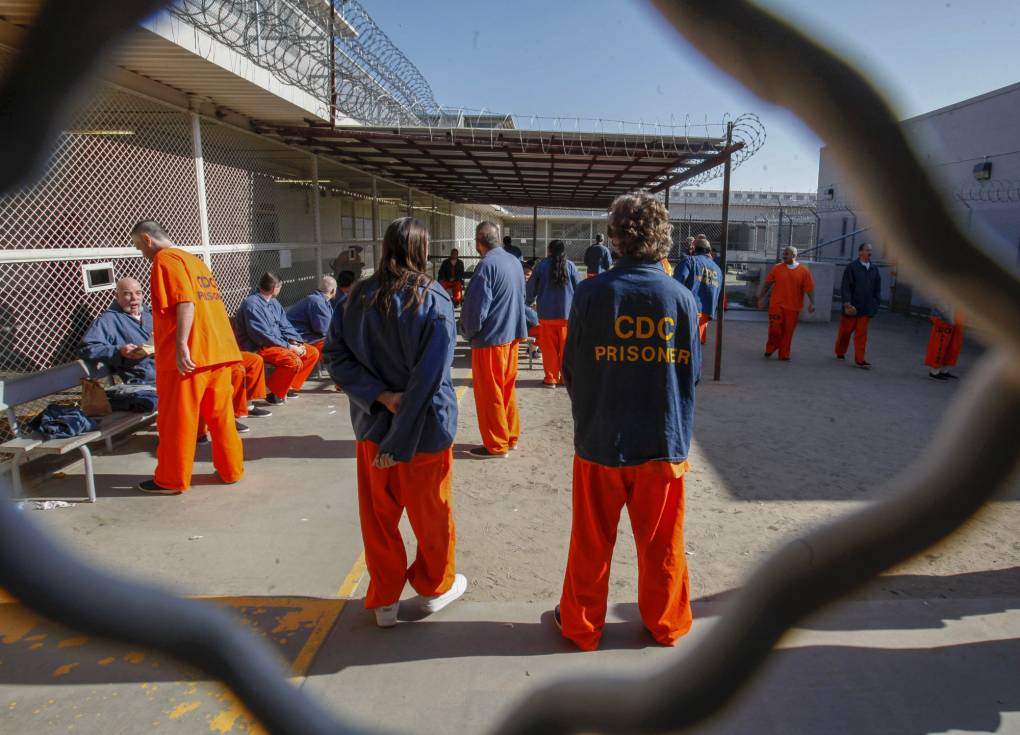
"caption": "Incarcerated individuals stand in a recreation yard at the Deuel Vocational Institution in Tracy on Jan. 12, 2012.",
"description": null,
"title": "New Laws California",
"credit": "Rich Pedroncelli/AP Photo",
"status": "inherit",
"altTag": "Men dressed in blue long-sleeved shirts and bright orange pants stand and walk in an open outdoor area surrounded by fencing and barbed wire.",
"isLoading": false,
"fetchFailed": false
},
"news_11676953": {
"type": "attachments",
"id": "news_11676953",
"meta": {
"index": "attachments_1716263798",
"site": "news",
"id": "11676953",
"found": true
},
"parent": 11676842,
"imgSizes": {
"small": {
"file": "https://ww2.kqed.org/app/uploads/sites/10/2018/06/RS31561_62418_AW_Pride_09-qut-520x347.jpg",
"width": 520,
"mimeType": "image/jpeg",
"height": 347
},
"twentyfourteen-full-width": {
"file": "https://ww2.kqed.org/app/uploads/sites/10/2018/06/RS31561_62418_AW_Pride_09-qut-1038x576.jpg",
"width": 1038,
"mimeType": "image/jpeg",
"height": 576
},
"thumbnail": {
"file": "https://ww2.kqed.org/app/uploads/sites/10/2018/06/RS31561_62418_AW_Pride_09-qut-160x107.jpg",
"width": 160,
"mimeType": "image/jpeg",
"height": 107
},
"fd-sm": {
"file": "https://ww2.kqed.org/app/uploads/sites/10/2018/06/RS31561_62418_AW_Pride_09-qut-960x640.jpg",
"width": 960,
"mimeType": "image/jpeg",
"height": 640
},
"post-thumbnail": {
"file": "https://ww2.kqed.org/app/uploads/sites/10/2018/06/RS31561_62418_AW_Pride_09-qut-672x372.jpg",
"width": 672,
"mimeType": "image/jpeg",
"height": 372
},
"xsmall": {
"file": "https://ww2.kqed.org/app/uploads/sites/10/2018/06/RS31561_62418_AW_Pride_09-qut-375x250.jpg",
"width": 375,
"mimeType": "image/jpeg",
"height": 250
},
"kqedFullSize": {
"file": "https://ww2.kqed.org/app/uploads/sites/10/2018/06/RS31561_62418_AW_Pride_09-qut.jpg",
"width": 1920,
"height": 1280
},
"large": {
"file": "https://ww2.kqed.org/app/uploads/sites/10/2018/06/RS31561_62418_AW_Pride_09-qut-1020x680.jpg",
"width": 1020,
"mimeType": "image/jpeg",
"height": 680
},
"xlarge": {
"file": "https://ww2.kqed.org/app/uploads/sites/10/2018/06/RS31561_62418_AW_Pride_09-qut-1180x787.jpg",
"width": 1180,
"mimeType": "image/jpeg",
"height": 787
},
"complete_open_graph": {
"file": "https://ww2.kqed.org/app/uploads/sites/10/2018/06/RS31561_62418_AW_Pride_09-qut-1200x800.jpg",
"width": 1200,
"mimeType": "image/jpeg",
"height": 800
},
"guest-author-50": {
"file": "https://ww2.kqed.org/app/uploads/sites/10/2018/06/RS31561_62418_AW_Pride_09-qut-50x50.jpg",
"width": 50,
"mimeType": "image/jpeg",
"height": 50
},
"guest-author-96": {
"file": "https://ww2.kqed.org/app/uploads/sites/10/2018/06/RS31561_62418_AW_Pride_09-qut-96x96.jpg",
"width": 96,
"mimeType": "image/jpeg",
"height": 96
},
"medium": {
"file": "https://ww2.kqed.org/app/uploads/sites/10/2018/06/RS31561_62418_AW_Pride_09-qut-800x533.jpg",
"width": 800,
"mimeType": "image/jpeg",
"height": 533
},
"guest-author-64": {
"file": "https://ww2.kqed.org/app/uploads/sites/10/2018/06/RS31561_62418_AW_Pride_09-qut-64x64.jpg",
"width": 64,
"mimeType": "image/jpeg",
"height": 64
},
"guest-author-32": {
"file": "https://ww2.kqed.org/app/uploads/sites/10/2018/06/RS31561_62418_AW_Pride_09-qut-32x32.jpg",
"width": 32,
"mimeType": "image/jpeg",
"height": 32
},
"fd-lrg": {
"file": "https://ww2.kqed.org/app/uploads/sites/10/2018/06/RS31561_62418_AW_Pride_09-qut-1920x1280.jpg",
"width": 1920,
"mimeType": "image/jpeg",
"height": 1280
},
"fd-med": {
"file": "https://ww2.kqed.org/app/uploads/sites/10/2018/06/RS31561_62418_AW_Pride_09-qut-1180x787.jpg",
"width": 1180,
"mimeType": "image/jpeg",
"height": 787
},
"full-width": {
"file": "https://ww2.kqed.org/app/uploads/sites/10/2018/06/RS31561_62418_AW_Pride_09-qut-1920x1280.jpg",
"width": 1920,
"mimeType": "image/jpeg",
"height": 1280
},
"detail": {
"file": "https://ww2.kqed.org/app/uploads/sites/10/2018/06/RS31561_62418_AW_Pride_09-qut-150x150.jpg",
"width": 150,
"mimeType": "image/jpeg",
"height": 150
},
"guest-author-128": {
"file": "https://ww2.kqed.org/app/uploads/sites/10/2018/06/RS31561_62418_AW_Pride_09-qut-128x128.jpg",
"width": 128,
"mimeType": "image/jpeg",
"height": 128
},
"xxsmall": {
"file": "https://ww2.kqed.org/app/uploads/sites/10/2018/06/RS31561_62418_AW_Pride_09-qut-240x160.jpg",
"width": 240,
"mimeType": "image/jpeg",
"height": 160
}
},
"publishDate": 1529887986,
"modified": 1687467006,
"caption": "Organizers estimated 50,000 people participated in the San Francisco Pride Parade on June 24, 2018, in addition to 100,000 who watched from the sidelines.",
"description": "Organizers estimate 50,000 people participated in Sunday's San Francisco Pride Parade, in addition to 100,000 who watched from the sidelines.",
"title": "RS31561_62418_AW_Pride_09-qut",
"credit": "Anne Wernikoff/KQED",
"status": "inherit",
"altTag": "A scene of the Pride parade on Market Street in San Francisco. In the foreground is a white woman wearing rose-colored glasses and holding a rainbow flag with both hands above her head. She is surrounded by other marchers and towers of green and orange balloons. It is sunny, and this is a joyful scene, as the woman is smiling broadly.",
"isLoading": false,
"fetchFailed": false
},
"news_11948982": {
"type": "attachments",
"id": "news_11948982",
"meta": {
"index": "attachments_1716263798",
"site": "news",
"id": "11948982",
"found": true
},
"parent": 11948964,
"imgSizes": {
"twentyfourteen-full-width": {
"file": "https://ww2.kqed.org/app/uploads/sites/10/2023/05/RS65169_005_KQED_WalgreensBankoBrown_05092023-qut-1038x576.jpg",
"width": 1038,
"mimeType": "image/jpeg",
"height": 576
},
"thumbnail": {
"file": "https://ww2.kqed.org/app/uploads/sites/10/2023/05/RS65169_005_KQED_WalgreensBankoBrown_05092023-qut-160x107.jpg",
"width": 160,
"mimeType": "image/jpeg",
"height": 107
},
"post-thumbnail": {
"file": "https://ww2.kqed.org/app/uploads/sites/10/2023/05/RS65169_005_KQED_WalgreensBankoBrown_05092023-qut-672x372.jpg",
"width": 672,
"mimeType": "image/jpeg",
"height": 372
},
"kqedFullSize": {
"file": "https://ww2.kqed.org/app/uploads/sites/10/2023/05/RS65169_005_KQED_WalgreensBankoBrown_05092023-qut.jpg",
"width": 1920,
"height": 1280
},
"large": {
"file": "https://ww2.kqed.org/app/uploads/sites/10/2023/05/RS65169_005_KQED_WalgreensBankoBrown_05092023-qut-1020x680.jpg",
"width": 1020,
"mimeType": "image/jpeg",
"height": 680
},
"1536x1536": {
"file": "https://ww2.kqed.org/app/uploads/sites/10/2023/05/RS65169_005_KQED_WalgreensBankoBrown_05092023-qut-1536x1024.jpg",
"width": 1536,
"mimeType": "image/jpeg",
"height": 1024
},
"medium": {
"file": "https://ww2.kqed.org/app/uploads/sites/10/2023/05/RS65169_005_KQED_WalgreensBankoBrown_05092023-qut-800x533.jpg",
"width": 800,
"mimeType": "image/jpeg",
"height": 533
}
},
"publishDate": 1683679834,
"modified": 1683679971,
"caption": "A person walks past a memorial for Banko Brown on May 9, outside the Market Street Walgreens in downtown San Francisco where Brown was killed.",
"description": null,
"title": "RS65169_005_KQED_WalgreensBankoBrown_05092023-qut",
"credit": "Beth LaBerge/KQED",
"status": "inherit",
"altTag": "candles, photos and posters sit against a chain link fence in the background as the blurry feet of a pedestrian walk past in the foreground",
"isLoading": false,
"fetchFailed": false
},
"news_11946132": {
"type": "attachments",
"id": "news_11946132",
"meta": {
"index": "attachments_1716263798",
"site": "news",
"id": "11946132",
"found": true
},
"parent": 0,
"imgSizes": {
"twentyfourteen-full-width": {
"file": "https://ww2.kqed.org/app/uploads/sites/10/2023/04/D7A7080-1038x576.jpg",
"width": 1038,
"mimeType": "image/jpeg",
"height": 576
},
"thumbnail": {
"file": "https://ww2.kqed.org/app/uploads/sites/10/2023/04/D7A7080-160x107.jpg",
"width": 160,
"mimeType": "image/jpeg",
"height": 107
},
"post-thumbnail": {
"file": "https://ww2.kqed.org/app/uploads/sites/10/2023/04/D7A7080-672x372.jpg",
"width": 672,
"mimeType": "image/jpeg",
"height": 372
},
"kqedFullSize": {
"file": "https://ww2.kqed.org/app/uploads/sites/10/2023/04/D7A7080.jpg",
"width": 1620,
"height": 1080
},
"large": {
"file": "https://ww2.kqed.org/app/uploads/sites/10/2023/04/D7A7080-1020x680.jpg",
"width": 1020,
"mimeType": "image/jpeg",
"height": 680
},
"1536x1536": {
"file": "https://ww2.kqed.org/app/uploads/sites/10/2023/04/D7A7080-1536x1024.jpg",
"width": 1536,
"mimeType": "image/jpeg",
"height": 1024
},
"medium": {
"file": "https://ww2.kqed.org/app/uploads/sites/10/2023/04/D7A7080-800x533.jpg",
"width": 800,
"mimeType": "image/jpeg",
"height": 533
}
},
"publishDate": 1681001427,
"modified": 1681150259,
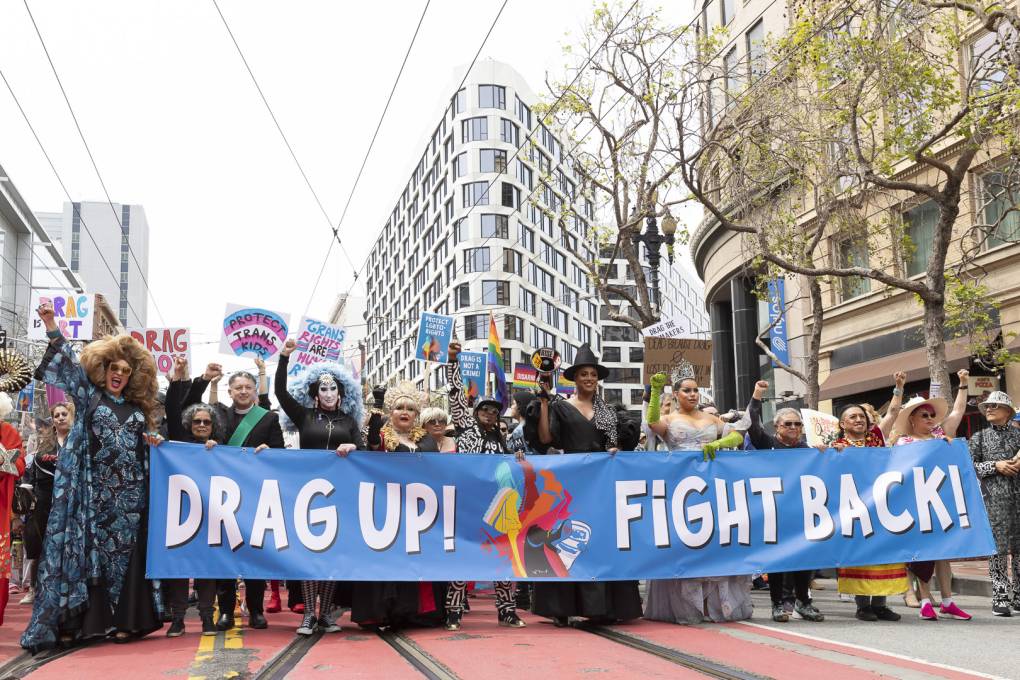
"caption": "The 'Drag Up! Fight Back!' organizers and friends lead the march to Union Square in San Francisco on Saturday, April 8, 2023.",
"description": "The Drag Up! Fight Back! organizers and friends lead the march to Union Square in San Francisco on Saturday, April 8, 2023.",
"title": "The Drag Up! Fight Back! organizers and friends lead the march to Union Square in San Francisco on Saturday, April 8, 2023.",
"credit": "Estefany Gonzalez/KQED",
"status": "inherit",
"altTag": "A crowd of people hold a banner that reads \"Drag Up! Fight Back!\"",
"isLoading": false,
"fetchFailed": false
},
"news_11944977": {
"type": "attachments",
"id": "news_11944977",
"meta": {
"index": "attachments_1716263798",
"site": "news",
"id": "11944977",
"found": true
},
"parent": 11944976,
"imgSizes": {
"thumbnail": {
"file": "https://ww2.kqed.org/app/uploads/sites/10/2023/03/RS56915_014_KQED_SFTransMarch_06242022-qut-800x533-1-160x107.jpg",
"width": 160,
"mimeType": "image/jpeg",
"height": 107
},
"post-thumbnail": {
"file": "https://ww2.kqed.org/app/uploads/sites/10/2023/03/RS56915_014_KQED_SFTransMarch_06242022-qut-800x533-1-672x372.jpg",
"width": 672,
"mimeType": "image/jpeg",
"height": 372
},
"kqedFullSize": {
"file": "https://ww2.kqed.org/app/uploads/sites/10/2023/03/RS56915_014_KQED_SFTransMarch_06242022-qut-800x533-1.jpg",
"width": 800,
"height": 533
}
},
"publishDate": 1680034303,
"modified": 1680034326,
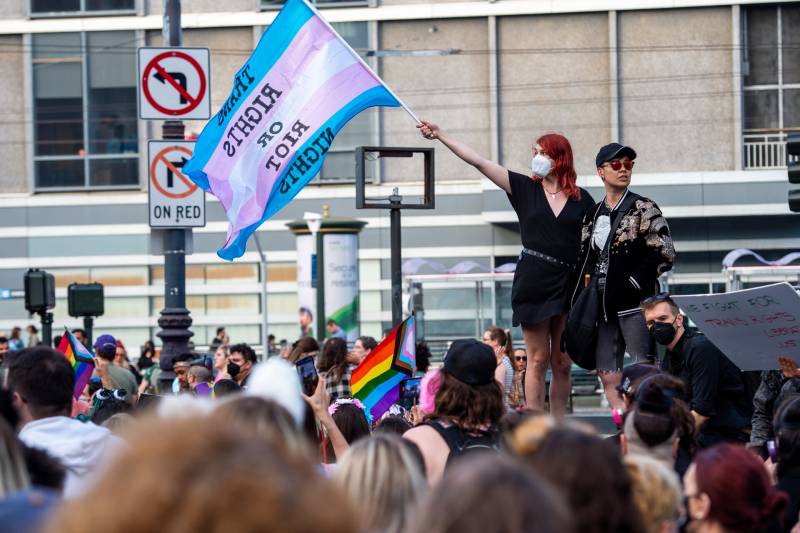
"caption": "The Trans March makes its way along Market Street to a rally on Turk and Taylor in San Francisco on June 24, 2022. ",
"description": null,
"title": "RS56915_014_KQED_SFTransMarch_06242022-qut-800x533",
"credit": "Beth LaBerge/KQED",
"status": "inherit",
"altTag": null,
"isLoading": false,
"fetchFailed": false
},
"news_11937870": {
"type": "attachments",
"id": "news_11937870",
"meta": {
"index": "attachments_1716263798",
"site": "news",
"id": "11937870",
"found": true
},
"parent": 11937857,
"imgSizes": {
"twentyfourteen-full-width": {
"file": "https://ww2.kqed.org/app/uploads/sites/10/2023/01/GettyImages-1322343674-1038x576.jpg",
"width": 1038,
"mimeType": "image/jpeg",
"height": 576
},
"thumbnail": {
"file": "https://ww2.kqed.org/app/uploads/sites/10/2023/01/GettyImages-1322343674-160x107.jpg",
"width": 160,
"mimeType": "image/jpeg",
"height": 107
},
"post-thumbnail": {
"file": "https://ww2.kqed.org/app/uploads/sites/10/2023/01/GettyImages-1322343674-672x372.jpg",
"width": 672,
"mimeType": "image/jpeg",
"height": 372
},
"kqedFullSize": {
"file": "https://ww2.kqed.org/app/uploads/sites/10/2023/01/GettyImages-1322343674.jpg",
"width": 2121,
"height": 1414
},
"2048x2048": {
"file": "https://ww2.kqed.org/app/uploads/sites/10/2023/01/GettyImages-1322343674-2048x1365.jpg",
"width": 2048,
"mimeType": "image/jpeg",
"height": 1365
},
"large": {
"file": "https://ww2.kqed.org/app/uploads/sites/10/2023/01/GettyImages-1322343674-1020x680.jpg",
"width": 1020,
"mimeType": "image/jpeg",
"height": 680
},
"1536x1536": {
"file": "https://ww2.kqed.org/app/uploads/sites/10/2023/01/GettyImages-1322343674-1536x1024.jpg",
"width": 1536,
"mimeType": "image/jpeg",
"height": 1024
},
"full-width": {
"file": "https://ww2.kqed.org/app/uploads/sites/10/2023/01/GettyImages-1322343674-1920x1280.jpg",
"width": 1920,
"mimeType": "image/jpeg",
"height": 1280
},
"medium": {
"file": "https://ww2.kqed.org/app/uploads/sites/10/2023/01/GettyImages-1322343674-800x533.jpg",
"width": 800,
"mimeType": "image/jpeg",
"height": 533
}
},
"publishDate": 1673552468,
"modified": 1673552590,
"caption": null,
"description": null,
"title": "Woman holding rainbow heart in her hand close up. LGBT or GLBT concept. Pop Fidget Sensory Toy for Autism Special Needs Stress Relief in form of heart.",
"credit": "esvetleishaya/Getty Images",
"status": "inherit",
"altTag": "Woman holding rainbow-colored Pop Fidget Sensory Toy for Autism Special Needs Stress Relief in form of heart in her hand close up.",
"isLoading": false,
"fetchFailed": false
},
"news_11936632": {
"type": "attachments",
"id": "news_11936632",
"meta": {
"index": "attachments_1716263798",
"site": "news",
"id": "11936632",
"found": true
},
"parent": 11936552,
"imgSizes": {
"twentyfourteen-full-width": {
"file": "https://ww2.kqed.org/app/uploads/sites/10/2023/01/122622-Eli-Erlick-TH-01-CM-1038x576.jpg",
"width": 1038,
"mimeType": "image/jpeg",
"height": 576
},
"thumbnail": {
"file": "https://ww2.kqed.org/app/uploads/sites/10/2023/01/122622-Eli-Erlick-TH-01-CM-160x107.jpg",
"width": 160,
"mimeType": "image/jpeg",
"height": 107
},
"post-thumbnail": {
"file": "https://ww2.kqed.org/app/uploads/sites/10/2023/01/122622-Eli-Erlick-TH-01-CM-672x372.jpg",
"width": 672,
"mimeType": "image/jpeg",
"height": 372
},
"kqedFullSize": {
"file": "https://ww2.kqed.org/app/uploads/sites/10/2023/01/122622-Eli-Erlick-TH-01-CM.jpg",
"width": 2000,
"height": 1333
},
"large": {
"file": "https://ww2.kqed.org/app/uploads/sites/10/2023/01/122622-Eli-Erlick-TH-01-CM-1020x680.jpg",
"width": 1020,
"mimeType": "image/jpeg",
"height": 680
},
"1536x1536": {
"file": "https://ww2.kqed.org/app/uploads/sites/10/2023/01/122622-Eli-Erlick-TH-01-CM-1536x1024.jpg",
"width": 1536,
"mimeType": "image/jpeg",
"height": 1024
},
"full-width": {
"file": "https://ww2.kqed.org/app/uploads/sites/10/2023/01/122622-Eli-Erlick-TH-01-CM-1920x1280.jpg",
"width": 1920,
"mimeType": "image/jpeg",
"height": 1280
},
"medium": {
"file": "https://ww2.kqed.org/app/uploads/sites/10/2023/01/122622-Eli-Erlick-TH-01-CM-800x533.jpg",
"width": 800,
"mimeType": "image/jpeg",
"height": 533
}
},
"publishDate": 1672689988,
"modified": 1672770855,
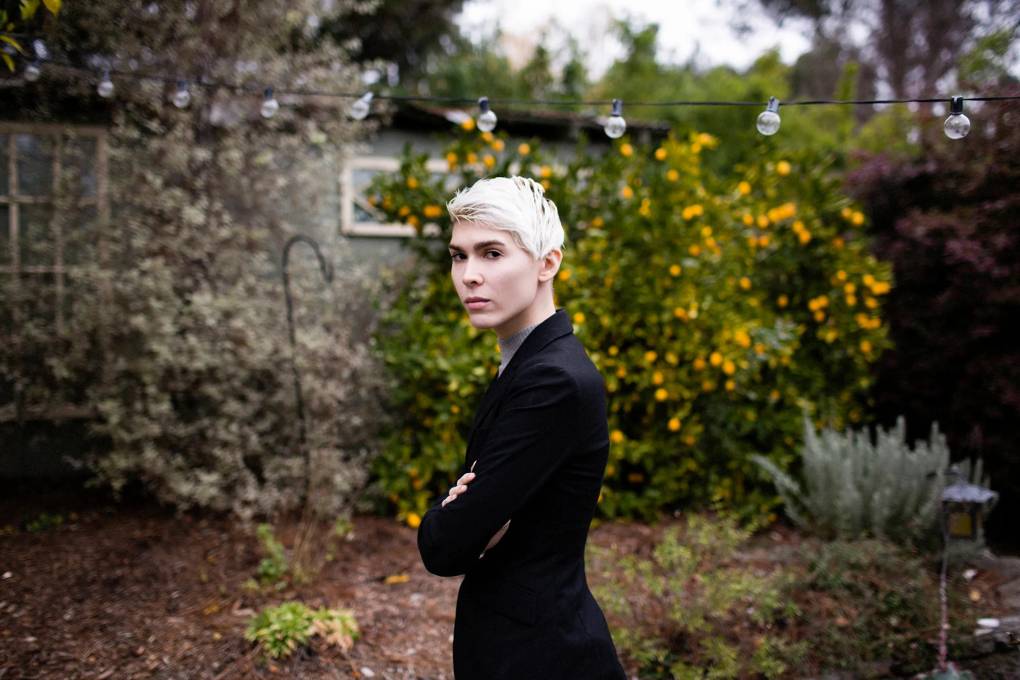
"caption": "Eli Erlick, co-founder of Trans Student Educational Resources, in her parents' backyard in Sebastopol on Dec. 26, 2022.",
"description": null,
"title": "122622-Eli-Erlick-TH-01-CM",
"credit": "Talia Herman/CalMatters",
"status": "inherit",
"altTag": null,
"isLoading": false,
"fetchFailed": false
},
"news_11936510": {
"type": "attachments",
"id": "news_11936510",
"meta": {
"index": "attachments_1716263798",
"site": "news",
"id": "11936510",
"found": true
},
"parent": 11936507,
"imgSizes": {
"twentyfourteen-full-width": {
"file": "https://ww2.kqed.org/app/uploads/sites/10/2022/12/GettyImages-1360489934-1024x576.jpg",
"width": 1024,
"mimeType": "image/jpeg",
"height": 576
},
"thumbnail": {
"file": "https://ww2.kqed.org/app/uploads/sites/10/2022/12/GettyImages-1360489934-160x109.jpg",
"width": 160,
"mimeType": "image/jpeg",
"height": 109
},
"post-thumbnail": {
"file": "https://ww2.kqed.org/app/uploads/sites/10/2022/12/GettyImages-1360489934-672x372.jpg",
"width": 672,
"mimeType": "image/jpeg",
"height": 372
},
"kqedFullSize": {
"file": "https://ww2.kqed.org/app/uploads/sites/10/2022/12/GettyImages-1360489934.jpg",
"width": 1024,
"height": 697
},
"large": {
"file": "https://ww2.kqed.org/app/uploads/sites/10/2022/12/GettyImages-1360489934-1020x694.jpg",
"width": 1020,
"mimeType": "image/jpeg",
"height": 694
},
"medium": {
"file": "https://ww2.kqed.org/app/uploads/sites/10/2022/12/GettyImages-1360489934-800x545.jpg",
"width": 800,
"mimeType": "image/jpeg",
"height": 545
}
},
"publishDate": 1672428513,
"modified": 1673036687,
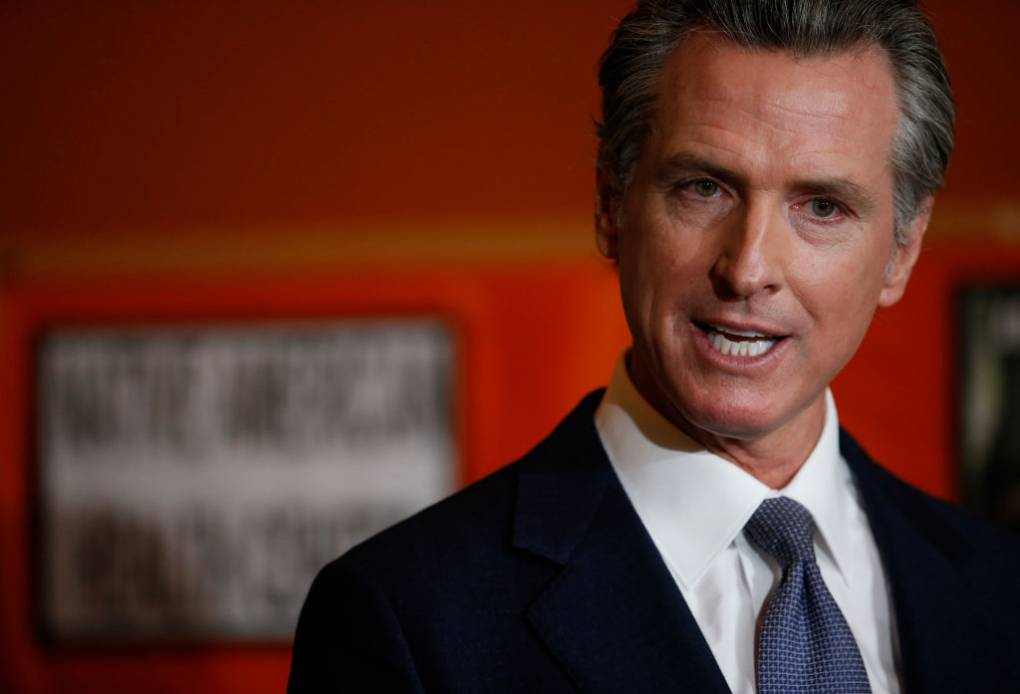
"caption": "Gov. Gavin Newsom speaks during a press conference in Oakland, on Dec. 22, 2021.",
"description": null,
"title": "Gov. Gavin Newsom Covid-19 Testing",
"credit": "Jane Tyska/Digital First Media/East Bay Times via Getty Images",
"status": "inherit",
"altTag": "A white man in a suit and tie explains something toward the camera.",
"isLoading": false,
"fetchFailed": false
},
"news_11935699": {
"type": "attachments",
"id": "news_11935699",
"meta": {
"index": "attachments_1716263798",
"site": "news",
"id": "11935699",
"found": true
},
"parent": 11935695,
"imgSizes": {
"twentyfourteen-full-width": {
"file": "https://ww2.kqed.org/app/uploads/sites/10/2022/12/Untitled-design-1038x576.png",
"width": 1038,
"mimeType": "image/png",
"height": 576
},
"thumbnail": {
"file": "https://ww2.kqed.org/app/uploads/sites/10/2022/12/Untitled-design-160x90.png",
"width": 160,
"mimeType": "image/png",
"height": 90
},
"post-thumbnail": {
"file": "https://ww2.kqed.org/app/uploads/sites/10/2022/12/Untitled-design-672x372.png",
"width": 672,
"mimeType": "image/png",
"height": 372
},
"kqedFullSize": {
"file": "https://ww2.kqed.org/app/uploads/sites/10/2022/12/Untitled-design.png",
"width": 1920,
"height": 1080
},
"large": {
"file": "https://ww2.kqed.org/app/uploads/sites/10/2022/12/Untitled-design-1020x574.png",
"width": 1020,
"mimeType": "image/png",
"height": 574
},
"1536x1536": {
"file": "https://ww2.kqed.org/app/uploads/sites/10/2022/12/Untitled-design-1536x864.png",
"width": 1536,
"mimeType": "image/png",
"height": 864
},
"medium": {
"file": "https://ww2.kqed.org/app/uploads/sites/10/2022/12/Untitled-design-800x450.png",
"width": 800,
"mimeType": "image/png",
"height": 450
}
},
"publishDate": 1671298276,
"modified": 1671470364,
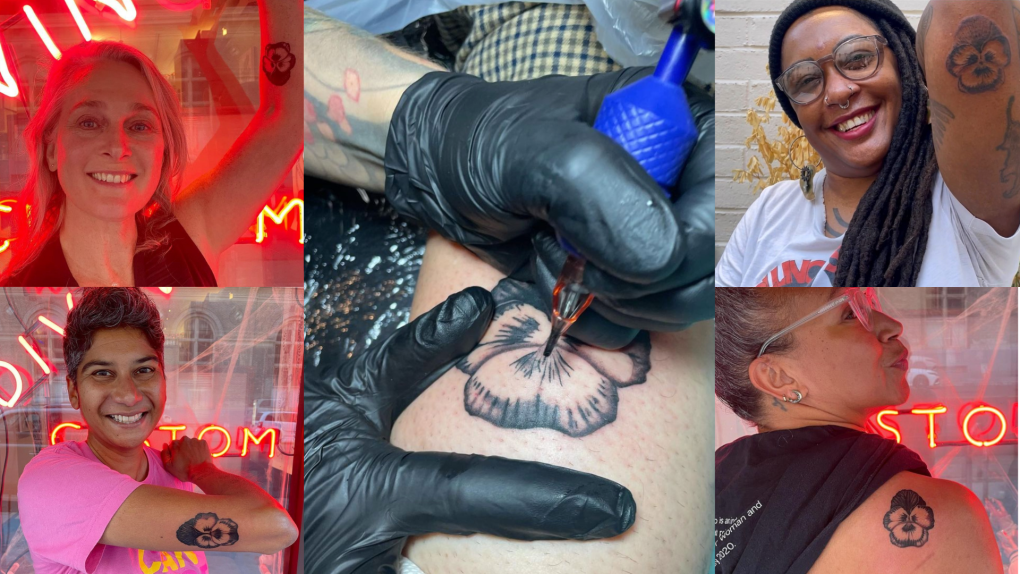
"caption": "Piper Kerman (top left), Leola Davis (top right), Preeti Mistry (bottom left) and Mia Birdsong (bottom right) show off their tattoos. Cedre Csillagi (center) at work.",
"description": null,
"title": "1000 Pansies Project - Collage",
"credit": "Photos courtesy of Cedre Csillagi/Collage created on Dec. 17, 2022",
"status": "inherit",
"altTag": "A collage of five images: Center image a tattoo artist tattoos a pansy. Four other images show people displaying their tattoos.",
"isLoading": false,
"fetchFailed": false
},
"news_11934951": {
"type": "attachments",
"id": "news_11934951",
"meta": {
"index": "attachments_1716263798",
"site": "news",
"id": "11934951",
"found": true
},
"parent": 11934949,
"imgSizes": {
"twentyfourteen-full-width": {
"file": "https://ww2.kqed.org/app/uploads/sites/10/2022/12/trans-couple-1020x576.jpg",
"width": 1020,
"mimeType": "image/jpeg",
"height": 576
},
"thumbnail": {
"file": "https://ww2.kqed.org/app/uploads/sites/10/2022/12/trans-couple-160x107.jpg",
"width": 160,
"mimeType": "image/jpeg",
"height": 107
},
"post-thumbnail": {
"file": "https://ww2.kqed.org/app/uploads/sites/10/2022/12/trans-couple-672x372.jpg",
"width": 672,
"mimeType": "image/jpeg",
"height": 372
},
"kqedFullSize": {
"file": "https://ww2.kqed.org/app/uploads/sites/10/2022/12/trans-couple.jpg",
"width": 1020,
"height": 680
},
"medium": {
"file": "https://ww2.kqed.org/app/uploads/sites/10/2022/12/trans-couple-800x533.jpg",
"width": 800,
"mimeType": "image/jpeg",
"height": 533
}
},
"publishDate": 1670781030,
"modified": 1670781198,
"caption": "Las solicitudes para GIFT se cierran el 15 de diciembre.",
"description": null,
"title": "trans couple",
"credit": "The Gender Spectrum Collection",
"status": "inherit",
"altTag": null,
"isLoading": false,
"fetchFailed": false
}
},
"audioPlayerReducer": {
"postId": "stream_live",
"isPaused": true,
"isPlaying": false,
"pfsActive": false,
"pledgeModalIsOpen": true,
"playerDrawerIsOpen": false,
"liveAudioPlayStartedAt": 0,
"liveAudioPlayContext": ""
},
"authorsReducer": {
"byline_news_11959451": {
"type": "authors",
"id": "byline_news_11959451",
"meta": {
"override": true
},
"slug": "byline_news_11959451",
"name": "\u003ca href=\"https://calmatters.org/author/carolyn-jones/\">Carolyn Jones\u003c/a> and \u003ca href=\"https://calmatters.org/author/alexei-koseff/\">Alexei Koseff\u003c/a>",
"isLoading": false
},
"byline_news_11959323": {
"type": "authors",
"id": "byline_news_11959323",
"meta": {
"override": true
},
"slug": "byline_news_11959323",
"name": "Amy Taxin and Sophie Austin",
"isLoading": false
},
"byline_news_11954055": {
"type": "authors",
"id": "byline_news_11954055",
"meta": {
"override": true
},
"slug": "byline_news_11954055",
"name": "\u003ca href=\"https://calmatters.org/author/anabelsosa/\">Anabel Sosa\u003c/a>",
"isLoading": false
},
"byline_news_11936552": {
"type": "authors",
"id": "byline_news_11936552",
"meta": {
"override": true
},
"slug": "byline_news_11936552",
"name": "\u003ca href=\"https://calmatters.org/author/zaeem-shaikh/\">Zaeem Shaikh\u003c/a>",
"isLoading": false
},
"byline_news_11936507": {
"type": "authors",
"id": "byline_news_11936507",
"meta": {
"override": true
},
"slug": "byline_news_11936507",
"name": "Adam Beam\u003cbr>The Associated Press",
"isLoading": false
},
"kqed": {
"type": "authors",
"id": "236",
"meta": {
"index": "authors_1716337520",
"id": "236",
"found": true
},
"name": "KQED News Staff",
"firstName": "KQED News Staff",
"lastName": null,
"slug": "kqed",
"email": "faq@kqed.org",
"display_author_email": false,
"staff_mastheads": [],
"title": null,
"bio": null,
"avatar": "https://secure.gravatar.com/avatar/ef0e801a68c4c54afa9180db14084167?s=600&d=blank&r=g",
"twitter": null,
"facebook": null,
"instagram": null,
"linkedin": null,
"sites": [
{
"site": "arts",
"roles": [
"contributor"
]
},
{
"site": "news",
"roles": [
"editor"
]
},
{
"site": "futureofyou",
"roles": [
"author"
]
}
],
"headData": {
"title": "KQED News Staff | KQED",
"description": null,
"ogImgSrc": "https://secure.gravatar.com/avatar/ef0e801a68c4c54afa9180db14084167?s=600&d=blank&r=g",
"twImgSrc": "https://secure.gravatar.com/avatar/ef0e801a68c4c54afa9180db14084167?s=600&d=blank&r=g"
},
"isLoading": false,
"link": "/author/kqed"
},
"carlysevern": {
"type": "authors",
"id": "3243",
"meta": {
"index": "authors_1716337520",
"id": "3243",
"found": true
},
"name": "Carly Severn",
"firstName": "Carly",
"lastName": "Severn",
"slug": "carlysevern",
"email": "csevern@kqed.org",
"display_author_email": false,
"staff_mastheads": [
"news"
],
"title": "Senior Editor, Audience News ",
"bio": "Carly is KQED's Senior Editor of Audience News on the Digital News team, and has reported for the California Report Magazine, Bay Curious and KQED Arts. She's formerly the host of \u003ca href=\"http://ww2.kqed.org/pop/category/the-cooler/\" rel=\"noopener noreferrer\">The Cooler\u003c/a> podcast.",
"avatar": "https://secure.gravatar.com/avatar/2d8d6765f186e64c798cf7f0c8088a41?s=600&d=blank&r=g",
"twitter": "teacupinthebay",
"facebook": null,
"instagram": null,
"linkedin": null,
"sites": [
{
"site": "",
"roles": [
"editor"
]
},
{
"site": "arts",
"roles": [
"editor"
]
},
{
"site": "news",
"roles": [
"administrator"
]
},
{
"site": "pop",
"roles": [
"editor"
]
},
{
"site": "futureofyou",
"roles": [
"editor"
]
},
{
"site": "about",
"roles": [
"administrator"
]
},
{
"site": "mindshift",
"roles": [
"editor"
]
},
{
"site": "bayareabites",
"roles": [
"editor"
]
},
{
"site": "stateofhealth",
"roles": [
"editor"
]
},
{
"site": "science",
"roles": [
"editor"
]
},
{
"site": "food",
"roles": [
"contributor"
]
},
{
"site": "forum",
"roles": [
"editor"
]
},
{
"site": "perspectives",
"roles": [
"administrator"
]
},
{
"site": "liveblog",
"roles": [
"editor"
]
}
],
"headData": {
"title": "Carly Severn | KQED",
"description": "Senior Editor, Audience News ",
"ogImgSrc": "https://secure.gravatar.com/avatar/2d8d6765f186e64c798cf7f0c8088a41?s=600&d=blank&r=g",
"twImgSrc": "https://secure.gravatar.com/avatar/2d8d6765f186e64c798cf7f0c8088a41?s=600&d=blank&r=g"
},
"isLoading": false,
"link": "/author/carlysevern"
},
"ecruzguevarra": {
"type": "authors",
"id": "8654",
"meta": {
"index": "authors_1716337520",
"id": "8654",
"found": true
},
"name": "Ericka Cruz Guevarra",
"firstName": "Ericka",
"lastName": "Cruz Guevarra",
"slug": "ecruzguevarra",
"email": "ecruzguevarra@kqed.org",
"display_author_email": true,
"staff_mastheads": [
"news"
],
"title": "Producer, The Bay Podcast",
"bio": "Ericka Cruz Guevarra is host of \u003ca href=\"https://www.kqed.org/podcasts/thebay\">\u003cem>The Bay\u003c/em>\u003c/a> podcast at KQED. Before host, she was the show’s producer. Her work in that capacity includes a three-part reported series on policing in Vallejo, which won a 2020 excellence in journalism award from the Society of Professional Journalists. Ericka has worked as a breaking news reporter at Oregon Public Broadcasting, helped produce the Code Switch podcast, and was KQED’s inaugural Raul Ramirez Diversity Fund intern. She’s also an alumna of NPR’s Next Generation Radio program. Send her an email if you have strong feelings about whether Fairfield and Suisun City are the Bay. Ericka is represented by SAG-AFTRA.",
"avatar": "https://secure.gravatar.com/avatar/25e5ab8d3d53fad2dcc7bb2b5c506b1a?s=600&d=blank&r=g",
"twitter": "NotoriousECG",
"facebook": null,
"instagram": null,
"linkedin": null,
"sites": [
{
"site": "arts",
"roles": [
"subscriber"
]
},
{
"site": "news",
"roles": [
"editor",
"manage_categories"
]
},
{
"site": "futureofyou",
"roles": [
"subscriber"
]
},
{
"site": "stateofhealth",
"roles": [
"subscriber"
]
},
{
"site": "science",
"roles": [
"editor"
]
},
{
"site": "forum",
"roles": [
"subscriber"
]
}
],
"headData": {
"title": "Ericka Cruz Guevarra | KQED",
"description": "Producer, The Bay Podcast",
"ogImgSrc": "https://secure.gravatar.com/avatar/25e5ab8d3d53fad2dcc7bb2b5c506b1a?s=600&d=blank&r=g",
"twImgSrc": "https://secure.gravatar.com/avatar/25e5ab8d3d53fad2dcc7bb2b5c506b1a?s=600&d=blank&r=g"
},
"isLoading": false,
"link": "/author/ecruzguevarra"
},
"lesleymcclurg": {
"type": "authors",
"id": "11229",
"meta": {
"index": "authors_1716337520",
"id": "11229",
"found": true
},
"name": "Lesley McClurg",
"firstName": "Lesley",
"lastName": "McClurg",
"slug": "lesleymcclurg",
"email": "lmcclurg@KQED.org",
"display_author_email": false,
"staff_mastheads": [
"news",
"science"
],
"title": "KQED Health Correspondent",
"bio": "Lesley McClurg is a health correspondent and fill-in host whose work is regularly rebroadcast on NPR and PBS programs. She’s earned multiple regional Emmy awards, a national and a regional Edward R. Murrow award, and was named Best Beat Reporter by the Association of Health Care Journalists. The Society of Professional Journalists has recognized her work several times, and the Society of Environmental Journalists spotlighted her coverage of California’s historic drought.\r\n\r\nBefore joining KQED in 2016, Lesley covered food and sustainability for Capital Public Radio, environmental issues for Colorado Public Radio, and reported for KUOW and KCTS 9 in Seattle. Away from the newsroom, she loves skiing with her daughter, mountain biking with her partner, and playing with Ollie, the family’s goldendoodle. On deadline, she runs almost entirely on chocolate chips.\r\n\r\n ",
"avatar": "https://secure.gravatar.com/avatar/bab49e972ea10c774fe0f5e29dba1722b158f7c0d58a360923d1389d380b2978?s=600&d=blank&r=g",
"twitter": "lesleywmcclurg",
"bluesky": null,
"facebook": null,
"instagram": null,
"linkedin": null,
"sites": [
{
"site": "arts",
"roles": [
"author"
]
},
{
"site": "news",
"roles": [
"editor"
]
},
{
"site": "futureofyou",
"roles": [
"editor"
]
},
{
"site": "stateofhealth",
"roles": [
"author"
]
},
{
"site": "science",
"roles": [
"editor"
]
},
{
"site": "quest",
"roles": [
"subscriber"
]
},
{
"site": "forum",
"roles": [
"administrator"
]
},
{
"site": "liveblog",
"roles": [
"author"
]
}
],
"headData": {
"title": "Lesley McClurg | KQED",
"description": "KQED Health Correspondent",
"ogImgSrc": "https://secure.gravatar.com/avatar/bab49e972ea10c774fe0f5e29dba1722b158f7c0d58a360923d1389d380b2978?s=600&d=blank&r=g",
"twImgSrc": "https://secure.gravatar.com/avatar/bab49e972ea10c774fe0f5e29dba1722b158f7c0d58a360923d1389d380b2978?s=600&d=blank&r=g"
},
"isLoading": false,
"link": "/author/lesleymcclurg"
},
"lsarah": {
"type": "authors",
"id": "11626",
"meta": {
"index": "authors_1716337520",
"id": "11626",
"found": true
},
"name": "Lakshmi Sarah",
"firstName": "Lakshmi",
"lastName": "Sarah",
"slug": "lsarah",
"email": "lsarah@kqed.org",
"display_author_email": false,
"staff_mastheads": [],
"title": "Digital Producer",
"bio": "Lakshmi Sarah is an educator, author and journalist with a focus on innovative storytelling. She has worked with newspapers, radio and magazines from Ahmedabad, India to Los Angeles, California. She has written and produced for Die Zeit, Global Voices, AJ+, KQED, Fusion Media Group and the New York Times.",
"avatar": "https://secure.gravatar.com/avatar/652dcaecd8b28826fc17a8b2d6bb4e93?s=600&d=blank&r=g",
"twitter": "lakitalki",
"facebook": null,
"instagram": "https://www.instagram.com/laki.talki/",
"linkedin": "https://www.linkedin.com/in/lakisarah/",
"sites": [
{
"site": "arts",
"roles": []
},
{
"site": "news",
"roles": []
},
{
"site": "bayareabites",
"roles": []
},
{
"site": "science",
"roles": []
}
],
"headData": {
"title": "Lakshmi Sarah | KQED",
"description": "Digital Producer",
"ogImgSrc": "https://secure.gravatar.com/avatar/652dcaecd8b28826fc17a8b2d6bb4e93?s=600&d=blank&r=g",
"twImgSrc": "https://secure.gravatar.com/avatar/652dcaecd8b28826fc17a8b2d6bb4e93?s=600&d=blank&r=g"
},
"isLoading": false,
"link": "/author/lsarah"
},
"amontecillo": {
"type": "authors",
"id": "11649",
"meta": {
"index": "authors_1716337520",
"id": "11649",
"found": true
},
"name": "Alan Montecillo",
"firstName": "Alan",
"lastName": "Montecillo",
"slug": "amontecillo",
"email": "amontecillo@kqed.org",
"display_author_email": false,
"staff_mastheads": [
"news"
],
"title": "KQED Contributor",
"bio": "Alan Montecillo is the senior editor of \u003cem>\u003ca href=\"http://kqed.org/thebay\">The Bay\u003c/a>, \u003c/em> KQED's local news podcast. Before moving to the Bay Area, he worked as a senior talk show producer for WILL in Champaign-Urbana, Illinois and at Oregon Public Broadcasting in Portland, Oregon. He has won journalism awards from the Society of Professional Journalists Northern California, the Public Media Journalists Association, The Signal Awards, and has also received a regional Edward R. Murrow award. Alan is a Filipino American from Hong Kong and a graduate of Reed College.",
"avatar": "https://secure.gravatar.com/avatar/d5e4e7a76481969ccba76f4e2b5ccabc?s=600&d=blank&r=g",
"twitter": "alanmontecillo",
"facebook": null,
"instagram": null,
"linkedin": null,
"sites": [
{
"site": "",
"roles": [
"editor"
]
},
{
"site": "news",
"roles": [
"editor",
"manage_categories"
]
}
],
"headData": {
"title": "Alan Montecillo | KQED",
"description": "KQED Contributor",
"ogImgSrc": "https://secure.gravatar.com/avatar/d5e4e7a76481969ccba76f4e2b5ccabc?s=600&d=blank&r=g",
"twImgSrc": "https://secure.gravatar.com/avatar/d5e4e7a76481969ccba76f4e2b5ccabc?s=600&d=blank&r=g"
},
"isLoading": false,
"link": "/author/amontecillo"
},
"ccabreralomeli": {
"type": "authors",
"id": "11708",
"meta": {
"index": "authors_1716337520",
"id": "11708",
"found": true
},
"name": "Carlos Cabrera-Lomelí",
"firstName": "Carlos",
"lastName": "Cabrera-Lomelí",
"slug": "ccabreralomeli",
"email": "ccabreralomeli@KQED.org",
"display_author_email": true,
"staff_mastheads": [
"news"
],
"title": "Community Reporter",
"bio": "Carlos Cabrera-Lomelí is a community reporter with KQED's digital engagement team. He also reports and co-produces for KQED's bilingual news hub KQED en Español. He grew up in San Francisco's Mission District and has previously worked with Univision, 48 Hills and REFORMA in Mexico City.",
"avatar": "https://secure.gravatar.com/avatar/e95ff80bb2eaf18a8f2af4dcf7ffb54b?s=600&d=mm&r=g",
"twitter": "@LomeliCabrera",
"facebook": null,
"instagram": null,
"linkedin": null,
"sites": [
{
"site": "arts",
"roles": [
"editor"
]
},
{
"site": "news",
"roles": [
"editor"
]
},
{
"site": "about",
"roles": [
"editor"
]
},
{
"site": "science",
"roles": [
"editor"
]
},
{
"site": "perspectives",
"roles": [
"editor"
]
},
{
"site": "elections",
"roles": [
"editor"
]
},
{
"site": "liveblog",
"roles": [
"contributor"
]
}
],
"headData": {
"title": "Carlos Cabrera-Lomelí | KQED",
"description": "Community Reporter",
"ogImgSrc": "https://secure.gravatar.com/avatar/e95ff80bb2eaf18a8f2af4dcf7ffb54b?s=600&d=mm&r=g",
"twImgSrc": "https://secure.gravatar.com/avatar/e95ff80bb2eaf18a8f2af4dcf7ffb54b?s=600&d=mm&r=g"
},
"isLoading": false,
"link": "/author/ccabreralomeli"
},
"mesquinca": {
"type": "authors",
"id": "11802",
"meta": {
"index": "authors_1716337520",
"id": "11802",
"found": true
},
"name": "Maria Esquinca",
"firstName": "Maria",
"lastName": "Esquinca",
"slug": "mesquinca",
"email": "mesquinca@kqed.org",
"display_author_email": false,
"staff_mastheads": [],
"title": "Producer, The Bay",
"bio": "María Esquinca is a producer of The Bay. Before that, she was a New York Women’s Foundation IGNITE Fellow at Latino USA. She worked at Radio Bilingue where she covered the San Joaquin Valley. Maria has interned at WLRN, News 21, The New York Times Student Journalism Institute and at Crain’s Detroit Business as a Dow Jones News Fund Business Reporting Intern. She is an MFA graduate from the University of Miami. In 2017, she graduated from the Walter Cronkite School of Journalism and Mass Communication with a Master of Mass Communication. A fronteriza, she was born in Ciudad Juárez, Chihuahua, Mexico and grew up in El Paso, Texas.",
"avatar": "https://secure.gravatar.com/avatar/77cedba18aae91da775038ba06dcd8d0?s=600&d=blank&r=g",
"twitter": "@m_esquinca",
"facebook": null,
"instagram": null,
"linkedin": null,
"sites": [
{
"site": "news",
"roles": []
}
],
"headData": {
"title": "Maria Esquinca | KQED",
"description": "Producer, The Bay",
"ogImgSrc": "https://secure.gravatar.com/avatar/77cedba18aae91da775038ba06dcd8d0?s=600&d=blank&r=g",
"twImgSrc": "https://secure.gravatar.com/avatar/77cedba18aae91da775038ba06dcd8d0?s=600&d=blank&r=g"
},
"isLoading": false,
"link": "/author/mesquinca"
},
"jherdman": {
"type": "authors",
"id": "11844",
"meta": {
"index": "authors_1716337520",
"id": "11844",
"found": true
},
"name": "Jehlen Herdman",
"firstName": "Jehlen",
"lastName": "Herdman",
"slug": "jherdman",
"email": "jherdman@kqed.org",
"display_author_email": false,
"staff_mastheads": [],
"title": "KQED Contributor",
"bio": null,
"avatar": "https://secure.gravatar.com/avatar/ecf8a8048cad2aa4bfa7eec2a24b7015?s=600&d=blank&r=g",
"twitter": null,
"facebook": null,
"instagram": null,
"linkedin": null,
"sites": [
{
"site": "news",
"roles": [
"editor"
]
}
],
"headData": {
"title": "Jehlen Herdman | KQED",
"description": "KQED Contributor",
"ogImgSrc": "https://secure.gravatar.com/avatar/ecf8a8048cad2aa4bfa7eec2a24b7015?s=600&d=blank&r=g",
"twImgSrc": "https://secure.gravatar.com/avatar/ecf8a8048cad2aa4bfa7eec2a24b7015?s=600&d=blank&r=g"
},
"isLoading": false,
"link": "/author/jherdman"
}
},
"pagesReducer": {
"news_tag_transgender": {
"type": "terms",
"id": "news_2486",
"meta": {
"index": "terms_1716263798",
"site": "news",
"id": "2486",
"score": 8.666416
},
"featImg": null,
"name": "transgender",
"description": null,
"taxonomy": "tag",
"headData": {
"twImgId": null,
"twTitle": null,
"ogTitle": null,
"ogImgId": null,
"twDescription": null,
"description": null,
"title": "transgender Archives | KQED News",
"ogDescription": null
},
"ttid": 2501,
"slug": "transgender",
"isLoading": false,
"title": "transgender",
"pageMeta": {
"site": "news",
"WpPageTemplate": "page-topic-editorial",
"currentPage": 7
},
"blocks": [
{
"blockName": "kqed/post-list",
"attrs": {
"layout": "cardArticle2",
"query": "posts/news?tag=transgender",
"seeMore": false,
"paginated": true,
"page": 7
}
},
{
"blockName": "kqed/ad"
}
]
}
},
"pfsSessionReducer": {},
"postsReducer": {
"stream_live": {
"type": "live",
"id": "stream_live",
"audioUrl": "https://streams.kqed.org/kqedradio",
"title": "Live Stream",
"excerpt": "Live Stream information currently unavailable.",
"link": "/radio",
"featImg": "",
"label": {
"name": "KQED Live",
"link": "/"
}
},
"stream_kqedNewscast": {
"type": "posts",
"id": "stream_kqedNewscast",
"audioUrl": "https://www.kqed.org/.stream/anon/radio/RDnews/newscast.mp3?_=1",
"title": "KQED Newscast",
"featImg": "",
"label": {
"name": "88.5 FM",
"link": "/"
}
},
"news_11959451": {
"type": "posts",
"id": "news_11959451",
"meta": {
"index": "posts_1716263798",
"site": "news",
"id": "11959451",
"score": null,
"sort": [
1693342905000
]
},
"guestAuthors": [],
"slug": "culture-wars-escalate-as-state-takes-on-school-boards-over-lgbtq-rights",
"title": "California Officials Spar With Local School Boards Over LGBTQ Rights",
"publishDate": 1693342905,
"format": "standard",
"headTitle": "California Officials Spar With Local School Boards Over LGBTQ Rights | KQED",
"labelTerm": {
"term": 18481,
"site": "news"
},
"content": "\u003cp>California’s culture wars escalated Monday as the state sued a school district over its transgender student policy, and a parents’ group took the first step toward placing a trio of initiatives on next year’s ballot that would restrict protections for transgender youth.\u003c/p>\n\u003cp>The moves follow highly publicized \u003ca href=\"https://calmatters.org/education/k-12-education/2023/07/school-boards/\">incidents\u003c/a> last month in which state leaders attempted to rein in school boards they said had run afoul of civil rights laws. Under California’s local control system, school boards have wide latitude to enact their own policies — a freedom that’s now being tested as a handful of districts move to expand parental rights by limiting the rights of LGBTQ students.\u003c/p>\n\u003cp>Monday morning, Attorney General Rob Bonta filed a \u003ca href=\"https://oag.ca.gov/system/files/attachments/press-docs/082723.Complaint.pdf\">complaint (PDF)\u003c/a> against the Chino Valley Unified School District in San Bernardino County over its new \u003ca href=\"https://www.chino.k12.ca.us/cms/lib/CA01902308/Centricity/domain/693/series_5000/BP%205020.1.pdf\">policy (PDF)\u003c/a> requiring parental notification when students change their gender identity at school.\u003c/p>\n\u003cp>The complaint, filed in San Bernardino County Superior Court, seeks a temporary restraining order against enforcement of the policy, which Bonta referred to as the “forced outing” of transgender and gender nonconforming students, while the court determines whether it violates state law.\u003c/p>\n\u003cp>“It presents students with a terrible choice,” the attorney general said at a news conference in Los Angeles. “Either walk back your rights to gender identity and gender expression, to be yourself, to be who you are, or face the risk of serious harm. Mental harm, emotional harm, physical harm.”\u003c/p>\n\u003cp>[ad fullwidth]\u003c/p>\n\u003cp>The policy requires schools to notify parents when students request to be identified by a name or pronoun, or use facilities or participate in a program that does not align with the sex on their official records. Parents would be notified even if they do not have the student’s permission.\u003c/p>\n\u003cp>Bonta said this could potentially put students with parents hostile to their gender expression in danger. He argued that the policy violates California’s constitutional right to privacy, as well as the state’s equal protection clause and state laws that guarantee students the equal right to an education regardless of their gender identity.\u003c/p>\n\u003cp>Citing comments from school board members who said transgender students were suffering from a mental illness and a perversion, Bonta said the policy was plainly discriminatory.\u003c/p>\n\u003cp>“In its function, in its text and in its context, this policy is destructive, it’s discriminatory and it is downright dangerous,” Bonta said. “It has no place in California, which is why we have moved in court to strike it down.”\u003c/p>\n\u003ch2>‘Desperate attempt to stop us’\u003c/h2>\n\u003cp>Sonja Shaw, Chino Valley’s school board president, was undaunted by the lawsuit, and said the district’s policy is legally sound.[pullquote size='medium' align='right' citation=\"Sonja Shaw, president, Chino Valley Unified School Board of Education\"]‘This is a desperate attempt to stop us, and quite honestly, it’s embarrassing that Bonta is wasting so much time and money on this.’[/pullquote]“This is a desperate attempt to stop us, and quite honestly, it’s embarrassing that Bonta is wasting so much time and money on this,” Shaw said Monday. “Every time he does something like this, it’s a gift, because it exposes who these people really are — extremists who want to come between students and their parents.”\u003c/p>\n\u003cp>At a boisterous meeting July 20, the Chino Valley Unified board voted 4–1 to pass the policy requiring school staff to notify parents within three days of discovering that a child has changed their gender identity. That could include changing their name or pronouns, joining a single-sex team or club or using bathrooms or locker rooms that don’t align with their gender at birth.\u003c/p>\n\u003cp>State Superintendent of Public Instruction Tony Thurmond attended the meeting to protest the policy, but police escorted him out when he spoke longer than his allotted time.\u003c/p>\n\u003cp>Andi Johnston, Chino Valley Unified communications director, said that the district’s policy does actually include protections for students who might be at risk for abuse from parents. If a student believes they are in danger or may be abused, injured or neglected due to their parents knowing of their preferred gender identity, staff must notify police or child protective services and won’t immediately notify parents.\u003c/p>\n\u003cfigure id=\"attachment_11959460\" class=\"wp-caption aligncenter\" style=\"max-width: 1568px\">\u003cimg loading=\"lazy\" decoding=\"async\" class=\"size-full wp-image-11959460\" src=\"https://ww2.kqed.org/app/uploads/sites/10/2023/08/08282023-Protect-Kids-California-Presser-RL-CM-01.jpg\" alt=\"A state representative speaks behind a podium. \" width=\"1568\" height=\"1045\" srcset=\"https://cdn.kqed.org/wp-content/uploads/sites/10/2023/08/08282023-Protect-Kids-California-Presser-RL-CM-01.jpg 1568w, https://cdn.kqed.org/wp-content/uploads/sites/10/2023/08/08282023-Protect-Kids-California-Presser-RL-CM-01-800x533.jpg 800w, https://cdn.kqed.org/wp-content/uploads/sites/10/2023/08/08282023-Protect-Kids-California-Presser-RL-CM-01-1020x680.jpg 1020w, https://cdn.kqed.org/wp-content/uploads/sites/10/2023/08/08282023-Protect-Kids-California-Presser-RL-CM-01-160x107.jpg 160w, https://cdn.kqed.org/wp-content/uploads/sites/10/2023/08/08282023-Protect-Kids-California-Presser-RL-CM-01-1536x1024.jpg 1536w\" sizes=\"auto, (max-width: 1568px) 100vw, 1568px\">\u003cfigcaption class=\"wp-caption-text\">Assemblymember Bill Essayli, a Corona Republican, speaks during a press conference at the state Capitol in Sacramento on Aug. 28, 2023. \u003ccite>(Rahul Lal/CalMatters)\u003c/cite>\u003c/figcaption>\u003c/figure>\n\u003cp>Chino Valley Unified was among the state’s first districts to enact such a policy, which is based on a bill that’s currently stalled in the Legislature. \u003ca href=\"https://leginfo.legislature.ca.gov/faces/billTextClient.xhtml?bill_id=202320240AB1314\">Assembly Bill 1314\u003c/a>, proposed by Assemblymember Bill Essayli, a Republican from Riverside, would have reversed the state’s current policy of protecting the privacy of LGBTQ students who might not be “out” at home. Because the chair of the Assembly education committee, Al Muratsuchi, declined to schedule the bill for a hearing, Essayli said he would contact school boards directly and urge them to pursue the issue.\u003c/p>\n\u003cp>Since then, three other districts — Anderson Union High School District in Shasta County, and Murrieta Valley Unified and Temecula Valley Unified in Riverside County — have adopted similar policies. Several others have proposals in the works.\u003c/p>\n\u003ch2>Going to the voters in 2024\u003c/h2>\n\u003cp>A few hours after Bonta filed his lawsuit, the group Protect Kids California filed state paperwork to place \u003ca href=\"https://oag.ca.gov/initiatives/active-measures\">three initiatives\u003c/a> on the fall 2024 ballot that would require schools to notify parents when students alter their gender identity; restrict girls’ locker rooms, bathrooms and sports teams to “biological” girls, based on the sex assigned them on their birth certificates; and ban surgery and hormone therapy for transgender minors.[aside postID=\"news_11959323,news_11936552\" label=\"Related Coverage\"]“These initiatives are necessary because we have a Legislature that’s out of touch with most Californians, so we’re taking these issues directly to the voters,” said Jonathan Zachreson, a Roseville City School District board member and president of Students First California, which is backing the initiatives.\u003c/p>\n\u003cp>The group has until April to gather close to 550,000 signatures per initiative to qualify for the ballot.\u003c/p>\n\u003cp>At a press conference Monday afternoon on the steps of the Capitol, backers of the initiatives said they were eager to return rights to parents, who they say are best suited to help their children.\u003c/p>\n\u003cp>“What we are concerned with is who gets to raise our kids, who gets to raise the next generation of students in the state of California,” Essayli said. “Is it the government or is it their parents?”\u003c/p>\n\u003cp>At the end of the event, a group of young activists confronted one of the speakers but was then surrounded by backers of the initiatives. The activists wanted to know why adults were speaking on behalf of youth who’d be affected by the policies.\u003c/p>\n\u003ch2>Impacts on young people\u003c/h2>\n\u003cp>LGBTQ groups said both efforts — the proposed initiatives and the school board actions — are deeply harmful to LGBTQ students, and that the state is right to intervene. The 2015 \u003ca href=\"https://www.ustranssurvey.org/\">U.S. Trans Survey\u003c/a> found that 10% of transgender people had faced violence from a family member due to their gender identity, and 15% had run away or been forced from their homes. In general, LGBTQ youth are more prone to depression and anxiety and are four times as likely to attempt suicide as their peers, according to the\u003ca href=\"https://www.thetrevorproject.org/\"> Trevor Project,\u003c/a> which advocates for LGBTQ youth.[pullquote size='medium' align='right' citation=\"Jorge Reyes Salinas, communications director, Equality California\"]‘These anti-LGBTQ policies are spreading like wildfire, and people need to realize the harmful impact that these policies have on young people.’[/pullquote]“These anti-LGBTQ policies are spreading like wildfire, and people need to realize the harmful impact that these policies have on young people,” said Jorge Reyes Salinas, communications director for \u003ca href=\"https://www.eqca.org/\">Equality California\u003c/a>, a civil rights organization focusing on LGBTQ issues. “It’s imperative that the state take action. … We’re grateful that Bonta filed this suit to uphold the rights and dignity of LGBTQ students.”\u003c/p>\n\u003cp>He said he’s confident the ballot initiatives will fail, saying that most Californians oppose “hate and discrimination, especially when it comes to LGBTQ students. But we are ready to continue fighting, and we’re not going to stop until we’re victorious.”\u003c/p>\n\u003cp>Meanwhile, members of the California Legislative LGBT Caucus, with help from Gov. Gavin Newsom, said they were continuing to craft a bill strengthening the rights of transgender students.\u003c/p>\n\u003cp>“Recognizing the nuance and complexity of this work, we are continuing to refine our legislative approach in this two-year session, including working with the governor and key stakeholders, to ensure the most comprehensive and responsible legislation is proposed,” said Assemblymember Chris Ward, a Democrat from San Diego. “Our LGBTQ Caucus is fully committed to assuring that every student feels safe and supported in their school environment and that teachers aren’t forced into policing and outing students. We know that lives and careers are at stake here.”\u003c/p>\n\u003cp>[ad floatright]\u003c/p>\n",
"blocks": [],
"excerpt": "Under a system that has long prioritized local control for school districts, state officials are now fighting some recent board decisions regarding LGBTQ students.",
"status": "publish",
"parent": 0,
"modified": 1738777595,
"stats": {
"hasAudio": false,
"hasVideo": false,
"hasChartOrMap": false,
"iframeSrcs": [],
"hasGoogleForm": false,
"hasGallery": false,
"hasHearkenModule": false,
"hasPolis": false,
"paragraphCount": 26,
"wordCount": 1573
},
"headData": {
"title": "California Officials Spar With Local School Boards Over LGBTQ Rights | KQED",
"description": "Under a system that has long prioritized local control for school districts, state officials are now fighting some recent board decisions regarding LGBTQ students.",
"ogTitle": "",
"ogDescription": "",
"ogImgId": "",
"twTitle": "",
"twDescription": "",
"twImgId": "",
"schema": {
"@context": "https://schema.org",
"@type": "NewsArticle",
"headline": "California Officials Spar With Local School Boards Over LGBTQ Rights",
"datePublished": "2023-08-29T14:01:45-07:00",
"dateModified": "2025-02-05T09:46:35-08:00",
"image": "https://cdn.kqed.org/wp-content/uploads/2020/02/KQED-OG-Image@1x.png",
"isAccessibleForFree": "True",
"publisher": {
"@type": "NewsMediaOrganization",
"@id": "https://www.kqed.org/#organization",
"name": "KQED",
"logo": "https://cdn.kqed.org/wp-content/uploads/2020/02/KQED-OG-Image@1x.png",
"url": "https://www.kqed.org",
"sameAs": [
"https://www.facebook.com/KQED",
"https://twitter.com/KQED",
"https://www.instagram.com/kqed/",
"https://www.tiktok.com/@kqedofficial",
"https://www.linkedin.com/company/kqed",
"https://www.youtube.com/channel/UCeC0IOo7i1P_61zVUWbJ4nw"
]
}
}
},
"sticky": false,
"nprByline": "\u003ca href=\"https://calmatters.org/author/carolyn-jones/\">Carolyn Jones\u003c/a> and \u003ca href=\"https://calmatters.org/author/alexei-koseff/\">Alexei Koseff\u003c/a>",
"excludeFromSiteSearch": "Include",
"showOnAuthorArchivePages": "No",
"articleAge": "0",
"path": "/news/11959451/culture-wars-escalate-as-state-takes-on-school-boards-over-lgbtq-rights",
"audioTrackLength": null,
"parsedContent": [
{
"type": "contentString",
"content": "\u003cdiv class=\"post-body\">\u003cp>\u003cp>California’s culture wars escalated Monday as the state sued a school district over its transgender student policy, and a parents’ group took the first step toward placing a trio of initiatives on next year’s ballot that would restrict protections for transgender youth.\u003c/p>\n\u003cp>The moves follow highly publicized \u003ca href=\"https://calmatters.org/education/k-12-education/2023/07/school-boards/\">incidents\u003c/a> last month in which state leaders attempted to rein in school boards they said had run afoul of civil rights laws. Under California’s local control system, school boards have wide latitude to enact their own policies — a freedom that’s now being tested as a handful of districts move to expand parental rights by limiting the rights of LGBTQ students.\u003c/p>\n\u003cp>Monday morning, Attorney General Rob Bonta filed a \u003ca href=\"https://oag.ca.gov/system/files/attachments/press-docs/082723.Complaint.pdf\">complaint (PDF)\u003c/a> against the Chino Valley Unified School District in San Bernardino County over its new \u003ca href=\"https://www.chino.k12.ca.us/cms/lib/CA01902308/Centricity/domain/693/series_5000/BP%205020.1.pdf\">policy (PDF)\u003c/a> requiring parental notification when students change their gender identity at school.\u003c/p>\n\u003cp>The complaint, filed in San Bernardino County Superior Court, seeks a temporary restraining order against enforcement of the policy, which Bonta referred to as the “forced outing” of transgender and gender nonconforming students, while the court determines whether it violates state law.\u003c/p>\n\u003cp>“It presents students with a terrible choice,” the attorney general said at a news conference in Los Angeles. “Either walk back your rights to gender identity and gender expression, to be yourself, to be who you are, or face the risk of serious harm. Mental harm, emotional harm, physical harm.”\u003c/p>\n\u003cp>\u003c/p>\u003c/div>",
"attributes": {
"named": {},
"numeric": []
}
},
{
"type": "component",
"content": "",
"name": "ad",
"attributes": {
"named": {
"label": "fullwidth"
},
"numeric": [
"fullwidth"
]
}
},
{
"type": "contentString",
"content": "\u003cdiv class=\"post-body\">\u003cp>\u003c/p>\n\u003cp>The policy requires schools to notify parents when students request to be identified by a name or pronoun, or use facilities or participate in a program that does not align with the sex on their official records. Parents would be notified even if they do not have the student’s permission.\u003c/p>\n\u003cp>Bonta said this could potentially put students with parents hostile to their gender expression in danger. He argued that the policy violates California’s constitutional right to privacy, as well as the state’s equal protection clause and state laws that guarantee students the equal right to an education regardless of their gender identity.\u003c/p>\n\u003cp>Citing comments from school board members who said transgender students were suffering from a mental illness and a perversion, Bonta said the policy was plainly discriminatory.\u003c/p>\n\u003cp>“In its function, in its text and in its context, this policy is destructive, it’s discriminatory and it is downright dangerous,” Bonta said. “It has no place in California, which is why we have moved in court to strike it down.”\u003c/p>\n\u003ch2>‘Desperate attempt to stop us’\u003c/h2>\n\u003cp>Sonja Shaw, Chino Valley’s school board president, was undaunted by the lawsuit, and said the district’s policy is legally sound.\u003c/p>\u003c/div>",
"attributes": {
"named": {},
"numeric": []
}
},
{
"type": "component",
"content": "‘This is a desperate attempt to stop us, and quite honestly, it’s embarrassing that Bonta is wasting so much time and money on this.’",
"name": "pullquote",
"attributes": {
"named": {
"size": "medium",
"align": "right",
"citation": "Sonja Shaw, president, Chino Valley Unified School Board of Education",
"label": ""
},
"numeric": []
}
},
{
"type": "contentString",
"content": "\u003cdiv class=\"post-body\">\u003cp>“This is a desperate attempt to stop us, and quite honestly, it’s embarrassing that Bonta is wasting so much time and money on this,” Shaw said Monday. “Every time he does something like this, it’s a gift, because it exposes who these people really are — extremists who want to come between students and their parents.”\u003c/p>\n\u003cp>At a boisterous meeting July 20, the Chino Valley Unified board voted 4–1 to pass the policy requiring school staff to notify parents within three days of discovering that a child has changed their gender identity. That could include changing their name or pronouns, joining a single-sex team or club or using bathrooms or locker rooms that don’t align with their gender at birth.\u003c/p>\n\u003cp>State Superintendent of Public Instruction Tony Thurmond attended the meeting to protest the policy, but police escorted him out when he spoke longer than his allotted time.\u003c/p>\n\u003cp>Andi Johnston, Chino Valley Unified communications director, said that the district’s policy does actually include protections for students who might be at risk for abuse from parents. If a student believes they are in danger or may be abused, injured or neglected due to their parents knowing of their preferred gender identity, staff must notify police or child protective services and won’t immediately notify parents.\u003c/p>\n\u003cfigure id=\"attachment_11959460\" class=\"wp-caption aligncenter\" style=\"max-width: 1568px\">\u003cimg loading=\"lazy\" decoding=\"async\" class=\"size-full wp-image-11959460\" src=\"https://ww2.kqed.org/app/uploads/sites/10/2023/08/08282023-Protect-Kids-California-Presser-RL-CM-01.jpg\" alt=\"A state representative speaks behind a podium. \" width=\"1568\" height=\"1045\" srcset=\"https://cdn.kqed.org/wp-content/uploads/sites/10/2023/08/08282023-Protect-Kids-California-Presser-RL-CM-01.jpg 1568w, https://cdn.kqed.org/wp-content/uploads/sites/10/2023/08/08282023-Protect-Kids-California-Presser-RL-CM-01-800x533.jpg 800w, https://cdn.kqed.org/wp-content/uploads/sites/10/2023/08/08282023-Protect-Kids-California-Presser-RL-CM-01-1020x680.jpg 1020w, https://cdn.kqed.org/wp-content/uploads/sites/10/2023/08/08282023-Protect-Kids-California-Presser-RL-CM-01-160x107.jpg 160w, https://cdn.kqed.org/wp-content/uploads/sites/10/2023/08/08282023-Protect-Kids-California-Presser-RL-CM-01-1536x1024.jpg 1536w\" sizes=\"auto, (max-width: 1568px) 100vw, 1568px\">\u003cfigcaption class=\"wp-caption-text\">Assemblymember Bill Essayli, a Corona Republican, speaks during a press conference at the state Capitol in Sacramento on Aug. 28, 2023. \u003ccite>(Rahul Lal/CalMatters)\u003c/cite>\u003c/figcaption>\u003c/figure>\n\u003cp>Chino Valley Unified was among the state’s first districts to enact such a policy, which is based on a bill that’s currently stalled in the Legislature. \u003ca href=\"https://leginfo.legislature.ca.gov/faces/billTextClient.xhtml?bill_id=202320240AB1314\">Assembly Bill 1314\u003c/a>, proposed by Assemblymember Bill Essayli, a Republican from Riverside, would have reversed the state’s current policy of protecting the privacy of LGBTQ students who might not be “out” at home. Because the chair of the Assembly education committee, Al Muratsuchi, declined to schedule the bill for a hearing, Essayli said he would contact school boards directly and urge them to pursue the issue.\u003c/p>\n\u003cp>Since then, three other districts — Anderson Union High School District in Shasta County, and Murrieta Valley Unified and Temecula Valley Unified in Riverside County — have adopted similar policies. Several others have proposals in the works.\u003c/p>\n\u003ch2>Going to the voters in 2024\u003c/h2>\n\u003cp>A few hours after Bonta filed his lawsuit, the group Protect Kids California filed state paperwork to place \u003ca href=\"https://oag.ca.gov/initiatives/active-measures\">three initiatives\u003c/a> on the fall 2024 ballot that would require schools to notify parents when students alter their gender identity; restrict girls’ locker rooms, bathrooms and sports teams to “biological” girls, based on the sex assigned them on their birth certificates; and ban surgery and hormone therapy for transgender minors.\u003c/p>\u003c/div>",
"attributes": {
"named": {},
"numeric": []
}
},
{
"type": "component",
"content": "",
"name": "aside",
"attributes": {
"named": {
"postid": "news_11959323,news_11936552",
"label": "Related Coverage "
},
"numeric": []
}
},
{
"type": "contentString",
"content": "\u003cdiv class=\"post-body\">\u003cp>“These initiatives are necessary because we have a Legislature that’s out of touch with most Californians, so we’re taking these issues directly to the voters,” said Jonathan Zachreson, a Roseville City School District board member and president of Students First California, which is backing the initiatives.\u003c/p>\n\u003cp>The group has until April to gather close to 550,000 signatures per initiative to qualify for the ballot.\u003c/p>\n\u003cp>At a press conference Monday afternoon on the steps of the Capitol, backers of the initiatives said they were eager to return rights to parents, who they say are best suited to help their children.\u003c/p>\n\u003cp>“What we are concerned with is who gets to raise our kids, who gets to raise the next generation of students in the state of California,” Essayli said. “Is it the government or is it their parents?”\u003c/p>\n\u003cp>At the end of the event, a group of young activists confronted one of the speakers but was then surrounded by backers of the initiatives. The activists wanted to know why adults were speaking on behalf of youth who’d be affected by the policies.\u003c/p>\n\u003ch2>Impacts on young people\u003c/h2>\n\u003cp>LGBTQ groups said both efforts — the proposed initiatives and the school board actions — are deeply harmful to LGBTQ students, and that the state is right to intervene. The 2015 \u003ca href=\"https://www.ustranssurvey.org/\">U.S. Trans Survey\u003c/a> found that 10% of transgender people had faced violence from a family member due to their gender identity, and 15% had run away or been forced from their homes. In general, LGBTQ youth are more prone to depression and anxiety and are four times as likely to attempt suicide as their peers, according to the\u003ca href=\"https://www.thetrevorproject.org/\"> Trevor Project,\u003c/a> which advocates for LGBTQ youth.\u003c/p>\u003c/div>",
"attributes": {
"named": {},
"numeric": []
}
},
{
"type": "component",
"content": "‘These anti-LGBTQ policies are spreading like wildfire, and people need to realize the harmful impact that these policies have on young people.’",
"name": "pullquote",
"attributes": {
"named": {
"size": "medium",
"align": "right",
"citation": "Jorge Reyes Salinas, communications director, Equality California",
"label": ""
},
"numeric": []
}
},
{
"type": "contentString",
"content": "\u003cdiv class=\"post-body\">\u003cp>“These anti-LGBTQ policies are spreading like wildfire, and people need to realize the harmful impact that these policies have on young people,” said Jorge Reyes Salinas, communications director for \u003ca href=\"https://www.eqca.org/\">Equality California\u003c/a>, a civil rights organization focusing on LGBTQ issues. “It’s imperative that the state take action. … We’re grateful that Bonta filed this suit to uphold the rights and dignity of LGBTQ students.”\u003c/p>\n\u003cp>He said he’s confident the ballot initiatives will fail, saying that most Californians oppose “hate and discrimination, especially when it comes to LGBTQ students. But we are ready to continue fighting, and we’re not going to stop until we’re victorious.”\u003c/p>\n\u003cp>Meanwhile, members of the California Legislative LGBT Caucus, with help from Gov. Gavin Newsom, said they were continuing to craft a bill strengthening the rights of transgender students.\u003c/p>\n\u003cp>“Recognizing the nuance and complexity of this work, we are continuing to refine our legislative approach in this two-year session, including working with the governor and key stakeholders, to ensure the most comprehensive and responsible legislation is proposed,” said Assemblymember Chris Ward, a Democrat from San Diego. “Our LGBTQ Caucus is fully committed to assuring that every student feels safe and supported in their school environment and that teachers aren’t forced into policing and outing students. We know that lives and careers are at stake here.”\u003c/p>\n\u003cp>\u003c/p>\u003c/div>",
"attributes": {
"named": {},
"numeric": []
}
},
{
"type": "component",
"content": "",
"name": "ad",
"attributes": {
"named": {
"label": "floatright"
},
"numeric": [
"floatright"
]
}
},
{
"type": "contentString",
"content": "\u003cdiv class=\"post-body\">\u003cp>\u003c/p>\n\u003c/div>\u003c/p>",
"attributes": {
"named": {},
"numeric": []
}
}
],
"link": "/news/11959451/culture-wars-escalate-as-state-takes-on-school-boards-over-lgbtq-rights",
"authors": [
"byline_news_11959451"
],
"categories": [
"news_31795",
"news_18540",
"news_8"
],
"tags": [
"news_33094",
"news_82",
"news_20004",
"news_3674",
"news_2486"
],
"affiliates": [
"news_18481"
],
"featImg": "news_11959457",
"label": "news_18481"
},
"news_11959323": {
"type": "posts",
"id": "news_11959323",
"meta": {
"index": "posts_1716263798",
"site": "news",
"id": "11959323",
"score": null,
"sort": [
1693249295000
]
},
"guestAuthors": [],
"slug": "california-sues-southern-california-school-district-over-transgender-notification-policy",
"title": "California Sues Chino Valley School District Over Transgender Notification Policy",
"publishDate": 1693249295,
"format": "standard",
"headTitle": "California Sues Chino Valley School District Over Transgender Notification Policy | KQED",
"labelTerm": {},
"content": "\u003cp>California’s attorney general sued a Southern California school district Monday over its new policy requiring schools to notify parents if their children change their gender identification or pronouns, the latest blow in an intensifying battle between a handful of school districts and the state about the rights of trans kids and their parents.\u003c/p>\n\u003cp>Attorney General Rob Bonta said policies like the one adopted by Chino Valley Unified School District will forcibly out transgender students and threaten their well-being. But the district’s board president and supporters say parents have a right to know the decisions their children are making in schools.\u003c/p>\n\u003cp>Bonta is seeking a court order to immediately block the policy in Chino Valley, east of Los Angeles, which requires schools to notify parents within three days if employees become aware a student is asking to be treated as a gender other than the one listed on official records.\u003c/p>\n\u003cp>“For far too many transgender children and gender-nonconforming youth, school serves as their only safe haven — a place away from home where they can find validation, safety, privacy. We have to protect that,” he said. He argued that the policy discriminates against the students and violates the state constitution’s requirement of equal protection for all.[ad fullwidth]\u003c/p>\n\u003cp>A couple of nearby districts have adopted similar policies and at least one more is considering doing so. The moves have stoked fierce debates at local school board meetings amid an intense national conversation over the rights of transgender people, as other states have sought to \u003ca href=\"https://apnews.com/article/politics-health-texas-state-government-tennessee-minnesota-878a9217fa434f3ecd83738a71e40572\">impose bans on gender-affirming care\u003c/a>, \u003ca href=\"https://apnews.com/article/congress-transgender-women-sports-ban-athletes-1c58c20cac2b191e323e4376d7949a2d\">bar trans athletes\u003c/a> from girls and women’s sports and require schools to “out” trans and nonbinary students to their parents.\u003c/p>\n\u003cp>In California, the proposals are coming from communities that have elected more conservative school board members since the COVID-19 pandemic, putting them increasingly at odds with Gov. Gavin Newsom and the other Democrats who dominate the state’s political leadership.[pullquote size='medium' align='right' citation=\"California Attorney General Rob Bonta\"]‘For far too many transgender children and gender-nonconforming youth, school serves as their only safe haven — a place away from home where they can find validation, safety, privacy. We have to protect that.’[/pullquote]Among them is Chino Valley Unified President Sonja Shaw, who said the lawsuit was no surprise as state officials have repeatedly taken steps “to shut parents out of their children’s lives.”\u003c/p>\n\u003cp>“We will stand our ground and protect our children with all we can because we are not breaking the law,” Shaw said in a text message. “Parents have a constitutional right in the upbringing of their children. Period.”\u003c/p>\n\u003cp>Chino Valley spokesperson Andi Johnston said the district’s policy protects transgender students by requiring schools to notify social services or law enforcement if the student believes they are in danger. In such circumstances, staff wouldn’t notify parents until the appropriate agencies had investigated the concern, Johnston said.\u003c/p>\n\u003cp>The notification policies aren’t \u003ca href=\"https://www.kqed.org/news/11956879/when-culture-wars-rip-through-school-boards-should-the-state-intervene\">the only battle\u003c/a> between local schools and California officials. Earlier this year, Newsom \u003ca href=\"https://apnews.com/article/gavin-newsom-temecula-harvey-milk-curriculum-6fceefd6ebe1a201749dccfff7ed975a\">threatened to fine\u003c/a> the Temecula Valley Unified School District after it rejected an elementary school social studies curriculum that included books mentioning politician and gay rights advocate Harvey Milk. The district later reversed course on the curriculum decision.\u003c/p>\n\u003cp>State lawmakers are also considering legislation aimed at ensuring school curricula reflects gender, racial and cultural diversity. The bill would require the California Department of Education to release guidance on managing conversations about race and gender at school.\u003c/p>\n\u003cp>Earlier this month, Newsom said state lawmakers were drafting legislation to address policies to notify parents that their child changed their gender identity. But Assemblymember Chris Ward, vice chair of the California Legislative LGBTQ Caucus, said they won’t introduce the legislation this year.[pullquote size='medium' align='right' citation=\"President Sonja Shaw, Chino Valley Unified School District\"]‘We will stand our ground and protect our children with all we can because we are not breaking the law. Parents have a constitutional right in the upbringing of their children. Period.’[/pullquote]“Recognizing the nuance and complexity of this work, we are continuing to refine our legislative approach. . . to ensure the most comprehensive and responsible legislation is proposed,” Ward, a Democrat representing San Diego, said in a statement.\u003c/p>\n\u003cp>The parental notification policies began cropping up after Republican state lawmaker Bill Essayli proposed a statewide bill on the issue that never received a hearing in Sacramento. He then shifted focus and started working with local school board members like Shaw and the California Family Council to draft the notification policy that was voted on in Chino Valley.\u003c/p>\n\u003cp>Temecula Valley and Murrieta Valley have also adopted similar policies, and Orange Unified is debating it.\u003c/p>\n\u003cp>“There’s a lot of systems in place to deal with physical abuse of any minor, and I think it’s wrong for the state to presume that parents are a danger and therefore take a blanket policy where they’re going to withhold information from all parents under the auspice that some parents might be harmful to their kids,” Essayli said.\u003c/p>\n\u003cp>But Jody Herman, a public policy scholar at the University of California Los Angeles School of Law, said requiring school staff to notify parents if their child identifies as trans is taking a “gamble” with someone’s life.\u003c/p>\n\u003cp>“Parents are not uniformly accepting,” Herman said.\u003c/p>\n\u003cp>Tony Hoang, executive directory of Equality California, said Chino Valley school board’s policy and others similar to it are “intensifying the already alarming increase of anti-LGBTQ+ hate we are experiencing.” \u003c/p>\n\u003cp>[aside label=\"Related Stories\" tag=\"transgender-students\"]“This lawsuit sends a clear message that discrimination and harassment have no place in our schools, and no place in California,” said Hoang.\u003c/p>\n\u003cp>Teachers are also caught in the debate. Greg Goodlander, a high school French teacher and the president of the Orange Unified Educators Association, said the proposal has been a distraction and there’s no evidence it would enhance student learning.\u003c/p>\n\u003cp>“Our teachers are not trained on how to handle this situation, and this has not been negotiated with the association in our contract,” Goodlander said.\u003c/p>\n\u003cp>In Orange Unified, a diverse district made up of residents with wide-ranging political views, board members sparred during a recent debate about the proposal. Supporters said parents ought to be involved in these issues so they can advocate for their children and seek counseling where appropriate, while opponents said the move would discriminate against transgender students and insert government into family life.\u003c/p>\n\u003cp>“This type of issue should be between a parent and a child,” said Orange Unified board member Kris Erickson, who opposes the policy. “It shouldn’t be between a teacher, a parent and a child.”\u003c/p>\n\u003cp>\u003cem>Sophie Austin is a corps member for the Associated Press/Report for America Statehouse News Initiative. Report for America is a nonprofit national service program that places journalists in local newsrooms to report on undercovered issues. \u003c/em>\u003c/p>\n\u003cp>\u003cem>KQED News Staff contributed to this report.\u003c/em>\u003c/p>\n\u003cp>[ad floatright]\u003c/p>\n",
"blocks": [],
"excerpt": "Attorney General Rob Bonta called Chino Valley Unified School District's policy to notify parents a 'forced outing' of transgender students, which violates their civil rights.\r\n",
"status": "publish",
"parent": 0,
"modified": 1738777597,
"stats": {
"hasAudio": false,
"hasVideo": false,
"hasChartOrMap": false,
"iframeSrcs": [],
"hasGoogleForm": false,
"hasGallery": false,
"hasHearkenModule": false,
"hasPolis": false,
"paragraphCount": 25,
"wordCount": 1218
},
"headData": {
"title": "California Sues Chino Valley School District Over Transgender Notification Policy | KQED",
"description": "Attorney General Rob Bonta called Chino Valley Unified School District's policy to notify parents a 'forced outing' of transgender students, which violates their civil rights.\r\n",
"ogTitle": "",
"ogDescription": "",
"ogImgId": "",
"twTitle": "",
"twDescription": "",
"twImgId": "",
"schema": {
"@context": "https://schema.org",
"@type": "NewsArticle",
"headline": "California Sues Chino Valley School District Over Transgender Notification Policy",
"datePublished": "2023-08-28T12:01:35-07:00",
"dateModified": "2025-02-05T09:46:37-08:00",
"image": "https://cdn.kqed.org/wp-content/uploads/2020/02/KQED-OG-Image@1x.png",
"isAccessibleForFree": "True",
"publisher": {
"@type": "NewsMediaOrganization",
"@id": "https://www.kqed.org/#organization",
"name": "KQED",
"logo": "https://cdn.kqed.org/wp-content/uploads/2020/02/KQED-OG-Image@1x.png",
"url": "https://www.kqed.org",
"sameAs": [
"https://www.facebook.com/KQED",
"https://twitter.com/KQED",
"https://www.instagram.com/kqed/",
"https://www.tiktok.com/@kqedofficial",
"https://www.linkedin.com/company/kqed",
"https://www.youtube.com/channel/UCeC0IOo7i1P_61zVUWbJ4nw"
]
}
}
},
"source": "Associated Press",
"sticky": false,
"nprByline": "Amy Taxin and Sophie Austin",
"excludeFromSiteSearch": "Include",
"showOnAuthorArchivePages": "No",
"articleAge": "0",
"path": "/news/11959323/california-sues-southern-california-school-district-over-transgender-notification-policy",
"audioTrackLength": null,
"parsedContent": [
{
"type": "contentString",
"content": "\u003cdiv class=\"post-body\">\u003cp>\u003cp>California’s attorney general sued a Southern California school district Monday over its new policy requiring schools to notify parents if their children change their gender identification or pronouns, the latest blow in an intensifying battle between a handful of school districts and the state about the rights of trans kids and their parents.\u003c/p>\n\u003cp>Attorney General Rob Bonta said policies like the one adopted by Chino Valley Unified School District will forcibly out transgender students and threaten their well-being. But the district’s board president and supporters say parents have a right to know the decisions their children are making in schools.\u003c/p>\n\u003cp>Bonta is seeking a court order to immediately block the policy in Chino Valley, east of Los Angeles, which requires schools to notify parents within three days if employees become aware a student is asking to be treated as a gender other than the one listed on official records.\u003c/p>\n\u003cp>“For far too many transgender children and gender-nonconforming youth, school serves as their only safe haven — a place away from home where they can find validation, safety, privacy. We have to protect that,” he said. He argued that the policy discriminates against the students and violates the state constitution’s requirement of equal protection for all.\u003c/p>\u003c/div>",
"attributes": {
"named": {},
"numeric": []
}
},
{
"type": "component",
"content": "",
"name": "ad",
"attributes": {
"named": {
"label": "fullwidth"
},
"numeric": [
"fullwidth"
]
}
},
{
"type": "contentString",
"content": "\u003cdiv class=\"post-body\">\u003cp>\u003c/p>\n\u003cp>A couple of nearby districts have adopted similar policies and at least one more is considering doing so. The moves have stoked fierce debates at local school board meetings amid an intense national conversation over the rights of transgender people, as other states have sought to \u003ca href=\"https://apnews.com/article/politics-health-texas-state-government-tennessee-minnesota-878a9217fa434f3ecd83738a71e40572\">impose bans on gender-affirming care\u003c/a>, \u003ca href=\"https://apnews.com/article/congress-transgender-women-sports-ban-athletes-1c58c20cac2b191e323e4376d7949a2d\">bar trans athletes\u003c/a> from girls and women’s sports and require schools to “out” trans and nonbinary students to their parents.\u003c/p>\n\u003cp>In California, the proposals are coming from communities that have elected more conservative school board members since the COVID-19 pandemic, putting them increasingly at odds with Gov. Gavin Newsom and the other Democrats who dominate the state’s political leadership.\u003c/p>\u003c/div>",
"attributes": {
"named": {},
"numeric": []
}
},
{
"type": "component",
"content": "‘For far too many transgender children and gender-nonconforming youth, school serves as their only safe haven — a place away from home where they can find validation, safety, privacy. We have to protect that.’",
"name": "pullquote",
"attributes": {
"named": {
"size": "medium",
"align": "right",
"citation": "California Attorney General Rob Bonta",
"label": ""
},
"numeric": []
}
},
{
"type": "contentString",
"content": "\u003cdiv class=\"post-body\">\u003cp>Among them is Chino Valley Unified President Sonja Shaw, who said the lawsuit was no surprise as state officials have repeatedly taken steps “to shut parents out of their children’s lives.”\u003c/p>\n\u003cp>“We will stand our ground and protect our children with all we can because we are not breaking the law,” Shaw said in a text message. “Parents have a constitutional right in the upbringing of their children. Period.”\u003c/p>\n\u003cp>Chino Valley spokesperson Andi Johnston said the district’s policy protects transgender students by requiring schools to notify social services or law enforcement if the student believes they are in danger. In such circumstances, staff wouldn’t notify parents until the appropriate agencies had investigated the concern, Johnston said.\u003c/p>\n\u003cp>The notification policies aren’t \u003ca href=\"https://www.kqed.org/news/11956879/when-culture-wars-rip-through-school-boards-should-the-state-intervene\">the only battle\u003c/a> between local schools and California officials. Earlier this year, Newsom \u003ca href=\"https://apnews.com/article/gavin-newsom-temecula-harvey-milk-curriculum-6fceefd6ebe1a201749dccfff7ed975a\">threatened to fine\u003c/a> the Temecula Valley Unified School District after it rejected an elementary school social studies curriculum that included books mentioning politician and gay rights advocate Harvey Milk. The district later reversed course on the curriculum decision.\u003c/p>\n\u003cp>State lawmakers are also considering legislation aimed at ensuring school curricula reflects gender, racial and cultural diversity. The bill would require the California Department of Education to release guidance on managing conversations about race and gender at school.\u003c/p>\n\u003cp>Earlier this month, Newsom said state lawmakers were drafting legislation to address policies to notify parents that their child changed their gender identity. But Assemblymember Chris Ward, vice chair of the California Legislative LGBTQ Caucus, said they won’t introduce the legislation this year.\u003c/p>\u003c/div>",
"attributes": {
"named": {},
"numeric": []
}
},
{
"type": "component",
"content": "‘We will stand our ground and protect our children with all we can because we are not breaking the law. Parents have a constitutional right in the upbringing of their children. Period.’",
"name": "pullquote",
"attributes": {
"named": {
"size": "medium",
"align": "right",
"citation": "President Sonja Shaw, Chino Valley Unified School District",
"label": ""
},
"numeric": []
}
},
{
"type": "contentString",
"content": "\u003cdiv class=\"post-body\">\u003cp>“Recognizing the nuance and complexity of this work, we are continuing to refine our legislative approach. . . to ensure the most comprehensive and responsible legislation is proposed,” Ward, a Democrat representing San Diego, said in a statement.\u003c/p>\n\u003cp>The parental notification policies began cropping up after Republican state lawmaker Bill Essayli proposed a statewide bill on the issue that never received a hearing in Sacramento. He then shifted focus and started working with local school board members like Shaw and the California Family Council to draft the notification policy that was voted on in Chino Valley.\u003c/p>\n\u003cp>Temecula Valley and Murrieta Valley have also adopted similar policies, and Orange Unified is debating it.\u003c/p>\n\u003cp>“There’s a lot of systems in place to deal with physical abuse of any minor, and I think it’s wrong for the state to presume that parents are a danger and therefore take a blanket policy where they’re going to withhold information from all parents under the auspice that some parents might be harmful to their kids,” Essayli said.\u003c/p>\n\u003cp>But Jody Herman, a public policy scholar at the University of California Los Angeles School of Law, said requiring school staff to notify parents if their child identifies as trans is taking a “gamble” with someone’s life.\u003c/p>\n\u003cp>“Parents are not uniformly accepting,” Herman said.\u003c/p>\n\u003cp>Tony Hoang, executive directory of Equality California, said Chino Valley school board’s policy and others similar to it are “intensifying the already alarming increase of anti-LGBTQ+ hate we are experiencing.” \u003c/p>\n\u003cp>\u003c/p>\u003c/div>",
"attributes": {
"named": {},
"numeric": []
}
},
{
"type": "component",
"content": "",
"name": "aside",
"attributes": {
"named": {
"label": "Related Stories ",
"tag": "transgender-students"
},
"numeric": []
}
},
{
"type": "contentString",
"content": "\u003cdiv class=\"post-body\">\u003cp>“This lawsuit sends a clear message that discrimination and harassment have no place in our schools, and no place in California,” said Hoang.\u003c/p>\n\u003cp>Teachers are also caught in the debate. Greg Goodlander, a high school French teacher and the president of the Orange Unified Educators Association, said the proposal has been a distraction and there’s no evidence it would enhance student learning.\u003c/p>\n\u003cp>“Our teachers are not trained on how to handle this situation, and this has not been negotiated with the association in our contract,” Goodlander said.\u003c/p>\n\u003cp>In Orange Unified, a diverse district made up of residents with wide-ranging political views, board members sparred during a recent debate about the proposal. Supporters said parents ought to be involved in these issues so they can advocate for their children and seek counseling where appropriate, while opponents said the move would discriminate against transgender students and insert government into family life.\u003c/p>\n\u003cp>“This type of issue should be between a parent and a child,” said Orange Unified board member Kris Erickson, who opposes the policy. “It shouldn’t be between a teacher, a parent and a child.”\u003c/p>\n\u003cp>\u003cem>Sophie Austin is a corps member for the Associated Press/Report for America Statehouse News Initiative. Report for America is a nonprofit national service program that places journalists in local newsrooms to report on undercovered issues. \u003c/em>\u003c/p>\n\u003cp>\u003cem>KQED News Staff contributed to this report.\u003c/em>\u003c/p>\n\u003cp>\u003c/p>\u003c/div>",
"attributes": {
"named": {},
"numeric": []
}
},
{
"type": "component",
"content": "",
"name": "ad",
"attributes": {
"named": {
"label": "floatright"
},
"numeric": [
"floatright"
]
}
},
{
"type": "contentString",
"content": "\u003cdiv class=\"post-body\">\u003cp>\u003c/p>\n\u003c/div>\u003c/p>",
"attributes": {
"named": {},
"numeric": []
}
}
],
"link": "/news/11959323/california-sues-southern-california-school-district-over-transgender-notification-policy",
"authors": [
"byline_news_11959323"
],
"categories": [
"news_8"
],
"tags": [
"news_31206",
"news_33094",
"news_20004",
"news_3674",
"news_2486"
],
"featImg": "news_11959327",
"label": "source_news_11959323"
},
"news_11954055": {
"type": "posts",
"id": "news_11954055",
"meta": {
"index": "posts_1716263798",
"site": "news",
"id": "11954055",
"score": null,
"sort": [
1687811873000
]
},
"guestAuthors": [],
"slug": "more-of-californias-imprisoned-are-applying-for-gender-affirming-health-care",
"title": "More of California's Imprisoned Are Applying for Gender-Affirming Health Care",
"publishDate": 1687811873,
"format": "standard",
"headTitle": "More of California’s Imprisoned Are Applying for Gender-Affirming Health Care | KQED",
"labelTerm": {},
"content": "\u003cp>\u003cem>Listen to this special episode of Ear Hustle in honor of Pride Month.\u003c/em>\u003c/p>\n\u003cp>[audio src=\"https://ww2.kqed.org/app/uploads/sites/10/2023/06/1109_PRIDE_FOR_PODCAST_FEED_SEG_A_16.mp3\" /]\u003c/p>\n\u003cp>The number of incarcerated Californians requesting gender-affirming health care more than doubled last year, and the state’s corrections agency expects the trend to continue even as the overall population of imprisoned people in California is projected to decline.\u003c/p>\n\u003cp>The estimate comes from budget documents detailing the agency’s responsibilities for two groundbreaking policies the state adopted over the last seven years.\u003c/p>\n\u003cp>One, in 2017, made California the first state to set standards that would grant gender-affirmation surgery to incarcerated people in state prison. It followed the state’s approval of surgery for a \u003ca href=\"https://apnews.com/article/prisons-california-us-news-ca-state-wire-7c3b2f14287849a18e2f9bb27362c05a\">transgender woman\u003c/a> serving a life sentence. She was later transferred to a women’s prison.\u003c/p>\n\u003cp>The other, a 2021 law signed by Gov. Gavin Newsom, requires that every person upon entering prison be asked \u003ca href=\"https://legiscan.com/CA/text/SB132/2019\">gender-specific questions\u003c/a> to determine whether they should be housed in a men’s or women’s facility.\u003c/p>\n\u003cp>[ad fullwidth]\u003c/p>\n\u003cp>Since the changes took effect, the California Department of Corrections and Rehabilitation found that the number of incarcerated transgender, intersex and nonbinary people consistently grew each year, rising to 1,617 last year. That’s a 234% increase over 2017, according to the documents.\u003c/p>\n\u003cp>“The vulnerable, transgender and transgender diverse population in CDCR has grown and continues to grow and there are enduring needs that need to be met,” Trisha Wallis, a department senior psychologist who specializes in gender health care, said during a budget committee hearing in March.[pullquote size=\"medium\" align=\"right\" citation=\"Trisha Wallis, department senior psychologist\"]‘The vulnerable, transgender and transgender diverse population in CDCR has grown and continues to grow and there are enduring needs that need to be met.’[/pullquote]The agency this year sought a slight boost in funding — $2.2 million — to provide the mandated care. The agency’s request was not controversial and moved through the Legislature without pushback this spring. Budget negotiations between Gov. Newsom and the Legislature are expected to conclude this week.\u003c/p>\n\u003cp>Wallis at the hearing said the program was originally meant to “address equitable access” to safe and optimal gender-affirming care, but she acknowledged that staff shortages led to treatment backlogs.\u003c/p>\n\u003ch2>Backlog grows for gender-affirming care\u003c/h2>\n\u003cp>As of December, 20 incarcerated people since 2017 had received gender-affirming surgery. Another 150 surgeries had been approved, but not completed, according to the budget documents.\u003c/p>\n\u003cp>In the 2021-22 California government budget year, 270 incarcerated people requested gender-affirming surgeries — up from 99 the previous year.\u003c/p>\n\u003cp>The state projects 348 incarcerated people will request gender-affirming treatment this year, and 462 next year. The corrections agency says its staff can evaluate no more than three requests each week.\u003c/p>\n\u003cp>The agency also has received over 364 housing transfer requests since 2021. Only 35 of those were approved and sent to the Central California Women’s Facility in Chowchilla.\u003c/p>\n\u003cp>Advocates for transgender and nonbinary incarcerated people have urged the state to move faster in providing the surgeries and evaluating other incarcerated people’s requests to transfer to facilities that better suit their needs.\u003c/p>\n\u003cp>Some of them criticized the agency’s budget request, arguing the state’s $15 billion-a-year prison system already had plenty of money to carry out the policies.\u003c/p>\n\u003cp>“It’s ridiculous. Two million dollars for stuff they should already be doing?” said Alex Binsfield, a policy analyst with TGI Justice Project, a San Francisco nonprofit that \u003ca href=\"https://tgijp.org/\">advocates for incarcerated transgender people\u003c/a>. “I don’t think pumping any more money into CDCR is going to fix health care there.”[aside label='More on Transgender Rights' tag='transgender-prisoners']Transgender advocates also are on guard for signs that the state is refusing transfers for incarcerated people who identify as transgender but who have not received gender-affirming medical care.\u003c/p>\n\u003cp>“Ultimately the housing question should not be a medical question,” said Jen Orthwein, a psychologist who previously provided treatment to transgender incarcerated people in prisons across California.\u003c/p>\n\u003cp>Terri Hardy, spokesperson for the California Department of Corrections and Rehabilitation, said those fears are unfounded.\u003c/p>\n\u003cp>“Incarcerated people are not required to have gender-affirming surgery in order to transfer to an institution consistent with their gender identity,” Hardy wrote in an email to CalMatters.\u003c/p>\n\u003ch2>Lawsuit challenges California prison transfers\u003c/h2>\n\u003cp>Outside of the Capitol, some conservative-leaning and feminist groups have opposed the prison agency’s gender-affirming policies.\u003c/p>\n\u003cp>The \u003ca href=\"https://womensliberationfront.org/chandler-v-cdcr\">Women’s Liberation Front\u003c/a>, a feminist advocacy group based in Washington, D.C., sued the state in 2021 to halt \u003ca href=\"https://www.scribd.com/document/540465542/Women-s-Liberation-Front-Lawsuit-against-the-California-Department-of-Corrections-and-Rehabilitation\">certain transfers to the state’s women’s prison\u003c/a> in Chowchilla. It argued the transfers put incarcerated females at greater risk of violence and sexual assault. The lawsuit is playing out in the U.S. Eastern District Court of California.\u003c/p>\n\u003cp>“The reality that men and women are factually, materially, immutably different, in ways that disadvantage women and necessitate attention to women’s unique needs, supports protection of incarcerated women by providing women-only correctional facilities,” the lawsuit reads.[pullquote size=\"medium\" align=\"right\" citation=\"Jen Orthwein, psychologist\"]‘There should be no difference to their treatment than that of cisgender people. They shouldn’t have to jump through a number of barriers and be poked and prodded for housing.’[/pullquote]The Transgender Law Center and the American Civil Liberties Union filed a brief challenging that suit. The two liberal organizations contend the 2021 law allowing prison transfers protects vulnerable incarcerated transgender people.\u003c/p>\n\u003cp>Several states have followed California in adopting gender-affirming policies for incarcerated people. Massachusetts and Connecticut allow incarcerated people to be transferred to facilities according to their chosen gender identity. New Jersey, New York City and Rhode Island also require that incarcerated people be housed at facilities appropriate to their gender.\u003c/p>\n\u003cp>Orthwein, the psychologist, urged the state to accommodate more care.\u003c/p>\n\u003cp>“There should be no difference to their treatment than that of cisgender people,” Orthwein said. “They shouldn’t have to jump through a number of barriers and be poked and prodded for housing.”\u003c/p>\n\u003cp>\u003c/p>\n",
"blocks": [],
"excerpt": "California's incarcerated transgender population surged by 234% in the years since it adopted a first-in-the-nation policy allowing gender-affirming health care.",
"status": "publish",
"parent": 0,
"modified": 1738782745,
"stats": {
"hasAudio": true,
"hasVideo": false,
"hasChartOrMap": false,
"iframeSrcs": [],
"hasGoogleForm": false,
"hasGallery": false,
"hasHearkenModule": false,
"hasPolis": false,
"paragraphCount": 26,
"wordCount": 1062
},
"headData": {
"title": "More of California's Imprisoned Are Applying for Gender-Affirming Health Care | KQED",
"description": "California's incarcerated transgender population surged by 234% in the years since it adopted a first-in-the-nation policy allowing gender-affirming health care.",
"ogTitle": "",
"ogDescription": "",
"ogImgId": "",
"twTitle": "",
"twDescription": "",
"twImgId": "",
"schema": {
"@context": "https://schema.org",
"@type": "NewsArticle",
"headline": "More of California's Imprisoned Are Applying for Gender-Affirming Health Care",
"datePublished": "2023-06-26T13:37:53-07:00",
"dateModified": "2025-02-05T11:12:25-08:00",
"image": "https://cdn.kqed.org/wp-content/uploads/2020/02/KQED-OG-Image@1x.png",
"isAccessibleForFree": "True",
"publisher": {
"@type": "NewsMediaOrganization",
"@id": "https://www.kqed.org/#organization",
"name": "KQED",
"logo": "https://cdn.kqed.org/wp-content/uploads/2020/02/KQED-OG-Image@1x.png",
"url": "https://www.kqed.org",
"sameAs": [
"https://www.facebook.com/KQED",
"https://twitter.com/KQED",
"https://www.instagram.com/kqed/",
"https://www.tiktok.com/@kqedofficial",
"https://www.linkedin.com/company/kqed",
"https://www.youtube.com/channel/UCeC0IOo7i1P_61zVUWbJ4nw"
]
}
}
},
"source": "CalMatters",
"sourceUrl": "https://calmatters.org/",
"sticky": false,
"nprByline": "\u003ca href=\"https://calmatters.org/author/anabelsosa/\">Anabel Sosa\u003c/a>",
"excludeFromSiteSearch": "Include",
"showOnAuthorArchivePages": "No",
"articleAge": "0",
"path": "/news/11954055/more-of-californias-imprisoned-are-applying-for-gender-affirming-health-care",
"audioUrl": "https://ww2.kqed.org/app/uploads/sites/10/2023/06/1109_PRIDE_FOR_PODCAST_FEED_SEG_A_16.mp3",
"audioDuration": null,
"audioTrackLength": null,
"parsedContent": [
{
"type": "contentString",
"content": "\u003cdiv class=\"post-body\">\u003cp>\u003cp>\u003cem>Listen to this special episode of Ear Hustle in honor of Pride Month.\u003c/em>\u003c/p>\n\u003cp>\u003c/p>\u003c/div>",
"attributes": {
"named": {},
"numeric": []
}
},
{
"type": "component",
"content": "",
"name": "audio",
"attributes": {
"named": {
"src": "https://ww2.kqed.org/app/uploads/sites/10/2023/06/1109_PRIDE_FOR_PODCAST_FEED_SEG_A_16.mp3",
"label": ""
},
"numeric": []
}
},
{
"type": "contentString",
"content": "\u003cdiv class=\"post-body\">\u003cp>\u003c/p>\n\u003cp>The number of incarcerated Californians requesting gender-affirming health care more than doubled last year, and the state’s corrections agency expects the trend to continue even as the overall population of imprisoned people in California is projected to decline.\u003c/p>\n\u003cp>The estimate comes from budget documents detailing the agency’s responsibilities for two groundbreaking policies the state adopted over the last seven years.\u003c/p>\n\u003cp>One, in 2017, made California the first state to set standards that would grant gender-affirmation surgery to incarcerated people in state prison. It followed the state’s approval of surgery for a \u003ca href=\"https://apnews.com/article/prisons-california-us-news-ca-state-wire-7c3b2f14287849a18e2f9bb27362c05a\">transgender woman\u003c/a> serving a life sentence. She was later transferred to a women’s prison.\u003c/p>\n\u003cp>The other, a 2021 law signed by Gov. Gavin Newsom, requires that every person upon entering prison be asked \u003ca href=\"https://legiscan.com/CA/text/SB132/2019\">gender-specific questions\u003c/a> to determine whether they should be housed in a men’s or women’s facility.\u003c/p>\n\u003cp>\u003c/p>\u003c/div>",
"attributes": {
"named": {},
"numeric": []
}
},
{
"type": "component",
"content": "",
"name": "ad",
"attributes": {
"named": {
"label": "fullwidth"
},
"numeric": [
"fullwidth"
]
}
},
{
"type": "contentString",
"content": "\u003cdiv class=\"post-body\">\u003cp>\u003c/p>\n\u003cp>Since the changes took effect, the California Department of Corrections and Rehabilitation found that the number of incarcerated transgender, intersex and nonbinary people consistently grew each year, rising to 1,617 last year. That’s a 234% increase over 2017, according to the documents.\u003c/p>\n\u003cp>“The vulnerable, transgender and transgender diverse population in CDCR has grown and continues to grow and there are enduring needs that need to be met,” Trisha Wallis, a department senior psychologist who specializes in gender health care, said during a budget committee hearing in March.\u003c/p>\u003c/div>",
"attributes": {
"named": {},
"numeric": []
}
},
{
"type": "component",
"content": "‘The vulnerable, transgender and transgender diverse population in CDCR has grown and continues to grow and there are enduring needs that need to be met.’",
"name": "pullquote",
"attributes": {
"named": {
"size": "medium",
"align": "right",
"citation": "Trisha Wallis, department senior psychologist",
"label": ""
},
"numeric": []
}
},
{
"type": "contentString",
"content": "\u003cdiv class=\"post-body\">\u003cp>The agency this year sought a slight boost in funding — $2.2 million — to provide the mandated care. The agency’s request was not controversial and moved through the Legislature without pushback this spring. Budget negotiations between Gov. Newsom and the Legislature are expected to conclude this week.\u003c/p>\n\u003cp>Wallis at the hearing said the program was originally meant to “address equitable access” to safe and optimal gender-affirming care, but she acknowledged that staff shortages led to treatment backlogs.\u003c/p>\n\u003ch2>Backlog grows for gender-affirming care\u003c/h2>\n\u003cp>As of December, 20 incarcerated people since 2017 had received gender-affirming surgery. Another 150 surgeries had been approved, but not completed, according to the budget documents.\u003c/p>\n\u003cp>In the 2021-22 California government budget year, 270 incarcerated people requested gender-affirming surgeries — up from 99 the previous year.\u003c/p>\n\u003cp>The state projects 348 incarcerated people will request gender-affirming treatment this year, and 462 next year. The corrections agency says its staff can evaluate no more than three requests each week.\u003c/p>\n\u003cp>The agency also has received over 364 housing transfer requests since 2021. Only 35 of those were approved and sent to the Central California Women’s Facility in Chowchilla.\u003c/p>\n\u003cp>Advocates for transgender and nonbinary incarcerated people have urged the state to move faster in providing the surgeries and evaluating other incarcerated people’s requests to transfer to facilities that better suit their needs.\u003c/p>\n\u003cp>Some of them criticized the agency’s budget request, arguing the state’s $15 billion-a-year prison system already had plenty of money to carry out the policies.\u003c/p>\n\u003cp>“It’s ridiculous. Two million dollars for stuff they should already be doing?” said Alex Binsfield, a policy analyst with TGI Justice Project, a San Francisco nonprofit that \u003ca href=\"https://tgijp.org/\">advocates for incarcerated transgender people\u003c/a>. “I don’t think pumping any more money into CDCR is going to fix health care there.”\u003c/p>\u003c/div>",
"attributes": {
"named": {},
"numeric": []
}
},
{
"type": "component",
"content": "",
"name": "aside",
"attributes": {
"named": {
"label": "More on Transgender Rights ",
"tag": "transgender-prisoners"
},
"numeric": []
}
},
{
"type": "contentString",
"content": "\u003cdiv class=\"post-body\">\u003cp>Transgender advocates also are on guard for signs that the state is refusing transfers for incarcerated people who identify as transgender but who have not received gender-affirming medical care.\u003c/p>\n\u003cp>“Ultimately the housing question should not be a medical question,” said Jen Orthwein, a psychologist who previously provided treatment to transgender incarcerated people in prisons across California.\u003c/p>\n\u003cp>Terri Hardy, spokesperson for the California Department of Corrections and Rehabilitation, said those fears are unfounded.\u003c/p>\n\u003cp>“Incarcerated people are not required to have gender-affirming surgery in order to transfer to an institution consistent with their gender identity,” Hardy wrote in an email to CalMatters.\u003c/p>\n\u003ch2>Lawsuit challenges California prison transfers\u003c/h2>\n\u003cp>Outside of the Capitol, some conservative-leaning and feminist groups have opposed the prison agency’s gender-affirming policies.\u003c/p>\n\u003cp>The \u003ca href=\"https://womensliberationfront.org/chandler-v-cdcr\">Women’s Liberation Front\u003c/a>, a feminist advocacy group based in Washington, D.C., sued the state in 2021 to halt \u003ca href=\"https://www.scribd.com/document/540465542/Women-s-Liberation-Front-Lawsuit-against-the-California-Department-of-Corrections-and-Rehabilitation\">certain transfers to the state’s women’s prison\u003c/a> in Chowchilla. It argued the transfers put incarcerated females at greater risk of violence and sexual assault. The lawsuit is playing out in the U.S. Eastern District Court of California.\u003c/p>\n\u003cp>“The reality that men and women are factually, materially, immutably different, in ways that disadvantage women and necessitate attention to women’s unique needs, supports protection of incarcerated women by providing women-only correctional facilities,” the lawsuit reads.\u003c/p>\u003c/div>",
"attributes": {
"named": {},
"numeric": []
}
},
{
"type": "component",
"content": "‘There should be no difference to their treatment than that of cisgender people. They shouldn’t have to jump through a number of barriers and be poked and prodded for housing.’",
"name": "pullquote",
"attributes": {
"named": {
"size": "medium",
"align": "right",
"citation": "Jen Orthwein, psychologist",
"label": ""
},
"numeric": []
}
},
{
"type": "contentString",
"content": "\u003cdiv class=\"post-body\">\u003cp>The Transgender Law Center and the American Civil Liberties Union filed a brief challenging that suit. The two liberal organizations contend the 2021 law allowing prison transfers protects vulnerable incarcerated transgender people.\u003c/p>\n\u003cp>Several states have followed California in adopting gender-affirming policies for incarcerated people. Massachusetts and Connecticut allow incarcerated people to be transferred to facilities according to their chosen gender identity. New Jersey, New York City and Rhode Island also require that incarcerated people be housed at facilities appropriate to their gender.\u003c/p>\n\u003cp>Orthwein, the psychologist, urged the state to accommodate more care.\u003c/p>\n\u003cp>“There should be no difference to their treatment than that of cisgender people,” Orthwein said. “They shouldn’t have to jump through a number of barriers and be poked and prodded for housing.”\u003c/p>\n\u003cp>\u003c/p>\n\u003c/div>\u003c/p>",
"attributes": {
"named": {},
"numeric": []
}
}
],
"link": "/news/11954055/more-of-californias-imprisoned-are-applying-for-gender-affirming-health-care",
"authors": [
"byline_news_11954055"
],
"categories": [
"news_31795",
"news_457",
"news_6188",
"news_8"
],
"tags": [
"news_18538",
"news_27626",
"news_18543",
"news_28654",
"news_2727",
"news_2997",
"news_1471",
"news_2486"
],
"affiliates": [
"news_18481"
],
"featImg": "news_11954080",
"label": "source_news_11954055"
},
"news_11953672": {
"type": "posts",
"id": "news_11953672",
"meta": {
"index": "posts_1716263798",
"site": "news",
"id": "11953672",
"score": null,
"sort": [
1687463002000
]
},
"guestAuthors": [],
"slug": "pride-2023",
"title": "SF Pride 2023: Celebrating the LGBTQ+ Community and Activism",
"publishDate": 1687463002,
"format": "standard",
"headTitle": "SF Pride 2023: Celebrating the LGBTQ+ Community and Activism | KQED",
"labelTerm": {
"site": "news"
},
"content": "\u003cp>San Francisco Pride 2023 is here. And with Pride comes \u003ca href=\"https://www.kqed.org/arts/13930587/drag-dance-and-liberation-5-parties-for-your-2023-sf-pride-weekend\">parties, shows and the chance to meet new people\u003c/a>. But we can’t gloss over the fact that with certain activities sometimes comes risks.\u003c/p>\n\u003cp>What you do this weekend is your business, so we want to make sure that you have the information you need to take care of yourself and those around you. This guide includes when and where everything is happening at this year’s celebration in San Francisco’s Civic Center. But it also includes advice from experts on how to protect yourself from COVID-19 risks, take care of your sexual health and avoid being exposed to fentanyl if you’re planning to use heavier drugs.\u003c/p>\n\u003cp>And one thing to keep in mind: Pride is a time to celebrate the progress and achievements of the LGBTQ+ community, but as many advocates point out, it’s also a time to continue pushing for better protections of queer people across the country. Making sure you and those around you are safe this weekend is part of that work.\u003c/p>\n\u003cp>\u003cb>Jump straight to:\u003c/b>\u003c/p>\n\u003cul>\n\u003cli>\u003cstrong>\u003ca href=\"#paradeschedule\">Pride 2023 parade schedule, route and map\u003c/a>\u003c/strong>\u003c/li>\n\u003cli>\u003cstrong>\u003ca href=\"#drugs\">What to know about drugs this weekend\u003c/a>\u003c/strong>\u003c/li>\n\u003cli>\u003cstrong>\u003ca href=\"#mpox\">Mpox (formerly known as monkeypox) and Pride\u003c/a>\u003c/strong>\u003c/li>\n\u003cli>\u003cstrong>\u003ca href=\"#covid\">COVID considerations at Pride\u003c/a>\u003c/strong>\u003c/li>\n\u003c/ul>\n\u003ch2>\u003ca id=\"paradeschedule\">\u003c/a>Heading to the Pride parade? Know the logistics\u003c/h2>\n\u003cp>Sunday’s Pride parade is not the only way to enjoy Pride, but it definitely is one of the most emblematic Pride celebrations in the country, bringing together hundreds of groups and organizations, along with tens of thousands of people, with hours of music and dancing down Market Street.\u003c/p>\n\u003cp>If you’re not feeling the parade this year, there’s a whole universe of events and parties happening across the Bay Area this weekend: See \u003ca href=\"https://www.kqed.org/arts/13930587/drag-dance-and-liberation-5-parties-for-your-2023-sf-pride-weekend\">KQED Arts’ guide to some of the best Pride parties\u003c/a>, and look for other online guides to the myriad cultural and celebratory events going on, like \u003ca href=\"https://48hills.org/2023/06/ultimate-pride-guide-2023-more-more-more/\">48 Hills’ Ultimate Pride Guide 2023\u003c/a>.\u003c/p>\n\u003cp>And if you are planning to head over to the parade, here’s a quick breakdown of what to expect:\u003c/p>\n\u003cp>\u003cb>When is the Pride parade? And what’s the Pride parade route?\u003c/b>\u003c/p>\n\u003cp>The schedule for the Pride parade on Sunday, June 25:\u003c/p>\n\u003cul>\n\u003cli>Starts at 10:30 a.m. at Market and Beale streets (closest BART station: Embarcadero)\u003c/li>\n\u003cli>Ends at Market and 8th streets (closest BART station: Civic Center)\u003c/li>\n\u003c/ul>\n\u003cp>Save this Pride map to your phone’s camera roll, in case you’re in an area with poor or slow cellphone service:\u003c/p>\n\u003cp>\u003ca href=\"https://ww2.kqed.org/app/uploads/sites/10/2023/06/Screenshot-2023-06-21-at-4.21.30-PM.png\">\u003cimg loading=\"lazy\" decoding=\"async\" class=\"aligncenter size-medium wp-image-11953704\" src=\"https://ww2.kqed.org/app/uploads/sites/10/2023/06/Screenshot-2023-06-21-at-4.21.30-PM-800x791.png\" alt='A mag that reads \"San Francisco Pride\" in the top left corner.' width=\"800\" height=\"791\" srcset=\"https://cdn.kqed.org/wp-content/uploads/sites/10/2023/06/Screenshot-2023-06-21-at-4.21.30-PM-800x791.png 800w, https://cdn.kqed.org/wp-content/uploads/sites/10/2023/06/Screenshot-2023-06-21-at-4.21.30-PM-1020x1009.png 1020w, https://cdn.kqed.org/wp-content/uploads/sites/10/2023/06/Screenshot-2023-06-21-at-4.21.30-PM-160x158.png 160w, https://cdn.kqed.org/wp-content/uploads/sites/10/2023/06/Screenshot-2023-06-21-at-4.21.30-PM.png 1484w\" sizes=\"auto, (max-width: 800px) 100vw, 800px\">\u003c/a>\u003c/p>\n\u003cp>\u003cb>Check the weather forecast — and stay hydrated\u003c/b>\u003c/p>\n\u003cp>Currently, \u003ca href=\"https://forecast.weather.gov/MapClick.php?CityName=San+Francisco&state=CA&site=MTR&textField1=37.775&textField2=-122.418&e=0\">the National Weather Service forecasts mild temperatures for San Francisco this weekend\u003c/a>, with highs around the low-to-mid-60s. SF’s weather is nothing if not changeable, though, so keep an eye on the forecast, pack your sunscreen (you can get surprisingly sunburned even on a cloudy day) and remember to bring a lot of water. (Although, remember that \u003ca href=\"https://sfpride.org/security/\">the official Pride parade prohibits water bottles, “sealed or not,”\u003c/a> and only allows you to bring empty plastic water bottles inside the parade area.)\u003cbr>\n[ad fullwidth]\u003cbr>\n\u003cb>Check the prohibited items list if you’re planning to attend the Sunday Pride parade\u003c/b>\u003c/p>\n\u003cp>There’s a high chance any bag you bring will be searched at Sunday’s Pride parade upon entry, so pack accordingly. Organizers have a description of \u003ca href=\"https://sfpride.org/security/\">the kinds and sizes of bags allowed at the parade\u003c/a> on the Pride site. Be sure to look over the list of\u003ca href=\"https://sfpride.org/security/\"> items that are prohibited\u003c/a>, which include:\u003c/p>\n\u003cul>\n\u003cli>Weapons, regardless of permit\u003c/li>\n\u003cli>Umbrellas\u003c/li>\n\u003cli>Cans, thermoses and glass bottles\u003c/li>\n\u003cli>Any water bottle, even if sealed (although empty plastic water bottles are allowed)\u003c/li>\n\u003cli>Outside food and beverages, including alcohol\u003c/li>\n\u003cli>Narcotics and marijuana\u003c/li>\n\u003cli>Hard-sided coolers\u003c/li>\n\u003cli>Chairs of any kind\u003c/li>\n\u003cli>Drones\u003c/li>\n\u003cli>Pets (except service animals)\u003c/li>\n\u003cli>Bicycles\u003c/li>\n\u003c/ul>\n\u003cp>Speaking of prohibited items, \u003ca href=\"https://www.sanfranciscopolice.org/stay-safe/safety-tips/pride-safety-tips\">the San Francisco Police Department says there will be “a significant police presence during Pride activities,”\u003c/a> and that “both uniformed and plainclothes officers” will be present. SFPD’s Pride advisory also says that because there is “no organized event taking place Saturday in the Castro District” and no street closures, “laws prohibiting possession of open containers of alcoholic beverages and drinking in public will be strictly enforced.”[aside postID=arts_13930587 hero='https://ww2.kqed.org/app/uploads/sites/2/2023/06/Pink-Block-2022-1020x678.png']\u003c/p>\n\u003cp>\u003cb>Know your public transit options (and how you’ll get home)\u003c/b>\u003c/p>\n\u003cp>Your regular bus or train home may be rerouted or disrupted by Pride, so make a plan for getting around and getting home safely before you head out. (See a \u003ca href=\"https://www.sfmta.com/travel-transit-updates\">list of Muni routes disrupted or closed by Pride setup and celebrations all this week\u003c/a>.)\u003c/p>\n\u003cp>\u003ca href=\"https://www.bart.gov/news/articles/2023/news20230609\">BART officials say there will be more service for this year’s Pride Sunday\u003c/a> than for any previous year, opening at 8 a.m. that day and running a five-line service until 9 p.m. “with added special event trains as ridership warrants.” After 9 p.m., that service will be reduced to a three-line service.\u003c/p>\n\u003cp>Expect crowding at BART stations near the parade, as well as in the train carriages (a reason you might consider bringing an N95 mask along). BART recommends using Montgomery Street and Powell Street stations instead of Civic Center or Embarcadero stations, for this reason.\u003c/p>\n\u003ch2>What to know about accessibility at Pride\u003c/h2>\n\u003cp>\u003cb>Accessible viewing areas at Pride\u003c/b>\u003c/p>\n\u003cp>Sunday’s Pride parade has an \u003ca href=\"https://sfpride.org/accessibility/\">accessible parade viewing area\u003c/a>, which organizers say provides “unobstructed parade viewing” for free, for individuals plus one guest. This seated parade viewing area at the parade grandstands also has accessible restroom facilities. You can \u003ca href=\"https://docs.google.com/forms/d/e/1FAIpQLSfsSAMJ_jH4mwg3hMMClLSsVuwqPqqTEn4kYIA1RIBA11igEQ/viewform\">request a spot for you and a guest using this Google Form\u003c/a>.\u003c/p>\n\u003cp>Pride organizers say the parade’s main stage also has a seated viewing platform with ASL interpretation, and that wristbands for this area will be available at the Pride information booth on Fulton Street at Larkin Street. \u003ca href=\"https://sfpride.org/accessibility/\">Find more information about accessibility at Pride.\u003c/a>\u003c/p>\n\u003cp>\u003cb>BART and accessibility\u003c/b>\u003c/p>\n\u003cp>\u003ca href=\"https://www.bart.gov/guide/accessibility/mobility\">All BART stations have accessible elevators\u003c/a>, but being prepared for issues with those elevators is a good idea. You can \u003ca href=\"https://www.bart.gov/news/alerts\">sign up for BART alerts\u003c/a> to be notified if there’s an issue with the elevator at the station you’re planning to use to attend Pride, or check the status of elevator operations at any station by calling (510) 834-LIFT or (888) 2-ELEVAT.\u003c/p>\n\u003cp>If you discover that an elevator is not working at a particular station you’re planning to use, call the BART Transit Information Center to get information about transit alternatives at (510) 465-2278 from 8 a.m. to 6 p.m., Monday to Friday.\u003c/p>\n\u003cp>In a statement about accessibility, Pride organizers say the event has a “zero-tolerance policy for harassment, discrimination, or any form of violence,” and that Pride security personnel, “in collaboration with law enforcement, will be vigilant in enforcing these guidelines and addressing any inappropriate behavior.”\u003c/p>\n\u003cfigure id=\"attachment_11947462\" class=\"wp-caption aligncenter\" style=\"max-width: 1920px\">\u003cimg loading=\"lazy\" decoding=\"async\" class=\"size-full wp-image-11947462\" src=\"https://ww2.kqed.org/app/uploads/sites/10/2023/04/RS64551_011_KQED_MothershipHarmReduction_04112023-qut.jpg\" alt=\"A wooden box hanging on a bar wall is open, with medication, cups, instructions inside.\" width=\"1920\" height=\"1280\" srcset=\"https://cdn.kqed.org/wp-content/uploads/sites/10/2023/04/RS64551_011_KQED_MothershipHarmReduction_04112023-qut.jpg 1920w, https://cdn.kqed.org/wp-content/uploads/sites/10/2023/04/RS64551_011_KQED_MothershipHarmReduction_04112023-qut-800x533.jpg 800w, https://cdn.kqed.org/wp-content/uploads/sites/10/2023/04/RS64551_011_KQED_MothershipHarmReduction_04112023-qut-1020x680.jpg 1020w, https://cdn.kqed.org/wp-content/uploads/sites/10/2023/04/RS64551_011_KQED_MothershipHarmReduction_04112023-qut-160x107.jpg 160w, https://cdn.kqed.org/wp-content/uploads/sites/10/2023/04/RS64551_011_KQED_MothershipHarmReduction_04112023-qut-1536x1024.jpg 1536w\" sizes=\"auto, (max-width: 1920px) 100vw, 1920px\">\u003cfigcaption class=\"wp-caption-text\">A harm-reduction box created by Josh Yule hangs on the wall at Mothership bar in San Francisco on April 11, 2023. The boxes include Narcan and instructions on how to administer it, along with fentanyl test strips. \u003ccite>(Beth LaBerge/KQED)\u003c/cite>\u003c/figcaption>\u003c/figure>\n\u003ch2>\u003ca id=\"drugs\">\u003c/a>Always test your drugs\u003c/h2>\n\u003cp>In the past few years, there’s been a spike nationwide of accidental fentanyl overdoses. Many party drugs, including cocaine and molly, are increasingly laced with fentanyl. Just in San Francisco, \u003ca href=\"https://www.kqed.org/news/11947448/there-to-save-a-life-san-francisco-bars-fight-fentanyl-overdoses-with-narcan\">hundreds of people have already lost their lives this year due to fentanyl overdoses\u003c/a>.\u003c/p>\n\u003cp>Kate Franza, who leads the behavioral health services team at the \u003ca href=\"https://sfcommunityhealth.org/\">San Francisco Community Health Center\u003c/a> in the city’s Tenderloin District, says it is very common nowadays to find other drugs laced with fentanyl and that if someone is going to consume drugs like cocaine or molly, they should very much consider the possibility that there may be fentanyl present.\u003c/p>\n\u003cp>“We don’t want folks to be anxious,” she said, “but we want folks to know that there’s ways that they can prepare themselves and do things to be safe so that they can check if their drugs have fentanyl in them and then make an informed decision.”\u003c/p>\n\u003cp>\u003cstrong>Consider testing ahead of time\u003c/strong>\u003c/p>\n\u003cp>If you know you will be taking drugs this weekend, Franza says one way to reduce the risk of being exposed to fentanyl is bringing your own substances that you have already tested and know are free of fentanyl. That way, you avoid consuming from unknown sources at places, like a crowded party, where it might be harder to test.\u003c/p>\n\u003cp>Testing, Franza says, is critical. “Because if your drugs are cut with fentanyl, you can die. It can trigger an overdose. It can trigger death,” she said. “And if folks feel shame or embarrassment, they can test privately as long as they have the strips.”\u003c/p>\n\u003cul>\n\u003cli>The nonprofit FentCheck provides bars and other community spaces with fentanyl test strips and Narcan. \u003ca href=\"https://fentcheck.org/check-your-drugs-1\">Find locations with free fentanyl strips here\u003c/a>, and review a \u003ca href=\"https://fentcheck.org/check-your-drugs-2\">step-by-step tutorial from FentCheck on how to use test strips here\u003c/a>.\u003c/li>\n\u003c/ul>\n\u003cp>\u003cstrong>Know about Narcan\u003c/strong>\u003c/p>\n\u003cp>Franza also recommends bringing your own water and a Narcan kit. Narcan is the brand name for a naloxone nasal spray that is administered to someone when they are experiencing an opioid overdose (that includes fentanyl).\u003c/p>\n\u003cp>Anyone can buy and apply Narcan. You can buy a Narcan kit at a pharmacy without needing a prescription, and you can also get it free of charge at the San Francisco Department of Public Health’s Community Behavioral Health Services pharmacy at 1380 Howard Street. The pharmacy is open Monday to Friday from 9 a.m. to 6:30 p.m., and on weekdays from 9 a.m. to 4:30 p.m.\u003c/p>\n\u003cul>\n\u003cli>Watch this video training from the National Harm Reduction Coalition: \u003ca href=\"https://www.youtube.com/watch?v=01mIImI85lM\">How to safely administer Narcan to someone experiencing an opioid overdose\u003c/a>\u003c/li>\n\u003c/ul>\n\u003cp>“Mixing various substances increases the risk of access to fentanyl, but [also] overdose with uppers and downers,” said Franza. “Be mindful of making decisions as best as you can about what drugs you want to do and minimize mixing.”\u003c/p>\n\u003cp>\u003cstrong>Set up a buddy system\u003c/strong>\u003c/p>\n\u003cp>Your friends are key in keeping you safe, especially when you’re taking harder drugs, adds Franza. She recommends setting up a buddy system where each person reminds the other to test whatever you will be taking, drinking enough water and having emergency contacts ready if additional help is needed. Additionally, if you made a plan for the weekend, including specific limits of what you will consume and when, a friend can help you remember this information when you may not be sober.\u003c/p>\n\u003cp>“If you’re planning on going out a lot during Pride, you may want to set some limitations because each time you do it, it’s harder on your body,” Franza said. “Another strategy is buying less. The likelihood of you doing more if you have it on you is higher. So if you buy less, it’s essentially one step further to have to purchase more.”\u003c/p>\n\u003ch2>\u003ca id=\"mpox\">\u003c/a>What to know about Pride and mpox\u003c/h2>\n\u003cp>\u003cb>What is mpox, and why should you be vigilant for it?\u003c/b>\u003c/p>\n\u003cp>In the summer and fall of 2022, \u003ca href=\"https://www.kqed.org/news/11919070/monkeypox-in-the-bay-area-from-symptoms-to-how-to-find-a-vaccine-heres-what-we-know\">an outbreak of the mpox virus\u003c/a> — \u003ca href=\"https://www.who.int/news/item/28-11-2022-who-recommends-new-name-for-monkeypox-disease\">formerly known as monkeypox\u003c/a> — hit the United States. This virus particularly affected gay and bisexual men, as well as trans and nonbinary people who have sex with men, in California.\u003c/p>\n\u003cp>After \u003ca href=\"https://www.kqed.org/news/11939819/when-mpox-hit-community-clinics-stepped-in-why-hasnt-the-government-paid-them-back-yet\">a mass vaccination effort led both by organizers from the LGBTQ+ community\u003c/a> and public health officials, the rate of mpox infections dropped to virtually zero in California. But in May, with Pride around the corner, \u003ca href=\"https://www.cbsnews.com/news/mpox-resurgence-dozens-new-cases-nationwide-cdc-investigating/\">an outbreak in Chicago that resulted in 13 suspected or confirmed cases\u003c/a> prompted Bay Area health officials to once again urge local communities to be vigilant for the virus ahead of Pride — and to seek out the free mpox vaccine.[aside label='More Guides from KQED' tag='audience-news']\u003c/p>\n\u003cp>Cases of mpox have remained low in the Bay Area since last summer’s outbreak, and health officials in the city aren’t seeing any rise that’s giving them cause for concern, says Dr. Stephanie Cohen, director of HIV prevention for the Population Health Division at SFDPH. But with a huge number of gatherings and celebrations planned — not just over Pride weekend but well into the summer and fall — and also the volume of visitors to the city arriving for these celebrations from other parts of the state and the country, Cohen stresses that she and her colleagues in Bay Area public health will be remaining vigilant and cautious about mpox.\u003c/p>\n\u003cfigure id=\"attachment_11949273\" class=\"wp-caption aligncenter\" style=\"max-width: 1920px\">\u003cimg loading=\"lazy\" decoding=\"async\" class=\"wp-image-11949273 size-full\" src=\"https://ww2.kqed.org/app/uploads/sites/10/2023/05/RS65506_GettyImages-1428290091-1-qut.jpg\" alt=\"Small orange discs appear to float in a dense, thick brown substance.\" width=\"1920\" height=\"1523\" srcset=\"https://cdn.kqed.org/wp-content/uploads/sites/10/2023/05/RS65506_GettyImages-1428290091-1-qut.jpg 1920w, https://cdn.kqed.org/wp-content/uploads/sites/10/2023/05/RS65506_GettyImages-1428290091-1-qut-800x635.jpg 800w, https://cdn.kqed.org/wp-content/uploads/sites/10/2023/05/RS65506_GettyImages-1428290091-1-qut-1020x809.jpg 1020w, https://cdn.kqed.org/wp-content/uploads/sites/10/2023/05/RS65506_GettyImages-1428290091-1-qut-160x127.jpg 160w, https://cdn.kqed.org/wp-content/uploads/sites/10/2023/05/RS65506_GettyImages-1428290091-1-qut-1536x1218.jpg 1536w\" sizes=\"auto, (max-width: 1920px) 100vw, 1920px\">\u003cfigcaption class=\"wp-caption-text\">Colorized transmission electron micrograph of mpox virus particles (orange) found within an infected cell (brown), cultured in a laboratory. \u003ccite>(NIH-NIAID/Image Point FR/BSIP/Universal Images Group via Getty Images)\u003c/cite>\u003c/figcaption>\u003c/figure>\n\u003cp>\u003cb>If I haven’t got an mpox vaccine, is it too late?\u003c/b>\u003c/p>\n\u003cp>It’s definitely not too late, and you should “absolutely” get a free mpox vaccine if you want one, says SFDPH’s Cohen — even if your first dose is coming just days or even hours before Pride.\u003c/p>\n\u003cp>“The body will start producing the antibodies really soon after the vaccine is given,” said Cohen. “And some protection against mpox is definitely better than no protection against mpox.” Cohen also points out that although the vaccine doesn’t offer 100% protection against contracting mpox, “what we’re seeing is that people who got infected with mpox after having been vaccinated … have a much less severe illness.”\u003c/p>\n\u003cp>Dr. Peter Chin-Hong, infectious disease expert at UCSF, echoes this recommendation to get your mpox vaccine to keep yourself and the community safer — noting that not only does immunity start building quickly, but that the virus also has a longer incubation period than say, COVID.\u003c/p>\n\u003cul>\n\u003cli>\u003ca href=\"#covid\">\u003cstrong>Jump to: Reducing the risk of COVID-19 during Pride\u003c/strong>\u003c/a>\u003c/li>\n\u003c/ul>\n\u003cp>This means that even if you get your vaccine within just a few days of exposure, “your body starts making immune cells that start to work,” said Chin-Hong — and \u003ca href=\"https://www.cdc.gov/poxvirus/mpox/interim-considerations/overview.html\">the mpox vaccine can also “be used in a post-exposure prophylaxis situation (PEP\u003c/a>), not just for pre-exposure prophylaxis (PREP).” And while your immediate thoughts may be on mpox exposure during Pride weekend, there are multiple Pride events happening all over the Bay Area for many months. “So think of it as an insurance policy beyond Pride in SF,” he advised.\u003c/p>\n\u003cp>\u003cb>Where can I find an mpox vaccine?\u003c/b>\u003c/p>\n\u003cp>There are several places across the Bay Area to find a free mpox vaccine, which comes in two doses one month apart. \u003ca href=\"https://www.kqed.org/news/11949180/mpox-and-the-bay-area-why-health-officials-are-again-urging-vigilance-and-vaccines#mpoxvaccinenearme\">Find an mpox vaccination clinic near you.\u003c/a>\u003c/p>\n\u003cp>There are no longer any limitations on who can get an mpox vaccine: In 2022 public health officials were originally only offering vaccines to people who’d been exposed, or were categorized as higher risk, but all those eligibility criteria are no longer in effect. If you want an mpox vaccine, you can get one — free.\u003c/p>\n\u003cp>[aside postID=\"news_11939819\" hero=\"https://ww2.kqed.org/app/uploads/sites/10/2023/01/082422_MonkeyPoxClinicFresno_LV__012-CM-1-1020x680.jpg\"]By getting an mpox vaccine, you’ll be joining many folks locally who have done the same. Cohen says that after SFDPH’s awareness campaign in May, the number of mpox vaccines being given in San Francisco every week has “about doubled.” Although some of these vaccinations are for people getting their second dose, Cohen said that “most of them are actually people getting their first dose.”\u003c/p>\n\u003cp>\u003cb>How does mpox spread?\u003c/b>\u003c/p>\n\u003cp>\u003ca href=\"https://sf.gov/information/monkeypox\">Mpox is a disease that is caused when a person is infected with the mpox virus.\u003c/a> As the name might suggest, the virus is related to the smallpox virus but is generally less severe and “much less contagious” than smallpox, according to the California Department of Public Health.\u003c/p>\n\u003cp>Mpox is not strictly a sexually transmitted infection. The virus can spread through close, skin-to-skin contact and through \u003ca href=\"https://www.cdc.gov/poxvirus/monkeypox/symptoms.html\">coming into contact with objects and fabrics used by somebody infected with mpox\u003c/a>. This includes coming into contact with the rashes and sores that can develop on an infected person’s skin and even inside their mouth. The virus can also spread through respiratory droplets and saliva.\u003c/p>\n\u003cp>This makes it possible for mpox to spread during sex and other intimate actions, like kissing and cuddling. But it can also spread through nonsexual behavior, like using a towel or bedsheets previously used by an infected person that have not been washed yet.\u003c/p>\n\u003cp>\u003cb>What are the symptoms of mpox?\u003c/b>\u003c/p>\n\u003cp>\u003ca href=\"https://www.who.int/news-room/fact-sheets/detail/monkeypox\">The incubation period for mpox\u003c/a> — the amount of time between exposure and developing symptoms and becoming contagious — is usually between six and 13 days, according to the Centers for Disease Control and Prevention. It can, however, range from five to 21 days.\u003c/p>\n\u003cp>Mpox symptoms often start as flu-like symptoms, says SFDPH, but the virus also appears as a rash, or sores or spots that can resemble pimples or blisters on the skin anywhere on the body, especially around your genitals. These spots often start as “red, flat spots, and then become bumps,” says SFDPH, before the bumps become filled with pus, and turn into scabs when they break. \u003ca href=\"https://sf.gov/information/mpox\">See the full list of mpox symptoms from SFDPH.\u003c/a>\u003c/p>\n\u003cp>[aside postID=\"news_11949180\" hero=\"https://ww2.kqed.org/app/uploads/sites/10/2022/08/RS57502_007_KQED_MonkeypoxVaccineLineSFGen_08012022-qut.jpg\"]“It’s really important that if someone develops a rash that they think might be related to pox, even if it’s subtle, to come in and see their doctor and get checked out and get tested,” urged Cohen. “And that can help us prevent the spread of transmission in the community.” \u003ca href=\"https://sf.gov/information/mpox\">See more on what to do if you suspect you have mpox.\u003c/a>\u003c/p>\n\u003ch2>\u003cb>Take care of your personal and sexual health\u003c/b>\u003c/h2>\n\u003cp>It goes without saying that taking care of your individual health and that of your partners involves practicing safer sex, and making sure you bring protection like condoms to Pride.\u003c/p>\n\u003cp>SFDPH’s Dr. Stephanie Cohen says that in addition to having a presence at stages at Friday’s Trans March and Sunday’s Pride parade, the department will also be marching in the parade on Sunday and handing out “harm-reduction supply” (such as condoms).\u003c/p>\n\u003cp>You can also find free HIV and hepatitis C screenings at the following events this weekend:\u003c/p>\n\u003cul>\n\u003cli>\u003cb>Trans March SF, Friday, June\u003c/b> \u003cstrong>23:\u003c/strong> The march will include a resource fair at Dolores Park from 3 p.m. to 6 p.m., which will include free screenings.\u003c/li>\n\u003cli>\u003cb>Trans stage at SF Pride, Saturday, June 24:\u003c/b> Screenings will be offered at the Trans Thrive booth on the corner of Golden Gate Avenue and Polk Street, from 12 p.m. to 6 p.m.\u003c/li>\n\u003cli>\u003cb>A&PI LGBT Community Stage at SF Pride, Sunday, June 25:\u003c/b> Screenings will be offered at the the corner of Golden Gate Avenue and Polk Street from 10 a.m. to 6 p.m.\u003c/li>\n\u003c/ul>\n\u003cp>If you need to get tested after Pride, your county may offer free or low-cost screenings. For example, \u003ca href=\"https://www.sfcityclinic.org/services/sti-and-hiv-testing\">San Francisco City Clinic offers low-cost STI testing\u003c/a>, diagnosis and treatment on a walk-in basis, whether you’re insured or not. They also offer free condoms, and you can get at-home tests delivered via City Clinic in discreet packaging including screening kits for HIV and STIs.\u003c/p>\n\u003cfigure id=\"attachment_11950446\" class=\"wp-caption aligncenter\" style=\"max-width: 2560px\">\u003cimg loading=\"lazy\" decoding=\"async\" class=\"wp-image-11950446 size-full\" src=\"https://ww2.kqed.org/app/uploads/sites/10/2023/05/GettyImages-1369841386-scaled.jpg\" alt=\"A young Asian man with glasses and a moustache and goatee squeezes the sample liquid on a test strip while carrying out a COVID-19 rapid self test at home.\" width=\"2560\" height=\"1707\" srcset=\"https://cdn.kqed.org/wp-content/uploads/sites/10/2023/05/GettyImages-1369841386-scaled.jpg 2560w, https://cdn.kqed.org/wp-content/uploads/sites/10/2023/05/GettyImages-1369841386-800x533.jpg 800w, https://cdn.kqed.org/wp-content/uploads/sites/10/2023/05/GettyImages-1369841386-1020x680.jpg 1020w, https://cdn.kqed.org/wp-content/uploads/sites/10/2023/05/GettyImages-1369841386-160x107.jpg 160w, https://cdn.kqed.org/wp-content/uploads/sites/10/2023/05/GettyImages-1369841386-1536x1024.jpg 1536w, https://cdn.kqed.org/wp-content/uploads/sites/10/2023/05/GettyImages-1369841386-2048x1365.jpg 2048w, https://cdn.kqed.org/wp-content/uploads/sites/10/2023/05/GettyImages-1369841386-1920x1280.jpg 1920w\" sizes=\"auto, (max-width: 2560px) 100vw, 2560px\">\u003cfigcaption class=\"wp-caption-text\">According to the most recent FDA data, antigen tests are effective in detecting arcturus and other omicron subvariants. \u003ccite>(Tang Ming Tung/Getty Images)\u003c/cite>\u003c/figcaption>\u003c/figure>\n\u003ch2>\u003ca id=\"covid\">\u003c/a>Pride and COVID-19\u003c/h2>\n\u003cp>\u003cb>Consider bringing an N95 mask with you\u003c/b>\u003c/p>\n\u003cp>While \u003ca href=\"https://data.wastewaterscan.org/tracker/?charts=CiIQACABSABSBjM3NDMwYVoGTiBHZW5leKwBigEGNjdiODZi&selectedChartId=67b86b\">the presence of COVID in San Francisco wastewater\u003c/a> has steadily fallen after a spike in March, a huge amount of folks will be traveling into the city from other parts of the Bay Area, the state, the country and even the world — meaning it’s impossible to know just how many COVID-positive people will be present in the same crowded indoor space as you.\u003c/p>\n\u003cp>Even if you \u003ci>really \u003c/i>don’t want to wear a mask at a party or inside a bar, you might want to slip one on when using a busy bathroom (or “well-worn” Porta Potty), on public transit or in a crowded store on a supply run — and carrying one in your back pocket or purse at least gives you this option. And since Pride is for everyone, if you’re going to a celebration that’s primarily attended by disabled folks or people who are otherwise at a higher risk for severe illness from COVID, you might be outright asked to wear a mask.\u003c/p>\n\u003cp>\u003cb>Stay home if you’re not feeling well (even if it’s not COVID)\u003c/b>\u003c/p>\n\u003cp>If you’re experiencing any of \u003ca href=\"https://www.cdc.gov/coronavirus/2019-ncov/symptoms-testing/symptoms.html\">the symptoms of COVID\u003c/a> — which, with the arcturus variant, can include pink eye — seek out a test, and stay home if you’re positive. If you’re negative, but still feeling sick, consider staying home regardless. Missing the celebrations will hurt, but you’ll be keeping your community safer — even if it’s not COVID.\u003c/p>\n\u003cp>\u003cb>Feeling sick a couple days after Pride? Seek out a COVID test\u003c/b>\u003c/p>\n\u003cp>Unfortunately, finding a quick, free COVID test — whether an at-home antigen test or a PCR test — has gotten progressively harder at this stage of the pandemic, as more sites and services have been shuttered for good. As of June 1, the federal government has also ended its \u003ca href=\"https://www.covid.gov/tests\"> free at-home COVID-test-ordering service\u003c/a> through USPS. But you still have options: \u003ca href=\"https://www.kqed.org/news/11940562/how-to-find-a-free-covid-test-near-you-in-2023-because-its-getting-harder\">Find a free or low-cost test near you with our guide\u003c/a>, or use \u003ca href=\"https://testinglocator.cdc.gov/Search\">the CDC’s COVID test locator\u003c/a> — and read \u003ca href=\"https://www.kqed.org/news/11950386/at-home-covid-tests-are-still-effective-in-2023-and-you-can-still-get-them-for-free\">our guide to using at-home antigen tests in 2023\u003c/a>.\u003c/p>\n\u003cp>How long should you wait after a potential COVID exposure to take a test? If you’ve heard that incubation times for the virus are getting shorter, you’re not wrong — people really are testing positive for COVID more quickly than they were in 2020, when the average incubation period was five days. That’s because “the incubation period is definitely changing with the variants,” said UCSF’s Chin-Hong, and the period keeps going down somewhat with every new variant.\u003c/p>\n\u003cp>Given this trend, even with a lack of studies on the arcturus variant, it “makes sense that if someone has symptoms as quickly as two days after exposure, they should test rather than waiting the full five days,” advised Chin-Hong. “But if [you test] negative at two to three days, rinse and repeat.” In other words: If you’re feeling sick as soon as two days after a Pride party, don’t assume it’s just a cold or you’re rundown after the celebrations — it could very well be COVID.\u003c/p>\n\u003ch2>\u003cb>Lastly, remember: You don’t have to stick to the main Sunday parade\u003c/b>\u003c/h2>\n\u003cp>The presence of large corporations in the Pride parade can be jarring for some, who may not feel comfortable celebrating in this particular environment.\u003c/p>\n\u003cp>But there’ll be a huge amount of gatherings, celebrations, parties and safe spaces around Pride weekend — truly, something for everyone.\u003c/p>\n\u003cp>\u003ca href=\"https://www.transmarch.org/trans-march-2023/\">The 2023 Trans March\u003c/a> and accompanying events will kick off Pride weekend on Friday, June 23, starting at 11 a.m. with the Señora Felicia Flames Intergenerational Brunch, and the march itself is at 6 p.m. The following day, on Saturday, June 24, \u003ca href=\"https://www.thedykemarch.org/\">the 2023 Dyke March\u003c/a> begins at 5 p.m., starting from Dolores and 18th streets.\u003c/p>\n\u003cp>\u003ca href=\"https://www.kqed.org/arts/13930587/drag-dance-and-liberation-5-parties-for-your-2023-sf-pride-weekend\">KQED Arts has a guide to several Pride parties taking place over the weekend.\u003c/a>\u003c/p>\n\u003ch2>\u003ca id=\"tellus\">\u003c/a>Tell us: What else do you need information about?\u003c/h2>\n\u003cp>At KQED News, we know that it can sometimes be hard to track down the answers to navigate life in the Bay Area in 2023. We’ve published \u003ca href=\"https://www.kqed.org/news/tag/coronavirus-resources-and-explainers\">clear, helpful explainers and guides about issues like COVID\u003c/a>, \u003ca href=\"https://www.kqed.org/news/11936674/how-to-prepare-for-this-weeks-atmospheric-river-storm-sandbags-emergency-kits-and-more\">how to cope with intense winter weather\u003c/a> and \u003ca href=\"https://www.kqed.org/news/11821950/how-to-safely-attend-a-protest-in-the-bay-area\">how to exercise your right to protest safely\u003c/a>.\u003c/p>\n\u003cp>So tell us: What do you need to know more about? Tell us, and you could see your question answered online or on social media. What you submit will make our reporting stronger, and help us decide what to cover here on our site, and on KQED Public Radio, too.\u003c/p>\n\u003cp>[hearken id=\"10483\" src=\"https://modules.wearehearken.com/kqed/embed/10483.js\"]\u003c/p>\n\u003cp>[ad floatright]\u003c/p>\n",
"blocks": [],
"excerpt": "From the Pride schedule and route map to testing your drugs and finding an mpox vaccine, here's everything you need to know about staying safer at Pride this year.",
"status": "publish",
"parent": 0,
"modified": 1746546870,
"stats": {
"hasAudio": false,
"hasVideo": false,
"hasChartOrMap": false,
"iframeSrcs": [],
"hasGoogleForm": false,
"hasGallery": false,
"hasHearkenModule": true,
"hasPolis": false,
"paragraphCount": 81,
"wordCount": 4169
},
"headData": {
"title": "SF Pride: Safely Celebrate the Vibrant Festivities | KQED",
"description": "Explore SF Pride 2023 with the latest on LGBTQ+ celebrations, community events, and inspiring stories of activism. Stay informed and join the movement.",
"ogTitle": "",
"ogDescription": "",
"ogImgId": "",
"twTitle": "",
"twDescription": "",
"twImgId": "",
"socialTitle": "SF Pride: Safely Celebrate the Vibrant Festivities | KQED",
"socialDescription": "Explore SF Pride 2023 with the latest on LGBTQ+ celebrations, community events, and inspiring stories of activism. Stay informed and join the movement.",
"schema": {
"@context": "https://schema.org",
"@type": "NewsArticle",
"headline": "SF Pride 2023: Celebrating the LGBTQ+ Community and Activism",
"datePublished": "2023-06-22T12:43:22-07:00",
"dateModified": "2025-05-06T08:54:30-07:00",
"image": "https://cdn.kqed.org/wp-content/uploads/2020/02/KQED-OG-Image@1x.png",
"isAccessibleForFree": "True",
"publisher": {
"@type": "NewsMediaOrganization",
"@id": "https://www.kqed.org/#organization",
"name": "KQED",
"logo": "https://cdn.kqed.org/wp-content/uploads/2020/02/KQED-OG-Image@1x.png",
"url": "https://www.kqed.org",
"sameAs": [
"https://www.facebook.com/KQED",
"https://twitter.com/KQED",
"https://www.instagram.com/kqed/",
"https://www.tiktok.com/@kqedofficial",
"https://www.linkedin.com/company/kqed",
"https://www.youtube.com/channel/UCeC0IOo7i1P_61zVUWbJ4nw"
]
}
}
},
"sticky": false,
"templateType": "standard",
"featuredImageType": "standard",
"excludeFromSiteSearch": "Include",
"articleAge": "0",
"path": "/news/11953672/pride-2023",
"audioTrackLength": null,
"parsedContent": [
{
"type": "contentString",
"content": "\u003cdiv class=\"post-body\">\u003cp>\u003cp>San Francisco Pride 2023 is here. And with Pride comes \u003ca href=\"https://www.kqed.org/arts/13930587/drag-dance-and-liberation-5-parties-for-your-2023-sf-pride-weekend\">parties, shows and the chance to meet new people\u003c/a>. But we can’t gloss over the fact that with certain activities sometimes comes risks.\u003c/p>\n\u003cp>What you do this weekend is your business, so we want to make sure that you have the information you need to take care of yourself and those around you. This guide includes when and where everything is happening at this year’s celebration in San Francisco’s Civic Center. But it also includes advice from experts on how to protect yourself from COVID-19 risks, take care of your sexual health and avoid being exposed to fentanyl if you’re planning to use heavier drugs.\u003c/p>\n\u003cp>And one thing to keep in mind: Pride is a time to celebrate the progress and achievements of the LGBTQ+ community, but as many advocates point out, it’s also a time to continue pushing for better protections of queer people across the country. Making sure you and those around you are safe this weekend is part of that work.\u003c/p>\n\u003cp>\u003cb>Jump straight to:\u003c/b>\u003c/p>\n\u003cul>\n\u003cli>\u003cstrong>\u003ca href=\"#paradeschedule\">Pride 2023 parade schedule, route and map\u003c/a>\u003c/strong>\u003c/li>\n\u003cli>\u003cstrong>\u003ca href=\"#drugs\">What to know about drugs this weekend\u003c/a>\u003c/strong>\u003c/li>\n\u003cli>\u003cstrong>\u003ca href=\"#mpox\">Mpox (formerly known as monkeypox) and Pride\u003c/a>\u003c/strong>\u003c/li>\n\u003cli>\u003cstrong>\u003ca href=\"#covid\">COVID considerations at Pride\u003c/a>\u003c/strong>\u003c/li>\n\u003c/ul>\n\u003ch2>\u003ca id=\"paradeschedule\">\u003c/a>Heading to the Pride parade? Know the logistics\u003c/h2>\n\u003cp>Sunday’s Pride parade is not the only way to enjoy Pride, but it definitely is one of the most emblematic Pride celebrations in the country, bringing together hundreds of groups and organizations, along with tens of thousands of people, with hours of music and dancing down Market Street.\u003c/p>\n\u003cp>If you’re not feeling the parade this year, there’s a whole universe of events and parties happening across the Bay Area this weekend: See \u003ca href=\"https://www.kqed.org/arts/13930587/drag-dance-and-liberation-5-parties-for-your-2023-sf-pride-weekend\">KQED Arts’ guide to some of the best Pride parties\u003c/a>, and look for other online guides to the myriad cultural and celebratory events going on, like \u003ca href=\"https://48hills.org/2023/06/ultimate-pride-guide-2023-more-more-more/\">48 Hills’ Ultimate Pride Guide 2023\u003c/a>.\u003c/p>\n\u003cp>And if you are planning to head over to the parade, here’s a quick breakdown of what to expect:\u003c/p>\n\u003cp>\u003cb>When is the Pride parade? And what’s the Pride parade route?\u003c/b>\u003c/p>\n\u003cp>The schedule for the Pride parade on Sunday, June 25:\u003c/p>\n\u003cul>\n\u003cli>Starts at 10:30 a.m. at Market and Beale streets (closest BART station: Embarcadero)\u003c/li>\n\u003cli>Ends at Market and 8th streets (closest BART station: Civic Center)\u003c/li>\n\u003c/ul>\n\u003cp>Save this Pride map to your phone’s camera roll, in case you’re in an area with poor or slow cellphone service:\u003c/p>\n\u003cp>\u003ca href=\"https://ww2.kqed.org/app/uploads/sites/10/2023/06/Screenshot-2023-06-21-at-4.21.30-PM.png\">\u003cimg loading=\"lazy\" decoding=\"async\" class=\"aligncenter size-medium wp-image-11953704\" src=\"https://ww2.kqed.org/app/uploads/sites/10/2023/06/Screenshot-2023-06-21-at-4.21.30-PM-800x791.png\" alt='A mag that reads \"San Francisco Pride\" in the top left corner.' width=\"800\" height=\"791\" srcset=\"https://cdn.kqed.org/wp-content/uploads/sites/10/2023/06/Screenshot-2023-06-21-at-4.21.30-PM-800x791.png 800w, https://cdn.kqed.org/wp-content/uploads/sites/10/2023/06/Screenshot-2023-06-21-at-4.21.30-PM-1020x1009.png 1020w, https://cdn.kqed.org/wp-content/uploads/sites/10/2023/06/Screenshot-2023-06-21-at-4.21.30-PM-160x158.png 160w, https://cdn.kqed.org/wp-content/uploads/sites/10/2023/06/Screenshot-2023-06-21-at-4.21.30-PM.png 1484w\" sizes=\"auto, (max-width: 800px) 100vw, 800px\">\u003c/a>\u003c/p>\n\u003cp>\u003cb>Check the weather forecast — and stay hydrated\u003c/b>\u003c/p>\n\u003cp>Currently, \u003ca href=\"https://forecast.weather.gov/MapClick.php?CityName=San+Francisco&state=CA&site=MTR&textField1=37.775&textField2=-122.418&e=0\">the National Weather Service forecasts mild temperatures for San Francisco this weekend\u003c/a>, with highs around the low-to-mid-60s. SF’s weather is nothing if not changeable, though, so keep an eye on the forecast, pack your sunscreen (you can get surprisingly sunburned even on a cloudy day) and remember to bring a lot of water. (Although, remember that \u003ca href=\"https://sfpride.org/security/\">the official Pride parade prohibits water bottles, “sealed or not,”\u003c/a> and only allows you to bring empty plastic water bottles inside the parade area.)\u003cbr>\n\u003c/p>\u003c/div>",
"attributes": {
"named": {},
"numeric": []
}
},
{
"type": "component",
"content": "",
"name": "ad",
"attributes": {
"named": {
"label": "fullwidth"
},
"numeric": [
"fullwidth"
]
}
},
{
"type": "contentString",
"content": "\u003cdiv class=\"post-body\">\u003cp>\u003cbr>\n\u003cb>Check the prohibited items list if you’re planning to attend the Sunday Pride parade\u003c/b>\u003c/p>\n\u003cp>There’s a high chance any bag you bring will be searched at Sunday’s Pride parade upon entry, so pack accordingly. Organizers have a description of \u003ca href=\"https://sfpride.org/security/\">the kinds and sizes of bags allowed at the parade\u003c/a> on the Pride site. Be sure to look over the list of\u003ca href=\"https://sfpride.org/security/\"> items that are prohibited\u003c/a>, which include:\u003c/p>\n\u003cul>\n\u003cli>Weapons, regardless of permit\u003c/li>\n\u003cli>Umbrellas\u003c/li>\n\u003cli>Cans, thermoses and glass bottles\u003c/li>\n\u003cli>Any water bottle, even if sealed (although empty plastic water bottles are allowed)\u003c/li>\n\u003cli>Outside food and beverages, including alcohol\u003c/li>\n\u003cli>Narcotics and marijuana\u003c/li>\n\u003cli>Hard-sided coolers\u003c/li>\n\u003cli>Chairs of any kind\u003c/li>\n\u003cli>Drones\u003c/li>\n\u003cli>Pets (except service animals)\u003c/li>\n\u003cli>Bicycles\u003c/li>\n\u003c/ul>\n\u003cp>Speaking of prohibited items, \u003ca href=\"https://www.sanfranciscopolice.org/stay-safe/safety-tips/pride-safety-tips\">the San Francisco Police Department says there will be “a significant police presence during Pride activities,”\u003c/a> and that “both uniformed and plainclothes officers” will be present. SFPD’s Pride advisory also says that because there is “no organized event taking place Saturday in the Castro District” and no street closures, “laws prohibiting possession of open containers of alcoholic beverages and drinking in public will be strictly enforced.”\u003c/p>\u003c/div>",
"attributes": {
"named": {},
"numeric": []
}
},
{
"type": "component",
"content": "",
"name": "aside",
"attributes": {
"named": {
"postid": "arts_13930587",
"hero": "https://ww2.kqed.org/app/uploads/sites/2/2023/06/Pink-Block-2022-1020x678.png",
"label": ""
},
"numeric": []
}
},
{
"type": "contentString",
"content": "\u003cdiv class=\"post-body\">\u003cp>\u003c/p>\n\u003cp>\u003cb>Know your public transit options (and how you’ll get home)\u003c/b>\u003c/p>\n\u003cp>Your regular bus or train home may be rerouted or disrupted by Pride, so make a plan for getting around and getting home safely before you head out. (See a \u003ca href=\"https://www.sfmta.com/travel-transit-updates\">list of Muni routes disrupted or closed by Pride setup and celebrations all this week\u003c/a>.)\u003c/p>\n\u003cp>\u003ca href=\"https://www.bart.gov/news/articles/2023/news20230609\">BART officials say there will be more service for this year’s Pride Sunday\u003c/a> than for any previous year, opening at 8 a.m. that day and running a five-line service until 9 p.m. “with added special event trains as ridership warrants.” After 9 p.m., that service will be reduced to a three-line service.\u003c/p>\n\u003cp>Expect crowding at BART stations near the parade, as well as in the train carriages (a reason you might consider bringing an N95 mask along). BART recommends using Montgomery Street and Powell Street stations instead of Civic Center or Embarcadero stations, for this reason.\u003c/p>\n\u003ch2>What to know about accessibility at Pride\u003c/h2>\n\u003cp>\u003cb>Accessible viewing areas at Pride\u003c/b>\u003c/p>\n\u003cp>Sunday’s Pride parade has an \u003ca href=\"https://sfpride.org/accessibility/\">accessible parade viewing area\u003c/a>, which organizers say provides “unobstructed parade viewing” for free, for individuals plus one guest. This seated parade viewing area at the parade grandstands also has accessible restroom facilities. You can \u003ca href=\"https://docs.google.com/forms/d/e/1FAIpQLSfsSAMJ_jH4mwg3hMMClLSsVuwqPqqTEn4kYIA1RIBA11igEQ/viewform\">request a spot for you and a guest using this Google Form\u003c/a>.\u003c/p>\n\u003cp>Pride organizers say the parade’s main stage also has a seated viewing platform with ASL interpretation, and that wristbands for this area will be available at the Pride information booth on Fulton Street at Larkin Street. \u003ca href=\"https://sfpride.org/accessibility/\">Find more information about accessibility at Pride.\u003c/a>\u003c/p>\n\u003cp>\u003cb>BART and accessibility\u003c/b>\u003c/p>\n\u003cp>\u003ca href=\"https://www.bart.gov/guide/accessibility/mobility\">All BART stations have accessible elevators\u003c/a>, but being prepared for issues with those elevators is a good idea. You can \u003ca href=\"https://www.bart.gov/news/alerts\">sign up for BART alerts\u003c/a> to be notified if there’s an issue with the elevator at the station you’re planning to use to attend Pride, or check the status of elevator operations at any station by calling (510) 834-LIFT or (888) 2-ELEVAT.\u003c/p>\n\u003cp>If you discover that an elevator is not working at a particular station you’re planning to use, call the BART Transit Information Center to get information about transit alternatives at (510) 465-2278 from 8 a.m. to 6 p.m., Monday to Friday.\u003c/p>\n\u003cp>In a statement about accessibility, Pride organizers say the event has a “zero-tolerance policy for harassment, discrimination, or any form of violence,” and that Pride security personnel, “in collaboration with law enforcement, will be vigilant in enforcing these guidelines and addressing any inappropriate behavior.”\u003c/p>\n\u003cfigure id=\"attachment_11947462\" class=\"wp-caption aligncenter\" style=\"max-width: 1920px\">\u003cimg loading=\"lazy\" decoding=\"async\" class=\"size-full wp-image-11947462\" src=\"https://ww2.kqed.org/app/uploads/sites/10/2023/04/RS64551_011_KQED_MothershipHarmReduction_04112023-qut.jpg\" alt=\"A wooden box hanging on a bar wall is open, with medication, cups, instructions inside.\" width=\"1920\" height=\"1280\" srcset=\"https://cdn.kqed.org/wp-content/uploads/sites/10/2023/04/RS64551_011_KQED_MothershipHarmReduction_04112023-qut.jpg 1920w, https://cdn.kqed.org/wp-content/uploads/sites/10/2023/04/RS64551_011_KQED_MothershipHarmReduction_04112023-qut-800x533.jpg 800w, https://cdn.kqed.org/wp-content/uploads/sites/10/2023/04/RS64551_011_KQED_MothershipHarmReduction_04112023-qut-1020x680.jpg 1020w, https://cdn.kqed.org/wp-content/uploads/sites/10/2023/04/RS64551_011_KQED_MothershipHarmReduction_04112023-qut-160x107.jpg 160w, https://cdn.kqed.org/wp-content/uploads/sites/10/2023/04/RS64551_011_KQED_MothershipHarmReduction_04112023-qut-1536x1024.jpg 1536w\" sizes=\"auto, (max-width: 1920px) 100vw, 1920px\">\u003cfigcaption class=\"wp-caption-text\">A harm-reduction box created by Josh Yule hangs on the wall at Mothership bar in San Francisco on April 11, 2023. The boxes include Narcan and instructions on how to administer it, along with fentanyl test strips. \u003ccite>(Beth LaBerge/KQED)\u003c/cite>\u003c/figcaption>\u003c/figure>\n\u003ch2>\u003ca id=\"drugs\">\u003c/a>Always test your drugs\u003c/h2>\n\u003cp>In the past few years, there’s been a spike nationwide of accidental fentanyl overdoses. Many party drugs, including cocaine and molly, are increasingly laced with fentanyl. Just in San Francisco, \u003ca href=\"https://www.kqed.org/news/11947448/there-to-save-a-life-san-francisco-bars-fight-fentanyl-overdoses-with-narcan\">hundreds of people have already lost their lives this year due to fentanyl overdoses\u003c/a>.\u003c/p>\n\u003cp>Kate Franza, who leads the behavioral health services team at the \u003ca href=\"https://sfcommunityhealth.org/\">San Francisco Community Health Center\u003c/a> in the city’s Tenderloin District, says it is very common nowadays to find other drugs laced with fentanyl and that if someone is going to consume drugs like cocaine or molly, they should very much consider the possibility that there may be fentanyl present.\u003c/p>\n\u003cp>“We don’t want folks to be anxious,” she said, “but we want folks to know that there’s ways that they can prepare themselves and do things to be safe so that they can check if their drugs have fentanyl in them and then make an informed decision.”\u003c/p>\n\u003cp>\u003cstrong>Consider testing ahead of time\u003c/strong>\u003c/p>\n\u003cp>If you know you will be taking drugs this weekend, Franza says one way to reduce the risk of being exposed to fentanyl is bringing your own substances that you have already tested and know are free of fentanyl. That way, you avoid consuming from unknown sources at places, like a crowded party, where it might be harder to test.\u003c/p>\n\u003cp>Testing, Franza says, is critical. “Because if your drugs are cut with fentanyl, you can die. It can trigger an overdose. It can trigger death,” she said. “And if folks feel shame or embarrassment, they can test privately as long as they have the strips.”\u003c/p>\n\u003cul>\n\u003cli>The nonprofit FentCheck provides bars and other community spaces with fentanyl test strips and Narcan. \u003ca href=\"https://fentcheck.org/check-your-drugs-1\">Find locations with free fentanyl strips here\u003c/a>, and review a \u003ca href=\"https://fentcheck.org/check-your-drugs-2\">step-by-step tutorial from FentCheck on how to use test strips here\u003c/a>.\u003c/li>\n\u003c/ul>\n\u003cp>\u003cstrong>Know about Narcan\u003c/strong>\u003c/p>\n\u003cp>Franza also recommends bringing your own water and a Narcan kit. Narcan is the brand name for a naloxone nasal spray that is administered to someone when they are experiencing an opioid overdose (that includes fentanyl).\u003c/p>\n\u003cp>Anyone can buy and apply Narcan. You can buy a Narcan kit at a pharmacy without needing a prescription, and you can also get it free of charge at the San Francisco Department of Public Health’s Community Behavioral Health Services pharmacy at 1380 Howard Street. The pharmacy is open Monday to Friday from 9 a.m. to 6:30 p.m., and on weekdays from 9 a.m. to 4:30 p.m.\u003c/p>\n\u003cul>\n\u003cli>Watch this video training from the National Harm Reduction Coalition: \u003ca href=\"https://www.youtube.com/watch?v=01mIImI85lM\">How to safely administer Narcan to someone experiencing an opioid overdose\u003c/a>\u003c/li>\n\u003c/ul>\n\u003cp>“Mixing various substances increases the risk of access to fentanyl, but [also] overdose with uppers and downers,” said Franza. “Be mindful of making decisions as best as you can about what drugs you want to do and minimize mixing.”\u003c/p>\n\u003cp>\u003cstrong>Set up a buddy system\u003c/strong>\u003c/p>\n\u003cp>Your friends are key in keeping you safe, especially when you’re taking harder drugs, adds Franza. She recommends setting up a buddy system where each person reminds the other to test whatever you will be taking, drinking enough water and having emergency contacts ready if additional help is needed. Additionally, if you made a plan for the weekend, including specific limits of what you will consume and when, a friend can help you remember this information when you may not be sober.\u003c/p>\n\u003cp>“If you’re planning on going out a lot during Pride, you may want to set some limitations because each time you do it, it’s harder on your body,” Franza said. “Another strategy is buying less. The likelihood of you doing more if you have it on you is higher. So if you buy less, it’s essentially one step further to have to purchase more.”\u003c/p>\n\u003ch2>\u003ca id=\"mpox\">\u003c/a>What to know about Pride and mpox\u003c/h2>\n\u003cp>\u003cb>What is mpox, and why should you be vigilant for it?\u003c/b>\u003c/p>\n\u003cp>In the summer and fall of 2022, \u003ca href=\"https://www.kqed.org/news/11919070/monkeypox-in-the-bay-area-from-symptoms-to-how-to-find-a-vaccine-heres-what-we-know\">an outbreak of the mpox virus\u003c/a> — \u003ca href=\"https://www.who.int/news/item/28-11-2022-who-recommends-new-name-for-monkeypox-disease\">formerly known as monkeypox\u003c/a> — hit the United States. This virus particularly affected gay and bisexual men, as well as trans and nonbinary people who have sex with men, in California.\u003c/p>\n\u003cp>After \u003ca href=\"https://www.kqed.org/news/11939819/when-mpox-hit-community-clinics-stepped-in-why-hasnt-the-government-paid-them-back-yet\">a mass vaccination effort led both by organizers from the LGBTQ+ community\u003c/a> and public health officials, the rate of mpox infections dropped to virtually zero in California. But in May, with Pride around the corner, \u003ca href=\"https://www.cbsnews.com/news/mpox-resurgence-dozens-new-cases-nationwide-cdc-investigating/\">an outbreak in Chicago that resulted in 13 suspected or confirmed cases\u003c/a> prompted Bay Area health officials to once again urge local communities to be vigilant for the virus ahead of Pride — and to seek out the free mpox vaccine.\u003c/p>\u003c/div>",
"attributes": {
"named": {},
"numeric": []
}
},
{
"type": "component",
"content": "",
"name": "aside",
"attributes": {
"named": {
"label": "More Guides from KQED ",
"tag": "audience-news"
},
"numeric": []
}
},
{
"type": "contentString",
"content": "\u003cdiv class=\"post-body\">\u003cp>\u003c/p>\n\u003cp>Cases of mpox have remained low in the Bay Area since last summer’s outbreak, and health officials in the city aren’t seeing any rise that’s giving them cause for concern, says Dr. Stephanie Cohen, director of HIV prevention for the Population Health Division at SFDPH. But with a huge number of gatherings and celebrations planned — not just over Pride weekend but well into the summer and fall — and also the volume of visitors to the city arriving for these celebrations from other parts of the state and the country, Cohen stresses that she and her colleagues in Bay Area public health will be remaining vigilant and cautious about mpox.\u003c/p>\n\u003cfigure id=\"attachment_11949273\" class=\"wp-caption aligncenter\" style=\"max-width: 1920px\">\u003cimg loading=\"lazy\" decoding=\"async\" class=\"wp-image-11949273 size-full\" src=\"https://ww2.kqed.org/app/uploads/sites/10/2023/05/RS65506_GettyImages-1428290091-1-qut.jpg\" alt=\"Small orange discs appear to float in a dense, thick brown substance.\" width=\"1920\" height=\"1523\" srcset=\"https://cdn.kqed.org/wp-content/uploads/sites/10/2023/05/RS65506_GettyImages-1428290091-1-qut.jpg 1920w, https://cdn.kqed.org/wp-content/uploads/sites/10/2023/05/RS65506_GettyImages-1428290091-1-qut-800x635.jpg 800w, https://cdn.kqed.org/wp-content/uploads/sites/10/2023/05/RS65506_GettyImages-1428290091-1-qut-1020x809.jpg 1020w, https://cdn.kqed.org/wp-content/uploads/sites/10/2023/05/RS65506_GettyImages-1428290091-1-qut-160x127.jpg 160w, https://cdn.kqed.org/wp-content/uploads/sites/10/2023/05/RS65506_GettyImages-1428290091-1-qut-1536x1218.jpg 1536w\" sizes=\"auto, (max-width: 1920px) 100vw, 1920px\">\u003cfigcaption class=\"wp-caption-text\">Colorized transmission electron micrograph of mpox virus particles (orange) found within an infected cell (brown), cultured in a laboratory. \u003ccite>(NIH-NIAID/Image Point FR/BSIP/Universal Images Group via Getty Images)\u003c/cite>\u003c/figcaption>\u003c/figure>\n\u003cp>\u003cb>If I haven’t got an mpox vaccine, is it too late?\u003c/b>\u003c/p>\n\u003cp>It’s definitely not too late, and you should “absolutely” get a free mpox vaccine if you want one, says SFDPH’s Cohen — even if your first dose is coming just days or even hours before Pride.\u003c/p>\n\u003cp>“The body will start producing the antibodies really soon after the vaccine is given,” said Cohen. “And some protection against mpox is definitely better than no protection against mpox.” Cohen also points out that although the vaccine doesn’t offer 100% protection against contracting mpox, “what we’re seeing is that people who got infected with mpox after having been vaccinated … have a much less severe illness.”\u003c/p>\n\u003cp>Dr. Peter Chin-Hong, infectious disease expert at UCSF, echoes this recommendation to get your mpox vaccine to keep yourself and the community safer — noting that not only does immunity start building quickly, but that the virus also has a longer incubation period than say, COVID.\u003c/p>\n\u003cul>\n\u003cli>\u003ca href=\"#covid\">\u003cstrong>Jump to: Reducing the risk of COVID-19 during Pride\u003c/strong>\u003c/a>\u003c/li>\n\u003c/ul>\n\u003cp>This means that even if you get your vaccine within just a few days of exposure, “your body starts making immune cells that start to work,” said Chin-Hong — and \u003ca href=\"https://www.cdc.gov/poxvirus/mpox/interim-considerations/overview.html\">the mpox vaccine can also “be used in a post-exposure prophylaxis situation (PEP\u003c/a>), not just for pre-exposure prophylaxis (PREP).” And while your immediate thoughts may be on mpox exposure during Pride weekend, there are multiple Pride events happening all over the Bay Area for many months. “So think of it as an insurance policy beyond Pride in SF,” he advised.\u003c/p>\n\u003cp>\u003cb>Where can I find an mpox vaccine?\u003c/b>\u003c/p>\n\u003cp>There are several places across the Bay Area to find a free mpox vaccine, which comes in two doses one month apart. \u003ca href=\"https://www.kqed.org/news/11949180/mpox-and-the-bay-area-why-health-officials-are-again-urging-vigilance-and-vaccines#mpoxvaccinenearme\">Find an mpox vaccination clinic near you.\u003c/a>\u003c/p>\n\u003cp>There are no longer any limitations on who can get an mpox vaccine: In 2022 public health officials were originally only offering vaccines to people who’d been exposed, or were categorized as higher risk, but all those eligibility criteria are no longer in effect. If you want an mpox vaccine, you can get one — free.\u003c/p>\n\u003cp>\u003c/p>\u003c/div>",
"attributes": {
"named": {},
"numeric": []
}
},
{
"type": "component",
"content": "",
"name": "aside",
"attributes": {
"named": {
"postid": "news_11939819",
"hero": "https://ww2.kqed.org/app/uploads/sites/10/2023/01/082422_MonkeyPoxClinicFresno_LV__012-CM-1-1020x680.jpg",
"label": ""
},
"numeric": []
}
},
{
"type": "contentString",
"content": "\u003cdiv class=\"post-body\">\u003cp>By getting an mpox vaccine, you’ll be joining many folks locally who have done the same. Cohen says that after SFDPH’s awareness campaign in May, the number of mpox vaccines being given in San Francisco every week has “about doubled.” Although some of these vaccinations are for people getting their second dose, Cohen said that “most of them are actually people getting their first dose.”\u003c/p>\n\u003cp>\u003cb>How does mpox spread?\u003c/b>\u003c/p>\n\u003cp>\u003ca href=\"https://sf.gov/information/monkeypox\">Mpox is a disease that is caused when a person is infected with the mpox virus.\u003c/a> As the name might suggest, the virus is related to the smallpox virus but is generally less severe and “much less contagious” than smallpox, according to the California Department of Public Health.\u003c/p>\n\u003cp>Mpox is not strictly a sexually transmitted infection. The virus can spread through close, skin-to-skin contact and through \u003ca href=\"https://www.cdc.gov/poxvirus/monkeypox/symptoms.html\">coming into contact with objects and fabrics used by somebody infected with mpox\u003c/a>. This includes coming into contact with the rashes and sores that can develop on an infected person’s skin and even inside their mouth. The virus can also spread through respiratory droplets and saliva.\u003c/p>\n\u003cp>This makes it possible for mpox to spread during sex and other intimate actions, like kissing and cuddling. But it can also spread through nonsexual behavior, like using a towel or bedsheets previously used by an infected person that have not been washed yet.\u003c/p>\n\u003cp>\u003cb>What are the symptoms of mpox?\u003c/b>\u003c/p>\n\u003cp>\u003ca href=\"https://www.who.int/news-room/fact-sheets/detail/monkeypox\">The incubation period for mpox\u003c/a> — the amount of time between exposure and developing symptoms and becoming contagious — is usually between six and 13 days, according to the Centers for Disease Control and Prevention. It can, however, range from five to 21 days.\u003c/p>\n\u003cp>Mpox symptoms often start as flu-like symptoms, says SFDPH, but the virus also appears as a rash, or sores or spots that can resemble pimples or blisters on the skin anywhere on the body, especially around your genitals. These spots often start as “red, flat spots, and then become bumps,” says SFDPH, before the bumps become filled with pus, and turn into scabs when they break. \u003ca href=\"https://sf.gov/information/mpox\">See the full list of mpox symptoms from SFDPH.\u003c/a>\u003c/p>\n\u003cp>\u003c/p>\u003c/div>",
"attributes": {
"named": {},
"numeric": []
}
},
{
"type": "component",
"content": "",
"name": "aside",
"attributes": {
"named": {
"postid": "news_11949180",
"hero": "https://ww2.kqed.org/app/uploads/sites/10/2022/08/RS57502_007_KQED_MonkeypoxVaccineLineSFGen_08012022-qut.jpg",
"label": ""
},
"numeric": []
}
},
{
"type": "contentString",
"content": "\u003cdiv class=\"post-body\">\u003cp>“It’s really important that if someone develops a rash that they think might be related to pox, even if it’s subtle, to come in and see their doctor and get checked out and get tested,” urged Cohen. “And that can help us prevent the spread of transmission in the community.” \u003ca href=\"https://sf.gov/information/mpox\">See more on what to do if you suspect you have mpox.\u003c/a>\u003c/p>\n\u003ch2>\u003cb>Take care of your personal and sexual health\u003c/b>\u003c/h2>\n\u003cp>It goes without saying that taking care of your individual health and that of your partners involves practicing safer sex, and making sure you bring protection like condoms to Pride.\u003c/p>\n\u003cp>SFDPH’s Dr. Stephanie Cohen says that in addition to having a presence at stages at Friday’s Trans March and Sunday’s Pride parade, the department will also be marching in the parade on Sunday and handing out “harm-reduction supply” (such as condoms).\u003c/p>\n\u003cp>You can also find free HIV and hepatitis C screenings at the following events this weekend:\u003c/p>\n\u003cul>\n\u003cli>\u003cb>Trans March SF, Friday, June\u003c/b> \u003cstrong>23:\u003c/strong> The march will include a resource fair at Dolores Park from 3 p.m. to 6 p.m., which will include free screenings.\u003c/li>\n\u003cli>\u003cb>Trans stage at SF Pride, Saturday, June 24:\u003c/b> Screenings will be offered at the Trans Thrive booth on the corner of Golden Gate Avenue and Polk Street, from 12 p.m. to 6 p.m.\u003c/li>\n\u003cli>\u003cb>A&PI LGBT Community Stage at SF Pride, Sunday, June 25:\u003c/b> Screenings will be offered at the the corner of Golden Gate Avenue and Polk Street from 10 a.m. to 6 p.m.\u003c/li>\n\u003c/ul>\n\u003cp>If you need to get tested after Pride, your county may offer free or low-cost screenings. For example, \u003ca href=\"https://www.sfcityclinic.org/services/sti-and-hiv-testing\">San Francisco City Clinic offers low-cost STI testing\u003c/a>, diagnosis and treatment on a walk-in basis, whether you’re insured or not. They also offer free condoms, and you can get at-home tests delivered via City Clinic in discreet packaging including screening kits for HIV and STIs.\u003c/p>\n\u003cfigure id=\"attachment_11950446\" class=\"wp-caption aligncenter\" style=\"max-width: 2560px\">\u003cimg loading=\"lazy\" decoding=\"async\" class=\"wp-image-11950446 size-full\" src=\"https://ww2.kqed.org/app/uploads/sites/10/2023/05/GettyImages-1369841386-scaled.jpg\" alt=\"A young Asian man with glasses and a moustache and goatee squeezes the sample liquid on a test strip while carrying out a COVID-19 rapid self test at home.\" width=\"2560\" height=\"1707\" srcset=\"https://cdn.kqed.org/wp-content/uploads/sites/10/2023/05/GettyImages-1369841386-scaled.jpg 2560w, https://cdn.kqed.org/wp-content/uploads/sites/10/2023/05/GettyImages-1369841386-800x533.jpg 800w, https://cdn.kqed.org/wp-content/uploads/sites/10/2023/05/GettyImages-1369841386-1020x680.jpg 1020w, https://cdn.kqed.org/wp-content/uploads/sites/10/2023/05/GettyImages-1369841386-160x107.jpg 160w, https://cdn.kqed.org/wp-content/uploads/sites/10/2023/05/GettyImages-1369841386-1536x1024.jpg 1536w, https://cdn.kqed.org/wp-content/uploads/sites/10/2023/05/GettyImages-1369841386-2048x1365.jpg 2048w, https://cdn.kqed.org/wp-content/uploads/sites/10/2023/05/GettyImages-1369841386-1920x1280.jpg 1920w\" sizes=\"auto, (max-width: 2560px) 100vw, 2560px\">\u003cfigcaption class=\"wp-caption-text\">According to the most recent FDA data, antigen tests are effective in detecting arcturus and other omicron subvariants. \u003ccite>(Tang Ming Tung/Getty Images)\u003c/cite>\u003c/figcaption>\u003c/figure>\n\u003ch2>\u003ca id=\"covid\">\u003c/a>Pride and COVID-19\u003c/h2>\n\u003cp>\u003cb>Consider bringing an N95 mask with you\u003c/b>\u003c/p>\n\u003cp>While \u003ca href=\"https://data.wastewaterscan.org/tracker/?charts=CiIQACABSABSBjM3NDMwYVoGTiBHZW5leKwBigEGNjdiODZi&selectedChartId=67b86b\">the presence of COVID in San Francisco wastewater\u003c/a> has steadily fallen after a spike in March, a huge amount of folks will be traveling into the city from other parts of the Bay Area, the state, the country and even the world — meaning it’s impossible to know just how many COVID-positive people will be present in the same crowded indoor space as you.\u003c/p>\n\u003cp>Even if you \u003ci>really \u003c/i>don’t want to wear a mask at a party or inside a bar, you might want to slip one on when using a busy bathroom (or “well-worn” Porta Potty), on public transit or in a crowded store on a supply run — and carrying one in your back pocket or purse at least gives you this option. And since Pride is for everyone, if you’re going to a celebration that’s primarily attended by disabled folks or people who are otherwise at a higher risk for severe illness from COVID, you might be outright asked to wear a mask.\u003c/p>\n\u003cp>\u003cb>Stay home if you’re not feeling well (even if it’s not COVID)\u003c/b>\u003c/p>\n\u003cp>If you’re experiencing any of \u003ca href=\"https://www.cdc.gov/coronavirus/2019-ncov/symptoms-testing/symptoms.html\">the symptoms of COVID\u003c/a> — which, with the arcturus variant, can include pink eye — seek out a test, and stay home if you’re positive. If you’re negative, but still feeling sick, consider staying home regardless. Missing the celebrations will hurt, but you’ll be keeping your community safer — even if it’s not COVID.\u003c/p>\n\u003cp>\u003cb>Feeling sick a couple days after Pride? Seek out a COVID test\u003c/b>\u003c/p>\n\u003cp>Unfortunately, finding a quick, free COVID test — whether an at-home antigen test or a PCR test — has gotten progressively harder at this stage of the pandemic, as more sites and services have been shuttered for good. As of June 1, the federal government has also ended its \u003ca href=\"https://www.covid.gov/tests\"> free at-home COVID-test-ordering service\u003c/a> through USPS. But you still have options: \u003ca href=\"https://www.kqed.org/news/11940562/how-to-find-a-free-covid-test-near-you-in-2023-because-its-getting-harder\">Find a free or low-cost test near you with our guide\u003c/a>, or use \u003ca href=\"https://testinglocator.cdc.gov/Search\">the CDC’s COVID test locator\u003c/a> — and read \u003ca href=\"https://www.kqed.org/news/11950386/at-home-covid-tests-are-still-effective-in-2023-and-you-can-still-get-them-for-free\">our guide to using at-home antigen tests in 2023\u003c/a>.\u003c/p>\n\u003cp>How long should you wait after a potential COVID exposure to take a test? If you’ve heard that incubation times for the virus are getting shorter, you’re not wrong — people really are testing positive for COVID more quickly than they were in 2020, when the average incubation period was five days. That’s because “the incubation period is definitely changing with the variants,” said UCSF’s Chin-Hong, and the period keeps going down somewhat with every new variant.\u003c/p>\n\u003cp>Given this trend, even with a lack of studies on the arcturus variant, it “makes sense that if someone has symptoms as quickly as two days after exposure, they should test rather than waiting the full five days,” advised Chin-Hong. “But if [you test] negative at two to three days, rinse and repeat.” In other words: If you’re feeling sick as soon as two days after a Pride party, don’t assume it’s just a cold or you’re rundown after the celebrations — it could very well be COVID.\u003c/p>\n\u003ch2>\u003cb>Lastly, remember: You don’t have to stick to the main Sunday parade\u003c/b>\u003c/h2>\n\u003cp>The presence of large corporations in the Pride parade can be jarring for some, who may not feel comfortable celebrating in this particular environment.\u003c/p>\n\u003cp>But there’ll be a huge amount of gatherings, celebrations, parties and safe spaces around Pride weekend — truly, something for everyone.\u003c/p>\n\u003cp>\u003ca href=\"https://www.transmarch.org/trans-march-2023/\">The 2023 Trans March\u003c/a> and accompanying events will kick off Pride weekend on Friday, June 23, starting at 11 a.m. with the Señora Felicia Flames Intergenerational Brunch, and the march itself is at 6 p.m. The following day, on Saturday, June 24, \u003ca href=\"https://www.thedykemarch.org/\">the 2023 Dyke March\u003c/a> begins at 5 p.m., starting from Dolores and 18th streets.\u003c/p>\n\u003cp>\u003ca href=\"https://www.kqed.org/arts/13930587/drag-dance-and-liberation-5-parties-for-your-2023-sf-pride-weekend\">KQED Arts has a guide to several Pride parties taking place over the weekend.\u003c/a>\u003c/p>\n\u003ch2>\u003ca id=\"tellus\">\u003c/a>Tell us: What else do you need information about?\u003c/h2>\n\u003cp>At KQED News, we know that it can sometimes be hard to track down the answers to navigate life in the Bay Area in 2023. We’ve published \u003ca href=\"https://www.kqed.org/news/tag/coronavirus-resources-and-explainers\">clear, helpful explainers and guides about issues like COVID\u003c/a>, \u003ca href=\"https://www.kqed.org/news/11936674/how-to-prepare-for-this-weeks-atmospheric-river-storm-sandbags-emergency-kits-and-more\">how to cope with intense winter weather\u003c/a> and \u003ca href=\"https://www.kqed.org/news/11821950/how-to-safely-attend-a-protest-in-the-bay-area\">how to exercise your right to protest safely\u003c/a>.\u003c/p>\n\u003cp>So tell us: What do you need to know more about? Tell us, and you could see your question answered online or on social media. What you submit will make our reporting stronger, and help us decide what to cover here on our site, and on KQED Public Radio, too.\u003c/p>\n\u003cp>\u003c/p>\u003c/div>",
"attributes": {
"named": {},
"numeric": []
}
},
{
"type": "component",
"content": "",
"name": "hearken",
"attributes": {
"named": {
"id": "10483",
"src": "https://modules.wearehearken.com/kqed/embed/10483.js",
"label": ""
},
"numeric": []
}
},
{
"type": "contentString",
"content": "\u003cdiv class=\"post-body\">\u003cp>\u003c/p>\n\u003cp>\u003c/p>\u003c/div>",
"attributes": {
"named": {},
"numeric": []
}
},
{
"type": "component",
"content": "",
"name": "ad",
"attributes": {
"named": {
"label": "floatright"
},
"numeric": [
"floatright"
]
}
},
{
"type": "contentString",
"content": "\u003cdiv class=\"post-body\">\u003cp>\u003c/p>\n\u003c/div>\u003c/p>",
"attributes": {
"named": {},
"numeric": []
}
}
],
"link": "/news/11953672/pride-2023",
"authors": [
"3243",
"11708"
],
"categories": [
"news_28250",
"news_8"
],
"tags": [
"news_21167",
"news_32707",
"news_27350",
"news_27989",
"news_2587",
"news_23051",
"news_138",
"news_29548",
"news_26702",
"news_20004",
"news_31133",
"news_32353",
"news_1579",
"news_2486"
],
"featImg": "news_11676953",
"label": "news"
},
"news_11949158": {
"type": "posts",
"id": "news_11949158",
"meta": {
"index": "posts_1716263798",
"site": "news",
"id": "11949158",
"score": null,
"sort": [
1683885634000
]
},
"guestAuthors": [],
"slug": "a-tragedy-of-san-franciscos-making-s-f-chronicles-nuala-bishari-on-the-killing-of-banko-brown",
"title": "‘A Tragedy of San Francisco’s Making’: The Killing of Banko Brown",
"publishDate": 1683885634,
"format": "audio",
"headTitle": "‘A Tragedy of San Francisco’s Making’: The Killing of Banko Brown | KQED",
"labelTerm": {},
"content": "\u003cp>\u003cspan style=\"font-weight: 400\">In late April, a 24-year old transgender Black man named Banko Brown was shot and killed by an armed Walgreens security guard on San Francisco’s Market Street for allegedly shoplifting. The guard was held for a few days but has since been released. And now, community members and the Board of Supervisors are pressuring District Attorney Brooke Jenkins to release the video footage of the shooting. \u003c/span>\u003c/p>\n\u003cp>\u003cspan style=\"font-weight: 400\">Despite San Francisco’s bold commitments to support the trans community and reduce trans homelessness, \u003ca href=\"https://www.sfchronicle.com/opinion/article/banko-brown-walgreens-trans-housing-18089221.php\">Brown struggled to find safe and stable housing\u003c/a> — even as he was an active organizer who helped others find resources. All of this adds up to what the San Francisco Chronicle’s Nuala Bishari describes as “\u003ca href=\"https://www.sfchronicle.com/opinion/article/shoplifting-crime-san-francisco-banko-brown-candy-18073871.php\">a tragedy\u003c/a> of San Francisco’s making.” \u003c/span>\u003c/p>\n\u003cp>\u003ca href=\"https://drive.google.com/file/d/1A2dZcQE6KIQcJO270KmuViDt6_Ummsxv/view?usp=share_link\">\u003cem>Episode transcript\u003c/em>\u003c/a>\u003c/p>\n\u003cp>\u003cb>Guest: \u003c/b>\u003cspan style=\"font-weight: 400\">\u003ca href=\"https://twitter.com/NualaBishari\">Nuala Bishari\u003c/a>\u003cstrong>,\u003c/strong> opinion columnist and editorial writer for the S.F. Chronicle\u003c/span>\u003c/p>\n\u003cdiv class=\"card card--enclosed grey\">\n\u003cp id=\"embed-code\" class=\"inconsolata\">\n\u003c!-- iframe plugin v.4.3 wordpress.org/plugins/iframe/ -->\u003cbr>\n\u003ciframe loading=\"lazy\" frameborder=\"0\" height=\"200\" scrolling=\"no\" src=\"https://playlist.megaphone.fm/?e=KQINC1593856259&light=true\" width=\"100%\" class=\"iframe-class\">\u003c/iframe>\n\u003c/p>\n\u003c/div>\n\u003cp>[ad fullwidth]\u003c/p>\u003cp>\u003c/p>\n",
"blocks": [],
"excerpt": "Despite San Francisco’s bold commitments to support the trans community and reduce trans homelessness, Banko Brown struggled to find safe and stable housing. The San Francisco Chronicle’s Nuala Bishari calls it “a tragedy of San Francisco’s making.” ",
"status": "publish",
"parent": 0,
"modified": 1738777482,
"stats": {
"hasAudio": true,
"hasVideo": false,
"hasChartOrMap": false,
"iframeSrcs": [],
"hasGoogleForm": false,
"hasGallery": false,
"hasHearkenModule": false,
"hasPolis": false,
"paragraphCount": 6,
"wordCount": 152
},
"headData": {
"title": "‘A Tragedy of San Francisco’s Making’: The Killing of Banko Brown | KQED",
"description": "Despite San Francisco’s bold commitments to support the trans community and reduce trans homelessness, Banko Brown struggled to find safe and stable housing. The San Francisco Chronicle’s Nuala Bishari calls it “a tragedy of San Francisco’s making.” ",
"ogTitle": "",
"ogDescription": "",
"ogImgId": "",
"twTitle": "",
"twDescription": "",
"twImgId": "",
"schema": {
"@context": "https://schema.org",
"@type": "NewsArticle",
"headline": "‘A Tragedy of San Francisco’s Making’: The Killing of Banko Brown",
"datePublished": "2023-05-12T03:00:34-07:00",
"dateModified": "2025-02-05T09:44:42-08:00",
"image": "https://cdn.kqed.org/wp-content/uploads/2020/02/KQED-OG-Image@1x.png",
"isAccessibleForFree": "True",
"publisher": {
"@type": "NewsMediaOrganization",
"@id": "https://www.kqed.org/#organization",
"name": "KQED",
"logo": "https://cdn.kqed.org/wp-content/uploads/2020/02/KQED-OG-Image@1x.png",
"url": "https://www.kqed.org",
"sameAs": [
"https://www.facebook.com/KQED",
"https://twitter.com/KQED",
"https://www.instagram.com/kqed/",
"https://www.tiktok.com/@kqedofficial",
"https://www.linkedin.com/company/kqed",
"https://www.youtube.com/channel/UCeC0IOo7i1P_61zVUWbJ4nw"
]
}
}
},
"source": "The Bay",
"sourceUrl": "https://www.kqed.org/podcasts/thebay",
"audioUrl": "https://www.podtrac.com/pts/redirect.mp3/chrt.fm/track/A511B8/traffic.megaphone.fm/KQINC1593856259.mp3?updated=1683838673",
"sticky": false,
"excludeFromSiteSearch": "Include",
"articleAge": "0",
"path": "/news/11949158/a-tragedy-of-san-franciscos-making-s-f-chronicles-nuala-bishari-on-the-killing-of-banko-brown",
"audioTrackLength": null,
"parsedContent": [
{
"type": "contentString",
"content": "\u003cdiv class=\"post-body\">\u003cp>\u003cp>\u003cspan style=\"font-weight: 400\">In late April, a 24-year old transgender Black man named Banko Brown was shot and killed by an armed Walgreens security guard on San Francisco’s Market Street for allegedly shoplifting. The guard was held for a few days but has since been released. And now, community members and the Board of Supervisors are pressuring District Attorney Brooke Jenkins to release the video footage of the shooting. \u003c/span>\u003c/p>\n\u003cp>\u003cspan style=\"font-weight: 400\">Despite San Francisco’s bold commitments to support the trans community and reduce trans homelessness, \u003ca href=\"https://www.sfchronicle.com/opinion/article/banko-brown-walgreens-trans-housing-18089221.php\">Brown struggled to find safe and stable housing\u003c/a> — even as he was an active organizer who helped others find resources. All of this adds up to what the San Francisco Chronicle’s Nuala Bishari describes as “\u003ca href=\"https://www.sfchronicle.com/opinion/article/shoplifting-crime-san-francisco-banko-brown-candy-18073871.php\">a tragedy\u003c/a> of San Francisco’s making.” \u003c/span>\u003c/p>\n\u003cp>\u003ca href=\"https://drive.google.com/file/d/1A2dZcQE6KIQcJO270KmuViDt6_Ummsxv/view?usp=share_link\">\u003cem>Episode transcript\u003c/em>\u003c/a>\u003c/p>\n\u003cp>\u003cb>Guest: \u003c/b>\u003cspan style=\"font-weight: 400\">\u003ca href=\"https://twitter.com/NualaBishari\">Nuala Bishari\u003c/a>\u003cstrong>,\u003c/strong> opinion columnist and editorial writer for the S.F. Chronicle\u003c/span>\u003c/p>\n\u003cdiv class=\"card card--enclosed grey\">\n\u003cp id=\"embed-code\" class=\"inconsolata\">\n\u003c!-- iframe plugin v.4.3 wordpress.org/plugins/iframe/ -->\u003cbr>\n\u003ciframe loading=\"lazy\" frameborder=\"0\" height=\"200\" scrolling=\"no\" src=\"https://playlist.megaphone.fm/?e=KQINC1593856259&light=true\" width=\"100%\" class=\"iframe-class\">\u003c/iframe>\n\u003c/p>\n\u003c/div>\n\u003cp>\u003c/p>\u003c/div>",
"attributes": {
"named": {},
"numeric": []
}
},
{
"type": "component",
"content": "",
"name": "ad",
"attributes": {
"named": {
"label": "fullwidth"
},
"numeric": [
"fullwidth"
]
}
},
{
"type": "contentString",
"content": "\u003cdiv class=\"post-body\">\u003cp>\u003c/p>\u003cp>\u003c/p>\n\u003c/div>\u003c/p>",
"attributes": {
"named": {},
"numeric": []
}
}
],
"link": "/news/11949158/a-tragedy-of-san-franciscos-making-s-f-chronicles-nuala-bishari-on-the-killing-of-banko-brown",
"authors": [
"8654",
"11649",
"11802"
],
"programs": [
"news_28779"
],
"categories": [
"news_6266",
"news_8",
"news_33520"
],
"tags": [
"news_3921",
"news_4020",
"news_22598",
"news_2486"
],
"featImg": "news_11948982",
"label": "source_news_11949158"
},
"news_11946030": {
"type": "posts",
"id": "news_11946030",
"meta": {
"index": "posts_1716263798",
"site": "news",
"id": "11946030",
"score": null,
"sort": [
1681006210000
]
},
"guestAuthors": [],
"slug": "were-gonna-fight-back-drag-artists-activists-rally-in-sf-against-anti-lgbtq-bills-nationwide",
"title": "'We're Gonna Fight Back': Drag Artists, Activists Rally in SF Against Anti-LGBTQ+ Bills Nationwide",
"publishDate": 1681006210,
"format": "standard",
"headTitle": "‘We’re Gonna Fight Back’: Drag Artists, Activists Rally in SF Against Anti-LGBTQ+ Bills Nationwide | KQED",
"labelTerm": {
"site": "news"
},
"content": "\u003cp>Drag performers and activists gathered at the “Drag Up! Fight Back!” rally in San Francisco on Saturday to protest recent anti-drag and anti-trans legislation as well as increased attacks against LGBTQ+ rights across the country.\u003c/p>\n\u003cp>“We wanted to show the whole world that San Francisco isn’t standing still, that Oakland isn’t standing still, that the Bay Area is not standing still, period,” said LGBTQ+ rights activist and drag king Alex U. Inn. “They come after everything I am. They come after my Black books, they come after my nonbinary books, they come after me being a woman in my womb, they come after me being transidentified. And what does that leave me? So f— them.”\u003c/p>\n\u003cfigure id=\"attachment_11946131\" class=\"wp-caption alignnone\" style=\"max-width: 800px\">\u003cimg loading=\"lazy\" decoding=\"async\" class=\"size-medium wp-image-11946131\" src=\"https://ww2.kqed.org/app/uploads/sites/10/2023/04/D7A7432-800x533.jpg\" alt=\"Four people on stage, all dressed in drag, waving and clapping to the crowd.\" width=\"800\" height=\"533\" srcset=\"https://cdn.kqed.org/wp-content/uploads/sites/10/2023/04/D7A7432-800x533.jpg 800w, https://cdn.kqed.org/wp-content/uploads/sites/10/2023/04/D7A7432-1020x680.jpg 1020w, https://cdn.kqed.org/wp-content/uploads/sites/10/2023/04/D7A7432-160x107.jpg 160w, https://cdn.kqed.org/wp-content/uploads/sites/10/2023/04/D7A7432-1536x1024.jpg 1536w, https://cdn.kqed.org/wp-content/uploads/sites/10/2023/04/D7A7432.jpg 1620w\" sizes=\"(max-width: 800px) 100vw, 800px\">\u003cfigcaption class=\"wp-caption-text\">From left, Alex U. Inn, Juanita MORE!, Sister Roma and Honey Mahogany speak at the ‘Drag Up! Fight Back!’ rally at Union Square in San Francisco on Saturday, April 8, 2023. \u003ccite>(Estefany Gonzalez/KQED)\u003c/cite>\u003c/figcaption>\u003c/figure>\n\u003cp>Activist, politician, drag performer and singer Honey Mahogany, who was one of the organizers of the rally, hailed the LGBTQ+ community’s long history of struggle and defiance that goes back to the 1966 Compton’s Cafeteria riot in San Francisco, where drag queens and trans women, fed up with police harassment, fought back when an officer grabbed a trans woman’s arm. That rebellion, along with the Stonewall riots in New York three years later, set the stage for the modern-day LGBTQ+ rights movement.\u003c/p>\n\u003cp>https://www.instagram.com/p/Cq1JHAKPpuh/?hl=en\u003c/p>\n\u003cp>“We have fought so hard for equal rights for the LGBTQ community, and we’ve made a lot of progress, but right now, we’re really facing an unprecedented level of attacks,” said Mahogany. “We have a duty to stand up for those who cannot do that for themselves, who may be less safe in doing that, across the country. We have a lot of great organizations like Southern Equality, the NCLR, the ACLU and many others who are litigating these laws when they are passed, making sure that they are not implemented. It’s really important that we join them in this fight because today it’s them, but tomorrow it could be right here in California.”\u003c/p>\n\u003cfigure id=\"attachment_11946118\" class=\"wp-caption alignnone\" style=\"max-width: 800px\">\u003cimg loading=\"lazy\" decoding=\"async\" class=\"size-medium wp-image-11946118\" src=\"https://ww2.kqed.org/app/uploads/sites/10/2023/04/Protesters-march-to-Union-Square-at-the-Drag-Up-Fight-Back-march-in-San-Francisco-on-Saturday-April-8-2023-2-800x533.jpg\" alt=\"A crowd of LGBTQ+ rights supporters young and old march waving rainbow flags and holding signs. \" width=\"800\" height=\"533\" srcset=\"https://cdn.kqed.org/wp-content/uploads/sites/10/2023/04/Protesters-march-to-Union-Square-at-the-Drag-Up-Fight-Back-march-in-San-Francisco-on-Saturday-April-8-2023-2-800x533.jpg 800w, https://cdn.kqed.org/wp-content/uploads/sites/10/2023/04/Protesters-march-to-Union-Square-at-the-Drag-Up-Fight-Back-march-in-San-Francisco-on-Saturday-April-8-2023-2-1020x680.jpg 1020w, https://cdn.kqed.org/wp-content/uploads/sites/10/2023/04/Protesters-march-to-Union-Square-at-the-Drag-Up-Fight-Back-march-in-San-Francisco-on-Saturday-April-8-2023-2-160x107.jpg 160w, https://cdn.kqed.org/wp-content/uploads/sites/10/2023/04/Protesters-march-to-Union-Square-at-the-Drag-Up-Fight-Back-march-in-San-Francisco-on-Saturday-April-8-2023-2-1536x1024.jpg 1536w, https://cdn.kqed.org/wp-content/uploads/sites/10/2023/04/Protesters-march-to-Union-Square-at-the-Drag-Up-Fight-Back-march-in-San-Francisco-on-Saturday-April-8-2023-2.jpg 1620w\" sizes=\"(max-width: 800px) 100vw, 800px\">\u003cfigcaption class=\"wp-caption-text\">Protesters march to Union Square at the ‘Drag Up! Fight Back!’ march in San Francisco on Saturday, April 8, 2023. \u003ccite>(Estefany Gonzalez/KQED)\u003c/cite>\u003c/figcaption>\u003c/figure>\n\u003cp>State Sen. Scott Wiener referred to the “vicious attacks” on trans people, drag queens and the LGBTQ+ community in states across the country as “unacceptable” and “un-American” and said he considered it a form of “gender policing,” which, he added, has a long history in the United States.\u003c/p>\n\u003cfigure id=\"attachment_11946126\" class=\"wp-caption alignnone\" style=\"max-width: 800px\">\u003cimg loading=\"lazy\" decoding=\"async\" class=\"size-medium wp-image-11946126\" src=\"https://ww2.kqed.org/app/uploads/sites/10/2023/04/D7A7487-800x533.jpg\" alt=\"A white man speaks into a microphone.\" width=\"800\" height=\"533\" srcset=\"https://cdn.kqed.org/wp-content/uploads/sites/10/2023/04/D7A7487-800x533.jpg 800w, https://cdn.kqed.org/wp-content/uploads/sites/10/2023/04/D7A7487-1020x680.jpg 1020w, https://cdn.kqed.org/wp-content/uploads/sites/10/2023/04/D7A7487-160x107.jpg 160w, https://cdn.kqed.org/wp-content/uploads/sites/10/2023/04/D7A7487-1536x1024.jpg 1536w, https://cdn.kqed.org/wp-content/uploads/sites/10/2023/04/D7A7487.jpg 1620w\" sizes=\"(max-width: 800px) 100vw, 800px\">\u003cfigcaption class=\"wp-caption-text\">State Sen. Scott Wiener speaks at the ‘Drag Up! Fight Back!’ rally at Union Square in San Francisco on Saturday, April 8, 2023. \u003ccite>(Estefany Gonzalez/KQED)\u003c/cite>\u003c/figcaption>\u003c/figure>\n\u003cp>“This is straight-up homophobia and transphobia,” said Wiener, in an interview with KQED prior to the rally. “They dress it up as other things and pretend it’s about the safety of children. These laws are often [drafted] in ways that go towards adults as well. They’re now trying to ban gender-affirming care for anyone under the age of 26, not just children. So this is a broader attack against all LGBTQ people. They want to take us back to the 1950s — or maybe the 1850s. It’s terrifying and we’re gonna fight it hard.”\u003c/p>\n\u003cfigure id=\"attachment_11946119\" class=\"wp-caption alignnone\" style=\"max-width: 800px\">\u003cimg loading=\"lazy\" decoding=\"async\" class=\"size-medium wp-image-11946119\" src=\"https://ww2.kqed.org/app/uploads/sites/10/2023/04/Protesters-march-to-Union-Square-at-the-Drag-Up-Fight-Back-march-in-San-Francisco-on-Saturday-April-8-2023-3-800x533.jpg\" alt=\"Protesters march, some in drag, with rainbow colored flags and signs.\" width=\"800\" height=\"533\" srcset=\"https://cdn.kqed.org/wp-content/uploads/sites/10/2023/04/Protesters-march-to-Union-Square-at-the-Drag-Up-Fight-Back-march-in-San-Francisco-on-Saturday-April-8-2023-3-800x533.jpg 800w, https://cdn.kqed.org/wp-content/uploads/sites/10/2023/04/Protesters-march-to-Union-Square-at-the-Drag-Up-Fight-Back-march-in-San-Francisco-on-Saturday-April-8-2023-3-1020x680.jpg 1020w, https://cdn.kqed.org/wp-content/uploads/sites/10/2023/04/Protesters-march-to-Union-Square-at-the-Drag-Up-Fight-Back-march-in-San-Francisco-on-Saturday-April-8-2023-3-160x107.jpg 160w, https://cdn.kqed.org/wp-content/uploads/sites/10/2023/04/Protesters-march-to-Union-Square-at-the-Drag-Up-Fight-Back-march-in-San-Francisco-on-Saturday-April-8-2023-3-1536x1024.jpg 1536w, https://cdn.kqed.org/wp-content/uploads/sites/10/2023/04/Protesters-march-to-Union-Square-at-the-Drag-Up-Fight-Back-march-in-San-Francisco-on-Saturday-April-8-2023-3.jpg 1620w\" sizes=\"(max-width: 800px) 100vw, 800px\">\u003cfigcaption class=\"wp-caption-text\">Protesters march to Union Square at the ‘Drag Up! Fight Back!’ march in San Francisco on Saturday, April 8, 2023. \u003ccite>(Estefany Gonzalez)\u003c/cite>\u003c/figcaption>\u003c/figure>\n\u003cp>The “Drag Up! Fight Back!” rally and march was organized by a coalition of drag activists that included Mahogany, Inn, drag icon \u003ca href=\"https://www.kqed.org/arts/13919897/san-francisco-arts-commission-juanita-more-30-years\">Juanita MORE!\u003c/a>, Oasis nightclub owner D’Arcy Drollinger and Sister Roma of the Sisters of Perpetual Indulgence. The protest kicked off at San Francisco City Hall before heading to Union Square, where there were performances. It came just days after the \u003ca href=\"https://www.kqed.org/arts/13927233/heklina-dies-drag-legend-san-francsico\">untimely death\u003c/a> of San Francisco drag icon Heklina.\u003c/p>\n\u003cp>“We’re going to pay a tribute to Heklina when we get to Union Square,” said MORE! at the start of the rally. “I’ve known Heklina since ’94 or ’95. We’ve done a lot of things together that were so much fun and so crazy, and I was part of T-Shack the whole time that she ran it. I loved her very much.”\u003c/p>\n\u003cfigure id=\"attachment_11946115\" class=\"wp-caption alignnone\" style=\"max-width: 800px\">\u003cimg loading=\"lazy\" decoding=\"async\" class=\"size-medium wp-image-11946115\" src=\"https://ww2.kqed.org/app/uploads/sites/10/2023/04/Michael-Chua-center-chats-with-friends-at-San-Francisco-City-Hall-on-Saturday-April-8-2023.-Chua-is-the-elected-reigning-emperor-of-the-Imperial-Council-of-San-Francisco-800x533.jpg\" alt=\"A person in a suit and with a beard smiles at the camera surrounded by fellow ralliers. \" width=\"800\" height=\"533\" srcset=\"https://cdn.kqed.org/wp-content/uploads/sites/10/2023/04/Michael-Chua-center-chats-with-friends-at-San-Francisco-City-Hall-on-Saturday-April-8-2023.-Chua-is-the-elected-reigning-emperor-of-the-Imperial-Council-of-San-Francisco-800x533.jpg 800w, https://cdn.kqed.org/wp-content/uploads/sites/10/2023/04/Michael-Chua-center-chats-with-friends-at-San-Francisco-City-Hall-on-Saturday-April-8-2023.-Chua-is-the-elected-reigning-emperor-of-the-Imperial-Council-of-San-Francisco-1020x680.jpg 1020w, https://cdn.kqed.org/wp-content/uploads/sites/10/2023/04/Michael-Chua-center-chats-with-friends-at-San-Francisco-City-Hall-on-Saturday-April-8-2023.-Chua-is-the-elected-reigning-emperor-of-the-Imperial-Council-of-San-Francisco-160x107.jpg 160w, https://cdn.kqed.org/wp-content/uploads/sites/10/2023/04/Michael-Chua-center-chats-with-friends-at-San-Francisco-City-Hall-on-Saturday-April-8-2023.-Chua-is-the-elected-reigning-emperor-of-the-Imperial-Council-of-San-Francisco-1536x1024.jpg 1536w, https://cdn.kqed.org/wp-content/uploads/sites/10/2023/04/Michael-Chua-center-chats-with-friends-at-San-Francisco-City-Hall-on-Saturday-April-8-2023.-Chua-is-the-elected-reigning-emperor-of-the-Imperial-Council-of-San-Francisco.jpg 1620w\" sizes=\"(max-width: 800px) 100vw, 800px\">\u003cfigcaption class=\"wp-caption-text\">Michael Chua (center) chats with friends at San Francisco City Hall on Saturday, April 8, 2023. Chua is the elected reigning emperor of the Imperial Council of San Francisco. \u003ccite>(Estefany Gonzalez/KQED)\u003c/cite>\u003c/figcaption>\u003c/figure>\n\u003cp>According to the ACLU, statehouses nationwide have seen a record \u003ca href=\"https://www.aclu.org/legislative-attacks-on-lgbtq-rights\">452 anti-LGBTQ+ bills\u003c/a> this year alone, many of them targeting drag performances, trans people’s access to medical care and other rights. A greater threat, LGBTQ+ rights supporters point out, is the prospect that backers of these bills in state legislatures are intent on taking their efforts to the federal level. News of \u003ca href=\"https://www.kqed.org/news/11946073/texas-judge-halts-fda-approval-of-abortion-pill-mifepristone-newsom-slams-ruling\">a Texas federal judge ordering a hold on federal approval of a widely used and effective abortion pill\u003c/a> on Friday added to the sense of urgency Saturday.\u003c/p>\n\u003cp>“They’ve already introduced bills in Congress to attack LGBTQ people to replicate what they’re doing in red states,” said Wiener. “Those bills currently are not gonna go anywhere, because we control the Senate and the White House. But if the Republicans take over both the Congress and the presidency in the future, they will absolutely pass these laws into effect nationally. And so they are coming at us here in California. We’re already seeing this with abortion, that they’re trying to effectively ban abortion pills nationwide. They will do the same with respect to LGBTQ people. This is our fight, and it’s our fight everywhere.”\u003c/p>\n\u003cfigure id=\"attachment_11946116\" class=\"wp-caption alignnone\" style=\"max-width: 800px\">\u003cimg loading=\"lazy\" decoding=\"async\" class=\"size-medium wp-image-11946116\" src=\"https://ww2.kqed.org/app/uploads/sites/10/2023/04/Mickey-Skinner-center-holds-a-sign-reading-22If-it-werent-for-the-drag-queen-who-raised-me-I-would-be-dead22-at-the-Drag-Up-Fight-Back-march-in-San-Francisco-on-Saturday-April-8-2023._-800x533.jpg\" alt=\"Protesters hold signs as they march.\" width=\"800\" height=\"533\" srcset=\"https://cdn.kqed.org/wp-content/uploads/sites/10/2023/04/Mickey-Skinner-center-holds-a-sign-reading-22If-it-werent-for-the-drag-queen-who-raised-me-I-would-be-dead22-at-the-Drag-Up-Fight-Back-march-in-San-Francisco-on-Saturday-April-8-2023._-800x533.jpg 800w, https://cdn.kqed.org/wp-content/uploads/sites/10/2023/04/Mickey-Skinner-center-holds-a-sign-reading-22If-it-werent-for-the-drag-queen-who-raised-me-I-would-be-dead22-at-the-Drag-Up-Fight-Back-march-in-San-Francisco-on-Saturday-April-8-2023._-1020x680.jpg 1020w, https://cdn.kqed.org/wp-content/uploads/sites/10/2023/04/Mickey-Skinner-center-holds-a-sign-reading-22If-it-werent-for-the-drag-queen-who-raised-me-I-would-be-dead22-at-the-Drag-Up-Fight-Back-march-in-San-Francisco-on-Saturday-April-8-2023._-160x107.jpg 160w, https://cdn.kqed.org/wp-content/uploads/sites/10/2023/04/Mickey-Skinner-center-holds-a-sign-reading-22If-it-werent-for-the-drag-queen-who-raised-me-I-would-be-dead22-at-the-Drag-Up-Fight-Back-march-in-San-Francisco-on-Saturday-April-8-2023._-1536x1024.jpg 1536w, https://cdn.kqed.org/wp-content/uploads/sites/10/2023/04/Mickey-Skinner-center-holds-a-sign-reading-22If-it-werent-for-the-drag-queen-who-raised-me-I-would-be-dead22-at-the-Drag-Up-Fight-Back-march-in-San-Francisco-on-Saturday-April-8-2023._.jpg 1620w\" sizes=\"(max-width: 800px) 100vw, 800px\">\u003cfigcaption class=\"wp-caption-text\">Mickey Skinner (center) holds a sign reading, ‘If it weren’t for the drag queens who raised me, I would be dead,’ at the ‘Drag Up! Fight Back!’ march in San Francisco on Saturday, April 8, 2023. \u003ccite>(Estefany Gonzalez)\u003c/cite>\u003c/figcaption>\u003c/figure>\n\u003cp>“We have different states who are bringing legislation because they feel threatened against people who are in drag or people who are trans,” said rally attendee and transgender rights supporter Stanley Wong. “There needs to be more visibility and more activism to educate people that we are in this community and not a threat. Guns are more of a threat to us than people wearing attire.”\u003c/p>\n\u003cfigure id=\"attachment_11946133\" class=\"wp-caption alignnone\" style=\"max-width: 800px\">\u003cimg loading=\"lazy\" decoding=\"async\" class=\"size-medium wp-image-11946133\" src=\"https://ww2.kqed.org/app/uploads/sites/10/2023/04/D7A6840-800x533.jpg\" alt=\"An Asian man smiles at the camera wearing a yellow fluorescent vest and a bus in the background.\" width=\"800\" height=\"533\" srcset=\"https://cdn.kqed.org/wp-content/uploads/sites/10/2023/04/D7A6840-800x533.jpg 800w, https://cdn.kqed.org/wp-content/uploads/sites/10/2023/04/D7A6840-1020x680.jpg 1020w, https://cdn.kqed.org/wp-content/uploads/sites/10/2023/04/D7A6840-160x107.jpg 160w, https://cdn.kqed.org/wp-content/uploads/sites/10/2023/04/D7A6840-1536x1024.jpg 1536w, https://cdn.kqed.org/wp-content/uploads/sites/10/2023/04/D7A6840.jpg 1620w\" sizes=\"(max-width: 800px) 100vw, 800px\">\u003cfigcaption class=\"wp-caption-text\">Stanley Wong at San Francisco City Hall on Saturday, April 8, 2023. ‘Drag queens are not the people you should be worried about. In fact, they’re probably the people who are going to stand up,’ said Wong. ‘Look at what happened in Stonewall or before that at Compton’s Cafeteria here in San Francisco. There’s been a history of the drag community being very vocal and not taking it. So the march today also symbolizes that, that we aren’t going to just stand by and take it and be threatened by any of this.’ \u003ccite>(Estefany Gonzalez/KQED)\u003c/cite>\u003c/figcaption>\u003c/figure>\n\u003cp>“I just think that I need to be out here to support my drag sisters and my transgender brothers and sisters, and I just see what’s going on in so many states, and there’s even an anti-trans bill here in California that was introduced,” said rally attendee Brian Harradine. “People aren’t realizing how serious the attacks are. I’m hoping that this march and me participating in this march will encourage more people to wake up and take action.”\u003c/p>\n\u003cfigure id=\"attachment_11946112\" class=\"wp-caption alignnone\" style=\"max-width: 800px\">\u003cimg loading=\"lazy\" decoding=\"async\" class=\"size-medium wp-image-11946112\" src=\"https://ww2.kqed.org/app/uploads/sites/10/2023/04/Brian-Harradine-holds-a-22Drag-is-not-a-crime22-sign-at-San-Francisco-City-Hall-on-Saturday-April-8-2023_-800x533.jpg\" alt=\"A white man holds a sign that reads 'Drag is not a crime.'\" width=\"800\" height=\"533\" srcset=\"https://cdn.kqed.org/wp-content/uploads/sites/10/2023/04/Brian-Harradine-holds-a-22Drag-is-not-a-crime22-sign-at-San-Francisco-City-Hall-on-Saturday-April-8-2023_-800x533.jpg 800w, https://cdn.kqed.org/wp-content/uploads/sites/10/2023/04/Brian-Harradine-holds-a-22Drag-is-not-a-crime22-sign-at-San-Francisco-City-Hall-on-Saturday-April-8-2023_-1020x680.jpg 1020w, https://cdn.kqed.org/wp-content/uploads/sites/10/2023/04/Brian-Harradine-holds-a-22Drag-is-not-a-crime22-sign-at-San-Francisco-City-Hall-on-Saturday-April-8-2023_-160x107.jpg 160w, https://cdn.kqed.org/wp-content/uploads/sites/10/2023/04/Brian-Harradine-holds-a-22Drag-is-not-a-crime22-sign-at-San-Francisco-City-Hall-on-Saturday-April-8-2023_-1536x1024.jpg 1536w, https://cdn.kqed.org/wp-content/uploads/sites/10/2023/04/Brian-Harradine-holds-a-22Drag-is-not-a-crime22-sign-at-San-Francisco-City-Hall-on-Saturday-April-8-2023_.jpg 1620w\" sizes=\"(max-width: 800px) 100vw, 800px\">\u003cfigcaption class=\"wp-caption-text\">Rally attendee Brian Harradine holds a ‘Drag is not a crime’ sign at San Francisco City Hall on Saturday, April 8, 2023. ‘When I’m feeling really down, I know I can go to a drag performance and feel better,’ said Harradine. ‘When I feel the world is against me. I can go to a drag performance and just feel that I’m safe. I’m welcome.’ \u003ccite>(Estefany Gonzalez/KQED)\u003c/cite>\u003c/figcaption>\u003c/figure>\n\u003cp>“I think all of the movements are connected and the true fight is always intersectional,” said rally attendee Rose Tinani. “When you’re fighting for human rights, you’re fighting for all human rights. You are fighting for Black people, you are fighting for people of color, you’re fighting against anti-trans and anti-queer rights. You’re fighting for all of them, for our right to live as we deem appropriate, not as some white cis men deem appropriate.”\u003c/p>\n\u003cfigure id=\"attachment_11946110\" class=\"wp-caption alignnone\" style=\"max-width: 800px\">\u003cimg loading=\"lazy\" decoding=\"async\" class=\"size-medium wp-image-11946110\" src=\"https://ww2.kqed.org/app/uploads/sites/10/2023/04/From-left-Celine-Nghiem-Rose-Tinani-and-Tahoe-Roe-gather-for-the-Drag-Up-Fight-Back-march-at-San-Francisco-City-Hall-on-Saturday-April-8-2023.-_-800x533.jpg\" alt=\"An Asian woman with a face mask, a south Asian woman and an Asian man smiles for the camera with people behind them.\" width=\"800\" height=\"533\" srcset=\"https://cdn.kqed.org/wp-content/uploads/sites/10/2023/04/From-left-Celine-Nghiem-Rose-Tinani-and-Tahoe-Roe-gather-for-the-Drag-Up-Fight-Back-march-at-San-Francisco-City-Hall-on-Saturday-April-8-2023.-_-800x533.jpg 800w, https://cdn.kqed.org/wp-content/uploads/sites/10/2023/04/From-left-Celine-Nghiem-Rose-Tinani-and-Tahoe-Roe-gather-for-the-Drag-Up-Fight-Back-march-at-San-Francisco-City-Hall-on-Saturday-April-8-2023.-_-1020x680.jpg 1020w, https://cdn.kqed.org/wp-content/uploads/sites/10/2023/04/From-left-Celine-Nghiem-Rose-Tinani-and-Tahoe-Roe-gather-for-the-Drag-Up-Fight-Back-march-at-San-Francisco-City-Hall-on-Saturday-April-8-2023.-_-160x107.jpg 160w, https://cdn.kqed.org/wp-content/uploads/sites/10/2023/04/From-left-Celine-Nghiem-Rose-Tinani-and-Tahoe-Roe-gather-for-the-Drag-Up-Fight-Back-march-at-San-Francisco-City-Hall-on-Saturday-April-8-2023.-_-1536x1024.jpg 1536w, https://cdn.kqed.org/wp-content/uploads/sites/10/2023/04/From-left-Celine-Nghiem-Rose-Tinani-and-Tahoe-Roe-gather-for-the-Drag-Up-Fight-Back-march-at-San-Francisco-City-Hall-on-Saturday-April-8-2023.-_.jpg 1620w\" sizes=\"(max-width: 800px) 100vw, 800px\">\u003cfigcaption class=\"wp-caption-text\">From left, Celine Nghiem, Rose Tinani and Tahoe Roe gather for the ‘Drag Up! Fight Back!’ march at San Francisco City Hall on Saturday, April 8, 2023. ‘I’m here because we need queer people and queer allies to be showing up and fighting and knowing that this is a fight that will be fought at the ballot box, but it’s not going to end at the ballot box,’ said Tahoe Roe. ‘And so we all need to be here and ready to fight.’ \u003ccite>(Estefany Gonzalez/KQED)\u003c/cite>\u003c/figcaption>\u003c/figure>\n\u003cp>“What’s bringing me to this rally today? I think it’s ridiculous that people who have positions of power are utilizing it to diminish the humanity of the queer community as a whole,” said Shane Zaldivar, who identifies as both a drag queen and a trans woman. There are people out there just trying to make other people’s lives harder when it’s hard enough … It feels like lives are at stake.”\u003c/p>\n\u003cfigure id=\"attachment_11946145\" class=\"wp-caption alignnone\" style=\"max-width: 800px\">\u003cimg loading=\"lazy\" decoding=\"async\" class=\"size-medium wp-image-11946145\" src=\"https://ww2.kqed.org/app/uploads/sites/10/2023/04/Shane-Zaldivar-performs-as-the-Pop-Up-Drag-Queen-at-the-Drag-Up-Fight-Back-rally-at-Union-Square-in-San-Francisco-on-Saturday-April-8-2023.-800x533.jpg\" alt=\"A trans person on stage performs in drag with rainbow wings.\" width=\"800\" height=\"533\" srcset=\"https://cdn.kqed.org/wp-content/uploads/sites/10/2023/04/Shane-Zaldivar-performs-as-the-Pop-Up-Drag-Queen-at-the-Drag-Up-Fight-Back-rally-at-Union-Square-in-San-Francisco-on-Saturday-April-8-2023.-800x533.jpg 800w, https://cdn.kqed.org/wp-content/uploads/sites/10/2023/04/Shane-Zaldivar-performs-as-the-Pop-Up-Drag-Queen-at-the-Drag-Up-Fight-Back-rally-at-Union-Square-in-San-Francisco-on-Saturday-April-8-2023.-1020x680.jpg 1020w, https://cdn.kqed.org/wp-content/uploads/sites/10/2023/04/Shane-Zaldivar-performs-as-the-Pop-Up-Drag-Queen-at-the-Drag-Up-Fight-Back-rally-at-Union-Square-in-San-Francisco-on-Saturday-April-8-2023.-160x107.jpg 160w, https://cdn.kqed.org/wp-content/uploads/sites/10/2023/04/Shane-Zaldivar-performs-as-the-Pop-Up-Drag-Queen-at-the-Drag-Up-Fight-Back-rally-at-Union-Square-in-San-Francisco-on-Saturday-April-8-2023.-1536x1024.jpg 1536w, https://cdn.kqed.org/wp-content/uploads/sites/10/2023/04/Shane-Zaldivar-performs-as-the-Pop-Up-Drag-Queen-at-the-Drag-Up-Fight-Back-rally-at-Union-Square-in-San-Francisco-on-Saturday-April-8-2023..jpg 1620w\" sizes=\"(max-width: 800px) 100vw, 800px\">\u003cfigcaption class=\"wp-caption-text\">Shane Zaldivar performs as the Pop Up Drag Queen at the ‘Drag Up! Fight Back!’ rally at Union Square in San Francisco on Saturday, April 8, 2023. ‘I’ve been performing publicly on the streets of San Francisco for maybe seven years now,’ said Zaldivar. ‘I like to just show joy. I like to engage with people … to show that drag and gender expression is not something that needs to be feared. It can be beautiful, it can be joyful, it can be silly.’ \u003ccite>(Estefany Gonzalez/KQED)\u003c/cite>\u003c/figcaption>\u003c/figure>\n\u003cp>“[This] march is to show the country and the world that the LGBTQ community is not taking this lying down and that drag queens will not be silenced and we will not go back into the closet,” said Mahogany in a previous interview with KQED. “We will not be relegated to just the back of a dark room in a club. We are here as a part of the community, we’re here to stay, and we’re gonna fight back.”\u003c/p>\n\u003cfigure id=\"attachment_11946129\" class=\"wp-caption alignnone\" style=\"max-width: 800px\">\u003cimg loading=\"lazy\" decoding=\"async\" class=\"size-medium wp-image-11946129\" src=\"https://ww2.kqed.org/app/uploads/sites/10/2023/04/D7A7310-800x533.jpg\" alt=\"A Black trans woman with a black top hat and black dress speaks into a microphone.\" width=\"800\" height=\"533\" srcset=\"https://cdn.kqed.org/wp-content/uploads/sites/10/2023/04/D7A7310-800x533.jpg 800w, https://cdn.kqed.org/wp-content/uploads/sites/10/2023/04/D7A7310-1020x680.jpg 1020w, https://cdn.kqed.org/wp-content/uploads/sites/10/2023/04/D7A7310-160x107.jpg 160w, https://cdn.kqed.org/wp-content/uploads/sites/10/2023/04/D7A7310-1536x1024.jpg 1536w, https://cdn.kqed.org/wp-content/uploads/sites/10/2023/04/D7A7310.jpg 1620w\" sizes=\"(max-width: 800px) 100vw, 800px\">\u003cfigcaption class=\"wp-caption-text\">Honey Mahogany speaks at the ‘Drag Up! Fight Back!’ rally at Union Square in San Francisco on Saturday, April 8, 2023. \u003ccite>(Estefany Gonzalez/KQED)\u003c/cite>\u003c/figcaption>\u003c/figure>\n\u003cp>\u003cem>This story includes reporting by Attila Pelit, \u003ca href=\"https://www.kqed.org/author/nvoynovskaya\">Nastia Voynovskaya\u003c/a> and \u003ca href=\"https://www.kqed.org/author/afinney\">Annelise Finney\u003c/a> of KQED with photos by Estefany Gonzalez.\u003c/em>\u003c/p>\n\u003cp>[ad fullwidth]\u003c/p>\n\u003cp>[ad floatright]\u003c/p>\n",
"blocks": [],
"excerpt": "The 'Drag Up! Fight Back!' rally and march saw hundreds turn out to denounce the slew of state legislative bills targeting LGBTQ+ rights across the country.",
"status": "publish",
"parent": 0,
"modified": 1721135386,
"stats": {
"hasAudio": false,
"hasVideo": false,
"hasChartOrMap": false,
"iframeSrcs": [],
"hasGoogleForm": false,
"hasGallery": false,
"hasHearkenModule": false,
"hasPolis": false,
"paragraphCount": 18,
"wordCount": 1913
},
"headData": {
"title": "'We're Gonna Fight Back': Drag Artists, Activists Rally in SF Against Anti-LGBTQ+ Bills Nationwide | KQED",
"description": "The 'Drag Up! Fight Back!' rally and march saw hundreds turn out to denounce the slew of state legislative bills targeting LGBTQ+ rights across the country.",
"ogTitle": "",
"ogDescription": "",
"ogImgId": "",
"twTitle": "",
"twDescription": "",
"twImgId": "",
"schema": {
"@context": "https://schema.org",
"@type": "NewsArticle",
"headline": "'We're Gonna Fight Back': Drag Artists, Activists Rally in SF Against Anti-LGBTQ+ Bills Nationwide",
"datePublished": "2023-04-08T19:10:10-07:00",
"dateModified": "2024-07-16T06:09:46-07:00",
"image": "https://cdn.kqed.org/wp-content/uploads/2020/02/KQED-OG-Image@1x.png",
"isAccessibleForFree": "True",
"publisher": {
"@type": "NewsMediaOrganization",
"@id": "https://www.kqed.org/#organization",
"name": "KQED",
"logo": "https://cdn.kqed.org/wp-content/uploads/2020/02/KQED-OG-Image@1x.png",
"url": "https://www.kqed.org",
"sameAs": [
"https://www.facebook.com/KQED",
"https://twitter.com/KQED",
"https://www.instagram.com/kqed/",
"https://www.tiktok.com/@kqedofficial",
"https://www.linkedin.com/company/kqed",
"https://www.youtube.com/channel/UCeC0IOo7i1P_61zVUWbJ4nw"
]
}
}
},
"audioUrl": "https://traffic.omny.fm/d/clips/0af137ef-751e-4b19-a055-aaef00d2d578/ffca7e9f-6831-4[…]f-aaef00f5a073/1740543b-4edc-4d40-a144-afe0014d6ba3/audio.mp3",
"sticky": false,
"excludeFromSiteSearch": "Include",
"articleAge": "0",
"path": "/news/11946030/were-gonna-fight-back-drag-artists-activists-rally-in-sf-against-anti-lgbtq-bills-nationwide",
"audioTrackLength": null,
"parsedContent": [
{
"type": "contentString",
"content": "\u003cdiv class=\"post-body\">\u003cp>\u003cp>Drag performers and activists gathered at the “Drag Up! Fight Back!” rally in San Francisco on Saturday to protest recent anti-drag and anti-trans legislation as well as increased attacks against LGBTQ+ rights across the country.\u003c/p>\n\u003cp>“We wanted to show the whole world that San Francisco isn’t standing still, that Oakland isn’t standing still, that the Bay Area is not standing still, period,” said LGBTQ+ rights activist and drag king Alex U. Inn. “They come after everything I am. They come after my Black books, they come after my nonbinary books, they come after me being a woman in my womb, they come after me being transidentified. And what does that leave me? So f— them.”\u003c/p>\n\u003cfigure id=\"attachment_11946131\" class=\"wp-caption alignnone\" style=\"max-width: 800px\">\u003cimg loading=\"lazy\" decoding=\"async\" class=\"size-medium wp-image-11946131\" src=\"https://ww2.kqed.org/app/uploads/sites/10/2023/04/D7A7432-800x533.jpg\" alt=\"Four people on stage, all dressed in drag, waving and clapping to the crowd.\" width=\"800\" height=\"533\" srcset=\"https://cdn.kqed.org/wp-content/uploads/sites/10/2023/04/D7A7432-800x533.jpg 800w, https://cdn.kqed.org/wp-content/uploads/sites/10/2023/04/D7A7432-1020x680.jpg 1020w, https://cdn.kqed.org/wp-content/uploads/sites/10/2023/04/D7A7432-160x107.jpg 160w, https://cdn.kqed.org/wp-content/uploads/sites/10/2023/04/D7A7432-1536x1024.jpg 1536w, https://cdn.kqed.org/wp-content/uploads/sites/10/2023/04/D7A7432.jpg 1620w\" sizes=\"(max-width: 800px) 100vw, 800px\">\u003cfigcaption class=\"wp-caption-text\">From left, Alex U. Inn, Juanita MORE!, Sister Roma and Honey Mahogany speak at the ‘Drag Up! Fight Back!’ rally at Union Square in San Francisco on Saturday, April 8, 2023. \u003ccite>(Estefany Gonzalez/KQED)\u003c/cite>\u003c/figcaption>\u003c/figure>\n\u003cp>Activist, politician, drag performer and singer Honey Mahogany, who was one of the organizers of the rally, hailed the LGBTQ+ community’s long history of struggle and defiance that goes back to the 1966 Compton’s Cafeteria riot in San Francisco, where drag queens and trans women, fed up with police harassment, fought back when an officer grabbed a trans woman’s arm. That rebellion, along with the Stonewall riots in New York three years later, set the stage for the modern-day LGBTQ+ rights movement.\u003c/p>\u003c/p>\u003c/div>",
"attributes": {
"named": {},
"numeric": []
}
},
{
"type": "component",
"content": "",
"name": "instagramLink",
"attributes": {
"named": {
"instagramUrl": "https://www.instagram.com/p/Cq1JHAKPpuh/?hl=en"
},
"numeric": []
}
},
{
"type": "contentString",
"content": "\u003cdiv class=\"post-body\">\u003cp>\u003cp>“We have fought so hard for equal rights for the LGBTQ community, and we’ve made a lot of progress, but right now, we’re really facing an unprecedented level of attacks,” said Mahogany. “We have a duty to stand up for those who cannot do that for themselves, who may be less safe in doing that, across the country. We have a lot of great organizations like Southern Equality, the NCLR, the ACLU and many others who are litigating these laws when they are passed, making sure that they are not implemented. It’s really important that we join them in this fight because today it’s them, but tomorrow it could be right here in California.”\u003c/p>\n\u003cfigure id=\"attachment_11946118\" class=\"wp-caption alignnone\" style=\"max-width: 800px\">\u003cimg loading=\"lazy\" decoding=\"async\" class=\"size-medium wp-image-11946118\" src=\"https://ww2.kqed.org/app/uploads/sites/10/2023/04/Protesters-march-to-Union-Square-at-the-Drag-Up-Fight-Back-march-in-San-Francisco-on-Saturday-April-8-2023-2-800x533.jpg\" alt=\"A crowd of LGBTQ+ rights supporters young and old march waving rainbow flags and holding signs. \" width=\"800\" height=\"533\" srcset=\"https://cdn.kqed.org/wp-content/uploads/sites/10/2023/04/Protesters-march-to-Union-Square-at-the-Drag-Up-Fight-Back-march-in-San-Francisco-on-Saturday-April-8-2023-2-800x533.jpg 800w, https://cdn.kqed.org/wp-content/uploads/sites/10/2023/04/Protesters-march-to-Union-Square-at-the-Drag-Up-Fight-Back-march-in-San-Francisco-on-Saturday-April-8-2023-2-1020x680.jpg 1020w, https://cdn.kqed.org/wp-content/uploads/sites/10/2023/04/Protesters-march-to-Union-Square-at-the-Drag-Up-Fight-Back-march-in-San-Francisco-on-Saturday-April-8-2023-2-160x107.jpg 160w, https://cdn.kqed.org/wp-content/uploads/sites/10/2023/04/Protesters-march-to-Union-Square-at-the-Drag-Up-Fight-Back-march-in-San-Francisco-on-Saturday-April-8-2023-2-1536x1024.jpg 1536w, https://cdn.kqed.org/wp-content/uploads/sites/10/2023/04/Protesters-march-to-Union-Square-at-the-Drag-Up-Fight-Back-march-in-San-Francisco-on-Saturday-April-8-2023-2.jpg 1620w\" sizes=\"(max-width: 800px) 100vw, 800px\">\u003cfigcaption class=\"wp-caption-text\">Protesters march to Union Square at the ‘Drag Up! Fight Back!’ march in San Francisco on Saturday, April 8, 2023. \u003ccite>(Estefany Gonzalez/KQED)\u003c/cite>\u003c/figcaption>\u003c/figure>\n\u003cp>State Sen. Scott Wiener referred to the “vicious attacks” on trans people, drag queens and the LGBTQ+ community in states across the country as “unacceptable” and “un-American” and said he considered it a form of “gender policing,” which, he added, has a long history in the United States.\u003c/p>\n\u003cfigure id=\"attachment_11946126\" class=\"wp-caption alignnone\" style=\"max-width: 800px\">\u003cimg loading=\"lazy\" decoding=\"async\" class=\"size-medium wp-image-11946126\" src=\"https://ww2.kqed.org/app/uploads/sites/10/2023/04/D7A7487-800x533.jpg\" alt=\"A white man speaks into a microphone.\" width=\"800\" height=\"533\" srcset=\"https://cdn.kqed.org/wp-content/uploads/sites/10/2023/04/D7A7487-800x533.jpg 800w, https://cdn.kqed.org/wp-content/uploads/sites/10/2023/04/D7A7487-1020x680.jpg 1020w, https://cdn.kqed.org/wp-content/uploads/sites/10/2023/04/D7A7487-160x107.jpg 160w, https://cdn.kqed.org/wp-content/uploads/sites/10/2023/04/D7A7487-1536x1024.jpg 1536w, https://cdn.kqed.org/wp-content/uploads/sites/10/2023/04/D7A7487.jpg 1620w\" sizes=\"(max-width: 800px) 100vw, 800px\">\u003cfigcaption class=\"wp-caption-text\">State Sen. Scott Wiener speaks at the ‘Drag Up! Fight Back!’ rally at Union Square in San Francisco on Saturday, April 8, 2023. \u003ccite>(Estefany Gonzalez/KQED)\u003c/cite>\u003c/figcaption>\u003c/figure>\n\u003cp>“This is straight-up homophobia and transphobia,” said Wiener, in an interview with KQED prior to the rally. “They dress it up as other things and pretend it’s about the safety of children. These laws are often [drafted] in ways that go towards adults as well. They’re now trying to ban gender-affirming care for anyone under the age of 26, not just children. So this is a broader attack against all LGBTQ people. They want to take us back to the 1950s — or maybe the 1850s. It’s terrifying and we’re gonna fight it hard.”\u003c/p>\n\u003cfigure id=\"attachment_11946119\" class=\"wp-caption alignnone\" style=\"max-width: 800px\">\u003cimg loading=\"lazy\" decoding=\"async\" class=\"size-medium wp-image-11946119\" src=\"https://ww2.kqed.org/app/uploads/sites/10/2023/04/Protesters-march-to-Union-Square-at-the-Drag-Up-Fight-Back-march-in-San-Francisco-on-Saturday-April-8-2023-3-800x533.jpg\" alt=\"Protesters march, some in drag, with rainbow colored flags and signs.\" width=\"800\" height=\"533\" srcset=\"https://cdn.kqed.org/wp-content/uploads/sites/10/2023/04/Protesters-march-to-Union-Square-at-the-Drag-Up-Fight-Back-march-in-San-Francisco-on-Saturday-April-8-2023-3-800x533.jpg 800w, https://cdn.kqed.org/wp-content/uploads/sites/10/2023/04/Protesters-march-to-Union-Square-at-the-Drag-Up-Fight-Back-march-in-San-Francisco-on-Saturday-April-8-2023-3-1020x680.jpg 1020w, https://cdn.kqed.org/wp-content/uploads/sites/10/2023/04/Protesters-march-to-Union-Square-at-the-Drag-Up-Fight-Back-march-in-San-Francisco-on-Saturday-April-8-2023-3-160x107.jpg 160w, https://cdn.kqed.org/wp-content/uploads/sites/10/2023/04/Protesters-march-to-Union-Square-at-the-Drag-Up-Fight-Back-march-in-San-Francisco-on-Saturday-April-8-2023-3-1536x1024.jpg 1536w, https://cdn.kqed.org/wp-content/uploads/sites/10/2023/04/Protesters-march-to-Union-Square-at-the-Drag-Up-Fight-Back-march-in-San-Francisco-on-Saturday-April-8-2023-3.jpg 1620w\" sizes=\"(max-width: 800px) 100vw, 800px\">\u003cfigcaption class=\"wp-caption-text\">Protesters march to Union Square at the ‘Drag Up! Fight Back!’ march in San Francisco on Saturday, April 8, 2023. \u003ccite>(Estefany Gonzalez)\u003c/cite>\u003c/figcaption>\u003c/figure>\n\u003cp>The “Drag Up! Fight Back!” rally and march was organized by a coalition of drag activists that included Mahogany, Inn, drag icon \u003ca href=\"https://www.kqed.org/arts/13919897/san-francisco-arts-commission-juanita-more-30-years\">Juanita MORE!\u003c/a>, Oasis nightclub owner D’Arcy Drollinger and Sister Roma of the Sisters of Perpetual Indulgence. The protest kicked off at San Francisco City Hall before heading to Union Square, where there were performances. It came just days after the \u003ca href=\"https://www.kqed.org/arts/13927233/heklina-dies-drag-legend-san-francsico\">untimely death\u003c/a> of San Francisco drag icon Heklina.\u003c/p>\n\u003cp>“We’re going to pay a tribute to Heklina when we get to Union Square,” said MORE! at the start of the rally. “I’ve known Heklina since ’94 or ’95. We’ve done a lot of things together that were so much fun and so crazy, and I was part of T-Shack the whole time that she ran it. I loved her very much.”\u003c/p>\n\u003cfigure id=\"attachment_11946115\" class=\"wp-caption alignnone\" style=\"max-width: 800px\">\u003cimg loading=\"lazy\" decoding=\"async\" class=\"size-medium wp-image-11946115\" src=\"https://ww2.kqed.org/app/uploads/sites/10/2023/04/Michael-Chua-center-chats-with-friends-at-San-Francisco-City-Hall-on-Saturday-April-8-2023.-Chua-is-the-elected-reigning-emperor-of-the-Imperial-Council-of-San-Francisco-800x533.jpg\" alt=\"A person in a suit and with a beard smiles at the camera surrounded by fellow ralliers. \" width=\"800\" height=\"533\" srcset=\"https://cdn.kqed.org/wp-content/uploads/sites/10/2023/04/Michael-Chua-center-chats-with-friends-at-San-Francisco-City-Hall-on-Saturday-April-8-2023.-Chua-is-the-elected-reigning-emperor-of-the-Imperial-Council-of-San-Francisco-800x533.jpg 800w, https://cdn.kqed.org/wp-content/uploads/sites/10/2023/04/Michael-Chua-center-chats-with-friends-at-San-Francisco-City-Hall-on-Saturday-April-8-2023.-Chua-is-the-elected-reigning-emperor-of-the-Imperial-Council-of-San-Francisco-1020x680.jpg 1020w, https://cdn.kqed.org/wp-content/uploads/sites/10/2023/04/Michael-Chua-center-chats-with-friends-at-San-Francisco-City-Hall-on-Saturday-April-8-2023.-Chua-is-the-elected-reigning-emperor-of-the-Imperial-Council-of-San-Francisco-160x107.jpg 160w, https://cdn.kqed.org/wp-content/uploads/sites/10/2023/04/Michael-Chua-center-chats-with-friends-at-San-Francisco-City-Hall-on-Saturday-April-8-2023.-Chua-is-the-elected-reigning-emperor-of-the-Imperial-Council-of-San-Francisco-1536x1024.jpg 1536w, https://cdn.kqed.org/wp-content/uploads/sites/10/2023/04/Michael-Chua-center-chats-with-friends-at-San-Francisco-City-Hall-on-Saturday-April-8-2023.-Chua-is-the-elected-reigning-emperor-of-the-Imperial-Council-of-San-Francisco.jpg 1620w\" sizes=\"(max-width: 800px) 100vw, 800px\">\u003cfigcaption class=\"wp-caption-text\">Michael Chua (center) chats with friends at San Francisco City Hall on Saturday, April 8, 2023. Chua is the elected reigning emperor of the Imperial Council of San Francisco. \u003ccite>(Estefany Gonzalez/KQED)\u003c/cite>\u003c/figcaption>\u003c/figure>\n\u003cp>According to the ACLU, statehouses nationwide have seen a record \u003ca href=\"https://www.aclu.org/legislative-attacks-on-lgbtq-rights\">452 anti-LGBTQ+ bills\u003c/a> this year alone, many of them targeting drag performances, trans people’s access to medical care and other rights. A greater threat, LGBTQ+ rights supporters point out, is the prospect that backers of these bills in state legislatures are intent on taking their efforts to the federal level. News of \u003ca href=\"https://www.kqed.org/news/11946073/texas-judge-halts-fda-approval-of-abortion-pill-mifepristone-newsom-slams-ruling\">a Texas federal judge ordering a hold on federal approval of a widely used and effective abortion pill\u003c/a> on Friday added to the sense of urgency Saturday.\u003c/p>\n\u003cp>“They’ve already introduced bills in Congress to attack LGBTQ people to replicate what they’re doing in red states,” said Wiener. “Those bills currently are not gonna go anywhere, because we control the Senate and the White House. But if the Republicans take over both the Congress and the presidency in the future, they will absolutely pass these laws into effect nationally. And so they are coming at us here in California. We’re already seeing this with abortion, that they’re trying to effectively ban abortion pills nationwide. They will do the same with respect to LGBTQ people. This is our fight, and it’s our fight everywhere.”\u003c/p>\n\u003cfigure id=\"attachment_11946116\" class=\"wp-caption alignnone\" style=\"max-width: 800px\">\u003cimg loading=\"lazy\" decoding=\"async\" class=\"size-medium wp-image-11946116\" src=\"https://ww2.kqed.org/app/uploads/sites/10/2023/04/Mickey-Skinner-center-holds-a-sign-reading-22If-it-werent-for-the-drag-queen-who-raised-me-I-would-be-dead22-at-the-Drag-Up-Fight-Back-march-in-San-Francisco-on-Saturday-April-8-2023._-800x533.jpg\" alt=\"Protesters hold signs as they march.\" width=\"800\" height=\"533\" srcset=\"https://cdn.kqed.org/wp-content/uploads/sites/10/2023/04/Mickey-Skinner-center-holds-a-sign-reading-22If-it-werent-for-the-drag-queen-who-raised-me-I-would-be-dead22-at-the-Drag-Up-Fight-Back-march-in-San-Francisco-on-Saturday-April-8-2023._-800x533.jpg 800w, https://cdn.kqed.org/wp-content/uploads/sites/10/2023/04/Mickey-Skinner-center-holds-a-sign-reading-22If-it-werent-for-the-drag-queen-who-raised-me-I-would-be-dead22-at-the-Drag-Up-Fight-Back-march-in-San-Francisco-on-Saturday-April-8-2023._-1020x680.jpg 1020w, https://cdn.kqed.org/wp-content/uploads/sites/10/2023/04/Mickey-Skinner-center-holds-a-sign-reading-22If-it-werent-for-the-drag-queen-who-raised-me-I-would-be-dead22-at-the-Drag-Up-Fight-Back-march-in-San-Francisco-on-Saturday-April-8-2023._-160x107.jpg 160w, https://cdn.kqed.org/wp-content/uploads/sites/10/2023/04/Mickey-Skinner-center-holds-a-sign-reading-22If-it-werent-for-the-drag-queen-who-raised-me-I-would-be-dead22-at-the-Drag-Up-Fight-Back-march-in-San-Francisco-on-Saturday-April-8-2023._-1536x1024.jpg 1536w, https://cdn.kqed.org/wp-content/uploads/sites/10/2023/04/Mickey-Skinner-center-holds-a-sign-reading-22If-it-werent-for-the-drag-queen-who-raised-me-I-would-be-dead22-at-the-Drag-Up-Fight-Back-march-in-San-Francisco-on-Saturday-April-8-2023._.jpg 1620w\" sizes=\"(max-width: 800px) 100vw, 800px\">\u003cfigcaption class=\"wp-caption-text\">Mickey Skinner (center) holds a sign reading, ‘If it weren’t for the drag queens who raised me, I would be dead,’ at the ‘Drag Up! Fight Back!’ march in San Francisco on Saturday, April 8, 2023. \u003ccite>(Estefany Gonzalez)\u003c/cite>\u003c/figcaption>\u003c/figure>\n\u003cp>“We have different states who are bringing legislation because they feel threatened against people who are in drag or people who are trans,” said rally attendee and transgender rights supporter Stanley Wong. “There needs to be more visibility and more activism to educate people that we are in this community and not a threat. Guns are more of a threat to us than people wearing attire.”\u003c/p>\n\u003cfigure id=\"attachment_11946133\" class=\"wp-caption alignnone\" style=\"max-width: 800px\">\u003cimg loading=\"lazy\" decoding=\"async\" class=\"size-medium wp-image-11946133\" src=\"https://ww2.kqed.org/app/uploads/sites/10/2023/04/D7A6840-800x533.jpg\" alt=\"An Asian man smiles at the camera wearing a yellow fluorescent vest and a bus in the background.\" width=\"800\" height=\"533\" srcset=\"https://cdn.kqed.org/wp-content/uploads/sites/10/2023/04/D7A6840-800x533.jpg 800w, https://cdn.kqed.org/wp-content/uploads/sites/10/2023/04/D7A6840-1020x680.jpg 1020w, https://cdn.kqed.org/wp-content/uploads/sites/10/2023/04/D7A6840-160x107.jpg 160w, https://cdn.kqed.org/wp-content/uploads/sites/10/2023/04/D7A6840-1536x1024.jpg 1536w, https://cdn.kqed.org/wp-content/uploads/sites/10/2023/04/D7A6840.jpg 1620w\" sizes=\"(max-width: 800px) 100vw, 800px\">\u003cfigcaption class=\"wp-caption-text\">Stanley Wong at San Francisco City Hall on Saturday, April 8, 2023. ‘Drag queens are not the people you should be worried about. In fact, they’re probably the people who are going to stand up,’ said Wong. ‘Look at what happened in Stonewall or before that at Compton’s Cafeteria here in San Francisco. There’s been a history of the drag community being very vocal and not taking it. So the march today also symbolizes that, that we aren’t going to just stand by and take it and be threatened by any of this.’ \u003ccite>(Estefany Gonzalez/KQED)\u003c/cite>\u003c/figcaption>\u003c/figure>\n\u003cp>“I just think that I need to be out here to support my drag sisters and my transgender brothers and sisters, and I just see what’s going on in so many states, and there’s even an anti-trans bill here in California that was introduced,” said rally attendee Brian Harradine. “People aren’t realizing how serious the attacks are. I’m hoping that this march and me participating in this march will encourage more people to wake up and take action.”\u003c/p>\n\u003cfigure id=\"attachment_11946112\" class=\"wp-caption alignnone\" style=\"max-width: 800px\">\u003cimg loading=\"lazy\" decoding=\"async\" class=\"size-medium wp-image-11946112\" src=\"https://ww2.kqed.org/app/uploads/sites/10/2023/04/Brian-Harradine-holds-a-22Drag-is-not-a-crime22-sign-at-San-Francisco-City-Hall-on-Saturday-April-8-2023_-800x533.jpg\" alt=\"A white man holds a sign that reads 'Drag is not a crime.'\" width=\"800\" height=\"533\" srcset=\"https://cdn.kqed.org/wp-content/uploads/sites/10/2023/04/Brian-Harradine-holds-a-22Drag-is-not-a-crime22-sign-at-San-Francisco-City-Hall-on-Saturday-April-8-2023_-800x533.jpg 800w, https://cdn.kqed.org/wp-content/uploads/sites/10/2023/04/Brian-Harradine-holds-a-22Drag-is-not-a-crime22-sign-at-San-Francisco-City-Hall-on-Saturday-April-8-2023_-1020x680.jpg 1020w, https://cdn.kqed.org/wp-content/uploads/sites/10/2023/04/Brian-Harradine-holds-a-22Drag-is-not-a-crime22-sign-at-San-Francisco-City-Hall-on-Saturday-April-8-2023_-160x107.jpg 160w, https://cdn.kqed.org/wp-content/uploads/sites/10/2023/04/Brian-Harradine-holds-a-22Drag-is-not-a-crime22-sign-at-San-Francisco-City-Hall-on-Saturday-April-8-2023_-1536x1024.jpg 1536w, https://cdn.kqed.org/wp-content/uploads/sites/10/2023/04/Brian-Harradine-holds-a-22Drag-is-not-a-crime22-sign-at-San-Francisco-City-Hall-on-Saturday-April-8-2023_.jpg 1620w\" sizes=\"(max-width: 800px) 100vw, 800px\">\u003cfigcaption class=\"wp-caption-text\">Rally attendee Brian Harradine holds a ‘Drag is not a crime’ sign at San Francisco City Hall on Saturday, April 8, 2023. ‘When I’m feeling really down, I know I can go to a drag performance and feel better,’ said Harradine. ‘When I feel the world is against me. I can go to a drag performance and just feel that I’m safe. I’m welcome.’ \u003ccite>(Estefany Gonzalez/KQED)\u003c/cite>\u003c/figcaption>\u003c/figure>\n\u003cp>“I think all of the movements are connected and the true fight is always intersectional,” said rally attendee Rose Tinani. “When you’re fighting for human rights, you’re fighting for all human rights. You are fighting for Black people, you are fighting for people of color, you’re fighting against anti-trans and anti-queer rights. You’re fighting for all of them, for our right to live as we deem appropriate, not as some white cis men deem appropriate.”\u003c/p>\n\u003cfigure id=\"attachment_11946110\" class=\"wp-caption alignnone\" style=\"max-width: 800px\">\u003cimg loading=\"lazy\" decoding=\"async\" class=\"size-medium wp-image-11946110\" src=\"https://ww2.kqed.org/app/uploads/sites/10/2023/04/From-left-Celine-Nghiem-Rose-Tinani-and-Tahoe-Roe-gather-for-the-Drag-Up-Fight-Back-march-at-San-Francisco-City-Hall-on-Saturday-April-8-2023.-_-800x533.jpg\" alt=\"An Asian woman with a face mask, a south Asian woman and an Asian man smiles for the camera with people behind them.\" width=\"800\" height=\"533\" srcset=\"https://cdn.kqed.org/wp-content/uploads/sites/10/2023/04/From-left-Celine-Nghiem-Rose-Tinani-and-Tahoe-Roe-gather-for-the-Drag-Up-Fight-Back-march-at-San-Francisco-City-Hall-on-Saturday-April-8-2023.-_-800x533.jpg 800w, https://cdn.kqed.org/wp-content/uploads/sites/10/2023/04/From-left-Celine-Nghiem-Rose-Tinani-and-Tahoe-Roe-gather-for-the-Drag-Up-Fight-Back-march-at-San-Francisco-City-Hall-on-Saturday-April-8-2023.-_-1020x680.jpg 1020w, https://cdn.kqed.org/wp-content/uploads/sites/10/2023/04/From-left-Celine-Nghiem-Rose-Tinani-and-Tahoe-Roe-gather-for-the-Drag-Up-Fight-Back-march-at-San-Francisco-City-Hall-on-Saturday-April-8-2023.-_-160x107.jpg 160w, https://cdn.kqed.org/wp-content/uploads/sites/10/2023/04/From-left-Celine-Nghiem-Rose-Tinani-and-Tahoe-Roe-gather-for-the-Drag-Up-Fight-Back-march-at-San-Francisco-City-Hall-on-Saturday-April-8-2023.-_-1536x1024.jpg 1536w, https://cdn.kqed.org/wp-content/uploads/sites/10/2023/04/From-left-Celine-Nghiem-Rose-Tinani-and-Tahoe-Roe-gather-for-the-Drag-Up-Fight-Back-march-at-San-Francisco-City-Hall-on-Saturday-April-8-2023.-_.jpg 1620w\" sizes=\"(max-width: 800px) 100vw, 800px\">\u003cfigcaption class=\"wp-caption-text\">From left, Celine Nghiem, Rose Tinani and Tahoe Roe gather for the ‘Drag Up! Fight Back!’ march at San Francisco City Hall on Saturday, April 8, 2023. ‘I’m here because we need queer people and queer allies to be showing up and fighting and knowing that this is a fight that will be fought at the ballot box, but it’s not going to end at the ballot box,’ said Tahoe Roe. ‘And so we all need to be here and ready to fight.’ \u003ccite>(Estefany Gonzalez/KQED)\u003c/cite>\u003c/figcaption>\u003c/figure>\n\u003cp>“What’s bringing me to this rally today? I think it’s ridiculous that people who have positions of power are utilizing it to diminish the humanity of the queer community as a whole,” said Shane Zaldivar, who identifies as both a drag queen and a trans woman. There are people out there just trying to make other people’s lives harder when it’s hard enough … It feels like lives are at stake.”\u003c/p>\n\u003cfigure id=\"attachment_11946145\" class=\"wp-caption alignnone\" style=\"max-width: 800px\">\u003cimg loading=\"lazy\" decoding=\"async\" class=\"size-medium wp-image-11946145\" src=\"https://ww2.kqed.org/app/uploads/sites/10/2023/04/Shane-Zaldivar-performs-as-the-Pop-Up-Drag-Queen-at-the-Drag-Up-Fight-Back-rally-at-Union-Square-in-San-Francisco-on-Saturday-April-8-2023.-800x533.jpg\" alt=\"A trans person on stage performs in drag with rainbow wings.\" width=\"800\" height=\"533\" srcset=\"https://cdn.kqed.org/wp-content/uploads/sites/10/2023/04/Shane-Zaldivar-performs-as-the-Pop-Up-Drag-Queen-at-the-Drag-Up-Fight-Back-rally-at-Union-Square-in-San-Francisco-on-Saturday-April-8-2023.-800x533.jpg 800w, https://cdn.kqed.org/wp-content/uploads/sites/10/2023/04/Shane-Zaldivar-performs-as-the-Pop-Up-Drag-Queen-at-the-Drag-Up-Fight-Back-rally-at-Union-Square-in-San-Francisco-on-Saturday-April-8-2023.-1020x680.jpg 1020w, https://cdn.kqed.org/wp-content/uploads/sites/10/2023/04/Shane-Zaldivar-performs-as-the-Pop-Up-Drag-Queen-at-the-Drag-Up-Fight-Back-rally-at-Union-Square-in-San-Francisco-on-Saturday-April-8-2023.-160x107.jpg 160w, https://cdn.kqed.org/wp-content/uploads/sites/10/2023/04/Shane-Zaldivar-performs-as-the-Pop-Up-Drag-Queen-at-the-Drag-Up-Fight-Back-rally-at-Union-Square-in-San-Francisco-on-Saturday-April-8-2023.-1536x1024.jpg 1536w, https://cdn.kqed.org/wp-content/uploads/sites/10/2023/04/Shane-Zaldivar-performs-as-the-Pop-Up-Drag-Queen-at-the-Drag-Up-Fight-Back-rally-at-Union-Square-in-San-Francisco-on-Saturday-April-8-2023..jpg 1620w\" sizes=\"(max-width: 800px) 100vw, 800px\">\u003cfigcaption class=\"wp-caption-text\">Shane Zaldivar performs as the Pop Up Drag Queen at the ‘Drag Up! Fight Back!’ rally at Union Square in San Francisco on Saturday, April 8, 2023. ‘I’ve been performing publicly on the streets of San Francisco for maybe seven years now,’ said Zaldivar. ‘I like to just show joy. I like to engage with people … to show that drag and gender expression is not something that needs to be feared. It can be beautiful, it can be joyful, it can be silly.’ \u003ccite>(Estefany Gonzalez/KQED)\u003c/cite>\u003c/figcaption>\u003c/figure>\n\u003cp>“[This] march is to show the country and the world that the LGBTQ community is not taking this lying down and that drag queens will not be silenced and we will not go back into the closet,” said Mahogany in a previous interview with KQED. “We will not be relegated to just the back of a dark room in a club. We are here as a part of the community, we’re here to stay, and we’re gonna fight back.”\u003c/p>\n\u003cfigure id=\"attachment_11946129\" class=\"wp-caption alignnone\" style=\"max-width: 800px\">\u003cimg loading=\"lazy\" decoding=\"async\" class=\"size-medium wp-image-11946129\" src=\"https://ww2.kqed.org/app/uploads/sites/10/2023/04/D7A7310-800x533.jpg\" alt=\"A Black trans woman with a black top hat and black dress speaks into a microphone.\" width=\"800\" height=\"533\" srcset=\"https://cdn.kqed.org/wp-content/uploads/sites/10/2023/04/D7A7310-800x533.jpg 800w, https://cdn.kqed.org/wp-content/uploads/sites/10/2023/04/D7A7310-1020x680.jpg 1020w, https://cdn.kqed.org/wp-content/uploads/sites/10/2023/04/D7A7310-160x107.jpg 160w, https://cdn.kqed.org/wp-content/uploads/sites/10/2023/04/D7A7310-1536x1024.jpg 1536w, https://cdn.kqed.org/wp-content/uploads/sites/10/2023/04/D7A7310.jpg 1620w\" sizes=\"(max-width: 800px) 100vw, 800px\">\u003cfigcaption class=\"wp-caption-text\">Honey Mahogany speaks at the ‘Drag Up! Fight Back!’ rally at Union Square in San Francisco on Saturday, April 8, 2023. \u003ccite>(Estefany Gonzalez/KQED)\u003c/cite>\u003c/figcaption>\u003c/figure>\n\u003cp>\u003cem>This story includes reporting by Attila Pelit, \u003ca href=\"https://www.kqed.org/author/nvoynovskaya\">Nastia Voynovskaya\u003c/a> and \u003ca href=\"https://www.kqed.org/author/afinney\">Annelise Finney\u003c/a> of KQED with photos by Estefany Gonzalez.\u003c/em>\u003c/p>\n\u003cp>\u003c/p>\u003c/div>",
"attributes": {
"named": {},
"numeric": []
}
},
{
"type": "component",
"content": "",
"name": "ad",
"attributes": {
"named": {
"label": "fullwidth"
},
"numeric": [
"fullwidth"
]
}
},
{
"type": "contentString",
"content": "\u003cdiv class=\"post-body\">\u003cp>\u003c/p>\n\u003cp>\u003c/p>\u003c/div>",
"attributes": {
"named": {},
"numeric": []
}
},
{
"type": "component",
"content": "",
"name": "ad",
"attributes": {
"named": {
"label": "floatright"
},
"numeric": [
"floatright"
]
}
},
{
"type": "contentString",
"content": "\u003cdiv class=\"post-body\">\u003cp>\u003c/p>\n\u003c/div>\u003c/p>",
"attributes": {
"named": {},
"numeric": []
}
}
],
"link": "/news/11946030/were-gonna-fight-back-drag-artists-activists-rally-in-sf-against-anti-lgbtq-bills-nationwide",
"authors": [
"236"
],
"categories": [
"news_29992",
"news_223",
"news_8",
"news_13"
],
"tags": [
"news_29582",
"news_32616",
"news_27626",
"news_28420",
"news_20004",
"news_20003",
"news_38",
"news_1217",
"news_2486"
],
"featImg": "news_11946132",
"label": "news"
},
"news_11944976": {
"type": "posts",
"id": "news_11944976",
"meta": {
"index": "posts_1716263798",
"site": "news",
"id": "11944976",
"score": null,
"sort": [
1680084041000
]
},
"guestAuthors": [],
"slug": "were-just-a-community-under-siege-a-therapist-discusses-the-impact-of-anti-trans-hate-on-her-clients",
"title": "‘We’re Just a Community Under Siege’: A Therapist Discusses the Impact of Anti-Trans Hate On Her Clients",
"publishDate": 1680084041,
"format": "audio",
"headTitle": "‘We’re Just a Community Under Siege’: A Therapist Discusses the Impact of Anti-Trans Hate On Her Clients | KQED",
"labelTerm": {},
"content": "\u003cp>\u003cspan style=\"font-weight: 400\">Anti-trans hate is on the rise. Republicans have introduced more than 400 anti-trans bills in state legislatures around the country. 1 in California would \u003c/span>\u003ca href=\"https://www.sacbee.com/article273086670.html\">\u003cspan style=\"font-weight: 400\">force educators to out trans kids \u003c/span>\u003c/a>\u003cspan style=\"font-weight: 400\">who may not be ready to come out to their parents.\u003c/span>\u003c/p>\n\u003cp>\u003cspan style=\"font-weight: 400\">Last year, California became the first sanctuary state in the country for trans youth. But a transgender therapist in the Bay Area says the anti-trans hate is still having a real effect on her trans clients. \u003c/span>\u003c/p>\n\u003cp>\u003cb>Guest: \u003c/b>\u003cspan style=\"font-weight: 400\">Veronica Esposito, \u003c/span>\u003cspan style=\"font-weight: 400\">a writer, transgender advocate and associate marriage and family therapist in the Bay Area\u003c/span>\u003c/p>\n\u003cdiv class=\"card card--enclosed grey\">\n\u003cp id=\"embed-code\" class=\"inconsolata\">\n\u003c!-- iframe plugin v.4.3 wordpress.org/plugins/iframe/ -->\u003cbr>\n\u003ciframe loading=\"lazy\" frameborder=\"0\" height=\"200\" scrolling=\"no\" src=\"https://playlist.megaphone.fm/?e=KQINC2312150881&light=true\" width=\"100%\" class=\"iframe-class\">\u003c/iframe>\n\u003c/p>\n\u003c/div>\n\u003cp>\u003cb>Links:\u003c/b>\u003c/p>\n\u003cul>\n\u003cli>\u003cb>Read Veronica’s Piece: \u003c/b>\u003ca href=\"https://www.kqed.org/arts/13926077/anti-trans-bills-lgbtq-therapists\">\u003cb>As a Therapist, I See the Damage of Anti-Trans Hate Firsthand\u003c/b>\u003c/a>\u003c/li>\n\u003c/ul>\n\u003cp>[ad fullwidth]\u003c/p>\u003cp>\u003c/p>\n",
"blocks": [],
"excerpt": "Veronica Esposito, a transgender therapist in the Bay Area, says the anti-trans hate nationwide is having a real effect on her clients. ",
"status": "publish",
"parent": 0,
"modified": 1721135390,
"stats": {
"hasAudio": true,
"hasVideo": false,
"hasChartOrMap": false,
"iframeSrcs": [],
"hasGoogleForm": false,
"hasGallery": false,
"hasHearkenModule": false,
"hasPolis": false,
"paragraphCount": 6,
"wordCount": 118
},
"headData": {
"title": "‘We’re Just a Community Under Siege’: A Therapist Discusses the Impact of Anti-Trans Hate On Her Clients | KQED",
"description": "Veronica Esposito, a transgender therapist in the Bay Area, says the anti-trans hate nationwide is having a real effect on her clients. ",
"ogTitle": "",
"ogDescription": "",
"ogImgId": "",
"twTitle": "",
"twDescription": "",
"twImgId": "",
"schema": {
"@context": "https://schema.org",
"@type": "NewsArticle",
"headline": "‘We’re Just a Community Under Siege’: A Therapist Discusses the Impact of Anti-Trans Hate On Her Clients",
"datePublished": "2023-03-29T03:00:41-07:00",
"dateModified": "2024-07-16T06:09:50-07:00",
"image": "https://cdn.kqed.org/wp-content/uploads/2020/02/KQED-OG-Image@1x.png",
"isAccessibleForFree": "True",
"publisher": {
"@type": "NewsMediaOrganization",
"@id": "https://www.kqed.org/#organization",
"name": "KQED",
"logo": "https://cdn.kqed.org/wp-content/uploads/2020/02/KQED-OG-Image@1x.png",
"url": "https://www.kqed.org",
"sameAs": [
"https://www.facebook.com/KQED",
"https://twitter.com/KQED",
"https://www.instagram.com/kqed/",
"https://www.tiktok.com/@kqedofficial",
"https://www.linkedin.com/company/kqed",
"https://www.youtube.com/channel/UCeC0IOo7i1P_61zVUWbJ4nw"
]
}
}
},
"source": "The Bay",
"sourceUrl": "https://www.kqed.org/podcasts/thebay",
"audioUrl": "https://www.podtrac.com/pts/redirect.mp3/chrt.fm/track/A511B8/traffic.megaphone.fm/KQINC2312150881.mp3?updated=1680034747",
"sticky": false,
"excludeFromSiteSearch": "Include",
"articleAge": "0",
"path": "/news/11944976/were-just-a-community-under-siege-a-therapist-discusses-the-impact-of-anti-trans-hate-on-her-clients",
"audioTrackLength": null,
"parsedContent": [
{
"type": "contentString",
"content": "\u003cdiv class=\"post-body\">\u003cp>\u003cp>\u003cspan style=\"font-weight: 400\">Anti-trans hate is on the rise. Republicans have introduced more than 400 anti-trans bills in state legislatures around the country. 1 in California would \u003c/span>\u003ca href=\"https://www.sacbee.com/article273086670.html\">\u003cspan style=\"font-weight: 400\">force educators to out trans kids \u003c/span>\u003c/a>\u003cspan style=\"font-weight: 400\">who may not be ready to come out to their parents.\u003c/span>\u003c/p>\n\u003cp>\u003cspan style=\"font-weight: 400\">Last year, California became the first sanctuary state in the country for trans youth. But a transgender therapist in the Bay Area says the anti-trans hate is still having a real effect on her trans clients. \u003c/span>\u003c/p>\n\u003cp>\u003cb>Guest: \u003c/b>\u003cspan style=\"font-weight: 400\">Veronica Esposito, \u003c/span>\u003cspan style=\"font-weight: 400\">a writer, transgender advocate and associate marriage and family therapist in the Bay Area\u003c/span>\u003c/p>\n\u003cdiv class=\"card card--enclosed grey\">\n\u003cp id=\"embed-code\" class=\"inconsolata\">\n\u003c!-- iframe plugin v.4.3 wordpress.org/plugins/iframe/ -->\u003cbr>\n\u003ciframe loading=\"lazy\" frameborder=\"0\" height=\"200\" scrolling=\"no\" src=\"https://playlist.megaphone.fm/?e=KQINC2312150881&light=true\" width=\"100%\" class=\"iframe-class\">\u003c/iframe>\n\u003c/p>\n\u003c/div>\n\u003cp>\u003cb>Links:\u003c/b>\u003c/p>\n\u003cul>\n\u003cli>\u003cb>Read Veronica’s Piece: \u003c/b>\u003ca href=\"https://www.kqed.org/arts/13926077/anti-trans-bills-lgbtq-therapists\">\u003cb>As a Therapist, I See the Damage of Anti-Trans Hate Firsthand\u003c/b>\u003c/a>\u003c/li>\n\u003c/ul>\n\u003cp>\u003c/p>\u003c/div>",
"attributes": {
"named": {},
"numeric": []
}
},
{
"type": "component",
"content": "",
"name": "ad",
"attributes": {
"named": {
"label": "fullwidth"
},
"numeric": [
"fullwidth"
]
}
},
{
"type": "contentString",
"content": "\u003cdiv class=\"post-body\">\u003cp>\u003c/p>\u003cp>\u003c/p>\n\u003c/div>\u003c/p>",
"attributes": {
"named": {},
"numeric": []
}
}
],
"link": "/news/11944976/were-just-a-community-under-siege-a-therapist-discusses-the-impact-of-anti-trans-hate-on-her-clients",
"authors": [
"8654",
"11844",
"11802",
"11649"
],
"programs": [
"news_28779"
],
"categories": [
"news_8",
"news_33520"
],
"tags": [
"news_2109",
"news_22598",
"news_2486"
],
"featImg": "news_11944977",
"label": "source_news_11944976"
},
"news_11937857": {
"type": "posts",
"id": "news_11937857",
"meta": {
"index": "posts_1716263798",
"site": "news",
"id": "11937857",
"score": null,
"sort": [
1673559874000
]
},
"parent": 0,
"labelTerm": {
"site": "news"
},
"blocks": [],
"publishDate": 1673559874,
"format": "standard",
"title": "'Significant Overlap': Researchers Work to Understand Connection Between Autism and Gender Fluidity",
"headTitle": "KQED News",
"content": "\u003cp>As a toddler, Izzy Dier hated sundresses and loved Hot Wheels sneakers.\u003c/p>\n\u003cp>“I had a hunch, always, that I was way more masculine than my other female peers,” said Dier, who uses she/they pronouns.\u003c/p>\n\u003cp>As early as preschool, Dier started questioning her gender. When she was a teenager she began wondering if her testosterone was higher than average.\u003c/p>\n\u003cp>“I always had bushy facial hair and these little spots on my chin,” she said.\u003c/p>\n\u003cfigure id=\"attachment_11937863\" class=\"wp-caption alignright\" style=\"max-width: 800px\">\u003cimg class=\"size-medium wp-image-11937863\" src=\"https://ww2.kqed.org/app/uploads/sites/10/2023/01/RS61695_018_KQED_IzzyDier_12152022-qut-800x533.jpg\" alt=\"A transgender person with long dark hair and a shirt-dress smiles from their door at the camera.\" width=\"800\" height=\"533\" srcset=\"https://ww2.kqed.org/app/uploads/sites/10/2023/01/RS61695_018_KQED_IzzyDier_12152022-qut-800x533.jpg 800w, https://ww2.kqed.org/app/uploads/sites/10/2023/01/RS61695_018_KQED_IzzyDier_12152022-qut-1020x680.jpg 1020w, https://ww2.kqed.org/app/uploads/sites/10/2023/01/RS61695_018_KQED_IzzyDier_12152022-qut-160x107.jpg 160w, https://ww2.kqed.org/app/uploads/sites/10/2023/01/RS61695_018_KQED_IzzyDier_12152022-qut-1536x1024.jpg 1536w, https://ww2.kqed.org/app/uploads/sites/10/2023/01/RS61695_018_KQED_IzzyDier_12152022-qut.jpg 1920w\" sizes=\"(max-width: 800px) 100vw, 800px\">\u003cfigcaption class=\"wp-caption-text\">Izzy Dier poses for a portrait at their home in San Francisco on Dec. 15, 2022. \u003ccite>(Lesley McClurg/KQED)\u003c/cite>\u003c/figcaption>\u003c/figure>\n\u003cp>The 23-year-old now identifies as gender-fluid. She clutches her rainbow-colored purse as she leans back on a bench in Buena Vista Park. This spot under towering oak trees is Dier’s favorite place in San Francisco. Normally when she’s walking around or driving, she wears headphones.\u003c/p>\n\u003cp>“Otherwise my anxiety spikes and I just can't help but gasp at every little thing,” said Dier. “And just like jitter and jolt.”\u003c/p>\n\u003cp>When Dier was 3 years old, she was diagnosed with autism. Her preschool teachers noted that she was impulsive and hyperactive.\u003c/p>\n\u003cp>People who are transgender or nonbinary are more likely to be autistic. \u003ca href=\"https://www.nature.com/articles/s41467-020-17794-1\">One large study found that it’s three to six times more common than in the general population.\u003c/a> Researchers are working to understand the connection and exploring how society can be more accommodating to people who live at this intersection.\u003c/p>\n\u003cp>“We see that there is a pretty significant overlap in both directions,” said Dr. Aron Janssen, a psychiatrist at Northwestern University's Feinberg School of Medicine. In other words, it’s also more common for people who are autistic to question the sex they were assigned at birth.[pullquote align=\"right\" size=\"medium\" citation=\"John Strang, director, Children's National Hospital's Gender and Autism Program\"]'[A]utistic people may be less moored and less yoked to social expectations. This means that they also might be less yoked to social gender roles.'[/pullquote]“Maybe there is something that is related to biology like hormonal differences,” said Dr. Lawrence Fung, a psychiatrist at Stanford University. “Females on the spectrum seem to have more testosterone, and masculine features on their faces. On the other hand, males on the autism spectrum, they have more feminine features.”\u003c/p>\n\u003cp>For example, clinicians have noticed that \u003ca href=\"https://pubmed.ncbi.nlm.nih.gov/22500012/939-y\">male patients with autism often have a high-pitched voice\u003c/a>, and research shows that \u003ca href=\"https://www.nature.com/articles/s41598-017-09939-y\">female patients with autism tend to have increased facial masculinity\u003c/a>.\u003c/p>\n\u003cp>Fung’s research also shows that the brains of autistic men and autistic women are different. The part of the brain responsible for sensory and motor functions may hold the key to this sex difference. Eventually neuroscience could help explain why people with autism are more likely to question their sex assigned at birth. There is a clear overlap between these groups, but a lot more research is needed to understand the roots of it.\u003c/p>\n\u003cp>Danielle Sullivan is curious about what scientists will discover about her lived experience.\u003c/p>\n\u003cp>“I didn't really like being a woman,” said Sullivan. “I didn't feel like a woman. I don't really feel like a man or male either, which is why I've sort of settled in the agender bucket.”\u003c/p>\n\u003cp>Sullivan is autistic. The 37-year-old counsels others on the spectrum in Lafayette, Colorado, as a neurodiversity coach. When she was diagnosed with autism five years ago, Sullivan felt relieved because it explained why she had always felt a little like an outsider.\u003c/p>\n\u003cp>“A lot of people seem to have a handbook that I had missed somehow for things like how to date, how to talk to people, how to dress,” she said.[pullquote align=\"right\" size=\"medium\" citation=\"Dr. Aron Janssen, psychiatrist, Northwestern University's Feinberg School of Medicine\"]'At the end of the day, it's really about helping people live self-actualized lives, where they're able to make choices and communicate those choices effectively. We need a health care system that is responsive to however those needs are communicated.'[/pullquote]Today Sullivan is comfortable in her own skin as an agender or nonbinary person with autism, but her childhood was challenging.\u003c/p>\n\u003cp>“I felt like I was failing constantly and like I just couldn't do it. There was just some kind of internal brokenness about me,” she said.\u003c/p>\n\u003cp>Sullivan wishes society was more accepting and more accommodating of people with autism. She has two children who are both on the spectrum.\u003c/p>\n\u003cp>“One of their quote-unquote behaviors: They're yelling, they're shaking their hands, they're rocking. It's like, ‘They're fine. They're happy. Leave ‘em alone.’ I just wish there was less judgment around that and more curiosity and interest,” she said.\u003c/p>\n\u003cp>She says the autistic brain is not a problem or something to be feared. In many ways, she says, her mind is more open and less hindered by societal norms and expectations.\u003c/p>\n\u003cp>Many experts say the psychology that Sullivan is pointing to may be driving the overlap between autism and gender identity.\u003c/p>\n\u003cp>“Autistic people take in and process social information in a somewhat different way than neurotypical folks,” said John Strang, director of the Gender and Autism Program at Children's National Hospital in Washington, D.C. “And because autistic people may be less moored and less yoked to social expectations, this means that they also might be less yoked to social gender roles.”\u003c/p>\n\u003cp>Janssen agrees, saying, “Some of the strengths that many people with autism have is looking at systems that are done because we've done them that way forever and calling it out as BS. People with autism can easily say, ‘This doesn't make sense to me. This isn't my experience.’”\u003c/p>\n\u003cfigure id=\"attachment_11937868\" class=\"wp-caption alignright\" style=\"max-width: 800px\">\u003cimg class=\"wp-image-11937868 size-medium\" src=\"https://ww2.kqed.org/app/uploads/sites/10/2023/01/RS61684_001_KQED_IzzyDier_12152022-qut-800x533.jpg\" alt=\"A white person with long dark hair, wearing a sleeveless top and with tattoos on their right forearm, sits on a bed amid stuffed animals and colorful cushions, playing guitar.\" width=\"800\" height=\"533\" srcset=\"https://ww2.kqed.org/app/uploads/sites/10/2023/01/RS61684_001_KQED_IzzyDier_12152022-qut-800x533.jpg 800w, https://ww2.kqed.org/app/uploads/sites/10/2023/01/RS61684_001_KQED_IzzyDier_12152022-qut-1020x680.jpg 1020w, https://ww2.kqed.org/app/uploads/sites/10/2023/01/RS61684_001_KQED_IzzyDier_12152022-qut-160x107.jpg 160w, https://ww2.kqed.org/app/uploads/sites/10/2023/01/RS61684_001_KQED_IzzyDier_12152022-qut-1536x1024.jpg 1536w, https://ww2.kqed.org/app/uploads/sites/10/2023/01/RS61684_001_KQED_IzzyDier_12152022-qut.jpg 1920w\" sizes=\"(max-width: 800px) 100vw, 800px\">\u003cfigcaption class=\"wp-caption-text\">Izzy Dier plays guitar at their home in San Francisco on Dec. 15, 2022. \u003ccite>(Lesley McClurg/KQED)\u003c/cite>\u003c/figcaption>\u003c/figure>\n\u003cp>That is definitely true for Izzy Dier back in San Francisco sitting at Buena Vista Park.\u003c/p>\n\u003cp>“There's something about having a place on the spectrum and feeling othered by the world, but still just being here no matter what, that really does … strengthen your skin.”\u003c/p>\n\u003cp>Dier says her uniquely wired brain and her gender fluidity are her greatest gifts because together they’re the roots of her resilience.\u003c/p>\n\u003cp>For many clinicians treating nonbinary or transgender people with autism, the cause behind their unique life experience is not crucial to providing excellent care.\u003c/p>\n\u003cp>“At the end of the day, it's really about helping people live self-actualized lives, where they're able to make choices and communicate those choices effectively,” said Janssen. “We need a health care system that is responsive to however those needs are communicated.”\u003c/p>\n\u003cp>[ad fullwidth]\u003c/p>\n\u003cp>[ad floatright]\u003c/p>\n",
"stats": {
"hasVideo": false,
"hasChartOrMap": false,
"hasAudio": false,
"hasPolis": false,
"wordCount": 1167,
"hasGoogleForm": false,
"hasGallery": false,
"hasHearkenModule": false,
"iframeSrcs": [],
"paragraphCount": 29
},
"modified": 1673642749,
"excerpt": "A recent study suggests a strong overlap between autism and gender fluidity as researchers work to understand the connection and explore how society can be more accommodating to people who live at this intersection.",
"headData": {
"twImgId": "",
"twTitle": "",
"ogTitle": "",
"ogImgId": "",
"twDescription": "",
"description": "A recent study suggests a strong overlap between autism and gender fluidity as researchers work to understand the connection and explore how society can be more accommodating to people who live at this intersection.",
"title": "'Significant Overlap': Researchers Work to Understand Connection Between Autism and Gender Fluidity | KQED",
"ogDescription": "",
"schema": {
"@context": "https://schema.org",
"@type": "NewsArticle",
"headline": "'Significant Overlap': Researchers Work to Understand Connection Between Autism and Gender Fluidity",
"datePublished": "2023-01-12T13:44:34-08:00",
"dateModified": "2023-01-13T12:45:49-08:00",
"image": "https://cdn.kqed.org/wp-content/uploads/2020/02/KQED-OG-Image@1x.png",
"isAccessibleForFree": "True",
"publisher": {
"@type": "NewsMediaOrganization",
"@id": "https://www.kqed.org/#organization",
"name": "KQED",
"logo": "https://cdn.kqed.org/wp-content/uploads/2020/02/KQED-OG-Image@1x.png",
"url": "https://www.kqed.org",
"sameAs": [
"https://www.facebook.com/KQED",
"https://twitter.com/KQED",
"https://www.instagram.com/kqed/",
"https://www.tiktok.com/@kqedofficial",
"https://www.linkedin.com/company/kqed",
"https://www.youtube.com/channel/UCeC0IOo7i1P_61zVUWbJ4nw"
]
}
}
},
"guestAuthors": [],
"slug": "significant-overlap-researchers-work-to-understand-connection-between-autism-and-gender-fluidity",
"status": "publish",
"audioUrl": "https://traffic.omny.fm/d/clips/0af137ef-751e-4b19-a055-aaef00d2d578/ffca7e9f-6831-4[…]/fd1da2dc-3c44-4254-badd-af88012d1c79/audio.mp3?download=true",
"excludeFromSiteSearch": "Include",
"articleAge": "0",
"path": "/news/11937857/significant-overlap-researchers-work-to-understand-connection-between-autism-and-gender-fluidity",
"audioTrackLength": null,
"parsedContent": [
{
"type": "contentString",
"content": "\u003cdiv class=\"post-body\">\u003cp>\u003cp>As a toddler, Izzy Dier hated sundresses and loved Hot Wheels sneakers.\u003c/p>\n\u003cp>“I had a hunch, always, that I was way more masculine than my other female peers,” said Dier, who uses she/they pronouns.\u003c/p>\n\u003cp>As early as preschool, Dier started questioning her gender. When she was a teenager she began wondering if her testosterone was higher than average.\u003c/p>\n\u003cp>“I always had bushy facial hair and these little spots on my chin,” she said.\u003c/p>\n\u003cfigure id=\"attachment_11937863\" class=\"wp-caption alignright\" style=\"max-width: 800px\">\u003cimg class=\"size-medium wp-image-11937863\" src=\"https://ww2.kqed.org/app/uploads/sites/10/2023/01/RS61695_018_KQED_IzzyDier_12152022-qut-800x533.jpg\" alt=\"A transgender person with long dark hair and a shirt-dress smiles from their door at the camera.\" width=\"800\" height=\"533\" srcset=\"https://ww2.kqed.org/app/uploads/sites/10/2023/01/RS61695_018_KQED_IzzyDier_12152022-qut-800x533.jpg 800w, https://ww2.kqed.org/app/uploads/sites/10/2023/01/RS61695_018_KQED_IzzyDier_12152022-qut-1020x680.jpg 1020w, https://ww2.kqed.org/app/uploads/sites/10/2023/01/RS61695_018_KQED_IzzyDier_12152022-qut-160x107.jpg 160w, https://ww2.kqed.org/app/uploads/sites/10/2023/01/RS61695_018_KQED_IzzyDier_12152022-qut-1536x1024.jpg 1536w, https://ww2.kqed.org/app/uploads/sites/10/2023/01/RS61695_018_KQED_IzzyDier_12152022-qut.jpg 1920w\" sizes=\"(max-width: 800px) 100vw, 800px\">\u003cfigcaption class=\"wp-caption-text\">Izzy Dier poses for a portrait at their home in San Francisco on Dec. 15, 2022. \u003ccite>(Lesley McClurg/KQED)\u003c/cite>\u003c/figcaption>\u003c/figure>\n\u003cp>The 23-year-old now identifies as gender-fluid. She clutches her rainbow-colored purse as she leans back on a bench in Buena Vista Park. This spot under towering oak trees is Dier’s favorite place in San Francisco. Normally when she’s walking around or driving, she wears headphones.\u003c/p>\n\u003cp>“Otherwise my anxiety spikes and I just can't help but gasp at every little thing,” said Dier. “And just like jitter and jolt.”\u003c/p>\n\u003cp>When Dier was 3 years old, she was diagnosed with autism. Her preschool teachers noted that she was impulsive and hyperactive.\u003c/p>\n\u003cp>People who are transgender or nonbinary are more likely to be autistic. \u003ca href=\"https://www.nature.com/articles/s41467-020-17794-1\">One large study found that it’s three to six times more common than in the general population.\u003c/a> Researchers are working to understand the connection and exploring how society can be more accommodating to people who live at this intersection.\u003c/p>\n\u003cp>“We see that there is a pretty significant overlap in both directions,” said Dr. Aron Janssen, a psychiatrist at Northwestern University's Feinberg School of Medicine. In other words, it’s also more common for people who are autistic to question the sex they were assigned at birth.\u003c/p>\u003c/div>",
"attributes": {
"named": {},
"numeric": []
}
},
{
"type": "component",
"content": "'[A]utistic people may be less moored and less yoked to social expectations. This means that they also might be less yoked to social gender roles.'",
"name": "pullquote",
"attributes": {
"named": {
"align": "right",
"size": "medium",
"citation": "John Strang, director, Children's National Hospital's Gender and Autism Program",
"label": ""
},
"numeric": []
}
},
{
"type": "contentString",
"content": "\u003cdiv class=\"post-body\">\u003cp>“Maybe there is something that is related to biology like hormonal differences,” said Dr. Lawrence Fung, a psychiatrist at Stanford University. “Females on the spectrum seem to have more testosterone, and masculine features on their faces. On the other hand, males on the autism spectrum, they have more feminine features.”\u003c/p>\n\u003cp>For example, clinicians have noticed that \u003ca href=\"https://pubmed.ncbi.nlm.nih.gov/22500012/939-y\">male patients with autism often have a high-pitched voice\u003c/a>, and research shows that \u003ca href=\"https://www.nature.com/articles/s41598-017-09939-y\">female patients with autism tend to have increased facial masculinity\u003c/a>.\u003c/p>\n\u003cp>Fung’s research also shows that the brains of autistic men and autistic women are different. The part of the brain responsible for sensory and motor functions may hold the key to this sex difference. Eventually neuroscience could help explain why people with autism are more likely to question their sex assigned at birth. There is a clear overlap between these groups, but a lot more research is needed to understand the roots of it.\u003c/p>\n\u003cp>Danielle Sullivan is curious about what scientists will discover about her lived experience.\u003c/p>\n\u003cp>“I didn't really like being a woman,” said Sullivan. “I didn't feel like a woman. I don't really feel like a man or male either, which is why I've sort of settled in the agender bucket.”\u003c/p>\n\u003cp>Sullivan is autistic. The 37-year-old counsels others on the spectrum in Lafayette, Colorado, as a neurodiversity coach. When she was diagnosed with autism five years ago, Sullivan felt relieved because it explained why she had always felt a little like an outsider.\u003c/p>\n\u003cp>“A lot of people seem to have a handbook that I had missed somehow for things like how to date, how to talk to people, how to dress,” she said.\u003c/p>\u003c/div>",
"attributes": {
"named": {},
"numeric": []
}
},
{
"type": "component",
"content": "'At the end of the day, it's really about helping people live self-actualized lives, where they're able to make choices and communicate those choices effectively. We need a health care system that is responsive to however those needs are communicated.'",
"name": "pullquote",
"attributes": {
"named": {
"align": "right",
"size": "medium",
"citation": "Dr. Aron Janssen, psychiatrist, Northwestern University's Feinberg School of Medicine",
"label": ""
},
"numeric": []
}
},
{
"type": "contentString",
"content": "\u003cdiv class=\"post-body\">\u003cp>Today Sullivan is comfortable in her own skin as an agender or nonbinary person with autism, but her childhood was challenging.\u003c/p>\n\u003cp>“I felt like I was failing constantly and like I just couldn't do it. There was just some kind of internal brokenness about me,” she said.\u003c/p>\n\u003cp>Sullivan wishes society was more accepting and more accommodating of people with autism. She has two children who are both on the spectrum.\u003c/p>\n\u003cp>“One of their quote-unquote behaviors: They're yelling, they're shaking their hands, they're rocking. It's like, ‘They're fine. They're happy. Leave ‘em alone.’ I just wish there was less judgment around that and more curiosity and interest,” she said.\u003c/p>\n\u003cp>She says the autistic brain is not a problem or something to be feared. In many ways, she says, her mind is more open and less hindered by societal norms and expectations.\u003c/p>\n\u003cp>Many experts say the psychology that Sullivan is pointing to may be driving the overlap between autism and gender identity.\u003c/p>\n\u003cp>“Autistic people take in and process social information in a somewhat different way than neurotypical folks,” said John Strang, director of the Gender and Autism Program at Children's National Hospital in Washington, D.C. “And because autistic people may be less moored and less yoked to social expectations, this means that they also might be less yoked to social gender roles.”\u003c/p>\n\u003cp>Janssen agrees, saying, “Some of the strengths that many people with autism have is looking at systems that are done because we've done them that way forever and calling it out as BS. People with autism can easily say, ‘This doesn't make sense to me. This isn't my experience.’”\u003c/p>\n\u003cfigure id=\"attachment_11937868\" class=\"wp-caption alignright\" style=\"max-width: 800px\">\u003cimg class=\"wp-image-11937868 size-medium\" src=\"https://ww2.kqed.org/app/uploads/sites/10/2023/01/RS61684_001_KQED_IzzyDier_12152022-qut-800x533.jpg\" alt=\"A white person with long dark hair, wearing a sleeveless top and with tattoos on their right forearm, sits on a bed amid stuffed animals and colorful cushions, playing guitar.\" width=\"800\" height=\"533\" srcset=\"https://ww2.kqed.org/app/uploads/sites/10/2023/01/RS61684_001_KQED_IzzyDier_12152022-qut-800x533.jpg 800w, https://ww2.kqed.org/app/uploads/sites/10/2023/01/RS61684_001_KQED_IzzyDier_12152022-qut-1020x680.jpg 1020w, https://ww2.kqed.org/app/uploads/sites/10/2023/01/RS61684_001_KQED_IzzyDier_12152022-qut-160x107.jpg 160w, https://ww2.kqed.org/app/uploads/sites/10/2023/01/RS61684_001_KQED_IzzyDier_12152022-qut-1536x1024.jpg 1536w, https://ww2.kqed.org/app/uploads/sites/10/2023/01/RS61684_001_KQED_IzzyDier_12152022-qut.jpg 1920w\" sizes=\"(max-width: 800px) 100vw, 800px\">\u003cfigcaption class=\"wp-caption-text\">Izzy Dier plays guitar at their home in San Francisco on Dec. 15, 2022. \u003ccite>(Lesley McClurg/KQED)\u003c/cite>\u003c/figcaption>\u003c/figure>\n\u003cp>That is definitely true for Izzy Dier back in San Francisco sitting at Buena Vista Park.\u003c/p>\n\u003cp>“There's something about having a place on the spectrum and feeling othered by the world, but still just being here no matter what, that really does … strengthen your skin.”\u003c/p>\n\u003cp>Dier says her uniquely wired brain and her gender fluidity are her greatest gifts because together they’re the roots of her resilience.\u003c/p>\n\u003cp>For many clinicians treating nonbinary or transgender people with autism, the cause behind their unique life experience is not crucial to providing excellent care.\u003c/p>\n\u003cp>“At the end of the day, it's really about helping people live self-actualized lives, where they're able to make choices and communicate those choices effectively,” said Janssen. “We need a health care system that is responsive to however those needs are communicated.”\u003c/p>\n\u003cp>\u003c/p>\u003c/div>",
"attributes": {
"named": {},
"numeric": []
}
},
{
"type": "component",
"content": "",
"name": "ad",
"attributes": {
"named": {
"label": "fullwidth"
},
"numeric": [
"fullwidth"
]
}
},
{
"type": "contentString",
"content": "\u003cdiv class=\"post-body\">\u003cp>\u003c/p>\n\u003cp>\u003c/p>\u003c/div>",
"attributes": {
"named": {},
"numeric": []
}
},
{
"type": "component",
"content": "",
"name": "ad",
"attributes": {
"named": {
"label": "floatright"
},
"numeric": [
"floatright"
]
}
},
{
"type": "contentString",
"content": "\u003cdiv class=\"post-body\">\u003cp>\u003c/p>\n\u003c/div>\u003c/p>",
"attributes": {
"named": {},
"numeric": []
}
}
],
"link": "/news/11937857/significant-overlap-researchers-work-to-understand-connection-between-autism-and-gender-fluidity",
"authors": [
"11229"
],
"categories": [
"news_8",
"news_356"
],
"tags": [
"news_32279",
"news_980",
"news_27626",
"news_32281",
"news_32280",
"news_32278",
"news_24732",
"news_2486"
],
"featImg": "news_11937870",
"label": "news"
},
"news_11936552": {
"type": "posts",
"id": "news_11936552",
"meta": {
"index": "posts_1716263798",
"site": "news",
"id": "11936552",
"score": null,
"sort": [
1672691107000
]
},
"parent": 0,
"labelTerm": {
"site": "news",
"term": 18481
},
"blocks": [],
"publishDate": 1672691107,
"format": "standard",
"title": "How New Title IX Rules Could Affect California's Transgender and Nonbinary Students",
"headTitle": "CALmatters | KQED News",
"content": "\u003cp>It took Xander nearly a decade to try community college again.\u003c/p>\n\u003cp>The incoming American River College student first attempted higher education in North Carolina in 2013. But navigating campus as a man who is transgender was a nightmare, said Xander, who’s now 30 and asked to use his first name only because he did not want to publicly reveal that he is trans.\u003c/p>\n\u003cp>In the classroom, he said, people refused to call him Xander. Classmates misgendered him, deadnamed him — using his former name from before he transitioned — and told him he was in the wrong bathroom. He never knew when a confrontation might escalate to violence. Eventually, he said, he began living a double life, taking on different personas inside and outside the school walls.\u003c/p>\n\u003cp>“I was out to my friends, but at school I gave up with letting people deadname me and misgender me, like it wasn’t worth the fight anymore,” Xander said. “And it wasn’t worth the risk.”\u003c/p>\n\u003cp>Xander’s experiences mirror those of other transgender students in the U.S.; according to an April survey by The Williams Institute, a think tank at the UCLA School of Law, \u003ca href=\"https://williamsinstitute.law.ucla.edu/publications/transgender-higher-ed/\">more than a third of transgender people report experiencing bullying or harassment in college\u003c/a>.\u003c/p>\n\u003cp>President Joe Biden’s administration aims to protect students who identify as transgender and nonbinary from discrimination under new rules proposed in June and now making their way through the Education Department’s lengthy rulemaking process. If finalized, the changes to Title IX, the 50-year-old civil rights law, would clarify that its ban on discrimination on the basis of sex extends to sexual orientation and gender identity.\u003c/p>\n\u003cp>So what impact will the expanded protections have on college campuses in California, a state that has already passed laws barring discrimination based on gender identity and gender expression?\u003c/p>\n\u003cp>Legally, not so much, say civil rights lawyers. But the proposed guidelines will remove ambiguity about what Title IX covers and put more responsibility on schools to address discrimination, they say. Students and college employees who advocate for LGBTQ rights told the CalMatters College Journalism Network that while they applaud the change in federal policy, campuses must go beyond the letter of the law to ensure that they are safe and welcoming places for transgender and nonbinary people to learn.\u003c/p>\n\u003cp>“What we see is that queer and trans students generally feel less welcome on their college campuses and more concerned about their physical safety, but also their emotional safety,” said Emilie Mitchell, dean of social and behavioral sciences at Cosumnes River College and co-organizer of an annual LGBTQ+ summit for the state’s community colleges. “Are they going to be mistreated in a classroom? Is their identity going to be a class topic for debate?” The new rules are reassuring, she said, because they give “a lot less wiggle room to people who might want to behave in really destructive ways towards the queer and trans community.”\u003c/p>\n\u003cp>Among other changes, the guidelines require colleges to monitor their campuses for gender discrimination and “take prompt and effective action” to fix it — stronger language than the previous requirement to be “not deliberately indifferent.” And by explicitly writing in protections, they ensure that anti-LGBTQ discrimination can be handled under Title IX instead of being rerouted to other disciplinary processes, said Kel O’Hara, a staff attorney at Equal Rights Advocates, a legal and advocacy organization specializing in gender issues.\u003c/p>\n\u003cp>The new rules also could lead the federal Department of Education’s Office of Civil Rights to investigate more gender discrimination complaints against schools, said Carly Mee, a civil rights attorney at Trister, Ross, Schadler & Gold, PLLC.\u003c/p>\n\u003cp>“It’s important to have an external mechanism where you can go and file that complaint and say, ‘My school is not protecting my rights,’” she added. “That will be a big deal for trans and nonbinary students.”\u003c/p>\n\u003cp>The Education Department has already issued informal guidance saying that Title IX protections apply to gender and sexual orientation, but \u003ca href=\"https://19thnews.org/2022/07/title-ix-lgbtq-trans-sports-biden/\">a federal judge in July temporarily blocked the department from enforcing that interpretation in 20 states that sued\u003c/a>, saying the advice conflicted with anti-trans laws they’d already passed. Controversy has erupted in a number of states over whether transgender students should be allowed to participate on sports teams that correspond with their gender identity; the Biden administration has said it will issue a separate Title IX rule specifically addressing athletics.\u003c/p>\n\u003cp>Attorneys with the conservative Pacific Legal Foundation argued in a \u003ca href=\"https://pacificlegal.org/the-hill-biden-administration-threatens-free-speech-with-title-ix-gender-identity-rule/\">September op-ed in The Hill\u003c/a> that the new rules would “pose a severe threat to free speech” by censoring viewpoints such as that of a professor who “declines to use a student’s preferred pronoun because of her religious beliefs.”[pullquote align=\"right\" size=\"medium\" citation=\"Eli Erlick, co-founder of Trans Student Educational Resources\"]'While on paper, trans students are certainly protected in our schools, we don't always experience that.'[/pullquote]\u003c/p>\n\u003cp>In California, a \u003ca href=\"https://calmatters.org/education/higher-education/2021/12/transgender-students-california-deadnaming/\">new law took effect\u003c/a> this year requiring public colleges to update records for students who have legally changed their names, including as a result of a gender transition, and allowing graduates to request an updated copy of their diploma for free. Starting with the next academic year, colleges must allow students to self-identify their names on diplomas even without documentation of a legal name change.\u003c/p>\n\u003cp>The state’s public university systems say they are reviewing the impact the Title IX changes could have for their respective campuses, with University of California spokesperson Stett Holbrook saying they “represent a great improvement over the regulations issued by the previous administration in 2020, many of which UC opposed.”\u003c/p>\n\u003cp>UC campuses are also \u003ca href=\"https://ucnet.universityofcalifornia.edu/news/2020/11/president-drake-announces-new-presidential-policy-on-gender-recognition-and-lived-name.html\">rolling out a gender recognition policy\u003c/a> that goes beyond the state law to ensure people are identified by their accurate gender identity and name in all their interactions with the university. Another state law will require the community colleges to do the same, starting next fall.\u003c/p>\n\u003cp>Transgender and nonbinary students say policies alone aren’t enough.\u003c/p>\n\u003cp>“While on paper, trans students are certainly protected in our schools, we don’t always experience that,” said Eli Erlick, a doctoral student at UC Santa Cruz who co-founded Trans Student Educational Resources, a national organization led by trans youth.\u003c/p>\n\u003cp>Erlick said it’s crucial to have campus support networks built by and for trans people.\u003c/p>\n\u003cp>When she co-founded the organization, she said, “this was the idea: to help people understand their rights, know their choices and opportunities and know what they can do to protect themselves.”\u003c/p>\n\u003cp>At UC Santa Cruz, Fénix López, a fourth-year undergraduate, has built their own community on campus. Lopez, who identifies as queer and nonbinary, helps run the Lavender Club, a queer undergraduate group, and is a resident assistant for the LGBTQ-themed floor in their college residence hall.\u003c/p>\n\u003cp>“As a queer person, I feel like I have to make my own spaces,” they said. This year, those spaces include a “Queersgiving” event that the club hosted.\u003c/p>\n\u003cp>“The point was to kind of celebrate not Thanksgiving but gathering with your friends, having a meal with your found family, because I know that the holidays can be rough for a lot of queer individuals,” López said.\u003c/p>\n\u003cp>Universities need to pay more attention to meeting transgender and nonbinary students’ basic needs, López said, which include not just housing and food but “making sure you have a community, that you feel that you have that sense of belonging.”\u003c/p>\n\u003cp>Despite the protections California transgender and nonbinary students have, campus staff who work with those students say they still regularly hear reports of misgendering and other negative experiences on campus.\u003c/p>\n\u003cp>delfín bautista, director of the Lionel Cantú Queer Resource Center at UC Santa Cruz, said that while California was more welcoming to transgender and nonbinary students than Florida and Ohio, where they previously lived, “students do feel invisible, and they don’t feel necessarily embraced and affirmed.”[pullquote align=\"right\" size=\"medium\" citation=\"Emilie Mitchell, dean of social and behavioral sciences at Cosumnes River College\"]'What we see is that queer and trans students generally feel less welcome on their college campuses and more concerned about their physical safety, but also their emotional safety.'[/pullquote]Per California law, all single-stall restrooms on the UC Santa Cruz campus are gender neutral – but they are in short supply, said bautista, who lower-cases their first and last name. And while UC Santa Cruz policy says that athletes can use whatever locker room they identify with, that doesn’t mean they always feel safe doing so, bautista said.\u003c/p>\n\u003cp>At UC Berkeley, graduate students often tell Em Huang, the campus’s director of LGBTQ+ Advancement and Equity, that the professors they work with misgender them or call them by an incorrect name. It can be easier for that to happen in small labs, Huang said, where there are fewer people around to speak up and the student feels isolated.\u003c/p>\n\u003cp>O’Hara, the Equal Rights Advocates attorney, said that when representing students in Title IX proceedings, they have been misgendered by Title IX coordinators and so have their clients.\u003c/p>\n\u003cp>“If you’re trying to seek safety and protection and resolution on campus, but the people you’re interacting with barely understand you, that doesn’t feel safe, that doesn’t feel OK,” O’Hara said.\u003c/p>\n\u003cp>At American River College, where Mitchell used to work, a 2019 survey found that nearly one-third of about 1200 students felt it was necessary to hide their gender identity from fellow students, with an equal number saying they hid it from their professors.\u003c/p>\n\u003cp>While the college has a Pride Center, Mitchell estimated that fewer than a dozen of the state’s 115 community college campuses have such a center with at least one paid staff person.\u003c/p>\n\u003cp>“There are a lot of campuses that rely on unpaid volunteer staff or advocates,” Mitchell said. “When you’re talking about institutional support, right, an institution saying, ‘We’re really interested in providing high-level services to our queer and trans students,’ I don’t know how you do that when you rest all those efforts on the shoulders of the committed but unpaid.”\u003c/p>\n\u003cp>The state Legislature allocated $10 million last year to California community colleges to support LGBTQ students; Melissa Villarin, a spokesperson for the Chancellor’s Office, said colleges are using the funds for LGBTQ-focused centers and curriculum, professional development and mental health care, among other services.\u003c/p>\n\u003cp>Campus advocates say students often are confused about Title IX and what their rights are under the law. Some said universities should create and publicly post an LGBTQ bill of rights, and that the Department of Education should give schools specific examples of prohibited types of conduct unique to transgender and nonbinary students.\u003c/p>\n\u003cp>The new Title IX rules, said O’Hara, could also make a difference in cases like California State University’s Maritime Academy, where the \u003cem>\u003ca href=\"https://www.latimes.com/california/story/2022-12-13/csu-maritime-academy-women-trans-nonbinary-harassment\">Los Angeles Times\u003c/a>\u003c/em> reported that “claims of widespread sexual misconduct, homophobia, transphobia and racism” have roiled the campus. One cadet filed a Title IX report over messages in a group text chat where cadet leaders mocked LGBTQ classmates, according to the Times, but both the campus and the Cal State chancellor’s office found that the chat, which did not name any person, was protected speech under the First Amendment.\u003c/p>\n\u003cp>O’Hara, who is not involved in the case, said that their first question as a Title IX attorney would be, “OK, what else is going on?”\u003c/p>\n\u003cp>“Because if that’s how your classmates are talking about you in their private messages, chances are they’re doing other things to make you feel uncomfortable in your identity,” O’Hara said. The new rules’ affirmative monitoring requirement would put the responsibility on the school to gather that evidence, O’Hara said.\u003c/p>\n\u003cp>In addition to the challenges, transgender students also told the CalMatters College Journalism Network about times they felt supported on campus.\u003c/p>\n\u003cp>Erlick, who received her bachelor’s degree from Pitzer College, said there were a lot more resources there, and later at UC Santa Cruz, than in her hometown of Mendocino County. She found student groups that helped her thrive and learn in an academic environment that also incorporated queer and trans people, she said.\u003c/p>\n\u003cp>As Xander navigates the enrollment process at American River College, he said staff never mention his former name out loud if it appears in legal documents. Instead, to avoid outing him, they’ll show him the name on a computer screen or say the first initial, he said.\u003c/p>\n\u003cp>While working to have his name changed in the college’s system, he connected with a staff member who told him, “Oh, I understand. I’m nonbinary. I went through a name change.”\u003c/p>\n\u003cp>“I was like, wow, that’s super cool. Like knowing that there’s a trans person on staff,” Xander said. “And so that made me feel safer. It made me feel a lot better actually.”\u003c/p>\n\u003cp>\u003cem>Shaikh is a former fellow with the \u003c/em>\u003ca href=\"http://www.calmatters.org/projects/college-journalism-network\">\u003cem>CalMatters College Journalism Network\u003c/em>\u003c/a>\u003cem>, a collaboration between CalMatters and student journalists from across California. Network fellow Oden Taylor contributed reporting. This story and other higher education coverage are supported by the College Futures Foundation.\u003c/em>\u003c/p>\n\u003cp>[ad fullwidth]\u003c/p>\n\u003cp>[ad floatright]\u003c/p>\n",
"stats": {
"hasVideo": false,
"hasChartOrMap": false,
"hasAudio": false,
"hasPolis": false,
"wordCount": 2344,
"hasGoogleForm": false,
"hasGallery": false,
"hasHearkenModule": false,
"iframeSrcs": [],
"paragraphCount": 46
},
"modified": 1672791930,
"excerpt": "New Title IX rules barring gender discrimination could put more responsibility on colleges to protect transgender and nonbinary students. But those students say creating welcoming campuses will require more than just policy.",
"headData": {
"twImgId": "",
"twTitle": "",
"ogTitle": "",
"ogImgId": "",
"twDescription": "",
"description": "New Title IX rules barring gender discrimination could put more responsibility on colleges to protect transgender and nonbinary students. But those students say creating welcoming campuses will require more than just policy.",
"title": "How New Title IX Rules Could Affect California's Transgender and Nonbinary Students | KQED",
"ogDescription": "",
"schema": {
"@context": "https://schema.org",
"@type": "NewsArticle",
"headline": "How New Title IX Rules Could Affect California's Transgender and Nonbinary Students",
"datePublished": "2023-01-02T12:25:07-08:00",
"dateModified": "2023-01-03T16:25:30-08:00",
"image": "https://cdn.kqed.org/wp-content/uploads/2020/02/KQED-OG-Image@1x.png",
"isAccessibleForFree": "True",
"publisher": {
"@type": "NewsMediaOrganization",
"@id": "https://www.kqed.org/#organization",
"name": "KQED",
"logo": "https://cdn.kqed.org/wp-content/uploads/2020/02/KQED-OG-Image@1x.png",
"url": "https://www.kqed.org",
"sameAs": [
"https://www.facebook.com/KQED",
"https://twitter.com/KQED",
"https://www.instagram.com/kqed/",
"https://www.tiktok.com/@kqedofficial",
"https://www.linkedin.com/company/kqed",
"https://www.youtube.com/channel/UCeC0IOo7i1P_61zVUWbJ4nw"
]
}
}
},
"guestAuthors": [],
"slug": "how-new-title-ix-rules-could-affect-californias-transgender-and-nonbinary-students",
"status": "publish",
"nprByline": "\u003ca href=\"https://calmatters.org/author/zaeem-shaikh/\">Zaeem Shaikh\u003c/a>",
"excludeFromSiteSearch": "Include",
"showOnAuthorArchivePages": "No",
"articleAge": "0",
"path": "/news/11936552/how-new-title-ix-rules-could-affect-californias-transgender-and-nonbinary-students",
"audioTrackLength": null,
"parsedContent": [
{
"type": "contentString",
"content": "\u003cdiv class=\"post-body\">\u003cp>\u003cp>It took Xander nearly a decade to try community college again.\u003c/p>\n\u003cp>The incoming American River College student first attempted higher education in North Carolina in 2013. But navigating campus as a man who is transgender was a nightmare, said Xander, who’s now 30 and asked to use his first name only because he did not want to publicly reveal that he is trans.\u003c/p>\n\u003cp>In the classroom, he said, people refused to call him Xander. Classmates misgendered him, deadnamed him — using his former name from before he transitioned — and told him he was in the wrong bathroom. He never knew when a confrontation might escalate to violence. Eventually, he said, he began living a double life, taking on different personas inside and outside the school walls.\u003c/p>\n\u003cp>“I was out to my friends, but at school I gave up with letting people deadname me and misgender me, like it wasn’t worth the fight anymore,” Xander said. “And it wasn’t worth the risk.”\u003c/p>\n\u003cp>Xander’s experiences mirror those of other transgender students in the U.S.; according to an April survey by The Williams Institute, a think tank at the UCLA School of Law, \u003ca href=\"https://williamsinstitute.law.ucla.edu/publications/transgender-higher-ed/\">more than a third of transgender people report experiencing bullying or harassment in college\u003c/a>.\u003c/p>\n\u003cp>President Joe Biden’s administration aims to protect students who identify as transgender and nonbinary from discrimination under new rules proposed in June and now making their way through the Education Department’s lengthy rulemaking process. If finalized, the changes to Title IX, the 50-year-old civil rights law, would clarify that its ban on discrimination on the basis of sex extends to sexual orientation and gender identity.\u003c/p>\n\u003cp>So what impact will the expanded protections have on college campuses in California, a state that has already passed laws barring discrimination based on gender identity and gender expression?\u003c/p>\n\u003cp>Legally, not so much, say civil rights lawyers. But the proposed guidelines will remove ambiguity about what Title IX covers and put more responsibility on schools to address discrimination, they say. Students and college employees who advocate for LGBTQ rights told the CalMatters College Journalism Network that while they applaud the change in federal policy, campuses must go beyond the letter of the law to ensure that they are safe and welcoming places for transgender and nonbinary people to learn.\u003c/p>\n\u003cp>“What we see is that queer and trans students generally feel less welcome on their college campuses and more concerned about their physical safety, but also their emotional safety,” said Emilie Mitchell, dean of social and behavioral sciences at Cosumnes River College and co-organizer of an annual LGBTQ+ summit for the state’s community colleges. “Are they going to be mistreated in a classroom? Is their identity going to be a class topic for debate?” The new rules are reassuring, she said, because they give “a lot less wiggle room to people who might want to behave in really destructive ways towards the queer and trans community.”\u003c/p>\n\u003cp>Among other changes, the guidelines require colleges to monitor their campuses for gender discrimination and “take prompt and effective action” to fix it — stronger language than the previous requirement to be “not deliberately indifferent.” And by explicitly writing in protections, they ensure that anti-LGBTQ discrimination can be handled under Title IX instead of being rerouted to other disciplinary processes, said Kel O’Hara, a staff attorney at Equal Rights Advocates, a legal and advocacy organization specializing in gender issues.\u003c/p>\n\u003cp>The new rules also could lead the federal Department of Education’s Office of Civil Rights to investigate more gender discrimination complaints against schools, said Carly Mee, a civil rights attorney at Trister, Ross, Schadler & Gold, PLLC.\u003c/p>\n\u003cp>“It’s important to have an external mechanism where you can go and file that complaint and say, ‘My school is not protecting my rights,’” she added. “That will be a big deal for trans and nonbinary students.”\u003c/p>\n\u003cp>The Education Department has already issued informal guidance saying that Title IX protections apply to gender and sexual orientation, but \u003ca href=\"https://19thnews.org/2022/07/title-ix-lgbtq-trans-sports-biden/\">a federal judge in July temporarily blocked the department from enforcing that interpretation in 20 states that sued\u003c/a>, saying the advice conflicted with anti-trans laws they’d already passed. Controversy has erupted in a number of states over whether transgender students should be allowed to participate on sports teams that correspond with their gender identity; the Biden administration has said it will issue a separate Title IX rule specifically addressing athletics.\u003c/p>\n\u003cp>Attorneys with the conservative Pacific Legal Foundation argued in a \u003ca href=\"https://pacificlegal.org/the-hill-biden-administration-threatens-free-speech-with-title-ix-gender-identity-rule/\">September op-ed in The Hill\u003c/a> that the new rules would “pose a severe threat to free speech” by censoring viewpoints such as that of a professor who “declines to use a student’s preferred pronoun because of her religious beliefs.”\u003c/p>\u003c/div>",
"attributes": {
"named": {},
"numeric": []
}
},
{
"type": "component",
"content": "'While on paper, trans students are certainly protected in our schools, we don't always experience that.'",
"name": "pullquote",
"attributes": {
"named": {
"align": "right",
"size": "medium",
"citation": "Eli Erlick, co-founder of Trans Student Educational Resources",
"label": ""
},
"numeric": []
}
},
{
"type": "contentString",
"content": "\u003cdiv class=\"post-body\">\u003cp>\u003c/p>\n\u003cp>In California, a \u003ca href=\"https://calmatters.org/education/higher-education/2021/12/transgender-students-california-deadnaming/\">new law took effect\u003c/a> this year requiring public colleges to update records for students who have legally changed their names, including as a result of a gender transition, and allowing graduates to request an updated copy of their diploma for free. Starting with the next academic year, colleges must allow students to self-identify their names on diplomas even without documentation of a legal name change.\u003c/p>\n\u003cp>The state’s public university systems say they are reviewing the impact the Title IX changes could have for their respective campuses, with University of California spokesperson Stett Holbrook saying they “represent a great improvement over the regulations issued by the previous administration in 2020, many of which UC opposed.”\u003c/p>\n\u003cp>UC campuses are also \u003ca href=\"https://ucnet.universityofcalifornia.edu/news/2020/11/president-drake-announces-new-presidential-policy-on-gender-recognition-and-lived-name.html\">rolling out a gender recognition policy\u003c/a> that goes beyond the state law to ensure people are identified by their accurate gender identity and name in all their interactions with the university. Another state law will require the community colleges to do the same, starting next fall.\u003c/p>\n\u003cp>Transgender and nonbinary students say policies alone aren’t enough.\u003c/p>\n\u003cp>“While on paper, trans students are certainly protected in our schools, we don’t always experience that,” said Eli Erlick, a doctoral student at UC Santa Cruz who co-founded Trans Student Educational Resources, a national organization led by trans youth.\u003c/p>\n\u003cp>Erlick said it’s crucial to have campus support networks built by and for trans people.\u003c/p>\n\u003cp>When she co-founded the organization, she said, “this was the idea: to help people understand their rights, know their choices and opportunities and know what they can do to protect themselves.”\u003c/p>\n\u003cp>At UC Santa Cruz, Fénix López, a fourth-year undergraduate, has built their own community on campus. Lopez, who identifies as queer and nonbinary, helps run the Lavender Club, a queer undergraduate group, and is a resident assistant for the LGBTQ-themed floor in their college residence hall.\u003c/p>\n\u003cp>“As a queer person, I feel like I have to make my own spaces,” they said. This year, those spaces include a “Queersgiving” event that the club hosted.\u003c/p>\n\u003cp>“The point was to kind of celebrate not Thanksgiving but gathering with your friends, having a meal with your found family, because I know that the holidays can be rough for a lot of queer individuals,” López said.\u003c/p>\n\u003cp>Universities need to pay more attention to meeting transgender and nonbinary students’ basic needs, López said, which include not just housing and food but “making sure you have a community, that you feel that you have that sense of belonging.”\u003c/p>\n\u003cp>Despite the protections California transgender and nonbinary students have, campus staff who work with those students say they still regularly hear reports of misgendering and other negative experiences on campus.\u003c/p>\n\u003cp>delfín bautista, director of the Lionel Cantú Queer Resource Center at UC Santa Cruz, said that while California was more welcoming to transgender and nonbinary students than Florida and Ohio, where they previously lived, “students do feel invisible, and they don’t feel necessarily embraced and affirmed.”\u003c/p>\u003c/div>",
"attributes": {
"named": {},
"numeric": []
}
},
{
"type": "component",
"content": "'What we see is that queer and trans students generally feel less welcome on their college campuses and more concerned about their physical safety, but also their emotional safety.'",
"name": "pullquote",
"attributes": {
"named": {
"align": "right",
"size": "medium",
"citation": "Emilie Mitchell, dean of social and behavioral sciences at Cosumnes River College",
"label": ""
},
"numeric": []
}
},
{
"type": "contentString",
"content": "\u003cdiv class=\"post-body\">\u003cp>Per California law, all single-stall restrooms on the UC Santa Cruz campus are gender neutral – but they are in short supply, said bautista, who lower-cases their first and last name. And while UC Santa Cruz policy says that athletes can use whatever locker room they identify with, that doesn’t mean they always feel safe doing so, bautista said.\u003c/p>\n\u003cp>At UC Berkeley, graduate students often tell Em Huang, the campus’s director of LGBTQ+ Advancement and Equity, that the professors they work with misgender them or call them by an incorrect name. It can be easier for that to happen in small labs, Huang said, where there are fewer people around to speak up and the student feels isolated.\u003c/p>\n\u003cp>O’Hara, the Equal Rights Advocates attorney, said that when representing students in Title IX proceedings, they have been misgendered by Title IX coordinators and so have their clients.\u003c/p>\n\u003cp>“If you’re trying to seek safety and protection and resolution on campus, but the people you’re interacting with barely understand you, that doesn’t feel safe, that doesn’t feel OK,” O’Hara said.\u003c/p>\n\u003cp>At American River College, where Mitchell used to work, a 2019 survey found that nearly one-third of about 1200 students felt it was necessary to hide their gender identity from fellow students, with an equal number saying they hid it from their professors.\u003c/p>\n\u003cp>While the college has a Pride Center, Mitchell estimated that fewer than a dozen of the state’s 115 community college campuses have such a center with at least one paid staff person.\u003c/p>\n\u003cp>“There are a lot of campuses that rely on unpaid volunteer staff or advocates,” Mitchell said. “When you’re talking about institutional support, right, an institution saying, ‘We’re really interested in providing high-level services to our queer and trans students,’ I don’t know how you do that when you rest all those efforts on the shoulders of the committed but unpaid.”\u003c/p>\n\u003cp>The state Legislature allocated $10 million last year to California community colleges to support LGBTQ students; Melissa Villarin, a spokesperson for the Chancellor’s Office, said colleges are using the funds for LGBTQ-focused centers and curriculum, professional development and mental health care, among other services.\u003c/p>\n\u003cp>Campus advocates say students often are confused about Title IX and what their rights are under the law. Some said universities should create and publicly post an LGBTQ bill of rights, and that the Department of Education should give schools specific examples of prohibited types of conduct unique to transgender and nonbinary students.\u003c/p>\n\u003cp>The new Title IX rules, said O’Hara, could also make a difference in cases like California State University’s Maritime Academy, where the \u003cem>\u003ca href=\"https://www.latimes.com/california/story/2022-12-13/csu-maritime-academy-women-trans-nonbinary-harassment\">Los Angeles Times\u003c/a>\u003c/em> reported that “claims of widespread sexual misconduct, homophobia, transphobia and racism” have roiled the campus. One cadet filed a Title IX report over messages in a group text chat where cadet leaders mocked LGBTQ classmates, according to the Times, but both the campus and the Cal State chancellor’s office found that the chat, which did not name any person, was protected speech under the First Amendment.\u003c/p>\n\u003cp>O’Hara, who is not involved in the case, said that their first question as a Title IX attorney would be, “OK, what else is going on?”\u003c/p>\n\u003cp>“Because if that’s how your classmates are talking about you in their private messages, chances are they’re doing other things to make you feel uncomfortable in your identity,” O’Hara said. The new rules’ affirmative monitoring requirement would put the responsibility on the school to gather that evidence, O’Hara said.\u003c/p>\n\u003cp>In addition to the challenges, transgender students also told the CalMatters College Journalism Network about times they felt supported on campus.\u003c/p>\n\u003cp>Erlick, who received her bachelor’s degree from Pitzer College, said there were a lot more resources there, and later at UC Santa Cruz, than in her hometown of Mendocino County. She found student groups that helped her thrive and learn in an academic environment that also incorporated queer and trans people, she said.\u003c/p>\n\u003cp>As Xander navigates the enrollment process at American River College, he said staff never mention his former name out loud if it appears in legal documents. Instead, to avoid outing him, they’ll show him the name on a computer screen or say the first initial, he said.\u003c/p>\n\u003cp>While working to have his name changed in the college’s system, he connected with a staff member who told him, “Oh, I understand. I’m nonbinary. I went through a name change.”\u003c/p>\n\u003cp>“I was like, wow, that’s super cool. Like knowing that there’s a trans person on staff,” Xander said. “And so that made me feel safer. It made me feel a lot better actually.”\u003c/p>\n\u003cp>\u003cem>Shaikh is a former fellow with the \u003c/em>\u003ca href=\"http://www.calmatters.org/projects/college-journalism-network\">\u003cem>CalMatters College Journalism Network\u003c/em>\u003c/a>\u003cem>, a collaboration between CalMatters and student journalists from across California. Network fellow Oden Taylor contributed reporting. This story and other higher education coverage are supported by the College Futures Foundation.\u003c/em>\u003c/p>\n\u003cp>\u003c/p>\u003c/div>",
"attributes": {
"named": {},
"numeric": []
}
},
{
"type": "component",
"content": "",
"name": "ad",
"attributes": {
"named": {
"label": "fullwidth"
},
"numeric": [
"fullwidth"
]
}
},
{
"type": "contentString",
"content": "\u003cdiv class=\"post-body\">\u003cp>\u003c/p>\n\u003cp>\u003c/p>\u003c/div>",
"attributes": {
"named": {},
"numeric": []
}
},
{
"type": "component",
"content": "",
"name": "ad",
"attributes": {
"named": {
"label": "floatright"
},
"numeric": [
"floatright"
]
}
},
{
"type": "contentString",
"content": "\u003cdiv class=\"post-body\">\u003cp>\u003c/p>\n\u003c/div>\u003c/p>",
"attributes": {
"named": {},
"numeric": []
}
}
],
"link": "/news/11936552/how-new-title-ix-rules-could-affect-californias-transgender-and-nonbinary-students",
"authors": [
"byline_news_11936552"
],
"categories": [
"news_6188",
"news_8"
],
"tags": [
"news_32239",
"news_24732",
"news_6215",
"news_2486"
],
"affiliates": [
"news_18481"
],
"featImg": "news_11936632",
"label": "news_18481"
},
"news_11936507": {
"type": "posts",
"id": "news_11936507",
"meta": {
"index": "posts_1716263798",
"site": "news",
"id": "11936507",
"score": null,
"sort": [
1672581606000
]
},
"guestAuthors": [],
"slug": "hundreds-of-new-laws-set-to-go-into-effect-in-california-in-the-new-year",
"title": "Hundreds of New Laws Set to Go Into Effect in California in the New Year",
"publishDate": 1672581606,
"format": "standard",
"headTitle": "Hundreds of New Laws Set to Go Into Effect in California in the New Year | KQED",
"labelTerm": {
"site": "news"
},
"content": "\u003cp>Cheaper abortions, raises for some workers and grace for jaywalkers and loiterers are some of the hundreds of new laws that take effect in California next year.\u003c/p>\n\u003cp>Gov. Gavin Newsom signed 997 new laws in 2022 and many of them take effect on January 1 while some go into effect later in the year.\u003c/p>\n\u003cp>Here’s a look at some of them.\u003c/p>\n\u003ch2>Cheaper abortions\u003c/h2>\n\u003cp>Private insurance companies \u003ca href=\"https://leginfo.legislature.ca.gov/faces/billNavClient.xhtml?bill_id=202120220SB245\">can’t charge\u003c/a> people co-pays or deductibles for abortions anymore. That \u003ca href=\"https://apnews.com/article/abortion-us-supreme-court-business-health-california-d4b58d86434c9c790b8bbfcb7240f2af\">will save\u003c/a> an average of $543 for a medication abortion and $887 for a procedural abortion, according to an analysis by the California Health Benefits Review Program. Lawmakers also did the \u003ca href=\"https://apnews.com/article/abortion-health-california-gavin-newsom-84b7bf414b16f55454ce3e81544f5a10\">same thing for vasectomies\u003c/a>, but \u003ca href=\"https://leginfo.legislature.ca.gov/faces/billNavClient.xhtml?bill_id=202120220SB523\">that law\u003c/a> won’t take effect until 2024.\u003c/p>\n\u003ch2>Higher pay\u003c/h2>\n\u003cp>California’s minimum wage will jump to \u003ca href=\"https://apnews.com/article/california-gavin-newsom-minimum-wage-inflation-686b6c1ddc9240f76e8e61613717edd8\">$15.50 per hour\u003c/a>. That will mean raises for about 3 million workers who earn minimum wage. The increase was triggered by inflation, as required by \u003ca href=\"https://leginfo.legislature.ca.gov/faces/billNavClient.xhtml?bill_id=201520160SB3\">a law\u003c/a> passed in 2016.\u003c/p>\n\u003ch2>Grace for pedestrians\u003c/h2>\n\u003cp>Jaywalking and loitering will be enforced differently in 2023. Police officers \u003ca href=\"https://leginfo.legislature.ca.gov/faces/billNavClient.xhtml?bill_id=202120220AB2147\">won’t be able to ticket\u003c/a> people for crossing the street outside of an intersection — unless they are in immediate danger of getting hit by a car. Likewise, police won’t be able to ticket people for \u003ca href=\"https://leginfo.legislature.ca.gov/faces/billTextClient.xhtml?bill_id=202120220SB357\">loitering for the purpose of prostitution\u003c/a>.\u003c/p>\n\u003ch2>Haven for transgender kids\u003c/h2>\n\u003cp>A \u003ca href=\"https://leginfo.legislature.ca.gov/faces/billNavClient.xhtml?bill_id=202120220SB107\">new law\u003c/a> will try to stop other states from punishing children who come to California for transgender surgeries and other \u003ca href=\"https://apnews.com/article/california-gender-identity-sacramento-gavin-newsom-1bef273ba60e61a17960eaf8107f37f6\">gender-affirming care\u003c/a>. The law will block out-of-state subpoenas and stop health providers from sharing information with out-of-state entities related to gender-affirming care, defined as “medically necessary health care that respects the gender identity of the patient, as experienced and defined by the patient.” That includes hormone therapy to suppress secondary sex characteristics.\u003c/p>\n\u003ch2>Cyber flashing lawsuits\u003c/h2>\n\u003cp>Beginning in January, you can \u003ca href=\"https://leginfo.legislature.ca.gov/faces/billTextClient.xhtml?bill_id=202120220SB53\">sue someone\u003c/a> for sending you “obscene material” against your will. Known as “cyber flashing,” this includes nude photos or videos or other material depicting sex acts. A court could award economic and noneconomic damages, plus penalties of between $1,500 and $30,000.\u003c/p>\n\u003ch2>More housing\u003c/h2>\n\u003cp>Shuttered stores could soon become affordable housing. \u003ca href=\"https://apnews.com/article/business-california-gavin-newsom-government-and-politics-420473872ae2c94a4a357789a397caaf\">Two new laws\u003c/a> will open up much of the state’s commercial land for residential development while mostly preventing local governments from blocking the projects. \u003ca href=\"https://leginfo.legislature.ca.gov/faces/billNavClient.xhtml?bill_id=202120220AB2011\">One law\u003c/a> will let developers build housing on some commercial land as long as a certain percentage of the housing is affordable. \u003ca href=\"https://leginfo.legislature.ca.gov/faces/billNavClient.xhtml?bill_id=202120220SB6\">Another law\u003c/a> will let developers build market-rate housing on some commercial land, but the projects will still have to go through an environmental review process.\u003c/p>\n\u003ch2>Early release for critically ill incarcerated people\u003c/h2>\n\u003cp>California \u003ca href=\"https://apnews.com/article/prisons-california-treatment-of-prisoners-695248f5abb7cbf0b02ccdde15b18c7a\">will release\u003c/a> more ill and dying incarcerated people in 2023. A \u003ca href=\"https://leginfo.legislature.ca.gov/faces/billTextClient.xhtml?bill_id=202120220AB960\">new law\u003c/a> eases the current standard for compassionate release, which critics said was too restrictive. Of the 304 incarcerated people who sought compassionate release between January 2015 and April 2021, just 53 were released by the courts, according to the nonprofit advocacy group Families Against Mandatory Minimums.\u003c/p>\n\u003ch2>Disruptive meetings\u003c/h2>\n\u003cp>Public meetings have always been a place for people to voice their frustrations with government. But the pandemic restrictions have only made those meetings more intense. In 2023, a \u003ca href=\"https://leginfo.legislature.ca.gov/faces/billNavClient.xhtml?bill_id=202120220SB1100\">new law\u003c/a> sets rules for when local officials can remove people from public meetings for \u003ca href=\"https://apnews.com/article/education-california-united-states-sacramento-gavin-newsom-88ea4f3c2164dc0f345799dbc0d2edae\">being too disruptive\u003c/a>. The law says the presiding officer can remove someone only after warning them first.\u003c/p>\n\u003ch2>Protected rap lyrics\u003c/h2>\n\u003cp>In criminal trials, prosecutors often use the defendants’ words against them. That includes things like rap lyrics, which prosecutors sometimes use to attack someone’s character or connect the crime to gang violence. A \u003ca href=\"https://leginfo.legislature.ca.gov/faces/billNavClient.xhtml?bill_id=202120220AB2799\">new law\u003c/a> aims to restrict the use of “creative content” in courts, requiring a judge to first hold a hearing about whether the content is admissible.\u003c/p>\n\u003ch2>No more ‘pink tax’\u003c/h2>\n\u003cp>Women often pay a lot more for shampoo and deodorant than men do. That’s because retailers often charge more for products that are marketed toward women, a practice known as the “pink tax.” A \u003ca href=\"https://leginfo.legislature.ca.gov/faces/billNavClient.xhtml?bill_id=202120220AB1287\">new law\u003c/a> says that retailers must charge the same prices for products that are “substantially similar” regardless of their marketing.\u003c/p>\n\u003ch2>New state holidays\u003c/h2>\n\u003cp>California will have three new state holidays in 2023: \u003ca href=\"https://leginfo.legislature.ca.gov/faces/billTextClient.xhtml?bill_id=202120220AB1655&search_keywords=juneteenth\">Juneteenth\u003c/a>, the \u003ca href=\"https://leginfo.legislature.ca.gov/faces/billTextClient.xhtml?bill_id=202120220AB2596&search_keywords=lunar%23%23%23new%23%23%23year\">Lunar New Year\u003c/a> and \u003ca href=\"https://leginfo.legislature.ca.gov/faces/billTextClient.xhtml?bill_id=202120220AB1801&search_keywords=Armenian%23%23%23Genocide%23%23%23Remembrance\">Armenian Genocide Remembrance Day\u003c/a>. Juneteenth will be June 19th and celebrates the abolishment of slavery in the United States. Lunar New Year is celebrated in Asian countries and coincides with the first new moon between the end of January and the first 15 days of the first month of the lunar calendar. Armenian Genocide Remembrance Day would be April 24 and would recognize the killing of millions of Armenians in the Ottoman Empire during World War I.\u003c/p>\n\u003ch2>More time to grieve\u003c/h2>\n\u003cp>Most workers will be guaranteed at least five days off when a loved one dies. \u003ca href=\"https://leginfo.legislature.ca.gov/faces/billTextClient.xhtml?bill_id=202120220AB1949\">The law\u003c/a> applies to government agencies and private companies with at least five employees. “Family member” means spouse, child, parent, sibling, grandparent, grandchild, domestic partner or parent-in-law.\u003c/p>\n\u003ch2>Salary disclosure\u003c/h2>\n\u003cp>Considering applying for a job but frustrated because you don’t know what the salary might be? A \u003ca href=\"https://leginfo.legislature.ca.gov/faces/billTextClient.xhtml?bill_id=202120220SB1162\">new law\u003c/a> in California aims to fix that. Starting in January, companies with at least 15 employees must include the pay scale in all job postings.\u003c/p>\n\u003ch2>Oil drilling\u003c/h2>\n\u003cp>A law to ban new oil drilling within 3,200 feet of homes, schools and other community sites is set to take effect January 1, but it may soon be put on hold by \u003ca href=\"https://apnews.com/article/politics-business-california-gavin-newsom-climate-and-environment-27ebf1d22b0bab5b6e11756e1b3c3df6\">a referendum\u003c/a>. A campaign organized by oil and gas groups have organized the ballot drive, hoping that voters will overturn the law in 2024. Signatures are currently being verified.\u003c/p>\n\u003cp>[ad fullwidth]\u003c/p>\n\u003cp>\u003c/p>\n",
"blocks": [],
"excerpt": "Hundreds of new laws will go into effect in California in the new year, including new laws concerning minimum wage, jaywalking, abortions, affordable housing and new public holidays. ",
"status": "publish",
"parent": 0,
"modified": 1738777719,
"stats": {
"hasAudio": false,
"hasVideo": false,
"hasChartOrMap": false,
"iframeSrcs": [],
"hasGoogleForm": false,
"hasGallery": false,
"hasHearkenModule": false,
"hasPolis": false,
"paragraphCount": 19,
"wordCount": 1010
},
"headData": {
"title": "Hundreds of New Laws Set to Go Into Effect in California in the New Year | KQED",
"description": "Hundreds of new laws will go into effect in California in the new year, including new laws concerning minimum wage, jaywalking, abortions, affordable housing and new public holidays. ",
"ogTitle": "",
"ogDescription": "",
"ogImgId": "",
"twTitle": "",
"twDescription": "",
"twImgId": "",
"schema": {
"@context": "https://schema.org",
"@type": "NewsArticle",
"headline": "Hundreds of New Laws Set to Go Into Effect in California in the New Year",
"datePublished": "2023-01-01T06:00:06-08:00",
"dateModified": "2025-02-05T09:48:39-08:00",
"image": "https://cdn.kqed.org/wp-content/uploads/2020/02/KQED-OG-Image@1x.png",
"isAccessibleForFree": "True",
"publisher": {
"@type": "NewsMediaOrganization",
"@id": "https://www.kqed.org/#organization",
"name": "KQED",
"logo": "https://cdn.kqed.org/wp-content/uploads/2020/02/KQED-OG-Image@1x.png",
"url": "https://www.kqed.org",
"sameAs": [
"https://www.facebook.com/KQED",
"https://twitter.com/KQED",
"https://www.instagram.com/kqed/",
"https://www.tiktok.com/@kqedofficial",
"https://www.linkedin.com/company/kqed",
"https://www.youtube.com/channel/UCeC0IOo7i1P_61zVUWbJ4nw"
]
}
}
},
"sticky": false,
"nprByline": "Adam Beam\u003cbr>The Associated Press",
"excludeFromSiteSearch": "Include",
"showOnAuthorArchivePages": "No",
"articleAge": "0",
"path": "/news/11936507/hundreds-of-new-laws-set-to-go-into-effect-in-california-in-the-new-year",
"audioTrackLength": null,
"parsedContent": [
{
"type": "contentString",
"content": "\u003cdiv class=\"post-body\">\u003cp>\u003cp>Cheaper abortions, raises for some workers and grace for jaywalkers and loiterers are some of the hundreds of new laws that take effect in California next year.\u003c/p>\n\u003cp>Gov. Gavin Newsom signed 997 new laws in 2022 and many of them take effect on January 1 while some go into effect later in the year.\u003c/p>\n\u003cp>Here’s a look at some of them.\u003c/p>\n\u003ch2>Cheaper abortions\u003c/h2>\n\u003cp>Private insurance companies \u003ca href=\"https://leginfo.legislature.ca.gov/faces/billNavClient.xhtml?bill_id=202120220SB245\">can’t charge\u003c/a> people co-pays or deductibles for abortions anymore. That \u003ca href=\"https://apnews.com/article/abortion-us-supreme-court-business-health-california-d4b58d86434c9c790b8bbfcb7240f2af\">will save\u003c/a> an average of $543 for a medication abortion and $887 for a procedural abortion, according to an analysis by the California Health Benefits Review Program. Lawmakers also did the \u003ca href=\"https://apnews.com/article/abortion-health-california-gavin-newsom-84b7bf414b16f55454ce3e81544f5a10\">same thing for vasectomies\u003c/a>, but \u003ca href=\"https://leginfo.legislature.ca.gov/faces/billNavClient.xhtml?bill_id=202120220SB523\">that law\u003c/a> won’t take effect until 2024.\u003c/p>\n\u003ch2>Higher pay\u003c/h2>\n\u003cp>California’s minimum wage will jump to \u003ca href=\"https://apnews.com/article/california-gavin-newsom-minimum-wage-inflation-686b6c1ddc9240f76e8e61613717edd8\">$15.50 per hour\u003c/a>. That will mean raises for about 3 million workers who earn minimum wage. The increase was triggered by inflation, as required by \u003ca href=\"https://leginfo.legislature.ca.gov/faces/billNavClient.xhtml?bill_id=201520160SB3\">a law\u003c/a> passed in 2016.\u003c/p>\n\u003ch2>Grace for pedestrians\u003c/h2>\n\u003cp>Jaywalking and loitering will be enforced differently in 2023. Police officers \u003ca href=\"https://leginfo.legislature.ca.gov/faces/billNavClient.xhtml?bill_id=202120220AB2147\">won’t be able to ticket\u003c/a> people for crossing the street outside of an intersection — unless they are in immediate danger of getting hit by a car. Likewise, police won’t be able to ticket people for \u003ca href=\"https://leginfo.legislature.ca.gov/faces/billTextClient.xhtml?bill_id=202120220SB357\">loitering for the purpose of prostitution\u003c/a>.\u003c/p>\n\u003ch2>Haven for transgender kids\u003c/h2>\n\u003cp>A \u003ca href=\"https://leginfo.legislature.ca.gov/faces/billNavClient.xhtml?bill_id=202120220SB107\">new law\u003c/a> will try to stop other states from punishing children who come to California for transgender surgeries and other \u003ca href=\"https://apnews.com/article/california-gender-identity-sacramento-gavin-newsom-1bef273ba60e61a17960eaf8107f37f6\">gender-affirming care\u003c/a>. The law will block out-of-state subpoenas and stop health providers from sharing information with out-of-state entities related to gender-affirming care, defined as “medically necessary health care that respects the gender identity of the patient, as experienced and defined by the patient.” That includes hormone therapy to suppress secondary sex characteristics.\u003c/p>\n\u003ch2>Cyber flashing lawsuits\u003c/h2>\n\u003cp>Beginning in January, you can \u003ca href=\"https://leginfo.legislature.ca.gov/faces/billTextClient.xhtml?bill_id=202120220SB53\">sue someone\u003c/a> for sending you “obscene material” against your will. Known as “cyber flashing,” this includes nude photos or videos or other material depicting sex acts. A court could award economic and noneconomic damages, plus penalties of between $1,500 and $30,000.\u003c/p>\n\u003ch2>More housing\u003c/h2>\n\u003cp>Shuttered stores could soon become affordable housing. \u003ca href=\"https://apnews.com/article/business-california-gavin-newsom-government-and-politics-420473872ae2c94a4a357789a397caaf\">Two new laws\u003c/a> will open up much of the state’s commercial land for residential development while mostly preventing local governments from blocking the projects. \u003ca href=\"https://leginfo.legislature.ca.gov/faces/billNavClient.xhtml?bill_id=202120220AB2011\">One law\u003c/a> will let developers build housing on some commercial land as long as a certain percentage of the housing is affordable. \u003ca href=\"https://leginfo.legislature.ca.gov/faces/billNavClient.xhtml?bill_id=202120220SB6\">Another law\u003c/a> will let developers build market-rate housing on some commercial land, but the projects will still have to go through an environmental review process.\u003c/p>\n\u003ch2>Early release for critically ill incarcerated people\u003c/h2>\n\u003cp>California \u003ca href=\"https://apnews.com/article/prisons-california-treatment-of-prisoners-695248f5abb7cbf0b02ccdde15b18c7a\">will release\u003c/a> more ill and dying incarcerated people in 2023. A \u003ca href=\"https://leginfo.legislature.ca.gov/faces/billTextClient.xhtml?bill_id=202120220AB960\">new law\u003c/a> eases the current standard for compassionate release, which critics said was too restrictive. Of the 304 incarcerated people who sought compassionate release between January 2015 and April 2021, just 53 were released by the courts, according to the nonprofit advocacy group Families Against Mandatory Minimums.\u003c/p>\n\u003ch2>Disruptive meetings\u003c/h2>\n\u003cp>Public meetings have always been a place for people to voice their frustrations with government. But the pandemic restrictions have only made those meetings more intense. In 2023, a \u003ca href=\"https://leginfo.legislature.ca.gov/faces/billNavClient.xhtml?bill_id=202120220SB1100\">new law\u003c/a> sets rules for when local officials can remove people from public meetings for \u003ca href=\"https://apnews.com/article/education-california-united-states-sacramento-gavin-newsom-88ea4f3c2164dc0f345799dbc0d2edae\">being too disruptive\u003c/a>. The law says the presiding officer can remove someone only after warning them first.\u003c/p>\n\u003ch2>Protected rap lyrics\u003c/h2>\n\u003cp>In criminal trials, prosecutors often use the defendants’ words against them. That includes things like rap lyrics, which prosecutors sometimes use to attack someone’s character or connect the crime to gang violence. A \u003ca href=\"https://leginfo.legislature.ca.gov/faces/billNavClient.xhtml?bill_id=202120220AB2799\">new law\u003c/a> aims to restrict the use of “creative content” in courts, requiring a judge to first hold a hearing about whether the content is admissible.\u003c/p>\n\u003ch2>No more ‘pink tax’\u003c/h2>\n\u003cp>Women often pay a lot more for shampoo and deodorant than men do. That’s because retailers often charge more for products that are marketed toward women, a practice known as the “pink tax.” A \u003ca href=\"https://leginfo.legislature.ca.gov/faces/billNavClient.xhtml?bill_id=202120220AB1287\">new law\u003c/a> says that retailers must charge the same prices for products that are “substantially similar” regardless of their marketing.\u003c/p>\n\u003ch2>New state holidays\u003c/h2>\n\u003cp>California will have three new state holidays in 2023: \u003ca href=\"https://leginfo.legislature.ca.gov/faces/billTextClient.xhtml?bill_id=202120220AB1655&search_keywords=juneteenth\">Juneteenth\u003c/a>, the \u003ca href=\"https://leginfo.legislature.ca.gov/faces/billTextClient.xhtml?bill_id=202120220AB2596&search_keywords=lunar%23%23%23new%23%23%23year\">Lunar New Year\u003c/a> and \u003ca href=\"https://leginfo.legislature.ca.gov/faces/billTextClient.xhtml?bill_id=202120220AB1801&search_keywords=Armenian%23%23%23Genocide%23%23%23Remembrance\">Armenian Genocide Remembrance Day\u003c/a>. Juneteenth will be June 19th and celebrates the abolishment of slavery in the United States. Lunar New Year is celebrated in Asian countries and coincides with the first new moon between the end of January and the first 15 days of the first month of the lunar calendar. Armenian Genocide Remembrance Day would be April 24 and would recognize the killing of millions of Armenians in the Ottoman Empire during World War I.\u003c/p>\n\u003ch2>More time to grieve\u003c/h2>\n\u003cp>Most workers will be guaranteed at least five days off when a loved one dies. \u003ca href=\"https://leginfo.legislature.ca.gov/faces/billTextClient.xhtml?bill_id=202120220AB1949\">The law\u003c/a> applies to government agencies and private companies with at least five employees. “Family member” means spouse, child, parent, sibling, grandparent, grandchild, domestic partner or parent-in-law.\u003c/p>\n\u003ch2>Salary disclosure\u003c/h2>\n\u003cp>Considering applying for a job but frustrated because you don’t know what the salary might be? A \u003ca href=\"https://leginfo.legislature.ca.gov/faces/billTextClient.xhtml?bill_id=202120220SB1162\">new law\u003c/a> in California aims to fix that. Starting in January, companies with at least 15 employees must include the pay scale in all job postings.\u003c/p>\n\u003ch2>Oil drilling\u003c/h2>\n\u003cp>A law to ban new oil drilling within 3,200 feet of homes, schools and other community sites is set to take effect January 1, but it may soon be put on hold by \u003ca href=\"https://apnews.com/article/politics-business-california-gavin-newsom-climate-and-environment-27ebf1d22b0bab5b6e11756e1b3c3df6\">a referendum\u003c/a>. A campaign organized by oil and gas groups have organized the ballot drive, hoping that voters will overturn the law in 2024. Signatures are currently being verified.\u003c/p>\n\u003cp>\u003c/p>\u003c/div>",
"attributes": {
"named": {},
"numeric": []
}
},
{
"type": "component",
"content": "",
"name": "ad",
"attributes": {
"named": {
"label": "fullwidth"
},
"numeric": [
"fullwidth"
]
}
},
{
"type": "contentString",
"content": "\u003cdiv class=\"post-body\">\u003cp>\u003c/p>\n\u003cp>\u003c/p>\n\u003c/div>\u003c/p>",
"attributes": {
"named": {},
"numeric": []
}
}
],
"link": "/news/11936507/hundreds-of-new-laws-set-to-go-into-effect-in-california-in-the-new-year",
"authors": [
"byline_news_11936507"
],
"categories": [
"news_6188",
"news_8"
],
"tags": [
"news_17909",
"news_30275",
"news_22307",
"news_16",
"news_20138",
"news_23528",
"news_24932",
"news_2141",
"news_3674",
"news_2486"
],
"featImg": "news_11936510",
"label": "news"
},
"news_11935695": {
"type": "posts",
"id": "news_11935695",
"meta": {
"index": "posts_1716263798",
"site": "news",
"id": "11935695",
"score": null,
"sort": [
1671307008000
]
},
"guestAuthors": [],
"slug": "oakland-tattoo-artist-starts-a-movement-to-ink-pansies-in-support-of-trans-rights",
"title": "Oakland Tattoo Artist Starts a Movement to Ink Pansies in Support of Trans Rights",
"publishDate": 1671307008,
"format": "standard",
"headTitle": "Oakland Tattoo Artist Starts a Movement to Ink Pansies in Support of Trans Rights | KQED",
"labelTerm": {
"site": "news"
},
"content": "\u003cp>The pansy is a delicate flower — but it’s more than just a flower, it’s also a symbol of trans solidarity. Oakland-based tattoo artist Cedre Csillagi started the \u003ca href=\"https://www.instagram.com/a1000pansies/\">A Thousand Pansies project\u003c/a> as a way to dedicate their art to something bigger, and also raise money for a Black-led trans organization in Alabama called \u003ca href=\"https://www.tkosociety.org/\">The Knights and Orchid Society\u003c/a> (TKO). Thus far, over 18 people have received matching pansy tattoos, and, as of today, the project has raised nearly $15,000 dollars.\u003c/p>\n\u003cp>“I think that it’s a beautiful project and an example of how to show up for grassroot organizations,” said TC Caldwell, director of community engagement for the Alabama-based organization. They added that Black trans-led organizations in the South don’t see the same funding opportunities as others. The needs of their clients range from assistance with name/gender marker changes on IDs to food and stable housing.\u003c/p>\n\u003cp>“We can’t do this work without community. This is critical life-saving work,” Caldwell said. Solidarity is key to their work, which can “look like fighting anti-trans legislation, making sure trans youth have safe places/spaces to exist whole, making sure that there are jobs for trans folks, and allowing trans people to lead the work,” they said.\u003c/p>\n\u003cp>Piper Kerman echoed the importance of ensuring Black trans people are financially supported, in an interview with KQED while she got her pansy tattoo.[pullquote align=\"right\" size=\"medium\" citation=\"Cedre Csillagi\"]‘I feel more and more connected to the image every time I do it. Which is really beautiful to just do it over and over. It’s like I’m reiterating on my own ideals and my own politics around this.’[/pullquote]“Black trans people need love and support and resources, and that’s what the project is going to bring,” she said. Kerman is a Bay Area resident and author of \u003cem>Orange Is the New Black\u003c/em>, the book on which the hit Netflix series is based, chronicling her experience with incarceration.\u003c/p>\n\u003cp>Kerman said that when she was incarcerated, she had a Black trans neighbor who was an important figure in her life. In the Netflix series, that figure is played by Laverne Cox.\u003c/p>\n\u003cp>Kerman said she also has an aunt named Pansy, and that one of her great-grandmothers was named Pansy.\u003c/p>\n\u003cp>Csillagi, co-owner of \u003ca href=\"https://www.divingswallow.com/\">Diving Swallow Tattoo\u003c/a> in downtown Oakland, explained that the word “pansy” used to be a derogatory term and that the choice of this flower is also a nod to the work of another artist, Paul Harfleet, who began planting pansies at the sites of homophobic incidents he experienced in Manchester, England. “The species of plant was of course vitally important and the pansy instantly seemed perfect,” Harfleet wrote, explaining the project on his website. “The name of the flower originates from the French verb; penser (to think), as the bowing head of the flower was seen to visually echo a person in deep thought.”\u003c/p>\n\u003cp>For Csillagi, care and thought in action is what the A Thousand Pansies project is all about. It’s a way to connect their own politics to something bigger. The custom-designed tattoo is part of a vision to spread a physical symbol of “love, alliance and protection.”\u003c/p>\n\u003cp>Csillagi grew up in the South and has seen the impact of homophobia firsthand. For them, it’s solidified the importance of creating a shared symbol in the Bay Area and beyond.\u003c/p>\n\u003cp>“I just started to feel like I needed to do something, anything to help,” Csillagi said.\u003c/p>\n\u003cp>“Being a tattoo artist is [an] incredibly beautiful profession, but it is often very individualized. It’s like one person’s journey through grief or transition … I wanted to open up my job and my skills to be more community-minded.”\u003c/p>\n\u003cp>Csillagi, a highly sought tattoo artist, is booked until 2024, but they will be creating a weekly time slot for those looking to get inked with a pansy tattoo. And they are also sharing the design so other tattoo artists can participate.\u003c/p>\n\u003cp>“I feel more and more connected to the image every time I do it,” Csillagi said. “Which is really beautiful to just do it over and over. It’s like I’m reiterating on my own ideals and my own politics around this.”\u003c/p>\n\u003cp>[ad fullwidth]\u003c/p>\n\u003cp>\u003c/p>\n",
"blocks": [],
"excerpt": "The custom-designed tattoo is part of a vision to spread a physical symbol of 'love, alliance, and protection,' Cedre Csillagi said. ",
"status": "publish",
"parent": 0,
"modified": 1721135397,
"stats": {
"hasAudio": false,
"hasVideo": false,
"hasChartOrMap": false,
"iframeSrcs": [],
"hasGoogleForm": false,
"hasGallery": false,
"hasHearkenModule": false,
"hasPolis": false,
"paragraphCount": 15,
"wordCount": 764
},
"headData": {
"title": "Oakland Tattoo Artist Starts a Movement to Ink Pansies in Support of Trans Rights | KQED",
"description": "The custom-designed tattoo is part of a vision to spread a physical symbol of 'love, alliance, and protection,' Cedre Csillagi said. ",
"ogTitle": "",
"ogDescription": "",
"ogImgId": "",
"twTitle": "",
"twDescription": "",
"twImgId": "",
"schema": {
"@context": "https://schema.org",
"@type": "NewsArticle",
"headline": "Oakland Tattoo Artist Starts a Movement to Ink Pansies in Support of Trans Rights",
"datePublished": "2022-12-17T11:56:48-08:00",
"dateModified": "2024-07-16T06:09:57-07:00",
"image": "https://cdn.kqed.org/wp-content/uploads/2020/02/KQED-OG-Image@1x.png",
"isAccessibleForFree": "True",
"publisher": {
"@type": "NewsMediaOrganization",
"@id": "https://www.kqed.org/#organization",
"name": "KQED",
"logo": "https://cdn.kqed.org/wp-content/uploads/2020/02/KQED-OG-Image@1x.png",
"url": "https://www.kqed.org",
"sameAs": [
"https://www.facebook.com/KQED",
"https://twitter.com/KQED",
"https://www.instagram.com/kqed/",
"https://www.tiktok.com/@kqedofficial",
"https://www.linkedin.com/company/kqed",
"https://www.youtube.com/channel/UCeC0IOo7i1P_61zVUWbJ4nw"
]
}
}
},
"sticky": false,
"excludeFromSiteSearch": "Include",
"articleAge": "0",
"path": "/news/11935695/oakland-tattoo-artist-starts-a-movement-to-ink-pansies-in-support-of-trans-rights",
"audioTrackLength": null,
"parsedContent": [
{
"type": "contentString",
"content": "\u003cdiv class=\"post-body\">\u003cp>\u003cp>The pansy is a delicate flower — but it’s more than just a flower, it’s also a symbol of trans solidarity. Oakland-based tattoo artist Cedre Csillagi started the \u003ca href=\"https://www.instagram.com/a1000pansies/\">A Thousand Pansies project\u003c/a> as a way to dedicate their art to something bigger, and also raise money for a Black-led trans organization in Alabama called \u003ca href=\"https://www.tkosociety.org/\">The Knights and Orchid Society\u003c/a> (TKO). Thus far, over 18 people have received matching pansy tattoos, and, as of today, the project has raised nearly $15,000 dollars.\u003c/p>\n\u003cp>“I think that it’s a beautiful project and an example of how to show up for grassroot organizations,” said TC Caldwell, director of community engagement for the Alabama-based organization. They added that Black trans-led organizations in the South don’t see the same funding opportunities as others. The needs of their clients range from assistance with name/gender marker changes on IDs to food and stable housing.\u003c/p>\n\u003cp>“We can’t do this work without community. This is critical life-saving work,” Caldwell said. Solidarity is key to their work, which can “look like fighting anti-trans legislation, making sure trans youth have safe places/spaces to exist whole, making sure that there are jobs for trans folks, and allowing trans people to lead the work,” they said.\u003c/p>\n\u003cp>Piper Kerman echoed the importance of ensuring Black trans people are financially supported, in an interview with KQED while she got her pansy tattoo.\u003c/p>\u003c/div>",
"attributes": {
"named": {},
"numeric": []
}
},
{
"type": "component",
"content": "‘I feel more and more connected to the image every time I do it. Which is really beautiful to just do it over and over. It’s like I’m reiterating on my own ideals and my own politics around this.’",
"name": "pullquote",
"attributes": {
"named": {
"align": "right",
"size": "medium",
"citation": "Cedre Csillagi",
"label": ""
},
"numeric": []
}
},
{
"type": "contentString",
"content": "\u003cdiv class=\"post-body\">\u003cp>“Black trans people need love and support and resources, and that’s what the project is going to bring,” she said. Kerman is a Bay Area resident and author of \u003cem>Orange Is the New Black\u003c/em>, the book on which the hit Netflix series is based, chronicling her experience with incarceration.\u003c/p>\n\u003cp>Kerman said that when she was incarcerated, she had a Black trans neighbor who was an important figure in her life. In the Netflix series, that figure is played by Laverne Cox.\u003c/p>\n\u003cp>Kerman said she also has an aunt named Pansy, and that one of her great-grandmothers was named Pansy.\u003c/p>\n\u003cp>Csillagi, co-owner of \u003ca href=\"https://www.divingswallow.com/\">Diving Swallow Tattoo\u003c/a> in downtown Oakland, explained that the word “pansy” used to be a derogatory term and that the choice of this flower is also a nod to the work of another artist, Paul Harfleet, who began planting pansies at the sites of homophobic incidents he experienced in Manchester, England. “The species of plant was of course vitally important and the pansy instantly seemed perfect,” Harfleet wrote, explaining the project on his website. “The name of the flower originates from the French verb; penser (to think), as the bowing head of the flower was seen to visually echo a person in deep thought.”\u003c/p>\n\u003cp>For Csillagi, care and thought in action is what the A Thousand Pansies project is all about. It’s a way to connect their own politics to something bigger. The custom-designed tattoo is part of a vision to spread a physical symbol of “love, alliance and protection.”\u003c/p>\n\u003cp>Csillagi grew up in the South and has seen the impact of homophobia firsthand. For them, it’s solidified the importance of creating a shared symbol in the Bay Area and beyond.\u003c/p>\n\u003cp>“I just started to feel like I needed to do something, anything to help,” Csillagi said.\u003c/p>\n\u003cp>“Being a tattoo artist is [an] incredibly beautiful profession, but it is often very individualized. It’s like one person’s journey through grief or transition … I wanted to open up my job and my skills to be more community-minded.”\u003c/p>\n\u003cp>Csillagi, a highly sought tattoo artist, is booked until 2024, but they will be creating a weekly time slot for those looking to get inked with a pansy tattoo. And they are also sharing the design so other tattoo artists can participate.\u003c/p>\n\u003cp>“I feel more and more connected to the image every time I do it,” Csillagi said. “Which is really beautiful to just do it over and over. It’s like I’m reiterating on my own ideals and my own politics around this.”\u003c/p>\n\u003cp>\u003c/p>\u003c/div>",
"attributes": {
"named": {},
"numeric": []
}
},
{
"type": "component",
"content": "",
"name": "ad",
"attributes": {
"named": {
"label": "fullwidth"
},
"numeric": [
"fullwidth"
]
}
},
{
"type": "contentString",
"content": "\u003cdiv class=\"post-body\">\u003cp>\u003c/p>\n\u003cp>\u003c/p>\n\u003c/div>\u003c/p>",
"attributes": {
"named": {},
"numeric": []
}
}
],
"link": "/news/11935695/oakland-tattoo-artist-starts-a-movement-to-ink-pansies-in-support-of-trans-rights",
"authors": [
"11626"
],
"categories": [
"news_223",
"news_28250",
"news_8"
],
"tags": [
"news_20257",
"news_19133",
"news_27626",
"news_5438",
"news_22681",
"news_2486"
],
"featImg": "news_11935699",
"label": "news"
},
"news_11934949": {
"type": "posts",
"id": "news_11934949",
"meta": {
"index": "posts_1716263798",
"site": "news",
"id": "11934949",
"score": null,
"sort": [
1670882413000
]
},
"guestAuthors": [],
"slug": "gift-el-programa-de-san-francisco-que-otorgara-1200-al-mes-a-personas-transgenero",
"title": "'GIFT', el programa de San Francisco que otorgará $1,200 al mes a personas transgénero",
"publishDate": 1670882413,
"format": "image",
"headTitle": "‘GIFT’, el programa de San Francisco que otorgará $1,200 al mes a personas transgénero | KQED",
"labelTerm": {},
"content": "\u003cp>\u003ca href=\"https://www.kqed.org/news/11934613/gift-is-san-franciscos-guaranteed-income-program-for-transgender-people-heres-how-to-apply\">\u003cem>Read in English\u003c/em>\u003c/a>\u003c/p>\n\u003cp>El programa \u003ca href=\"https://www.giftincome.org/es/apply\">GIFT de San Francisco proporcionará a 55 personas trans que viven en la ciudad $1,200 dólares al mes\u003c/a> durante un máximo de 18 meses, y la fecha límite para solicitarlo se acerca rápidamente.\u003c/p>\n\u003cp>GIFT (por sus siglas en inglés), que significa Ingresos Garantizados para Personas Transgénero, \u003ca href=\"https://www.giftincome.org/es/faq\">es el primer programa de ingresos garantizados del Área de la Bahía que se centra exclusivamente en atender a las personas trans\u003c/a>. Este fue creado por la ciudad en colaboración con el centro comunitario de salud Lyon-Martin, el cual proporciona atención médica a las personas trans, no binarias e intersexuales, junto con las mujeres cisgénero que forman parte de la comunidad LGBTQA+, y el Distrito Transgénero de San Francisco, que trabaja para empoderar y visibilizar a las personas trans.\u003c/p>\n\u003cp>La fecha límite para \u003ca href=\"https://www.giftincome.org/es/apply\">solicitar GIFT\u003c/a> es el jueves 15 de diciembre. La aplicación de GIFT \u003ca href=\"https://www.giftincome.org/apply\">ya está disponible en línea\u003c/a> y en la misma página, puedes subir todos los documentos requeridos. \u003ca href=\"https://www.giftincome.org/es/apply\">El sitio de GIFT también está disponible en español\u003c/a>.\u003c/p>\n\u003cp>\u003ca href=\"https://www.giftincome.org/es/faq\">El sitio de GIFT incluye una sección de preguntas frecuentes\u003c/a>, y también hemos creado esta guía para responder a preguntas adicionales que el público ha hecho a KQED sobre el programa.\u003c/p>\n\u003cp>\u003cstrong>Ir a:\u003c/strong>\u003c/p>\n\u003cul>\n\u003cli>\u003ca href=\"#GIFT\">\u003cstrong>¿Quién puede solicitar la ayuda GIFT?\u003c/strong>\u003c/a>\u003c/li>\n\u003cli>\u003ca href=\"#impuestos\">\u003cstrong>¿Cómo funciona GIFT con mis impuestos o con otras prestaciones que esté recibiendo?\u003c/strong>\u003c/a>\u003c/li>\n\u003cli>\u003ca href=\"#vivienda\">\u003cstrong>¿Cómo puedo demostrar que vivo en San Francisco si mi situación de vivienda es complicada?\u003c/strong>\u003c/a>\u003c/li>\n\u003cli>\u003ca href=\"#encuestas\">\u003cstrong>¿Qué son las encuestas que los participantes tienen que hacer cada tres meses?\u003c/strong>\u003c/a>\u003c/li>\n\u003cli>\u003ca href=\"#puedo\">\u003cstrong>¿Dónde puedo hablar con alguien que me ayude a solicitar GIFT?\u003c/strong>\u003c/a>\u003c/li>\n\u003c/ul>\n\u003ch3>¿Qué es GIFT y para qué sirve el programa?\u003c/h3>\n\u003cp>El programa GIFT ofrecerá a 55 personas trans de San Francisco $1,200 dólares al mes durante 18 meses, desde enero de 2023 hasta junio de 2024. Los fondos se entregarán a los participantes a través de una tarjeta Visa de débito que el programa recargará con la misma cantidad cada mes.\u003c/p>\n\u003cp>Aubrey Davis, asociada ejecutiva del Distrito Transgénero, señala que muchas personas trans de San Francisco siguen teniendo dificultades para hacer alcanzar el dinero debido a la situación económica, pero también a causa de la intolerancia y discriminación.\u003c/p>\n\u003cp>Dice que algunas personas trans también se enfrentan a la falta de hogar y a la inseguridad de la vivienda después de haber sido expulsadas por la familia.\u003c/p>\n\u003cp>“Este programa propone mejorar este tipo de situación, hacer posible que las personas puedan mantenerse a sí mismas, que tengan un poco más de tranquilidad con sus finanzas”, dijo Davis. Añadió que no es fácil vivir en una de las ciudades más caras del país y la ayuda económica que ofrecería GIFT sería como una especie de salvavidas para cubrir algunos gastos esenciales.\u003cbr>\n[ad fullwidth]\u003c/p>\n\u003ch3>\u003ca id=\"GIFT\">\u003c/a>¿Quién puede aplicar a GIFT?\u003c/h3>\n\u003cp>Para poder solicitar GIFT, debe:\u003c/p>\n\u003cul>\n\u003cli>Tener 18 años o más\u003c/li>\n\u003cli>No percibir ingresos superiores a $600 dólares al mes\u003c/li>\n\u003cli>Vivir en la ciudad de San Francisco\u003c/li>\n\u003cli>Hablar con los organizadores de GIFT cada tres meses durante el programa para llenar una encuesta\u003c/li>\n\u003c/ul>\n\u003cp>Debe de completar y entregar su solicitud \u003cstrong>antes de la fecha límite del 15 de diciembre\u003c/strong>. Recuerde que sólo se seleccionarán 55 beneficiarios para este programa piloto.\u003c/p>\n\u003cp>Dado que la financiación procede de la ciudad de San Francisco, sólo los residentes de San Francisco podrán participar en el programa, y aquellos participantes inscritos si abandonan la ciudad también tendrán que abandonar el programa GIFT.\u003c/p>\n\u003ch3>\u003ca id=\"impuestos\">\u003c/a>¿Cómo incluyo GIFT en mis impuestos o en otras prestaciones que esté recibiendo?\u003c/h3>\n\u003cp>Tendrá que declarar a la Oficina de Impuestos sobre la Renta (IRS, por sus siglas en inglés) lo que ha recibido de GIFT cuando presente sus impuestos del 2023 en el 2024.\u003c/p>\n\u003cp>Otros organismos públicos, como la Administración del Seguro Social, también considerarán el GIFT como un ingreso, lo que podría afectar a otras prestaciones, como la Seguridad de Ingreso Suplementario (SSI por sus siglas en inglés).\u003c/p>\n\u003cp>“A veces se tarda décadas en conseguir la SSI y cuando por fin se recibe, sólo se puede ganar hasta cierto punto”, dijo Samuel Favela, asociado del programa en el Distrito Transgénero. El SSI y otros programas de ayuda del gobierno, como CalFresh, tienen estrictos límites de ingresos. Favela señala la posibilidad de que alguien pueda perder estas prestaciones si supera el límite de ingresos al recibir los fondos de GIFT.\u003c/p>\n\u003cp>Si es elegido para participar en GIFT y también recibe prestaciones estatales como CalFresh o CalWorks, Favela recomienda notificar a ese organismo de la existencia de GIFT antes de empezar a recibir dinero. “Si no lo comunica, le pasarán factura al final del programa”, dice Favela.\u003c/p>\n\u003cp>Sin embargo, Favela afirma que el equipo del Distrito Transexual se compromete a ayudar a la gente en estas situaciones delicadas, ya que la organización cree que alguien no debería tener que elegir entre dos salvavidas cuando se trata de sobrevivir.\u003c/p>\n\u003cp>“Hay exenciones a las que pueden acogerse y vamos a trabajar con ellos en eso también”, dijo Favela.\u003c/p>\n\u003cp>Pero lo más importante que puede hacer si recibe prestaciones del gobierno y está avanzando en el proceso de solicitud de GIFT es ser lo más transparente posible, tanto con los organizadores de GIFT, como con los organismos gubernamentales. “Su trabajador social es probablemente la mejor persona con la que debe ponerse en contacto, y quien también puede ponerse en contacto con nosotros”, añadió Favela.\u003c/p>\n\u003ch3>Trabajo de manera informal. ¿Qué puedo hacer para demostrar mis ingresos?\u003c/h3>\n\u003cp>En la página web de GIFT puede \u003ca href=\"https://www.giftincome.org/es/apply\">cargar diversos documentos para acompañar su solicitud\u003c/a> y comprobar sus ingresos. Puede incluir formularios W-2, talones de pago o incluso extractos bancarios. Las personas que sólo reciben ingresos del SSI o del SSDI pueden compartir las cartas que reciben de la Administración del Seguro Social confirmando que reciben estas prestaciones. También se aceptan las cartas de ayuda financiera de universidades o escuelas.\u003c/p>\n\u003cp>Pero si trabaja de manera informal y no dispone de documentación que acredite sus ingresos, puede presentar una carta de autocertificación. Este \u003ca href=\"https://www.giftincome.org/_files/ugd/40a234_33ab30018f9c4a53bc75aee82f583dcb.pdf\">formulario de declaración de ingresos está disponible en PDF\u003c/a> en el sitio web de GIFT, junto con otros documentos para descargar y utilizar, y le permite compartir cuántos ingresos tiene al mes, cuántas personas viven con usted y por qué no puede aportar pruebas de sus ingresos.\u003c/p>\n\u003cp>“Confiamos en que la gente nos facilite la información correcta y tenga buenas intenciones”, explica Favela, quien añade que son muy comprensivos con el hecho de que la gente tenga muchas formas distintas de ganarse la visa. “Así que si quieren hacernos saber que son trabajadores sexuales, y esto es lo que ganan al mes, sólo tienen que escribir un correo electrónico y llenar esa sección de esa manera”, dijo Favela.\u003c/p>\n\u003cfigure id=\"attachment_11934956\" class=\"wp-caption aligncenter\" style=\"max-width: 1920px\">\u003cimg loading=\"lazy\" decoding=\"async\" class=\"size-full wp-image-11934956\" src=\"https://ww2.kqed.org/app/uploads/sites/10/2022/12/HAND-ON-LAPTOP-ON-DESK-NEXT-TO-WINDOW-HERE.jpg\" alt=\"\" width=\"1920\" height=\"1280\" srcset=\"https://cdn.kqed.org/wp-content/uploads/sites/10/2022/12/HAND-ON-LAPTOP-ON-DESK-NEXT-TO-WINDOW-HERE.jpg 1920w, https://cdn.kqed.org/wp-content/uploads/sites/10/2022/12/HAND-ON-LAPTOP-ON-DESK-NEXT-TO-WINDOW-HERE-800x533.jpg 800w, https://cdn.kqed.org/wp-content/uploads/sites/10/2022/12/HAND-ON-LAPTOP-ON-DESK-NEXT-TO-WINDOW-HERE-1020x680.jpg 1020w, https://cdn.kqed.org/wp-content/uploads/sites/10/2022/12/HAND-ON-LAPTOP-ON-DESK-NEXT-TO-WINDOW-HERE-160x107.jpg 160w, https://cdn.kqed.org/wp-content/uploads/sites/10/2022/12/HAND-ON-LAPTOP-ON-DESK-NEXT-TO-WINDOW-HERE-1536x1024.jpg 1536w\" sizes=\"auto, (max-width: 1920px) 100vw, 1920px\">\u003cfigcaption class=\"wp-caption-text\">En el sitio web de GIFT, puede subir una serie de documentos para acompañar su solicitud y comprobar cuánto gana. \u003ccite>(Cottonbro/Pexels)\u003c/cite>\u003c/figcaption>\u003c/figure>\n\u003ch3>\u003ca id=\"vivienda\">\u003c/a>Mi situación de vivienda es complicada, o estoy entre dos alojamientos en este momento. ¿Cómo puedo demostrar que vivo en San Francisco?\u003c/h3>\n\u003cp>Al igual que para verificar sus ingresos, hay muchas formas de confirmar que vive actualmente en San Francisco. Si no tiene ningún recibo de PG&E o de una compañía telefónica que incluya su nombre y dirección actual, puede pedir a un trabajador social o proveedor de atención sanitaria o agencia con la que esté trabajando, que escriba una carta que confirme que vive en la ciudad.\u003c/p>\n\u003cp>Si se aloja en un albergue, puede solicitar una carta de verificación a la gerencia del albergue. Pero si eso tampoco es una opción, puede llenar otro \u003ca href=\"https://www.giftincome.org/_files/ugd/40a234_e495477cb1df47319fab57e3b20f314e.pdf\">formulario de autocertificación de residencia (PDF) disponible en el sitio web de GIFT\u003c/a>.\u003c/p>\n\u003cp>En el formulario de declaración de residencia, tendrá que confirmar que actualmente no tiene vivienda y que no hay ningún organismo u organización que pueda facilitarle una carta que confirme su situación de alojamiento. Una vez completado, \u003ca href=\"https://www.giftincome.org/es/apply\">puede subirlo al portal en línea con el resto de sus documentos\u003c/a>.\u003c/p>\n\u003ch3>\u003ca id=\"encuestas\">\u003c/a>¿Qué hay de esas encuestas de seguimiento que los participantes en GIFT tienen que hacer cada tres meses?\u003c/h3>\n\u003cp>Aubrey Davis, asociada ejecutiva del Distrito Transgénero, confirma que el objetivo de estos controles es saber cómo les va a la gente desde que inició el programa. “No estamos vigilando cómo gastan el dinero”, afirma Davis. “Pero nos gustaría saber cómo está mejorando su vida”.\u003c/p>\n\u003cp>La clínica Lyon-Martin y el Distrito Transgénero participarán en estos seguimientos, los cuales también verán si han cambiado las rutinas diarias y las responsabilidades de los participantes. Por ejemplo, explica Davis, “¿Están recibiendo la atención de salud mental que necesitan? ¿Pueden pagar la comida? ¿Pueden pagar el seguro? ¿Pueden acudir a las citas con el médico o conseguir recetas médicas?\u003c/p>\n\u003cp>En estas conversaciones, si un participante dice que necesita servicios de atención de salud, se le puede poner en contacto con los Servicios Comunitarios de Salud Lyon-Martin para que reciba tratamiento. Algunos de estos datos también se compartirán con la Oficina de Iniciativas Transgénero del Ayuntamiento. Sin embargo, el equipo del Distrito Transgénero aclaró que estos datos se utilizarán para comprender mejor el impacto del programa.\u003c/p>\n\u003cp>También es importante mencionar que las agencias de la ciudad no comparten información sobre el estatus migratorio de nadie con las agencias federales.\u003c/p>\n\u003ch3>¿Puedo participar en este programa si estoy indocumentado?\u003c/h3>\n\u003cp>Sí, y no necesita un número del Seguro Social para recibir los ingresos de GIFT.\u003c/p>\n\u003cp>\u003cstrong>Los organizadores dicen que las personas hispanohablantes monolingües, y los inmigrantes indocumentados tienen prioridad de inscripción.\u003c/strong>\u003c/p>\n\u003ch3>¿Cómo se elegirá exactamente a los participantes?\u003c/h3>\n\u003cp>El centro de Servicios Comunitarios de Salud Lyon-Martin y el Distrito Transgénero seleccionarán a los participantes al azar. Y en cuanto al público trans de San Francisco al que se quiere llegar, el programa todavía tiene “datos demográficos que estamos tratando de concretar”, dijo Favela.\u003c/p>\n\u003cp>\u003cstrong>“El 60% de las personas que vamos a intentar que participen en el programa son personas trans negras”, explicaron.\u003c/strong> “Así que en esa selección al azar, al menos el 60% van a ser [personas trans negras]”.\u003c/p>\n\u003cp>“Los clasificaremos según la categoría en la que se encuentren y luego simplemente haremos una selección al azar dentro de cada categoría”, añadió Davis.\u003c/p>\n\u003ch3>\u003ca id=\"puedo\">\u003c/a>¿Dónde puedo dirigirme?\u003c/h3>\n\u003cp>\u003ca href=\"https://www.giftincome.org/es/apply\">Dado que la solicitud GIFT sólo está disponible en línea\u003c/a>, puede resultar difícil presentarla para las personas que no tienen acceso regular a una computadora o una conexión estable a Internet.\u003c/p>\n\u003cp>Para ofrecer un asesoramiento más personalizado, el equipo del centro de Servicios Comunitarios de Salud Lyon-Martin está aceptando ayudar a personas interesadas sin cita previa a presentar su solicitud, o que tengan preguntas al respecto. Puede hablar en persona con el equipo en la clínica ubicada en el 1735 de la calle Mission, cerca de las líneas 14 y 49 de Muni. También puede llamarles al (415) 565-7667.\u003c/p>\n\u003cp>Davis, del Distrito Transgénero, también recomienda que acuda a su trabajador social si lo tiene. Si usted o alguien que usted conoce necesita más ayuda en español, Davis recomienda contactar a \u003ca href=\"https://ellaparatranslatinas.org/es/home\">El/La Para TransLatinas\u003c/a>, una organización que se centra en servir y abogar por las personas trans Latinx en el Área de la Bahía. Puede ponerse en contacto llamando al (415) 864-7278.\u003c/p>\n\u003cp>\u003cstrong>¿Quiere solicitar GIFT pero se siente inseguro o incluso nervioso por hacerlo?\u003c/strong>\u003c/p>\n\u003cp>“No tenga dudas”, exhorta Davis, añadiendo que, al tratarse de un programa piloto, este puede influir en lo que se pueda hacer en San Francisco, y potencialmente otras ciudades más.\u003c/p>\n\u003cp>“Por el momento, es una oportunidad única en la vida, y esto ayudará a muchas más personas trans, jóvenes trans y personas mayores trans en el futuro”, dijo.\u003c/p>\n\u003chr>\n\u003cp>\u003cem>Este artículo fue traducido por la periodista \u003ca href=\"https://www.kqed.org/author/mpena/\">María Peña\u003c/a> y editado por el periodista \u003ca href=\"https://www.kqed.org/author/ccabreralomeli\">Carlos Cabrera-Lomelí\u003c/a>.\u003c/em>\u003cbr>\n[ad fullwidth]\u003c/p>\n\u003cp>[ad floatright]\u003c/p>\n",
"blocks": [],
"excerpt": "El programa GIFT de San Francisco proporcionará a 55 personas trans que viven en la ciudad $1,200 dólares al mes durante un máximo de 18 meses. La fecha límite para aplicar es el 15 de diciembre.",
"status": "publish",
"parent": 0,
"modified": 1738777485,
"stats": {
"hasAudio": false,
"hasVideo": false,
"hasChartOrMap": false,
"iframeSrcs": [],
"hasGoogleForm": false,
"hasGallery": false,
"hasHearkenModule": false,
"hasPolis": false,
"paragraphCount": 43,
"wordCount": 2369
},
"headData": {
"title": "'GIFT', el programa de San Francisco que otorgará $1,200 al mes a personas transgénero | KQED",
"description": "El programa GIFT de San Francisco proporcionará a 55 personas trans que viven en la ciudad $1,200 dólares al mes durante un máximo de 18 meses. La fecha límite para aplicar es el 15 de diciembre.",
"ogTitle": "",
"ogDescription": "",
"ogImgId": "",
"twTitle": "",
"twDescription": "",
"twImgId": "",
"schema": {
"@context": "https://schema.org",
"@type": "NewsArticle",
"headline": "'GIFT', el programa de San Francisco que otorgará $1,200 al mes a personas transgénero",
"datePublished": "2022-12-12T14:00:13-08:00",
"dateModified": "2025-02-05T09:44:45-08:00",
"image": "https://cdn.kqed.org/wp-content/uploads/2020/02/KQED-OG-Image@1x.png",
"isAccessibleForFree": "True",
"publisher": {
"@type": "NewsMediaOrganization",
"@id": "https://www.kqed.org/#organization",
"name": "KQED",
"logo": "https://cdn.kqed.org/wp-content/uploads/2020/02/KQED-OG-Image@1x.png",
"url": "https://www.kqed.org",
"sameAs": [
"https://www.facebook.com/KQED",
"https://twitter.com/KQED",
"https://www.instagram.com/kqed/",
"https://www.tiktok.com/@kqedofficial",
"https://www.linkedin.com/company/kqed",
"https://www.youtube.com/channel/UCeC0IOo7i1P_61zVUWbJ4nw"
]
}
}
},
"source": "KQED en Español",
"sourceUrl": "https://www.kqed.org/kqedenespanol",
"sticky": false,
"excludeFromSiteSearch": "Include",
"path": "/news/11934949/gift-el-programa-de-san-francisco-que-otorgara-1200-al-mes-a-personas-transgenero",
"audioTrackLength": null,
"parsedContent": [
{
"type": "contentString",
"content": "\u003cdiv class=\"post-body\">\u003cp>\u003cp>\u003ca href=\"https://www.kqed.org/news/11934613/gift-is-san-franciscos-guaranteed-income-program-for-transgender-people-heres-how-to-apply\">\u003cem>Read in English\u003c/em>\u003c/a>\u003c/p>\n\u003cp>El programa \u003ca href=\"https://www.giftincome.org/es/apply\">GIFT de San Francisco proporcionará a 55 personas trans que viven en la ciudad $1,200 dólares al mes\u003c/a> durante un máximo de 18 meses, y la fecha límite para solicitarlo se acerca rápidamente.\u003c/p>\n\u003cp>GIFT (por sus siglas en inglés), que significa Ingresos Garantizados para Personas Transgénero, \u003ca href=\"https://www.giftincome.org/es/faq\">es el primer programa de ingresos garantizados del Área de la Bahía que se centra exclusivamente en atender a las personas trans\u003c/a>. Este fue creado por la ciudad en colaboración con el centro comunitario de salud Lyon-Martin, el cual proporciona atención médica a las personas trans, no binarias e intersexuales, junto con las mujeres cisgénero que forman parte de la comunidad LGBTQA+, y el Distrito Transgénero de San Francisco, que trabaja para empoderar y visibilizar a las personas trans.\u003c/p>\n\u003cp>La fecha límite para \u003ca href=\"https://www.giftincome.org/es/apply\">solicitar GIFT\u003c/a> es el jueves 15 de diciembre. La aplicación de GIFT \u003ca href=\"https://www.giftincome.org/apply\">ya está disponible en línea\u003c/a> y en la misma página, puedes subir todos los documentos requeridos. \u003ca href=\"https://www.giftincome.org/es/apply\">El sitio de GIFT también está disponible en español\u003c/a>.\u003c/p>\n\u003cp>\u003ca href=\"https://www.giftincome.org/es/faq\">El sitio de GIFT incluye una sección de preguntas frecuentes\u003c/a>, y también hemos creado esta guía para responder a preguntas adicionales que el público ha hecho a KQED sobre el programa.\u003c/p>\n\u003cp>\u003cstrong>Ir a:\u003c/strong>\u003c/p>\n\u003cul>\n\u003cli>\u003ca href=\"#GIFT\">\u003cstrong>¿Quién puede solicitar la ayuda GIFT?\u003c/strong>\u003c/a>\u003c/li>\n\u003cli>\u003ca href=\"#impuestos\">\u003cstrong>¿Cómo funciona GIFT con mis impuestos o con otras prestaciones que esté recibiendo?\u003c/strong>\u003c/a>\u003c/li>\n\u003cli>\u003ca href=\"#vivienda\">\u003cstrong>¿Cómo puedo demostrar que vivo en San Francisco si mi situación de vivienda es complicada?\u003c/strong>\u003c/a>\u003c/li>\n\u003cli>\u003ca href=\"#encuestas\">\u003cstrong>¿Qué son las encuestas que los participantes tienen que hacer cada tres meses?\u003c/strong>\u003c/a>\u003c/li>\n\u003cli>\u003ca href=\"#puedo\">\u003cstrong>¿Dónde puedo hablar con alguien que me ayude a solicitar GIFT?\u003c/strong>\u003c/a>\u003c/li>\n\u003c/ul>\n\u003ch3>¿Qué es GIFT y para qué sirve el programa?\u003c/h3>\n\u003cp>El programa GIFT ofrecerá a 55 personas trans de San Francisco $1,200 dólares al mes durante 18 meses, desde enero de 2023 hasta junio de 2024. Los fondos se entregarán a los participantes a través de una tarjeta Visa de débito que el programa recargará con la misma cantidad cada mes.\u003c/p>\n\u003cp>Aubrey Davis, asociada ejecutiva del Distrito Transgénero, señala que muchas personas trans de San Francisco siguen teniendo dificultades para hacer alcanzar el dinero debido a la situación económica, pero también a causa de la intolerancia y discriminación.\u003c/p>\n\u003cp>Dice que algunas personas trans también se enfrentan a la falta de hogar y a la inseguridad de la vivienda después de haber sido expulsadas por la familia.\u003c/p>\n\u003cp>“Este programa propone mejorar este tipo de situación, hacer posible que las personas puedan mantenerse a sí mismas, que tengan un poco más de tranquilidad con sus finanzas”, dijo Davis. Añadió que no es fácil vivir en una de las ciudades más caras del país y la ayuda económica que ofrecería GIFT sería como una especie de salvavidas para cubrir algunos gastos esenciales.\u003cbr>\n\u003c/p>\u003c/div>",
"attributes": {
"named": {},
"numeric": []
}
},
{
"type": "component",
"content": "",
"name": "ad",
"attributes": {
"named": {
"label": "fullwidth"
},
"numeric": [
"fullwidth"
]
}
},
{
"type": "contentString",
"content": "\u003cdiv class=\"post-body\">\u003cp>\u003c/p>\n\u003ch3>\u003ca id=\"GIFT\">\u003c/a>¿Quién puede aplicar a GIFT?\u003c/h3>\n\u003cp>Para poder solicitar GIFT, debe:\u003c/p>\n\u003cul>\n\u003cli>Tener 18 años o más\u003c/li>\n\u003cli>No percibir ingresos superiores a $600 dólares al mes\u003c/li>\n\u003cli>Vivir en la ciudad de San Francisco\u003c/li>\n\u003cli>Hablar con los organizadores de GIFT cada tres meses durante el programa para llenar una encuesta\u003c/li>\n\u003c/ul>\n\u003cp>Debe de completar y entregar su solicitud \u003cstrong>antes de la fecha límite del 15 de diciembre\u003c/strong>. Recuerde que sólo se seleccionarán 55 beneficiarios para este programa piloto.\u003c/p>\n\u003cp>Dado que la financiación procede de la ciudad de San Francisco, sólo los residentes de San Francisco podrán participar en el programa, y aquellos participantes inscritos si abandonan la ciudad también tendrán que abandonar el programa GIFT.\u003c/p>\n\u003ch3>\u003ca id=\"impuestos\">\u003c/a>¿Cómo incluyo GIFT en mis impuestos o en otras prestaciones que esté recibiendo?\u003c/h3>\n\u003cp>Tendrá que declarar a la Oficina de Impuestos sobre la Renta (IRS, por sus siglas en inglés) lo que ha recibido de GIFT cuando presente sus impuestos del 2023 en el 2024.\u003c/p>\n\u003cp>Otros organismos públicos, como la Administración del Seguro Social, también considerarán el GIFT como un ingreso, lo que podría afectar a otras prestaciones, como la Seguridad de Ingreso Suplementario (SSI por sus siglas en inglés).\u003c/p>\n\u003cp>“A veces se tarda décadas en conseguir la SSI y cuando por fin se recibe, sólo se puede ganar hasta cierto punto”, dijo Samuel Favela, asociado del programa en el Distrito Transgénero. El SSI y otros programas de ayuda del gobierno, como CalFresh, tienen estrictos límites de ingresos. Favela señala la posibilidad de que alguien pueda perder estas prestaciones si supera el límite de ingresos al recibir los fondos de GIFT.\u003c/p>\n\u003cp>Si es elegido para participar en GIFT y también recibe prestaciones estatales como CalFresh o CalWorks, Favela recomienda notificar a ese organismo de la existencia de GIFT antes de empezar a recibir dinero. “Si no lo comunica, le pasarán factura al final del programa”, dice Favela.\u003c/p>\n\u003cp>Sin embargo, Favela afirma que el equipo del Distrito Transexual se compromete a ayudar a la gente en estas situaciones delicadas, ya que la organización cree que alguien no debería tener que elegir entre dos salvavidas cuando se trata de sobrevivir.\u003c/p>\n\u003cp>“Hay exenciones a las que pueden acogerse y vamos a trabajar con ellos en eso también”, dijo Favela.\u003c/p>\n\u003cp>Pero lo más importante que puede hacer si recibe prestaciones del gobierno y está avanzando en el proceso de solicitud de GIFT es ser lo más transparente posible, tanto con los organizadores de GIFT, como con los organismos gubernamentales. “Su trabajador social es probablemente la mejor persona con la que debe ponerse en contacto, y quien también puede ponerse en contacto con nosotros”, añadió Favela.\u003c/p>\n\u003ch3>Trabajo de manera informal. ¿Qué puedo hacer para demostrar mis ingresos?\u003c/h3>\n\u003cp>En la página web de GIFT puede \u003ca href=\"https://www.giftincome.org/es/apply\">cargar diversos documentos para acompañar su solicitud\u003c/a> y comprobar sus ingresos. Puede incluir formularios W-2, talones de pago o incluso extractos bancarios. Las personas que sólo reciben ingresos del SSI o del SSDI pueden compartir las cartas que reciben de la Administración del Seguro Social confirmando que reciben estas prestaciones. También se aceptan las cartas de ayuda financiera de universidades o escuelas.\u003c/p>\n\u003cp>Pero si trabaja de manera informal y no dispone de documentación que acredite sus ingresos, puede presentar una carta de autocertificación. Este \u003ca href=\"https://www.giftincome.org/_files/ugd/40a234_33ab30018f9c4a53bc75aee82f583dcb.pdf\">formulario de declaración de ingresos está disponible en PDF\u003c/a> en el sitio web de GIFT, junto con otros documentos para descargar y utilizar, y le permite compartir cuántos ingresos tiene al mes, cuántas personas viven con usted y por qué no puede aportar pruebas de sus ingresos.\u003c/p>\n\u003cp>“Confiamos en que la gente nos facilite la información correcta y tenga buenas intenciones”, explica Favela, quien añade que son muy comprensivos con el hecho de que la gente tenga muchas formas distintas de ganarse la visa. “Así que si quieren hacernos saber que son trabajadores sexuales, y esto es lo que ganan al mes, sólo tienen que escribir un correo electrónico y llenar esa sección de esa manera”, dijo Favela.\u003c/p>\n\u003cfigure id=\"attachment_11934956\" class=\"wp-caption aligncenter\" style=\"max-width: 1920px\">\u003cimg loading=\"lazy\" decoding=\"async\" class=\"size-full wp-image-11934956\" src=\"https://ww2.kqed.org/app/uploads/sites/10/2022/12/HAND-ON-LAPTOP-ON-DESK-NEXT-TO-WINDOW-HERE.jpg\" alt=\"\" width=\"1920\" height=\"1280\" srcset=\"https://cdn.kqed.org/wp-content/uploads/sites/10/2022/12/HAND-ON-LAPTOP-ON-DESK-NEXT-TO-WINDOW-HERE.jpg 1920w, https://cdn.kqed.org/wp-content/uploads/sites/10/2022/12/HAND-ON-LAPTOP-ON-DESK-NEXT-TO-WINDOW-HERE-800x533.jpg 800w, https://cdn.kqed.org/wp-content/uploads/sites/10/2022/12/HAND-ON-LAPTOP-ON-DESK-NEXT-TO-WINDOW-HERE-1020x680.jpg 1020w, https://cdn.kqed.org/wp-content/uploads/sites/10/2022/12/HAND-ON-LAPTOP-ON-DESK-NEXT-TO-WINDOW-HERE-160x107.jpg 160w, https://cdn.kqed.org/wp-content/uploads/sites/10/2022/12/HAND-ON-LAPTOP-ON-DESK-NEXT-TO-WINDOW-HERE-1536x1024.jpg 1536w\" sizes=\"auto, (max-width: 1920px) 100vw, 1920px\">\u003cfigcaption class=\"wp-caption-text\">En el sitio web de GIFT, puede subir una serie de documentos para acompañar su solicitud y comprobar cuánto gana. \u003ccite>(Cottonbro/Pexels)\u003c/cite>\u003c/figcaption>\u003c/figure>\n\u003ch3>\u003ca id=\"vivienda\">\u003c/a>Mi situación de vivienda es complicada, o estoy entre dos alojamientos en este momento. ¿Cómo puedo demostrar que vivo en San Francisco?\u003c/h3>\n\u003cp>Al igual que para verificar sus ingresos, hay muchas formas de confirmar que vive actualmente en San Francisco. Si no tiene ningún recibo de PG&E o de una compañía telefónica que incluya su nombre y dirección actual, puede pedir a un trabajador social o proveedor de atención sanitaria o agencia con la que esté trabajando, que escriba una carta que confirme que vive en la ciudad.\u003c/p>\n\u003cp>Si se aloja en un albergue, puede solicitar una carta de verificación a la gerencia del albergue. Pero si eso tampoco es una opción, puede llenar otro \u003ca href=\"https://www.giftincome.org/_files/ugd/40a234_e495477cb1df47319fab57e3b20f314e.pdf\">formulario de autocertificación de residencia (PDF) disponible en el sitio web de GIFT\u003c/a>.\u003c/p>\n\u003cp>En el formulario de declaración de residencia, tendrá que confirmar que actualmente no tiene vivienda y que no hay ningún organismo u organización que pueda facilitarle una carta que confirme su situación de alojamiento. Una vez completado, \u003ca href=\"https://www.giftincome.org/es/apply\">puede subirlo al portal en línea con el resto de sus documentos\u003c/a>.\u003c/p>\n\u003ch3>\u003ca id=\"encuestas\">\u003c/a>¿Qué hay de esas encuestas de seguimiento que los participantes en GIFT tienen que hacer cada tres meses?\u003c/h3>\n\u003cp>Aubrey Davis, asociada ejecutiva del Distrito Transgénero, confirma que el objetivo de estos controles es saber cómo les va a la gente desde que inició el programa. “No estamos vigilando cómo gastan el dinero”, afirma Davis. “Pero nos gustaría saber cómo está mejorando su vida”.\u003c/p>\n\u003cp>La clínica Lyon-Martin y el Distrito Transgénero participarán en estos seguimientos, los cuales también verán si han cambiado las rutinas diarias y las responsabilidades de los participantes. Por ejemplo, explica Davis, “¿Están recibiendo la atención de salud mental que necesitan? ¿Pueden pagar la comida? ¿Pueden pagar el seguro? ¿Pueden acudir a las citas con el médico o conseguir recetas médicas?\u003c/p>\n\u003cp>En estas conversaciones, si un participante dice que necesita servicios de atención de salud, se le puede poner en contacto con los Servicios Comunitarios de Salud Lyon-Martin para que reciba tratamiento. Algunos de estos datos también se compartirán con la Oficina de Iniciativas Transgénero del Ayuntamiento. Sin embargo, el equipo del Distrito Transgénero aclaró que estos datos se utilizarán para comprender mejor el impacto del programa.\u003c/p>\n\u003cp>También es importante mencionar que las agencias de la ciudad no comparten información sobre el estatus migratorio de nadie con las agencias federales.\u003c/p>\n\u003ch3>¿Puedo participar en este programa si estoy indocumentado?\u003c/h3>\n\u003cp>Sí, y no necesita un número del Seguro Social para recibir los ingresos de GIFT.\u003c/p>\n\u003cp>\u003cstrong>Los organizadores dicen que las personas hispanohablantes monolingües, y los inmigrantes indocumentados tienen prioridad de inscripción.\u003c/strong>\u003c/p>\n\u003ch3>¿Cómo se elegirá exactamente a los participantes?\u003c/h3>\n\u003cp>El centro de Servicios Comunitarios de Salud Lyon-Martin y el Distrito Transgénero seleccionarán a los participantes al azar. Y en cuanto al público trans de San Francisco al que se quiere llegar, el programa todavía tiene “datos demográficos que estamos tratando de concretar”, dijo Favela.\u003c/p>\n\u003cp>\u003cstrong>“El 60% de las personas que vamos a intentar que participen en el programa son personas trans negras”, explicaron.\u003c/strong> “Así que en esa selección al azar, al menos el 60% van a ser [personas trans negras]”.\u003c/p>\n\u003cp>“Los clasificaremos según la categoría en la que se encuentren y luego simplemente haremos una selección al azar dentro de cada categoría”, añadió Davis.\u003c/p>\n\u003ch3>\u003ca id=\"puedo\">\u003c/a>¿Dónde puedo dirigirme?\u003c/h3>\n\u003cp>\u003ca href=\"https://www.giftincome.org/es/apply\">Dado que la solicitud GIFT sólo está disponible en línea\u003c/a>, puede resultar difícil presentarla para las personas que no tienen acceso regular a una computadora o una conexión estable a Internet.\u003c/p>\n\u003cp>Para ofrecer un asesoramiento más personalizado, el equipo del centro de Servicios Comunitarios de Salud Lyon-Martin está aceptando ayudar a personas interesadas sin cita previa a presentar su solicitud, o que tengan preguntas al respecto. Puede hablar en persona con el equipo en la clínica ubicada en el 1735 de la calle Mission, cerca de las líneas 14 y 49 de Muni. También puede llamarles al (415) 565-7667.\u003c/p>\n\u003cp>Davis, del Distrito Transgénero, también recomienda que acuda a su trabajador social si lo tiene. Si usted o alguien que usted conoce necesita más ayuda en español, Davis recomienda contactar a \u003ca href=\"https://ellaparatranslatinas.org/es/home\">El/La Para TransLatinas\u003c/a>, una organización que se centra en servir y abogar por las personas trans Latinx en el Área de la Bahía. Puede ponerse en contacto llamando al (415) 864-7278.\u003c/p>\n\u003cp>\u003cstrong>¿Quiere solicitar GIFT pero se siente inseguro o incluso nervioso por hacerlo?\u003c/strong>\u003c/p>\n\u003cp>“No tenga dudas”, exhorta Davis, añadiendo que, al tratarse de un programa piloto, este puede influir en lo que se pueda hacer en San Francisco, y potencialmente otras ciudades más.\u003c/p>\n\u003cp>“Por el momento, es una oportunidad única en la vida, y esto ayudará a muchas más personas trans, jóvenes trans y personas mayores trans en el futuro”, dijo.\u003c/p>\n\u003chr>\n\u003cp>\u003cem>Este artículo fue traducido por la periodista \u003ca href=\"https://www.kqed.org/author/mpena/\">María Peña\u003c/a> y editado por el periodista \u003ca href=\"https://www.kqed.org/author/ccabreralomeli\">Carlos Cabrera-Lomelí\u003c/a>.\u003c/em>\u003cbr>\n\u003c/p>\u003c/div>",
"attributes": {
"named": {},
"numeric": []
}
},
{
"type": "component",
"content": "",
"name": "ad",
"attributes": {
"named": {
"label": "fullwidth"
},
"numeric": [
"fullwidth"
]
}
},
{
"type": "contentString",
"content": "\u003cdiv class=\"post-body\">\u003cp>\u003c/p>\n\u003cp>\u003c/p>\u003c/div>",
"attributes": {
"named": {},
"numeric": []
}
},
{
"type": "component",
"content": "",
"name": "ad",
"attributes": {
"named": {
"label": "floatright"
},
"numeric": [
"floatright"
]
}
},
{
"type": "contentString",
"content": "\u003cdiv class=\"post-body\">\u003cp>\u003c/p>\n\u003c/div>\u003c/p>",
"attributes": {
"named": {},
"numeric": []
}
}
],
"link": "/news/11934949/gift-el-programa-de-san-francisco-que-otorgara-1200-al-mes-a-personas-transgenero",
"authors": [
"11708"
],
"categories": [
"news_1169",
"news_28523",
"news_34551",
"news_28250",
"news_8"
],
"tags": [
"news_28586",
"news_21405",
"news_30152",
"news_27775",
"news_28444",
"news_19904",
"news_20004",
"news_20003",
"news_38",
"news_2486"
],
"featImg": "news_11934951",
"label": "source_news_11934949"
}
},
"podcastsReducer": {
"isFetching": false,
"fetchFailed": false,
"hasFetched": false,
"podcasts": {}
},
"radioProgramsReducer": {
"isFetching": false,
"fetchFailed": false,
"hasFetched": false,
"radioPrograms": {}
},
"programsReducer": {
"all-things-considered": {
"id": "all-things-considered",
"title": "All Things Considered",
"info": "Every weekday, \u003cem>All Things Considered\u003c/em> hosts Robert Siegel, Audie Cornish, Ari Shapiro, and Kelly McEvers present the program's trademark mix of news, interviews, commentaries, reviews, and offbeat features. Michel Martin hosts on the weekends.",
"airtime": "MON-FRI 1pm-2pm, 4:30pm-6:30pm\u003cbr />SAT-SUN 5pm-6pm",
"imageSrc": "https://cdn.kqed.org/wp-content/uploads/2024/04/All-Things-Considered-Podcast-Tile-360x360-1.jpg",
"officialWebsiteLink": "https://www.npr.org/programs/all-things-considered/",
"meta": {
"site": "news",
"source": "npr"
},
"link": "/radio/program/all-things-considered"
},
"american-suburb-podcast": {
"id": "american-suburb-podcast",
"title": "American Suburb: The Podcast",
"tagline": "The flip side of gentrification, told through one town",
"info": "Gentrification is changing cities across America, forcing people from neighborhoods they have long called home. Call them the displaced. Now those priced out of the Bay Area are looking for a better life in an unlikely place. American Suburb follows this migration to one California town along the Delta, 45 miles from San Francisco. But is this once sleepy suburb ready for them?",
"imageSrc": "https://cdn.kqed.org/wp-content/uploads/2024/04/American-Suburb-Podcast-Tile-703x703-1.jpg",
"officialWebsiteLink": "/news/series/american-suburb-podcast",
"meta": {
"site": "news",
"source": "kqed",
"order": 19
},
"link": "/news/series/american-suburb-podcast/",
"subscribe": {
"npr": "https://rpb3r.app.goo.gl/RBrW",
"apple": "https://itunes.apple.com/WebObjects/MZStore.woa/wa/viewPodcast?mt=2&id=1287748328",
"tuneIn": "https://tunein.com/radio/American-Suburb-p1086805/",
"rss": "https://ww2.kqed.org/news/series/american-suburb-podcast/feed/podcast",
"google": "https://podcasts.google.com/feed/aHR0cHM6Ly9mZWVkcy5tZWdhcGhvbmUuZm0vS1FJTkMzMDExODgxNjA5"
}
},
"baycurious": {
"id": "baycurious",
"title": "Bay Curious",
"tagline": "Exploring the Bay Area, one question at a time",
"info": "KQED’s new podcast, Bay Curious, gets to the bottom of the mysteries — both profound and peculiar — that give the Bay Area its unique identity. And we’ll do it with your help! You ask the questions. You decide what Bay Curious investigates. And you join us on the journey to find the answers.",
"imageSrc": "https://cdn.kqed.org/wp-content/uploads/2024/04/Bay-Curious-Podcast-Tile-703x703-1.jpg",
"imageAlt": "KQED Bay Curious",
"officialWebsiteLink": "/news/series/baycurious",
"meta": {
"site": "news",
"source": "kqed",
"order": 3
},
"link": "/podcasts/baycurious",
"subscribe": {
"apple": "https://podcasts.apple.com/us/podcast/bay-curious/id1172473406",
"npr": "https://www.npr.org/podcasts/500557090/bay-curious",
"rss": "https://ww2.kqed.org/news/category/bay-curious-podcast/feed/podcast",
"amazon": "https://music.amazon.com/podcasts/9a90d476-aa04-455d-9a4c-0871ed6216d4/bay-curious",
"stitcher": "https://www.stitcher.com/podcast/kqed/bay-curious",
"spotify": "https://open.spotify.com/show/6O76IdmhixfijmhTZLIJ8k"
}
},
"bbc-world-service": {
"id": "bbc-world-service",
"title": "BBC World Service",
"info": "The day's top stories from BBC News compiled twice daily in the week, once at weekends.",
"airtime": "MON-FRI 9pm-10pm, TUE-FRI 1am-2am",
"imageSrc": "https://cdn.kqed.org/wp-content/uploads/2024/04/BBC-World-Service-Podcast-Tile-360x360-1.jpg",
"officialWebsiteLink": "https://www.bbc.co.uk/sounds/play/live:bbc_world_service",
"meta": {
"site": "news",
"source": "BBC World Service"
},
"link": "/radio/program/bbc-world-service",
"subscribe": {
"apple": "https://itunes.apple.com/us/podcast/global-news-podcast/id135067274?mt=2",
"tuneIn": "https://tunein.com/radio/BBC-World-Service-p455581/",
"rss": "https://podcasts.files.bbci.co.uk/p02nq0gn.rss"
}
},
"californiareport": {
"id": "californiareport",
"title": "The California Report",
"tagline": "California, day by day",
"info": "KQED’s statewide radio news program providing daily coverage of issues, trends and public policy decisions.",
"imageSrc": "https://cdn.kqed.org/wp-content/uploads/2024/04/The-California-Report-Podcast-Tile-703x703-1.jpg",
"imageAlt": "KQED The California Report",
"officialWebsiteLink": "/californiareport",
"meta": {
"site": "news",
"source": "kqed",
"order": 8
},
"link": "/californiareport",
"subscribe": {
"apple": "https://podcasts.apple.com/us/podcast/kqeds-the-california-report/id79681292",
"amazon": "https://music.amazon.com/podcasts/26099305-72af-4542-9dde-ac1807fe36d5/kqed-s-the-california-report",
"npr": "https://www.npr.org/podcasts/432285393/the-california-report",
"stitcher": "https://www.stitcher.com/podcast/kqedfm-kqeds-the-california-report-podcast-8838",
"rss": "https://ww2.kqed.org/news/tag/tcram/feed/podcast"
}
},
"californiareportmagazine": {
"id": "californiareportmagazine",
"title": "The California Report Magazine",
"tagline": "Your state, your stories",
"info": "Every week, The California Report Magazine takes you on a road trip for the ears: to visit the places and meet the people who make California unique. The in-depth storytelling podcast from the California Report.",
"airtime": "FRI 4:30pm-5pm, 6:30pm-7pm, 11pm-11:30pm",
"imageSrc": "https://cdn.kqed.org/wp-content/uploads/2024/04/The-California-Report-Magazine-Podcast-Tile-703x703-1.jpg",
"imageAlt": "KQED The California Report Magazine",
"officialWebsiteLink": "/californiareportmagazine",
"meta": {
"site": "news",
"source": "kqed",
"order": 10
},
"link": "/californiareportmagazine",
"subscribe": {
"apple": "https://podcasts.apple.com/us/podcast/the-california-report-magazine/id1314750545",
"google": "https://podcasts.google.com/feed/aHR0cHM6Ly9mZWVkcy5tZWdhcGhvbmUuZm0vS1FJTkM3NjkwNjk1OTAz",
"npr": "https://www.npr.org/podcasts/564733126/the-california-report-magazine",
"stitcher": "https://www.stitcher.com/podcast/kqed/the-california-report-magazine",
"rss": "https://ww2.kqed.org/news/tag/tcrmag/feed/podcast"
}
},
"city-arts": {
"id": "city-arts",
"title": "City Arts & Lectures",
"info": "A one-hour radio program to hear celebrated writers, artists and thinkers address contemporary ideas and values, often discussing the creative process. Please note: tapes or transcripts are not available",
"imageSrc": "https://ww2.kqed.org/radio/wp-content/uploads/sites/50/2018/05/cityartsandlecture-300x300.jpg",
"officialWebsiteLink": "https://www.cityarts.net/",
"airtime": "SUN 1pm-2pm, TUE 10pm, WED 1am",
"meta": {
"site": "news",
"source": "City Arts & Lectures"
},
"link": "https://www.cityarts.net",
"subscribe": {
"tuneIn": "https://tunein.com/radio/City-Arts-and-Lectures-p692/",
"rss": "https://www.cityarts.net/feed/"
}
},
"closealltabs": {
"id": "closealltabs",
"title": "Close All Tabs",
"tagline": "Your irreverent guide to the trends redefining our world",
"info": "Close All Tabs breaks down how digital culture shapes our world through thoughtful insights and irreverent humor.",
"imageSrc": "https://cdn.kqed.org/wp-content/uploads/2025/02/CAT_2_Tile-scaled.jpg",
"imageAlt": "KQED Close All Tabs",
"officialWebsiteLink": "/podcasts/closealltabs",
"meta": {
"site": "news",
"source": "kqed",
"order": 1
},
"link": "/podcasts/closealltabs",
"subscribe": {
"apple": "https://podcasts.apple.com/us/podcast/close-all-tabs/id214663465",
"rss": "https://feeds.megaphone.fm/KQINC6993880386",
"amazon": "https://music.amazon.com/podcasts/92d9d4ac-67a3-4eed-b10a-fb45d45b1ef2/close-all-tabs",
"spotify": "https://open.spotify.com/show/6LAJFHnGK1pYXYzv6SIol6?si=deb0cae19813417c"
}
},
"code-switch-life-kit": {
"id": "code-switch-life-kit",
"title": "Code Switch / Life Kit",
"info": "\u003cem>Code Switch\u003c/em>, which listeners will hear in the first part of the hour, has fearless and much-needed conversations about race. Hosted by journalists of color, the show tackles the subject of race head-on, exploring how it impacts every part of society — from politics and pop culture to history, sports and more.\u003cbr />\u003cbr />\u003cem>Life Kit\u003c/em>, which will be in the second part of the hour, guides you through spaces and feelings no one prepares you for — from finances to mental health, from workplace microaggressions to imposter syndrome, from relationships to parenting. The show features experts with real world experience and shares their knowledge. Because everyone needs a little help being human.\u003cbr />\u003cbr />\u003ca href=\"https://www.npr.org/podcasts/510312/codeswitch\">\u003cem>Code Switch\u003c/em> offical site and podcast\u003c/a>\u003cbr />\u003ca href=\"https://www.npr.org/lifekit\">\u003cem>Life Kit\u003c/em> offical site and podcast\u003c/a>\u003cbr />",
"airtime": "SUN 9pm-10pm",
"imageSrc": "https://cdn.kqed.org/wp-content/uploads/2024/04/Code-Switch-Life-Kit-Podcast-Tile-360x360-1.jpg",
"meta": {
"site": "radio",
"source": "npr"
},
"link": "/radio/program/code-switch-life-kit",
"subscribe": {
"apple": "https://podcasts.apple.com/podcast/1112190608?mt=2&at=11l79Y&ct=nprdirectory",
"google": "https://podcasts.google.com/feed/aHR0cHM6Ly93d3cubnByLm9yZy9yc3MvcG9kY2FzdC5waHA_aWQ9NTEwMzEy",
"spotify": "https://open.spotify.com/show/3bExJ9JQpkwNhoHvaIIuyV",
"rss": "https://feeds.npr.org/510312/podcast.xml"
}
},
"commonwealth-club": {
"id": "commonwealth-club",
"title": "Commonwealth Club of California Podcast",
"info": "The Commonwealth Club of California is the nation's oldest and largest public affairs forum. As a non-partisan forum, The Club brings to the public airwaves diverse viewpoints on important topics. The Club's weekly radio broadcast - the oldest in the U.S., dating back to 1924 - is carried across the nation on public radio stations and is now podcasting. Our website archive features audio of our recent programs, as well as selected speeches from our long and distinguished history. This podcast feed is usually updated twice a week and is always un-edited.",
"airtime": "THU 10pm, FRI 1am",
"imageSrc": "https://cdn.kqed.org/wp-content/uploads/2024/04/Commonwealth-Club-Podcast-Tile-360x360-1.jpg",
"officialWebsiteLink": "https://www.commonwealthclub.org/podcasts",
"meta": {
"site": "news",
"source": "Commonwealth Club of California"
},
"link": "/radio/program/commonwealth-club",
"subscribe": {
"apple": "https://itunes.apple.com/us/podcast/commonwealth-club-of-california-podcast/id976334034?mt=2",
"google": "https://podcasts.google.com/feed/aHR0cDovL3d3dy5jb21tb253ZWFsdGhjbHViLm9yZy9hdWRpby9wb2RjYXN0L3dlZWtseS54bWw",
"tuneIn": "https://tunein.com/radio/Commonwealth-Club-of-California-p1060/"
}
},
"forum": {
"id": "forum",
"title": "Forum",
"tagline": "The conversation starts here",
"info": "KQED’s live call-in program discussing local, state, national and international issues, as well as in-depth interviews.",
"airtime": "MON-FRI 9am-11am, 10pm-11pm",
"imageSrc": "https://cdn.kqed.org/wp-content/uploads/2024/04/Forum-Podcast-Tile-703x703-1.jpg",
"imageAlt": "KQED Forum with Mina Kim and Alexis Madrigal",
"officialWebsiteLink": "/forum",
"meta": {
"site": "news",
"source": "kqed",
"order": 9
},
"link": "/forum",
"subscribe": {
"apple": "https://podcasts.apple.com/us/podcast/kqeds-forum/id73329719",
"google": "https://podcasts.google.com/feed/aHR0cHM6Ly9mZWVkcy5tZWdhcGhvbmUuZm0vS1FJTkM5NTU3MzgxNjMz",
"npr": "https://www.npr.org/podcasts/432307980/forum",
"stitcher": "https://www.stitcher.com/podcast/kqedfm-kqeds-forum-podcast",
"rss": "https://feeds.megaphone.fm/KQINC9557381633"
}
},
"freakonomics-radio": {
"id": "freakonomics-radio",
"title": "Freakonomics Radio",
"info": "Freakonomics Radio is a one-hour award-winning podcast and public-radio project hosted by Stephen Dubner, with co-author Steve Levitt as a regular guest. It is produced in partnership with WNYC.",
"imageSrc": "https://ww2.kqed.org/news/wp-content/uploads/sites/10/2018/05/freakonomicsRadio.png",
"officialWebsiteLink": "http://freakonomics.com/",
"airtime": "SUN 1am-2am, SAT 3pm-4pm",
"meta": {
"site": "radio",
"source": "WNYC"
},
"link": "/radio/program/freakonomics-radio",
"subscribe": {
"npr": "https://rpb3r.app.goo.gl/4s8b",
"apple": "https://itunes.apple.com/us/podcast/freakonomics-radio/id354668519",
"tuneIn": "https://tunein.com/podcasts/WNYC-Podcasts/Freakonomics-Radio-p272293/",
"rss": "https://feeds.feedburner.com/freakonomicsradio"
}
},
"fresh-air": {
"id": "fresh-air",
"title": "Fresh Air",
"info": "Hosted by Terry Gross, \u003cem>Fresh Air from WHYY\u003c/em> is the Peabody Award-winning weekday magazine of contemporary arts and issues. One of public radio's most popular programs, Fresh Air features intimate conversations with today's biggest luminaries.",
"airtime": "MON-FRI 7pm-8pm",
"imageSrc": "https://cdn.kqed.org/wp-content/uploads/2024/04/Fresh-Air-Podcast-Tile-360x360-1.jpg",
"officialWebsiteLink": "https://www.npr.org/programs/fresh-air/",
"meta": {
"site": "radio",
"source": "npr"
},
"link": "/radio/program/fresh-air",
"subscribe": {
"npr": "https://rpb3r.app.goo.gl/4s8b",
"apple": "https://itunes.apple.com/WebObjects/MZStore.woa/wa/viewPodcast?s=143441&mt=2&id=214089682&at=11l79Y&ct=nprdirectory",
"tuneIn": "https://tunein.com/radio/Fresh-Air-p17/",
"rss": "https://feeds.npr.org/381444908/podcast.xml"
}
},
"here-and-now": {
"id": "here-and-now",
"title": "Here & Now",
"info": "A live production of NPR and WBUR Boston, in collaboration with stations across the country, Here & Now reflects the fluid world of news as it's happening in the middle of the day, with timely, in-depth news, interviews and conversation. Hosted by Robin Young, Jeremy Hobson and Tonya Mosley.",
"airtime": "MON-THU 11am-12pm",
"imageSrc": "https://cdn.kqed.org/wp-content/uploads/2024/04/Here-And-Now-Podcast-Tile-360x360-1.jpg",
"officialWebsiteLink": "http://www.wbur.org/hereandnow",
"meta": {
"site": "news",
"source": "npr"
},
"link": "/radio/program/here-and-now",
"subsdcribe": {
"apple": "https://itunes.apple.com/WebObjects/MZStore.woa/wa/viewPodcast?mt=2&id=426698661",
"tuneIn": "https://tunein.com/radio/Here--Now-p211/",
"rss": "https://feeds.npr.org/510051/podcast.xml"
}
},
"hidden-brain": {
"id": "hidden-brain",
"title": "Hidden Brain",
"info": "Shankar Vedantam uses science and storytelling to reveal the unconscious patterns that drive human behavior, shape our choices and direct our relationships.",
"imageSrc": "https://ww2.kqed.org/radio/wp-content/uploads/sites/50/2018/05/hiddenbrain.jpg",
"officialWebsiteLink": "https://www.npr.org/series/423302056/hidden-brain",
"airtime": "SUN 7pm-8pm",
"meta": {
"site": "news",
"source": "NPR"
},
"link": "/radio/program/hidden-brain",
"subscribe": {
"apple": "https://itunes.apple.com/us/podcast/hidden-brain/id1028908750?mt=2",
"tuneIn": "https://tunein.com/podcasts/Science-Podcasts/Hidden-Brain-p787503/",
"rss": "https://feeds.npr.org/510308/podcast.xml"
}
},
"how-i-built-this": {
"id": "how-i-built-this",
"title": "How I Built This with Guy Raz",
"info": "Guy Raz dives into the stories behind some of the world's best known companies. How I Built This weaves a narrative journey about innovators, entrepreneurs and idealists—and the movements they built.",
"imageSrc": "https://ww2.kqed.org/news/wp-content/uploads/sites/10/2018/05/howIBuiltThis.png",
"officialWebsiteLink": "https://www.npr.org/podcasts/510313/how-i-built-this",
"airtime": "SUN 7:30pm-8pm",
"meta": {
"site": "news",
"source": "npr"
},
"link": "/radio/program/how-i-built-this",
"subscribe": {
"npr": "https://rpb3r.app.goo.gl/3zxy",
"apple": "https://itunes.apple.com/us/podcast/how-i-built-this-with-guy-raz/id1150510297?mt=2",
"tuneIn": "https://tunein.com/podcasts/Arts--Culture-Podcasts/How-I-Built-This-p910896/",
"rss": "https://feeds.npr.org/510313/podcast.xml"
}
},
"hyphenacion": {
"id": "hyphenacion",
"title": "Hyphenación",
"tagline": "Where conversation and cultura meet",
"info": "What kind of no sabo word is Hyphenación? For us, it’s about living within a hyphenation. Like being a third-gen Mexican-American from the Texas border now living that Bay Area Chicano life. Like Xorje! Each week we bring together a couple of hyphenated Latinos to talk all about personal life choices: family, careers, relationships, belonging … everything is on the table. ",
"imageSrc": "https://cdn.kqed.org/wp-content/uploads/2025/03/Hyphenacion_FinalAssets_PodcastTile.png",
"imageAlt": "KQED Hyphenación",
"officialWebsiteLink": "/podcasts/hyphenacion",
"meta": {
"site": "news",
"source": "kqed",
"order": 15
},
"link": "/podcasts/hyphenacion",
"subscribe": {
"apple": "https://podcasts.apple.com/us/podcast/hyphenaci%C3%B3n/id1191591838",
"spotify": "https://open.spotify.com/show/2p3Fifq96nw9BPcmFdIq0o?si=39209f7b25774f38",
"youtube": "https://www.youtube.com/c/kqedarts",
"amazon": "https://music.amazon.com/podcasts/6c3dd23c-93fb-4aab-97ba-1725fa6315f1/hyphenaci%C3%B3n",
"rss": "https://feeds.megaphone.fm/KQINC2275451163"
}
},
"jerrybrown": {
"id": "jerrybrown",
"title": "The Political Mind of Jerry Brown",
"tagline": "Lessons from a lifetime in politics",
"info": "The Political Mind of Jerry Brown brings listeners the wisdom of the former Governor, Mayor, and presidential candidate. Scott Shafer interviewed Brown for more than 40 hours, covering the former governor's life and half-century in the political game – and Brown has some lessons he'd like to share. ",
"imageSrc": "https://cdn.kqed.org/wp-content/uploads/2024/04/The-Political-Mind-of-Jerry-Brown-Podcast-Tile-703x703-1.jpg",
"imageAlt": "KQED The Political Mind of Jerry Brown",
"officialWebsiteLink": "/podcasts/jerrybrown",
"meta": {
"site": "news",
"source": "kqed",
"order": 18
},
"link": "/podcasts/jerrybrown",
"subscribe": {
"npr": "https://www.npr.org/podcasts/790253322/the-political-mind-of-jerry-brown",
"apple": "https://itunes.apple.com/us/podcast/id1492194549",
"rss": "https://ww2.kqed.org/news/series/jerrybrown/feed/podcast/",
"tuneIn": "http://tun.in/pjGcK",
"stitcher": "https://www.stitcher.com/podcast/kqed/the-political-mind-of-jerry-brown",
"spotify": "https://open.spotify.com/show/54C1dmuyFyKMFttY6X2j6r?si=K8SgRCoISNK6ZbjpXrX5-w",
"amazon": "https://music.amazon.com/podcasts/44420f75-3b0e-4301-ab3b-16da6b09e543/the-political-mind-of-jerry-brown"
}
},
"latino-usa": {
"id": "latino-usa",
"title": "Latino USA",
"airtime": "MON 1am-2am, SUN 6pm-7pm",
"info": "Latino USA, the radio journal of news and culture, is the only national, English-language radio program produced from a Latino perspective.",
"imageSrc": "https://ww2.kqed.org/radio/wp-content/uploads/sites/50/2018/04/latinoUsa.jpg",
"officialWebsiteLink": "http://latinousa.org/",
"meta": {
"site": "news",
"source": "npr"
},
"link": "/radio/program/latino-usa",
"subscribe": {
"npr": "https://rpb3r.app.goo.gl/xtTd",
"apple": "https://itunes.apple.com/WebObjects/MZStore.woa/wa/viewPodcast?s=143441&mt=2&id=79681317&at=11l79Y&ct=nprdirectory",
"tuneIn": "https://tunein.com/radio/Latino-USA-p621/",
"rss": "https://feeds.npr.org/510016/podcast.xml"
}
},
"marketplace": {
"id": "marketplace",
"title": "Marketplace",
"info": "Our flagship program, helmed by Kai Ryssdal, examines what the day in money delivered, through stories, conversations, newsworthy numbers and more. Updated Monday through Friday at about 3:30 p.m. PT.",
"airtime": "MON-FRI 4pm-4:30pm, MON-WED 6:30pm-7pm",
"imageSrc": "https://cdn.kqed.org/wp-content/uploads/2024/04/Marketplace-Podcast-Tile-360x360-1.jpg",
"officialWebsiteLink": "https://www.marketplace.org/",
"meta": {
"site": "news",
"source": "American Public Media"
},
"link": "/radio/program/marketplace",
"subscribe": {
"apple": "https://itunes.apple.com/WebObjects/MZStore.woa/wa/viewPodcast?s=143441&mt=2&id=201853034&at=11l79Y&ct=nprdirectory",
"tuneIn": "https://tunein.com/radio/APM-Marketplace-p88/",
"rss": "https://feeds.publicradio.org/public_feeds/marketplace-pm/rss/rss"
}
},
"masters-of-scale": {
"id": "masters-of-scale",
"title": "Masters of Scale",
"info": "Masters of Scale is an original podcast in which LinkedIn co-founder and Greylock Partner Reid Hoffman sets out to describe and prove theories that explain how great entrepreneurs take their companies from zero to a gazillion in ingenious fashion.",
"airtime": "Every other Wednesday June 12 through October 16 at 8pm (repeats Thursdays at 2am)",
"imageSrc": "https://cdn.kqed.org/wp-content/uploads/2024/04/Masters-of-Scale-Podcast-Tile-360x360-1.jpg",
"officialWebsiteLink": "https://mastersofscale.com/",
"meta": {
"site": "radio",
"source": "WaitWhat"
},
"link": "/radio/program/masters-of-scale",
"subscribe": {
"apple": "http://mastersofscale.app.link/",
"rss": "https://rss.art19.com/masters-of-scale"
}
},
"mindshift": {
"id": "mindshift",
"title": "MindShift",
"tagline": "A podcast about the future of learning and how we raise our kids",
"info": "The MindShift podcast explores the innovations in education that are shaping how kids learn. Hosts Ki Sung and Katrina Schwartz introduce listeners to educators, researchers, parents and students who are developing effective ways to improve how kids learn. We cover topics like how fed-up administrators are developing surprising tactics to deal with classroom disruptions; how listening to podcasts are helping kids develop reading skills; the consequences of overparenting; and why interdisciplinary learning can engage students on all ends of the traditional achievement spectrum. This podcast is part of the MindShift education site, a division of KQED News. KQED is an NPR/PBS member station based in San Francisco. You can also visit the MindShift website for episodes and supplemental blog posts or tweet us \u003ca href=\"https://twitter.com/MindShiftKQED\">@MindShiftKQED\u003c/a> or visit us at \u003ca href=\"/mindshift\">MindShift.KQED.org\u003c/a>",
"imageSrc": "https://cdn.kqed.org/wp-content/uploads/2024/04/Mindshift-Podcast-Tile-703x703-1.jpg",
"imageAlt": "KQED MindShift: How We Will Learn",
"officialWebsiteLink": "/mindshift/",
"meta": {
"site": "news",
"source": "kqed",
"order": 12
},
"link": "/podcasts/mindshift",
"subscribe": {
"apple": "https://podcasts.apple.com/us/podcast/mindshift-podcast/id1078765985",
"google": "https://podcasts.google.com/feed/aHR0cHM6Ly9mZWVkcy5tZWdhcGhvbmUuZm0vS1FJTkM1NzY0NjAwNDI5",
"npr": "https://www.npr.org/podcasts/464615685/mind-shift-podcast",
"stitcher": "https://www.stitcher.com/podcast/kqed/stories-teachers-share",
"spotify": "https://open.spotify.com/show/0MxSpNYZKNprFLCl7eEtyx"
}
},
"morning-edition": {
"id": "morning-edition",
"title": "Morning Edition",
"info": "\u003cem>Morning Edition\u003c/em> takes listeners around the country and the world with multi-faceted stories and commentaries every weekday. Hosts Steve Inskeep, David Greene and Rachel Martin bring you the latest breaking news and features to prepare you for the day.",
"airtime": "MON-FRI 3am-9am",
"imageSrc": "https://cdn.kqed.org/wp-content/uploads/2024/04/Morning-Edition-Podcast-Tile-360x360-1.jpg",
"officialWebsiteLink": "https://www.npr.org/programs/morning-edition/",
"meta": {
"site": "news",
"source": "npr"
},
"link": "/radio/program/morning-edition"
},
"onourwatch": {
"id": "onourwatch",
"title": "On Our Watch",
"tagline": "Deeply-reported investigative journalism",
"info": "For decades, the process for how police police themselves has been inconsistent – if not opaque. In some states, like California, these proceedings were completely hidden. After a new police transparency law unsealed scores of internal affairs files, our reporters set out to examine these cases and the shadow world of police discipline. On Our Watch brings listeners into the rooms where officers are questioned and witnesses are interrogated to find out who this system is really protecting. Is it the officers, or the public they've sworn to serve?",
"imageSrc": "https://cdn.kqed.org/wp-content/uploads/2024/04/On-Our-Watch-Podcast-Tile-703x703-1.jpg",
"imageAlt": "On Our Watch from NPR and KQED",
"officialWebsiteLink": "/podcasts/onourwatch",
"meta": {
"site": "news",
"source": "kqed",
"order": 11
},
"link": "/podcasts/onourwatch",
"subscribe": {
"apple": "https://podcasts.apple.com/podcast/id1567098962",
"google": "https://podcasts.google.com/feed/aHR0cHM6Ly9mZWVkcy5ucHIub3JnLzUxMDM2MC9wb2RjYXN0LnhtbD9zYz1nb29nbGVwb2RjYXN0cw",
"npr": "https://rpb3r.app.goo.gl/onourwatch",
"spotify": "https://open.spotify.com/show/0OLWoyizopu6tY1XiuX70x",
"tuneIn": "https://tunein.com/radio/On-Our-Watch-p1436229/",
"stitcher": "https://www.stitcher.com/show/on-our-watch",
"rss": "https://feeds.npr.org/510360/podcast.xml"
}
},
"on-the-media": {
"id": "on-the-media",
"title": "On The Media",
"info": "Our weekly podcast explores how the media 'sausage' is made, casts an incisive eye on fluctuations in the marketplace of ideas, and examines threats to the freedom of information and expression in America and abroad. For one hour a week, the show tries to lift the veil from the process of \"making media,\" especially news media, because it's through that lens that we see the world and the world sees us",
"airtime": "SUN 2pm-3pm, MON 12am-1am",
"imageSrc": "https://ww2.kqed.org/radio/wp-content/uploads/sites/50/2018/04/onTheMedia.png",
"officialWebsiteLink": "https://www.wnycstudios.org/shows/otm",
"meta": {
"site": "news",
"source": "wnyc"
},
"link": "/radio/program/on-the-media",
"subscribe": {
"apple": "https://itunes.apple.com/us/podcast/on-the-media/id73330715?mt=2",
"tuneIn": "https://tunein.com/radio/On-the-Media-p69/",
"rss": "http://feeds.wnyc.org/onthemedia"
}
},
"pbs-newshour": {
"id": "pbs-newshour",
"title": "PBS NewsHour",
"info": "Analysis, background reports and updates from the PBS NewsHour putting today's news in context.",
"airtime": "MON-FRI 3pm-4pm",
"imageSrc": "https://cdn.kqed.org/wp-content/uploads/2024/04/PBS-News-Hour-Podcast-Tile-360x360-1.jpg",
"officialWebsiteLink": "https://www.pbs.org/newshour/",
"meta": {
"site": "news",
"source": "pbs"
},
"link": "/radio/program/pbs-newshour",
"subscribe": {
"apple": "https://itunes.apple.com/us/podcast/pbs-newshour-full-show/id394432287?mt=2",
"tuneIn": "https://tunein.com/radio/PBS-NewsHour---Full-Show-p425698/",
"rss": "https://www.pbs.org/newshour/feeds/rss/podcasts/show"
}
},
"perspectives": {
"id": "perspectives",
"title": "Perspectives",
"tagline": "KQED's series of daily listener commentaries since 1991",
"info": "KQED's series of daily listener commentaries since 1991.",
"imageSrc": "https://cdn.kqed.org/wp-content/uploads/2025/01/Perspectives_Tile_Final.jpg",
"imageAlt": "KQED Perspectives",
"officialWebsiteLink": "/perspectives/",
"meta": {
"site": "radio",
"source": "kqed",
"order": 14
},
"link": "/perspectives",
"subscribe": {
"apple": "https://podcasts.apple.com/us/podcast/id73801135",
"npr": "https://www.npr.org/podcasts/432309616/perspectives",
"rss": "https://ww2.kqed.org/perspectives/category/perspectives/feed/",
"google": "https://podcasts.google.com/feed/aHR0cHM6Ly93dzIua3FlZC5vcmcvcGVyc3BlY3RpdmVzL2NhdGVnb3J5L3BlcnNwZWN0aXZlcy9mZWVkLw"
}
},
"planet-money": {
"id": "planet-money",
"title": "Planet Money",
"info": "The economy explained. Imagine you could call up a friend and say, Meet me at the bar and tell me what's going on with the economy. Now imagine that's actually a fun evening.",
"airtime": "SUN 3pm-4pm",
"imageSrc": "https://ww2.kqed.org/radio/wp-content/uploads/sites/50/2018/04/planetmoney.jpg",
"officialWebsiteLink": "https://www.npr.org/sections/money/",
"meta": {
"site": "news",
"source": "npr"
},
"link": "/radio/program/planet-money",
"subscribe": {
"npr": "https://rpb3r.app.goo.gl/M4f5",
"apple": "https://itunes.apple.com/us/podcast/planet-money/id290783428?mt=2",
"tuneIn": "https://tunein.com/podcasts/Business--Economics-Podcasts/Planet-Money-p164680/",
"rss": "https://feeds.npr.org/510289/podcast.xml"
}
},
"politicalbreakdown": {
"id": "politicalbreakdown",
"title": "Political Breakdown",
"tagline": "Politics from a personal perspective",
"info": "Political Breakdown is a new series that explores the political intersection of California and the nation. Each week hosts Scott Shafer and Marisa Lagos are joined with a new special guest to unpack politics -- with personality — and offer an insider’s glimpse at how politics happens.",
"airtime": "THU 6:30pm-7pm",
"imageSrc": "https://cdn.kqed.org/wp-content/uploads/2024/04/Political-Breakdown-2024-Podcast-Tile-703x703-1.jpg",
"imageAlt": "KQED Political Breakdown",
"officialWebsiteLink": "/podcasts/politicalbreakdown",
"meta": {
"site": "radio",
"source": "kqed",
"order": 5
},
"link": "/podcasts/politicalbreakdown",
"subscribe": {
"apple": "https://podcasts.apple.com/us/podcast/political-breakdown/id1327641087",
"amazon": "https://music.amazon.com/podcasts/e0c2d153-ad36-4c8d-901d-f1da6a724824/political-breakdown",
"npr": "https://www.npr.org/podcasts/572155894/political-breakdown",
"stitcher": "https://www.stitcher.com/podcast/kqed/political-breakdown",
"spotify": "https://open.spotify.com/show/07RVyIjIdk2WDuVehvBMoN",
"rss": "https://ww2.kqed.org/news/tag/political-breakdown/feed/podcast"
}
},
"possible": {
"id": "possible",
"title": "Possible",
"info": "Possible is hosted by entrepreneur Reid Hoffman and writer Aria Finger. Together in Possible, Hoffman and Finger lead enlightening discussions about building a brighter collective future. The show features interviews with visionary guests like Trevor Noah, Sam Altman and Janette Sadik-Khan. Possible paints an optimistic portrait of the world we can create through science, policy, business, art and our shared humanity. It asks: What if everything goes right for once? How can we get there? Each episode also includes a short fiction story generated by advanced AI GPT-4, serving as a thought-provoking springboard to speculate how humanity could leverage technology for good.",
"airtime": "SUN 2pm",
"imageSrc": "https://cdn.kqed.org/wp-content/uploads/2024/04/Possible-Podcast-Tile-360x360-1.jpg",
"officialWebsiteLink": "https://www.possible.fm/",
"meta": {
"site": "news",
"source": "Possible"
},
"link": "/radio/program/possible",
"subscribe": {
"apple": "https://podcasts.apple.com/us/podcast/possible/id1677184070",
"spotify": "https://open.spotify.com/show/730YpdUSNlMyPQwNnyjp4k"
}
},
"pri-the-world": {
"id": "pri-the-world",
"title": "PRI's The World: Latest Edition",
"info": "Each weekday, host Marco Werman and his team of producers bring you the world's most interesting stories in an hour of radio that reminds us just how small our planet really is.",
"airtime": "MON-FRI 2pm-3pm",
"imageSrc": "https://cdn.kqed.org/wp-content/uploads/2024/04/The-World-Podcast-Tile-360x360-1.jpg",
"officialWebsiteLink": "https://www.pri.org/programs/the-world",
"meta": {
"site": "news",
"source": "PRI"
},
"link": "/radio/program/pri-the-world",
"subscribe": {
"apple": "https://itunes.apple.com/us/podcast/pris-the-world-latest-edition/id278196007?mt=2",
"tuneIn": "https://tunein.com/podcasts/News--Politics-Podcasts/PRIs-The-World-p24/",
"rss": "http://feeds.feedburner.com/pri/theworld"
}
},
"radiolab": {
"id": "radiolab",
"title": "Radiolab",
"info": "A two-time Peabody Award-winner, Radiolab is an investigation told through sounds and stories, and centered around one big idea. In the Radiolab world, information sounds like music and science and culture collide. Hosted by Jad Abumrad and Robert Krulwich, the show is designed for listeners who demand skepticism, but appreciate wonder. WNYC Studios is the producer of other leading podcasts including Freakonomics Radio, Death, Sex & Money, On the Media and many more.",
"airtime": "SUN 12am-1am, SAT 2pm-3pm",
"imageSrc": "https://ww2.kqed.org/radio/wp-content/uploads/sites/50/2018/04/radiolab1400.png",
"officialWebsiteLink": "https://www.wnycstudios.org/shows/radiolab/",
"meta": {
"site": "science",
"source": "WNYC"
},
"link": "/radio/program/radiolab",
"subscribe": {
"apple": "https://itunes.apple.com/us/podcast/radiolab/id152249110?mt=2",
"tuneIn": "https://tunein.com/radio/RadioLab-p68032/",
"rss": "https://feeds.wnyc.org/radiolab"
}
},
"reveal": {
"id": "reveal",
"title": "Reveal",
"info": "Created by The Center for Investigative Reporting and PRX, Reveal is public radios first one-hour weekly radio show and podcast dedicated to investigative reporting. Credible, fact based and without a partisan agenda, Reveal combines the power and artistry of driveway moment storytelling with data-rich reporting on critically important issues. The result is stories that inform and inspire, arming our listeners with information to right injustices, hold the powerful accountable and improve lives.Reveal is hosted by Al Letson and showcases the award-winning work of CIR and newsrooms large and small across the nation. In a radio and podcast market crowded with choices, Reveal focuses on important and often surprising stories that illuminate the world for our listeners.",
"airtime": "SAT 4pm-5pm",
"imageSrc": "https://ww2.kqed.org/radio/wp-content/uploads/sites/50/2018/04/reveal300px.png",
"officialWebsiteLink": "https://www.revealnews.org/episodes/",
"meta": {
"site": "news",
"source": "npr"
},
"link": "/radio/program/reveal",
"subscribe": {
"apple": "https://itunes.apple.com/us/podcast/reveal/id886009669",
"tuneIn": "https://tunein.com/radio/Reveal-p679597/",
"rss": "http://feeds.revealradio.org/revealpodcast"
}
},
"rightnowish": {
"id": "rightnowish",
"title": "Rightnowish",
"tagline": "Art is where you find it",
"info": "Rightnowish digs into life in the Bay Area right now… ish. Journalist Pendarvis Harshaw takes us to galleries painted on the sides of liquor stores in West Oakland. We'll dance in warehouses in the Bayview, make smoothies with kids in South Berkeley, and listen to classical music in a 1984 Cutlass Supreme in Richmond. Every week, Pen talks to movers and shakers about how the Bay Area shapes what they create, and how they shape the place we call home.",
"imageSrc": "https://cdn.kqed.org/wp-content/uploads/2024/04/Rightnowish-Podcast-Tile-500x500-1.jpg",
"imageAlt": "KQED Rightnowish with Pendarvis Harshaw",
"officialWebsiteLink": "/podcasts/rightnowish",
"meta": {
"site": "arts",
"source": "kqed",
"order": 16
},
"link": "/podcasts/rightnowish",
"subscribe": {
"npr": "https://www.npr.org/podcasts/721590300/rightnowish",
"rss": "https://ww2.kqed.org/arts/programs/rightnowish/feed/podcast",
"apple": "https://podcasts.apple.com/us/podcast/rightnowish/id1482187648",
"stitcher": "https://www.stitcher.com/podcast/kqed/rightnowish",
"google": "https://podcasts.google.com/feed/aHR0cHM6Ly9mZWVkcy5tZWdhcGhvbmUuZm0vS1FJTkMxMjU5MTY3NDc4",
"spotify": "https://open.spotify.com/show/7kEJuafTzTVan7B78ttz1I"
}
},
"science-friday": {
"id": "science-friday",
"title": "Science Friday",
"info": "Science Friday is a weekly science talk show, broadcast live over public radio stations nationwide. Each week, the show focuses on science topics that are in the news and tries to bring an educated, balanced discussion to bear on the scientific issues at hand. Panels of expert guests join host Ira Flatow, a veteran science journalist, to discuss science and to take questions from listeners during the call-in portion of the program.",
"airtime": "FRI 11am-1pm",
"imageSrc": "https://cdn.kqed.org/wp-content/uploads/2024/04/Science-Friday-Podcast-Tile-360x360-1.jpg",
"officialWebsiteLink": "https://www.wnycstudios.org/shows/science-friday",
"meta": {
"site": "news",
"source": "npr"
},
"link": "/radio/program/science-friday",
"subscribe": {
"apple": "https://itunes.apple.com/WebObjects/MZStore.woa/wa/viewPodcast?s=143441&mt=2&id=73329284&at=11l79Y&ct=nprdirectory",
"tuneIn": "https://tunein.com/radio/Science-Friday-p394/",
"rss": "http://feeds.wnyc.org/science-friday"
}
},
"snap-judgment": {
"id": "snap-judgment",
"title": "Snap Judgment",
"tagline": "Real stories with killer beats",
"info": "The Snap Judgment radio show and podcast mixes real stories with killer beats to produce cinematic, dramatic radio. Snap's musical brand of storytelling dares listeners to see the world through the eyes of another. This is storytelling... with a BEAT!! Snap first aired on public radio stations nationwide in July 2010. Today, Snap Judgment airs on over 450 public radio stations and is brought to the airwaves by KQED & PRX.",
"airtime": "SAT 1pm-2pm, 9pm-10pm",
"imageSrc": "https://cdn.kqed.org/wp-content/uploads/2024/05/Snap-Judgment-Podcast-Tile-703x703-1.jpg",
"imageAlt": "KQED Snap Judgment",
"officialWebsiteLink": "https://snapjudgment.org",
"meta": {
"site": "arts",
"source": "kqed",
"order": 4
},
"link": "https://snapjudgment.org",
"subscribe": {
"apple": "https://podcasts.apple.com/us/podcast/snap-judgment/id283657561",
"npr": "https://www.npr.org/podcasts/449018144/snap-judgment",
"stitcher": "https://www.pandora.com/podcast/snap-judgment/PC:241?source=stitcher-sunset",
"spotify": "https://open.spotify.com/show/3Cct7ZWmxHNAtLgBTqjC5v",
"rss": "https://snap.feed.snapjudgment.org/"
}
},
"soldout": {
"id": "soldout",
"title": "SOLD OUT: Rethinking Housing in America",
"tagline": "A new future for housing",
"info": "Sold Out: Rethinking Housing in America",
"imageSrc": "https://cdn.kqed.org/wp-content/uploads/2024/04/Sold-Out-Podcast-Tile-703x703-1.jpg",
"imageAlt": "KQED Sold Out: Rethinking Housing in America",
"officialWebsiteLink": "/podcasts/soldout",
"meta": {
"site": "news",
"source": "kqed",
"order": 13
},
"link": "/podcasts/soldout",
"subscribe": {
"npr": "https://www.npr.org/podcasts/911586047/s-o-l-d-o-u-t-a-new-future-for-housing",
"apple": "https://podcasts.apple.com/us/podcast/introducing-sold-out-rethinking-housing-in-america/id1531354937",
"rss": "https://feeds.megaphone.fm/soldout",
"spotify": "https://open.spotify.com/show/38dTBSk2ISFoPiyYNoKn1X",
"stitcher": "https://www.stitcher.com/podcast/kqed/sold-out-rethinking-housing-in-america",
"tunein": "https://tunein.com/radio/SOLD-OUT-Rethinking-Housing-in-America-p1365871/"
}
},
"spooked": {
"id": "spooked",
"title": "Spooked",
"tagline": "True-life supernatural stories",
"info": "",
"imageSrc": "https://cdn.kqed.org/wp-content/uploads/2024/10/Spooked-Podcast-Tile-703x703-1.jpg",
"imageAlt": "KQED Spooked",
"officialWebsiteLink": "https://spookedpodcast.org/",
"meta": {
"site": "news",
"source": "kqed",
"order": 7
},
"link": "https://spookedpodcast.org/",
"subscribe": {
"apple": "https://podcasts.apple.com/us/podcast/spooked/id1279361017",
"npr": "https://www.npr.org/podcasts/549547848/snap-judgment-presents-spooked",
"spotify": "https://open.spotify.com/show/76571Rfl3m7PLJQZKQIGCT",
"rss": "https://feeds.simplecast.com/TBotaapn"
}
},
"tech-nation": {
"id": "tech-nation",
"title": "Tech Nation Radio Podcast",
"info": "Tech Nation is a weekly public radio program, hosted by Dr. Moira Gunn. Founded in 1993, it has grown from a simple interview show to a multi-faceted production, featuring conversations with noted technology and science leaders, and a weekly science and technology-related commentary.",
"airtime": "FRI 10pm",
"imageSrc": "https://cdn.kqed.org/wp-content/uploads/2024/04/Tech-Nation-Radio-Podcast-Tile-360x360-1.jpg",
"officialWebsiteLink": "http://technation.podomatic.com/",
"meta": {
"site": "science",
"source": "Tech Nation Media"
},
"link": "/radio/program/tech-nation",
"subscribe": {
"rss": "https://technation.podomatic.com/rss2.xml"
}
},
"ted-radio-hour": {
"id": "ted-radio-hour",
"title": "TED Radio Hour",
"info": "The TED Radio Hour is a journey through fascinating ideas, astonishing inventions, fresh approaches to old problems, and new ways to think and create.",
"airtime": "SUN 3pm-4pm, SAT 10pm-11pm",
"imageSrc": "https://ww2.kqed.org/radio/wp-content/uploads/sites/50/2018/04/tedRadioHour.jpg",
"officialWebsiteLink": "https://www.npr.org/programs/ted-radio-hour/?showDate=2018-06-22",
"meta": {
"site": "news",
"source": "npr"
},
"link": "/radio/program/ted-radio-hour",
"subscribe": {
"npr": "https://rpb3r.app.goo.gl/8vsS",
"apple": "https://itunes.apple.com/WebObjects/MZStore.woa/wa/viewPodcast?s=143441&mt=2&id=523121474&at=11l79Y&ct=nprdirectory",
"tuneIn": "https://tunein.com/radio/TED-Radio-Hour-p418021/",
"rss": "https://feeds.npr.org/510298/podcast.xml"
}
},
"thebay": {
"id": "thebay",
"title": "The Bay",
"tagline": "Local news to keep you rooted",
"info": "Host Devin Katayama walks you through the biggest story of the day with reporters and newsmakers.",
"imageSrc": "https://cdn.kqed.org/wp-content/uploads/2024/04/The-Bay-Podcast-Tile-703x703-1.jpg",
"imageAlt": "KQED The Bay",
"officialWebsiteLink": "/podcasts/thebay",
"meta": {
"site": "radio",
"source": "kqed",
"order": 2
},
"link": "/podcasts/thebay",
"subscribe": {
"apple": "https://podcasts.apple.com/us/podcast/the-bay/id1350043452",
"amazon": "https://music.amazon.com/podcasts/d800ea4c-7a2c-42f2-b861-edaf78a5db0b/the-bay",
"npr": "https://www.npr.org/podcasts/586725995/the-bay",
"stitcher": "https://www.stitcher.com/podcast/kqed/the-bay",
"spotify": "https://open.spotify.com/show/4BIKBKIujizLHlIlBNaAqQ",
"rss": "https://feeds.megaphone.fm/KQINC8259786327"
}
},
"thelatest": {
"id": "thelatest",
"title": "The Latest",
"tagline": "Trusted local news in real time",
"info": "",
"imageSrc": "https://cdn.kqed.org/wp-content/uploads/2025/05/The-Latest-2025-Podcast-Tile-703x703-1.jpg",
"imageAlt": "KQED The Latest",
"officialWebsiteLink": "/thelatest",
"meta": {
"site": "news",
"source": "kqed",
"order": 6
},
"link": "/thelatest",
"subscribe": {
"apple": "https://podcasts.apple.com/us/podcast/the-latest-from-kqed/id1197721799",
"npr": "https://www.npr.org/podcasts/1257949365/the-latest-from-k-q-e-d",
"spotify": "https://open.spotify.com/show/5KIIXMgM9GTi5AepwOYvIZ?si=bd3053fec7244dba",
"rss": "https://feeds.megaphone.fm/KQINC9137121918"
}
},
"theleap": {
"id": "theleap",
"title": "The Leap",
"tagline": "What if you closed your eyes, and jumped?",
"info": "Stories about people making dramatic, risky changes, told by award-winning public radio reporter Judy Campbell.",
"imageSrc": "https://cdn.kqed.org/wp-content/uploads/2024/04/The-Leap-Podcast-Tile-703x703-1.jpg",
"imageAlt": "KQED The Leap",
"officialWebsiteLink": "/podcasts/theleap",
"meta": {
"site": "news",
"source": "kqed",
"order": 17
},
"link": "/podcasts/theleap",
"subscribe": {
"apple": "https://podcasts.apple.com/us/podcast/the-leap/id1046668171",
"npr": "https://www.npr.org/podcasts/447248267/the-leap",
"stitcher": "https://www.stitcher.com/podcast/kqed/the-leap",
"spotify": "https://open.spotify.com/show/3sSlVHHzU0ytLwuGs1SD1U",
"rss": "https://ww2.kqed.org/news/programs/the-leap/feed/podcast"
}
},
"the-moth-radio-hour": {
"id": "the-moth-radio-hour",
"title": "The Moth Radio Hour",
"info": "Since its launch in 1997, The Moth has presented thousands of true stories, told live and without notes, to standing-room-only crowds worldwide. Moth storytellers stand alone, under a spotlight, with only a microphone and a roomful of strangers. The storyteller and the audience embark on a high-wire act of shared experience which is both terrifying and exhilarating. Since 2008, The Moth podcast has featured many of our favorite stories told live on Moth stages around the country. For information on all of our programs and live events, visit themoth.org.",
"airtime": "SAT 8pm-9pm and SUN 11am-12pm",
"imageSrc": "https://ww2.kqed.org/radio/wp-content/uploads/sites/50/2018/04/theMoth.jpg",
"officialWebsiteLink": "https://themoth.org/",
"meta": {
"site": "arts",
"source": "prx"
},
"link": "/radio/program/the-moth-radio-hour",
"subscribe": {
"apple": "https://itunes.apple.com/us/podcast/the-moth-podcast/id275699983?mt=2",
"tuneIn": "https://tunein.com/radio/The-Moth-p273888/",
"rss": "http://feeds.themoth.org/themothpodcast"
}
},
"the-new-yorker-radio-hour": {
"id": "the-new-yorker-radio-hour",
"title": "The New Yorker Radio Hour",
"info": "The New Yorker Radio Hour is a weekly program presented by the magazine's editor, David Remnick, and produced by WNYC Studios and The New Yorker. Each episode features a diverse mix of interviews, profiles, storytelling, and an occasional burst of humor inspired by the magazine, and shaped by its writers, artists, and editors. This isn't a radio version of a magazine, but something all its own, reflecting the rich possibilities of audio storytelling and conversation. Theme music for the show was composed and performed by Merrill Garbus of tUnE-YArDs.",
"airtime": "SAT 10am-11am",
"imageSrc": "https://cdn.kqed.org/wp-content/uploads/2024/04/The-New-Yorker-Podcast-Tile-360x360-1.jpg",
"officialWebsiteLink": "https://www.wnycstudios.org/shows/tnyradiohour",
"meta": {
"site": "arts",
"source": "WNYC"
},
"link": "/radio/program/the-new-yorker-radio-hour",
"subscribe": {
"apple": "https://itunes.apple.com/us/podcast/id1050430296",
"tuneIn": "https://tunein.com/podcasts/WNYC-Podcasts/New-Yorker-Radio-Hour-p803804/",
"rss": "https://feeds.feedburner.com/newyorkerradiohour"
}
},
"the-sam-sanders-show": {
"id": "the-sam-sanders-show",
"title": "The Sam Sanders Show",
"info": "One of public radio's most dynamic voices, Sam Sanders helped launch The NPR Politics Podcast and hosted NPR's hit show It's Been A Minute. Now, the award-winning host returns with something brand new, The Sam Sanders Show. Every week, Sam Sanders and friends dig into the culture that shapes our lives: what's driving the biggest trends, how artists really think, and even the memes you can't stop scrolling past. Sam is beloved for his way of unpacking the world and bringing you up close to fresh currents and engaging conversations. The Sam Sanders Show is smart, funny and always a good time.",
"airtime": "FRI 12-1pm AND SAT 11am-12pm",
"imageSrc": "https://cdn.kqed.org/wp-content/uploads/2025/11/The-Sam-Sanders-Show-Podcast-Tile-400x400-1.jpg",
"officialWebsiteLink": "https://www.kcrw.com/shows/the-sam-sanders-show/latest",
"meta": {
"site": "arts",
"source": "KCRW"
},
"link": "https://www.kcrw.com/shows/the-sam-sanders-show/latest",
"subscribe": {
"rss": "https://feed.cdnstream1.com/zjb/feed/download/ac/28/59/ac28594c-e1d0-4231-8728-61865cdc80e8.xml"
}
},
"the-splendid-table": {
"id": "the-splendid-table",
"title": "The Splendid Table",
"info": "\u003cem>The Splendid Table\u003c/em> hosts our nation's conversations about cooking, sustainability and food culture.",
"imageSrc": "https://cdn.kqed.org/wp-content/uploads/2024/04/The-Splendid-Table-Podcast-Tile-360x360-1.jpg",
"officialWebsiteLink": "https://www.splendidtable.org/",
"airtime": "SUN 10-11 pm",
"meta": {
"site": "radio",
"source": "npr"
},
"link": "/radio/program/the-splendid-table"
},
"this-american-life": {
"id": "this-american-life",
"title": "This American Life",
"info": "This American Life is a weekly public radio show, heard by 2.2 million people on more than 500 stations. Another 2.5 million people download the weekly podcast. It is hosted by Ira Glass, produced in collaboration with Chicago Public Media, delivered to stations by PRX The Public Radio Exchange, and has won all of the major broadcasting awards.",
"airtime": "SAT 12pm-1pm, 7pm-8pm",
"imageSrc": "https://ww2.kqed.org/radio/wp-content/uploads/sites/50/2018/04/thisAmericanLife.png",
"officialWebsiteLink": "https://www.thisamericanlife.org/",
"meta": {
"site": "news",
"source": "wbez"
},
"link": "/radio/program/this-american-life",
"subscribe": {
"apple": "https://itunes.apple.com/WebObjects/MZStore.woa/wa/viewPodcast?s=143441&mt=2&id=201671138&at=11l79Y&ct=nprdirectory",
"rss": "https://www.thisamericanlife.org/podcast/rss.xml"
}
},
"tinydeskradio": {
"id": "tinydeskradio",
"title": "Tiny Desk Radio",
"info": "We're bringing the best of Tiny Desk to the airwaves, only on public radio.",
"airtime": "SUN 8pm and SAT 9pm",
"imageSrc": "https://cdn.kqed.org/wp-content/uploads/2025/04/300x300-For-Member-Station-Logo-Tiny-Desk-Radio-@2x.png",
"officialWebsiteLink": "https://www.npr.org/series/g-s1-52030/tiny-desk-radio",
"meta": {
"site": "news",
"source": "npr"
},
"link": "/radio/program/tinydeskradio",
"subscribe": {
"rss": "https://feeds.npr.org/g-s1-52030/rss.xml"
}
},
"wait-wait-dont-tell-me": {
"id": "wait-wait-dont-tell-me",
"title": "Wait Wait... Don't Tell Me!",
"info": "Peter Sagal and Bill Kurtis host the weekly NPR News quiz show alongside some of the best and brightest news and entertainment personalities.",
"airtime": "SUN 10am-11am, SAT 11am-12pm, SAT 6pm-7pm",
"imageSrc": "https://cdn.kqed.org/wp-content/uploads/2024/04/Wait-Wait-Podcast-Tile-300x300-1.jpg",
"officialWebsiteLink": "https://www.npr.org/programs/wait-wait-dont-tell-me/",
"meta": {
"site": "news",
"source": "npr"
},
"link": "/radio/program/wait-wait-dont-tell-me",
"subscribe": {
"npr": "https://rpb3r.app.goo.gl/Xogv",
"apple": "https://itunes.apple.com/WebObjects/MZStore.woa/wa/viewPodcast?s=143441&mt=2&id=121493804&at=11l79Y&ct=nprdirectory",
"tuneIn": "https://tunein.com/radio/Wait-Wait-Dont-Tell-Me-p46/",
"rss": "https://feeds.npr.org/344098539/podcast.xml"
}
},
"weekend-edition-saturday": {
"id": "weekend-edition-saturday",
"title": "Weekend Edition Saturday",
"info": "Weekend Edition Saturday wraps up the week's news and offers a mix of analysis and features on a wide range of topics, including arts, sports, entertainment, and human interest stories. The two-hour program is hosted by NPR's Peabody Award-winning Scott Simon.",
"airtime": "SAT 5am-10am",
"imageSrc": "https://cdn.kqed.org/wp-content/uploads/2024/04/Weekend-Edition-Podcast-Tile-360x360-1.jpg",
"officialWebsiteLink": "https://www.npr.org/programs/weekend-edition-saturday/",
"meta": {
"site": "news",
"source": "npr"
},
"link": "/radio/program/weekend-edition-saturday"
},
"weekend-edition-sunday": {
"id": "weekend-edition-sunday",
"title": "Weekend Edition Sunday",
"info": "Weekend Edition Sunday features interviews with newsmakers, artists, scientists, politicians, musicians, writers, theologians and historians. The program has covered news events from Nelson Mandela's 1990 release from a South African prison to the capture of Saddam Hussein.",
"airtime": "SUN 5am-10am",
"imageSrc": "https://cdn.kqed.org/wp-content/uploads/2024/04/Weekend-Edition-Podcast-Tile-360x360-1.jpg",
"officialWebsiteLink": "https://www.npr.org/programs/weekend-edition-sunday/",
"meta": {
"site": "news",
"source": "npr"
},
"link": "/radio/program/weekend-edition-sunday"
}
},
"racesReducer": {},
"racesGenElectionReducer": {},
"racesGenElection2026Reducer": {},
"radioSchedulesReducer": {},
"listsReducer": {
"posts/news?tag=transgender": {
"isFetching": false,
"latestQuery": {
"from": 72,
"size": 12
},
"vitalsOnly": false,
"totalRequested": 12,
"isLoading": false,
"isLoadingMore": true,
"total": {
"value": 182,
"relation": "eq"
},
"items": [
"news_11959451",
"news_11959323",
"news_11954055",
"news_11953672",
"news_11949158",
"news_11946030",
"news_11944976",
"news_11937857",
"news_11936552",
"news_11936507",
"news_11935695",
"news_11934949"
],
"complete": true
}
},
"recallGuideReducer": {
"intros": {},
"policy": {},
"candidates": {}
},
"savedArticleReducer": {
"articles": [],
"status": {}
},
"newslettersReducer": {
"isFetching": false,
"fetchFailed": false,
"hasFetched": false,
"newsletters": {},
"isSubscribing": false,
"isUnsubscribing": false,
"subscribedNewsletters": {}
},
"termsReducer": {
"about": {
"name": "About",
"type": "terms",
"id": "about",
"slug": "about",
"link": "/about",
"taxonomy": "site"
},
"arts": {
"name": "Arts & Culture",
"grouping": [
"arts",
"pop",
"trulyca"
],
"description": "KQED Arts provides daily in-depth coverage of the Bay Area's music, art, film, performing arts, literature and arts news, as well as cultural commentary and criticism.",
"type": "terms",
"id": "arts",
"slug": "arts",
"link": "/arts",
"taxonomy": "site"
},
"artschool": {
"name": "Art School",
"parent": "arts",
"type": "terms",
"id": "artschool",
"slug": "artschool",
"link": "/artschool",
"taxonomy": "site"
},
"bayareabites": {
"name": "KQED food",
"grouping": [
"food",
"bayareabites",
"checkplease"
],
"parent": "food",
"type": "terms",
"id": "bayareabites",
"slug": "bayareabites",
"link": "/food",
"taxonomy": "site"
},
"bayareahiphop": {
"name": "Bay Area Hiphop",
"type": "terms",
"id": "bayareahiphop",
"slug": "bayareahiphop",
"link": "/bayareahiphop",
"taxonomy": "site"
},
"campaign21": {
"name": "Campaign 21",
"type": "terms",
"id": "campaign21",
"slug": "campaign21",
"link": "/campaign21",
"taxonomy": "site"
},
"careers": {
"name": "Careers",
"type": "terms",
"id": "careers",
"slug": "careers",
"link": "/careers",
"taxonomy": "site"
},
"checkplease": {
"name": "KQED food",
"grouping": [
"food",
"bayareabites",
"checkplease"
],
"parent": "food",
"type": "terms",
"id": "checkplease",
"slug": "checkplease",
"link": "/food",
"taxonomy": "site"
},
"education": {
"name": "Education",
"grouping": [
"education"
],
"type": "terms",
"id": "education",
"slug": "education",
"link": "/education",
"taxonomy": "site"
},
"elections": {
"name": "Elections",
"type": "terms",
"id": "elections",
"slug": "elections",
"link": "/elections",
"taxonomy": "site"
},
"events": {
"name": "Events",
"type": "terms",
"id": "events",
"slug": "events",
"link": "/events",
"taxonomy": "site"
},
"event": {
"name": "Event",
"alias": "events",
"type": "terms",
"id": "event",
"slug": "event",
"link": "/event",
"taxonomy": "site"
},
"filmschoolshorts": {
"name": "Film School Shorts",
"type": "terms",
"id": "filmschoolshorts",
"slug": "filmschoolshorts",
"link": "/filmschoolshorts",
"taxonomy": "site"
},
"food": {
"name": "KQED food",
"grouping": [
"food",
"bayareabites",
"checkplease"
],
"type": "terms",
"id": "food",
"slug": "food",
"link": "/food",
"taxonomy": "site"
},
"forum": {
"name": "Forum",
"relatedContentQuery": "posts/forum?",
"parent": "news",
"type": "terms",
"id": "forum",
"slug": "forum",
"link": "/forum",
"taxonomy": "site"
},
"futureofyou": {
"name": "Future of You",
"grouping": [
"science",
"futureofyou"
],
"parent": "science",
"type": "terms",
"id": "futureofyou",
"slug": "futureofyou",
"link": "/futureofyou",
"taxonomy": "site"
},
"jpepinheart": {
"name": "KQED food",
"relatedContentQuery": "posts/food,bayareabites,checkplease",
"parent": "food",
"type": "terms",
"id": "jpepinheart",
"slug": "jpepinheart",
"link": "/food",
"taxonomy": "site"
},
"liveblog": {
"name": "Live Blog",
"type": "terms",
"id": "liveblog",
"slug": "liveblog",
"link": "/liveblog",
"taxonomy": "site"
},
"livetv": {
"name": "Live TV",
"parent": "tv",
"type": "terms",
"id": "livetv",
"slug": "livetv",
"link": "/livetv",
"taxonomy": "site"
},
"lowdown": {
"name": "The Lowdown",
"relatedContentQuery": "posts/lowdown?",
"parent": "news",
"type": "terms",
"id": "lowdown",
"slug": "lowdown",
"link": "/lowdown",
"taxonomy": "site"
},
"mindshift": {
"name": "Mindshift",
"parent": "news",
"description": "MindShift explores the future of education by highlighting the innovative – and sometimes counterintuitive – ways educators and parents are helping all children succeed.",
"type": "terms",
"id": "mindshift",
"slug": "mindshift",
"link": "/mindshift",
"taxonomy": "site"
},
"news": {
"name": "News",
"grouping": [
"news",
"forum"
],
"type": "terms",
"id": "news",
"slug": "news",
"link": "/news",
"taxonomy": "site"
},
"newsletters": {
"name": "newsletters",
"type": "terms",
"id": "newsletters",
"slug": "newsletters",
"link": "/newsletters",
"taxonomy": "site"
},
"perspectives": {
"name": "Perspectives",
"parent": "radio",
"type": "terms",
"id": "perspectives",
"slug": "perspectives",
"link": "/perspectives",
"taxonomy": "site"
},
"podcasts": {
"name": "Podcasts",
"type": "terms",
"id": "podcasts",
"slug": "podcasts",
"link": "/podcasts",
"taxonomy": "site"
},
"pop": {
"name": "Pop",
"parent": "arts",
"type": "terms",
"id": "pop",
"slug": "pop",
"link": "/pop",
"taxonomy": "site"
},
"pressroom": {
"name": "Pressroom",
"type": "terms",
"id": "pressroom",
"slug": "pressroom",
"link": "/pressroom",
"taxonomy": "site"
},
"quest": {
"name": "Quest",
"parent": "science",
"type": "terms",
"id": "quest",
"slug": "quest",
"link": "/quest",
"taxonomy": "site"
},
"radio": {
"name": "Radio",
"grouping": [
"forum",
"perspectives"
],
"description": "Listen to KQED Public Radio – home of Forum and The California Report – on 88.5 FM in San Francisco, 89.3 FM in Sacramento, 88.3 FM in Santa Rosa and 88.1 FM in Martinez.",
"type": "terms",
"id": "radio",
"slug": "radio",
"link": "/radio",
"taxonomy": "site"
},
"root": {
"name": "KQED",
"image": "https://ww2.kqed.org/app/uploads/2020/02/KQED-OG-Image@1x.png",
"imageWidth": 1200,
"imageHeight": 630,
"headData": {
"title": "KQED | News, Radio, Podcasts, TV | Public Media for Northern California",
"description": "KQED provides public radio, television, and independent reporting on issues that matter to the Bay Area. We’re the NPR and PBS member station for Northern California."
},
"type": "terms",
"id": "root",
"slug": "root",
"link": "/root",
"taxonomy": "site"
},
"science": {
"name": "Science",
"grouping": [
"science",
"futureofyou"
],
"description": "KQED Science brings you award-winning science and environment coverage from the Bay Area and beyond.",
"type": "terms",
"id": "science",
"slug": "science",
"link": "/science",
"taxonomy": "site"
},
"stateofhealth": {
"name": "State of Health",
"parent": "science",
"type": "terms",
"id": "stateofhealth",
"slug": "stateofhealth",
"link": "/stateofhealth",
"taxonomy": "site"
},
"support": {
"name": "Support",
"type": "terms",
"id": "support",
"slug": "support",
"link": "/support",
"taxonomy": "site"
},
"thedolist": {
"name": "The Do List",
"parent": "arts",
"type": "terms",
"id": "thedolist",
"slug": "thedolist",
"link": "/thedolist",
"taxonomy": "site"
},
"trulyca": {
"name": "Truly CA",
"grouping": [
"arts",
"pop",
"trulyca"
],
"parent": "arts",
"type": "terms",
"id": "trulyca",
"slug": "trulyca",
"link": "/trulyca",
"taxonomy": "site"
},
"tv": {
"name": "TV",
"type": "terms",
"id": "tv",
"slug": "tv",
"link": "/tv",
"taxonomy": "site"
},
"voterguide": {
"name": "Voter Guide",
"parent": "elections",
"alias": "elections",
"type": "terms",
"id": "voterguide",
"slug": "voterguide",
"link": "/voterguide",
"taxonomy": "site"
},
"guiaelectoral": {
"name": "Guia Electoral",
"parent": "elections",
"alias": "elections",
"type": "terms",
"id": "guiaelectoral",
"slug": "guiaelectoral",
"link": "/guiaelectoral",
"taxonomy": "site"
},
"news_tag_transgender": {
"isLoading": true
},
"news_2486": {
"type": "terms",
"id": "news_2486",
"meta": {
"index": "terms_1716263798",
"site": "news",
"id": "2486",
"found": true
},
"relationships": {},
"featImg": null,
"name": "transgender",
"description": null,
"taxonomy": "tag",
"headData": {
"twImgId": null,
"twTitle": null,
"ogTitle": null,
"ogImgId": null,
"twDescription": null,
"description": null,
"title": "transgender Archives | KQED News",
"ogDescription": null
},
"ttid": 2501,
"slug": "transgender",
"isLoading": false,
"link": "/news/tag/transgender"
},
"source_news_11959323": {
"type": "terms",
"id": "source_news_11959323",
"meta": {
"override": true
},
"name": "Associated Press",
"isLoading": false
},
"source_news_11954055": {
"type": "terms",
"id": "source_news_11954055",
"meta": {
"override": true
},
"name": "CalMatters",
"link": "https://calmatters.org/",
"isLoading": false
},
"source_news_11949158": {
"type": "terms",
"id": "source_news_11949158",
"meta": {
"override": true
},
"name": "The Bay",
"link": "https://www.kqed.org/podcasts/thebay",
"isLoading": false
},
"source_news_11944976": {
"type": "terms",
"id": "source_news_11944976",
"meta": {
"override": true
},
"name": "The Bay",
"link": "https://www.kqed.org/podcasts/thebay",
"isLoading": false
},
"source_news_11934949": {
"type": "terms",
"id": "source_news_11934949",
"meta": {
"override": true
},
"name": "KQED en Español",
"link": "https://www.kqed.org/kqedenespanol",
"isLoading": false
},
"news_31795": {
"type": "terms",
"id": "news_31795",
"meta": {
"index": "terms_1716263798",
"site": "news",
"id": "31795",
"found": true
},
"relationships": {},
"featImg": null,
"name": "California",
"description": null,
"taxonomy": "category",
"headData": {
"twImgId": null,
"twTitle": null,
"ogTitle": null,
"ogImgId": null,
"twDescription": null,
"description": null,
"title": "California Archives | KQED News",
"ogDescription": null
},
"ttid": 31812,
"slug": "california",
"isLoading": false,
"link": "/news/category/california"
},
"news_18540": {
"type": "terms",
"id": "news_18540",
"meta": {
"index": "terms_1716263798",
"site": "news",
"id": "18540",
"found": true
},
"relationships": {},
"featImg": null,
"name": "Education",
"description": null,
"taxonomy": "category",
"headData": {
"twImgId": null,
"twTitle": null,
"ogTitle": null,
"ogImgId": null,
"twDescription": null,
"description": null,
"title": "Education Archives | KQED News",
"ogDescription": null
},
"ttid": 2595,
"slug": "education",
"isLoading": false,
"link": "/news/category/education"
},
"news_8": {
"type": "terms",
"id": "news_8",
"meta": {
"index": "terms_1716263798",
"site": "news",
"id": "8",
"found": true
},
"relationships": {},
"featImg": null,
"name": "News",
"description": null,
"taxonomy": "category",
"headData": {
"twImgId": null,
"twTitle": null,
"ogTitle": null,
"ogImgId": null,
"twDescription": null,
"description": null,
"title": "News Archives | KQED News",
"ogDescription": null
},
"ttid": 8,
"slug": "news",
"isLoading": false,
"link": "/news/category/news"
},
"news_33094": {
"type": "terms",
"id": "news_33094",
"meta": {
"index": "terms_1716263798",
"site": "news",
"id": "33094",
"found": true
},
"relationships": {},
"name": "Chino Valley Unified School District",
"slug": "chino-valley-unified-school-district",
"taxonomy": "tag",
"description": null,
"featImg": null,
"headData": {
"title": "Chino Valley Unified School District | KQED News",
"description": null,
"ogTitle": null,
"ogDescription": null,
"ogImgId": null,
"twTitle": null,
"twDescription": null,
"twImgId": null,
"metaRobotsNoIndex": "noindex"
},
"ttid": 33111,
"isLoading": false,
"link": "/news/tag/chino-valley-unified-school-district"
},
"news_82": {
"type": "terms",
"id": "news_82",
"meta": {
"index": "terms_1716263798",
"site": "news",
"id": "82",
"found": true
},
"relationships": {},
"featImg": null,
"name": "LGBT",
"description": null,
"taxonomy": "tag",
"headData": {
"twImgId": null,
"twTitle": null,
"ogTitle": null,
"ogImgId": null,
"twDescription": null,
"description": null,
"title": "LGBT Archives | KQED News",
"ogDescription": null
},
"ttid": 83,
"slug": "lgbt",
"isLoading": false,
"link": "/news/tag/lgbt"
},
"news_20004": {
"type": "terms",
"id": "news_20004",
"meta": {
"index": "terms_1716263798",
"site": "news",
"id": "20004",
"found": true
},
"relationships": {},
"featImg": null,
"name": "LGBTQ",
"description": null,
"taxonomy": "tag",
"headData": {
"twImgId": null,
"twTitle": null,
"ogTitle": null,
"ogImgId": null,
"twDescription": null,
"description": null,
"title": "LGBTQ Archives | KQED News",
"ogDescription": null
},
"ttid": 20021,
"slug": "lgbtq",
"isLoading": false,
"link": "/news/tag/lgbtq"
},
"news_3674": {
"type": "terms",
"id": "news_3674",
"meta": {
"index": "terms_1716263798",
"site": "news",
"id": "3674",
"found": true
},
"relationships": {},
"featImg": null,
"name": "Rob Bonta",
"description": null,
"taxonomy": "tag",
"headData": {
"twImgId": null,
"twTitle": null,
"ogTitle": null,
"ogImgId": null,
"twDescription": null,
"description": null,
"title": "Rob Bonta Archives | KQED News",
"ogDescription": null
},
"ttid": 3692,
"slug": "rob-bonta",
"isLoading": false,
"link": "/news/tag/rob-bonta"
},
"news_18481": {
"type": "terms",
"id": "news_18481",
"meta": {
"index": "terms_1716263798",
"site": "news",
"id": "18481",
"found": true
},
"relationships": {},
"featImg": null,
"name": "CALmatters",
"description": null,
"taxonomy": "affiliate",
"headData": {
"twImgId": null,
"twTitle": null,
"ogTitle": null,
"ogImgId": null,
"twDescription": null,
"description": null,
"title": "CALmatters Archives | KQED Arts",
"ogDescription": null
},
"ttid": 18515,
"slug": "calmatters",
"isLoading": false,
"link": "/news/affiliate/calmatters"
},
"news_31206": {
"type": "terms",
"id": "news_31206",
"meta": {
"index": "terms_1716263798",
"site": "news",
"id": "31206",
"found": true
},
"relationships": {},
"name": "California Family Council",
"slug": "california-family-council",
"taxonomy": "tag",
"description": null,
"featImg": null,
"headData": {
"title": "California Family Council | KQED News",
"description": null,
"ogTitle": null,
"ogDescription": null,
"ogImgId": null,
"twTitle": null,
"twDescription": null,
"twImgId": null,
"metaRobotsNoIndex": "noindex"
},
"ttid": 31223,
"isLoading": false,
"link": "/news/tag/california-family-council"
},
"news_457": {
"type": "terms",
"id": "news_457",
"meta": {
"index": "terms_1716263798",
"site": "news",
"id": "457",
"found": true
},
"relationships": {},
"featImg": null,
"name": "Health",
"description": null,
"taxonomy": "category",
"headData": {
"twImgId": null,
"twTitle": null,
"ogTitle": null,
"ogImgId": null,
"twDescription": null,
"description": null,
"title": "Health Archives | KQED News",
"ogDescription": null
},
"ttid": 16998,
"slug": "health",
"isLoading": false,
"link": "/news/category/health"
},
"news_6188": {
"type": "terms",
"id": "news_6188",
"meta": {
"index": "terms_1716263798",
"site": "news",
"id": "6188",
"found": true
},
"relationships": {},
"featImg": null,
"name": "Law and Justice",
"description": null,
"taxonomy": "category",
"headData": {
"twImgId": null,
"twTitle": null,
"ogTitle": null,
"ogImgId": null,
"twDescription": null,
"description": null,
"title": "Law and Justice Archives | KQED News",
"ogDescription": null
},
"ttid": 6212,
"slug": "law-and-justice",
"isLoading": false,
"link": "/news/category/law-and-justice"
},
"news_18538": {
"type": "terms",
"id": "news_18538",
"meta": {
"index": "terms_1716263798",
"site": "news",
"id": "18538",
"found": true
},
"relationships": {},
"featImg": null,
"name": "California",
"description": null,
"taxonomy": "tag",
"headData": {
"twImgId": null,
"twTitle": null,
"ogTitle": null,
"ogImgId": null,
"twDescription": null,
"description": null,
"title": "California Archives | KQED News",
"ogDescription": null
},
"ttid": 31,
"slug": "california",
"isLoading": false,
"link": "/news/tag/california"
},
"news_27626": {
"type": "terms",
"id": "news_27626",
"meta": {
"index": "terms_1716263798",
"site": "news",
"id": "27626",
"found": true
},
"relationships": {},
"featImg": null,
"name": "featured-news",
"description": null,
"taxonomy": "tag",
"headData": {
"twImgId": null,
"twTitle": null,
"ogTitle": null,
"ogImgId": null,
"twDescription": null,
"description": null,
"title": "featured-news Archives | KQED News",
"ogDescription": null
},
"ttid": 27643,
"slug": "featured-news",
"isLoading": false,
"link": "/news/tag/featured-news"
},
"news_18543": {
"type": "terms",
"id": "news_18543",
"meta": {
"index": "terms_1716263798",
"site": "news",
"id": "18543",
"found": true
},
"relationships": {},
"featImg": null,
"name": "Health",
"description": null,
"taxonomy": "tag",
"headData": {
"twImgId": null,
"twTitle": null,
"ogTitle": null,
"ogImgId": null,
"twDescription": null,
"description": null,
"title": "Health Archives | KQED News",
"ogDescription": null
},
"ttid": 466,
"slug": "health",
"isLoading": false,
"link": "/news/tag/health"
},
"news_28654": {
"type": "terms",
"id": "news_28654",
"meta": {
"index": "terms_1716263798",
"site": "news",
"id": "28654",
"found": true
},
"relationships": {},
"featImg": null,
"name": "incarcerated",
"description": null,
"taxonomy": "tag",
"headData": {
"twImgId": null,
"twTitle": null,
"ogTitle": null,
"ogImgId": null,
"twDescription": null,
"description": null,
"title": "incarcerated Archives | KQED News",
"ogDescription": null
},
"ttid": 28671,
"slug": "incarcerated",
"isLoading": false,
"link": "/news/tag/incarcerated"
},
"news_2727": {
"type": "terms",
"id": "news_2727",
"meta": {
"index": "terms_1716263798",
"site": "news",
"id": "2727",
"found": true
},
"relationships": {},
"featImg": null,
"name": "inmates",
"description": null,
"taxonomy": "tag",
"headData": {
"twImgId": null,
"twTitle": null,
"ogTitle": null,
"ogImgId": null,
"twDescription": null,
"description": null,
"title": "inmates Archives | KQED News",
"ogDescription": null
},
"ttid": 2745,
"slug": "inmates",
"isLoading": false,
"link": "/news/tag/inmates"
},
"news_2997": {
"type": "terms",
"id": "news_2997",
"meta": {
"index": "terms_1716263798",
"site": "news",
"id": "2997",
"found": true
},
"relationships": {},
"featImg": null,
"name": "justice",
"description": null,
"taxonomy": "tag",
"headData": {
"twImgId": null,
"twTitle": null,
"ogTitle": null,
"ogImgId": null,
"twDescription": null,
"description": null,
"title": "justice Archives | KQED News",
"ogDescription": null
},
"ttid": 3015,
"slug": "justice",
"isLoading": false,
"link": "/news/tag/justice"
},
"news_1471": {
"type": "terms",
"id": "news_1471",
"meta": {
"index": "terms_1716263798",
"site": "news",
"id": "1471",
"found": true
},
"relationships": {},
"featImg": null,
"name": "prisons",
"description": null,
"taxonomy": "tag",
"headData": {
"twImgId": null,
"twTitle": null,
"ogTitle": null,
"ogImgId": null,
"twDescription": null,
"description": null,
"title": "prisons Archives | KQED News",
"ogDescription": null
},
"ttid": 1483,
"slug": "prisons",
"isLoading": false,
"link": "/news/tag/prisons"
},
"news_28250": {
"type": "terms",
"id": "news_28250",
"meta": {
"index": "terms_1716263798",
"site": "news",
"id": "28250",
"found": true
},
"relationships": {},
"featImg": null,
"name": "Local",
"description": null,
"taxonomy": "category",
"headData": {
"twImgId": null,
"twTitle": null,
"ogTitle": null,
"ogImgId": null,
"twDescription": null,
"description": null,
"title": "Local Archives | KQED News",
"ogDescription": null
},
"ttid": 28267,
"slug": "local",
"isLoading": false,
"link": "/news/category/local"
},
"news_21167": {
"type": "terms",
"id": "news_21167",
"meta": {
"index": "terms_1716263798",
"site": "news",
"id": "21167",
"found": true
},
"relationships": {},
"name": "Affordable Health Care Act",
"slug": "affordable-health-care-act",
"taxonomy": "tag",
"description": null,
"featImg": null,
"headData": {
"title": "Affordable Health Care Act | KQED News",
"description": null,
"ogTitle": null,
"ogDescription": null,
"ogImgId": null,
"twTitle": null,
"twDescription": null,
"twImgId": null,
"metaRobotsNoIndex": "noindex"
},
"ttid": 21184,
"isLoading": false,
"link": "/news/tag/affordable-health-care-act"
},
"news_32707": {
"type": "terms",
"id": "news_32707",
"meta": {
"index": "terms_1716263798",
"site": "news",
"id": "32707",
"found": true
},
"relationships": {},
"featImg": null,
"name": "audience-news",
"description": null,
"taxonomy": "tag",
"headData": {
"twImgId": null,
"twTitle": null,
"ogTitle": null,
"ogImgId": null,
"twDescription": null,
"description": null,
"title": "audience-news Archives | KQED News",
"ogDescription": null
},
"ttid": 32724,
"slug": "audience-news",
"isLoading": false,
"link": "/news/tag/audience-news"
},
"news_27350": {
"type": "terms",
"id": "news_27350",
"meta": {
"index": "terms_1716263798",
"site": "news",
"id": "27350",
"found": true
},
"relationships": {},
"featImg": null,
"name": "coronavirus",
"description": null,
"taxonomy": "tag",
"headData": {
"twImgId": null,
"twTitle": null,
"ogTitle": null,
"ogImgId": null,
"twDescription": null,
"description": null,
"title": "coronavirus Archives | KQED News",
"ogDescription": null
},
"ttid": 27367,
"slug": "coronavirus",
"isLoading": false,
"link": "/news/tag/coronavirus"
},
"news_27989": {
"type": "terms",
"id": "news_27989",
"meta": {
"index": "terms_1716263798",
"site": "news",
"id": "27989",
"found": true
},
"relationships": {},
"featImg": null,
"name": "covid",
"description": null,
"taxonomy": "tag",
"headData": {
"twImgId": null,
"twTitle": null,
"ogTitle": null,
"ogImgId": null,
"twDescription": null,
"description": null,
"title": "covid Archives | KQED News",
"ogDescription": null
},
"ttid": 28006,
"slug": "covid",
"isLoading": false,
"link": "/news/tag/covid"
},
"news_2587": {
"type": "terms",
"id": "news_2587",
"meta": {
"index": "terms_1716263798",
"site": "news",
"id": "2587",
"found": true
},
"relationships": {},
"featImg": null,
"name": "drugs",
"description": null,
"taxonomy": "tag",
"headData": {
"twImgId": null,
"twTitle": null,
"ogTitle": null,
"ogImgId": null,
"twDescription": null,
"description": null,
"title": "drugs Archives | KQED News",
"ogDescription": null
},
"ttid": 2603,
"slug": "drugs",
"isLoading": false,
"link": "/news/tag/drugs"
},
"news_23051": {
"type": "terms",
"id": "news_23051",
"meta": {
"index": "terms_1716263798",
"site": "news",
"id": "23051",
"found": true
},
"relationships": {},
"featImg": null,
"name": "fentanyl",
"description": null,
"taxonomy": "tag",
"headData": {
"twImgId": null,
"twTitle": null,
"ogTitle": null,
"ogImgId": null,
"twDescription": null,
"description": null,
"title": "fentanyl Archives | KQED News",
"ogDescription": null
},
"ttid": 23068,
"slug": "fentanyl",
"isLoading": false,
"link": "/news/tag/fentanyl"
},
"news_138": {
"type": "terms",
"id": "news_138",
"meta": {
"index": "terms_1716263798",
"site": "news",
"id": "138",
"found": true
},
"relationships": {},
"featImg": null,
"name": "Gay Pride",
"description": null,
"taxonomy": "tag",
"headData": {
"twImgId": null,
"twTitle": null,
"ogTitle": null,
"ogImgId": null,
"twDescription": null,
"description": null,
"title": "Gay Pride Archives | KQED News",
"ogDescription": null
},
"ttid": 142,
"slug": "gay-pride",
"isLoading": false,
"link": "/news/tag/gay-pride"
},
"news_29548": {
"type": "terms",
"id": "news_29548",
"meta": {
"index": "terms_1716263798",
"site": "news",
"id": "29548",
"found": true
},
"relationships": {},
"featImg": null,
"name": "HIV/AIDS",
"description": null,
"taxonomy": "tag",
"headData": {
"twImgId": null,
"twTitle": null,
"ogTitle": null,
"ogImgId": null,
"twDescription": null,
"description": null,
"title": "HIV/AIDS Archives | KQED News",
"ogDescription": null
},
"ttid": 29565,
"slug": "hiv-aids",
"isLoading": false,
"link": "/news/tag/hiv-aids"
},
"news_26702": {
"type": "terms",
"id": "news_26702",
"meta": {
"index": "terms_1716263798",
"site": "news",
"id": "26702",
"found": true
},
"relationships": {},
"featImg": null,
"name": "KQED guides",
"description": null,
"taxonomy": "tag",
"headData": {
"twImgId": null,
"twTitle": null,
"ogTitle": null,
"ogImgId": null,
"twDescription": null,
"description": null,
"title": "KQED guides Archives | KQED News",
"ogDescription": null
},
"ttid": 26719,
"slug": "kqed-guides",
"isLoading": false,
"link": "/news/tag/kqed-guides"
},
"news_31133": {
"type": "terms",
"id": "news_31133",
"meta": {
"index": "terms_1716263798",
"site": "news",
"id": "31133",
"found": true
},
"relationships": {},
"featImg": null,
"name": "Monkeypox",
"description": null,
"taxonomy": "tag",
"headData": {
"twImgId": null,
"twTitle": null,
"ogTitle": null,
"ogImgId": null,
"twDescription": null,
"description": null,
"title": "Monkeypox Archives | KQED News",
"ogDescription": null
},
"ttid": 31150,
"slug": "monkeypox",
"isLoading": false,
"link": "/news/tag/monkeypox"
},
"news_32353": {
"type": "terms",
"id": "news_32353",
"meta": {
"index": "terms_1716263798",
"site": "news",
"id": "32353",
"found": true
},
"relationships": {},
"featImg": null,
"name": "mpox",
"description": null,
"taxonomy": "tag",
"headData": {
"twImgId": null,
"twTitle": null,
"ogTitle": null,
"ogImgId": null,
"twDescription": null,
"description": null,
"title": "mpox Archives | KQED News",
"ogDescription": null
},
"ttid": 32370,
"slug": "mpox",
"isLoading": false,
"link": "/news/tag/mpox"
},
"news_1579": {
"type": "terms",
"id": "news_1579",
"meta": {
"index": "terms_1716263798",
"site": "news",
"id": "1579",
"found": true
},
"relationships": {},
"featImg": null,
"name": "San Francisco Pride",
"description": null,
"taxonomy": "tag",
"headData": {
"twImgId": null,
"twTitle": null,
"ogTitle": null,
"ogImgId": null,
"twDescription": null,
"description": null,
"title": "San Francisco Pride Archives | KQED News",
"ogDescription": null
},
"ttid": 1591,
"slug": "san-francisco-pride",
"isLoading": false,
"link": "/news/tag/san-francisco-pride"
},
"news_28779": {
"type": "terms",
"id": "news_28779",
"meta": {
"index": "terms_1716263798",
"site": "news",
"id": "28779",
"found": true
},
"relationships": {},
"featImg": null,
"name": "The Bay",
"description": null,
"taxonomy": "program",
"headData": {
"twImgId": null,
"twTitle": null,
"ogTitle": null,
"ogImgId": null,
"twDescription": null,
"description": "The Bay is a daily news and culture program from KQED that covers the latest headlines, trends, and stories that matter to the Bay Area.",
"title": "The Bay Area Archives | KQED",
"ogDescription": null
},
"ttid": 28796,
"slug": "the-bay",
"isLoading": false,
"link": "/news/program/the-bay"
},
"news_6266": {
"type": "terms",
"id": "news_6266",
"meta": {
"index": "terms_1716263798",
"site": "news",
"id": "6266",
"found": true
},
"relationships": {},
"featImg": null,
"name": "Housing",
"description": null,
"taxonomy": "category",
"headData": {
"twImgId": null,
"twTitle": null,
"ogTitle": null,
"ogImgId": null,
"twDescription": null,
"description": null,
"title": "Housing Archives | KQED News",
"ogDescription": null
},
"ttid": 6290,
"slug": "housing",
"isLoading": false,
"link": "/news/category/housing"
},
"news_33520": {
"type": "terms",
"id": "news_33520",
"meta": {
"index": "terms_1716263798",
"site": "news",
"id": "33520",
"found": true
},
"relationships": {},
"featImg": null,
"name": "Podcast",
"description": null,
"taxonomy": "category",
"headData": {
"twImgId": null,
"twTitle": null,
"ogTitle": null,
"ogImgId": null,
"twDescription": null,
"description": null,
"title": "Podcast Archives | KQED News",
"ogDescription": null
},
"ttid": 33537,
"slug": "podcast",
"isLoading": false,
"link": "/news/category/podcast"
},
"news_3921": {
"type": "terms",
"id": "news_3921",
"meta": {
"index": "terms_1716263798",
"site": "news",
"id": "3921",
"found": true
},
"relationships": {},
"featImg": null,
"name": "affordable housing",
"description": null,
"taxonomy": "tag",
"headData": {
"twImgId": null,
"twTitle": null,
"ogTitle": null,
"ogImgId": null,
"twDescription": null,
"description": null,
"title": "affordable housing Archives | KQED News",
"ogDescription": null
},
"ttid": 3940,
"slug": "affordable-housing",
"isLoading": false,
"link": "/news/tag/affordable-housing"
},
"news_4020": {
"type": "terms",
"id": "news_4020",
"meta": {
"index": "terms_1716263798",
"site": "news",
"id": "4020",
"found": true
},
"relationships": {},
"name": "Homelessness",
"slug": "homelessness",
"taxonomy": "tag",
"description": null,
"featImg": null,
"headData": {
"title": "Homelessness | KQED News",
"description": null,
"ogTitle": null,
"ogDescription": null,
"ogImgId": null,
"twTitle": null,
"twDescription": null,
"twImgId": null,
"metaRobotsNoIndex": "index"
},
"ttid": 4039,
"isLoading": false,
"link": "/news/tag/homelessness"
},
"news_22598": {
"type": "terms",
"id": "news_22598",
"meta": {
"index": "terms_1716263798",
"site": "news",
"id": "22598",
"found": true
},
"relationships": {},
"featImg": null,
"name": "The Bay",
"description": "\u003cimg class=\"alignnone size-medium wp-image-11638190\" src=\"https://ww2.kqed.org/news/wp-content/uploads/sites/10/2018/02/TheBay_1200x6301.png\" alt=\"\" />\r\n\u003cbr/>\r\n\r\nEvery good story starts local. So that’s where we start. \u003ci>The Bay\u003c/i> is storytelling for daily news. KQED host Devin Katayama talks with reporters to help us make sense of what’s happening in the Bay Area. One story. One conversation. One idea.\r\n\r\n\u003cstrong>Subscribe to The Bay:\u003c/strong>\r\n\r\n\u003ca href=\"https://itunes.apple.com/us/podcast/the-bay/id1350043452?mt=2\">\u003cimg src=\"https://ww2.kqed.org/news/wp-content/uploads/sites/10/2018/01/Listen_on_Apple_Podcasts_sRGB_US-e1515635079510.png\" />\u003c/a>",
"taxonomy": "tag",
"headData": {
"twImgId": null,
"twTitle": null,
"ogTitle": null,
"ogImgId": null,
"twDescription": null,
"description": "Every good story starts local. So that’s where we start. The Bay is storytelling for daily news. KQED host Devin Katayama talks with reporters to help us make sense of what’s happening in the Bay Area. One story. One conversation. One idea. Subscribe to The Bay:",
"title": "The Bay Archives | KQED News",
"ogDescription": null
},
"ttid": 22615,
"slug": "the-bay",
"isLoading": false,
"link": "/news/tag/the-bay"
},
"news_29992": {
"type": "terms",
"id": "news_29992",
"meta": {
"index": "terms_1716263798",
"site": "news",
"id": "29992",
"found": true
},
"relationships": {},
"featImg": null,
"name": "Arts",
"description": null,
"taxonomy": "category",
"headData": {
"twImgId": null,
"twTitle": null,
"ogTitle": null,
"ogImgId": null,
"twDescription": null,
"description": null,
"title": "Arts Archives | KQED News",
"ogDescription": null
},
"ttid": 30009,
"slug": "arts",
"isLoading": false,
"link": "/news/category/arts"
},
"news_223": {
"type": "terms",
"id": "news_223",
"meta": {
"index": "terms_1716263798",
"site": "news",
"id": "223",
"found": true
},
"relationships": {},
"featImg": null,
"name": "Arts and Culture",
"description": null,
"taxonomy": "category",
"headData": {
"twImgId": null,
"twTitle": null,
"ogTitle": null,
"ogImgId": null,
"twDescription": null,
"description": null,
"title": "Arts and Culture Archives | KQED News",
"ogDescription": null
},
"ttid": 231,
"slug": "arts-and-culture",
"isLoading": false,
"link": "/news/category/arts-and-culture"
},
"news_13": {
"type": "terms",
"id": "news_13",
"meta": {
"index": "terms_1716263798",
"site": "news",
"id": "13",
"found": true
},
"relationships": {},
"name": "Politics",
"slug": "politics",
"taxonomy": "category",
"description": null,
"featImg": null,
"headData": {
"title": "Politics | KQED News",
"description": null,
"ogTitle": null,
"ogDescription": null,
"ogImgId": null,
"twTitle": null,
"twDescription": null,
"twImgId": null
},
"ttid": 13,
"isLoading": false,
"link": "/news/category/politics"
},
"news_29582": {
"type": "terms",
"id": "news_29582",
"meta": {
"index": "terms_1716263798",
"site": "news",
"id": "29582",
"found": true
},
"relationships": {},
"featImg": null,
"name": "drag",
"description": null,
"taxonomy": "tag",
"headData": {
"twImgId": null,
"twTitle": null,
"ogTitle": null,
"ogImgId": null,
"twDescription": null,
"description": null,
"title": "drag Archives | KQED News",
"ogDescription": null
},
"ttid": 29599,
"slug": "drag",
"isLoading": false,
"link": "/news/tag/drag"
},
"news_32616": {
"type": "terms",
"id": "news_32616",
"meta": {
"index": "terms_1716263798",
"site": "news",
"id": "32616",
"found": true
},
"relationships": {},
"name": "Drag artists",
"slug": "drag-artists",
"taxonomy": "tag",
"description": null,
"featImg": null,
"headData": {
"title": "Drag artists | KQED News",
"description": null,
"ogTitle": null,
"ogDescription": null,
"ogImgId": null,
"twTitle": null,
"twDescription": null,
"twImgId": null,
"metaRobotsNoIndex": "noindex"
},
"ttid": 32633,
"isLoading": false,
"link": "/news/tag/drag-artists"
},
"news_28420": {
"type": "terms",
"id": "news_28420",
"meta": {
"index": "terms_1716263798",
"site": "news",
"id": "28420",
"found": true
},
"relationships": {},
"featImg": null,
"name": "honey mahogany",
"description": null,
"taxonomy": "tag",
"headData": {
"twImgId": null,
"twTitle": null,
"ogTitle": null,
"ogImgId": null,
"twDescription": null,
"description": null,
"title": "honey mahogany Archives | KQED News",
"ogDescription": null
},
"ttid": 28437,
"slug": "honey-mahogany",
"isLoading": false,
"link": "/news/tag/honey-mahogany"
},
"news_20003": {
"type": "terms",
"id": "news_20003",
"meta": {
"index": "terms_1716263798",
"site": "news",
"id": "20003",
"found": true
},
"relationships": {},
"featImg": null,
"name": "LGBTQ community",
"description": null,
"taxonomy": "tag",
"headData": {
"twImgId": null,
"twTitle": null,
"ogTitle": null,
"ogImgId": null,
"twDescription": null,
"description": null,
"title": "LGBTQ community Archives | KQED News",
"ogDescription": null
},
"ttid": 20020,
"slug": "lgbtq-community",
"isLoading": false,
"link": "/news/tag/lgbtq-community"
},
"news_38": {
"type": "terms",
"id": "news_38",
"meta": {
"index": "terms_1716263798",
"site": "news",
"id": "38",
"found": true
},
"relationships": {},
"featImg": null,
"name": "San Francisco",
"description": null,
"taxonomy": "tag",
"headData": {
"twImgId": null,
"twTitle": null,
"ogTitle": null,
"ogImgId": null,
"twDescription": null,
"description": null,
"title": "San Francisco Archives | KQED News",
"ogDescription": null
},
"ttid": 58,
"slug": "san-francisco",
"isLoading": false,
"link": "/news/tag/san-francisco"
},
"news_1217": {
"type": "terms",
"id": "news_1217",
"meta": {
"index": "terms_1716263798",
"site": "news",
"id": "1217",
"found": true
},
"relationships": {},
"featImg": null,
"name": "Scott Wiener",
"description": null,
"taxonomy": "tag",
"headData": {
"twImgId": null,
"twTitle": null,
"ogTitle": null,
"ogImgId": null,
"twDescription": null,
"description": null,
"title": "Scott Wiener Archives | KQED News",
"ogDescription": null
},
"ttid": 1229,
"slug": "scott-wiener",
"isLoading": false,
"link": "/news/tag/scott-wiener"
},
"news_2109": {
"type": "terms",
"id": "news_2109",
"meta": {
"index": "terms_1716263798",
"site": "news",
"id": "2109",
"found": true
},
"relationships": {},
"featImg": null,
"name": "mental health",
"description": null,
"taxonomy": "tag",
"headData": {
"twImgId": null,
"twTitle": null,
"ogTitle": null,
"ogImgId": null,
"twDescription": null,
"description": null,
"title": "mental health Archives | KQED News",
"ogDescription": null
},
"ttid": 2124,
"slug": "mental-health",
"isLoading": false,
"link": "/news/tag/mental-health"
},
"news_356": {
"type": "terms",
"id": "news_356",
"meta": {
"index": "terms_1716263798",
"site": "news",
"id": "356",
"found": true
},
"relationships": {},
"featImg": null,
"name": "Science",
"description": null,
"taxonomy": "category",
"headData": {
"twImgId": null,
"twTitle": null,
"ogTitle": null,
"ogImgId": null,
"twDescription": null,
"description": null,
"title": "Science Archives | KQED News",
"ogDescription": null
},
"ttid": 364,
"slug": "science",
"isLoading": false,
"link": "/news/category/science"
},
"news_980": {
"type": "terms",
"id": "news_980",
"meta": {
"index": "terms_1716263798",
"site": "news",
"id": "980",
"found": true
},
"relationships": {},
"featImg": null,
"name": "autism",
"description": null,
"taxonomy": "tag",
"headData": {
"twImgId": null,
"twTitle": null,
"ogTitle": null,
"ogImgId": null,
"twDescription": null,
"description": null,
"title": "autism Archives | KQED News",
"ogDescription": null
},
"ttid": 990,
"slug": "autism",
"isLoading": false,
"link": "/news/tag/autism"
},
"news_24732": {
"type": "terms",
"id": "news_24732",
"meta": {
"index": "terms_1716263798",
"site": "news",
"id": "24732",
"found": true
},
"relationships": {},
"featImg": null,
"name": "nonbinary",
"description": null,
"taxonomy": "tag",
"headData": {
"twImgId": null,
"twTitle": null,
"ogTitle": null,
"ogImgId": null,
"twDescription": null,
"description": null,
"title": "nonbinary Archives | KQED News",
"ogDescription": null
},
"ttid": 24749,
"slug": "nonbinary",
"isLoading": false,
"link": "/news/tag/nonbinary"
},
"news_32239": {
"type": "terms",
"id": "news_32239",
"meta": {
"index": "terms_1716263798",
"site": "news",
"id": "32239",
"found": true
},
"relationships": {},
"featImg": null,
"name": "colleges",
"description": null,
"taxonomy": "tag",
"headData": {
"twImgId": null,
"twTitle": null,
"ogTitle": null,
"ogImgId": null,
"twDescription": null,
"description": null,
"title": "colleges Archives | KQED News",
"ogDescription": null
},
"ttid": 32256,
"slug": "colleges",
"isLoading": false,
"link": "/news/tag/colleges"
},
"news_6215": {
"type": "terms",
"id": "news_6215",
"meta": {
"index": "terms_1716263798",
"site": "news",
"id": "6215",
"found": true
},
"relationships": {},
"featImg": null,
"name": "Title IX",
"description": null,
"taxonomy": "tag",
"headData": {
"twImgId": null,
"twTitle": null,
"ogTitle": null,
"ogImgId": null,
"twDescription": null,
"description": null,
"title": "Title IX Archives | KQED News",
"ogDescription": null
},
"ttid": 6239,
"slug": "title-ix",
"isLoading": false,
"link": "/news/tag/title-ix"
},
"news_17909": {
"type": "terms",
"id": "news_17909",
"meta": {
"index": "terms_1716263798",
"site": "news",
"id": "17909",
"found": true
},
"relationships": {},
"featImg": null,
"name": "Armenian genocide",
"description": null,
"taxonomy": "tag",
"headData": {
"twImgId": null,
"twTitle": null,
"ogTitle": null,
"ogImgId": null,
"twDescription": null,
"description": null,
"title": "Armenian genocide Archives | KQED News",
"ogDescription": null
},
"ttid": 17943,
"slug": "armenian-genocide",
"isLoading": false,
"link": "/news/tag/armenian-genocide"
},
"news_30275": {
"type": "terms",
"id": "news_30275",
"meta": {
"index": "terms_1716263798",
"site": "news",
"id": "30275",
"found": true
},
"relationships": {},
"featImg": null,
"name": "California abortion laws",
"description": null,
"taxonomy": "tag",
"headData": {
"twImgId": null,
"twTitle": null,
"ogTitle": null,
"ogImgId": null,
"twDescription": null,
"description": null,
"title": "California abortion laws Archives | KQED News",
"ogDescription": null
},
"ttid": 30292,
"slug": "california-abortion-laws",
"isLoading": false,
"link": "/news/tag/california-abortion-laws"
},
"news_22307": {
"type": "terms",
"id": "news_22307",
"meta": {
"index": "terms_1716263798",
"site": "news",
"id": "22307",
"found": true
},
"relationships": {},
"featImg": null,
"name": "california laws",
"description": null,
"taxonomy": "tag",
"headData": {
"twImgId": null,
"twTitle": null,
"ogTitle": null,
"ogImgId": null,
"twDescription": null,
"description": null,
"title": "california laws Archives | KQED News",
"ogDescription": null
},
"ttid": 22324,
"slug": "california-laws",
"isLoading": false,
"link": "/news/tag/california-laws"
},
"news_16": {
"type": "terms",
"id": "news_16",
"meta": {
"index": "terms_1716263798",
"site": "news",
"id": "16",
"found": true
},
"relationships": {},
"featImg": null,
"name": "Gavin Newsom",
"description": null,
"taxonomy": "tag",
"headData": {
"twImgId": null,
"twTitle": null,
"ogTitle": null,
"ogImgId": null,
"twDescription": null,
"description": null,
"title": "Gavin Newsom Archives | KQED News",
"ogDescription": null
},
"ttid": 16,
"slug": "gavin-newsom",
"isLoading": false,
"link": "/news/tag/gavin-newsom"
},
"news_20138": {
"type": "terms",
"id": "news_20138",
"meta": {
"index": "terms_1716263798",
"site": "news",
"id": "20138",
"found": true
},
"relationships": {},
"featImg": null,
"name": "holidays",
"description": null,
"taxonomy": "tag",
"headData": {
"twImgId": null,
"twTitle": null,
"ogTitle": null,
"ogImgId": null,
"twDescription": null,
"description": null,
"title": "holidays Archives | KQED News",
"ogDescription": null
},
"ttid": 20155,
"slug": "holidays",
"isLoading": false,
"link": "/news/tag/holidays"
},
"news_23528": {
"type": "terms",
"id": "news_23528",
"meta": {
"index": "terms_1716263798",
"site": "news",
"id": "23528",
"found": true
},
"relationships": {},
"featImg": null,
"name": "Juneteenth",
"description": null,
"taxonomy": "tag",
"headData": {
"twImgId": null,
"twTitle": null,
"ogTitle": null,
"ogImgId": null,
"twDescription": null,
"description": null,
"title": "Juneteenth Archives | KQED News",
"ogDescription": null
},
"ttid": 23545,
"slug": "juneteenth",
"isLoading": false,
"link": "/news/tag/juneteenth"
},
"news_24932": {
"type": "terms",
"id": "news_24932",
"meta": {
"index": "terms_1716263798",
"site": "news",
"id": "24932",
"found": true
},
"relationships": {},
"featImg": null,
"name": "Lunar new year",
"description": null,
"taxonomy": "tag",
"headData": {
"twImgId": null,
"twTitle": null,
"ogTitle": null,
"ogImgId": null,
"twDescription": null,
"description": null,
"title": "Lunar new year Archives | KQED News",
"ogDescription": null
},
"ttid": 24949,
"slug": "lunar-new-year",
"isLoading": false,
"link": "/news/tag/lunar-new-year"
},
"news_2141": {
"type": "terms",
"id": "news_2141",
"meta": {
"index": "terms_1716263798",
"site": "news",
"id": "2141",
"found": true
},
"relationships": {},
"featImg": null,
"name": "minimum wage",
"description": null,
"taxonomy": "tag",
"headData": {
"twImgId": null,
"twTitle": null,
"ogTitle": null,
"ogImgId": null,
"twDescription": null,
"description": null,
"title": "minimum wage Archives | KQED News",
"ogDescription": null
},
"ttid": 2156,
"slug": "minimum-wage",
"isLoading": false,
"link": "/news/tag/minimum-wage"
},
"news_20257": {
"type": "terms",
"id": "news_20257",
"meta": {
"index": "terms_1716263798",
"site": "news",
"id": "20257",
"found": true
},
"relationships": {},
"featImg": null,
"name": "art",
"description": null,
"taxonomy": "tag",
"headData": {
"twImgId": null,
"twTitle": null,
"ogTitle": null,
"ogImgId": null,
"twDescription": null,
"description": null,
"title": "art Archives | KQED News",
"ogDescription": null
},
"ttid": 20274,
"slug": "art",
"isLoading": false,
"link": "/news/tag/art"
},
"news_19133": {
"type": "terms",
"id": "news_19133",
"meta": {
"index": "terms_1716263798",
"site": "news",
"id": "19133",
"found": true
},
"relationships": {},
"featImg": null,
"name": "Arts",
"description": null,
"taxonomy": "tag",
"headData": {
"twImgId": null,
"twTitle": null,
"ogTitle": null,
"ogImgId": null,
"twDescription": null,
"description": null,
"title": "Arts Archives | KQED News",
"ogDescription": null
},
"ttid": 19150,
"slug": "arts",
"isLoading": false,
"link": "/news/tag/arts"
},
"news_5438": {
"type": "terms",
"id": "news_5438",
"meta": {
"index": "terms_1716263798",
"site": "news",
"id": "5438",
"found": true
},
"relationships": {},
"featImg": null,
"name": "gay rights",
"description": null,
"taxonomy": "tag",
"headData": {
"twImgId": null,
"twTitle": null,
"ogTitle": null,
"ogImgId": null,
"twDescription": null,
"description": null,
"title": "gay rights Archives | KQED News",
"ogDescription": null
},
"ttid": 5461,
"slug": "gay-rights",
"isLoading": false,
"link": "/news/tag/gay-rights"
},
"news_22681": {
"type": "terms",
"id": "news_22681",
"meta": {
"index": "terms_1716263798",
"site": "news",
"id": "22681",
"found": true
},
"relationships": {},
"featImg": null,
"name": "homophobia",
"description": null,
"taxonomy": "tag",
"headData": {
"twImgId": null,
"twTitle": null,
"ogTitle": null,
"ogImgId": null,
"twDescription": null,
"description": null,
"title": "homophobia Archives | KQED News",
"ogDescription": null
},
"ttid": 22698,
"slug": "homophobia",
"isLoading": false,
"link": "/news/tag/homophobia"
},
"news_1169": {
"type": "terms",
"id": "news_1169",
"meta": {
"index": "terms_1716263798",
"site": "news",
"id": "1169",
"found": true
},
"relationships": {},
"featImg": null,
"name": "Immigration",
"description": null,
"taxonomy": "category",
"headData": {
"twImgId": null,
"twTitle": null,
"ogTitle": null,
"ogImgId": null,
"twDescription": null,
"description": null,
"title": "Immigration Archives | KQED News",
"ogDescription": null
},
"ttid": 1180,
"slug": "immigration",
"isLoading": false,
"link": "/news/category/immigration"
},
"news_28523": {
"type": "terms",
"id": "news_28523",
"meta": {
"index": "terms_1716263798",
"site": "news",
"id": "28523",
"found": true
},
"relationships": {},
"featImg": null,
"name": "KQED en Español",
"description": null,
"taxonomy": "category",
"headData": {
"twImgId": null,
"twTitle": null,
"ogTitle": null,
"ogImgId": null,
"twDescription": null,
"description": null,
"title": "KQED en Español Archives | KQED News",
"ogDescription": null
},
"ttid": 28540,
"slug": "kqed-en-espanol",
"isLoading": false,
"link": "/news/category/kqed-en-espanol"
},
"news_34551": {
"type": "terms",
"id": "news_34551",
"meta": {
"index": "terms_1716263798",
"site": "news",
"id": "34551",
"found": true
},
"relationships": {},
"name": "Labor",
"slug": "labor",
"taxonomy": "category",
"description": "We examine worker safety, workplace regulation, employment trends and union organizing.",
"featImg": null,
"headData": {
"title": "Labor | KQED News",
"description": "We examine worker safety, workplace regulation, employment trends and union organizing.",
"ogTitle": null,
"ogDescription": null,
"ogImgId": null,
"twTitle": null,
"twDescription": null,
"twImgId": null
},
"ttid": 34568,
"isLoading": false,
"link": "/news/category/labor"
},
"news_28586": {
"type": "terms",
"id": "news_28586",
"meta": {
"index": "terms_1716263798",
"site": "news",
"id": "28586",
"found": true
},
"relationships": {},
"featImg": null,
"name": "en español",
"description": null,
"taxonomy": "tag",
"headData": {
"twImgId": null,
"twTitle": null,
"ogTitle": null,
"ogImgId": null,
"twDescription": null,
"description": null,
"title": "en español Archives | KQED News",
"ogDescription": null
},
"ttid": 28603,
"slug": "en-espanol",
"isLoading": false,
"link": "/news/tag/en-espanol"
},
"news_21405": {
"type": "terms",
"id": "news_21405",
"meta": {
"index": "terms_1716263798",
"site": "news",
"id": "21405",
"found": true
},
"relationships": {},
"featImg": null,
"name": "equity",
"description": null,
"taxonomy": "tag",
"headData": {
"twImgId": null,
"twTitle": null,
"ogTitle": null,
"ogImgId": null,
"twDescription": null,
"description": null,
"title": "equity Archives | KQED News",
"ogDescription": null
},
"ttid": 21422,
"slug": "equity",
"isLoading": false,
"link": "/news/tag/equity"
},
"news_30152": {
"type": "terms",
"id": "news_30152",
"meta": {
"index": "terms_1716263798",
"site": "news",
"id": "30152",
"found": true
},
"relationships": {},
"featImg": null,
"name": "guías de KQED",
"description": null,
"taxonomy": "tag",
"headData": {
"twImgId": null,
"twTitle": null,
"ogTitle": null,
"ogImgId": null,
"twDescription": null,
"description": null,
"title": "guías de KQED Archives | KQED News",
"ogDescription": null
},
"ttid": 30169,
"slug": "guias-de-kqed",
"isLoading": false,
"link": "/news/tag/guias-de-kqed"
},
"news_27775": {
"type": "terms",
"id": "news_27775",
"meta": {
"index": "terms_1716263798",
"site": "news",
"id": "27775",
"found": true
},
"relationships": {},
"featImg": null,
"name": "kqed en español",
"description": null,
"taxonomy": "tag",
"headData": {
"twImgId": null,
"twTitle": null,
"ogTitle": null,
"ogImgId": null,
"twDescription": null,
"description": null,
"title": "kqed en español Archives | KQED News",
"ogDescription": null
},
"ttid": 27792,
"slug": "kqed-en-espanol",
"isLoading": false,
"link": "/news/tag/kqed-en-espanol"
},
"news_28444": {
"type": "terms",
"id": "news_28444",
"meta": {
"index": "terms_1716263798",
"site": "news",
"id": "28444",
"found": true
},
"relationships": {},
"featImg": null,
"name": "kqedenespanol",
"description": null,
"taxonomy": "tag",
"headData": {
"twImgId": null,
"twTitle": null,
"ogTitle": null,
"ogImgId": null,
"twDescription": null,
"description": null,
"title": "kqedenespanol Archives | KQED News",
"ogDescription": null
},
"ttid": 28461,
"slug": "kqedenespanol",
"isLoading": false,
"link": "/news/tag/kqedenespanol"
},
"news_19904": {
"type": "terms",
"id": "news_19904",
"meta": {
"index": "terms_1716263798",
"site": "news",
"id": "19904",
"found": true
},
"relationships": {},
"name": "Labor",
"slug": "labor",
"taxonomy": "tag",
"description": null,
"featImg": null,
"headData": {
"title": "Labor | KQED News",
"description": null,
"ogTitle": null,
"ogDescription": null,
"ogImgId": null,
"twTitle": null,
"twDescription": null,
"twImgId": null
},
"ttid": 19921,
"isLoading": false,
"link": "/news/tag/labor"
}
},
"userPermissionsReducer": {
"wpLoggedIn": false
},
"eventsReducer": {},
"fssReducer": {},
"tvDailyScheduleReducer": {},
"tvWeeklyScheduleReducer": {},
"tvPrimetimeScheduleReducer": {},
"tvMonthlyScheduleReducer": {},
"userAccountReducer": {
"user": {
"email": null,
"emailStatus": "EMAIL_UNVALIDATED",
"loggedStatus": "LOGGED_OUT",
"loggingChecked": false,
"articles": [],
"firstName": null,
"lastName": null,
"phoneNumber": null,
"fetchingMembership": false,
"membershipError": false,
"memberships": [
{
"id": null,
"startDate": null,
"firstName": null,
"lastName": null,
"familyNumber": null,
"memberNumber": null,
"memberSince": null,
"expirationDate": null,
"pfsEligible": false,
"isSustaining": false,
"membershipLevel": "Prospect",
"membershipStatus": "Non Member",
"lastGiftDate": null,
"renewalDate": null,
"lastDonationAmount": null
}
]
},
"authModal": {
"isOpen": false,
"view": "LANDING_VIEW"
},
"error": null
},
"youthMediaReducer": {},
"checkPleaseReducer": {
"filterData": {
"region": {
"key": "Restaurant Region",
"filters": [
"Any Region"
]
},
"cuisine": {
"key": "Restaurant Cuisine",
"filters": [
"Any Cuisine"
]
}
},
"restaurantDataById": {},
"restaurantIdsSorted": [],
"error": null
},
"userAgentReducer": {
"userAgent": "Mozilla/5.0 AppleWebKit/537.36 (KHTML, like Gecko; compatible; ClaudeBot/1.0; +claudebot@anthropic.com)",
"isBot": true
}
}