window.__IS_SSR__=true
window.__INITIAL_STATE__={
"attachmentsReducer": {
"audio_0": {
"type": "attachments",
"id": "audio_0",
"imgSizes": {
"kqedFullSize": {
"file": "https://ww2.kqed.org/news/wp-content/themes/KQED-unified/img/audio_bgs/background0.jpg"
}
}
},
"audio_1": {
"type": "attachments",
"id": "audio_1",
"imgSizes": {
"kqedFullSize": {
"file": "https://ww2.kqed.org/news/wp-content/themes/KQED-unified/img/audio_bgs/background1.jpg"
}
}
},
"audio_2": {
"type": "attachments",
"id": "audio_2",
"imgSizes": {
"kqedFullSize": {
"file": "https://ww2.kqed.org/news/wp-content/themes/KQED-unified/img/audio_bgs/background2.jpg"
}
}
},
"audio_3": {
"type": "attachments",
"id": "audio_3",
"imgSizes": {
"kqedFullSize": {
"file": "https://ww2.kqed.org/news/wp-content/themes/KQED-unified/img/audio_bgs/background3.jpg"
}
}
},
"audio_4": {
"type": "attachments",
"id": "audio_4",
"imgSizes": {
"kqedFullSize": {
"file": "https://ww2.kqed.org/news/wp-content/themes/KQED-unified/img/audio_bgs/background4.jpg"
}
}
},
"placeholder": {
"type": "attachments",
"id": "placeholder",
"imgSizes": {
"thumbnail": {
"file": "https://cdn.kqed.org/wp-content/uploads/2024/12/KQED-Default-Image-816638274-2000x1333-1-160x107.jpg",
"width": 160,
"height": 107,
"mimeType": "image/jpeg"
},
"medium": {
"file": "https://cdn.kqed.org/wp-content/uploads/2024/12/KQED-Default-Image-816638274-2000x1333-1-800x533.jpg",
"width": 800,
"height": 533,
"mimeType": "image/jpeg"
},
"medium_large": {
"file": "https://cdn.kqed.org/wp-content/uploads/2024/12/KQED-Default-Image-816638274-2000x1333-1-768x512.jpg",
"width": 768,
"height": 512,
"mimeType": "image/jpeg"
},
"large": {
"file": "https://cdn.kqed.org/wp-content/uploads/2024/12/KQED-Default-Image-816638274-2000x1333-1-1020x680.jpg",
"width": 1020,
"height": 680,
"mimeType": "image/jpeg"
},
"1536x1536": {
"file": "https://cdn.kqed.org/wp-content/uploads/2024/12/KQED-Default-Image-816638274-2000x1333-1-1536x1024.jpg",
"width": 1536,
"height": 1024,
"mimeType": "image/jpeg"
},
"fd-lrg": {
"file": "https://cdn.kqed.org/wp-content/uploads/2024/12/KQED-Default-Image-816638274-2000x1333-1-1536x1024.jpg",
"width": 1536,
"height": 1024,
"mimeType": "image/jpeg"
},
"fd-med": {
"file": "https://cdn.kqed.org/wp-content/uploads/2024/12/KQED-Default-Image-816638274-2000x1333-1-1020x680.jpg",
"width": 1020,
"height": 680,
"mimeType": "image/jpeg"
},
"fd-sm": {
"file": "https://cdn.kqed.org/wp-content/uploads/2024/12/KQED-Default-Image-816638274-2000x1333-1-800x533.jpg",
"width": 800,
"height": 533,
"mimeType": "image/jpeg"
},
"post-thumbnail": {
"file": "https://cdn.kqed.org/wp-content/uploads/2024/12/KQED-Default-Image-816638274-2000x1333-1-672x372.jpg",
"width": 672,
"height": 372,
"mimeType": "image/jpeg"
},
"twentyfourteen-full-width": {
"file": "https://cdn.kqed.org/wp-content/uploads/2024/12/KQED-Default-Image-816638274-2000x1333-1-1038x576.jpg",
"width": 1038,
"height": 576,
"mimeType": "image/jpeg"
},
"xxsmall": {
"file": "https://cdn.kqed.org/wp-content/uploads/2024/12/KQED-Default-Image-816638274-2000x1333-1-160x107.jpg",
"width": 160,
"height": 107,
"mimeType": "image/jpeg"
},
"xsmall": {
"file": "https://cdn.kqed.org/wp-content/uploads/2024/12/KQED-Default-Image-816638274-2000x1333-1-672x372.jpg",
"width": 672,
"height": 372,
"mimeType": "image/jpeg"
},
"small": {
"file": "https://cdn.kqed.org/wp-content/uploads/2024/12/KQED-Default-Image-816638274-2000x1333-1-672x372.jpg",
"width": 672,
"height": 372,
"mimeType": "image/jpeg"
},
"xlarge": {
"file": "https://cdn.kqed.org/wp-content/uploads/2024/12/KQED-Default-Image-816638274-2000x1333-1-1020x680.jpg",
"width": 1020,
"height": 680,
"mimeType": "image/jpeg"
},
"full-width": {
"file": "https://cdn.kqed.org/wp-content/uploads/2024/12/KQED-Default-Image-816638274-2000x1333-1-1920x1280.jpg",
"width": 1920,
"height": 1280,
"mimeType": "image/jpeg"
},
"guest-author-32": {
"file": "https://cdn.kqed.org/wp-content/uploads/2025/01/KQED-Default-Image-816638274-1333x1333-1-160x160.jpg",
"width": 32,
"height": 32,
"mimeType": "image/jpeg"
},
"guest-author-50": {
"file": "https://cdn.kqed.org/wp-content/uploads/2025/01/KQED-Default-Image-816638274-1333x1333-1-160x160.jpg",
"width": 50,
"height": 50,
"mimeType": "image/jpeg"
},
"guest-author-64": {
"file": "https://cdn.kqed.org/wp-content/uploads/2025/01/KQED-Default-Image-816638274-1333x1333-1-160x160.jpg",
"width": 64,
"height": 64,
"mimeType": "image/jpeg"
},
"guest-author-96": {
"file": "https://cdn.kqed.org/wp-content/uploads/2025/01/KQED-Default-Image-816638274-1333x1333-1-160x160.jpg",
"width": 96,
"height": 96,
"mimeType": "image/jpeg"
},
"guest-author-128": {
"file": "https://cdn.kqed.org/wp-content/uploads/2025/01/KQED-Default-Image-816638274-1333x1333-1-160x160.jpg",
"width": 128,
"height": 128,
"mimeType": "image/jpeg"
},
"detail": {
"file": "https://cdn.kqed.org/wp-content/uploads/2025/01/KQED-Default-Image-816638274-1333x1333-1-160x160.jpg",
"width": 160,
"height": 160,
"mimeType": "image/jpeg"
},
"kqedFullSize": {
"file": "https://cdn.kqed.org/wp-content/uploads/2024/12/KQED-Default-Image-816638274-2000x1333-1.jpg",
"width": 2000,
"height": 1333
}
}
},
"news_12084449": {
"type": "attachments",
"id": "news_12084449",
"meta": {
"index": "attachments_1716263798",
"site": "news",
"id": "12084449",
"found": true
},
"title": "CAT_Iran War Slopaganda_img png",
"publishDate": 1779242297,
"status": "inherit",
"parent": 12084447,
"modified": 1779251527,
"caption": "An AI-generated image of President Trump as a LEGO figure is displayed on a vintage TV set — referencing the emergence of “slopaganda,” where AI slop meets information warfare.",
"credit": "Composite by Morgan Sung; Image by beast01/Getty Images",
"altTag": "An AI-generated image shows President Trump as a LEGO figure holding a book titled, “I Am A Loser” next to an Iranian flag. The image is displayed on a vintage TV set, and a hand is pressing the on switch. The AI-generated image on the screen is in color while the TV and hand are in black and white. The text \"Close All Tabs\" appears in the top left corner in a pixelated font.",
"description": null,
"imgSizes": {
"thumbnail": {
"file": "https://cdn.kqed.org/wp-content/uploads/sites/10/2026/05/CAT_Iran-War-Slopaganda_img-png-160x90.png",
"width": 160,
"height": 90,
"mimeType": "image/png"
},
"1536x1536": {
"file": "https://cdn.kqed.org/wp-content/uploads/sites/10/2026/05/CAT_Iran-War-Slopaganda_img-png-1536x864.png",
"width": 1536,
"height": 864,
"mimeType": "image/png"
},
"post-thumbnail": {
"file": "https://cdn.kqed.org/wp-content/uploads/sites/10/2026/05/CAT_Iran-War-Slopaganda_img-png-672x372.png",
"width": 672,
"height": 372,
"mimeType": "image/png"
},
"twentyfourteen-full-width": {
"file": "https://cdn.kqed.org/wp-content/uploads/sites/10/2026/05/CAT_Iran-War-Slopaganda_img-png-1038x576.png",
"width": 1038,
"height": 576,
"mimeType": "image/png"
},
"npr-cds-wide": {
"file": "https://cdn.kqed.org/wp-content/uploads/sites/10/2026/05/CAT_Iran-War-Slopaganda_img-png-1200x675.png",
"width": 1200,
"height": 675,
"mimeType": "image/png"
},
"npr-cds-square": {
"file": "https://cdn.kqed.org/wp-content/uploads/sites/10/2026/05/CAT_Iran-War-Slopaganda_img-png-600x600.png",
"width": 600,
"height": 600,
"mimeType": "image/png"
},
"kqedFullSize": {
"file": "https://cdn.kqed.org/wp-content/uploads/sites/10/2026/05/CAT_Iran-War-Slopaganda_img-png.png",
"width": 1920,
"height": 1080
}
},
"isLoading": false,
"fetchFailed": false
},
"news_12084126": {
"type": "attachments",
"id": "news_12084126",
"meta": {
"index": "attachments_1716263798",
"site": "news",
"id": "12084126",
"found": true
},
"title": "260518-MUSK-ALTMAN-TRIAL-VB-06-KQED",
"publishDate": 1779135074,
"status": "inherit",
"parent": 0,
"modified": 1779136158,
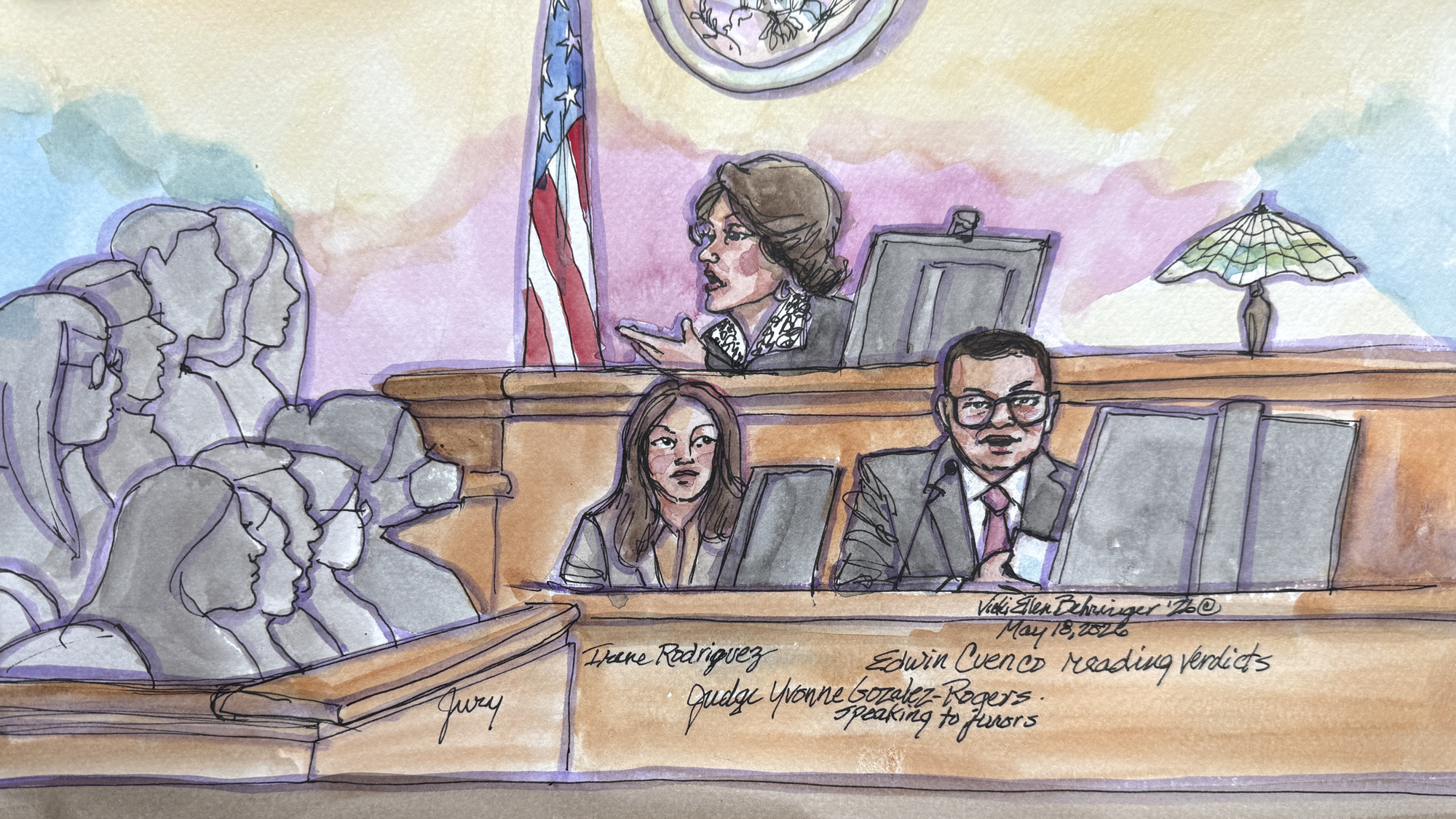
"caption": "The verdict is read in the trial in which Elon Musk claimed that Altman and OpenAI abandoned their founding promise to develop AI for the benefit of humanity rather than solely for profit in Oakland on May 18, 2026.",
"credit": "Vicki Behringer for KQED",
"altTag": null,
"description": null,
"imgSizes": {
"thumbnail": {
"file": "https://cdn.kqed.org/wp-content/uploads/sites/10/2026/05/260518-MUSK-ALTMAN-TRIAL-VB-06-KQED-160x90.jpg",
"width": 160,
"height": 90,
"mimeType": "image/jpeg"
},
"1536x1536": {
"file": "https://cdn.kqed.org/wp-content/uploads/sites/10/2026/05/260518-MUSK-ALTMAN-TRIAL-VB-06-KQED-1536x864.jpg",
"width": 1536,
"height": 864,
"mimeType": "image/jpeg"
},
"post-thumbnail": {
"file": "https://cdn.kqed.org/wp-content/uploads/sites/10/2026/05/260518-MUSK-ALTMAN-TRIAL-VB-06-KQED-672x372.jpg",
"width": 672,
"height": 372,
"mimeType": "image/jpeg"
},
"twentyfourteen-full-width": {
"file": "https://cdn.kqed.org/wp-content/uploads/sites/10/2026/05/260518-MUSK-ALTMAN-TRIAL-VB-06-KQED-1038x576.jpg",
"width": 1038,
"height": 576,
"mimeType": "image/jpeg"
},
"npr-cds-wide": {
"file": "https://cdn.kqed.org/wp-content/uploads/sites/10/2026/05/260518-MUSK-ALTMAN-TRIAL-VB-06-KQED-1200x675.jpg",
"width": 1200,
"height": 675,
"mimeType": "image/jpeg"
},
"npr-cds-square": {
"file": "https://cdn.kqed.org/wp-content/uploads/sites/10/2026/05/260518-MUSK-ALTMAN-TRIAL-VB-06-KQED-600x600.jpg",
"width": 600,
"height": 600,
"mimeType": "image/jpeg"
},
"kqedFullSize": {
"file": "https://cdn.kqed.org/wp-content/uploads/sites/10/2026/05/260518-MUSK-ALTMAN-TRIAL-VB-06-KQED.jpg",
"width": 2000,
"height": 1125
}
},
"isLoading": false,
"fetchFailed": false
},
"news_12083803": {
"type": "attachments",
"id": "news_12083803",
"meta": {
"index": "attachments_1716263798",
"site": "news",
"id": "12083803",
"found": true
},
"title": "Elon Musk v. OpenAI Trial Continues In California",
"publishDate": 1778804683,
"status": "inherit",
"parent": 12083612,
"modified": 1778805456,
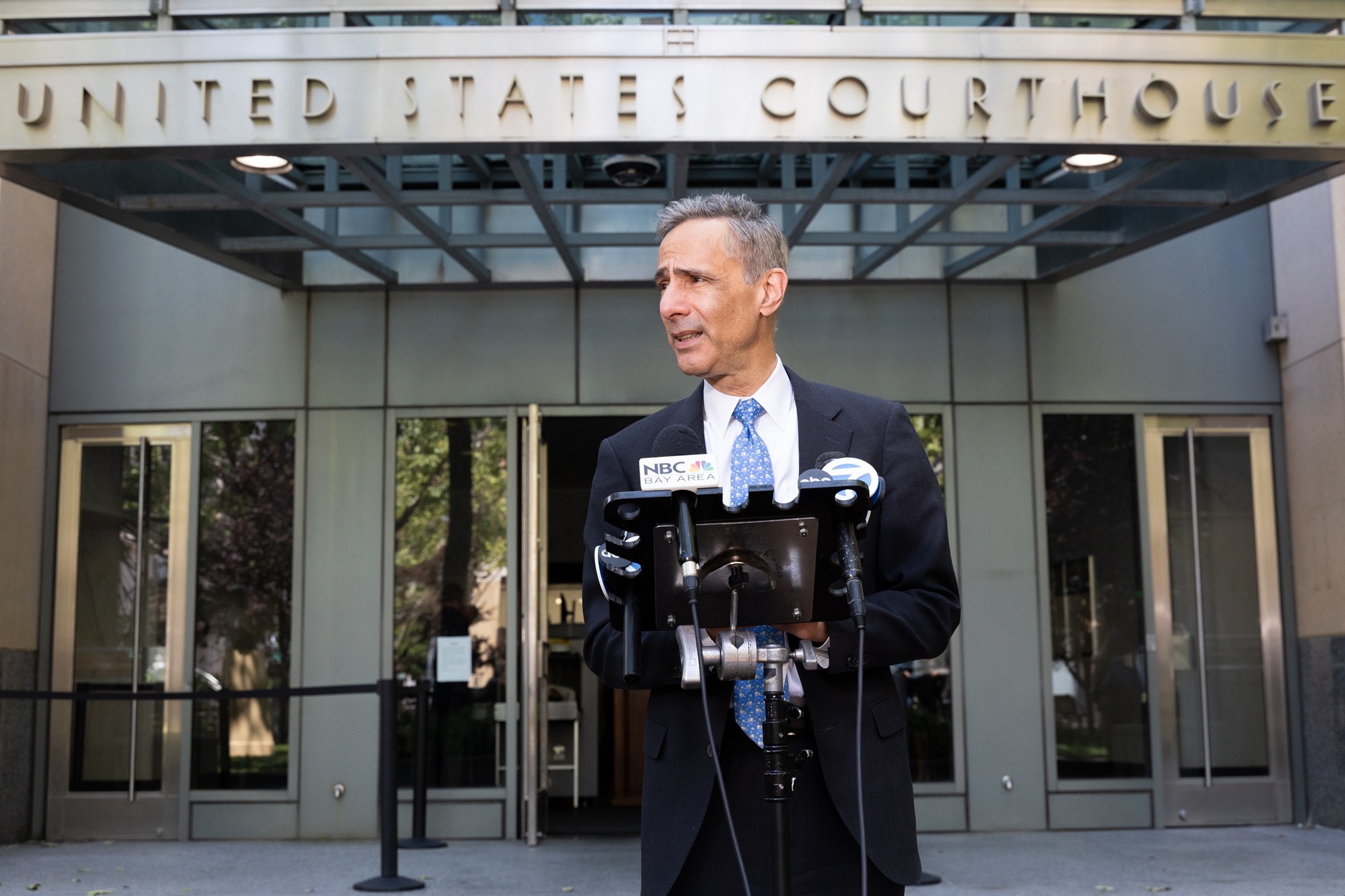
"caption": "OpenAI's attorney William Savitt makes remarks during a press conference outside the courthouse at the Ronald V. Dellums Federal Building on May 6, 2026, in Oakland, California. Elon Musk invested in OpenAI early on, believing it would be a non-profit, but is now suing OpenAI and its CEO, Sam Altman, for allegedly deceiving him by developing OpenAI into a for-profit company. ",
"credit": "Benjamin Fanjoy/Getty Images",
"altTag": null,
"description": null,
"imgSizes": {
"thumbnail": {
"file": "https://cdn.kqed.org/wp-content/uploads/sites/10/2026/05/OpenAILawyerGetty-160x107.jpg",
"width": 160,
"height": 107,
"mimeType": "image/jpeg"
},
"1536x1536": {
"file": "https://cdn.kqed.org/wp-content/uploads/sites/10/2026/05/OpenAILawyerGetty-1536x1024.jpg",
"width": 1536,
"height": 1024,
"mimeType": "image/jpeg"
},
"post-thumbnail": {
"file": "https://cdn.kqed.org/wp-content/uploads/sites/10/2026/05/OpenAILawyerGetty-672x372.jpg",
"width": 672,
"height": 372,
"mimeType": "image/jpeg"
},
"twentyfourteen-full-width": {
"file": "https://cdn.kqed.org/wp-content/uploads/sites/10/2026/05/OpenAILawyerGetty-1038x576.jpg",
"width": 1038,
"height": 576,
"mimeType": "image/jpeg"
},
"npr-cds-wide": {
"file": "https://cdn.kqed.org/wp-content/uploads/sites/10/2026/05/OpenAILawyerGetty-1200x675.jpg",
"width": 1200,
"height": 675,
"mimeType": "image/jpeg"
},
"npr-cds-square": {
"file": "https://cdn.kqed.org/wp-content/uploads/sites/10/2026/05/OpenAILawyerGetty-600x600.jpg",
"width": 600,
"height": 600,
"mimeType": "image/jpeg"
},
"kqedFullSize": {
"file": "https://cdn.kqed.org/wp-content/uploads/sites/10/2026/05/OpenAILawyerGetty.jpg",
"width": 2000,
"height": 1333
}
},
"isLoading": false,
"fetchFailed": false
},
"news_12083429": {
"type": "attachments",
"id": "news_12083429",
"meta": {
"index": "attachments_1716263798",
"site": "news",
"id": "12083429",
"found": true
},
"title": "Fanlock_web img",
"publishDate": 1778637003,
"status": "inherit",
"parent": 12083428,
"modified": 1778637319,
"caption": "A woman's face, distorted by digital glitching and overlaid with streams of binary code, reflects the loss of control over one's own image in the age of AI.",
"credit": "Composite by Morgan Sung; Image by Curly_photo/Getty Images",
"altTag": "A blurred, glitchy portrait of a woman's face overlaid with streams of binary code in teal and blue tones, evoking the intersection of identity and digital technology. The text \"Close All Tabs\" appears in the bottom right corner in a pixelated font.",
"description": null,
"imgSizes": {
"thumbnail": {
"file": "https://cdn.kqed.org/wp-content/uploads/sites/10/2026/05/Fanlock_web-img-160x90.png",
"width": 160,
"height": 90,
"mimeType": "image/png"
},
"1536x1536": {
"file": "https://cdn.kqed.org/wp-content/uploads/sites/10/2026/05/Fanlock_web-img-1536x864.png",
"width": 1536,
"height": 864,
"mimeType": "image/png"
},
"post-thumbnail": {
"file": "https://cdn.kqed.org/wp-content/uploads/sites/10/2026/05/Fanlock_web-img-672x372.png",
"width": 672,
"height": 372,
"mimeType": "image/png"
},
"twentyfourteen-full-width": {
"file": "https://cdn.kqed.org/wp-content/uploads/sites/10/2026/05/Fanlock_web-img-1038x576.png",
"width": 1038,
"height": 576,
"mimeType": "image/png"
},
"npr-cds-wide": {
"file": "https://cdn.kqed.org/wp-content/uploads/sites/10/2026/05/Fanlock_web-img-1200x675.png",
"width": 1200,
"height": 675,
"mimeType": "image/png"
},
"npr-cds-square": {
"file": "https://cdn.kqed.org/wp-content/uploads/sites/10/2026/05/Fanlock_web-img-600x600.png",
"width": 600,
"height": 600,
"mimeType": "image/png"
},
"kqedFullSize": {
"file": "https://cdn.kqed.org/wp-content/uploads/sites/10/2026/05/Fanlock_web-img.png",
"width": 1920,
"height": 1080
}
},
"isLoading": false,
"fetchFailed": false
},
"news_12083392": {
"type": "attachments",
"id": "news_12083392",
"meta": {
"index": "attachments_1716263798",
"site": "news",
"id": "12083392",
"found": true
},
"title": "260512-MUSK-ALTMAN-TRIAL-VB-03-KQED",
"publishDate": 1778625867,
"status": "inherit",
"parent": 0,
"modified": 1778625974,
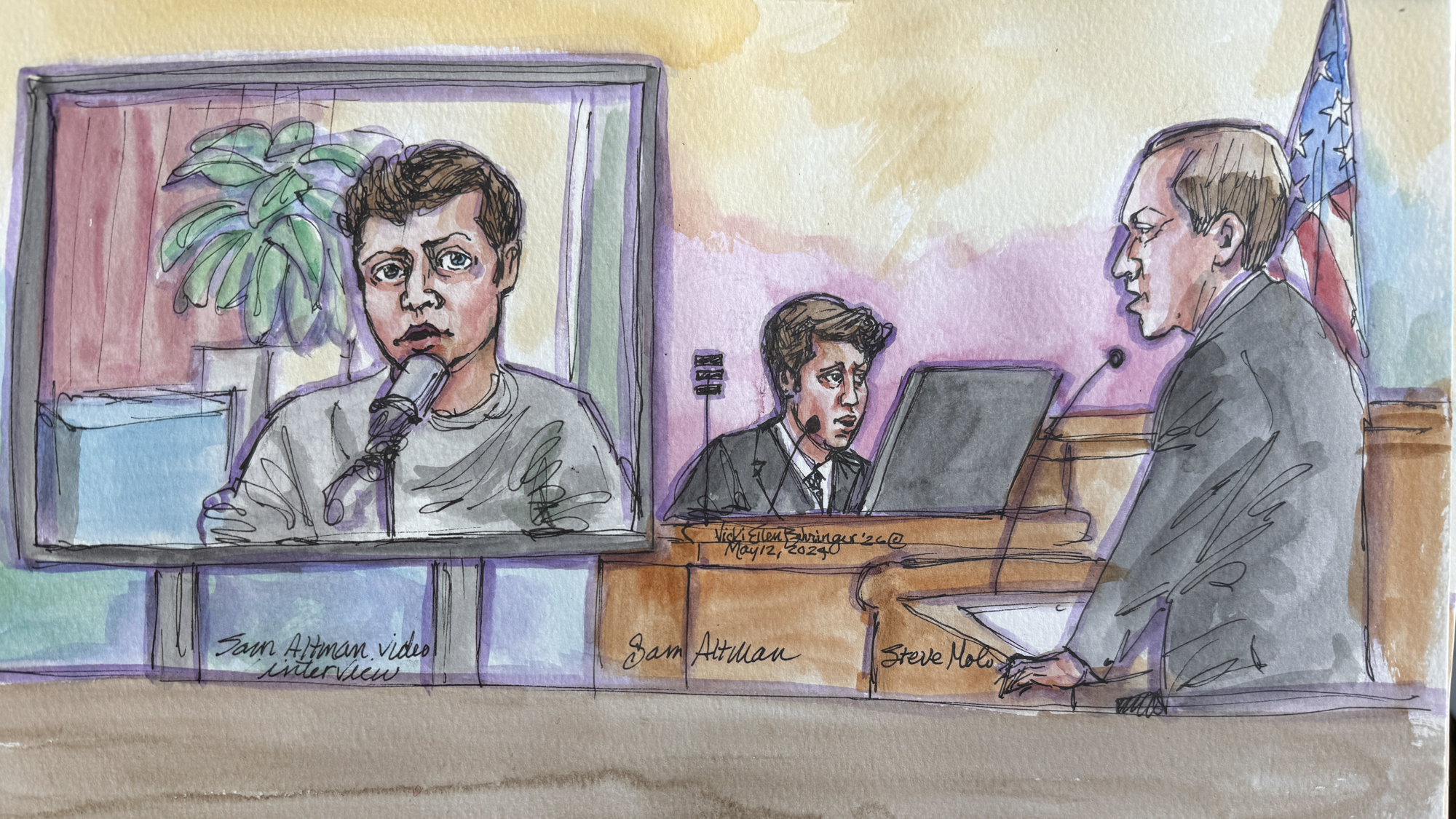
"caption": "Open AI CEO Sam Altman testifies as a video of him is played on a screen in the trial in which Elon Musk claims that Altman and OpenAI abandoned their founding promise to develop AI for the benefit of humanity rather than solely for profit in Oakland on May 12, 2026.",
"credit": "Vicki Behringer for KQED",
"altTag": null,
"description": null,
"imgSizes": {
"thumbnail": {
"file": "https://cdn.kqed.org/wp-content/uploads/sites/10/2026/05/260512-MUSK-ALTMAN-TRIAL-VB-03-KQED-160x90.jpg",
"width": 160,
"height": 90,
"mimeType": "image/jpeg"
},
"1536x1536": {
"file": "https://cdn.kqed.org/wp-content/uploads/sites/10/2026/05/260512-MUSK-ALTMAN-TRIAL-VB-03-KQED-1536x864.jpg",
"width": 1536,
"height": 864,
"mimeType": "image/jpeg"
},
"post-thumbnail": {
"file": "https://cdn.kqed.org/wp-content/uploads/sites/10/2026/05/260512-MUSK-ALTMAN-TRIAL-VB-03-KQED-672x372.jpg",
"width": 672,
"height": 372,
"mimeType": "image/jpeg"
},
"twentyfourteen-full-width": {
"file": "https://cdn.kqed.org/wp-content/uploads/sites/10/2026/05/260512-MUSK-ALTMAN-TRIAL-VB-03-KQED-1038x576.jpg",
"width": 1038,
"height": 576,
"mimeType": "image/jpeg"
},
"npr-cds-wide": {
"file": "https://cdn.kqed.org/wp-content/uploads/sites/10/2026/05/260512-MUSK-ALTMAN-TRIAL-VB-03-KQED-1200x675.jpg",
"width": 1200,
"height": 675,
"mimeType": "image/jpeg"
},
"npr-cds-square": {
"file": "https://cdn.kqed.org/wp-content/uploads/sites/10/2026/05/260512-MUSK-ALTMAN-TRIAL-VB-03-KQED-600x600.jpg",
"width": 600,
"height": 600,
"mimeType": "image/jpeg"
},
"kqedFullSize": {
"file": "https://cdn.kqed.org/wp-content/uploads/sites/10/2026/05/260512-MUSK-ALTMAN-TRIAL-VB-03-KQED.jpg",
"width": 2000,
"height": 1125
}
},
"isLoading": false,
"fetchFailed": false
},
"news_12083183": {
"type": "attachments",
"id": "news_12083183",
"meta": {
"index": "attachments_1716263798",
"site": "news",
"id": "12083183",
"found": true
},
"title": "260511-GAMERSPROTEST-10-BL-KQED",
"publishDate": 1778534813,
"status": "inherit",
"parent": 0,
"modified": 1778534833,
"caption": "Otis East speaks alongside fellow demonstrators outside the headquarters of Electronic Arts in Redwood City on May 11, 2026, to protest a proposed $55 billion buyout led by Saudi Arabia’s Public Investment Fund.",
"credit": "Beth LaBerge/KQED",
"altTag": null,
"description": null,
"imgSizes": {
"thumbnail": {
"file": "https://cdn.kqed.org/wp-content/uploads/sites/10/2026/05/260511-GAMERSPROTEST-10-BL-KQED-160x107.jpg",
"width": 160,
"height": 107,
"mimeType": "image/jpeg"
},
"1536x1536": {
"file": "https://cdn.kqed.org/wp-content/uploads/sites/10/2026/05/260511-GAMERSPROTEST-10-BL-KQED-1536x1024.jpg",
"width": 1536,
"height": 1024,
"mimeType": "image/jpeg"
},
"post-thumbnail": {
"file": "https://cdn.kqed.org/wp-content/uploads/sites/10/2026/05/260511-GAMERSPROTEST-10-BL-KQED-672x372.jpg",
"width": 672,
"height": 372,
"mimeType": "image/jpeg"
},
"twentyfourteen-full-width": {
"file": "https://cdn.kqed.org/wp-content/uploads/sites/10/2026/05/260511-GAMERSPROTEST-10-BL-KQED-1038x576.jpg",
"width": 1038,
"height": 576,
"mimeType": "image/jpeg"
},
"npr-cds-wide": {
"file": "https://cdn.kqed.org/wp-content/uploads/sites/10/2026/05/260511-GAMERSPROTEST-10-BL-KQED-1200x675.jpg",
"width": 1200,
"height": 675,
"mimeType": "image/jpeg"
},
"npr-cds-square": {
"file": "https://cdn.kqed.org/wp-content/uploads/sites/10/2026/05/260511-GAMERSPROTEST-10-BL-KQED-600x600.jpg",
"width": 600,
"height": 600,
"mimeType": "image/jpeg"
},
"kqedFullSize": {
"file": "https://cdn.kqed.org/wp-content/uploads/sites/10/2026/05/260511-GAMERSPROTEST-10-BL-KQED.jpg",
"width": 2000,
"height": 1333
}
},
"isLoading": false,
"fetchFailed": false
},
"news_12083235": {
"type": "attachments",
"id": "news_12083235",
"meta": {
"index": "attachments_1716263798",
"site": "news",
"id": "12083235",
"found": true
},
"title": "Elon Musk v. OpenAI Trial Continues In California",
"publishDate": 1778545779,
"status": "inherit",
"parent": 12083224,
"modified": 1778546322,
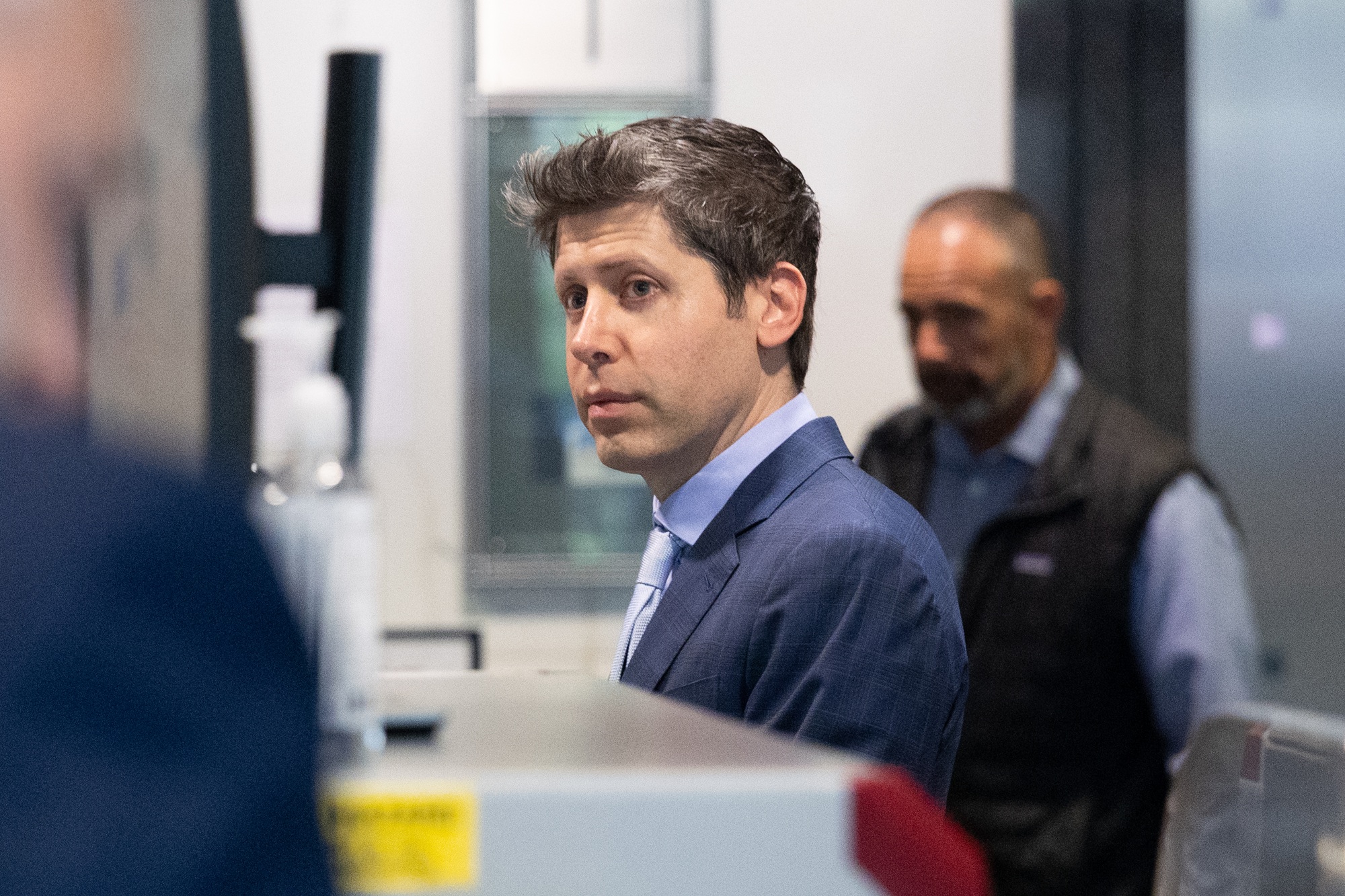
"caption": "OpenAI CEO Sam Altman arrives at the Ronald V. Dellums Federal Building on April 30, 2026, in Oakland, California. Elon Musk invested in OpenAI early on, believing it would be a nonprofit, but is now suing OpenAI and its CEO, Sam Altman, for allegedly deceiving him by developing OpenAI into a for-profit company. ",
"credit": "Benjamin Fanjoy/Getty Images",
"altTag": null,
"description": null,
"imgSizes": {
"thumbnail": {
"file": "https://cdn.kqed.org/wp-content/uploads/sites/10/2026/05/SamAltmanGetty-160x107.jpg",
"width": 160,
"height": 107,
"mimeType": "image/jpeg"
},
"1536x1536": {
"file": "https://cdn.kqed.org/wp-content/uploads/sites/10/2026/05/SamAltmanGetty-1536x1024.jpg",
"width": 1536,
"height": 1024,
"mimeType": "image/jpeg"
},
"post-thumbnail": {
"file": "https://cdn.kqed.org/wp-content/uploads/sites/10/2026/05/SamAltmanGetty-672x372.jpg",
"width": 672,
"height": 372,
"mimeType": "image/jpeg"
},
"twentyfourteen-full-width": {
"file": "https://cdn.kqed.org/wp-content/uploads/sites/10/2026/05/SamAltmanGetty-1038x576.jpg",
"width": 1038,
"height": 576,
"mimeType": "image/jpeg"
},
"npr-cds-wide": {
"file": "https://cdn.kqed.org/wp-content/uploads/sites/10/2026/05/SamAltmanGetty-1200x675.jpg",
"width": 1200,
"height": 675,
"mimeType": "image/jpeg"
},
"npr-cds-square": {
"file": "https://cdn.kqed.org/wp-content/uploads/sites/10/2026/05/SamAltmanGetty-600x600.jpg",
"width": 600,
"height": 600,
"mimeType": "image/jpeg"
},
"kqedFullSize": {
"file": "https://cdn.kqed.org/wp-content/uploads/sites/10/2026/05/SamAltmanGetty.jpg",
"width": 2000,
"height": 1333
}
},
"isLoading": false,
"fetchFailed": false
},
"news_12083176": {
"type": "attachments",
"id": "news_12083176",
"meta": {
"index": "attachments_1716263798",
"site": "news",
"id": "12083176",
"found": true
},
"title": "260511-SCCMETA-KQED-1-KQED",
"publishDate": 1778532794,
"status": "inherit",
"parent": 0,
"modified": 1778539963,
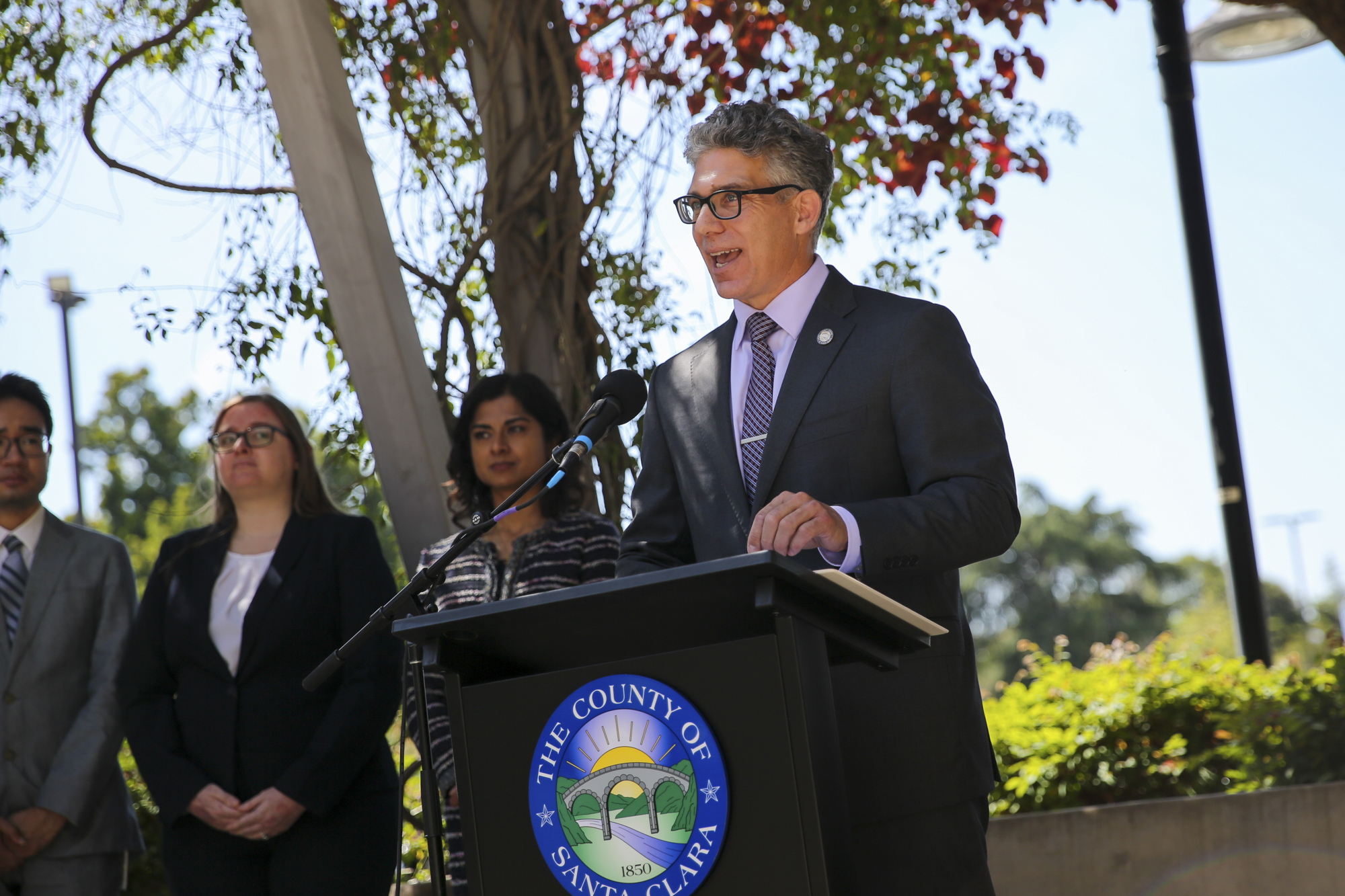
"caption": "Santa Clara County’s lead attorney, Tony LoPresti, shares details about a civil lawsuit the county filed against Meta over scam ads on Monday, May 11, 2026, during a press conference in San José.",
"credit": "Joseph Geha/KQED",
"altTag": null,
"description": null,
"imgSizes": {
"thumbnail": {
"file": "https://cdn.kqed.org/wp-content/uploads/sites/10/2026/05/260511-SCCMETA-KQED-1-KQED-160x107.jpg",
"width": 160,
"height": 107,
"mimeType": "image/jpeg"
},
"1536x1536": {
"file": "https://cdn.kqed.org/wp-content/uploads/sites/10/2026/05/260511-SCCMETA-KQED-1-KQED-1536x1024.jpg",
"width": 1536,
"height": 1024,
"mimeType": "image/jpeg"
},
"post-thumbnail": {
"file": "https://cdn.kqed.org/wp-content/uploads/sites/10/2026/05/260511-SCCMETA-KQED-1-KQED-672x372.jpg",
"width": 672,
"height": 372,
"mimeType": "image/jpeg"
},
"twentyfourteen-full-width": {
"file": "https://cdn.kqed.org/wp-content/uploads/sites/10/2026/05/260511-SCCMETA-KQED-1-KQED-1038x576.jpg",
"width": 1038,
"height": 576,
"mimeType": "image/jpeg"
},
"npr-cds-wide": {
"file": "https://cdn.kqed.org/wp-content/uploads/sites/10/2026/05/260511-SCCMETA-KQED-1-KQED-1200x675.jpg",
"width": 1200,
"height": 675,
"mimeType": "image/jpeg"
},
"npr-cds-square": {
"file": "https://cdn.kqed.org/wp-content/uploads/sites/10/2026/05/260511-SCCMETA-KQED-1-KQED-600x600.jpg",
"width": 600,
"height": 600,
"mimeType": "image/jpeg"
},
"kqedFullSize": {
"file": "https://cdn.kqed.org/wp-content/uploads/sites/10/2026/05/260511-SCCMETA-KQED-1-KQED.jpg",
"width": 2000,
"height": 1333
}
},
"isLoading": false,
"fetchFailed": false
},
"news_12082702": {
"type": "attachments",
"id": "news_12082702",
"meta": {
"index": "attachments_1716263798",
"site": "news",
"id": "12082702",
"found": true
},
"title": "ISRAEL-US-TECHNOLOGY-CELLEBRITE",
"publishDate": 1778176219,
"status": "inherit",
"parent": 12082693,
"modified": 1778176317,
"caption": "The offices of Israeli company Cellebrite on March 24, 2016. Cellebrite is a provider of mobile forensic software that can extract and decode data from the Apple iPhone locked handsets. ",
"credit": "Jack Guez/AFP via Getty Images",
"altTag": null,
"description": null,
"imgSizes": {
"thumbnail": {
"file": "https://cdn.kqed.org/wp-content/uploads/sites/10/2026/05/CellebriteGetty-160x105.jpg",
"width": 160,
"height": 105,
"mimeType": "image/jpeg"
},
"1536x1536": {
"file": "https://cdn.kqed.org/wp-content/uploads/sites/10/2026/05/CellebriteGetty-1536x1011.jpg",
"width": 1536,
"height": 1011,
"mimeType": "image/jpeg"
},
"post-thumbnail": {
"file": "https://cdn.kqed.org/wp-content/uploads/sites/10/2026/05/CellebriteGetty-672x372.jpg",
"width": 672,
"height": 372,
"mimeType": "image/jpeg"
},
"twentyfourteen-full-width": {
"file": "https://cdn.kqed.org/wp-content/uploads/sites/10/2026/05/CellebriteGetty-1038x576.jpg",
"width": 1038,
"height": 576,
"mimeType": "image/jpeg"
},
"npr-cds-wide": {
"file": "https://cdn.kqed.org/wp-content/uploads/sites/10/2026/05/CellebriteGetty-1200x675.jpg",
"width": 1200,
"height": 675,
"mimeType": "image/jpeg"
},
"npr-cds-square": {
"file": "https://cdn.kqed.org/wp-content/uploads/sites/10/2026/05/CellebriteGetty-600x600.jpg",
"width": 600,
"height": 600,
"mimeType": "image/jpeg"
},
"kqedFullSize": {
"file": "https://cdn.kqed.org/wp-content/uploads/sites/10/2026/05/CellebriteGetty.jpg",
"width": 2000,
"height": 1317
}
},
"isLoading": false,
"fetchFailed": false
},
"news_12082483": {
"type": "attachments",
"id": "news_12082483",
"meta": {
"index": "attachments_1716263798",
"site": "news",
"id": "12082483",
"found": true
},
"title": "AI Therapy_web img",
"publishDate": 1778027303,
"status": "inherit",
"parent": 12082478,
"modified": 1778027360,
"caption": "Can AI therapy apps like Rosebud, Therapist GPT and Woebot bridge the gap in mental health care — offering comfort and support in an era of stress, loneliness and anxiety? ",
"credit": "Anna Vignet/KQED",
"altTag": "Illustration of a dark-skinned person sitting on the ground with a concerned expression, arms wrapped around their knees. A smartphone lies beside them, emitting ghost-like, chaotic speech bubbles that contain sketches of robot faces. The background features swirling brushstrokes in shades of blue, yellow, and green. In the bottom left corner, the words \"CLOSE ALL TABS\" appear in blocky, pixel-style font.",
"description": null,
"imgSizes": {
"thumbnail": {
"file": "https://cdn.kqed.org/wp-content/uploads/sites/10/2026/05/AI-Therapy_web-img-160x90.png",
"width": 160,
"height": 90,
"mimeType": "image/png"
},
"1536x1536": {
"file": "https://cdn.kqed.org/wp-content/uploads/sites/10/2026/05/AI-Therapy_web-img-1536x864.png",
"width": 1536,
"height": 864,
"mimeType": "image/png"
},
"post-thumbnail": {
"file": "https://cdn.kqed.org/wp-content/uploads/sites/10/2026/05/AI-Therapy_web-img-672x372.png",
"width": 672,
"height": 372,
"mimeType": "image/png"
},
"twentyfourteen-full-width": {
"file": "https://cdn.kqed.org/wp-content/uploads/sites/10/2026/05/AI-Therapy_web-img-1038x576.png",
"width": 1038,
"height": 576,
"mimeType": "image/png"
},
"npr-cds-wide": {
"file": "https://cdn.kqed.org/wp-content/uploads/sites/10/2026/05/AI-Therapy_web-img-1200x675.png",
"width": 1200,
"height": 675,
"mimeType": "image/png"
},
"npr-cds-square": {
"file": "https://cdn.kqed.org/wp-content/uploads/sites/10/2026/05/AI-Therapy_web-img-600x600.png",
"width": 600,
"height": 600,
"mimeType": "image/png"
},
"kqedFullSize": {
"file": "https://cdn.kqed.org/wp-content/uploads/sites/10/2026/05/AI-Therapy_web-img.png",
"width": 1920,
"height": 1080
}
},
"isLoading": false,
"fetchFailed": false
},
"news_12081606": {
"type": "attachments",
"id": "news_12081606",
"meta": {
"index": "attachments_1716263798",
"site": "news",
"id": "12081606",
"found": true
},
"title": "Musk OpenAI Trial",
"publishDate": 1777397997,
"status": "inherit",
"parent": 12081603,
"modified": 1777398261,
"caption": "Elon Musk arrives at the U.S. District Court in Oakland, California, on Tuesday, April 28, 2026. ",
"credit": "Godofredo A. Vásquez/AP Photo",
"altTag": null,
"description": null,
"imgSizes": {
"medium": {
"file": "https://cdn.kqed.org/wp-content/uploads/sites/10/2026/04/AP26118555622828-2000x1333.jpg",
"width": 2000,
"height": 1333,
"mimeType": "image/jpeg"
},
"large": {
"file": "https://cdn.kqed.org/wp-content/uploads/sites/10/2026/04/AP26118555622828-2000x1333.jpg",
"width": 2000,
"height": 1333,
"mimeType": "image/jpeg"
},
"thumbnail": {
"file": "https://cdn.kqed.org/wp-content/uploads/sites/10/2026/04/AP26118555622828-160x107.jpg",
"width": 160,
"height": 107,
"mimeType": "image/jpeg"
},
"1536x1536": {
"file": "https://cdn.kqed.org/wp-content/uploads/sites/10/2026/04/AP26118555622828-1536x1024.jpg",
"width": 1536,
"height": 1024,
"mimeType": "image/jpeg"
},
"2048x2048": {
"file": "https://cdn.kqed.org/wp-content/uploads/sites/10/2026/04/AP26118555622828-2048x1365.jpg",
"width": 2048,
"height": 1365,
"mimeType": "image/jpeg"
},
"post-thumbnail": {
"file": "https://cdn.kqed.org/wp-content/uploads/sites/10/2026/04/AP26118555622828-672x372.jpg",
"width": 672,
"height": 372,
"mimeType": "image/jpeg"
},
"twentyfourteen-full-width": {
"file": "https://cdn.kqed.org/wp-content/uploads/sites/10/2026/04/AP26118555622828-1038x576.jpg",
"width": 1038,
"height": 576,
"mimeType": "image/jpeg"
},
"full-width": {
"file": "https://cdn.kqed.org/wp-content/uploads/sites/10/2026/04/AP26118555622828-2000x1333.jpg",
"width": 2000,
"height": 1333,
"mimeType": "image/jpeg"
},
"npr-cds-wide": {
"file": "https://cdn.kqed.org/wp-content/uploads/sites/10/2026/04/AP26118555622828-1200x675.jpg",
"width": 1200,
"height": 675,
"mimeType": "image/jpeg"
},
"npr-cds-square": {
"file": "https://cdn.kqed.org/wp-content/uploads/sites/10/2026/04/AP26118555622828-600x600.jpg",
"width": 600,
"height": 600,
"mimeType": "image/jpeg"
},
"kqedFullSize": {
"file": "https://cdn.kqed.org/wp-content/uploads/sites/10/2026/04/AP26118555622828-scaled-e1777398211110.jpg",
"width": 2000,
"height": 1334
}
},
"isLoading": false,
"fetchFailed": false
},
"news_12081681": {
"type": "attachments",
"id": "news_12081681",
"meta": {
"index": "attachments_1716263798",
"site": "news",
"id": "12081681",
"found": true
},
"title": "260428-MUSK-ALTMAN-VB-03-KQED-1",
"publishDate": 1777416108,
"status": "inherit",
"parent": 12081603,
"modified": 1777508469,
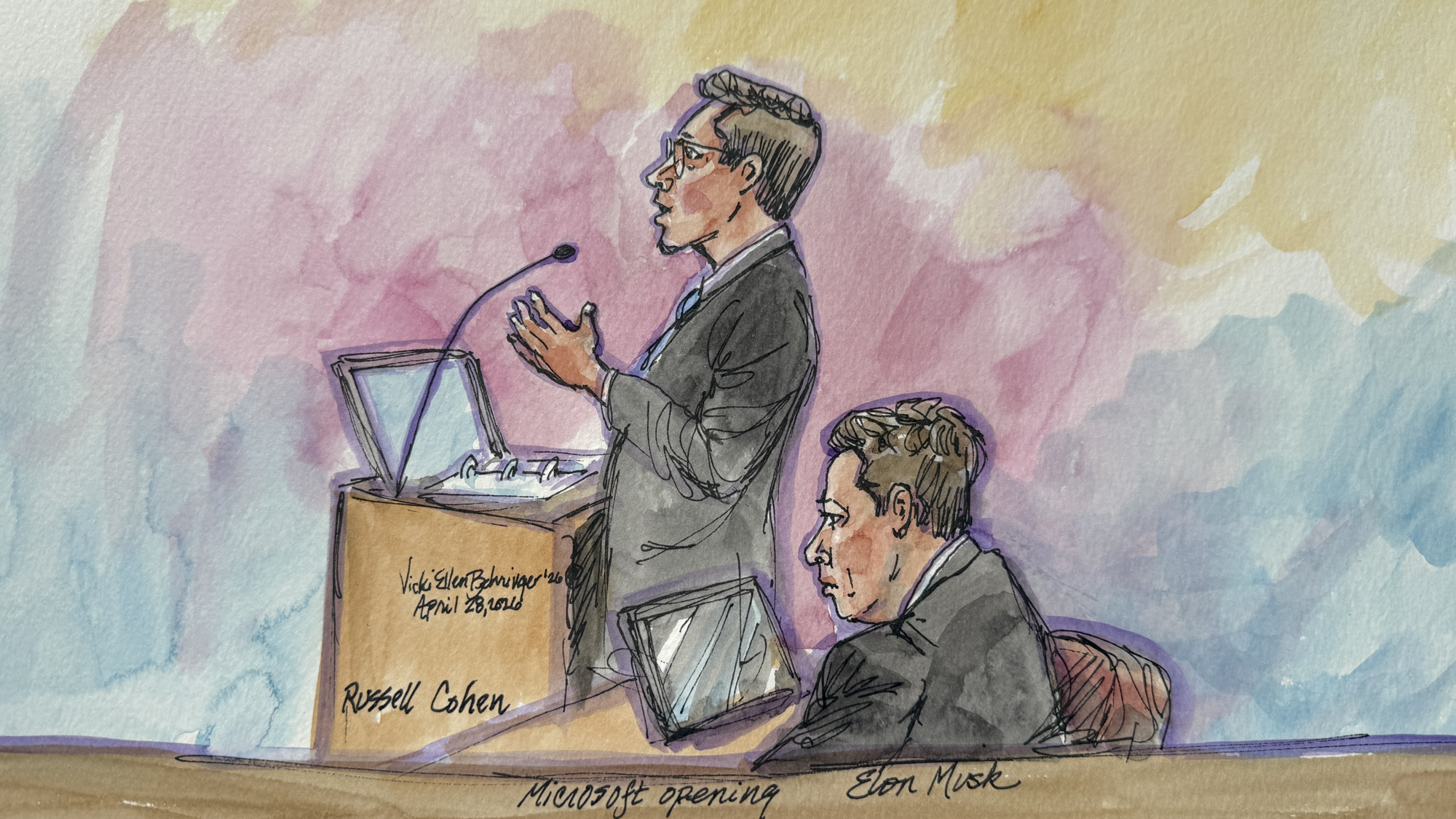
"caption": "Representing Microsoft, Russell Coan (left) speaks as Elon Musk watches in the trial in which Elon Musk claims that Sam Altman and OpenAI abandoned their founding promise to develop AI for the benefit of humanity, rather than solely for profit, in Oakland on April 28, 2026.",
"credit": "Vicki Behringer for KQED",
"altTag": null,
"description": null,
"imgSizes": {
"thumbnail": {
"file": "https://cdn.kqed.org/wp-content/uploads/sites/10/2026/04/260428-MUSK-ALTMAN-VB-03-KQED-1-160x90.jpg",
"width": 160,
"height": 90,
"mimeType": "image/jpeg"
},
"1536x1536": {
"file": "https://cdn.kqed.org/wp-content/uploads/sites/10/2026/04/260428-MUSK-ALTMAN-VB-03-KQED-1-1536x864.jpg",
"width": 1536,
"height": 864,
"mimeType": "image/jpeg"
},
"post-thumbnail": {
"file": "https://cdn.kqed.org/wp-content/uploads/sites/10/2026/04/260428-MUSK-ALTMAN-VB-03-KQED-1-672x372.jpg",
"width": 672,
"height": 372,
"mimeType": "image/jpeg"
},
"twentyfourteen-full-width": {
"file": "https://cdn.kqed.org/wp-content/uploads/sites/10/2026/04/260428-MUSK-ALTMAN-VB-03-KQED-1-1038x576.jpg",
"width": 1038,
"height": 576,
"mimeType": "image/jpeg"
},
"npr-cds-wide": {
"file": "https://cdn.kqed.org/wp-content/uploads/sites/10/2026/04/260428-MUSK-ALTMAN-VB-03-KQED-1-1200x675.jpg",
"width": 1200,
"height": 675,
"mimeType": "image/jpeg"
},
"npr-cds-square": {
"file": "https://cdn.kqed.org/wp-content/uploads/sites/10/2026/04/260428-MUSK-ALTMAN-VB-03-KQED-1-600x600.jpg",
"width": 600,
"height": 600,
"mimeType": "image/jpeg"
},
"kqedFullSize": {
"file": "https://cdn.kqed.org/wp-content/uploads/sites/10/2026/04/260428-MUSK-ALTMAN-VB-03-KQED-1.jpg",
"width": 2000,
"height": 1125
}
},
"isLoading": false,
"fetchFailed": false
}
},
"audioPlayerReducer": {
"postId": "stream_live",
"isPaused": true,
"isPlaying": false,
"pfsActive": false,
"pledgeModalIsOpen": true,
"playerDrawerIsOpen": false,
"liveAudioPlayStartedAt": 0,
"liveAudioPlayContext": ""
},
"authorsReducer": {
"rachael-myrow": {
"type": "authors",
"id": "251",
"meta": {
"index": "authors_1716337520",
"id": "251",
"found": true
},
"name": "Rachael Myrow",
"firstName": "Rachael",
"lastName": "Myrow",
"slug": "rachael-myrow",
"email": "rmyrow@kqed.org",
"display_author_email": true,
"staff_mastheads": [
"news"
],
"title": "Senior Editor of KQED's Silicon Valley News Desk",
"bio": "• I write and edit stories about how Silicon Valley power and policies shape everyday life in California. I’m also passionate about making Bay Area history and culture more accessible to a broad public. • I’ve been a journalist for most of my life, starting in high school with The Franklin Press in Los Angeles, where I grew up. While earning my first degree in English at UC Berkeley, I got my start in public radio at KALX-FM. After completing a second degree in journalism at Cal, I landed my first professional job at Marketplace, then moved on to KPCC (now LAist), and then KQED, where I hosted The California Report for more than seven years. • My reporting has appeared on NPR, The World, WBUR’s \u003ci>Here & Now\u003c/i>, and the BBC. I also guest host for KQED’s \u003ci>Forum\u003c/i>, as well as the Commonwealth Club in San Francisco. • I speak periodically on media, democracy and technology issues, and do voiceover work for documentaries and educational video projects. • Outside of the studio, you'll find me hiking Bay Area trails and whipping up Insta-ready meals in my kitchen. • I do not accept gifts, money, or favors from anyone connected to my reporting, I don't pay people for information, and I do not support or donate to political causes. • I strive to treat the people I report on with fairness, honesty, and respect. I also recognize there are often multiple sides to a story and work to verify information through multiple sources and documentation. If I get something wrong, I correct it.",
"avatar": "https://secure.gravatar.com/avatar/3ed8a3c5f26025e4a805ba634cda8cd764906b97438a6d9ce216b044e340da4e?s=600&d=blank&r=g",
"twitter": "rachaelmyrow",
"bluesky": null,
"facebook": null,
"instagram": null,
"linkedin": "https://www.linkedin.com/in/rachaelmyrow/",
"sites": [
{
"site": "arts",
"roles": [
"administrator"
]
},
{
"site": "news",
"roles": [
"edit_others_posts",
"editor"
]
},
{
"site": "futureofyou",
"roles": [
"editor"
]
},
{
"site": "bayareabites",
"roles": [
"editor"
]
},
{
"site": "stateofhealth",
"roles": [
"editor"
]
},
{
"site": "science",
"roles": [
"editor"
]
},
{
"site": "food",
"roles": [
"editor"
]
},
{
"site": "forum",
"roles": [
"editor"
]
},
{
"site": "liveblog",
"roles": [
"author"
]
}
],
"headData": {
"title": "Rachael Myrow | KQED",
"description": "Senior Editor of KQED's Silicon Valley News Desk",
"ogImgSrc": "https://secure.gravatar.com/avatar/3ed8a3c5f26025e4a805ba634cda8cd764906b97438a6d9ce216b044e340da4e?s=600&d=blank&r=g",
"twImgSrc": "https://secure.gravatar.com/avatar/3ed8a3c5f26025e4a805ba634cda8cd764906b97438a6d9ce216b044e340da4e?s=600&d=blank&r=g"
},
"isLoading": false,
"link": "/author/rachael-myrow"
},
"adahlstromeckman": {
"type": "authors",
"id": "11785",
"meta": {
"index": "authors_1716337520",
"id": "11785",
"found": true
},
"name": "Azul Dahlstrom-Eckman",
"firstName": "Azul",
"lastName": "Dahlstrom-Eckman",
"slug": "adahlstromeckman",
"email": "adahlstrom-eckman@kqed.org",
"display_author_email": true,
"staff_mastheads": [],
"title": "Reporter",
"bio": "Azul is a reporter for KQED focusing on transportation and features. He joined KQED in 2021 as an alumna of KALW's Audio Academy radio journalism training program.",
"avatar": "https://secure.gravatar.com/avatar/9cb750298435add7815a777f55bf1f46845c1386bb8452555c60a7b820b5aba3?s=600&d=blank&r=g",
"twitter": "@zuliemann",
"bluesky": "@azul415.bsky.social",
"facebook": null,
"instagram": null,
"linkedin": null,
"sites": [
{
"site": "arts",
"roles": [
"editor"
]
},
{
"site": "news",
"roles": [
"editor"
]
},
{
"site": "science",
"roles": [
"editor"
]
},
{
"site": "liveblog",
"roles": [
"author"
]
}
],
"headData": {
"title": "Azul Dahlstrom-Eckman | KQED",
"description": "Reporter",
"ogImgSrc": "https://secure.gravatar.com/avatar/9cb750298435add7815a777f55bf1f46845c1386bb8452555c60a7b820b5aba3?s=600&d=blank&r=g",
"twImgSrc": "https://secure.gravatar.com/avatar/9cb750298435add7815a777f55bf1f46845c1386bb8452555c60a7b820b5aba3?s=600&d=blank&r=g"
},
"isLoading": false,
"link": "/author/adahlstromeckman"
},
"chambrick": {
"type": "authors",
"id": "11832",
"meta": {
"index": "authors_1716337520",
"id": "11832",
"found": true
},
"name": "Chris Hambrick",
"firstName": "Chris",
"lastName": "Hambrick",
"slug": "chambrick",
"email": "chambrick@kqed.org",
"display_author_email": false,
"staff_mastheads": [],
"title": "KQED Contributor",
"bio": null,
"avatar": "https://secure.gravatar.com/avatar/23cb83888bc440645af5d36d0d1909e8ecb6cef21f2fdb96abf9a55495bb19d8?s=600&d=blank&r=g",
"twitter": null,
"bluesky": null,
"facebook": null,
"instagram": null,
"linkedin": null,
"sites": [
{
"site": "",
"roles": [
"editor"
]
},
{
"site": "arts",
"roles": [
"editor"
]
},
{
"site": "news",
"roles": [
"editor"
]
},
{
"site": "podcasts",
"roles": [
"editor"
]
}
],
"headData": {
"title": "Chris Hambrick | KQED",
"description": "KQED Contributor",
"ogImgSrc": "https://secure.gravatar.com/avatar/23cb83888bc440645af5d36d0d1909e8ecb6cef21f2fdb96abf9a55495bb19d8?s=600&d=blank&r=g",
"twImgSrc": "https://secure.gravatar.com/avatar/23cb83888bc440645af5d36d0d1909e8ecb6cef21f2fdb96abf9a55495bb19d8?s=600&d=blank&r=g"
},
"isLoading": false,
"link": "/author/chambrick"
},
"cegusa": {
"type": "authors",
"id": "11869",
"meta": {
"index": "authors_1716337520",
"id": "11869",
"found": true
},
"name": "Chris Egusa",
"firstName": "Chris",
"lastName": "Egusa",
"slug": "cegusa",
"email": "cegusa@kqed.org",
"display_author_email": false,
"staff_mastheads": [],
"title": "KQED Contributor",
"bio": null,
"avatar": "https://secure.gravatar.com/avatar/3562ed52747313a4c94017da88ea89f9e85cd901f63ebc056a7d5e0adf4a03da?s=600&d=blank&r=g",
"twitter": null,
"bluesky": null,
"facebook": null,
"instagram": null,
"linkedin": null,
"sites": [
{
"site": "arts",
"roles": [
"editor"
]
},
{
"site": "news",
"roles": [
"editor"
]
}
],
"headData": {
"title": "Chris Egusa | KQED",
"description": "KQED Contributor",
"ogImgSrc": "https://secure.gravatar.com/avatar/3562ed52747313a4c94017da88ea89f9e85cd901f63ebc056a7d5e0adf4a03da?s=600&d=blank&r=g",
"twImgSrc": "https://secure.gravatar.com/avatar/3562ed52747313a4c94017da88ea89f9e85cd901f63ebc056a7d5e0adf4a03da?s=600&d=blank&r=g"
},
"isLoading": false,
"link": "/author/cegusa"
},
"jgeha": {
"type": "authors",
"id": "11906",
"meta": {
"index": "authors_1716337520",
"id": "11906",
"found": true
},
"name": "Joseph Geha",
"firstName": "Joseph",
"lastName": "Geha",
"slug": "jgeha",
"email": "jgeha@kqed.org",
"display_author_email": false,
"staff_mastheads": [
"news",
"science"
],
"title": "KQED Contributor",
"bio": null,
"avatar": "https://secure.gravatar.com/avatar/ea84d2b6dd93d6369d453edf19dd583f117cd1759d2d9c9c92f9de77017354fe?s=600&d=blank&r=g",
"twitter": null,
"bluesky": null,
"facebook": null,
"instagram": null,
"linkedin": null,
"sites": [
{
"site": "news",
"roles": [
"editor"
]
},
{
"site": "liveblog",
"roles": [
"author"
]
}
],
"headData": {
"title": "Joseph Geha | KQED",
"description": "KQED Contributor",
"ogImgSrc": "https://secure.gravatar.com/avatar/ea84d2b6dd93d6369d453edf19dd583f117cd1759d2d9c9c92f9de77017354fe?s=600&d=blank&r=g",
"twImgSrc": "https://secure.gravatar.com/avatar/ea84d2b6dd93d6369d453edf19dd583f117cd1759d2d9c9c92f9de77017354fe?s=600&d=blank&r=g"
},
"isLoading": false,
"link": "/author/jgeha"
},
"kdebenedetti": {
"type": "authors",
"id": "11913",
"meta": {
"index": "authors_1716337520",
"id": "11913",
"found": true
},
"name": "Katie DeBenedetti",
"firstName": "Katie",
"lastName": "DeBenedetti",
"slug": "kdebenedetti",
"email": "kdebenedetti@kqed.org",
"display_author_email": false,
"staff_mastheads": [
"news",
"science"
],
"title": "KQED Contributor",
"bio": "Katie DeBenedetti is a digital reporter covering daily news for the Express Desk. Prior to joining KQED as a culture reporting intern in January 2024, she covered education and city government for the Napa Valley Register.",
"avatar": "https://secure.gravatar.com/avatar/6e31073cb8f7e4214ab03f42771d0f45?s=600&d=blank&r=g",
"twitter": null,
"facebook": null,
"instagram": null,
"linkedin": null,
"sites": [
{
"site": "news",
"roles": [
"author"
]
},
{
"site": "science",
"roles": [
"author"
]
},
{
"site": "liveblog",
"roles": [
"author"
]
}
],
"headData": {
"title": "Katie DeBenedetti | KQED",
"description": "KQED Contributor",
"ogImgSrc": "https://secure.gravatar.com/avatar/6e31073cb8f7e4214ab03f42771d0f45?s=600&d=blank&r=g",
"twImgSrc": "https://secure.gravatar.com/avatar/6e31073cb8f7e4214ab03f42771d0f45?s=600&d=blank&r=g"
},
"isLoading": false,
"link": "/author/kdebenedetti"
},
"mcueva": {
"type": "authors",
"id": "11943",
"meta": {
"index": "authors_1716337520",
"id": "11943",
"found": true
},
"name": "Maya Cueva",
"firstName": "Maya",
"lastName": "Cueva",
"slug": "mcueva",
"email": "mcueva@kqed.org",
"display_author_email": false,
"staff_mastheads": [],
"title": "KQED Contributor",
"bio": null,
"avatar": "https://secure.gravatar.com/avatar/238c7aba67c4b6b7b891965ba8cc9e9a4928b5dbdeaf4bde6a81c13e87f49b49?s=600&d=blank&r=g",
"twitter": null,
"bluesky": null,
"facebook": null,
"instagram": null,
"linkedin": null,
"sites": [
{
"site": "news",
"roles": [
"editor"
]
}
],
"headData": {
"title": "Maya Cueva | KQED",
"description": "KQED Contributor",
"ogImgSrc": "https://secure.gravatar.com/avatar/238c7aba67c4b6b7b891965ba8cc9e9a4928b5dbdeaf4bde6a81c13e87f49b49?s=600&d=blank&r=g",
"twImgSrc": "https://secure.gravatar.com/avatar/238c7aba67c4b6b7b891965ba8cc9e9a4928b5dbdeaf4bde6a81c13e87f49b49?s=600&d=blank&r=g"
},
"isLoading": false,
"link": "/author/mcueva"
},
"msung": {
"type": "authors",
"id": "11944",
"meta": {
"index": "authors_1716337520",
"id": "11944",
"found": true
},
"name": "Morgan Sung",
"firstName": "Morgan",
"lastName": "Sung",
"slug": "msung",
"email": "msung@kqed.org",
"display_author_email": false,
"staff_mastheads": [],
"title": "Close All Tabs Host",
"bio": null,
"avatar": "https://secure.gravatar.com/avatar/34033b8d232ee6c987ca6f0a1a28f0e5?s=600&d=blank&r=g",
"twitter": null,
"facebook": null,
"instagram": null,
"linkedin": null,
"sites": [
{
"site": "news",
"roles": [
"editor"
]
}
],
"headData": {
"title": "Morgan Sung | KQED",
"description": "Close All Tabs Host",
"ogImgSrc": "https://secure.gravatar.com/avatar/34033b8d232ee6c987ca6f0a1a28f0e5?s=600&d=blank&r=g",
"twImgSrc": "https://secure.gravatar.com/avatar/34033b8d232ee6c987ca6f0a1a28f0e5?s=600&d=blank&r=g"
},
"isLoading": false,
"link": "/author/msung"
}
},
"pagesReducer": {
"news_tag_technology": {
"type": "terms",
"id": "news_1631",
"meta": {
"index": "terms_1716263798",
"site": "news",
"id": "1631",
"score": 6.9278207
},
"name": "Technology",
"slug": "technology",
"taxonomy": "tag",
"description": null,
"featImg": null,
"headData": {
"title": "Technology | KQED News",
"description": null,
"ogTitle": null,
"ogDescription": null,
"ogImgId": null,
"twTitle": null,
"twDescription": null,
"twImgId": null
},
"ttid": 1643,
"isLoading": false,
"title": "Technology",
"pageMeta": {
"site": "news",
"WpPageTemplate": "page-topic-editorial",
"currentPage": 8
},
"blocks": [
{
"blockName": "kqed/post-list",
"attrs": {
"layout": "cardArticle2",
"query": "posts/news?tag=technology",
"seeMore": false,
"paginated": true,
"page": 8
}
},
{
"blockName": "kqed/ad"
}
]
}
},
"pfsSessionReducer": {},
"postsReducer": {
"stream_live": {
"type": "live",
"id": "stream_live",
"audioUrl": "https://streams.kqed.org/kqedradio",
"title": "Live Stream",
"excerpt": "Live Stream information currently unavailable.",
"link": "/radio",
"featImg": "",
"label": {
"name": "KQED Live",
"link": "/"
}
},
"stream_kqedNewscast": {
"type": "posts",
"id": "stream_kqedNewscast",
"audioUrl": "https://www.kqed.org/.stream/anon/radio/RDnews/newscast.mp3?_=1",
"title": "KQED Newscast",
"featImg": "",
"label": {
"name": "88.5 FM",
"link": "/"
}
},
"news_12084447": {
"type": "posts",
"id": "news_12084447",
"meta": {
"index": "posts_1716263798",
"site": "news",
"id": "12084447",
"score": null,
"sort": [
1779271250000
]
},
"guestAuthors": [],
"slug": "iran-is-winning-the-slopaganda-war",
"title": "Iran Is Winning The Slopaganda War",
"publishDate": 1779271250,
"format": "audio",
"headTitle": "Iran Is Winning The Slopaganda War | KQED",
"labelTerm": {},
"content": "\u003cp>\u003ca href=\"#episode-transcript\">\u003ci>View the full episode transcript.\u003c/i>\u003c/a>\u003c/p>\n\u003cp>\u003cspan style=\"font-weight: 400\">AI-generated LEGO videos have become a tool of war. Since the U.S.-Israel war with Iran began in late February, increasingly elaborate videos featuring LEGO figures and catchy rap lyrics have been flooding our feeds. They’re shareable, surprisingly high quality and they’re deeply critical of the U.S. and Trump. They’re also propaganda.\u003c/span>\u003c/p>\n\u003cp>\u003cspan style=\"font-weight: 400\">Welcome to the age of “slopaganda” — where AI Slop meets information warfare.\u003c/span>\u003c/p>\n\u003cp>\u003cspan style=\"font-weight: 400\">Michał Klincewicz, assistant professor of computational cognitive science, joins Morgan to break down the rise of slopaganda, what it’s doing to our information ecosystem and why the U.S. is losing the meme war.\u003c/span>\u003c/p>\n\u003cp>\u003c!-- iframe plugin v.4.3 wordpress.org/plugins/iframe/ -->\u003cbr>\n\u003ciframe loading=\"lazy\" frameborder=\"0\" height=\"200\" scrolling=\"no\" src=\"https://playlist.megaphone.fm?e=KQINC5115004196\" width=\"100%\" class=\"iframe-class\">\u003c/iframe>\u003c/p>\n\u003cp>\u003cstrong>Guest:\u003c/strong>\u003c/p>\n\u003cul>\n\u003cli>\u003ca href=\"https://sites.google.com/site/michalklincewicz/\">\u003cspan style=\"font-weight: 400\">Michał Klincewicz\u003c/span>\u003c/a>\u003cspan style=\"font-weight: 400\">, assistant professor of computational cognitive science at Tilburg University\u003c/span>\u003c/li>\n\u003c/ul>\n\u003cp>\u003cb>Further Reading/Listening:\u003c/b>\u003c/p>\n\u003cul>\n\u003cli>\u003ca href=\"https://slopaganda-two.vercel.app/#paper\">\u003cspan style=\"font-weight: 400\">Slopaganda: The interaction between propaganda and generative AI\u003c/span>\u003c/a>\u003cspan style=\"font-weight: 400\"> — Michal Klincewicz, Mark Alfano, and Amir Ebrahimi Fard, \u003c/span>\u003ci>\u003cspan style=\"font-weight: 400\">Filosofiska Notiser \u003c/span>\u003c/i>\u003c/li>\n\u003cli>\u003cspan style=\"font-weight: 400\">\u003ca href=\"https://theconversation.com/slopaganda-wars-how-and-why-the-us-and-iran-are-flooding-the-zone-with-viral-ai-generated-noise-280024\">Slopaganda wars: how (and why) the US and Iran are flooding the zone with viral AI-generated noise\u003c/a>\u003c/span>\u003cspan style=\"font-weight: 400\"> — Mark Alfano and Michal Klincewicz, \u003c/span>\u003ci>\u003cspan style=\"font-weight: 400\">\u003ci>The Conversation\u003c/i>\u003c/span>\u003c/i>\u003c/li>\n\u003cli>\u003cspan style=\"font-weight: 400\">\u003ca href=\"https://www.aljazeera.com/news/2026/4/17/vengeance-for-all-how-irans-lego-videos-won-narrative-war-against-trump\">‘Vengeance for all’: How Iran’s Lego videos won narrative war against Trump | US-Israel war on Iran News\u003c/a>\u003c/span>\u003cspan style=\"font-weight: 400\"> — Alia Chughtai, \u003c/span>\u003ci>\u003cspan style=\"font-weight: 400\">\u003ci>\u003ci>Al Jazeera\u003c/i>\u003c/i>\u003c/span>\u003c/i>\u003c/li>\n\u003cli>\u003cspan style=\"font-weight: 400\">\u003ca href=\"https://www.newyorker.com/culture/infinite-scroll/the-team-behind-a-pro-iran-lego-themed-viral-video-campaign\">The Team Behind a Pro-Iran, Lego-Themed Viral-Video Campaign\u003c/a>\u003c/span>\u003cspan style=\"font-weight: 400\"> — Kyle Chayka, \u003c/span>\u003ci>\u003cspan style=\"font-weight: 400\">\u003ci>\u003ci>\u003ci>The New Yorker\u003c/i>\u003c/i>\u003c/i>\u003c/span>\u003c/i>\u003c/li>\n\u003cli>\u003cspan style=\"font-weight: 400\">\u003ca href=\"https://www.middleeasteye.net/news/youtube-removes-iran-linked-channel-producing-anti-trump-animation\">YouTube removes pro-Iran channel producing anti-Trump videos \u003c/a>\u003c/span>\u003cspan style=\"font-weight: 400\">— Alex MacDonald, \u003c/span>\u003ci>\u003cspan style=\"font-weight: 400\">\u003ci>\u003ci>\u003ci>\u003ci>Middle East Eye\u003c/i>\u003c/i>\u003c/i>\u003c/i>\u003c/span>\u003c/i>\u003c/li>\n\u003cli>\u003ca href=\"https://www.theguardian.com/world/2025/dec/31/we-want-the-mullahs-gone-economic-crisis-sparks-biggest-protests-in-iran-since-2022\">\u003cspan style=\"font-weight: 400\">‘We want the mullahs gone’: economic crisis sparks biggest protests in Iran since 2022\u003c/span>\u003c/a> \u003cspan style=\"font-weight: 400\">— Deepa Parent and William Christou, \u003c/span>\u003ci>\u003cspan style=\"font-weight: 400\">The Guardian \u003c/span>\u003c/i>\u003c/li>\n\u003c/ul>\n\u003cp>Want to give us feedback on the show? Shoot us an email at \u003ca href=\"mailto:CloseAllTabs@KQED.org\">CloseAllTabs@KQED.org\u003c/a>\u003c/p>\n\u003cp>\u003cspan style=\"font-weight: 400\">Follow us on\u003c/span>\u003ca href=\"https://www.instagram.com/closealltabspod/\"> \u003cspan style=\"font-weight: 400\">Instagram\u003c/span>\u003c/a>\u003cspan style=\"font-weight: 400\"> and\u003c/span>\u003ca href=\"https://www.tiktok.com/@closealltabs\"> \u003cspan style=\"font-weight: 400\">TikTok\u003c/span>\u003c/a>\u003c/p>\n\u003cp>[ad fullwidth]\u003c/p>\n\u003ch2 id=\"episode-transcript\">Episode Transcript\u003c/h2>\n\u003cp>\u003ci>\u003cspan style=\"font-weight: 400\">This is a computer-generated transcript. While our team has reviewed it, there may be errors.\u003c/span>\u003c/i>\u003c/p>\n\u003cp>\u003cb>Host Morgan Sung: \u003c/b>\u003cspan style=\"font-weight: 400\">Hello! Do you like these deep dives? Do you want more? It would be so, so helpful if you could rate and review us on Spotify, Apple Podcasts, or wherever you listen to the show! Send it to your friends…your frenemies…that one niche micro influencer you kind of have a parasocial relationship with! Maybe they’ll respond, I don’t know!\u003c/span>\u003c/p>\n\u003cp>\u003cspan style=\"font-weight: 400\">Ok, let’s get to the show. \u003c/span>\u003ci>\u003cspan style=\"font-weight: 400\">\u003cbr>\n\u003c/span>\u003c/i>\u003ci>\u003cspan style=\"font-weight: 400\">\u003cbr>\n[Audio clip from Explosive Media video] \u003c/span>\u003c/i>\u003ci>\u003cspan style=\"font-weight: 400\">\u003cbr>\n\u003c/span>\u003c/i>\u003ci>\u003cspan style=\"font-weight: 400\"> I just looked him in the eye and told him what I saw. \u003c/span>\u003c/i>\u003ci>\u003cspan style=\"font-weight: 400\">\u003cbr>\n\u003c/span>\u003c/i>\u003ci>\u003cspan style=\"font-weight: 400\">Wait a minute homie, I said Inshallah. \u003c/span>\u003c/i>\u003ci>\u003cspan style=\"font-weight: 400\">\u003cbr>\n\u003c/span>\u003c/i>\u003ci>\u003cspan style=\"font-weight: 400\">Little orange man, little orange man, it’s the straight of Iran.\u003c/span>\u003c/i>\u003ci>\u003cspan style=\"font-weight: 400\">\u003cbr>\n\u003c/span>\u003c/i>\u003ci>\u003cspan style=\"font-weight: 400\">Little orange man. Iran! \u003c/span>\u003c/i>\u003c/p>\n\u003cp>\u003cb>Morgan Sung: \u003c/b>\u003cspan style=\"font-weight: 400\">Ok, let me try to explain what’s going on here. So this is an animated video, and it’s clearly AI. The setting is LEGO Pirates of the Caribbean — and it opens by zooming in on this Davy Jones-type character. You know, the cursed pirate with the tentacle beard? But this Davy Jones also looks a lot like President Donald Trump. Instead of a peg leg, he has a golf club. And he’s steering his ship directly through a LEGO gate labeled “Strait of Hormuz.” \u003c/span>\u003c/p>\n\u003cp>\u003ci>\u003cspan style=\"font-weight: 400\">[Audio clip from Explosive Media video] \u003c/span>\u003c/i>\u003ci>\u003cspan style=\"font-weight: 400\">\u003cbr>\n\u003c/span>\u003c/i>\u003ci>\u003cspan style=\"font-weight: 400\">Little orange man, little orange man, get straight out of Hormuz, little orange man. Get out!\u003c/span>\u003c/i>\u003c/p>\n\u003cp>\u003cb>Morgan Sung: \u003c/b>\u003cspan style=\"font-weight: 400\">This is one of dozens of incredibly catchy, viral videos from a small content studio called Explosive Media. All of their videos follow a similar format: LEGO characters, and taking shots at the Trump administration and the United States. Like, calling the president “the Twitter-finger king.” \u003c/span>\u003c/p>\n\u003cp>\u003ci>\u003cspan style=\"font-weight: 400\">[Audio clip from Explosive Media video] \u003c/span>\u003c/i>\u003ci>\u003cspan style=\"font-weight: 400\">\u003cbr>\n\u003c/span>\u003c/i>\u003ci>\u003cspan style=\"font-weight: 400\">Twitter finger king, fake ring, cap master with the lies. Always tweeting great success while your whole damn squad cries.\u003c/span>\u003c/i>\u003c/p>\n\u003cp>\u003cb>Morgan Sung: \u003c/b>\u003cspan style=\"font-weight: 400\">Based on the style, tone, and topics covered, you might think this content is coming from a left-wing American studio. Or maybe a progressive media outlet.\u003c/span> \u003cspan style=\"font-weight: 400\">It’s not that different from the kind of stuff the Democratic party has posted to appeal to gen z voters.\u003c/span>\u003cspan style=\"font-weight: 400\">\u003cbr>\n\u003c/span>\u003cspan style=\"font-weight: 400\">But there’s a consistent thread through every single video — they all revolve around the war between the US and Iran. And it’s because they’re coming directly \u003c/span>\u003ci>\u003cspan style=\"font-weight: 400\">from\u003c/span>\u003c/i>\u003cspan style=\"font-weight: 400\"> Iran. That’s right, it’s all propaganda. \u003c/span>\u003c/p>\n\u003cp>\u003cspan style=\"font-weight: 400\">Wartime propaganda is nothing new. But take a look at the videos spreading across social media today … something feels different.\u003c/span>\u003c/p>\n\u003cp>\u003ci>\u003cspan style=\"font-weight: 400\">[Audio clip from Explosive Media video] \u003c/span>\u003c/i>\u003ci>\u003cspan style=\"font-weight: 400\">\u003cbr>\n\u003c/span>\u003c/i>\u003ci>\u003cspan style=\"font-weight: 400\">Little orange man, little orange man, get straight out of Hormuz, little orange man. Get out!\u003c/span>\u003c/i>\u003c/p>\n\u003cp>\u003cb>Morgan Sung: \u003c/b>\u003cspan style=\"font-weight: 400\">Welcome to the age of slopaganda. \u003c/span>\u003cspan style=\"font-weight: 400\">\u003cbr>\n\u003c/span>\u003cspan style=\"font-weight: 400\">That’s a combination of “slop” as in AI slop and propaganda. \u003c/span>\u003c/p>\n\u003cp>\u003cb>Guest Michal Klincewicz: \u003c/b>\u003cspan style=\"font-weight: 400\"> it’s out of the bottle. The genie is out of the bottle and it’s gonna be wrecking havoc for a while. \u003c/span>\u003c/p>\n\u003cp>\u003cb>Morgan Sung: \u003c/b>\u003cspan style=\"font-weight: 400\">This is Michal Klincewicz. He’s a professor of computational cognitive science at Tilburg University in the Netherlands. He’s one of the leading experts on slopaganda. He actually co-authored a paper on this last year. And he said that the slopaganda that’s coming out of Iran today is very different from the propaganda of past wars. It’s more potent. It’s churned out faster. There’s a clear, consistent narrative that pulls viewers in and convinces them to keep watching.\u003c/span>\u003c/p>\n\u003cp>\u003cspan style=\"font-weight: 400\">Slopaganda has gotten really popular, making it harder to discern what’s real, and what’s not. When our information ecosystem is flooded with catchy LEGO music videos, what is it distracting us from? What happens when public opinion can be so easily manipulated by AI slop? \u003c/span>\u003c/p>\n\u003cp>\u003cspan style=\"font-weight: 400\">That is the slopagandapocalypse. \u003c/span>\u003c/p>\n\u003cp>\u003cb>Michal Klincewicz: \u003c/b>\u003cspan style=\"font-weight: 400\">Slopageddon? Is that, is that better, slopageddon? Ooh!\u003c/span>\u003c/p>\n\u003cp>\u003cb>Morgan Sung: \u003c/b>\u003cspan style=\"font-weight: 400\">I like slopageddon. \u003c/span>\u003c/p>\n\u003cp>\u003cb>Michal Klincewicz: \u003c/b>\u003cspan style=\"font-weight: 400\">Yeah. That’s better. You know, I just coined a term on your show, slopageddon. \u003c/span>\u003c/p>\n\u003cp>\u003cb>Morgan Sung: \u003c/b>\u003cspan style=\"font-weight: 400\">Today’s deep dive is all about slopaganda: how it took over our feeds, what it’s doing to our brains, and why the US might be losing the meme war. \u003c/span>\u003c/p>\n\u003cp>\u003cspan style=\"font-weight: 400\">Plus, we’re going to get into how we might be able to stop Slopaggeddon. \u003c/span>\u003c/p>\n\u003cp>\u003cspan style=\"font-weight: 400\">Ready? \u003c/span>\u003c/p>\n\u003cp>\u003cb>Morgan Sung: \u003c/b>\u003cspan style=\"font-weight: 400\">By now, you know this goes! Let’s open a new tab: What is slopaganda? \u003c/span>\u003c/p>\n\u003cp>\u003cb>Morgan Sung: \u003c/b>\u003cspan style=\"font-weight: 400\">Ok let’s break this down. First: slop.\u003c/span>\u003c/p>\n\u003cp>\u003cb>Michal Klincewicz: \u003c/b>\u003cspan style=\"font-weight: 400\">Slop is kind of mid to low quality AI generated content,\u003c/span> \u003cspan style=\"font-weight: 400\">that is online. \u003c/span>\u003c/p>\n\u003cp>\u003cb>Morgan Sung: \u003c/b>\u003cspan style=\"font-weight: 400\">That’s Michal again. \u003c/span>\u003c/p>\n\u003cp>\u003cb>Michal Klincewicz: \u003c/b>\u003cspan style=\"font-weight: 400\">So text, videos, images, anything of the sort \u003c/span>\u003cspan style=\"font-weight: 400\">\u003cbr>\n\u003c/span>\u003cb>Morgan Sung: \u003c/b>\u003cspan style=\"font-weight: 400\">AI slop has been flooding the internet for years now, but more recently we’ve seen social media users embrace it, knowing it’s artificially generated, synthetic media. And that’s led to some slop content going viral. A few weeks ago we talked about an incredibly popular TikTok series called AI Fruit Love Island.\u003c/span>\u003c/p>\n\u003cp>\u003ci>\u003cspan style=\"font-weight: 400\">[Audio clip of Fruit Love Island]\u003cbr>\n\u003c/span>\u003c/i>\u003ci>\u003cspan style=\"font-weight: 400\">Welcome back to Fruit Love Island. Today, we’ve got a steamy challenge. \u003c/span>\u003c/i>\u003c/p>\n\u003cp>\u003cb>Morgan Sung: \u003c/b>\u003cspan style=\"font-weight: 400\">It was basically Love Island, the reality TV dating show, but all of the contestants were sexy anthropomorphized fruit. \u003c/span>\u003c/p>\n\u003cp>\u003cspan style=\"font-weight: 400\">This kind of low-quality AI generated content has become the norm online. \u003c/span>\u003cspan style=\"font-weight: 400\">Then there’s the second part of the word, propaganda\u003c/span>\u003ci>\u003cspan style=\"font-weight: 400\">,\u003c/span>\u003c/i>\u003cspan style=\"font-weight: 400\"> or content that’s designed to deliver some kind of political message, usually to persuade.\u003c/span>\u003c/p>\n\u003cp>\u003cb>Michal Klincewicz:\u003c/b>\u003cspan style=\"font-weight: 400\"> So affect beliefs, perceptions,\u003c/span> \u003cspan style=\"font-weight: 400\">or emotional states of the audience or a political goal in mind. \u003c/span>\u003cspan style=\"font-weight: 400\">\u003cbr>\n\u003c/span>\u003cb>Morgan Sung: \u003c/b>\u003cspan style=\"font-weight: 400\">Propaganda is not always about boosting patriotism on the home front. Across history, countries have used propaganda on their opponents’ citizens, to sow distrust in leadership. Like, during the Vietnam War, there was Hanoi Hannah. She was a Vietnamese broadcaster who recorded English language messages, designed to demoralize Americans GIs. \u003c/span>\u003c/p>\n\u003cp>\u003ci>\u003cspan style=\"font-weight: 400\">[Audio clip of Hanoi Hannah]\u003c/span>\u003c/i>\u003cspan style=\"font-weight: 400\">\u003cbr>\n\u003c/span>\u003ci>\u003cspan style=\"font-weight: 400\">GI your government has abandoned you . They lied to you, GI. You know you cannot win this war. \u003c/span>\u003c/i>\u003c/p>\n\u003cp>\u003cb>Morgan Sung: \u003c/b>\u003cspan style=\"font-weight: 400\">The US has done it too, and on a massive scale. In fact, the US has done this in Iran. Back in 1953, the CIA helped overthrow Iran’s democratically elected prime minister. They staged riots and planted fake stories in local news outlets to manipulate public opinion. It’s a tactic the US has repeatedly used over the last 70 years: sowing distrust, destabilizing leadership, and engineering a regime change in Syria, Indonesia, Poland, throughout Latin America. I mean, the list goes on and on. Propaganda plays a huge part in it. And when you add AI to the mix? \u003c/span>\u003cspan style=\"font-weight: 400\">\u003cbr>\n\u003c/span>\u003cspan style=\"font-weight: 400\">\u003cbr>\nMichal actually published a research paper about slopaganda last year — long before LEGO AI videos went viral. He’s known his co-authors for years — Mark Alfano, a philosopher who studies neural networks, and Amir Fard, a machine learning expert. Among themselves, they’ve talked about how propaganda has evolved with social media, algorithms, and bot farms. But then, in May of 2024, right as the US presidential election began heating up, they shared an experience that changed how they thought about it.\u003c/span>\u003c/p>\n\u003cp>\u003cspan style=\"font-weight: 400\">They were all in Poland for a conference. Since it wasn’t too far from where they were staying, they decided to take a trip to Auschwitz. \u003c/span>\u003c/p>\n\u003cp>\u003cb>Michal Klincewicz: \u003c/b>\u003cspan style=\"font-weight: 400\"> And I think that was a kind of a watershed moment for us because we connected the dots really very dramatically between what was happening and the way that things were talked about in the United States and what we were seeing.\u003c/span>\u003cspan style=\"font-weight: 400\">\u003cbr>\n\u003c/span>\u003cspan style=\"font-weight: 400\">The National Socialist Party of Germany had a propaganda wing. They used the radio, they used the newspapers, but they were delivering a message of disinformation about people that ended up dying there. And I think that for us, this caught fire. We talked about slopaganda right then and there. Eventually, this led up to writing a paper with Amir in November and December of 2024. We sort of channeled that rage and anger. That’s how it happened.\u003c/span>\u003c/p>\n\u003cp>\u003cb>Morgan Sung: \u003c/b>\u003cspan style=\"font-weight: 400\">In the paper, the researchers detail the one-off deepfakes that went viral during the election: Kamala Harris saying something she never did, the AI generated images that made Taylor Swift look like she endorsed Trump, the voters who got calls from a voice that sounded exactly like then-President Joe Biden, encouraging them to stay home and not vote in the state primary.\u003c/span>\u003ci>\u003cspan style=\"font-weight: 400\">\u003cbr>\n\u003c/span>\u003c/i>\u003ci>\u003cspan style=\"font-weight: 400\">\u003cbr>\n[Audio clip of Robocall sent to New Hampshire voters]\u003c/span>\u003c/i>\u003ci>\u003cspan style=\"font-weight: 400\">\u003cbr>\n\u003c/span>\u003c/i>\u003ci>\u003cspan style=\"font-weight: 400\">Voting this Tuesday only enables the Republicans in their quest to elect Donald Trump again. \u003c/span>\u003c/i>\u003c/p>\n\u003cp>\u003cb>Morgan Sung: \u003c/b>\u003cspan style=\"font-weight: 400\">And then last year, right after inauguration, President Trump himself posted a video and it wasn’t a deepfake. Michal said that was the tipping point that started the descent into slopageddon. \u003c/span>\u003c/p>\n\u003cp>\u003cb>Michal Klincewicz:\u003c/b> \u003cb> \u003c/b>\u003cspan style=\"font-weight: 400\">There was a, I guess, a moment when Donald Trump during an interview or something said something about building a resort in Gaza city after the Israelis sort of move in, I guess. And they will build a resort, a Riviera on the coast of the Mediterranean and an AI video came out showing this and Benjamin Netanyahu and Trump sort of drinking margaritas poolside with Gaza Trump hotel in the background.\u003c/span>\u003c/p>\n\u003cp>\u003ci>\u003cspan style=\"font-weight: 400\">[Audio from Donald Trump Gaza video]\u003c/span>\u003c/i>\u003ci>\u003cspan style=\"font-weight: 400\">\u003cbr>\n\u003c/span>\u003c/i>\u003ci>\u003cspan style=\"font-weight: 400\">Donald’s coming to set you free, bringing the light for all to see. No more tunnels, no more fear. Trump Gaza is finally here.\u003c/span>\u003c/i>\u003c/p>\n\u003cp>\u003cb>Michal Klincewicz:\u003c/b>\u003cspan style=\"font-weight: 400\"> That was like the first one that clearly for us was emblematic of this. The first clear case of like, slopaganda as we envisioned it, I think is the Gaza video\u003c/span>\u003c/p>\n\u003cp>\u003cb>Morgan Sung: \u003c/b>\u003cspan style=\"font-weight: 400\">To be clear, this was a video posted by Donald Trump’s official account. The video starts with Gaza, demolished and reduced to rubble. Then, it’s transformed into a tourist destination. It’s gaudy and over the top, like if Vegas was on the beach. There’s a giant gold statue of President Trump, looming over everyone. There are market stands that sell golden effigies of Trump, and children carry golden balloons of Trump’s face. Elon Musk makes a few appearances, throwing cash at beachgoers. \u003c/span>\u003c/p>\n\u003cp>\u003ci>\u003cspan style=\"font-weight: 400\">[Audio from Donald Trump Gaza video]\u003c/span>\u003c/i>\u003ci>\u003cspan style=\"font-weight: 400\">\u003cbr>\n\u003c/span>\u003c/i>\u003ci>\u003cspan style=\"font-weight: 400\">Trump Gaza shining bright, golden future, a brand new light. Feast and dance, the deal is done. Trump Gaza number one.\u003c/span>\u003c/i>\u003c/p>\n\u003cp>\u003cb>Michal Klincewicz:\u003c/b>\u003cspan style=\"font-weight: 400\"> It’s uncanny and it’s almost designed to not take seriously. Right? It’s a way of portraying something abhorrent in a way, something morally problematic, at least, if not despicable, um, through a joke,and it slips past, I think our moral defenses in a way, because we’re fascinated by that, right? Like just kind of watching the train wreck, the moral train wreck in that video, and we watch it to the end. Um, that’s a little bit like maybe reality TV or something.\u003c/span>\u003c/p>\n\u003cp>\u003cspan style=\"font-weight: 400\">There’s a kind of thing that happens as you’re watching it. By the end, it’s somehow conceivable. \u003c/span>\u003cspan style=\"font-weight: 400\">\u003cbr>\n\u003c/span>\u003cb>Morgan Sung: \u003c/b>\u003cspan style=\"font-weight: 400\">The Trump administration was just the first. Slopaganda flooded elections in Europe, too. Russia’s propaganda machine dates back to the days of the Soviet Union — AI just supercharged it.\u003c/span>\u003c/p>\n\u003cp>\u003ci>\u003cspan style=\"font-weight: 400\">[Audio clip of DW News report on AI Hungarian election ads]\u003cbr>\n\u003c/span>\u003c/i>\u003ci>\u003cspan style=\"font-weight: 400\">One of the defining issues of our times, the use of artificial intelligence. And the risks that it could pose not only to all our jobs, but to democracy itself…\u003c/span>\u003c/i>\u003c/p>\n\u003cp>\u003cb>Morgan Sung: \u003c/b>\u003cspan style=\"font-weight: 400\">This year, during the Hungarian election for prime minister, the country’s social media feeds were overrun with fearmongering AI slop videos. \u003c/span>\u003c/p>\n\u003cp>\u003ci>\u003cspan style=\"font-weight: 400\">[Audio clip of DW News report on AI Hungarian election ads]\u003cbr>\n\u003c/span>\u003c/i>\u003ci>\u003cspan style=\"font-weight: 400\">…a message he’s hammering home with the help of AI…\u003c/span>\u003c/i>\u003c/p>\n\u003cp>\u003cb>Morgan Sung: \u003c/b>\u003cspan style=\"font-weight: 400\">They claimed that Hungarians would be forcibly sent to war in Ukraine.\u003c/span>\u003c/p>\n\u003cp>\u003ci>\u003cspan style=\"font-weight: 400\">[Audio clip of DW News report on AI Hungarian election ads]\u003cbr>\n\u003c/span>\u003c/i>\u003ci>\u003cspan style=\"font-weight: 400\">The video ends with a warning that Brussels could make such a nightmare real…\u003c/span>\u003c/i>\u003c/p>\n\u003cp>\u003cb>Morgan Sung: \u003c/b>\u003cspan style=\"font-weight: 400\">Of course, none of it was real. The candidate behind those ads, the incumbent prime minister, has close ties to Vladimir Putin.\u003c/span>\u003c/p>\n\u003cp>\u003cb>Michal Klincewicz:\u003c/b> \u003cspan style=\"font-weight: 400\">It’s the same stuff that we would have seen from Russia. So, you know, disinformation campaigns about candidates, scandals, of corruption. Right? Narratives that are meant to like undermine, for example, the effort to put sanctions on Russia. All of these things are amplified with generative AI content so text, images, videos, and so on. And some of these are very effective or effective in that they’re like high quality. \u003c/span>\u003c/p>\n\u003cp>\u003cb>Morgan Sung:\u003c/b> \u003cspan style=\"font-weight: 400\">So why is slopaganda flooding our feeds? There’s no escape from it. It’s polluting pretty much every political conversation. \u003c/span>\u003c/p>\n\u003cp>\u003cspan style=\"font-weight: 400\">But, in the U.S. specifically especially slopaganda from the White House. well, Michal said that it may have something to do with the ties between the US government and big tech companies. \u003c/span>\u003c/p>\n\u003cp>\u003cb>Michal Klincewicz:\u003c/b> \u003cspan style=\"font-weight: 400\">The long-term consequences of mixing corporate power and governance is very well known and studied around the world. It’s called fascism and a classic Italian Mussolini style fascism. That’s what they built in Italy and they kind of with a few tweaks, re-implemented in Germany. The rise of slopaganda or rise of like AI generated content has political consequences, even independently of that, because I think it gives a lot of power to a few people that can create the message. And it takes power away from the individuals that will be at the voting booth casting a vote. The person that controls the prompt, as we saw like with Grok or something, changes the conversation.\u003c/span>\u003cspan style=\"font-weight: 400\">\u003cbr>\n\u003c/span>\u003cb>\u003cbr>\nMorgan Sung: \u003c/b>\u003cspan style=\"font-weight: 400\">Ok, but why can’t we look away from AI slop? What about it is so effective? \u003c/span>\u003c/p>\n\u003cp>\u003cspan style=\"font-weight: 400\">We’re going to get into that — after this break. But first, we wanted to remind you that Close All Tabs depends on listeners like you to keep us going. You can support us by becoming a member at \u003c/span>\u003ca href=\"http://donate.kqed.org/podcasts\">\u003cspan style=\"font-weight: 400\">donate.kqed.org/podcasts\u003c/span>\u003c/a>\u003cspan style=\"font-weight: 400\">. Ok, more on slopaganda after the break. Stick around. \u003c/span>\u003cspan style=\"font-weight: 400\">\u003cbr>\n\u003c/span>\u003cb>\u003cbr>\n\u003c/b>\u003cspan style=\"font-weight: 400\">We’re back. Let’s open a new tab: Why is slopaganda so effective?\u003c/span>\u003cspan style=\"font-weight: 400\">\u003cbr>\n\u003c/span>\u003cspan style=\"font-weight: 400\">I’ve seen people refer to what’s currently happening between the U.S. And Iran as a meme war, and memes have been very potent vehicles of propaganda and disinformation. There’s a long documented history of memes being weaponized in politics and conflict. What makes this current iteration with slopaganda different? \u003c/span>\u003c/p>\n\u003cp>\u003cspan style=\"font-weight: 400\">\u003cstrong>Michal Klincewicz:\u003c/strong>It’s generated quickly, the quality is much higher. It’s more persuasive, it’s more complex. It has many layers: an audio one, a visual one, a narrative one, that are done extremely professionally. So all of that has to do with the fact that it’s generated by AI actually. So these tools enable this kind of fast turnaround, high quality stuff to come out. \u003c/span>\u003ci>\u003cspan style=\"font-weight: 400\">\u003cbr>\n\u003c/span>\u003c/i>\u003cb>\u003cbr>\nMorgan Sung: \u003c/b>\u003cspan style=\"font-weight: 400\">Explosive Media, the digital content studio behind a lot of LEGO slopaganda, started posting animated political videos on YouTube last year. They had an anti-American theme, but didn’t really catch on. A few months ago, right around the first US-Israeli strikes on Iran, Explosive Media began posting LEGO-themed videos. And they blew up. \u003c/span>\u003c/p>\n\u003cp>\u003cspan style=\"font-weight: 400\">One of the earlier videos had no dialogue, just intense music. It showed scenes of people who’ve been oppressed by the American government. \u003c/span>\u003c/p>\n\u003cp>\u003cspan style=\"font-weight: 400\">Native American riders on horses, dressed in traditional regalia, Japanese villagers gathered in front of a photo of Hiroshima after the atomic bomb, Palestinians in Gaza, West Africans who were chained and subjected to slavery and they’re all LEGOs. They take turns sending missiles to the White House, the Statue of Liberty, and the Titanic? \u003c/span>\u003c/p>\n\u003cp>\u003cspan style=\"font-weight: 400\">They gather and cheer, and text appears that says, “One Vengeance For All.” \u003c/span> \u003cspan style=\"font-weight: 400\">That got some attention, but only went so far. Then Explosive Media added rapping on top of the LEGO videos … and suddenly, they’d cracked the code. \u003c/span>\u003c/p>\n\u003cp>\u003ci>\u003cspan style=\"font-weight: 400\">[Audio clip from Explosive Media video]\u003c/span>\u003c/i>\u003ci>\u003cspan style=\"font-weight: 400\">\u003cbr>\n\u003c/span>\u003c/i>\u003ci>\u003cspan style=\"font-weight: 400\">You said you aint no pedophile, but bitch, you are. Yelling worldwide for the Epstein scar. \u003c/span>\u003c/i>\u003c/p>\n\u003cp>\u003cb>Michal Klincewicz: \u003c/b>\u003cspan style=\"font-weight: 400\">The Iranian videos are using the language of the contemporary dialogue about colonialism, about imperialism about, uh, the Epstein class.\u003c/span>\u003cspan style=\"font-weight: 400\">\u003cbr>\n\u003c/span>\u003cspan style=\"font-weight: 400\">\u003cbr>\n[\u003c/span>\u003ci>\u003cspan style=\"font-weight: 400\">Audio clips from Explosive Media video]\u003c/span>\u003c/i>\u003ci>\u003cspan style=\"font-weight: 400\">\u003cbr>\n\u003c/span>\u003c/i>\u003ci>\u003cspan style=\"font-weight: 400\">Sacred defense, we protecting the soil, while you sacrifice soldiers to pay for your spoil. \u003c/span>\u003c/i>\u003c/p>\n\u003cp>\u003ci>\u003cspan style=\"font-weight: 400\">We see everything, every secret, every dirty Epstein link you hide \u003c/span>\u003c/i>\u003c/p>\n\u003cp>\u003ci>\u003cspan style=\"font-weight: 400\">Your government is run by pedophiles, they ordered you to die for Israel. They lied to you all. \u003c/span>\u003c/i>\u003c/p>\n\u003cp>\u003cb>Michal Klincewicz:\u003c/b>\u003cspan style=\"font-weight: 400\"> All of these things are the kinds of words or the kinds of concepts that we can hear being thrown around by people in the US that comment on current affairs. This is what Iran is doing. They’re not presenting their propaganda or their message using the language of, say, Shia Islam or the Iran-Iraqi war or any of these that really matter to the old guard. Of the Iranian revolution. This stuff is new, it’s fresh, it hit, and it’s kind of capturing our attention here as opposed to the attention of the Iranians there.\u003c/span>\u003c/p>\n\u003cp>\u003cb>Morgan Sung: \u003c/b>\u003cspan style=\"font-weight: 400\">The LEGO music videos are so effective that it’s inspiring similar ones, from people in other countries, who also feel wronged by the US.\u003c/span>\u003cspan style=\"font-weight: 400\">\u003cbr>\n\u003c/span>\u003cspan style=\"font-weight: 400\">Earlier this month, the US announced additional sanctions on Cuba, which has already been devastated by the American-imposed fuel blockade.\u003c/span>\u003cspan style=\"font-weight: 400\"> Days after that announcement, an X user, based in Havana, posted this video: \u003c/span>\u003c/p>\n\u003cp>\u003ci>\u003cspan style=\"font-weight: 400\">[Audio clip of AI video from Cuba]\u003c/span>\u003c/i>\u003ci>\u003cspan style=\"font-weight: 400\">\u003cbr>\n\u003c/span>\u003c/i>\u003ci>\u003cspan style=\"font-weight: 400\">Escucha el rugido que Baja del Lomerío Aquí no hay miedo ni rastro de escalofrío Pretenden asfixiar la sabia de esta tierra con garras de imperio y tambores de guerra…\u003c/span>\u003c/i>\u003c/p>\n\u003cp>\u003cb>Morgan Sung:\u003c/b>\u003cspan style=\"font-weight: 400\"> The translation – \u003c/span>\u003ci>\u003cspan style=\"font-weight: 400\">listen to the roar descending from the hills. Here, there is no fear, nor a trace of a shiver. They seek to suffocate the sap of this land with claws of empire and war drums.\u003c/span>\u003c/i>\u003c/p>\n\u003cp>\u003cspan style=\"font-weight: 400\">This video’s got it all. LEGO-fied depictions of Havana’s colorful cityscape, the idyllic Caribbean beaches, the vibrant tobacco farms wrapped up with a patriotic message about defending Cuba from an American invasion and obviously, set to a very catchy beat.\u003c/span>\u003cspan style=\"font-weight: 400\">\u003cbr>\n\u003c/span>\u003cspan style=\"font-weight: 400\">It’s a trend now. Criticizing the US in any way? Do it with LEGO! \u003c/span>\u003c/p>\n\u003cp>\u003cspan style=\"font-weight: 400\">The White House has also been posting slopaganda to its various official channels. Though the American version is, well … just listen to this. \u003c/span>\u003c/p>\n\u003cp>\u003ci>\u003cspan style=\"font-weight: 400\">[Audio clip from White House Strike video]\u003c/span>\u003c/i>\u003ci>\u003cspan style=\"font-weight: 400\">\u003cbr>\n\u003c/span>\u003c/i>\u003ci>\u003cspan style=\"font-weight: 400\">Here comes the heat from the USA. And boom! Up and down. What a strike. [cheering]\u003c/span>\u003c/i>\u003c/p>\n\u003cp>\u003cb>Morgan Sung: \u003c/b>\u003cspan style=\"font-weight: 400\">Ok, so that video, again, posted by\u003c/span> \u003cspan style=\"font-weight: 400\">the White House, starts with an ESPN clip of real life bowling champion Pete Weber preparing for his legendary winning strike. Then it cuts to a bunch of animated bowling pins carrying guns and a sign that says “We won’t stop making nuclear weapons.” \u003c/span>\u003c/p>\n\u003cp>\u003ci>\u003cspan style=\"font-weight: 400\">[Lynyrd Skynyrd’s Free Bird playing]\u003c/span>\u003c/i>\u003c/p>\n\u003cp>\u003cb>Morgan Sung: \u003c/b>\u003cspan style=\"font-weight: 400\">They’re in a desert. They’re marching. And yes, that is Lynyrd Skynyrd’s \u003c/span>\u003ci>\u003cspan style=\"font-weight: 400\">Free Bird\u003c/span>\u003c/i>\u003cspan style=\"font-weight: 400\"> that you’re hearing. \u003c/span>\u003c/p>\n\u003cp>\u003cspan style=\"font-weight: 400\">Suddenly, they’re in a bowling alley, getting into formation … and then a bowling ball emblazoned with American stars and stripes comes hurtling toward them. \u003c/span>\u003c/p>\n\u003cp>\u003cspan style=\"font-weight: 400\">The pins come tumbling down, and a fighter jet comes flying out of the bowling ball. And as the beat picks up, the video cuts to real footage of American airstrikes on Iran. Fade to black. And then a title card that says “ The White House.” In case you forgot who made the video.\u003c/span>\u003cspan style=\"font-weight: 400\">\u003cbr>\n\u003c/span>\u003cb>\u003cbr>\nMichal Klincewicz:\u003c/b>\u003cspan style=\"font-weight: 400\">They’re not really high quality stuff. This is kind of their memes or content for made by, I think, boomers for boomers, essentially. And I think the LEGO videos from Iran are made by millennials for the world. And the White House is using the kind of language and conceptual tools that may have been effective 30 years ago. The messages are kind of mixed. They don’t form a coherent narrative the Iranian stuff on the other hand is very coherent and there is a way in which it’s presenting a narrative from one video to the next. \u003c/span>\u003c/p>\n\u003cp>\u003ci>\u003cspan style=\"font-weight: 400\">[Audio clip from Explosive Media video]\u003c/span>\u003c/i>\u003ci>\u003cspan style=\"font-weight: 400\">\u003cbr>\n\u003c/span>\u003c/i>\u003ci>\u003cspan style=\"font-weight: 400\">The Gulf is our hood, and we holdin’ the key, Get back on your phone, you, get no pass for free! World is askin’ if the gate is open? Yes or nah? I just smile at ’em…”I said Inshallah!” \u003c/span>\u003c/i>\u003c/p>\n\u003cp>\u003cb>Michal Klincewicz:\u003c/b>\u003cspan style=\"font-weight: 400\">It’s almost as if these things were episodes that come out every day.\u003c/span>\u003cb>\u003cbr>\n\u003c/b>\u003cb>\u003cbr>\nMorgan Sung: \u003c/b>\u003cspan style=\"font-weight: 400\">A spokesperson for Explosive Media told Al Jazeera that there are ten people who work on their videos. It’s a Gen Z studio — all of them are between 19 and 25. \u003c/span>\u003cspan style=\"font-weight: 400\">\u003cbr>\n\u003c/span>\u003cb>\u003cbr>\nMichal Klincewicz:\u003c/b> \u003cspan style=\"font-weight: 400\">I would speculate a large team of people that know what they’re doing, have a very keen sense of both the media landscape in the United States and in the world, but also of the themes. So I would think this is probably the tip of an iceberg of some kind of a massive media and propaganda operation.\u003c/span>\u003c/p>\n\u003cp>\u003cspan style=\"font-weight: 400\"> \u003c/span>\u003cb>Morgan Sung: \u003c/b>\u003cspan style=\"font-weight: 400\">The studio claims to be independent, but has admitted that their clientele does include the Iranian state. \u003c/span>\u003c/p>\n\u003cp>\u003cb>Michal Klincewicz:\u003c/b>\u003cspan style=\"font-weight: 400\">And it shows in how the slopaganda videos are used. They’re used to really undermine the war effort in the United States and to, I think, get Americans and other people around the world on their side.\u003c/span>\u003c/p>\n\u003cp>\u003cb>Morgan Sung: \u003c/b>\u003cspan style=\"font-weight: 400\">Until recently, a lot of AI generated media has been designed to intentionally dupe people, the deepfaked call of Biden’s voice, telling voters to stay home, the videos of Ukrainian soldiers, appearing to surrender on the front lines.\u003c/span>\u003c/p>\n\u003cp>\u003cspan style=\"font-weight: 400\">But the Iranian LEGO videos are so obviously AI slop. No one thinks the LEGO guy in the Little Orange Man video is \u003c/span>\u003cspan style=\"font-weight: 400\">actually \u003c/span>\u003cspan style=\"font-weight: 400\">Trump. No one is getting duped into believing that’s really him, dressed in a pirate get up and getting shipwrecked in Iran. So why is this propaganda still so effective? \u003c/span>\u003c/p>\n\u003cp>\u003cb>Michal Klincewicz: \u003c/b>\u003cspan style=\"font-weight: 400\">Perhaps it’s so effective because it appears not to be real. These are not deep fakes. No one is pretending that this is real, that we know it’s AI generated, that kind of sucks you in. And there’s some kind of uncanniness about it. We’re kind of like, wait, what? And that moment I think is the first hook. There’s probably different videos, different styles of slopaganda for different audiences. That’s also one of its powers, that it’s so easy to make a customized version of the same message for a specific audience. \u003c/span>\u003ci>\u003cspan style=\"font-weight: 400\">\u003cbr>\n\u003c/span>\u003c/i>\u003cb>\u003cbr>\nMorgan Sung : \u003c/b>\u003cspan style=\"font-weight: 400\">In various interviews, a spokesperson for Explosive Media who goes by “Mr. Explosive” explained some of the team’s processes. He’s talked about how poetry is a pillar of Persian history and culture, so the team writes the rap lyrics themselves. Then, they use AI to Americanize the songs and generate the singing voices.\u003c/span> \u003cspan style=\"font-weight: 400\">And it’s clear that they have their fingers on the pulse of American pop culture. The Pirates of the Caribbean, for one, is one of Disney’s most successful franchises. It’s something that’s immediately recognizable and familiar to a lot of Americans. \u003c/span>\u003c/p>\n\u003cp>\u003ci>\u003cspan style=\"font-weight: 400\">[Audio from Explosive Media video] \u003c/span>\u003c/i>\u003ci>\u003cspan style=\"font-weight: 400\">\u003cbr>\n\u003c/span>\u003c/i>\u003ci>\u003cspan style=\"font-weight: 400\">Listen … Lost in our fog, you call us the pirates? Man, check the mirror, dawg, you’re the one that’s biased, Vultures on the water, fiending for the black gold, Straight freeloaders, doing what you’re told! \u003c/span>\u003c/i>\u003c/p>\n\u003cp>\u003cb>Michal Klincewicz:\u003c/b>\u003cspan style=\"font-weight: 400\">All of these references are the sorts of things you may hear from more progressive liberal parts of our country about the problems of say, you know, wealth inequality or abuse of power, corruption by the Trump administration. This is where this stuff is coming from. So they’re kind of using the message that actually would resonate with people that are already in some ways uncomfortable. \u003c/span>\u003c/p>\n\u003cp>\u003cb>Morgan Sung: \u003c/b>\u003cspan style=\"font-weight: 400\">Like, this video, which is an outlier for Explosive Media. Instead of a story about LEGO pirate Trump bumbling his way through the strait of Hormuz, this one starts with an overhead shot of Tehran. A LEGO version, of course. A LEGO figurine smiles at the audience and holds out his arms to the viewer, like he’s welcoming us in for a hug. \u003c/span>\u003c/p>\n\u003cp>\u003ci>\u003cspan style=\"font-weight: 400\">[Audio from Explosive Media video] \u003c/span>\u003c/i>\u003ci>\u003cspan style=\"font-weight: 400\">\u003cbr>\n\u003c/span>\u003c/i>\u003ci>\u003cspan style=\"font-weight: 400\"> We do not hate you, people of the West. We have watched from across the ocean, from behind their walls, and what we see is a people who deserve better than what rules them.\u003c/span>\u003c/i>\u003c/p>\n\u003cp>\u003cb>Morgan Sung: \u003c/b>\u003cspan style=\"font-weight: 400\">The video lays out all these grievances with the American government and mainstream media. These are sentiments that resonate with a lot of Americans: concerns over rising costs, opposition to another war, feeling disempowered by the current political system.\u003c/span>\u003c/p>\n\u003cp>\u003ci>\u003cspan style=\"font-weight: 400\">[Audio from Explosive Media video]\u003c/span>\u003c/i>\u003ci>\u003cspan style=\"font-weight: 400\">\u003cbr>\n\u003c/span>\u003c/i>\u003ci>\u003cspan style=\"font-weight: 400\">The billionaire who funds the law then writes the law himself, the pharmaceutical machine that keeps you sick for profit and wealth. The school that teaches history with chapters torn away. So you never ask the question, who made it this way? \u003c/span>\u003c/i>\u003ci>\u003cspan style=\"font-weight: 400\">\u003cbr>\n\u003c/span>\u003c/i>\u003cb>\u003cbr>\nMorgan Sung: \u003c/b>\u003cspan style=\"font-weight: 400\">The previous videos from Explosive Media have always attacked Trump or members of his cabinet. And for the most part, left the American people out of it. This video directly addresses Americans. Instead of taking personal shots at specific leaders, it’s a critique of the systemic failures of American society at large. It’s almost a show of solidarity.\u003c/span>\u003c/p>\n\u003cp>\u003ci>\u003cspan style=\"font-weight: 400\">[Audio from Explosive Media video]\u003c/span>\u003c/i>\u003ci>\u003cspan style=\"font-weight: 400\">\u003cbr>\n\u003c/span>\u003c/i>\u003ci>\u003cspan style=\"font-weight: 400\">We are not your enemies. We’re prisoners of the same cause. We love Americans. \u003c/span>\u003c/i>\u003c/p>\n\u003cp>\u003cb>Morgan Sung: \u003c/b>\u003cspan style=\"font-weight: 400\">It’s convincing. It’s supposed to be. This is the kind of emotional appeal that makes propaganda especially effective. \u003c/span>\u003c/p>\n\u003cp>\u003cb>Michal Klincewicz:\u003c/b>\u003cspan style=\"font-weight: 400\">I mean, emotions are the first thing that we may have when we see a message. And if they’re negative emotions, in particular things like fear or anxiety or resentment, whatever it is that we experience or we believe while we have these emotional states, we’re more likely to remember. There’s a lot of research about this and the negativity bias in memory is pretty prominent and once it’s in there, it doesn’t get out. So you form that negative association with a politician or some kind of a celebrity, it’s gonna be very hard for you to get rid of it moving forward. \u003c/span>\u003c/p>\n\u003cp>\u003cb>Morgan Sung: \u003c/b>\u003cspan style=\"font-weight: 400\">When there’s so much noise, it’s hard to pick out what’s real and what’s not. There’s only so much information that a human being can consume and process every day. \u003c/span>\u003c/p>\n\u003cp>\u003cspan style=\"font-weight: 400\">What breaks through the noise and captures our attention tends to be content that’s emotionally alarming. It triggers our brain’s emotional center before we can process that information rationally. And studies have shown that people remember negative information better … which can ultimately influence our beliefs and reasoning. \u003c/span>\u003c/p>\n\u003cp>\u003cspan style=\"font-weight: 400\">Between a dry news article and a catchy LEGO video — which one are you going to remember next week? Next month? Next election cycle? \u003c/span>\u003cspan style=\"font-weight: 400\">It’s important to note that these videos are a very effective distraction. \u003c/span>\u003cspan style=\"font-weight: 400\">\u003cbr>\n\u003c/span>\u003cspan style=\"font-weight: 400\">\u003cbr>\n\u003c/span>\u003cb>Michal Klincewicz: \u003c/b>\u003cspan style=\"font-weight: 400\">All that stuff is distracting us from the nature of the Iranian regime that literally in January, machine gunned like tens of thousands of its own people.\u003c/span>\u003c/p>\n\u003cp>\u003cb>Morgan Sung: \u003c/b>\u003cspan style=\"font-weight: 400\">At the end of last year, amid Iran’s worsening economic crisis, shop keepers and university students took to the streets in protest of the country’s Islamic leadership. A week later, demonstrations erupted across the country, calling for an end to the religious government, and demanding a secular democracy. \u003c/span>\u003c/p>\n\u003cp>\u003cb>Morgan Sung:\u003c/b>\u003cspan style=\"font-weight: 400\"> Iranian authorities crushed the protests with brutal force. \u003c/span>\u003c/p>\n\u003cp>\u003ci>\u003cspan style=\"font-weight: 400\">[Audio from Tehran eyewitness protest footage]\u003c/span>\u003c/i>\u003ci>\u003cspan style=\"font-weight: 400\">\u003cbr>\n\u003c/span>\u003c/i>\u003ci>\u003cspan style=\"font-weight: 400\">They’re shooting us! They’re shooting us! This government is shooting people.\u003c/span>\u003c/i>\u003c/p>\n\u003cp>\u003cb>Morgan Sung: \u003c/b>\u003cspan style=\"font-weight: 400\">Human rights groups say more than 7,000 people were killed during the protests, with tens of thousands more still unaccounted for.Doctors in Iran estimate that the death toll could be over 30,000.\u003c/span>\u003c/p>\n\u003cp>\u003cspan style=\"font-weight: 400\">Two things can be true. The LEGO slopaganda videos coming out of Iran make points about the US that a lot of Americans might agree with about its leadership, and how it’s failing its own people while also taking the spotlight off of Iran’s own government. \u003c/span>\u003c/p>\n\u003cp>\u003cspan style=\"font-weight: 400\">Even if you know that the LEGO videos are fake and AI, if they’re hijacking your attention, drowning out other content online then the slopaganda is doing what it’s supposed to.\u003c/span>\u003c/p>\n\u003cp>\u003cb>Michal Klincewicz:\u003c/b>\u003cspan style=\"font-weight: 400\">That changes how we consume information, whether we care about truth at all. And that’s very bad for a democracy, actually, if you have a bunch of people that don’t care about what is true and are used to not taking what people say seriously. \u003c/span>\u003c/p>\n\u003cp>\u003cb>Morgan Sung:\u003c/b>\u003cspan style=\"font-weight: 400\"> So what happens when LEGO rap overshadows actual news? When we can’t look away from an AI generated diss track? When a whole population can be so easily distracted? \u003c/span>\u003c/p>\n\u003cp>\u003cspan style=\"font-weight: 400\">Slopaggedon. Michal and his co-authors call it the slopaganda shit storm. For our next tab, we’ll go with my favorite: slopagandapocalypse. \u003c/span>\u003c/p>\n\u003cp>\u003cspan style=\"font-weight: 400\">Let’s open one more tab: How to survive the slopagandapocalypse \u003c/span>\u003c/p>\n\u003cp>\u003cspan style=\"font-weight: 400\">Michal said it’s not really a question of stopping the slopaganda doomsday scenario — we’re already living it. And slopaganda is, relatively speaking, so new. We’re in uncharted waters here, and we don’t have solid research on the effects that slopaganda will have on society and democracy down the road. But Michal has a few hunches. \u003c/span>\u003c/p>\n\u003cp>\u003cb>Michal Klincewicz:\u003c/b>\u003cspan style=\"font-weight: 400\"> One real possible consequence of this is that slopaganda is going to be here for, to stay And it will be a tool in the toolbox of every authoritarian regime in the world, just as like batons and riot police have been.\u003c/span>\u003c/p>\n\u003cp>\u003cspan style=\"font-weight: 400\">So will this be, uh, it will just be AI generated, slop is gonna be yet another way to bamboozle, distract people around the world.\u003c/span>\u003c/p>\n\u003cp>\u003cb>Morgan Sung: \u003c/b>\u003cspan style=\"font-weight: 400\">Slopaganda has already wormed its way into LA’s mayoral race, with former reality TV star and current candidate Spencer Pratt reposting AI-generated videos of his opponent. Like this Star Wars-themed one, where incumbent LA mayor Karen Bass, portrayed as Darth Vader, schemes with California Governor Gavin Newsom, who’s deepfaked as Emperor Palpatine. \u003c/span>\u003cspan style=\"font-weight: 400\">\u003cbr>\n\u003c/span>\u003ci>\u003cspan style=\"font-weight: 400\">\u003cbr>\n[Audio clip of AI-generated video] \u003c/span>\u003c/i>\u003ci>\u003cspan style=\"font-weight: 400\">\u003cbr>\n\u003c/span>\u003c/i>\u003ci>\u003cspan style=\"font-weight: 400\">You didn’t finish burning the city to the ground in the first term. \u003c/span>\u003c/i>\u003ci>\u003cspan style=\"font-weight: 400\">\u003cbr>\n\u003c/span>\u003c/i>\u003ci>\u003cspan style=\"font-weight: 400\">Make sure you finish the job in your second term. \u003c/span>\u003c/i>\u003ci>\u003cspan style=\"font-weight: 400\">\u003cbr>\n\u003c/span>\u003c/i>\u003ci>\u003cspan style=\"font-weight: 400\">The only thing that can stop us is someone telling the truth. \u003c/span>\u003c/i>\u003ci>\u003cspan style=\"font-weight: 400\">\u003cbr>\n\u003c/span>\u003c/i>\u003ci>\u003cspan style=\"font-weight: 400\">As long as they don’t have any hope, the city is ours. \u003c/span>\u003c/i>\u003c/p>\n\u003cp>\u003cb>Morgan Sung:\u003c/b>\u003cspan style=\"font-weight: 400\"> Spencer Pratt appears, depicted as a Jedi, and battles Darth Karen above the Hollywood sign. \u003c/span>\u003c/p>\n\u003cp>\u003ci>\u003cspan style=\"font-weight: 400\">[lightsaber sounds]\u003c/span>\u003c/i>\u003ci>\u003cspan style=\"font-weight: 400\">\u003cbr>\n\u003c/span>\u003c/i>\u003cb>\u003cbr>\nMorgan Sung: \u003c/b>\u003cspan style=\"font-weight: 400\">This is peak slopaganda.\u003c/span>\u003c/p>\n\u003cp>\u003cspan style=\"font-weight: 400\">You could argue that AI tools have, in some way, democratized the creation of propaganda. Anyone with access to a video generator and a taste for pop culture has the potential to make their message go viral. \u003c/span>\u003c/p>\n\u003cp>\u003cspan style=\"font-weight: 400\">Slopaganda itself, and the AI tools used to create it, are morally neutral. Michal joked about how we \u003c/span>\u003ci>\u003cspan style=\"font-weight: 400\">could\u003c/span>\u003c/i>\u003cspan style=\"font-weight: 400\"> have more slopaganda about recycling, or being nice to each other. But instead, we’re increasingly seeing political candidates and government institutions use it to undermine opponents and steer the narrative. \u003c/span>\u003c/p>\n\u003cp>\u003cb>Michal Klincewicz:\u003c/b>\u003cspan style=\"font-weight: 400\">I think it’s going to give a lot of power to people that have a lot of money to do this, that will be able to basically create the world in their own image. The second consequence of this, and I think this is maybe optimistic, is that people are going to turn away from the internet. I think that there’s a way in which AI content is kind of really taking over all the spaces on the internet that people cared about. And I think at some point you’re just gonna say, you know what, yeah, I have better things to do in my time. \u003c/span>\u003ci>\u003cspan style=\"font-weight: 400\">\u003cbr>\n\u003c/span>\u003c/i>\u003cb>\u003cbr>\nMorgan Sung: \u003c/b>\u003cspan style=\"font-weight: 400\">Are there any feasible interventions to stopping the slopageddon? \u003c/span>\u003c/p>\n\u003cp>\u003cb>Michal Klincewicz:\u003c/b>\u003cspan style=\"font-weight: 400\">If you were to look a little bit more to Europe, I think there’s some ideas about what this could look like. There’s the Digital Services Act, which is connected to the European Commission, and the AI Act. These are legal instruments meant to police basically Facebook and X and so on from stealing European citizens’ data. The tech companies hate them because they have real bite.\u003c/span>\u003c/p>\n\u003cp>\u003cb>Morgan Sung: \u003c/b>\u003cspan style=\"font-weight: 400\">Unfortunately, Michal doesn’t see that happening in the U.S.\u003c/span>\u003c/p>\n\u003cp>\u003cb>Michal Klincewicz:\u003c/b>\u003cspan style=\"font-weight: 400\"> I don’t think there’s gonna be any meaningful institutional interventions from the United States anytime soon\u003c/span>\u003c/p>\n\u003cp>\u003cb>Morgan Sung: \u003c/b>\u003cspan style=\"font-weight: 400\">California, for one, has tried to crack down. Back in 2024, Governor Newsom signed a series of laws that required more disclosure and transparency around political deepfakes, and required social media companies to remove the “deceptive” content before an election.\u003c/span>\u003cspan style=\"font-weight: 400\"> Here’s the twist: Slopaganda might actually be protected by the First Amendment — it could be considered satire or political speech. Long story short, Elon Musk sued the state, and now my X feed is full of AI Spencer Pratt doing deepfake Return of the Jedi.\u003c/span>\u003c/p>\n\u003cp>\u003ci>\u003cspan style=\"font-weight: 400\">[Lightsaber sounds]\u003c/span>\u003c/i>\u003c/p>\n\u003cp>\u003cb>Morgan Sung: \u003c/b>\u003cspan style=\"font-weight: 400\">Zooming out, back to the war between the US and Iran, it’s clear that the White House slopaganda, reactive, disjointed, made to appeal to Boomers, is failing to reach a lot of its own citizens. \u003c/span>\u003c/p>\n\u003cp>\u003cb>Michal Klincewicz:\u003c/b>\u003cspan style=\"font-weight: 400\"> I don’t think it’s working. I think it’s kind of cringey and, and clunky stuff but I think maybe they’re portraying themselves as, as you know, winning the war. \u003c/span>\u003c/p>\n\u003cp>\u003cb>Morgan Sung:\u003c/b>\u003cspan style=\"font-weight: 400\"> So, without institutional change, what can individual people do to be a little more resilient to slopaganda? Not just in this war, but in any political setting? \u003c/span>\u003c/p>\n\u003cp>\u003cb>Michal Klincewicz:\u003c/b>\u003cspan style=\"font-weight: 400\"> Slopaganda, again, is neither good nor bad on its own, right? Just remember who is sending this stuff and why. Educate yourself a little bit about the larger context of what’s happening. There’s a history there, There are motivations that are hidden behind the cute videos that we may not know about.\u003c/span>\u003c/p>\n\u003cp>\u003cb>Morgan Sung:\u003c/b>\u003cspan style=\"font-weight: 400\"> We need to remember why we’re watching this content in the first place, and interrogate its purpose. What kind of reaction is it eliciting? What is it distracting you from? How did it come across your feed in the first place? \u003c/span>\u003c/p>\n\u003cp>\u003cspan style=\"font-weight: 400\">And if you get overwhelmed, well, Michal has one temporary solution. Log off! Touch grass! The slop is never ending but you can still give your brain a break from consuming it.\u003c/span>\u003cspan style=\"font-weight: 400\">\u003cbr>\n\u003c/span>\u003cb>\u003cbr>\nMichal Klincewicz:\u003c/b>\u003cspan style=\"font-weight: 400\"> I think we need more love in our life. I mean, seriously, just get away from the internet a little bit from social media and just kind of start, um, hanging out. With each other more, and then this stuff just doesn’t matter.\u003c/span>\u003cspan style=\"font-weight: 400\">\u003cbr>\n\u003c/span>\u003cb>\u003cbr>\nMorgan Sung:\u003c/b> \u003cspan style=\"font-weight: 400\">And with that, let’s close all these tabs. \u003c/span>\u003c/p>\n\u003cp>\u003cspan style=\"font-weight: 400\">Close All Tabs is a production of KQED Studios, and is reported and hosted by me, Morgan Sung. \u003c/span>\u003c/p>\n\u003cp>\u003cspan style=\"font-weight: 400\">This episode was produced by Maya Cueva and edited by Chris Egusa, who also composed our theme song and credits music.\u003c/span>\u003c/p>\n\u003cp>\u003cspan style=\"font-weight: 400\">The Close All Tabs team also includes editor Chris Hambrick and audio engineer Brendan Willard. Additional music by APM.\u003c/span>\u003c/p>\n\u003cp>\u003cspan style=\"font-weight: 400\">Audience engagement support from Maha Sanad. Jen Chien is our Director of Podcasts, and Ethan Toven-Lindsey is our Editor in Chief.\u003c/span>\u003c/p>\n\u003cp>\u003cspan style=\"font-weight: 400\">Some members of the KQED podcast team are represented by The Screen Actors Guild, American Federation of Television and Radio Artists. San Francisco Northern California Local.\u003c/span>\u003c/p>\n\u003cp>\u003cspan style=\"font-weight: 400\">This episode’s keyboard sounds were submitted by Alex Tran, and recorded on his white Epomaker Hi75 keyboard with Fogruaden red samurai keycaps and gateron milky yellow pro v2 switches.\u003c/span>\u003c/p>\n\u003cp>\u003cspan style=\"font-weight: 400\">Do you like these deep dives? Are you closing your tabs? Then don’t forget to rate and review us on Spotify, Apple podcasts, or wherever you listen to the show! Maybe drop a comment too! And if you really like Close All Tabs and want to support public media, go to donate.KQED.org/podcasts! \u003c/span>\u003c/p>\n\u003cp>\u003cspan style=\"font-weight: 400\">Thanks for listening! \u003c/span>\u003c/p>\n\u003cp>\u003cb>Michal Klincewicz: \u003c/b>\u003cspan style=\"font-weight: 400\"> I think there just aren’t enough professionals there anymore. Maybe they got rid of them with Project 2025. I don’t know. Maybe there is no more media wing of the White House.\u003c/span>\u003c/p>\n\u003cp>\u003cb>Morgan Sung:\u003c/b>\u003cspan style=\"font-weight: 400\"> The DOGE cuts hit deep.\u003c/span>\u003c/p>\n\u003cp>\u003cb>Michal Klincewicz: \u003c/b>\u003cspan style=\"font-weight: 400\">The DOGE cuts. That’s why this stuff is clunky and sucks. These memes are not dank! \u003c/span>\u003c/p>\n\u003cp> \u003c/p>\n\u003cp> \u003c/p>\n\u003cp>[ad floatright]\u003c/p>\n",
"blocks": [],
"excerpt": "The war in Iran has led to the emergence of \"slopaganda\" — where AI slop meets information warfare.",
"status": "publish",
"parent": 0,
"modified": 1779492635,
"stats": {
"hasAudio": true,
"hasVideo": false,
"hasChartOrMap": false,
"iframeSrcs": [],
"hasGoogleForm": false,
"hasGallery": false,
"hasHearkenModule": false,
"hasPolis": false,
"paragraphCount": 144,
"wordCount": 6705
},
"headData": {
"title": "Iran Is Winning The Slopaganda War | KQED",
"description": "AI-generated Lego videos have become a tool of war. Since the U.S.-Israel war with Iran began in late February, increasingly elaborate videos featuring LEGO figures and catchy rap lyrics have been flooding our feeds. They're shareable, surprisingly high quality and they're deeply critical of the U.S. and Trump. They're also propaganda. Welcome to the age of "slopaganda" — where AI Slop meets information warfare. Michał Klincewicz, professor of computational cognitive science, joins Morgan to break down the rise of slopaganda, what it's doing to our information ecosystem and why the U.S. is losing the meme war.",
"ogTitle": "",
"ogDescription": "",
"ogImgId": "",
"twTitle": "",
"twDescription": "",
"twImgId": "",
"socialDescription": "AI-generated Lego videos have become a tool of war. Since the U.S.-Israel war with Iran began in late February, increasingly elaborate videos featuring LEGO figures and catchy rap lyrics have been flooding our feeds. They're shareable, surprisingly high quality and they're deeply critical of the U.S. and Trump. They're also propaganda. Welcome to the age of "slopaganda" — where AI Slop meets information warfare. Michał Klincewicz, professor of computational cognitive science, joins Morgan to break down the rise of slopaganda, what it's doing to our information ecosystem and why the U.S. is losing the meme war.",
"schema": {
"@context": "https://schema.org",
"@type": "NewsArticle",
"headline": "Iran Is Winning The Slopaganda War",
"datePublished": "2026-05-20T03:00:50-07:00",
"dateModified": "2026-05-22T16:30:35-07:00",
"image": "https://cdn.kqed.org/wp-content/uploads/2020/02/KQED-OG-Image@1x.png",
"isAccessibleForFree": "True",
"publisher": {
"@type": "NewsMediaOrganization",
"@id": "https://www.kqed.org/#organization",
"name": "KQED",
"logo": "https://cdn.kqed.org/wp-content/uploads/2020/02/KQED-OG-Image@1x.png",
"url": "https://www.kqed.org",
"sameAs": [
"https://www.facebook.com/KQED",
"https://twitter.com/KQED",
"https://www.instagram.com/kqed/",
"https://www.tiktok.com/@kqedofficial",
"https://www.linkedin.com/company/kqed",
"https://www.youtube.com/channel/UCeC0IOo7i1P_61zVUWbJ4nw"
]
}
}
},
"primaryCategory": {
"termId": 33520,
"slug": "podcast",
"name": "Podcast"
},
"source": "Close All Tabs",
"sourceUrl": "https://www.kqed.org/podcasts/closealltabs",
"audioUrl": "https://traffic.megaphone.fm/KQINC5115004196.mp3?updated=1779242250",
"sticky": false,
"nprStoryId": "kqed-12084447",
"templateType": "standard",
"featuredImageType": "standard",
"excludeFromSiteSearch": "Include",
"articleAge": "0",
"path": "/news/12084447/iran-is-winning-the-slopaganda-war",
"audioTrackLength": null,
"parsedContent": [
{
"type": "contentString",
"content": "\u003cdiv class=\"post-body\">\u003cp>\u003cp>\u003ca href=\"#episode-transcript\">\u003ci>View the full episode transcript.\u003c/i>\u003c/a>\u003c/p>\n\u003cp>\u003cspan style=\"font-weight: 400\">AI-generated LEGO videos have become a tool of war. Since the U.S.-Israel war with Iran began in late February, increasingly elaborate videos featuring LEGO figures and catchy rap lyrics have been flooding our feeds. They’re shareable, surprisingly high quality and they’re deeply critical of the U.S. and Trump. They’re also propaganda.\u003c/span>\u003c/p>\n\u003cp>\u003cspan style=\"font-weight: 400\">Welcome to the age of “slopaganda” — where AI Slop meets information warfare.\u003c/span>\u003c/p>\n\u003cp>\u003cspan style=\"font-weight: 400\">Michał Klincewicz, assistant professor of computational cognitive science, joins Morgan to break down the rise of slopaganda, what it’s doing to our information ecosystem and why the U.S. is losing the meme war.\u003c/span>\u003c/p>\n\u003cp>\u003c!-- iframe plugin v.4.3 wordpress.org/plugins/iframe/ -->\u003cbr>\n\u003ciframe loading=\"lazy\" frameborder=\"0\" height=\"200\" scrolling=\"no\" src=\"https://playlist.megaphone.fm?e=KQINC5115004196\" width=\"100%\" class=\"iframe-class\">\u003c/iframe>\u003c/p>\n\u003cp>\u003cstrong>Guest:\u003c/strong>\u003c/p>\n\u003cul>\n\u003cli>\u003ca href=\"https://sites.google.com/site/michalklincewicz/\">\u003cspan style=\"font-weight: 400\">Michał Klincewicz\u003c/span>\u003c/a>\u003cspan style=\"font-weight: 400\">, assistant professor of computational cognitive science at Tilburg University\u003c/span>\u003c/li>\n\u003c/ul>\n\u003cp>\u003cb>Further Reading/Listening:\u003c/b>\u003c/p>\n\u003cul>\n\u003cli>\u003ca href=\"https://slopaganda-two.vercel.app/#paper\">\u003cspan style=\"font-weight: 400\">Slopaganda: The interaction between propaganda and generative AI\u003c/span>\u003c/a>\u003cspan style=\"font-weight: 400\"> — Michal Klincewicz, Mark Alfano, and Amir Ebrahimi Fard, \u003c/span>\u003ci>\u003cspan style=\"font-weight: 400\">Filosofiska Notiser \u003c/span>\u003c/i>\u003c/li>\n\u003cli>\u003cspan style=\"font-weight: 400\">\u003ca href=\"https://theconversation.com/slopaganda-wars-how-and-why-the-us-and-iran-are-flooding-the-zone-with-viral-ai-generated-noise-280024\">Slopaganda wars: how (and why) the US and Iran are flooding the zone with viral AI-generated noise\u003c/a>\u003c/span>\u003cspan style=\"font-weight: 400\"> — Mark Alfano and Michal Klincewicz, \u003c/span>\u003ci>\u003cspan style=\"font-weight: 400\">\u003ci>The Conversation\u003c/i>\u003c/span>\u003c/i>\u003c/li>\n\u003cli>\u003cspan style=\"font-weight: 400\">\u003ca href=\"https://www.aljazeera.com/news/2026/4/17/vengeance-for-all-how-irans-lego-videos-won-narrative-war-against-trump\">‘Vengeance for all’: How Iran’s Lego videos won narrative war against Trump | US-Israel war on Iran News\u003c/a>\u003c/span>\u003cspan style=\"font-weight: 400\"> — Alia Chughtai, \u003c/span>\u003ci>\u003cspan style=\"font-weight: 400\">\u003ci>\u003ci>Al Jazeera\u003c/i>\u003c/i>\u003c/span>\u003c/i>\u003c/li>\n\u003cli>\u003cspan style=\"font-weight: 400\">\u003ca href=\"https://www.newyorker.com/culture/infinite-scroll/the-team-behind-a-pro-iran-lego-themed-viral-video-campaign\">The Team Behind a Pro-Iran, Lego-Themed Viral-Video Campaign\u003c/a>\u003c/span>\u003cspan style=\"font-weight: 400\"> — Kyle Chayka, \u003c/span>\u003ci>\u003cspan style=\"font-weight: 400\">\u003ci>\u003ci>\u003ci>The New Yorker\u003c/i>\u003c/i>\u003c/i>\u003c/span>\u003c/i>\u003c/li>\n\u003cli>\u003cspan style=\"font-weight: 400\">\u003ca href=\"https://www.middleeasteye.net/news/youtube-removes-iran-linked-channel-producing-anti-trump-animation\">YouTube removes pro-Iran channel producing anti-Trump videos \u003c/a>\u003c/span>\u003cspan style=\"font-weight: 400\">— Alex MacDonald, \u003c/span>\u003ci>\u003cspan style=\"font-weight: 400\">\u003ci>\u003ci>\u003ci>\u003ci>Middle East Eye\u003c/i>\u003c/i>\u003c/i>\u003c/i>\u003c/span>\u003c/i>\u003c/li>\n\u003cli>\u003ca href=\"https://www.theguardian.com/world/2025/dec/31/we-want-the-mullahs-gone-economic-crisis-sparks-biggest-protests-in-iran-since-2022\">\u003cspan style=\"font-weight: 400\">‘We want the mullahs gone’: economic crisis sparks biggest protests in Iran since 2022\u003c/span>\u003c/a> \u003cspan style=\"font-weight: 400\">— Deepa Parent and William Christou, \u003c/span>\u003ci>\u003cspan style=\"font-weight: 400\">The Guardian \u003c/span>\u003c/i>\u003c/li>\n\u003c/ul>\n\u003cp>Want to give us feedback on the show? Shoot us an email at \u003ca href=\"mailto:CloseAllTabs@KQED.org\">CloseAllTabs@KQED.org\u003c/a>\u003c/p>\n\u003cp>\u003cspan style=\"font-weight: 400\">Follow us on\u003c/span>\u003ca href=\"https://www.instagram.com/closealltabspod/\"> \u003cspan style=\"font-weight: 400\">Instagram\u003c/span>\u003c/a>\u003cspan style=\"font-weight: 400\"> and\u003c/span>\u003ca href=\"https://www.tiktok.com/@closealltabs\"> \u003cspan style=\"font-weight: 400\">TikTok\u003c/span>\u003c/a>\u003c/p>\n\u003cp>\u003c/p>\u003c/div>",
"attributes": {
"named": {},
"numeric": []
}
},
{
"type": "component",
"content": "",
"name": "ad",
"attributes": {
"named": {
"label": "fullwidth"
},
"numeric": [
"fullwidth"
]
}
},
{
"type": "contentString",
"content": "\u003cdiv class=\"post-body\">\u003c/div>",
"attributes": {
"named": {},
"numeric": []
}
},
{
"type": "contentString",
"content": "\u003cdiv class=\"post-content post-body\">\u003ch2 id=\"episode-transcript\">Episode Transcript\u003c/h2>\n\u003cp>\u003ci>\u003cspan style=\"font-weight: 400\">This is a computer-generated transcript. While our team has reviewed it, there may be errors.\u003c/span>\u003c/i>\u003c/p>\n\u003cp>\u003cb>Host Morgan Sung: \u003c/b>\u003cspan style=\"font-weight: 400\">Hello! Do you like these deep dives? Do you want more? It would be so, so helpful if you could rate and review us on Spotify, Apple Podcasts, or wherever you listen to the show! Send it to your friends…your frenemies…that one niche micro influencer you kind of have a parasocial relationship with! Maybe they’ll respond, I don’t know!\u003c/span>\u003c/p>\n\u003cp>\u003cspan style=\"font-weight: 400\">Ok, let’s get to the show. \u003c/span>\u003ci>\u003cspan style=\"font-weight: 400\">\u003cbr>\n\u003c/span>\u003c/i>\u003ci>\u003cspan style=\"font-weight: 400\">\u003cbr>\n[Audio clip from Explosive Media video] \u003c/span>\u003c/i>\u003ci>\u003cspan style=\"font-weight: 400\">\u003cbr>\n\u003c/span>\u003c/i>\u003ci>\u003cspan style=\"font-weight: 400\"> I just looked him in the eye and told him what I saw. \u003c/span>\u003c/i>\u003ci>\u003cspan style=\"font-weight: 400\">\u003cbr>\n\u003c/span>\u003c/i>\u003ci>\u003cspan style=\"font-weight: 400\">Wait a minute homie, I said Inshallah. \u003c/span>\u003c/i>\u003ci>\u003cspan style=\"font-weight: 400\">\u003cbr>\n\u003c/span>\u003c/i>\u003ci>\u003cspan style=\"font-weight: 400\">Little orange man, little orange man, it’s the straight of Iran.\u003c/span>\u003c/i>\u003ci>\u003cspan style=\"font-weight: 400\">\u003cbr>\n\u003c/span>\u003c/i>\u003ci>\u003cspan style=\"font-weight: 400\">Little orange man. Iran! \u003c/span>\u003c/i>\u003c/p>\n\u003cp>\u003cb>Morgan Sung: \u003c/b>\u003cspan style=\"font-weight: 400\">Ok, let me try to explain what’s going on here. So this is an animated video, and it’s clearly AI. The setting is LEGO Pirates of the Caribbean — and it opens by zooming in on this Davy Jones-type character. You know, the cursed pirate with the tentacle beard? But this Davy Jones also looks a lot like President Donald Trump. Instead of a peg leg, he has a golf club. And he’s steering his ship directly through a LEGO gate labeled “Strait of Hormuz.” \u003c/span>\u003c/p>\n\u003cp>\u003ci>\u003cspan style=\"font-weight: 400\">[Audio clip from Explosive Media video] \u003c/span>\u003c/i>\u003ci>\u003cspan style=\"font-weight: 400\">\u003cbr>\n\u003c/span>\u003c/i>\u003ci>\u003cspan style=\"font-weight: 400\">Little orange man, little orange man, get straight out of Hormuz, little orange man. Get out!\u003c/span>\u003c/i>\u003c/p>\n\u003cp>\u003cb>Morgan Sung: \u003c/b>\u003cspan style=\"font-weight: 400\">This is one of dozens of incredibly catchy, viral videos from a small content studio called Explosive Media. All of their videos follow a similar format: LEGO characters, and taking shots at the Trump administration and the United States. Like, calling the president “the Twitter-finger king.” \u003c/span>\u003c/p>\n\u003cp>\u003ci>\u003cspan style=\"font-weight: 400\">[Audio clip from Explosive Media video] \u003c/span>\u003c/i>\u003ci>\u003cspan style=\"font-weight: 400\">\u003cbr>\n\u003c/span>\u003c/i>\u003ci>\u003cspan style=\"font-weight: 400\">Twitter finger king, fake ring, cap master with the lies. Always tweeting great success while your whole damn squad cries.\u003c/span>\u003c/i>\u003c/p>\n\u003cp>\u003cb>Morgan Sung: \u003c/b>\u003cspan style=\"font-weight: 400\">Based on the style, tone, and topics covered, you might think this content is coming from a left-wing American studio. Or maybe a progressive media outlet.\u003c/span> \u003cspan style=\"font-weight: 400\">It’s not that different from the kind of stuff the Democratic party has posted to appeal to gen z voters.\u003c/span>\u003cspan style=\"font-weight: 400\">\u003cbr>\n\u003c/span>\u003cspan style=\"font-weight: 400\">But there’s a consistent thread through every single video — they all revolve around the war between the US and Iran. And it’s because they’re coming directly \u003c/span>\u003ci>\u003cspan style=\"font-weight: 400\">from\u003c/span>\u003c/i>\u003cspan style=\"font-weight: 400\"> Iran. That’s right, it’s all propaganda. \u003c/span>\u003c/p>\n\u003cp>\u003cspan style=\"font-weight: 400\">Wartime propaganda is nothing new. But take a look at the videos spreading across social media today … something feels different.\u003c/span>\u003c/p>\n\u003cp>\u003ci>\u003cspan style=\"font-weight: 400\">[Audio clip from Explosive Media video] \u003c/span>\u003c/i>\u003ci>\u003cspan style=\"font-weight: 400\">\u003cbr>\n\u003c/span>\u003c/i>\u003ci>\u003cspan style=\"font-weight: 400\">Little orange man, little orange man, get straight out of Hormuz, little orange man. Get out!\u003c/span>\u003c/i>\u003c/p>\n\u003cp>\u003cb>Morgan Sung: \u003c/b>\u003cspan style=\"font-weight: 400\">Welcome to the age of slopaganda. \u003c/span>\u003cspan style=\"font-weight: 400\">\u003cbr>\n\u003c/span>\u003cspan style=\"font-weight: 400\">That’s a combination of “slop” as in AI slop and propaganda. \u003c/span>\u003c/p>\n\u003cp>\u003cb>Guest Michal Klincewicz: \u003c/b>\u003cspan style=\"font-weight: 400\"> it’s out of the bottle. The genie is out of the bottle and it’s gonna be wrecking havoc for a while. \u003c/span>\u003c/p>\n\u003cp>\u003cb>Morgan Sung: \u003c/b>\u003cspan style=\"font-weight: 400\">This is Michal Klincewicz. He’s a professor of computational cognitive science at Tilburg University in the Netherlands. He’s one of the leading experts on slopaganda. He actually co-authored a paper on this last year. And he said that the slopaganda that’s coming out of Iran today is very different from the propaganda of past wars. It’s more potent. It’s churned out faster. There’s a clear, consistent narrative that pulls viewers in and convinces them to keep watching.\u003c/span>\u003c/p>\n\u003cp>\u003cspan style=\"font-weight: 400\">Slopaganda has gotten really popular, making it harder to discern what’s real, and what’s not. When our information ecosystem is flooded with catchy LEGO music videos, what is it distracting us from? What happens when public opinion can be so easily manipulated by AI slop? \u003c/span>\u003c/p>\n\u003cp>\u003cspan style=\"font-weight: 400\">That is the slopagandapocalypse. \u003c/span>\u003c/p>\n\u003cp>\u003cb>Michal Klincewicz: \u003c/b>\u003cspan style=\"font-weight: 400\">Slopageddon? Is that, is that better, slopageddon? Ooh!\u003c/span>\u003c/p>\n\u003cp>\u003cb>Morgan Sung: \u003c/b>\u003cspan style=\"font-weight: 400\">I like slopageddon. \u003c/span>\u003c/p>\n\u003cp>\u003cb>Michal Klincewicz: \u003c/b>\u003cspan style=\"font-weight: 400\">Yeah. That’s better. You know, I just coined a term on your show, slopageddon. \u003c/span>\u003c/p>\n\u003cp>\u003cb>Morgan Sung: \u003c/b>\u003cspan style=\"font-weight: 400\">Today’s deep dive is all about slopaganda: how it took over our feeds, what it’s doing to our brains, and why the US might be losing the meme war. \u003c/span>\u003c/p>\n\u003cp>\u003cspan style=\"font-weight: 400\">Plus, we’re going to get into how we might be able to stop Slopaggeddon. \u003c/span>\u003c/p>\n\u003cp>\u003cspan style=\"font-weight: 400\">Ready? \u003c/span>\u003c/p>\n\u003cp>\u003cb>Morgan Sung: \u003c/b>\u003cspan style=\"font-weight: 400\">By now, you know this goes! Let’s open a new tab: What is slopaganda? \u003c/span>\u003c/p>\n\u003cp>\u003cb>Morgan Sung: \u003c/b>\u003cspan style=\"font-weight: 400\">Ok let’s break this down. First: slop.\u003c/span>\u003c/p>\n\u003cp>\u003cb>Michal Klincewicz: \u003c/b>\u003cspan style=\"font-weight: 400\">Slop is kind of mid to low quality AI generated content,\u003c/span> \u003cspan style=\"font-weight: 400\">that is online. \u003c/span>\u003c/p>\n\u003cp>\u003cb>Morgan Sung: \u003c/b>\u003cspan style=\"font-weight: 400\">That’s Michal again. \u003c/span>\u003c/p>\n\u003cp>\u003cb>Michal Klincewicz: \u003c/b>\u003cspan style=\"font-weight: 400\">So text, videos, images, anything of the sort \u003c/span>\u003cspan style=\"font-weight: 400\">\u003cbr>\n\u003c/span>\u003cb>Morgan Sung: \u003c/b>\u003cspan style=\"font-weight: 400\">AI slop has been flooding the internet for years now, but more recently we’ve seen social media users embrace it, knowing it’s artificially generated, synthetic media. And that’s led to some slop content going viral. A few weeks ago we talked about an incredibly popular TikTok series called AI Fruit Love Island.\u003c/span>\u003c/p>\n\u003cp>\u003ci>\u003cspan style=\"font-weight: 400\">[Audio clip of Fruit Love Island]\u003cbr>\n\u003c/span>\u003c/i>\u003ci>\u003cspan style=\"font-weight: 400\">Welcome back to Fruit Love Island. Today, we’ve got a steamy challenge. \u003c/span>\u003c/i>\u003c/p>\n\u003cp>\u003cb>Morgan Sung: \u003c/b>\u003cspan style=\"font-weight: 400\">It was basically Love Island, the reality TV dating show, but all of the contestants were sexy anthropomorphized fruit. \u003c/span>\u003c/p>\n\u003cp>\u003cspan style=\"font-weight: 400\">This kind of low-quality AI generated content has become the norm online. \u003c/span>\u003cspan style=\"font-weight: 400\">Then there’s the second part of the word, propaganda\u003c/span>\u003ci>\u003cspan style=\"font-weight: 400\">,\u003c/span>\u003c/i>\u003cspan style=\"font-weight: 400\"> or content that’s designed to deliver some kind of political message, usually to persuade.\u003c/span>\u003c/p>\n\u003cp>\u003cb>Michal Klincewicz:\u003c/b>\u003cspan style=\"font-weight: 400\"> So affect beliefs, perceptions,\u003c/span> \u003cspan style=\"font-weight: 400\">or emotional states of the audience or a political goal in mind. \u003c/span>\u003cspan style=\"font-weight: 400\">\u003cbr>\n\u003c/span>\u003cb>Morgan Sung: \u003c/b>\u003cspan style=\"font-weight: 400\">Propaganda is not always about boosting patriotism on the home front. Across history, countries have used propaganda on their opponents’ citizens, to sow distrust in leadership. Like, during the Vietnam War, there was Hanoi Hannah. She was a Vietnamese broadcaster who recorded English language messages, designed to demoralize Americans GIs. \u003c/span>\u003c/p>\n\u003cp>\u003ci>\u003cspan style=\"font-weight: 400\">[Audio clip of Hanoi Hannah]\u003c/span>\u003c/i>\u003cspan style=\"font-weight: 400\">\u003cbr>\n\u003c/span>\u003ci>\u003cspan style=\"font-weight: 400\">GI your government has abandoned you . They lied to you, GI. You know you cannot win this war. \u003c/span>\u003c/i>\u003c/p>\n\u003cp>\u003cb>Morgan Sung: \u003c/b>\u003cspan style=\"font-weight: 400\">The US has done it too, and on a massive scale. In fact, the US has done this in Iran. Back in 1953, the CIA helped overthrow Iran’s democratically elected prime minister. They staged riots and planted fake stories in local news outlets to manipulate public opinion. It’s a tactic the US has repeatedly used over the last 70 years: sowing distrust, destabilizing leadership, and engineering a regime change in Syria, Indonesia, Poland, throughout Latin America. I mean, the list goes on and on. Propaganda plays a huge part in it. And when you add AI to the mix? \u003c/span>\u003cspan style=\"font-weight: 400\">\u003cbr>\n\u003c/span>\u003cspan style=\"font-weight: 400\">\u003cbr>\nMichal actually published a research paper about slopaganda last year — long before LEGO AI videos went viral. He’s known his co-authors for years — Mark Alfano, a philosopher who studies neural networks, and Amir Fard, a machine learning expert. Among themselves, they’ve talked about how propaganda has evolved with social media, algorithms, and bot farms. But then, in May of 2024, right as the US presidential election began heating up, they shared an experience that changed how they thought about it.\u003c/span>\u003c/p>\n\u003cp>\u003cspan style=\"font-weight: 400\">They were all in Poland for a conference. Since it wasn’t too far from where they were staying, they decided to take a trip to Auschwitz. \u003c/span>\u003c/p>\n\u003cp>\u003cb>Michal Klincewicz: \u003c/b>\u003cspan style=\"font-weight: 400\"> And I think that was a kind of a watershed moment for us because we connected the dots really very dramatically between what was happening and the way that things were talked about in the United States and what we were seeing.\u003c/span>\u003cspan style=\"font-weight: 400\">\u003cbr>\n\u003c/span>\u003cspan style=\"font-weight: 400\">The National Socialist Party of Germany had a propaganda wing. They used the radio, they used the newspapers, but they were delivering a message of disinformation about people that ended up dying there. And I think that for us, this caught fire. We talked about slopaganda right then and there. Eventually, this led up to writing a paper with Amir in November and December of 2024. We sort of channeled that rage and anger. That’s how it happened.\u003c/span>\u003c/p>\n\u003cp>\u003cb>Morgan Sung: \u003c/b>\u003cspan style=\"font-weight: 400\">In the paper, the researchers detail the one-off deepfakes that went viral during the election: Kamala Harris saying something she never did, the AI generated images that made Taylor Swift look like she endorsed Trump, the voters who got calls from a voice that sounded exactly like then-President Joe Biden, encouraging them to stay home and not vote in the state primary.\u003c/span>\u003ci>\u003cspan style=\"font-weight: 400\">\u003cbr>\n\u003c/span>\u003c/i>\u003ci>\u003cspan style=\"font-weight: 400\">\u003cbr>\n[Audio clip of Robocall sent to New Hampshire voters]\u003c/span>\u003c/i>\u003ci>\u003cspan style=\"font-weight: 400\">\u003cbr>\n\u003c/span>\u003c/i>\u003ci>\u003cspan style=\"font-weight: 400\">Voting this Tuesday only enables the Republicans in their quest to elect Donald Trump again. \u003c/span>\u003c/i>\u003c/p>\n\u003cp>\u003cb>Morgan Sung: \u003c/b>\u003cspan style=\"font-weight: 400\">And then last year, right after inauguration, President Trump himself posted a video and it wasn’t a deepfake. Michal said that was the tipping point that started the descent into slopageddon. \u003c/span>\u003c/p>\n\u003cp>\u003cb>Michal Klincewicz:\u003c/b> \u003cb> \u003c/b>\u003cspan style=\"font-weight: 400\">There was a, I guess, a moment when Donald Trump during an interview or something said something about building a resort in Gaza city after the Israelis sort of move in, I guess. And they will build a resort, a Riviera on the coast of the Mediterranean and an AI video came out showing this and Benjamin Netanyahu and Trump sort of drinking margaritas poolside with Gaza Trump hotel in the background.\u003c/span>\u003c/p>\n\u003cp>\u003ci>\u003cspan style=\"font-weight: 400\">[Audio from Donald Trump Gaza video]\u003c/span>\u003c/i>\u003ci>\u003cspan style=\"font-weight: 400\">\u003cbr>\n\u003c/span>\u003c/i>\u003ci>\u003cspan style=\"font-weight: 400\">Donald’s coming to set you free, bringing the light for all to see. No more tunnels, no more fear. Trump Gaza is finally here.\u003c/span>\u003c/i>\u003c/p>\n\u003cp>\u003cb>Michal Klincewicz:\u003c/b>\u003cspan style=\"font-weight: 400\"> That was like the first one that clearly for us was emblematic of this. The first clear case of like, slopaganda as we envisioned it, I think is the Gaza video\u003c/span>\u003c/p>\n\u003cp>\u003cb>Morgan Sung: \u003c/b>\u003cspan style=\"font-weight: 400\">To be clear, this was a video posted by Donald Trump’s official account. The video starts with Gaza, demolished and reduced to rubble. Then, it’s transformed into a tourist destination. It’s gaudy and over the top, like if Vegas was on the beach. There’s a giant gold statue of President Trump, looming over everyone. There are market stands that sell golden effigies of Trump, and children carry golden balloons of Trump’s face. Elon Musk makes a few appearances, throwing cash at beachgoers. \u003c/span>\u003c/p>\n\u003cp>\u003ci>\u003cspan style=\"font-weight: 400\">[Audio from Donald Trump Gaza video]\u003c/span>\u003c/i>\u003ci>\u003cspan style=\"font-weight: 400\">\u003cbr>\n\u003c/span>\u003c/i>\u003ci>\u003cspan style=\"font-weight: 400\">Trump Gaza shining bright, golden future, a brand new light. Feast and dance, the deal is done. Trump Gaza number one.\u003c/span>\u003c/i>\u003c/p>\n\u003cp>\u003cb>Michal Klincewicz:\u003c/b>\u003cspan style=\"font-weight: 400\"> It’s uncanny and it’s almost designed to not take seriously. Right? It’s a way of portraying something abhorrent in a way, something morally problematic, at least, if not despicable, um, through a joke,and it slips past, I think our moral defenses in a way, because we’re fascinated by that, right? Like just kind of watching the train wreck, the moral train wreck in that video, and we watch it to the end. Um, that’s a little bit like maybe reality TV or something.\u003c/span>\u003c/p>\n\u003cp>\u003cspan style=\"font-weight: 400\">There’s a kind of thing that happens as you’re watching it. By the end, it’s somehow conceivable. \u003c/span>\u003cspan style=\"font-weight: 400\">\u003cbr>\n\u003c/span>\u003cb>Morgan Sung: \u003c/b>\u003cspan style=\"font-weight: 400\">The Trump administration was just the first. Slopaganda flooded elections in Europe, too. Russia’s propaganda machine dates back to the days of the Soviet Union — AI just supercharged it.\u003c/span>\u003c/p>\n\u003cp>\u003ci>\u003cspan style=\"font-weight: 400\">[Audio clip of DW News report on AI Hungarian election ads]\u003cbr>\n\u003c/span>\u003c/i>\u003ci>\u003cspan style=\"font-weight: 400\">One of the defining issues of our times, the use of artificial intelligence. And the risks that it could pose not only to all our jobs, but to democracy itself…\u003c/span>\u003c/i>\u003c/p>\n\u003cp>\u003cb>Morgan Sung: \u003c/b>\u003cspan style=\"font-weight: 400\">This year, during the Hungarian election for prime minister, the country’s social media feeds were overrun with fearmongering AI slop videos. \u003c/span>\u003c/p>\n\u003cp>\u003ci>\u003cspan style=\"font-weight: 400\">[Audio clip of DW News report on AI Hungarian election ads]\u003cbr>\n\u003c/span>\u003c/i>\u003ci>\u003cspan style=\"font-weight: 400\">…a message he’s hammering home with the help of AI…\u003c/span>\u003c/i>\u003c/p>\n\u003cp>\u003cb>Morgan Sung: \u003c/b>\u003cspan style=\"font-weight: 400\">They claimed that Hungarians would be forcibly sent to war in Ukraine.\u003c/span>\u003c/p>\n\u003cp>\u003ci>\u003cspan style=\"font-weight: 400\">[Audio clip of DW News report on AI Hungarian election ads]\u003cbr>\n\u003c/span>\u003c/i>\u003ci>\u003cspan style=\"font-weight: 400\">The video ends with a warning that Brussels could make such a nightmare real…\u003c/span>\u003c/i>\u003c/p>\n\u003cp>\u003cb>Morgan Sung: \u003c/b>\u003cspan style=\"font-weight: 400\">Of course, none of it was real. The candidate behind those ads, the incumbent prime minister, has close ties to Vladimir Putin.\u003c/span>\u003c/p>\n\u003cp>\u003cb>Michal Klincewicz:\u003c/b> \u003cspan style=\"font-weight: 400\">It’s the same stuff that we would have seen from Russia. So, you know, disinformation campaigns about candidates, scandals, of corruption. Right? Narratives that are meant to like undermine, for example, the effort to put sanctions on Russia. All of these things are amplified with generative AI content so text, images, videos, and so on. And some of these are very effective or effective in that they’re like high quality. \u003c/span>\u003c/p>\n\u003cp>\u003cb>Morgan Sung:\u003c/b> \u003cspan style=\"font-weight: 400\">So why is slopaganda flooding our feeds? There’s no escape from it. It’s polluting pretty much every political conversation. \u003c/span>\u003c/p>\n\u003cp>\u003cspan style=\"font-weight: 400\">But, in the U.S. specifically especially slopaganda from the White House. well, Michal said that it may have something to do with the ties between the US government and big tech companies. \u003c/span>\u003c/p>\n\u003cp>\u003cb>Michal Klincewicz:\u003c/b> \u003cspan style=\"font-weight: 400\">The long-term consequences of mixing corporate power and governance is very well known and studied around the world. It’s called fascism and a classic Italian Mussolini style fascism. That’s what they built in Italy and they kind of with a few tweaks, re-implemented in Germany. The rise of slopaganda or rise of like AI generated content has political consequences, even independently of that, because I think it gives a lot of power to a few people that can create the message. And it takes power away from the individuals that will be at the voting booth casting a vote. The person that controls the prompt, as we saw like with Grok or something, changes the conversation.\u003c/span>\u003cspan style=\"font-weight: 400\">\u003cbr>\n\u003c/span>\u003cb>\u003cbr>\nMorgan Sung: \u003c/b>\u003cspan style=\"font-weight: 400\">Ok, but why can’t we look away from AI slop? What about it is so effective? \u003c/span>\u003c/p>\n\u003cp>\u003cspan style=\"font-weight: 400\">We’re going to get into that — after this break. But first, we wanted to remind you that Close All Tabs depends on listeners like you to keep us going. You can support us by becoming a member at \u003c/span>\u003ca href=\"http://donate.kqed.org/podcasts\">\u003cspan style=\"font-weight: 400\">donate.kqed.org/podcasts\u003c/span>\u003c/a>\u003cspan style=\"font-weight: 400\">. Ok, more on slopaganda after the break. Stick around. \u003c/span>\u003cspan style=\"font-weight: 400\">\u003cbr>\n\u003c/span>\u003cb>\u003cbr>\n\u003c/b>\u003cspan style=\"font-weight: 400\">We’re back. Let’s open a new tab: Why is slopaganda so effective?\u003c/span>\u003cspan style=\"font-weight: 400\">\u003cbr>\n\u003c/span>\u003cspan style=\"font-weight: 400\">I’ve seen people refer to what’s currently happening between the U.S. And Iran as a meme war, and memes have been very potent vehicles of propaganda and disinformation. There’s a long documented history of memes being weaponized in politics and conflict. What makes this current iteration with slopaganda different? \u003c/span>\u003c/p>\n\u003cp>\u003cspan style=\"font-weight: 400\">\u003cstrong>Michal Klincewicz:\u003c/strong>It’s generated quickly, the quality is much higher. It’s more persuasive, it’s more complex. It has many layers: an audio one, a visual one, a narrative one, that are done extremely professionally. So all of that has to do with the fact that it’s generated by AI actually. So these tools enable this kind of fast turnaround, high quality stuff to come out. \u003c/span>\u003ci>\u003cspan style=\"font-weight: 400\">\u003cbr>\n\u003c/span>\u003c/i>\u003cb>\u003cbr>\nMorgan Sung: \u003c/b>\u003cspan style=\"font-weight: 400\">Explosive Media, the digital content studio behind a lot of LEGO slopaganda, started posting animated political videos on YouTube last year. They had an anti-American theme, but didn’t really catch on. A few months ago, right around the first US-Israeli strikes on Iran, Explosive Media began posting LEGO-themed videos. And they blew up. \u003c/span>\u003c/p>\n\u003cp>\u003cspan style=\"font-weight: 400\">One of the earlier videos had no dialogue, just intense music. It showed scenes of people who’ve been oppressed by the American government. \u003c/span>\u003c/p>\n\u003cp>\u003cspan style=\"font-weight: 400\">Native American riders on horses, dressed in traditional regalia, Japanese villagers gathered in front of a photo of Hiroshima after the atomic bomb, Palestinians in Gaza, West Africans who were chained and subjected to slavery and they’re all LEGOs. They take turns sending missiles to the White House, the Statue of Liberty, and the Titanic? \u003c/span>\u003c/p>\n\u003cp>\u003cspan style=\"font-weight: 400\">They gather and cheer, and text appears that says, “One Vengeance For All.” \u003c/span> \u003cspan style=\"font-weight: 400\">That got some attention, but only went so far. Then Explosive Media added rapping on top of the LEGO videos … and suddenly, they’d cracked the code. \u003c/span>\u003c/p>\n\u003cp>\u003ci>\u003cspan style=\"font-weight: 400\">[Audio clip from Explosive Media video]\u003c/span>\u003c/i>\u003ci>\u003cspan style=\"font-weight: 400\">\u003cbr>\n\u003c/span>\u003c/i>\u003ci>\u003cspan style=\"font-weight: 400\">You said you aint no pedophile, but bitch, you are. Yelling worldwide for the Epstein scar. \u003c/span>\u003c/i>\u003c/p>\n\u003cp>\u003cb>Michal Klincewicz: \u003c/b>\u003cspan style=\"font-weight: 400\">The Iranian videos are using the language of the contemporary dialogue about colonialism, about imperialism about, uh, the Epstein class.\u003c/span>\u003cspan style=\"font-weight: 400\">\u003cbr>\n\u003c/span>\u003cspan style=\"font-weight: 400\">\u003cbr>\n[\u003c/span>\u003ci>\u003cspan style=\"font-weight: 400\">Audio clips from Explosive Media video]\u003c/span>\u003c/i>\u003ci>\u003cspan style=\"font-weight: 400\">\u003cbr>\n\u003c/span>\u003c/i>\u003ci>\u003cspan style=\"font-weight: 400\">Sacred defense, we protecting the soil, while you sacrifice soldiers to pay for your spoil. \u003c/span>\u003c/i>\u003c/p>\n\u003cp>\u003ci>\u003cspan style=\"font-weight: 400\">We see everything, every secret, every dirty Epstein link you hide \u003c/span>\u003c/i>\u003c/p>\n\u003cp>\u003ci>\u003cspan style=\"font-weight: 400\">Your government is run by pedophiles, they ordered you to die for Israel. They lied to you all. \u003c/span>\u003c/i>\u003c/p>\n\u003cp>\u003cb>Michal Klincewicz:\u003c/b>\u003cspan style=\"font-weight: 400\"> All of these things are the kinds of words or the kinds of concepts that we can hear being thrown around by people in the US that comment on current affairs. This is what Iran is doing. They’re not presenting their propaganda or their message using the language of, say, Shia Islam or the Iran-Iraqi war or any of these that really matter to the old guard. Of the Iranian revolution. This stuff is new, it’s fresh, it hit, and it’s kind of capturing our attention here as opposed to the attention of the Iranians there.\u003c/span>\u003c/p>\n\u003cp>\u003cb>Morgan Sung: \u003c/b>\u003cspan style=\"font-weight: 400\">The LEGO music videos are so effective that it’s inspiring similar ones, from people in other countries, who also feel wronged by the US.\u003c/span>\u003cspan style=\"font-weight: 400\">\u003cbr>\n\u003c/span>\u003cspan style=\"font-weight: 400\">Earlier this month, the US announced additional sanctions on Cuba, which has already been devastated by the American-imposed fuel blockade.\u003c/span>\u003cspan style=\"font-weight: 400\"> Days after that announcement, an X user, based in Havana, posted this video: \u003c/span>\u003c/p>\n\u003cp>\u003ci>\u003cspan style=\"font-weight: 400\">[Audio clip of AI video from Cuba]\u003c/span>\u003c/i>\u003ci>\u003cspan style=\"font-weight: 400\">\u003cbr>\n\u003c/span>\u003c/i>\u003ci>\u003cspan style=\"font-weight: 400\">Escucha el rugido que Baja del Lomerío Aquí no hay miedo ni rastro de escalofrío Pretenden asfixiar la sabia de esta tierra con garras de imperio y tambores de guerra…\u003c/span>\u003c/i>\u003c/p>\n\u003cp>\u003cb>Morgan Sung:\u003c/b>\u003cspan style=\"font-weight: 400\"> The translation – \u003c/span>\u003ci>\u003cspan style=\"font-weight: 400\">listen to the roar descending from the hills. Here, there is no fear, nor a trace of a shiver. They seek to suffocate the sap of this land with claws of empire and war drums.\u003c/span>\u003c/i>\u003c/p>\n\u003cp>\u003cspan style=\"font-weight: 400\">This video’s got it all. LEGO-fied depictions of Havana’s colorful cityscape, the idyllic Caribbean beaches, the vibrant tobacco farms wrapped up with a patriotic message about defending Cuba from an American invasion and obviously, set to a very catchy beat.\u003c/span>\u003cspan style=\"font-weight: 400\">\u003cbr>\n\u003c/span>\u003cspan style=\"font-weight: 400\">It’s a trend now. Criticizing the US in any way? Do it with LEGO! \u003c/span>\u003c/p>\n\u003cp>\u003cspan style=\"font-weight: 400\">The White House has also been posting slopaganda to its various official channels. Though the American version is, well … just listen to this. \u003c/span>\u003c/p>\n\u003cp>\u003ci>\u003cspan style=\"font-weight: 400\">[Audio clip from White House Strike video]\u003c/span>\u003c/i>\u003ci>\u003cspan style=\"font-weight: 400\">\u003cbr>\n\u003c/span>\u003c/i>\u003ci>\u003cspan style=\"font-weight: 400\">Here comes the heat from the USA. And boom! Up and down. What a strike. [cheering]\u003c/span>\u003c/i>\u003c/p>\n\u003cp>\u003cb>Morgan Sung: \u003c/b>\u003cspan style=\"font-weight: 400\">Ok, so that video, again, posted by\u003c/span> \u003cspan style=\"font-weight: 400\">the White House, starts with an ESPN clip of real life bowling champion Pete Weber preparing for his legendary winning strike. Then it cuts to a bunch of animated bowling pins carrying guns and a sign that says “We won’t stop making nuclear weapons.” \u003c/span>\u003c/p>\n\u003cp>\u003ci>\u003cspan style=\"font-weight: 400\">[Lynyrd Skynyrd’s Free Bird playing]\u003c/span>\u003c/i>\u003c/p>\n\u003cp>\u003cb>Morgan Sung: \u003c/b>\u003cspan style=\"font-weight: 400\">They’re in a desert. They’re marching. And yes, that is Lynyrd Skynyrd’s \u003c/span>\u003ci>\u003cspan style=\"font-weight: 400\">Free Bird\u003c/span>\u003c/i>\u003cspan style=\"font-weight: 400\"> that you’re hearing. \u003c/span>\u003c/p>\n\u003cp>\u003cspan style=\"font-weight: 400\">Suddenly, they’re in a bowling alley, getting into formation … and then a bowling ball emblazoned with American stars and stripes comes hurtling toward them. \u003c/span>\u003c/p>\n\u003cp>\u003cspan style=\"font-weight: 400\">The pins come tumbling down, and a fighter jet comes flying out of the bowling ball. And as the beat picks up, the video cuts to real footage of American airstrikes on Iran. Fade to black. And then a title card that says “ The White House.” In case you forgot who made the video.\u003c/span>\u003cspan style=\"font-weight: 400\">\u003cbr>\n\u003c/span>\u003cb>\u003cbr>\nMichal Klincewicz:\u003c/b>\u003cspan style=\"font-weight: 400\">They’re not really high quality stuff. This is kind of their memes or content for made by, I think, boomers for boomers, essentially. And I think the LEGO videos from Iran are made by millennials for the world. And the White House is using the kind of language and conceptual tools that may have been effective 30 years ago. The messages are kind of mixed. They don’t form a coherent narrative the Iranian stuff on the other hand is very coherent and there is a way in which it’s presenting a narrative from one video to the next. \u003c/span>\u003c/p>\n\u003cp>\u003ci>\u003cspan style=\"font-weight: 400\">[Audio clip from Explosive Media video]\u003c/span>\u003c/i>\u003ci>\u003cspan style=\"font-weight: 400\">\u003cbr>\n\u003c/span>\u003c/i>\u003ci>\u003cspan style=\"font-weight: 400\">The Gulf is our hood, and we holdin’ the key, Get back on your phone, you, get no pass for free! World is askin’ if the gate is open? Yes or nah? I just smile at ’em…”I said Inshallah!” \u003c/span>\u003c/i>\u003c/p>\n\u003cp>\u003cb>Michal Klincewicz:\u003c/b>\u003cspan style=\"font-weight: 400\">It’s almost as if these things were episodes that come out every day.\u003c/span>\u003cb>\u003cbr>\n\u003c/b>\u003cb>\u003cbr>\nMorgan Sung: \u003c/b>\u003cspan style=\"font-weight: 400\">A spokesperson for Explosive Media told Al Jazeera that there are ten people who work on their videos. It’s a Gen Z studio — all of them are between 19 and 25. \u003c/span>\u003cspan style=\"font-weight: 400\">\u003cbr>\n\u003c/span>\u003cb>\u003cbr>\nMichal Klincewicz:\u003c/b> \u003cspan style=\"font-weight: 400\">I would speculate a large team of people that know what they’re doing, have a very keen sense of both the media landscape in the United States and in the world, but also of the themes. So I would think this is probably the tip of an iceberg of some kind of a massive media and propaganda operation.\u003c/span>\u003c/p>\n\u003cp>\u003cspan style=\"font-weight: 400\"> \u003c/span>\u003cb>Morgan Sung: \u003c/b>\u003cspan style=\"font-weight: 400\">The studio claims to be independent, but has admitted that their clientele does include the Iranian state. \u003c/span>\u003c/p>\n\u003cp>\u003cb>Michal Klincewicz:\u003c/b>\u003cspan style=\"font-weight: 400\">And it shows in how the slopaganda videos are used. They’re used to really undermine the war effort in the United States and to, I think, get Americans and other people around the world on their side.\u003c/span>\u003c/p>\n\u003cp>\u003cb>Morgan Sung: \u003c/b>\u003cspan style=\"font-weight: 400\">Until recently, a lot of AI generated media has been designed to intentionally dupe people, the deepfaked call of Biden’s voice, telling voters to stay home, the videos of Ukrainian soldiers, appearing to surrender on the front lines.\u003c/span>\u003c/p>\n\u003cp>\u003cspan style=\"font-weight: 400\">But the Iranian LEGO videos are so obviously AI slop. No one thinks the LEGO guy in the Little Orange Man video is \u003c/span>\u003cspan style=\"font-weight: 400\">actually \u003c/span>\u003cspan style=\"font-weight: 400\">Trump. No one is getting duped into believing that’s really him, dressed in a pirate get up and getting shipwrecked in Iran. So why is this propaganda still so effective? \u003c/span>\u003c/p>\n\u003cp>\u003cb>Michal Klincewicz: \u003c/b>\u003cspan style=\"font-weight: 400\">Perhaps it’s so effective because it appears not to be real. These are not deep fakes. No one is pretending that this is real, that we know it’s AI generated, that kind of sucks you in. And there’s some kind of uncanniness about it. We’re kind of like, wait, what? And that moment I think is the first hook. There’s probably different videos, different styles of slopaganda for different audiences. That’s also one of its powers, that it’s so easy to make a customized version of the same message for a specific audience. \u003c/span>\u003ci>\u003cspan style=\"font-weight: 400\">\u003cbr>\n\u003c/span>\u003c/i>\u003cb>\u003cbr>\nMorgan Sung : \u003c/b>\u003cspan style=\"font-weight: 400\">In various interviews, a spokesperson for Explosive Media who goes by “Mr. Explosive” explained some of the team’s processes. He’s talked about how poetry is a pillar of Persian history and culture, so the team writes the rap lyrics themselves. Then, they use AI to Americanize the songs and generate the singing voices.\u003c/span> \u003cspan style=\"font-weight: 400\">And it’s clear that they have their fingers on the pulse of American pop culture. The Pirates of the Caribbean, for one, is one of Disney’s most successful franchises. It’s something that’s immediately recognizable and familiar to a lot of Americans. \u003c/span>\u003c/p>\n\u003cp>\u003ci>\u003cspan style=\"font-weight: 400\">[Audio from Explosive Media video] \u003c/span>\u003c/i>\u003ci>\u003cspan style=\"font-weight: 400\">\u003cbr>\n\u003c/span>\u003c/i>\u003ci>\u003cspan style=\"font-weight: 400\">Listen … Lost in our fog, you call us the pirates? Man, check the mirror, dawg, you’re the one that’s biased, Vultures on the water, fiending for the black gold, Straight freeloaders, doing what you’re told! \u003c/span>\u003c/i>\u003c/p>\n\u003cp>\u003cb>Michal Klincewicz:\u003c/b>\u003cspan style=\"font-weight: 400\">All of these references are the sorts of things you may hear from more progressive liberal parts of our country about the problems of say, you know, wealth inequality or abuse of power, corruption by the Trump administration. This is where this stuff is coming from. So they’re kind of using the message that actually would resonate with people that are already in some ways uncomfortable. \u003c/span>\u003c/p>\n\u003cp>\u003cb>Morgan Sung: \u003c/b>\u003cspan style=\"font-weight: 400\">Like, this video, which is an outlier for Explosive Media. Instead of a story about LEGO pirate Trump bumbling his way through the strait of Hormuz, this one starts with an overhead shot of Tehran. A LEGO version, of course. A LEGO figurine smiles at the audience and holds out his arms to the viewer, like he’s welcoming us in for a hug. \u003c/span>\u003c/p>\n\u003cp>\u003ci>\u003cspan style=\"font-weight: 400\">[Audio from Explosive Media video] \u003c/span>\u003c/i>\u003ci>\u003cspan style=\"font-weight: 400\">\u003cbr>\n\u003c/span>\u003c/i>\u003ci>\u003cspan style=\"font-weight: 400\"> We do not hate you, people of the West. We have watched from across the ocean, from behind their walls, and what we see is a people who deserve better than what rules them.\u003c/span>\u003c/i>\u003c/p>\n\u003cp>\u003cb>Morgan Sung: \u003c/b>\u003cspan style=\"font-weight: 400\">The video lays out all these grievances with the American government and mainstream media. These are sentiments that resonate with a lot of Americans: concerns over rising costs, opposition to another war, feeling disempowered by the current political system.\u003c/span>\u003c/p>\n\u003cp>\u003ci>\u003cspan style=\"font-weight: 400\">[Audio from Explosive Media video]\u003c/span>\u003c/i>\u003ci>\u003cspan style=\"font-weight: 400\">\u003cbr>\n\u003c/span>\u003c/i>\u003ci>\u003cspan style=\"font-weight: 400\">The billionaire who funds the law then writes the law himself, the pharmaceutical machine that keeps you sick for profit and wealth. The school that teaches history with chapters torn away. So you never ask the question, who made it this way? \u003c/span>\u003c/i>\u003ci>\u003cspan style=\"font-weight: 400\">\u003cbr>\n\u003c/span>\u003c/i>\u003cb>\u003cbr>\nMorgan Sung: \u003c/b>\u003cspan style=\"font-weight: 400\">The previous videos from Explosive Media have always attacked Trump or members of his cabinet. And for the most part, left the American people out of it. This video directly addresses Americans. Instead of taking personal shots at specific leaders, it’s a critique of the systemic failures of American society at large. It’s almost a show of solidarity.\u003c/span>\u003c/p>\n\u003cp>\u003ci>\u003cspan style=\"font-weight: 400\">[Audio from Explosive Media video]\u003c/span>\u003c/i>\u003ci>\u003cspan style=\"font-weight: 400\">\u003cbr>\n\u003c/span>\u003c/i>\u003ci>\u003cspan style=\"font-weight: 400\">We are not your enemies. We’re prisoners of the same cause. We love Americans. \u003c/span>\u003c/i>\u003c/p>\n\u003cp>\u003cb>Morgan Sung: \u003c/b>\u003cspan style=\"font-weight: 400\">It’s convincing. It’s supposed to be. This is the kind of emotional appeal that makes propaganda especially effective. \u003c/span>\u003c/p>\n\u003cp>\u003cb>Michal Klincewicz:\u003c/b>\u003cspan style=\"font-weight: 400\">I mean, emotions are the first thing that we may have when we see a message. And if they’re negative emotions, in particular things like fear or anxiety or resentment, whatever it is that we experience or we believe while we have these emotional states, we’re more likely to remember. There’s a lot of research about this and the negativity bias in memory is pretty prominent and once it’s in there, it doesn’t get out. So you form that negative association with a politician or some kind of a celebrity, it’s gonna be very hard for you to get rid of it moving forward. \u003c/span>\u003c/p>\n\u003cp>\u003cb>Morgan Sung: \u003c/b>\u003cspan style=\"font-weight: 400\">When there’s so much noise, it’s hard to pick out what’s real and what’s not. There’s only so much information that a human being can consume and process every day. \u003c/span>\u003c/p>\n\u003cp>\u003cspan style=\"font-weight: 400\">What breaks through the noise and captures our attention tends to be content that’s emotionally alarming. It triggers our brain’s emotional center before we can process that information rationally. And studies have shown that people remember negative information better … which can ultimately influence our beliefs and reasoning. \u003c/span>\u003c/p>\n\u003cp>\u003cspan style=\"font-weight: 400\">Between a dry news article and a catchy LEGO video — which one are you going to remember next week? Next month? Next election cycle? \u003c/span>\u003cspan style=\"font-weight: 400\">It’s important to note that these videos are a very effective distraction. \u003c/span>\u003cspan style=\"font-weight: 400\">\u003cbr>\n\u003c/span>\u003cspan style=\"font-weight: 400\">\u003cbr>\n\u003c/span>\u003cb>Michal Klincewicz: \u003c/b>\u003cspan style=\"font-weight: 400\">All that stuff is distracting us from the nature of the Iranian regime that literally in January, machine gunned like tens of thousands of its own people.\u003c/span>\u003c/p>\n\u003cp>\u003cb>Morgan Sung: \u003c/b>\u003cspan style=\"font-weight: 400\">At the end of last year, amid Iran’s worsening economic crisis, shop keepers and university students took to the streets in protest of the country’s Islamic leadership. A week later, demonstrations erupted across the country, calling for an end to the religious government, and demanding a secular democracy. \u003c/span>\u003c/p>\n\u003cp>\u003cb>Morgan Sung:\u003c/b>\u003cspan style=\"font-weight: 400\"> Iranian authorities crushed the protests with brutal force. \u003c/span>\u003c/p>\n\u003cp>\u003ci>\u003cspan style=\"font-weight: 400\">[Audio from Tehran eyewitness protest footage]\u003c/span>\u003c/i>\u003ci>\u003cspan style=\"font-weight: 400\">\u003cbr>\n\u003c/span>\u003c/i>\u003ci>\u003cspan style=\"font-weight: 400\">They’re shooting us! They’re shooting us! This government is shooting people.\u003c/span>\u003c/i>\u003c/p>\n\u003cp>\u003cb>Morgan Sung: \u003c/b>\u003cspan style=\"font-weight: 400\">Human rights groups say more than 7,000 people were killed during the protests, with tens of thousands more still unaccounted for.Doctors in Iran estimate that the death toll could be over 30,000.\u003c/span>\u003c/p>\n\u003cp>\u003cspan style=\"font-weight: 400\">Two things can be true. The LEGO slopaganda videos coming out of Iran make points about the US that a lot of Americans might agree with about its leadership, and how it’s failing its own people while also taking the spotlight off of Iran’s own government. \u003c/span>\u003c/p>\n\u003cp>\u003cspan style=\"font-weight: 400\">Even if you know that the LEGO videos are fake and AI, if they’re hijacking your attention, drowning out other content online then the slopaganda is doing what it’s supposed to.\u003c/span>\u003c/p>\n\u003cp>\u003cb>Michal Klincewicz:\u003c/b>\u003cspan style=\"font-weight: 400\">That changes how we consume information, whether we care about truth at all. And that’s very bad for a democracy, actually, if you have a bunch of people that don’t care about what is true and are used to not taking what people say seriously. \u003c/span>\u003c/p>\n\u003cp>\u003cb>Morgan Sung:\u003c/b>\u003cspan style=\"font-weight: 400\"> So what happens when LEGO rap overshadows actual news? When we can’t look away from an AI generated diss track? When a whole population can be so easily distracted? \u003c/span>\u003c/p>\n\u003cp>\u003cspan style=\"font-weight: 400\">Slopaggedon. Michal and his co-authors call it the slopaganda shit storm. For our next tab, we’ll go with my favorite: slopagandapocalypse. \u003c/span>\u003c/p>\n\u003cp>\u003cspan style=\"font-weight: 400\">Let’s open one more tab: How to survive the slopagandapocalypse \u003c/span>\u003c/p>\n\u003cp>\u003cspan style=\"font-weight: 400\">Michal said it’s not really a question of stopping the slopaganda doomsday scenario — we’re already living it. And slopaganda is, relatively speaking, so new. We’re in uncharted waters here, and we don’t have solid research on the effects that slopaganda will have on society and democracy down the road. But Michal has a few hunches. \u003c/span>\u003c/p>\n\u003cp>\u003cb>Michal Klincewicz:\u003c/b>\u003cspan style=\"font-weight: 400\"> One real possible consequence of this is that slopaganda is going to be here for, to stay And it will be a tool in the toolbox of every authoritarian regime in the world, just as like batons and riot police have been.\u003c/span>\u003c/p>\n\u003cp>\u003cspan style=\"font-weight: 400\">So will this be, uh, it will just be AI generated, slop is gonna be yet another way to bamboozle, distract people around the world.\u003c/span>\u003c/p>\n\u003cp>\u003cb>Morgan Sung: \u003c/b>\u003cspan style=\"font-weight: 400\">Slopaganda has already wormed its way into LA’s mayoral race, with former reality TV star and current candidate Spencer Pratt reposting AI-generated videos of his opponent. Like this Star Wars-themed one, where incumbent LA mayor Karen Bass, portrayed as Darth Vader, schemes with California Governor Gavin Newsom, who’s deepfaked as Emperor Palpatine. \u003c/span>\u003cspan style=\"font-weight: 400\">\u003cbr>\n\u003c/span>\u003ci>\u003cspan style=\"font-weight: 400\">\u003cbr>\n[Audio clip of AI-generated video] \u003c/span>\u003c/i>\u003ci>\u003cspan style=\"font-weight: 400\">\u003cbr>\n\u003c/span>\u003c/i>\u003ci>\u003cspan style=\"font-weight: 400\">You didn’t finish burning the city to the ground in the first term. \u003c/span>\u003c/i>\u003ci>\u003cspan style=\"font-weight: 400\">\u003cbr>\n\u003c/span>\u003c/i>\u003ci>\u003cspan style=\"font-weight: 400\">Make sure you finish the job in your second term. \u003c/span>\u003c/i>\u003ci>\u003cspan style=\"font-weight: 400\">\u003cbr>\n\u003c/span>\u003c/i>\u003ci>\u003cspan style=\"font-weight: 400\">The only thing that can stop us is someone telling the truth. \u003c/span>\u003c/i>\u003ci>\u003cspan style=\"font-weight: 400\">\u003cbr>\n\u003c/span>\u003c/i>\u003ci>\u003cspan style=\"font-weight: 400\">As long as they don’t have any hope, the city is ours. \u003c/span>\u003c/i>\u003c/p>\n\u003cp>\u003cb>Morgan Sung:\u003c/b>\u003cspan style=\"font-weight: 400\"> Spencer Pratt appears, depicted as a Jedi, and battles Darth Karen above the Hollywood sign. \u003c/span>\u003c/p>\n\u003cp>\u003ci>\u003cspan style=\"font-weight: 400\">[lightsaber sounds]\u003c/span>\u003c/i>\u003ci>\u003cspan style=\"font-weight: 400\">\u003cbr>\n\u003c/span>\u003c/i>\u003cb>\u003cbr>\nMorgan Sung: \u003c/b>\u003cspan style=\"font-weight: 400\">This is peak slopaganda.\u003c/span>\u003c/p>\n\u003cp>\u003cspan style=\"font-weight: 400\">You could argue that AI tools have, in some way, democratized the creation of propaganda. Anyone with access to a video generator and a taste for pop culture has the potential to make their message go viral. \u003c/span>\u003c/p>\n\u003cp>\u003cspan style=\"font-weight: 400\">Slopaganda itself, and the AI tools used to create it, are morally neutral. Michal joked about how we \u003c/span>\u003ci>\u003cspan style=\"font-weight: 400\">could\u003c/span>\u003c/i>\u003cspan style=\"font-weight: 400\"> have more slopaganda about recycling, or being nice to each other. But instead, we’re increasingly seeing political candidates and government institutions use it to undermine opponents and steer the narrative. \u003c/span>\u003c/p>\n\u003cp>\u003cb>Michal Klincewicz:\u003c/b>\u003cspan style=\"font-weight: 400\">I think it’s going to give a lot of power to people that have a lot of money to do this, that will be able to basically create the world in their own image. The second consequence of this, and I think this is maybe optimistic, is that people are going to turn away from the internet. I think that there’s a way in which AI content is kind of really taking over all the spaces on the internet that people cared about. And I think at some point you’re just gonna say, you know what, yeah, I have better things to do in my time. \u003c/span>\u003ci>\u003cspan style=\"font-weight: 400\">\u003cbr>\n\u003c/span>\u003c/i>\u003cb>\u003cbr>\nMorgan Sung: \u003c/b>\u003cspan style=\"font-weight: 400\">Are there any feasible interventions to stopping the slopageddon? \u003c/span>\u003c/p>\n\u003cp>\u003cb>Michal Klincewicz:\u003c/b>\u003cspan style=\"font-weight: 400\">If you were to look a little bit more to Europe, I think there’s some ideas about what this could look like. There’s the Digital Services Act, which is connected to the European Commission, and the AI Act. These are legal instruments meant to police basically Facebook and X and so on from stealing European citizens’ data. The tech companies hate them because they have real bite.\u003c/span>\u003c/p>\n\u003cp>\u003cb>Morgan Sung: \u003c/b>\u003cspan style=\"font-weight: 400\">Unfortunately, Michal doesn’t see that happening in the U.S.\u003c/span>\u003c/p>\n\u003cp>\u003cb>Michal Klincewicz:\u003c/b>\u003cspan style=\"font-weight: 400\"> I don’t think there’s gonna be any meaningful institutional interventions from the United States anytime soon\u003c/span>\u003c/p>\n\u003cp>\u003cb>Morgan Sung: \u003c/b>\u003cspan style=\"font-weight: 400\">California, for one, has tried to crack down. Back in 2024, Governor Newsom signed a series of laws that required more disclosure and transparency around political deepfakes, and required social media companies to remove the “deceptive” content before an election.\u003c/span>\u003cspan style=\"font-weight: 400\"> Here’s the twist: Slopaganda might actually be protected by the First Amendment — it could be considered satire or political speech. Long story short, Elon Musk sued the state, and now my X feed is full of AI Spencer Pratt doing deepfake Return of the Jedi.\u003c/span>\u003c/p>\n\u003cp>\u003ci>\u003cspan style=\"font-weight: 400\">[Lightsaber sounds]\u003c/span>\u003c/i>\u003c/p>\n\u003cp>\u003cb>Morgan Sung: \u003c/b>\u003cspan style=\"font-weight: 400\">Zooming out, back to the war between the US and Iran, it’s clear that the White House slopaganda, reactive, disjointed, made to appeal to Boomers, is failing to reach a lot of its own citizens. \u003c/span>\u003c/p>\n\u003cp>\u003cb>Michal Klincewicz:\u003c/b>\u003cspan style=\"font-weight: 400\"> I don’t think it’s working. I think it’s kind of cringey and, and clunky stuff but I think maybe they’re portraying themselves as, as you know, winning the war. \u003c/span>\u003c/p>\n\u003cp>\u003cb>Morgan Sung:\u003c/b>\u003cspan style=\"font-weight: 400\"> So, without institutional change, what can individual people do to be a little more resilient to slopaganda? Not just in this war, but in any political setting? \u003c/span>\u003c/p>\n\u003cp>\u003cb>Michal Klincewicz:\u003c/b>\u003cspan style=\"font-weight: 400\"> Slopaganda, again, is neither good nor bad on its own, right? Just remember who is sending this stuff and why. Educate yourself a little bit about the larger context of what’s happening. There’s a history there, There are motivations that are hidden behind the cute videos that we may not know about.\u003c/span>\u003c/p>\n\u003cp>\u003cb>Morgan Sung:\u003c/b>\u003cspan style=\"font-weight: 400\"> We need to remember why we’re watching this content in the first place, and interrogate its purpose. What kind of reaction is it eliciting? What is it distracting you from? How did it come across your feed in the first place? \u003c/span>\u003c/p>\n\u003cp>\u003cspan style=\"font-weight: 400\">And if you get overwhelmed, well, Michal has one temporary solution. Log off! Touch grass! The slop is never ending but you can still give your brain a break from consuming it.\u003c/span>\u003cspan style=\"font-weight: 400\">\u003cbr>\n\u003c/span>\u003cb>\u003cbr>\nMichal Klincewicz:\u003c/b>\u003cspan style=\"font-weight: 400\"> I think we need more love in our life. I mean, seriously, just get away from the internet a little bit from social media and just kind of start, um, hanging out. With each other more, and then this stuff just doesn’t matter.\u003c/span>\u003cspan style=\"font-weight: 400\">\u003cbr>\n\u003c/span>\u003cb>\u003cbr>\nMorgan Sung:\u003c/b> \u003cspan style=\"font-weight: 400\">And with that, let’s close all these tabs. \u003c/span>\u003c/p>\n\u003cp>\u003cspan style=\"font-weight: 400\">Close All Tabs is a production of KQED Studios, and is reported and hosted by me, Morgan Sung. \u003c/span>\u003c/p>\n\u003cp>\u003cspan style=\"font-weight: 400\">This episode was produced by Maya Cueva and edited by Chris Egusa, who also composed our theme song and credits music.\u003c/span>\u003c/p>\n\u003cp>\u003cspan style=\"font-weight: 400\">The Close All Tabs team also includes editor Chris Hambrick and audio engineer Brendan Willard. Additional music by APM.\u003c/span>\u003c/p>\n\u003cp>\u003cspan style=\"font-weight: 400\">Audience engagement support from Maha Sanad. Jen Chien is our Director of Podcasts, and Ethan Toven-Lindsey is our Editor in Chief.\u003c/span>\u003c/p>\n\u003cp>\u003cspan style=\"font-weight: 400\">Some members of the KQED podcast team are represented by The Screen Actors Guild, American Federation of Television and Radio Artists. San Francisco Northern California Local.\u003c/span>\u003c/p>\n\u003cp>\u003cspan style=\"font-weight: 400\">This episode’s keyboard sounds were submitted by Alex Tran, and recorded on his white Epomaker Hi75 keyboard with Fogruaden red samurai keycaps and gateron milky yellow pro v2 switches.\u003c/span>\u003c/p>\n\u003cp>\u003cspan style=\"font-weight: 400\">Do you like these deep dives? Are you closing your tabs? Then don’t forget to rate and review us on Spotify, Apple podcasts, or wherever you listen to the show! Maybe drop a comment too! And if you really like Close All Tabs and want to support public media, go to donate.KQED.org/podcasts! \u003c/span>\u003c/p>\n\u003cp>\u003cspan style=\"font-weight: 400\">Thanks for listening! \u003c/span>\u003c/p>\n\u003cp>\u003cb>Michal Klincewicz: \u003c/b>\u003cspan style=\"font-weight: 400\"> I think there just aren’t enough professionals there anymore. Maybe they got rid of them with Project 2025. I don’t know. Maybe there is no more media wing of the White House.\u003c/span>\u003c/p>\n\u003cp>\u003cb>Morgan Sung:\u003c/b>\u003cspan style=\"font-weight: 400\"> The DOGE cuts hit deep.\u003c/span>\u003c/p>\n\u003cp>\u003cb>Michal Klincewicz: \u003c/b>\u003cspan style=\"font-weight: 400\">The DOGE cuts. That’s why this stuff is clunky and sucks. These memes are not dank! \u003c/span>\u003c/p>\n\u003cp> \u003c/p>\n\u003cp> \u003c/p>\n\u003cp>\u003c/p>\n\u003c/div>"
}
],
"link": "/news/12084447/iran-is-winning-the-slopaganda-war",
"authors": [
"11944",
"11943",
"11869",
"11832"
],
"programs": [
"news_35082"
],
"categories": [
"news_33520"
],
"tags": [
"news_25184",
"news_32664",
"news_22973",
"news_3137",
"news_34646",
"news_339",
"news_36628",
"news_35255",
"news_1631"
],
"featImg": "news_12084449",
"label": "source_news_12084447"
},
"news_12084062": {
"type": "posts",
"id": "news_12084062",
"meta": {
"index": "posts_1716263798",
"site": "news",
"id": "12084062",
"score": null,
"sort": [
1779131568000
]
},
"guestAuthors": [],
"slug": "federal-court-rules-against-elon-musk-in-his-bitter-feud-with-sam-altman",
"title": "Federal Court Rules Against Elon Musk in His Bitter Feud With Sam Altman",
"publishDate": 1779131568,
"format": "standard",
"headTitle": "Federal Court Rules Against Elon Musk in His Bitter Feud With Sam Altman | KQED",
"labelTerm": {
"site": "news"
},
"content": "\u003cp>Elon Musk’s \u003ca href=\"https://www.kqed.org/news/12081290/how-to-unscramble-an-omelet-in-silicon-valley-the-musk-v-altman-trial-that-will-try\">lawsuit against his OpenAI co-founders\u003c/a> has been rejected by a federal judge in Oakland, who found his claims were outside the statute of limitations.\u003c/p>\n\u003cp>Musk, who helped form OpenAI as a nonprofit in 2015, had alleged that co-founders Sam Altman and Greg Brockman violated the company’s original nonprofit mission to create safe and open-source artificial intelligence in order to enrich themselves. An Oakland jury took just a few hours to declare that Musk’s claim came too late. U.S. District Judge Yvonne Gonzalez Rogers, who had the final say in the case, agreed with the jury’s advisory verdict.\u003c/p>\n\u003cp>“The finding of the jury confirms that what this lawsuit was, was a hypocritical attempt to sabotage a competitor and to overcome a long history of very bad predictions about what OpenAI has been and will become,” Altman’s lead counsel, William Savitt, told reporters outside the courthouse Monday.\u003c/p>\n\u003cp>[ad fullwidth]\u003c/p>\n\u003cp>The verdict comes after a weekslong blockbuster trial in Silicon Valley, in which the Tesla CEO accused Altman and Brockman of \u003ca href=\"https://www.kqed.org/news/12081603/elon-musk-takes-aim-at-openai-as-trial-begins-its-not-ok-to-steal-a-charity\">“stealing a charity\u003c/a>” as they built a more than $850 million company on the back of their nonprofit. Court documents and testimony from \u003ca href=\"https://www.kqed.org/news/12083224/former-openai-exec-calls-decision-to-remove-sam-altman-a-hail-mary-during-musk-trial\">a score of tech elites\u003c/a>, including Microsoft CEO Satya Nadella, shed light on the rise of OpenAI — as well as on \u003ca href=\"https://www.kqed.org/news/12083278/sam-altman-defends-himself-from-elon-musks-accusations-in-openai-trial\">the interpersonal strife\u003c/a> and \u003ca href=\"https://www.kqed.org/news/12083612/lawyers-for-elon-musk-and-sam-altman-make-their-final-case-in-openai-trial\">falling out between Altman and Musk\u003c/a>, who were once close friends.\u003c/p>\n\u003cp>Musk’s high-profile testimony in the case also raised questions over Altman’s trustworthiness and leadership as the company pursues artificial general intelligence, a superintelligent form of AI and a potential trillion-dollar initial public offering.\u003c/p>\n\u003cfigure id=\"attachment_12084143\" class=\"wp-caption aligncenter\" style=\"max-width: 2000px\">\u003cimg loading=\"lazy\" decoding=\"async\" class=\"size-full wp-image-12084143\" src=\"https://cdn.kqed.org/wp-content/uploads/sites/10/2026/05/260518-MUSK-ALTMAN-TRIAL-VB-01-KQED.jpg\" alt=\"\" width=\"2000\" height=\"1125\" srcset=\"https://cdn.kqed.org/wp-content/uploads/sites/10/2026/05/260518-MUSK-ALTMAN-TRIAL-VB-01-KQED.jpg 2000w, https://cdn.kqed.org/wp-content/uploads/sites/10/2026/05/260518-MUSK-ALTMAN-TRIAL-VB-01-KQED-160x90.jpg 160w, https://cdn.kqed.org/wp-content/uploads/sites/10/2026/05/260518-MUSK-ALTMAN-TRIAL-VB-01-KQED-1536x864.jpg 1536w, https://cdn.kqed.org/wp-content/uploads/sites/10/2026/05/260518-MUSK-ALTMAN-TRIAL-VB-01-KQED-1200x675.jpg 1200w\" sizes=\"auto, (max-width: 2000px) 100vw, 2000px\">\u003cfigcaption class=\"wp-caption-text\">The verdict is read in the trial in which Elon Musk claimed that Altman and OpenAI abandoned their founding promise to develop AI for the benefit of humanity rather than solely for profit in Oakland on May 18, 2026. \u003ccite>(Vicki Behringer for KQED)\u003c/cite>\u003c/figcaption>\u003c/figure>\n\u003cp>Altman’s defense argued that OpenAI had to form a profit-generating arm to keep up with competitors as AI technology advanced. They said that prior to leaving OpenAI, Musk was amenable to creating a for-profit, which he wanted to control. When other executives refused to agree to his terms, he left the company.\u003c/p>\n\u003cp>But Monday’s verdict disregarded many of the trial’s revelations, and instead hinged on the timeline of Musk’s claims.\u003c/p>\n\u003cp>The jury agreed with OpenAI’s defense that Musk missed the statute of limitations to allege a breach of charitable trust. They also dismissed a claim that Microsoft, OpenAI’s largest investor, aided and abetted a breach of charitable trust.[aside postID=news_12083612 hero='https://cdn.kqed.org/wp-content/uploads/sites/10/2026/05/OpenAILawyerGetty.jpg']Sarah Eddy, an attorney for OpenAI, noted in her closing argument that Musk departed the company in 2018, watched it build up a for-profit arm beginning in 2019 and made his final monetary contribution the year after that. Yet, he waited until 2024, after he’d launched a competing AI enterprise, to bring his suit.\u003c/p>\n\u003cp>She called the case a “textbook” example of why the statute of limitations exists, saying that when Musk made his last contribution and testified that he became suspicious of a breach of charitable trust in 2020, he “started the clock.” According to Eddy, Musk should have sued by 2022 at the latest.\u003c/p>\n\u003cp>Musk’s counsel, Marc Toberoff, said there was a strong basis for appeal based on the legal components, statute of limitations aside. Musk also wrote on X, which he owns, that he planned to file an appeal.\u003c/p>\n\u003cp>“There is no question to anyone following the case in detail that Altman & Brockman did in fact enrich themselves by stealing a charity. The only question is WHEN they did it!” he wrote. “Creating a precedent to loot charities is incredibly destructive to charitable giving in America.”\u003c/p>\n\u003cp>Outside the court, anti-AI protesters who have been present for much of the trial decried the decision.\u003c/p>\n\u003cp>“No matter who won, we all lost,” said Phoebe Thomas Sorgen, an activist with StopAI, which seeks to “disrupt the reckless development of destructive” AI tech, according to its website. “We all lost. Sam Altman won, but look at who he is and what he’s doing.”\u003c/p>\n\u003cp>\u003c/p>\n",
"blocks": [],
"excerpt": "A U.S. judge and jury in Oakland found that the Tesla CEO filed his lawsuit against his former OpenAI co-founders too late. ",
"status": "publish",
"parent": 0,
"modified": 1779143179,
"stats": {
"hasAudio": false,
"hasVideo": false,
"hasChartOrMap": false,
"iframeSrcs": [],
"hasGoogleForm": false,
"hasGallery": false,
"hasHearkenModule": false,
"hasPolis": false,
"paragraphCount": 15,
"wordCount": 744
},
"headData": {
"title": "Federal Court Rules Against Elon Musk in His Bitter Feud With Sam Altman | KQED",
"description": "A U.S. judge and jury in Oakland found that the Tesla CEO filed his lawsuit against his former OpenAI co-founders too late. ",
"ogTitle": "",
"ogDescription": "",
"ogImgId": "",
"twTitle": "",
"twDescription": "",
"twImgId": "",
"schema": {
"@context": "https://schema.org",
"@type": "NewsArticle",
"headline": "Federal Court Rules Against Elon Musk in His Bitter Feud With Sam Altman",
"datePublished": "2026-05-18T12:12:48-07:00",
"dateModified": "2026-05-18T15:26:19-07:00",
"image": "https://cdn.kqed.org/wp-content/uploads/2020/02/KQED-OG-Image@1x.png",
"isAccessibleForFree": "True",
"publisher": {
"@type": "NewsMediaOrganization",
"@id": "https://www.kqed.org/#organization",
"name": "KQED",
"logo": "https://cdn.kqed.org/wp-content/uploads/2020/02/KQED-OG-Image@1x.png",
"url": "https://www.kqed.org",
"sameAs": [
"https://www.facebook.com/KQED",
"https://twitter.com/KQED",
"https://www.instagram.com/kqed/",
"https://www.tiktok.com/@kqedofficial",
"https://www.linkedin.com/company/kqed",
"https://www.youtube.com/channel/UCeC0IOo7i1P_61zVUWbJ4nw"
]
}
}
},
"primaryCategory": {
"termId": 248,
"slug": "technology",
"name": "Technology"
},
"sticky": false,
"nprStoryId": "kqed-12084062",
"templateType": "standard",
"featuredImageType": "standard",
"excludeFromSiteSearch": "Include",
"articleAge": "0",
"path": "/news/12084062/federal-court-rules-against-elon-musk-in-his-bitter-feud-with-sam-altman",
"audioTrackLength": null,
"parsedContent": [
{
"type": "contentString",
"content": "\u003cdiv class=\"post-body\">\u003cp>\u003cp>Elon Musk’s \u003ca href=\"https://www.kqed.org/news/12081290/how-to-unscramble-an-omelet-in-silicon-valley-the-musk-v-altman-trial-that-will-try\">lawsuit against his OpenAI co-founders\u003c/a> has been rejected by a federal judge in Oakland, who found his claims were outside the statute of limitations.\u003c/p>\n\u003cp>Musk, who helped form OpenAI as a nonprofit in 2015, had alleged that co-founders Sam Altman and Greg Brockman violated the company’s original nonprofit mission to create safe and open-source artificial intelligence in order to enrich themselves. An Oakland jury took just a few hours to declare that Musk’s claim came too late. U.S. District Judge Yvonne Gonzalez Rogers, who had the final say in the case, agreed with the jury’s advisory verdict.\u003c/p>\n\u003cp>“The finding of the jury confirms that what this lawsuit was, was a hypocritical attempt to sabotage a competitor and to overcome a long history of very bad predictions about what OpenAI has been and will become,” Altman’s lead counsel, William Savitt, told reporters outside the courthouse Monday.\u003c/p>\n\u003cp>\u003c/p>\u003c/div>",
"attributes": {
"named": {},
"numeric": []
}
},
{
"type": "component",
"content": "",
"name": "ad",
"attributes": {
"named": {
"label": "fullwidth"
},
"numeric": [
"fullwidth"
]
}
},
{
"type": "contentString",
"content": "\u003cdiv class=\"post-body\">\u003cp>\u003c/p>\n\u003cp>The verdict comes after a weekslong blockbuster trial in Silicon Valley, in which the Tesla CEO accused Altman and Brockman of \u003ca href=\"https://www.kqed.org/news/12081603/elon-musk-takes-aim-at-openai-as-trial-begins-its-not-ok-to-steal-a-charity\">“stealing a charity\u003c/a>” as they built a more than $850 million company on the back of their nonprofit. Court documents and testimony from \u003ca href=\"https://www.kqed.org/news/12083224/former-openai-exec-calls-decision-to-remove-sam-altman-a-hail-mary-during-musk-trial\">a score of tech elites\u003c/a>, including Microsoft CEO Satya Nadella, shed light on the rise of OpenAI — as well as on \u003ca href=\"https://www.kqed.org/news/12083278/sam-altman-defends-himself-from-elon-musks-accusations-in-openai-trial\">the interpersonal strife\u003c/a> and \u003ca href=\"https://www.kqed.org/news/12083612/lawyers-for-elon-musk-and-sam-altman-make-their-final-case-in-openai-trial\">falling out between Altman and Musk\u003c/a>, who were once close friends.\u003c/p>\n\u003cp>Musk’s high-profile testimony in the case also raised questions over Altman’s trustworthiness and leadership as the company pursues artificial general intelligence, a superintelligent form of AI and a potential trillion-dollar initial public offering.\u003c/p>\n\u003cfigure id=\"attachment_12084143\" class=\"wp-caption aligncenter\" style=\"max-width: 2000px\">\u003cimg loading=\"lazy\" decoding=\"async\" class=\"size-full wp-image-12084143\" src=\"https://cdn.kqed.org/wp-content/uploads/sites/10/2026/05/260518-MUSK-ALTMAN-TRIAL-VB-01-KQED.jpg\" alt=\"\" width=\"2000\" height=\"1125\" srcset=\"https://cdn.kqed.org/wp-content/uploads/sites/10/2026/05/260518-MUSK-ALTMAN-TRIAL-VB-01-KQED.jpg 2000w, https://cdn.kqed.org/wp-content/uploads/sites/10/2026/05/260518-MUSK-ALTMAN-TRIAL-VB-01-KQED-160x90.jpg 160w, https://cdn.kqed.org/wp-content/uploads/sites/10/2026/05/260518-MUSK-ALTMAN-TRIAL-VB-01-KQED-1536x864.jpg 1536w, https://cdn.kqed.org/wp-content/uploads/sites/10/2026/05/260518-MUSK-ALTMAN-TRIAL-VB-01-KQED-1200x675.jpg 1200w\" sizes=\"auto, (max-width: 2000px) 100vw, 2000px\">\u003cfigcaption class=\"wp-caption-text\">The verdict is read in the trial in which Elon Musk claimed that Altman and OpenAI abandoned their founding promise to develop AI for the benefit of humanity rather than solely for profit in Oakland on May 18, 2026. \u003ccite>(Vicki Behringer for KQED)\u003c/cite>\u003c/figcaption>\u003c/figure>\n\u003cp>Altman’s defense argued that OpenAI had to form a profit-generating arm to keep up with competitors as AI technology advanced. They said that prior to leaving OpenAI, Musk was amenable to creating a for-profit, which he wanted to control. When other executives refused to agree to his terms, he left the company.\u003c/p>\n\u003cp>But Monday’s verdict disregarded many of the trial’s revelations, and instead hinged on the timeline of Musk’s claims.\u003c/p>\n\u003cp>The jury agreed with OpenAI’s defense that Musk missed the statute of limitations to allege a breach of charitable trust. They also dismissed a claim that Microsoft, OpenAI’s largest investor, aided and abetted a breach of charitable trust.\u003c/p>\u003c/div>",
"attributes": {
"named": {},
"numeric": []
}
},
{
"type": "component",
"content": "",
"name": "aside",
"attributes": {
"named": {
"postid": "news_12083612",
"hero": "https://cdn.kqed.org/wp-content/uploads/sites/10/2026/05/OpenAILawyerGetty.jpg",
"label": ""
},
"numeric": []
}
},
{
"type": "contentString",
"content": "\u003cdiv class=\"post-body\">\u003cp>Sarah Eddy, an attorney for OpenAI, noted in her closing argument that Musk departed the company in 2018, watched it build up a for-profit arm beginning in 2019 and made his final monetary contribution the year after that. Yet, he waited until 2024, after he’d launched a competing AI enterprise, to bring his suit.\u003c/p>\n\u003cp>She called the case a “textbook” example of why the statute of limitations exists, saying that when Musk made his last contribution and testified that he became suspicious of a breach of charitable trust in 2020, he “started the clock.” According to Eddy, Musk should have sued by 2022 at the latest.\u003c/p>\n\u003cp>Musk’s counsel, Marc Toberoff, said there was a strong basis for appeal based on the legal components, statute of limitations aside. Musk also wrote on X, which he owns, that he planned to file an appeal.\u003c/p>\n\u003cp>“There is no question to anyone following the case in detail that Altman & Brockman did in fact enrich themselves by stealing a charity. The only question is WHEN they did it!” he wrote. “Creating a precedent to loot charities is incredibly destructive to charitable giving in America.”\u003c/p>\n\u003cp>Outside the court, anti-AI protesters who have been present for much of the trial decried the decision.\u003c/p>\n\u003cp>“No matter who won, we all lost,” said Phoebe Thomas Sorgen, an activist with StopAI, which seeks to “disrupt the reckless development of destructive” AI tech, according to its website. “We all lost. Sam Altman won, but look at who he is and what he’s doing.”\u003c/p>\n\u003cp>\u003c/p>\n\u003c/div>\u003c/p>",
"attributes": {
"named": {},
"numeric": []
}
}
],
"link": "/news/12084062/federal-court-rules-against-elon-musk-in-his-bitter-feud-with-sam-altman",
"authors": [
"11913",
"251"
],
"categories": [
"news_6188",
"news_28250",
"news_8",
"news_248"
],
"tags": [
"news_34755",
"news_1386",
"news_32668",
"news_3897",
"news_34054",
"news_33542",
"news_33543",
"news_34586",
"news_1631"
],
"featImg": "news_12084126",
"label": "news"
},
"news_12083612": {
"type": "posts",
"id": "news_12083612",
"meta": {
"index": "posts_1716263798",
"site": "news",
"id": "12083612",
"score": null,
"sort": [
1778805082000
]
},
"guestAuthors": [],
"slug": "lawyers-for-elon-musk-and-sam-altman-make-their-final-case-in-openai-trial",
"title": "Lawyers for Elon Musk and Sam Altman Make Their Final Case in OpenAI Trial",
"publishDate": 1778805082,
"format": "standard",
"headTitle": "Lawyers for Elon Musk and Sam Altman Make Their Final Case in OpenAI Trial | KQED",
"labelTerm": {
"site": "news"
},
"content": "\u003cp>Whether \u003ca href=\"https://www.kqed.org/news/tag/openai\">OpenAI\u003c/a> CEO \u003ca href=\"https://www.kqed.org/news/tag/sam-altman\">Sam Altman\u003c/a> and other executives betrayed their commitment to building a safe, open-source artificial intelligence, slighting billionaire Elon Musk in the process, will be decided by an Oakland jury and judge.\u003c/p>\n\u003cp>For weeks, the tech executives have sparred in federal court over whether the startup, first proposed by Altman to Musk as a sort of AI “Manhattan Project,” has abandoned its original mission to enrich itself. Musk, who provided $38 million in early funding, has accused his former OpenAI co-founders Altman and Greg Brockman of “stealing a charity.”\u003c/p>\n\u003cp>OpenAI’s executives, on the other hand, have said Musk only sued after he brought his own AI competitor, xAI, onto the market.\u003c/p>\n\u003cp>[ad fullwidth]\u003c/p>\n\u003cp>During his closing statement, Musk’s lead counsel, Steven Molo, focused on Altman’s credibility. He asked the jury to consider hypothetically what they would do if they came upon a bridge, suspended 150 feet above a river, and built on Altman’s “version of the truth.”\u003c/p>\n\u003cp>“Would you walk across that bridge?” He asked. “I don’t think many people would.”\u003c/p>\n\u003cp>Molo said that in the early years of OpenAI, the intent was to create a technology “for the good of the world.” He pointed to Musk’s early fears of the dangers of artificial general intelligence, or AGI, an early mission statement that said OpenAI would not be constrained by a need to generate financial return and correspondence between Altman and Musk that expressed support by both of them for a nonprofit structure and safety-focused mission.\u003c/p>\n\u003cfigure id=\"attachment_12081686\" class=\"wp-caption aligncenter\" style=\"max-width: 2000px\">\u003cimg loading=\"lazy\" decoding=\"async\" class=\"size-full wp-image-12081686\" src=\"https://cdn.kqed.org/wp-content/uploads/sites/10/2026/04/260428-MUSK-ALTMAN-VB-04-KQED.jpg\" alt=\"\" width=\"2000\" height=\"1125\" srcset=\"https://cdn.kqed.org/wp-content/uploads/sites/10/2026/04/260428-MUSK-ALTMAN-VB-04-KQED.jpg 2000w, https://cdn.kqed.org/wp-content/uploads/sites/10/2026/04/260428-MUSK-ALTMAN-VB-04-KQED-160x90.jpg 160w, https://cdn.kqed.org/wp-content/uploads/sites/10/2026/04/260428-MUSK-ALTMAN-VB-04-KQED-1536x864.jpg 1536w, https://cdn.kqed.org/wp-content/uploads/sites/10/2026/04/260428-MUSK-ALTMAN-VB-04-KQED-1200x675.jpg 1200w\" sizes=\"auto, (max-width: 2000px) 100vw, 2000px\">\u003cfigcaption class=\"wp-caption-text\">Steve Molo, Elon Musk’s attorney, presents opening statements in the trial in which Elon Musk (center-right) claims that Sam Altman (right) and OpenAI abandoned their founding promise to develop AI for the benefit of humanity, rather than solely for profit, in Oakland on April 28, 2026. \u003ccite>(Vicki Behringer for KQED)\u003c/cite>\u003c/figcaption>\u003c/figure>\n\u003cp>“There was no disagreement over the core mission,” Molo said.\u003c/p>\n\u003cp>But, he said, since OpenAI launched a for-profit subsidiary in 2019 — after Musk departed — Altman and his fellow executives have treated the nonprofit as a “shell,” transferring intellectual property and the vast majority of employees to the for-profit arm of the company. In 2023, Molo continued, after OpenAI made a $10 billion deal with Microsoft, the company failed to prioritize safety, abandoned its commitment to open sourcing and “enriched investors and insiders.”\u003c/p>\n\u003cp>“They’re motivated by money: Microsoft and Altman,” Molo said.\u003c/p>\n\u003cp>Microsoft CEO Satya Nadella testified that the company had invested $13 billion and expects to see a return of about $92 billion. Molo also pointed out that other executives, including Brockman and founding OpenAI computer scientist Ilya Sutskever, testified to having billions in equity, despite not investing in the company.[aside postID=news_12083278 hero='https://cdn.kqed.org/wp-content/uploads/sites/10/2026/05/260512-MUSK-ALTMAN-TRIAL-VB-03-KQED.jpg']Altman’s attorneys argued that Musk’s case was baseless: not only was Molo’s characterization false, but they argued, the larger issue is that Musk’s contributions to OpenAI — in the form of rent payments, Tesla Model 3 cars and $25 million in quarterly donations — were never accompanied by specific promises for their use.\u003c/p>\n\u003cp>“If the donations came with no strings attached, then Mr. Musk does not have a charitable trust to enforce,” Sarah Eddy, an attorney for OpenAI’s defendants, said.\u003c/p>\n\u003cp>She and Altman’s lead counsel, William Savitt, also spent much of their closing arguments painting Musk as not wanting to protect humanity from AGI, as he’s suggested, but wanting to be the one who controls it.\u003c/p>\n\u003cp>They allege Musk brought his suit after he tried to wrest control of a potential for-profit arm of OpenAI, and later absorb the organization into Tesla, in 2017. The executives had begun discussing a for-profit expansion that year to solicit more funding for top talent and “compute” to compete with other industry leaders.\u003c/p>\n\u003cp>Musk departed OpenAI in February 2018, after a falling-out with the other executives over those discussions.\u003c/p>\n\u003cfigure id=\"attachment_12075382\" class=\"wp-caption aligncenter\" style=\"max-width: 2000px\">\u003cimg loading=\"lazy\" decoding=\"async\" class=\"size-full wp-image-12075382\" src=\"https://cdn.kqed.org/wp-content/uploads/sites/10/2026/03/260304-Elon-Musk-Trial-01-KQED.jpg\" alt=\"\" width=\"2000\" height=\"1333\" srcset=\"https://cdn.kqed.org/wp-content/uploads/sites/10/2026/03/260304-Elon-Musk-Trial-01-KQED.jpg 2000w, https://cdn.kqed.org/wp-content/uploads/sites/10/2026/03/260304-Elon-Musk-Trial-01-KQED-160x107.jpg 160w, https://cdn.kqed.org/wp-content/uploads/sites/10/2026/03/260304-Elon-Musk-Trial-01-KQED-1536x1024.jpg 1536w\" sizes=\"auto, (max-width: 2000px) 100vw, 2000px\">\u003cfigcaption class=\"wp-caption-text\">A courtroom sketch of Elon Musk on the stand as he’s questioned by the plaintiff’s attorney, Aaron P. Arnzen, on March 4, 2026. Musk is accused of making false and misleading statements that drove down Twitter’s stock price before he bought the social media platform for $44 billion in 2022. \u003ccite>(Vicki Behringer for KQED)\u003c/cite>\u003c/figcaption>\u003c/figure>\n\u003cp>Shortly after, OpenAI decided to introduce a for-profit public benefit corporation. It has since become a $850 billion company, and is considering an initial public offering estimated at up to a trillion dollars.\u003c/p>\n\u003cp>OpenAI’s attorneys alleged that Musk saw OpenAI’s skyrocketing success and filed his suit to destroy a competitor in the field.\u003c/p>\n\u003cp>“The truth is that Mr. Musk wanted a for-profit AI, and he wanted to dominate it,” Eddy said.\u003c/p>\n\u003cp>The jury is set to begin deliberations on Monday. If they side with Musk, OpenAI and Microsoft could owe $150 billion in damages to be redirected to the nonprofit foundation, along with a court order dismantling OpenAI’s for-profit structure and removal of Altman and Brockman from their posts.\u003c/p>\n\u003cfigure id=\"attachment_12083616\" class=\"wp-caption aligncenter\" style=\"max-width: 2000px\">\u003cimg loading=\"lazy\" decoding=\"async\" class=\"size-full wp-image-12083616\" src=\"https://cdn.kqed.org/wp-content/uploads/sites/10/2026/05/Gonzalez-Rogers-Yvonne.jpg\" alt=\"\" width=\"2000\" height=\"1334\" srcset=\"https://cdn.kqed.org/wp-content/uploads/sites/10/2026/05/Gonzalez-Rogers-Yvonne.jpg 2000w, https://cdn.kqed.org/wp-content/uploads/sites/10/2026/05/Gonzalez-Rogers-Yvonne-160x107.jpg 160w, https://cdn.kqed.org/wp-content/uploads/sites/10/2026/05/Gonzalez-Rogers-Yvonne-1536x1025.jpg 1536w\" sizes=\"auto, (max-width: 2000px) 100vw, 2000px\">\u003cfigcaption class=\"wp-caption-text\">Judge Yvonne Gonzalez Rogers of the U.S. District Court for the Northern District of California. \u003ccite>(Courtesy of Daily Journal)\u003c/cite>\u003c/figcaption>\u003c/figure>\n\u003cp>The jury will not have the final say, though. In a rare, but not unprecedented, move, U.S. District Judge Yvonne Gonzalez Rogers will have the ultimate right to rule on the claims.\u003c/p>\n\u003cp>According to Charlie Bullock, a senior research fellow at the Institute for Law and AI, this is because most times, “equitable claims” — breach of charitable trust and unjust enrichment — which involve non-monetary remedies, are decided by a judge.\u003c/p>\n\u003cp>In this case, Gonzalez Rogers elected to have an advisory jury, and Bullock said that typically, judges choose to go along with their decision.\u003c/p>\n\u003cp>\u003c/p>\n",
"blocks": [],
"excerpt": "An Oakland judge and jury will decide whether the company behind ChatGPT betrayed its mission of developing a safer, less risky AI. ",
"status": "publish",
"parent": 0,
"modified": 1778813223,
"stats": {
"hasAudio": false,
"hasVideo": false,
"hasChartOrMap": false,
"iframeSrcs": [],
"hasGoogleForm": false,
"hasGallery": false,
"hasHearkenModule": false,
"hasPolis": false,
"paragraphCount": 23,
"wordCount": 1022
},
"headData": {
"title": "Lawyers for Elon Musk and Sam Altman Make Their Final Case in OpenAI Trial | KQED",
"description": "An Oakland judge and jury will decide whether the company behind ChatGPT betrayed its mission of developing a safer, less risky AI. ",
"ogTitle": "",
"ogDescription": "",
"ogImgId": "",
"twTitle": "",
"twDescription": "",
"twImgId": "",
"schema": {
"@context": "https://schema.org",
"@type": "NewsArticle",
"headline": "Lawyers for Elon Musk and Sam Altman Make Their Final Case in OpenAI Trial",
"datePublished": "2026-05-14T17:31:22-07:00",
"dateModified": "2026-05-14T19:47:03-07:00",
"image": "https://cdn.kqed.org/wp-content/uploads/2020/02/KQED-OG-Image@1x.png",
"isAccessibleForFree": "True",
"publisher": {
"@type": "NewsMediaOrganization",
"@id": "https://www.kqed.org/#organization",
"name": "KQED",
"logo": "https://cdn.kqed.org/wp-content/uploads/2020/02/KQED-OG-Image@1x.png",
"url": "https://www.kqed.org",
"sameAs": [
"https://www.facebook.com/KQED",
"https://twitter.com/KQED",
"https://www.instagram.com/kqed/",
"https://www.tiktok.com/@kqedofficial",
"https://www.linkedin.com/company/kqed",
"https://www.youtube.com/channel/UCeC0IOo7i1P_61zVUWbJ4nw"
]
}
}
},
"primaryCategory": {
"termId": 248,
"slug": "technology",
"name": "Technology"
},
"sticky": false,
"nprStoryId": "kqed-12083612",
"templateType": "standard",
"featuredImageType": "standard",
"excludeFromSiteSearch": "Include",
"articleAge": "0",
"path": "/news/12083612/lawyers-for-elon-musk-and-sam-altman-make-their-final-case-in-openai-trial",
"audioTrackLength": null,
"parsedContent": [
{
"type": "contentString",
"content": "\u003cdiv class=\"post-body\">\u003cp>\u003cp>Whether \u003ca href=\"https://www.kqed.org/news/tag/openai\">OpenAI\u003c/a> CEO \u003ca href=\"https://www.kqed.org/news/tag/sam-altman\">Sam Altman\u003c/a> and other executives betrayed their commitment to building a safe, open-source artificial intelligence, slighting billionaire Elon Musk in the process, will be decided by an Oakland jury and judge.\u003c/p>\n\u003cp>For weeks, the tech executives have sparred in federal court over whether the startup, first proposed by Altman to Musk as a sort of AI “Manhattan Project,” has abandoned its original mission to enrich itself. Musk, who provided $38 million in early funding, has accused his former OpenAI co-founders Altman and Greg Brockman of “stealing a charity.”\u003c/p>\n\u003cp>OpenAI’s executives, on the other hand, have said Musk only sued after he brought his own AI competitor, xAI, onto the market.\u003c/p>\n\u003cp>\u003c/p>\u003c/div>",
"attributes": {
"named": {},
"numeric": []
}
},
{
"type": "component",
"content": "",
"name": "ad",
"attributes": {
"named": {
"label": "fullwidth"
},
"numeric": [
"fullwidth"
]
}
},
{
"type": "contentString",
"content": "\u003cdiv class=\"post-body\">\u003cp>\u003c/p>\n\u003cp>During his closing statement, Musk’s lead counsel, Steven Molo, focused on Altman’s credibility. He asked the jury to consider hypothetically what they would do if they came upon a bridge, suspended 150 feet above a river, and built on Altman’s “version of the truth.”\u003c/p>\n\u003cp>“Would you walk across that bridge?” He asked. “I don’t think many people would.”\u003c/p>\n\u003cp>Molo said that in the early years of OpenAI, the intent was to create a technology “for the good of the world.” He pointed to Musk’s early fears of the dangers of artificial general intelligence, or AGI, an early mission statement that said OpenAI would not be constrained by a need to generate financial return and correspondence between Altman and Musk that expressed support by both of them for a nonprofit structure and safety-focused mission.\u003c/p>\n\u003cfigure id=\"attachment_12081686\" class=\"wp-caption aligncenter\" style=\"max-width: 2000px\">\u003cimg loading=\"lazy\" decoding=\"async\" class=\"size-full wp-image-12081686\" src=\"https://cdn.kqed.org/wp-content/uploads/sites/10/2026/04/260428-MUSK-ALTMAN-VB-04-KQED.jpg\" alt=\"\" width=\"2000\" height=\"1125\" srcset=\"https://cdn.kqed.org/wp-content/uploads/sites/10/2026/04/260428-MUSK-ALTMAN-VB-04-KQED.jpg 2000w, https://cdn.kqed.org/wp-content/uploads/sites/10/2026/04/260428-MUSK-ALTMAN-VB-04-KQED-160x90.jpg 160w, https://cdn.kqed.org/wp-content/uploads/sites/10/2026/04/260428-MUSK-ALTMAN-VB-04-KQED-1536x864.jpg 1536w, https://cdn.kqed.org/wp-content/uploads/sites/10/2026/04/260428-MUSK-ALTMAN-VB-04-KQED-1200x675.jpg 1200w\" sizes=\"auto, (max-width: 2000px) 100vw, 2000px\">\u003cfigcaption class=\"wp-caption-text\">Steve Molo, Elon Musk’s attorney, presents opening statements in the trial in which Elon Musk (center-right) claims that Sam Altman (right) and OpenAI abandoned their founding promise to develop AI for the benefit of humanity, rather than solely for profit, in Oakland on April 28, 2026. \u003ccite>(Vicki Behringer for KQED)\u003c/cite>\u003c/figcaption>\u003c/figure>\n\u003cp>“There was no disagreement over the core mission,” Molo said.\u003c/p>\n\u003cp>But, he said, since OpenAI launched a for-profit subsidiary in 2019 — after Musk departed — Altman and his fellow executives have treated the nonprofit as a “shell,” transferring intellectual property and the vast majority of employees to the for-profit arm of the company. In 2023, Molo continued, after OpenAI made a $10 billion deal with Microsoft, the company failed to prioritize safety, abandoned its commitment to open sourcing and “enriched investors and insiders.”\u003c/p>\n\u003cp>“They’re motivated by money: Microsoft and Altman,” Molo said.\u003c/p>\n\u003cp>Microsoft CEO Satya Nadella testified that the company had invested $13 billion and expects to see a return of about $92 billion. Molo also pointed out that other executives, including Brockman and founding OpenAI computer scientist Ilya Sutskever, testified to having billions in equity, despite not investing in the company.\u003c/p>\u003c/div>",
"attributes": {
"named": {},
"numeric": []
}
},
{
"type": "component",
"content": "",
"name": "aside",
"attributes": {
"named": {
"postid": "news_12083278",
"hero": "https://cdn.kqed.org/wp-content/uploads/sites/10/2026/05/260512-MUSK-ALTMAN-TRIAL-VB-03-KQED.jpg",
"label": ""
},
"numeric": []
}
},
{
"type": "contentString",
"content": "\u003cdiv class=\"post-body\">\u003cp>Altman’s attorneys argued that Musk’s case was baseless: not only was Molo’s characterization false, but they argued, the larger issue is that Musk’s contributions to OpenAI — in the form of rent payments, Tesla Model 3 cars and $25 million in quarterly donations — were never accompanied by specific promises for their use.\u003c/p>\n\u003cp>“If the donations came with no strings attached, then Mr. Musk does not have a charitable trust to enforce,” Sarah Eddy, an attorney for OpenAI’s defendants, said.\u003c/p>\n\u003cp>She and Altman’s lead counsel, William Savitt, also spent much of their closing arguments painting Musk as not wanting to protect humanity from AGI, as he’s suggested, but wanting to be the one who controls it.\u003c/p>\n\u003cp>They allege Musk brought his suit after he tried to wrest control of a potential for-profit arm of OpenAI, and later absorb the organization into Tesla, in 2017. The executives had begun discussing a for-profit expansion that year to solicit more funding for top talent and “compute” to compete with other industry leaders.\u003c/p>\n\u003cp>Musk departed OpenAI in February 2018, after a falling-out with the other executives over those discussions.\u003c/p>\n\u003cfigure id=\"attachment_12075382\" class=\"wp-caption aligncenter\" style=\"max-width: 2000px\">\u003cimg loading=\"lazy\" decoding=\"async\" class=\"size-full wp-image-12075382\" src=\"https://cdn.kqed.org/wp-content/uploads/sites/10/2026/03/260304-Elon-Musk-Trial-01-KQED.jpg\" alt=\"\" width=\"2000\" height=\"1333\" srcset=\"https://cdn.kqed.org/wp-content/uploads/sites/10/2026/03/260304-Elon-Musk-Trial-01-KQED.jpg 2000w, https://cdn.kqed.org/wp-content/uploads/sites/10/2026/03/260304-Elon-Musk-Trial-01-KQED-160x107.jpg 160w, https://cdn.kqed.org/wp-content/uploads/sites/10/2026/03/260304-Elon-Musk-Trial-01-KQED-1536x1024.jpg 1536w\" sizes=\"auto, (max-width: 2000px) 100vw, 2000px\">\u003cfigcaption class=\"wp-caption-text\">A courtroom sketch of Elon Musk on the stand as he’s questioned by the plaintiff’s attorney, Aaron P. Arnzen, on March 4, 2026. Musk is accused of making false and misleading statements that drove down Twitter’s stock price before he bought the social media platform for $44 billion in 2022. \u003ccite>(Vicki Behringer for KQED)\u003c/cite>\u003c/figcaption>\u003c/figure>\n\u003cp>Shortly after, OpenAI decided to introduce a for-profit public benefit corporation. It has since become a $850 billion company, and is considering an initial public offering estimated at up to a trillion dollars.\u003c/p>\n\u003cp>OpenAI’s attorneys alleged that Musk saw OpenAI’s skyrocketing success and filed his suit to destroy a competitor in the field.\u003c/p>\n\u003cp>“The truth is that Mr. Musk wanted a for-profit AI, and he wanted to dominate it,” Eddy said.\u003c/p>\n\u003cp>The jury is set to begin deliberations on Monday. If they side with Musk, OpenAI and Microsoft could owe $150 billion in damages to be redirected to the nonprofit foundation, along with a court order dismantling OpenAI’s for-profit structure and removal of Altman and Brockman from their posts.\u003c/p>\n\u003cfigure id=\"attachment_12083616\" class=\"wp-caption aligncenter\" style=\"max-width: 2000px\">\u003cimg loading=\"lazy\" decoding=\"async\" class=\"size-full wp-image-12083616\" src=\"https://cdn.kqed.org/wp-content/uploads/sites/10/2026/05/Gonzalez-Rogers-Yvonne.jpg\" alt=\"\" width=\"2000\" height=\"1334\" srcset=\"https://cdn.kqed.org/wp-content/uploads/sites/10/2026/05/Gonzalez-Rogers-Yvonne.jpg 2000w, https://cdn.kqed.org/wp-content/uploads/sites/10/2026/05/Gonzalez-Rogers-Yvonne-160x107.jpg 160w, https://cdn.kqed.org/wp-content/uploads/sites/10/2026/05/Gonzalez-Rogers-Yvonne-1536x1025.jpg 1536w\" sizes=\"auto, (max-width: 2000px) 100vw, 2000px\">\u003cfigcaption class=\"wp-caption-text\">Judge Yvonne Gonzalez Rogers of the U.S. District Court for the Northern District of California. \u003ccite>(Courtesy of Daily Journal)\u003c/cite>\u003c/figcaption>\u003c/figure>\n\u003cp>The jury will not have the final say, though. In a rare, but not unprecedented, move, U.S. District Judge Yvonne Gonzalez Rogers will have the ultimate right to rule on the claims.\u003c/p>\n\u003cp>According to Charlie Bullock, a senior research fellow at the Institute for Law and AI, this is because most times, “equitable claims” — breach of charitable trust and unjust enrichment — which involve non-monetary remedies, are decided by a judge.\u003c/p>\n\u003cp>In this case, Gonzalez Rogers elected to have an advisory jury, and Bullock said that typically, judges choose to go along with their decision.\u003c/p>\n\u003cp>\u003c/p>\n\u003c/div>\u003c/p>",
"attributes": {
"named": {},
"numeric": []
}
}
],
"link": "/news/12083612/lawyers-for-elon-musk-and-sam-altman-make-their-final-case-in-openai-trial",
"authors": [
"11913",
"251"
],
"categories": [
"news_31795",
"news_28250",
"news_8",
"news_248"
],
"tags": [
"news_34755",
"news_1386",
"news_32668",
"news_3897",
"news_21891",
"news_34054",
"news_33542",
"news_33543",
"news_34586",
"news_1631"
],
"featImg": "news_12083803",
"label": "news"
},
"news_12083428": {
"type": "posts",
"id": "news_12083428",
"meta": {
"index": "posts_1716263798",
"site": "news",
"id": "12083428",
"score": null,
"sort": [
1778666407000
]
},
"guestAuthors": [],
"slug": "how-an-onlyfans-model-and-a-cosplayer-are-fighting-nonconsensual-deepfake-porn",
"title": "How an OnlyFans Model and a Cosplayer Are Fighting Nonconsensual Deepfake Porn",
"publishDate": 1778666407,
"format": "audio",
"headTitle": "How an OnlyFans Model and a Cosplayer Are Fighting Nonconsensual Deepfake Porn | KQED",
"labelTerm": {},
"content": "\u003cp>\u003ca href=\"#episode-transcript\">\u003ci>View the full episode transcript.\u003c/i>\u003c/a>\u003c/p>\n\u003cp>\u003cspan style=\"font-weight: 400\">We’re \u003c/span>\u003cspan style=\"font-weight: 400\">diving into the world of nonconsensual deepfake porn and why this problem reaches far beyond influencers and sex workers.\u003c/span>\u003cspan style=\"font-weight: 400\">\u003cbr>\n\u003c/span>\u003cspan style=\"font-weight: 400\">\u003cbr>\n\u003c/span>\u003cspan style=\"font-weight: 400\">When users on X started asking Grok to generate explicit images of real women and girls without their consent, Twitch streamer and OnlyFans creator Morgpie watched the harassment spiral in real time. Cosplayer and software engineer Zander Small saw firsthand how nonconsensual images affected his girlfriend, a SFW creator, and her friends. The two decided to team up to build tools that help creators detect leaks, remove deepfakes, and reclaim control over their images online.\u003c/span>\u003c/p>\n\u003cp>\u003cb>Note:\u003c/b>\u003cspan style=\"font-weight: 400\"> This episode contains mentions of gender-based violence and nonconsensual intimate imagery, which may be triggering for some listeners. \u003c/span>\u003c/p>\n\u003cp>\u003c!-- iframe plugin v.4.3 wordpress.org/plugins/iframe/ -->\u003cbr>\n\u003ciframe loading=\"lazy\" frameborder=\"0\" height=\"200\" scrolling=\"no\" src=\"https://playlist.megaphone.fm?e=KQINC5643980688\" width=\"100%\" class=\"iframe-class\">\u003c/iframe>\u003c/p>\n\u003cp>\u003cstrong>Guest:\u003c/strong>\u003c/p>\n\u003cul>\n\u003cli>\u003ca href=\"https://www.instagram.com/bigguswombus/\">\u003cspan style=\"font-weight: 400\">Morgpie\u003c/span>\u003c/a>\u003cspan style=\"font-weight: 400\">, OnlyFans creator and cofounder of Fanlock\u003c/span>\u003c/li>\n\u003cli>\u003ca href=\"https://www.instagram.com/zander_smalls/\">\u003cspan style=\"font-weight: 400\">Zander Small\u003c/span>\u003c/a>\u003cb>, \u003c/b>\u003cspan style=\"font-weight: 400\">content creator and cofounder of Fanlock\u003c/span>\u003c/li>\n\u003c/ul>\n\u003cp>\u003cb>Further Reading/Listening:\u003c/b>\u003c/p>\n\u003cul>\n\u003cli>\u003ca href=\"https://www.dexerto.com/twitch/influencers-take-on-ai-deepfakes-with-new-creator-protection-agency-3324719/\">\u003cspan style=\"font-weight: 400\">Influencers take on AI deepfakes with their own creator protection agency\u003c/span>\u003c/a>\u003cspan style=\"font-weight: 400\"> — Virginia Glaze, \u003c/span>\u003ci>\u003cspan style=\"font-weight: 400\">Dextero\u003c/span>\u003c/i>\u003c/li>\n\u003cli>\u003ca href=\"https://www.nbcnews.com/tech/tech-news/musks-ai-chatbot-grok-xai-making-sexual-deepfakes-imagine-rcna265855\">\u003cspan style=\"font-weight: 400\">Musk’s Grok AI chatbot is still making sexual deepfakes, despite X’s promise to stop it\u003c/span>\u003c/a>\u003cspan style=\"font-weight: 400\"> — David Ingram, \u003c/span>\u003ci>\u003cspan style=\"font-weight: 400\">NBC News\u003c/span>\u003c/i>\u003c/li>\n\u003cli>\u003ca href=\"https://www.wired.com/story/deepfake-nudify-schools-global-crisis/\">\u003cspan style=\"font-weight: 400\">The Deepfake Nudes Crisis in Schools Is Much Worse Than You Thought\u003c/span>\u003c/a>\u003cspan style=\"font-weight: 400\"> — Matt Burgess, \u003c/span>\u003ci>\u003cspan style=\"font-weight: 400\">WIRED\u003c/span>\u003c/i>\u003c/li>\n\u003cli>\u003ca href=\"https://19thnews.org/2025/05/take-it-down-act-signing-explicit-images\">\u003cspan style=\"font-weight: 400\">Take It Down Act: How to use it to remove revenge porn\u003c/span>\u003c/a>\u003cspan style=\"font-weight: 400\"> — Jasmine Mithani, \u003c/span>\u003ci>\u003cspan style=\"font-weight: 400\">The 19th\u003c/span>\u003c/i>\u003c/li>\n\u003cli>\u003ca href=\"https://rainn.org/rainns-recommendations-for-legislators/image-based-sexual-abuse-laws-combat-nonconsensual-ai-deepfakes/\">\u003cspan style=\"font-weight: 400\">Image-Based Sexual Abuse Laws: Combat Nonconsensual AI Deepfakes\u003c/span>\u003c/a>\u003cspan style=\"font-weight: 400\"> — \u003c/span>\u003ci>\u003cspan style=\"font-weight: 400\">RAINN\u003c/span>\u003c/i>\u003c/li>\n\u003cli>\u003ca href=\"https://rainn.org/get-informed/issues/ai-tech-enabled-sexual-abuse/\">\u003cspan style=\"font-weight: 400\">AI & Tech-Enabled Sexual Abuse: Risk & Prevention\u003c/span>\u003c/a>\u003cspan style=\"font-weight: 400\"> — \u003c/span>\u003ci>\u003cspan style=\"font-weight: 400\">RAINN\u003c/span>\u003c/i>\u003cbr>\n\u003ca href=\"https://deepstrike.io/blog/deepfake-statistics-2025\">\u003cspan style=\"font-weight: 400\">Deepfake Statistics 2025: AI Fraud Data & Trends\u003c/span>\u003c/a>\u003cspan style=\"font-weight: 400\"> — Mohammed Khalil, \u003c/span>\u003ci>\u003cspan style=\"font-weight: 400\">DeepStrike\u003c/span>\u003c/i>\u003c/li>\n\u003c/ul>\n\u003cp>Want to give us feedback on the show? Shoot us an email at \u003ca href=\"mailto:CloseAllTabs@KQED.org\">CloseAllTabs@KQED.org\u003c/a>\u003c/p>\n\u003cp>\u003cspan style=\"font-weight: 400\">Follow us on\u003c/span>\u003ca href=\"https://www.instagram.com/closealltabspod/\"> \u003cspan style=\"font-weight: 400\">Instagram\u003c/span>\u003c/a>\u003cspan style=\"font-weight: 400\"> and\u003c/span>\u003ca href=\"https://www.tiktok.com/@closealltabs\"> \u003cspan style=\"font-weight: 400\">TikTok\u003c/span>\u003c/a>\u003c/p>\n\u003cp>[ad fullwidth]\u003c/p>\n\u003ch2 id=\"episode-transcript\">Episode Transcript\u003c/h2>\n\u003cp>\u003ci>\u003cspan style=\"font-weight: 400\">This is a computer-generated transcript. While our team has reviewed it, there may be errors.\u003c/span>\u003c/i>\u003c/p>\n\u003cp>\u003cb>Morgan Sung: \u003c/b>\u003cspan style=\"font-weight: 400\">Are you closing your tabs? You can be honest, this is a safe space. If you’re a fan of Close All Tabs and you want more of it, then please rate and review us on Spotify, Apple Podcasts, or wherever you listen to the show. And tell your friends about us. It would be such a huge help to get the word out.\u003c/span>\u003c/p>\n\u003cp>\u003cspan style=\"font-weight: 400\">Okay, let’s get to the show. Just a note, this episode contains mentions of gender-based violence and non-consensual intimate imagery, which may be triggering for some listeners.\u003c/span>\u003c/p>\n\u003cp>\u003cspan style=\"font-weight: 400\">So, you know Grok? It’s the AI chatbot integrated with X, the social media app formerly known as Twitter and now owned by Elon Musk. Well, since late last year, Grok has been embroiled in an undressing scandal, generating sexually explicit images of people without their consent. The majority of targets were women. Some were minors, young girls. For a few weeks, it was a pretty disgusting widespread trend. When women or even teenage girls posted fully clothed photos of themselves on X, other users would comment and tag Grok, asking it to ‘put her in a bikini’ or ‘take off her top.’ The chatbot would publicly respond with a generated lewd or completely naked image of the subject. Some users went even further, asking Grok to add blood and bruises, prompting the chatbot to generate graphic, sexually violent images of these women.\u003c/span>\u003c/p>\n\u003cp>\u003cb>Morgpie: \u003c/b>\u003cspan style=\"font-weight: 400\">Oh man, it was very much like I was waking up every day and I didn’t want to post.\u003c/span>\u003c/p>\n\u003cp>\u003cb>Morgan Sung: \u003c/b>\u003cspan style=\"font-weight: 400\">This is Morgpie, a Twitch streamer and OnlyFans creator. People who know her IRL call her Morgan. She’s been a porn actress for years, and as someone who makes sexually explicit content, she’s used to creeps harassing her with her own nudes. But the Grok and dressing trend really unsettled her. It was the worst in January.\u003c/span>\u003c/p>\n\u003cp>\u003cb>Morgpie: \u003c/b>\u003cspan style=\"font-weight: 400\">Being looped in with something that is so violating, and like you said, something that’s even affecting minors is just disgusting. Every day I was going into my comments and just like hiding replies and blocking because I’m like, I’m not going to let you guys just generate these images of me that I did not consent to, especially if it’s being associated with basically creating child pornography on Twitter.\u003c/span>\u003c/p>\n\u003cp>\u003cb>Morgan Sung: \u003c/b>\u003cspan style=\"font-weight: 400\">This was non-consensual, intimate imagery, more commonly known as deep fake porn. A deep fake is content that has been generated or manipulated by AI to imitate someone else. Zander Small, another content creator and a friend of Morgan’s, says that the proliferation of AI tools has started to seriously affect content creators, regardless of whether or not they make adult content.\u003c/span>\u003c/p>\n\u003cp>\u003cb>Zander Small: \u003c/b>\u003cspan style=\"font-weight: 400\">Deep fakes can be anything from deep fake explicit imagery with like, a creator doing something or nude content that they didn’t consent to. Or it could be stuff as simple as like, an audio deep fake where a creator is saying something that they don’t consent too, which might have repercussions of them being canceled or stuff that they just obviously wouldn’t consent to saying.\u003c/span>\u003c/p>\n\u003cp>\u003cb>Morgan Sung: \u003c/b>\u003cspan style=\"font-weight: 400\">Morgan hasn’t had to deal with deep fake porn of herself as much. After years of being in this industry, she’s developed thick skin. She’s mostly dealt with leaks, or explicit content that she posted behind a paywall that was illegally downloaded and posted elsewhere, without her consent. But the Grok trend is just the tip of the iceberg. Non-consensual deep fake-porn has exploded over the last few years.\u003c/span>\u003c/p>\n\u003cp>\u003cb>Morgpie: \u003c/b>\u003cspan style=\"font-weight: 400\">I think that for a lot of people, the lack of consent is very attractive.\u003c/span>\u003c/p>\n\u003cp>\u003cb>Morgan Sung: \u003c/b>\u003cspan style=\"font-weight: 400\">This is an issue that overwhelmingly affects women, and these circles are not as fringe as you might think. An annual report last year by the cybersecurity firm DeepStrike found that roughly 97% of all deepfakes online fall under non-consensual intimate imagery, and that 99 to 100% of victims of deepfake pornography are women. Here’s Zander again.\u003c/span>\u003c/p>\n\u003cp>\u003cb>Zander Small: \u003c/b>\u003cspan style=\"font-weight: 400\">I think it is either fans, if you want to call them that, or just creeps on the internet, wanting to see more out of a creator than they consented to. I know it affects a lot of SFW creators.\u003c/span>\u003c/p>\n\u003cp>\u003cb>Morgan Sung: \u003c/b>\u003cspan style=\"font-weight: 400\">SFW, or Safe for Work. They don’t show nudity or make sexually explicit content. While NSFW, not Safer work, means adult content.\u003c/span>\u003c/p>\n\u003cp>\u003cb>Zander Small: \u003c/b>\u003cspan style=\"font-weight: 400\">Uh, you know, and I guess from that, you know, if a creator isn’t consenting to do more explicit content, then, you know, these, uh, I guess perpetrators, creeps, whatever you want to call them, you know, take into their hands to do it themselves. And it’s incredibly easy to deep fake content and, you know, as models get better and better and they get quicker and quicker, it doesn’t really require as much of sophisticated technology to run these models.\u003c/span>\u003c/p>\n\u003cp>\u003cb>Morgan Sung: \u003c/b>\u003cspan style=\"font-weight: 400\">Some of the mainstream models, ChatGPT, Gemini, Claude, have guardrails that are supposed to prevent them from generating deep fake porn. In January, X announced that it implemented technological measures to prevent Grok from modifying images of real people in revealing clothing. But there are ways to get around these guardraills. Just last month, NBC News reported that Grok is still generating deep-fake porn of real women. And like Zander said, there are so many other models out there that just don’t have these guardrails in the first place.\u003c/span>\u003c/p>\n\u003cp>\u003cspan style=\"font-weight: 400\">Zander hasn’t had to deal with deep fake porn of himself, but he’s seen how much it’s affected people he’s close to, other safer work creators who don’t make explicit content. And Morgan, coming from the porn industry, has seen how this issue affects her fellow adult content creators.\u003c/span>\u003c/p>\n\u003cp>\u003cspan style=\"font-weight: 400\">So late last year, they teamed up to come up with a solution for other creators. Today, we’re diving into the seedy reality of non-consensual deepfake porn, when it got so bad, why it’s so hard to stop, and how two Gen Z content creators are trying to tackle it. Ready?\u003c/span>\u003c/p>\n\u003cp>\u003cspan style=\"font-weight: 400\">This is Close All Tabs. I’m Morgan Sung, tech journalist and your chronically online friend, here to open as many browser tabs as it takes to help you understand how the digital world affects our real lives. Let’s get into it.\u003c/span>\u003c/p>\n\u003cp>\u003cspan style=\"font-weight: 400\">Let’s open our first tab: the reality of non-consensual deep fake porn. Morgan is an award-winning porn creator. Literally, she has multiple Pornhub awards. And when she started years ago, the internet was very different.\u003c/span>\u003c/p>\n\u003cp>\u003cb>Morgpie: \u003c/b>\u003cspan style=\"font-weight: 400\">It’s very interesting because when I first started, the climate was very much like, if you opened up Twitter, you would see tweets that are like, ‘sex work is real work.’ Of course, this was kind of around the time when OnlyFans was only just emerging barely.\u003c/span>\u003c/p>\n\u003cp>\u003cb>Morgan Sung: \u003c/b>\u003cspan style=\"font-weight: 400\">In the world of adult content, there was before OnlyFans, and then there’s after OnlyFans. The platform completely changed the game, lowering the barrier of entry for new creators and giving them new options to monetize their content. Morgan said that before OnlyFans blew up, the only way to make a living as an independent porn creator was to land on the front page of Pornhub, or actresses had to break into the industry by being part of studio productions where they didn’t have as much autonomy.\u003c/span>\u003c/p>\n\u003cp>\u003cb>Morgpie: \u003c/b>\u003cspan style=\"font-weight: 400\">It’s very interesting the shift between whenever porn was basically widely available, you didn’t really have to pay much for it. When I first started, I was uploading to Pornhub, and that was full length, full scenes that you could see for free at any time. Whereas now, the climate has shifted a lot to where creators like myself have a lot more control. So we’re able to, you know, use OnlyFans as a platform where we are more connected with our audience and that is actually the main pull. Now we’re in this age where these models can kind of take a bit of that control back. They can control what content they make, how much they sell it for. And I think that that plays so much into like the conversation about deepfakes where it’s about control. It’s all about consent. And then with deepfakes, you can make anybody do anything. So you have the control over this other person.\u003c/span>\u003c/p>\n\u003cp>\u003cb>Morgan Sung: \u003c/b>\u003cspan style=\"font-weight: 400\">Since joining OnlyFans, Morgan and other adult creators have dealt with the same problem: leaks. They consent to paying subscribers accessing certain premium content that’s been posted behind a paywall. Then some unscrupulous subscriber downloads it and posts it publicly without their permission for the rest of the world to see. It was a constant source of frustration for Morgan.\u003c/span>\u003c/p>\n\u003cp>\u003cspan style=\"font-weight: 400\">And then about a year and a half ago, Morgan noticed the deep fakes. Her friends told her about how they stumbled across videos of themselves online, but it wasn’t really them. Someone had taken explicit content from behind their paywalls and modified it, morphing them into these scenarios that the creators never wanted to be in.\u003c/span>\u003c/p>\n\u003cp>\u003cb>Morgpie: \u003c/b>\u003cspan style=\"font-weight: 400\">Again, it all stems back to control. It’s like, ‘oh, you did this thing that I didn’t like. Well, look at this control I have over your image. I’m going to use that against you.’.\u003c/span>\u003c/p>\n\u003cp>\u003cb>Morgan Sung: \u003c/b>\u003cspan style=\"font-weight: 400\">I think some detractors would say, like, ‘oh, well, if you make explicit content, why does deep fake porn bother you? Or why do your leaks bother you?’ What would you say to them?\u003c/span>\u003c/p>\n\u003cp>\u003cb>Morgpie: \u003c/b>\u003cspan style=\"font-weight: 400\">I mean, it’s it’s all about consent. That’s like saying, ‘oh, because you make porn, if I see you on the street, I can sexually assault you.’ You know, it’s like, consent is a very real thing. And there’s a big difference between me in the comfort of my own home within my own boundaries, producing content that I enjoy, and somebody else taking these things and making content that I didn’t consent to be in.\u003c/span>\u003c/p>\n\u003cp>\u003cb>Morgan Sung: \u003c/b>\u003cspan style=\"font-weight: 400\">It’s not just Morgan and her fellow porn actresses dealing with this. Women who don’t make explicit content are also subjected to this harassment. One of the most well-known cases of this was when Atrioc, a Twitch streamer, was live. During his stream, he showed his open tabs for a split second, and one of them included deep fake porn of his own friends and streaming colleagues. He was caught buying this content. QTCinderella, another streamer was one of Atriok’s close friends. She was also a victim of the deep fake porn he bought.\u003c/span>\u003c/p>\n\u003cp>\u003ci>\u003cspan style=\"font-weight: 400\">[Audio Clip of QTCinderella]\u003c/span>\u003c/i>\u003cb>\u003cbr>\n\u003c/b>\u003ci>\u003cspan style=\"font-weight: 400\">Atrioc for showing it to thousands of people, the people DMing me pictures of myself from that website, f*ck you all!\u003c/span>\u003c/i>\u003c/p>\n\u003cp>\u003cb>Morgpie: \u003c/b>\u003cspan style=\"font-weight: 400\">Pokimane is like a great example of this.\u003c/span>\u003c/p>\n\u003cp>\u003cb>Morgan Sung: \u003c/b>\u003cspan style=\"font-weight: 400\">Pokimane is another Twitch streamer who was also a victim of atriox deep fake porn purchases. She does not make explicit adult content, but as a woman existing online, she deals with harassment constantly. Like, here she is reading comments from her audience.\u003c/span>\u003c/p>\n\u003cp>\u003ci>\u003cspan style=\"font-weight: 400\">[Audio clip of Pokimane]\u003c/span>\u003c/i>\u003c/p>\n\u003cp>\u003ci>\u003cspan style=\"font-weight: 400\">Yo yo yo, let’s see some ass. This ain’t a club fam, this is just my Twitch chat.\u003c/span>\u003c/i>\u003c/p>\n\u003cp>\u003cb>Morgpie: \u003c/b>\u003cspan style=\"font-weight: 400\">There are so many clips of her literally just getting up and standing up out of her chair and that’ll get clipped and posted all over Twitter. And all of Twitter is like, ‘look at what she’s doing. She’s gooner baiting!’.\u003c/span>\u003c/p>\n\u003cp>\u003cb>Morgan Sung: \u003c/b>\u003cspan style=\"font-weight: 400\">Goonerbait started as a term to describe video games or anime that aren’t pornographic but contain a lot of sexual imagery like jiggle physics and very scantily clad female characters. It’s media designed to appeal to gooners. Gooners are porn addicts. And now, internet randos love to accuse real-life women of gooner baiting, mainly female streamers like Pokimane.\u003c/span>\u003c/p>\n\u003cp>\u003cb>Morgpie: \u003c/b>\u003cspan style=\"font-weight: 400\">‘She’s, you know, performing for her male audience.’ And it’s like, well, is she really doing anything? She kind of just got up and walked out of the room, but they’re like, ‘oh, her pants are a little too tight.’ So it’s, like, I think this idea of a woman that’s kind of, just not really even doing anything, a lot of people love to just over-sexualize.\u003c/span>\u003c/p>\n\u003cp>\u003cb>Morgan Sung: \u003c/b>\u003cspan style=\"font-weight: 400\">In some online circles, there is the sentiment that women like Morgan deserve to be deepfaked because they already make porn, and that women, like Pokimane, also deserve to deepfake because they’re somehow gooner baiting. It even affects people who don’t post online. Non-consensual deepfakes are rampant in schools. A Wired investigation last month found that high school boys have targeted their fellow classmates by spreading fake, generated nudes of them. These are teenage girls.\u003c/span>\u003c/p>\n\u003cp>\u003cb>Morgpie: \u003c/b>\u003cspan style=\"font-weight: 400\">Yeah, the thing is, it’s not going to stop with sex workers. As much as the sentiment these days is very anti-sex work, like, ‘oh, if you make this content, you’re kind of putting yourself up to be distributed in this way.’ But the thing it is, is it’s 100% a slippery slope and it’s going to keep going into Twitch streamers who are known and even just normal people. There’s nothing stopping anybody from pulling up somebody’s Facebook profile, just a normal person who doesn’t produce any content whatsoever, and making explicit deep fakes of them and distributing them. And that can be used as blackmail. The possibilities there are quite literally endless in terms of the harm that they could cause for everybody.\u003c/span>\u003c/p>\n\u003cp>\u003cb>Morgan Sung: \u003c/b>\u003cspan style=\"font-weight: 400\">You’ve talked about spending so much money on deepfake takedowns, but how did you initially try to tackle this problem of deepfakes and leaked content?\u003c/span>\u003c/p>\n\u003cp>\u003cb>Morgpie: \u003c/b>\u003cspan style=\"font-weight: 400\">I was going in every single week and I was Googling my name and I was going on like Twitter, Reddit, all these other sites, just like searching for my name, um, and seeing pages and pages and pages of all this leaked content that would come up. And back then I was paying over a thousand dollars a month on these takedowns, but I would still have to go in and manually report a lot of stuff. You shouldn’t really have to go in and look at your own leaks and your own deep fakes, which is just awful.\u003c/span>\u003c/p>\n\u003cp>\u003cb>Morgan Sung: \u003c/b>\u003cspan style=\"font-weight: 400\">Morgan was at her wits end. And then, late last year, she saw that Zander was working on a project that may be able to solve her problem. And she wanted to help. We’ll hear Zander’s story after the break.\u003c/span>\u003c/p>\n\u003cp>\u003cspan style=\"font-weight: 400\">But first, we wanted to remind you that Close All Tabs depends on listeners like you to keep us going. You can support us by becoming a member at donate.kqed.org slash podcasts. Okay, back to the story after the break. Stick around.\u003c/span>\u003c/p>\n\u003cp>\u003cspan style=\"font-weight: 400\">We’re back. Now, let’s open that new tab: What is Fanlock?\u003c/span>\u003c/p>\n\u003cp>\u003cspan style=\"font-weight: 400\">Zander had started out as a Minecraft YouTuber back in high school. It was a fun thing he did on the side before he went to college to study software engineering. He was on his high school robotics team and loved tinkering and fixing things. A few years ago, during his sophomore year, he started going to anime conventions with his friends. Here’s the thing, Zander’s really tall. He’s 6’8″. His friend pointed out that he could carve out a real niche as a comically tall cosplayer. He pushed Zander to start posting.\u003c/span>\u003c/p>\n\u003cp>\u003cb>Zander Small: \u003c/b>\u003cspan style=\"font-weight: 400\">He was like ‘Bro, it’s gonna be like viral because like, oh my gosh, why is a Gojo cosplayer like as tall as like LeBron James?’ So I did it and it did pretty good. And I guess it just snowballed from there and I just haven’t stopped since.\u003c/span>\u003c/p>\n\u003cp>\u003cb>Morgan Sung: \u003c/b>\u003cspan style=\"font-weight: 400\">About six months after he went viral as comically tall Gojo, he started getting brand deals from anime companies. He gained hundreds of thousands of followers. He flew all over the country, attending cons and meetups. He even hosted a few lookalike competitions. There’s a picture of the Hatsune Miku lookalite competition he hosted. A gaggle of cosplayers in turquoise wigs, and then Zander, towering above the crowd in his own turquois getup. Of course, he was still in school juggling a burgeoning full-time career as a content creator while also attending classes and doing homework and studying for exams.\u003c/span>\u003c/p>\n\u003cp>\u003cspan style=\"font-weight: 400\">He considered dropping out, but his parents really, really wanted him to stay in school. They weren’t thrilled at the idea of their son leaving an engineering degree to pursue anime content. So he stuck it out, and last year, while finishing up his last semester of school, He stumbled across this deep fake problem. It struck a very personal chord.\u003c/span>\u003c/p>\n\u003cp>\u003cb>Zander Small: \u003c/b>\u003cspan style=\"font-weight: 400\">So about a month before I graduated, my girlfriend, who’s an SFW creator, had a huge deep fake problem. Um, you know, there’s accounts popping up on like Threads or Instagram that either use her likeness or just full on non-consensual porn, uh, deep fakes of her, which is super mentally taxing, uh on her, you know, as an SF W creator. You know, she didn’t consent to being in those positions or having these account to DM her fans, like, ‘Hey, send me $400 and we’ll go on a date,’ type of just scam content. So it was from there that I was like, let me see what’s up and see if I can help you. So that’s when I really took a deep dive into DMCA, non-consensual imagery and depending on the platform it’s on what you can do about that.\u003c/span>\u003c/p>\n\u003cp>\u003cb>Morgan Sung: \u003c/b>\u003cspan style=\"font-weight: 400\">DMCA, as in the Digital Millennium Copyright Act. It’s copyright law for internet content.\u003c/span>\u003c/p>\n\u003cp>\u003cb>Zander Small: \u003c/b>\u003cspan style=\"font-weight: 400\">And I was able to get a lot of her stuff down, which was great. Uh, but then at that point it was like, you know, what are the other players in the space doing about this?\u003c/span>\u003c/p>\n\u003cp>\u003cb>Morgan Sung: \u003c/b>\u003cspan style=\"font-weight: 400\">What he found were takedown tools that were very expensive and not that effective. While creator management firms and talent agencies have in-house services for this, they’re inaccessible to smaller creators. After Zander helped his girlfriend, her friends reached out to him. They had the same problem. And then their friends reached out. And all of this coincided with his post-graduation job search. He planned to at least try to use his degree. But the job market for entry-level software engineers was rough.\u003c/span>\u003c/p>\n\u003cp>\u003cb>Zander Small: \u003c/b>\u003cspan style=\"font-weight: 400\">I think by the third final round interview at like some fang company where they rejected me after four weeks and five interviews, I was just so fed up. I was like, you know what, screw this. I’m gonna just do this myself. I’ma make my own company. So, and at that time, you it’s like the overlap of like, oh, I figured out how to do this. I could help more creators like this and really solve a real problem.\u003c/span>\u003c/p>\n\u003cp>\u003cb>Morgan Sung: \u003c/b>\u003cspan style=\"font-weight: 400\">And so, he started working on it, a tool for creators that would scan the internet for leaked and deepfaked content and automatically send DMCA takedown requests. And if the sites didn’t comply, this tool would have to find other ways to force a takedow.\u003c/span>\u003c/p>\n\u003cp>\u003cspan style=\"font-weight: 400\">Zander knew how traumatic it was for his girlfriend and her friends to be constantly confronted with non-consensual deepfake porn. So, he wanted this tool to take down content automatically, without creators having to see it. And the tool also had to catch the non-consensual deepfakes before they spread to other platforms. But he knew he couldn’t do it alone. He needed the perspective of other creators for it to really work.\u003c/span>\u003c/p>\n\u003cp>\u003cb>Zander Small: \u003c/b>\u003cspan style=\"font-weight: 400\">I pretty much just posted on my close friends at some point, like, hey, I’m thinking about doing this as like an actual like business or something like that. If anyone will be down to just test it out for free and see how good like my, you know, scanning architecture and stuff like that is, let me know. And Morgan actually swiped up on the story and was like, hey, that actually sounds pretty neat. I’d be down.\u003c/span>\u003c/p>\n\u003cp>\u003cb>Morgan Sung: \u003c/b>\u003cspan style=\"font-weight: 400\">Morgan and Zander had met at TwitchCon a while back.\u003c/span>\u003c/p>\n\u003cp>\u003cb>Zander Small: \u003c/b>\u003cspan style=\"font-weight: 400\">And we hopped on a call and I was like, ‘would you be down to like do this with me?’ Cause like, I think it’d be pretty sick if we had like two creators doing it that know the problem. You know, Morgan knows firsthand, like the adult space, but as well as like a firsthand account of like leaks and deep fakes and you know, where they live and stuff like that. And you know I guess from there, it just was one of those things where it was like I think this could be a real player in the space and I’m really passionate about it.\u003c/span>\u003c/p>\n\u003cp>\u003cb>Morgan Sung: \u003c/b>\u003cspan style=\"font-weight: 400\">Morgan, what was it like for you to see that story?\u003c/span>\u003c/p>\n\u003cp>\u003cb>Morgpie: \u003c/b>\u003cspan style=\"font-weight: 400\">I’ve struggled with this stuff for so long. I know so many people that I could tap in on and get their feedback. My scope in this space is so wide because I’ve had my eggs in so many baskets online And that I knew that I would be able to bring a good perspective and good input.\u003c/span>\u003c/p>\n\u003cp>\u003cb>Morgan Sung: \u003c/b>\u003cspan style=\"font-weight: 400\">So they managed to raise $200,000, and with that, Morgan and Zander launched Fanlock earlier this year. Zander handles the technical side, making sure Fanlock works, and Morgan handles the creator side, managing outreach to other creators.\u003c/span>\u003c/p>\n\u003cp>\u003cb>Zander Small: \u003c/b>\u003cspan style=\"font-weight: 400\">I guess I get to apply that degree that I was considering dropping out to do content for. And it’s, I guess like a full 360, you know, everyone that was like, you should stay in school and finish it out. I guess it came back to be useful because now I can apply it to helping my friends and other people in the space with this really real problem that they have.\u003c/span>\u003c/p>\n\u003cp>\u003cb>Morgan Sung: \u003c/b>\u003cspan style=\"font-weight: 400\">This solution isn’t that straightforward though. That’s a new tab: Why is it so hard to take down deepfakes?\u003c/span>\u003c/p>\n\u003cp>\u003cspan style=\"font-weight: 400\">In May last year, President Trump signed the Take It Down Act, a landmark law that criminalizes the publication of non-consensual intimate imagery, including digital forgeries, aka deep fake porn. It’s one of Congress’s first bipartisan actions to tackle AI-generated content. The law also requires online platforms to implement a removal request system and to take down deep fake porn within 48 hours of a request.\u003c/span>\u003c/p>\n\u003cp>\u003cb>Zander Small: \u003c/b>\u003cspan style=\"font-weight: 400\">A lot of these sites thankfully already had like forms or different reporting mechanisms to report deepfakes, but I think with this act itself, it’s a really good step in the right direction to combat non-consensual deepfake and, you know, props to the government for doing something right for once and actually passing this really quickly.\u003c/span>\u003c/p>\n\u003cp>\u003cb>Morgan Sung: \u003c/b>\u003cspan style=\"font-weight: 400\">So the Take It Down Act is only enforceable under U.S. jurisdiction, although the EU also has similar laws. But a lot of these sites are based outside of these places, like in Russia.\u003c/span>\u003c/p>\n\u003cp>\u003cb>Zander Small: \u003c/b>\u003cspan style=\"font-weight: 400\">Yeah, so for like Russia and Chinese sites, it gets a lot harder because they don’t have any need to comply either like deep fake penalties or DMCA because it’s specifically like USA, EU jurisdiction typically. And that makes it a lot hard to get content down off those sites if it’s even possible at all.\u003c/span>\u003c/p>\n\u003cp>\u003cspan style=\"font-weight: 400\">There’s a few things you can do for these sites. There’s been some sites I know firsthand that they use, let’s say, a USA-based company for their notification system. We’re able to submit basically a DMCA to those companies, basically being like, hey, just so you know, you’re aiding in copyright infringement by working with this client. If we were to take it a step further, we could always issue a DMC subpoena to them if they use Google Analytics, for example, to straight to Google. And that would help us get more information about… The actual emails of the site, who this person actually is. So if they’re in the EU or USA, we can take those legal routes. Obviously there’s sites I know that are pretty much, they’re built from the ground up for piracy and it’s pretty much impossible to get those stuff down.\u003c/span>\u003c/p>\n\u003cp>\u003cb>Morgan Sung: \u003c/b>\u003cspan style=\"font-weight: 400\">One of the more difficult aspects of tackling deepfakes is catching them before Google indexes them, basically, storing web pages in its own database so they appear in search results. Because when something appears in search results, it spreads like wildfire.\u003c/span>\u003c/p>\n\u003cp>\u003cspan style=\"font-weight: 400\">Google updated its search functions a few years ago to identify deepfakes and prevent them from appearing at the top of search results, but there are still deepfakess that slip through the cracks. Zander said that Fanlock keeps tabs on specific sites that have histories of hosting non-consensual deepfakes. They scan them and send takedown demands, before they hit Google search results.\u003c/span>\u003c/p>\n\u003cp>\u003cb>Zander Small: \u003c/b>\u003cspan style=\"font-weight: 400\">You know, no one wants their family Googling them or something and they see deep fakes of them all over Google Images.\u003c/span>\u003c/p>\n\u003cp>\u003cb>Morgan Sung: \u003c/b>\u003cspan style=\"font-weight: 400\">I know Fanlock also relies on a lot of facial recognition technology to identify leaked content and deepfakes. Obviously, this technology is very controversial. It’s often used in law enforcement and has a lot connections to surveillance. But what are your thoughts on this use of facial-recognition technology?\u003c/span>\u003c/p>\n\u003cp>\u003cb>Zander Small: \u003c/b>\u003cspan style=\"font-weight: 400\">Yeah, I mean, obviously, if a creator signs up for our platform and we’re doing it in a consensual manner, I think that’s great. I obviously am big anti-surveillance, but I think the the key word at the end of the day is just consent, which is like the fundamental problem that I think these creators are having. And if they’re consenting to a service to take down stuff that was made non-consensually, I think, that’s why our creators are okay with it. And I think there’s a big differentiation between that and then, you know, some tech company scanning my face to see if I’m a criminal or something like that.\u003c/span>\u003c/p>\n\u003cp>\u003cb>Morgan Sung: \u003c/b>\u003cspan style=\"font-weight: 400\">I want to talk about some of the technical challenges that still exist. You mentioned trying to build a Telegram scanner right now. A lot of non-consensual deep fake porn is passed around in closed channels on Discord or group chats or Telegram. Do either of you have any experience with this happening? Like, what is the approach here?\u003c/span>\u003c/p>\n\u003cp>\u003cb>Zander Small: \u003c/b>\u003cspan style=\"font-weight: 400\">When we were building FanLock, I was like, Telegram is, like, the final boss of piracy. I really want to build a solution that while we can’t scan a hundred percent of Telegram, I want to build the absolute most, like I guess comprehensive Telegram scanner we can based on like what’s publicly available and what providers there are to us. So for Telegram, typically for like private groups and stuff like that, you’re able to join them if you have like a join link, which we’ve kind of gotten from people being like, ‘hey, I got leaks here, join my channel.’ And after we get the join link we’re able to figure out where copyrighted content is.\u003c/span>\u003c/p>\n\u003cp>\u003cspan style=\"font-weight: 400\">We already do have our Telegram scanner up. You know, we have about 11 million channels, you know, from our own services, but also third party providers that we use that have kind of indexed Telegram for us, which is great. Discord is a little bit trickier because it’s a TOS breach to use any sort of like bot activity on that.\u003c/span>\u003c/p>\n\u003cp>\u003cspan style=\"font-weight: 400\"> \u003c/span>\u003cb>Morgan Sung: \u003c/b>\u003cspan style=\"font-weight: 400\">TOS is Terms of Service, the contract between a platform like Telegram and its users.\u003c/span>\u003c/p>\n\u003cp>\u003cb>Zander Small: \u003c/b>\u003cspan style=\"font-weight: 400\">For now, like on Discord, if someone has a link that they’ve noticed that they want down, they can submit it to us and then we can do it from there. We currently don’t scan Discord because it is like a TOS breach to do, but we’re hoping as, like I said, as we grow that door can open.\u003c/span>\u003c/p>\n\u003cp>\u003cb>Morgan Sung: \u003c/b>\u003cspan style=\"font-weight: 400\">Overall, what hurdles still exist when it comes to taking down deepfakes? Like what’s the kind of like technical white whale you’re still chasing?\u003c/span>\u003c/p>\n\u003cp>\u003cb>Zander Small: \u003c/b>\u003cspan style=\"font-weight: 400\">Yeah, I’d say the biggest thing that we’re trying to roll out is actually identifying who leaked or who deep faked XYZ content. I think if we were able to do that, we might, I wouldn’t say solve the piracy problem, but definitely lower it. You know, we’re really hoping we can get in talks with, you know, platforms like OF, Fansly or Instagram and stuff like that, uh, to roll out a technology that we’re working on where basically it embeds like an invisible watermark into different images and stuff like that.\u003c/span>\u003c/p>\n\u003cp>\u003cspan style=\"font-weight: 400\">So if it is leaked or if it has deep faked or if someone else’s face has put on it, they’re able to know who exactly posted it based off this invisible embedded technology, which already exists for sites like Netflix. It’s how they track like video, uh, I guess leaks or, you know, from studios that maybe have like a trailer for the new Avengers movie and they want to track if it got leaked on X or anything like that.\u003c/span>\u003c/p>\n\u003cp>\u003cspan style=\"font-weight: 400\">I think if we’re able to get that done, like I feel like we’d significantly fix the problem and be a lot more proactive. Because I mean, if people start realizing, ‘oh shoot, if I leak or deep fake content, my account gets banned. Like, it’s going to really throw a wrench in the whole leak ecosystem. And that’s what we’re really trying to build towards right now.\u003c/span>\u003c/p>\n\u003cp>\u003cb>Morgan Sung: \u003c/b>\u003cspan style=\"font-weight: 400\">You’re coming from very different sides of the internet, kind of, whether in the safe work side or the adult content industry. But this is also a problem that deeply affects both of your spheres of the creator economy. How has the proliferation of deepfake porn changed the creator industry for you? And what would you say to someone who’s afraid to keep posting?\u003c/span>\u003c/p>\n\u003cp>\u003cb>Morgpie: \u003c/b>\u003cspan style=\"font-weight: 400\">The unfortunate thing is it’s such an uphill battle when it comes to deepfaked and leaked content, especially with AI getting as good as it is right now. But to somebody who is kind of scared to post right now, just know that there are people who are trying to find solutions to this kind of stuff.\u003c/span>\u003c/p>\n\u003cp>\u003cspan style=\"font-weight: 400\">And for these people who are generating this kind of content, it’s very much about their own sense of control. It doesn’t reflect you as a creator. You shouldn’t be afraid to post what you want because of this horrible threat of somebody taking your content and basically twisting it into something that you didn’t consent to. And hopefully our government can kind of catch up with this kind of stuff here pretty soon. But there are people like me and Zander who are trying to take real steps to help mitigate this.\u003c/span>\u003c/p>\n\u003cp>\u003cb>Zander Small: \u003c/b>\u003cspan style=\"font-weight: 400\">For creators, I’d say, you know, if you need to, you know, get anything you need for support on it, do it. You know, if you need to take a step back, do it. And then I’d say like, it’s a twofold thing where it’s like, don’t glamorize generative AI video and image content because that only speeds up the industry and then really push for better legislation and, you know, call your Senator, call your Congressman, like get it passed. Because It’s only going to get worse as it gets easier and it’s able to be done for more people. I think those are probably the two biggest things a creator can do right now that has like an actual like tangible impact to halt this problem or make it slow down at least.\u003c/span>\u003c/p>\n\u003cp>\u003cb>Morgan Sung: \u003c/b>\u003cspan style=\"font-weight: 400\">Well, thank you both so much for talking about all of this.\u003c/span>\u003c/p>\n\u003cp>\u003cb>Morgpie: \u003c/b>\u003cspan style=\"font-weight: 400\">Yeah, thank you for having us.\u003c/span>\u003c/p>\n\u003cp>\u003cb>Zander Small: \u003c/b>\u003cspan style=\"font-weight: 400\">Yeah, for sure.\u003c/span>\u003c/p>\n\u003cp>\u003cb>Morgan Sung: \u003c/b>\u003cspan style=\"font-weight: 400\">If you or someone you know has been targeted with deep fake porn, there are ways to have it removed. Fanlock also has free guides for creators navigating this problem. Check the show notes for more. We’ll link to a few resources about the Take It Down Act and how to remove non-consensual intimate imagery. For now, let’s close all these tabs.\u003c/span>\u003c/p>\n\u003cp>\u003cspan style=\"font-weight: 400\">Close All Tabs is a production of KQED Studios and is reported and hosted by me, Morgan Sung. This episode was produced by Chris Egusa, who also composed our theme song and credits music. It was edited by Chris Hambrick. The Close All tabs team also includes producer Maya Cueva and audio engineer, Brendan Willard. Additional music by APM. Audience engagement support from Maha Sanad. Jen Chien is our director of podcasts and Ethan Toven-Lindsey is our editor in chief.\u003c/span>\u003c/p>\n\u003cp>\u003cspan style=\"font-weight: 400\">Some members of the KQED podcast team are represented by the Screen Actors Guild, American Federation of Television and Radio Artists, San Francisco, Northern California local.\u003c/span>\u003c/p>\n\u003cp>\u003cspan style=\"font-weight: 400\">Keyboard sounds were recorded on my purple and pink dust silver K84 wired mechanical keyboard with Gateron red switches. Thanks for listening.\u003c/span>\u003c/p>\n\u003cp>\u003cspan style=\"font-weight: 400\"> \u003c/span>\u003c/p>\n\u003cp> \u003c/p>\n\u003cp>[ad floatright]\u003c/p>\n",
"blocks": [],
"excerpt": "Two gen Z content creators are fighting back against nonconsensual deepfake porn, a growing tool for harassment.",
"status": "publish",
"parent": 0,
"modified": 1778827306,
"stats": {
"hasAudio": true,
"hasVideo": false,
"hasChartOrMap": false,
"iframeSrcs": [],
"hasGoogleForm": false,
"hasGallery": false,
"hasHearkenModule": false,
"hasPolis": false,
"paragraphCount": 102,
"wordCount": 6194
},
"headData": {
"title": "How an OnlyFans Model and a Cosplayer Are Fighting Nonconsensual Deepfake Porn | KQED",
"description": "We’re diving into the world of nonconsensual deepfake porn and why this problem reaches far beyond influencers and sex workers.When users on X started asking Grok to generate explicit images of real women and girls without their consent, Twitch streamer and OnlyFans creator Morgpie watched the harassment spiral in real time. Cosplayer and software engineer Zander Small saw firsthand how nonconsensual images affected his girlfriend, a SFW creator, and her friends. The two decided to team up to build tools that help creators detect leaks, remove deepfakes, and reclaim control over their images online.",
"ogTitle": "",
"ogDescription": "",
"ogImgId": "",
"twTitle": "",
"twDescription": "",
"twImgId": "",
"socialDescription": "We’re diving into the world of nonconsensual deepfake porn and why this problem reaches far beyond influencers and sex workers.When users on X started asking Grok to generate explicit images of real women and girls without their consent, Twitch streamer and OnlyFans creator Morgpie watched the harassment spiral in real time. Cosplayer and software engineer Zander Small saw firsthand how nonconsensual images affected his girlfriend, a SFW creator, and her friends. The two decided to team up to build tools that help creators detect leaks, remove deepfakes, and reclaim control over their images online.",
"schema": {
"@context": "https://schema.org",
"@type": "NewsArticle",
"headline": "How an OnlyFans Model and a Cosplayer Are Fighting Nonconsensual Deepfake Porn",
"datePublished": "2026-05-13T03:00:07-07:00",
"dateModified": "2026-05-14T23:41:46-07:00",
"image": "https://cdn.kqed.org/wp-content/uploads/2020/02/KQED-OG-Image@1x.png",
"isAccessibleForFree": "True",
"publisher": {
"@type": "NewsMediaOrganization",
"@id": "https://www.kqed.org/#organization",
"name": "KQED",
"logo": "https://cdn.kqed.org/wp-content/uploads/2020/02/KQED-OG-Image@1x.png",
"url": "https://www.kqed.org",
"sameAs": [
"https://www.facebook.com/KQED",
"https://twitter.com/KQED",
"https://www.instagram.com/kqed/",
"https://www.tiktok.com/@kqedofficial",
"https://www.linkedin.com/company/kqed",
"https://www.youtube.com/channel/UCeC0IOo7i1P_61zVUWbJ4nw"
]
}
}
},
"primaryCategory": {
"termId": 33520,
"slug": "podcast",
"name": "Podcast"
},
"source": "Close All Tabs",
"sourceUrl": "https://www.kqed.org/podcasts/closealltabs",
"audioUrl": "https://traffic.megaphone.fm/KQINC5643980688.mp3?updated=1778638050",
"sticky": false,
"nprStoryId": "kqed-12083428",
"templateType": "standard",
"featuredImageType": "standard",
"excludeFromSiteSearch": "Include",
"articleAge": "0",
"path": "/news/12083428/how-an-onlyfans-model-and-a-cosplayer-are-fighting-nonconsensual-deepfake-porn",
"audioTrackLength": null,
"parsedContent": [
{
"type": "contentString",
"content": "\u003cdiv class=\"post-body\">\u003cp>\u003cp>\u003ca href=\"#episode-transcript\">\u003ci>View the full episode transcript.\u003c/i>\u003c/a>\u003c/p>\n\u003cp>\u003cspan style=\"font-weight: 400\">We’re \u003c/span>\u003cspan style=\"font-weight: 400\">diving into the world of nonconsensual deepfake porn and why this problem reaches far beyond influencers and sex workers.\u003c/span>\u003cspan style=\"font-weight: 400\">\u003cbr>\n\u003c/span>\u003cspan style=\"font-weight: 400\">\u003cbr>\n\u003c/span>\u003cspan style=\"font-weight: 400\">When users on X started asking Grok to generate explicit images of real women and girls without their consent, Twitch streamer and OnlyFans creator Morgpie watched the harassment spiral in real time. Cosplayer and software engineer Zander Small saw firsthand how nonconsensual images affected his girlfriend, a SFW creator, and her friends. The two decided to team up to build tools that help creators detect leaks, remove deepfakes, and reclaim control over their images online.\u003c/span>\u003c/p>\n\u003cp>\u003cb>Note:\u003c/b>\u003cspan style=\"font-weight: 400\"> This episode contains mentions of gender-based violence and nonconsensual intimate imagery, which may be triggering for some listeners. \u003c/span>\u003c/p>\n\u003cp>\u003c!-- iframe plugin v.4.3 wordpress.org/plugins/iframe/ -->\u003cbr>\n\u003ciframe loading=\"lazy\" frameborder=\"0\" height=\"200\" scrolling=\"no\" src=\"https://playlist.megaphone.fm?e=KQINC5643980688\" width=\"100%\" class=\"iframe-class\">\u003c/iframe>\u003c/p>\n\u003cp>\u003cstrong>Guest:\u003c/strong>\u003c/p>\n\u003cul>\n\u003cli>\u003ca href=\"https://www.instagram.com/bigguswombus/\">\u003cspan style=\"font-weight: 400\">Morgpie\u003c/span>\u003c/a>\u003cspan style=\"font-weight: 400\">, OnlyFans creator and cofounder of Fanlock\u003c/span>\u003c/li>\n\u003cli>\u003ca href=\"https://www.instagram.com/zander_smalls/\">\u003cspan style=\"font-weight: 400\">Zander Small\u003c/span>\u003c/a>\u003cb>, \u003c/b>\u003cspan style=\"font-weight: 400\">content creator and cofounder of Fanlock\u003c/span>\u003c/li>\n\u003c/ul>\n\u003cp>\u003cb>Further Reading/Listening:\u003c/b>\u003c/p>\n\u003cul>\n\u003cli>\u003ca href=\"https://www.dexerto.com/twitch/influencers-take-on-ai-deepfakes-with-new-creator-protection-agency-3324719/\">\u003cspan style=\"font-weight: 400\">Influencers take on AI deepfakes with their own creator protection agency\u003c/span>\u003c/a>\u003cspan style=\"font-weight: 400\"> — Virginia Glaze, \u003c/span>\u003ci>\u003cspan style=\"font-weight: 400\">Dextero\u003c/span>\u003c/i>\u003c/li>\n\u003cli>\u003ca href=\"https://www.nbcnews.com/tech/tech-news/musks-ai-chatbot-grok-xai-making-sexual-deepfakes-imagine-rcna265855\">\u003cspan style=\"font-weight: 400\">Musk’s Grok AI chatbot is still making sexual deepfakes, despite X’s promise to stop it\u003c/span>\u003c/a>\u003cspan style=\"font-weight: 400\"> — David Ingram, \u003c/span>\u003ci>\u003cspan style=\"font-weight: 400\">NBC News\u003c/span>\u003c/i>\u003c/li>\n\u003cli>\u003ca href=\"https://www.wired.com/story/deepfake-nudify-schools-global-crisis/\">\u003cspan style=\"font-weight: 400\">The Deepfake Nudes Crisis in Schools Is Much Worse Than You Thought\u003c/span>\u003c/a>\u003cspan style=\"font-weight: 400\"> — Matt Burgess, \u003c/span>\u003ci>\u003cspan style=\"font-weight: 400\">WIRED\u003c/span>\u003c/i>\u003c/li>\n\u003cli>\u003ca href=\"https://19thnews.org/2025/05/take-it-down-act-signing-explicit-images\">\u003cspan style=\"font-weight: 400\">Take It Down Act: How to use it to remove revenge porn\u003c/span>\u003c/a>\u003cspan style=\"font-weight: 400\"> — Jasmine Mithani, \u003c/span>\u003ci>\u003cspan style=\"font-weight: 400\">The 19th\u003c/span>\u003c/i>\u003c/li>\n\u003cli>\u003ca href=\"https://rainn.org/rainns-recommendations-for-legislators/image-based-sexual-abuse-laws-combat-nonconsensual-ai-deepfakes/\">\u003cspan style=\"font-weight: 400\">Image-Based Sexual Abuse Laws: Combat Nonconsensual AI Deepfakes\u003c/span>\u003c/a>\u003cspan style=\"font-weight: 400\"> — \u003c/span>\u003ci>\u003cspan style=\"font-weight: 400\">RAINN\u003c/span>\u003c/i>\u003c/li>\n\u003cli>\u003ca href=\"https://rainn.org/get-informed/issues/ai-tech-enabled-sexual-abuse/\">\u003cspan style=\"font-weight: 400\">AI & Tech-Enabled Sexual Abuse: Risk & Prevention\u003c/span>\u003c/a>\u003cspan style=\"font-weight: 400\"> — \u003c/span>\u003ci>\u003cspan style=\"font-weight: 400\">RAINN\u003c/span>\u003c/i>\u003cbr>\n\u003ca href=\"https://deepstrike.io/blog/deepfake-statistics-2025\">\u003cspan style=\"font-weight: 400\">Deepfake Statistics 2025: AI Fraud Data & Trends\u003c/span>\u003c/a>\u003cspan style=\"font-weight: 400\"> — Mohammed Khalil, \u003c/span>\u003ci>\u003cspan style=\"font-weight: 400\">DeepStrike\u003c/span>\u003c/i>\u003c/li>\n\u003c/ul>\n\u003cp>Want to give us feedback on the show? Shoot us an email at \u003ca href=\"mailto:CloseAllTabs@KQED.org\">CloseAllTabs@KQED.org\u003c/a>\u003c/p>\n\u003cp>\u003cspan style=\"font-weight: 400\">Follow us on\u003c/span>\u003ca href=\"https://www.instagram.com/closealltabspod/\"> \u003cspan style=\"font-weight: 400\">Instagram\u003c/span>\u003c/a>\u003cspan style=\"font-weight: 400\"> and\u003c/span>\u003ca href=\"https://www.tiktok.com/@closealltabs\"> \u003cspan style=\"font-weight: 400\">TikTok\u003c/span>\u003c/a>\u003c/p>\n\u003cp>\u003c/p>\u003c/div>",
"attributes": {
"named": {},
"numeric": []
}
},
{
"type": "component",
"content": "",
"name": "ad",
"attributes": {
"named": {
"label": "fullwidth"
},
"numeric": [
"fullwidth"
]
}
},
{
"type": "contentString",
"content": "\u003cdiv class=\"post-body\">\u003c/div>",
"attributes": {
"named": {},
"numeric": []
}
},
{
"type": "contentString",
"content": "\u003cdiv class=\"post-content post-body\">\u003ch2 id=\"episode-transcript\">Episode Transcript\u003c/h2>\n\u003cp>\u003ci>\u003cspan style=\"font-weight: 400\">This is a computer-generated transcript. While our team has reviewed it, there may be errors.\u003c/span>\u003c/i>\u003c/p>\n\u003cp>\u003cb>Morgan Sung: \u003c/b>\u003cspan style=\"font-weight: 400\">Are you closing your tabs? You can be honest, this is a safe space. If you’re a fan of Close All Tabs and you want more of it, then please rate and review us on Spotify, Apple Podcasts, or wherever you listen to the show. And tell your friends about us. It would be such a huge help to get the word out.\u003c/span>\u003c/p>\n\u003cp>\u003cspan style=\"font-weight: 400\">Okay, let’s get to the show. Just a note, this episode contains mentions of gender-based violence and non-consensual intimate imagery, which may be triggering for some listeners.\u003c/span>\u003c/p>\n\u003cp>\u003cspan style=\"font-weight: 400\">So, you know Grok? It’s the AI chatbot integrated with X, the social media app formerly known as Twitter and now owned by Elon Musk. Well, since late last year, Grok has been embroiled in an undressing scandal, generating sexually explicit images of people without their consent. The majority of targets were women. Some were minors, young girls. For a few weeks, it was a pretty disgusting widespread trend. When women or even teenage girls posted fully clothed photos of themselves on X, other users would comment and tag Grok, asking it to ‘put her in a bikini’ or ‘take off her top.’ The chatbot would publicly respond with a generated lewd or completely naked image of the subject. Some users went even further, asking Grok to add blood and bruises, prompting the chatbot to generate graphic, sexually violent images of these women.\u003c/span>\u003c/p>\n\u003cp>\u003cb>Morgpie: \u003c/b>\u003cspan style=\"font-weight: 400\">Oh man, it was very much like I was waking up every day and I didn’t want to post.\u003c/span>\u003c/p>\n\u003cp>\u003cb>Morgan Sung: \u003c/b>\u003cspan style=\"font-weight: 400\">This is Morgpie, a Twitch streamer and OnlyFans creator. People who know her IRL call her Morgan. She’s been a porn actress for years, and as someone who makes sexually explicit content, she’s used to creeps harassing her with her own nudes. But the Grok and dressing trend really unsettled her. It was the worst in January.\u003c/span>\u003c/p>\n\u003cp>\u003cb>Morgpie: \u003c/b>\u003cspan style=\"font-weight: 400\">Being looped in with something that is so violating, and like you said, something that’s even affecting minors is just disgusting. Every day I was going into my comments and just like hiding replies and blocking because I’m like, I’m not going to let you guys just generate these images of me that I did not consent to, especially if it’s being associated with basically creating child pornography on Twitter.\u003c/span>\u003c/p>\n\u003cp>\u003cb>Morgan Sung: \u003c/b>\u003cspan style=\"font-weight: 400\">This was non-consensual, intimate imagery, more commonly known as deep fake porn. A deep fake is content that has been generated or manipulated by AI to imitate someone else. Zander Small, another content creator and a friend of Morgan’s, says that the proliferation of AI tools has started to seriously affect content creators, regardless of whether or not they make adult content.\u003c/span>\u003c/p>\n\u003cp>\u003cb>Zander Small: \u003c/b>\u003cspan style=\"font-weight: 400\">Deep fakes can be anything from deep fake explicit imagery with like, a creator doing something or nude content that they didn’t consent to. Or it could be stuff as simple as like, an audio deep fake where a creator is saying something that they don’t consent too, which might have repercussions of them being canceled or stuff that they just obviously wouldn’t consent to saying.\u003c/span>\u003c/p>\n\u003cp>\u003cb>Morgan Sung: \u003c/b>\u003cspan style=\"font-weight: 400\">Morgan hasn’t had to deal with deep fake porn of herself as much. After years of being in this industry, she’s developed thick skin. She’s mostly dealt with leaks, or explicit content that she posted behind a paywall that was illegally downloaded and posted elsewhere, without her consent. But the Grok trend is just the tip of the iceberg. Non-consensual deep fake-porn has exploded over the last few years.\u003c/span>\u003c/p>\n\u003cp>\u003cb>Morgpie: \u003c/b>\u003cspan style=\"font-weight: 400\">I think that for a lot of people, the lack of consent is very attractive.\u003c/span>\u003c/p>\n\u003cp>\u003cb>Morgan Sung: \u003c/b>\u003cspan style=\"font-weight: 400\">This is an issue that overwhelmingly affects women, and these circles are not as fringe as you might think. An annual report last year by the cybersecurity firm DeepStrike found that roughly 97% of all deepfakes online fall under non-consensual intimate imagery, and that 99 to 100% of victims of deepfake pornography are women. Here’s Zander again.\u003c/span>\u003c/p>\n\u003cp>\u003cb>Zander Small: \u003c/b>\u003cspan style=\"font-weight: 400\">I think it is either fans, if you want to call them that, or just creeps on the internet, wanting to see more out of a creator than they consented to. I know it affects a lot of SFW creators.\u003c/span>\u003c/p>\n\u003cp>\u003cb>Morgan Sung: \u003c/b>\u003cspan style=\"font-weight: 400\">SFW, or Safe for Work. They don’t show nudity or make sexually explicit content. While NSFW, not Safer work, means adult content.\u003c/span>\u003c/p>\n\u003cp>\u003cb>Zander Small: \u003c/b>\u003cspan style=\"font-weight: 400\">Uh, you know, and I guess from that, you know, if a creator isn’t consenting to do more explicit content, then, you know, these, uh, I guess perpetrators, creeps, whatever you want to call them, you know, take into their hands to do it themselves. And it’s incredibly easy to deep fake content and, you know, as models get better and better and they get quicker and quicker, it doesn’t really require as much of sophisticated technology to run these models.\u003c/span>\u003c/p>\n\u003cp>\u003cb>Morgan Sung: \u003c/b>\u003cspan style=\"font-weight: 400\">Some of the mainstream models, ChatGPT, Gemini, Claude, have guardrails that are supposed to prevent them from generating deep fake porn. In January, X announced that it implemented technological measures to prevent Grok from modifying images of real people in revealing clothing. But there are ways to get around these guardraills. Just last month, NBC News reported that Grok is still generating deep-fake porn of real women. And like Zander said, there are so many other models out there that just don’t have these guardrails in the first place.\u003c/span>\u003c/p>\n\u003cp>\u003cspan style=\"font-weight: 400\">Zander hasn’t had to deal with deep fake porn of himself, but he’s seen how much it’s affected people he’s close to, other safer work creators who don’t make explicit content. And Morgan, coming from the porn industry, has seen how this issue affects her fellow adult content creators.\u003c/span>\u003c/p>\n\u003cp>\u003cspan style=\"font-weight: 400\">So late last year, they teamed up to come up with a solution for other creators. Today, we’re diving into the seedy reality of non-consensual deepfake porn, when it got so bad, why it’s so hard to stop, and how two Gen Z content creators are trying to tackle it. Ready?\u003c/span>\u003c/p>\n\u003cp>\u003cspan style=\"font-weight: 400\">This is Close All Tabs. I’m Morgan Sung, tech journalist and your chronically online friend, here to open as many browser tabs as it takes to help you understand how the digital world affects our real lives. Let’s get into it.\u003c/span>\u003c/p>\n\u003cp>\u003cspan style=\"font-weight: 400\">Let’s open our first tab: the reality of non-consensual deep fake porn. Morgan is an award-winning porn creator. Literally, she has multiple Pornhub awards. And when she started years ago, the internet was very different.\u003c/span>\u003c/p>\n\u003cp>\u003cb>Morgpie: \u003c/b>\u003cspan style=\"font-weight: 400\">It’s very interesting because when I first started, the climate was very much like, if you opened up Twitter, you would see tweets that are like, ‘sex work is real work.’ Of course, this was kind of around the time when OnlyFans was only just emerging barely.\u003c/span>\u003c/p>\n\u003cp>\u003cb>Morgan Sung: \u003c/b>\u003cspan style=\"font-weight: 400\">In the world of adult content, there was before OnlyFans, and then there’s after OnlyFans. The platform completely changed the game, lowering the barrier of entry for new creators and giving them new options to monetize their content. Morgan said that before OnlyFans blew up, the only way to make a living as an independent porn creator was to land on the front page of Pornhub, or actresses had to break into the industry by being part of studio productions where they didn’t have as much autonomy.\u003c/span>\u003c/p>\n\u003cp>\u003cb>Morgpie: \u003c/b>\u003cspan style=\"font-weight: 400\">It’s very interesting the shift between whenever porn was basically widely available, you didn’t really have to pay much for it. When I first started, I was uploading to Pornhub, and that was full length, full scenes that you could see for free at any time. Whereas now, the climate has shifted a lot to where creators like myself have a lot more control. So we’re able to, you know, use OnlyFans as a platform where we are more connected with our audience and that is actually the main pull. Now we’re in this age where these models can kind of take a bit of that control back. They can control what content they make, how much they sell it for. And I think that that plays so much into like the conversation about deepfakes where it’s about control. It’s all about consent. And then with deepfakes, you can make anybody do anything. So you have the control over this other person.\u003c/span>\u003c/p>\n\u003cp>\u003cb>Morgan Sung: \u003c/b>\u003cspan style=\"font-weight: 400\">Since joining OnlyFans, Morgan and other adult creators have dealt with the same problem: leaks. They consent to paying subscribers accessing certain premium content that’s been posted behind a paywall. Then some unscrupulous subscriber downloads it and posts it publicly without their permission for the rest of the world to see. It was a constant source of frustration for Morgan.\u003c/span>\u003c/p>\n\u003cp>\u003cspan style=\"font-weight: 400\">And then about a year and a half ago, Morgan noticed the deep fakes. Her friends told her about how they stumbled across videos of themselves online, but it wasn’t really them. Someone had taken explicit content from behind their paywalls and modified it, morphing them into these scenarios that the creators never wanted to be in.\u003c/span>\u003c/p>\n\u003cp>\u003cb>Morgpie: \u003c/b>\u003cspan style=\"font-weight: 400\">Again, it all stems back to control. It’s like, ‘oh, you did this thing that I didn’t like. Well, look at this control I have over your image. I’m going to use that against you.’.\u003c/span>\u003c/p>\n\u003cp>\u003cb>Morgan Sung: \u003c/b>\u003cspan style=\"font-weight: 400\">I think some detractors would say, like, ‘oh, well, if you make explicit content, why does deep fake porn bother you? Or why do your leaks bother you?’ What would you say to them?\u003c/span>\u003c/p>\n\u003cp>\u003cb>Morgpie: \u003c/b>\u003cspan style=\"font-weight: 400\">I mean, it’s it’s all about consent. That’s like saying, ‘oh, because you make porn, if I see you on the street, I can sexually assault you.’ You know, it’s like, consent is a very real thing. And there’s a big difference between me in the comfort of my own home within my own boundaries, producing content that I enjoy, and somebody else taking these things and making content that I didn’t consent to be in.\u003c/span>\u003c/p>\n\u003cp>\u003cb>Morgan Sung: \u003c/b>\u003cspan style=\"font-weight: 400\">It’s not just Morgan and her fellow porn actresses dealing with this. Women who don’t make explicit content are also subjected to this harassment. One of the most well-known cases of this was when Atrioc, a Twitch streamer, was live. During his stream, he showed his open tabs for a split second, and one of them included deep fake porn of his own friends and streaming colleagues. He was caught buying this content. QTCinderella, another streamer was one of Atriok’s close friends. She was also a victim of the deep fake porn he bought.\u003c/span>\u003c/p>\n\u003cp>\u003ci>\u003cspan style=\"font-weight: 400\">[Audio Clip of QTCinderella]\u003c/span>\u003c/i>\u003cb>\u003cbr>\n\u003c/b>\u003ci>\u003cspan style=\"font-weight: 400\">Atrioc for showing it to thousands of people, the people DMing me pictures of myself from that website, f*ck you all!\u003c/span>\u003c/i>\u003c/p>\n\u003cp>\u003cb>Morgpie: \u003c/b>\u003cspan style=\"font-weight: 400\">Pokimane is like a great example of this.\u003c/span>\u003c/p>\n\u003cp>\u003cb>Morgan Sung: \u003c/b>\u003cspan style=\"font-weight: 400\">Pokimane is another Twitch streamer who was also a victim of atriox deep fake porn purchases. She does not make explicit adult content, but as a woman existing online, she deals with harassment constantly. Like, here she is reading comments from her audience.\u003c/span>\u003c/p>\n\u003cp>\u003ci>\u003cspan style=\"font-weight: 400\">[Audio clip of Pokimane]\u003c/span>\u003c/i>\u003c/p>\n\u003cp>\u003ci>\u003cspan style=\"font-weight: 400\">Yo yo yo, let’s see some ass. This ain’t a club fam, this is just my Twitch chat.\u003c/span>\u003c/i>\u003c/p>\n\u003cp>\u003cb>Morgpie: \u003c/b>\u003cspan style=\"font-weight: 400\">There are so many clips of her literally just getting up and standing up out of her chair and that’ll get clipped and posted all over Twitter. And all of Twitter is like, ‘look at what she’s doing. She’s gooner baiting!’.\u003c/span>\u003c/p>\n\u003cp>\u003cb>Morgan Sung: \u003c/b>\u003cspan style=\"font-weight: 400\">Goonerbait started as a term to describe video games or anime that aren’t pornographic but contain a lot of sexual imagery like jiggle physics and very scantily clad female characters. It’s media designed to appeal to gooners. Gooners are porn addicts. And now, internet randos love to accuse real-life women of gooner baiting, mainly female streamers like Pokimane.\u003c/span>\u003c/p>\n\u003cp>\u003cb>Morgpie: \u003c/b>\u003cspan style=\"font-weight: 400\">‘She’s, you know, performing for her male audience.’ And it’s like, well, is she really doing anything? She kind of just got up and walked out of the room, but they’re like, ‘oh, her pants are a little too tight.’ So it’s, like, I think this idea of a woman that’s kind of, just not really even doing anything, a lot of people love to just over-sexualize.\u003c/span>\u003c/p>\n\u003cp>\u003cb>Morgan Sung: \u003c/b>\u003cspan style=\"font-weight: 400\">In some online circles, there is the sentiment that women like Morgan deserve to be deepfaked because they already make porn, and that women, like Pokimane, also deserve to deepfake because they’re somehow gooner baiting. It even affects people who don’t post online. Non-consensual deepfakes are rampant in schools. A Wired investigation last month found that high school boys have targeted their fellow classmates by spreading fake, generated nudes of them. These are teenage girls.\u003c/span>\u003c/p>\n\u003cp>\u003cb>Morgpie: \u003c/b>\u003cspan style=\"font-weight: 400\">Yeah, the thing is, it’s not going to stop with sex workers. As much as the sentiment these days is very anti-sex work, like, ‘oh, if you make this content, you’re kind of putting yourself up to be distributed in this way.’ But the thing it is, is it’s 100% a slippery slope and it’s going to keep going into Twitch streamers who are known and even just normal people. There’s nothing stopping anybody from pulling up somebody’s Facebook profile, just a normal person who doesn’t produce any content whatsoever, and making explicit deep fakes of them and distributing them. And that can be used as blackmail. The possibilities there are quite literally endless in terms of the harm that they could cause for everybody.\u003c/span>\u003c/p>\n\u003cp>\u003cb>Morgan Sung: \u003c/b>\u003cspan style=\"font-weight: 400\">You’ve talked about spending so much money on deepfake takedowns, but how did you initially try to tackle this problem of deepfakes and leaked content?\u003c/span>\u003c/p>\n\u003cp>\u003cb>Morgpie: \u003c/b>\u003cspan style=\"font-weight: 400\">I was going in every single week and I was Googling my name and I was going on like Twitter, Reddit, all these other sites, just like searching for my name, um, and seeing pages and pages and pages of all this leaked content that would come up. And back then I was paying over a thousand dollars a month on these takedowns, but I would still have to go in and manually report a lot of stuff. You shouldn’t really have to go in and look at your own leaks and your own deep fakes, which is just awful.\u003c/span>\u003c/p>\n\u003cp>\u003cb>Morgan Sung: \u003c/b>\u003cspan style=\"font-weight: 400\">Morgan was at her wits end. And then, late last year, she saw that Zander was working on a project that may be able to solve her problem. And she wanted to help. We’ll hear Zander’s story after the break.\u003c/span>\u003c/p>\n\u003cp>\u003cspan style=\"font-weight: 400\">But first, we wanted to remind you that Close All Tabs depends on listeners like you to keep us going. You can support us by becoming a member at donate.kqed.org slash podcasts. Okay, back to the story after the break. Stick around.\u003c/span>\u003c/p>\n\u003cp>\u003cspan style=\"font-weight: 400\">We’re back. Now, let’s open that new tab: What is Fanlock?\u003c/span>\u003c/p>\n\u003cp>\u003cspan style=\"font-weight: 400\">Zander had started out as a Minecraft YouTuber back in high school. It was a fun thing he did on the side before he went to college to study software engineering. He was on his high school robotics team and loved tinkering and fixing things. A few years ago, during his sophomore year, he started going to anime conventions with his friends. Here’s the thing, Zander’s really tall. He’s 6’8″. His friend pointed out that he could carve out a real niche as a comically tall cosplayer. He pushed Zander to start posting.\u003c/span>\u003c/p>\n\u003cp>\u003cb>Zander Small: \u003c/b>\u003cspan style=\"font-weight: 400\">He was like ‘Bro, it’s gonna be like viral because like, oh my gosh, why is a Gojo cosplayer like as tall as like LeBron James?’ So I did it and it did pretty good. And I guess it just snowballed from there and I just haven’t stopped since.\u003c/span>\u003c/p>\n\u003cp>\u003cb>Morgan Sung: \u003c/b>\u003cspan style=\"font-weight: 400\">About six months after he went viral as comically tall Gojo, he started getting brand deals from anime companies. He gained hundreds of thousands of followers. He flew all over the country, attending cons and meetups. He even hosted a few lookalike competitions. There’s a picture of the Hatsune Miku lookalite competition he hosted. A gaggle of cosplayers in turquoise wigs, and then Zander, towering above the crowd in his own turquois getup. Of course, he was still in school juggling a burgeoning full-time career as a content creator while also attending classes and doing homework and studying for exams.\u003c/span>\u003c/p>\n\u003cp>\u003cspan style=\"font-weight: 400\">He considered dropping out, but his parents really, really wanted him to stay in school. They weren’t thrilled at the idea of their son leaving an engineering degree to pursue anime content. So he stuck it out, and last year, while finishing up his last semester of school, He stumbled across this deep fake problem. It struck a very personal chord.\u003c/span>\u003c/p>\n\u003cp>\u003cb>Zander Small: \u003c/b>\u003cspan style=\"font-weight: 400\">So about a month before I graduated, my girlfriend, who’s an SFW creator, had a huge deep fake problem. Um, you know, there’s accounts popping up on like Threads or Instagram that either use her likeness or just full on non-consensual porn, uh, deep fakes of her, which is super mentally taxing, uh on her, you know, as an SF W creator. You know, she didn’t consent to being in those positions or having these account to DM her fans, like, ‘Hey, send me $400 and we’ll go on a date,’ type of just scam content. So it was from there that I was like, let me see what’s up and see if I can help you. So that’s when I really took a deep dive into DMCA, non-consensual imagery and depending on the platform it’s on what you can do about that.\u003c/span>\u003c/p>\n\u003cp>\u003cb>Morgan Sung: \u003c/b>\u003cspan style=\"font-weight: 400\">DMCA, as in the Digital Millennium Copyright Act. It’s copyright law for internet content.\u003c/span>\u003c/p>\n\u003cp>\u003cb>Zander Small: \u003c/b>\u003cspan style=\"font-weight: 400\">And I was able to get a lot of her stuff down, which was great. Uh, but then at that point it was like, you know, what are the other players in the space doing about this?\u003c/span>\u003c/p>\n\u003cp>\u003cb>Morgan Sung: \u003c/b>\u003cspan style=\"font-weight: 400\">What he found were takedown tools that were very expensive and not that effective. While creator management firms and talent agencies have in-house services for this, they’re inaccessible to smaller creators. After Zander helped his girlfriend, her friends reached out to him. They had the same problem. And then their friends reached out. And all of this coincided with his post-graduation job search. He planned to at least try to use his degree. But the job market for entry-level software engineers was rough.\u003c/span>\u003c/p>\n\u003cp>\u003cb>Zander Small: \u003c/b>\u003cspan style=\"font-weight: 400\">I think by the third final round interview at like some fang company where they rejected me after four weeks and five interviews, I was just so fed up. I was like, you know what, screw this. I’m gonna just do this myself. I’ma make my own company. So, and at that time, you it’s like the overlap of like, oh, I figured out how to do this. I could help more creators like this and really solve a real problem.\u003c/span>\u003c/p>\n\u003cp>\u003cb>Morgan Sung: \u003c/b>\u003cspan style=\"font-weight: 400\">And so, he started working on it, a tool for creators that would scan the internet for leaked and deepfaked content and automatically send DMCA takedown requests. And if the sites didn’t comply, this tool would have to find other ways to force a takedow.\u003c/span>\u003c/p>\n\u003cp>\u003cspan style=\"font-weight: 400\">Zander knew how traumatic it was for his girlfriend and her friends to be constantly confronted with non-consensual deepfake porn. So, he wanted this tool to take down content automatically, without creators having to see it. And the tool also had to catch the non-consensual deepfakes before they spread to other platforms. But he knew he couldn’t do it alone. He needed the perspective of other creators for it to really work.\u003c/span>\u003c/p>\n\u003cp>\u003cb>Zander Small: \u003c/b>\u003cspan style=\"font-weight: 400\">I pretty much just posted on my close friends at some point, like, hey, I’m thinking about doing this as like an actual like business or something like that. If anyone will be down to just test it out for free and see how good like my, you know, scanning architecture and stuff like that is, let me know. And Morgan actually swiped up on the story and was like, hey, that actually sounds pretty neat. I’d be down.\u003c/span>\u003c/p>\n\u003cp>\u003cb>Morgan Sung: \u003c/b>\u003cspan style=\"font-weight: 400\">Morgan and Zander had met at TwitchCon a while back.\u003c/span>\u003c/p>\n\u003cp>\u003cb>Zander Small: \u003c/b>\u003cspan style=\"font-weight: 400\">And we hopped on a call and I was like, ‘would you be down to like do this with me?’ Cause like, I think it’d be pretty sick if we had like two creators doing it that know the problem. You know, Morgan knows firsthand, like the adult space, but as well as like a firsthand account of like leaks and deep fakes and you know, where they live and stuff like that. And you know I guess from there, it just was one of those things where it was like I think this could be a real player in the space and I’m really passionate about it.\u003c/span>\u003c/p>\n\u003cp>\u003cb>Morgan Sung: \u003c/b>\u003cspan style=\"font-weight: 400\">Morgan, what was it like for you to see that story?\u003c/span>\u003c/p>\n\u003cp>\u003cb>Morgpie: \u003c/b>\u003cspan style=\"font-weight: 400\">I’ve struggled with this stuff for so long. I know so many people that I could tap in on and get their feedback. My scope in this space is so wide because I’ve had my eggs in so many baskets online And that I knew that I would be able to bring a good perspective and good input.\u003c/span>\u003c/p>\n\u003cp>\u003cb>Morgan Sung: \u003c/b>\u003cspan style=\"font-weight: 400\">So they managed to raise $200,000, and with that, Morgan and Zander launched Fanlock earlier this year. Zander handles the technical side, making sure Fanlock works, and Morgan handles the creator side, managing outreach to other creators.\u003c/span>\u003c/p>\n\u003cp>\u003cb>Zander Small: \u003c/b>\u003cspan style=\"font-weight: 400\">I guess I get to apply that degree that I was considering dropping out to do content for. And it’s, I guess like a full 360, you know, everyone that was like, you should stay in school and finish it out. I guess it came back to be useful because now I can apply it to helping my friends and other people in the space with this really real problem that they have.\u003c/span>\u003c/p>\n\u003cp>\u003cb>Morgan Sung: \u003c/b>\u003cspan style=\"font-weight: 400\">This solution isn’t that straightforward though. That’s a new tab: Why is it so hard to take down deepfakes?\u003c/span>\u003c/p>\n\u003cp>\u003cspan style=\"font-weight: 400\">In May last year, President Trump signed the Take It Down Act, a landmark law that criminalizes the publication of non-consensual intimate imagery, including digital forgeries, aka deep fake porn. It’s one of Congress’s first bipartisan actions to tackle AI-generated content. The law also requires online platforms to implement a removal request system and to take down deep fake porn within 48 hours of a request.\u003c/span>\u003c/p>\n\u003cp>\u003cb>Zander Small: \u003c/b>\u003cspan style=\"font-weight: 400\">A lot of these sites thankfully already had like forms or different reporting mechanisms to report deepfakes, but I think with this act itself, it’s a really good step in the right direction to combat non-consensual deepfake and, you know, props to the government for doing something right for once and actually passing this really quickly.\u003c/span>\u003c/p>\n\u003cp>\u003cb>Morgan Sung: \u003c/b>\u003cspan style=\"font-weight: 400\">So the Take It Down Act is only enforceable under U.S. jurisdiction, although the EU also has similar laws. But a lot of these sites are based outside of these places, like in Russia.\u003c/span>\u003c/p>\n\u003cp>\u003cb>Zander Small: \u003c/b>\u003cspan style=\"font-weight: 400\">Yeah, so for like Russia and Chinese sites, it gets a lot harder because they don’t have any need to comply either like deep fake penalties or DMCA because it’s specifically like USA, EU jurisdiction typically. And that makes it a lot hard to get content down off those sites if it’s even possible at all.\u003c/span>\u003c/p>\n\u003cp>\u003cspan style=\"font-weight: 400\">There’s a few things you can do for these sites. There’s been some sites I know firsthand that they use, let’s say, a USA-based company for their notification system. We’re able to submit basically a DMCA to those companies, basically being like, hey, just so you know, you’re aiding in copyright infringement by working with this client. If we were to take it a step further, we could always issue a DMC subpoena to them if they use Google Analytics, for example, to straight to Google. And that would help us get more information about… The actual emails of the site, who this person actually is. So if they’re in the EU or USA, we can take those legal routes. Obviously there’s sites I know that are pretty much, they’re built from the ground up for piracy and it’s pretty much impossible to get those stuff down.\u003c/span>\u003c/p>\n\u003cp>\u003cb>Morgan Sung: \u003c/b>\u003cspan style=\"font-weight: 400\">One of the more difficult aspects of tackling deepfakes is catching them before Google indexes them, basically, storing web pages in its own database so they appear in search results. Because when something appears in search results, it spreads like wildfire.\u003c/span>\u003c/p>\n\u003cp>\u003cspan style=\"font-weight: 400\">Google updated its search functions a few years ago to identify deepfakes and prevent them from appearing at the top of search results, but there are still deepfakess that slip through the cracks. Zander said that Fanlock keeps tabs on specific sites that have histories of hosting non-consensual deepfakes. They scan them and send takedown demands, before they hit Google search results.\u003c/span>\u003c/p>\n\u003cp>\u003cb>Zander Small: \u003c/b>\u003cspan style=\"font-weight: 400\">You know, no one wants their family Googling them or something and they see deep fakes of them all over Google Images.\u003c/span>\u003c/p>\n\u003cp>\u003cb>Morgan Sung: \u003c/b>\u003cspan style=\"font-weight: 400\">I know Fanlock also relies on a lot of facial recognition technology to identify leaked content and deepfakes. Obviously, this technology is very controversial. It’s often used in law enforcement and has a lot connections to surveillance. But what are your thoughts on this use of facial-recognition technology?\u003c/span>\u003c/p>\n\u003cp>\u003cb>Zander Small: \u003c/b>\u003cspan style=\"font-weight: 400\">Yeah, I mean, obviously, if a creator signs up for our platform and we’re doing it in a consensual manner, I think that’s great. I obviously am big anti-surveillance, but I think the the key word at the end of the day is just consent, which is like the fundamental problem that I think these creators are having. And if they’re consenting to a service to take down stuff that was made non-consensually, I think, that’s why our creators are okay with it. And I think there’s a big differentiation between that and then, you know, some tech company scanning my face to see if I’m a criminal or something like that.\u003c/span>\u003c/p>\n\u003cp>\u003cb>Morgan Sung: \u003c/b>\u003cspan style=\"font-weight: 400\">I want to talk about some of the technical challenges that still exist. You mentioned trying to build a Telegram scanner right now. A lot of non-consensual deep fake porn is passed around in closed channels on Discord or group chats or Telegram. Do either of you have any experience with this happening? Like, what is the approach here?\u003c/span>\u003c/p>\n\u003cp>\u003cb>Zander Small: \u003c/b>\u003cspan style=\"font-weight: 400\">When we were building FanLock, I was like, Telegram is, like, the final boss of piracy. I really want to build a solution that while we can’t scan a hundred percent of Telegram, I want to build the absolute most, like I guess comprehensive Telegram scanner we can based on like what’s publicly available and what providers there are to us. So for Telegram, typically for like private groups and stuff like that, you’re able to join them if you have like a join link, which we’ve kind of gotten from people being like, ‘hey, I got leaks here, join my channel.’ And after we get the join link we’re able to figure out where copyrighted content is.\u003c/span>\u003c/p>\n\u003cp>\u003cspan style=\"font-weight: 400\">We already do have our Telegram scanner up. You know, we have about 11 million channels, you know, from our own services, but also third party providers that we use that have kind of indexed Telegram for us, which is great. Discord is a little bit trickier because it’s a TOS breach to use any sort of like bot activity on that.\u003c/span>\u003c/p>\n\u003cp>\u003cspan style=\"font-weight: 400\"> \u003c/span>\u003cb>Morgan Sung: \u003c/b>\u003cspan style=\"font-weight: 400\">TOS is Terms of Service, the contract between a platform like Telegram and its users.\u003c/span>\u003c/p>\n\u003cp>\u003cb>Zander Small: \u003c/b>\u003cspan style=\"font-weight: 400\">For now, like on Discord, if someone has a link that they’ve noticed that they want down, they can submit it to us and then we can do it from there. We currently don’t scan Discord because it is like a TOS breach to do, but we’re hoping as, like I said, as we grow that door can open.\u003c/span>\u003c/p>\n\u003cp>\u003cb>Morgan Sung: \u003c/b>\u003cspan style=\"font-weight: 400\">Overall, what hurdles still exist when it comes to taking down deepfakes? Like what’s the kind of like technical white whale you’re still chasing?\u003c/span>\u003c/p>\n\u003cp>\u003cb>Zander Small: \u003c/b>\u003cspan style=\"font-weight: 400\">Yeah, I’d say the biggest thing that we’re trying to roll out is actually identifying who leaked or who deep faked XYZ content. I think if we were able to do that, we might, I wouldn’t say solve the piracy problem, but definitely lower it. You know, we’re really hoping we can get in talks with, you know, platforms like OF, Fansly or Instagram and stuff like that, uh, to roll out a technology that we’re working on where basically it embeds like an invisible watermark into different images and stuff like that.\u003c/span>\u003c/p>\n\u003cp>\u003cspan style=\"font-weight: 400\">So if it is leaked or if it has deep faked or if someone else’s face has put on it, they’re able to know who exactly posted it based off this invisible embedded technology, which already exists for sites like Netflix. It’s how they track like video, uh, I guess leaks or, you know, from studios that maybe have like a trailer for the new Avengers movie and they want to track if it got leaked on X or anything like that.\u003c/span>\u003c/p>\n\u003cp>\u003cspan style=\"font-weight: 400\">I think if we’re able to get that done, like I feel like we’d significantly fix the problem and be a lot more proactive. Because I mean, if people start realizing, ‘oh shoot, if I leak or deep fake content, my account gets banned. Like, it’s going to really throw a wrench in the whole leak ecosystem. And that’s what we’re really trying to build towards right now.\u003c/span>\u003c/p>\n\u003cp>\u003cb>Morgan Sung: \u003c/b>\u003cspan style=\"font-weight: 400\">You’re coming from very different sides of the internet, kind of, whether in the safe work side or the adult content industry. But this is also a problem that deeply affects both of your spheres of the creator economy. How has the proliferation of deepfake porn changed the creator industry for you? And what would you say to someone who’s afraid to keep posting?\u003c/span>\u003c/p>\n\u003cp>\u003cb>Morgpie: \u003c/b>\u003cspan style=\"font-weight: 400\">The unfortunate thing is it’s such an uphill battle when it comes to deepfaked and leaked content, especially with AI getting as good as it is right now. But to somebody who is kind of scared to post right now, just know that there are people who are trying to find solutions to this kind of stuff.\u003c/span>\u003c/p>\n\u003cp>\u003cspan style=\"font-weight: 400\">And for these people who are generating this kind of content, it’s very much about their own sense of control. It doesn’t reflect you as a creator. You shouldn’t be afraid to post what you want because of this horrible threat of somebody taking your content and basically twisting it into something that you didn’t consent to. And hopefully our government can kind of catch up with this kind of stuff here pretty soon. But there are people like me and Zander who are trying to take real steps to help mitigate this.\u003c/span>\u003c/p>\n\u003cp>\u003cb>Zander Small: \u003c/b>\u003cspan style=\"font-weight: 400\">For creators, I’d say, you know, if you need to, you know, get anything you need for support on it, do it. You know, if you need to take a step back, do it. And then I’d say like, it’s a twofold thing where it’s like, don’t glamorize generative AI video and image content because that only speeds up the industry and then really push for better legislation and, you know, call your Senator, call your Congressman, like get it passed. Because It’s only going to get worse as it gets easier and it’s able to be done for more people. I think those are probably the two biggest things a creator can do right now that has like an actual like tangible impact to halt this problem or make it slow down at least.\u003c/span>\u003c/p>\n\u003cp>\u003cb>Morgan Sung: \u003c/b>\u003cspan style=\"font-weight: 400\">Well, thank you both so much for talking about all of this.\u003c/span>\u003c/p>\n\u003cp>\u003cb>Morgpie: \u003c/b>\u003cspan style=\"font-weight: 400\">Yeah, thank you for having us.\u003c/span>\u003c/p>\n\u003cp>\u003cb>Zander Small: \u003c/b>\u003cspan style=\"font-weight: 400\">Yeah, for sure.\u003c/span>\u003c/p>\n\u003cp>\u003cb>Morgan Sung: \u003c/b>\u003cspan style=\"font-weight: 400\">If you or someone you know has been targeted with deep fake porn, there are ways to have it removed. Fanlock also has free guides for creators navigating this problem. Check the show notes for more. We’ll link to a few resources about the Take It Down Act and how to remove non-consensual intimate imagery. For now, let’s close all these tabs.\u003c/span>\u003c/p>\n\u003cp>\u003cspan style=\"font-weight: 400\">Close All Tabs is a production of KQED Studios and is reported and hosted by me, Morgan Sung. This episode was produced by Chris Egusa, who also composed our theme song and credits music. It was edited by Chris Hambrick. The Close All tabs team also includes producer Maya Cueva and audio engineer, Brendan Willard. Additional music by APM. Audience engagement support from Maha Sanad. Jen Chien is our director of podcasts and Ethan Toven-Lindsey is our editor in chief.\u003c/span>\u003c/p>\n\u003cp>\u003cspan style=\"font-weight: 400\">Some members of the KQED podcast team are represented by the Screen Actors Guild, American Federation of Television and Radio Artists, San Francisco, Northern California local.\u003c/span>\u003c/p>\n\u003cp>\u003cspan style=\"font-weight: 400\">Keyboard sounds were recorded on my purple and pink dust silver K84 wired mechanical keyboard with Gateron red switches. Thanks for listening.\u003c/span>\u003c/p>\n\u003cp>\u003cspan style=\"font-weight: 400\"> \u003c/span>\u003c/p>\n\u003cp> \u003c/p>\n\u003cp>\u003c/p>\n\u003c/div>"
}
],
"link": "/news/12083428/how-an-onlyfans-model-and-a-cosplayer-are-fighting-nonconsensual-deepfake-porn",
"authors": [
"11944",
"11869",
"11832",
"11943"
],
"programs": [
"news_35082"
],
"categories": [
"news_33520"
],
"tags": [
"news_25184",
"news_34755",
"news_22973",
"news_3137",
"news_34646",
"news_2414",
"news_1859",
"news_4837",
"news_1631"
],
"featImg": "news_12083429",
"label": "source_news_12083428"
},
"news_12083278": {
"type": "posts",
"id": "news_12083278",
"meta": {
"index": "posts_1716263798",
"site": "news",
"id": "12083278",
"score": null,
"sort": [
1778629278000
]
},
"guestAuthors": [],
"slug": "sam-altman-defends-himself-from-elon-musks-accusations-in-openai-trial",
"title": "Sam Altman Defends Himself From Elon Musk’s Accusations in OpenAI Trial",
"publishDate": 1778629278,
"format": "standard",
"headTitle": "Sam Altman Defends Himself From Elon Musk’s Accusations in OpenAI Trial | KQED",
"labelTerm": {
"site": "news"
},
"content": "\u003cp>On the stand on Tuesday, OpenAI CEO Sam Altman said that Elon Musk tried to \u003ca href=\"https://www.kqed.org/news/12081916/are-elon-musk-and-openai-fighting-an-ai-arms-race-sam-altmans-lawyers-think-so\">wrest control over the company\u003c/a> they co-founded before the Tesla CEO’s 2018 exit.\u003c/p>\n\u003cp>Altman’s testimony in the federal trial in Oakland, which many see as a billionaire grudge match, pushed back on Musk’s claim that the powerful AI start-up betrayed its mission to benefit the public good. Musk has accused Altman of \u003ca href=\"https://www.kqed.org/news/12081603/elon-musk-takes-aim-at-openai-as-trial-begins-its-not-ok-to-steal-a-charity\">“stealing a charity” \u003c/a>by building an $850 million for-profit company on the back of its nonprofit research lab.\u003c/p>\n\u003cp>Altman said that in early discussions about creating a for-profit arm, Musk sought majority ownership, and later proposed folding the nonprofit into his car company.\u003c/p>\n\u003cp>[ad fullwidth]\u003c/p>\n\u003cp>“I read that as a lightweight threat,” Altman said of the plan to bring OpenAI into Tesla. “I don’t think it would have served the mission. I think it would have effectively destroyed the nonprofit in the process.”\u003c/p>\n\u003cp>“Mr. Musk did try to kill it, I guess twice,” he said.\u003c/p>\n\u003cp>As early as summer 2017, Altman, Musk and other OpenAI executives began discussing if and how to launch a for-profit, citing a need to raise more money to keep up with competitors like Google.\u003c/p>\n\u003cfigure id=\"attachment_12083394\" class=\"wp-caption aligncenter\" style=\"max-width: 2000px\">\u003cimg loading=\"lazy\" decoding=\"async\" class=\"wp-image-12083394 size-full\" src=\"https://cdn.kqed.org/wp-content/uploads/sites/10/2026/05/260512-MUSK-ALTMAN-TRIAL-VB-04-KQED.jpg\" alt=\"\" width=\"2000\" height=\"1125\" srcset=\"https://cdn.kqed.org/wp-content/uploads/sites/10/2026/05/260512-MUSK-ALTMAN-TRIAL-VB-04-KQED.jpg 2000w, https://cdn.kqed.org/wp-content/uploads/sites/10/2026/05/260512-MUSK-ALTMAN-TRIAL-VB-04-KQED-160x90.jpg 160w, https://cdn.kqed.org/wp-content/uploads/sites/10/2026/05/260512-MUSK-ALTMAN-TRIAL-VB-04-KQED-1536x864.jpg 1536w, https://cdn.kqed.org/wp-content/uploads/sites/10/2026/05/260512-MUSK-ALTMAN-TRIAL-VB-04-KQED-1200x675.jpg 1200w\" sizes=\"auto, (max-width: 2000px) 100vw, 2000px\">\u003cfigcaption class=\"wp-caption-text\">OpenAI CEO Sam Altman testifies in the trial in which Elon Musk claims that Altman and OpenAI abandoned their founding promise to develop AI for the benefit of humanity rather than solely for profit in Oakland on May 12, 2026. \u003ccite>(Vicki Behringer for KQED)\u003c/cite>\u003c/figcaption>\u003c/figure>\n\u003cp>Altman said they were “running the organization on a shoestring,” with a short runway of cash. To acquire the compute — or the GPUs and CPUs needed to power AI — and funding they needed to pursue artificial general intelligence, or a superintelligent AI technology known as AGI, the company would need more significant investments, the executives determined.\u003c/p>\n\u003cp>“I thought, of course, we needed to raise billions to quickly ramp,” he said. “I saw no way to do it.”\u003c/p>\n\u003cp>Altman, Greg Brockman, the president of OpenAI and Ilya Sutskever, a former top OpenAI computer scientist and member of its founding team, have said that in those conversations, Musk repeatedly proposed plans that would give him majority control. Initially, Altman said that he asked for 90% equity in a potential for-profit.\u003c/p>\n\u003cp>The other executives pushed back on this request, including in an email Altman sent to Musk at the time, in which he said, “I am worried about control. I don’t think any one person should have control of the world’s first AGI — in fact, the whole reason we started OpenAI is so that wouldn’t happen.”[aside postID=news_12083224 hero='https://cdn.kqed.org/wp-content/uploads/sites/10/2026/05/SamAltmanGetty.jpg']Altman described Musk as “mercurial,” and said that when he left OpenAI in February 2018, after for-profit discussions fell apart, “people wondered if he’d try to take a vengeance on us” — which both he and his attorney, William Savitt, have alleged is exactly what Musk’s lawsuit aims to do.\u003c/p>\n\u003cp>During his cross-examination, though, Musk’s counsel Steven Molo seemed to suggest that it is Altman who has amassed significant control over OpenAI since it did launch a for-profit arm in 2019.\u003c/p>\n\u003cp>Molo asked Altman about the testimonies of various former OpenAI executives, who said he was untrustworthy and had a history of lying. Altman denied hearing those testimonies, but when asked if he had “repeatedly been called a liar” by people he has done business with, he said, “I have heard people say that.”\u003c/p>\n\u003cp>Molo said that Altman sits on the board of directors for both the OpenAI Foundation, the nonprofit arm, and OpenAI’s for-profit. He is also the company’s CEO.\u003c/p>\n\u003cp>“Would you ever fire yourself as the CEO of the for-profit?” Molo said, adding that the board of the nonprofit is supposed to provide oversight for the chief officer.\u003c/p>\n\u003cp>Altman said that CEOs are “almost always” on their company’s boards. When pressed, he said he had “no plans” to fire himself.\u003c/p>\n\u003cfigure id=\"attachment_12083294\" class=\"wp-caption aligncenter\" style=\"max-width: 2000px\">\u003cimg loading=\"lazy\" decoding=\"async\" class=\"size-full wp-image-12083294\" src=\"https://cdn.kqed.org/wp-content/uploads/sites/10/2026/05/260512-MUSK-ALTMAN-TRIAL-VB-01-KQED.jpg\" alt=\"\" width=\"2000\" height=\"1125\" srcset=\"https://cdn.kqed.org/wp-content/uploads/sites/10/2026/05/260512-MUSK-ALTMAN-TRIAL-VB-01-KQED.jpg 2000w, https://cdn.kqed.org/wp-content/uploads/sites/10/2026/05/260512-MUSK-ALTMAN-TRIAL-VB-01-KQED-160x90.jpg 160w, https://cdn.kqed.org/wp-content/uploads/sites/10/2026/05/260512-MUSK-ALTMAN-TRIAL-VB-01-KQED-1536x864.jpg 1536w, https://cdn.kqed.org/wp-content/uploads/sites/10/2026/05/260512-MUSK-ALTMAN-TRIAL-VB-01-KQED-1200x675.jpg 1200w\" sizes=\"auto, (max-width: 2000px) 100vw, 2000px\">\u003cfigcaption class=\"wp-caption-text\">Bret Taylor testifies in the trial in which Elon Musk claims that Sam Altman and OpenAI abandoned their founding promise to develop AI for the benefit of humanity rather than solely for profit in Oakland on May 12, 2026. \u003ccite>(Vicki Behringer for KQED)\u003c/cite>\u003c/figcaption>\u003c/figure>\n\u003cp>Molo also asked Altman about how board members were selected following his brief firing in 2023. During the five-day ouster, there were long negotiations behind the scenes about whether Altman would return, and who would be on the board if he did. Altman, Brockman and other OpenAI executives who followed them out were also in discussions with Microsoft, OpenAI’s largest financial backer, which had offered to bring them on to start a new AI team.\u003c/p>\n\u003cp>Altman said initially he’d proposed to remove OpenAI’s board, which fired him, and replace it with four members, including himself. Altman was not made a board member at that time, but Molo said that he had proposed the three members who were ultimately selected — Bret Taylor, Larry Summers and Adam D’Angelo — in conversations with Microsoft CEO Satya Nadella.\u003c/p>\n\u003cp>Altman said that he had no power to appoint new board members, but that he did say which configurations he would be “willing” to be rehired into.\u003c/p>\n\u003cp>Earlier in the day, he characterized his return to OpenAI as running “back into a burning building to try to save it.”\u003c/p>\n\u003cp>Later this week, both Altman and Musk’s legal teams will present their closing arguments. Then the jury and judge will decide which tech leader to believe.\u003c/p>\n\u003cp>\u003c/p>\n",
"blocks": [],
"excerpt": "During a brief cross-examination of Altman, the Tesla CEO’s attorney questioned whether or not Altman was trustworthy.",
"status": "publish",
"parent": 0,
"modified": 1778630872,
"stats": {
"hasAudio": false,
"hasVideo": false,
"hasChartOrMap": false,
"iframeSrcs": [],
"hasGoogleForm": false,
"hasGallery": false,
"hasHearkenModule": false,
"hasPolis": false,
"paragraphCount": 22,
"wordCount": 990
},
"headData": {
"title": "Sam Altman Defends Himself From Elon Musk’s Accusations in OpenAI Trial | KQED",
"description": "During a brief cross-examination of Altman, the Tesla CEO’s attorney questioned whether or not Altman was trustworthy.",
"ogTitle": "",
"ogDescription": "",
"ogImgId": "",
"twTitle": "",
"twDescription": "",
"twImgId": "",
"schema": {
"@context": "https://schema.org",
"@type": "NewsArticle",
"headline": "Sam Altman Defends Himself From Elon Musk’s Accusations in OpenAI Trial",
"datePublished": "2026-05-12T16:41:18-07:00",
"dateModified": "2026-05-12T17:07:52-07:00",
"image": "https://cdn.kqed.org/wp-content/uploads/2020/02/KQED-OG-Image@1x.png",
"isAccessibleForFree": "True",
"publisher": {
"@type": "NewsMediaOrganization",
"@id": "https://www.kqed.org/#organization",
"name": "KQED",
"logo": "https://cdn.kqed.org/wp-content/uploads/2020/02/KQED-OG-Image@1x.png",
"url": "https://www.kqed.org",
"sameAs": [
"https://www.facebook.com/KQED",
"https://twitter.com/KQED",
"https://www.instagram.com/kqed/",
"https://www.tiktok.com/@kqedofficial",
"https://www.linkedin.com/company/kqed",
"https://www.youtube.com/channel/UCeC0IOo7i1P_61zVUWbJ4nw"
]
}
}
},
"primaryCategory": {
"termId": 248,
"slug": "technology",
"name": "Technology"
},
"sticky": false,
"nprStoryId": "kqed-12083278",
"templateType": "standard",
"featuredImageType": "standard",
"excludeFromSiteSearch": "Include",
"articleAge": "0",
"path": "/news/12083278/sam-altman-defends-himself-from-elon-musks-accusations-in-openai-trial",
"audioTrackLength": null,
"parsedContent": [
{
"type": "contentString",
"content": "\u003cdiv class=\"post-body\">\u003cp>\u003cp>On the stand on Tuesday, OpenAI CEO Sam Altman said that Elon Musk tried to \u003ca href=\"https://www.kqed.org/news/12081916/are-elon-musk-and-openai-fighting-an-ai-arms-race-sam-altmans-lawyers-think-so\">wrest control over the company\u003c/a> they co-founded before the Tesla CEO’s 2018 exit.\u003c/p>\n\u003cp>Altman’s testimony in the federal trial in Oakland, which many see as a billionaire grudge match, pushed back on Musk’s claim that the powerful AI start-up betrayed its mission to benefit the public good. Musk has accused Altman of \u003ca href=\"https://www.kqed.org/news/12081603/elon-musk-takes-aim-at-openai-as-trial-begins-its-not-ok-to-steal-a-charity\">“stealing a charity” \u003c/a>by building an $850 million for-profit company on the back of its nonprofit research lab.\u003c/p>\n\u003cp>Altman said that in early discussions about creating a for-profit arm, Musk sought majority ownership, and later proposed folding the nonprofit into his car company.\u003c/p>\n\u003cp>\u003c/p>\u003c/div>",
"attributes": {
"named": {},
"numeric": []
}
},
{
"type": "component",
"content": "",
"name": "ad",
"attributes": {
"named": {
"label": "fullwidth"
},
"numeric": [
"fullwidth"
]
}
},
{
"type": "contentString",
"content": "\u003cdiv class=\"post-body\">\u003cp>\u003c/p>\n\u003cp>“I read that as a lightweight threat,” Altman said of the plan to bring OpenAI into Tesla. “I don’t think it would have served the mission. I think it would have effectively destroyed the nonprofit in the process.”\u003c/p>\n\u003cp>“Mr. Musk did try to kill it, I guess twice,” he said.\u003c/p>\n\u003cp>As early as summer 2017, Altman, Musk and other OpenAI executives began discussing if and how to launch a for-profit, citing a need to raise more money to keep up with competitors like Google.\u003c/p>\n\u003cfigure id=\"attachment_12083394\" class=\"wp-caption aligncenter\" style=\"max-width: 2000px\">\u003cimg loading=\"lazy\" decoding=\"async\" class=\"wp-image-12083394 size-full\" src=\"https://cdn.kqed.org/wp-content/uploads/sites/10/2026/05/260512-MUSK-ALTMAN-TRIAL-VB-04-KQED.jpg\" alt=\"\" width=\"2000\" height=\"1125\" srcset=\"https://cdn.kqed.org/wp-content/uploads/sites/10/2026/05/260512-MUSK-ALTMAN-TRIAL-VB-04-KQED.jpg 2000w, https://cdn.kqed.org/wp-content/uploads/sites/10/2026/05/260512-MUSK-ALTMAN-TRIAL-VB-04-KQED-160x90.jpg 160w, https://cdn.kqed.org/wp-content/uploads/sites/10/2026/05/260512-MUSK-ALTMAN-TRIAL-VB-04-KQED-1536x864.jpg 1536w, https://cdn.kqed.org/wp-content/uploads/sites/10/2026/05/260512-MUSK-ALTMAN-TRIAL-VB-04-KQED-1200x675.jpg 1200w\" sizes=\"auto, (max-width: 2000px) 100vw, 2000px\">\u003cfigcaption class=\"wp-caption-text\">OpenAI CEO Sam Altman testifies in the trial in which Elon Musk claims that Altman and OpenAI abandoned their founding promise to develop AI for the benefit of humanity rather than solely for profit in Oakland on May 12, 2026. \u003ccite>(Vicki Behringer for KQED)\u003c/cite>\u003c/figcaption>\u003c/figure>\n\u003cp>Altman said they were “running the organization on a shoestring,” with a short runway of cash. To acquire the compute — or the GPUs and CPUs needed to power AI — and funding they needed to pursue artificial general intelligence, or a superintelligent AI technology known as AGI, the company would need more significant investments, the executives determined.\u003c/p>\n\u003cp>“I thought, of course, we needed to raise billions to quickly ramp,” he said. “I saw no way to do it.”\u003c/p>\n\u003cp>Altman, Greg Brockman, the president of OpenAI and Ilya Sutskever, a former top OpenAI computer scientist and member of its founding team, have said that in those conversations, Musk repeatedly proposed plans that would give him majority control. Initially, Altman said that he asked for 90% equity in a potential for-profit.\u003c/p>\n\u003cp>The other executives pushed back on this request, including in an email Altman sent to Musk at the time, in which he said, “I am worried about control. I don’t think any one person should have control of the world’s first AGI — in fact, the whole reason we started OpenAI is so that wouldn’t happen.”\u003c/p>\u003c/div>",
"attributes": {
"named": {},
"numeric": []
}
},
{
"type": "component",
"content": "",
"name": "aside",
"attributes": {
"named": {
"postid": "news_12083224",
"hero": "https://cdn.kqed.org/wp-content/uploads/sites/10/2026/05/SamAltmanGetty.jpg",
"label": ""
},
"numeric": []
}
},
{
"type": "contentString",
"content": "\u003cdiv class=\"post-body\">\u003cp>Altman described Musk as “mercurial,” and said that when he left OpenAI in February 2018, after for-profit discussions fell apart, “people wondered if he’d try to take a vengeance on us” — which both he and his attorney, William Savitt, have alleged is exactly what Musk’s lawsuit aims to do.\u003c/p>\n\u003cp>During his cross-examination, though, Musk’s counsel Steven Molo seemed to suggest that it is Altman who has amassed significant control over OpenAI since it did launch a for-profit arm in 2019.\u003c/p>\n\u003cp>Molo asked Altman about the testimonies of various former OpenAI executives, who said he was untrustworthy and had a history of lying. Altman denied hearing those testimonies, but when asked if he had “repeatedly been called a liar” by people he has done business with, he said, “I have heard people say that.”\u003c/p>\n\u003cp>Molo said that Altman sits on the board of directors for both the OpenAI Foundation, the nonprofit arm, and OpenAI’s for-profit. He is also the company’s CEO.\u003c/p>\n\u003cp>“Would you ever fire yourself as the CEO of the for-profit?” Molo said, adding that the board of the nonprofit is supposed to provide oversight for the chief officer.\u003c/p>\n\u003cp>Altman said that CEOs are “almost always” on their company’s boards. When pressed, he said he had “no plans” to fire himself.\u003c/p>\n\u003cfigure id=\"attachment_12083294\" class=\"wp-caption aligncenter\" style=\"max-width: 2000px\">\u003cimg loading=\"lazy\" decoding=\"async\" class=\"size-full wp-image-12083294\" src=\"https://cdn.kqed.org/wp-content/uploads/sites/10/2026/05/260512-MUSK-ALTMAN-TRIAL-VB-01-KQED.jpg\" alt=\"\" width=\"2000\" height=\"1125\" srcset=\"https://cdn.kqed.org/wp-content/uploads/sites/10/2026/05/260512-MUSK-ALTMAN-TRIAL-VB-01-KQED.jpg 2000w, https://cdn.kqed.org/wp-content/uploads/sites/10/2026/05/260512-MUSK-ALTMAN-TRIAL-VB-01-KQED-160x90.jpg 160w, https://cdn.kqed.org/wp-content/uploads/sites/10/2026/05/260512-MUSK-ALTMAN-TRIAL-VB-01-KQED-1536x864.jpg 1536w, https://cdn.kqed.org/wp-content/uploads/sites/10/2026/05/260512-MUSK-ALTMAN-TRIAL-VB-01-KQED-1200x675.jpg 1200w\" sizes=\"auto, (max-width: 2000px) 100vw, 2000px\">\u003cfigcaption class=\"wp-caption-text\">Bret Taylor testifies in the trial in which Elon Musk claims that Sam Altman and OpenAI abandoned their founding promise to develop AI for the benefit of humanity rather than solely for profit in Oakland on May 12, 2026. \u003ccite>(Vicki Behringer for KQED)\u003c/cite>\u003c/figcaption>\u003c/figure>\n\u003cp>Molo also asked Altman about how board members were selected following his brief firing in 2023. During the five-day ouster, there were long negotiations behind the scenes about whether Altman would return, and who would be on the board if he did. Altman, Brockman and other OpenAI executives who followed them out were also in discussions with Microsoft, OpenAI’s largest financial backer, which had offered to bring them on to start a new AI team.\u003c/p>\n\u003cp>Altman said initially he’d proposed to remove OpenAI’s board, which fired him, and replace it with four members, including himself. Altman was not made a board member at that time, but Molo said that he had proposed the three members who were ultimately selected — Bret Taylor, Larry Summers and Adam D’Angelo — in conversations with Microsoft CEO Satya Nadella.\u003c/p>\n\u003cp>Altman said that he had no power to appoint new board members, but that he did say which configurations he would be “willing” to be rehired into.\u003c/p>\n\u003cp>Earlier in the day, he characterized his return to OpenAI as running “back into a burning building to try to save it.”\u003c/p>\n\u003cp>Later this week, both Altman and Musk’s legal teams will present their closing arguments. Then the jury and judge will decide which tech leader to believe.\u003c/p>\n\u003cp>\u003c/p>\n\u003c/div>\u003c/p>",
"attributes": {
"named": {},
"numeric": []
}
}
],
"link": "/news/12083278/sam-altman-defends-himself-from-elon-musks-accusations-in-openai-trial",
"authors": [
"11913",
"251"
],
"categories": [
"news_6188",
"news_28250",
"news_8",
"news_248"
],
"tags": [
"news_34755",
"news_1386",
"news_32668",
"news_3897",
"news_27626",
"news_21891",
"news_34054",
"news_33542",
"news_33543",
"news_34586",
"news_1631"
],
"featImg": "news_12083392",
"label": "news"
},
"news_12083135": {
"type": "posts",
"id": "news_12083135",
"meta": {
"index": "posts_1716263798",
"site": "news",
"id": "12083135",
"score": null,
"sort": [
1778594413000
]
},
"guestAuthors": [],
"slug": "bay-area-gamers-rally-against-electronic-arts-55-billion-acquisition",
"title": "Bay Area Gamers Rally Against Electronic Arts’ $55 Billion Acquisition",
"publishDate": 1778594413,
"format": "standard",
"headTitle": "Bay Area Gamers Rally Against Electronic Arts’ $55 Billion Acquisition | KQED",
"labelTerm": {
"site": "news"
},
"content": "\u003cp>A coalition protested on Monday outside of video game company Electronic Arts’ \u003ca href=\"https://www.kqed.org/news/tag/redwood-city\">Redwood City \u003c/a>headquarters, slamming the industry titan for agreeing to a $55 billion acquisition by private financiers.\u003c/p>\n\u003cp>Members of the Players Alliance, dressed as characters from the video game \u003cem>The Sims\u003c/em>, delivered a \u003ca href=\"https://playersalliancehq.org/block-ea-deal-petition/\">petition \u003c/a>with over 70,000 signatures asking EA to reconsider the deal, in which an investor consortium with ties to the Saudi Arabian government and President Donald Trump’s son-in-law, Jared Kushner, will acquire the company.\u003c/p>\n\u003cp>The group said the deal would result in the aggressive monetization of EA games, layoffs at the company and ultimately, a lower quality product for gamers.\u003c/p>\n\u003cp>[ad fullwidth]\u003c/p>\n\u003cp>“ With the economic climate, there’s so much pressure on people,” Players Alliance member Otis East said. “You need to be able to decompress somewhere, and if the gaming space is also a place of pressure, where do you go?”\u003c/p>\n\u003cp>East said EA is already in the practice of installing “loot boxes” in its games, in which players can pay money for the prospect of winning special in-game prizes — a practice East compared to gambling, and which he expected to worsen if the deal went through.\u003c/p>\n\u003cfigure id=\"attachment_12083181\" class=\"wp-caption aligncenter\" style=\"max-width: 2000px\">\u003cimg loading=\"lazy\" decoding=\"async\" class=\"size-full wp-image-12083181\" src=\"https://cdn.kqed.org/wp-content/uploads/sites/10/2026/05/260511-GAMERSPROTEST-05-BL-KQED.jpg\" alt=\"\" width=\"2000\" height=\"1333\" srcset=\"https://cdn.kqed.org/wp-content/uploads/sites/10/2026/05/260511-GAMERSPROTEST-05-BL-KQED.jpg 2000w, https://cdn.kqed.org/wp-content/uploads/sites/10/2026/05/260511-GAMERSPROTEST-05-BL-KQED-160x107.jpg 160w, https://cdn.kqed.org/wp-content/uploads/sites/10/2026/05/260511-GAMERSPROTEST-05-BL-KQED-1536x1024.jpg 1536w\" sizes=\"auto, (max-width: 2000px) 100vw, 2000px\">\u003cfigcaption class=\"wp-caption-text\">Demonstrators gather outside the headquarters of Electronic Arts in Redwood City on May 11, 2026, to protest a proposed $55 billion buyout led by Saudi Arabia’s Public Investment Fund. \u003ccite>(Beth LaBerge/KQED)\u003c/cite>\u003c/figcaption>\u003c/figure>\n\u003cp>“ A lot of these games are built to appeal to children, so you’re normalizing gambling to a very young demographic,” East said. And that, he added, “Could be a very slippery slope.”\u003c/p>\n\u003cp>EA declined to comment on Monday’s action.\u003c/p>\n\u003cp>The company first announced in September 2025 that it agreed to be acquired by the Public Investment Fund of Saudi Arabia, the global technology investment firm Silver Lake, and the investment firm Affinity Partners, which was founded by Kushner in 2021.\u003c/p>\n\u003cp>At the time, the company \u003ca href=\"https://investors.ea.com/press-releases/press-release-details/2025/EA-Announces-Agreement-to-be-Acquired-by-PIF-Silver-Lake-and-Affinity-Partners-for-55-Billion/default.aspx?utm_source\">said \u003c/a>the transaction represented the largest all-cash sponsor take-private investment in history, and that EA would remain headquartered in Redwood City and continue to be led by Wilson.[aside postID=news_12081721 hero='https://cdn.kqed.org/wp-content/uploads/sites/10/2026/04/Stalkerware_webimg.png']“Our creative and passionate teams at EA have delivered extraordinary experiences for hundreds of millions of fans, built some of the world’s most iconic IP, and created significant value for our business,” Andrew Wilson, chairman & CEO of Electronic Arts, said in a September 2025 press release.\u003c/p>\n\u003cp>He called the potential deal “a powerful recognition of their remarkable work,” and added that “Looking ahead, we will continue to push the boundaries of entertainment, sports and technology, unlocking new opportunities.”\u003c/p>\n\u003cp>As part of the deal, EA is taking on $20 billion of debt financed by JPMorgan Chase Bank, which the Players Alliance argued will pressure the company to cut jobs, replace developers with AI and impose price hikes through more aggressive monetization.\u003c/p>\n\u003cp>Ever since 1982, when former Apple employee Trip Hawkins founded EA in the Bay Area, Electronic Arts has created some of the most iconic video game franchises, including Madden NFL, Battlefield and The Sims.\u003c/p>\n\u003cp>For Twitch streamer MivYard, who declined to give her name for safety reasons, games like The Sims have been an important outlet for members of the LGBTQ+ community like herself.\u003c/p>\n\u003cfigure id=\"attachment_12083182\" class=\"wp-caption aligncenter\" style=\"max-width: 2000px\">\u003cimg loading=\"lazy\" decoding=\"async\" class=\"size-full wp-image-12083182\" src=\"https://cdn.kqed.org/wp-content/uploads/sites/10/2026/05/260511-GAMERSPROTEST-06-BL-KQED.jpg\" alt=\"\" width=\"2000\" height=\"1333\" srcset=\"https://cdn.kqed.org/wp-content/uploads/sites/10/2026/05/260511-GAMERSPROTEST-06-BL-KQED.jpg 2000w, https://cdn.kqed.org/wp-content/uploads/sites/10/2026/05/260511-GAMERSPROTEST-06-BL-KQED-160x107.jpg 160w, https://cdn.kqed.org/wp-content/uploads/sites/10/2026/05/260511-GAMERSPROTEST-06-BL-KQED-1536x1024.jpg 1536w\" sizes=\"auto, (max-width: 2000px) 100vw, 2000px\">\u003cfigcaption class=\"wp-caption-text\">Demonstrators gather outside the headquarters of Electronic Arts in Redwood City on May 11, 2026, to protest a proposed $55 billion buyout led by Saudi Arabia’s Public Investment Fund. \u003ccite>(Beth LaBerge/KQED)\u003c/cite>\u003c/figcaption>\u003c/figure>\n\u003cp>“As a bisexual, there weren’t a lot of games where you could just have anybody romance anybody else,” \u003ca href=\"https://www.twitch.tv/mivyard\">MivYard\u003c/a> said. This game has a really special place in my heart, and the thought of it being taken over by people who might want to censor that aspect is really frightening.”\u003c/p>\n\u003cp>East said that gaming helped him with depression, and that he worried this deal would set off a domino effect in the gaming industry, where more publicly traded companies will be taken over by private equity firms — and a greater emphasis will be placed on profits as opposed to the quality of the games.\u003c/p>\n\u003cp>“ I can personally say that gaming has saved my life,” East said. “Being able to play games and connect with people gave me a pathway to speak through what was bothering me, and without that, I don’t know if I would be here.”\u003c/p>\n\u003cp>EA said the transaction is expected to close this year, subject to regulatory approvals.\u003c/p>\n\u003cp>\u003c/p>\n",
"blocks": [],
"excerpt": "Members of the Players Alliance criticized the deal, arguing it will hyper-monetize some of the world’s most popular video games and lower their quality.",
"status": "publish",
"parent": 0,
"modified": 1778546253,
"stats": {
"hasAudio": false,
"hasVideo": false,
"hasChartOrMap": false,
"iframeSrcs": [],
"hasGoogleForm": false,
"hasGallery": false,
"hasHearkenModule": false,
"hasPolis": false,
"paragraphCount": 19,
"wordCount": 785
},
"headData": {
"title": "Bay Area Gamers Rally Against Electronic Arts’ $55 Billion Acquisition | KQED",
"description": "Members of the Players Alliance criticized the deal, arguing it will hyper-monetize some of the world’s most popular video games and lower their quality.",
"ogTitle": "",
"ogDescription": "",
"ogImgId": "",
"twTitle": "",
"twDescription": "",
"twImgId": "",
"schema": {
"@context": "https://schema.org",
"@type": "NewsArticle",
"headline": "Bay Area Gamers Rally Against Electronic Arts’ $55 Billion Acquisition",
"datePublished": "2026-05-12T07:00:13-07:00",
"dateModified": "2026-05-11T17:37:33-07:00",
"image": "https://cdn.kqed.org/wp-content/uploads/2020/02/KQED-OG-Image@1x.png",
"isAccessibleForFree": "True",
"publisher": {
"@type": "NewsMediaOrganization",
"@id": "https://www.kqed.org/#organization",
"name": "KQED",
"logo": "https://cdn.kqed.org/wp-content/uploads/2020/02/KQED-OG-Image@1x.png",
"url": "https://www.kqed.org",
"sameAs": [
"https://www.facebook.com/KQED",
"https://twitter.com/KQED",
"https://www.instagram.com/kqed/",
"https://www.tiktok.com/@kqedofficial",
"https://www.linkedin.com/company/kqed",
"https://www.youtube.com/channel/UCeC0IOo7i1P_61zVUWbJ4nw"
]
}
}
},
"primaryCategory": {
"termId": 248,
"slug": "technology",
"name": "Technology"
},
"sticky": false,
"templateType": "standard",
"featuredImageType": "standard",
"excludeFromSiteSearch": "Include",
"articleAge": "0",
"path": "/news/12083135/bay-area-gamers-rally-against-electronic-arts-55-billion-acquisition",
"audioTrackLength": null,
"parsedContent": [
{
"type": "contentString",
"content": "\u003cdiv class=\"post-body\">\u003cp>\u003cp>A coalition protested on Monday outside of video game company Electronic Arts’ \u003ca href=\"https://www.kqed.org/news/tag/redwood-city\">Redwood City \u003c/a>headquarters, slamming the industry titan for agreeing to a $55 billion acquisition by private financiers.\u003c/p>\n\u003cp>Members of the Players Alliance, dressed as characters from the video game \u003cem>The Sims\u003c/em>, delivered a \u003ca href=\"https://playersalliancehq.org/block-ea-deal-petition/\">petition \u003c/a>with over 70,000 signatures asking EA to reconsider the deal, in which an investor consortium with ties to the Saudi Arabian government and President Donald Trump’s son-in-law, Jared Kushner, will acquire the company.\u003c/p>\n\u003cp>The group said the deal would result in the aggressive monetization of EA games, layoffs at the company and ultimately, a lower quality product for gamers.\u003c/p>\n\u003cp>\u003c/p>\u003c/div>",
"attributes": {
"named": {},
"numeric": []
}
},
{
"type": "component",
"content": "",
"name": "ad",
"attributes": {
"named": {
"label": "fullwidth"
},
"numeric": [
"fullwidth"
]
}
},
{
"type": "contentString",
"content": "\u003cdiv class=\"post-body\">\u003cp>\u003c/p>\n\u003cp>“ With the economic climate, there’s so much pressure on people,” Players Alliance member Otis East said. “You need to be able to decompress somewhere, and if the gaming space is also a place of pressure, where do you go?”\u003c/p>\n\u003cp>East said EA is already in the practice of installing “loot boxes” in its games, in which players can pay money for the prospect of winning special in-game prizes — a practice East compared to gambling, and which he expected to worsen if the deal went through.\u003c/p>\n\u003cfigure id=\"attachment_12083181\" class=\"wp-caption aligncenter\" style=\"max-width: 2000px\">\u003cimg loading=\"lazy\" decoding=\"async\" class=\"size-full wp-image-12083181\" src=\"https://cdn.kqed.org/wp-content/uploads/sites/10/2026/05/260511-GAMERSPROTEST-05-BL-KQED.jpg\" alt=\"\" width=\"2000\" height=\"1333\" srcset=\"https://cdn.kqed.org/wp-content/uploads/sites/10/2026/05/260511-GAMERSPROTEST-05-BL-KQED.jpg 2000w, https://cdn.kqed.org/wp-content/uploads/sites/10/2026/05/260511-GAMERSPROTEST-05-BL-KQED-160x107.jpg 160w, https://cdn.kqed.org/wp-content/uploads/sites/10/2026/05/260511-GAMERSPROTEST-05-BL-KQED-1536x1024.jpg 1536w\" sizes=\"auto, (max-width: 2000px) 100vw, 2000px\">\u003cfigcaption class=\"wp-caption-text\">Demonstrators gather outside the headquarters of Electronic Arts in Redwood City on May 11, 2026, to protest a proposed $55 billion buyout led by Saudi Arabia’s Public Investment Fund. \u003ccite>(Beth LaBerge/KQED)\u003c/cite>\u003c/figcaption>\u003c/figure>\n\u003cp>“ A lot of these games are built to appeal to children, so you’re normalizing gambling to a very young demographic,” East said. And that, he added, “Could be a very slippery slope.”\u003c/p>\n\u003cp>EA declined to comment on Monday’s action.\u003c/p>\n\u003cp>The company first announced in September 2025 that it agreed to be acquired by the Public Investment Fund of Saudi Arabia, the global technology investment firm Silver Lake, and the investment firm Affinity Partners, which was founded by Kushner in 2021.\u003c/p>\n\u003cp>At the time, the company \u003ca href=\"https://investors.ea.com/press-releases/press-release-details/2025/EA-Announces-Agreement-to-be-Acquired-by-PIF-Silver-Lake-and-Affinity-Partners-for-55-Billion/default.aspx?utm_source\">said \u003c/a>the transaction represented the largest all-cash sponsor take-private investment in history, and that EA would remain headquartered in Redwood City and continue to be led by Wilson.\u003c/p>\u003c/div>",
"attributes": {
"named": {},
"numeric": []
}
},
{
"type": "component",
"content": "",
"name": "aside",
"attributes": {
"named": {
"postid": "news_12081721",
"hero": "https://cdn.kqed.org/wp-content/uploads/sites/10/2026/04/Stalkerware_webimg.png",
"label": ""
},
"numeric": []
}
},
{
"type": "contentString",
"content": "\u003cdiv class=\"post-body\">\u003cp>“Our creative and passionate teams at EA have delivered extraordinary experiences for hundreds of millions of fans, built some of the world’s most iconic IP, and created significant value for our business,” Andrew Wilson, chairman & CEO of Electronic Arts, said in a September 2025 press release.\u003c/p>\n\u003cp>He called the potential deal “a powerful recognition of their remarkable work,” and added that “Looking ahead, we will continue to push the boundaries of entertainment, sports and technology, unlocking new opportunities.”\u003c/p>\n\u003cp>As part of the deal, EA is taking on $20 billion of debt financed by JPMorgan Chase Bank, which the Players Alliance argued will pressure the company to cut jobs, replace developers with AI and impose price hikes through more aggressive monetization.\u003c/p>\n\u003cp>Ever since 1982, when former Apple employee Trip Hawkins founded EA in the Bay Area, Electronic Arts has created some of the most iconic video game franchises, including Madden NFL, Battlefield and The Sims.\u003c/p>\n\u003cp>For Twitch streamer MivYard, who declined to give her name for safety reasons, games like The Sims have been an important outlet for members of the LGBTQ+ community like herself.\u003c/p>\n\u003cfigure id=\"attachment_12083182\" class=\"wp-caption aligncenter\" style=\"max-width: 2000px\">\u003cimg loading=\"lazy\" decoding=\"async\" class=\"size-full wp-image-12083182\" src=\"https://cdn.kqed.org/wp-content/uploads/sites/10/2026/05/260511-GAMERSPROTEST-06-BL-KQED.jpg\" alt=\"\" width=\"2000\" height=\"1333\" srcset=\"https://cdn.kqed.org/wp-content/uploads/sites/10/2026/05/260511-GAMERSPROTEST-06-BL-KQED.jpg 2000w, https://cdn.kqed.org/wp-content/uploads/sites/10/2026/05/260511-GAMERSPROTEST-06-BL-KQED-160x107.jpg 160w, https://cdn.kqed.org/wp-content/uploads/sites/10/2026/05/260511-GAMERSPROTEST-06-BL-KQED-1536x1024.jpg 1536w\" sizes=\"auto, (max-width: 2000px) 100vw, 2000px\">\u003cfigcaption class=\"wp-caption-text\">Demonstrators gather outside the headquarters of Electronic Arts in Redwood City on May 11, 2026, to protest a proposed $55 billion buyout led by Saudi Arabia’s Public Investment Fund. \u003ccite>(Beth LaBerge/KQED)\u003c/cite>\u003c/figcaption>\u003c/figure>\n\u003cp>“As a bisexual, there weren’t a lot of games where you could just have anybody romance anybody else,” \u003ca href=\"https://www.twitch.tv/mivyard\">MivYard\u003c/a> said. This game has a really special place in my heart, and the thought of it being taken over by people who might want to censor that aspect is really frightening.”\u003c/p>\n\u003cp>East said that gaming helped him with depression, and that he worried this deal would set off a domino effect in the gaming industry, where more publicly traded companies will be taken over by private equity firms — and a greater emphasis will be placed on profits as opposed to the quality of the games.\u003c/p>\n\u003cp>“ I can personally say that gaming has saved my life,” East said. “Being able to play games and connect with people gave me a pathway to speak through what was bothering me, and without that, I don’t know if I would be here.”\u003c/p>\n\u003cp>EA said the transaction is expected to close this year, subject to regulatory approvals.\u003c/p>\n\u003cp>\u003c/p>\n\u003c/div>\u003c/p>",
"attributes": {
"named": {},
"numeric": []
}
}
],
"link": "/news/12083135/bay-area-gamers-rally-against-electronic-arts-55-billion-acquisition",
"authors": [
"11785"
],
"categories": [
"news_34169",
"news_28250",
"news_8",
"news_13",
"news_248"
],
"tags": [
"news_1386",
"news_1323",
"news_17968",
"news_745",
"news_17867",
"news_23749",
"news_1631",
"news_5702"
],
"featImg": "news_12083183",
"label": "news"
},
"news_12083224": {
"type": "posts",
"id": "news_12083224",
"meta": {
"index": "posts_1716263798",
"site": "news",
"id": "12083224",
"score": null,
"sort": [
1778546112000
]
},
"guestAuthors": [],
"slug": "former-openai-exec-calls-decision-to-remove-sam-altman-a-hail-mary-during-musk-trial",
"title": "Former OpenAI Exec Calls Decision to Remove Sam Altman a ‘Hail Mary’ During Musk Trial",
"publishDate": 1778546112,
"format": "standard",
"headTitle": "Former OpenAI Exec Calls Decision to Remove Sam Altman a ‘Hail Mary’ During Musk Trial | KQED",
"labelTerm": {
"site": "news"
},
"content": "\u003cp>Microsoft’s CEO and another major player took the stand on Monday in \u003ca href=\"https://www.kqed.org/news/tag/oakland\">Oakland\u003c/a>, testifying in the blockbuster trial between OpenAI co-founders Elon Musk and Sam Altman.\u003c/p>\n\u003cp>Ahead of Altman’s testimony, Musk’s attorney Steven Molo questioned Microsoft CEO Satya Nadella and Ilya Sutskever, a top OpenAI computer scientist who departed the company in 2024. Sutskever discussed his role in orchestrating Altman’s brief ouster in 2023.\u003c/p>\n\u003cp>Over five days in November 2023, Altman was removed and reinstated from his post, after a coalition of board members raised concerns that he had not been “consistently candid in his communications” and cited a breakdown of trust.\u003c/p>\n\u003cp>[ad fullwidth]\u003c/p>\n\u003cp>Whether Altman and other executives have maintained OpenAI’s initial stated mission — to develop AI safely and for the “benefit of humanity” — is critical to Musk’s suit, which claims that leaders breached their duty to its nonprofit mission by building a for-profit company on top of it. Musk also alleged that the company unfairly benefited at his expense.\u003c/p>\n\u003cp>Musk also alleges that Microsoft, which is OpenAI’s largest financial backer and until this week held the exclusive rights to license and sell its technology, aided and abetted that breach of trust.\u003c/p>\n\u003cp>Molo questioned Nadella about Microsoft’s motive to invest in OpenAI — a $13 billion input that Nadella said is expected to see a return of about $92 billion, “if it works out.”\u003c/p>\n\u003cfigure id=\"attachment_12081686\" class=\"wp-caption aligncenter\" style=\"max-width: 2000px\">\u003cimg loading=\"lazy\" decoding=\"async\" class=\"wp-image-12081686 size-full\" src=\"https://cdn.kqed.org/wp-content/uploads/sites/10/2026/04/260428-MUSK-ALTMAN-VB-04-KQED.jpg\" alt=\"\" width=\"2000\" height=\"1125\" srcset=\"https://cdn.kqed.org/wp-content/uploads/sites/10/2026/04/260428-MUSK-ALTMAN-VB-04-KQED.jpg 2000w, https://cdn.kqed.org/wp-content/uploads/sites/10/2026/04/260428-MUSK-ALTMAN-VB-04-KQED-160x90.jpg 160w, https://cdn.kqed.org/wp-content/uploads/sites/10/2026/04/260428-MUSK-ALTMAN-VB-04-KQED-1536x864.jpg 1536w, https://cdn.kqed.org/wp-content/uploads/sites/10/2026/04/260428-MUSK-ALTMAN-VB-04-KQED-1200x675.jpg 1200w\" sizes=\"auto, (max-width: 2000px) 100vw, 2000px\">\u003cfigcaption class=\"wp-caption-text\">Steve Molo, Elon Musk’s attorney, presents opening statements in the trial in which Elon Musk (center-right) claims that Sam Altman (right) and OpenAI abandoned their founding promise to develop AI for the benefit of humanity, rather than solely for profit, in Oakland, on April 28, 2026. \u003ccite>(Vicki Behringer for KQED)\u003c/cite>\u003c/figcaption>\u003c/figure>\n\u003cp>Musk’s attorney pointed out Nadella’s fiduciary duty to maximize profit, and referenced a series of texts between him and Altman that appeared to show Nadella pushing for an earlier rollout of the paid version of ChatGPT.\u003c/p>\n\u003cp>“When chatGPT paid?” Nadella wrote in the message.\u003c/p>\n\u003cp>Altman said that there was “Not enough compute to make it a good consumer experience,” to which Nadella said, “The sooner the better.”\u003c/p>\n\u003cp>Nadella said that the reason Microsoft invested was that OpenAI was pursuing a for-profit model, but he said, “If the pie became larger, the nonprofit would benefit as well.”[aside postID=news_12081916 hero='https://cdn.kqed.org/wp-content/uploads/sites/10/2026/04/AP26118555622828-2000x1333.jpg']Molo asked Nadella if he was aware that, for a period of time, OpenAI’s nonprofit did not have any employees.\u003c/p>\n\u003cp>“I am not,” Nadella said.\u003c/p>\n\u003cp>Molo also questioned Nadella about Microsoft’s role during Altman’s brief ouster. At the time, Nadella announced that he would hire Altman, along with OpenAI’s third co-founder and current president, Greg Brockman, as well as other allies, to head up a new AI team at Microsoft.\u003c/p>\n\u003cp>Nadella said that he “had ideas about how Sam [Altman] and the other employees could join Microsoft if they were not reinstated.”\u003c/p>\n\u003cp>“If people were going to leave OpenAI, I wanted them to come to Microsoft,” he said.\u003c/p>\n\u003cp>Molo asked Nadella if he knew why Altman had been removed, to which Nadella said he was never given an “explicit answer.”\u003c/p>\n\u003cp>“Did the thought occur to you … the board might issue a public statement about why they fired Altman?” Molo said.\u003c/p>\n\u003cp>Nadella said during that period — referred to as “The Blip” by many OpenAI employees — he was focused on ensuring continuity for customers.\u003c/p>\n\u003cp>“It goes back to me wanting to communicate to customers that they can count on us,” he said. “Come Monday, that doesn’t just disappear.”\u003c/p>\n\u003cfigure id=\"attachment_12082325\" class=\"wp-caption aligncenter\" style=\"max-width: 2000px\">\u003cimg loading=\"lazy\" decoding=\"async\" class=\"wp-image-12082325 size-full\" src=\"https://cdn.kqed.org/wp-content/uploads/sites/10/2026/05/260504-MUSK-ALTMAN-VB-03-KQED.jpg\" alt=\"\" width=\"2000\" height=\"1125\" srcset=\"https://cdn.kqed.org/wp-content/uploads/sites/10/2026/05/260504-MUSK-ALTMAN-VB-03-KQED.jpg 2000w, https://cdn.kqed.org/wp-content/uploads/sites/10/2026/05/260504-MUSK-ALTMAN-VB-03-KQED-160x90.jpg 160w, https://cdn.kqed.org/wp-content/uploads/sites/10/2026/05/260504-MUSK-ALTMAN-VB-03-KQED-1536x864.jpg 1536w, https://cdn.kqed.org/wp-content/uploads/sites/10/2026/05/260504-MUSK-ALTMAN-VB-03-KQED-1200x675.jpg 1200w\" sizes=\"auto, (max-width: 2000px) 100vw, 2000px\">\u003cfigcaption class=\"wp-caption-text\">OpenAI CEO Sam Altman watches as OpenAI President Greg Brockman testifies in the trial in which Elon Musk claims that Altman and OpenAI abandoned their founding promise to develop AI for the benefit of humanity, rather than solely for profit, in Oakland, on May 4, 2026. \u003ccite>(Vicki Behringer for KQED)\u003c/cite>\u003c/figcaption>\u003c/figure>\n\u003cp>Sutskever, who took the stand after Nadella, described Altman’s removal differently. He said it was a “Hail Mary” to save OpenAI, which had become an environment that was “not conducive” to the technology’s safety.\u003c/p>\n\u003cp>“I felt a great deal of ownership of OpenAI,” he said. “I felt like I created this company. I simply cared for it, and I didn’t want it to be destroyed.”\u003c/p>\n\u003cp>Sutskever, who helped lead the ouster, had compiled a more than 50-page record of Altman’s “consistent pattern of lying,” including misrepresenting facts, safety protocols and company information to the board and executives.\u003c/p>\n\u003cp>Sutskever maintained that he had worked on a team that aimed to focus on long-term risks as more powerful AI was built.\u003c/p>\n\u003cp>“The goal of the super alignment is to do the research in advance, such that humanity will have the technological means to make it controlled and safe,” he said.\u003c/p>\n\u003cp>The team was disbanded days after he departed the company, in May 2024.\u003c/p>\n\u003cp>\u003c/p>\n",
"blocks": [],
"excerpt": "The testimonies on Monday centered on Sam Altman’s brief 2023 ousting from OpenAI, as allegations mounted against the tech giant’s conduct and Microsoft’s motives in backing the AI company.",
"status": "publish",
"parent": 0,
"modified": 1778547375,
"stats": {
"hasAudio": false,
"hasVideo": false,
"hasChartOrMap": false,
"iframeSrcs": [],
"hasGoogleForm": false,
"hasGallery": false,
"hasHearkenModule": false,
"hasPolis": false,
"paragraphCount": 26,
"wordCount": 890
},
"headData": {
"title": "Former OpenAI Exec Calls Decision to Remove Sam Altman a ‘Hail Mary’ During Musk Trial | KQED",
"description": "The testimonies on Monday centered on Sam Altman’s brief 2023 ousting from OpenAI, as allegations mounted against the tech giant’s conduct and Microsoft’s motives in backing the AI company.",
"ogTitle": "",
"ogDescription": "",
"ogImgId": "",
"twTitle": "",
"twDescription": "",
"twImgId": "",
"schema": {
"@context": "https://schema.org",
"@type": "NewsArticle",
"headline": "Former OpenAI Exec Calls Decision to Remove Sam Altman a ‘Hail Mary’ During Musk Trial",
"datePublished": "2026-05-11T17:35:12-07:00",
"dateModified": "2026-05-11T17:56:15-07:00",
"image": "https://cdn.kqed.org/wp-content/uploads/2020/02/KQED-OG-Image@1x.png",
"isAccessibleForFree": "True",
"publisher": {
"@type": "NewsMediaOrganization",
"@id": "https://www.kqed.org/#organization",
"name": "KQED",
"logo": "https://cdn.kqed.org/wp-content/uploads/2020/02/KQED-OG-Image@1x.png",
"url": "https://www.kqed.org",
"sameAs": [
"https://www.facebook.com/KQED",
"https://twitter.com/KQED",
"https://www.instagram.com/kqed/",
"https://www.tiktok.com/@kqedofficial",
"https://www.linkedin.com/company/kqed",
"https://www.youtube.com/channel/UCeC0IOo7i1P_61zVUWbJ4nw"
]
}
}
},
"primaryCategory": {
"termId": 248,
"slug": "technology",
"name": "Technology"
},
"sticky": false,
"nprStoryId": "kqed-12083224",
"templateType": "standard",
"featuredImageType": "standard",
"excludeFromSiteSearch": "Include",
"articleAge": "0",
"path": "/news/12083224/former-openai-exec-calls-decision-to-remove-sam-altman-a-hail-mary-during-musk-trial",
"audioTrackLength": null,
"parsedContent": [
{
"type": "contentString",
"content": "\u003cdiv class=\"post-body\">\u003cp>\u003cp>Microsoft’s CEO and another major player took the stand on Monday in \u003ca href=\"https://www.kqed.org/news/tag/oakland\">Oakland\u003c/a>, testifying in the blockbuster trial between OpenAI co-founders Elon Musk and Sam Altman.\u003c/p>\n\u003cp>Ahead of Altman’s testimony, Musk’s attorney Steven Molo questioned Microsoft CEO Satya Nadella and Ilya Sutskever, a top OpenAI computer scientist who departed the company in 2024. Sutskever discussed his role in orchestrating Altman’s brief ouster in 2023.\u003c/p>\n\u003cp>Over five days in November 2023, Altman was removed and reinstated from his post, after a coalition of board members raised concerns that he had not been “consistently candid in his communications” and cited a breakdown of trust.\u003c/p>\n\u003cp>\u003c/p>\u003c/div>",
"attributes": {
"named": {},
"numeric": []
}
},
{
"type": "component",
"content": "",
"name": "ad",
"attributes": {
"named": {
"label": "fullwidth"
},
"numeric": [
"fullwidth"
]
}
},
{
"type": "contentString",
"content": "\u003cdiv class=\"post-body\">\u003cp>\u003c/p>\n\u003cp>Whether Altman and other executives have maintained OpenAI’s initial stated mission — to develop AI safely and for the “benefit of humanity” — is critical to Musk’s suit, which claims that leaders breached their duty to its nonprofit mission by building a for-profit company on top of it. Musk also alleged that the company unfairly benefited at his expense.\u003c/p>\n\u003cp>Musk also alleges that Microsoft, which is OpenAI’s largest financial backer and until this week held the exclusive rights to license and sell its technology, aided and abetted that breach of trust.\u003c/p>\n\u003cp>Molo questioned Nadella about Microsoft’s motive to invest in OpenAI — a $13 billion input that Nadella said is expected to see a return of about $92 billion, “if it works out.”\u003c/p>\n\u003cfigure id=\"attachment_12081686\" class=\"wp-caption aligncenter\" style=\"max-width: 2000px\">\u003cimg loading=\"lazy\" decoding=\"async\" class=\"wp-image-12081686 size-full\" src=\"https://cdn.kqed.org/wp-content/uploads/sites/10/2026/04/260428-MUSK-ALTMAN-VB-04-KQED.jpg\" alt=\"\" width=\"2000\" height=\"1125\" srcset=\"https://cdn.kqed.org/wp-content/uploads/sites/10/2026/04/260428-MUSK-ALTMAN-VB-04-KQED.jpg 2000w, https://cdn.kqed.org/wp-content/uploads/sites/10/2026/04/260428-MUSK-ALTMAN-VB-04-KQED-160x90.jpg 160w, https://cdn.kqed.org/wp-content/uploads/sites/10/2026/04/260428-MUSK-ALTMAN-VB-04-KQED-1536x864.jpg 1536w, https://cdn.kqed.org/wp-content/uploads/sites/10/2026/04/260428-MUSK-ALTMAN-VB-04-KQED-1200x675.jpg 1200w\" sizes=\"auto, (max-width: 2000px) 100vw, 2000px\">\u003cfigcaption class=\"wp-caption-text\">Steve Molo, Elon Musk’s attorney, presents opening statements in the trial in which Elon Musk (center-right) claims that Sam Altman (right) and OpenAI abandoned their founding promise to develop AI for the benefit of humanity, rather than solely for profit, in Oakland, on April 28, 2026. \u003ccite>(Vicki Behringer for KQED)\u003c/cite>\u003c/figcaption>\u003c/figure>\n\u003cp>Musk’s attorney pointed out Nadella’s fiduciary duty to maximize profit, and referenced a series of texts between him and Altman that appeared to show Nadella pushing for an earlier rollout of the paid version of ChatGPT.\u003c/p>\n\u003cp>“When chatGPT paid?” Nadella wrote in the message.\u003c/p>\n\u003cp>Altman said that there was “Not enough compute to make it a good consumer experience,” to which Nadella said, “The sooner the better.”\u003c/p>\n\u003cp>Nadella said that the reason Microsoft invested was that OpenAI was pursuing a for-profit model, but he said, “If the pie became larger, the nonprofit would benefit as well.”\u003c/p>\u003c/div>",
"attributes": {
"named": {},
"numeric": []
}
},
{
"type": "component",
"content": "",
"name": "aside",
"attributes": {
"named": {
"postid": "news_12081916",
"hero": "https://cdn.kqed.org/wp-content/uploads/sites/10/2026/04/AP26118555622828-2000x1333.jpg",
"label": ""
},
"numeric": []
}
},
{
"type": "contentString",
"content": "\u003cdiv class=\"post-body\">\u003cp>Molo asked Nadella if he was aware that, for a period of time, OpenAI’s nonprofit did not have any employees.\u003c/p>\n\u003cp>“I am not,” Nadella said.\u003c/p>\n\u003cp>Molo also questioned Nadella about Microsoft’s role during Altman’s brief ouster. At the time, Nadella announced that he would hire Altman, along with OpenAI’s third co-founder and current president, Greg Brockman, as well as other allies, to head up a new AI team at Microsoft.\u003c/p>\n\u003cp>Nadella said that he “had ideas about how Sam [Altman] and the other employees could join Microsoft if they were not reinstated.”\u003c/p>\n\u003cp>“If people were going to leave OpenAI, I wanted them to come to Microsoft,” he said.\u003c/p>\n\u003cp>Molo asked Nadella if he knew why Altman had been removed, to which Nadella said he was never given an “explicit answer.”\u003c/p>\n\u003cp>“Did the thought occur to you … the board might issue a public statement about why they fired Altman?” Molo said.\u003c/p>\n\u003cp>Nadella said during that period — referred to as “The Blip” by many OpenAI employees — he was focused on ensuring continuity for customers.\u003c/p>\n\u003cp>“It goes back to me wanting to communicate to customers that they can count on us,” he said. “Come Monday, that doesn’t just disappear.”\u003c/p>\n\u003cfigure id=\"attachment_12082325\" class=\"wp-caption aligncenter\" style=\"max-width: 2000px\">\u003cimg loading=\"lazy\" decoding=\"async\" class=\"wp-image-12082325 size-full\" src=\"https://cdn.kqed.org/wp-content/uploads/sites/10/2026/05/260504-MUSK-ALTMAN-VB-03-KQED.jpg\" alt=\"\" width=\"2000\" height=\"1125\" srcset=\"https://cdn.kqed.org/wp-content/uploads/sites/10/2026/05/260504-MUSK-ALTMAN-VB-03-KQED.jpg 2000w, https://cdn.kqed.org/wp-content/uploads/sites/10/2026/05/260504-MUSK-ALTMAN-VB-03-KQED-160x90.jpg 160w, https://cdn.kqed.org/wp-content/uploads/sites/10/2026/05/260504-MUSK-ALTMAN-VB-03-KQED-1536x864.jpg 1536w, https://cdn.kqed.org/wp-content/uploads/sites/10/2026/05/260504-MUSK-ALTMAN-VB-03-KQED-1200x675.jpg 1200w\" sizes=\"auto, (max-width: 2000px) 100vw, 2000px\">\u003cfigcaption class=\"wp-caption-text\">OpenAI CEO Sam Altman watches as OpenAI President Greg Brockman testifies in the trial in which Elon Musk claims that Altman and OpenAI abandoned their founding promise to develop AI for the benefit of humanity, rather than solely for profit, in Oakland, on May 4, 2026. \u003ccite>(Vicki Behringer for KQED)\u003c/cite>\u003c/figcaption>\u003c/figure>\n\u003cp>Sutskever, who took the stand after Nadella, described Altman’s removal differently. He said it was a “Hail Mary” to save OpenAI, which had become an environment that was “not conducive” to the technology’s safety.\u003c/p>\n\u003cp>“I felt a great deal of ownership of OpenAI,” he said. “I felt like I created this company. I simply cared for it, and I didn’t want it to be destroyed.”\u003c/p>\n\u003cp>Sutskever, who helped lead the ouster, had compiled a more than 50-page record of Altman’s “consistent pattern of lying,” including misrepresenting facts, safety protocols and company information to the board and executives.\u003c/p>\n\u003cp>Sutskever maintained that he had worked on a team that aimed to focus on long-term risks as more powerful AI was built.\u003c/p>\n\u003cp>“The goal of the super alignment is to do the research in advance, such that humanity will have the technological means to make it controlled and safe,” he said.\u003c/p>\n\u003cp>The team was disbanded days after he departed the company, in May 2024.\u003c/p>\n\u003cp>\u003c/p>\n\u003c/div>\u003c/p>",
"attributes": {
"named": {},
"numeric": []
}
}
],
"link": "/news/12083224/former-openai-exec-calls-decision-to-remove-sam-altman-a-hail-mary-during-musk-trial",
"authors": [
"11913",
"251"
],
"categories": [
"news_31795",
"news_6188",
"news_28250",
"news_8",
"news_248"
],
"tags": [
"news_34755",
"news_1386",
"news_32668",
"news_3897",
"news_27626",
"news_19954",
"news_21891",
"news_34054",
"news_33542",
"news_33543",
"news_34586",
"news_1631"
],
"featImg": "news_12083235",
"label": "news"
},
"news_12083109": {
"type": "posts",
"id": "news_12083109",
"meta": {
"index": "posts_1716263798",
"site": "news",
"id": "12083109",
"score": null,
"sort": [
1778538436000
]
},
"guestAuthors": [],
"slug": "santa-clara-county-takes-on-meta-scam-ads-in-lawsuit",
"title": "Santa Clara County Takes on Meta Scam Ads in Lawsuit",
"publishDate": 1778538436,
"format": "standard",
"headTitle": "Santa Clara County Takes on Meta Scam Ads in Lawsuit | KQED",
"labelTerm": {
"site": "news"
},
"content": "\u003cp>\u003ca href=\"https://www.kqed.org/news/tag/santa-clara-county\">Santa Clara County\u003c/a> is suing Meta, the parent company of Facebook and Instagram, alleging the company is enabling and profiting from billions of scam advertisements circulating on its sites.\u003c/p>\n\u003cp>The civil lawsuit, filed Monday in Santa Clara County Superior Court, claims Menlo Park-based Meta’s social media platforms carry around 15 billion scam ads daily, hurting seniors, families and small businesses, among its 3.5 billion users.\u003c/p>\n\u003cp>County officials said the suit, filed on behalf of all California residents, is the first of its kind to be brought in the state and the first such action by any local civil prosecutor in the nation.\u003c/p>\n\u003cp>[ad fullwidth]\u003c/p>\n\u003cp>County Counsel Tony LoPresti said the company earns an estimated $7 billion in annual revenue from “fraudulent or otherwise prohibited advertisements” alone, in some cases by allegedly charging scammers a premium to post the ads.\u003c/p>\n\u003cp>“Meta might be a massive power broker in Silicon Valley and throughout the world, but Meta is not a company above the law,” LoPresti said during a press conference on Monday morning announcing the legal action.\u003c/p>\n\u003cp>He said with billions of scam ads on the platform, the types of scams run the gamut, including cryptocurrency scams, people impersonating celebrities or military personnel asking for money, or advertising “miracle cures to incurable diseases.”\u003c/p>\n\u003cfigure id=\"attachment_12036125\" class=\"wp-caption aligncenter\" style=\"max-width: 2000px\">\u003cimg loading=\"lazy\" decoding=\"async\" class=\"size-full wp-image-12036125\" src=\"https://cdn.kqed.org/wp-content/uploads/sites/10/2025/04/MetaGetty2.jpg\" alt=\"\" width=\"2000\" height=\"1333\" srcset=\"https://cdn.kqed.org/wp-content/uploads/sites/10/2025/04/MetaGetty2.jpg 2000w, https://cdn.kqed.org/wp-content/uploads/sites/10/2025/04/MetaGetty2-800x533.jpg 800w, https://cdn.kqed.org/wp-content/uploads/sites/10/2025/04/MetaGetty2-1020x680.jpg 1020w, https://cdn.kqed.org/wp-content/uploads/sites/10/2025/04/MetaGetty2-160x107.jpg 160w, https://cdn.kqed.org/wp-content/uploads/sites/10/2025/04/MetaGetty2-1536x1024.jpg 1536w, https://cdn.kqed.org/wp-content/uploads/sites/10/2025/04/MetaGetty2-1920x1280.jpg 1920w\" sizes=\"auto, (max-width: 2000px) 100vw, 2000px\">\u003cfigcaption class=\"wp-caption-text\">The Meta, Facebook, Instagram, WhatsApp, Messenger and Threads logos are screened on a mobile phone on Jan. 25, 2025. \u003ccite>(Beata Zawrzel/NurPhoto via Getty Images)\u003c/cite>\u003c/figcaption>\u003c/figure>\n\u003cp>“As civil prosecutors in Silicon Valley, we can’t allow a company as influential as Meta to continue perpetrating a scheme of this magnitude to deceive and victimize consumers,” he said.\u003c/p>\n\u003cp>The complaint claims Meta is violating false advertising and unfair competition laws, and asks a judge to order an injunction to stop the alleged practices. It also seeks monetary restitution and asks for civil penalties to be levied against Meta, some of which could be turned over to the county to be used for further consumer protection litigation.\u003c/p>\n\u003cp>The lawsuit rests heavily on internal leaked documents that were first reported by \u003ca href=\"https://www.reuters.com/investigations/meta-is-earning-fortune-deluge-fraudulent-ads-documents-show-2025-11-06/\">Reuters\u003c/a> last fall. A May 2025 company internal presentation estimated that “Meta was involved in one third of all successful Internet scams in the U.S.,” the lawsuit said.\u003c/p>\n\u003cp>The county said Meta has contributed to more than $2.5 billion in losses for Californians in 2024, with seniors hit hardest. “Californians over 60 lost more than $800 million, and nationwide, older adults reported losses more than four times the average,” the county said in a statement.[aside postID=news_12082693 hero='https://cdn.kqed.org/wp-content/uploads/sites/10/2026/05/CellebriteGetty.jpg']A Meta spokesperson, in an emailed statement on Monday, said the company will fight the lawsuit. The legal action and the reporting it is largely based on distorts the company’s motives and ignores the “full range” of work done to combat scams, the statement said.\u003c/p>\n\u003cp>“We aggressively fight scams on and off our platforms because they’re not good for us or the people and businesses that rely on our services. We removed over 159 million scam ads last year alone, launched new tools to protect people and partnered with law enforcement around the globe to disrupt these criminals,” the statement said.\u003c/p>\n\u003cp>LoPresti said in an interview that the company frequently touts the work it does against scams, while it is simultaneously “putting handcuffs on the fraud prevention teams” it employs.\u003c/p>\n\u003cp>“What our complaint alleges is that they have told those fraud prevention teams that they can’t do anything that actually impacts revenue by more than 0.15% of Meta’s total overall revenue,” LoPresti said. “So essentially what they’re saying is, ‘You can do your work, we want to brag about it, but we’re gonna make sure it doesn’t impact our bottom line too much.’”\u003c/p>\n\u003cp>The lawsuit alleges Meta also facilitates scam advertising “by promoting and providing special protections to supposedly ‘vetted’ business partners that make no secret of offering services to support scam advertisers.”\u003c/p>\n\u003cp>Meta’s own systems flag advertisements that are likely scams, but “instead of stopping those ads, the company charges scammers a premium price to run them, a practice that both facilitates and monetizes deception,” the county statement said.\u003c/p>\n\u003cfigure id=\"attachment_11951943\" class=\"wp-caption aligncenter\" style=\"max-width: 1920px\">\u003cimg loading=\"lazy\" decoding=\"async\" class=\"wp-image-11951943 size-full\" src=\"https://cdn.kqed.org/wp-content/uploads/sites/10/2023/06/060123-Meta-Facebook-Instagram-AP-JC-KQED.jpg\" alt=\"The Meta booth at the Game Developers Conference 2023 in San Francisco.\" width=\"1920\" height=\"1280\" srcset=\"https://cdn.kqed.org/wp-content/uploads/sites/10/2023/06/060123-Meta-Facebook-Instagram-AP-JC-KQED.jpg 1920w, https://cdn.kqed.org/wp-content/uploads/sites/10/2023/06/060123-Meta-Facebook-Instagram-AP-JC-KQED-800x533.jpg 800w, https://cdn.kqed.org/wp-content/uploads/sites/10/2023/06/060123-Meta-Facebook-Instagram-AP-JC-KQED-1020x680.jpg 1020w, https://cdn.kqed.org/wp-content/uploads/sites/10/2023/06/060123-Meta-Facebook-Instagram-AP-JC-KQED-160x107.jpg 160w, https://cdn.kqed.org/wp-content/uploads/sites/10/2023/06/060123-Meta-Facebook-Instagram-AP-JC-KQED-1536x1024.jpg 1536w\" sizes=\"auto, (max-width: 1920px) 100vw, 1920px\">\u003cfigcaption class=\"wp-caption-text\">Santa Clara County is suing Facebook’s parent company, Meta, on behalf of all California residents over harmful scam advertisements on the company’s social media platforms. \u003ccite>(Jeff Chiu/AP Photo)\u003c/cite>\u003c/figcaption>\u003c/figure>\n\u003cp>Meta deliberately targets the most vulnerable people with scam ads, the suit said, and those who have clicked on illegitimate ads before will be shown more of them.\u003c/p>\n\u003cp>“Essentially, it’s like a bully finding the weak kid on the playground and making sure that they’re getting all of the attention,” LoPresti said. “The elderly, folks of color, low-income folks are disproportionately impacted by this kind of conduct. And that’s something that we believe really has to stop.”\u003c/p>\n\u003cp>Meta has faced a wave of litigation in recent years, including for allegedly employing addictive features that lead to mental health challenges, for not protecting young people and for using copyrighted material to train artificial intelligence models without permission.\u003c/p>\n\u003cp>LoPresti said his office is “excited to litigate” the case and expects to be able to hold Meta accountable for its actions.\u003c/p>\n\u003cp>“We can’t sit idly by when we know good and well that a tech giant is swindling the public to hit a revenue target,” LoPresti said. “Tech might be the lifeblood of Silicon Valley. And we benefit from it, and we celebrate that. But we can’t allow poison into that bloodstream.”\u003c/p>\n\u003cp>\u003c/p>\n",
"blocks": [],
"excerpt": "Santa Clara County is suing Facebook's parent company, Meta, on behalf of all California residents over harmful scam advertisements on the company’s social media platforms. ",
"status": "publish",
"parent": 0,
"modified": 1778540778,
"stats": {
"hasAudio": false,
"hasVideo": false,
"hasChartOrMap": false,
"iframeSrcs": [],
"hasGoogleForm": false,
"hasGallery": false,
"hasHearkenModule": false,
"hasPolis": false,
"paragraphCount": 22,
"wordCount": 986
},
"headData": {
"title": "Santa Clara County Takes on Meta Scam Ads in Lawsuit | KQED",
"description": "Santa Clara County is suing Facebook's parent company, Meta, on behalf of all California residents over harmful scam advertisements on the company’s social media platforms. ",
"ogTitle": "",
"ogDescription": "",
"ogImgId": "",
"twTitle": "",
"twDescription": "",
"twImgId": "",
"schema": {
"@context": "https://schema.org",
"@type": "NewsArticle",
"headline": "Santa Clara County Takes on Meta Scam Ads in Lawsuit",
"datePublished": "2026-05-11T15:27:16-07:00",
"dateModified": "2026-05-11T16:06:18-07:00",
"image": "https://cdn.kqed.org/wp-content/uploads/2020/02/KQED-OG-Image@1x.png",
"isAccessibleForFree": "True",
"publisher": {
"@type": "NewsMediaOrganization",
"@id": "https://www.kqed.org/#organization",
"name": "KQED",
"logo": "https://cdn.kqed.org/wp-content/uploads/2020/02/KQED-OG-Image@1x.png",
"url": "https://www.kqed.org",
"sameAs": [
"https://www.facebook.com/KQED",
"https://twitter.com/KQED",
"https://www.instagram.com/kqed/",
"https://www.tiktok.com/@kqedofficial",
"https://www.linkedin.com/company/kqed",
"https://www.youtube.com/channel/UCeC0IOo7i1P_61zVUWbJ4nw"
]
}
}
},
"primaryCategory": {
"termId": 248,
"slug": "technology",
"name": "Technology"
},
"sticky": false,
"nprStoryId": "kqed-12083109",
"templateType": "standard",
"featuredImageType": "standard",
"excludeFromSiteSearch": "Include",
"articleAge": "0",
"path": "/news/12083109/santa-clara-county-takes-on-meta-scam-ads-in-lawsuit",
"audioTrackLength": null,
"parsedContent": [
{
"type": "contentString",
"content": "\u003cdiv class=\"post-body\">\u003cp>\u003cp>\u003ca href=\"https://www.kqed.org/news/tag/santa-clara-county\">Santa Clara County\u003c/a> is suing Meta, the parent company of Facebook and Instagram, alleging the company is enabling and profiting from billions of scam advertisements circulating on its sites.\u003c/p>\n\u003cp>The civil lawsuit, filed Monday in Santa Clara County Superior Court, claims Menlo Park-based Meta’s social media platforms carry around 15 billion scam ads daily, hurting seniors, families and small businesses, among its 3.5 billion users.\u003c/p>\n\u003cp>County officials said the suit, filed on behalf of all California residents, is the first of its kind to be brought in the state and the first such action by any local civil prosecutor in the nation.\u003c/p>\n\u003cp>\u003c/p>\u003c/div>",
"attributes": {
"named": {},
"numeric": []
}
},
{
"type": "component",
"content": "",
"name": "ad",
"attributes": {
"named": {
"label": "fullwidth"
},
"numeric": [
"fullwidth"
]
}
},
{
"type": "contentString",
"content": "\u003cdiv class=\"post-body\">\u003cp>\u003c/p>\n\u003cp>County Counsel Tony LoPresti said the company earns an estimated $7 billion in annual revenue from “fraudulent or otherwise prohibited advertisements” alone, in some cases by allegedly charging scammers a premium to post the ads.\u003c/p>\n\u003cp>“Meta might be a massive power broker in Silicon Valley and throughout the world, but Meta is not a company above the law,” LoPresti said during a press conference on Monday morning announcing the legal action.\u003c/p>\n\u003cp>He said with billions of scam ads on the platform, the types of scams run the gamut, including cryptocurrency scams, people impersonating celebrities or military personnel asking for money, or advertising “miracle cures to incurable diseases.”\u003c/p>\n\u003cfigure id=\"attachment_12036125\" class=\"wp-caption aligncenter\" style=\"max-width: 2000px\">\u003cimg loading=\"lazy\" decoding=\"async\" class=\"size-full wp-image-12036125\" src=\"https://cdn.kqed.org/wp-content/uploads/sites/10/2025/04/MetaGetty2.jpg\" alt=\"\" width=\"2000\" height=\"1333\" srcset=\"https://cdn.kqed.org/wp-content/uploads/sites/10/2025/04/MetaGetty2.jpg 2000w, https://cdn.kqed.org/wp-content/uploads/sites/10/2025/04/MetaGetty2-800x533.jpg 800w, https://cdn.kqed.org/wp-content/uploads/sites/10/2025/04/MetaGetty2-1020x680.jpg 1020w, https://cdn.kqed.org/wp-content/uploads/sites/10/2025/04/MetaGetty2-160x107.jpg 160w, https://cdn.kqed.org/wp-content/uploads/sites/10/2025/04/MetaGetty2-1536x1024.jpg 1536w, https://cdn.kqed.org/wp-content/uploads/sites/10/2025/04/MetaGetty2-1920x1280.jpg 1920w\" sizes=\"auto, (max-width: 2000px) 100vw, 2000px\">\u003cfigcaption class=\"wp-caption-text\">The Meta, Facebook, Instagram, WhatsApp, Messenger and Threads logos are screened on a mobile phone on Jan. 25, 2025. \u003ccite>(Beata Zawrzel/NurPhoto via Getty Images)\u003c/cite>\u003c/figcaption>\u003c/figure>\n\u003cp>“As civil prosecutors in Silicon Valley, we can’t allow a company as influential as Meta to continue perpetrating a scheme of this magnitude to deceive and victimize consumers,” he said.\u003c/p>\n\u003cp>The complaint claims Meta is violating false advertising and unfair competition laws, and asks a judge to order an injunction to stop the alleged practices. It also seeks monetary restitution and asks for civil penalties to be levied against Meta, some of which could be turned over to the county to be used for further consumer protection litigation.\u003c/p>\n\u003cp>The lawsuit rests heavily on internal leaked documents that were first reported by \u003ca href=\"https://www.reuters.com/investigations/meta-is-earning-fortune-deluge-fraudulent-ads-documents-show-2025-11-06/\">Reuters\u003c/a> last fall. A May 2025 company internal presentation estimated that “Meta was involved in one third of all successful Internet scams in the U.S.,” the lawsuit said.\u003c/p>\n\u003cp>The county said Meta has contributed to more than $2.5 billion in losses for Californians in 2024, with seniors hit hardest. “Californians over 60 lost more than $800 million, and nationwide, older adults reported losses more than four times the average,” the county said in a statement.\u003c/p>\u003c/div>",
"attributes": {
"named": {},
"numeric": []
}
},
{
"type": "component",
"content": "",
"name": "aside",
"attributes": {
"named": {
"postid": "news_12082693",
"hero": "https://cdn.kqed.org/wp-content/uploads/sites/10/2026/05/CellebriteGetty.jpg",
"label": ""
},
"numeric": []
}
},
{
"type": "contentString",
"content": "\u003cdiv class=\"post-body\">\u003cp>A Meta spokesperson, in an emailed statement on Monday, said the company will fight the lawsuit. The legal action and the reporting it is largely based on distorts the company’s motives and ignores the “full range” of work done to combat scams, the statement said.\u003c/p>\n\u003cp>“We aggressively fight scams on and off our platforms because they’re not good for us or the people and businesses that rely on our services. We removed over 159 million scam ads last year alone, launched new tools to protect people and partnered with law enforcement around the globe to disrupt these criminals,” the statement said.\u003c/p>\n\u003cp>LoPresti said in an interview that the company frequently touts the work it does against scams, while it is simultaneously “putting handcuffs on the fraud prevention teams” it employs.\u003c/p>\n\u003cp>“What our complaint alleges is that they have told those fraud prevention teams that they can’t do anything that actually impacts revenue by more than 0.15% of Meta’s total overall revenue,” LoPresti said. “So essentially what they’re saying is, ‘You can do your work, we want to brag about it, but we’re gonna make sure it doesn’t impact our bottom line too much.’”\u003c/p>\n\u003cp>The lawsuit alleges Meta also facilitates scam advertising “by promoting and providing special protections to supposedly ‘vetted’ business partners that make no secret of offering services to support scam advertisers.”\u003c/p>\n\u003cp>Meta’s own systems flag advertisements that are likely scams, but “instead of stopping those ads, the company charges scammers a premium price to run them, a practice that both facilitates and monetizes deception,” the county statement said.\u003c/p>\n\u003cfigure id=\"attachment_11951943\" class=\"wp-caption aligncenter\" style=\"max-width: 1920px\">\u003cimg loading=\"lazy\" decoding=\"async\" class=\"wp-image-11951943 size-full\" src=\"https://cdn.kqed.org/wp-content/uploads/sites/10/2023/06/060123-Meta-Facebook-Instagram-AP-JC-KQED.jpg\" alt=\"The Meta booth at the Game Developers Conference 2023 in San Francisco.\" width=\"1920\" height=\"1280\" srcset=\"https://cdn.kqed.org/wp-content/uploads/sites/10/2023/06/060123-Meta-Facebook-Instagram-AP-JC-KQED.jpg 1920w, https://cdn.kqed.org/wp-content/uploads/sites/10/2023/06/060123-Meta-Facebook-Instagram-AP-JC-KQED-800x533.jpg 800w, https://cdn.kqed.org/wp-content/uploads/sites/10/2023/06/060123-Meta-Facebook-Instagram-AP-JC-KQED-1020x680.jpg 1020w, https://cdn.kqed.org/wp-content/uploads/sites/10/2023/06/060123-Meta-Facebook-Instagram-AP-JC-KQED-160x107.jpg 160w, https://cdn.kqed.org/wp-content/uploads/sites/10/2023/06/060123-Meta-Facebook-Instagram-AP-JC-KQED-1536x1024.jpg 1536w\" sizes=\"auto, (max-width: 1920px) 100vw, 1920px\">\u003cfigcaption class=\"wp-caption-text\">Santa Clara County is suing Facebook’s parent company, Meta, on behalf of all California residents over harmful scam advertisements on the company’s social media platforms. \u003ccite>(Jeff Chiu/AP Photo)\u003c/cite>\u003c/figcaption>\u003c/figure>\n\u003cp>Meta deliberately targets the most vulnerable people with scam ads, the suit said, and those who have clicked on illegitimate ads before will be shown more of them.\u003c/p>\n\u003cp>“Essentially, it’s like a bully finding the weak kid on the playground and making sure that they’re getting all of the attention,” LoPresti said. “The elderly, folks of color, low-income folks are disproportionately impacted by this kind of conduct. And that’s something that we believe really has to stop.”\u003c/p>\n\u003cp>Meta has faced a wave of litigation in recent years, including for allegedly employing addictive features that lead to mental health challenges, for not protecting young people and for using copyrighted material to train artificial intelligence models without permission.\u003c/p>\n\u003cp>LoPresti said his office is “excited to litigate” the case and expects to be able to hold Meta accountable for its actions.\u003c/p>\n\u003cp>“We can’t sit idly by when we know good and well that a tech giant is swindling the public to hit a revenue target,” LoPresti said. “Tech might be the lifeblood of Silicon Valley. And we benefit from it, and we celebrate that. But we can’t allow poison into that bloodstream.”\u003c/p>\n\u003cp>\u003c/p>\n\u003c/div>\u003c/p>",
"attributes": {
"named": {},
"numeric": []
}
}
],
"link": "/news/12083109/santa-clara-county-takes-on-meta-scam-ads-in-lawsuit",
"authors": [
"11906"
],
"categories": [
"news_6188",
"news_8",
"news_248"
],
"tags": [
"news_21267",
"news_249",
"news_21719",
"news_21891",
"news_250",
"news_30214",
"news_18188",
"news_4308",
"news_34586",
"news_1089",
"news_1631"
],
"featImg": "news_12083176",
"label": "news"
},
"news_12082693": {
"type": "posts",
"id": "news_12082693",
"meta": {
"index": "posts_1716263798",
"site": "news",
"id": "12082693",
"score": null,
"sort": [
1778189784000
]
},
"guestAuthors": [],
"slug": "oakland-approves-police-contract-with-cellebrite-to-search-phones",
"title": "Oakland Approves Police Contract With Israeli Intelligence Firm for Phone Searches",
"publishDate": 1778189784,
"format": "standard",
"headTitle": "Oakland Approves Police Contract With Israeli Intelligence Firm for Phone Searches | KQED",
"labelTerm": {
"site": "news"
},
"content": "\u003cp>Activists opposed \u003ca href=\"https://www.kqed.org/news/tag/oakland\">Oakland\u003c/a>’s contract this week with an Israeli cellphone data extraction company, which they say has been used in Israeli military operations in Gaza and to surveil journalists and activists across the world.\u003c/p>\n\u003cp>While the Oakland Police Department has contracted with digital intelligence company Cellebrite since 2014, the City Council voted Wednesday to extend the contract through June 2027.\u003c/p>\n\u003cp>“By approving this contract, Oakland has chosen to bring in technology tied directly to Israeli occupation forces, the surveillance of Palestinians, and immigration enforcement here in the U.S.,” said Zahra Billoo, the executive director of the Bay Area’s office of the Council of American-Islamic Relations. “That decision should never have been made without meaningful engagement with the communities most likely to be impacted by expanded surveillance and discriminatory policing.”\u003c/p>\n\u003cp>[ad fullwidth]\u003c/p>\n\u003cp>OPD has used some version of Cellebrite’s technology to download cellphone data, but the most updated version, which the department has used since about 2024, allows it to access data from cellphones without a passcode, according to Sgt. Yun Zhou. According to city records, the technology is used in both internal audits of OPD members’ work phones and to aid in criminal investigations.\u003c/p>\n\u003cp>Last year, Zhou said, the department used Cellebrite to search more than 200 devices obtained through search warrants and thought to be involved in robberies, homicides and other crimes.\u003c/p>\n\u003cfigure id=\"attachment_11524304\" class=\"wp-caption aligncenter\" style=\"max-width: 1920px\">\u003cimg loading=\"lazy\" decoding=\"async\" class=\"size-full wp-image-11524304\" src=\"https://cdn.kqed.org/wp-content/uploads/sites/10/2017/06/OPDbldg.jpg\" alt=\"Oakland police headquarters on Nov. 12, 2016.\" width=\"1920\" height=\"1305\" srcset=\"https://cdn.kqed.org/wp-content/uploads/sites/10/2017/06/OPDbldg.jpg 1920w, https://cdn.kqed.org/wp-content/uploads/sites/10/2017/06/OPDbldg-160x109.jpg 160w, https://cdn.kqed.org/wp-content/uploads/sites/10/2017/06/OPDbldg-800x544.jpg 800w, https://cdn.kqed.org/wp-content/uploads/sites/10/2017/06/OPDbldg-1020x693.jpg 1020w, https://cdn.kqed.org/wp-content/uploads/sites/10/2017/06/OPDbldg-1180x802.jpg 1180w, https://cdn.kqed.org/wp-content/uploads/sites/10/2017/06/OPDbldg-960x653.jpg 960w, https://cdn.kqed.org/wp-content/uploads/sites/10/2017/06/OPDbldg-240x163.jpg 240w, https://cdn.kqed.org/wp-content/uploads/sites/10/2017/06/OPDbldg-375x255.jpg 375w, https://cdn.kqed.org/wp-content/uploads/sites/10/2017/06/OPDbldg-520x353.jpg 520w\" sizes=\"auto, (max-width: 1920px) 100vw, 1920px\">\u003cfigcaption class=\"wp-caption-text\">Oakland police headquarters on Nov. 12, 2016. \u003ccite>(Alex Emslie/KQED)\u003c/cite>\u003c/figcaption>\u003c/figure>\n\u003cp>The City Council’s vote to extend the contract, for a price of $140,000, was 6 to 2, with Councilmembers Janani Ramachandran and Carroll Fife opposed.\u003c/p>\n\u003cp>According to Fife, Cellebrite’s technology has been used against journalists in Myanmar and Botswana, and activists in Serbia, whose phones were “secretly” unlocked. CAIR also said the technology has been used to collect data from Palestinians who have been detained in Gaza.[aside postID=news_12081173 hero='https://cdn.kqed.org/wp-content/uploads/sites/10/2025/10/GettyImages-2216992312-2000x1334.jpg']And last year, U.S. Immigration and Customs Enforcement signed a contract to obtain Cellebrite’s tools.\u003c/p>\n\u003cp>“I just don’t want Oakland to be part of that list of bad actors who continuously violate human rights,” Fife said.\u003c/p>\n\u003cp>Zhou said that Oakland’s data is stored locally through \u003ca href=\"http://evidence.com\">evidence.com\u003c/a> and that Cellebrite does not touch it. According to the Police Department’s 2024 annual report, “OPD has not shared any Cellebrite extraction data with U.S. Immigration and Customs Enforcement, the Department of Homeland Security or U.S. Customs and Border Protection.”\u003c/p>\n\u003cp>During Wednesday’s meeting, more than 20 people spoke in opposition to the contract, many echoing Fife’s and CAIR’s concerns about human rights violations.\u003c/p>\n\u003cp>“The tools provide access to phones, messages, location data, photos, deleted files and obviously that’s immensely intrusive,” said Musa Tariq, CAIR Bay Area’s policy coordinator. “This company is kind of part of a broader ecosystem of surveillance where these tools that are developed in militarized or occupation contexts are being exported globally. That’s raising concerns about the normalization of these practices, both abroad and then over here at home.”\u003c/p>\n\u003cfigure id=\"attachment_12052245\" class=\"wp-caption aligncenter\" style=\"max-width: 2000px\">\u003cimg loading=\"lazy\" decoding=\"async\" class=\"size-full wp-image-12052245\" src=\"https://cdn.kqed.org/wp-content/uploads/sites/10/2025/08/250814-OAKLANDPUSHBACK-17-KQED.jpg\" alt=\"\" width=\"2000\" height=\"1333\" srcset=\"https://cdn.kqed.org/wp-content/uploads/sites/10/2025/08/250814-OAKLANDPUSHBACK-17-KQED.jpg 2000w, https://cdn.kqed.org/wp-content/uploads/sites/10/2025/08/250814-OAKLANDPUSHBACK-17-KQED-160x107.jpg 160w, https://cdn.kqed.org/wp-content/uploads/sites/10/2025/08/250814-OAKLANDPUSHBACK-17-KQED-1536x1024.jpg 1536w\" sizes=\"auto, (max-width: 2000px) 100vw, 2000px\">\u003cfigcaption class=\"wp-caption-text\">Councilmember Carroll Fife speaks during a press conference at Oakland City Hall in Oakland on Aug. 14, 2025, condemning President Trump’s recent remarks about Oakland. \u003ccite>(Beth LaBerge/KQED)\u003c/cite>\u003c/figcaption>\u003c/figure>\n\u003cp>Zhou said the department “does understand the optics of this company,” but hasn’t been able to identify a comparable alternative for extracting data from Android devices.\u003c/p>\n\u003cp>“We are tied to it because of necessity,” he told the councilmembers. “If there is a viable replacement, just because of cost alone, I think most of us would switch over.” He said the department has tested alternative technologies, including one in the midst of a 30-day trial.\u003c/p>\n\u003cp>So far, Zhou told the council, the alternative tool has been used to try to unlock eight phones and failed each test. By contrast, he said, Cellebrite has worked to access seven of the eight.\u003c/p>\n\u003cp>Councilmember Charlene Wang, who chairs the Public Safety Committee, said it was “undeniable” that Cellebrite had been used by authoritarian governments to surveil people without consent, but added that it’s also used in democratic nations to investigate violent organized crime and human trafficking.\u003c/p>\n\u003cp>She said not approving the contract would hurt OPD’s ability to solve violent crimes.\u003c/p>\n\u003cp>“We do have trade-offs to make,” she said. “We have an obligation to protect our citizens, and to use this technology wisely here in the city of Oakland.”\u003c/p>\n\u003cfigure id=\"attachment_12082805\" class=\"wp-caption aligncenter\" style=\"max-width: 1980px\">\u003cimg loading=\"lazy\" decoding=\"async\" class=\"wp-image-12082805 size-full\" src=\"https://cdn.kqed.org/wp-content/uploads/sites/10/2026/05/GettyImages-2215577954.jpg\" alt=\"\" width=\"1980\" height=\"1320\" srcset=\"https://cdn.kqed.org/wp-content/uploads/sites/10/2026/05/GettyImages-2215577954.jpg 1980w, https://cdn.kqed.org/wp-content/uploads/sites/10/2026/05/GettyImages-2215577954-160x107.jpg 160w, https://cdn.kqed.org/wp-content/uploads/sites/10/2026/05/GettyImages-2215577954-1536x1024.jpg 1536w\" sizes=\"auto, (max-width: 1980px) 100vw, 1980px\">\u003cfigcaption class=\"wp-caption-text\">Charlene Wang speaks after being sworn in as a city council member for District 2 at City Hall in Oakland, California, on May 20, 2025. \u003ccite>(Brontë Wittpenn/San Francisco Chronicle via Getty Images)\u003c/cite>\u003c/figcaption>\u003c/figure>\n\u003cp>Wang said next year, she would like to see a competitive bidding process for the phone-extraction contract — a usual process for city contracts that was waived in this case.\u003c/p>\n\u003cp>Fife asked the department to conduct a review of other vendors that might be available to offer similar technology, as well as an independent legal analysis assessing Cellebrite’s access to the city’s data.\u003c/p>\n\u003cp>She also asked that the department publicly report concrete statistics of how the data extraction technology is leading to a decrease in crimes.\u003c/p>\n\u003cp>“We keep having to approve contracts that have been shown around the world to have proven violations of people’s human rights,” Fife said. “I don’t support the use of this vendor. Israel is a genocide state. They are utilizing their power and their control and their monopolies in the public safety sector to monopolize law enforcement agencies around the world.”\u003c/p>\n\u003cp>\u003c/p>\n",
"blocks": [],
"excerpt": "Bay Area civil rights groups criticized the move, citing privacy concerns and use of the technology in military operations in Gaza and in immigration enforcement in the U.S.\r\n",
"status": "publish",
"parent": 0,
"modified": 1778200168,
"stats": {
"hasAudio": false,
"hasVideo": false,
"hasChartOrMap": false,
"iframeSrcs": [],
"hasGoogleForm": false,
"hasGallery": false,
"hasHearkenModule": false,
"hasPolis": false,
"paragraphCount": 23,
"wordCount": 987
},
"headData": {
"title": "Oakland Approves Police Contract With Israeli Intelligence Firm for Phone Searches | KQED",
"description": "Bay Area civil rights groups criticized the move, citing privacy concerns and use of the technology in military operations in Gaza and in immigration enforcement in the U.S.\r\n",
"ogTitle": "",
"ogDescription": "",
"ogImgId": "",
"twTitle": "",
"twDescription": "",
"twImgId": "",
"schema": {
"@context": "https://schema.org",
"@type": "NewsArticle",
"headline": "Oakland Approves Police Contract With Israeli Intelligence Firm for Phone Searches",
"datePublished": "2026-05-07T14:36:24-07:00",
"dateModified": "2026-05-07T17:29:28-07:00",
"image": "https://cdn.kqed.org/wp-content/uploads/2020/02/KQED-OG-Image@1x.png",
"isAccessibleForFree": "True",
"publisher": {
"@type": "NewsMediaOrganization",
"@id": "https://www.kqed.org/#organization",
"name": "KQED",
"logo": "https://cdn.kqed.org/wp-content/uploads/2020/02/KQED-OG-Image@1x.png",
"url": "https://www.kqed.org",
"sameAs": [
"https://www.facebook.com/KQED",
"https://twitter.com/KQED",
"https://www.instagram.com/kqed/",
"https://www.tiktok.com/@kqedofficial",
"https://www.linkedin.com/company/kqed",
"https://www.youtube.com/channel/UCeC0IOo7i1P_61zVUWbJ4nw"
]
}
}
},
"primaryCategory": {
"termId": 28250,
"slug": "local",
"name": "Local"
},
"sticky": false,
"nprStoryId": "kqed-12082693",
"templateType": "standard",
"featuredImageType": "standard",
"excludeFromSiteSearch": "Include",
"articleAge": "0",
"path": "/news/12082693/oakland-approves-police-contract-with-cellebrite-to-search-phones",
"audioTrackLength": null,
"parsedContent": [
{
"type": "contentString",
"content": "\u003cdiv class=\"post-body\">\u003cp>\u003cp>Activists opposed \u003ca href=\"https://www.kqed.org/news/tag/oakland\">Oakland\u003c/a>’s contract this week with an Israeli cellphone data extraction company, which they say has been used in Israeli military operations in Gaza and to surveil journalists and activists across the world.\u003c/p>\n\u003cp>While the Oakland Police Department has contracted with digital intelligence company Cellebrite since 2014, the City Council voted Wednesday to extend the contract through June 2027.\u003c/p>\n\u003cp>“By approving this contract, Oakland has chosen to bring in technology tied directly to Israeli occupation forces, the surveillance of Palestinians, and immigration enforcement here in the U.S.,” said Zahra Billoo, the executive director of the Bay Area’s office of the Council of American-Islamic Relations. “That decision should never have been made without meaningful engagement with the communities most likely to be impacted by expanded surveillance and discriminatory policing.”\u003c/p>\n\u003cp>\u003c/p>\u003c/div>",
"attributes": {
"named": {},
"numeric": []
}
},
{
"type": "component",
"content": "",
"name": "ad",
"attributes": {
"named": {
"label": "fullwidth"
},
"numeric": [
"fullwidth"
]
}
},
{
"type": "contentString",
"content": "\u003cdiv class=\"post-body\">\u003cp>\u003c/p>\n\u003cp>OPD has used some version of Cellebrite’s technology to download cellphone data, but the most updated version, which the department has used since about 2024, allows it to access data from cellphones without a passcode, according to Sgt. Yun Zhou. According to city records, the technology is used in both internal audits of OPD members’ work phones and to aid in criminal investigations.\u003c/p>\n\u003cp>Last year, Zhou said, the department used Cellebrite to search more than 200 devices obtained through search warrants and thought to be involved in robberies, homicides and other crimes.\u003c/p>\n\u003cfigure id=\"attachment_11524304\" class=\"wp-caption aligncenter\" style=\"max-width: 1920px\">\u003cimg loading=\"lazy\" decoding=\"async\" class=\"size-full wp-image-11524304\" src=\"https://cdn.kqed.org/wp-content/uploads/sites/10/2017/06/OPDbldg.jpg\" alt=\"Oakland police headquarters on Nov. 12, 2016.\" width=\"1920\" height=\"1305\" srcset=\"https://cdn.kqed.org/wp-content/uploads/sites/10/2017/06/OPDbldg.jpg 1920w, https://cdn.kqed.org/wp-content/uploads/sites/10/2017/06/OPDbldg-160x109.jpg 160w, https://cdn.kqed.org/wp-content/uploads/sites/10/2017/06/OPDbldg-800x544.jpg 800w, https://cdn.kqed.org/wp-content/uploads/sites/10/2017/06/OPDbldg-1020x693.jpg 1020w, https://cdn.kqed.org/wp-content/uploads/sites/10/2017/06/OPDbldg-1180x802.jpg 1180w, https://cdn.kqed.org/wp-content/uploads/sites/10/2017/06/OPDbldg-960x653.jpg 960w, https://cdn.kqed.org/wp-content/uploads/sites/10/2017/06/OPDbldg-240x163.jpg 240w, https://cdn.kqed.org/wp-content/uploads/sites/10/2017/06/OPDbldg-375x255.jpg 375w, https://cdn.kqed.org/wp-content/uploads/sites/10/2017/06/OPDbldg-520x353.jpg 520w\" sizes=\"auto, (max-width: 1920px) 100vw, 1920px\">\u003cfigcaption class=\"wp-caption-text\">Oakland police headquarters on Nov. 12, 2016. \u003ccite>(Alex Emslie/KQED)\u003c/cite>\u003c/figcaption>\u003c/figure>\n\u003cp>The City Council’s vote to extend the contract, for a price of $140,000, was 6 to 2, with Councilmembers Janani Ramachandran and Carroll Fife opposed.\u003c/p>\n\u003cp>According to Fife, Cellebrite’s technology has been used against journalists in Myanmar and Botswana, and activists in Serbia, whose phones were “secretly” unlocked. CAIR also said the technology has been used to collect data from Palestinians who have been detained in Gaza.\u003c/p>\u003c/div>",
"attributes": {
"named": {},
"numeric": []
}
},
{
"type": "component",
"content": "",
"name": "aside",
"attributes": {
"named": {
"postid": "news_12081173",
"hero": "https://cdn.kqed.org/wp-content/uploads/sites/10/2025/10/GettyImages-2216992312-2000x1334.jpg",
"label": ""
},
"numeric": []
}
},
{
"type": "contentString",
"content": "\u003cdiv class=\"post-body\">\u003cp>And last year, U.S. Immigration and Customs Enforcement signed a contract to obtain Cellebrite’s tools.\u003c/p>\n\u003cp>“I just don’t want Oakland to be part of that list of bad actors who continuously violate human rights,” Fife said.\u003c/p>\n\u003cp>Zhou said that Oakland’s data is stored locally through \u003ca href=\"http://evidence.com\">evidence.com\u003c/a> and that Cellebrite does not touch it. According to the Police Department’s 2024 annual report, “OPD has not shared any Cellebrite extraction data with U.S. Immigration and Customs Enforcement, the Department of Homeland Security or U.S. Customs and Border Protection.”\u003c/p>\n\u003cp>During Wednesday’s meeting, more than 20 people spoke in opposition to the contract, many echoing Fife’s and CAIR’s concerns about human rights violations.\u003c/p>\n\u003cp>“The tools provide access to phones, messages, location data, photos, deleted files and obviously that’s immensely intrusive,” said Musa Tariq, CAIR Bay Area’s policy coordinator. “This company is kind of part of a broader ecosystem of surveillance where these tools that are developed in militarized or occupation contexts are being exported globally. That’s raising concerns about the normalization of these practices, both abroad and then over here at home.”\u003c/p>\n\u003cfigure id=\"attachment_12052245\" class=\"wp-caption aligncenter\" style=\"max-width: 2000px\">\u003cimg loading=\"lazy\" decoding=\"async\" class=\"size-full wp-image-12052245\" src=\"https://cdn.kqed.org/wp-content/uploads/sites/10/2025/08/250814-OAKLANDPUSHBACK-17-KQED.jpg\" alt=\"\" width=\"2000\" height=\"1333\" srcset=\"https://cdn.kqed.org/wp-content/uploads/sites/10/2025/08/250814-OAKLANDPUSHBACK-17-KQED.jpg 2000w, https://cdn.kqed.org/wp-content/uploads/sites/10/2025/08/250814-OAKLANDPUSHBACK-17-KQED-160x107.jpg 160w, https://cdn.kqed.org/wp-content/uploads/sites/10/2025/08/250814-OAKLANDPUSHBACK-17-KQED-1536x1024.jpg 1536w\" sizes=\"auto, (max-width: 2000px) 100vw, 2000px\">\u003cfigcaption class=\"wp-caption-text\">Councilmember Carroll Fife speaks during a press conference at Oakland City Hall in Oakland on Aug. 14, 2025, condemning President Trump’s recent remarks about Oakland. \u003ccite>(Beth LaBerge/KQED)\u003c/cite>\u003c/figcaption>\u003c/figure>\n\u003cp>Zhou said the department “does understand the optics of this company,” but hasn’t been able to identify a comparable alternative for extracting data from Android devices.\u003c/p>\n\u003cp>“We are tied to it because of necessity,” he told the councilmembers. “If there is a viable replacement, just because of cost alone, I think most of us would switch over.” He said the department has tested alternative technologies, including one in the midst of a 30-day trial.\u003c/p>\n\u003cp>So far, Zhou told the council, the alternative tool has been used to try to unlock eight phones and failed each test. By contrast, he said, Cellebrite has worked to access seven of the eight.\u003c/p>\n\u003cp>Councilmember Charlene Wang, who chairs the Public Safety Committee, said it was “undeniable” that Cellebrite had been used by authoritarian governments to surveil people without consent, but added that it’s also used in democratic nations to investigate violent organized crime and human trafficking.\u003c/p>\n\u003cp>She said not approving the contract would hurt OPD’s ability to solve violent crimes.\u003c/p>\n\u003cp>“We do have trade-offs to make,” she said. “We have an obligation to protect our citizens, and to use this technology wisely here in the city of Oakland.”\u003c/p>\n\u003cfigure id=\"attachment_12082805\" class=\"wp-caption aligncenter\" style=\"max-width: 1980px\">\u003cimg loading=\"lazy\" decoding=\"async\" class=\"wp-image-12082805 size-full\" src=\"https://cdn.kqed.org/wp-content/uploads/sites/10/2026/05/GettyImages-2215577954.jpg\" alt=\"\" width=\"1980\" height=\"1320\" srcset=\"https://cdn.kqed.org/wp-content/uploads/sites/10/2026/05/GettyImages-2215577954.jpg 1980w, https://cdn.kqed.org/wp-content/uploads/sites/10/2026/05/GettyImages-2215577954-160x107.jpg 160w, https://cdn.kqed.org/wp-content/uploads/sites/10/2026/05/GettyImages-2215577954-1536x1024.jpg 1536w\" sizes=\"auto, (max-width: 1980px) 100vw, 1980px\">\u003cfigcaption class=\"wp-caption-text\">Charlene Wang speaks after being sworn in as a city council member for District 2 at City Hall in Oakland, California, on May 20, 2025. \u003ccite>(Brontë Wittpenn/San Francisco Chronicle via Getty Images)\u003c/cite>\u003c/figcaption>\u003c/figure>\n\u003cp>Wang said next year, she would like to see a competitive bidding process for the phone-extraction contract — a usual process for city contracts that was waived in this case.\u003c/p>\n\u003cp>Fife asked the department to conduct a review of other vendors that might be available to offer similar technology, as well as an independent legal analysis assessing Cellebrite’s access to the city’s data.\u003c/p>\n\u003cp>She also asked that the department publicly report concrete statistics of how the data extraction technology is leading to a decrease in crimes.\u003c/p>\n\u003cp>“We keep having to approve contracts that have been shown around the world to have proven violations of people’s human rights,” Fife said. “I don’t support the use of this vendor. Israel is a genocide state. They are utilizing their power and their control and their monopolies in the public safety sector to monopolize law enforcement agencies around the world.”\u003c/p>\n\u003cp>\u003c/p>\n\u003c/div>\u003c/p>",
"attributes": {
"named": {},
"numeric": []
}
}
],
"link": "/news/12082693/oakland-approves-police-contract-with-cellebrite-to-search-phones",
"authors": [
"11913"
],
"categories": [
"news_28250",
"news_8",
"news_13",
"news_248"
],
"tags": [
"news_1386",
"news_22844",
"news_36742",
"news_27626",
"news_6631",
"news_1741",
"news_33333",
"news_1373",
"news_34054",
"news_643",
"news_412",
"news_416",
"news_1526",
"news_17968",
"news_6501",
"news_1631"
],
"featImg": "news_12082702",
"label": "news"
},
"news_12082478": {
"type": "posts",
"id": "news_12082478",
"meta": {
"index": "posts_1716263798",
"site": "news",
"id": "12082478",
"score": null,
"sort": [
1778061623000
]
},
"guestAuthors": [],
"slug": "my-therapist-is-a-chatbot-reload",
"title": "My Therapist Is a Chatbot (Reload)",
"publishDate": 1778061623,
"format": "audio",
"headTitle": "My Therapist Is a Chatbot (Reload) | KQED",
"labelTerm": {},
"content": "\u003cp>\u003ca href=\"#episode-transcript\">\u003ci>View the full episode transcript.\u003c/i>\u003c/a>\u003c/p>\n\u003cp>\u003cspan style=\"font-weight: 400\">What happens when your therapist is… a chatbot?\u003c/span>\u003c/p>\n\u003cp>\u003cspan style=\"font-weight: 400\">For KQED health reporter Lesley McClurg, it started with a late-night spiral over dating. Instead of texting a friend, she opened ChatGPT and got the kind of calm, reassuring advice she needed. It worked… maybe a little too well.\u003c/span>\u003c/p>\n\u003cp>\u003cspan style=\"font-weight: 400\">Lesley joins Morgan to dig into the rise of AI therapy, why so many people are turning to chatbots for emotional support, and what they might be risking in the process. These systems promise something traditional mental health care often can’t: instant, affordable, judgment-free access. But there are limits and, sometimes, serious consequences. \u003c/span>\u003c/p>\n\u003cp>\u003cb>Note:\u003c/b>\u003cspan style=\"font-weight: 400\"> This episode includes discussions of suicide and mental health conditions. Listener discretion is advised.\u003c/span>\u003c/p>\n\u003cp>\u003ci>\u003cspan style=\"font-weight: 400\">This episode first aired on April 23rd, 2025 \u003c/span>\u003c/i>\u003c/p>\n\u003cp>\u003c!-- iframe plugin v.4.3 wordpress.org/plugins/iframe/ -->\u003cbr>\n\u003ciframe loading=\"lazy\" frameborder=\"0\" height=\"200\" scrolling=\"no\" src=\"https://playlist.megaphone.fm?e=KQINC4726760100\" width=\"100%\" class=\"iframe-class\">\u003c/iframe>\u003c/p>\n\u003cp>\u003cstrong>Guest:\u003c/strong>\u003c/p>\n\u003cul>\n\u003cli>\u003ca href=\"https://www.kqed.org/author/lesleymcclurg\">\u003cspan style=\"font-weight: 400\">Lesley McClurg\u003c/span>\u003c/a>\u003cspan style=\"font-weight: 400\">, \u003cem>KQED\u003c/em> health correspondent\u003c/span>\u003c/li>\n\u003c/ul>\n\u003cp>\u003cb>Further Reading/Listening:\u003c/b>\u003c/p>\n\u003cul>\n\u003cli>\u003ca href=\"https://www.kqed.org/science/1996504/ai-replace-therapist-benefits-risks-unsettling-truths\">\u003cspan style=\"font-weight: 400\">Can AI Replace Your Therapist? The Benefits, Risks and Unsettling Truths\u003c/span>\u003c/a>\u003cspan style=\"font-weight: 400\"> — Lesley McClurg, \u003c/span>\u003ci>\u003cspan style=\"font-weight: 400\">KQED\u003c/span>\u003c/i>\u003c/li>\n\u003cli>\u003ci>\u003c/i>\u003ca href=\"https://www.npr.org/sections/shots-health-news/2025/04/07/nx-s1-5351312/artificial-intelligence-mental-health-therapy\">\u003cspan style=\"font-weight: 400\">The AI therapist can see you now\u003c/span>\u003c/a>\u003cspan style=\"font-weight: 400\"> — Katia Riddle, \u003c/span>\u003ci>\u003cspan style=\"font-weight: 400\">NPR\u003c/span>\u003c/i>\u003c/li>\n\u003cli>\u003ca href=\"https://spectrum.ieee.org/woebot\">\u003cspan style=\"font-weight: 400\">Woebot, a Mental-Health Chatbot, Tries Out Generative AI\u003c/span>\u003c/a>\u003cspan style=\"font-weight: 400\"> — Casey Sackett, Devin Harper, and Aaron Pavez, \u003c/span>\u003ci>\u003cspan style=\"font-weight: 400\">IEEE Spectrum\u003c/span>\u003c/i>\u003ci>\u003c/i>\u003c/li>\n\u003cli>\u003ca href=\"https://www.kqed.org/news/12057327/ai-prophets-and-spiritual-delusions\">AI Prophets and Spiritual Delusions\u003c/a> — \u003ci>Close All Tabs\u003c/i>\u003c/li>\n\u003cli>\u003ca href=\"https://www.psychologytoday.com/us/blog/urban-survival/202510/new-studies-reveal-mental-health-blindspots-of-ai-chatbots\">New Studies Reveal Mental Health Blindspots of AI Chatbots\u003c/a> — Marlynn Wei, \u003ci>Psychology Today\u003c/i>\u003c/li>\n\u003cli>\u003ca href=\"https://www.npr.org/2026/04/07/nx-s1-5771707/mental-health-care-workforce-artificial-intelligence-ai\">AI in the mental health care workforce is met with fear, pushback — and enthusiasm\u003c/a> — Rhitu Chatterjee, \u003ci>NPR\u003c/i>\u003c/li>\n\u003c/ul>\n\u003cp>Want to give us feedback on the show? Shoot us an email at \u003ca href=\"mailto:CloseAllTabs@KQED.org\">CloseAllTabs@KQED.org\u003c/a>\u003c/p>\n\u003cp>\u003cspan style=\"font-weight: 400\">Follow us on\u003c/span>\u003ca href=\"https://www.instagram.com/closealltabspod/\"> \u003cspan style=\"font-weight: 400\">Instagram\u003c/span>\u003c/a>\u003cspan style=\"font-weight: 400\"> and\u003c/span>\u003ca href=\"https://www.tiktok.com/@closealltabs\"> \u003cspan style=\"font-weight: 400\">TikTok\u003c/span>\u003c/a>\u003c/p>\n\u003cp>[ad fullwidth]\u003c/p>\n\u003ch2 id=\"episode-transcript\">Episode Transcript\u003c/h2>\n\u003cp>\u003ci>\u003cspan style=\"font-weight: 400\">This is a computer-generated transcript. While our team has reviewed it, there may be errors.\u003c/span>\u003c/i>\u003c/p>\n\u003cp>\u003cb>Morgan Sung: \u003c/b>\u003cspan style=\"font-weight: 400\">Hey! You’re listening to Close All Tabs, and I’m Morgan Sung. \u003c/span>\u003cspan style=\"font-weight: 400\">May is Mental Health Awareness Month. With the proliferation of AI tools over the last few years, many people have turned to chatbots for companionship, advice … and even therapy. \u003c/span>\u003cspan style=\"font-weight: 400\">It makes sense — healthcare in the US can be completely inaccessible, especially when it comes to mental health treatment. But in some cases, AI chatbots can put very vulnerable users in danger.\u003c/span>\u003cspan style=\"font-weight: 400\"> In light of that, mental health has been at the forefront of conversations about AI use. \u003c/span>\u003cspan style=\"font-weight: 400\">So today, for Mental Health Awareness Month, we’re re-airing an episode that explores that exact topic. A quick heads up: this episode includes discussion of suicide and mental health conditions, which may be distressing for some listeners. If you or someone you know needs support, we’ll have links to resources in the episode description.\u003c/span>\u003c/p>\n\u003cp>\u003cb>Lesley McClurg: \u003c/b>\u003cspan style=\"font-weight: 400\">So, I was going through a divorce and started dating after my divorce and hadn’t dated in many years and came home after a date one night and was just really anxious and kind of disheveled and needed some advice. \u003c/span>\u003c/p>\n\u003cp>\u003cb>Morgan Sung: \u003c/b>\u003cspan style=\"font-weight: 400\">This is KQED health reporter Lesley McClurg. \u003c/span>\u003c/p>\n\u003cp>\u003cb>Lesley McClurg: \u003c/b>\u003cspan style=\"font-weight: 400\">It was late at night and I had used ChatGPT for, you know, other things and found it pretty helpful and I thought, what about for this moment in my life? And so I asked Chat whether or not I should reach out to this person that I had just dated because I was feeling like the night hadn’t gone that well.\u003c/span>\u003c/p>\n\u003cp>\u003cb>Morgan Sung: \u003c/b>\u003cspan style=\"font-weight: 400\">It was late at night. She didn’t want to bug a friend about this, and really, she was feeling pretty vulnerable. She didn’t want to be judged. And so, ChatGPT was right there, ready to cheerfully answer her questions. \u003c/span>\u003c/p>\n\u003cp>\u003cb>Lesley McClurg: \u003c/b>\u003cspan style=\"font-weight: 400\">I was surprised that it was so good. I just remember after, you know, a few back and forths, I realized that really I was just nervous, really I just needed to take a deep breath. Basically I had created a big storm in my head. And Chat basically was like, “hey, chill, relax, it could have gone well. There’s another way this could have played out, not the sort of devastating reality that you’re playing out right now. Maybe give it a day or two and then reach out.” And so in that moment, it just sort of helped me take the gas off and come back into myself. \u003c/span>\u003c/p>\n\u003cp>\u003cb>Morgan Sung: \u003c/b>\u003cspan style=\"font-weight: 400\">It was exactly what she needed to hear at the time. \u003c/span>\u003c/p>\n\u003cp>\u003cb>Lesley McClurg: \u003c/b>\u003cspan style=\"font-weight: 400\">I didn’t text the person, which was the right call, and kind of used it as I warmed myself back up into the dating world, and it was really helpful. And so it made me then, as a reporter, start asking, “should I be telling this thing all about my love life? Is this a good idea, privacy-wise, et cetera?” And so that’s where it sort of seeded my reporting going forward. \u003c/span>\u003c/p>\n\u003cp>\u003cb>Morgan Sung: \u003c/b>\u003cspan style=\"font-weight: 400\">Lesley isn’t the only one turning to ChatGPT for therapy. If you’ve ever dealt with any health insurance company, you’re probably familiar with the hassle of getting care. And mental health care is especially inaccessible. AI chatbots though, they’re convenient, cost little to nothing to use, and in Lesley’s case, can actually be pretty helpful. But a lot of people are also wary of turning to AI for therapy, can you trust it? What are you risking when you share your most vulnerable thoughts with a chatbot? \u003c/span>\u003c/p>\n\u003cp>\u003cb>Morgan Sung: \u003c/b>\u003cspan style=\"font-weight: 400\">This is Close All Tabs. I’m Morgan Sung, tech journalist and your chronically online friend, here to open as many browser tabs as it takes to help you understand how the digital world affects our real lives. Let’s get into it. \u003c/span>\u003c/p>\n\u003cp>\u003cspan style=\"font-weight: 400\">Access to actual mental health resources has become so limited. Cost and insurance aside, there’s a shortage of licensed human mental health professionals across the country. But can AI therapy really replace actual therapists? Okay, new tab. Does AI therapy work? \u003c/span>\u003c/p>\n\u003cp>\u003cb>Morgan Sung: \u003c/b>\u003cspan style=\"font-weight: 400\">Over the course of your reporting, did you meet anyone who actually used an AI chatbot for therapy? \u003c/span>\u003c/p>\n\u003cp>\u003cb>Lesley McClurg: \u003c/b>\u003cspan style=\"font-weight: 400\">I actually talked to quite a few people who used AI therapy and I went online and read a lot of Reddit threads because this is quite the popular topic. I heard more positive stories than negatives. As a reporter, I wanted to illustrate someone who kind of had a nuanced experience, you know, good and bad. \u003c/span>\u003c/p>\n\u003cp>\u003cb>Morgan Sung: \u003c/b>\u003cspan style=\"font-weight: 400\">So, Lesley found a woman named Lilly Payne:. \u003c/span>\u003c/p>\n\u003cp>\u003cb>Lesley McClurg: \u003c/b>\u003cspan style=\"font-weight: 400\">She had kind of the ideal story to illustrate that, yes, it helped her, but it wasn’t ideal. And so that was sort of like the character that I ended up, you know, focusing on. \u003c/span>\u003c/p>\n\u003cp>\u003cb>Morgan Sung: \u003c/b>\u003cspan style=\"font-weight: 400\">In your story, you mentioned that Lilly had turned to AI therapy um during the COVID lockdowns, which were a terrible time for a lot of us. But Lilly wasn’t just experiencing, you know, anxiety and depression and loneliness. Her situation was a little more complicated, right? Can you talk about that? \u003c/span>\u003c/p>\n\u003cp>\u003cb>Lesley McClurg: \u003c/b>\u003cspan style=\"font-weight: 400\">Yeah, I mean in her words, her life basically fell apart. She graduated from college, she had moved to New York City to pursue an arts career, was very excited. And if we can remember, you know, New York was sort of the epicenter of the early days of COVID. It was really bad. Lockdown was really scary and the hospitals were overflowing and it was not a good scene. And so she left her arts career, abandoned her dreams and moved back home, which was pretty painful, to her parents’ home in Kentucky. And she is sort of tucked away, and it just felt like a big failure. And she was really struggling with like, what’s next for my life? Where do I go from here? \u003c/span>\u003c/p>\n\u003cp>\u003cb>Lilly Payne: \u003c/b>\u003cspan style=\"font-weight: 400\">It was such a lonely time for so many people. \u003c/span>\u003c/p>\n\u003cp>\u003cb>Morgan Sung: \u003c/b>\u003cspan style=\"font-weight: 400\">This is Lilly. \u003c/span>\u003c/p>\n\u003cp>\u003cb>Lilly Payne: \u003c/b>\u003cspan style=\"font-weight: 400\">I was not at a breaking point, but I wasn’t doing awesome. So I was like, “the more help, the better.” \u003c/span>\u003c/p>\n\u003cp>\u003cb>Lesley McClurg: \u003c/b>\u003cspan style=\"font-weight: 400\">And so in all of that anxiety, she, you know, initially reached out and leaned on a lot of friends, but eventually she felt like she’d kind of worn those supports thin. And so she read about Woebot, this AI therapy platform in a health newsletter. \u003c/span>\u003c/p>\n\u003cp>\u003cb>Lilly Payne: \u003c/b>\u003cspan style=\"font-weight: 400\">So, I gave it a shot because I was like, why not? Everyone’s cooped up in their house. I will talk to this robot. \u003c/span>\u003c/p>\n\u003cp>\u003cb>Lesley McClurg: \u003c/b>\u003cspan style=\"font-weight: 400\">Initially it was really helpful. It did help her calm herself. I think she said she, you know, even just having it in her pocket helped her feel more in control in her life. I think she relied on it quite a bit in those early days to kind of find her ground again and be able to focus on, you know, re-imagining a new life from there while she was back at home with her parents in Kentucky. \u003c/span>\u003c/p>\n\u003cp>\u003cb>Morgan Sung: \u003c/b>\u003cspan style=\"font-weight: 400\">It’s worth noting that Woebot is a therapy-specific AI chatbot, and it doesn’t use generative AI to respond to users the way that other tools like ChatGPT, or Claude, or DeepSeek do. This means that its interactions with users are a bit more predictable. It’s also engineered to respond the way that a therapist might. So instead of immediately jumping into offering advice, Woebot asks specific questions to encourage users to reflect and do the inner work themselves. \u003c/span>\u003c/p>\n\u003cp>\u003cb>Lesley McClurg: \u003c/b>\u003cspan style=\"font-weight: 400\">Well, it was designed by a psychologist. And so, you know, from that perspective, it it really is designed to focus on your mental health. The goal of Woebot is, you know, as a mental health tool, as a wellness tool, I think is how they market themselves. \u003c/span>\u003c/p>\n\u003cp>\u003cb>Morgan Sung: \u003c/b>\u003cspan style=\"font-weight: 400\">Woebot is designed to use a set of techniques called cognitive behavioral therapy. \u003c/span>\u003c/p>\n\u003cp>\u003cb>Lesley McClurg: \u003c/b>\u003cspan style=\"font-weight: 400\">You know, cognitive behavioral therapy helps you reframe your negative thoughts using specific exercises. And, you know, I think as any CBT, which is what it’s acronym is, it feels a little forced, but she did say it did help her reframe those negative thoughts and that she was able to think more more positively. \u003c/span>\u003c/p>\n\u003cp>\u003cb>Morgan Sung: \u003c/b>\u003cspan style=\"font-weight: 400\">Yeah. Can you talk about uh Lilly’s uh other diagnosis that maybe complicated this form of treatment? \u003c/span>\u003c/p>\n\u003cp>\u003cb>Lesley McClurg: \u003c/b>\u003cspan style=\"font-weight: 400\">She has obsessive-compulsive disorder, and sometimes that makes her fixate on worst-case scenarios. \u003c/span>\u003c/p>\n\u003cp>\u003cb>Lilly Payne: \u003c/b>\u003cspan style=\"font-weight: 400\">Most of the time when people think about OCD they think of, just the very cliche like, “oh, you can’t stop washing your hands, you’re afraid of germs.” While that is a very real subtype that people experience, typically OCD like manifests in really taboo intrusive thoughts, and then the physical compulsions stem from trying to keep those themes away. And so, logically, you can know that, like, this doesn’t make sense, it’s not actually happening, but it just, it, it’s not just in your head, like physically it feels so real. \u003c/span>\u003c/p>\n\u003cp>\u003cb>Morgan Sung: \u003c/b>\u003cspan style=\"font-weight: 400\">Lilly is also diagnosed with anxiety and depression. \u003c/span>\u003c/p>\n\u003cp>\u003cb>Lesley McClurg: \u003c/b>\u003cspan style=\"font-weight: 400\">A symptom of depression is suicide ideation eventually, right? So she fixated on the idea that eventually because of her depression, that she may think about killing herself. \u003c/span>\u003c/p>\n\u003cp>\u003cb>Lilly Payne: \u003c/b>\u003cspan style=\"font-weight: 400\">My brain would be like, “Oh, you’ve struggled with depression in the past. There’s no saying that one day you won’t want to go through with suicide.”\u003c/span>\u003c/p>\n\u003cp>\u003cb>Lesley McClurg: \u003c/b>\u003cspan style=\"font-weight: 400\">And so she mentioned that she was worried about suicide in a session with Woebot. And Woebot came back and had a crisis alert and said, “hey, you better call the suicide hotline.” And she said, “no, no no, wait a second.”\u003c/span>\u003c/p>\n\u003cp>\u003cb>Lilly Payne: \u003c/b>\u003cspan style=\"font-weight: 400\">I’m not experiencing suicidal inclinations, I’m just terrified that I will. \u003c/span>\u003c/p>\n\u003cp>\u003cb>Lesley McClurg: \u003c/b>\u003cspan style=\"font-weight: 400\">And luckily she knew that, she understood her disorder enough to know that nuance and to know what was happening in her brain because she had done so much previous therapy. But she said, you know, if she hadn’t really understood her disease, having that crisis alert come up may have even added more stress. \u003c/span>\u003c/p>\n\u003cp>\u003cb>Lilly Payne: \u003c/b>\u003cspan style=\"font-weight: 400\">I would have freaked out and been like, “oh my gosh, this this thing that is supposed to have this mental health knowledge thinks that I am suicidal. I must be suicidal, I must be a danger to myself.” \u003c/span>\u003c/p>\n\u003cp>\u003cb>Lesley McClurg: \u003c/b>\u003cspan style=\"font-weight: 400\">So, you know, in defense of Woebot, they came back and said, “hey, we’re not, you know, specifically targeting or for people who have OCD. We really are just a wellness tool. “But her story illustrates where AI doesn’t necessarily have the nuance, the understanding — that a human, like a human therapist would have picked up on that. They would have understood that she had OCD and really understood the nuances of that, whereas in this case, Woebot didn’t. \u003c/span>\u003c/p>\n\u003cp>\u003cb>Morgan Sung: \u003c/b>\u003cspan style=\"font-weight: 400\">Right. It sounds like Wobot was inadvertently validating this intrusive thought that she was having because she has OCD. And when you’re really depressed or anxious, it might be helpful for your feelings to be validated like that. But how does that compare to the recommended treatment for OCD? \u003c/span>\u003c/p>\n\u003cp>\u003cb>Lesley McClurg: \u003c/b>\u003cspan style=\"font-weight: 400\">I mean the recommended treatment for OCD is generally exposure therapy. So you expose yourself to whatever you’re scared of. And so in this case, a therapist would work with her in terms of exposing herself to those ideas, probably walk her through, you know, reality, et cetera, in a way that allows her to lean into her fears so that they’re not as scary and sort of wound up and keep going. And sort of overtake her. Whereas you, like a therapist wouldn’t stand up with a red flag and say, “Oh my God, you really are suicidal. Therefore you should call a hotline.” Right? Which is basically what Woebot did. Yeah.\u003c/span>\u003c/p>\n\u003cp>\u003cb>Morgan Sung: \u003c/b>\u003cspan style=\"font-weight: 400\">Lilly’s case is just one example of the limits of AI therapy. Responding with a crisis alert wasn’t helpful for her specific needs, but it’s probably good that Woebot even has those guardrails in place. But what happens when AI chatbots go off script? How bad can it get? We’ll get into that when we come back. \u003c/span>\u003c/p>\n\u003cp>\u003cspan style=\"font-weight: 400\">New tab. AI therapy … worst case scenarios. \u003c/span>\u003c/p>\n\u003cp>\u003cspan style=\"font-weight: 400\">So Woebot can’t necessarily respond with the nuance of an actual human therapist. But it seems like it wasn’t giving Lilly bad advice. Um but let’s talk about examples of AI therapy doing the exact opposite of what it’s supposed to do. What happened with the National Eating Disorder Association hotline? \u003c/span>\u003c/p>\n\u003cp>\u003cb>Lesley McClurg: \u003c/b>\u003cspan style=\"font-weight: 400\">Yeah, that didn’t play out very well. They created a bot named Tessa and some of the users found that Tessa was giving them dieting advice. So these are folks \u003c/span>\u003c/p>\n\u003cp>\u003cb>Morgan Sung: \u003c/b>\u003cspan style=\"font-weight: 400\">Oh god. \u003c/span>\u003c/p>\n\u003cp>\u003cb>Lesley McClurg: \u003c/b>\u003cspan style=\"font-weight: 400\">Who have, you know, anorexia, bulimia, and somehow Tessa’s wires got crossed and people were getting the exact advice that would be really dangerous for their eating disorders. \u003c/span>\u003c/p>\n\u003cp>\u003cb>Sharon Maxwell: \u003c/b>\u003cspan style=\"font-weight: 400\">The recommendations that Tessa gave me was that I could lose one to two pounds per week, that I should eat no more than 2,000 calories in a day, that I should have a calorie deficit of 500 to 1,000 calories per day. All of which might sound benign to the general listener, however, to an individual with an eating disorder, the focus of weight loss really fuels the eating disorder. \u003c/span>\u003c/p>\n\u003cp>\u003cb>Morgan Sung: \u003c/b>\u003cspan style=\"font-weight: 400\">That was Sharon Maxwell, an eating disorder recovery educator, speaking to NPR about her experience with Tessa. \u003c/span>\u003c/p>\n\u003cp>\u003cb>Lesley McClurg: \u003c/b>\u003cspan style=\"font-weight: 400\">So, NEDA, the National Eating Disorder Association, you know, pulled Tessa down and said, “this isn’t working very well.”\u003c/span>\u003c/p>\n\u003cp>\u003cb>Morgan Sung: \u003c/b>\u003cspan style=\"font-weight: 400\">And it sounds like they just didn’t have that kind of guardrail in place. Like they didn’t anticipate that. Um, so even if Lilly didn’t really need Woebot to immediately jump into crisis mode, at least it had that guardrail to say, like, “hey, crisis.” But in the past, other AI chatbots have gotten into serious trouble for not responding to users’ red flags and just validating their responses. \u003c/span>\u003c/p>\n\u003cp>\u003cspan style=\"font-weight: 400\">And that happened in the case of Character AI, this AI app that lets users personalize an AI companion based on fictional characters, celebrities, historical figures, all that. Until a recent lawsuit, Character AI did not have any safety measures or disclaimers warning users that they weren’t talking to a real person. What led to this lawsuit? \u003c/span>\u003c/p>\n\u003cp>\u003cb>Lesley McClurg: \u003c/b>\u003cspan style=\"font-weight: 400\">Yeah, there was a 14-year-old who grew really attached to his character that he had created. Like you said, Character AI lets you create a character and then interact with that character. And, you know, not surprisingly, kind of like I did in my first experience with ChatGPT, it feels so good that you develop a little bit of an emotional connection. \u003c/span>\u003c/p>\n\u003cp>\u003cspan style=\"font-weight: 400\">And so this 14-year-old did that over the course of several months. And then he started opening up about some of the distress that he was feeling. And the character, instead of steering, you know, this 14-year-old towards help, unfortunately the bot allegedly reinforced some suicidal thoughts and eventually the boy ended up taking his life. And so the lawsuit, \u003c/span>\u003c/p>\n\u003cp>\u003cb>Morgan Sung: \u003c/b>\u003cspan style=\"font-weight: 400\">That’s terrible. \u003c/span>\u003c/p>\n\u003cp>\u003cb>Lesley McClurg: \u003c/b>\u003cspan style=\"font-weight: 400\">Exactly, it was really kind of horrific and it’s not the only one like this. There’s only a handful at this point, but it really is raising the red flag that these very empathetic responses are sort of like, you know parroting back, which is, again, what some AI does. Uh it can play out really, really poorly. \u003c/span>\u003c/p>\n\u003cp>\u003cstrong>Morgan Sung:\u003c/strong> In January 2026, Character.AI agreed to settle multiple lawsuits that alleged that the chatbot contributed to mental health issues among teenagers. Other companies have faced similar lawsuits, after several users died by suicide, allegedly at the encouragement of chatbots.\u003c/p>\n\u003cp>\u003cspan style=\"font-weight: 400\">So what happened with the eating disorder hotline and Character AI, those are pretty extreme cases. Will most people actually experience those worst case scenarios? In your research, did you find anything about that? Or is it just like, are these just edge cases? \u003c/span>\u003c/p>\n\u003cp>\u003cb>Lesley McClurg: \u003c/b>\u003cspan style=\"font-weight: 400\">I mean we don’t have numbers yet. I think it’s really early in the arc of this technology. I think the experts are most worried about platforms that are like Character AI, where you are building a relationship with a character. In their defense, they’re not built as mental health tools, right? These are not marketing themselves as mental health tools. They are, you know, marketing themselves as, “hey, here, we’re going to give you a friend.” \u003c/span>\u003c/p>\n\u003cp>\u003cspan style=\"font-weight: 400\">Yet, you know, like a friend, like you and I probably do with our friends, we lean on our friends. We talk to our friends. We build emotional connections with our friends. We trust our friends for the right advice, right? And these are robots. So that relationship is not uh, you know, built on human connection. And like we can see it can go wrong. \u003c/span>\u003c/p>\n\u003cp>\u003cb>Morgan Sung: \u003c/b>\u003cspan style=\"font-weight: 400\">Another concern that I have, you know, as a tech reporter is uh privacy. ChatGPT, for example, isn’t HIPAA compliant. Could you explain what HIPPA is and why it’s necessary with medical information? \u003c/span>\u003c/p>\n\u003cp>\u003cb>Lesley McClurg: \u003c/b>\u003cspan style=\"font-weight: 400\">Yeah, I mean HIPAA is the regulation that keeps all of our data safe. So when you go to the doctor, a doctor is required to keep all of your medical information, you know, totally private. It’s not going to be given anywhere. It’s not going to leak away. That is the privacy regulations. Now, some of these platforms, you know, for example, like Woebot, uh Rosebud is one, which is a platform that’s more like a journaling service. Uh you know, they say they’re HIPAA compliant, but there’s no one regulating them. It’s not like the American Medical Association is regulating them. \u003c/span>\u003c/p>\n\u003cp>\u003cspan style=\"font-weight: 400\">So, that data, you don’t really know where it’s going. You’re trusting these companies who are profit driven. You know, I mean, hopefully Woebot and Rosebud, you know, are following their own promises to their consumers. But there might be other companies that, you know, definitely ChatGPT is not, you know, promising that they’re HIPAA compliant. And, you know, that information is being used, is being put out there to retrain the model. And so, you know, hopefully they’re not gonna sell your data to advertisers. \u003c/span>\u003c/p>\n\u003cp>\u003cspan style=\"font-weight: 400\">You know, also, I mean, the kind of a worst-case scenario, this fortunately hasn’t happened yet, but, you know, what if your mental health information gets out there, an insurance company gets wind of that, and your premiums start going up because they know that you’re struggling with something. \u003c/span>\u003c/p>\n\u003cp>\u003cb>Morgan Sung: \u003c/b>\u003cspan style=\"font-weight: 400\">Oh wow. \u003c/span>\u003c/p>\n\u003cp>\u003cb>Lesley McClurg: \u003c/b>\u003cspan style=\"font-weight: 400\">So, you know, again, that hasn’t happen yet. Those are sort of like the worst- case scenarios. \u003c/span>\u003c/p>\n\u003cp>\u003cb>Morgan Sung: \u003c/b>\u003cspan style=\"font-weight: 400\">But again, worst-case scenarios. Right. \u003c/span>\u003c/p>\n\u003cp>\u003cb>Lesley McClurg: \u003c/b>\u003cspan style=\"font-weight: 400\">Exactly. \u003c/span>\u003c/p>\n\u003cp>\u003cb>Morgan Sung: \u003c/b>\u003cspan style=\"font-weight: 400\">Yeah. Obviously, the priority of pretty much any for profit company is to monetize. But, do AI companies have any incentive to improve as more people turn to their products for therapy, even if they aren’t necessarily mental health specific chatbots? Um, you know, are there better safety measures, more transparency about data collection, especially given the Character AI lawsuit? \u003c/span>\u003c/p>\n\u003cp>\u003cb>Lesley McClurg: \u003c/b>\u003cspan style=\"font-weight: 400\">I think they have that incentive. They also have the incentive to keep you hooked. So I think that’s the sort of like fine line. We’ve seen that with all social media, right? They’re getting a lot better at keeping our attention. AI companies have the same needs and incentives to keep people coming back. And so, you know, I think it’s gonna be a gray area and it’s going to be, unfortunately, like the social media companies, it’s gonna be really up to the creators of these products on whether or not they’re gonna have a really ethical orientation. \u003c/span>\u003c/p>\n\u003cp>\u003cb>Morgan Sung: \u003c/b>\u003cspan style=\"font-weight: 400\">Despite all of these issues, therapy is so inaccessible that unfortunately, AI chatbots might feel like the only immediate tool that people have when seeking treatment. How did we get here? Let’s open one last tab. The mental healthcare crisis. \u003c/span>\u003c/p>\n\u003cp>\u003cb>Morgan Sung: \u003c/b>\u003cspan style=\"font-weight: 400\">You had mentioned earlier the state of mental health care. Why is it so hard to see a therapist? \u003c/span>\u003c/p>\n\u003cp>\u003cb>Lesley McClurg: \u003c/b>\u003cspan style=\"font-weight: 400\">Yeah, I mean, the demand for mental health services is really at an all-time high, and it’s surged even more, you know, since the pandemic began and continues to do so. I think there’s something like one in five Americans have some kind of a mental health issue, and yet they have a significant barrier to getting to a therapist. You know, I think it’s 55% of counties, people don’t have access to a psychotherapist or a social worker or a psychologist. They’re just aren’t any in that area. \u003c/span>\u003c/p>\n\u003cp>\u003cspan style=\"font-weight: 400\">And so, you know, I think because of this issue that these sort of mental health deserts, AI is a kind of natural fill-in. You know, It’s available 24-7. You don’t need insurance to get there. You don’t have a high deductible. Uh, you don’t have to prove to anyone that, you know, that you have a mental health condition. \u003c/span>\u003c/p>\n\u003cp>\u003cb>Morgan Sung: \u003c/b>\u003cspan style=\"font-weight: 400\">Yeah. \u003c/span>\u003c/p>\n\u003cp>\u003cb>Lesley McClurg: \u003c/b>\u003cspan style=\"font-weight: 400\">You don’t get accepted. Uh, so it’s easy and accessible. And I think that it will mean that more and more people are going to use this and hopefully, they’ll be well-informed consumers. \u003c/span>\u003c/p>\n\u003cp>\u003cb>Morgan Sung: \u003c/b>\u003cspan style=\"font-weight: 400\">Yeah. You know, given the shortage of providers, and like you mentioned, insurance issues. Um, since the pandemic started, telehealth therapy has become pretty popular. But I’ve seen a lot of complaints about these kind of quick, one-size-fits-all mental health care platforms like BetterHelp, which matches users with Licensed Therapist or Cerebral, which sets users up with a psychiatrist that can prescribe medications like antidepressants or ADHD meds. And both of these services were created to, kind of fill this void that you’re talking about, but at the same time, they’re kind of plagued with their own issues. It seems like making therapy quick and accessible isn’t always as easy as it seems. What do you think? \u003c/span>\u003c/p>\n\u003cp>\u003cb>Lesley McClurg: \u003c/b>\u003cspan style=\"font-weight: 400\">I think there’s absolutely a role for telehealth. I think there’s absolutely a role for AI therapy. I think anyone would probably say that having a really heartfelt connection with a therapist in an office, live human, feels different than if you are talking to a screen. And the emotional repair that can happen in that session with a live human I think is different and potentially more profound than with a robot. That might change over time. You know, I don’t know how good these things are going to get. They already feel a little bit too good for my own comfort. \u003c/span>\u003c/p>\n\u003cp>\u003cb>Morgan Sung: \u003c/b>\u003cspan style=\"font-weight: 400\">Yeah. \u003c/span>\u003c/p>\n\u003cp>\u003cb>Lesley McClurg: \u003c/b>\u003cspan style=\"font-weight: 400\">Uh, but they might, they might get even better. You know, same thing, I think the telehealth model at this point is pretty early. I think that they are still refining how well those things work. I think it’s similar with AI therapy. And, you know, I think the, the tricky thing here as well with any of these technological solutions is that we are also living in a pretty isolated way in our lives right now. If you’re taking even like your therapy to a computer, that’s one less human that you’re interacting with. And maybe you’re, you know, mental health issues are because you’re dealing with isolation, with estrangement, with disconnection. Those feelings might even become more escalated if you’re, you know, using telehealth or using AI therapy. \u003c/span>\u003c/p>\n\u003cp>\u003cspan style=\"font-weight: 400\">I saw both responses and reflections when I was reading these Reddit threads, you know, from people who were in rural places. I knew that they were feeling more isolated using an AI therapy and others who said, “you know, it was a godsend because I was so alone, at least someone was listening to me. ” \u003c/span>\u003c/p>\n\u003cp>\u003cb>Morgan Sung: \u003c/b>\u003cspan style=\"font-weight: 400\">For your story on AI therapy, you talked to a bunch of psychologists and, you know, real-life human psychologists, um and, you know, someone from the American Psychological Association. Are human therapists concerned about being replaced by AI? \u003c/span>\u003c/p>\n\u003cp>\u003cb>Lesley McClurg: \u003c/b>\u003cspan style=\"font-weight: 400\">I don’t hear that from them yet. Number one, they’re still really in high demand. \u003c/span>\u003c/p>\n\u003cp>\u003cb>Lesley McClurg: \u003c/b>\u003cspan style=\"font-weight: 400\">So I don’t think they’re feeling that crunch yet. \u003c/span>\u003c/p>\n\u003cp>\u003cb>Morgan Sung: \u003c/b>\u003cspan style=\"font-weight: 400\">There’s still a shortage, right? \u003c/span>\u003c/p>\n\u003cp>\u003cb>Lesley McClurg: \u003c/b>\u003cspan style=\"font-weight: 400\">There’s still a huge shortage. And I think, they’re, they’re fairly confident that what they offer is different than what AI therapy offers. And, you know, they can pick up on subtle cues that AI, you know, can’t, say like body language or, you know, pace of speech. These things can reveal a lot about our mental health state, and AI can’t pick up on that stuff. So, and in the deeper bonds, the deeper attachment work that you might do in therapy, I think therapists are quite confident that they’re still better at that. Uh, so in this moment, I would say they’re not, they’re not especially worried. \u003c/span>\u003c/p>\n\u003cp>\u003cb>Morgan Sung: \u003c/b>\u003cspan style=\"font-weight: 400\">We’ve talked about the downsides of AI therapy pretty extensively. Um but, you had mentioned like that they can kind of be a tool in a bigger treatment plan while also seeing a real therapist. If someone is going to use AI therapy, how should they approach it? \u003c/span>\u003c/p>\n\u003cp>\u003cb>Lesley McClurg: \u003c/b>\u003cspan style=\"font-weight: 400\">Yeah. Yeah. I think, that’s the message I hope comes across in my reporting, is that, you know, there are these worst case scenarios. Again, I think that the consumer should be educated on how their data is going to be used and understand how the company operates so that they’re not sharing uh really vulnerable information. But I think as a sort of, you know, addition to your yoga, your meditation, your, uh, you know, walks in nature, I think AI can really be a self-regulation tool. And I think it can be used quite well. \u003c/span>\u003c/p>\n\u003cp>\u003cspan style=\"font-weight: 400\">You know, I talked to one company, Rosebud, which is a kind of journaling platform, which it asks you questions to kind of inspire you to express whatever’s going on and help you reflect. And it can follow a thread. So if you mentioned something two weeks ago about your relationship and what was going wrong, it will check in with you about what is happening and help you make sense of that. And I was on it. You know, I’m not a huge pen and paper person. You know, I don’t write anything anymore, so my arm hurts really quickly. And so, I enjoy, you know, I like just would pick up my phone and I would journal just, you know, talking to it and it would ask me questions and it felt, you know, fairly similar to a conversation with a friend. And I would always feel quite a bit better afterwards. \u003c/span>\u003c/p>\n\u003cp>\u003cspan style=\"font-weight: 400\">So, in that sense, I think it can be quite helpful because, you know, maybe I’m in therapy once a week, but I’m having a panic attack on Monday night and my, you know, appointment is not until Thursday. I think in that sense, you know, it’s four o’clock in the morning. I can’t call a human therapist no matter what, even if I do have one. You know, to sit down and have the opportunity to have something that’s engaging me, um, I think can be really helpful. \u003c/span>\u003c/p>\n\u003cp>\u003cb>Morgan Sung: \u003c/b>\u003cspan style=\"font-weight: 400\">I’m really curious, since you started reporting on this story, have you used ChatGPT, uh, not necessarily as a therapist, but you know, as this kind of mental health tool that you’re talking about since? \u003c/span>\u003c/p>\n\u003cp>\u003cb>Lesley McClurg: \u003c/b>\u003cspan style=\"font-weight: 400\">I wish I had the positive spin to be like, “yes, I’m relying on it all the time.” You know, I didn’t and I don’t. Um, I felt a little bit like one more thing to do. \u003c/span>\u003c/p>\n\u003cp>\u003cb>Morgan Sung: \u003c/b>\u003cspan style=\"font-weight: 400\">Right. \u003c/span>\u003c/p>\n\u003cp>\u003cb>Lesley McClurg: \u003c/b>\u003cspan style=\"font-weight: 400\">And I felt similarly, you know, we talked about Lilly at the beginning of the story, and the reason that she stopped using Woebot was not because, you know, it had the crisis alert or it sort of like poorly dealt with her OCD, she got tired of being on her phone. She was like, “I didn’t want to be on my phone anymore. I wanted to talk to someone.”. \u003c/span>\u003c/p>\n\u003cp>\u003cb>Morgan Sung: \u003c/b>\u003cspan style=\"font-weight: 400\">Yeah. \u003c/span>\u003c/p>\n\u003cp>\u003cb>Lesley McClurg: \u003c/b>\u003cspan style=\"font-weight: 400\">And I feel that. You know, that was, that was, kind of my reasoning, you know, because of my job, I’m on a computer, you know, nearly all day long, and I didn’t want one more thing on the computer or one more thing on my phone. I can imagine, you know, if I was going through a really tough time again, you know, turning to it. Um, luckily, I’m in a bit of a good moment, so I haven’t been using it. \u003c/span>\u003c/p>\n\u003cp>\u003cb>Morgan Sung: \u003c/b>\u003cspan style=\"font-weight: 400\">Yeah. You can unplug now. \u003c/span>\u003c/p>\n\u003cp>\u003cb>Lesley McClurg: \u003c/b>\u003cspan style=\"font-weight: 400\">Exactly. I’m going to enjoy this moment and ride the wave of goodness. \u003c/span>\u003c/p>\n\u003cp>\u003cb>Morgan Sung: \u003c/b>\u003cspan style=\"font-weight: 400\">Thanks again to KQED’s Lesley McClurg: for talking with us about this story. You can check out more of her reporting on healthcare, including this story on AI Therapy at KQED.org. Again, AI therapy tools work best when they’re used in addition to treatment under a licensed professional. But if it’s the only option accessible to you right now, there are AI tools specifically designed for mental health and wellness that might be more useful than the general chatbots like ChatGPT or Claude. For now, let’s close these tabs. \u003c/span>\u003c/p>\n\u003cp>\u003cb>Morgan Sung: \u003c/b>\u003cspan style=\"font-weight: 400\">Close All Tabs is a production of KQED Studios, and is reported and hosted by me, Morgan Sung. \u003c/span>\u003cspan style=\"font-weight: 400\">This episode was produced by Maya Cueva and edited by Chris Egusa, who also composed our theme song and credits music.\u003c/span>\u003c/p>\n\u003cp>\u003cspan style=\"font-weight: 400\">The Close All Tabs team also includes editor Chris Hambrick and audio engineer Brendan Willard. Additional music by APM.\u003c/span>\u003c/p>\n\u003cp>\u003cspan style=\"font-weight: 400\">Audience engagement support from Maha Sanad. Jen Chien is our Director of Podcasts, and Ethan Toven-Lindsey is our Editor in Chief.\u003c/span>\u003cb>\u003c/b>\u003c/p>\n\u003cp>\u003cspan style=\"font-weight: 400\">Some members of the KQED podcast team are represented by The Screen Actors Guild, American Federation of Television and Radio Artists. San Francisco Northern California Local.\u003c/span>\u003cb>\u003c/b>\u003c/p>\n\u003cp>\u003cb>\u003c/b>Keyboard sounds were recorded on my purple and pink Dustsilver K-84 wired mechanical keyboard with Gateron Red switches. If you have feedback, or a topic you think we should cover, hit us up at CloseAllTabs@kqed.org. \u003cspan style=\"font-weight: 400\">And if you’re enjoying the show, give us a rating on Apple Podcasts or whatever platform you use. Thanks for listening. \u003c/span>\u003c/p>\n\u003cp> \u003c/p>\n\u003cp>[ad floatright]\u003c/p>\n",
"blocks": [],
"excerpt": "We explore the promise and pitfalls of AI therapy — and what users should know about mental health chatbots.",
"status": "publish",
"parent": 0,
"modified": 1778029544,
"stats": {
"hasAudio": true,
"hasVideo": false,
"hasChartOrMap": false,
"iframeSrcs": [],
"hasGoogleForm": false,
"hasGallery": false,
"hasHearkenModule": false,
"hasPolis": false,
"paragraphCount": 117,
"wordCount": 5840
},
"headData": {
"title": "My Therapist Is a Chatbot (Reload) | KQED",
"description": "What happens when your therapist is… a chatbot? For KQED health reporter Lesley McClurg, it started with a late-night spiral over dating. Instead of texting a friend, she opened ChatGPT and got the kind of calm, reassuring advice she needed. It worked… maybe a little too well.Lesley joins Morgan to dig into the rise of AI therapy, why so many people are turning to chatbots for emotional support, and what they might be risking in the process. These systems promise something traditional mental health care often can’t: instant, affordable, judgment-free access. But there are limits and, sometimes, serious consequences. Note: This episode includes discussions of suicide and mental health conditions. Listener discretion is advised. This episode first aired on April 23rd, 2025. ",
"ogTitle": "",
"ogDescription": "",
"ogImgId": "",
"twTitle": "",
"twDescription": "",
"twImgId": "",
"socialDescription": "What happens when your therapist is… a chatbot? For KQED health reporter Lesley McClurg, it started with a late-night spiral over dating. Instead of texting a friend, she opened ChatGPT and got the kind of calm, reassuring advice she needed. It worked… maybe a little too well.Lesley joins Morgan to dig into the rise of AI therapy, why so many people are turning to chatbots for emotional support, and what they might be risking in the process. These systems promise something traditional mental health care often can’t: instant, affordable, judgment-free access. But there are limits and, sometimes, serious consequences. Note: This episode includes discussions of suicide and mental health conditions. Listener discretion is advised. This episode first aired on April 23rd, 2025. ",
"schema": {
"@context": "https://schema.org",
"@type": "NewsArticle",
"headline": "My Therapist Is a Chatbot (Reload)",
"datePublished": "2026-05-06T03:00:23-07:00",
"dateModified": "2026-05-05T18:05:44-07:00",
"image": "https://cdn.kqed.org/wp-content/uploads/2020/02/KQED-OG-Image@1x.png",
"isAccessibleForFree": "True",
"publisher": {
"@type": "NewsMediaOrganization",
"@id": "https://www.kqed.org/#organization",
"name": "KQED",
"logo": "https://cdn.kqed.org/wp-content/uploads/2020/02/KQED-OG-Image@1x.png",
"url": "https://www.kqed.org",
"sameAs": [
"https://www.facebook.com/KQED",
"https://twitter.com/KQED",
"https://www.instagram.com/kqed/",
"https://www.tiktok.com/@kqedofficial",
"https://www.linkedin.com/company/kqed",
"https://www.youtube.com/channel/UCeC0IOo7i1P_61zVUWbJ4nw"
]
}
}
},
"primaryCategory": {
"termId": 33520,
"slug": "podcast",
"name": "Podcast"
},
"source": "Close All Tabs",
"sourceUrl": "https://www.kqed.org/podcasts/closealltabs",
"audioUrl": "https://traffic.megaphone.fm/KQINC4726760100.mp3?updated=1778027463",
"sticky": false,
"templateType": "standard",
"featuredImageType": "standard",
"excludeFromSiteSearch": "Include",
"articleAge": "0",
"path": "/news/12082478/my-therapist-is-a-chatbot-reload",
"audioTrackLength": null,
"parsedContent": [
{
"type": "contentString",
"content": "\u003cdiv class=\"post-body\">\u003cp>\u003cp>\u003ca href=\"#episode-transcript\">\u003ci>View the full episode transcript.\u003c/i>\u003c/a>\u003c/p>\n\u003cp>\u003cspan style=\"font-weight: 400\">What happens when your therapist is… a chatbot?\u003c/span>\u003c/p>\n\u003cp>\u003cspan style=\"font-weight: 400\">For KQED health reporter Lesley McClurg, it started with a late-night spiral over dating. Instead of texting a friend, she opened ChatGPT and got the kind of calm, reassuring advice she needed. It worked… maybe a little too well.\u003c/span>\u003c/p>\n\u003cp>\u003cspan style=\"font-weight: 400\">Lesley joins Morgan to dig into the rise of AI therapy, why so many people are turning to chatbots for emotional support, and what they might be risking in the process. These systems promise something traditional mental health care often can’t: instant, affordable, judgment-free access. But there are limits and, sometimes, serious consequences. \u003c/span>\u003c/p>\n\u003cp>\u003cb>Note:\u003c/b>\u003cspan style=\"font-weight: 400\"> This episode includes discussions of suicide and mental health conditions. Listener discretion is advised.\u003c/span>\u003c/p>\n\u003cp>\u003ci>\u003cspan style=\"font-weight: 400\">This episode first aired on April 23rd, 2025 \u003c/span>\u003c/i>\u003c/p>\n\u003cp>\u003c!-- iframe plugin v.4.3 wordpress.org/plugins/iframe/ -->\u003cbr>\n\u003ciframe loading=\"lazy\" frameborder=\"0\" height=\"200\" scrolling=\"no\" src=\"https://playlist.megaphone.fm?e=KQINC4726760100\" width=\"100%\" class=\"iframe-class\">\u003c/iframe>\u003c/p>\n\u003cp>\u003cstrong>Guest:\u003c/strong>\u003c/p>\n\u003cul>\n\u003cli>\u003ca href=\"https://www.kqed.org/author/lesleymcclurg\">\u003cspan style=\"font-weight: 400\">Lesley McClurg\u003c/span>\u003c/a>\u003cspan style=\"font-weight: 400\">, \u003cem>KQED\u003c/em> health correspondent\u003c/span>\u003c/li>\n\u003c/ul>\n\u003cp>\u003cb>Further Reading/Listening:\u003c/b>\u003c/p>\n\u003cul>\n\u003cli>\u003ca href=\"https://www.kqed.org/science/1996504/ai-replace-therapist-benefits-risks-unsettling-truths\">\u003cspan style=\"font-weight: 400\">Can AI Replace Your Therapist? The Benefits, Risks and Unsettling Truths\u003c/span>\u003c/a>\u003cspan style=\"font-weight: 400\"> — Lesley McClurg, \u003c/span>\u003ci>\u003cspan style=\"font-weight: 400\">KQED\u003c/span>\u003c/i>\u003c/li>\n\u003cli>\u003ci>\u003c/i>\u003ca href=\"https://www.npr.org/sections/shots-health-news/2025/04/07/nx-s1-5351312/artificial-intelligence-mental-health-therapy\">\u003cspan style=\"font-weight: 400\">The AI therapist can see you now\u003c/span>\u003c/a>\u003cspan style=\"font-weight: 400\"> — Katia Riddle, \u003c/span>\u003ci>\u003cspan style=\"font-weight: 400\">NPR\u003c/span>\u003c/i>\u003c/li>\n\u003cli>\u003ca href=\"https://spectrum.ieee.org/woebot\">\u003cspan style=\"font-weight: 400\">Woebot, a Mental-Health Chatbot, Tries Out Generative AI\u003c/span>\u003c/a>\u003cspan style=\"font-weight: 400\"> — Casey Sackett, Devin Harper, and Aaron Pavez, \u003c/span>\u003ci>\u003cspan style=\"font-weight: 400\">IEEE Spectrum\u003c/span>\u003c/i>\u003ci>\u003c/i>\u003c/li>\n\u003cli>\u003ca href=\"https://www.kqed.org/news/12057327/ai-prophets-and-spiritual-delusions\">AI Prophets and Spiritual Delusions\u003c/a> — \u003ci>Close All Tabs\u003c/i>\u003c/li>\n\u003cli>\u003ca href=\"https://www.psychologytoday.com/us/blog/urban-survival/202510/new-studies-reveal-mental-health-blindspots-of-ai-chatbots\">New Studies Reveal Mental Health Blindspots of AI Chatbots\u003c/a> — Marlynn Wei, \u003ci>Psychology Today\u003c/i>\u003c/li>\n\u003cli>\u003ca href=\"https://www.npr.org/2026/04/07/nx-s1-5771707/mental-health-care-workforce-artificial-intelligence-ai\">AI in the mental health care workforce is met with fear, pushback — and enthusiasm\u003c/a> — Rhitu Chatterjee, \u003ci>NPR\u003c/i>\u003c/li>\n\u003c/ul>\n\u003cp>Want to give us feedback on the show? Shoot us an email at \u003ca href=\"mailto:CloseAllTabs@KQED.org\">CloseAllTabs@KQED.org\u003c/a>\u003c/p>\n\u003cp>\u003cspan style=\"font-weight: 400\">Follow us on\u003c/span>\u003ca href=\"https://www.instagram.com/closealltabspod/\"> \u003cspan style=\"font-weight: 400\">Instagram\u003c/span>\u003c/a>\u003cspan style=\"font-weight: 400\"> and\u003c/span>\u003ca href=\"https://www.tiktok.com/@closealltabs\"> \u003cspan style=\"font-weight: 400\">TikTok\u003c/span>\u003c/a>\u003c/p>\n\u003cp>\u003c/p>\u003c/div>",
"attributes": {
"named": {},
"numeric": []
}
},
{
"type": "component",
"content": "",
"name": "ad",
"attributes": {
"named": {
"label": "fullwidth"
},
"numeric": [
"fullwidth"
]
}
},
{
"type": "contentString",
"content": "\u003cdiv class=\"post-body\">\u003c/div>",
"attributes": {
"named": {},
"numeric": []
}
},
{
"type": "contentString",
"content": "\u003cdiv class=\"post-content post-body\">\u003ch2 id=\"episode-transcript\">Episode Transcript\u003c/h2>\n\u003cp>\u003ci>\u003cspan style=\"font-weight: 400\">This is a computer-generated transcript. While our team has reviewed it, there may be errors.\u003c/span>\u003c/i>\u003c/p>\n\u003cp>\u003cb>Morgan Sung: \u003c/b>\u003cspan style=\"font-weight: 400\">Hey! You’re listening to Close All Tabs, and I’m Morgan Sung. \u003c/span>\u003cspan style=\"font-weight: 400\">May is Mental Health Awareness Month. With the proliferation of AI tools over the last few years, many people have turned to chatbots for companionship, advice … and even therapy. \u003c/span>\u003cspan style=\"font-weight: 400\">It makes sense — healthcare in the US can be completely inaccessible, especially when it comes to mental health treatment. But in some cases, AI chatbots can put very vulnerable users in danger.\u003c/span>\u003cspan style=\"font-weight: 400\"> In light of that, mental health has been at the forefront of conversations about AI use. \u003c/span>\u003cspan style=\"font-weight: 400\">So today, for Mental Health Awareness Month, we’re re-airing an episode that explores that exact topic. A quick heads up: this episode includes discussion of suicide and mental health conditions, which may be distressing for some listeners. If you or someone you know needs support, we’ll have links to resources in the episode description.\u003c/span>\u003c/p>\n\u003cp>\u003cb>Lesley McClurg: \u003c/b>\u003cspan style=\"font-weight: 400\">So, I was going through a divorce and started dating after my divorce and hadn’t dated in many years and came home after a date one night and was just really anxious and kind of disheveled and needed some advice. \u003c/span>\u003c/p>\n\u003cp>\u003cb>Morgan Sung: \u003c/b>\u003cspan style=\"font-weight: 400\">This is KQED health reporter Lesley McClurg. \u003c/span>\u003c/p>\n\u003cp>\u003cb>Lesley McClurg: \u003c/b>\u003cspan style=\"font-weight: 400\">It was late at night and I had used ChatGPT for, you know, other things and found it pretty helpful and I thought, what about for this moment in my life? And so I asked Chat whether or not I should reach out to this person that I had just dated because I was feeling like the night hadn’t gone that well.\u003c/span>\u003c/p>\n\u003cp>\u003cb>Morgan Sung: \u003c/b>\u003cspan style=\"font-weight: 400\">It was late at night. She didn’t want to bug a friend about this, and really, she was feeling pretty vulnerable. She didn’t want to be judged. And so, ChatGPT was right there, ready to cheerfully answer her questions. \u003c/span>\u003c/p>\n\u003cp>\u003cb>Lesley McClurg: \u003c/b>\u003cspan style=\"font-weight: 400\">I was surprised that it was so good. I just remember after, you know, a few back and forths, I realized that really I was just nervous, really I just needed to take a deep breath. Basically I had created a big storm in my head. And Chat basically was like, “hey, chill, relax, it could have gone well. There’s another way this could have played out, not the sort of devastating reality that you’re playing out right now. Maybe give it a day or two and then reach out.” And so in that moment, it just sort of helped me take the gas off and come back into myself. \u003c/span>\u003c/p>\n\u003cp>\u003cb>Morgan Sung: \u003c/b>\u003cspan style=\"font-weight: 400\">It was exactly what she needed to hear at the time. \u003c/span>\u003c/p>\n\u003cp>\u003cb>Lesley McClurg: \u003c/b>\u003cspan style=\"font-weight: 400\">I didn’t text the person, which was the right call, and kind of used it as I warmed myself back up into the dating world, and it was really helpful. And so it made me then, as a reporter, start asking, “should I be telling this thing all about my love life? Is this a good idea, privacy-wise, et cetera?” And so that’s where it sort of seeded my reporting going forward. \u003c/span>\u003c/p>\n\u003cp>\u003cb>Morgan Sung: \u003c/b>\u003cspan style=\"font-weight: 400\">Lesley isn’t the only one turning to ChatGPT for therapy. If you’ve ever dealt with any health insurance company, you’re probably familiar with the hassle of getting care. And mental health care is especially inaccessible. AI chatbots though, they’re convenient, cost little to nothing to use, and in Lesley’s case, can actually be pretty helpful. But a lot of people are also wary of turning to AI for therapy, can you trust it? What are you risking when you share your most vulnerable thoughts with a chatbot? \u003c/span>\u003c/p>\n\u003cp>\u003cb>Morgan Sung: \u003c/b>\u003cspan style=\"font-weight: 400\">This is Close All Tabs. I’m Morgan Sung, tech journalist and your chronically online friend, here to open as many browser tabs as it takes to help you understand how the digital world affects our real lives. Let’s get into it. \u003c/span>\u003c/p>\n\u003cp>\u003cspan style=\"font-weight: 400\">Access to actual mental health resources has become so limited. Cost and insurance aside, there’s a shortage of licensed human mental health professionals across the country. But can AI therapy really replace actual therapists? Okay, new tab. Does AI therapy work? \u003c/span>\u003c/p>\n\u003cp>\u003cb>Morgan Sung: \u003c/b>\u003cspan style=\"font-weight: 400\">Over the course of your reporting, did you meet anyone who actually used an AI chatbot for therapy? \u003c/span>\u003c/p>\n\u003cp>\u003cb>Lesley McClurg: \u003c/b>\u003cspan style=\"font-weight: 400\">I actually talked to quite a few people who used AI therapy and I went online and read a lot of Reddit threads because this is quite the popular topic. I heard more positive stories than negatives. As a reporter, I wanted to illustrate someone who kind of had a nuanced experience, you know, good and bad. \u003c/span>\u003c/p>\n\u003cp>\u003cb>Morgan Sung: \u003c/b>\u003cspan style=\"font-weight: 400\">So, Lesley found a woman named Lilly Payne:. \u003c/span>\u003c/p>\n\u003cp>\u003cb>Lesley McClurg: \u003c/b>\u003cspan style=\"font-weight: 400\">She had kind of the ideal story to illustrate that, yes, it helped her, but it wasn’t ideal. And so that was sort of like the character that I ended up, you know, focusing on. \u003c/span>\u003c/p>\n\u003cp>\u003cb>Morgan Sung: \u003c/b>\u003cspan style=\"font-weight: 400\">In your story, you mentioned that Lilly had turned to AI therapy um during the COVID lockdowns, which were a terrible time for a lot of us. But Lilly wasn’t just experiencing, you know, anxiety and depression and loneliness. Her situation was a little more complicated, right? Can you talk about that? \u003c/span>\u003c/p>\n\u003cp>\u003cb>Lesley McClurg: \u003c/b>\u003cspan style=\"font-weight: 400\">Yeah, I mean in her words, her life basically fell apart. She graduated from college, she had moved to New York City to pursue an arts career, was very excited. And if we can remember, you know, New York was sort of the epicenter of the early days of COVID. It was really bad. Lockdown was really scary and the hospitals were overflowing and it was not a good scene. And so she left her arts career, abandoned her dreams and moved back home, which was pretty painful, to her parents’ home in Kentucky. And she is sort of tucked away, and it just felt like a big failure. And she was really struggling with like, what’s next for my life? Where do I go from here? \u003c/span>\u003c/p>\n\u003cp>\u003cb>Lilly Payne: \u003c/b>\u003cspan style=\"font-weight: 400\">It was such a lonely time for so many people. \u003c/span>\u003c/p>\n\u003cp>\u003cb>Morgan Sung: \u003c/b>\u003cspan style=\"font-weight: 400\">This is Lilly. \u003c/span>\u003c/p>\n\u003cp>\u003cb>Lilly Payne: \u003c/b>\u003cspan style=\"font-weight: 400\">I was not at a breaking point, but I wasn’t doing awesome. So I was like, “the more help, the better.” \u003c/span>\u003c/p>\n\u003cp>\u003cb>Lesley McClurg: \u003c/b>\u003cspan style=\"font-weight: 400\">And so in all of that anxiety, she, you know, initially reached out and leaned on a lot of friends, but eventually she felt like she’d kind of worn those supports thin. And so she read about Woebot, this AI therapy platform in a health newsletter. \u003c/span>\u003c/p>\n\u003cp>\u003cb>Lilly Payne: \u003c/b>\u003cspan style=\"font-weight: 400\">So, I gave it a shot because I was like, why not? Everyone’s cooped up in their house. I will talk to this robot. \u003c/span>\u003c/p>\n\u003cp>\u003cb>Lesley McClurg: \u003c/b>\u003cspan style=\"font-weight: 400\">Initially it was really helpful. It did help her calm herself. I think she said she, you know, even just having it in her pocket helped her feel more in control in her life. I think she relied on it quite a bit in those early days to kind of find her ground again and be able to focus on, you know, re-imagining a new life from there while she was back at home with her parents in Kentucky. \u003c/span>\u003c/p>\n\u003cp>\u003cb>Morgan Sung: \u003c/b>\u003cspan style=\"font-weight: 400\">It’s worth noting that Woebot is a therapy-specific AI chatbot, and it doesn’t use generative AI to respond to users the way that other tools like ChatGPT, or Claude, or DeepSeek do. This means that its interactions with users are a bit more predictable. It’s also engineered to respond the way that a therapist might. So instead of immediately jumping into offering advice, Woebot asks specific questions to encourage users to reflect and do the inner work themselves. \u003c/span>\u003c/p>\n\u003cp>\u003cb>Lesley McClurg: \u003c/b>\u003cspan style=\"font-weight: 400\">Well, it was designed by a psychologist. And so, you know, from that perspective, it it really is designed to focus on your mental health. The goal of Woebot is, you know, as a mental health tool, as a wellness tool, I think is how they market themselves. \u003c/span>\u003c/p>\n\u003cp>\u003cb>Morgan Sung: \u003c/b>\u003cspan style=\"font-weight: 400\">Woebot is designed to use a set of techniques called cognitive behavioral therapy. \u003c/span>\u003c/p>\n\u003cp>\u003cb>Lesley McClurg: \u003c/b>\u003cspan style=\"font-weight: 400\">You know, cognitive behavioral therapy helps you reframe your negative thoughts using specific exercises. And, you know, I think as any CBT, which is what it’s acronym is, it feels a little forced, but she did say it did help her reframe those negative thoughts and that she was able to think more more positively. \u003c/span>\u003c/p>\n\u003cp>\u003cb>Morgan Sung: \u003c/b>\u003cspan style=\"font-weight: 400\">Yeah. Can you talk about uh Lilly’s uh other diagnosis that maybe complicated this form of treatment? \u003c/span>\u003c/p>\n\u003cp>\u003cb>Lesley McClurg: \u003c/b>\u003cspan style=\"font-weight: 400\">She has obsessive-compulsive disorder, and sometimes that makes her fixate on worst-case scenarios. \u003c/span>\u003c/p>\n\u003cp>\u003cb>Lilly Payne: \u003c/b>\u003cspan style=\"font-weight: 400\">Most of the time when people think about OCD they think of, just the very cliche like, “oh, you can’t stop washing your hands, you’re afraid of germs.” While that is a very real subtype that people experience, typically OCD like manifests in really taboo intrusive thoughts, and then the physical compulsions stem from trying to keep those themes away. And so, logically, you can know that, like, this doesn’t make sense, it’s not actually happening, but it just, it, it’s not just in your head, like physically it feels so real. \u003c/span>\u003c/p>\n\u003cp>\u003cb>Morgan Sung: \u003c/b>\u003cspan style=\"font-weight: 400\">Lilly is also diagnosed with anxiety and depression. \u003c/span>\u003c/p>\n\u003cp>\u003cb>Lesley McClurg: \u003c/b>\u003cspan style=\"font-weight: 400\">A symptom of depression is suicide ideation eventually, right? So she fixated on the idea that eventually because of her depression, that she may think about killing herself. \u003c/span>\u003c/p>\n\u003cp>\u003cb>Lilly Payne: \u003c/b>\u003cspan style=\"font-weight: 400\">My brain would be like, “Oh, you’ve struggled with depression in the past. There’s no saying that one day you won’t want to go through with suicide.”\u003c/span>\u003c/p>\n\u003cp>\u003cb>Lesley McClurg: \u003c/b>\u003cspan style=\"font-weight: 400\">And so she mentioned that she was worried about suicide in a session with Woebot. And Woebot came back and had a crisis alert and said, “hey, you better call the suicide hotline.” And she said, “no, no no, wait a second.”\u003c/span>\u003c/p>\n\u003cp>\u003cb>Lilly Payne: \u003c/b>\u003cspan style=\"font-weight: 400\">I’m not experiencing suicidal inclinations, I’m just terrified that I will. \u003c/span>\u003c/p>\n\u003cp>\u003cb>Lesley McClurg: \u003c/b>\u003cspan style=\"font-weight: 400\">And luckily she knew that, she understood her disorder enough to know that nuance and to know what was happening in her brain because she had done so much previous therapy. But she said, you know, if she hadn’t really understood her disease, having that crisis alert come up may have even added more stress. \u003c/span>\u003c/p>\n\u003cp>\u003cb>Lilly Payne: \u003c/b>\u003cspan style=\"font-weight: 400\">I would have freaked out and been like, “oh my gosh, this this thing that is supposed to have this mental health knowledge thinks that I am suicidal. I must be suicidal, I must be a danger to myself.” \u003c/span>\u003c/p>\n\u003cp>\u003cb>Lesley McClurg: \u003c/b>\u003cspan style=\"font-weight: 400\">So, you know, in defense of Woebot, they came back and said, “hey, we’re not, you know, specifically targeting or for people who have OCD. We really are just a wellness tool. “But her story illustrates where AI doesn’t necessarily have the nuance, the understanding — that a human, like a human therapist would have picked up on that. They would have understood that she had OCD and really understood the nuances of that, whereas in this case, Woebot didn’t. \u003c/span>\u003c/p>\n\u003cp>\u003cb>Morgan Sung: \u003c/b>\u003cspan style=\"font-weight: 400\">Right. It sounds like Wobot was inadvertently validating this intrusive thought that she was having because she has OCD. And when you’re really depressed or anxious, it might be helpful for your feelings to be validated like that. But how does that compare to the recommended treatment for OCD? \u003c/span>\u003c/p>\n\u003cp>\u003cb>Lesley McClurg: \u003c/b>\u003cspan style=\"font-weight: 400\">I mean the recommended treatment for OCD is generally exposure therapy. So you expose yourself to whatever you’re scared of. And so in this case, a therapist would work with her in terms of exposing herself to those ideas, probably walk her through, you know, reality, et cetera, in a way that allows her to lean into her fears so that they’re not as scary and sort of wound up and keep going. And sort of overtake her. Whereas you, like a therapist wouldn’t stand up with a red flag and say, “Oh my God, you really are suicidal. Therefore you should call a hotline.” Right? Which is basically what Woebot did. Yeah.\u003c/span>\u003c/p>\n\u003cp>\u003cb>Morgan Sung: \u003c/b>\u003cspan style=\"font-weight: 400\">Lilly’s case is just one example of the limits of AI therapy. Responding with a crisis alert wasn’t helpful for her specific needs, but it’s probably good that Woebot even has those guardrails in place. But what happens when AI chatbots go off script? How bad can it get? We’ll get into that when we come back. \u003c/span>\u003c/p>\n\u003cp>\u003cspan style=\"font-weight: 400\">New tab. AI therapy … worst case scenarios. \u003c/span>\u003c/p>\n\u003cp>\u003cspan style=\"font-weight: 400\">So Woebot can’t necessarily respond with the nuance of an actual human therapist. But it seems like it wasn’t giving Lilly bad advice. Um but let’s talk about examples of AI therapy doing the exact opposite of what it’s supposed to do. What happened with the National Eating Disorder Association hotline? \u003c/span>\u003c/p>\n\u003cp>\u003cb>Lesley McClurg: \u003c/b>\u003cspan style=\"font-weight: 400\">Yeah, that didn’t play out very well. They created a bot named Tessa and some of the users found that Tessa was giving them dieting advice. So these are folks \u003c/span>\u003c/p>\n\u003cp>\u003cb>Morgan Sung: \u003c/b>\u003cspan style=\"font-weight: 400\">Oh god. \u003c/span>\u003c/p>\n\u003cp>\u003cb>Lesley McClurg: \u003c/b>\u003cspan style=\"font-weight: 400\">Who have, you know, anorexia, bulimia, and somehow Tessa’s wires got crossed and people were getting the exact advice that would be really dangerous for their eating disorders. \u003c/span>\u003c/p>\n\u003cp>\u003cb>Sharon Maxwell: \u003c/b>\u003cspan style=\"font-weight: 400\">The recommendations that Tessa gave me was that I could lose one to two pounds per week, that I should eat no more than 2,000 calories in a day, that I should have a calorie deficit of 500 to 1,000 calories per day. All of which might sound benign to the general listener, however, to an individual with an eating disorder, the focus of weight loss really fuels the eating disorder. \u003c/span>\u003c/p>\n\u003cp>\u003cb>Morgan Sung: \u003c/b>\u003cspan style=\"font-weight: 400\">That was Sharon Maxwell, an eating disorder recovery educator, speaking to NPR about her experience with Tessa. \u003c/span>\u003c/p>\n\u003cp>\u003cb>Lesley McClurg: \u003c/b>\u003cspan style=\"font-weight: 400\">So, NEDA, the National Eating Disorder Association, you know, pulled Tessa down and said, “this isn’t working very well.”\u003c/span>\u003c/p>\n\u003cp>\u003cb>Morgan Sung: \u003c/b>\u003cspan style=\"font-weight: 400\">And it sounds like they just didn’t have that kind of guardrail in place. Like they didn’t anticipate that. Um, so even if Lilly didn’t really need Woebot to immediately jump into crisis mode, at least it had that guardrail to say, like, “hey, crisis.” But in the past, other AI chatbots have gotten into serious trouble for not responding to users’ red flags and just validating their responses. \u003c/span>\u003c/p>\n\u003cp>\u003cspan style=\"font-weight: 400\">And that happened in the case of Character AI, this AI app that lets users personalize an AI companion based on fictional characters, celebrities, historical figures, all that. Until a recent lawsuit, Character AI did not have any safety measures or disclaimers warning users that they weren’t talking to a real person. What led to this lawsuit? \u003c/span>\u003c/p>\n\u003cp>\u003cb>Lesley McClurg: \u003c/b>\u003cspan style=\"font-weight: 400\">Yeah, there was a 14-year-old who grew really attached to his character that he had created. Like you said, Character AI lets you create a character and then interact with that character. And, you know, not surprisingly, kind of like I did in my first experience with ChatGPT, it feels so good that you develop a little bit of an emotional connection. \u003c/span>\u003c/p>\n\u003cp>\u003cspan style=\"font-weight: 400\">And so this 14-year-old did that over the course of several months. And then he started opening up about some of the distress that he was feeling. And the character, instead of steering, you know, this 14-year-old towards help, unfortunately the bot allegedly reinforced some suicidal thoughts and eventually the boy ended up taking his life. And so the lawsuit, \u003c/span>\u003c/p>\n\u003cp>\u003cb>Morgan Sung: \u003c/b>\u003cspan style=\"font-weight: 400\">That’s terrible. \u003c/span>\u003c/p>\n\u003cp>\u003cb>Lesley McClurg: \u003c/b>\u003cspan style=\"font-weight: 400\">Exactly, it was really kind of horrific and it’s not the only one like this. There’s only a handful at this point, but it really is raising the red flag that these very empathetic responses are sort of like, you know parroting back, which is, again, what some AI does. Uh it can play out really, really poorly. \u003c/span>\u003c/p>\n\u003cp>\u003cstrong>Morgan Sung:\u003c/strong> In January 2026, Character.AI agreed to settle multiple lawsuits that alleged that the chatbot contributed to mental health issues among teenagers. Other companies have faced similar lawsuits, after several users died by suicide, allegedly at the encouragement of chatbots.\u003c/p>\n\u003cp>\u003cspan style=\"font-weight: 400\">So what happened with the eating disorder hotline and Character AI, those are pretty extreme cases. Will most people actually experience those worst case scenarios? In your research, did you find anything about that? Or is it just like, are these just edge cases? \u003c/span>\u003c/p>\n\u003cp>\u003cb>Lesley McClurg: \u003c/b>\u003cspan style=\"font-weight: 400\">I mean we don’t have numbers yet. I think it’s really early in the arc of this technology. I think the experts are most worried about platforms that are like Character AI, where you are building a relationship with a character. In their defense, they’re not built as mental health tools, right? These are not marketing themselves as mental health tools. They are, you know, marketing themselves as, “hey, here, we’re going to give you a friend.” \u003c/span>\u003c/p>\n\u003cp>\u003cspan style=\"font-weight: 400\">Yet, you know, like a friend, like you and I probably do with our friends, we lean on our friends. We talk to our friends. We build emotional connections with our friends. We trust our friends for the right advice, right? And these are robots. So that relationship is not uh, you know, built on human connection. And like we can see it can go wrong. \u003c/span>\u003c/p>\n\u003cp>\u003cb>Morgan Sung: \u003c/b>\u003cspan style=\"font-weight: 400\">Another concern that I have, you know, as a tech reporter is uh privacy. ChatGPT, for example, isn’t HIPAA compliant. Could you explain what HIPPA is and why it’s necessary with medical information? \u003c/span>\u003c/p>\n\u003cp>\u003cb>Lesley McClurg: \u003c/b>\u003cspan style=\"font-weight: 400\">Yeah, I mean HIPAA is the regulation that keeps all of our data safe. So when you go to the doctor, a doctor is required to keep all of your medical information, you know, totally private. It’s not going to be given anywhere. It’s not going to leak away. That is the privacy regulations. Now, some of these platforms, you know, for example, like Woebot, uh Rosebud is one, which is a platform that’s more like a journaling service. Uh you know, they say they’re HIPAA compliant, but there’s no one regulating them. It’s not like the American Medical Association is regulating them. \u003c/span>\u003c/p>\n\u003cp>\u003cspan style=\"font-weight: 400\">So, that data, you don’t really know where it’s going. You’re trusting these companies who are profit driven. You know, I mean, hopefully Woebot and Rosebud, you know, are following their own promises to their consumers. But there might be other companies that, you know, definitely ChatGPT is not, you know, promising that they’re HIPAA compliant. And, you know, that information is being used, is being put out there to retrain the model. And so, you know, hopefully they’re not gonna sell your data to advertisers. \u003c/span>\u003c/p>\n\u003cp>\u003cspan style=\"font-weight: 400\">You know, also, I mean, the kind of a worst-case scenario, this fortunately hasn’t happened yet, but, you know, what if your mental health information gets out there, an insurance company gets wind of that, and your premiums start going up because they know that you’re struggling with something. \u003c/span>\u003c/p>\n\u003cp>\u003cb>Morgan Sung: \u003c/b>\u003cspan style=\"font-weight: 400\">Oh wow. \u003c/span>\u003c/p>\n\u003cp>\u003cb>Lesley McClurg: \u003c/b>\u003cspan style=\"font-weight: 400\">So, you know, again, that hasn’t happen yet. Those are sort of like the worst- case scenarios. \u003c/span>\u003c/p>\n\u003cp>\u003cb>Morgan Sung: \u003c/b>\u003cspan style=\"font-weight: 400\">But again, worst-case scenarios. Right. \u003c/span>\u003c/p>\n\u003cp>\u003cb>Lesley McClurg: \u003c/b>\u003cspan style=\"font-weight: 400\">Exactly. \u003c/span>\u003c/p>\n\u003cp>\u003cb>Morgan Sung: \u003c/b>\u003cspan style=\"font-weight: 400\">Yeah. Obviously, the priority of pretty much any for profit company is to monetize. But, do AI companies have any incentive to improve as more people turn to their products for therapy, even if they aren’t necessarily mental health specific chatbots? Um, you know, are there better safety measures, more transparency about data collection, especially given the Character AI lawsuit? \u003c/span>\u003c/p>\n\u003cp>\u003cb>Lesley McClurg: \u003c/b>\u003cspan style=\"font-weight: 400\">I think they have that incentive. They also have the incentive to keep you hooked. So I think that’s the sort of like fine line. We’ve seen that with all social media, right? They’re getting a lot better at keeping our attention. AI companies have the same needs and incentives to keep people coming back. And so, you know, I think it’s gonna be a gray area and it’s going to be, unfortunately, like the social media companies, it’s gonna be really up to the creators of these products on whether or not they’re gonna have a really ethical orientation. \u003c/span>\u003c/p>\n\u003cp>\u003cb>Morgan Sung: \u003c/b>\u003cspan style=\"font-weight: 400\">Despite all of these issues, therapy is so inaccessible that unfortunately, AI chatbots might feel like the only immediate tool that people have when seeking treatment. How did we get here? Let’s open one last tab. The mental healthcare crisis. \u003c/span>\u003c/p>\n\u003cp>\u003cb>Morgan Sung: \u003c/b>\u003cspan style=\"font-weight: 400\">You had mentioned earlier the state of mental health care. Why is it so hard to see a therapist? \u003c/span>\u003c/p>\n\u003cp>\u003cb>Lesley McClurg: \u003c/b>\u003cspan style=\"font-weight: 400\">Yeah, I mean, the demand for mental health services is really at an all-time high, and it’s surged even more, you know, since the pandemic began and continues to do so. I think there’s something like one in five Americans have some kind of a mental health issue, and yet they have a significant barrier to getting to a therapist. You know, I think it’s 55% of counties, people don’t have access to a psychotherapist or a social worker or a psychologist. They’re just aren’t any in that area. \u003c/span>\u003c/p>\n\u003cp>\u003cspan style=\"font-weight: 400\">And so, you know, I think because of this issue that these sort of mental health deserts, AI is a kind of natural fill-in. You know, It’s available 24-7. You don’t need insurance to get there. You don’t have a high deductible. Uh, you don’t have to prove to anyone that, you know, that you have a mental health condition. \u003c/span>\u003c/p>\n\u003cp>\u003cb>Morgan Sung: \u003c/b>\u003cspan style=\"font-weight: 400\">Yeah. \u003c/span>\u003c/p>\n\u003cp>\u003cb>Lesley McClurg: \u003c/b>\u003cspan style=\"font-weight: 400\">You don’t get accepted. Uh, so it’s easy and accessible. And I think that it will mean that more and more people are going to use this and hopefully, they’ll be well-informed consumers. \u003c/span>\u003c/p>\n\u003cp>\u003cb>Morgan Sung: \u003c/b>\u003cspan style=\"font-weight: 400\">Yeah. You know, given the shortage of providers, and like you mentioned, insurance issues. Um, since the pandemic started, telehealth therapy has become pretty popular. But I’ve seen a lot of complaints about these kind of quick, one-size-fits-all mental health care platforms like BetterHelp, which matches users with Licensed Therapist or Cerebral, which sets users up with a psychiatrist that can prescribe medications like antidepressants or ADHD meds. And both of these services were created to, kind of fill this void that you’re talking about, but at the same time, they’re kind of plagued with their own issues. It seems like making therapy quick and accessible isn’t always as easy as it seems. What do you think? \u003c/span>\u003c/p>\n\u003cp>\u003cb>Lesley McClurg: \u003c/b>\u003cspan style=\"font-weight: 400\">I think there’s absolutely a role for telehealth. I think there’s absolutely a role for AI therapy. I think anyone would probably say that having a really heartfelt connection with a therapist in an office, live human, feels different than if you are talking to a screen. And the emotional repair that can happen in that session with a live human I think is different and potentially more profound than with a robot. That might change over time. You know, I don’t know how good these things are going to get. They already feel a little bit too good for my own comfort. \u003c/span>\u003c/p>\n\u003cp>\u003cb>Morgan Sung: \u003c/b>\u003cspan style=\"font-weight: 400\">Yeah. \u003c/span>\u003c/p>\n\u003cp>\u003cb>Lesley McClurg: \u003c/b>\u003cspan style=\"font-weight: 400\">Uh, but they might, they might get even better. You know, same thing, I think the telehealth model at this point is pretty early. I think that they are still refining how well those things work. I think it’s similar with AI therapy. And, you know, I think the, the tricky thing here as well with any of these technological solutions is that we are also living in a pretty isolated way in our lives right now. If you’re taking even like your therapy to a computer, that’s one less human that you’re interacting with. And maybe you’re, you know, mental health issues are because you’re dealing with isolation, with estrangement, with disconnection. Those feelings might even become more escalated if you’re, you know, using telehealth or using AI therapy. \u003c/span>\u003c/p>\n\u003cp>\u003cspan style=\"font-weight: 400\">I saw both responses and reflections when I was reading these Reddit threads, you know, from people who were in rural places. I knew that they were feeling more isolated using an AI therapy and others who said, “you know, it was a godsend because I was so alone, at least someone was listening to me. ” \u003c/span>\u003c/p>\n\u003cp>\u003cb>Morgan Sung: \u003c/b>\u003cspan style=\"font-weight: 400\">For your story on AI therapy, you talked to a bunch of psychologists and, you know, real-life human psychologists, um and, you know, someone from the American Psychological Association. Are human therapists concerned about being replaced by AI? \u003c/span>\u003c/p>\n\u003cp>\u003cb>Lesley McClurg: \u003c/b>\u003cspan style=\"font-weight: 400\">I don’t hear that from them yet. Number one, they’re still really in high demand. \u003c/span>\u003c/p>\n\u003cp>\u003cb>Lesley McClurg: \u003c/b>\u003cspan style=\"font-weight: 400\">So I don’t think they’re feeling that crunch yet. \u003c/span>\u003c/p>\n\u003cp>\u003cb>Morgan Sung: \u003c/b>\u003cspan style=\"font-weight: 400\">There’s still a shortage, right? \u003c/span>\u003c/p>\n\u003cp>\u003cb>Lesley McClurg: \u003c/b>\u003cspan style=\"font-weight: 400\">There’s still a huge shortage. And I think, they’re, they’re fairly confident that what they offer is different than what AI therapy offers. And, you know, they can pick up on subtle cues that AI, you know, can’t, say like body language or, you know, pace of speech. These things can reveal a lot about our mental health state, and AI can’t pick up on that stuff. So, and in the deeper bonds, the deeper attachment work that you might do in therapy, I think therapists are quite confident that they’re still better at that. Uh, so in this moment, I would say they’re not, they’re not especially worried. \u003c/span>\u003c/p>\n\u003cp>\u003cb>Morgan Sung: \u003c/b>\u003cspan style=\"font-weight: 400\">We’ve talked about the downsides of AI therapy pretty extensively. Um but, you had mentioned like that they can kind of be a tool in a bigger treatment plan while also seeing a real therapist. If someone is going to use AI therapy, how should they approach it? \u003c/span>\u003c/p>\n\u003cp>\u003cb>Lesley McClurg: \u003c/b>\u003cspan style=\"font-weight: 400\">Yeah. Yeah. I think, that’s the message I hope comes across in my reporting, is that, you know, there are these worst case scenarios. Again, I think that the consumer should be educated on how their data is going to be used and understand how the company operates so that they’re not sharing uh really vulnerable information. But I think as a sort of, you know, addition to your yoga, your meditation, your, uh, you know, walks in nature, I think AI can really be a self-regulation tool. And I think it can be used quite well. \u003c/span>\u003c/p>\n\u003cp>\u003cspan style=\"font-weight: 400\">You know, I talked to one company, Rosebud, which is a kind of journaling platform, which it asks you questions to kind of inspire you to express whatever’s going on and help you reflect. And it can follow a thread. So if you mentioned something two weeks ago about your relationship and what was going wrong, it will check in with you about what is happening and help you make sense of that. And I was on it. You know, I’m not a huge pen and paper person. You know, I don’t write anything anymore, so my arm hurts really quickly. And so, I enjoy, you know, I like just would pick up my phone and I would journal just, you know, talking to it and it would ask me questions and it felt, you know, fairly similar to a conversation with a friend. And I would always feel quite a bit better afterwards. \u003c/span>\u003c/p>\n\u003cp>\u003cspan style=\"font-weight: 400\">So, in that sense, I think it can be quite helpful because, you know, maybe I’m in therapy once a week, but I’m having a panic attack on Monday night and my, you know, appointment is not until Thursday. I think in that sense, you know, it’s four o’clock in the morning. I can’t call a human therapist no matter what, even if I do have one. You know, to sit down and have the opportunity to have something that’s engaging me, um, I think can be really helpful. \u003c/span>\u003c/p>\n\u003cp>\u003cb>Morgan Sung: \u003c/b>\u003cspan style=\"font-weight: 400\">I’m really curious, since you started reporting on this story, have you used ChatGPT, uh, not necessarily as a therapist, but you know, as this kind of mental health tool that you’re talking about since? \u003c/span>\u003c/p>\n\u003cp>\u003cb>Lesley McClurg: \u003c/b>\u003cspan style=\"font-weight: 400\">I wish I had the positive spin to be like, “yes, I’m relying on it all the time.” You know, I didn’t and I don’t. Um, I felt a little bit like one more thing to do. \u003c/span>\u003c/p>\n\u003cp>\u003cb>Morgan Sung: \u003c/b>\u003cspan style=\"font-weight: 400\">Right. \u003c/span>\u003c/p>\n\u003cp>\u003cb>Lesley McClurg: \u003c/b>\u003cspan style=\"font-weight: 400\">And I felt similarly, you know, we talked about Lilly at the beginning of the story, and the reason that she stopped using Woebot was not because, you know, it had the crisis alert or it sort of like poorly dealt with her OCD, she got tired of being on her phone. She was like, “I didn’t want to be on my phone anymore. I wanted to talk to someone.”. \u003c/span>\u003c/p>\n\u003cp>\u003cb>Morgan Sung: \u003c/b>\u003cspan style=\"font-weight: 400\">Yeah. \u003c/span>\u003c/p>\n\u003cp>\u003cb>Lesley McClurg: \u003c/b>\u003cspan style=\"font-weight: 400\">And I feel that. You know, that was, that was, kind of my reasoning, you know, because of my job, I’m on a computer, you know, nearly all day long, and I didn’t want one more thing on the computer or one more thing on my phone. I can imagine, you know, if I was going through a really tough time again, you know, turning to it. Um, luckily, I’m in a bit of a good moment, so I haven’t been using it. \u003c/span>\u003c/p>\n\u003cp>\u003cb>Morgan Sung: \u003c/b>\u003cspan style=\"font-weight: 400\">Yeah. You can unplug now. \u003c/span>\u003c/p>\n\u003cp>\u003cb>Lesley McClurg: \u003c/b>\u003cspan style=\"font-weight: 400\">Exactly. I’m going to enjoy this moment and ride the wave of goodness. \u003c/span>\u003c/p>\n\u003cp>\u003cb>Morgan Sung: \u003c/b>\u003cspan style=\"font-weight: 400\">Thanks again to KQED’s Lesley McClurg: for talking with us about this story. You can check out more of her reporting on healthcare, including this story on AI Therapy at KQED.org. Again, AI therapy tools work best when they’re used in addition to treatment under a licensed professional. But if it’s the only option accessible to you right now, there are AI tools specifically designed for mental health and wellness that might be more useful than the general chatbots like ChatGPT or Claude. For now, let’s close these tabs. \u003c/span>\u003c/p>\n\u003cp>\u003cb>Morgan Sung: \u003c/b>\u003cspan style=\"font-weight: 400\">Close All Tabs is a production of KQED Studios, and is reported and hosted by me, Morgan Sung. \u003c/span>\u003cspan style=\"font-weight: 400\">This episode was produced by Maya Cueva and edited by Chris Egusa, who also composed our theme song and credits music.\u003c/span>\u003c/p>\n\u003cp>\u003cspan style=\"font-weight: 400\">The Close All Tabs team also includes editor Chris Hambrick and audio engineer Brendan Willard. Additional music by APM.\u003c/span>\u003c/p>\n\u003cp>\u003cspan style=\"font-weight: 400\">Audience engagement support from Maha Sanad. Jen Chien is our Director of Podcasts, and Ethan Toven-Lindsey is our Editor in Chief.\u003c/span>\u003cb>\u003c/b>\u003c/p>\n\u003cp>\u003cspan style=\"font-weight: 400\">Some members of the KQED podcast team are represented by The Screen Actors Guild, American Federation of Television and Radio Artists. San Francisco Northern California Local.\u003c/span>\u003cb>\u003c/b>\u003c/p>\n\u003cp>\u003cb>\u003c/b>Keyboard sounds were recorded on my purple and pink Dustsilver K-84 wired mechanical keyboard with Gateron Red switches. If you have feedback, or a topic you think we should cover, hit us up at CloseAllTabs@kqed.org. \u003cspan style=\"font-weight: 400\">And if you’re enjoying the show, give us a rating on Apple Podcasts or whatever platform you use. Thanks for listening. \u003c/span>\u003c/p>\n\u003cp> \u003c/p>\n\u003cp>\u003c/p>\n\u003c/div>"
}
],
"link": "/news/12082478/my-therapist-is-a-chatbot-reload",
"authors": [
"11944",
"11869",
"11832",
"11943"
],
"programs": [
"news_35082"
],
"categories": [
"news_33520"
],
"tags": [
"news_25184",
"news_36279",
"news_22973",
"news_3137",
"news_34646",
"news_2109",
"news_1631",
"news_20782"
],
"featImg": "news_12082483",
"label": "source_news_12082478"
},
"news_12081916": {
"type": "posts",
"id": "news_12081916",
"meta": {
"index": "posts_1716263798",
"site": "news",
"id": "12081916",
"score": null,
"sort": [
1777591777000
]
},
"guestAuthors": [],
"slug": "are-elon-musk-and-openai-fighting-an-ai-arms-race-sam-altmans-lawyers-think-so",
"title": "Are Elon Musk and OpenAI Fighting an AI Arms Race? Sam Altman’s Lawyers Think So",
"publishDate": 1777591777,
"format": "standard",
"headTitle": "Are Elon Musk and OpenAI Fighting an AI Arms Race? Sam Altman’s Lawyers Think So | KQED",
"labelTerm": {
"site": "news"
},
"content": "\u003cp>As Elon Musk’s dayslong testimony in his \u003ca href=\"https://www.kqed.org/news/12081290/how-to-unscramble-an-omelet-in-silicon-valley-the-musk-v-altman-trial-that-will-try\">case against OpenAI co-founder Sam Altman\u003c/a> came to a close Thursday, defense attorneys aimed to paint the world’s richest man as intent on dominating artificial intelligence — not on protecting the world from it.\u003c/p>\n\u003cp>Under cross-examination in an Oakland court, attorneys for Altman and Microsoft, the company’s largest financial backer and which until this week held the exclusive rights to license and sell its technology, held Musk’s feet to the fire about a number of business moves he’s made — both within and outside of OpenAI — that might give jurors pause about whether he operated so differently from his former colleagues in the race to dominate the field.\u003c/p>\n\u003cp>During hours of testimony, Musk has told the court that he cofounded the nonprofit OpenAI with Altman and OpenAI President Greg Brockman\u003ca href=\"https://www.kqed.org/news/12081603/elon-musk-takes-aim-at-openai-as-trial-begins-its-not-ok-to-steal-a-charity\"> in 2015 altruistically\u003c/a>, fearing the dangers of AI and wanting to ensure that the technology was developed in a safe and open-source way. He brought the suit, he said, after deciding that his co-founders \u003ca href=\"https://www.kqed.org/news/12081798/elon-musk-says-sam-altman-tricked-him-into-funding-openai\">had betrayed that intention\u003c/a> — expanding the company into a tech behemoth valued at $852 billion today.\u003c/p>\n\u003cp>[ad fullwidth]\u003c/p>\n\u003cp>But Microsoft attorney Russell Cohen seemed to point to a different motivation: a desire to beat OpenAI and win the AI race.\u003c/p>\n\u003cp>“You didn’t sue Microsoft [and OpenAI] until November 2024, correct?” Cohen said.\u003c/p>\n\u003cp>“Yes,” Musk said.\u003c/p>\n\u003cp>“And that is after you formed your own AI company, xAI, correct?” Cohen said.\u003c/p>\n\u003cp>“Yes,” Musk said.\u003c/p>\n\u003cfigure id=\"attachment_12081637\" class=\"wp-caption aligncenter\" style=\"max-width: 2000px\">\u003cimg loading=\"lazy\" decoding=\"async\" class=\"size-full wp-image-12081637\" src=\"https://cdn.kqed.org/wp-content/uploads/sites/10/2026/04/260428-MUSK-ALTMAN-VB-01-KQED.jpg\" alt=\"\" width=\"2000\" height=\"1125\" srcset=\"https://cdn.kqed.org/wp-content/uploads/sites/10/2026/04/260428-MUSK-ALTMAN-VB-01-KQED.jpg 2000w, https://cdn.kqed.org/wp-content/uploads/sites/10/2026/04/260428-MUSK-ALTMAN-VB-01-KQED-160x90.jpg 160w, https://cdn.kqed.org/wp-content/uploads/sites/10/2026/04/260428-MUSK-ALTMAN-VB-01-KQED-1536x864.jpg 1536w, https://cdn.kqed.org/wp-content/uploads/sites/10/2026/04/260428-MUSK-ALTMAN-VB-01-KQED-1200x675.jpg 1200w\" sizes=\"auto, (max-width: 2000px) 100vw, 2000px\">\u003cfigcaption class=\"wp-caption-text\">OpenAI’s lead counsel William Savitt presents opening statements in the trial in which Elon Musk claims that Sam Altman and OpenAI abandoned their founding promise to develop AI for the benefit of humanity, rather than solely for profit in Oakland on April 28, 2026. \u003ccite>(Vicki Behringer for KQED)\u003c/cite>\u003c/figcaption>\u003c/figure>\n\u003cp>The questions came after William Savitt, Altman’s attorney, directed the jury’s attention to a bombshell message Musk sent to Mark Zuckerberg in February 2025, asking whether the Meta CEO would be “open to the idea of bidding on the OpenAI IP,” or intellectual property, with Musk and others.\u003c/p>\n\u003cp>The jury also learned that xAI had partially “distilled,” that is, derived technology from OpenAI’s own models, which violates OpenAI’s terms of service.\u003c/p>\n\u003cp>The pointed inquiries on Thursday came after Musk’s testimony started to bring the events of how OpenAI launched its first for-profit subsidiary into focus. In 2017, executives including Altman, Musk, Brockman and Ilya Sutskever, a top computer scientist at the company since its founding, launched discussions about creating a for-profit subsidiary.\u003c/p>\n\u003cp>It would be, they said, a way to bring in additional funding and keep at the cutting edge of a growing field of competitors as they started pursuing artificial general intelligence — commonly referred to as AGI — a futuristic superintelligent AI technology.[aside postID=news_12081798 hero='https://cdn.kqed.org/wp-content/uploads/sites/10/2026/04/260428-MUSK-ALTMAN-VB-03-KQED-1.jpg']Altman’s defense has alleged that throughout that process, Musk attempted to “wrest control” of the company twice, first insisting that he hold a majority equity stake in any for-profit entity, control its board of directors and serve as CEO, and later, that OpenAI be folded into Tesla, where he already serves as CEO.\u003c/p>\n\u003cp>Savitt said Musk began withholding $5 million quarterly fund contributions to put pressure on the company to grant his requests, and after those attempts failed, he left the company.\u003c/p>\n\u003cp>Savitt also accused Musk of poaching OpenAI employees as Musk exited in early 2018, including founding member Andrej Karpathy, for Tesla.\u003c/p>\n\u003cp>Musk said multiple times that Tesla is not pursuing AGI. But in March, Musk \u003ca href=\"https://x.com/elonmusk/status/2029123591871308272?lang=en\">wrote on the social media platform X\u003c/a> that “Tesla will be one of the companies to make AGI and probably the first to make it in humanoid/atom-shaping form.”\u003c/p>\n\u003cp>Separately, he formed xAI in 2023, which he said is pursuing AGI.\u003c/p>\n\u003cp>He’s downplayed its competitiveness with OpenAI, though, testifying that it has just a couple hundred employees and a “small market share.”\u003c/p>\n\u003cp>“I would say technically competitive, but much smaller than OpenAI,” Musk said Tuesday.\u003c/p>\n\u003cfigure id=\"attachment_10734536\" class=\"wp-caption aligncenter\" style=\"max-width: 1920px\">\u003cimg loading=\"lazy\" decoding=\"async\" class=\"size-full wp-image-10734536\" src=\"https://cdn.kqed.org/wp-content/uploads/sites/10/2015/10/StuartRussell.jpg\" alt='Stuart Russell, UC Berkeley computer science professor and co-author of the standard textbook \"Artificial Intelligence: a Modern Approach.\"' width=\"1920\" height=\"1320\" srcset=\"https://cdn.kqed.org/wp-content/uploads/sites/10/2015/10/StuartRussell.jpg 1920w, https://cdn.kqed.org/wp-content/uploads/sites/10/2015/10/StuartRussell-400x275.jpg 400w, https://cdn.kqed.org/wp-content/uploads/sites/10/2015/10/StuartRussell-800x550.jpg 800w, https://cdn.kqed.org/wp-content/uploads/sites/10/2015/10/StuartRussell-1440x990.jpg 1440w, https://cdn.kqed.org/wp-content/uploads/sites/10/2015/10/StuartRussell-1180x811.jpg 1180w, https://cdn.kqed.org/wp-content/uploads/sites/10/2015/10/StuartRussell-960x660.jpg 960w\" sizes=\"auto, (max-width: 1920px) 100vw, 1920px\">\u003cfigcaption class=\"wp-caption-text\">Stuart Russell, UC Berkeley computer science professor and co-author of the standard textbook “Artificial Intelligence: A Modern Approach.” \u003ccite>(Juan Mabromata/AFP via Getty Images)\u003c/cite>\u003c/figcaption>\u003c/figure>\n\u003cp>The three days of Musk’s testimony got testy at times, particularly during Savitt’s cross-examination on Wednesday afternoon, when Savitt and U.S. District Judge Yvonne Gonzalez Rogers asked Musk repeatedly to answer the questions he was asked. Musk accused Savitt of intentionally misleading him.\u003c/p>\n\u003cp>But the most heated moment thus far might have come before the jury was called to the courtroom on Thursday morning, during a discussion about what AI safety expert Stuart Russell, who is taking the stand this afternoon, will be willing to testify to.\u003c/p>\n\u003cp>Musk’s attorney argued he should be allowed to speak about the climate risk associated with AI, saying: “We could all die.”\u003c/p>\n\u003cp>“It is also ironic that your client, despite these risks, is creating a company in the exact space,” Gonzalez Rogers said. “I suspect that there are people who don’t want to put the future in Mr. Musk’s hands.”\u003c/p>\n\u003cp>\u003c/p>\n",
"blocks": [],
"excerpt": "The Tesla CEO said OpenAI betrayed its original mission as a nonprofit. But defense attorneys representing Altman and Microsoft used social media and email evidence to question Musk's own motives for getting involved. ",
"status": "publish",
"parent": 0,
"modified": 1777653621,
"stats": {
"hasAudio": false,
"hasVideo": false,
"hasChartOrMap": false,
"iframeSrcs": [],
"hasGoogleForm": false,
"hasGallery": false,
"hasHearkenModule": false,
"hasPolis": false,
"paragraphCount": 24,
"wordCount": 920
},
"headData": {
"title": "Are Elon Musk and OpenAI Fighting an AI Arms Race? Sam Altman’s Lawyers Think So | KQED",
"description": "The Tesla CEO said OpenAI betrayed its original mission as a nonprofit. But defense attorneys representing Altman and Microsoft used social media and email evidence to question Musk's own motives for getting involved. ",
"ogTitle": "",
"ogDescription": "",
"ogImgId": "",
"twTitle": "",
"twDescription": "",
"twImgId": "",
"schema": {
"@context": "https://schema.org",
"@type": "NewsArticle",
"headline": "Are Elon Musk and OpenAI Fighting an AI Arms Race? Sam Altman’s Lawyers Think So",
"datePublished": "2026-04-30T16:29:37-07:00",
"dateModified": "2026-05-01T09:40:21-07:00",
"image": "https://cdn.kqed.org/wp-content/uploads/2020/02/KQED-OG-Image@1x.png",
"isAccessibleForFree": "True",
"publisher": {
"@type": "NewsMediaOrganization",
"@id": "https://www.kqed.org/#organization",
"name": "KQED",
"logo": "https://cdn.kqed.org/wp-content/uploads/2020/02/KQED-OG-Image@1x.png",
"url": "https://www.kqed.org",
"sameAs": [
"https://www.facebook.com/KQED",
"https://twitter.com/KQED",
"https://www.instagram.com/kqed/",
"https://www.tiktok.com/@kqedofficial",
"https://www.linkedin.com/company/kqed",
"https://www.youtube.com/channel/UCeC0IOo7i1P_61zVUWbJ4nw"
]
}
}
},
"primaryCategory": {
"termId": 248,
"slug": "technology",
"name": "Technology"
},
"sticky": false,
"nprStoryId": "kqed-12081916",
"templateType": "standard",
"featuredImageType": "standard",
"excludeFromSiteSearch": "Include",
"articleAge": "0",
"path": "/news/12081916/are-elon-musk-and-openai-fighting-an-ai-arms-race-sam-altmans-lawyers-think-so",
"audioTrackLength": null,
"parsedContent": [
{
"type": "contentString",
"content": "\u003cdiv class=\"post-body\">\u003cp>\u003cp>As Elon Musk’s dayslong testimony in his \u003ca href=\"https://www.kqed.org/news/12081290/how-to-unscramble-an-omelet-in-silicon-valley-the-musk-v-altman-trial-that-will-try\">case against OpenAI co-founder Sam Altman\u003c/a> came to a close Thursday, defense attorneys aimed to paint the world’s richest man as intent on dominating artificial intelligence — not on protecting the world from it.\u003c/p>\n\u003cp>Under cross-examination in an Oakland court, attorneys for Altman and Microsoft, the company’s largest financial backer and which until this week held the exclusive rights to license and sell its technology, held Musk’s feet to the fire about a number of business moves he’s made — both within and outside of OpenAI — that might give jurors pause about whether he operated so differently from his former colleagues in the race to dominate the field.\u003c/p>\n\u003cp>During hours of testimony, Musk has told the court that he cofounded the nonprofit OpenAI with Altman and OpenAI President Greg Brockman\u003ca href=\"https://www.kqed.org/news/12081603/elon-musk-takes-aim-at-openai-as-trial-begins-its-not-ok-to-steal-a-charity\"> in 2015 altruistically\u003c/a>, fearing the dangers of AI and wanting to ensure that the technology was developed in a safe and open-source way. He brought the suit, he said, after deciding that his co-founders \u003ca href=\"https://www.kqed.org/news/12081798/elon-musk-says-sam-altman-tricked-him-into-funding-openai\">had betrayed that intention\u003c/a> — expanding the company into a tech behemoth valued at $852 billion today.\u003c/p>\n\u003cp>\u003c/p>\u003c/div>",
"attributes": {
"named": {},
"numeric": []
}
},
{
"type": "component",
"content": "",
"name": "ad",
"attributes": {
"named": {
"label": "fullwidth"
},
"numeric": [
"fullwidth"
]
}
},
{
"type": "contentString",
"content": "\u003cdiv class=\"post-body\">\u003cp>\u003c/p>\n\u003cp>But Microsoft attorney Russell Cohen seemed to point to a different motivation: a desire to beat OpenAI and win the AI race.\u003c/p>\n\u003cp>“You didn’t sue Microsoft [and OpenAI] until November 2024, correct?” Cohen said.\u003c/p>\n\u003cp>“Yes,” Musk said.\u003c/p>\n\u003cp>“And that is after you formed your own AI company, xAI, correct?” Cohen said.\u003c/p>\n\u003cp>“Yes,” Musk said.\u003c/p>\n\u003cfigure id=\"attachment_12081637\" class=\"wp-caption aligncenter\" style=\"max-width: 2000px\">\u003cimg loading=\"lazy\" decoding=\"async\" class=\"size-full wp-image-12081637\" src=\"https://cdn.kqed.org/wp-content/uploads/sites/10/2026/04/260428-MUSK-ALTMAN-VB-01-KQED.jpg\" alt=\"\" width=\"2000\" height=\"1125\" srcset=\"https://cdn.kqed.org/wp-content/uploads/sites/10/2026/04/260428-MUSK-ALTMAN-VB-01-KQED.jpg 2000w, https://cdn.kqed.org/wp-content/uploads/sites/10/2026/04/260428-MUSK-ALTMAN-VB-01-KQED-160x90.jpg 160w, https://cdn.kqed.org/wp-content/uploads/sites/10/2026/04/260428-MUSK-ALTMAN-VB-01-KQED-1536x864.jpg 1536w, https://cdn.kqed.org/wp-content/uploads/sites/10/2026/04/260428-MUSK-ALTMAN-VB-01-KQED-1200x675.jpg 1200w\" sizes=\"auto, (max-width: 2000px) 100vw, 2000px\">\u003cfigcaption class=\"wp-caption-text\">OpenAI’s lead counsel William Savitt presents opening statements in the trial in which Elon Musk claims that Sam Altman and OpenAI abandoned their founding promise to develop AI for the benefit of humanity, rather than solely for profit in Oakland on April 28, 2026. \u003ccite>(Vicki Behringer for KQED)\u003c/cite>\u003c/figcaption>\u003c/figure>\n\u003cp>The questions came after William Savitt, Altman’s attorney, directed the jury’s attention to a bombshell message Musk sent to Mark Zuckerberg in February 2025, asking whether the Meta CEO would be “open to the idea of bidding on the OpenAI IP,” or intellectual property, with Musk and others.\u003c/p>\n\u003cp>The jury also learned that xAI had partially “distilled,” that is, derived technology from OpenAI’s own models, which violates OpenAI’s terms of service.\u003c/p>\n\u003cp>The pointed inquiries on Thursday came after Musk’s testimony started to bring the events of how OpenAI launched its first for-profit subsidiary into focus. In 2017, executives including Altman, Musk, Brockman and Ilya Sutskever, a top computer scientist at the company since its founding, launched discussions about creating a for-profit subsidiary.\u003c/p>\n\u003cp>It would be, they said, a way to bring in additional funding and keep at the cutting edge of a growing field of competitors as they started pursuing artificial general intelligence — commonly referred to as AGI — a futuristic superintelligent AI technology.\u003c/p>\u003c/div>",
"attributes": {
"named": {},
"numeric": []
}
},
{
"type": "component",
"content": "",
"name": "aside",
"attributes": {
"named": {
"postid": "news_12081798",
"hero": "https://cdn.kqed.org/wp-content/uploads/sites/10/2026/04/260428-MUSK-ALTMAN-VB-03-KQED-1.jpg",
"label": ""
},
"numeric": []
}
},
{
"type": "contentString",
"content": "\u003cdiv class=\"post-body\">\u003cp>Altman’s defense has alleged that throughout that process, Musk attempted to “wrest control” of the company twice, first insisting that he hold a majority equity stake in any for-profit entity, control its board of directors and serve as CEO, and later, that OpenAI be folded into Tesla, where he already serves as CEO.\u003c/p>\n\u003cp>Savitt said Musk began withholding $5 million quarterly fund contributions to put pressure on the company to grant his requests, and after those attempts failed, he left the company.\u003c/p>\n\u003cp>Savitt also accused Musk of poaching OpenAI employees as Musk exited in early 2018, including founding member Andrej Karpathy, for Tesla.\u003c/p>\n\u003cp>Musk said multiple times that Tesla is not pursuing AGI. But in March, Musk \u003ca href=\"https://x.com/elonmusk/status/2029123591871308272?lang=en\">wrote on the social media platform X\u003c/a> that “Tesla will be one of the companies to make AGI and probably the first to make it in humanoid/atom-shaping form.”\u003c/p>\n\u003cp>Separately, he formed xAI in 2023, which he said is pursuing AGI.\u003c/p>\n\u003cp>He’s downplayed its competitiveness with OpenAI, though, testifying that it has just a couple hundred employees and a “small market share.”\u003c/p>\n\u003cp>“I would say technically competitive, but much smaller than OpenAI,” Musk said Tuesday.\u003c/p>\n\u003cfigure id=\"attachment_10734536\" class=\"wp-caption aligncenter\" style=\"max-width: 1920px\">\u003cimg loading=\"lazy\" decoding=\"async\" class=\"size-full wp-image-10734536\" src=\"https://cdn.kqed.org/wp-content/uploads/sites/10/2015/10/StuartRussell.jpg\" alt='Stuart Russell, UC Berkeley computer science professor and co-author of the standard textbook \"Artificial Intelligence: a Modern Approach.\"' width=\"1920\" height=\"1320\" srcset=\"https://cdn.kqed.org/wp-content/uploads/sites/10/2015/10/StuartRussell.jpg 1920w, https://cdn.kqed.org/wp-content/uploads/sites/10/2015/10/StuartRussell-400x275.jpg 400w, https://cdn.kqed.org/wp-content/uploads/sites/10/2015/10/StuartRussell-800x550.jpg 800w, https://cdn.kqed.org/wp-content/uploads/sites/10/2015/10/StuartRussell-1440x990.jpg 1440w, https://cdn.kqed.org/wp-content/uploads/sites/10/2015/10/StuartRussell-1180x811.jpg 1180w, https://cdn.kqed.org/wp-content/uploads/sites/10/2015/10/StuartRussell-960x660.jpg 960w\" sizes=\"auto, (max-width: 1920px) 100vw, 1920px\">\u003cfigcaption class=\"wp-caption-text\">Stuart Russell, UC Berkeley computer science professor and co-author of the standard textbook “Artificial Intelligence: A Modern Approach.” \u003ccite>(Juan Mabromata/AFP via Getty Images)\u003c/cite>\u003c/figcaption>\u003c/figure>\n\u003cp>The three days of Musk’s testimony got testy at times, particularly during Savitt’s cross-examination on Wednesday afternoon, when Savitt and U.S. District Judge Yvonne Gonzalez Rogers asked Musk repeatedly to answer the questions he was asked. Musk accused Savitt of intentionally misleading him.\u003c/p>\n\u003cp>But the most heated moment thus far might have come before the jury was called to the courtroom on Thursday morning, during a discussion about what AI safety expert Stuart Russell, who is taking the stand this afternoon, will be willing to testify to.\u003c/p>\n\u003cp>Musk’s attorney argued he should be allowed to speak about the climate risk associated with AI, saying: “We could all die.”\u003c/p>\n\u003cp>“It is also ironic that your client, despite these risks, is creating a company in the exact space,” Gonzalez Rogers said. “I suspect that there are people who don’t want to put the future in Mr. Musk’s hands.”\u003c/p>\n\u003cp>\u003c/p>\n\u003c/div>\u003c/p>",
"attributes": {
"named": {},
"numeric": []
}
}
],
"link": "/news/12081916/are-elon-musk-and-openai-fighting-an-ai-arms-race-sam-altmans-lawyers-think-so",
"authors": [
"11913",
"251"
],
"categories": [
"news_28250",
"news_8",
"news_248"
],
"tags": [
"news_1386",
"news_3897",
"news_27626",
"news_34054",
"news_33542",
"news_33543",
"news_34586",
"news_1631"
],
"featImg": "news_12081606",
"label": "news"
},
"news_12081798": {
"type": "posts",
"id": "news_12081798",
"meta": {
"index": "posts_1716263798",
"site": "news",
"id": "12081798",
"score": null,
"sort": [
1777507270000
]
},
"guestAuthors": [],
"slug": "elon-musk-says-sam-altman-tricked-him-into-funding-openai",
"title": "Elon Musk Says Sam Altman Tricked Him Into Funding OpenAI",
"publishDate": 1777507270,
"format": "standard",
"headTitle": "Elon Musk Says Sam Altman Tricked Him Into Funding OpenAI | KQED",
"labelTerm": {
"site": "news"
},
"content": "\u003cp>During the second day of the \u003ca href=\"https://www.kqed.org/news/12081603/elon-musk-takes-aim-at-openai-as-trial-begins-its-not-ok-to-steal-a-charity\">landmark trial between Sam Altman and Elon Musk\u003c/a>, the Tesla founder told the Oakland courthouse that he was a “fool” to fund OpenAI through its early years.\u003c/p>\n\u003cp>Testifying in the lawsuit he brought against Altman, which claims the company’s creators betrayed their mission for profits, Musk suggested Wednesday that Altman and cofounder Greg Brockman wanted to “have your cake and eat it too.”\u003c/p>\n\u003cp>“If you go nonprofit, you’ve got a sort of moral high ground,” he testified.\u003c/p>\n\u003cp>Musk’s testimony tells one version of founding OpenAI: that he, fearing the dangers of artificial intelligence, pursued its development with the goal of benefiting the common good, alongside, he thought, like-minded collaborators. But behind the scenes, those cofounders engaged in a “long con” to profit at his expense.\u003c/p>\n\u003cp>[ad fullwidth]\u003c/p>\n\u003cp>“What they really wanted was a for-profit, where they could make as much money as possible,” Musk said later.\u003c/p>\n\u003cp>Whether the jury believes him will be integral to the decision they’re tasked with making, as they determine whether OpenAI breached charitable trust and engaged in unjust enrichment as it evolved from a nonprofit organization to its current $730 billion iteration.\u003c/p>\n\u003cp>Under cross-examination, Altman’s attorney, William Savitt, questioned Musk’s story and credibility as an altruistic benefactor. He pointed to an email Musk sent to Altman in 2015, which said it would be “probably better” if OpenAI operated as a for-profit company with a parallel nonprofit.\u003c/p>\n\u003cfigure id=\"attachment_12081637\" class=\"wp-caption aligncenter\" style=\"max-width: 2000px\">\u003cimg loading=\"lazy\" decoding=\"async\" class=\"size-full wp-image-12081637\" src=\"https://cdn.kqed.org/wp-content/uploads/sites/10/2026/04/260428-MUSK-ALTMAN-VB-01-KQED.jpg\" alt=\"\" width=\"2000\" height=\"1125\" srcset=\"https://cdn.kqed.org/wp-content/uploads/sites/10/2026/04/260428-MUSK-ALTMAN-VB-01-KQED.jpg 2000w, https://cdn.kqed.org/wp-content/uploads/sites/10/2026/04/260428-MUSK-ALTMAN-VB-01-KQED-160x90.jpg 160w, https://cdn.kqed.org/wp-content/uploads/sites/10/2026/04/260428-MUSK-ALTMAN-VB-01-KQED-1536x864.jpg 1536w, https://cdn.kqed.org/wp-content/uploads/sites/10/2026/04/260428-MUSK-ALTMAN-VB-01-KQED-1200x675.jpg 1200w\" sizes=\"auto, (max-width: 2000px) 100vw, 2000px\">\u003cfigcaption class=\"wp-caption-text\">OpenAI’s lead counsel, William Savitt, presents opening statements in the trial in which Elon Musk claims that Sam Altman and OpenAI abandoned their founding promise to develop AI for the benefit of humanity, rather than solely for profit, in Oakland on April 28, 2026. \u003ccite>(Vicki Behringer for KQED)\u003c/cite>\u003c/figcaption>\u003c/figure>\n\u003cp>In another email sent to colleagues at his neurotechnology company, Neuralink, Musk said that Google’s AI development was moving very fast, and that he was concerned OpenAI was not on the path to catch up.\u003c/p>\n\u003cp>“Setting it up as a nonprofit might, in hindsight, have been the wrong move,” Musk wrote. “Sense of urgency is not as high.”\u003c/p>\n\u003cp>Savitt asked if, in 2017, Musk suggested at a party that OpenAI should create a for-profit. He said it was just after the company’s AI model had beaten \u003cem>Defense of the Ancients, \u003c/em>a battle video game, which was a pivotal moment in the development process.\u003c/p>\n\u003cp>Musk said he didn’t remember giving instructions to create a for-profit at the time.\u003c/p>\n\u003cp>“This was nine years ago,” he said.[aside postID=news_12081603 hero='https://cdn.kqed.org/wp-content/uploads/sites/10/2026/04/260428-MUSK-ALTMAN-VB-02-KQED.jpg']Savitt said Tuesday that in 2017, OpenAI executives, including Musk, were in the midst of conversations about whether and how to transition the company to a for-profit structure.\u003c/p>\n\u003cp>According to OpenAI’s court filings, as early as summer 2017, Musk had insisted on holding a majority equity stake in any for-profit entity, serving as CEO and controlling its board of directors.\u003c/p>\n\u003cp>Pressed by Savitt about what Musk meant by “expressing what you said about control,” the Tesla founder and billionaire said: “I try to be as literal as possible.”\u003c/p>\n\u003cp>In the fall of 2017, Brockman and Ilya Sutskever, another top OpenAI executive, emailed Musk with concerns about the for-profit structure he proposed. Shortly thereafter, discussions over the structure collapsed, and Musk stopped making significant quarterly funding contributions, OpenAI alleges.\u003c/p>\n\u003cp>He left the company less than six months later.\u003c/p>\n\u003cp>Savitt framed the breakdown and Musk’s exit as a result of his not getting control of the for-profit, and the other executives’ focus on maintaining its philanthropic mission. He suggested that Musk tried to pressure them to accept his terms by pausing the majority of his financial backing.\u003c/p>\n\u003cp>“You knew that would create financial pressure for the organization,” Savitt said.\u003c/p>\n\u003cfigure id=\"attachment_12081686\" class=\"wp-caption aligncenter\" style=\"max-width: 2000px\">\u003cimg loading=\"lazy\" decoding=\"async\" class=\"size-full wp-image-12081686\" src=\"https://cdn.kqed.org/wp-content/uploads/sites/10/2026/04/260428-MUSK-ALTMAN-VB-04-KQED.jpg\" alt=\"\" width=\"2000\" height=\"1125\" srcset=\"https://cdn.kqed.org/wp-content/uploads/sites/10/2026/04/260428-MUSK-ALTMAN-VB-04-KQED.jpg 2000w, https://cdn.kqed.org/wp-content/uploads/sites/10/2026/04/260428-MUSK-ALTMAN-VB-04-KQED-160x90.jpg 160w, https://cdn.kqed.org/wp-content/uploads/sites/10/2026/04/260428-MUSK-ALTMAN-VB-04-KQED-1536x864.jpg 1536w, https://cdn.kqed.org/wp-content/uploads/sites/10/2026/04/260428-MUSK-ALTMAN-VB-04-KQED-1200x675.jpg 1200w\" sizes=\"auto, (max-width: 2000px) 100vw, 2000px\">\u003cfigcaption class=\"wp-caption-text\">Steve Molo, Elon Musk’s attorney, presents opening statements in the trial in which Elon Musk (center-right) claims that Sam Altman (right) and OpenAI abandoned their founding promise to develop AI for the benefit of humanity, rather than solely for profit, in Oakland on April 28, 2026. \u003ccite>(Vicki Behringer for KQED)\u003c/cite>\u003c/figcaption>\u003c/figure>\n\u003cp>Musk denied that was his intention. Instead, he alleged that Altman convinced Brockman and the others to go against his proposal, and that their concern over his desire for control was disingenuous.\u003c/p>\n\u003cp>“I’m not going to fund something if I don’t have confidence in the people,” he said.\u003c/p>\n\u003cp>When asked whether he proposed that OpenAI be folded into Tesla, Musk said: “There were a lot of ideas that were brainstormed at the time.”\u003c/p>\n\u003cp>In an email, he wrote that doing so would be the “only path that could even hope to hold a candle to Google.”\u003c/p>\n\u003cp>Musk said he left OpenAI in February 2018 because he was focused on Tesla’s survival, and believed that OpenAI intended to continue operating as a nonprofit.\u003c/p>\n\u003cp>Savitt also laid out a series of exchanges between Musk and Altman, in which the OpenAI CEO kept him apprised of the company’s corporate structure. He said in March 2018, Musk responded to an email that noted the creation of a for-profit entity of OpenAI with “OK by me,” and was sent a term sheet for OpenAI LP that summer.[aside postID=news_12081290 hero='https://cdn.kqed.org/wp-content/uploads/sites/10/2026/04/260422-ALTMANMUSK-MD-01-KQED.jpg']Savitt also said Altman emailed Musk a draft of the company’s public announcement of its for-profit arm in March 2019, and texted him asking if he had time to talk about Microsoft’s plan to invest in OpenAI. Musk never responded to that text, according to Savitt.\u003c/p>\n\u003cp>Musk said he was busy with his other companies in 2018, and while he was aware that it had added a for-profit entity, he hadn’t lost complete faith in the company. While he’d suspended quarterly $5 million funding contributions prior to his departure, he continued to make some contributions until 2020.\u003c/p>\n\u003cp>He said that he’d gone from enthusiastically supportive to uncertain about OpenAI’s mission, but that he’d fully suspended his contributions when he felt that the company was “deliberately not a nonprofit.”\u003c/p>\n\u003cp>When asked why he waited until 2024 to bring the suit, Musk said that’s when he determined OpenAI breached charitable trust.\u003c/p>\n\u003cp>“Thinking that someone might steal your car is not the same as [if] someone has stolen your car,” Musk said. He said after enlisting his attorney, Alex Spiro, to investigate, he heard from him in 2023 that “the car had been stolen.”\u003c/p>\n\u003cp>“I would have sued sooner if I thought the charity had been stolen sooner,” Musk continued.\u003c/p>\n\u003cp>The trial and Musk’s testimony are expected to continue on Thursday.\u003c/p>\n\u003cp>[ad floatright]\u003c/p>\n",
"blocks": [],
"excerpt": "On the second day of a trial pitting the Tesla founder against OpenAI, Elon Musk said he was a “fool” to support the company behind ChatGPT during its early years.",
"status": "publish",
"parent": 0,
"modified": 1777509912,
"stats": {
"hasAudio": false,
"hasVideo": false,
"hasChartOrMap": false,
"iframeSrcs": [],
"hasGoogleForm": false,
"hasGallery": false,
"hasHearkenModule": false,
"hasPolis": false,
"paragraphCount": 32,
"wordCount": 1208
},
"headData": {
"title": "Elon Musk Says Sam Altman Tricked Him Into Funding OpenAI | KQED",
"description": "On the second day of a trial pitting the Tesla founder against OpenAI, Elon Musk said he was a “fool” to support the company behind ChatGPT during its early years.",
"ogTitle": "",
"ogDescription": "",
"ogImgId": "",
"twTitle": "",
"twDescription": "",
"twImgId": "",
"schema": {
"@context": "https://schema.org",
"@type": "NewsArticle",
"headline": "Elon Musk Says Sam Altman Tricked Him Into Funding OpenAI",
"datePublished": "2026-04-29T17:01:10-07:00",
"dateModified": "2026-04-29T17:45:12-07:00",
"image": "https://cdn.kqed.org/wp-content/uploads/2020/02/KQED-OG-Image@1x.png",
"isAccessibleForFree": "True",
"publisher": {
"@type": "NewsMediaOrganization",
"@id": "https://www.kqed.org/#organization",
"name": "KQED",
"logo": "https://cdn.kqed.org/wp-content/uploads/2020/02/KQED-OG-Image@1x.png",
"url": "https://www.kqed.org",
"sameAs": [
"https://www.facebook.com/KQED",
"https://twitter.com/KQED",
"https://www.instagram.com/kqed/",
"https://www.tiktok.com/@kqedofficial",
"https://www.linkedin.com/company/kqed",
"https://www.youtube.com/channel/UCeC0IOo7i1P_61zVUWbJ4nw"
]
}
}
},
"primaryCategory": {
"termId": 248,
"slug": "technology",
"name": "Technology"
},
"sticky": false,
"nprStoryId": "kqed-12081798",
"templateType": "standard",
"featuredImageType": "standard",
"excludeFromSiteSearch": "Include",
"articleAge": "0",
"path": "/news/12081798/elon-musk-says-sam-altman-tricked-him-into-funding-openai",
"audioTrackLength": null,
"parsedContent": [
{
"type": "contentString",
"content": "\u003cdiv class=\"post-body\">\u003cp>\u003cp>During the second day of the \u003ca href=\"https://www.kqed.org/news/12081603/elon-musk-takes-aim-at-openai-as-trial-begins-its-not-ok-to-steal-a-charity\">landmark trial between Sam Altman and Elon Musk\u003c/a>, the Tesla founder told the Oakland courthouse that he was a “fool” to fund OpenAI through its early years.\u003c/p>\n\u003cp>Testifying in the lawsuit he brought against Altman, which claims the company’s creators betrayed their mission for profits, Musk suggested Wednesday that Altman and cofounder Greg Brockman wanted to “have your cake and eat it too.”\u003c/p>\n\u003cp>“If you go nonprofit, you’ve got a sort of moral high ground,” he testified.\u003c/p>\n\u003cp>Musk’s testimony tells one version of founding OpenAI: that he, fearing the dangers of artificial intelligence, pursued its development with the goal of benefiting the common good, alongside, he thought, like-minded collaborators. But behind the scenes, those cofounders engaged in a “long con” to profit at his expense.\u003c/p>\n\u003cp>\u003c/p>\u003c/div>",
"attributes": {
"named": {},
"numeric": []
}
},
{
"type": "component",
"content": "",
"name": "ad",
"attributes": {
"named": {
"label": "fullwidth"
},
"numeric": [
"fullwidth"
]
}
},
{
"type": "contentString",
"content": "\u003cdiv class=\"post-body\">\u003cp>\u003c/p>\n\u003cp>“What they really wanted was a for-profit, where they could make as much money as possible,” Musk said later.\u003c/p>\n\u003cp>Whether the jury believes him will be integral to the decision they’re tasked with making, as they determine whether OpenAI breached charitable trust and engaged in unjust enrichment as it evolved from a nonprofit organization to its current $730 billion iteration.\u003c/p>\n\u003cp>Under cross-examination, Altman’s attorney, William Savitt, questioned Musk’s story and credibility as an altruistic benefactor. He pointed to an email Musk sent to Altman in 2015, which said it would be “probably better” if OpenAI operated as a for-profit company with a parallel nonprofit.\u003c/p>\n\u003cfigure id=\"attachment_12081637\" class=\"wp-caption aligncenter\" style=\"max-width: 2000px\">\u003cimg loading=\"lazy\" decoding=\"async\" class=\"size-full wp-image-12081637\" src=\"https://cdn.kqed.org/wp-content/uploads/sites/10/2026/04/260428-MUSK-ALTMAN-VB-01-KQED.jpg\" alt=\"\" width=\"2000\" height=\"1125\" srcset=\"https://cdn.kqed.org/wp-content/uploads/sites/10/2026/04/260428-MUSK-ALTMAN-VB-01-KQED.jpg 2000w, https://cdn.kqed.org/wp-content/uploads/sites/10/2026/04/260428-MUSK-ALTMAN-VB-01-KQED-160x90.jpg 160w, https://cdn.kqed.org/wp-content/uploads/sites/10/2026/04/260428-MUSK-ALTMAN-VB-01-KQED-1536x864.jpg 1536w, https://cdn.kqed.org/wp-content/uploads/sites/10/2026/04/260428-MUSK-ALTMAN-VB-01-KQED-1200x675.jpg 1200w\" sizes=\"auto, (max-width: 2000px) 100vw, 2000px\">\u003cfigcaption class=\"wp-caption-text\">OpenAI’s lead counsel, William Savitt, presents opening statements in the trial in which Elon Musk claims that Sam Altman and OpenAI abandoned their founding promise to develop AI for the benefit of humanity, rather than solely for profit, in Oakland on April 28, 2026. \u003ccite>(Vicki Behringer for KQED)\u003c/cite>\u003c/figcaption>\u003c/figure>\n\u003cp>In another email sent to colleagues at his neurotechnology company, Neuralink, Musk said that Google’s AI development was moving very fast, and that he was concerned OpenAI was not on the path to catch up.\u003c/p>\n\u003cp>“Setting it up as a nonprofit might, in hindsight, have been the wrong move,” Musk wrote. “Sense of urgency is not as high.”\u003c/p>\n\u003cp>Savitt asked if, in 2017, Musk suggested at a party that OpenAI should create a for-profit. He said it was just after the company’s AI model had beaten \u003cem>Defense of the Ancients, \u003c/em>a battle video game, which was a pivotal moment in the development process.\u003c/p>\n\u003cp>Musk said he didn’t remember giving instructions to create a for-profit at the time.\u003c/p>\n\u003cp>“This was nine years ago,” he said.\u003c/p>\u003c/div>",
"attributes": {
"named": {},
"numeric": []
}
},
{
"type": "component",
"content": "",
"name": "aside",
"attributes": {
"named": {
"postid": "news_12081603",
"hero": "https://cdn.kqed.org/wp-content/uploads/sites/10/2026/04/260428-MUSK-ALTMAN-VB-02-KQED.jpg",
"label": ""
},
"numeric": []
}
},
{
"type": "contentString",
"content": "\u003cdiv class=\"post-body\">\u003cp>Savitt said Tuesday that in 2017, OpenAI executives, including Musk, were in the midst of conversations about whether and how to transition the company to a for-profit structure.\u003c/p>\n\u003cp>According to OpenAI’s court filings, as early as summer 2017, Musk had insisted on holding a majority equity stake in any for-profit entity, serving as CEO and controlling its board of directors.\u003c/p>\n\u003cp>Pressed by Savitt about what Musk meant by “expressing what you said about control,” the Tesla founder and billionaire said: “I try to be as literal as possible.”\u003c/p>\n\u003cp>In the fall of 2017, Brockman and Ilya Sutskever, another top OpenAI executive, emailed Musk with concerns about the for-profit structure he proposed. Shortly thereafter, discussions over the structure collapsed, and Musk stopped making significant quarterly funding contributions, OpenAI alleges.\u003c/p>\n\u003cp>He left the company less than six months later.\u003c/p>\n\u003cp>Savitt framed the breakdown and Musk’s exit as a result of his not getting control of the for-profit, and the other executives’ focus on maintaining its philanthropic mission. He suggested that Musk tried to pressure them to accept his terms by pausing the majority of his financial backing.\u003c/p>\n\u003cp>“You knew that would create financial pressure for the organization,” Savitt said.\u003c/p>\n\u003cfigure id=\"attachment_12081686\" class=\"wp-caption aligncenter\" style=\"max-width: 2000px\">\u003cimg loading=\"lazy\" decoding=\"async\" class=\"size-full wp-image-12081686\" src=\"https://cdn.kqed.org/wp-content/uploads/sites/10/2026/04/260428-MUSK-ALTMAN-VB-04-KQED.jpg\" alt=\"\" width=\"2000\" height=\"1125\" srcset=\"https://cdn.kqed.org/wp-content/uploads/sites/10/2026/04/260428-MUSK-ALTMAN-VB-04-KQED.jpg 2000w, https://cdn.kqed.org/wp-content/uploads/sites/10/2026/04/260428-MUSK-ALTMAN-VB-04-KQED-160x90.jpg 160w, https://cdn.kqed.org/wp-content/uploads/sites/10/2026/04/260428-MUSK-ALTMAN-VB-04-KQED-1536x864.jpg 1536w, https://cdn.kqed.org/wp-content/uploads/sites/10/2026/04/260428-MUSK-ALTMAN-VB-04-KQED-1200x675.jpg 1200w\" sizes=\"auto, (max-width: 2000px) 100vw, 2000px\">\u003cfigcaption class=\"wp-caption-text\">Steve Molo, Elon Musk’s attorney, presents opening statements in the trial in which Elon Musk (center-right) claims that Sam Altman (right) and OpenAI abandoned their founding promise to develop AI for the benefit of humanity, rather than solely for profit, in Oakland on April 28, 2026. \u003ccite>(Vicki Behringer for KQED)\u003c/cite>\u003c/figcaption>\u003c/figure>\n\u003cp>Musk denied that was his intention. Instead, he alleged that Altman convinced Brockman and the others to go against his proposal, and that their concern over his desire for control was disingenuous.\u003c/p>\n\u003cp>“I’m not going to fund something if I don’t have confidence in the people,” he said.\u003c/p>\n\u003cp>When asked whether he proposed that OpenAI be folded into Tesla, Musk said: “There were a lot of ideas that were brainstormed at the time.”\u003c/p>\n\u003cp>In an email, he wrote that doing so would be the “only path that could even hope to hold a candle to Google.”\u003c/p>\n\u003cp>Musk said he left OpenAI in February 2018 because he was focused on Tesla’s survival, and believed that OpenAI intended to continue operating as a nonprofit.\u003c/p>\n\u003cp>Savitt also laid out a series of exchanges between Musk and Altman, in which the OpenAI CEO kept him apprised of the company’s corporate structure. He said in March 2018, Musk responded to an email that noted the creation of a for-profit entity of OpenAI with “OK by me,” and was sent a term sheet for OpenAI LP that summer.\u003c/p>\u003c/div>",
"attributes": {
"named": {},
"numeric": []
}
},
{
"type": "component",
"content": "",
"name": "aside",
"attributes": {
"named": {
"postid": "news_12081290",
"hero": "https://cdn.kqed.org/wp-content/uploads/sites/10/2026/04/260422-ALTMANMUSK-MD-01-KQED.jpg",
"label": ""
},
"numeric": []
}
},
{
"type": "contentString",
"content": "\u003cdiv class=\"post-body\">\u003cp>Savitt also said Altman emailed Musk a draft of the company’s public announcement of its for-profit arm in March 2019, and texted him asking if he had time to talk about Microsoft’s plan to invest in OpenAI. Musk never responded to that text, according to Savitt.\u003c/p>\n\u003cp>Musk said he was busy with his other companies in 2018, and while he was aware that it had added a for-profit entity, he hadn’t lost complete faith in the company. While he’d suspended quarterly $5 million funding contributions prior to his departure, he continued to make some contributions until 2020.\u003c/p>\n\u003cp>He said that he’d gone from enthusiastically supportive to uncertain about OpenAI’s mission, but that he’d fully suspended his contributions when he felt that the company was “deliberately not a nonprofit.”\u003c/p>\n\u003cp>When asked why he waited until 2024 to bring the suit, Musk said that’s when he determined OpenAI breached charitable trust.\u003c/p>\n\u003cp>“Thinking that someone might steal your car is not the same as [if] someone has stolen your car,” Musk said. He said after enlisting his attorney, Alex Spiro, to investigate, he heard from him in 2023 that “the car had been stolen.”\u003c/p>\n\u003cp>“I would have sued sooner if I thought the charity had been stolen sooner,” Musk continued.\u003c/p>\n\u003cp>The trial and Musk’s testimony are expected to continue on Thursday.\u003c/p>\n\u003cp>\u003c/p>\u003c/div>",
"attributes": {
"named": {},
"numeric": []
}
},
{
"type": "component",
"content": "",
"name": "ad",
"attributes": {
"named": {
"label": "floatright"
},
"numeric": [
"floatright"
]
}
},
{
"type": "contentString",
"content": "\u003cdiv class=\"post-body\">\u003cp>\u003c/p>\n\u003c/div>\u003c/p>",
"attributes": {
"named": {},
"numeric": []
}
}
],
"link": "/news/12081798/elon-musk-says-sam-altman-tricked-him-into-funding-openai",
"authors": [
"11913",
"251"
],
"categories": [
"news_31795",
"news_6188",
"news_8",
"news_248"
],
"tags": [
"news_34755",
"news_32668",
"news_3897",
"news_27626",
"news_19954",
"news_21891",
"news_34054",
"news_33542",
"news_33543",
"news_34586",
"news_1631",
"news_57"
],
"featImg": "news_12081681",
"label": "news"
}
},
"podcastsReducer": {
"isFetching": false,
"fetchFailed": false,
"hasFetched": false,
"podcasts": {}
},
"radioProgramsReducer": {
"isFetching": false,
"fetchFailed": false,
"hasFetched": false,
"radioPrograms": {}
},
"radioSearchSegmentsReducer": {},
"programsReducer": {
"all-things-considered": {
"id": "all-things-considered",
"title": "All Things Considered",
"info": "Every weekday, \u003cem>All Things Considered\u003c/em> hosts Robert Siegel, Audie Cornish, Ari Shapiro, and Kelly McEvers present the program's trademark mix of news, interviews, commentaries, reviews, and offbeat features. Michel Martin hosts on the weekends.",
"airtime": "MON-FRI 1pm-2pm, 4:30pm-6:30pm\u003cbr />SAT-SUN 5pm-6pm",
"imageSrc": "https://cdn.kqed.org/wp-content/uploads/2024/04/All-Things-Considered-Podcast-Tile-360x360-1.jpg",
"officialWebsiteLink": "https://www.npr.org/programs/all-things-considered/",
"meta": {
"site": "news",
"source": "npr"
},
"link": "/radio/program/all-things-considered"
},
"american-suburb-podcast": {
"id": "american-suburb-podcast",
"title": "American Suburb: The Podcast",
"tagline": "The flip side of gentrification, told through one town",
"info": "Gentrification is changing cities across America, forcing people from neighborhoods they have long called home. Call them the displaced. Now those priced out of the Bay Area are looking for a better life in an unlikely place. American Suburb follows this migration to one California town along the Delta, 45 miles from San Francisco. But is this once sleepy suburb ready for them?",
"imageSrc": "https://cdn.kqed.org/wp-content/uploads/2024/04/American-Suburb-Podcast-Tile-703x703-1.jpg",
"officialWebsiteLink": "/news/series/american-suburb-podcast",
"meta": {
"site": "news",
"source": "kqed",
"order": 19
},
"link": "/news/series/american-suburb-podcast/",
"subscribe": {
"npr": "https://rpb3r.app.goo.gl/RBrW",
"apple": "https://itunes.apple.com/WebObjects/MZStore.woa/wa/viewPodcast?mt=2&id=1287748328",
"tuneIn": "https://tunein.com/radio/American-Suburb-p1086805/",
"rss": "https://ww2.kqed.org/news/series/american-suburb-podcast/feed/podcast",
"google": "https://podcasts.google.com/feed/aHR0cHM6Ly9mZWVkcy5tZWdhcGhvbmUuZm0vS1FJTkMzMDExODgxNjA5"
}
},
"baycurious": {
"id": "baycurious",
"title": "Bay Curious",
"tagline": "Exploring the Bay Area, one question at a time",
"info": "KQED’s new podcast, Bay Curious, gets to the bottom of the mysteries — both profound and peculiar — that give the Bay Area its unique identity. And we’ll do it with your help! You ask the questions. You decide what Bay Curious investigates. And you join us on the journey to find the answers.",
"imageSrc": "https://cdn.kqed.org/wp-content/uploads/2024/04/Bay-Curious-Podcast-Tile-703x703-1.jpg",
"imageAlt": "KQED Bay Curious",
"officialWebsiteLink": "/news/series/baycurious",
"meta": {
"site": "news",
"source": "kqed",
"order": 3
},
"link": "/podcasts/baycurious",
"subscribe": {
"apple": "https://podcasts.apple.com/us/podcast/bay-curious/id1172473406",
"npr": "https://www.npr.org/podcasts/500557090/bay-curious",
"rss": "https://ww2.kqed.org/news/category/bay-curious-podcast/feed/podcast",
"amazon": "https://music.amazon.com/podcasts/9a90d476-aa04-455d-9a4c-0871ed6216d4/bay-curious",
"stitcher": "https://www.stitcher.com/podcast/kqed/bay-curious",
"spotify": "https://open.spotify.com/show/6O76IdmhixfijmhTZLIJ8k"
}
},
"bbc-world-service": {
"id": "bbc-world-service",
"title": "BBC World Service",
"info": "The day's top stories from BBC News compiled twice daily in the week, once at weekends.",
"airtime": "MON-FRI 9pm-10pm, TUE-FRI 1am-2am",
"imageSrc": "https://cdn.kqed.org/wp-content/uploads/2024/04/BBC-World-Service-Podcast-Tile-360x360-1.jpg",
"officialWebsiteLink": "https://www.bbc.co.uk/sounds/play/live:bbc_world_service",
"meta": {
"site": "news",
"source": "BBC World Service"
},
"link": "/radio/program/bbc-world-service",
"subscribe": {
"apple": "https://itunes.apple.com/us/podcast/global-news-podcast/id135067274?mt=2",
"tuneIn": "https://tunein.com/radio/BBC-World-Service-p455581/",
"rss": "https://podcasts.files.bbci.co.uk/p02nq0gn.rss"
}
},
"californiareport": {
"id": "californiareport",
"title": "The California Report",
"tagline": "California, day by day",
"info": "KQED’s statewide radio news program providing daily coverage of issues, trends and public policy decisions.",
"imageSrc": "https://cdn.kqed.org/wp-content/uploads/2024/04/The-California-Report-Podcast-Tile-703x703-1.jpg",
"imageAlt": "KQED The California Report",
"officialWebsiteLink": "/californiareport",
"meta": {
"site": "news",
"source": "kqed",
"order": 8
},
"link": "/californiareport",
"subscribe": {
"apple": "https://podcasts.apple.com/us/podcast/kqeds-the-california-report/id79681292",
"amazon": "https://music.amazon.com/podcasts/26099305-72af-4542-9dde-ac1807fe36d5/kqed-s-the-california-report",
"npr": "https://www.npr.org/podcasts/432285393/the-california-report",
"stitcher": "https://www.stitcher.com/podcast/kqedfm-kqeds-the-california-report-podcast-8838",
"rss": "https://ww2.kqed.org/news/tag/tcram/feed/podcast"
}
},
"californiareportmagazine": {
"id": "californiareportmagazine",
"title": "The California Report Magazine",
"tagline": "Your state, your stories",
"info": "Every week, The California Report Magazine takes you on a road trip for the ears: to visit the places and meet the people who make California unique. The in-depth storytelling podcast from the California Report.",
"airtime": "FRI 4:30pm-5pm, 6:30pm-7pm, 11pm-11:30pm",
"imageSrc": "https://cdn.kqed.org/wp-content/uploads/2024/04/The-California-Report-Magazine-Podcast-Tile-703x703-1.jpg",
"imageAlt": "KQED The California Report Magazine",
"officialWebsiteLink": "/californiareportmagazine",
"meta": {
"site": "news",
"source": "kqed",
"order": 10
},
"link": "/californiareportmagazine",
"subscribe": {
"apple": "https://podcasts.apple.com/us/podcast/the-california-report-magazine/id1314750545",
"google": "https://podcasts.google.com/feed/aHR0cHM6Ly9mZWVkcy5tZWdhcGhvbmUuZm0vS1FJTkM3NjkwNjk1OTAz",
"npr": "https://www.npr.org/podcasts/564733126/the-california-report-magazine",
"stitcher": "https://www.stitcher.com/podcast/kqed/the-california-report-magazine",
"rss": "https://ww2.kqed.org/news/tag/tcrmag/feed/podcast"
}
},
"city-arts": {
"id": "city-arts",
"title": "City Arts & Lectures",
"info": "A one-hour radio program to hear celebrated writers, artists and thinkers address contemporary ideas and values, often discussing the creative process. Please note: tapes or transcripts are not available",
"imageSrc": "https://ww2.kqed.org/radio/wp-content/uploads/sites/50/2018/05/cityartsandlecture-300x300.jpg",
"officialWebsiteLink": "https://www.cityarts.net/",
"airtime": "SUN 1pm-2pm, TUE 10pm, WED 1am",
"meta": {
"site": "news",
"source": "City Arts & Lectures"
},
"link": "https://www.cityarts.net",
"subscribe": {
"tuneIn": "https://tunein.com/radio/City-Arts-and-Lectures-p692/",
"rss": "https://www.cityarts.net/feed/"
}
},
"closealltabs": {
"id": "closealltabs",
"title": "Close All Tabs",
"tagline": "Your irreverent guide to the trends redefining our world",
"info": "Close All Tabs breaks down how digital culture shapes our world through thoughtful insights and irreverent humor.",
"imageSrc": "https://cdn.kqed.org/wp-content/uploads/2025/02/CAT_2_Tile-scaled.jpg",
"imageAlt": "KQED Close All Tabs",
"officialWebsiteLink": "/podcasts/closealltabs",
"meta": {
"site": "news",
"source": "kqed",
"order": 1
},
"link": "/podcasts/closealltabs",
"subscribe": {
"apple": "https://podcasts.apple.com/us/podcast/close-all-tabs/id214663465",
"rss": "https://feeds.megaphone.fm/KQINC6993880386",
"amazon": "https://music.amazon.com/podcasts/92d9d4ac-67a3-4eed-b10a-fb45d45b1ef2/close-all-tabs",
"spotify": "https://open.spotify.com/show/6LAJFHnGK1pYXYzv6SIol6?si=deb0cae19813417c"
}
},
"code-switch-life-kit": {
"id": "code-switch-life-kit",
"title": "Code Switch / Life Kit",
"info": "\u003cem>Code Switch\u003c/em>, which listeners will hear in the first part of the hour, has fearless and much-needed conversations about race. Hosted by journalists of color, the show tackles the subject of race head-on, exploring how it impacts every part of society — from politics and pop culture to history, sports and more.\u003cbr />\u003cbr />\u003cem>Life Kit\u003c/em>, which will be in the second part of the hour, guides you through spaces and feelings no one prepares you for — from finances to mental health, from workplace microaggressions to imposter syndrome, from relationships to parenting. The show features experts with real world experience and shares their knowledge. Because everyone needs a little help being human.\u003cbr />\u003cbr />\u003ca href=\"https://www.npr.org/podcasts/510312/codeswitch\">\u003cem>Code Switch\u003c/em> offical site and podcast\u003c/a>\u003cbr />\u003ca href=\"https://www.npr.org/lifekit\">\u003cem>Life Kit\u003c/em> offical site and podcast\u003c/a>\u003cbr />",
"airtime": "SUN 9pm-10pm",
"imageSrc": "https://cdn.kqed.org/wp-content/uploads/2024/04/Code-Switch-Life-Kit-Podcast-Tile-360x360-1.jpg",
"meta": {
"site": "radio",
"source": "npr"
},
"link": "/radio/program/code-switch-life-kit",
"subscribe": {
"apple": "https://podcasts.apple.com/podcast/1112190608?mt=2&at=11l79Y&ct=nprdirectory",
"google": "https://podcasts.google.com/feed/aHR0cHM6Ly93d3cubnByLm9yZy9yc3MvcG9kY2FzdC5waHA_aWQ9NTEwMzEy",
"spotify": "https://open.spotify.com/show/3bExJ9JQpkwNhoHvaIIuyV",
"rss": "https://feeds.npr.org/510312/podcast.xml"
}
},
"commonwealth-club": {
"id": "commonwealth-club",
"title": "Commonwealth Club of California Podcast",
"info": "The Commonwealth Club of California is the nation's oldest and largest public affairs forum. As a non-partisan forum, The Club brings to the public airwaves diverse viewpoints on important topics. The Club's weekly radio broadcast - the oldest in the U.S., dating back to 1924 - is carried across the nation on public radio stations and is now podcasting. Our website archive features audio of our recent programs, as well as selected speeches from our long and distinguished history. This podcast feed is usually updated twice a week and is always un-edited.",
"airtime": "THU 10pm, FRI 1am",
"imageSrc": "https://cdn.kqed.org/wp-content/uploads/2024/04/Commonwealth-Club-Podcast-Tile-360x360-1.jpg",
"officialWebsiteLink": "https://www.commonwealthclub.org/podcasts",
"meta": {
"site": "news",
"source": "Commonwealth Club of California"
},
"link": "/radio/program/commonwealth-club",
"subscribe": {
"apple": "https://itunes.apple.com/us/podcast/commonwealth-club-of-california-podcast/id976334034?mt=2",
"google": "https://podcasts.google.com/feed/aHR0cDovL3d3dy5jb21tb253ZWFsdGhjbHViLm9yZy9hdWRpby9wb2RjYXN0L3dlZWtseS54bWw",
"tuneIn": "https://tunein.com/radio/Commonwealth-Club-of-California-p1060/"
}
},
"forum": {
"id": "forum",
"title": "Forum",
"tagline": "The conversation starts here",
"info": "KQED’s live call-in program discussing local, state, national and international issues, as well as in-depth interviews.",
"airtime": "MON-FRI 9am-11am, 10pm-11pm",
"imageSrc": "https://cdn.kqed.org/wp-content/uploads/2024/04/Forum-Podcast-Tile-703x703-1.jpg",
"imageAlt": "KQED Forum with Mina Kim and Alexis Madrigal",
"officialWebsiteLink": "/forum",
"meta": {
"site": "news",
"source": "kqed",
"order": 9
},
"link": "/forum",
"subscribe": {
"apple": "https://podcasts.apple.com/us/podcast/kqeds-forum/id73329719",
"google": "https://podcasts.google.com/feed/aHR0cHM6Ly9mZWVkcy5tZWdhcGhvbmUuZm0vS1FJTkM5NTU3MzgxNjMz",
"npr": "https://www.npr.org/podcasts/432307980/forum",
"stitcher": "https://www.stitcher.com/podcast/kqedfm-kqeds-forum-podcast",
"rss": "https://feeds.megaphone.fm/KQINC9557381633"
}
},
"freakonomics-radio": {
"id": "freakonomics-radio",
"title": "Freakonomics Radio",
"info": "Freakonomics Radio is a one-hour award-winning podcast and public-radio project hosted by Stephen Dubner, with co-author Steve Levitt as a regular guest. It is produced in partnership with WNYC.",
"imageSrc": "https://ww2.kqed.org/news/wp-content/uploads/sites/10/2018/05/freakonomicsRadio.png",
"officialWebsiteLink": "http://freakonomics.com/",
"airtime": "SUN 1am-2am, SAT 3pm-4pm",
"meta": {
"site": "radio",
"source": "WNYC"
},
"link": "/radio/program/freakonomics-radio",
"subscribe": {
"npr": "https://rpb3r.app.goo.gl/4s8b",
"apple": "https://itunes.apple.com/us/podcast/freakonomics-radio/id354668519",
"tuneIn": "https://tunein.com/podcasts/WNYC-Podcasts/Freakonomics-Radio-p272293/",
"rss": "https://feeds.feedburner.com/freakonomicsradio"
}
},
"fresh-air": {
"id": "fresh-air",
"title": "Fresh Air",
"info": "Hosted by Terry Gross, \u003cem>Fresh Air from WHYY\u003c/em> is the Peabody Award-winning weekday magazine of contemporary arts and issues. One of public radio's most popular programs, Fresh Air features intimate conversations with today's biggest luminaries.",
"airtime": "MON-FRI 7pm-8pm",
"imageSrc": "https://cdn.kqed.org/wp-content/uploads/2024/04/Fresh-Air-Podcast-Tile-360x360-1.jpg",
"officialWebsiteLink": "https://www.npr.org/programs/fresh-air/",
"meta": {
"site": "radio",
"source": "npr"
},
"link": "/radio/program/fresh-air",
"subscribe": {
"npr": "https://rpb3r.app.goo.gl/4s8b",
"apple": "https://itunes.apple.com/WebObjects/MZStore.woa/wa/viewPodcast?s=143441&mt=2&id=214089682&at=11l79Y&ct=nprdirectory",
"tuneIn": "https://tunein.com/radio/Fresh-Air-p17/",
"rss": "https://feeds.npr.org/381444908/podcast.xml"
}
},
"here-and-now": {
"id": "here-and-now",
"title": "Here & Now",
"info": "A live production of NPR and WBUR Boston, in collaboration with stations across the country, Here & Now reflects the fluid world of news as it's happening in the middle of the day, with timely, in-depth news, interviews and conversation. Hosted by Robin Young, Jeremy Hobson and Tonya Mosley.",
"airtime": "MON-THU 11am-12pm",
"imageSrc": "https://cdn.kqed.org/wp-content/uploads/2024/04/Here-And-Now-Podcast-Tile-360x360-1.jpg",
"officialWebsiteLink": "http://www.wbur.org/hereandnow",
"meta": {
"site": "news",
"source": "npr"
},
"link": "/radio/program/here-and-now",
"subsdcribe": {
"apple": "https://itunes.apple.com/WebObjects/MZStore.woa/wa/viewPodcast?mt=2&id=426698661",
"tuneIn": "https://tunein.com/radio/Here--Now-p211/",
"rss": "https://feeds.npr.org/510051/podcast.xml"
}
},
"hidden-brain": {
"id": "hidden-brain",
"title": "Hidden Brain",
"info": "Shankar Vedantam uses science and storytelling to reveal the unconscious patterns that drive human behavior, shape our choices and direct our relationships.",
"imageSrc": "https://ww2.kqed.org/radio/wp-content/uploads/sites/50/2018/05/hiddenbrain.jpg",
"officialWebsiteLink": "https://www.npr.org/series/423302056/hidden-brain",
"airtime": "SUN 7pm-8pm",
"meta": {
"site": "news",
"source": "NPR"
},
"link": "/radio/program/hidden-brain",
"subscribe": {
"apple": "https://itunes.apple.com/us/podcast/hidden-brain/id1028908750?mt=2",
"tuneIn": "https://tunein.com/podcasts/Science-Podcasts/Hidden-Brain-p787503/",
"rss": "https://feeds.npr.org/510308/podcast.xml"
}
},
"how-i-built-this": {
"id": "how-i-built-this",
"title": "How I Built This with Guy Raz",
"info": "Guy Raz dives into the stories behind some of the world's best known companies. How I Built This weaves a narrative journey about innovators, entrepreneurs and idealists—and the movements they built.",
"imageSrc": "https://ww2.kqed.org/news/wp-content/uploads/sites/10/2018/05/howIBuiltThis.png",
"officialWebsiteLink": "https://www.npr.org/podcasts/510313/how-i-built-this",
"airtime": "SUN 7:30pm-8pm",
"meta": {
"site": "news",
"source": "npr"
},
"link": "/radio/program/how-i-built-this",
"subscribe": {
"npr": "https://rpb3r.app.goo.gl/3zxy",
"apple": "https://itunes.apple.com/us/podcast/how-i-built-this-with-guy-raz/id1150510297?mt=2",
"tuneIn": "https://tunein.com/podcasts/Arts--Culture-Podcasts/How-I-Built-This-p910896/",
"rss": "https://feeds.npr.org/510313/podcast.xml"
}
},
"hyphenacion": {
"id": "hyphenacion",
"title": "Hyphenación",
"tagline": "Where conversation and cultura meet",
"info": "What kind of no sabo word is Hyphenación? For us, it’s about living within a hyphenation. Like being a third-gen Mexican-American from the Texas border now living that Bay Area Chicano life. Like Xorje! Each week we bring together a couple of hyphenated Latinos to talk all about personal life choices: family, careers, relationships, belonging … everything is on the table. ",
"imageSrc": "https://cdn.kqed.org/wp-content/uploads/2025/03/Hyphenacion_FinalAssets_PodcastTile.png",
"imageAlt": "KQED Hyphenación",
"officialWebsiteLink": "/podcasts/hyphenacion",
"meta": {
"site": "news",
"source": "kqed",
"order": 15
},
"link": "/podcasts/hyphenacion",
"subscribe": {
"apple": "https://podcasts.apple.com/us/podcast/hyphenaci%C3%B3n/id1191591838",
"spotify": "https://open.spotify.com/show/2p3Fifq96nw9BPcmFdIq0o?si=39209f7b25774f38",
"youtube": "https://www.youtube.com/c/kqedarts",
"amazon": "https://music.amazon.com/podcasts/6c3dd23c-93fb-4aab-97ba-1725fa6315f1/hyphenaci%C3%B3n",
"rss": "https://feeds.megaphone.fm/KQINC2275451163"
}
},
"jerrybrown": {
"id": "jerrybrown",
"title": "The Political Mind of Jerry Brown",
"tagline": "Lessons from a lifetime in politics",
"info": "The Political Mind of Jerry Brown brings listeners the wisdom of the former Governor, Mayor, and presidential candidate. Scott Shafer interviewed Brown for more than 40 hours, covering the former governor's life and half-century in the political game – and Brown has some lessons he'd like to share. ",
"imageSrc": "https://cdn.kqed.org/wp-content/uploads/2024/04/The-Political-Mind-of-Jerry-Brown-Podcast-Tile-703x703-1.jpg",
"imageAlt": "KQED The Political Mind of Jerry Brown",
"officialWebsiteLink": "/podcasts/jerrybrown",
"meta": {
"site": "news",
"source": "kqed",
"order": 18
},
"link": "/podcasts/jerrybrown",
"subscribe": {
"npr": "https://www.npr.org/podcasts/790253322/the-political-mind-of-jerry-brown",
"apple": "https://itunes.apple.com/us/podcast/id1492194549",
"rss": "https://ww2.kqed.org/news/series/jerrybrown/feed/podcast/",
"tuneIn": "http://tun.in/pjGcK",
"stitcher": "https://www.stitcher.com/podcast/kqed/the-political-mind-of-jerry-brown",
"spotify": "https://open.spotify.com/show/54C1dmuyFyKMFttY6X2j6r?si=K8SgRCoISNK6ZbjpXrX5-w",
"amazon": "https://music.amazon.com/podcasts/44420f75-3b0e-4301-ab3b-16da6b09e543/the-political-mind-of-jerry-brown"
}
},
"latino-usa": {
"id": "latino-usa",
"title": "Latino USA",
"airtime": "MON 1am-2am, SUN 6pm-7pm",
"info": "Latino USA, the radio journal of news and culture, is the only national, English-language radio program produced from a Latino perspective.",
"imageSrc": "https://ww2.kqed.org/radio/wp-content/uploads/sites/50/2018/04/latinoUsa.jpg",
"officialWebsiteLink": "http://latinousa.org/",
"meta": {
"site": "news",
"source": "npr"
},
"link": "/radio/program/latino-usa",
"subscribe": {
"npr": "https://rpb3r.app.goo.gl/xtTd",
"apple": "https://itunes.apple.com/WebObjects/MZStore.woa/wa/viewPodcast?s=143441&mt=2&id=79681317&at=11l79Y&ct=nprdirectory",
"tuneIn": "https://tunein.com/radio/Latino-USA-p621/",
"rss": "https://feeds.npr.org/510016/podcast.xml"
}
},
"marketplace": {
"id": "marketplace",
"title": "Marketplace",
"info": "Our flagship program, helmed by Kai Ryssdal, examines what the day in money delivered, through stories, conversations, newsworthy numbers and more. Updated Monday through Friday at about 3:30 p.m. PT.",
"airtime": "MON-FRI 4pm-4:30pm, MON-WED 6:30pm-7pm",
"imageSrc": "https://cdn.kqed.org/wp-content/uploads/2024/04/Marketplace-Podcast-Tile-360x360-1.jpg",
"officialWebsiteLink": "https://www.marketplace.org/",
"meta": {
"site": "news",
"source": "American Public Media"
},
"link": "/radio/program/marketplace",
"subscribe": {
"apple": "https://itunes.apple.com/WebObjects/MZStore.woa/wa/viewPodcast?s=143441&mt=2&id=201853034&at=11l79Y&ct=nprdirectory",
"tuneIn": "https://tunein.com/radio/APM-Marketplace-p88/",
"rss": "https://feeds.publicradio.org/public_feeds/marketplace-pm/rss/rss"
}
},
"masters-of-scale": {
"id": "masters-of-scale",
"title": "Masters of Scale",
"info": "Masters of Scale is an original podcast in which LinkedIn co-founder and Greylock Partner Reid Hoffman sets out to describe and prove theories that explain how great entrepreneurs take their companies from zero to a gazillion in ingenious fashion.",
"airtime": "Every other Wednesday June 12 through October 16 at 8pm (repeats Thursdays at 2am)",
"imageSrc": "https://cdn.kqed.org/wp-content/uploads/2024/04/Masters-of-Scale-Podcast-Tile-360x360-1.jpg",
"officialWebsiteLink": "https://mastersofscale.com/",
"meta": {
"site": "radio",
"source": "WaitWhat"
},
"link": "/radio/program/masters-of-scale",
"subscribe": {
"apple": "http://mastersofscale.app.link/",
"rss": "https://rss.art19.com/masters-of-scale"
}
},
"mindshift": {
"id": "mindshift",
"title": "MindShift",
"tagline": "A podcast about the future of learning and how we raise our kids",
"info": "The MindShift podcast explores the innovations in education that are shaping how kids learn. Hosts Ki Sung and Katrina Schwartz introduce listeners to educators, researchers, parents and students who are developing effective ways to improve how kids learn. We cover topics like how fed-up administrators are developing surprising tactics to deal with classroom disruptions; how listening to podcasts are helping kids develop reading skills; the consequences of overparenting; and why interdisciplinary learning can engage students on all ends of the traditional achievement spectrum. This podcast is part of the MindShift education site, a division of KQED News. KQED is an NPR/PBS member station based in San Francisco. You can also visit the MindShift website for episodes and supplemental blog posts or tweet us \u003ca href=\"https://twitter.com/MindShiftKQED\">@MindShiftKQED\u003c/a> or visit us at \u003ca href=\"/mindshift\">MindShift.KQED.org\u003c/a>",
"imageSrc": "https://cdn.kqed.org/wp-content/uploads/2024/04/Mindshift-Podcast-Tile-703x703-1.jpg",
"imageAlt": "KQED MindShift: How We Will Learn",
"officialWebsiteLink": "/mindshift/",
"meta": {
"site": "news",
"source": "kqed",
"order": 12
},
"link": "/podcasts/mindshift",
"subscribe": {
"apple": "https://podcasts.apple.com/us/podcast/mindshift-podcast/id1078765985",
"google": "https://podcasts.google.com/feed/aHR0cHM6Ly9mZWVkcy5tZWdhcGhvbmUuZm0vS1FJTkM1NzY0NjAwNDI5",
"npr": "https://www.npr.org/podcasts/464615685/mind-shift-podcast",
"stitcher": "https://www.stitcher.com/podcast/kqed/stories-teachers-share",
"spotify": "https://open.spotify.com/show/0MxSpNYZKNprFLCl7eEtyx"
}
},
"morning-edition": {
"id": "morning-edition",
"title": "Morning Edition",
"info": "\u003cem>Morning Edition\u003c/em> takes listeners around the country and the world with multi-faceted stories and commentaries every weekday. Hosts Steve Inskeep, David Greene and Rachel Martin bring you the latest breaking news and features to prepare you for the day.",
"airtime": "MON-FRI 3am-9am",
"imageSrc": "https://cdn.kqed.org/wp-content/uploads/2024/04/Morning-Edition-Podcast-Tile-360x360-1.jpg",
"officialWebsiteLink": "https://www.npr.org/programs/morning-edition/",
"meta": {
"site": "news",
"source": "npr"
},
"link": "/radio/program/morning-edition"
},
"onourwatch": {
"id": "onourwatch",
"title": "On Our Watch",
"tagline": "Deeply-reported investigative journalism",
"info": "For decades, the process for how police police themselves has been inconsistent – if not opaque. In some states, like California, these proceedings were completely hidden. After a new police transparency law unsealed scores of internal affairs files, our reporters set out to examine these cases and the shadow world of police discipline. On Our Watch brings listeners into the rooms where officers are questioned and witnesses are interrogated to find out who this system is really protecting. Is it the officers, or the public they've sworn to serve?",
"imageSrc": "https://cdn.kqed.org/wp-content/uploads/2024/04/On-Our-Watch-Podcast-Tile-703x703-1.jpg",
"imageAlt": "On Our Watch from NPR and KQED",
"officialWebsiteLink": "/podcasts/onourwatch",
"meta": {
"site": "news",
"source": "kqed",
"order": 11
},
"link": "/podcasts/onourwatch",
"subscribe": {
"apple": "https://podcasts.apple.com/podcast/id1567098962",
"google": "https://podcasts.google.com/feed/aHR0cHM6Ly9mZWVkcy5ucHIub3JnLzUxMDM2MC9wb2RjYXN0LnhtbD9zYz1nb29nbGVwb2RjYXN0cw",
"npr": "https://rpb3r.app.goo.gl/onourwatch",
"spotify": "https://open.spotify.com/show/0OLWoyizopu6tY1XiuX70x",
"tuneIn": "https://tunein.com/radio/On-Our-Watch-p1436229/",
"stitcher": "https://www.stitcher.com/show/on-our-watch",
"rss": "https://feeds.npr.org/510360/podcast.xml"
}
},
"on-the-media": {
"id": "on-the-media",
"title": "On The Media",
"info": "Our weekly podcast explores how the media 'sausage' is made, casts an incisive eye on fluctuations in the marketplace of ideas, and examines threats to the freedom of information and expression in America and abroad. For one hour a week, the show tries to lift the veil from the process of \"making media,\" especially news media, because it's through that lens that we see the world and the world sees us",
"airtime": "SUN 2pm-3pm, MON 12am-1am",
"imageSrc": "https://ww2.kqed.org/radio/wp-content/uploads/sites/50/2018/04/onTheMedia.png",
"officialWebsiteLink": "https://www.wnycstudios.org/shows/otm",
"meta": {
"site": "news",
"source": "wnyc"
},
"link": "/radio/program/on-the-media",
"subscribe": {
"apple": "https://itunes.apple.com/us/podcast/on-the-media/id73330715?mt=2",
"tuneIn": "https://tunein.com/radio/On-the-Media-p69/",
"rss": "http://feeds.wnyc.org/onthemedia"
}
},
"pbs-newshour": {
"id": "pbs-newshour",
"title": "PBS NewsHour",
"info": "Analysis, background reports and updates from the PBS NewsHour putting today's news in context.",
"airtime": "MON-FRI 3pm-4pm",
"imageSrc": "https://cdn.kqed.org/wp-content/uploads/2024/04/PBS-News-Hour-Podcast-Tile-360x360-1.jpg",
"officialWebsiteLink": "https://www.pbs.org/newshour/",
"meta": {
"site": "news",
"source": "pbs"
},
"link": "/radio/program/pbs-newshour",
"subscribe": {
"apple": "https://itunes.apple.com/us/podcast/pbs-newshour-full-show/id394432287?mt=2",
"tuneIn": "https://tunein.com/radio/PBS-NewsHour---Full-Show-p425698/",
"rss": "https://www.pbs.org/newshour/feeds/rss/podcasts/show"
}
},
"perspectives": {
"id": "perspectives",
"title": "Perspectives",
"tagline": "KQED's series of daily listener commentaries since 1991",
"info": "KQED's series of daily listener commentaries since 1991.",
"imageSrc": "https://cdn.kqed.org/wp-content/uploads/2025/01/Perspectives_Tile_Final.jpg",
"imageAlt": "KQED Perspectives",
"officialWebsiteLink": "/perspectives/",
"meta": {
"site": "radio",
"source": "kqed",
"order": 14
},
"link": "/perspectives",
"subscribe": {
"apple": "https://podcasts.apple.com/us/podcast/id73801135",
"npr": "https://www.npr.org/podcasts/432309616/perspectives",
"rss": "https://ww2.kqed.org/perspectives/category/perspectives/feed/",
"google": "https://podcasts.google.com/feed/aHR0cHM6Ly93dzIua3FlZC5vcmcvcGVyc3BlY3RpdmVzL2NhdGVnb3J5L3BlcnNwZWN0aXZlcy9mZWVkLw"
}
},
"planet-money": {
"id": "planet-money",
"title": "Planet Money",
"info": "The economy explained. Imagine you could call up a friend and say, Meet me at the bar and tell me what's going on with the economy. Now imagine that's actually a fun evening.",
"airtime": "SUN 3pm-4pm",
"imageSrc": "https://ww2.kqed.org/radio/wp-content/uploads/sites/50/2018/04/planetmoney.jpg",
"officialWebsiteLink": "https://www.npr.org/sections/money/",
"meta": {
"site": "news",
"source": "npr"
},
"link": "/radio/program/planet-money",
"subscribe": {
"npr": "https://rpb3r.app.goo.gl/M4f5",
"apple": "https://itunes.apple.com/us/podcast/planet-money/id290783428?mt=2",
"tuneIn": "https://tunein.com/podcasts/Business--Economics-Podcasts/Planet-Money-p164680/",
"rss": "https://feeds.npr.org/510289/podcast.xml"
}
},
"politicalbreakdown": {
"id": "politicalbreakdown",
"title": "Political Breakdown",
"tagline": "Politics from a personal perspective",
"info": "Political Breakdown is a new series that explores the political intersection of California and the nation. Each week hosts Scott Shafer and Marisa Lagos are joined with a new special guest to unpack politics -- with personality — and offer an insider’s glimpse at how politics happens.",
"airtime": "THU 6:30pm-7pm",
"imageSrc": "https://cdn.kqed.org/wp-content/uploads/2024/04/Political-Breakdown-2024-Podcast-Tile-703x703-1.jpg",
"imageAlt": "KQED Political Breakdown",
"officialWebsiteLink": "/podcasts/politicalbreakdown",
"meta": {
"site": "radio",
"source": "kqed",
"order": 5
},
"link": "/podcasts/politicalbreakdown",
"subscribe": {
"apple": "https://podcasts.apple.com/us/podcast/political-breakdown/id1327641087",
"amazon": "https://music.amazon.com/podcasts/e0c2d153-ad36-4c8d-901d-f1da6a724824/political-breakdown",
"npr": "https://www.npr.org/podcasts/572155894/political-breakdown",
"stitcher": "https://www.stitcher.com/podcast/kqed/political-breakdown",
"spotify": "https://open.spotify.com/show/07RVyIjIdk2WDuVehvBMoN",
"rss": "https://ww2.kqed.org/news/tag/political-breakdown/feed/podcast"
}
},
"possible": {
"id": "possible",
"title": "Possible",
"info": "Possible is hosted by entrepreneur Reid Hoffman and writer Aria Finger. Together in Possible, Hoffman and Finger lead enlightening discussions about building a brighter collective future. The show features interviews with visionary guests like Trevor Noah, Sam Altman and Janette Sadik-Khan. Possible paints an optimistic portrait of the world we can create through science, policy, business, art and our shared humanity. It asks: What if everything goes right for once? How can we get there? Each episode also includes a short fiction story generated by advanced AI GPT-4, serving as a thought-provoking springboard to speculate how humanity could leverage technology for good.",
"airtime": "SUN 2pm",
"imageSrc": "https://cdn.kqed.org/wp-content/uploads/2024/04/Possible-Podcast-Tile-360x360-1.jpg",
"officialWebsiteLink": "https://www.possible.fm/",
"meta": {
"site": "news",
"source": "Possible"
},
"link": "/radio/program/possible",
"subscribe": {
"apple": "https://podcasts.apple.com/us/podcast/possible/id1677184070",
"spotify": "https://open.spotify.com/show/730YpdUSNlMyPQwNnyjp4k"
}
},
"pri-the-world": {
"id": "pri-the-world",
"title": "PRI's The World: Latest Edition",
"info": "Each weekday, host Marco Werman and his team of producers bring you the world's most interesting stories in an hour of radio that reminds us just how small our planet really is.",
"airtime": "MON-FRI 2pm-3pm",
"imageSrc": "https://cdn.kqed.org/wp-content/uploads/2024/04/The-World-Podcast-Tile-360x360-1.jpg",
"officialWebsiteLink": "https://www.pri.org/programs/the-world",
"meta": {
"site": "news",
"source": "PRI"
},
"link": "/radio/program/pri-the-world",
"subscribe": {
"apple": "https://itunes.apple.com/us/podcast/pris-the-world-latest-edition/id278196007?mt=2",
"tuneIn": "https://tunein.com/podcasts/News--Politics-Podcasts/PRIs-The-World-p24/",
"rss": "http://feeds.feedburner.com/pri/theworld"
}
},
"radiolab": {
"id": "radiolab",
"title": "Radiolab",
"info": "A two-time Peabody Award-winner, Radiolab is an investigation told through sounds and stories, and centered around one big idea. In the Radiolab world, information sounds like music and science and culture collide. Hosted by Jad Abumrad and Robert Krulwich, the show is designed for listeners who demand skepticism, but appreciate wonder. WNYC Studios is the producer of other leading podcasts including Freakonomics Radio, Death, Sex & Money, On the Media and many more.",
"airtime": "SUN 12am-1am, SAT 2pm-3pm",
"imageSrc": "https://ww2.kqed.org/radio/wp-content/uploads/sites/50/2018/04/radiolab1400.png",
"officialWebsiteLink": "https://www.wnycstudios.org/shows/radiolab/",
"meta": {
"site": "science",
"source": "WNYC"
},
"link": "/radio/program/radiolab",
"subscribe": {
"apple": "https://itunes.apple.com/us/podcast/radiolab/id152249110?mt=2",
"tuneIn": "https://tunein.com/radio/RadioLab-p68032/",
"rss": "https://feeds.wnyc.org/radiolab"
}
},
"reveal": {
"id": "reveal",
"title": "Reveal",
"info": "Created by The Center for Investigative Reporting and PRX, Reveal is public radios first one-hour weekly radio show and podcast dedicated to investigative reporting. Credible, fact based and without a partisan agenda, Reveal combines the power and artistry of driveway moment storytelling with data-rich reporting on critically important issues. The result is stories that inform and inspire, arming our listeners with information to right injustices, hold the powerful accountable and improve lives.Reveal is hosted by Al Letson and showcases the award-winning work of CIR and newsrooms large and small across the nation. In a radio and podcast market crowded with choices, Reveal focuses on important and often surprising stories that illuminate the world for our listeners.",
"airtime": "SAT 4pm-5pm",
"imageSrc": "https://ww2.kqed.org/radio/wp-content/uploads/sites/50/2018/04/reveal300px.png",
"officialWebsiteLink": "https://www.revealnews.org/episodes/",
"meta": {
"site": "news",
"source": "npr"
},
"link": "/radio/program/reveal",
"subscribe": {
"apple": "https://itunes.apple.com/us/podcast/reveal/id886009669",
"tuneIn": "https://tunein.com/radio/Reveal-p679597/",
"rss": "http://feeds.revealradio.org/revealpodcast"
}
},
"rightnowish": {
"id": "rightnowish",
"title": "Rightnowish",
"tagline": "Art is where you find it",
"info": "Rightnowish digs into life in the Bay Area right now… ish. Journalist Pendarvis Harshaw takes us to galleries painted on the sides of liquor stores in West Oakland. We'll dance in warehouses in the Bayview, make smoothies with kids in South Berkeley, and listen to classical music in a 1984 Cutlass Supreme in Richmond. Every week, Pen talks to movers and shakers about how the Bay Area shapes what they create, and how they shape the place we call home.",
"imageSrc": "https://cdn.kqed.org/wp-content/uploads/2024/04/Rightnowish-Podcast-Tile-500x500-1.jpg",
"imageAlt": "KQED Rightnowish with Pendarvis Harshaw",
"officialWebsiteLink": "/podcasts/rightnowish",
"meta": {
"site": "arts",
"source": "kqed",
"order": 16
},
"link": "/podcasts/rightnowish",
"subscribe": {
"npr": "https://www.npr.org/podcasts/721590300/rightnowish",
"rss": "https://ww2.kqed.org/arts/programs/rightnowish/feed/podcast",
"apple": "https://podcasts.apple.com/us/podcast/rightnowish/id1482187648",
"stitcher": "https://www.stitcher.com/podcast/kqed/rightnowish",
"google": "https://podcasts.google.com/feed/aHR0cHM6Ly9mZWVkcy5tZWdhcGhvbmUuZm0vS1FJTkMxMjU5MTY3NDc4",
"spotify": "https://open.spotify.com/show/7kEJuafTzTVan7B78ttz1I"
}
},
"science-friday": {
"id": "science-friday",
"title": "Science Friday",
"info": "Science Friday is a weekly science talk show, broadcast live over public radio stations nationwide. Each week, the show focuses on science topics that are in the news and tries to bring an educated, balanced discussion to bear on the scientific issues at hand. Panels of expert guests join host Ira Flatow, a veteran science journalist, to discuss science and to take questions from listeners during the call-in portion of the program.",
"airtime": "FRI 11am-1pm",
"imageSrc": "https://cdn.kqed.org/wp-content/uploads/2024/04/Science-Friday-Podcast-Tile-360x360-1.jpg",
"officialWebsiteLink": "https://www.wnycstudios.org/shows/science-friday",
"meta": {
"site": "news",
"source": "npr"
},
"link": "/radio/program/science-friday",
"subscribe": {
"apple": "https://itunes.apple.com/WebObjects/MZStore.woa/wa/viewPodcast?s=143441&mt=2&id=73329284&at=11l79Y&ct=nprdirectory",
"tuneIn": "https://tunein.com/radio/Science-Friday-p394/",
"rss": "http://feeds.wnyc.org/science-friday"
}
},
"snap-judgment": {
"id": "snap-judgment",
"title": "Snap Judgment",
"tagline": "Real stories with killer beats",
"info": "The Snap Judgment radio show and podcast mixes real stories with killer beats to produce cinematic, dramatic radio. Snap's musical brand of storytelling dares listeners to see the world through the eyes of another. This is storytelling... with a BEAT!! Snap first aired on public radio stations nationwide in July 2010. Today, Snap Judgment airs on over 450 public radio stations and is brought to the airwaves by KQED & PRX.",
"airtime": "SAT 1pm-2pm, 9pm-10pm",
"imageSrc": "https://cdn.kqed.org/wp-content/uploads/2024/05/Snap-Judgment-Podcast-Tile-703x703-1.jpg",
"imageAlt": "KQED Snap Judgment",
"officialWebsiteLink": "https://snapjudgment.org",
"meta": {
"site": "arts",
"source": "kqed",
"order": 4
},
"link": "https://snapjudgment.org",
"subscribe": {
"apple": "https://podcasts.apple.com/us/podcast/snap-judgment/id283657561",
"npr": "https://www.npr.org/podcasts/449018144/snap-judgment",
"stitcher": "https://www.pandora.com/podcast/snap-judgment/PC:241?source=stitcher-sunset",
"spotify": "https://open.spotify.com/show/3Cct7ZWmxHNAtLgBTqjC5v",
"rss": "https://snap.feed.snapjudgment.org/"
}
},
"soldout": {
"id": "soldout",
"title": "SOLD OUT: Rethinking Housing in America",
"tagline": "A new future for housing",
"info": "Sold Out: Rethinking Housing in America",
"imageSrc": "https://cdn.kqed.org/wp-content/uploads/2024/04/Sold-Out-Podcast-Tile-703x703-1.jpg",
"imageAlt": "KQED Sold Out: Rethinking Housing in America",
"officialWebsiteLink": "/podcasts/soldout",
"meta": {
"site": "news",
"source": "kqed",
"order": 13
},
"link": "/podcasts/soldout",
"subscribe": {
"npr": "https://www.npr.org/podcasts/911586047/s-o-l-d-o-u-t-a-new-future-for-housing",
"apple": "https://podcasts.apple.com/us/podcast/introducing-sold-out-rethinking-housing-in-america/id1531354937",
"rss": "https://feeds.megaphone.fm/soldout",
"spotify": "https://open.spotify.com/show/38dTBSk2ISFoPiyYNoKn1X",
"stitcher": "https://www.stitcher.com/podcast/kqed/sold-out-rethinking-housing-in-america",
"tunein": "https://tunein.com/radio/SOLD-OUT-Rethinking-Housing-in-America-p1365871/"
}
},
"spooked": {
"id": "spooked",
"title": "Spooked",
"tagline": "True-life supernatural stories",
"info": "",
"imageSrc": "https://cdn.kqed.org/wp-content/uploads/2024/10/Spooked-Podcast-Tile-703x703-1.jpg",
"imageAlt": "KQED Spooked",
"officialWebsiteLink": "https://spookedpodcast.org/",
"meta": {
"site": "news",
"source": "kqed",
"order": 7
},
"link": "https://spookedpodcast.org/",
"subscribe": {
"apple": "https://podcasts.apple.com/us/podcast/spooked/id1279361017",
"npr": "https://www.npr.org/podcasts/549547848/snap-judgment-presents-spooked",
"spotify": "https://open.spotify.com/show/76571Rfl3m7PLJQZKQIGCT",
"rss": "https://feeds.simplecast.com/TBotaapn"
}
},
"tech-nation": {
"id": "tech-nation",
"title": "Tech Nation Radio Podcast",
"info": "Tech Nation is a weekly public radio program, hosted by Dr. Moira Gunn. Founded in 1993, it has grown from a simple interview show to a multi-faceted production, featuring conversations with noted technology and science leaders, and a weekly science and technology-related commentary.",
"airtime": "FRI 10pm",
"imageSrc": "https://cdn.kqed.org/wp-content/uploads/2024/04/Tech-Nation-Radio-Podcast-Tile-360x360-1.jpg",
"officialWebsiteLink": "http://technation.podomatic.com/",
"meta": {
"site": "science",
"source": "Tech Nation Media"
},
"link": "/radio/program/tech-nation",
"subscribe": {
"rss": "https://technation.podomatic.com/rss2.xml"
}
},
"ted-radio-hour": {
"id": "ted-radio-hour",
"title": "TED Radio Hour",
"info": "The TED Radio Hour is a journey through fascinating ideas, astonishing inventions, fresh approaches to old problems, and new ways to think and create.",
"airtime": "SUN 3pm-4pm, SAT 10pm-11pm",
"imageSrc": "https://ww2.kqed.org/radio/wp-content/uploads/sites/50/2018/04/tedRadioHour.jpg",
"officialWebsiteLink": "https://www.npr.org/programs/ted-radio-hour/?showDate=2018-06-22",
"meta": {
"site": "news",
"source": "npr"
},
"link": "/radio/program/ted-radio-hour",
"subscribe": {
"npr": "https://rpb3r.app.goo.gl/8vsS",
"apple": "https://itunes.apple.com/WebObjects/MZStore.woa/wa/viewPodcast?s=143441&mt=2&id=523121474&at=11l79Y&ct=nprdirectory",
"tuneIn": "https://tunein.com/radio/TED-Radio-Hour-p418021/",
"rss": "https://feeds.npr.org/510298/podcast.xml"
}
},
"thebay": {
"id": "thebay",
"title": "The Bay",
"tagline": "Local news to keep you rooted",
"info": "Host Devin Katayama walks you through the biggest story of the day with reporters and newsmakers.",
"imageSrc": "https://cdn.kqed.org/wp-content/uploads/2024/04/The-Bay-Podcast-Tile-703x703-1.jpg",
"imageAlt": "KQED The Bay",
"officialWebsiteLink": "/podcasts/thebay",
"meta": {
"site": "radio",
"source": "kqed",
"order": 2
},
"link": "/podcasts/thebay",
"subscribe": {
"apple": "https://podcasts.apple.com/us/podcast/the-bay/id1350043452",
"amazon": "https://music.amazon.com/podcasts/d800ea4c-7a2c-42f2-b861-edaf78a5db0b/the-bay",
"npr": "https://www.npr.org/podcasts/586725995/the-bay",
"stitcher": "https://www.stitcher.com/podcast/kqed/the-bay",
"spotify": "https://open.spotify.com/show/4BIKBKIujizLHlIlBNaAqQ",
"rss": "https://feeds.megaphone.fm/KQINC8259786327"
}
},
"thelatest": {
"id": "thelatest",
"title": "The Latest",
"tagline": "Trusted local news in real time",
"info": "",
"imageSrc": "https://cdn.kqed.org/wp-content/uploads/2025/05/The-Latest-2025-Podcast-Tile-703x703-1.jpg",
"imageAlt": "KQED The Latest",
"officialWebsiteLink": "/thelatest",
"meta": {
"site": "news",
"source": "kqed",
"order": 6
},
"link": "/thelatest",
"subscribe": {
"apple": "https://podcasts.apple.com/us/podcast/the-latest-from-kqed/id1197721799",
"npr": "https://www.npr.org/podcasts/1257949365/the-latest-from-k-q-e-d",
"spotify": "https://open.spotify.com/show/5KIIXMgM9GTi5AepwOYvIZ?si=bd3053fec7244dba",
"rss": "https://feeds.megaphone.fm/KQINC9137121918"
}
},
"theleap": {
"id": "theleap",
"title": "The Leap",
"tagline": "What if you closed your eyes, and jumped?",
"info": "Stories about people making dramatic, risky changes, told by award-winning public radio reporter Judy Campbell.",
"imageSrc": "https://cdn.kqed.org/wp-content/uploads/2024/04/The-Leap-Podcast-Tile-703x703-1.jpg",
"imageAlt": "KQED The Leap",
"officialWebsiteLink": "/podcasts/theleap",
"meta": {
"site": "news",
"source": "kqed",
"order": 17
},
"link": "/podcasts/theleap",
"subscribe": {
"apple": "https://podcasts.apple.com/us/podcast/the-leap/id1046668171",
"npr": "https://www.npr.org/podcasts/447248267/the-leap",
"stitcher": "https://www.stitcher.com/podcast/kqed/the-leap",
"spotify": "https://open.spotify.com/show/3sSlVHHzU0ytLwuGs1SD1U",
"rss": "https://ww2.kqed.org/news/programs/the-leap/feed/podcast"
}
},
"the-moth-radio-hour": {
"id": "the-moth-radio-hour",
"title": "The Moth Radio Hour",
"info": "Since its launch in 1997, The Moth has presented thousands of true stories, told live and without notes, to standing-room-only crowds worldwide. Moth storytellers stand alone, under a spotlight, with only a microphone and a roomful of strangers. The storyteller and the audience embark on a high-wire act of shared experience which is both terrifying and exhilarating. Since 2008, The Moth podcast has featured many of our favorite stories told live on Moth stages around the country. For information on all of our programs and live events, visit themoth.org.",
"airtime": "SAT 8pm-9pm and SUN 11am-12pm",
"imageSrc": "https://ww2.kqed.org/radio/wp-content/uploads/sites/50/2018/04/theMoth.jpg",
"officialWebsiteLink": "https://themoth.org/",
"meta": {
"site": "arts",
"source": "prx"
},
"link": "/radio/program/the-moth-radio-hour",
"subscribe": {
"apple": "https://itunes.apple.com/us/podcast/the-moth-podcast/id275699983?mt=2",
"tuneIn": "https://tunein.com/radio/The-Moth-p273888/",
"rss": "http://feeds.themoth.org/themothpodcast"
}
},
"the-new-yorker-radio-hour": {
"id": "the-new-yorker-radio-hour",
"title": "The New Yorker Radio Hour",
"info": "The New Yorker Radio Hour is a weekly program presented by the magazine's editor, David Remnick, and produced by WNYC Studios and The New Yorker. Each episode features a diverse mix of interviews, profiles, storytelling, and an occasional burst of humor inspired by the magazine, and shaped by its writers, artists, and editors. This isn't a radio version of a magazine, but something all its own, reflecting the rich possibilities of audio storytelling and conversation. Theme music for the show was composed and performed by Merrill Garbus of tUnE-YArDs.",
"airtime": "SAT 10am-11am",
"imageSrc": "https://cdn.kqed.org/wp-content/uploads/2024/04/The-New-Yorker-Podcast-Tile-360x360-1.jpg",
"officialWebsiteLink": "https://www.wnycstudios.org/shows/tnyradiohour",
"meta": {
"site": "arts",
"source": "WNYC"
},
"link": "/radio/program/the-new-yorker-radio-hour",
"subscribe": {
"apple": "https://itunes.apple.com/us/podcast/id1050430296",
"tuneIn": "https://tunein.com/podcasts/WNYC-Podcasts/New-Yorker-Radio-Hour-p803804/",
"rss": "https://feeds.feedburner.com/newyorkerradiohour"
}
},
"the-sam-sanders-show": {
"id": "the-sam-sanders-show",
"title": "The Sam Sanders Show",
"info": "One of public radio's most dynamic voices, Sam Sanders helped launch The NPR Politics Podcast and hosted NPR's hit show It's Been A Minute. Now, the award-winning host returns with something brand new, The Sam Sanders Show. Every week, Sam Sanders and friends dig into the culture that shapes our lives: what's driving the biggest trends, how artists really think, and even the memes you can't stop scrolling past. Sam is beloved for his way of unpacking the world and bringing you up close to fresh currents and engaging conversations. The Sam Sanders Show is smart, funny and always a good time.",
"airtime": "FRI 12-1pm AND SAT 11am-12pm",
"imageSrc": "https://cdn.kqed.org/wp-content/uploads/2025/11/The-Sam-Sanders-Show-Podcast-Tile-400x400-1.jpg",
"officialWebsiteLink": "https://www.kcrw.com/shows/the-sam-sanders-show/latest",
"meta": {
"site": "arts",
"source": "KCRW"
},
"link": "https://www.kcrw.com/shows/the-sam-sanders-show/latest",
"subscribe": {
"rss": "https://feed.cdnstream1.com/zjb/feed/download/ac/28/59/ac28594c-e1d0-4231-8728-61865cdc80e8.xml"
}
},
"the-splendid-table": {
"id": "the-splendid-table",
"title": "The Splendid Table",
"info": "\u003cem>The Splendid Table\u003c/em> hosts our nation's conversations about cooking, sustainability and food culture.",
"imageSrc": "https://cdn.kqed.org/wp-content/uploads/2024/04/The-Splendid-Table-Podcast-Tile-360x360-1.jpg",
"officialWebsiteLink": "https://www.splendidtable.org/",
"airtime": "SUN 10-11 pm",
"meta": {
"site": "radio",
"source": "npr"
},
"link": "/radio/program/the-splendid-table"
},
"this-american-life": {
"id": "this-american-life",
"title": "This American Life",
"info": "This American Life is a weekly public radio show, heard by 2.2 million people on more than 500 stations. Another 2.5 million people download the weekly podcast. It is hosted by Ira Glass, produced in collaboration with Chicago Public Media, delivered to stations by PRX The Public Radio Exchange, and has won all of the major broadcasting awards.",
"airtime": "SAT 12pm-1pm, 7pm-8pm",
"imageSrc": "https://ww2.kqed.org/radio/wp-content/uploads/sites/50/2018/04/thisAmericanLife.png",
"officialWebsiteLink": "https://www.thisamericanlife.org/",
"meta": {
"site": "news",
"source": "wbez"
},
"link": "/radio/program/this-american-life",
"subscribe": {
"apple": "https://itunes.apple.com/WebObjects/MZStore.woa/wa/viewPodcast?s=143441&mt=2&id=201671138&at=11l79Y&ct=nprdirectory",
"rss": "https://www.thisamericanlife.org/podcast/rss.xml"
}
},
"tinydeskradio": {
"id": "tinydeskradio",
"title": "Tiny Desk Radio",
"info": "We're bringing the best of Tiny Desk to the airwaves, only on public radio.",
"airtime": "SUN 8pm and SAT 9pm",
"imageSrc": "https://cdn.kqed.org/wp-content/uploads/2025/04/300x300-For-Member-Station-Logo-Tiny-Desk-Radio-@2x.png",
"officialWebsiteLink": "https://www.npr.org/series/g-s1-52030/tiny-desk-radio",
"meta": {
"site": "news",
"source": "npr"
},
"link": "/radio/program/tinydeskradio",
"subscribe": {
"rss": "https://feeds.npr.org/g-s1-52030/rss.xml"
}
},
"wait-wait-dont-tell-me": {
"id": "wait-wait-dont-tell-me",
"title": "Wait Wait... Don't Tell Me!",
"info": "Peter Sagal and Bill Kurtis host the weekly NPR News quiz show alongside some of the best and brightest news and entertainment personalities.",
"airtime": "SUN 10am-11am, SAT 11am-12pm, SAT 6pm-7pm",
"imageSrc": "https://cdn.kqed.org/wp-content/uploads/2024/04/Wait-Wait-Podcast-Tile-300x300-1.jpg",
"officialWebsiteLink": "https://www.npr.org/programs/wait-wait-dont-tell-me/",
"meta": {
"site": "news",
"source": "npr"
},
"link": "/radio/program/wait-wait-dont-tell-me",
"subscribe": {
"npr": "https://rpb3r.app.goo.gl/Xogv",
"apple": "https://itunes.apple.com/WebObjects/MZStore.woa/wa/viewPodcast?s=143441&mt=2&id=121493804&at=11l79Y&ct=nprdirectory",
"tuneIn": "https://tunein.com/radio/Wait-Wait-Dont-Tell-Me-p46/",
"rss": "https://feeds.npr.org/344098539/podcast.xml"
}
},
"weekend-edition-saturday": {
"id": "weekend-edition-saturday",
"title": "Weekend Edition Saturday",
"info": "Weekend Edition Saturday wraps up the week's news and offers a mix of analysis and features on a wide range of topics, including arts, sports, entertainment, and human interest stories. The two-hour program is hosted by NPR's Peabody Award-winning Scott Simon.",
"airtime": "SAT 5am-10am",
"imageSrc": "https://cdn.kqed.org/wp-content/uploads/2024/04/Weekend-Edition-Podcast-Tile-360x360-1.jpg",
"officialWebsiteLink": "https://www.npr.org/programs/weekend-edition-saturday/",
"meta": {
"site": "news",
"source": "npr"
},
"link": "/radio/program/weekend-edition-saturday"
},
"weekend-edition-sunday": {
"id": "weekend-edition-sunday",
"title": "Weekend Edition Sunday",
"info": "Weekend Edition Sunday features interviews with newsmakers, artists, scientists, politicians, musicians, writers, theologians and historians. The program has covered news events from Nelson Mandela's 1990 release from a South African prison to the capture of Saddam Hussein.",
"airtime": "SUN 5am-10am",
"imageSrc": "https://cdn.kqed.org/wp-content/uploads/2024/04/Weekend-Edition-Podcast-Tile-360x360-1.jpg",
"officialWebsiteLink": "https://www.npr.org/programs/weekend-edition-sunday/",
"meta": {
"site": "news",
"source": "npr"
},
"link": "/radio/program/weekend-edition-sunday"
}
},
"racesReducer": {},
"racesGenElectionReducer": {},
"racesGenElection2026Reducer": {},
"radioSchedulesReducer": {},
"listsReducer": {
"posts/news?tag=technology": {
"isFetching": false,
"latestQuery": {
"from": 84,
"size": 12
},
"vitalsOnly": false,
"totalRequested": 12,
"isLoading": false,
"isLoadingMore": true,
"total": {
"value": 311,
"relation": "eq"
},
"items": [
"news_12084447",
"news_12084062",
"news_12083612",
"news_12083428",
"news_12083278",
"news_12083135",
"news_12083224",
"news_12083109",
"news_12082693",
"news_12082478",
"news_12081916",
"news_12081798"
],
"complete": true
}
},
"recallGuideReducer": {
"intros": {},
"policy": {},
"candidates": {}
},
"savedArticleReducer": {
"articles": [],
"status": {}
},
"newslettersReducer": {
"isFetching": false,
"fetchFailed": false,
"hasFetched": false,
"newsletters": {},
"isSubscribing": false,
"isUnsubscribing": false,
"subscribedNewsletters": {}
},
"termsReducer": {
"about": {
"name": "About",
"type": "terms",
"id": "about",
"slug": "about",
"link": "/about",
"taxonomy": "site"
},
"arts": {
"name": "Arts & Culture",
"grouping": [
"arts",
"pop",
"trulyca"
],
"description": "KQED Arts provides daily in-depth coverage of the Bay Area's music, art, film, performing arts, literature and arts news, as well as cultural commentary and criticism.",
"type": "terms",
"id": "arts",
"slug": "arts",
"link": "/arts",
"taxonomy": "site"
},
"artschool": {
"name": "Art School",
"parent": "arts",
"type": "terms",
"id": "artschool",
"slug": "artschool",
"link": "/artschool",
"taxonomy": "site"
},
"bayareabites": {
"name": "KQED food",
"grouping": [
"food",
"bayareabites",
"checkplease"
],
"parent": "food",
"type": "terms",
"id": "bayareabites",
"slug": "bayareabites",
"link": "/food",
"taxonomy": "site"
},
"bayareahiphop": {
"name": "Bay Area Hiphop",
"type": "terms",
"id": "bayareahiphop",
"slug": "bayareahiphop",
"link": "/bayareahiphop",
"taxonomy": "site"
},
"campaign21": {
"name": "Campaign 21",
"type": "terms",
"id": "campaign21",
"slug": "campaign21",
"link": "/campaign21",
"taxonomy": "site"
},
"careers": {
"name": "Careers",
"type": "terms",
"id": "careers",
"slug": "careers",
"link": "/careers",
"taxonomy": "site"
},
"checkplease": {
"name": "KQED food",
"grouping": [
"food",
"bayareabites",
"checkplease"
],
"parent": "food",
"type": "terms",
"id": "checkplease",
"slug": "checkplease",
"link": "/food",
"taxonomy": "site"
},
"education": {
"name": "Education",
"grouping": [
"education"
],
"type": "terms",
"id": "education",
"slug": "education",
"link": "/education",
"taxonomy": "site"
},
"elections": {
"name": "Elections",
"type": "terms",
"id": "elections",
"slug": "elections",
"link": "/elections",
"taxonomy": "site"
},
"events": {
"name": "Events",
"type": "terms",
"id": "events",
"slug": "events",
"link": "/events",
"taxonomy": "site"
},
"event": {
"name": "Event",
"alias": "events",
"type": "terms",
"id": "event",
"slug": "event",
"link": "/event",
"taxonomy": "site"
},
"filmschoolshorts": {
"name": "Film School Shorts",
"type": "terms",
"id": "filmschoolshorts",
"slug": "filmschoolshorts",
"link": "/filmschoolshorts",
"taxonomy": "site"
},
"food": {
"name": "KQED food",
"grouping": [
"food",
"bayareabites",
"checkplease"
],
"type": "terms",
"id": "food",
"slug": "food",
"link": "/food",
"taxonomy": "site"
},
"forum": {
"name": "Forum",
"relatedContentQuery": "posts/forum?",
"parent": "news",
"type": "terms",
"id": "forum",
"slug": "forum",
"link": "/forum",
"taxonomy": "site"
},
"futureofyou": {
"name": "Future of You",
"grouping": [
"science",
"futureofyou"
],
"parent": "science",
"type": "terms",
"id": "futureofyou",
"slug": "futureofyou",
"link": "/futureofyou",
"taxonomy": "site"
},
"jpepinheart": {
"name": "KQED food",
"relatedContentQuery": "posts/food,bayareabites,checkplease",
"parent": "food",
"type": "terms",
"id": "jpepinheart",
"slug": "jpepinheart",
"link": "/food",
"taxonomy": "site"
},
"liveblog": {
"name": "Live Blog",
"type": "terms",
"id": "liveblog",
"slug": "liveblog",
"link": "/liveblog",
"taxonomy": "site"
},
"livetv": {
"name": "Live TV",
"parent": "tv",
"type": "terms",
"id": "livetv",
"slug": "livetv",
"link": "/livetv",
"taxonomy": "site"
},
"lowdown": {
"name": "The Lowdown",
"relatedContentQuery": "posts/lowdown?",
"parent": "news",
"type": "terms",
"id": "lowdown",
"slug": "lowdown",
"link": "/lowdown",
"taxonomy": "site"
},
"mindshift": {
"name": "Mindshift",
"parent": "news",
"description": "MindShift explores the future of education by highlighting the innovative – and sometimes counterintuitive – ways educators and parents are helping all children succeed.",
"type": "terms",
"id": "mindshift",
"slug": "mindshift",
"link": "/mindshift",
"taxonomy": "site"
},
"news": {
"name": "News",
"grouping": [
"news",
"forum"
],
"type": "terms",
"id": "news",
"slug": "news",
"link": "/news",
"taxonomy": "site"
},
"newsletters": {
"name": "newsletters",
"type": "terms",
"id": "newsletters",
"slug": "newsletters",
"link": "/newsletters",
"taxonomy": "site"
},
"perspectives": {
"name": "Perspectives",
"parent": "radio",
"type": "terms",
"id": "perspectives",
"slug": "perspectives",
"link": "/perspectives",
"taxonomy": "site"
},
"podcasts": {
"name": "Podcasts",
"type": "terms",
"id": "podcasts",
"slug": "podcasts",
"link": "/podcasts",
"taxonomy": "site"
},
"pop": {
"name": "Pop",
"parent": "arts",
"type": "terms",
"id": "pop",
"slug": "pop",
"link": "/pop",
"taxonomy": "site"
},
"pressroom": {
"name": "Pressroom",
"type": "terms",
"id": "pressroom",
"slug": "pressroom",
"link": "/pressroom",
"taxonomy": "site"
},
"quest": {
"name": "Quest",
"parent": "science",
"type": "terms",
"id": "quest",
"slug": "quest",
"link": "/quest",
"taxonomy": "site"
},
"radio": {
"name": "Radio",
"grouping": [
"forum",
"perspectives"
],
"description": "Listen to KQED Public Radio – home of Forum and The California Report – on 88.5 FM in San Francisco, 89.3 FM in Sacramento, 88.3 FM in Santa Rosa and 88.1 FM in Martinez.",
"type": "terms",
"id": "radio",
"slug": "radio",
"link": "/radio",
"taxonomy": "site"
},
"root": {
"name": "KQED",
"image": "https://ww2.kqed.org/app/uploads/2020/02/KQED-OG-Image@1x.png",
"imageWidth": 1200,
"imageHeight": 630,
"headData": {
"title": "KQED | News, Radio, Podcasts, TV | Public Media for Northern California",
"description": "KQED provides public radio, television, and independent reporting on issues that matter to the Bay Area. We’re the NPR and PBS member station for Northern California."
},
"type": "terms",
"id": "root",
"slug": "root",
"link": "/root",
"taxonomy": "site"
},
"science": {
"name": "Science",
"grouping": [
"science",
"futureofyou"
],
"description": "KQED Science brings you award-winning science and environment coverage from the Bay Area and beyond.",
"type": "terms",
"id": "science",
"slug": "science",
"link": "/science",
"taxonomy": "site"
},
"stateofhealth": {
"name": "State of Health",
"parent": "science",
"type": "terms",
"id": "stateofhealth",
"slug": "stateofhealth",
"link": "/stateofhealth",
"taxonomy": "site"
},
"support": {
"name": "Support",
"type": "terms",
"id": "support",
"slug": "support",
"link": "/support",
"taxonomy": "site"
},
"thedolist": {
"name": "The Do List",
"parent": "arts",
"type": "terms",
"id": "thedolist",
"slug": "thedolist",
"link": "/thedolist",
"taxonomy": "site"
},
"trulyca": {
"name": "Truly CA",
"grouping": [
"arts",
"pop",
"trulyca"
],
"parent": "arts",
"type": "terms",
"id": "trulyca",
"slug": "trulyca",
"link": "/trulyca",
"taxonomy": "site"
},
"tv": {
"name": "TV",
"type": "terms",
"id": "tv",
"slug": "tv",
"link": "/tv",
"taxonomy": "site"
},
"voterguide": {
"name": "Voter Guide",
"parent": "elections",
"alias": "elections",
"type": "terms",
"id": "voterguide",
"slug": "voterguide",
"link": "/voterguide",
"taxonomy": "site"
},
"guiaelectoral": {
"name": "Guia Electoral",
"parent": "elections",
"alias": "elections",
"type": "terms",
"id": "guiaelectoral",
"slug": "guiaelectoral",
"link": "/guiaelectoral",
"taxonomy": "site"
},
"news_tag_technology": {
"isLoading": true
},
"news_1631": {
"type": "terms",
"id": "news_1631",
"meta": {
"index": "terms_1716263798",
"site": "news",
"id": "1631",
"found": true
},
"relationships": {},
"name": "Technology",
"slug": "technology",
"taxonomy": "tag",
"description": null,
"featImg": null,
"headData": {
"title": "Technology | KQED News",
"description": null,
"ogTitle": null,
"ogDescription": null,
"ogImgId": null,
"twTitle": null,
"twDescription": null,
"twImgId": null
},
"ttid": 1643,
"isLoading": false,
"link": "/news/tag/technology"
},
"source_news_12084447": {
"type": "terms",
"id": "source_news_12084447",
"meta": {
"override": true
},
"name": "Close All Tabs",
"link": "https://www.kqed.org/podcasts/closealltabs",
"isLoading": false
},
"source_news_12083428": {
"type": "terms",
"id": "source_news_12083428",
"meta": {
"override": true
},
"name": "Close All Tabs",
"link": "https://www.kqed.org/podcasts/closealltabs",
"isLoading": false
},
"source_news_12082478": {
"type": "terms",
"id": "source_news_12082478",
"meta": {
"override": true
},
"name": "Close All Tabs",
"link": "https://www.kqed.org/podcasts/closealltabs",
"isLoading": false
},
"news_35082": {
"type": "terms",
"id": "news_35082",
"meta": {
"index": "terms_1716263798",
"site": "news",
"id": "35082",
"found": true
},
"relationships": {},
"name": "Close All Tabs",
"slug": "close-all-tabs",
"taxonomy": "program",
"description": null,
"featImg": null,
"headData": {
"title": "Close All Tabs | KQED News",
"description": null,
"ogTitle": null,
"ogDescription": null,
"ogImgId": null,
"twTitle": null,
"twDescription": null,
"twImgId": null
},
"ttid": 35099,
"isLoading": false,
"link": "/news/program/close-all-tabs"
},
"news_33520": {
"type": "terms",
"id": "news_33520",
"meta": {
"index": "terms_1716263798",
"site": "news",
"id": "33520",
"found": true
},
"relationships": {},
"featImg": null,
"name": "Podcast",
"description": null,
"taxonomy": "category",
"headData": {
"twImgId": null,
"twTitle": null,
"ogTitle": null,
"ogImgId": null,
"twDescription": null,
"description": null,
"title": "Podcast Archives | KQED News",
"ogDescription": null
},
"ttid": 33537,
"slug": "podcast",
"isLoading": false,
"link": "/news/category/podcast"
},
"news_25184": {
"type": "terms",
"id": "news_25184",
"meta": {
"index": "terms_1716263798",
"site": "news",
"id": "25184",
"found": true
},
"relationships": {},
"featImg": null,
"name": "AI",
"description": null,
"taxonomy": "tag",
"headData": {
"twImgId": null,
"twTitle": null,
"ogTitle": null,
"ogImgId": null,
"twDescription": null,
"description": null,
"title": "AI Archives | KQED News",
"ogDescription": null
},
"ttid": 25201,
"slug": "ai",
"isLoading": false,
"link": "/news/tag/ai"
},
"news_32664": {
"type": "terms",
"id": "news_32664",
"meta": {
"index": "terms_1716263798",
"site": "news",
"id": "32664",
"found": true
},
"relationships": {},
"name": "AI software",
"slug": "ai-software",
"taxonomy": "tag",
"description": null,
"featImg": null,
"headData": {
"title": "AI software | KQED News",
"description": null,
"ogTitle": null,
"ogDescription": null,
"ogImgId": null,
"twTitle": null,
"twDescription": null,
"twImgId": null
},
"ttid": 32681,
"isLoading": false,
"link": "/news/tag/ai-software"
},
"news_22973": {
"type": "terms",
"id": "news_22973",
"meta": {
"index": "terms_1716263798",
"site": "news",
"id": "22973",
"found": true
},
"relationships": {},
"featImg": null,
"name": "culture",
"description": null,
"taxonomy": "tag",
"headData": {
"twImgId": null,
"twTitle": null,
"ogTitle": null,
"ogImgId": null,
"twDescription": null,
"description": null,
"title": "culture Archives | KQED News",
"ogDescription": null
},
"ttid": 22990,
"slug": "culture",
"isLoading": false,
"link": "/news/tag/culture"
},
"news_3137": {
"type": "terms",
"id": "news_3137",
"meta": {
"index": "terms_1716263798",
"site": "news",
"id": "3137",
"found": true
},
"relationships": {},
"featImg": null,
"name": "internet",
"description": null,
"taxonomy": "tag",
"headData": {
"twImgId": null,
"twTitle": null,
"ogTitle": null,
"ogImgId": null,
"twDescription": null,
"description": null,
"title": "internet Archives | KQED News",
"ogDescription": null
},
"ttid": 3155,
"slug": "internet",
"isLoading": false,
"link": "/news/tag/internet"
},
"news_34646": {
"type": "terms",
"id": "news_34646",
"meta": {
"index": "terms_1716263798",
"site": "news",
"id": "34646",
"found": true
},
"relationships": {},
"name": "internet culture",
"slug": "internet-culture",
"taxonomy": "tag",
"description": null,
"featImg": null,
"headData": {
"title": "internet culture | KQED News",
"description": null,
"ogTitle": null,
"ogDescription": null,
"ogImgId": null,
"twTitle": null,
"twDescription": null,
"twImgId": null
},
"ttid": 34663,
"isLoading": false,
"link": "/news/tag/internet-culture"
},
"news_339": {
"type": "terms",
"id": "news_339",
"meta": {
"index": "terms_1716263798",
"site": "news",
"id": "339",
"found": true
},
"relationships": {},
"featImg": null,
"name": "Iran",
"description": null,
"taxonomy": "tag",
"headData": {
"twImgId": null,
"twTitle": null,
"ogTitle": null,
"ogImgId": null,
"twDescription": null,
"description": null,
"title": "Iran Archives | KQED News",
"ogDescription": null
},
"ttid": 347,
"slug": "iran",
"isLoading": false,
"link": "/news/tag/iran"
},
"news_36628": {
"type": "terms",
"id": "news_36628",
"meta": {
"index": "terms_1716263798",
"site": "news",
"id": "36628",
"found": true
},
"relationships": {},
"name": "Iran war",
"slug": "iran-war",
"taxonomy": "tag",
"description": null,
"featImg": null,
"headData": {
"title": "Iran war | KQED News",
"description": null,
"ogTitle": null,
"ogDescription": null,
"ogImgId": null,
"twTitle": null,
"twDescription": null,
"twImgId": null
},
"ttid": 36645,
"isLoading": false,
"link": "/news/tag/iran-war"
},
"news_35255": {
"type": "terms",
"id": "news_35255",
"meta": {
"index": "terms_1716263798",
"site": "news",
"id": "35255",
"found": true
},
"relationships": {},
"name": "President Trump",
"slug": "president-trump",
"taxonomy": "tag",
"description": null,
"featImg": null,
"headData": {
"title": "President Trump | KQED News",
"description": null,
"ogTitle": null,
"ogDescription": null,
"ogImgId": null,
"twTitle": null,
"twDescription": null,
"twImgId": null
},
"ttid": 35272,
"isLoading": false,
"link": "/news/tag/president-trump"
},
"news_33732": {
"type": "terms",
"id": "news_33732",
"meta": {
"index": "terms_1716263798",
"site": "news",
"id": "33732",
"found": true
},
"relationships": {},
"featImg": null,
"name": "Technology",
"description": null,
"taxonomy": "interest",
"headData": {
"twImgId": null,
"twTitle": null,
"ogTitle": null,
"ogImgId": null,
"twDescription": null,
"description": null,
"title": "Technology Archives | KQED News",
"ogDescription": null
},
"ttid": 33749,
"slug": "technology",
"isLoading": false,
"link": "/news/interest/technology"
},
"news_6188": {
"type": "terms",
"id": "news_6188",
"meta": {
"index": "terms_1716263798",
"site": "news",
"id": "6188",
"found": true
},
"relationships": {},
"featImg": null,
"name": "Law and Justice",
"description": null,
"taxonomy": "category",
"headData": {
"twImgId": null,
"twTitle": null,
"ogTitle": null,
"ogImgId": null,
"twDescription": null,
"description": null,
"title": "Law and Justice Archives | KQED News",
"ogDescription": null
},
"ttid": 6212,
"slug": "law-and-justice",
"isLoading": false,
"link": "/news/category/law-and-justice"
},
"news_28250": {
"type": "terms",
"id": "news_28250",
"meta": {
"index": "terms_1716263798",
"site": "news",
"id": "28250",
"found": true
},
"relationships": {},
"featImg": null,
"name": "Local",
"description": null,
"taxonomy": "category",
"headData": {
"twImgId": null,
"twTitle": null,
"ogTitle": null,
"ogImgId": null,
"twDescription": null,
"description": null,
"title": "Local Archives | KQED News",
"ogDescription": null
},
"ttid": 28267,
"slug": "local",
"isLoading": false,
"link": "/news/category/local"
},
"news_8": {
"type": "terms",
"id": "news_8",
"meta": {
"index": "terms_1716263798",
"site": "news",
"id": "8",
"found": true
},
"relationships": {},
"featImg": null,
"name": "News",
"description": null,
"taxonomy": "category",
"headData": {
"twImgId": null,
"twTitle": null,
"ogTitle": null,
"ogImgId": null,
"twDescription": null,
"description": null,
"title": "News Archives | KQED News",
"ogDescription": null
},
"ttid": 8,
"slug": "news",
"isLoading": false,
"link": "/news/category/news"
},
"news_248": {
"type": "terms",
"id": "news_248",
"meta": {
"index": "terms_1716263798",
"site": "news",
"id": "248",
"found": true
},
"relationships": {},
"featImg": null,
"name": "Technology",
"description": null,
"taxonomy": "category",
"headData": {
"twImgId": null,
"twTitle": null,
"ogTitle": null,
"ogImgId": null,
"twDescription": null,
"description": null,
"title": "Technology Archives | KQED News",
"ogDescription": null
},
"ttid": 256,
"slug": "technology",
"isLoading": false,
"link": "/news/category/technology"
},
"news_34755": {
"type": "terms",
"id": "news_34755",
"meta": {
"index": "terms_1716263798",
"site": "news",
"id": "34755",
"found": true
},
"relationships": {},
"name": "artificial intelligence",
"slug": "artificial-intelligence",
"taxonomy": "tag",
"description": null,
"featImg": null,
"headData": {
"title": "artificial intelligence | KQED News",
"description": null,
"ogTitle": null,
"ogDescription": null,
"ogImgId": null,
"twTitle": null,
"twDescription": null,
"twImgId": null
},
"ttid": 34772,
"isLoading": false,
"link": "/news/tag/artificial-intelligence"
},
"news_1386": {
"type": "terms",
"id": "news_1386",
"meta": {
"index": "terms_1716263798",
"site": "news",
"id": "1386",
"found": true
},
"relationships": {},
"featImg": null,
"name": "Bay Area",
"description": null,
"taxonomy": "tag",
"headData": {
"twImgId": null,
"twTitle": null,
"ogTitle": null,
"ogImgId": null,
"twDescription": null,
"description": null,
"title": "Bay Area Archives | KQED News",
"ogDescription": null
},
"ttid": 1398,
"slug": "bay-area",
"isLoading": false,
"link": "/news/tag/bay-area"
},
"news_32668": {
"type": "terms",
"id": "news_32668",
"meta": {
"index": "terms_1716263798",
"site": "news",
"id": "32668",
"found": true
},
"relationships": {},
"featImg": null,
"name": "ChatGPT",
"description": null,
"taxonomy": "tag",
"headData": {
"twImgId": null,
"twTitle": null,
"ogTitle": null,
"ogImgId": null,
"twDescription": null,
"description": null,
"title": "ChatGPT Archives | KQED News",
"ogDescription": null
},
"ttid": 32685,
"slug": "chatgpt",
"isLoading": false,
"link": "/news/tag/chatgpt"
},
"news_3897": {
"type": "terms",
"id": "news_3897",
"meta": {
"index": "terms_1716263798",
"site": "news",
"id": "3897",
"found": true
},
"relationships": {},
"featImg": null,
"name": "Elon Musk",
"description": null,
"taxonomy": "tag",
"headData": {
"twImgId": null,
"twTitle": null,
"ogTitle": null,
"ogImgId": null,
"twDescription": null,
"description": null,
"title": "Elon Musk Archives | KQED News",
"ogDescription": null
},
"ttid": 3916,
"slug": "elon-musk",
"isLoading": false,
"link": "/news/tag/elon-musk"
},
"news_34054": {
"type": "terms",
"id": "news_34054",
"meta": {
"index": "terms_1716263798",
"site": "news",
"id": "34054",
"found": true
},
"relationships": {},
"featImg": null,
"name": "oakland",
"description": null,
"taxonomy": "tag",
"headData": {
"twImgId": null,
"twTitle": null,
"ogTitle": null,
"ogImgId": null,
"twDescription": null,
"description": null,
"title": "oakland Archives | KQED News",
"ogDescription": null
},
"ttid": 34071,
"slug": "oakland",
"isLoading": false,
"link": "/news/tag/oakland"
},
"news_33542": {
"type": "terms",
"id": "news_33542",
"meta": {
"index": "terms_1716263798",
"site": "news",
"id": "33542",
"found": true
},
"relationships": {},
"featImg": null,
"name": "OpenAI",
"description": null,
"taxonomy": "tag",
"headData": {
"twImgId": null,
"twTitle": null,
"ogTitle": null,
"ogImgId": null,
"twDescription": null,
"description": null,
"title": "OpenAI Archives | KQED News",
"ogDescription": null
},
"ttid": 33559,
"slug": "openai",
"isLoading": false,
"link": "/news/tag/openai"
},
"news_33543": {
"type": "terms",
"id": "news_33543",
"meta": {
"index": "terms_1716263798",
"site": "news",
"id": "33543",
"found": true
},
"relationships": {},
"name": "Sam Altman",
"slug": "sam-altman",
"taxonomy": "tag",
"description": null,
"featImg": null,
"headData": {
"title": "Sam Altman | KQED News",
"description": null,
"ogTitle": null,
"ogDescription": null,
"ogImgId": null,
"twTitle": null,
"twDescription": null,
"twImgId": null,
"metaRobotsNoIndex": "noindex"
},
"ttid": 33560,
"isLoading": false,
"link": "/news/tag/sam-altman"
},
"news_34586": {
"type": "terms",
"id": "news_34586",
"meta": {
"index": "terms_1716263798",
"site": "news",
"id": "34586",
"found": true
},
"relationships": {},
"name": "Silicon Valley",
"slug": "silicon-valley",
"taxonomy": "tag",
"description": null,
"featImg": null,
"headData": {
"title": "Silicon Valley | KQED News",
"description": null,
"ogTitle": null,
"ogDescription": null,
"ogImgId": null,
"twTitle": null,
"twDescription": null,
"twImgId": null
},
"ttid": 34603,
"isLoading": false,
"link": "/news/tag/silicon-valley"
},
"news_33733": {
"type": "terms",
"id": "news_33733",
"meta": {
"index": "terms_1716263798",
"site": "news",
"id": "33733",
"found": true
},
"relationships": {},
"featImg": null,
"name": "News",
"description": null,
"taxonomy": "interest",
"headData": {
"twImgId": null,
"twTitle": null,
"ogTitle": null,
"ogImgId": null,
"twDescription": null,
"description": null,
"title": "News Archives | KQED News",
"ogDescription": null
},
"ttid": 33750,
"slug": "news",
"isLoading": false,
"link": "/news/interest/news"
},
"news_33730": {
"type": "terms",
"id": "news_33730",
"meta": {
"index": "terms_1716263798",
"site": "news",
"id": "33730",
"found": true
},
"relationships": {},
"featImg": null,
"name": "Oakland",
"description": null,
"taxonomy": "interest",
"headData": {
"twImgId": null,
"twTitle": null,
"ogTitle": null,
"ogImgId": null,
"twDescription": null,
"description": null,
"title": "Oakland Archives | KQED News",
"ogDescription": null
},
"ttid": 33747,
"slug": "oakland",
"isLoading": false,
"link": "/news/interest/oakland"
},
"news_31795": {
"type": "terms",
"id": "news_31795",
"meta": {
"index": "terms_1716263798",
"site": "news",
"id": "31795",
"found": true
},
"relationships": {},
"featImg": null,
"name": "California",
"description": null,
"taxonomy": "category",
"headData": {
"twImgId": null,
"twTitle": null,
"ogTitle": null,
"ogImgId": null,
"twDescription": null,
"description": null,
"title": "California Archives | KQED News",
"ogDescription": null
},
"ttid": 31812,
"slug": "california",
"isLoading": false,
"link": "/news/category/california"
},
"news_21891": {
"type": "terms",
"id": "news_21891",
"meta": {
"index": "terms_1716263798",
"site": "news",
"id": "21891",
"found": true
},
"relationships": {},
"featImg": null,
"name": "lawsuits",
"description": null,
"taxonomy": "tag",
"headData": {
"twImgId": null,
"twTitle": null,
"ogTitle": null,
"ogImgId": null,
"twDescription": null,
"description": null,
"title": "lawsuits Archives | KQED News",
"ogDescription": null
},
"ttid": 21908,
"slug": "lawsuits",
"isLoading": false,
"link": "/news/tag/lawsuits"
},
"news_2414": {
"type": "terms",
"id": "news_2414",
"meta": {
"index": "terms_1716263798",
"site": "news",
"id": "2414",
"found": true
},
"relationships": {},
"featImg": null,
"name": "Internet Privacy",
"description": null,
"taxonomy": "tag",
"headData": {
"twImgId": null,
"twTitle": null,
"ogTitle": null,
"ogImgId": null,
"twDescription": null,
"description": null,
"title": "Internet Privacy Archives | KQED News",
"ogDescription": null
},
"ttid": 2429,
"slug": "internet-privacy",
"isLoading": false,
"link": "/news/tag/internet-privacy"
},
"news_1859": {
"type": "terms",
"id": "news_1859",
"meta": {
"index": "terms_1716263798",
"site": "news",
"id": "1859",
"found": true
},
"relationships": {},
"featImg": null,
"name": "privacy",
"description": null,
"taxonomy": "tag",
"headData": {
"twImgId": null,
"twTitle": null,
"ogTitle": null,
"ogImgId": null,
"twDescription": null,
"description": null,
"title": "privacy Archives | KQED News",
"ogDescription": null
},
"ttid": 1874,
"slug": "privacy",
"isLoading": false,
"link": "/news/tag/privacy"
},
"news_4837": {
"type": "terms",
"id": "news_4837",
"meta": {
"index": "terms_1716263798",
"site": "news",
"id": "4837",
"found": true
},
"relationships": {},
"featImg": null,
"name": "revenge porn",
"description": null,
"taxonomy": "tag",
"headData": {
"twImgId": null,
"twTitle": null,
"ogTitle": null,
"ogImgId": null,
"twDescription": null,
"description": null,
"title": "revenge porn Archives | KQED News",
"ogDescription": null
},
"ttid": 4856,
"slug": "revenge-porn",
"isLoading": false,
"link": "/news/tag/revenge-porn"
},
"news_27626": {
"type": "terms",
"id": "news_27626",
"meta": {
"index": "terms_1716263798",
"site": "news",
"id": "27626",
"found": true
},
"relationships": {},
"featImg": null,
"name": "featured-news",
"description": null,
"taxonomy": "tag",
"headData": {
"twImgId": null,
"twTitle": null,
"ogTitle": null,
"ogImgId": null,
"twDescription": null,
"description": null,
"title": "featured-news Archives | KQED News",
"ogDescription": null
},
"ttid": 27643,
"slug": "featured-news",
"isLoading": false,
"link": "/news/tag/featured-news"
},
"news_34169": {
"type": "terms",
"id": "news_34169",
"meta": {
"index": "terms_1716263798",
"site": "news",
"id": "34169",
"found": true
},
"relationships": {},
"name": "Cultural Commentary",
"slug": "cultural-commentary",
"taxonomy": "category",
"description": null,
"featImg": null,
"headData": {
"title": "Cultural Commentary Archives | KQED News",
"description": null,
"ogTitle": null,
"ogDescription": null,
"ogImgId": null,
"twTitle": null,
"twDescription": null,
"twImgId": null
},
"ttid": 34186,
"isLoading": false,
"link": "/news/category/cultural-commentary"
},
"news_13": {
"type": "terms",
"id": "news_13",
"meta": {
"index": "terms_1716263798",
"site": "news",
"id": "13",
"found": true
},
"relationships": {},
"name": "Politics",
"slug": "politics",
"taxonomy": "category",
"description": null,
"featImg": null,
"headData": {
"title": "Politics | KQED News",
"description": null,
"ogTitle": null,
"ogDescription": null,
"ogImgId": null,
"twTitle": null,
"twDescription": null,
"twImgId": null
},
"ttid": 13,
"isLoading": false,
"link": "/news/category/politics"
},
"news_1323": {
"type": "terms",
"id": "news_1323",
"meta": {
"index": "terms_1716263798",
"site": "news",
"id": "1323",
"found": true
},
"relationships": {},
"featImg": null,
"name": "Donald Trump",
"description": null,
"taxonomy": "tag",
"headData": {
"twImgId": null,
"twTitle": null,
"ogTitle": null,
"ogImgId": null,
"twDescription": null,
"description": null,
"title": "Donald Trump Archives | KQED News",
"ogDescription": null
},
"ttid": 1335,
"slug": "donald-trump",
"isLoading": false,
"link": "/news/tag/donald-trump"
},
"news_17968": {
"type": "terms",
"id": "news_17968",
"meta": {
"index": "terms_1716263798",
"site": "news",
"id": "17968",
"found": true
},
"relationships": {},
"name": "Politics",
"slug": "politics",
"taxonomy": "tag",
"description": null,
"featImg": null,
"headData": {
"title": "Politics | KQED News",
"description": null,
"ogTitle": null,
"ogDescription": null,
"ogImgId": null,
"twTitle": null,
"twDescription": null,
"twImgId": null
},
"ttid": 18002,
"isLoading": false,
"link": "/news/tag/politics"
},
"news_745": {
"type": "terms",
"id": "news_745",
"meta": {
"index": "terms_1716263798",
"site": "news",
"id": "745",
"found": true
},
"relationships": {},
"featImg": null,
"name": "protests",
"description": null,
"taxonomy": "tag",
"headData": {
"twImgId": null,
"twTitle": null,
"ogTitle": null,
"ogImgId": null,
"twDescription": null,
"description": null,
"title": "protests Archives | KQED News",
"ogDescription": null
},
"ttid": 754,
"slug": "protests",
"isLoading": false,
"link": "/news/tag/protests"
},
"news_17867": {
"type": "terms",
"id": "news_17867",
"meta": {
"index": "terms_1716263798",
"site": "news",
"id": "17867",
"found": true
},
"relationships": {},
"featImg": null,
"name": "Redwood City",
"description": null,
"taxonomy": "tag",
"headData": {
"twImgId": null,
"twTitle": null,
"ogTitle": null,
"ogImgId": null,
"twDescription": null,
"description": null,
"title": "Redwood City Archives | KQED News",
"ogDescription": null
},
"ttid": 17901,
"slug": "redwood-city",
"isLoading": false,
"link": "/news/tag/redwood-city"
},
"news_23749": {
"type": "terms",
"id": "news_23749",
"meta": {
"index": "terms_1716263798",
"site": "news",
"id": "23749",
"found": true
},
"relationships": {},
"featImg": null,
"name": "Saudi Arabia",
"description": null,
"taxonomy": "tag",
"headData": {
"twImgId": null,
"twTitle": null,
"ogTitle": null,
"ogImgId": null,
"twDescription": null,
"description": null,
"title": "Saudi Arabia Archives | KQED News",
"ogDescription": null
},
"ttid": 23766,
"slug": "saudi-arabia",
"isLoading": false,
"link": "/news/tag/saudi-arabia"
},
"news_5702": {
"type": "terms",
"id": "news_5702",
"meta": {
"index": "terms_1716263798",
"site": "news",
"id": "5702",
"found": true
},
"relationships": {},
"featImg": null,
"name": "video games",
"description": null,
"taxonomy": "tag",
"headData": {
"twImgId": null,
"twTitle": null,
"ogTitle": null,
"ogImgId": null,
"twDescription": null,
"description": null,
"title": "video games Archives | KQED News",
"ogDescription": null
},
"ttid": 5726,
"slug": "video-games",
"isLoading": false,
"link": "/news/tag/video-games"
},
"news_33744": {
"type": "terms",
"id": "news_33744",
"meta": {
"index": "terms_1716263798",
"site": "news",
"id": "33744",
"found": true
},
"relationships": {},
"featImg": null,
"name": "Peninsula",
"description": null,
"taxonomy": "interest",
"headData": {
"twImgId": null,
"twTitle": null,
"ogTitle": null,
"ogImgId": null,
"twDescription": null,
"description": null,
"title": "Peninsula Archives | KQED News",
"ogDescription": null
},
"ttid": 33761,
"slug": "peninsula",
"isLoading": false,
"link": "/news/interest/peninsula"
},
"news_19954": {
"type": "terms",
"id": "news_19954",
"meta": {
"index": "terms_1716263798",
"site": "news",
"id": "19954",
"found": true
},
"relationships": {},
"featImg": null,
"name": "Law and Justice",
"description": null,
"taxonomy": "tag",
"headData": {
"twImgId": null,
"twTitle": null,
"ogTitle": null,
"ogImgId": null,
"twDescription": null,
"description": null,
"title": "Law and Justice Archives | KQED News",
"ogDescription": null
},
"ttid": 19971,
"slug": "law-and-justice",
"isLoading": false,
"link": "/news/tag/law-and-justice"
},
"news_21267": {
"type": "terms",
"id": "news_21267",
"meta": {
"index": "terms_1716263798",
"site": "news",
"id": "21267",
"found": true
},
"relationships": {},
"featImg": null,
"name": "Advertising",
"description": null,
"taxonomy": "tag",
"headData": {
"twImgId": null,
"twTitle": null,
"ogTitle": null,
"ogImgId": null,
"twDescription": null,
"description": null,
"title": "Advertising Archives | KQED News",
"ogDescription": null
},
"ttid": 21284,
"slug": "advertising",
"isLoading": false,
"link": "/news/tag/advertising"
},
"news_249": {
"type": "terms",
"id": "news_249",
"meta": {
"index": "terms_1716263798",
"site": "news",
"id": "249",
"found": true
},
"relationships": {},
"featImg": null,
"name": "Facebook",
"description": null,
"taxonomy": "tag",
"headData": {
"twImgId": null,
"twTitle": null,
"ogTitle": null,
"ogImgId": null,
"twDescription": null,
"description": null,
"title": "Facebook Archives | KQED News",
"ogDescription": null
},
"ttid": 257,
"slug": "facebook",
"isLoading": false,
"link": "/news/tag/facebook"
},
"news_21719": {
"type": "terms",
"id": "news_21719",
"meta": {
"index": "terms_1716263798",
"site": "news",
"id": "21719",
"found": true
},
"relationships": {},
"featImg": null,
"name": "Facebook ads",
"description": null,
"taxonomy": "tag",
"headData": {
"twImgId": null,
"twTitle": null,
"ogTitle": null,
"ogImgId": null,
"twDescription": null,
"description": null,
"title": "Facebook ads Archives | KQED News",
"ogDescription": null
},
"ttid": 21736,
"slug": "facebook-ads",
"isLoading": false,
"link": "/news/tag/facebook-ads"
},
"news_250": {
"type": "terms",
"id": "news_250",
"meta": {
"index": "terms_1716263798",
"site": "news",
"id": "250",
"found": true
},
"relationships": {},
"featImg": null,
"name": "Mark Zuckerberg",
"description": null,
"taxonomy": "tag",
"headData": {
"twImgId": null,
"twTitle": null,
"ogTitle": null,
"ogImgId": null,
"twDescription": null,
"description": null,
"title": "Mark Zuckerberg Archives | KQED News",
"ogDescription": null
},
"ttid": 258,
"slug": "mark-zuckerberg",
"isLoading": false,
"link": "/news/tag/mark-zuckerberg"
},
"news_30214": {
"type": "terms",
"id": "news_30214",
"meta": {
"index": "terms_1716263798",
"site": "news",
"id": "30214",
"found": true
},
"relationships": {},
"featImg": null,
"name": "Meta",
"description": null,
"taxonomy": "tag",
"headData": {
"twImgId": null,
"twTitle": null,
"ogTitle": null,
"ogImgId": null,
"twDescription": null,
"description": null,
"title": "Meta Archives | KQED News",
"ogDescription": null
},
"ttid": 30231,
"slug": "meta",
"isLoading": false,
"link": "/news/tag/meta"
},
"news_18188": {
"type": "terms",
"id": "news_18188",
"meta": {
"index": "terms_1716263798",
"site": "news",
"id": "18188",
"found": true
},
"relationships": {},
"featImg": null,
"name": "Santa Clara County",
"description": null,
"taxonomy": "tag",
"headData": {
"twImgId": null,
"twTitle": null,
"ogTitle": null,
"ogImgId": null,
"twDescription": null,
"description": null,
"title": "Santa Clara County Archives | KQED News",
"ogDescription": null
},
"ttid": 18222,
"slug": "santa-clara-county",
"isLoading": false,
"link": "/news/tag/santa-clara-county"
},
"news_4308": {
"type": "terms",
"id": "news_4308",
"meta": {
"index": "terms_1716263798",
"site": "news",
"id": "4308",
"found": true
},
"relationships": {},
"featImg": null,
"name": "scam",
"description": null,
"taxonomy": "tag",
"headData": {
"twImgId": null,
"twTitle": null,
"ogTitle": null,
"ogImgId": null,
"twDescription": null,
"description": null,
"title": "scam Archives | KQED News",
"ogDescription": null
},
"ttid": 4327,
"slug": "scam",
"isLoading": false,
"link": "/news/tag/scam"
},
"news_1089": {
"type": "terms",
"id": "news_1089",
"meta": {
"index": "terms_1716263798",
"site": "news",
"id": "1089",
"found": true
},
"relationships": {},
"featImg": null,
"name": "social media",
"description": null,
"taxonomy": "tag",
"headData": {
"twImgId": null,
"twTitle": null,
"ogTitle": null,
"ogImgId": null,
"twDescription": null,
"description": null,
"title": "social media Archives | KQED News",
"ogDescription": null
},
"ttid": 1100,
"slug": "social-media",
"isLoading": false,
"link": "/news/tag/social-media"
},
"news_33731": {
"type": "terms",
"id": "news_33731",
"meta": {
"index": "terms_1716263798",
"site": "news",
"id": "33731",
"found": true
},
"relationships": {},
"featImg": null,
"name": "South Bay",
"description": null,
"taxonomy": "interest",
"headData": {
"twImgId": null,
"twTitle": null,
"ogTitle": null,
"ogImgId": null,
"twDescription": null,
"description": null,
"title": "South Bay Archives | KQED News",
"ogDescription": null
},
"ttid": 33748,
"slug": "south-bay",
"isLoading": false,
"link": "/news/interest/south-bay"
},
"news_22844": {
"type": "terms",
"id": "news_22844",
"meta": {
"index": "terms_1716263798",
"site": "news",
"id": "22844",
"found": true
},
"relationships": {},
"featImg": null,
"name": "Data Privacy",
"description": null,
"taxonomy": "tag",
"headData": {
"twImgId": null,
"twTitle": null,
"ogTitle": null,
"ogImgId": null,
"twDescription": null,
"description": null,
"title": "Data Privacy Archives | KQED News",
"ogDescription": null
},
"ttid": 22861,
"slug": "data-privacy",
"isLoading": false,
"link": "/news/tag/data-privacy"
},
"news_36742": {
"type": "terms",
"id": "news_36742",
"meta": {
"index": "terms_1716263798",
"site": "news",
"id": "36742",
"found": true
},
"relationships": {},
"name": "data sharing",
"slug": "data-sharing",
"taxonomy": "tag",
"description": null,
"featImg": null,
"headData": {
"title": "data sharing | KQED News",
"description": null,
"ogTitle": null,
"ogDescription": null,
"ogImgId": null,
"twTitle": null,
"twDescription": null,
"twImgId": null
},
"ttid": 36759,
"isLoading": false,
"link": "/news/tag/data-sharing"
},
"news_6631": {
"type": "terms",
"id": "news_6631",
"meta": {
"index": "terms_1716263798",
"site": "news",
"id": "6631",
"found": true
},
"relationships": {},
"featImg": null,
"name": "Gaza",
"description": null,
"taxonomy": "tag",
"headData": {
"twImgId": null,
"twTitle": null,
"ogTitle": null,
"ogImgId": null,
"twDescription": null,
"description": null,
"title": "Gaza Archives | KQED News",
"ogDescription": null
},
"ttid": 6655,
"slug": "gaza",
"isLoading": false,
"link": "/news/tag/gaza"
},
"news_1741": {
"type": "terms",
"id": "news_1741",
"meta": {
"index": "terms_1716263798",
"site": "news",
"id": "1741",
"found": true
},
"relationships": {},
"featImg": null,
"name": "Israel",
"description": null,
"taxonomy": "tag",
"headData": {
"twImgId": null,
"twTitle": null,
"ogTitle": null,
"ogImgId": null,
"twDescription": null,
"description": null,
"title": "Israel Archives | KQED News",
"ogDescription": null
},
"ttid": 1753,
"slug": "israel",
"isLoading": false,
"link": "/news/tag/israel"
},
"news_33333": {
"type": "terms",
"id": "news_33333",
"meta": {
"index": "terms_1716263798",
"site": "news",
"id": "33333",
"found": true
},
"relationships": {},
"featImg": null,
"name": "Israel-Hamas War",
"description": null,
"taxonomy": "tag",
"headData": {
"twImgId": null,
"twTitle": null,
"ogTitle": null,
"ogImgId": null,
"twDescription": null,
"description": null,
"title": "Israel-Hamas War Archives | KQED News",
"ogDescription": null
},
"ttid": 33350,
"slug": "israel-hamas-war",
"isLoading": false,
"link": "/news/tag/israel-hamas-war"
},
"news_1373": {
"type": "terms",
"id": "news_1373",
"meta": {
"index": "terms_1716263798",
"site": "news",
"id": "1373",
"found": true
},
"relationships": {},
"name": "Location Tracking",
"slug": "location-tracking",
"taxonomy": "tag",
"description": null,
"featImg": null,
"headData": {
"title": "Location Tracking | KQED News",
"description": null,
"ogTitle": null,
"ogDescription": null,
"ogImgId": null,
"twTitle": null,
"twDescription": null,
"twImgId": null,
"metaRobotsNoIndex": "noindex"
},
"ttid": 1385,
"isLoading": false,
"link": "/news/tag/location-tracking"
},
"news_643": {
"type": "terms",
"id": "news_643",
"meta": {
"index": "terms_1716263798",
"site": "news",
"id": "643",
"found": true
},
"relationships": {},
"featImg": null,
"name": "Oakland City Council",
"description": null,
"taxonomy": "tag",
"headData": {
"twImgId": null,
"twTitle": null,
"ogTitle": null,
"ogImgId": null,
"twDescription": null,
"description": null,
"title": "Oakland City Council Archives | KQED News",
"ogDescription": null
},
"ttid": 652,
"slug": "oakland-city-council",
"isLoading": false,
"link": "/news/tag/oakland-city-council"
},
"news_412": {
"type": "terms",
"id": "news_412",
"meta": {
"index": "terms_1716263798",
"site": "news",
"id": "412",
"found": true
},
"relationships": {},
"featImg": null,
"name": "Oakland police",
"description": null,
"taxonomy": "tag",
"headData": {
"twImgId": null,
"twTitle": null,
"ogTitle": null,
"ogImgId": null,
"twDescription": null,
"description": null,
"title": "Oakland police Archives | KQED News",
"ogDescription": null
},
"ttid": 421,
"slug": "oakland-police",
"isLoading": false,
"link": "/news/tag/oakland-police"
},
"news_416": {
"type": "terms",
"id": "news_416",
"meta": {
"index": "terms_1716263798",
"site": "news",
"id": "416",
"found": true
},
"relationships": {},
"featImg": null,
"name": "Oakland Police Department",
"description": null,
"taxonomy": "tag",
"headData": {
"twImgId": null,
"twTitle": null,
"ogTitle": null,
"ogImgId": null,
"twDescription": null,
"description": null,
"title": "Oakland Police Department Archives | KQED News",
"ogDescription": null
},
"ttid": 425,
"slug": "oakland-police-department",
"isLoading": false,
"link": "/news/tag/oakland-police-department"
},
"news_1526": {
"type": "terms",
"id": "news_1526",
"meta": {
"index": "terms_1716263798",
"site": "news",
"id": "1526",
"found": true
},
"relationships": {},
"featImg": null,
"name": "OPD",
"description": null,
"taxonomy": "tag",
"headData": {
"twImgId": null,
"twTitle": null,
"ogTitle": null,
"ogImgId": null,
"twDescription": null,
"description": null,
"title": "OPD Archives | KQED News",
"ogDescription": null
},
"ttid": 1538,
"slug": "opd",
"isLoading": false,
"link": "/news/tag/opd"
},
"news_6501": {
"type": "terms",
"id": "news_6501",
"meta": {
"index": "terms_1716263798",
"site": "news",
"id": "6501",
"found": true
},
"relationships": {},
"featImg": null,
"name": "racial profiling",
"description": null,
"taxonomy": "tag",
"headData": {
"twImgId": null,
"twTitle": null,
"ogTitle": null,
"ogImgId": null,
"twDescription": null,
"description": null,
"title": "racial profiling Archives | KQED News",
"ogDescription": null
},
"ttid": 6525,
"slug": "racial-profiling",
"isLoading": false,
"link": "/news/tag/racial-profiling"
},
"news_33734": {
"type": "terms",
"id": "news_33734",
"meta": {
"index": "terms_1716263798",
"site": "news",
"id": "33734",
"found": true
},
"relationships": {},
"featImg": null,
"name": "Local Politics",
"description": null,
"taxonomy": "interest",
"headData": {
"twImgId": null,
"twTitle": null,
"ogTitle": null,
"ogImgId": null,
"twDescription": null,
"description": null,
"title": "Local Politics Archives | KQED News",
"ogDescription": null
},
"ttid": 33751,
"slug": "local-politics",
"isLoading": false,
"link": "/news/interest/local-politics"
},
"news_36279": {
"type": "terms",
"id": "news_36279",
"meta": {
"index": "terms_1716263798",
"site": "news",
"id": "36279",
"found": true
},
"relationships": {},
"name": "chatbot",
"slug": "chatbot",
"taxonomy": "tag",
"description": null,
"featImg": null,
"headData": {
"title": "chatbot | KQED News",
"description": null,
"ogTitle": null,
"ogDescription": null,
"ogImgId": null,
"twTitle": null,
"twDescription": null,
"twImgId": null
},
"ttid": 36296,
"isLoading": false,
"link": "/news/tag/chatbot"
},
"news_2109": {
"type": "terms",
"id": "news_2109",
"meta": {
"index": "terms_1716263798",
"site": "news",
"id": "2109",
"found": true
},
"relationships": {},
"featImg": null,
"name": "mental health",
"description": null,
"taxonomy": "tag",
"headData": {
"twImgId": null,
"twTitle": null,
"ogTitle": null,
"ogImgId": null,
"twDescription": null,
"description": null,
"title": "mental health Archives | KQED News",
"ogDescription": null
},
"ttid": 2124,
"slug": "mental-health",
"isLoading": false,
"link": "/news/tag/mental-health"
},
"news_20782": {
"type": "terms",
"id": "news_20782",
"meta": {
"index": "terms_1716263798",
"site": "news",
"id": "20782",
"found": true
},
"relationships": {},
"featImg": null,
"name": "therapy",
"description": null,
"taxonomy": "tag",
"headData": {
"twImgId": null,
"twTitle": null,
"ogTitle": null,
"ogImgId": null,
"twDescription": null,
"description": null,
"title": "therapy Archives | KQED News",
"ogDescription": null
},
"ttid": 20799,
"slug": "therapy",
"isLoading": false,
"link": "/news/tag/therapy"
},
"news_57": {
"type": "terms",
"id": "news_57",
"meta": {
"index": "terms_1716263798",
"site": "news",
"id": "57",
"found": true
},
"relationships": {},
"featImg": null,
"name": "Tesla",
"description": null,
"taxonomy": "tag",
"headData": {
"twImgId": null,
"twTitle": null,
"ogTitle": null,
"ogImgId": null,
"twDescription": null,
"description": null,
"title": "Tesla Archives | KQED News",
"ogDescription": null
},
"ttid": 57,
"slug": "tesla",
"isLoading": false,
"link": "/news/tag/tesla"
}
},
"userPermissionsReducer": {
"wpLoggedIn": false
},
"eventsReducer": {},
"fssReducer": {},
"tvDailyScheduleReducer": {},
"tvWeeklyScheduleReducer": {},
"tvPrimetimeScheduleReducer": {},
"tvMonthlyScheduleReducer": {},
"userAccountReducer": {
"user": {
"email": null,
"emailStatus": "EMAIL_UNVALIDATED",
"loggedStatus": "LOGGED_OUT",
"loggingChecked": false,
"articles": [],
"firstName": null,
"lastName": null,
"phoneNumber": null,
"fetchingMembership": false,
"membershipError": false,
"memberships": [
{
"id": null,
"startDate": null,
"firstName": null,
"lastName": null,
"familyNumber": null,
"memberNumber": null,
"memberSince": null,
"expirationDate": null,
"pfsEligible": false,
"isSustaining": false,
"membershipLevel": "Prospect",
"membershipStatus": "Non Member",
"lastGiftDate": null,
"renewalDate": null,
"lastDonationAmount": null
}
]
},
"authModal": {
"isOpen": false,
"view": "LANDING_VIEW"
},
"error": null
},
"youthMediaReducer": {},
"checkPleaseReducer": {
"filterData": {
"region": {
"key": "Restaurant Region",
"filters": [
"Any Region"
]
},
"cuisine": {
"key": "Restaurant Cuisine",
"filters": [
"Any Cuisine"
]
}
},
"restaurantDataById": {},
"restaurantIdsSorted": [],
"error": null
},
"userAgentReducer": {
"userAgent": "Mozilla/5.0 AppleWebKit/537.36 (KHTML, like Gecko; compatible; ClaudeBot/1.0; +claudebot@anthropic.com)",
"isBot": true
},
"requestOutcomesReducer": {
"notFound": []
}
}