San José Weighs Data Center Benefits as Residents Raise Environmental Concerns
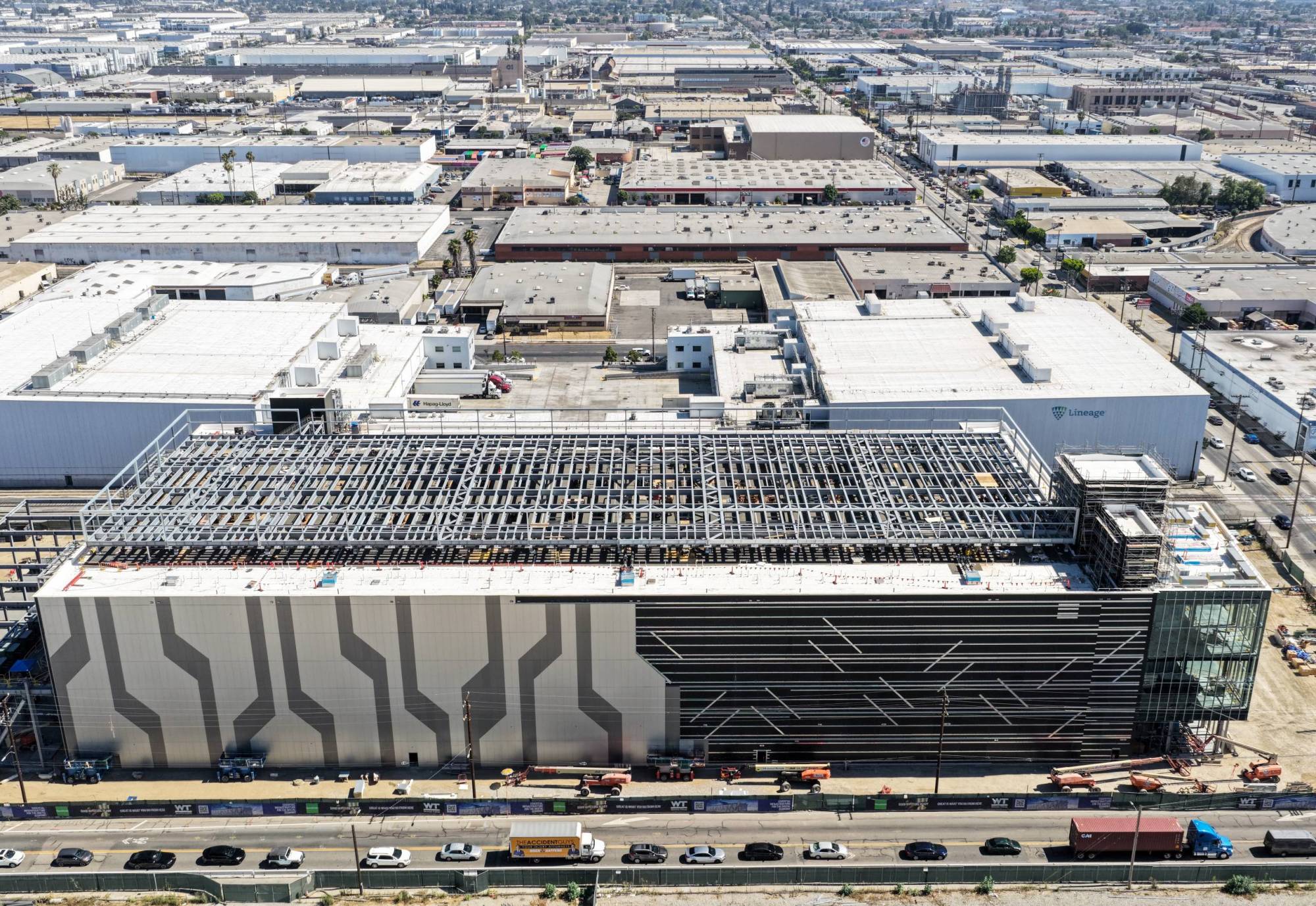
San José wants data center developers to pay for something beyond the buildings themselves: parks, job training, affordable housing, home solar and clean energy programs in the neighborhoods that end up living next to them.
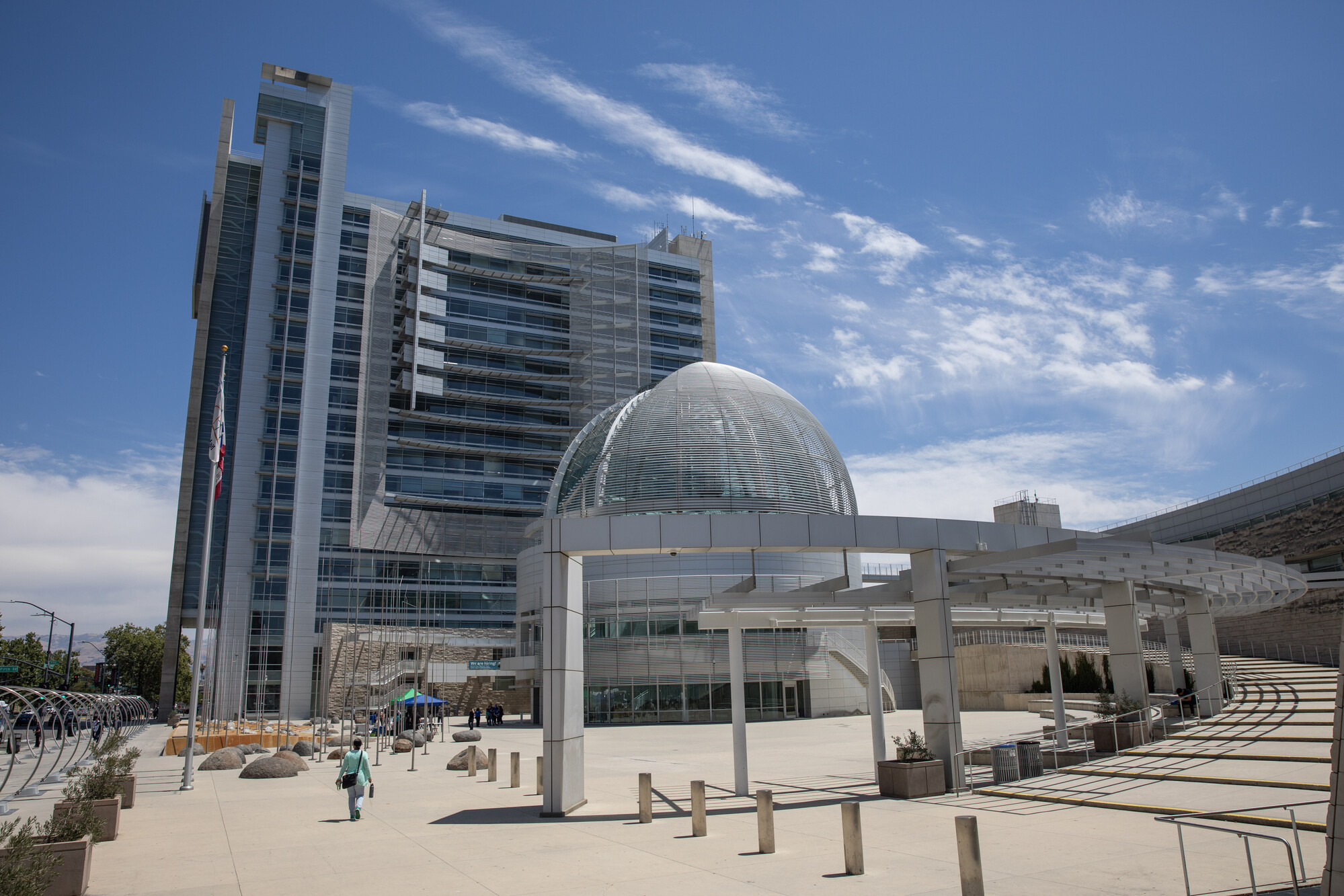
A City Council committee voted Wednesday to direct city staff to fold community benefits into their ongoing drafting of standards for data centers, and to study whether a share of the tax revenue those facilities generate could be reinvested in a defined area around each site.
Councilmember David Cohen framed it as filling a hole in work already underway. The city has been drafting environmental standards since June, and he said the authors realized they should stipulate what residents might get in return.
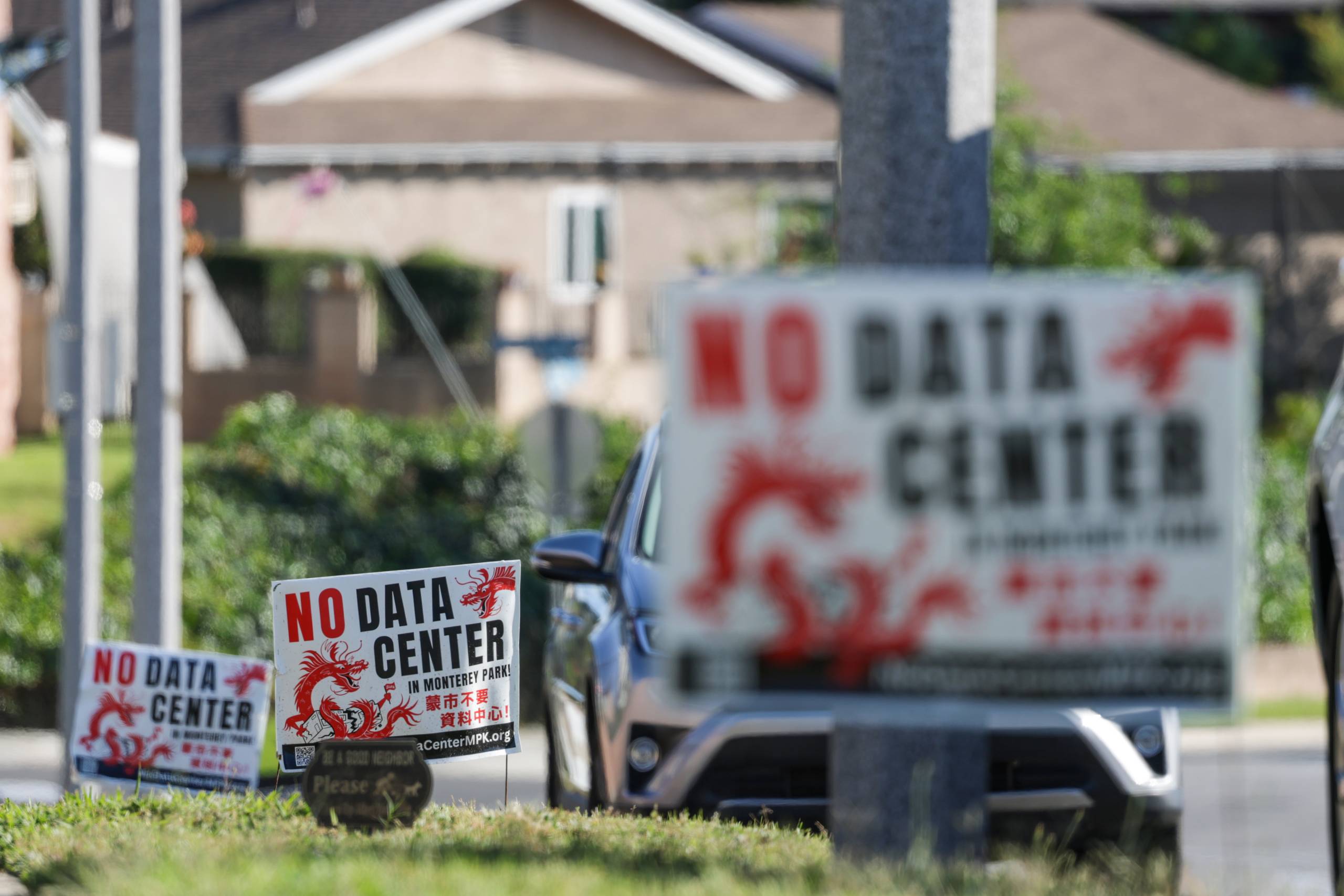
The decision reflects a growing challenge as Silicon Valley leaders try to square the economic benefits of a growing data center industry with mounting concerns from residents who live near the projects. A recent Gallup poll found that 7 in 10 Americans oppose constructing data centers for artificial intelligence in their local area, including nearly half who are strongly opposed. About a quarter favor these projects, with 7% strongly in favor.
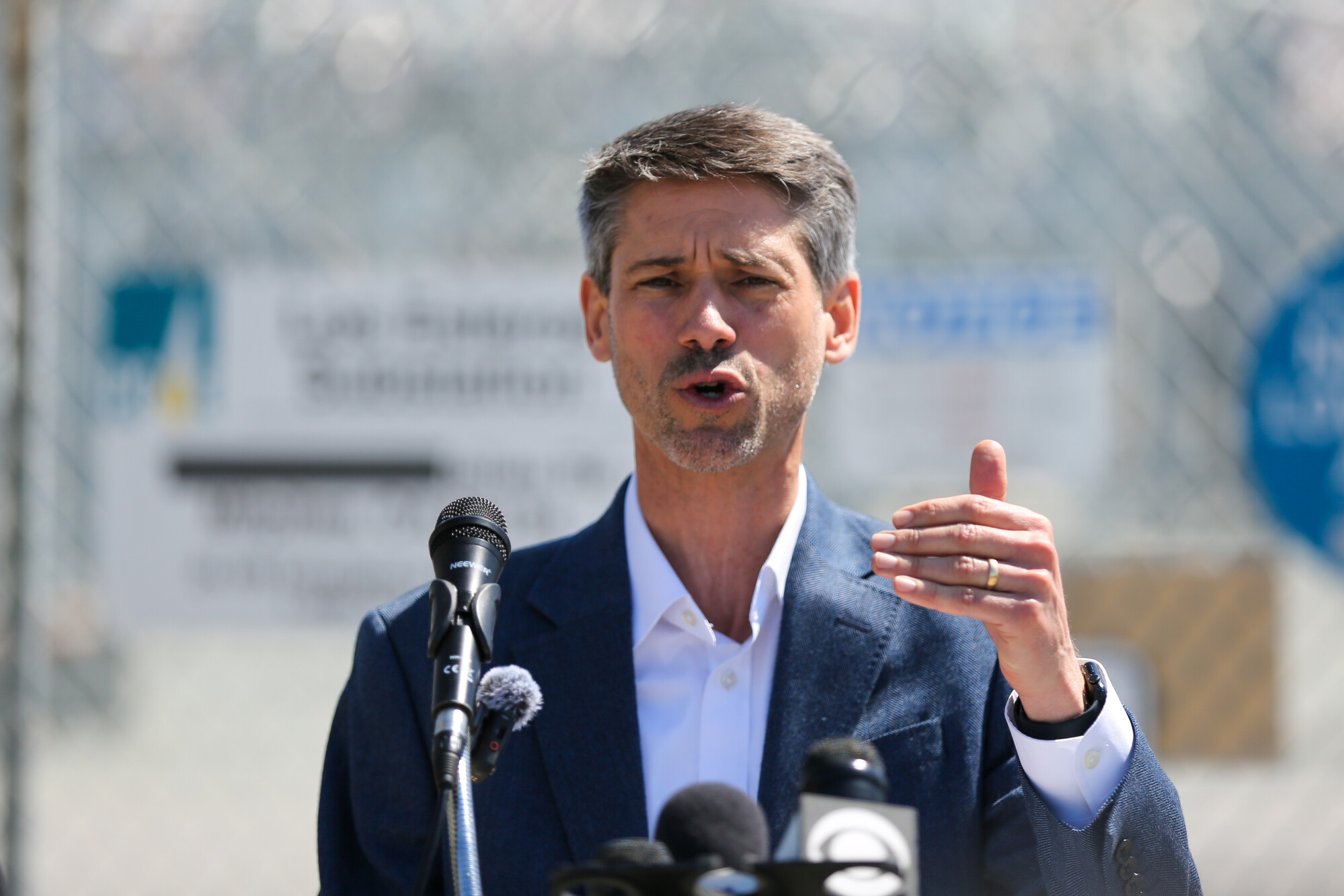
Compared to other Bay Area cities, like Oakley, which have restricted data center construction, San José has historically been more open to tech-related development and is already home to about 25 data centers as of last summer.
The city struck a partnership with PG&E that guaranteed power for 10 large projects and stopped the city’s plans to build its own utility. PG&E committed to investing $2.6 billion in South Bay infrastructure between 2026 and 2035. City officials estimated then that each data center could generate $3.4 million to $6.8 million a year for the city in utility and property taxes.
San José is now reviewing 11 more Data Center projects.
Downtown, developers want to stack them vertically alongside housing. A proposal at 180 Park Ave. would put an 11-story data center next to a 28-story residential tower and an expansion of The Tech Interactive science museum. Another project, at 300 S. First St., pairs a seven-story data center with three 30-story towers holding 1,164 apartments. A third, at 323 Terraine St., offers the city a choice between a residential building alone or a version that adds a seven-story data center beneath 345 units.
Developers have also pitched standalone data center projects in North and South San José, with the substations, water tanks and generator yards visible from the street.
A project at 2549 Orchard Parkway would put two four-story buildings totaling 630,000 square feet on 22 acres, with three water-storage tanks, its own substation and a PG&E switching station. One on West Trimble Boulevard would remove 224 trees for a building with 21 generators and a private substation. Three more are pending in the south, near Highway 85 and Silver Creek, including a 516,000-square-foot facility on Silver Creek Valley Road and a 444,436-square-foot building proposed for Great Oaks Parkway.
The city’s list shows eight data center applications under review and three approved. Several of the largest — approved and pending alike — are capped at 99 megawatts. Data centers are often sized that way to stay under the 100-megawatt threshold that triggers stricter state oversight.
In a July newsletter to residents, San José Mayor Matt Mahan said that data centers generate stable revenue for the general fund and that a large facility should produce millions annually for police, firefighters, parks, libraries and roads.
“But revenue cannot be a permission slip to ignore quality of life or harm the environment,” Mahan wrote. “A project that creates economic value while shifting environmental or other costs to nearby families is not a good deal.”
At the Wednesday evening meeting, Lena Drape, speaking for the Santa Clara Valley Open Space Authority, asked the committee to go beyond the memo and stop accepting and processing new applications until the standards are approved. Compared with pausing, Drape said, it is more expensive for the city to continue taking proposals with the intention of revisiting them later.
“This would also address what is clearly an unintended reverse incentive for rushed applications to be submitted now before sound regulations are in place,” she said.
San José resident Evan Brooks told the committee that a rezoning effort tied to the marketing of a site for a data center is scheduled for council action Aug. 18 — one day before the city’s first community listening session on the standards.
“If entitlements move first, projects filed in the interim escape rules the council has already determined are necessary,” Brooks said.
Christopher Burton, the city’s planning director, said a special use permit takes longer than six months to move through review, and that anything filed now would not reach a hearing before February or March. Cohen added that a new data center requires its own environmental impact report, pushing the timeline out at least a year.
Many residents who addressed the committee said the timeline was beside the point.
“The trade-off you’re asking us to accept is in exchange for some tax investment for our community to shoulder the health burdens imposed by AI data centers,” Dash Leeds, the conservation coordinator for the Sierra Club’s Loma Prieta chapter, said, arguing that infrasound and generator emissions cannot be mitigated away.
Jasmine Jordan, a design student at San José State University, told the committee the buildings will cost her generation more than they deliver. She said the artificial intelligence economy has shrunk the entry-level job market she and her classmates are graduating into, and “the building of data centers in San José will destroy our environment further than it already has been.”
More than a dozen letters came in ahead of the meeting. Mani Bekele, writing for the city’s Climate Advisory Commission in July, urged the council to publish a live public dashboard of every existing, approved and proposed project, listing megawatt demand, water use, backup-generator capacity, revenue to date and permanent jobs created. The commission asked for numerical thresholds, rather than what it called “aspirational language,” and for a rule barring city staff, councilmembers and the mayor from signing nondisclosure agreements with developers.
Manuel Pineda, a deputy city manager overseeing energy projects, laid out an engagement plan that has been running since late July, involving small meetings already held with groups including the Sierra Club, Mothers Out Front and the local chapters of two building trades.

Officials said they hope to replicate past partnerships that they say have brought benefit to the community. For example, in 2021, after four years of negotiations on Google’s Downtown West campus, the city announced a $200 million community benefits package, including $150 million for preserving affordable housing, fighting homelessness and preventing displacement.
The campus was set to bring 4,000 homes, 600 of them affordable and 15 acres of open space. City officials had approved a $110 million sale of public land to Google in 2018, and housing advocates spent the subsequent years organizing over what the project would do to a city already struggling with affordability.
At the time, Maria Noel Fernandez, then-campaign director for Silicon Valley Rising, heralded the deal as endowing grassroots leaders in neighborhoods at risk of displacement with money and real decision-making power. She said it set a new model for how tech development could keep families housed.
The first public listening session around data center community benefits is Aug. 19 from 6-8 p.m. in the City Hall wing rooms, followed by working sessions, a developer roundtable and a Stanford University polling effort through September. Staff will offer small-group meetings to anyone who signs up and will bring a summary of every comment received when the standards return to the council in December.
San José City Councilmember Domingo Candelas said he plans to hold his own meetings in his district.
“This isn’t the final opportunity to review, supplement or modify,” he said. “But I think it’s important that we have an opportunity to engage our residents.”