window.__IS_SSR__=true
window.__INITIAL_STATE__={
"attachmentsReducer": {
"audio_0": {
"type": "attachments",
"id": "audio_0",
"imgSizes": {
"kqedFullSize": {
"file": "https://ww2.kqed.org/news/wp-content/themes/KQED-unified/img/audio_bgs/background0.jpg"
}
}
},
"audio_1": {
"type": "attachments",
"id": "audio_1",
"imgSizes": {
"kqedFullSize": {
"file": "https://ww2.kqed.org/news/wp-content/themes/KQED-unified/img/audio_bgs/background1.jpg"
}
}
},
"audio_2": {
"type": "attachments",
"id": "audio_2",
"imgSizes": {
"kqedFullSize": {
"file": "https://ww2.kqed.org/news/wp-content/themes/KQED-unified/img/audio_bgs/background2.jpg"
}
}
},
"audio_3": {
"type": "attachments",
"id": "audio_3",
"imgSizes": {
"kqedFullSize": {
"file": "https://ww2.kqed.org/news/wp-content/themes/KQED-unified/img/audio_bgs/background3.jpg"
}
}
},
"audio_4": {
"type": "attachments",
"id": "audio_4",
"imgSizes": {
"kqedFullSize": {
"file": "https://ww2.kqed.org/news/wp-content/themes/KQED-unified/img/audio_bgs/background4.jpg"
}
}
},
"placeholder": {
"type": "attachments",
"id": "placeholder",
"imgSizes": {
"thumbnail": {
"file": "https://cdn.kqed.org/wp-content/uploads/2024/12/KQED-Default-Image-816638274-2000x1333-1-160x107.jpg",
"width": 160,
"height": 107,
"mimeType": "image/jpeg"
},
"medium": {
"file": "https://cdn.kqed.org/wp-content/uploads/2024/12/KQED-Default-Image-816638274-2000x1333-1-800x533.jpg",
"width": 800,
"height": 533,
"mimeType": "image/jpeg"
},
"medium_large": {
"file": "https://cdn.kqed.org/wp-content/uploads/2024/12/KQED-Default-Image-816638274-2000x1333-1-768x512.jpg",
"width": 768,
"height": 512,
"mimeType": "image/jpeg"
},
"large": {
"file": "https://cdn.kqed.org/wp-content/uploads/2024/12/KQED-Default-Image-816638274-2000x1333-1-1020x680.jpg",
"width": 1020,
"height": 680,
"mimeType": "image/jpeg"
},
"1536x1536": {
"file": "https://cdn.kqed.org/wp-content/uploads/2024/12/KQED-Default-Image-816638274-2000x1333-1-1536x1024.jpg",
"width": 1536,
"height": 1024,
"mimeType": "image/jpeg"
},
"fd-lrg": {
"file": "https://cdn.kqed.org/wp-content/uploads/2024/12/KQED-Default-Image-816638274-2000x1333-1-1536x1024.jpg",
"width": 1536,
"height": 1024,
"mimeType": "image/jpeg"
},
"fd-med": {
"file": "https://cdn.kqed.org/wp-content/uploads/2024/12/KQED-Default-Image-816638274-2000x1333-1-1020x680.jpg",
"width": 1020,
"height": 680,
"mimeType": "image/jpeg"
},
"fd-sm": {
"file": "https://cdn.kqed.org/wp-content/uploads/2024/12/KQED-Default-Image-816638274-2000x1333-1-800x533.jpg",
"width": 800,
"height": 533,
"mimeType": "image/jpeg"
},
"post-thumbnail": {
"file": "https://cdn.kqed.org/wp-content/uploads/2024/12/KQED-Default-Image-816638274-2000x1333-1-672x372.jpg",
"width": 672,
"height": 372,
"mimeType": "image/jpeg"
},
"twentyfourteen-full-width": {
"file": "https://cdn.kqed.org/wp-content/uploads/2024/12/KQED-Default-Image-816638274-2000x1333-1-1038x576.jpg",
"width": 1038,
"height": 576,
"mimeType": "image/jpeg"
},
"xxsmall": {
"file": "https://cdn.kqed.org/wp-content/uploads/2024/12/KQED-Default-Image-816638274-2000x1333-1-160x107.jpg",
"width": 160,
"height": 107,
"mimeType": "image/jpeg"
},
"xsmall": {
"file": "https://cdn.kqed.org/wp-content/uploads/2024/12/KQED-Default-Image-816638274-2000x1333-1-672x372.jpg",
"width": 672,
"height": 372,
"mimeType": "image/jpeg"
},
"small": {
"file": "https://cdn.kqed.org/wp-content/uploads/2024/12/KQED-Default-Image-816638274-2000x1333-1-672x372.jpg",
"width": 672,
"height": 372,
"mimeType": "image/jpeg"
},
"xlarge": {
"file": "https://cdn.kqed.org/wp-content/uploads/2024/12/KQED-Default-Image-816638274-2000x1333-1-1020x680.jpg",
"width": 1020,
"height": 680,
"mimeType": "image/jpeg"
},
"full-width": {
"file": "https://cdn.kqed.org/wp-content/uploads/2024/12/KQED-Default-Image-816638274-2000x1333-1-1920x1280.jpg",
"width": 1920,
"height": 1280,
"mimeType": "image/jpeg"
},
"guest-author-32": {
"file": "https://cdn.kqed.org/wp-content/uploads/2025/01/KQED-Default-Image-816638274-1333x1333-1-160x160.jpg",
"width": 32,
"height": 32,
"mimeType": "image/jpeg"
},
"guest-author-50": {
"file": "https://cdn.kqed.org/wp-content/uploads/2025/01/KQED-Default-Image-816638274-1333x1333-1-160x160.jpg",
"width": 50,
"height": 50,
"mimeType": "image/jpeg"
},
"guest-author-64": {
"file": "https://cdn.kqed.org/wp-content/uploads/2025/01/KQED-Default-Image-816638274-1333x1333-1-160x160.jpg",
"width": 64,
"height": 64,
"mimeType": "image/jpeg"
},
"guest-author-96": {
"file": "https://cdn.kqed.org/wp-content/uploads/2025/01/KQED-Default-Image-816638274-1333x1333-1-160x160.jpg",
"width": 96,
"height": 96,
"mimeType": "image/jpeg"
},
"guest-author-128": {
"file": "https://cdn.kqed.org/wp-content/uploads/2025/01/KQED-Default-Image-816638274-1333x1333-1-160x160.jpg",
"width": 128,
"height": 128,
"mimeType": "image/jpeg"
},
"detail": {
"file": "https://cdn.kqed.org/wp-content/uploads/2025/01/KQED-Default-Image-816638274-1333x1333-1-160x160.jpg",
"width": 160,
"height": 160,
"mimeType": "image/jpeg"
},
"kqedFullSize": {
"file": "https://cdn.kqed.org/wp-content/uploads/2024/12/KQED-Default-Image-816638274-2000x1333-1.jpg",
"width": 2000,
"height": 1333
}
}
},
"news_12081722": {
"type": "attachments",
"id": "news_12081722",
"meta": {
"index": "attachments_1716263798",
"site": "news",
"id": "12081722",
"found": true
},
"title": "Stalkerware_webimg",
"publishDate": 1777438301,
"status": "inherit",
"parent": 12081721,
"modified": 1777438340,
"caption": "Illustration featuring a pixelated eye and a silhouetted hand holding a smartphone.",
"credit": "Illustration by Softulka/Getty Images",
"altTag": "Textured images of an eye in black and white and a hand holding a black phone. A text bubble outlined in blue is popping out. The images are on top of a cream colored background with squiggly and round colorful geometric shapes around them. Each shape is made up of tiny dots. Pixelated “Close All Tabs” text appears in the upper right corner.",
"description": null,
"imgSizes": {
"thumbnail": {
"file": "https://cdn.kqed.org/wp-content/uploads/sites/10/2026/04/Stalkerware_webimg-160x90.png",
"width": 160,
"height": 90,
"mimeType": "image/png"
},
"1536x1536": {
"file": "https://cdn.kqed.org/wp-content/uploads/sites/10/2026/04/Stalkerware_webimg-1536x864.png",
"width": 1536,
"height": 864,
"mimeType": "image/png"
},
"post-thumbnail": {
"file": "https://cdn.kqed.org/wp-content/uploads/sites/10/2026/04/Stalkerware_webimg-672x372.png",
"width": 672,
"height": 372,
"mimeType": "image/png"
},
"twentyfourteen-full-width": {
"file": "https://cdn.kqed.org/wp-content/uploads/sites/10/2026/04/Stalkerware_webimg-1038x576.png",
"width": 1038,
"height": 576,
"mimeType": "image/png"
},
"npr-cds-wide": {
"file": "https://cdn.kqed.org/wp-content/uploads/sites/10/2026/04/Stalkerware_webimg-1200x675.png",
"width": 1200,
"height": 675,
"mimeType": "image/png"
},
"npr-cds-square": {
"file": "https://cdn.kqed.org/wp-content/uploads/sites/10/2026/04/Stalkerware_webimg-600x600.png",
"width": 600,
"height": 600,
"mimeType": "image/png"
},
"kqedFullSize": {
"file": "https://cdn.kqed.org/wp-content/uploads/sites/10/2026/04/Stalkerware_webimg.png",
"width": 1920,
"height": 1080
}
},
"isLoading": false,
"fetchFailed": false
},
"news_12081639": {
"type": "attachments",
"id": "news_12081639",
"meta": {
"index": "attachments_1716263798",
"site": "news",
"id": "12081639",
"found": true
},
"title": "260428-MUSK ALTMAN-VB-02-KQED",
"publishDate": 1777410140,
"status": "inherit",
"parent": 12081603,
"modified": 1777422271,
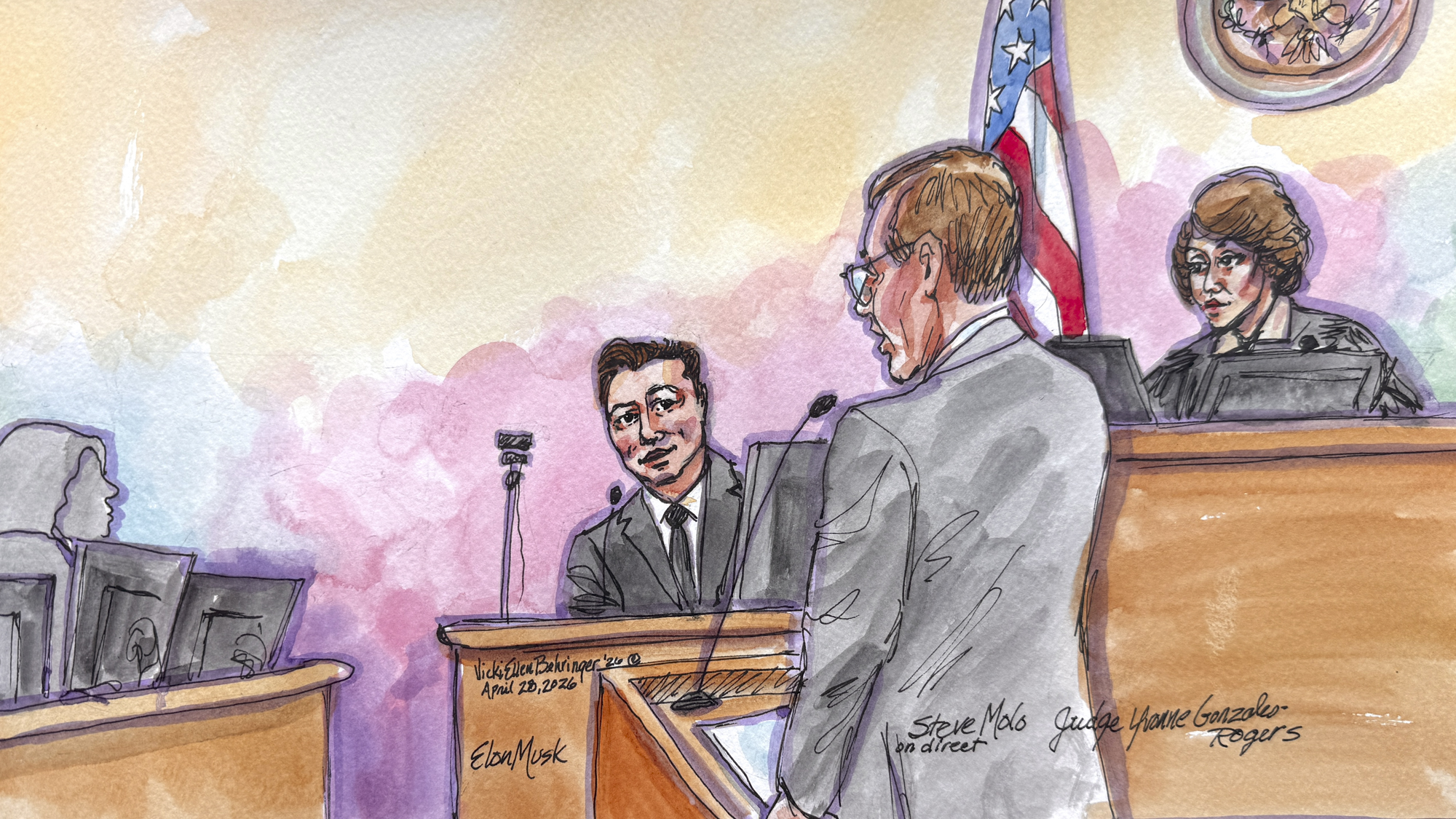
"caption": "Elon Musk (left) takes the stand in the trial in which Elon Musk claims that Sam Altman and OpenAI abandoned their founding promise to develop AI for the benefit of humanity, rather than solely for profit, in Oakland on April 28, 2026.",
"credit": "Vicki Behringer for KQED",
"altTag": null,
"description": null,
"imgSizes": {
"thumbnail": {
"file": "https://cdn.kqed.org/wp-content/uploads/sites/10/2026/04/260428-MUSK-ALTMAN-VB-02-KQED-160x90.jpg",
"width": 160,
"height": 90,
"mimeType": "image/jpeg"
},
"1536x1536": {
"file": "https://cdn.kqed.org/wp-content/uploads/sites/10/2026/04/260428-MUSK-ALTMAN-VB-02-KQED-1536x864.jpg",
"width": 1536,
"height": 864,
"mimeType": "image/jpeg"
},
"post-thumbnail": {
"file": "https://cdn.kqed.org/wp-content/uploads/sites/10/2026/04/260428-MUSK-ALTMAN-VB-02-KQED-672x372.jpg",
"width": 672,
"height": 372,
"mimeType": "image/jpeg"
},
"twentyfourteen-full-width": {
"file": "https://cdn.kqed.org/wp-content/uploads/sites/10/2026/04/260428-MUSK-ALTMAN-VB-02-KQED-1038x576.jpg",
"width": 1038,
"height": 576,
"mimeType": "image/jpeg"
},
"npr-cds-wide": {
"file": "https://cdn.kqed.org/wp-content/uploads/sites/10/2026/04/260428-MUSK-ALTMAN-VB-02-KQED-1200x675.jpg",
"width": 1200,
"height": 675,
"mimeType": "image/jpeg"
},
"npr-cds-square": {
"file": "https://cdn.kqed.org/wp-content/uploads/sites/10/2026/04/260428-MUSK-ALTMAN-VB-02-KQED-600x600.jpg",
"width": 600,
"height": 600,
"mimeType": "image/jpeg"
},
"kqedFullSize": {
"file": "https://cdn.kqed.org/wp-content/uploads/sites/10/2026/04/260428-MUSK-ALTMAN-VB-02-KQED.jpg",
"width": 2000,
"height": 1125
}
},
"isLoading": false,
"fetchFailed": false
},
"news_12080929": {
"type": "attachments",
"id": "news_12080929",
"meta": {
"index": "attachments_1716263798",
"site": "news",
"id": "12080929",
"found": true
},
"title": "260422-ALTMANMUSK-MD-01-KQED",
"publishDate": 1776885164,
"status": "inherit",
"parent": 0,
"modified": 1776885551,
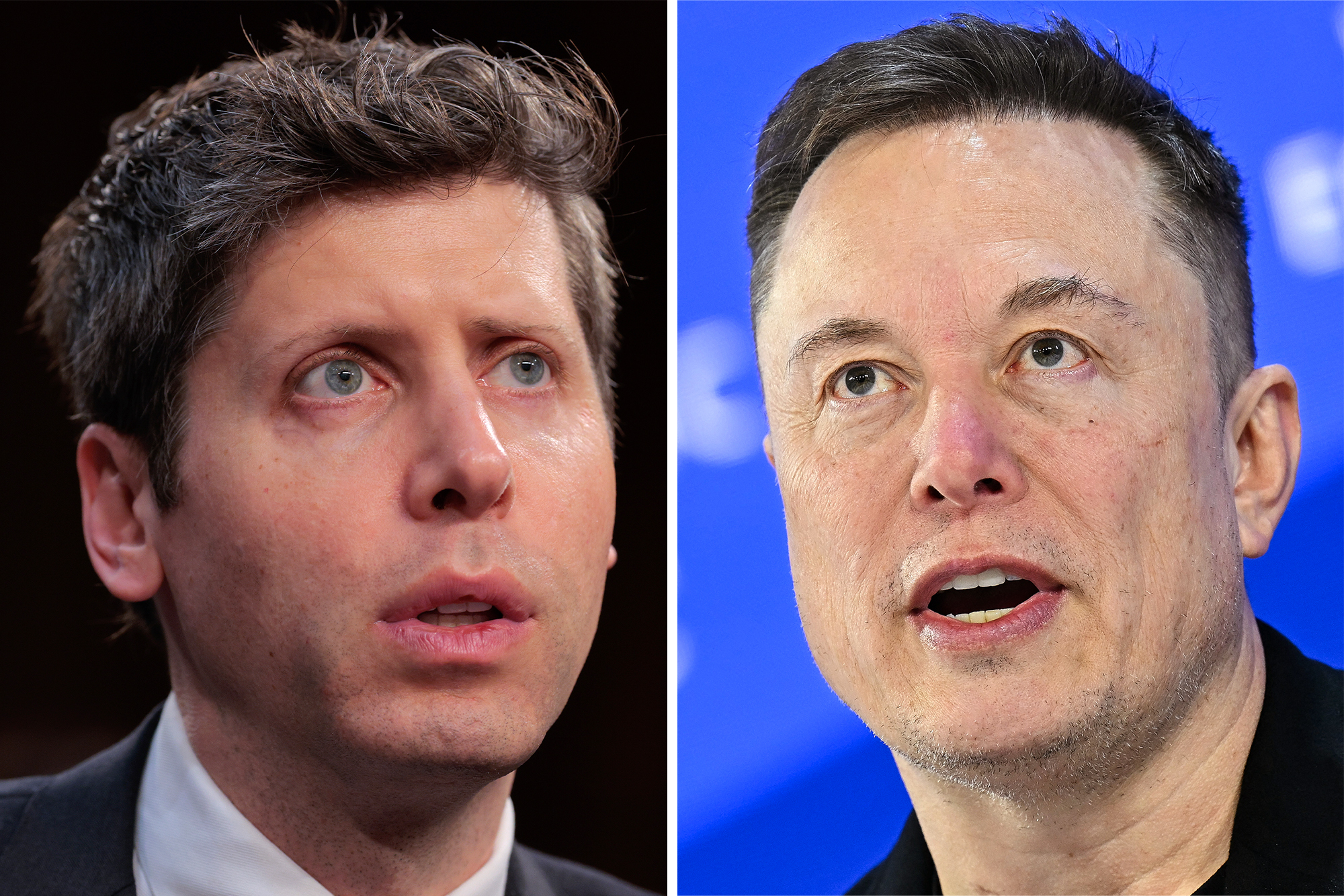
"caption": "Once allies in what they called a mission to develop AI safely for humanity, Elon Musk and Sam Altman will let a federal judge and jury decide what that promise was worth. The trial is slated to begin April 27, 2026.",
"credit": "Left: Chip Somodevilla/Getty Images; Right: Fabrice Coffrini/AFP via Getty Images",
"altTag": null,
"description": null,
"imgSizes": {
"thumbnail": {
"file": "https://cdn.kqed.org/wp-content/uploads/sites/10/2026/04/260422-ALTMANMUSK-MD-01-KQED-160x107.jpg",
"width": 160,
"height": 107,
"mimeType": "image/jpeg"
},
"1536x1536": {
"file": "https://cdn.kqed.org/wp-content/uploads/sites/10/2026/04/260422-ALTMANMUSK-MD-01-KQED-1536x1025.jpg",
"width": 1536,
"height": 1025,
"mimeType": "image/jpeg"
},
"post-thumbnail": {
"file": "https://cdn.kqed.org/wp-content/uploads/sites/10/2026/04/260422-ALTMANMUSK-MD-01-KQED-672x372.jpg",
"width": 672,
"height": 372,
"mimeType": "image/jpeg"
},
"twentyfourteen-full-width": {
"file": "https://cdn.kqed.org/wp-content/uploads/sites/10/2026/04/260422-ALTMANMUSK-MD-01-KQED-1038x576.jpg",
"width": 1038,
"height": 576,
"mimeType": "image/jpeg"
},
"npr-cds-wide": {
"file": "https://cdn.kqed.org/wp-content/uploads/sites/10/2026/04/260422-ALTMANMUSK-MD-01-KQED-1200x675.jpg",
"width": 1200,
"height": 675,
"mimeType": "image/jpeg"
},
"npr-cds-square": {
"file": "https://cdn.kqed.org/wp-content/uploads/sites/10/2026/04/260422-ALTMANMUSK-MD-01-KQED-600x600.jpg",
"width": 600,
"height": 600,
"mimeType": "image/jpeg"
},
"kqedFullSize": {
"file": "https://cdn.kqed.org/wp-content/uploads/sites/10/2026/04/260422-ALTMANMUSK-MD-01-KQED.jpg",
"width": 2000,
"height": 1334
}
},
"isLoading": false,
"fetchFailed": false
},
"news_12081402": {
"type": "attachments",
"id": "news_12081402",
"meta": {
"index": "attachments_1716263798",
"site": "news",
"id": "12081402",
"found": true
},
"title": "UCBNoPhones4",
"publishDate": 1777073735,
"status": "inherit",
"parent": 12081336,
"modified": 1777074238,
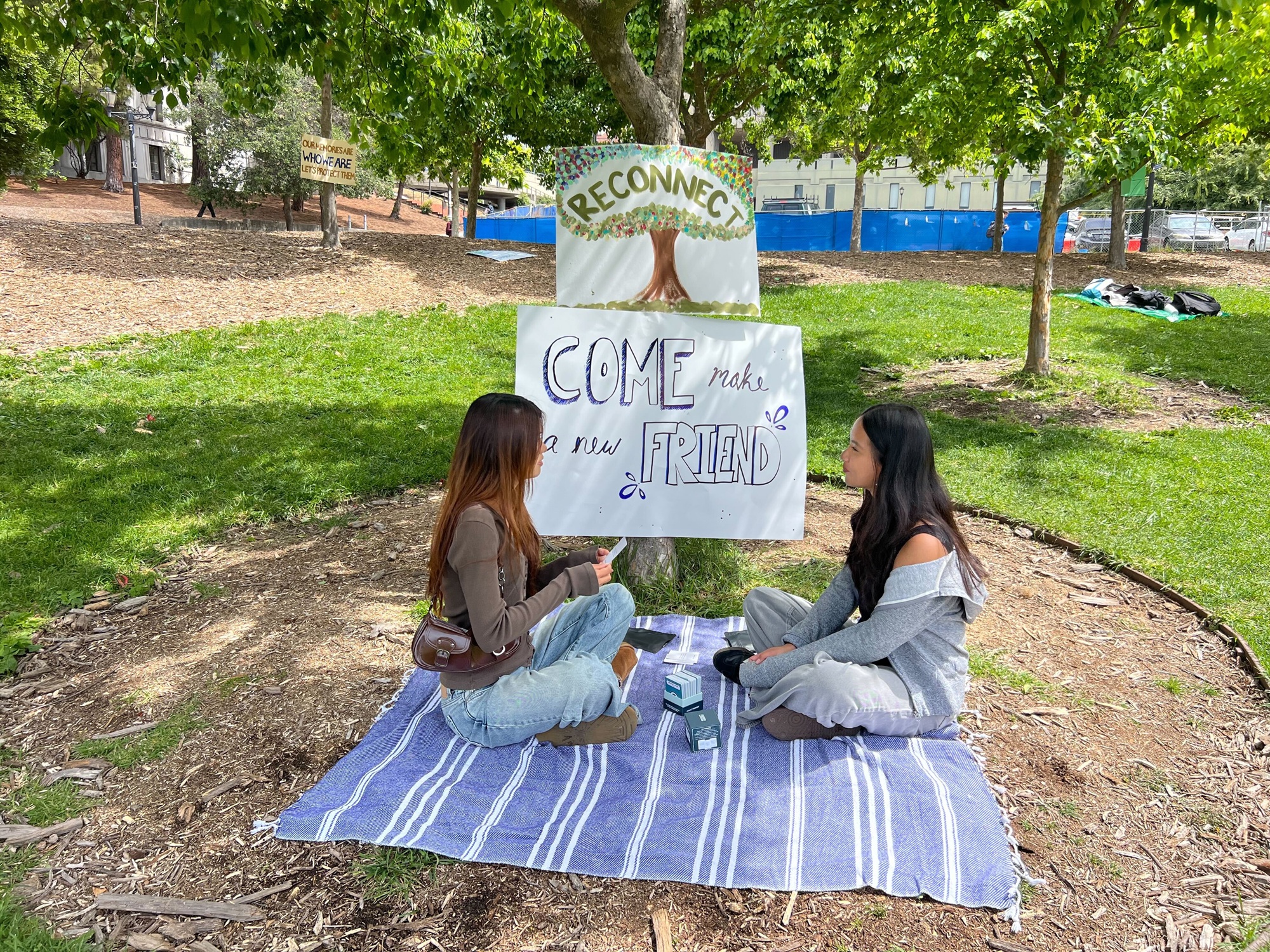
"caption": "Students at UC Berkeley set up handwritten signs and played a variety of games during a phone-free party on campus on Friday, April 24, 2026.",
"credit": "Eliza Peppel/KQED",
"altTag": null,
"description": null,
"imgSizes": {
"thumbnail": {
"file": "https://cdn.kqed.org/wp-content/uploads/sites/10/2026/04/UCBNoPhones4-160x120.jpg",
"width": 160,
"height": 120,
"mimeType": "image/jpeg"
},
"1536x1536": {
"file": "https://cdn.kqed.org/wp-content/uploads/sites/10/2026/04/UCBNoPhones4-1536x1152.jpg",
"width": 1536,
"height": 1152,
"mimeType": "image/jpeg"
},
"post-thumbnail": {
"file": "https://cdn.kqed.org/wp-content/uploads/sites/10/2026/04/UCBNoPhones4-672x372.jpg",
"width": 672,
"height": 372,
"mimeType": "image/jpeg"
},
"twentyfourteen-full-width": {
"file": "https://cdn.kqed.org/wp-content/uploads/sites/10/2026/04/UCBNoPhones4-1038x576.jpg",
"width": 1038,
"height": 576,
"mimeType": "image/jpeg"
},
"npr-cds-wide": {
"file": "https://cdn.kqed.org/wp-content/uploads/sites/10/2026/04/UCBNoPhones4-1200x675.jpg",
"width": 1200,
"height": 675,
"mimeType": "image/jpeg"
},
"npr-cds-square": {
"file": "https://cdn.kqed.org/wp-content/uploads/sites/10/2026/04/UCBNoPhones4-600x600.jpg",
"width": 600,
"height": 600,
"mimeType": "image/jpeg"
},
"kqedFullSize": {
"file": "https://cdn.kqed.org/wp-content/uploads/sites/10/2026/04/UCBNoPhones4.jpg",
"width": 2000,
"height": 1500
}
},
"isLoading": false,
"fetchFailed": false
},
"news_12081306": {
"type": "attachments",
"id": "news_12081306",
"meta": {
"index": "attachments_1716263798",
"site": "news",
"id": "12081306",
"found": true
},
"title": "Photo Illustration - Anthropic Launches Project Glasswing",
"publishDate": 1777053839,
"status": "inherit",
"parent": 12081279,
"modified": 1777053863,
"caption": "A smartphone displays the Anthropic logo with the Project Glasswing webpage in the background, in Creteil, France, on April 8, 2026. Anthropic announces the launch of Project Glasswing, a cybersecurity initiative based on the Claude Mythos model to detect and remediate vulnerabilities in critical open-source software. (Photo by Samuel Boivin/NurPhoto via Getty Images)",
"credit": "Samuel Boivin/NurPhoto via Getty Images",
"altTag": null,
"description": null,
"imgSizes": {
"thumbnail": {
"file": "https://cdn.kqed.org/wp-content/uploads/sites/10/2026/04/AnthropicGetty-160x106.jpg",
"width": 160,
"height": 106,
"mimeType": "image/jpeg"
},
"1536x1536": {
"file": "https://cdn.kqed.org/wp-content/uploads/sites/10/2026/04/AnthropicGetty-1536x1021.jpg",
"width": 1536,
"height": 1021,
"mimeType": "image/jpeg"
},
"post-thumbnail": {
"file": "https://cdn.kqed.org/wp-content/uploads/sites/10/2026/04/AnthropicGetty-672x372.jpg",
"width": 672,
"height": 372,
"mimeType": "image/jpeg"
},
"twentyfourteen-full-width": {
"file": "https://cdn.kqed.org/wp-content/uploads/sites/10/2026/04/AnthropicGetty-1038x576.jpg",
"width": 1038,
"height": 576,
"mimeType": "image/jpeg"
},
"npr-cds-wide": {
"file": "https://cdn.kqed.org/wp-content/uploads/sites/10/2026/04/AnthropicGetty-1200x675.jpg",
"width": 1200,
"height": 675,
"mimeType": "image/jpeg"
},
"npr-cds-square": {
"file": "https://cdn.kqed.org/wp-content/uploads/sites/10/2026/04/AnthropicGetty-600x600.jpg",
"width": 600,
"height": 600,
"mimeType": "image/jpeg"
},
"kqedFullSize": {
"file": "https://cdn.kqed.org/wp-content/uploads/sites/10/2026/04/AnthropicGetty.jpg",
"width": 2000,
"height": 1330
}
},
"isLoading": false,
"fetchFailed": false
},
"news_12080827": {
"type": "attachments",
"id": "news_12080827",
"meta": {
"index": "attachments_1716263798",
"site": "news",
"id": "12080827",
"found": true
},
"title": "h1blife_webimg",
"publishDate": 1776829952,
"status": "inherit",
"parent": 12080824,
"modified": 1776830020,
"caption": "Illustration from the game H1B.Life shows five deity-like figures — including an “orange god” — presiding over a slot machine labeled “let’s play your life.” H1B.Life is a mobile game that simulates life on an H-1B visa.",
"credit": "Composite by Morgan Sung; game images courtesy of Reality Reload",
"altTag": "Illustrated graphic showing five deity-like characters from the mobile game H1B.Life standing around a colorful slot machine that reads “let’s play your life.” In the middle is a cartoonish “orange god” resembling Donald Trump. He is flanked by other figures including a Statue of Liberty–like character, an alien-like figure, and a chicken-headed figure. The background is a black and white close-up of an H-1B visa document.",
"description": null,
"imgSizes": {
"thumbnail": {
"file": "https://cdn.kqed.org/wp-content/uploads/sites/10/2026/04/h1blife_webimg-160x90.png",
"width": 160,
"height": 90,
"mimeType": "image/png"
},
"1536x1536": {
"file": "https://cdn.kqed.org/wp-content/uploads/sites/10/2026/04/h1blife_webimg-1536x864.png",
"width": 1536,
"height": 864,
"mimeType": "image/png"
},
"post-thumbnail": {
"file": "https://cdn.kqed.org/wp-content/uploads/sites/10/2026/04/h1blife_webimg-672x372.png",
"width": 672,
"height": 372,
"mimeType": "image/png"
},
"twentyfourteen-full-width": {
"file": "https://cdn.kqed.org/wp-content/uploads/sites/10/2026/04/h1blife_webimg-1038x576.png",
"width": 1038,
"height": 576,
"mimeType": "image/png"
},
"npr-cds-wide": {
"file": "https://cdn.kqed.org/wp-content/uploads/sites/10/2026/04/h1blife_webimg-1200x675.png",
"width": 1200,
"height": 675,
"mimeType": "image/png"
},
"npr-cds-square": {
"file": "https://cdn.kqed.org/wp-content/uploads/sites/10/2026/04/h1blife_webimg-600x600.png",
"width": 600,
"height": 600,
"mimeType": "image/png"
},
"kqedFullSize": {
"file": "https://cdn.kqed.org/wp-content/uploads/sites/10/2026/04/h1blife_webimg.png",
"width": 1920,
"height": 1080
}
},
"isLoading": false,
"fetchFailed": false
},
"news_12079971": {
"type": "attachments",
"id": "news_12079971",
"meta": {
"index": "attachments_1716263798",
"site": "news",
"id": "12079971",
"found": true
},
"title": "Save or Scroll Steffi Cao_web img",
"publishDate": 1776209816,
"status": "inherit",
"parent": 12079935,
"modified": 1776209858,
"caption": "A look at the viral trends taking over our timelines — from looksmaxxing and AI Fruit Love Island to BTS’ controversial new album and social media addiction lawsuits.",
"credit": "Composite by Morgan Sung; Images from Getty Images and other sources",
"altTag": "Collage-style image showing recent internet trends: colorful AI-generated fruit characters, an image of a smartphone displaying “looksmaxxing” content, imagery associated with K-pop group BTS, and a hand holding a smartphone referencing social media addiction lawsuits. The images are arranged on a purple background, with “Close All Tabs” displayed in a pixelated font in the upper left corner.",
"description": null,
"imgSizes": {
"thumbnail": {
"file": "https://cdn.kqed.org/wp-content/uploads/sites/10/2026/04/Save-or-Scroll-Steffi-Cao_web-img-160x90.png",
"width": 160,
"height": 90,
"mimeType": "image/png"
},
"1536x1536": {
"file": "https://cdn.kqed.org/wp-content/uploads/sites/10/2026/04/Save-or-Scroll-Steffi-Cao_web-img-1536x864.png",
"width": 1536,
"height": 864,
"mimeType": "image/png"
},
"post-thumbnail": {
"file": "https://cdn.kqed.org/wp-content/uploads/sites/10/2026/04/Save-or-Scroll-Steffi-Cao_web-img-672x372.png",
"width": 672,
"height": 372,
"mimeType": "image/png"
},
"twentyfourteen-full-width": {
"file": "https://cdn.kqed.org/wp-content/uploads/sites/10/2026/04/Save-or-Scroll-Steffi-Cao_web-img-1038x576.png",
"width": 1038,
"height": 576,
"mimeType": "image/png"
},
"npr-cds-wide": {
"file": "https://cdn.kqed.org/wp-content/uploads/sites/10/2026/04/Save-or-Scroll-Steffi-Cao_web-img-1200x675.png",
"width": 1200,
"height": 675,
"mimeType": "image/png"
},
"npr-cds-square": {
"file": "https://cdn.kqed.org/wp-content/uploads/sites/10/2026/04/Save-or-Scroll-Steffi-Cao_web-img-600x600.png",
"width": 600,
"height": 600,
"mimeType": "image/png"
},
"kqedFullSize": {
"file": "https://cdn.kqed.org/wp-content/uploads/sites/10/2026/04/Save-or-Scroll-Steffi-Cao_web-img.png",
"width": 1920,
"height": 1080
}
},
"isLoading": false,
"fetchFailed": false
},
"news_12079958": {
"type": "attachments",
"id": "news_12079958",
"meta": {
"index": "attachments_1716263798",
"site": "news",
"id": "12079958",
"found": true
},
"title": "OpenAI Fire Arrest",
"publishDate": 1776208318,
"status": "inherit",
"parent": 12079896,
"modified": 1776208344,
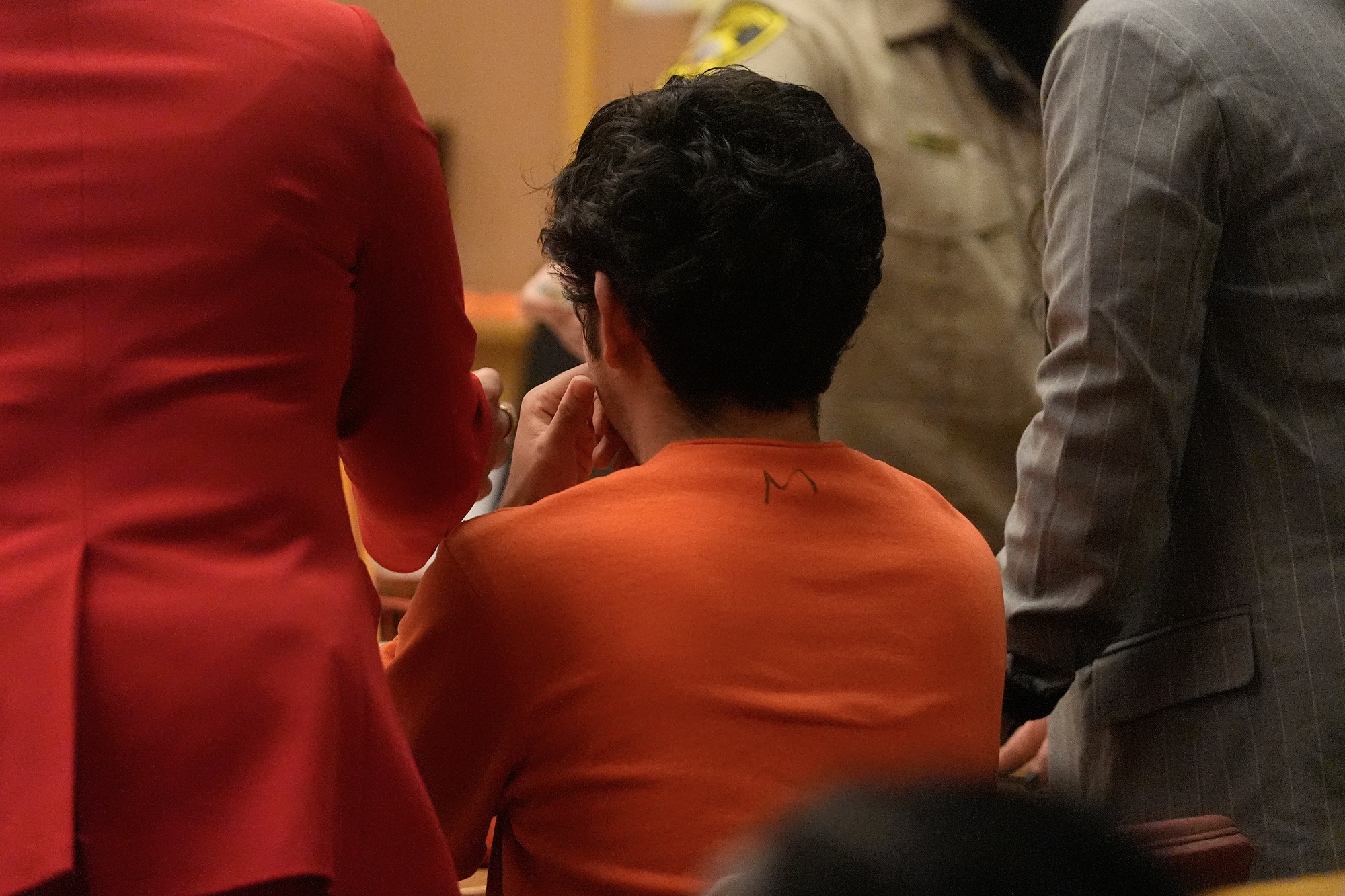
"caption": "Daniel Moreno-Gama, middle, appears in court with public defenders Diamond Ward, left, and Nuha Abusamra on Tuesday, April 14, 2026, in San Francisco.",
"credit": "Jeff Chiu/AP Photo",
"altTag": null,
"description": null,
"imgSizes": {
"thumbnail": {
"file": "https://cdn.kqed.org/wp-content/uploads/sites/10/2026/04/Daniel-Moreno-Gama-AP-160x107.jpg",
"width": 160,
"height": 107,
"mimeType": "image/jpeg"
},
"1536x1536": {
"file": "https://cdn.kqed.org/wp-content/uploads/sites/10/2026/04/Daniel-Moreno-Gama-AP-1536x1024.jpg",
"width": 1536,
"height": 1024,
"mimeType": "image/jpeg"
},
"post-thumbnail": {
"file": "https://cdn.kqed.org/wp-content/uploads/sites/10/2026/04/Daniel-Moreno-Gama-AP-672x372.jpg",
"width": 672,
"height": 372,
"mimeType": "image/jpeg"
},
"twentyfourteen-full-width": {
"file": "https://cdn.kqed.org/wp-content/uploads/sites/10/2026/04/Daniel-Moreno-Gama-AP-1038x576.jpg",
"width": 1038,
"height": 576,
"mimeType": "image/jpeg"
},
"npr-cds-wide": {
"file": "https://cdn.kqed.org/wp-content/uploads/sites/10/2026/04/Daniel-Moreno-Gama-AP-1200x675.jpg",
"width": 1200,
"height": 675,
"mimeType": "image/jpeg"
},
"npr-cds-square": {
"file": "https://cdn.kqed.org/wp-content/uploads/sites/10/2026/04/Daniel-Moreno-Gama-AP-600x600.jpg",
"width": 600,
"height": 600,
"mimeType": "image/jpeg"
},
"kqedFullSize": {
"file": "https://cdn.kqed.org/wp-content/uploads/sites/10/2026/04/Daniel-Moreno-Gama-AP.jpg",
"width": 2000,
"height": 1333
}
},
"isLoading": false,
"fetchFailed": false
},
"news_12079890": {
"type": "attachments",
"id": "news_12079890",
"meta": {
"index": "attachments_1716263798",
"site": "news",
"id": "12079890",
"found": true
},
"title": "Google Parent Company Alphabet Reports Quarterly Earnings",
"publishDate": 1776197138,
"status": "inherit",
"parent": 12079887,
"modified": 1788308193,
"caption": "A sign is posted at Google headquarters in Mountain View, California, on Feb. 4, 2026. ",
"credit": "Justin Sullivan/Getty Images",
"altTag": null,
"description": null,
"imgSizes": {
"thumbnail": {
"file": "https://cdn.kqed.org/wp-content/uploads/sites/10/2026/04/GettyImages-2259952730-160x111.jpg",
"width": 160,
"height": 111,
"mimeType": "image/jpeg"
},
"1536x1536": {
"file": "https://cdn.kqed.org/wp-content/uploads/sites/10/2026/04/GettyImages-2259952730-1536x1066.jpg",
"width": 1536,
"height": 1066,
"mimeType": "image/jpeg"
},
"post-thumbnail": {
"file": "https://cdn.kqed.org/wp-content/uploads/sites/10/2026/04/GettyImages-2259952730-672x372.jpg",
"width": 672,
"height": 372,
"mimeType": "image/jpeg"
},
"twentyfourteen-full-width": {
"file": "https://cdn.kqed.org/wp-content/uploads/sites/10/2026/04/GettyImages-2259952730-1038x576.jpg",
"width": 1038,
"height": 576,
"mimeType": "image/jpeg"
},
"npr-cds-wide": {
"file": "https://cdn.kqed.org/wp-content/uploads/sites/10/2026/04/GettyImages-2259952730-1200x675.jpg",
"width": 1200,
"height": 675,
"mimeType": "image/jpeg"
},
"npr-cds-square": {
"file": "https://cdn.kqed.org/wp-content/uploads/sites/10/2026/04/GettyImages-2259952730-600x600.jpg",
"width": 600,
"height": 600,
"mimeType": "image/jpeg"
},
"kqedFullSize": {
"file": "https://cdn.kqed.org/wp-content/uploads/sites/10/2026/04/GettyImages-2259952730.jpg",
"width": 1980,
"height": 1374
}
},
"isLoading": false,
"fetchFailed": false
},
"news_12079761": {
"type": "attachments",
"id": "news_12079761",
"meta": {
"index": "attachments_1716263798",
"site": "news",
"id": "12079761",
"found": true
},
"title": "BlackRock Infrastructure Summit Held In Washington, DC",
"publishDate": 1776120110,
"status": "inherit",
"parent": 12079741,
"modified": 1776126677,
"caption": "OpenAI CEO Sam Altman speaks during the BlackRock Infrastructure Summit on March 11, 2026, in Washington, D.C. The global investment management company held the summit, consisting of leaders from government, business, and labor, to address expanding U.S. infrastructure. ",
"credit": "Anna Moneymaker/Getty Images",
"altTag": null,
"description": null,
"imgSizes": {
"thumbnail": {
"file": "https://cdn.kqed.org/wp-content/uploads/sites/10/2026/04/SamAltmanGetty2-160x107.jpg",
"width": 160,
"height": 107,
"mimeType": "image/jpeg"
},
"1536x1536": {
"file": "https://cdn.kqed.org/wp-content/uploads/sites/10/2026/04/SamAltmanGetty2-1536x1024.jpg",
"width": 1536,
"height": 1024,
"mimeType": "image/jpeg"
},
"post-thumbnail": {
"file": "https://cdn.kqed.org/wp-content/uploads/sites/10/2026/04/SamAltmanGetty2-672x372.jpg",
"width": 672,
"height": 372,
"mimeType": "image/jpeg"
},
"twentyfourteen-full-width": {
"file": "https://cdn.kqed.org/wp-content/uploads/sites/10/2026/04/SamAltmanGetty2-1038x576.jpg",
"width": 1038,
"height": 576,
"mimeType": "image/jpeg"
},
"npr-cds-wide": {
"file": "https://cdn.kqed.org/wp-content/uploads/sites/10/2026/04/SamAltmanGetty2-1200x675.jpg",
"width": 1200,
"height": 675,
"mimeType": "image/jpeg"
},
"npr-cds-square": {
"file": "https://cdn.kqed.org/wp-content/uploads/sites/10/2026/04/SamAltmanGetty2-600x600.jpg",
"width": 600,
"height": 600,
"mimeType": "image/jpeg"
},
"kqedFullSize": {
"file": "https://cdn.kqed.org/wp-content/uploads/sites/10/2026/04/SamAltmanGetty2.jpg",
"width": 2000,
"height": 1333
}
},
"isLoading": false,
"fetchFailed": false
},
"news_12079474": {
"type": "attachments",
"id": "news_12079474",
"meta": {
"index": "attachments_1716263798",
"site": "news",
"id": "12079474",
"found": true
},
"title": "Stanford student Gabe Mukobi",
"publishDate": 1775850088,
"status": "inherit",
"parent": 12079472,
"modified": 1776104174,
"caption": "A student works in the hallway at Stanford University's Institute for Human-Centered AI inside the Gates Computer Science building in Stanford, California, on March 23, 2023. ",
"credit": "Kori Suzuki for The Washington Post via Getty Images",
"altTag": null,
"description": null,
"imgSizes": {
"thumbnail": {
"file": "https://cdn.kqed.org/wp-content/uploads/sites/10/2026/04/GettyImages-1501991882-160x106.jpg",
"width": 160,
"height": 106,
"mimeType": "image/jpeg"
},
"1536x1536": {
"file": "https://cdn.kqed.org/wp-content/uploads/sites/10/2026/04/GettyImages-1501991882-1536x1022.jpg",
"width": 1536,
"height": 1022,
"mimeType": "image/jpeg"
},
"post-thumbnail": {
"file": "https://cdn.kqed.org/wp-content/uploads/sites/10/2026/04/GettyImages-1501991882-672x372.jpg",
"width": 672,
"height": 372,
"mimeType": "image/jpeg"
},
"twentyfourteen-full-width": {
"file": "https://cdn.kqed.org/wp-content/uploads/sites/10/2026/04/GettyImages-1501991882-1038x576.jpg",
"width": 1038,
"height": 576,
"mimeType": "image/jpeg"
},
"npr-cds-wide": {
"file": "https://cdn.kqed.org/wp-content/uploads/sites/10/2026/04/GettyImages-1501991882-1200x675.jpg",
"width": 1200,
"height": 675,
"mimeType": "image/jpeg"
},
"npr-cds-square": {
"file": "https://cdn.kqed.org/wp-content/uploads/sites/10/2026/04/GettyImages-1501991882-600x600.jpg",
"width": 600,
"height": 600,
"mimeType": "image/jpeg"
},
"kqedFullSize": {
"file": "https://cdn.kqed.org/wp-content/uploads/sites/10/2026/04/GettyImages-1501991882.jpg",
"width": 1980,
"height": 1317
}
},
"isLoading": false,
"fetchFailed": false
},
"news_12062600": {
"type": "attachments",
"id": "news_12062600",
"meta": {
"index": "attachments_1716263798",
"site": "news",
"id": "12062600",
"found": true
},
"title": "111623_Sam-Altman_AP_CM_01",
"publishDate": 1761950606,
"status": "inherit",
"parent": 12062523,
"modified": 1775852918,
"caption": "OpenAI restructured to a for-profit company in a move tied to an agreement with California Attorney General Rob Bonta. Company CEO Sam Altman participates in a discussion in San Francisco on Nov. 16, 2023.",
"credit": "Photo by Eric Risberg, AP Photo",
"altTag": null,
"description": null,
"imgSizes": {
"thumbnail": {
"file": "https://cdn.kqed.org/wp-content/uploads/sites/10/2025/10/111623_Sam-Altman_AP_CM_01-160x107.jpeg",
"width": 160,
"height": 107,
"mimeType": "image/jpeg"
},
"1536x1536": {
"file": "https://cdn.kqed.org/wp-content/uploads/sites/10/2025/10/111623_Sam-Altman_AP_CM_01-1536x1024.jpeg",
"width": 1536,
"height": 1024,
"mimeType": "image/jpeg"
},
"post-thumbnail": {
"file": "https://cdn.kqed.org/wp-content/uploads/sites/10/2025/10/111623_Sam-Altman_AP_CM_01-672x372.jpeg",
"width": 672,
"height": 372,
"mimeType": "image/jpeg"
},
"twentyfourteen-full-width": {
"file": "https://cdn.kqed.org/wp-content/uploads/sites/10/2025/10/111623_Sam-Altman_AP_CM_01-1038x576.jpeg",
"width": 1038,
"height": 576,
"mimeType": "image/jpeg"
},
"npr-cds-wide": {
"file": "https://cdn.kqed.org/wp-content/uploads/sites/10/2025/10/111623_Sam-Altman_AP_CM_01-1200x675.jpeg",
"width": 1200,
"height": 675,
"mimeType": "image/jpeg"
},
"kqedFullSize": {
"file": "https://cdn.kqed.org/wp-content/uploads/sites/10/2025/10/111623_Sam-Altman_AP_CM_01.jpeg",
"width": 2000,
"height": 1333
}
},
"isLoading": false,
"fetchFailed": false
}
},
"audioPlayerReducer": {
"postId": "stream_live",
"isPaused": true,
"isPlaying": false,
"pfsActive": false,
"pledgeModalIsOpen": true,
"playerDrawerIsOpen": false,
"liveAudioPlayStartedAt": 0,
"liveAudioPlayContext": ""
},
"authorsReducer": {
"minakim": {
"type": "authors",
"id": "243",
"meta": {
"index": "authors_1716337520",
"id": "243",
"found": true
},
"name": "Mina Kim",
"firstName": "Mina",
"lastName": "Kim",
"slug": "minakim",
"email": "mkim@kqed.org",
"display_author_email": false,
"staff_mastheads": [
"news"
],
"title": "Host, Forum",
"bio": "Mina Kim is host of the 10 a.m. statewide hour of Forum; a live daily talk show for curious Californians on issues that matter to the state and nation, with a particular emphasis on race and equity.\r\n\r\nBefore joining the Forum team, Mina was KQED’s evening news anchor, and health reporter for The California Report. Her award-winning work has included natural disasters in Napa and gun violence in Oakland. Mina grew up in St. John’s, Newfoundland.",
"avatar": "https://secure.gravatar.com/avatar/145ce657a2d08cb86d93686beb958982?s=600&d=blank&r=g",
"twitter": "mkimreporter",
"facebook": null,
"instagram": null,
"linkedin": null,
"sites": [
{
"site": "news",
"roles": [
"contributor"
]
},
{
"site": "stateofhealth",
"roles": [
"author"
]
},
{
"site": "forum",
"roles": [
"editor"
]
}
],
"headData": {
"title": "Mina Kim | KQED",
"description": "Host, Forum",
"ogImgSrc": "https://secure.gravatar.com/avatar/145ce657a2d08cb86d93686beb958982?s=600&d=blank&r=g",
"twImgSrc": "https://secure.gravatar.com/avatar/145ce657a2d08cb86d93686beb958982?s=600&d=blank&r=g"
},
"isLoading": false,
"link": "/author/minakim"
},
"rachael-myrow": {
"type": "authors",
"id": "251",
"meta": {
"index": "authors_1716337520",
"id": "251",
"found": true
},
"name": "Rachael Myrow",
"firstName": "Rachael",
"lastName": "Myrow",
"slug": "rachael-myrow",
"email": "rmyrow@kqed.org",
"display_author_email": true,
"staff_mastheads": [
"news"
],
"title": "Senior Editor of KQED's Silicon Valley News Desk",
"bio": "• I write and edit stories about how Silicon Valley power and policies shape everyday life in California. I’m also passionate about making Bay Area history and culture more accessible to a broad public. • I’ve been a journalist for most of my life, starting in high school with The Franklin Press in Los Angeles, where I grew up. While earning my first degree in English at UC Berkeley, I got my start in public radio at KALX-FM. After completing a second degree in journalism at Cal, I landed my first professional job at Marketplace, then moved on to KPCC (now LAist), and then KQED, where I hosted The California Report for more than seven years. • My reporting has appeared on NPR, The World, WBUR’s \u003ci>Here & Now\u003c/i>, and the BBC. I also guest host for KQED’s \u003ci>Forum\u003c/i>, as well as the Commonwealth Club in San Francisco. • I speak periodically on media, democracy and technology issues, and do voiceover work for documentaries and educational video projects. • Outside of the studio, you'll find me hiking Bay Area trails and whipping up Insta-ready meals in my kitchen. • I do not accept gifts, money, or favors from anyone connected to my reporting, I don't pay people for information, and I do not support or donate to political causes. • I strive to treat the people I report on with fairness, honesty, and respect. I also recognize there are often multiple sides to a story and work to verify information through multiple sources and documentation. If I get something wrong, I correct it.",
"avatar": "https://secure.gravatar.com/avatar/3ed8a3c5f26025e4a805ba634cda8cd764906b97438a6d9ce216b044e340da4e?s=600&d=blank&r=g",
"twitter": "rachaelmyrow",
"bluesky": null,
"facebook": null,
"instagram": null,
"linkedin": "https://www.linkedin.com/in/rachaelmyrow/",
"sites": [
{
"site": "arts",
"roles": [
"administrator"
]
},
{
"site": "news",
"roles": [
"edit_others_posts",
"editor"
]
},
{
"site": "futureofyou",
"roles": [
"editor"
]
},
{
"site": "bayareabites",
"roles": [
"editor"
]
},
{
"site": "stateofhealth",
"roles": [
"editor"
]
},
{
"site": "science",
"roles": [
"editor"
]
},
{
"site": "food",
"roles": [
"editor"
]
},
{
"site": "forum",
"roles": [
"editor"
]
},
{
"site": "liveblog",
"roles": [
"author"
]
}
],
"headData": {
"title": "Rachael Myrow | KQED",
"description": "Senior Editor of KQED's Silicon Valley News Desk",
"ogImgSrc": "https://secure.gravatar.com/avatar/3ed8a3c5f26025e4a805ba634cda8cd764906b97438a6d9ce216b044e340da4e?s=600&d=blank&r=g",
"twImgSrc": "https://secure.gravatar.com/avatar/3ed8a3c5f26025e4a805ba634cda8cd764906b97438a6d9ce216b044e340da4e?s=600&d=blank&r=g"
},
"isLoading": false,
"link": "/author/rachael-myrow"
},
"ccabreralomeli": {
"type": "authors",
"id": "11708",
"meta": {
"index": "authors_1716337520",
"id": "11708",
"found": true
},
"name": "Carlos Cabrera-Lomelí",
"firstName": "Carlos",
"lastName": "Cabrera-Lomelí",
"slug": "ccabreralomeli",
"email": "ccabreralomeli@KQED.org",
"display_author_email": true,
"staff_mastheads": [
"news"
],
"title": "Community Reporter",
"bio": "Carlos Cabrera-Lomelí is a community reporter with KQED's digital engagement team. He also reports and co-produces for KQED's bilingual news hub KQED en Español. He grew up in San Francisco's Mission District and has previously worked with Univision, 48 Hills and REFORMA in Mexico City.",
"avatar": "https://secure.gravatar.com/avatar/c309be9665e484f887b818c89e273ecc673004f426f36b24d00a4d813a2e0518?s=600&d=blank&r=g",
"twitter": "@LomeliCabrera",
"bluesky": null,
"facebook": null,
"instagram": null,
"linkedin": null,
"sites": [
{
"site": "arts",
"roles": [
"editor"
]
},
{
"site": "news",
"roles": [
"editor"
]
},
{
"site": "about",
"roles": [
"editor"
]
},
{
"site": "science",
"roles": [
"editor"
]
},
{
"site": "perspectives",
"roles": [
"editor"
]
},
{
"site": "elections",
"roles": [
"editor"
]
},
{
"site": "liveblog",
"roles": [
"contributor"
]
}
],
"headData": {
"title": "Carlos Cabrera-Lomelí | KQED",
"description": "Community Reporter",
"ogImgSrc": "https://secure.gravatar.com/avatar/c309be9665e484f887b818c89e273ecc673004f426f36b24d00a4d813a2e0518?s=600&d=blank&r=g",
"twImgSrc": "https://secure.gravatar.com/avatar/c309be9665e484f887b818c89e273ecc673004f426f36b24d00a4d813a2e0518?s=600&d=blank&r=g"
},
"isLoading": false,
"link": "/author/ccabreralomeli"
},
"chambrick": {
"type": "authors",
"id": "11832",
"meta": {
"index": "authors_1716337520",
"id": "11832",
"found": true
},
"name": "Chris Hambrick",
"firstName": "Chris",
"lastName": "Hambrick",
"slug": "chambrick",
"email": "chambrick@kqed.org",
"display_author_email": false,
"staff_mastheads": [],
"title": "KQED Contributor",
"bio": null,
"avatar": "https://secure.gravatar.com/avatar/23cb83888bc440645af5d36d0d1909e8ecb6cef21f2fdb96abf9a55495bb19d8?s=600&d=blank&r=g",
"twitter": null,
"bluesky": null,
"facebook": null,
"instagram": null,
"linkedin": null,
"sites": [
{
"site": "",
"roles": [
"editor"
]
},
{
"site": "arts",
"roles": [
"editor"
]
},
{
"site": "news",
"roles": [
"editor"
]
},
{
"site": "podcasts",
"roles": [
"editor"
]
}
],
"headData": {
"title": "Chris Hambrick | KQED",
"description": "KQED Contributor",
"ogImgSrc": "https://secure.gravatar.com/avatar/23cb83888bc440645af5d36d0d1909e8ecb6cef21f2fdb96abf9a55495bb19d8?s=600&d=blank&r=g",
"twImgSrc": "https://secure.gravatar.com/avatar/23cb83888bc440645af5d36d0d1909e8ecb6cef21f2fdb96abf9a55495bb19d8?s=600&d=blank&r=g"
},
"isLoading": false,
"link": "/author/chambrick"
},
"cegusa": {
"type": "authors",
"id": "11869",
"meta": {
"index": "authors_1716337520",
"id": "11869",
"found": true
},
"name": "Chris Egusa",
"firstName": "Chris",
"lastName": "Egusa",
"slug": "cegusa",
"email": "cegusa@kqed.org",
"display_author_email": false,
"staff_mastheads": [],
"title": "KQED Contributor",
"bio": null,
"avatar": "https://secure.gravatar.com/avatar/3562ed52747313a4c94017da88ea89f9e85cd901f63ebc056a7d5e0adf4a03da?s=600&d=blank&r=g",
"twitter": null,
"bluesky": null,
"facebook": null,
"instagram": null,
"linkedin": null,
"sites": [
{
"site": "arts",
"roles": [
"editor"
]
},
{
"site": "news",
"roles": [
"editor"
]
}
],
"headData": {
"title": "Chris Egusa | KQED",
"description": "KQED Contributor",
"ogImgSrc": "https://secure.gravatar.com/avatar/3562ed52747313a4c94017da88ea89f9e85cd901f63ebc056a7d5e0adf4a03da?s=600&d=blank&r=g",
"twImgSrc": "https://secure.gravatar.com/avatar/3562ed52747313a4c94017da88ea89f9e85cd901f63ebc056a7d5e0adf4a03da?s=600&d=blank&r=g"
},
"isLoading": false,
"link": "/author/cegusa"
},
"kdebenedetti": {
"type": "authors",
"id": "11913",
"meta": {
"index": "authors_1716337520",
"id": "11913",
"found": true
},
"name": "Katie DeBenedetti",
"firstName": "Katie",
"lastName": "DeBenedetti",
"slug": "kdebenedetti",
"email": "kdebenedetti@kqed.org",
"display_author_email": false,
"staff_mastheads": [
"news",
"science"
],
"title": "KQED Contributor",
"bio": "Katie DeBenedetti is a digital reporter covering daily news for the Express Desk. Prior to joining KQED as a culture reporting intern in January 2024, she covered education and city government for the Napa Valley Register.",
"avatar": "https://secure.gravatar.com/avatar/6e31073cb8f7e4214ab03f42771d0f45?s=600&d=blank&r=g",
"twitter": null,
"facebook": null,
"instagram": null,
"linkedin": null,
"sites": [
{
"site": "news",
"roles": [
"author"
]
},
{
"site": "science",
"roles": [
"author"
]
},
{
"site": "liveblog",
"roles": [
"author"
]
}
],
"headData": {
"title": "Katie DeBenedetti | KQED",
"description": "KQED Contributor",
"ogImgSrc": "https://secure.gravatar.com/avatar/6e31073cb8f7e4214ab03f42771d0f45?s=600&d=blank&r=g",
"twImgSrc": "https://secure.gravatar.com/avatar/6e31073cb8f7e4214ab03f42771d0f45?s=600&d=blank&r=g"
},
"isLoading": false,
"link": "/author/kdebenedetti"
},
"mcueva": {
"type": "authors",
"id": "11943",
"meta": {
"index": "authors_1716337520",
"id": "11943",
"found": true
},
"name": "Maya Cueva",
"firstName": "Maya",
"lastName": "Cueva",
"slug": "mcueva",
"email": "mcueva@kqed.org",
"display_author_email": false,
"staff_mastheads": [],
"title": "KQED Contributor",
"bio": null,
"avatar": "https://secure.gravatar.com/avatar/238c7aba67c4b6b7b891965ba8cc9e9a4928b5dbdeaf4bde6a81c13e87f49b49?s=600&d=blank&r=g",
"twitter": null,
"bluesky": null,
"facebook": null,
"instagram": null,
"linkedin": null,
"sites": [
{
"site": "news",
"roles": [
"editor"
]
}
],
"headData": {
"title": "Maya Cueva | KQED",
"description": "KQED Contributor",
"ogImgSrc": "https://secure.gravatar.com/avatar/238c7aba67c4b6b7b891965ba8cc9e9a4928b5dbdeaf4bde6a81c13e87f49b49?s=600&d=blank&r=g",
"twImgSrc": "https://secure.gravatar.com/avatar/238c7aba67c4b6b7b891965ba8cc9e9a4928b5dbdeaf4bde6a81c13e87f49b49?s=600&d=blank&r=g"
},
"isLoading": false,
"link": "/author/mcueva"
},
"msung": {
"type": "authors",
"id": "11944",
"meta": {
"index": "authors_1716337520",
"id": "11944",
"found": true
},
"name": "Morgan Sung",
"firstName": "Morgan",
"lastName": "Sung",
"slug": "msung",
"email": "msung@kqed.org",
"display_author_email": false,
"staff_mastheads": [],
"title": "Close All Tabs Host",
"bio": null,
"avatar": "https://secure.gravatar.com/avatar/34033b8d232ee6c987ca6f0a1a28f0e5?s=600&d=blank&r=g",
"twitter": null,
"facebook": null,
"instagram": null,
"linkedin": null,
"sites": [
{
"site": "news",
"roles": [
"editor"
]
}
],
"headData": {
"title": "Morgan Sung | KQED",
"description": "Close All Tabs Host",
"ogImgSrc": "https://secure.gravatar.com/avatar/34033b8d232ee6c987ca6f0a1a28f0e5?s=600&d=blank&r=g",
"twImgSrc": "https://secure.gravatar.com/avatar/34033b8d232ee6c987ca6f0a1a28f0e5?s=600&d=blank&r=g"
},
"isLoading": false,
"link": "/author/msung"
},
"epeppel": {
"type": "authors",
"id": "11989",
"meta": {
"index": "authors_1716337520",
"id": "11989",
"found": true
},
"name": "Eliza Peppel",
"firstName": "Eliza",
"lastName": "Peppel",
"slug": "epeppel",
"email": "epeppel@kqed.org",
"display_author_email": false,
"staff_mastheads": [],
"title": null,
"bio": "Eliza is an award-winning journalist living in Oakland. She was previously a reporting fellow at KALW, where she reported daily news and long-form radio features. Eliza studied journalism at Fordham University in The Bronx during the COVID-19 pandemic. She grew up mainly in California and spent a few childhood years in Aix en Provence, France.",
"avatar": "https://secure.gravatar.com/avatar/20d9e17a06ee787c11052e6096319dd583b6376233d02383dab5eaeb874d5f56?s=600&d=blank&r=g",
"twitter": null,
"bluesky": null,
"facebook": null,
"instagram": null,
"linkedin": null,
"sites": [
{
"site": "news",
"roles": [
"subscriber"
]
},
{
"site": "science",
"roles": [
"subscriber"
]
}
],
"headData": {
"title": "Eliza Peppel | KQED",
"description": null,
"ogImgSrc": "https://secure.gravatar.com/avatar/20d9e17a06ee787c11052e6096319dd583b6376233d02383dab5eaeb874d5f56?s=600&d=blank&r=g",
"twImgSrc": "https://secure.gravatar.com/avatar/20d9e17a06ee787c11052e6096319dd583b6376233d02383dab5eaeb874d5f56?s=600&d=blank&r=g"
},
"isLoading": false,
"link": "/author/epeppel"
}
},
"pagesReducer": {
"news_tag_technology": {
"type": "terms",
"id": "news_1631",
"meta": {
"index": "terms_1716263798",
"site": "news",
"id": "1631",
"score": 6.9278207
},
"name": "Technology",
"slug": "technology",
"taxonomy": "tag",
"description": null,
"featImg": null,
"headData": {
"title": "Technology | KQED News",
"description": null,
"ogTitle": null,
"ogDescription": null,
"ogImgId": null,
"twTitle": null,
"twDescription": null,
"twImgId": null
},
"ttid": 1643,
"isLoading": false,
"title": "Technology",
"pageMeta": {
"site": "news",
"WpPageTemplate": "page-topic-editorial",
"currentPage": 9
},
"blocks": [
{
"blockName": "kqed/post-list",
"attrs": {
"layout": "cardArticle2",
"query": "posts/news?tag=technology",
"seeMore": false,
"paginated": true,
"page": 9
}
},
{
"blockName": "kqed/ad"
}
]
}
},
"pfsSessionReducer": {},
"postsReducer": {
"stream_live": {
"type": "live",
"id": "stream_live",
"audioUrl": "https://streams.kqed.org/kqedradio",
"title": "Live Stream",
"excerpt": "Live Stream information currently unavailable.",
"link": "/radio",
"featImg": "",
"label": {
"name": "KQED Live",
"link": "/"
}
},
"stream_kqedNewscast": {
"type": "posts",
"id": "stream_kqedNewscast",
"audioUrl": "https://www.kqed.org/.stream/anon/radio/RDnews/newscast.mp3?_=1",
"title": "KQED Newscast",
"featImg": "",
"label": {
"name": "88.5 FM",
"link": "/"
}
},
"news_12081721": {
"type": "posts",
"id": "news_12081721",
"meta": {
"index": "posts_1716263798",
"site": "news",
"id": "12081721",
"score": null,
"sort": [
1777456853000
]
},
"guestAuthors": [],
"slug": "somebodys-watching-me-the-crackdown-on-stalkerware",
"title": "Somebody’s Watching Me: The Crackdown on Stalkerware",
"publishDate": 1777456853,
"format": "audio",
"headTitle": "Somebody’s Watching Me: The Crackdown on Stalkerware | KQED",
"labelTerm": {},
"content": "\u003cp>\u003ca href=\"#episode-transcript\">\u003ci>View the full episode transcript.\u003c/i>\u003c/a>\u003c/p>\n\u003cp>\u003cspan style=\"font-weight: 400\">In 2018, researcher Eva Galperin made a discovery about a colleague. He had been sexually abusing women for decades, and threatening to expose their private information using “stalkerware” — hidden applications that allow people to spy on another person’s private life through their mobile device. This set Eva on a new path. She went on to found the Coalition Against Stalkerware, a network of researchers and advocacy groups working to limit the spread of stalkerware and support survivors of tech-enabled abuse. \u003c/span>\u003c/p>\n\u003cp>\u003cspan style=\"font-weight: 400\">Eva joins Morgan to talk about how her background in cybersecurity allowed her to help countless survivors of stalkerware abuse, and how activists and researchers are beginning to turn the tide against a sprawling, largely hidden industry. \u003c/span>\u003c/p>\n\u003cp>\u003c!-- iframe plugin v.4.3 wordpress.org/plugins/iframe/ -->\u003cbr>\n\u003ciframe loading=\"lazy\" frameborder=\"0\" height=\"200\" scrolling=\"no\" src=\"https://playlist.megaphone.fm?e=KQINC4327771430\" width=\"100%\" class=\"iframe-class\">\u003c/iframe>\u003c/p>\n\u003cp>\u003cstrong>Guest:\u003c/strong>\u003c/p>\n\u003cul>\n\u003cli>\u003ca href=\"https://www.eff.org/about/staff/eva-galperin\">\u003cspan style=\"font-weight: 400\">Eva Galperin\u003c/span>\u003c/a>\u003cspan style=\"font-weight: 400\">, director of cybersecurity at the Electronic Frontier Foundation\u003c/span>\u003c/li>\n\u003c/ul>\n\u003cp>\u003cb>Further Reading/Listening:\u003c/b>\u003c/p>\n\u003cul>\n\u003cli>\u003ca href=\"https://stopstalkerware.org/\">\u003cspan style=\"font-weight: 400\">What is stalkerware?\u003c/span>\u003c/a>\u003cspan style=\"font-weight: 400\"> — \u003c/span>\u003ci>\u003cspan style=\"font-weight: 400\">Coalition Against Stalkerware \u003c/span>\u003c/i>\u003c/li>\n\u003cli>\u003ci>\u003c/i>\u003ca href=\"https://techcrunch.com/2026/02/09/hacked-leaked-exposed-why-you-should-stop-using-stalkerware-apps/\">\u003cspan style=\"font-weight: 400\">Hacked, leaked, exposed: Why you should never use stalkerware apps\u003c/span>\u003c/a>\u003cspan style=\"font-weight: 400\"> — Lorenzo Franceschi-Bicchierai, \u003c/span>\u003ci>\u003cspan style=\"font-weight: 400\">TechCrunch \u003c/span>\u003c/i>\u003c/li>\n\u003cli>\u003ci>\u003c/i>\u003ca href=\"https://www.theverge.com/2018/2/21/17035552/sexual-assault-harassment-whisper-network-reporting-failure-marquis-boire\">\u003cspan style=\"font-weight: 400\">When whisper networks let us down\u003c/span>\u003c/a>\u003cspan style=\"font-weight: 400\"> — Sarah Jeong, \u003c/span>\u003ci>\u003cspan style=\"font-weight: 400\">The Verge\u003c/span>\u003c/i>\u003c/li>\n\u003cli>\u003ci>\u003c/i>\u003ca href=\"https://www.vice.com/en/article/spyware-company-spyfone-terabytes-data-exposed-online-leak/\">\u003cspan style=\"font-weight: 400\">Spyware Company Leaves ‘Terabytes’ of Selfies, Text Messages, and Location Data Exposed Online\u003c/span>\u003c/a>\u003cspan style=\"font-weight: 400\"> — Lorenzo Franceschi-Bicchierai, \u003c/span>\u003ci>\u003cspan style=\"font-weight: 400\">Vice \u003c/span>\u003c/i>\u003c/li>\n\u003cli>\u003ci>\u003c/i>\u003ca href=\"https://techcrunch.com/2021/10/19/stalkerware-security-phone-data-thousands/\">\u003cspan style=\"font-weight: 400\">A massive ‘stalkerware’ leak puts the phone data of thousands at risk \u003c/span>\u003c/a>\u003cspan style=\"font-weight: 400\"> — Zack Whittaker, \u003c/span>\u003ci>\u003cspan style=\"font-weight: 400\">TechCrunch \u003c/span>\u003c/i>\u003c/li>\n\u003cli>\u003ci>\u003c/i>\u003ca href=\"https://techcrunch.com/2022/12/17/support-king-ftc-spytrac/\">\u003cspan style=\"font-weight: 400\">Support King, banned by FTC, linked to new phone spying operation\u003c/span>\u003c/a>\u003cspan style=\"font-weight: 400\"> — Zack Whittaker, \u003c/span>\u003ci>\u003cspan style=\"font-weight: 400\">TechCrunch \u003c/span>\u003c/i>\u003c/li>\n\u003cli>\u003ci>\u003c/i>\u003ca href=\"https://www.eff.org/deeplinks/2025/11/eff-teams-av-comparatives-test-android-stalkerware-detection-major-antivirus-apps\">EFF Teams Up With AV Comparatives to Test Android Stalkerware Detection by Major Antivirus Apps \u003c/a>— Eva Galperin, \u003ci>Electronic Frontier Foundation\u003c/i>\u003c/li>\n\u003c/ul>\n\u003cp>Want to give us feedback on the show? Shoot us an email at \u003ca href=\"mailto:CloseAllTabs@KQED.org\">CloseAllTabs@KQED.org\u003c/a>\u003c/p>\n\u003cp>\u003cspan style=\"font-weight: 400\">Follow us on\u003c/span>\u003ca href=\"https://www.instagram.com/closealltabspod/\"> \u003cspan style=\"font-weight: 400\">Instagram\u003c/span>\u003c/a>\u003cspan style=\"font-weight: 400\"> and\u003c/span>\u003ca href=\"https://www.tiktok.com/@closealltabs\"> \u003cspan style=\"font-weight: 400\">TikTok\u003c/span>\u003c/a>\u003c/p>\n\u003cp>[ad fullwidth]\u003c/p>\n\u003ch2 id=\"episode-transcript\">Episode Transcript\u003c/h2>\n\u003cp>\u003ci>\u003cspan style=\"font-weight: 400\">This is a computer-generated transcript. While our team has reviewed it, there may be errors.\u003c/span>\u003c/i>\u003c/p>\n\u003cp> \u003c/p>\n\u003cp>\u003cb>Morgan Sung: \u003c/b>\u003cspan style=\"font-weight: 400\">Hello, do you like these deep dives? Do you want more? Then please rate and review Close All Tags on Spotify, Apple Podcasts, or wherever you listen to the show. And tell your friends, post about it on Instagram, Blue Sky, X, Discord, Reddit, the comments of whatever random recipe blog you start arguments in. Basically, it would be a huge help to just get the word out. Okay, let’s get to the show.\u003c/span>\u003c/p>\n\u003cp>\u003cspan style=\"font-weight: 400\">Just a note, this episode contains mentions of sexual assault and domestic violence, so listen with care. Eva Galperin is the Director of Cybersecurity at the Electronic Frontier Foundation. In some circles, she’s reluctantly known as the privacy pope.\u003c/span>\u003c/p>\n\u003cp>\u003cb>Eva Galperin: \u003c/b>\u003cspan style=\"font-weight: 400\">People would come to me telling me about incredibly privacy invasive stuff that they had done as if they were looking to confess their sins and hoping that I would bless them. And the whole point of this is, in fact, that I am not the privacy pope.\u003c/span>\u003c/p>\n\u003cp>\u003cb>Morgan Sung: \u003c/b>\u003cspan style=\"font-weight: 400\">Eva may not be the privacy pope, but she has been working to protect the privacy of vulnerable people for years. In the early 2010s, she was a security researcher. She compiled information on governments that use surveillance malware to target journalists and activists.\u003c/span>\u003c/p>\n\u003cp>\u003cb>Eva Galperin: \u003c/b>\u003cspan style=\"font-weight: 400\">And in late 2017, it came out that the primary person with whom I was doing all of this security research was a serial rapist.\u003c/span>\u003c/p>\n\u003cp>\u003cb>Morgan Sung: \u003c/b>\u003cspan style=\"font-weight: 400\">Eva had been working with his colleague for years. He was a fellow researcher, known for defending human rights activists and journalists in repressive countries. Behind closed doors, he had been secretly abusing and assaulting women for over a decade, and he kept them quiet with a threat of hacking. In a series of articles in The Verge in 2018, many of his survivors explained why they were so afraid to come forward.\u003c/span>\u003c/p>\n\u003cp>\u003cb>Eva Galperin: \u003c/b>\u003cspan style=\"font-weight: 400\">It really struck me how much they all described themselves as really scared of what he might do to their devices, because apparently he had threatened to compromise their devices if they came out and said anything about him.\u003c/span>\u003c/p>\n\u003cp>\u003cb>Morgan Sung: \u003c/b>\u003cspan style=\"font-weight: 400\">The survivors were scared of stalkerware, that software that’s often covertly installed on a device to track and record the user’s activity. It goes further than location sharing. This is software that the user is not aware of and doesn’t consent to. Stalkerware can log messages, internet history, photos, and pretty much any sensitive activity or information. The person who installed it can then turn around and use this information to harass, monitor, and coerce their target. That’s what the victims of this former colleague were so afraid of.\u003c/span>\u003c/p>\n\u003cp>\u003cb>Eva Galperin: \u003c/b>\u003cspan style=\"font-weight: 400\">It was very upsetting. And as with anything, when you suddenly discover that someone is not the person that you think they are, you go back and think about incidents and go, oh, there were signs I should have known. And you spend a lot of time beating yourself up. But I decided that beating myself up is not best use of my time. And that helping people is the best use my time. I was so mad. So I did what most people did in the year 2018 when they got very angry.\u003c/span>\u003c/p>\n\u003cp>\u003cb>Morgan Sung: \u003c/b>\u003cspan style=\"font-weight: 400\">What Eva did next started a chain reaction, one that led her to build a network aimed at taking down a massive shadowy industry of illegal software developers creating surveillance tools for tech savvy abusers. Today, we’re diving into the fight against stalkerware. What the software really does, how Eva and others have been working together to protect survivors, and the legal gray areas that make this industry so hard to take down.\u003c/span>\u003c/p>\n\u003cp>\u003cspan style=\"font-weight: 400\">I’m Morgan Sung and this is Close All Tabs. Ready?\u003c/span>\u003c/p>\n\u003cp>\u003cspan style=\"font-weight: 400\">Okay, before we get into the fight, we need to understand what we’re dealing with. And for that, we need open a new tab: What is stalkerware?\u003c/span>\u003c/p>\n\u003cp>\u003cspan style=\"font-weight: 400\">Stalkerware is a form of tech-enabled abuse, the umbrella of digital tools and tactics that abusers use to control, harass, and intimidate their victims. A common version might look like parental monitoring apps that can run in the background and provide live access to the device’s location, text messages, and social media activity. Eva said that stalkerware works differently depending on the operating system. Androids and iPhones have different security measures. If you have an Android, the abuser needs to actually download an app onto your phone. To do that, they need to have your phone’s password. Eva says this isn’t the barrier you might think it is.\u003c/span>\u003c/p>\n\u003cp>\u003cb>Eva Galperin: \u003c/b>\u003cspan style=\"font-weight: 400\">This whole idea of like, well, just don’t give the abuser your password. Uh, you know, I’ve got news for you about how abuse works. So it is very common for abusers to have physical access to the device, to have the password for the device. And when the survivor isn’t looking, when they have their back turned, when they’re in the other room, uh, they download the app.\u003c/span>\u003c/p>\n\u003cp>\u003cb>Morgan Sung: \u003c/b>\u003cspan style=\"font-weight: 400\">Stalkerware generally isn’t allowed on Google’s Store, so a lot of these apps are downloaded from websites. They don’t appear as normal apps do. They’re hidden. If you don’t know that it’s there, then you don’t know to delete it.\u003c/span>\u003c/p>\n\u003cp>\u003cb>Eva Galperin: \u003c/b>\u003cspan style=\"font-weight: 400\">The stalker then logs into a website usually and they pay money to the company for access to the portal which gives them information about what is happening on your phone. Sometimes that can be your SMS messages, your WhatsApp messages, all of your passwords. There can be a keylogger on there so just like every key that you hit could possibly be logged, photos being shared. You can sometimes remotely access the camera without setting off a little light that tells you the camera is on, or remotely set off the microphone for recording, which is also very invasive.\u003c/span>\u003c/p>\n\u003cp>\u003cb>Morgan Sung: \u003c/b>\u003cspan style=\"font-weight: 400\">Most people carry their phones everywhere they go, which means that stalkerware that tracks real-time location and sends out GPS data is particularly prevalent. If you use an iPhone, the process looks a little different. Abusers typically steal their victim’s Apple ID password.\u003c/span>\u003c/p>\n\u003cp>\u003cb>Eva Galperin: \u003c/b>\u003cspan style=\"font-weight: 400\">Again, a thing that you can get if you are an abuser because that’s how abuse works.\u003c/span>\u003c/p>\n\u003cp>\u003cb>Morgan Sung: \u003c/b>\u003cspan style=\"font-weight: 400\">And they may also need physical access to the phone, which abusers likely already have.\u003c/span>\u003c/p>\n\u003cp>\u003cb>Eva Galperin: \u003c/b>\u003cspan style=\"font-weight: 400\">And then the stalkerware, which is using the Apple ID, then just makes covert full backups of the phone. You will not get real-time information, but you will essentially get information about once every 24 hours if you are spying on an iPhone.\u003c/span>\u003c/p>\n\u003cp>\u003cb>Morgan Sung: \u003c/b>\u003cspan style=\"font-weight: 400\">Stalkerware, for the most part, is illegal across the world, but it’s a tricky field to regulate, especially in the U.S. \u003c/span>\u003c/p>\n\u003cp>\u003cb>Eva Galperin: \u003c/b>\u003cspan style=\"font-weight: 400\">Writing stalkerware is not illegal, you know, code is speech, it’s protected by the First Amendment. However, if you buy this stuff and you install it on somebody else’s device and you use it to exfiltrate data from that device, you are violating many different laws at once. Up to and including the CFAA, the Computer Fraud and Abuse Act.\u003c/span>\u003c/p>\n\u003cp>\u003cb>Morgan Sung: \u003c/b>\u003cspan style=\"font-weight: 400\"> To exfiltrate data means to move sensitive information to another location without permission.\u003c/span>\u003c/p>\n\u003cp>\u003cb>Eva Galperin: \u003c/b>\u003cspan style=\"font-weight: 400\">If you are listening in on somebody’s conversations, especially in a two-party consent state, you could be violating the Wiretap Act, which is a state-by-state basis kind of situation. You could also be violating various state laws around stalking, especially if you are tracking somebody’s physical location. Additionally, there are other laws that are potentially being broken. By the company that is selling you the app. Because writing stalkerware, again, not illegal. However, if you write it and then you sell it and market it specifically for the purpose of doing things that are illegal, like installing the app on somebody else’s device, specifically in a way that they cannot see it in order to spy on the things that they’re doing, that’s illegal.\u003c/span>\u003c/p>\n\u003cp>\u003cb>Morgan Sung: \u003c/b>\u003cspan style=\"font-weight: 400\">So this is obviously super illegal in multiple jurisdictions. In 2018 specifically, when you were first kind of really getting involved, how did people keep getting away with it then?\u003c/span>\u003c/p>\n\u003cp>\u003cb>Eva Galperin: \u003c/b>\u003cspan style=\"font-weight: 400\">I mean, there are a bunch of different reasons. One of the big problems that I have in my advocacy is that when I describe a problem, often what people say their first reaction is ‘there ought to be a law.’ Law is meaningless if the law does not get implemented. If there are no consequences for breaking the law, why have a law in the first place? Frequently stalking is one of those crimes that very rarely sees consequences. We do not have a lot of support for survivors of domestic abuse or for people who are stalked or spied on in this country. And the fact that people do it so often without consequences leaves other people with the impression that this is fine and legal.\u003c/span>\u003c/p>\n\u003cp>\u003cb>Morgan Sung: \u003c/b>\u003cspan style=\"font-weight: 400\">So then what do you do about stalkerware? That’s a new tab. But first, we wanted to remind you that Close All Tabs depends on listeners like you to keep us going. You can support us by becoming a member at donate.kqed.org/podcasts. Okay, we’ll get back to Eva’s story and the fight against stalkerwear right after this break. Stay with us.\u003c/span>\u003c/p>\n\u003cp>\u003cspan style=\"font-weight: 400\">Welcome back. So let’s open that new tab: What do you do about stalkerware? Okay, let’s go back to 2018. Eva found out that one of her colleagues, someone she trusted, was not only a serial rapist, but had also leveraged his position as a security and privacy expert to silence the women he abused.\u003c/span>\u003c/p>\n\u003cp>\u003cb>Eva Galperin: \u003c/b>\u003cspan style=\"font-weight: 400\">I don’t have any evidence that he actually broke into anybody’s phones or computers as retaliation for this. This is a fear that these people were expressing at the time that they were speaking out against him in public in the press. But he did have a history of breaking into other people’s phones and computers. And also, he had been working for Google for many years and had been publishing security research. In which he was studying the ways in which governments were doing exactly the kind of thing that we were talking about. And this was the research that he and I published together for years.\u003c/span>\u003c/p>\n\u003cp>\u003cb>Morgan Sung: \u003c/b>\u003cspan style=\"font-weight: 400\">The threat of tech abuse is often enough to silence victims of intimate partner violence.\u003c/span>\u003c/p>\n\u003cp>\u003cb>Eva Galperin: \u003c/b>\u003cspan style=\"font-weight: 400\">It worth making the point that often when an abuser threatens to engage in this sort of tech-enabled abuse, one of the things that they do is they try to leave their target or the survivor with the impression that they’re omniscient and they’re omnipotent, that they are comfortable with technology and therefore they might be capable of anything. And so the survivor often comes to me imagining all kinds of very technically complicated scenarios in which their privacy or security has been compromised. And let me tell you, almost every time that I actually catch an abuser compromising an account or a device or successfully learning where somebody is located or getting access to the contents of their communications, it’s pretty low tech. \u003c/span>\u003cspan style=\"font-weight: 400\">\u003cbr>\n\u003c/span>\u003cspan style=\"font-weight: 400\">Abusers are lazy, abusers are honestly not terribly competent. And part of that is that they don’t have to be. If they cultivate an aura of, ‘I could do anything at any moment,’ often it’s enough to cause the survivor to censor themselves and to chill their speech and to not go places simply because they’re scared. And they do the abuser’s work for them in this way.\u003c/span>\u003c/p>\n\u003cp>\u003cb>Morgan Sung: \u003c/b>\u003cspan style=\"font-weight: 400\">After discovering the truth about her abusive colleague, Eva was enraged. She took her anger to Twitter, posting, “If you are a woman who has been sexually abused by a hacker who threatened to compromise your devices, contact me and I will make sure they are properly examined. “And then I went to lunch. And I came back and my phone was vibrating and it wouldn’t stop vibrating. The notifications poured in, likes, retweets, comments, and then hundreds of messages.\u003c/span>\u003c/p>\n\u003cp>\u003cb>Eva Galperin: \u003c/b>\u003cspan style=\"font-weight: 400\">Well, I was flooded with demands. Basically, a lot of people came to me and told me the stories about the worst things that had ever happened to them. And this went on for months and then years. The most common kind of thing that I would get is that people would reach out to me and say that, “hi, I’m in a relationship with a person who is very technically adept and highly abusive. And now I am seeing behavior that leads me to believe that my devices have been compromised. What do I do?”\u003c/span>\u003c/p>\n\u003cp>\u003cb>Morgan Sung: \u003c/b>\u003cspan style=\"font-weight: 400\">Evo was working as a kind of one-woman security helpline, assisting survivors with regaining control of hacked accounts and scouring their devices for stalkerware.\u003c/span>\u003c/p>\n\u003cp>\u003cb>Eva Galperin: \u003c/b>\u003cspan style=\"font-weight: 400\">That sort of thing is absolutely not sustainable. Not even that it’s not sustainable for one person, but it wouldn’t even be sustainable for a team of people. This was not a problem where we could effectively fix it, you know, sort of one survivor at a time. And so I spent a lot of time thinking about how to fix the problem in a broader way, kind of, how to punch above my weight.\u003c/span>\u003c/p>\n\u003cp>\u003cb>Morgan Sung: \u003c/b>\u003cspan style=\"font-weight: 400\">Eva helped to form the Coalition Against Stalkerware, which includes digital rights groups like the Electronic Frontier Foundation, as well as academics who are leading cybersecurity research at universities around the world. The Coalition also includes companies that make antivirus software. Eva said that it was important that these security companies learn to work with their competitors.\u003c/span>\u003c/p>\n\u003cp>\u003cb>Eva Galperin: \u003c/b>\u003cspan style=\"font-weight: 400\">One of the reasons why some of these companies are relatively good at detecting stalkerware is because now these people talk to one another, and that is really helpful.\u003c/span>\u003c/p>\n\u003cp>\u003cb>Morgan Sung: \u003c/b>\u003cspan style=\"font-weight: 400\">When the collective was founded in 2019, a lot of antivirus software was not able to detect stalkerware. It often flew under the radar. Eva said that back then a lots of researchers just didn’t prioritize it. They weren’t as concerned as they were with spyware that could be remotely installed, which was often used by state-sponsored hacking groups to surveil activists and journalists. Part of the fight against stalker ware was getting industry leaders to recognize the scope of the problem. That’s why the coalition also includes groups that do direct support work for survivors of domestic abuse.\u003c/span>\u003c/p>\n\u003cp>\u003cb>Eva Galperin: \u003c/b>\u003cspan style=\"font-weight: 400\">These are the people who deal with, like, where the rubber meets the road every single day and they give us the most insight into the state of the problem and whether or not the mitigations that we are rolling out are effective. They also alert us to, you know, new problems and new ways in which survivors are being subjected to tech-enabled abuse so that we can come up with mitigations for those.\u003c/span>\u003c/p>\n\u003cp>\u003cb>Morgan Sung: \u003c/b>\u003cspan style=\"font-weight: 400\">And so far, the coalition’s work is paying off. Eva has been working with this company called AV Comparatives to test various antivirus products to see how well they can detect stalkerware. They’ve done a few rounds of testing over the years.\u003c/span>\u003c/p>\n\u003cp>\u003cb>Eva Galperin: \u003c/b>\u003cspan style=\"font-weight: 400\">But we recently did this testing again last year, and we found a couple of really interesting things. One is that overall, the performance of antivirus in detecting the stalkerware samples that we gave it improved. Almost everyone did better. We also found that the number of stalkerwear products out there is slightly lower. In the time when I first did my testing we tested 20 different Android stalkerware products. And when I did my most recent testing, I could only find 17. So the market’s getting smaller.\u003c/span>\u003c/p>\n\u003cp>\u003cb>Morgan Sung: \u003c/b>\u003cspan style=\"font-weight: 400\">Detection is just one solution. This software shouldn’t be installed in the first place. How do you prevent it? To answer that, we’re honing in on the U.S. In one last tab: The crackdown on stalkerware.\u003c/span>\u003c/p>\n\u003cp>\u003cb>Eva Galperin: \u003c/b>\u003cspan style=\"font-weight: 400\">A lot of the times, stalkerware is marketed as a way of monitoring your employees. And if you are an employer, and you have employees who are using your network and your devices, and you install software that allows you to see what is happening on that network and on those devices. That’s legal. This is why it’s generally understood that if you are using your employer’s devices, you should not be using them for anything personal. The other way in which these things are marketed is as a way of providing safety for your children. The idea, of course, being that your children, of course do not have their own devices. You know, your family’s devices belong to you, the person who purchased them. And then one of them goes to your kid and as a condition of having the device, they agree to share a whole bunch of information about where they are and what they are doing.\u003c/span>\u003c/p>\n\u003cp>\u003cb>Morgan Sung: \u003c/b>\u003cspan style=\"font-weight: 400\">In 2020, Google banned advertising for apps that track another person’s activity without their consent, but made an exception for apps that help parents monitor their underage children. These apps are perfectly legal, which is why stalkerware can be so difficult to crack down on. A lot of stalkerwear apps masquerade as parental control software. And if you’ve been listening to this show for a while, you may notice a pattern. Child safety in tech is a very hot-button topic. As soon as any issue includes protecting kids online, it can be very difficult to have nuanced conversations about it. Parental control apps will not be banned anytime soon, even if abusers use them to stalk their partners. But many stalkerware companies share a critical flaw, one that, ironically, can land them in legal trouble.\u003c/span>\u003c/p>\n\u003cp>\u003cb>Eva Galperin: \u003c/b>\u003cspan style=\"font-weight: 400\">They’re often not built very well. They often have privacy and security problems. And building a site where you have essentially left the exfiltrated data vulnerable and it is leaked and you are made aware of this leak and then doing nothing is also illegal. And so this is one of the reasons why the FTC has, in the past, taken actions against stalkerware companies. Often the action is not for making stalkerware, but for making stalkerware badly.\u003c/span>\u003c/p>\n\u003cp>\u003cb>Morgan Sung: \u003c/b>\u003cspan style=\"font-weight: 400\">Take SupportKing. It’s a consumer spyware company that made an app called Spyphone. It marketed itself as an app to, quote, connect you with your family with features like GPS tracking, call and message logs, and internet history monitoring. The premium version of the app included a keylogger and live screen viewing. All of that data, text messages, selfies, location data was collected and stored in an unsecured Amazon cloud server. Terabytes of unencrypted, identifiable information from over 2,000 users was just floating around online. So in 2021, in an unprecedented move, the FTC banned not only Spyphone, but also its CEO Scott Zuckerman, from ever running another surveillance business again.\u003c/span>\u003c/p>\n\u003cp>\u003cb>Eva Galperin: \u003c/b>\u003cspan style=\"font-weight: 400\">This is actually the very first time that we’ve ever seen the FTC ban a stalkerware company. And they went to this extra trouble of specifically banning the CEO so that he could not do what he later did, which was essentially abandon the business as bankrupt and then start new businesses. And so he ended up under a consent decree which placed a lot of limitations on what kind of business he could start up if he wanted to start up another business. And had a bunch of requirements regarding the kind of privacy and security reporting that he would need to do in order to be allowed to start up new businesses.\u003c/span>\u003c/p>\n\u003cp>\u003cb>Morgan Sung: \u003c/b>\u003cspan style=\"font-weight: 400\">But Scott would not take the L. Just a year after his initial FTC ban, TechCrunch reported that he was caught running another stalkerware company. And last July, he petitioned the FTC to vacate the consent order.\u003c/span>\u003c/p>\n\u003cp>\u003cb>Eva Galperin: \u003c/b>\u003cspan style=\"font-weight: 400\">Saying that, listen, this ban is really a drag. It is impeding my ability to go off and start new companies. And it’s really inconvenient for me, a former stalkerware merchant, to have to do all of these reporting requirements with my new businesses, which have nothing to do with stalkerware.\u003c/span>\u003c/p>\n\u003cp>\u003cb>Morgan Sung: \u003c/b>\u003cspan style=\"font-weight: 400\">His new businesses, according to the petition he filed, included running a restaurant and other tourism ventures in Puerto Rico. Eva was not about to let it slide. When the FTC solicited comment she jumped in.\u003c/span>\u003c/p>\n\u003cp>\u003cb>Eva Galperin: \u003c/b>\u003cspan style=\"font-weight: 400\">And I pointed out that the inconvenience is the point. This guy has, has definitely proved that he does not care about protecting user data or about user privacy. And so he should not be allowed to have businesses in which he is storing people’s private data. That seems bad.\u003c/span>\u003c/p>\n\u003cp>\u003cb>Morgan Sung: \u003c/b>\u003cspan style=\"font-weight: 400\">Zuckerman’s petition was not approved. And Spyphone is just one of many battles in the fight against this industry. Eva said the coalition against stalkerware has been making some pretty big strides.\u003c/span>\u003c/p>\n\u003cp>\u003cb>Eva Galperin: \u003c/b>\u003cspan style=\"font-weight: 400\">One of the things about the, you know, kind of hydra metaphor is that, you know, you take down one head, you know, three heads come up, but instead, it’s been the other way around. We take down one head, three heads come down. And we have not managed to completely eliminate stalkerware, but we have managed to dramatically reduce the number of companies that are involved. And I think that that is a big victory. And, I think that as long as we can continue to create consequences for running one of these companies that it will look less and less appealing to continue to do so because the people who run stalkerware companies are businessmen. These are people who are out to get a buck. And the moment getting that buck is no longer easy, they will go find something else to do.\u003c/span>\u003c/p>\n\u003cp>\u003cb>Morgan Sung: \u003c/b>\u003cspan style=\"font-weight: 400\">Earlier, Eva mentioned that stalkerware detection has improved since she started this work, and stalkerwear companies aren’t able to operate as brazenly anymore. Since the Spyphone case in 2021, several stalkerware companies have been prosecuted, shut down, and forced to notify victims that their devices have been compromised. It’s a huge leap from where the industry stood when Eva first started this fight. But there are more avenues for tech-enabled abuse than ever before, and stalkerware is just one part of it.\u003c/span>\u003c/p>\n\u003cp>\u003cb>Eva Galperin: \u003c/b>\u003cspan style=\"font-weight: 400\">A few years ago we saw a real kind of cratering in the use of stalkerware. We saw stalkerware use go down and stalkerware detections go down. And for a moment, I celebrated. I’m like, haha, we’re winning. This is really great. But this happened somewhere around like, late 2020, early 2021. And my theory is not that the amount of stalking has gone down, but that people switched to using Apple AirTags. And so I have spent a lot of time working on the problem of people being stalked through Bluetooth enabled trackers, not just AirTags, but also, you know, Samsung SmartTags and Chipolos and Tiles. And part of the reason for that is because this is a small, cheap, easy way to keep track of somebody’s location without ever needing to get your hands on their phone and without ever having to worry about whether or not their phone can detect it.\u003c/span>\u003c/p>\n\u003cp>\u003cb>Morgan Sung: \u003c/b>\u003cspan style=\"font-weight: 400\">Yeah. Even lower tech, and lazier, even.\u003c/span>\u003c/p>\n\u003cp>\u003cspan style=\"font-weight: 400\">Absolutely. I think that really the most important thing for people to understand about tech-enabled abuse is that it’s not the survivor’s fault. One of the things that I hear most often when we talk about tech enabled abuse is like, well, why didn’t you just leave? Or, you know, well why did you give the abuser your password? Or why did let the aboser back into your house? And I think, that that is such a cruel and counterproductive way in which to face the problem and it really just it’s not even that it doesn’t help anyone it just helps abusers.\u003c/span>\u003c/p>\n\u003cp>\u003cb>Morgan Sung: \u003c/b>\u003cspan style=\"font-weight: 400\">The fight against tech-enabled abuse doesn’t end with only holding companies accountable. There’s a social element too.\u003c/span>\u003c/p>\n\u003cp>\u003cb>Eva Galperin: \u003c/b>\u003cspan style=\"font-weight: 400\">I think that one of the big things that we need to change is we need for people to call each other out when they see this kind of behavior and say this is abusive. This is not okay. It’s not cool. Put that thing down. You know, if you think your partner is cheating, go talk to your partner. And if you can’t talk to you partner, maybe it’s time to break up. It is not time to spy on them.\u003c/span>\u003c/p>\n\u003cp>\u003cb>Morgan Sung: \u003c/b>\u003cspan style=\"font-weight: 400\">Eva is not the privacy pope. She will not dole out individualized blessings and hold confession to absolve you of your privacy-violating sins. There is one thing she will give her blessing for: calling out abusive behavior. It can start with a one-on-one conversation with a peer or, if you’re Eva, an angry tweet turned years-long collective action to take down an industry-wide issue. But for most people, just learning about this issue and recognizing when to step in is already helping.\u003c/span>\u003c/p>\n\u003cp>\u003cspan style=\"font-weight: 400\">If you suspect that your devices have been compromised and that you’re a victim of tech-enabled abuse, we’ll link to some resources in the show notes. We’ll also have resources for stalkerware detection, removal, and prevention. Okay, let’s close all these tabs.\u003c/span>\u003c/p>\n\u003cp>\u003cspan style=\"font-weight: 400\">Close All Tabs is a production of KQED Studios, and is reported and hosted by me, Morgan Sung. This episode was produced by Maya Cueva and edited by Chris Egusa, who also composed our theme song and credits music. The Close All Tabs team also includes editor Chris Hambrick and audio engineer, Brendan Willard. Additional engineering help from Brian Douglas and additional music by APM. Audience engagement support from Maha Sanad. Jen Chien is our director of podcasts, And Ethan Toven-Lindsey is our Editor-in-Chief.\u003c/span>\u003c/p>\n\u003cp>\u003cspan style=\"font-weight: 400\">Some members of the KQED podcast team are represented by the Screen Actors Guild, American Federation of Television and Radio Artists, San Francisco, Northern California Local.\u003c/span>\u003c/p>\n\u003cp>\u003cspan style=\"font-weight: 400\">This episode’s keyboard sounds were submitted by Alex Tran and recorded on his white Epomaker Hi75 keyboard with Fogruaden red samurai keycaps and gateron milky yellow pro v2 switches. Thanks for listening.\u003c/span>\u003c/p>\n\u003cp> \u003c/p>\n\u003cp>[ad floatright]\u003c/p>\n",
"blocks": [],
"excerpt": "Eva Galperin talks about how activists and researchers are fighting back against the shadowy stalkerware industry.",
"status": "publish",
"parent": 0,
"modified": 1779497879,
"stats": {
"hasAudio": true,
"hasVideo": false,
"hasChartOrMap": false,
"iframeSrcs": [],
"hasGoogleForm": false,
"hasGallery": false,
"hasHearkenModule": false,
"hasPolis": false,
"paragraphCount": 75,
"wordCount": 4879
},
"headData": {
"title": "Somebody’s Watching Me: The Crackdown on Stalkerware | KQED",
"description": "In 2018, researcher Eva Galperin made a discovery about a colleague. He had been sexually abusing women for decades, and threatening to expose their private information using “stalkerware” — hidden applications that allow people to spy on another person’s private life through their mobile device. This set Eva on a new path. She went on to found the Coalition Against Stalkerware, a network of researchers and advocacy groups working to limit the spread of stalkerware and support survivors of tech-enabled abuse. Eva joins Morgan to talk about how her background in cybersecurity allowed her to help countless survivors of stalkerware abuse, and how activists and researchers are beginning to turn the tide against a sprawling, largely hidden industry.",
"ogTitle": "",
"ogDescription": "",
"ogImgId": "",
"twTitle": "",
"twDescription": "",
"twImgId": "",
"socialDescription": "In 2018, researcher Eva Galperin made a discovery about a colleague. He had been sexually abusing women for decades, and threatening to expose their private information using “stalkerware” — hidden applications that allow people to spy on another person’s private life through their mobile device. This set Eva on a new path. She went on to found the Coalition Against Stalkerware, a network of researchers and advocacy groups working to limit the spread of stalkerware and support survivors of tech-enabled abuse. Eva joins Morgan to talk about how her background in cybersecurity allowed her to help countless survivors of stalkerware abuse, and how activists and researchers are beginning to turn the tide against a sprawling, largely hidden industry.",
"schema": {
"@context": "https://schema.org",
"@type": "NewsArticle",
"headline": "Somebody’s Watching Me: The Crackdown on Stalkerware",
"datePublished": "2026-04-29T03:00:53-07:00",
"dateModified": "2026-05-22T17:57:59-07:00",
"image": "https://cdn.kqed.org/wp-content/uploads/2020/02/KQED-OG-Image@1x.png",
"isAccessibleForFree": "True",
"publisher": {
"@type": "NewsMediaOrganization",
"@id": "https://www.kqed.org/#organization",
"name": "KQED",
"logo": "https://cdn.kqed.org/wp-content/uploads/2020/02/KQED-OG-Image@1x.png",
"url": "https://www.kqed.org",
"sameAs": [
"https://www.facebook.com/KQED",
"https://twitter.com/KQED",
"https://www.instagram.com/kqed/",
"https://www.tiktok.com/@kqedofficial",
"https://www.linkedin.com/company/kqed",
"https://www.youtube.com/channel/UCeC0IOo7i1P_61zVUWbJ4nw"
]
}
}
},
"primaryCategory": {
"termId": 33520,
"slug": "podcast",
"name": "Podcast"
},
"source": "Close All Tabs",
"sourceUrl": "https://www.kqed.org/podcasts/closealltabs",
"audioUrl": "https://traffic.megaphone.fm/KQINC4327771430.mp3",
"sticky": false,
"nprStoryId": "kqed-12081721",
"templateType": "standard",
"featuredImageType": "standard",
"excludeFromSiteSearch": "Include",
"articleAge": "0",
"path": "/news/12081721/somebodys-watching-me-the-crackdown-on-stalkerware",
"audioTrackLength": null,
"parsedContent": [
{
"type": "contentString",
"content": "\u003cdiv class=\"post-body\">\u003cp>\u003cp>\u003ca href=\"#episode-transcript\">\u003ci>View the full episode transcript.\u003c/i>\u003c/a>\u003c/p>\n\u003cp>\u003cspan style=\"font-weight: 400\">In 2018, researcher Eva Galperin made a discovery about a colleague. He had been sexually abusing women for decades, and threatening to expose their private information using “stalkerware” — hidden applications that allow people to spy on another person’s private life through their mobile device. This set Eva on a new path. She went on to found the Coalition Against Stalkerware, a network of researchers and advocacy groups working to limit the spread of stalkerware and support survivors of tech-enabled abuse. \u003c/span>\u003c/p>\n\u003cp>\u003cspan style=\"font-weight: 400\">Eva joins Morgan to talk about how her background in cybersecurity allowed her to help countless survivors of stalkerware abuse, and how activists and researchers are beginning to turn the tide against a sprawling, largely hidden industry. \u003c/span>\u003c/p>\n\u003cp>\u003c!-- iframe plugin v.4.3 wordpress.org/plugins/iframe/ -->\u003cbr>\n\u003ciframe loading=\"lazy\" frameborder=\"0\" height=\"200\" scrolling=\"no\" src=\"https://playlist.megaphone.fm?e=KQINC4327771430\" width=\"100%\" class=\"iframe-class\">\u003c/iframe>\u003c/p>\n\u003cp>\u003cstrong>Guest:\u003c/strong>\u003c/p>\n\u003cul>\n\u003cli>\u003ca href=\"https://www.eff.org/about/staff/eva-galperin\">\u003cspan style=\"font-weight: 400\">Eva Galperin\u003c/span>\u003c/a>\u003cspan style=\"font-weight: 400\">, director of cybersecurity at the Electronic Frontier Foundation\u003c/span>\u003c/li>\n\u003c/ul>\n\u003cp>\u003cb>Further Reading/Listening:\u003c/b>\u003c/p>\n\u003cul>\n\u003cli>\u003ca href=\"https://stopstalkerware.org/\">\u003cspan style=\"font-weight: 400\">What is stalkerware?\u003c/span>\u003c/a>\u003cspan style=\"font-weight: 400\"> — \u003c/span>\u003ci>\u003cspan style=\"font-weight: 400\">Coalition Against Stalkerware \u003c/span>\u003c/i>\u003c/li>\n\u003cli>\u003ci>\u003c/i>\u003ca href=\"https://techcrunch.com/2026/02/09/hacked-leaked-exposed-why-you-should-stop-using-stalkerware-apps/\">\u003cspan style=\"font-weight: 400\">Hacked, leaked, exposed: Why you should never use stalkerware apps\u003c/span>\u003c/a>\u003cspan style=\"font-weight: 400\"> — Lorenzo Franceschi-Bicchierai, \u003c/span>\u003ci>\u003cspan style=\"font-weight: 400\">TechCrunch \u003c/span>\u003c/i>\u003c/li>\n\u003cli>\u003ci>\u003c/i>\u003ca href=\"https://www.theverge.com/2018/2/21/17035552/sexual-assault-harassment-whisper-network-reporting-failure-marquis-boire\">\u003cspan style=\"font-weight: 400\">When whisper networks let us down\u003c/span>\u003c/a>\u003cspan style=\"font-weight: 400\"> — Sarah Jeong, \u003c/span>\u003ci>\u003cspan style=\"font-weight: 400\">The Verge\u003c/span>\u003c/i>\u003c/li>\n\u003cli>\u003ci>\u003c/i>\u003ca href=\"https://www.vice.com/en/article/spyware-company-spyfone-terabytes-data-exposed-online-leak/\">\u003cspan style=\"font-weight: 400\">Spyware Company Leaves ‘Terabytes’ of Selfies, Text Messages, and Location Data Exposed Online\u003c/span>\u003c/a>\u003cspan style=\"font-weight: 400\"> — Lorenzo Franceschi-Bicchierai, \u003c/span>\u003ci>\u003cspan style=\"font-weight: 400\">Vice \u003c/span>\u003c/i>\u003c/li>\n\u003cli>\u003ci>\u003c/i>\u003ca href=\"https://techcrunch.com/2021/10/19/stalkerware-security-phone-data-thousands/\">\u003cspan style=\"font-weight: 400\">A massive ‘stalkerware’ leak puts the phone data of thousands at risk \u003c/span>\u003c/a>\u003cspan style=\"font-weight: 400\"> — Zack Whittaker, \u003c/span>\u003ci>\u003cspan style=\"font-weight: 400\">TechCrunch \u003c/span>\u003c/i>\u003c/li>\n\u003cli>\u003ci>\u003c/i>\u003ca href=\"https://techcrunch.com/2022/12/17/support-king-ftc-spytrac/\">\u003cspan style=\"font-weight: 400\">Support King, banned by FTC, linked to new phone spying operation\u003c/span>\u003c/a>\u003cspan style=\"font-weight: 400\"> — Zack Whittaker, \u003c/span>\u003ci>\u003cspan style=\"font-weight: 400\">TechCrunch \u003c/span>\u003c/i>\u003c/li>\n\u003cli>\u003ci>\u003c/i>\u003ca href=\"https://www.eff.org/deeplinks/2025/11/eff-teams-av-comparatives-test-android-stalkerware-detection-major-antivirus-apps\">EFF Teams Up With AV Comparatives to Test Android Stalkerware Detection by Major Antivirus Apps \u003c/a>— Eva Galperin, \u003ci>Electronic Frontier Foundation\u003c/i>\u003c/li>\n\u003c/ul>\n\u003cp>Want to give us feedback on the show? Shoot us an email at \u003ca href=\"mailto:CloseAllTabs@KQED.org\">CloseAllTabs@KQED.org\u003c/a>\u003c/p>\n\u003cp>\u003cspan style=\"font-weight: 400\">Follow us on\u003c/span>\u003ca href=\"https://www.instagram.com/closealltabspod/\"> \u003cspan style=\"font-weight: 400\">Instagram\u003c/span>\u003c/a>\u003cspan style=\"font-weight: 400\"> and\u003c/span>\u003ca href=\"https://www.tiktok.com/@closealltabs\"> \u003cspan style=\"font-weight: 400\">TikTok\u003c/span>\u003c/a>\u003c/p>\n\u003cp>\u003c/p>\u003c/div>",
"attributes": {
"named": {},
"numeric": []
}
},
{
"type": "component",
"content": "",
"name": "ad",
"attributes": {
"named": {
"label": "fullwidth"
},
"numeric": [
"fullwidth"
]
}
},
{
"type": "contentString",
"content": "\u003cdiv class=\"post-body\">\u003c/div>",
"attributes": {
"named": {},
"numeric": []
}
},
{
"type": "contentString",
"content": "\u003cdiv class=\"post-content post-body\">\u003ch2 id=\"episode-transcript\">Episode Transcript\u003c/h2>\n\u003cp>\u003ci>\u003cspan style=\"font-weight: 400\">This is a computer-generated transcript. While our team has reviewed it, there may be errors.\u003c/span>\u003c/i>\u003c/p>\n\u003cp> \u003c/p>\n\u003cp>\u003cb>Morgan Sung: \u003c/b>\u003cspan style=\"font-weight: 400\">Hello, do you like these deep dives? Do you want more? Then please rate and review Close All Tags on Spotify, Apple Podcasts, or wherever you listen to the show. And tell your friends, post about it on Instagram, Blue Sky, X, Discord, Reddit, the comments of whatever random recipe blog you start arguments in. Basically, it would be a huge help to just get the word out. Okay, let’s get to the show.\u003c/span>\u003c/p>\n\u003cp>\u003cspan style=\"font-weight: 400\">Just a note, this episode contains mentions of sexual assault and domestic violence, so listen with care. Eva Galperin is the Director of Cybersecurity at the Electronic Frontier Foundation. In some circles, she’s reluctantly known as the privacy pope.\u003c/span>\u003c/p>\n\u003cp>\u003cb>Eva Galperin: \u003c/b>\u003cspan style=\"font-weight: 400\">People would come to me telling me about incredibly privacy invasive stuff that they had done as if they were looking to confess their sins and hoping that I would bless them. And the whole point of this is, in fact, that I am not the privacy pope.\u003c/span>\u003c/p>\n\u003cp>\u003cb>Morgan Sung: \u003c/b>\u003cspan style=\"font-weight: 400\">Eva may not be the privacy pope, but she has been working to protect the privacy of vulnerable people for years. In the early 2010s, she was a security researcher. She compiled information on governments that use surveillance malware to target journalists and activists.\u003c/span>\u003c/p>\n\u003cp>\u003cb>Eva Galperin: \u003c/b>\u003cspan style=\"font-weight: 400\">And in late 2017, it came out that the primary person with whom I was doing all of this security research was a serial rapist.\u003c/span>\u003c/p>\n\u003cp>\u003cb>Morgan Sung: \u003c/b>\u003cspan style=\"font-weight: 400\">Eva had been working with his colleague for years. He was a fellow researcher, known for defending human rights activists and journalists in repressive countries. Behind closed doors, he had been secretly abusing and assaulting women for over a decade, and he kept them quiet with a threat of hacking. In a series of articles in The Verge in 2018, many of his survivors explained why they were so afraid to come forward.\u003c/span>\u003c/p>\n\u003cp>\u003cb>Eva Galperin: \u003c/b>\u003cspan style=\"font-weight: 400\">It really struck me how much they all described themselves as really scared of what he might do to their devices, because apparently he had threatened to compromise their devices if they came out and said anything about him.\u003c/span>\u003c/p>\n\u003cp>\u003cb>Morgan Sung: \u003c/b>\u003cspan style=\"font-weight: 400\">The survivors were scared of stalkerware, that software that’s often covertly installed on a device to track and record the user’s activity. It goes further than location sharing. This is software that the user is not aware of and doesn’t consent to. Stalkerware can log messages, internet history, photos, and pretty much any sensitive activity or information. The person who installed it can then turn around and use this information to harass, monitor, and coerce their target. That’s what the victims of this former colleague were so afraid of.\u003c/span>\u003c/p>\n\u003cp>\u003cb>Eva Galperin: \u003c/b>\u003cspan style=\"font-weight: 400\">It was very upsetting. And as with anything, when you suddenly discover that someone is not the person that you think they are, you go back and think about incidents and go, oh, there were signs I should have known. And you spend a lot of time beating yourself up. But I decided that beating myself up is not best use of my time. And that helping people is the best use my time. I was so mad. So I did what most people did in the year 2018 when they got very angry.\u003c/span>\u003c/p>\n\u003cp>\u003cb>Morgan Sung: \u003c/b>\u003cspan style=\"font-weight: 400\">What Eva did next started a chain reaction, one that led her to build a network aimed at taking down a massive shadowy industry of illegal software developers creating surveillance tools for tech savvy abusers. Today, we’re diving into the fight against stalkerware. What the software really does, how Eva and others have been working together to protect survivors, and the legal gray areas that make this industry so hard to take down.\u003c/span>\u003c/p>\n\u003cp>\u003cspan style=\"font-weight: 400\">I’m Morgan Sung and this is Close All Tabs. Ready?\u003c/span>\u003c/p>\n\u003cp>\u003cspan style=\"font-weight: 400\">Okay, before we get into the fight, we need to understand what we’re dealing with. And for that, we need open a new tab: What is stalkerware?\u003c/span>\u003c/p>\n\u003cp>\u003cspan style=\"font-weight: 400\">Stalkerware is a form of tech-enabled abuse, the umbrella of digital tools and tactics that abusers use to control, harass, and intimidate their victims. A common version might look like parental monitoring apps that can run in the background and provide live access to the device’s location, text messages, and social media activity. Eva said that stalkerware works differently depending on the operating system. Androids and iPhones have different security measures. If you have an Android, the abuser needs to actually download an app onto your phone. To do that, they need to have your phone’s password. Eva says this isn’t the barrier you might think it is.\u003c/span>\u003c/p>\n\u003cp>\u003cb>Eva Galperin: \u003c/b>\u003cspan style=\"font-weight: 400\">This whole idea of like, well, just don’t give the abuser your password. Uh, you know, I’ve got news for you about how abuse works. So it is very common for abusers to have physical access to the device, to have the password for the device. And when the survivor isn’t looking, when they have their back turned, when they’re in the other room, uh, they download the app.\u003c/span>\u003c/p>\n\u003cp>\u003cb>Morgan Sung: \u003c/b>\u003cspan style=\"font-weight: 400\">Stalkerware generally isn’t allowed on Google’s Store, so a lot of these apps are downloaded from websites. They don’t appear as normal apps do. They’re hidden. If you don’t know that it’s there, then you don’t know to delete it.\u003c/span>\u003c/p>\n\u003cp>\u003cb>Eva Galperin: \u003c/b>\u003cspan style=\"font-weight: 400\">The stalker then logs into a website usually and they pay money to the company for access to the portal which gives them information about what is happening on your phone. Sometimes that can be your SMS messages, your WhatsApp messages, all of your passwords. There can be a keylogger on there so just like every key that you hit could possibly be logged, photos being shared. You can sometimes remotely access the camera without setting off a little light that tells you the camera is on, or remotely set off the microphone for recording, which is also very invasive.\u003c/span>\u003c/p>\n\u003cp>\u003cb>Morgan Sung: \u003c/b>\u003cspan style=\"font-weight: 400\">Most people carry their phones everywhere they go, which means that stalkerware that tracks real-time location and sends out GPS data is particularly prevalent. If you use an iPhone, the process looks a little different. Abusers typically steal their victim’s Apple ID password.\u003c/span>\u003c/p>\n\u003cp>\u003cb>Eva Galperin: \u003c/b>\u003cspan style=\"font-weight: 400\">Again, a thing that you can get if you are an abuser because that’s how abuse works.\u003c/span>\u003c/p>\n\u003cp>\u003cb>Morgan Sung: \u003c/b>\u003cspan style=\"font-weight: 400\">And they may also need physical access to the phone, which abusers likely already have.\u003c/span>\u003c/p>\n\u003cp>\u003cb>Eva Galperin: \u003c/b>\u003cspan style=\"font-weight: 400\">And then the stalkerware, which is using the Apple ID, then just makes covert full backups of the phone. You will not get real-time information, but you will essentially get information about once every 24 hours if you are spying on an iPhone.\u003c/span>\u003c/p>\n\u003cp>\u003cb>Morgan Sung: \u003c/b>\u003cspan style=\"font-weight: 400\">Stalkerware, for the most part, is illegal across the world, but it’s a tricky field to regulate, especially in the U.S. \u003c/span>\u003c/p>\n\u003cp>\u003cb>Eva Galperin: \u003c/b>\u003cspan style=\"font-weight: 400\">Writing stalkerware is not illegal, you know, code is speech, it’s protected by the First Amendment. However, if you buy this stuff and you install it on somebody else’s device and you use it to exfiltrate data from that device, you are violating many different laws at once. Up to and including the CFAA, the Computer Fraud and Abuse Act.\u003c/span>\u003c/p>\n\u003cp>\u003cb>Morgan Sung: \u003c/b>\u003cspan style=\"font-weight: 400\"> To exfiltrate data means to move sensitive information to another location without permission.\u003c/span>\u003c/p>\n\u003cp>\u003cb>Eva Galperin: \u003c/b>\u003cspan style=\"font-weight: 400\">If you are listening in on somebody’s conversations, especially in a two-party consent state, you could be violating the Wiretap Act, which is a state-by-state basis kind of situation. You could also be violating various state laws around stalking, especially if you are tracking somebody’s physical location. Additionally, there are other laws that are potentially being broken. By the company that is selling you the app. Because writing stalkerware, again, not illegal. However, if you write it and then you sell it and market it specifically for the purpose of doing things that are illegal, like installing the app on somebody else’s device, specifically in a way that they cannot see it in order to spy on the things that they’re doing, that’s illegal.\u003c/span>\u003c/p>\n\u003cp>\u003cb>Morgan Sung: \u003c/b>\u003cspan style=\"font-weight: 400\">So this is obviously super illegal in multiple jurisdictions. In 2018 specifically, when you were first kind of really getting involved, how did people keep getting away with it then?\u003c/span>\u003c/p>\n\u003cp>\u003cb>Eva Galperin: \u003c/b>\u003cspan style=\"font-weight: 400\">I mean, there are a bunch of different reasons. One of the big problems that I have in my advocacy is that when I describe a problem, often what people say their first reaction is ‘there ought to be a law.’ Law is meaningless if the law does not get implemented. If there are no consequences for breaking the law, why have a law in the first place? Frequently stalking is one of those crimes that very rarely sees consequences. We do not have a lot of support for survivors of domestic abuse or for people who are stalked or spied on in this country. And the fact that people do it so often without consequences leaves other people with the impression that this is fine and legal.\u003c/span>\u003c/p>\n\u003cp>\u003cb>Morgan Sung: \u003c/b>\u003cspan style=\"font-weight: 400\">So then what do you do about stalkerware? That’s a new tab. But first, we wanted to remind you that Close All Tabs depends on listeners like you to keep us going. You can support us by becoming a member at donate.kqed.org/podcasts. Okay, we’ll get back to Eva’s story and the fight against stalkerwear right after this break. Stay with us.\u003c/span>\u003c/p>\n\u003cp>\u003cspan style=\"font-weight: 400\">Welcome back. So let’s open that new tab: What do you do about stalkerware? Okay, let’s go back to 2018. Eva found out that one of her colleagues, someone she trusted, was not only a serial rapist, but had also leveraged his position as a security and privacy expert to silence the women he abused.\u003c/span>\u003c/p>\n\u003cp>\u003cb>Eva Galperin: \u003c/b>\u003cspan style=\"font-weight: 400\">I don’t have any evidence that he actually broke into anybody’s phones or computers as retaliation for this. This is a fear that these people were expressing at the time that they were speaking out against him in public in the press. But he did have a history of breaking into other people’s phones and computers. And also, he had been working for Google for many years and had been publishing security research. In which he was studying the ways in which governments were doing exactly the kind of thing that we were talking about. And this was the research that he and I published together for years.\u003c/span>\u003c/p>\n\u003cp>\u003cb>Morgan Sung: \u003c/b>\u003cspan style=\"font-weight: 400\">The threat of tech abuse is often enough to silence victims of intimate partner violence.\u003c/span>\u003c/p>\n\u003cp>\u003cb>Eva Galperin: \u003c/b>\u003cspan style=\"font-weight: 400\">It worth making the point that often when an abuser threatens to engage in this sort of tech-enabled abuse, one of the things that they do is they try to leave their target or the survivor with the impression that they’re omniscient and they’re omnipotent, that they are comfortable with technology and therefore they might be capable of anything. And so the survivor often comes to me imagining all kinds of very technically complicated scenarios in which their privacy or security has been compromised. And let me tell you, almost every time that I actually catch an abuser compromising an account or a device or successfully learning where somebody is located or getting access to the contents of their communications, it’s pretty low tech. \u003c/span>\u003cspan style=\"font-weight: 400\">\u003cbr>\n\u003c/span>\u003cspan style=\"font-weight: 400\">Abusers are lazy, abusers are honestly not terribly competent. And part of that is that they don’t have to be. If they cultivate an aura of, ‘I could do anything at any moment,’ often it’s enough to cause the survivor to censor themselves and to chill their speech and to not go places simply because they’re scared. And they do the abuser’s work for them in this way.\u003c/span>\u003c/p>\n\u003cp>\u003cb>Morgan Sung: \u003c/b>\u003cspan style=\"font-weight: 400\">After discovering the truth about her abusive colleague, Eva was enraged. She took her anger to Twitter, posting, “If you are a woman who has been sexually abused by a hacker who threatened to compromise your devices, contact me and I will make sure they are properly examined. “And then I went to lunch. And I came back and my phone was vibrating and it wouldn’t stop vibrating. The notifications poured in, likes, retweets, comments, and then hundreds of messages.\u003c/span>\u003c/p>\n\u003cp>\u003cb>Eva Galperin: \u003c/b>\u003cspan style=\"font-weight: 400\">Well, I was flooded with demands. Basically, a lot of people came to me and told me the stories about the worst things that had ever happened to them. And this went on for months and then years. The most common kind of thing that I would get is that people would reach out to me and say that, “hi, I’m in a relationship with a person who is very technically adept and highly abusive. And now I am seeing behavior that leads me to believe that my devices have been compromised. What do I do?”\u003c/span>\u003c/p>\n\u003cp>\u003cb>Morgan Sung: \u003c/b>\u003cspan style=\"font-weight: 400\">Evo was working as a kind of one-woman security helpline, assisting survivors with regaining control of hacked accounts and scouring their devices for stalkerware.\u003c/span>\u003c/p>\n\u003cp>\u003cb>Eva Galperin: \u003c/b>\u003cspan style=\"font-weight: 400\">That sort of thing is absolutely not sustainable. Not even that it’s not sustainable for one person, but it wouldn’t even be sustainable for a team of people. This was not a problem where we could effectively fix it, you know, sort of one survivor at a time. And so I spent a lot of time thinking about how to fix the problem in a broader way, kind of, how to punch above my weight.\u003c/span>\u003c/p>\n\u003cp>\u003cb>Morgan Sung: \u003c/b>\u003cspan style=\"font-weight: 400\">Eva helped to form the Coalition Against Stalkerware, which includes digital rights groups like the Electronic Frontier Foundation, as well as academics who are leading cybersecurity research at universities around the world. The Coalition also includes companies that make antivirus software. Eva said that it was important that these security companies learn to work with their competitors.\u003c/span>\u003c/p>\n\u003cp>\u003cb>Eva Galperin: \u003c/b>\u003cspan style=\"font-weight: 400\">One of the reasons why some of these companies are relatively good at detecting stalkerware is because now these people talk to one another, and that is really helpful.\u003c/span>\u003c/p>\n\u003cp>\u003cb>Morgan Sung: \u003c/b>\u003cspan style=\"font-weight: 400\">When the collective was founded in 2019, a lot of antivirus software was not able to detect stalkerware. It often flew under the radar. Eva said that back then a lots of researchers just didn’t prioritize it. They weren’t as concerned as they were with spyware that could be remotely installed, which was often used by state-sponsored hacking groups to surveil activists and journalists. Part of the fight against stalker ware was getting industry leaders to recognize the scope of the problem. That’s why the coalition also includes groups that do direct support work for survivors of domestic abuse.\u003c/span>\u003c/p>\n\u003cp>\u003cb>Eva Galperin: \u003c/b>\u003cspan style=\"font-weight: 400\">These are the people who deal with, like, where the rubber meets the road every single day and they give us the most insight into the state of the problem and whether or not the mitigations that we are rolling out are effective. They also alert us to, you know, new problems and new ways in which survivors are being subjected to tech-enabled abuse so that we can come up with mitigations for those.\u003c/span>\u003c/p>\n\u003cp>\u003cb>Morgan Sung: \u003c/b>\u003cspan style=\"font-weight: 400\">And so far, the coalition’s work is paying off. Eva has been working with this company called AV Comparatives to test various antivirus products to see how well they can detect stalkerware. They’ve done a few rounds of testing over the years.\u003c/span>\u003c/p>\n\u003cp>\u003cb>Eva Galperin: \u003c/b>\u003cspan style=\"font-weight: 400\">But we recently did this testing again last year, and we found a couple of really interesting things. One is that overall, the performance of antivirus in detecting the stalkerware samples that we gave it improved. Almost everyone did better. We also found that the number of stalkerwear products out there is slightly lower. In the time when I first did my testing we tested 20 different Android stalkerware products. And when I did my most recent testing, I could only find 17. So the market’s getting smaller.\u003c/span>\u003c/p>\n\u003cp>\u003cb>Morgan Sung: \u003c/b>\u003cspan style=\"font-weight: 400\">Detection is just one solution. This software shouldn’t be installed in the first place. How do you prevent it? To answer that, we’re honing in on the U.S. In one last tab: The crackdown on stalkerware.\u003c/span>\u003c/p>\n\u003cp>\u003cb>Eva Galperin: \u003c/b>\u003cspan style=\"font-weight: 400\">A lot of the times, stalkerware is marketed as a way of monitoring your employees. And if you are an employer, and you have employees who are using your network and your devices, and you install software that allows you to see what is happening on that network and on those devices. That’s legal. This is why it’s generally understood that if you are using your employer’s devices, you should not be using them for anything personal. The other way in which these things are marketed is as a way of providing safety for your children. The idea, of course, being that your children, of course do not have their own devices. You know, your family’s devices belong to you, the person who purchased them. And then one of them goes to your kid and as a condition of having the device, they agree to share a whole bunch of information about where they are and what they are doing.\u003c/span>\u003c/p>\n\u003cp>\u003cb>Morgan Sung: \u003c/b>\u003cspan style=\"font-weight: 400\">In 2020, Google banned advertising for apps that track another person’s activity without their consent, but made an exception for apps that help parents monitor their underage children. These apps are perfectly legal, which is why stalkerware can be so difficult to crack down on. A lot of stalkerwear apps masquerade as parental control software. And if you’ve been listening to this show for a while, you may notice a pattern. Child safety in tech is a very hot-button topic. As soon as any issue includes protecting kids online, it can be very difficult to have nuanced conversations about it. Parental control apps will not be banned anytime soon, even if abusers use them to stalk their partners. But many stalkerware companies share a critical flaw, one that, ironically, can land them in legal trouble.\u003c/span>\u003c/p>\n\u003cp>\u003cb>Eva Galperin: \u003c/b>\u003cspan style=\"font-weight: 400\">They’re often not built very well. They often have privacy and security problems. And building a site where you have essentially left the exfiltrated data vulnerable and it is leaked and you are made aware of this leak and then doing nothing is also illegal. And so this is one of the reasons why the FTC has, in the past, taken actions against stalkerware companies. Often the action is not for making stalkerware, but for making stalkerware badly.\u003c/span>\u003c/p>\n\u003cp>\u003cb>Morgan Sung: \u003c/b>\u003cspan style=\"font-weight: 400\">Take SupportKing. It’s a consumer spyware company that made an app called Spyphone. It marketed itself as an app to, quote, connect you with your family with features like GPS tracking, call and message logs, and internet history monitoring. The premium version of the app included a keylogger and live screen viewing. All of that data, text messages, selfies, location data was collected and stored in an unsecured Amazon cloud server. Terabytes of unencrypted, identifiable information from over 2,000 users was just floating around online. So in 2021, in an unprecedented move, the FTC banned not only Spyphone, but also its CEO Scott Zuckerman, from ever running another surveillance business again.\u003c/span>\u003c/p>\n\u003cp>\u003cb>Eva Galperin: \u003c/b>\u003cspan style=\"font-weight: 400\">This is actually the very first time that we’ve ever seen the FTC ban a stalkerware company. And they went to this extra trouble of specifically banning the CEO so that he could not do what he later did, which was essentially abandon the business as bankrupt and then start new businesses. And so he ended up under a consent decree which placed a lot of limitations on what kind of business he could start up if he wanted to start up another business. And had a bunch of requirements regarding the kind of privacy and security reporting that he would need to do in order to be allowed to start up new businesses.\u003c/span>\u003c/p>\n\u003cp>\u003cb>Morgan Sung: \u003c/b>\u003cspan style=\"font-weight: 400\">But Scott would not take the L. Just a year after his initial FTC ban, TechCrunch reported that he was caught running another stalkerware company. And last July, he petitioned the FTC to vacate the consent order.\u003c/span>\u003c/p>\n\u003cp>\u003cb>Eva Galperin: \u003c/b>\u003cspan style=\"font-weight: 400\">Saying that, listen, this ban is really a drag. It is impeding my ability to go off and start new companies. And it’s really inconvenient for me, a former stalkerware merchant, to have to do all of these reporting requirements with my new businesses, which have nothing to do with stalkerware.\u003c/span>\u003c/p>\n\u003cp>\u003cb>Morgan Sung: \u003c/b>\u003cspan style=\"font-weight: 400\">His new businesses, according to the petition he filed, included running a restaurant and other tourism ventures in Puerto Rico. Eva was not about to let it slide. When the FTC solicited comment she jumped in.\u003c/span>\u003c/p>\n\u003cp>\u003cb>Eva Galperin: \u003c/b>\u003cspan style=\"font-weight: 400\">And I pointed out that the inconvenience is the point. This guy has, has definitely proved that he does not care about protecting user data or about user privacy. And so he should not be allowed to have businesses in which he is storing people’s private data. That seems bad.\u003c/span>\u003c/p>\n\u003cp>\u003cb>Morgan Sung: \u003c/b>\u003cspan style=\"font-weight: 400\">Zuckerman’s petition was not approved. And Spyphone is just one of many battles in the fight against this industry. Eva said the coalition against stalkerware has been making some pretty big strides.\u003c/span>\u003c/p>\n\u003cp>\u003cb>Eva Galperin: \u003c/b>\u003cspan style=\"font-weight: 400\">One of the things about the, you know, kind of hydra metaphor is that, you know, you take down one head, you know, three heads come up, but instead, it’s been the other way around. We take down one head, three heads come down. And we have not managed to completely eliminate stalkerware, but we have managed to dramatically reduce the number of companies that are involved. And I think that that is a big victory. And, I think that as long as we can continue to create consequences for running one of these companies that it will look less and less appealing to continue to do so because the people who run stalkerware companies are businessmen. These are people who are out to get a buck. And the moment getting that buck is no longer easy, they will go find something else to do.\u003c/span>\u003c/p>\n\u003cp>\u003cb>Morgan Sung: \u003c/b>\u003cspan style=\"font-weight: 400\">Earlier, Eva mentioned that stalkerware detection has improved since she started this work, and stalkerwear companies aren’t able to operate as brazenly anymore. Since the Spyphone case in 2021, several stalkerware companies have been prosecuted, shut down, and forced to notify victims that their devices have been compromised. It’s a huge leap from where the industry stood when Eva first started this fight. But there are more avenues for tech-enabled abuse than ever before, and stalkerware is just one part of it.\u003c/span>\u003c/p>\n\u003cp>\u003cb>Eva Galperin: \u003c/b>\u003cspan style=\"font-weight: 400\">A few years ago we saw a real kind of cratering in the use of stalkerware. We saw stalkerware use go down and stalkerware detections go down. And for a moment, I celebrated. I’m like, haha, we’re winning. This is really great. But this happened somewhere around like, late 2020, early 2021. And my theory is not that the amount of stalking has gone down, but that people switched to using Apple AirTags. And so I have spent a lot of time working on the problem of people being stalked through Bluetooth enabled trackers, not just AirTags, but also, you know, Samsung SmartTags and Chipolos and Tiles. And part of the reason for that is because this is a small, cheap, easy way to keep track of somebody’s location without ever needing to get your hands on their phone and without ever having to worry about whether or not their phone can detect it.\u003c/span>\u003c/p>\n\u003cp>\u003cb>Morgan Sung: \u003c/b>\u003cspan style=\"font-weight: 400\">Yeah. Even lower tech, and lazier, even.\u003c/span>\u003c/p>\n\u003cp>\u003cspan style=\"font-weight: 400\">Absolutely. I think that really the most important thing for people to understand about tech-enabled abuse is that it’s not the survivor’s fault. One of the things that I hear most often when we talk about tech enabled abuse is like, well, why didn’t you just leave? Or, you know, well why did you give the abuser your password? Or why did let the aboser back into your house? And I think, that that is such a cruel and counterproductive way in which to face the problem and it really just it’s not even that it doesn’t help anyone it just helps abusers.\u003c/span>\u003c/p>\n\u003cp>\u003cb>Morgan Sung: \u003c/b>\u003cspan style=\"font-weight: 400\">The fight against tech-enabled abuse doesn’t end with only holding companies accountable. There’s a social element too.\u003c/span>\u003c/p>\n\u003cp>\u003cb>Eva Galperin: \u003c/b>\u003cspan style=\"font-weight: 400\">I think that one of the big things that we need to change is we need for people to call each other out when they see this kind of behavior and say this is abusive. This is not okay. It’s not cool. Put that thing down. You know, if you think your partner is cheating, go talk to your partner. And if you can’t talk to you partner, maybe it’s time to break up. It is not time to spy on them.\u003c/span>\u003c/p>\n\u003cp>\u003cb>Morgan Sung: \u003c/b>\u003cspan style=\"font-weight: 400\">Eva is not the privacy pope. She will not dole out individualized blessings and hold confession to absolve you of your privacy-violating sins. There is one thing she will give her blessing for: calling out abusive behavior. It can start with a one-on-one conversation with a peer or, if you’re Eva, an angry tweet turned years-long collective action to take down an industry-wide issue. But for most people, just learning about this issue and recognizing when to step in is already helping.\u003c/span>\u003c/p>\n\u003cp>\u003cspan style=\"font-weight: 400\">If you suspect that your devices have been compromised and that you’re a victim of tech-enabled abuse, we’ll link to some resources in the show notes. We’ll also have resources for stalkerware detection, removal, and prevention. Okay, let’s close all these tabs.\u003c/span>\u003c/p>\n\u003cp>\u003cspan style=\"font-weight: 400\">Close All Tabs is a production of KQED Studios, and is reported and hosted by me, Morgan Sung. This episode was produced by Maya Cueva and edited by Chris Egusa, who also composed our theme song and credits music. The Close All Tabs team also includes editor Chris Hambrick and audio engineer, Brendan Willard. Additional engineering help from Brian Douglas and additional music by APM. Audience engagement support from Maha Sanad. Jen Chien is our director of podcasts, And Ethan Toven-Lindsey is our Editor-in-Chief.\u003c/span>\u003c/p>\n\u003cp>\u003cspan style=\"font-weight: 400\">Some members of the KQED podcast team are represented by the Screen Actors Guild, American Federation of Television and Radio Artists, San Francisco, Northern California Local.\u003c/span>\u003c/p>\n\u003cp>\u003cspan style=\"font-weight: 400\">This episode’s keyboard sounds were submitted by Alex Tran and recorded on his white Epomaker Hi75 keyboard with Fogruaden red samurai keycaps and gateron milky yellow pro v2 switches. Thanks for listening.\u003c/span>\u003c/p>\n\u003cp> \u003c/p>\n\u003cp>\u003c/p>\n\u003c/div>"
}
],
"link": "/news/12081721/somebodys-watching-me-the-crackdown-on-stalkerware",
"authors": [
"11944",
"11943",
"11869",
"11832"
],
"programs": [
"news_35082"
],
"categories": [
"news_33520"
],
"tags": [
"news_22973",
"news_17619",
"news_22844",
"news_3137",
"news_34646",
"news_2414",
"news_2125",
"news_1859",
"news_1631"
],
"featImg": "news_12081722",
"label": "source_news_12081721"
},
"news_12081603": {
"type": "posts",
"id": "news_12081603",
"meta": {
"index": "posts_1716263798",
"site": "news",
"id": "12081603",
"score": null,
"sort": [
1777421165000
]
},
"guestAuthors": [],
"slug": "elon-musk-takes-aim-at-openai-as-trial-begins-its-not-ok-to-steal-a-charity",
"title": "Elon Musk Takes Aim at OpenAI as Trial Begins: ‘It’s Not OK to Steal a Charity’",
"publishDate": 1777421165,
"format": "standard",
"headTitle": "Elon Musk Takes Aim at OpenAI as Trial Begins: ‘It’s Not OK to Steal a Charity’ | KQED",
"labelTerm": {
"site": "news"
},
"content": "\u003cp>In a federal courtroom in Oakland on Tuesday, attorneys for tech elites Sam Altman and Elon Musk set the stage for a \u003ca href=\"https://www.kqed.org/news/12081290/how-to-unscramble-an-omelet-in-silicon-valley-the-musk-v-altman-trial-that-will-try\">landmark case to determine whether OpenAI\u003c/a>, one of the most powerful artificial intelligence companies in the world, was founded on a lie.\u003c/p>\n\u003cp>At issue is whether the company’s stated mission — to lead AI development to benefit the common good — was authentic or a deceptive pitch designed to attract talent and investment. \u003ca href=\"https://www.kqed.org/forum/2010101912956/its-elon-musks-world-were-just-living-in-it\">Musk\u003c/a> alleges that co-founders Altman and Greg Brockman, who remains Altman’s second-in-command, participated in a “long con” to enrich themselves at his expense, after the three co-founded OpenAI as a nonprofit in 2015.\u003c/p>\n\u003cp>“They’re going to make this lawsuit very complicated, but it’s very simple,” Musk said of OpenAI on the stand on Tuesday afternoon. “It’s not OK to steal a charity.”\u003c/p>\n\u003cp>[ad fullwidth]\u003c/p>\n\u003cp>He departed the company after a falling out and \u003ca href=\"https://www.courtlistener.com/docket/69013420/musk-v-altman/\">sued the company\u003c/a> in 2024, alleging that OpenAI had breached charitable trust by restructuring as a for-profit company, now valued at more than $800 billion.\u003c/p>\n\u003cp>But Altman’s attorneys called the Tesla CEO’s behavior “a tale of two Musks,” shifting from pushing for OpenAI to become a for-profit company under his control, to caring about its nonprofit status only after launching competitor xAI in 2023. They argue OpenAI’s decision to adopt a for-profit structure was integral to its survival.\u003c/p>\n\u003cp>“We’re here because Mr. Musk didn’t get his way,” William Savitt, Altman’s lead attorney, said Tuesday. “And because he’s a competitor, he’ll do anything he can to attack OpenAI.”\u003c/p>\n\u003cfigure id=\"attachment_12081686\" class=\"wp-caption aligncenter\" style=\"max-width: 2000px\">\u003cimg loading=\"lazy\" decoding=\"async\" class=\"size-full wp-image-12081686\" src=\"https://cdn.kqed.org/wp-content/uploads/sites/10/2026/04/260428-MUSK-ALTMAN-VB-04-KQED.jpg\" alt=\"\" width=\"2000\" height=\"1125\" srcset=\"https://cdn.kqed.org/wp-content/uploads/sites/10/2026/04/260428-MUSK-ALTMAN-VB-04-KQED.jpg 2000w, https://cdn.kqed.org/wp-content/uploads/sites/10/2026/04/260428-MUSK-ALTMAN-VB-04-KQED-160x90.jpg 160w, https://cdn.kqed.org/wp-content/uploads/sites/10/2026/04/260428-MUSK-ALTMAN-VB-04-KQED-1536x864.jpg 1536w, https://cdn.kqed.org/wp-content/uploads/sites/10/2026/04/260428-MUSK-ALTMAN-VB-04-KQED-1200x675.jpg 1200w\" sizes=\"auto, (max-width: 2000px) 100vw, 2000px\">\u003cfigcaption class=\"wp-caption-text\">Steve Molo, Elon Musk’s attorney, presents opening statements in the trial in which Elon Musk (center-right) claims that Sam Altman (right) and OpenAI abandoned their founding promise to develop AI for the benefit of humanity, rather than solely for profit, in Oakland on April 28, 2026. \u003ccite>(Vicki Behringer for KQED)\u003c/cite>\u003c/figcaption>\u003c/figure>\n\u003cp>Steven Molo, Musk’s counsel, told the jury that when Musk, Altman and Brockman set out to found an AI nonprofit, their goals were to develop the technology safely and for the \u003ca href=\"https://www.kqed.org/news/12034916/about-benefiting-humanity-calls-grow-for-openai-to-make-good-on-its-promises\">benefit of humanity\u003c/a>.\u003c/p>\n\u003cp>“It wasn’t a technology to get rich,” he said.\u003c/p>\n\u003cp>After operating as a strict nonprofit for years, OpenAI added a for-profit arm in 2019, which executives said was necessary to obtain the funding needed to develop artificial general intelligence — a more advanced AI technology that surpasses human intelligence, according to court filings.\u003c/p>\n\u003cp>In early conversations about how the for-profit entity would work, Molo said, the structure was likened to a museum gift shop whose revenue funds the institution’s galleries and operations. Brockman and Altman reassured Musk that they were still committed to the nonprofit structure, he said.\u003c/p>\n\u003cp>But behind the scenes, Molo alleges that the other co-founders had more lucrative desires.[aside postID=news_12081290 hero='https://cdn.kqed.org/wp-content/uploads/sites/10/2026/04/260422-ALTMANMUSK-MD-01-KQED.jpg']In court filings, he cited a journal in which Brockman wrote that “it would be nice to be making the billions … we’ve been thinking that maybe we should just flip to a for-profit. making the money for us sounds great and all.”\u003c/p>\n\u003cp>Brockman also wrote that he and another top OpenAI executive, Ilya Sutskever, “cannot say that we are committed to the non-profit. don’t wanna say that we’re committed. If three months later we’re doing B-Corp [a certification for for-profit corporations with social and environmental missions], then it was a lie.”\u003c/p>\n\u003cp>Years later, after Musk had departed OpenAI, the company was “no longer operating for the good of humanity,” Molo said.\u003c/p>\n\u003cp>“The museum store sold the Picassos,” he said.\u003c/p>\n\u003cp>Musk’s lawsuit claims OpenAI breached charitable trust and alleges unjust enrichment, which means that one party unfairly benefits at the expense of another. He also accuses Microsoft, which is the company’s largest financial backer and until this week held the exclusive rights to license and sell its technology, of aiding and abetting OpenAI’s breach of charitable trust.\u003c/p>\n\u003cp>OpenAI’s defense, meanwhile, alleges that Musk’s suit is less motivated by a desire to do good than it is by vengeance for his former colleagues, whose company is now eyeing an initial public offering valued at up to $1 trillion.\u003c/p>\n\u003cp>“Musk sat on his claims for years,” Savitt said. “He knew everything that was happening when it was happening. My clients had the nerve to go out and succeed without him.”\u003c/p>\n\u003cp>He also pointed out that Musk launched xAI a year before bringing the lawsuit, which would make OpenAI his competitor.\u003c/p>\n\u003cfigure id=\"attachment_12081681\" class=\"wp-caption aligncenter\" style=\"max-width: 2000px\">\u003cimg loading=\"lazy\" decoding=\"async\" class=\"size-full wp-image-12081681\" src=\"https://cdn.kqed.org/wp-content/uploads/sites/10/2026/04/260428-MUSK-ALTMAN-VB-03-KQED-1.jpg\" alt=\"\" width=\"2000\" height=\"1125\" srcset=\"https://cdn.kqed.org/wp-content/uploads/sites/10/2026/04/260428-MUSK-ALTMAN-VB-03-KQED-1.jpg 2000w, https://cdn.kqed.org/wp-content/uploads/sites/10/2026/04/260428-MUSK-ALTMAN-VB-03-KQED-1-160x90.jpg 160w, https://cdn.kqed.org/wp-content/uploads/sites/10/2026/04/260428-MUSK-ALTMAN-VB-03-KQED-1-1536x864.jpg 1536w, https://cdn.kqed.org/wp-content/uploads/sites/10/2026/04/260428-MUSK-ALTMAN-VB-03-KQED-1-1200x675.jpg 1200w\" sizes=\"auto, (max-width: 2000px) 100vw, 2000px\">\u003cfigcaption class=\"wp-caption-text\">Representing Microsoft, Russell Coan (left) speaks as Elon Musk watches in the trial in which Elon Musk claims that Sam Altman and OpenAI abandoned their founding promise to develop AI for the benefit of humanity, rather than solely for profit, in Oakland on April 28, 2026. \u003ccite>(Vicki Behringer for KQED)\u003c/cite>\u003c/figcaption>\u003c/figure>\n\u003cp>Savitt pointed to moments early in OpenAI’s development, when Musk suggested that it would be “probably better” for the company to operate as a “standard C corp[oration] with a parallel nonprofit.” He initially promised to cover the balance of the funding it needed, but reneged when he didn’t get to control the company, Savitt told the jury.\u003c/p>\n\u003cp>Musk was in the middle of the conversations about pivoting from a nonprofit, Savitt said. As early as the summer of 2017, he insisted on holding a majority equity stake in any for-profit entity, as well as controlling its board of directors and serving as CEO, according to OpenAI’s court filings.\u003c/p>\n\u003cp>In the fall of that year, after Brockman and Sutskever emailed Musk with concerns about the for-profit structure he proposed, the discussions collapsed, OpenAI alleges. After that, Musk stopped making significant quarterly funding contributions, and he left the company less than six months later.\u003c/p>\n\u003cp>Around that time, Brockman and Altman moved to pursue a for-profit arm — a decision their attorneys say they told Musk about prior to his departure from the board.[aside postID=news_12079896 hero='https://cdn.kqed.org/wp-content/uploads/sites/10/2026/04/Daniel-Moreno-Gama-AP.jpg']Savitt said in court that Musk had given the company less than 4% of the funding he’d promised. While OpenAI had gotten contributions from other donors, he said, those “kept the lights on, but it wasn’t nearly enough to stay on the cutting edge.”\u003c/p>\n\u003cp>“They needed to get the money from somewhere, or else the project collapsed,” he said, alleging that donors weren’t willing to make the billion-dollar contributions that OpenAI needed without an expectation of return.\u003c/p>\n\u003cp>Since OpenAI established its first for-profit subsidiary, which capped investor returns at 100 times their investment, its business has exploded. It’s now a public benefit corporation, required to consider its mission statement but not necessarily to prioritize it.\u003c/p>\n\u003cp>Over the years, its mission statement has been changed several times. In 2023, according to the nonprofit parent organization’s \u003ca href=\"https://cdn.theconversation.com/static_files/files/4099/2023-IRS990-OpenAI.pdf?1770819990\">IRS disclosure form\u003c/a>, it sought to build AI that “safely benefits humanity, unconstrained by a need to generate financial return.” But last year, \u003ca href=\"https://app.candid.org/profile/9571629/openai-81-0861541?activeTab=7\">that same form\u003c/a> included a shorter mission statement — one that removed the word “safely” and any mention of finances, Tufts University business professor Alnoor Ebrahim \u003ca href=\"https://theconversation.com/openai-has-deleted-the-word-safely-from-its-mission-and-its-new-structure-is-a-test-for-whether-ai-serves-society-or-shareholders-274467\">wrote in \u003cem>The Conversation\u003c/em>\u003c/a>, an academic news outlet.\u003c/p>\n\u003cp>Former OpenAI employees have left and started a competitor, Anthropic, citing concerns over safety and the company’s direction. In 2023, OpenAI executives and board members, including Sutskever, staged a coup to briefly oust Altman as CEO. They said there’d been a breakdown in trust between him and the board, and that Altman engaged in a pattern of deception and wasn’t “consistently candid in his communications.”\u003c/p>\n\u003cp>Whether Altman’s and OpenAI’s pitch to develop their technology for the benefit of the world is an example of that deception is part of what jurors will aim to root out in the current trial.\u003c/p>\n\u003cp>“I didn’t want to pave the road to hell with good intentions,” Musk said on the stand on Tuesday afternoon. “If you have somebody who’s not trustworthy in charge of AI, I think that’s very dangerous for the whole world.”\u003c/p>\n\u003cp>[ad floatright]\u003c/p>\n",
"blocks": [],
"excerpt": "In a federal courtroom in Oakland, attorneys for tech elites Sam Altman and Elon Musk painted very different pictures of the early years of OpenAI and its mission to benefit the common good.",
"status": "publish",
"parent": 0,
"modified": 1777482966,
"stats": {
"hasAudio": false,
"hasVideo": false,
"hasChartOrMap": false,
"iframeSrcs": [],
"hasGoogleForm": false,
"hasGallery": false,
"hasHearkenModule": false,
"hasPolis": false,
"paragraphCount": 30,
"wordCount": 1473
},
"headData": {
"title": "Elon Musk Takes Aim at OpenAI as Trial Begins: ‘It’s Not OK to Steal a Charity’ | KQED",
"description": "In a federal courtroom in Oakland, attorneys for tech elites Sam Altman and Elon Musk painted very different pictures of the early years of OpenAI and its mission to benefit the common good.",
"ogTitle": "",
"ogDescription": "",
"ogImgId": "",
"twTitle": "",
"twDescription": "",
"twImgId": "",
"schema": {
"@context": "https://schema.org",
"@type": "NewsArticle",
"headline": "Elon Musk Takes Aim at OpenAI as Trial Begins: ‘It’s Not OK to Steal a Charity’",
"datePublished": "2026-04-28T17:06:05-07:00",
"dateModified": "2026-04-29T10:16:06-07:00",
"image": "https://cdn.kqed.org/wp-content/uploads/2020/02/KQED-OG-Image@1x.png",
"isAccessibleForFree": "True",
"publisher": {
"@type": "NewsMediaOrganization",
"@id": "https://www.kqed.org/#organization",
"name": "KQED",
"logo": "https://cdn.kqed.org/wp-content/uploads/2020/02/KQED-OG-Image@1x.png",
"url": "https://www.kqed.org",
"sameAs": [
"https://www.facebook.com/KQED",
"https://twitter.com/KQED",
"https://www.instagram.com/kqed/",
"https://www.tiktok.com/@kqedofficial",
"https://www.linkedin.com/company/kqed",
"https://www.youtube.com/channel/UCeC0IOo7i1P_61zVUWbJ4nw"
]
}
}
},
"primaryCategory": {
"termId": 248,
"slug": "technology",
"name": "Technology"
},
"audioUrl": "https://traffic.omny.fm/d/clips/0af137ef-751e-4b19-a055-aaef00d2d578/87fdd794-f90e-4280-920f-ab89016e8062/3ac84f6e-ca1f-4213-bd14-b43a01848097/audio.mp3",
"sticky": false,
"nprStoryId": "kqed-12081603",
"templateType": "standard",
"featuredImageType": "standard",
"excludeFromSiteSearch": "Include",
"articleAge": "0",
"path": "/news/12081603/elon-musk-takes-aim-at-openai-as-trial-begins-its-not-ok-to-steal-a-charity",
"audioTrackLength": null,
"parsedContent": [
{
"type": "contentString",
"content": "\u003cdiv class=\"post-body\">\u003cp>\u003cp>In a federal courtroom in Oakland on Tuesday, attorneys for tech elites Sam Altman and Elon Musk set the stage for a \u003ca href=\"https://www.kqed.org/news/12081290/how-to-unscramble-an-omelet-in-silicon-valley-the-musk-v-altman-trial-that-will-try\">landmark case to determine whether OpenAI\u003c/a>, one of the most powerful artificial intelligence companies in the world, was founded on a lie.\u003c/p>\n\u003cp>At issue is whether the company’s stated mission — to lead AI development to benefit the common good — was authentic or a deceptive pitch designed to attract talent and investment. \u003ca href=\"https://www.kqed.org/forum/2010101912956/its-elon-musks-world-were-just-living-in-it\">Musk\u003c/a> alleges that co-founders Altman and Greg Brockman, who remains Altman’s second-in-command, participated in a “long con” to enrich themselves at his expense, after the three co-founded OpenAI as a nonprofit in 2015.\u003c/p>\n\u003cp>“They’re going to make this lawsuit very complicated, but it’s very simple,” Musk said of OpenAI on the stand on Tuesday afternoon. “It’s not OK to steal a charity.”\u003c/p>\n\u003cp>\u003c/p>\u003c/div>",
"attributes": {
"named": {},
"numeric": []
}
},
{
"type": "component",
"content": "",
"name": "ad",
"attributes": {
"named": {
"label": "fullwidth"
},
"numeric": [
"fullwidth"
]
}
},
{
"type": "contentString",
"content": "\u003cdiv class=\"post-body\">\u003cp>\u003c/p>\n\u003cp>He departed the company after a falling out and \u003ca href=\"https://www.courtlistener.com/docket/69013420/musk-v-altman/\">sued the company\u003c/a> in 2024, alleging that OpenAI had breached charitable trust by restructuring as a for-profit company, now valued at more than $800 billion.\u003c/p>\n\u003cp>But Altman’s attorneys called the Tesla CEO’s behavior “a tale of two Musks,” shifting from pushing for OpenAI to become a for-profit company under his control, to caring about its nonprofit status only after launching competitor xAI in 2023. They argue OpenAI’s decision to adopt a for-profit structure was integral to its survival.\u003c/p>\n\u003cp>“We’re here because Mr. Musk didn’t get his way,” William Savitt, Altman’s lead attorney, said Tuesday. “And because he’s a competitor, he’ll do anything he can to attack OpenAI.”\u003c/p>\n\u003cfigure id=\"attachment_12081686\" class=\"wp-caption aligncenter\" style=\"max-width: 2000px\">\u003cimg loading=\"lazy\" decoding=\"async\" class=\"size-full wp-image-12081686\" src=\"https://cdn.kqed.org/wp-content/uploads/sites/10/2026/04/260428-MUSK-ALTMAN-VB-04-KQED.jpg\" alt=\"\" width=\"2000\" height=\"1125\" srcset=\"https://cdn.kqed.org/wp-content/uploads/sites/10/2026/04/260428-MUSK-ALTMAN-VB-04-KQED.jpg 2000w, https://cdn.kqed.org/wp-content/uploads/sites/10/2026/04/260428-MUSK-ALTMAN-VB-04-KQED-160x90.jpg 160w, https://cdn.kqed.org/wp-content/uploads/sites/10/2026/04/260428-MUSK-ALTMAN-VB-04-KQED-1536x864.jpg 1536w, https://cdn.kqed.org/wp-content/uploads/sites/10/2026/04/260428-MUSK-ALTMAN-VB-04-KQED-1200x675.jpg 1200w\" sizes=\"auto, (max-width: 2000px) 100vw, 2000px\">\u003cfigcaption class=\"wp-caption-text\">Steve Molo, Elon Musk’s attorney, presents opening statements in the trial in which Elon Musk (center-right) claims that Sam Altman (right) and OpenAI abandoned their founding promise to develop AI for the benefit of humanity, rather than solely for profit, in Oakland on April 28, 2026. \u003ccite>(Vicki Behringer for KQED)\u003c/cite>\u003c/figcaption>\u003c/figure>\n\u003cp>Steven Molo, Musk’s counsel, told the jury that when Musk, Altman and Brockman set out to found an AI nonprofit, their goals were to develop the technology safely and for the \u003ca href=\"https://www.kqed.org/news/12034916/about-benefiting-humanity-calls-grow-for-openai-to-make-good-on-its-promises\">benefit of humanity\u003c/a>.\u003c/p>\n\u003cp>“It wasn’t a technology to get rich,” he said.\u003c/p>\n\u003cp>After operating as a strict nonprofit for years, OpenAI added a for-profit arm in 2019, which executives said was necessary to obtain the funding needed to develop artificial general intelligence — a more advanced AI technology that surpasses human intelligence, according to court filings.\u003c/p>\n\u003cp>In early conversations about how the for-profit entity would work, Molo said, the structure was likened to a museum gift shop whose revenue funds the institution’s galleries and operations. Brockman and Altman reassured Musk that they were still committed to the nonprofit structure, he said.\u003c/p>\n\u003cp>But behind the scenes, Molo alleges that the other co-founders had more lucrative desires.\u003c/p>\u003c/div>",
"attributes": {
"named": {},
"numeric": []
}
},
{
"type": "component",
"content": "",
"name": "aside",
"attributes": {
"named": {
"postid": "news_12081290",
"hero": "https://cdn.kqed.org/wp-content/uploads/sites/10/2026/04/260422-ALTMANMUSK-MD-01-KQED.jpg",
"label": ""
},
"numeric": []
}
},
{
"type": "contentString",
"content": "\u003cdiv class=\"post-body\">\u003cp>In court filings, he cited a journal in which Brockman wrote that “it would be nice to be making the billions … we’ve been thinking that maybe we should just flip to a for-profit. making the money for us sounds great and all.”\u003c/p>\n\u003cp>Brockman also wrote that he and another top OpenAI executive, Ilya Sutskever, “cannot say that we are committed to the non-profit. don’t wanna say that we’re committed. If three months later we’re doing B-Corp [a certification for for-profit corporations with social and environmental missions], then it was a lie.”\u003c/p>\n\u003cp>Years later, after Musk had departed OpenAI, the company was “no longer operating for the good of humanity,” Molo said.\u003c/p>\n\u003cp>“The museum store sold the Picassos,” he said.\u003c/p>\n\u003cp>Musk’s lawsuit claims OpenAI breached charitable trust and alleges unjust enrichment, which means that one party unfairly benefits at the expense of another. He also accuses Microsoft, which is the company’s largest financial backer and until this week held the exclusive rights to license and sell its technology, of aiding and abetting OpenAI’s breach of charitable trust.\u003c/p>\n\u003cp>OpenAI’s defense, meanwhile, alleges that Musk’s suit is less motivated by a desire to do good than it is by vengeance for his former colleagues, whose company is now eyeing an initial public offering valued at up to $1 trillion.\u003c/p>\n\u003cp>“Musk sat on his claims for years,” Savitt said. “He knew everything that was happening when it was happening. My clients had the nerve to go out and succeed without him.”\u003c/p>\n\u003cp>He also pointed out that Musk launched xAI a year before bringing the lawsuit, which would make OpenAI his competitor.\u003c/p>\n\u003cfigure id=\"attachment_12081681\" class=\"wp-caption aligncenter\" style=\"max-width: 2000px\">\u003cimg loading=\"lazy\" decoding=\"async\" class=\"size-full wp-image-12081681\" src=\"https://cdn.kqed.org/wp-content/uploads/sites/10/2026/04/260428-MUSK-ALTMAN-VB-03-KQED-1.jpg\" alt=\"\" width=\"2000\" height=\"1125\" srcset=\"https://cdn.kqed.org/wp-content/uploads/sites/10/2026/04/260428-MUSK-ALTMAN-VB-03-KQED-1.jpg 2000w, https://cdn.kqed.org/wp-content/uploads/sites/10/2026/04/260428-MUSK-ALTMAN-VB-03-KQED-1-160x90.jpg 160w, https://cdn.kqed.org/wp-content/uploads/sites/10/2026/04/260428-MUSK-ALTMAN-VB-03-KQED-1-1536x864.jpg 1536w, https://cdn.kqed.org/wp-content/uploads/sites/10/2026/04/260428-MUSK-ALTMAN-VB-03-KQED-1-1200x675.jpg 1200w\" sizes=\"auto, (max-width: 2000px) 100vw, 2000px\">\u003cfigcaption class=\"wp-caption-text\">Representing Microsoft, Russell Coan (left) speaks as Elon Musk watches in the trial in which Elon Musk claims that Sam Altman and OpenAI abandoned their founding promise to develop AI for the benefit of humanity, rather than solely for profit, in Oakland on April 28, 2026. \u003ccite>(Vicki Behringer for KQED)\u003c/cite>\u003c/figcaption>\u003c/figure>\n\u003cp>Savitt pointed to moments early in OpenAI’s development, when Musk suggested that it would be “probably better” for the company to operate as a “standard C corp[oration] with a parallel nonprofit.” He initially promised to cover the balance of the funding it needed, but reneged when he didn’t get to control the company, Savitt told the jury.\u003c/p>\n\u003cp>Musk was in the middle of the conversations about pivoting from a nonprofit, Savitt said. As early as the summer of 2017, he insisted on holding a majority equity stake in any for-profit entity, as well as controlling its board of directors and serving as CEO, according to OpenAI’s court filings.\u003c/p>\n\u003cp>In the fall of that year, after Brockman and Sutskever emailed Musk with concerns about the for-profit structure he proposed, the discussions collapsed, OpenAI alleges. After that, Musk stopped making significant quarterly funding contributions, and he left the company less than six months later.\u003c/p>\n\u003cp>Around that time, Brockman and Altman moved to pursue a for-profit arm — a decision their attorneys say they told Musk about prior to his departure from the board.\u003c/p>\u003c/div>",
"attributes": {
"named": {},
"numeric": []
}
},
{
"type": "component",
"content": "",
"name": "aside",
"attributes": {
"named": {
"postid": "news_12079896",
"hero": "https://cdn.kqed.org/wp-content/uploads/sites/10/2026/04/Daniel-Moreno-Gama-AP.jpg",
"label": ""
},
"numeric": []
}
},
{
"type": "contentString",
"content": "\u003cdiv class=\"post-body\">\u003cp>Savitt said in court that Musk had given the company less than 4% of the funding he’d promised. While OpenAI had gotten contributions from other donors, he said, those “kept the lights on, but it wasn’t nearly enough to stay on the cutting edge.”\u003c/p>\n\u003cp>“They needed to get the money from somewhere, or else the project collapsed,” he said, alleging that donors weren’t willing to make the billion-dollar contributions that OpenAI needed without an expectation of return.\u003c/p>\n\u003cp>Since OpenAI established its first for-profit subsidiary, which capped investor returns at 100 times their investment, its business has exploded. It’s now a public benefit corporation, required to consider its mission statement but not necessarily to prioritize it.\u003c/p>\n\u003cp>Over the years, its mission statement has been changed several times. In 2023, according to the nonprofit parent organization’s \u003ca href=\"https://cdn.theconversation.com/static_files/files/4099/2023-IRS990-OpenAI.pdf?1770819990\">IRS disclosure form\u003c/a>, it sought to build AI that “safely benefits humanity, unconstrained by a need to generate financial return.” But last year, \u003ca href=\"https://app.candid.org/profile/9571629/openai-81-0861541?activeTab=7\">that same form\u003c/a> included a shorter mission statement — one that removed the word “safely” and any mention of finances, Tufts University business professor Alnoor Ebrahim \u003ca href=\"https://theconversation.com/openai-has-deleted-the-word-safely-from-its-mission-and-its-new-structure-is-a-test-for-whether-ai-serves-society-or-shareholders-274467\">wrote in \u003cem>The Conversation\u003c/em>\u003c/a>, an academic news outlet.\u003c/p>\n\u003cp>Former OpenAI employees have left and started a competitor, Anthropic, citing concerns over safety and the company’s direction. In 2023, OpenAI executives and board members, including Sutskever, staged a coup to briefly oust Altman as CEO. They said there’d been a breakdown in trust between him and the board, and that Altman engaged in a pattern of deception and wasn’t “consistently candid in his communications.”\u003c/p>\n\u003cp>Whether Altman’s and OpenAI’s pitch to develop their technology for the benefit of the world is an example of that deception is part of what jurors will aim to root out in the current trial.\u003c/p>\n\u003cp>“I didn’t want to pave the road to hell with good intentions,” Musk said on the stand on Tuesday afternoon. “If you have somebody who’s not trustworthy in charge of AI, I think that’s very dangerous for the whole world.”\u003c/p>\n\u003cp>\u003c/p>\u003c/div>",
"attributes": {
"named": {},
"numeric": []
}
},
{
"type": "component",
"content": "",
"name": "ad",
"attributes": {
"named": {
"label": "floatright"
},
"numeric": [
"floatright"
]
}
},
{
"type": "contentString",
"content": "\u003cdiv class=\"post-body\">\u003cp>\u003c/p>\n\u003c/div>\u003c/p>",
"attributes": {
"named": {},
"numeric": []
}
}
],
"link": "/news/12081603/elon-musk-takes-aim-at-openai-as-trial-begins-its-not-ok-to-steal-a-charity",
"authors": [
"11913",
"251"
],
"categories": [
"news_6188",
"news_28250",
"news_8",
"news_248"
],
"tags": [
"news_34755",
"news_32668",
"news_18352",
"news_3897",
"news_27626",
"news_19954",
"news_34054",
"news_33542",
"news_33543",
"news_34586",
"news_1631"
],
"featImg": "news_12081639",
"label": "news"
},
"news_12081290": {
"type": "posts",
"id": "news_12081290",
"meta": {
"index": "posts_1716263798",
"site": "news",
"id": "12081290",
"score": null,
"sort": [
1777287633000
]
},
"guestAuthors": [],
"slug": "how-to-unscramble-an-omelet-in-silicon-valley-the-musk-v-altman-trial-that-will-try",
"title": "How to Unscramble an Omelet in Silicon Valley: The Musk v. Altman Trial That Will Try",
"publishDate": 1777287633,
"format": "standard",
"headTitle": "How to Unscramble an Omelet in Silicon Valley: The Musk v. Altman Trial That Will Try | KQED",
"labelTerm": {
"site": "news"
},
"content": "\u003cp>Starting Monday in Oakland, a federal judge will consider \u003ca href=\"https://www.kqed.org/forum/2010101912956/its-elon-musks-world-were-just-living-in-it\">Elon Musk\u003c/a>’s claim that Sam Altman and OpenAI abandoned their founding promise to develop AI for the \u003ca href=\"https://www.kqed.org/news/12034916/about-benefiting-humanity-calls-grow-for-openai-to-make-good-on-its-promises\">benefit of humanity\u003c/a>, rather than solely for profit. At stake is not just $134 billion in potential damages, but whether it matters, legally speaking, that one of the most powerful AI companies in the world was built on a lie.\u003c/p>\n\u003cp>Musk and Altman co-founded OpenAI in 2015 as a nonprofit research lab, along with Greg Brockman, an AI researcher and entrepreneur, and others prominent in the field, but Musk left the company after a bitter falling out in 2018.\u003c/p>\n\u003cp>The following year, OpenAI established its first for-profit subsidiary, with investor returns capped at 100 times their investment. This structure would eventually evolve into the nearly trillion-dollar public benefit corporation OpenAI became in 2025. A public benefit corporation is essentially a for-profit company with a mission statement it’s legally required to consider, but not necessarily to prioritize.\u003c/p>\n\u003cp>[ad fullwidth]\u003c/p>\n\u003cp>This\u003ca href=\"https://www.courtlistener.com/docket/69013420/musk-v-altman/\"> lawsuit\u003c/a>, filed in 2024, originally alleged that Altman and Brockman ran a ‘long con,’ conspiring to enrich themselves at Musk’s expense.\u003c/p>\n\u003cp>On the eve of trial, in a move OpenAI called “evasive,” Musk’s lawyers voluntarily dismissed those personal fraud claims. What proceeds to trial today are two claims that go beyond Musk’s personal grievance: unjust enrichment and breach of charitable trust — essentially, the argument that OpenAI betrayed, not just Musk, but the public it promised to serve.\u003c/p>\n\u003cp>OpenAI argues Musk was fully aware the research lab needed to evolve beyond its nonprofit structure, because he participated in those early discussions, and even proposed folding OpenAI into Tesla. Now, OpenAI’s lawyers argue, Musk is disingenuously trying to use the courts to kneecap the most prominent rival to his own weaker and more controversial AI venture, xAI.\u003c/p>\n\u003cfigure id=\"attachment_12075430\" class=\"wp-caption aligncenter\" style=\"max-width: 2000px\">\u003cimg loading=\"lazy\" decoding=\"async\" class=\"size-full wp-image-12075430\" src=\"https://cdn.kqed.org/wp-content/uploads/sites/10/2026/03/260304-Elon-Musk-Trial-03-KQED.jpg\" alt=\"\" width=\"2000\" height=\"1333\" srcset=\"https://cdn.kqed.org/wp-content/uploads/sites/10/2026/03/260304-Elon-Musk-Trial-03-KQED.jpg 2000w, https://cdn.kqed.org/wp-content/uploads/sites/10/2026/03/260304-Elon-Musk-Trial-03-KQED-160x107.jpg 160w, https://cdn.kqed.org/wp-content/uploads/sites/10/2026/03/260304-Elon-Musk-Trial-03-KQED-1536x1024.jpg 1536w\" sizes=\"auto, (max-width: 2000px) 100vw, 2000px\">\u003cfigcaption class=\"wp-caption-text\">A courtroom sketch depicts Elon Musk on the stand on March 4, 2026. \u003ccite>(Vicki Behringer for KQED)\u003c/cite>\u003c/figcaption>\u003c/figure>\n\u003cp>“Motivated by jealousy, regret for walking away from OpenAI and a desire to derail a competing AI company, Elon has spent years harassing OpenAI through baseless lawsuits and public attacks,” the company\u003ca href=\"https://openai.com/index/openai-elon-musk/\"> posted\u003c/a> on its website, where it also offers a\u003ca href=\"https://openai.com/index/elon-musk-wanted-an-openai-for-profit/\"> timeline\u003c/a> that Musk v. Altman et al case watchers will find helpful as they follow what promises to be a barnburner of a trial.\u003c/p>\n\u003cp>\u003ca href=\"https://www.courtlistener.com/docket/69013420/musk-v-altman/?page=3\">Hundreds of court filings\u003c/a> provide a dishy treasure trove of private communications worthy of a telenovela, including some juicy excerpts from Brockman’s personal journal.\u003c/p>\n\u003cp>He writes about Musk, “it’d be wrong to steal the nonprofit from him. … that’d be pretty morally bankrupt. and he’s really not an idiot.”[aside postID=news_12072425 hero='https://cdn.kqed.org/wp-content/uploads/sites/10/2024/05/AP24134775174210-1020x680.jpg']Also, “Financially, what will take me to $1B?”\u003c/p>\n\u003cp>But without a doubt, it is the beef between Musk and Altman that will dominate this show. “They really do not like each other. That part is not fake,” said Charlie Bullock, a senior research fellow at the nonprofit Institute for Law and AI who advises state and federal policy makers on AI governance topics.\u003c/p>\n\u003cp>This trial promises to put on lurid public display a mini-universe of incestuous business relationships between men famous for rewriting rules rather than following them.\u003c/p>\n\u003cp>Personal spite between Musk and Altman aside, Bullock said, “We’re going to learn a lot over the course of this case and from the conclusion of this case about whether the legal system can meaningfully constrain frontier AI labs.”\u003c/p>\n\u003cp>This trial, Bullock told KQED, is “sort of the fallback option” in the absence of other checks on bad behavior in the AI space, such as federal regulation.\u003c/p>\n\u003cp>There is, for instance, a well-established law in California about nonprofits, for-profits, and how transitions between the two should be regulated. Whether and how it applies in this case is up to U.S. District Judge Yvonne Gonzalez Rogers in Oakland to determine over the next month.\u003c/p>\n\u003ch2>OpenAI is like nothing that’s come before\u003c/h2>\n\u003cp>Jill Horwitz, a law professor at Northwestern University and faculty director of the Lowell Milken Center for Philanthropy and Nonprofits at UCLA Law, likens OpenAI’s unique structure to “An enormous tail on a tiny dog.”\u003c/p>\n\u003cp>“The tail is the operating company, which is what everybody thinks of as being OpenAI, and the dog is the nonprofit, and it’s tiny. And it remains to be seen whether that board can be independent enough, because there’s such overlap between the nonprofit board and the for-profit board,” Horwitz said.\u003c/p>\n\u003cfigure id=\"attachment_12054564\" class=\"wp-caption aligncenter\" style=\"max-width: 2000px\">\u003cimg loading=\"lazy\" decoding=\"async\" class=\"wp-image-12054564 size-full\" src=\"https://cdn.kqed.org/wp-content/uploads/sites/10/2025/09/Sam-Altman_chatpgt.jpg\" alt=\"\" width=\"2000\" height=\"1333\" srcset=\"https://cdn.kqed.org/wp-content/uploads/sites/10/2025/09/Sam-Altman_chatpgt.jpg 2000w, https://cdn.kqed.org/wp-content/uploads/sites/10/2025/09/Sam-Altman_chatpgt-160x107.jpg 160w, https://cdn.kqed.org/wp-content/uploads/sites/10/2025/09/Sam-Altman_chatpgt-1536x1024.jpg 1536w\" sizes=\"auto, (max-width: 2000px) 100vw, 2000px\">\u003cfigcaption class=\"wp-caption-text\">Samuel Altman, CEO of OpenAI, testifies before the Senate Judiciary Subcommittee on Privacy, Technology and the Law on May 16, 2023, in Washington, D.C. \u003ccite>(Win McNamee/Getty Images)\u003c/cite>\u003c/figcaption>\u003c/figure>\n\u003cp>“It’s a weird structure. OpenAI isn’t one company. OpenAI is an interconnected group of companies. But it all is supposed to be advancing the nonprofit purpose,” Horwitz told KQED.\u003c/p>\n\u003cp>In 2018, even as OpenAI was privately contemplating the for-profit restructuring, it voluntarily adopted a new charter that restated and even strengthened its commitment to the public mission articulated at its founding.\u003c/p>\n\u003cp>In part, this had to do with the pressure Altman and OpenAI felt to attract top AI researchers, many of whom are concerned about the ethics of unleashing world-changing software on the rest of us. In 2024, 13 current and former OpenAI and Google DeepMind employees took the extraordinary step of publishing an \u003ca href=\"https://righttowarn.ai\">open letter\u003c/a> titled “Right to Warn,” calling out their own industry, and asking for protection if they warned the public.[aside postID=news_12079267 hero='https://cdn.kqed.org/wp-content/uploads/sites/10/2026/04/Hegseth-Side-by-Side-c.jpg']“We are hopeful that these risks can be adequately mitigated with sufficient guidance from the scientific community, policymakers, and the public. However, AI companies have strong financial incentives to avoid effective oversight, and we do not believe bespoke structures of corporate governance are sufficient to change this.”\u003c/p>\n\u003cp>To this day, it remains unclear whether Altman’s talk about benefiting humanity was anything more than a savvy sales pitch designed to attract top AI talent and allay the concerns of \u003ca href=\"https://www.kqed.org/news/11976097/california-lawmakers-take-on-ai-regulation-with-a-host-of-bills\">federal regulators\u003c/a>. This is one of the key questions trial watchers will be most keen to see answered.\u003c/p>\n\u003cp>“It’s quite typical for scientific research organizations to do all the hard work of the research before their IP is sold to a for-profit company for practical purposes,” said Rose Chan Loui, founding executive director of the Lowell Milken Center for Philanthropy and Nonprofits at UCLA Law.\u003c/p>\n\u003cp>What makes OpenAI unusual, Chan Loui said, is how explicitly and repeatedly the AI developer bound itself to promising its AI would be developed safely and for the benefit of all of humanity. “When they opened up to investment and formed the subsidiary, they recommitted to that purpose. They tied themselves even more tightly.”\u003c/p>\n\u003cp>Anthropic, founded by former OpenAI employees who left over concerns about the company’s direction, has cultivated a reputation as the more safety-conscious, ethically serious player in the AI race, the light gray hat to OpenAI’s dark gray one. Anthropic chose to incorporate as a public benefit corporation from the beginning, rather than a nonprofit, because a public benefit corporation has far more legal flexibility. “Anthropic may be behaving in a way that the public thinks is more charitable, but its legal duties to do so are a lot lower than OpenAI’s,” Horwitz said.\u003c/p>\n\u003ch2>But is Musk the right party to bring this suit?\u003c/h2>\n\u003cp>For legal eagles following this case, it’s curious that Musk is the plaintiff, rather than California’s attorney general, who is the primary legal guardian of charitable assets in the state, where most of OpenAI’s assets are located. But in 2025, Attorney General Rob Bonta negotiated a binding \u003ca href=\"https://oag.ca.gov/system/files/attachments/press-docs/Final%20Executed%20MOU%20Between%20OpenAI%20and%20California%20AG%20re%20Notice%20of%20Conditions%20of%20Non-Objection%20%2810.27.2025%29%20%28Signed%20by%20OpenAI%29%20%28Signed%20by%20CA%20DOJ%29.pdf\">memorandum of understanding\u003c/a> with OpenAI. The AG in Delaware, where OpenAI is incorporated, issued a parallel statement of non-objection.\u003c/p>\n\u003cp>A coalition of more than 30 California foundations and nonprofit organizations, including the San Francisco Foundation and TechEquity, \u003ca href=\"https://www.sff.org/Offsite-Media/Charitable-coalition-letter-on-OpenAI-conversion-1-29-25.pdf\">urged Bonta\u003c/a> to take immediate legal action to protect OpenAI’s charitable assets, arguing his office had both the authority and the responsibility to do so.\u003c/p>\n\u003cfigure id=\"attachment_12063671\" class=\"wp-caption aligncenter\" style=\"max-width: 2000px\">\u003cimg loading=\"lazy\" decoding=\"async\" class=\"size-full wp-image-12063671\" src=\"https://cdn.kqed.org/wp-content/uploads/sites/10/2025/11/RobBontaAP.jpg\" alt=\"\" width=\"2000\" height=\"1333\" srcset=\"https://cdn.kqed.org/wp-content/uploads/sites/10/2025/11/RobBontaAP.jpg 2000w, https://cdn.kqed.org/wp-content/uploads/sites/10/2025/11/RobBontaAP-160x107.jpg 160w, https://cdn.kqed.org/wp-content/uploads/sites/10/2025/11/RobBontaAP-1536x1024.jpg 1536w\" sizes=\"auto, (max-width: 2000px) 100vw, 2000px\">\u003cfigcaption class=\"wp-caption-text\">California Attorney General Rob Bonta speaks to reporters as Arizona Attorney General Kris Mayes, left, and Oregon Attorney General Dan Rayfield, right, listen outside the Supreme Court on Wednesday, Nov. 5, 2025, in Washington, D.C. \u003ccite>(Mark Schiefelbein/AP Photo)\u003c/cite>\u003c/figcaption>\u003c/figure>\n\u003cp>\u003ca href=\"https://www.kqed.org/news/12034916/about-benefiting-humanity-calls-grow-for-openai-to-make-good-on-its-promises\">More than 50 organizations\u003c/a> also petitioned Bonta to halt OpenAI’s for-profit conversion until he calculated the full market value of OpenAI’s nonprofit assets, estimated at the time at up to $300 billion, and directed OpenAI to transfer that value to independent nonprofit entities.\u003c/p>\n\u003cp>“It’s not too late for the Attorney General to revisit his agreement with OpenAI,” wrote Catherine Bracy, founder and CEO of TechEquity, an Oakland-based tech accountability organization. “The evidence this trial unearths, especially how OpenAI violated its original charitable mission in pursuit of profit, will likely leave him no choice.”\u003c/p>\n\u003cp>Chan Loui is among those scratching her head over a basic question: why does Musk get to bring this case at all? “He’s a competitor,” she said.\u003c/p>\n\u003cp>A personal fraud claim, that Altman lied to him to get his money, might have given Musk the clearest standing as an injured party. But Musk voluntarily dismissed those claims late last week. What remains rests almost entirely on a public interest argument, one that California’s attorney general, not a billionaire with a rival AI company of his own, would typically make. [aside postID=news_12079896 hero='https://cdn.kqed.org/wp-content/uploads/sites/10/2026/04/Daniel-Moreno-Gama-AP.jpg']Chan Loui worries about what it would mean if Judge Gonzalez Rogers effectively threw out that hard-won agreement between the attorneys general and OpenAI, essentially substituting a billionaire rival’s lawsuit for the state’s own regulatory process, whatever its deficiencies.\u003c/p>\n\u003cp>“You don’t want just anyone, any donor to complain,” Chan Loui said. “We have all this litigation against charities.” She said she sympathizes with those who want OpenAI to recommit as fully as possible to its original ethos, but she worries about what legal precedents this case could set for everybody else.\u003c/p>\n\u003cp>What’s not in dispute is that this trial will be a riveting spectacle for Silicon Valley, which will be watching this case with a mix of curiosity and fear. Judge Gonzalez Rogers has already proven \u003ca href=\"https://oag.ca.gov/news/press-releases/attorney-general-bonta-epic-v-apple-decision-win-california-law-protecting\">she will rule\u003c/a> against powerful tech companies when she determines the law demands it.\u003c/p>\n\u003cp>Also, the documents already unsealed suggest that what gets said in that Oakland courtroom may reveal a lot more about how Silicon Valley’s AI elite actually operates than anything previously said or posted in public.\u003c/p>\n\u003cp>“How much is OpenAI worth? Most of \u003ca href=\"https://www.reuters.com/business/openai-lays-groundwork-juggernaut-ipo-up-1-trillion-valuation-2025-10-29/\">$1 trillion\u003c/a>?” Bullock said. “There are ways that you could unscramble this omelet, but it would be extremely difficult, and it would be a massive headache for everyone involved.” He anticipates that whoever ends up on the losing end of this case will appeal.\u003c/p>\n\u003cp>[ad floatright]\u003c/p>\n",
"blocks": [],
"excerpt": "Two Silicon Valley titans, Elon Musk and Sam Altman, face off in court starting Monday in a case that claims Altman and others enriched themselves by allegedly betraying OpenAI’s founding mission.",
"status": "publish",
"parent": 0,
"modified": 1777313556,
"stats": {
"hasAudio": false,
"hasVideo": false,
"hasChartOrMap": false,
"iframeSrcs": [],
"hasGoogleForm": false,
"hasGallery": false,
"hasHearkenModule": false,
"hasPolis": false,
"paragraphCount": 35,
"wordCount": 1943
},
"headData": {
"title": "How to Unscramble an Omelet in Silicon Valley: The Musk v. Altman Trial That Will Try | KQED",
"description": "Two Silicon Valley titans, Elon Musk and Sam Altman, face off in court starting Monday in a case that claims Altman and others enriched themselves by allegedly betraying OpenAI’s founding mission.",
"ogTitle": "",
"ogDescription": "",
"ogImgId": "",
"twTitle": "",
"twDescription": "",
"twImgId": "",
"schema": {
"@context": "https://schema.org",
"@type": "NewsArticle",
"headline": "How to Unscramble an Omelet in Silicon Valley: The Musk v. Altman Trial That Will Try",
"datePublished": "2026-04-27T04:00:33-07:00",
"dateModified": "2026-04-27T11:12:36-07:00",
"image": "https://cdn.kqed.org/wp-content/uploads/2020/02/KQED-OG-Image@1x.png",
"isAccessibleForFree": "True",
"publisher": {
"@type": "NewsMediaOrganization",
"@id": "https://www.kqed.org/#organization",
"name": "KQED",
"logo": "https://cdn.kqed.org/wp-content/uploads/2020/02/KQED-OG-Image@1x.png",
"url": "https://www.kqed.org",
"sameAs": [
"https://www.facebook.com/KQED",
"https://twitter.com/KQED",
"https://www.instagram.com/kqed/",
"https://www.tiktok.com/@kqedofficial",
"https://www.linkedin.com/company/kqed",
"https://www.youtube.com/channel/UCeC0IOo7i1P_61zVUWbJ4nw"
]
}
}
},
"primaryCategory": {
"termId": 6188,
"slug": "law-and-justice",
"name": "Law and Justice"
},
"audioUrl": "https://traffic.omny.fm/d/clips/0af137ef-751e-4b19-a055-aaef00d2d578/ffca7e9f-6831-41c5-bcaf-aaef00f5a073/a372dc1c-fe90-423e-b5c6-b439011129f7/audio.mp3",
"sticky": false,
"nprStoryId": "kqed-12081290",
"templateType": "standard",
"featuredImageType": "standard",
"excludeFromSiteSearch": "Include",
"articleAge": "0",
"path": "/news/12081290/how-to-unscramble-an-omelet-in-silicon-valley-the-musk-v-altman-trial-that-will-try",
"audioTrackLength": null,
"parsedContent": [
{
"type": "contentString",
"content": "\u003cdiv class=\"post-body\">\u003cp>\u003cp>Starting Monday in Oakland, a federal judge will consider \u003ca href=\"https://www.kqed.org/forum/2010101912956/its-elon-musks-world-were-just-living-in-it\">Elon Musk\u003c/a>’s claim that Sam Altman and OpenAI abandoned their founding promise to develop AI for the \u003ca href=\"https://www.kqed.org/news/12034916/about-benefiting-humanity-calls-grow-for-openai-to-make-good-on-its-promises\">benefit of humanity\u003c/a>, rather than solely for profit. At stake is not just $134 billion in potential damages, but whether it matters, legally speaking, that one of the most powerful AI companies in the world was built on a lie.\u003c/p>\n\u003cp>Musk and Altman co-founded OpenAI in 2015 as a nonprofit research lab, along with Greg Brockman, an AI researcher and entrepreneur, and others prominent in the field, but Musk left the company after a bitter falling out in 2018.\u003c/p>\n\u003cp>The following year, OpenAI established its first for-profit subsidiary, with investor returns capped at 100 times their investment. This structure would eventually evolve into the nearly trillion-dollar public benefit corporation OpenAI became in 2025. A public benefit corporation is essentially a for-profit company with a mission statement it’s legally required to consider, but not necessarily to prioritize.\u003c/p>\n\u003cp>\u003c/p>\u003c/div>",
"attributes": {
"named": {},
"numeric": []
}
},
{
"type": "component",
"content": "",
"name": "ad",
"attributes": {
"named": {
"label": "fullwidth"
},
"numeric": [
"fullwidth"
]
}
},
{
"type": "contentString",
"content": "\u003cdiv class=\"post-body\">\u003cp>\u003c/p>\n\u003cp>This\u003ca href=\"https://www.courtlistener.com/docket/69013420/musk-v-altman/\"> lawsuit\u003c/a>, filed in 2024, originally alleged that Altman and Brockman ran a ‘long con,’ conspiring to enrich themselves at Musk’s expense.\u003c/p>\n\u003cp>On the eve of trial, in a move OpenAI called “evasive,” Musk’s lawyers voluntarily dismissed those personal fraud claims. What proceeds to trial today are two claims that go beyond Musk’s personal grievance: unjust enrichment and breach of charitable trust — essentially, the argument that OpenAI betrayed, not just Musk, but the public it promised to serve.\u003c/p>\n\u003cp>OpenAI argues Musk was fully aware the research lab needed to evolve beyond its nonprofit structure, because he participated in those early discussions, and even proposed folding OpenAI into Tesla. Now, OpenAI’s lawyers argue, Musk is disingenuously trying to use the courts to kneecap the most prominent rival to his own weaker and more controversial AI venture, xAI.\u003c/p>\n\u003cfigure id=\"attachment_12075430\" class=\"wp-caption aligncenter\" style=\"max-width: 2000px\">\u003cimg loading=\"lazy\" decoding=\"async\" class=\"size-full wp-image-12075430\" src=\"https://cdn.kqed.org/wp-content/uploads/sites/10/2026/03/260304-Elon-Musk-Trial-03-KQED.jpg\" alt=\"\" width=\"2000\" height=\"1333\" srcset=\"https://cdn.kqed.org/wp-content/uploads/sites/10/2026/03/260304-Elon-Musk-Trial-03-KQED.jpg 2000w, https://cdn.kqed.org/wp-content/uploads/sites/10/2026/03/260304-Elon-Musk-Trial-03-KQED-160x107.jpg 160w, https://cdn.kqed.org/wp-content/uploads/sites/10/2026/03/260304-Elon-Musk-Trial-03-KQED-1536x1024.jpg 1536w\" sizes=\"auto, (max-width: 2000px) 100vw, 2000px\">\u003cfigcaption class=\"wp-caption-text\">A courtroom sketch depicts Elon Musk on the stand on March 4, 2026. \u003ccite>(Vicki Behringer for KQED)\u003c/cite>\u003c/figcaption>\u003c/figure>\n\u003cp>“Motivated by jealousy, regret for walking away from OpenAI and a desire to derail a competing AI company, Elon has spent years harassing OpenAI through baseless lawsuits and public attacks,” the company\u003ca href=\"https://openai.com/index/openai-elon-musk/\"> posted\u003c/a> on its website, where it also offers a\u003ca href=\"https://openai.com/index/elon-musk-wanted-an-openai-for-profit/\"> timeline\u003c/a> that Musk v. Altman et al case watchers will find helpful as they follow what promises to be a barnburner of a trial.\u003c/p>\n\u003cp>\u003ca href=\"https://www.courtlistener.com/docket/69013420/musk-v-altman/?page=3\">Hundreds of court filings\u003c/a> provide a dishy treasure trove of private communications worthy of a telenovela, including some juicy excerpts from Brockman’s personal journal.\u003c/p>\n\u003cp>He writes about Musk, “it’d be wrong to steal the nonprofit from him. … that’d be pretty morally bankrupt. and he’s really not an idiot.”\u003c/p>\u003c/div>",
"attributes": {
"named": {},
"numeric": []
}
},
{
"type": "component",
"content": "",
"name": "aside",
"attributes": {
"named": {
"postid": "news_12072425",
"hero": "https://cdn.kqed.org/wp-content/uploads/sites/10/2024/05/AP24134775174210-1020x680.jpg",
"label": ""
},
"numeric": []
}
},
{
"type": "contentString",
"content": "\u003cdiv class=\"post-body\">\u003cp>Also, “Financially, what will take me to $1B?”\u003c/p>\n\u003cp>But without a doubt, it is the beef between Musk and Altman that will dominate this show. “They really do not like each other. That part is not fake,” said Charlie Bullock, a senior research fellow at the nonprofit Institute for Law and AI who advises state and federal policy makers on AI governance topics.\u003c/p>\n\u003cp>This trial promises to put on lurid public display a mini-universe of incestuous business relationships between men famous for rewriting rules rather than following them.\u003c/p>\n\u003cp>Personal spite between Musk and Altman aside, Bullock said, “We’re going to learn a lot over the course of this case and from the conclusion of this case about whether the legal system can meaningfully constrain frontier AI labs.”\u003c/p>\n\u003cp>This trial, Bullock told KQED, is “sort of the fallback option” in the absence of other checks on bad behavior in the AI space, such as federal regulation.\u003c/p>\n\u003cp>There is, for instance, a well-established law in California about nonprofits, for-profits, and how transitions between the two should be regulated. Whether and how it applies in this case is up to U.S. District Judge Yvonne Gonzalez Rogers in Oakland to determine over the next month.\u003c/p>\n\u003ch2>OpenAI is like nothing that’s come before\u003c/h2>\n\u003cp>Jill Horwitz, a law professor at Northwestern University and faculty director of the Lowell Milken Center for Philanthropy and Nonprofits at UCLA Law, likens OpenAI’s unique structure to “An enormous tail on a tiny dog.”\u003c/p>\n\u003cp>“The tail is the operating company, which is what everybody thinks of as being OpenAI, and the dog is the nonprofit, and it’s tiny. And it remains to be seen whether that board can be independent enough, because there’s such overlap between the nonprofit board and the for-profit board,” Horwitz said.\u003c/p>\n\u003cfigure id=\"attachment_12054564\" class=\"wp-caption aligncenter\" style=\"max-width: 2000px\">\u003cimg loading=\"lazy\" decoding=\"async\" class=\"wp-image-12054564 size-full\" src=\"https://cdn.kqed.org/wp-content/uploads/sites/10/2025/09/Sam-Altman_chatpgt.jpg\" alt=\"\" width=\"2000\" height=\"1333\" srcset=\"https://cdn.kqed.org/wp-content/uploads/sites/10/2025/09/Sam-Altman_chatpgt.jpg 2000w, https://cdn.kqed.org/wp-content/uploads/sites/10/2025/09/Sam-Altman_chatpgt-160x107.jpg 160w, https://cdn.kqed.org/wp-content/uploads/sites/10/2025/09/Sam-Altman_chatpgt-1536x1024.jpg 1536w\" sizes=\"auto, (max-width: 2000px) 100vw, 2000px\">\u003cfigcaption class=\"wp-caption-text\">Samuel Altman, CEO of OpenAI, testifies before the Senate Judiciary Subcommittee on Privacy, Technology and the Law on May 16, 2023, in Washington, D.C. \u003ccite>(Win McNamee/Getty Images)\u003c/cite>\u003c/figcaption>\u003c/figure>\n\u003cp>“It’s a weird structure. OpenAI isn’t one company. OpenAI is an interconnected group of companies. But it all is supposed to be advancing the nonprofit purpose,” Horwitz told KQED.\u003c/p>\n\u003cp>In 2018, even as OpenAI was privately contemplating the for-profit restructuring, it voluntarily adopted a new charter that restated and even strengthened its commitment to the public mission articulated at its founding.\u003c/p>\n\u003cp>In part, this had to do with the pressure Altman and OpenAI felt to attract top AI researchers, many of whom are concerned about the ethics of unleashing world-changing software on the rest of us. In 2024, 13 current and former OpenAI and Google DeepMind employees took the extraordinary step of publishing an \u003ca href=\"https://righttowarn.ai\">open letter\u003c/a> titled “Right to Warn,” calling out their own industry, and asking for protection if they warned the public.\u003c/p>\u003c/div>",
"attributes": {
"named": {},
"numeric": []
}
},
{
"type": "component",
"content": "",
"name": "aside",
"attributes": {
"named": {
"postid": "news_12079267",
"hero": "https://cdn.kqed.org/wp-content/uploads/sites/10/2026/04/Hegseth-Side-by-Side-c.jpg",
"label": ""
},
"numeric": []
}
},
{
"type": "contentString",
"content": "\u003cdiv class=\"post-body\">\u003cp>“We are hopeful that these risks can be adequately mitigated with sufficient guidance from the scientific community, policymakers, and the public. However, AI companies have strong financial incentives to avoid effective oversight, and we do not believe bespoke structures of corporate governance are sufficient to change this.”\u003c/p>\n\u003cp>To this day, it remains unclear whether Altman’s talk about benefiting humanity was anything more than a savvy sales pitch designed to attract top AI talent and allay the concerns of \u003ca href=\"https://www.kqed.org/news/11976097/california-lawmakers-take-on-ai-regulation-with-a-host-of-bills\">federal regulators\u003c/a>. This is one of the key questions trial watchers will be most keen to see answered.\u003c/p>\n\u003cp>“It’s quite typical for scientific research organizations to do all the hard work of the research before their IP is sold to a for-profit company for practical purposes,” said Rose Chan Loui, founding executive director of the Lowell Milken Center for Philanthropy and Nonprofits at UCLA Law.\u003c/p>\n\u003cp>What makes OpenAI unusual, Chan Loui said, is how explicitly and repeatedly the AI developer bound itself to promising its AI would be developed safely and for the benefit of all of humanity. “When they opened up to investment and formed the subsidiary, they recommitted to that purpose. They tied themselves even more tightly.”\u003c/p>\n\u003cp>Anthropic, founded by former OpenAI employees who left over concerns about the company’s direction, has cultivated a reputation as the more safety-conscious, ethically serious player in the AI race, the light gray hat to OpenAI’s dark gray one. Anthropic chose to incorporate as a public benefit corporation from the beginning, rather than a nonprofit, because a public benefit corporation has far more legal flexibility. “Anthropic may be behaving in a way that the public thinks is more charitable, but its legal duties to do so are a lot lower than OpenAI’s,” Horwitz said.\u003c/p>\n\u003ch2>But is Musk the right party to bring this suit?\u003c/h2>\n\u003cp>For legal eagles following this case, it’s curious that Musk is the plaintiff, rather than California’s attorney general, who is the primary legal guardian of charitable assets in the state, where most of OpenAI’s assets are located. But in 2025, Attorney General Rob Bonta negotiated a binding \u003ca href=\"https://oag.ca.gov/system/files/attachments/press-docs/Final%20Executed%20MOU%20Between%20OpenAI%20and%20California%20AG%20re%20Notice%20of%20Conditions%20of%20Non-Objection%20%2810.27.2025%29%20%28Signed%20by%20OpenAI%29%20%28Signed%20by%20CA%20DOJ%29.pdf\">memorandum of understanding\u003c/a> with OpenAI. The AG in Delaware, where OpenAI is incorporated, issued a parallel statement of non-objection.\u003c/p>\n\u003cp>A coalition of more than 30 California foundations and nonprofit organizations, including the San Francisco Foundation and TechEquity, \u003ca href=\"https://www.sff.org/Offsite-Media/Charitable-coalition-letter-on-OpenAI-conversion-1-29-25.pdf\">urged Bonta\u003c/a> to take immediate legal action to protect OpenAI’s charitable assets, arguing his office had both the authority and the responsibility to do so.\u003c/p>\n\u003cfigure id=\"attachment_12063671\" class=\"wp-caption aligncenter\" style=\"max-width: 2000px\">\u003cimg loading=\"lazy\" decoding=\"async\" class=\"size-full wp-image-12063671\" src=\"https://cdn.kqed.org/wp-content/uploads/sites/10/2025/11/RobBontaAP.jpg\" alt=\"\" width=\"2000\" height=\"1333\" srcset=\"https://cdn.kqed.org/wp-content/uploads/sites/10/2025/11/RobBontaAP.jpg 2000w, https://cdn.kqed.org/wp-content/uploads/sites/10/2025/11/RobBontaAP-160x107.jpg 160w, https://cdn.kqed.org/wp-content/uploads/sites/10/2025/11/RobBontaAP-1536x1024.jpg 1536w\" sizes=\"auto, (max-width: 2000px) 100vw, 2000px\">\u003cfigcaption class=\"wp-caption-text\">California Attorney General Rob Bonta speaks to reporters as Arizona Attorney General Kris Mayes, left, and Oregon Attorney General Dan Rayfield, right, listen outside the Supreme Court on Wednesday, Nov. 5, 2025, in Washington, D.C. \u003ccite>(Mark Schiefelbein/AP Photo)\u003c/cite>\u003c/figcaption>\u003c/figure>\n\u003cp>\u003ca href=\"https://www.kqed.org/news/12034916/about-benefiting-humanity-calls-grow-for-openai-to-make-good-on-its-promises\">More than 50 organizations\u003c/a> also petitioned Bonta to halt OpenAI’s for-profit conversion until he calculated the full market value of OpenAI’s nonprofit assets, estimated at the time at up to $300 billion, and directed OpenAI to transfer that value to independent nonprofit entities.\u003c/p>\n\u003cp>“It’s not too late for the Attorney General to revisit his agreement with OpenAI,” wrote Catherine Bracy, founder and CEO of TechEquity, an Oakland-based tech accountability organization. “The evidence this trial unearths, especially how OpenAI violated its original charitable mission in pursuit of profit, will likely leave him no choice.”\u003c/p>\n\u003cp>Chan Loui is among those scratching her head over a basic question: why does Musk get to bring this case at all? “He’s a competitor,” she said.\u003c/p>\n\u003cp>A personal fraud claim, that Altman lied to him to get his money, might have given Musk the clearest standing as an injured party. But Musk voluntarily dismissed those claims late last week. What remains rests almost entirely on a public interest argument, one that California’s attorney general, not a billionaire with a rival AI company of his own, would typically make. \u003c/p>\u003c/div>",
"attributes": {
"named": {},
"numeric": []
}
},
{
"type": "component",
"content": "",
"name": "aside",
"attributes": {
"named": {
"postid": "news_12079896",
"hero": "https://cdn.kqed.org/wp-content/uploads/sites/10/2026/04/Daniel-Moreno-Gama-AP.jpg",
"label": ""
},
"numeric": []
}
},
{
"type": "contentString",
"content": "\u003cdiv class=\"post-body\">\u003cp>Chan Loui worries about what it would mean if Judge Gonzalez Rogers effectively threw out that hard-won agreement between the attorneys general and OpenAI, essentially substituting a billionaire rival’s lawsuit for the state’s own regulatory process, whatever its deficiencies.\u003c/p>\n\u003cp>“You don’t want just anyone, any donor to complain,” Chan Loui said. “We have all this litigation against charities.” She said she sympathizes with those who want OpenAI to recommit as fully as possible to its original ethos, but she worries about what legal precedents this case could set for everybody else.\u003c/p>\n\u003cp>What’s not in dispute is that this trial will be a riveting spectacle for Silicon Valley, which will be watching this case with a mix of curiosity and fear. Judge Gonzalez Rogers has already proven \u003ca href=\"https://oag.ca.gov/news/press-releases/attorney-general-bonta-epic-v-apple-decision-win-california-law-protecting\">she will rule\u003c/a> against powerful tech companies when she determines the law demands it.\u003c/p>\n\u003cp>Also, the documents already unsealed suggest that what gets said in that Oakland courtroom may reveal a lot more about how Silicon Valley’s AI elite actually operates than anything previously said or posted in public.\u003c/p>\n\u003cp>“How much is OpenAI worth? Most of \u003ca href=\"https://www.reuters.com/business/openai-lays-groundwork-juggernaut-ipo-up-1-trillion-valuation-2025-10-29/\">$1 trillion\u003c/a>?” Bullock said. “There are ways that you could unscramble this omelet, but it would be extremely difficult, and it would be a massive headache for everyone involved.” He anticipates that whoever ends up on the losing end of this case will appeal.\u003c/p>\n\u003cp>\u003c/p>\u003c/div>",
"attributes": {
"named": {},
"numeric": []
}
},
{
"type": "component",
"content": "",
"name": "ad",
"attributes": {
"named": {
"label": "floatright"
},
"numeric": [
"floatright"
]
}
},
{
"type": "contentString",
"content": "\u003cdiv class=\"post-body\">\u003cp>\u003c/p>\n\u003c/div>\u003c/p>",
"attributes": {
"named": {},
"numeric": []
}
}
],
"link": "/news/12081290/how-to-unscramble-an-omelet-in-silicon-valley-the-musk-v-altman-trial-that-will-try",
"authors": [
"251"
],
"categories": [
"news_6188",
"news_8",
"news_248"
],
"tags": [
"news_34755",
"news_1386",
"news_18538",
"news_3897",
"news_27626",
"news_23052",
"news_19954",
"news_34054",
"news_33542",
"news_33543",
"news_38",
"news_34586",
"news_1631"
],
"featImg": "news_12080929",
"label": "news"
},
"news_12081336": {
"type": "posts",
"id": "news_12081336",
"meta": {
"index": "posts_1716263798",
"site": "news",
"id": "12081336",
"score": null,
"sort": [
1777129237000
]
},
"guestAuthors": [],
"slug": "these-uc-berkeley-students-are-leading-the-fight-against-phones",
"title": "These UC Berkeley Students Are Leading the Fight Against Phones",
"publishDate": 1777129237,
"format": "standard",
"headTitle": "These UC Berkeley Students Are Leading the Fight Against Phones | KQED",
"labelTerm": {
"site": "news"
},
"content": "\u003cp>On a sunny Friday afternoon at Memorial Glade, the center of \u003ca href=\"https://www.kqed.org/news/tag/uc-berkeley\">UC Berkeley’s campus\u003c/a>, students set up volleyball nets, cornhole, picnic blankets and a makeshift plywood stage for live music.\u003c/p>\n\u003cp>Their goal? To throw a phone-free party.\u003c/p>\n\u003cp>Music blasted from a speaker near a snack table. Colorful, handwritten signs read messages like “Favorite app? Delete it,” and “Take back your mind.”\u003c/p>\n\u003cp>[ad fullwidth]\u003c/p>\n\u003cp>At a check-in table, students had the option to seal their cell phones in a plastic bag. Nearby, students propped up gravestones cut out of posterboard, each bearing the logo of a different social media app.\u003c/p>\n\u003cp>The event was hosted by \u003ca href=\"https://www.projectreboot.school/\">Project Reboot\u003c/a>, an organization born on Berkeley’s campus, with the mission of helping young people “reset their tech habits, reclaim their time and regain their focus.”\u003c/p>\n\u003cp>The project began in the form of a semester-long class that helped students reduce their screen time.\u003c/p>\n\u003cfigure id=\"attachment_12081401\" class=\"wp-caption aligncenter\" style=\"max-width: 2000px\">\u003cimg loading=\"lazy\" decoding=\"async\" class=\"wp-image-12081401 size-full\" src=\"https://cdn.kqed.org/wp-content/uploads/sites/10/2026/04/UCBNoPhones1.jpg\" alt=\"\" width=\"2000\" height=\"1500\" srcset=\"https://cdn.kqed.org/wp-content/uploads/sites/10/2026/04/UCBNoPhones1.jpg 2000w, https://cdn.kqed.org/wp-content/uploads/sites/10/2026/04/UCBNoPhones1-160x120.jpg 160w, https://cdn.kqed.org/wp-content/uploads/sites/10/2026/04/UCBNoPhones1-1536x1152.jpg 1536w\" sizes=\"auto, (max-width: 2000px) 100vw, 2000px\">\u003cfigcaption class=\"wp-caption-text\">A handmade sign reads “Live With Intention” at a phone-free event at UC Berkeley on Friday, April 24, 2026. \u003ccite>(Eliza Peppel/KQED)\u003c/cite>\u003c/figcaption>\u003c/figure>\n\u003cp>“I feel like [screen] addiction has kind of been our birthright,” said Dawson Kelly, a third-year student and one of the event’s hosts. Kelly said he’s working on a thesis about digital dependence. “We need more infrastructure for our generation to take back our time, take back our agency, and look at all the things that have been stolen from us, and not let this be the anxious generation that we’ve been made out to be.”\u003c/p>\n\u003cp>Sahar Yousef, a Berkeley neuroscientist and lecturer who serves on Project Reboot’s research advisory board, said her students are increasingly pushing back “against the default of being on their phones, constantly scrolling.\u003c/p>\n\u003cp>“This is truly a demonstration that they’ve wanted to put together,” Yousef said, “to demonstrate what has really been taken from them.”[aside postID=news_12078253 hero='https://cdn.kqed.org/wp-content/uploads/sites/10/2024/01/240104-PEOPLES-PARK-MD-05-1020x680.jpg']According to a survey of UC Berkeley undergraduates, 78% of students reported that they believe their phone use “prevents them from thinking deeply, being creative, or engaging fully with ideas.”\u003c/p>\n\u003cp>Third-year students Ashlyn Torres and Izzy Newman said they found out about Friday’s event from a flier, instead of through the usual social media channels. Torres said she left her phone at home before joining.\u003c/p>\n\u003cp>“It was different this morning because I was able to recognize there is life around me,” she said. “And we probably should talk to each other more and just listen to what the world has to offer rather than just what our phones have to offer.”\u003c/p>\n\u003cp>Jonny Vasquez is a third-year student and advocate for reduced screen time on campus. To reach other students, he said, he started standing in a busy area of campus holding a sign that read, “Lowest screentime contest.”\u003c/p>\n\u003cp>“People would either completely ignore the sign,” Vasquez said, “or they would come up and say, ‘Oh my goodness, I’ve been waiting for someone to help us with this.’”\u003c/p>\n\u003cp>Vasquez said that since he deleted his social media accounts, he’s stopped comparing himself to others and experiences greater overall satisfaction with his life. He said he hopes to continue to share that with others.\u003c/p>\n\u003cfigure id=\"attachment_12081399\" class=\"wp-caption aligncenter\" style=\"max-width: 2000px\">\u003cimg loading=\"lazy\" decoding=\"async\" class=\"size-full wp-image-12081399\" src=\"https://cdn.kqed.org/wp-content/uploads/sites/10/2026/04/UCBNoPhones3.jpg\" alt=\"\" width=\"2000\" height=\"1500\" srcset=\"https://cdn.kqed.org/wp-content/uploads/sites/10/2026/04/UCBNoPhones3.jpg 2000w, https://cdn.kqed.org/wp-content/uploads/sites/10/2026/04/UCBNoPhones3-160x120.jpg 160w, https://cdn.kqed.org/wp-content/uploads/sites/10/2026/04/UCBNoPhones3-1536x1152.jpg 1536w\" sizes=\"auto, (max-width: 2000px) 100vw, 2000px\">\u003cfigcaption class=\"wp-caption-text\">Students rally during a game of volleyball on the grass at a phone-free gathering at UC Berkeley on Friday, April 24, 2026. \u003ccite>(Eliza Peppel/KQED)\u003c/cite>\u003c/figcaption>\u003c/figure>\n\u003cp>Several students offered each other tips about creating some distance with their phones, including plugging it in out of reach overnight, turning it completely off while socializing, and leaning on a community with like-minded goals to hold each other accountable.\u003c/p>\n\u003cp>Kelly said that the movement the students hope to create is about their personal agency.\u003c/p>\n\u003cp>“These are the peak years of our lives, and they’ve been stolen from us by companies that are making billions and billions of dollars every single year to take as much of our time as possible. We have to fight back, and we fight back by connecting and engaging in a life that we should have been living from the beginning.”\u003c/p>\n\u003cp>\u003c/p>\n",
"blocks": [],
"excerpt": "They’re deleting their social media accounts and reducing their screen time. And they want you to join them.",
"status": "publish",
"parent": 0,
"modified": 1777309134,
"stats": {
"hasAudio": false,
"hasVideo": false,
"hasChartOrMap": false,
"iframeSrcs": [],
"hasGoogleForm": false,
"hasGallery": false,
"hasHearkenModule": false,
"hasPolis": false,
"paragraphCount": 19,
"wordCount": 738
},
"headData": {
"title": "These UC Berkeley Students Are Leading the Fight Against Phones | KQED",
"description": "They’re deleting their social media accounts and reducing their screen time. And they want you to join them.",
"ogTitle": "",
"ogDescription": "",
"ogImgId": "",
"twTitle": "",
"twDescription": "",
"twImgId": "",
"schema": {
"@context": "https://schema.org",
"@type": "NewsArticle",
"headline": "These UC Berkeley Students Are Leading the Fight Against Phones",
"datePublished": "2026-04-25T08:00:37-07:00",
"dateModified": "2026-04-27T09:58:54-07:00",
"image": "https://cdn.kqed.org/wp-content/uploads/2020/02/KQED-OG-Image@1x.png",
"isAccessibleForFree": "True",
"publisher": {
"@type": "NewsMediaOrganization",
"@id": "https://www.kqed.org/#organization",
"name": "KQED",
"logo": "https://cdn.kqed.org/wp-content/uploads/2020/02/KQED-OG-Image@1x.png",
"url": "https://www.kqed.org",
"sameAs": [
"https://www.facebook.com/KQED",
"https://twitter.com/KQED",
"https://www.instagram.com/kqed/",
"https://www.tiktok.com/@kqedofficial",
"https://www.linkedin.com/company/kqed",
"https://www.youtube.com/channel/UCeC0IOo7i1P_61zVUWbJ4nw"
]
}
}
},
"primaryCategory": {
"termId": 18540,
"slug": "education",
"name": "Education"
},
"audioUrl": "https://traffic.omny.fm/d/clips/0af137ef-751e-4b19-a055-aaef00d2d578/ffca7e9f-6831-41c5-bcaf-aaef00f5a073/20814760-e003-42de-97f3-b43901162922/audio.mp3",
"sticky": false,
"nprStoryId": "kqed-12081336",
"templateType": "standard",
"featuredImageType": "standard",
"excludeFromSiteSearch": "Include",
"articleAge": "0",
"path": "/news/12081336/these-uc-berkeley-students-are-leading-the-fight-against-phones",
"audioTrackLength": null,
"parsedContent": [
{
"type": "contentString",
"content": "\u003cdiv class=\"post-body\">\u003cp>\u003cp>On a sunny Friday afternoon at Memorial Glade, the center of \u003ca href=\"https://www.kqed.org/news/tag/uc-berkeley\">UC Berkeley’s campus\u003c/a>, students set up volleyball nets, cornhole, picnic blankets and a makeshift plywood stage for live music.\u003c/p>\n\u003cp>Their goal? To throw a phone-free party.\u003c/p>\n\u003cp>Music blasted from a speaker near a snack table. Colorful, handwritten signs read messages like “Favorite app? Delete it,” and “Take back your mind.”\u003c/p>\n\u003cp>\u003c/p>\u003c/div>",
"attributes": {
"named": {},
"numeric": []
}
},
{
"type": "component",
"content": "",
"name": "ad",
"attributes": {
"named": {
"label": "fullwidth"
},
"numeric": [
"fullwidth"
]
}
},
{
"type": "contentString",
"content": "\u003cdiv class=\"post-body\">\u003cp>\u003c/p>\n\u003cp>At a check-in table, students had the option to seal their cell phones in a plastic bag. Nearby, students propped up gravestones cut out of posterboard, each bearing the logo of a different social media app.\u003c/p>\n\u003cp>The event was hosted by \u003ca href=\"https://www.projectreboot.school/\">Project Reboot\u003c/a>, an organization born on Berkeley’s campus, with the mission of helping young people “reset their tech habits, reclaim their time and regain their focus.”\u003c/p>\n\u003cp>The project began in the form of a semester-long class that helped students reduce their screen time.\u003c/p>\n\u003cfigure id=\"attachment_12081401\" class=\"wp-caption aligncenter\" style=\"max-width: 2000px\">\u003cimg loading=\"lazy\" decoding=\"async\" class=\"wp-image-12081401 size-full\" src=\"https://cdn.kqed.org/wp-content/uploads/sites/10/2026/04/UCBNoPhones1.jpg\" alt=\"\" width=\"2000\" height=\"1500\" srcset=\"https://cdn.kqed.org/wp-content/uploads/sites/10/2026/04/UCBNoPhones1.jpg 2000w, https://cdn.kqed.org/wp-content/uploads/sites/10/2026/04/UCBNoPhones1-160x120.jpg 160w, https://cdn.kqed.org/wp-content/uploads/sites/10/2026/04/UCBNoPhones1-1536x1152.jpg 1536w\" sizes=\"auto, (max-width: 2000px) 100vw, 2000px\">\u003cfigcaption class=\"wp-caption-text\">A handmade sign reads “Live With Intention” at a phone-free event at UC Berkeley on Friday, April 24, 2026. \u003ccite>(Eliza Peppel/KQED)\u003c/cite>\u003c/figcaption>\u003c/figure>\n\u003cp>“I feel like [screen] addiction has kind of been our birthright,” said Dawson Kelly, a third-year student and one of the event’s hosts. Kelly said he’s working on a thesis about digital dependence. “We need more infrastructure for our generation to take back our time, take back our agency, and look at all the things that have been stolen from us, and not let this be the anxious generation that we’ve been made out to be.”\u003c/p>\n\u003cp>Sahar Yousef, a Berkeley neuroscientist and lecturer who serves on Project Reboot’s research advisory board, said her students are increasingly pushing back “against the default of being on their phones, constantly scrolling.\u003c/p>\n\u003cp>“This is truly a demonstration that they’ve wanted to put together,” Yousef said, “to demonstrate what has really been taken from them.”\u003c/p>\u003c/div>",
"attributes": {
"named": {},
"numeric": []
}
},
{
"type": "component",
"content": "",
"name": "aside",
"attributes": {
"named": {
"postid": "news_12078253",
"hero": "https://cdn.kqed.org/wp-content/uploads/sites/10/2024/01/240104-PEOPLES-PARK-MD-05-1020x680.jpg",
"label": ""
},
"numeric": []
}
},
{
"type": "contentString",
"content": "\u003cdiv class=\"post-body\">\u003cp>According to a survey of UC Berkeley undergraduates, 78% of students reported that they believe their phone use “prevents them from thinking deeply, being creative, or engaging fully with ideas.”\u003c/p>\n\u003cp>Third-year students Ashlyn Torres and Izzy Newman said they found out about Friday’s event from a flier, instead of through the usual social media channels. Torres said she left her phone at home before joining.\u003c/p>\n\u003cp>“It was different this morning because I was able to recognize there is life around me,” she said. “And we probably should talk to each other more and just listen to what the world has to offer rather than just what our phones have to offer.”\u003c/p>\n\u003cp>Jonny Vasquez is a third-year student and advocate for reduced screen time on campus. To reach other students, he said, he started standing in a busy area of campus holding a sign that read, “Lowest screentime contest.”\u003c/p>\n\u003cp>“People would either completely ignore the sign,” Vasquez said, “or they would come up and say, ‘Oh my goodness, I’ve been waiting for someone to help us with this.’”\u003c/p>\n\u003cp>Vasquez said that since he deleted his social media accounts, he’s stopped comparing himself to others and experiences greater overall satisfaction with his life. He said he hopes to continue to share that with others.\u003c/p>\n\u003cfigure id=\"attachment_12081399\" class=\"wp-caption aligncenter\" style=\"max-width: 2000px\">\u003cimg loading=\"lazy\" decoding=\"async\" class=\"size-full wp-image-12081399\" src=\"https://cdn.kqed.org/wp-content/uploads/sites/10/2026/04/UCBNoPhones3.jpg\" alt=\"\" width=\"2000\" height=\"1500\" srcset=\"https://cdn.kqed.org/wp-content/uploads/sites/10/2026/04/UCBNoPhones3.jpg 2000w, https://cdn.kqed.org/wp-content/uploads/sites/10/2026/04/UCBNoPhones3-160x120.jpg 160w, https://cdn.kqed.org/wp-content/uploads/sites/10/2026/04/UCBNoPhones3-1536x1152.jpg 1536w\" sizes=\"auto, (max-width: 2000px) 100vw, 2000px\">\u003cfigcaption class=\"wp-caption-text\">Students rally during a game of volleyball on the grass at a phone-free gathering at UC Berkeley on Friday, April 24, 2026. \u003ccite>(Eliza Peppel/KQED)\u003c/cite>\u003c/figcaption>\u003c/figure>\n\u003cp>Several students offered each other tips about creating some distance with their phones, including plugging it in out of reach overnight, turning it completely off while socializing, and leaning on a community with like-minded goals to hold each other accountable.\u003c/p>\n\u003cp>Kelly said that the movement the students hope to create is about their personal agency.\u003c/p>\n\u003cp>“These are the peak years of our lives, and they’ve been stolen from us by companies that are making billions and billions of dollars every single year to take as much of our time as possible. We have to fight back, and we fight back by connecting and engaging in a life that we should have been living from the beginning.”\u003c/p>\n\u003cp>\u003c/p>\n\u003c/div>\u003c/p>",
"attributes": {
"named": {},
"numeric": []
}
}
],
"link": "/news/12081336/these-uc-berkeley-students-are-leading-the-fight-against-phones",
"authors": [
"11989"
],
"categories": [
"news_18540",
"news_457",
"news_28250",
"news_8"
],
"tags": [
"news_129",
"news_35288",
"news_36084",
"news_20013",
"news_27626",
"news_18543",
"news_2109",
"news_4950",
"news_1089",
"news_1631",
"news_17597"
],
"featImg": "news_12081402",
"label": "news"
},
"news_12081279": {
"type": "posts",
"id": "news_12081279",
"meta": {
"index": "posts_1716263798",
"site": "news",
"id": "12081279",
"score": null,
"sort": [
1777055475000
]
},
"guestAuthors": [],
"slug": "anthropic-mythos-claude-unauthorized-breach-investigation-cybersecurity",
"title": "After a Potential Mythos Breach, Why Do Developers Use Such Powerful AI Models?",
"publishDate": 1777055475,
"format": "standard",
"headTitle": "After a Potential Mythos Breach, Why Do Developers Use Such Powerful AI Models? | KQED",
"labelTerm": {
"site": "news"
},
"content": "\u003cp>\u003ca href=\"https://www.kqed.org/news/tag/ai\">Artificial intelligence\u003c/a> is making life easier for some — and a lot harder for others. San Francisco-based AI firm Anthropic — which also developed the chatbot Claude — earlier this month released Mythos, a powerful model \u003ca href=\"https://red.anthropic.com/2026/mythos-preview/\">developers claim\u003c/a> can identify and exploit “vulnerabilities in every major operating system and every major web browser when directed by a user to do so.”\u003c/p>\n\u003cp>Anthropic has only given a few companies — among them JPMorgan Chase, cybersecurity giant CrowdStrike and fellow AI developers Google and Amazon — access to Mythos as part of what it’s calling “Project Glasswing.” The goal of this partnership, Anthropic \u003ca href=\"https://www.anthropic.com/glasswing\">said\u003c/a>, is to use Mythos to prevent hackers (who \u003ca href=\"https://www.axios.com/2025/11/13/anthropic-china-claude-code-cyberattack\">are using\u003c/a> their own powerful AI models) from targeting the weak spots in the software that helps these massive corporations run.\u003c/p>\n\u003cp>But despite the high level of secrecy surrounding its model, Anthropic confirmed to KQED on Thursday that it is currently investigating a report of “unauthorized access” to Mythos through one of the third-party vendors helping develop the software. The company has not found any evidence yet that Anthropic systems have been affected or that the reported activity extends beyond the third-party vendor environment.\u003c/p>\n\u003cp>[ad fullwidth]\u003c/p>\n\u003cp>Even before this latest incident, \u003ca href=\"https://www.cbc.ca/news/business/mythos-anthropic-ai-explainer-9.7171597\">multiple cybersecurity experts\u003c/a> and \u003ca href=\"https://www.reuters.com/business/finance/bessent-powell-warn-bank-ceos-about-anthropic-model-risks-bloomberg-news-reports-2026-04-10/\">global leaders\u003c/a> raised concerns about the power of Mythos and the potential consequences if this software fell into the wrong hands.\u003c/p>\n\u003cp>Earlier this week, KQED’s Forum \u003ca href=\"https://www.kqed.org/forum/2010101913607/anthropics-new-ai-mythos-is-a-cybersecurity-game-changer\">spoke with\u003c/a> Alex Stamos, computer science lecturer at Stanford University and chief product officer for San Francisco-based AI firm Corridor, to understand why developers still move forward with creating such powerful technology despite the potential risks.\u003c/p>\n\u003cp>Keep reading for the takeaways from his conversation with KQED’s Mina Kim, including insights on how folks who are not software engineers can sift through all the buzz surrounding this quickly evolving technology.\u003c/p>\n\u003cp>\u003cstrong>Skip ahead to:\u003c/strong>\u003c/p>\n\u003cul>\n\u003cli>\u003ca href=\"#WhyarecybersecurityexpertssoworriedaboutMythos\">Why are cybersecurity experts so worried about Mythos?\u003c/a>\u003c/li>\n\u003cli>\u003ca href=\"#WhywouldAnthropiclimitwhocanusethistechnology\">Why would Anthropic limit who can use this technology?\u003c/a>\u003c/li>\n\u003cli>\u003ca href=\"#IsthefederalgovernmentalsousingMythos\">Is the federal government also using Mythos?\u003c/a>\u003c/li>\n\u003cli>\u003ca href=\"#Whyusesuchapowerfulbutunpredictabletechnologyatall\">Why use such a powerful — but unpredictable — technology at all?\u003c/a>\u003c/li>\n\u003c/ul>\n\u003cp>\u003cem>This conversation has been edited for length and clarity.\u003c/em>\u003c/p>\n\u003cp>\u003cstrong>Mina Kim: What is Mythos capable of?\u003c/strong>\u003c/p>\n\u003cp>\u003cstrong>Alex Stamos:\u003c/strong> Mythos is a model that Anthropic has not released publicly. They’ve provided it to a very small number of large companies to use privately, as well as to some very important open-source projects to use.\u003c/p>\n\u003cp>Anthropic believes Mythos marks a large-scale change from the AI capabilities that have existed in the past. They’ve now been able to find thousands of vulnerabilities instead of just dozens or hundreds.\u003c/p>\n\u003cp>What we’ve seen in the past is that these things are really good at finding bugs, and they’re much faster than humans. But now Mythos is even better than the best human security consultants and security engineers.\u003c/p>\n\u003cfigure id=\"attachment_12081283\" class=\"wp-caption aligncenter\" style=\"max-width: 2000px\">\u003cimg loading=\"lazy\" decoding=\"async\" class=\"size-full wp-image-12081283\" src=\"https://cdn.kqed.org/wp-content/uploads/sites/10/2026/04/AnthropicAP.jpg\" alt=\"\" width=\"2000\" height=\"1333\" srcset=\"https://cdn.kqed.org/wp-content/uploads/sites/10/2026/04/AnthropicAP.jpg 2000w, https://cdn.kqed.org/wp-content/uploads/sites/10/2026/04/AnthropicAP-160x107.jpg 160w, https://cdn.kqed.org/wp-content/uploads/sites/10/2026/04/AnthropicAP-1536x1024.jpg 1536w\" sizes=\"auto, (max-width: 2000px) 100vw, 2000px\">\u003cfigcaption class=\"wp-caption-text\">The Anthropic website and the company’s logo are displayed on a computer screen in New York on Feb. 26, 2026. \u003ccite>(Patrick Sison/AP Photo)\u003c/cite>\u003c/figcaption>\u003c/figure>\n\u003cp>\u003cstrong>\u003ca id=\"WhyarecybersecurityexpertssoworriedaboutMythos\">\u003c/a>You’re describing an incredible tool to find bugs, holes and issues that we have not seen before so that we can defend against them. So why is it scaring people so much?\u003c/strong>\u003c/p>\n\u003cp>It’s scaring people because the first step in attacking a system is finding flaws in that system. In the cybersecurity world, we use a term called the kill chain. This is a term we borrowed from the military.\u003c/p>\n\u003cp>When the military uses it, it refers to discovering an asset, doing reconnaissance, and figuring out how to deliver a weapon on a target.\u003c/p>\n\u003cp>In the cyber world, the kill chain involves reconnaissance, finding a flaw in a system used by a target, weaponizing that flaw, delivering the exploit, establishing command and control of the system, exploring the network, moving through it, and then doing whatever you want — whether that’s stealing data, shutting down a system, or encrypting it for ransom.\u003c/p>\n\u003cp>Major AI companies, like Anthropic and OpenAI, have released threat reports — building on earlier efforts from companies like Facebook and Google— that show how people use these platforms for malicious activity.\u003c/p>\n\u003cp>Those reports show that advanced threat actors are using AI to automate other parts of the attack process, like exploring networks, breaking in and establishing control channels.[aside postID=news_12076608 hero='https://cdn.kqed.org/wp-content/uploads/sites/10/2026/03/Billboard-AI-Illustration_6.jpg']What we’re seeing is attackers taking tasks that used to require human effort — and therefore had limits — and using AI to make them faster and cheaper.\u003c/p>\n\u003cp>\u003cstrong>And I imagine that our ability to patch or defend against these activities pales in comparison, or am I wrong? Do the patches exist, and are they easy to implement?\u003c/strong>\u003c/p>\n\u003cp>This is where AI can help. AI can find flaws, and it can also write patches. That’s the good news. That’s why Anthropic is providing Mythos to companies and open-source maintainers — not just to find bugs, but to fix them.\u003c/p>\n\u003cp>What we’re trying to do as an industry right now is fix vulnerabilities before adversaries can exploit them. There’s a race underway. The most advanced models — what we call foundation models, like those from Anthropic, OpenAI and Google — are currently ahead of open-weight models, many of which are developed by Chinese companies.\u003c/p>\n\u003cp>\u003cstrong>A listener writes: ‘Anthropic is releasing their models as a warning, but there’s no federal or state guidelines on this. Are we close to government regulatory action at all?’\u003c/strong>\u003c/p>\n\u003cp>The current administration \u003ca href=\"https://www.politico.com/news/2026/04/23/trump-picked-a-fight-with-anthropic-now-the-administration-is-backing-off-00889241\">came down on Anthropic\u003c/a> because they thought they were too ethical … Of the major AI labs, I think Anthropic is the one with the most deep-seated ethical frameworks. I think we’re fortunate that they have the models that are the best at bug-finding, and they’re setting a good standard here.\u003c/p>\n\u003cp>\u003cstrong>\u003ca id=\"IsthefederalgovernmentalsousingMythos\">\u003c/a>Do you know the extent to which the federal government is also using Mythos to search for and patch its own security vulnerabilities?\u003c/strong>\u003c/p>\n\u003cp>My understanding is that U.S. Cyber Command has been testing Mythos. Now the fascinating question is: How is the U.S. government going to use it?\u003c/p>\n\u003cp>In the National Security Agency, after the \u003ca href=\"https://www.theguardian.com/world/interactive/2013/nov/01/snowden-nsa-files-surveillance-revelations-decoded#section/1\">Snowden disclosures\u003c/a>, there is the creation of this thing called the \u003ca href=\"https://trumpwhitehouse.archives.gov/sites/whitehouse.gov/files/images/External%20-%20Unclassified%20VEP%20Charter%20FINAL.PDF\">Vulnerabilities Equities Process\u003c/a>, which is the process by which NSA and U.S.\u003c/p>\n\u003cfigure id=\"attachment_12079281\" class=\"wp-caption aligncenter\" style=\"max-width: 1980px\">\u003cimg loading=\"lazy\" decoding=\"async\" class=\"size-full wp-image-12079281\" src=\"https://cdn.kqed.org/wp-content/uploads/sites/10/2026/04/Hegseth-Side-by-Side-c.jpg\" alt=\"\" width=\"1980\" height=\"1460\" srcset=\"https://cdn.kqed.org/wp-content/uploads/sites/10/2026/04/Hegseth-Side-by-Side-c.jpg 1980w, https://cdn.kqed.org/wp-content/uploads/sites/10/2026/04/Hegseth-Side-by-Side-c-160x118.jpg 160w, https://cdn.kqed.org/wp-content/uploads/sites/10/2026/04/Hegseth-Side-by-Side-c-1536x1133.jpg 1536w\" sizes=\"auto, (max-width: 1980px) 100vw, 1980px\">\u003cfigcaption class=\"wp-caption-text\">Left: Anthropic co-founder and CEO Dario Amodei speaks at INBOUND 2025 on Sept. 4, 2025, in San Francisco, California. Right: Defense Secretary Pete Hegseth listens during a Pentagon briefing on April 8, 2026, in Arlington, Virginia. \u003ccite>(Chance Yeh/Getty Images for HubSpot; Andrew Harnik/Getty Images)\u003c/cite>\u003c/figcaption>\u003c/figure>\n\u003cp>Cyber Command — which have both a defensive responsibility and an offensive responsibility — are supposed to think about if we know of a bug, do we use it against America’s enemies, or do we get it fixed to defend America?\u003c/p>\n\u003cp>Are they only gonna use Mythos to find bugs to be used against America’s enemies, or are they going to use it for defensive purposes? And what is Anthropic’s response going to be?\u003c/p>\n\u003cp>Will Anthropic put restrictions so you can only use Mythos for defensive purposes —or will they allow Mythos to be used for offensive purposes?\u003c/p>\n\u003cp>\u003cstrong>Can they even control that once they let them have access to it?\u003c/strong>\u003c/p>\n\u003cp>I don’t know. I don’t think so. For the most part, my understanding is Anthropic’s models that the NSA is using and Cyber Command are probably running in \u003ca href=\"https://aws.amazon.com/bedrock/\">Amazon Bedrock\u003c/a> … what’s called Amazon’s top secret cloud, which means that Anthropic’s employees — at least those without top secret clearance — will not have access to any of the logs there.\u003c/p>\n\u003cp>\u003cstrong>\u003ca id=\"WhywouldAnthropiclimitwhocanusethistechnology\">\u003c/a>A listener writes: ‘If Anthropic lacks capacity to handle Mythos right now, why release it at all? If they want big companies to evaluate it, why publicize it? Seems fishy.’\u003c/strong>\u003c/p>\n\u003cp>I don’t think it’s fishy. This is a normal part of any release process is that you have a small set of testers. They’re also improving it by doing this. Anthropic gets feedback on this.\u003c/p>\n\u003cp>These people find bugs. They also find false positives. If Mythos finds a bug and JPMorgan Chase says, ‘This isn’t a real bug,’ then that goes back into the training set for the next build of Mythos. Anthropic, I think, truly believes they’re doing the right thing here by getting these bugs fixed.\u003c/p>\n\u003cp>\u003cstrong>\u003ca id=\"Whyusesuchapowerfulbutunpredictabletechnologyatall\">\u003c/a>There’s really no going back once this tool is out there, right? But I can hear people asking, why even build these tools in the first place? Why are they even free to do this in the first place if they’re so dangerous and can create such havoc? Is it just inevitable?\u003c/strong>\u003c/p>\n\u003cp>We’re getting philosophical. This is the core conflict at the heart of Anthropic, but also other AI companies’ reason for existence … Part of the argument here is it’s just math. Once these ideas were released, it was inevitable people would have this progress.[aside postID=forum_2010101913607 hero='https://cdn.kqed.org/wp-content/uploads/sites/43/2026/04/GettyImages-2269887514-2000x1331.jpg']It’s not like the atomic bomb, where you have to have uranium and a huge industrial base. This just requires laptops and graphics cards. Other countries, other people, other companies will be doing it.\u003c/p>\n\u003cp>If you believe that you can build an ethical framework to do it well, then you believe that you should do it first and do it correctly. In this case, you could try to mitigate the harm by finding all these bugs and getting them fixed or fixing the software first before other people do it and actually do it harmfully.\u003c/p>\n\u003cp>\u003cstrong>A listener writes: ‘You’re talking about cyberattacks on a large scale with large companies or countries. But what about me? Should I be worried about people hacking into my personal computer or phone or something?’ What can we do?\u003c/strong>\u003c/p>\n\u003cp>About Mythos, nothing. That’s not something that individual people should be dealing with. The way normal people are hacked in 2026 is the same way normal people were hacked in 2016, 2006 and maybe even 1996. The number one way normal people are hacked is they use the same password in every single website all day.\u003c/p>\n\u003cp>Get a password manager and put all your passwords in there. Have it generate random passwords and then have one really good password, and then you can write it down. I know people say don’t write down passwords, but that’s really stupid because nobody can steal the password in your pocket from Russia. If it’s in your wallet or your purse, they can’t reach from five thousand miles away and take it out of your wallet or purse. Nobody mugs you for your password.\u003c/p>\n\u003cp>\u003cstrong>What are we likely to see in the next couple of years with these models rolling out? What should we be prepared for in this sort of initial period?\u003c/strong>\u003c/p>\n\u003cp>Our product road map at Corridor is three months long right now. Because if you plan beyond three months, everything has changed in our industry. For the first time ever, technology is building technology. From a security perspective, a lot depends on which of two futures we’re living in.\u003c/p>\n\u003cp>In the optimistic future, the bug curve flattens out. The superhuman capabilities end up not inventing entirely new classes of vulnerabilities. At least the types of bugs are the kinds we’ve seen before. There’s a finite number of them, and we’re just draining the swamp.\u003c/p>\n\u003cp>The pessimistic future is that these new things invent things that I don’t know exist. The hard part is, I can’t really guess because I am predicting superhuman capabilities here. For superhuman models that are gonna be invented by the models that exist right now. In the pessimistic view, we are going to have to work with AI to rebuild the systems that our lives rely upon, using memory-safe and type-safe languages, using formal models.\u003c/p>\n\u003cp>[ad floatright]\u003c/p>\n",
"blocks": [],
"excerpt": "AI firm Anthropic is investigating a potential breach of its new model, Mythos. But developers say that developing such powerful AI technology is necessary to prevent future — and potentially more dangerous — cyberattacks.",
"status": "publish",
"parent": 0,
"modified": 1777059958,
"stats": {
"hasAudio": false,
"hasVideo": false,
"hasChartOrMap": false,
"iframeSrcs": [],
"hasGoogleForm": false,
"hasGallery": false,
"hasHearkenModule": false,
"hasPolis": false,
"paragraphCount": 46,
"wordCount": 2087
},
"headData": {
"title": "After a Potential Mythos Breach, Why Do Developers Use Such Powerful AI Models? | KQED",
"description": "AI firm Anthropic is investigating a potential breach of its new model, Mythos. But developers say that developing such powerful AI technology is necessary to prevent future — and potentially more dangerous — cyberattacks.",
"ogTitle": "",
"ogDescription": "",
"ogImgId": "",
"twTitle": "",
"twDescription": "",
"twImgId": "",
"schema": {
"@context": "https://schema.org",
"@type": "NewsArticle",
"headline": "After a Potential Mythos Breach, Why Do Developers Use Such Powerful AI Models?",
"datePublished": "2026-04-24T11:31:15-07:00",
"dateModified": "2026-04-24T12:45:58-07:00",
"image": "https://cdn.kqed.org/wp-content/uploads/2020/02/KQED-OG-Image@1x.png",
"isAccessibleForFree": "True",
"publisher": {
"@type": "NewsMediaOrganization",
"@id": "https://www.kqed.org/#organization",
"name": "KQED",
"logo": "https://cdn.kqed.org/wp-content/uploads/2020/02/KQED-OG-Image@1x.png",
"url": "https://www.kqed.org",
"sameAs": [
"https://www.facebook.com/KQED",
"https://twitter.com/KQED",
"https://www.instagram.com/kqed/",
"https://www.tiktok.com/@kqedofficial",
"https://www.linkedin.com/company/kqed",
"https://www.youtube.com/channel/UCeC0IOo7i1P_61zVUWbJ4nw"
]
}
}
},
"primaryCategory": {
"termId": 248,
"slug": "technology",
"name": "Technology"
},
"sticky": false,
"nprStoryId": "kqed-12081279",
"templateType": "standard",
"featuredImageType": "standard",
"excludeFromSiteSearch": "Include",
"articleAge": "0",
"path": "/news/12081279/anthropic-mythos-claude-unauthorized-breach-investigation-cybersecurity",
"audioTrackLength": null,
"parsedContent": [
{
"type": "contentString",
"content": "\u003cdiv class=\"post-body\">\u003cp>\u003cp>\u003ca href=\"https://www.kqed.org/news/tag/ai\">Artificial intelligence\u003c/a> is making life easier for some — and a lot harder for others. San Francisco-based AI firm Anthropic — which also developed the chatbot Claude — earlier this month released Mythos, a powerful model \u003ca href=\"https://red.anthropic.com/2026/mythos-preview/\">developers claim\u003c/a> can identify and exploit “vulnerabilities in every major operating system and every major web browser when directed by a user to do so.”\u003c/p>\n\u003cp>Anthropic has only given a few companies — among them JPMorgan Chase, cybersecurity giant CrowdStrike and fellow AI developers Google and Amazon — access to Mythos as part of what it’s calling “Project Glasswing.” The goal of this partnership, Anthropic \u003ca href=\"https://www.anthropic.com/glasswing\">said\u003c/a>, is to use Mythos to prevent hackers (who \u003ca href=\"https://www.axios.com/2025/11/13/anthropic-china-claude-code-cyberattack\">are using\u003c/a> their own powerful AI models) from targeting the weak spots in the software that helps these massive corporations run.\u003c/p>\n\u003cp>But despite the high level of secrecy surrounding its model, Anthropic confirmed to KQED on Thursday that it is currently investigating a report of “unauthorized access” to Mythos through one of the third-party vendors helping develop the software. The company has not found any evidence yet that Anthropic systems have been affected or that the reported activity extends beyond the third-party vendor environment.\u003c/p>\n\u003cp>\u003c/p>\u003c/div>",
"attributes": {
"named": {},
"numeric": []
}
},
{
"type": "component",
"content": "",
"name": "ad",
"attributes": {
"named": {
"label": "fullwidth"
},
"numeric": [
"fullwidth"
]
}
},
{
"type": "contentString",
"content": "\u003cdiv class=\"post-body\">\u003cp>\u003c/p>\n\u003cp>Even before this latest incident, \u003ca href=\"https://www.cbc.ca/news/business/mythos-anthropic-ai-explainer-9.7171597\">multiple cybersecurity experts\u003c/a> and \u003ca href=\"https://www.reuters.com/business/finance/bessent-powell-warn-bank-ceos-about-anthropic-model-risks-bloomberg-news-reports-2026-04-10/\">global leaders\u003c/a> raised concerns about the power of Mythos and the potential consequences if this software fell into the wrong hands.\u003c/p>\n\u003cp>Earlier this week, KQED’s Forum \u003ca href=\"https://www.kqed.org/forum/2010101913607/anthropics-new-ai-mythos-is-a-cybersecurity-game-changer\">spoke with\u003c/a> Alex Stamos, computer science lecturer at Stanford University and chief product officer for San Francisco-based AI firm Corridor, to understand why developers still move forward with creating such powerful technology despite the potential risks.\u003c/p>\n\u003cp>Keep reading for the takeaways from his conversation with KQED’s Mina Kim, including insights on how folks who are not software engineers can sift through all the buzz surrounding this quickly evolving technology.\u003c/p>\n\u003cp>\u003cstrong>Skip ahead to:\u003c/strong>\u003c/p>\n\u003cul>\n\u003cli>\u003ca href=\"#WhyarecybersecurityexpertssoworriedaboutMythos\">Why are cybersecurity experts so worried about Mythos?\u003c/a>\u003c/li>\n\u003cli>\u003ca href=\"#WhywouldAnthropiclimitwhocanusethistechnology\">Why would Anthropic limit who can use this technology?\u003c/a>\u003c/li>\n\u003cli>\u003ca href=\"#IsthefederalgovernmentalsousingMythos\">Is the federal government also using Mythos?\u003c/a>\u003c/li>\n\u003cli>\u003ca href=\"#Whyusesuchapowerfulbutunpredictabletechnologyatall\">Why use such a powerful — but unpredictable — technology at all?\u003c/a>\u003c/li>\n\u003c/ul>\n\u003cp>\u003cem>This conversation has been edited for length and clarity.\u003c/em>\u003c/p>\n\u003cp>\u003cstrong>Mina Kim: What is Mythos capable of?\u003c/strong>\u003c/p>\n\u003cp>\u003cstrong>Alex Stamos:\u003c/strong> Mythos is a model that Anthropic has not released publicly. They’ve provided it to a very small number of large companies to use privately, as well as to some very important open-source projects to use.\u003c/p>\n\u003cp>Anthropic believes Mythos marks a large-scale change from the AI capabilities that have existed in the past. They’ve now been able to find thousands of vulnerabilities instead of just dozens or hundreds.\u003c/p>\n\u003cp>What we’ve seen in the past is that these things are really good at finding bugs, and they’re much faster than humans. But now Mythos is even better than the best human security consultants and security engineers.\u003c/p>\n\u003cfigure id=\"attachment_12081283\" class=\"wp-caption aligncenter\" style=\"max-width: 2000px\">\u003cimg loading=\"lazy\" decoding=\"async\" class=\"size-full wp-image-12081283\" src=\"https://cdn.kqed.org/wp-content/uploads/sites/10/2026/04/AnthropicAP.jpg\" alt=\"\" width=\"2000\" height=\"1333\" srcset=\"https://cdn.kqed.org/wp-content/uploads/sites/10/2026/04/AnthropicAP.jpg 2000w, https://cdn.kqed.org/wp-content/uploads/sites/10/2026/04/AnthropicAP-160x107.jpg 160w, https://cdn.kqed.org/wp-content/uploads/sites/10/2026/04/AnthropicAP-1536x1024.jpg 1536w\" sizes=\"auto, (max-width: 2000px) 100vw, 2000px\">\u003cfigcaption class=\"wp-caption-text\">The Anthropic website and the company’s logo are displayed on a computer screen in New York on Feb. 26, 2026. \u003ccite>(Patrick Sison/AP Photo)\u003c/cite>\u003c/figcaption>\u003c/figure>\n\u003cp>\u003cstrong>\u003ca id=\"WhyarecybersecurityexpertssoworriedaboutMythos\">\u003c/a>You’re describing an incredible tool to find bugs, holes and issues that we have not seen before so that we can defend against them. So why is it scaring people so much?\u003c/strong>\u003c/p>\n\u003cp>It’s scaring people because the first step in attacking a system is finding flaws in that system. In the cybersecurity world, we use a term called the kill chain. This is a term we borrowed from the military.\u003c/p>\n\u003cp>When the military uses it, it refers to discovering an asset, doing reconnaissance, and figuring out how to deliver a weapon on a target.\u003c/p>\n\u003cp>In the cyber world, the kill chain involves reconnaissance, finding a flaw in a system used by a target, weaponizing that flaw, delivering the exploit, establishing command and control of the system, exploring the network, moving through it, and then doing whatever you want — whether that’s stealing data, shutting down a system, or encrypting it for ransom.\u003c/p>\n\u003cp>Major AI companies, like Anthropic and OpenAI, have released threat reports — building on earlier efforts from companies like Facebook and Google— that show how people use these platforms for malicious activity.\u003c/p>\n\u003cp>Those reports show that advanced threat actors are using AI to automate other parts of the attack process, like exploring networks, breaking in and establishing control channels.\u003c/p>\u003c/div>",
"attributes": {
"named": {},
"numeric": []
}
},
{
"type": "component",
"content": "",
"name": "aside",
"attributes": {
"named": {
"postid": "news_12076608",
"hero": "https://cdn.kqed.org/wp-content/uploads/sites/10/2026/03/Billboard-AI-Illustration_6.jpg",
"label": ""
},
"numeric": []
}
},
{
"type": "contentString",
"content": "\u003cdiv class=\"post-body\">\u003cp>What we’re seeing is attackers taking tasks that used to require human effort — and therefore had limits — and using AI to make them faster and cheaper.\u003c/p>\n\u003cp>\u003cstrong>And I imagine that our ability to patch or defend against these activities pales in comparison, or am I wrong? Do the patches exist, and are they easy to implement?\u003c/strong>\u003c/p>\n\u003cp>This is where AI can help. AI can find flaws, and it can also write patches. That’s the good news. That’s why Anthropic is providing Mythos to companies and open-source maintainers — not just to find bugs, but to fix them.\u003c/p>\n\u003cp>What we’re trying to do as an industry right now is fix vulnerabilities before adversaries can exploit them. There’s a race underway. The most advanced models — what we call foundation models, like those from Anthropic, OpenAI and Google — are currently ahead of open-weight models, many of which are developed by Chinese companies.\u003c/p>\n\u003cp>\u003cstrong>A listener writes: ‘Anthropic is releasing their models as a warning, but there’s no federal or state guidelines on this. Are we close to government regulatory action at all?’\u003c/strong>\u003c/p>\n\u003cp>The current administration \u003ca href=\"https://www.politico.com/news/2026/04/23/trump-picked-a-fight-with-anthropic-now-the-administration-is-backing-off-00889241\">came down on Anthropic\u003c/a> because they thought they were too ethical … Of the major AI labs, I think Anthropic is the one with the most deep-seated ethical frameworks. I think we’re fortunate that they have the models that are the best at bug-finding, and they’re setting a good standard here.\u003c/p>\n\u003cp>\u003cstrong>\u003ca id=\"IsthefederalgovernmentalsousingMythos\">\u003c/a>Do you know the extent to which the federal government is also using Mythos to search for and patch its own security vulnerabilities?\u003c/strong>\u003c/p>\n\u003cp>My understanding is that U.S. Cyber Command has been testing Mythos. Now the fascinating question is: How is the U.S. government going to use it?\u003c/p>\n\u003cp>In the National Security Agency, after the \u003ca href=\"https://www.theguardian.com/world/interactive/2013/nov/01/snowden-nsa-files-surveillance-revelations-decoded#section/1\">Snowden disclosures\u003c/a>, there is the creation of this thing called the \u003ca href=\"https://trumpwhitehouse.archives.gov/sites/whitehouse.gov/files/images/External%20-%20Unclassified%20VEP%20Charter%20FINAL.PDF\">Vulnerabilities Equities Process\u003c/a>, which is the process by which NSA and U.S.\u003c/p>\n\u003cfigure id=\"attachment_12079281\" class=\"wp-caption aligncenter\" style=\"max-width: 1980px\">\u003cimg loading=\"lazy\" decoding=\"async\" class=\"size-full wp-image-12079281\" src=\"https://cdn.kqed.org/wp-content/uploads/sites/10/2026/04/Hegseth-Side-by-Side-c.jpg\" alt=\"\" width=\"1980\" height=\"1460\" srcset=\"https://cdn.kqed.org/wp-content/uploads/sites/10/2026/04/Hegseth-Side-by-Side-c.jpg 1980w, https://cdn.kqed.org/wp-content/uploads/sites/10/2026/04/Hegseth-Side-by-Side-c-160x118.jpg 160w, https://cdn.kqed.org/wp-content/uploads/sites/10/2026/04/Hegseth-Side-by-Side-c-1536x1133.jpg 1536w\" sizes=\"auto, (max-width: 1980px) 100vw, 1980px\">\u003cfigcaption class=\"wp-caption-text\">Left: Anthropic co-founder and CEO Dario Amodei speaks at INBOUND 2025 on Sept. 4, 2025, in San Francisco, California. Right: Defense Secretary Pete Hegseth listens during a Pentagon briefing on April 8, 2026, in Arlington, Virginia. \u003ccite>(Chance Yeh/Getty Images for HubSpot; Andrew Harnik/Getty Images)\u003c/cite>\u003c/figcaption>\u003c/figure>\n\u003cp>Cyber Command — which have both a defensive responsibility and an offensive responsibility — are supposed to think about if we know of a bug, do we use it against America’s enemies, or do we get it fixed to defend America?\u003c/p>\n\u003cp>Are they only gonna use Mythos to find bugs to be used against America’s enemies, or are they going to use it for defensive purposes? And what is Anthropic’s response going to be?\u003c/p>\n\u003cp>Will Anthropic put restrictions so you can only use Mythos for defensive purposes —or will they allow Mythos to be used for offensive purposes?\u003c/p>\n\u003cp>\u003cstrong>Can they even control that once they let them have access to it?\u003c/strong>\u003c/p>\n\u003cp>I don’t know. I don’t think so. For the most part, my understanding is Anthropic’s models that the NSA is using and Cyber Command are probably running in \u003ca href=\"https://aws.amazon.com/bedrock/\">Amazon Bedrock\u003c/a> … what’s called Amazon’s top secret cloud, which means that Anthropic’s employees — at least those without top secret clearance — will not have access to any of the logs there.\u003c/p>\n\u003cp>\u003cstrong>\u003ca id=\"WhywouldAnthropiclimitwhocanusethistechnology\">\u003c/a>A listener writes: ‘If Anthropic lacks capacity to handle Mythos right now, why release it at all? If they want big companies to evaluate it, why publicize it? Seems fishy.’\u003c/strong>\u003c/p>\n\u003cp>I don’t think it’s fishy. This is a normal part of any release process is that you have a small set of testers. They’re also improving it by doing this. Anthropic gets feedback on this.\u003c/p>\n\u003cp>These people find bugs. They also find false positives. If Mythos finds a bug and JPMorgan Chase says, ‘This isn’t a real bug,’ then that goes back into the training set for the next build of Mythos. Anthropic, I think, truly believes they’re doing the right thing here by getting these bugs fixed.\u003c/p>\n\u003cp>\u003cstrong>\u003ca id=\"Whyusesuchapowerfulbutunpredictabletechnologyatall\">\u003c/a>There’s really no going back once this tool is out there, right? But I can hear people asking, why even build these tools in the first place? Why are they even free to do this in the first place if they’re so dangerous and can create such havoc? Is it just inevitable?\u003c/strong>\u003c/p>\n\u003cp>We’re getting philosophical. This is the core conflict at the heart of Anthropic, but also other AI companies’ reason for existence … Part of the argument here is it’s just math. Once these ideas were released, it was inevitable people would have this progress.\u003c/p>\u003c/div>",
"attributes": {
"named": {},
"numeric": []
}
},
{
"type": "component",
"content": "",
"name": "aside",
"attributes": {
"named": {
"postid": "forum_2010101913607",
"hero": "https://cdn.kqed.org/wp-content/uploads/sites/43/2026/04/GettyImages-2269887514-2000x1331.jpg",
"label": ""
},
"numeric": []
}
},
{
"type": "contentString",
"content": "\u003cdiv class=\"post-body\">\u003cp>It’s not like the atomic bomb, where you have to have uranium and a huge industrial base. This just requires laptops and graphics cards. Other countries, other people, other companies will be doing it.\u003c/p>\n\u003cp>If you believe that you can build an ethical framework to do it well, then you believe that you should do it first and do it correctly. In this case, you could try to mitigate the harm by finding all these bugs and getting them fixed or fixing the software first before other people do it and actually do it harmfully.\u003c/p>\n\u003cp>\u003cstrong>A listener writes: ‘You’re talking about cyberattacks on a large scale with large companies or countries. But what about me? Should I be worried about people hacking into my personal computer or phone or something?’ What can we do?\u003c/strong>\u003c/p>\n\u003cp>About Mythos, nothing. That’s not something that individual people should be dealing with. The way normal people are hacked in 2026 is the same way normal people were hacked in 2016, 2006 and maybe even 1996. The number one way normal people are hacked is they use the same password in every single website all day.\u003c/p>\n\u003cp>Get a password manager and put all your passwords in there. Have it generate random passwords and then have one really good password, and then you can write it down. I know people say don’t write down passwords, but that’s really stupid because nobody can steal the password in your pocket from Russia. If it’s in your wallet or your purse, they can’t reach from five thousand miles away and take it out of your wallet or purse. Nobody mugs you for your password.\u003c/p>\n\u003cp>\u003cstrong>What are we likely to see in the next couple of years with these models rolling out? What should we be prepared for in this sort of initial period?\u003c/strong>\u003c/p>\n\u003cp>Our product road map at Corridor is three months long right now. Because if you plan beyond three months, everything has changed in our industry. For the first time ever, technology is building technology. From a security perspective, a lot depends on which of two futures we’re living in.\u003c/p>\n\u003cp>In the optimistic future, the bug curve flattens out. The superhuman capabilities end up not inventing entirely new classes of vulnerabilities. At least the types of bugs are the kinds we’ve seen before. There’s a finite number of them, and we’re just draining the swamp.\u003c/p>\n\u003cp>The pessimistic future is that these new things invent things that I don’t know exist. The hard part is, I can’t really guess because I am predicting superhuman capabilities here. For superhuman models that are gonna be invented by the models that exist right now. In the pessimistic view, we are going to have to work with AI to rebuild the systems that our lives rely upon, using memory-safe and type-safe languages, using formal models.\u003c/p>\n\u003cp>\u003c/p>\u003c/div>",
"attributes": {
"named": {},
"numeric": []
}
},
{
"type": "component",
"content": "",
"name": "ad",
"attributes": {
"named": {
"label": "floatright"
},
"numeric": [
"floatright"
]
}
},
{
"type": "contentString",
"content": "\u003cdiv class=\"post-body\">\u003cp>\u003c/p>\n\u003c/div>\u003c/p>",
"attributes": {
"named": {},
"numeric": []
}
}
],
"link": "/news/12081279/anthropic-mythos-claude-unauthorized-breach-investigation-cybersecurity",
"authors": [
"11708",
"243"
],
"categories": [
"news_28250",
"news_8",
"news_248"
],
"tags": [
"news_25184",
"news_32664",
"news_34755",
"news_1386",
"news_17619",
"news_1323",
"news_15",
"news_34586",
"news_1631",
"news_20058",
"news_21417"
],
"featImg": "news_12081306",
"label": "news"
},
"news_12080824": {
"type": "posts",
"id": "news_12080824",
"meta": {
"index": "posts_1716263798",
"site": "news",
"id": "12080824",
"score": null,
"sort": [
1776852022000
]
},
"guestAuthors": [],
"slug": "the-h-1b-visa-process-but-make-it-a-video-game",
"title": "The H-1B Visa Process But Make It a Video Game",
"publishDate": 1776852022,
"format": "audio",
"headTitle": "The H-1B Visa Process But Make It a Video Game | KQED",
"labelTerm": {},
"content": "\u003cp>\u003ca href=\"#episode-transcript\">\u003ci>View the full episode transcript.\u003c/i>\u003c/a>\u003c/p>\n\u003cp>\u003cspan style=\"font-weight: 400\">Life on an H-1B visa — a visa that lets U.S. companies hire foreign-born workers for specialized jobs — is difficult, unpredictable, and has gotten even harder under the Trump administration. A new gaming studio, Reality Reload, is trying to capture that experience in a mobile game. It’s called H1B.Life, and it simulates the difficult choices, competing priorities, and personal sacrifices visa holders face — complete with chaotic design elements, like all-powerful “gods” who control your fate.\u003c/span>\u003c/p>\n\u003cp>\u003cspan style=\"font-weight: 400\">KQED reporter Azul Dahlstrom-Eckman joins Morgan to break down the game’s surprising design choices, the mission behind it, and the stories he heard from people navigating the H1-B process. \u003c/span>\u003c/p>\n\u003cp>\u003c!-- iframe plugin v.4.3 wordpress.org/plugins/iframe/ -->\u003cbr>\n\u003ciframe loading=\"lazy\" frameborder=\"0\" height=\"200\" scrolling=\"no\" src=\"https://playlist.megaphone.fm?e=KQINC2401184331\" width=\"100%\" class=\"iframe-class\">\u003c/iframe>\u003c/p>\n\u003cp>\u003cstrong>Guest:\u003c/strong>\u003c/p>\n\u003cul>\n\u003cli>\u003ca href=\"https://www.kqed.org/author/adahlstromeckman\">\u003cspan style=\"font-weight: 400\">Azul Dahlstrom-Eckman\u003c/span>\u003c/a>\u003cspan style=\"font-weight: 400\">, reporter at \u003c/span>\u003ci>\u003cspan style=\"font-weight: 400\">KQED\u003c/span>\u003c/i>\u003c/li>\n\u003c/ul>\n\u003cp>\u003cb>Further Reading/Listening:\u003c/b>\u003c/p>\n\u003cul>\n\u003cli>\u003ca href=\"https://www.kqed.org/news/12076756/what-does-it-take-to-get-a-h-1b-visa-this-video-game-shows-just-how-complicated-it-is\">\u003cspan style=\"font-weight: 400\">What Does It Take to Get a H-1B Visa? This Video Game Shows Just How Complicated It Is \u003c/span>\u003c/a>\u003cspan style=\"font-weight: 400\">— Azul Dahlstrom-Eckman, \u003c/span>\u003ci>\u003cspan style=\"font-weight: 400\">KQED\u003c/span>\u003c/i>\u003c/li>\n\u003cli>\u003ci>\u003c/i>\u003ca href=\"https://www.businessinsider.com/meta-google-amazon-microsoft-h-1b-visa-applications-decline-2026-4\">Meta, Google, and Amazon slash H-1B petitions after Trump’s visa crackdown\u003c/a> — Geoff Weiss, Melia Russell, Andy Kiersz, and Alex Nicoll, \u003ci>Business Insider \u003c/i>\u003c/li>\n\u003cli>\u003ca href=\"https://www.insidehighered.com/news/government/state-policy/2026/01/29/faculty-warn-against-state-bans-h-1b-visas\">Faculty Warn Against State Bans on H-1B Visas\u003c/a> — Jessica Blake, \u003ci>\u003ci>Inside Higher Ed \u003c/i>\u003c/i>\u003c/li>\n\u003cli>\u003ca href=\"https://www.the-scientist.com/h-1b-visa-restrictions-will-hurt-america-s-research-potential-experts-say-74267\">H-1B Visa Restrictions Will Hurt America’s Research Potential, Experts Say\u003c/a> — Shelby Bradford, PhD, \u003ci>\u003ci>\u003ci>The Scientist \u003c/i>\u003c/i>\u003c/i>\u003c/li>\n\u003cli>\u003ca href=\"https://www.wired.com/story/trump-immigration-visa-secrutiny-tech/\">US Tech Visa Applications Are Being Put Through the Wringer \u003c/a>— Lauren Goode, \u003ci>\u003ci>\u003ci>\u003ci>Wired \u003c/i>\u003c/i>\u003c/i>\u003c/i>\u003c/li>\n\u003cli>\u003ca href=\"https://www.wired.com/story/made-in-china-a-new-game-turns-the-h-1b-visa-system-into-a-surreal-simulation/\">\u003cspan style=\"font-weight: 400\">A New Game Turns the H-1B Visa System Into a Surreal Simulation \u003c/span>\u003c/a>\u003cspan style=\"font-weight: 400\">— Zeyi Yang, \u003c/span>\u003ci>\u003cspan style=\"font-weight: 400\">Wired \u003c/span>\u003c/i>\u003c/li>\n\u003c/ul>\n\u003cp>Want to give us feedback on the show? Shoot us an email at \u003ca href=\"mailto:CloseAllTabs@KQED.org\">CloseAllTabs@KQED.org\u003c/a>\u003c/p>\n\u003cp>\u003cspan style=\"font-weight: 400\">Follow us on\u003c/span>\u003ca href=\"https://www.instagram.com/closealltabspod/\"> \u003cspan style=\"font-weight: 400\">Instagram\u003c/span>\u003c/a>\u003cspan style=\"font-weight: 400\"> and\u003c/span>\u003ca href=\"https://www.tiktok.com/@closealltabs\"> \u003cspan style=\"font-weight: 400\">TikTok\u003c/span>\u003c/a>\u003c/p>\n\u003cp>[ad fullwidth]\u003c/p>\n\u003ch2 id=\"episode-transcript\">Episode Transcript\u003c/h2>\n\u003cp>\u003ci>\u003cspan style=\"font-weight: 400\">This is a computer-generated transcript. While our team has reviewed it, there may be errors.\u003c/span>\u003c/i>\u003c/p>\n\u003cp>\u003cb>Morgan Sung: \u003c/b>\u003cspan style=\"font-weight: 400\">Hi, it’s Morgan. Be honest with me, how many tabs do you have open? Feeling a little overwhelmed by closing them? Well, we have an episode for you. If you like our deep dives and wanna hear more, please rate and review us on Spotify, Apple Podcasts, or wherever you listen to the show and tell your friends about us too. Okay, let’s get to the episode. \u003c/span>\u003c/p>\n\u003cp>\u003cb>Morgan Sung: \u003c/b>\u003cspan style=\"font-weight: 400\">Quick note: in this episode we use the term “immigrant” in a broad sense to refer to people living and working in the U.S. on H-1B visas. In legal terms the H1-B is a nonimmigrant temporary visa, though many visa holders hope to stay in the U.S. long term. \u003c/span>\u003cspan style=\"font-weight: 400\">Every March, a corner of the Chinese social media app Red Note gets flooded with posts about Chick-fil-A. The users go all out, buying Chick-fil-A keychains, changing their profile pictures to the red and white chicken logo, and of course, treating themselves to a hearty meal of a chicken sandwich and waffle fries. You’ll often see the same emojis in each post: prayer hands, a chicken, and an American flag. \u003c/span>\u003cspan style=\"font-weight: 400\">All of these users are applying for the H-1B visa, a visa for highly skilled immigrants sponsored by an employer. Many come to Silicon Valley to work in tech. Hundreds of thousands of hopefuls apply every year, but only 85,000 applicants are selected. So, what does this have to do with fried chicken? \u003c/span>\u003c/p>\n\u003cp>\u003cb>Azul Dahlstrom-Eckman: \u003c/b>\u003cspan style=\"font-weight: 400\">It turns out that there’s a tradition amongst Chinese H-1B applicants here in the United States that they believe that eating a lot of Chick-fil-A and just generally associating with Chick-fil-A brings you luck and will increase your chances of getting selected in the H-1B lottery. \u003c/span>\u003c/p>\n\u003cp>\u003cb>Morgan Sung: \u003c/b>\u003cspan style=\"font-weight: 400\">Azul Dahlstrom-Eckman is a reporter at KQED. \u003c/span>\u003c/p>\n\u003cp>\u003cb>Azul Dahlstrom-Eckman: \u003c/b>\u003cspan style=\"font-weight: 400\">And apparently, if you go to a Chick-fil-A here in the Bay Area around March, you’re likely to see a lot of Chinese immigrants who potentially could be H-1B applicants eating there. And it’s not really clear where this started, but it’s definitely a thing. \u003c/span>\u003c/p>\n\u003cp>\u003cb>Morgan Sung: \u003c/b>\u003cspan style=\"font-weight: 400\">Azul said that this trend, the annual Chick-fil-A frenzy on social media, is part of a much bigger story. To even apply for an H-1B visa, you need an employer to sponsor you, which means that you need to have a job offer. It doesn’t guarantee a visa, just that you can enter the lottery. The process for getting an H-1B Visa has been changing, and a system that was already difficult has become even harder for applicants. \u003c/span>\u003c/p>\n\u003cp>\u003cb>Azul Dahlstrom-Eckman: \u003c/b>\u003cspan style=\"font-weight: 400\">It is true that with the Trump administration, there has been a lot of changes specifically to this year’s H-1B visa process. The first is that there’s now a $100,000 fee if a company wants to sponsor somebody who isn’t currently living in the country. \u003c/span>\u003c/p>\n\u003cp>\u003cb>Morgan Sung: \u003c/b>\u003cspan style=\"font-weight: 400\">In wake of the changes and very steep application fee, some universities and companies implemented a hiring freeze for H-1B applicants. And the ones that are still hiring are sponsoring far fewer visas than in previous cycles. The updated application system isn’t totally random anymore. Higher paid applicants have a better chance of being picked now. But for the most part, the application process feels like a game of luck. At the end of the day, it’s still a lottery. Which is why good luck traditions, like getting Chick-fil-A during the registration window, have become baked into the modern mythology of the American immigrant experience. \u003c/span>\u003cspan style=\"font-weight: 400\">It can all feel like a game, one in which the rules seem arbitrary and unpredictable. So when Azul heard about a studio turning that experience into a playable app, it made perfect sense. \u003c/span>\u003c/p>\n\u003cp>\u003cb>Azul Dahlstrom-Eckman: \u003c/b>\u003cspan style=\"font-weight: 400\">H1B.Life is a game that tries to simulate the experience of an immigrant who’s trying to get H1-B visa status. And it’s a pretty early prototype now. Basically, it’s sort of like a text-based decision tree on your smartphone. And I played a demo of it, and it was actually kind of interesting. \u003c/span>\u003cspan style=\"font-weight: 400\">So one of the opening scenes of the game says, during high school, you spent hours and hours on your laptop binging Gilmore Girls on shady, unauthorized streaming websites. Everything in your drowsy new town reminds you of the show. If it wasn’t for Lorelai and Rory, you might have never decided to… and then there’s like two decisions, and one is study journalism or come to New England. And I was like, wow, that’s really oddly specific. And it turns out that H1B.Life is based on real-life interviews from H1-B applicants, specifically Chinese immigrants living in Silicon Valley. \u003c/span>\u003c/p>\n\u003cp>\u003cb>Morgan Sung: \u003c/b>\u003cspan style=\"font-weight: 400\">We’re diving into H1B.Life today, the arduous application process, how capricious policy changes impact the trajectory of an immigrant’s entire life, and the cost of chasing a dream, all wrapped up in a mobile game. \u003c/span>\u003c/p>\n\u003cp>\u003cspan style=\"font-weight: 400\">\u003cb>Morgan Sung: \u003c/b>This is Close All Tabs. I’m Morgan Sung, tech journalist and your chronically online friend, here to open as many browser tabs as it takes to help you understand how the digital world affects our real lives. Let’s get into it. \u003c/span>\u003c/p>\n\u003cp>\u003cspan style=\"font-weight: 400\">\u003cb>Morgan Sung: \u003c/b>Before we talk about the game itself, let’s get into the reality that inspired it. And as always, we’re starting by opening a new tab: Life on an H-1B Visa. Last month, the annual Game Developers Conference took over San Francisco. The Asian Art Museum was hosting a showcase for a game that involved chance, timing, and bureaucracy to, “determine who stays and who is deported.” The game was H1B.Life. Azul had heard about the game and decided to check it out. At the event, he talked to a few people about their own experiences with the immigration system. \u003c/span>\u003c/p>\n\u003cp>\u003cb>Azul Dahlstrom-Eckman: \u003c/b>\u003cspan style=\"font-weight: 400\">The first person I talked to, his name was Donduk Dovdon, and he’s an ethnically Mongolian, Chinese national who now is a U.S. Citizen. \u003c/span>\u003c/p>\n\u003cp>\u003cb>Donduk Dovdon: \u003c/b>\u003cspan style=\"font-weight: 400\">So I came to States 12 years ago for my master’s degree in Washington, D.C. And eventually I got H-1B, and then later I got green card. \u003c/span>\u003c/p>\n\u003cp>\u003cb>Morgan Sung: \u003c/b>\u003cspan style=\"font-weight: 400\">Donduk said the process demands a lot of sacrifice and that it can be hard to ever feel secure about the future. \u003c/span>\u003c/p>\n\u003cp>\u003cb>Azul Dahlstrom-Eckman: \u003c/b>\u003cspan style=\"font-weight: 400\">He told me it is a very hard and arduous process to get H-1B status. And then even once you have H-1B status, you’re still not secure. You have to work towards getting a green card and then citizenship. \u003c/span>\u003c/p>\n\u003cp>\u003cb>Donduk Dovdon: \u003c/b>\u003cspan style=\"font-weight: 400\">I didn’t see my parents for 10 years. I didn’t see any of my relatives for 10 years. So I think that’s still very emotional for me to say. Like, I eventually went back, I think, two years ago when I became citizen. It was so emotional. And I feel… I miss them, they miss me, a huge chapter of our lives…ten years, like many Americans, it’s just unimaginable. \u003c/span>\u003c/p>\n\u003cp>\u003cb>Morgan Sung: \u003c/b>\u003cspan style=\"font-weight: 400\">Donduk’s 10-year gap without seeing his family may be on the extreme end. H-1B visa holders are technically allowed to travel internationally and re-enter the country, as long as their visa stamp is still valid. But he’s not alone. The decision to stay in the U.S. is often driven by fear of not being allowed back in. Over the last year, given the heightened scrutiny of visa holders and the Trump administration’s immigration crackdown, some legal experts, universities, and even tech companies who employ visa holders have cautioned against international travel. \u003c/span>\u003c/p>\n\u003cp>\u003cspan style=\"font-weight: 400\">\u003cb>Morgan Sung: \u003c/b>Concerns about travel aside, taking time off to visit family abroad often depends on your employer’s time off policy. H-1B visas hinge on employment. Changing jobs involves a new sponsor and another mountain of paperwork. Some H- 1B visa holders have spoken out about feeling trapped abusive work environments because of their visa status. \u003c/span>\u003c/p>\n\u003cp>\u003cb>Donduk Dovdon: \u003c/b>\u003cspan style=\"font-weight: 400\">When I was on H-1B, I met various shady employers who technically did not pay me, which was illegal. And it was like, if you dare to report me, you will get your H-1B revoked. So eventually, I was lucky enough and I left that organization, but I heard other people, in order just to get one H-1B, worked for three years free. And after work, they work at a restaurant or bubble tea store illegally for three years. \u003c/span>\u003c/p>\n\u003cp>\u003cb>Morgan Sung: \u003c/b>\u003cspan style=\"font-weight: 400\">Getting picked in the visa lottery doesn’t guarantee long-term stability either. H-1B visas have a 6-year cap and visa holders have to spend a full year outside of the U.S. before they can reapply. Donduk mentioned one of his friends, who’s also Chinese Mongolian. He recently had to say goodbye to her. \u003c/span>\u003c/p>\n\u003cp>\u003cb>Donduk Dovdon: \u003c/b>\u003cspan style=\"font-weight: 400\">She self-deported herself three or four days ago. We were at the airport. She was on H-1B for five years, but no companies was willing to sponsor her green card. She spent 14 years in the States. She even bought a house. And then she sold the house, sold the car, and moved back. \u003c/span>\u003c/p>\n\u003cp>\u003cb>Morgan Sung: \u003c/b>\u003cspan style=\"font-weight: 400\">Visa status can be all consuming. At the showcase, Azul spoke with another attendee who’s currently on a different work-based visa. \u003c/span>\u003c/p>\n\u003cp>\u003cb>Azul Dahlstrom-Eckman: \u003c/b>\u003cspan style=\"font-weight: 400\">He said that whenever he meets up with other visa holders, the number one thing that they ask each other is ‘what visa are you on? ‘ because it has such a powerful determining factor over what you do, who you date, where you live, where you work. You have to keep your employer happy and they have to continue to sponsor you. \u003c/span>\u003c/p>\n\u003cp>\u003cspan style=\"font-weight: 400\">\u003cb>Azul Dahlstrom-Eckman: \u003c/b>You might need to take a job that takes you traveling out of the country, but with the Trump administration, you know, maybe it’s hard for you to get back into the country based on your country of origin. So I think people are constantly taking risks and living under uncertainty, you know, from one presidential administration to the next. They’re not sure how these rules surrounding H-1B status are going to change. \u003c/span>\u003c/p>\n\u003cp>\u003cb>Morgan Sung: \u003c/b>\u003cspan style=\"font-weight: 400\">In his reporting, Azul talked to an immigration lawyer based in Silicon Valley, Sophie Alcorn. \u003c/span>\u003c/p>\n\u003cp>\u003cb>Azul Dahlstrom-Eckman: \u003c/b>\u003cspan style=\"font-weight: 400\">The game metaphor made sense to her that the H-1B process is sort of like a game. She said that her two young sons invite her to play video games when she’s home and she says… \u003c/span>\u003c/p>\n\u003cp>\u003cb>Sophie Alcorn: \u003c/b>\u003cspan style=\"font-weight: 400\">You guys, I’m already playing one of the hardest video games. I don’t need to play another game because the immigration system is so complicated as it is. There’s randomness, there’s luck, there’s skill, there is strategy. There’s trying to go around and collect like, badges and items to upskill to be able to get to the next level just like in a game. \u003c/span>\u003c/p>\n\u003cp>\u003cb>Azul Dahlstrom-Eckman: \u003c/b>\u003cspan style=\"font-weight: 400\">In games, players are the most affected by the rules, but they also have the least control over them. Right? Players are beholden to the rules but the people that make the rules are not playing the same game. I mean, you could say that we’re now playing on difficulty level hard with the Trump administration. \u003c/span>\u003c/p>\n\u003cp>\u003cb>Morgan Sung: \u003c/b>\u003cspan style=\"font-weight: 400\">Okay, let’s talk about the game itself, H1B life. Donduk, the guy who just got his American citizenship, actually thought the prototype he played was too realistic. \u003c/span>\u003c/p>\n\u003cp>\u003cb>Azul Dahlstrom-Eckman: \u003c/b>\u003cspan style=\"font-weight: 400\">He said that the gameplay was a little triggering for him, it was too real. \u003c/span>\u003c/p>\n\u003cp>\u003cb>Morgan Sung: \u003c/b>\u003cspan style=\"font-weight: 400\">We’re going to get into that after this break. But first, we wanted to remind you that Close All Tabs depends on listeners like you to keep us going. You can support us by becoming a member at donate.kqed.org/podcasts. Okay, more about the game after the break. Stick with us. \u003c/span>\u003c/p>\n\u003cp>\u003cspan style=\"font-weight: 400\">\u003cb>Morgan Sung: \u003c/b>Welcome back. We’re getting into this game, H1B.Life. Who is it for? How does it work? And can it really help make sense of the immigration process? Let’s open a new tab: How to play the H1-B Visa game. \u003c/span>\u003c/p>\n\u003cp>\u003cspan style=\"font-weight: 400\">\u003cb>Morgan Sung: \u003c/b>The immigration system, at times, can seem like a black box to applicants, lawyers, and maybe most of all, to natural born American citizens who’ve never needed to think about this. The seemingly arbitrary rules that can change at the whims of an unseen entity, the gravity of every single decision, the pressure to succeed as the perfect model immigrant, that is the experience that developers are trying to capture in H1B.Life. \u003c/span>\u003c/p>\n\u003cp>\u003ci>\u003cspan style=\"font-weight: 400\">[Audio from H1B.Life Trailer] America the big and beautiful country, but you need a visa. Be talented, big brain, build chips, then you might get an H-1B visa .\u003c/span>\u003c/i>\u003c/p>\n\u003cp>\u003cb>Morgan Sung: \u003c/b>\u003cspan style=\"font-weight: 400\">That’s a trailer for H1B.Life, which is still a very long way from being playable. The Kickstarter hasn’t even launched yet, but Azul got to try a demo. \u003c/span>\u003c/p>\n\u003cp>\u003cb>Azul Dahlstrom-Eckman: \u003c/b>\u003cspan style=\"font-weight: 400\">It’s basically like this text-based decision tree. The top half of the screen is like a text prompt and the bottom half is like, a series of choices. And then as you play through the game, you select different choices. There are these like four core attributes that you need to maintain. It’s intelligence, wealth, social support, and burnout rate, right? So this kind of like simulating. The things that it takes to be a person going through the H-1B visa process. \u003c/span>\u003c/p>\n\u003cp>\u003ci>\u003cspan style=\"font-weight: 400\">[Audio from H1B.Life Trailer] You make smart choices to get that visa and stay. What separates winning from losing is how you react when fate happens. \u003c/span>\u003c/i>\u003c/p>\n\u003cp>\u003cb>Azul Dahlstrom-Eckman: \u003c/b>\u003cspan style=\"font-weight: 400\">As you play, you’re presented with these different choices, like you’re done with your study abroad program and you go back home to Shanghai and you want to pursue journalism. But maybe you can get a job in this field and get an H-1B visa, so you decide to put off your dream and pursue something else. And as you do that, your core attributes sort of change. And so you’re having to sort of weigh those choices. \u003c/span>\u003cspan style=\"font-weight: 400\">You can spend social capital, instead of going to, you know, your friend’s birthday party, you stay late at work because, you know, you’re trying to get sponsored, right? So your social support goes down, but you know your intelligence goes up, right? Like, that’s kind of the balancing act. Then what’s promised in subsequent versions of the game is that if those core attributes run out, it triggers a sort of like slot machine feature where different gods decide players fates, and that’s sort of supposed to describe this random nature of the H-1B visa process. \u003c/span>\u003c/p>\n\u003cp>\u003ci>\u003cspan style=\"font-weight: 400\">[Audio from H1B.Life Trailer] \u003c/span>\u003c/i>\u003ci>\u003cspan style=\"font-weight: 400\">\u003cbr>\n\u003c/span>\u003c/i>\u003ci>\u003cspan style=\"font-weight: 400\">And don’t forget the immigration gods: code god, free god, fried chicken god, even orange god.\u003c/span>\u003c/i>\u003cspan style=\"font-weight: 400\"> \u003c/span>\u003c/p>\n\u003cp>\u003cb>Morgan Sung: \u003c/b>\u003cspan style=\"font-weight: 400\">Can you tell us more about these different gods in the game? I know there’s one called the orange god. \u003c/span>\u003c/p>\n\u003cp>\u003cb>Azul Dahlstrom-Eckman: \u003c/b>\u003cspan style=\"font-weight: 400\">So the orange god is the one that caught my eye. The orange god bears a very strong resemblance to Donald Trump. And the orange god claims to control everything and has already changed the policy 500 times before you finish reading the sentence. That’s what the description of the orange is. \u003c/span>\u003c/p>\n\u003cp>\u003cb>Allison Yang: \u003c/b>\u003cspan style=\"font-weight: 400\">He’s the newest God in this universe. He’s very powerful. He can destroy your life any minute he wants, and he usually do. So you have to be very careful of him. \u003c/span>\u003c/p>\n\u003cp>\u003cb>Morgan Sung: \u003c/b>\u003cspan style=\"font-weight: 400\">That’s Alison Yang, the founder of the game studio, Reality Reload. She told Azul about the other gods in the game. So there’s the code god, who looks like a cyborg and is obsessed with tech and optimization. The free god resembles the Statue of Liberty and is supposed to represent the American dream of a free society. And the fried chicken god? A nod to the annual Chick-fil-A tradition. And that god…\u003c/span>\u003c/p>\n\u003cp>\u003cb>Azul Dahlstrom-Eckman: \u003c/b>\u003cspan style=\"font-weight: 400\">…According to the game description, keeps you surviving through the power of fast food grease. \u003c/span>\u003c/p>\n\u003cp>\u003cb>Morgan Sung: \u003c/b>\u003cspan style=\"font-weight: 400\">[Laughter] Reality Reload is a game studio made up of immigrants, developers, designers, and journalists. The founder, Allison, has a background in journalism. \u003c/span>\u003c/p>\n\u003cp>\u003cb>Allison Yang: \u003c/b>\u003cspan style=\"font-weight: 400\">I love journalism, but over the years, as an editor and a reporter, I realized less and less people are reading long form, but there’s so much stories and information we want to pass on. I had the luck to step into the game industry for 7-8 years now, and I realized it’s the opposite. Like, people spend a massive amount of time in a the game. They complained one of my games to be too short, play is two hours. At the same time, they would complain that one of my articles is too long. So I thought, what if I turn it around, like a trojan horse. Like we wrap the news or information into a game and people doesn’t have to know that. They’re just playing something fun and they’re exposed to information anyway. \u003c/span>\u003c/p>\n\u003cp>\u003cb>Morgan Sung: \u003c/b>\u003cspan style=\"font-weight: 400\">So, as Allison told Azul, the point of H1B.Life is to educate people about the complexities of the immigration system. \u003c/span>\u003c/p>\n\u003cp>\u003cb>Azul Dahlstrom-Eckman: \u003c/b>\u003cspan style=\"font-weight: 400\">I think they started with the H-1B visa because it’s like this caricature of the visa system. It’s highly sought after. It’s very competitive, but they realized that it’s not just H-1B visas, it’s the whole United States Immigration System. \u003c/span>\u003c/p>\n\u003cp>\u003cb>Morgan Sung: \u003c/b>\u003cspan style=\"font-weight: 400\">The Reality Reload team initially designed the game based on their own experiences as Chinese immigrants in Silicon Valley. They conducted dozens of interviews with other Chinese immigrants for storylines in the game. But the team quickly realized that this experience is more universal than they first believed. \u003c/span>\u003c/p>\n\u003cp>\u003cb>Allison Yang: \u003c/b>\u003cspan style=\"font-weight: 400\">And it’s kind of funny because there is internal tensions between people of different origin who are competing for the same visa. But when we were talking to them, we realized it’s the same rat race, and you’re competing with each other not because the other party is evil or better, it’s because you have to. And then everyone’s, or every context, country of origin have their own dilemma. Like when we talk to Latino people from Bolivia…here it’s already very hard to find a job, but people at home find it very difficult to believe they couldn’t find money in the States. They have to mitigate through that. \u003c/span>\u003cspan style=\"font-weight: 400\">\u003cbr>\n\u003c/span>\u003cspan style=\"font-weight: 400\">I talked to my physician who is Indian, and she said their problem is even if they get a visa, there are too many Indian visa holders, they have to wait, I’m sure this number is not right, but she said 100 years to get a green card. So it’s like different versions of a game. \u003c/span>\u003c/p>\n\u003cp>\u003cb>Morgan Sung: \u003c/b>\u003cspan style=\"font-weight: 400\">H1B.Life revolves around choices and rules, which the player may or may not know about until they break one. \u003c/span>\u003c/p>\n\u003cp>\u003cb>Allison Yang: \u003c/b>\u003cspan style=\"font-weight: 400\">And the rules are changing every day. The player usually the one who has the least power or say, but they are the one we have to play through. So that tension is something we want to focus on. \u003c/span>\u003c/p>\n\u003cp>\u003cb>Morgan Sung: \u003c/b>\u003cspan style=\"font-weight: 400\">Allison did admit that early versions of the game were maybe too realistic. She told Azul that when they ran play tests, some people, like Donduk, found it a bit traumatic because they’ve dealt with this in real life. Donduk thought the game was triggering and not playful enough for a typical video game. Here’s Azul again. \u003c/span>\u003c/p>\n\u003cp>\u003cb>Azul Dahlstrom-Eckman: \u003c/b>\u003cspan style=\"font-weight: 400\">But he did think that it could have an application in like corporate diversity trainings. You could imagine like being at Google and a lot of your coworkers are H1B sponsors, being like, wow, I didn’t know that you had to go through that to get here, you know? And then that’s so different from how a United States citizen would get here. So that’s like, one potential application. \u003c/span>\u003c/p>\n\u003cp>\u003cb>Morgan Sung: \u003c/b>\u003cspan style=\"font-weight: 400\">H1B.Life is still a prototype. The Reality Reload team is still interviewing other immigrants to weave their experiences into the story. And they plan to add more fantasy and play to the game before it launches. Azul mentioned one mini game in the works, which involves juggling. Your hands are full with a social life, maintaining grades, and looking for a job that’ll sponsor you, all while checking emails from your immigration lawyer. This is core to the game, managing the tension between competing priorities. It prompts players to consider what they want more: to pursue their dreams, or to fit the mold of an ideal immigrant in order to stay in the country. \u003c/span>\u003c/p>\n\u003cp>\u003cb>Allison Yang: \u003c/b>\u003cspan style=\"font-weight: 400\">At the beginning we thought we were going to do a simple visa simulation game and now we realize it’s more about how people figure out what kind of life they want, where they want it to be. \u003c/span>\u003c/p>\n\u003cp>\u003cb>Morgan Sung: \u003c/b>\u003cspan style=\"font-weight: 400\">Which is also a sentiment that almost all employment-based visa holders have to consider. Except, unlike in the game, there’s no decision tree guiding their path. They have to make these choices for themselves. What does life look like when it’s not dictated by a precarious visa status? Let’s open another new tab: the post-visa midlife crisis. \u003c/span>\u003c/p>\n\u003cp>\u003cb>Azul Dahlstrom-Eckman: \u003c/b>\u003cspan style=\"font-weight: 400\">For Donduk Dovdon, he came here as a student and he was pursuing a master’s degree. And now he needs to decide where he’s going to work, not based on what he wants to do, but based on who will sponsor him for an H-1B visa. After you get an H1B Visa, then you’re on a six-year timeline where you have to hit certain benchmarks in order to get a green card. After 10 years of uncertain visa status…once he got his U.S. citizenship, he basically had like a midlife crisis. \u003c/span>\u003c/p>\n\u003cp>\u003cb>Donduk Dovdon: \u003c/b>\u003cspan style=\"font-weight: 400\">Because before, when I was on H1B, the only thing I had, my goal was to survive and be in this country. So I do whatever it takes to get a job that sponsors me for H-1B. And I do whatever it takes make my boss happy. But when I eventually got a green card, I finally had the privilege to think like an American, like, oh, what do I actually want to do with my life? I think now I’m still figuring out like what do I actually want to do? Now I’m like a 21 years old American, just graduated from college. I have all the opportunities finally opened up for me and I remember when I became citizen and I decided to quit PhD that was the hardest time in my life because like I’m like now finally I can move to anywhere in the States. I can be a bartender in Miami, but do I really want to be? \u003c/span>\u003cspan style=\"font-weight: 400\">\u003cbr>\n\u003c/span>\u003c/p>\n\u003cp>\u003cspan style=\"font-weight: 400\">\u003cb>Donduk Dovdon: \u003c/b>I don’t know. Like I spent two months wondering where should I go next. And I know some other also H-1B workers, they were like of the best coders as a company or program manager or whatever. And then when they got a green card, some guys, I know one guy, he quit and he moved to Midwest and he opened a bakery because that’s what he actually is passionate about. And I think it’s just, it’s like, finally as immigrants, like when we got our green card of citizenship, we finally have the privilege to ponder what Americans did probably around 18 years old, or early 20s, like what do you actually want to achieve? \u003c/span>\u003c/p>\n\u003cp>\u003cb>Morgan Sung: \u003c/b>\u003cspan style=\"font-weight: 400\">What do I really want to do with my life? It’s a conundrum that American citizens can ponder at any age, but most consider it when they’re teenagers or fresh out of college. Maybe a couple years into your career, you realize that it’s not for you and you can pivot. But if your legal status in this country hinges on being able to do one highly specialized job, you don’t get to pivot. \u003c/span>\u003c/p>\n\u003cp>\u003cb>Azul Dahlstrom-Eckman: \u003c/b>\u003cspan style=\"font-weight: 400\">Your whole reason for being in the country is holding these special degrees, this special job and at the end of the day, that’s not all anyone is. Nobody is just an H-1B visa holder. Like, they’re complex people with multitudes of desires and I think feeling the weight of that lift can be unsettling for people. \u003c/span>\u003c/p>\n\u003cp>\u003cb>Morgan Sung: \u003c/b>\u003cspan style=\"font-weight: 400\">Donduk, for one, questioned whether this pressure is worth it for everyone. He told Azul that he was glad to stay in the United States, which, despite everything, is a safer and more free place for him as an openly gay, ethnically Mongolian person. But, if he knew that he could live in China without fear of persecution… \u003c/span>\u003c/p>\n\u003cp>\u003cb>Donduk Dovdon: \u003c/b>\u003cspan style=\"font-weight: 400\">I think the U.S. is getting harder and harder to stay here for immigrants. Like, you have to evaluate, what do you value more. If you can live a comfortable life in your back home country and you value your family connections, do you really want to spend 10, 15 years here just working like a dog to get a green card here? And also we heard many other stories like some immigrants, eventually they moved to Singapore or Canada and they found happiness there. Or even some move to Africa. It’s not like U.S. is the only place you can be happy. \u003c/span>\u003c/p>\n\u003cp>\u003cb>Morgan Sung: \u003c/b>\u003cspan style=\"font-weight: 400\">Fewer international students are interested in studying in the U.S. Last year, international enrollment in American universities dropped 17%. Both Texas and Florida have banned H-1B hiring at public universities. Many scientists have raised concerns that the U.S. will lose its competitive edge in research between DOGE enforced funding cuts and H- 1B hiring freezes. But, as for working in the U.S., outside of academia? \u003c/span>\u003c/p>\n\u003cp>\u003cb>Azul Dahlstrom-Eckman: \u003c/b>\u003cspan style=\"font-weight: 400\">U.S. Citizen and Immigration Services said that they did hit their cap this year. So obviously there is still a demand for H-1B visas, but the Trump administration has made it a lot harder to get an H-1B visa. A lot of the Reality Reload team are Chinese immigrants and coming here, they’ve had the same experiences as the people they interviewed for these stories. I think it is very personal and part of why they wanted to give a voice to this experience because it is so pervasive in, you know, especially in like, the Bay area or other places where there’s a high need for specialized immigrant labor. This is really a huge thing and I think it’s not something that a lot of American citizens are aware of. \u003c/span>\u003c/p>\n\u003cp>\u003cb>Morgan Sung: \u003c/b>\u003cspan style=\"font-weight: 400\">What do you think the game says about the intersection of technology and very bureaucratic systems like the immigration process? \u003c/span>\u003c/p>\n\u003cp>\u003cb>Azul Dahlstrom-Eckman: \u003c/b>\u003cspan style=\"font-weight: 400\">Immigrants feel the whiplash of American government policies from like, Democrat to Republican, maybe more than most groups here in the country, and how it can upend their lives. And so I think this is a way for immigrants to tell their experiences and for them to feel seen and maybe to inject a little bit of critique into real life. Sometimes, like the experience can feel so arbitrary or so gamified. So maybe a game is the best way to understand and work towards making these processes better, or at least like, explain them. \u003c/span>\u003c/p>\n\u003cp>\u003cb>Morgan Sung: \u003c/b>\u003cspan style=\"font-weight: 400\">I have the privilege of being a natural-born U.S. Citizen. Both of my parents immigrated here when they were young, and I’ve never had to navigate the complexities of the immigration system myself. Many of my close family members have dealt with that, but I admit that even as a journalist, I struggle to differentiate between types of visas and what you can do with them: H-1B, OPT, EB-3, O-1, L-1B, K-1? It’s a dialect that’s unintelligible to a lot of natural born citizens. There’s a whole other world of paperwork and red tape that most Americans never have to think about. But that doesn’t mean it’s unimportant. So how do you get through the doom scrolling and get American citizens to understand the real life impact of these shifting immigration policies?\u003c/span>\u003cspan style=\"font-weight: 400\">\u003cbr>\n\u003c/span>\u003c/p>\n\u003cp>\u003cspan style=\"font-weight: 400\">\u003cb>Morgan Sung: \u003c/b>Like Allison pointed out, people who aren’t inclined to spend 20 minutes reading about visa changes, may be more convinced to spend 20 minutes in a game, trying to avoid the wrath of the orange god. Through surreal slot machines, fickle deities, and some skill juggling, games like H1B.Life can open players up to an unseen reality that exists right in front of them, one that might affect their friends, their coworkers, and their neighbors every day. \u003c/span>\u003c/p>\n\u003cp>\u003cspan style=\"font-weight: 400\">\u003cb>Morgan Sung: \u003c/b>Special thanks to Azul Dahlstrom-Eckman for sharing this story along with the interview recordings you heard today. You can find a link to Azul’s story and more about H-1B.Life and the immigrant experience in our show notes. \u003c/span>\u003cspan style=\"font-weight: 400\">Okay, let’s close all these tabs. \u003c/span>\u003c/p>\n\u003cp>\u003cspan style=\"font-weight: 400\">\u003cb>Morgan Sung: \u003c/b>Close All Tabs is a production of KQED Studios and is reported and hosted by me, Morgan Sung. This episode was produced by Maya Cueva and edited by Chris egusa, who also composed our theme song and credits music. The Close All Tabs team also includes editor Chris Hambrick and audio engineer, Brendan Willard. Additional music by APM. Audience engagement support from Maha Sanad, Jen Chien is our director of podcasts and Ethan Toven-Lindsey is our editor in chief. Some members of the KQED podcast team are represented by the Screen Actors Guild, American Federation of Television and Radio Artists, San Francisco Northern California Local. This episode’s keyboard sounds were submitted by Alex Tran, and recorded on his white Epomaker Hi75 keyboard with Fogruaden red samurai keycaps and gateron milky yellow pro v2 switches. Thanks for listening. \u003c/span>\u003c/p>\n\u003cp> \u003c/p>\n\u003cp>[ad floatright]\u003c/p>\n",
"blocks": [],
"excerpt": "A new gaming studio, Reality Reload, is trying to capture the H1-B Visa experience…in a mobile game. ",
"status": "publish",
"parent": 0,
"modified": 1776830876,
"stats": {
"hasAudio": true,
"hasVideo": false,
"hasChartOrMap": false,
"iframeSrcs": [],
"hasGoogleForm": false,
"hasGallery": false,
"hasHearkenModule": false,
"hasPolis": false,
"paragraphCount": 84,
"wordCount": 5630
},
"headData": {
"title": "The H-1B Visa Process But Make It a Video Game | KQED",
"description": "Life on an H-1B visa — a visa that lets U.S. companies hire foreign-born workers for specialized jobs — is difficult, unpredictable, and has gotten even harder under the Trump administration. A new gaming studio, Reality Reload, is trying to capture that experience in a mobile game. It’s called H1B.Life, and it simulates the difficult choices, competing priorities, and personal sacrifices visa holders face — complete with chaotic design elements, like all-powerful “gods” who control your fate. KQED reporter Azul Dahlstrom-Eckman joins Morgan to break down the game’s surprising design choices, the mission behind it, and the stories he heard from people navigating the H1-B process.",
"ogTitle": "",
"ogDescription": "",
"ogImgId": "",
"twTitle": "",
"twDescription": "",
"twImgId": "",
"socialDescription": "Life on an H-1B visa — a visa that lets U.S. companies hire foreign-born workers for specialized jobs — is difficult, unpredictable, and has gotten even harder under the Trump administration. A new gaming studio, Reality Reload, is trying to capture that experience in a mobile game. It’s called H1B.Life, and it simulates the difficult choices, competing priorities, and personal sacrifices visa holders face — complete with chaotic design elements, like all-powerful “gods” who control your fate. KQED reporter Azul Dahlstrom-Eckman joins Morgan to break down the game’s surprising design choices, the mission behind it, and the stories he heard from people navigating the H1-B process.",
"schema": {
"@context": "https://schema.org",
"@type": "NewsArticle",
"headline": "The H-1B Visa Process But Make It a Video Game",
"datePublished": "2026-04-22T03:00:22-07:00",
"dateModified": "2026-04-21T21:07:56-07:00",
"image": "https://cdn.kqed.org/wp-content/uploads/2020/02/KQED-OG-Image@1x.png",
"isAccessibleForFree": "True",
"publisher": {
"@type": "NewsMediaOrganization",
"@id": "https://www.kqed.org/#organization",
"name": "KQED",
"logo": "https://cdn.kqed.org/wp-content/uploads/2020/02/KQED-OG-Image@1x.png",
"url": "https://www.kqed.org",
"sameAs": [
"https://www.facebook.com/KQED",
"https://twitter.com/KQED",
"https://www.instagram.com/kqed/",
"https://www.tiktok.com/@kqedofficial",
"https://www.linkedin.com/company/kqed",
"https://www.youtube.com/channel/UCeC0IOo7i1P_61zVUWbJ4nw"
]
}
}
},
"primaryCategory": {
"termId": 33520,
"slug": "podcast",
"name": "Podcast"
},
"source": "Close All Tabs",
"sourceUrl": "https://www.kqed.org/podcasts/closealltabs",
"audioUrl": "https://traffic.megaphone.fm/KQINC2401184331.mp3?updated=1776830126",
"sticky": false,
"templateType": "standard",
"featuredImageType": "standard",
"excludeFromSiteSearch": "Include",
"articleAge": "0",
"path": "/news/12080824/the-h-1b-visa-process-but-make-it-a-video-game",
"audioTrackLength": null,
"parsedContent": [
{
"type": "contentString",
"content": "\u003cdiv class=\"post-body\">\u003cp>\u003cp>\u003ca href=\"#episode-transcript\">\u003ci>View the full episode transcript.\u003c/i>\u003c/a>\u003c/p>\n\u003cp>\u003cspan style=\"font-weight: 400\">Life on an H-1B visa — a visa that lets U.S. companies hire foreign-born workers for specialized jobs — is difficult, unpredictable, and has gotten even harder under the Trump administration. A new gaming studio, Reality Reload, is trying to capture that experience in a mobile game. It’s called H1B.Life, and it simulates the difficult choices, competing priorities, and personal sacrifices visa holders face — complete with chaotic design elements, like all-powerful “gods” who control your fate.\u003c/span>\u003c/p>\n\u003cp>\u003cspan style=\"font-weight: 400\">KQED reporter Azul Dahlstrom-Eckman joins Morgan to break down the game’s surprising design choices, the mission behind it, and the stories he heard from people navigating the H1-B process. \u003c/span>\u003c/p>\n\u003cp>\u003c!-- iframe plugin v.4.3 wordpress.org/plugins/iframe/ -->\u003cbr>\n\u003ciframe loading=\"lazy\" frameborder=\"0\" height=\"200\" scrolling=\"no\" src=\"https://playlist.megaphone.fm?e=KQINC2401184331\" width=\"100%\" class=\"iframe-class\">\u003c/iframe>\u003c/p>\n\u003cp>\u003cstrong>Guest:\u003c/strong>\u003c/p>\n\u003cul>\n\u003cli>\u003ca href=\"https://www.kqed.org/author/adahlstromeckman\">\u003cspan style=\"font-weight: 400\">Azul Dahlstrom-Eckman\u003c/span>\u003c/a>\u003cspan style=\"font-weight: 400\">, reporter at \u003c/span>\u003ci>\u003cspan style=\"font-weight: 400\">KQED\u003c/span>\u003c/i>\u003c/li>\n\u003c/ul>\n\u003cp>\u003cb>Further Reading/Listening:\u003c/b>\u003c/p>\n\u003cul>\n\u003cli>\u003ca href=\"https://www.kqed.org/news/12076756/what-does-it-take-to-get-a-h-1b-visa-this-video-game-shows-just-how-complicated-it-is\">\u003cspan style=\"font-weight: 400\">What Does It Take to Get a H-1B Visa? This Video Game Shows Just How Complicated It Is \u003c/span>\u003c/a>\u003cspan style=\"font-weight: 400\">— Azul Dahlstrom-Eckman, \u003c/span>\u003ci>\u003cspan style=\"font-weight: 400\">KQED\u003c/span>\u003c/i>\u003c/li>\n\u003cli>\u003ci>\u003c/i>\u003ca href=\"https://www.businessinsider.com/meta-google-amazon-microsoft-h-1b-visa-applications-decline-2026-4\">Meta, Google, and Amazon slash H-1B petitions after Trump’s visa crackdown\u003c/a> — Geoff Weiss, Melia Russell, Andy Kiersz, and Alex Nicoll, \u003ci>Business Insider \u003c/i>\u003c/li>\n\u003cli>\u003ca href=\"https://www.insidehighered.com/news/government/state-policy/2026/01/29/faculty-warn-against-state-bans-h-1b-visas\">Faculty Warn Against State Bans on H-1B Visas\u003c/a> — Jessica Blake, \u003ci>\u003ci>Inside Higher Ed \u003c/i>\u003c/i>\u003c/li>\n\u003cli>\u003ca href=\"https://www.the-scientist.com/h-1b-visa-restrictions-will-hurt-america-s-research-potential-experts-say-74267\">H-1B Visa Restrictions Will Hurt America’s Research Potential, Experts Say\u003c/a> — Shelby Bradford, PhD, \u003ci>\u003ci>\u003ci>The Scientist \u003c/i>\u003c/i>\u003c/i>\u003c/li>\n\u003cli>\u003ca href=\"https://www.wired.com/story/trump-immigration-visa-secrutiny-tech/\">US Tech Visa Applications Are Being Put Through the Wringer \u003c/a>— Lauren Goode, \u003ci>\u003ci>\u003ci>\u003ci>Wired \u003c/i>\u003c/i>\u003c/i>\u003c/i>\u003c/li>\n\u003cli>\u003ca href=\"https://www.wired.com/story/made-in-china-a-new-game-turns-the-h-1b-visa-system-into-a-surreal-simulation/\">\u003cspan style=\"font-weight: 400\">A New Game Turns the H-1B Visa System Into a Surreal Simulation \u003c/span>\u003c/a>\u003cspan style=\"font-weight: 400\">— Zeyi Yang, \u003c/span>\u003ci>\u003cspan style=\"font-weight: 400\">Wired \u003c/span>\u003c/i>\u003c/li>\n\u003c/ul>\n\u003cp>Want to give us feedback on the show? Shoot us an email at \u003ca href=\"mailto:CloseAllTabs@KQED.org\">CloseAllTabs@KQED.org\u003c/a>\u003c/p>\n\u003cp>\u003cspan style=\"font-weight: 400\">Follow us on\u003c/span>\u003ca href=\"https://www.instagram.com/closealltabspod/\"> \u003cspan style=\"font-weight: 400\">Instagram\u003c/span>\u003c/a>\u003cspan style=\"font-weight: 400\"> and\u003c/span>\u003ca href=\"https://www.tiktok.com/@closealltabs\"> \u003cspan style=\"font-weight: 400\">TikTok\u003c/span>\u003c/a>\u003c/p>\n\u003cp>\u003c/p>\u003c/div>",
"attributes": {
"named": {},
"numeric": []
}
},
{
"type": "component",
"content": "",
"name": "ad",
"attributes": {
"named": {
"label": "fullwidth"
},
"numeric": [
"fullwidth"
]
}
},
{
"type": "contentString",
"content": "\u003cdiv class=\"post-body\">\u003c/div>",
"attributes": {
"named": {},
"numeric": []
}
},
{
"type": "contentString",
"content": "\u003cdiv class=\"post-content post-body\">\u003ch2 id=\"episode-transcript\">Episode Transcript\u003c/h2>\n\u003cp>\u003ci>\u003cspan style=\"font-weight: 400\">This is a computer-generated transcript. While our team has reviewed it, there may be errors.\u003c/span>\u003c/i>\u003c/p>\n\u003cp>\u003cb>Morgan Sung: \u003c/b>\u003cspan style=\"font-weight: 400\">Hi, it’s Morgan. Be honest with me, how many tabs do you have open? Feeling a little overwhelmed by closing them? Well, we have an episode for you. If you like our deep dives and wanna hear more, please rate and review us on Spotify, Apple Podcasts, or wherever you listen to the show and tell your friends about us too. Okay, let’s get to the episode. \u003c/span>\u003c/p>\n\u003cp>\u003cb>Morgan Sung: \u003c/b>\u003cspan style=\"font-weight: 400\">Quick note: in this episode we use the term “immigrant” in a broad sense to refer to people living and working in the U.S. on H-1B visas. In legal terms the H1-B is a nonimmigrant temporary visa, though many visa holders hope to stay in the U.S. long term. \u003c/span>\u003cspan style=\"font-weight: 400\">Every March, a corner of the Chinese social media app Red Note gets flooded with posts about Chick-fil-A. The users go all out, buying Chick-fil-A keychains, changing their profile pictures to the red and white chicken logo, and of course, treating themselves to a hearty meal of a chicken sandwich and waffle fries. You’ll often see the same emojis in each post: prayer hands, a chicken, and an American flag. \u003c/span>\u003cspan style=\"font-weight: 400\">All of these users are applying for the H-1B visa, a visa for highly skilled immigrants sponsored by an employer. Many come to Silicon Valley to work in tech. Hundreds of thousands of hopefuls apply every year, but only 85,000 applicants are selected. So, what does this have to do with fried chicken? \u003c/span>\u003c/p>\n\u003cp>\u003cb>Azul Dahlstrom-Eckman: \u003c/b>\u003cspan style=\"font-weight: 400\">It turns out that there’s a tradition amongst Chinese H-1B applicants here in the United States that they believe that eating a lot of Chick-fil-A and just generally associating with Chick-fil-A brings you luck and will increase your chances of getting selected in the H-1B lottery. \u003c/span>\u003c/p>\n\u003cp>\u003cb>Morgan Sung: \u003c/b>\u003cspan style=\"font-weight: 400\">Azul Dahlstrom-Eckman is a reporter at KQED. \u003c/span>\u003c/p>\n\u003cp>\u003cb>Azul Dahlstrom-Eckman: \u003c/b>\u003cspan style=\"font-weight: 400\">And apparently, if you go to a Chick-fil-A here in the Bay Area around March, you’re likely to see a lot of Chinese immigrants who potentially could be H-1B applicants eating there. And it’s not really clear where this started, but it’s definitely a thing. \u003c/span>\u003c/p>\n\u003cp>\u003cb>Morgan Sung: \u003c/b>\u003cspan style=\"font-weight: 400\">Azul said that this trend, the annual Chick-fil-A frenzy on social media, is part of a much bigger story. To even apply for an H-1B visa, you need an employer to sponsor you, which means that you need to have a job offer. It doesn’t guarantee a visa, just that you can enter the lottery. The process for getting an H-1B Visa has been changing, and a system that was already difficult has become even harder for applicants. \u003c/span>\u003c/p>\n\u003cp>\u003cb>Azul Dahlstrom-Eckman: \u003c/b>\u003cspan style=\"font-weight: 400\">It is true that with the Trump administration, there has been a lot of changes specifically to this year’s H-1B visa process. The first is that there’s now a $100,000 fee if a company wants to sponsor somebody who isn’t currently living in the country. \u003c/span>\u003c/p>\n\u003cp>\u003cb>Morgan Sung: \u003c/b>\u003cspan style=\"font-weight: 400\">In wake of the changes and very steep application fee, some universities and companies implemented a hiring freeze for H-1B applicants. And the ones that are still hiring are sponsoring far fewer visas than in previous cycles. The updated application system isn’t totally random anymore. Higher paid applicants have a better chance of being picked now. But for the most part, the application process feels like a game of luck. At the end of the day, it’s still a lottery. Which is why good luck traditions, like getting Chick-fil-A during the registration window, have become baked into the modern mythology of the American immigrant experience. \u003c/span>\u003cspan style=\"font-weight: 400\">It can all feel like a game, one in which the rules seem arbitrary and unpredictable. So when Azul heard about a studio turning that experience into a playable app, it made perfect sense. \u003c/span>\u003c/p>\n\u003cp>\u003cb>Azul Dahlstrom-Eckman: \u003c/b>\u003cspan style=\"font-weight: 400\">H1B.Life is a game that tries to simulate the experience of an immigrant who’s trying to get H1-B visa status. And it’s a pretty early prototype now. Basically, it’s sort of like a text-based decision tree on your smartphone. And I played a demo of it, and it was actually kind of interesting. \u003c/span>\u003cspan style=\"font-weight: 400\">So one of the opening scenes of the game says, during high school, you spent hours and hours on your laptop binging Gilmore Girls on shady, unauthorized streaming websites. Everything in your drowsy new town reminds you of the show. If it wasn’t for Lorelai and Rory, you might have never decided to… and then there’s like two decisions, and one is study journalism or come to New England. And I was like, wow, that’s really oddly specific. And it turns out that H1B.Life is based on real-life interviews from H1-B applicants, specifically Chinese immigrants living in Silicon Valley. \u003c/span>\u003c/p>\n\u003cp>\u003cb>Morgan Sung: \u003c/b>\u003cspan style=\"font-weight: 400\">We’re diving into H1B.Life today, the arduous application process, how capricious policy changes impact the trajectory of an immigrant’s entire life, and the cost of chasing a dream, all wrapped up in a mobile game. \u003c/span>\u003c/p>\n\u003cp>\u003cspan style=\"font-weight: 400\">\u003cb>Morgan Sung: \u003c/b>This is Close All Tabs. I’m Morgan Sung, tech journalist and your chronically online friend, here to open as many browser tabs as it takes to help you understand how the digital world affects our real lives. Let’s get into it. \u003c/span>\u003c/p>\n\u003cp>\u003cspan style=\"font-weight: 400\">\u003cb>Morgan Sung: \u003c/b>Before we talk about the game itself, let’s get into the reality that inspired it. And as always, we’re starting by opening a new tab: Life on an H-1B Visa. Last month, the annual Game Developers Conference took over San Francisco. The Asian Art Museum was hosting a showcase for a game that involved chance, timing, and bureaucracy to, “determine who stays and who is deported.” The game was H1B.Life. Azul had heard about the game and decided to check it out. At the event, he talked to a few people about their own experiences with the immigration system. \u003c/span>\u003c/p>\n\u003cp>\u003cb>Azul Dahlstrom-Eckman: \u003c/b>\u003cspan style=\"font-weight: 400\">The first person I talked to, his name was Donduk Dovdon, and he’s an ethnically Mongolian, Chinese national who now is a U.S. Citizen. \u003c/span>\u003c/p>\n\u003cp>\u003cb>Donduk Dovdon: \u003c/b>\u003cspan style=\"font-weight: 400\">So I came to States 12 years ago for my master’s degree in Washington, D.C. And eventually I got H-1B, and then later I got green card. \u003c/span>\u003c/p>\n\u003cp>\u003cb>Morgan Sung: \u003c/b>\u003cspan style=\"font-weight: 400\">Donduk said the process demands a lot of sacrifice and that it can be hard to ever feel secure about the future. \u003c/span>\u003c/p>\n\u003cp>\u003cb>Azul Dahlstrom-Eckman: \u003c/b>\u003cspan style=\"font-weight: 400\">He told me it is a very hard and arduous process to get H-1B status. And then even once you have H-1B status, you’re still not secure. You have to work towards getting a green card and then citizenship. \u003c/span>\u003c/p>\n\u003cp>\u003cb>Donduk Dovdon: \u003c/b>\u003cspan style=\"font-weight: 400\">I didn’t see my parents for 10 years. I didn’t see any of my relatives for 10 years. So I think that’s still very emotional for me to say. Like, I eventually went back, I think, two years ago when I became citizen. It was so emotional. And I feel… I miss them, they miss me, a huge chapter of our lives…ten years, like many Americans, it’s just unimaginable. \u003c/span>\u003c/p>\n\u003cp>\u003cb>Morgan Sung: \u003c/b>\u003cspan style=\"font-weight: 400\">Donduk’s 10-year gap without seeing his family may be on the extreme end. H-1B visa holders are technically allowed to travel internationally and re-enter the country, as long as their visa stamp is still valid. But he’s not alone. The decision to stay in the U.S. is often driven by fear of not being allowed back in. Over the last year, given the heightened scrutiny of visa holders and the Trump administration’s immigration crackdown, some legal experts, universities, and even tech companies who employ visa holders have cautioned against international travel. \u003c/span>\u003c/p>\n\u003cp>\u003cspan style=\"font-weight: 400\">\u003cb>Morgan Sung: \u003c/b>Concerns about travel aside, taking time off to visit family abroad often depends on your employer’s time off policy. H-1B visas hinge on employment. Changing jobs involves a new sponsor and another mountain of paperwork. Some H- 1B visa holders have spoken out about feeling trapped abusive work environments because of their visa status. \u003c/span>\u003c/p>\n\u003cp>\u003cb>Donduk Dovdon: \u003c/b>\u003cspan style=\"font-weight: 400\">When I was on H-1B, I met various shady employers who technically did not pay me, which was illegal. And it was like, if you dare to report me, you will get your H-1B revoked. So eventually, I was lucky enough and I left that organization, but I heard other people, in order just to get one H-1B, worked for three years free. And after work, they work at a restaurant or bubble tea store illegally for three years. \u003c/span>\u003c/p>\n\u003cp>\u003cb>Morgan Sung: \u003c/b>\u003cspan style=\"font-weight: 400\">Getting picked in the visa lottery doesn’t guarantee long-term stability either. H-1B visas have a 6-year cap and visa holders have to spend a full year outside of the U.S. before they can reapply. Donduk mentioned one of his friends, who’s also Chinese Mongolian. He recently had to say goodbye to her. \u003c/span>\u003c/p>\n\u003cp>\u003cb>Donduk Dovdon: \u003c/b>\u003cspan style=\"font-weight: 400\">She self-deported herself three or four days ago. We were at the airport. She was on H-1B for five years, but no companies was willing to sponsor her green card. She spent 14 years in the States. She even bought a house. And then she sold the house, sold the car, and moved back. \u003c/span>\u003c/p>\n\u003cp>\u003cb>Morgan Sung: \u003c/b>\u003cspan style=\"font-weight: 400\">Visa status can be all consuming. At the showcase, Azul spoke with another attendee who’s currently on a different work-based visa. \u003c/span>\u003c/p>\n\u003cp>\u003cb>Azul Dahlstrom-Eckman: \u003c/b>\u003cspan style=\"font-weight: 400\">He said that whenever he meets up with other visa holders, the number one thing that they ask each other is ‘what visa are you on? ‘ because it has such a powerful determining factor over what you do, who you date, where you live, where you work. You have to keep your employer happy and they have to continue to sponsor you. \u003c/span>\u003c/p>\n\u003cp>\u003cspan style=\"font-weight: 400\">\u003cb>Azul Dahlstrom-Eckman: \u003c/b>You might need to take a job that takes you traveling out of the country, but with the Trump administration, you know, maybe it’s hard for you to get back into the country based on your country of origin. So I think people are constantly taking risks and living under uncertainty, you know, from one presidential administration to the next. They’re not sure how these rules surrounding H-1B status are going to change. \u003c/span>\u003c/p>\n\u003cp>\u003cb>Morgan Sung: \u003c/b>\u003cspan style=\"font-weight: 400\">In his reporting, Azul talked to an immigration lawyer based in Silicon Valley, Sophie Alcorn. \u003c/span>\u003c/p>\n\u003cp>\u003cb>Azul Dahlstrom-Eckman: \u003c/b>\u003cspan style=\"font-weight: 400\">The game metaphor made sense to her that the H-1B process is sort of like a game. She said that her two young sons invite her to play video games when she’s home and she says… \u003c/span>\u003c/p>\n\u003cp>\u003cb>Sophie Alcorn: \u003c/b>\u003cspan style=\"font-weight: 400\">You guys, I’m already playing one of the hardest video games. I don’t need to play another game because the immigration system is so complicated as it is. There’s randomness, there’s luck, there’s skill, there is strategy. There’s trying to go around and collect like, badges and items to upskill to be able to get to the next level just like in a game. \u003c/span>\u003c/p>\n\u003cp>\u003cb>Azul Dahlstrom-Eckman: \u003c/b>\u003cspan style=\"font-weight: 400\">In games, players are the most affected by the rules, but they also have the least control over them. Right? Players are beholden to the rules but the people that make the rules are not playing the same game. I mean, you could say that we’re now playing on difficulty level hard with the Trump administration. \u003c/span>\u003c/p>\n\u003cp>\u003cb>Morgan Sung: \u003c/b>\u003cspan style=\"font-weight: 400\">Okay, let’s talk about the game itself, H1B life. Donduk, the guy who just got his American citizenship, actually thought the prototype he played was too realistic. \u003c/span>\u003c/p>\n\u003cp>\u003cb>Azul Dahlstrom-Eckman: \u003c/b>\u003cspan style=\"font-weight: 400\">He said that the gameplay was a little triggering for him, it was too real. \u003c/span>\u003c/p>\n\u003cp>\u003cb>Morgan Sung: \u003c/b>\u003cspan style=\"font-weight: 400\">We’re going to get into that after this break. But first, we wanted to remind you that Close All Tabs depends on listeners like you to keep us going. You can support us by becoming a member at donate.kqed.org/podcasts. Okay, more about the game after the break. Stick with us. \u003c/span>\u003c/p>\n\u003cp>\u003cspan style=\"font-weight: 400\">\u003cb>Morgan Sung: \u003c/b>Welcome back. We’re getting into this game, H1B.Life. Who is it for? How does it work? And can it really help make sense of the immigration process? Let’s open a new tab: How to play the H1-B Visa game. \u003c/span>\u003c/p>\n\u003cp>\u003cspan style=\"font-weight: 400\">\u003cb>Morgan Sung: \u003c/b>The immigration system, at times, can seem like a black box to applicants, lawyers, and maybe most of all, to natural born American citizens who’ve never needed to think about this. The seemingly arbitrary rules that can change at the whims of an unseen entity, the gravity of every single decision, the pressure to succeed as the perfect model immigrant, that is the experience that developers are trying to capture in H1B.Life. \u003c/span>\u003c/p>\n\u003cp>\u003ci>\u003cspan style=\"font-weight: 400\">[Audio from H1B.Life Trailer] America the big and beautiful country, but you need a visa. Be talented, big brain, build chips, then you might get an H-1B visa .\u003c/span>\u003c/i>\u003c/p>\n\u003cp>\u003cb>Morgan Sung: \u003c/b>\u003cspan style=\"font-weight: 400\">That’s a trailer for H1B.Life, which is still a very long way from being playable. The Kickstarter hasn’t even launched yet, but Azul got to try a demo. \u003c/span>\u003c/p>\n\u003cp>\u003cb>Azul Dahlstrom-Eckman: \u003c/b>\u003cspan style=\"font-weight: 400\">It’s basically like this text-based decision tree. The top half of the screen is like a text prompt and the bottom half is like, a series of choices. And then as you play through the game, you select different choices. There are these like four core attributes that you need to maintain. It’s intelligence, wealth, social support, and burnout rate, right? So this kind of like simulating. The things that it takes to be a person going through the H-1B visa process. \u003c/span>\u003c/p>\n\u003cp>\u003ci>\u003cspan style=\"font-weight: 400\">[Audio from H1B.Life Trailer] You make smart choices to get that visa and stay. What separates winning from losing is how you react when fate happens. \u003c/span>\u003c/i>\u003c/p>\n\u003cp>\u003cb>Azul Dahlstrom-Eckman: \u003c/b>\u003cspan style=\"font-weight: 400\">As you play, you’re presented with these different choices, like you’re done with your study abroad program and you go back home to Shanghai and you want to pursue journalism. But maybe you can get a job in this field and get an H-1B visa, so you decide to put off your dream and pursue something else. And as you do that, your core attributes sort of change. And so you’re having to sort of weigh those choices. \u003c/span>\u003cspan style=\"font-weight: 400\">You can spend social capital, instead of going to, you know, your friend’s birthday party, you stay late at work because, you know, you’re trying to get sponsored, right? So your social support goes down, but you know your intelligence goes up, right? Like, that’s kind of the balancing act. Then what’s promised in subsequent versions of the game is that if those core attributes run out, it triggers a sort of like slot machine feature where different gods decide players fates, and that’s sort of supposed to describe this random nature of the H-1B visa process. \u003c/span>\u003c/p>\n\u003cp>\u003ci>\u003cspan style=\"font-weight: 400\">[Audio from H1B.Life Trailer] \u003c/span>\u003c/i>\u003ci>\u003cspan style=\"font-weight: 400\">\u003cbr>\n\u003c/span>\u003c/i>\u003ci>\u003cspan style=\"font-weight: 400\">And don’t forget the immigration gods: code god, free god, fried chicken god, even orange god.\u003c/span>\u003c/i>\u003cspan style=\"font-weight: 400\"> \u003c/span>\u003c/p>\n\u003cp>\u003cb>Morgan Sung: \u003c/b>\u003cspan style=\"font-weight: 400\">Can you tell us more about these different gods in the game? I know there’s one called the orange god. \u003c/span>\u003c/p>\n\u003cp>\u003cb>Azul Dahlstrom-Eckman: \u003c/b>\u003cspan style=\"font-weight: 400\">So the orange god is the one that caught my eye. The orange god bears a very strong resemblance to Donald Trump. And the orange god claims to control everything and has already changed the policy 500 times before you finish reading the sentence. That’s what the description of the orange is. \u003c/span>\u003c/p>\n\u003cp>\u003cb>Allison Yang: \u003c/b>\u003cspan style=\"font-weight: 400\">He’s the newest God in this universe. He’s very powerful. He can destroy your life any minute he wants, and he usually do. So you have to be very careful of him. \u003c/span>\u003c/p>\n\u003cp>\u003cb>Morgan Sung: \u003c/b>\u003cspan style=\"font-weight: 400\">That’s Alison Yang, the founder of the game studio, Reality Reload. She told Azul about the other gods in the game. So there’s the code god, who looks like a cyborg and is obsessed with tech and optimization. The free god resembles the Statue of Liberty and is supposed to represent the American dream of a free society. And the fried chicken god? A nod to the annual Chick-fil-A tradition. And that god…\u003c/span>\u003c/p>\n\u003cp>\u003cb>Azul Dahlstrom-Eckman: \u003c/b>\u003cspan style=\"font-weight: 400\">…According to the game description, keeps you surviving through the power of fast food grease. \u003c/span>\u003c/p>\n\u003cp>\u003cb>Morgan Sung: \u003c/b>\u003cspan style=\"font-weight: 400\">[Laughter] Reality Reload is a game studio made up of immigrants, developers, designers, and journalists. The founder, Allison, has a background in journalism. \u003c/span>\u003c/p>\n\u003cp>\u003cb>Allison Yang: \u003c/b>\u003cspan style=\"font-weight: 400\">I love journalism, but over the years, as an editor and a reporter, I realized less and less people are reading long form, but there’s so much stories and information we want to pass on. I had the luck to step into the game industry for 7-8 years now, and I realized it’s the opposite. Like, people spend a massive amount of time in a the game. They complained one of my games to be too short, play is two hours. At the same time, they would complain that one of my articles is too long. So I thought, what if I turn it around, like a trojan horse. Like we wrap the news or information into a game and people doesn’t have to know that. They’re just playing something fun and they’re exposed to information anyway. \u003c/span>\u003c/p>\n\u003cp>\u003cb>Morgan Sung: \u003c/b>\u003cspan style=\"font-weight: 400\">So, as Allison told Azul, the point of H1B.Life is to educate people about the complexities of the immigration system. \u003c/span>\u003c/p>\n\u003cp>\u003cb>Azul Dahlstrom-Eckman: \u003c/b>\u003cspan style=\"font-weight: 400\">I think they started with the H-1B visa because it’s like this caricature of the visa system. It’s highly sought after. It’s very competitive, but they realized that it’s not just H-1B visas, it’s the whole United States Immigration System. \u003c/span>\u003c/p>\n\u003cp>\u003cb>Morgan Sung: \u003c/b>\u003cspan style=\"font-weight: 400\">The Reality Reload team initially designed the game based on their own experiences as Chinese immigrants in Silicon Valley. They conducted dozens of interviews with other Chinese immigrants for storylines in the game. But the team quickly realized that this experience is more universal than they first believed. \u003c/span>\u003c/p>\n\u003cp>\u003cb>Allison Yang: \u003c/b>\u003cspan style=\"font-weight: 400\">And it’s kind of funny because there is internal tensions between people of different origin who are competing for the same visa. But when we were talking to them, we realized it’s the same rat race, and you’re competing with each other not because the other party is evil or better, it’s because you have to. And then everyone’s, or every context, country of origin have their own dilemma. Like when we talk to Latino people from Bolivia…here it’s already very hard to find a job, but people at home find it very difficult to believe they couldn’t find money in the States. They have to mitigate through that. \u003c/span>\u003cspan style=\"font-weight: 400\">\u003cbr>\n\u003c/span>\u003cspan style=\"font-weight: 400\">I talked to my physician who is Indian, and she said their problem is even if they get a visa, there are too many Indian visa holders, they have to wait, I’m sure this number is not right, but she said 100 years to get a green card. So it’s like different versions of a game. \u003c/span>\u003c/p>\n\u003cp>\u003cb>Morgan Sung: \u003c/b>\u003cspan style=\"font-weight: 400\">H1B.Life revolves around choices and rules, which the player may or may not know about until they break one. \u003c/span>\u003c/p>\n\u003cp>\u003cb>Allison Yang: \u003c/b>\u003cspan style=\"font-weight: 400\">And the rules are changing every day. The player usually the one who has the least power or say, but they are the one we have to play through. So that tension is something we want to focus on. \u003c/span>\u003c/p>\n\u003cp>\u003cb>Morgan Sung: \u003c/b>\u003cspan style=\"font-weight: 400\">Allison did admit that early versions of the game were maybe too realistic. She told Azul that when they ran play tests, some people, like Donduk, found it a bit traumatic because they’ve dealt with this in real life. Donduk thought the game was triggering and not playful enough for a typical video game. Here’s Azul again. \u003c/span>\u003c/p>\n\u003cp>\u003cb>Azul Dahlstrom-Eckman: \u003c/b>\u003cspan style=\"font-weight: 400\">But he did think that it could have an application in like corporate diversity trainings. You could imagine like being at Google and a lot of your coworkers are H1B sponsors, being like, wow, I didn’t know that you had to go through that to get here, you know? And then that’s so different from how a United States citizen would get here. So that’s like, one potential application. \u003c/span>\u003c/p>\n\u003cp>\u003cb>Morgan Sung: \u003c/b>\u003cspan style=\"font-weight: 400\">H1B.Life is still a prototype. The Reality Reload team is still interviewing other immigrants to weave their experiences into the story. And they plan to add more fantasy and play to the game before it launches. Azul mentioned one mini game in the works, which involves juggling. Your hands are full with a social life, maintaining grades, and looking for a job that’ll sponsor you, all while checking emails from your immigration lawyer. This is core to the game, managing the tension between competing priorities. It prompts players to consider what they want more: to pursue their dreams, or to fit the mold of an ideal immigrant in order to stay in the country. \u003c/span>\u003c/p>\n\u003cp>\u003cb>Allison Yang: \u003c/b>\u003cspan style=\"font-weight: 400\">At the beginning we thought we were going to do a simple visa simulation game and now we realize it’s more about how people figure out what kind of life they want, where they want it to be. \u003c/span>\u003c/p>\n\u003cp>\u003cb>Morgan Sung: \u003c/b>\u003cspan style=\"font-weight: 400\">Which is also a sentiment that almost all employment-based visa holders have to consider. Except, unlike in the game, there’s no decision tree guiding their path. They have to make these choices for themselves. What does life look like when it’s not dictated by a precarious visa status? Let’s open another new tab: the post-visa midlife crisis. \u003c/span>\u003c/p>\n\u003cp>\u003cb>Azul Dahlstrom-Eckman: \u003c/b>\u003cspan style=\"font-weight: 400\">For Donduk Dovdon, he came here as a student and he was pursuing a master’s degree. And now he needs to decide where he’s going to work, not based on what he wants to do, but based on who will sponsor him for an H-1B visa. After you get an H1B Visa, then you’re on a six-year timeline where you have to hit certain benchmarks in order to get a green card. After 10 years of uncertain visa status…once he got his U.S. citizenship, he basically had like a midlife crisis. \u003c/span>\u003c/p>\n\u003cp>\u003cb>Donduk Dovdon: \u003c/b>\u003cspan style=\"font-weight: 400\">Because before, when I was on H1B, the only thing I had, my goal was to survive and be in this country. So I do whatever it takes to get a job that sponsors me for H-1B. And I do whatever it takes make my boss happy. But when I eventually got a green card, I finally had the privilege to think like an American, like, oh, what do I actually want to do with my life? I think now I’m still figuring out like what do I actually want to do? Now I’m like a 21 years old American, just graduated from college. I have all the opportunities finally opened up for me and I remember when I became citizen and I decided to quit PhD that was the hardest time in my life because like I’m like now finally I can move to anywhere in the States. I can be a bartender in Miami, but do I really want to be? \u003c/span>\u003cspan style=\"font-weight: 400\">\u003cbr>\n\u003c/span>\u003c/p>\n\u003cp>\u003cspan style=\"font-weight: 400\">\u003cb>Donduk Dovdon: \u003c/b>I don’t know. Like I spent two months wondering where should I go next. And I know some other also H-1B workers, they were like of the best coders as a company or program manager or whatever. And then when they got a green card, some guys, I know one guy, he quit and he moved to Midwest and he opened a bakery because that’s what he actually is passionate about. And I think it’s just, it’s like, finally as immigrants, like when we got our green card of citizenship, we finally have the privilege to ponder what Americans did probably around 18 years old, or early 20s, like what do you actually want to achieve? \u003c/span>\u003c/p>\n\u003cp>\u003cb>Morgan Sung: \u003c/b>\u003cspan style=\"font-weight: 400\">What do I really want to do with my life? It’s a conundrum that American citizens can ponder at any age, but most consider it when they’re teenagers or fresh out of college. Maybe a couple years into your career, you realize that it’s not for you and you can pivot. But if your legal status in this country hinges on being able to do one highly specialized job, you don’t get to pivot. \u003c/span>\u003c/p>\n\u003cp>\u003cb>Azul Dahlstrom-Eckman: \u003c/b>\u003cspan style=\"font-weight: 400\">Your whole reason for being in the country is holding these special degrees, this special job and at the end of the day, that’s not all anyone is. Nobody is just an H-1B visa holder. Like, they’re complex people with multitudes of desires and I think feeling the weight of that lift can be unsettling for people. \u003c/span>\u003c/p>\n\u003cp>\u003cb>Morgan Sung: \u003c/b>\u003cspan style=\"font-weight: 400\">Donduk, for one, questioned whether this pressure is worth it for everyone. He told Azul that he was glad to stay in the United States, which, despite everything, is a safer and more free place for him as an openly gay, ethnically Mongolian person. But, if he knew that he could live in China without fear of persecution… \u003c/span>\u003c/p>\n\u003cp>\u003cb>Donduk Dovdon: \u003c/b>\u003cspan style=\"font-weight: 400\">I think the U.S. is getting harder and harder to stay here for immigrants. Like, you have to evaluate, what do you value more. If you can live a comfortable life in your back home country and you value your family connections, do you really want to spend 10, 15 years here just working like a dog to get a green card here? And also we heard many other stories like some immigrants, eventually they moved to Singapore or Canada and they found happiness there. Or even some move to Africa. It’s not like U.S. is the only place you can be happy. \u003c/span>\u003c/p>\n\u003cp>\u003cb>Morgan Sung: \u003c/b>\u003cspan style=\"font-weight: 400\">Fewer international students are interested in studying in the U.S. Last year, international enrollment in American universities dropped 17%. Both Texas and Florida have banned H-1B hiring at public universities. Many scientists have raised concerns that the U.S. will lose its competitive edge in research between DOGE enforced funding cuts and H- 1B hiring freezes. But, as for working in the U.S., outside of academia? \u003c/span>\u003c/p>\n\u003cp>\u003cb>Azul Dahlstrom-Eckman: \u003c/b>\u003cspan style=\"font-weight: 400\">U.S. Citizen and Immigration Services said that they did hit their cap this year. So obviously there is still a demand for H-1B visas, but the Trump administration has made it a lot harder to get an H-1B visa. A lot of the Reality Reload team are Chinese immigrants and coming here, they’ve had the same experiences as the people they interviewed for these stories. I think it is very personal and part of why they wanted to give a voice to this experience because it is so pervasive in, you know, especially in like, the Bay area or other places where there’s a high need for specialized immigrant labor. This is really a huge thing and I think it’s not something that a lot of American citizens are aware of. \u003c/span>\u003c/p>\n\u003cp>\u003cb>Morgan Sung: \u003c/b>\u003cspan style=\"font-weight: 400\">What do you think the game says about the intersection of technology and very bureaucratic systems like the immigration process? \u003c/span>\u003c/p>\n\u003cp>\u003cb>Azul Dahlstrom-Eckman: \u003c/b>\u003cspan style=\"font-weight: 400\">Immigrants feel the whiplash of American government policies from like, Democrat to Republican, maybe more than most groups here in the country, and how it can upend their lives. And so I think this is a way for immigrants to tell their experiences and for them to feel seen and maybe to inject a little bit of critique into real life. Sometimes, like the experience can feel so arbitrary or so gamified. So maybe a game is the best way to understand and work towards making these processes better, or at least like, explain them. \u003c/span>\u003c/p>\n\u003cp>\u003cb>Morgan Sung: \u003c/b>\u003cspan style=\"font-weight: 400\">I have the privilege of being a natural-born U.S. Citizen. Both of my parents immigrated here when they were young, and I’ve never had to navigate the complexities of the immigration system myself. Many of my close family members have dealt with that, but I admit that even as a journalist, I struggle to differentiate between types of visas and what you can do with them: H-1B, OPT, EB-3, O-1, L-1B, K-1? It’s a dialect that’s unintelligible to a lot of natural born citizens. There’s a whole other world of paperwork and red tape that most Americans never have to think about. But that doesn’t mean it’s unimportant. So how do you get through the doom scrolling and get American citizens to understand the real life impact of these shifting immigration policies?\u003c/span>\u003cspan style=\"font-weight: 400\">\u003cbr>\n\u003c/span>\u003c/p>\n\u003cp>\u003cspan style=\"font-weight: 400\">\u003cb>Morgan Sung: \u003c/b>Like Allison pointed out, people who aren’t inclined to spend 20 minutes reading about visa changes, may be more convinced to spend 20 minutes in a game, trying to avoid the wrath of the orange god. Through surreal slot machines, fickle deities, and some skill juggling, games like H1B.Life can open players up to an unseen reality that exists right in front of them, one that might affect their friends, their coworkers, and their neighbors every day. \u003c/span>\u003c/p>\n\u003cp>\u003cspan style=\"font-weight: 400\">\u003cb>Morgan Sung: \u003c/b>Special thanks to Azul Dahlstrom-Eckman for sharing this story along with the interview recordings you heard today. You can find a link to Azul’s story and more about H-1B.Life and the immigrant experience in our show notes. \u003c/span>\u003cspan style=\"font-weight: 400\">Okay, let’s close all these tabs. \u003c/span>\u003c/p>\n\u003cp>\u003cspan style=\"font-weight: 400\">\u003cb>Morgan Sung: \u003c/b>Close All Tabs is a production of KQED Studios and is reported and hosted by me, Morgan Sung. This episode was produced by Maya Cueva and edited by Chris egusa, who also composed our theme song and credits music. The Close All Tabs team also includes editor Chris Hambrick and audio engineer, Brendan Willard. Additional music by APM. Audience engagement support from Maha Sanad, Jen Chien is our director of podcasts and Ethan Toven-Lindsey is our editor in chief. Some members of the KQED podcast team are represented by the Screen Actors Guild, American Federation of Television and Radio Artists, San Francisco Northern California Local. This episode’s keyboard sounds were submitted by Alex Tran, and recorded on his white Epomaker Hi75 keyboard with Fogruaden red samurai keycaps and gateron milky yellow pro v2 switches. Thanks for listening. \u003c/span>\u003c/p>\n\u003cp> \u003c/p>\n\u003cp>\u003c/p>\n\u003c/div>"
}
],
"link": "/news/12080824/the-h-1b-visa-process-but-make-it-a-video-game",
"authors": [
"11944",
"11943",
"11869",
"11832"
],
"programs": [
"news_35082"
],
"categories": [
"news_33520"
],
"tags": [
"news_22973",
"news_20526",
"news_20611",
"news_3137",
"news_34646",
"news_1631",
"news_5702",
"news_35248"
],
"featImg": "news_12080827",
"label": "source_news_12080824"
},
"news_12079935": {
"type": "posts",
"id": "news_12079935",
"meta": {
"index": "posts_1716263798",
"site": "news",
"id": "12079935",
"score": null,
"sort": [
1776247220000
]
},
"guestAuthors": [],
"slug": "save-or-scroll-looksmaxxing-ai-fruit-love-island-bts-arirang-and-meta-lawsuits",
"title": "Save or Scroll: Looksmaxxing, AI Fruit Love Island, BTS Arirang, and Meta Lawsuits",
"publishDate": 1776247220,
"format": "audio",
"headTitle": "Save or Scroll: Looksmaxxing, AI Fruit Love Island, BTS Arirang, and Meta Lawsuits | KQED",
"labelTerm": {},
"content": "\u003cp>\u003ca href=\"#episode-transcript\">\u003ci>View the full episode transcript.\u003c/i>\u003c/a>\u003c/p>\n\u003cp>\u003cspan style=\"font-weight: 400\">In a spring installment of \u003c/span>\u003ci>\u003cspan style=\"font-weight: 400\">Save or Scroll\u003c/span>\u003c/i>\u003cspan style=\"font-weight: 400\">, Morgan teams up with culture journalist Steffi Cao to dig into the stories they can’t stop thinking about. From \u003c/span>\u003cspan style=\"font-weight: 400\">looksmaxxing to \u003c/span>\u003cspan style=\"font-weight: 400\">AI Fruit Love Island, BTS’ new album, and Meta losing a landmark series of lawsuits, they’ve got a lot to discuss. \u003c/span>\u003c/p>\n\u003cp>\u003cspan style=\"font-weight: 400\">Save or Scroll is our series where we team up with guests for a rapid-fire roundup of internet trends that are filling our feeds right now. At the end of each segment, they’ll decide: is the post just for the group chat, or should we save it for a future episode?\u003c/span>\u003c/p>\n\u003cp>\u003c!-- iframe plugin v.4.3 wordpress.org/plugins/iframe/ -->\u003cbr>\n\u003ciframe loading=\"lazy\" frameborder=\"0\" height=\"200\" scrolling=\"no\" src=\"https://playlist.megaphone.fm?e=KQINC4630070510\" width=\"100%\" class=\"iframe-class\">\u003c/iframe>\u003c/p>\n\u003cp>\u003cstrong>Guest:\u003c/strong>\u003c/p>\n\u003cul>\n\u003cli>\u003ca href=\"https://stefficao.substack.com/\">\u003cspan style=\"font-weight: 400\">Steffi Cao\u003c/span>\u003c/a>\u003cspan style=\"font-weight: 400\">, culture journalist \u003c/span>\u003c/li>\n\u003c/ul>\n\u003cp>\u003cb>Further Reading/Listening:\u003c/b>\u003c/p>\n\u003cul>\n\u003cli>\u003ca href=\"https://stefficao.substack.com/\">\u003cspan style=\"font-weight: 400\">More from Steffi Cao\u003c/span>\u003c/a>\u003cspan style=\"font-weight: 400\"> — \u003c/span>\u003ci>\u003cspan style=\"font-weight: 400\">Substack\u003c/span>\u003c/i>\u003c/li>\n\u003cli>\u003ci>\u003c/i>\u003ca href=\"https://www.gq.com/story/inside-claviculars-thirsty-tour-of-new-york-city\">\u003cspan style=\"font-weight: 400\">Inside Clavicular’s Thirsty Tour of New York City \u003c/span>\u003c/a>\u003cspan style=\"font-weight: 400\">— Kieran Press-Reynolds, \u003c/span>\u003ci>\u003cspan style=\"font-weight: 400\">GQ\u003c/span>\u003c/i>\u003c/li>\n\u003cli>\u003ci>\u003c/i>\u003ca href=\"https://www.thedailybeast.com/in-gen-z-gym-culture-steroids-are-often-a-gateway-drug-to-the-alt-right/\">\u003cspan style=\"font-weight: 400\">Why Steroids Are Now Turning Young Men into Dangerous Incels\u003c/span>\u003c/a>\u003cspan style=\"font-weight: 400\"> — Steffi Cao, \u003c/span>\u003ci>\u003cspan style=\"font-weight: 400\">The Daily Beast\u003c/span>\u003c/i>\u003cspan style=\"font-weight: 400\"> \u003c/span>\u003c/li>\n\u003cli>\u003ca href=\"https://www.fastcompany.com/91519147/fruit-love-island-tiktok-most-popular-ai-generated-series-now-facing-trouble-in-paradise\">\u003cspan style=\"font-weight: 400\">‘Fruit Love Island’ is TikTok’s most popular AI-generated series. It’s now facing trouble in paradise \u003c/span>\u003c/a>\u003cspan style=\"font-weight: 400\">— Jude Cramer, \u003c/span>\u003ci>\u003cspan style=\"font-weight: 400\">Fast Company \u003c/span>\u003c/i>\u003c/li>\n\u003cli>\u003ci>\u003c/i>\u003ca href=\"https://www.wired.com/story/theres-something-very-dark-about-a-lot-of-those-viral-ai-fruit-videos/\">\u003cspan style=\"font-weight: 400\">There’s Something Very Dark About a Lot of Those Viral AI Fruit Videos \u003c/span>\u003c/a>\u003cspan style=\"font-weight: 400\">— Kat Tenbarge, \u003c/span>\u003ci>\u003cspan style=\"font-weight: 400\">Wired \u003c/span>\u003c/i>\u003c/li>\n\u003cli>\u003ci>\u003c/i>\u003ca href=\"https://www.teenvogue.com/story/who-decides-if-bts-album-arirang-is-korean-enough-op-ed\">\u003cspan style=\"font-weight: 400\">Who Decides If BTS’s Album ‘Arirang’ is ‘Korean Enough’? \u003c/span>\u003c/a>\u003cspan style=\"font-weight: 400\">— Jiye Kim, \u003c/span>\u003ci>\u003cspan style=\"font-weight: 400\">Teen Vogue \u003c/span>\u003c/i>\u003c/li>\n\u003cli>\u003ci>\u003c/i>\u003ca href=\"https://slate.com/culture/2026/03/bts-arirang-album-netflix-swim-comeback-concert-2026.html\">\u003cspan style=\"font-weight: 400\">BTS’s Arirang comeback was supposed to be a triumph. What happened?\u003c/span>\u003c/a>\u003cspan style=\"font-weight: 400\"> — Nadira Goffe, \u003c/span>\u003ci>\u003cspan style=\"font-weight: 400\">Slate \u003c/span>\u003c/i>\u003c/li>\n\u003cli>\u003ci>\u003c/i>\u003ca href=\"https://19thnews.org/2026/03/social-media-addiction-trial-meta-youtube/\">\u003cspan style=\"font-weight: 400\">Meta and YouTube ordered to pay $3 million to young woman in social media addiction trial\u003c/span>\u003c/a>\u003cspan style=\"font-weight: 400\"> — Jasmine Mithani, \u003c/span>\u003ci>\u003cspan style=\"font-weight: 400\">The 19th\u003c/span>\u003c/i>\u003c/li>\n\u003cli>\u003ci>\u003c/i>\u003ca href=\"https://www.newyorker.com/news/the-lede/what-the-verdict-against-meta-and-google-says-about-the-way-we-live-now\">\u003cspan style=\"font-weight: 400\">What the Verdict Against Meta and Google Says About the Way We Live Now\u003c/span>\u003c/a>\u003cspan style=\"font-weight: 400\"> — Jeannie Suk Gersen, \u003c/span>\u003ci>\u003cspan style=\"font-weight: 400\">The New Yorker \u003c/span>\u003c/i>\u003c/li>\n\u003cli>\u003ci>\u003c/i>\u003ca href=\"https://www.youtube.com/watch?v=Ype6c6DdHQY\">The Truth About the Social Media Addiction Trial\u003c/a> — Taylor Lorenz, \u003ci>Free Speech Friday \u003c/i>\u003c/li>\n\u003c/ul>\n\u003cp>Want to give us feedback on the show? Shoot us an email at \u003ca href=\"mailto:CloseAllTabs@KQED.org\">CloseAllTabs@KQED.org\u003c/a>\u003c/p>\n\u003cp>\u003cspan style=\"font-weight: 400\">Follow us on\u003c/span>\u003ca href=\"https://www.instagram.com/closealltabspod/\"> \u003cspan style=\"font-weight: 400\">Instagram\u003c/span>\u003c/a>\u003cspan style=\"font-weight: 400\"> and\u003c/span>\u003ca href=\"https://www.tiktok.com/@closealltabs\"> \u003cspan style=\"font-weight: 400\">TikTok\u003c/span>\u003c/a>\u003c/p>\n\u003cp>[ad fullwidth]\u003c/p>\n\u003ch2 id=\"episode-transcript\">Episode Transcript\u003c/h2>\n\u003cp>\u003ci>\u003cspan style=\"font-weight: 400\">This is a computer-generated transcript. While our team has reviewed it, there may be errors.\u003c/span>\u003c/i>\u003c/p>\n\u003cp>\u003cb>Morgan Sung: \u003c/b>\u003cspan style=\"font-weight: 400\">Hey, it’s Morgan. We just celebrated the show’s first birthday. That’s right, Close All Tabs is a Pisces. Want to celebrate with us? It would be so, so helpful if you could rate and review us on Spotify, Apple Podcasts, or wherever you listen to the show. And tell your friends about us too. Okay, let’s get to the episode.\u003cbr>\n\u003c/span>\u003cspan style=\"font-weight: 400\">\u003cbr>\n\u003c/span>\u003cspan style=\"font-weight: 400\">Hey guys, welcome to Close All Tabs. I’m Morgan Sung, tech journalist and your chronically online friend, here to open as many browser tabs as it takes to help you understand how the digital world affects our real lives. Except today, we aren’t opening any tabs. Instead, we’re doing another Save or Scroll. We’ve done a few of these now. \u003c/span>\u003c/p>\n\u003cp>\u003cspan style=\"font-weight: 400\">Occasionally, while scrolling, I come across a truly wild post, but it might not make sense to spend an entire episode on it. Maybe I do a little digging and it turns out that the lore behind it just isn’t compelling enough to justify a deep dive, but I’m still dying to talk about it. And this is the beauty of Save or Scroll, the game where a guest comes to the show and we trade stories from the internet that we’re dying to talk about. Today, we have the one and only Steffi Cao. \u003c/span>\u003c/p>\n\u003cp>\u003cb>Steffi Cao: \u003c/b>\u003cspan style=\"font-weight: 400\">Thank you so much for having me, Morgan. I’m so excited. \u003c/span>\u003c/p>\n\u003cp>\u003cb>Morgan Sung: \u003c/b>\u003cspan style=\"font-weight: 400\">Okay, Steffi, tell us about yourself. \u003c/span>\u003c/p>\n\u003cp>\u003cb>Steffi Cao: \u003c/b>\u003cspan style=\"font-weight: 400\">Hi everyone, I’m Steffi, I am a culture journalist and Slate’s newest dating advice columnist for Unhinged. You can find my writing everywhere from The Atlantic, to Rolling Stone, to The Guardian, to Slate now, so I’m very excited to share all my tabs and work in today. \u003c/span>\u003c/p>\n\u003cp>\u003cb>Morgan Sung: \u003c/b>\u003cspan style=\"font-weight: 400\">Okay, so let’s talk about the rules of Save or Scroll. Save, as in when you see a post on TikTok or Instagram or X and you bookmark it, add it to your save folders or if you’re me, drop it in notes app and hope that you’ll remember it’s there. Basically, you’re holding onto the story because you know you’ll want to dig into it more. And scroll, as you think about it and then move on. It disappears into the digital ether.\u003c/span>\u003c/p>\n\u003cp>So Steffi and I have each brought some stories that we can’t stop thinking about, and we’re gonna go back and forth to decide if they’re worth a deep dive on the show. So if we decide to scroll, it means we’ve talked about it, we’re moving on. And if we save, it means that we might hold onto the idea for a future episode.\u003c/p>\n\u003cp>\u003cspan style=\"font-weight: 400\">Okay, Steffi, please tell us about looksmaxxing. \u003c/span>\u003c/p>\n\u003cp>\u003cb>Steffi Cao: \u003c/b>\u003cspan style=\"font-weight: 400\">Over the past few years, looksmaxxing is the subculture of young men primarily who are seeking guidance from other men in terms of how to gamify their looks to become super, super hot. The essence of looksmaxxing is basically ‘the hotter I can be, the better my life will be around other men.’ And the pinnacle of these content creators currently is a man named Clavicular of collarbone fame.\u003c/span>\u003c/p>\n\u003cp>He’s a 20-year-old white man who has a very soft elfin face and a Dorito-shaped body and has really been associated with a lot of, like, Nazi ideology, has been recently arrested for inciting a fight between two women, allegedly and also allegedly shooting an alligator in Florida. He was kicked out of Las Vegas, I believe, and has become this sort of lightning rod for this entire culture of all these men wanting to get hotter and be hotter.\u003c/p>\n\u003cp>\u003cb>Morgan Sung: \u003c/b>\u003cspan style=\"font-weight: 400\">Yeah and Clavicular first went viral for not only his extensive skin care and workout routine, but for also saying that he microdoses meth and would hit his face with a hammer to get a more, I guess, angular jawline. What a man. \u003c/span>\u003c/p>\n\u003cp>\u003cb>Steffi Cao: \u003c/b>\u003cspan style=\"font-weight: 400\">What a guy. \u003c/span>\u003c/p>\n\u003cp>\u003cb>Morgan Sung: \u003c/b>\u003cspan style=\"font-weight: 400\">What a character. Clavicular is so fascinating to me because his political stances are indecipherable. He has gone on some more right-leaning podcasts, and when they try to get him to be kind of transphobic, he said… \u003c/span>\u003c/p>\n\u003cp>\u003ci>\u003cspan style=\"font-weight: 400\">[Clavicular in audio clip]\u003cbr>\nI did a podcast with Michael Knowles the other day and he’s sitting here saying like and getting all mad about transgenders and I’m like bro that’s one more person a mog you know what I mean so like I don’t get too I don’t get too upset when people go trans and all that shit. \u003c/span>\u003c/i>\u003c/p>\n\u003cp>\u003cb>Morgan Sung: \u003c/b>\u003cspan style=\"font-weight: 400\">That’s just another person to mog. \u003c/span>\u003c/p>\n\u003cp>\u003cb>Steffi Cao: \u003c/b>\u003cspan style=\"font-weight: 400\">Yes. \u003c/span>\u003c/p>\n\u003cp>\u003cb>Morgan Sung: \u003c/b>\u003cspan style=\"font-weight: 400\">How would you describe mogging? \u003c/span>\u003c/p>\n\u003cp>\u003cb>Steffi Cao: \u003c/b>\u003cspan style=\"font-weight: 400\">Mogging, I think, is the essence of being hotter than somebody else. So if you’ve mogged them, it’s like you’ve shown them up in some way. \u003c/span>\u003c/p>\n\u003cp>\u003ci>\u003cspan style=\"font-weight: 400\">[Audio clip of Clavicular on the Adam Friedland Show] \u003c/span>\u003c/i>\u003ci>\u003cspan style=\"font-weight: 400\">\u003cbr>\n\u003c/span>\u003c/i>\u003ci>\u003cspan style=\"font-weight: 400\">Clavicular: That’s the goal of the game, right, is to mog other people, right? \u003c/span>\u003c/i>\u003ci>\u003cspan style=\"font-weight: 400\">\u003cbr>\n\u003c/span>\u003c/i>\u003ci>\u003cspan style=\"font-weight: 400\">Adam: Tell the boomer cells about what that is. \u003c/span>\u003c/i>\u003ci>\u003cspan style=\"font-weight: 400\">\u003cbr>\n\u003c/span>\u003c/i>\u003ci>\u003cspan style=\"font-weight: 400\">Clavicular: So, mogging is essentially just, you know, outperforming them, looking better than them, yeah and just sort of dominating, right. It came from something called AMOG, which was alpha male of the group, then it was shortened to just mog, so that’s kind of like the term we use. \u003c/span>\u003c/i>\u003c/p>\n\u003cp>\u003cb>Steffi Cao: \u003c/b>\u003cspan style=\"font-weight: 400\">So the language has become like a bigger than itself sort of phenomenon where, you know, maxxing and mogging have started from this internal community and then now becomes sort of like general ironic gobbledygook for everybody. \u003c/span>\u003c/p>\n\u003cp>\u003cb>Morgan Sung: \u003c/b>\u003cspan style=\"font-weight: 400\">It’s so interesting too, because the whole looksmaxxing thing has become like the peak Manosphere content. All the allegedly straight boys are really into doing all this to impress other men. It doesn’t seem like they actually do this in any way to appeal to women. And like, I’ve seen a lot of like gay men point out, this is literally gay male culture, what they’re doing, the peacocking, trying to show each other up and like only seek validation from other men, which is from a gender perspective, I’m like, what’s going on here? \u003c/span>\u003c/p>\n\u003cp>\u003cb>Steffi Cao: \u003c/b>\u003cspan style=\"font-weight: 400\">It feels like horseshoe theory a little bit. They are doing all of these performative things that come right back to a drag of what a straight man is. It’s like it’s heterosexual drag. Like you’re trying to, you know, build up your face a certain way, you’re trying to mog other straight men, like that’s drag, honey. \u003c/span>\u003c/p>\n\u003cp>\u003cb>Morgan Sung: \u003c/b>\u003cspan style=\"font-weight: 400\">Like that’s gender performance. \u003c/span>\u003c/p>\n\u003cp>\u003cb>Steffi Cao: \u003c/b>\u003cspan style=\"font-weight: 400\">100% Yeah, I mean, self-improvement leans so well into fascist ideology because a lot of it is predicated on this idea that you can earn your way into something better, which is exactly what looksmaxxing is, right? You can gamify your looks. Like, If you’re not hot now, all you need to do is do all these steps and gain more points, more aura points, until you have achieved this thing.\u003c/span>\u003c/p>\n\u003cp>Which is exactly why in Nazi Germany you see a lot of propaganda being espoused about the strongman. That was a huge beauty standard at that point in Hitler’s Germany, was specifically this idea of a man who is super jacked and is super like, is mogged, really, and I have no other word for it really. It’s just like they really..\u003c/p>\n\u003cp>\u003cb>Morgan Sung: \u003c/b>\u003cspan style=\"font-weight: 400\">Yeah. \u003c/span>\u003c/p>\n\u003cp>\u003cb>Steffi Cao: \u003c/b>\u003cspan style=\"font-weight: 400\">A mogged man has always been this cultural fascination and in many ways a mogged woman, obviously. Um, has been a huge part of, uh, fascist ideology for a long time. You know, think about all these essays about why Republican women all look the same and they have this specific look about them. And it has a lot to do with this culture of self-improvement and making all these alterations to yourself to try and earn your way or like bootstrap your way into beauty and therefore access and power and all of these things. \u003c/span>\u003c/p>\n\u003cp>\u003cb>Morgan Sung: \u003c/b>\u003cspan style=\"font-weight: 400\">Yeah. Okay, well, looksmaxxing, the big thing of the year right now, do we save or do we scroll? \u003c/span>\u003c/p>\n\u003cp>\u003cb>Steffi Cao: \u003c/b>\u003cspan style=\"font-weight: 400\">Oh, I’m saving it because I think there’s going to be developments. \u003c/span>\u003c/p>\n\u003cp>\u003cb>Morgan Sung: \u003c/b>\u003cspan style=\"font-weight: 400\">No, yeah, there are going to be new words that have never been said before. \u003c/span>\u003c/p>\n\u003cp>\u003cb>Steffi Cao: \u003c/b>\u003cspan style=\"font-weight: 400\">It’s going be crazy. \u003c/span>\u003c/p>\n\u003cp>\u003cb>Morgan Sung: \u003c/b>\u003cspan style=\"font-weight: 400\">But looks maxed as a trend, I think we’re saving. After the break, a new bombshell enters the villa. Unfortunately, she’s AI generated and also made of fruit. Steffi and I are going to explain all of the drama around AI Fruit Love Island. Stick around. \u003c/span>\u003c/p>\n\u003cp>\u003cb>Morgan Sung: \u003c/b>\u003cspan style=\"font-weight: 400\">I have a story for you now. Are you familiar with AI Fruit Love Island? \u003c/span>\u003c/p>\n\u003cp>\u003cb>Steffi Cao: \u003c/b>\u003cspan style=\"font-weight: 400\">Oh, am I! Oh my god, I feel like it came out of nowhere and then it’s sudden, it’s like omnipresent now. \u003c/span>\u003c/p>\n\u003cp>\u003cb>Morgan Sung: \u003c/b>\u003cspan style=\"font-weight: 400\">So, for the uninitiated, AI Fruit Love Island was this interactive AI-slop parody of \u003c/span>\u003ci>\u003cspan style=\"font-weight: 400\">Love Island\u003c/span>\u003c/i>\u003cspan style=\"font-weight: 400\"> with sexy anthropomorphized fruit. \u003c/span>\u003c/p>\n\u003cp>\u003ci>\u003cspan style=\"font-weight: 400\">[Clip of Audio from AI Fruit Love Island] \u003c/span>\u003c/i>\u003ci>\u003cspan style=\"font-weight: 400\">\u003cbr>\n\u003c/span>\u003c/i>\u003ci>\u003cspan style=\"font-weight: 400\">Host: Welcome Back to Fruit Love Island. Today we’ve got a steamy challenge and after over 370,000 viewer votes, our bombshells have officially hit the villa. All right ladies let’s get this started. You’ll be kissed one by each guy and after each kiss you rate it. \u003c/span>\u003c/i>\u003c/p>\n\u003cp>\u003cb>Morgan Sung: \u003c/b>\u003cspan style=\"font-weight: 400\">Okay, so that is one of the episodes of Fruit Love Island. What was happening in that clip? \u003c/span>\u003c/p>\n\u003cp>\u003cb>Steffi Cao: \u003c/b>\u003cspan style=\"font-weight: 400\">Um, it’s basically just a real \u003c/span>\u003ci>\u003cspan style=\"font-weight: 400\">Love Island\u003c/span>\u003c/i>\u003cspan style=\"font-weight: 400\"> challenge, but done with fruit. \u003c/span>\u003c/p>\n\u003cp>\u003cb>Morgan Sung: \u003c/b>\u003cspan style=\"font-weight: 400\">Yeah, they have human bodies, um, but their heads are fruit. \u003c/span>\u003c/p>\n\u003cp>\u003cb>Steffi Cao: \u003c/b>\u003cspan style=\"font-weight: 400\">These are all like, obviously done by AI. The colors are highly saturated. It’s super bright, super like in your face. And then a grape man wearing a Hawaiian shirt and, uh, board shorts, like comes up and kisses the fruit ladies blindfolded. \u003c/span>\u003c/p>\n\u003cp>\u003ci>\u003cspan style=\"font-weight: 400\">[Clip of Audio from AI Fruit Love Island] \u003c/span>\u003c/i>\u003ci>\u003cspan style=\"font-weight: 400\">\u003cbr>\n\u003c/span>\u003c/i>\u003ci>\u003cspan style=\"font-weight: 400\">Host: Grapenzo, you’re up first. \u003c/span>\u003c/i>\u003ci>\u003cspan style=\"font-weight: 400\">\u003cbr>\n\u003c/span>\u003c/i>\u003ci>\u003cspan style=\"font-weight: 400\">Contestant: That was hot, an 8.5. \u003c/span>\u003c/i>\u003c/p>\n\u003cp>\u003cb>Steffi Cao: \u003c/b>\u003cspan style=\"font-weight: 400\">You see all these badly done reactions in the background of these AI fruit women laughing and sort of being like, ha ha ha, this is crazy. So it just is like a \u003cem>Love Island\u003c/em> episode, but with fruit. \u003c/span>\u003c/p>\n\u003cp>\u003cb>Morgan Sung: \u003c/b>\u003cspan style=\"font-weight: 400\">So for context, this TikTok account kind of came out of nowhere, AICinema021, and they gained about 3.1 million followers in like a week and a half. And now there are so many copycat accounts. The characters include Limeyra, the lime, Bananito, the banana who has abs and is always shirtless, Strawberrina, the strawberry, Coconick, the sexy coconut. And yeah, it’s not good. \u003c/span>\u003cspan style=\"font-weight: 400\">\u003cbr>\n\u003c/span>\u003cspan style=\"font-weight: 400\">The animation and voices are all stilted. There’s zero consistency. It’s pure slop. So viewers gave storyline feedback via Google Form and voted for their faves in the comments. And this account was getting crazy numbers, like 20 million views per episode at its peak and just churning out new episodes every day. I feel like it used to be kind of embarrassing to enjoy this kind of content, but then you had Zara Larsson and Joe Jonas being like, ‘Oh my God, I can’t wait for the next episode.’ Like major celebrities. But yeah, what’s your like initial gut reaction here? \u003c/span>\u003c/p>\n\u003cp>\u003cb>Steffi Cao: \u003c/b>\u003cspan style=\"font-weight: 400\">I think it makes sense why this thing is taken off, because even though young people online want to act like only boomers love watching AI slop, the fact is our brains are primed to watch AI slop. We have all these deep fried memes and internet humor is so self-referential, but it removes a lot of these barriers in our heads of consuming something like this that really feels as though, like, okay, maybe, um, what could be embarrassing previously could be ironically fun now. I love it because it’s fascinating to see how excited people get about it. But like, is the content good? No, it’s trash, but I don’t think it’s trying to be good. \u003c/span>\u003c/p>\n\u003cp>\u003cb>Morgan Sung: \u003c/b>\u003cspan style=\"font-weight: 400\">Yeah. Well, have you been following the great AI Fruit Love Island crash out… \u003c/span>\u003c/p>\n\u003cp>\u003cb>Steffi Cao: \u003c/b>\u003cspan style=\"font-weight: 400\">I have not. \u003c/span>\u003c/p>\n\u003cp>\u003cb>Morgan Sung: \u003c/b>\u003cspan style=\"font-weight: 400\">…that happened over the weekend? Okay. So this account literally gained millions and millions of followers, three million followers in like a week and a half, which is insane. Like there are human creators who grind for years to get a third of that. But, you know, this account was able to just churn out content so fast and people were invested. \u003c/span>\u003cspan style=\"font-weight: 400\">\u003cbr>\n\u003c/span>\u003cspan style=\"font-weight: 400\">So basically, people were criticizing the account for being AI slop and criticizing viewers for being slop consumers. And the creator did not respond well. In TikTok comments, they complained about how hard it was to make this content and basically implied that like viewers were ungrateful. A real hilarious irony where they were like, it’s really hard because I have to prompt so many times and the AI sometimes messes up and I have to redo it and then I have edit it together. And it sometimes takes me like three hours to make one of these videos. And it’s like, yeah, well… \u003c/span>\u003c/p>\n\u003cp>\u003cb>Steffi Cao: \u003c/b>\u003cspan style=\"font-weight: 400\">Imagine how long it must take to film a real TV episode? \u003c/span>\u003c/p>\n\u003cp>\u003cb>Morgan Sung: \u003c/b>\u003cspan style=\"font-weight: 400\">It’s so funny that they’re like, this is so hard, even like having to prompt a generator to be like, and now make Strawberrina kiss the kiwi man is like too much effort. So then their video started getting removed. The creator claimed that it was part of a mass reporting campaign and started crashing onto their story. So this was the first one…they were, I guess, sick of it, right? \u003c/span>\u003cspan style=\"font-weight: 400\">\u003cbr>\n\u003c/span>\u003cspan style=\"font-weight: 400\">They were like, “This is it. I’m sick of all of you.” They were getting criticized for like wasting water basically and people were pointing out like, hey, this is like really sh*tty that you’re kind of encouraging this consumption. So they were posting like, “Was a good run, didn’t expect any of this, but here we are from being a nobody to being cancelled. I guess I’ll take it. People hate to see people win,”. \u003c/span>\u003c/p>\n\u003cp>\u003cb>Steffi Cao: \u003c/b>\u003cspan style=\"font-weight: 400\">That’s awesome! \u003c/span>\u003c/p>\n\u003cp>\u003cb>Morgan Sung: \u003c/b>\u003cspan style=\"font-weight: 400\">…with screenshots from like their episodes. \u003c/span>\u003c/p>\n\u003cp>\u003cb>Steffi Cao: \u003c/b>\u003cspan style=\"font-weight: 400\">That’t the funniest thing I’ve ever seen. \u003c/span>\u003c/p>\n\u003cp>\u003cb>Morgan Sung: \u003c/b>\u003cspan style=\"font-weight: 400\">“I’m so glad y’all got what you wanted. Saving the planet three gallons of water at a time, truly inspirational. It’s like, f*ck all y’all, you jealous motherf*ckers, save the planet, OMG, water, OMG. I love water, clean water, please clean water. What y’ all sound like.”. \u003c/span>\u003c/p>\n\u003cp>\u003cb>Steffi Cao: \u003c/b>\u003cspan style=\"font-weight: 400\">That’s hilarious. \u003c/span>\u003c/p>\n\u003cp>\u003cb>Morgan Sung: \u003c/b>\u003cspan style=\"font-weight: 400\">“Thanks for 3 million followers though. Wow, I guess some might like it.” Then they posted one final one, basically saying like, this series is over, this is it, with Bananito, a fan favorite, unfortunately, the sexy banana that is never wearing a shirt. Um, and basically they said, “All right, f*ck all you b*tches, no more Fruit Love Island. Since people are so obsessed with it, all my videos banned, I make no money. I guess I am being targeted because no other AI account is getting f*cked. Y’all heard it from Bananito himself. Bye.”. \u003c/span>\u003c/p>\n\u003cp>\u003cb>Steffi Cao: \u003c/b>\u003cspan style=\"font-weight: 400\">Bye. \u003c/span>\u003c/p>\n\u003cp>\u003cb>Morgan Sung: \u003c/b>\u003cspan style=\"font-weight: 400\">It’s just really funny because they also got mad that other like copycat AI accounts were like copying their theme, which is a real like, so many layers between like, being mad about the copycats and then being like suddenly like creative integrity matters basically. \u003c/span>\u003c/p>\n\u003cp>\u003cb>Steffi Cao: \u003c/b>\u003cspan style=\"font-weight: 400\">Yes. \u003c/span>\u003c/p>\n\u003cp>\u003cb>Morgan Sung: \u003c/b>\u003cspan style=\"font-weight: 400\">And then being mad at like the effort it took to make these videos. The layers of complete unawareness just go so deep. \u003c/span>\u003c/p>\n\u003cp>\u003cb>Steffi Cao: \u003c/b>\u003cspan style=\"font-weight: 400\">[Laughter] It’s one of those things where I’m like, oh, of course, this is where we are. People are so fixated on this idea of it’s fine until it’s me because passive consumption is just so self-centric, you’re only thinking about yourself. So of course this person’s mad that other people are stealing their AI fruit slop content without contributing to the AI slop database that can then pull out more content. Okay. \u003c/span>\u003c/p>\n\u003cp>\u003cb>Morgan Sung: \u003c/b>\u003cspan style=\"font-weight: 400\">It’s like a content self-eating snake, you know? But I will say, there is one glimmer of hope, despite how many people were obsessed with this slop. I would say there’s an equal faction of people who are really into human-made content. And so this inspired several Fruit Love Island non-AI copycats,. \u003c/span>\u003c/p>\n\u003cp>\u003cb>Steffi Cao: \u003c/b>\u003cspan style=\"font-weight: 400\">With real fruit? \u003c/span>\u003c/p>\n\u003cp>\u003cb>Morgan Sung: \u003c/b>\u003cspan style=\"font-weight: 400\">…which I will show you now, which is really beautiful. I love that people are doing this. \u003c/span>\u003c/p>\n\u003cp>\u003ci>\u003cspan style=\"font-weight: 400\">[Clip of Audio from Fruit Love Island] \u003c/span>\u003c/i>\u003cb>\u003cbr>\n\u003c/b>\u003cspan style=\"font-weight: 400\">Host: Welcome to episode one of Fruit Love Island, that’s not AI. I’ve made sure to gather the juiciest of drama in the villa in the past day. Now let’s see what’s happened. \u003c/span>\u003cspan style=\"font-weight: 400\">\u003cbr>\n\u003c/span>\u003cspan style=\"font-weight: 400\">Contestant: I’m here to break hearts, not to fall in love. Hopefully these guys don’t get too attached. Or I don’t. I won’t though. \u003c/span>\u003c/p>\n\u003cp>\u003cb>Morgan Sung: \u003c/b>\u003cspan style=\"font-weight: 400\">So it’s basically a similar idea, but it’s not really animated so much as like, there are these photoshopped pictures of like people, human bodies with fruits for heads. It’s a human being that made this and it’s not as refined, but they did get voice actors on Discord to like volunteer their voices and voice all of this. And so I’m just like really encouraged by the fact that this has kind of blown up this non-AI Fruit Love Island. \u003c/span>\u003c/p>\n\u003cp>\u003cb>Steffi Cao: \u003c/b>\u003cspan style=\"font-weight: 400\">I think that’s beautiful. I think we need to reject modernity and embrace tradition in a lot of ways, because we already had Annoying Orange. We need to bring back the original recipes. \u003c/span>\u003c/p>\n\u003cp>\u003cb>Morgan Sung: \u003c/b>\u003cspan style=\"font-weight: 400\">I know. And like Annoying Orange,I hated that content. I didn’t dread it. But you know what? A human being made it.\u003cbr>\n\u003cb>\u003cbr>\nSteffi Cao: \u003c/b>A human-being made it.\u003c/span>\u003c/p>\n\u003cp>\u003cb>Morgan Sung: \u003c/b>So AI Fruit Love Island, do we save or do we scroll?\u003c/p>\n\u003cp>\u003cb>Steffi Cao: \u003c/b>\u003cspan style=\"font-weight: 400\">I’m gonna scroll on it, but I defer to you. \u003c/span>\u003c/p>\n\u003cp>\u003cb>Morgan Sung: \u003c/b>\u003cspan style=\"font-weight: 400\">I’m going to scroll on it too. I think it had a good run. I don’t think we need more of it. I think the crash out was beautiful and hilarious and a real internet moment. \u003c/span>\u003c/p>\n\u003cp>\u003cb>Steffi Cao: \u003c/b>\u003cspan style=\"font-weight: 400\">Perfect irony. It’s truly, like, perfect. \u003c/span>\u003c/p>\n\u003cp>\u003cb>Morgan Sung: \u003c/b>\u003cspan style=\"font-weight: 400\">Tell us about this next story you brought. What’s going on with BTS’ new album? \u003c/span>\u003c/p>\n\u003cp>\u003ci>\u003cspan style=\"font-weight: 400\">[Audio clip of BTS music] \u003c/span>\u003c/i>\u003cb>\u003cbr>\n\u003c/b>\u003ci>\u003cspan style=\"font-weight: 400\">Swim swim, \u003c/span>\u003c/i>\u003ci>\u003cspan style=\"font-weight: 400\">\u003cbr>\n\u003c/span>\u003c/i>\u003ci>\u003cspan style=\"font-weight: 400\">This is how it all begins\u003c/span>\u003c/i>\u003ci>\u003cspan style=\"font-weight: 400\">\u003cbr>\n\u003c/span>\u003c/i>\u003ci>\u003cspan style=\"font-weight: 400\">Swim, swim\u003c/span>\u003c/i>\u003ci>\u003cspan style=\"font-weight: 400\">\u003cbr>\n\u003c/span>\u003c/i>\u003ci>\u003cspan style=\"font-weight: 400\">I just wanna dive…\u003c/span>\u003c/i>\u003c/p>\n\u003cp>\u003cb>Steffi Cao: \u003c/b>\u003cspan style=\"font-weight: 400\">BTS was away in the military for four years, and the K-pop group, who was arguably one of the biggest acts in the industry and has been for many years, returned with an album called Arirang, and it was predominantly sung in English, and because of that, as well as the fact that it was a different sound from what they’ve previously put out in the past, it was, I think, personally sonically more mixed. \u003c/span>\u003c/p>\n\u003cp>\u003ci>\u003cspan style=\"font-weight: 400\">[Audio clip of BTS music] \u003c/span>\u003c/i>\u003ci>\u003cspan style=\"font-weight: 400\">\u003cbr>\n\u003c/span>\u003c/i>\u003ci>\u003cspan style=\"font-weight: 400\">Watch this, watch this, \u003c/span>\u003c/i>\u003ci>\u003cspan style=\"font-weight: 400\">\u003cbr>\n\u003c/span>\u003c/i>\u003ci>\u003cspan style=\"font-weight: 400\">Beat going hooligan. \u003c/span>\u003c/i>\u003ci>\u003cspan style=\"font-weight: 400\">\u003cbr>\n\u003c/span>\u003c/i>\u003ci>\u003cspan style=\"font-weight: 400\">We pop out, we actin’ a fool again \u003c/span>\u003c/i>\u003c/p>\n\u003cp>\u003cb>Steffi Cao: \u003c/b>\u003cspan style=\"font-weight: 400\">It became very controversial. It didn’t also help that when they did their first live performance in Seoul after the fact, there were a lot of statistics reported about how many people actually attended. They shut down a very busy intersection in Seoul saying that 300,000 people were expected to show up. Korean officials, some of them said that as low as 42,000 showed up and there were adverse impacts from store owners who expected a lot of influx but didn’t get that. And so now there’s this huge debate happening about this album, what it means for K-pop in the industry and like how things have shifted, et cetera. \u003c/span>\u003c/p>\n\u003cp>\u003cb>Morgan Sung: \u003c/b>\u003cspan style=\"font-weight: 400\">Do you think the fandom has aged out of, like, acting like fans? \u003c/span>\u003c/p>\n\u003cp>\u003cb>Steffi Cao: \u003c/b>\u003cspan style=\"font-weight: 400\">\u003cem>[Laughter] \u003c/em>I think that the industry has shifted a lot, and what a fan should act like has changed with it. Because I think in the past, the eternal struggle of a BTS ARMY was trying to convince people that K-pop was a serious art form, that it wasn’t just some silly thing that teen girls listened to, that it was corporate slop pop music, that there were a lot of uphill battles, I think, for a K-Pop fan.\u003c/span>\u003c/p>\n\u003cp>And I think now, over the past four years, you’ve seen a lot more Western embrace of K-pop as a serious art form, as a legitimate cultural export, and not like a niche subculture. So I think that with “K-Pop Demon Hunters”, you have Blackpink headlining Coachella, you had KATSEYE at Lollapalooza, you had all these bigger acts coming out of a Korean system that I think is legitimized in a different way. And so I think that BTS ARMY doesn’t have to convince anyone anymore that BTS is legit. It has shifted this fan identity of like, okay, well, now what? And now what happens?\u003c/p>\n\u003cp>\u003cb>Morgan Sung: \u003c/b>\u003cspan style=\"font-weight: 400\">Right, you mentioned that like the entire album is sang in English or like all the lyrics are mostly in English, which is interesting because Arirang is a really culturally important folk song in Korea with a lot of history behind it. \u003c/span>\u003c/p>\n\u003cp>\u003ci>\u003cspan style=\"font-weight: 400\">[Clip of Arirang sung in Korean from Youtube user @Miss_Taex] \u003c/span>\u003c/i>\u003c/p>\n\u003cp>\u003cb>Morgan Sung: \u003c/b>\u003cspan style=\"font-weight: 400\">I think people expected a little bit more of that cultural representation with this album. \u003c/span>\u003c/p>\n\u003cp>\u003cb>Steffi Cao: \u003c/b>\u003cspan style=\"font-weight: 400\">Yeah, I think BTS has also throughout their career really emphasized their Korean-ness, especially because they tend to sample a lot of traditional Korean music, a lot of Korean culture comes into play into their performances. And so I think that it was disappointing for a lot fans to open up this album and hear Teddy Swims in the song. Right? They end on a country song, which is like, possibly the most American form of music that we associate in mainstream culture. We don’t associate country music with Korea. \u003c/span>\u003c/p>\n\u003cp>\u003cb>Morgan Sung: \u003c/b>\u003cspan style=\"font-weight: 400\">Yeah, right. And it’s a hard thing to follow “K-Pop Demon Hunters.” Just like the way that that movie was such a cultural moment and how it introduced so many people to Korean folklore and Korean culture and Korean language. That was a movie that was in English, but a lot of the songs were in Korean. And a lot people who have never spoken Korean learned those songs. And so it’s interesting that BTS wouldn’t see that and like kind of seize the moment. \u003c/span>\u003c/p>\n\u003cp>\u003cb>Steffi Cao: \u003c/b>\u003cspan style=\"font-weight: 400\">Yes, 100%. I think that it’s frustrating as a fan to feel like the whole reason that you fell so deeply in love with this group has suddenly shifted under your feet and that the intention of the group’s project didn’t align with where you thought they were going to go. \u003c/span>\u003c/p>\n\u003cp>\u003cb>Morgan Sung: \u003c/b>\u003cspan style=\"font-weight: 400\">Yeah. Okay, well, BTS’s new album, do we save or do we scroll? \u003c/span>\u003c/p>\n\u003cp>\u003cb>Steffi Cao: \u003c/b>\u003cspan style=\"font-weight: 400\">I think. I’m going to personally scroll on it, but I think that there’s a lot to talk about in terms of like Asian artistry. \u003c/span>\u003c/p>\n\u003cp>\u003cb>Morgan Sung: \u003c/b>\u003cspan style=\"font-weight: 400\">There’s a lot to keep an eye on, but personally, don’t come for me, ARMY. I didn’t like the album. \u003c/span>\u003c/p>\n\u003cp>\u003cb>Steffi Cao: \u003c/b>\u003cspan style=\"font-weight: 400\">Me either. \u003c/span>\u003c/p>\n\u003cp>\u003cb>Morgan Sung: \u003c/b>\u003cspan style=\"font-weight: 400\">So I’m gonna scroll on it. \u003c/span>\u003c/p>\n\u003cp>\u003cb>Steffi Cao: \u003c/b>\u003cspan style=\"font-weight: 400\">Oh! \u003c/span>\u003c/p>\n\u003cp>\u003cb>Morgan Sung: \u003c/b>\u003cspan style=\"font-weight: 400\">I was just bored. I was bored. \u003c/span>\u003c/p>\n\u003cp>\u003cb>Steffi Cao: \u003c/b>\u003cspan style=\"font-weight: 400\">I’m in ARMY. I’m in ARMY-da. And I got the tickets. Any ARMY that wants to come for me and I will see you at MetLife. I’ve got the tickets. And what now? \u003c/span>\u003c/p>\n\u003cp>\u003cb>Morgan Sung: \u003c/b>\u003cspan style=\"font-weight: 400\">But you can be disappointed. \u003c/span>\u003c/p>\n\u003cp>\u003cb>Steffi Cao: \u003c/b>\u003cspan style=\"font-weight: 400\">And I’m disappointed in the album. \u003c/span>\u003c/p>\n\u003cp>\u003cb>Morgan Sung: \u003c/b>\u003cspan style=\"font-weight: 400\">You’re allowed to be disappointed. \u003c/span>\u003c/p>\n\u003cp>\u003cb>Steffi Cao: \u003c/b>\u003cspan style=\"font-weight: 400\">I’m disappointed. \u003c/span>\u003c/p>\n\u003cp>\u003cb>Morgan Sung: \u003c/b>\u003cspan style=\"font-weight: 400\">And you’re allowed to scroll. \u003c/span>\u003c/p>\n\u003cp>\u003cb>Steffi Cao: \u003c/b>\u003cspan style=\"font-weight: 400\">And I am allowed to scroll on it. \u003c/span>\u003c/p>\n\u003cp>\u003cb>Morgan Sung: \u003c/b>\u003cspan style=\"font-weight: 400\">Okay, last story for today. The Meta lawsuits. Okay, so Meta faced two separate lawsuits: one in California over social media addiction and one in New Mexico for child safety. The one in California took place in LA and it centered around this 20 year-old woman who said that she became addicted to YouTube and Instagram as a child. And that that greatly affected her mental health.\u003c/span>\u003c/p>\n\u003cp>So Snapchat and TikTok were also both defendants, but they settled before it went to court. And a jury in LA found Google and Meta both negligent because the design of their apps encourages infinite scrolling. And the companies didn’t warn users about the dangers of that. So the plaintiff’s lawyer said that both Meta and Google intentionally target kids and prioritize profit over safety. \u003cspan style=\"font-weight: 400\">\u003cbr>\n\u003c/span>\u003cspan style=\"font-weight: 400\">\u003cbr>\nThe jury concluded that Meta is liable for $4.2 million in damages, and Google is liable for $1.8 million. And then for the case in New Mexico, the state sued Meta over child safety issues. Former employees testified that underage users were shown sexualized content on Instagram and were exposed to predators. And during the court proceedings, they said that Meta’s decision to encrypt Facebook Messenger blocked access to evidence of predators grooming minors. And basically, this is the first time that New Mexico, as a state, was able to successfully sue Meta. So now Meta was ordered to pay $375 million.\u003cbr>\n\u003c/span>\u003cspan style=\"font-weight: 400\">\u003cbr>\n\u003c/span>\u003cspan style=\"font-weight: 400\">So these lawsuits are being celebrated as huge wins for child safety and kind of taking down these evil tech companies. But I’m kind of skeptical of big companies like Meta and Google actually changing their practices. And whenever I hear like child safety social media lawsuit or like child safety and social media in the same sentence, I’m like, everyone wants kids to be safe. Everyone wants to protect the kids. No one wants to expose kids to predators or inappropriate content. But alarm bells are going off in my head where I’m, like, will they be using this to justify more surveillance and more censorship and more practices like age verification, which we’ve covered a lot on this show. \u003c/span>\u003c/p>\n\u003cp>\u003cb>Steffi Cao: \u003c/b>\u003cspan style=\"font-weight: 400\">I mean, it makes sense that there’s a lot of cynicism around these child safety lawsuits because what we’ve seen over our careers is that every time there has been one of these landmark lawsuits, it’s like, what is it actually put into practice? People have been concerned about this topic for many, many years, but it feels like the people who are in Congress still miss the mark on the concept of social media as itself. We’ve seen endless clips of Congress people essentially asking Mark Zuckerberg for tech help during Senate hearings. Yeah. So it makes sense that this verdict, even though it’s being lauded as a huge case, I’m not convinced on it either. We’ve seen Meta pay up a lot in the past, and it hasn’t seemed to really shift the needle at all. \u003c/span>\u003c/p>\n\u003cp>\u003cb>Morgan Sung: \u003c/b>\u003cspan style=\"font-weight: 400\">And it’s like, if anything, the practices don’t change. Kids aren’t necessarily safer. And everyone else is a little bit more surveilled and censored, like, with the current wave of age verification requirements, like, sweeping any internet platform whatsoever, where you have to put in your ID to continue using Spotify in some countries and I really distrust that. And, I do kind of worry that like any kind of trying to like ensure child safety on social media will just be used to justify more age verification laws. \u003c/span>\u003c/p>\n\u003cp>\u003cb>Steffi Cao: \u003c/b>\u003cspan style=\"font-weight: 400\">Yeah, 100%. I think that the solution being trusting big tech to manage more of our data and requests that we give up more of privacy is like, it makes a lot of sense as people who’ve grown up online and we’ve seen this play before. It does, I think, breed more of a culture of surveillance.\u003cbr>\n\u003c/span>\u003cspan style=\"font-weight: 400\">\u003cbr>\n\u003c/span>\u003cspan style=\"font-weight: 400\">I think also the problem with this lawsuit is that like, it’s not a silver bullet. Like this is a multi-pronged problem where it’s like a part of it is having adults be smarter about their tech use and teaching their kids to critically analyze the content they’re consuming day in and day out. It’s a lot on the education system.\u003c/span>\u003c/p>\n\u003cp>It’s on providing structural support for young kids to have more time offline to build all these social skills that when you are isolated and just on your feed even though it can be very fun and exciting to be on Tumblr as a 16-year-old, freewheeling it online, you still need an infrastructure behind you to teach you all these skills that you don’t really get when you are online.\u003c/p>\n\u003cp>So it’s like a multi-pronged problem. It really is on every adult, regardless of where you stand, if you have kids or not, to try and train yourself to be better about your own skillset, because they’re kids, they’re just imitating whatever resource is there.\u003c/p>\n\u003cp>\u003cb>Morgan Sung: \u003c/b>\u003cspan style=\"font-weight: 400\">Right, and it’s like, Taylor Lorenz on her Free Speech Friday series pointed out that a lot of kids do still, you still need to let them have agency online in some capacity and just like, you know, a lot kids do rely on these online resources to access information about sex ed or find queer community when they don’t have that in real life and to potentially silo them further and take that away could actually endanger kids. Okay, the child safety lawsuits with Meta and Google, do we save or do we scroll? \u003c/span>\u003c/p>\n\u003cp>\u003cb>Steffi Cao: \u003c/b>\u003cspan style=\"font-weight: 400\">I feel like we’re going to have to save it because this is going to continue. \u003c/span>\u003c/p>\n\u003cp>\u003cb>Morgan Sung: \u003c/b>\u003cspan style=\"font-weight: 400\">Yeah, It’s an evergreen save. This is just collecting more and more tabs every day. Thank you so much for joining us, Steffi. Where can people follow your work? \u003c/span>\u003c/p>\n\u003cp>\u003cb>Steffi Cao: \u003c/b>\u003cspan style=\"font-weight: 400\">Thank you so much for having me, Morgan. You can check me out on Instagram at Steffi Cao, S-T-E-F-F-I-C-A-O, and my sub-stack, It’s Steffi. \u003c/span>\u003c/p>\n\u003cp>\u003cb>Morgan Sung: \u003c/b>\u003cspan style=\"font-weight: 400\">Perfect, thanks so much. \u003c/span>\u003c/p>\n\u003cp>\u003cb>Morgan Sung: \u003c/b>\u003cspan style=\"font-weight: 400\">Close All Tabs is a production of KQED Studios, and it’s reported and hosted by me, Morgan Sung. This episode was produced by Chris Egusa, who also composed our theme song and credits music. It was edited by Chris Hambrick. Our team includes producer, Maya Cueva. Additional music by APM. Brendan Willard is our audio engineer. Audience engagement support from Maha Sanad. Jen Chien is our director of podcasts. Ethan Toven Lindsey is our editor in chief. Some members of the KQED podcast team are represented by the Screen Actors Guild, American Federation of Television and Radio Artists, San Francisco, Northern California Local. \u003c/span>\u003c/p>\n\u003cp>\u003cspan style=\"font-weight: 400\">Do you like these deep dives? Are you closing your tabs? Then don’t forget to rate and review us on Spotify, Apple Podcasts, or wherever you listen to the show. Maybe drop a comment too. Thanks for listening. \u003c/span>\u003c/p>\n\u003cp>\u003ci>\u003cspan style=\"font-weight: 400\"> \u003c/span>\u003c/i>\u003c/p>\n\u003cp>[ad floatright]\u003c/p>\n",
"blocks": [],
"excerpt": "Morgan teams up with culture journalist Steffi Cao to talk over the stories they can’t stop thinking about.",
"status": "publish",
"parent": 0,
"modified": 1776751815,
"stats": {
"hasAudio": true,
"hasVideo": false,
"hasChartOrMap": false,
"iframeSrcs": [],
"hasGoogleForm": false,
"hasGallery": false,
"hasHearkenModule": false,
"hasPolis": false,
"paragraphCount": 124,
"wordCount": 5980
},
"headData": {
"title": "Save or Scroll: Looksmaxxing, AI Fruit Love Island, BTS Arirang, and Meta Lawsuits | KQED",
"description": "In a spring installment of Save or Scroll, Morgan teams up with culture journalist Steffi Cao to dig into the stories they can’t stop thinking about. From looksmaxxing to AI Fruit Island, BTS’ new album, and Meta losing a landmark series of lawsuits, they’ve got a lot to discuss. Save or Scroll is our series where we team up with guests for a rapid-fire roundup of internet trends that are filling our feeds right now. At the end of each segment, they’ll decide: is the post just for the group chat, or should we save it for a future episode?",
"ogTitle": "",
"ogDescription": "",
"ogImgId": "",
"twTitle": "",
"twDescription": "",
"twImgId": "",
"socialDescription": "In a spring installment of Save or Scroll, Morgan teams up with culture journalist Steffi Cao to dig into the stories they can’t stop thinking about. From looksmaxxing to AI Fruit Island, BTS’ new album, and Meta losing a landmark series of lawsuits, they’ve got a lot to discuss. Save or Scroll is our series where we team up with guests for a rapid-fire roundup of internet trends that are filling our feeds right now. At the end of each segment, they’ll decide: is the post just for the group chat, or should we save it for a future episode?",
"schema": {
"@context": "https://schema.org",
"@type": "NewsArticle",
"headline": "Save or Scroll: Looksmaxxing, AI Fruit Love Island, BTS Arirang, and Meta Lawsuits",
"datePublished": "2026-04-15T03:00:20-07:00",
"dateModified": "2026-04-20T23:10:15-07:00",
"image": "https://cdn.kqed.org/wp-content/uploads/2020/02/KQED-OG-Image@1x.png",
"isAccessibleForFree": "True",
"publisher": {
"@type": "NewsMediaOrganization",
"@id": "https://www.kqed.org/#organization",
"name": "KQED",
"logo": "https://cdn.kqed.org/wp-content/uploads/2020/02/KQED-OG-Image@1x.png",
"url": "https://www.kqed.org",
"sameAs": [
"https://www.facebook.com/KQED",
"https://twitter.com/KQED",
"https://www.instagram.com/kqed/",
"https://www.tiktok.com/@kqedofficial",
"https://www.linkedin.com/company/kqed",
"https://www.youtube.com/channel/UCeC0IOo7i1P_61zVUWbJ4nw"
]
}
}
},
"primaryCategory": {
"termId": 33520,
"slug": "podcast",
"name": "Podcast"
},
"source": "Close All Tabs",
"sourceUrl": "https://www.kqed.org/podcasts/closealltabs",
"audioUrl": "https://traffic.megaphone.fm/KQINC4630070510.mp3",
"sticky": false,
"nprStoryId": "kqed-12079935",
"templateType": "standard",
"featuredImageType": "standard",
"excludeFromSiteSearch": "Include",
"articleAge": "0",
"path": "/news/12079935/save-or-scroll-looksmaxxing-ai-fruit-love-island-bts-arirang-and-meta-lawsuits",
"audioTrackLength": null,
"parsedContent": [
{
"type": "contentString",
"content": "\u003cdiv class=\"post-body\">\u003cp>\u003cp>\u003ca href=\"#episode-transcript\">\u003ci>View the full episode transcript.\u003c/i>\u003c/a>\u003c/p>\n\u003cp>\u003cspan style=\"font-weight: 400\">In a spring installment of \u003c/span>\u003ci>\u003cspan style=\"font-weight: 400\">Save or Scroll\u003c/span>\u003c/i>\u003cspan style=\"font-weight: 400\">, Morgan teams up with culture journalist Steffi Cao to dig into the stories they can’t stop thinking about. From \u003c/span>\u003cspan style=\"font-weight: 400\">looksmaxxing to \u003c/span>\u003cspan style=\"font-weight: 400\">AI Fruit Love Island, BTS’ new album, and Meta losing a landmark series of lawsuits, they’ve got a lot to discuss. \u003c/span>\u003c/p>\n\u003cp>\u003cspan style=\"font-weight: 400\">Save or Scroll is our series where we team up with guests for a rapid-fire roundup of internet trends that are filling our feeds right now. At the end of each segment, they’ll decide: is the post just for the group chat, or should we save it for a future episode?\u003c/span>\u003c/p>\n\u003cp>\u003c!-- iframe plugin v.4.3 wordpress.org/plugins/iframe/ -->\u003cbr>\n\u003ciframe loading=\"lazy\" frameborder=\"0\" height=\"200\" scrolling=\"no\" src=\"https://playlist.megaphone.fm?e=KQINC4630070510\" width=\"100%\" class=\"iframe-class\">\u003c/iframe>\u003c/p>\n\u003cp>\u003cstrong>Guest:\u003c/strong>\u003c/p>\n\u003cul>\n\u003cli>\u003ca href=\"https://stefficao.substack.com/\">\u003cspan style=\"font-weight: 400\">Steffi Cao\u003c/span>\u003c/a>\u003cspan style=\"font-weight: 400\">, culture journalist \u003c/span>\u003c/li>\n\u003c/ul>\n\u003cp>\u003cb>Further Reading/Listening:\u003c/b>\u003c/p>\n\u003cul>\n\u003cli>\u003ca href=\"https://stefficao.substack.com/\">\u003cspan style=\"font-weight: 400\">More from Steffi Cao\u003c/span>\u003c/a>\u003cspan style=\"font-weight: 400\"> — \u003c/span>\u003ci>\u003cspan style=\"font-weight: 400\">Substack\u003c/span>\u003c/i>\u003c/li>\n\u003cli>\u003ci>\u003c/i>\u003ca href=\"https://www.gq.com/story/inside-claviculars-thirsty-tour-of-new-york-city\">\u003cspan style=\"font-weight: 400\">Inside Clavicular’s Thirsty Tour of New York City \u003c/span>\u003c/a>\u003cspan style=\"font-weight: 400\">— Kieran Press-Reynolds, \u003c/span>\u003ci>\u003cspan style=\"font-weight: 400\">GQ\u003c/span>\u003c/i>\u003c/li>\n\u003cli>\u003ci>\u003c/i>\u003ca href=\"https://www.thedailybeast.com/in-gen-z-gym-culture-steroids-are-often-a-gateway-drug-to-the-alt-right/\">\u003cspan style=\"font-weight: 400\">Why Steroids Are Now Turning Young Men into Dangerous Incels\u003c/span>\u003c/a>\u003cspan style=\"font-weight: 400\"> — Steffi Cao, \u003c/span>\u003ci>\u003cspan style=\"font-weight: 400\">The Daily Beast\u003c/span>\u003c/i>\u003cspan style=\"font-weight: 400\"> \u003c/span>\u003c/li>\n\u003cli>\u003ca href=\"https://www.fastcompany.com/91519147/fruit-love-island-tiktok-most-popular-ai-generated-series-now-facing-trouble-in-paradise\">\u003cspan style=\"font-weight: 400\">‘Fruit Love Island’ is TikTok’s most popular AI-generated series. It’s now facing trouble in paradise \u003c/span>\u003c/a>\u003cspan style=\"font-weight: 400\">— Jude Cramer, \u003c/span>\u003ci>\u003cspan style=\"font-weight: 400\">Fast Company \u003c/span>\u003c/i>\u003c/li>\n\u003cli>\u003ci>\u003c/i>\u003ca href=\"https://www.wired.com/story/theres-something-very-dark-about-a-lot-of-those-viral-ai-fruit-videos/\">\u003cspan style=\"font-weight: 400\">There’s Something Very Dark About a Lot of Those Viral AI Fruit Videos \u003c/span>\u003c/a>\u003cspan style=\"font-weight: 400\">— Kat Tenbarge, \u003c/span>\u003ci>\u003cspan style=\"font-weight: 400\">Wired \u003c/span>\u003c/i>\u003c/li>\n\u003cli>\u003ci>\u003c/i>\u003ca href=\"https://www.teenvogue.com/story/who-decides-if-bts-album-arirang-is-korean-enough-op-ed\">\u003cspan style=\"font-weight: 400\">Who Decides If BTS’s Album ‘Arirang’ is ‘Korean Enough’? \u003c/span>\u003c/a>\u003cspan style=\"font-weight: 400\">— Jiye Kim, \u003c/span>\u003ci>\u003cspan style=\"font-weight: 400\">Teen Vogue \u003c/span>\u003c/i>\u003c/li>\n\u003cli>\u003ci>\u003c/i>\u003ca href=\"https://slate.com/culture/2026/03/bts-arirang-album-netflix-swim-comeback-concert-2026.html\">\u003cspan style=\"font-weight: 400\">BTS’s Arirang comeback was supposed to be a triumph. What happened?\u003c/span>\u003c/a>\u003cspan style=\"font-weight: 400\"> — Nadira Goffe, \u003c/span>\u003ci>\u003cspan style=\"font-weight: 400\">Slate \u003c/span>\u003c/i>\u003c/li>\n\u003cli>\u003ci>\u003c/i>\u003ca href=\"https://19thnews.org/2026/03/social-media-addiction-trial-meta-youtube/\">\u003cspan style=\"font-weight: 400\">Meta and YouTube ordered to pay $3 million to young woman in social media addiction trial\u003c/span>\u003c/a>\u003cspan style=\"font-weight: 400\"> — Jasmine Mithani, \u003c/span>\u003ci>\u003cspan style=\"font-weight: 400\">The 19th\u003c/span>\u003c/i>\u003c/li>\n\u003cli>\u003ci>\u003c/i>\u003ca href=\"https://www.newyorker.com/news/the-lede/what-the-verdict-against-meta-and-google-says-about-the-way-we-live-now\">\u003cspan style=\"font-weight: 400\">What the Verdict Against Meta and Google Says About the Way We Live Now\u003c/span>\u003c/a>\u003cspan style=\"font-weight: 400\"> — Jeannie Suk Gersen, \u003c/span>\u003ci>\u003cspan style=\"font-weight: 400\">The New Yorker \u003c/span>\u003c/i>\u003c/li>\n\u003cli>\u003ci>\u003c/i>\u003ca href=\"https://www.youtube.com/watch?v=Ype6c6DdHQY\">The Truth About the Social Media Addiction Trial\u003c/a> — Taylor Lorenz, \u003ci>Free Speech Friday \u003c/i>\u003c/li>\n\u003c/ul>\n\u003cp>Want to give us feedback on the show? Shoot us an email at \u003ca href=\"mailto:CloseAllTabs@KQED.org\">CloseAllTabs@KQED.org\u003c/a>\u003c/p>\n\u003cp>\u003cspan style=\"font-weight: 400\">Follow us on\u003c/span>\u003ca href=\"https://www.instagram.com/closealltabspod/\"> \u003cspan style=\"font-weight: 400\">Instagram\u003c/span>\u003c/a>\u003cspan style=\"font-weight: 400\"> and\u003c/span>\u003ca href=\"https://www.tiktok.com/@closealltabs\"> \u003cspan style=\"font-weight: 400\">TikTok\u003c/span>\u003c/a>\u003c/p>\n\u003cp>\u003c/p>\u003c/div>",
"attributes": {
"named": {},
"numeric": []
}
},
{
"type": "component",
"content": "",
"name": "ad",
"attributes": {
"named": {
"label": "fullwidth"
},
"numeric": [
"fullwidth"
]
}
},
{
"type": "contentString",
"content": "\u003cdiv class=\"post-body\">\u003c/div>",
"attributes": {
"named": {},
"numeric": []
}
},
{
"type": "contentString",
"content": "\u003cdiv class=\"post-content post-body\">\u003ch2 id=\"episode-transcript\">Episode Transcript\u003c/h2>\n\u003cp>\u003ci>\u003cspan style=\"font-weight: 400\">This is a computer-generated transcript. While our team has reviewed it, there may be errors.\u003c/span>\u003c/i>\u003c/p>\n\u003cp>\u003cb>Morgan Sung: \u003c/b>\u003cspan style=\"font-weight: 400\">Hey, it’s Morgan. We just celebrated the show’s first birthday. That’s right, Close All Tabs is a Pisces. Want to celebrate with us? It would be so, so helpful if you could rate and review us on Spotify, Apple Podcasts, or wherever you listen to the show. And tell your friends about us too. Okay, let’s get to the episode.\u003cbr>\n\u003c/span>\u003cspan style=\"font-weight: 400\">\u003cbr>\n\u003c/span>\u003cspan style=\"font-weight: 400\">Hey guys, welcome to Close All Tabs. I’m Morgan Sung, tech journalist and your chronically online friend, here to open as many browser tabs as it takes to help you understand how the digital world affects our real lives. Except today, we aren’t opening any tabs. Instead, we’re doing another Save or Scroll. We’ve done a few of these now. \u003c/span>\u003c/p>\n\u003cp>\u003cspan style=\"font-weight: 400\">Occasionally, while scrolling, I come across a truly wild post, but it might not make sense to spend an entire episode on it. Maybe I do a little digging and it turns out that the lore behind it just isn’t compelling enough to justify a deep dive, but I’m still dying to talk about it. And this is the beauty of Save or Scroll, the game where a guest comes to the show and we trade stories from the internet that we’re dying to talk about. Today, we have the one and only Steffi Cao. \u003c/span>\u003c/p>\n\u003cp>\u003cb>Steffi Cao: \u003c/b>\u003cspan style=\"font-weight: 400\">Thank you so much for having me, Morgan. I’m so excited. \u003c/span>\u003c/p>\n\u003cp>\u003cb>Morgan Sung: \u003c/b>\u003cspan style=\"font-weight: 400\">Okay, Steffi, tell us about yourself. \u003c/span>\u003c/p>\n\u003cp>\u003cb>Steffi Cao: \u003c/b>\u003cspan style=\"font-weight: 400\">Hi everyone, I’m Steffi, I am a culture journalist and Slate’s newest dating advice columnist for Unhinged. You can find my writing everywhere from The Atlantic, to Rolling Stone, to The Guardian, to Slate now, so I’m very excited to share all my tabs and work in today. \u003c/span>\u003c/p>\n\u003cp>\u003cb>Morgan Sung: \u003c/b>\u003cspan style=\"font-weight: 400\">Okay, so let’s talk about the rules of Save or Scroll. Save, as in when you see a post on TikTok or Instagram or X and you bookmark it, add it to your save folders or if you’re me, drop it in notes app and hope that you’ll remember it’s there. Basically, you’re holding onto the story because you know you’ll want to dig into it more. And scroll, as you think about it and then move on. It disappears into the digital ether.\u003c/span>\u003c/p>\n\u003cp>So Steffi and I have each brought some stories that we can’t stop thinking about, and we’re gonna go back and forth to decide if they’re worth a deep dive on the show. So if we decide to scroll, it means we’ve talked about it, we’re moving on. And if we save, it means that we might hold onto the idea for a future episode.\u003c/p>\n\u003cp>\u003cspan style=\"font-weight: 400\">Okay, Steffi, please tell us about looksmaxxing. \u003c/span>\u003c/p>\n\u003cp>\u003cb>Steffi Cao: \u003c/b>\u003cspan style=\"font-weight: 400\">Over the past few years, looksmaxxing is the subculture of young men primarily who are seeking guidance from other men in terms of how to gamify their looks to become super, super hot. The essence of looksmaxxing is basically ‘the hotter I can be, the better my life will be around other men.’ And the pinnacle of these content creators currently is a man named Clavicular of collarbone fame.\u003c/span>\u003c/p>\n\u003cp>He’s a 20-year-old white man who has a very soft elfin face and a Dorito-shaped body and has really been associated with a lot of, like, Nazi ideology, has been recently arrested for inciting a fight between two women, allegedly and also allegedly shooting an alligator in Florida. He was kicked out of Las Vegas, I believe, and has become this sort of lightning rod for this entire culture of all these men wanting to get hotter and be hotter.\u003c/p>\n\u003cp>\u003cb>Morgan Sung: \u003c/b>\u003cspan style=\"font-weight: 400\">Yeah and Clavicular first went viral for not only his extensive skin care and workout routine, but for also saying that he microdoses meth and would hit his face with a hammer to get a more, I guess, angular jawline. What a man. \u003c/span>\u003c/p>\n\u003cp>\u003cb>Steffi Cao: \u003c/b>\u003cspan style=\"font-weight: 400\">What a guy. \u003c/span>\u003c/p>\n\u003cp>\u003cb>Morgan Sung: \u003c/b>\u003cspan style=\"font-weight: 400\">What a character. Clavicular is so fascinating to me because his political stances are indecipherable. He has gone on some more right-leaning podcasts, and when they try to get him to be kind of transphobic, he said… \u003c/span>\u003c/p>\n\u003cp>\u003ci>\u003cspan style=\"font-weight: 400\">[Clavicular in audio clip]\u003cbr>\nI did a podcast with Michael Knowles the other day and he’s sitting here saying like and getting all mad about transgenders and I’m like bro that’s one more person a mog you know what I mean so like I don’t get too I don’t get too upset when people go trans and all that shit. \u003c/span>\u003c/i>\u003c/p>\n\u003cp>\u003cb>Morgan Sung: \u003c/b>\u003cspan style=\"font-weight: 400\">That’s just another person to mog. \u003c/span>\u003c/p>\n\u003cp>\u003cb>Steffi Cao: \u003c/b>\u003cspan style=\"font-weight: 400\">Yes. \u003c/span>\u003c/p>\n\u003cp>\u003cb>Morgan Sung: \u003c/b>\u003cspan style=\"font-weight: 400\">How would you describe mogging? \u003c/span>\u003c/p>\n\u003cp>\u003cb>Steffi Cao: \u003c/b>\u003cspan style=\"font-weight: 400\">Mogging, I think, is the essence of being hotter than somebody else. So if you’ve mogged them, it’s like you’ve shown them up in some way. \u003c/span>\u003c/p>\n\u003cp>\u003ci>\u003cspan style=\"font-weight: 400\">[Audio clip of Clavicular on the Adam Friedland Show] \u003c/span>\u003c/i>\u003ci>\u003cspan style=\"font-weight: 400\">\u003cbr>\n\u003c/span>\u003c/i>\u003ci>\u003cspan style=\"font-weight: 400\">Clavicular: That’s the goal of the game, right, is to mog other people, right? \u003c/span>\u003c/i>\u003ci>\u003cspan style=\"font-weight: 400\">\u003cbr>\n\u003c/span>\u003c/i>\u003ci>\u003cspan style=\"font-weight: 400\">Adam: Tell the boomer cells about what that is. \u003c/span>\u003c/i>\u003ci>\u003cspan style=\"font-weight: 400\">\u003cbr>\n\u003c/span>\u003c/i>\u003ci>\u003cspan style=\"font-weight: 400\">Clavicular: So, mogging is essentially just, you know, outperforming them, looking better than them, yeah and just sort of dominating, right. It came from something called AMOG, which was alpha male of the group, then it was shortened to just mog, so that’s kind of like the term we use. \u003c/span>\u003c/i>\u003c/p>\n\u003cp>\u003cb>Steffi Cao: \u003c/b>\u003cspan style=\"font-weight: 400\">So the language has become like a bigger than itself sort of phenomenon where, you know, maxxing and mogging have started from this internal community and then now becomes sort of like general ironic gobbledygook for everybody. \u003c/span>\u003c/p>\n\u003cp>\u003cb>Morgan Sung: \u003c/b>\u003cspan style=\"font-weight: 400\">It’s so interesting too, because the whole looksmaxxing thing has become like the peak Manosphere content. All the allegedly straight boys are really into doing all this to impress other men. It doesn’t seem like they actually do this in any way to appeal to women. And like, I’ve seen a lot of like gay men point out, this is literally gay male culture, what they’re doing, the peacocking, trying to show each other up and like only seek validation from other men, which is from a gender perspective, I’m like, what’s going on here? \u003c/span>\u003c/p>\n\u003cp>\u003cb>Steffi Cao: \u003c/b>\u003cspan style=\"font-weight: 400\">It feels like horseshoe theory a little bit. They are doing all of these performative things that come right back to a drag of what a straight man is. It’s like it’s heterosexual drag. Like you’re trying to, you know, build up your face a certain way, you’re trying to mog other straight men, like that’s drag, honey. \u003c/span>\u003c/p>\n\u003cp>\u003cb>Morgan Sung: \u003c/b>\u003cspan style=\"font-weight: 400\">Like that’s gender performance. \u003c/span>\u003c/p>\n\u003cp>\u003cb>Steffi Cao: \u003c/b>\u003cspan style=\"font-weight: 400\">100% Yeah, I mean, self-improvement leans so well into fascist ideology because a lot of it is predicated on this idea that you can earn your way into something better, which is exactly what looksmaxxing is, right? You can gamify your looks. Like, If you’re not hot now, all you need to do is do all these steps and gain more points, more aura points, until you have achieved this thing.\u003c/span>\u003c/p>\n\u003cp>Which is exactly why in Nazi Germany you see a lot of propaganda being espoused about the strongman. That was a huge beauty standard at that point in Hitler’s Germany, was specifically this idea of a man who is super jacked and is super like, is mogged, really, and I have no other word for it really. It’s just like they really..\u003c/p>\n\u003cp>\u003cb>Morgan Sung: \u003c/b>\u003cspan style=\"font-weight: 400\">Yeah. \u003c/span>\u003c/p>\n\u003cp>\u003cb>Steffi Cao: \u003c/b>\u003cspan style=\"font-weight: 400\">A mogged man has always been this cultural fascination and in many ways a mogged woman, obviously. Um, has been a huge part of, uh, fascist ideology for a long time. You know, think about all these essays about why Republican women all look the same and they have this specific look about them. And it has a lot to do with this culture of self-improvement and making all these alterations to yourself to try and earn your way or like bootstrap your way into beauty and therefore access and power and all of these things. \u003c/span>\u003c/p>\n\u003cp>\u003cb>Morgan Sung: \u003c/b>\u003cspan style=\"font-weight: 400\">Yeah. Okay, well, looksmaxxing, the big thing of the year right now, do we save or do we scroll? \u003c/span>\u003c/p>\n\u003cp>\u003cb>Steffi Cao: \u003c/b>\u003cspan style=\"font-weight: 400\">Oh, I’m saving it because I think there’s going to be developments. \u003c/span>\u003c/p>\n\u003cp>\u003cb>Morgan Sung: \u003c/b>\u003cspan style=\"font-weight: 400\">No, yeah, there are going to be new words that have never been said before. \u003c/span>\u003c/p>\n\u003cp>\u003cb>Steffi Cao: \u003c/b>\u003cspan style=\"font-weight: 400\">It’s going be crazy. \u003c/span>\u003c/p>\n\u003cp>\u003cb>Morgan Sung: \u003c/b>\u003cspan style=\"font-weight: 400\">But looks maxed as a trend, I think we’re saving. After the break, a new bombshell enters the villa. Unfortunately, she’s AI generated and also made of fruit. Steffi and I are going to explain all of the drama around AI Fruit Love Island. Stick around. \u003c/span>\u003c/p>\n\u003cp>\u003cb>Morgan Sung: \u003c/b>\u003cspan style=\"font-weight: 400\">I have a story for you now. Are you familiar with AI Fruit Love Island? \u003c/span>\u003c/p>\n\u003cp>\u003cb>Steffi Cao: \u003c/b>\u003cspan style=\"font-weight: 400\">Oh, am I! Oh my god, I feel like it came out of nowhere and then it’s sudden, it’s like omnipresent now. \u003c/span>\u003c/p>\n\u003cp>\u003cb>Morgan Sung: \u003c/b>\u003cspan style=\"font-weight: 400\">So, for the uninitiated, AI Fruit Love Island was this interactive AI-slop parody of \u003c/span>\u003ci>\u003cspan style=\"font-weight: 400\">Love Island\u003c/span>\u003c/i>\u003cspan style=\"font-weight: 400\"> with sexy anthropomorphized fruit. \u003c/span>\u003c/p>\n\u003cp>\u003ci>\u003cspan style=\"font-weight: 400\">[Clip of Audio from AI Fruit Love Island] \u003c/span>\u003c/i>\u003ci>\u003cspan style=\"font-weight: 400\">\u003cbr>\n\u003c/span>\u003c/i>\u003ci>\u003cspan style=\"font-weight: 400\">Host: Welcome Back to Fruit Love Island. Today we’ve got a steamy challenge and after over 370,000 viewer votes, our bombshells have officially hit the villa. All right ladies let’s get this started. You’ll be kissed one by each guy and after each kiss you rate it. \u003c/span>\u003c/i>\u003c/p>\n\u003cp>\u003cb>Morgan Sung: \u003c/b>\u003cspan style=\"font-weight: 400\">Okay, so that is one of the episodes of Fruit Love Island. What was happening in that clip? \u003c/span>\u003c/p>\n\u003cp>\u003cb>Steffi Cao: \u003c/b>\u003cspan style=\"font-weight: 400\">Um, it’s basically just a real \u003c/span>\u003ci>\u003cspan style=\"font-weight: 400\">Love Island\u003c/span>\u003c/i>\u003cspan style=\"font-weight: 400\"> challenge, but done with fruit. \u003c/span>\u003c/p>\n\u003cp>\u003cb>Morgan Sung: \u003c/b>\u003cspan style=\"font-weight: 400\">Yeah, they have human bodies, um, but their heads are fruit. \u003c/span>\u003c/p>\n\u003cp>\u003cb>Steffi Cao: \u003c/b>\u003cspan style=\"font-weight: 400\">These are all like, obviously done by AI. The colors are highly saturated. It’s super bright, super like in your face. And then a grape man wearing a Hawaiian shirt and, uh, board shorts, like comes up and kisses the fruit ladies blindfolded. \u003c/span>\u003c/p>\n\u003cp>\u003ci>\u003cspan style=\"font-weight: 400\">[Clip of Audio from AI Fruit Love Island] \u003c/span>\u003c/i>\u003ci>\u003cspan style=\"font-weight: 400\">\u003cbr>\n\u003c/span>\u003c/i>\u003ci>\u003cspan style=\"font-weight: 400\">Host: Grapenzo, you’re up first. \u003c/span>\u003c/i>\u003ci>\u003cspan style=\"font-weight: 400\">\u003cbr>\n\u003c/span>\u003c/i>\u003ci>\u003cspan style=\"font-weight: 400\">Contestant: That was hot, an 8.5. \u003c/span>\u003c/i>\u003c/p>\n\u003cp>\u003cb>Steffi Cao: \u003c/b>\u003cspan style=\"font-weight: 400\">You see all these badly done reactions in the background of these AI fruit women laughing and sort of being like, ha ha ha, this is crazy. So it just is like a \u003cem>Love Island\u003c/em> episode, but with fruit. \u003c/span>\u003c/p>\n\u003cp>\u003cb>Morgan Sung: \u003c/b>\u003cspan style=\"font-weight: 400\">So for context, this TikTok account kind of came out of nowhere, AICinema021, and they gained about 3.1 million followers in like a week and a half. And now there are so many copycat accounts. The characters include Limeyra, the lime, Bananito, the banana who has abs and is always shirtless, Strawberrina, the strawberry, Coconick, the sexy coconut. And yeah, it’s not good. \u003c/span>\u003cspan style=\"font-weight: 400\">\u003cbr>\n\u003c/span>\u003cspan style=\"font-weight: 400\">The animation and voices are all stilted. There’s zero consistency. It’s pure slop. So viewers gave storyline feedback via Google Form and voted for their faves in the comments. And this account was getting crazy numbers, like 20 million views per episode at its peak and just churning out new episodes every day. I feel like it used to be kind of embarrassing to enjoy this kind of content, but then you had Zara Larsson and Joe Jonas being like, ‘Oh my God, I can’t wait for the next episode.’ Like major celebrities. But yeah, what’s your like initial gut reaction here? \u003c/span>\u003c/p>\n\u003cp>\u003cb>Steffi Cao: \u003c/b>\u003cspan style=\"font-weight: 400\">I think it makes sense why this thing is taken off, because even though young people online want to act like only boomers love watching AI slop, the fact is our brains are primed to watch AI slop. We have all these deep fried memes and internet humor is so self-referential, but it removes a lot of these barriers in our heads of consuming something like this that really feels as though, like, okay, maybe, um, what could be embarrassing previously could be ironically fun now. I love it because it’s fascinating to see how excited people get about it. But like, is the content good? No, it’s trash, but I don’t think it’s trying to be good. \u003c/span>\u003c/p>\n\u003cp>\u003cb>Morgan Sung: \u003c/b>\u003cspan style=\"font-weight: 400\">Yeah. Well, have you been following the great AI Fruit Love Island crash out… \u003c/span>\u003c/p>\n\u003cp>\u003cb>Steffi Cao: \u003c/b>\u003cspan style=\"font-weight: 400\">I have not. \u003c/span>\u003c/p>\n\u003cp>\u003cb>Morgan Sung: \u003c/b>\u003cspan style=\"font-weight: 400\">…that happened over the weekend? Okay. So this account literally gained millions and millions of followers, three million followers in like a week and a half, which is insane. Like there are human creators who grind for years to get a third of that. But, you know, this account was able to just churn out content so fast and people were invested. \u003c/span>\u003cspan style=\"font-weight: 400\">\u003cbr>\n\u003c/span>\u003cspan style=\"font-weight: 400\">So basically, people were criticizing the account for being AI slop and criticizing viewers for being slop consumers. And the creator did not respond well. In TikTok comments, they complained about how hard it was to make this content and basically implied that like viewers were ungrateful. A real hilarious irony where they were like, it’s really hard because I have to prompt so many times and the AI sometimes messes up and I have to redo it and then I have edit it together. And it sometimes takes me like three hours to make one of these videos. And it’s like, yeah, well… \u003c/span>\u003c/p>\n\u003cp>\u003cb>Steffi Cao: \u003c/b>\u003cspan style=\"font-weight: 400\">Imagine how long it must take to film a real TV episode? \u003c/span>\u003c/p>\n\u003cp>\u003cb>Morgan Sung: \u003c/b>\u003cspan style=\"font-weight: 400\">It’s so funny that they’re like, this is so hard, even like having to prompt a generator to be like, and now make Strawberrina kiss the kiwi man is like too much effort. So then their video started getting removed. The creator claimed that it was part of a mass reporting campaign and started crashing onto their story. So this was the first one…they were, I guess, sick of it, right? \u003c/span>\u003cspan style=\"font-weight: 400\">\u003cbr>\n\u003c/span>\u003cspan style=\"font-weight: 400\">They were like, “This is it. I’m sick of all of you.” They were getting criticized for like wasting water basically and people were pointing out like, hey, this is like really sh*tty that you’re kind of encouraging this consumption. So they were posting like, “Was a good run, didn’t expect any of this, but here we are from being a nobody to being cancelled. I guess I’ll take it. People hate to see people win,”. \u003c/span>\u003c/p>\n\u003cp>\u003cb>Steffi Cao: \u003c/b>\u003cspan style=\"font-weight: 400\">That’s awesome! \u003c/span>\u003c/p>\n\u003cp>\u003cb>Morgan Sung: \u003c/b>\u003cspan style=\"font-weight: 400\">…with screenshots from like their episodes. \u003c/span>\u003c/p>\n\u003cp>\u003cb>Steffi Cao: \u003c/b>\u003cspan style=\"font-weight: 400\">That’t the funniest thing I’ve ever seen. \u003c/span>\u003c/p>\n\u003cp>\u003cb>Morgan Sung: \u003c/b>\u003cspan style=\"font-weight: 400\">“I’m so glad y’all got what you wanted. Saving the planet three gallons of water at a time, truly inspirational. It’s like, f*ck all y’all, you jealous motherf*ckers, save the planet, OMG, water, OMG. I love water, clean water, please clean water. What y’ all sound like.”. \u003c/span>\u003c/p>\n\u003cp>\u003cb>Steffi Cao: \u003c/b>\u003cspan style=\"font-weight: 400\">That’s hilarious. \u003c/span>\u003c/p>\n\u003cp>\u003cb>Morgan Sung: \u003c/b>\u003cspan style=\"font-weight: 400\">“Thanks for 3 million followers though. Wow, I guess some might like it.” Then they posted one final one, basically saying like, this series is over, this is it, with Bananito, a fan favorite, unfortunately, the sexy banana that is never wearing a shirt. Um, and basically they said, “All right, f*ck all you b*tches, no more Fruit Love Island. Since people are so obsessed with it, all my videos banned, I make no money. I guess I am being targeted because no other AI account is getting f*cked. Y’all heard it from Bananito himself. Bye.”. \u003c/span>\u003c/p>\n\u003cp>\u003cb>Steffi Cao: \u003c/b>\u003cspan style=\"font-weight: 400\">Bye. \u003c/span>\u003c/p>\n\u003cp>\u003cb>Morgan Sung: \u003c/b>\u003cspan style=\"font-weight: 400\">It’s just really funny because they also got mad that other like copycat AI accounts were like copying their theme, which is a real like, so many layers between like, being mad about the copycats and then being like suddenly like creative integrity matters basically. \u003c/span>\u003c/p>\n\u003cp>\u003cb>Steffi Cao: \u003c/b>\u003cspan style=\"font-weight: 400\">Yes. \u003c/span>\u003c/p>\n\u003cp>\u003cb>Morgan Sung: \u003c/b>\u003cspan style=\"font-weight: 400\">And then being mad at like the effort it took to make these videos. The layers of complete unawareness just go so deep. \u003c/span>\u003c/p>\n\u003cp>\u003cb>Steffi Cao: \u003c/b>\u003cspan style=\"font-weight: 400\">[Laughter] It’s one of those things where I’m like, oh, of course, this is where we are. People are so fixated on this idea of it’s fine until it’s me because passive consumption is just so self-centric, you’re only thinking about yourself. So of course this person’s mad that other people are stealing their AI fruit slop content without contributing to the AI slop database that can then pull out more content. Okay. \u003c/span>\u003c/p>\n\u003cp>\u003cb>Morgan Sung: \u003c/b>\u003cspan style=\"font-weight: 400\">It’s like a content self-eating snake, you know? But I will say, there is one glimmer of hope, despite how many people were obsessed with this slop. I would say there’s an equal faction of people who are really into human-made content. And so this inspired several Fruit Love Island non-AI copycats,. \u003c/span>\u003c/p>\n\u003cp>\u003cb>Steffi Cao: \u003c/b>\u003cspan style=\"font-weight: 400\">With real fruit? \u003c/span>\u003c/p>\n\u003cp>\u003cb>Morgan Sung: \u003c/b>\u003cspan style=\"font-weight: 400\">…which I will show you now, which is really beautiful. I love that people are doing this. \u003c/span>\u003c/p>\n\u003cp>\u003ci>\u003cspan style=\"font-weight: 400\">[Clip of Audio from Fruit Love Island] \u003c/span>\u003c/i>\u003cb>\u003cbr>\n\u003c/b>\u003cspan style=\"font-weight: 400\">Host: Welcome to episode one of Fruit Love Island, that’s not AI. I’ve made sure to gather the juiciest of drama in the villa in the past day. Now let’s see what’s happened. \u003c/span>\u003cspan style=\"font-weight: 400\">\u003cbr>\n\u003c/span>\u003cspan style=\"font-weight: 400\">Contestant: I’m here to break hearts, not to fall in love. Hopefully these guys don’t get too attached. Or I don’t. I won’t though. \u003c/span>\u003c/p>\n\u003cp>\u003cb>Morgan Sung: \u003c/b>\u003cspan style=\"font-weight: 400\">So it’s basically a similar idea, but it’s not really animated so much as like, there are these photoshopped pictures of like people, human bodies with fruits for heads. It’s a human being that made this and it’s not as refined, but they did get voice actors on Discord to like volunteer their voices and voice all of this. And so I’m just like really encouraged by the fact that this has kind of blown up this non-AI Fruit Love Island. \u003c/span>\u003c/p>\n\u003cp>\u003cb>Steffi Cao: \u003c/b>\u003cspan style=\"font-weight: 400\">I think that’s beautiful. I think we need to reject modernity and embrace tradition in a lot of ways, because we already had Annoying Orange. We need to bring back the original recipes. \u003c/span>\u003c/p>\n\u003cp>\u003cb>Morgan Sung: \u003c/b>\u003cspan style=\"font-weight: 400\">I know. And like Annoying Orange,I hated that content. I didn’t dread it. But you know what? A human being made it.\u003cbr>\n\u003cb>\u003cbr>\nSteffi Cao: \u003c/b>A human-being made it.\u003c/span>\u003c/p>\n\u003cp>\u003cb>Morgan Sung: \u003c/b>So AI Fruit Love Island, do we save or do we scroll?\u003c/p>\n\u003cp>\u003cb>Steffi Cao: \u003c/b>\u003cspan style=\"font-weight: 400\">I’m gonna scroll on it, but I defer to you. \u003c/span>\u003c/p>\n\u003cp>\u003cb>Morgan Sung: \u003c/b>\u003cspan style=\"font-weight: 400\">I’m going to scroll on it too. I think it had a good run. I don’t think we need more of it. I think the crash out was beautiful and hilarious and a real internet moment. \u003c/span>\u003c/p>\n\u003cp>\u003cb>Steffi Cao: \u003c/b>\u003cspan style=\"font-weight: 400\">Perfect irony. It’s truly, like, perfect. \u003c/span>\u003c/p>\n\u003cp>\u003cb>Morgan Sung: \u003c/b>\u003cspan style=\"font-weight: 400\">Tell us about this next story you brought. What’s going on with BTS’ new album? \u003c/span>\u003c/p>\n\u003cp>\u003ci>\u003cspan style=\"font-weight: 400\">[Audio clip of BTS music] \u003c/span>\u003c/i>\u003cb>\u003cbr>\n\u003c/b>\u003ci>\u003cspan style=\"font-weight: 400\">Swim swim, \u003c/span>\u003c/i>\u003ci>\u003cspan style=\"font-weight: 400\">\u003cbr>\n\u003c/span>\u003c/i>\u003ci>\u003cspan style=\"font-weight: 400\">This is how it all begins\u003c/span>\u003c/i>\u003ci>\u003cspan style=\"font-weight: 400\">\u003cbr>\n\u003c/span>\u003c/i>\u003ci>\u003cspan style=\"font-weight: 400\">Swim, swim\u003c/span>\u003c/i>\u003ci>\u003cspan style=\"font-weight: 400\">\u003cbr>\n\u003c/span>\u003c/i>\u003ci>\u003cspan style=\"font-weight: 400\">I just wanna dive…\u003c/span>\u003c/i>\u003c/p>\n\u003cp>\u003cb>Steffi Cao: \u003c/b>\u003cspan style=\"font-weight: 400\">BTS was away in the military for four years, and the K-pop group, who was arguably one of the biggest acts in the industry and has been for many years, returned with an album called Arirang, and it was predominantly sung in English, and because of that, as well as the fact that it was a different sound from what they’ve previously put out in the past, it was, I think, personally sonically more mixed. \u003c/span>\u003c/p>\n\u003cp>\u003ci>\u003cspan style=\"font-weight: 400\">[Audio clip of BTS music] \u003c/span>\u003c/i>\u003ci>\u003cspan style=\"font-weight: 400\">\u003cbr>\n\u003c/span>\u003c/i>\u003ci>\u003cspan style=\"font-weight: 400\">Watch this, watch this, \u003c/span>\u003c/i>\u003ci>\u003cspan style=\"font-weight: 400\">\u003cbr>\n\u003c/span>\u003c/i>\u003ci>\u003cspan style=\"font-weight: 400\">Beat going hooligan. \u003c/span>\u003c/i>\u003ci>\u003cspan style=\"font-weight: 400\">\u003cbr>\n\u003c/span>\u003c/i>\u003ci>\u003cspan style=\"font-weight: 400\">We pop out, we actin’ a fool again \u003c/span>\u003c/i>\u003c/p>\n\u003cp>\u003cb>Steffi Cao: \u003c/b>\u003cspan style=\"font-weight: 400\">It became very controversial. It didn’t also help that when they did their first live performance in Seoul after the fact, there were a lot of statistics reported about how many people actually attended. They shut down a very busy intersection in Seoul saying that 300,000 people were expected to show up. Korean officials, some of them said that as low as 42,000 showed up and there were adverse impacts from store owners who expected a lot of influx but didn’t get that. And so now there’s this huge debate happening about this album, what it means for K-pop in the industry and like how things have shifted, et cetera. \u003c/span>\u003c/p>\n\u003cp>\u003cb>Morgan Sung: \u003c/b>\u003cspan style=\"font-weight: 400\">Do you think the fandom has aged out of, like, acting like fans? \u003c/span>\u003c/p>\n\u003cp>\u003cb>Steffi Cao: \u003c/b>\u003cspan style=\"font-weight: 400\">\u003cem>[Laughter] \u003c/em>I think that the industry has shifted a lot, and what a fan should act like has changed with it. Because I think in the past, the eternal struggle of a BTS ARMY was trying to convince people that K-pop was a serious art form, that it wasn’t just some silly thing that teen girls listened to, that it was corporate slop pop music, that there were a lot of uphill battles, I think, for a K-Pop fan.\u003c/span>\u003c/p>\n\u003cp>And I think now, over the past four years, you’ve seen a lot more Western embrace of K-pop as a serious art form, as a legitimate cultural export, and not like a niche subculture. So I think that with “K-Pop Demon Hunters”, you have Blackpink headlining Coachella, you had KATSEYE at Lollapalooza, you had all these bigger acts coming out of a Korean system that I think is legitimized in a different way. And so I think that BTS ARMY doesn’t have to convince anyone anymore that BTS is legit. It has shifted this fan identity of like, okay, well, now what? And now what happens?\u003c/p>\n\u003cp>\u003cb>Morgan Sung: \u003c/b>\u003cspan style=\"font-weight: 400\">Right, you mentioned that like the entire album is sang in English or like all the lyrics are mostly in English, which is interesting because Arirang is a really culturally important folk song in Korea with a lot of history behind it. \u003c/span>\u003c/p>\n\u003cp>\u003ci>\u003cspan style=\"font-weight: 400\">[Clip of Arirang sung in Korean from Youtube user @Miss_Taex] \u003c/span>\u003c/i>\u003c/p>\n\u003cp>\u003cb>Morgan Sung: \u003c/b>\u003cspan style=\"font-weight: 400\">I think people expected a little bit more of that cultural representation with this album. \u003c/span>\u003c/p>\n\u003cp>\u003cb>Steffi Cao: \u003c/b>\u003cspan style=\"font-weight: 400\">Yeah, I think BTS has also throughout their career really emphasized their Korean-ness, especially because they tend to sample a lot of traditional Korean music, a lot of Korean culture comes into play into their performances. And so I think that it was disappointing for a lot fans to open up this album and hear Teddy Swims in the song. Right? They end on a country song, which is like, possibly the most American form of music that we associate in mainstream culture. We don’t associate country music with Korea. \u003c/span>\u003c/p>\n\u003cp>\u003cb>Morgan Sung: \u003c/b>\u003cspan style=\"font-weight: 400\">Yeah, right. And it’s a hard thing to follow “K-Pop Demon Hunters.” Just like the way that that movie was such a cultural moment and how it introduced so many people to Korean folklore and Korean culture and Korean language. That was a movie that was in English, but a lot of the songs were in Korean. And a lot people who have never spoken Korean learned those songs. And so it’s interesting that BTS wouldn’t see that and like kind of seize the moment. \u003c/span>\u003c/p>\n\u003cp>\u003cb>Steffi Cao: \u003c/b>\u003cspan style=\"font-weight: 400\">Yes, 100%. I think that it’s frustrating as a fan to feel like the whole reason that you fell so deeply in love with this group has suddenly shifted under your feet and that the intention of the group’s project didn’t align with where you thought they were going to go. \u003c/span>\u003c/p>\n\u003cp>\u003cb>Morgan Sung: \u003c/b>\u003cspan style=\"font-weight: 400\">Yeah. Okay, well, BTS’s new album, do we save or do we scroll? \u003c/span>\u003c/p>\n\u003cp>\u003cb>Steffi Cao: \u003c/b>\u003cspan style=\"font-weight: 400\">I think. I’m going to personally scroll on it, but I think that there’s a lot to talk about in terms of like Asian artistry. \u003c/span>\u003c/p>\n\u003cp>\u003cb>Morgan Sung: \u003c/b>\u003cspan style=\"font-weight: 400\">There’s a lot to keep an eye on, but personally, don’t come for me, ARMY. I didn’t like the album. \u003c/span>\u003c/p>\n\u003cp>\u003cb>Steffi Cao: \u003c/b>\u003cspan style=\"font-weight: 400\">Me either. \u003c/span>\u003c/p>\n\u003cp>\u003cb>Morgan Sung: \u003c/b>\u003cspan style=\"font-weight: 400\">So I’m gonna scroll on it. \u003c/span>\u003c/p>\n\u003cp>\u003cb>Steffi Cao: \u003c/b>\u003cspan style=\"font-weight: 400\">Oh! \u003c/span>\u003c/p>\n\u003cp>\u003cb>Morgan Sung: \u003c/b>\u003cspan style=\"font-weight: 400\">I was just bored. I was bored. \u003c/span>\u003c/p>\n\u003cp>\u003cb>Steffi Cao: \u003c/b>\u003cspan style=\"font-weight: 400\">I’m in ARMY. I’m in ARMY-da. And I got the tickets. Any ARMY that wants to come for me and I will see you at MetLife. I’ve got the tickets. And what now? \u003c/span>\u003c/p>\n\u003cp>\u003cb>Morgan Sung: \u003c/b>\u003cspan style=\"font-weight: 400\">But you can be disappointed. \u003c/span>\u003c/p>\n\u003cp>\u003cb>Steffi Cao: \u003c/b>\u003cspan style=\"font-weight: 400\">And I’m disappointed in the album. \u003c/span>\u003c/p>\n\u003cp>\u003cb>Morgan Sung: \u003c/b>\u003cspan style=\"font-weight: 400\">You’re allowed to be disappointed. \u003c/span>\u003c/p>\n\u003cp>\u003cb>Steffi Cao: \u003c/b>\u003cspan style=\"font-weight: 400\">I’m disappointed. \u003c/span>\u003c/p>\n\u003cp>\u003cb>Morgan Sung: \u003c/b>\u003cspan style=\"font-weight: 400\">And you’re allowed to scroll. \u003c/span>\u003c/p>\n\u003cp>\u003cb>Steffi Cao: \u003c/b>\u003cspan style=\"font-weight: 400\">And I am allowed to scroll on it. \u003c/span>\u003c/p>\n\u003cp>\u003cb>Morgan Sung: \u003c/b>\u003cspan style=\"font-weight: 400\">Okay, last story for today. The Meta lawsuits. Okay, so Meta faced two separate lawsuits: one in California over social media addiction and one in New Mexico for child safety. The one in California took place in LA and it centered around this 20 year-old woman who said that she became addicted to YouTube and Instagram as a child. And that that greatly affected her mental health.\u003c/span>\u003c/p>\n\u003cp>So Snapchat and TikTok were also both defendants, but they settled before it went to court. And a jury in LA found Google and Meta both negligent because the design of their apps encourages infinite scrolling. And the companies didn’t warn users about the dangers of that. So the plaintiff’s lawyer said that both Meta and Google intentionally target kids and prioritize profit over safety. \u003cspan style=\"font-weight: 400\">\u003cbr>\n\u003c/span>\u003cspan style=\"font-weight: 400\">\u003cbr>\nThe jury concluded that Meta is liable for $4.2 million in damages, and Google is liable for $1.8 million. And then for the case in New Mexico, the state sued Meta over child safety issues. Former employees testified that underage users were shown sexualized content on Instagram and were exposed to predators. And during the court proceedings, they said that Meta’s decision to encrypt Facebook Messenger blocked access to evidence of predators grooming minors. And basically, this is the first time that New Mexico, as a state, was able to successfully sue Meta. So now Meta was ordered to pay $375 million.\u003cbr>\n\u003c/span>\u003cspan style=\"font-weight: 400\">\u003cbr>\n\u003c/span>\u003cspan style=\"font-weight: 400\">So these lawsuits are being celebrated as huge wins for child safety and kind of taking down these evil tech companies. But I’m kind of skeptical of big companies like Meta and Google actually changing their practices. And whenever I hear like child safety social media lawsuit or like child safety and social media in the same sentence, I’m like, everyone wants kids to be safe. Everyone wants to protect the kids. No one wants to expose kids to predators or inappropriate content. But alarm bells are going off in my head where I’m, like, will they be using this to justify more surveillance and more censorship and more practices like age verification, which we’ve covered a lot on this show. \u003c/span>\u003c/p>\n\u003cp>\u003cb>Steffi Cao: \u003c/b>\u003cspan style=\"font-weight: 400\">I mean, it makes sense that there’s a lot of cynicism around these child safety lawsuits because what we’ve seen over our careers is that every time there has been one of these landmark lawsuits, it’s like, what is it actually put into practice? People have been concerned about this topic for many, many years, but it feels like the people who are in Congress still miss the mark on the concept of social media as itself. We’ve seen endless clips of Congress people essentially asking Mark Zuckerberg for tech help during Senate hearings. Yeah. So it makes sense that this verdict, even though it’s being lauded as a huge case, I’m not convinced on it either. We’ve seen Meta pay up a lot in the past, and it hasn’t seemed to really shift the needle at all. \u003c/span>\u003c/p>\n\u003cp>\u003cb>Morgan Sung: \u003c/b>\u003cspan style=\"font-weight: 400\">And it’s like, if anything, the practices don’t change. Kids aren’t necessarily safer. And everyone else is a little bit more surveilled and censored, like, with the current wave of age verification requirements, like, sweeping any internet platform whatsoever, where you have to put in your ID to continue using Spotify in some countries and I really distrust that. And, I do kind of worry that like any kind of trying to like ensure child safety on social media will just be used to justify more age verification laws. \u003c/span>\u003c/p>\n\u003cp>\u003cb>Steffi Cao: \u003c/b>\u003cspan style=\"font-weight: 400\">Yeah, 100%. I think that the solution being trusting big tech to manage more of our data and requests that we give up more of privacy is like, it makes a lot of sense as people who’ve grown up online and we’ve seen this play before. It does, I think, breed more of a culture of surveillance.\u003cbr>\n\u003c/span>\u003cspan style=\"font-weight: 400\">\u003cbr>\n\u003c/span>\u003cspan style=\"font-weight: 400\">I think also the problem with this lawsuit is that like, it’s not a silver bullet. Like this is a multi-pronged problem where it’s like a part of it is having adults be smarter about their tech use and teaching their kids to critically analyze the content they’re consuming day in and day out. It’s a lot on the education system.\u003c/span>\u003c/p>\n\u003cp>It’s on providing structural support for young kids to have more time offline to build all these social skills that when you are isolated and just on your feed even though it can be very fun and exciting to be on Tumblr as a 16-year-old, freewheeling it online, you still need an infrastructure behind you to teach you all these skills that you don’t really get when you are online.\u003c/p>\n\u003cp>So it’s like a multi-pronged problem. It really is on every adult, regardless of where you stand, if you have kids or not, to try and train yourself to be better about your own skillset, because they’re kids, they’re just imitating whatever resource is there.\u003c/p>\n\u003cp>\u003cb>Morgan Sung: \u003c/b>\u003cspan style=\"font-weight: 400\">Right, and it’s like, Taylor Lorenz on her Free Speech Friday series pointed out that a lot of kids do still, you still need to let them have agency online in some capacity and just like, you know, a lot kids do rely on these online resources to access information about sex ed or find queer community when they don’t have that in real life and to potentially silo them further and take that away could actually endanger kids. Okay, the child safety lawsuits with Meta and Google, do we save or do we scroll? \u003c/span>\u003c/p>\n\u003cp>\u003cb>Steffi Cao: \u003c/b>\u003cspan style=\"font-weight: 400\">I feel like we’re going to have to save it because this is going to continue. \u003c/span>\u003c/p>\n\u003cp>\u003cb>Morgan Sung: \u003c/b>\u003cspan style=\"font-weight: 400\">Yeah, It’s an evergreen save. This is just collecting more and more tabs every day. Thank you so much for joining us, Steffi. Where can people follow your work? \u003c/span>\u003c/p>\n\u003cp>\u003cb>Steffi Cao: \u003c/b>\u003cspan style=\"font-weight: 400\">Thank you so much for having me, Morgan. You can check me out on Instagram at Steffi Cao, S-T-E-F-F-I-C-A-O, and my sub-stack, It’s Steffi. \u003c/span>\u003c/p>\n\u003cp>\u003cb>Morgan Sung: \u003c/b>\u003cspan style=\"font-weight: 400\">Perfect, thanks so much. \u003c/span>\u003c/p>\n\u003cp>\u003cb>Morgan Sung: \u003c/b>\u003cspan style=\"font-weight: 400\">Close All Tabs is a production of KQED Studios, and it’s reported and hosted by me, Morgan Sung. This episode was produced by Chris Egusa, who also composed our theme song and credits music. It was edited by Chris Hambrick. Our team includes producer, Maya Cueva. Additional music by APM. Brendan Willard is our audio engineer. Audience engagement support from Maha Sanad. Jen Chien is our director of podcasts. Ethan Toven Lindsey is our editor in chief. Some members of the KQED podcast team are represented by the Screen Actors Guild, American Federation of Television and Radio Artists, San Francisco, Northern California Local. \u003c/span>\u003c/p>\n\u003cp>\u003cspan style=\"font-weight: 400\">Do you like these deep dives? Are you closing your tabs? Then don’t forget to rate and review us on Spotify, Apple Podcasts, or wherever you listen to the show. Maybe drop a comment too. Thanks for listening. \u003c/span>\u003c/p>\n\u003cp>\u003ci>\u003cspan style=\"font-weight: 400\"> \u003c/span>\u003c/i>\u003c/p>\n\u003cp>\u003c/p>\n\u003c/div>"
}
],
"link": "/news/12079935/save-or-scroll-looksmaxxing-ai-fruit-love-island-bts-arirang-and-meta-lawsuits",
"authors": [
"11944",
"11869",
"11832",
"11943"
],
"programs": [
"news_35082"
],
"categories": [
"news_33520"
],
"tags": [
"news_25184",
"news_34755",
"news_22973",
"news_3137",
"news_34646",
"news_35691",
"news_30214",
"news_1089",
"news_35940",
"news_1631"
],
"featImg": "news_12079971",
"label": "source_news_12079935"
},
"news_12079896": {
"type": "posts",
"id": "news_12079896",
"meta": {
"index": "posts_1716263798",
"site": "news",
"id": "12079896",
"score": null,
"sort": [
1776208191000
]
},
"guestAuthors": [],
"slug": "suspect-was-in-apparent-mental-health-crisis-during-attack-on-sam-altmans-house",
"title": "Suspect Was in Apparent Mental Health Crisis During Attack on Sam Altman’s House",
"publishDate": 1776208191,
"format": "standard",
"headTitle": "Suspect Was in Apparent Mental Health Crisis During Attack on Sam Altman’s House | KQED",
"labelTerm": {
"site": "news"
},
"content": "\u003cp>The man accused of \u003ca href=\"https://www.kqed.org/news/12079446/man-threw-molotov-at-sam-altmans-home-then-threatened-to-burn-down-openai-police-say\">firebombing Sam Altman’s home\u003c/a> was experiencing a mental health crisis when he attacked the OpenAI CEO’s residence and company headquarters last week, his attorneys said Tuesday.\u003c/p>\n\u003cp>Following his first court appearance in San Francisco Superior Court, defense attorneys suggested Daniel Moreno-Gama, 20, of Spring, Texas, was overcharged and that his attacks should be tried as property crime.\u003c/p>\n\u003cp>“It is unfair and is unjust for the San Francisco district attorney and the federal government to fearmonger and to exploit the mental illness of a vulnerable young man by turning a vandalism case into an attempted murder life exposure case to gain support of a billionaire,” Deputy Public Defender Diamond Ward said.\u003c/p>\n\u003cp>[ad fullwidth]\u003c/p>\n\u003cp>Moreno-Gama is accused of traveling from Texas to San Francisco to target Altman and his company. Authorities said he threw a Molotov cocktail at the CEO’s Russian Hill home before threatening to burn down OpenAI’s Mission Bay building early Friday morning.\u003c/p>\n\u003cp>No one was harmed in either of the incidents. Moreno-Gama’s attorneys said that there was some damage to a gate at Altman’s house.\u003c/p>\n\u003cp>“Daniel is entitled to due process and fair proceedings. Myself, as well as my co-counsel and the rest of my team, will zealously defend Daniel and seek a just outcome in this case,” Ward told reporters on Tuesday.\u003c/p>\n\u003cfigure id=\"attachment_12079905\" class=\"wp-caption alignleft\" style=\"max-width: 885px\">\u003cimg loading=\"lazy\" decoding=\"async\" class=\"size-full wp-image-12079905\" src=\"https://cdn.kqed.org/wp-content/uploads/sites/10/2026/04/260414-ALTMAN-ATTACK-KQED.jpg\" alt=\"\" width=\"885\" height=\"540\" srcset=\"https://cdn.kqed.org/wp-content/uploads/sites/10/2026/04/260414-ALTMAN-ATTACK-KQED.jpg 885w, https://cdn.kqed.org/wp-content/uploads/sites/10/2026/04/260414-ALTMAN-ATTACK-KQED-160x98.jpg 160w\" sizes=\"auto, (max-width: 885px) 100vw, 885px\">\u003cfigcaption class=\"wp-caption-text\">An image posted by the FBI shows Daniel Moreno-Gama, 20, of Spring, Texas, who authorities allege traveled to San Francisco to target Sam Altman, CEO of OpenAI. \u003ccite>(Courtesy of the Federal Bureau of Investigations)\u003c/cite>\u003c/figcaption>\u003c/figure>\n\u003cp>Moreno-Gama faces two counts of attempted murder, arson and attempted arson, among other charges, from the San Francisco District Attorney’s office, as well as federal charges for attempted damage and destruction of property by means of explosives and possession of an unregistered firearm, brought by the U.S. Attorney’s office. If found guilty, he could face up to life in prison.\u003c/p>\n\u003cp>At a press conference announcing the charges against him on Monday, Matt Cobo, the Federal Bureau of Investigation’s acting special agent in charge of San Francisco, said Moreno-Gama’s actions reflected a “dangerous and deliberate plan to bring violence into San Francisco.\u003c/p>\n\u003cp>“The defendant is alleged to have traveled across state lines with the intent to go target an individual and a major technology company,” Cobo continued. “This was not spontaneous. This was planned, targeted, and extremely serious.”\u003c/p>\n\u003cp>Moreno-Gama has been in custody since Friday, when he was arrested outside of OpenAI’s San Francisco headquarters. After throwing the Molotov cocktail at Altman’s home, he fled on foot and turned up at the office, where he rammed a chair into the building’s glass doors and threatened to burn it down, killing anybody inside.\u003c/p>\n\u003cp>SFPD officers said Moreno-Gama was carrying additional incendiary devices, kerosene and a lighter. He also had a document titled “Your Last Warning,” which identified himself as the author, when he was arrested.\u003c/p>\n\u003cfigure id=\"attachment_12079900\" class=\"wp-caption aligncenter\" style=\"max-width: 2000px\">\u003cimg loading=\"lazy\" decoding=\"async\" class=\"size-full wp-image-12079900\" src=\"https://cdn.kqed.org/wp-content/uploads/sites/10/2026/04/BrookeJenkinsAltmanGetty1.jpg\" alt=\"\" width=\"2000\" height=\"1334\" srcset=\"https://cdn.kqed.org/wp-content/uploads/sites/10/2026/04/BrookeJenkinsAltmanGetty1.jpg 2000w, https://cdn.kqed.org/wp-content/uploads/sites/10/2026/04/BrookeJenkinsAltmanGetty1-160x107.jpg 160w, https://cdn.kqed.org/wp-content/uploads/sites/10/2026/04/BrookeJenkinsAltmanGetty1-1536x1025.jpg 1536w\" sizes=\"auto, (max-width: 2000px) 100vw, 2000px\">\u003cfigcaption class=\"wp-caption-text\">San Francisco District Attorney Brooke Jenkins speaks during a press conference where charges against the suspect in the OpenAI CEO Sam Altman mansion firebombing was announced at SFPD headquarters on Monday, April 13, 2026, in San Francisco. \u003ccite>(Lea Suzuki/San Francisco Chronicle via Getty Images)\u003c/cite>\u003c/figcaption>\u003c/figure>\n\u003cp>The multi-part manifesto allegedly “advocated against AI and for the killing and commission of other crimes against CEOs of AI companies and their investors,” according to the Department of Justice. It also included the names and purported addresses of a number of the sector’s prominent CEOs and investors.\u003c/p>\n\u003cp>The document ended with an admission to attempting to kill Altman, and a letter addressed to the OpenAI CEO, saying, “If by some miracle you live, then I would take this as a sign from the divine to redeem yourself.”\u003c/p>\n\u003cp>Cobo said the FBI and SFPD had been in contact with the other AI leaders identified in the manifesto, and did not assess any specific threats toward them.\u003c/p>\n\u003cfigure id=\"attachment_12079884\" class=\"wp-caption aligncenter\" style=\"max-width: 2000px\">\u003cimg loading=\"lazy\" decoding=\"async\" class=\"size-full wp-image-12079884\" src=\"https://cdn.kqed.org/wp-content/uploads/sites/10/2026/04/SamAltmanHomeGetty2.jpg\" alt=\"\" width=\"2000\" height=\"1333\" srcset=\"https://cdn.kqed.org/wp-content/uploads/sites/10/2026/04/SamAltmanHomeGetty2.jpg 2000w, https://cdn.kqed.org/wp-content/uploads/sites/10/2026/04/SamAltmanHomeGetty2-160x107.jpg 160w, https://cdn.kqed.org/wp-content/uploads/sites/10/2026/04/SamAltmanHomeGetty2-1536x1024.jpg 1536w\" sizes=\"auto, (max-width: 2000px) 100vw, 2000px\">\u003cfigcaption class=\"wp-caption-text\">A view of OpenAI CEO Sam Altman’s house in Russian Hill after a suspected Molotov cocktail attack in San Francisco, California, on April 13, 2026. \u003ccite>(Tayfun Coskun/Anadolu via Getty Images)\u003c/cite>\u003c/figcaption>\u003c/figure>\n\u003cp>U.S. Attorney Craig Missakian said the DOJ’s investigation is still developing. He said the incident could evolve to be treated as an act of domestic terrorism if officials determine that Moreno-Gama acted with intent to sway public policy or coerce government or public officials.\u003c/p>\n\u003cp>Moreno-Gama did not enter a plea on Tuesday, but will remain in custody without bail until his arraignment in May. A court date for the federal charges hasn’t yet been set.\u003c/p>\n\u003cp>Judge Kenneth Wine also granted a protective order from the district attorney’s office, ordering Moreno-Gama not to have any contact with the people named in the manifesto, or to encourage anyone directly or indirectly to contact them.\u003c/p>\n\u003cp>“It’s extraordinarily bad,” Wine said of Moreno-Gama’s actions in court.\u003c/p>\n\u003cp>\u003c/p>\n",
"blocks": [],
"excerpt": "The San Francisco Public Defender’s office said 20-year-old Daniel Moreno-Gama was in the midst of acute mental illness when he attacked the OpenAI CEO’s home and offices, and was “overcharged” by local and national authorities.",
"status": "publish",
"parent": 0,
"modified": 1776210551,
"stats": {
"hasAudio": false,
"hasVideo": false,
"hasChartOrMap": false,
"iframeSrcs": [],
"hasGoogleForm": false,
"hasGallery": false,
"hasHearkenModule": false,
"hasPolis": false,
"paragraphCount": 20,
"wordCount": 864
},
"headData": {
"title": "Suspect Was in Apparent Mental Health Crisis During Attack on Sam Altman’s House | KQED",
"description": "The San Francisco Public Defender’s office said 20-year-old Daniel Moreno-Gama was in the midst of acute mental illness when he attacked the OpenAI CEO’s home and offices, and was “overcharged” by local and national authorities.",
"ogTitle": "",
"ogDescription": "",
"ogImgId": "",
"twTitle": "",
"twDescription": "",
"twImgId": "",
"schema": {
"@context": "https://schema.org",
"@type": "NewsArticle",
"headline": "Suspect Was in Apparent Mental Health Crisis During Attack on Sam Altman’s House",
"datePublished": "2026-04-14T16:09:51-07:00",
"dateModified": "2026-04-14T16:49:11-07:00",
"image": "https://cdn.kqed.org/wp-content/uploads/2020/02/KQED-OG-Image@1x.png",
"isAccessibleForFree": "True",
"publisher": {
"@type": "NewsMediaOrganization",
"@id": "https://www.kqed.org/#organization",
"name": "KQED",
"logo": "https://cdn.kqed.org/wp-content/uploads/2020/02/KQED-OG-Image@1x.png",
"url": "https://www.kqed.org",
"sameAs": [
"https://www.facebook.com/KQED",
"https://twitter.com/KQED",
"https://www.instagram.com/kqed/",
"https://www.tiktok.com/@kqedofficial",
"https://www.linkedin.com/company/kqed",
"https://www.youtube.com/channel/UCeC0IOo7i1P_61zVUWbJ4nw"
]
}
}
},
"primaryCategory": {
"termId": 34167,
"slug": "criminal-justice",
"name": "Criminal Justice"
},
"sticky": false,
"nprStoryId": "kqed-12079896",
"templateType": "standard",
"featuredImageType": "standard",
"excludeFromSiteSearch": "Include",
"articleAge": "0",
"path": "/news/12079896/suspect-was-in-apparent-mental-health-crisis-during-attack-on-sam-altmans-house",
"audioTrackLength": null,
"parsedContent": [
{
"type": "contentString",
"content": "\u003cdiv class=\"post-body\">\u003cp>\u003cp>The man accused of \u003ca href=\"https://www.kqed.org/news/12079446/man-threw-molotov-at-sam-altmans-home-then-threatened-to-burn-down-openai-police-say\">firebombing Sam Altman’s home\u003c/a> was experiencing a mental health crisis when he attacked the OpenAI CEO’s residence and company headquarters last week, his attorneys said Tuesday.\u003c/p>\n\u003cp>Following his first court appearance in San Francisco Superior Court, defense attorneys suggested Daniel Moreno-Gama, 20, of Spring, Texas, was overcharged and that his attacks should be tried as property crime.\u003c/p>\n\u003cp>“It is unfair and is unjust for the San Francisco district attorney and the federal government to fearmonger and to exploit the mental illness of a vulnerable young man by turning a vandalism case into an attempted murder life exposure case to gain support of a billionaire,” Deputy Public Defender Diamond Ward said.\u003c/p>\n\u003cp>\u003c/p>\u003c/div>",
"attributes": {
"named": {},
"numeric": []
}
},
{
"type": "component",
"content": "",
"name": "ad",
"attributes": {
"named": {
"label": "fullwidth"
},
"numeric": [
"fullwidth"
]
}
},
{
"type": "contentString",
"content": "\u003cdiv class=\"post-body\">\u003cp>\u003c/p>\n\u003cp>Moreno-Gama is accused of traveling from Texas to San Francisco to target Altman and his company. Authorities said he threw a Molotov cocktail at the CEO’s Russian Hill home before threatening to burn down OpenAI’s Mission Bay building early Friday morning.\u003c/p>\n\u003cp>No one was harmed in either of the incidents. Moreno-Gama’s attorneys said that there was some damage to a gate at Altman’s house.\u003c/p>\n\u003cp>“Daniel is entitled to due process and fair proceedings. Myself, as well as my co-counsel and the rest of my team, will zealously defend Daniel and seek a just outcome in this case,” Ward told reporters on Tuesday.\u003c/p>\n\u003cfigure id=\"attachment_12079905\" class=\"wp-caption alignleft\" style=\"max-width: 885px\">\u003cimg loading=\"lazy\" decoding=\"async\" class=\"size-full wp-image-12079905\" src=\"https://cdn.kqed.org/wp-content/uploads/sites/10/2026/04/260414-ALTMAN-ATTACK-KQED.jpg\" alt=\"\" width=\"885\" height=\"540\" srcset=\"https://cdn.kqed.org/wp-content/uploads/sites/10/2026/04/260414-ALTMAN-ATTACK-KQED.jpg 885w, https://cdn.kqed.org/wp-content/uploads/sites/10/2026/04/260414-ALTMAN-ATTACK-KQED-160x98.jpg 160w\" sizes=\"auto, (max-width: 885px) 100vw, 885px\">\u003cfigcaption class=\"wp-caption-text\">An image posted by the FBI shows Daniel Moreno-Gama, 20, of Spring, Texas, who authorities allege traveled to San Francisco to target Sam Altman, CEO of OpenAI. \u003ccite>(Courtesy of the Federal Bureau of Investigations)\u003c/cite>\u003c/figcaption>\u003c/figure>\n\u003cp>Moreno-Gama faces two counts of attempted murder, arson and attempted arson, among other charges, from the San Francisco District Attorney’s office, as well as federal charges for attempted damage and destruction of property by means of explosives and possession of an unregistered firearm, brought by the U.S. Attorney’s office. If found guilty, he could face up to life in prison.\u003c/p>\n\u003cp>At a press conference announcing the charges against him on Monday, Matt Cobo, the Federal Bureau of Investigation’s acting special agent in charge of San Francisco, said Moreno-Gama’s actions reflected a “dangerous and deliberate plan to bring violence into San Francisco.\u003c/p>\n\u003cp>“The defendant is alleged to have traveled across state lines with the intent to go target an individual and a major technology company,” Cobo continued. “This was not spontaneous. This was planned, targeted, and extremely serious.”\u003c/p>\n\u003cp>Moreno-Gama has been in custody since Friday, when he was arrested outside of OpenAI’s San Francisco headquarters. After throwing the Molotov cocktail at Altman’s home, he fled on foot and turned up at the office, where he rammed a chair into the building’s glass doors and threatened to burn it down, killing anybody inside.\u003c/p>\n\u003cp>SFPD officers said Moreno-Gama was carrying additional incendiary devices, kerosene and a lighter. He also had a document titled “Your Last Warning,” which identified himself as the author, when he was arrested.\u003c/p>\n\u003cfigure id=\"attachment_12079900\" class=\"wp-caption aligncenter\" style=\"max-width: 2000px\">\u003cimg loading=\"lazy\" decoding=\"async\" class=\"size-full wp-image-12079900\" src=\"https://cdn.kqed.org/wp-content/uploads/sites/10/2026/04/BrookeJenkinsAltmanGetty1.jpg\" alt=\"\" width=\"2000\" height=\"1334\" srcset=\"https://cdn.kqed.org/wp-content/uploads/sites/10/2026/04/BrookeJenkinsAltmanGetty1.jpg 2000w, https://cdn.kqed.org/wp-content/uploads/sites/10/2026/04/BrookeJenkinsAltmanGetty1-160x107.jpg 160w, https://cdn.kqed.org/wp-content/uploads/sites/10/2026/04/BrookeJenkinsAltmanGetty1-1536x1025.jpg 1536w\" sizes=\"auto, (max-width: 2000px) 100vw, 2000px\">\u003cfigcaption class=\"wp-caption-text\">San Francisco District Attorney Brooke Jenkins speaks during a press conference where charges against the suspect in the OpenAI CEO Sam Altman mansion firebombing was announced at SFPD headquarters on Monday, April 13, 2026, in San Francisco. \u003ccite>(Lea Suzuki/San Francisco Chronicle via Getty Images)\u003c/cite>\u003c/figcaption>\u003c/figure>\n\u003cp>The multi-part manifesto allegedly “advocated against AI and for the killing and commission of other crimes against CEOs of AI companies and their investors,” according to the Department of Justice. It also included the names and purported addresses of a number of the sector’s prominent CEOs and investors.\u003c/p>\n\u003cp>The document ended with an admission to attempting to kill Altman, and a letter addressed to the OpenAI CEO, saying, “If by some miracle you live, then I would take this as a sign from the divine to redeem yourself.”\u003c/p>\n\u003cp>Cobo said the FBI and SFPD had been in contact with the other AI leaders identified in the manifesto, and did not assess any specific threats toward them.\u003c/p>\n\u003cfigure id=\"attachment_12079884\" class=\"wp-caption aligncenter\" style=\"max-width: 2000px\">\u003cimg loading=\"lazy\" decoding=\"async\" class=\"size-full wp-image-12079884\" src=\"https://cdn.kqed.org/wp-content/uploads/sites/10/2026/04/SamAltmanHomeGetty2.jpg\" alt=\"\" width=\"2000\" height=\"1333\" srcset=\"https://cdn.kqed.org/wp-content/uploads/sites/10/2026/04/SamAltmanHomeGetty2.jpg 2000w, https://cdn.kqed.org/wp-content/uploads/sites/10/2026/04/SamAltmanHomeGetty2-160x107.jpg 160w, https://cdn.kqed.org/wp-content/uploads/sites/10/2026/04/SamAltmanHomeGetty2-1536x1024.jpg 1536w\" sizes=\"auto, (max-width: 2000px) 100vw, 2000px\">\u003cfigcaption class=\"wp-caption-text\">A view of OpenAI CEO Sam Altman’s house in Russian Hill after a suspected Molotov cocktail attack in San Francisco, California, on April 13, 2026. \u003ccite>(Tayfun Coskun/Anadolu via Getty Images)\u003c/cite>\u003c/figcaption>\u003c/figure>\n\u003cp>U.S. Attorney Craig Missakian said the DOJ’s investigation is still developing. He said the incident could evolve to be treated as an act of domestic terrorism if officials determine that Moreno-Gama acted with intent to sway public policy or coerce government or public officials.\u003c/p>\n\u003cp>Moreno-Gama did not enter a plea on Tuesday, but will remain in custody without bail until his arraignment in May. A court date for the federal charges hasn’t yet been set.\u003c/p>\n\u003cp>Judge Kenneth Wine also granted a protective order from the district attorney’s office, ordering Moreno-Gama not to have any contact with the people named in the manifesto, or to encourage anyone directly or indirectly to contact them.\u003c/p>\n\u003cp>“It’s extraordinarily bad,” Wine said of Moreno-Gama’s actions in court.\u003c/p>\n\u003cp>\u003c/p>\n\u003c/div>\u003c/p>",
"attributes": {
"named": {},
"numeric": []
}
}
],
"link": "/news/12079896/suspect-was-in-apparent-mental-health-crisis-during-attack-on-sam-altmans-house",
"authors": [
"11913"
],
"categories": [
"news_34167",
"news_28250",
"news_8",
"news_248"
],
"tags": [
"news_25184",
"news_34755",
"news_17626",
"news_17725",
"news_33542",
"news_33543",
"news_38",
"news_34586",
"news_1631"
],
"featImg": "news_12079958",
"label": "news"
},
"news_12079887": {
"type": "posts",
"id": "news_12079887",
"meta": {
"index": "posts_1716263798",
"site": "news",
"id": "12079887",
"score": null,
"sort": [
1776203425000
]
},
"guestAuthors": [],
"slug": "what-is-the-point-of-californias-privacy-laws-if-big-tech-ignores-them",
"title": "What Is the Point of California’s Privacy Laws if Big Tech Ignores Them?",
"publishDate": 1776203425,
"format": "standard",
"headTitle": "What Is the Point of California’s Privacy Laws if Big Tech Ignores Them? | KQED",
"labelTerm": {
"site": "news"
},
"content": "\u003cp>An independent review of \u003ca href=\"https://www.kqed.org/news/category/technology\">Microsoft, Meta and Google\u003c/a> web traffic in \u003ca href=\"https://www.kqed.org/news/tag/california\">California\u003c/a> in March found the tech companies may have violated state regulations around internet privacy.\u003c/p>\n\u003cp>The \u003ca href=\"https://globalprivacyaudit.org/2026/california\">audit\u003c/a>, by \u003ca href=\"https://webxray.ai/\">webXray\u003c/a>, also said that nearly 200 online advertising services ignored “legally defined, globally standard, opt-out signals” around data sharing, along with more than half of nearly 7,000 websites in California, despite user requests to opt-out of cookie tracking, the most visible opt-out mechanism the laws require.\u003c/p>\n\u003cp>This is despite the \u003ca href=\"https://www.kqed.org/news/11792899/the-california-consumer-privacy-act-mandates-what-again-exactly\">California Consumer Privacy Act\u003c/a>, as expanded by the\u003ca href=\"https://www.kqed.org/news/11801063/get-ready-for-another-consumer-privacy-initiative-in-california#:~:text=Listen,to%20the%20Attorney%20General's%20Office.\"> California Privacy Rights Act\u003c/a> and\u003ca href=\"https://www.kqed.org/news/11844163/proposition-24-californians-say-yes-to-expanding-on-nations-toughest-data-privacy-law\"> other state privacy legislation\u003c/a>, enforced by both the state attorney general’s office and the California Privacy Protection Agency.\u003c/p>\n\u003cp>[ad fullwidth]\u003c/p>\n\u003cp>“Our findings reveal major technology companies simply ignore globally defined opt-out signals, raising the spectre of industrial-scale non-compliance with California requirements,” the \u003ca href=\"https://globalprivacyaudit.org/2026/california\">report’s\u003c/a> website states.\u003c/p>\n\u003cp>Businesses that sell or share your personal information are legally required to honor the \u003ca href=\"https://oag.ca.gov/privacy/ccpa/gpc\">Global Privacy Control\u003c/a>, a “stop selling or sharing my data” switch available on web browsers, or as a browser extension.\u003c/p>\n\u003cp>The company that conducted the audit, webXray, was founded by Timothy Libert, a privacy expert who led cookie policy and compliance at \u003ca href=\"https://www.kqed.org/news/tag/google\">Google\u003c/a> offices in Sunnyvale from 2021 to 2023. Libert spent 15 years in academia studying the topic and worked as a consultant for national and state regulators before his time at Google.\u003c/p>\n\u003cfigure id=\"attachment_11773481\" class=\"wp-caption aligncenter\" style=\"max-width: 1920px\">\u003cimg loading=\"lazy\" decoding=\"async\" class=\"size-full wp-image-11773481\" src=\"https://cdn.kqed.org/wp-content/uploads/sites/10/2019/09/RS38974_GettyImages1091956764-qut.jpg\" alt=\"computer screen stock image\" width=\"1920\" height=\"1280\" srcset=\"https://cdn.kqed.org/wp-content/uploads/sites/10/2019/09/RS38974_GettyImages1091956764-qut.jpg 1920w, https://cdn.kqed.org/wp-content/uploads/sites/10/2019/09/RS38974_GettyImages1091956764-qut-160x107.jpg 160w, https://cdn.kqed.org/wp-content/uploads/sites/10/2019/09/RS38974_GettyImages1091956764-qut-800x533.jpg 800w, https://cdn.kqed.org/wp-content/uploads/sites/10/2019/09/RS38974_GettyImages1091956764-qut-1020x680.jpg 1020w, https://cdn.kqed.org/wp-content/uploads/sites/10/2019/09/RS38974_GettyImages1091956764-qut-1200x800.jpg 1200w\" sizes=\"auto, (max-width: 1920px) 100vw, 1920px\">\u003cfigcaption class=\"wp-caption-text\">With no federal law governing digital privacy, California’s Consumer Privacy Act was the first to offer state residents some control over the use of their data by companies. \u003ccite>(Jack Guez/AFP/Getty Images)\u003c/cite>\u003c/figcaption>\u003c/figure>\n\u003cp>webXray, his current venture, functions as a white-hat hacker outfit for hire, advising Silicon Valley companies on legal compliance and scouring the internet for privacy violations for law firms pursuing class action suits.\u003c/p>\n\u003cp>“Ask the average Californian if they feel they have more privacy now than before the CCPA was passed. I think the answer’s going to be no. And as somebody who has the ability, knowledge and background to measure it, I’m going to say scientifically, the answer is also no,” Libert told KQED.\u003c/p>\n\u003cp>According to the webXray audit, Google failed to let users opt out 86% of the time, Meta 69% and Microsoft 50%.[aside postID=news_12079472 hero='https://cdn.kqed.org/wp-content/uploads/sites/10/2026/04/GettyImages-1501991882.jpg']“Google’s failure to honor the [Global Privacy Control] opt-out signal is easy to find in network traffic,” the report noted, concluding, “This non-compliance is easy to spot, hiding in plain sight.”\u003c/p>\n\u003cp>“Consumer privacy is a top priority for us, and we remain committed to transparency and compliance with applicable privacy requirements,” a Microsoft spokesperson said by email. “As outlined in our Privacy Statement, when we receive a GPC signal, we opt the user out of sharing personal data with third parties for personalized advertising, and our advertising systems are designed to reflect that choice.\u003c/p>\n\u003cp>Certain Microsoft cookies are necessary for operational purposes, and may therefore be placed and read even when a GPC signal is detected.”\u003c/p>\n\u003cp>“This report is based on a fundamental misunderstanding of how our products work. We honor opt-outs provided by advertisers and publishers as required by law,” a Google spokesperson wrote KQED.\u003c/p>\n\u003cp>In an emailed statement, a Meta spokesperson called webXray’s audit “a blatant marketing ploy that misrepresents how the Global Privacy Control setting works,” and the company’s role.\u003c/p>\n\u003cp>“The control setting restricts how data is shared, not collected, and Meta already requires that when using the Meta pixel, advertisers only share with us information they have obtained the right to share,” the statement continued. “Meta further encourages websites to use our Limited Data Use feature so they can clearly indicate to us when they have permission to share certain information – and when we get information identified that way, we restrict its use.”\u003c/p>\n\u003cp>Libert disagreed, arguing as he did in his audit that “just adding a couple lines of code” would bring the companies into compliance with California law. “Their claims that I ‘misunderstood’ anything are farcical. I wrote the cookie policy,” he said.\u003c/p>\n\u003cfigure id=\"attachment_12031243\" class=\"wp-caption aligncenter\" style=\"max-width: 1568px\">\u003cimg loading=\"lazy\" decoding=\"async\" class=\"size-full wp-image-12031243\" src=\"https://cdn.kqed.org/wp-content/uploads/sites/10/2025/03/041922-ATTORNEY-GENERAL-OFFICE-MHN-03-CM-copy.jpg\" alt=\"\" width=\"1568\" height=\"1045\" srcset=\"https://cdn.kqed.org/wp-content/uploads/sites/10/2025/03/041922-ATTORNEY-GENERAL-OFFICE-MHN-03-CM-copy.jpg 1568w, https://cdn.kqed.org/wp-content/uploads/sites/10/2025/03/041922-ATTORNEY-GENERAL-OFFICE-MHN-03-CM-copy-800x533.jpg 800w, https://cdn.kqed.org/wp-content/uploads/sites/10/2025/03/041922-ATTORNEY-GENERAL-OFFICE-MHN-03-CM-copy-1020x680.jpg 1020w, https://cdn.kqed.org/wp-content/uploads/sites/10/2025/03/041922-ATTORNEY-GENERAL-OFFICE-MHN-03-CM-copy-160x107.jpg 160w, https://cdn.kqed.org/wp-content/uploads/sites/10/2025/03/041922-ATTORNEY-GENERAL-OFFICE-MHN-03-CM-copy-1536x1024.jpg 1536w\" sizes=\"auto, (max-width: 1568px) 100vw, 1568px\">\u003cfigcaption class=\"wp-caption-text\">The seal above the offices of the California Department of Justice in Sacramento on April 19, 2022. \u003ccite>(Martin do Nascimento/CalMatters)\u003c/cite>\u003c/figcaption>\u003c/figure>\n\u003cp>Under the CCPA, each violation carries a $2,500 fine, or $7,500 if intentional. The companies, he said, are wealthy enough to pay fines and shrug them off without changing how they do business. “If you make them change the code, the whole system falls apart, and that’s what they’re terrified of,” he said.\u003c/p>\n\u003cp>A spokesperson for the California Department of Justice declined to comment on the specific issues raised by the report, but wrote in an email, “We always welcome reporting about potential CCPA violations — anyone interested in reporting a potential violation to our office can go to \u003ca href=\"http://oag.ca.gov/report\">oag.ca.gov/report\u003c/a>.”\u003c/p>\n\u003cp>The\u003ca href=\"https://cppa.ca.gov\"> California Privacy Protection Agency\u003c/a> declined to comment.\u003c/p>\n\u003cp>The state attorney general’s office has settled with a wide variety of companies in\u003ca href=\"https://oag.ca.gov/news/press-releases/attorney-general-bonta-la-city-attorney-feldstein-soto-announce-500000\"> gaming\u003c/a>,\u003ca href=\"https://oag.ca.gov/news/press-releases/attorney-general-bonta-announces-largest-ccpa-settlement-date-secures-155\"> health\u003c/a> and\u003ca href=\"https://www.kqed.org/news/12030969/california-privacy-agency-fines-american-honda-over-consumer-data-violations\"> automotive\u003c/a> industries; conducted sweeps of\u003ca href=\"https://oag.ca.gov/news/press-releases/attorney-general-bonta-announces-investigative-sweep-location-data-industry\"> location data\u003c/a>,\u003ca href=\"https://oag.ca.gov/news/press-releases/attorney-general-bonta-announces-investigative-sweep-focuses-streaming-services\"> streaming apps and devices\u003c/a> and\u003ca href=\"https://oag.ca.gov/news/press-releases/data-privacy-day-attorney-general-bonta-focuses-surveillance-pricing-compliance\"> surveillance pricing\u003c/a>; and formed information-sharing\u003ca href=\"https://oag.ca.gov/news/press-releases/state-privacy-regulators-assemble-attorney-general-bonta-announces-bipartisan\"> partnerships\u003c/a> with other state regulators.\u003c/p>\n\u003cp>The largest privacy settlement specifically under the CCPA reached by Attorney General Rob Bonta’s office was a $2.75 million settlement with\u003ca href=\"https://oag.ca.gov/news/press-releases/california-wont-let-it-go-attorney-general-bonta-announces-275-million\"> the Walt Disney Company\u003c/a>, announced Feb.11, 2026.\u003c/p>\n\u003cfigure id=\"attachment_12036125\" class=\"wp-caption aligncenter\" style=\"max-width: 2000px\">\u003cimg loading=\"lazy\" decoding=\"async\" class=\"size-full wp-image-12036125\" src=\"https://cdn.kqed.org/wp-content/uploads/sites/10/2025/04/MetaGetty2.jpg\" alt=\"\" width=\"2000\" height=\"1333\" srcset=\"https://cdn.kqed.org/wp-content/uploads/sites/10/2025/04/MetaGetty2.jpg 2000w, https://cdn.kqed.org/wp-content/uploads/sites/10/2025/04/MetaGetty2-800x533.jpg 800w, https://cdn.kqed.org/wp-content/uploads/sites/10/2025/04/MetaGetty2-1020x680.jpg 1020w, https://cdn.kqed.org/wp-content/uploads/sites/10/2025/04/MetaGetty2-160x107.jpg 160w, https://cdn.kqed.org/wp-content/uploads/sites/10/2025/04/MetaGetty2-1536x1024.jpg 1536w, https://cdn.kqed.org/wp-content/uploads/sites/10/2025/04/MetaGetty2-1920x1280.jpg 1920w\" sizes=\"auto, (max-width: 2000px) 100vw, 2000px\">\u003cfigcaption class=\"wp-caption-text\">The Meta, Facebook, Instagram, WhatsApp, Messenger and Threads logos are screened on a mobile phone on Jan. 25, 2025. \u003ccite>(Beata Zawrzel/NurPhoto via Getty Images)\u003c/cite>\u003c/figcaption>\u003c/figure>\n\u003cp>According to \u003ca href=\"https://www.404media.co/google-microsoft-meta-all-tracking-you-even-when-you-opt-out-according-to-an-independent-audit/?ref=daily-stories-newsletter%3Chttps://www.404media.co/google-microsoft-meta-all-tracking-you-even-when-you-opt-out-according-to-an-independent-audit/?ref=daily-stories-newsletter%3E%3Chttps://www.404media.co/google-microsoft-meta-all-tracking-you-even-when-you-opt-out-according-to-an-independent-audit/?ref=daily-stories-newsletter%3Chttps://www.404media.co/google-microsoft-meta-all-tracking-you-even-when-you-opt-out-according-to-an-independent-audit/?ref=daily-stories-newsletter%3E%3E%3Chttps://www.404media.co/google-microsoft-meta-all-tracking-you-even-when-you-opt-out-according-to-an-independent-audit/?ref=daily-stories-newsletter%3Chttps://www.404media.co/google-microsoft-meta-all-tracking-you-even-when-you-opt-out-according-to-an-independent-audit/?ref=daily-stories-newsletter%3E%3Chttps://www.404media.co/google-microsoft-meta-all-tracking-you-even-when-you-opt-out-according-to-an-independent-audit/?ref=daily-stories-newsletter%3Chttps://www.404media.co/google-microsoft-meta-all-tracking-you-even-when-you-opt-out-according-to-an-independent-audit/?ref=daily-stories-newsletter%3E%3E%3E%3Chttps://www.404media.co/google-microsoft-meta-all-tracking-you-even-when-you-opt-out-according-to-an-independent-audit/?ref=daily-stories-newsletter%3Chttps://www.404media.co/google-microsoft-meta-all-tracking-you-even-when-you-opt-out-according-to-an-independent-audit/?ref=daily-stories-newsletter%3E%3Chttps://www.404media.co/google-microsoft-meta-all-tracking-you-even-when-you-opt-out-according-to-an-independent-audit/?ref=daily-stories-newsletter%3Chttps://www.404media.co/google-microsoft-meta-all-tracking-you-even-when-you-opt-out-according-to-an-independent-audit/?ref=daily-stories-newsletter%3E%3E%3Chttps://www.404media.co/google-microsoft-meta-all-tracking-you-even-when-you-opt-out-according-to-an-independent-audit/?ref=daily-stories-newsletter%3Chttps://www.404media.co/google-microsoft-meta-all-tracking-you-even-when-you-opt-out-according-to-an-independent-audit/?ref=daily-stories-newsletter%3E%3Chttps://www.404media.co/google-microsoft-meta-all-tracking-you-even-when-you-opt-out-according-to-an-independent-audit/?ref=daily-stories-newsletter%3Chttps://www.404media.co/google-microsoft-meta-all-tracking-you-even-when-you-opt-out-according-to-an-independent-audit/?ref=daily-stories-newsletter%3E%3E%3E%3E%3Chttps://www.404media.co/google-microsoft-meta-all-tracking-you-even-when-you-opt-out-according-to-an-independent-audit/?ref=daily-stories-newsletter%3Chttps://www.404media.co/google-microsoft-meta-all-tracking-you-even-when-you-opt-out-according-to-an-independent-audit/?ref=daily-stories-newsletter%3E%3Chttps://www.404media.co/google-microsoft-meta-all-tracking-you-even-when-you-opt-out-according-to-an-independent-audit/?ref=daily-stories-newsletter%3Chttps://www.404media.co/google-microsoft-meta-all-tracking-you-even-when-you-opt-out-according-to-an-independent-audit/?ref=daily-stories-newsletter%3E%3E%3Chttps://www.404media.co/google-microsoft-meta-all-tracking-you-even-when-you-opt-out-according-to-an-independent-audit/?ref=daily-stories-newsletter%3Chttps://www.404media.co/google-microsoft-meta-all-tracking-you-even-when-you-opt-out-according-to-an-independent-audit/?ref=daily-stories-newsletter%3E%3Chttps://www.404media.co/google-microsoft-meta-all-tracking-you-even-when-you-opt-out-according-to-an-independent-audit/?ref=daily-stories-newsletter%3Chttps://www.404media.co/google-microsoft-meta-all-tracking-you-even-when-you-opt-out-according-to-an-independent-audit/?ref=daily-stories-newsletter%3E%3E%3E%3Chttps://www.404media.co/google-microsoft-meta-all-tracking-you-even-when-you-opt-out-according-to-an-independent-audit/?ref=daily-stories-newsletter%3Chttps://www.404media.co/google-microsoft-meta-all-tracking-you-even-when-you-opt-out-according-to-an-independent-audit/?ref=daily-stories-newsletter%3E%3Chttps://www.404media.co/google-microsoft-meta-all-tracking-you-even-when-you-opt-out-according-to-an-\">404 Media,\u003c/a> Microsoft, Meta, and Google have collectively\u003ca href=\"https://www.ftc.gov/news-events/news/press-releases/2019/07/ftc-imposes-5-billion-penalty-sweeping-new-privacy-restrictions-facebook\"> paid billions\u003c/a> in\u003ca href=\"https://www.reuters.com/sustainability/boards-policy-regulation/google-must-pay-425-million-class-action-over-privacy-jury-rules-2025-09-03/?ref=404media.co\"> fees for\u003c/a> previous\u003ca href=\"https://home.treasury.gov/news/press-releases/jy1394?ref=404media.co\"> privacy violations\u003c/a> similar to the ones found during the audit.\u003c/p>\n\u003cp>“I don’t really see that shifting the needle,” Libert said, adding the agencies’ actions provide only a “veneer of enforcement.”\u003c/p>\n\u003cp>State legislators, meanwhile, said they are working to address the apparent lack of accountability by big tech companies.\u003c/p>\n\u003cp>“Companies that refuse to comply with the law should face real consequences,” state Sen. Josh Becker, D-Menlo Park, said.\u003c/p>\n\u003cp>Becker is the author of multiple bills giving Californians more power over their data, including the still-pending Expanding Privacy Rights Act, \u003ca href=\"https://privacy.ca.gov/2026/01/calprivacy-sponsors-bill-that-expands-deletion-rights-and-accessibility-requirements/'\">SB 923\u003c/a>.\u003c/p>\n\u003cp>One of those laws, \u003ca href=\"https://www.kqed.org/news/11947039/delete-act-seeks-to-give-californians-more-power-to-block-data-tracking\">the Delete Act\u003c/a>, allowed residents to \u003ca href=\"https://privacy.ca.gov/drop/about-drop-and-the-delete-act/\">request\u003c/a> that all registered companies that buy and sell your data delete your personal information. Data brokers must begin honoring these requests by Aug. 1, 2026.\u003c/p>\n\u003cfigure id=\"attachment_12064635\" class=\"wp-caption aligncenter\" style=\"max-width: 2000px\">\u003cimg loading=\"lazy\" decoding=\"async\" class=\"size-full wp-image-12064635\" src=\"https://cdn.kqed.org/wp-content/uploads/sites/10/2025/11/251119-MICROSOFT-GAZA-PROTEST-MD-01-KQED.jpg\" alt=\"\" width=\"2000\" height=\"1333\" srcset=\"https://cdn.kqed.org/wp-content/uploads/sites/10/2025/11/251119-MICROSOFT-GAZA-PROTEST-MD-01-KQED.jpg 2000w, https://cdn.kqed.org/wp-content/uploads/sites/10/2025/11/251119-MICROSOFT-GAZA-PROTEST-MD-01-KQED-160x107.jpg 160w, https://cdn.kqed.org/wp-content/uploads/sites/10/2025/11/251119-MICROSOFT-GAZA-PROTEST-MD-01-KQED-1536x1024.jpg 1536w\" sizes=\"auto, (max-width: 2000px) 100vw, 2000px\">\u003cfigcaption class=\"wp-caption-text\">Attendees of the Microsoft Ignite conference walk through downtown San Francisco on Nov. 18, 2025. \u003ccite>(Martin do Nascimento/KQED)\u003c/cite>\u003c/figcaption>\u003c/figure>\n\u003cp>“I don’t think we’re nibbling around the edges” of the\u003ca href=\"https://www.kqed.org/news/12028137/california-lawmakers-take-on-predatory-surveillance-pricing\"> ad-surveillance economy\u003c/a> Becker told KQED. “The Delete Act fundamentally gets to the heart of it.”\u003c/p>\n\u003cp>However, he added, he acknowledged the challenges of fighting for this cause at the state level, versus the federal or even international.\u003c/p>\n\u003cp>“Ultimately, all this is about reclaiming control over our data. When someone searches for medical care, manages their finances, looks for a job — that information is deeply personal, it should not be tracked, sold or weaponized without their consent,” Becker said.\u003c/p>\n\u003cp>[ad floatright]\u003c/p>\n",
"blocks": [],
"excerpt": "An independent privacy audit of Microsoft, Meta and Google web traffic in California found the companies appear to be violating state regulations, potentially exposing themselves to significant fines.",
"status": "publish",
"parent": 0,
"modified": 1776276249,
"stats": {
"hasAudio": false,
"hasVideo": false,
"hasChartOrMap": false,
"iframeSrcs": [],
"hasGoogleForm": false,
"hasGallery": false,
"hasHearkenModule": false,
"hasPolis": false,
"paragraphCount": 31,
"wordCount": 1243
},
"headData": {
"title": "What Is the Point of California’s Privacy Laws if Big Tech Ignores Them? | KQED",
"description": "An independent privacy audit of Microsoft, Meta and Google web traffic in California found the companies appear to be violating state regulations, potentially exposing themselves to significant fines.",
"ogTitle": "",
"ogDescription": "",
"ogImgId": "",
"twTitle": "",
"twDescription": "",
"twImgId": "",
"schema": {
"@context": "https://schema.org",
"@type": "NewsArticle",
"headline": "What Is the Point of California’s Privacy Laws if Big Tech Ignores Them?",
"datePublished": "2026-04-14T14:50:25-07:00",
"dateModified": "2026-04-15T11:04:09-07:00",
"image": "https://cdn.kqed.org/wp-content/uploads/2020/02/KQED-OG-Image@1x.png",
"isAccessibleForFree": "True",
"publisher": {
"@type": "NewsMediaOrganization",
"@id": "https://www.kqed.org/#organization",
"name": "KQED",
"logo": "https://cdn.kqed.org/wp-content/uploads/2020/02/KQED-OG-Image@1x.png",
"url": "https://www.kqed.org",
"sameAs": [
"https://www.facebook.com/KQED",
"https://twitter.com/KQED",
"https://www.instagram.com/kqed/",
"https://www.tiktok.com/@kqedofficial",
"https://www.linkedin.com/company/kqed",
"https://www.youtube.com/channel/UCeC0IOo7i1P_61zVUWbJ4nw"
]
}
}
},
"primaryCategory": {
"termId": 248,
"slug": "technology",
"name": "Technology"
},
"audioUrl": "https://traffic.omny.fm/d/clips/0af137ef-751e-4b19-a055-aaef00d2d578/ffca7e9f-6831-41c5-bcaf-aaef00f5a073/963c5e33-a0a8-44ad-863a-b42d0123ef77/audio.mp3",
"sticky": false,
"nprStoryId": "kqed-12079887",
"templateType": "standard",
"featuredImageType": "standard",
"excludeFromSiteSearch": "Include",
"articleAge": "0",
"path": "/news/12079887/what-is-the-point-of-californias-privacy-laws-if-big-tech-ignores-them",
"audioTrackLength": null,
"parsedContent": [
{
"type": "contentString",
"content": "\u003cdiv class=\"post-body\">\u003cp>\u003cp>An independent review of \u003ca href=\"https://www.kqed.org/news/category/technology\">Microsoft, Meta and Google\u003c/a> web traffic in \u003ca href=\"https://www.kqed.org/news/tag/california\">California\u003c/a> in March found the tech companies may have violated state regulations around internet privacy.\u003c/p>\n\u003cp>The \u003ca href=\"https://globalprivacyaudit.org/2026/california\">audit\u003c/a>, by \u003ca href=\"https://webxray.ai/\">webXray\u003c/a>, also said that nearly 200 online advertising services ignored “legally defined, globally standard, opt-out signals” around data sharing, along with more than half of nearly 7,000 websites in California, despite user requests to opt-out of cookie tracking, the most visible opt-out mechanism the laws require.\u003c/p>\n\u003cp>This is despite the \u003ca href=\"https://www.kqed.org/news/11792899/the-california-consumer-privacy-act-mandates-what-again-exactly\">California Consumer Privacy Act\u003c/a>, as expanded by the\u003ca href=\"https://www.kqed.org/news/11801063/get-ready-for-another-consumer-privacy-initiative-in-california#:~:text=Listen,to%20the%20Attorney%20General's%20Office.\"> California Privacy Rights Act\u003c/a> and\u003ca href=\"https://www.kqed.org/news/11844163/proposition-24-californians-say-yes-to-expanding-on-nations-toughest-data-privacy-law\"> other state privacy legislation\u003c/a>, enforced by both the state attorney general’s office and the California Privacy Protection Agency.\u003c/p>\n\u003cp>\u003c/p>\u003c/div>",
"attributes": {
"named": {},
"numeric": []
}
},
{
"type": "component",
"content": "",
"name": "ad",
"attributes": {
"named": {
"label": "fullwidth"
},
"numeric": [
"fullwidth"
]
}
},
{
"type": "contentString",
"content": "\u003cdiv class=\"post-body\">\u003cp>\u003c/p>\n\u003cp>“Our findings reveal major technology companies simply ignore globally defined opt-out signals, raising the spectre of industrial-scale non-compliance with California requirements,” the \u003ca href=\"https://globalprivacyaudit.org/2026/california\">report’s\u003c/a> website states.\u003c/p>\n\u003cp>Businesses that sell or share your personal information are legally required to honor the \u003ca href=\"https://oag.ca.gov/privacy/ccpa/gpc\">Global Privacy Control\u003c/a>, a “stop selling or sharing my data” switch available on web browsers, or as a browser extension.\u003c/p>\n\u003cp>The company that conducted the audit, webXray, was founded by Timothy Libert, a privacy expert who led cookie policy and compliance at \u003ca href=\"https://www.kqed.org/news/tag/google\">Google\u003c/a> offices in Sunnyvale from 2021 to 2023. Libert spent 15 years in academia studying the topic and worked as a consultant for national and state regulators before his time at Google.\u003c/p>\n\u003cfigure id=\"attachment_11773481\" class=\"wp-caption aligncenter\" style=\"max-width: 1920px\">\u003cimg loading=\"lazy\" decoding=\"async\" class=\"size-full wp-image-11773481\" src=\"https://cdn.kqed.org/wp-content/uploads/sites/10/2019/09/RS38974_GettyImages1091956764-qut.jpg\" alt=\"computer screen stock image\" width=\"1920\" height=\"1280\" srcset=\"https://cdn.kqed.org/wp-content/uploads/sites/10/2019/09/RS38974_GettyImages1091956764-qut.jpg 1920w, https://cdn.kqed.org/wp-content/uploads/sites/10/2019/09/RS38974_GettyImages1091956764-qut-160x107.jpg 160w, https://cdn.kqed.org/wp-content/uploads/sites/10/2019/09/RS38974_GettyImages1091956764-qut-800x533.jpg 800w, https://cdn.kqed.org/wp-content/uploads/sites/10/2019/09/RS38974_GettyImages1091956764-qut-1020x680.jpg 1020w, https://cdn.kqed.org/wp-content/uploads/sites/10/2019/09/RS38974_GettyImages1091956764-qut-1200x800.jpg 1200w\" sizes=\"auto, (max-width: 1920px) 100vw, 1920px\">\u003cfigcaption class=\"wp-caption-text\">With no federal law governing digital privacy, California’s Consumer Privacy Act was the first to offer state residents some control over the use of their data by companies. \u003ccite>(Jack Guez/AFP/Getty Images)\u003c/cite>\u003c/figcaption>\u003c/figure>\n\u003cp>webXray, his current venture, functions as a white-hat hacker outfit for hire, advising Silicon Valley companies on legal compliance and scouring the internet for privacy violations for law firms pursuing class action suits.\u003c/p>\n\u003cp>“Ask the average Californian if they feel they have more privacy now than before the CCPA was passed. I think the answer’s going to be no. And as somebody who has the ability, knowledge and background to measure it, I’m going to say scientifically, the answer is also no,” Libert told KQED.\u003c/p>\n\u003cp>According to the webXray audit, Google failed to let users opt out 86% of the time, Meta 69% and Microsoft 50%.\u003c/p>\u003c/div>",
"attributes": {
"named": {},
"numeric": []
}
},
{
"type": "component",
"content": "",
"name": "aside",
"attributes": {
"named": {
"postid": "news_12079472",
"hero": "https://cdn.kqed.org/wp-content/uploads/sites/10/2026/04/GettyImages-1501991882.jpg",
"label": ""
},
"numeric": []
}
},
{
"type": "contentString",
"content": "\u003cdiv class=\"post-body\">\u003cp>“Google’s failure to honor the [Global Privacy Control] opt-out signal is easy to find in network traffic,” the report noted, concluding, “This non-compliance is easy to spot, hiding in plain sight.”\u003c/p>\n\u003cp>“Consumer privacy is a top priority for us, and we remain committed to transparency and compliance with applicable privacy requirements,” a Microsoft spokesperson said by email. “As outlined in our Privacy Statement, when we receive a GPC signal, we opt the user out of sharing personal data with third parties for personalized advertising, and our advertising systems are designed to reflect that choice.\u003c/p>\n\u003cp>Certain Microsoft cookies are necessary for operational purposes, and may therefore be placed and read even when a GPC signal is detected.”\u003c/p>\n\u003cp>“This report is based on a fundamental misunderstanding of how our products work. We honor opt-outs provided by advertisers and publishers as required by law,” a Google spokesperson wrote KQED.\u003c/p>\n\u003cp>In an emailed statement, a Meta spokesperson called webXray’s audit “a blatant marketing ploy that misrepresents how the Global Privacy Control setting works,” and the company’s role.\u003c/p>\n\u003cp>“The control setting restricts how data is shared, not collected, and Meta already requires that when using the Meta pixel, advertisers only share with us information they have obtained the right to share,” the statement continued. “Meta further encourages websites to use our Limited Data Use feature so they can clearly indicate to us when they have permission to share certain information – and when we get information identified that way, we restrict its use.”\u003c/p>\n\u003cp>Libert disagreed, arguing as he did in his audit that “just adding a couple lines of code” would bring the companies into compliance with California law. “Their claims that I ‘misunderstood’ anything are farcical. I wrote the cookie policy,” he said.\u003c/p>\n\u003cfigure id=\"attachment_12031243\" class=\"wp-caption aligncenter\" style=\"max-width: 1568px\">\u003cimg loading=\"lazy\" decoding=\"async\" class=\"size-full wp-image-12031243\" src=\"https://cdn.kqed.org/wp-content/uploads/sites/10/2025/03/041922-ATTORNEY-GENERAL-OFFICE-MHN-03-CM-copy.jpg\" alt=\"\" width=\"1568\" height=\"1045\" srcset=\"https://cdn.kqed.org/wp-content/uploads/sites/10/2025/03/041922-ATTORNEY-GENERAL-OFFICE-MHN-03-CM-copy.jpg 1568w, https://cdn.kqed.org/wp-content/uploads/sites/10/2025/03/041922-ATTORNEY-GENERAL-OFFICE-MHN-03-CM-copy-800x533.jpg 800w, https://cdn.kqed.org/wp-content/uploads/sites/10/2025/03/041922-ATTORNEY-GENERAL-OFFICE-MHN-03-CM-copy-1020x680.jpg 1020w, https://cdn.kqed.org/wp-content/uploads/sites/10/2025/03/041922-ATTORNEY-GENERAL-OFFICE-MHN-03-CM-copy-160x107.jpg 160w, https://cdn.kqed.org/wp-content/uploads/sites/10/2025/03/041922-ATTORNEY-GENERAL-OFFICE-MHN-03-CM-copy-1536x1024.jpg 1536w\" sizes=\"auto, (max-width: 1568px) 100vw, 1568px\">\u003cfigcaption class=\"wp-caption-text\">The seal above the offices of the California Department of Justice in Sacramento on April 19, 2022. \u003ccite>(Martin do Nascimento/CalMatters)\u003c/cite>\u003c/figcaption>\u003c/figure>\n\u003cp>Under the CCPA, each violation carries a $2,500 fine, or $7,500 if intentional. The companies, he said, are wealthy enough to pay fines and shrug them off without changing how they do business. “If you make them change the code, the whole system falls apart, and that’s what they’re terrified of,” he said.\u003c/p>\n\u003cp>A spokesperson for the California Department of Justice declined to comment on the specific issues raised by the report, but wrote in an email, “We always welcome reporting about potential CCPA violations — anyone interested in reporting a potential violation to our office can go to \u003ca href=\"http://oag.ca.gov/report\">oag.ca.gov/report\u003c/a>.”\u003c/p>\n\u003cp>The\u003ca href=\"https://cppa.ca.gov\"> California Privacy Protection Agency\u003c/a> declined to comment.\u003c/p>\n\u003cp>The state attorney general’s office has settled with a wide variety of companies in\u003ca href=\"https://oag.ca.gov/news/press-releases/attorney-general-bonta-la-city-attorney-feldstein-soto-announce-500000\"> gaming\u003c/a>,\u003ca href=\"https://oag.ca.gov/news/press-releases/attorney-general-bonta-announces-largest-ccpa-settlement-date-secures-155\"> health\u003c/a> and\u003ca href=\"https://www.kqed.org/news/12030969/california-privacy-agency-fines-american-honda-over-consumer-data-violations\"> automotive\u003c/a> industries; conducted sweeps of\u003ca href=\"https://oag.ca.gov/news/press-releases/attorney-general-bonta-announces-investigative-sweep-location-data-industry\"> location data\u003c/a>,\u003ca href=\"https://oag.ca.gov/news/press-releases/attorney-general-bonta-announces-investigative-sweep-focuses-streaming-services\"> streaming apps and devices\u003c/a> and\u003ca href=\"https://oag.ca.gov/news/press-releases/data-privacy-day-attorney-general-bonta-focuses-surveillance-pricing-compliance\"> surveillance pricing\u003c/a>; and formed information-sharing\u003ca href=\"https://oag.ca.gov/news/press-releases/state-privacy-regulators-assemble-attorney-general-bonta-announces-bipartisan\"> partnerships\u003c/a> with other state regulators.\u003c/p>\n\u003cp>The largest privacy settlement specifically under the CCPA reached by Attorney General Rob Bonta’s office was a $2.75 million settlement with\u003ca href=\"https://oag.ca.gov/news/press-releases/california-wont-let-it-go-attorney-general-bonta-announces-275-million\"> the Walt Disney Company\u003c/a>, announced Feb.11, 2026.\u003c/p>\n\u003cfigure id=\"attachment_12036125\" class=\"wp-caption aligncenter\" style=\"max-width: 2000px\">\u003cimg loading=\"lazy\" decoding=\"async\" class=\"size-full wp-image-12036125\" src=\"https://cdn.kqed.org/wp-content/uploads/sites/10/2025/04/MetaGetty2.jpg\" alt=\"\" width=\"2000\" height=\"1333\" srcset=\"https://cdn.kqed.org/wp-content/uploads/sites/10/2025/04/MetaGetty2.jpg 2000w, https://cdn.kqed.org/wp-content/uploads/sites/10/2025/04/MetaGetty2-800x533.jpg 800w, https://cdn.kqed.org/wp-content/uploads/sites/10/2025/04/MetaGetty2-1020x680.jpg 1020w, https://cdn.kqed.org/wp-content/uploads/sites/10/2025/04/MetaGetty2-160x107.jpg 160w, https://cdn.kqed.org/wp-content/uploads/sites/10/2025/04/MetaGetty2-1536x1024.jpg 1536w, https://cdn.kqed.org/wp-content/uploads/sites/10/2025/04/MetaGetty2-1920x1280.jpg 1920w\" sizes=\"auto, (max-width: 2000px) 100vw, 2000px\">\u003cfigcaption class=\"wp-caption-text\">The Meta, Facebook, Instagram, WhatsApp, Messenger and Threads logos are screened on a mobile phone on Jan. 25, 2025. \u003ccite>(Beata Zawrzel/NurPhoto via Getty Images)\u003c/cite>\u003c/figcaption>\u003c/figure>\n\u003cp>According to \u003ca href=\"https://www.404media.co/google-microsoft-meta-all-tracking-you-even-when-you-opt-out-according-to-an-independent-audit/?ref=daily-stories-newsletter%3Chttps://www.404media.co/google-microsoft-meta-all-tracking-you-even-when-you-opt-out-according-to-an-independent-audit/?ref=daily-stories-newsletter%3E%3Chttps://www.404media.co/google-microsoft-meta-all-tracking-you-even-when-you-opt-out-according-to-an-independent-audit/?ref=daily-stories-newsletter%3Chttps://www.404media.co/google-microsoft-meta-all-tracking-you-even-when-you-opt-out-according-to-an-independent-audit/?ref=daily-stories-newsletter%3E%3E%3Chttps://www.404media.co/google-microsoft-meta-all-tracking-you-even-when-you-opt-out-according-to-an-independent-audit/?ref=daily-stories-newsletter%3Chttps://www.404media.co/google-microsoft-meta-all-tracking-you-even-when-you-opt-out-according-to-an-independent-audit/?ref=daily-stories-newsletter%3E%3Chttps://www.404media.co/google-microsoft-meta-all-tracking-you-even-when-you-opt-out-according-to-an-independent-audit/?ref=daily-stories-newsletter%3Chttps://www.404media.co/google-microsoft-meta-all-tracking-you-even-when-you-opt-out-according-to-an-independent-audit/?ref=daily-stories-newsletter%3E%3E%3E%3Chttps://www.404media.co/google-microsoft-meta-all-tracking-you-even-when-you-opt-out-according-to-an-independent-audit/?ref=daily-stories-newsletter%3Chttps://www.404media.co/google-microsoft-meta-all-tracking-you-even-when-you-opt-out-according-to-an-independent-audit/?ref=daily-stories-newsletter%3E%3Chttps://www.404media.co/google-microsoft-meta-all-tracking-you-even-when-you-opt-out-according-to-an-independent-audit/?ref=daily-stories-newsletter%3Chttps://www.404media.co/google-microsoft-meta-all-tracking-you-even-when-you-opt-out-according-to-an-independent-audit/?ref=daily-stories-newsletter%3E%3E%3Chttps://www.404media.co/google-microsoft-meta-all-tracking-you-even-when-you-opt-out-according-to-an-independent-audit/?ref=daily-stories-newsletter%3Chttps://www.404media.co/google-microsoft-meta-all-tracking-you-even-when-you-opt-out-according-to-an-independent-audit/?ref=daily-stories-newsletter%3E%3Chttps://www.404media.co/google-microsoft-meta-all-tracking-you-even-when-you-opt-out-according-to-an-independent-audit/?ref=daily-stories-newsletter%3Chttps://www.404media.co/google-microsoft-meta-all-tracking-you-even-when-you-opt-out-according-to-an-independent-audit/?ref=daily-stories-newsletter%3E%3E%3E%3E%3Chttps://www.404media.co/google-microsoft-meta-all-tracking-you-even-when-you-opt-out-according-to-an-independent-audit/?ref=daily-stories-newsletter%3Chttps://www.404media.co/google-microsoft-meta-all-tracking-you-even-when-you-opt-out-according-to-an-independent-audit/?ref=daily-stories-newsletter%3E%3Chttps://www.404media.co/google-microsoft-meta-all-tracking-you-even-when-you-opt-out-according-to-an-independent-audit/?ref=daily-stories-newsletter%3Chttps://www.404media.co/google-microsoft-meta-all-tracking-you-even-when-you-opt-out-according-to-an-independent-audit/?ref=daily-stories-newsletter%3E%3E%3Chttps://www.404media.co/google-microsoft-meta-all-tracking-you-even-when-you-opt-out-according-to-an-independent-audit/?ref=daily-stories-newsletter%3Chttps://www.404media.co/google-microsoft-meta-all-tracking-you-even-when-you-opt-out-according-to-an-independent-audit/?ref=daily-stories-newsletter%3E%3Chttps://www.404media.co/google-microsoft-meta-all-tracking-you-even-when-you-opt-out-according-to-an-independent-audit/?ref=daily-stories-newsletter%3Chttps://www.404media.co/google-microsoft-meta-all-tracking-you-even-when-you-opt-out-according-to-an-independent-audit/?ref=daily-stories-newsletter%3E%3E%3E%3Chttps://www.404media.co/google-microsoft-meta-all-tracking-you-even-when-you-opt-out-according-to-an-independent-audit/?ref=daily-stories-newsletter%3Chttps://www.404media.co/google-microsoft-meta-all-tracking-you-even-when-you-opt-out-according-to-an-independent-audit/?ref=daily-stories-newsletter%3E%3Chttps://www.404media.co/google-microsoft-meta-all-tracking-you-even-when-you-opt-out-according-to-an-\">404 Media,\u003c/a> Microsoft, Meta, and Google have collectively\u003ca href=\"https://www.ftc.gov/news-events/news/press-releases/2019/07/ftc-imposes-5-billion-penalty-sweeping-new-privacy-restrictions-facebook\"> paid billions\u003c/a> in\u003ca href=\"https://www.reuters.com/sustainability/boards-policy-regulation/google-must-pay-425-million-class-action-over-privacy-jury-rules-2025-09-03/?ref=404media.co\"> fees for\u003c/a> previous\u003ca href=\"https://home.treasury.gov/news/press-releases/jy1394?ref=404media.co\"> privacy violations\u003c/a> similar to the ones found during the audit.\u003c/p>\n\u003cp>“I don’t really see that shifting the needle,” Libert said, adding the agencies’ actions provide only a “veneer of enforcement.”\u003c/p>\n\u003cp>State legislators, meanwhile, said they are working to address the apparent lack of accountability by big tech companies.\u003c/p>\n\u003cp>“Companies that refuse to comply with the law should face real consequences,” state Sen. Josh Becker, D-Menlo Park, said.\u003c/p>\n\u003cp>Becker is the author of multiple bills giving Californians more power over their data, including the still-pending Expanding Privacy Rights Act, \u003ca href=\"https://privacy.ca.gov/2026/01/calprivacy-sponsors-bill-that-expands-deletion-rights-and-accessibility-requirements/'\">SB 923\u003c/a>.\u003c/p>\n\u003cp>One of those laws, \u003ca href=\"https://www.kqed.org/news/11947039/delete-act-seeks-to-give-californians-more-power-to-block-data-tracking\">the Delete Act\u003c/a>, allowed residents to \u003ca href=\"https://privacy.ca.gov/drop/about-drop-and-the-delete-act/\">request\u003c/a> that all registered companies that buy and sell your data delete your personal information. Data brokers must begin honoring these requests by Aug. 1, 2026.\u003c/p>\n\u003cfigure id=\"attachment_12064635\" class=\"wp-caption aligncenter\" style=\"max-width: 2000px\">\u003cimg loading=\"lazy\" decoding=\"async\" class=\"size-full wp-image-12064635\" src=\"https://cdn.kqed.org/wp-content/uploads/sites/10/2025/11/251119-MICROSOFT-GAZA-PROTEST-MD-01-KQED.jpg\" alt=\"\" width=\"2000\" height=\"1333\" srcset=\"https://cdn.kqed.org/wp-content/uploads/sites/10/2025/11/251119-MICROSOFT-GAZA-PROTEST-MD-01-KQED.jpg 2000w, https://cdn.kqed.org/wp-content/uploads/sites/10/2025/11/251119-MICROSOFT-GAZA-PROTEST-MD-01-KQED-160x107.jpg 160w, https://cdn.kqed.org/wp-content/uploads/sites/10/2025/11/251119-MICROSOFT-GAZA-PROTEST-MD-01-KQED-1536x1024.jpg 1536w\" sizes=\"auto, (max-width: 2000px) 100vw, 2000px\">\u003cfigcaption class=\"wp-caption-text\">Attendees of the Microsoft Ignite conference walk through downtown San Francisco on Nov. 18, 2025. \u003ccite>(Martin do Nascimento/KQED)\u003c/cite>\u003c/figcaption>\u003c/figure>\n\u003cp>“I don’t think we’re nibbling around the edges” of the\u003ca href=\"https://www.kqed.org/news/12028137/california-lawmakers-take-on-predatory-surveillance-pricing\"> ad-surveillance economy\u003c/a> Becker told KQED. “The Delete Act fundamentally gets to the heart of it.”\u003c/p>\n\u003cp>However, he added, he acknowledged the challenges of fighting for this cause at the state level, versus the federal or even international.\u003c/p>\n\u003cp>“Ultimately, all this is about reclaiming control over our data. When someone searches for medical care, manages their finances, looks for a job — that information is deeply personal, it should not be tracked, sold or weaponized without their consent,” Becker said.\u003c/p>\n\u003cp>\u003c/p>\u003c/div>",
"attributes": {
"named": {},
"numeric": []
}
},
{
"type": "component",
"content": "",
"name": "ad",
"attributes": {
"named": {
"label": "floatright"
},
"numeric": [
"floatright"
]
}
},
{
"type": "contentString",
"content": "\u003cdiv class=\"post-body\">\u003cp>\u003c/p>\n\u003c/div>\u003c/p>",
"attributes": {
"named": {},
"numeric": []
}
}
],
"link": "/news/12079887/what-is-the-point-of-californias-privacy-laws-if-big-tech-ignores-them",
"authors": [
"251"
],
"categories": [
"news_31795",
"news_6188",
"news_8",
"news_248"
],
"tags": [
"news_93",
"news_30214",
"news_3952",
"news_29795",
"news_1859",
"news_34586",
"news_1631"
],
"featImg": "news_12079890",
"label": "news"
},
"news_12079741": {
"type": "posts",
"id": "news_12079741",
"meta": {
"index": "posts_1716263798",
"site": "news",
"id": "12079741",
"score": null,
"sort": [
1776182413000
]
},
"guestAuthors": [],
"slug": "doj-man-who-attacked-sam-altmans-house-threatened-to-kill-other-tech-ceos",
"title": "DOJ: Man Who Attacked Sam Altman’s House Threatened to Kill Other Tech CEOs",
"publishDate": 1776182413,
"format": "standard",
"headTitle": "DOJ: Man Who Attacked Sam Altman’s House Threatened to Kill Other Tech CEOs | KQED",
"labelTerm": {
"site": "news"
},
"content": "\u003cp>Federal and local authorities charged a Texas man with the attempted murder of \u003ca href=\"https://www.kqed.org/news/tag/openai\">OpenAI\u003c/a> CEO Sam Altman on Monday after attacks at his \u003ca href=\"https://www.kqed.org/news/tag/san-francisco\">San Francisco\u003c/a> home and company headquarters last week.\u003c/p>\n\u003cp>Daniel Moreno-Gama, 20, of Spring, Texas, faces two counts of attempted murder, arson and attempted arson, among other charges, from the San Francisco District Attorney’s office, as well as charges brought by the U.S. Attorney’s office.\u003c/p>\n\u003cp>“Today’s charges outline a dangerous and deliberate plan to bring violence into San Francisco,” said Matt Cobo, the Federal Bureau of Investigation’s acting special agent in charge of San Francisco. “The defendant is alleged to have traveled across state lines with the intent to go target an individual and a major technology company. This was not spontaneous. This was planned, targeted, and extremely serious.”\u003c/p>\n\u003cp>[ad fullwidth]\u003c/p>\n\u003cp>Moreno-Gama was arrested Friday in San Francisco after allegedly throwing the improvised explosive at Altman’s residence in Russian Hill. He fled on foot and was arrested shortly after, outside of OpenAI’s Mission Bay headquarters. There, he attempted to break the glass doors of the building with a chair, and said that he had come to burn down the building and kill anyone inside, according to the U.S. Department of Justice.\u003c/p>\n\u003cp>According to the complaint, when arrested, Moreno-Gama was carrying additional incendiary devices, a jug of kerosene, a lighter, and a document titled “Your Last Warning,” a manifesto, which identified himself as the author.\u003c/p>\n\u003cp>The document allegedly “advocated against AI and for the killing and commission of other crimes against CEOs of AI companies and their investors,” the DOJ said in a press release. It included the names and addresses believed to belong to some of the sector’s prominent CEOs and investors.\u003c/p>\n\u003cfigure id=\"attachment_12079756\" class=\"wp-caption aligncenter\" style=\"max-width: 2000px\">\u003cimg loading=\"lazy\" decoding=\"async\" class=\"size-full wp-image-12079756\" src=\"https://cdn.kqed.org/wp-content/uploads/sites/10/2026/04/SamAltmanHomeGetty1.jpg\" alt=\"\" width=\"2000\" height=\"1334\" srcset=\"https://cdn.kqed.org/wp-content/uploads/sites/10/2026/04/SamAltmanHomeGetty1.jpg 2000w, https://cdn.kqed.org/wp-content/uploads/sites/10/2026/04/SamAltmanHomeGetty1-160x107.jpg 160w, https://cdn.kqed.org/wp-content/uploads/sites/10/2026/04/SamAltmanHomeGetty1-1536x1025.jpg 1536w\" sizes=\"auto, (max-width: 2000px) 100vw, 2000px\">\u003cfigcaption class=\"wp-caption-text\">Security cameras are seen at an entrance to the home of Sam Altman on Lombard Street on Friday, April 10, 2026, in San Francisco. \u003ccite>(Lea Suzuki/San Francisco Chronicle via Getty Images)\u003c/cite>\u003c/figcaption>\u003c/figure>\n\u003cp>The document also included an admission to attempting to kill Altman, and ended with a letter addressed to the CEO, which said: “If by some miracle you love, then I would take this as a sign from the divine to redeem yourself.” In the document, Moreno-Gama also urged others to join his effort.\u003c/p>\n\u003cp>Cobo said the FBI and SFPD have gone through the document thoroughly, and made contact with people referenced in it. He said they did not assess that there was any specific threat toward the named people.\u003c/p>\n\u003cp>“We interpret this behavior for just what it is, an attempt on Mr. Altman’s life,” District Attorney Brooke Jenkins said at a press conference on Monday. “It’s an extreme danger to those around him and those who work for his company. My office will prosecute this case to the fullest extent of the law.”\u003c/p>\n\u003cp>Moreno-Gama faces a slew of charges in San Francisco Superior Court in addition to attempted murder and arson, including possession of a destructive device, exploding or igniting a destructive device with the intent to murder. If found guilty, Moreno-Gama could face 19 years to life in prison, Jenkins said.\u003c/p>\n\u003cp>At the federal level, Moreno-Gama is charged with attempted damage and destruction of property by means of explosives and possession of an unregistered firearm.[aside postID=news_12079446 hero='https://cdn.kqed.org/wp-content/uploads/sites/10/2025/10/111623_Sam-Altman_AP_CM_01.jpeg'] U.S. Attorney Craig Missakian said the DOJ’s investigation is still developing, but if evidence shows Moreno-Gama attempted to execute the attacks to sway public policy, or coerce government or public officials, it could be treated as an act of domestic terrorism.\u003c/p>\n\u003cp>“It is okay to disagree, it is okay to debate, this is a country that was built on both,” Missakian said. “But remember, the truth is often found in that very narrow space where two competing ideas come together and clash, and we will not tolerate any attempt to change the way Americans live and work or think through fear or violence.”\u003c/p>\n\u003cp>In the months leading up to Friday’s attack, a person writing under the \u003ca href=\"https://morenogama.substack.com/p/ai-existential-risk-is-real\">same name \u003c/a>as Moreno-Gama published a series of posts on Substack about the danger of artificial intelligence, calling it an existential threat, and referring to Altman as a pathological liar. The articles also include allegations of criminal conduct against Altman, for which the writer said, “he has faced zero consequences and is very likely to never face any, given his deep connections and ample resources.”\u003c/p>\n\u003cp>“This should be a moment where our nation reflects on the often incendiary rhetoric that is being used in discussions about artificial intelligence and its future impact on our society,” Jenkins said. “In no way should we have hit the point where a man could have lost his life over differences of opinion and concerns.”\u003c/p>\n\u003cp>Following Friday’s incident, Altman published a \u003ca href=\"https://blog.samaltman.com/2279512\">photograph \u003c/a>of his daughter and husband on his online blog, alluding to a possible connection between the growing fear of AI and the attack.\u003c/p>\n\u003cp>“I am sharing a photo in the hopes that it might dissuade the next person from throwing a Molotov cocktail at our house, no matter what they think about me,” he wrote.\u003c/p>\n\u003cp>Altman went on to reference an “incendiary” article published about him days prior, likely referring to a critical \u003ca href=\"https://www.newyorker.com/magazine/2026/04/13/sam-altman-may-control-our-future-can-he-be-trusted\">\u003cem>New Yorker\u003c/em>\u003c/a> piece about the head of OpenAI, which was published earlier this month.\u003c/p>\n\u003cfigure id=\"attachment_11999100\" class=\"wp-caption aligncenter\" style=\"max-width: 2000px\">\u003cimg loading=\"lazy\" decoding=\"async\" class=\"size-full wp-image-11999100\" src=\"https://cdn.kqed.org/wp-content/uploads/sites/10/2024/08/240806-JacoboArraignment-22-BL_qed.jpg\" alt=\"\" width=\"2000\" height=\"1333\" srcset=\"https://cdn.kqed.org/wp-content/uploads/sites/10/2024/08/240806-JacoboArraignment-22-BL_qed.jpg 2000w, https://cdn.kqed.org/wp-content/uploads/sites/10/2024/08/240806-JacoboArraignment-22-BL_qed-800x533.jpg 800w, https://cdn.kqed.org/wp-content/uploads/sites/10/2024/08/240806-JacoboArraignment-22-BL_qed-1020x680.jpg 1020w, https://cdn.kqed.org/wp-content/uploads/sites/10/2024/08/240806-JacoboArraignment-22-BL_qed-160x107.jpg 160w, https://cdn.kqed.org/wp-content/uploads/sites/10/2024/08/240806-JacoboArraignment-22-BL_qed-1536x1024.jpg 1536w, https://cdn.kqed.org/wp-content/uploads/sites/10/2024/08/240806-JacoboArraignment-22-BL_qed-1920x1280.jpg 1920w\" sizes=\"auto, (max-width: 2000px) 100vw, 2000px\">\u003cfigcaption class=\"wp-caption-text\">The door for Superior Court Criminal Division Department 10 at the Hall of Justice in San Francisco on Aug. 6, 2024. \u003ccite>(Beth LaBerge/KQED)\u003c/cite>\u003c/figcaption>\u003c/figure>\n\u003cp>“Someone said to me yesterday they thought it was coming at a time of great anxiety about AI and that it made things more dangerous for me. I brushed it aside,” Altman wrote. “Now I am awake in the middle of the night and pissed, and thinking that I have underestimated the power of words and narratives.”\u003c/p>\n\u003cp>On Sunday, a second incident appeared to target Altman’s home, the \u003ca href=\"https://sfstandard.com/2026/04/12/sam-altman-s-home-targeted-second-attack/\">\u003cem>San Francisco Standard \u003c/em>\u003c/a>reported. According to a police report obtained by the publication, two people detained for negligent discharge of a firearm early Sunday fired shots outside of Altman’s home.\u003c/p>\n\u003cp>The District Attorney’s office said it does not have any evidence that the incidents are related.\u003c/p>\n\u003cp>Moreno-Gama is currently in state custody and is expected to appear in district court on Tuesday afternoon. A federal court date has not yet been set. The charges announced Monday came hours after the FBI conducted a search at his home in Texas.\u003c/p>\n\u003cp>The two people detained early Sunday also remained in custody as of Monday afternoon, according to the city’s jail logs. No court date has been set.\u003c/p>\n\u003cp>[ad floatright]\u003c/p>\n",
"blocks": [],
"excerpt": "The suspect, a 20-year-old Texas man, faces state and federal charges for his attacks on the OpenAI offices and the CEO’s home.",
"status": "publish",
"parent": 0,
"modified": 1776182382,
"stats": {
"hasAudio": false,
"hasVideo": false,
"hasChartOrMap": false,
"iframeSrcs": [],
"hasGoogleForm": false,
"hasGallery": false,
"hasHearkenModule": false,
"hasPolis": false,
"paragraphCount": 24,
"wordCount": 1166
},
"headData": {
"title": "DOJ: Man Who Attacked Sam Altman’s House Threatened to Kill Other Tech CEOs | KQED",
"description": "The suspect, a 20-year-old Texas man, faces state and federal charges for his attacks on the OpenAI offices and the CEO’s home.",
"ogTitle": "",
"ogDescription": "",
"ogImgId": "",
"twTitle": "",
"twDescription": "",
"twImgId": "",
"schema": {
"@context": "https://schema.org",
"@type": "NewsArticle",
"headline": "DOJ: Man Who Attacked Sam Altman’s House Threatened to Kill Other Tech CEOs",
"datePublished": "2026-04-14T09:00:13-07:00",
"dateModified": "2026-04-14T08:59:42-07:00",
"image": "https://cdn.kqed.org/wp-content/uploads/2020/02/KQED-OG-Image@1x.png",
"isAccessibleForFree": "True",
"publisher": {
"@type": "NewsMediaOrganization",
"@id": "https://www.kqed.org/#organization",
"name": "KQED",
"logo": "https://cdn.kqed.org/wp-content/uploads/2020/02/KQED-OG-Image@1x.png",
"url": "https://www.kqed.org",
"sameAs": [
"https://www.facebook.com/KQED",
"https://twitter.com/KQED",
"https://www.instagram.com/kqed/",
"https://www.tiktok.com/@kqedofficial",
"https://www.linkedin.com/company/kqed",
"https://www.youtube.com/channel/UCeC0IOo7i1P_61zVUWbJ4nw"
]
}
}
},
"primaryCategory": {
"termId": 28250,
"slug": "local",
"name": "Local"
},
"sticky": false,
"nprStoryId": "kqed-12079741",
"templateType": "standard",
"featuredImageType": "standard",
"excludeFromSiteSearch": "Include",
"articleAge": "0",
"path": "/news/12079741/doj-man-who-attacked-sam-altmans-house-threatened-to-kill-other-tech-ceos",
"audioTrackLength": null,
"parsedContent": [
{
"type": "contentString",
"content": "\u003cdiv class=\"post-body\">\u003cp>\u003cp>Federal and local authorities charged a Texas man with the attempted murder of \u003ca href=\"https://www.kqed.org/news/tag/openai\">OpenAI\u003c/a> CEO Sam Altman on Monday after attacks at his \u003ca href=\"https://www.kqed.org/news/tag/san-francisco\">San Francisco\u003c/a> home and company headquarters last week.\u003c/p>\n\u003cp>Daniel Moreno-Gama, 20, of Spring, Texas, faces two counts of attempted murder, arson and attempted arson, among other charges, from the San Francisco District Attorney’s office, as well as charges brought by the U.S. Attorney’s office.\u003c/p>\n\u003cp>“Today’s charges outline a dangerous and deliberate plan to bring violence into San Francisco,” said Matt Cobo, the Federal Bureau of Investigation’s acting special agent in charge of San Francisco. “The defendant is alleged to have traveled across state lines with the intent to go target an individual and a major technology company. This was not spontaneous. This was planned, targeted, and extremely serious.”\u003c/p>\n\u003cp>\u003c/p>\u003c/div>",
"attributes": {
"named": {},
"numeric": []
}
},
{
"type": "component",
"content": "",
"name": "ad",
"attributes": {
"named": {
"label": "fullwidth"
},
"numeric": [
"fullwidth"
]
}
},
{
"type": "contentString",
"content": "\u003cdiv class=\"post-body\">\u003cp>\u003c/p>\n\u003cp>Moreno-Gama was arrested Friday in San Francisco after allegedly throwing the improvised explosive at Altman’s residence in Russian Hill. He fled on foot and was arrested shortly after, outside of OpenAI’s Mission Bay headquarters. There, he attempted to break the glass doors of the building with a chair, and said that he had come to burn down the building and kill anyone inside, according to the U.S. Department of Justice.\u003c/p>\n\u003cp>According to the complaint, when arrested, Moreno-Gama was carrying additional incendiary devices, a jug of kerosene, a lighter, and a document titled “Your Last Warning,” a manifesto, which identified himself as the author.\u003c/p>\n\u003cp>The document allegedly “advocated against AI and for the killing and commission of other crimes against CEOs of AI companies and their investors,” the DOJ said in a press release. It included the names and addresses believed to belong to some of the sector’s prominent CEOs and investors.\u003c/p>\n\u003cfigure id=\"attachment_12079756\" class=\"wp-caption aligncenter\" style=\"max-width: 2000px\">\u003cimg loading=\"lazy\" decoding=\"async\" class=\"size-full wp-image-12079756\" src=\"https://cdn.kqed.org/wp-content/uploads/sites/10/2026/04/SamAltmanHomeGetty1.jpg\" alt=\"\" width=\"2000\" height=\"1334\" srcset=\"https://cdn.kqed.org/wp-content/uploads/sites/10/2026/04/SamAltmanHomeGetty1.jpg 2000w, https://cdn.kqed.org/wp-content/uploads/sites/10/2026/04/SamAltmanHomeGetty1-160x107.jpg 160w, https://cdn.kqed.org/wp-content/uploads/sites/10/2026/04/SamAltmanHomeGetty1-1536x1025.jpg 1536w\" sizes=\"auto, (max-width: 2000px) 100vw, 2000px\">\u003cfigcaption class=\"wp-caption-text\">Security cameras are seen at an entrance to the home of Sam Altman on Lombard Street on Friday, April 10, 2026, in San Francisco. \u003ccite>(Lea Suzuki/San Francisco Chronicle via Getty Images)\u003c/cite>\u003c/figcaption>\u003c/figure>\n\u003cp>The document also included an admission to attempting to kill Altman, and ended with a letter addressed to the CEO, which said: “If by some miracle you love, then I would take this as a sign from the divine to redeem yourself.” In the document, Moreno-Gama also urged others to join his effort.\u003c/p>\n\u003cp>Cobo said the FBI and SFPD have gone through the document thoroughly, and made contact with people referenced in it. He said they did not assess that there was any specific threat toward the named people.\u003c/p>\n\u003cp>“We interpret this behavior for just what it is, an attempt on Mr. Altman’s life,” District Attorney Brooke Jenkins said at a press conference on Monday. “It’s an extreme danger to those around him and those who work for his company. My office will prosecute this case to the fullest extent of the law.”\u003c/p>\n\u003cp>Moreno-Gama faces a slew of charges in San Francisco Superior Court in addition to attempted murder and arson, including possession of a destructive device, exploding or igniting a destructive device with the intent to murder. If found guilty, Moreno-Gama could face 19 years to life in prison, Jenkins said.\u003c/p>\n\u003cp>At the federal level, Moreno-Gama is charged with attempted damage and destruction of property by means of explosives and possession of an unregistered firearm.\u003c/p>\u003c/div>",
"attributes": {
"named": {},
"numeric": []
}
},
{
"type": "component",
"content": "",
"name": "aside",
"attributes": {
"named": {
"postid": "news_12079446",
"hero": "https://cdn.kqed.org/wp-content/uploads/sites/10/2025/10/111623_Sam-Altman_AP_CM_01.jpeg",
"label": ""
},
"numeric": []
}
},
{
"type": "contentString",
"content": "\u003cdiv class=\"post-body\">\u003cp> U.S. Attorney Craig Missakian said the DOJ’s investigation is still developing, but if evidence shows Moreno-Gama attempted to execute the attacks to sway public policy, or coerce government or public officials, it could be treated as an act of domestic terrorism.\u003c/p>\n\u003cp>“It is okay to disagree, it is okay to debate, this is a country that was built on both,” Missakian said. “But remember, the truth is often found in that very narrow space where two competing ideas come together and clash, and we will not tolerate any attempt to change the way Americans live and work or think through fear or violence.”\u003c/p>\n\u003cp>In the months leading up to Friday’s attack, a person writing under the \u003ca href=\"https://morenogama.substack.com/p/ai-existential-risk-is-real\">same name \u003c/a>as Moreno-Gama published a series of posts on Substack about the danger of artificial intelligence, calling it an existential threat, and referring to Altman as a pathological liar. The articles also include allegations of criminal conduct against Altman, for which the writer said, “he has faced zero consequences and is very likely to never face any, given his deep connections and ample resources.”\u003c/p>\n\u003cp>“This should be a moment where our nation reflects on the often incendiary rhetoric that is being used in discussions about artificial intelligence and its future impact on our society,” Jenkins said. “In no way should we have hit the point where a man could have lost his life over differences of opinion and concerns.”\u003c/p>\n\u003cp>Following Friday’s incident, Altman published a \u003ca href=\"https://blog.samaltman.com/2279512\">photograph \u003c/a>of his daughter and husband on his online blog, alluding to a possible connection between the growing fear of AI and the attack.\u003c/p>\n\u003cp>“I am sharing a photo in the hopes that it might dissuade the next person from throwing a Molotov cocktail at our house, no matter what they think about me,” he wrote.\u003c/p>\n\u003cp>Altman went on to reference an “incendiary” article published about him days prior, likely referring to a critical \u003ca href=\"https://www.newyorker.com/magazine/2026/04/13/sam-altman-may-control-our-future-can-he-be-trusted\">\u003cem>New Yorker\u003c/em>\u003c/a> piece about the head of OpenAI, which was published earlier this month.\u003c/p>\n\u003cfigure id=\"attachment_11999100\" class=\"wp-caption aligncenter\" style=\"max-width: 2000px\">\u003cimg loading=\"lazy\" decoding=\"async\" class=\"size-full wp-image-11999100\" src=\"https://cdn.kqed.org/wp-content/uploads/sites/10/2024/08/240806-JacoboArraignment-22-BL_qed.jpg\" alt=\"\" width=\"2000\" height=\"1333\" srcset=\"https://cdn.kqed.org/wp-content/uploads/sites/10/2024/08/240806-JacoboArraignment-22-BL_qed.jpg 2000w, https://cdn.kqed.org/wp-content/uploads/sites/10/2024/08/240806-JacoboArraignment-22-BL_qed-800x533.jpg 800w, https://cdn.kqed.org/wp-content/uploads/sites/10/2024/08/240806-JacoboArraignment-22-BL_qed-1020x680.jpg 1020w, https://cdn.kqed.org/wp-content/uploads/sites/10/2024/08/240806-JacoboArraignment-22-BL_qed-160x107.jpg 160w, https://cdn.kqed.org/wp-content/uploads/sites/10/2024/08/240806-JacoboArraignment-22-BL_qed-1536x1024.jpg 1536w, https://cdn.kqed.org/wp-content/uploads/sites/10/2024/08/240806-JacoboArraignment-22-BL_qed-1920x1280.jpg 1920w\" sizes=\"auto, (max-width: 2000px) 100vw, 2000px\">\u003cfigcaption class=\"wp-caption-text\">The door for Superior Court Criminal Division Department 10 at the Hall of Justice in San Francisco on Aug. 6, 2024. \u003ccite>(Beth LaBerge/KQED)\u003c/cite>\u003c/figcaption>\u003c/figure>\n\u003cp>“Someone said to me yesterday they thought it was coming at a time of great anxiety about AI and that it made things more dangerous for me. I brushed it aside,” Altman wrote. “Now I am awake in the middle of the night and pissed, and thinking that I have underestimated the power of words and narratives.”\u003c/p>\n\u003cp>On Sunday, a second incident appeared to target Altman’s home, the \u003ca href=\"https://sfstandard.com/2026/04/12/sam-altman-s-home-targeted-second-attack/\">\u003cem>San Francisco Standard \u003c/em>\u003c/a>reported. According to a police report obtained by the publication, two people detained for negligent discharge of a firearm early Sunday fired shots outside of Altman’s home.\u003c/p>\n\u003cp>The District Attorney’s office said it does not have any evidence that the incidents are related.\u003c/p>\n\u003cp>Moreno-Gama is currently in state custody and is expected to appear in district court on Tuesday afternoon. A federal court date has not yet been set. The charges announced Monday came hours after the FBI conducted a search at his home in Texas.\u003c/p>\n\u003cp>The two people detained early Sunday also remained in custody as of Monday afternoon, according to the city’s jail logs. No court date has been set.\u003c/p>\n\u003cp>\u003c/p>\u003c/div>",
"attributes": {
"named": {},
"numeric": []
}
},
{
"type": "component",
"content": "",
"name": "ad",
"attributes": {
"named": {
"label": "floatright"
},
"numeric": [
"floatright"
]
}
},
{
"type": "contentString",
"content": "\u003cdiv class=\"post-body\">\u003cp>\u003c/p>\n\u003c/div>\u003c/p>",
"attributes": {
"named": {},
"numeric": []
}
}
],
"link": "/news/12079741/doj-man-who-attacked-sam-altmans-house-threatened-to-kill-other-tech-ceos",
"authors": [
"11913"
],
"categories": [
"news_34167",
"news_6188",
"news_28250",
"news_8",
"news_248"
],
"tags": [
"news_31298",
"news_17626",
"news_17725",
"news_33542",
"news_33543",
"news_38",
"news_545",
"news_20331",
"news_1631"
],
"featImg": "news_12079761",
"label": "news"
},
"news_12079472": {
"type": "posts",
"id": "news_12079472",
"meta": {
"index": "posts_1716263798",
"site": "news",
"id": "12079472",
"score": null,
"sort": [
1776099422000
]
},
"guestAuthors": [],
"slug": "stanford-study-ai-experts-are-optimistic-about-ai-the-rest-of-us-not-so-much",
"title": "Stanford Study: AI Experts Are Optimistic About AI. The Rest of Us … Not So Much",
"publishDate": 1776099422,
"format": "standard",
"headTitle": "Stanford Study: AI Experts Are Optimistic About AI. The Rest of Us … Not So Much | KQED",
"labelTerm": {
"site": "news"
},
"content": "\u003cp>For nine years now, the \u003ca href=\"https://hai.stanford.edu/ai-index/2026-ai-index-report\">AI Index Report\u003c/a> from the Stanford Institute for Human-Centered AI (HAI) has combed through data from across academia, industry and government to produce an annual snapshot of where artificial intelligence stands, and suggest where it’s heading.\u003c/p>\n\u003cp>The report covers the biggest technical advances, investments, trends in education, \u003ca href=\"https://www.kqed.org/news/12078982/google-updates-suicide-self-harm-safeguards-in-gemini-as-ai-lawsuits-mount\">health\u003c/a>, \u003ca href=\"https://www.kqed.org/news/12076862/scott-wiener-and-garry-tan-team-up-to-tackle-big-techs-anti-competitive-behavior\">legislation \u003c/a>and \u003ca href=\"https://www.kqed.org/news/12063587/ai-boom-leads-to-increased-concerns-of-environmental-impacts-of-data-centers\">the environment\u003c/a>, offering an empirical foundation for understanding AI’s rapid evolution and real-world adoption.\u003c/p>\n\u003cp>The \u003ca href=\"https://hai.stanford.edu/ai-index/2026-ai-index-report\">2026 report\u003c/a> also details a growing tension, especially among Americans: expert excitement about what AI is capable of, and public fear for what it all means for their \u003ca href=\"https://www.kqed.org/news/12034490/ai-companions-seductive-risk-teens-senators-want-more-guardrails\">personal lives\u003c/a> and \u003ca href=\"https://www.kqed.org/news/12076726/ai-is-changing-tech-work-heres-why-it-matters-for-the-rest-of-us\">jobs\u003c/a>.\u003c/p>\n\u003cp>[ad fullwidth]\u003c/p>\n\u003cp>“Are we well-positioned as a society to manage its direction, absorb its disruption and ultimately decide how we’re going to leverage this technology?” said Sha Sajadieh, who leads the AI Index for Stanford’s Institute for Human-Centered Artificial Intelligence.\u003c/p>\n\u003cp>She added that the general public needs to channel their fear of the unknown, not to mention news of \u003ca href=\"https://www.kqed.org/news/11939910/a-layoff-spree-at-bay-area-tech-companies\">mass layoffs\u003c/a> in one industry after another, and move past reactivity to take advantage of the best AI has to offer. “Part of that is up-skilling at every age, in every way. There’s a lot of opportunity, but the onus is on us to fully realize the opportunity this technology presents us, and understand it.”[aside postID=news_12079267 hero='https://cdn.kqed.org/wp-content/uploads/sites/10/2026/04/Hegseth-Side-by-Side-c.jpg']The survey is considered a must-read for policymakers in academia, business and politics. But as transparency from top AI developers declines, Sajadieh acknowledged it’s harder to know what needs to be addressed, especially with regulation or legislation, “for us to understand what risks we want to mitigate first as a society.”\u003c/p>\n\u003cp>“Enthusiasm and evangelism around AI have relegated considerations about how to responsibly manage its applications and use cases to the back burner,” Stephen Baiter, executive director of the East Bay Economic Development Alliance, wrote KQED.\u003c/p>\n\u003cp>He observed that jobs tied to the physical world, especially in areas like construction, \u003ca href=\"https://www.kqed.org/news/12076753/northern-california-kaiser-therapists-hold-1-day-strike-over-ai-patient-care-concerns\">health care\u003c/a>, and public safety, seem to be at the least risk of disruption. But he has concerns beyond AI’s \u003ca href=\"https://www.kqed.org/news/12076726/ai-is-changing-tech-work-heres-why-it-matters-for-the-rest-of-us\">immediate impacts on labor\u003c/a> markets. “There has been strong deference toward delaying or ignoring sensitive core human rights and \u003ca href=\"https://www.kqed.org/news/12026604/bay-areas-ai-boom-fuels-a-dirty-energy-dilemma/\">quality of life issues\u003c/a> related to individual/personal privacy, safety, and security.”\u003c/p>\n\u003cp>Other critics of AI go further. “The ones who don’t see eye to eye with the leading experts and the general public are the companies themselves, which are engaged in a race to replace humans as quickly as possible,” e-mailed Chase Hardin, spokesman for the non-profit The Future of Life Institute, which is dedicated to reducing global catastrophic and existential risks from transformative technologies.\u003c/p>\n\u003cp>Hardin said that public polling is unambiguously negative about the risks of AI. “We can argue about why that is, but the public is \u003ca href=\"https://www.kqed.org/news/12076608/what-\">deeply skeptical\u003c/a> of the companies themselves, the technology, and it is incredibly anxious about what it means for their children.”\u003c/p>\n\u003ch2>Top takeaways of the AI Index Report include:\u003c/h2>\n\u003cp>\u003cstrong style=\"font-size: 16px\">1. \u003c/strong>\u003cstrong>AI experts and the public have very different perspectives on the technology’s future.\u003c/strong> Assessing AI’s impact on jobs, 73% of U.S. AI experts said the technology’s impacts on jobs are positive, compared with only 23% of the public, a 50 percentage-point gap. Similar divides emerge regarding the economy and medical care.\u003c/p>\n\u003cp>Globally, trust in governments to regulate AI varies. Among surveyed countries, the United States reported the lowest level of trust in its own government to regulate AI, at 31%. Globally, the EU is trusted more than the United States or China to regulate AI effectively.\u003c/p>\n\u003cp>\u003cstrong>2. AI capability is accelerating and reaching more people than ever.\u003c/strong> Private companies built more than 9 in 10 of the world’s most powerful AI models in 2025, and some of those models are now beating human experts on PhD-level science and advanced math exams.\u003c/p>\n\u003cp>\u003cstrong>3. Productivity gains from AI are appearing in many of the same fields where entry-level employment is starting to decline. \u003c/strong>Studies show productivity gains of 14% to 26% in customer support and software development, with weaker or negative effects in tasks requiring more judgment.\u003c/p>\n\u003cp>In software development, where AI’s measured productivity gains are clearest, U.S. developers ages 22 to 25 saw employment fall nearly 20% from 2024, even as the headcount for older developers continues to grow.\u003c/p>\n\u003cp>\u003cstrong>4. Students are using AI, but their educational institutions are still playing catch-up. \u003c/strong>Four out of five U.S. high school and college students now \u003ca href=\"https://www.kqed.org/news/12053799/not-even-ai-can-save-me-students-teachers-on-ai-this-school-year\">use AI for schoolwork\u003c/a>, but only half of middle and high schools have AI policies in place, and just 6% of teachers say those policies are clear.\u003c/p>\n\u003cfigure id=\"attachment_12063947\" class=\"wp-caption aligncenter\" style=\"max-width: 2000px\">\u003cimg loading=\"lazy\" decoding=\"async\" class=\"wp-image-12063947 size-full\" src=\"https://cdn.kqed.org/wp-content/uploads/sites/10/2025/11/CaregiverGetty.jpg\" alt=\"\" width=\"2000\" height=\"1333\" srcset=\"https://cdn.kqed.org/wp-content/uploads/sites/10/2025/11/CaregiverGetty.jpg 2000w, https://cdn.kqed.org/wp-content/uploads/sites/10/2025/11/CaregiverGetty-160x107.jpg 160w, https://cdn.kqed.org/wp-content/uploads/sites/10/2025/11/CaregiverGetty-1536x1024.jpg 1536w\" sizes=\"auto, (max-width: 2000px) 100vw, 2000px\">\u003cfigcaption class=\"wp-caption-text\">A review of more than 500 clinical AI studies found nearly half relied on exam-style questions instead of real patient data, while just 5% used actual clinical data. \u003ccite>(LPETTET via Getty Images)\u003c/cite>\u003c/figcaption>\u003c/figure>\n\u003cp>\u003cstrong>5. AI is transforming clinical health care, but rigorous evidence remains limited. \u003c/strong>AI tools that automatically generate clinical notes from patient visits saw substantial adoption in 2025. Across multiple hospital systems, physicians reported up to 83% less time spent writing notes and significant reductions in burnout.\u003c/p>\n\u003cp>Beyond certain tools, however, the evidence base for clinical AI remains thin. A review of more than 500 clinical AI studies found that nearly half relied on exam-style questions rather than real patient data, with only 5% using real clinical data.\u003c/p>\n\u003cp>\u003cstrong>6. AI’s environmental footprint is expanding alongside its capabilities.\u003c/strong> Training a single AI model last year generated roughly as much carbon as 16,000 round-trip flights from San Francisco to New York. Researchers estimate that running just one widely-used AI model, GPT-4o, may consume enough water annually to meet the drinking needs of every person in Los Angeles and San Francisco combined.\u003c/p>\n\u003cp>\u003cstrong>7. The United States leads the world in AI investment, but its ability to attract global talent is declining.\u003c/strong> U.S. private AI investment reached $285.9 billion in 2025, more than 23 times the $12.4 billion invested in China — though looking at just private investment figures likely understates China’s total AI spending, given its government guidance funds.\u003c/p>\n\u003cp>The U.S. also led in entrepreneurial activity with 1,953 newly funded AI companies in 2025, more than 10 times the next closest country, which was the U.K. However, the number of AI researchers and developers moving to the U.S. has dropped 89% since 2017, with an 80% decline in the last year alone.\u003c/p>\n\u003cp>\u003cstrong>8. The U.S.-China AI model performance gap has effectively closed. \u003c/strong>U.S. and Chinese models have traded the lead multiple times since early 2025.\u003c/p>\n\u003cp>The U.S. still builds more of the world’s most powerful AI models, but China is publishing more research, filing more patents, and installing more robots in its factories. South Korea stands out for its innovation density, leading the world in AI patents per capita.\u003c/p>\n\u003cp>[ad floatright]\u003c/p>\n",
"blocks": [],
"excerpt": "The Stanford Institute for Human-Centered AI released its 2026 AI Index report, which reveals that the technology is advancing faster than society’s ability to understand, govern, or trust it.",
"status": "publish",
"parent": 0,
"modified": 1776108472,
"stats": {
"hasAudio": false,
"hasVideo": false,
"hasChartOrMap": false,
"iframeSrcs": [],
"hasGoogleForm": false,
"hasGallery": false,
"hasHearkenModule": false,
"hasPolis": false,
"paragraphCount": 24,
"wordCount": 1211
},
"headData": {
"title": "Stanford Study: AI Experts Are Optimistic About AI. The Rest of Us … Not So Much | KQED",
"description": "The Stanford Institute for Human-Centered AI released its 2026 AI Index report, which reveals that the technology is advancing faster than society’s ability to understand, govern, or trust it.",
"ogTitle": "",
"ogDescription": "",
"ogImgId": "",
"twTitle": "",
"twDescription": "",
"twImgId": "",
"schema": {
"@context": "https://schema.org",
"@type": "NewsArticle",
"headline": "Stanford Study: AI Experts Are Optimistic About AI. The Rest of Us … Not So Much",
"datePublished": "2026-04-13T09:57:02-07:00",
"dateModified": "2026-04-13T12:27:52-07:00",
"image": "https://cdn.kqed.org/wp-content/uploads/2020/02/KQED-OG-Image@1x.png",
"isAccessibleForFree": "True",
"publisher": {
"@type": "NewsMediaOrganization",
"@id": "https://www.kqed.org/#organization",
"name": "KQED",
"logo": "https://cdn.kqed.org/wp-content/uploads/2020/02/KQED-OG-Image@1x.png",
"url": "https://www.kqed.org",
"sameAs": [
"https://www.facebook.com/KQED",
"https://twitter.com/KQED",
"https://www.instagram.com/kqed/",
"https://www.tiktok.com/@kqedofficial",
"https://www.linkedin.com/company/kqed",
"https://www.youtube.com/channel/UCeC0IOo7i1P_61zVUWbJ4nw"
]
}
}
},
"primaryCategory": {
"termId": 248,
"slug": "technology",
"name": "Technology"
},
"sticky": false,
"nprStoryId": "kqed-12079472",
"templateType": "standard",
"featuredImageType": "standard",
"excludeFromSiteSearch": "Include",
"articleAge": "0",
"path": "/news/12079472/stanford-study-ai-experts-are-optimistic-about-ai-the-rest-of-us-not-so-much",
"audioTrackLength": null,
"parsedContent": [
{
"type": "contentString",
"content": "\u003cdiv class=\"post-body\">\u003cp>\u003cp>For nine years now, the \u003ca href=\"https://hai.stanford.edu/ai-index/2026-ai-index-report\">AI Index Report\u003c/a> from the Stanford Institute for Human-Centered AI (HAI) has combed through data from across academia, industry and government to produce an annual snapshot of where artificial intelligence stands, and suggest where it’s heading.\u003c/p>\n\u003cp>The report covers the biggest technical advances, investments, trends in education, \u003ca href=\"https://www.kqed.org/news/12078982/google-updates-suicide-self-harm-safeguards-in-gemini-as-ai-lawsuits-mount\">health\u003c/a>, \u003ca href=\"https://www.kqed.org/news/12076862/scott-wiener-and-garry-tan-team-up-to-tackle-big-techs-anti-competitive-behavior\">legislation \u003c/a>and \u003ca href=\"https://www.kqed.org/news/12063587/ai-boom-leads-to-increased-concerns-of-environmental-impacts-of-data-centers\">the environment\u003c/a>, offering an empirical foundation for understanding AI’s rapid evolution and real-world adoption.\u003c/p>\n\u003cp>The \u003ca href=\"https://hai.stanford.edu/ai-index/2026-ai-index-report\">2026 report\u003c/a> also details a growing tension, especially among Americans: expert excitement about what AI is capable of, and public fear for what it all means for their \u003ca href=\"https://www.kqed.org/news/12034490/ai-companions-seductive-risk-teens-senators-want-more-guardrails\">personal lives\u003c/a> and \u003ca href=\"https://www.kqed.org/news/12076726/ai-is-changing-tech-work-heres-why-it-matters-for-the-rest-of-us\">jobs\u003c/a>.\u003c/p>\n\u003cp>\u003c/p>\u003c/div>",
"attributes": {
"named": {},
"numeric": []
}
},
{
"type": "component",
"content": "",
"name": "ad",
"attributes": {
"named": {
"label": "fullwidth"
},
"numeric": [
"fullwidth"
]
}
},
{
"type": "contentString",
"content": "\u003cdiv class=\"post-body\">\u003cp>\u003c/p>\n\u003cp>“Are we well-positioned as a society to manage its direction, absorb its disruption and ultimately decide how we’re going to leverage this technology?” said Sha Sajadieh, who leads the AI Index for Stanford’s Institute for Human-Centered Artificial Intelligence.\u003c/p>\n\u003cp>She added that the general public needs to channel their fear of the unknown, not to mention news of \u003ca href=\"https://www.kqed.org/news/11939910/a-layoff-spree-at-bay-area-tech-companies\">mass layoffs\u003c/a> in one industry after another, and move past reactivity to take advantage of the best AI has to offer. “Part of that is up-skilling at every age, in every way. There’s a lot of opportunity, but the onus is on us to fully realize the opportunity this technology presents us, and understand it.”\u003c/p>\u003c/div>",
"attributes": {
"named": {},
"numeric": []
}
},
{
"type": "component",
"content": "",
"name": "aside",
"attributes": {
"named": {
"postid": "news_12079267",
"hero": "https://cdn.kqed.org/wp-content/uploads/sites/10/2026/04/Hegseth-Side-by-Side-c.jpg",
"label": ""
},
"numeric": []
}
},
{
"type": "contentString",
"content": "\u003cdiv class=\"post-body\">\u003cp>The survey is considered a must-read for policymakers in academia, business and politics. But as transparency from top AI developers declines, Sajadieh acknowledged it’s harder to know what needs to be addressed, especially with regulation or legislation, “for us to understand what risks we want to mitigate first as a society.”\u003c/p>\n\u003cp>“Enthusiasm and evangelism around AI have relegated considerations about how to responsibly manage its applications and use cases to the back burner,” Stephen Baiter, executive director of the East Bay Economic Development Alliance, wrote KQED.\u003c/p>\n\u003cp>He observed that jobs tied to the physical world, especially in areas like construction, \u003ca href=\"https://www.kqed.org/news/12076753/northern-california-kaiser-therapists-hold-1-day-strike-over-ai-patient-care-concerns\">health care\u003c/a>, and public safety, seem to be at the least risk of disruption. But he has concerns beyond AI’s \u003ca href=\"https://www.kqed.org/news/12076726/ai-is-changing-tech-work-heres-why-it-matters-for-the-rest-of-us\">immediate impacts on labor\u003c/a> markets. “There has been strong deference toward delaying or ignoring sensitive core human rights and \u003ca href=\"https://www.kqed.org/news/12026604/bay-areas-ai-boom-fuels-a-dirty-energy-dilemma/\">quality of life issues\u003c/a> related to individual/personal privacy, safety, and security.”\u003c/p>\n\u003cp>Other critics of AI go further. “The ones who don’t see eye to eye with the leading experts and the general public are the companies themselves, which are engaged in a race to replace humans as quickly as possible,” e-mailed Chase Hardin, spokesman for the non-profit The Future of Life Institute, which is dedicated to reducing global catastrophic and existential risks from transformative technologies.\u003c/p>\n\u003cp>Hardin said that public polling is unambiguously negative about the risks of AI. “We can argue about why that is, but the public is \u003ca href=\"https://www.kqed.org/news/12076608/what-\">deeply skeptical\u003c/a> of the companies themselves, the technology, and it is incredibly anxious about what it means for their children.”\u003c/p>\n\u003ch2>Top takeaways of the AI Index Report include:\u003c/h2>\n\u003cp>\u003cstrong style=\"font-size: 16px\">1. \u003c/strong>\u003cstrong>AI experts and the public have very different perspectives on the technology’s future.\u003c/strong> Assessing AI’s impact on jobs, 73% of U.S. AI experts said the technology’s impacts on jobs are positive, compared with only 23% of the public, a 50 percentage-point gap. Similar divides emerge regarding the economy and medical care.\u003c/p>\n\u003cp>Globally, trust in governments to regulate AI varies. Among surveyed countries, the United States reported the lowest level of trust in its own government to regulate AI, at 31%. Globally, the EU is trusted more than the United States or China to regulate AI effectively.\u003c/p>\n\u003cp>\u003cstrong>2. AI capability is accelerating and reaching more people than ever.\u003c/strong> Private companies built more than 9 in 10 of the world’s most powerful AI models in 2025, and some of those models are now beating human experts on PhD-level science and advanced math exams.\u003c/p>\n\u003cp>\u003cstrong>3. Productivity gains from AI are appearing in many of the same fields where entry-level employment is starting to decline. \u003c/strong>Studies show productivity gains of 14% to 26% in customer support and software development, with weaker or negative effects in tasks requiring more judgment.\u003c/p>\n\u003cp>In software development, where AI’s measured productivity gains are clearest, U.S. developers ages 22 to 25 saw employment fall nearly 20% from 2024, even as the headcount for older developers continues to grow.\u003c/p>\n\u003cp>\u003cstrong>4. Students are using AI, but their educational institutions are still playing catch-up. \u003c/strong>Four out of five U.S. high school and college students now \u003ca href=\"https://www.kqed.org/news/12053799/not-even-ai-can-save-me-students-teachers-on-ai-this-school-year\">use AI for schoolwork\u003c/a>, but only half of middle and high schools have AI policies in place, and just 6% of teachers say those policies are clear.\u003c/p>\n\u003cfigure id=\"attachment_12063947\" class=\"wp-caption aligncenter\" style=\"max-width: 2000px\">\u003cimg loading=\"lazy\" decoding=\"async\" class=\"wp-image-12063947 size-full\" src=\"https://cdn.kqed.org/wp-content/uploads/sites/10/2025/11/CaregiverGetty.jpg\" alt=\"\" width=\"2000\" height=\"1333\" srcset=\"https://cdn.kqed.org/wp-content/uploads/sites/10/2025/11/CaregiverGetty.jpg 2000w, https://cdn.kqed.org/wp-content/uploads/sites/10/2025/11/CaregiverGetty-160x107.jpg 160w, https://cdn.kqed.org/wp-content/uploads/sites/10/2025/11/CaregiverGetty-1536x1024.jpg 1536w\" sizes=\"auto, (max-width: 2000px) 100vw, 2000px\">\u003cfigcaption class=\"wp-caption-text\">A review of more than 500 clinical AI studies found nearly half relied on exam-style questions instead of real patient data, while just 5% used actual clinical data. \u003ccite>(LPETTET via Getty Images)\u003c/cite>\u003c/figcaption>\u003c/figure>\n\u003cp>\u003cstrong>5. AI is transforming clinical health care, but rigorous evidence remains limited. \u003c/strong>AI tools that automatically generate clinical notes from patient visits saw substantial adoption in 2025. Across multiple hospital systems, physicians reported up to 83% less time spent writing notes and significant reductions in burnout.\u003c/p>\n\u003cp>Beyond certain tools, however, the evidence base for clinical AI remains thin. A review of more than 500 clinical AI studies found that nearly half relied on exam-style questions rather than real patient data, with only 5% using real clinical data.\u003c/p>\n\u003cp>\u003cstrong>6. AI’s environmental footprint is expanding alongside its capabilities.\u003c/strong> Training a single AI model last year generated roughly as much carbon as 16,000 round-trip flights from San Francisco to New York. Researchers estimate that running just one widely-used AI model, GPT-4o, may consume enough water annually to meet the drinking needs of every person in Los Angeles and San Francisco combined.\u003c/p>\n\u003cp>\u003cstrong>7. The United States leads the world in AI investment, but its ability to attract global talent is declining.\u003c/strong> U.S. private AI investment reached $285.9 billion in 2025, more than 23 times the $12.4 billion invested in China — though looking at just private investment figures likely understates China’s total AI spending, given its government guidance funds.\u003c/p>\n\u003cp>The U.S. also led in entrepreneurial activity with 1,953 newly funded AI companies in 2025, more than 10 times the next closest country, which was the U.K. However, the number of AI researchers and developers moving to the U.S. has dropped 89% since 2017, with an 80% decline in the last year alone.\u003c/p>\n\u003cp>\u003cstrong>8. The U.S.-China AI model performance gap has effectively closed. \u003c/strong>U.S. and Chinese models have traded the lead multiple times since early 2025.\u003c/p>\n\u003cp>The U.S. still builds more of the world’s most powerful AI models, but China is publishing more research, filing more patents, and installing more robots in its factories. South Korea stands out for its innovation density, leading the world in AI patents per capita.\u003c/p>\n\u003cp>\u003c/p>\u003c/div>",
"attributes": {
"named": {},
"numeric": []
}
},
{
"type": "component",
"content": "",
"name": "ad",
"attributes": {
"named": {
"label": "floatright"
},
"numeric": [
"floatright"
]
}
},
{
"type": "contentString",
"content": "\u003cdiv class=\"post-body\">\u003cp>\u003c/p>\n\u003c/div>\u003c/p>",
"attributes": {
"named": {},
"numeric": []
}
}
],
"link": "/news/12079472/stanford-study-ai-experts-are-optimistic-about-ai-the-rest-of-us-not-so-much",
"authors": [
"251"
],
"categories": [
"news_31795",
"news_8",
"news_248"
],
"tags": [
"news_25184",
"news_34755",
"news_35118",
"news_24939",
"news_34586",
"news_21285",
"news_1928",
"news_1631"
],
"featImg": "news_12079474",
"label": "news"
},
"news_12079446": {
"type": "posts",
"id": "news_12079446",
"meta": {
"index": "posts_1716263798",
"site": "news",
"id": "12079446",
"score": null,
"sort": [
1775851563000
]
},
"guestAuthors": [],
"slug": "man-threw-molotov-at-sam-altmans-home-then-threatened-to-burn-down-openai-police-say",
"title": "Man Threw Molotov at Sam Altman’s Home, Then Threatened to Burn Down OpenAI, Police Say",
"publishDate": 1775851563,
"format": "standard",
"headTitle": "Man Threw Molotov at Sam Altman’s Home, Then Threatened to Burn Down OpenAI, Police Say | KQED",
"labelTerm": {
"site": "news"
},
"content": "\u003cp>A 20-year-old man was arrested Friday after throwing a Molotov cocktail at \u003ca href=\"https://www.kqed.org/news/tag/openai\">OpenAI\u003c/a> CEO Sam Altman’s San Francisco home and threatening to burn down the company’s headquarters, according to police and the company.\u003c/p>\n\u003cp>The man was arrested outside OpenAI’s headquarters in Mission Bay early Friday after threatening to burn down the building, according to the San Francisco Police Department. He is in custody pending charges, and his identity has not been released.\u003c/p>\n\u003cp>“Early this morning, someone threw a Molotov cocktail at Sam Altman’s home and also made threats at our San Francisco headquarters,” OpenAI spokesperson Jamie Radice said. “We deeply appreciate how quickly SFPD responded and the support from the city in helping keep our employees safe. The individual is in custody, and we’re assisting law enforcement with their investigation.”\u003c/p>\n\u003cp>[ad fullwidth]\u003c/p>\n\u003cp>Police responded around 4:12 a.m. Friday, to a fire investigation at Altman’s North Beach residence. They found that the Molotov cocktail, an improvised explosive, had caused the gate outside the home to catch fire, but no injuries have been reported, the department said.\u003c/p>\n\u003cp>The man fled on foot, police said, while a physical description was broadcast to all officers.\u003c/p>\n\u003cp>Less than an hour later, a man matching the same description turned up outside the company’s headquarters on the 1400 block of Third Street, threatening to burn down the building, according to police.\u003c/p>\n\u003cp>“When officers arrived on scene, they recognized the male to be the same suspect from the earlier incident and immediately detained him,” SFPD said in a statement.\u003c/p>\n\u003cp>The department said an investigation into the incident is ongoing.\u003c/p>\n\u003cp>\u003cem>This is a developing story, and it may be updated.\u003c/em>\u003c/p>\n\u003cp>\u003c/p>\n",
"blocks": [],
"excerpt": "A 20-year-old man was arrested early Friday outside OpenAI’s headquarters in Mission Bay. He is in custody pending charges.",
"status": "publish",
"parent": 0,
"modified": 1775853482,
"stats": {
"hasAudio": false,
"hasVideo": false,
"hasChartOrMap": false,
"iframeSrcs": [],
"hasGoogleForm": false,
"hasGallery": false,
"hasHearkenModule": false,
"hasPolis": false,
"paragraphCount": 11,
"wordCount": 295
},
"headData": {
"title": "Man Threw Molotov at Sam Altman’s Home, Then Threatened to Burn Down OpenAI, Police Say | KQED",
"description": "A 20-year-old man was arrested early Friday outside OpenAI’s headquarters in Mission Bay. He is in custody pending charges.",
"ogTitle": "",
"ogDescription": "",
"ogImgId": "",
"twTitle": "",
"twDescription": "",
"twImgId": "",
"schema": {
"@context": "https://schema.org",
"@type": "NewsArticle",
"headline": "Man Threw Molotov at Sam Altman’s Home, Then Threatened to Burn Down OpenAI, Police Say",
"datePublished": "2026-04-10T13:06:03-07:00",
"dateModified": "2026-04-10T13:38:02-07:00",
"image": "https://cdn.kqed.org/wp-content/uploads/2020/02/KQED-OG-Image@1x.png",
"isAccessibleForFree": "True",
"publisher": {
"@type": "NewsMediaOrganization",
"@id": "https://www.kqed.org/#organization",
"name": "KQED",
"logo": "https://cdn.kqed.org/wp-content/uploads/2020/02/KQED-OG-Image@1x.png",
"url": "https://www.kqed.org",
"sameAs": [
"https://www.facebook.com/KQED",
"https://twitter.com/KQED",
"https://www.instagram.com/kqed/",
"https://www.tiktok.com/@kqedofficial",
"https://www.linkedin.com/company/kqed",
"https://www.youtube.com/channel/UCeC0IOo7i1P_61zVUWbJ4nw"
]
}
}
},
"primaryCategory": {
"termId": 28250,
"slug": "local",
"name": "Local"
},
"sticky": false,
"nprStoryId": "kqed-12079446",
"templateType": "standard",
"featuredImageType": "standard",
"excludeFromSiteSearch": "Include",
"articleAge": "0",
"path": "/news/12079446/man-threw-molotov-at-sam-altmans-home-then-threatened-to-burn-down-openai-police-say",
"audioTrackLength": null,
"parsedContent": [
{
"type": "contentString",
"content": "\u003cdiv class=\"post-body\">\u003cp>\u003cp>A 20-year-old man was arrested Friday after throwing a Molotov cocktail at \u003ca href=\"https://www.kqed.org/news/tag/openai\">OpenAI\u003c/a> CEO Sam Altman’s San Francisco home and threatening to burn down the company’s headquarters, according to police and the company.\u003c/p>\n\u003cp>The man was arrested outside OpenAI’s headquarters in Mission Bay early Friday after threatening to burn down the building, according to the San Francisco Police Department. He is in custody pending charges, and his identity has not been released.\u003c/p>\n\u003cp>“Early this morning, someone threw a Molotov cocktail at Sam Altman’s home and also made threats at our San Francisco headquarters,” OpenAI spokesperson Jamie Radice said. “We deeply appreciate how quickly SFPD responded and the support from the city in helping keep our employees safe. The individual is in custody, and we’re assisting law enforcement with their investigation.”\u003c/p>\n\u003cp>\u003c/p>\u003c/div>",
"attributes": {
"named": {},
"numeric": []
}
},
{
"type": "component",
"content": "",
"name": "ad",
"attributes": {
"named": {
"label": "fullwidth"
},
"numeric": [
"fullwidth"
]
}
},
{
"type": "contentString",
"content": "\u003cdiv class=\"post-body\">\u003cp>\u003c/p>\n\u003cp>Police responded around 4:12 a.m. Friday, to a fire investigation at Altman’s North Beach residence. They found that the Molotov cocktail, an improvised explosive, had caused the gate outside the home to catch fire, but no injuries have been reported, the department said.\u003c/p>\n\u003cp>The man fled on foot, police said, while a physical description was broadcast to all officers.\u003c/p>\n\u003cp>Less than an hour later, a man matching the same description turned up outside the company’s headquarters on the 1400 block of Third Street, threatening to burn down the building, according to police.\u003c/p>\n\u003cp>“When officers arrived on scene, they recognized the male to be the same suspect from the earlier incident and immediately detained him,” SFPD said in a statement.\u003c/p>\n\u003cp>The department said an investigation into the incident is ongoing.\u003c/p>\n\u003cp>\u003cem>This is a developing story, and it may be updated.\u003c/em>\u003c/p>\n\u003cp>\u003c/p>\n\u003c/div>\u003c/p>",
"attributes": {
"named": {},
"numeric": []
}
}
],
"link": "/news/12079446/man-threw-molotov-at-sam-altmans-home-then-threatened-to-burn-down-openai-police-say",
"authors": [
"11913"
],
"categories": [
"news_34167",
"news_28250",
"news_8",
"news_248"
],
"tags": [
"news_17626",
"news_17725",
"news_33542",
"news_33543",
"news_38",
"news_34586",
"news_1631"
],
"featImg": "news_12062600",
"label": "news"
}
},
"podcastsReducer": {
"isFetching": false,
"fetchFailed": false,
"hasFetched": false,
"podcasts": {}
},
"radioProgramsReducer": {
"isFetching": false,
"fetchFailed": false,
"hasFetched": false,
"radioPrograms": {}
},
"radioSearchSegmentsReducer": {},
"programsReducer": {
"all-things-considered": {
"id": "all-things-considered",
"title": "All Things Considered",
"info": "Every weekday, \u003cem>All Things Considered\u003c/em> hosts Robert Siegel, Audie Cornish, Ari Shapiro, and Kelly McEvers present the program's trademark mix of news, interviews, commentaries, reviews, and offbeat features. Michel Martin hosts on the weekends.",
"airtime": "MON-FRI 1pm-2pm, 4:30pm-6:30pm\u003cbr />SAT-SUN 5pm-6pm",
"imageSrc": "https://cdn.kqed.org/wp-content/uploads/2024/04/All-Things-Considered-Podcast-Tile-360x360-1.jpg",
"officialWebsiteLink": "https://www.npr.org/programs/all-things-considered/",
"meta": {
"site": "news",
"source": "npr"
},
"link": "/radio/program/all-things-considered"
},
"american-suburb-podcast": {
"id": "american-suburb-podcast",
"title": "American Suburb: The Podcast",
"tagline": "The flip side of gentrification, told through one town",
"info": "Gentrification is changing cities across America, forcing people from neighborhoods they have long called home. Call them the displaced. Now those priced out of the Bay Area are looking for a better life in an unlikely place. American Suburb follows this migration to one California town along the Delta, 45 miles from San Francisco. But is this once sleepy suburb ready for them?",
"imageSrc": "https://cdn.kqed.org/wp-content/uploads/2024/04/American-Suburb-Podcast-Tile-703x703-1.jpg",
"officialWebsiteLink": "/news/series/american-suburb-podcast",
"meta": {
"site": "news",
"source": "kqed",
"order": 19
},
"link": "/news/series/american-suburb-podcast/",
"subscribe": {
"npr": "https://rpb3r.app.goo.gl/RBrW",
"apple": "https://itunes.apple.com/WebObjects/MZStore.woa/wa/viewPodcast?mt=2&id=1287748328",
"tuneIn": "https://tunein.com/radio/American-Suburb-p1086805/",
"rss": "https://ww2.kqed.org/news/series/american-suburb-podcast/feed/podcast",
"google": "https://podcasts.google.com/feed/aHR0cHM6Ly9mZWVkcy5tZWdhcGhvbmUuZm0vS1FJTkMzMDExODgxNjA5"
}
},
"baycurious": {
"id": "baycurious",
"title": "Bay Curious",
"tagline": "Exploring the Bay Area, one question at a time",
"info": "KQED’s new podcast, Bay Curious, gets to the bottom of the mysteries — both profound and peculiar — that give the Bay Area its unique identity. And we’ll do it with your help! You ask the questions. You decide what Bay Curious investigates. And you join us on the journey to find the answers.",
"imageSrc": "https://cdn.kqed.org/wp-content/uploads/2024/04/Bay-Curious-Podcast-Tile-703x703-1.jpg",
"imageAlt": "KQED Bay Curious",
"officialWebsiteLink": "/news/series/baycurious",
"meta": {
"site": "news",
"source": "kqed",
"order": 3
},
"link": "/podcasts/baycurious",
"subscribe": {
"apple": "https://podcasts.apple.com/us/podcast/bay-curious/id1172473406",
"npr": "https://www.npr.org/podcasts/500557090/bay-curious",
"rss": "https://ww2.kqed.org/news/category/bay-curious-podcast/feed/podcast",
"amazon": "https://music.amazon.com/podcasts/9a90d476-aa04-455d-9a4c-0871ed6216d4/bay-curious",
"stitcher": "https://www.stitcher.com/podcast/kqed/bay-curious",
"spotify": "https://open.spotify.com/show/6O76IdmhixfijmhTZLIJ8k"
}
},
"bbc-world-service": {
"id": "bbc-world-service",
"title": "BBC World Service",
"info": "The day's top stories from BBC News compiled twice daily in the week, once at weekends.",
"airtime": "MON-FRI 9pm-10pm, TUE-FRI 1am-2am",
"imageSrc": "https://cdn.kqed.org/wp-content/uploads/2024/04/BBC-World-Service-Podcast-Tile-360x360-1.jpg",
"officialWebsiteLink": "https://www.bbc.co.uk/sounds/play/live:bbc_world_service",
"meta": {
"site": "news",
"source": "BBC World Service"
},
"link": "/radio/program/bbc-world-service",
"subscribe": {
"apple": "https://itunes.apple.com/us/podcast/global-news-podcast/id135067274?mt=2",
"tuneIn": "https://tunein.com/radio/BBC-World-Service-p455581/",
"rss": "https://podcasts.files.bbci.co.uk/p02nq0gn.rss"
}
},
"californiareport": {
"id": "californiareport",
"title": "The California Report",
"tagline": "California, day by day",
"info": "KQED’s statewide radio news program providing daily coverage of issues, trends and public policy decisions.",
"imageSrc": "https://cdn.kqed.org/wp-content/uploads/2024/04/The-California-Report-Podcast-Tile-703x703-1.jpg",
"imageAlt": "KQED The California Report",
"officialWebsiteLink": "/californiareport",
"meta": {
"site": "news",
"source": "kqed",
"order": 8
},
"link": "/californiareport",
"subscribe": {
"apple": "https://podcasts.apple.com/us/podcast/kqeds-the-california-report/id79681292",
"amazon": "https://music.amazon.com/podcasts/26099305-72af-4542-9dde-ac1807fe36d5/kqed-s-the-california-report",
"npr": "https://www.npr.org/podcasts/432285393/the-california-report",
"stitcher": "https://www.stitcher.com/podcast/kqedfm-kqeds-the-california-report-podcast-8838",
"rss": "https://ww2.kqed.org/news/tag/tcram/feed/podcast"
}
},
"californiareportmagazine": {
"id": "californiareportmagazine",
"title": "The California Report Magazine",
"tagline": "Your state, your stories",
"info": "Every week, The California Report Magazine takes you on a road trip for the ears: to visit the places and meet the people who make California unique. The in-depth storytelling podcast from the California Report.",
"airtime": "FRI 4:30pm-5pm, 6:30pm-7pm, 11pm-11:30pm",
"imageSrc": "https://cdn.kqed.org/wp-content/uploads/2024/04/The-California-Report-Magazine-Podcast-Tile-703x703-1.jpg",
"imageAlt": "KQED The California Report Magazine",
"officialWebsiteLink": "/californiareportmagazine",
"meta": {
"site": "news",
"source": "kqed",
"order": 10
},
"link": "/californiareportmagazine",
"subscribe": {
"apple": "https://podcasts.apple.com/us/podcast/the-california-report-magazine/id1314750545",
"google": "https://podcasts.google.com/feed/aHR0cHM6Ly9mZWVkcy5tZWdhcGhvbmUuZm0vS1FJTkM3NjkwNjk1OTAz",
"npr": "https://www.npr.org/podcasts/564733126/the-california-report-magazine",
"stitcher": "https://www.stitcher.com/podcast/kqed/the-california-report-magazine",
"rss": "https://ww2.kqed.org/news/tag/tcrmag/feed/podcast"
}
},
"city-arts": {
"id": "city-arts",
"title": "City Arts & Lectures",
"info": "A one-hour radio program to hear celebrated writers, artists and thinkers address contemporary ideas and values, often discussing the creative process. Please note: tapes or transcripts are not available",
"imageSrc": "https://ww2.kqed.org/radio/wp-content/uploads/sites/50/2018/05/cityartsandlecture-300x300.jpg",
"officialWebsiteLink": "https://www.cityarts.net/",
"airtime": "SUN 1pm-2pm, TUE 10pm, WED 1am",
"meta": {
"site": "news",
"source": "City Arts & Lectures"
},
"link": "https://www.cityarts.net",
"subscribe": {
"tuneIn": "https://tunein.com/radio/City-Arts-and-Lectures-p692/",
"rss": "https://www.cityarts.net/feed/"
}
},
"closealltabs": {
"id": "closealltabs",
"title": "Close All Tabs",
"tagline": "Your irreverent guide to the trends redefining our world",
"info": "Close All Tabs breaks down how digital culture shapes our world through thoughtful insights and irreverent humor.",
"imageSrc": "https://cdn.kqed.org/wp-content/uploads/2025/02/CAT_2_Tile-scaled.jpg",
"imageAlt": "KQED Close All Tabs",
"officialWebsiteLink": "/podcasts/closealltabs",
"meta": {
"site": "news",
"source": "kqed",
"order": 1
},
"link": "/podcasts/closealltabs",
"subscribe": {
"apple": "https://podcasts.apple.com/us/podcast/close-all-tabs/id214663465",
"rss": "https://feeds.megaphone.fm/KQINC6993880386",
"amazon": "https://music.amazon.com/podcasts/92d9d4ac-67a3-4eed-b10a-fb45d45b1ef2/close-all-tabs",
"spotify": "https://open.spotify.com/show/6LAJFHnGK1pYXYzv6SIol6?si=deb0cae19813417c"
}
},
"code-switch-life-kit": {
"id": "code-switch-life-kit",
"title": "Code Switch / Life Kit",
"info": "\u003cem>Code Switch\u003c/em>, which listeners will hear in the first part of the hour, has fearless and much-needed conversations about race. Hosted by journalists of color, the show tackles the subject of race head-on, exploring how it impacts every part of society — from politics and pop culture to history, sports and more.\u003cbr />\u003cbr />\u003cem>Life Kit\u003c/em>, which will be in the second part of the hour, guides you through spaces and feelings no one prepares you for — from finances to mental health, from workplace microaggressions to imposter syndrome, from relationships to parenting. The show features experts with real world experience and shares their knowledge. Because everyone needs a little help being human.\u003cbr />\u003cbr />\u003ca href=\"https://www.npr.org/podcasts/510312/codeswitch\">\u003cem>Code Switch\u003c/em> offical site and podcast\u003c/a>\u003cbr />\u003ca href=\"https://www.npr.org/lifekit\">\u003cem>Life Kit\u003c/em> offical site and podcast\u003c/a>\u003cbr />",
"airtime": "SUN 9pm-10pm",
"imageSrc": "https://cdn.kqed.org/wp-content/uploads/2024/04/Code-Switch-Life-Kit-Podcast-Tile-360x360-1.jpg",
"meta": {
"site": "radio",
"source": "npr"
},
"link": "/radio/program/code-switch-life-kit",
"subscribe": {
"apple": "https://podcasts.apple.com/podcast/1112190608?mt=2&at=11l79Y&ct=nprdirectory",
"google": "https://podcasts.google.com/feed/aHR0cHM6Ly93d3cubnByLm9yZy9yc3MvcG9kY2FzdC5waHA_aWQ9NTEwMzEy",
"spotify": "https://open.spotify.com/show/3bExJ9JQpkwNhoHvaIIuyV",
"rss": "https://feeds.npr.org/510312/podcast.xml"
}
},
"commonwealth-club": {
"id": "commonwealth-club",
"title": "Commonwealth Club of California Podcast",
"info": "The Commonwealth Club of California is the nation's oldest and largest public affairs forum. As a non-partisan forum, The Club brings to the public airwaves diverse viewpoints on important topics. The Club's weekly radio broadcast - the oldest in the U.S., dating back to 1924 - is carried across the nation on public radio stations and is now podcasting. Our website archive features audio of our recent programs, as well as selected speeches from our long and distinguished history. This podcast feed is usually updated twice a week and is always un-edited.",
"airtime": "THU 10pm, FRI 1am",
"imageSrc": "https://cdn.kqed.org/wp-content/uploads/2024/04/Commonwealth-Club-Podcast-Tile-360x360-1.jpg",
"officialWebsiteLink": "https://www.commonwealthclub.org/podcasts",
"meta": {
"site": "news",
"source": "Commonwealth Club of California"
},
"link": "/radio/program/commonwealth-club",
"subscribe": {
"apple": "https://itunes.apple.com/us/podcast/commonwealth-club-of-california-podcast/id976334034?mt=2",
"google": "https://podcasts.google.com/feed/aHR0cDovL3d3dy5jb21tb253ZWFsdGhjbHViLm9yZy9hdWRpby9wb2RjYXN0L3dlZWtseS54bWw",
"tuneIn": "https://tunein.com/radio/Commonwealth-Club-of-California-p1060/"
}
},
"forum": {
"id": "forum",
"title": "Forum",
"tagline": "The conversation starts here",
"info": "KQED’s live call-in program discussing local, state, national and international issues, as well as in-depth interviews.",
"airtime": "MON-FRI 9am-11am, 10pm-11pm",
"imageSrc": "https://cdn.kqed.org/wp-content/uploads/2024/04/Forum-Podcast-Tile-703x703-1.jpg",
"imageAlt": "KQED Forum with Mina Kim and Alexis Madrigal",
"officialWebsiteLink": "/forum",
"meta": {
"site": "news",
"source": "kqed",
"order": 9
},
"link": "/forum",
"subscribe": {
"apple": "https://podcasts.apple.com/us/podcast/kqeds-forum/id73329719",
"google": "https://podcasts.google.com/feed/aHR0cHM6Ly9mZWVkcy5tZWdhcGhvbmUuZm0vS1FJTkM5NTU3MzgxNjMz",
"npr": "https://www.npr.org/podcasts/432307980/forum",
"stitcher": "https://www.stitcher.com/podcast/kqedfm-kqeds-forum-podcast",
"rss": "https://feeds.megaphone.fm/KQINC9557381633"
}
},
"freakonomics-radio": {
"id": "freakonomics-radio",
"title": "Freakonomics Radio",
"info": "Freakonomics Radio is a one-hour award-winning podcast and public-radio project hosted by Stephen Dubner, with co-author Steve Levitt as a regular guest. It is produced in partnership with WNYC.",
"imageSrc": "https://ww2.kqed.org/news/wp-content/uploads/sites/10/2018/05/freakonomicsRadio.png",
"officialWebsiteLink": "http://freakonomics.com/",
"airtime": "SUN 1am-2am, SAT 3pm-4pm",
"meta": {
"site": "radio",
"source": "WNYC"
},
"link": "/radio/program/freakonomics-radio",
"subscribe": {
"npr": "https://rpb3r.app.goo.gl/4s8b",
"apple": "https://itunes.apple.com/us/podcast/freakonomics-radio/id354668519",
"tuneIn": "https://tunein.com/podcasts/WNYC-Podcasts/Freakonomics-Radio-p272293/",
"rss": "https://feeds.feedburner.com/freakonomicsradio"
}
},
"fresh-air": {
"id": "fresh-air",
"title": "Fresh Air",
"info": "Hosted by Terry Gross, \u003cem>Fresh Air from WHYY\u003c/em> is the Peabody Award-winning weekday magazine of contemporary arts and issues. One of public radio's most popular programs, Fresh Air features intimate conversations with today's biggest luminaries.",
"airtime": "MON-FRI 7pm-8pm",
"imageSrc": "https://cdn.kqed.org/wp-content/uploads/2024/04/Fresh-Air-Podcast-Tile-360x360-1.jpg",
"officialWebsiteLink": "https://www.npr.org/programs/fresh-air/",
"meta": {
"site": "radio",
"source": "npr"
},
"link": "/radio/program/fresh-air",
"subscribe": {
"npr": "https://rpb3r.app.goo.gl/4s8b",
"apple": "https://itunes.apple.com/WebObjects/MZStore.woa/wa/viewPodcast?s=143441&mt=2&id=214089682&at=11l79Y&ct=nprdirectory",
"tuneIn": "https://tunein.com/radio/Fresh-Air-p17/",
"rss": "https://feeds.npr.org/381444908/podcast.xml"
}
},
"here-and-now": {
"id": "here-and-now",
"title": "Here & Now",
"info": "A live production of NPR and WBUR Boston, in collaboration with stations across the country, Here & Now reflects the fluid world of news as it's happening in the middle of the day, with timely, in-depth news, interviews and conversation. Hosted by Robin Young, Jeremy Hobson and Tonya Mosley.",
"airtime": "MON-THU 11am-12pm",
"imageSrc": "https://cdn.kqed.org/wp-content/uploads/2024/04/Here-And-Now-Podcast-Tile-360x360-1.jpg",
"officialWebsiteLink": "http://www.wbur.org/hereandnow",
"meta": {
"site": "news",
"source": "npr"
},
"link": "/radio/program/here-and-now",
"subsdcribe": {
"apple": "https://itunes.apple.com/WebObjects/MZStore.woa/wa/viewPodcast?mt=2&id=426698661",
"tuneIn": "https://tunein.com/radio/Here--Now-p211/",
"rss": "https://feeds.npr.org/510051/podcast.xml"
}
},
"hidden-brain": {
"id": "hidden-brain",
"title": "Hidden Brain",
"info": "Shankar Vedantam uses science and storytelling to reveal the unconscious patterns that drive human behavior, shape our choices and direct our relationships.",
"imageSrc": "https://ww2.kqed.org/radio/wp-content/uploads/sites/50/2018/05/hiddenbrain.jpg",
"officialWebsiteLink": "https://www.npr.org/series/423302056/hidden-brain",
"airtime": "SUN 7pm-8pm",
"meta": {
"site": "news",
"source": "NPR"
},
"link": "/radio/program/hidden-brain",
"subscribe": {
"apple": "https://itunes.apple.com/us/podcast/hidden-brain/id1028908750?mt=2",
"tuneIn": "https://tunein.com/podcasts/Science-Podcasts/Hidden-Brain-p787503/",
"rss": "https://feeds.npr.org/510308/podcast.xml"
}
},
"how-i-built-this": {
"id": "how-i-built-this",
"title": "How I Built This with Guy Raz",
"info": "Guy Raz dives into the stories behind some of the world's best known companies. How I Built This weaves a narrative journey about innovators, entrepreneurs and idealists—and the movements they built.",
"imageSrc": "https://ww2.kqed.org/news/wp-content/uploads/sites/10/2018/05/howIBuiltThis.png",
"officialWebsiteLink": "https://www.npr.org/podcasts/510313/how-i-built-this",
"airtime": "SUN 7:30pm-8pm",
"meta": {
"site": "news",
"source": "npr"
},
"link": "/radio/program/how-i-built-this",
"subscribe": {
"npr": "https://rpb3r.app.goo.gl/3zxy",
"apple": "https://itunes.apple.com/us/podcast/how-i-built-this-with-guy-raz/id1150510297?mt=2",
"tuneIn": "https://tunein.com/podcasts/Arts--Culture-Podcasts/How-I-Built-This-p910896/",
"rss": "https://feeds.npr.org/510313/podcast.xml"
}
},
"hyphenacion": {
"id": "hyphenacion",
"title": "Hyphenación",
"tagline": "Where conversation and cultura meet",
"info": "What kind of no sabo word is Hyphenación? For us, it’s about living within a hyphenation. Like being a third-gen Mexican-American from the Texas border now living that Bay Area Chicano life. Like Xorje! Each week we bring together a couple of hyphenated Latinos to talk all about personal life choices: family, careers, relationships, belonging … everything is on the table. ",
"imageSrc": "https://cdn.kqed.org/wp-content/uploads/2025/03/Hyphenacion_FinalAssets_PodcastTile.png",
"imageAlt": "KQED Hyphenación",
"officialWebsiteLink": "/podcasts/hyphenacion",
"meta": {
"site": "news",
"source": "kqed",
"order": 15
},
"link": "/podcasts/hyphenacion",
"subscribe": {
"apple": "https://podcasts.apple.com/us/podcast/hyphenaci%C3%B3n/id1191591838",
"spotify": "https://open.spotify.com/show/2p3Fifq96nw9BPcmFdIq0o?si=39209f7b25774f38",
"youtube": "https://www.youtube.com/c/kqedarts",
"amazon": "https://music.amazon.com/podcasts/6c3dd23c-93fb-4aab-97ba-1725fa6315f1/hyphenaci%C3%B3n",
"rss": "https://feeds.megaphone.fm/KQINC2275451163"
}
},
"jerrybrown": {
"id": "jerrybrown",
"title": "The Political Mind of Jerry Brown",
"tagline": "Lessons from a lifetime in politics",
"info": "The Political Mind of Jerry Brown brings listeners the wisdom of the former Governor, Mayor, and presidential candidate. Scott Shafer interviewed Brown for more than 40 hours, covering the former governor's life and half-century in the political game – and Brown has some lessons he'd like to share. ",
"imageSrc": "https://cdn.kqed.org/wp-content/uploads/2024/04/The-Political-Mind-of-Jerry-Brown-Podcast-Tile-703x703-1.jpg",
"imageAlt": "KQED The Political Mind of Jerry Brown",
"officialWebsiteLink": "/podcasts/jerrybrown",
"meta": {
"site": "news",
"source": "kqed",
"order": 18
},
"link": "/podcasts/jerrybrown",
"subscribe": {
"npr": "https://www.npr.org/podcasts/790253322/the-political-mind-of-jerry-brown",
"apple": "https://itunes.apple.com/us/podcast/id1492194549",
"rss": "https://ww2.kqed.org/news/series/jerrybrown/feed/podcast/",
"tuneIn": "http://tun.in/pjGcK",
"stitcher": "https://www.stitcher.com/podcast/kqed/the-political-mind-of-jerry-brown",
"spotify": "https://open.spotify.com/show/54C1dmuyFyKMFttY6X2j6r?si=K8SgRCoISNK6ZbjpXrX5-w",
"amazon": "https://music.amazon.com/podcasts/44420f75-3b0e-4301-ab3b-16da6b09e543/the-political-mind-of-jerry-brown"
}
},
"latino-usa": {
"id": "latino-usa",
"title": "Latino USA",
"airtime": "MON 1am-2am, SUN 6pm-7pm",
"info": "Latino USA, the radio journal of news and culture, is the only national, English-language radio program produced from a Latino perspective.",
"imageSrc": "https://ww2.kqed.org/radio/wp-content/uploads/sites/50/2018/04/latinoUsa.jpg",
"officialWebsiteLink": "http://latinousa.org/",
"meta": {
"site": "news",
"source": "npr"
},
"link": "/radio/program/latino-usa",
"subscribe": {
"npr": "https://rpb3r.app.goo.gl/xtTd",
"apple": "https://itunes.apple.com/WebObjects/MZStore.woa/wa/viewPodcast?s=143441&mt=2&id=79681317&at=11l79Y&ct=nprdirectory",
"tuneIn": "https://tunein.com/radio/Latino-USA-p621/",
"rss": "https://feeds.npr.org/510016/podcast.xml"
}
},
"marketplace": {
"id": "marketplace",
"title": "Marketplace",
"info": "Our flagship program, helmed by Kai Ryssdal, examines what the day in money delivered, through stories, conversations, newsworthy numbers and more. Updated Monday through Friday at about 3:30 p.m. PT.",
"airtime": "MON-FRI 4pm-4:30pm, MON-WED 6:30pm-7pm",
"imageSrc": "https://cdn.kqed.org/wp-content/uploads/2024/04/Marketplace-Podcast-Tile-360x360-1.jpg",
"officialWebsiteLink": "https://www.marketplace.org/",
"meta": {
"site": "news",
"source": "American Public Media"
},
"link": "/radio/program/marketplace",
"subscribe": {
"apple": "https://itunes.apple.com/WebObjects/MZStore.woa/wa/viewPodcast?s=143441&mt=2&id=201853034&at=11l79Y&ct=nprdirectory",
"tuneIn": "https://tunein.com/radio/APM-Marketplace-p88/",
"rss": "https://feeds.publicradio.org/public_feeds/marketplace-pm/rss/rss"
}
},
"masters-of-scale": {
"id": "masters-of-scale",
"title": "Masters of Scale",
"info": "Masters of Scale is an original podcast in which LinkedIn co-founder and Greylock Partner Reid Hoffman sets out to describe and prove theories that explain how great entrepreneurs take their companies from zero to a gazillion in ingenious fashion.",
"airtime": "Every other Wednesday June 12 through October 16 at 8pm (repeats Thursdays at 2am)",
"imageSrc": "https://cdn.kqed.org/wp-content/uploads/2024/04/Masters-of-Scale-Podcast-Tile-360x360-1.jpg",
"officialWebsiteLink": "https://mastersofscale.com/",
"meta": {
"site": "radio",
"source": "WaitWhat"
},
"link": "/radio/program/masters-of-scale",
"subscribe": {
"apple": "http://mastersofscale.app.link/",
"rss": "https://rss.art19.com/masters-of-scale"
}
},
"mindshift": {
"id": "mindshift",
"title": "MindShift",
"tagline": "A podcast about the future of learning and how we raise our kids",
"info": "The MindShift podcast explores the innovations in education that are shaping how kids learn. Hosts Ki Sung and Katrina Schwartz introduce listeners to educators, researchers, parents and students who are developing effective ways to improve how kids learn. We cover topics like how fed-up administrators are developing surprising tactics to deal with classroom disruptions; how listening to podcasts are helping kids develop reading skills; the consequences of overparenting; and why interdisciplinary learning can engage students on all ends of the traditional achievement spectrum. This podcast is part of the MindShift education site, a division of KQED News. KQED is an NPR/PBS member station based in San Francisco. You can also visit the MindShift website for episodes and supplemental blog posts or tweet us \u003ca href=\"https://twitter.com/MindShiftKQED\">@MindShiftKQED\u003c/a> or visit us at \u003ca href=\"/mindshift\">MindShift.KQED.org\u003c/a>",
"imageSrc": "https://cdn.kqed.org/wp-content/uploads/2024/04/Mindshift-Podcast-Tile-703x703-1.jpg",
"imageAlt": "KQED MindShift: How We Will Learn",
"officialWebsiteLink": "/mindshift/",
"meta": {
"site": "news",
"source": "kqed",
"order": 12
},
"link": "/podcasts/mindshift",
"subscribe": {
"apple": "https://podcasts.apple.com/us/podcast/mindshift-podcast/id1078765985",
"google": "https://podcasts.google.com/feed/aHR0cHM6Ly9mZWVkcy5tZWdhcGhvbmUuZm0vS1FJTkM1NzY0NjAwNDI5",
"npr": "https://www.npr.org/podcasts/464615685/mind-shift-podcast",
"stitcher": "https://www.stitcher.com/podcast/kqed/stories-teachers-share",
"spotify": "https://open.spotify.com/show/0MxSpNYZKNprFLCl7eEtyx"
}
},
"morning-edition": {
"id": "morning-edition",
"title": "Morning Edition",
"info": "\u003cem>Morning Edition\u003c/em> takes listeners around the country and the world with multi-faceted stories and commentaries every weekday. Hosts Steve Inskeep, David Greene and Rachel Martin bring you the latest breaking news and features to prepare you for the day.",
"airtime": "MON-FRI 3am-9am",
"imageSrc": "https://cdn.kqed.org/wp-content/uploads/2024/04/Morning-Edition-Podcast-Tile-360x360-1.jpg",
"officialWebsiteLink": "https://www.npr.org/programs/morning-edition/",
"meta": {
"site": "news",
"source": "npr"
},
"link": "/radio/program/morning-edition"
},
"onourwatch": {
"id": "onourwatch",
"title": "On Our Watch",
"tagline": "Deeply-reported investigative journalism",
"info": "For decades, the process for how police police themselves has been inconsistent – if not opaque. In some states, like California, these proceedings were completely hidden. After a new police transparency law unsealed scores of internal affairs files, our reporters set out to examine these cases and the shadow world of police discipline. On Our Watch brings listeners into the rooms where officers are questioned and witnesses are interrogated to find out who this system is really protecting. Is it the officers, or the public they've sworn to serve?",
"imageSrc": "https://cdn.kqed.org/wp-content/uploads/2024/04/On-Our-Watch-Podcast-Tile-703x703-1.jpg",
"imageAlt": "On Our Watch from NPR and KQED",
"officialWebsiteLink": "/podcasts/onourwatch",
"meta": {
"site": "news",
"source": "kqed",
"order": 11
},
"link": "/podcasts/onourwatch",
"subscribe": {
"apple": "https://podcasts.apple.com/podcast/id1567098962",
"google": "https://podcasts.google.com/feed/aHR0cHM6Ly9mZWVkcy5ucHIub3JnLzUxMDM2MC9wb2RjYXN0LnhtbD9zYz1nb29nbGVwb2RjYXN0cw",
"npr": "https://rpb3r.app.goo.gl/onourwatch",
"spotify": "https://open.spotify.com/show/0OLWoyizopu6tY1XiuX70x",
"tuneIn": "https://tunein.com/radio/On-Our-Watch-p1436229/",
"stitcher": "https://www.stitcher.com/show/on-our-watch",
"rss": "https://feeds.npr.org/510360/podcast.xml"
}
},
"on-the-media": {
"id": "on-the-media",
"title": "On The Media",
"info": "Our weekly podcast explores how the media 'sausage' is made, casts an incisive eye on fluctuations in the marketplace of ideas, and examines threats to the freedom of information and expression in America and abroad. For one hour a week, the show tries to lift the veil from the process of \"making media,\" especially news media, because it's through that lens that we see the world and the world sees us",
"airtime": "SUN 2pm-3pm, MON 12am-1am",
"imageSrc": "https://ww2.kqed.org/radio/wp-content/uploads/sites/50/2018/04/onTheMedia.png",
"officialWebsiteLink": "https://www.wnycstudios.org/shows/otm",
"meta": {
"site": "news",
"source": "wnyc"
},
"link": "/radio/program/on-the-media",
"subscribe": {
"apple": "https://itunes.apple.com/us/podcast/on-the-media/id73330715?mt=2",
"tuneIn": "https://tunein.com/radio/On-the-Media-p69/",
"rss": "http://feeds.wnyc.org/onthemedia"
}
},
"pbs-newshour": {
"id": "pbs-newshour",
"title": "PBS NewsHour",
"info": "Analysis, background reports and updates from the PBS NewsHour putting today's news in context.",
"airtime": "MON-FRI 3pm-4pm",
"imageSrc": "https://cdn.kqed.org/wp-content/uploads/2024/04/PBS-News-Hour-Podcast-Tile-360x360-1.jpg",
"officialWebsiteLink": "https://www.pbs.org/newshour/",
"meta": {
"site": "news",
"source": "pbs"
},
"link": "/radio/program/pbs-newshour",
"subscribe": {
"apple": "https://itunes.apple.com/us/podcast/pbs-newshour-full-show/id394432287?mt=2",
"tuneIn": "https://tunein.com/radio/PBS-NewsHour---Full-Show-p425698/",
"rss": "https://www.pbs.org/newshour/feeds/rss/podcasts/show"
}
},
"perspectives": {
"id": "perspectives",
"title": "Perspectives",
"tagline": "KQED's series of daily listener commentaries since 1991",
"info": "KQED's series of daily listener commentaries since 1991.",
"imageSrc": "https://cdn.kqed.org/wp-content/uploads/2025/01/Perspectives_Tile_Final.jpg",
"imageAlt": "KQED Perspectives",
"officialWebsiteLink": "/perspectives/",
"meta": {
"site": "radio",
"source": "kqed",
"order": 14
},
"link": "/perspectives",
"subscribe": {
"apple": "https://podcasts.apple.com/us/podcast/id73801135",
"npr": "https://www.npr.org/podcasts/432309616/perspectives",
"rss": "https://ww2.kqed.org/perspectives/category/perspectives/feed/",
"google": "https://podcasts.google.com/feed/aHR0cHM6Ly93dzIua3FlZC5vcmcvcGVyc3BlY3RpdmVzL2NhdGVnb3J5L3BlcnNwZWN0aXZlcy9mZWVkLw"
}
},
"planet-money": {
"id": "planet-money",
"title": "Planet Money",
"info": "The economy explained. Imagine you could call up a friend and say, Meet me at the bar and tell me what's going on with the economy. Now imagine that's actually a fun evening.",
"airtime": "SUN 3pm-4pm",
"imageSrc": "https://ww2.kqed.org/radio/wp-content/uploads/sites/50/2018/04/planetmoney.jpg",
"officialWebsiteLink": "https://www.npr.org/sections/money/",
"meta": {
"site": "news",
"source": "npr"
},
"link": "/radio/program/planet-money",
"subscribe": {
"npr": "https://rpb3r.app.goo.gl/M4f5",
"apple": "https://itunes.apple.com/us/podcast/planet-money/id290783428?mt=2",
"tuneIn": "https://tunein.com/podcasts/Business--Economics-Podcasts/Planet-Money-p164680/",
"rss": "https://feeds.npr.org/510289/podcast.xml"
}
},
"politicalbreakdown": {
"id": "politicalbreakdown",
"title": "Political Breakdown",
"tagline": "Politics from a personal perspective",
"info": "Political Breakdown is a new series that explores the political intersection of California and the nation. Each week hosts Scott Shafer and Marisa Lagos are joined with a new special guest to unpack politics -- with personality — and offer an insider’s glimpse at how politics happens.",
"airtime": "THU 6:30pm-7pm",
"imageSrc": "https://cdn.kqed.org/wp-content/uploads/2024/04/Political-Breakdown-2024-Podcast-Tile-703x703-1.jpg",
"imageAlt": "KQED Political Breakdown",
"officialWebsiteLink": "/podcasts/politicalbreakdown",
"meta": {
"site": "radio",
"source": "kqed",
"order": 5
},
"link": "/podcasts/politicalbreakdown",
"subscribe": {
"apple": "https://podcasts.apple.com/us/podcast/political-breakdown/id1327641087",
"amazon": "https://music.amazon.com/podcasts/e0c2d153-ad36-4c8d-901d-f1da6a724824/political-breakdown",
"npr": "https://www.npr.org/podcasts/572155894/political-breakdown",
"stitcher": "https://www.stitcher.com/podcast/kqed/political-breakdown",
"spotify": "https://open.spotify.com/show/07RVyIjIdk2WDuVehvBMoN",
"rss": "https://ww2.kqed.org/news/tag/political-breakdown/feed/podcast"
}
},
"possible": {
"id": "possible",
"title": "Possible",
"info": "Possible is hosted by entrepreneur Reid Hoffman and writer Aria Finger. Together in Possible, Hoffman and Finger lead enlightening discussions about building a brighter collective future. The show features interviews with visionary guests like Trevor Noah, Sam Altman and Janette Sadik-Khan. Possible paints an optimistic portrait of the world we can create through science, policy, business, art and our shared humanity. It asks: What if everything goes right for once? How can we get there? Each episode also includes a short fiction story generated by advanced AI GPT-4, serving as a thought-provoking springboard to speculate how humanity could leverage technology for good.",
"airtime": "SUN 2pm",
"imageSrc": "https://cdn.kqed.org/wp-content/uploads/2024/04/Possible-Podcast-Tile-360x360-1.jpg",
"officialWebsiteLink": "https://www.possible.fm/",
"meta": {
"site": "news",
"source": "Possible"
},
"link": "/radio/program/possible",
"subscribe": {
"apple": "https://podcasts.apple.com/us/podcast/possible/id1677184070",
"spotify": "https://open.spotify.com/show/730YpdUSNlMyPQwNnyjp4k"
}
},
"pri-the-world": {
"id": "pri-the-world",
"title": "PRI's The World: Latest Edition",
"info": "Each weekday, host Marco Werman and his team of producers bring you the world's most interesting stories in an hour of radio that reminds us just how small our planet really is.",
"airtime": "MON-FRI 2pm-3pm",
"imageSrc": "https://cdn.kqed.org/wp-content/uploads/2024/04/The-World-Podcast-Tile-360x360-1.jpg",
"officialWebsiteLink": "https://www.pri.org/programs/the-world",
"meta": {
"site": "news",
"source": "PRI"
},
"link": "/radio/program/pri-the-world",
"subscribe": {
"apple": "https://itunes.apple.com/us/podcast/pris-the-world-latest-edition/id278196007?mt=2",
"tuneIn": "https://tunein.com/podcasts/News--Politics-Podcasts/PRIs-The-World-p24/",
"rss": "http://feeds.feedburner.com/pri/theworld"
}
},
"radiolab": {
"id": "radiolab",
"title": "Radiolab",
"info": "A two-time Peabody Award-winner, Radiolab is an investigation told through sounds and stories, and centered around one big idea. In the Radiolab world, information sounds like music and science and culture collide. Hosted by Jad Abumrad and Robert Krulwich, the show is designed for listeners who demand skepticism, but appreciate wonder. WNYC Studios is the producer of other leading podcasts including Freakonomics Radio, Death, Sex & Money, On the Media and many more.",
"airtime": "SUN 12am-1am, SAT 2pm-3pm",
"imageSrc": "https://ww2.kqed.org/radio/wp-content/uploads/sites/50/2018/04/radiolab1400.png",
"officialWebsiteLink": "https://www.wnycstudios.org/shows/radiolab/",
"meta": {
"site": "science",
"source": "WNYC"
},
"link": "/radio/program/radiolab",
"subscribe": {
"apple": "https://itunes.apple.com/us/podcast/radiolab/id152249110?mt=2",
"tuneIn": "https://tunein.com/radio/RadioLab-p68032/",
"rss": "https://feeds.wnyc.org/radiolab"
}
},
"reveal": {
"id": "reveal",
"title": "Reveal",
"info": "Created by The Center for Investigative Reporting and PRX, Reveal is public radios first one-hour weekly radio show and podcast dedicated to investigative reporting. Credible, fact based and without a partisan agenda, Reveal combines the power and artistry of driveway moment storytelling with data-rich reporting on critically important issues. The result is stories that inform and inspire, arming our listeners with information to right injustices, hold the powerful accountable and improve lives.Reveal is hosted by Al Letson and showcases the award-winning work of CIR and newsrooms large and small across the nation. In a radio and podcast market crowded with choices, Reveal focuses on important and often surprising stories that illuminate the world for our listeners.",
"airtime": "SAT 4pm-5pm",
"imageSrc": "https://ww2.kqed.org/radio/wp-content/uploads/sites/50/2018/04/reveal300px.png",
"officialWebsiteLink": "https://www.revealnews.org/episodes/",
"meta": {
"site": "news",
"source": "npr"
},
"link": "/radio/program/reveal",
"subscribe": {
"apple": "https://itunes.apple.com/us/podcast/reveal/id886009669",
"tuneIn": "https://tunein.com/radio/Reveal-p679597/",
"rss": "http://feeds.revealradio.org/revealpodcast"
}
},
"rightnowish": {
"id": "rightnowish",
"title": "Rightnowish",
"tagline": "Art is where you find it",
"info": "Rightnowish digs into life in the Bay Area right now… ish. Journalist Pendarvis Harshaw takes us to galleries painted on the sides of liquor stores in West Oakland. We'll dance in warehouses in the Bayview, make smoothies with kids in South Berkeley, and listen to classical music in a 1984 Cutlass Supreme in Richmond. Every week, Pen talks to movers and shakers about how the Bay Area shapes what they create, and how they shape the place we call home.",
"imageSrc": "https://cdn.kqed.org/wp-content/uploads/2024/04/Rightnowish-Podcast-Tile-500x500-1.jpg",
"imageAlt": "KQED Rightnowish with Pendarvis Harshaw",
"officialWebsiteLink": "/podcasts/rightnowish",
"meta": {
"site": "arts",
"source": "kqed",
"order": 16
},
"link": "/podcasts/rightnowish",
"subscribe": {
"npr": "https://www.npr.org/podcasts/721590300/rightnowish",
"rss": "https://ww2.kqed.org/arts/programs/rightnowish/feed/podcast",
"apple": "https://podcasts.apple.com/us/podcast/rightnowish/id1482187648",
"stitcher": "https://www.stitcher.com/podcast/kqed/rightnowish",
"google": "https://podcasts.google.com/feed/aHR0cHM6Ly9mZWVkcy5tZWdhcGhvbmUuZm0vS1FJTkMxMjU5MTY3NDc4",
"spotify": "https://open.spotify.com/show/7kEJuafTzTVan7B78ttz1I"
}
},
"science-friday": {
"id": "science-friday",
"title": "Science Friday",
"info": "Science Friday is a weekly science talk show, broadcast live over public radio stations nationwide. Each week, the show focuses on science topics that are in the news and tries to bring an educated, balanced discussion to bear on the scientific issues at hand. Panels of expert guests join host Ira Flatow, a veteran science journalist, to discuss science and to take questions from listeners during the call-in portion of the program.",
"airtime": "FRI 11am-1pm",
"imageSrc": "https://cdn.kqed.org/wp-content/uploads/2024/04/Science-Friday-Podcast-Tile-360x360-1.jpg",
"officialWebsiteLink": "https://www.wnycstudios.org/shows/science-friday",
"meta": {
"site": "news",
"source": "npr"
},
"link": "/radio/program/science-friday",
"subscribe": {
"apple": "https://itunes.apple.com/WebObjects/MZStore.woa/wa/viewPodcast?s=143441&mt=2&id=73329284&at=11l79Y&ct=nprdirectory",
"tuneIn": "https://tunein.com/radio/Science-Friday-p394/",
"rss": "http://feeds.wnyc.org/science-friday"
}
},
"snap-judgment": {
"id": "snap-judgment",
"title": "Snap Judgment",
"tagline": "Real stories with killer beats",
"info": "The Snap Judgment radio show and podcast mixes real stories with killer beats to produce cinematic, dramatic radio. Snap's musical brand of storytelling dares listeners to see the world through the eyes of another. This is storytelling... with a BEAT!! Snap first aired on public radio stations nationwide in July 2010. Today, Snap Judgment airs on over 450 public radio stations and is brought to the airwaves by KQED & PRX.",
"airtime": "SAT 1pm-2pm, 9pm-10pm",
"imageSrc": "https://cdn.kqed.org/wp-content/uploads/2024/05/Snap-Judgment-Podcast-Tile-703x703-1.jpg",
"imageAlt": "KQED Snap Judgment",
"officialWebsiteLink": "https://snapjudgment.org",
"meta": {
"site": "arts",
"source": "kqed",
"order": 4
},
"link": "https://snapjudgment.org",
"subscribe": {
"apple": "https://podcasts.apple.com/us/podcast/snap-judgment/id283657561",
"npr": "https://www.npr.org/podcasts/449018144/snap-judgment",
"stitcher": "https://www.pandora.com/podcast/snap-judgment/PC:241?source=stitcher-sunset",
"spotify": "https://open.spotify.com/show/3Cct7ZWmxHNAtLgBTqjC5v",
"rss": "https://snap.feed.snapjudgment.org/"
}
},
"soldout": {
"id": "soldout",
"title": "SOLD OUT: Rethinking Housing in America",
"tagline": "A new future for housing",
"info": "Sold Out: Rethinking Housing in America",
"imageSrc": "https://cdn.kqed.org/wp-content/uploads/2024/04/Sold-Out-Podcast-Tile-703x703-1.jpg",
"imageAlt": "KQED Sold Out: Rethinking Housing in America",
"officialWebsiteLink": "/podcasts/soldout",
"meta": {
"site": "news",
"source": "kqed",
"order": 13
},
"link": "/podcasts/soldout",
"subscribe": {
"npr": "https://www.npr.org/podcasts/911586047/s-o-l-d-o-u-t-a-new-future-for-housing",
"apple": "https://podcasts.apple.com/us/podcast/introducing-sold-out-rethinking-housing-in-america/id1531354937",
"rss": "https://feeds.megaphone.fm/soldout",
"spotify": "https://open.spotify.com/show/38dTBSk2ISFoPiyYNoKn1X",
"stitcher": "https://www.stitcher.com/podcast/kqed/sold-out-rethinking-housing-in-america",
"tunein": "https://tunein.com/radio/SOLD-OUT-Rethinking-Housing-in-America-p1365871/"
}
},
"spooked": {
"id": "spooked",
"title": "Spooked",
"tagline": "True-life supernatural stories",
"info": "",
"imageSrc": "https://cdn.kqed.org/wp-content/uploads/2024/10/Spooked-Podcast-Tile-703x703-1.jpg",
"imageAlt": "KQED Spooked",
"officialWebsiteLink": "https://spookedpodcast.org/",
"meta": {
"site": "news",
"source": "kqed",
"order": 7
},
"link": "https://spookedpodcast.org/",
"subscribe": {
"apple": "https://podcasts.apple.com/us/podcast/spooked/id1279361017",
"npr": "https://www.npr.org/podcasts/549547848/snap-judgment-presents-spooked",
"spotify": "https://open.spotify.com/show/76571Rfl3m7PLJQZKQIGCT",
"rss": "https://feeds.simplecast.com/TBotaapn"
}
},
"tech-nation": {
"id": "tech-nation",
"title": "Tech Nation Radio Podcast",
"info": "Tech Nation is a weekly public radio program, hosted by Dr. Moira Gunn. Founded in 1993, it has grown from a simple interview show to a multi-faceted production, featuring conversations with noted technology and science leaders, and a weekly science and technology-related commentary.",
"airtime": "FRI 10pm",
"imageSrc": "https://cdn.kqed.org/wp-content/uploads/2024/04/Tech-Nation-Radio-Podcast-Tile-360x360-1.jpg",
"officialWebsiteLink": "http://technation.podomatic.com/",
"meta": {
"site": "science",
"source": "Tech Nation Media"
},
"link": "/radio/program/tech-nation",
"subscribe": {
"rss": "https://technation.podomatic.com/rss2.xml"
}
},
"ted-radio-hour": {
"id": "ted-radio-hour",
"title": "TED Radio Hour",
"info": "The TED Radio Hour is a journey through fascinating ideas, astonishing inventions, fresh approaches to old problems, and new ways to think and create.",
"airtime": "SUN 3pm-4pm, SAT 10pm-11pm",
"imageSrc": "https://ww2.kqed.org/radio/wp-content/uploads/sites/50/2018/04/tedRadioHour.jpg",
"officialWebsiteLink": "https://www.npr.org/programs/ted-radio-hour/?showDate=2018-06-22",
"meta": {
"site": "news",
"source": "npr"
},
"link": "/radio/program/ted-radio-hour",
"subscribe": {
"npr": "https://rpb3r.app.goo.gl/8vsS",
"apple": "https://itunes.apple.com/WebObjects/MZStore.woa/wa/viewPodcast?s=143441&mt=2&id=523121474&at=11l79Y&ct=nprdirectory",
"tuneIn": "https://tunein.com/radio/TED-Radio-Hour-p418021/",
"rss": "https://feeds.npr.org/510298/podcast.xml"
}
},
"thebay": {
"id": "thebay",
"title": "The Bay",
"tagline": "Local news to keep you rooted",
"info": "Host Devin Katayama walks you through the biggest story of the day with reporters and newsmakers.",
"imageSrc": "https://cdn.kqed.org/wp-content/uploads/2024/04/The-Bay-Podcast-Tile-703x703-1.jpg",
"imageAlt": "KQED The Bay",
"officialWebsiteLink": "/podcasts/thebay",
"meta": {
"site": "radio",
"source": "kqed",
"order": 2
},
"link": "/podcasts/thebay",
"subscribe": {
"apple": "https://podcasts.apple.com/us/podcast/the-bay/id1350043452",
"amazon": "https://music.amazon.com/podcasts/d800ea4c-7a2c-42f2-b861-edaf78a5db0b/the-bay",
"npr": "https://www.npr.org/podcasts/586725995/the-bay",
"stitcher": "https://www.stitcher.com/podcast/kqed/the-bay",
"spotify": "https://open.spotify.com/show/4BIKBKIujizLHlIlBNaAqQ",
"rss": "https://feeds.megaphone.fm/KQINC8259786327"
}
},
"thelatest": {
"id": "thelatest",
"title": "The Latest",
"tagline": "Trusted local news in real time",
"info": "",
"imageSrc": "https://cdn.kqed.org/wp-content/uploads/2025/05/The-Latest-2025-Podcast-Tile-703x703-1.jpg",
"imageAlt": "KQED The Latest",
"officialWebsiteLink": "/thelatest",
"meta": {
"site": "news",
"source": "kqed",
"order": 6
},
"link": "/thelatest",
"subscribe": {
"apple": "https://podcasts.apple.com/us/podcast/the-latest-from-kqed/id1197721799",
"npr": "https://www.npr.org/podcasts/1257949365/the-latest-from-k-q-e-d",
"spotify": "https://open.spotify.com/show/5KIIXMgM9GTi5AepwOYvIZ?si=bd3053fec7244dba",
"rss": "https://feeds.megaphone.fm/KQINC9137121918"
}
},
"theleap": {
"id": "theleap",
"title": "The Leap",
"tagline": "What if you closed your eyes, and jumped?",
"info": "Stories about people making dramatic, risky changes, told by award-winning public radio reporter Judy Campbell.",
"imageSrc": "https://cdn.kqed.org/wp-content/uploads/2024/04/The-Leap-Podcast-Tile-703x703-1.jpg",
"imageAlt": "KQED The Leap",
"officialWebsiteLink": "/podcasts/theleap",
"meta": {
"site": "news",
"source": "kqed",
"order": 17
},
"link": "/podcasts/theleap",
"subscribe": {
"apple": "https://podcasts.apple.com/us/podcast/the-leap/id1046668171",
"npr": "https://www.npr.org/podcasts/447248267/the-leap",
"stitcher": "https://www.stitcher.com/podcast/kqed/the-leap",
"spotify": "https://open.spotify.com/show/3sSlVHHzU0ytLwuGs1SD1U",
"rss": "https://ww2.kqed.org/news/programs/the-leap/feed/podcast"
}
},
"the-moth-radio-hour": {
"id": "the-moth-radio-hour",
"title": "The Moth Radio Hour",
"info": "Since its launch in 1997, The Moth has presented thousands of true stories, told live and without notes, to standing-room-only crowds worldwide. Moth storytellers stand alone, under a spotlight, with only a microphone and a roomful of strangers. The storyteller and the audience embark on a high-wire act of shared experience which is both terrifying and exhilarating. Since 2008, The Moth podcast has featured many of our favorite stories told live on Moth stages around the country. For information on all of our programs and live events, visit themoth.org.",
"airtime": "SAT 8pm-9pm and SUN 11am-12pm",
"imageSrc": "https://ww2.kqed.org/radio/wp-content/uploads/sites/50/2018/04/theMoth.jpg",
"officialWebsiteLink": "https://themoth.org/",
"meta": {
"site": "arts",
"source": "prx"
},
"link": "/radio/program/the-moth-radio-hour",
"subscribe": {
"apple": "https://itunes.apple.com/us/podcast/the-moth-podcast/id275699983?mt=2",
"tuneIn": "https://tunein.com/radio/The-Moth-p273888/",
"rss": "http://feeds.themoth.org/themothpodcast"
}
},
"the-new-yorker-radio-hour": {
"id": "the-new-yorker-radio-hour",
"title": "The New Yorker Radio Hour",
"info": "The New Yorker Radio Hour is a weekly program presented by the magazine's editor, David Remnick, and produced by WNYC Studios and The New Yorker. Each episode features a diverse mix of interviews, profiles, storytelling, and an occasional burst of humor inspired by the magazine, and shaped by its writers, artists, and editors. This isn't a radio version of a magazine, but something all its own, reflecting the rich possibilities of audio storytelling and conversation. Theme music for the show was composed and performed by Merrill Garbus of tUnE-YArDs.",
"airtime": "SAT 10am-11am",
"imageSrc": "https://cdn.kqed.org/wp-content/uploads/2024/04/The-New-Yorker-Podcast-Tile-360x360-1.jpg",
"officialWebsiteLink": "https://www.wnycstudios.org/shows/tnyradiohour",
"meta": {
"site": "arts",
"source": "WNYC"
},
"link": "/radio/program/the-new-yorker-radio-hour",
"subscribe": {
"apple": "https://itunes.apple.com/us/podcast/id1050430296",
"tuneIn": "https://tunein.com/podcasts/WNYC-Podcasts/New-Yorker-Radio-Hour-p803804/",
"rss": "https://feeds.feedburner.com/newyorkerradiohour"
}
},
"the-sam-sanders-show": {
"id": "the-sam-sanders-show",
"title": "The Sam Sanders Show",
"info": "One of public radio's most dynamic voices, Sam Sanders helped launch The NPR Politics Podcast and hosted NPR's hit show It's Been A Minute. Now, the award-winning host returns with something brand new, The Sam Sanders Show. Every week, Sam Sanders and friends dig into the culture that shapes our lives: what's driving the biggest trends, how artists really think, and even the memes you can't stop scrolling past. Sam is beloved for his way of unpacking the world and bringing you up close to fresh currents and engaging conversations. The Sam Sanders Show is smart, funny and always a good time.",
"airtime": "FRI 12-1pm AND SAT 11am-12pm",
"imageSrc": "https://cdn.kqed.org/wp-content/uploads/2025/11/The-Sam-Sanders-Show-Podcast-Tile-400x400-1.jpg",
"officialWebsiteLink": "https://www.kcrw.com/shows/the-sam-sanders-show/latest",
"meta": {
"site": "arts",
"source": "KCRW"
},
"link": "https://www.kcrw.com/shows/the-sam-sanders-show/latest",
"subscribe": {
"rss": "https://feed.cdnstream1.com/zjb/feed/download/ac/28/59/ac28594c-e1d0-4231-8728-61865cdc80e8.xml"
}
},
"the-splendid-table": {
"id": "the-splendid-table",
"title": "The Splendid Table",
"info": "\u003cem>The Splendid Table\u003c/em> hosts our nation's conversations about cooking, sustainability and food culture.",
"imageSrc": "https://cdn.kqed.org/wp-content/uploads/2024/04/The-Splendid-Table-Podcast-Tile-360x360-1.jpg",
"officialWebsiteLink": "https://www.splendidtable.org/",
"airtime": "SUN 10-11 pm",
"meta": {
"site": "radio",
"source": "npr"
},
"link": "/radio/program/the-splendid-table"
},
"this-american-life": {
"id": "this-american-life",
"title": "This American Life",
"info": "This American Life is a weekly public radio show, heard by 2.2 million people on more than 500 stations. Another 2.5 million people download the weekly podcast. It is hosted by Ira Glass, produced in collaboration with Chicago Public Media, delivered to stations by PRX The Public Radio Exchange, and has won all of the major broadcasting awards.",
"airtime": "SAT 12pm-1pm, 7pm-8pm",
"imageSrc": "https://ww2.kqed.org/radio/wp-content/uploads/sites/50/2018/04/thisAmericanLife.png",
"officialWebsiteLink": "https://www.thisamericanlife.org/",
"meta": {
"site": "news",
"source": "wbez"
},
"link": "/radio/program/this-american-life",
"subscribe": {
"apple": "https://itunes.apple.com/WebObjects/MZStore.woa/wa/viewPodcast?s=143441&mt=2&id=201671138&at=11l79Y&ct=nprdirectory",
"rss": "https://www.thisamericanlife.org/podcast/rss.xml"
}
},
"tinydeskradio": {
"id": "tinydeskradio",
"title": "Tiny Desk Radio",
"info": "We're bringing the best of Tiny Desk to the airwaves, only on public radio.",
"airtime": "SUN 8pm and SAT 9pm",
"imageSrc": "https://cdn.kqed.org/wp-content/uploads/2025/04/300x300-For-Member-Station-Logo-Tiny-Desk-Radio-@2x.png",
"officialWebsiteLink": "https://www.npr.org/series/g-s1-52030/tiny-desk-radio",
"meta": {
"site": "news",
"source": "npr"
},
"link": "/radio/program/tinydeskradio",
"subscribe": {
"rss": "https://feeds.npr.org/g-s1-52030/rss.xml"
}
},
"wait-wait-dont-tell-me": {
"id": "wait-wait-dont-tell-me",
"title": "Wait Wait... Don't Tell Me!",
"info": "Peter Sagal and Bill Kurtis host the weekly NPR News quiz show alongside some of the best and brightest news and entertainment personalities.",
"airtime": "SUN 10am-11am, SAT 11am-12pm, SAT 6pm-7pm",
"imageSrc": "https://cdn.kqed.org/wp-content/uploads/2024/04/Wait-Wait-Podcast-Tile-300x300-1.jpg",
"officialWebsiteLink": "https://www.npr.org/programs/wait-wait-dont-tell-me/",
"meta": {
"site": "news",
"source": "npr"
},
"link": "/radio/program/wait-wait-dont-tell-me",
"subscribe": {
"npr": "https://rpb3r.app.goo.gl/Xogv",
"apple": "https://itunes.apple.com/WebObjects/MZStore.woa/wa/viewPodcast?s=143441&mt=2&id=121493804&at=11l79Y&ct=nprdirectory",
"tuneIn": "https://tunein.com/radio/Wait-Wait-Dont-Tell-Me-p46/",
"rss": "https://feeds.npr.org/344098539/podcast.xml"
}
},
"weekend-edition-saturday": {
"id": "weekend-edition-saturday",
"title": "Weekend Edition Saturday",
"info": "Weekend Edition Saturday wraps up the week's news and offers a mix of analysis and features on a wide range of topics, including arts, sports, entertainment, and human interest stories. The two-hour program is hosted by NPR's Peabody Award-winning Scott Simon.",
"airtime": "SAT 5am-10am",
"imageSrc": "https://cdn.kqed.org/wp-content/uploads/2024/04/Weekend-Edition-Podcast-Tile-360x360-1.jpg",
"officialWebsiteLink": "https://www.npr.org/programs/weekend-edition-saturday/",
"meta": {
"site": "news",
"source": "npr"
},
"link": "/radio/program/weekend-edition-saturday"
},
"weekend-edition-sunday": {
"id": "weekend-edition-sunday",
"title": "Weekend Edition Sunday",
"info": "Weekend Edition Sunday features interviews with newsmakers, artists, scientists, politicians, musicians, writers, theologians and historians. The program has covered news events from Nelson Mandela's 1990 release from a South African prison to the capture of Saddam Hussein.",
"airtime": "SUN 5am-10am",
"imageSrc": "https://cdn.kqed.org/wp-content/uploads/2024/04/Weekend-Edition-Podcast-Tile-360x360-1.jpg",
"officialWebsiteLink": "https://www.npr.org/programs/weekend-edition-sunday/",
"meta": {
"site": "news",
"source": "npr"
},
"link": "/radio/program/weekend-edition-sunday"
}
},
"racesReducer": {},
"racesGenElectionReducer": {},
"racesGenElection2026Reducer": {},
"radioSchedulesReducer": {},
"listsReducer": {
"posts/news?tag=technology": {
"isFetching": false,
"latestQuery": {
"from": 96,
"size": 12
},
"vitalsOnly": false,
"totalRequested": 12,
"isLoading": false,
"isLoadingMore": true,
"total": {
"value": 311,
"relation": "eq"
},
"items": [
"news_12081721",
"news_12081603",
"news_12081290",
"news_12081336",
"news_12081279",
"news_12080824",
"news_12079935",
"news_12079896",
"news_12079887",
"news_12079741",
"news_12079472",
"news_12079446"
],
"complete": true
}
},
"recallGuideReducer": {
"intros": {},
"policy": {},
"candidates": {}
},
"savedArticleReducer": {
"articles": [],
"status": {}
},
"newslettersReducer": {
"isFetching": false,
"fetchFailed": false,
"hasFetched": false,
"newsletters": {},
"isSubscribing": false,
"isUnsubscribing": false,
"subscribedNewsletters": {}
},
"termsReducer": {
"about": {
"name": "About",
"type": "terms",
"id": "about",
"slug": "about",
"link": "/about",
"taxonomy": "site"
},
"arts": {
"name": "Arts & Culture",
"grouping": [
"arts",
"pop",
"trulyca"
],
"description": "KQED Arts provides daily in-depth coverage of the Bay Area's music, art, film, performing arts, literature and arts news, as well as cultural commentary and criticism.",
"type": "terms",
"id": "arts",
"slug": "arts",
"link": "/arts",
"taxonomy": "site"
},
"artschool": {
"name": "Art School",
"parent": "arts",
"type": "terms",
"id": "artschool",
"slug": "artschool",
"link": "/artschool",
"taxonomy": "site"
},
"bayareabites": {
"name": "KQED food",
"grouping": [
"food",
"bayareabites",
"checkplease"
],
"parent": "food",
"type": "terms",
"id": "bayareabites",
"slug": "bayareabites",
"link": "/food",
"taxonomy": "site"
},
"bayareahiphop": {
"name": "Bay Area Hiphop",
"type": "terms",
"id": "bayareahiphop",
"slug": "bayareahiphop",
"link": "/bayareahiphop",
"taxonomy": "site"
},
"campaign21": {
"name": "Campaign 21",
"type": "terms",
"id": "campaign21",
"slug": "campaign21",
"link": "/campaign21",
"taxonomy": "site"
},
"careers": {
"name": "Careers",
"type": "terms",
"id": "careers",
"slug": "careers",
"link": "/careers",
"taxonomy": "site"
},
"checkplease": {
"name": "KQED food",
"grouping": [
"food",
"bayareabites",
"checkplease"
],
"parent": "food",
"type": "terms",
"id": "checkplease",
"slug": "checkplease",
"link": "/food",
"taxonomy": "site"
},
"education": {
"name": "Education",
"grouping": [
"education"
],
"type": "terms",
"id": "education",
"slug": "education",
"link": "/education",
"taxonomy": "site"
},
"elections": {
"name": "Elections",
"type": "terms",
"id": "elections",
"slug": "elections",
"link": "/elections",
"taxonomy": "site"
},
"events": {
"name": "Events",
"type": "terms",
"id": "events",
"slug": "events",
"link": "/events",
"taxonomy": "site"
},
"event": {
"name": "Event",
"alias": "events",
"type": "terms",
"id": "event",
"slug": "event",
"link": "/event",
"taxonomy": "site"
},
"filmschoolshorts": {
"name": "Film School Shorts",
"type": "terms",
"id": "filmschoolshorts",
"slug": "filmschoolshorts",
"link": "/filmschoolshorts",
"taxonomy": "site"
},
"food": {
"name": "KQED food",
"grouping": [
"food",
"bayareabites",
"checkplease"
],
"type": "terms",
"id": "food",
"slug": "food",
"link": "/food",
"taxonomy": "site"
},
"forum": {
"name": "Forum",
"relatedContentQuery": "posts/forum?",
"parent": "news",
"type": "terms",
"id": "forum",
"slug": "forum",
"link": "/forum",
"taxonomy": "site"
},
"futureofyou": {
"name": "Future of You",
"grouping": [
"science",
"futureofyou"
],
"parent": "science",
"type": "terms",
"id": "futureofyou",
"slug": "futureofyou",
"link": "/futureofyou",
"taxonomy": "site"
},
"jpepinheart": {
"name": "KQED food",
"relatedContentQuery": "posts/food,bayareabites,checkplease",
"parent": "food",
"type": "terms",
"id": "jpepinheart",
"slug": "jpepinheart",
"link": "/food",
"taxonomy": "site"
},
"liveblog": {
"name": "Live Blog",
"type": "terms",
"id": "liveblog",
"slug": "liveblog",
"link": "/liveblog",
"taxonomy": "site"
},
"livetv": {
"name": "Live TV",
"parent": "tv",
"type": "terms",
"id": "livetv",
"slug": "livetv",
"link": "/livetv",
"taxonomy": "site"
},
"lowdown": {
"name": "The Lowdown",
"relatedContentQuery": "posts/lowdown?",
"parent": "news",
"type": "terms",
"id": "lowdown",
"slug": "lowdown",
"link": "/lowdown",
"taxonomy": "site"
},
"mindshift": {
"name": "Mindshift",
"parent": "news",
"description": "MindShift explores the future of education by highlighting the innovative – and sometimes counterintuitive – ways educators and parents are helping all children succeed.",
"type": "terms",
"id": "mindshift",
"slug": "mindshift",
"link": "/mindshift",
"taxonomy": "site"
},
"news": {
"name": "News",
"grouping": [
"news",
"forum"
],
"type": "terms",
"id": "news",
"slug": "news",
"link": "/news",
"taxonomy": "site"
},
"newsletters": {
"name": "newsletters",
"type": "terms",
"id": "newsletters",
"slug": "newsletters",
"link": "/newsletters",
"taxonomy": "site"
},
"perspectives": {
"name": "Perspectives",
"parent": "radio",
"type": "terms",
"id": "perspectives",
"slug": "perspectives",
"link": "/perspectives",
"taxonomy": "site"
},
"podcasts": {
"name": "Podcasts",
"type": "terms",
"id": "podcasts",
"slug": "podcasts",
"link": "/podcasts",
"taxonomy": "site"
},
"pop": {
"name": "Pop",
"parent": "arts",
"type": "terms",
"id": "pop",
"slug": "pop",
"link": "/pop",
"taxonomy": "site"
},
"pressroom": {
"name": "Pressroom",
"type": "terms",
"id": "pressroom",
"slug": "pressroom",
"link": "/pressroom",
"taxonomy": "site"
},
"quest": {
"name": "Quest",
"parent": "science",
"type": "terms",
"id": "quest",
"slug": "quest",
"link": "/quest",
"taxonomy": "site"
},
"radio": {
"name": "Radio",
"grouping": [
"forum",
"perspectives"
],
"description": "Listen to KQED Public Radio – home of Forum and The California Report – on 88.5 FM in San Francisco, 89.3 FM in Sacramento, 88.3 FM in Santa Rosa and 88.1 FM in Martinez.",
"type": "terms",
"id": "radio",
"slug": "radio",
"link": "/radio",
"taxonomy": "site"
},
"root": {
"name": "KQED",
"image": "https://ww2.kqed.org/app/uploads/2020/02/KQED-OG-Image@1x.png",
"imageWidth": 1200,
"imageHeight": 630,
"headData": {
"title": "KQED | News, Radio, Podcasts, TV | Public Media for Northern California",
"description": "KQED provides public radio, television, and independent reporting on issues that matter to the Bay Area. We’re the NPR and PBS member station for Northern California."
},
"type": "terms",
"id": "root",
"slug": "root",
"link": "/root",
"taxonomy": "site"
},
"science": {
"name": "Science",
"grouping": [
"science",
"futureofyou"
],
"description": "KQED Science brings you award-winning science and environment coverage from the Bay Area and beyond.",
"type": "terms",
"id": "science",
"slug": "science",
"link": "/science",
"taxonomy": "site"
},
"stateofhealth": {
"name": "State of Health",
"parent": "science",
"type": "terms",
"id": "stateofhealth",
"slug": "stateofhealth",
"link": "/stateofhealth",
"taxonomy": "site"
},
"support": {
"name": "Support",
"type": "terms",
"id": "support",
"slug": "support",
"link": "/support",
"taxonomy": "site"
},
"thedolist": {
"name": "The Do List",
"parent": "arts",
"type": "terms",
"id": "thedolist",
"slug": "thedolist",
"link": "/thedolist",
"taxonomy": "site"
},
"trulyca": {
"name": "Truly CA",
"grouping": [
"arts",
"pop",
"trulyca"
],
"parent": "arts",
"type": "terms",
"id": "trulyca",
"slug": "trulyca",
"link": "/trulyca",
"taxonomy": "site"
},
"tv": {
"name": "TV",
"type": "terms",
"id": "tv",
"slug": "tv",
"link": "/tv",
"taxonomy": "site"
},
"voterguide": {
"name": "Voter Guide",
"parent": "elections",
"alias": "elections",
"type": "terms",
"id": "voterguide",
"slug": "voterguide",
"link": "/voterguide",
"taxonomy": "site"
},
"guiaelectoral": {
"name": "Guia Electoral",
"parent": "elections",
"alias": "elections",
"type": "terms",
"id": "guiaelectoral",
"slug": "guiaelectoral",
"link": "/guiaelectoral",
"taxonomy": "site"
},
"news_tag_technology": {
"isLoading": true
},
"news_1631": {
"type": "terms",
"id": "news_1631",
"meta": {
"index": "terms_1716263798",
"site": "news",
"id": "1631",
"found": true
},
"relationships": {},
"name": "Technology",
"slug": "technology",
"taxonomy": "tag",
"description": null,
"featImg": null,
"headData": {
"title": "Technology | KQED News",
"description": null,
"ogTitle": null,
"ogDescription": null,
"ogImgId": null,
"twTitle": null,
"twDescription": null,
"twImgId": null
},
"ttid": 1643,
"isLoading": false,
"link": "/news/tag/technology"
},
"source_news_12081721": {
"type": "terms",
"id": "source_news_12081721",
"meta": {
"override": true
},
"name": "Close All Tabs",
"link": "https://www.kqed.org/podcasts/closealltabs",
"isLoading": false
},
"source_news_12080824": {
"type": "terms",
"id": "source_news_12080824",
"meta": {
"override": true
},
"name": "Close All Tabs",
"link": "https://www.kqed.org/podcasts/closealltabs",
"isLoading": false
},
"source_news_12079935": {
"type": "terms",
"id": "source_news_12079935",
"meta": {
"override": true
},
"name": "Close All Tabs",
"link": "https://www.kqed.org/podcasts/closealltabs",
"isLoading": false
},
"news_35082": {
"type": "terms",
"id": "news_35082",
"meta": {
"index": "terms_1716263798",
"site": "news",
"id": "35082",
"found": true
},
"relationships": {},
"name": "Close All Tabs",
"slug": "close-all-tabs",
"taxonomy": "program",
"description": null,
"featImg": null,
"headData": {
"title": "Close All Tabs | KQED News",
"description": null,
"ogTitle": null,
"ogDescription": null,
"ogImgId": null,
"twTitle": null,
"twDescription": null,
"twImgId": null
},
"ttid": 35099,
"isLoading": false,
"link": "/news/program/close-all-tabs"
},
"news_33520": {
"type": "terms",
"id": "news_33520",
"meta": {
"index": "terms_1716263798",
"site": "news",
"id": "33520",
"found": true
},
"relationships": {},
"featImg": null,
"name": "Podcast",
"description": null,
"taxonomy": "category",
"headData": {
"twImgId": null,
"twTitle": null,
"ogTitle": null,
"ogImgId": null,
"twDescription": null,
"description": null,
"title": "Podcast Archives | KQED News",
"ogDescription": null
},
"ttid": 33537,
"slug": "podcast",
"isLoading": false,
"link": "/news/category/podcast"
},
"news_22973": {
"type": "terms",
"id": "news_22973",
"meta": {
"index": "terms_1716263798",
"site": "news",
"id": "22973",
"found": true
},
"relationships": {},
"featImg": null,
"name": "culture",
"description": null,
"taxonomy": "tag",
"headData": {
"twImgId": null,
"twTitle": null,
"ogTitle": null,
"ogImgId": null,
"twDescription": null,
"description": null,
"title": "culture Archives | KQED News",
"ogDescription": null
},
"ttid": 22990,
"slug": "culture",
"isLoading": false,
"link": "/news/tag/culture"
},
"news_17619": {
"type": "terms",
"id": "news_17619",
"meta": {
"index": "terms_1716263798",
"site": "news",
"id": "17619",
"found": true
},
"relationships": {},
"featImg": null,
"name": "cybersecurity",
"description": null,
"taxonomy": "tag",
"headData": {
"twImgId": null,
"twTitle": null,
"ogTitle": null,
"ogImgId": null,
"twDescription": null,
"description": null,
"title": "cybersecurity Archives | KQED News",
"ogDescription": null
},
"ttid": 17653,
"slug": "cybersecurity",
"isLoading": false,
"link": "/news/tag/cybersecurity"
},
"news_22844": {
"type": "terms",
"id": "news_22844",
"meta": {
"index": "terms_1716263798",
"site": "news",
"id": "22844",
"found": true
},
"relationships": {},
"featImg": null,
"name": "Data Privacy",
"description": null,
"taxonomy": "tag",
"headData": {
"twImgId": null,
"twTitle": null,
"ogTitle": null,
"ogImgId": null,
"twDescription": null,
"description": null,
"title": "Data Privacy Archives | KQED News",
"ogDescription": null
},
"ttid": 22861,
"slug": "data-privacy",
"isLoading": false,
"link": "/news/tag/data-privacy"
},
"news_3137": {
"type": "terms",
"id": "news_3137",
"meta": {
"index": "terms_1716263798",
"site": "news",
"id": "3137",
"found": true
},
"relationships": {},
"featImg": null,
"name": "internet",
"description": null,
"taxonomy": "tag",
"headData": {
"twImgId": null,
"twTitle": null,
"ogTitle": null,
"ogImgId": null,
"twDescription": null,
"description": null,
"title": "internet Archives | KQED News",
"ogDescription": null
},
"ttid": 3155,
"slug": "internet",
"isLoading": false,
"link": "/news/tag/internet"
},
"news_34646": {
"type": "terms",
"id": "news_34646",
"meta": {
"index": "terms_1716263798",
"site": "news",
"id": "34646",
"found": true
},
"relationships": {},
"name": "internet culture",
"slug": "internet-culture",
"taxonomy": "tag",
"description": null,
"featImg": null,
"headData": {
"title": "internet culture | KQED News",
"description": null,
"ogTitle": null,
"ogDescription": null,
"ogImgId": null,
"twTitle": null,
"twDescription": null,
"twImgId": null
},
"ttid": 34663,
"isLoading": false,
"link": "/news/tag/internet-culture"
},
"news_2414": {
"type": "terms",
"id": "news_2414",
"meta": {
"index": "terms_1716263798",
"site": "news",
"id": "2414",
"found": true
},
"relationships": {},
"featImg": null,
"name": "Internet Privacy",
"description": null,
"taxonomy": "tag",
"headData": {
"twImgId": null,
"twTitle": null,
"ogTitle": null,
"ogImgId": null,
"twDescription": null,
"description": null,
"title": "Internet Privacy Archives | KQED News",
"ogDescription": null
},
"ttid": 2429,
"slug": "internet-privacy",
"isLoading": false,
"link": "/news/tag/internet-privacy"
},
"news_2125": {
"type": "terms",
"id": "news_2125",
"meta": {
"index": "terms_1716263798",
"site": "news",
"id": "2125",
"found": true
},
"relationships": {},
"featImg": null,
"name": "online privacy",
"description": null,
"taxonomy": "tag",
"headData": {
"twImgId": null,
"twTitle": null,
"ogTitle": null,
"ogImgId": null,
"twDescription": null,
"description": null,
"title": "online privacy Archives | KQED News",
"ogDescription": null
},
"ttid": 2140,
"slug": "online-privacy",
"isLoading": false,
"link": "/news/tag/online-privacy"
},
"news_1859": {
"type": "terms",
"id": "news_1859",
"meta": {
"index": "terms_1716263798",
"site": "news",
"id": "1859",
"found": true
},
"relationships": {},
"featImg": null,
"name": "privacy",
"description": null,
"taxonomy": "tag",
"headData": {
"twImgId": null,
"twTitle": null,
"ogTitle": null,
"ogImgId": null,
"twDescription": null,
"description": null,
"title": "privacy Archives | KQED News",
"ogDescription": null
},
"ttid": 1874,
"slug": "privacy",
"isLoading": false,
"link": "/news/tag/privacy"
},
"news_33732": {
"type": "terms",
"id": "news_33732",
"meta": {
"index": "terms_1716263798",
"site": "news",
"id": "33732",
"found": true
},
"relationships": {},
"featImg": null,
"name": "Technology",
"description": null,
"taxonomy": "interest",
"headData": {
"twImgId": null,
"twTitle": null,
"ogTitle": null,
"ogImgId": null,
"twDescription": null,
"description": null,
"title": "Technology Archives | KQED News",
"ogDescription": null
},
"ttid": 33749,
"slug": "technology",
"isLoading": false,
"link": "/news/interest/technology"
},
"news_6188": {
"type": "terms",
"id": "news_6188",
"meta": {
"index": "terms_1716263798",
"site": "news",
"id": "6188",
"found": true
},
"relationships": {},
"featImg": null,
"name": "Law and Justice",
"description": null,
"taxonomy": "category",
"headData": {
"twImgId": null,
"twTitle": null,
"ogTitle": null,
"ogImgId": null,
"twDescription": null,
"description": null,
"title": "Law and Justice Archives | KQED News",
"ogDescription": null
},
"ttid": 6212,
"slug": "law-and-justice",
"isLoading": false,
"link": "/news/category/law-and-justice"
},
"news_28250": {
"type": "terms",
"id": "news_28250",
"meta": {
"index": "terms_1716263798",
"site": "news",
"id": "28250",
"found": true
},
"relationships": {},
"featImg": null,
"name": "Local",
"description": null,
"taxonomy": "category",
"headData": {
"twImgId": null,
"twTitle": null,
"ogTitle": null,
"ogImgId": null,
"twDescription": null,
"description": null,
"title": "Local Archives | KQED News",
"ogDescription": null
},
"ttid": 28267,
"slug": "local",
"isLoading": false,
"link": "/news/category/local"
},
"news_8": {
"type": "terms",
"id": "news_8",
"meta": {
"index": "terms_1716263798",
"site": "news",
"id": "8",
"found": true
},
"relationships": {},
"featImg": null,
"name": "News",
"description": null,
"taxonomy": "category",
"headData": {
"twImgId": null,
"twTitle": null,
"ogTitle": null,
"ogImgId": null,
"twDescription": null,
"description": null,
"title": "News Archives | KQED News",
"ogDescription": null
},
"ttid": 8,
"slug": "news",
"isLoading": false,
"link": "/news/category/news"
},
"news_248": {
"type": "terms",
"id": "news_248",
"meta": {
"index": "terms_1716263798",
"site": "news",
"id": "248",
"found": true
},
"relationships": {},
"featImg": null,
"name": "Technology",
"description": null,
"taxonomy": "category",
"headData": {
"twImgId": null,
"twTitle": null,
"ogTitle": null,
"ogImgId": null,
"twDescription": null,
"description": null,
"title": "Technology Archives | KQED News",
"ogDescription": null
},
"ttid": 256,
"slug": "technology",
"isLoading": false,
"link": "/news/category/technology"
},
"news_34755": {
"type": "terms",
"id": "news_34755",
"meta": {
"index": "terms_1716263798",
"site": "news",
"id": "34755",
"found": true
},
"relationships": {},
"name": "artificial intelligence",
"slug": "artificial-intelligence",
"taxonomy": "tag",
"description": null,
"featImg": null,
"headData": {
"title": "artificial intelligence | KQED News",
"description": null,
"ogTitle": null,
"ogDescription": null,
"ogImgId": null,
"twTitle": null,
"twDescription": null,
"twImgId": null
},
"ttid": 34772,
"isLoading": false,
"link": "/news/tag/artificial-intelligence"
},
"news_32668": {
"type": "terms",
"id": "news_32668",
"meta": {
"index": "terms_1716263798",
"site": "news",
"id": "32668",
"found": true
},
"relationships": {},
"featImg": null,
"name": "ChatGPT",
"description": null,
"taxonomy": "tag",
"headData": {
"twImgId": null,
"twTitle": null,
"ogTitle": null,
"ogImgId": null,
"twDescription": null,
"description": null,
"title": "ChatGPT Archives | KQED News",
"ogDescription": null
},
"ttid": 32685,
"slug": "chatgpt",
"isLoading": false,
"link": "/news/tag/chatgpt"
},
"news_18352": {
"type": "terms",
"id": "news_18352",
"meta": {
"index": "terms_1716263798",
"site": "news",
"id": "18352",
"found": true
},
"relationships": {},
"featImg": null,
"name": "East Bay",
"description": null,
"taxonomy": "tag",
"headData": {
"twImgId": null,
"twTitle": null,
"ogTitle": null,
"ogImgId": null,
"twDescription": null,
"description": null,
"title": "East Bay Archives | KQED News",
"ogDescription": null
},
"ttid": 18386,
"slug": "east-bay",
"isLoading": false,
"link": "/news/tag/east-bay"
},
"news_3897": {
"type": "terms",
"id": "news_3897",
"meta": {
"index": "terms_1716263798",
"site": "news",
"id": "3897",
"found": true
},
"relationships": {},
"featImg": null,
"name": "Elon Musk",
"description": null,
"taxonomy": "tag",
"headData": {
"twImgId": null,
"twTitle": null,
"ogTitle": null,
"ogImgId": null,
"twDescription": null,
"description": null,
"title": "Elon Musk Archives | KQED News",
"ogDescription": null
},
"ttid": 3916,
"slug": "elon-musk",
"isLoading": false,
"link": "/news/tag/elon-musk"
},
"news_27626": {
"type": "terms",
"id": "news_27626",
"meta": {
"index": "terms_1716263798",
"site": "news",
"id": "27626",
"found": true
},
"relationships": {},
"featImg": null,
"name": "featured-news",
"description": null,
"taxonomy": "tag",
"headData": {
"twImgId": null,
"twTitle": null,
"ogTitle": null,
"ogImgId": null,
"twDescription": null,
"description": null,
"title": "featured-news Archives | KQED News",
"ogDescription": null
},
"ttid": 27643,
"slug": "featured-news",
"isLoading": false,
"link": "/news/tag/featured-news"
},
"news_19954": {
"type": "terms",
"id": "news_19954",
"meta": {
"index": "terms_1716263798",
"site": "news",
"id": "19954",
"found": true
},
"relationships": {},
"featImg": null,
"name": "Law and Justice",
"description": null,
"taxonomy": "tag",
"headData": {
"twImgId": null,
"twTitle": null,
"ogTitle": null,
"ogImgId": null,
"twDescription": null,
"description": null,
"title": "Law and Justice Archives | KQED News",
"ogDescription": null
},
"ttid": 19971,
"slug": "law-and-justice",
"isLoading": false,
"link": "/news/tag/law-and-justice"
},
"news_34054": {
"type": "terms",
"id": "news_34054",
"meta": {
"index": "terms_1716263798",
"site": "news",
"id": "34054",
"found": true
},
"relationships": {},
"featImg": null,
"name": "oakland",
"description": null,
"taxonomy": "tag",
"headData": {
"twImgId": null,
"twTitle": null,
"ogTitle": null,
"ogImgId": null,
"twDescription": null,
"description": null,
"title": "oakland Archives | KQED News",
"ogDescription": null
},
"ttid": 34071,
"slug": "oakland",
"isLoading": false,
"link": "/news/tag/oakland"
},
"news_33542": {
"type": "terms",
"id": "news_33542",
"meta": {
"index": "terms_1716263798",
"site": "news",
"id": "33542",
"found": true
},
"relationships": {},
"featImg": null,
"name": "OpenAI",
"description": null,
"taxonomy": "tag",
"headData": {
"twImgId": null,
"twTitle": null,
"ogTitle": null,
"ogImgId": null,
"twDescription": null,
"description": null,
"title": "OpenAI Archives | KQED News",
"ogDescription": null
},
"ttid": 33559,
"slug": "openai",
"isLoading": false,
"link": "/news/tag/openai"
},
"news_33543": {
"type": "terms",
"id": "news_33543",
"meta": {
"index": "terms_1716263798",
"site": "news",
"id": "33543",
"found": true
},
"relationships": {},
"name": "Sam Altman",
"slug": "sam-altman",
"taxonomy": "tag",
"description": null,
"featImg": null,
"headData": {
"title": "Sam Altman | KQED News",
"description": null,
"ogTitle": null,
"ogDescription": null,
"ogImgId": null,
"twTitle": null,
"twDescription": null,
"twImgId": null,
"metaRobotsNoIndex": "noindex"
},
"ttid": 33560,
"isLoading": false,
"link": "/news/tag/sam-altman"
},
"news_34586": {
"type": "terms",
"id": "news_34586",
"meta": {
"index": "terms_1716263798",
"site": "news",
"id": "34586",
"found": true
},
"relationships": {},
"name": "Silicon Valley",
"slug": "silicon-valley",
"taxonomy": "tag",
"description": null,
"featImg": null,
"headData": {
"title": "Silicon Valley | KQED News",
"description": null,
"ogTitle": null,
"ogDescription": null,
"ogImgId": null,
"twTitle": null,
"twDescription": null,
"twImgId": null
},
"ttid": 34603,
"isLoading": false,
"link": "/news/tag/silicon-valley"
},
"news_33733": {
"type": "terms",
"id": "news_33733",
"meta": {
"index": "terms_1716263798",
"site": "news",
"id": "33733",
"found": true
},
"relationships": {},
"featImg": null,
"name": "News",
"description": null,
"taxonomy": "interest",
"headData": {
"twImgId": null,
"twTitle": null,
"ogTitle": null,
"ogImgId": null,
"twDescription": null,
"description": null,
"title": "News Archives | KQED News",
"ogDescription": null
},
"ttid": 33750,
"slug": "news",
"isLoading": false,
"link": "/news/interest/news"
},
"news_33730": {
"type": "terms",
"id": "news_33730",
"meta": {
"index": "terms_1716263798",
"site": "news",
"id": "33730",
"found": true
},
"relationships": {},
"featImg": null,
"name": "Oakland",
"description": null,
"taxonomy": "interest",
"headData": {
"twImgId": null,
"twTitle": null,
"ogTitle": null,
"ogImgId": null,
"twDescription": null,
"description": null,
"title": "Oakland Archives | KQED News",
"ogDescription": null
},
"ttid": 33747,
"slug": "oakland",
"isLoading": false,
"link": "/news/interest/oakland"
},
"news_1386": {
"type": "terms",
"id": "news_1386",
"meta": {
"index": "terms_1716263798",
"site": "news",
"id": "1386",
"found": true
},
"relationships": {},
"featImg": null,
"name": "Bay Area",
"description": null,
"taxonomy": "tag",
"headData": {
"twImgId": null,
"twTitle": null,
"ogTitle": null,
"ogImgId": null,
"twDescription": null,
"description": null,
"title": "Bay Area Archives | KQED News",
"ogDescription": null
},
"ttid": 1398,
"slug": "bay-area",
"isLoading": false,
"link": "/news/tag/bay-area"
},
"news_18538": {
"type": "terms",
"id": "news_18538",
"meta": {
"index": "terms_1716263798",
"site": "news",
"id": "18538",
"found": true
},
"relationships": {},
"featImg": null,
"name": "California",
"description": null,
"taxonomy": "tag",
"headData": {
"twImgId": null,
"twTitle": null,
"ogTitle": null,
"ogImgId": null,
"twDescription": null,
"description": null,
"title": "California Archives | KQED News",
"ogDescription": null
},
"ttid": 31,
"slug": "california",
"isLoading": false,
"link": "/news/tag/california"
},
"news_23052": {
"type": "terms",
"id": "news_23052",
"meta": {
"index": "terms_1716263798",
"site": "news",
"id": "23052",
"found": true
},
"relationships": {},
"featImg": null,
"name": "fraud",
"description": null,
"taxonomy": "tag",
"headData": {
"twImgId": null,
"twTitle": null,
"ogTitle": null,
"ogImgId": null,
"twDescription": null,
"description": null,
"title": "fraud Archives | KQED News",
"ogDescription": null
},
"ttid": 23069,
"slug": "fraud",
"isLoading": false,
"link": "/news/tag/fraud"
},
"news_38": {
"type": "terms",
"id": "news_38",
"meta": {
"index": "terms_1716263798",
"site": "news",
"id": "38",
"found": true
},
"relationships": {},
"featImg": null,
"name": "San Francisco",
"description": null,
"taxonomy": "tag",
"headData": {
"twImgId": null,
"twTitle": null,
"ogTitle": null,
"ogImgId": null,
"twDescription": null,
"description": null,
"title": "San Francisco Archives | KQED News",
"ogDescription": null
},
"ttid": 58,
"slug": "san-francisco",
"isLoading": false,
"link": "/news/tag/san-francisco"
},
"news_33738": {
"type": "terms",
"id": "news_33738",
"meta": {
"index": "terms_1716263798",
"site": "news",
"id": "33738",
"found": true
},
"relationships": {},
"featImg": null,
"name": "California",
"description": null,
"taxonomy": "interest",
"headData": {
"twImgId": null,
"twTitle": null,
"ogTitle": null,
"ogImgId": null,
"twDescription": null,
"description": null,
"title": "California Archives | KQED News",
"ogDescription": null
},
"ttid": 33755,
"slug": "california",
"isLoading": false,
"link": "/news/interest/california"
},
"news_18540": {
"type": "terms",
"id": "news_18540",
"meta": {
"index": "terms_1716263798",
"site": "news",
"id": "18540",
"found": true
},
"relationships": {},
"featImg": null,
"name": "Education",
"description": null,
"taxonomy": "category",
"headData": {
"twImgId": null,
"twTitle": null,
"ogTitle": null,
"ogImgId": null,
"twDescription": null,
"description": null,
"title": "Education Archives | KQED News",
"ogDescription": null
},
"ttid": 2595,
"slug": "education",
"isLoading": false,
"link": "/news/category/education"
},
"news_457": {
"type": "terms",
"id": "news_457",
"meta": {
"index": "terms_1716263798",
"site": "news",
"id": "457",
"found": true
},
"relationships": {},
"featImg": null,
"name": "Health",
"description": null,
"taxonomy": "category",
"headData": {
"twImgId": null,
"twTitle": null,
"ogTitle": null,
"ogImgId": null,
"twDescription": null,
"description": null,
"title": "Health Archives | KQED News",
"ogDescription": null
},
"ttid": 16998,
"slug": "health",
"isLoading": false,
"link": "/news/category/health"
},
"news_129": {
"type": "terms",
"id": "news_129",
"meta": {
"index": "terms_1716263798",
"site": "news",
"id": "129",
"found": true
},
"relationships": {},
"featImg": null,
"name": "Berkeley",
"description": null,
"taxonomy": "tag",
"headData": {
"twImgId": null,
"twTitle": null,
"ogTitle": null,
"ogImgId": null,
"twDescription": null,
"description": null,
"title": "Berkeley Archives | KQED News",
"ogDescription": null
},
"ttid": 133,
"slug": "berkeley",
"isLoading": false,
"link": "/news/tag/berkeley"
},
"news_35288": {
"type": "terms",
"id": "news_35288",
"meta": {
"index": "terms_1716263798",
"site": "news",
"id": "35288",
"found": true
},
"relationships": {},
"name": "Cal students",
"slug": "cal-students",
"taxonomy": "tag",
"description": null,
"featImg": null,
"headData": {
"title": "Cal students | KQED News",
"description": null,
"ogTitle": null,
"ogDescription": null,
"ogImgId": null,
"twTitle": null,
"twDescription": null,
"twImgId": null
},
"ttid": 35305,
"isLoading": false,
"link": "/news/tag/cal-students"
},
"news_36084": {
"type": "terms",
"id": "news_36084",
"meta": {
"index": "terms_1716263798",
"site": "news",
"id": "36084",
"found": true
},
"relationships": {},
"name": "college students",
"slug": "college-students",
"taxonomy": "tag",
"description": null,
"featImg": null,
"headData": {
"title": "college students | KQED News",
"description": null,
"ogTitle": null,
"ogDescription": null,
"ogImgId": null,
"twTitle": null,
"twDescription": null,
"twImgId": null
},
"ttid": 36101,
"isLoading": false,
"link": "/news/tag/college-students"
},
"news_20013": {
"type": "terms",
"id": "news_20013",
"meta": {
"index": "terms_1716263798",
"site": "news",
"id": "20013",
"found": true
},
"relationships": {},
"featImg": null,
"name": "education",
"description": null,
"taxonomy": "tag",
"headData": {
"twImgId": null,
"twTitle": null,
"ogTitle": null,
"ogImgId": null,
"twDescription": null,
"description": null,
"title": "education Archives | KQED News",
"ogDescription": null
},
"ttid": 20030,
"slug": "education",
"isLoading": false,
"link": "/news/tag/education"
},
"news_18543": {
"type": "terms",
"id": "news_18543",
"meta": {
"index": "terms_1716263798",
"site": "news",
"id": "18543",
"found": true
},
"relationships": {},
"featImg": null,
"name": "Health",
"description": null,
"taxonomy": "tag",
"headData": {
"twImgId": null,
"twTitle": null,
"ogTitle": null,
"ogImgId": null,
"twDescription": null,
"description": null,
"title": "Health Archives | KQED News",
"ogDescription": null
},
"ttid": 466,
"slug": "health",
"isLoading": false,
"link": "/news/tag/health"
},
"news_2109": {
"type": "terms",
"id": "news_2109",
"meta": {
"index": "terms_1716263798",
"site": "news",
"id": "2109",
"found": true
},
"relationships": {},
"featImg": null,
"name": "mental health",
"description": null,
"taxonomy": "tag",
"headData": {
"twImgId": null,
"twTitle": null,
"ogTitle": null,
"ogImgId": null,
"twDescription": null,
"description": null,
"title": "mental health Archives | KQED News",
"ogDescription": null
},
"ttid": 2124,
"slug": "mental-health",
"isLoading": false,
"link": "/news/tag/mental-health"
},
"news_4950": {
"type": "terms",
"id": "news_4950",
"meta": {
"index": "terms_1716263798",
"site": "news",
"id": "4950",
"found": true
},
"relationships": {},
"featImg": null,
"name": "smartphones",
"description": null,
"taxonomy": "tag",
"headData": {
"twImgId": null,
"twTitle": null,
"ogTitle": null,
"ogImgId": null,
"twDescription": null,
"description": null,
"title": "smartphones Archives | KQED News",
"ogDescription": null
},
"ttid": 4969,
"slug": "smartphones",
"isLoading": false,
"link": "/news/tag/smartphones"
},
"news_1089": {
"type": "terms",
"id": "news_1089",
"meta": {
"index": "terms_1716263798",
"site": "news",
"id": "1089",
"found": true
},
"relationships": {},
"featImg": null,
"name": "social media",
"description": null,
"taxonomy": "tag",
"headData": {
"twImgId": null,
"twTitle": null,
"ogTitle": null,
"ogImgId": null,
"twDescription": null,
"description": null,
"title": "social media Archives | KQED News",
"ogDescription": null
},
"ttid": 1100,
"slug": "social-media",
"isLoading": false,
"link": "/news/tag/social-media"
},
"news_17597": {
"type": "terms",
"id": "news_17597",
"meta": {
"index": "terms_1716263798",
"site": "news",
"id": "17597",
"found": true
},
"relationships": {},
"featImg": null,
"name": "UC Berkeley",
"description": null,
"taxonomy": "tag",
"headData": {
"twImgId": null,
"twTitle": null,
"ogTitle": null,
"ogImgId": null,
"twDescription": null,
"description": null,
"title": "UC Berkeley Archives | KQED News",
"ogDescription": null
},
"ttid": 17631,
"slug": "uc-berkeley",
"isLoading": false,
"link": "/news/tag/uc-berkeley"
},
"news_33742": {
"type": "terms",
"id": "news_33742",
"meta": {
"index": "terms_1716263798",
"site": "news",
"id": "33742",
"found": true
},
"relationships": {},
"featImg": null,
"name": "Berkeley",
"description": null,
"taxonomy": "interest",
"headData": {
"twImgId": null,
"twTitle": null,
"ogTitle": null,
"ogImgId": null,
"twDescription": null,
"description": null,
"title": "Berkeley Archives | KQED News",
"ogDescription": null
},
"ttid": 33759,
"slug": "berkeley",
"isLoading": false,
"link": "/news/interest/berkeley"
},
"news_33746": {
"type": "terms",
"id": "news_33746",
"meta": {
"index": "terms_1716263798",
"site": "news",
"id": "33746",
"found": true
},
"relationships": {},
"featImg": null,
"name": "Education",
"description": null,
"taxonomy": "interest",
"headData": {
"twImgId": null,
"twTitle": null,
"ogTitle": null,
"ogImgId": null,
"twDescription": null,
"description": null,
"title": "Education Archives | KQED News",
"ogDescription": null
},
"ttid": 33763,
"slug": "education",
"isLoading": false,
"link": "/news/interest/education"
},
"news_25184": {
"type": "terms",
"id": "news_25184",
"meta": {
"index": "terms_1716263798",
"site": "news",
"id": "25184",
"found": true
},
"relationships": {},
"featImg": null,
"name": "AI",
"description": null,
"taxonomy": "tag",
"headData": {
"twImgId": null,
"twTitle": null,
"ogTitle": null,
"ogImgId": null,
"twDescription": null,
"description": null,
"title": "AI Archives | KQED News",
"ogDescription": null
},
"ttid": 25201,
"slug": "ai",
"isLoading": false,
"link": "/news/tag/ai"
},
"news_32664": {
"type": "terms",
"id": "news_32664",
"meta": {
"index": "terms_1716263798",
"site": "news",
"id": "32664",
"found": true
},
"relationships": {},
"name": "AI software",
"slug": "ai-software",
"taxonomy": "tag",
"description": null,
"featImg": null,
"headData": {
"title": "AI software | KQED News",
"description": null,
"ogTitle": null,
"ogDescription": null,
"ogImgId": null,
"twTitle": null,
"twDescription": null,
"twImgId": null
},
"ttid": 32681,
"isLoading": false,
"link": "/news/tag/ai-software"
},
"news_1323": {
"type": "terms",
"id": "news_1323",
"meta": {
"index": "terms_1716263798",
"site": "news",
"id": "1323",
"found": true
},
"relationships": {},
"featImg": null,
"name": "Donald Trump",
"description": null,
"taxonomy": "tag",
"headData": {
"twImgId": null,
"twTitle": null,
"ogTitle": null,
"ogImgId": null,
"twDescription": null,
"description": null,
"title": "Donald Trump Archives | KQED News",
"ogDescription": null
},
"ttid": 1335,
"slug": "donald-trump",
"isLoading": false,
"link": "/news/tag/donald-trump"
},
"news_15": {
"type": "terms",
"id": "news_15",
"meta": {
"index": "terms_1716263798",
"site": "news",
"id": "15",
"found": true
},
"relationships": {},
"featImg": null,
"name": "Forum",
"description": null,
"taxonomy": "tag",
"headData": {
"twImgId": null,
"twTitle": null,
"ogTitle": null,
"ogImgId": null,
"twDescription": null,
"description": null,
"title": "Forum Archives | KQED News",
"ogDescription": null
},
"ttid": 15,
"slug": "forum",
"isLoading": false,
"link": "/news/tag/forum"
},
"news_20058": {
"type": "terms",
"id": "news_20058",
"meta": {
"index": "terms_1716263798",
"site": "news",
"id": "20058",
"found": true
},
"relationships": {},
"featImg": null,
"name": "U.S. Department of Justice",
"description": null,
"taxonomy": "tag",
"headData": {
"twImgId": null,
"twTitle": null,
"ogTitle": null,
"ogImgId": null,
"twDescription": null,
"description": null,
"title": "U.S. Department of Justice Archives | KQED News",
"ogDescription": null
},
"ttid": 20075,
"slug": "u-s-department-of-justice",
"isLoading": false,
"link": "/news/tag/u-s-department-of-justice"
},
"news_21417": {
"type": "terms",
"id": "news_21417",
"meta": {
"index": "terms_1716263798",
"site": "news",
"id": "21417",
"found": true
},
"relationships": {},
"featImg": null,
"name": "U.S. Military",
"description": null,
"taxonomy": "tag",
"headData": {
"twImgId": null,
"twTitle": null,
"ogTitle": null,
"ogImgId": null,
"twDescription": null,
"description": null,
"title": "U.S. Military Archives | KQED News",
"ogDescription": null
},
"ttid": 21434,
"slug": "u-s-military",
"isLoading": false,
"link": "/news/tag/u-s-military"
},
"news_20526": {
"type": "terms",
"id": "news_20526",
"meta": {
"index": "terms_1716263798",
"site": "news",
"id": "20526",
"found": true
},
"relationships": {},
"featImg": null,
"name": "H-1B visas",
"description": null,
"taxonomy": "tag",
"headData": {
"twImgId": null,
"twTitle": null,
"ogTitle": null,
"ogImgId": null,
"twDescription": null,
"description": null,
"title": "H-1B visas Archives | KQED News",
"ogDescription": null
},
"ttid": 20543,
"slug": "h-1b-visas",
"isLoading": false,
"link": "/news/tag/h-1b-visas"
},
"news_20611": {
"type": "terms",
"id": "news_20611",
"meta": {
"index": "terms_1716263798",
"site": "news",
"id": "20611",
"found": true
},
"relationships": {},
"featImg": null,
"name": "immigrant",
"description": null,
"taxonomy": "tag",
"headData": {
"twImgId": null,
"twTitle": null,
"ogTitle": null,
"ogImgId": null,
"twDescription": null,
"description": null,
"title": "immigrant Archives | KQED News",
"ogDescription": null
},
"ttid": 20628,
"slug": "immigrant",
"isLoading": false,
"link": "/news/tag/immigrant"
},
"news_5702": {
"type": "terms",
"id": "news_5702",
"meta": {
"index": "terms_1716263798",
"site": "news",
"id": "5702",
"found": true
},
"relationships": {},
"featImg": null,
"name": "video games",
"description": null,
"taxonomy": "tag",
"headData": {
"twImgId": null,
"twTitle": null,
"ogTitle": null,
"ogImgId": null,
"twDescription": null,
"description": null,
"title": "video games Archives | KQED News",
"ogDescription": null
},
"ttid": 5726,
"slug": "video-games",
"isLoading": false,
"link": "/news/tag/video-games"
},
"news_35248": {
"type": "terms",
"id": "news_35248",
"meta": {
"index": "terms_1716263798",
"site": "news",
"id": "35248",
"found": true
},
"relationships": {},
"name": "visa",
"slug": "visa",
"taxonomy": "tag",
"description": null,
"featImg": null,
"headData": {
"title": "visa | KQED News",
"description": null,
"ogTitle": null,
"ogDescription": null,
"ogImgId": null,
"twTitle": null,
"twDescription": null,
"twImgId": null
},
"ttid": 35265,
"isLoading": false,
"link": "/news/tag/visa"
},
"news_35691": {
"type": "terms",
"id": "news_35691",
"meta": {
"index": "terms_1716263798",
"site": "news",
"id": "35691",
"found": true
},
"relationships": {},
"name": "Love Island",
"slug": "love-island",
"taxonomy": "tag",
"description": null,
"featImg": null,
"headData": {
"title": "Love Island | KQED News",
"description": null,
"ogTitle": null,
"ogDescription": null,
"ogImgId": null,
"twTitle": null,
"twDescription": null,
"twImgId": null
},
"ttid": 35708,
"isLoading": false,
"link": "/news/tag/love-island"
},
"news_30214": {
"type": "terms",
"id": "news_30214",
"meta": {
"index": "terms_1716263798",
"site": "news",
"id": "30214",
"found": true
},
"relationships": {},
"featImg": null,
"name": "Meta",
"description": null,
"taxonomy": "tag",
"headData": {
"twImgId": null,
"twTitle": null,
"ogTitle": null,
"ogImgId": null,
"twDescription": null,
"description": null,
"title": "Meta Archives | KQED News",
"ogDescription": null
},
"ttid": 30231,
"slug": "meta",
"isLoading": false,
"link": "/news/tag/meta"
},
"news_35940": {
"type": "terms",
"id": "news_35940",
"meta": {
"index": "terms_1716263798",
"site": "news",
"id": "35940",
"found": true
},
"relationships": {},
"name": "tech industry",
"slug": "tech-industry",
"taxonomy": "tag",
"description": null,
"featImg": null,
"headData": {
"title": "tech industry | KQED News",
"description": null,
"ogTitle": null,
"ogDescription": null,
"ogImgId": null,
"twTitle": null,
"twDescription": null,
"twImgId": null
},
"ttid": 35957,
"isLoading": false,
"link": "/news/tag/tech-industry"
},
"news_34167": {
"type": "terms",
"id": "news_34167",
"meta": {
"index": "terms_1716263798",
"site": "news",
"id": "34167",
"found": true
},
"relationships": {},
"name": "Criminal Justice",
"slug": "criminal-justice",
"taxonomy": "category",
"description": null,
"featImg": null,
"headData": {
"title": "Criminal Justice Archives | KQED News",
"description": null,
"ogTitle": null,
"ogDescription": null,
"ogImgId": null,
"twTitle": null,
"twDescription": null,
"twImgId": null
},
"ttid": 34184,
"isLoading": false,
"link": "/news/category/criminal-justice"
},
"news_17626": {
"type": "terms",
"id": "news_17626",
"meta": {
"index": "terms_1716263798",
"site": "news",
"id": "17626",
"found": true
},
"relationships": {},
"featImg": null,
"name": "crime",
"description": null,
"taxonomy": "tag",
"headData": {
"twImgId": null,
"twTitle": null,
"ogTitle": null,
"ogImgId": null,
"twDescription": null,
"description": null,
"title": "crime Archives | KQED News",
"ogDescription": null
},
"ttid": 17660,
"slug": "crime",
"isLoading": false,
"link": "/news/tag/crime"
},
"news_17725": {
"type": "terms",
"id": "news_17725",
"meta": {
"index": "terms_1716263798",
"site": "news",
"id": "17725",
"found": true
},
"relationships": {},
"featImg": null,
"name": "criminal justice",
"description": null,
"taxonomy": "tag",
"headData": {
"twImgId": null,
"twTitle": null,
"ogTitle": null,
"ogImgId": null,
"twDescription": null,
"description": null,
"title": "criminal justice Archives | KQED News",
"ogDescription": null
},
"ttid": 17759,
"slug": "criminal-justice",
"isLoading": false,
"link": "/news/tag/criminal-justice"
},
"news_33745": {
"type": "terms",
"id": "news_33745",
"meta": {
"index": "terms_1716263798",
"site": "news",
"id": "33745",
"found": true
},
"relationships": {},
"featImg": null,
"name": "Criminal Justice",
"description": null,
"taxonomy": "interest",
"headData": {
"twImgId": null,
"twTitle": null,
"ogTitle": null,
"ogImgId": null,
"twDescription": null,
"description": null,
"title": "Criminal Justice Archives | KQED News",
"ogDescription": null
},
"ttid": 33762,
"slug": "criminal-justice",
"isLoading": false,
"link": "/news/interest/criminal-justice"
},
"news_33729": {
"type": "terms",
"id": "news_33729",
"meta": {
"index": "terms_1716263798",
"site": "news",
"id": "33729",
"found": true
},
"relationships": {},
"featImg": null,
"name": "San Francisco",
"description": null,
"taxonomy": "interest",
"headData": {
"twImgId": null,
"twTitle": null,
"ogTitle": null,
"ogImgId": null,
"twDescription": null,
"description": null,
"title": "San Francisco Archives | KQED News",
"ogDescription": null
},
"ttid": 33746,
"slug": "san-francisco",
"isLoading": false,
"link": "/news/interest/san-francisco"
},
"news_31795": {
"type": "terms",
"id": "news_31795",
"meta": {
"index": "terms_1716263798",
"site": "news",
"id": "31795",
"found": true
},
"relationships": {},
"featImg": null,
"name": "California",
"description": null,
"taxonomy": "category",
"headData": {
"twImgId": null,
"twTitle": null,
"ogTitle": null,
"ogImgId": null,
"twDescription": null,
"description": null,
"title": "California Archives | KQED News",
"ogDescription": null
},
"ttid": 31812,
"slug": "california",
"isLoading": false,
"link": "/news/category/california"
},
"news_93": {
"type": "terms",
"id": "news_93",
"meta": {
"index": "terms_1716263798",
"site": "news",
"id": "93",
"found": true
},
"relationships": {},
"featImg": null,
"name": "Google",
"description": null,
"taxonomy": "tag",
"headData": {
"twImgId": null,
"twTitle": null,
"ogTitle": null,
"ogImgId": null,
"twDescription": null,
"description": null,
"title": "Google Archives | KQED News",
"ogDescription": null
},
"ttid": 96,
"slug": "google",
"isLoading": false,
"link": "/news/tag/google"
},
"news_3952": {
"type": "terms",
"id": "news_3952",
"meta": {
"index": "terms_1716263798",
"site": "news",
"id": "3952",
"found": true
},
"relationships": {},
"featImg": null,
"name": "Microsoft",
"description": null,
"taxonomy": "tag",
"headData": {
"twImgId": null,
"twTitle": null,
"ogTitle": null,
"ogImgId": null,
"twDescription": null,
"description": null,
"title": "Microsoft Archives | KQED News",
"ogDescription": null
},
"ttid": 3971,
"slug": "microsoft",
"isLoading": false,
"link": "/news/tag/microsoft"
},
"news_29795": {
"type": "terms",
"id": "news_29795",
"meta": {
"index": "terms_1716263798",
"site": "news",
"id": "29795",
"found": true
},
"relationships": {},
"name": "policy",
"slug": "policy",
"taxonomy": "tag",
"description": null,
"featImg": null,
"headData": {
"title": "policy | KQED News",
"description": null,
"ogTitle": null,
"ogDescription": null,
"ogImgId": null,
"twTitle": null,
"twDescription": null,
"twImgId": null,
"metaRobotsNoIndex": "noindex"
},
"ttid": 29812,
"isLoading": false,
"link": "/news/tag/policy"
},
"news_31298": {
"type": "terms",
"id": "news_31298",
"meta": {
"index": "terms_1716263798",
"site": "news",
"id": "31298",
"found": true
},
"relationships": {},
"name": "Brooke Jenkins",
"slug": "brooke-jenkins",
"taxonomy": "tag",
"description": null,
"featImg": null,
"headData": {
"title": "Brooke Jenkins | KQED News",
"description": null,
"ogTitle": null,
"ogDescription": null,
"ogImgId": null,
"twTitle": null,
"twDescription": null,
"twImgId": null,
"metaRobotsNoIndex": "index"
},
"ttid": 31315,
"isLoading": false,
"link": "/news/tag/brooke-jenkins"
},
"news_545": {
"type": "terms",
"id": "news_545",
"meta": {
"index": "terms_1716263798",
"site": "news",
"id": "545",
"found": true
},
"relationships": {},
"featImg": null,
"name": "San Francisco Police Department",
"description": null,
"taxonomy": "tag",
"headData": {
"twImgId": null,
"twTitle": null,
"ogTitle": null,
"ogImgId": null,
"twDescription": null,
"description": null,
"title": "San Francisco Police Department Archives | KQED News",
"ogDescription": null
},
"ttid": 554,
"slug": "san-francisco-police-department",
"isLoading": false,
"link": "/news/tag/san-francisco-police-department"
},
"news_20331": {
"type": "terms",
"id": "news_20331",
"meta": {
"index": "terms_1716263798",
"site": "news",
"id": "20331",
"found": true
},
"relationships": {},
"featImg": null,
"name": "SFPD",
"description": null,
"taxonomy": "tag",
"headData": {
"twImgId": null,
"twTitle": null,
"ogTitle": null,
"ogImgId": null,
"twDescription": null,
"description": null,
"title": "SFPD Archives | KQED News",
"ogDescription": null
},
"ttid": 20348,
"slug": "sfpd",
"isLoading": false,
"link": "/news/tag/sfpd"
},
"news_35118": {
"type": "terms",
"id": "news_35118",
"meta": {
"index": "terms_1716263798",
"site": "news",
"id": "35118",
"found": true
},
"relationships": {},
"name": "health care",
"slug": "health-care",
"taxonomy": "tag",
"description": null,
"featImg": null,
"headData": {
"title": "health care | KQED News",
"description": null,
"ogTitle": null,
"ogDescription": null,
"ogImgId": null,
"twTitle": null,
"twDescription": null,
"twImgId": null
},
"ttid": 35135,
"isLoading": false,
"link": "/news/tag/health-care"
},
"news_24939": {
"type": "terms",
"id": "news_24939",
"meta": {
"index": "terms_1716263798",
"site": "news",
"id": "24939",
"found": true
},
"relationships": {},
"featImg": null,
"name": "health care workers",
"description": null,
"taxonomy": "tag",
"headData": {
"twImgId": null,
"twTitle": null,
"ogTitle": null,
"ogImgId": null,
"twDescription": null,
"description": null,
"title": "health care workers Archives | KQED News",
"ogDescription": null
},
"ttid": 24956,
"slug": "health-care-workers",
"isLoading": false,
"link": "/news/tag/health-care-workers"
},
"news_21285": {
"type": "terms",
"id": "news_21285",
"meta": {
"index": "terms_1716263798",
"site": "news",
"id": "21285",
"found": true
},
"relationships": {},
"featImg": null,
"name": "South Bay",
"description": null,
"taxonomy": "tag",
"headData": {
"twImgId": null,
"twTitle": null,
"ogTitle": null,
"ogImgId": null,
"twDescription": null,
"description": null,
"title": "South Bay Archives | KQED News",
"ogDescription": null
},
"ttid": 21302,
"slug": "south-bay",
"isLoading": false,
"link": "/news/tag/south-bay"
},
"news_1928": {
"type": "terms",
"id": "news_1928",
"meta": {
"index": "terms_1716263798",
"site": "news",
"id": "1928",
"found": true
},
"relationships": {},
"featImg": null,
"name": "Stanford University",
"description": null,
"taxonomy": "tag",
"headData": {
"twImgId": null,
"twTitle": null,
"ogTitle": null,
"ogImgId": null,
"twDescription": null,
"description": null,
"title": "Stanford University Archives | KQED News",
"ogDescription": null
},
"ttid": 1943,
"slug": "stanford-university",
"isLoading": false,
"link": "/news/tag/stanford-university"
},
"news_33737": {
"type": "terms",
"id": "news_33737",
"meta": {
"index": "terms_1716263798",
"site": "news",
"id": "33737",
"found": true
},
"relationships": {},
"featImg": null,
"name": "Science",
"description": null,
"taxonomy": "interest",
"headData": {
"twImgId": null,
"twTitle": null,
"ogTitle": null,
"ogImgId": null,
"twDescription": null,
"description": null,
"title": "Science Archives | KQED News",
"ogDescription": null
},
"ttid": 33754,
"slug": "science",
"isLoading": false,
"link": "/news/interest/science"
},
"news_33731": {
"type": "terms",
"id": "news_33731",
"meta": {
"index": "terms_1716263798",
"site": "news",
"id": "33731",
"found": true
},
"relationships": {},
"featImg": null,
"name": "South Bay",
"description": null,
"taxonomy": "interest",
"headData": {
"twImgId": null,
"twTitle": null,
"ogTitle": null,
"ogImgId": null,
"twDescription": null,
"description": null,
"title": "South Bay Archives | KQED News",
"ogDescription": null
},
"ttid": 33748,
"slug": "south-bay",
"isLoading": false,
"link": "/news/interest/south-bay"
}
},
"userPermissionsReducer": {
"wpLoggedIn": false
},
"eventsReducer": {},
"fssReducer": {},
"tvDailyScheduleReducer": {},
"tvWeeklyScheduleReducer": {},
"tvPrimetimeScheduleReducer": {},
"tvMonthlyScheduleReducer": {},
"userAccountReducer": {
"user": {
"email": null,
"emailStatus": "EMAIL_UNVALIDATED",
"loggedStatus": "LOGGED_OUT",
"loggingChecked": false,
"articles": [],
"firstName": null,
"lastName": null,
"phoneNumber": null,
"fetchingMembership": false,
"membershipError": false,
"memberships": [
{
"id": null,
"startDate": null,
"firstName": null,
"lastName": null,
"familyNumber": null,
"memberNumber": null,
"memberSince": null,
"expirationDate": null,
"pfsEligible": false,
"isSustaining": false,
"membershipLevel": "Prospect",
"membershipStatus": "Non Member",
"lastGiftDate": null,
"renewalDate": null,
"lastDonationAmount": null
}
]
},
"authModal": {
"isOpen": false,
"view": "LANDING_VIEW"
},
"error": null
},
"youthMediaReducer": {},
"checkPleaseReducer": {
"filterData": {
"region": {
"key": "Restaurant Region",
"filters": [
"Any Region"
]
},
"cuisine": {
"key": "Restaurant Cuisine",
"filters": [
"Any Cuisine"
]
}
},
"restaurantDataById": {},
"restaurantIdsSorted": [],
"error": null
},
"userAgentReducer": {
"userAgent": "Mozilla/5.0 AppleWebKit/537.36 (KHTML, like Gecko; compatible; ClaudeBot/1.0; +claudebot@anthropic.com)",
"isBot": true
},
"requestOutcomesReducer": {
"notFound": []
}
}