Could Smart Homes Make Electrification More Affordable for Californians?
This story is part of KQED’s series “Flipping the Switch,” examining California’s transition to clean energy and what it means for you. Find more of the series here.
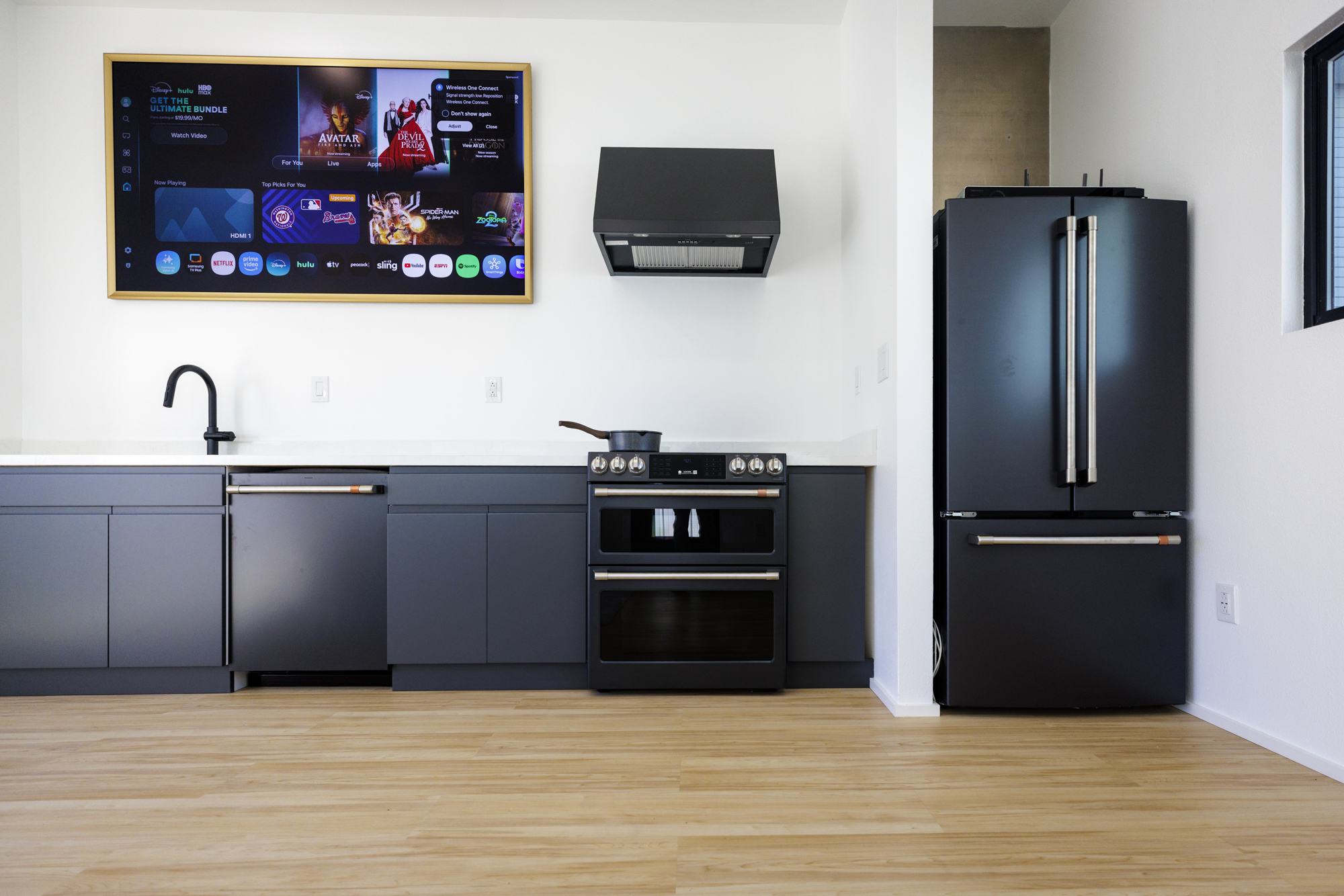
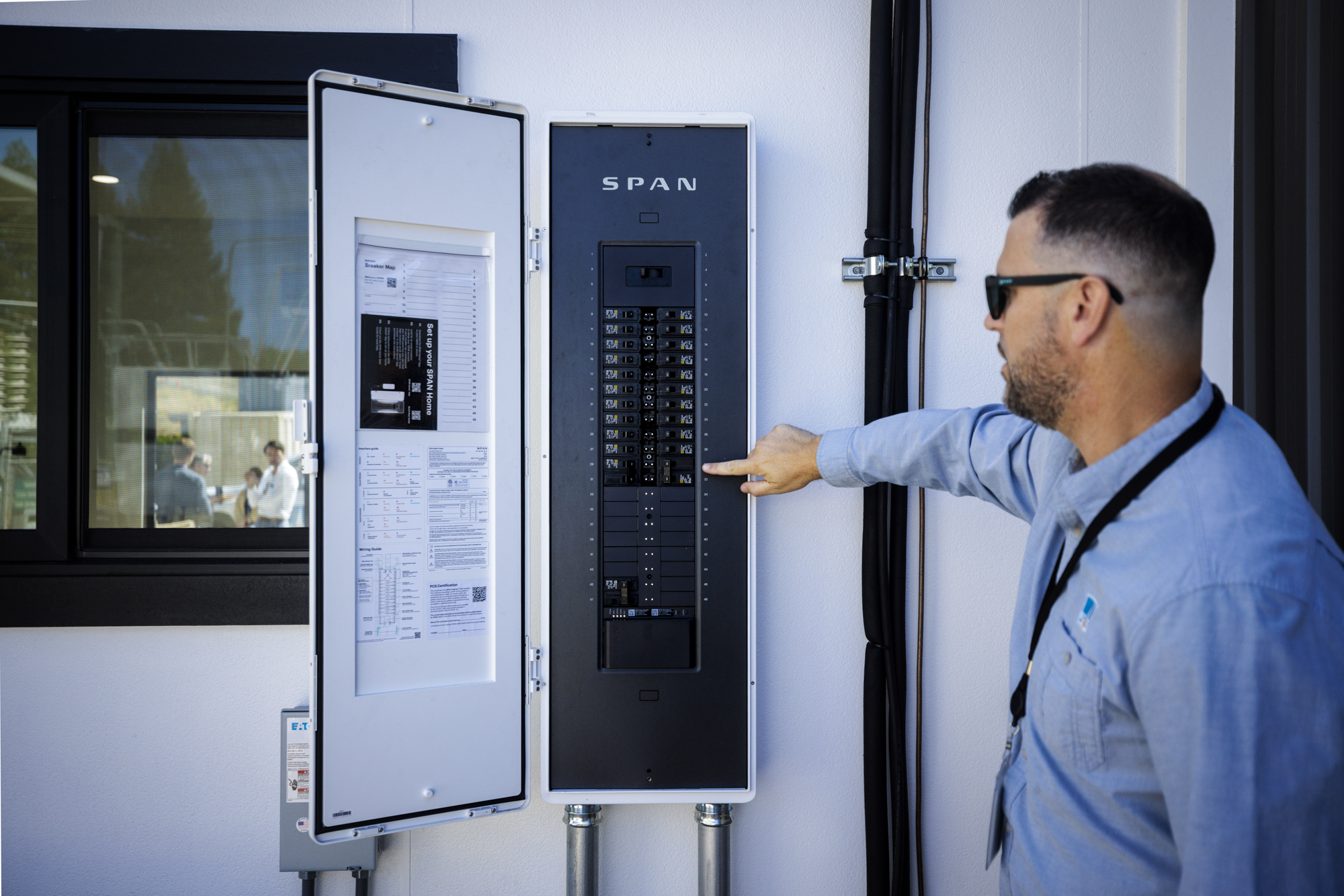
Tucked away in the East Bay foothills, a sleek white room houses the appliances of the future — an induction stove, a battery-powered HVAC system, a fridge with a thin black box resting on top.
Though these devices may seem average, behind the scenes, the machines are sharing more than wires — including information about how much energy they’re using, whether or not the refrigerator door is open and increasingly, how to help balance the power grid.
Utilities and technology companies say this kind of “smart home” could make the transition to an all-electric future cheaper, more reliable and more resilient during power outages.
As part of the state’s ambitious climate agenda, California wants millions of residents to electrify their homes and shift away from gas-powered vehicles. But every new electric appliance increases demand on a grid already under pressure from increased use, expanding data centers and more frequent extreme weather.
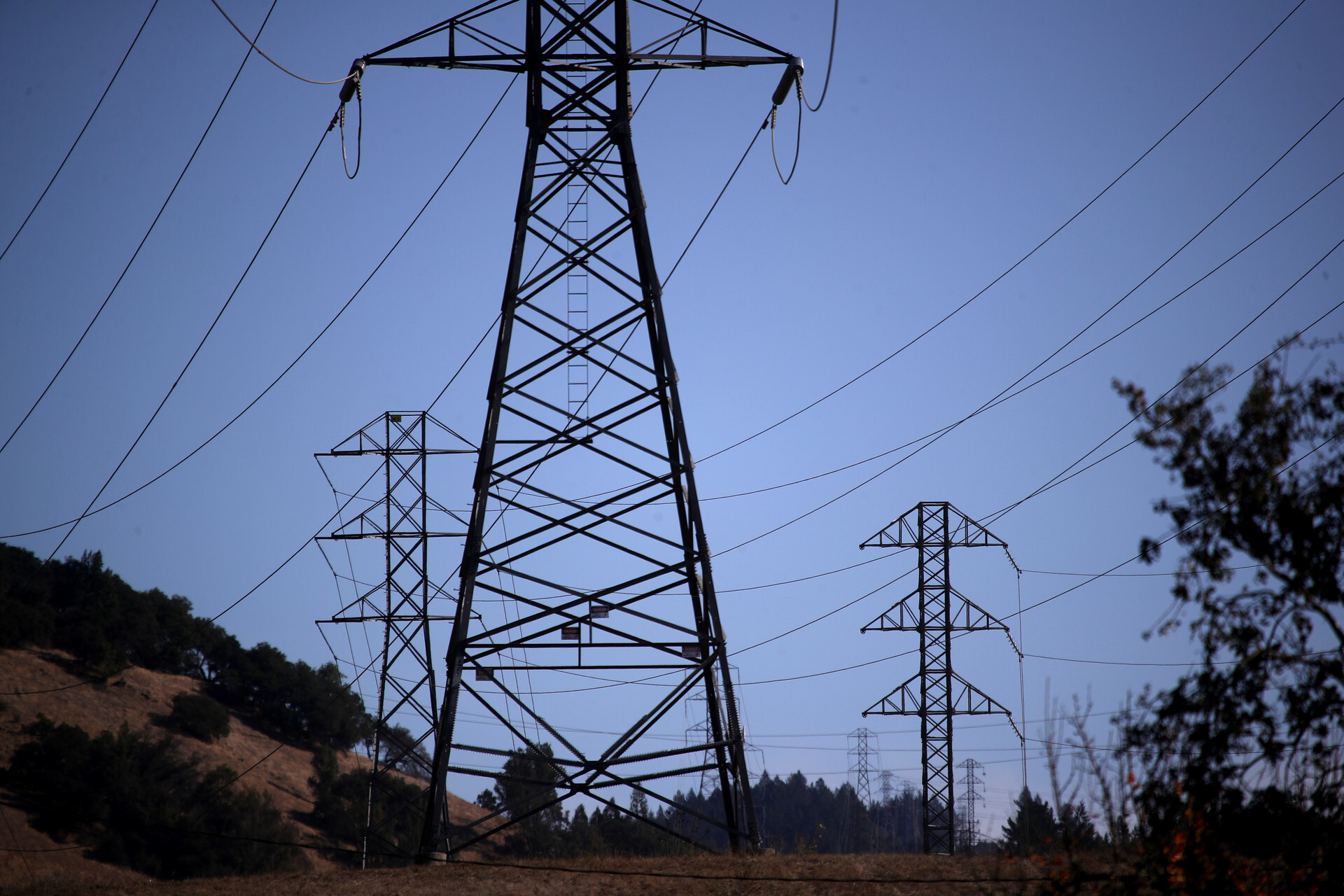
Building enough infrastructure to meet that demand is expensive, with costs often falling on consumers. Instead of making costly grid upgrades, utilities are increasingly searching for ways to use the existing grid more efficiently.
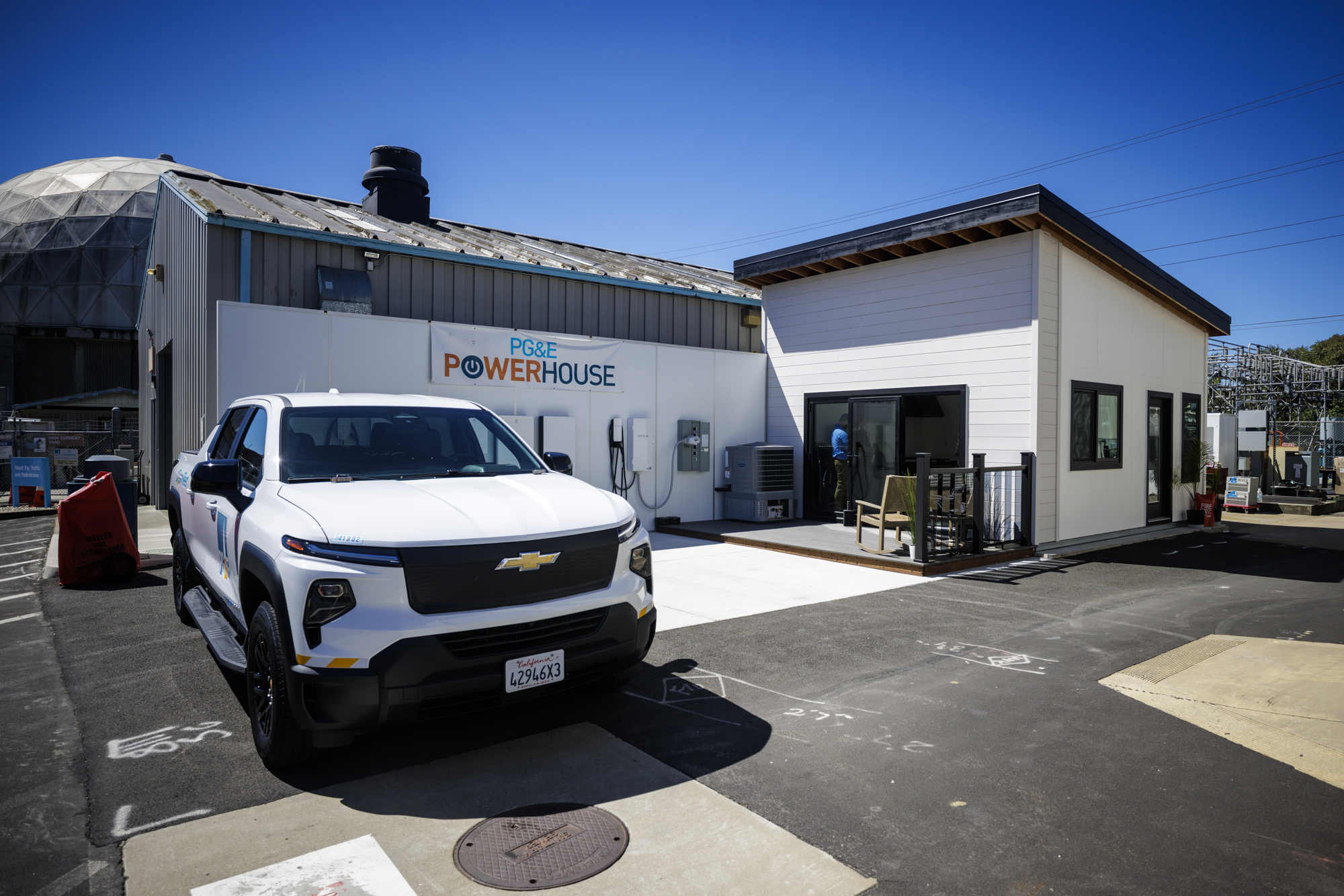
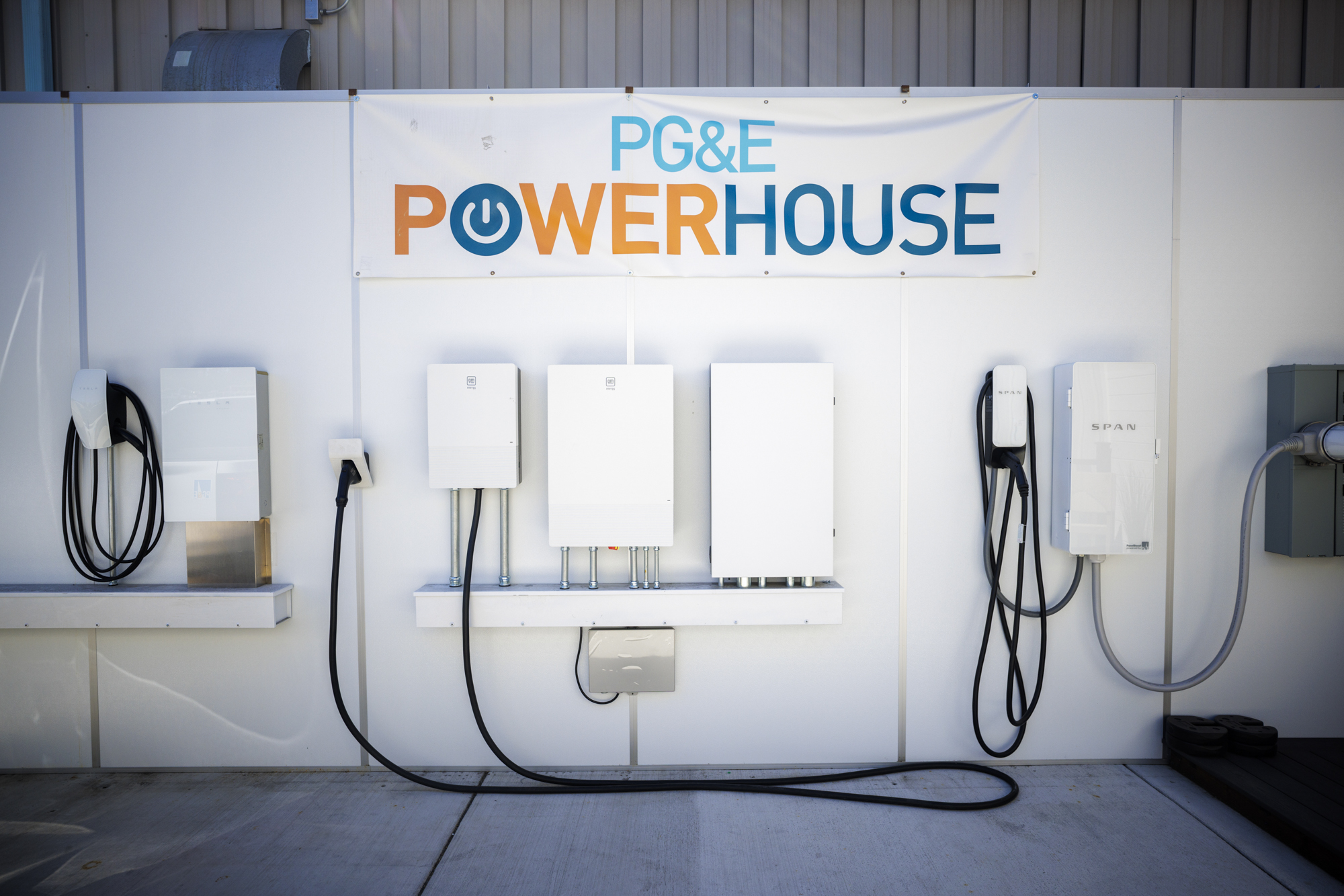
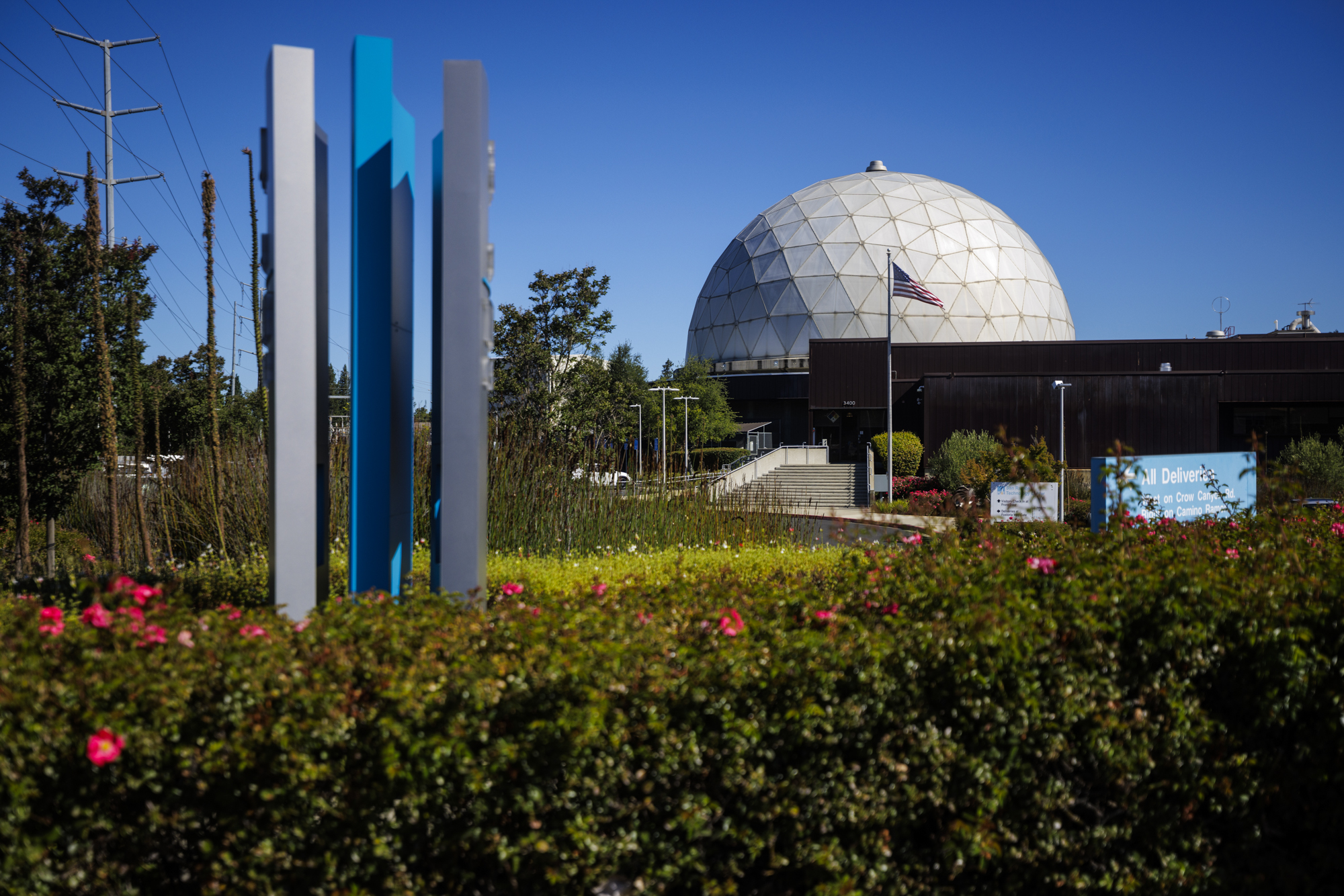
At the PG&E Applied Technology Services Center, an all-electric home in San Ramon, the utility works with private companies to show how advanced energy management technologies can work together to make electrification easier and more affordable.
“PG&E doesn’t make money off of energy; they make money off of stuff,” said Robert Stafford, a researcher at the World Resources Institute working on transportation electrification and grid resiliency. “Once all of those chargers and transformers and wires are out in the world, it is in everyone’s best interest to use them as efficiently as possible.”
Because the grid is built to meet the highest periods of electricity demand, most of the time, we actually only use 40% or 50% of its capacity, said Paul Doherty, a PG&E spokesperson.
The utility already offers “time-of-use” plans to encourage customers to run appliances overnight or during off-peak hours. Smart devices would automate, or run this process quietly in the background, according to Doherty.
Rather than physically turning off lights or turning down thermostats, customers would be able to set their energy preferences and the system would take care of the rest.
“If they’re running their air conditioning and their dishwasher, lights are on, TV’s on, dishwasher, the laundry is running — that EV charger may say, ‘Hey, there’s a lot going on within the home, we got to keep that down within capacity,” Doherty said.
Another example: the thin black box on top of the fridge in PG&E’s smart home. The device is a Pila battery, which can power most household appliances.
Pila CEO Cole Ashman describes the tool as a way for both renters and homeowners to access “seamless” backup power during outages and to shift their power consumption to cheaper times of day.
“All of these batteries kind of have a turbocharged brain inside of them,” Ashman said. “It’s going to work for you in the background, store energy when it’s cheap, charge up at night, and then, when power prices get expensive in the late afternoon, it seamlessly switches to start to run your refrigerator, your window AC, whatever is connected.”
Some customers may be put off, however, or concerned by the potential privacy or cybersecurity risks posed by these technologies. International researchers, in collaboration with NYU, found that potential threats include the exposure of unique device names and even household geolocation data, all of which can be harvested by external companies without user awareness.
With his company’s own technology, Ashman emphasized that consumers own all their own data and that the batteries are “local first,” which means they can opt in to wifi connection or cloud data sharing.
“Our phones are getting smarter, our computers are getting smarter, and the appliances in our home are also getting smarter,” Ashman said.
“While that might sound scary to some folks … that can be really exciting if done well,” Ashman continued. “These things are going to be able to take care of you even when the data center goes down, or Google goes down or the power goes out.”