Some Oaklanders Opposed to Proposed Data Center
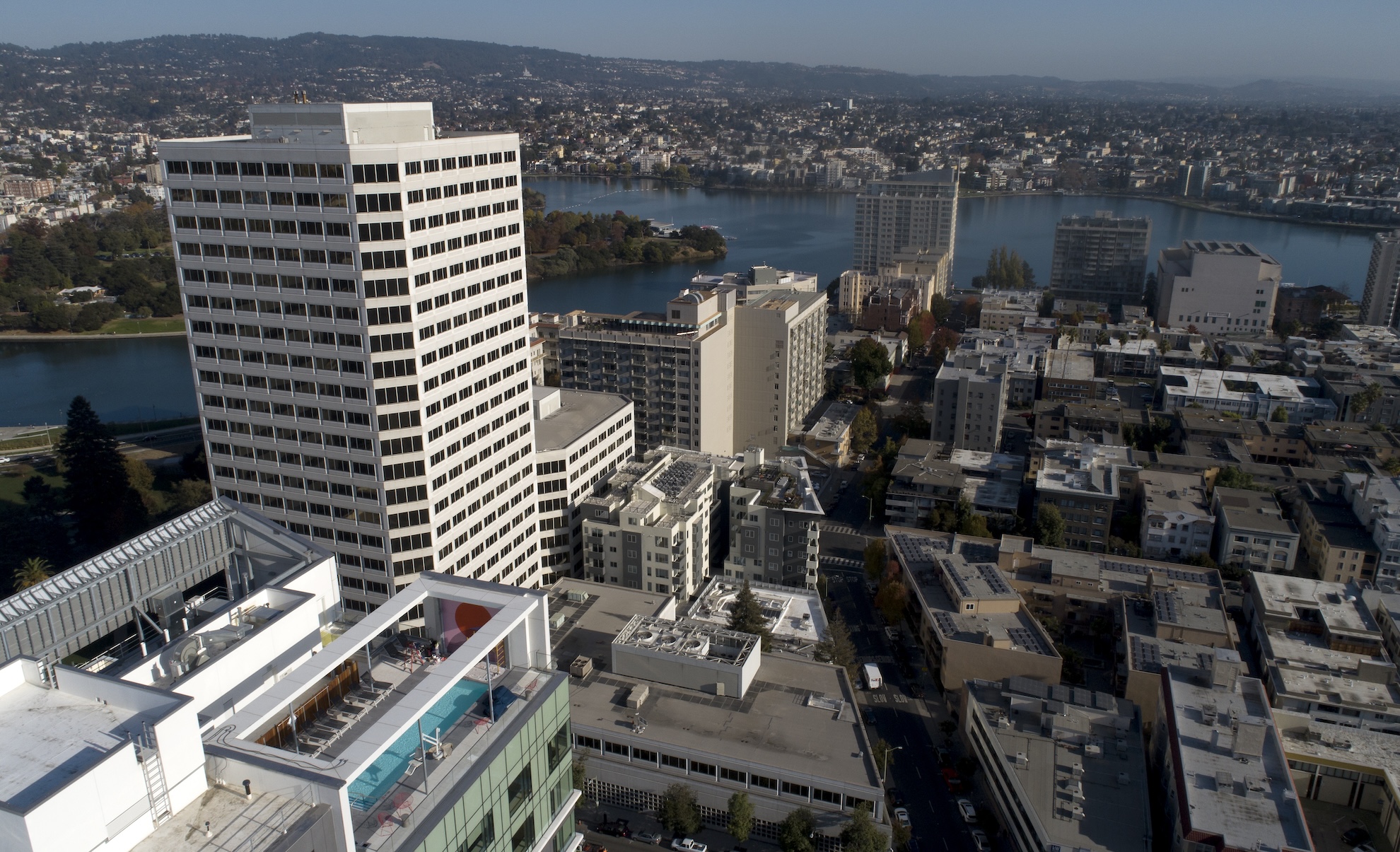
Several Oaklanders say that Behring Companies can position its proposed data center as an outlier to the larger-scale facilities that’ve come under fire for high energy and water usage, but their feelings won’t change for the most part.
That’s largely because of distrust in the developer’s intentions and environmental impacts that centers have had on communities in other states.
“Keep data centers out of Oakland,” said Bryan Ortega, 30, who has been an Oakland resident for years. “I don’t like data centers. I don’t agree with them.”
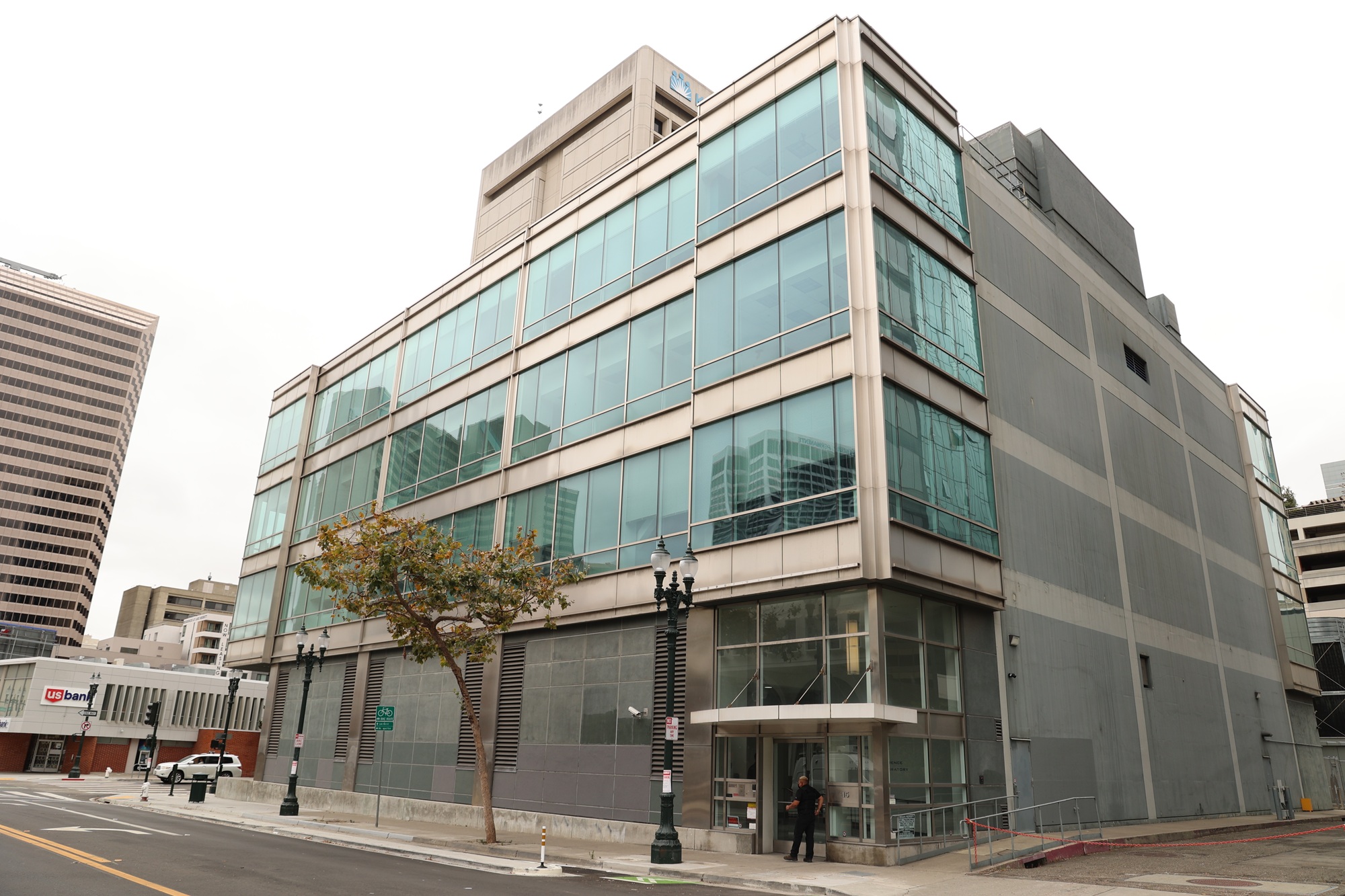
Behring is in the early stages of what it calls an innovation hub on 20th Street that includes about 20,000 square feet dedicated to a data center. The project is a single piece in a four-building project that would provide housing, office space and parking. Its addition could help bring jobs to the struggling downtown area, according to the developer and Oakland City Councilmember Carroll Fife.
Ortega doesn’t buy it.
“The intention is not good,” Ortega said. “I don’t think they’re opening data centers for any good reasons; it’s all capital gain.”
Ortega linked his opposition to other data centers popping up in the Bay Area that have drawn large pushback.

In some cases, like in Oakley, the plan has been stopped in its tracks. The developer of a project that included the possibility of a data center pulled that suggestion after residents rallied against it. Soon after, Oakley council members implemented the Bay Area’s first ban on the centers.
The Party for Socialism and Liberation, which has been active in organizing against projects in Oakley and Pittsburg, is pushing for a similar ban in Oakland.
The group started a petition this week to call on the city council to ban all data centers in the city. Aditi Varshneya, an organizer with PSL who lives and works in Oakland, said the more than 3,500 signatures they’ve gathered show that residents don’t want a data center at all.
“If you ask most members of this community, they would want something that actually benefits our community in that space,” Varshneya said.
Officials facing the possibility of a data center coming to their cities have usually opted to regulate the facilities instead of pursuing outright bans. Oakley’s ban is temporary, while Pittsburg and San Jose have instead suggested regulating proposed centers.
Fife, who represents downtown Oakland where the data center would be, said at a Friday press conference that she was working toward developing regulations on what responsible AI looks like.
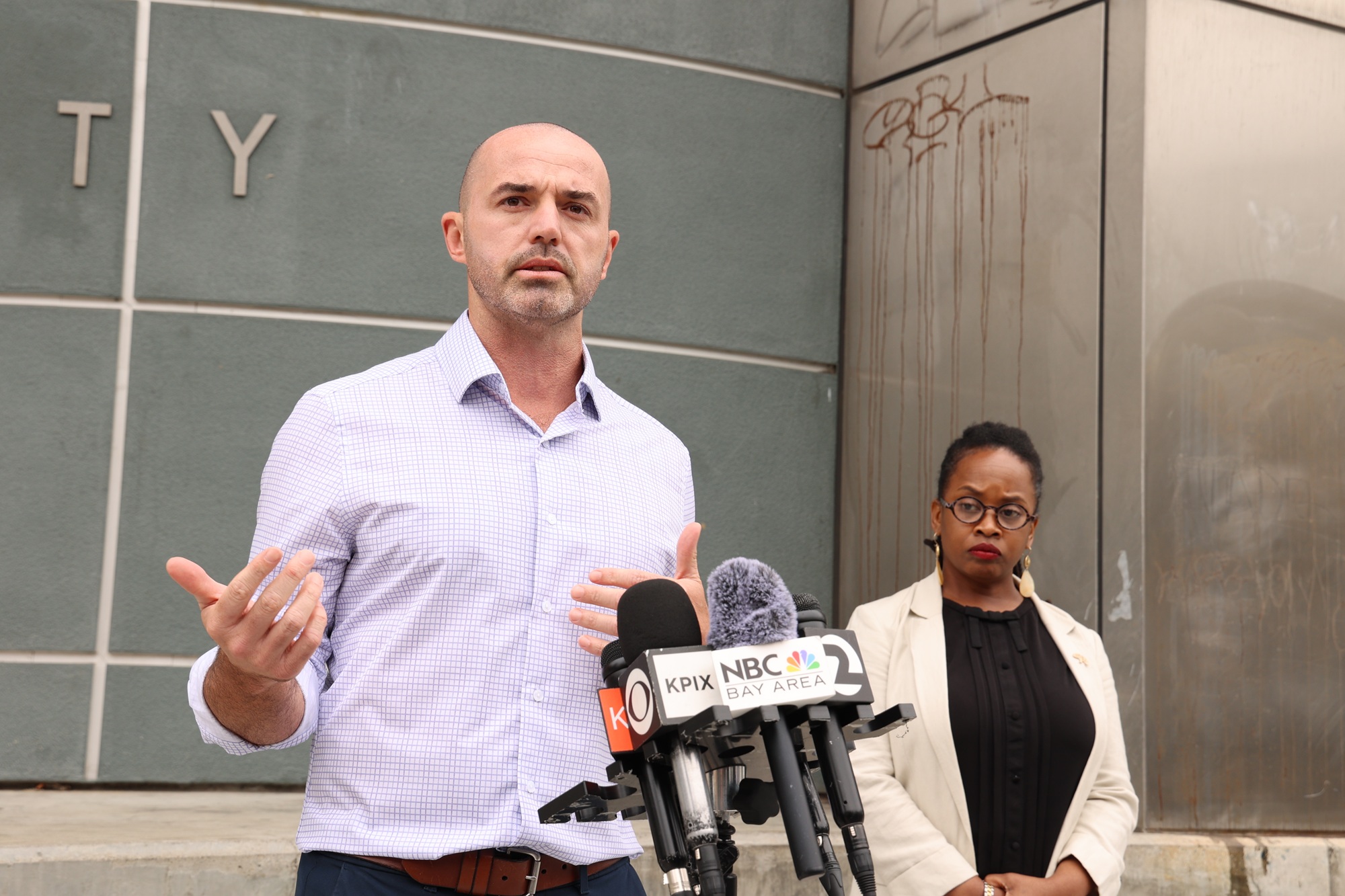
If part of the project in Oakland doesn’t happen, Behring Companies CEO Colin Behring said: “The whole picture falls apart.” Possibilities of high water and energy usage at the site, he said, are not a concern because newer technology for water cooling wouldn’t waste water and California produces plenty of energy.
Areli Hernandez, an Oakland resident for about a decade, was alarmed to learn about the project.
“No, no,” Hernandez said about Behring’s reasoning behind the proposal not using large amounts of water or energy. “There should be something citizens of Oakland can sign to contest the data center.”
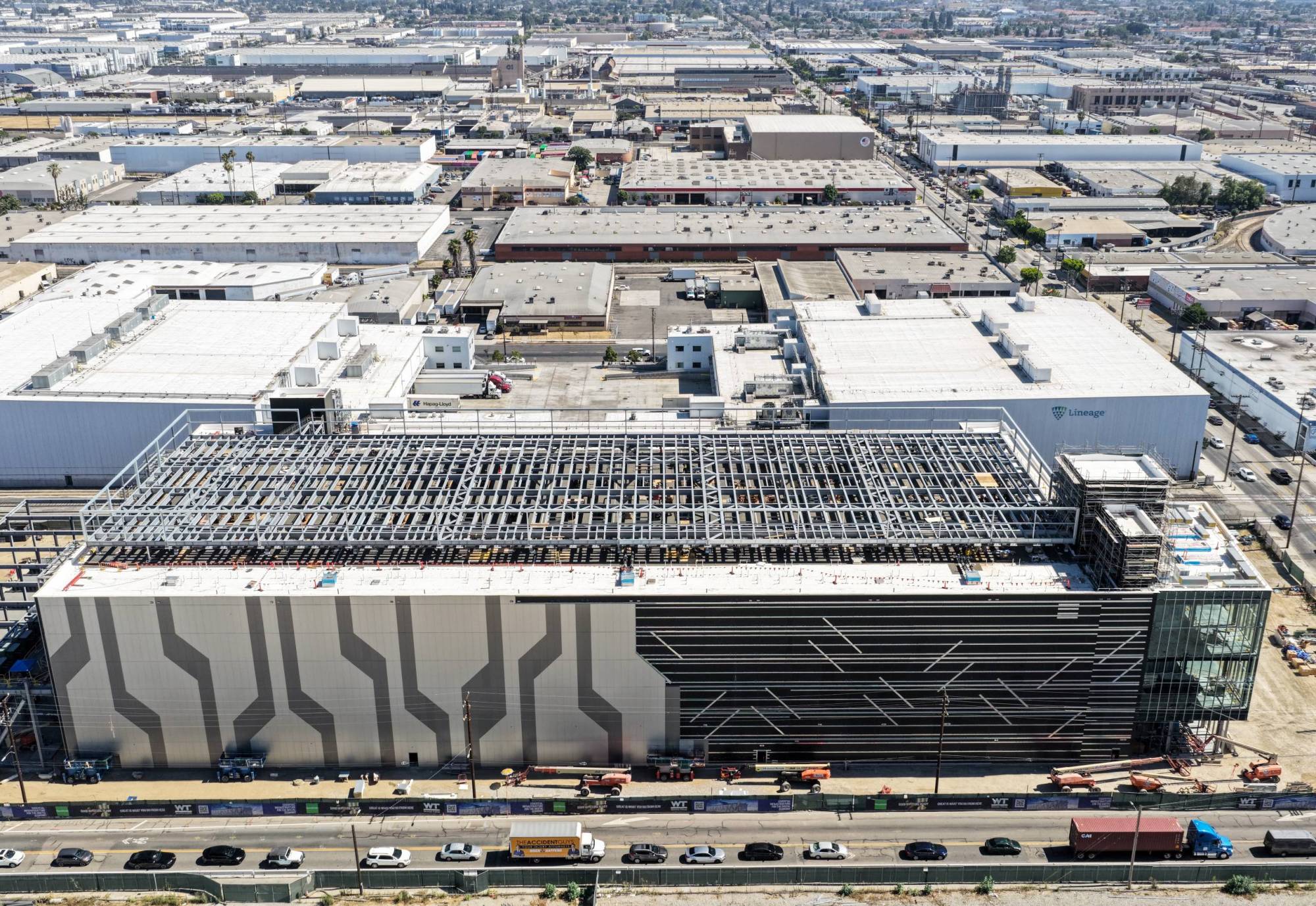
Most people who KQED spoke with in the city weren’t aware of the proposal. Instead, they mentioned data centers in other states or, less so, others in the Bay Area.
“This issue of disclosure is a huge part of community concerns around data centers,” Varshneya said.
Andrea Wash, who lives in Concord but works in Oakland, hadn’t heard of the proposal either.
“In the suburban areas, it may be a better idea just because there’s more land, more area for development,” Wash, 38, said. “Here in Oakland, especially in this area, it is a bit more congested so I could see how that would pose a problem for a lot of the neighbors.”
The council member said she’s working on an AI forum to ensure communities are aware of the impacts data centers could have on the city.
Fife said Friday that the circulating petition and other similar ones often go out because some people are not clear on what is being proposed. That’s why she said more information is needed — for everyone.
Varshneya said PSL will continue to oppose the project while raising awareness about it in the community. On Friday at 7 p.m., the group will host an organizing meeting about the data center at the Oakland Liberation Center.