Meta Faces Up to $1.4 Trillion Reckoning as Youth-Addiction Trial Opens in Oakland

Since the dawn of social media, Meta and other platforms have faced lawsuits charging that the sites caused harm to their users.
The companies have largely shielded themselves from those legal attacks, arguing they are not responsible for content published on their sites. But in the last two years, plaintiffs’ lawyers and state attorneys general have found success with a new strategy: arguing social media companies knowingly designed their products and policies in ways that could harm children.
Earlier this year, Meta attorneys faced two juries and lost in both cases. A Los Angeles jury held Meta and Google’s YouTube liable for negligent design. A New Mexico jury found the company willfully violated state consumer-protection laws. The judge ordered Meta to pay $942 million and change how its products work for young users in that state.
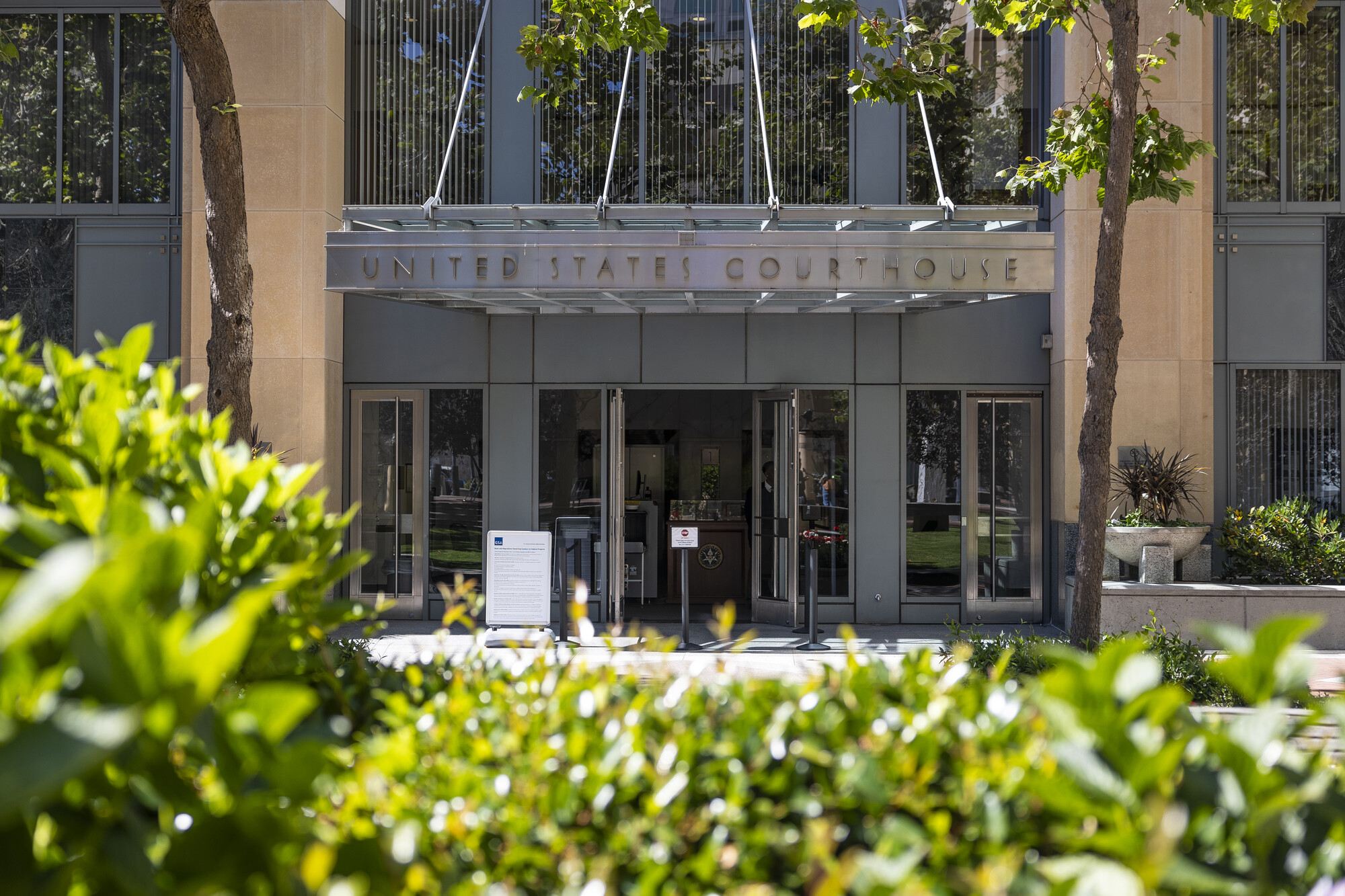
Starting this week in Oakland, the company faces its biggest challenge yet, when a federal trial brought by four state attorneys general goes before Judge Yvonne Gonzalez Rogers. California, Colorado, Kentucky and New Jersey argue Meta built features it knew would hook young users, and kept children under 13 on its platforms because they were valuable future customers, while claiming otherwise to parents and regulators.
In a statement released Tuesday, a Meta spokesperson wrote, “We strongly disagree with these allegations and are confident the evidence will show our longstanding commitment to supporting young people. We’ve listened to parents, worked with experts and law enforcement, and conducted in-depth research to understand the issues that matter most. We’re proud of the progress we’ve made, and we’re always working to do better.”
In pre-trial documents, the states have calculated Meta could owe $1.4 trillion, roughly as much as the company is worth on Wall Street. Legal observers say that demand is not expected to survive the trial or the appeal likely to follow, but money is not the only demand.
The states also want the court to order Meta to redesign its platforms to alter some of the very features that have made its products sticky enough to attract 3.6 billion people around the globe.
“You’re talking about platforms that were never designed for kids to begin with,” said Dr. Jen King, privacy and data policy fellow at the Stanford Institute for Human-Centered Artificial Intelligence. “So every feature there is really around engaging adults, designed to engage adults, without much thought to what would be developmentally appropriate design.”
Internal documents released by whistleblowers have revealed that Meta’s own research showed how their site’s features could be harmful to teens, and that the company didn’t change course.

Meta has always officially required Facebook and Instagram users to be at least 13 years old, in conformity with federal law. It was not until September of 2024 that the company launched age-appropriate versions of Instagram for users ages 13 to 17, with content filters, screen time limits and parental supervision tools.
Meta has long been able to tell when users are underage, King said. “Even if they’ve lied about their age, it’s usually easy to tell by who they’re friends with, or what their activities are, what they like.” She said that internal documents demonstrate Meta platforms actually encouraged underage users, “because that’s their future user base.”
The outcome of the Oakland case has the potential to drive a stake through the heart of not just Meta, but social media at large, according to Eric Goldman, associate dean for research and professor at Santa Clara University School of Law.
“These lawsuits are really existential in nature. The stakes here are about whether or not players can even exist in the industry,” he told KQED. $1.4 trillion, even if the plaintiffs downsize their demand during the trial, is “a very powerful statement, and from my perspective, a chilling statement,” he said.
In Meta’s most recent earnings report, CFO Susan Li said, “We continue to see scrutiny on youth-related issues in several markets and have a number of youth-related trials scheduled for this year in the U.S., which may ultimately result in a material loss.”

Since Australia barred children under 16 from using social media in 2025, more than two dozen countries have enacted bans or begun considering similar restrictions. While the Trump administration appears unlikely to follow suit, several states are moving forward on their own.
California lawmakers are weighing AB 1709, which would bar social media companies from serving addictive features to users under 16, and create an online safety commission inside the Department of Justice to advise the attorney general on enforcing it.
Meanwhile, social media companies are fighting thousands of lawsuits brought by individuals, school districts and states, with much of that litigation consolidated into large court cases in California. The first to reach a jury was brought by a young woman identified as K.G.M.
In May, Meta settled a suit brought by a Kentucky school district. This month, a teenage plaintiff dropped his suit against Meta after settling with co-defendants YouTube, Snap and TikTok. Meta said it would continue to fight “baseless” lawsuits, noting the evidence showed the plaintiff in that case averaged just minutes a day on Facebook and Instagram, and he created most accounts only after hiring a lawyer.
Meta has expressed willingness to work with the states to make its products safer while calling the damage request of more than $1 trillion a “staggering” figure. “A sanction of that size has no analog in the history of consumer protection enforcement,” the company said in a filing in Oakland.

Gonzalez Rogers has shown an appetite for taking on complex Silicon Valley court cases. In April, she presided over Musk v. Altman et al, showing no hesitation in keeping witnesses and lawyers in check, and carefully pruning the focus of the trial.
Legal analysts saw many of her moves as strategic, designed to avoid a sprawling trial that could have lasted for months. Close readings of her pre-trial rulings also hinted that she viewed Elon Musk’s claims with more than a dollop of skepticism.
Goldman said he sees evidence the judge is already leaning against Meta. “What has stood out to me is that the defendants just cannot get a break with this judge. Everything they’re arguing is just bouncing right off of her.”
Meta gave the judge seven arguments for throwing out the deception claims, including that social media addiction doesn’t exist and can’t be proven. Gonzalez Rogers rejected all of them.
Meta also said that federal children’s privacy law doesn’t apply, because Facebook and Instagram are built for general audiences and the company doesn’t know which users are under 13. Gonzalez Rogers sent that question to the jury, finding that children “at least partially” could be targets of the platforms.
Gonzalez Rogers has demonstrated pre-trial skepticism of both sides. She characterized the states’ proposed penalties as extreme, while also noting that Meta’s counterproposal of $4 million was underwhelming for a business of its size.
Meta has said much of the litigation is attempting to fix a multi-faceted societal issue but wouldn’t effectively stop young people from using other types of social media, let alone its own.
But King at Stanford said Meta and other social media companies are being challenged in court because they have effectively shut down most efforts at state and federal regulation.
“The types of heavy-handed policy instruments we are seeing floated right now, the outright bans, the age gating, age verification measures, are really the result of the companies not giving any ground,” King said. “They haven’t been willing to do it, because they know that it will drastically affect their bottom line.”