San Mateo County Could Be First to Regulate Humanoid Robots for Commercial Use
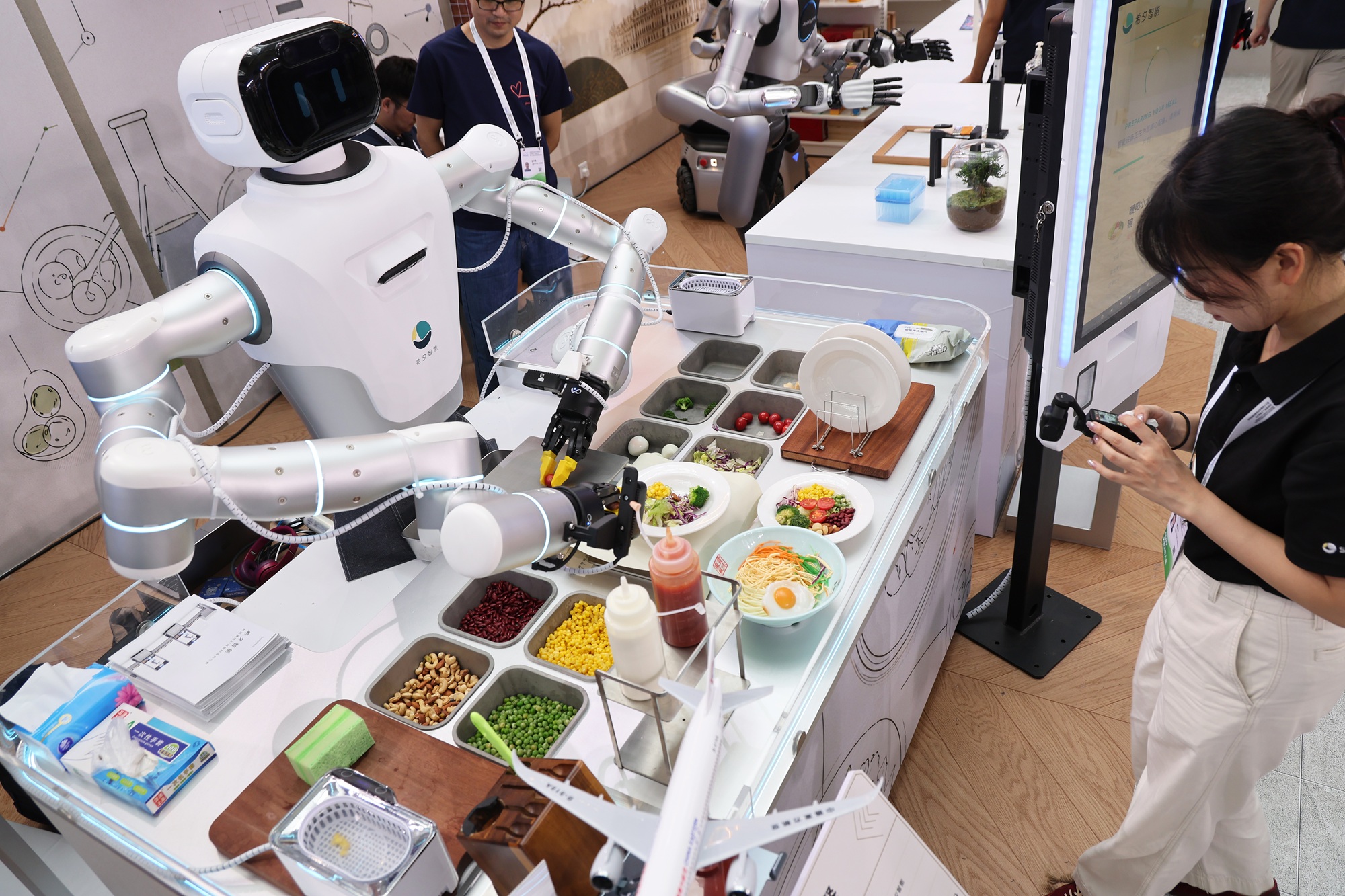
Robots have already joined California’s workforce. Disembodied arms prepare coffee for travelers at the San Francisco International Airport and Stonestown Mall. Driverless vehicles chauffeur workers and tourists. Coolers on wheels roll and deliver meals in San José.
Though state law regulates autonomous vehicles, the San Mateo County Board of Supervisors adopted a resolution on Tuesday that could make it the first to require companies to pay for permits before humanoid robots enter the workplace.
The resolution, authored by Supervisor Ray Mueller, would direct county legal and administrative staff to draft a formal ordinance regulating the robots increasingly showing up in hospitality, logistics, customer service and emergency services.
California does not currently have a “comprehensive regulatory framework governing the commercial deployment and operation of humanoid robots,” the resolution states, and establishing this framework in advance will allow San Mateo to “encourage the responsible integration of emerging technologies.”
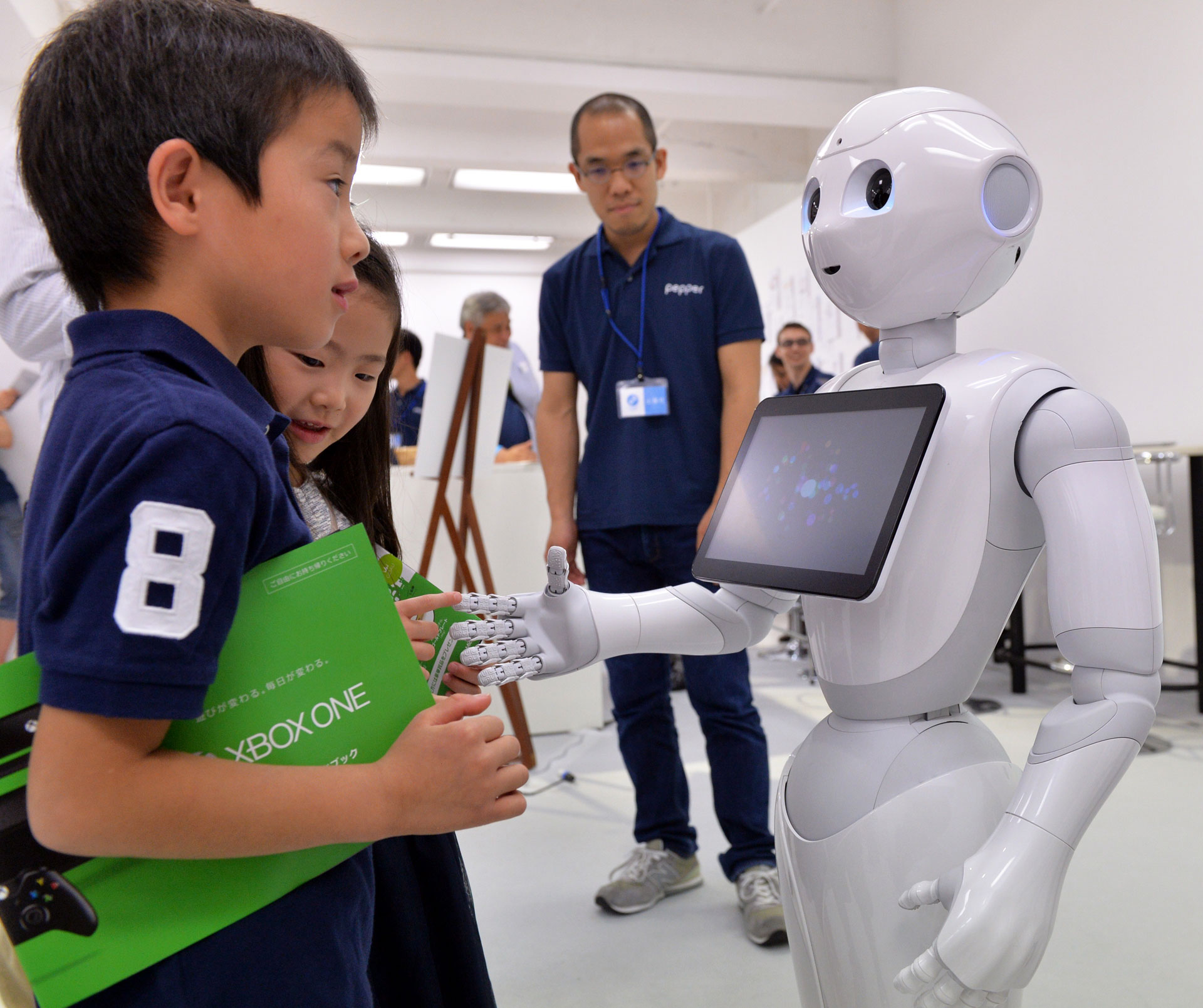
Mueller said he intended the resolution to establish a permitting process that could track the rollout of these robots and that the permitting data could help the county evaluate potential risks, like job displacement, fires and other safety issues.
“Data like that is like gold to public agencies,” Mueller said.
Several companies across the country have already started rolling out humanoid robots as pilots. In San Francisco, residents hire humanoid robots from Tau Robotics to clean their home or office for $30 an hour, but the cleaning is supervised by remote human operators according to the company website.
Ken Goldberg, a robotics professor at UC Berkeley, said that while it’s not a bad idea to start thinking about legislation, the humanoid workforce is still a long way off from being genuinely useful.
Goldberg said that while people have been expecting humanoid robots since the ’60s, engineers are still at least 10 years away — if not more — from creating robots that can do practical tasks.
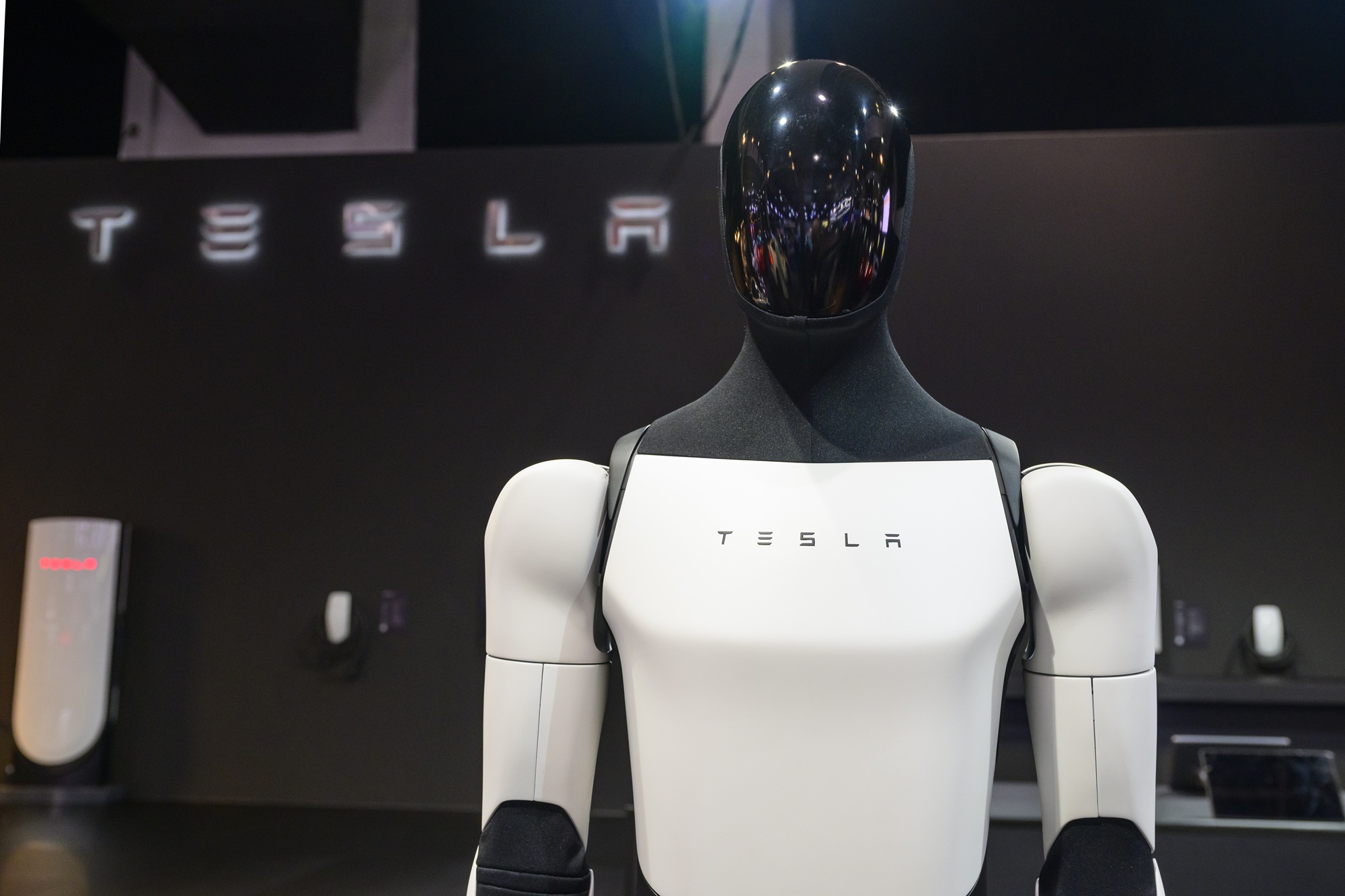
“They’re good at walking, they’re good at backflips, but they’re very poor at motor skills,” Goldberg said.
This gap exists, in part, because we do not have data to train these robots on, Goldberg said. The large language models powering artificial intelligence today were trained on 100,000 years of data, Goldberg wrote in 2025. Conversely, the largest dataset available for humanoid robots is “on the order of one year of data.”
While meaningful deployment may still be far away, Julie Lind, a representative of the San Mateo Labor Council, told KQED that she is already seeing pilot deployments for these humanoid robots in home cleaning, manufacturing, and warehouse work.
Using these robots in restaurants, factories or stores, Lind said, “raises legitimate questions about accessibility, emergency response, fire and hazardous-material risks, and who is accountable when something goes wrong.”
Mueller said the revenue from the permits would go to support the response to fires related to lithium-ion batteries — often used to power these new technologies.
At Tuesday’s board of supervisors meeting, firefighters’ union spokesperson Rich Seguine said that adding humanoid robots to homes and workplaces could contribute to an uptick in these fires in the county. Seguine said that these fires burn hotter and release more toxins than a typical fire and require specialized equipment to manage effectively.
Mueller emphasized that the legislation is not intended to prohibit the technology or even put guardrails on it.
“As the technology is implemented, we need to make sure that public agencies are able to properly adapt,” Mueller said.